Categories
flowering bulbs garden arches garden design garden paths garden photography gardening gardens gardens open to the public grasses hardy perennials National Trust ornamental grasses ornamental trees and shrubs pathways pergolas spring bulbs The National Trust trees Wales Winter Gardening winter gardens

The Winter Garden at Bodnant Hall

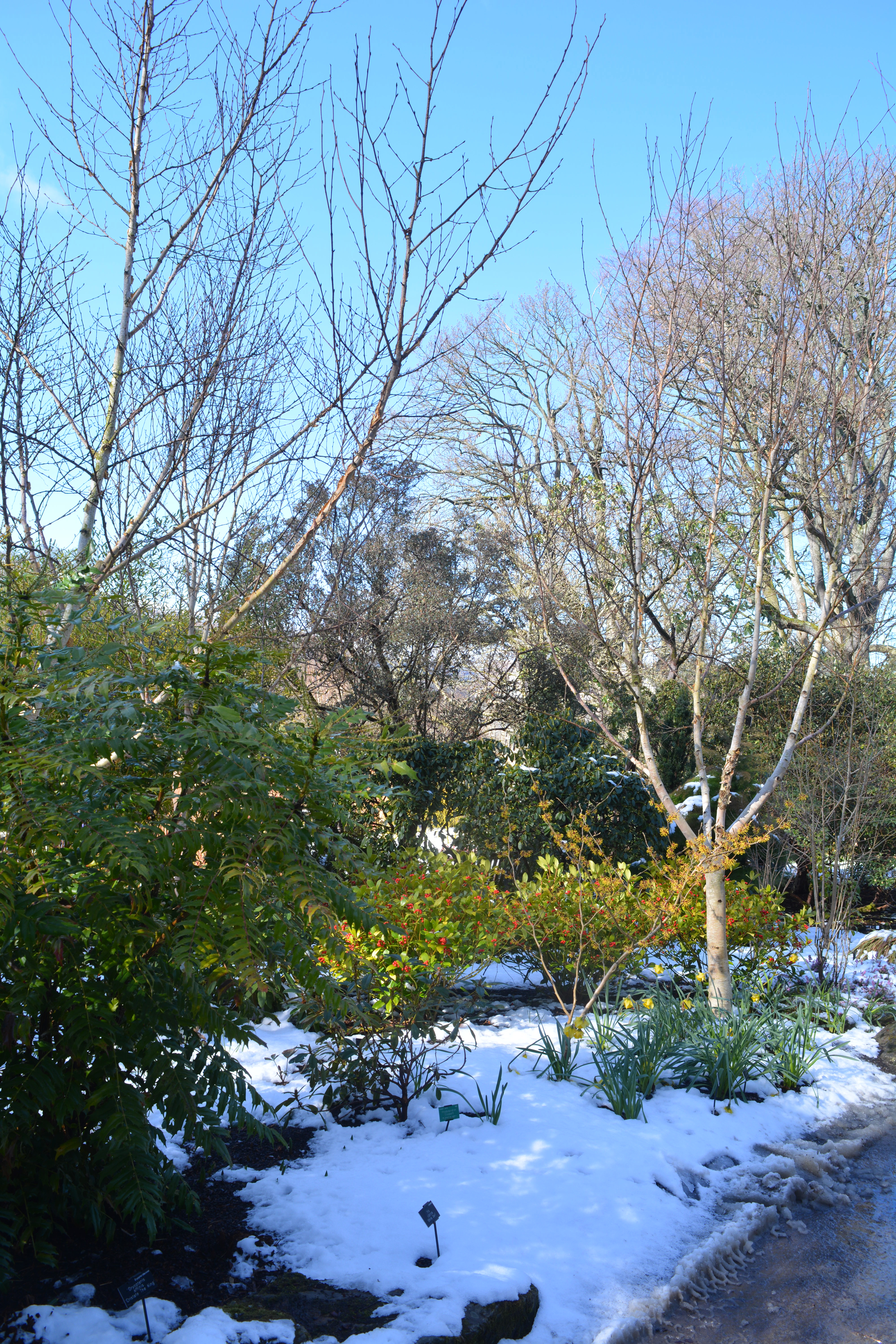
We left home for a journey up towards Chester and then West along the North Wales coast after listening to the local weather forecast for our destination. It predicted a heavy snow storm passing through early morning and warnings were announced for closed roads and dangerous conditions. The weather was set to travel eastward and weaken, so we hoped we would meet it as it had weakened and arrive at our destination as it cleared.

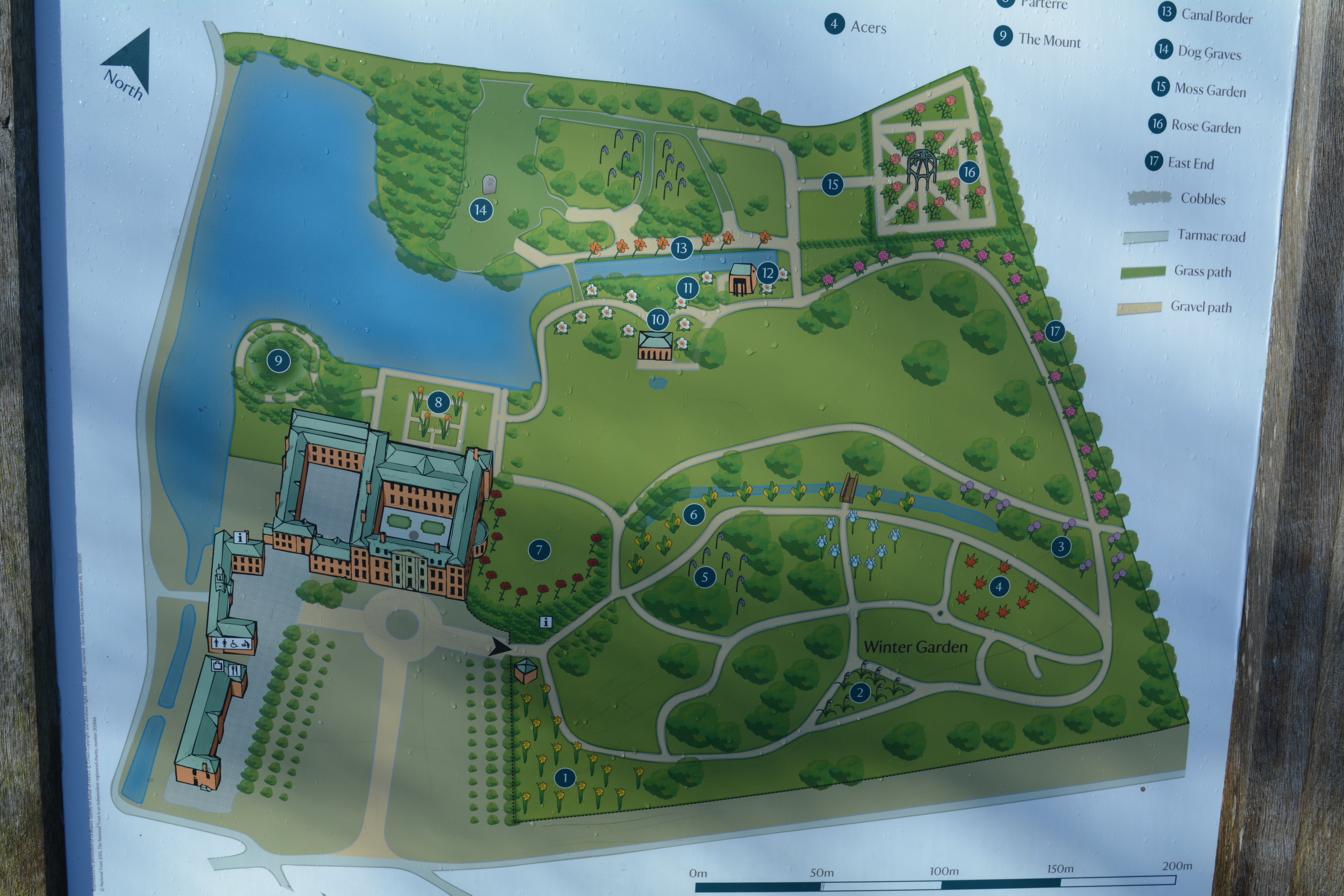
We got it spot on as a couple of hours later we arrived at the northern tip of Snowdownia, at Bodnant Hall where we wanted the see the Winter Garden. We had explored it before in the summer and it looked good then. We vowed to return in its prime season to see if it lived up to its summer promises.

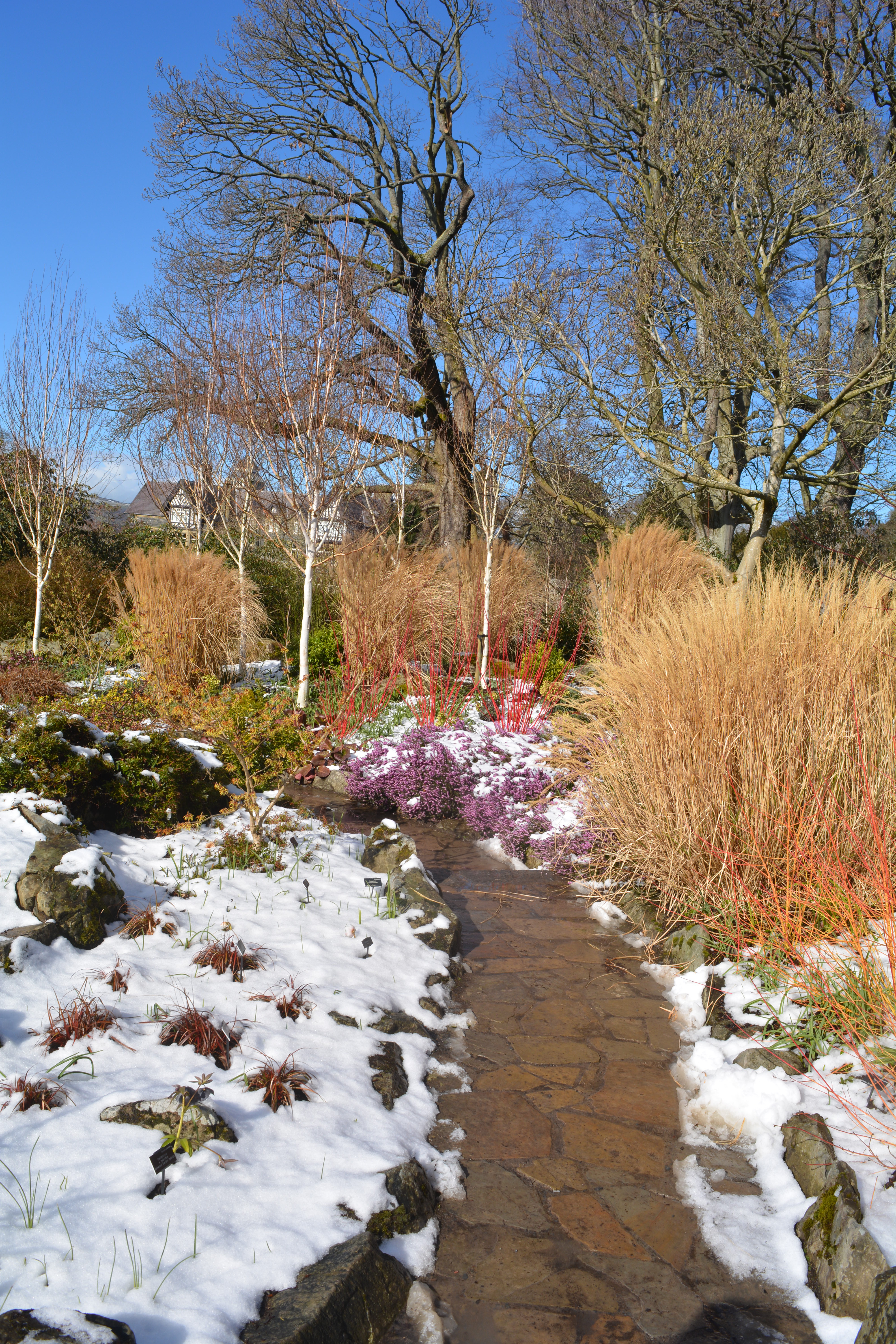
We were not to be disappointed in the slightest as it surpassed all expectations. It was simply breathtaking. Come with us as we explore along its winding paths.

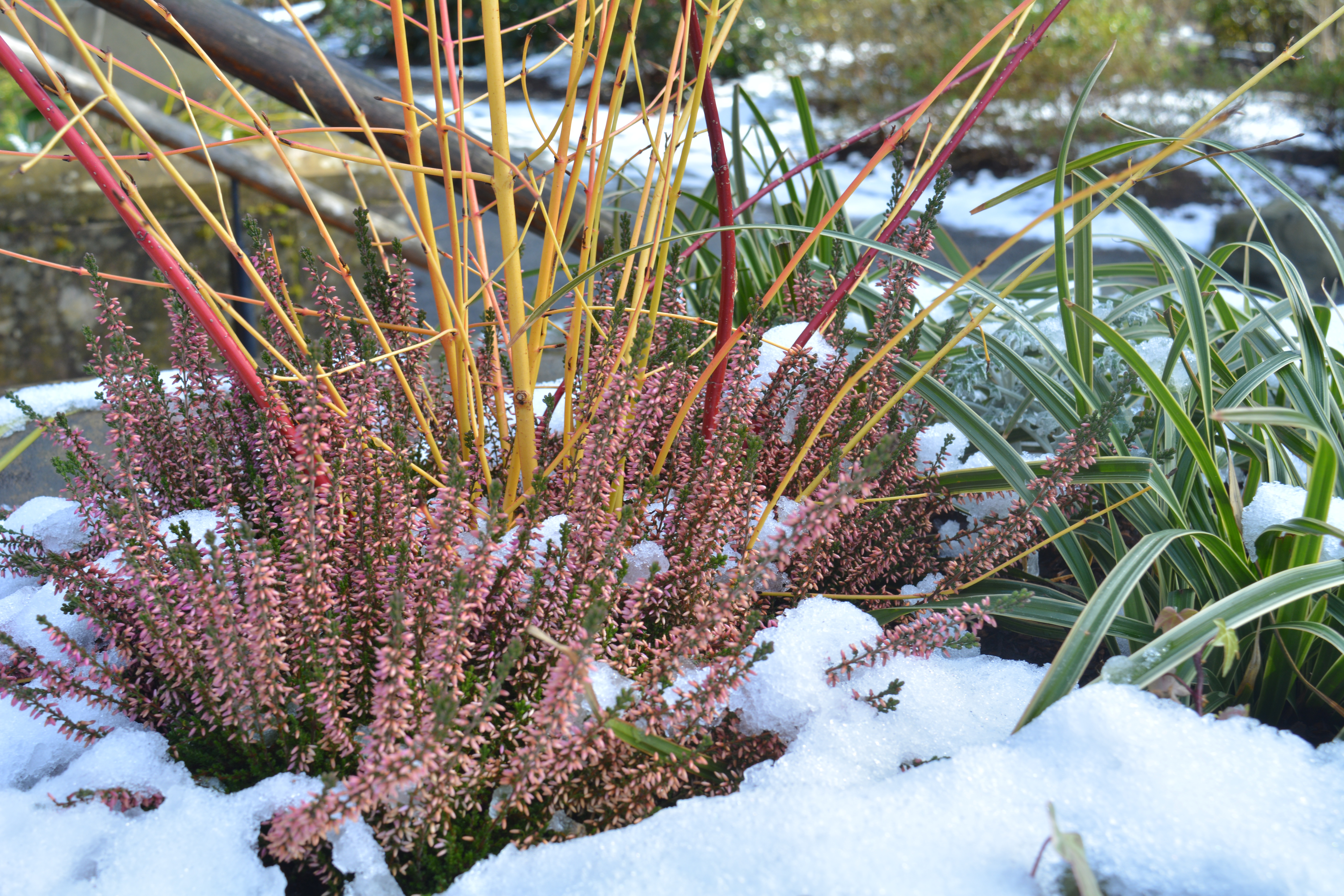
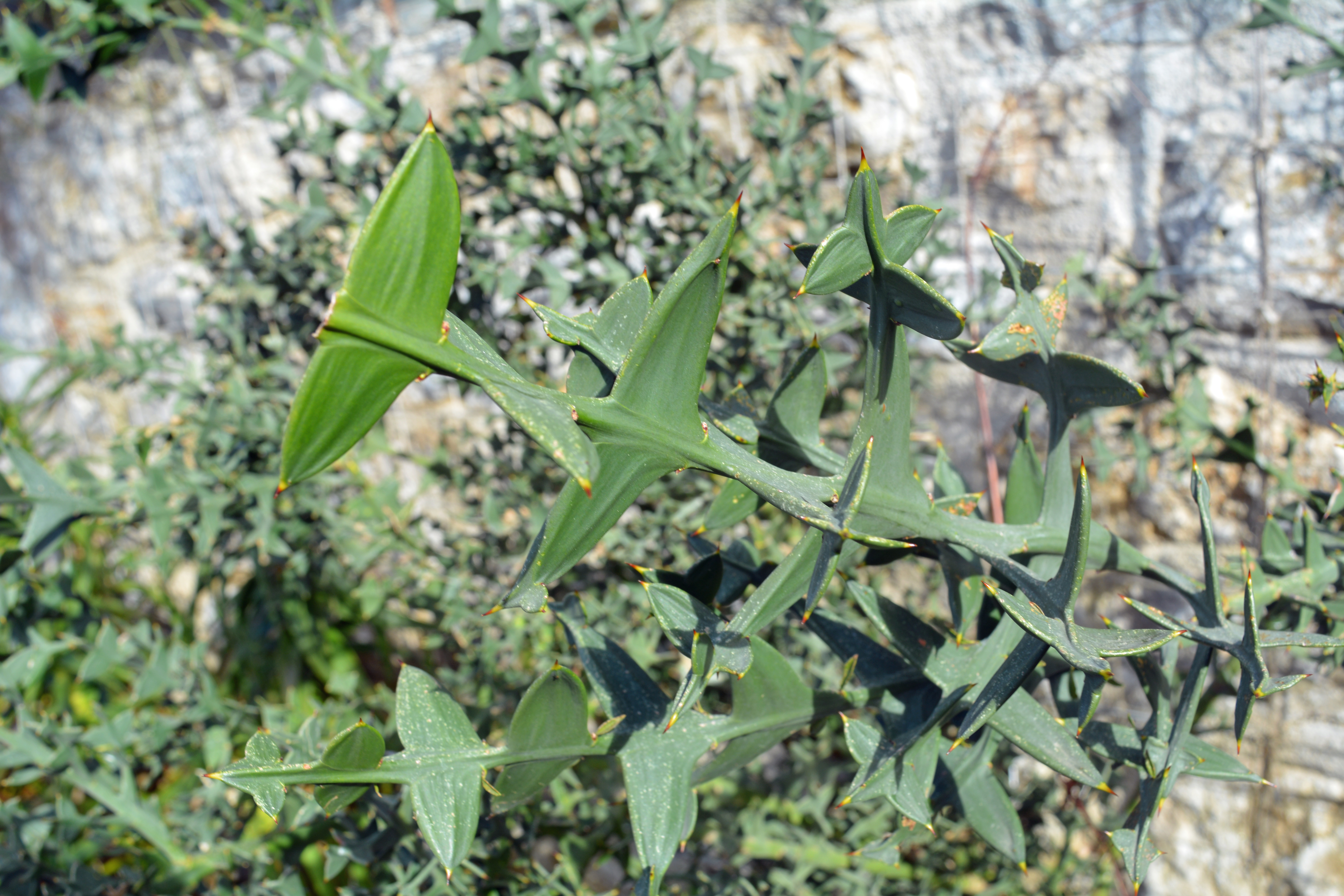
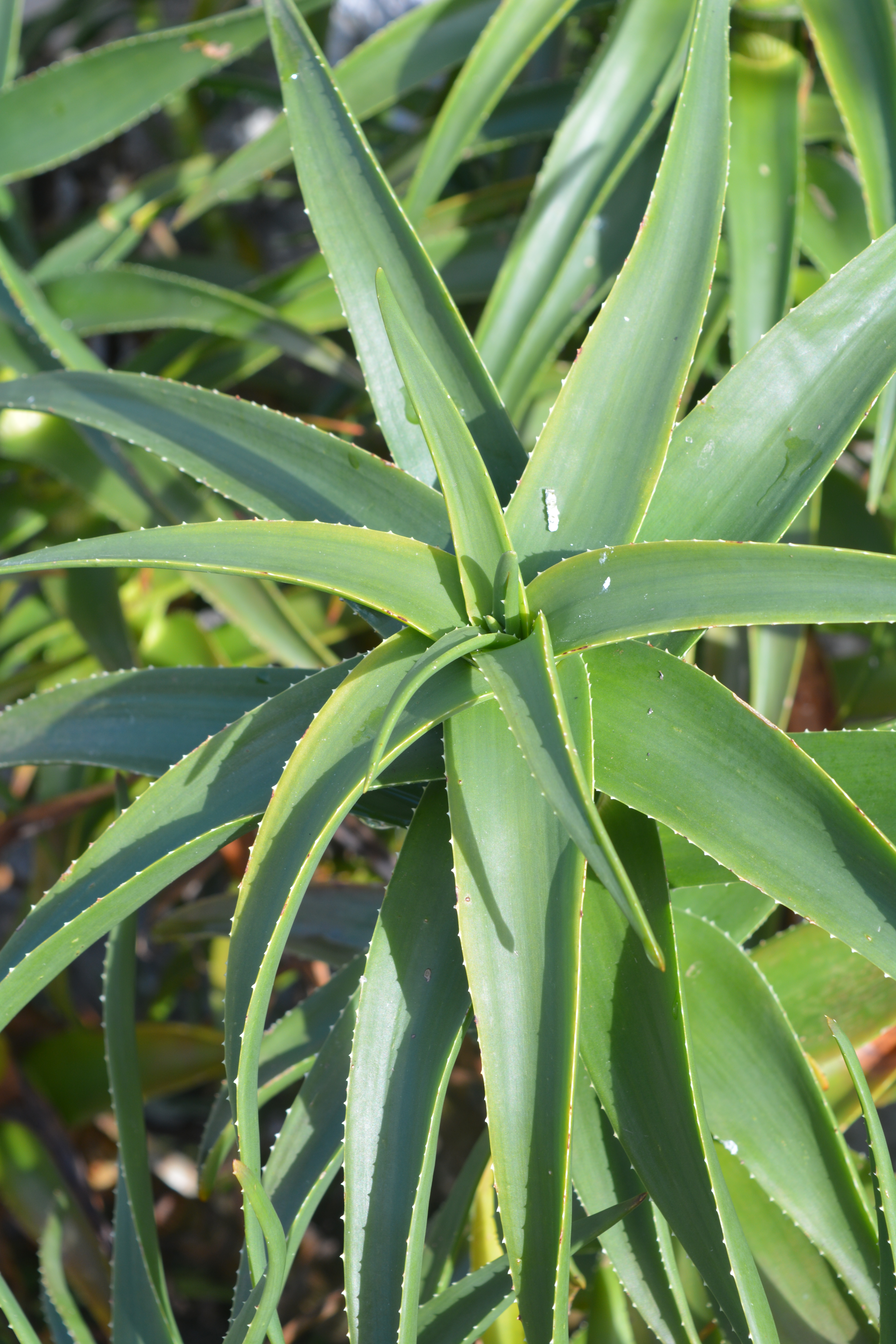
We entered the garden by following a path cut into the hillside and then down a ramp where we discovered a raised wall with the sort of planting we expected to see in the Winter Garden itself. We also passed two plants with not so friendly foliage, a Colletia paradoxa and a Yucca, both well endowed with points and sharp edges.


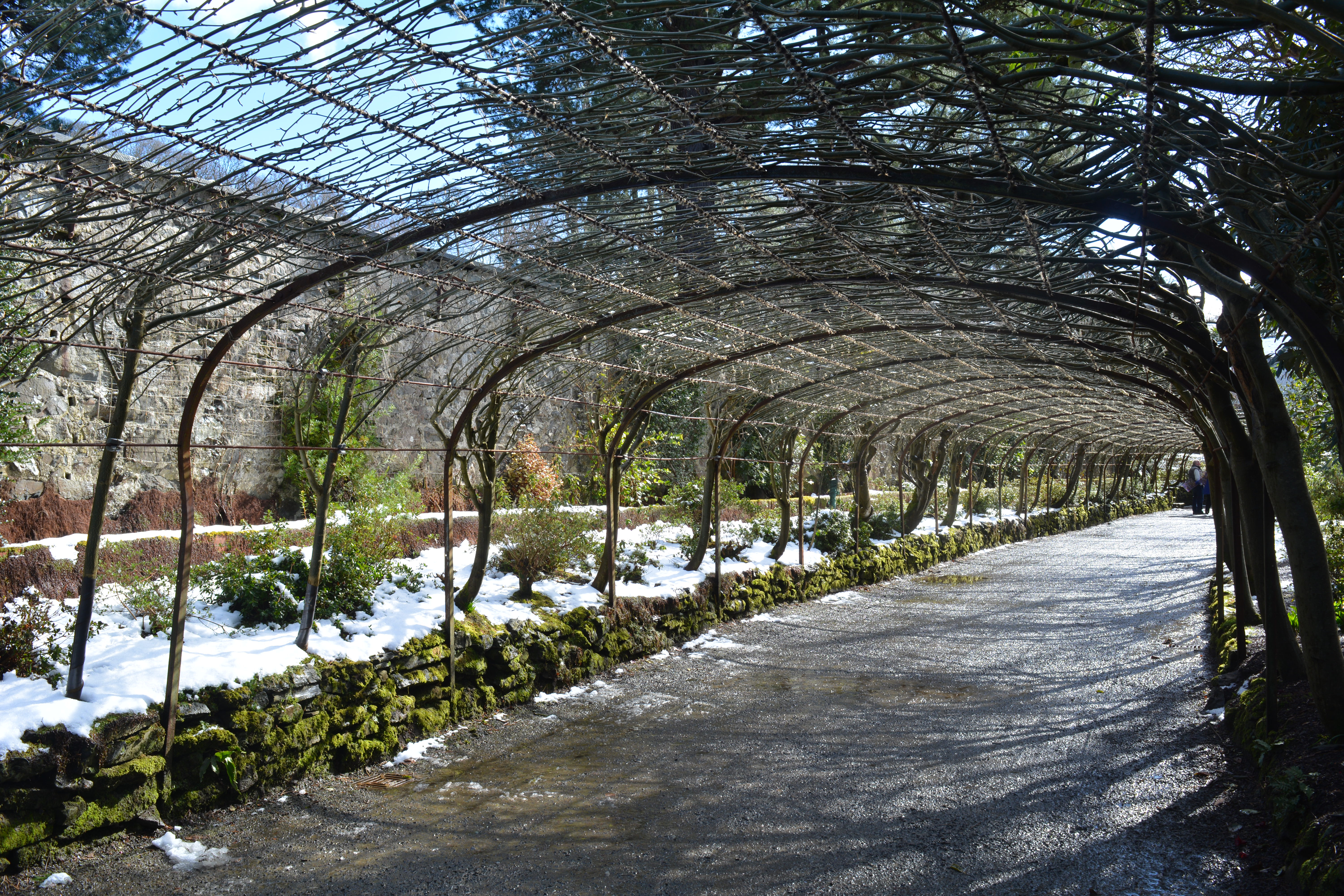
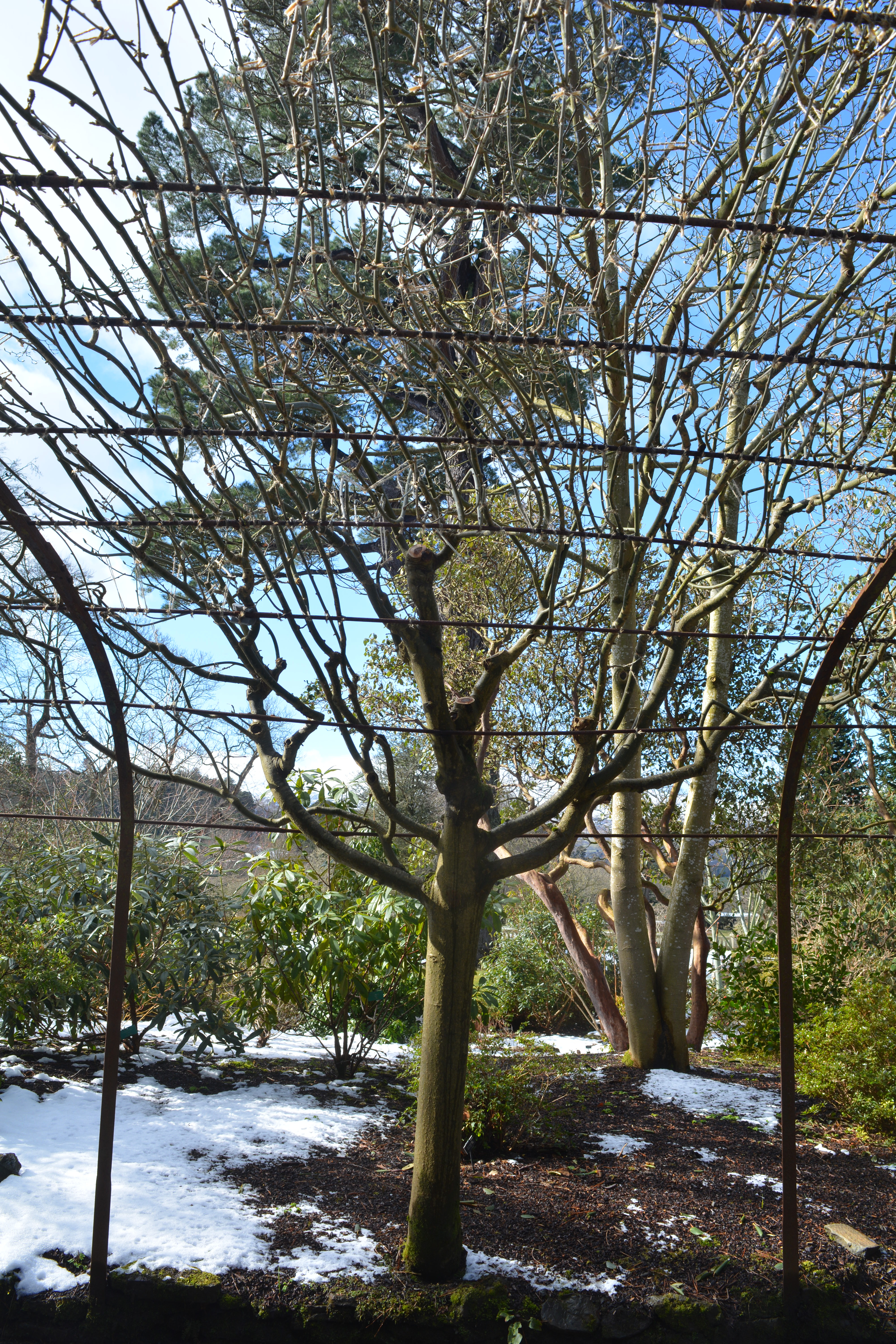
The world-famous laburnum arch looked so different at this time of year, exposing its strong structure and the shapes of each trained Laburnum tree.


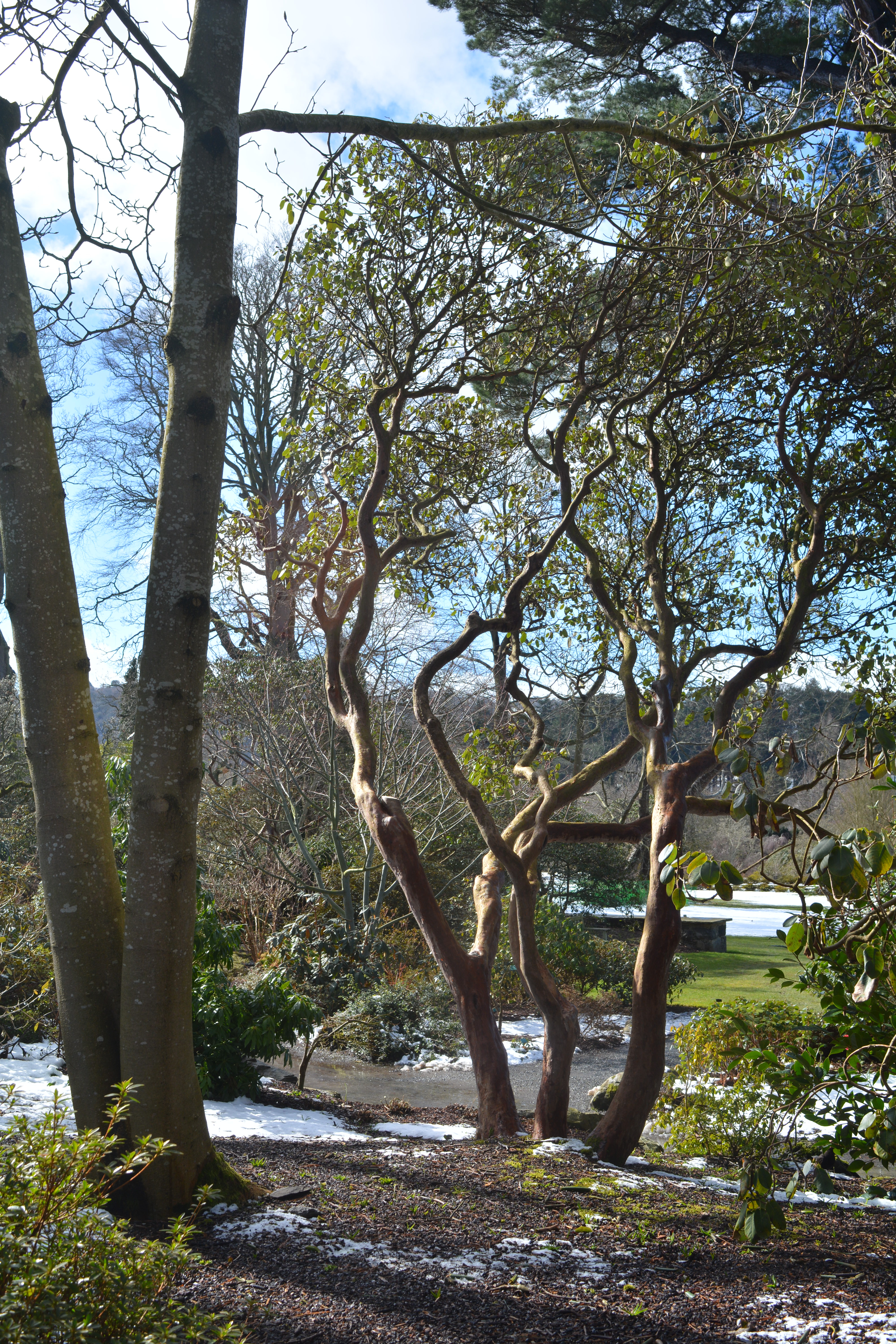
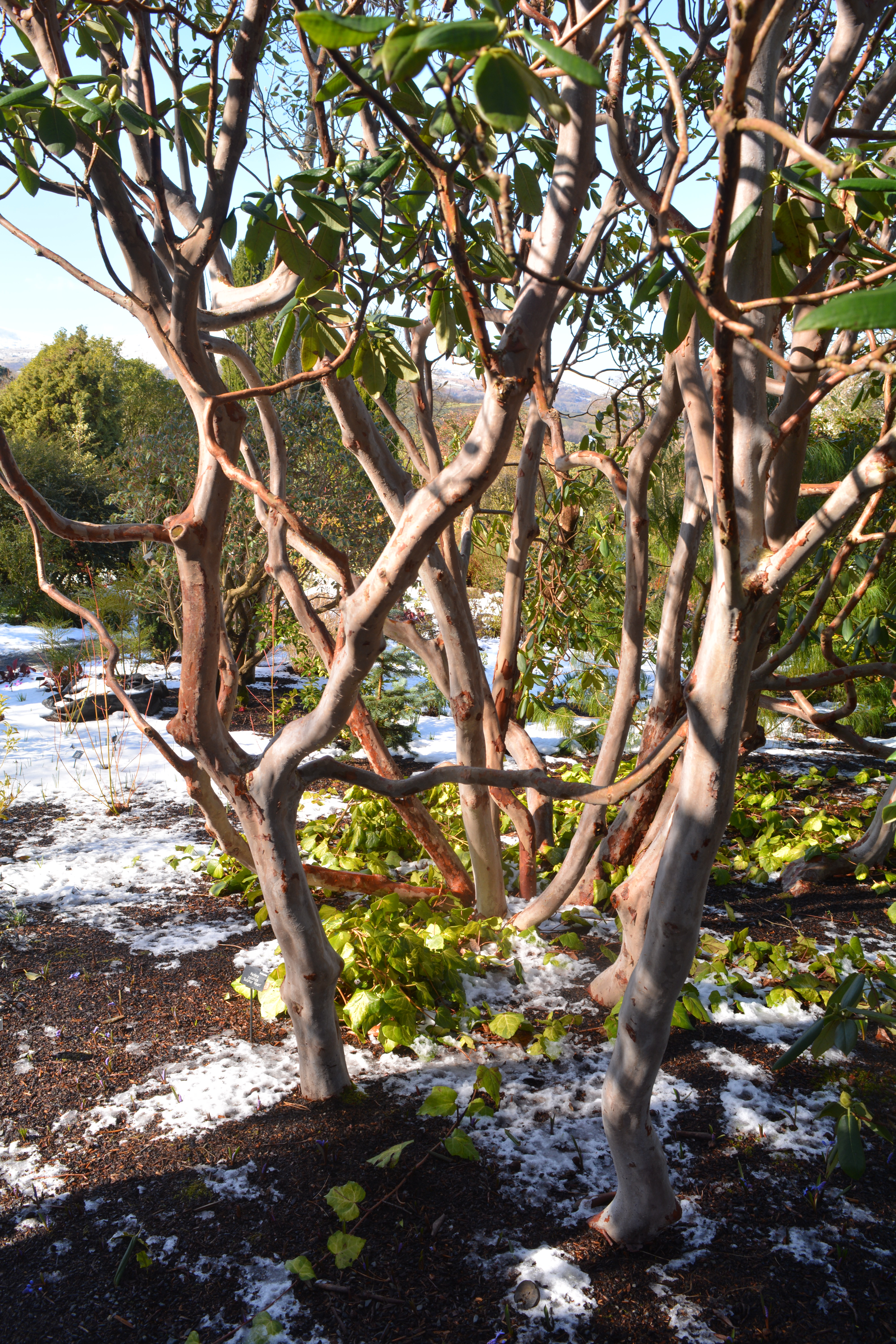
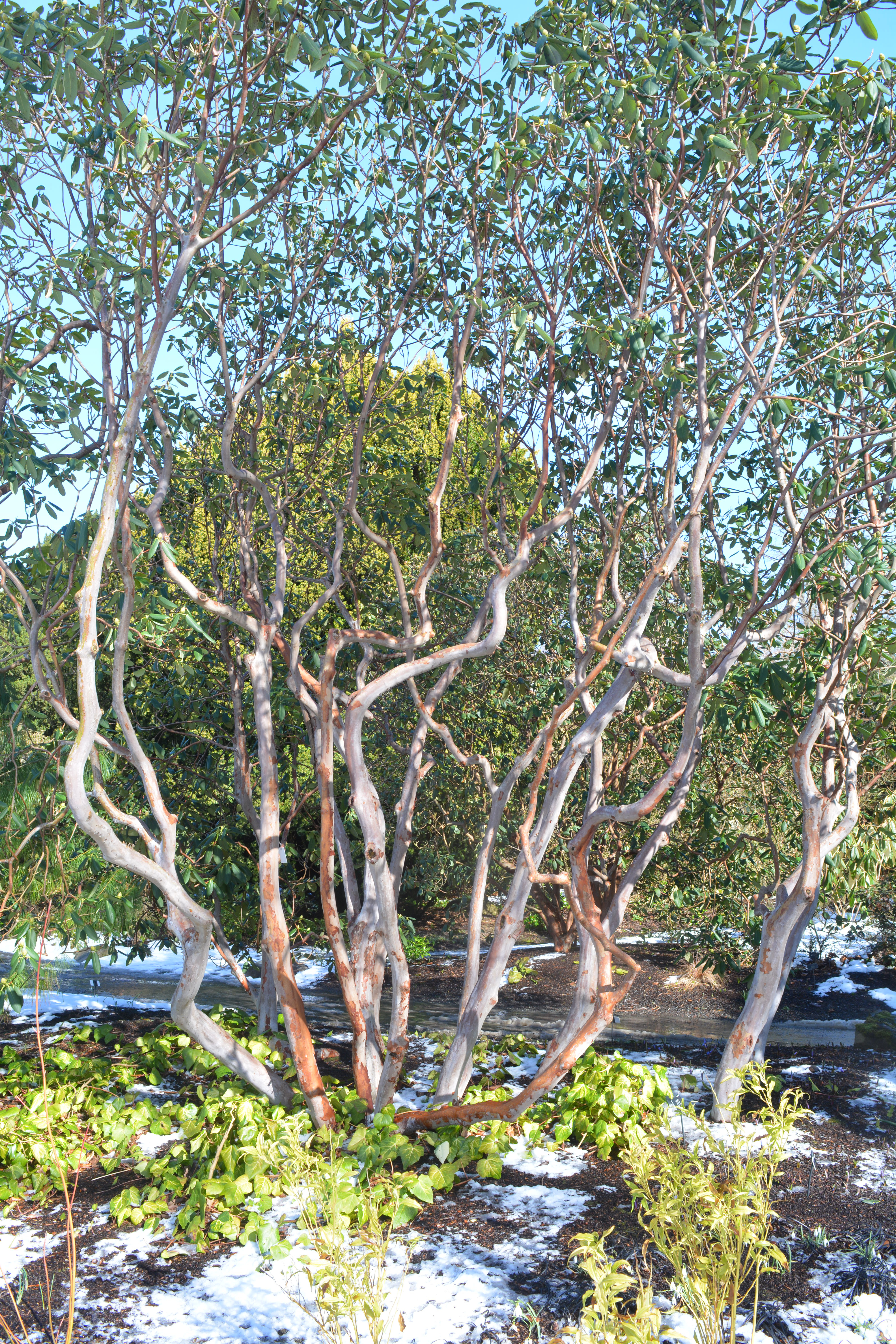
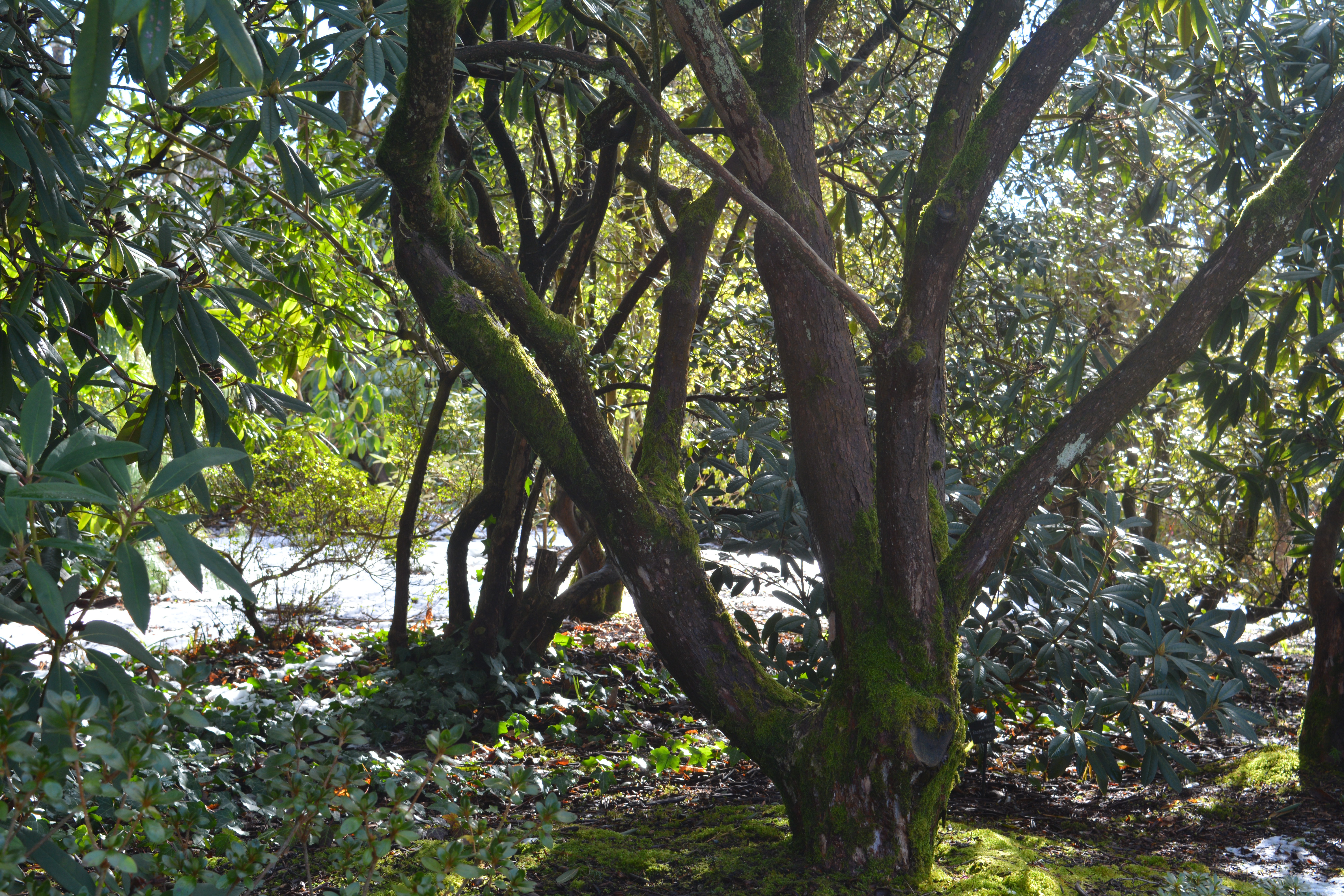
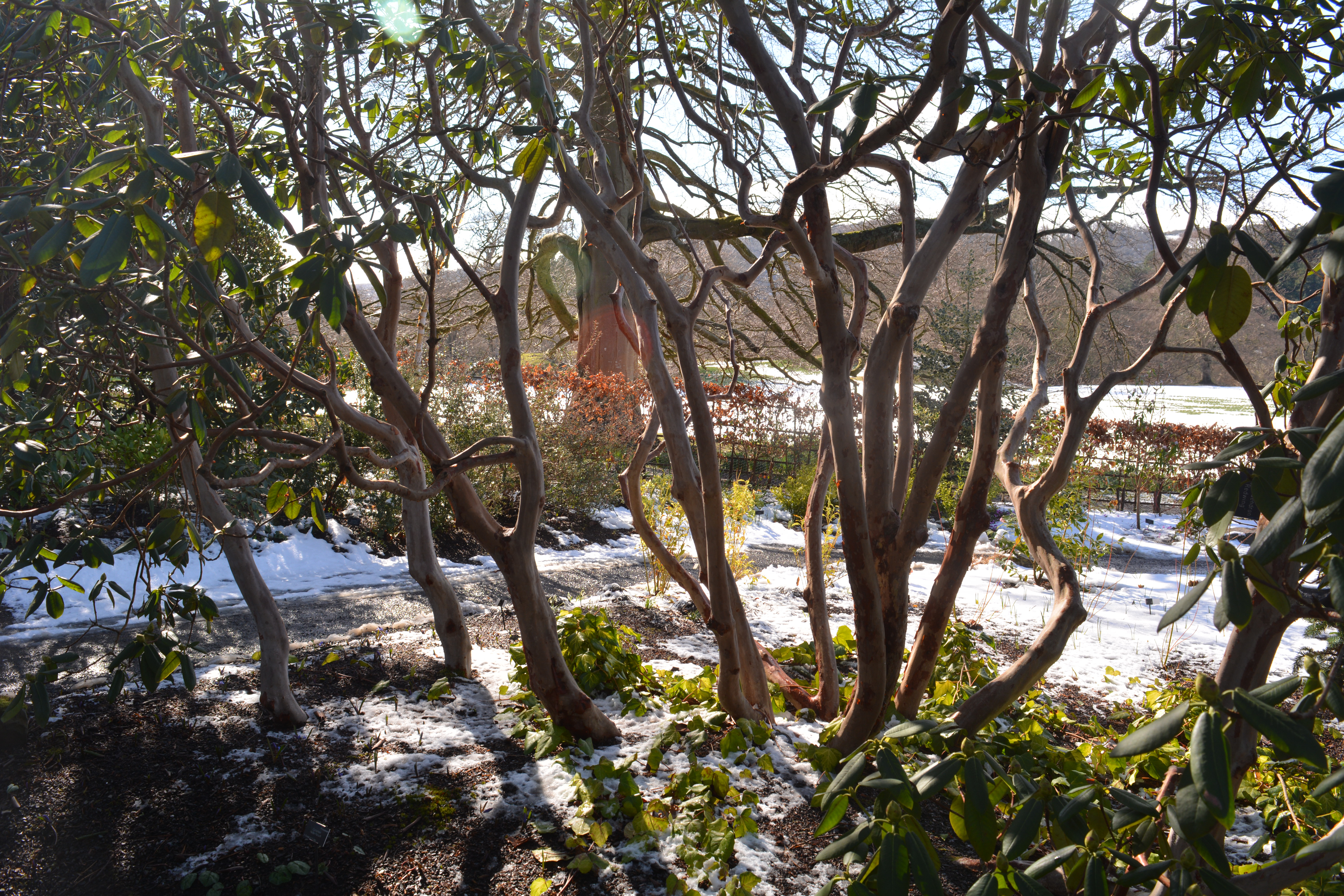
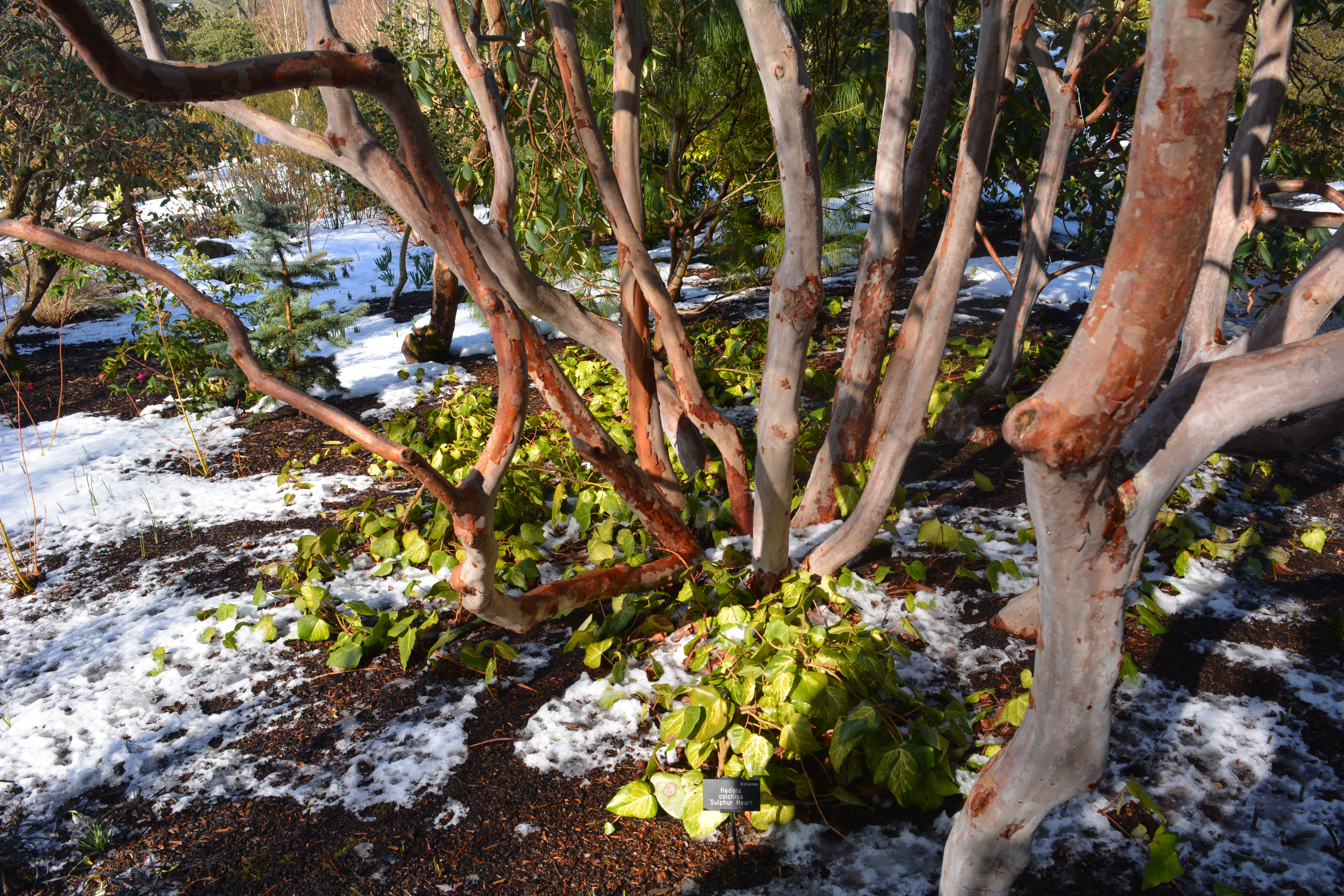
As we began to follow the meandering paths which implored us to explore every part of the garden, we spotted some beautifully shaped trees and shrubs pruned to expose their lower trunks and branches, sharing their special shapes with us. Conifers sometimes create amazing shapes without the need for the gardeners’ secateurs and loppers.


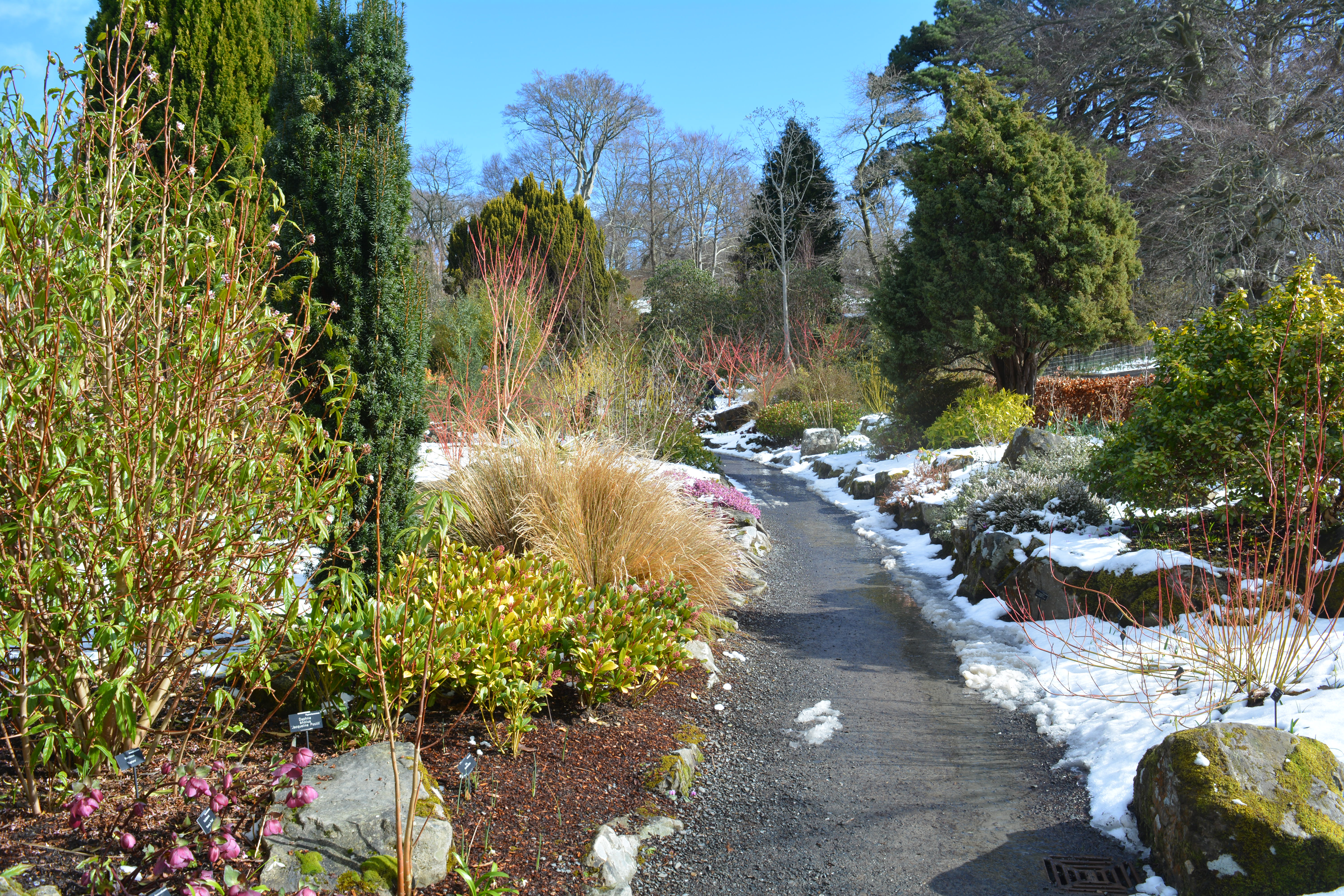
The paths at Bodnant have been designed and set out to let the visitor appreciate every bit of planting from close up and from a distance to get a variety of views to appreciate. They are beautifully positioned.


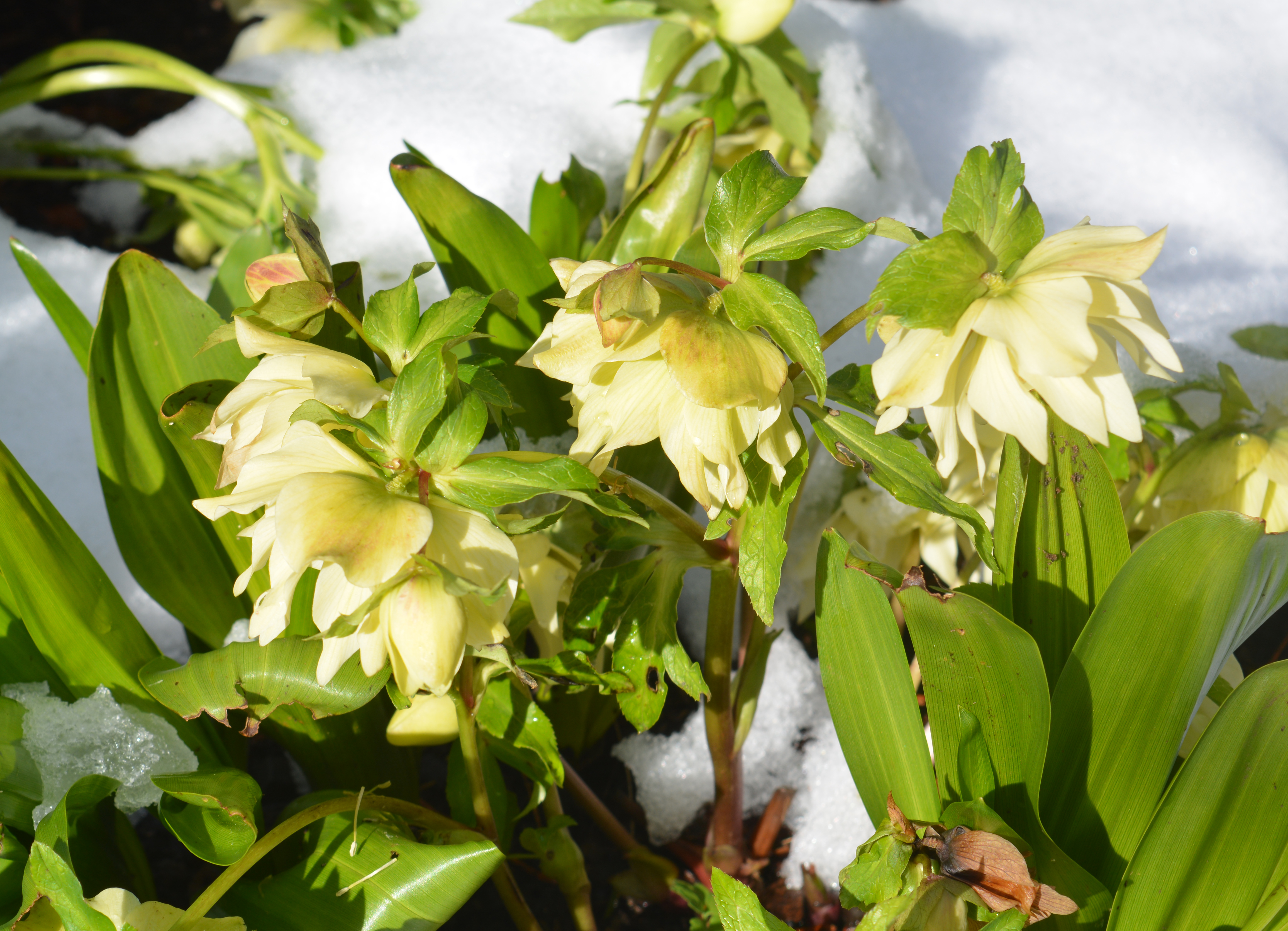
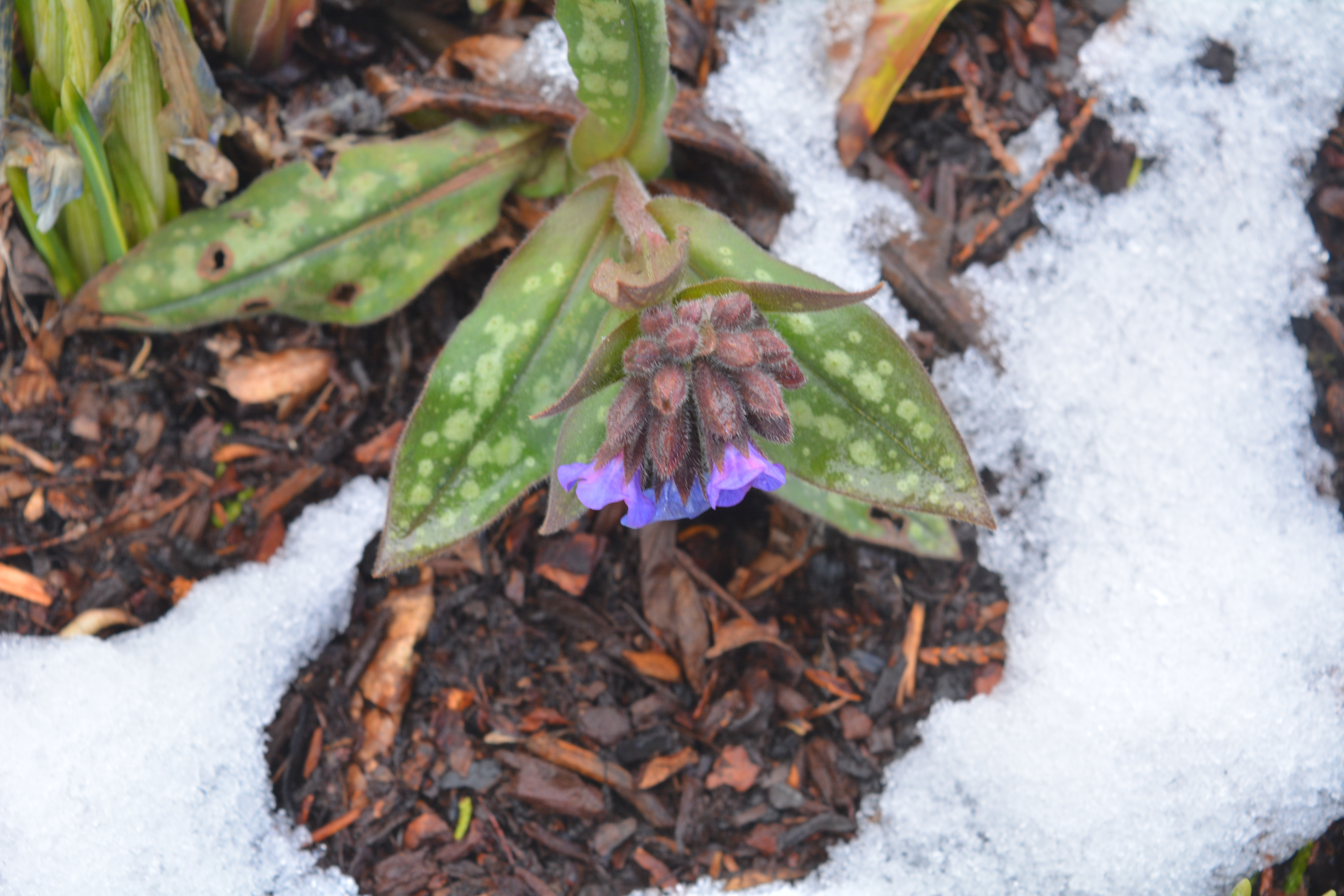
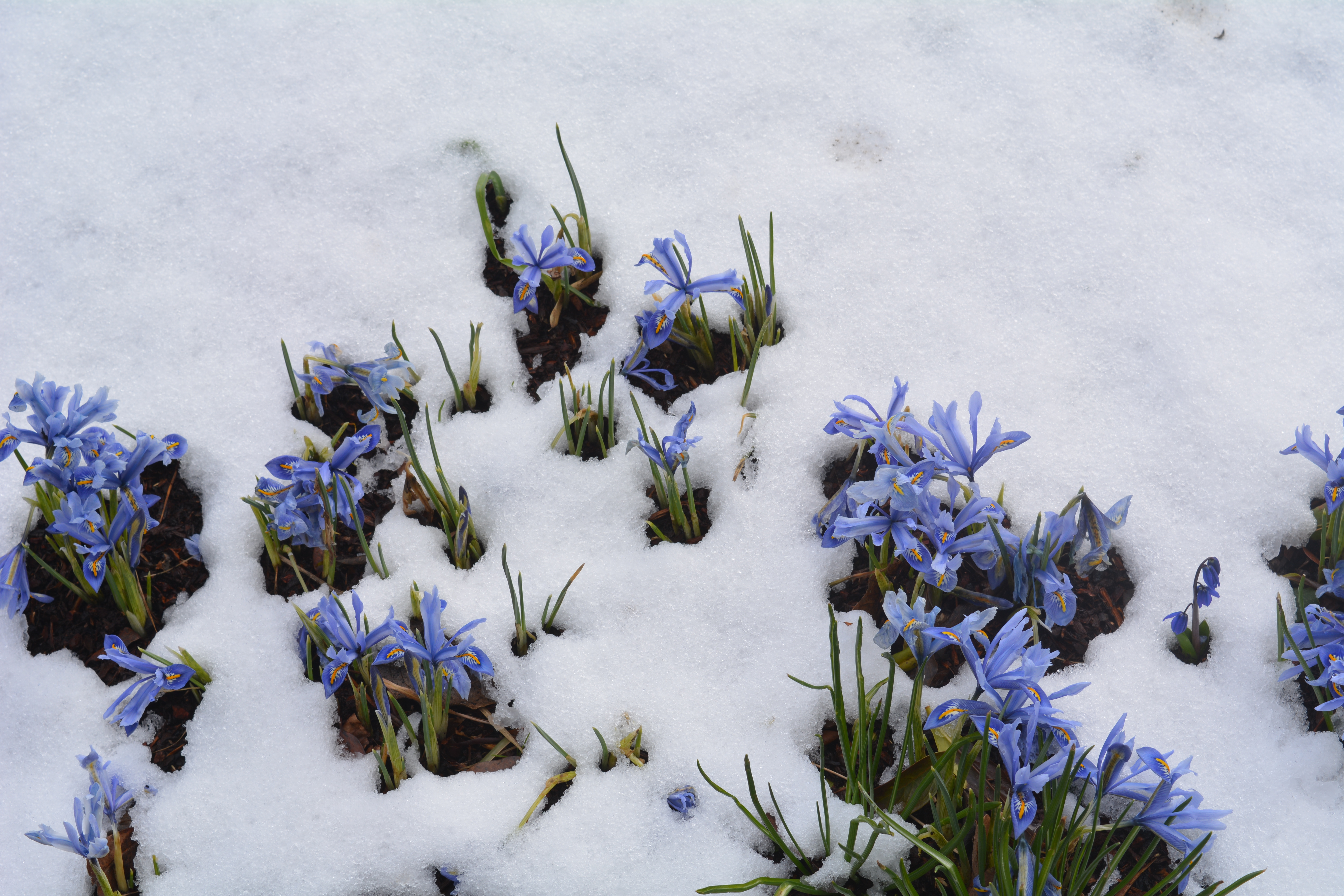
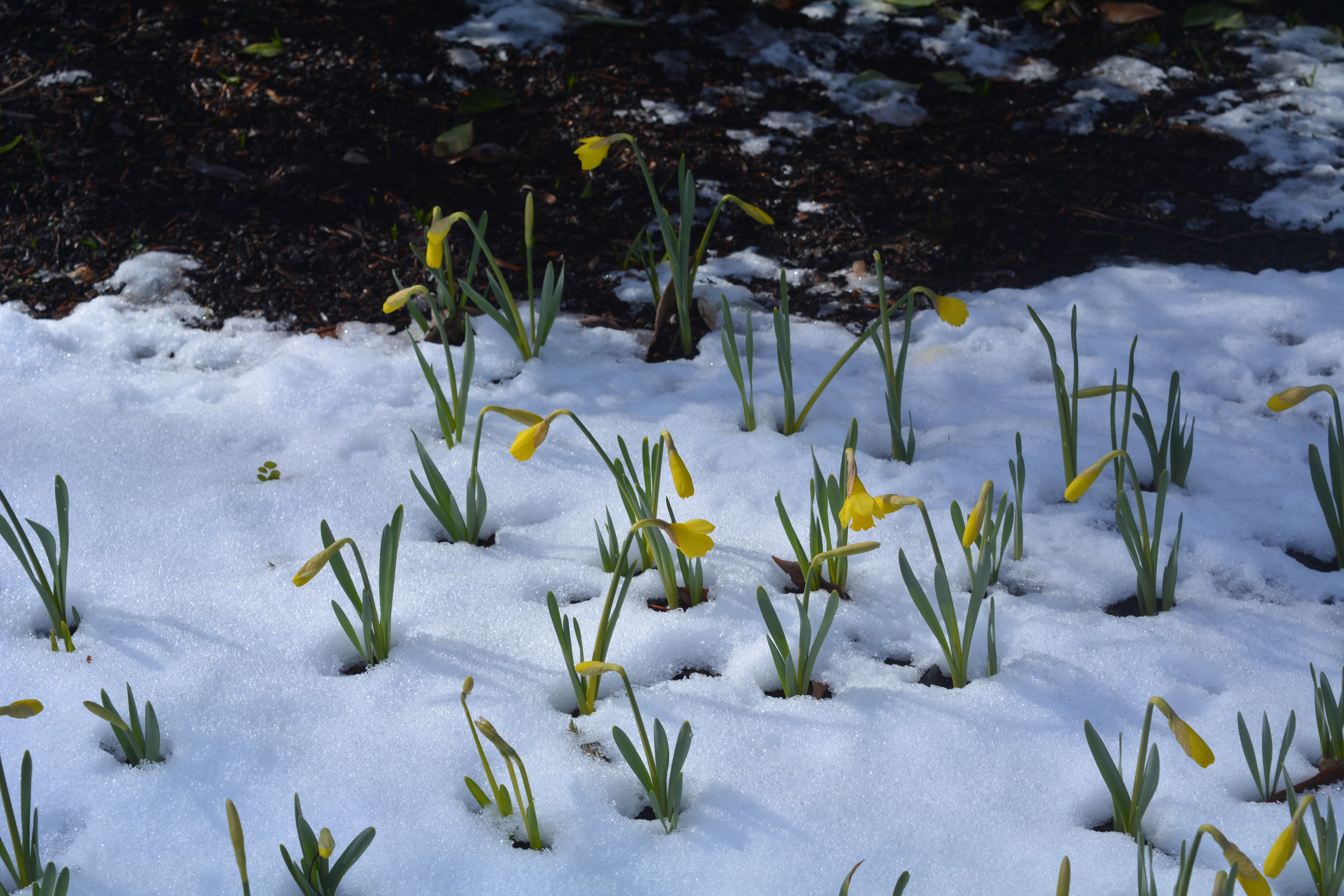
Snow isolates flowers in such a strange way. It means we see them without foliage just their colours emerging from whiteness. We are so used to viewing flowers against a predominantly green background.


The beauty of the Winter Garden at Bodnant that is unique where such gardens are concerned is the way it is designed to have overall strength as a whole design but each pairing of plants and each grouping is applicable to most home gardens. Around each corner the visitor can discover an idea easily transferable to their own patch. The design is best described as accessible. Pathways ensure visitors see as much as possible and each feature planting from at least two different viewpoints. Here is a selection of pics showing these paths.


Next time we visit Bodnant Gardens will probably be in the spring when it looks very different again.


Categories
birds flowering bulbs garden wildlife gardening gardens irises natural pest control spring bulbs spring gardening trees

My Garden Journal 2018 – March

Into the third month of the year and we should now be seeing the cheerful signs of early spring. Spring should start the birds singing afresh. We should expect to see green returning to the garden as freshly-burst buds bring life to our patch. Let us see what my Garden Journal for March actually shows.

I began by recording, “March begins as February leaves off, freezing temperatures day and night often dipping into minus figures. The soil is solid, frozen and unworkable. Snow, sleet and frozen rain showers are frequent visitors. The Met Office count March as the first month of Spring but us gardeners know that it is the last of Winter. Dan Pearson in “Natural Selection” writes, “A cold start t the month always feels more appropriate to me, because it is better to go slow when there is so much to do and so much to take in. I prefer the feeling of caution that is generated when there is a beast waiting in the wings – it takes away the assumption that this might be the start of Spring.”

Nevertheless we carry on doing garden wildlife jobs, repairing and repainting nest boxes.”


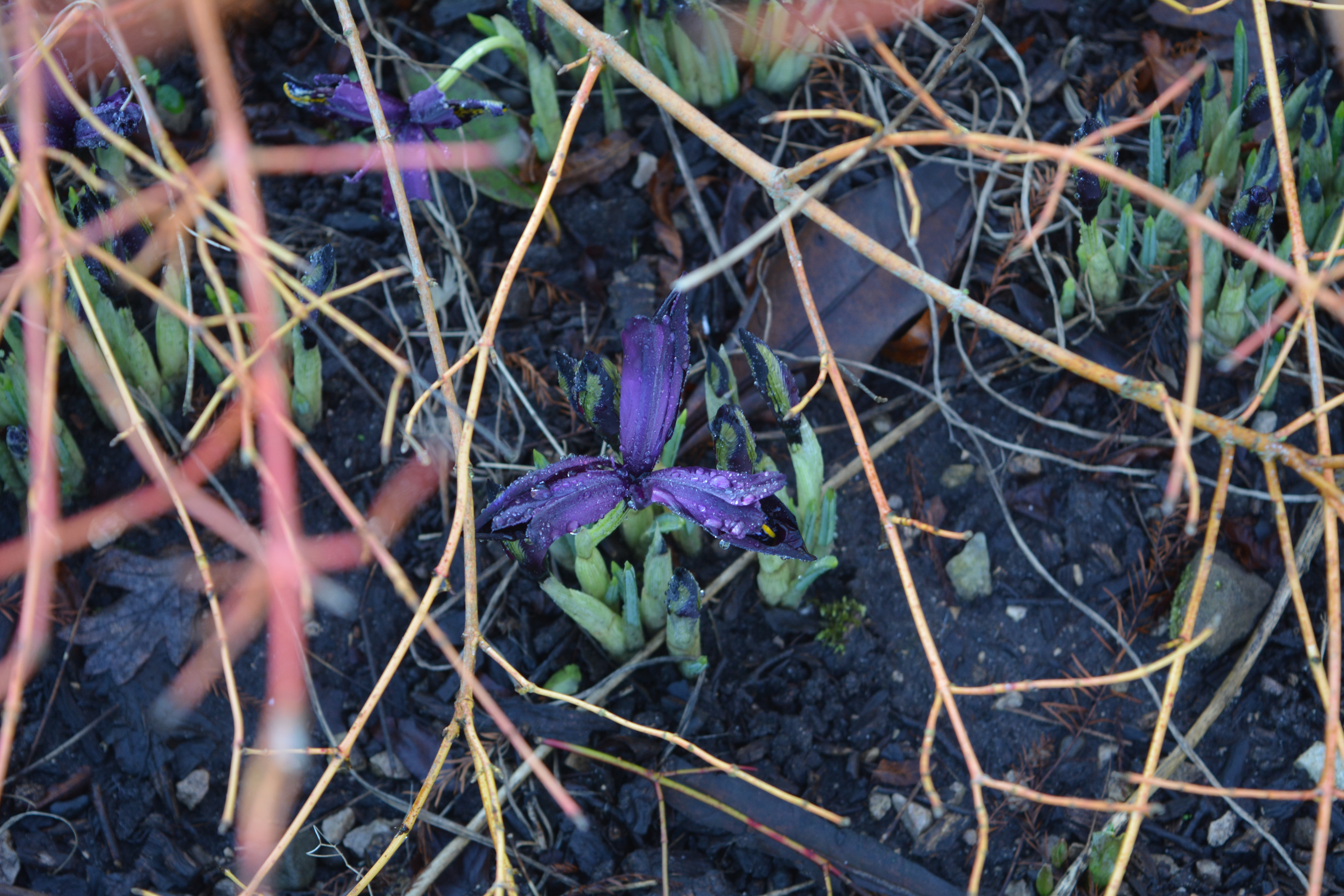
Opposite I looked at one of my favourite spring bulbs, Iris reticulata and shared my Japanese brush paintings I enjoyed doing so much. I noted, “Iris reticulata bulbs are one of our first to come into flower following on from Snowdrops and Winter Aconites. Their rich blues and purples look good with Carex.

These Irises are native to Russia, the Caucasus and Northern Iran, but we grow them in our temperate gardens where they thrive if planted deeply. Our favourites are Iris r. George and “Harmony” but neither of us are keen on the “washed out” look of “Katherine Hodgkin”.


After looking at my Iris paintings we can turn over to a double page spread concerning firstly snow and then the wildlife in our Avocet garden.

“As we pass the mid-point of March we awake to the third appreciable snow fall of the winter. Luckily this fall has not been sculpted into drifts so we hope that when it melts we are left unscathed. It will however prevent us from getting out there and enjoying our early year jobs.”


“Wildlife is busy in March with frogs cavorting in our wildlife pond and leaving large clumps of spawn among the plants that sit in the water close to the edge. Birds are pairing up, displaying, singing and carrying nesting materials to their nests under construction. We have a pair of  Robins nesting in our woodstore and House Sparrows have taken up residence in the nest boxes we recently re-furbished for them. We watched them pulling grass stems out of the snow and taking them into the boxes. We have created lots more bee homes and repaired any damaged older ones.”

We discovered our brightest coloured frog we have ever seen – a lime green bellied frog.”

Over the next page we look at some of the important jobs we have been busy carrying out during the month of March.


“March is a busy month for us gardeners and because of this it is a month we really look forward to. Each week we create a “to do” job list and get busy preparing for the year to come and of course ensuring our patch is up to scratch for our visitors this year.”

“We cut comfrey leaves for liquid feed, pruned leaves off the Epimedium to help us see their fresh flowers and topped up the log edging around our wildlife pond.”


“We fed our trees with wood ash from our woodburner and checked tree stakes and tree ties.”


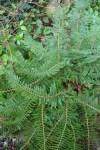
“A big project is developing our new fern garden, a raised bed to fill the gap left by the removal of our oil tank. We came up with this crazy idea and hope it works! Planks of wood became a raised fern garden.”


Turning over to the next double page spread I wrote about buying new plants and I shared my paintings of a surprise find below the snow. I wrote, “We have been in plant buying mode often this March, some Hebes to replace some that have gone too woody and untidy, Ferns to add to our collection and stock our new “raised fernery” and more Ivies to cover concrete fence posts.”

“Hebes “Purple Shamrock”, Bronze Glow” and “Mrs Winder” and Ferns, “Polystichum setiferum “Plumosum Densum”, Dryopteris affinis “Polydactyla Dadds”, “Dryopteris austriaca “Crispa Whiteside” and Cyrtomium falcatum.”

“We have also been busy dividing perennials such as Sedums.”

“Secret beneath the snow! When the snow drifts melted and once again our golden flint gravel could shine in our Beth Chatto Garden, we found a sad looking perennial stem and its seedheads. It usually stands firmly upright as a statuesque reminder of its summer and autumn beauty. Eryngium pandanifolium can grow to 7ft tall, its spiny flower stem rising from a grass-like batch of equally spiky foliage. The flowers are coloured a strange dusky maroon colour.”

I painted this secret with water-colour pencils and artist pens in greys and blacks.

My final page in my entries for March features a quotation from a nature writer, John Lewis-Stempel and considered how it relates to our own patch.

“The nature writer, John Lewis-Sempel, in his new book titled “The Wood” wrote of March, “Robin sings with gusto, trying different refrains, experimenting. He is the philosophical songbird. 

Hedgehogs now out of hibernation from their watertight nests of grass and moss. As I’m sitting in my chair one shuffles absentmindedly over my wellingtoned feet.

The wood is “filling out”. There are no longer clear views through the trees. Gone is the sense of space, and light. The trees are crowding in.

The blackbird has finished her nest in the Elm. The nest is a perfect bowl, of grass, straw and twigs and plastered inside with mud. Years will pass, but the mud cup will last.”

                                                                                                                                   (March 2017)

Here at our Avocet garden we have virtually no fresh leaves open yet just bursting buds on just a few shrubs and trees. House Sparrows are nesting vigorously now collecting nest materials and at the end of the month we observed a Robin busy building a nest in a Robin nesting box we had made and put up in the Shade Garden.

In every other way Spring is slow to show any enthusiasm.

Our next visit to my garden journal will be in April when we hope Spring may have made some effort to get underway.


Categories
flowering bulbs garden paths garden photography gardening gardens gardens open to the public National Garden Scheme nurseries ornamental trees and shrubs pathways Powis Powys trees Wales Winter Gardening winter gardens woodland woodlands Yellow Book Gardens

The Dingle Garden in Welshpool – March

We returned to the Dingle Garden and Nurseries for the third time this year, hoping for signs of spring but having experienced such bad weather recently we were expecting few changes at all. We always enjoy a wander around the nursery anyway so that would make up for any disappointments. In particular we enjoy their collections of trees and shrubs.

We soon spotted shrubs we had looked at in detail on our last visit when buds were fattening but not displaying signs of opening. On this our March visit things had not developed at all. However some shrubs further down the slope towards the lake where there was more shelter were in fact in the first stages of bursting into leaf.

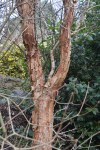
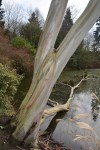
The light on this visit allowed the colour and texture of the bark on trees show up far better than in February.

    ,

Deciduous Euonymus such as our native Euonymus europaeus, display their heavily textured bark when they are bare of foliage, and Euonymus alatus is a particular star with its winged stems.


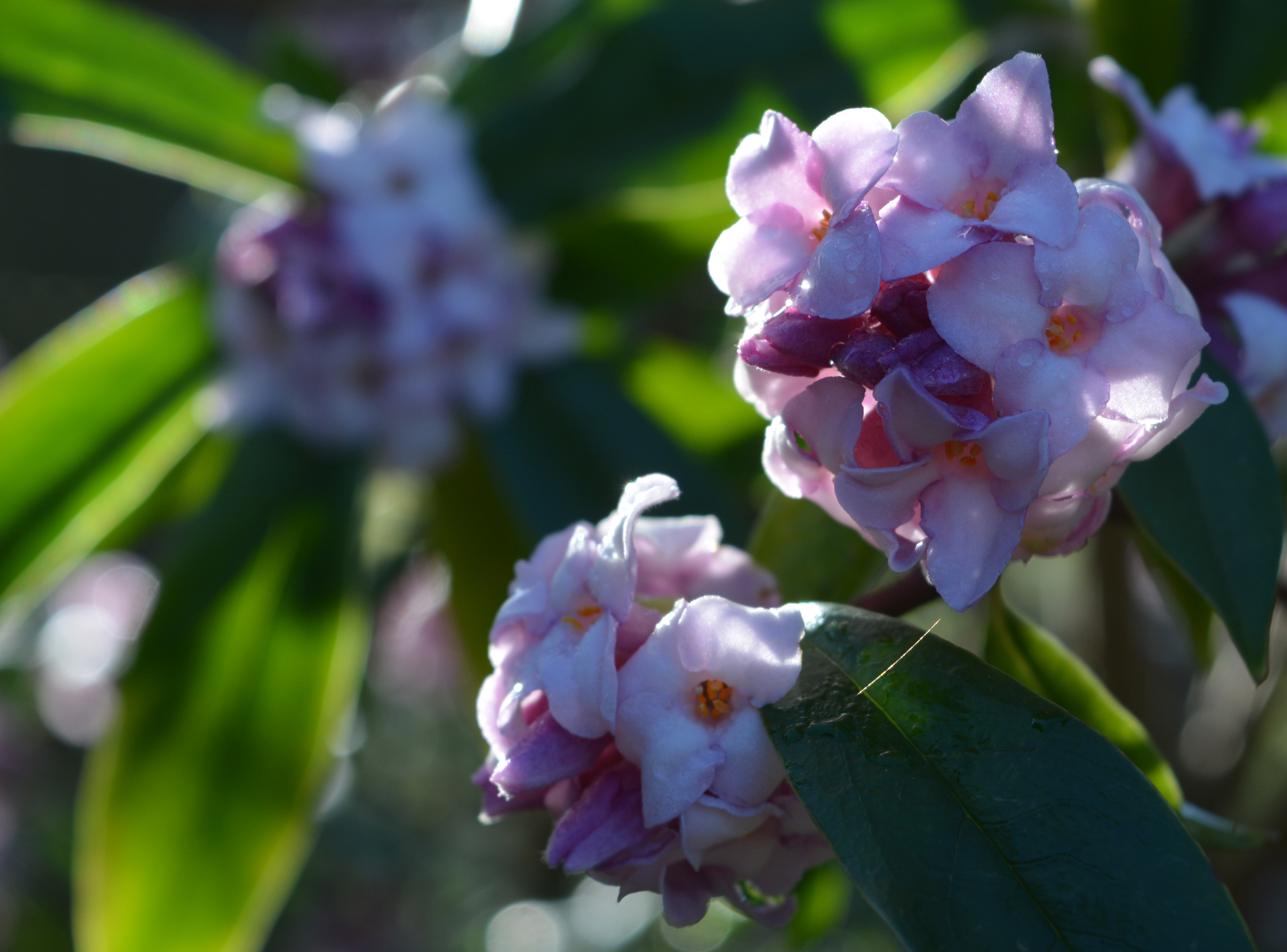
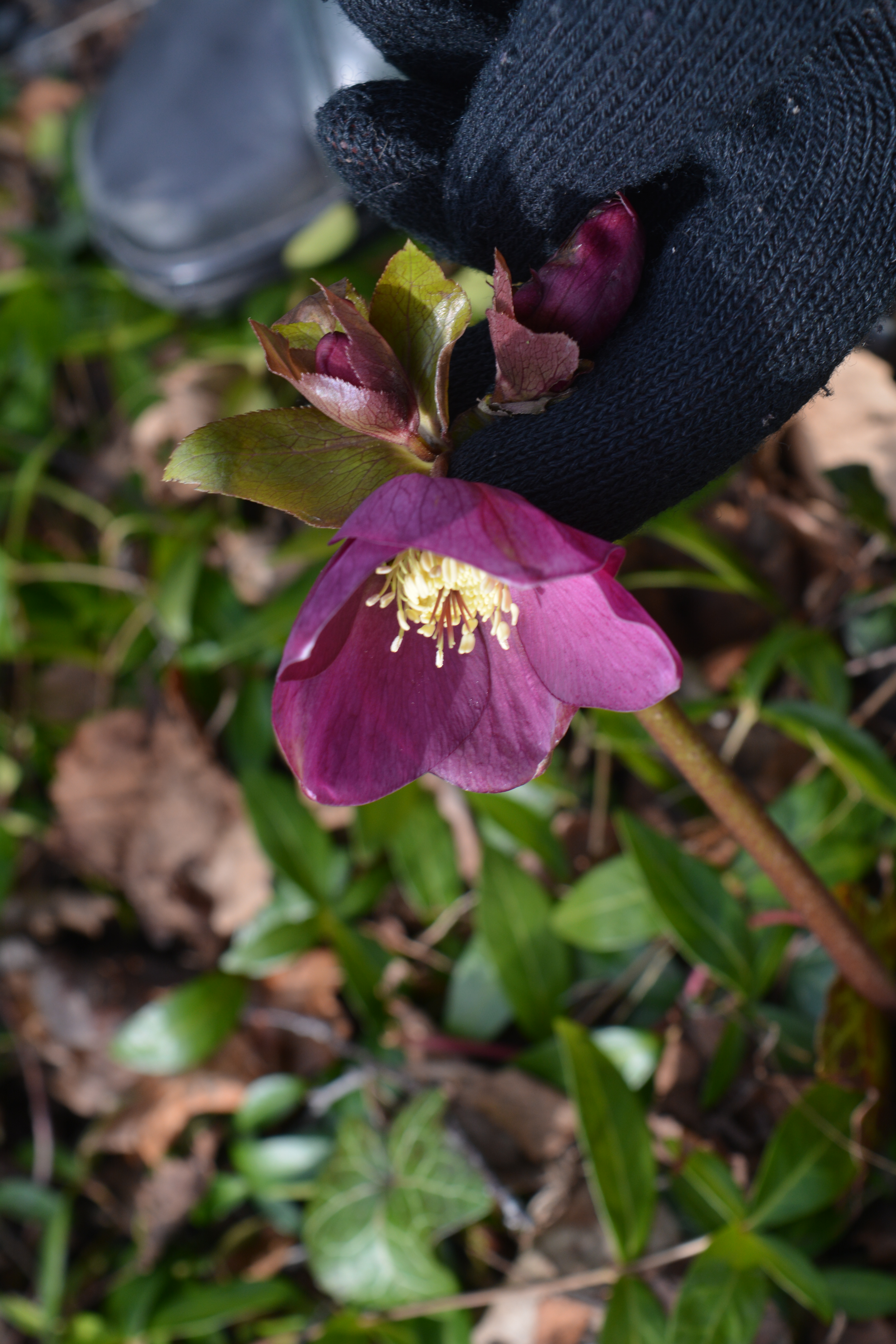
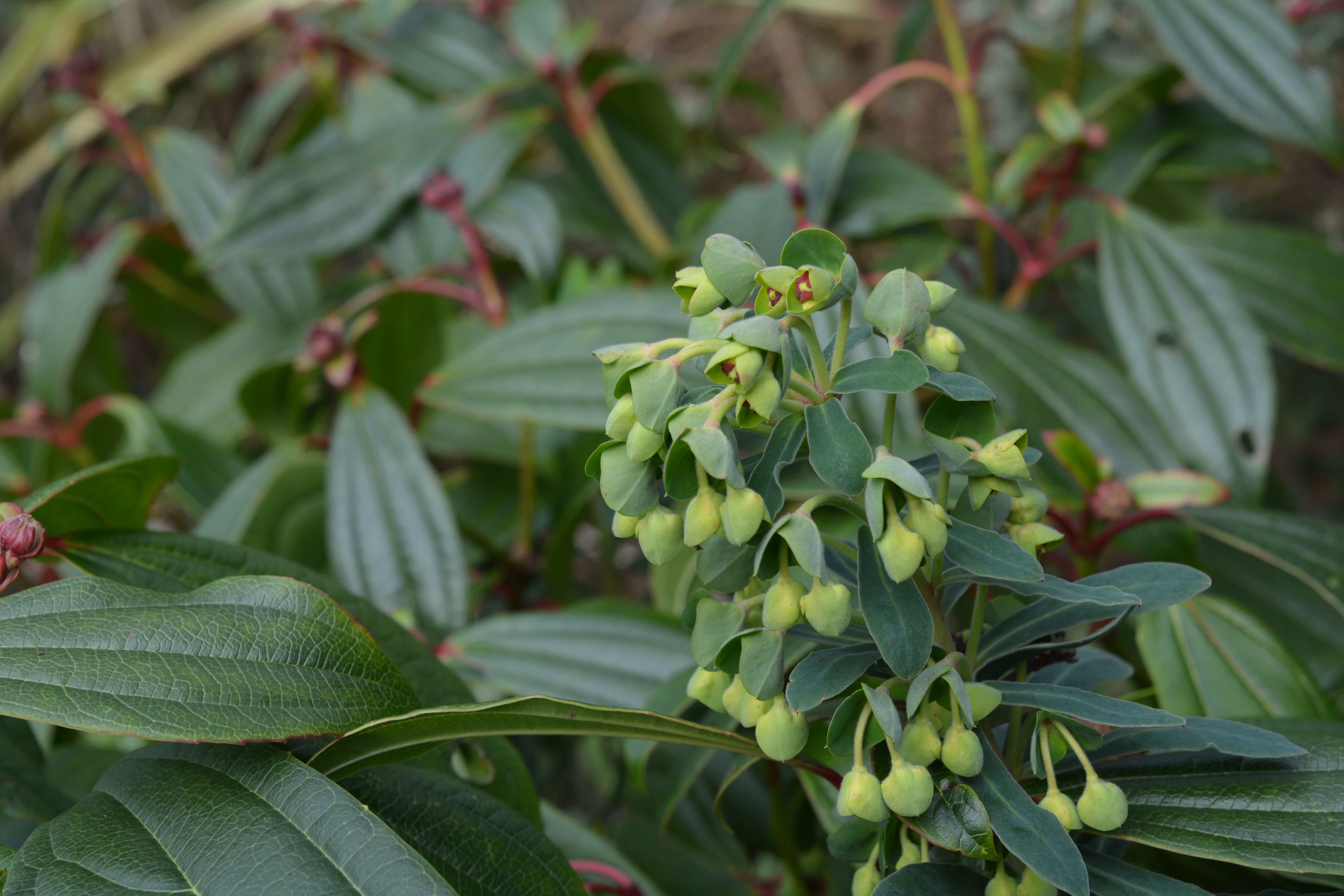
A few shrubs had open flowers and looked very special, like gems, among so much deep green of the many evergreens growing on the slopes. Hellebores and flowering bulbs added splashes of colour amongst the undergrowth. The tiny insignificant flowers of Euphorbias sat snuggled into the bright green bracts.


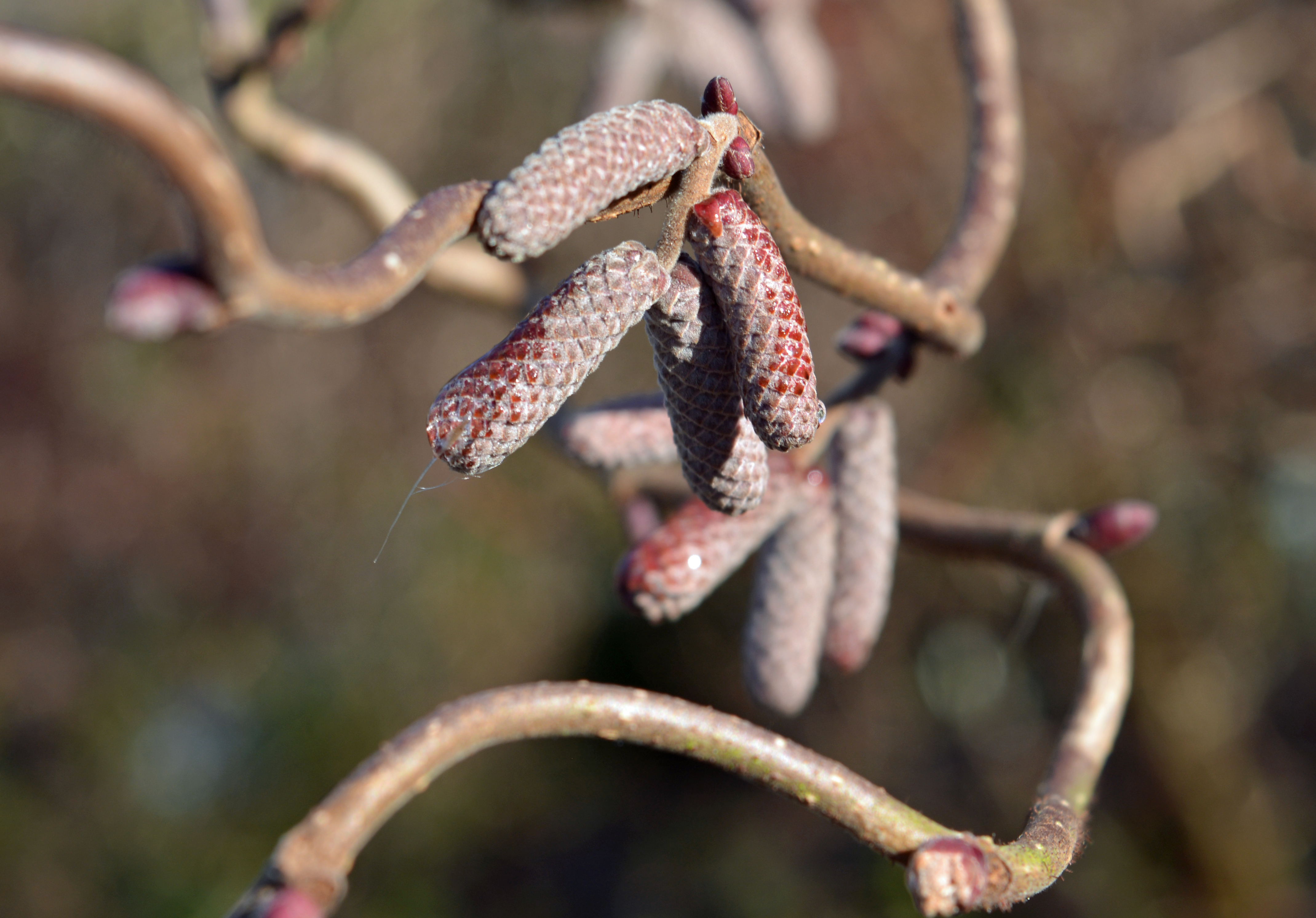
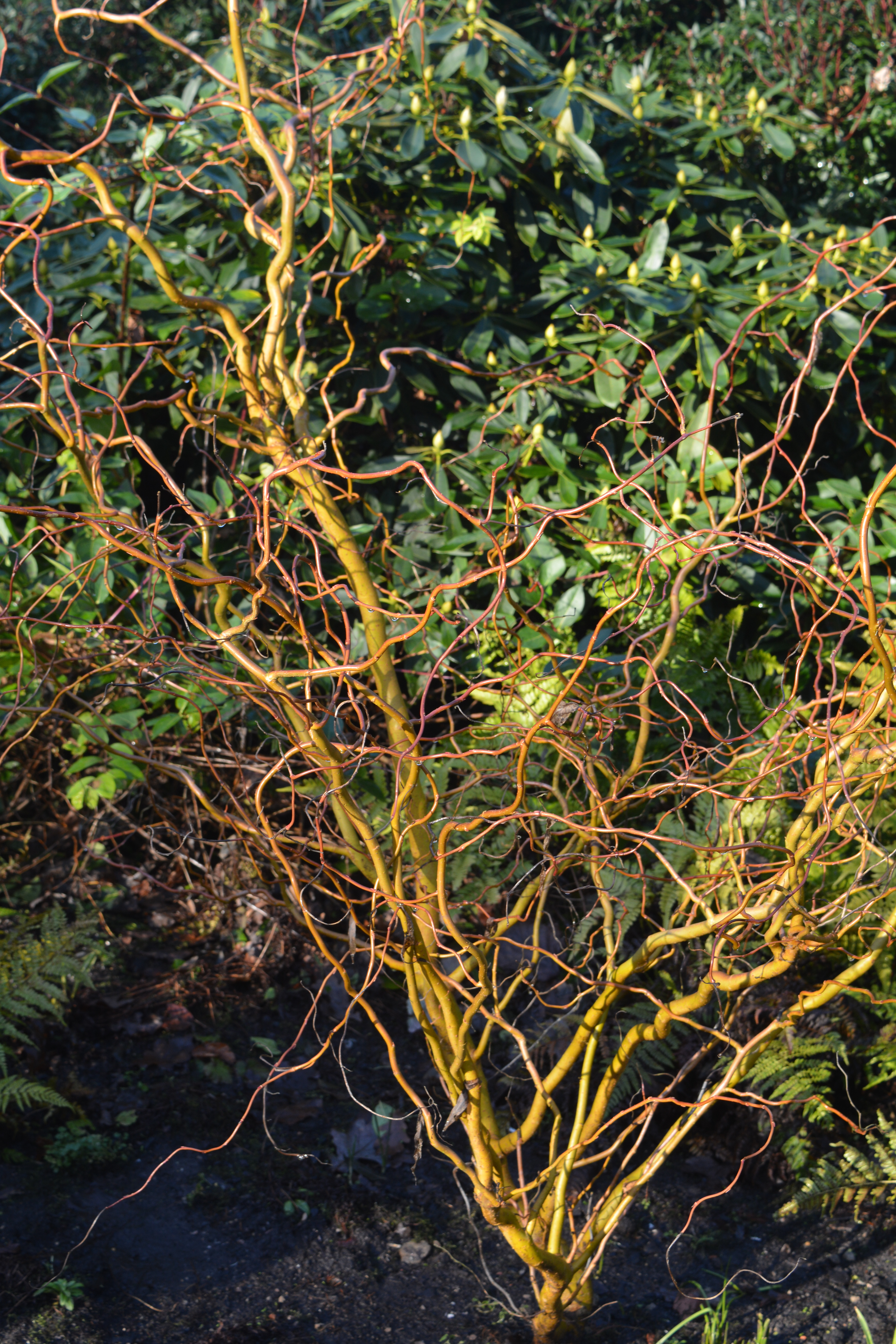
The common native Hazel, Corylus avellena, is far from ordinary. It is an exceptional plant as it gives so much to our gardens. If you plant a contorted variety then you get the strangest of winter skeletons, but with others you get sturdy upright growth and this growth provides us with our bean poles for the allotment. In the first months of each year they delight us with their catkins which look like little lime-green lambs’ tales. These are the male flowers producing mists of pollen on breezy warm days but if you look very closely you may be lucky enough to find a female flower which is a minute deep red flower like a miniature sea anemone.


Buds were just beginning to show the early signs of fattening up when we made our visit in February so we were so pleased to find some fresh brightly coloured leaves beginning to burst forth from them this month.


Fresh growth had appeared from clumps of perennials, with Hemerocallis way ahead of others with the brightest and most advanced growth of all.


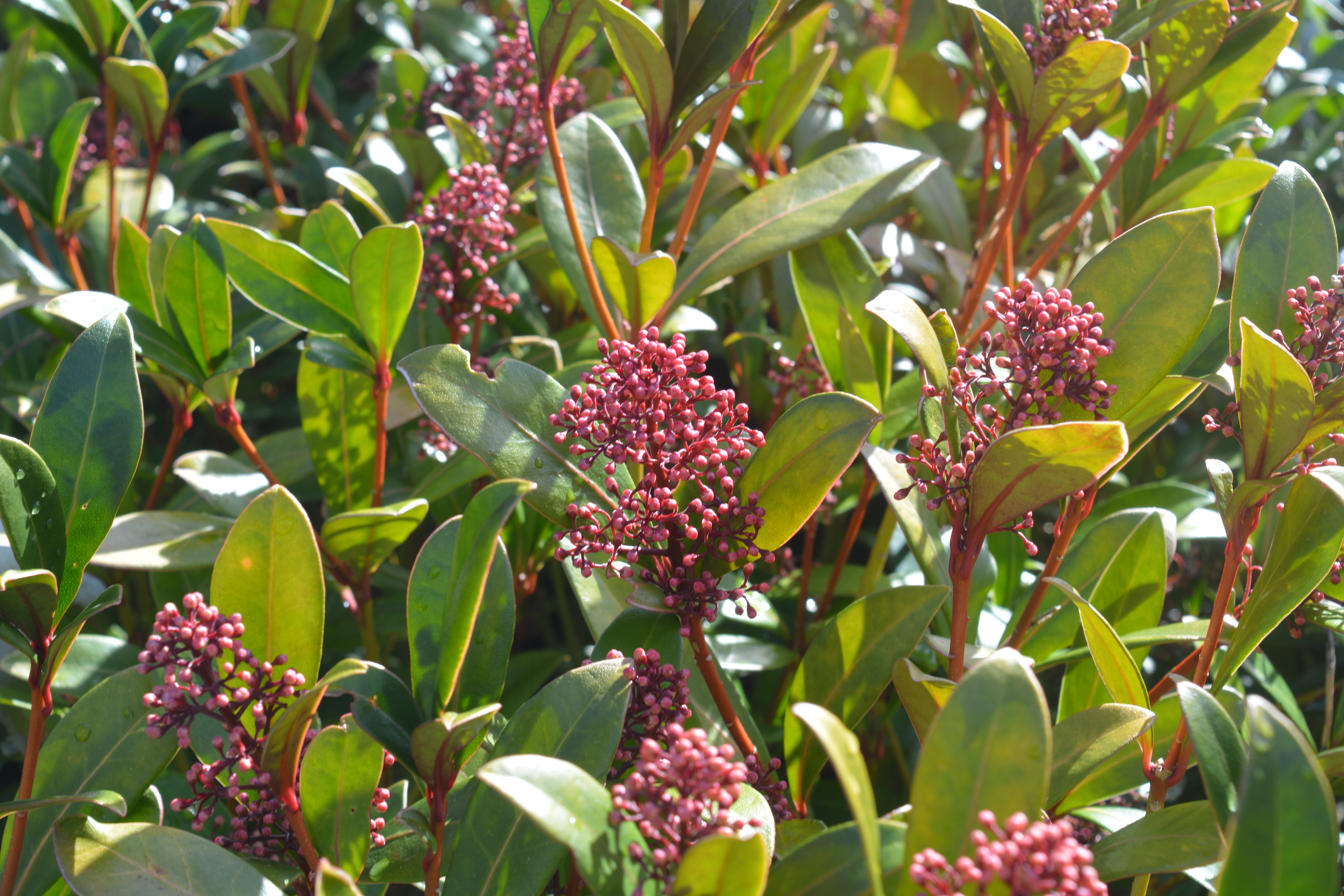
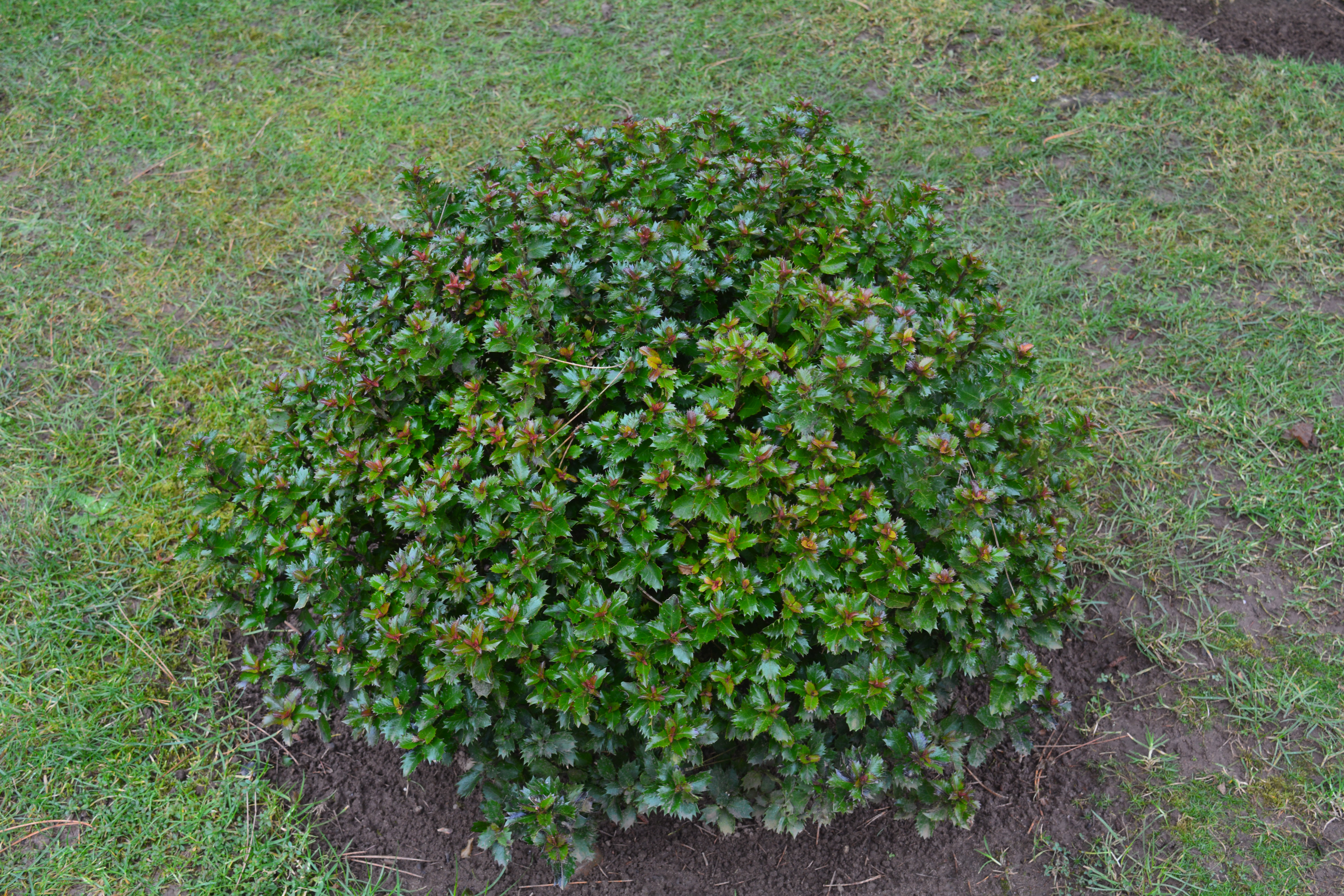
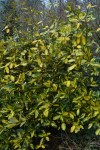
Evergreen shrubs have produced new foliage which looks so young with glossy surfaces and extra bright colours.


As we wandered the pathways enjoying the freshness of new growth and bursting buds, we were distracted by surprises and unexpected features, such as this old tumbled-down summer house and a deep fissure in the path where rushing floodwater had flowed beneath the path removing materials.


The stream which we enjoyed watching last month tumbling beneath the wooden footbridge had turned into an angry torrent of water, so noisy that we could hear it from far off. Wherever we were inside the woodland garden we could hear running water rushing down slopes, along tiny streams and over pathways.

Let us hope that by the time of our next visit the garden will be much dryer and the water passing down the site will be back within its banks.


Categories
flowering bulbs garden design garden photography gardening gardens gardens open to the public hardy perennials irises light quality National Trust ornamental grasses ornamental trees and shrubs shrubs spring bulbs The National Trust trees Winter Gardening winter gardens

A Favourite Winter Garden – Dunham Massey

This will be our third visit to the relatively new winter garden at Dunham Massey, a National Trust property in Cheshire, our neighbouring county to the north of our home county, Shropshire. The leaflets concerning the garden refer to it as a “Curiosity Garden”, while inside is written, “Forget hibernating until spring, Dunham Massey’s Winter Garden is wide awake with colour.”


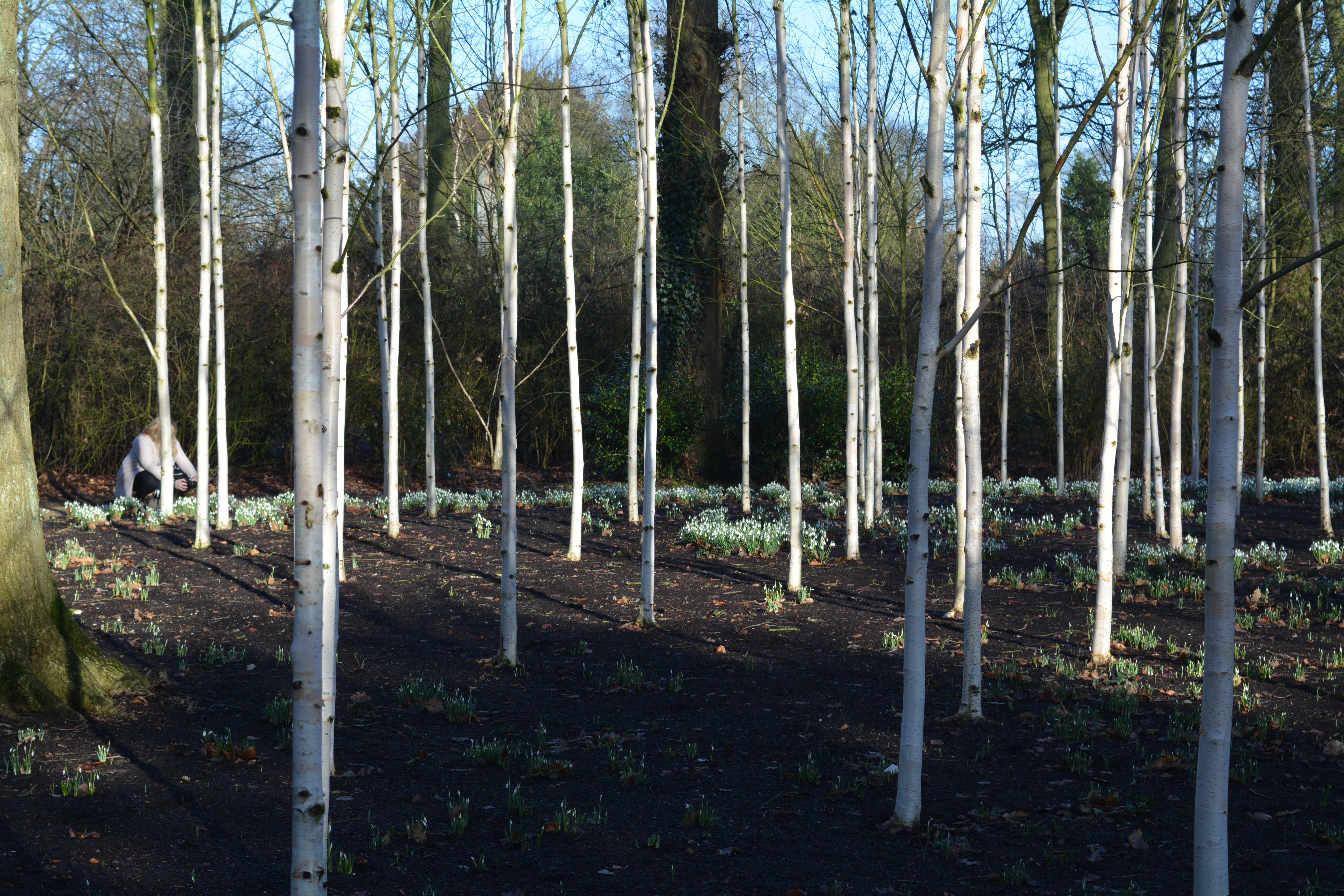
The leaflet then invites us to “Take a refreshing walk in the Winter Garden along meandering paths with shocking red cornus and brilliant white birch trees trees glittering in the winter sun. Discover bright winter berries, late flowering scented shrubs and thousands of snowdrops and iris in the new year.”

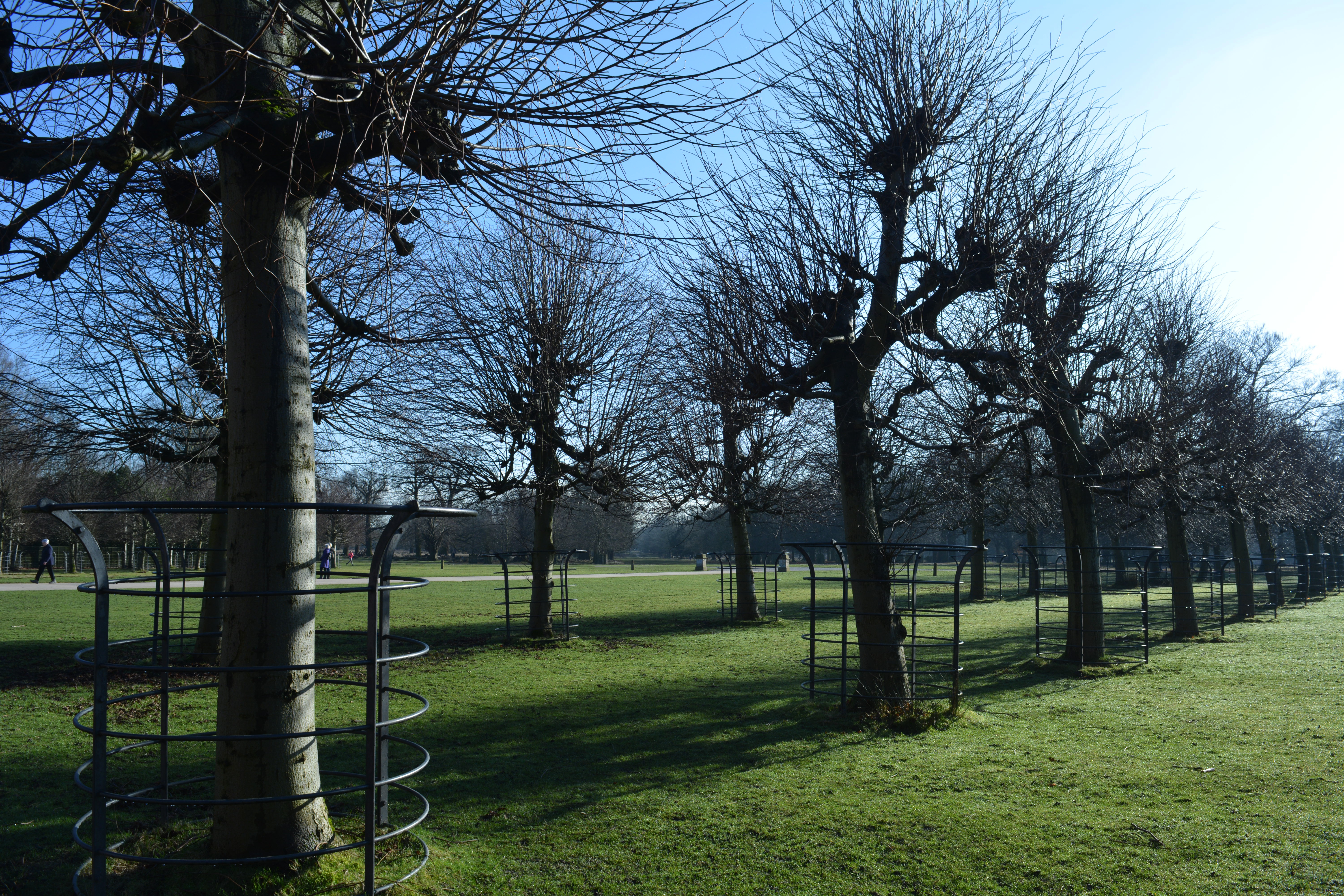
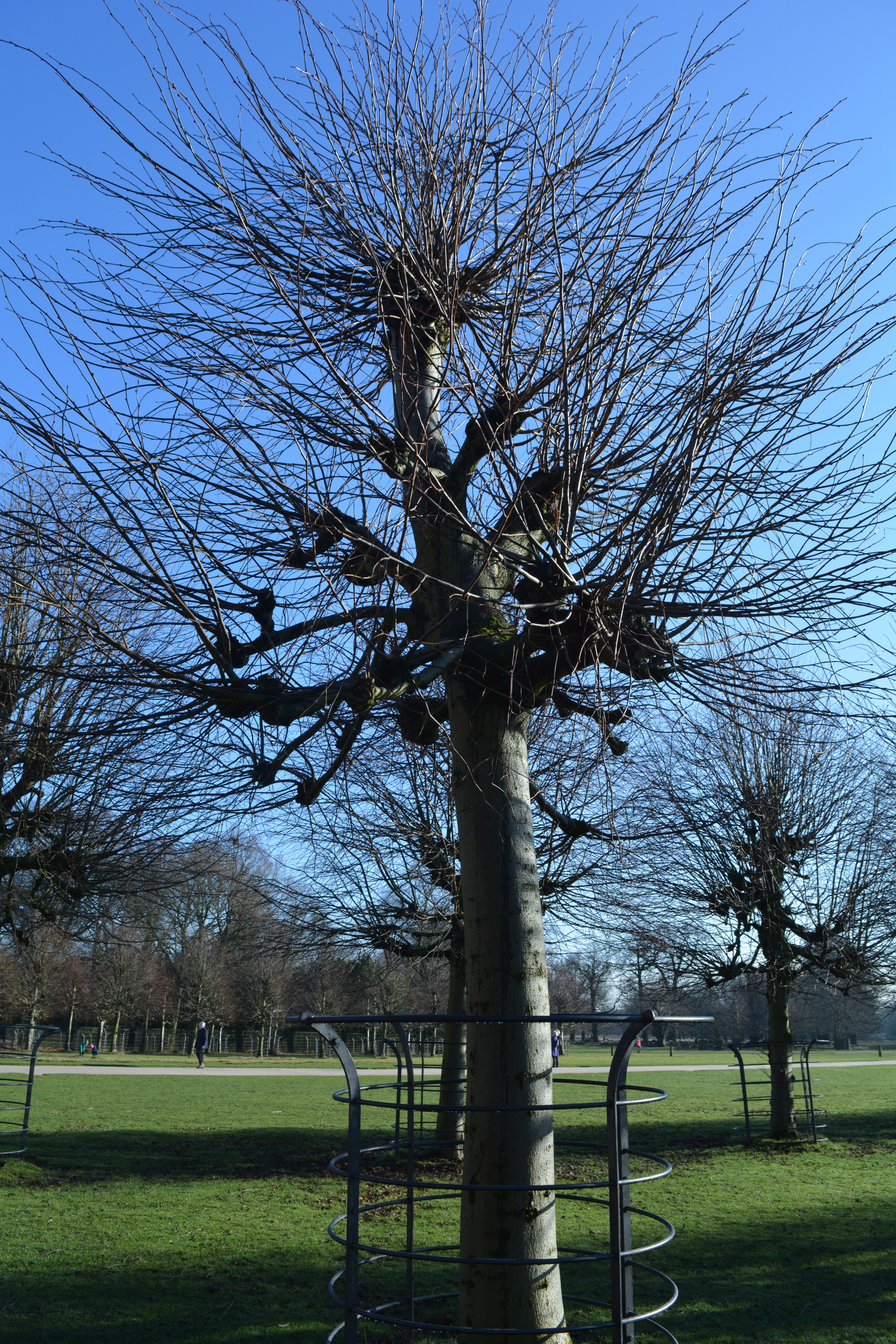
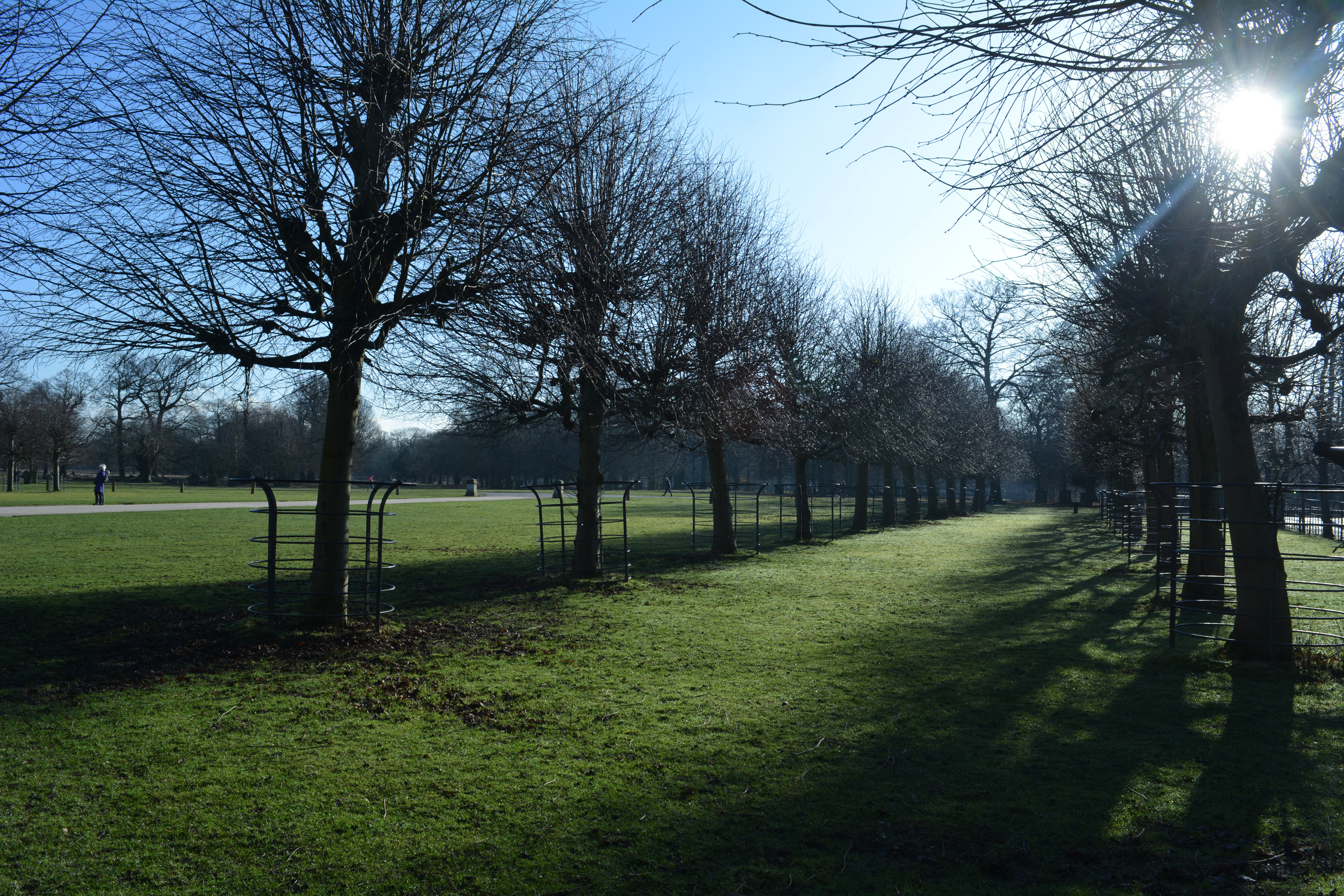
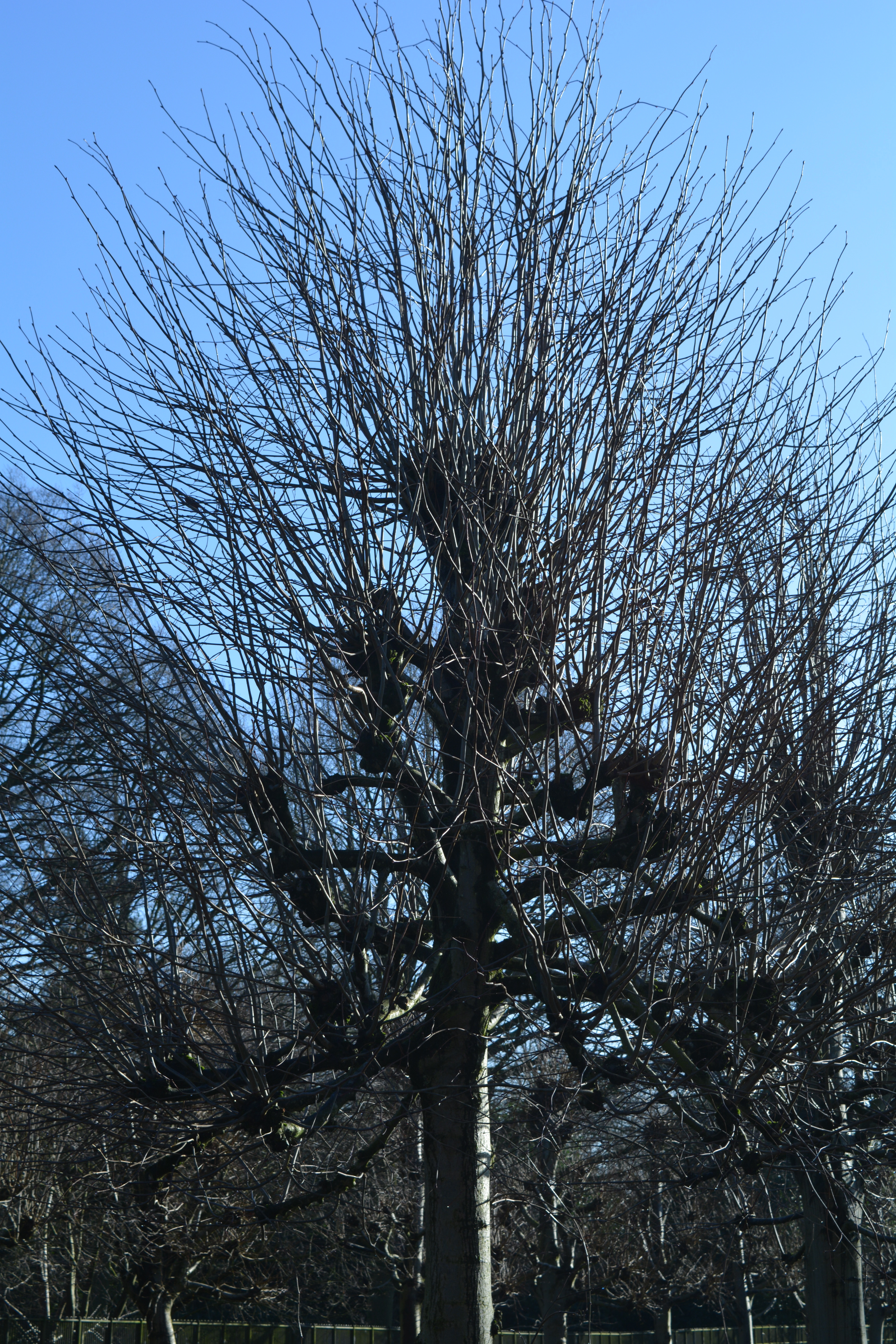
We approached the winter garden by meandering along gravel paths across a shallow valley, when upon passing through the first red-bricked outbuildings we discovered some of the best pleaching we had ever seen. It stops us in our tracks on every visit.

The pleached limes look a few decades old and possess the ubiquitous knobbles from where the new wands of growth spurt in the spring after their annual pollarding.

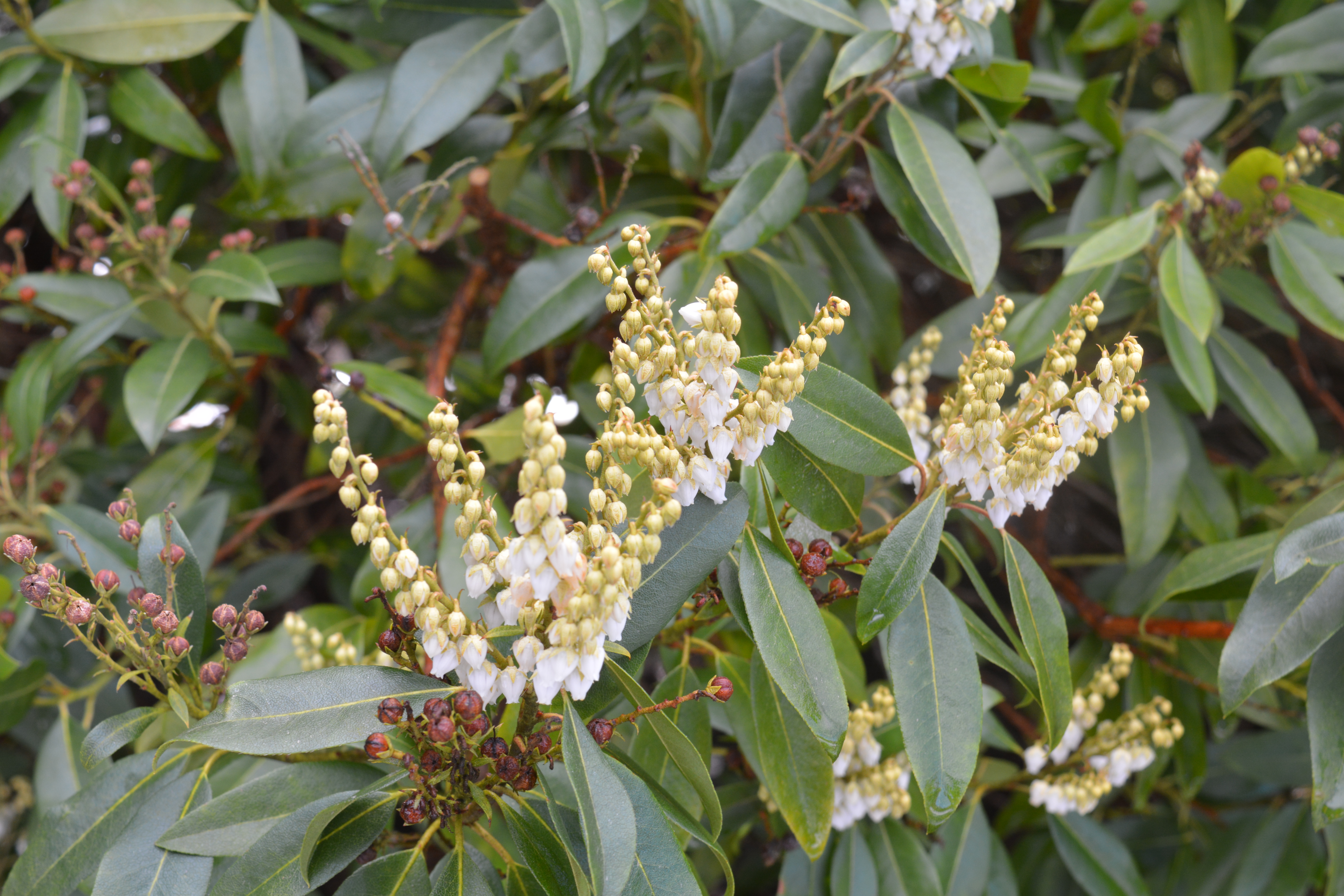
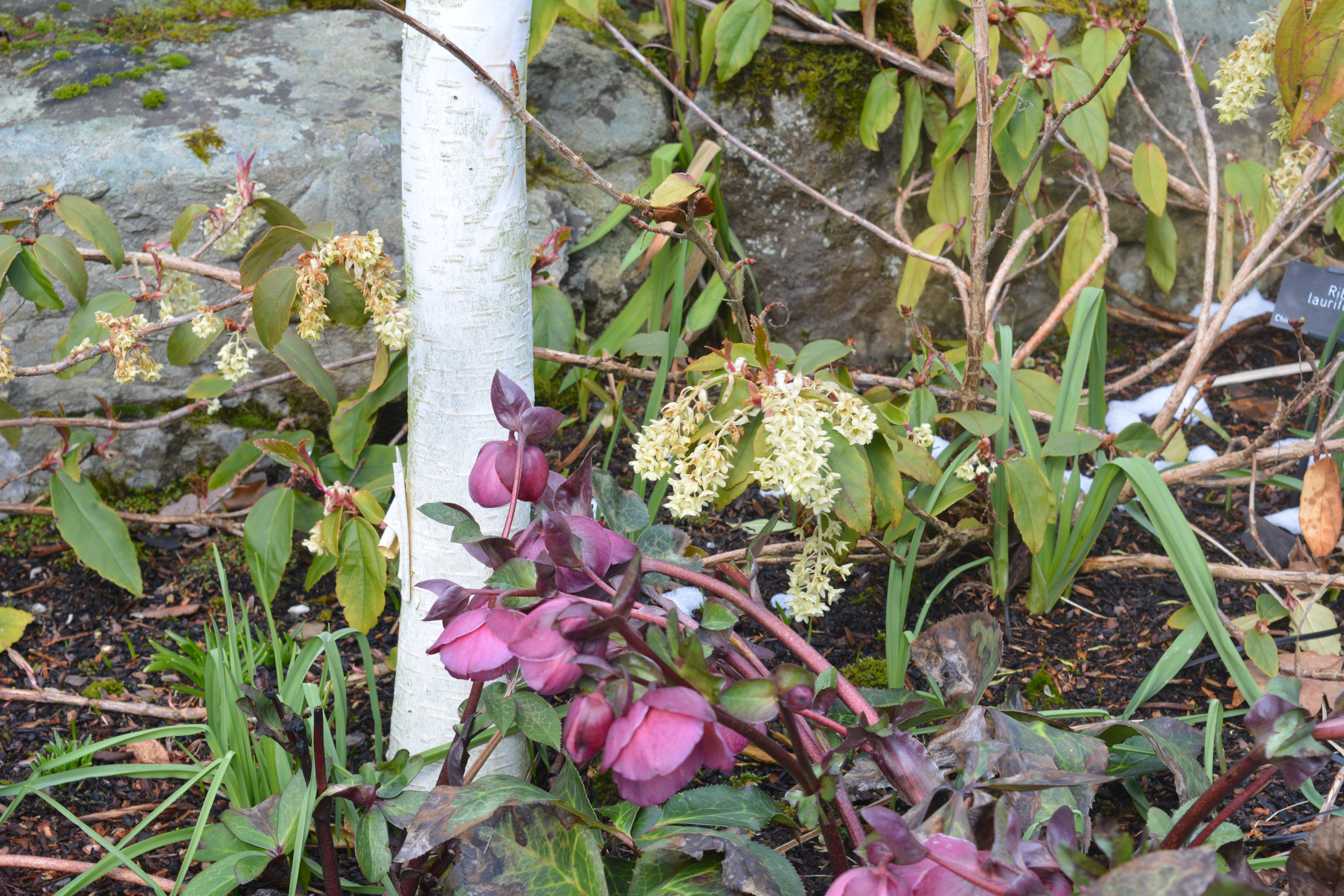
Shrubs come into their own in the winter season with their coloured stems, their scent and beautiful hanging flower clusters.


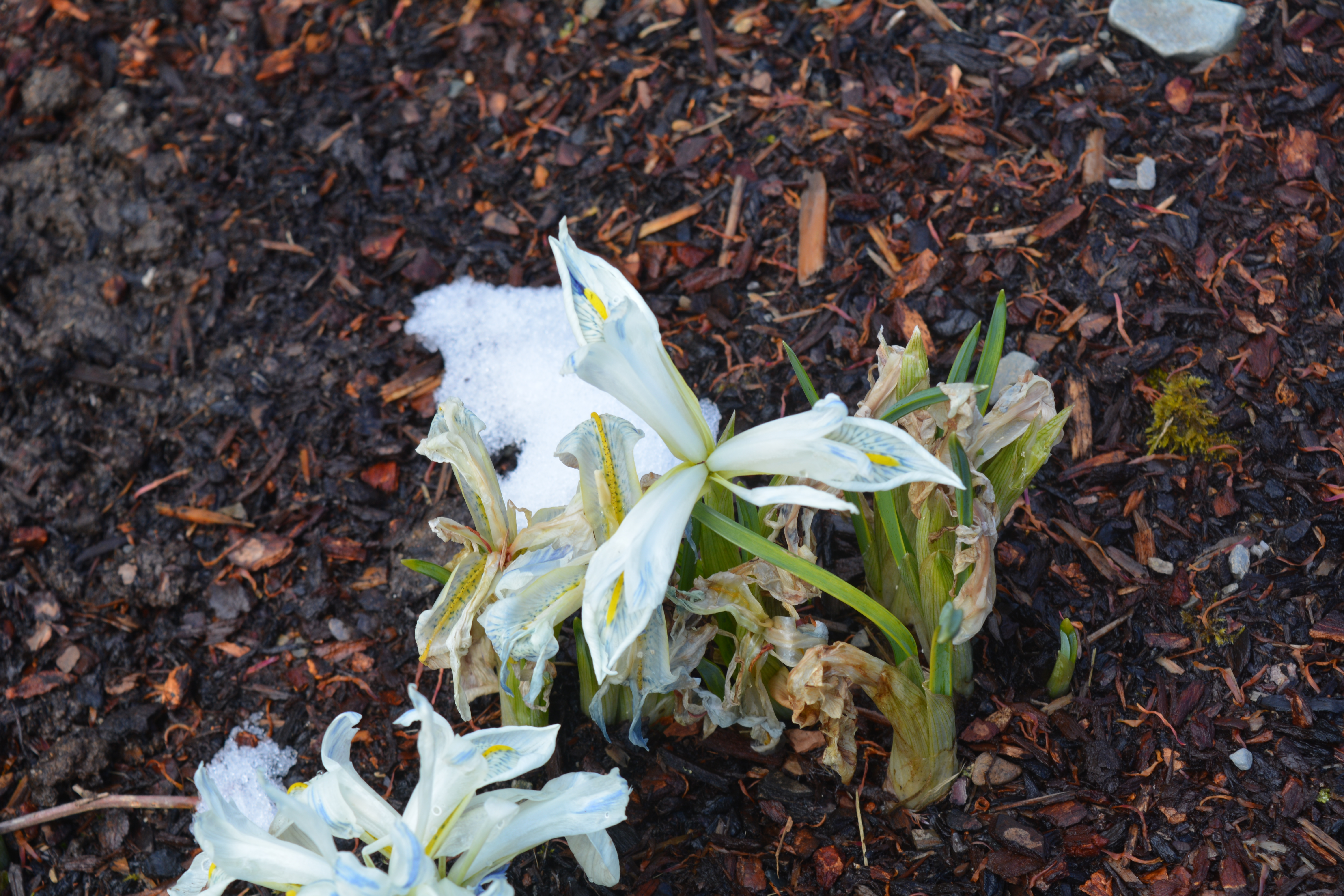
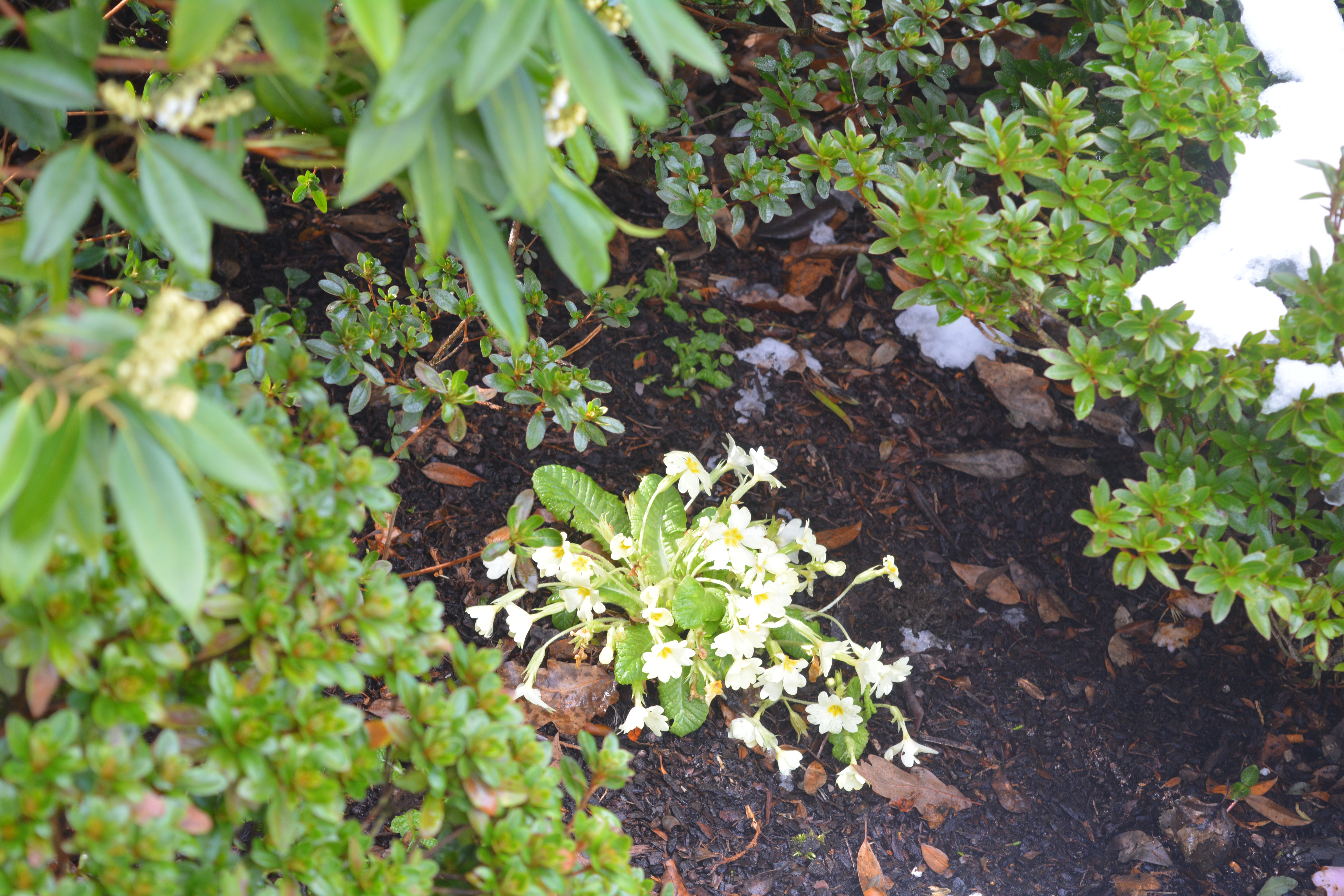
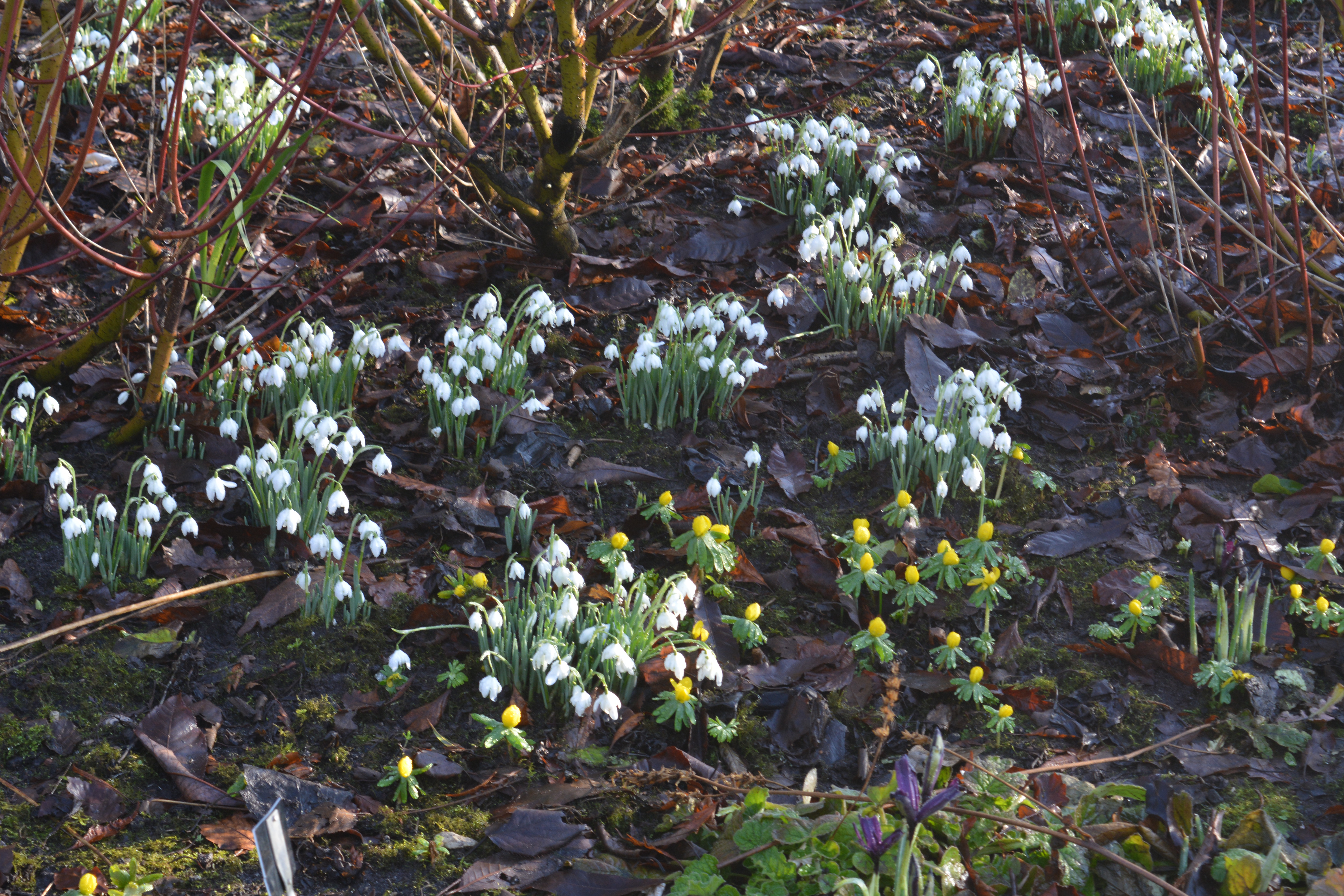
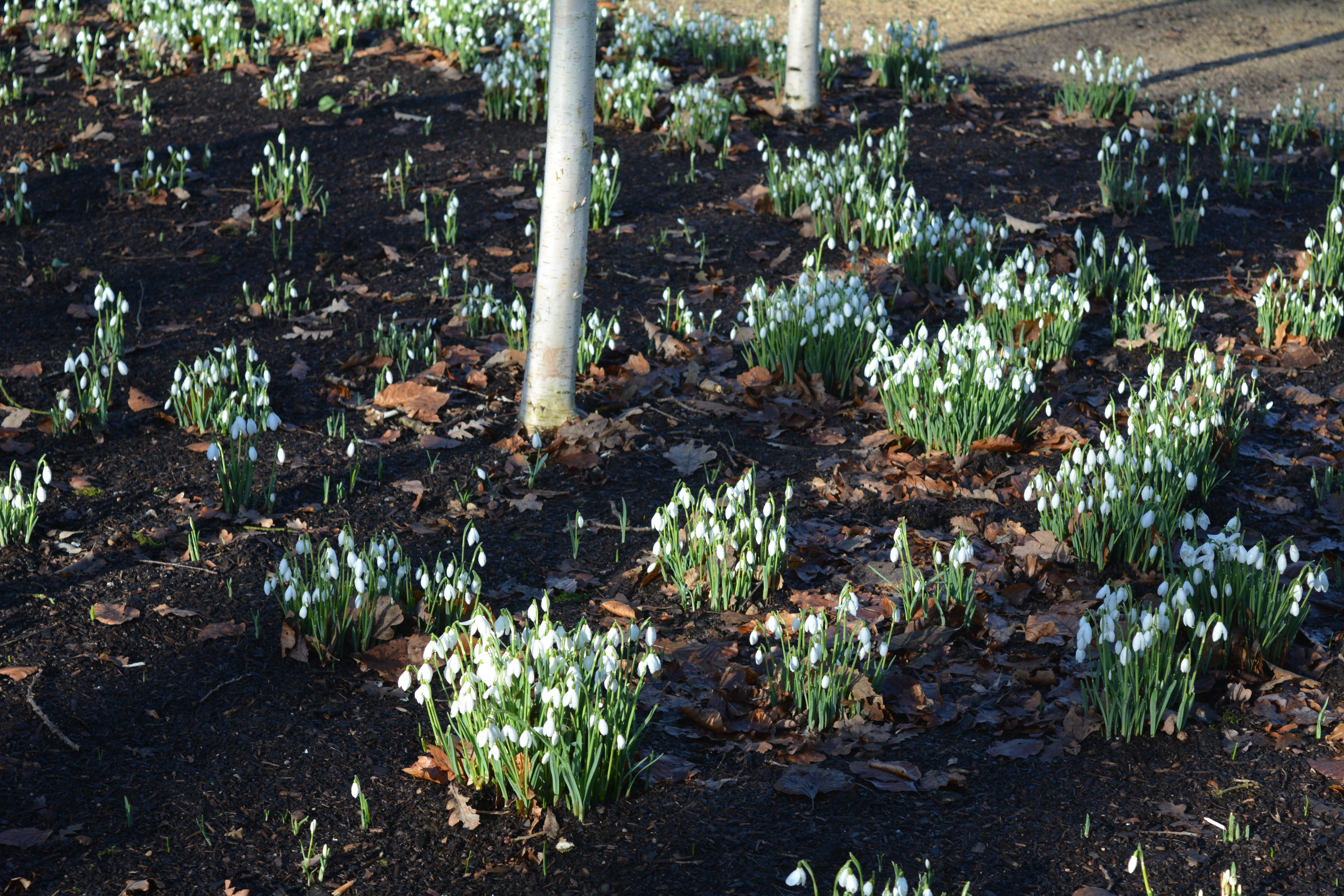
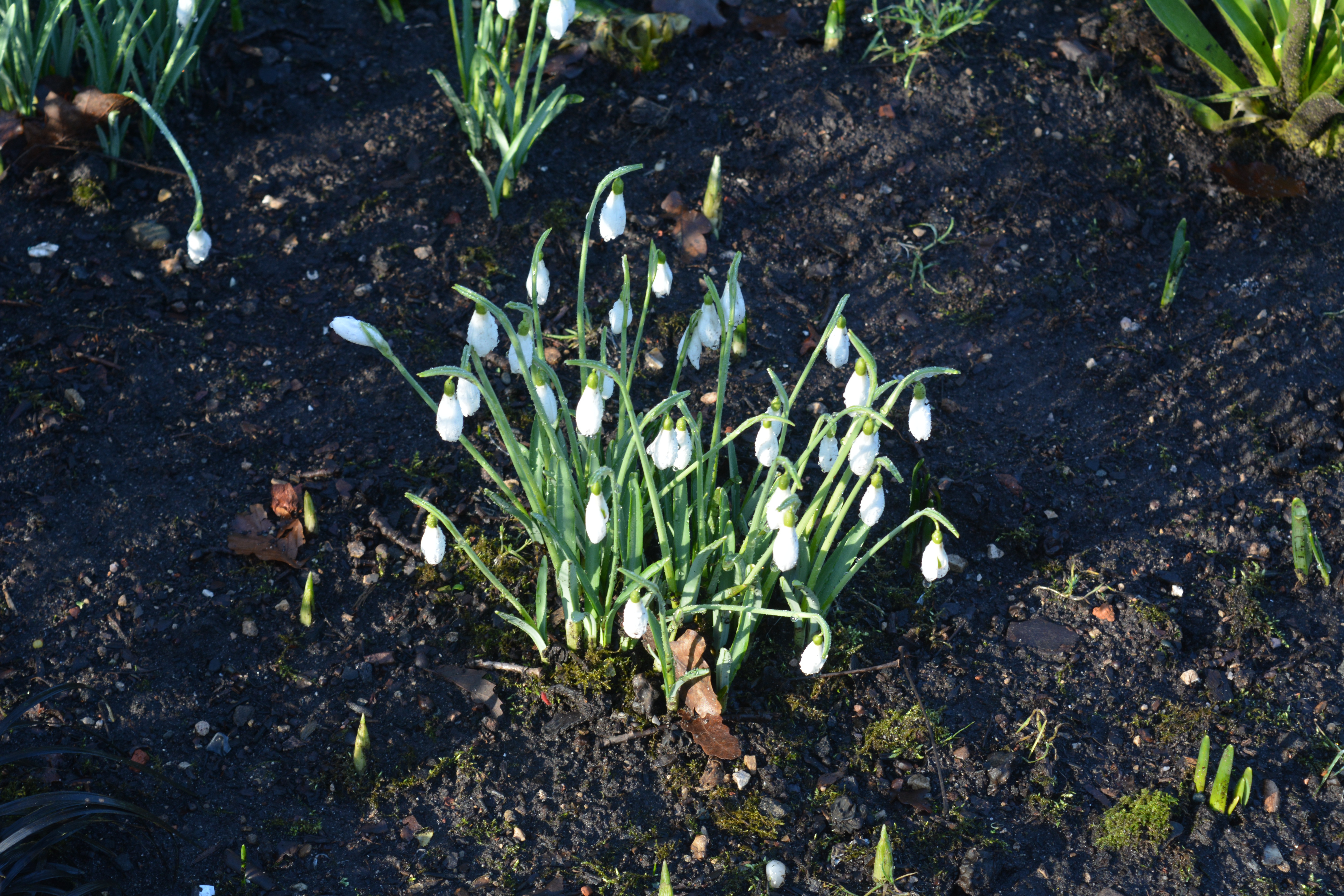
Early flowering bulbs add much of the colour in the garden in February. Sunlight catches them and highlights their bright colours.


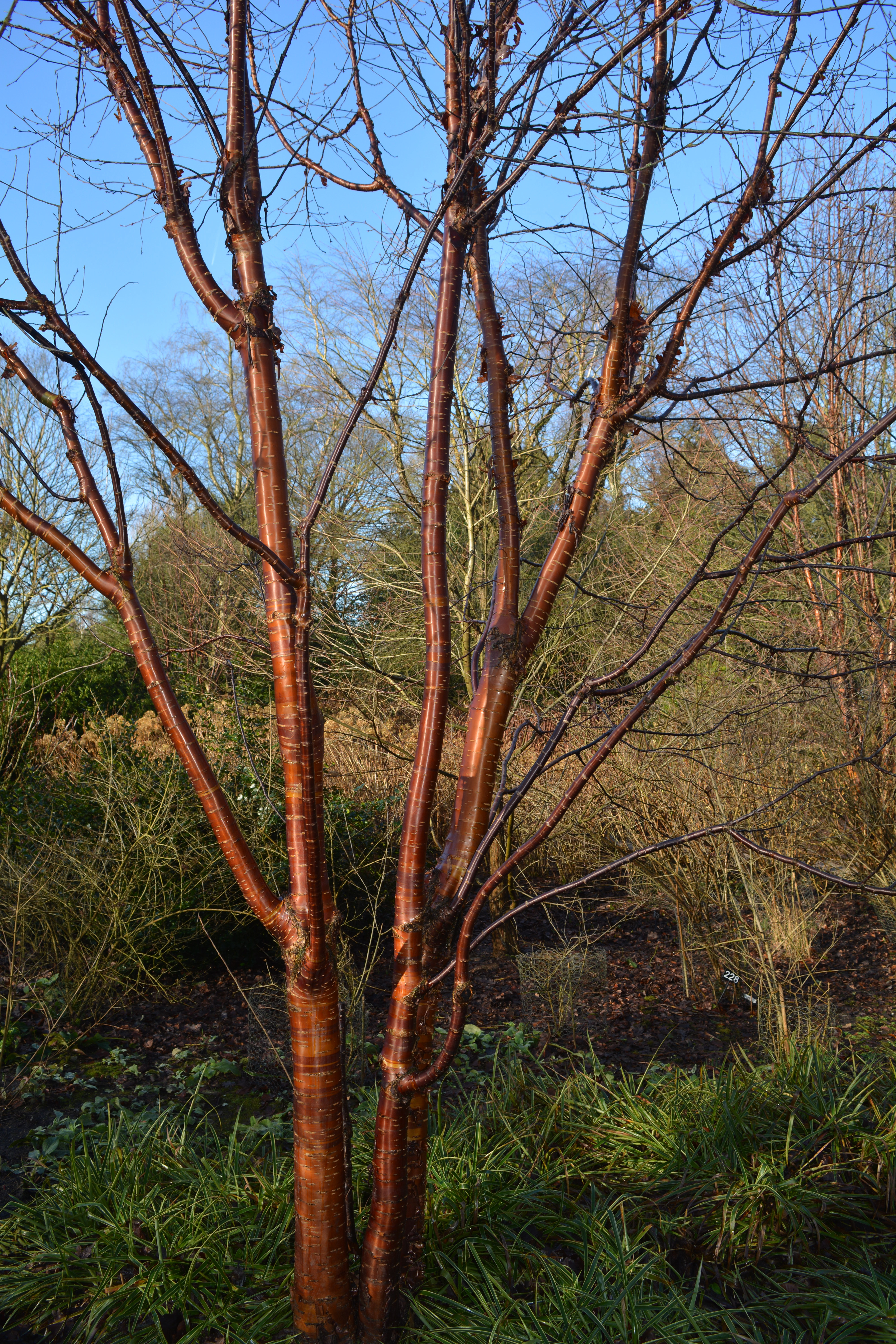
All winter gardens open to the public make strong features of trees with coloured, textured bark, Betulas, Acers and Prunus.


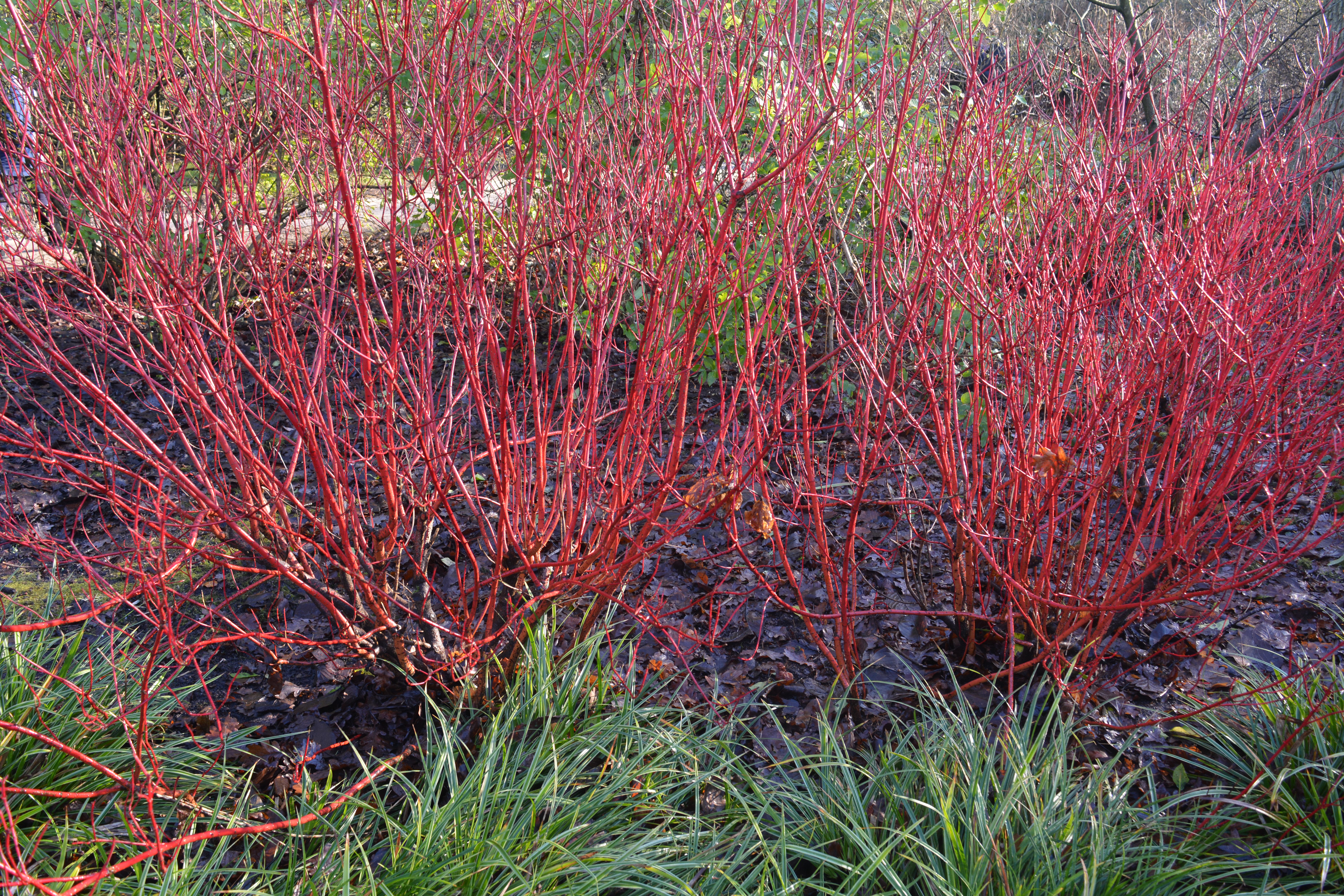
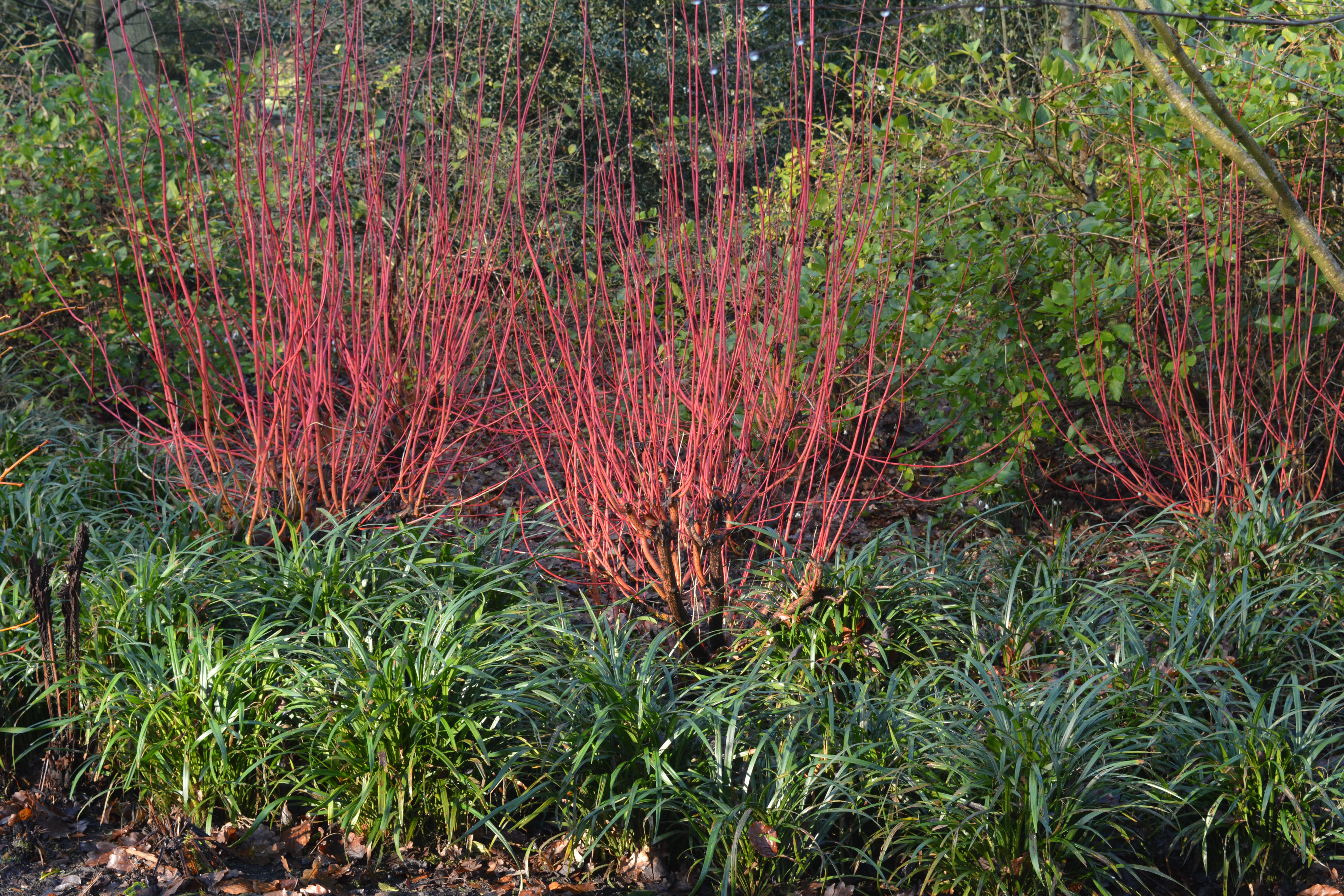
Shrubs with coloured stems provide effective partner planting for these trees, especially Cornus and Salix varieties. The gardeners at Dunham Massey are adept at transparency pruning, effectively lifting the akirts of shrubs and small trees to expose their trunks and lower branches.


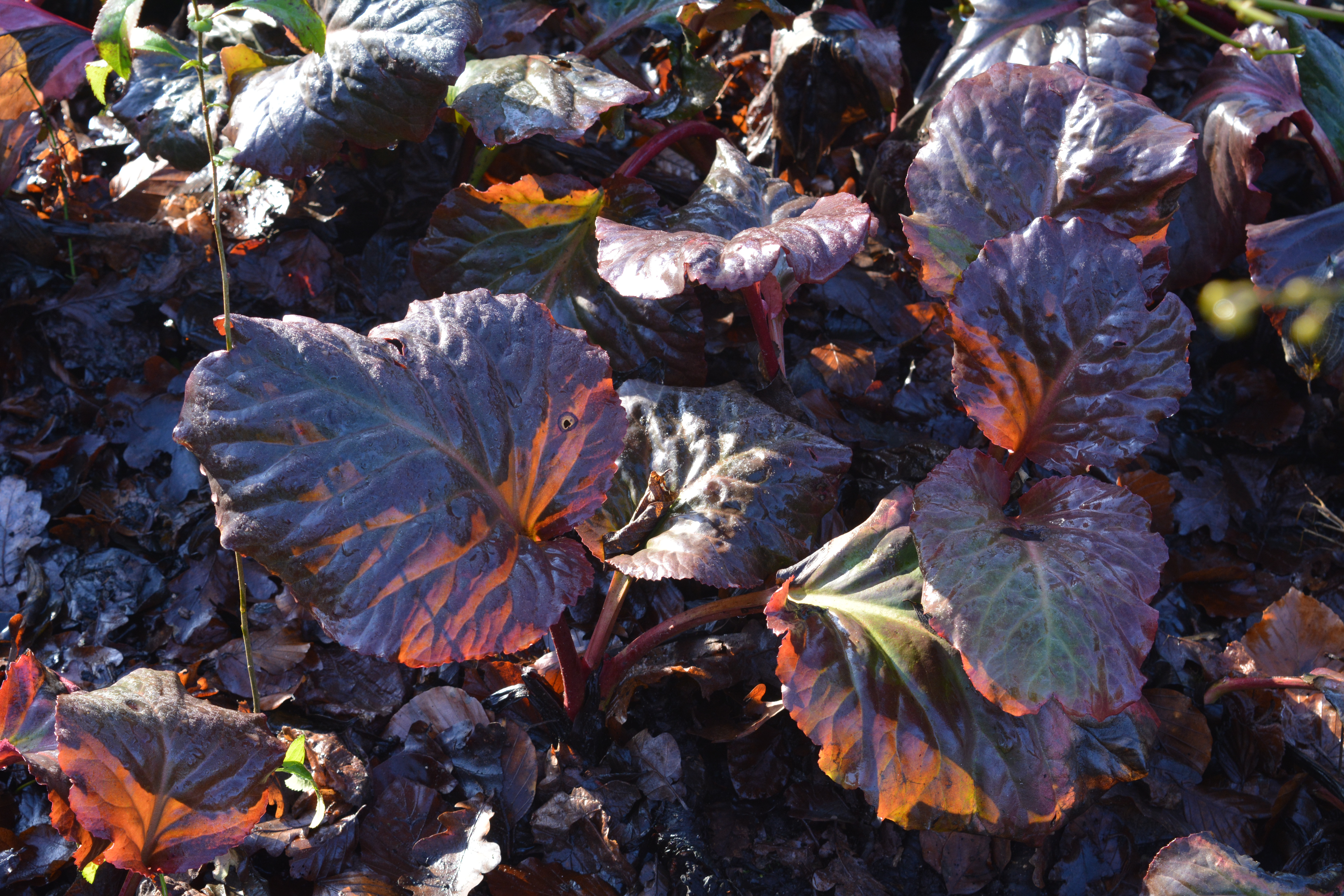
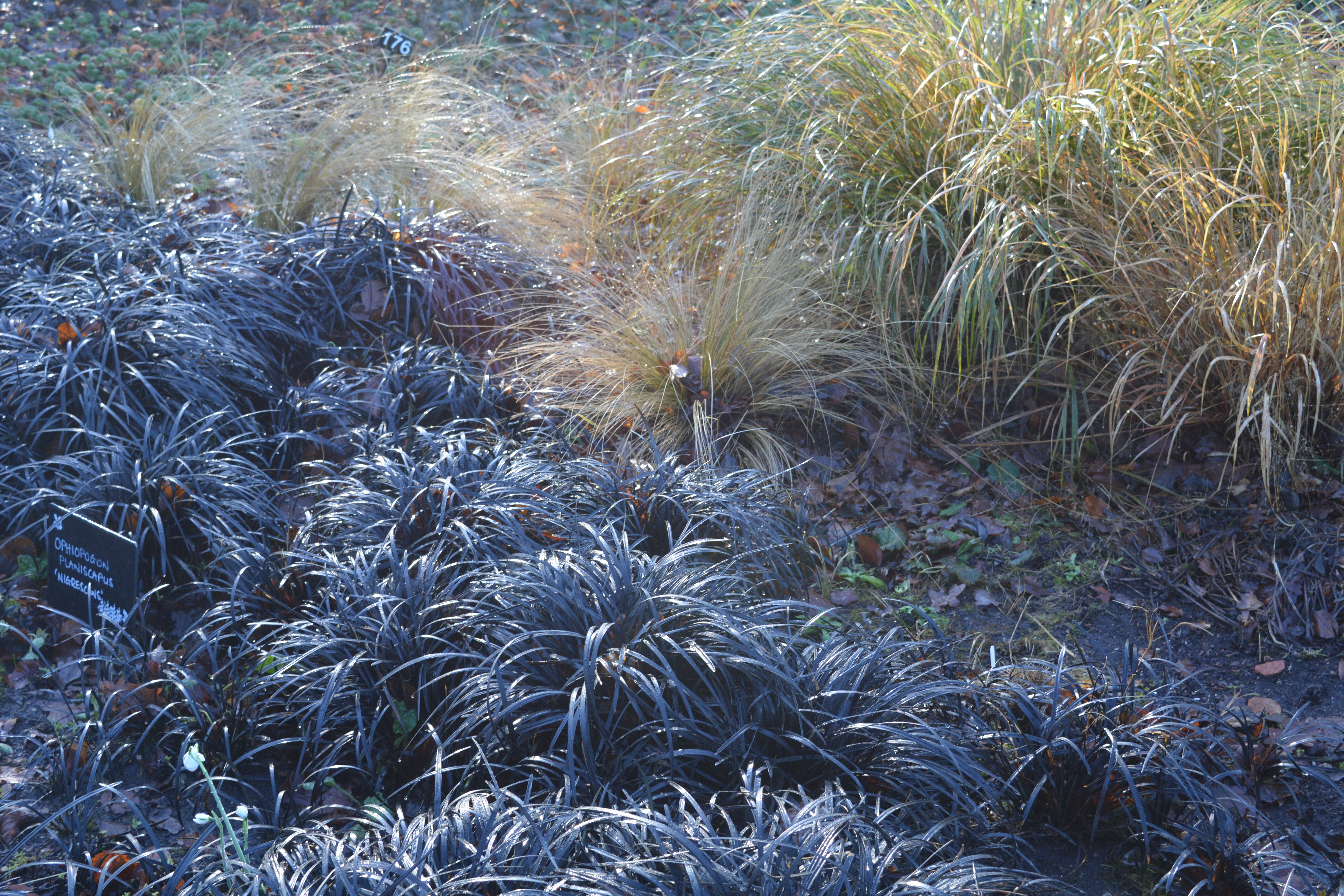
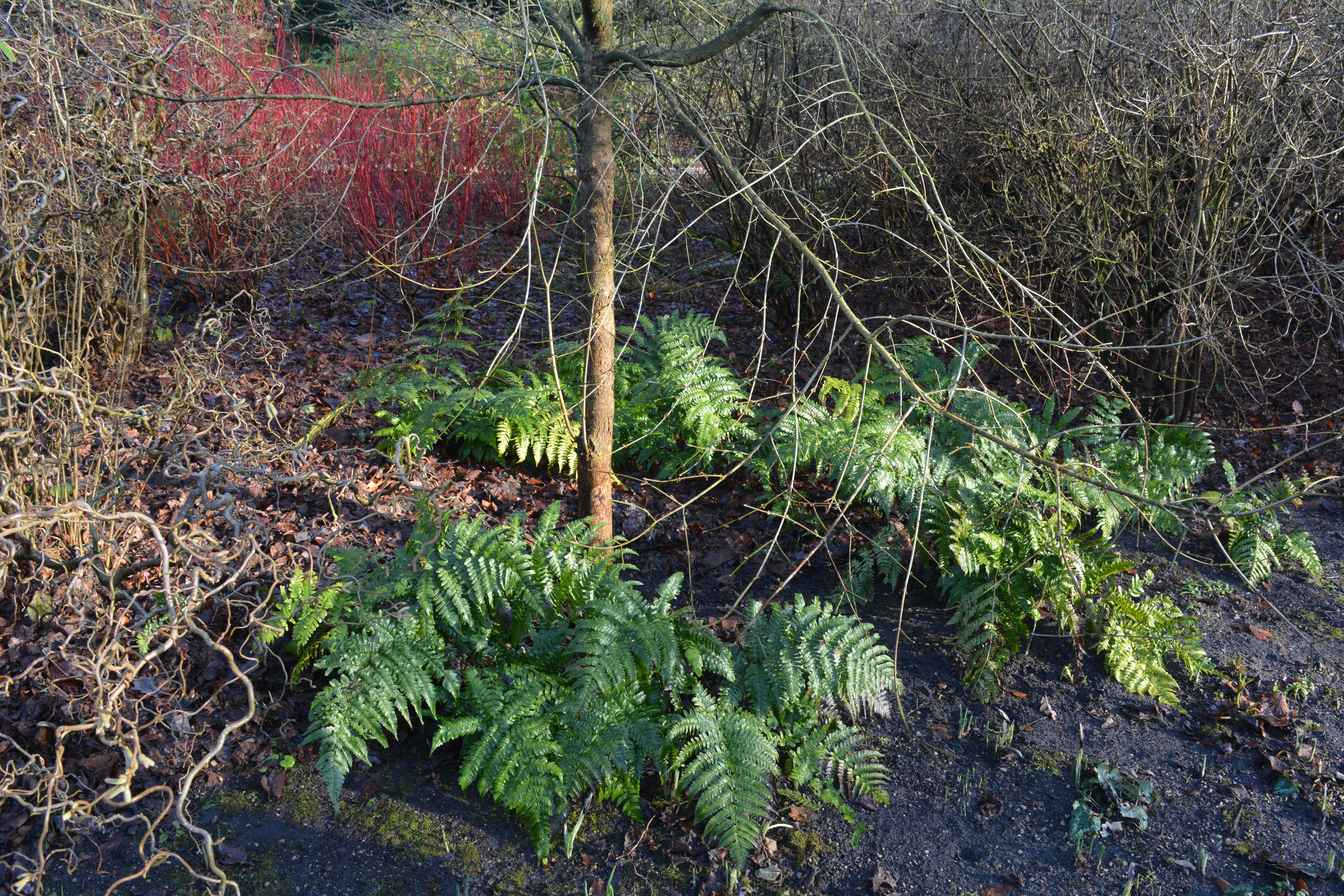
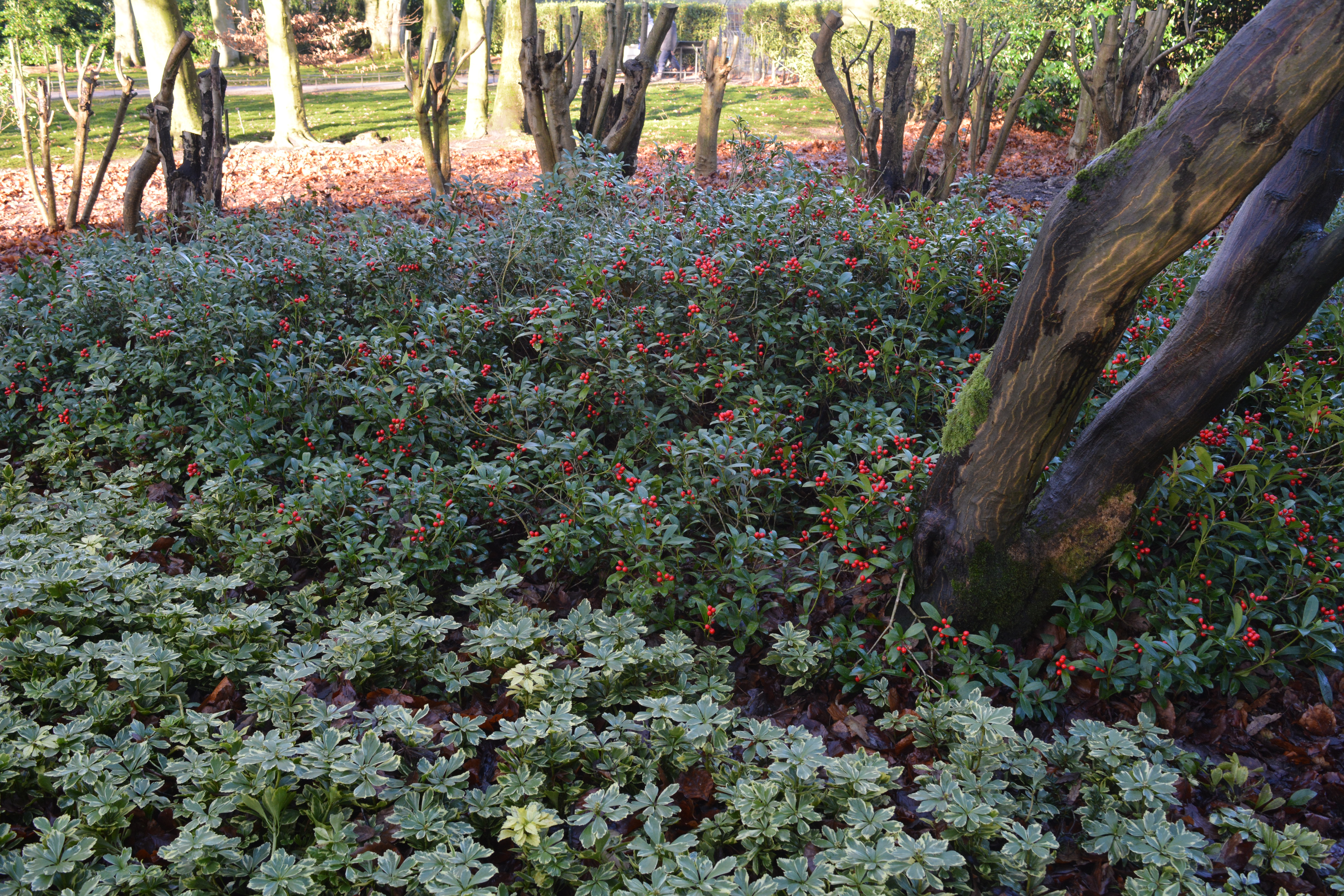
The one plantingcategory that sorts out the best winter gardens from the average is the good creative use of ground cover. It is all too easy to use bark mulch but there are good interesting plants that can cover the ground and add new dimensions to planting schemes. Dunham Massey is on the way to sorting this well, using Carex, Bergenia, Ophiopogon, ferns and Pachysandra.

So there we have it, a thoroughly inspiring visit to one of our favourite winter gardens.


Categories
colours flowering bulbs garden design garden furniture garden photography garden ponds garden pools garden seat garden seating gardening gardens gardens open to the public grasses hardy perennials light light quality NGS ornamental grasses ornamental trees and shrubs photography sculpture shrubs spring bulbs trees water in the garden Winter Gardening winter gardens Yellow Book Gardens

A canal-side garden in winter – John’s Garden Part 1

We have visited “John’s Garden” before in the height of summer and really enjoyed it, so much so that we were determined to re-visit at different times of the year. We imagined it would be an effective all-year garden. Mid-February and John opened his garden on a cold and wet winters day, so we went along with garden-loving friends Pete and Sherlie.

We started with a hot mug of coffee in the nursery coffee shop to warm us up, so with added warmth and lots of excitement and anticipation we wandered down the drive from Ashwood Nurseries to his own 3 acre-garden.

The garden has the advantage of boasting a canal, the Staffordshire and Worcestershire Canal, running along its length – not many gardeners could say that about their patch!

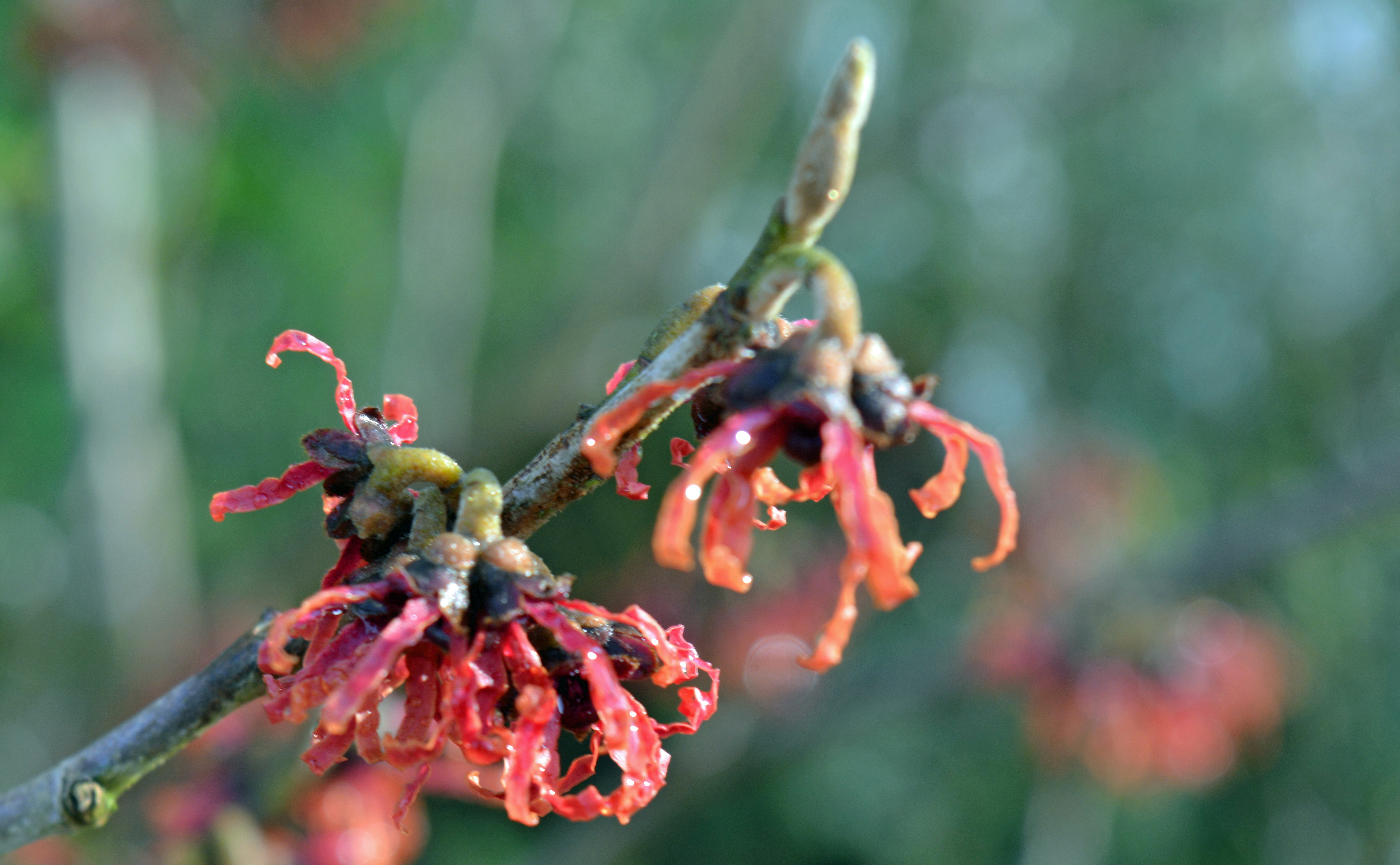
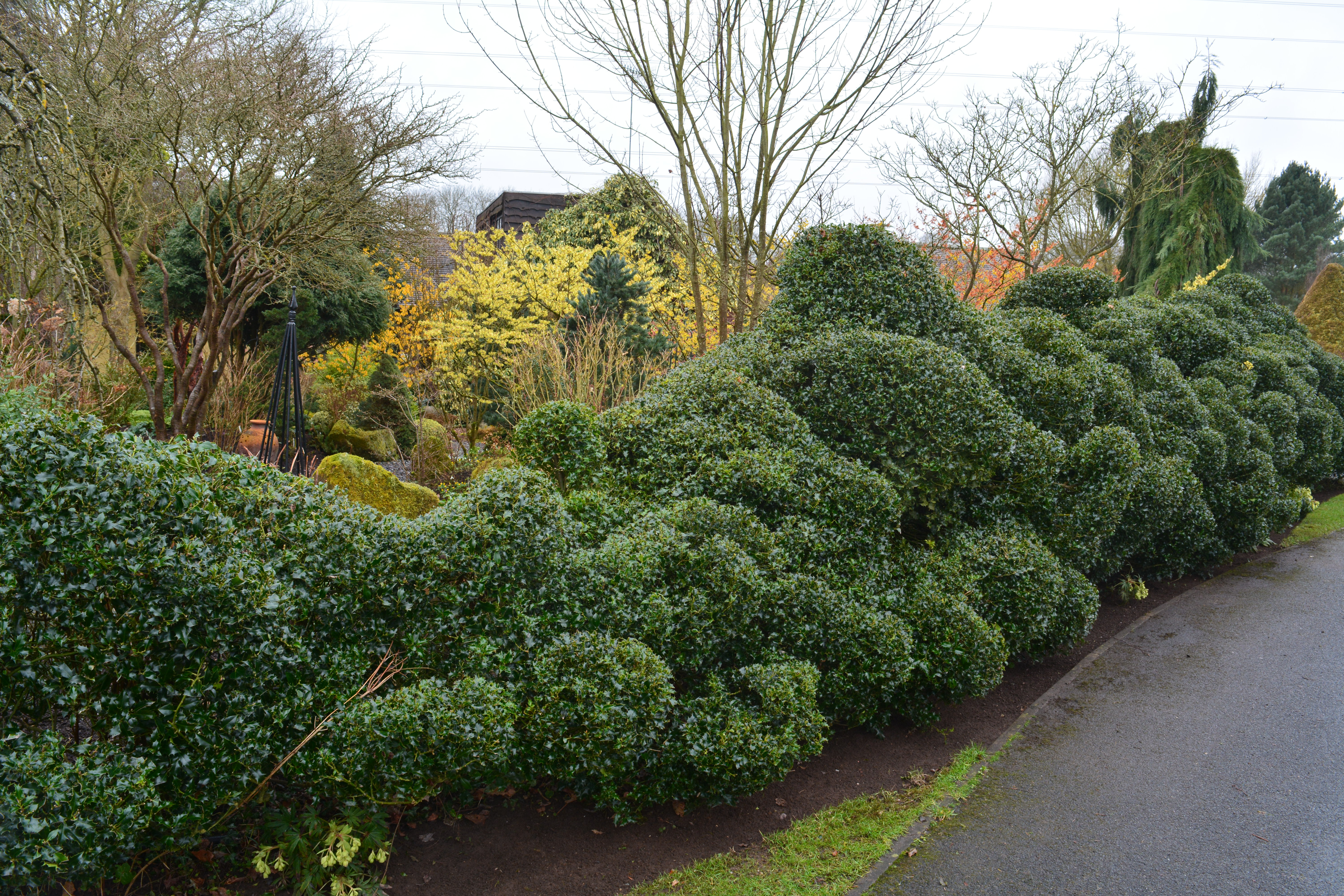
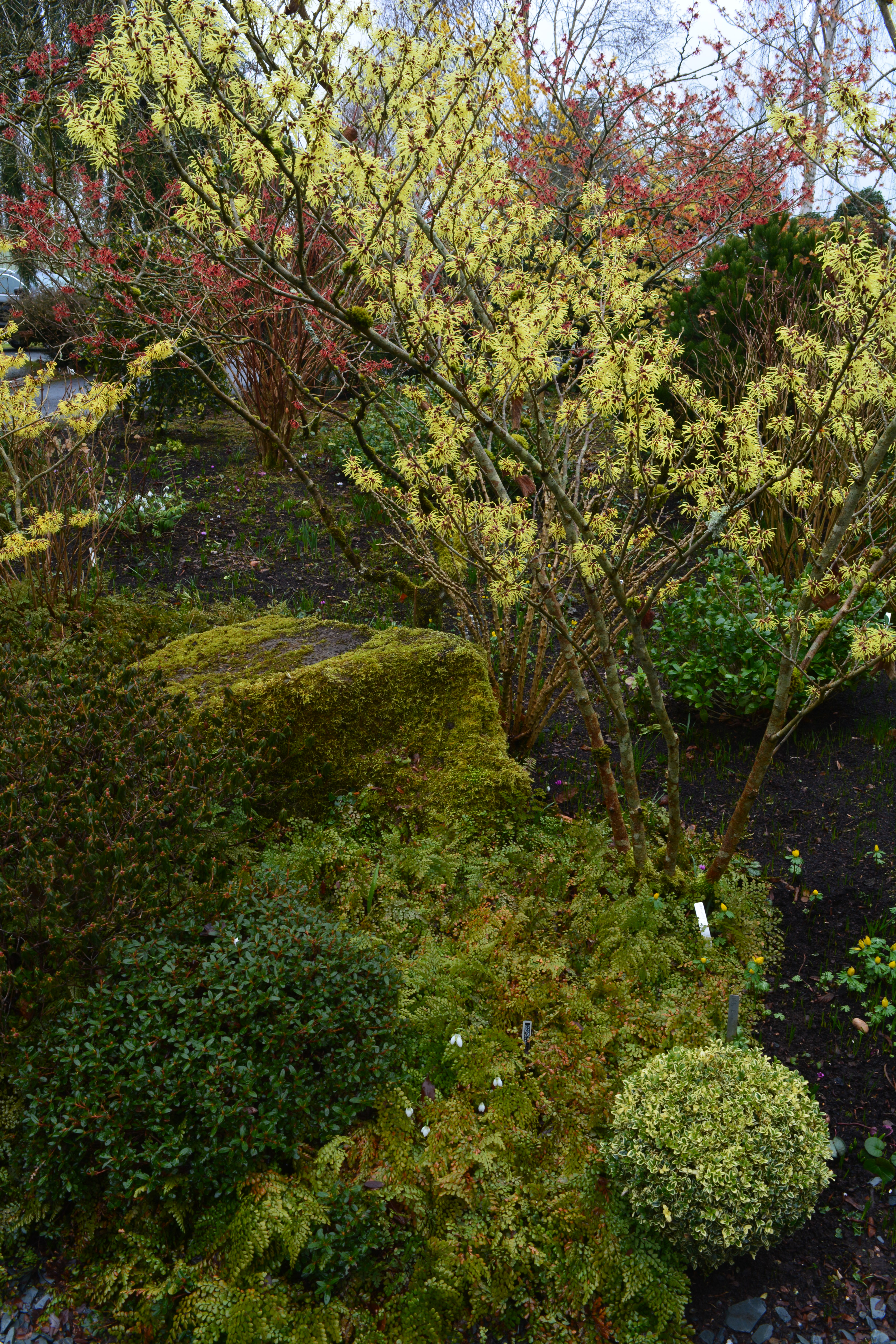
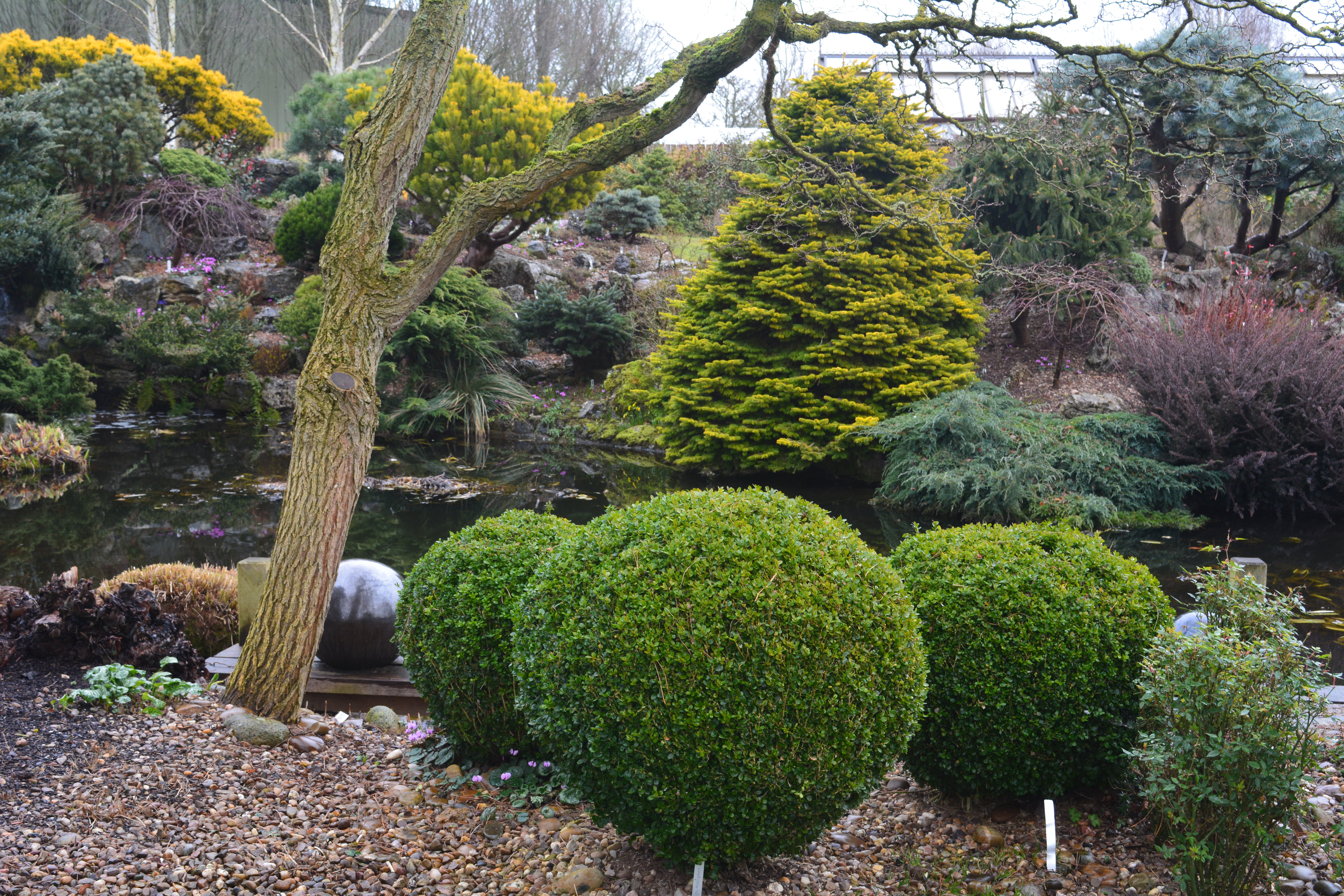
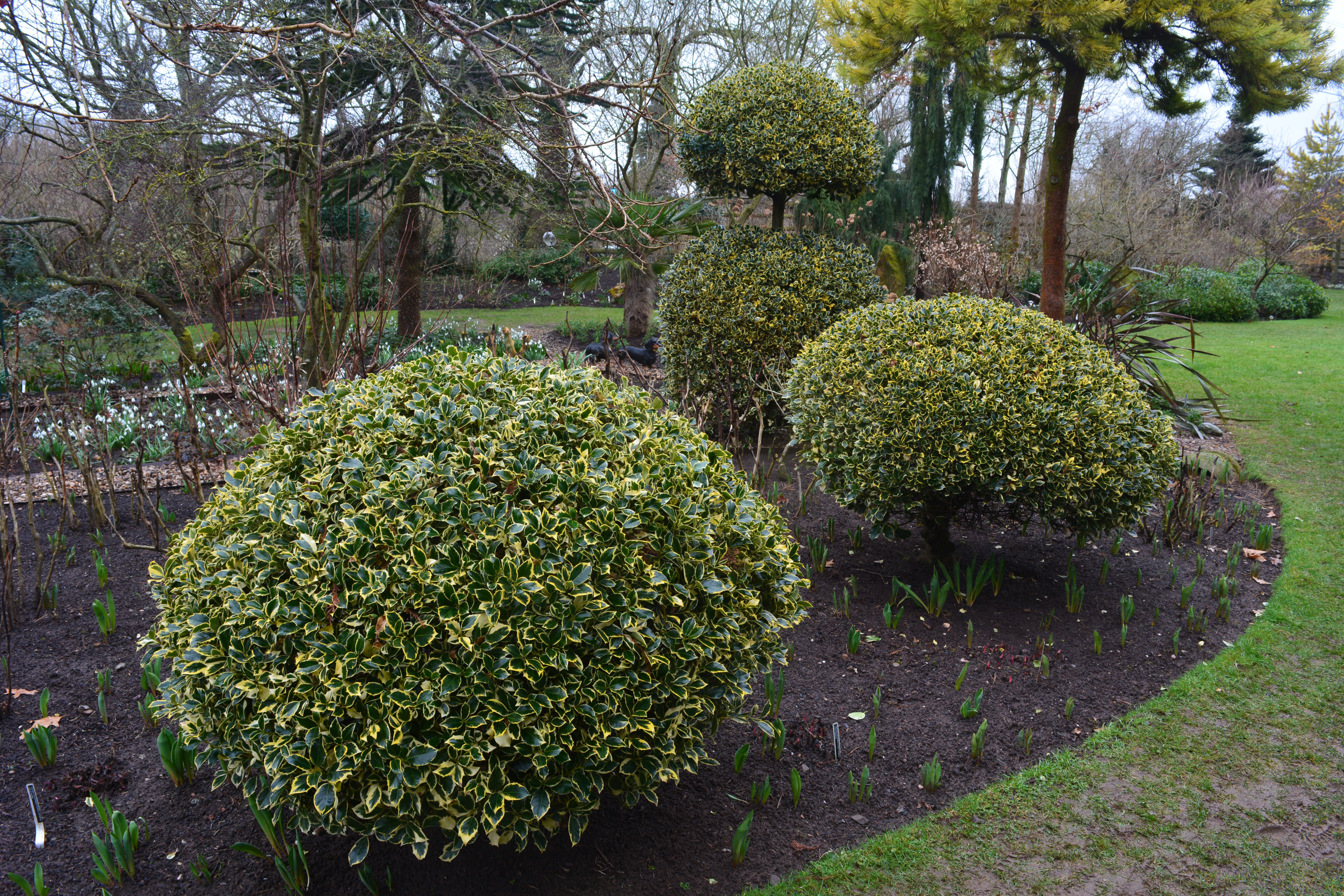
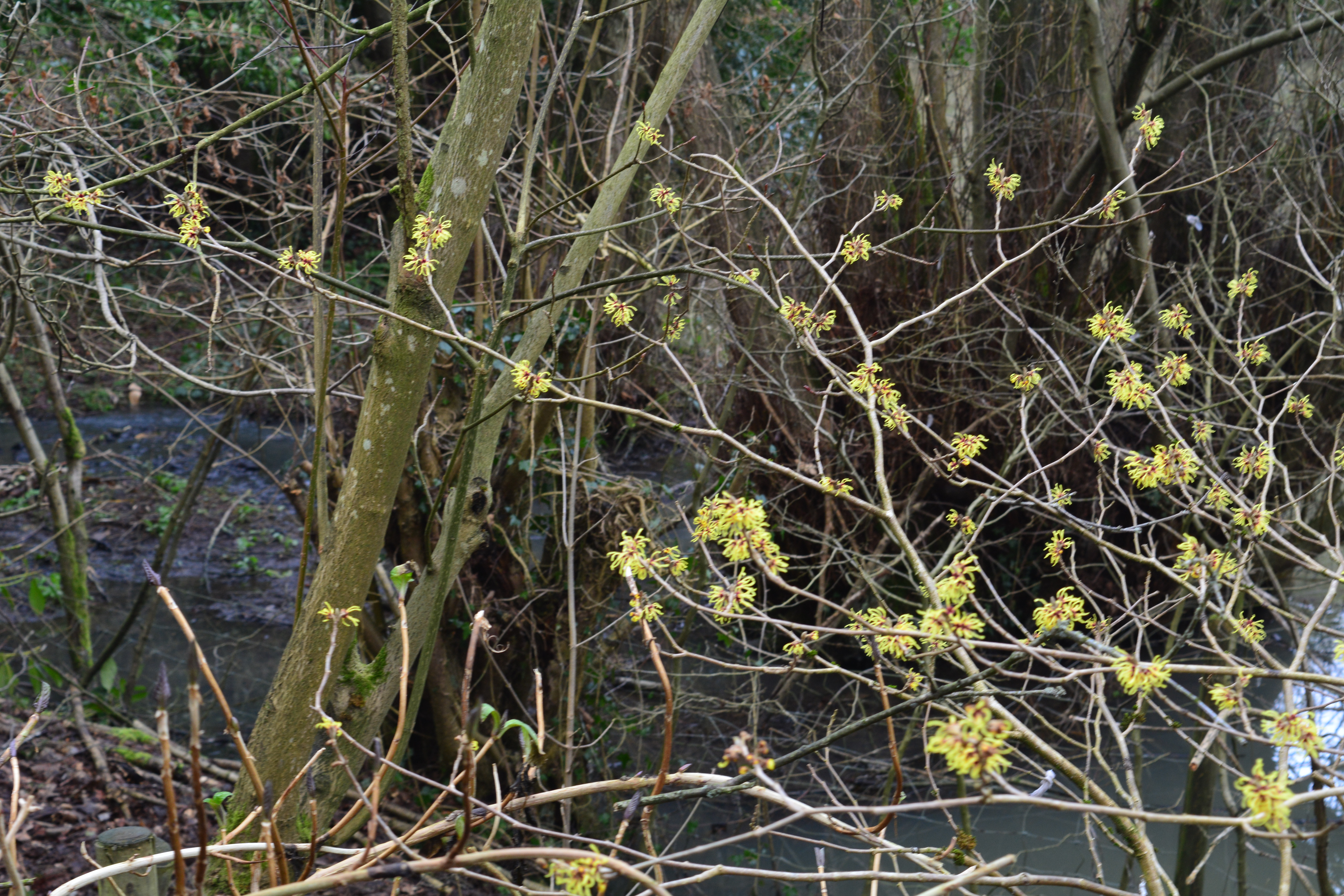
An unusual hedge greeted us as we entered the garden, a long cloud pruned hedge, beautifully sculpted. A slate pathway at its end took us into a colourful area full of winter interest. Hamamelis and small deciduous trees were the stars, supported ably by ferns, bergenias, snowdrops and a variety of small-leaved shrubs trained as spheres.


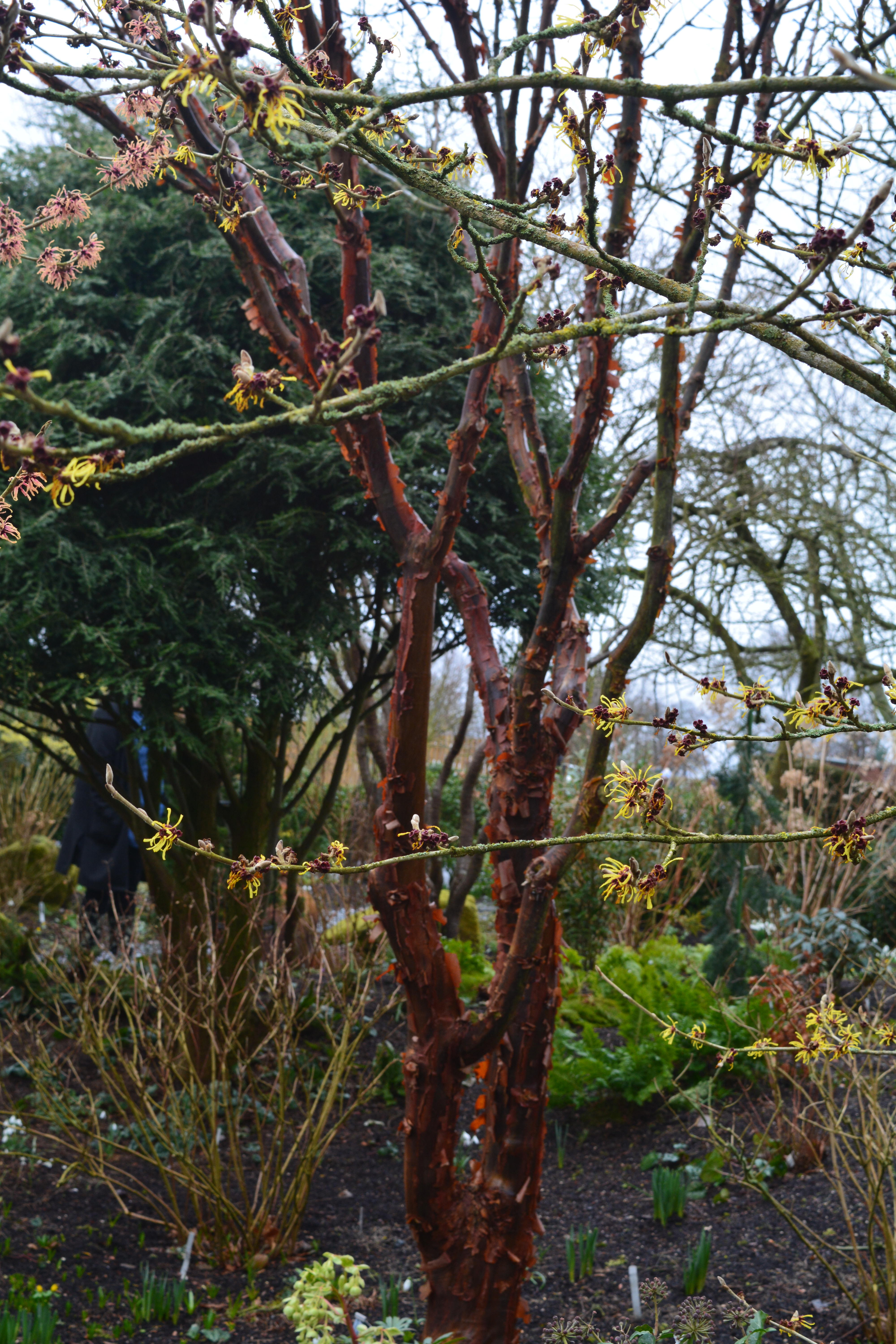
We left this little garden behind and crossed an open lawned area dotted with topiary specimens and trees with interesting bark, coloured, textured or peeling. We joined up with the gardens bordering the canal, the sort of background gardeners can only dream of.


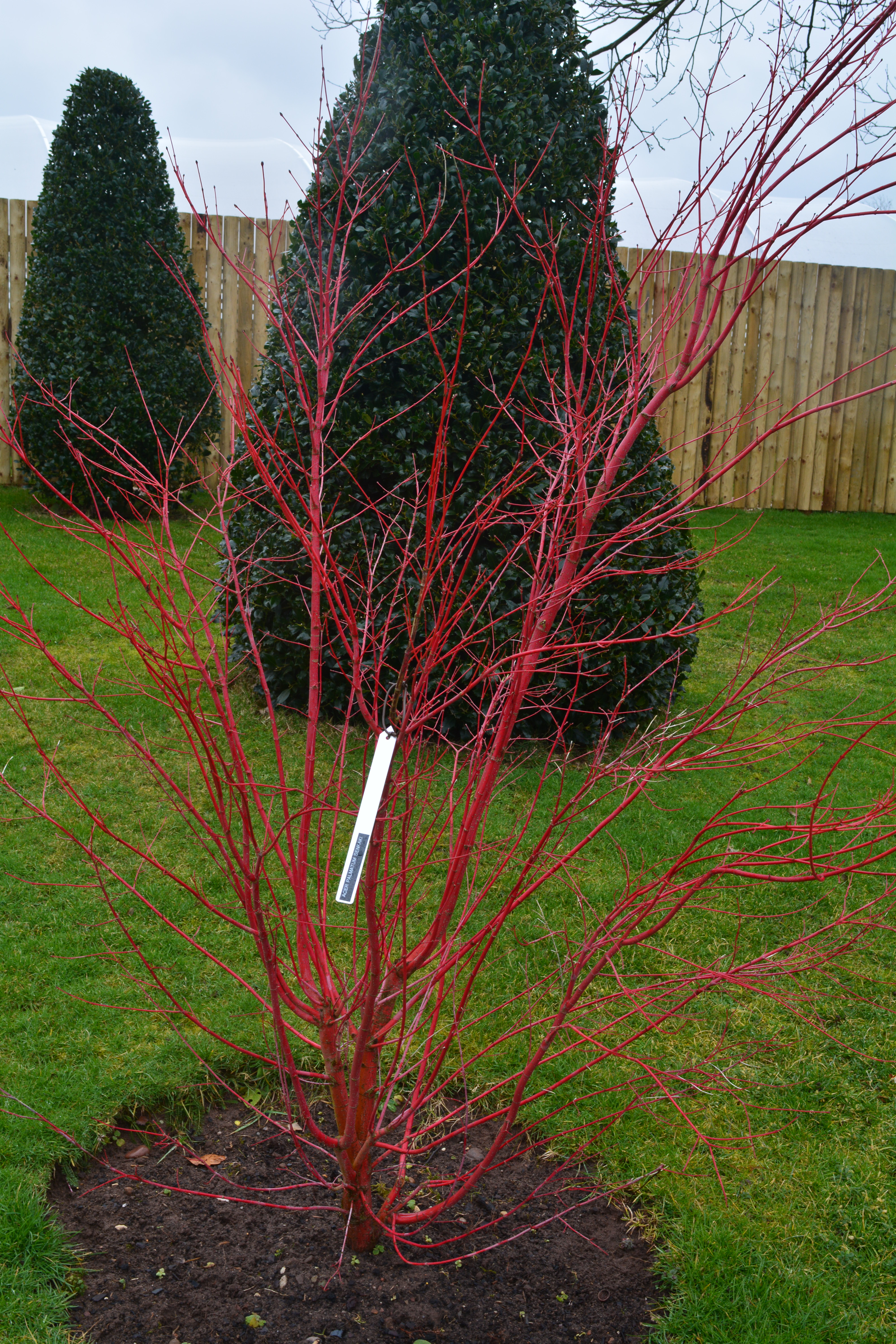
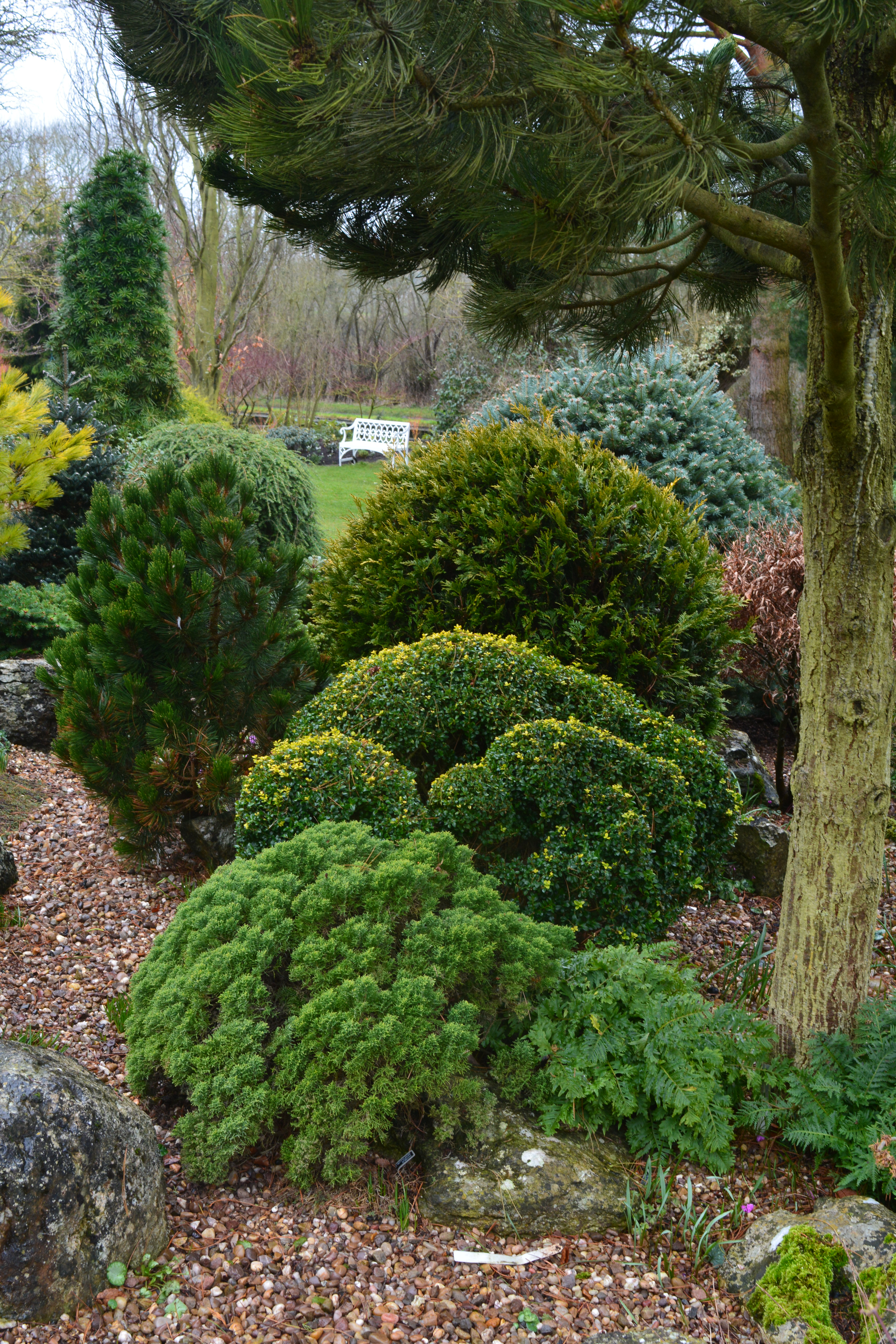
After a close up look at these trees and touching their bark, we followed the canal-side borders into the main gardens. Here grasses mingled with dogwoods and Willows, both pollarded and coppiced to enhanced their stem colours. Conifers of all sorts of shapes, colours and sizes began to appear here becoming strong features of this garden during the winter months. John is a master at transparency pruning which brings out the trees attributes. Interestingly he prunes both deciduous trees and shrubs and coniferous specimens too, which makes them look so much more interesting and they add so much to borders.

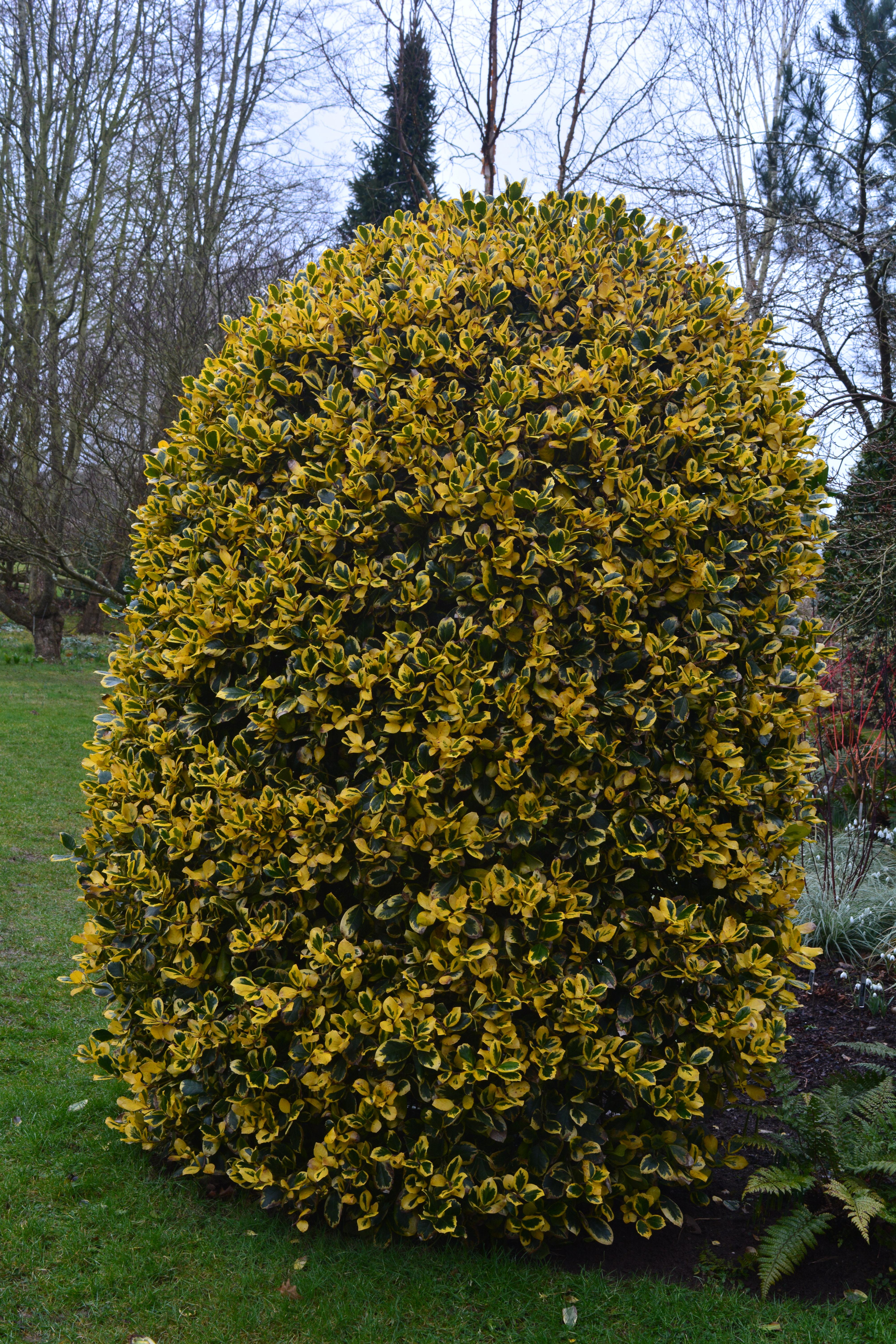
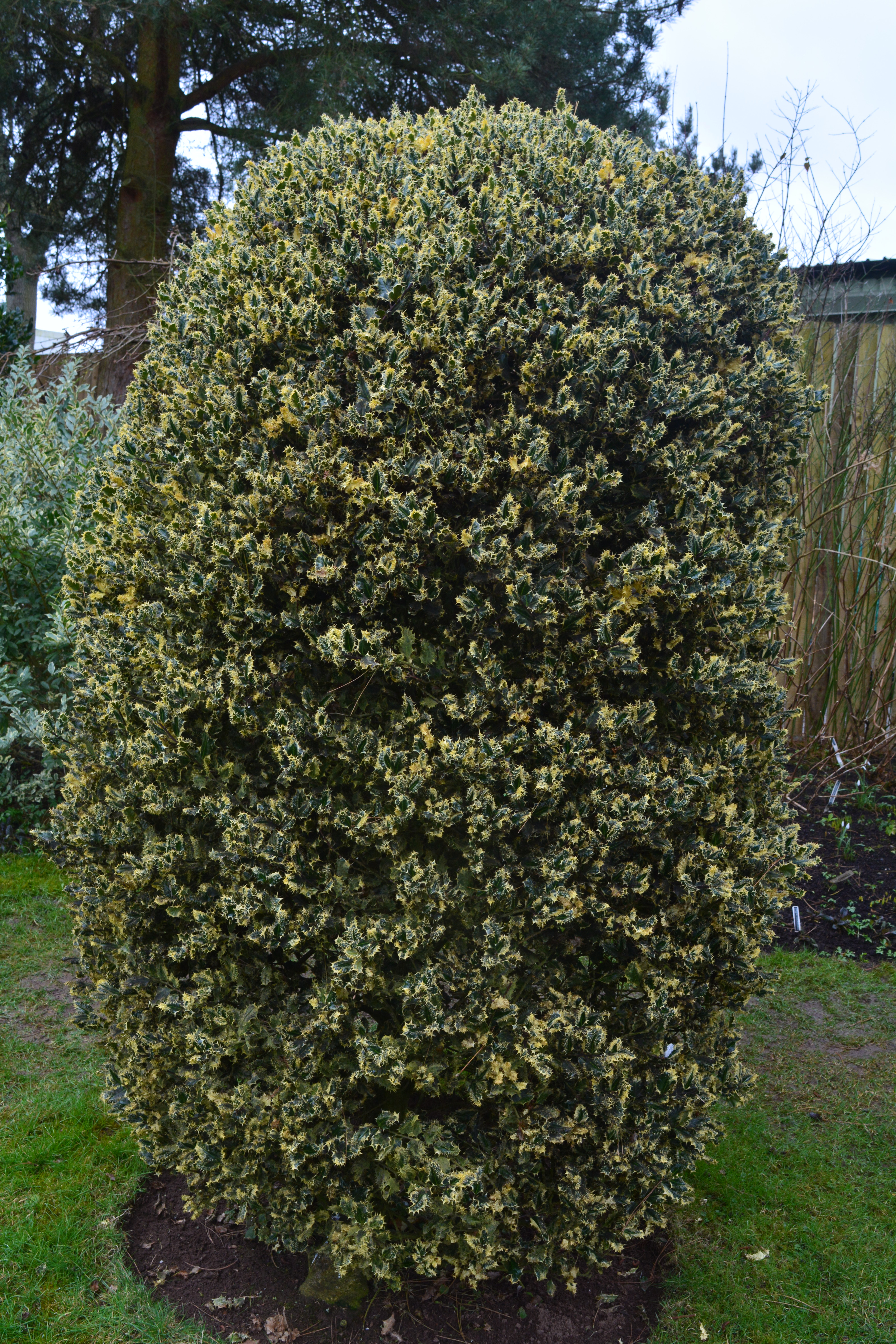
John is also a master of topiarising shrubs to emphasise their beauty and give structural elements throughout the garden. All sorts of conifers and evergreen shrubs have been given this treatment.


In part two of my post all about our winter visit to John’s Garden, we will move along the canal borders before returning along the opposite side of the patch, while along the way discovering a pool, sculpture and a terrace and lots more exciting plants and plant pairings.


Categories
garden photography gardening gardens ornamental trees and shrubs outdoor sculpture spring bulbs trees Wales Winter Gardening winter gardens woodland woodlands

The Dingle Garden in Welshpool – February

Back to Welshpool to explore The Dingle Gardens for February, we expected little change since our January visit as the weather had remained very similar.

We were greeted by a stunning wooden owl sculpture! Soon we noticed there were lots of signs of new growth, buds forming on trees and shrubs and a few beginning to burst into leaf.


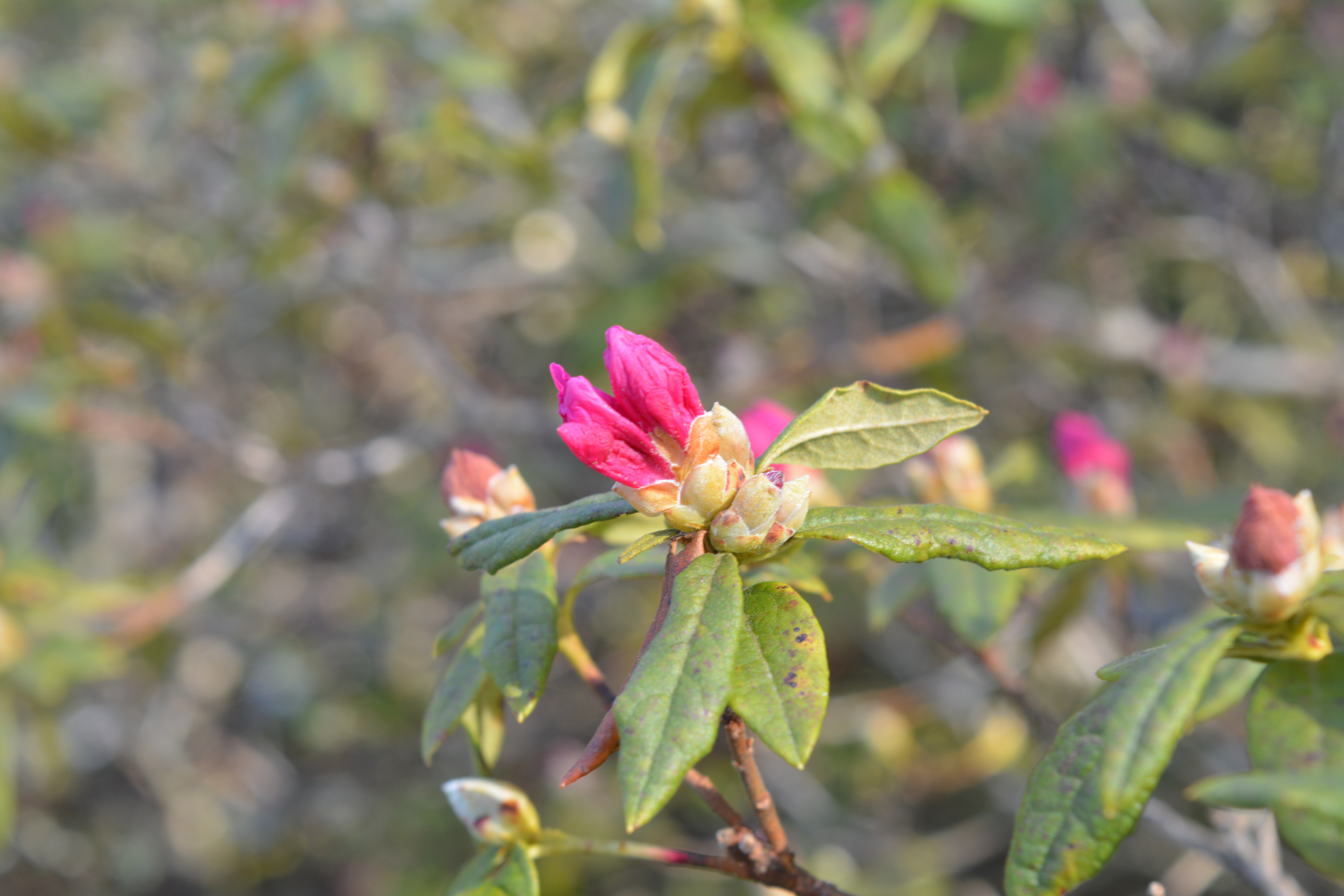
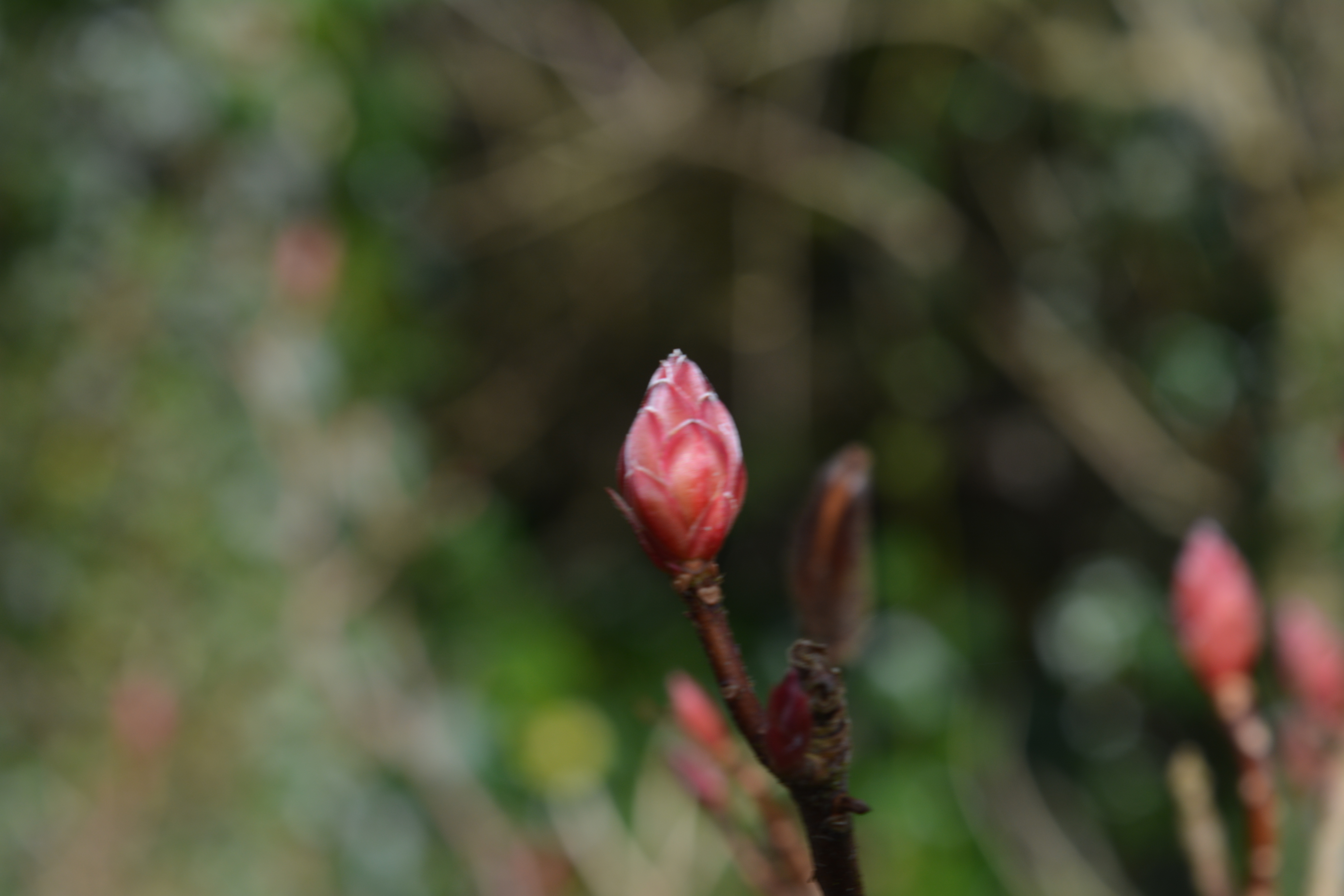
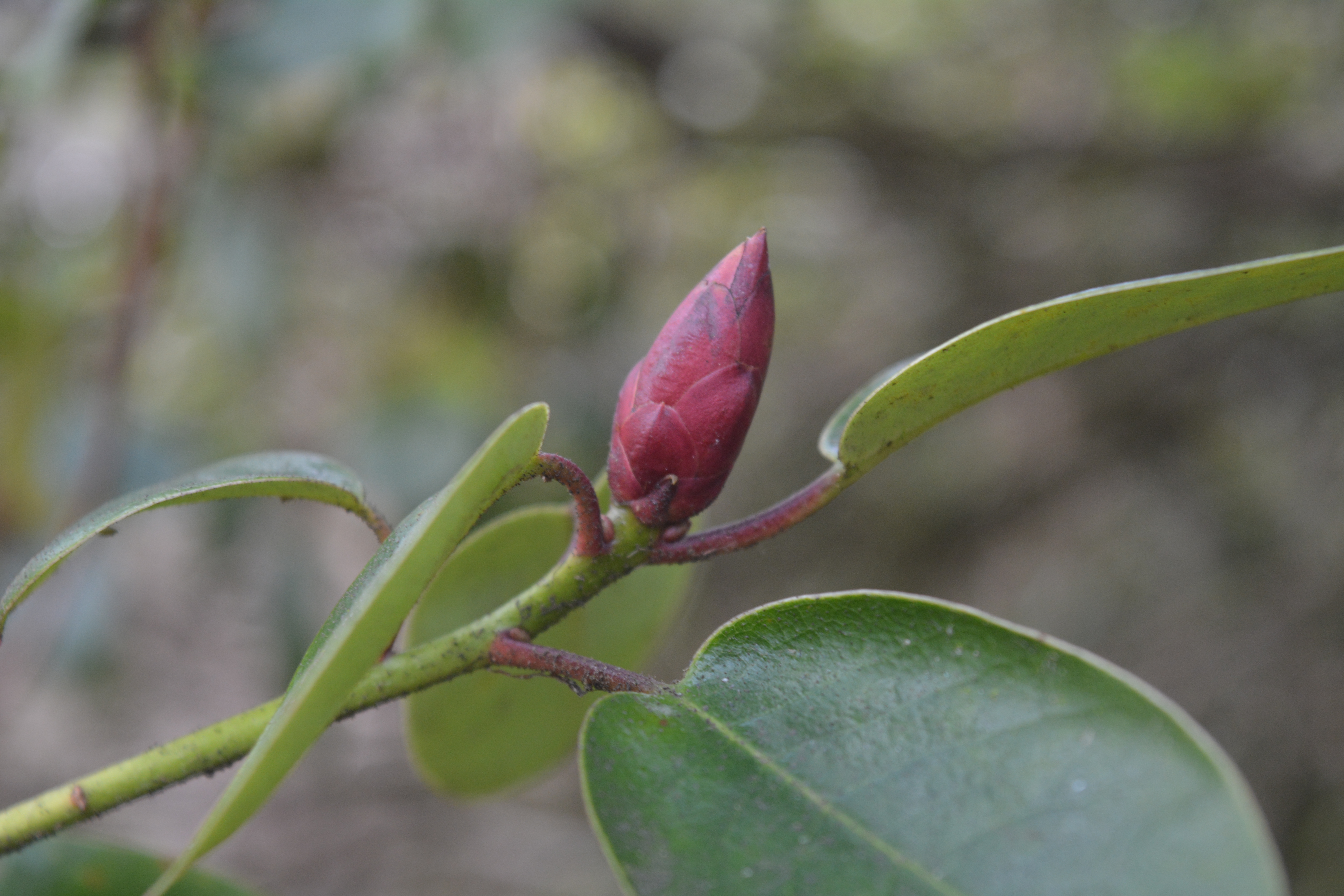
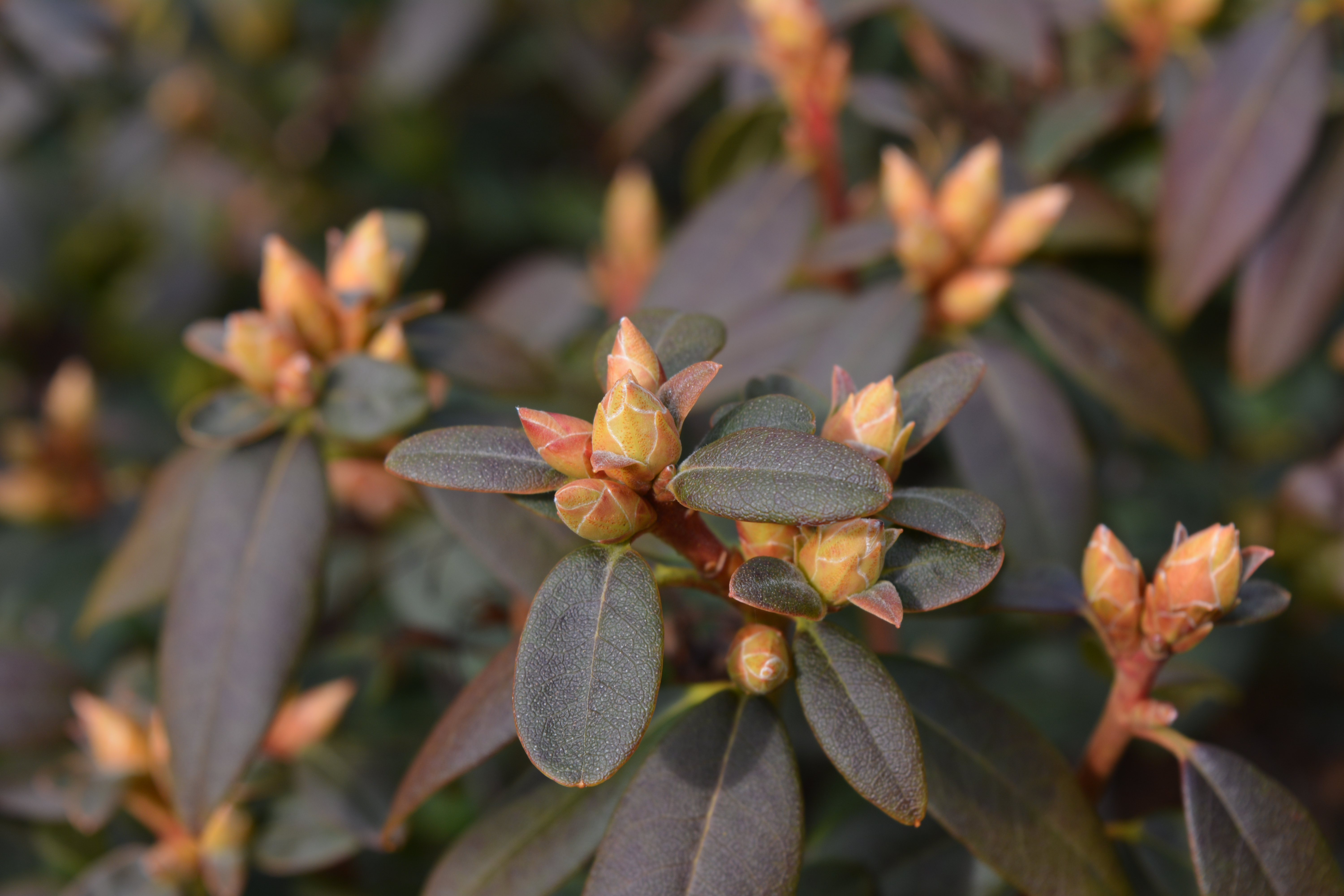
Rhodendrons and Azaleas have strong looking buds both leaves and flowers showing well.


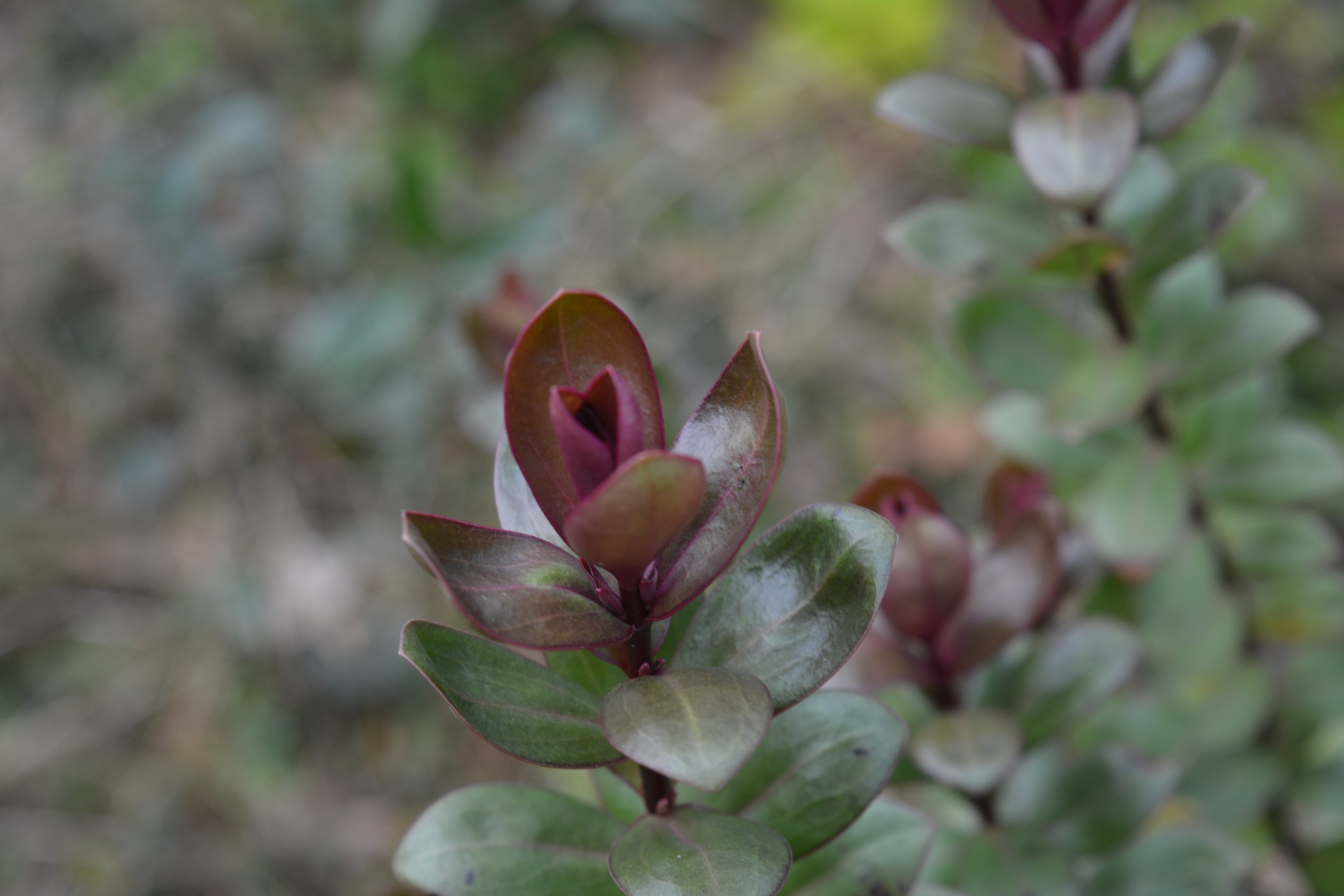
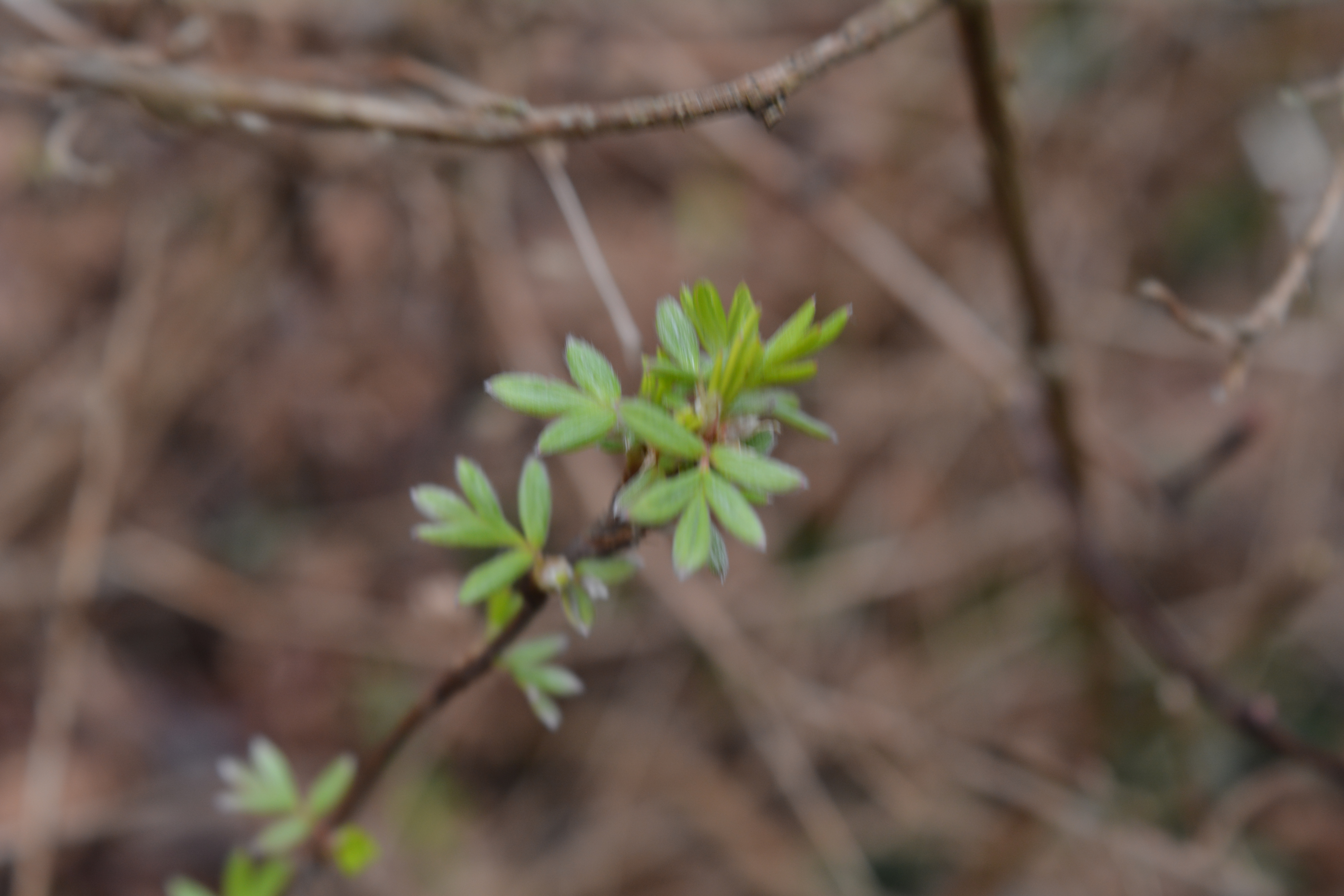
Some of the many small evergreen shrubs are showing off new fresh growth with Hebes sporting new coloured foliage along with some conifers who show off new coloured needles.

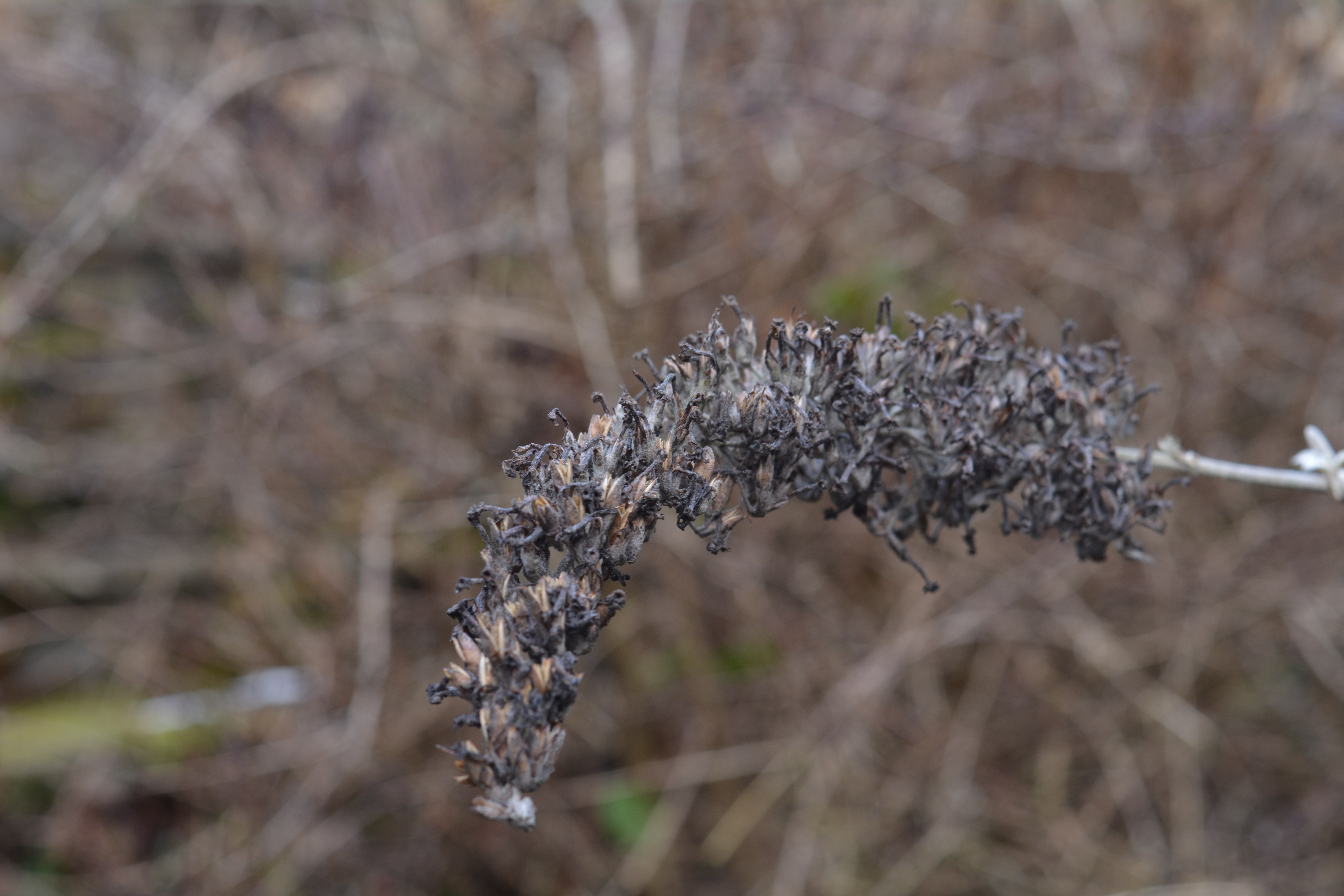
We spotted one Buddleja which was holding onto seed heads from last autumn alongside fairly advanced fresh silver foliage. We wondered what would happen to this growth if a frost suddenly covered it.

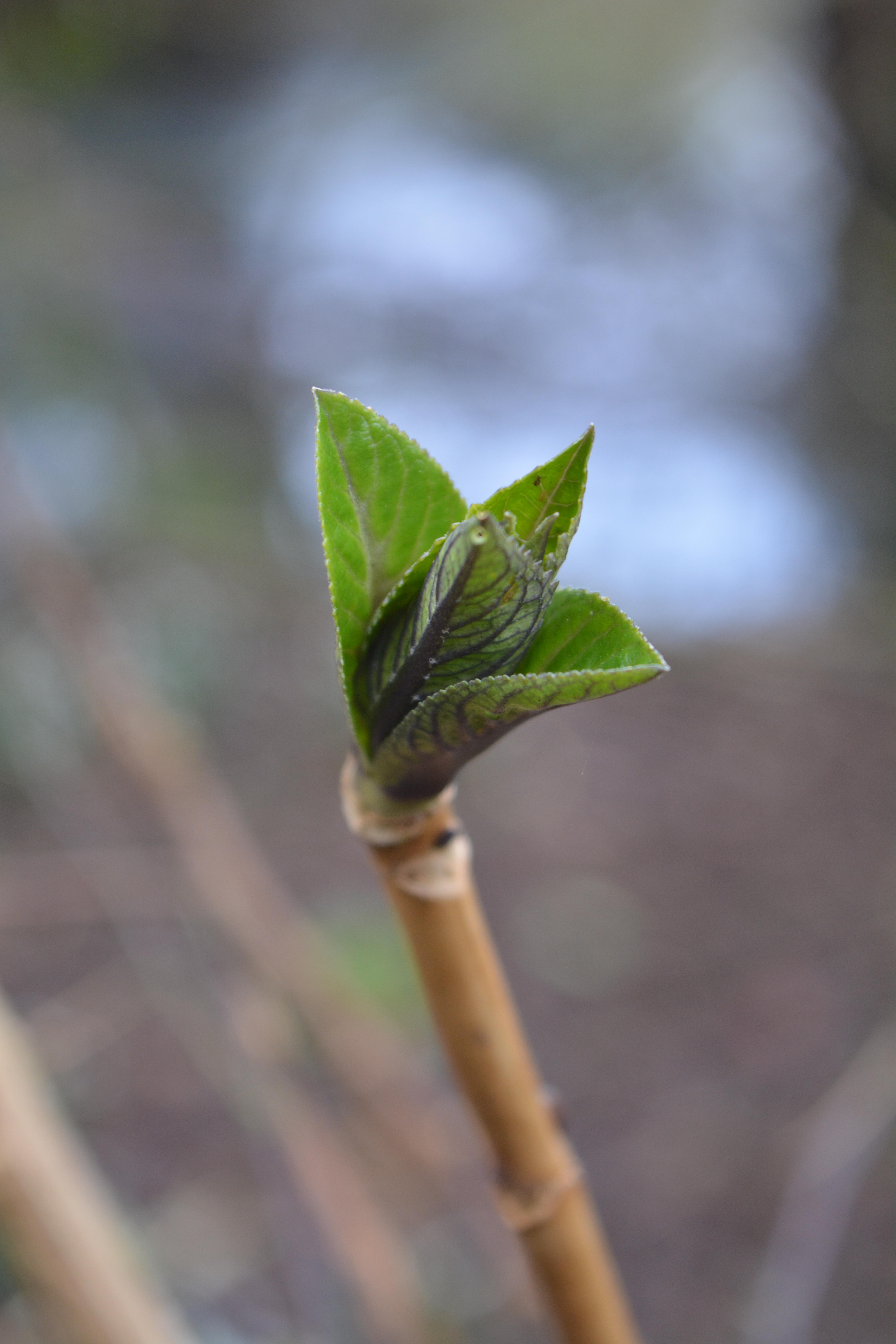
A few plants had splashes of green showing where leaf buds were beginning to burst, especially Hydrangeas


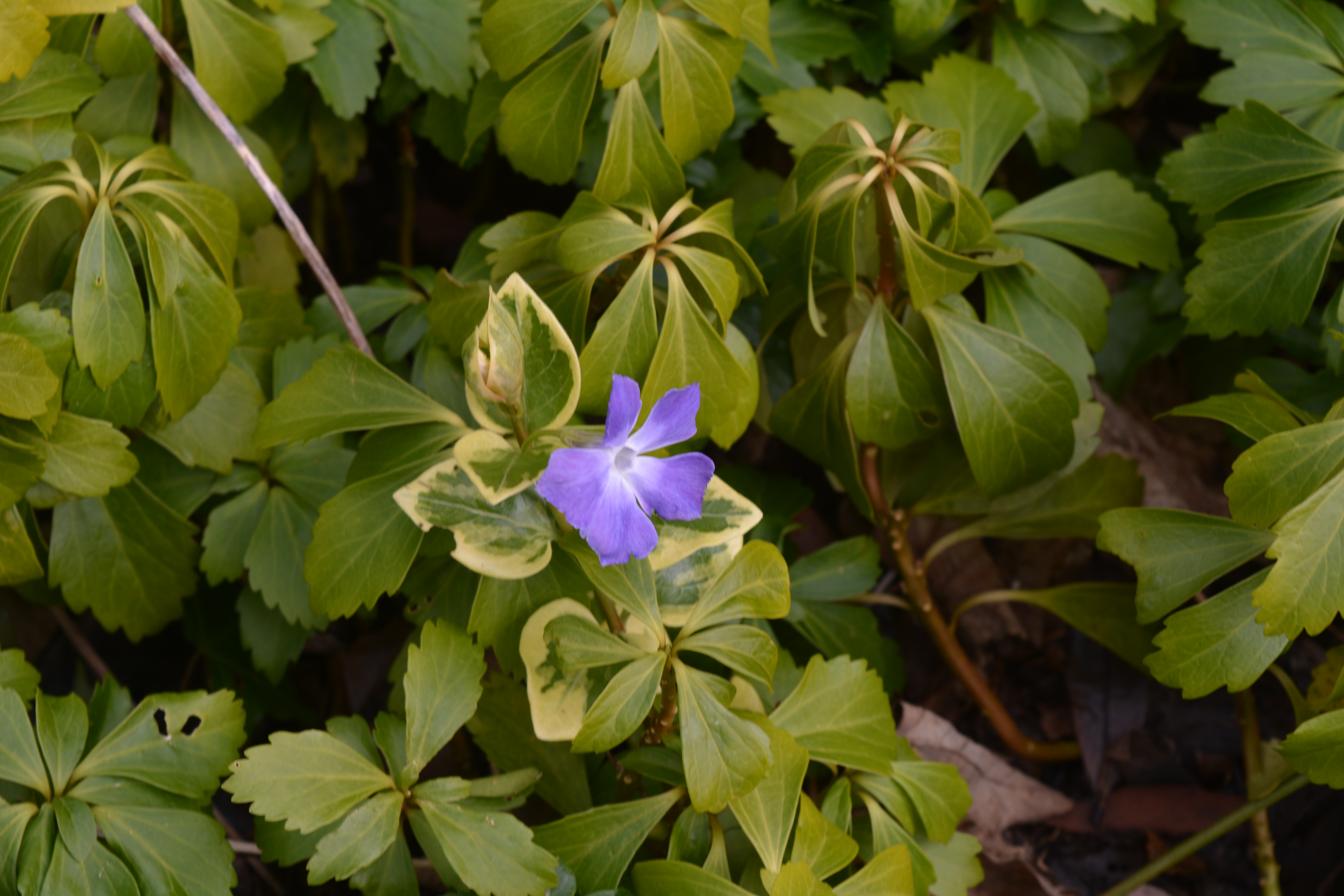
We didn’t expect to come across many flowers but there were a few to delight the eye and sometimes the nose too.


The bracts and tiny flowers of Euphorbias were brightening up showing glaucous and lime green colours.


So February proved to be more interesting than we had predicted. We hope to see the first signs of spring on our next visit in March.


Categories
garden design garden photography gardening gardens gardens open to the public hardy perennials National Trust ornamental trees and shrubs outdoor sculpture sculpture The National Trust trees

Anglesey Abbey in mid-Summer

Anglesey Abbey gardens are best known for their brilliant Winter Gardens, which were the first well-known gardens designed to be at their best and visited at this season. But there is far more to these premises than this seasonal garden, such as beautiful gentle herbaceous borders and lots of plants that attract wildlife.


The famous Winter Garden is still worth wandering through though!


We set off beyond the Winter Garden to see what we could discover of interest in the rest of the garden. We felt sure we were in for a few surprises! Turning a corner and rounding  a hedge of glossy leaved Laurel we found a mystery. A piece of sculpture? A clock? We explored it for a while before we realised its true identity.

The oak structures are designed to support visitors as they lean back to enjoy the wide Fenland skyscapes.

To return to the entrance we followed a tow path alongside a very overgrown canal, its surface carpeted with our native yellow waterlily.

Looking upwards we noticed an open structured sculptural piece hanging from a bough of a mature tree. It presented a strong contrast to the stone griffin close by.


In the end though what makes a good garden great is the quality of its plants and how they are put together. The photos below prove just how great the gardens at Anglesey Abbey truly are whatever time of year you visit.

Categories
climbing plants garden photography trees woodland

Simply Beautiful – 16

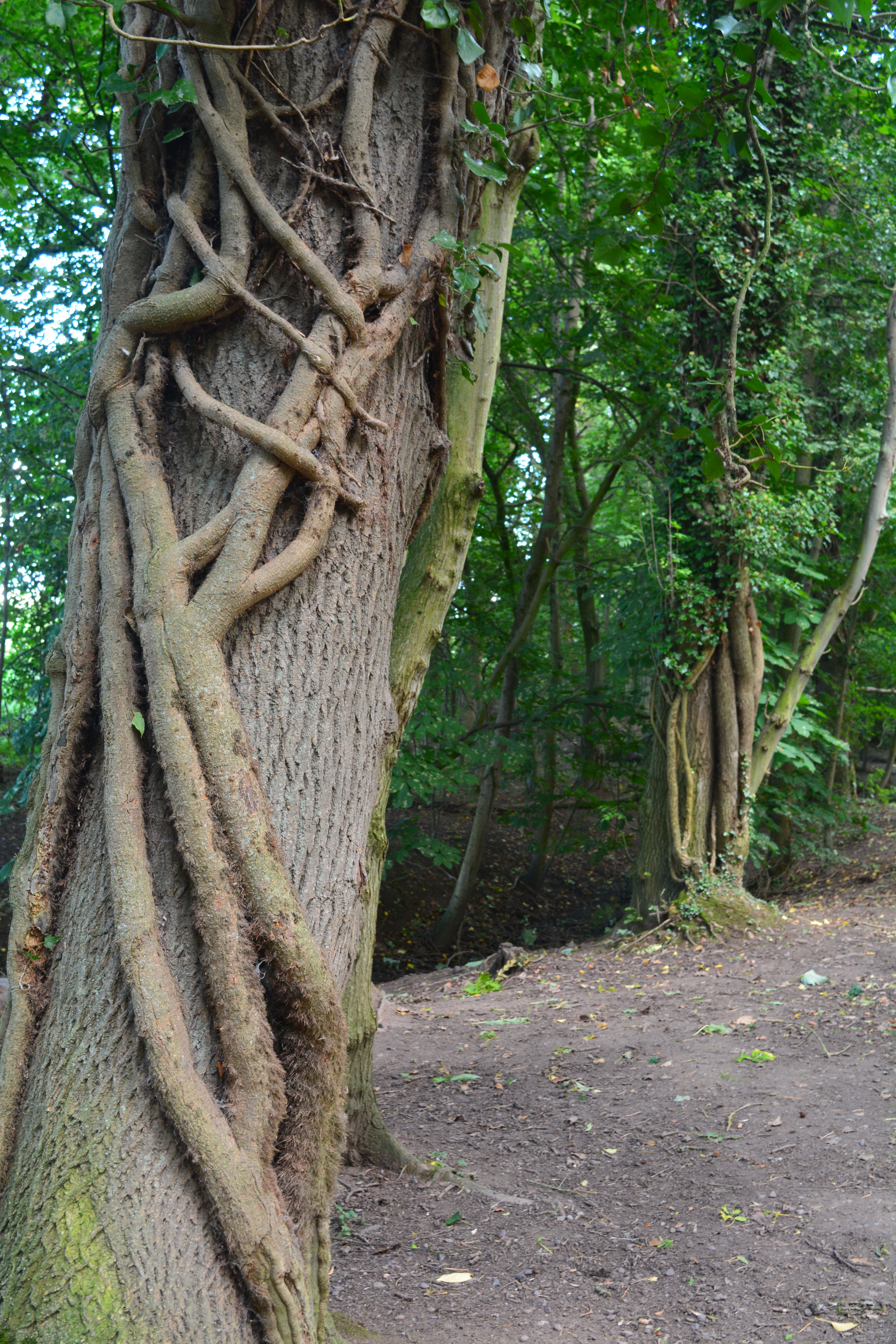
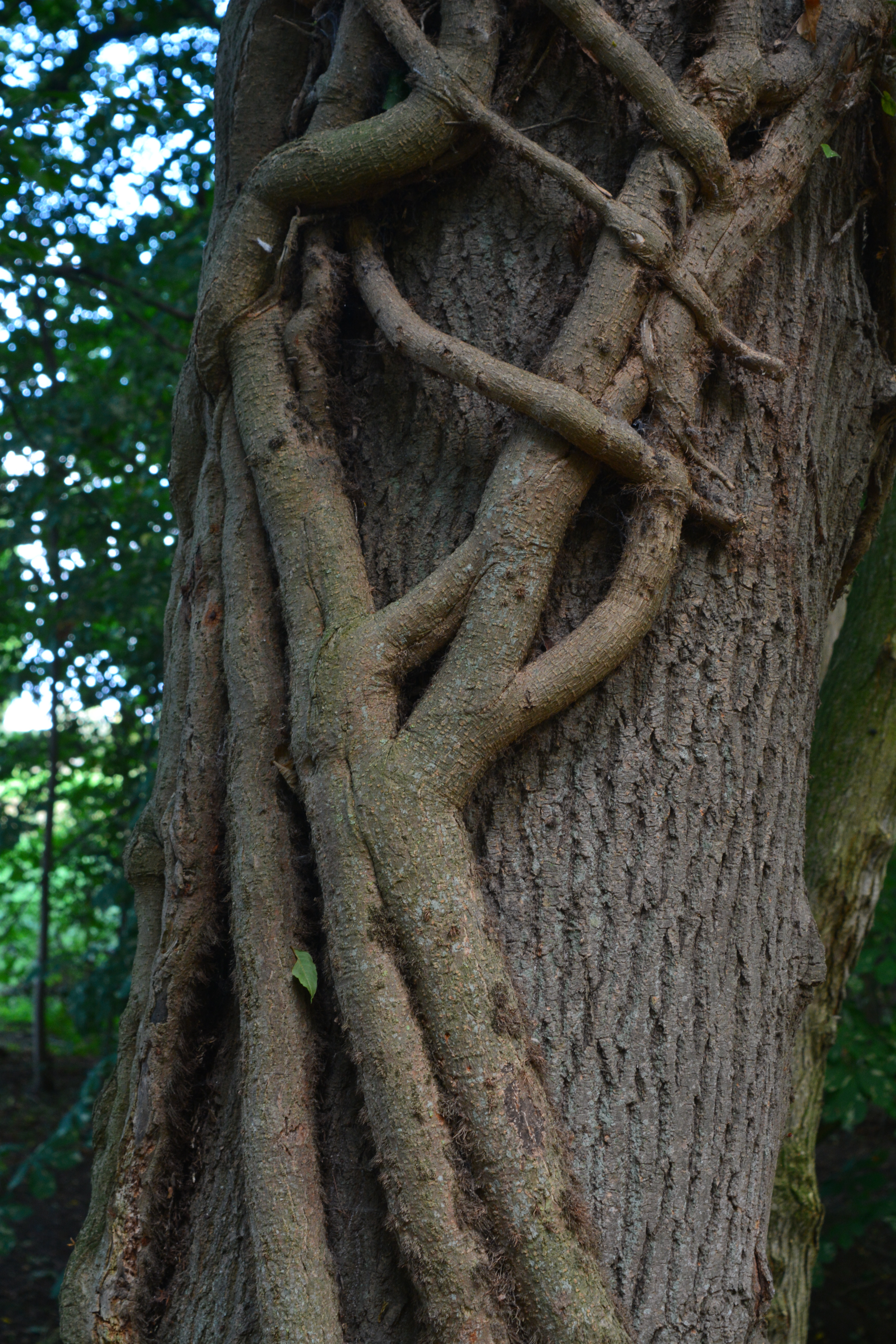
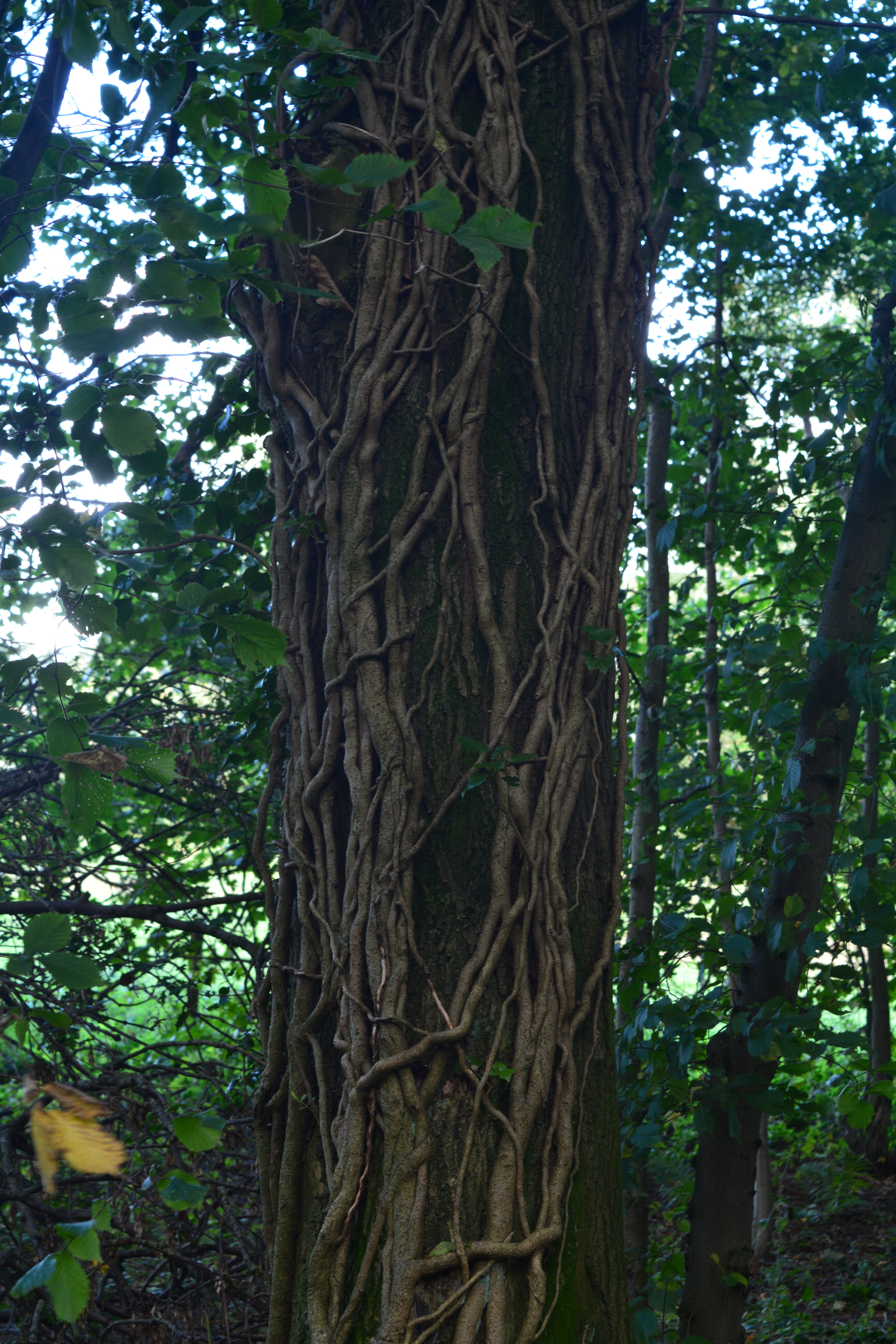
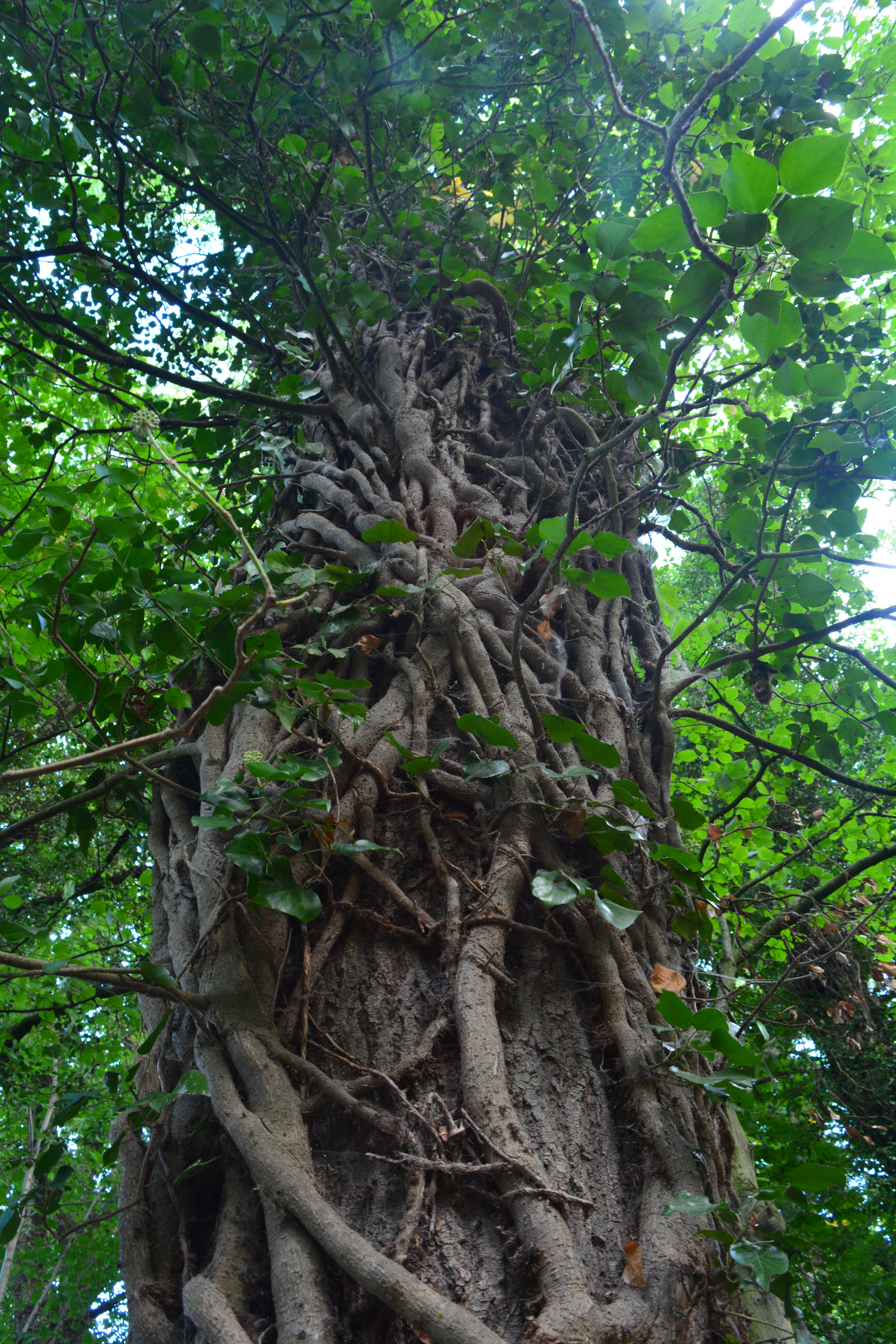
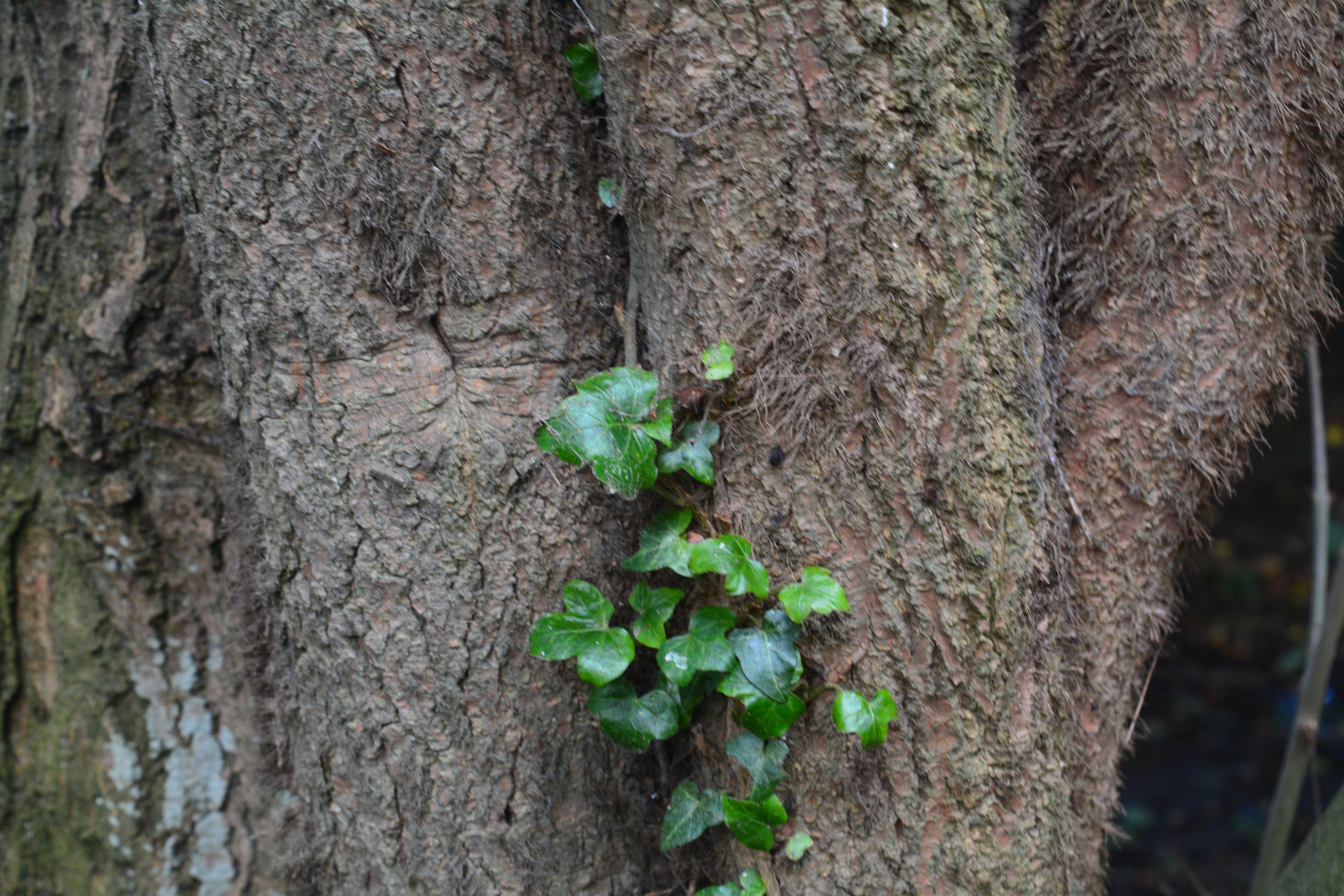
The 16th post in this occasional series featuring photos of simply beautiful natural things. In this post I will share with you some photos of a plant we found at Attingham which was growing on another plant producing beautiful patterns and textures. This old ivy had been climbing up a tree for so many years that they have become inseparable.


Categories
colours garden design garden photography garden ponds gardening gardens gardens open to the public light log piles National Garden Scheme NGS nurseries ornamental trees and shrubs outdoor sculpture Powis Powys shrubs trees Wales Winter Gardening winter gardens Yellow Book Gardens

The Dingle Gardens Welshpool – January

Here we are back visiting our chosen garden each month, with our garden for 2018 being the attached garden at The Dingle Nurseries near Welshpool. This garden is of a totally different scale, atmosphere and style to Attingham Park, our garden for 2017. The garden is open every day of the year bar Christmas Day and on odd days the fees go to the National Garden Scheme.

The nursery is stocked with perennials, shrubs and trees but specialises mostly in the last two, and it is from here that we tend to buy our trees and shrubs. This is a nursery we are delighted to have on our dooorstep. As we move through the entrance we always enjoy the displays of plants with current interest and similarly plants for winter interest and displayed in the first few rows of plants.


So, here we are on the 14th January with our first visit to our new garden, arriving on a dull lightly overcast day. Having never visited before this deep into winter, we entered through the wooden gate green with algae and followed the gravel paths into the garden, not quite knowing what to expect. We enjoy surprises in the gardens we visit!
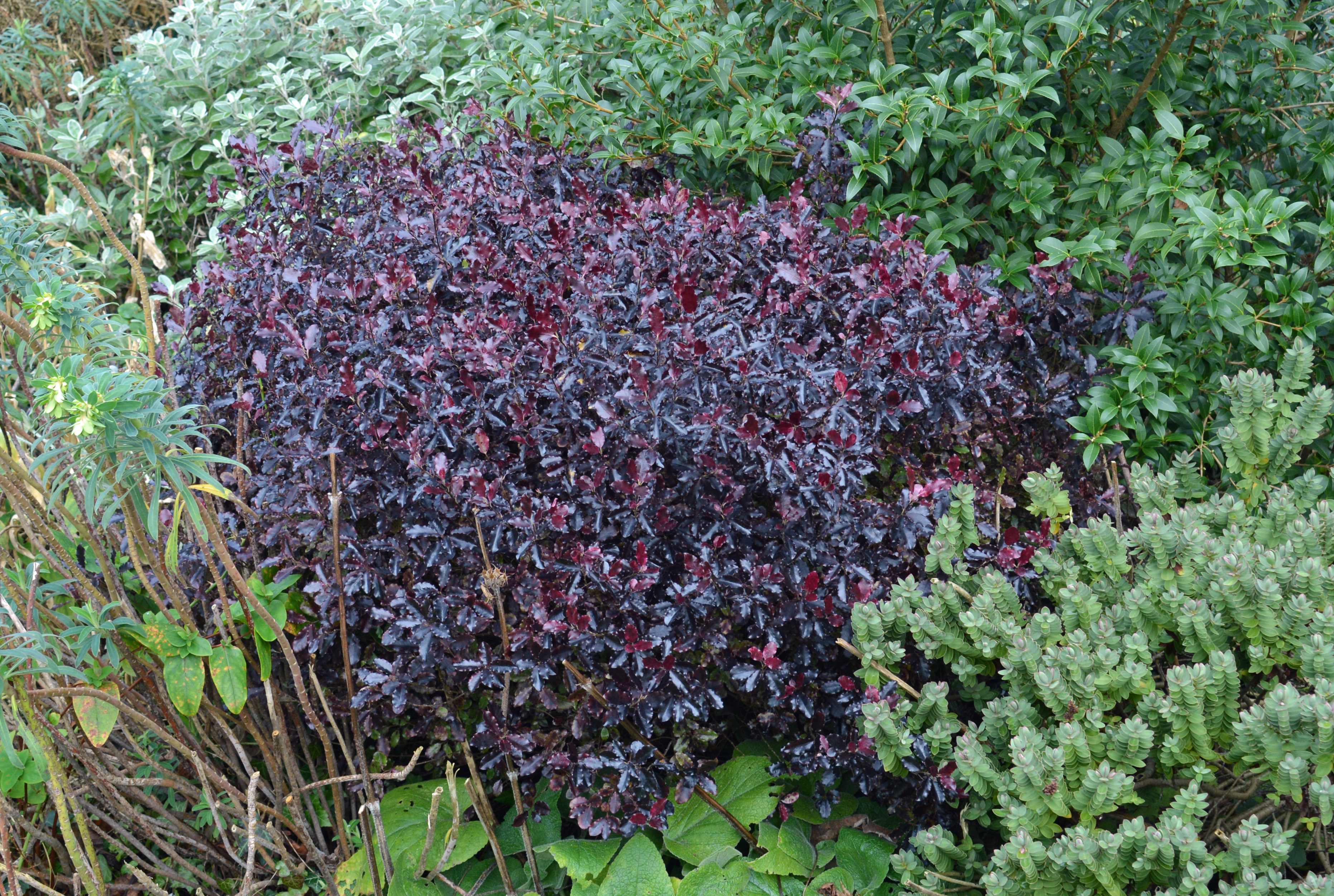
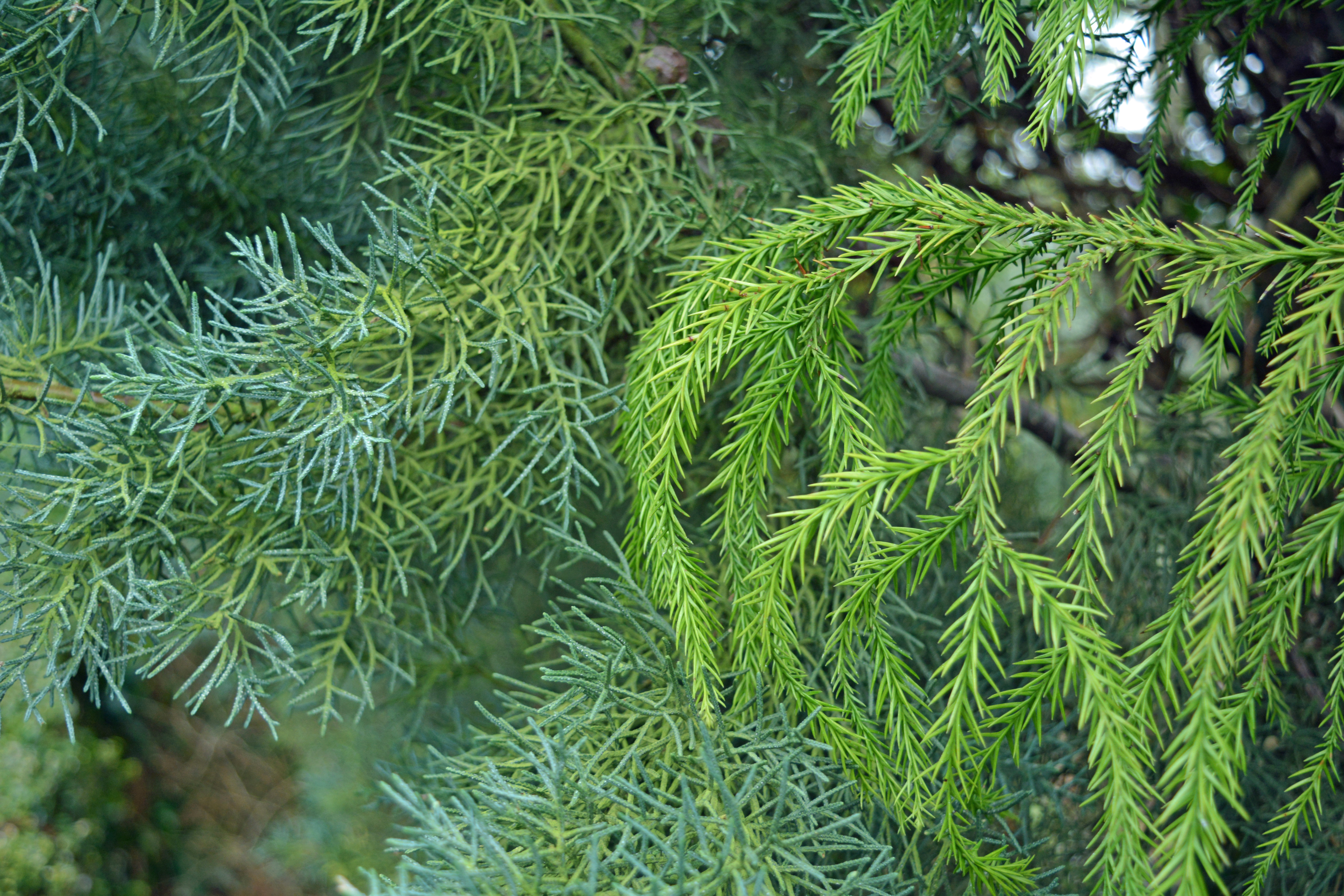
Evergreens both coniferous and broadleaves lined the paths and are planted in thoughtful groupings. In the first photo a dark, glossy leaved Pittosporum “Tom Thumb” sits comfortably with a Euphorbia, a Brachyglottis and a Hebe. In the second picture two conifers illustrate how different they can be in texture, colour and form.


Early in our wanderings we found this lovely rustic seat which is slowly being eroded away by the weather. Close by the seat glowed the pale green flowers of a Helleborus foetidus.


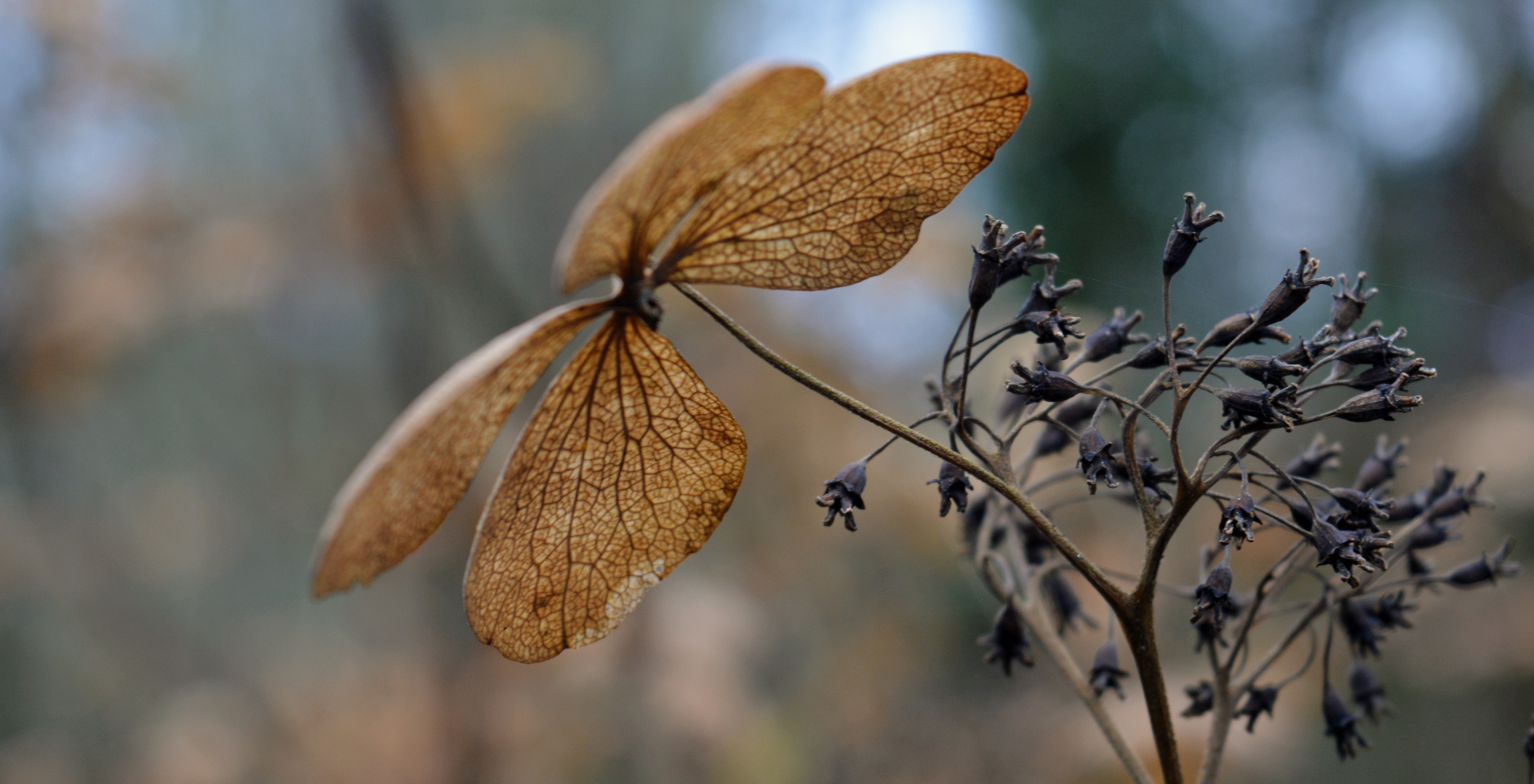
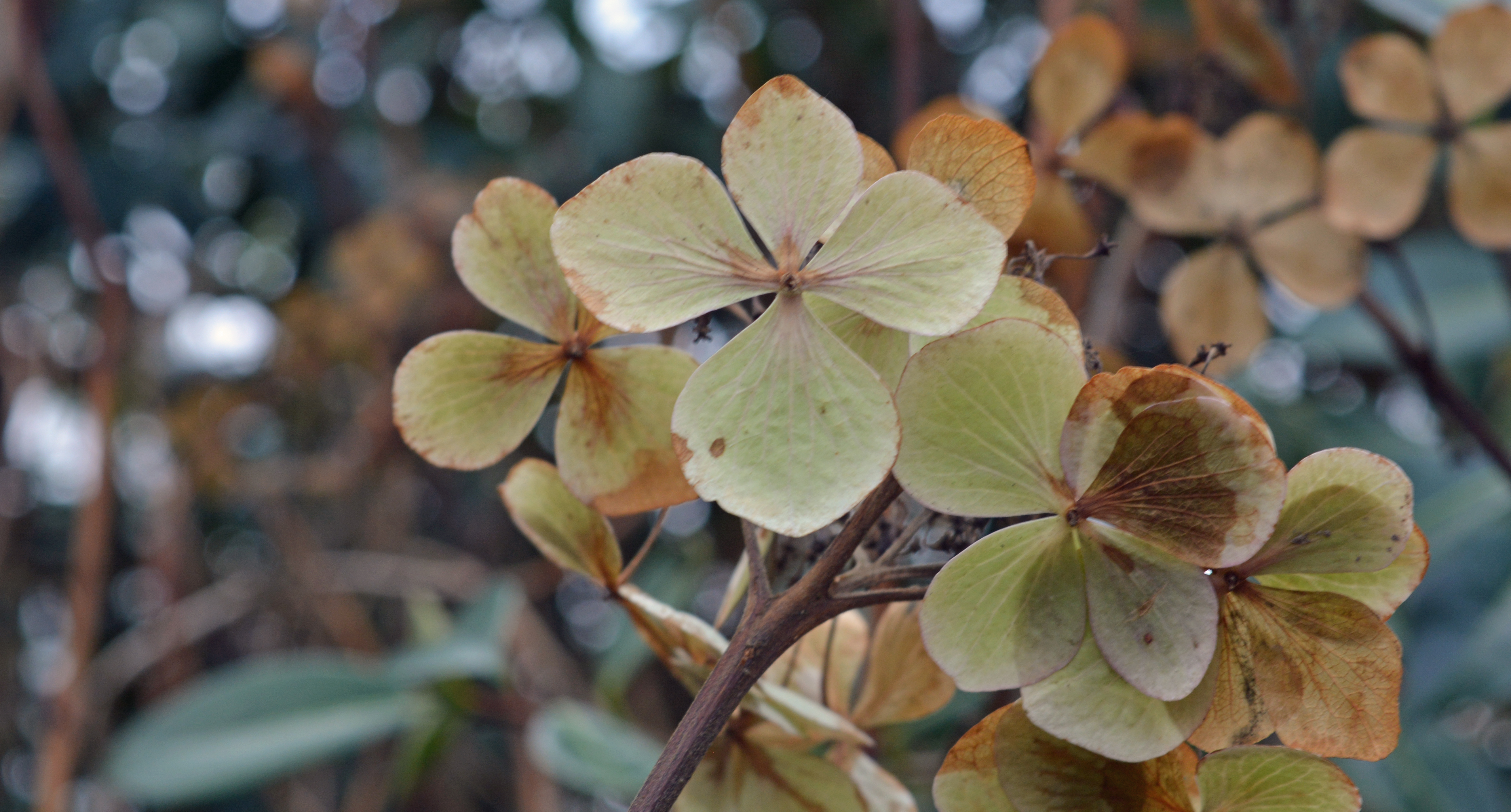
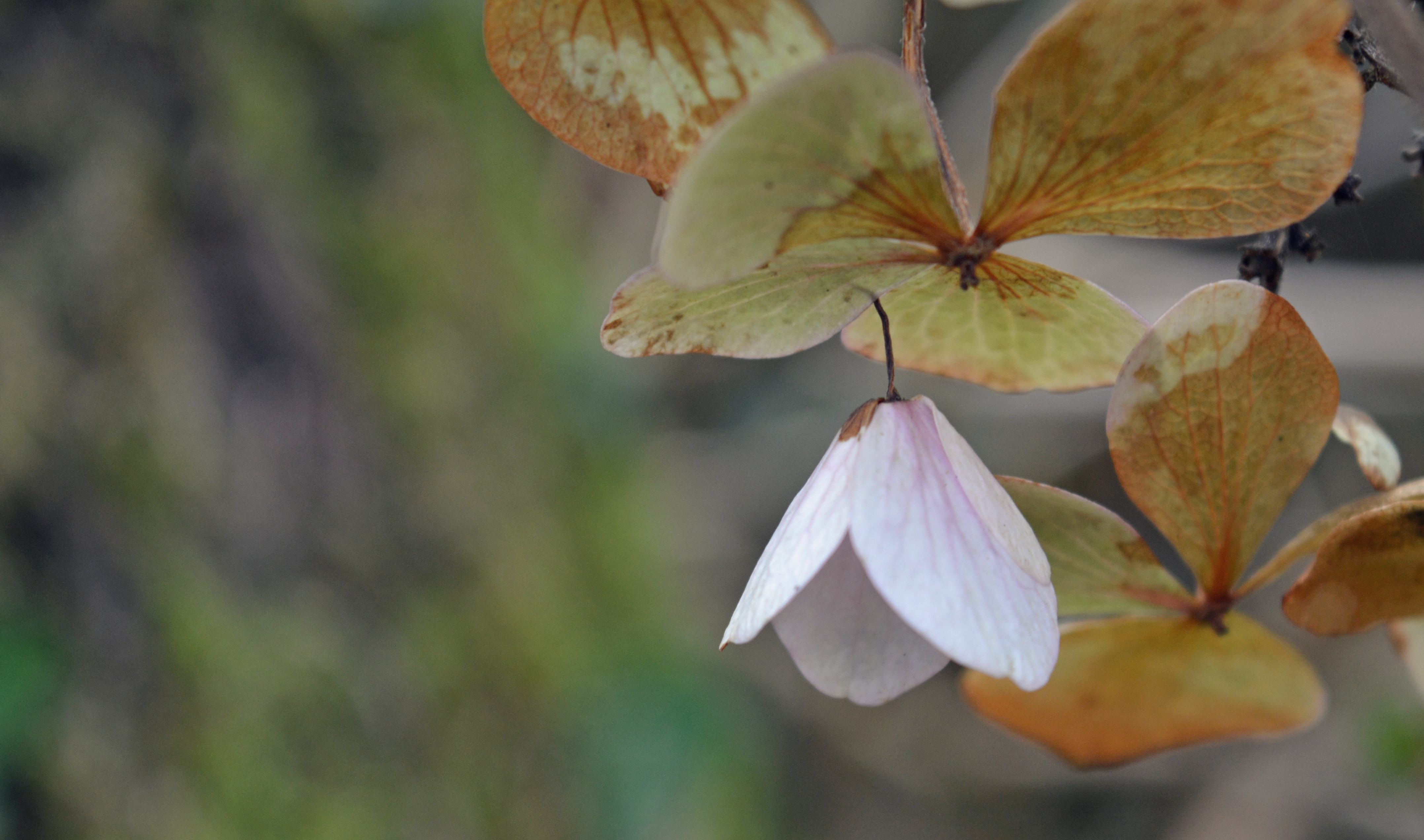
Hydrangeas appear throughout the garden in the autumn showing their colourful inflorescences in pinks, white and blues, while throughout the winter these colours fade to biscuits, gingers and ivory. In some flowers hints of blues and pinks remain.
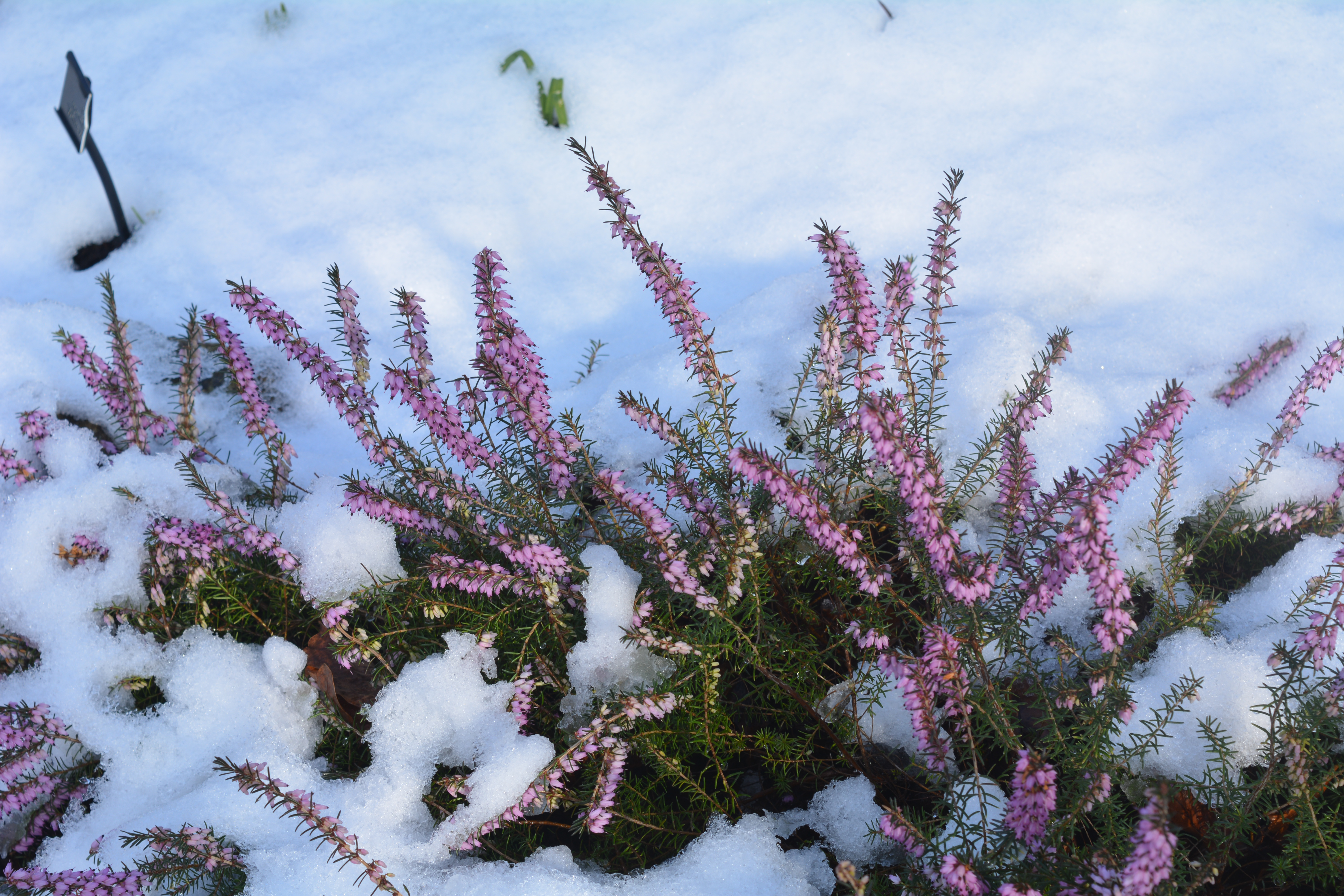
   

Out of season flowers appear here and there on odd shrubs, on others leaf buds promise fresh growth in the spring while berries hang as remnants of their winter harvest.
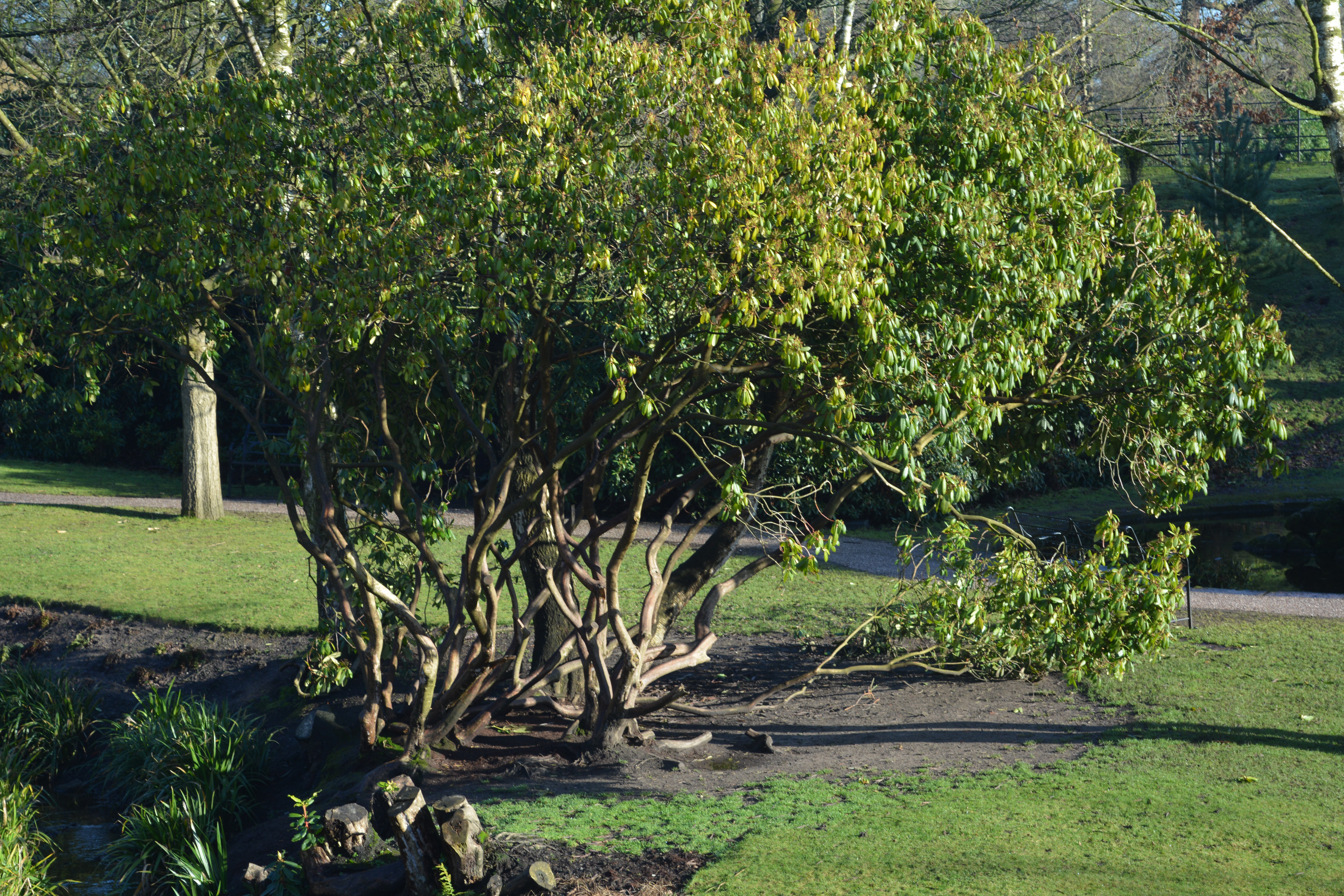
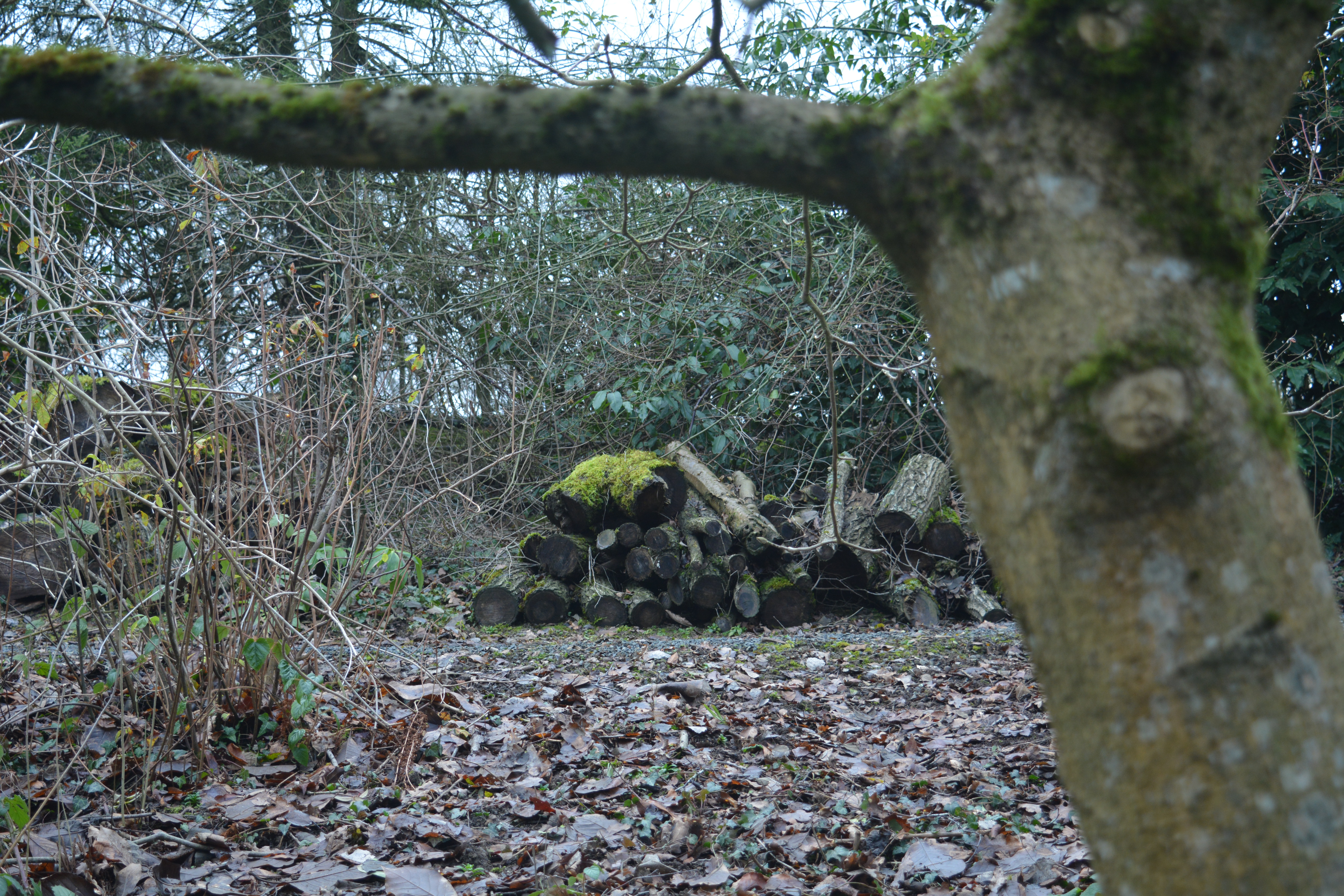
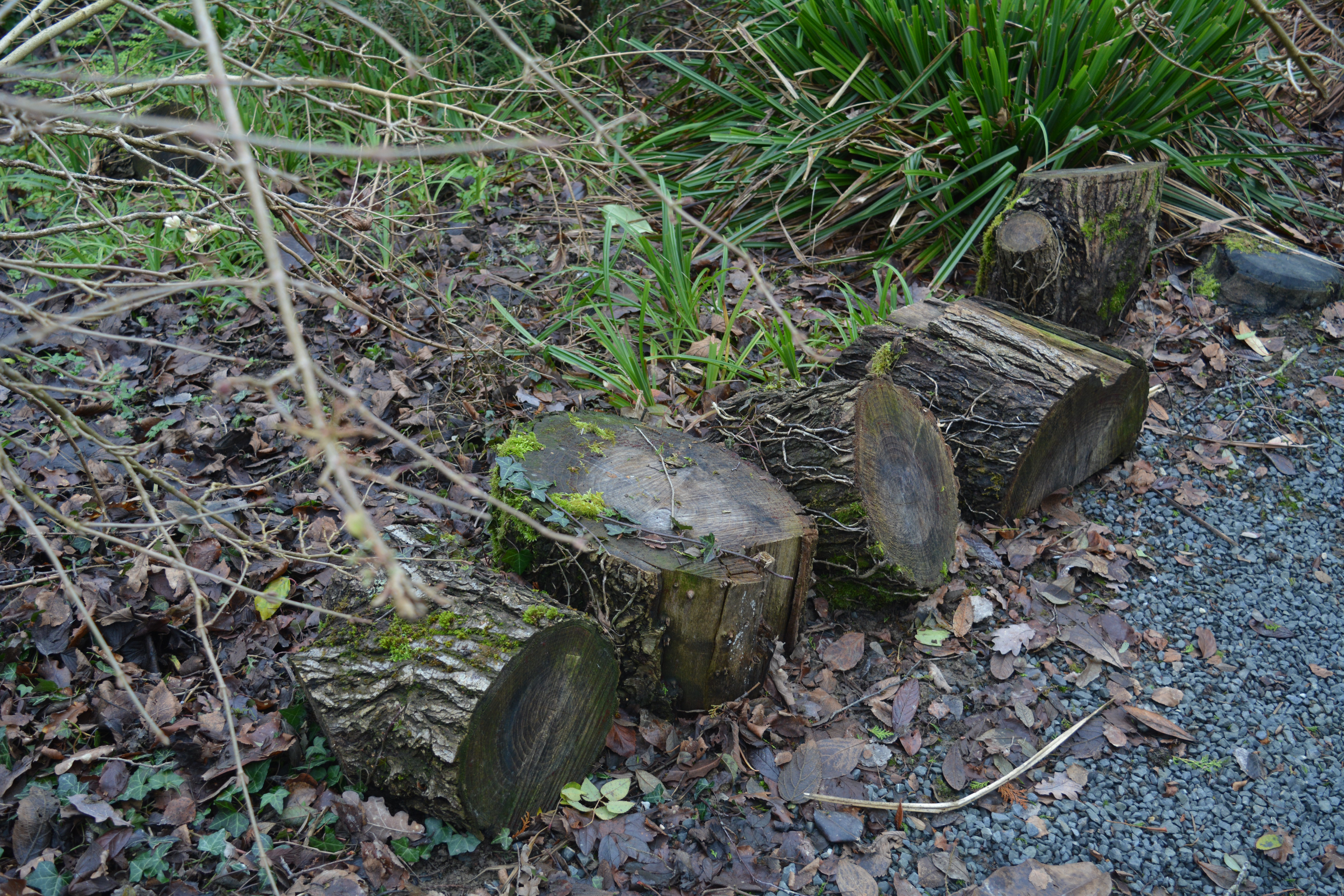
When tree surgery work is carried out in the Dingle Garden logs are left as habitats for the many forms of wildlife that maintain a healthy ecosystem in the garden.


At the lowest point of the gardens a calm lake affords us a place to stop awhile to look around its banks. A bog garden at one end looks dull and dark at this time of year, with just the deep brown of dead leaves of Gunnera and Lysichiton americanus rising above the mud.
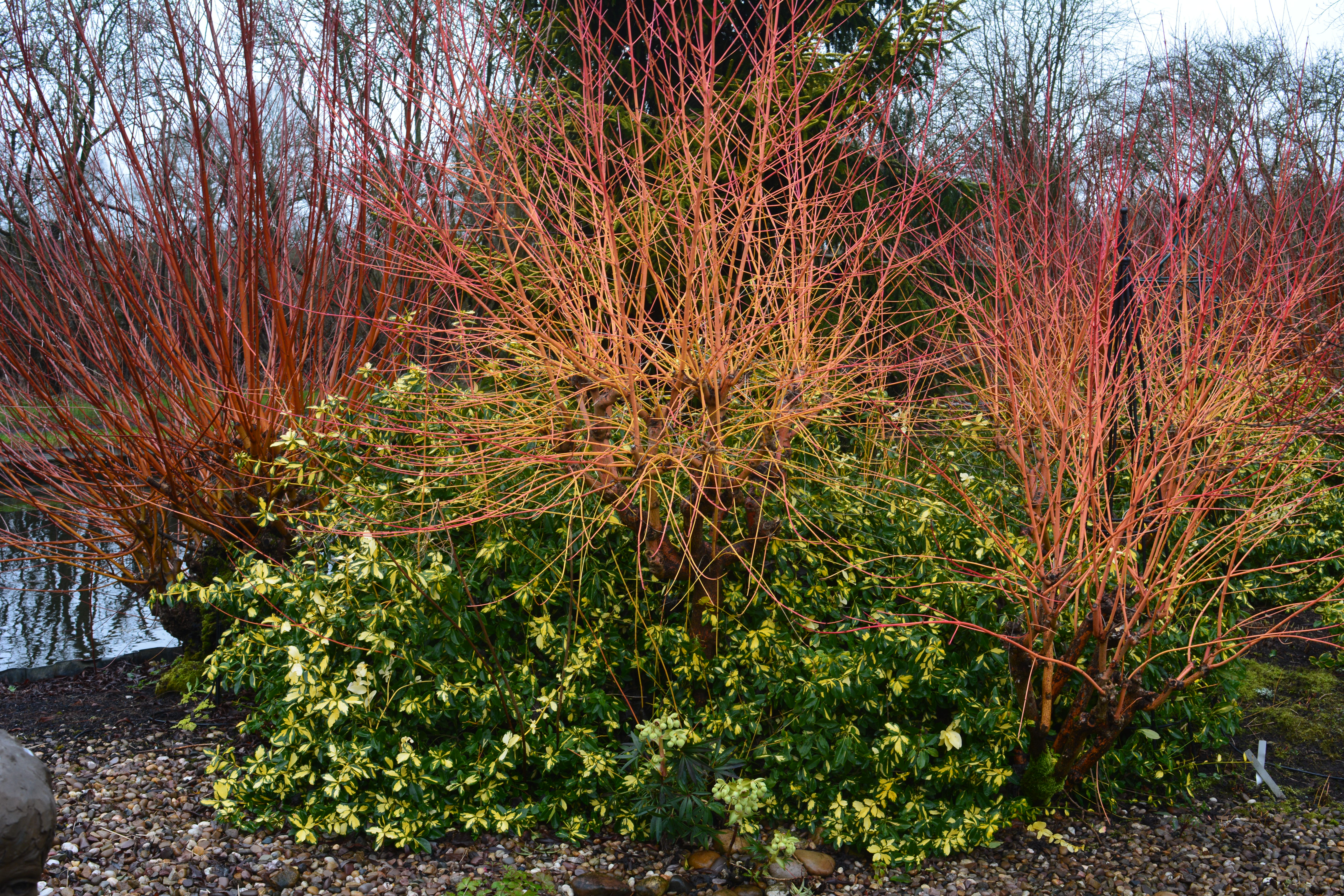
Recent heavy snowfall has caused damage to trees and shrubs, breaking branches of all sizes and crushing foliage. Strong winter winds have added to the damage.


To share more of my photos taken during our wandering and enjoyment of the gardens at the Dingle I have created the following gallery. Enjoy the pictures. The next visit to this garden will be in February.


Categories
autumn autumn colours lakes lakes and reservoirs Land Art landscapes light light quality ornamental trees and shrubs sculpture Shropshire trees woodland woodlands

Lakeside Sculpture

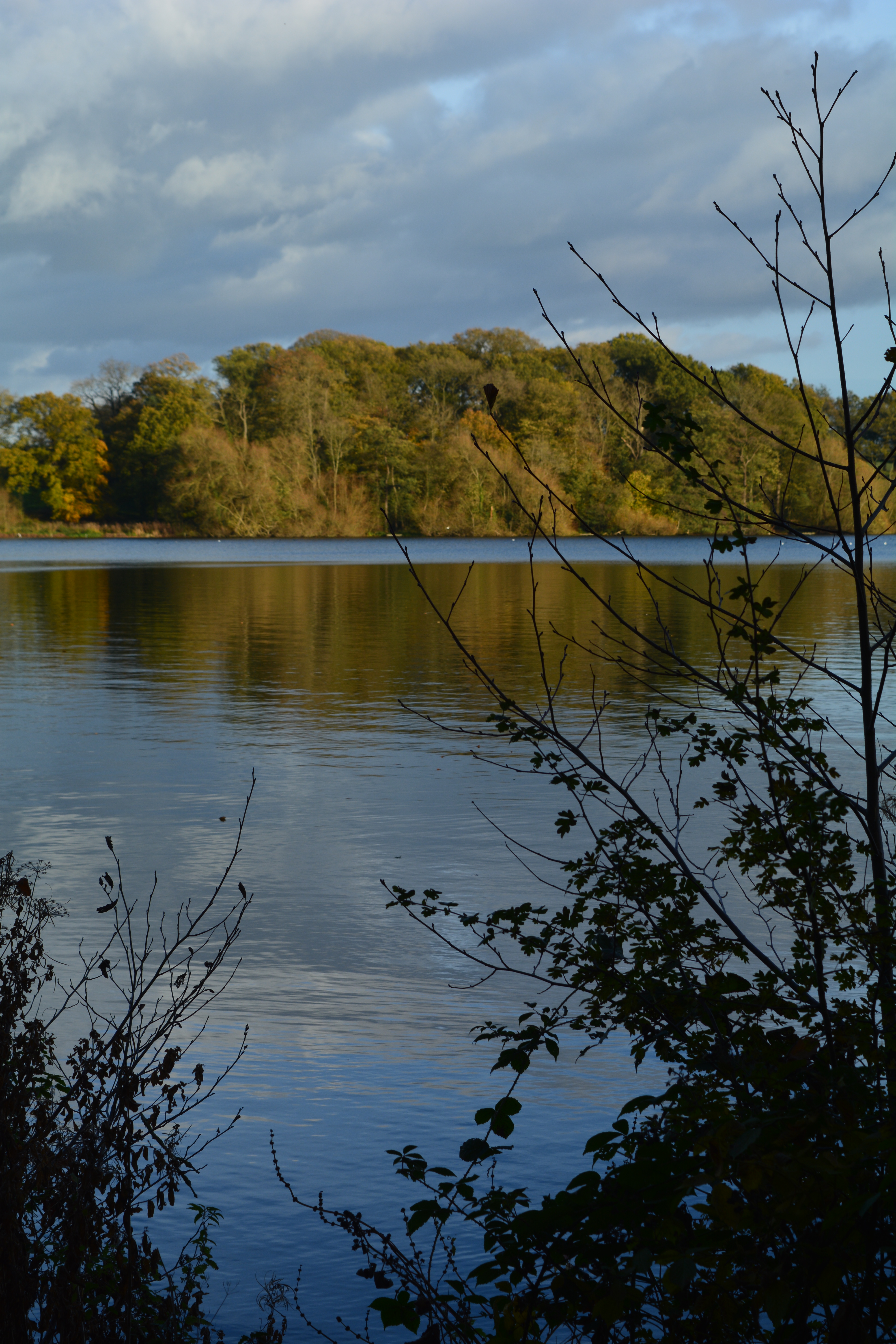
Shropshire’s “lake district” is situated to the south of the North Shropshire town of Ellesmere, where several meres cluster together. We have known about the sculpture trail around the largest of the meres for a time but have only recently visited and explored the trail. We took advantage of the visit of my brother Graham and his wife Vicky, who love the same sorts of days out as we do, to go to find the trail.

It was worth the wait. We wandered slowly around the lakeside finding a wide variety of sculptural pieces. Once we had parked the car and had our usual coffee and cakes, we found a few pieces in a sloping field opposite. As we entered the park alongside the lake we were treated to views of the church through the trees.

The theme of the sculpture collection was the history and life of the market town of Ellesmere. The first large piece, large enough to explore inside in fact, was based on the barges that would have plied their trade on the nearby canal. The sculpture was created from steel with cut out features in places which gave light a chance to penetrate and play with shadows.


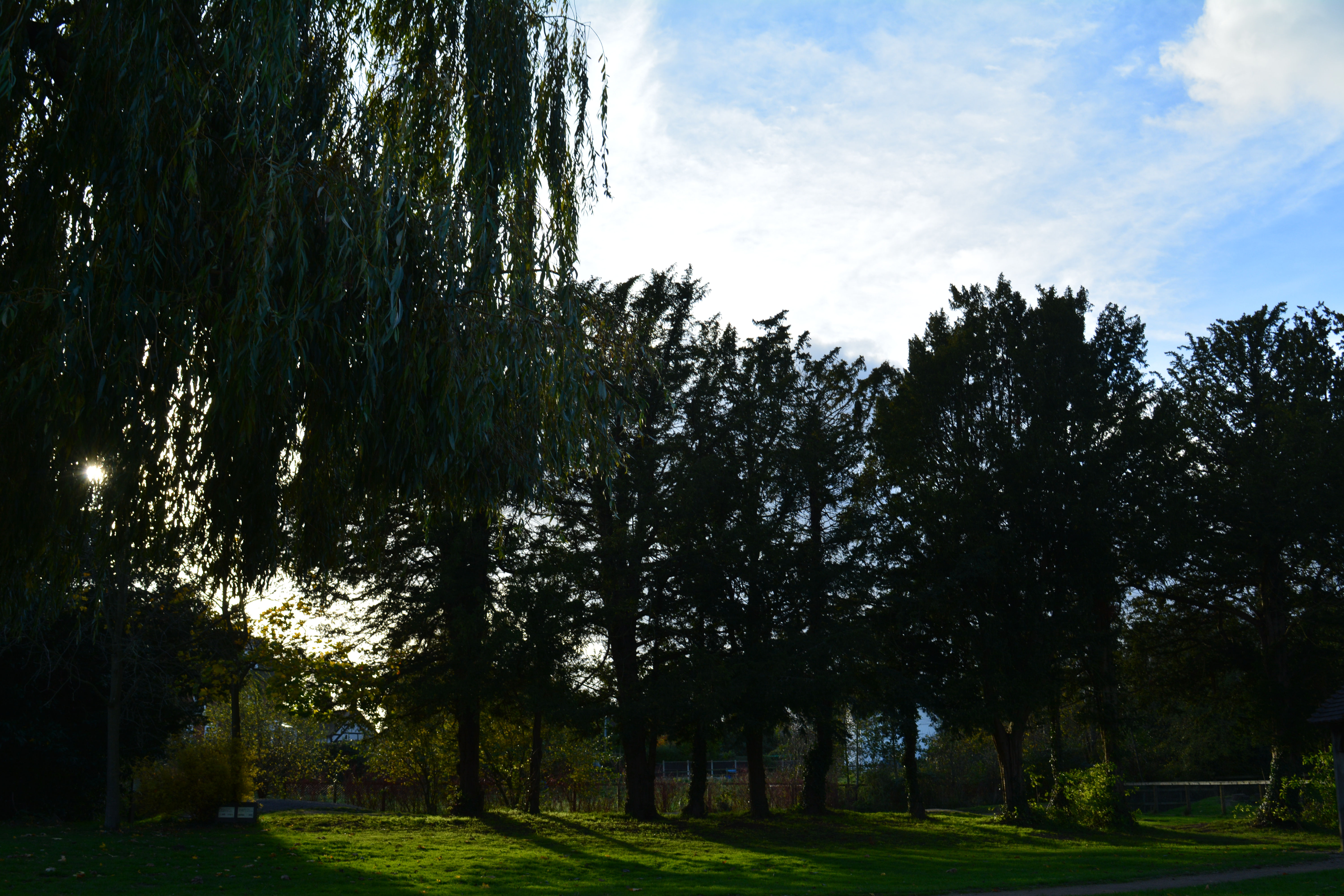
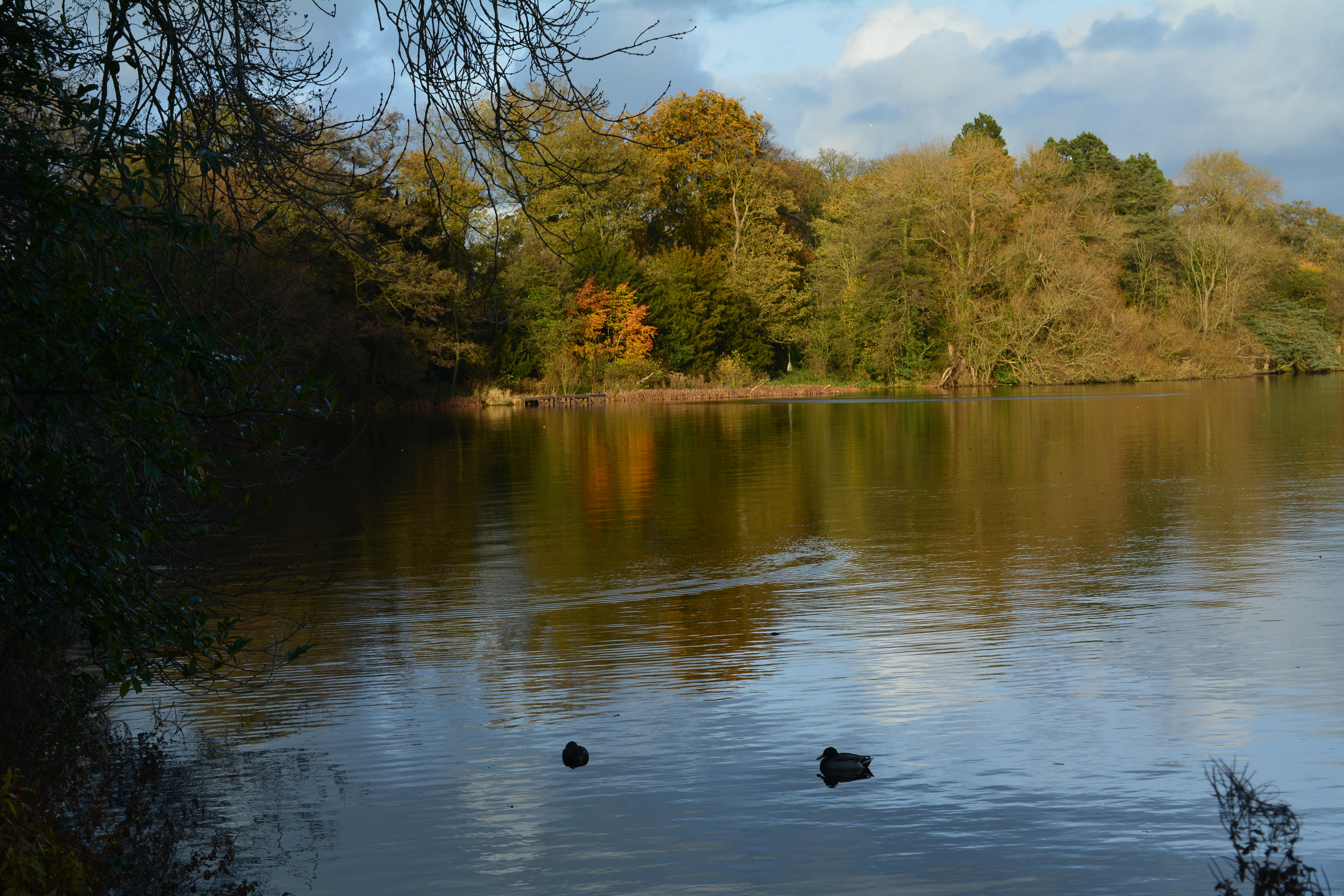
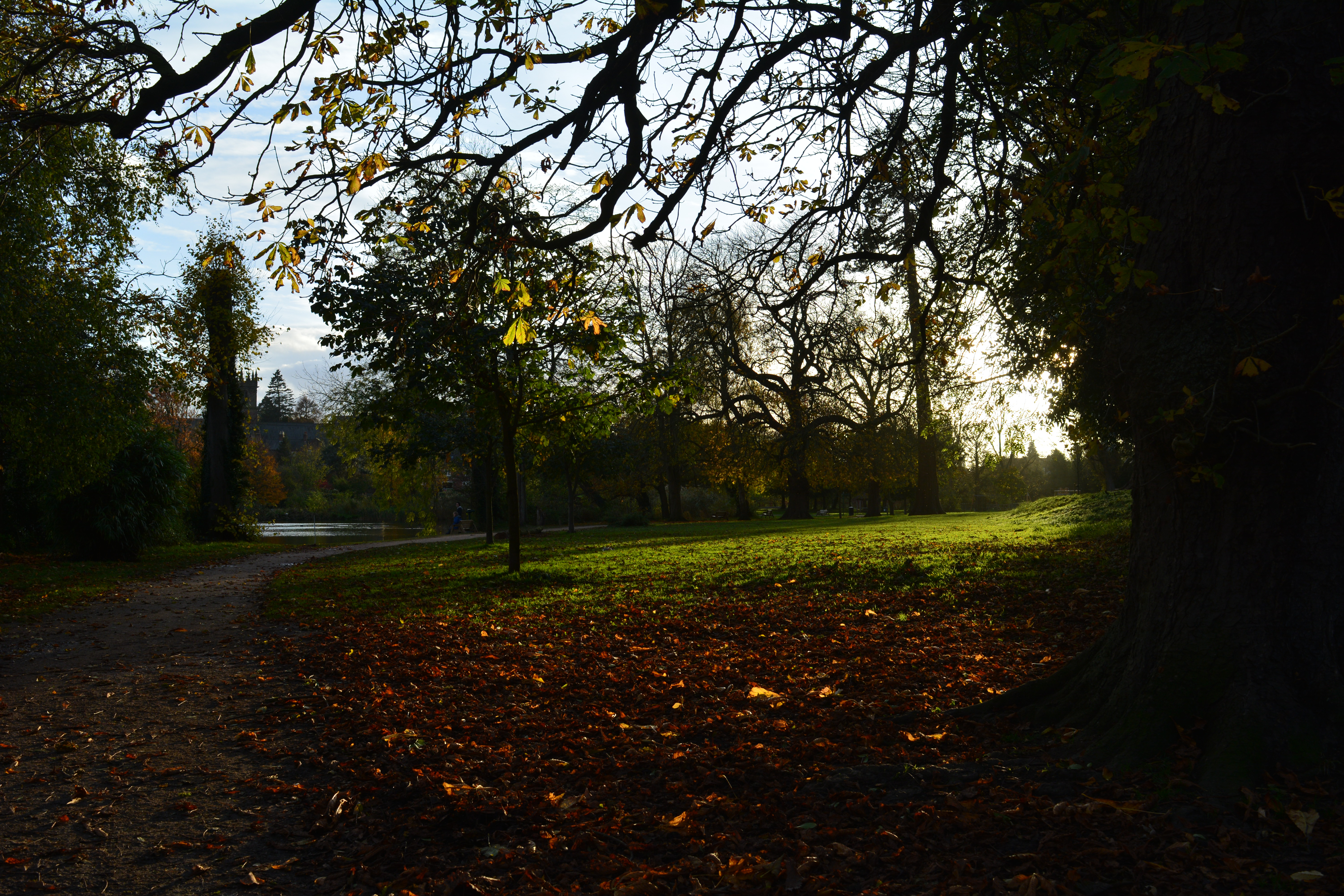
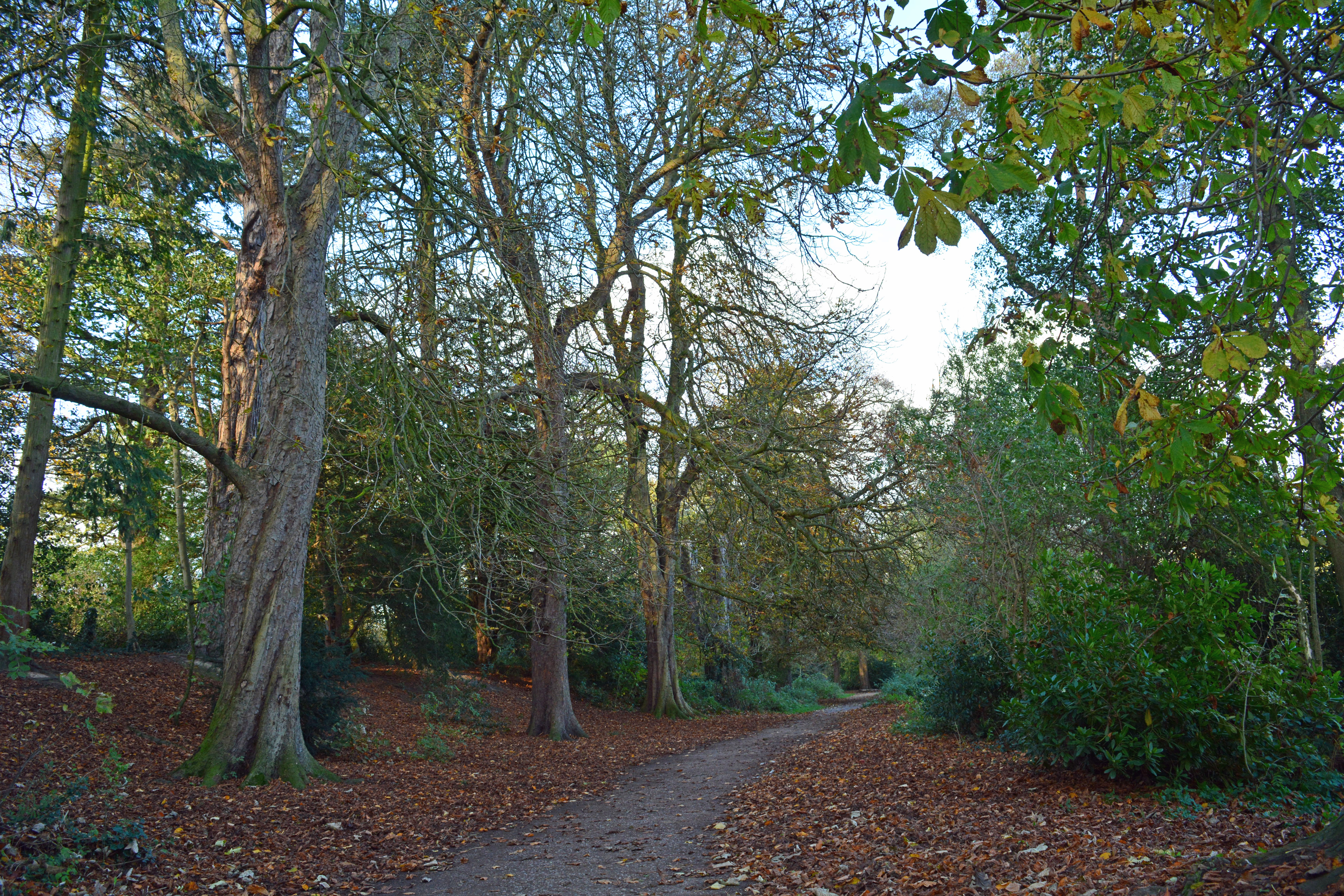
The lakeside parkland held collections of mature trees which cast long shadows across any open patches of grass. We periodically enjoyed glances of the wide expanses of the mere. As we followed the gravel pathway further around the lake we discovered varied sculptural pieces.


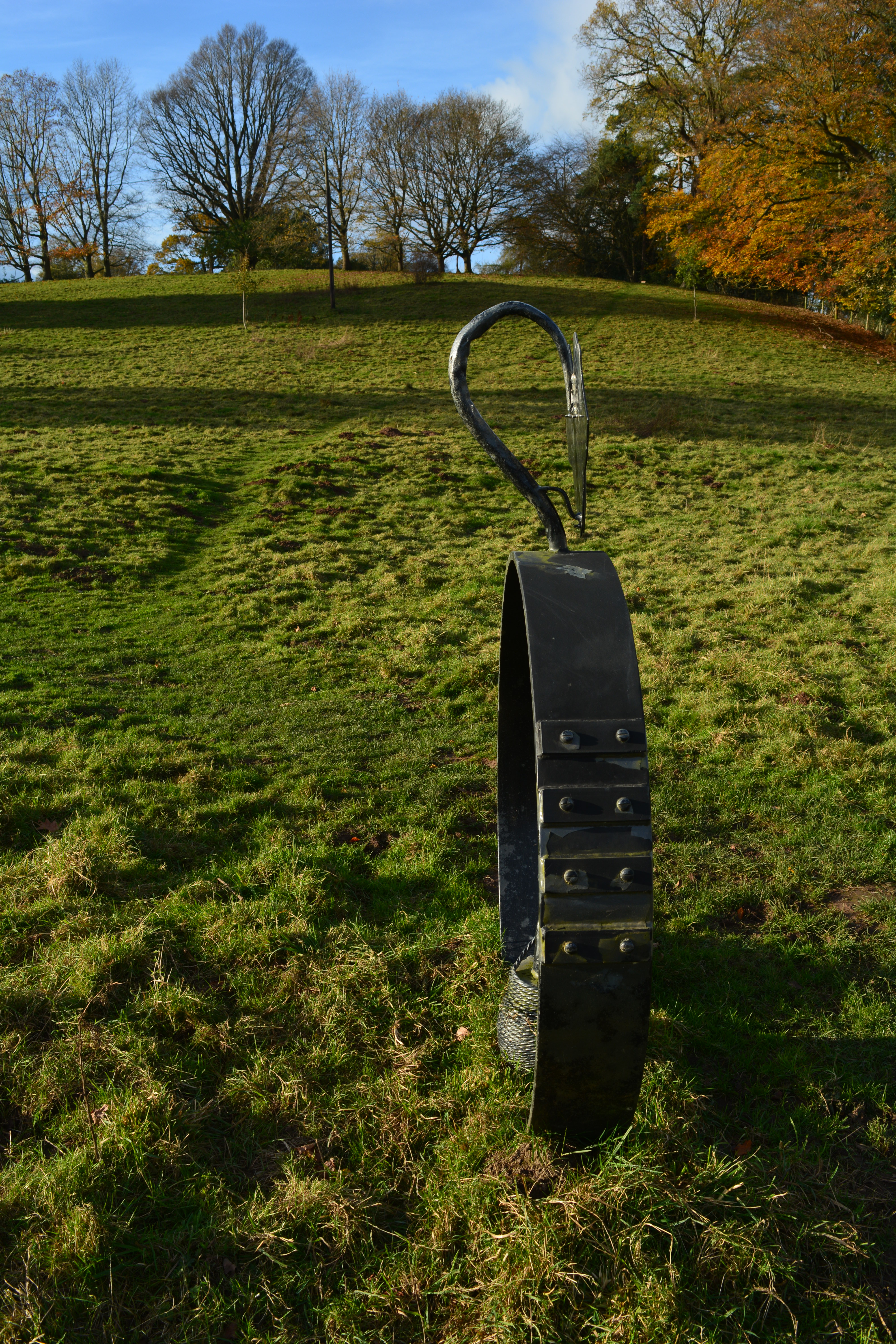
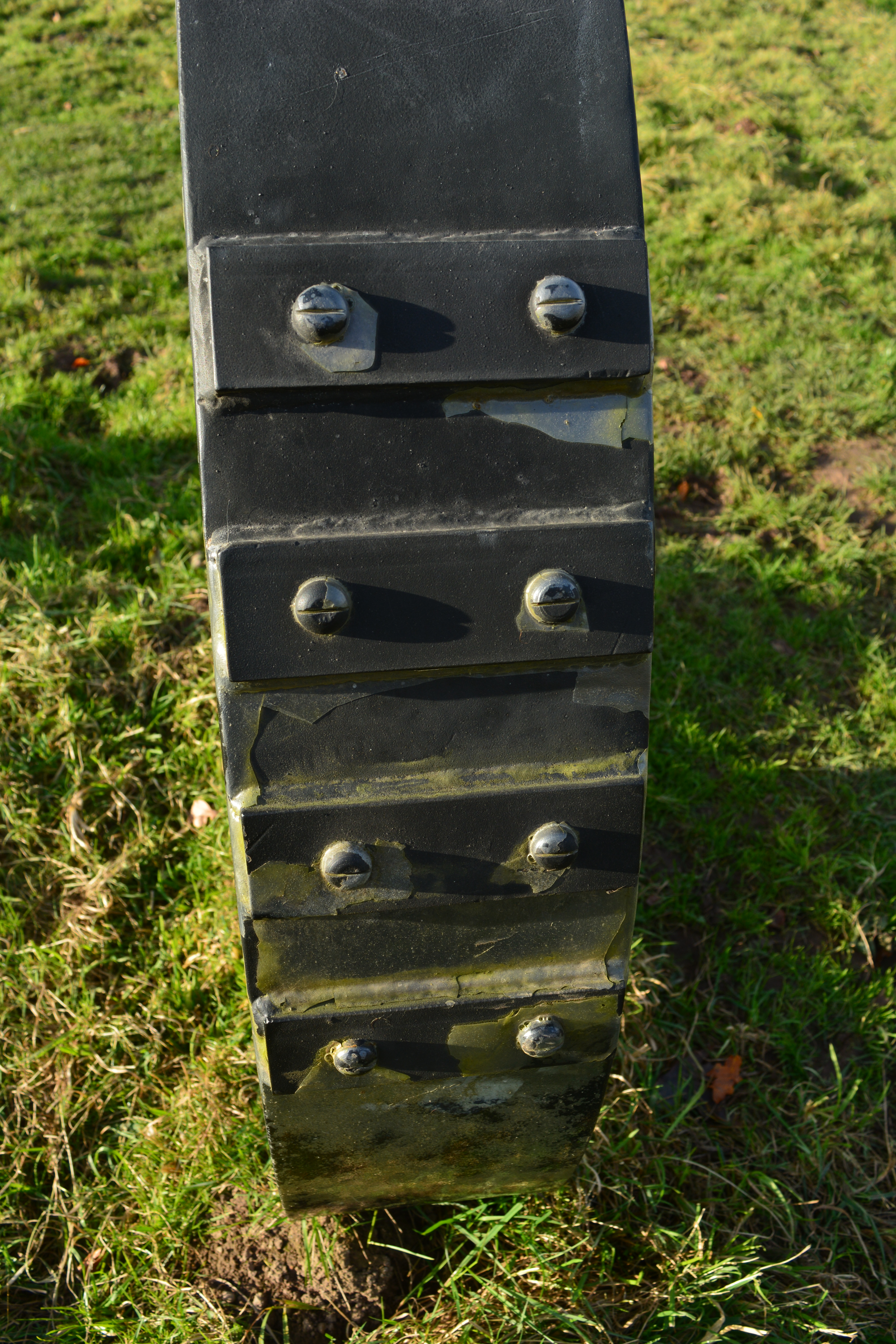
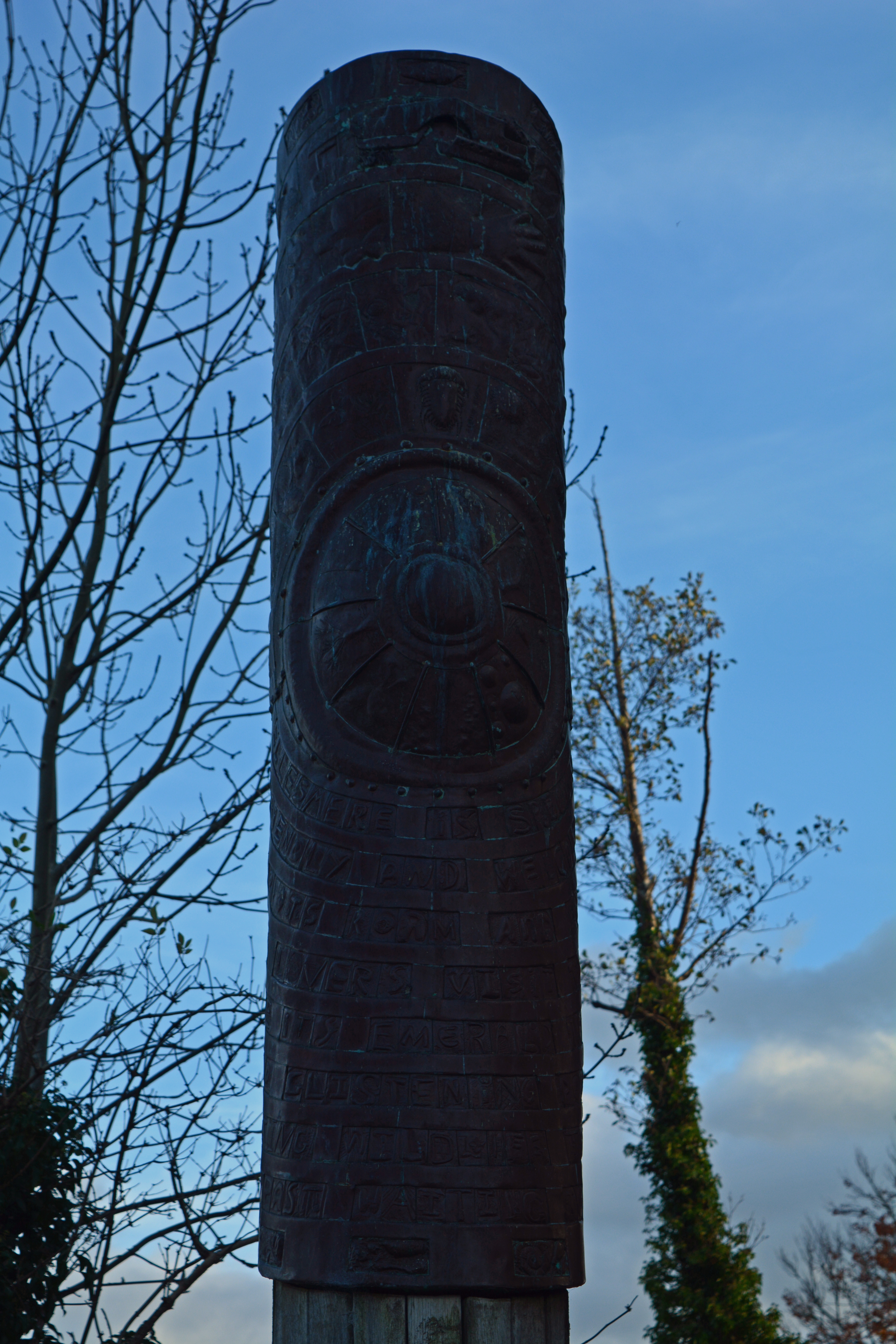
We failed to fully work out the meaning and context of the first piece we discovered on the lakeside, which resembled a relief decorated shield wrapped around a pole. We studied it for a while and discussed several possible ideas but eventually walked off still baffled!


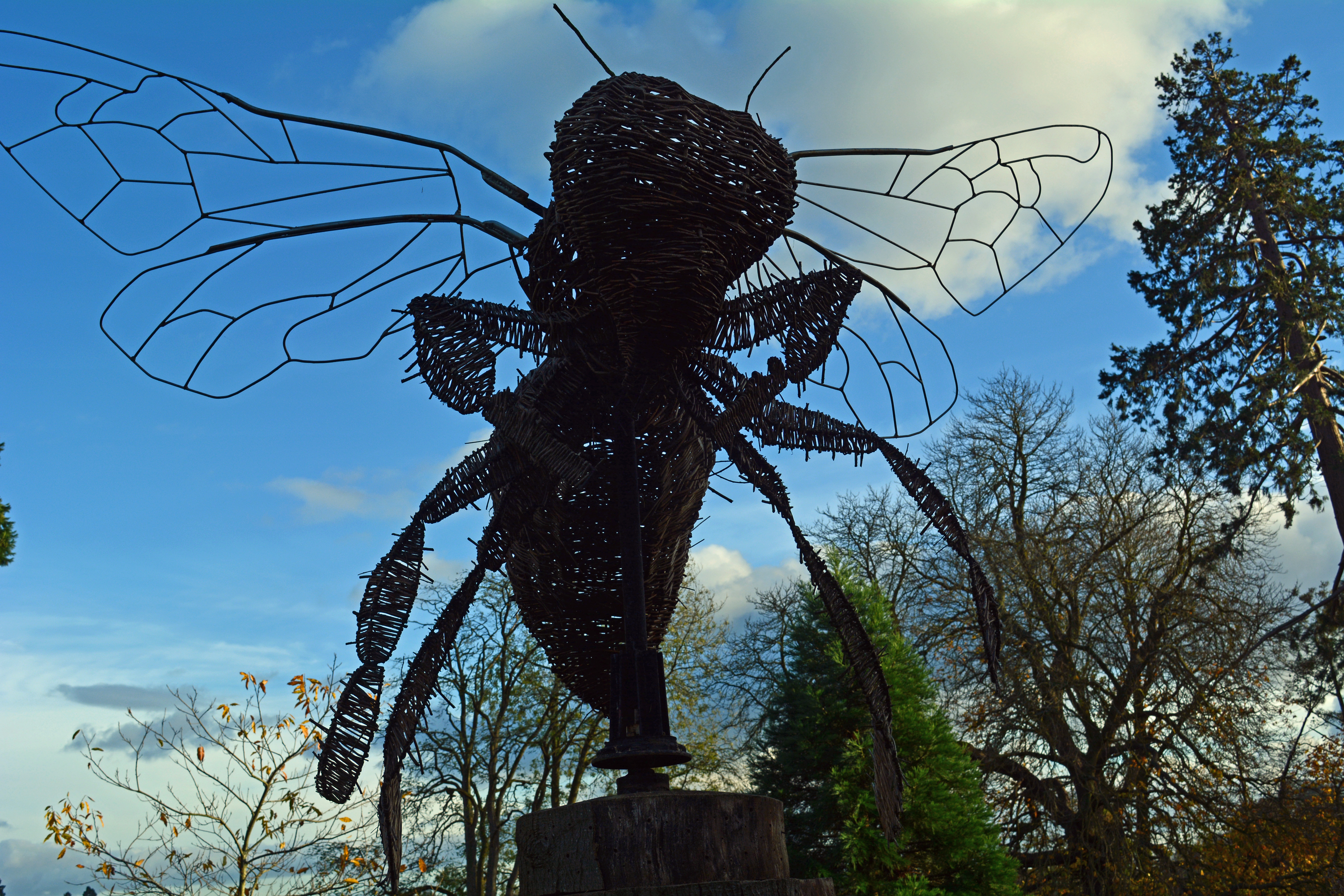
This huge metal bee towered over us and beneath him was a stack of logs acting as its plinth. Each piece of wood was drilled with holes making each one a home for solitary bees.


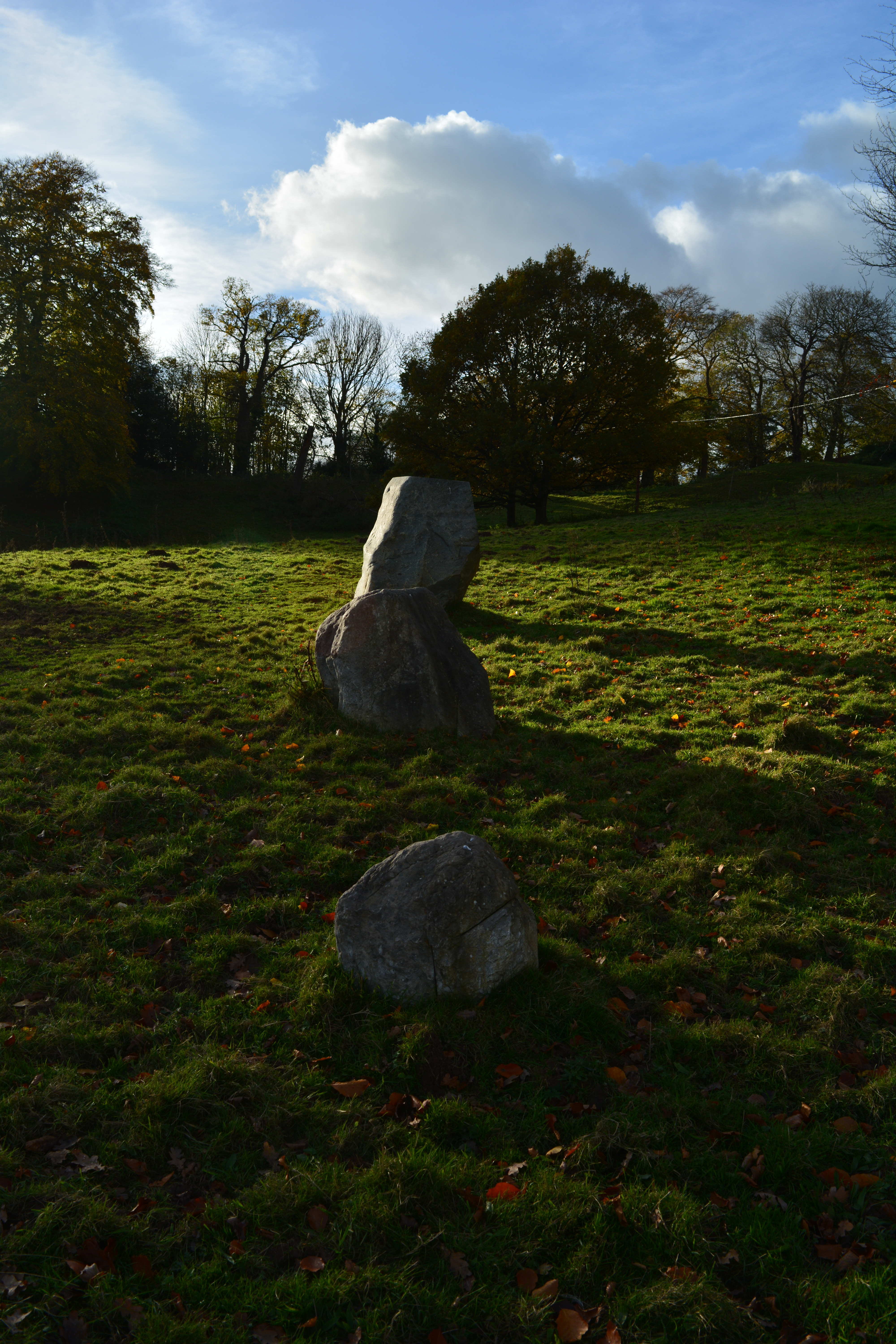
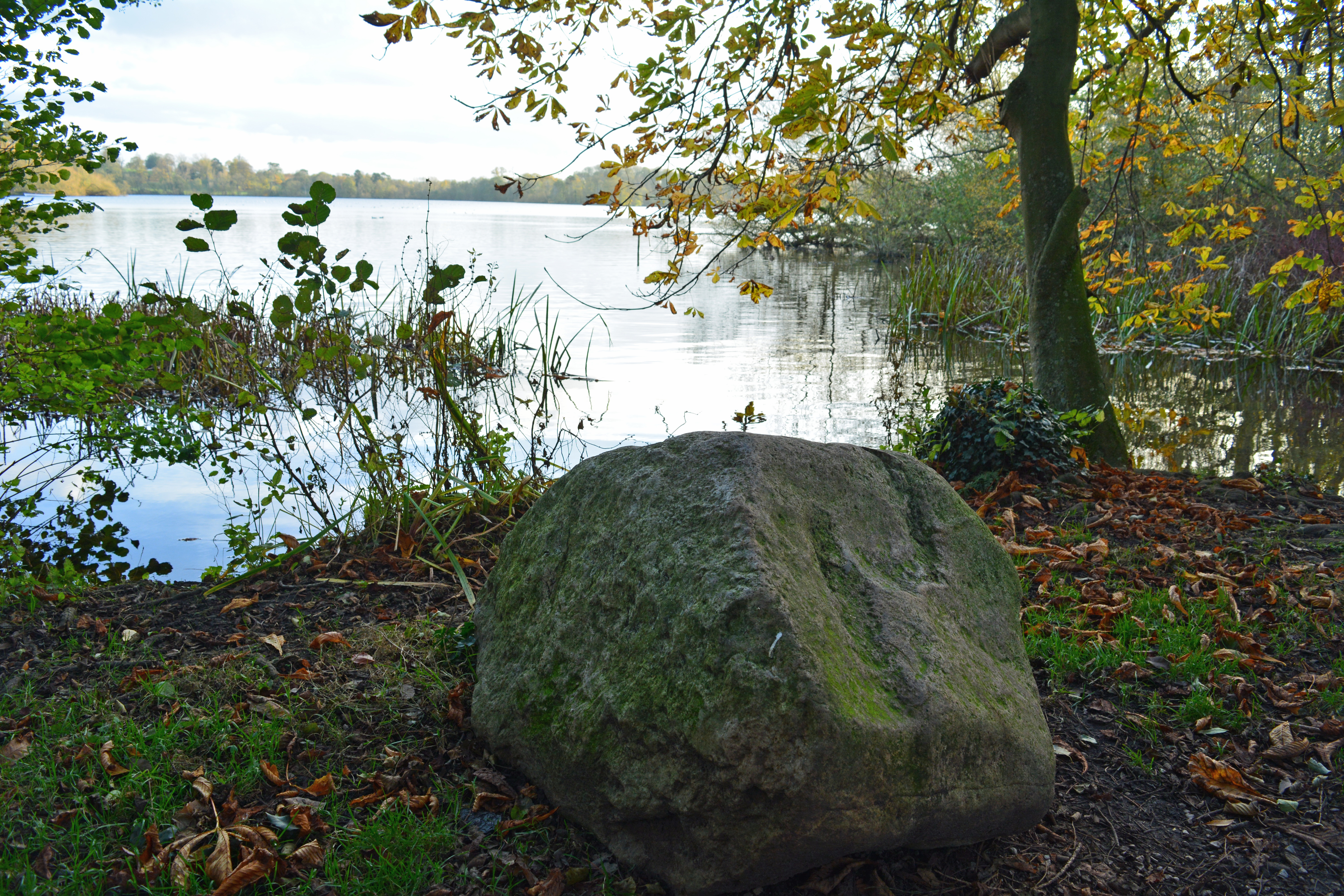
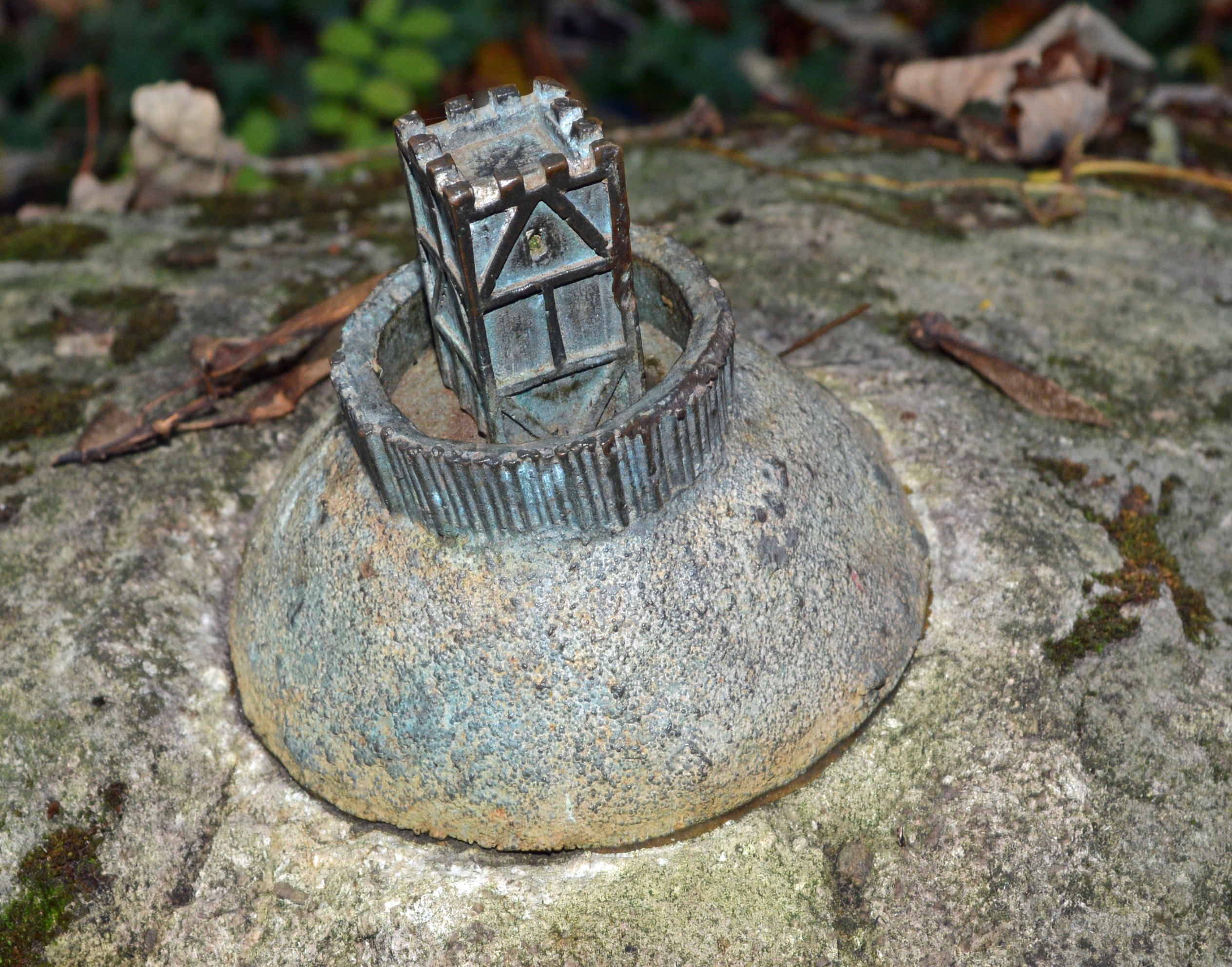
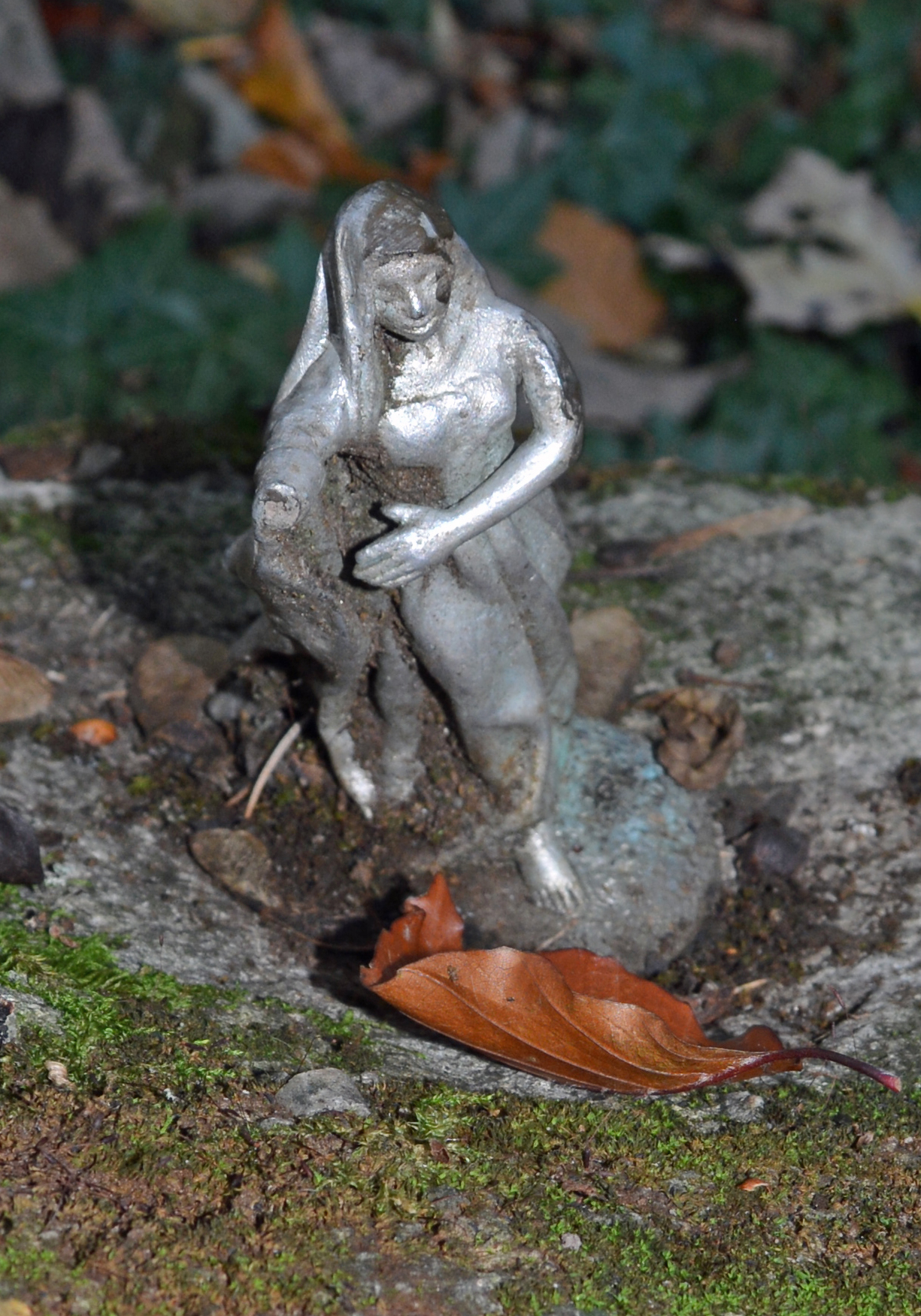
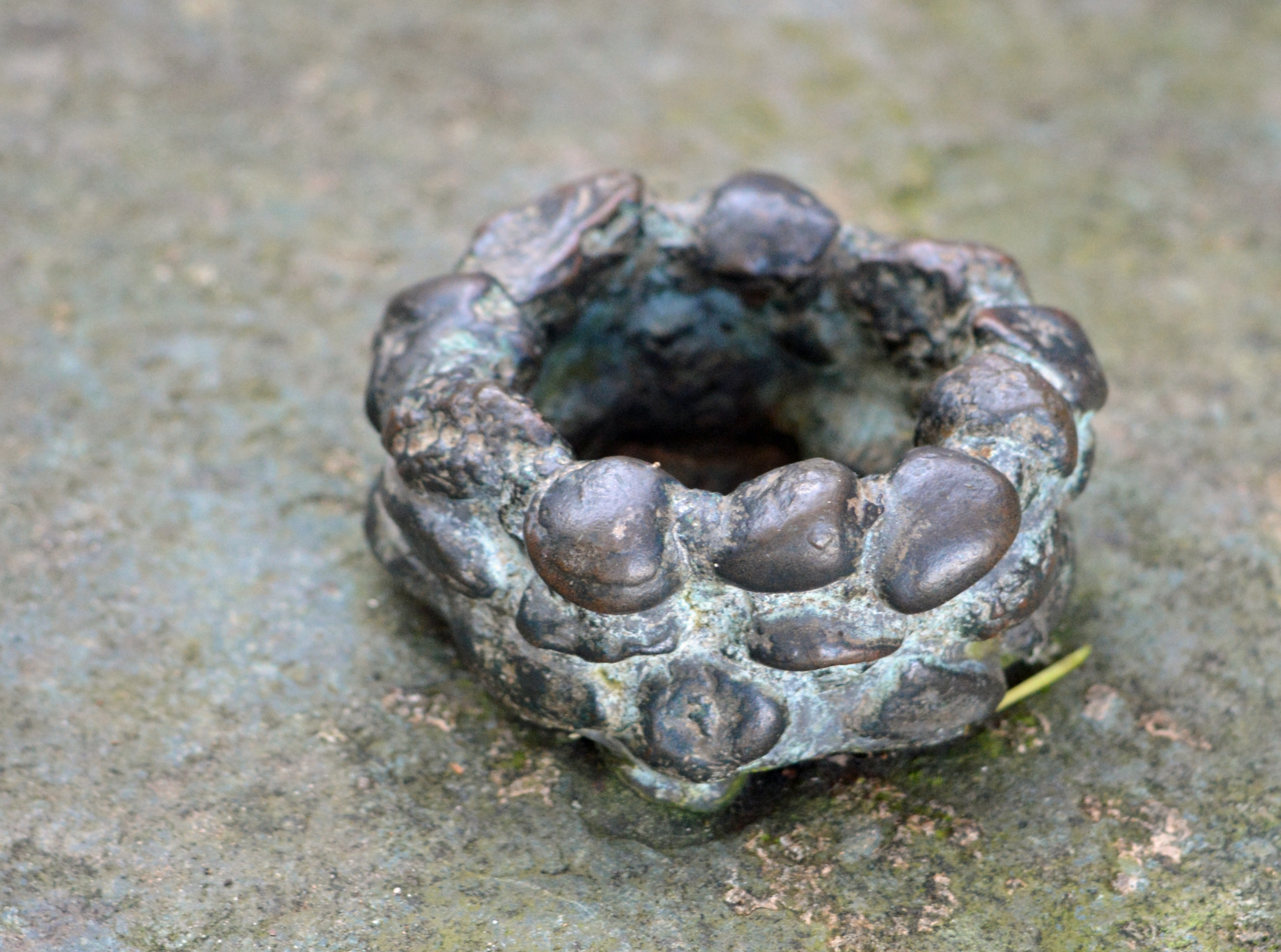
Large morrainic boulders were positioned close to the lakeside and on closer inspection we discovered they were homes to a small groups of bronze pieces, mostly connected to the nunnery close to the mere and other town features.


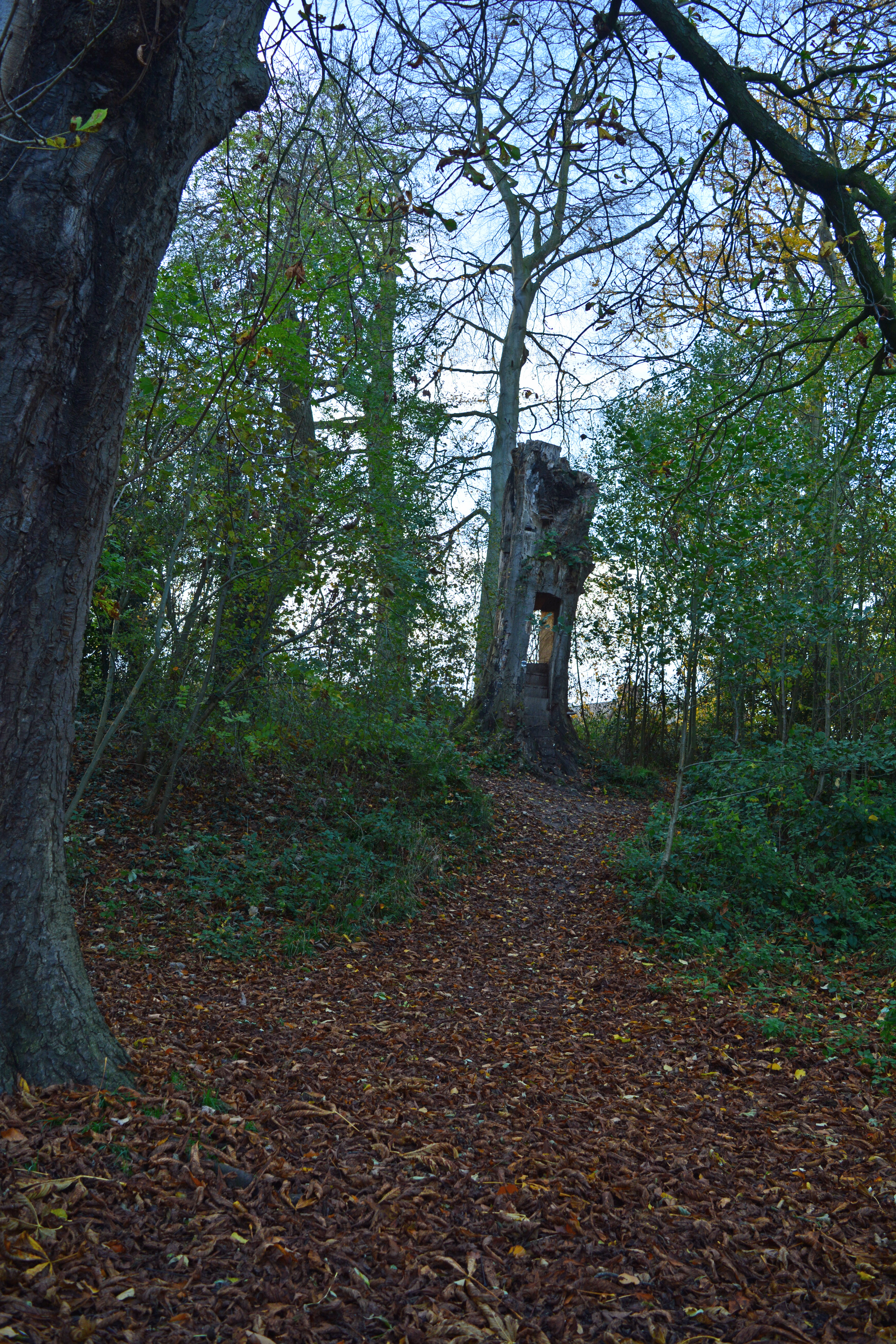
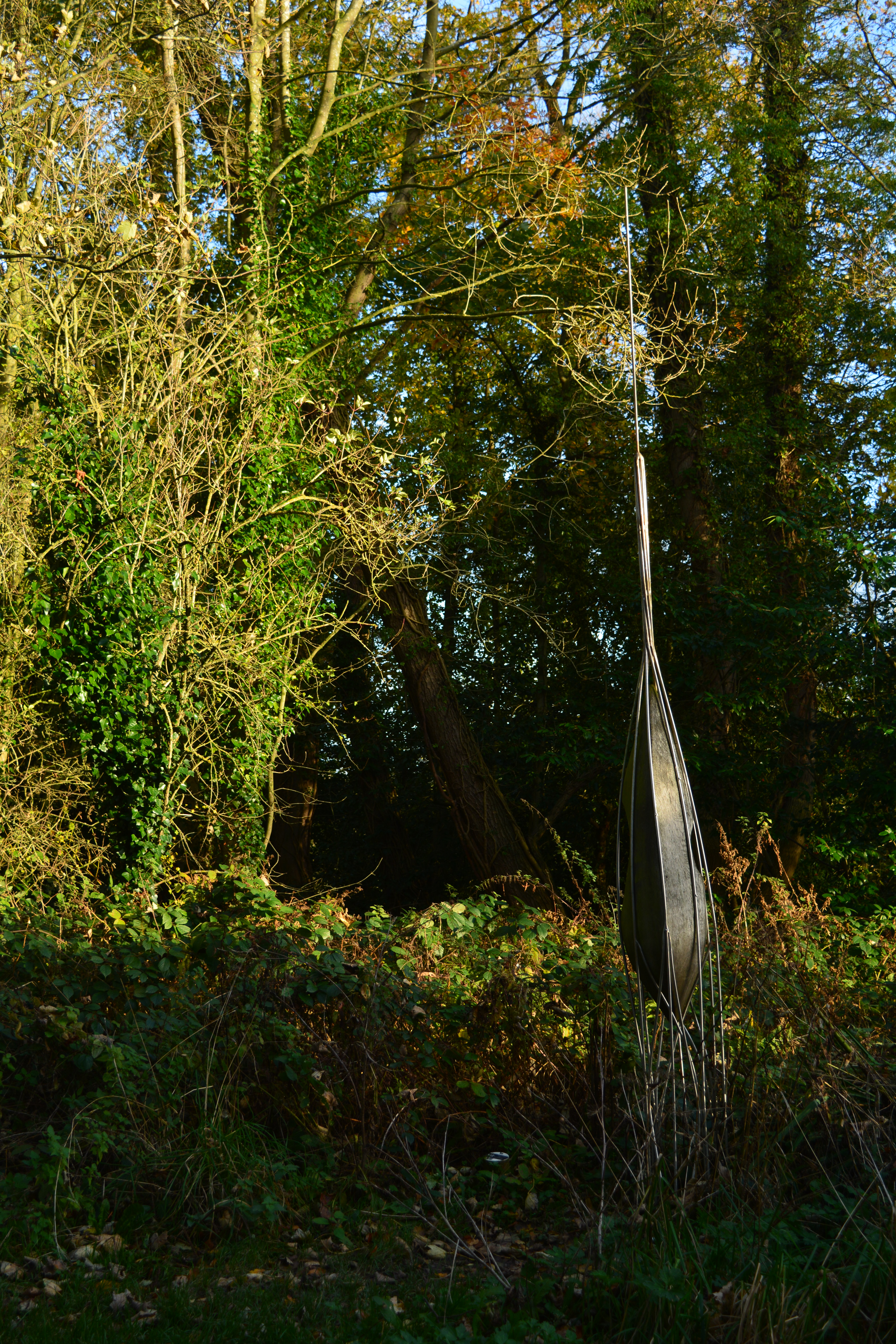
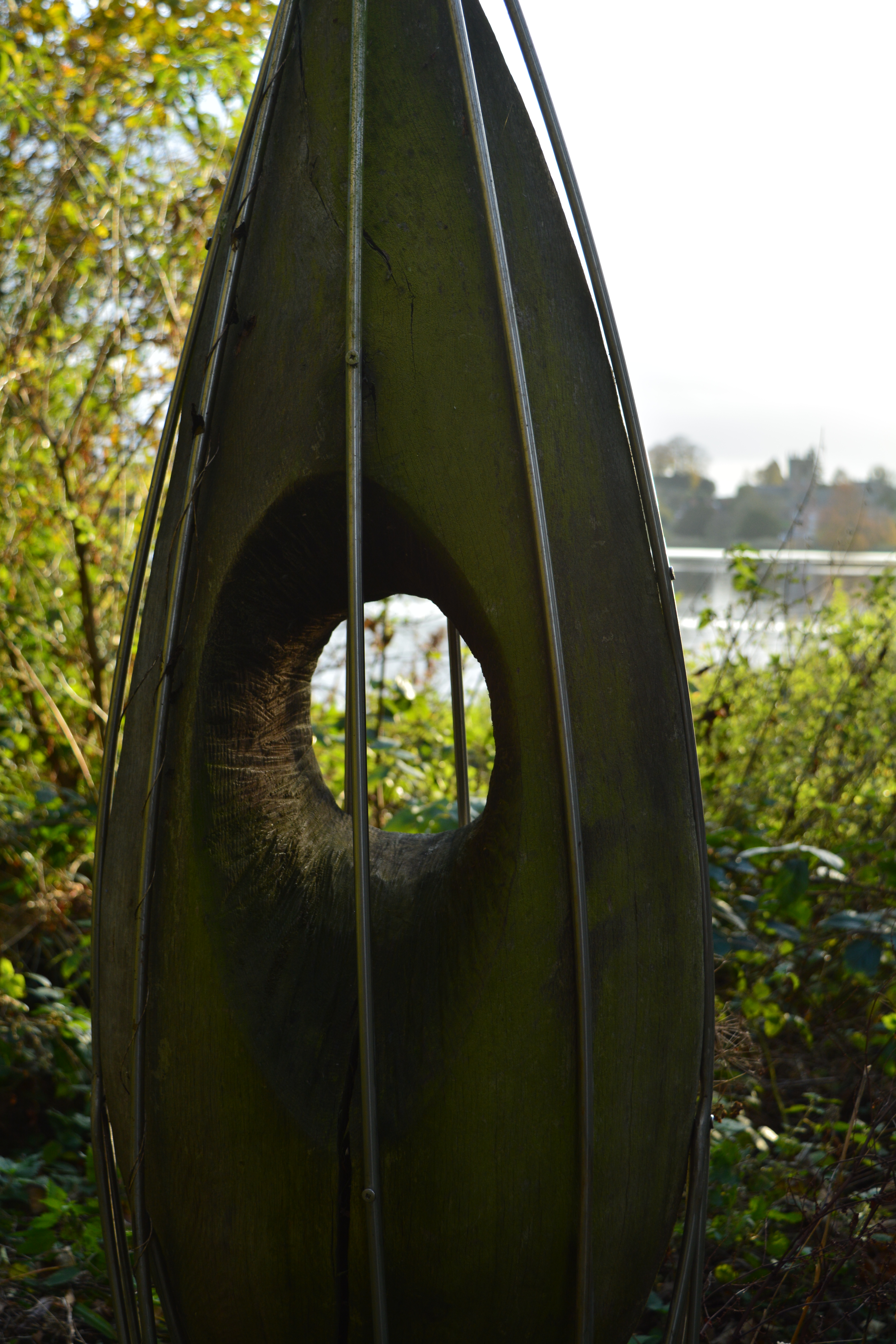
Moving further into natural woodland and away from the parkland, we discovered a tree-house carved from a dead tree trunk and a beautiful tall, graceful shiny metal piece. pierced with a wide hole giving views over the sparkling water.


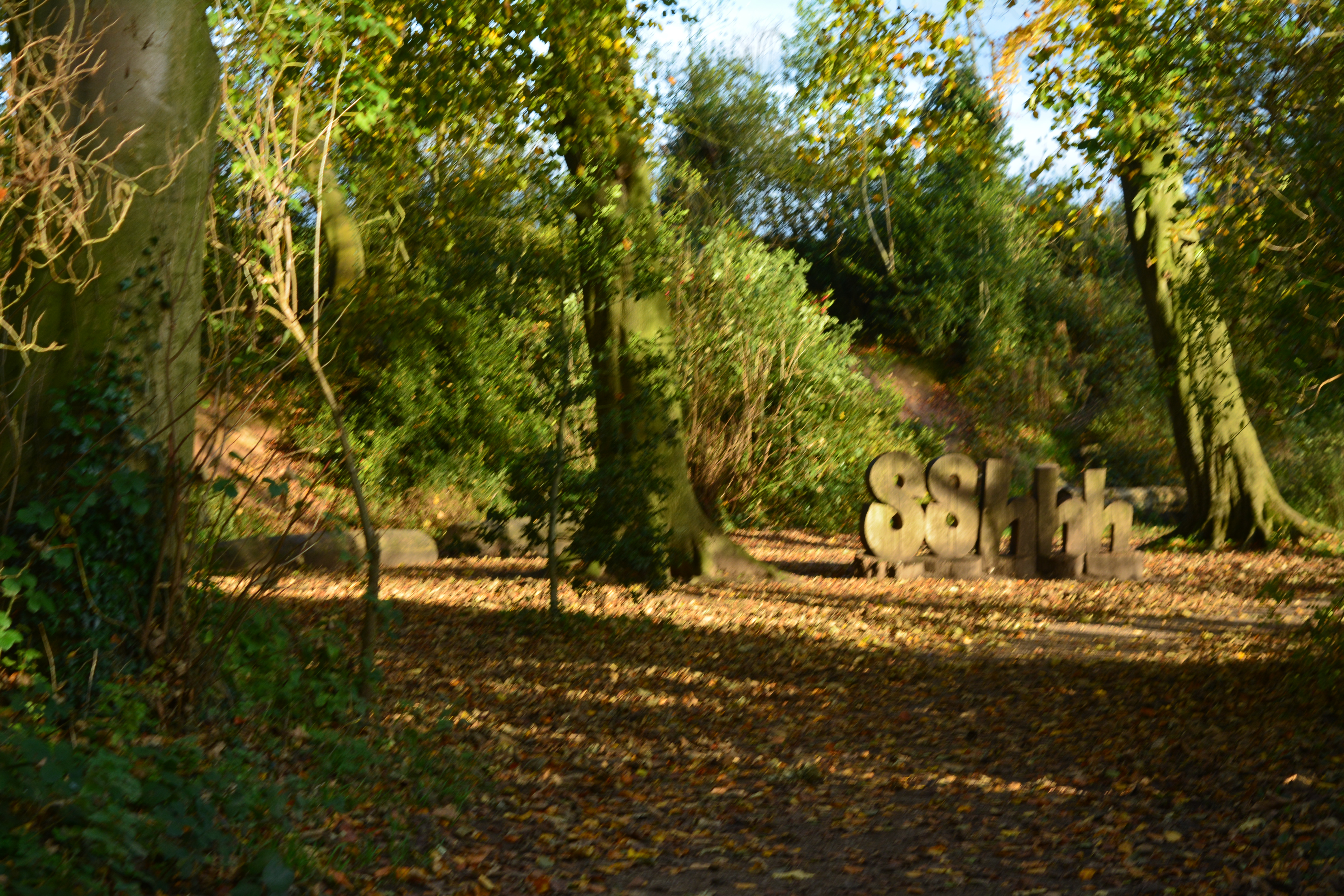
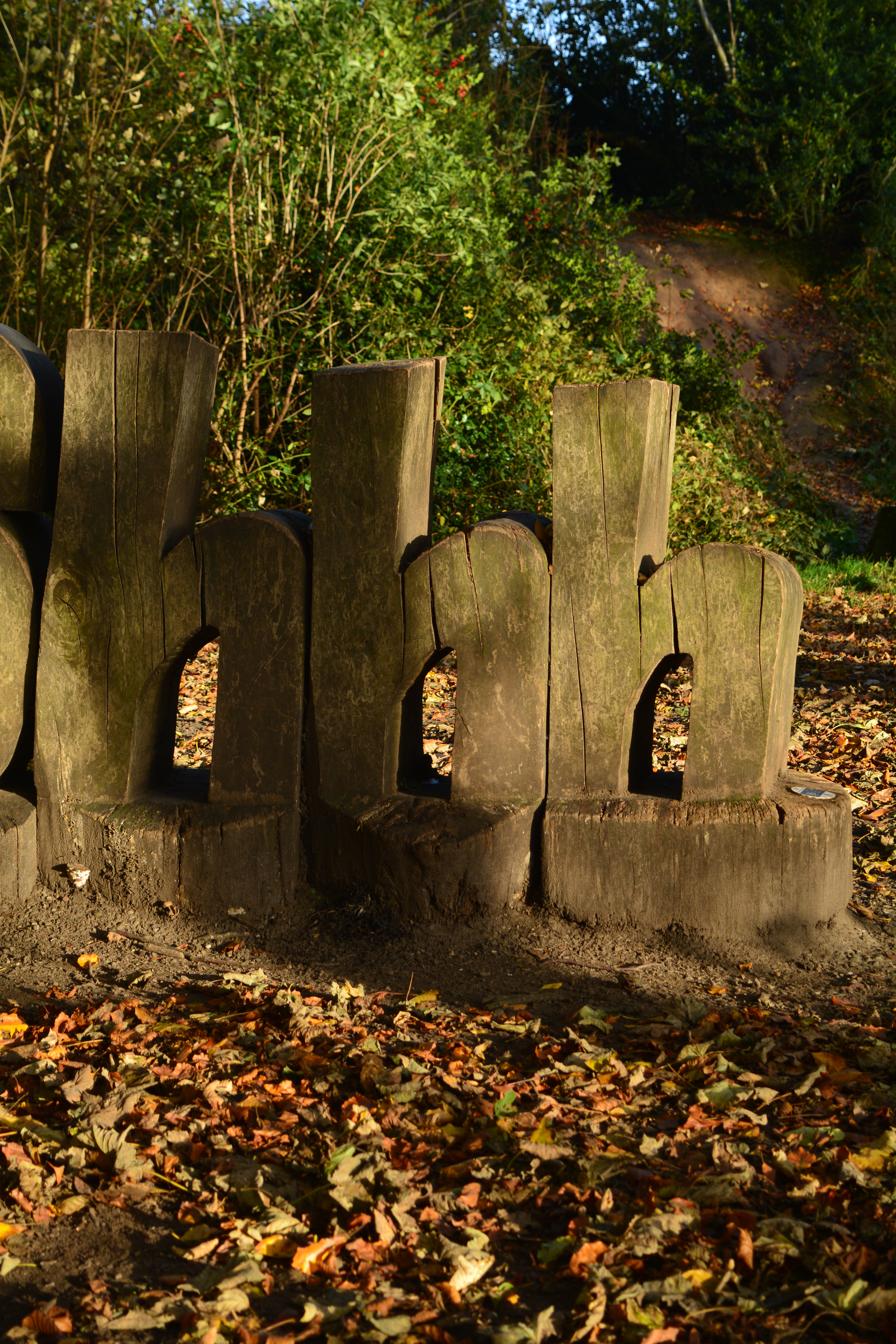
Our favourite piece of all was the furthest along the walk but well worth the wait. It was called SShhh and was simply this word carved out of a single piece of wood which stood a good 6 ft tall. It was beautifully positioned in a clearing where the ground was covered in fallen autumn leaves. It looked most impressive sat beneath tall Beech trees and their long sharp shadows! It was beautiful to touch and the light fell on its cracked surfaces creating sharp shadow-lines and increased the intensity of its textures. Enjoy following the photo sequence below taken as we walked closer and closer to SShhh.

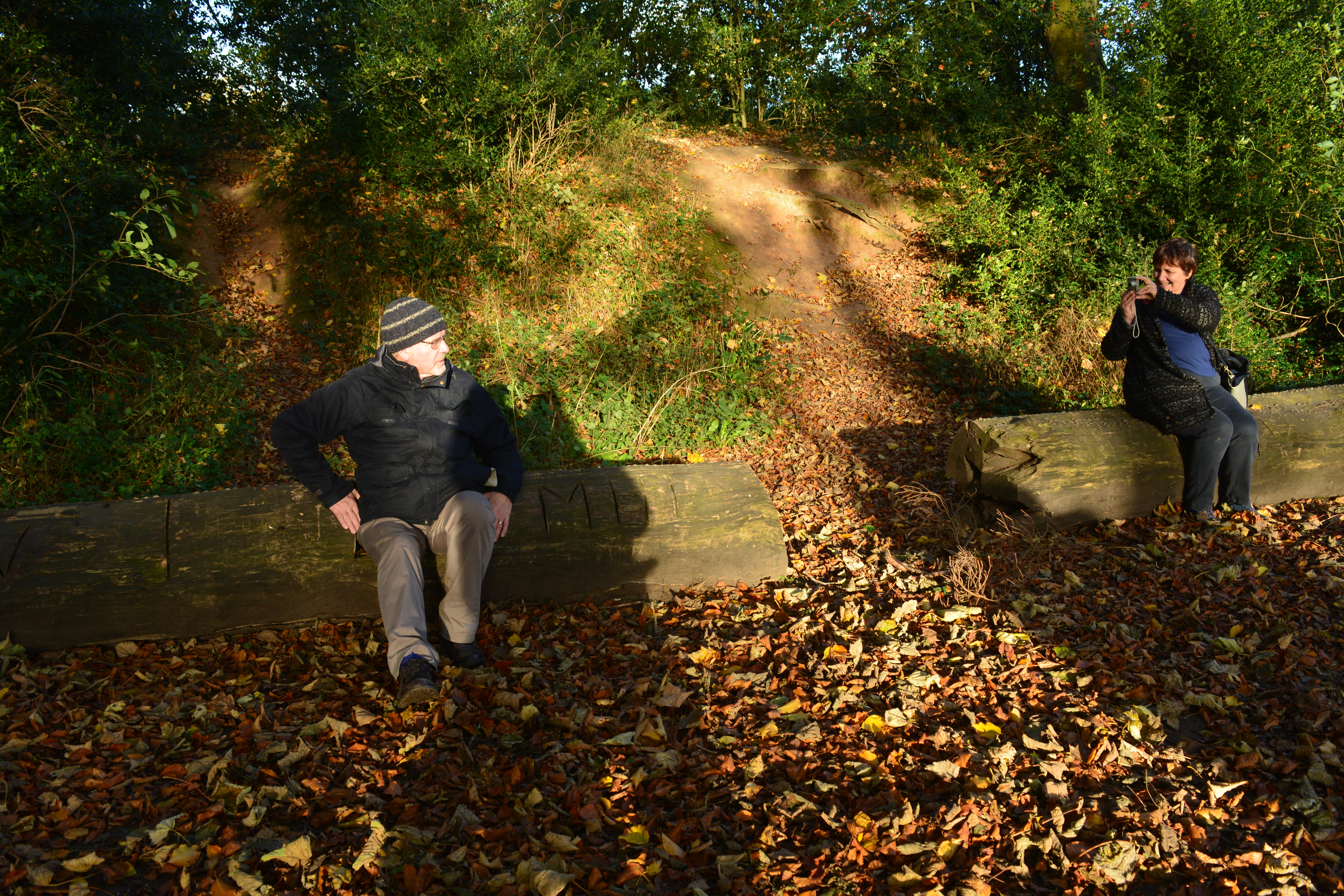
Alongside SShhh we found long trunks of old fallen trees to sit and rest upon. A seat had been carved out of one leaving a perfect resting place. We enjoyed studying the fallen leaves, with varied colours and textures. After a short rest we made our way back to the town where further pieces of sculpture awaited discovery. Unfortunately when we got back the light was going so we decided to continue our exploration of the sculpture trail at a later date.


This Veggie Life

A Vegetarian | Nature Lifestyle Blog

Rambling in the Garden

.....and nurturing my soul

The Arch City Gardener

Journeys In St. Louis Gardening and Beyond

Garden Dreaming at Châtillon

Consult the genius of the place

Storyshucker

A blog full of humorous and poignant observations.

gardeninacity

Notes from a wildlife-friendly cottage garden

PlayGroundology

...an emerging social science

The Official Blog of British Wildlife

'The most important and informative publication on wildlife of our times' - The Independent. This blog is a member of The UK & Ireland Natural History Bloggers group: www.uknhb.blogspot.com

iGrowHort

Inspire - Cultivate - Grow Native Plants - Restore Landscapes

Bishops Meadow Trust

To create and protect a semi-natural wild space for the people of Farnham to enjoy and experience an array of British wildlife in our town

Gardening with Children

The www.gardeningwithchildren.co.uk Blog

UKbirdingtimeline

birding through the seasons, why birds matter and how to conserve them

NATURE WALKER

with a camera in hand

Jardin

Transform your outdoor space

Eva's space

My allotment, cooking and other interests

Old School Garden

my gardening life through the year

LEANNE COLE

Trying to live a creative life

fromacountrycottage

trying to live as lightly as possible on our beautiful planet

Good Life Gardening

Nature lovers from Leicester living the good life.

mybeautfulthings

Finding the beautiful in the everyday

mawsonmichelle

Michelle's Allotment

In and Out of My Garden

thoughts from and about my garden

Greenhousing

Big plans for a small garden

The Scottish Country Garden

A Walled Country Garden in South East Scotland

The Fruity Chicken

Life at the fruity chicken

willowarchway

Off grid living. Self sufficient. "PERMAGANICS RULE".

St Anns Allotments

Nottingham's Grade 2* Listed Allotments and Community Orchard

Manifest Joy Harvests

a journey in suburban vegetable gardening

Allotmental

The madness of growing your own

Penny's Garden: a harvest beyond my front door

A novel approach to vegetable gardening

arignagardener

Sustainable living in the Irish countryside.

NewEnglandGardenAndThread

Master Gardener, amateur photographer, quilter, NH native, and sometimes SC snowbird

dianajhale

Recent work and work in progress and anything else that interests me

planthoarder

a chaotic cottage gardener

Lens and Pens by Sally

a weekly blog that creates a personal philosophy through photographs and words

Dewdrops and Sunshine

Stories from a sassy and classy Southern farmbelle.

The Pyjama Gardener

Simple Organic Gardening & Seasonal Living

gettin' fresh!

turning dirt into dinner

JOY...

today the world is created anew

Garden Birds

Notes from a Devon garden

ShootAbout

Life Through The Lens

Adapting Pixels

A photography blog showcasing the best photography pictures and videos on the internet

Wildlifegardening's Blog

Just another WordPress.com site

naturestimeline

personal observations from the natural world as the search continues for a new approach to conservation.

LATEBLOOMERBUDS

The Wonders of Life through my Eyes, my Heart, my Soul