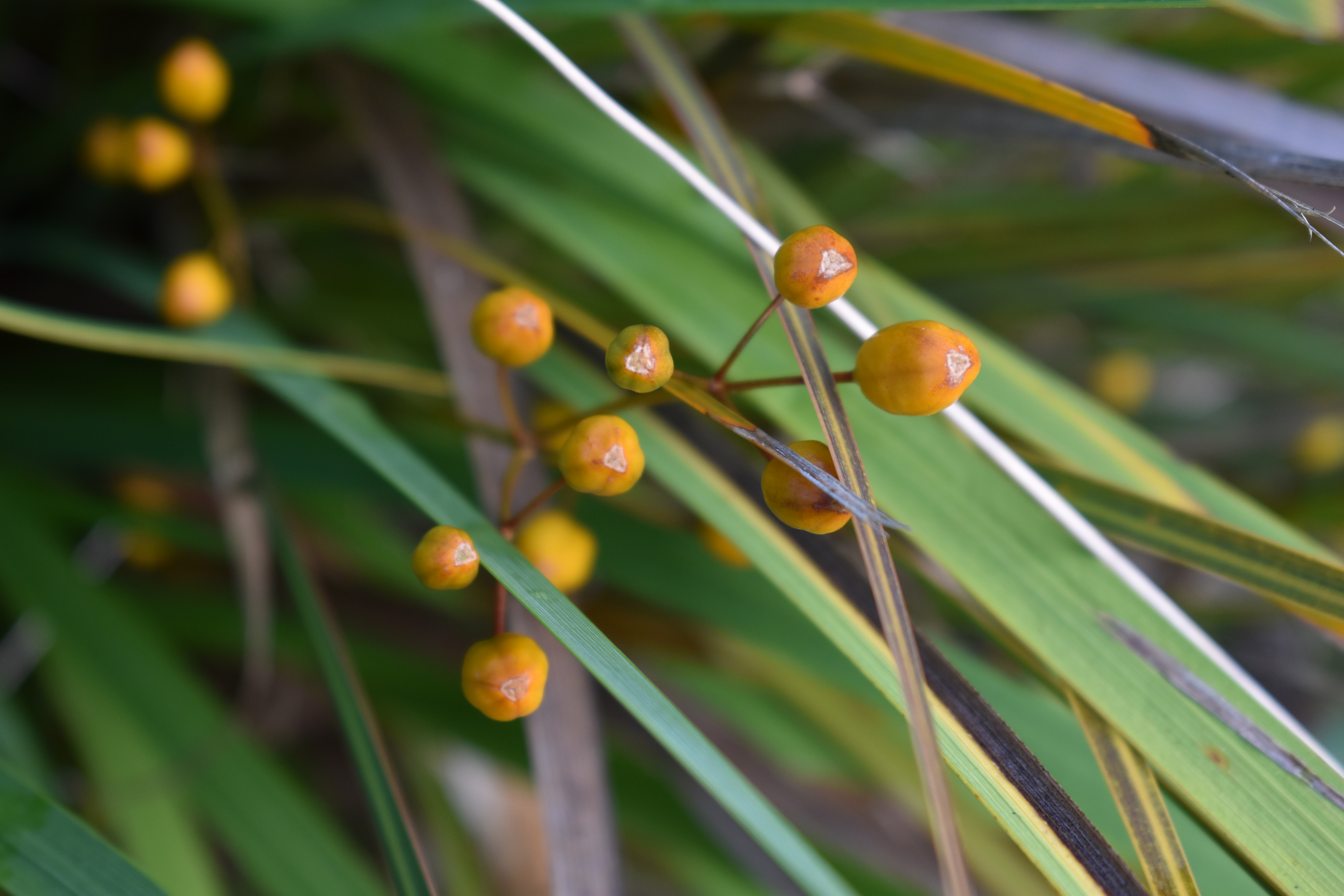
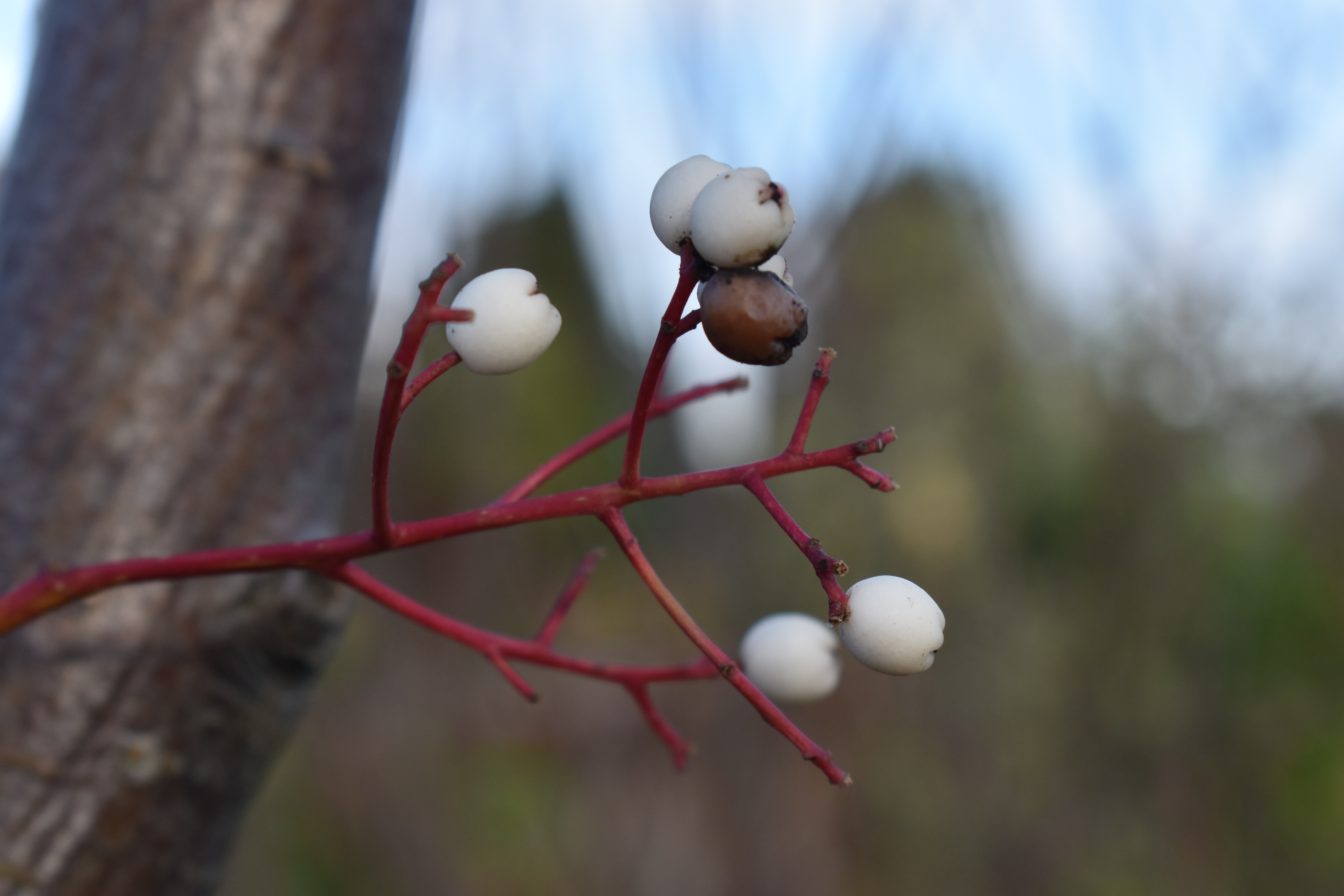
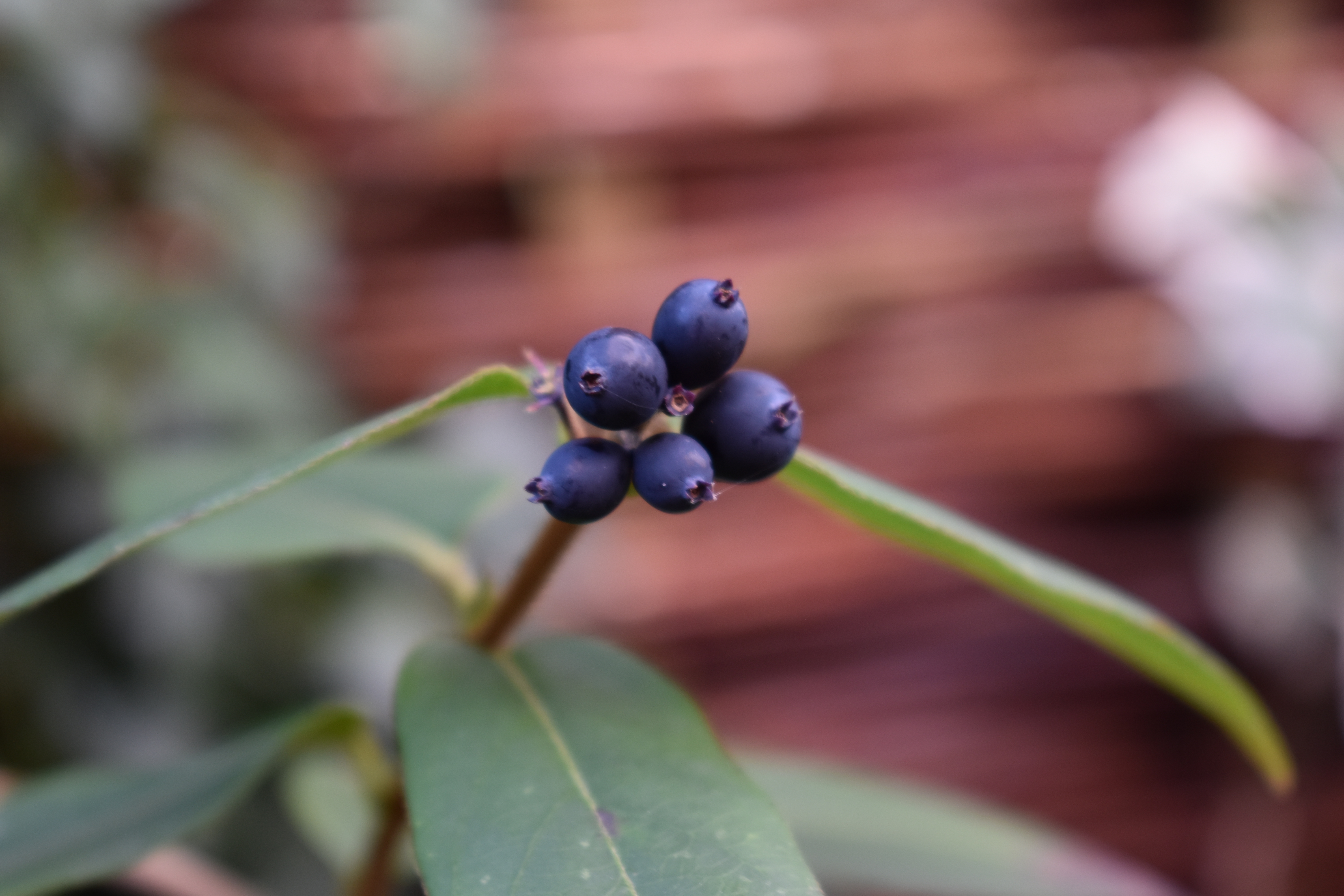
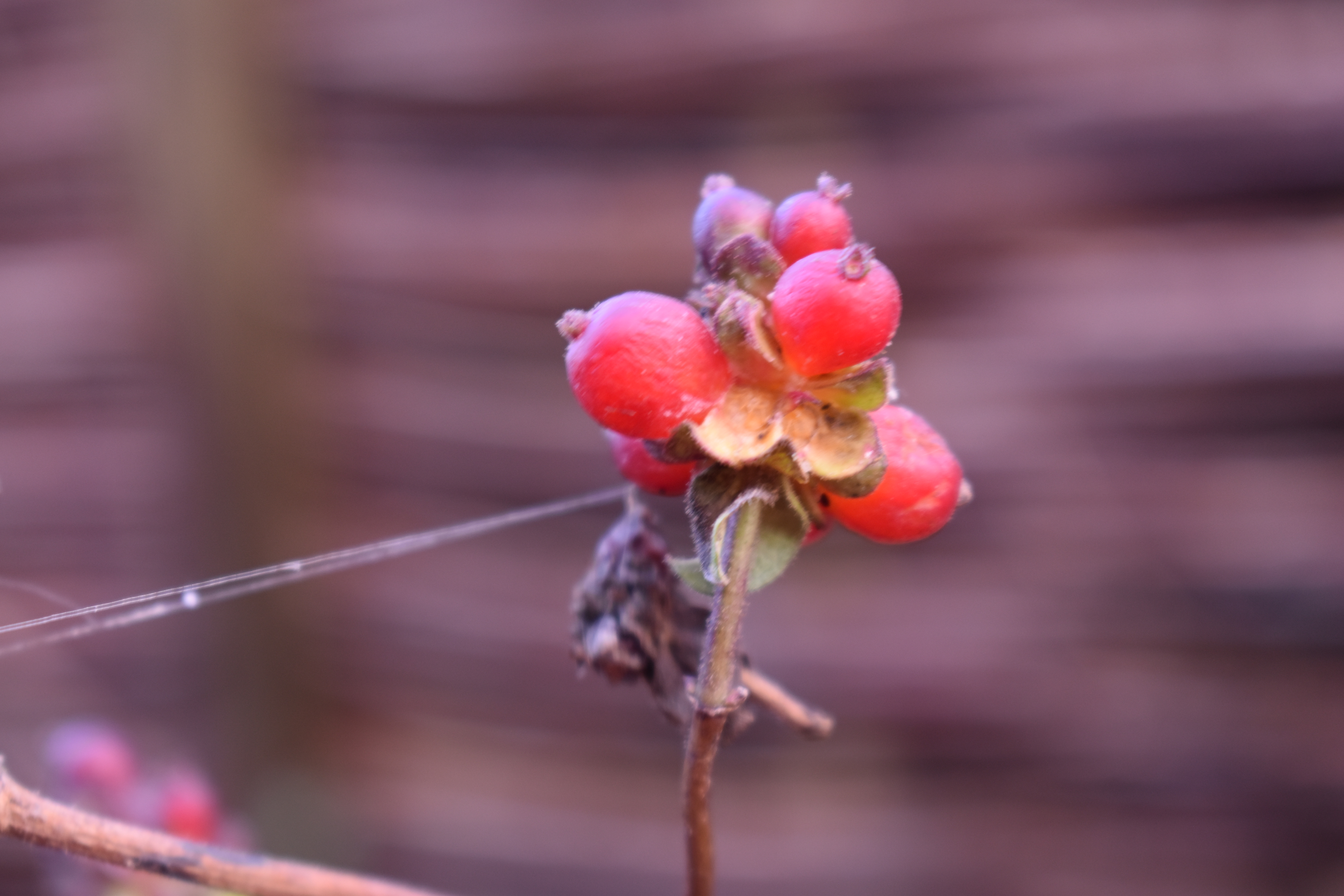
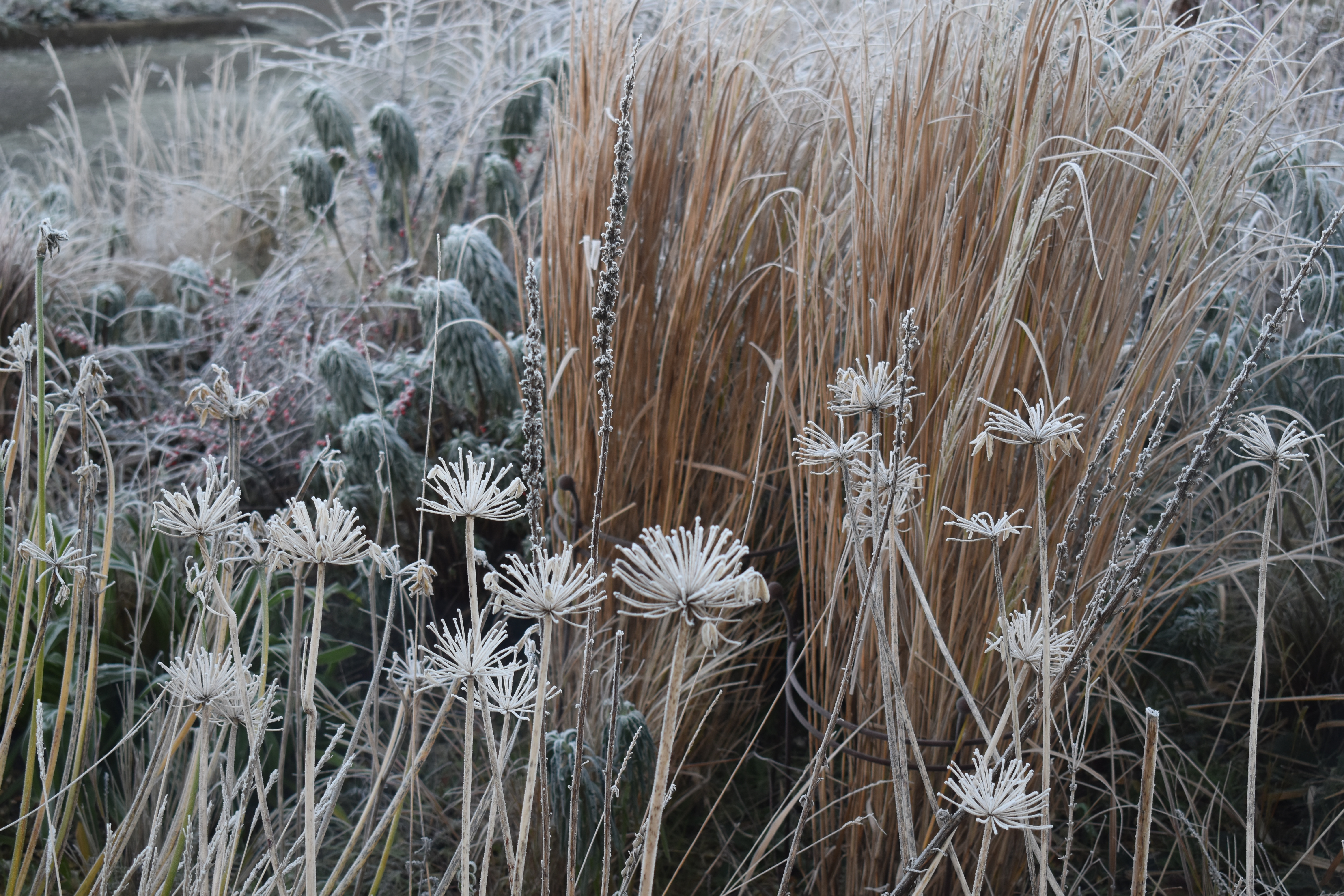
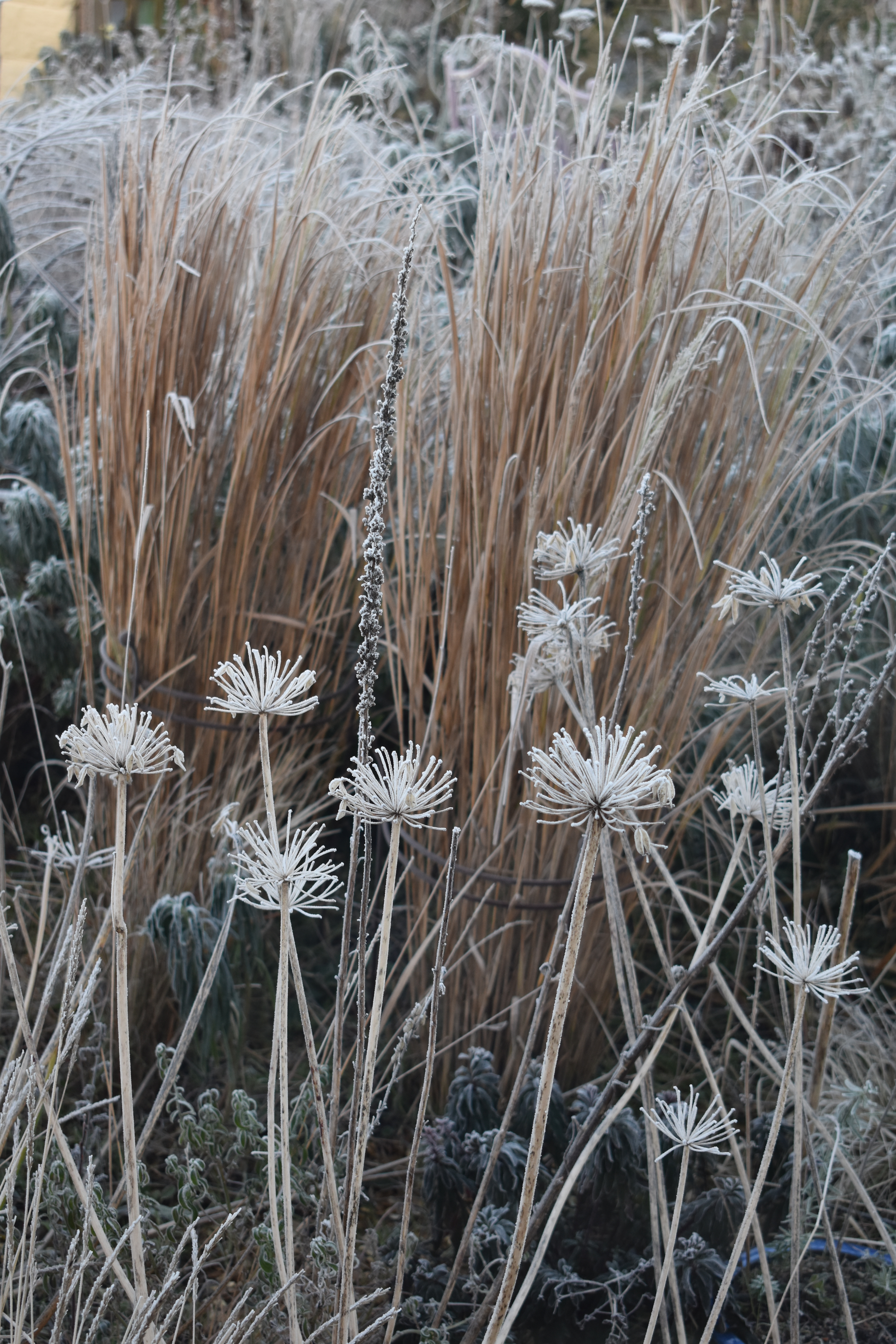
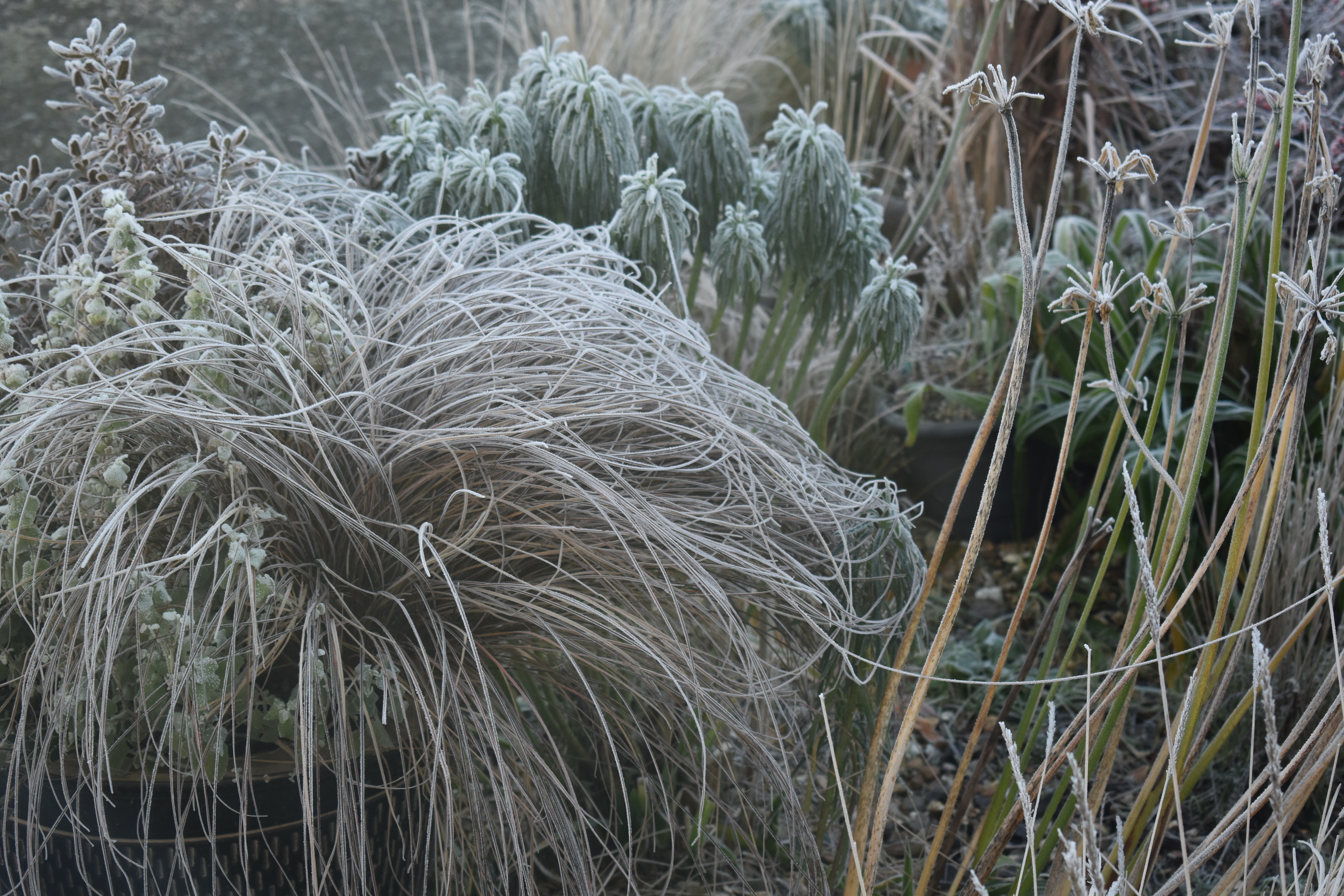
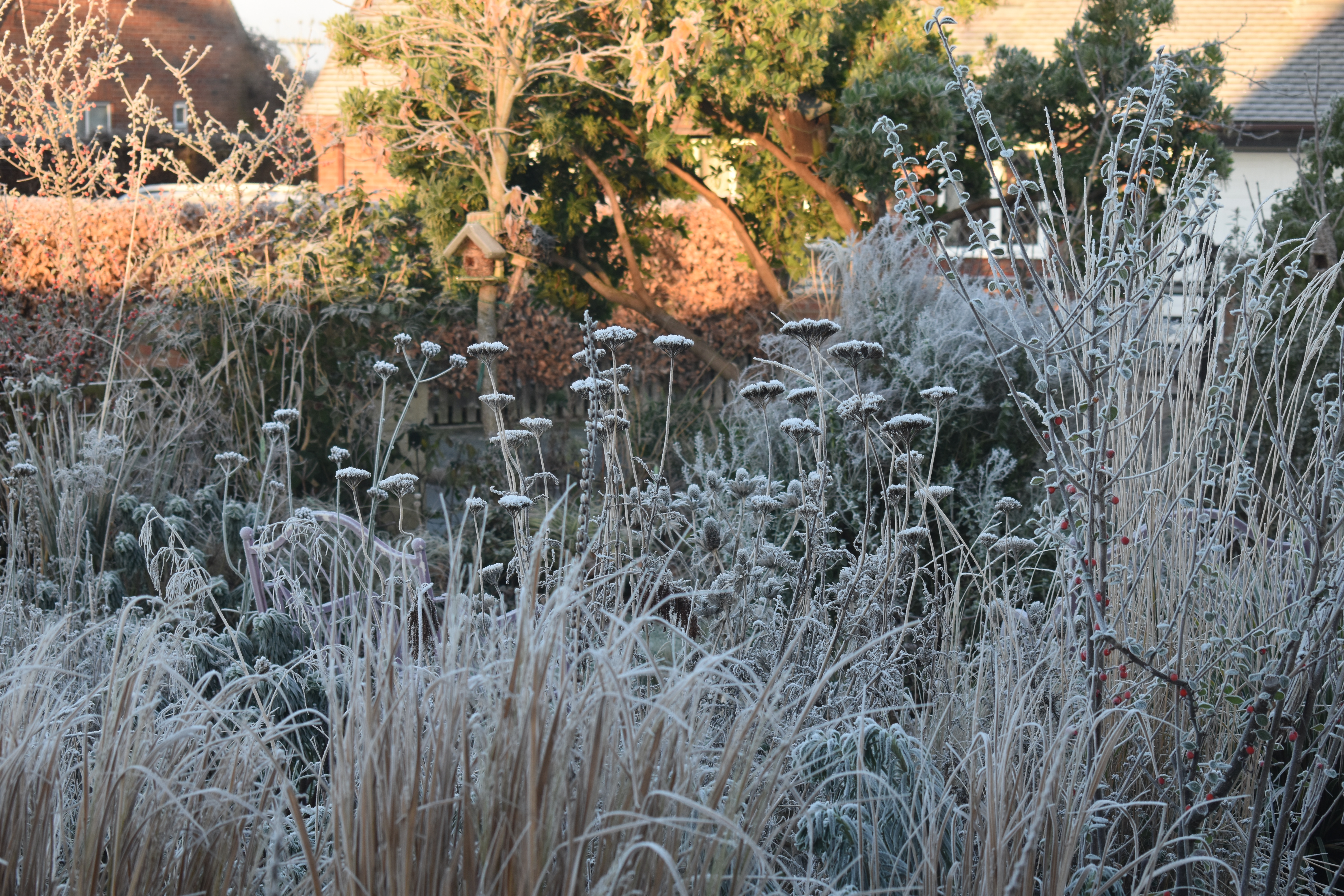
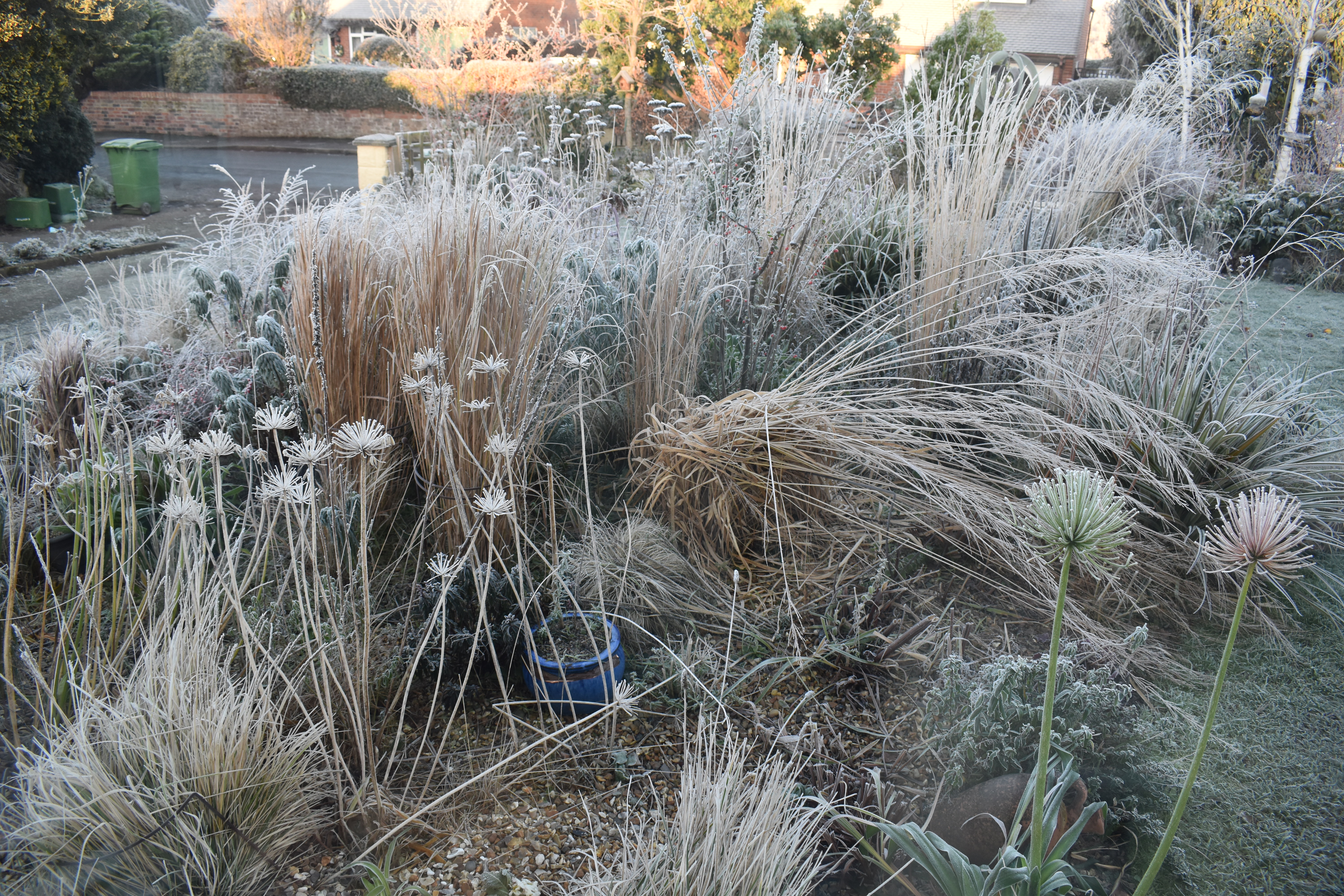
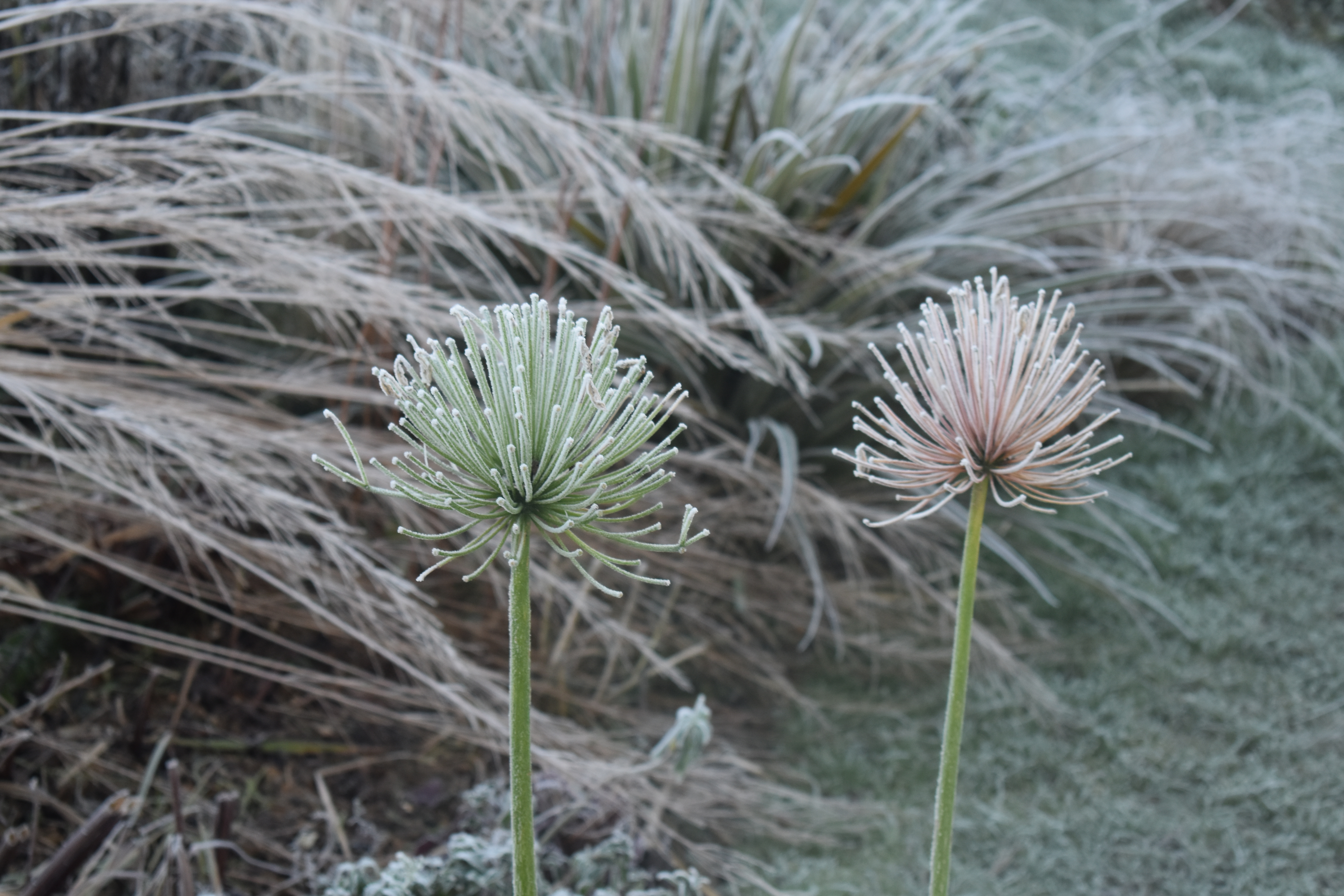
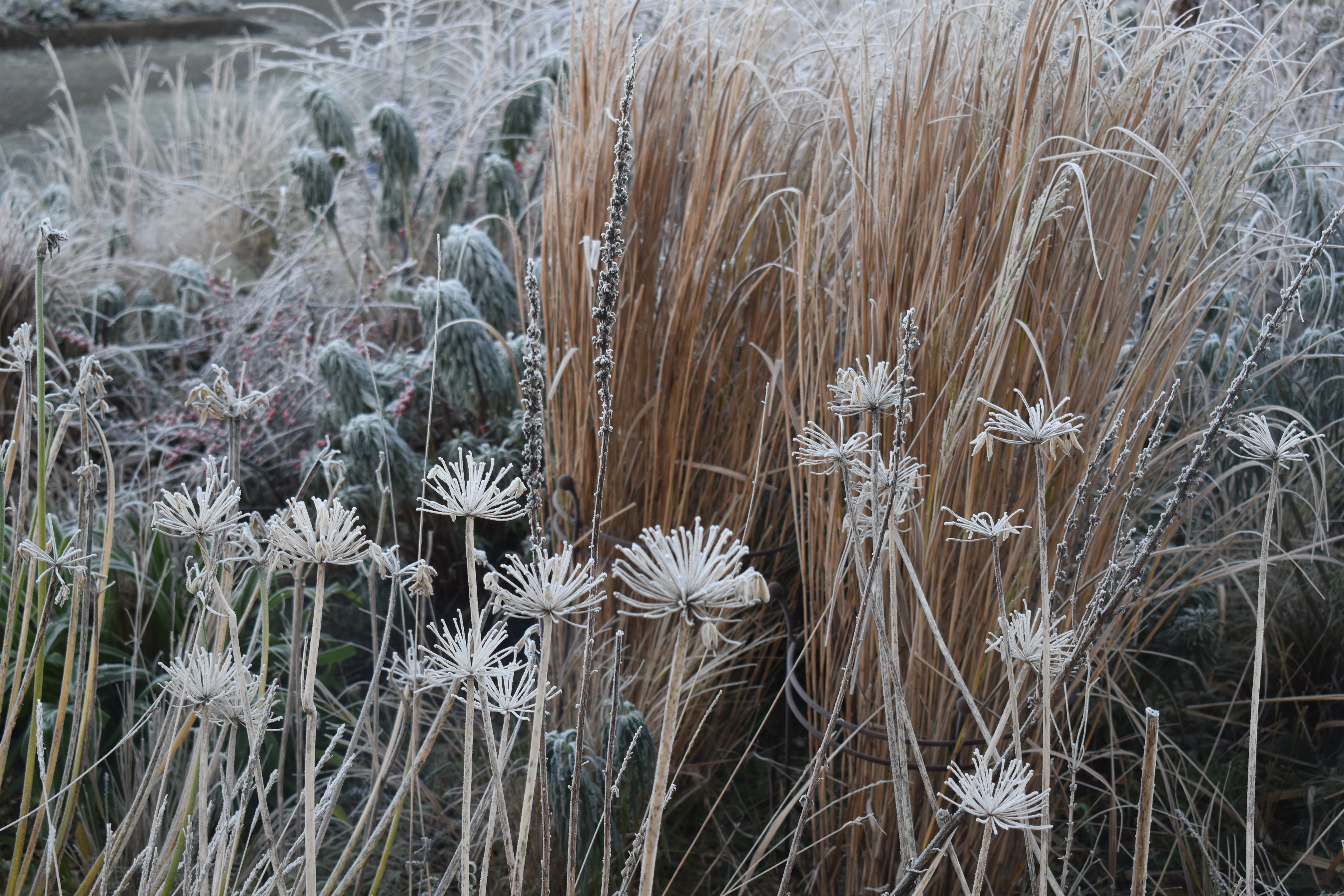
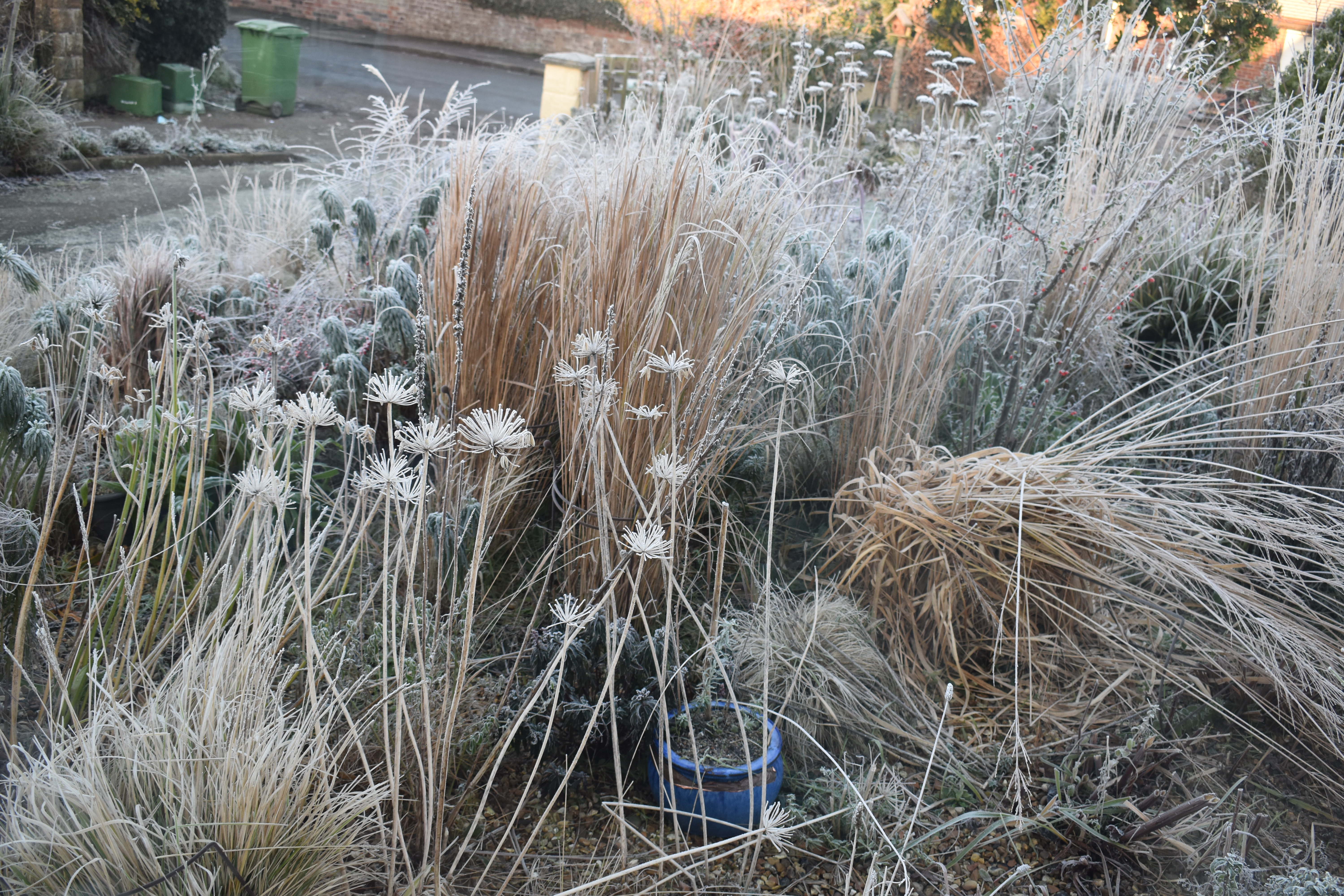
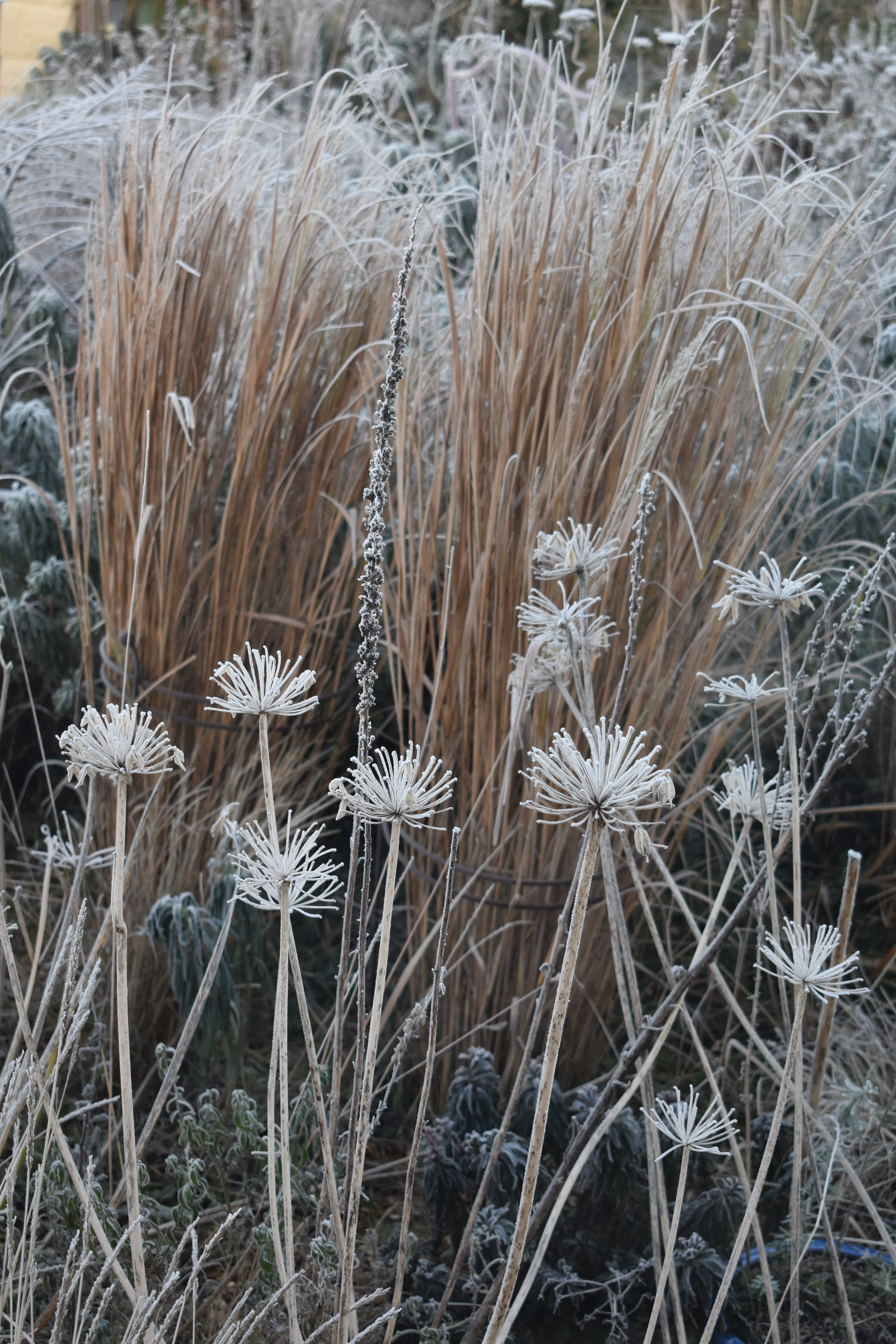
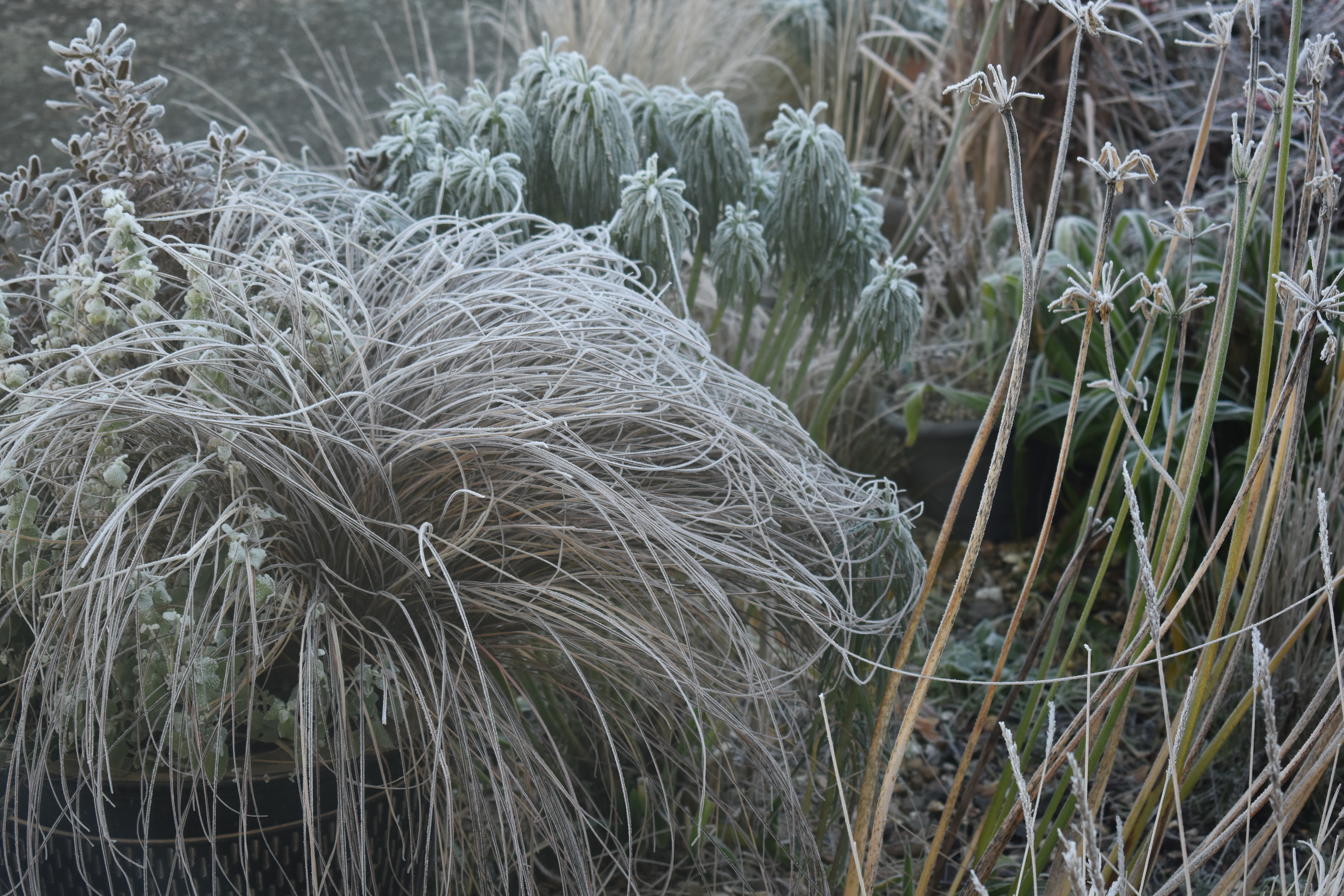
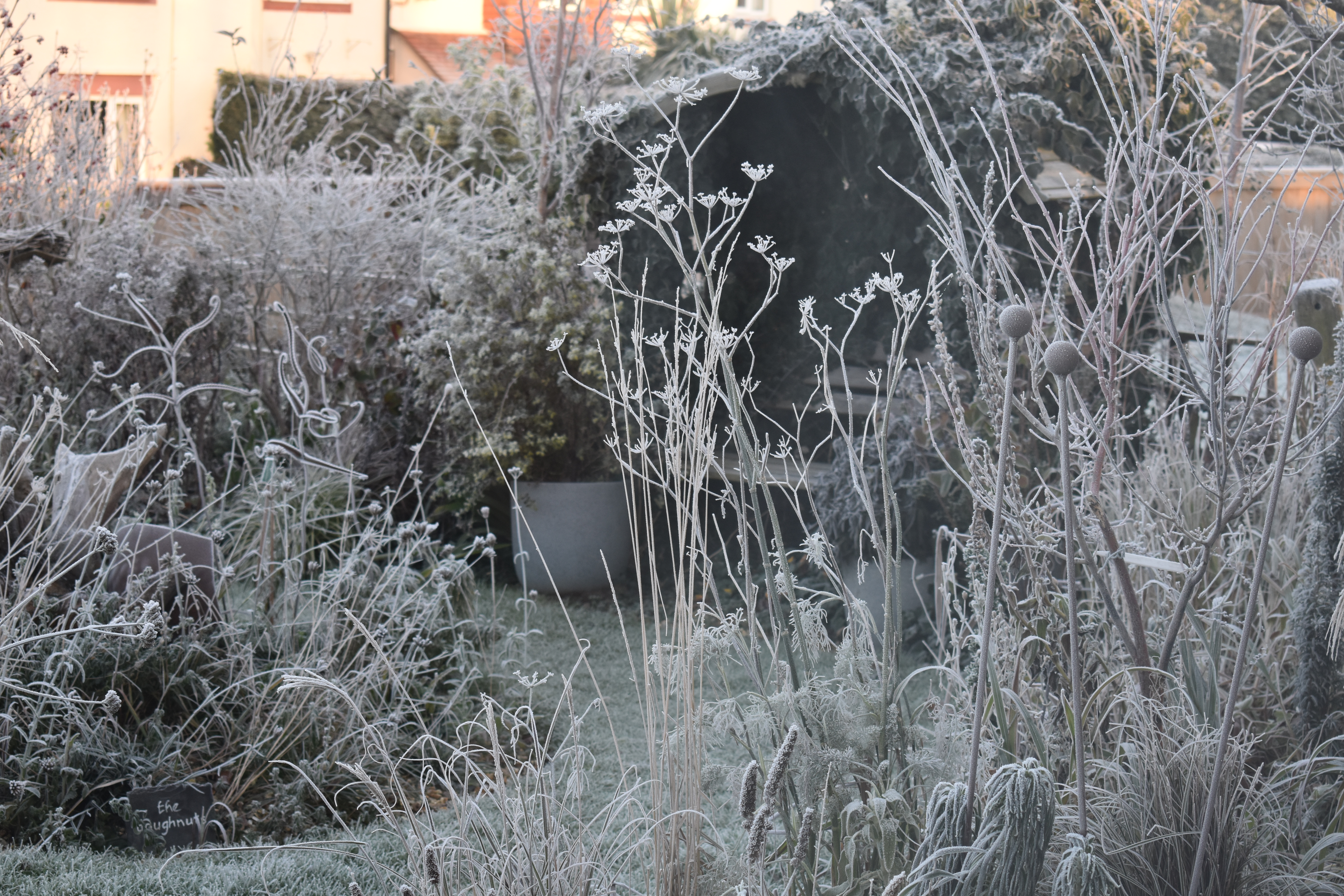
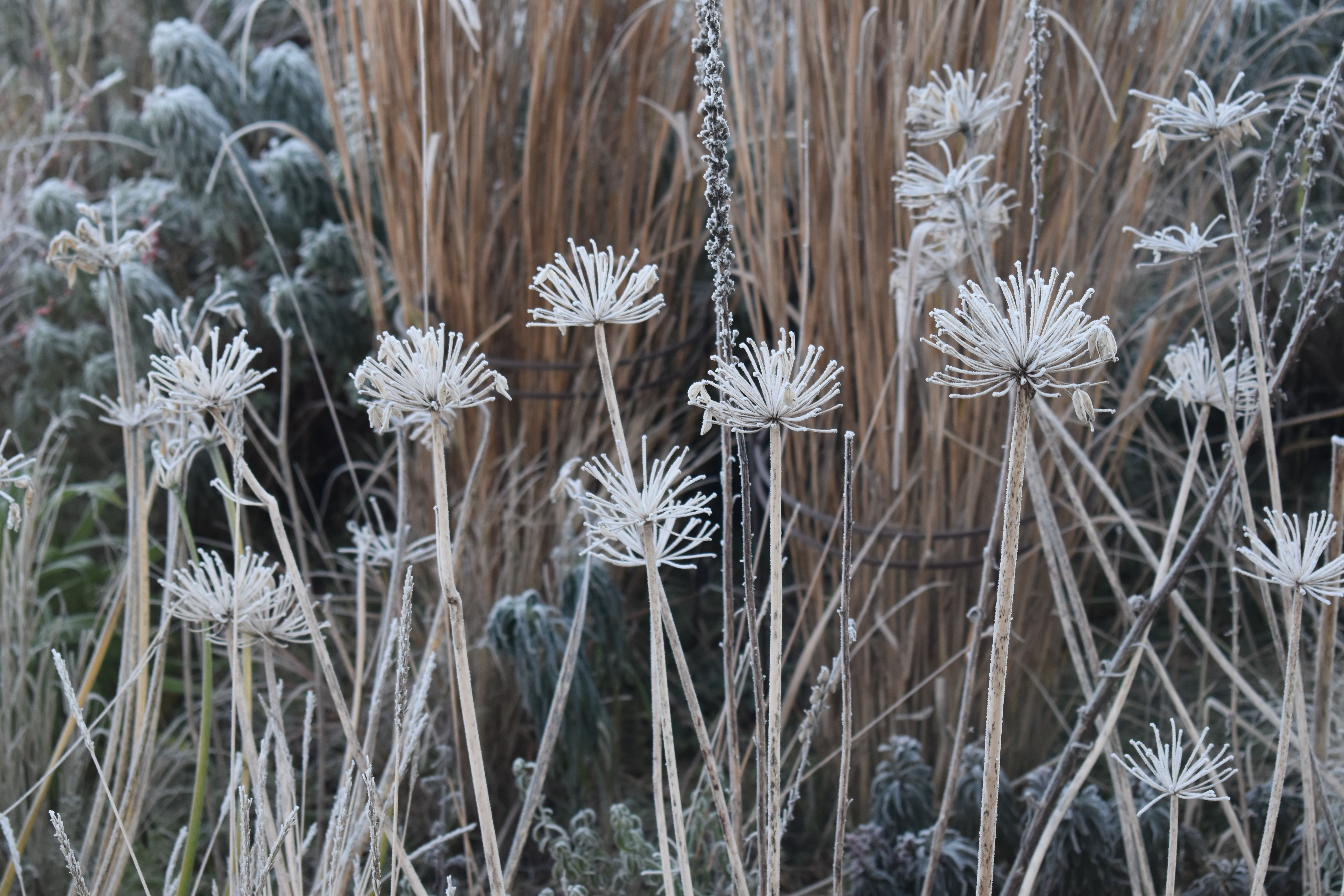
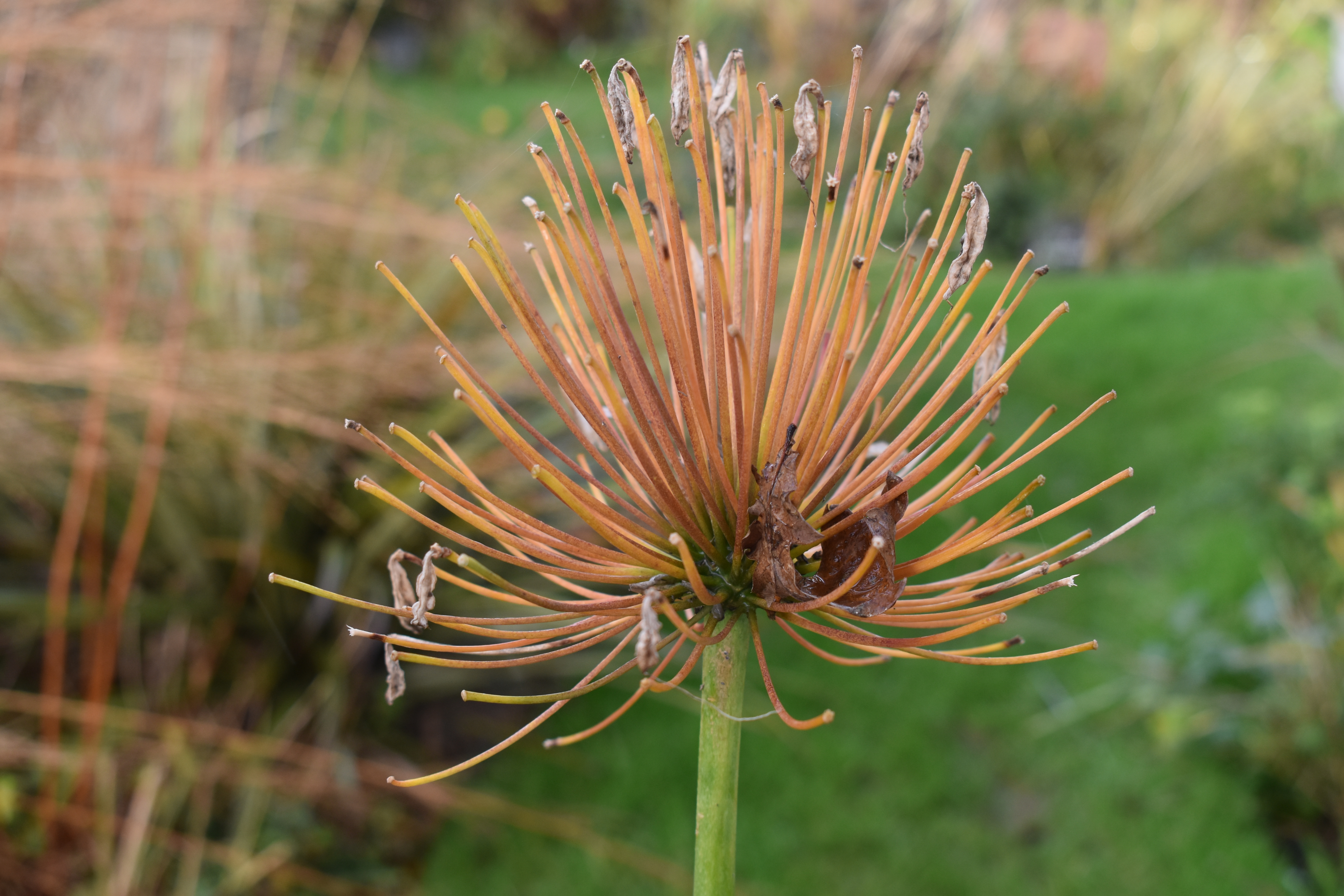
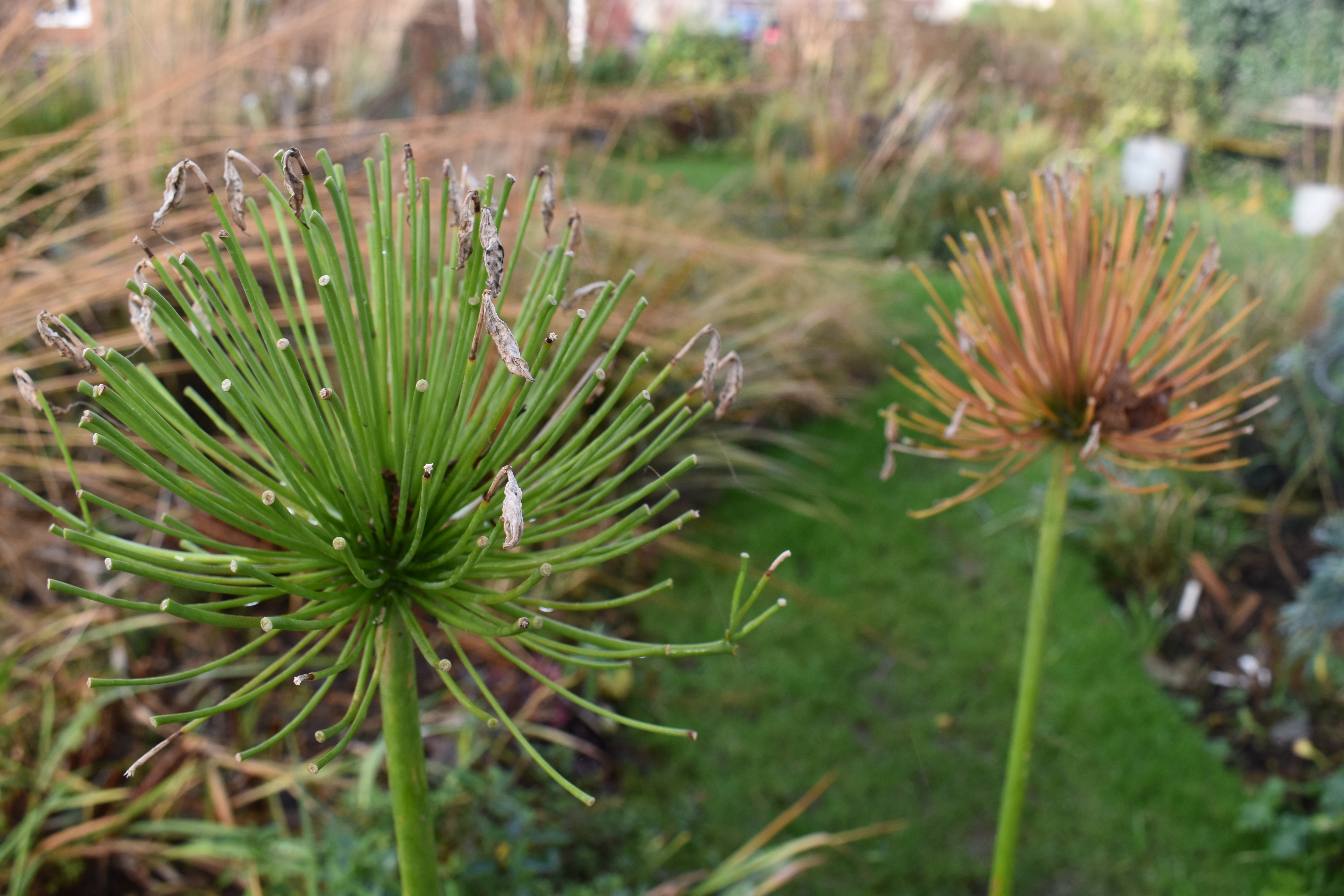
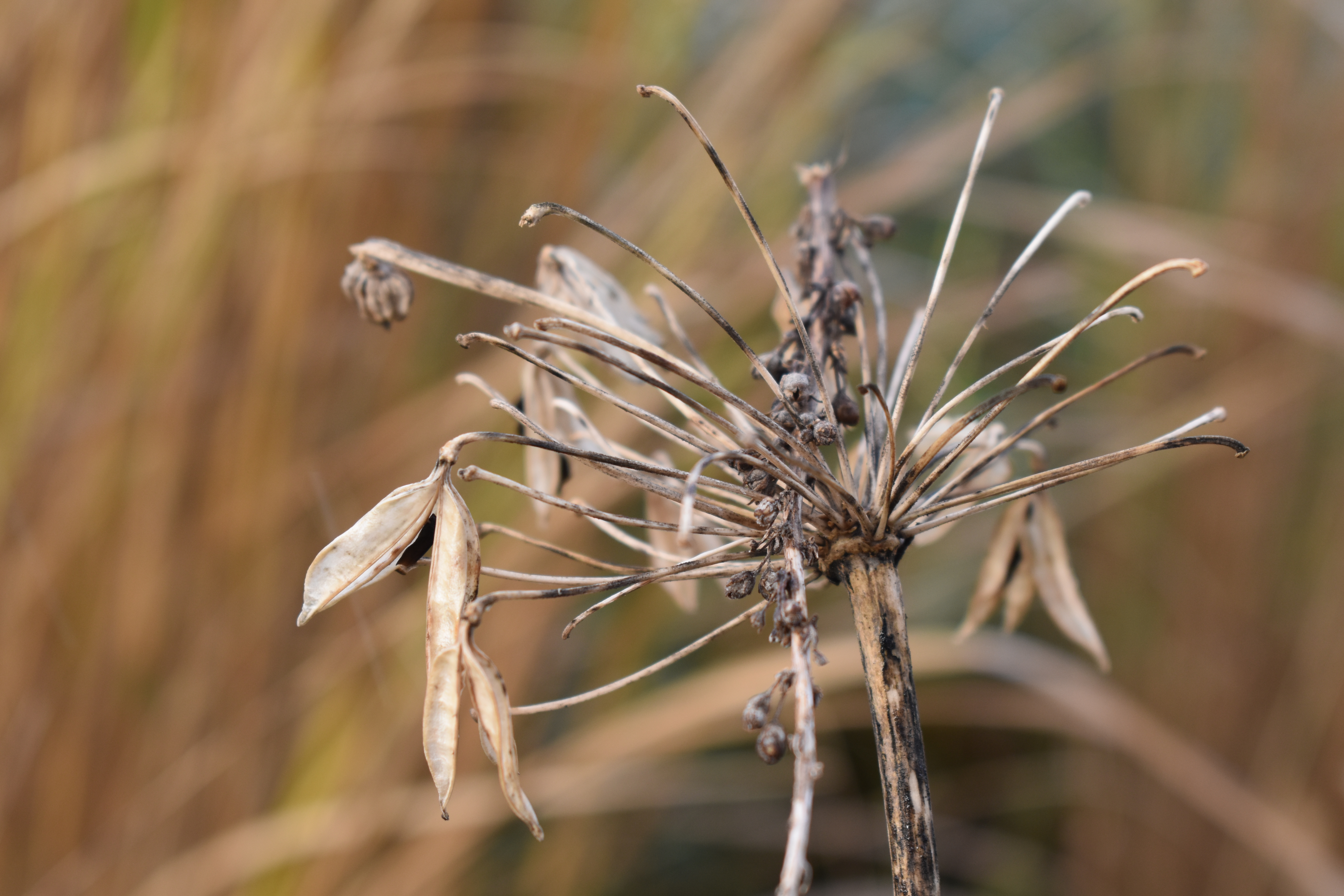
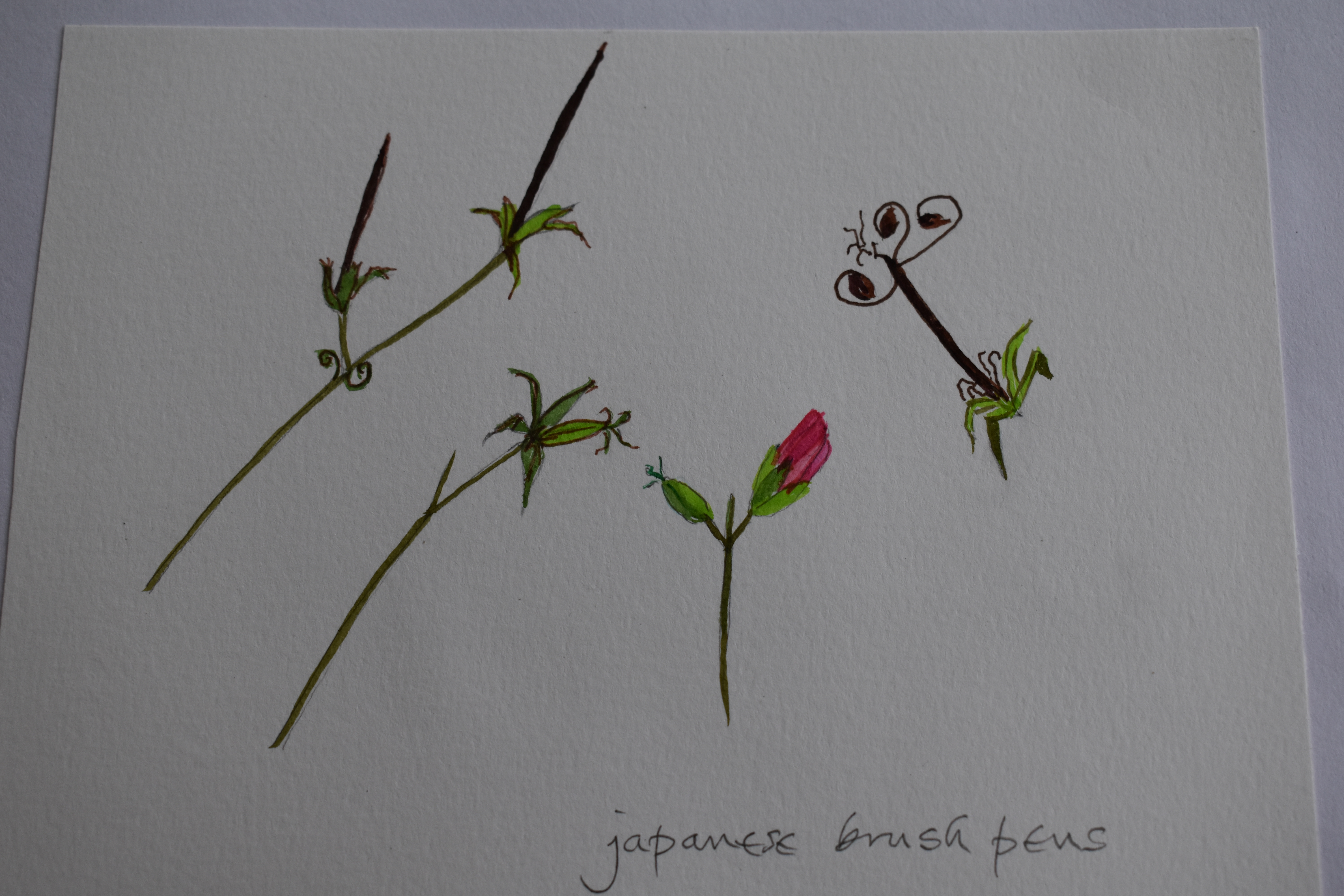
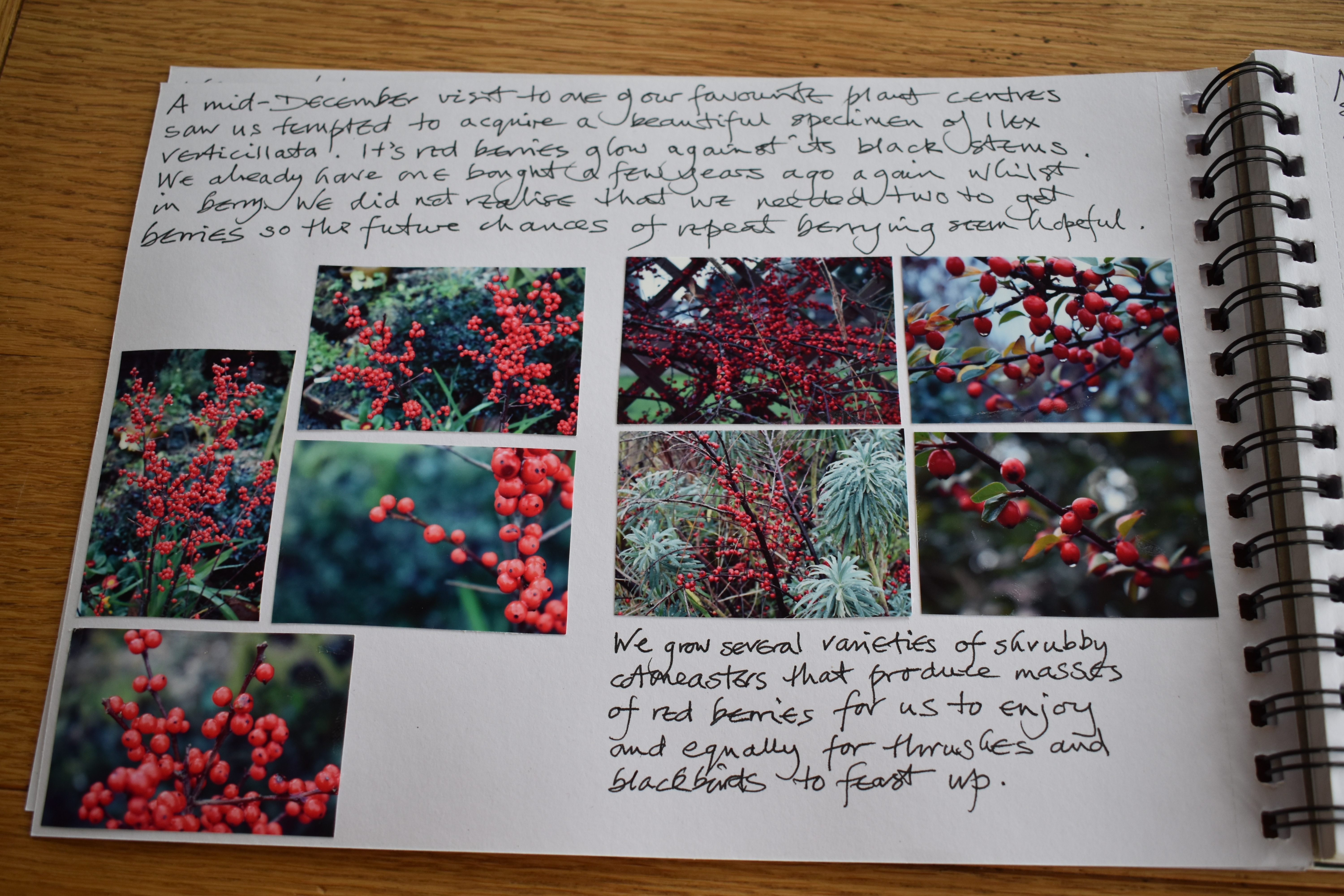
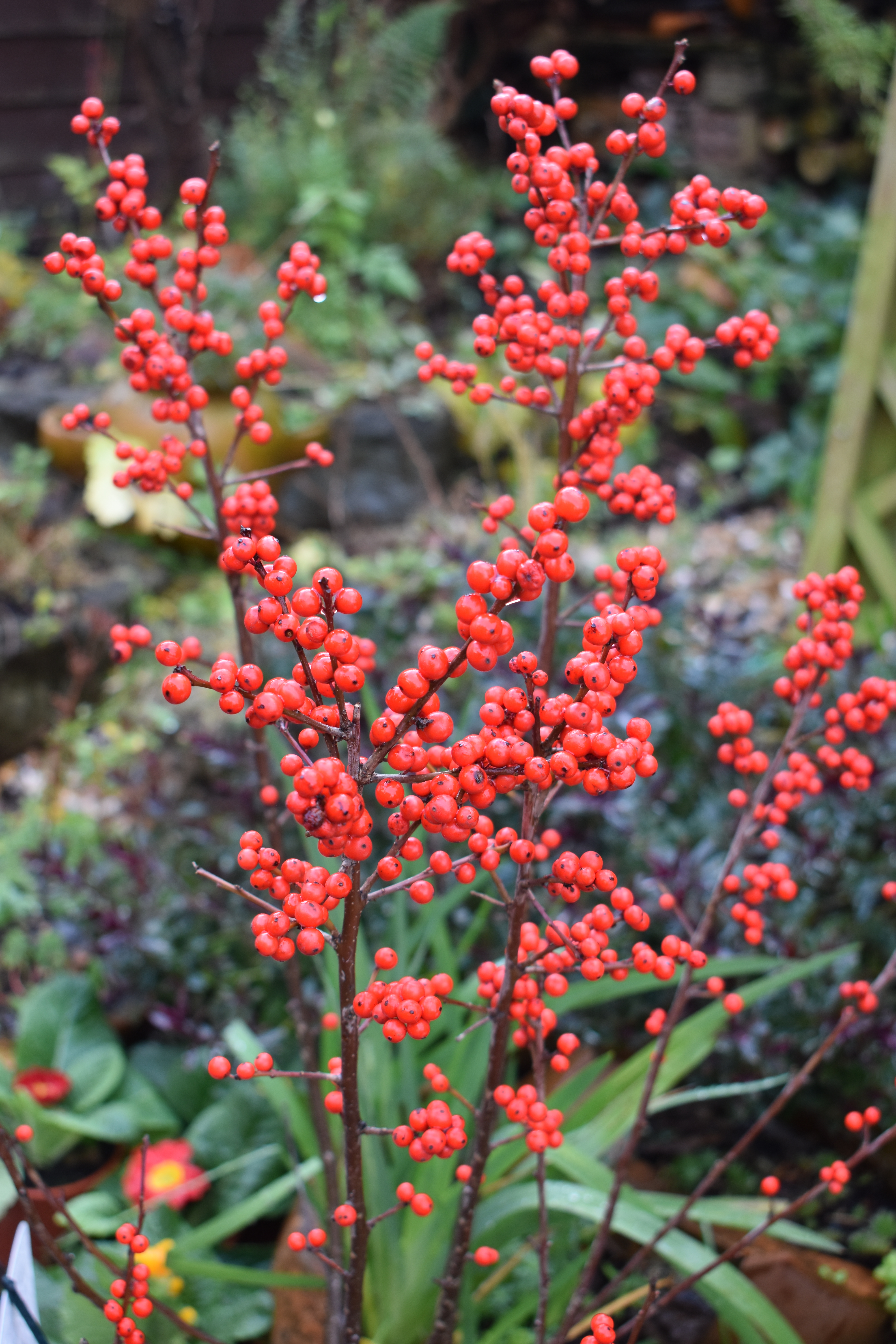
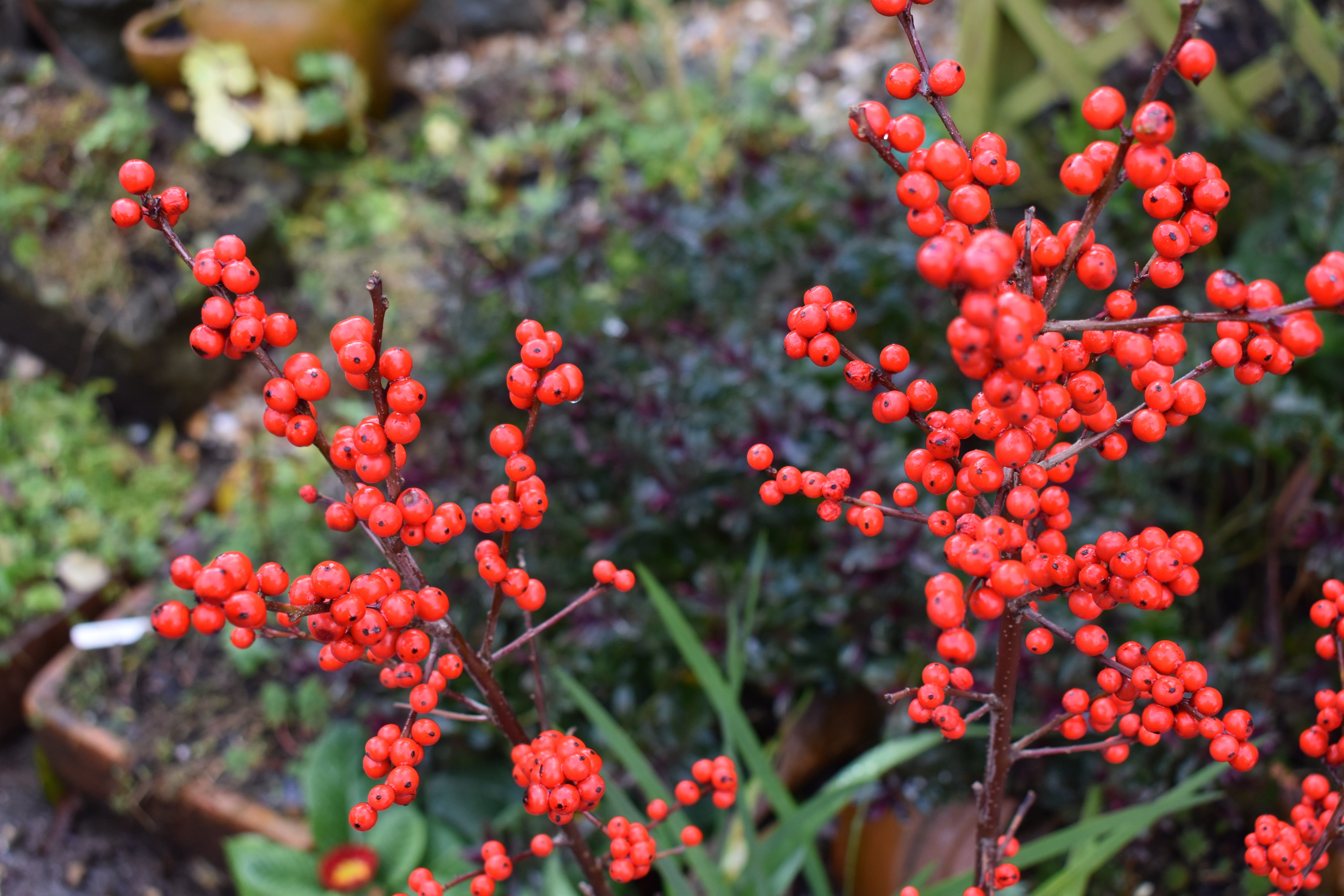
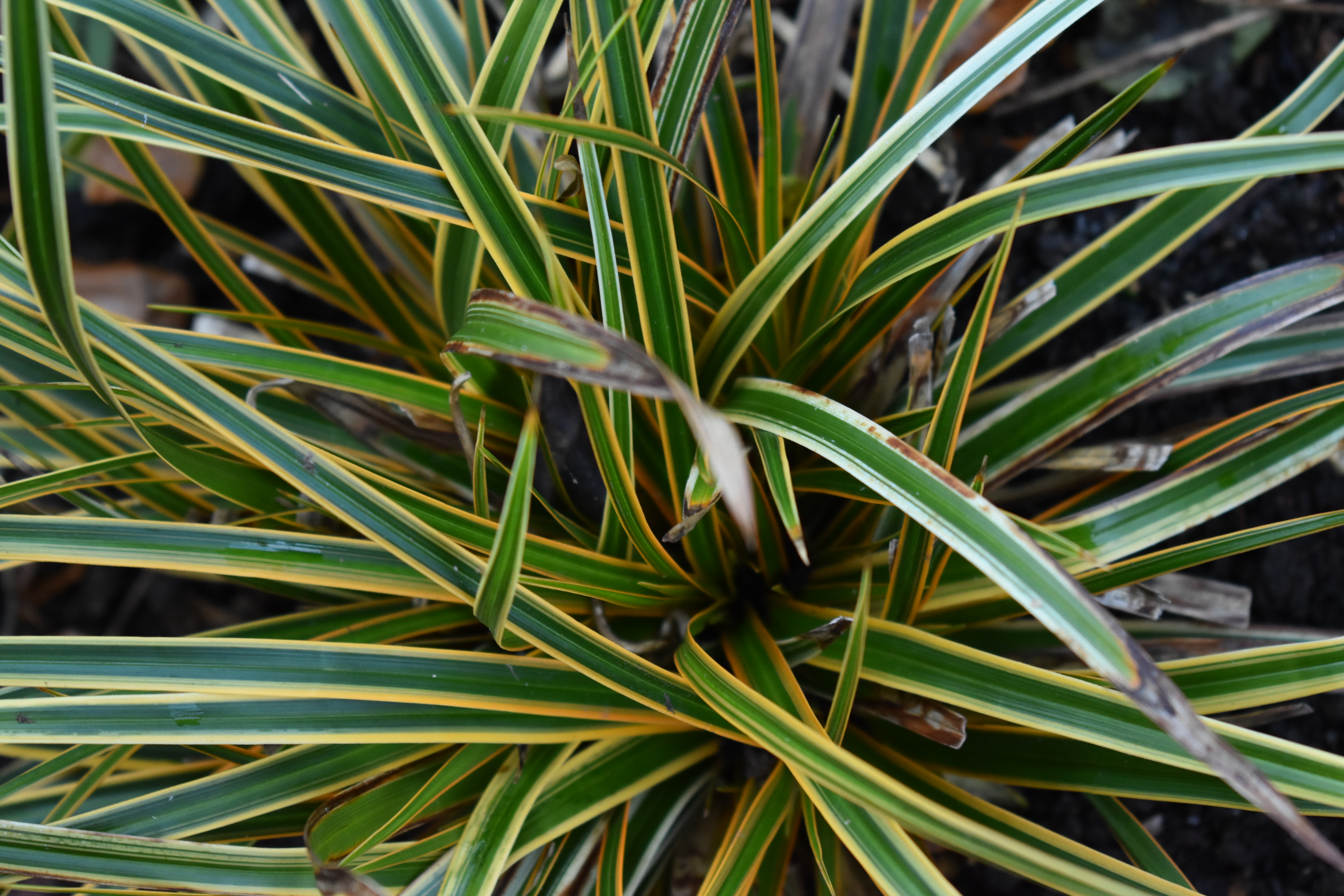
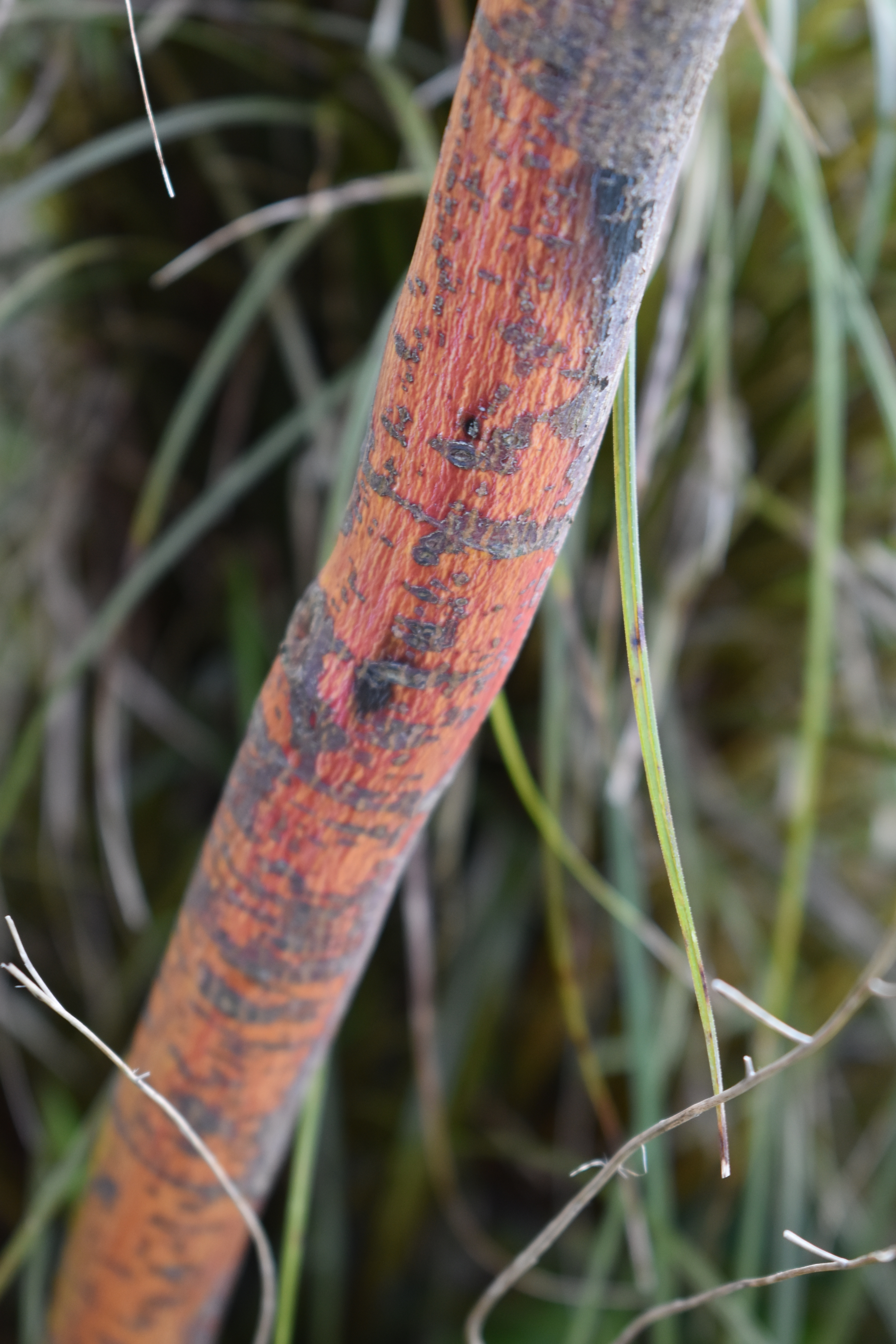
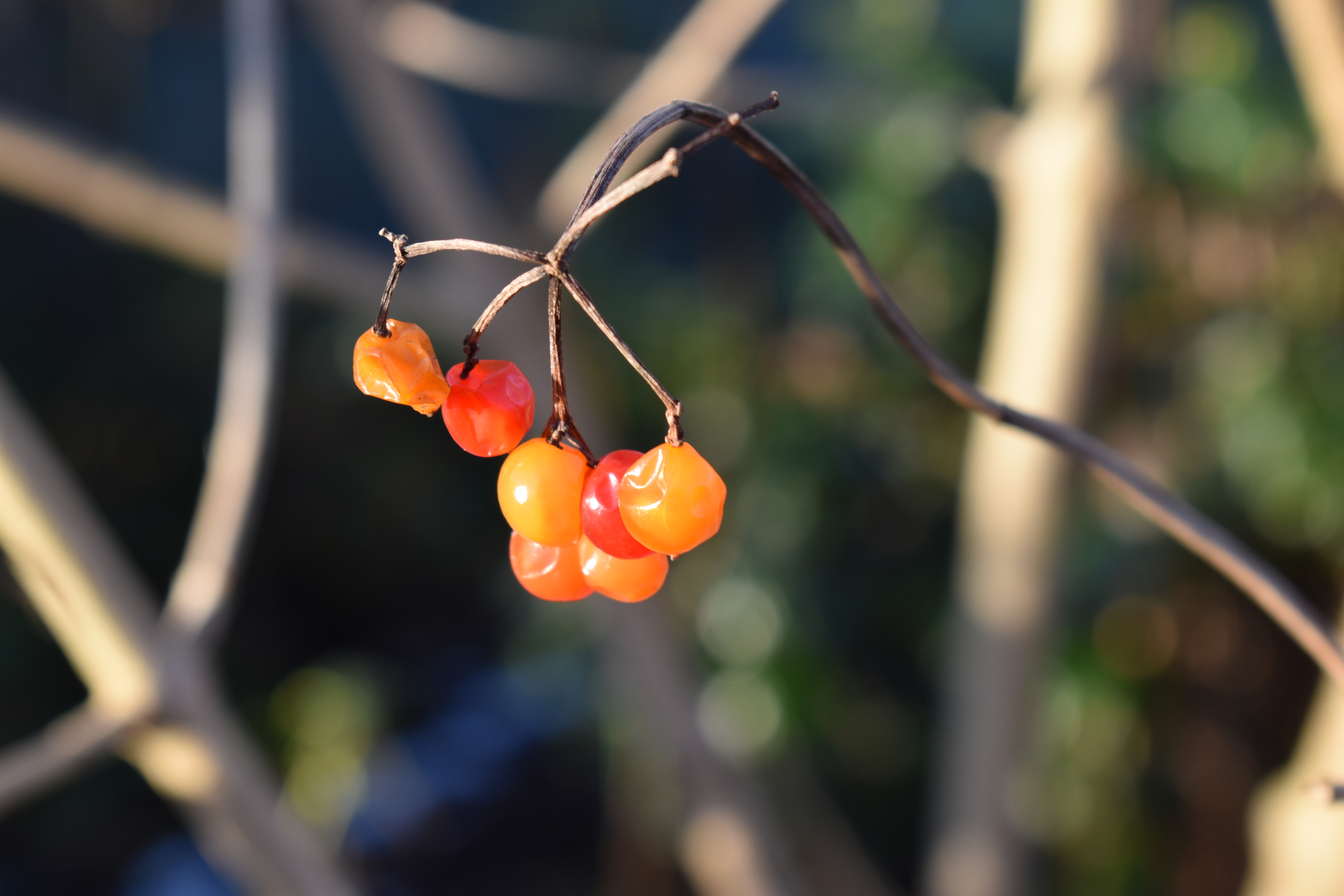
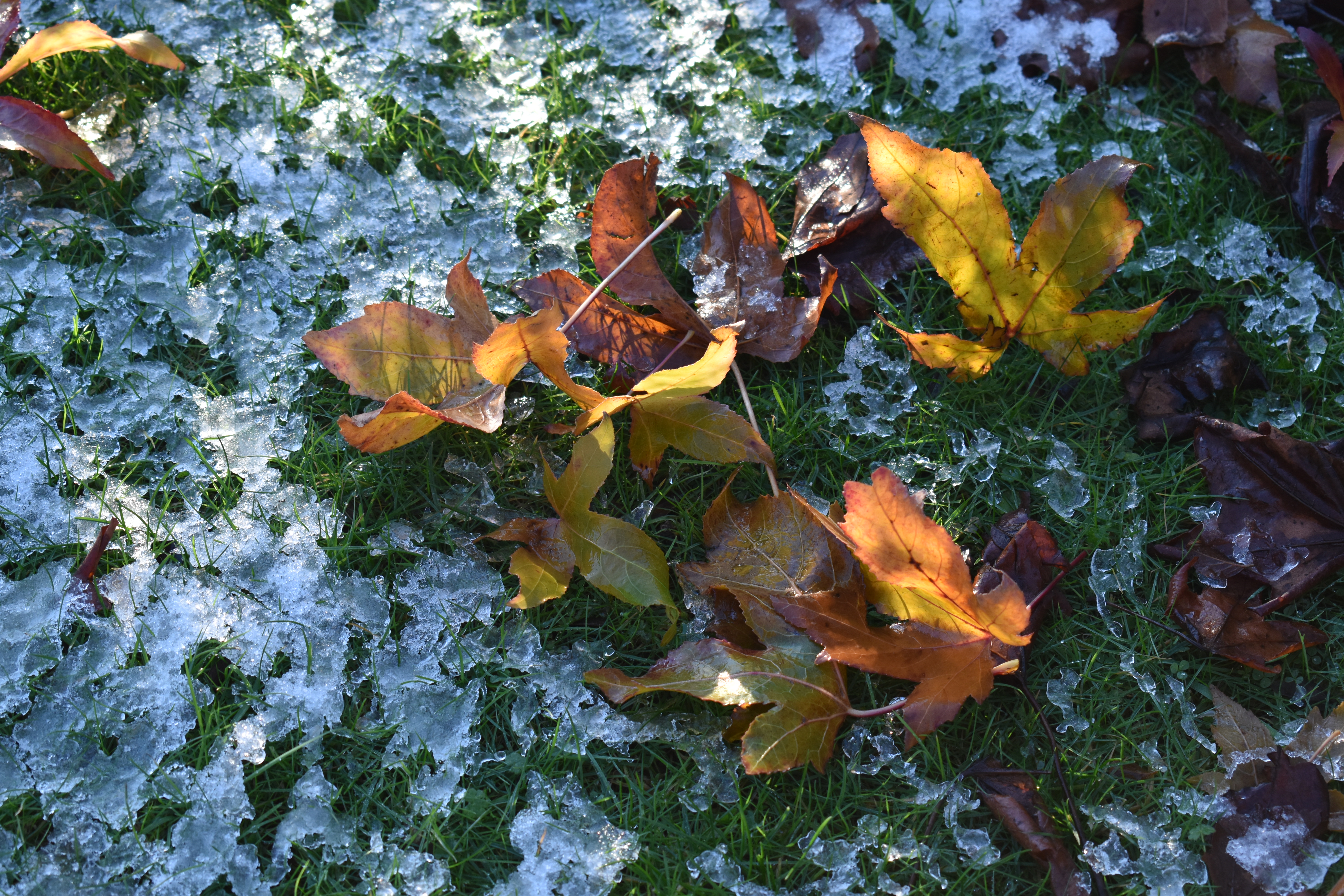
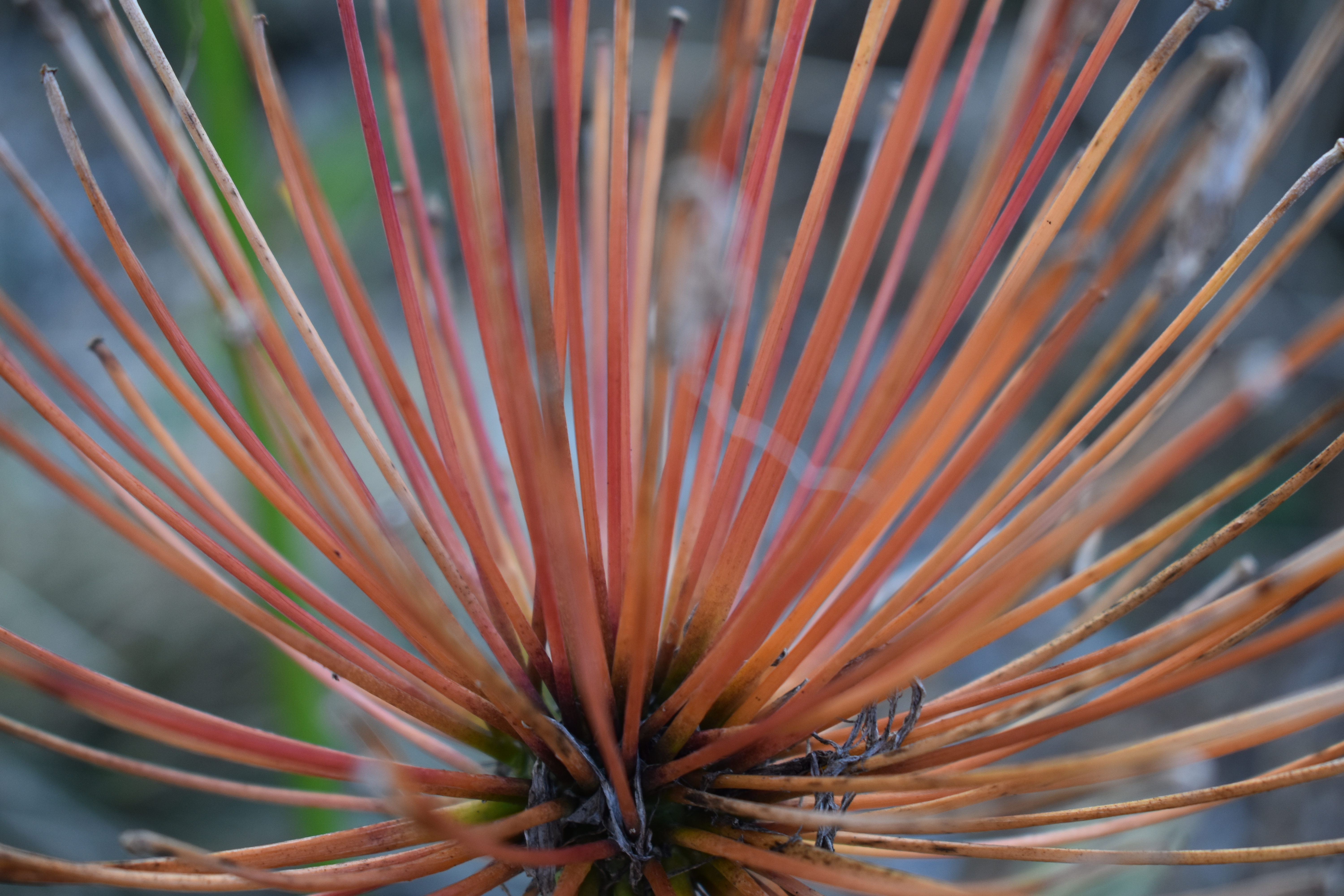
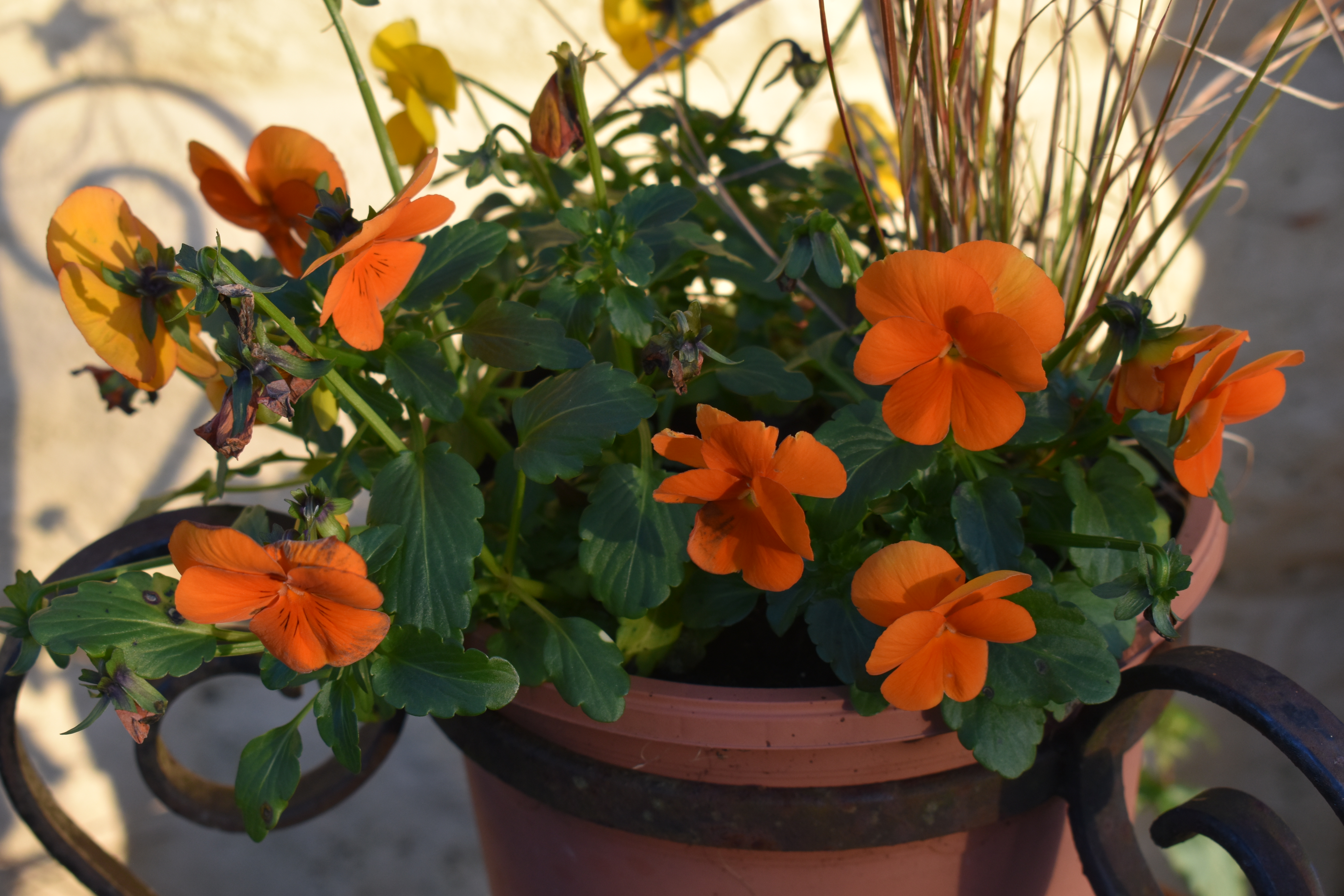
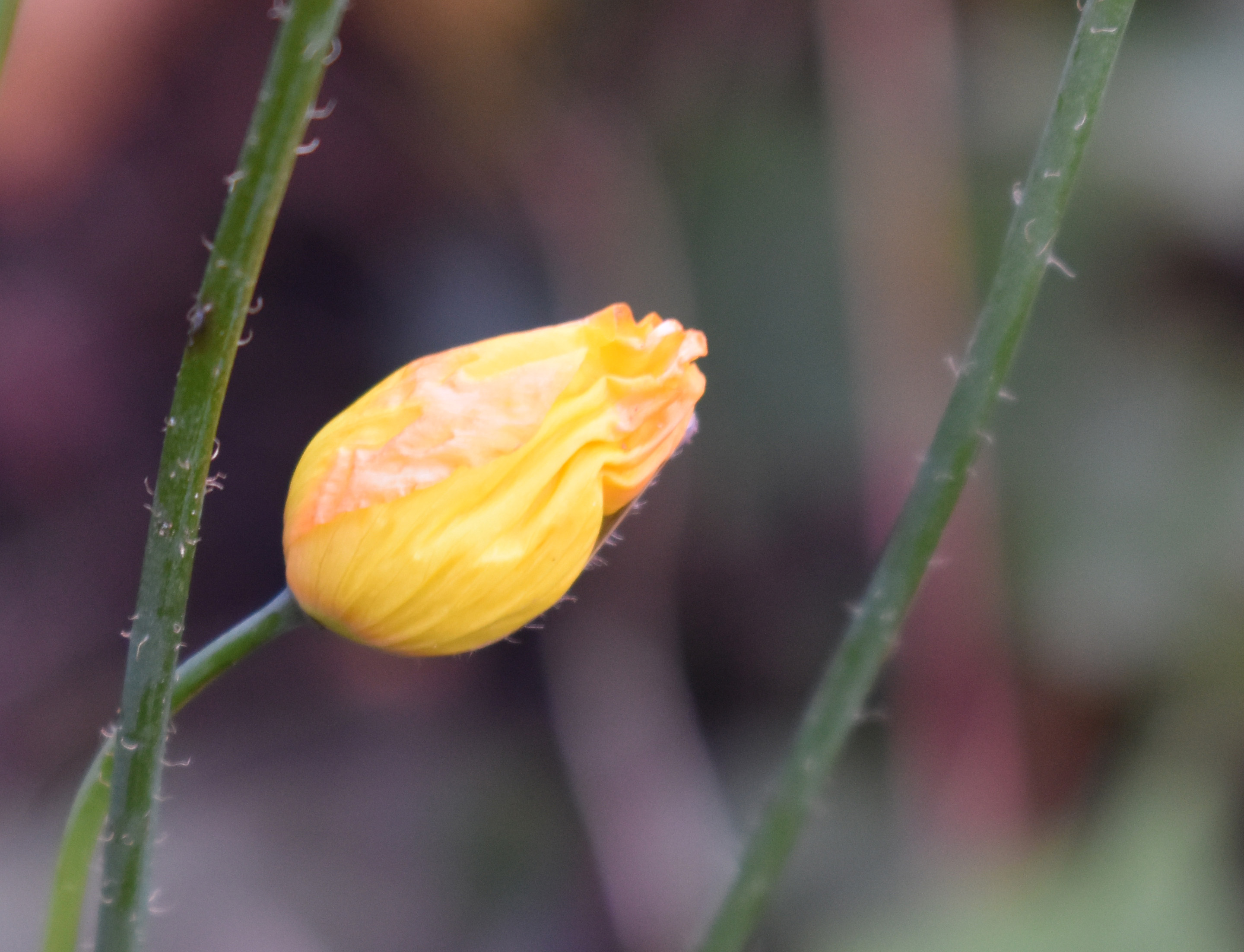
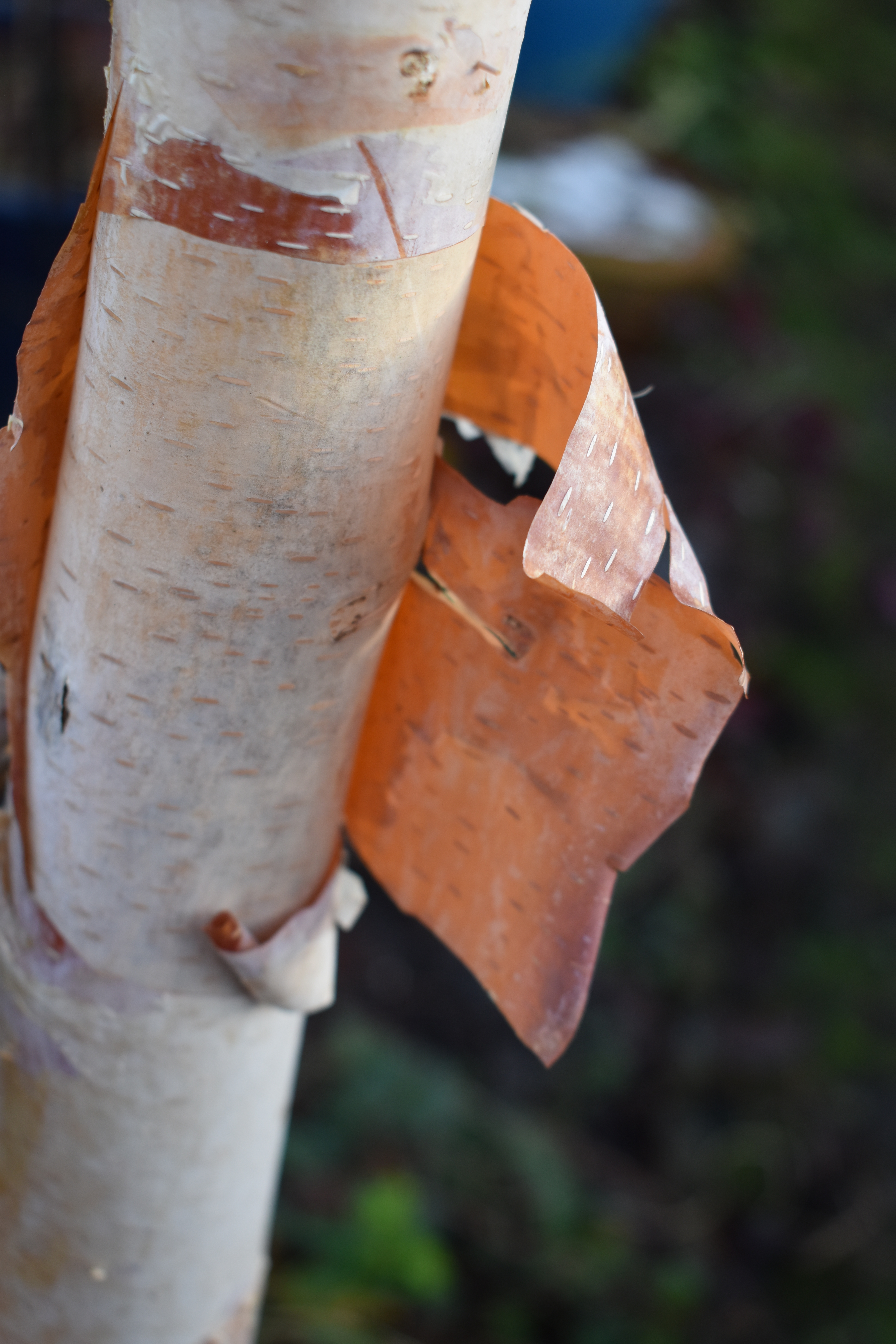
When we revamped our wildlife pond after discovering its leak, we also took apart our bog garden alongside it and replanted it with new plants. We decided to feature Hesperantha previously known as Schizostylus.
This lovely little collection are adding delicate colour to our bog garden during the last two months of the year. Different shades of reds and pinks are provided by Hesperantha coccinea ‘Major’, H. c. ‘Oregon Sunset’, H. c. ‘Wilfred H. Bryant’ and H. c. ‘Pink Princess’. We are now in search of a good white flowered Hesperanthus to finish the effect.
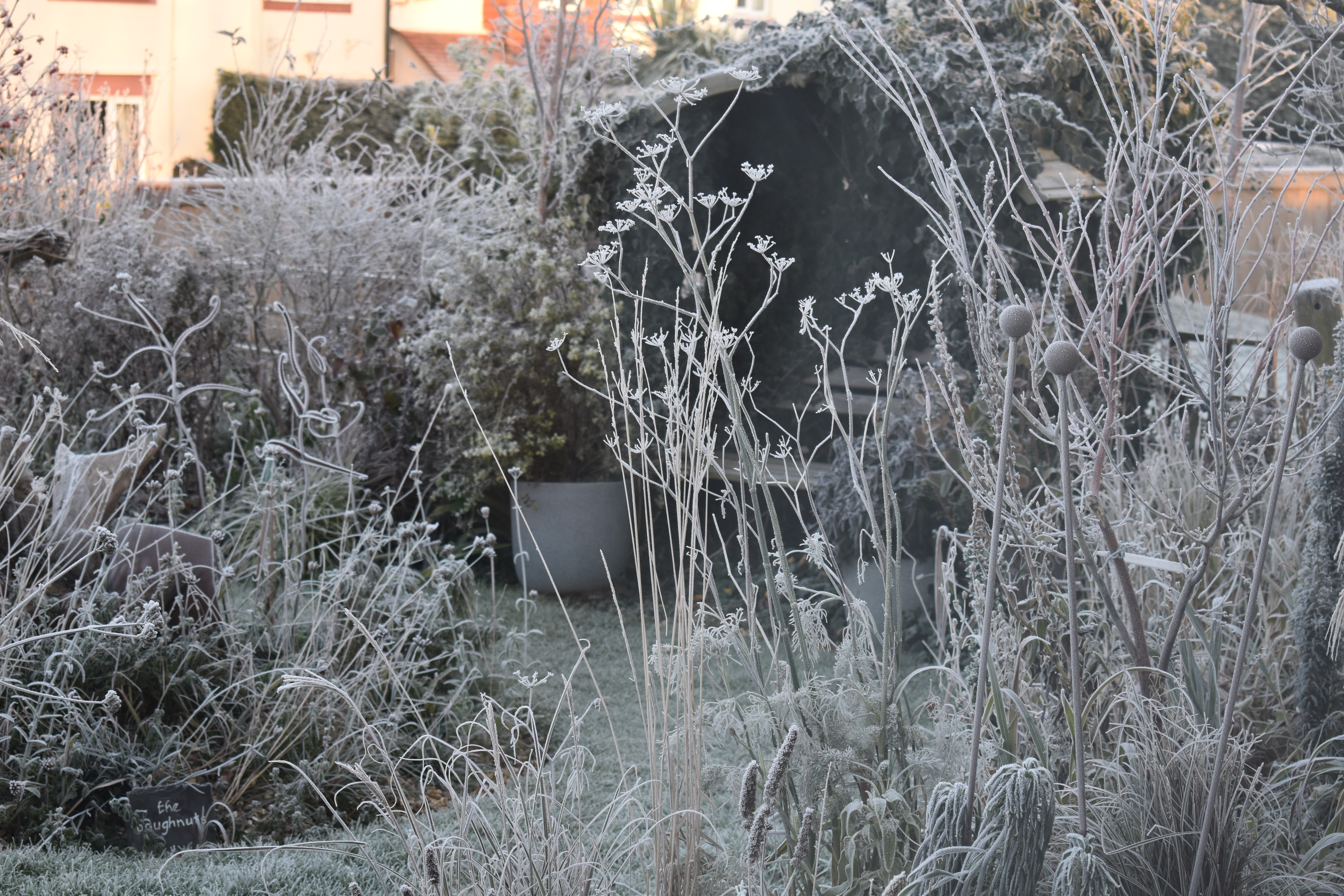
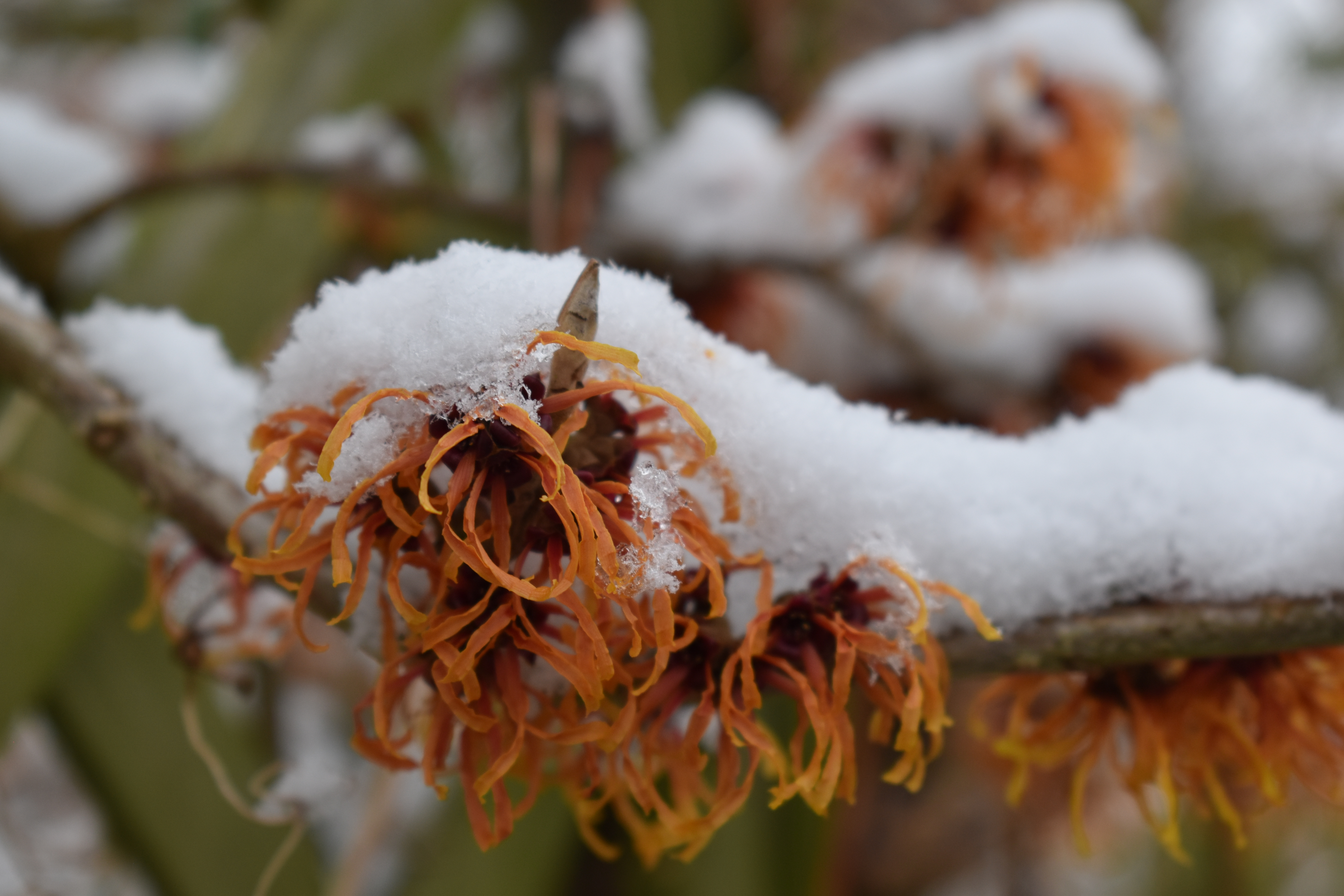
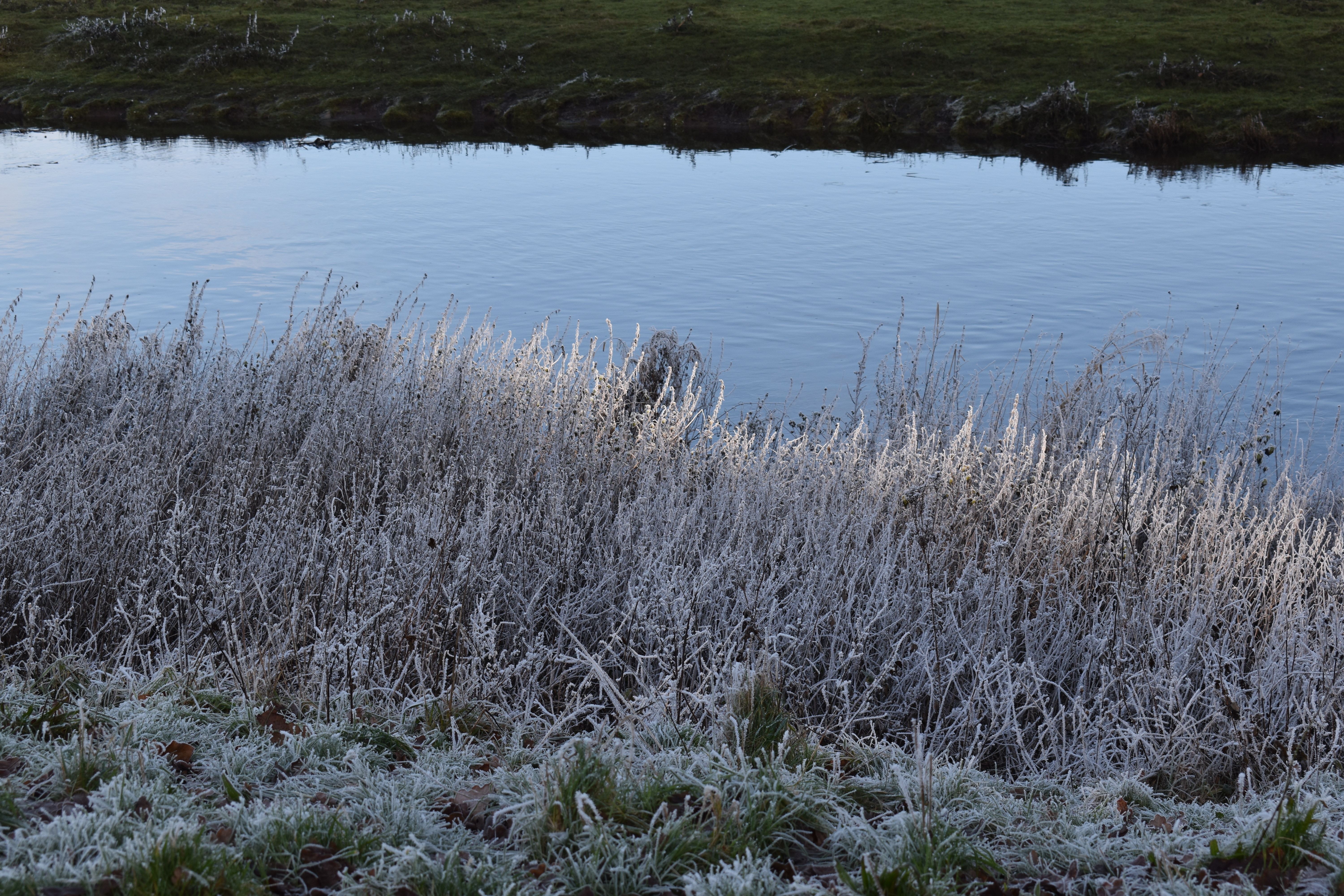
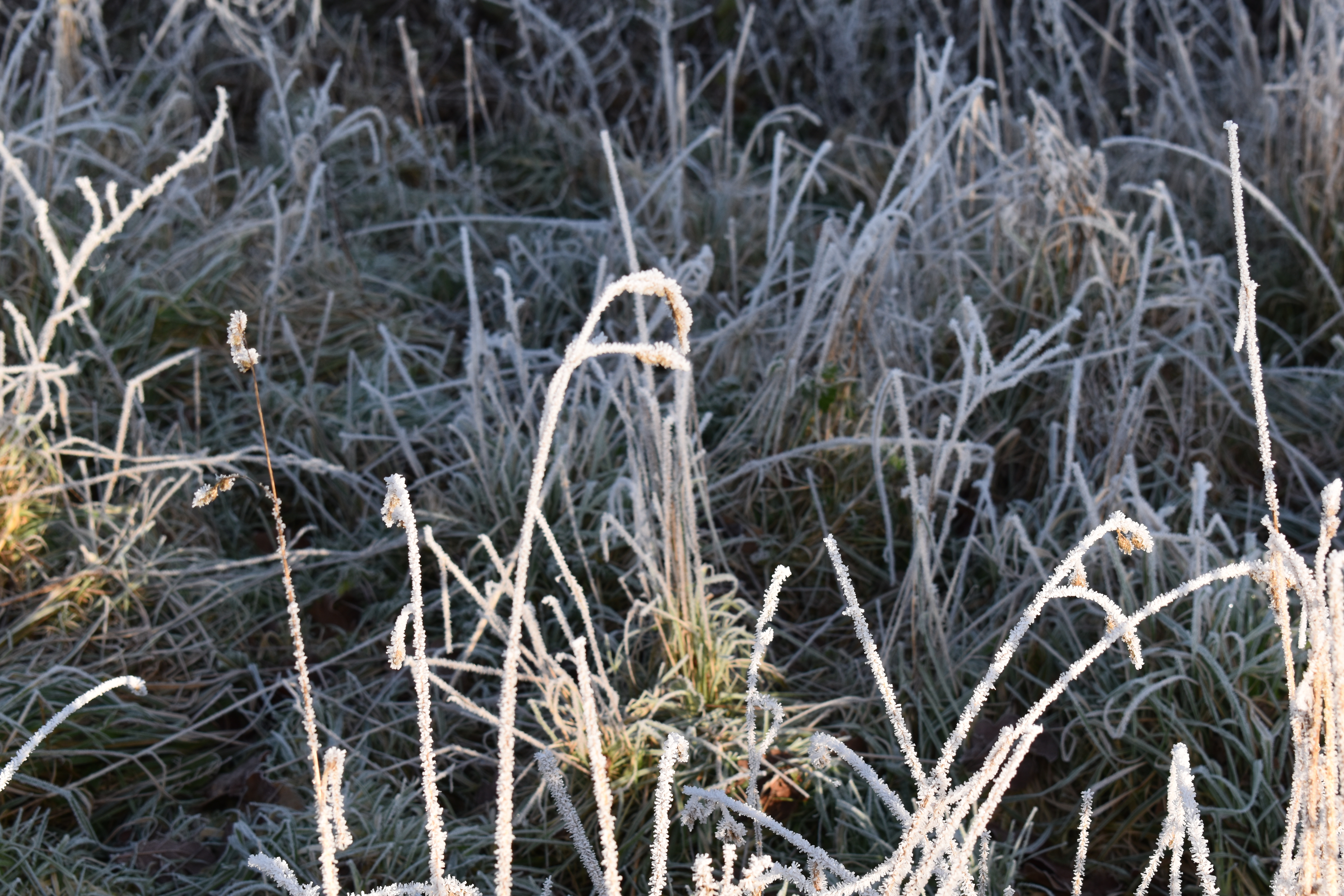
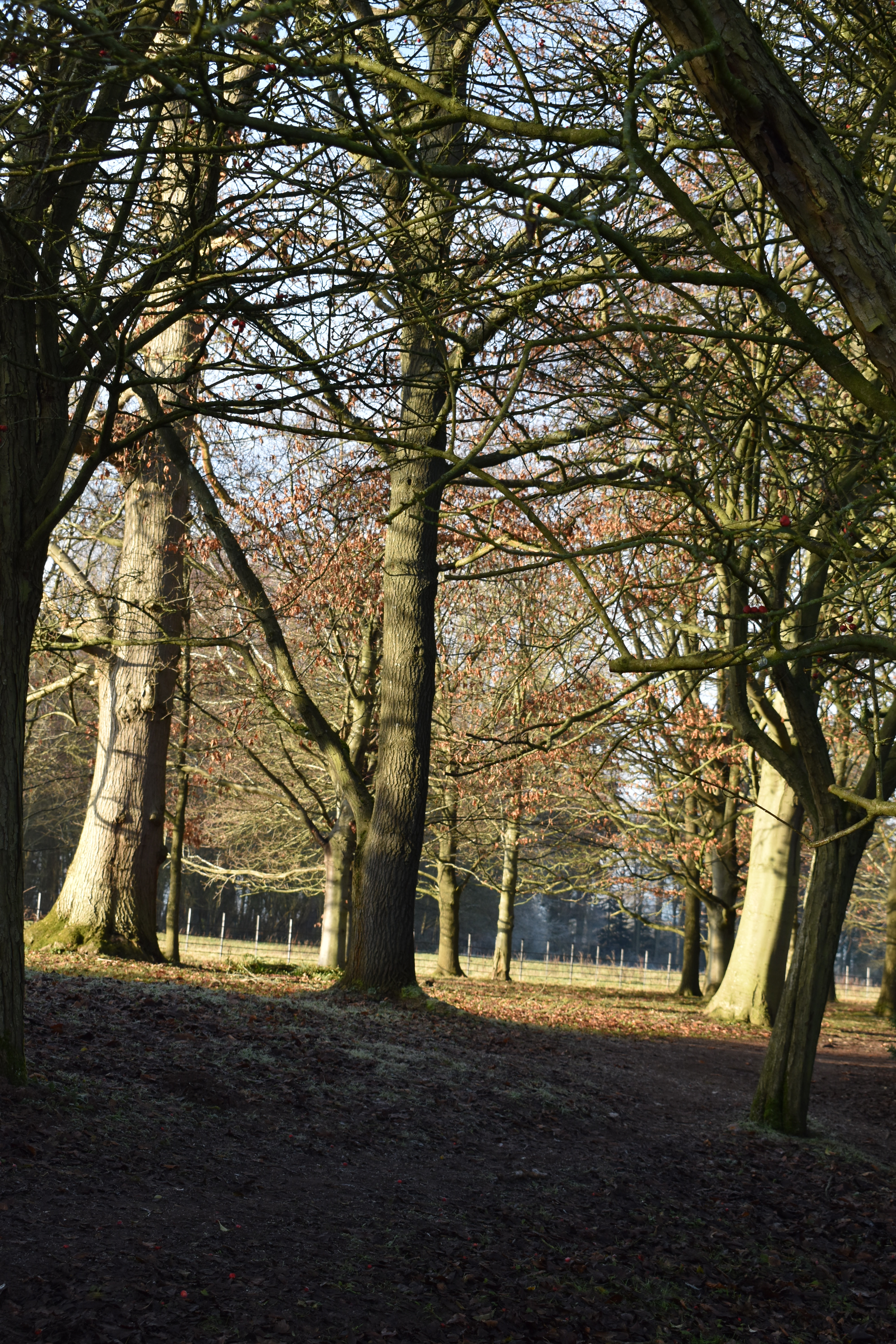
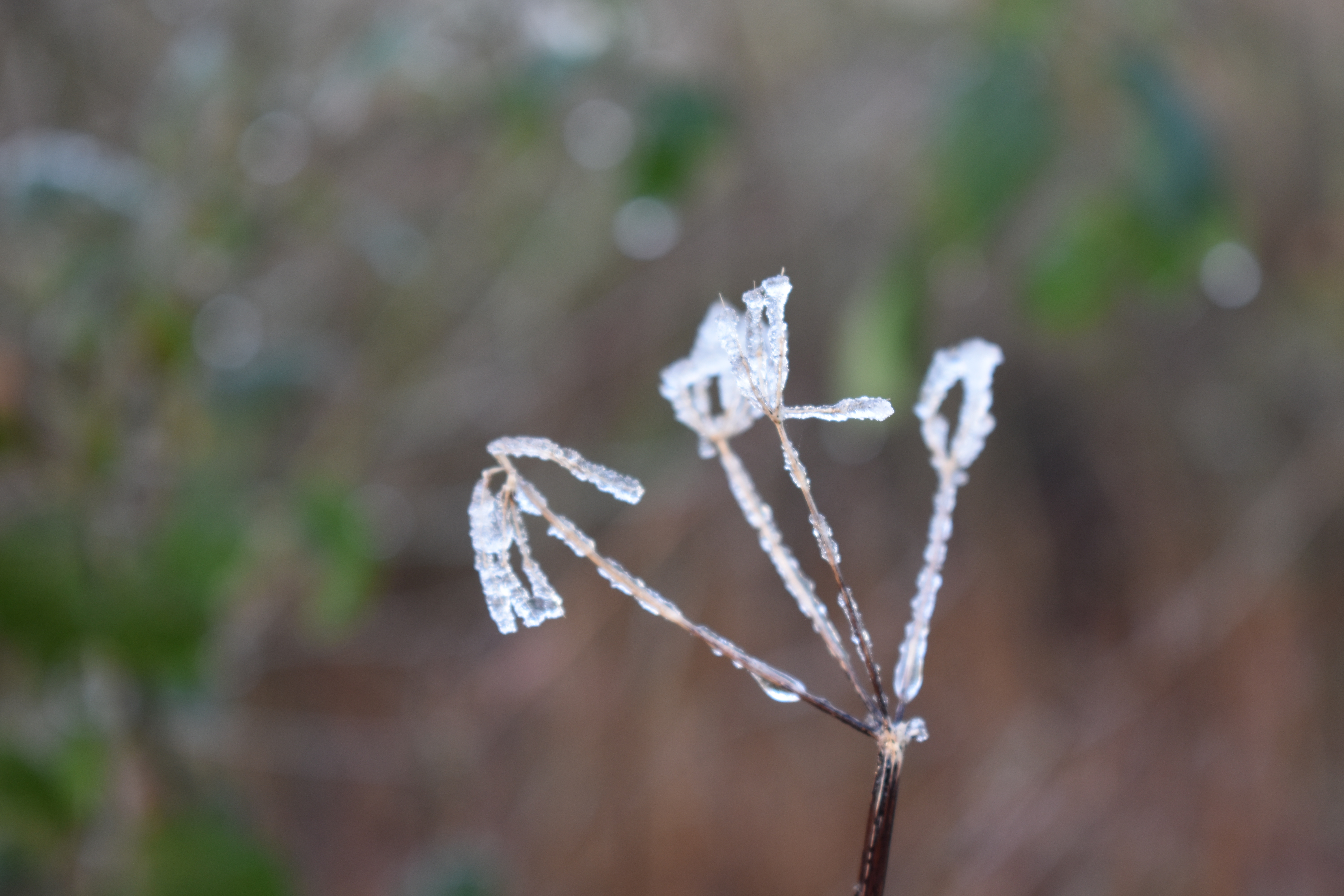
Christmas morning 2020 we woke to a blue sky and below zero temperatures. I took my trusty Nikon out into the cold around the middle of the day to record a short garden tour which is below for you to enjoy.
Have a Happy Christmas everyone and let’s hope it helps us forget what a weird year we have had!
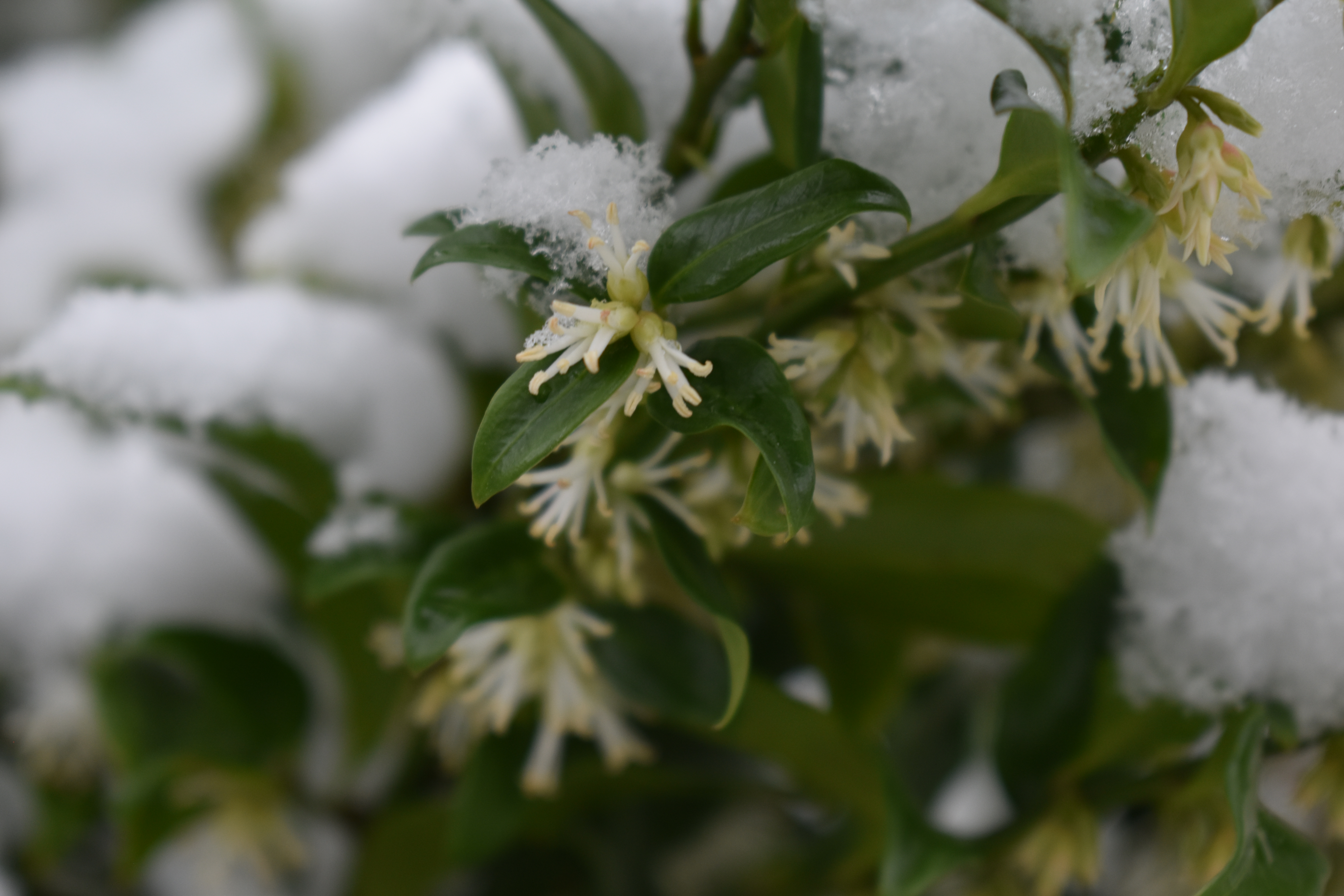
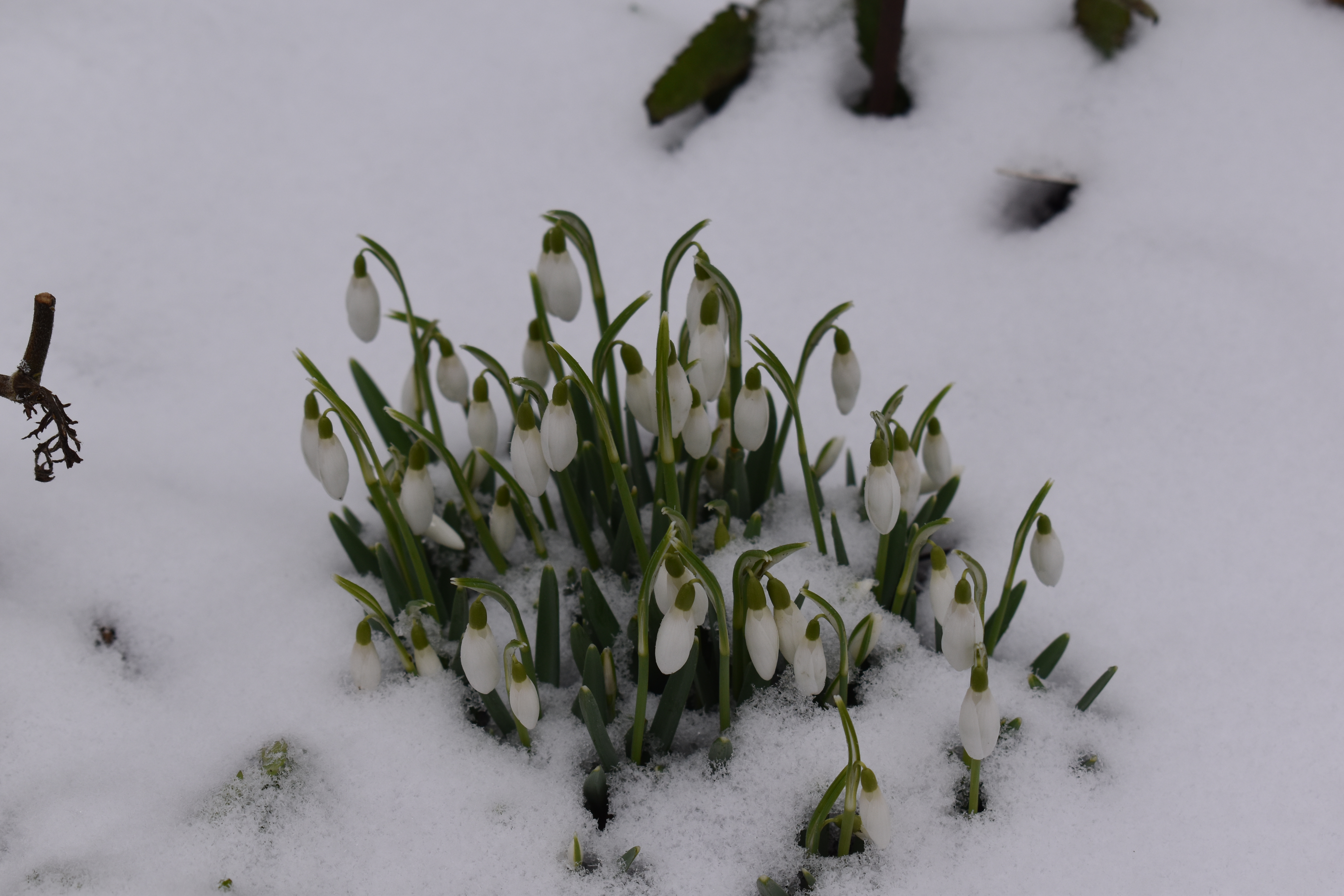
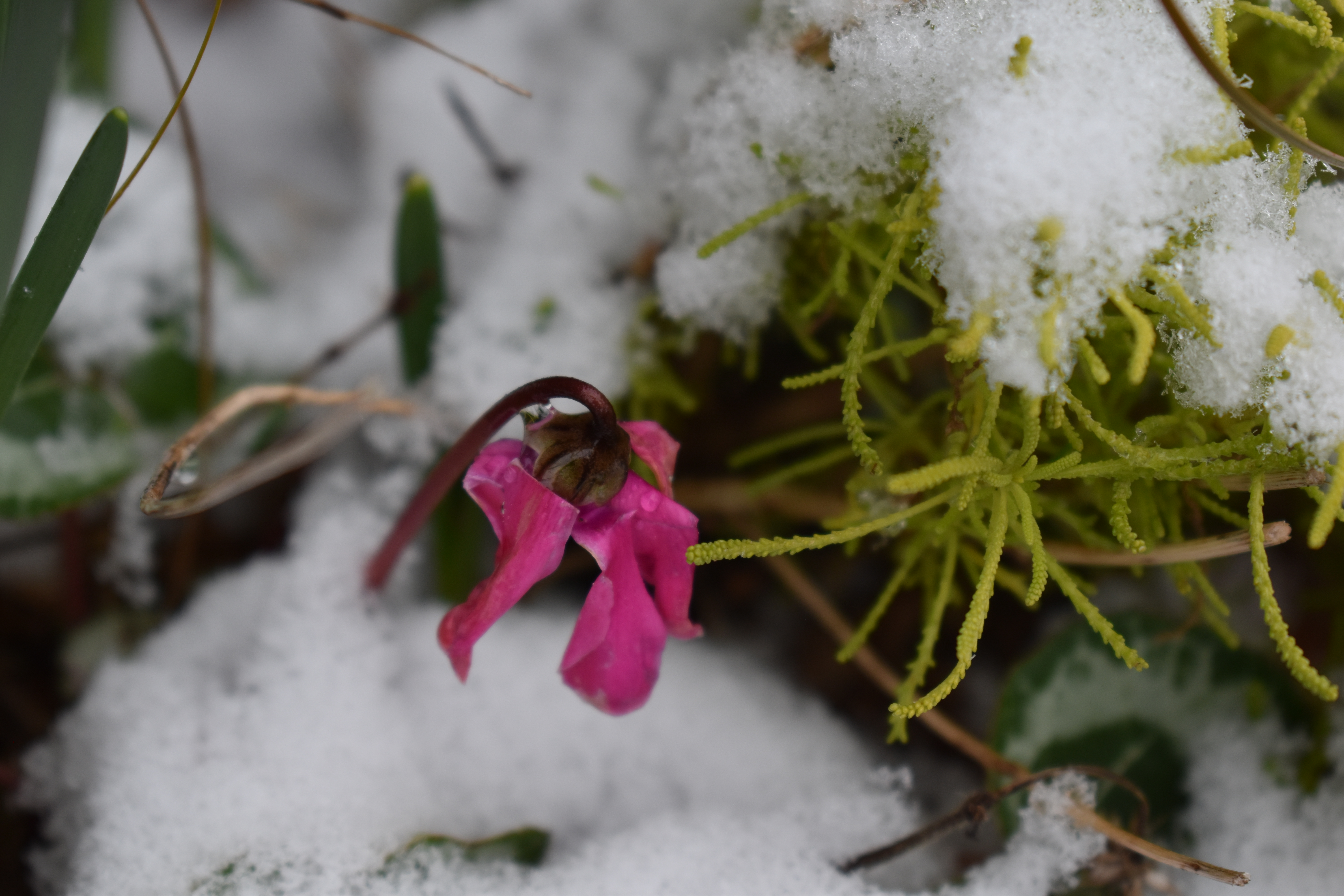
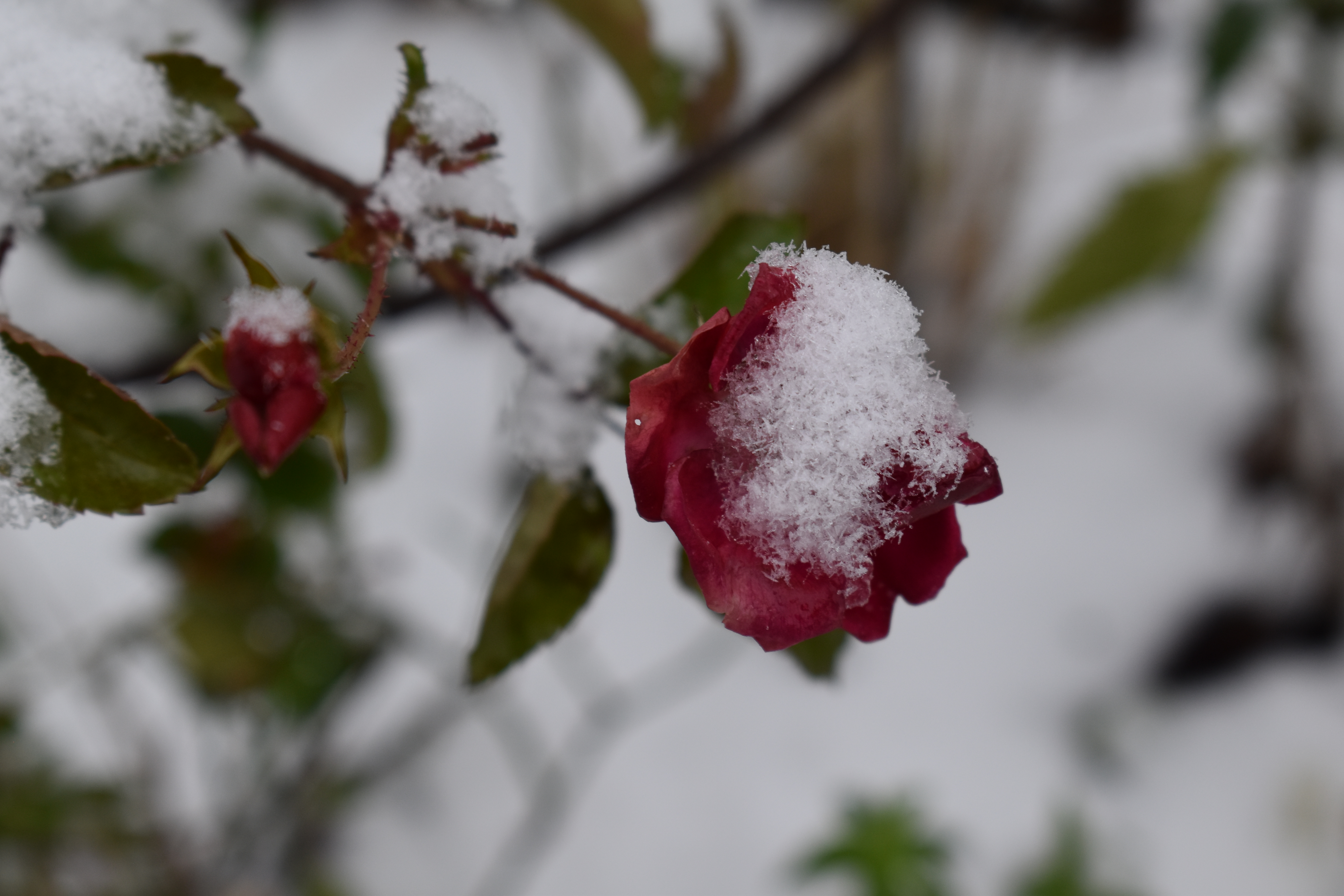
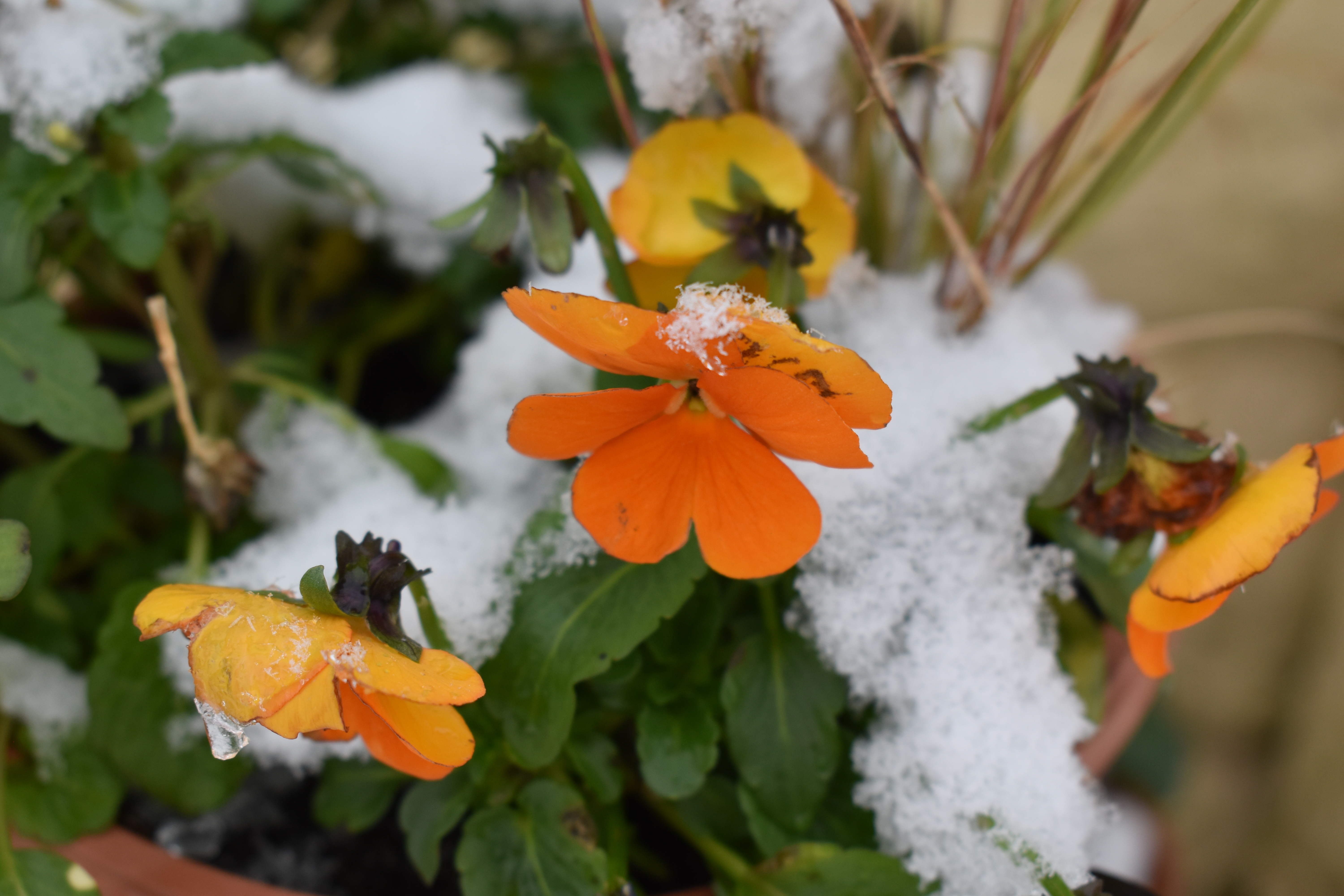
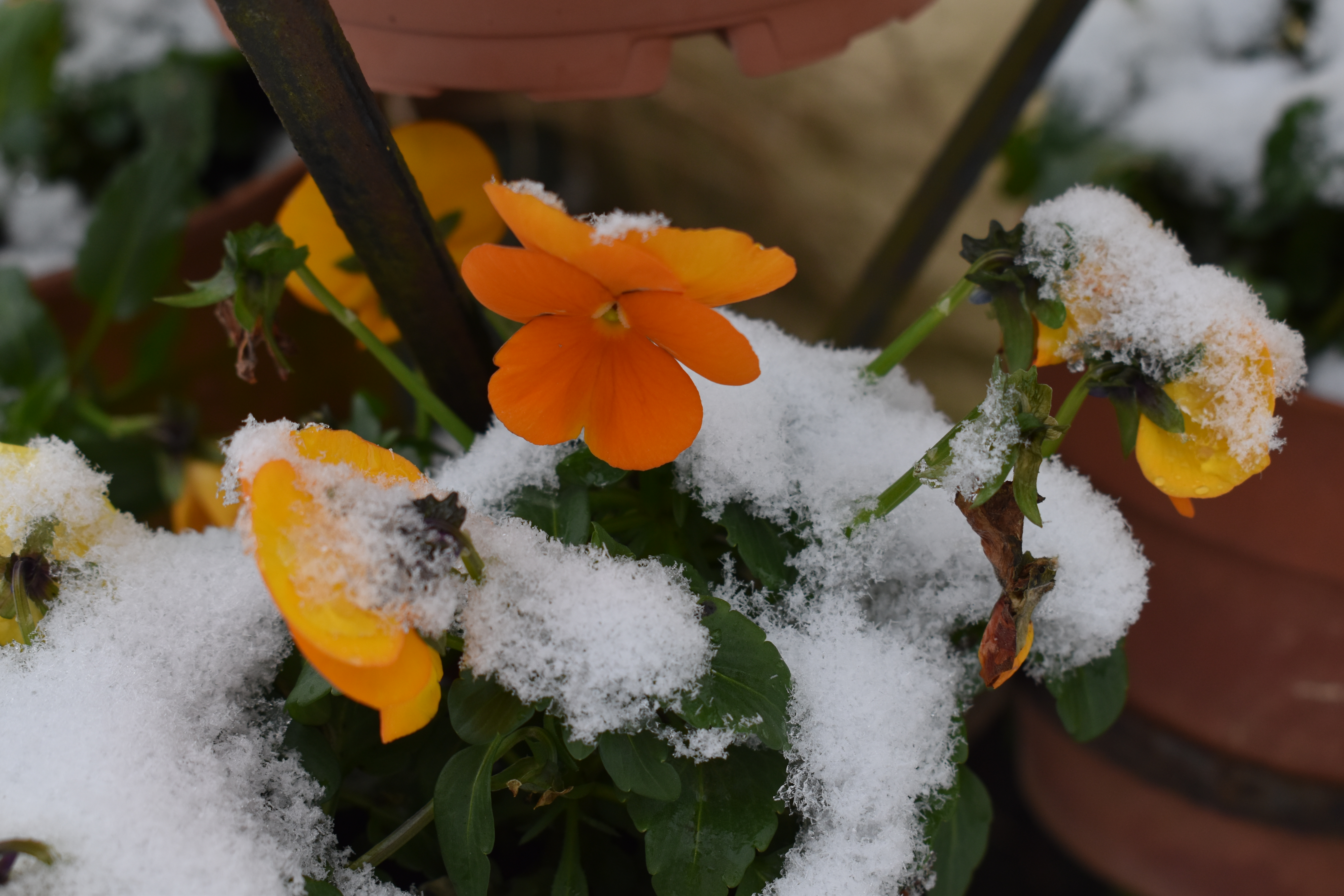
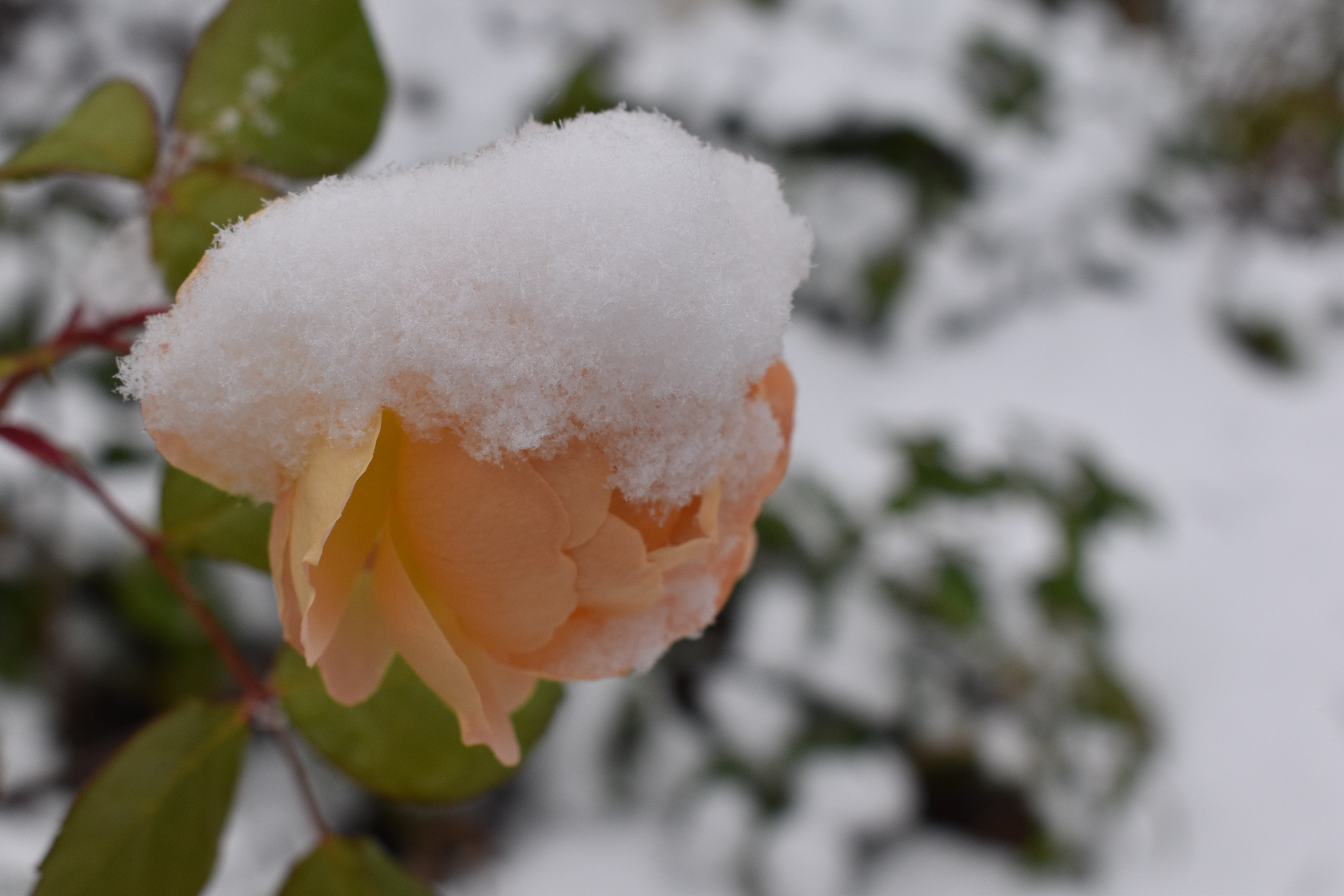
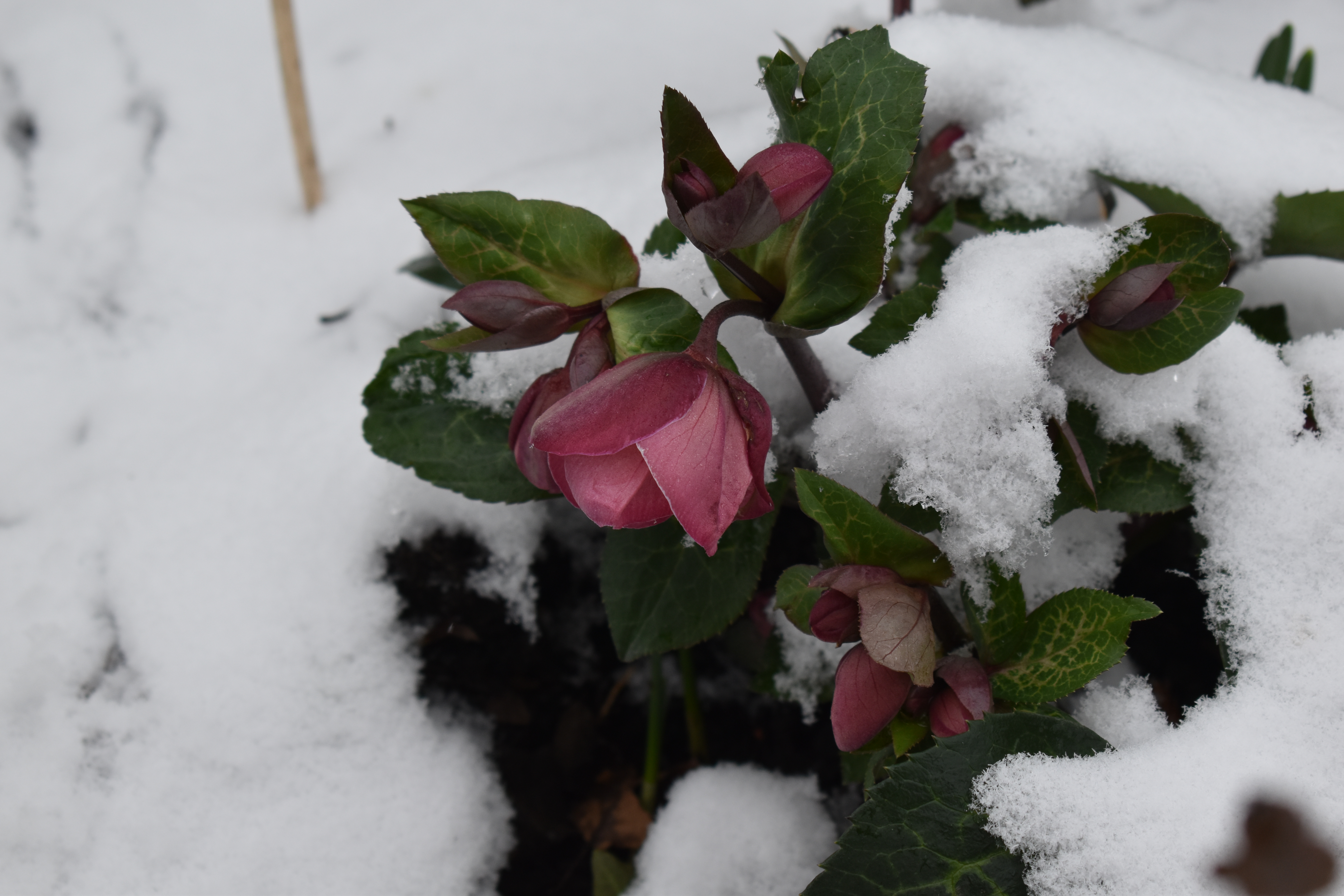
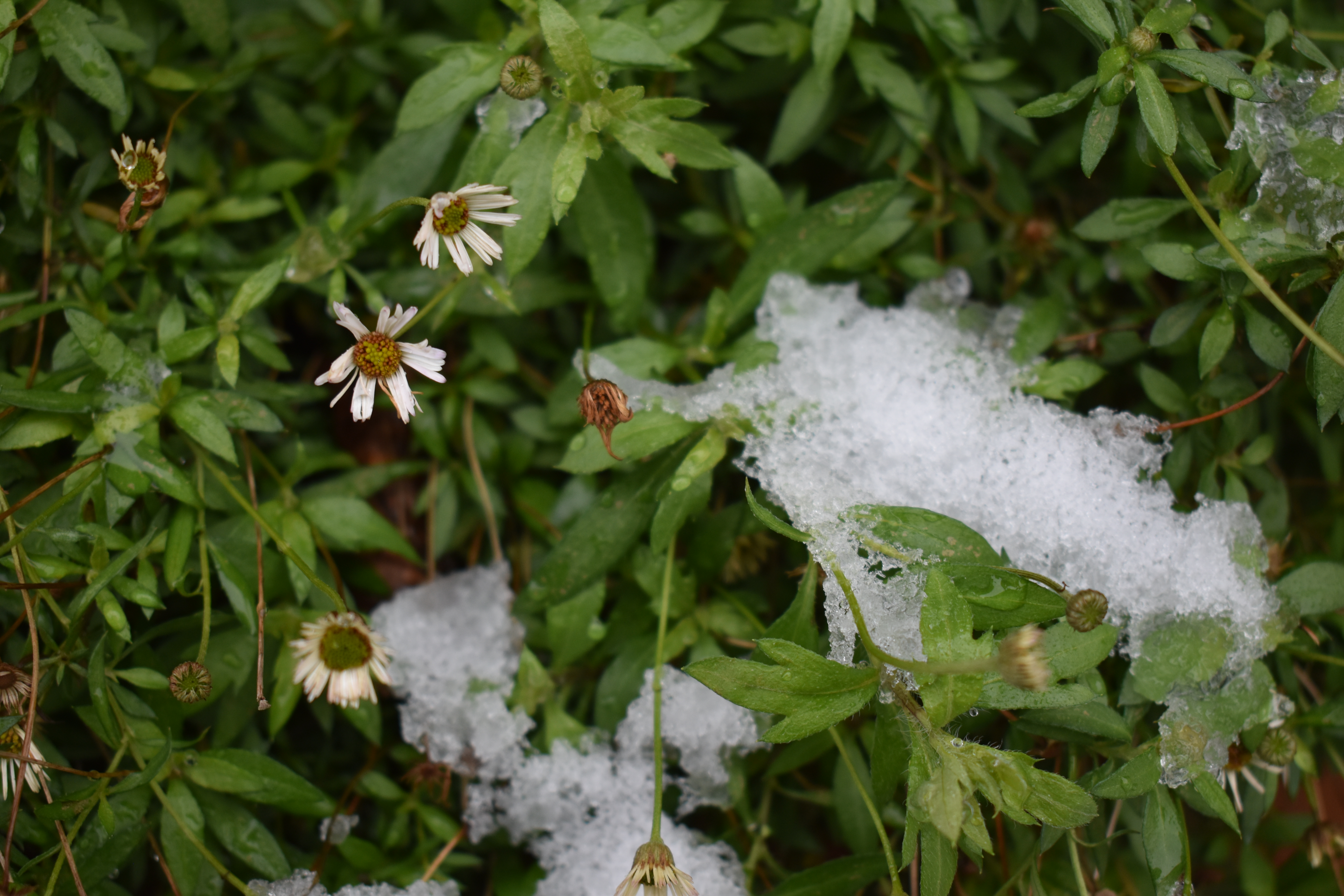
The first photo is taken from inside the conservatory looking out past a snowflake.
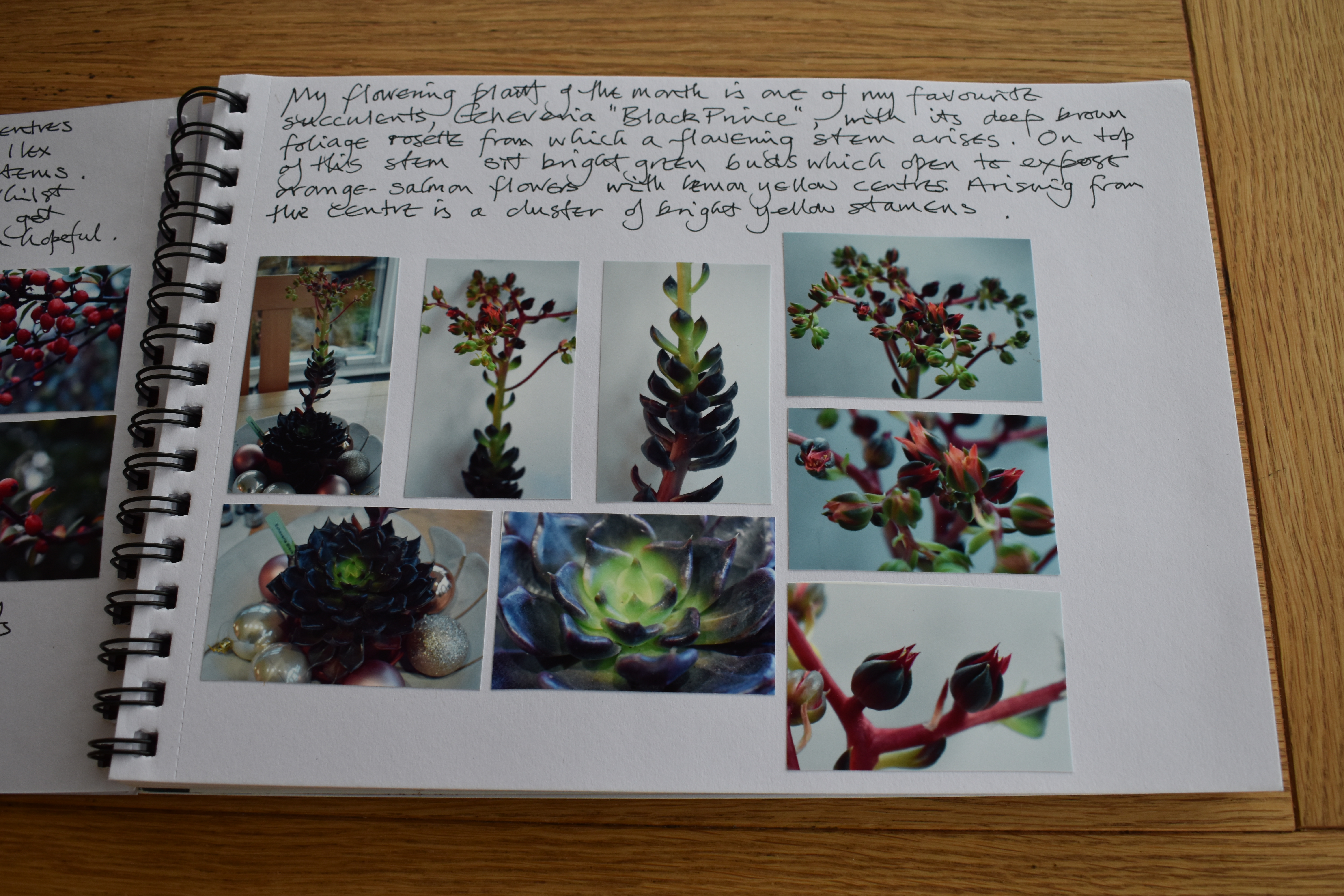
I began a new journal for November as I had filled up the second one of the year. The cover illustration is a watercolour and ink drawing of our house and front garden by our artist friend Dick Skilton.
This journal will take me well into 2021. I began by writing, “November is the month when days become far too short, when light values change and winds get an ice cold edginess. The greenhouse is now full of our less hardy plants, succulents, fuchsias, gingers and cannas. There is colour to be found in there.”
This page is illustrated with photos of some greenhouse highlights.
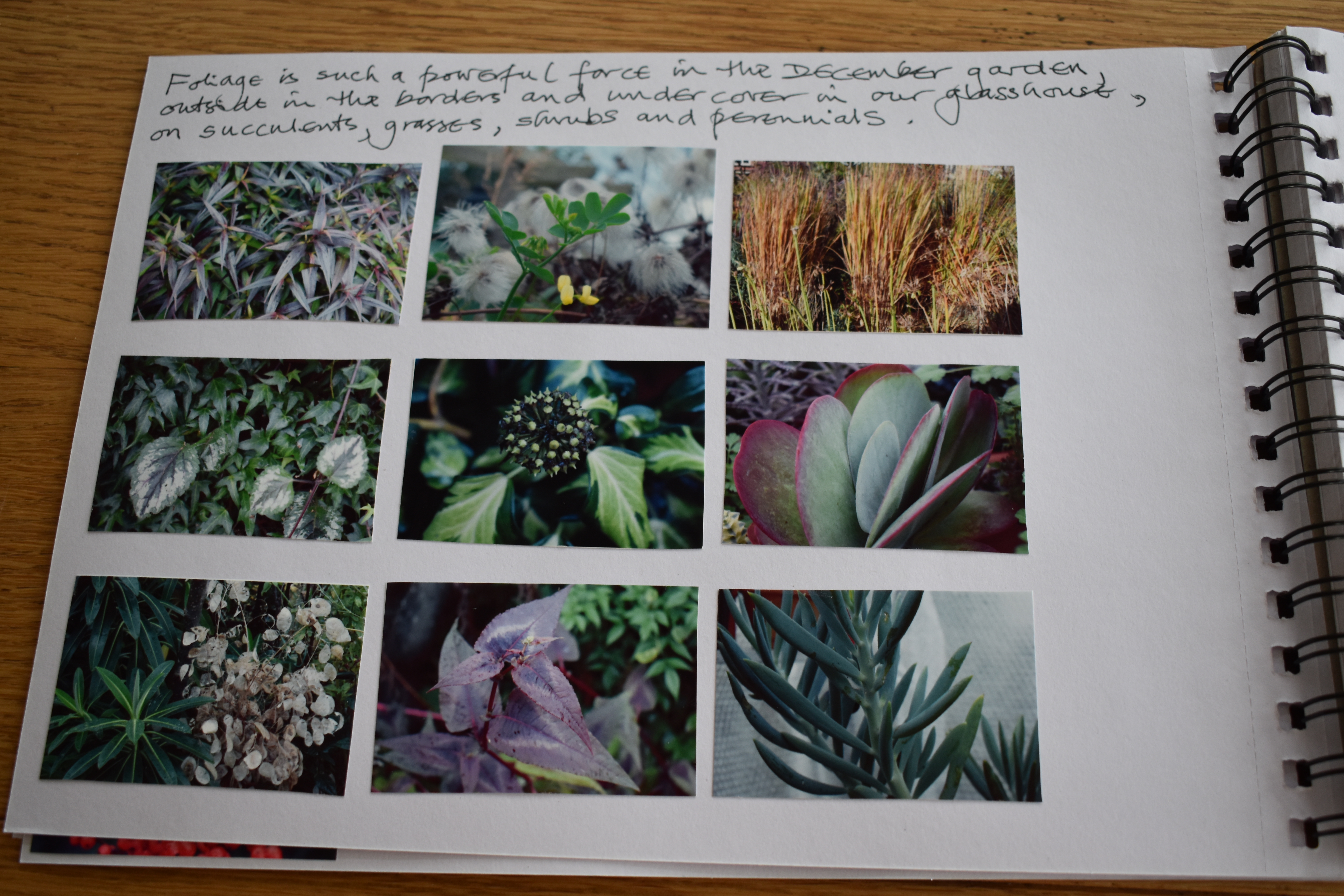
The second page for November was all about my foliage plant of the month, Hedera the ivies. The photographs show just a few of our many varieties. I wrote, “My foliage plant of the month for November is the ivy, of which we grow twenty or thirty cultivars. We grow them up fences and to cover concrete fence posts.”
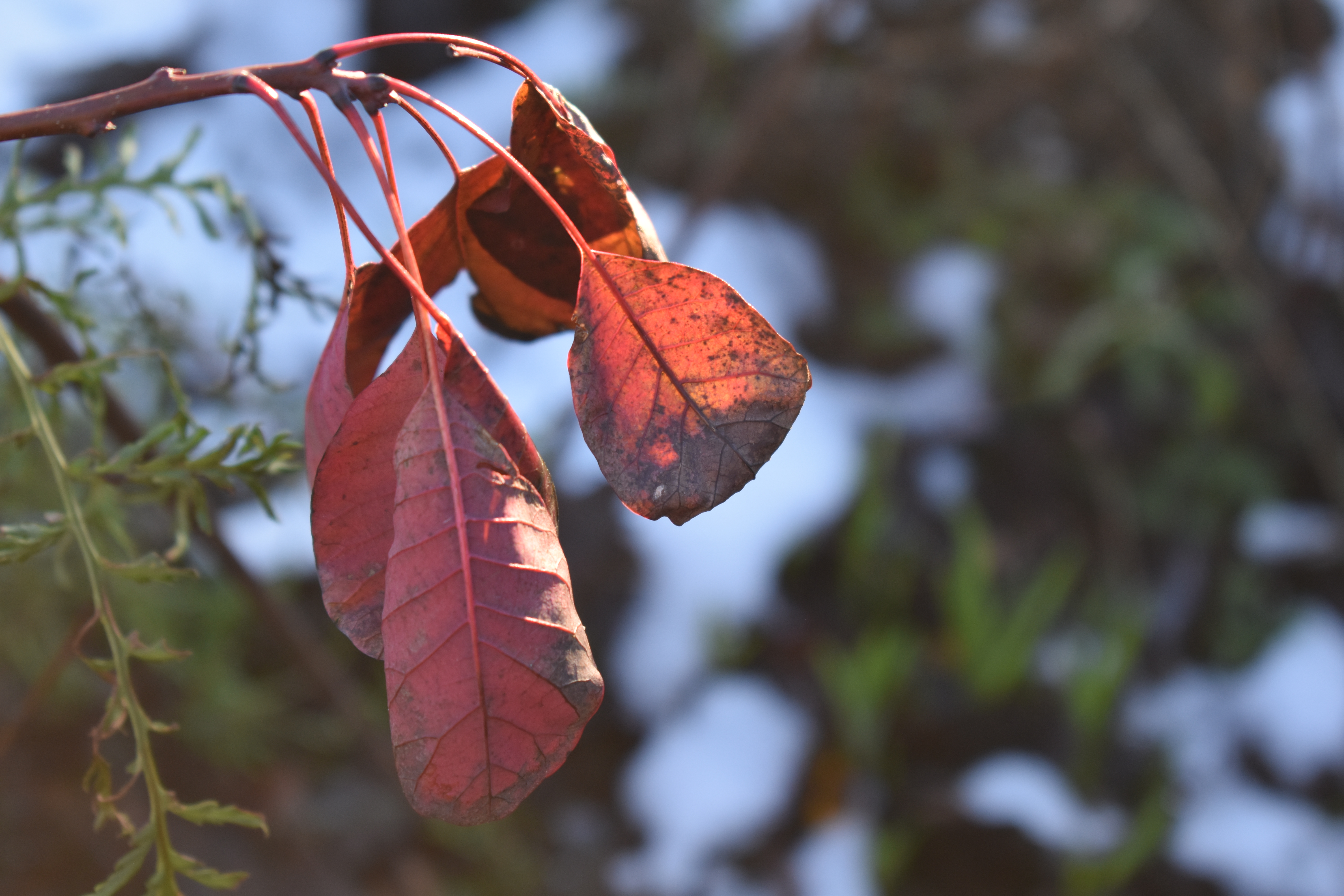
Opposite ivies I featured foliage colour, where I wrote,“Autumn is a time to study leaves, to watch as they change colours and drop from the trees and shrubs. Some leaves are so special in November, their colours and patterns.”
I chose one leaf to paint for the next page, a changing leaf of Tetrapanax papyrifera ‘Rex’, using watercolours and Japanese brush pens together to get the desired effect.
Over the page and we find salvias featured. I wrote, “My flowering plant of the month for November is the salvia family. We grow about a dozen varieties and this year they are flowering very late with some still in bud.”
The page featured photos of some of them flowering now.
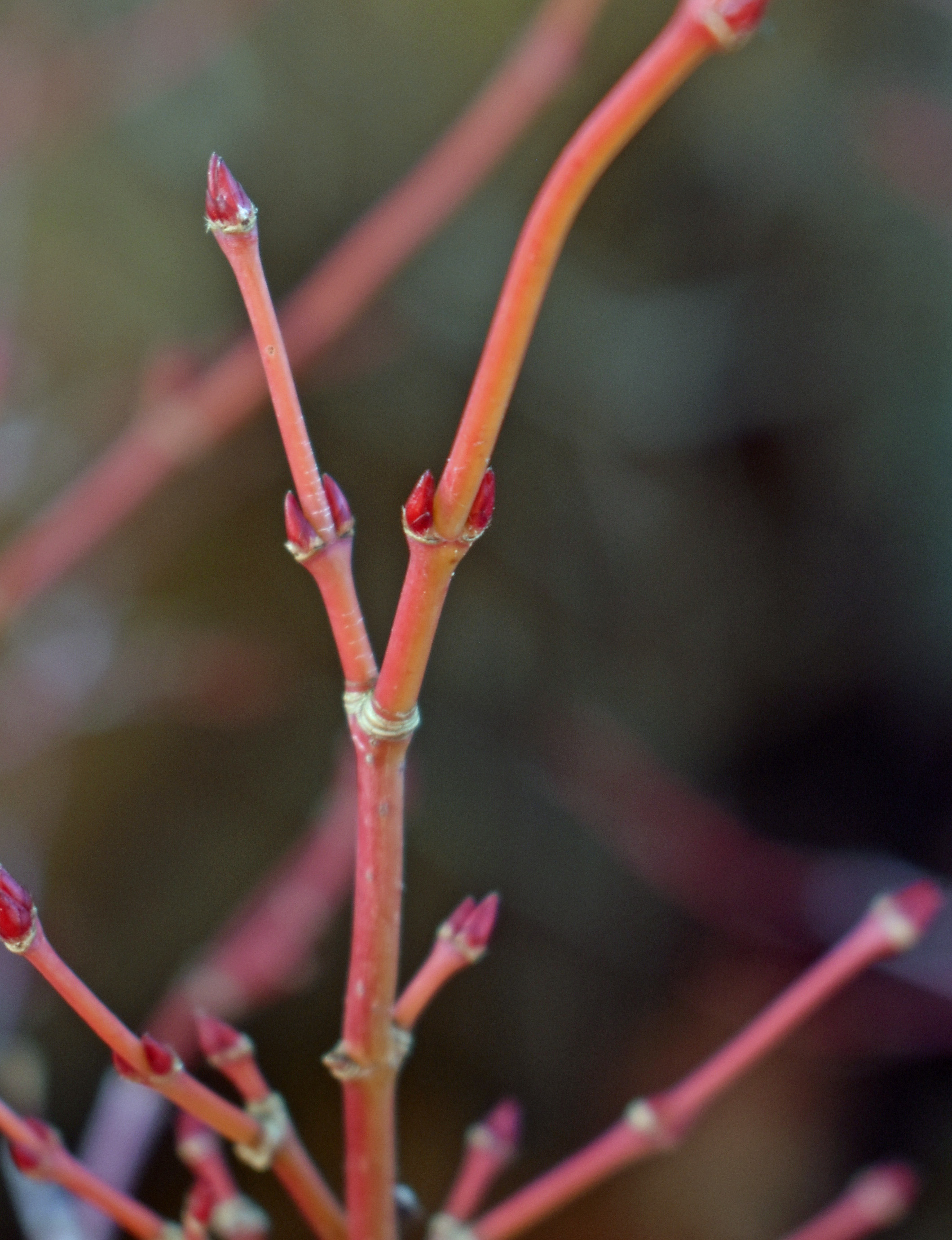
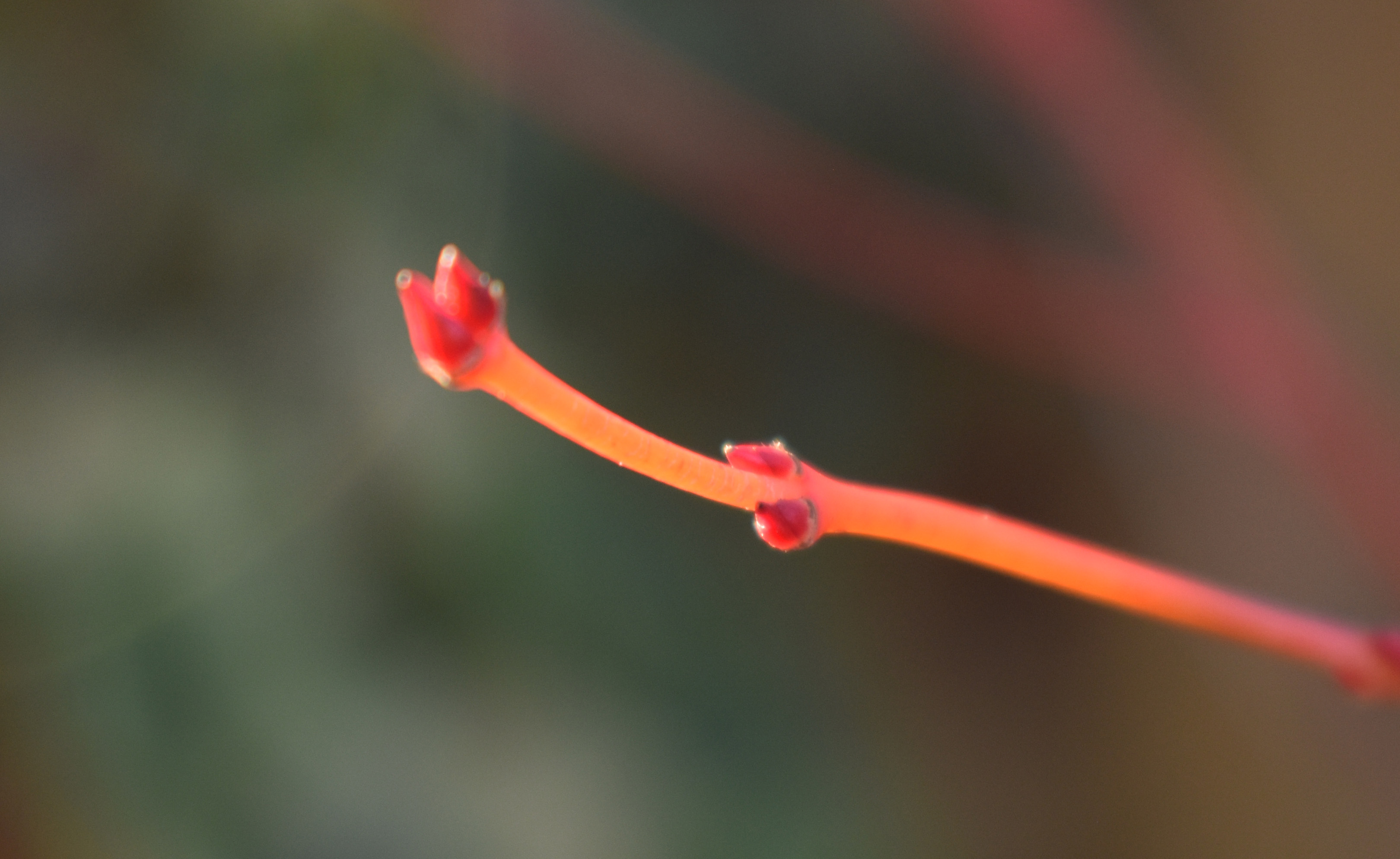
Leaf colour features again on the following two pages where we turn to acers, an autumn special! I wrote, “One of the key plant families in November is the acer group both trees and shrubs. It is partly the leaf colour but equally important are trunks and stems.”
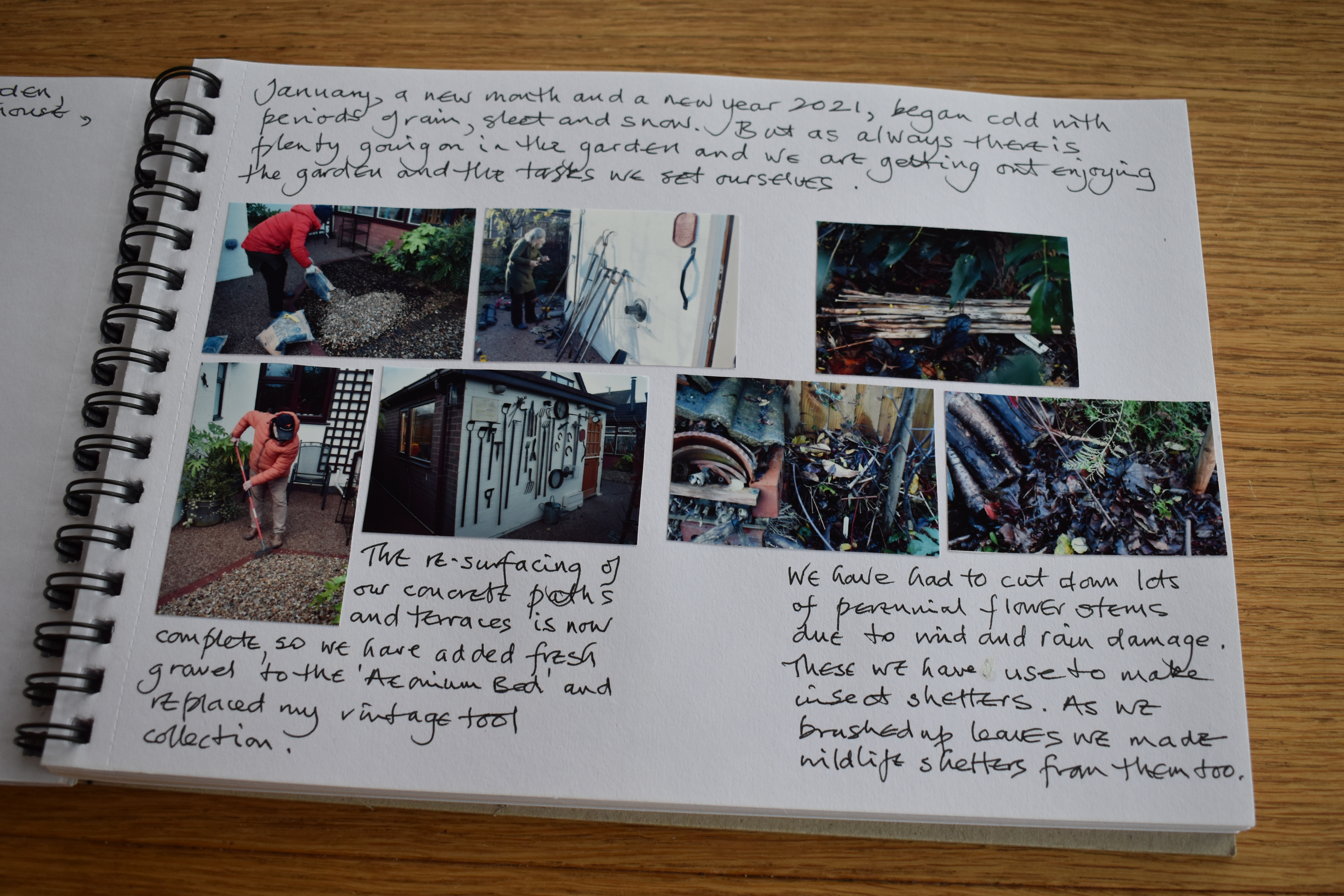
The final page for November featured our garden tasks of the month, where I wrote, “We have been busy all month as usual, out in the garden whenever it was dry. We have replaced two damaged arches, made hedgehog shelters and more insect homes. We are also having the uneven concrete paths around the house replaced with ‘resin gravel’, so we had prep work to do.”
I will be back in a month or so with my final monthly report of 2020 all about what is happening in our garden in December.
Acers of all kinds are the main attractions at most arboreta at this time of year as their foliage turns rich fiery colours. Similarly in our own garden we have several acers both shrubs and trees to add extra exciting colours in the autumn. I hope you enjoy my gallery of photos taken during November of some of our acers dotted around the garden.
As the second lockdown came to an end in early December we booked for a visit to our local National Trust property, Attingham Park so that we could enjoy another woodland walk. Our daughter and son-in-law, Jo and Rob also booked the same time slot so that we could wander together.
The day dawned overcast, cool and drizzly, but this didn’t reduce our desire to enjoy the woodlands.
Come with us now as we wander the many pathways through the wooded areas of Attingham. I simply took photographs of things that caught my eye!
We finished our walk by following the gravel pathway in front of the hall itself where we discovered this Christmas cameo. A very imaginative creative person or persons had enjoyed themselves setting it up. Their enjoyment was matched by the enjoyment obvious on the faces of three young children pretending to drive the sleigh.
Back here with another look at my garden sketchbook with another selection of my pages. Hope you enjoy them!
I hope you have enjoyed this excursion through my sketchbook. It feels so strange knowing that it is now in Brooklyn Art Gallery where others are looking at my sketches.
During the spring and summer of this year I have been working on a garden sketchbook, trying to show our garden through these two seasons using a variety of media from photography to pencil crayon sketching. A few weeks back I had to send my completed sketchbook over to Brooklyn, USA. My sketchbook is part of a worldwide project created by Brooklyn Art Library. My book will be one of 22 000 from around the world and has now with all the others been digitalised for all to see. (sketchbookproject.com/library)
Here are my sketches for you to have a look. My sketchbook was all about two seasons in our garden, spring and summer. I included pencil sketches, watercolours, pencil crayon work, photo montages and collages and others. I hope you enjoy seeing this first selection of them.
In part two I will share more of my sketches from my Sketchbook.
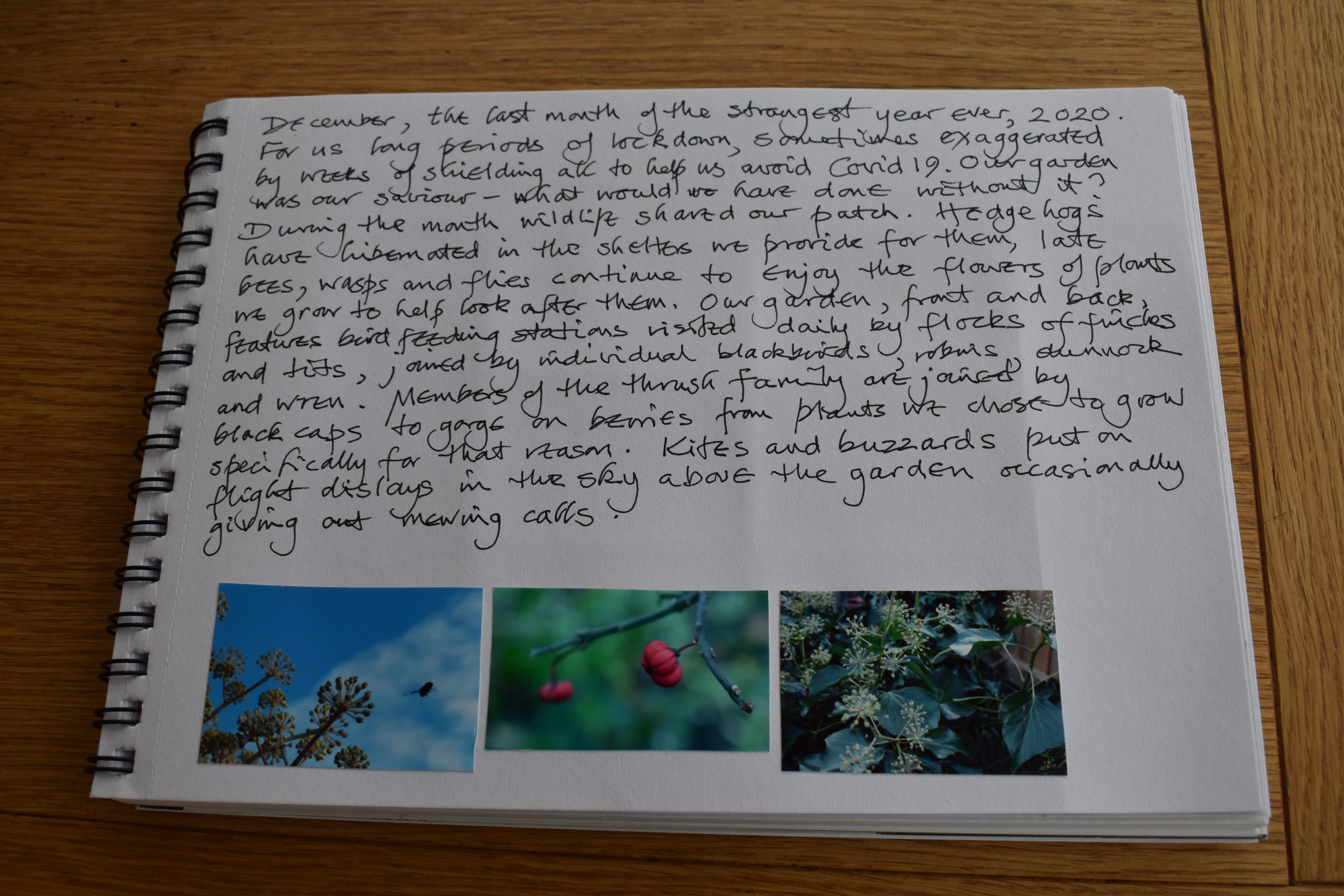
Back with another look at my garden journal, this time looking at my entries for the autumnal month of October. It is mostly about the effects of autumn on our garden but the first two pages are a continuation of looking at finishing off the hard task of reconstructing our wildlife pond.
The set of photos below show our adventures rebuilding the pond. I wrote, “The first day of October continued bright and dry so we carried on sorting out the wildlife pond. The following four days it poured!” The photos show us putting the new liner in place, then putting the water in before the decking goes back in place! Towards the end of filling up Jude had to don her waders to put plants in place. She loves wearing her waders to work in the pond.!
On the opposite page I show the finished product of all this pond rebuilding. I wrote, “Our wildlife pond has been completely rebuilt, the bog garden replanted and new decking boards down.”
Ten photos of the finished pond appeared on that page, as follows.
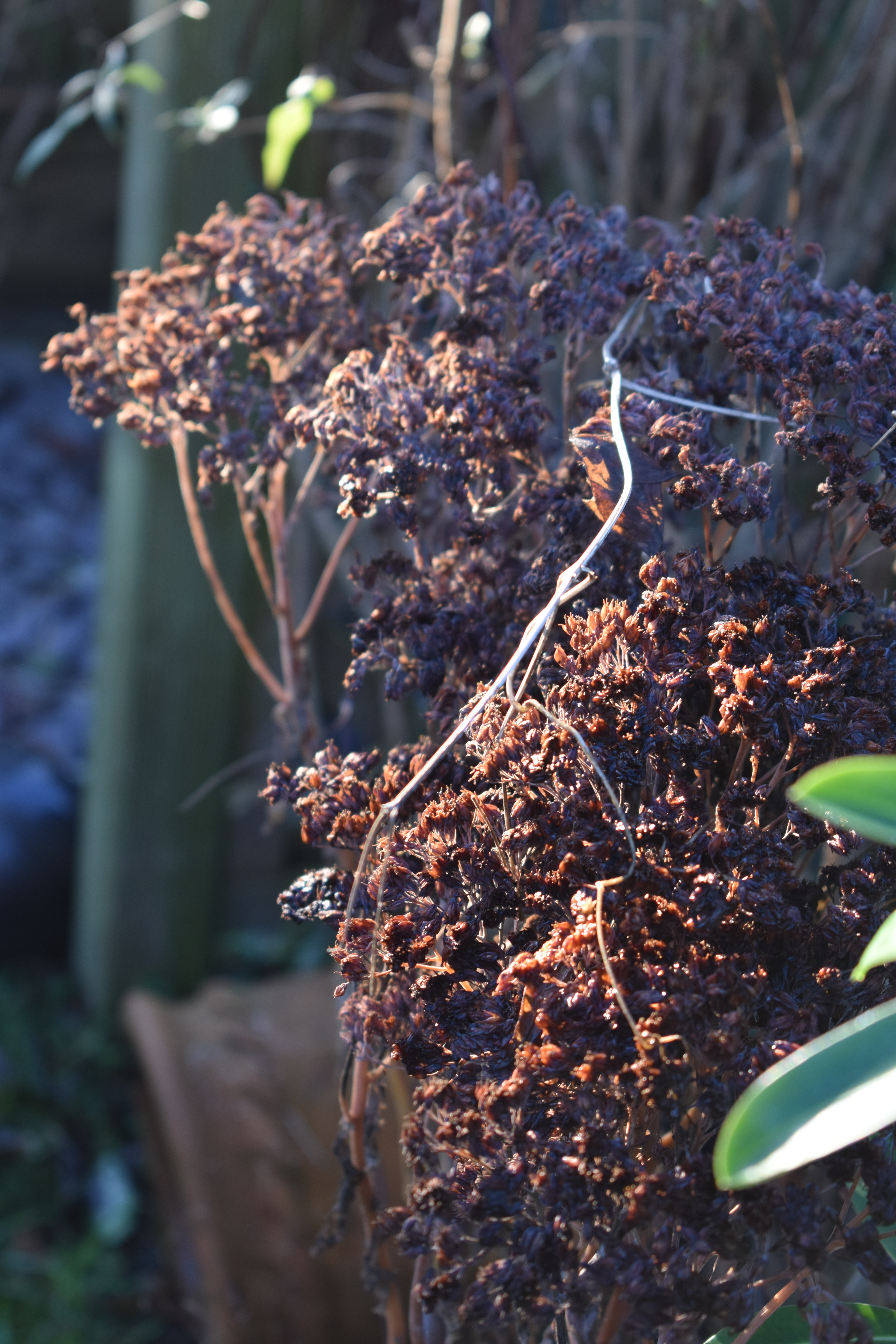
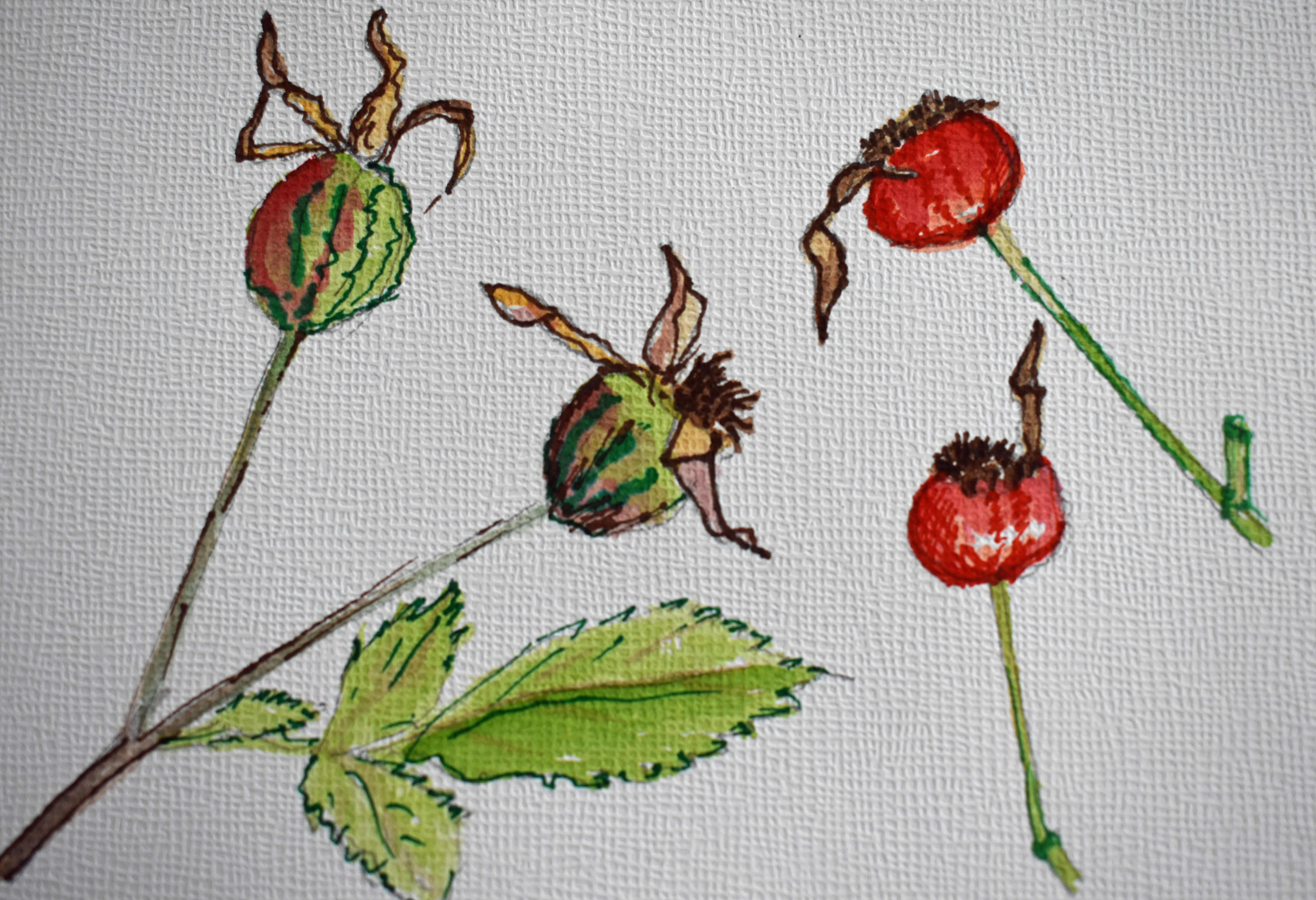
We move on next to looking at plants for a few pages, beginning with plants of more subtle colouring. I wrote, “In our gardens we tend to centre our minds on bright colours to cheer us up or gentle colours to calm us. But what about the many shades of brown which can look so beautiful in October?”I then shared 11 pictures and wrote, “It is sad when you print these browns that the combination of camera and printer give many extra tints of maroon or purple.”
More unusually coloured plants appear on the next page where I feature succulents which develop richer colours in the cooling weather and [poorer light quality. I wrote, “The colour of many succulents deepen as autumn light glows.” The first couple of photos feature ‘living stones’ or lithops.
Turning over to the next page and we discover one of my fibre tip pen sketches, showing the seed head of a carex grass. I wrote, “The colours of our grasses throughout the garden continue to star, but they are changing. The foliage on some turns a lovely yellow while the seedheads sport oranges, golds, gingers and biscuit colours.”
The penultimate page of my October journal entries is again about changing colours and once again features succulents. This time I feature those that change the colour of their leaf edges. I wrote, “Many succulents begin to show richer colouring on their foliage edges, browns, pinks and reds and in one case white. in some cases the whole plant changes colour.”
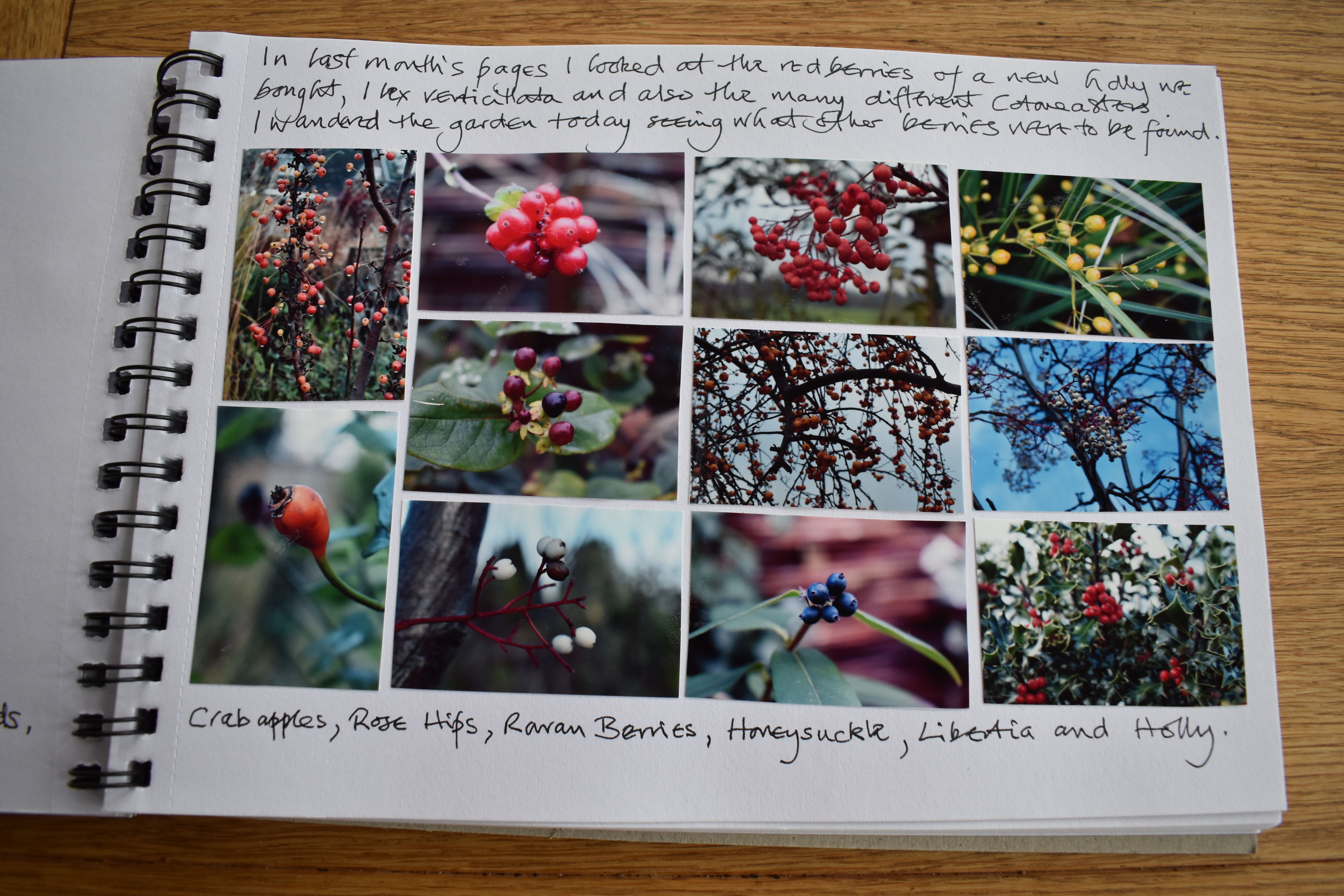
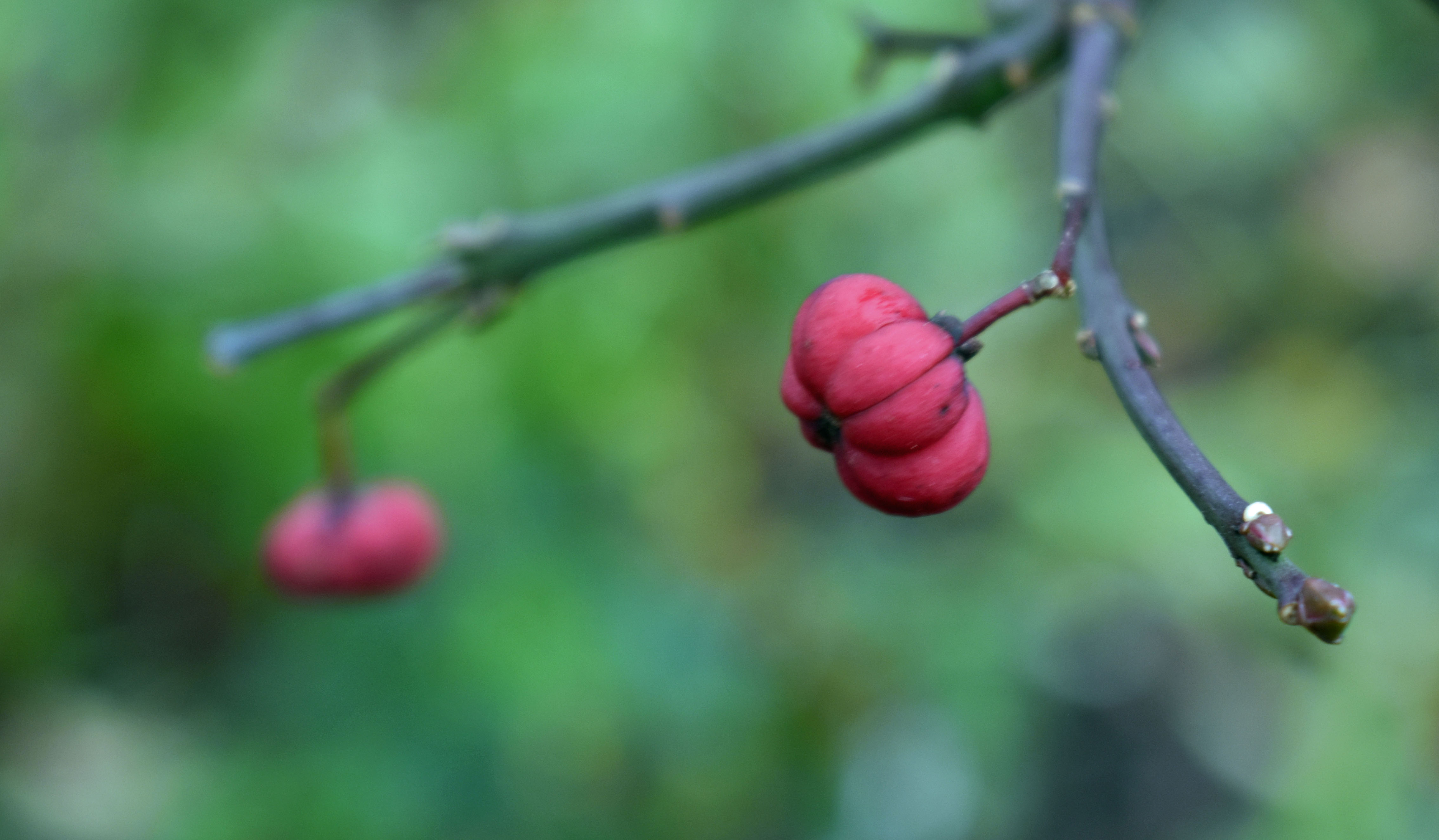
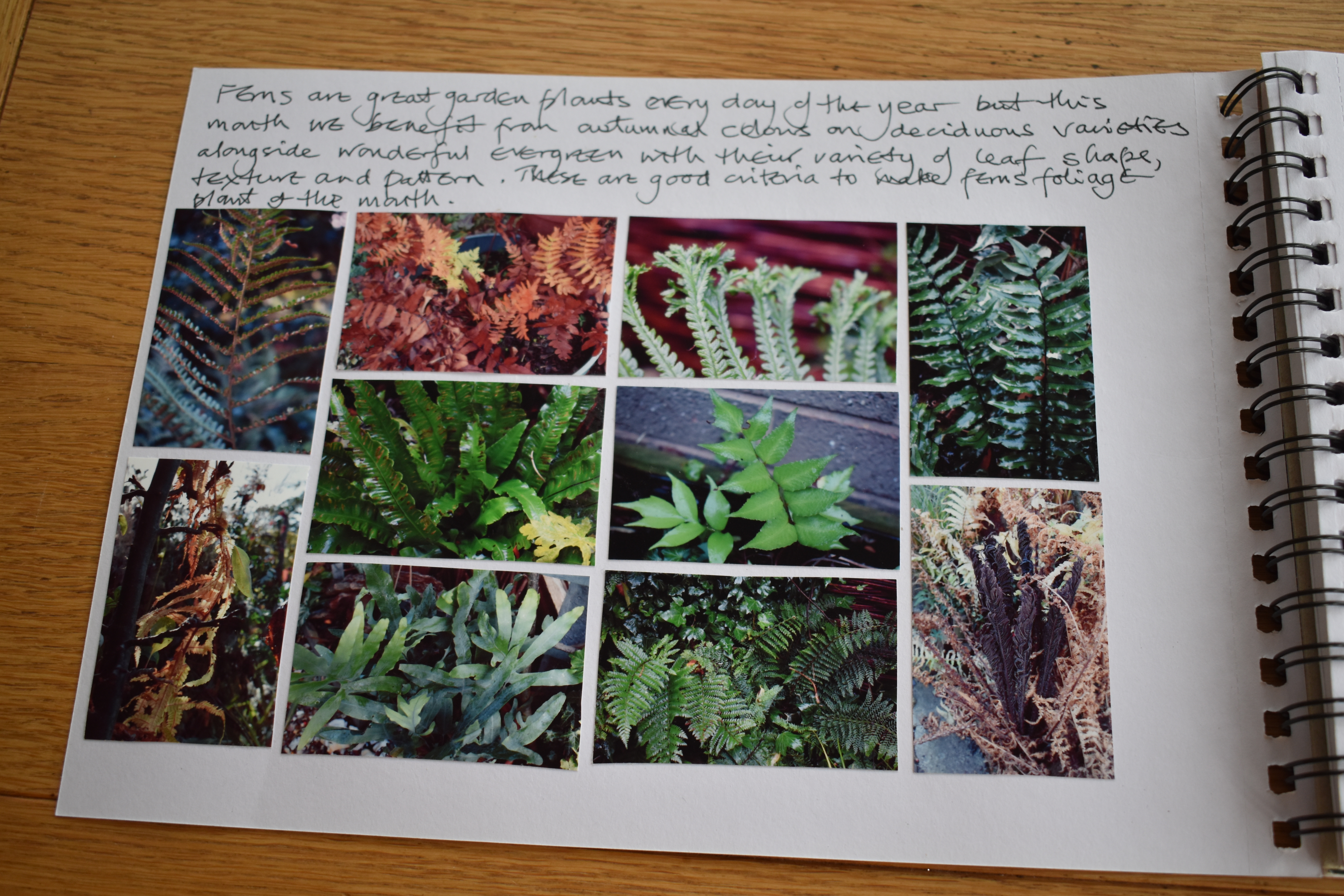
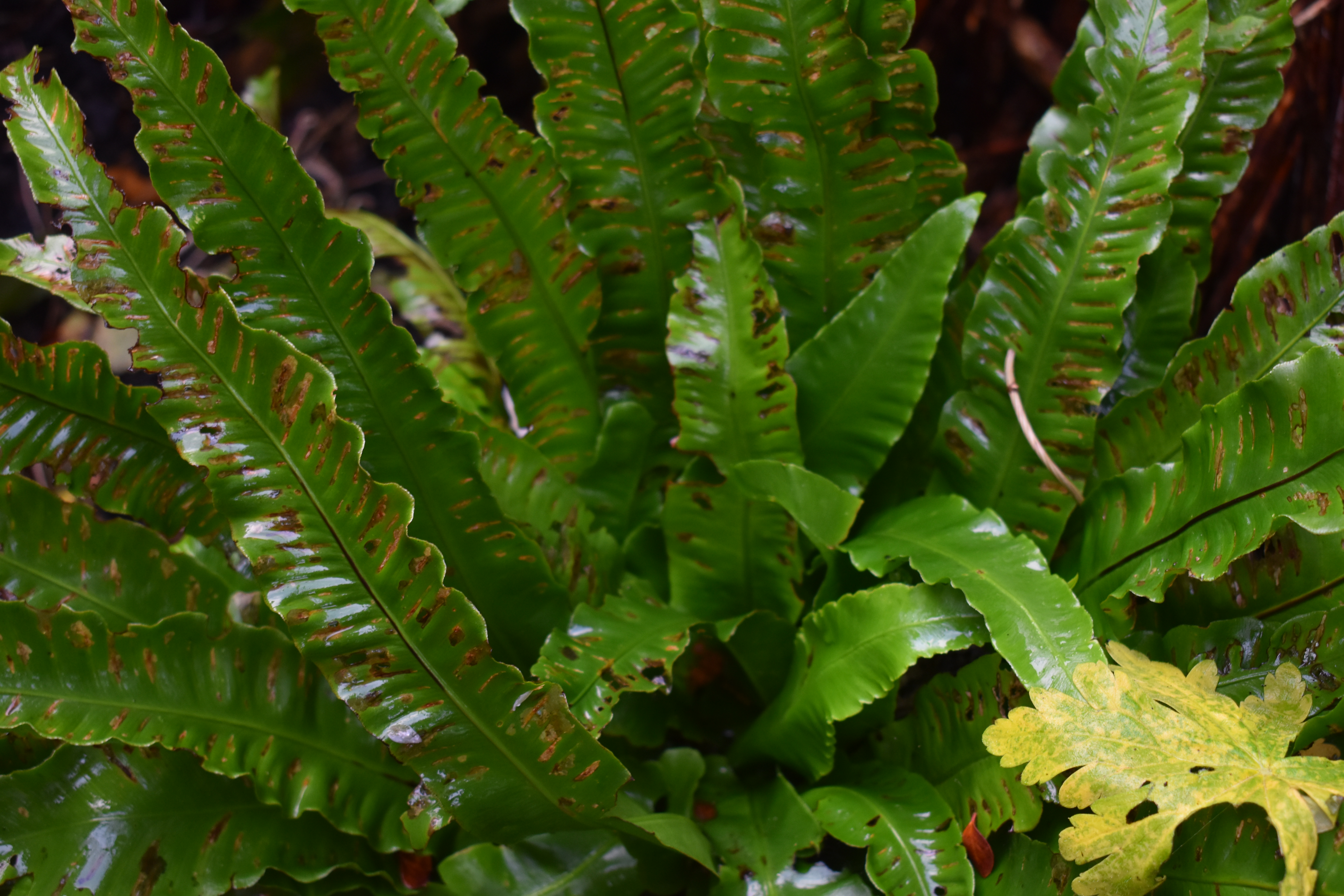
The final page for October shows typical autumnal features of our garden. I wrote, “October moments – oh so special! Coloured bark, berries. ferns and grasses.”
So there we have it, my selection of what was going on in our garden in October. As I finished these entries I also finished my sketch book so November will be in a new one.
September, the month that is neither summer or autumn is a true one-off special! I always like to think of it as still being in summer, whatever the met office decrees!
I began my September journal entries by writing, “September is the month that we hope will give us an Indian Summer, and this year’s has started looking good with some warm bright days. This means that late summer/early autumn colours look extra special.”
On the next page I wrote, “This month is going to be very much a month for getting jobs done, including repairing our rill that had sprung a leak. So we decided to take it totally apart and start all over again and also did the same to the adjoining raised pond.”
This page also included a photo of our corten steel sculptural “Tree of Life”.
On the page opposite I showed how we also had to repair our large wildlife pond which sprang several serious leaks over the spring and summer. Below the first group of photos I wrote, “The pond before we had to build it following the discovery of leaks. The weather was with us during the last week of September so we made rapid progress.” With the photos on the right hand side of the page I annotated them with the words, “First we had to remove pondside plants where needed and remove the log edging. Next we exposed the liner all around .“
“We then removed the water and sludge keeping several trugs full of each.”
“As I started dismantling the decking Jude cleared the beach of pebbles.”
Over the page I looked at my foliage plant for September and on the opposite page my flowering plant of September, the crocosmias. I wrote, “My foliage plant of the month is the family of begonias grown for the shape, colours and textures of its foliage. We keep our begonias in our greenhouse as few survive outside for long. They look good mixed with our many coleus.”
“Crocosmias must be one of the most cheerful and colourful families of plants we can grow in our gardens. Here at Avocet we grow over 30 different cultivars. They flower for many weeks so really do deserve to be my flowering plant of the month for September!”
On the final two pages I looked at our garden produce and our garden after the rain.
“September is the first of the busy harvesting months and this year in particular it feels really good. Apples, pears, blackberries and tomatoes all keep us busy. It is also the time to make jams and chutneys.”
“After the rain! After a wonderful ‘Indian Summer’ the rains returned with a vengeance. After each storm or shower some plants hold onto raindrops on leaves and flowers and stems.”
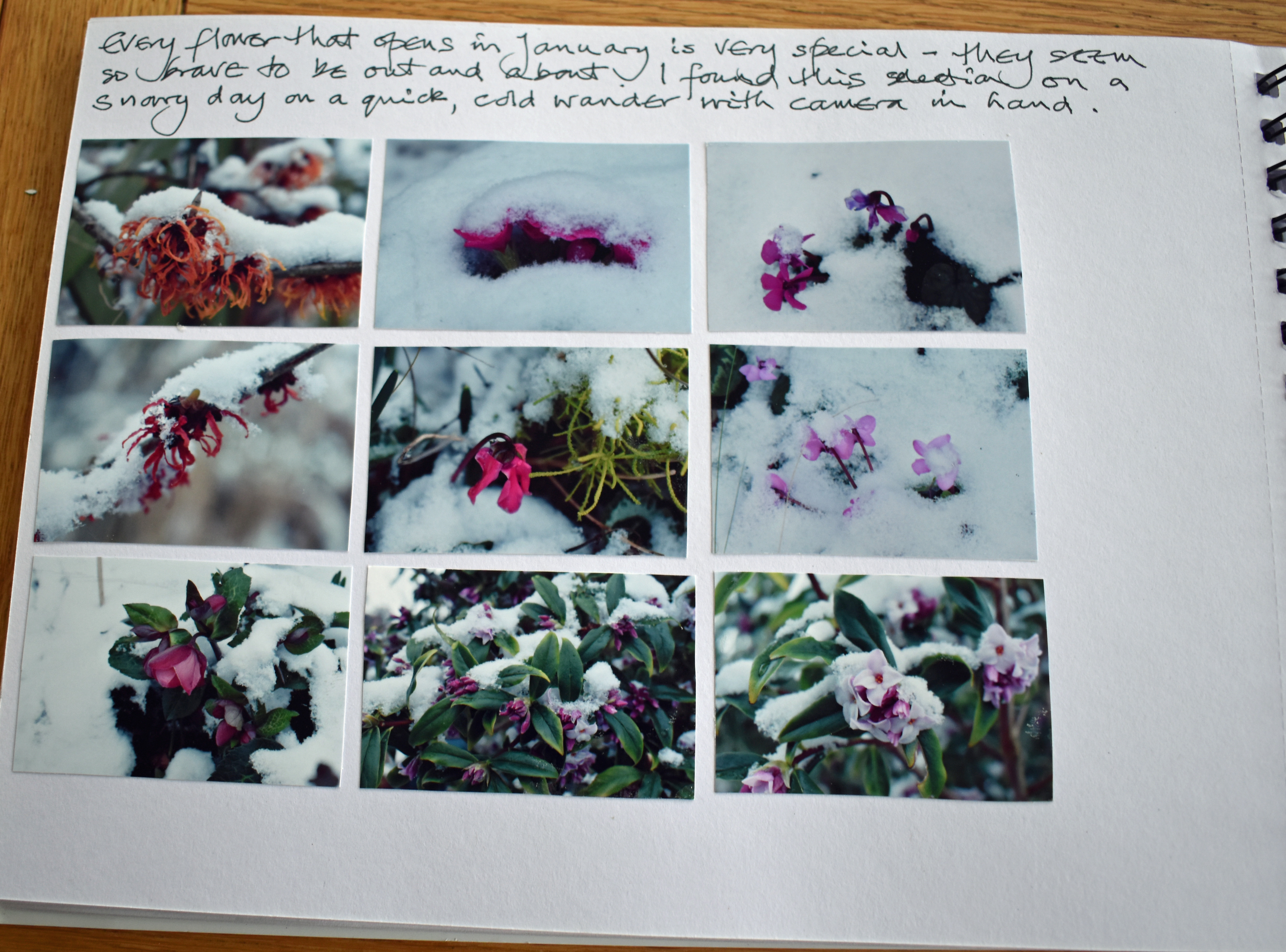
The next visit to my garden journal will be all about October.
Opening our own garden along with Vicky, Rosa and Jacob’s next door garden early in July made us one of Shropshire’s first open gardens under the new timed ticket system.
The first Shropshire NGS garden we visited was a little later when we visited Offcot, a garden with a younger gardener/owner than is the norm with NGS gardens.
We arrived at the gate of the garden and were greeted by our friend Ruth, an assistant organiser for the NGS Shropshire. Ruth had assisted at out opening and also sold some of her plants but here at Offcot she was on the gate and serving refreshments too. A warm welcome from Ruth and brightly coloured flowers as we entered the garden both boded well for the visit.
Around the first corner we were stopped dead by this unusual piece of recycled metal sculpture! But from then on it was the planting that we stopped to admire.
We are not fans of annual bedding plants and we don’t like petunias either but we were amazed at the quality of these plants especially those hanging plant collections.
We enjoyed the choice of colours of roses and dahlias, with some unusual shades in evidence.
It always feels good wandering around a garden when longer views catch the eye, especially where borders surround patches of neatly cut grass.
We really enjoyed this visit to a refreshingly good garden and of course the first visit after lockdown to a Shropshire NGS garden.
'The most important and informative publication on wildlife of our times' - The Independent. This blog is a member of The UK & Ireland Natural History Bloggers group: www.uknhb.blogspot.com