This post is dedicated to portraits of the blooms that are starring in our garden in August. The individual stars which shine out of the borders.
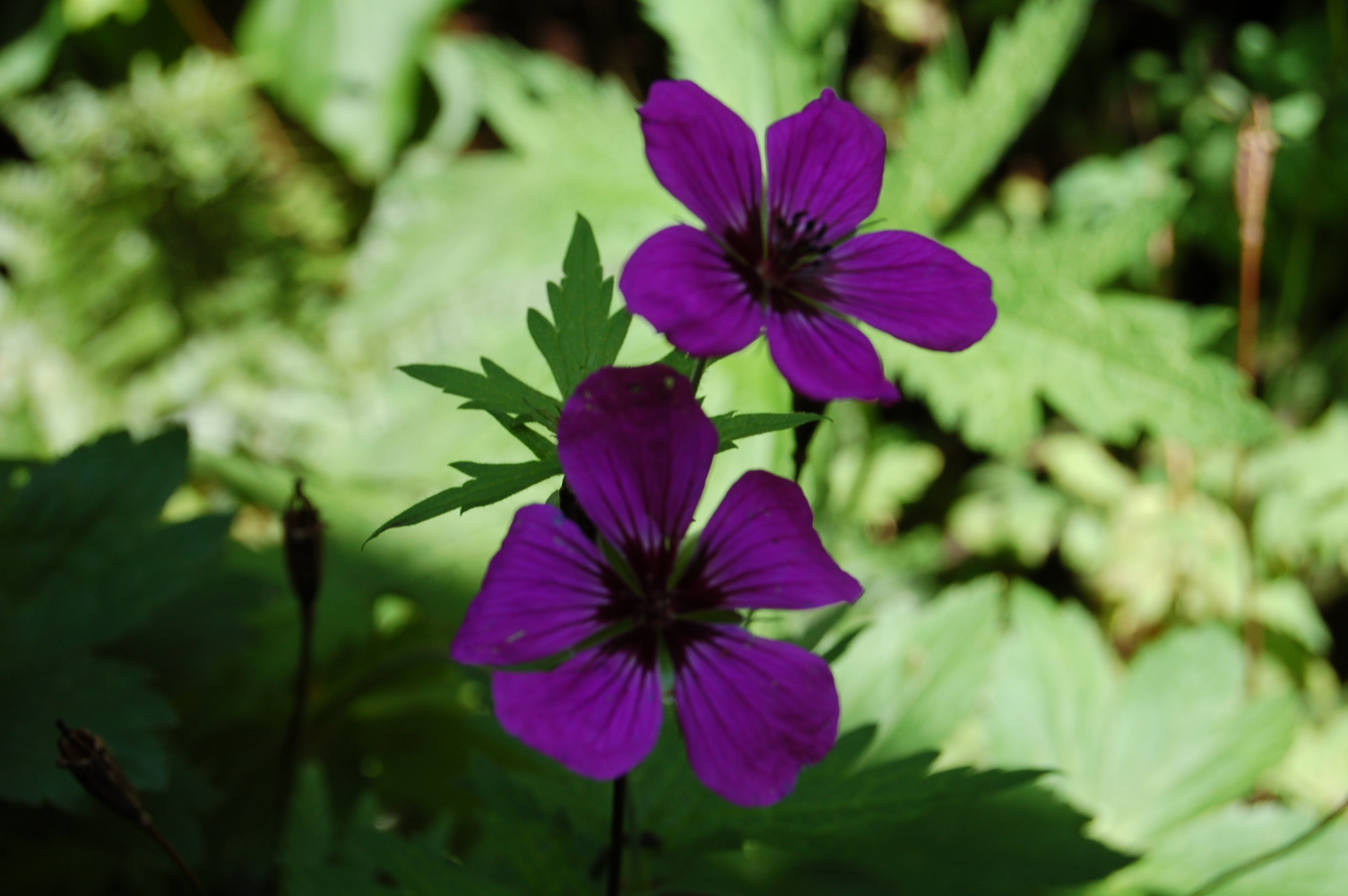


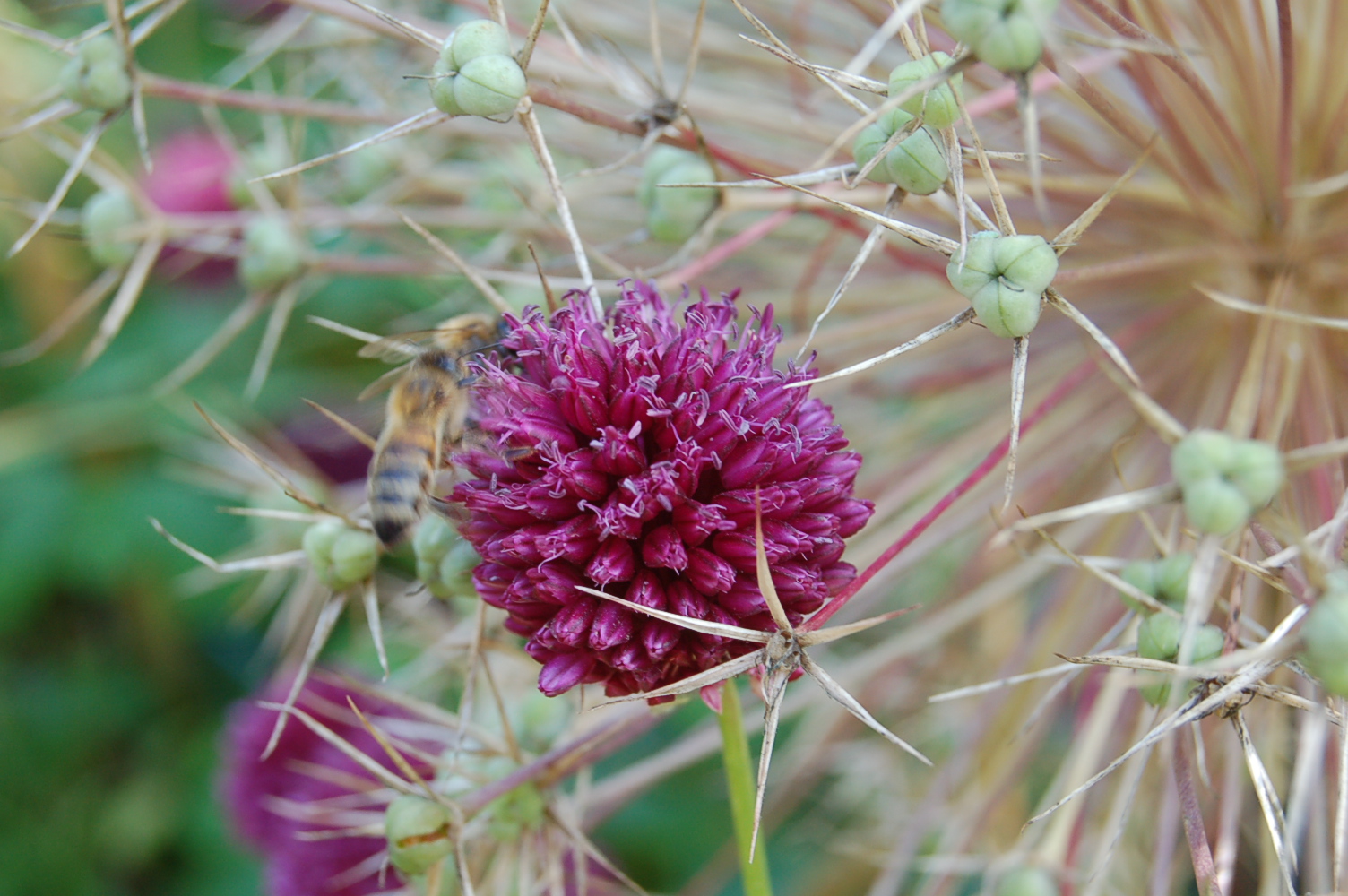
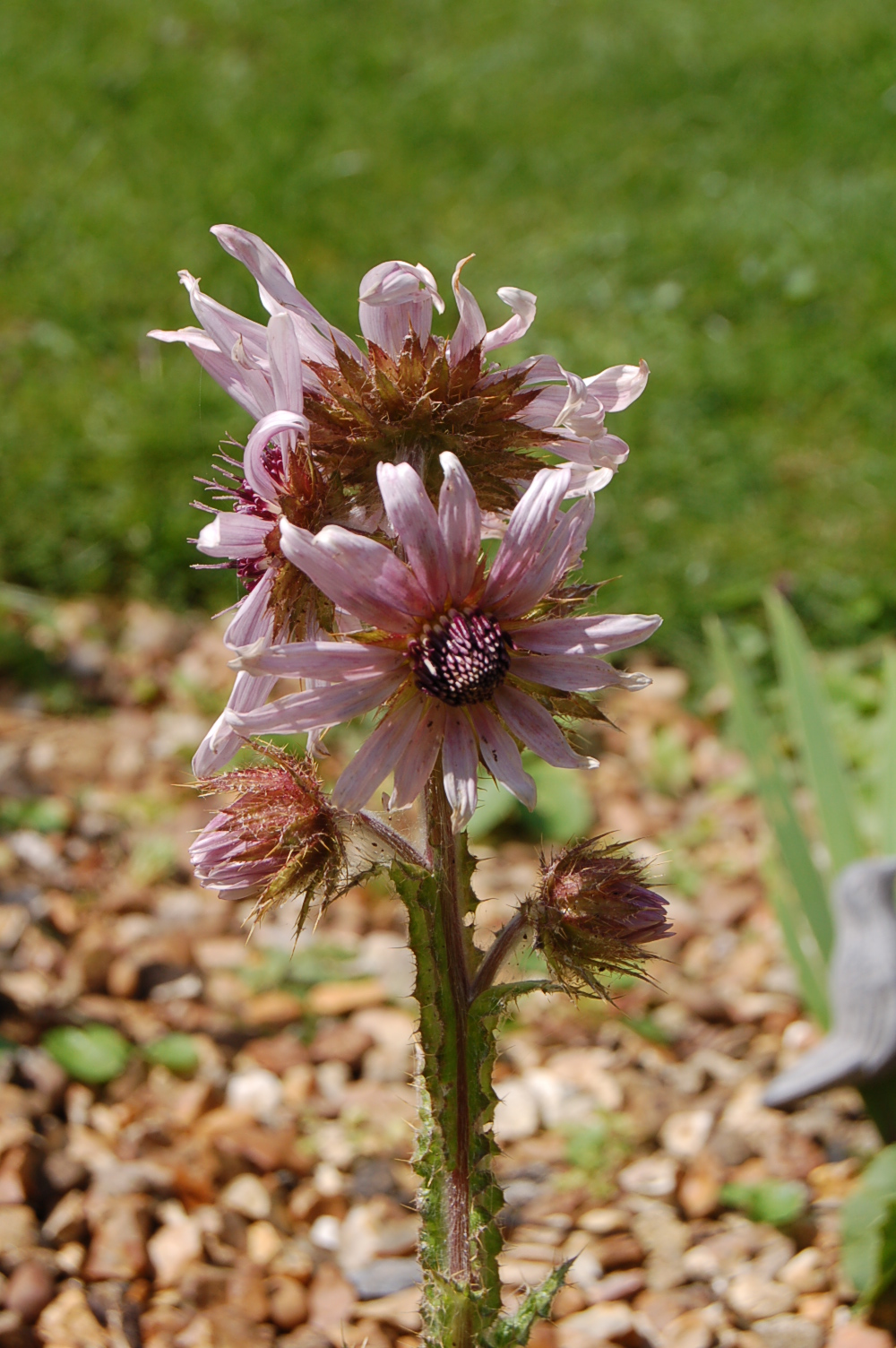
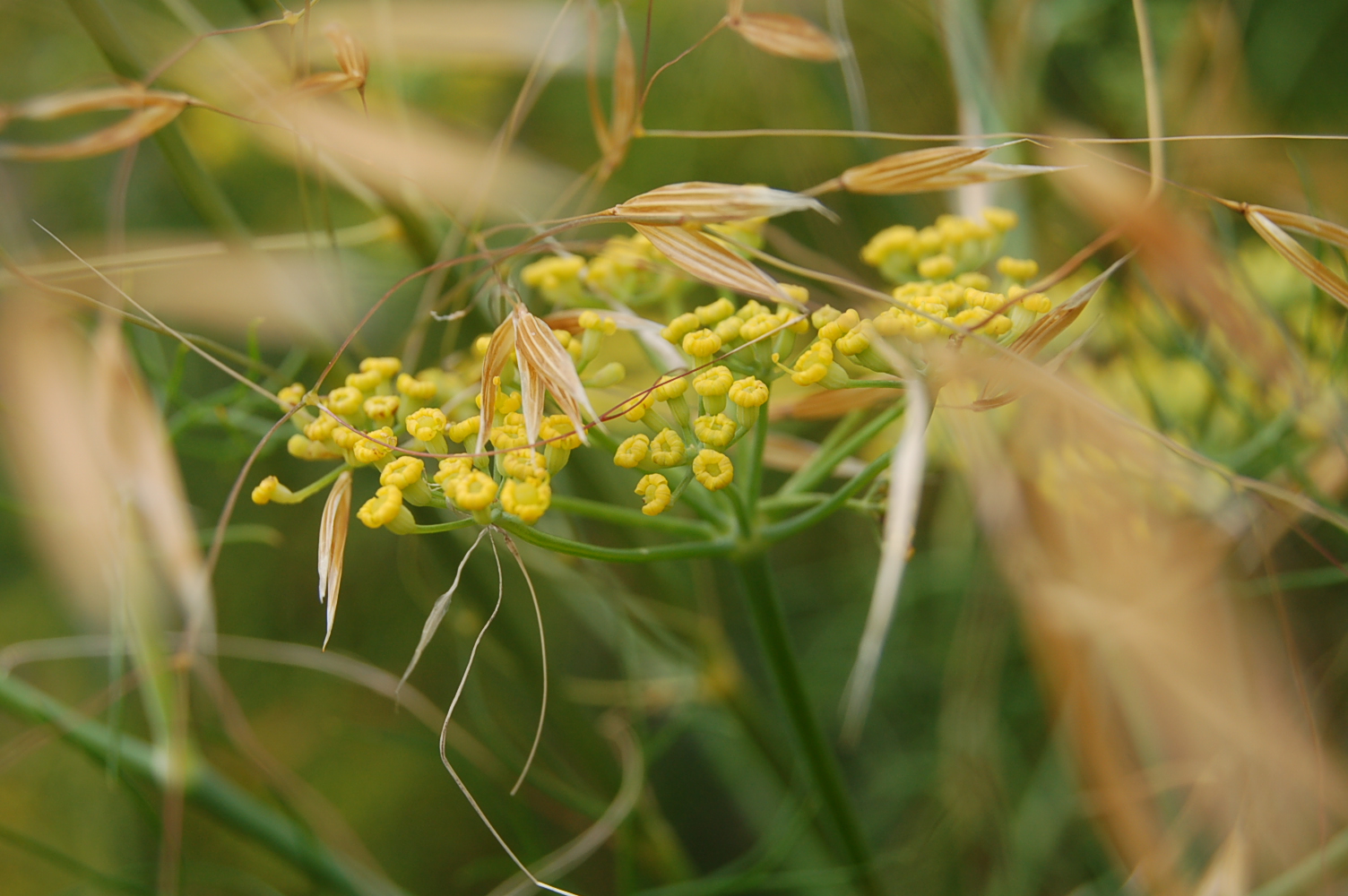


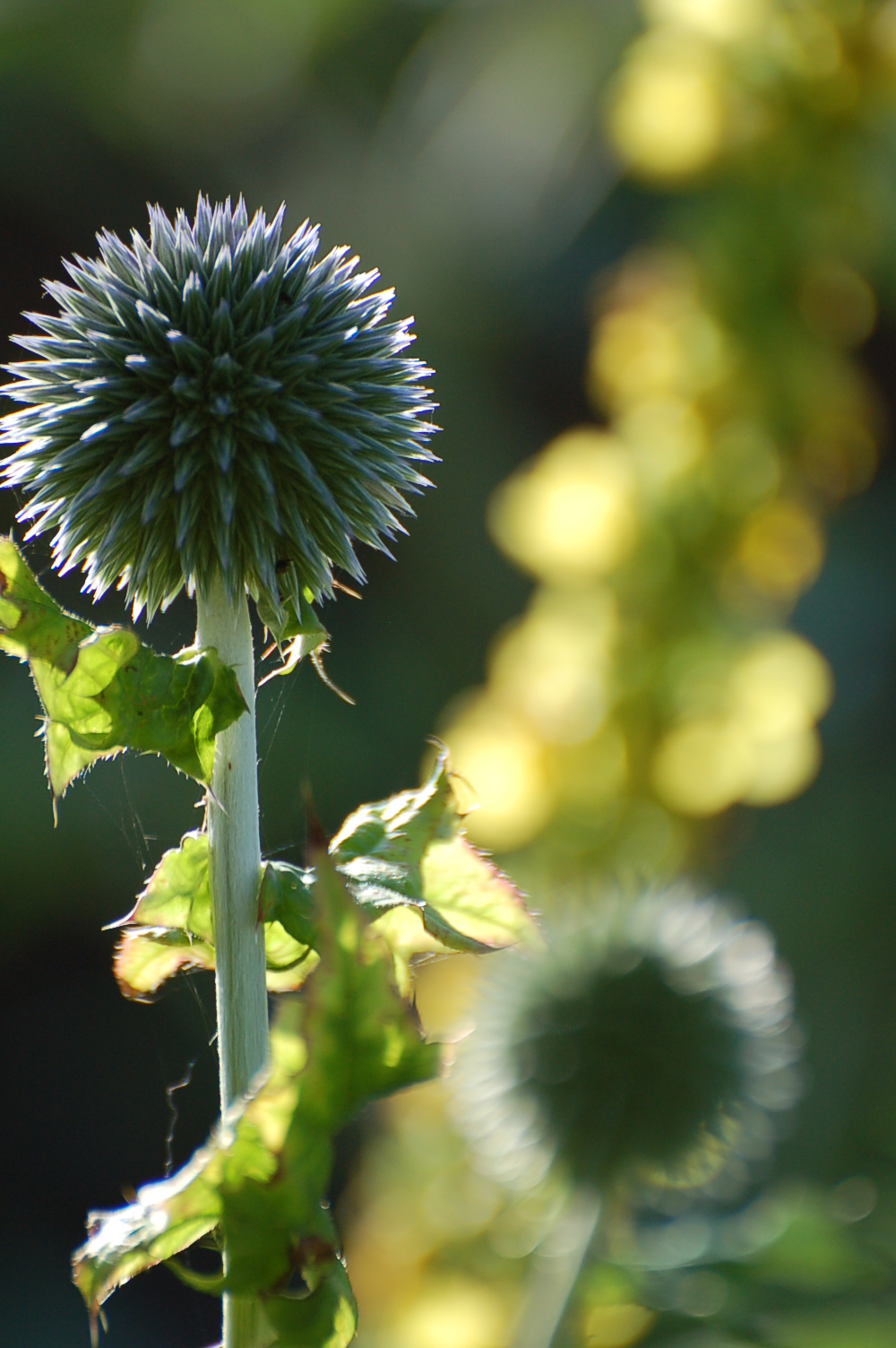
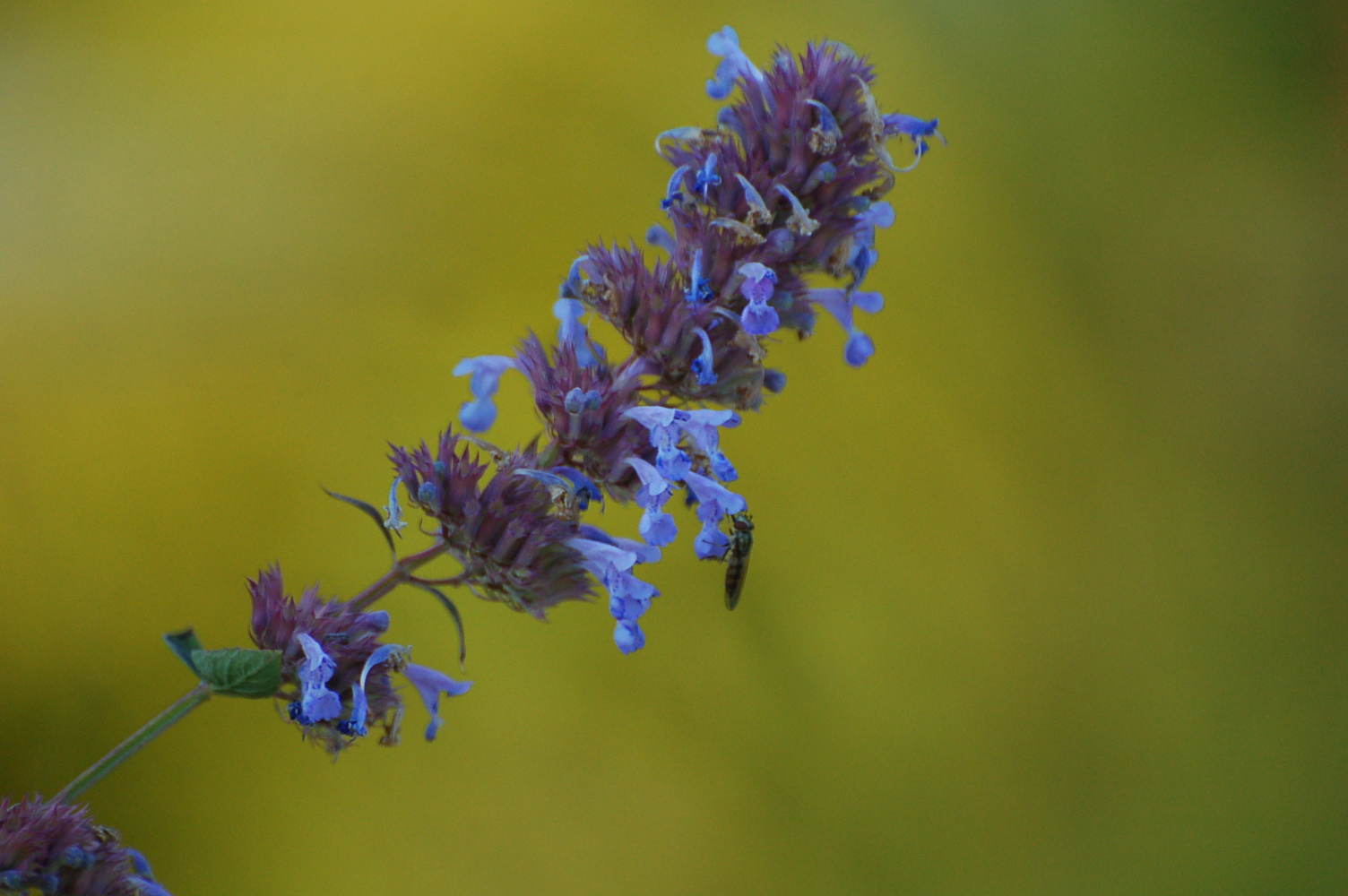

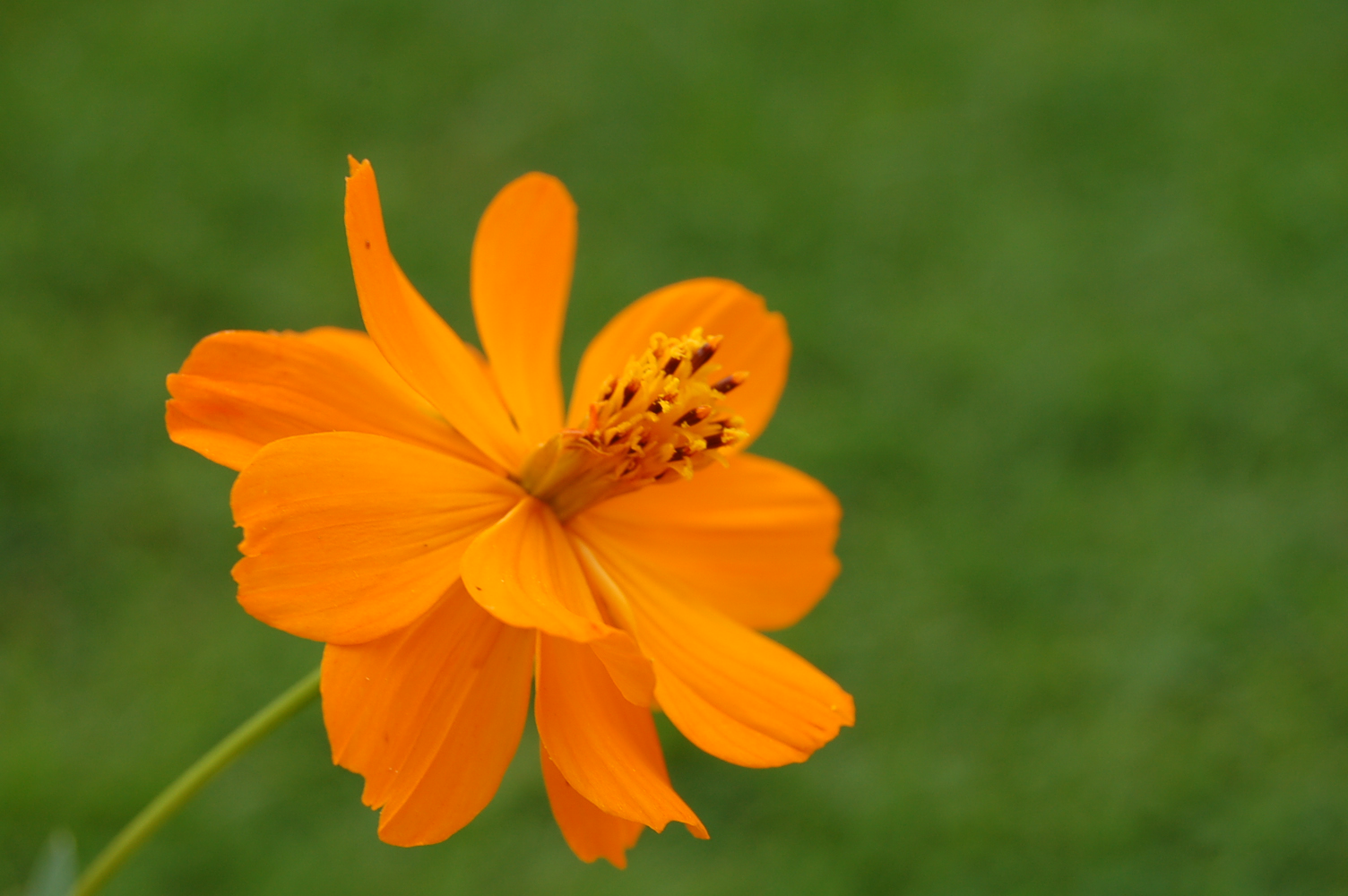
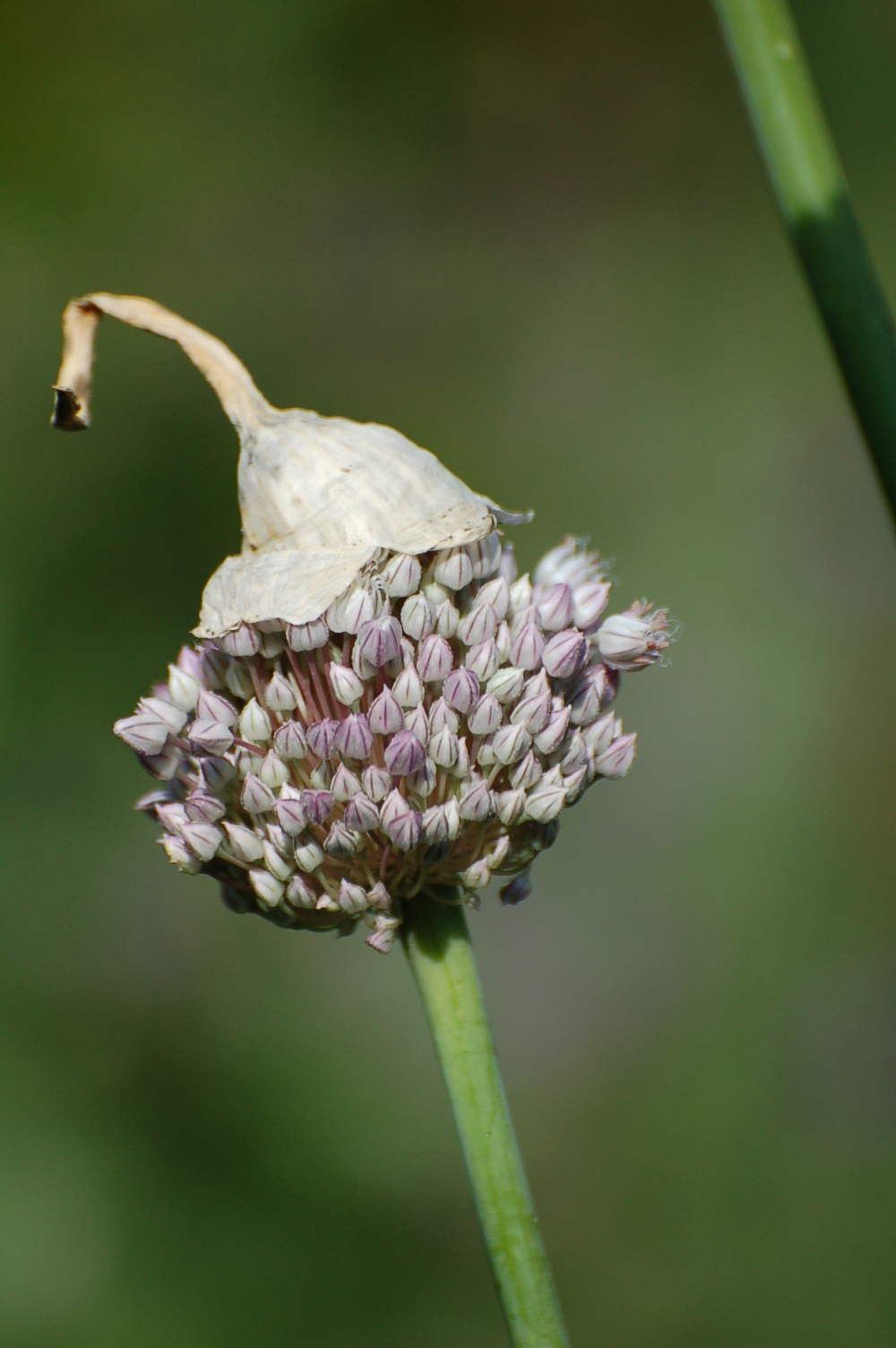

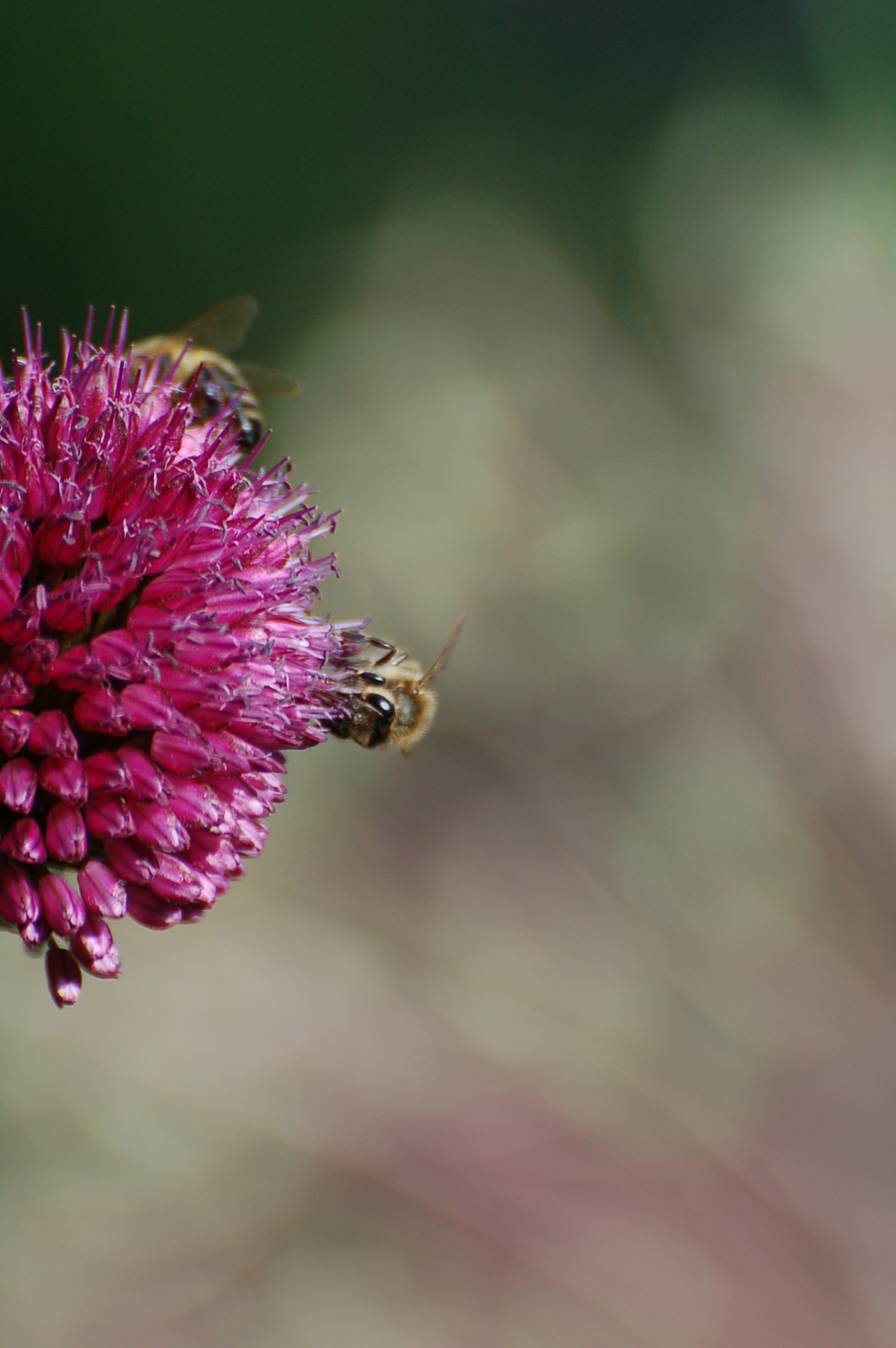

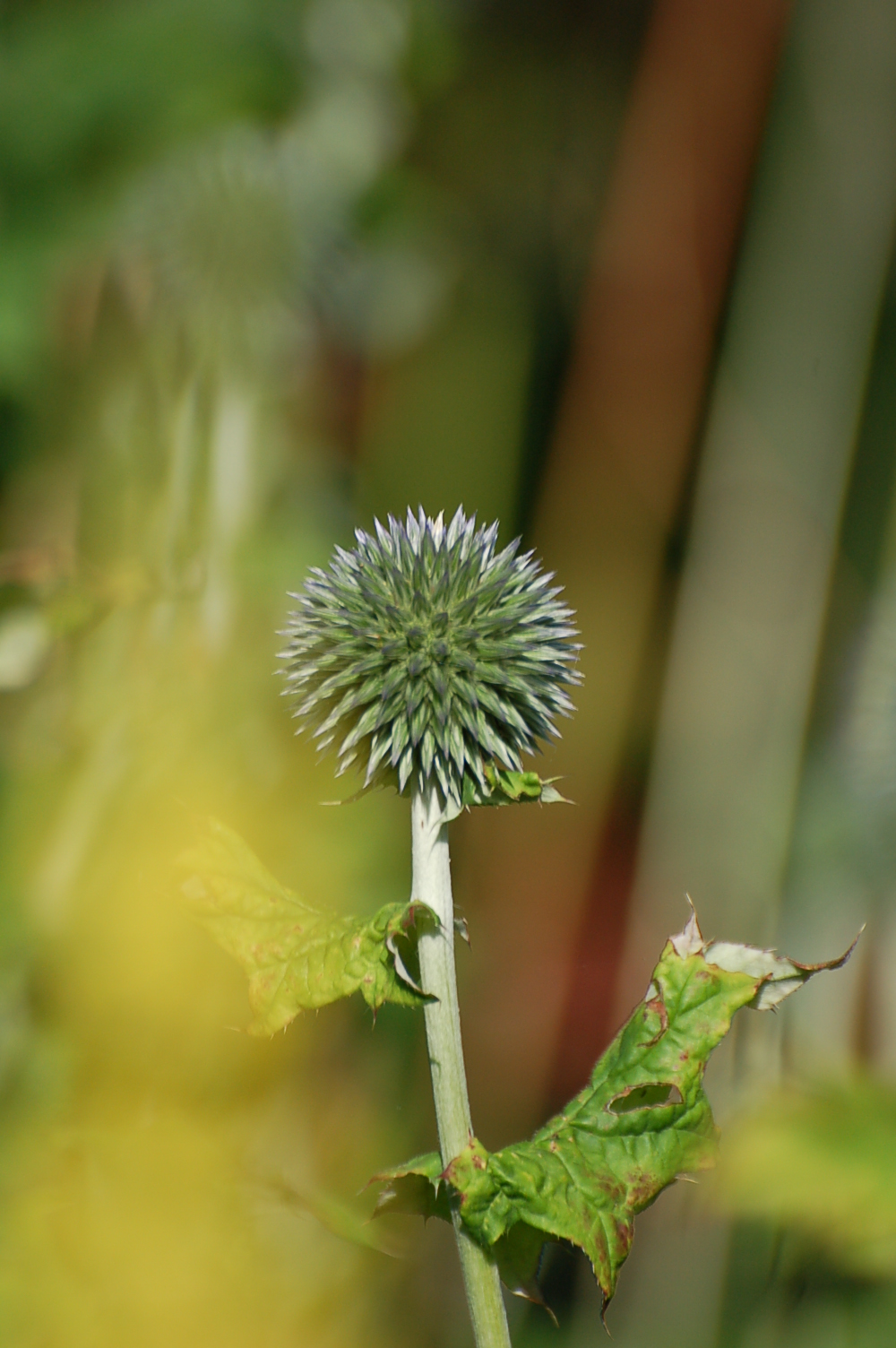


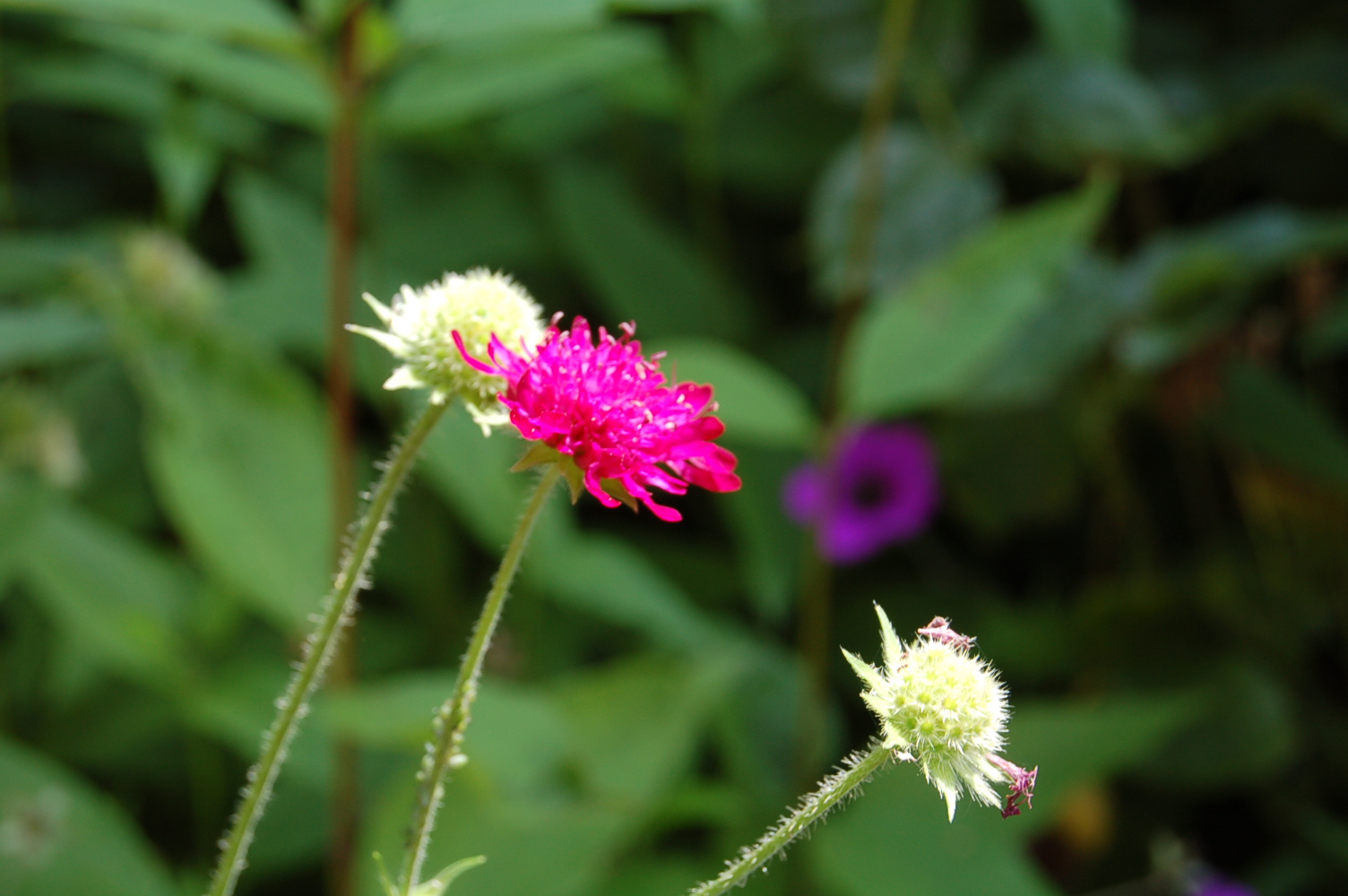
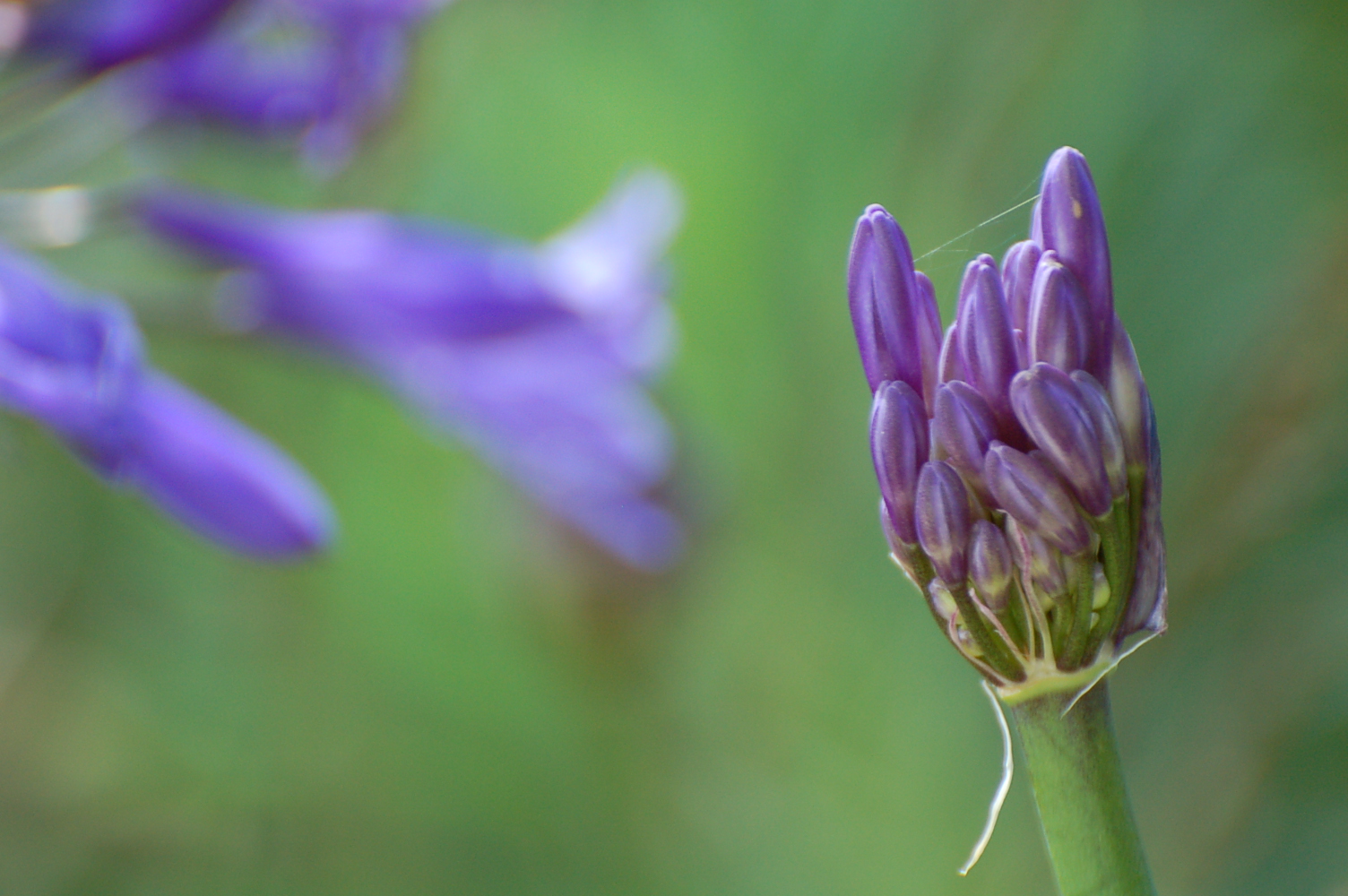
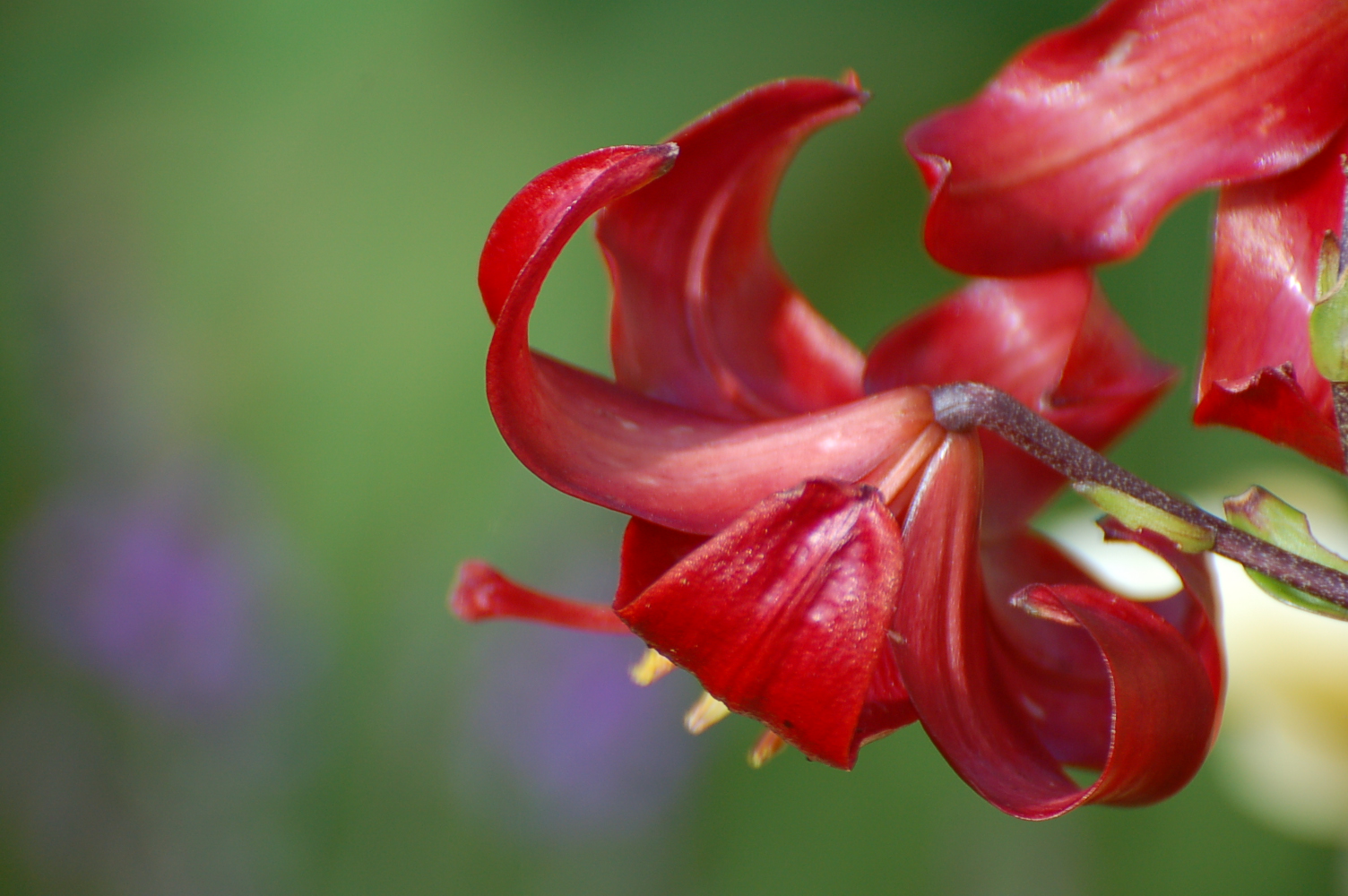
This post is dedicated to portraits of the blooms that are starring in our garden in August. The individual stars which shine out of the borders.
It is pouring with rain – continuous heavy miserable rain pouring down from a dark grey headache-inducing sky. Humidity clings to us. Too wet even for us rain-defying gardeners to get out and garden, too hot and humid to work in the greenhouse. so what to do today? Go for a walk and just get wet of course.
So off for a half hour drive down flower edged lanes to a wood on Wenlock Edge, a place enjoyed when our two children were young. Edge Wood. We park the car in a clearing – it is so dark and the rain continues to bang on the roof of Jude’s little car.
Waterproofs are donned and the camera hangs around my neck hidden from the rain under my jacket. We set off along rutted paths, the mud has been churned up by the hooves of horses so we struggle through mud and deep ruts off into the canopy of trees, taking dark photos of a dark day.

Every leaf surface is shining with wetness and the tip of every leaf has a droplet of rain hanging waiting to drip, matching the drips on the edge of the peak of my cap and on the end of my nose.

The wet surface of foliage serves to emphasise their textures and shapes, increasing their individual beauty.
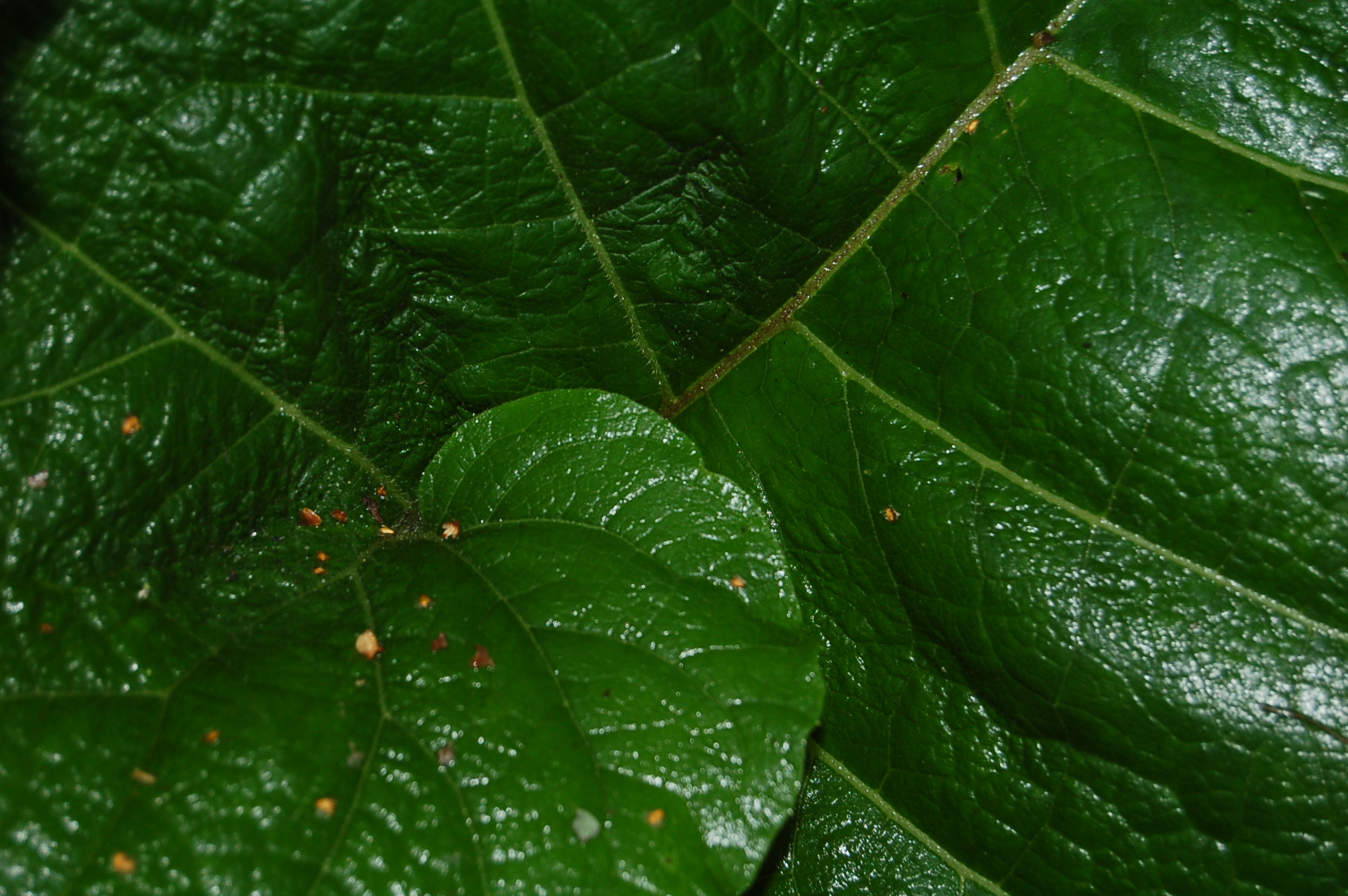


This little wood is home to 250 different wildflowers but today only a handful are in evidence. It is late in the season and the darkness is not enticing buds to open and display their flowers.
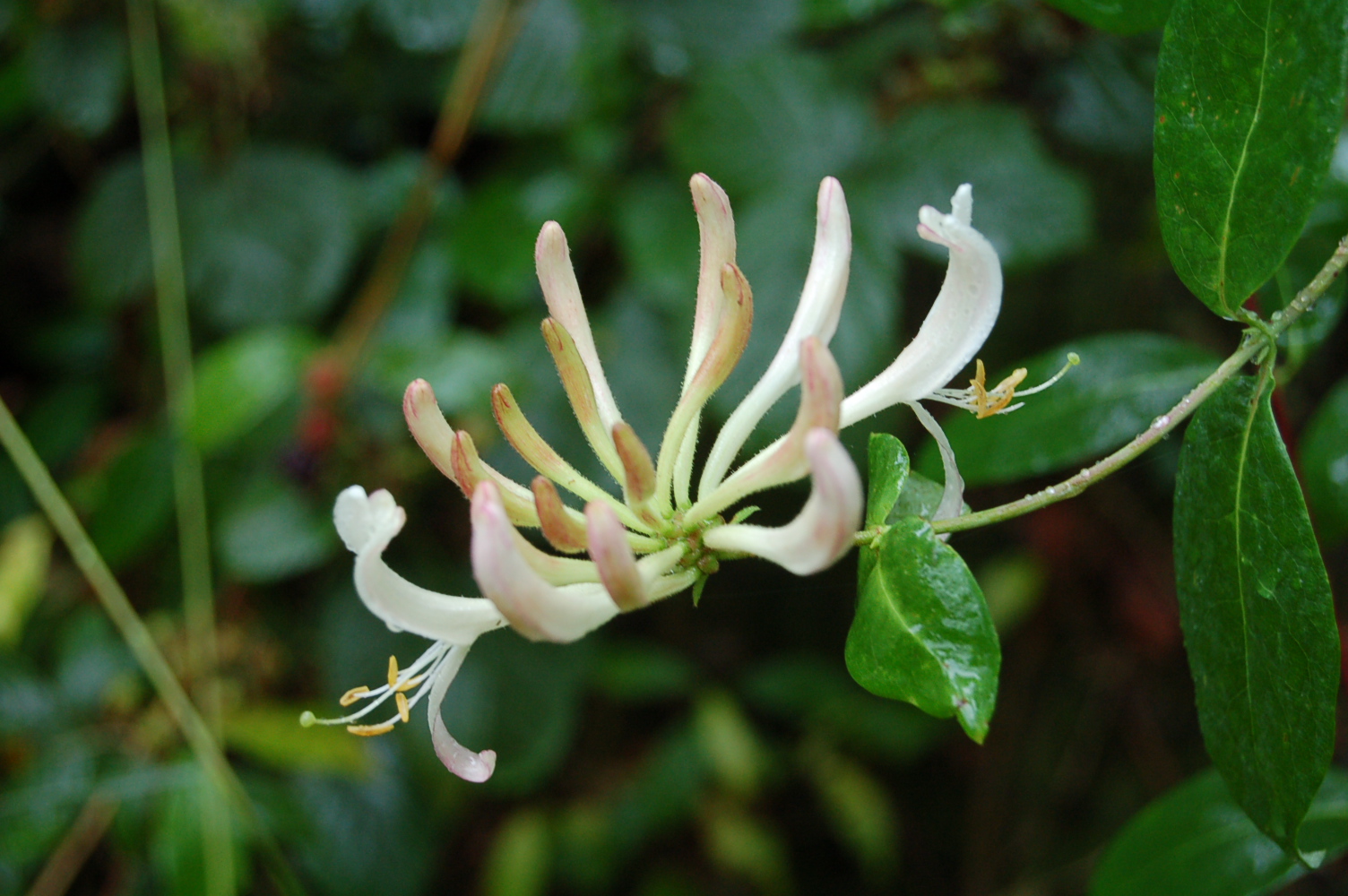
The Woodbine, our native Honeysuckle, clambers up many of the tree trunks and display flowers at nose height encouraging us to enjoy their scent. But in the daytime the scent is hardly discernible from the wet wood smells, for it does not give off scent for us, it will wait until the evening draws in and intensify the scent, a special scent to draw in night-flying moths who will do the Woodbine’s bidding and pollinate the blooms.
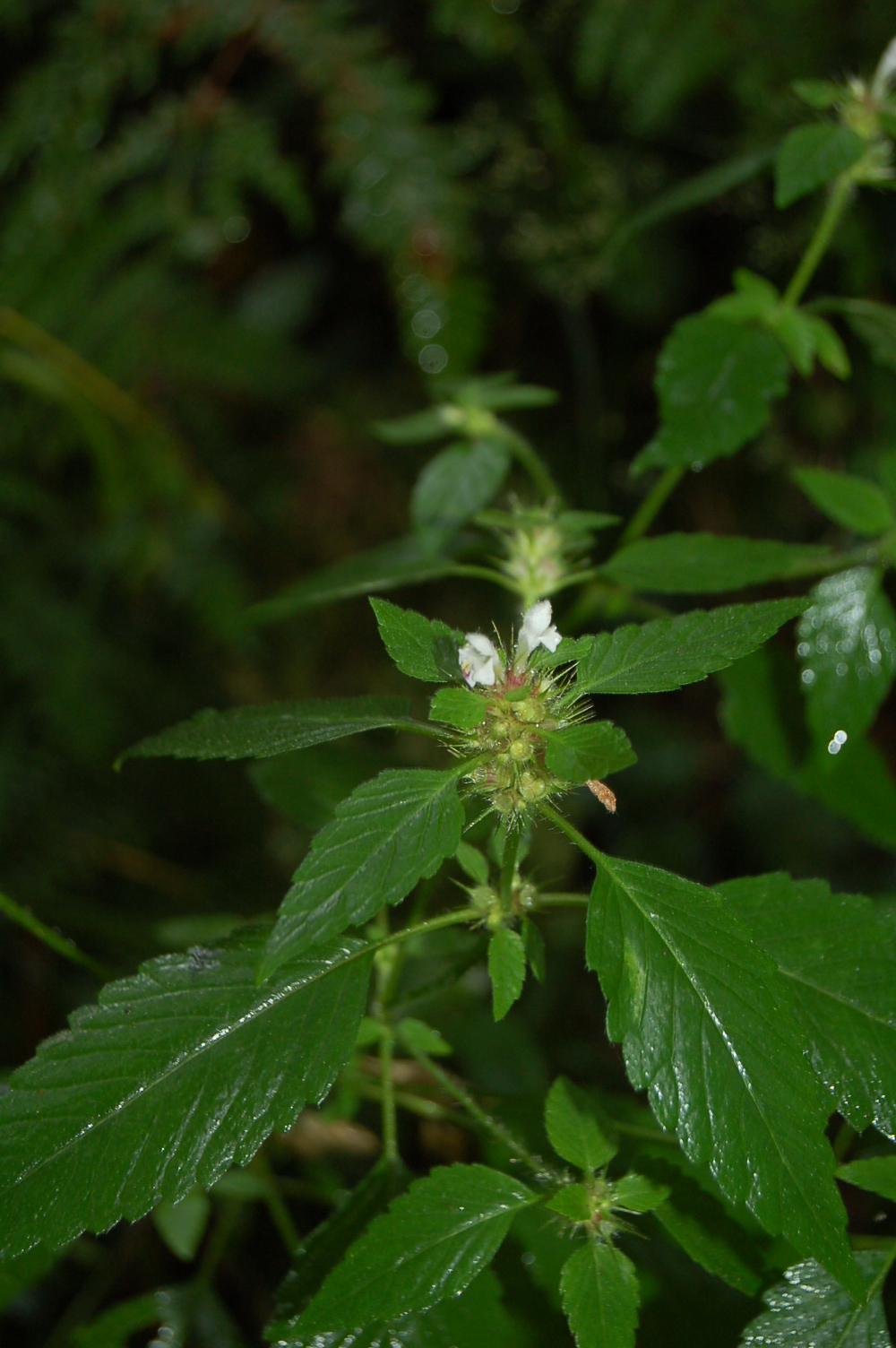
This little white gem shone like stars in the night sky – Gipsy Wort. The green of the foliage is so fresh and whitens the flowers even more.
The most floriferous of all plants in the wood in August are the grasses and sedges displaying a rich diversity of shapes and structures in their flowering.


There are signs of man’s influence hidden away in the wood, evidence of coppicing, an old hedgerow, layered hedging gone wild and trees felled. There are clues of man’s past presence, working woodsman and farmers. The hand of man is now being rubbed out by the heart of nature.


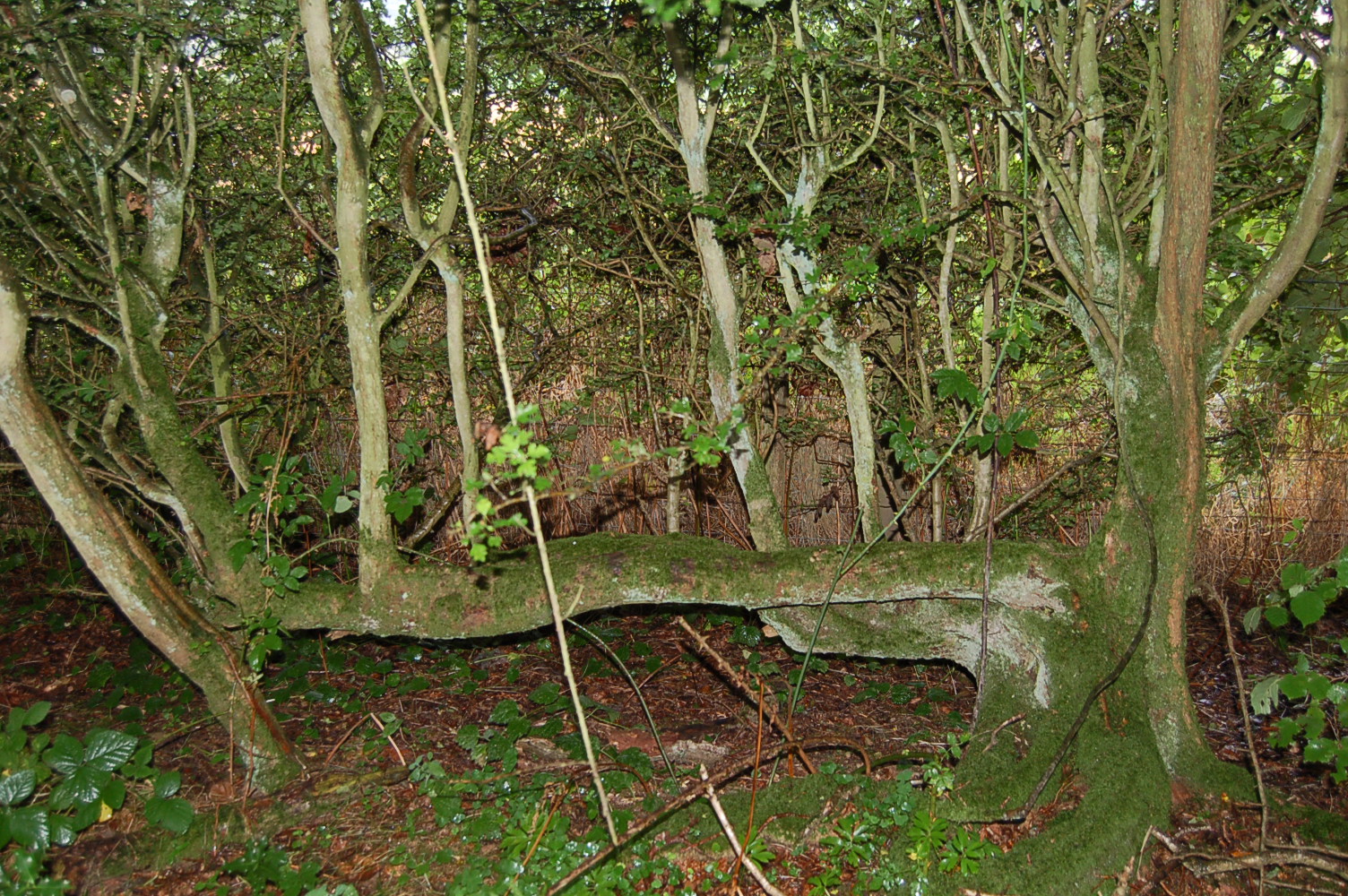
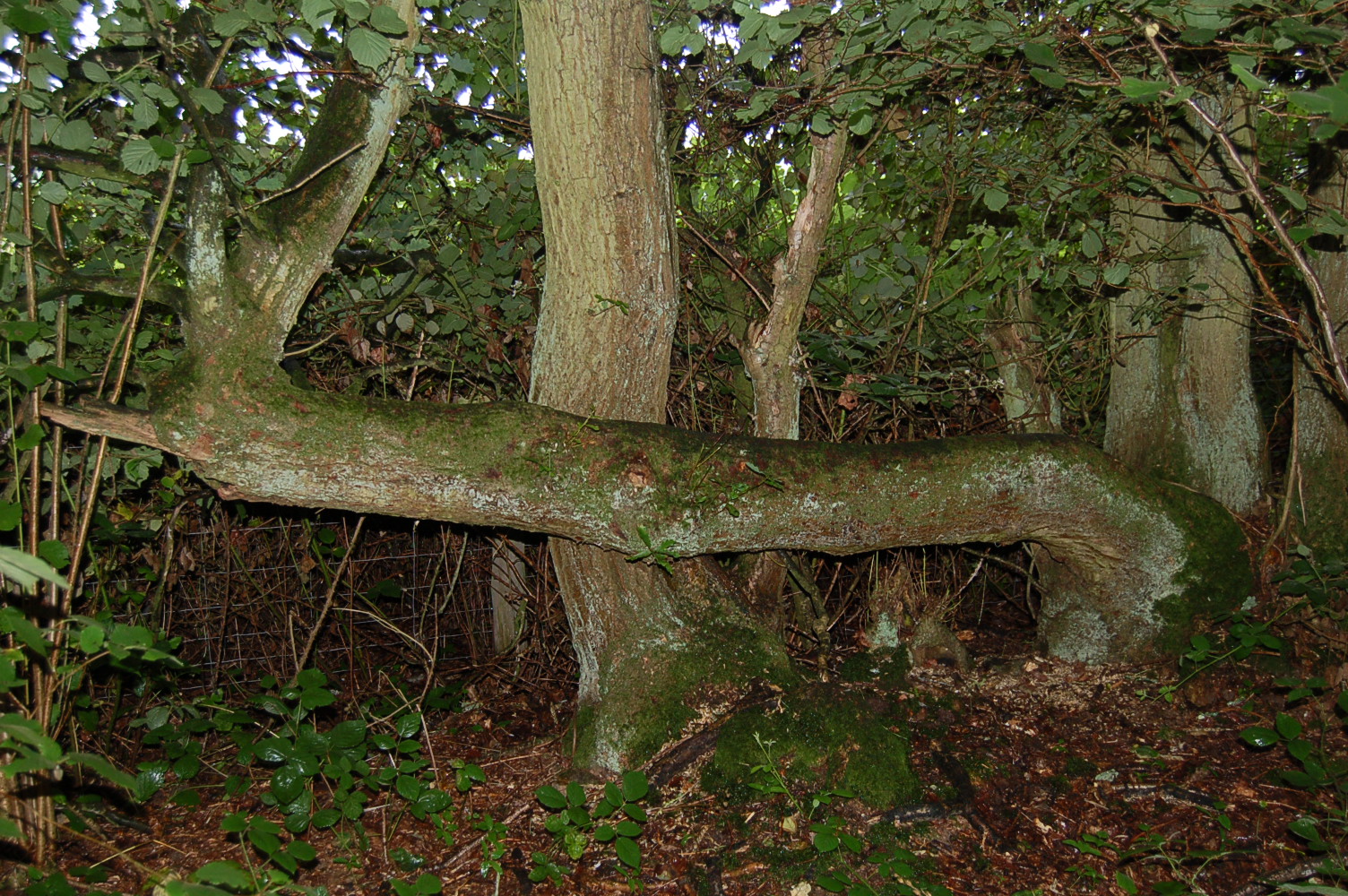

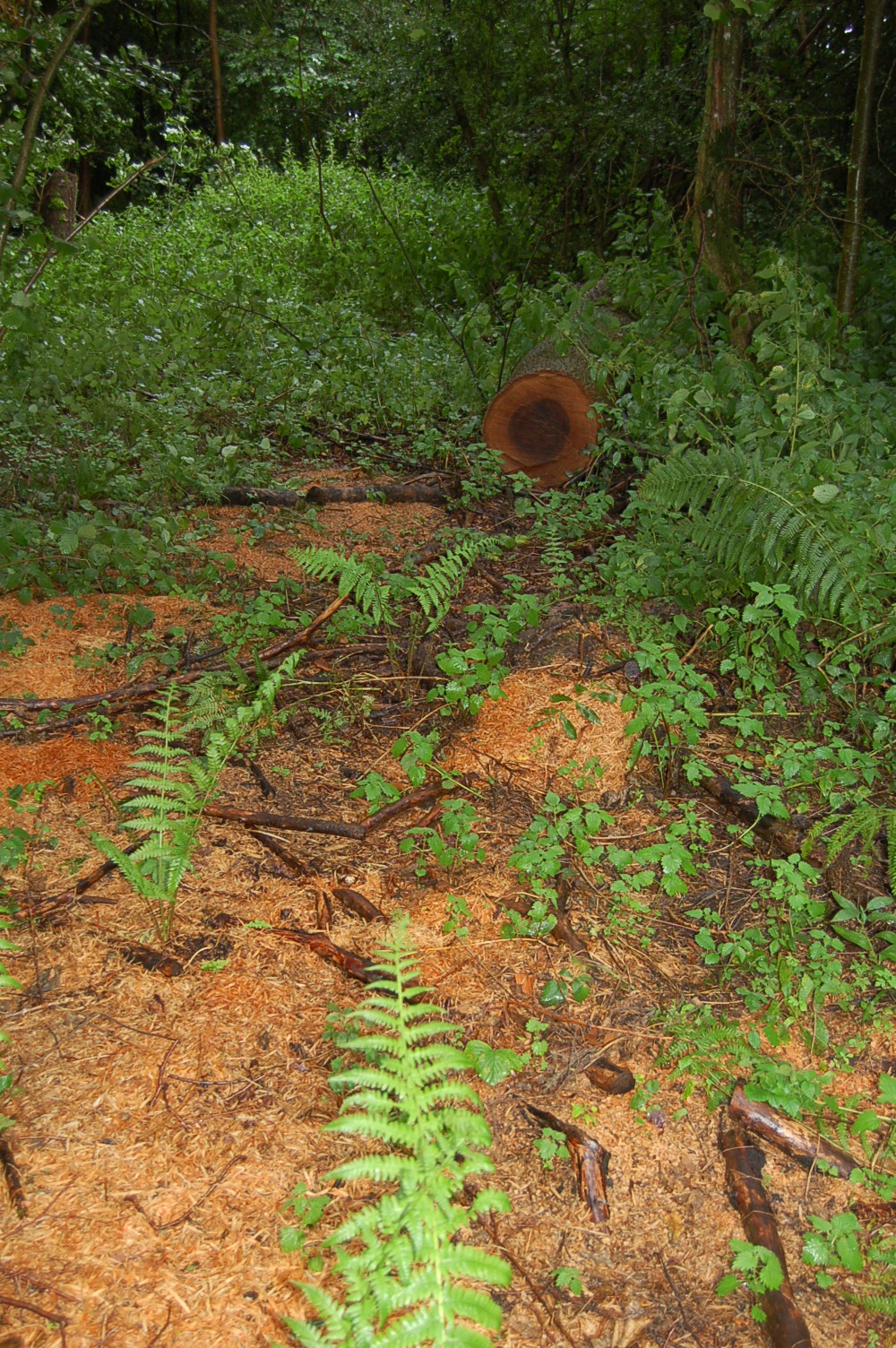
As we wander through the wet wood we get regular glimpses of the Shropshire countryside through gateways and gaps in the hedges and trees. The rain is softening the landscape and hiding hills from view.
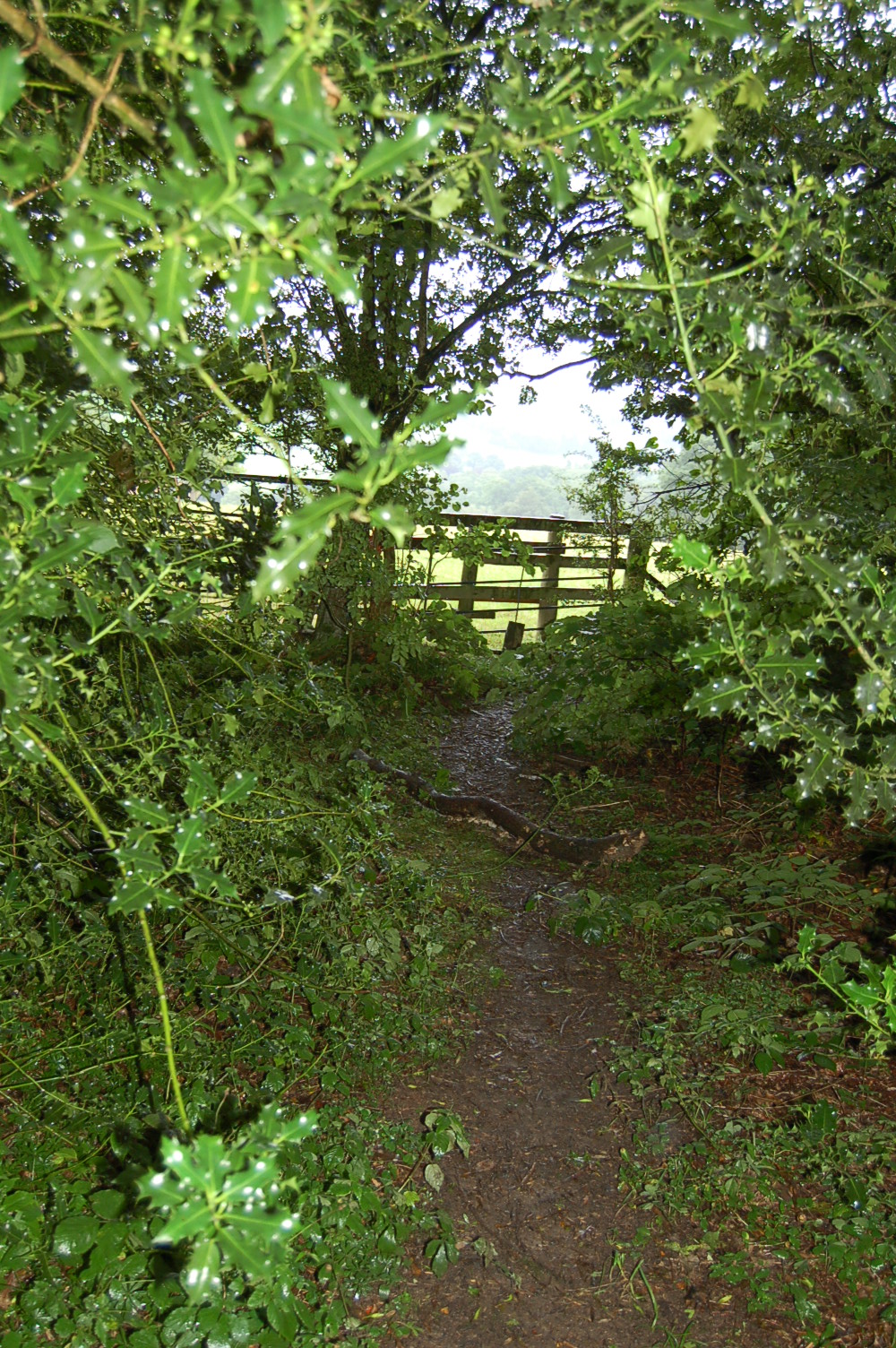
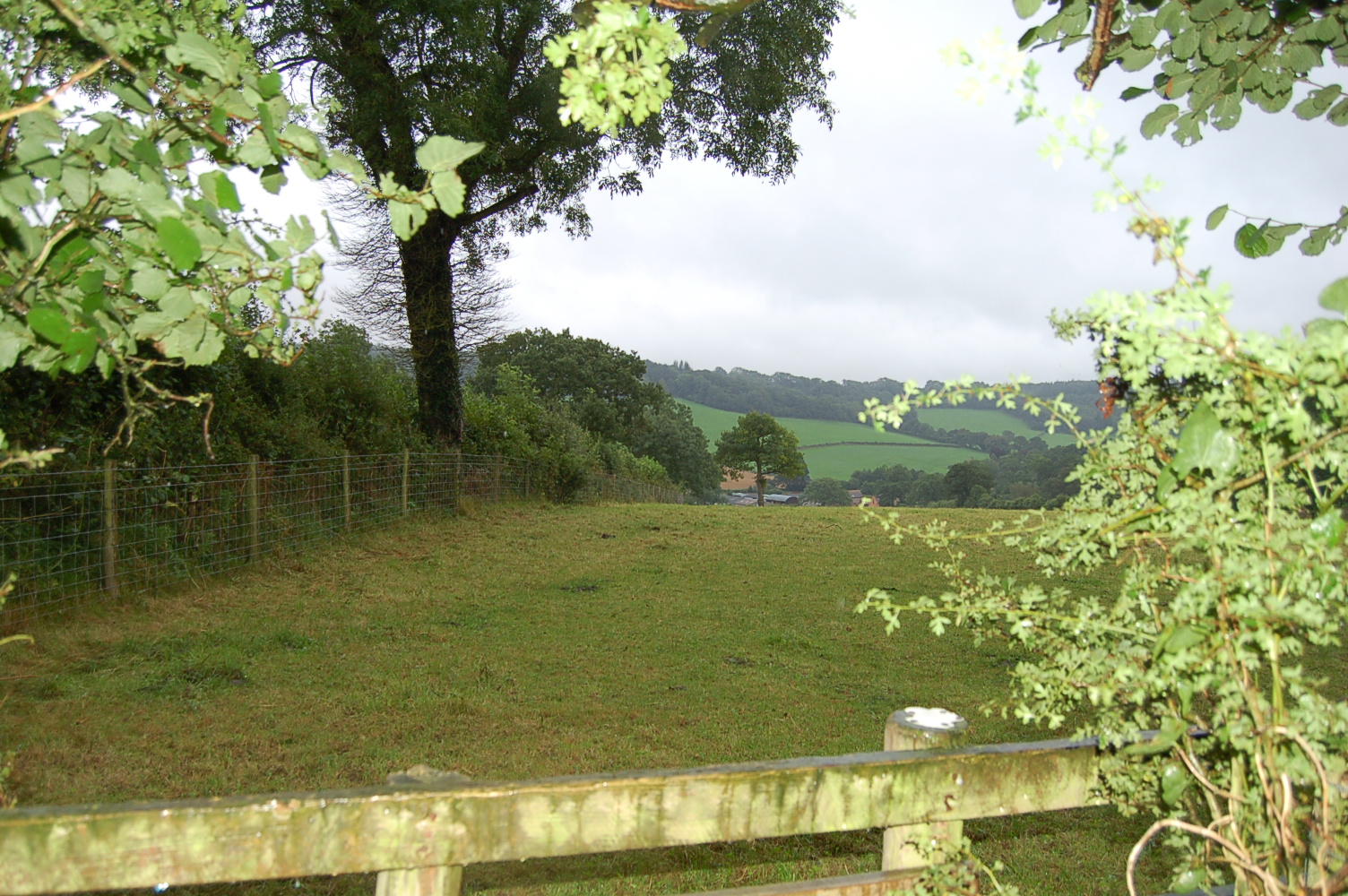

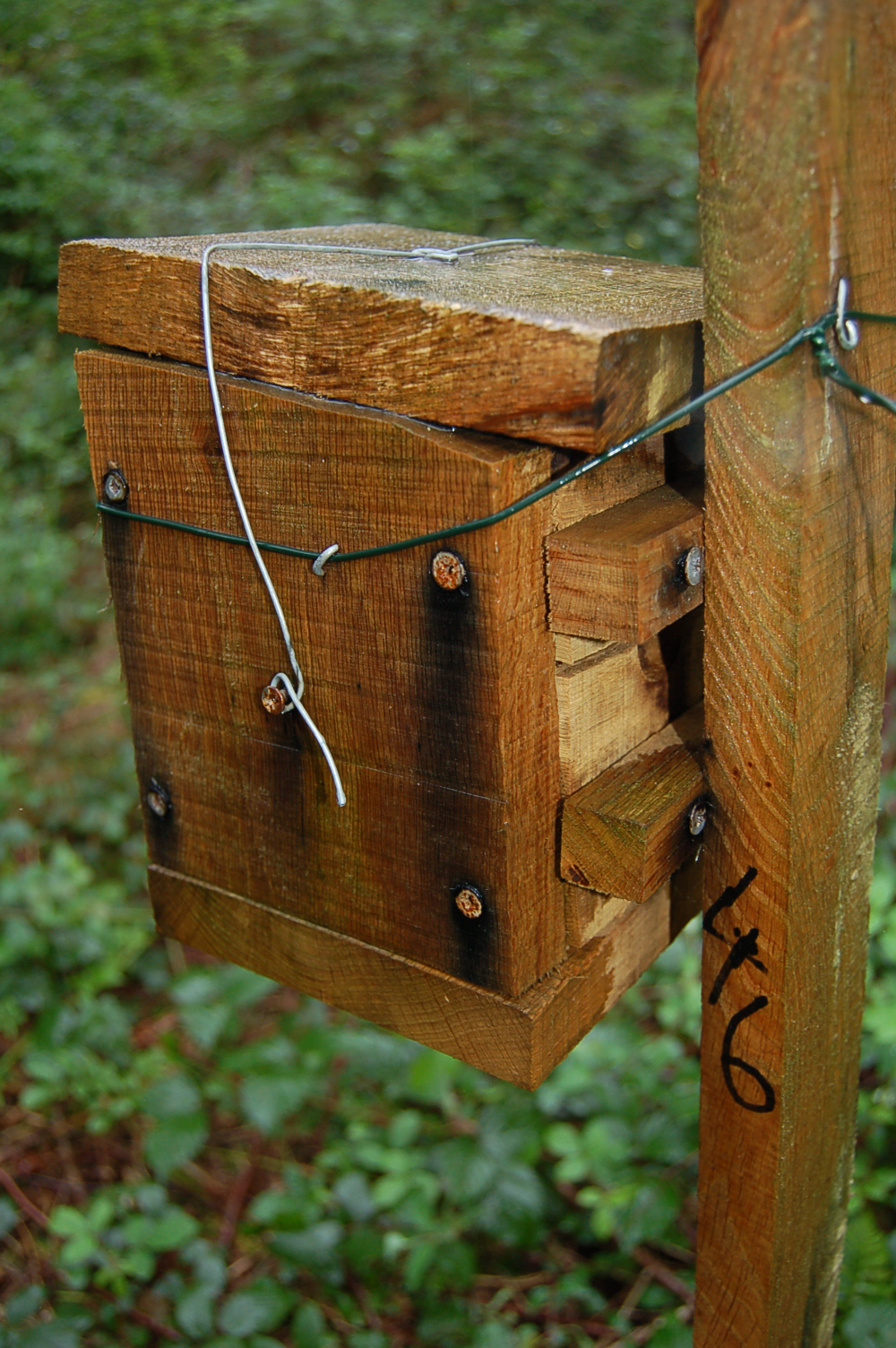
The wood is home to a couple of rare mammals, dormice and the Yellow-necked Mice. Nestboxes are provided to encourage the dormice to breed and roost.
The tree canopy is mostly silent, the birds in moult keep out of sight ashamed of their scruffy appearance and worried that they are more susceptible to predators. In odd places the calls of small birds show they are moving about high above us, Goldcrests, Treecreepers, Siskin and Titmice in variety.
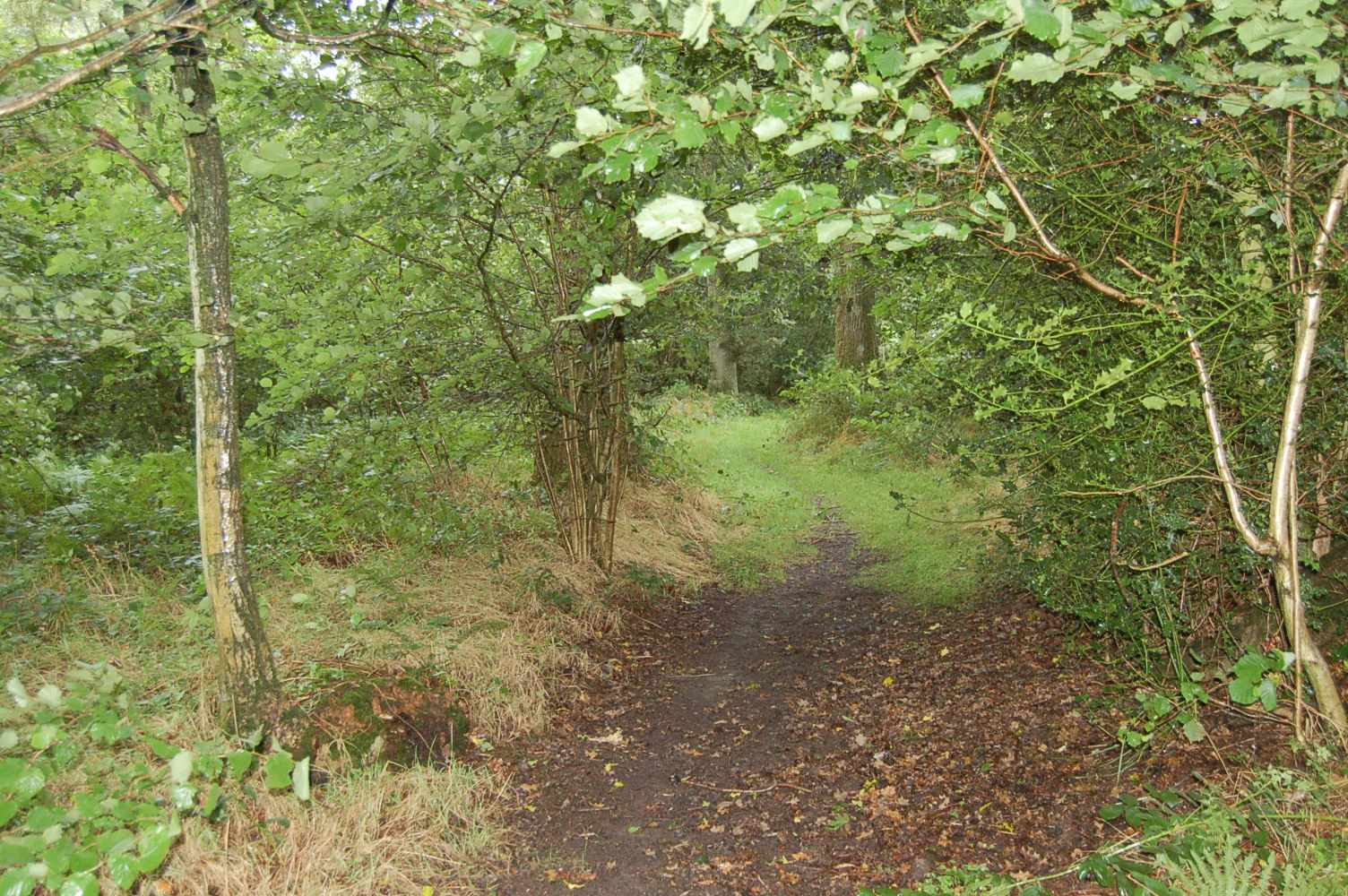
The paths lead us through the wood almost around its perimeter.

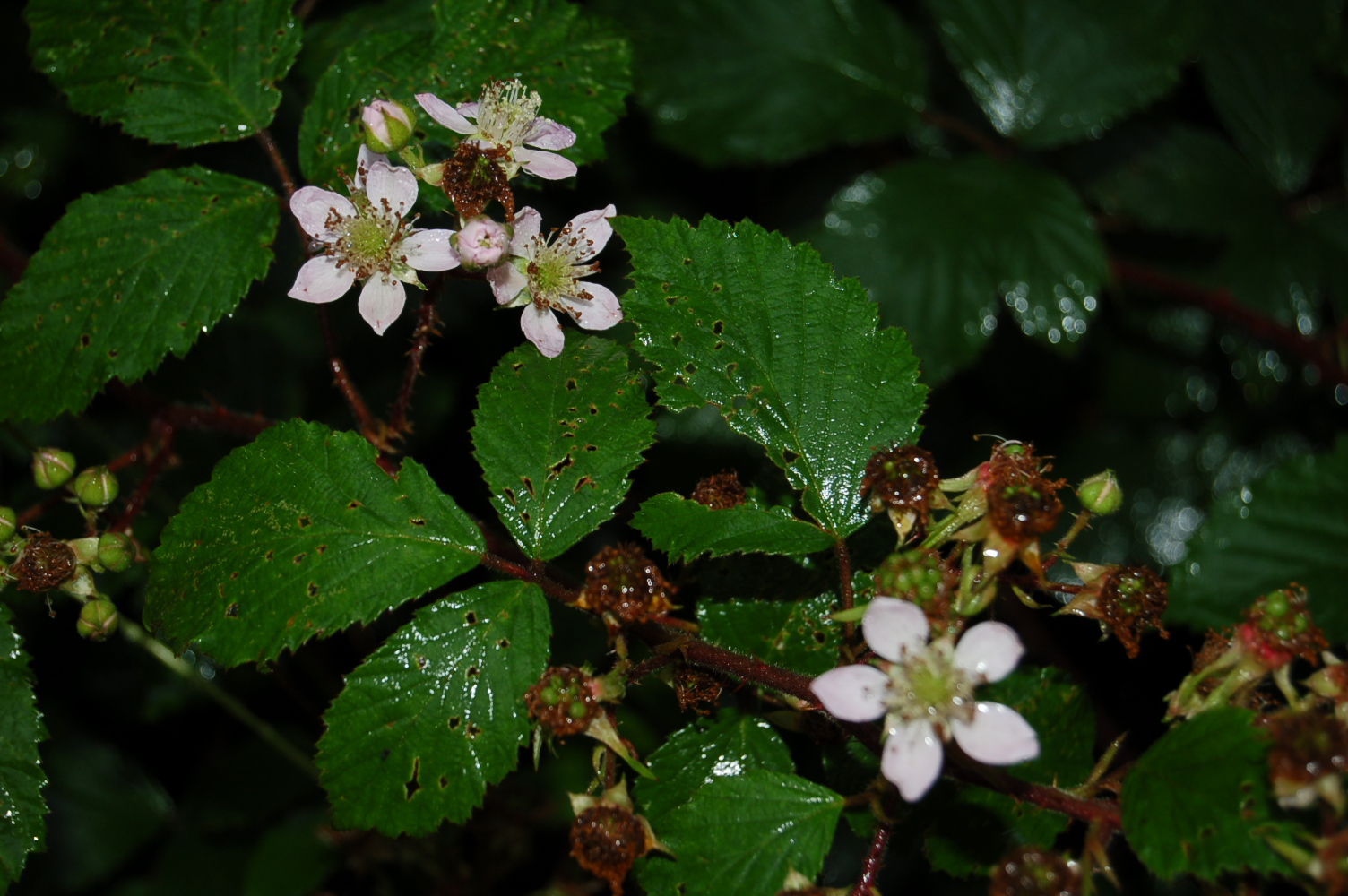
At times little cameos of nature’s work present themselves to us, little details giving glimpses of woodland beauty.


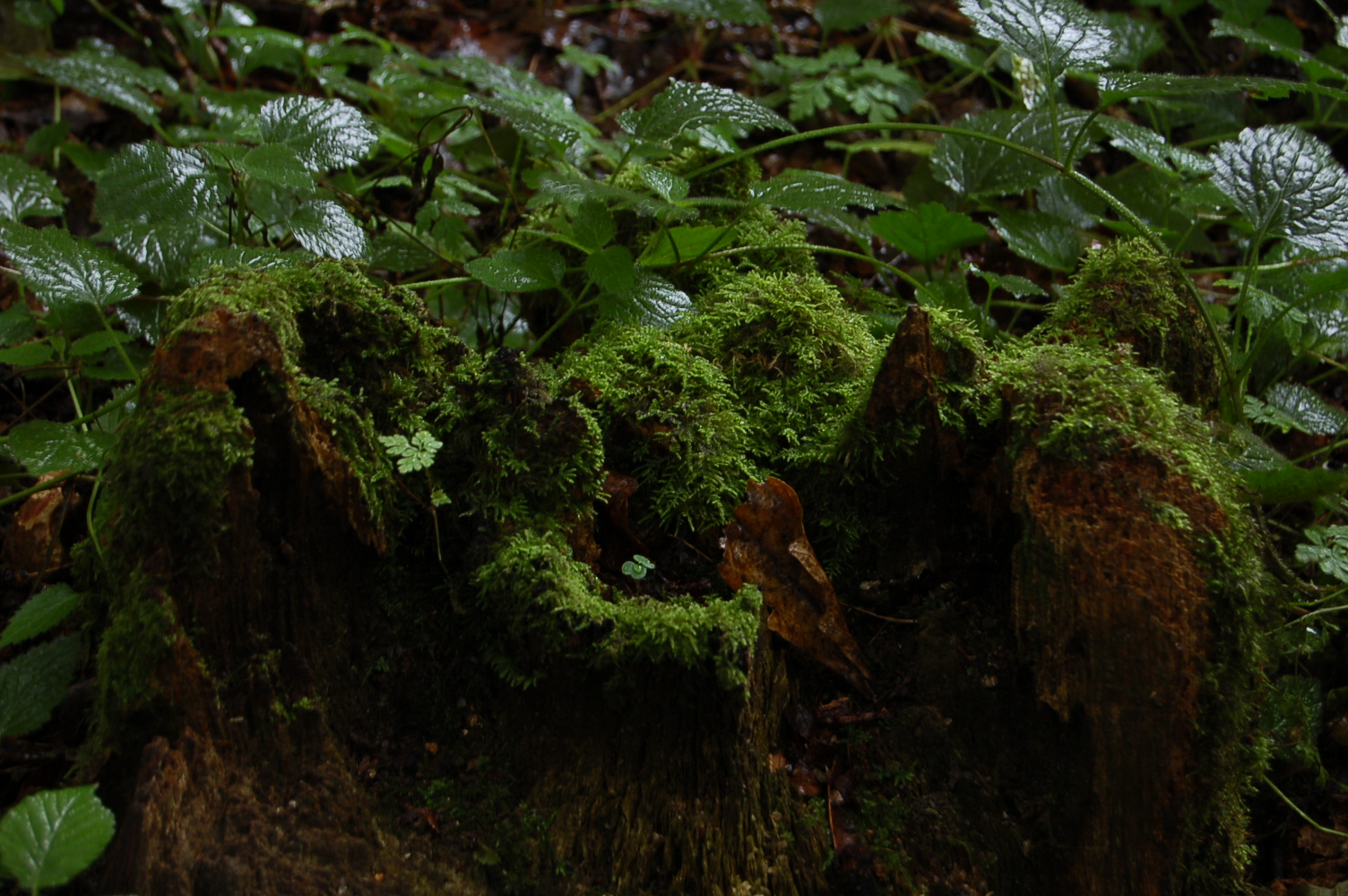
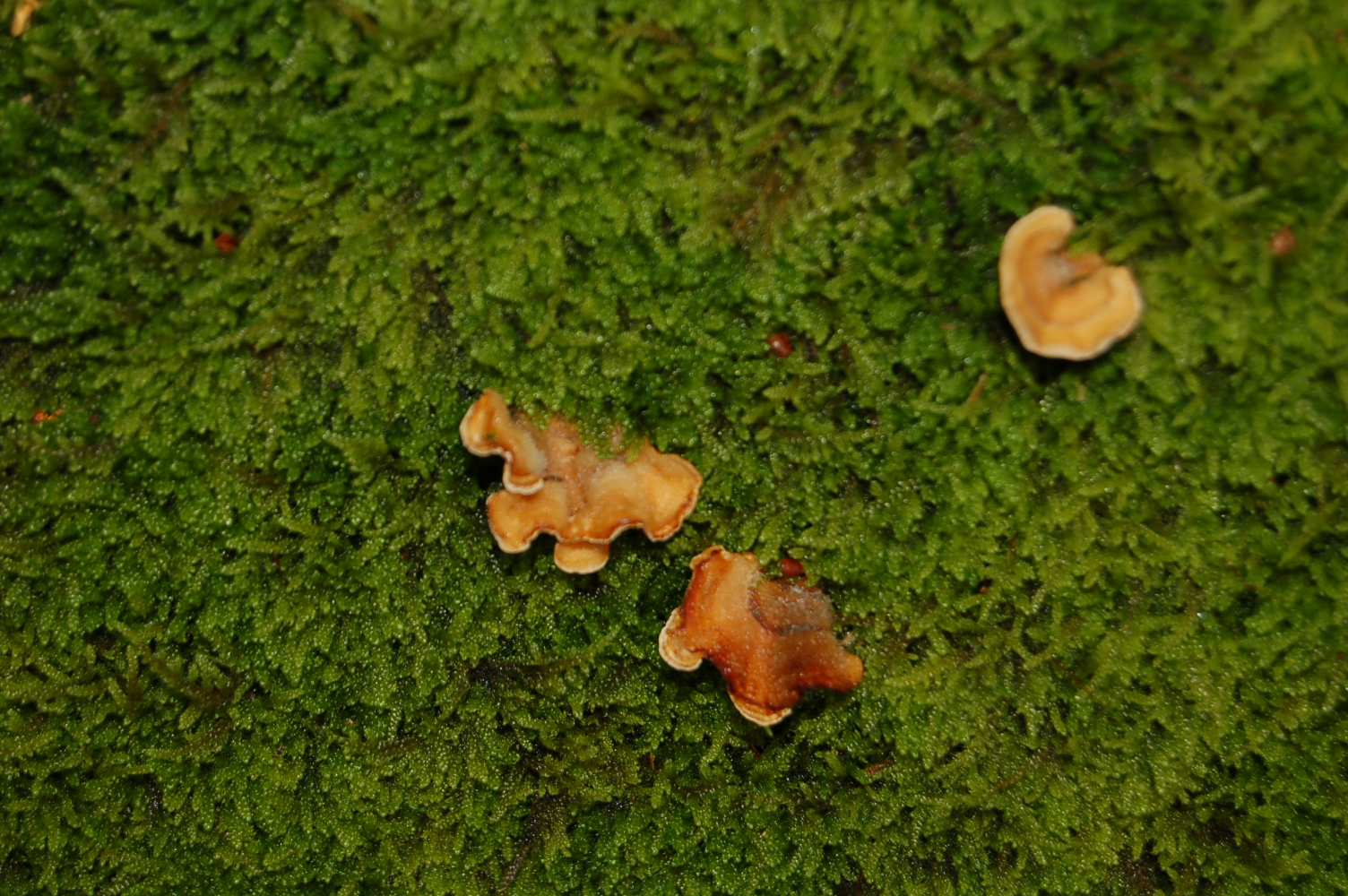
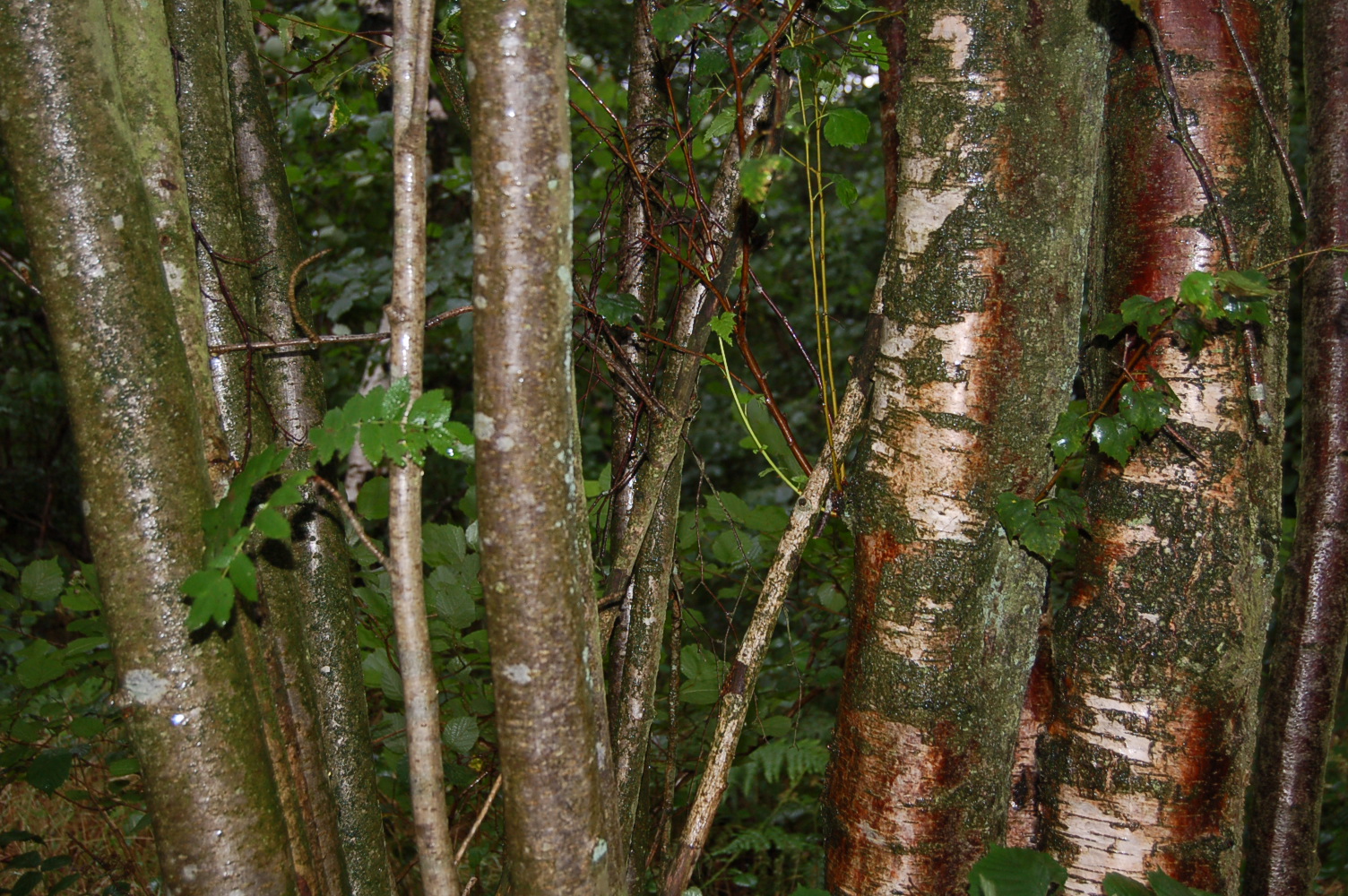

Sometimes being in a dark wood getting wet is the best place to be!
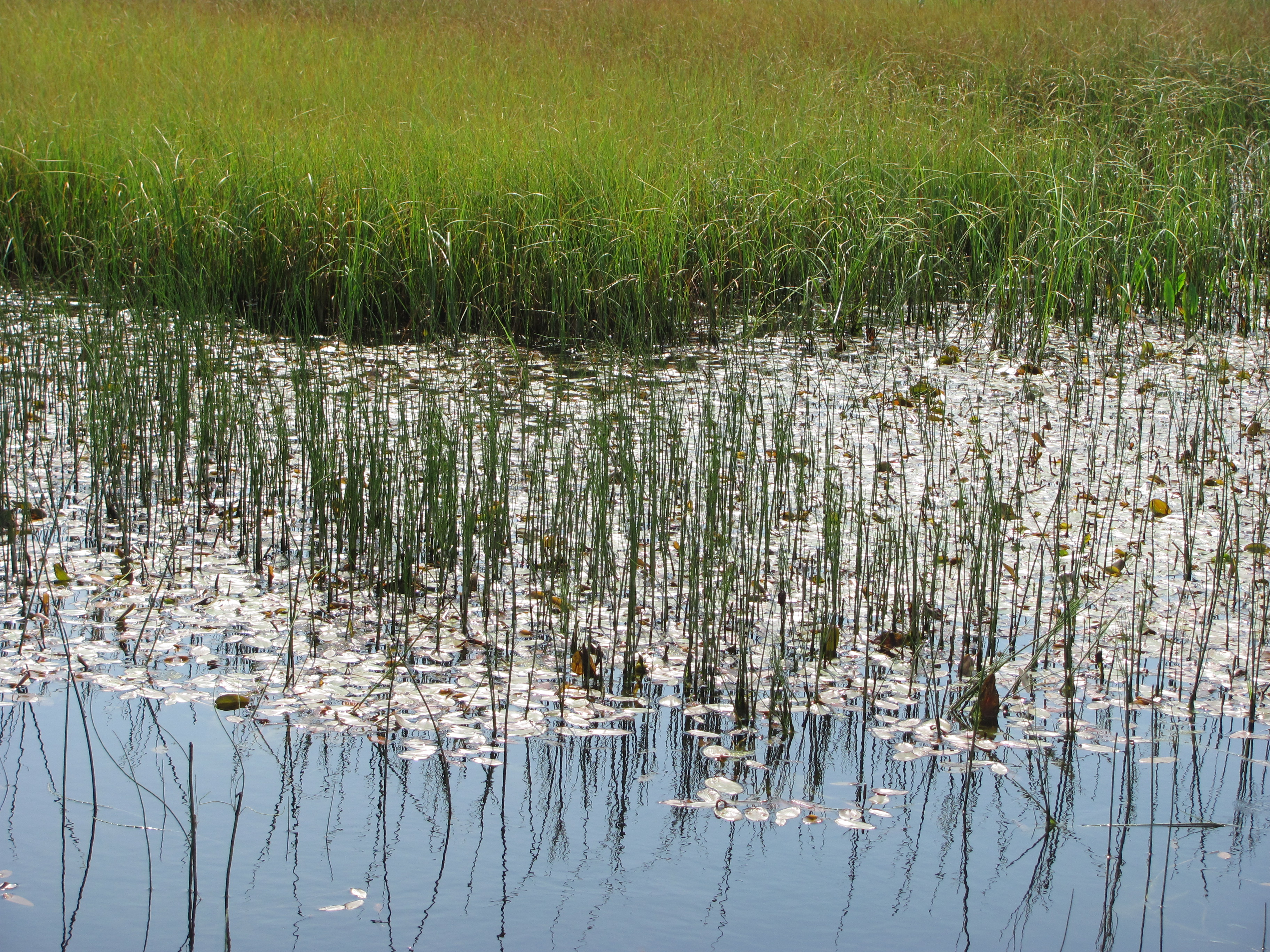
Wildmoor Pool sits alone up on the top of the Long Mynd amongst open moorland. We live on the northern edge of the South Shropshire Hills and we need to drive only a short distance to the Long Mynd at the southern edge of the South Shropshire Hills. On a very hot and humid day we decided to take our books, a flask of coffee and some fruit and seek out the cooler air atop the Long Mynd. We had never been to the Wildmoor Pool before and we were stunned by its beauty and isolation as it came into sight. A triangle of clear water tinged brown by peat.
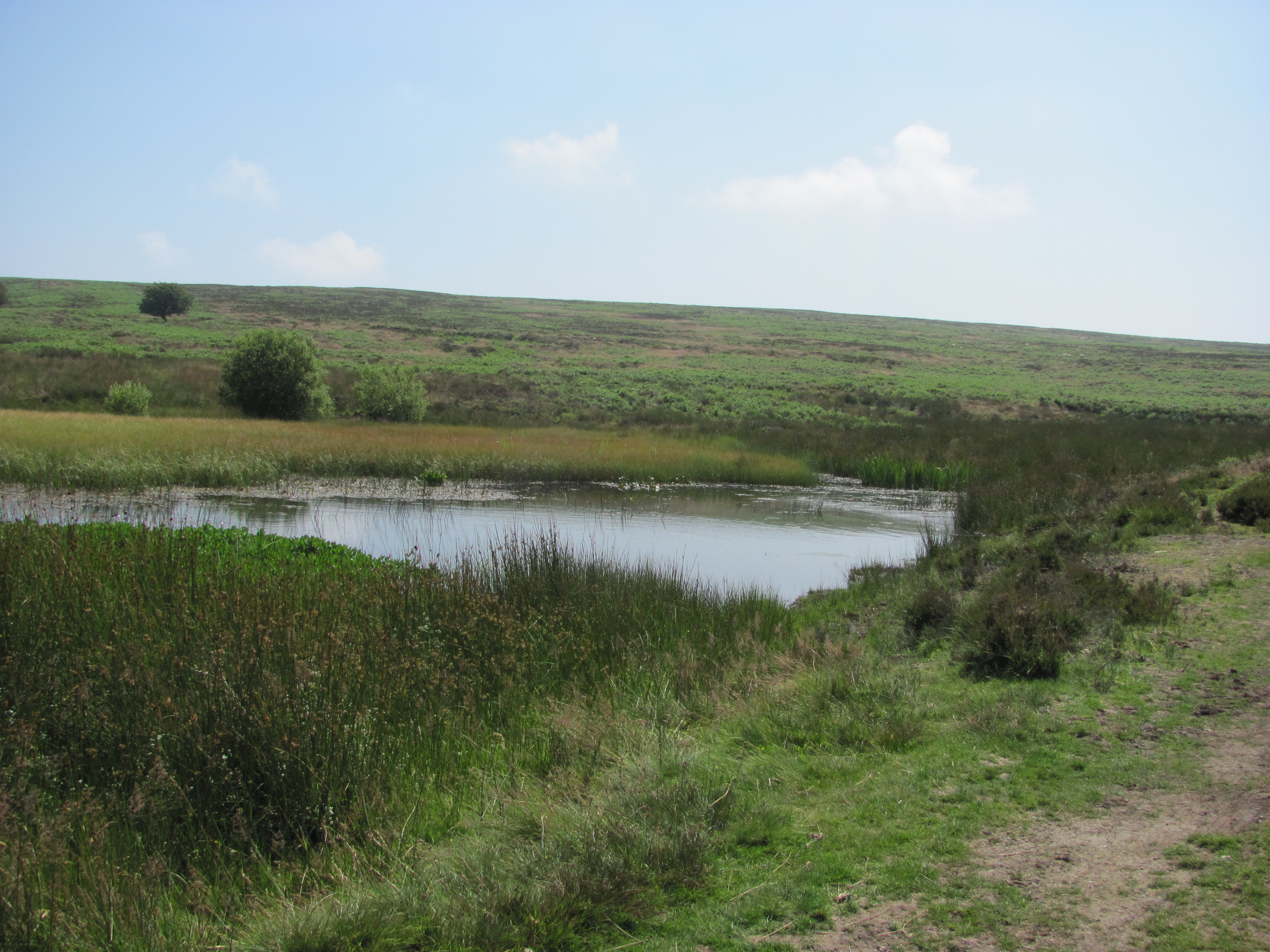

It is described in my book on the Long Mynd as a place to sit and wait for the wildlife to arrive. This proved to be so true. On our arrival we spotted lots of different Damsel Flies and Dragonflies in a myriad of sparkling colours, but little else, no birds to be seen or heard in the sky, on the bushes or amongst the bracken and heathers. These dragonflies have such evocative names – Black Darters, Common Hawkers, Golden-ringed Dragonfly.
So we sat, got comfortable, poured coffees and got out our books to enjoy in the peace up on the long mountain. The silence and still warm air created an atmosphere of calm and peacefulness – and above all contentment. This silence was only occasionally interrupted by tiny splashes of water as fingerling Brown Trout plucked flies from the mirrored surface and sent ripples out in concentric rings moving slowly outwards towards the edge of the pool. Deep throated croaks from frogs emerged from deep within the reeds. The surface dwellers barely make a sound or a ripple, the Water Measurers, Pondskaters fail to break the surface. Water Beetles and Water Boatmen pierce through the surface to collect bubbles of oxygen.

Reflections decorated the pool’s surface. When the Brownies’ ripples reached them they shimmered but otherwise they were still as the mountain air.

The slopes of the mountain here were decorated with bracken and heather and little else, so the tiny simple blooms of the Tomentil shone like golden stars in a clear sky. Yellow glows in so much green. Close to the pool edge the bracken is joined by tough sedges such as Bottle Sedge, rushes such as Common Spike Rush, with Yellow Flag and Mountain Thistles punctuating them with colour. Further from the bank Bogbeans and Bog Pondweed flourish.
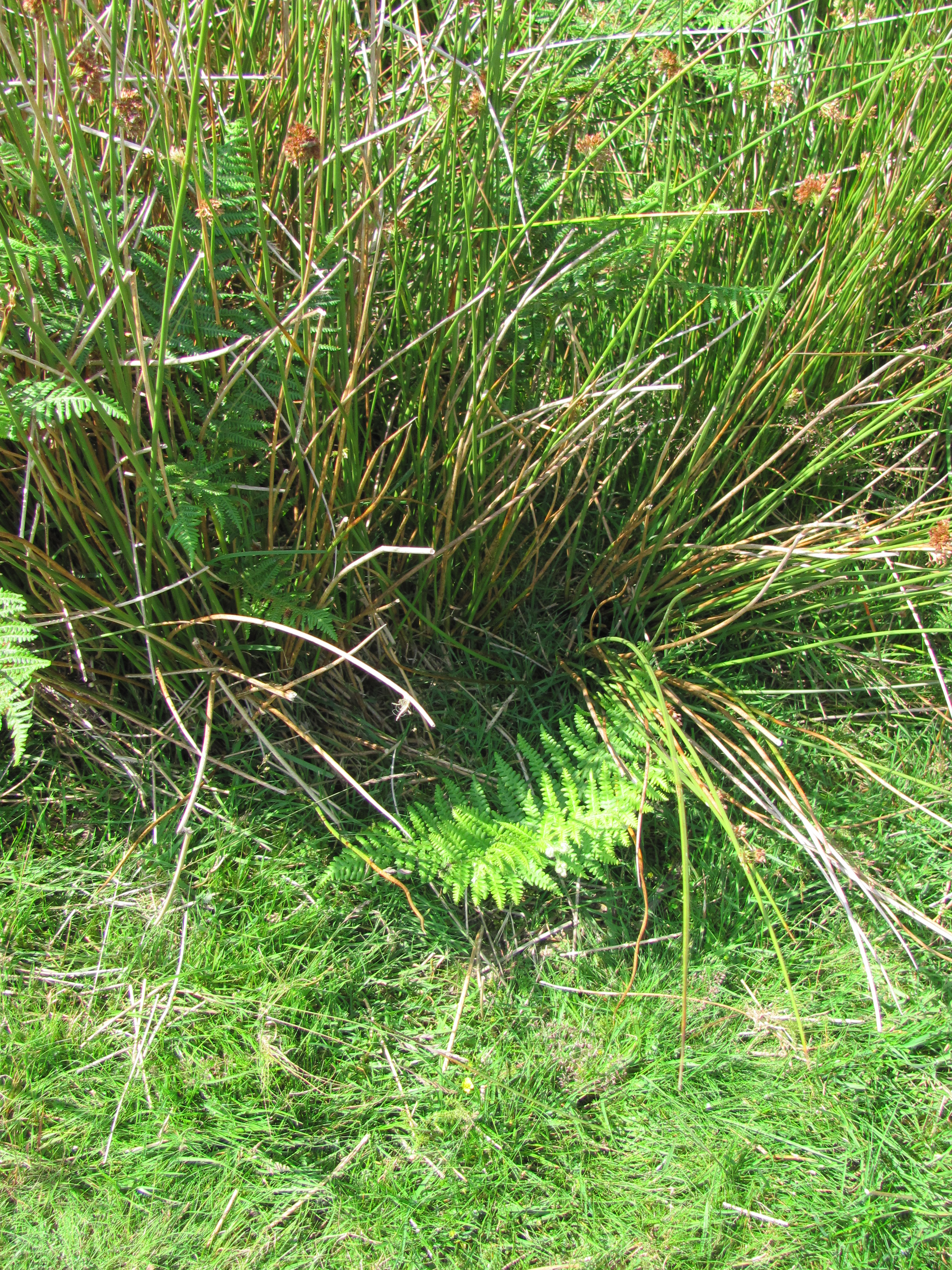
Water plants often take a pool over trying to cover it and dominate, but here the National Trust manage the amount of growth and keep a good percentage of water clear. This allows us to appreciate the large white flowers of the Waterlilies pushing through the surface amongst their flat circular plate-like leaves. As far as we know we have only two native waterlilies, one little yellow one and a larger white one but this one was the palest shade of pink, which confused us.

The clear air up here encourages lichens and mosses to grow on any suitable surface. Around the pool and roadside they colonise fenceposts of concrete and wood.
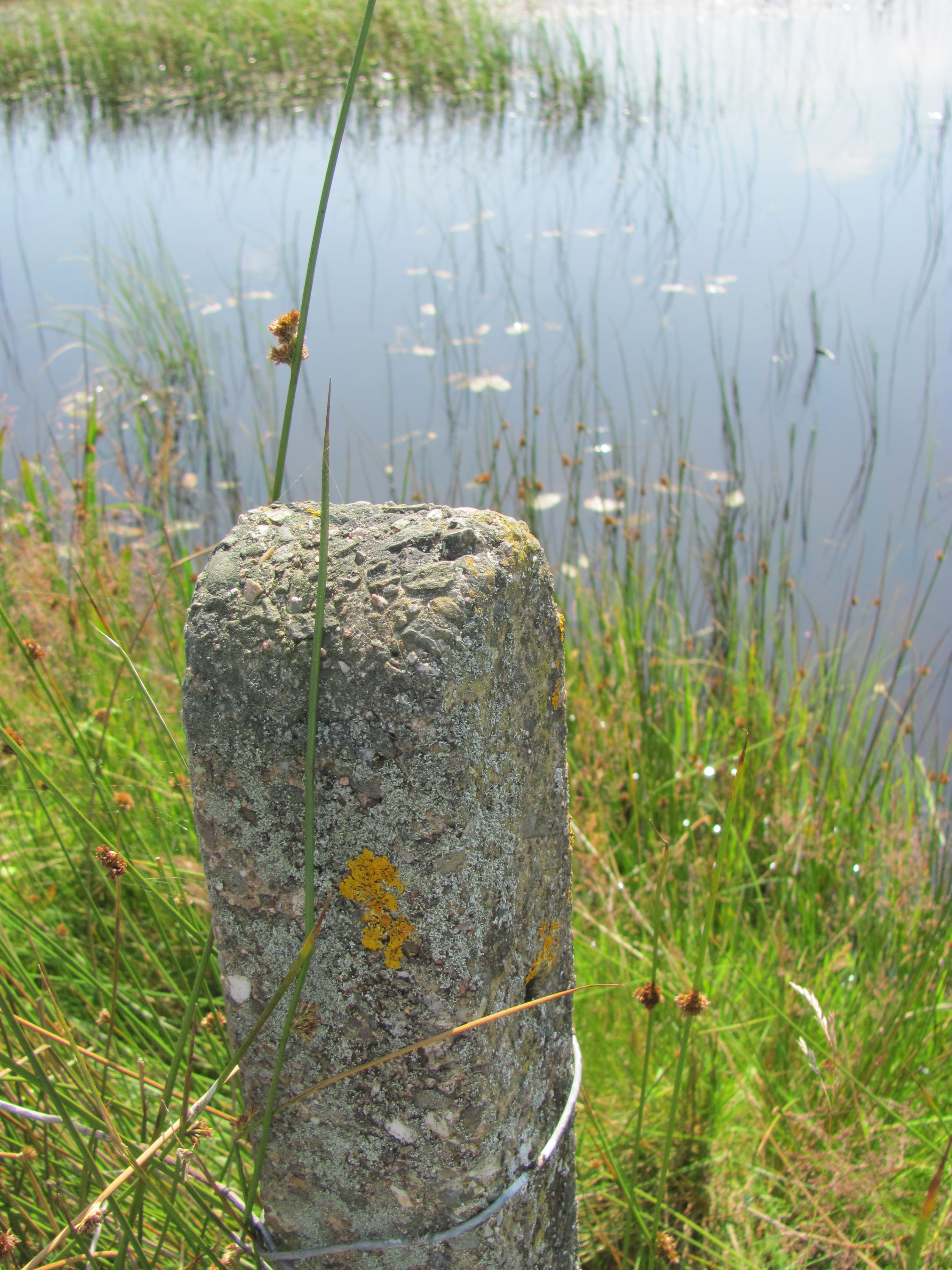
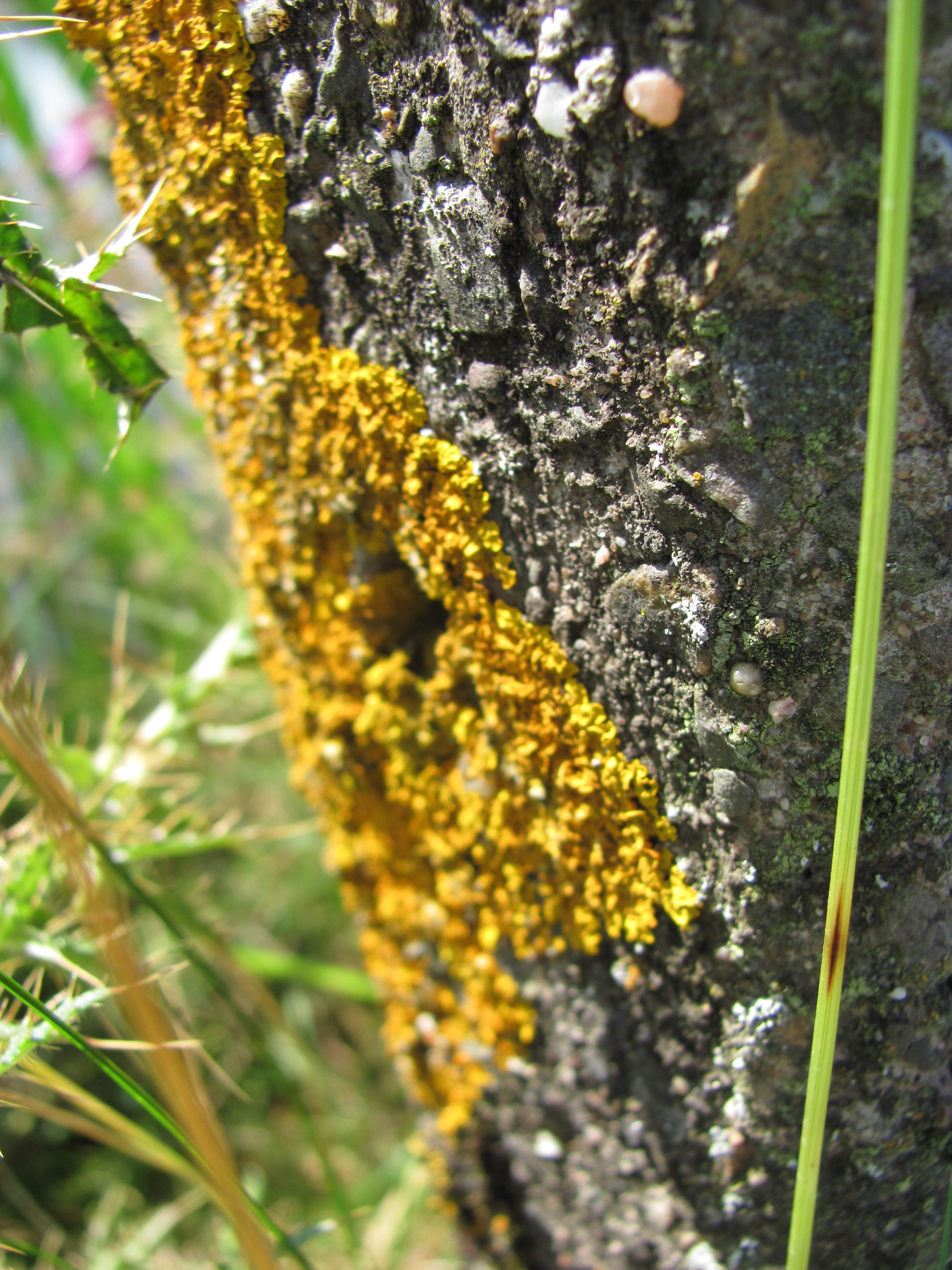

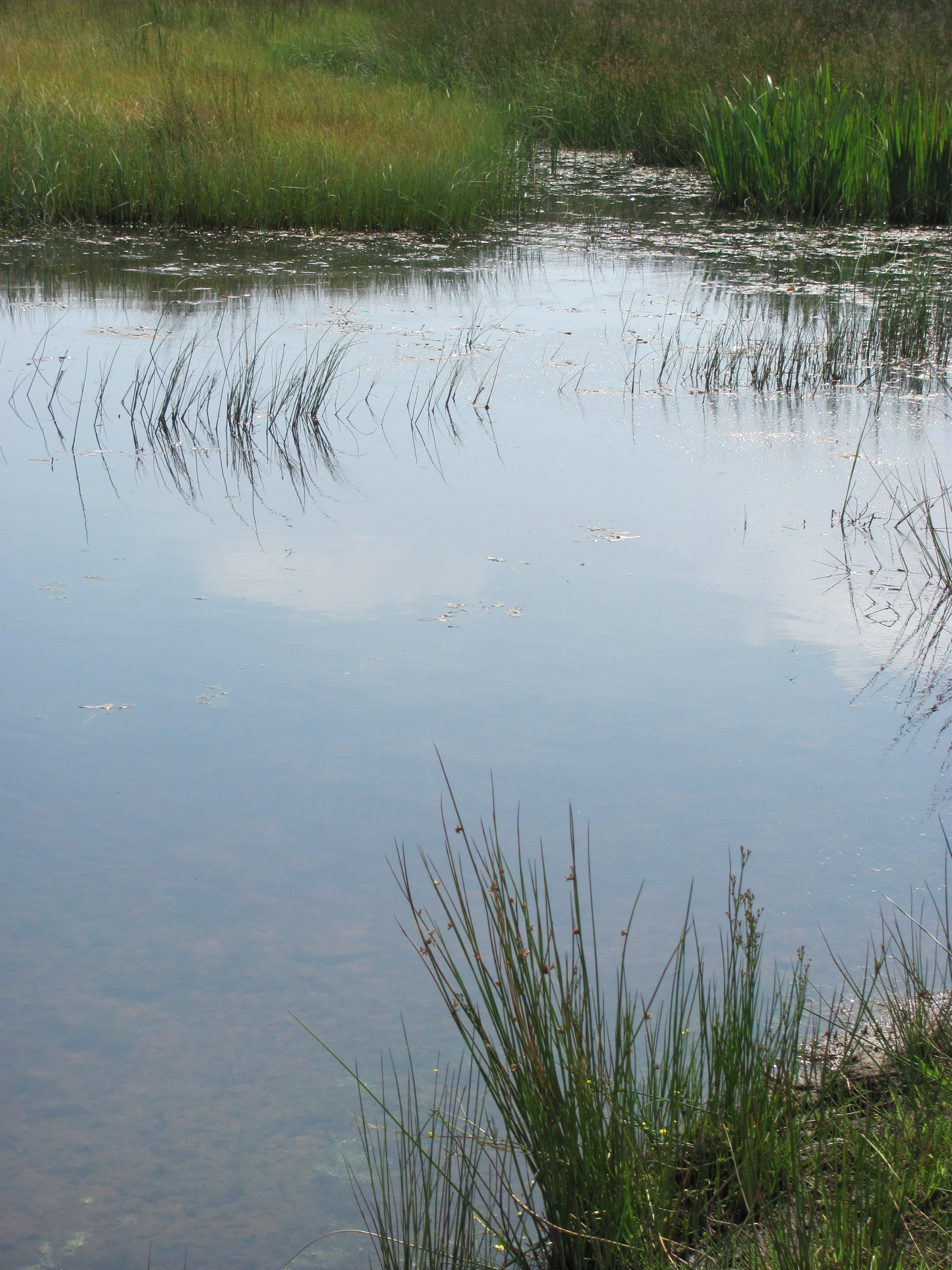
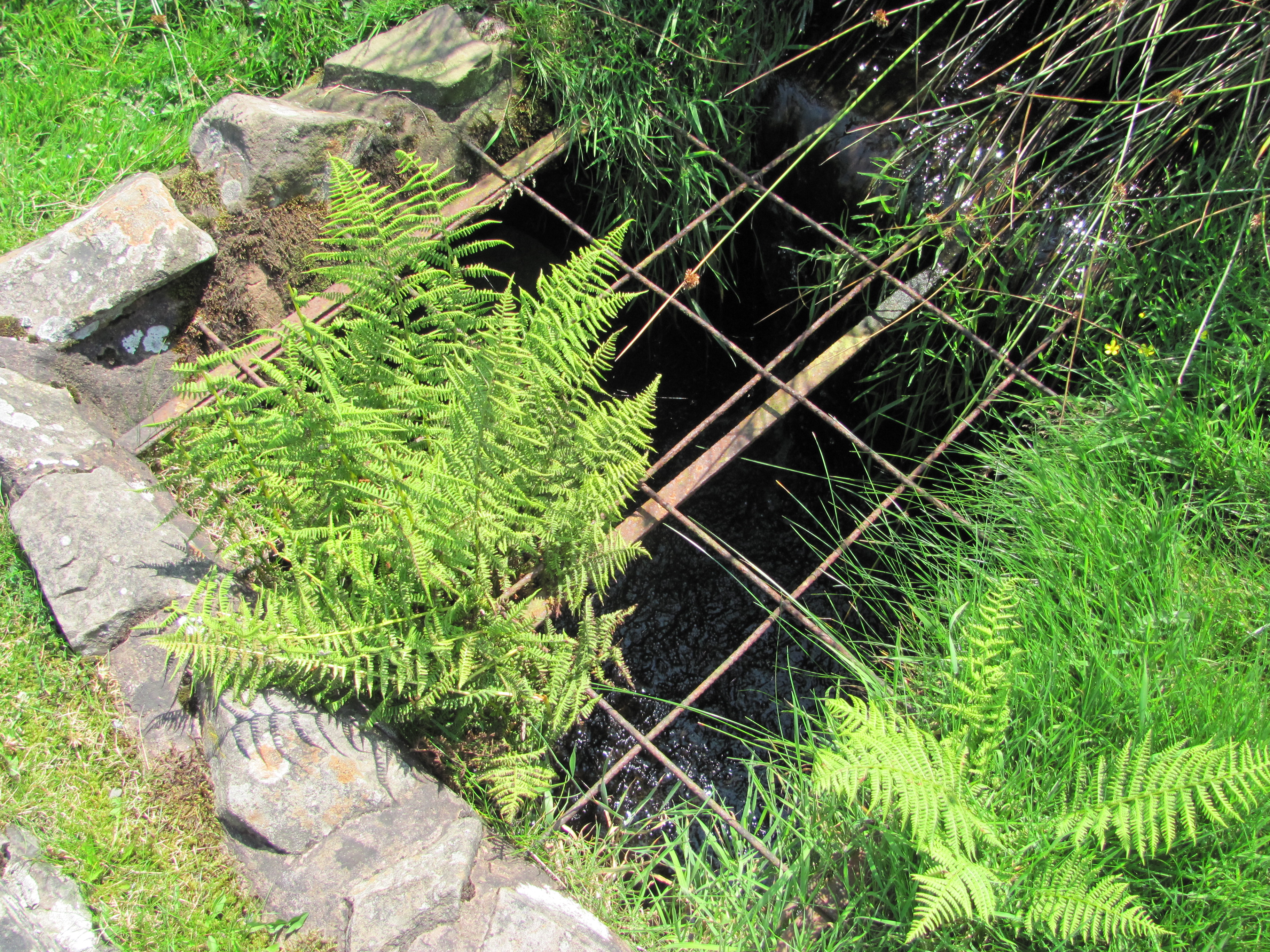
After sitting quietly for a while and enjoying a coffee we became aware of a deep rumbling a little like distant farm machinery at work or a distant hovering helicopter, and after a while we realised this incongruous sound was under the road where it skirted the pool. After a little exploration we discovered that the sound was that of the water overflowing from the pool through a pipe passing under the road. The water drains from the peaty slopes and seeps into the pool. The road acts as a dam and on the far side the overflow bursts from a pipe rumbling and roaring into a tiny stream which disappears into the valley. From the pool side the water disappears beneath a grated hole before rumbling and bubbling its way underground.


After a while we began to hear bird calls and to see the occasional one in the sky passing over our heads or perching atop the tallest fronds of bracken. The smaller birds prove mostly to be Meadow Pipits. But two scarcer species the Stonechats and Whinchats share the same silhouette so are difficult to differentiate when perched on tall strands of bracken. But when they move and their colours and markings become clearer we can see that the Whinchats have definite eye-stripes and the Stonechats black heads. The chest of the Stonechat is more colourful being more pure orange than the buff-orange breast plumage of the Whinchat. This area suits them well as they like steep hillsides covered in bracken with a good understory and enjoy being near water.
Big birds are less frequent, probably the commonest being the large black Ravens which pass high over us nearly always in pairs and cronking deeply. Although we love seeing the dragonflies and their cousins the damsel flies and the small songbirds we are equally enthralled with the sight of their predators. While watching a male Kestrel hovering above the hillside vegetation and admiring his russet and grey tones, I was distracted by the site of a rapidly flying tiny bird of prey, the Hobby. I followed him as he flew to the damp area above the Wild Pool where dense clumps of reed and rush are interspersed with small pools of water. Here he hunts the dragonflies and damselflies. What a flying display!They look like a cross between a Swift and a Peregrine Falcon.
Even smaller is the Merlin, Britain’s smallest bird of prey which we watched as it hunted for the Meadow Pipits just feet above the bracken. They are now rearing their second batch of youngsters so are hunting here and when successful flying off to the nearest trees and small woods lower down the mountain.
As the afternoon wore on the heat increased alongside the humidity and the slopes became quiet. We returned to sitting and admiring the very special pool.
Each year I set myself aims to achieve in my fishing exploits. This year, after years of targeting large carp in huge lakes, I decided to go back to the type of fishing venue that I used to fish in my childhood – a rural brook. My aim was to conquer the art of “long-trotting” in its fast-moving water and I was determined to catch my first ever Grayling and Brown Trout.
The Rea Brook wanders through the countryside in tight meanders and gentler curving bends through pastureland just across a few fields from home. It is narrow and tree-lined. The trees are alive with birds and bees and butterflies explore the bankside of the brook. Dragonflies and Damsel Flies fly inches above the fast-moving water in their strange zig-zag flight patterns. We were stunned by their sparkling colours of emerald-green, sky blue, browns and black.
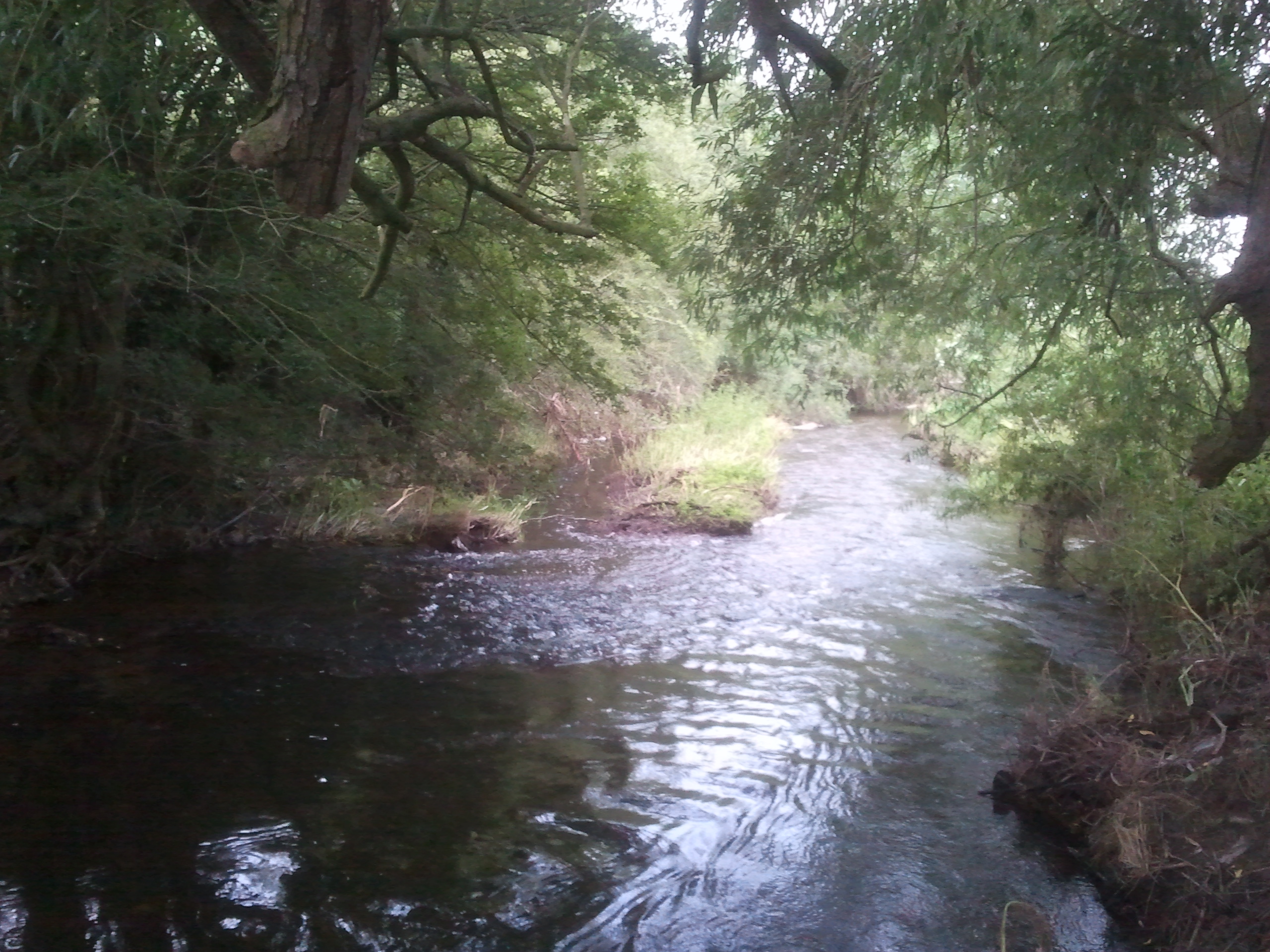
We settled down under a batch of big old willows where the little river had cut into the far bank gradually eroding and moulding a wide pool. the dappled sunlight gave the little patch a magical quality. When the showers came we felt just a soft drop or two as the good old willows acted as our umbrellas.
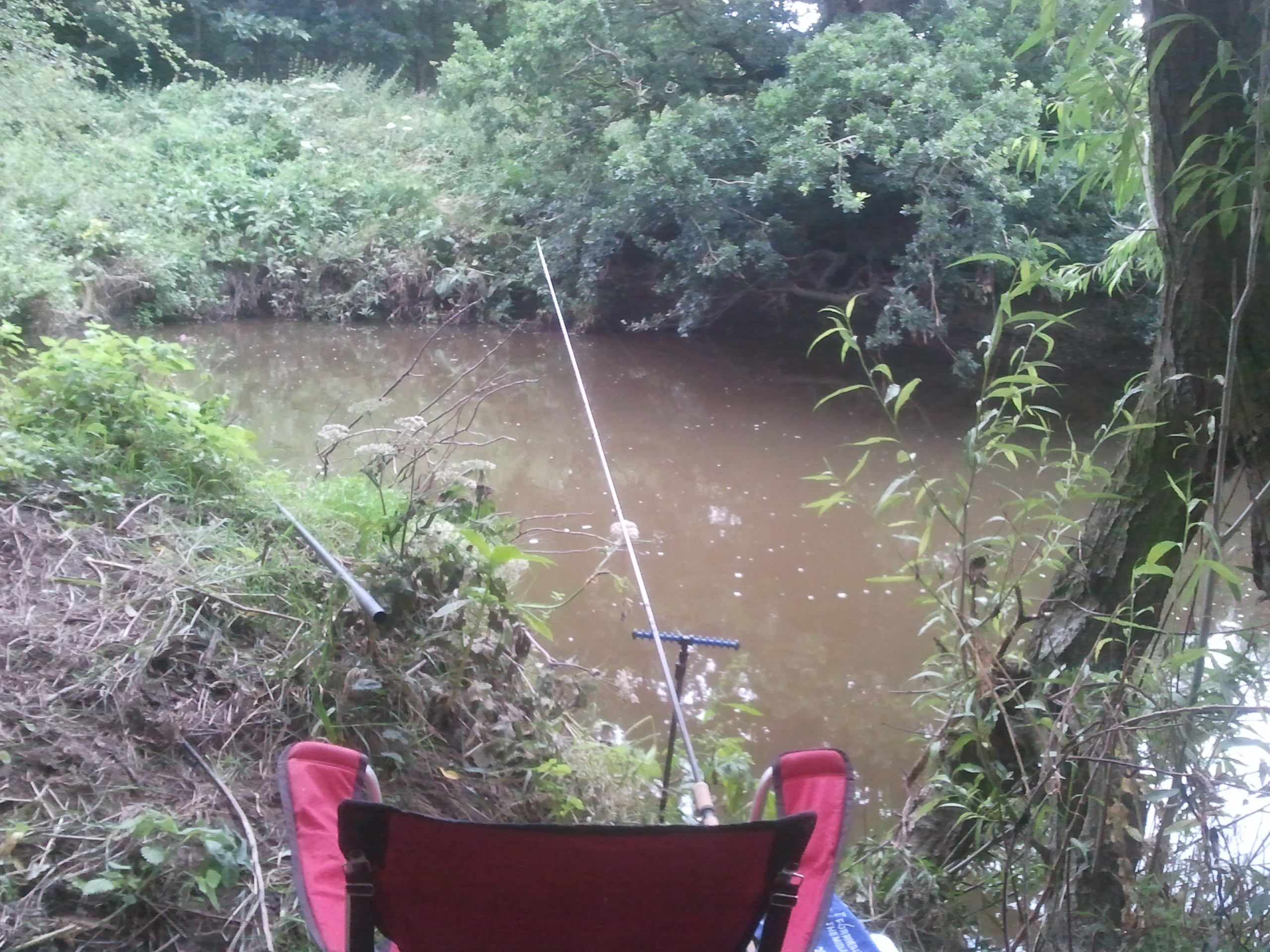

And did I master long-trotting along the brook – well, I made a start. Did I catch a Brown Trout – I certainly did. My first ever wild Brownie was a real old warrior, a male fish of around two pounds in weight, but I went on to catch three others. Did I catch my first ever Grayling – I certainly did, four in all. These delights have been worth waiting for. I caught a dozen or so fish in all, mostly Chub with the odd Dace and of course the Brownies and the Lady of the Stream, the Grayling.

Will we go again? Yes, we certainly will as I loved fishing in this most beautiful and characterful brook and Jude enjoyed sitting reading her book with the background sound of water running over rocks in the shallows, plus an occasional wander along the river bank.

We have been to the Chelsea Flower Show, Harrogate Flower Shows and The Autumn and spring Malvern Flower Shows but the one we enjoy the most is always the one set in the grounds of Tatton Park. Luckily this is the RHS show closest to home. Although Chelsea is often called the greatest flower show, having visited once we have no desire to go again. But we frequently go to Tatton.
Tatton Park Show is described as “the North’s greatest garden party”. We enjoy its large show gardens, its “Back to Back” gardens and children’s gardens but most of all those designed by young garden designers. This is where the UK’s garden designs of the future lie and the standards are always so high. The designers have to be under 28 and this year their brief was to design a garden based on the theme of “colour”. We were so pleased when we learnt that the designer of our favourite one of these gardens had won the accolade of “RHS National Young Designer of the Year”. Tristen Knight designed this garden using recycled materials and it was full of interesting and original ideas and design feature. The colour of his planting of perennials and grasses was beautiful, all orange and biscuit. He studied for a BA in Industrial Design and Technology before training in garden design at Writtle College. He spoke with great enthusiasm and excitement about his garden and he told us about the materials he had chosen and how they were all items from building sites. For example the rill was formed from a an “H” beam and the flexible screening was created from scaffolding boards. I found it hard to take photographs that did justice to this brilliant young designer’s work. We enjoyed his garden and talking to him about it.
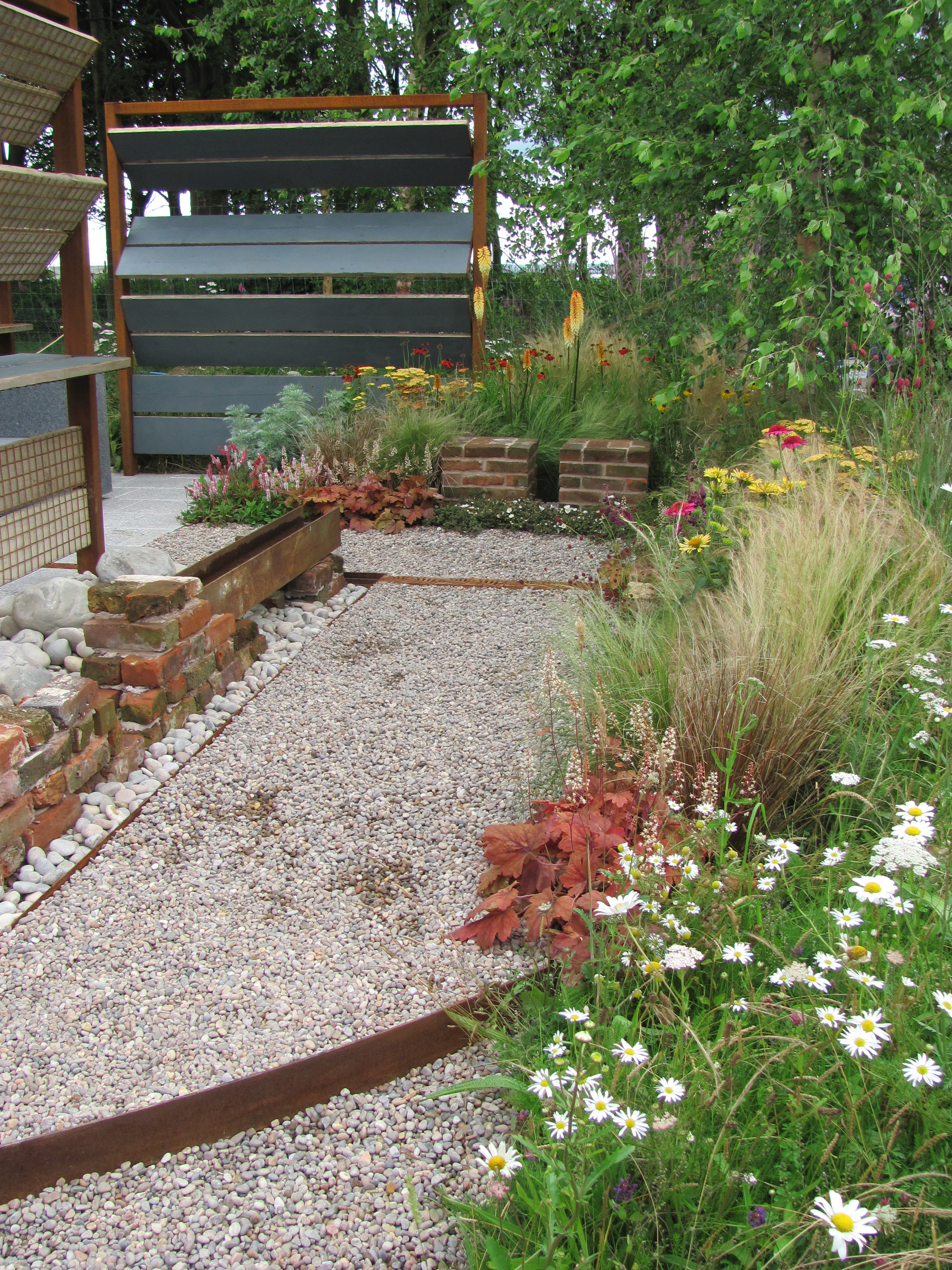
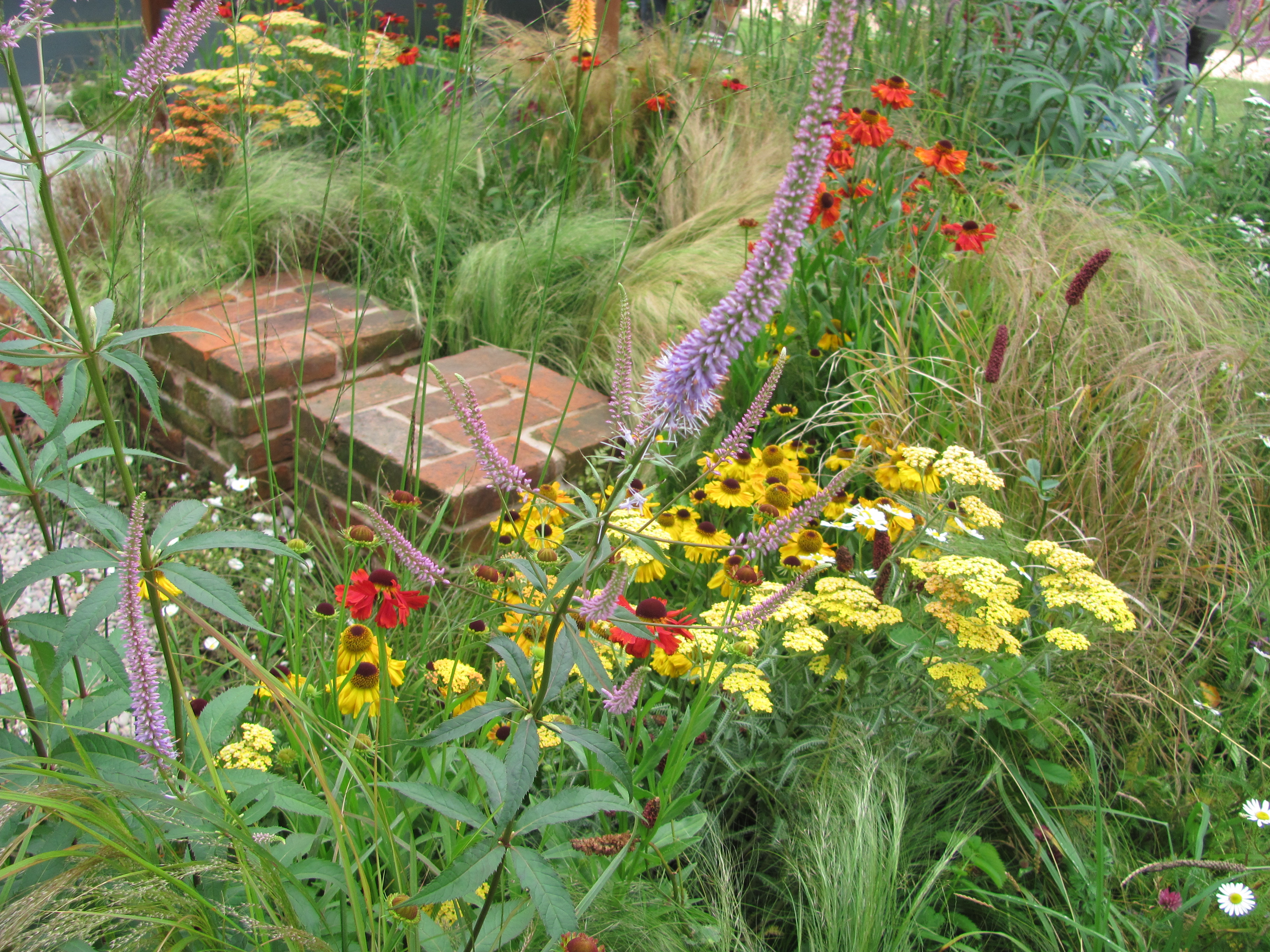
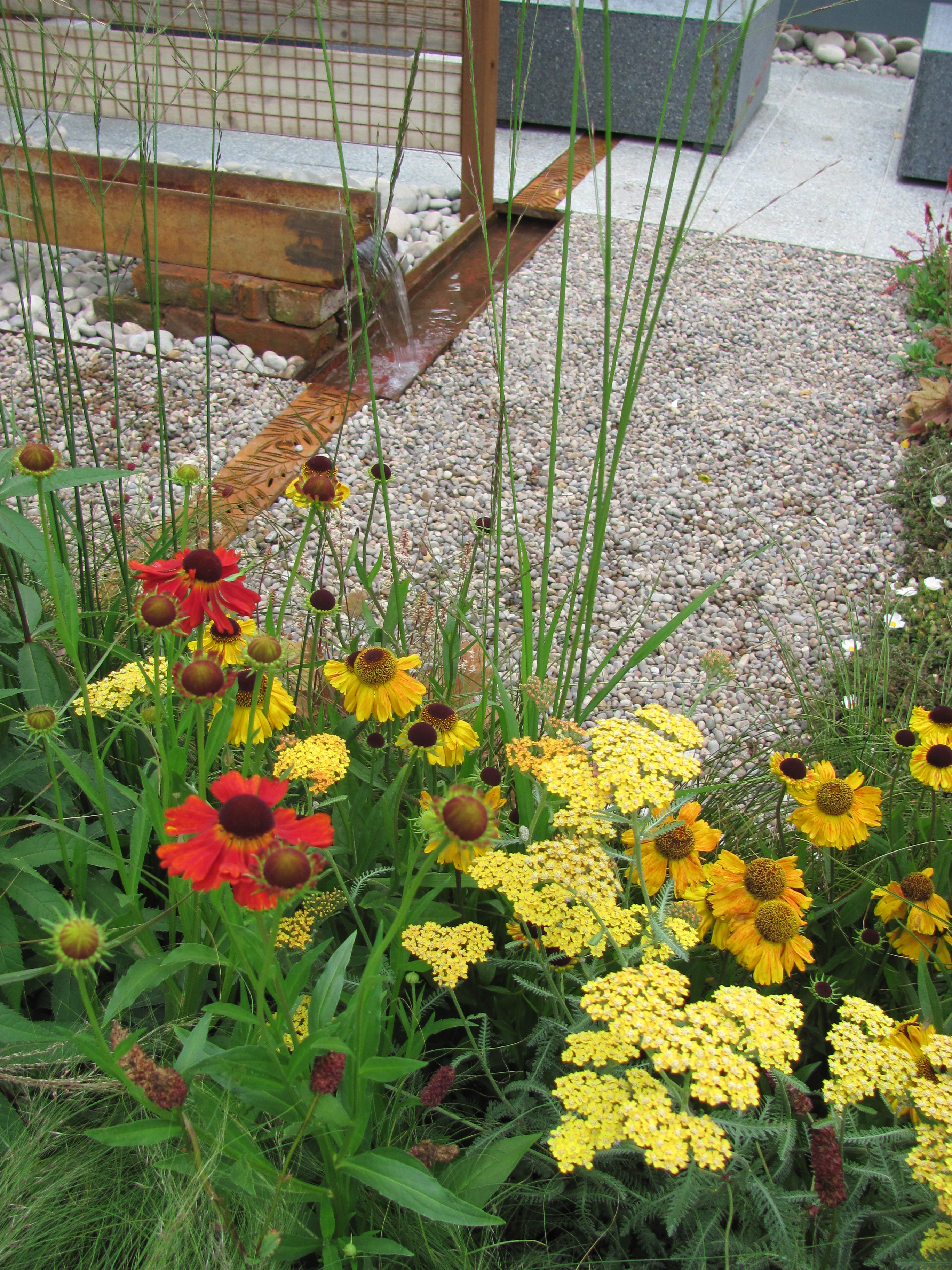
We moved on to the main large garden show gardens, some of which we liked whereas others we did not like at all. But that I suppose is what design is all about. If we all liked the same plants and designs wouldn’t gardens be boring?
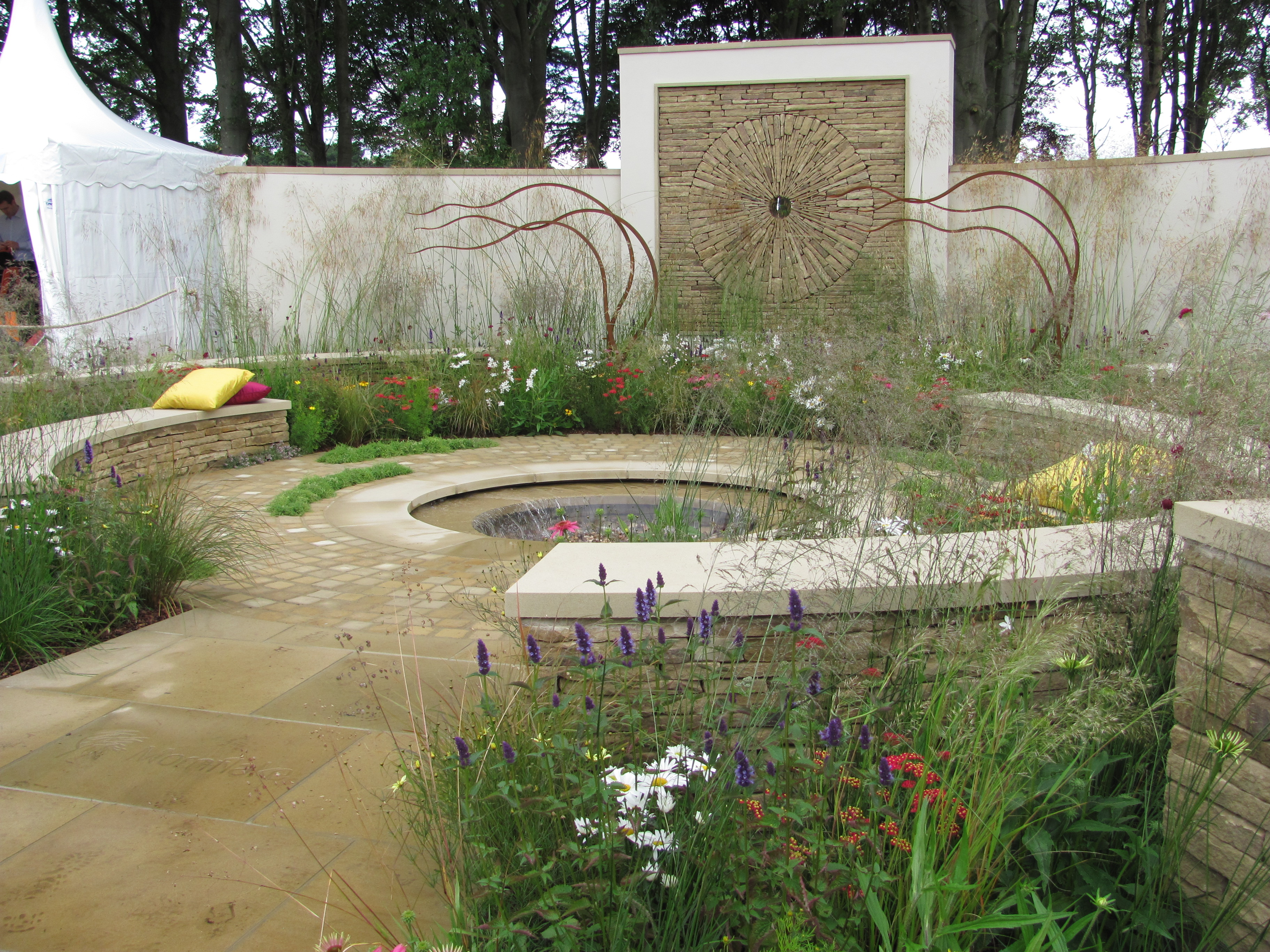
I begin looking at this set of gardens by featuring our favourite, a garden based on circles achieving a wonderful peaceful atmosphere through the planting which was light and wispy. It relied heavily on grasses to do so, with one planting area consisting of just grasses and one variety of allium.
It received the Best in Show award!

This show garden featured decking curves and colourful planting choice.
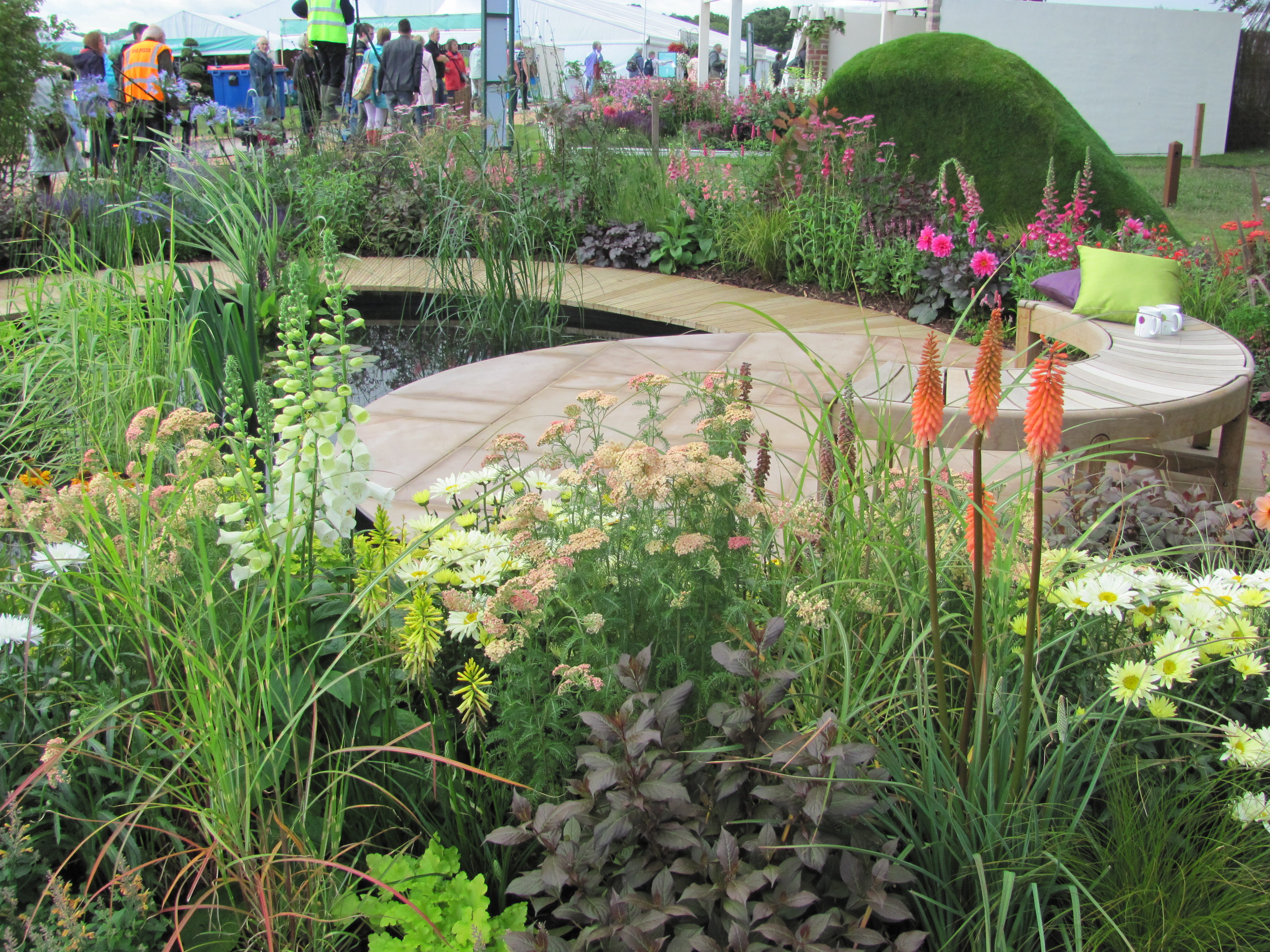

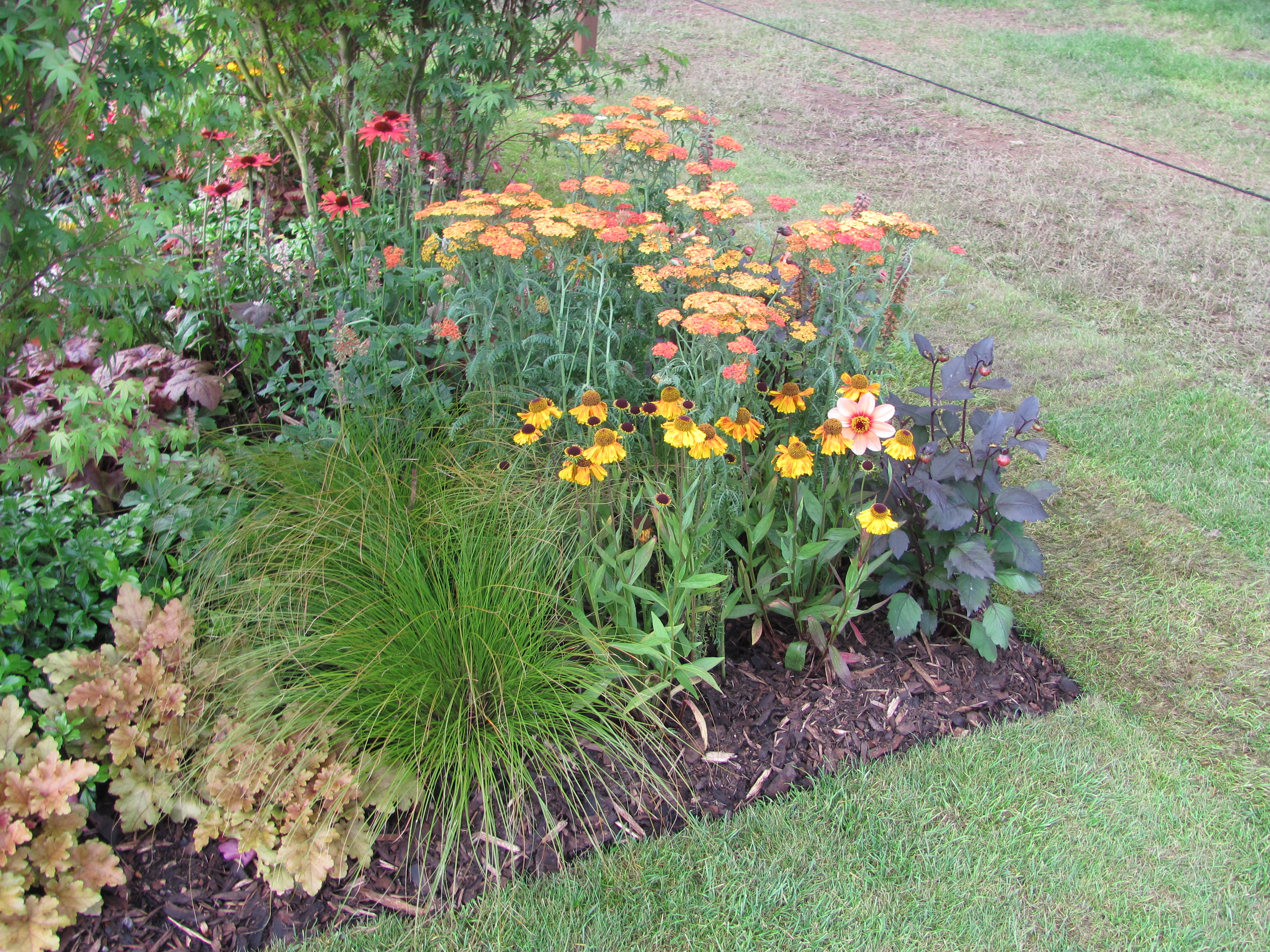
The next sequence of photos illustrates the wide variety of show gardens at Tatton. Enjoy the tour.
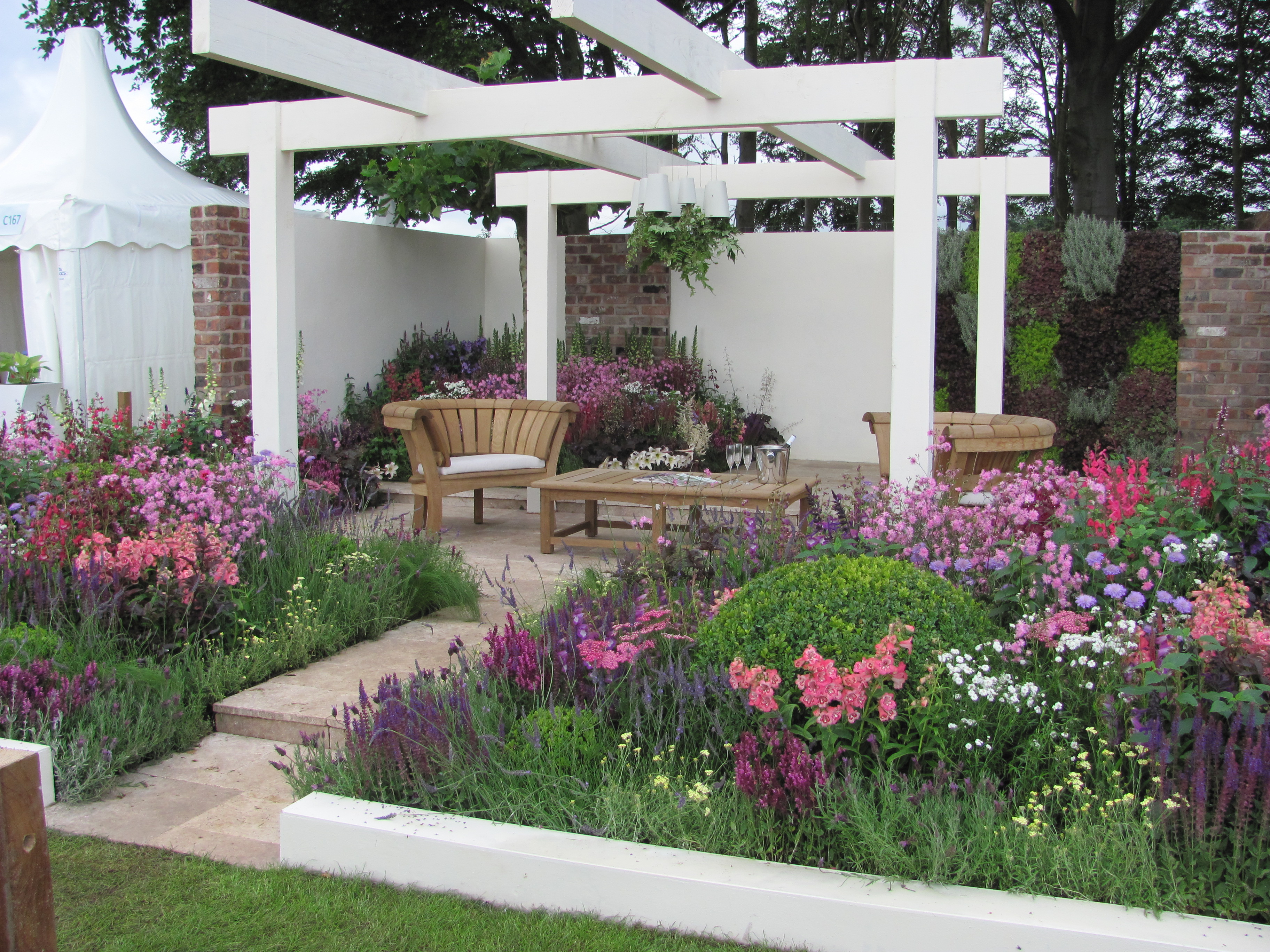

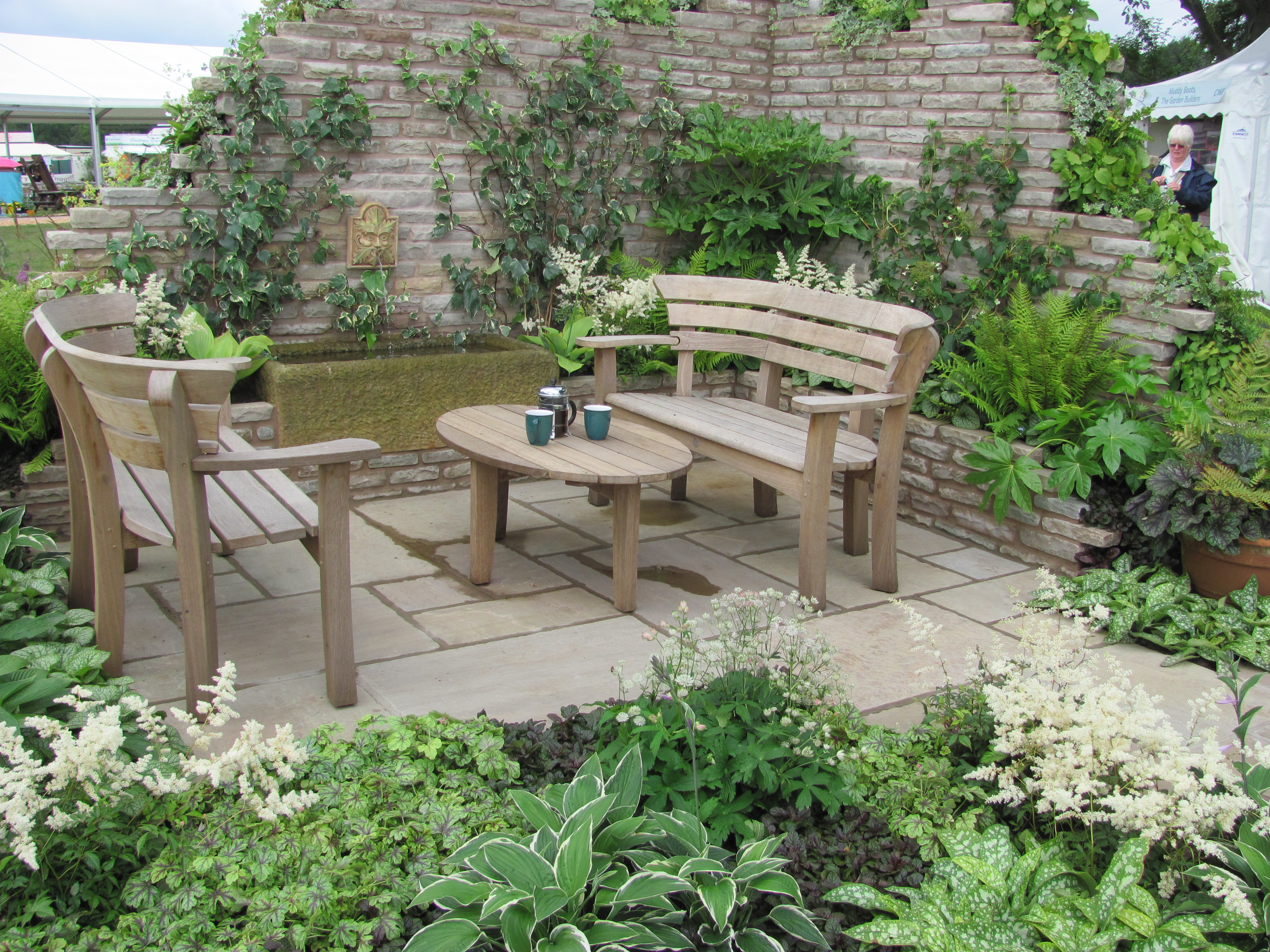
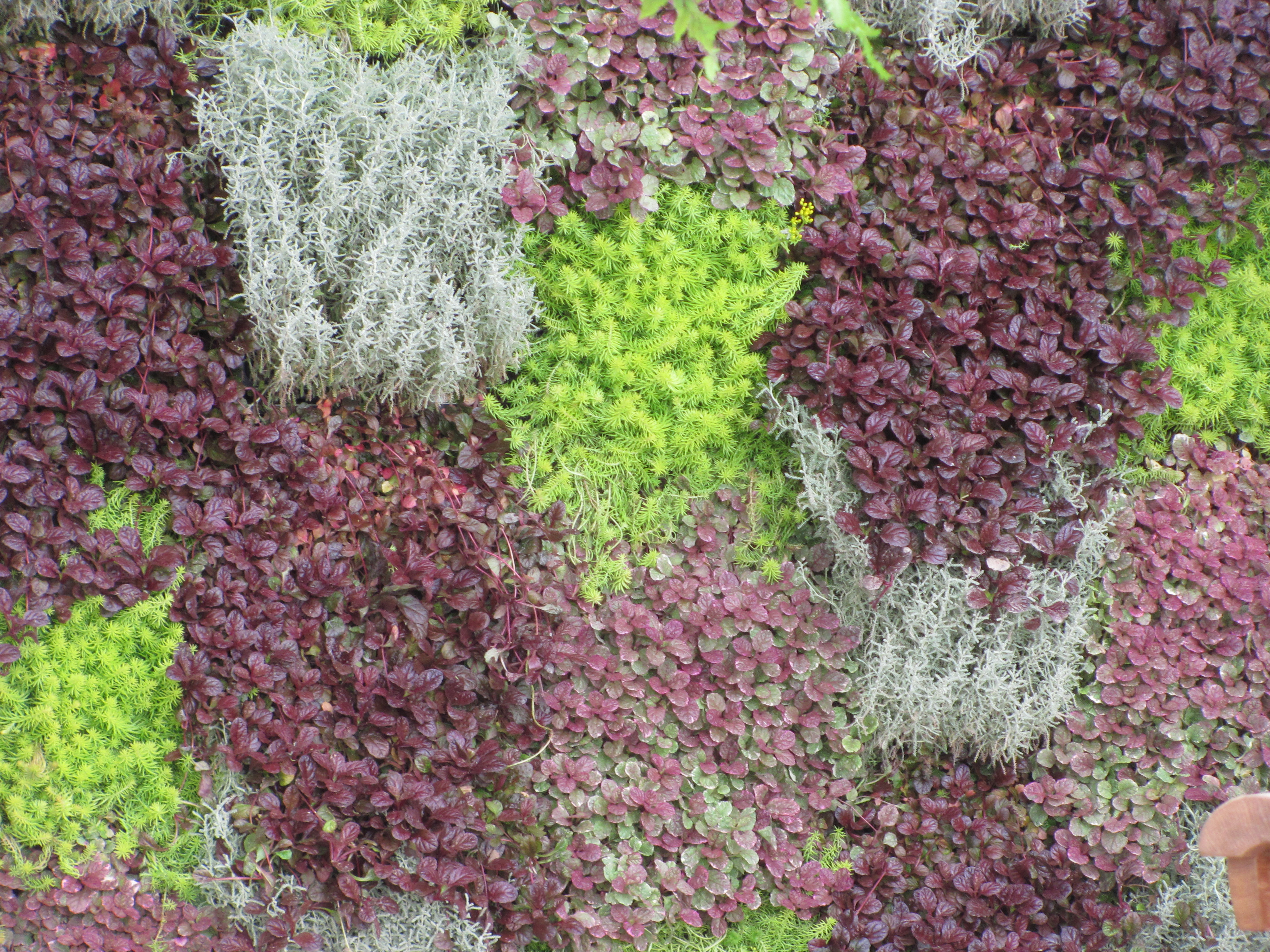


Once we had enjoyed the large show gardens we made a bee line for the garden designed by students and staff of Reaseheath College, partly because their garden is always so interesting with elements of attracting wildlife but also because this is the college where I followed some of my horticulture training several decades ago. This year their garden excelled, with such vibrancy in the planting and in its features. Again the design integrated beautiful features created to attract wildlife.
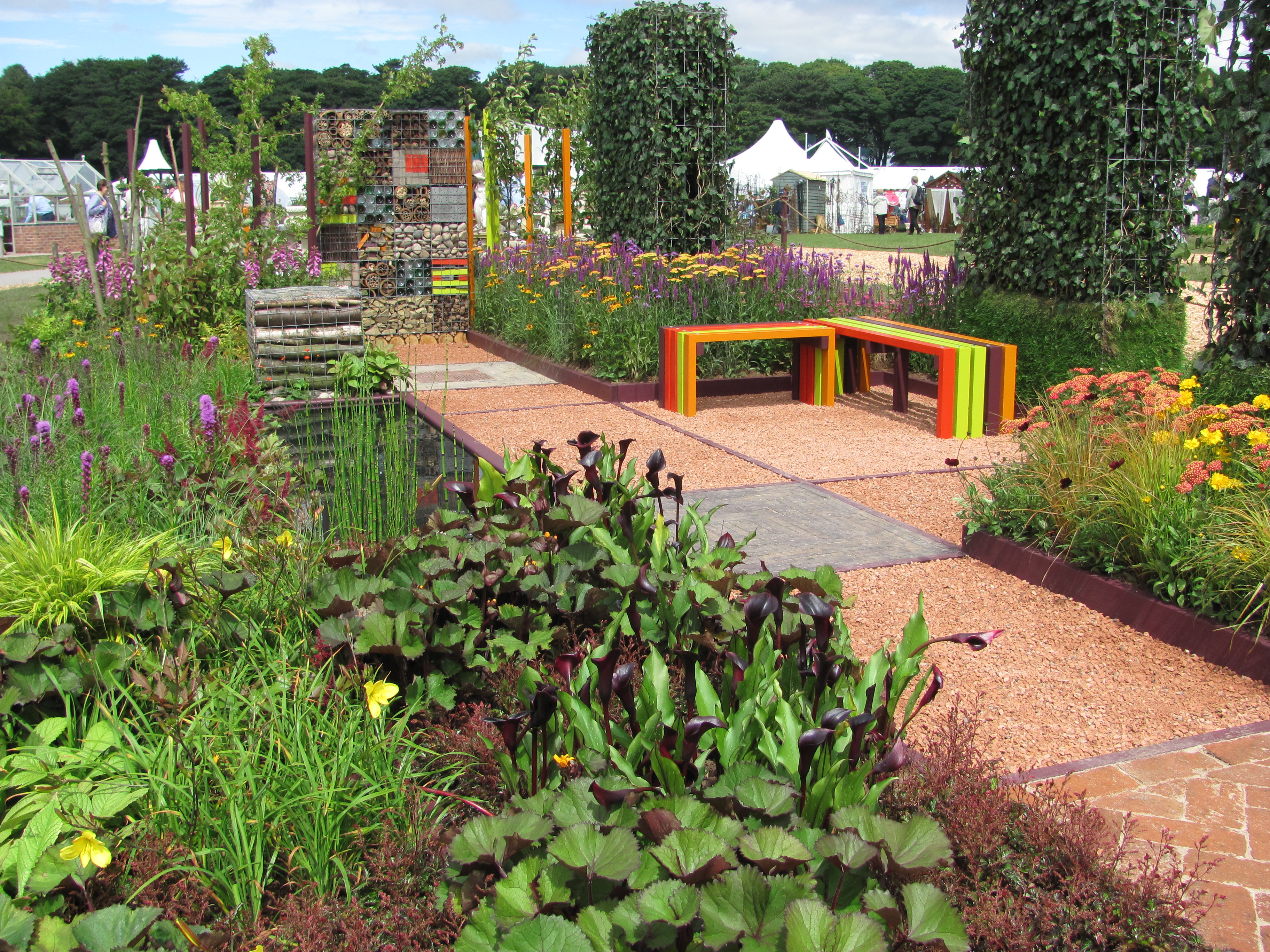
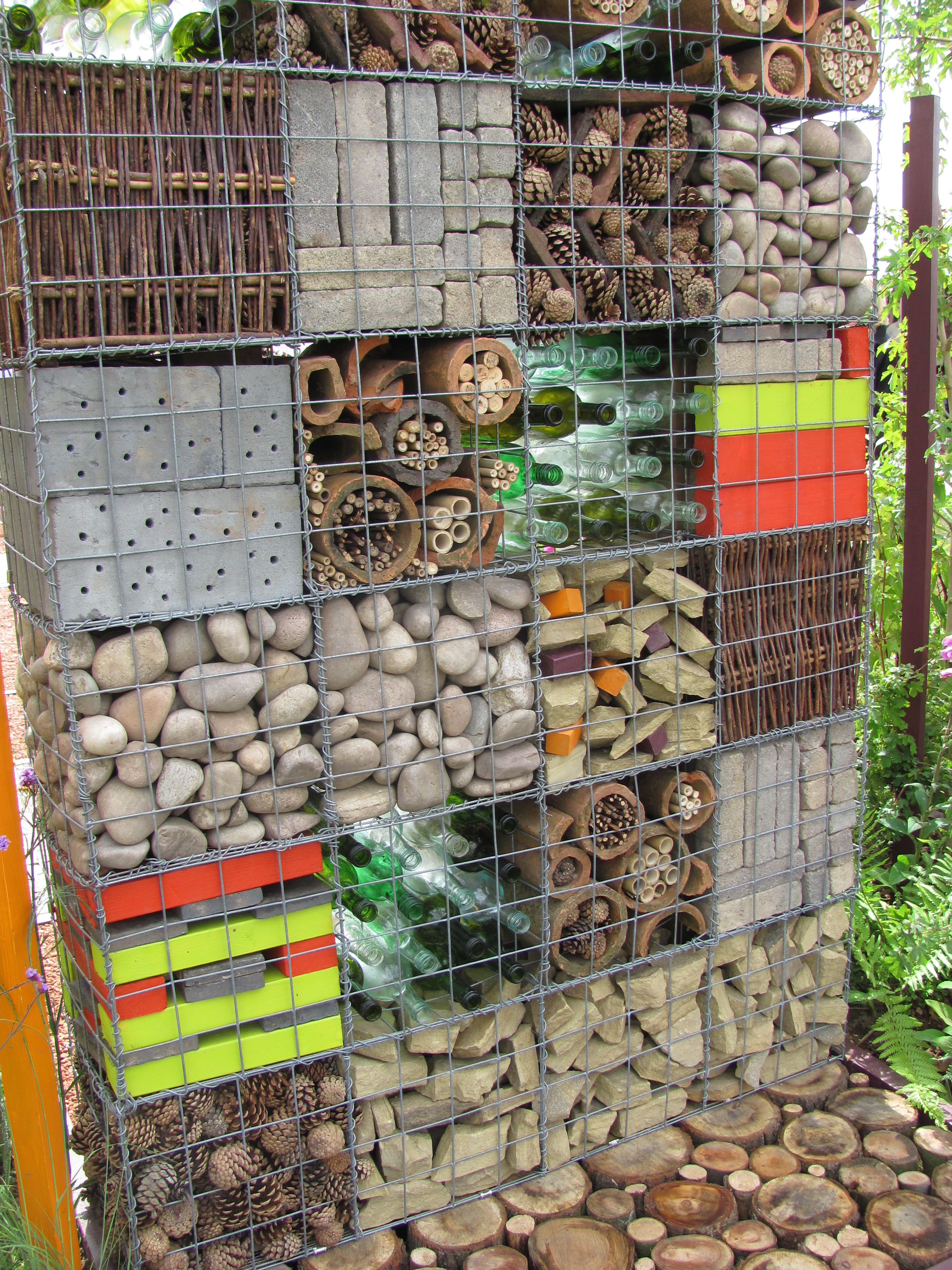
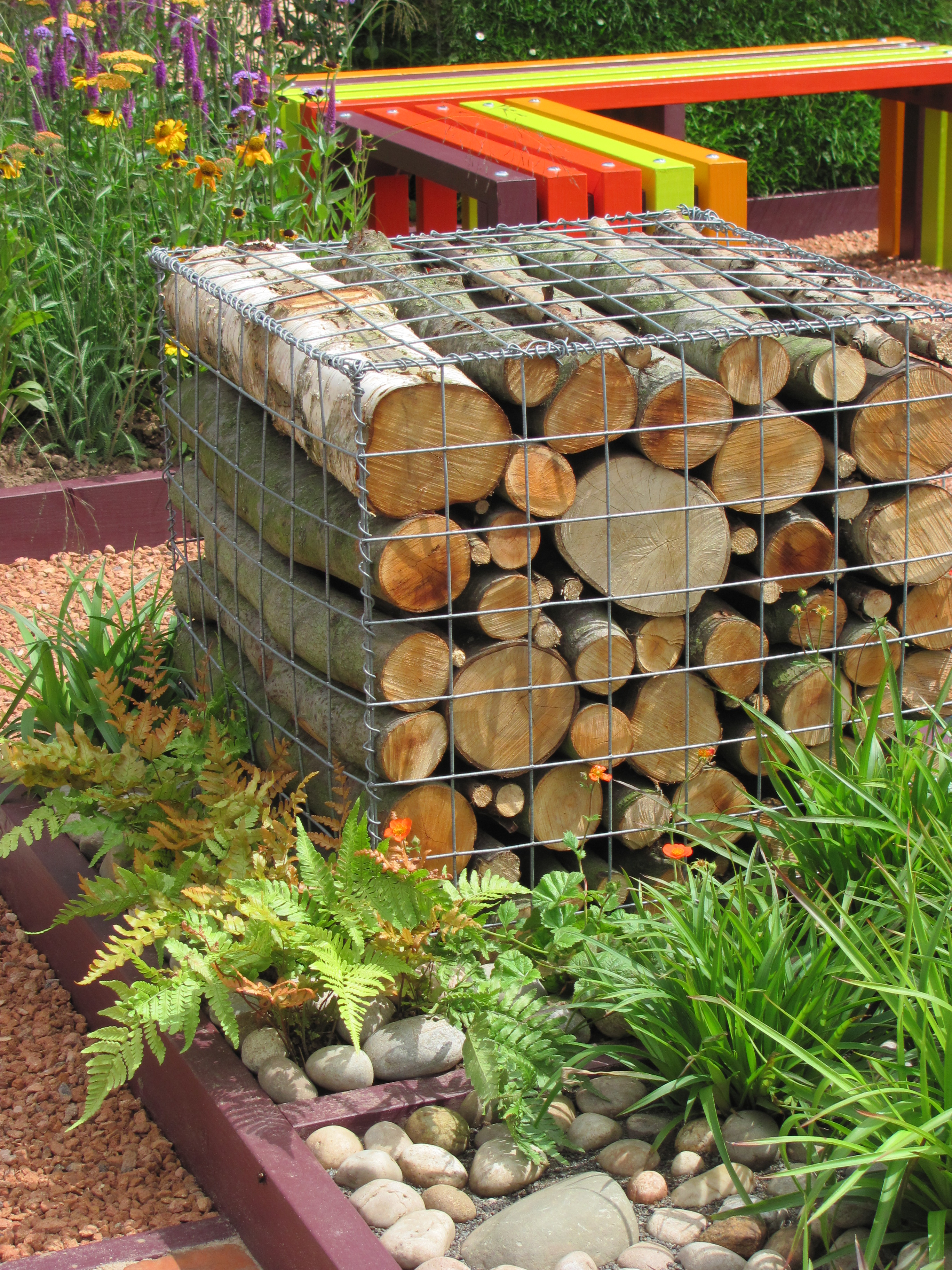


To finish my first post about the RHS Tatton Park Flower Show I want to share a couple of photos of children’s gardens celebrating the Queen’s Jubilee. In the next post we shall visit the Floral Marquee and the smaller show gardens.


For one day each year, in the middle of July, we open our allotment site, Bowbrook Allotment Community, for charity. We open under the auspices of the National Garden Scheme so are proud to be in the famous Yellow Book. The choice was made to join the NGS because they raise money for caring charities, such as the Macmillan Nurses and Marie Curie. This is our second year of opening – in the first year in gale force winds and rain we raised £415 and this year on a dry day in the middle of the wettest of summers we raised £815 – so we feel a little proud! This means we have now sent the NGS £1230.
We chose July as the month to open as it seemed to be a month when we would be most guaranteed to have a spell of good weather to encourage visitors to come along. Last year we opened in heavy rain and gale force winds.
This year however after weeks of rain, we had two dry days coinciding with the day when we planned to spruce up and prepare the site and the open day itself. Although the whole area was very wet underfoot, plots themselves too wet to get on, some paths unusable and standing water in places, we felt the site looked as good as it could.
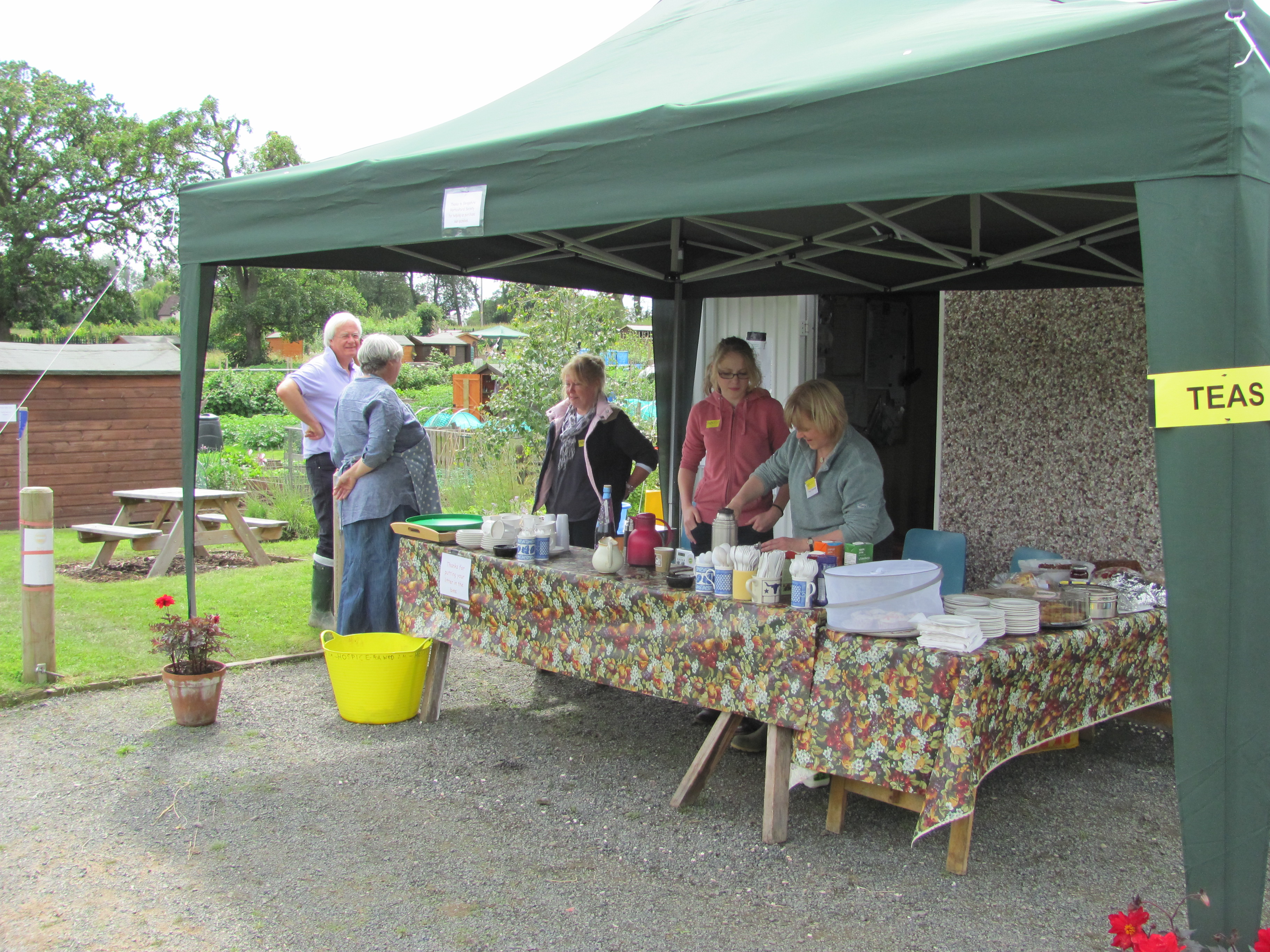
The day of the opening dawned bright and dry. The sun was shining and it felt warm. As we arrived early in the morning the car park was full and the site crawled with members working away. Soon the signs were in place, the gazebos up, the tea shop readied and the quiz pictures in place. We felt ready!
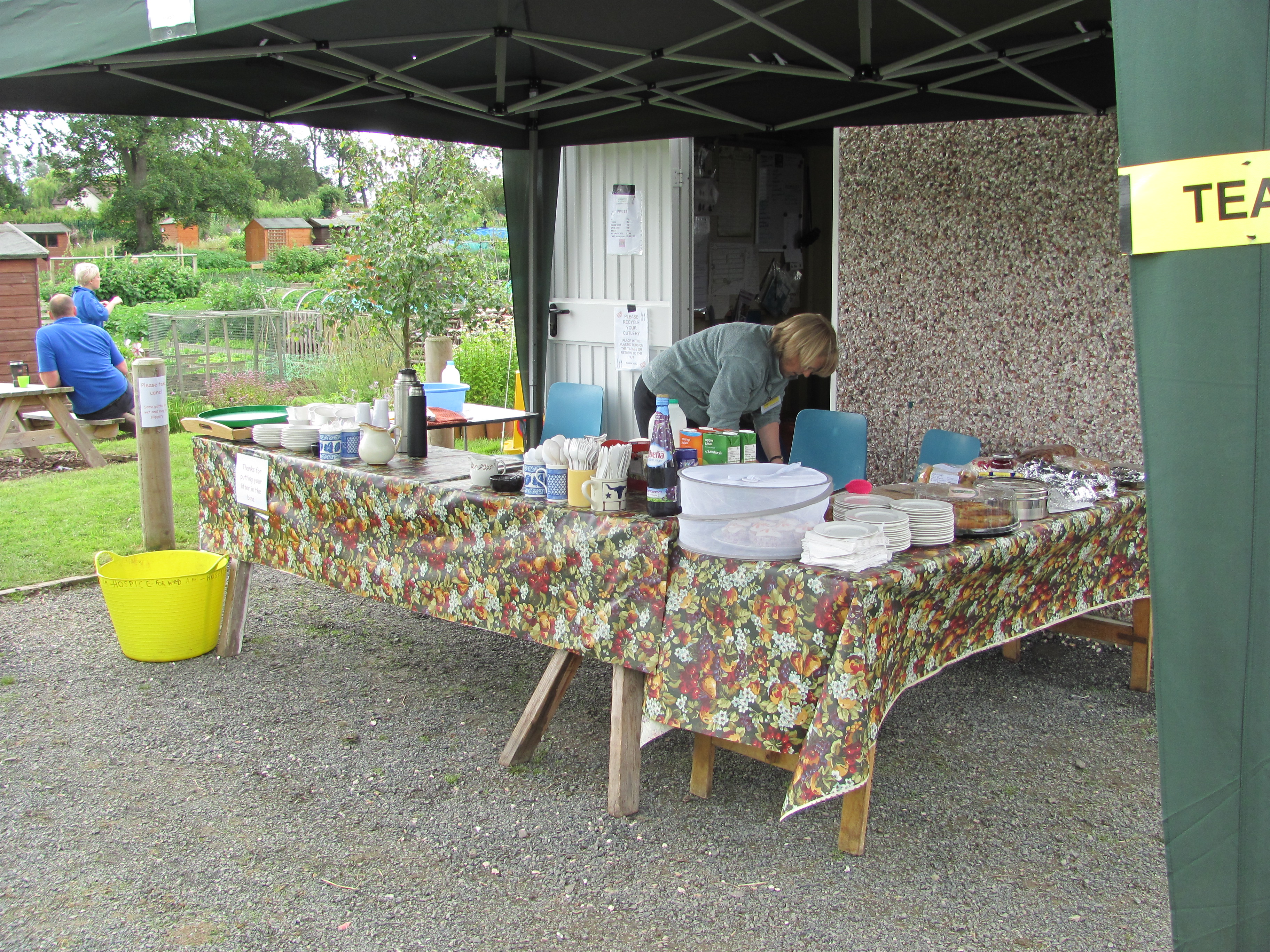
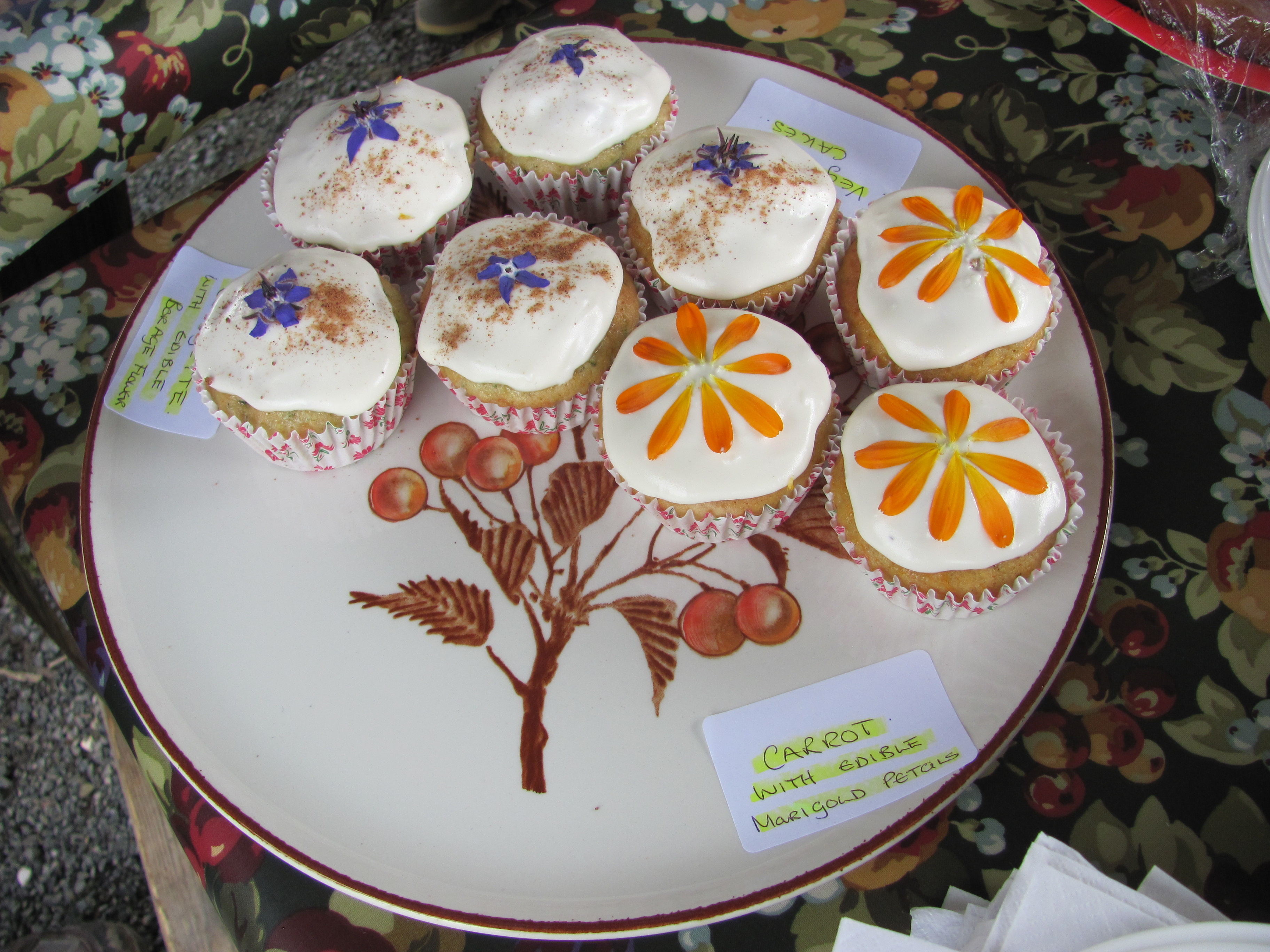
We were so pleased to see so many plot holders helping out in so many ways – true community spirit! The tea shop was stocked with dozens of cakes baked by members and the table under the gazebos were made attractive and welcoming after one member, Shirlie, created beautiful table centre posies, magazines were placed on them for visitors to read and our photo albums made available for their enjoyment.


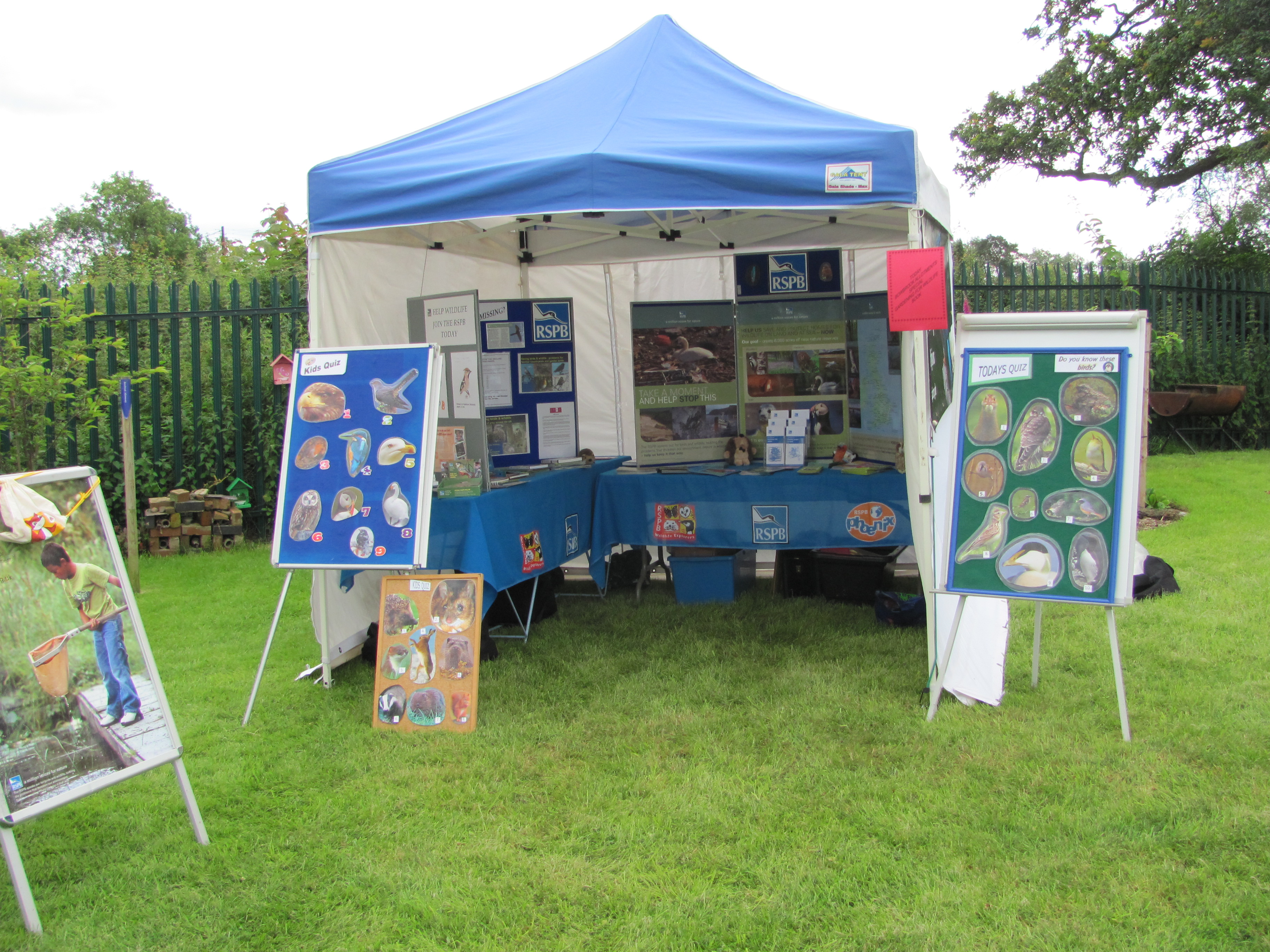

As soon as the clock showed 1:00 our visited started arriving – it is always a relief when the first one comes through the gate. Each visitor was handed a map and suggested route, competition details. Children were given a quiz sheet requesting they find pictures of some of our wildlife hidden around the site, matched to their favourite habitats.
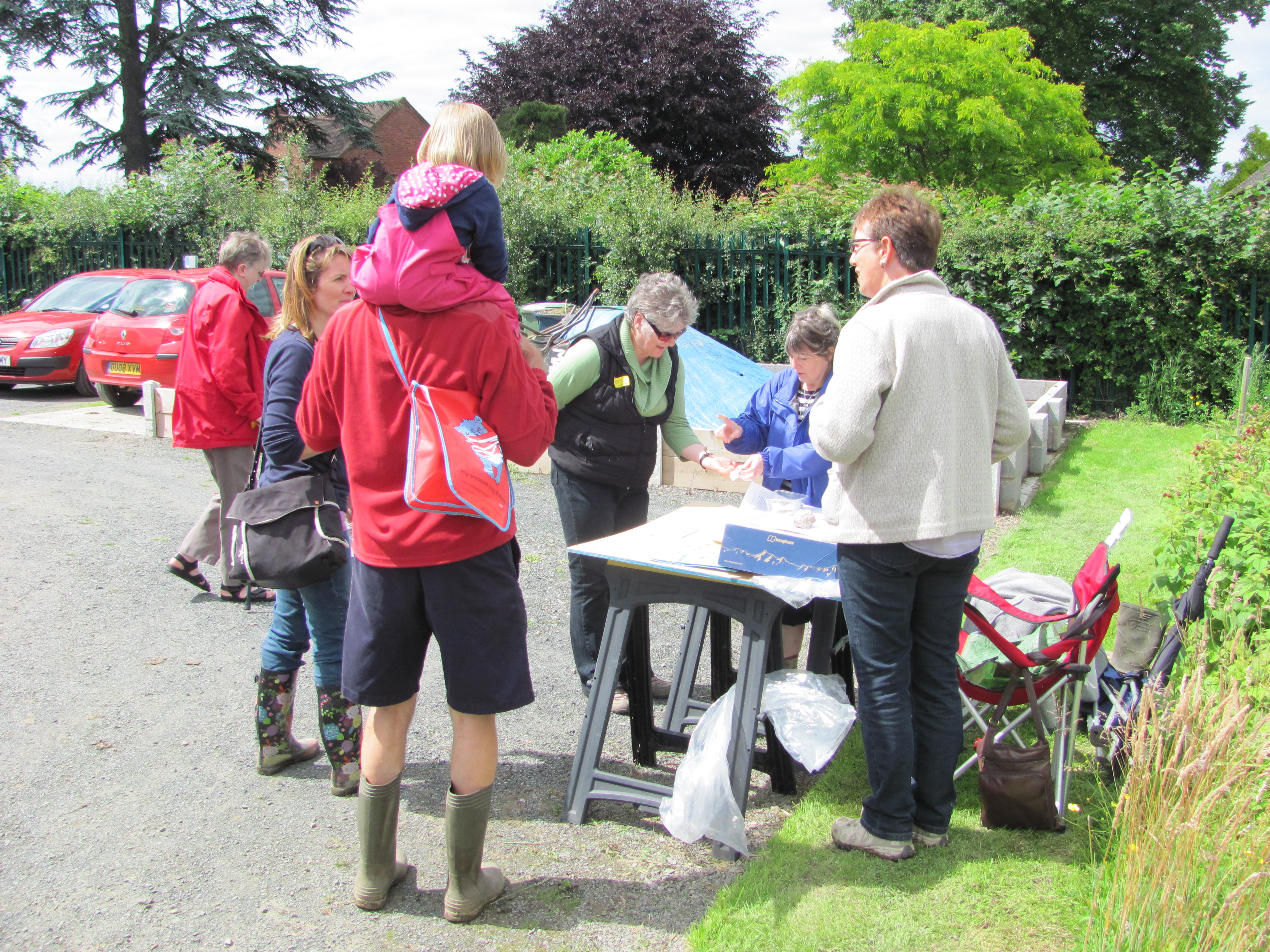

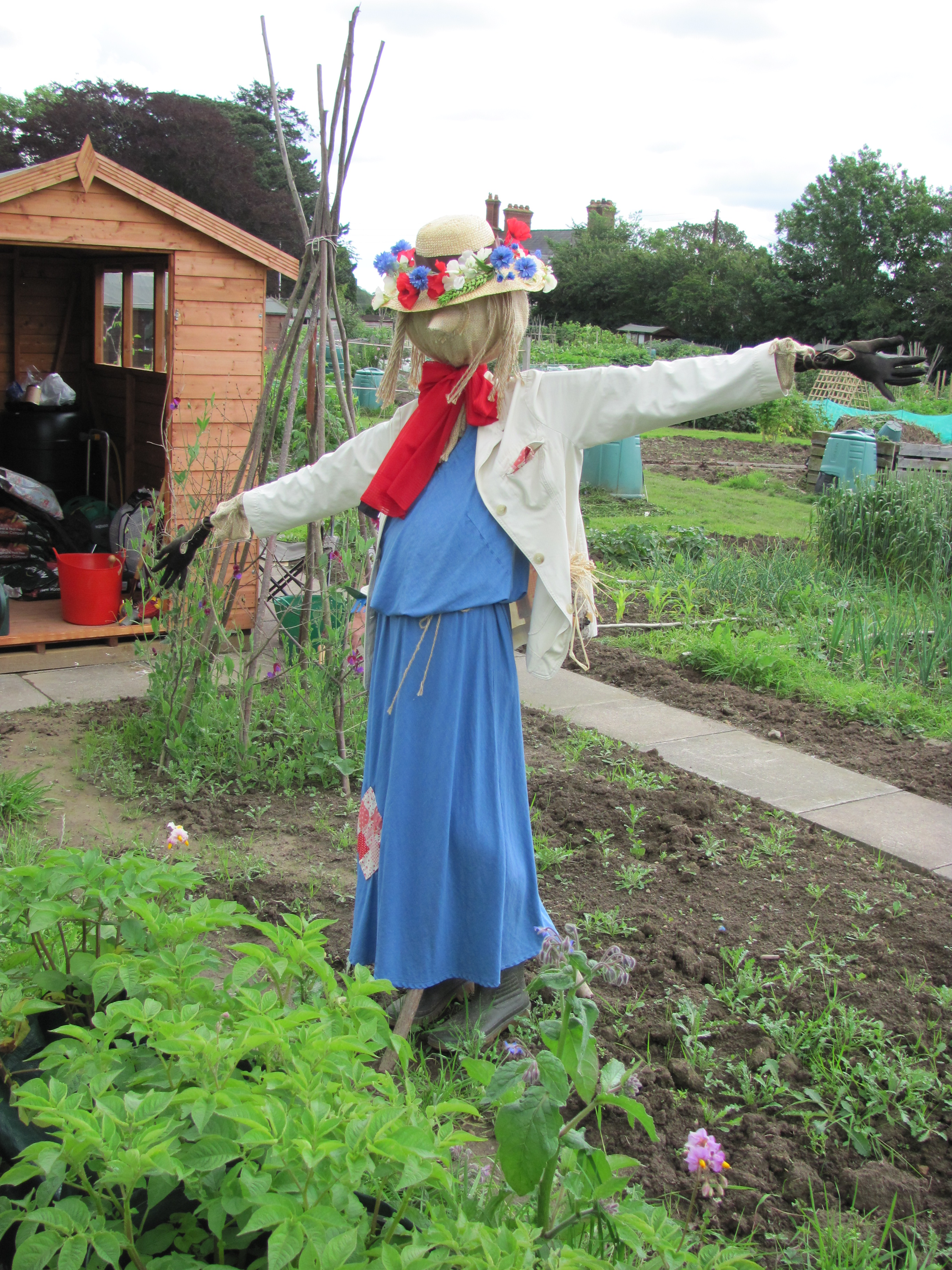
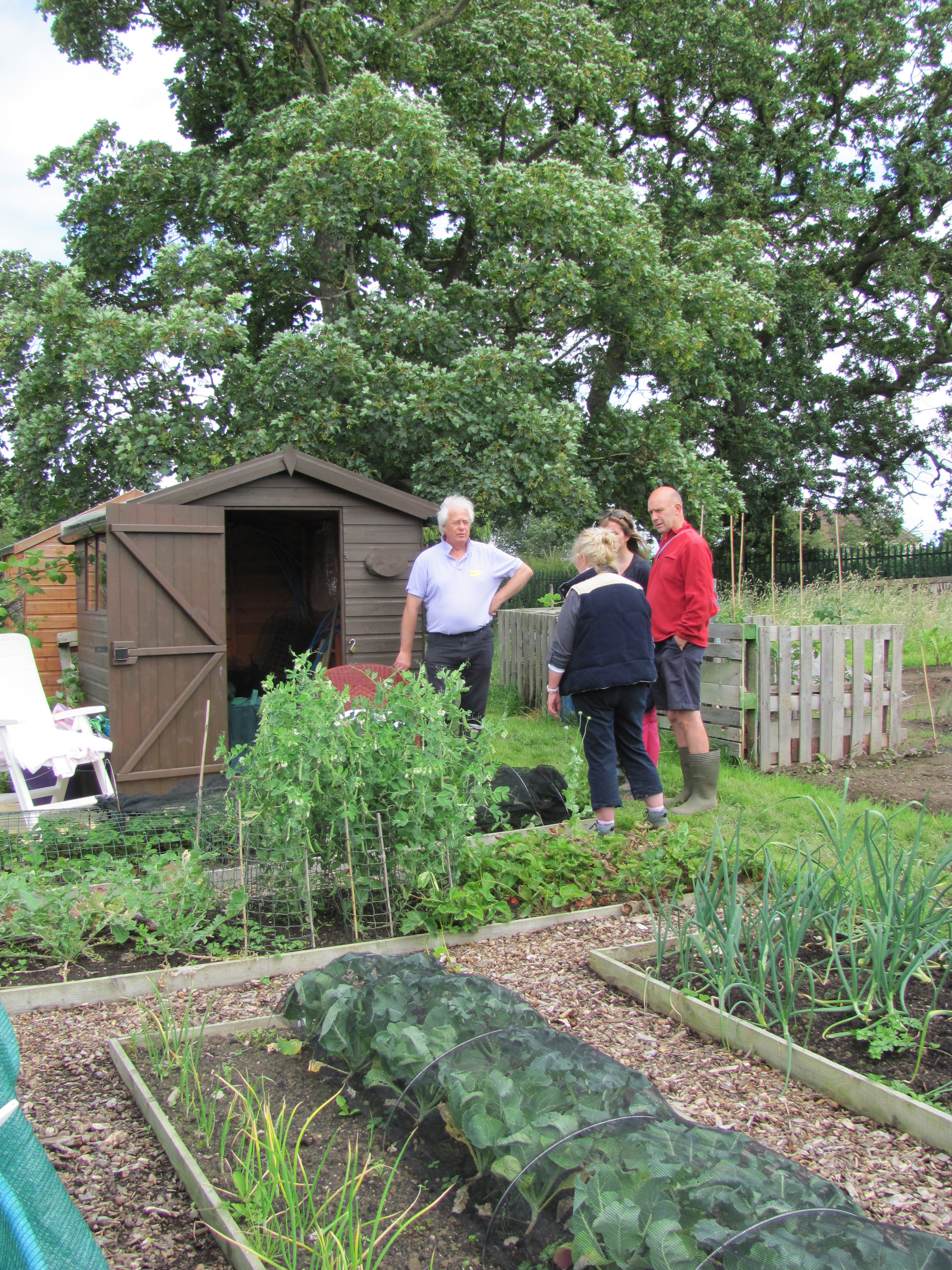
We invited our visitors to judge two competitions for us during their amblings, The Best Scarecrow and The Favourite Plot. The two following pictures show the winning plot and the winning scarecrow.

As we pride ourselves in designing our site and interest trail to be accessible to all we were pleased to see so many young families with toddlers or youngsters in push-chairs and people with mobility problems some using sticks or crutches, others wheelchairs or mobility scooters. We were delighted how easily they accessed the site and we received many compliments.
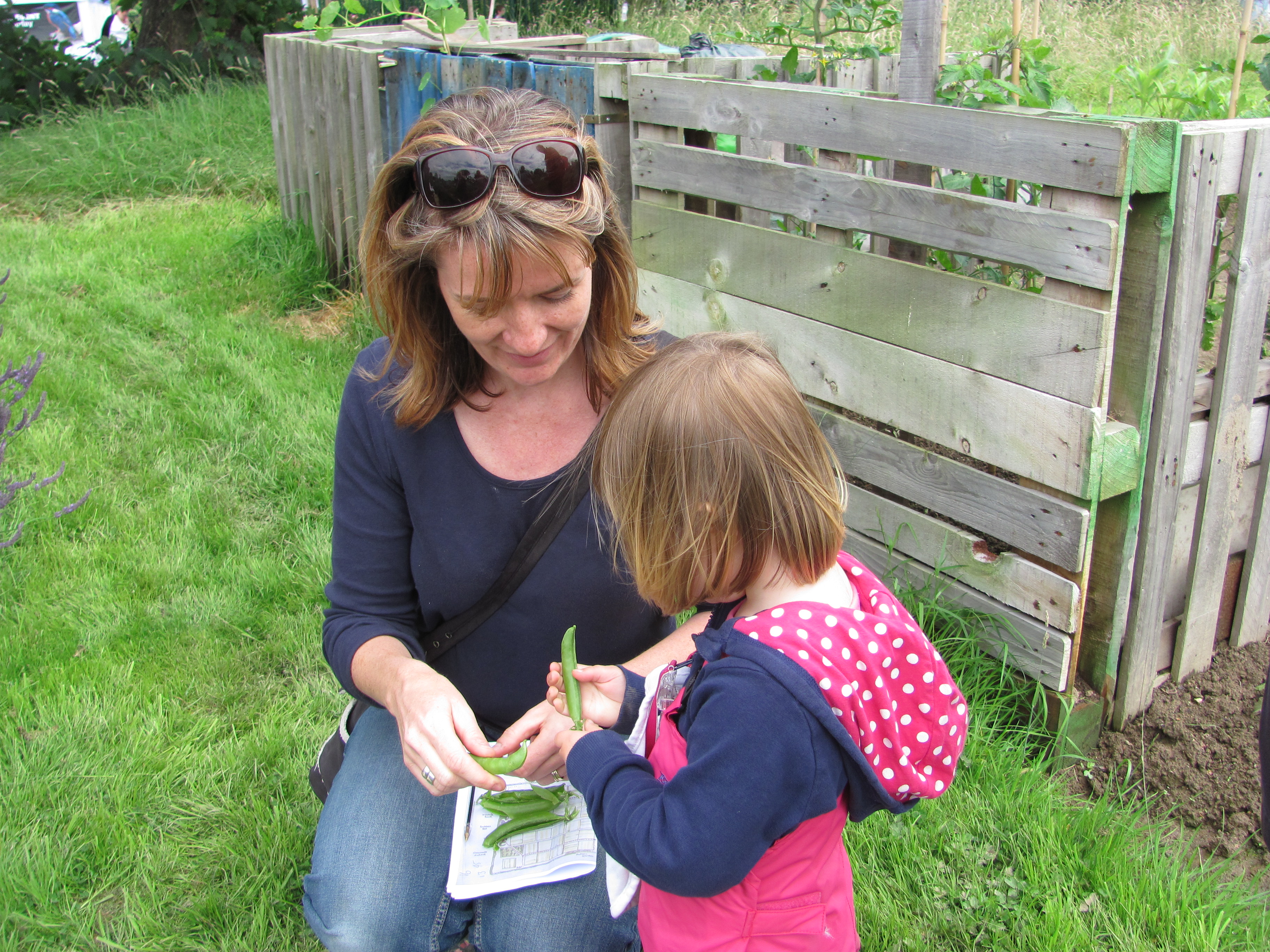
Our visitors enjoyed lots of free advice and even free strawberries and fresh peas straight off the plots. I spent most of my day as a mobile “Gardeners Question Time”, answering queries about pests, diseases and how to grow certain crops and identifying plants. I was handed a cabbage leaf with pests attached and a drawing of a “nasty, looking insect which looked like a dragon and was mostly black with bits of red”. I managed to identify the dragon insect as the larvae of a ladybird and the cabbage dwelling ones as whitefly. I suggested that the ladybirds should be encouraged to stay and informed the gardeners that they were very lucky to have them, but had to tell the cabbage growers that they were not lucky and advised them to get rid of their pests quickly.

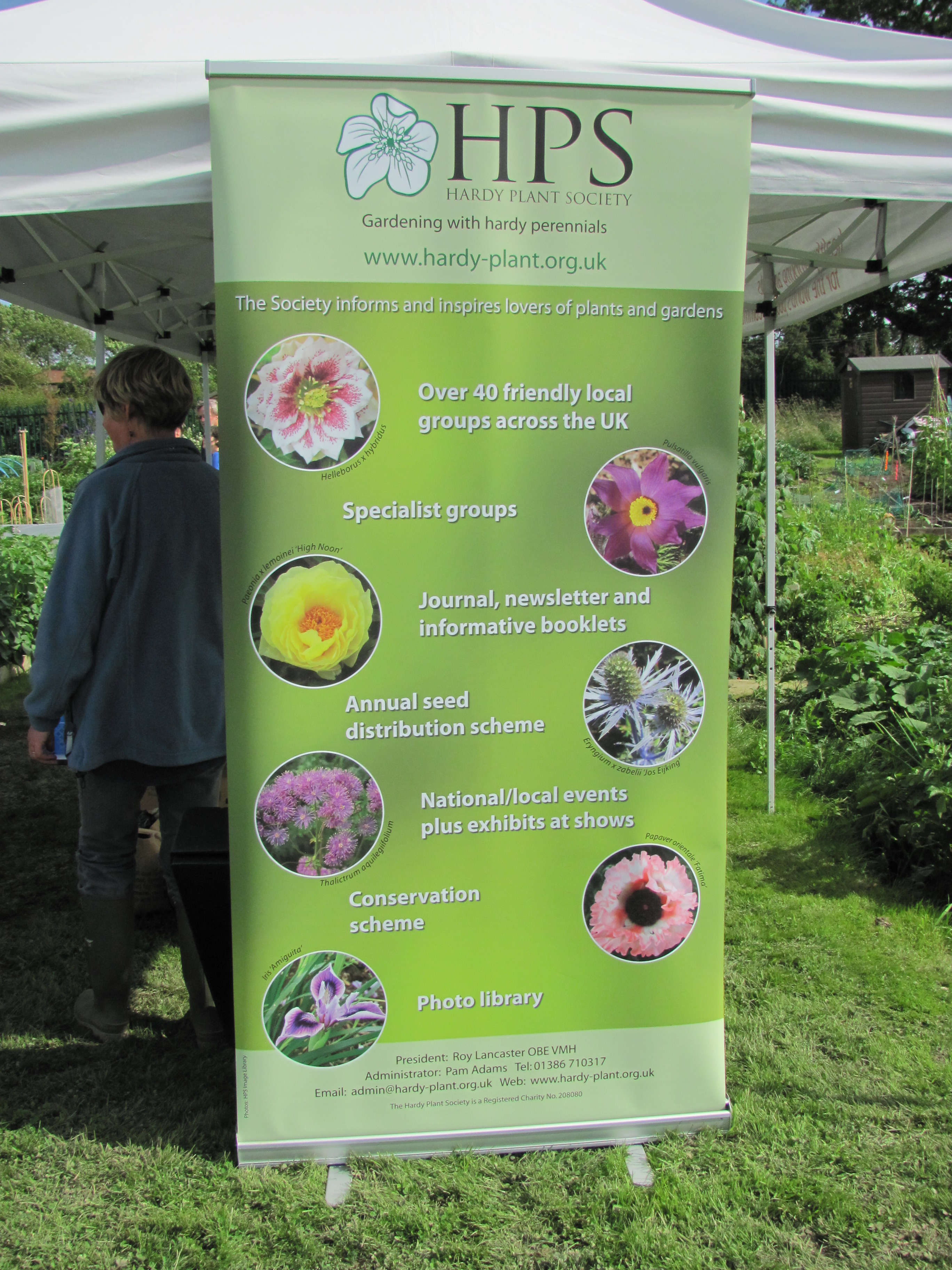
Some of our friends from the Shropshire Hardy Plant Society organised a plant sale and many guests left happy with their bags or boxes of unusual plants.
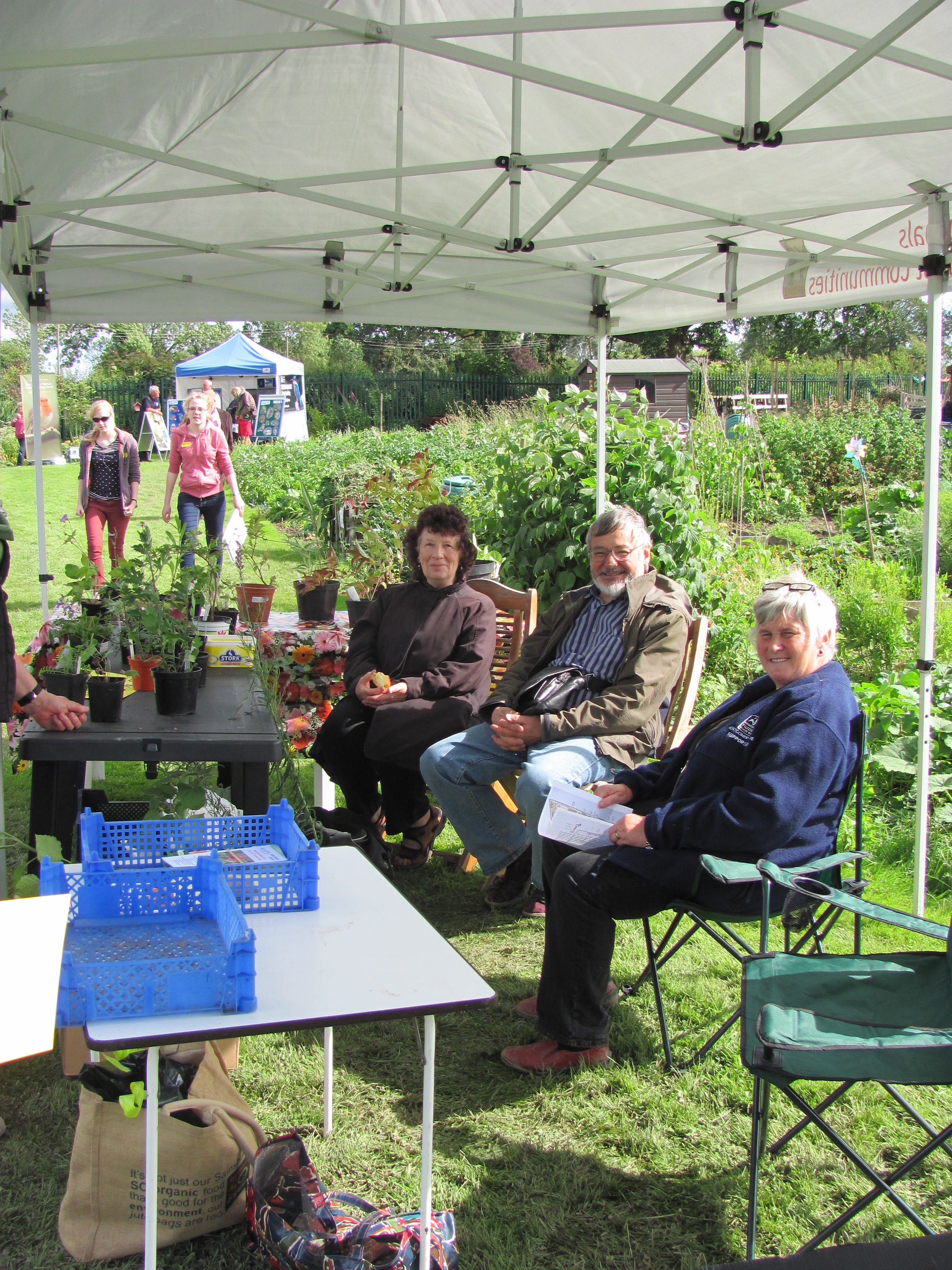

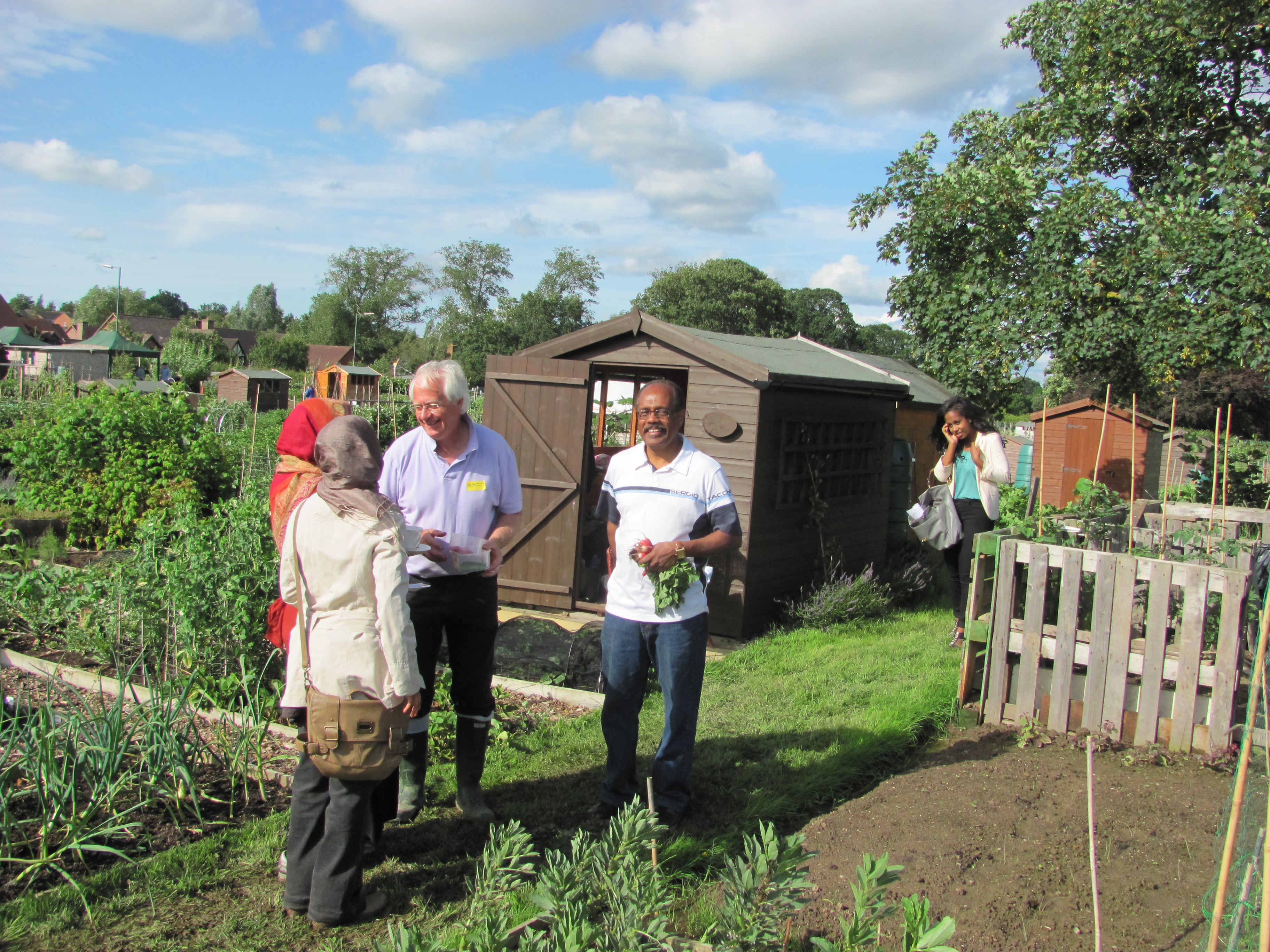
Most visitors who came spent several hours looking around with occasional breaks for a sit while enjoying a tea and cake, with some staying for the whole four hours we were open.
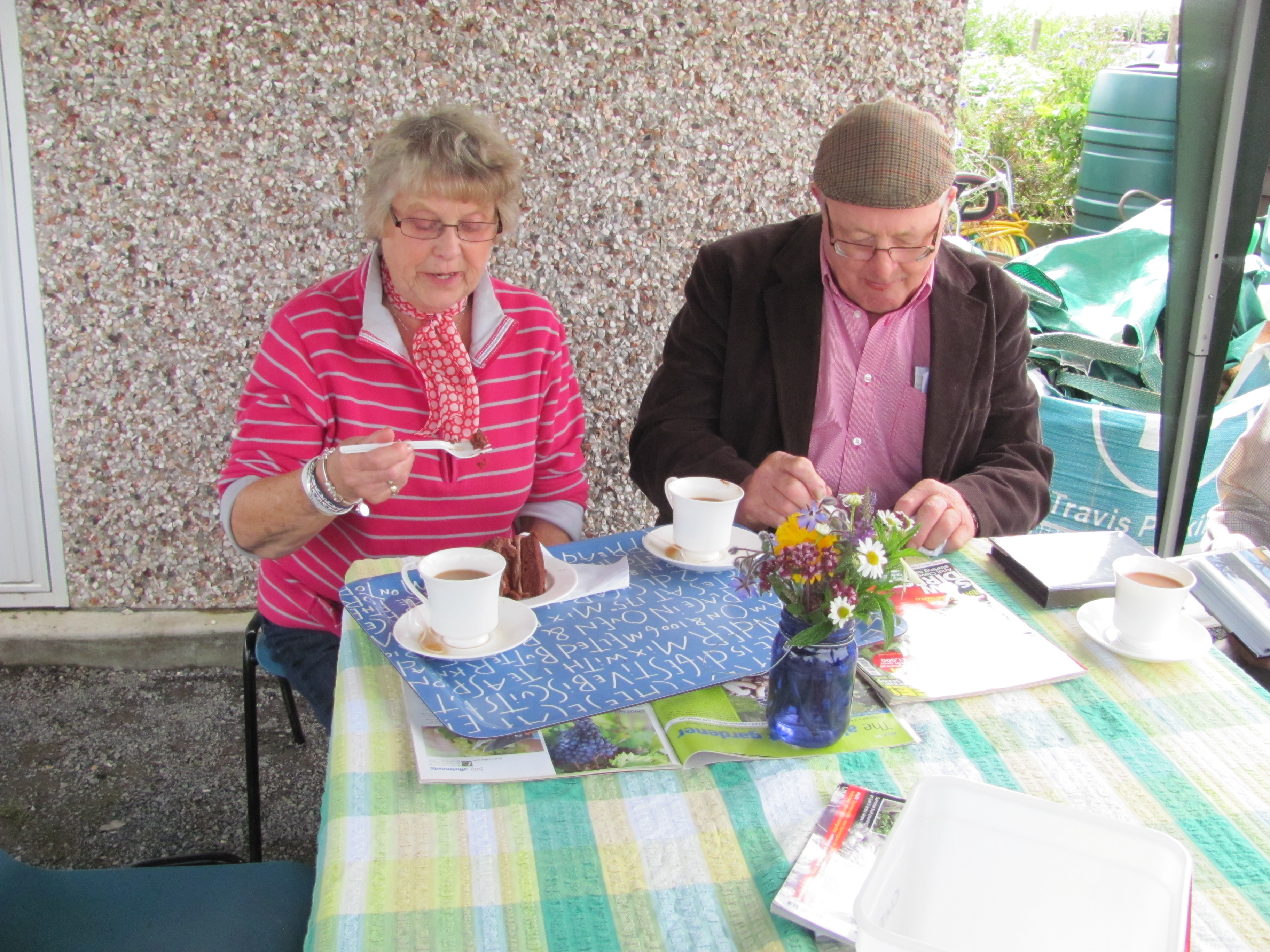

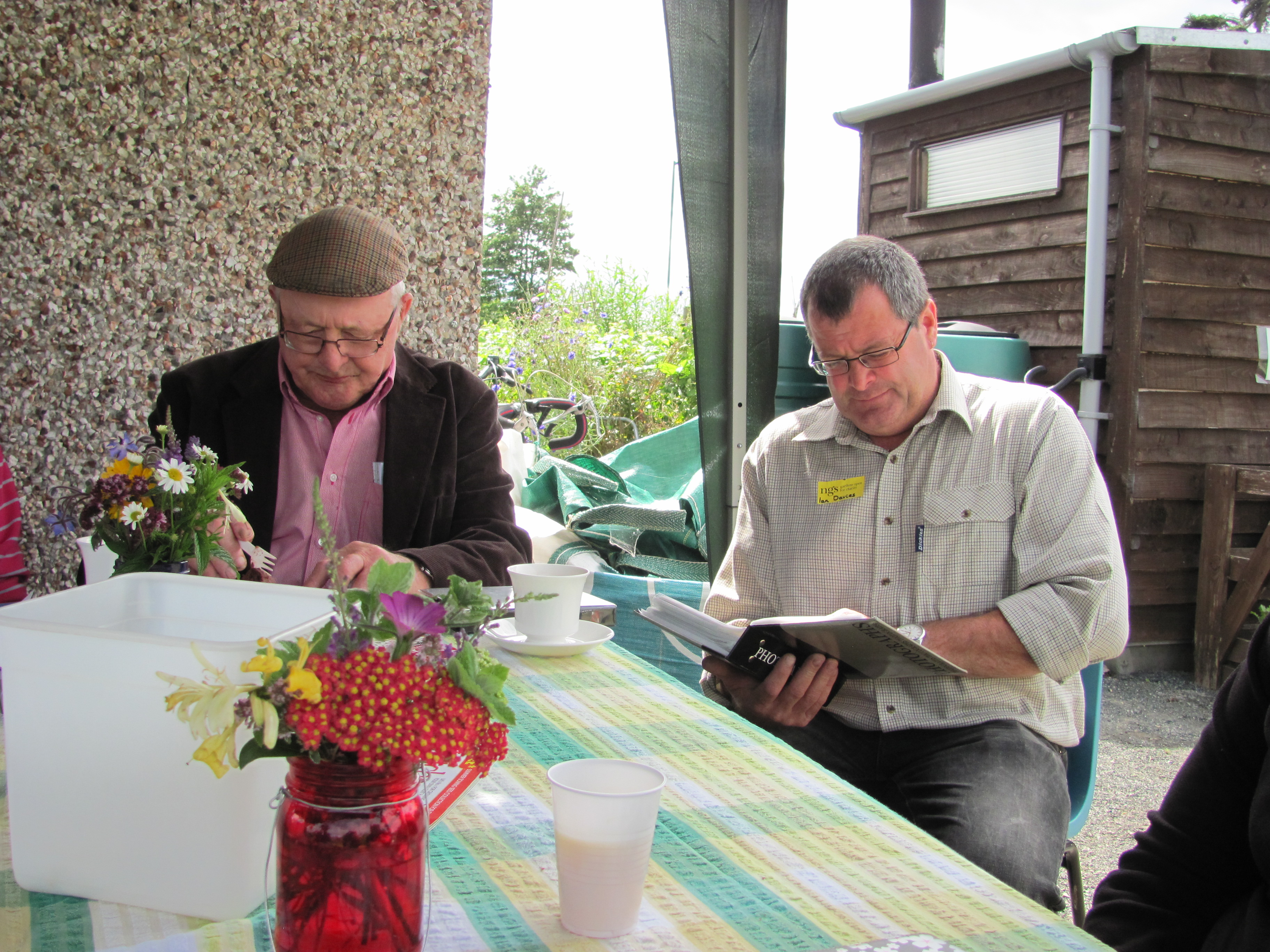
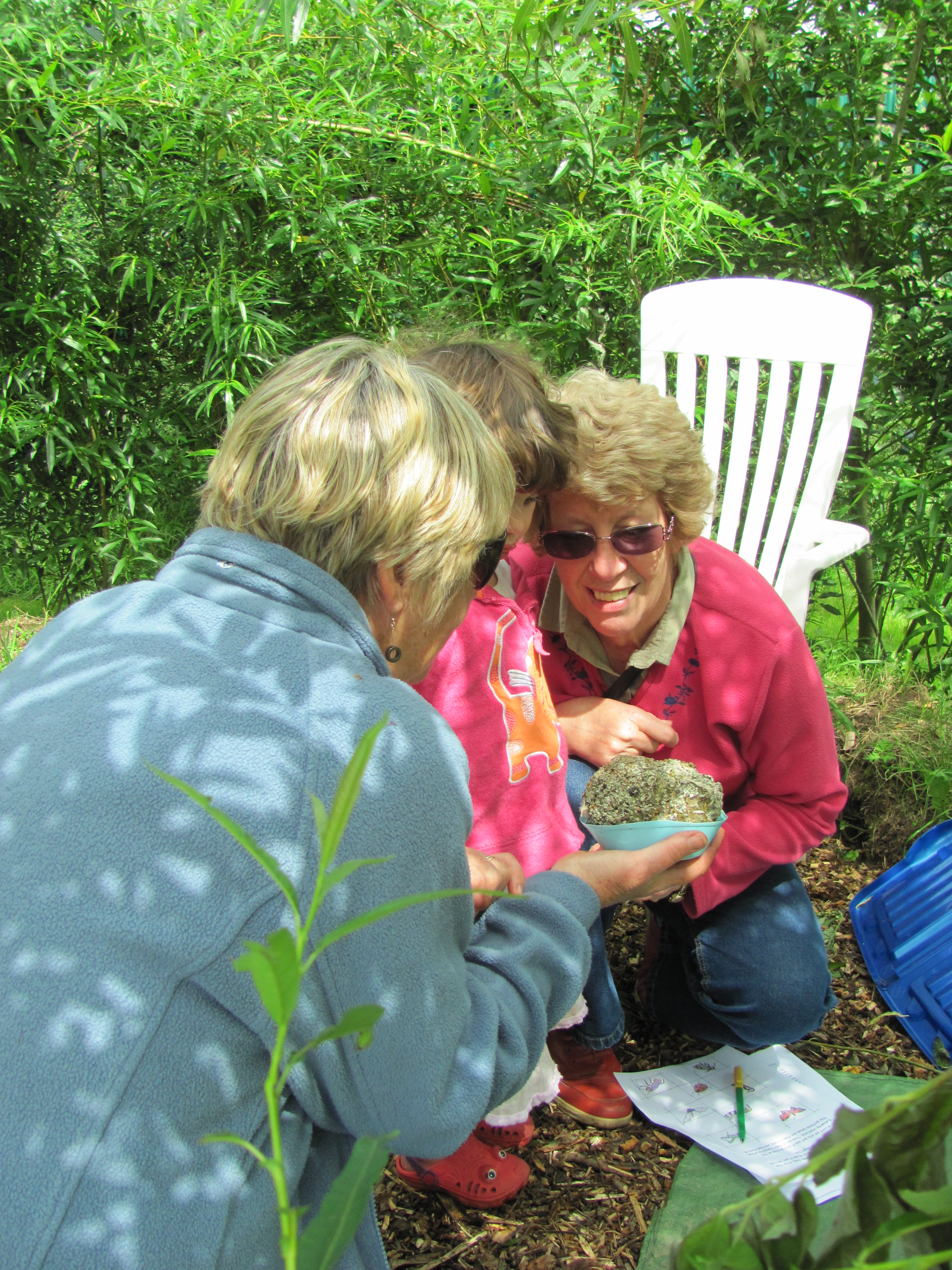
“The Undergardener”, Jude used her teaching experience to good purpose showing young visitors interesting artifacts found by plot holders such as an old Wren’s nest and an aborted Wasp nest.

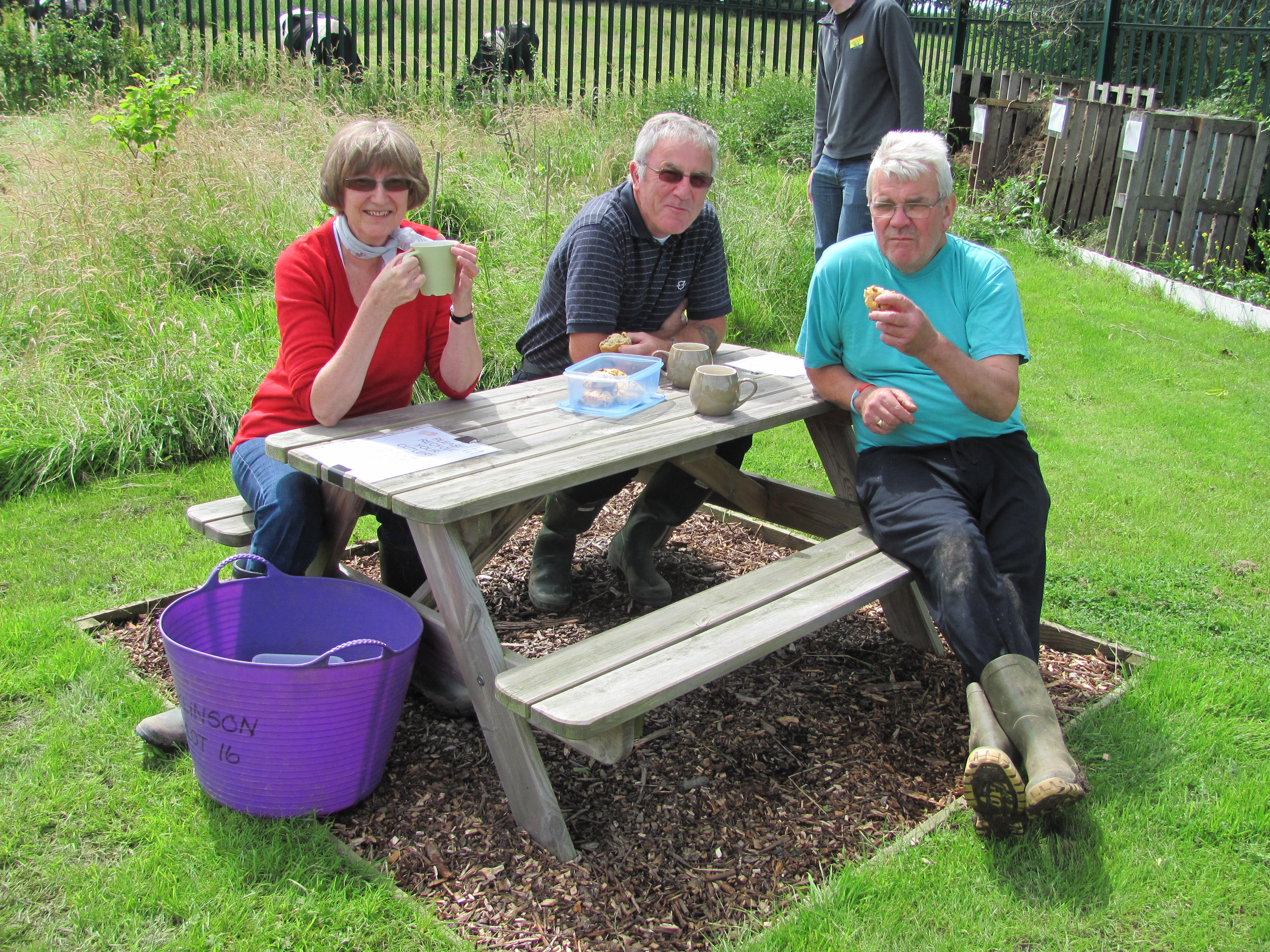
Several plot holders worked on their plots so that our visitors could ask them questions, others sat on picnic benches around the site to greet visitors and make them welcome.
When we closed and the last of our guests had left members rallied around and returned the site back to its former state. The tea shop returned to its function as a community hut, the gazebos were taken down and returned to their boxes, signs along the local roads were pulled up and put back into store. The RSPB and HPS volunteers packed up their goods and gazebos and said their goodbyes, and said they looked forward to our open day in 2013.
The last visitors to leave were these two characters who had spent the day sat comfortably in their thrones under the trees and greeted their subjects.

It had been a great day! Our visitors book contained some complimentary comments. We enjoyed reading them as they help show that we are achieving our aims. Here are some to examples to share.
“Fantastic, so much to see, great kids trail, thank you.”
“Completely lost in the interesting ideas. What a wonderful time I’ve had!”
“A truly inspiring place, wonderful for wildlife and kids.”
“Beautiful plots and welcoming tea and cake.”
“Inspirational model for all allotments.”
“Friendly, knowledgable gardeners.”
“Inspiring and clever ideas to encourage wildlife whilst giving plenty of space for produce. So much done in three years.”
“A great community space!”
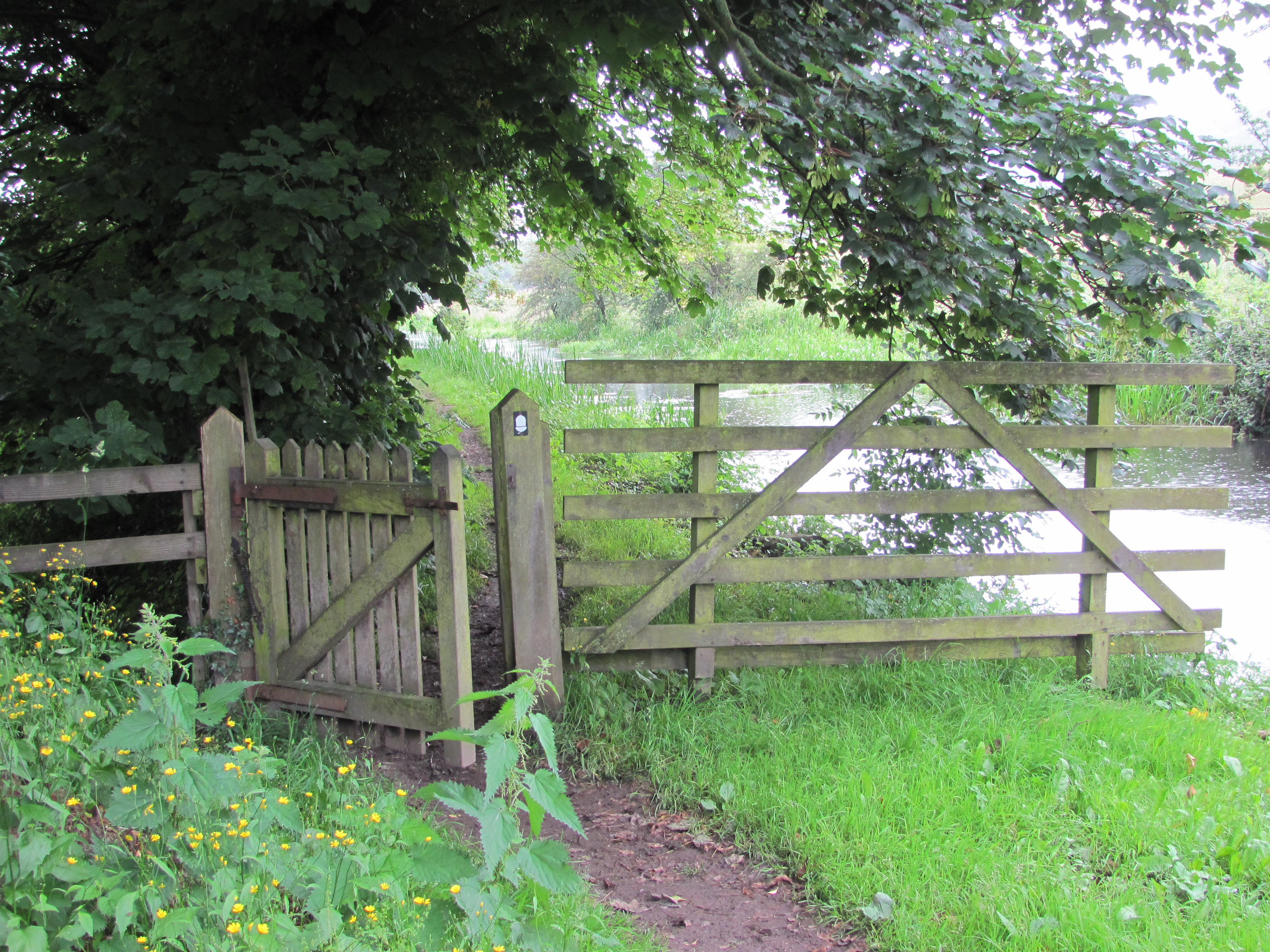
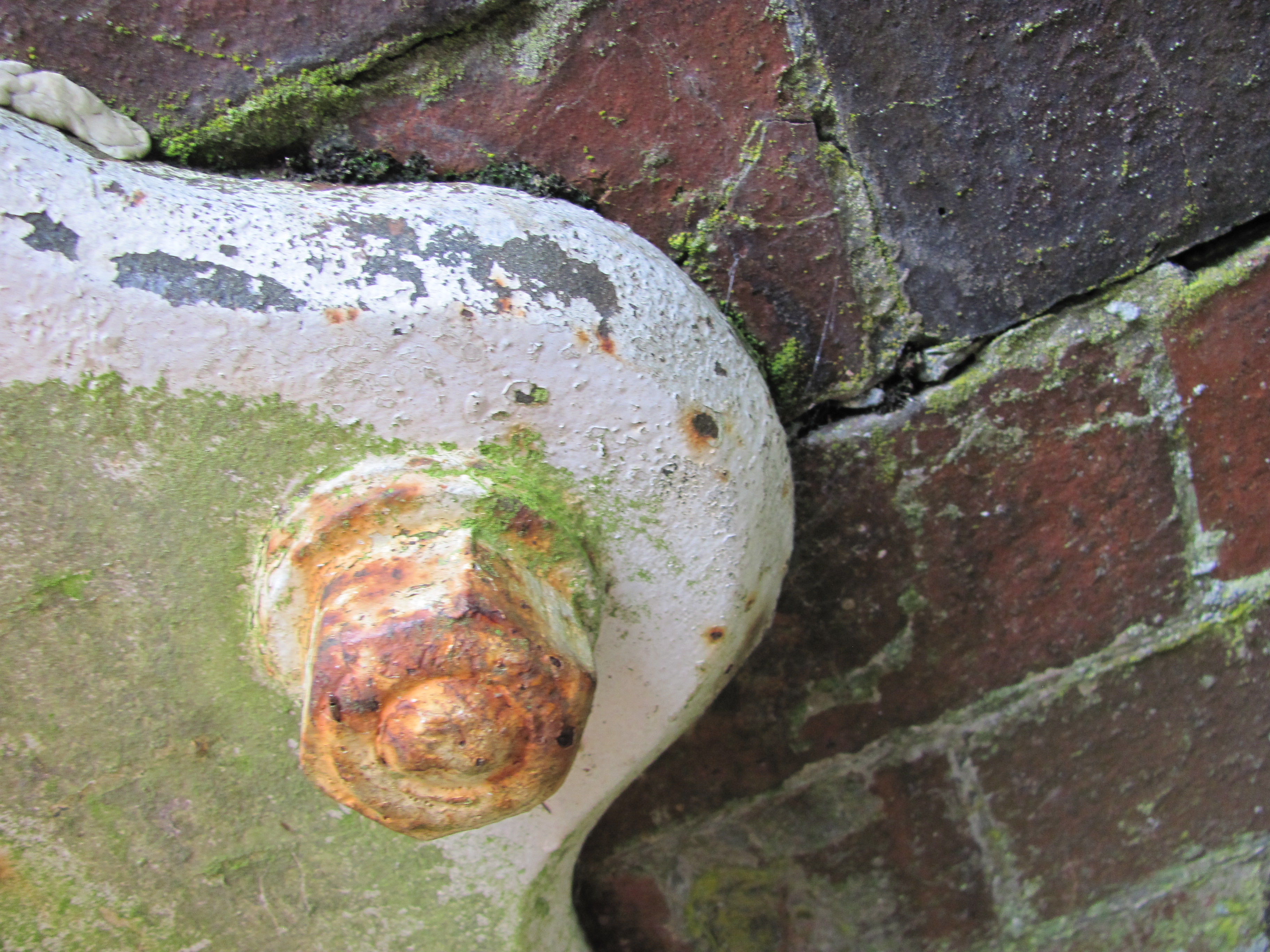
My last ramblings left us just as we retreated into the shelter of the wooded bank of the canal, through the little wooden gate. Inviting as the shelter was I was tempted to linger and photograph the silvered wood and rusted, pitted ironwork on the gate.


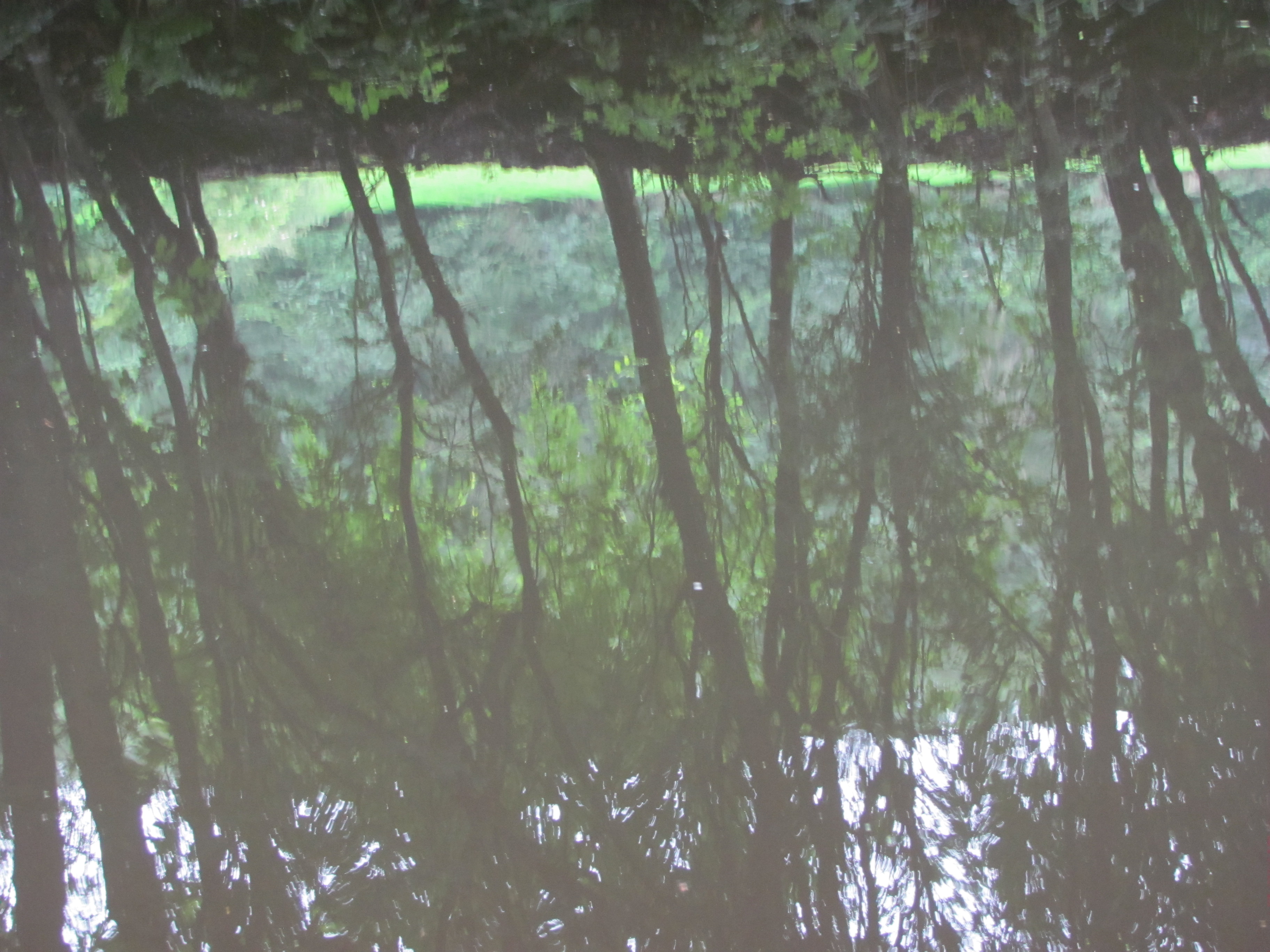
It always surprises me just how different a return journey can be. Different things catch the eye, different sounds invade the ear, different scents entice the nose for a closer appreciation. We found wild flowers, trees and bushes that we had not spotted on our way and enjoyed different reflections on the mirrored surface of the canal.
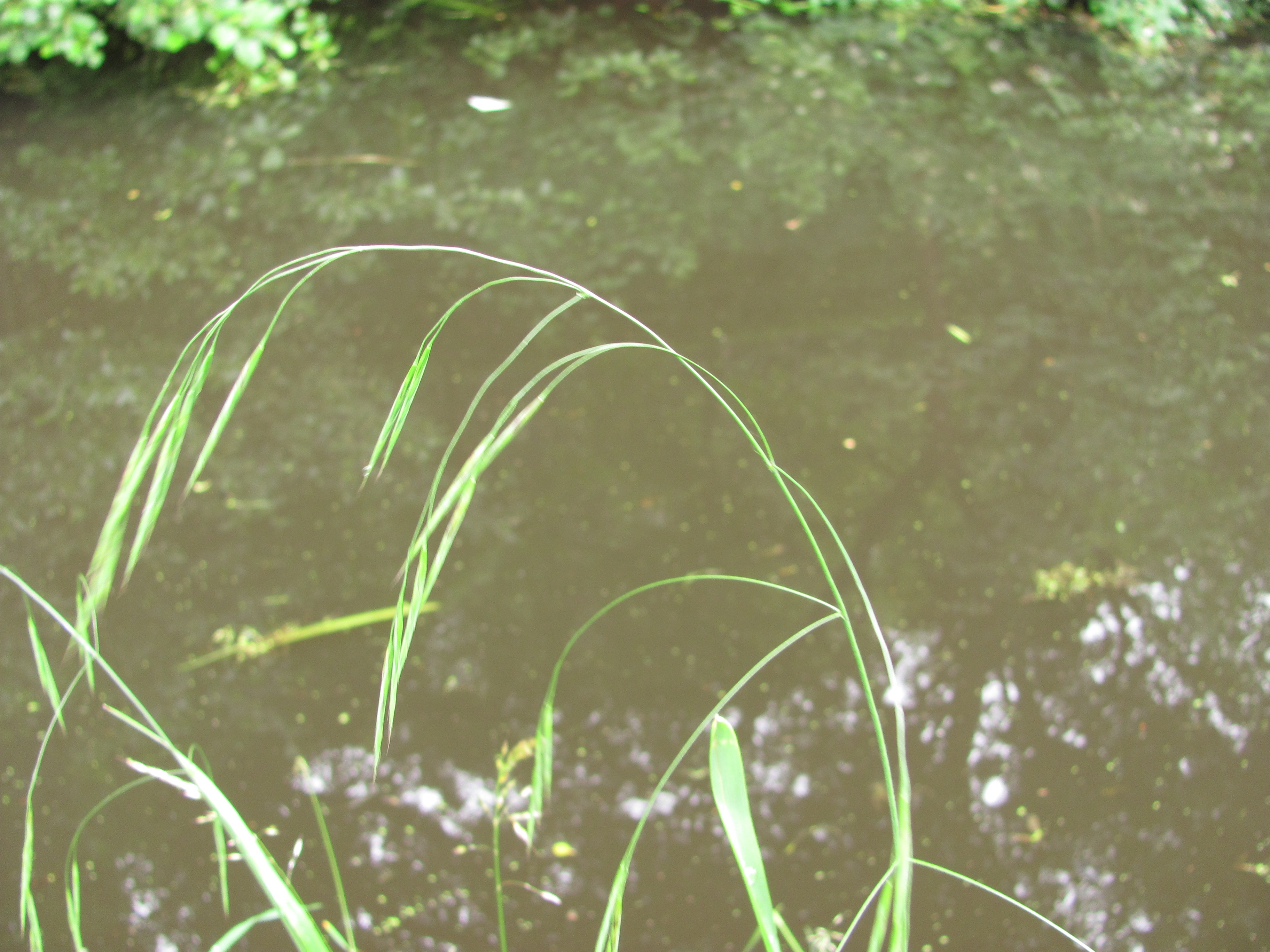
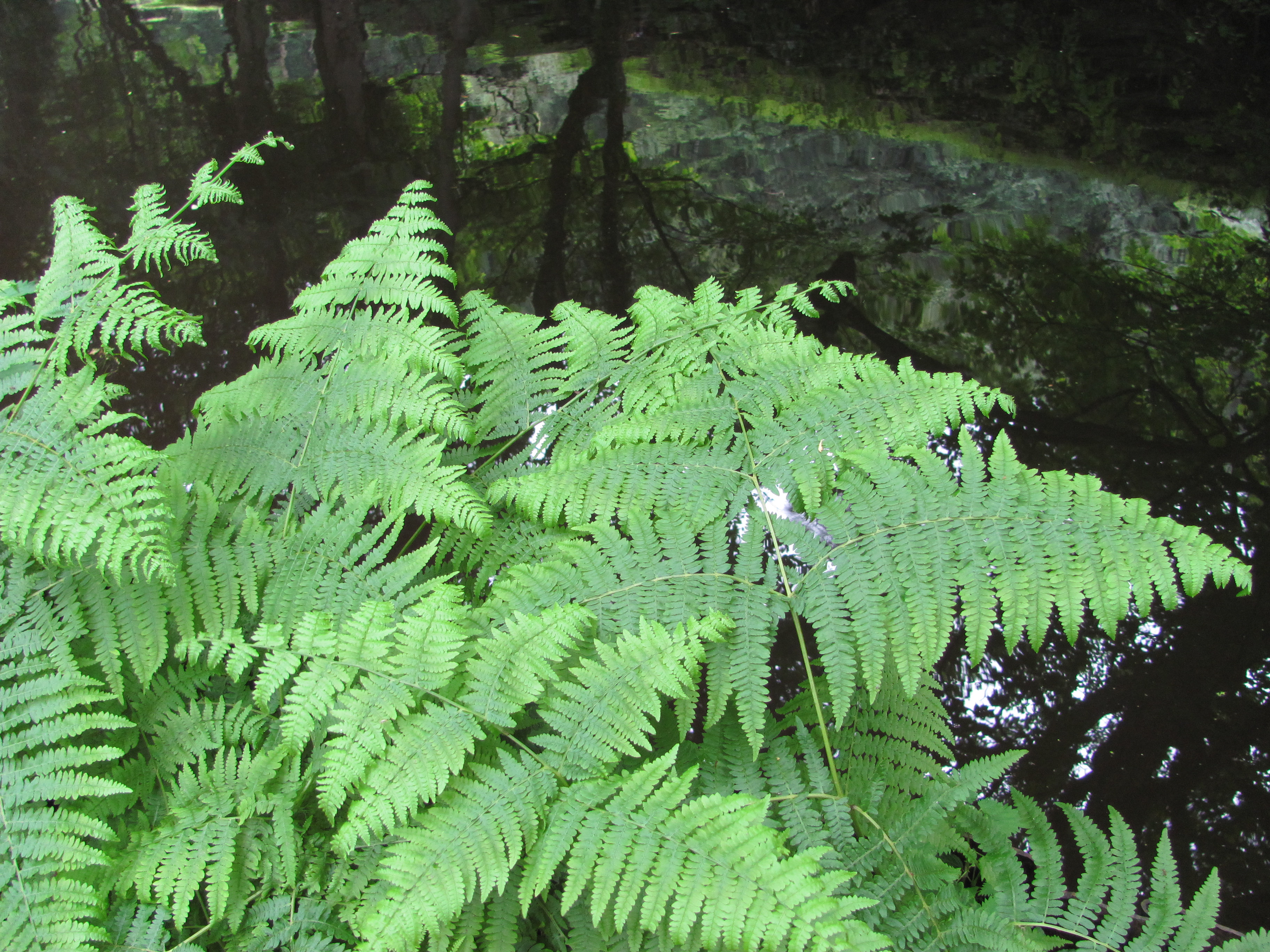


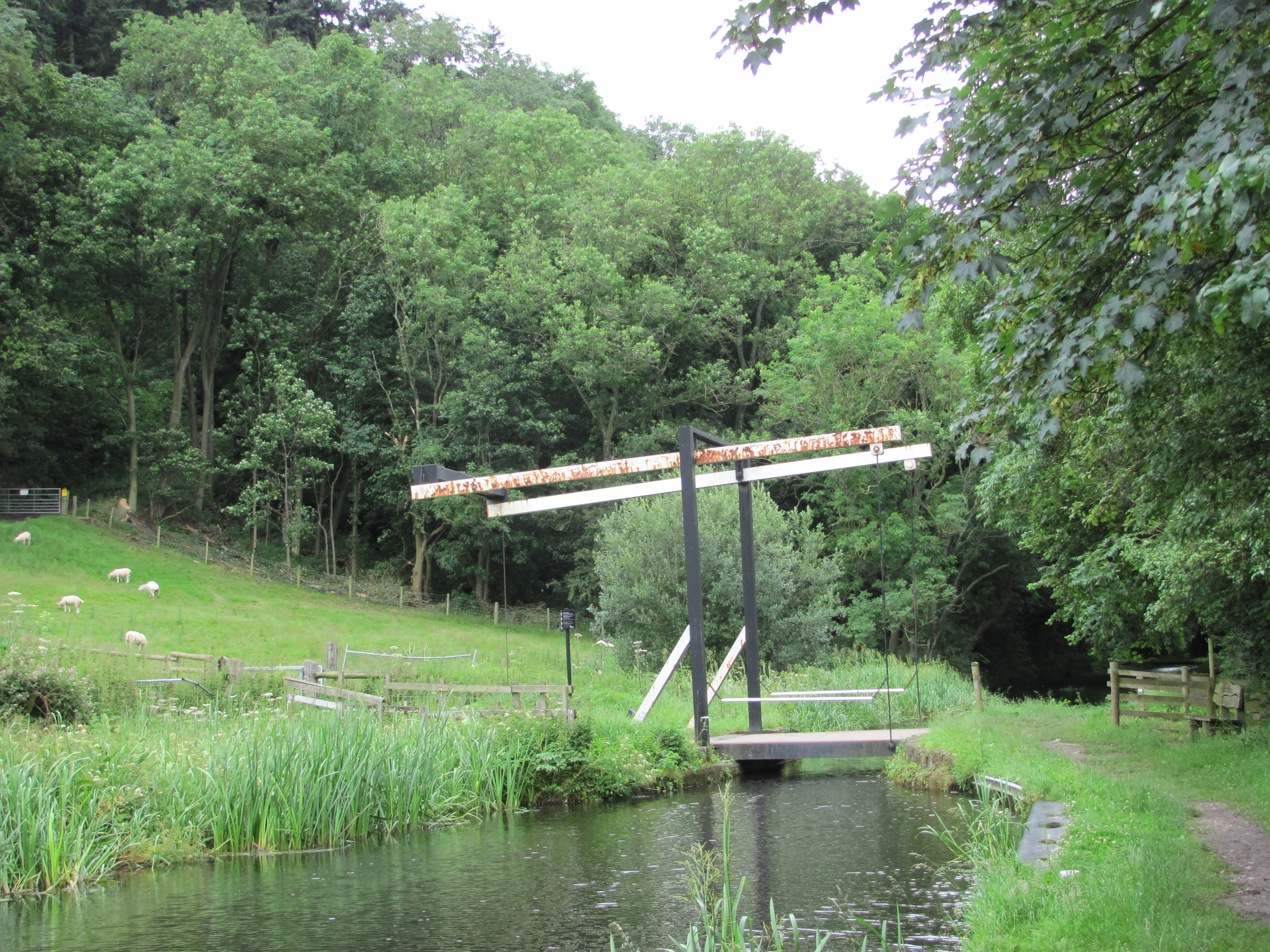
When we reached the spot where we had stopped for a coffee break on the way we stopped once again and leant on the same gate, but it was not quite a case of deju vu.
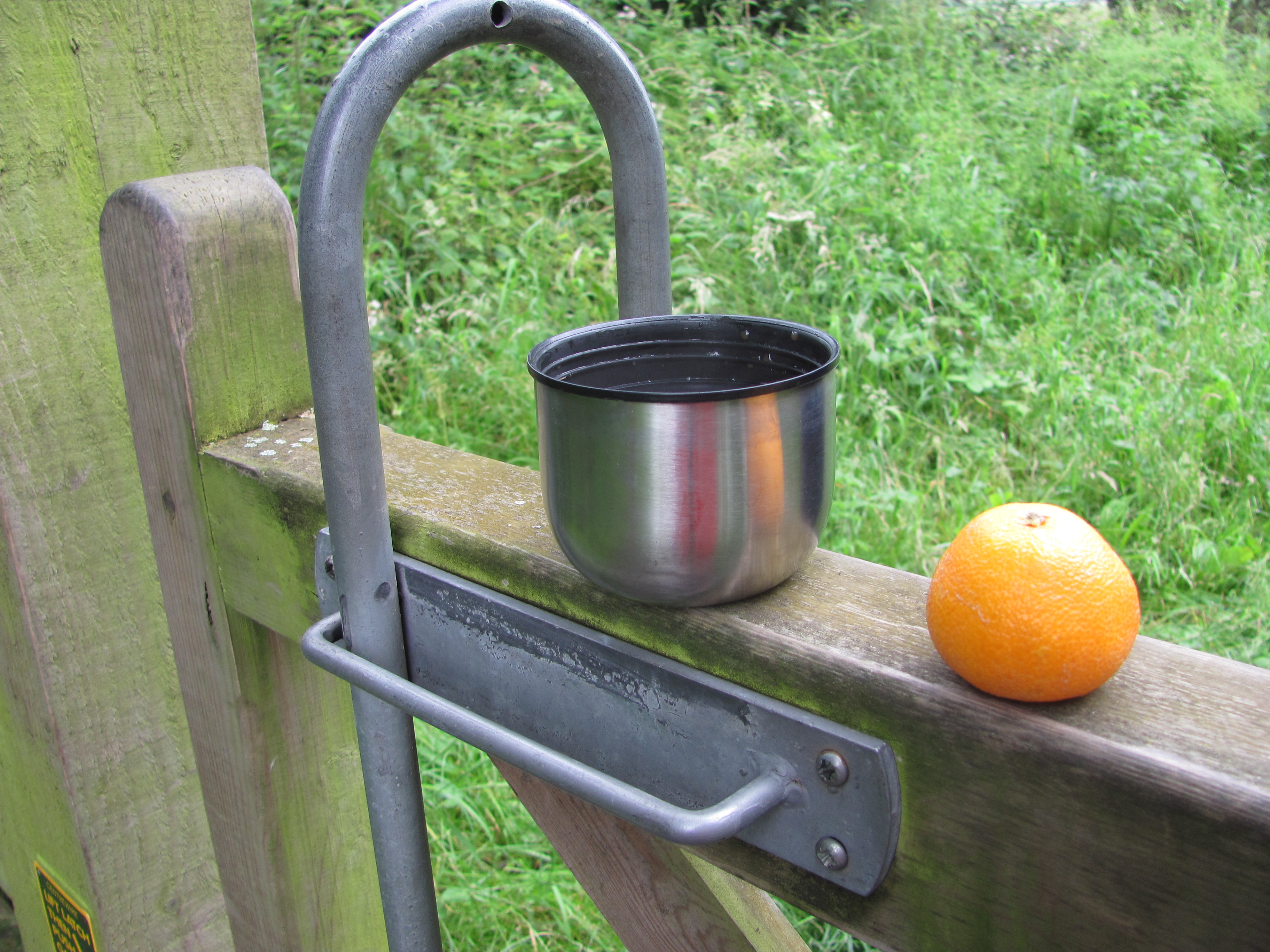
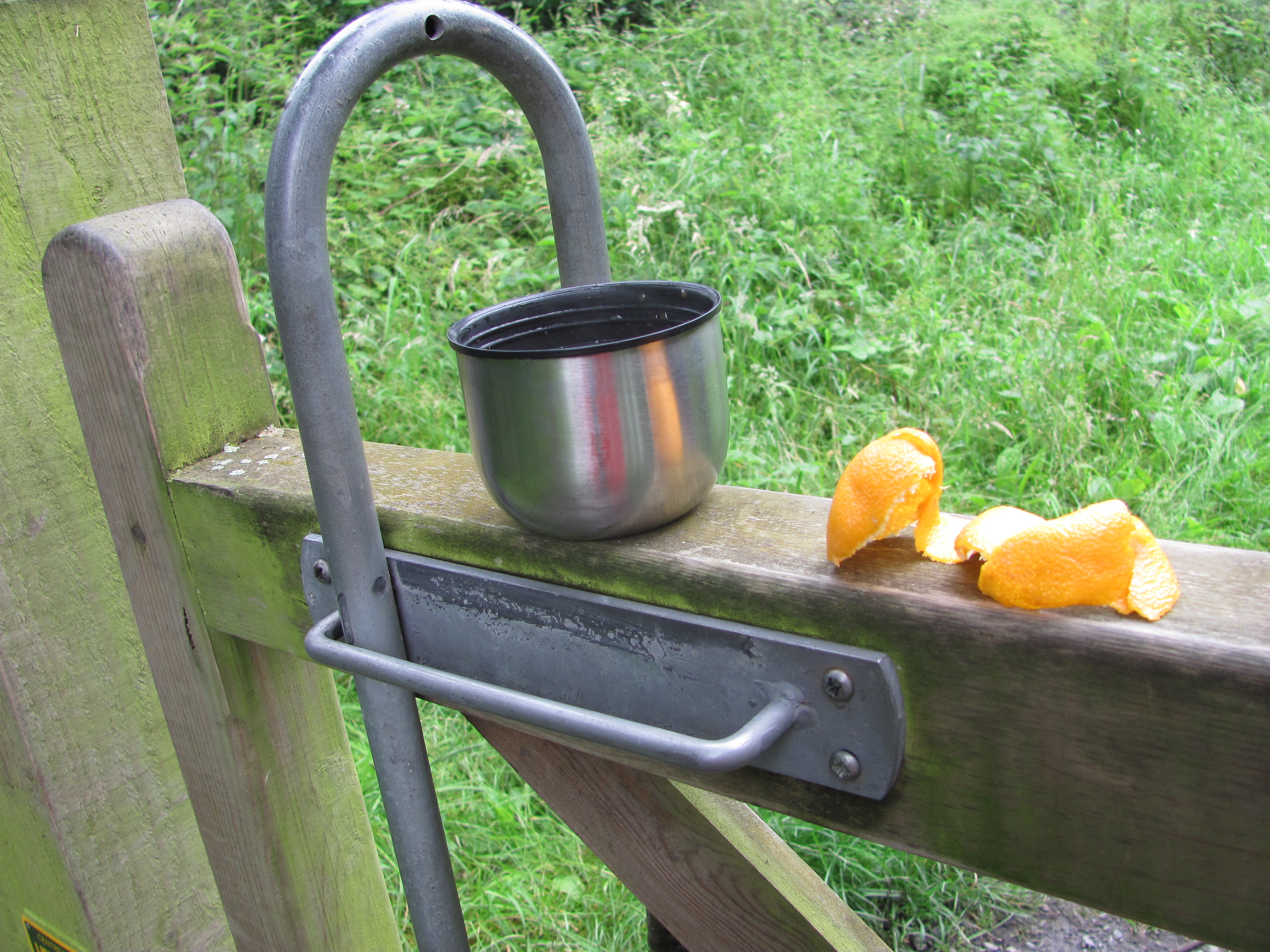
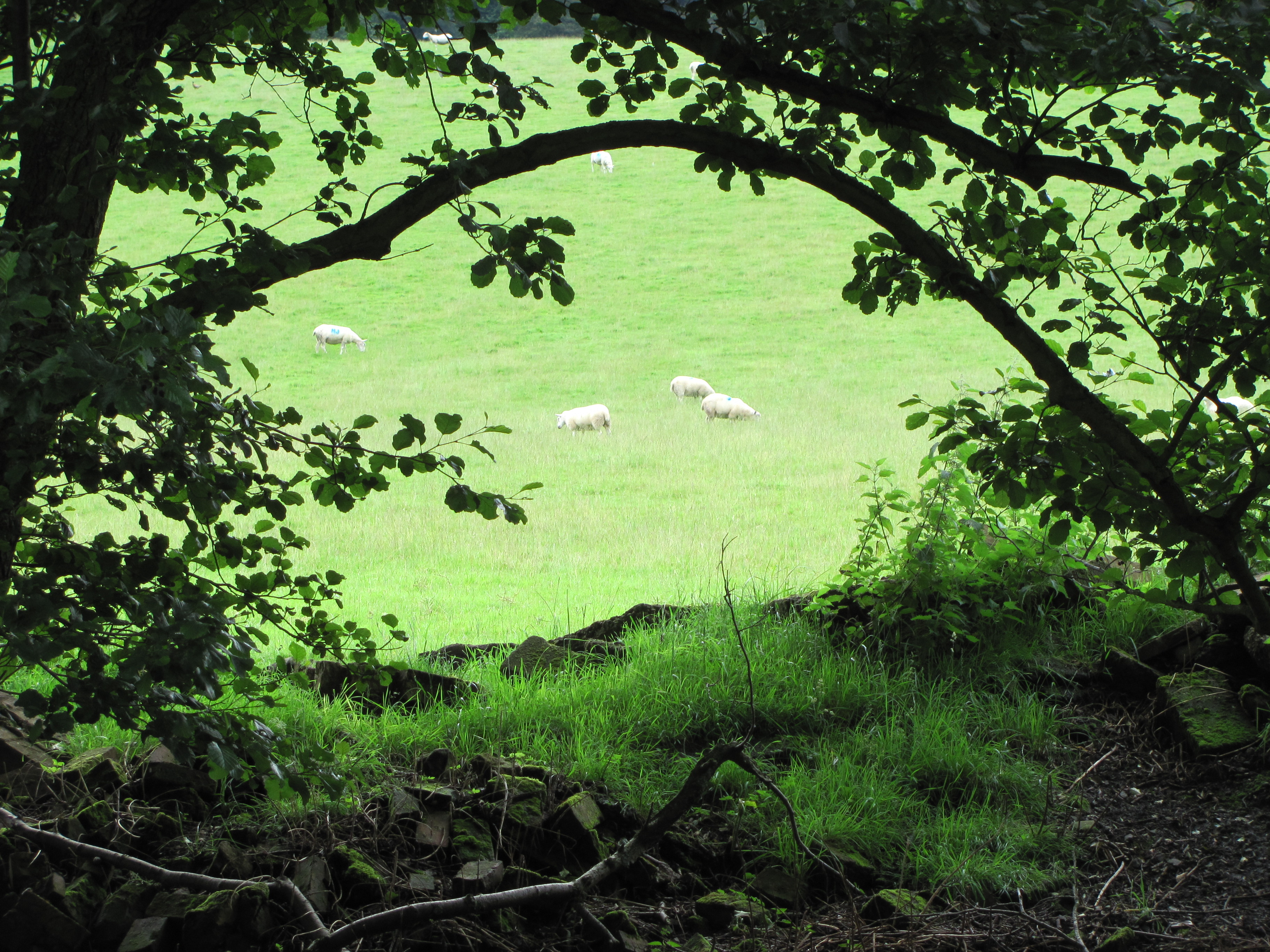
From our coffee-drinking, gate-leaning vantage point we watched sheep grazing on the field beyond the far-bank trees and spotted a long, low red-bricked barn half way up the sloping field.

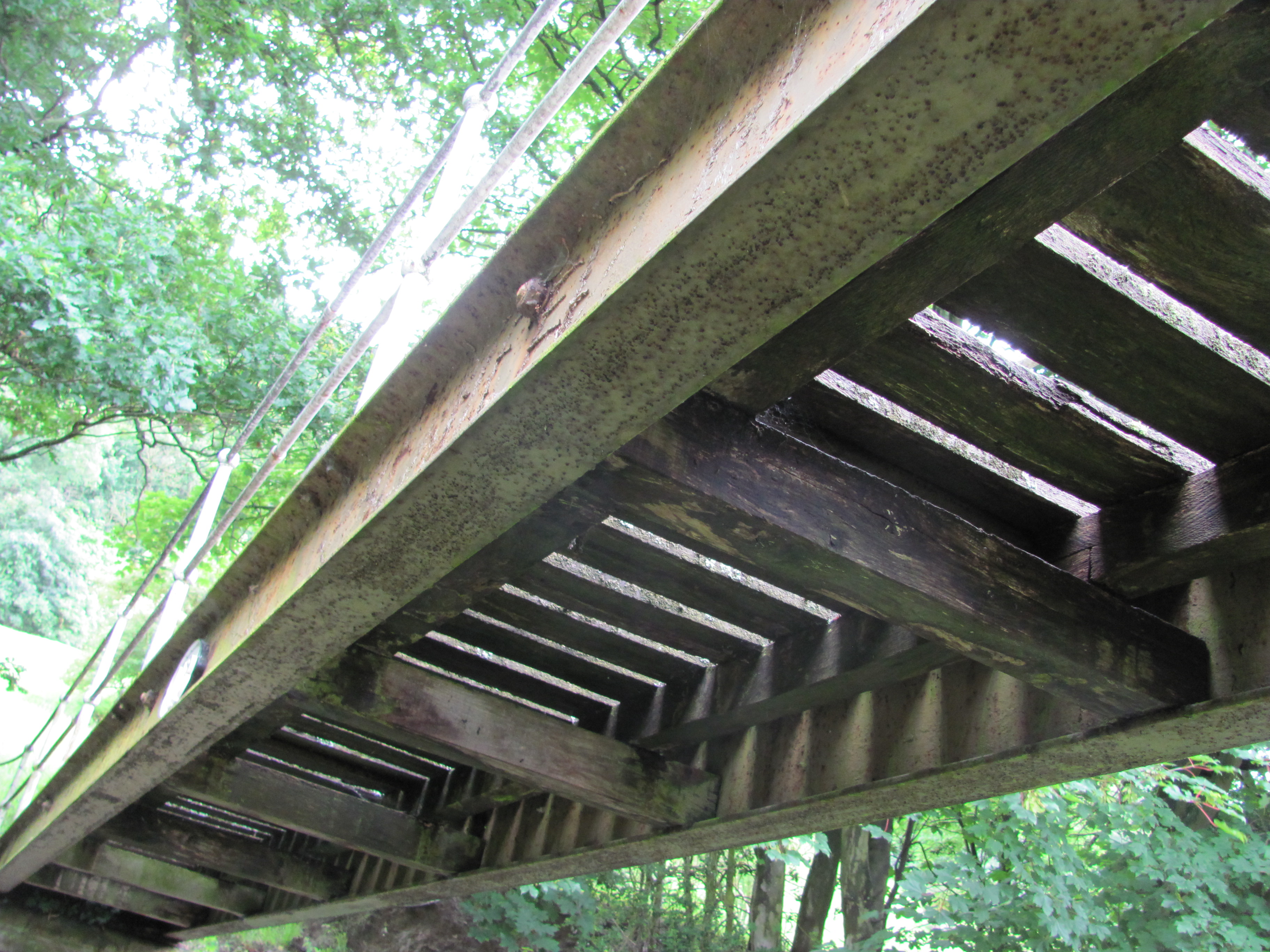
The footbridge that passed over our heads provided ample opportunities for some creative picture-taking.

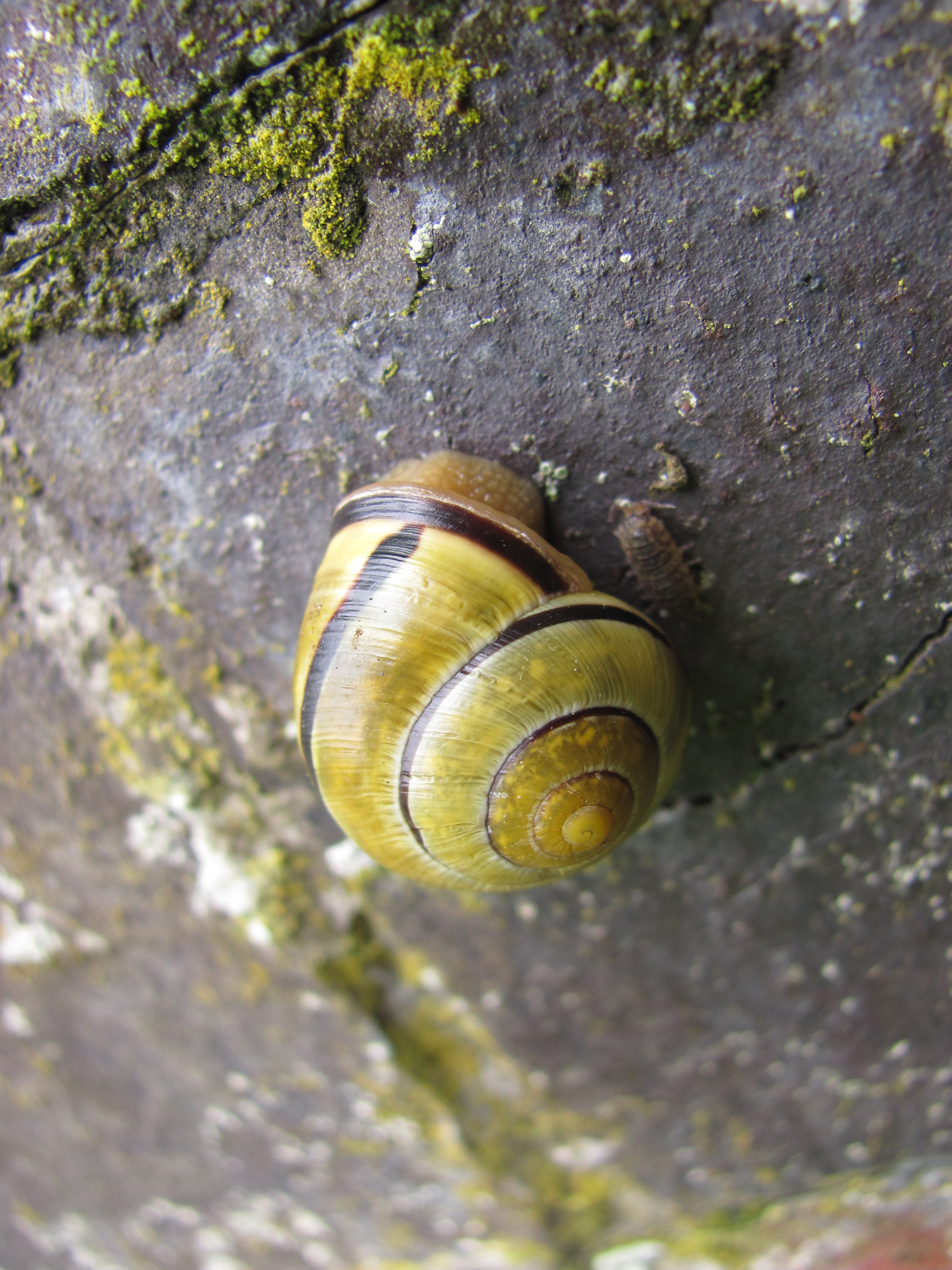
These little banded snails with their glossy coloured shells decorated with chocolate or black bands which followed the spiralling shape of their shell homes, began to appear after the shower of rain.

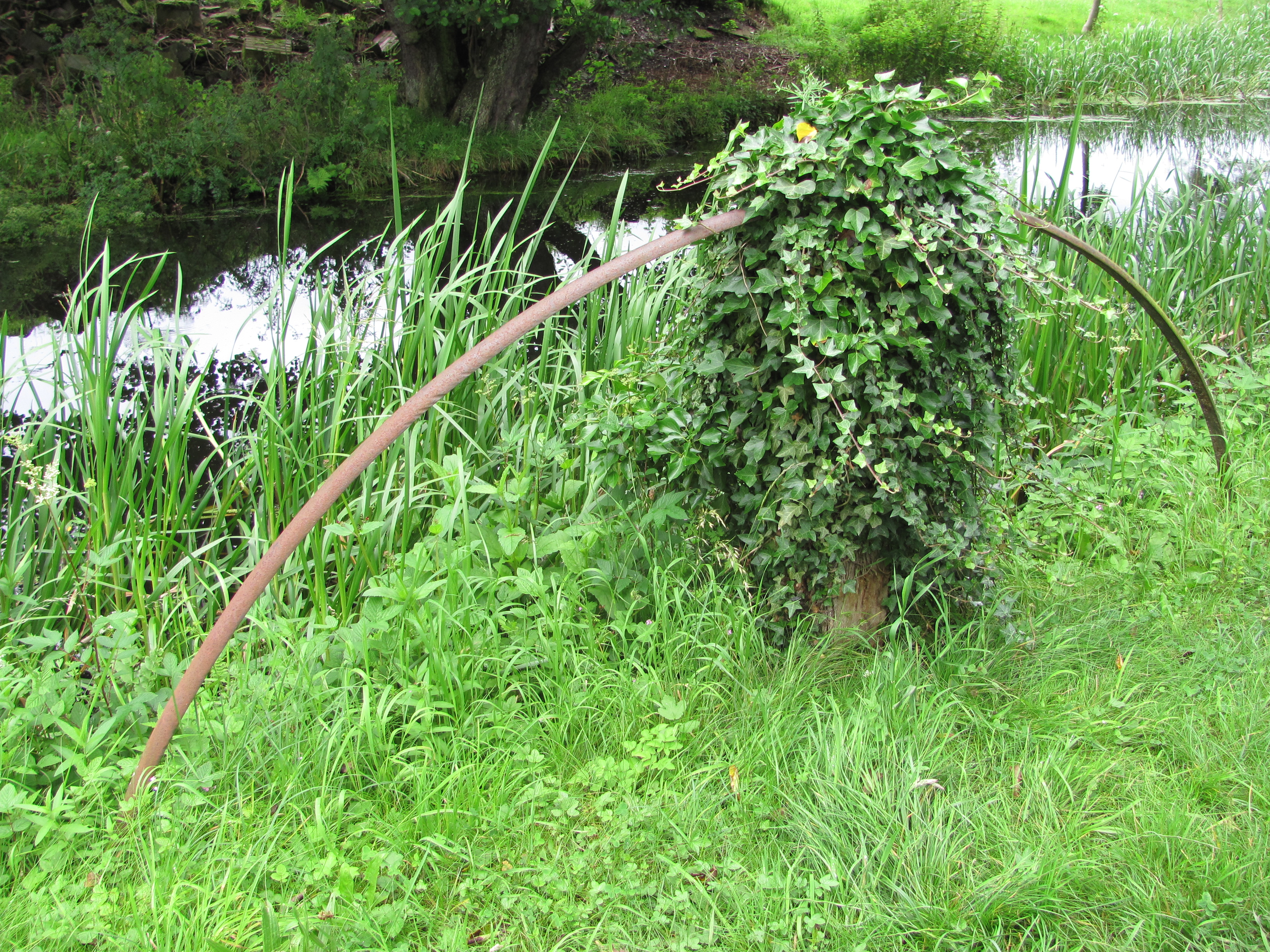
Canalside paraphernalia draws attention along any towpath walk, bringing to mind queries and questions of their uses and names. This first object was a simple arch of iron appearing from the ground and disappearing about a dozen feet further along the towpath. We couldn’t work out what its purpose could possibly be but it did present a graceful archway in the grass.
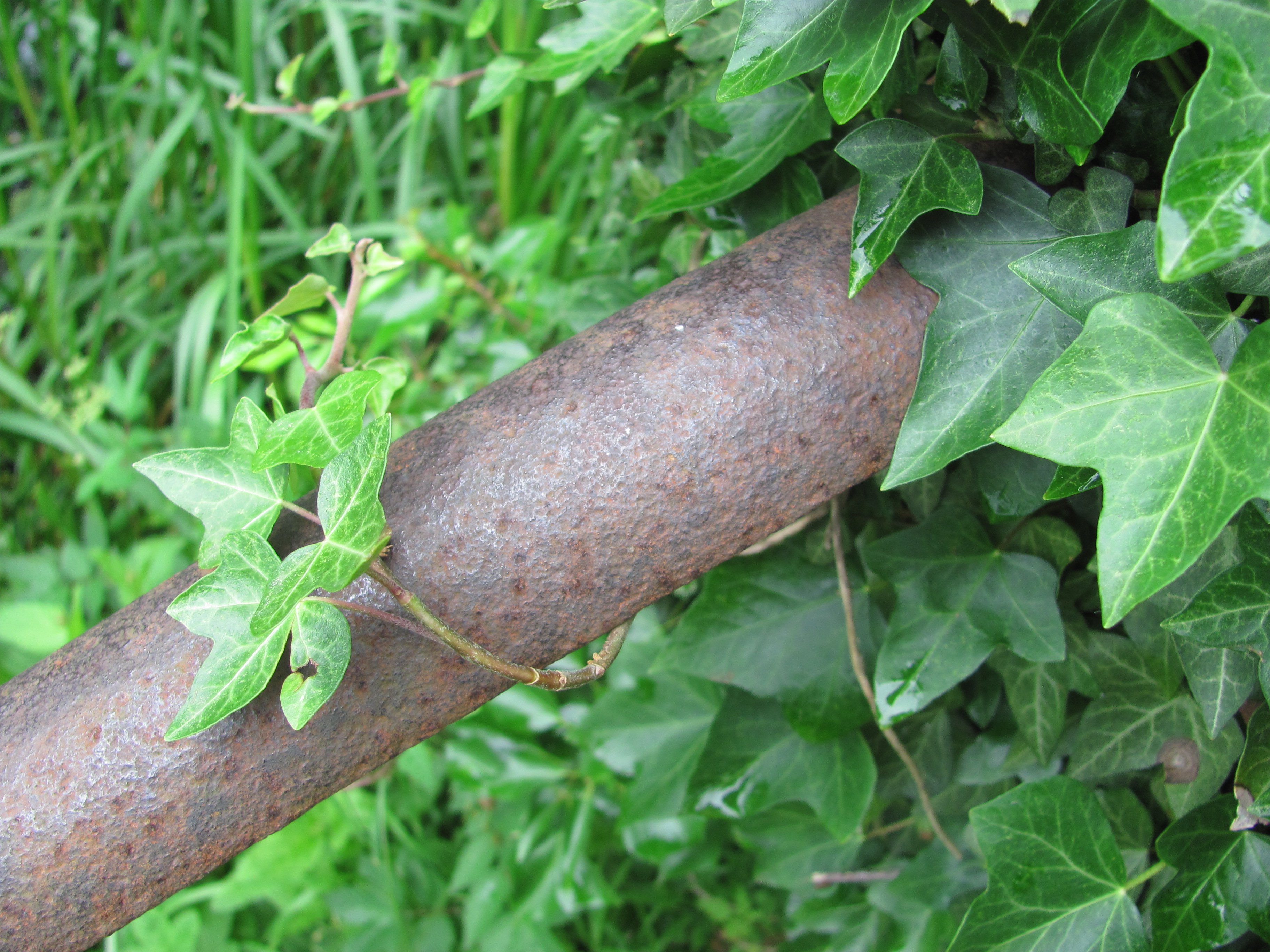
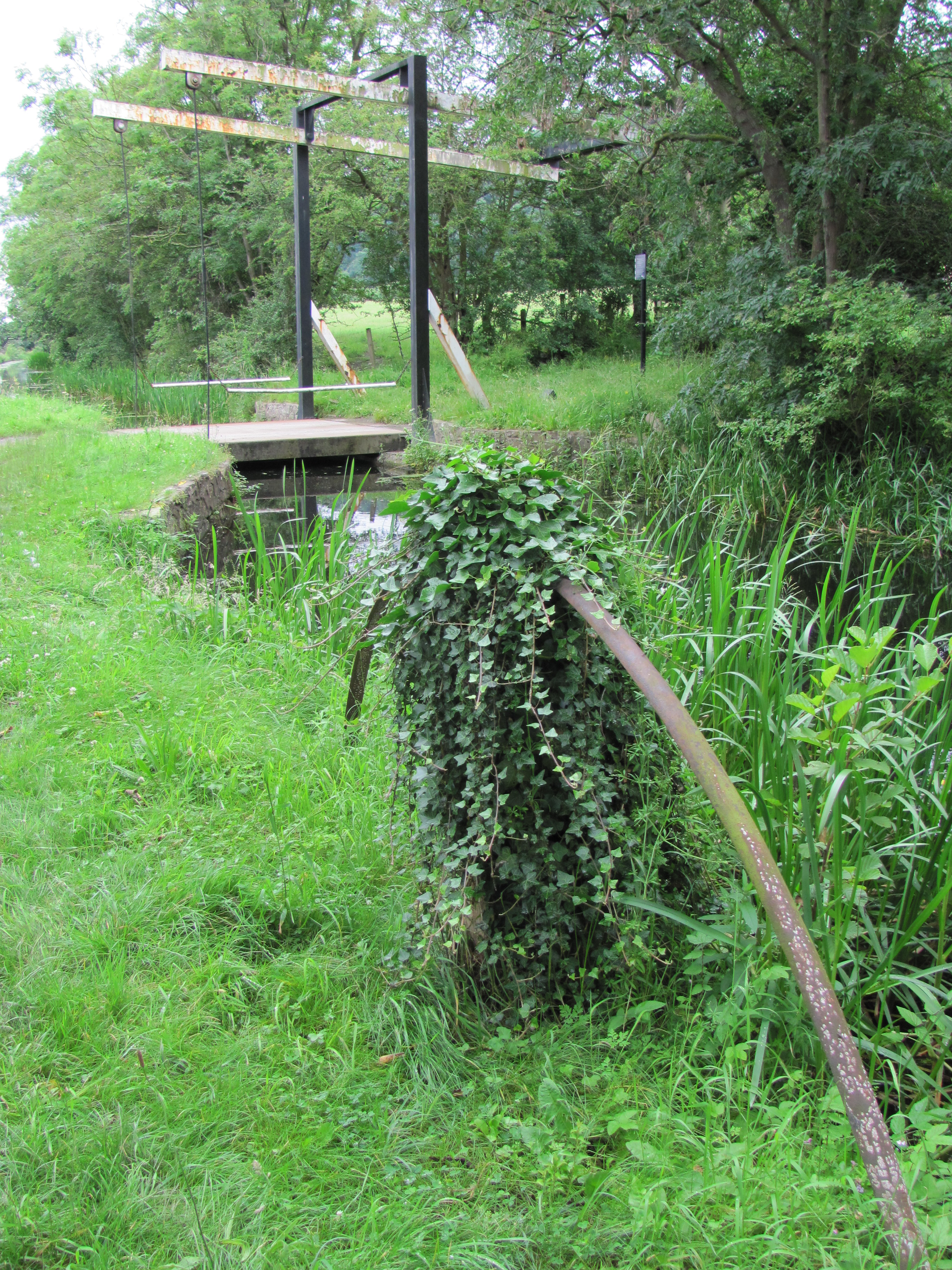

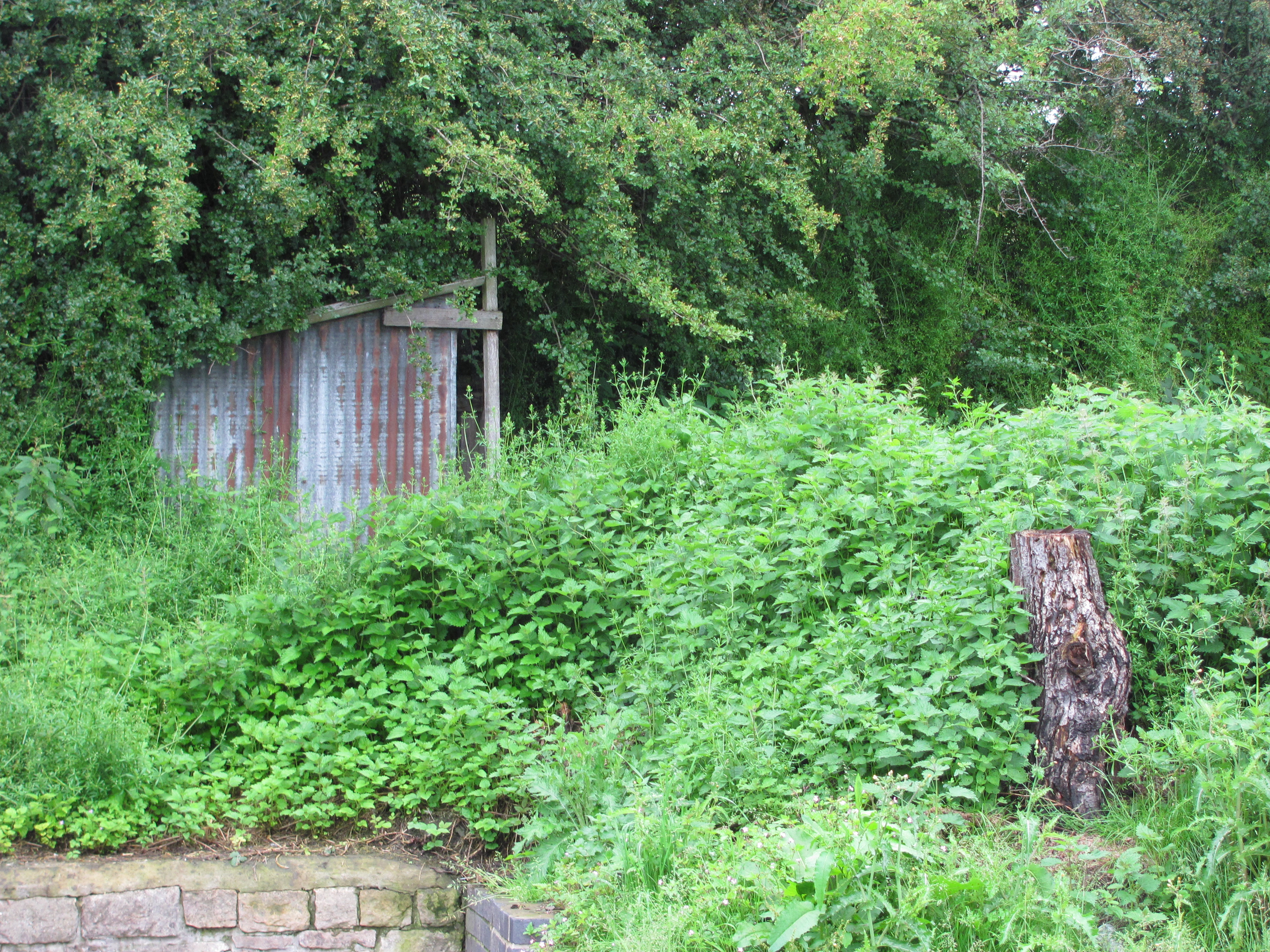
As we follow the last stretch of the Montgomery Canal back to our starting point of a few hours earlier we can look at the different native plants we found and views of the canal that we enjoyed.
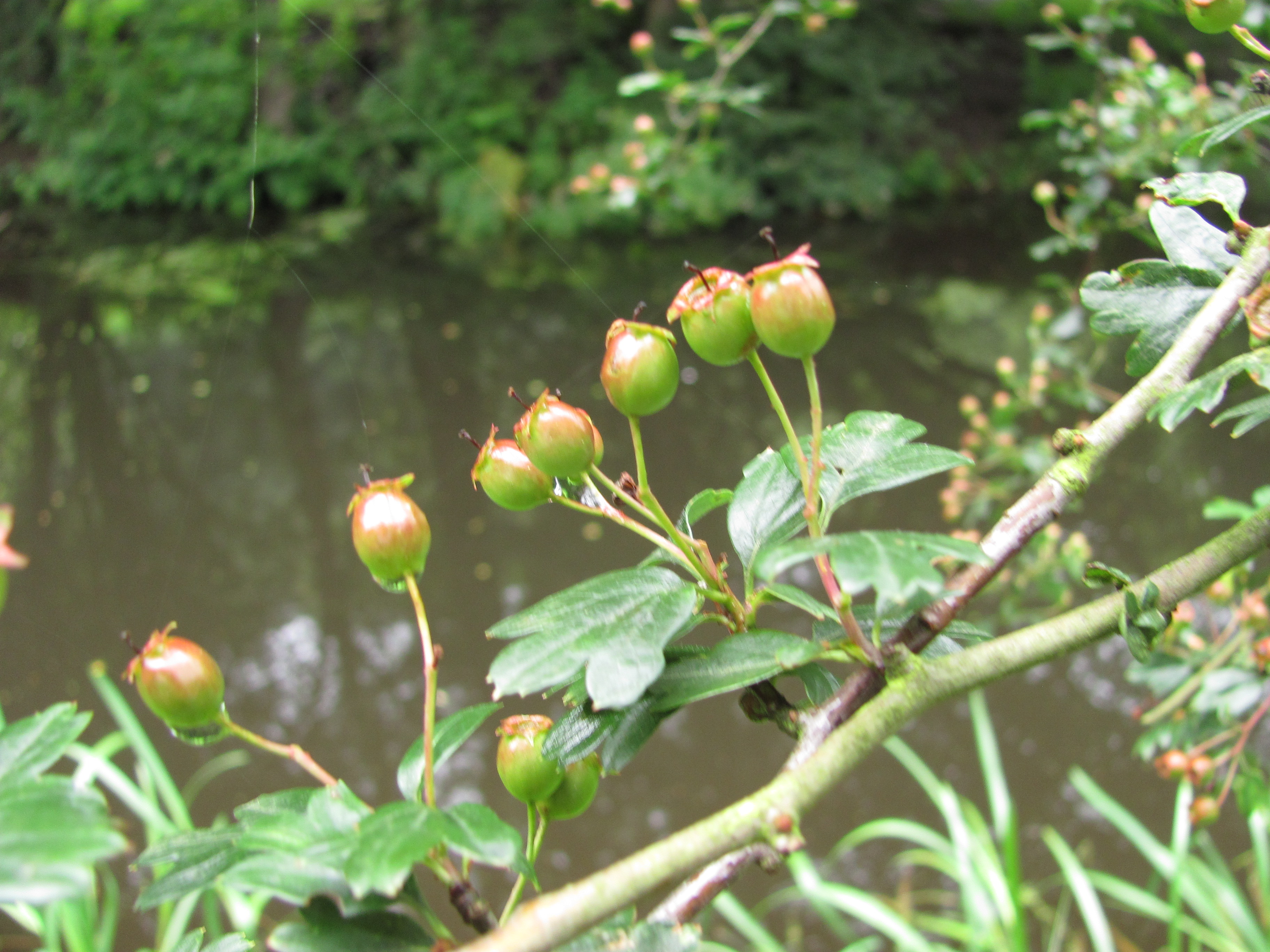

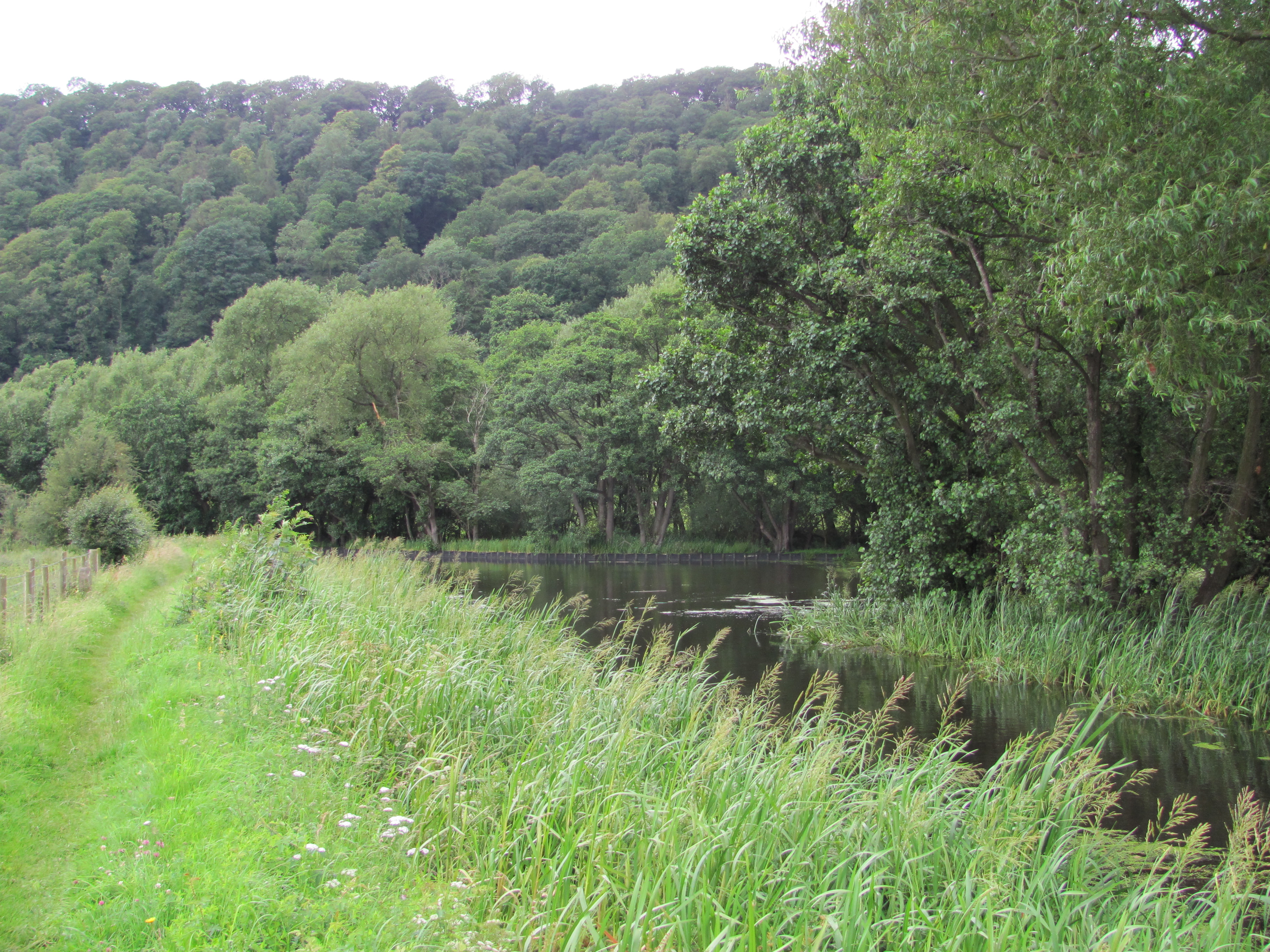
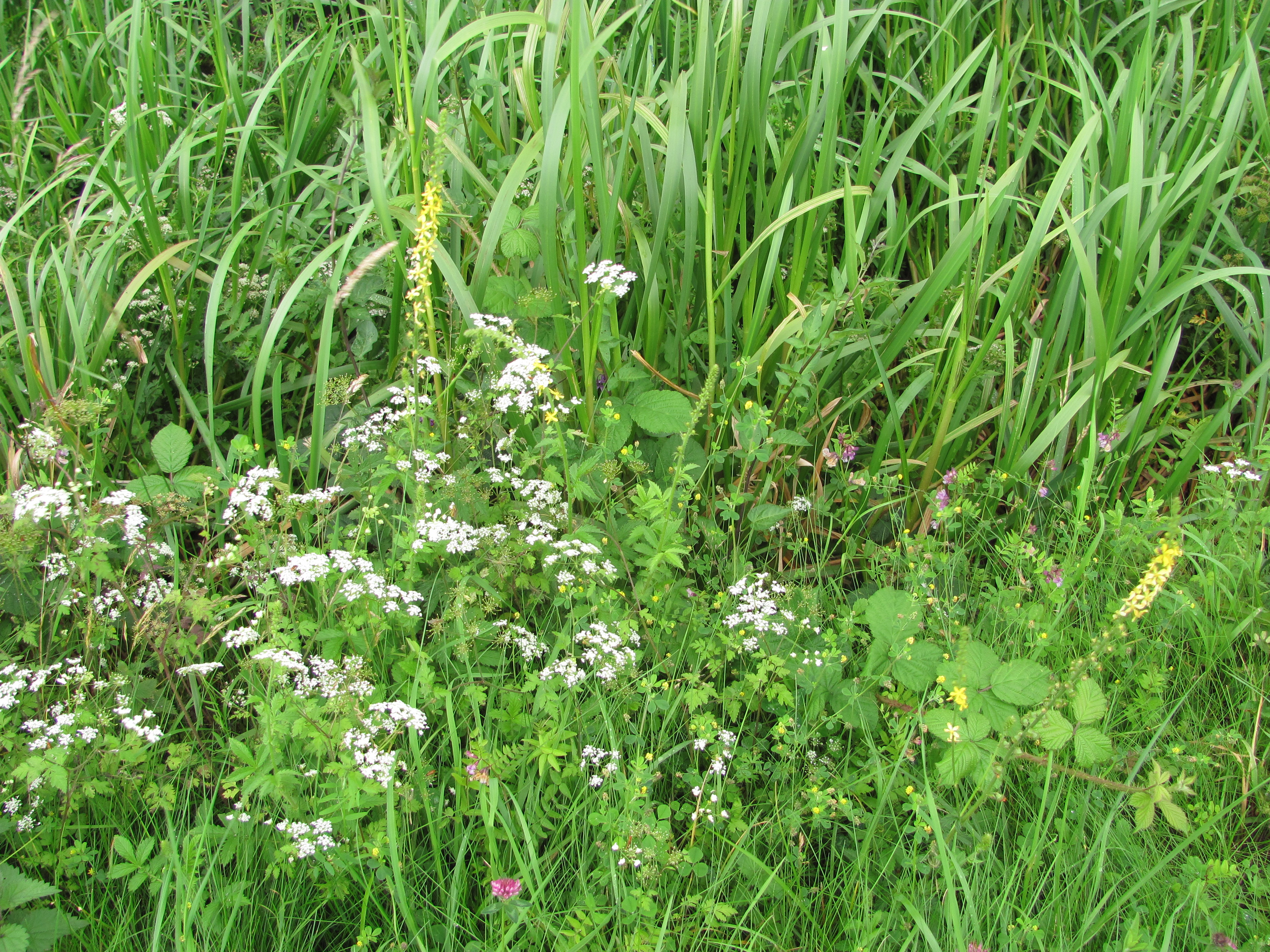
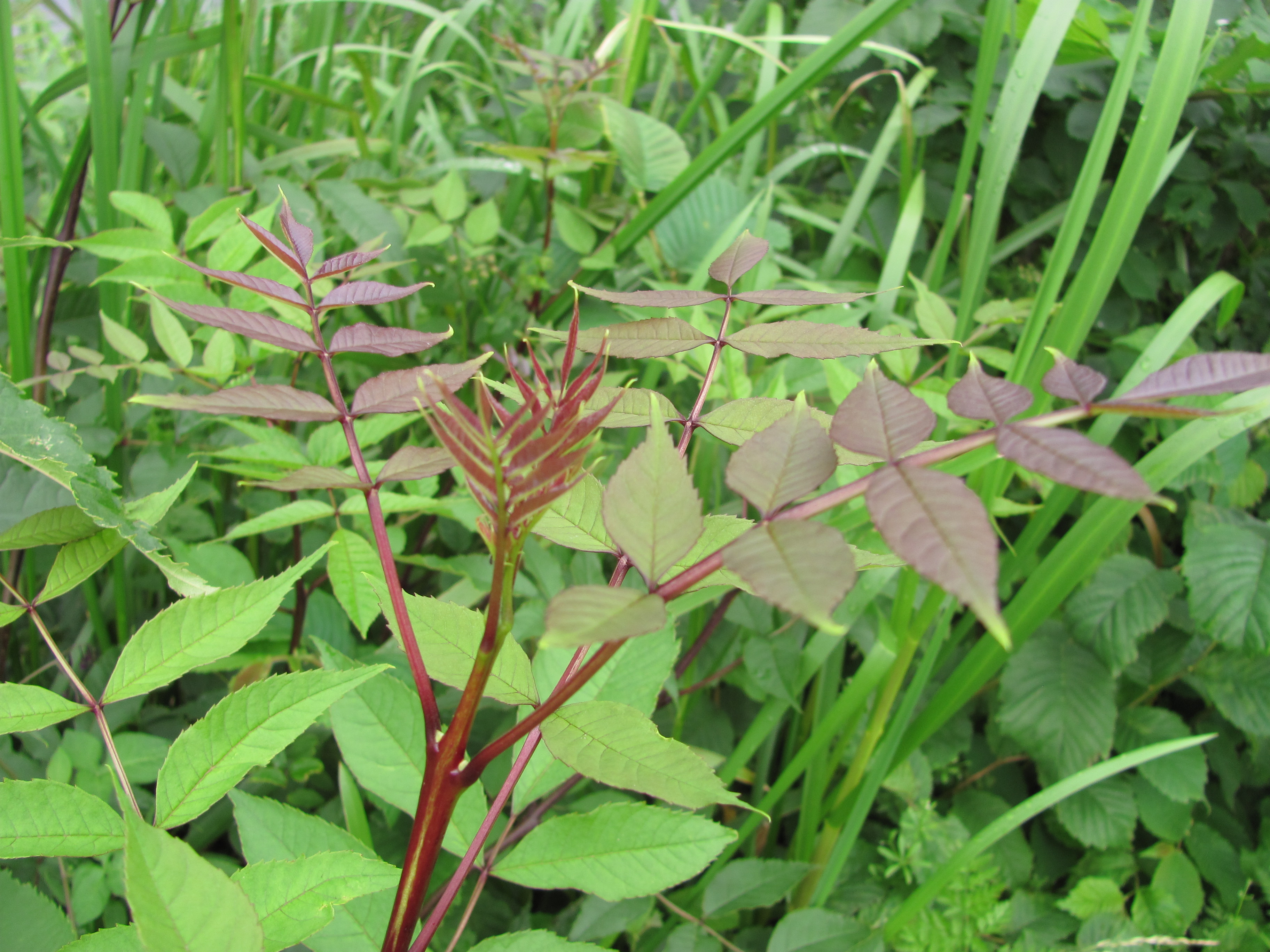


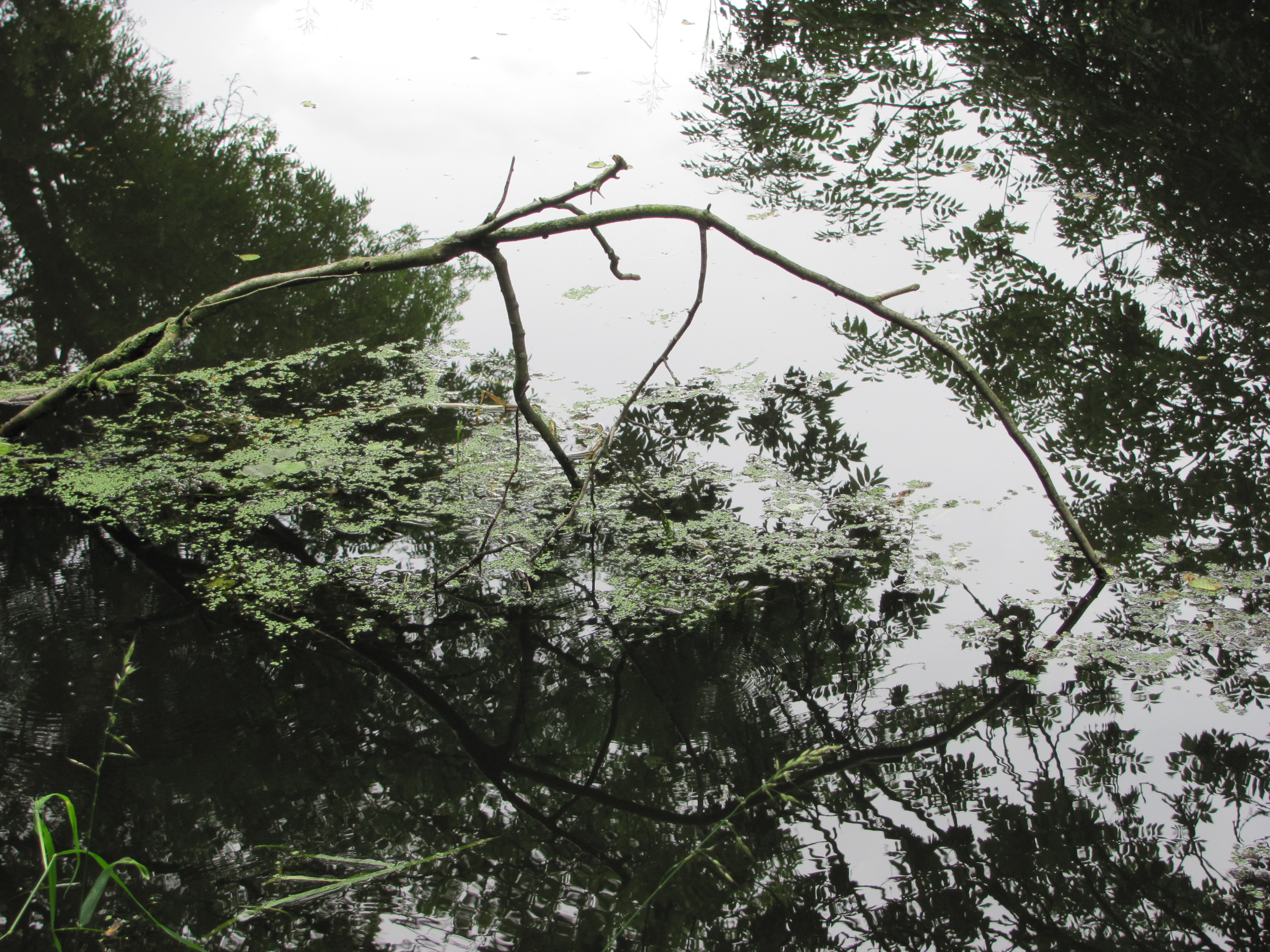
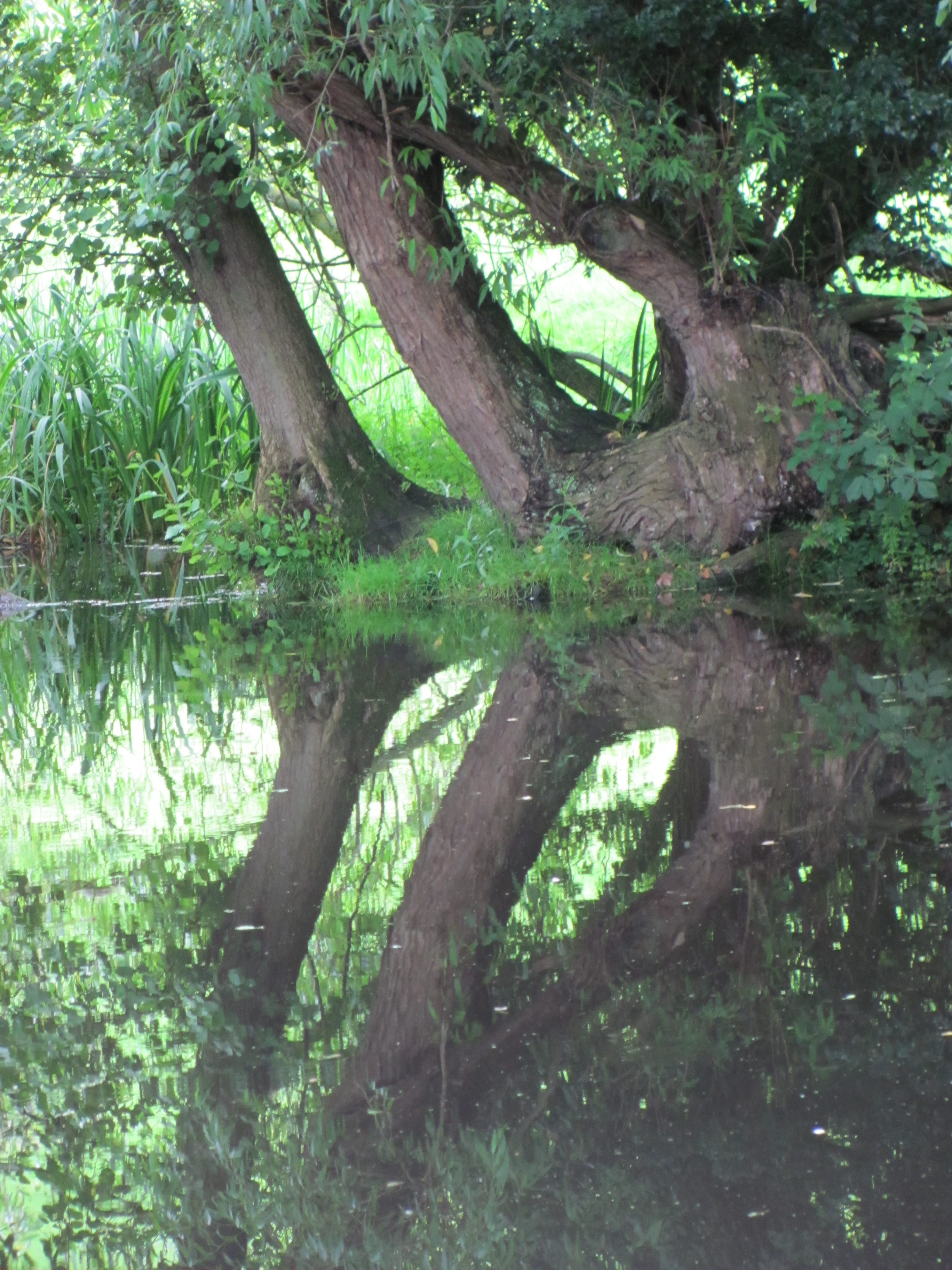
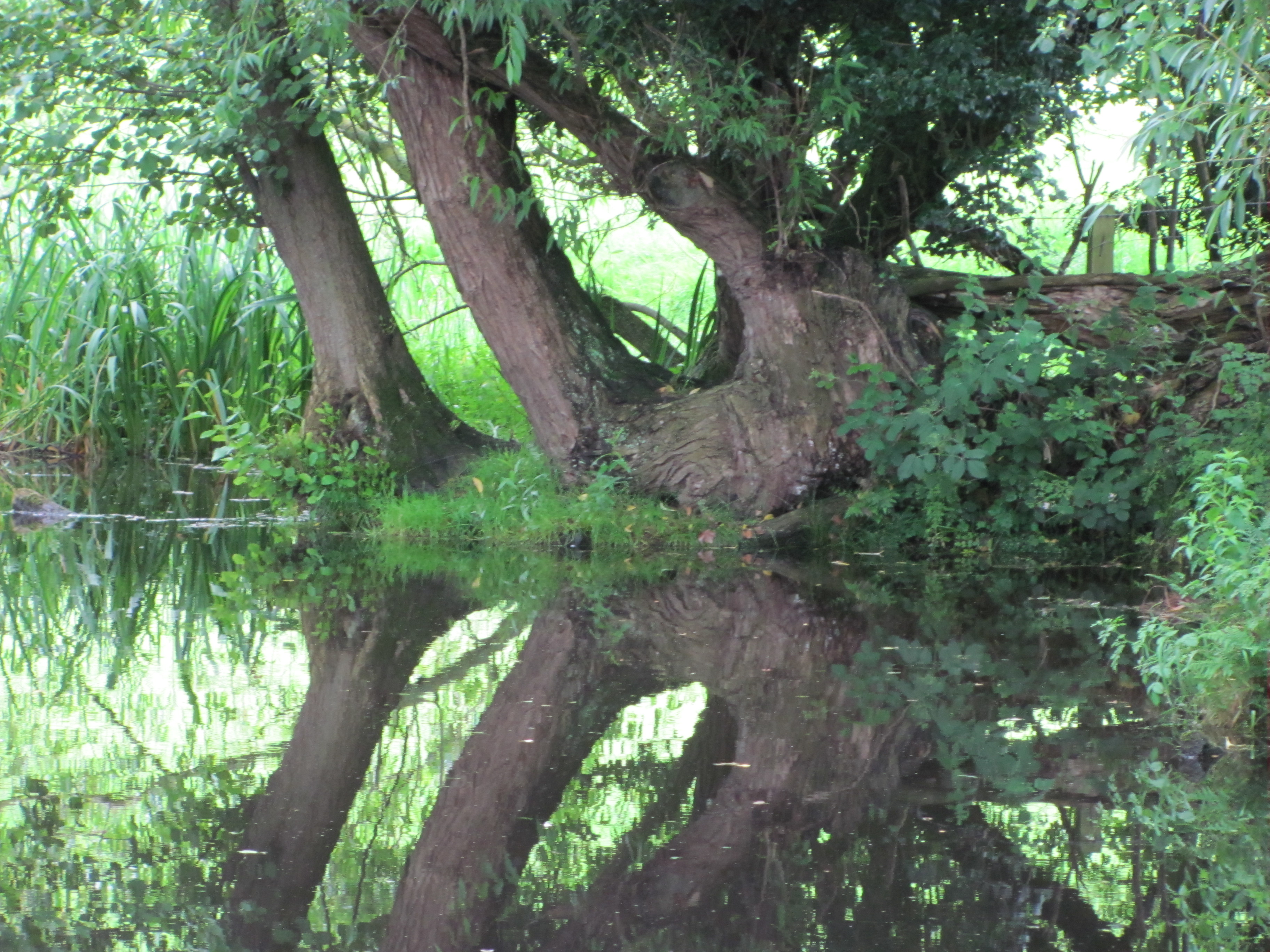
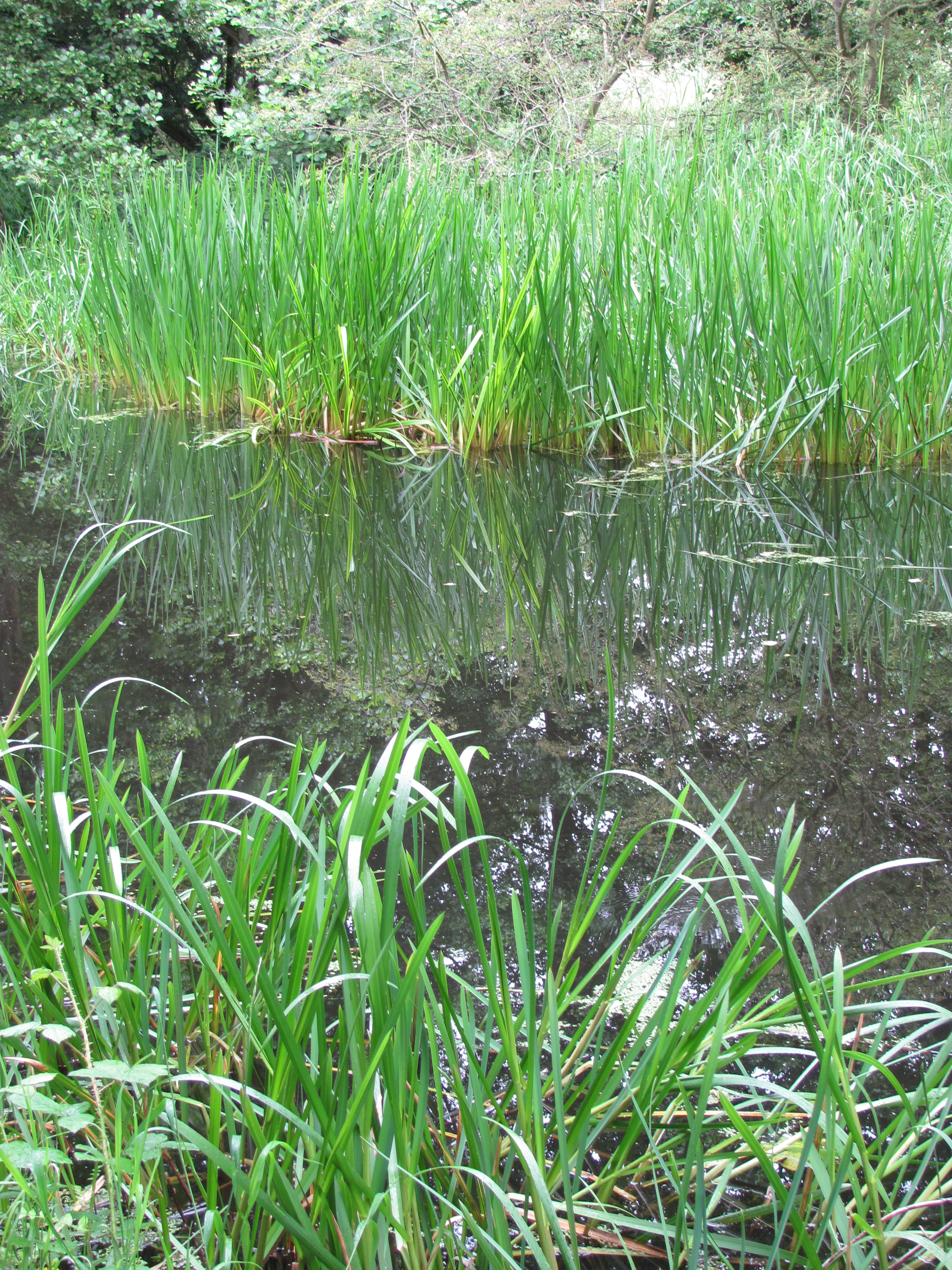

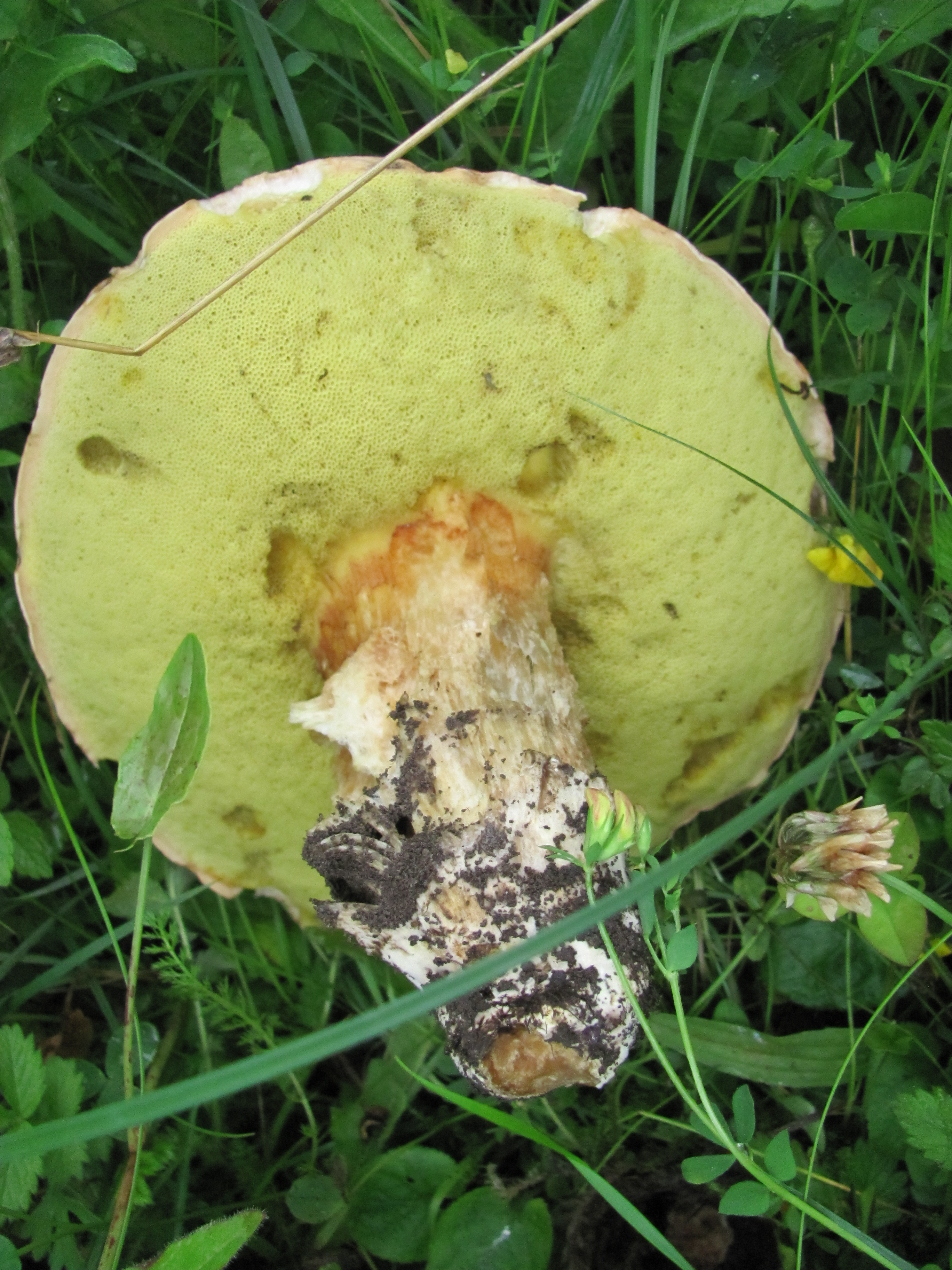
What an inspiring way to spend an afternoon that presented us with uninspiring weather. We enjoyed this wander very much were saddened to see that in such a beautiful place the selfishness and laziness of a few can leave their mark – plastic litter, probably one of the most damaging marks of man’s existence.
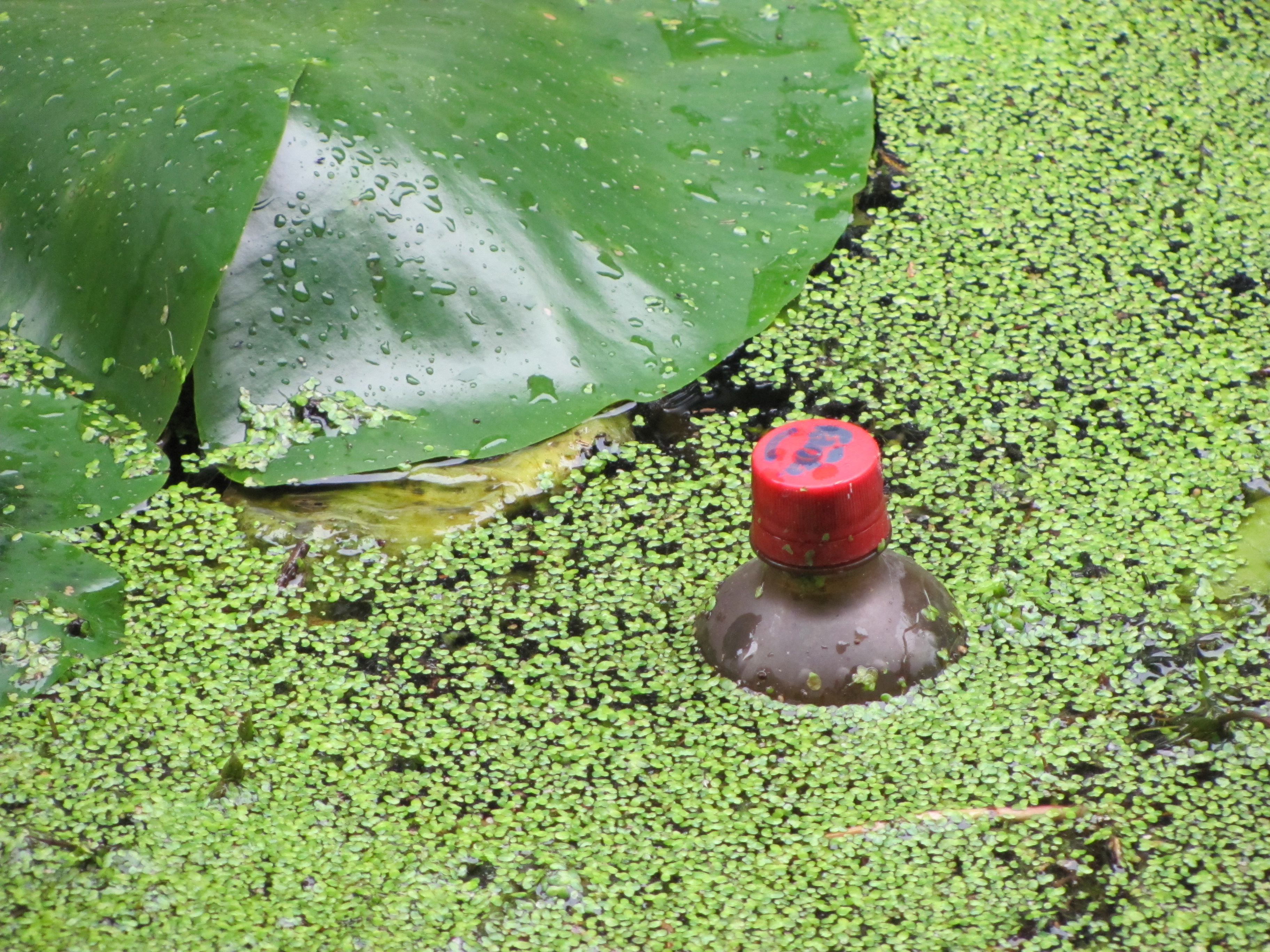
Fed up with the constant rain yesterday we decided we would defy it once again, get our walking boots and waterproof jackets on and go for a walk. We felt like wandering alongside water but as the nearby River Severn and Rea Brook were both flooded we set off for the Montgomery Canal. A half hour drive took us to Welshpool, just into Wales, and surprisingly as we got nearer the rain gave over and we were treated to a dry walk. Dry overhead but very wet and muddy underfoot. I had new walking boots to settle in and make sure they didn’t look new. This was just perfect conditions to knock the shine off them and make them look a bit more lived in and more loved.

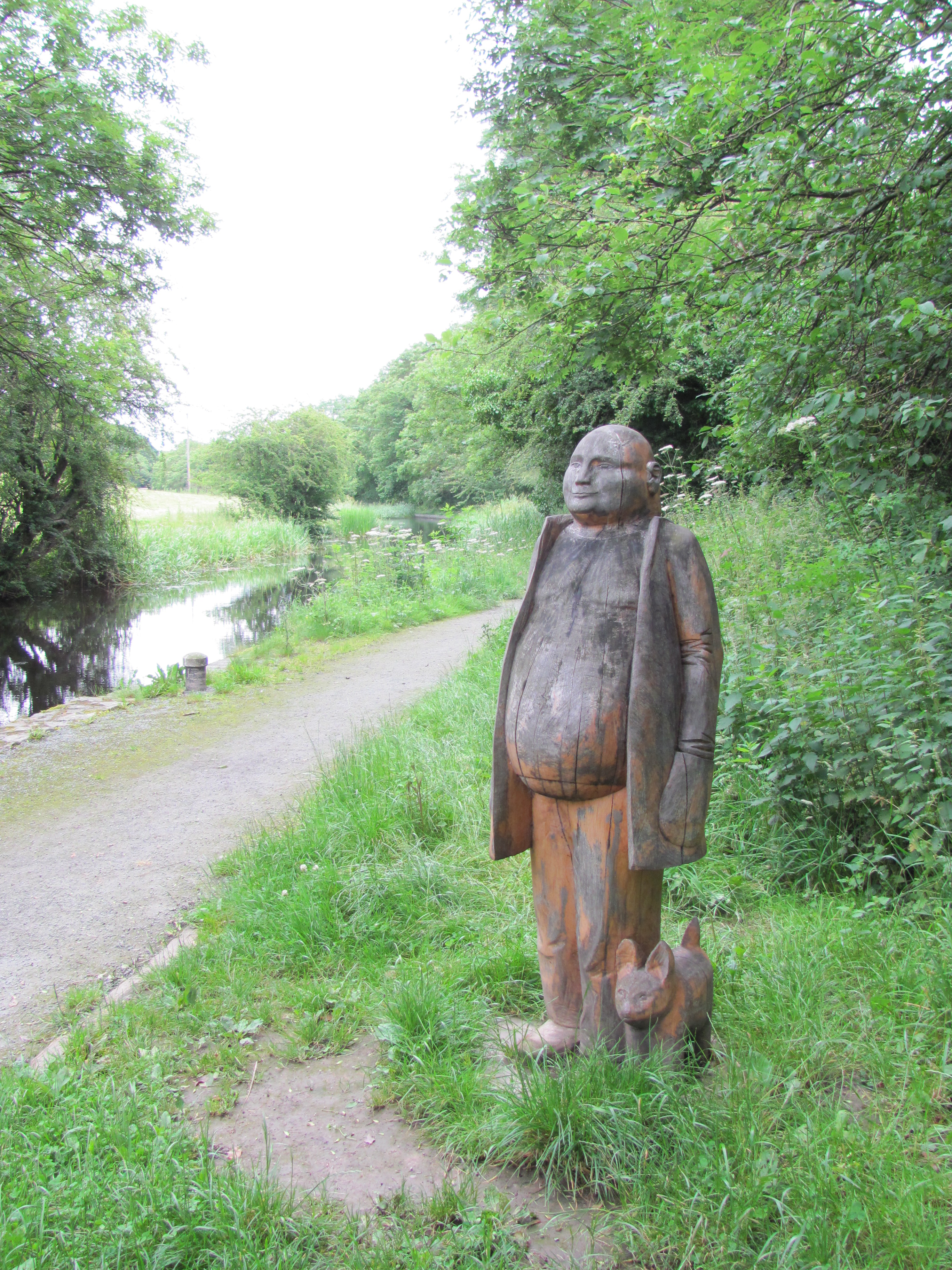
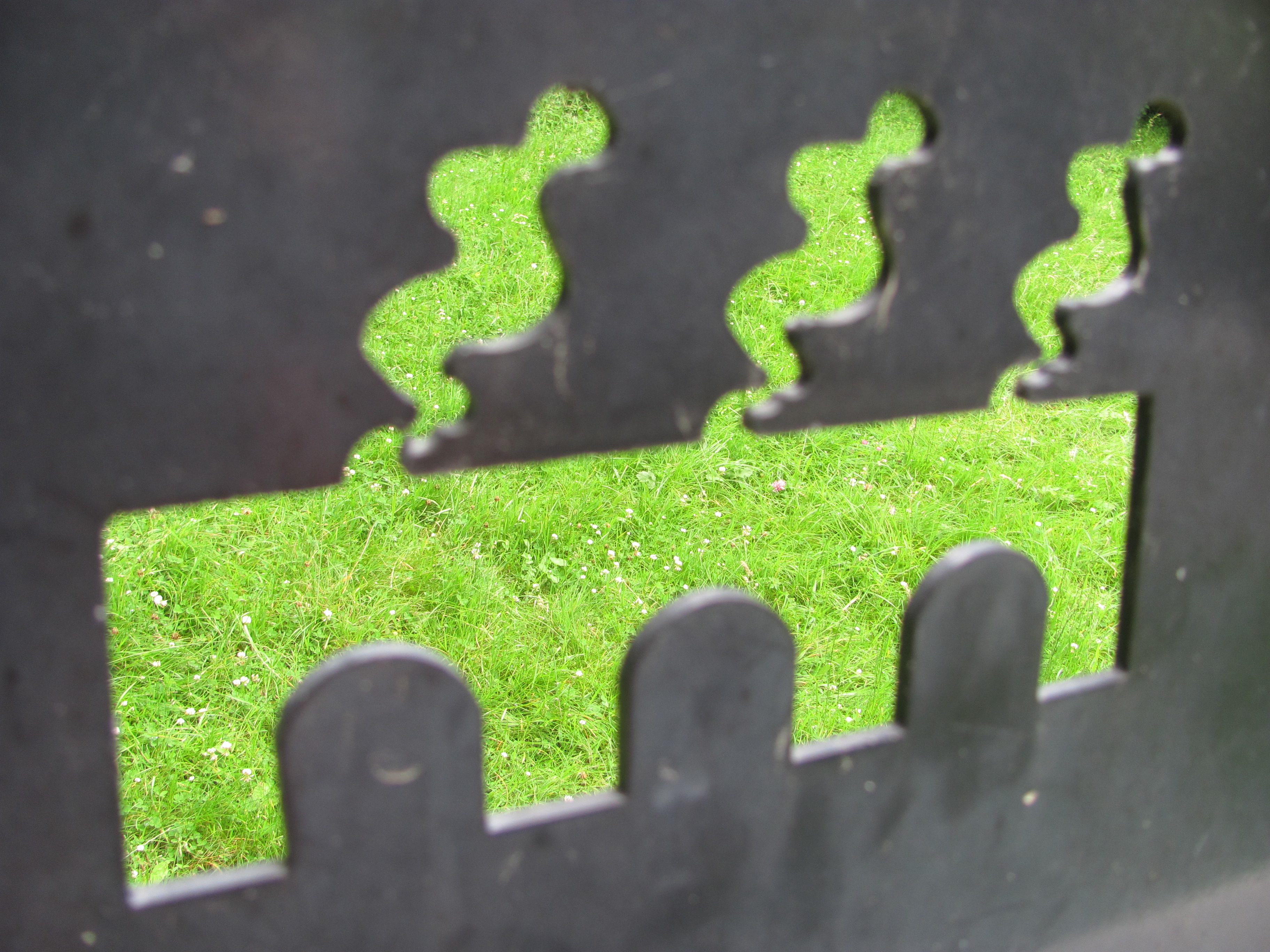
The tiny car park at Buttington Wharf holds a half-dozen or so cars and we were surprised to find three others parked up before us. Other lovers of the great outdoors fed up with the rain? On the banks of the canal just through the trees we spied this sculpture of a jolly looking character – David Jones. He was a lime-kiln owner and coal merchant back in the early 1800’s, and we found signs of the kilns nearby. No wonder he looked jolly – he must have been a rich man. A symbol based on his working lime kilns was cut out of the metal information board.
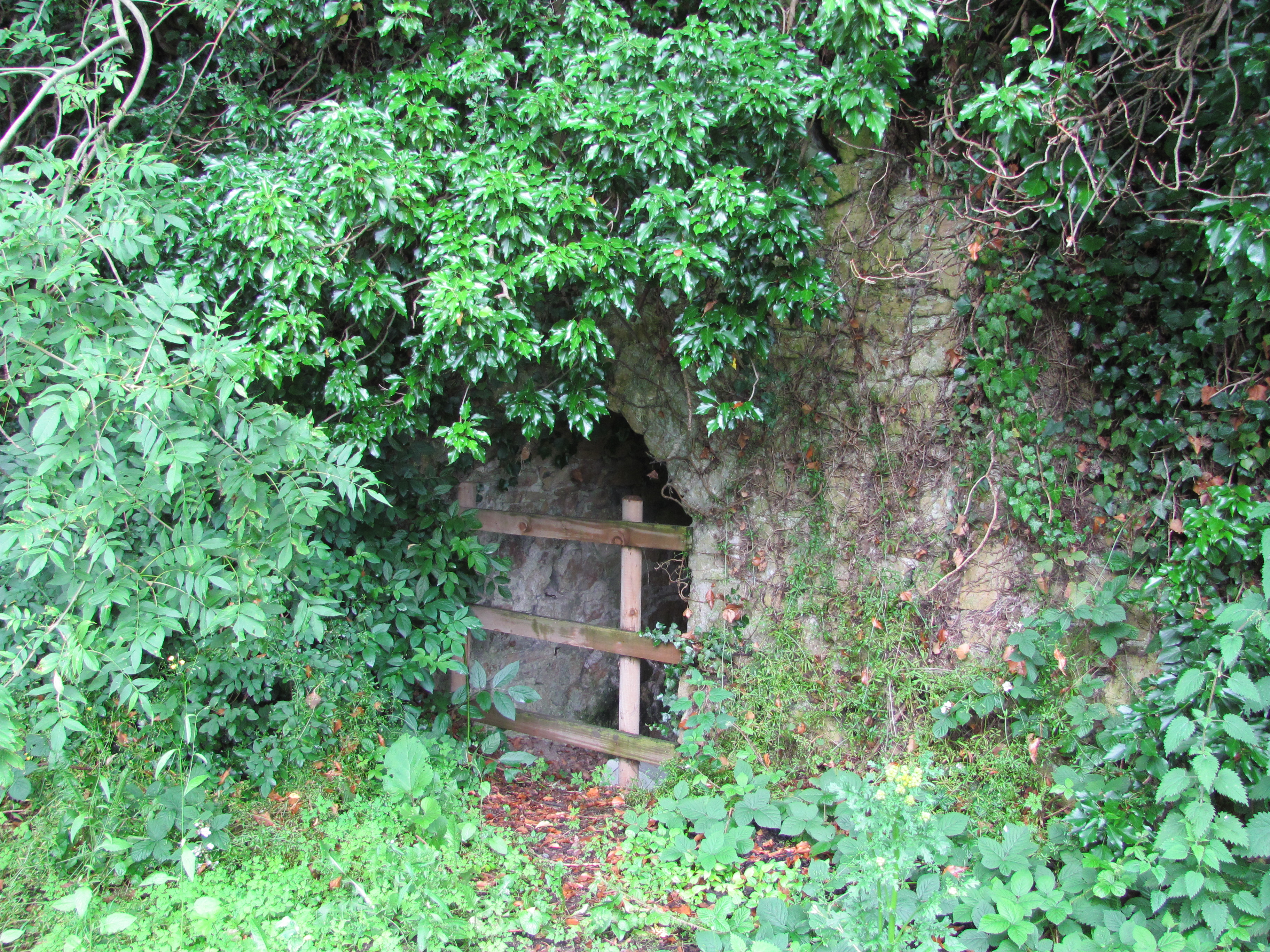
In the surrounding greenery, well-hidden under trees and bushes we found some old brickwork, the remains of the kiln entrances.
After this discovery we set off along the mud of the towpath under the trees dripping with rain. It looked so inviting. It didn’t disappoint!
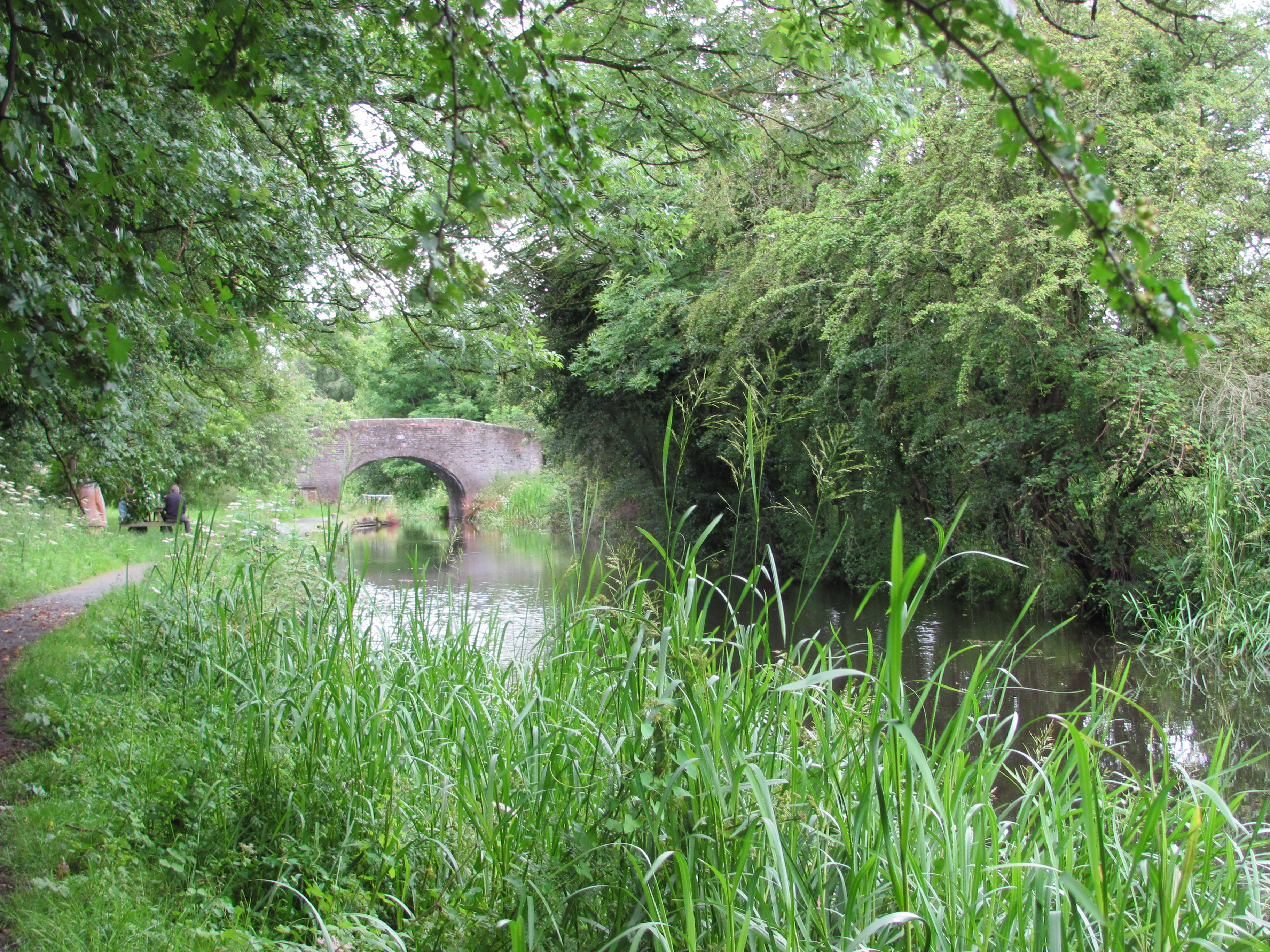
The canal side was lined with trees and mature hedgerows, which occasionally opened up to give windows onto the local Welsh countryside.

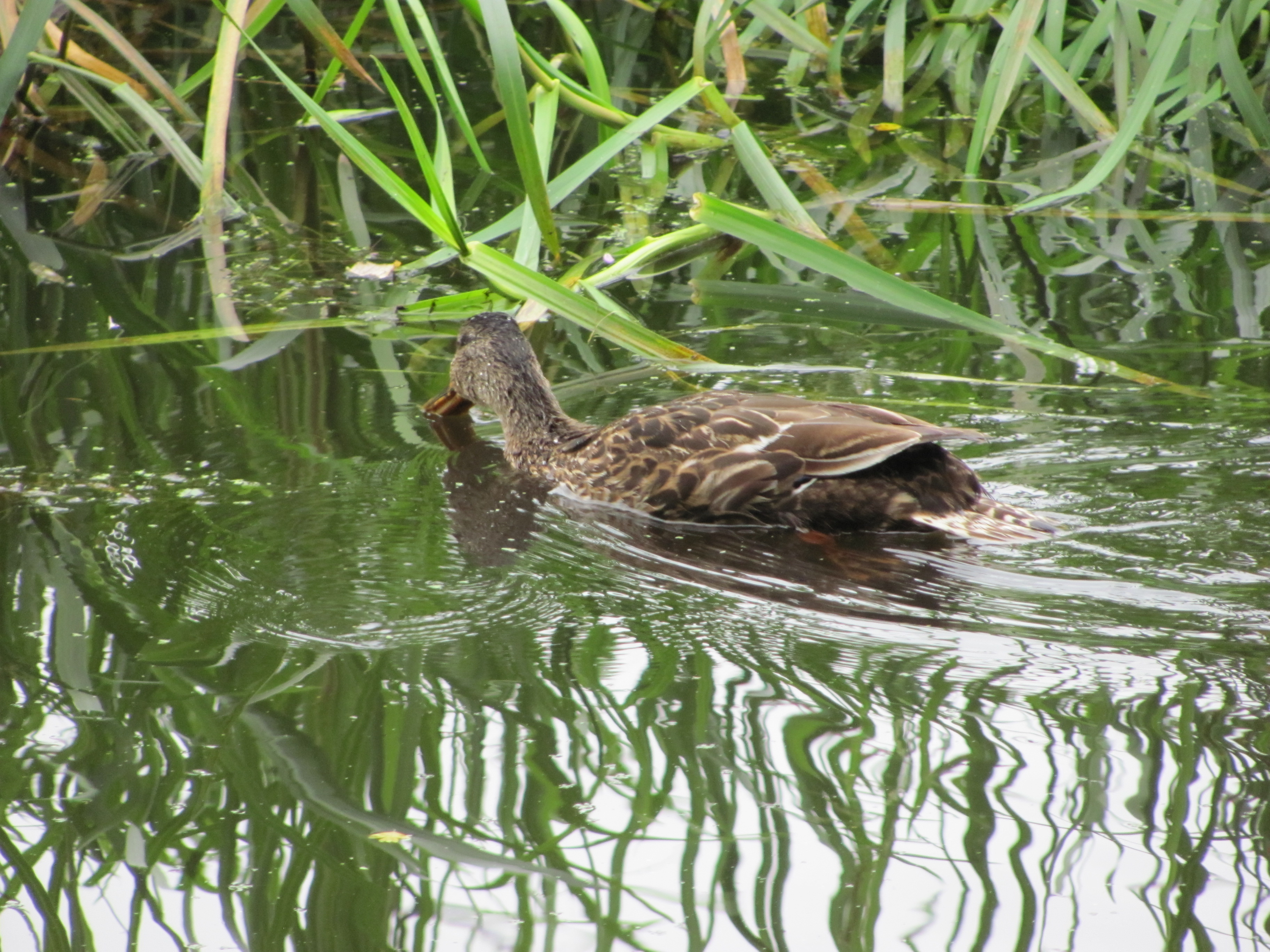
After the rough weather in the morning wildlife was not much in evidence, the skies empty and the trees quiet but this female Mallard fed busily in the far reed-lined margin. But as the day moved on and with the passing of time the weather improved, birds re-appeared and their celebratory song accompanied us for the rest of our waterside wandering. The Mallard created shimmering shapes in the reflections as she busied herself.
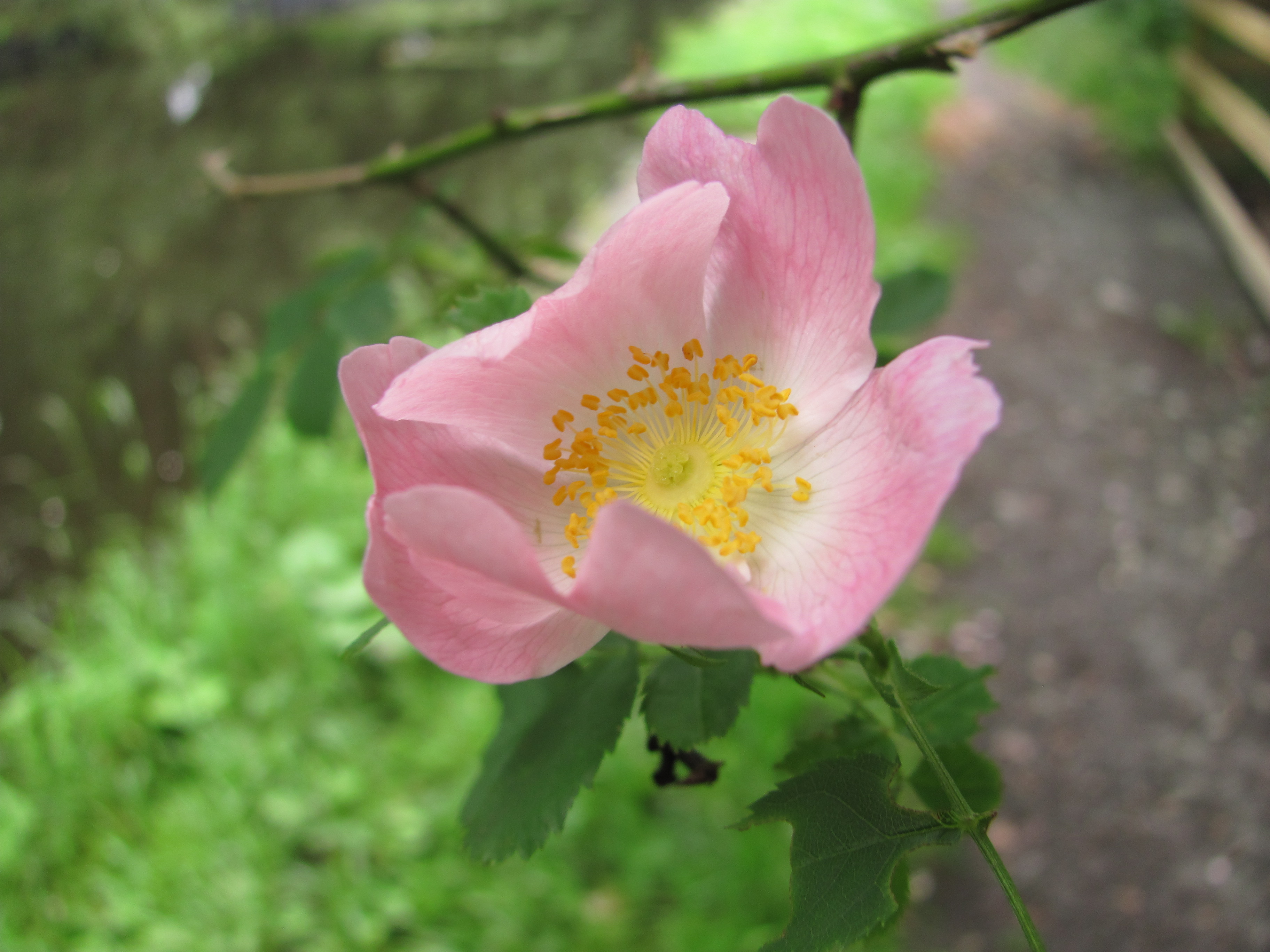
The wild flowers decorating the towpath and canal banks were like sparkling jewels glowing in the dull light.

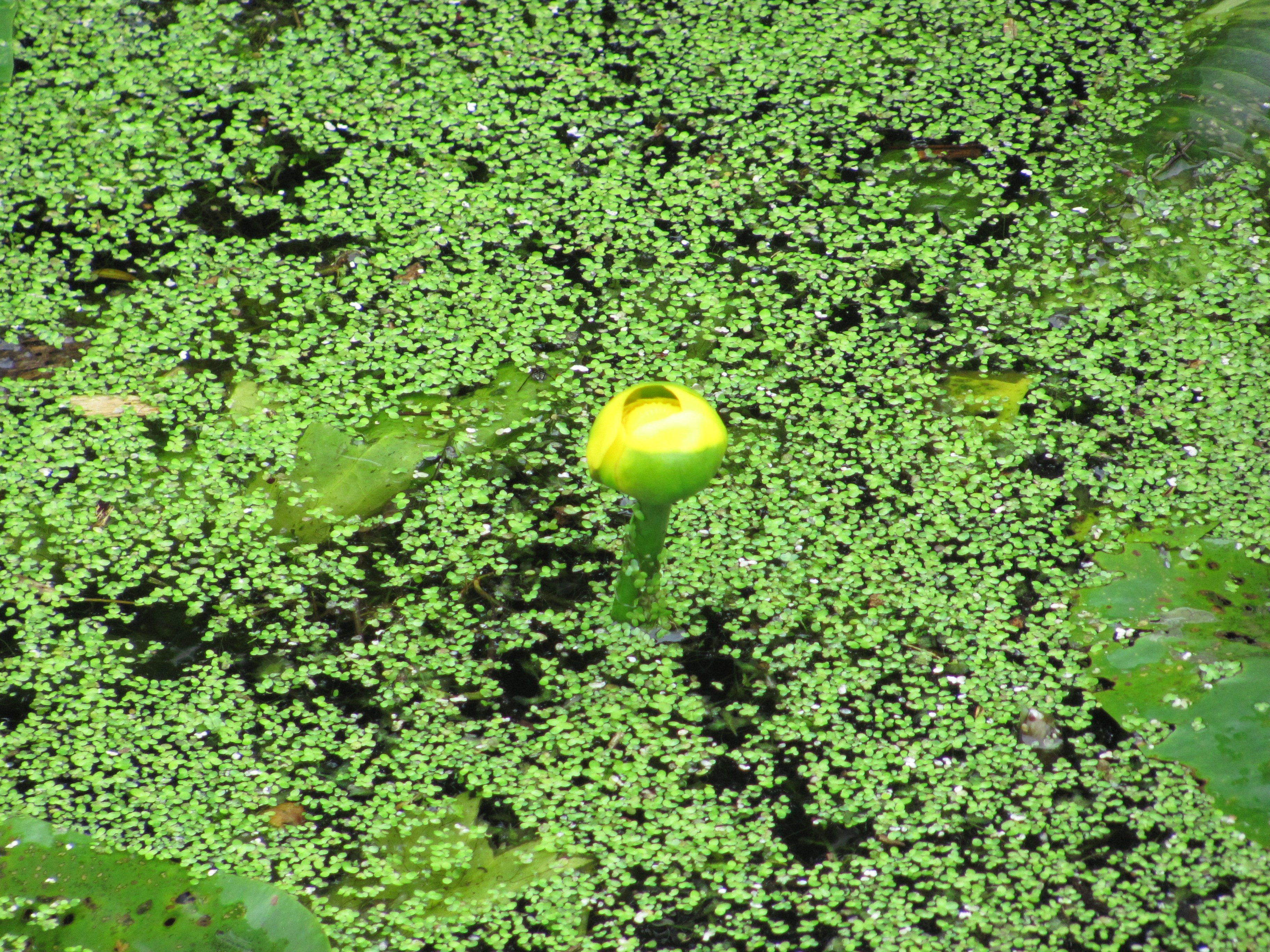
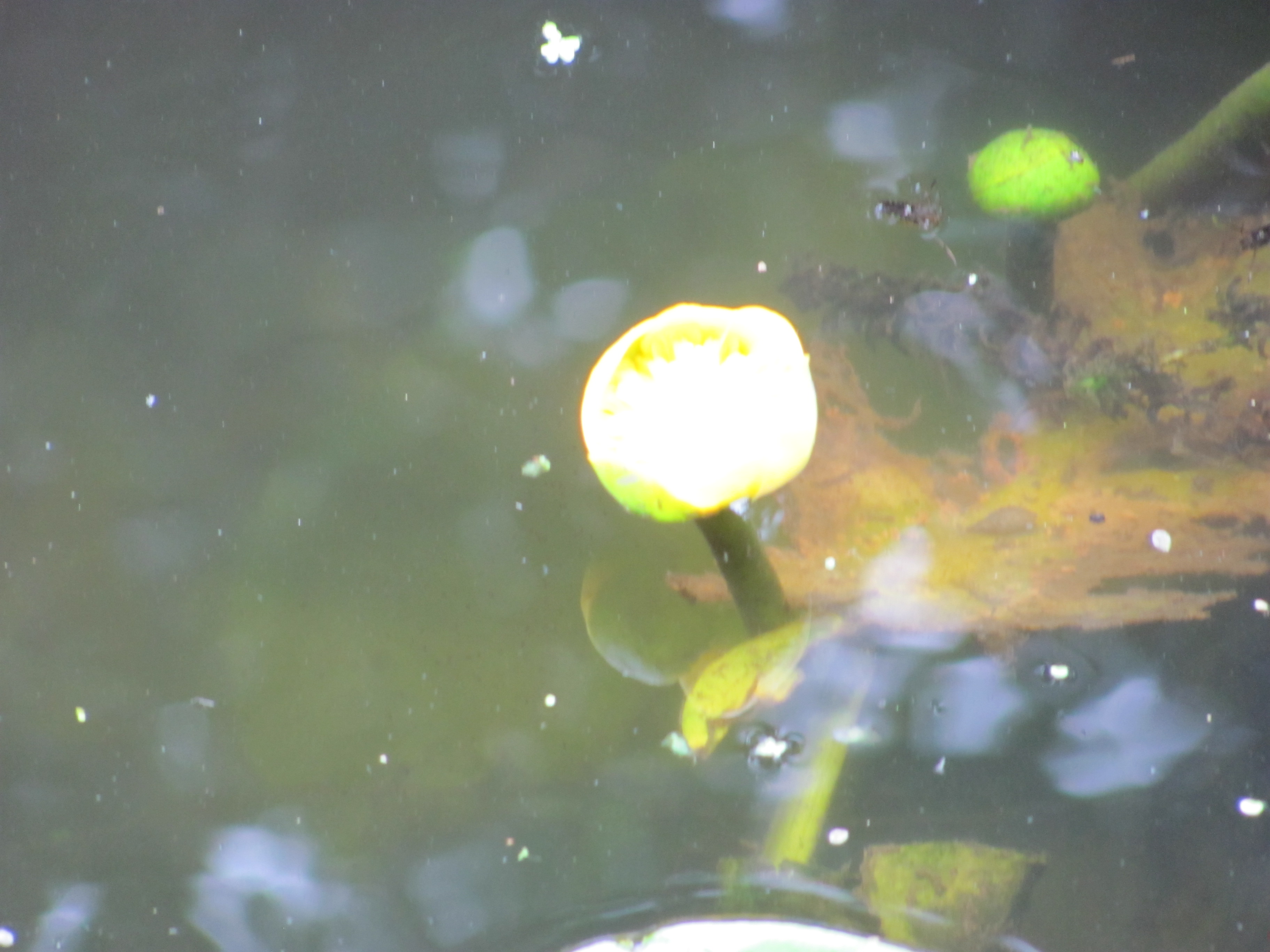
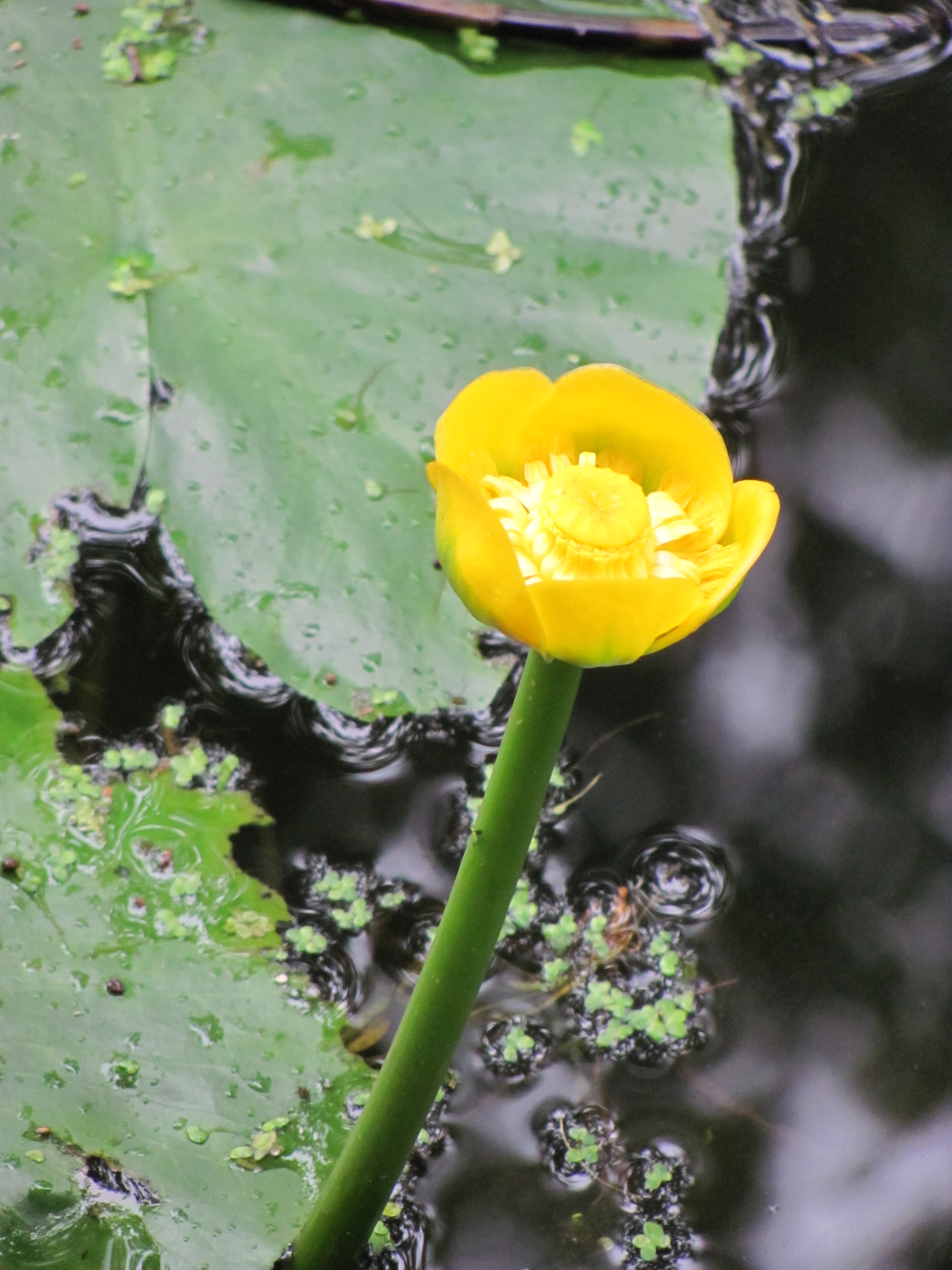
One wild flower shone out like a yellow globe having burst through the surface of the water – one of our native waterlilies.
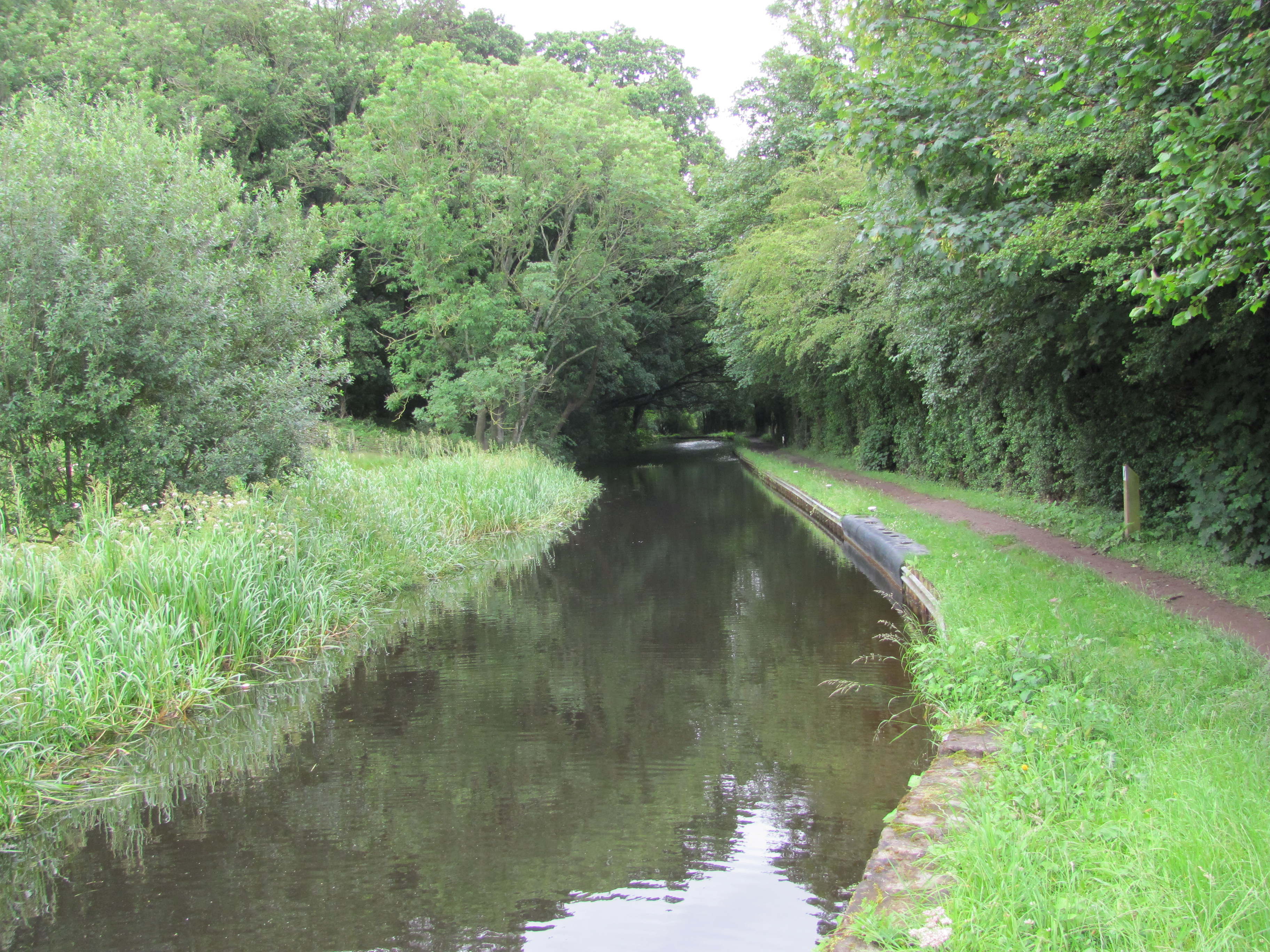
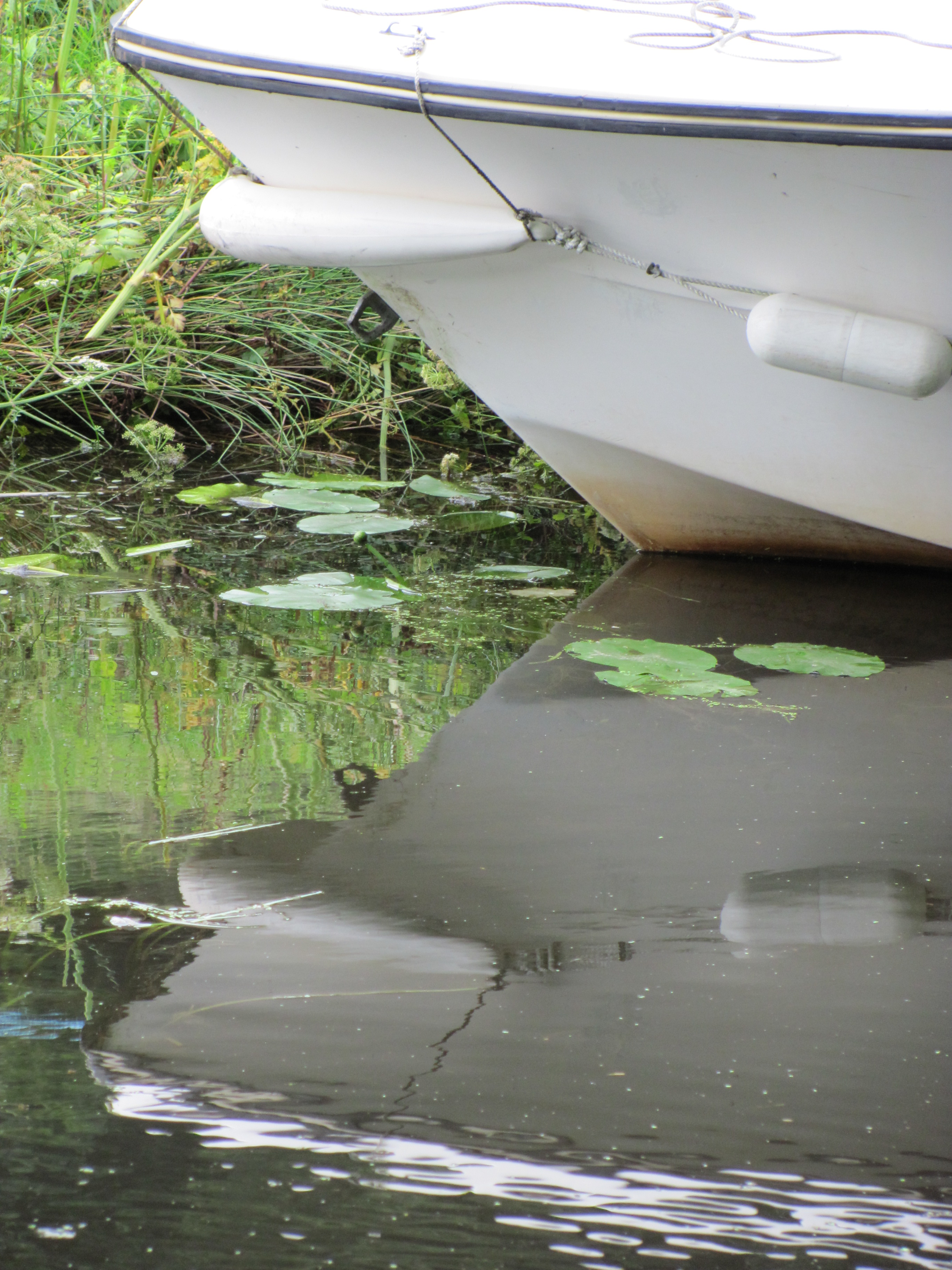
As we walked, on the light changed and the canal surface reflected the bankside vegetation, the boats moored up against its side and the canal structures.




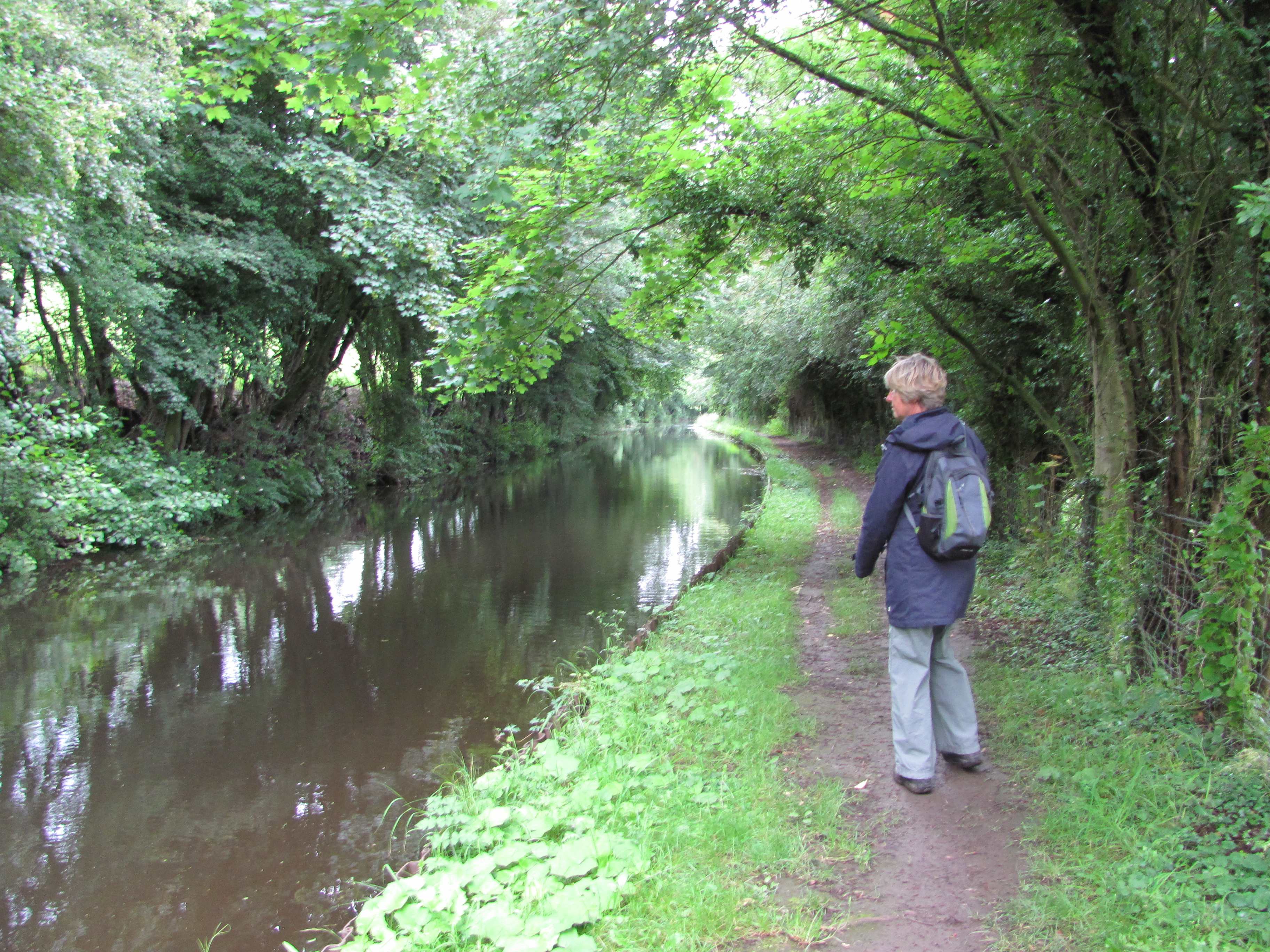
Half way along our outward journey a coffee stop called and we leant on a gate near a swing bridge and rested awhile.

As we ambled onwards the land alongside the canal opened up and through bankside trees we could view farmland. The thin line of trees appeared as silhouetted sinuous shapes, emphasised by their reflections mirrored on the water. My camera and I enjoyed the challenge presented when trying to get a reasonable shot of reflections.
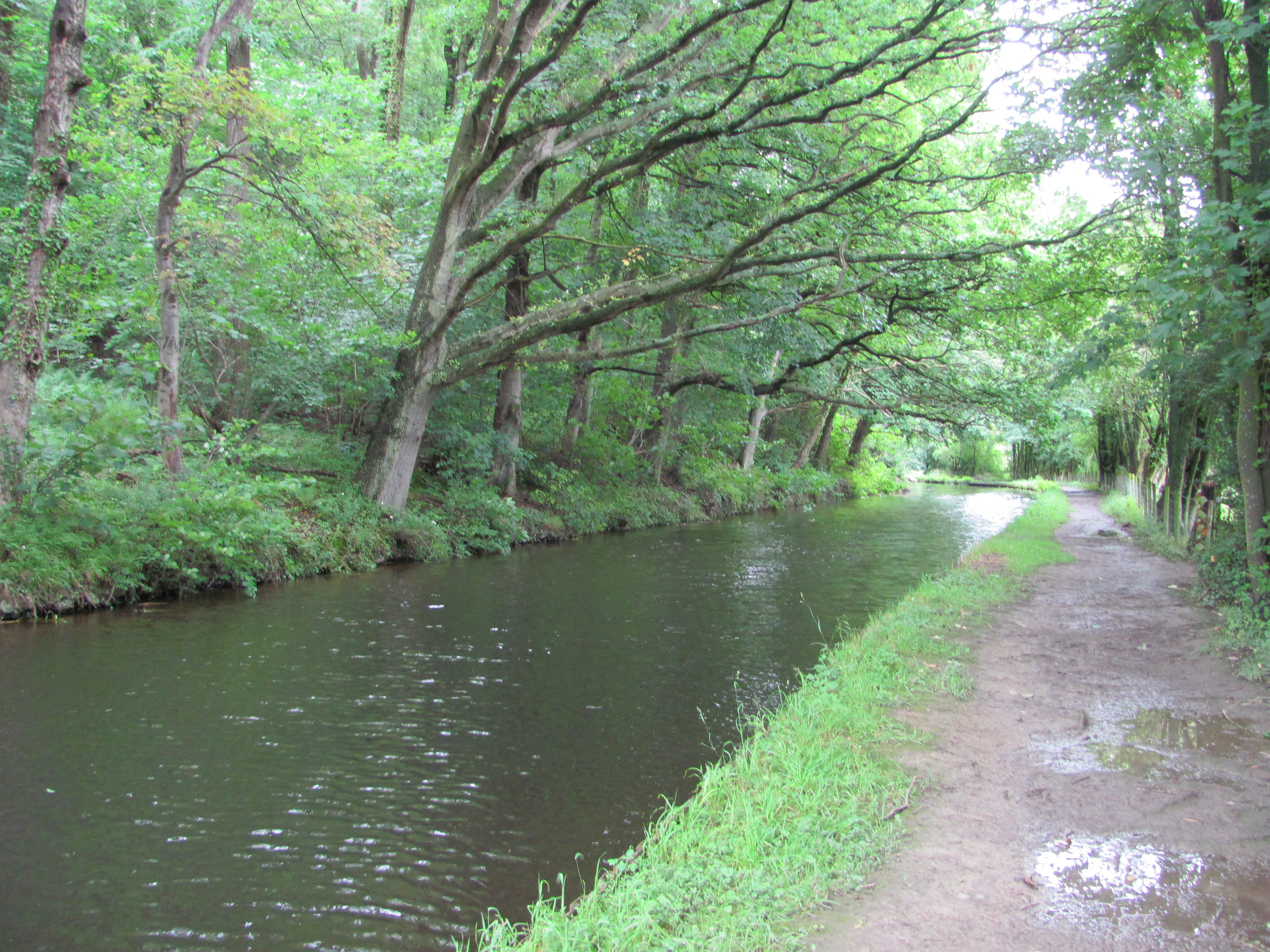
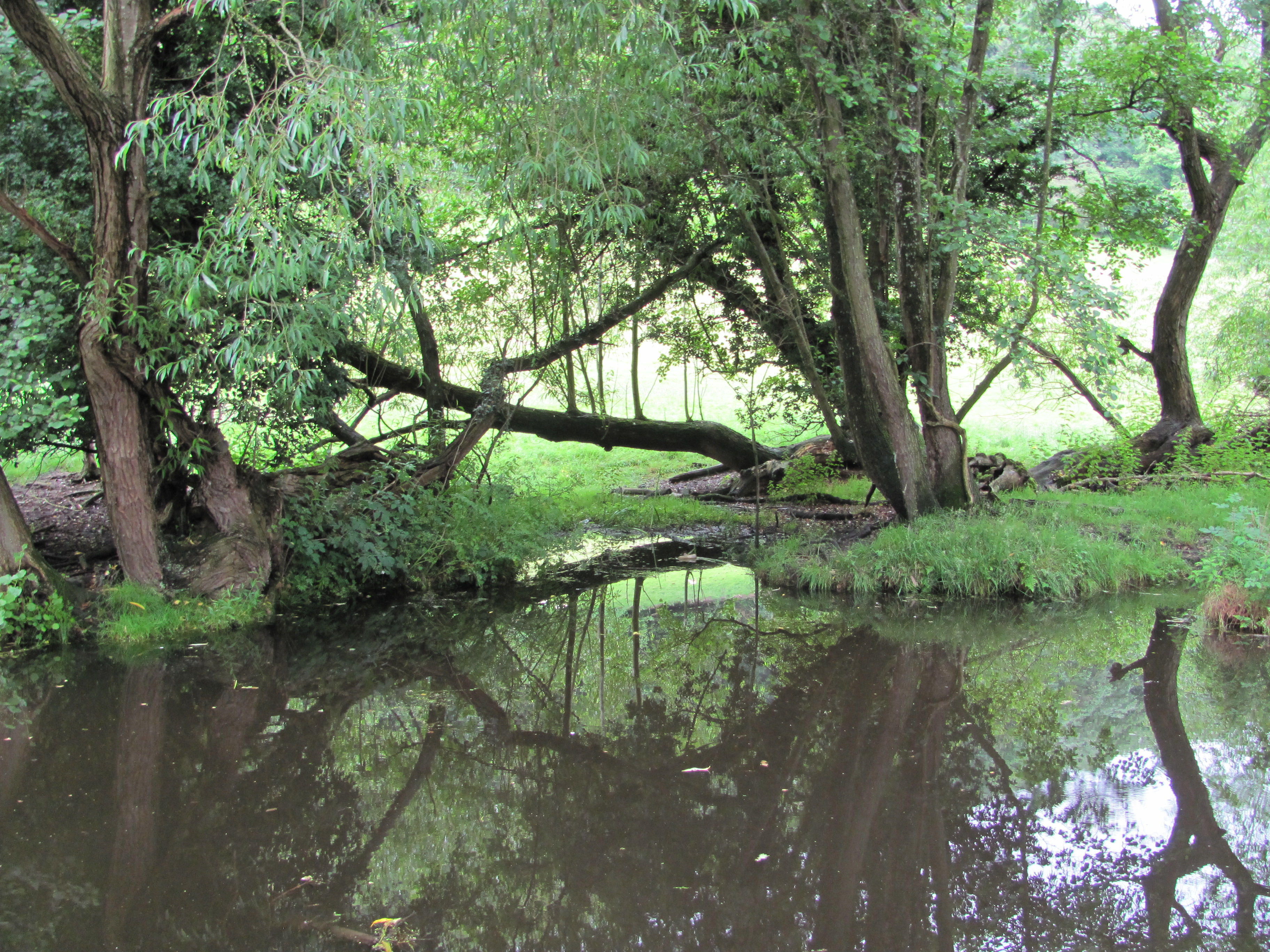
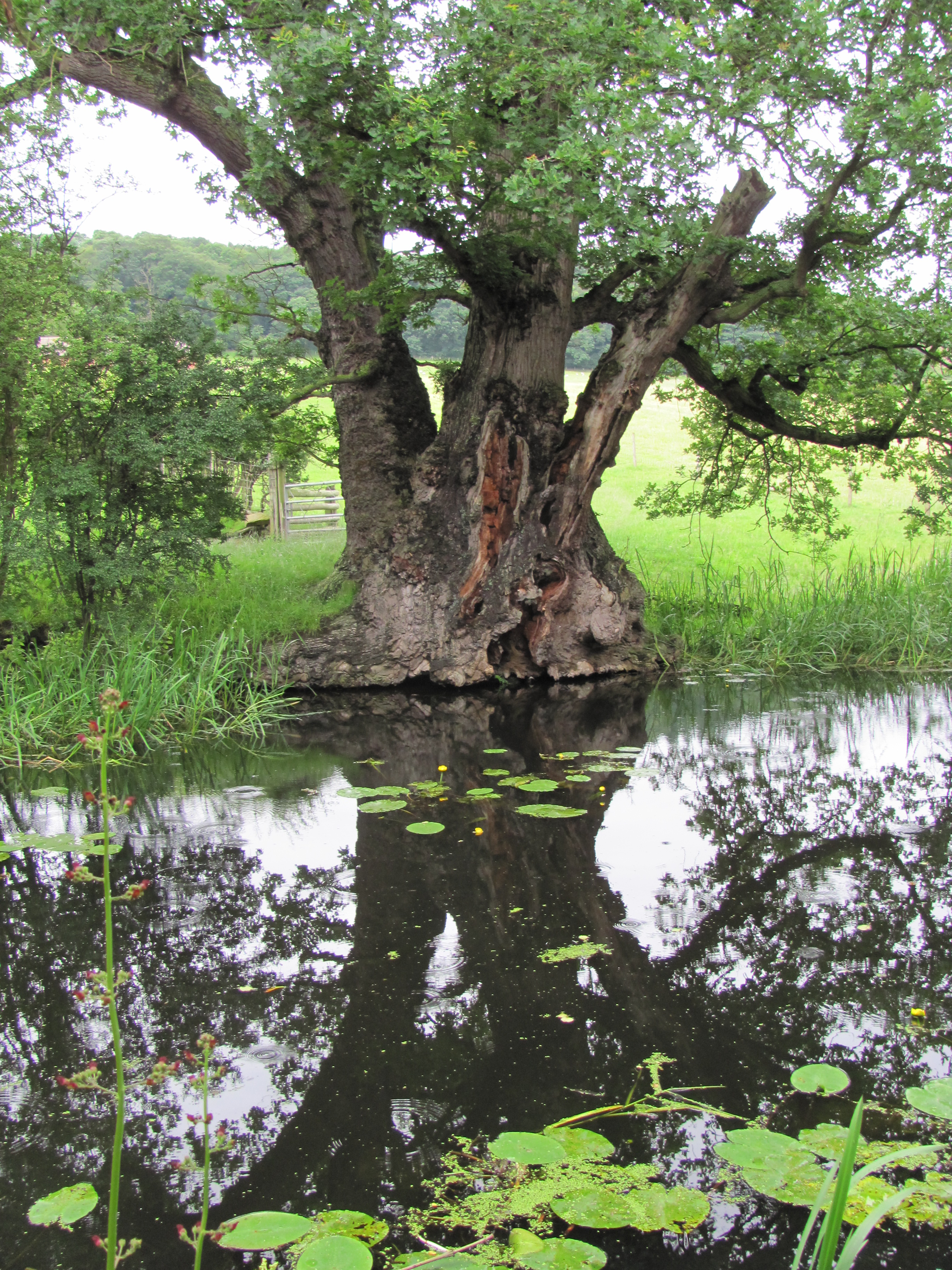
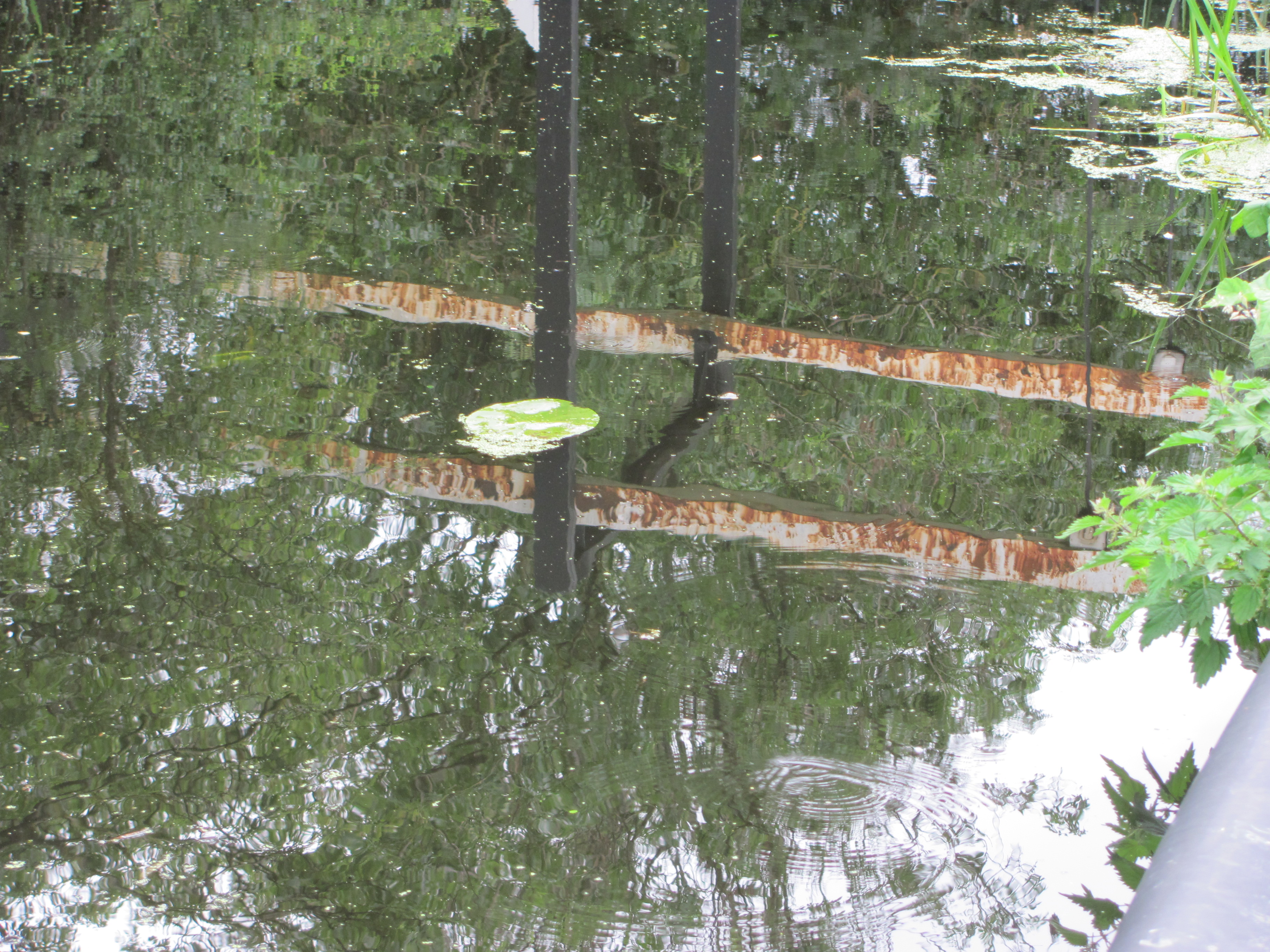
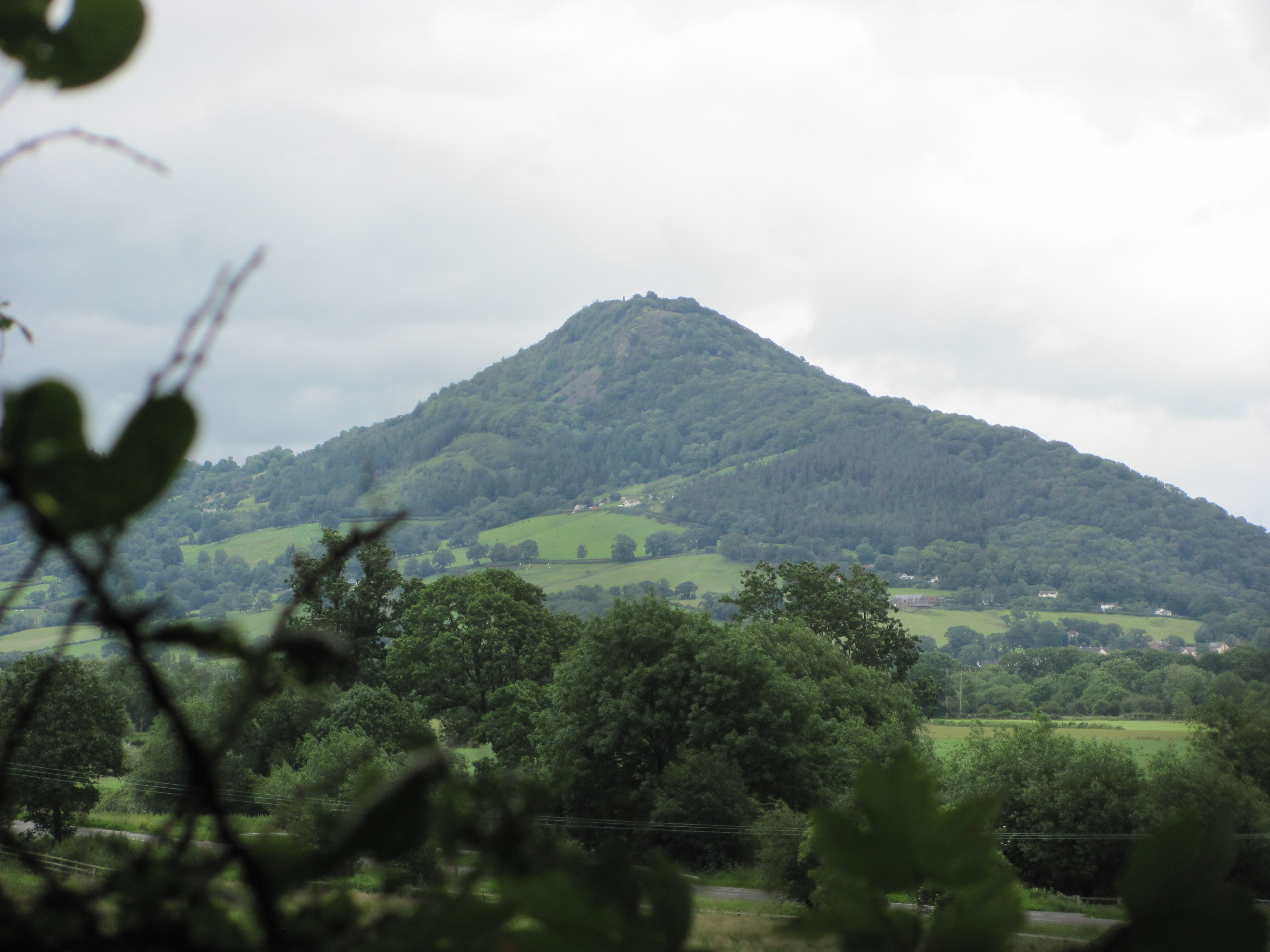
The countryside changed as we continued our ramblings and each opportunity of a broad landscape view, afforded us by breaks in the vegetation was appreciated.
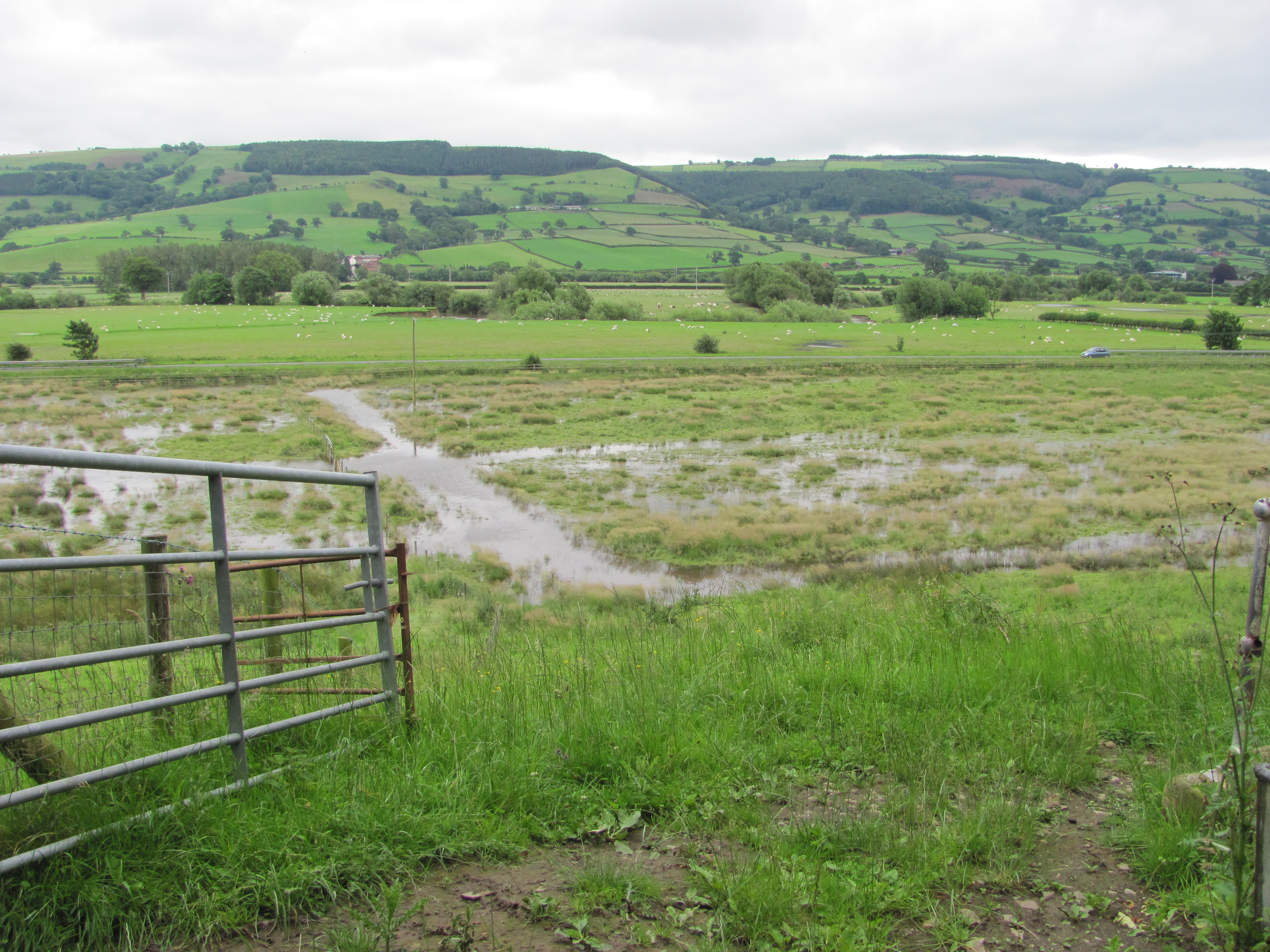
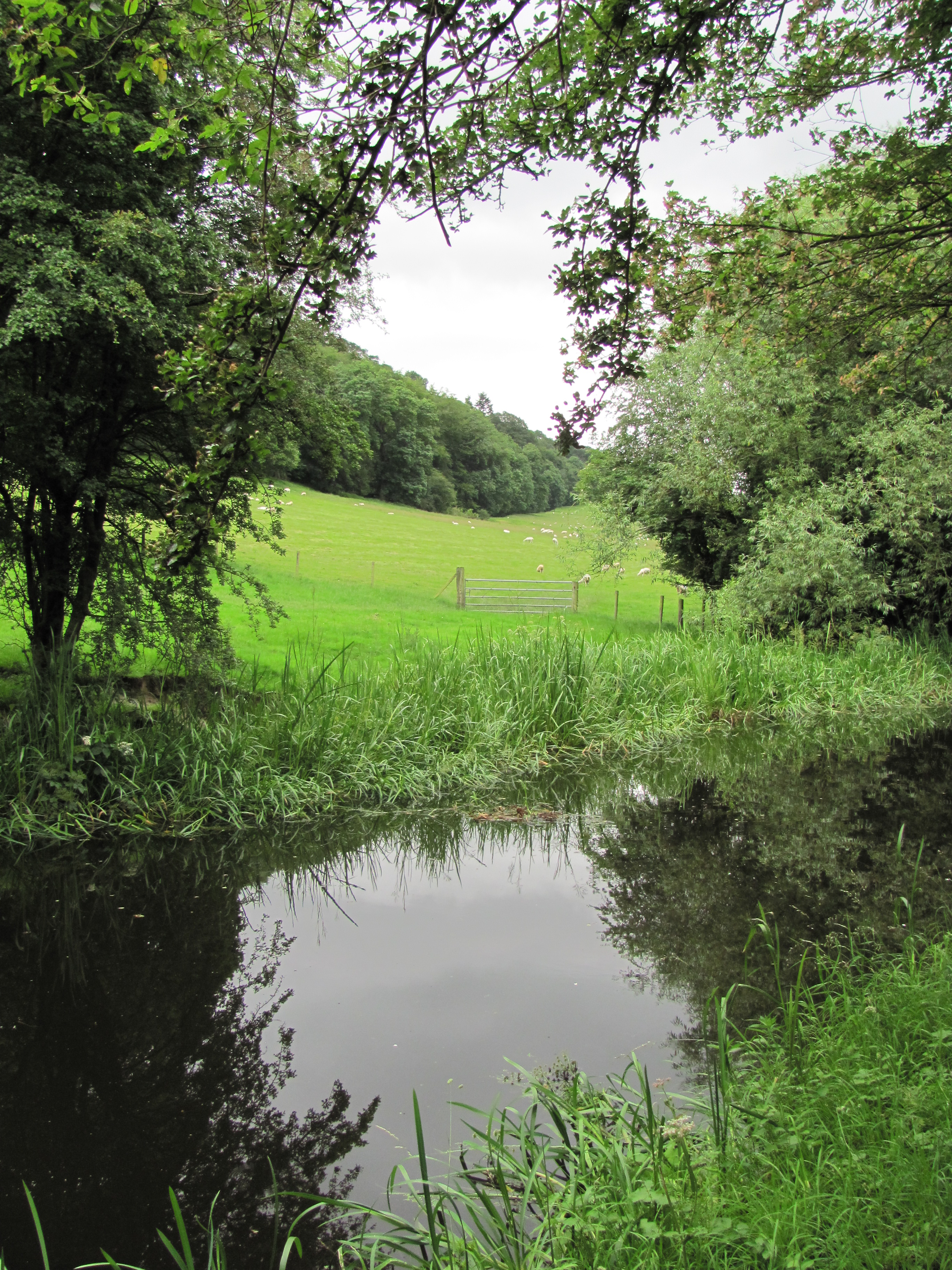
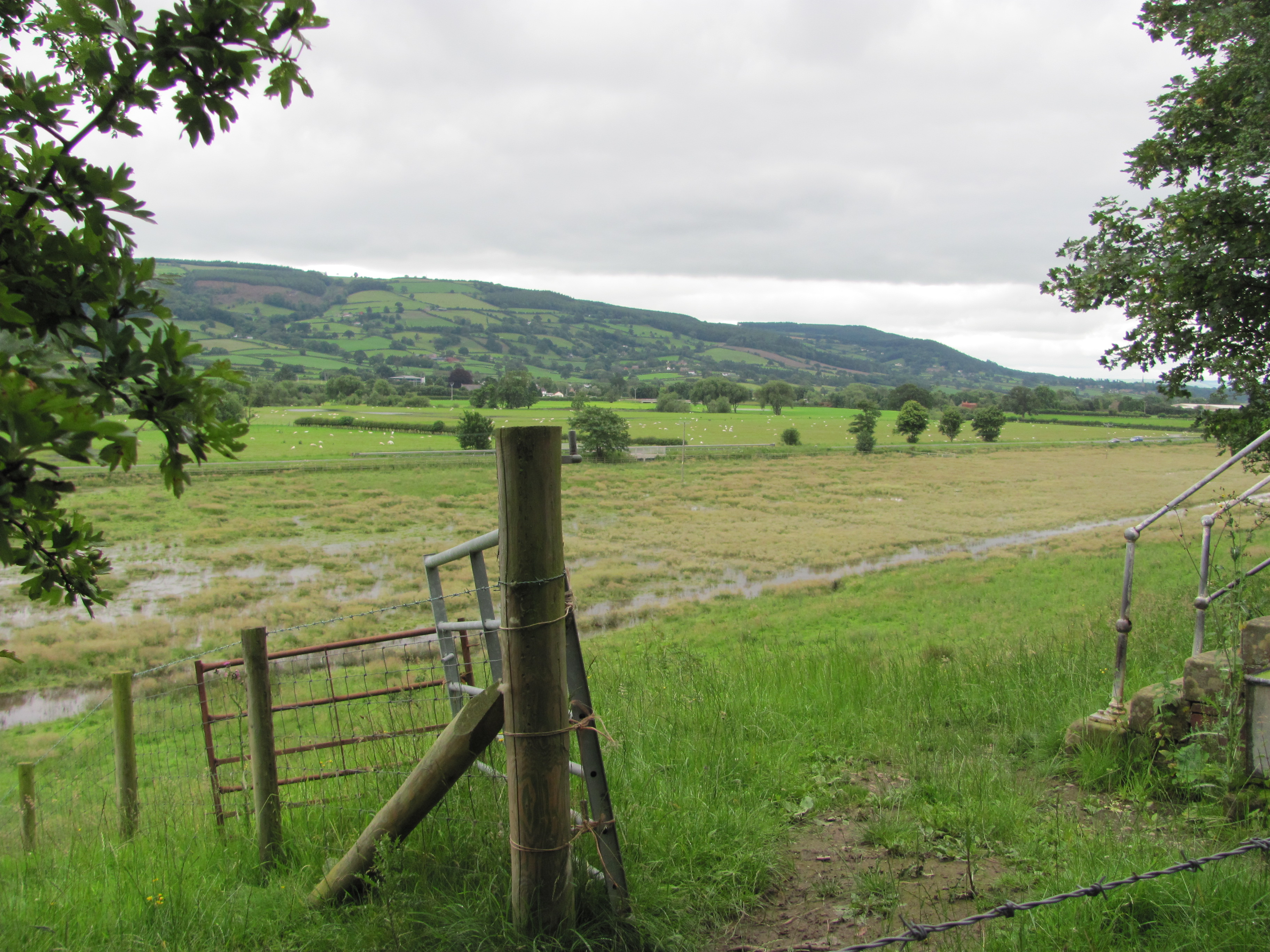
We reached the lock at Pool Quay, the point in our walk where we decided to turn back.
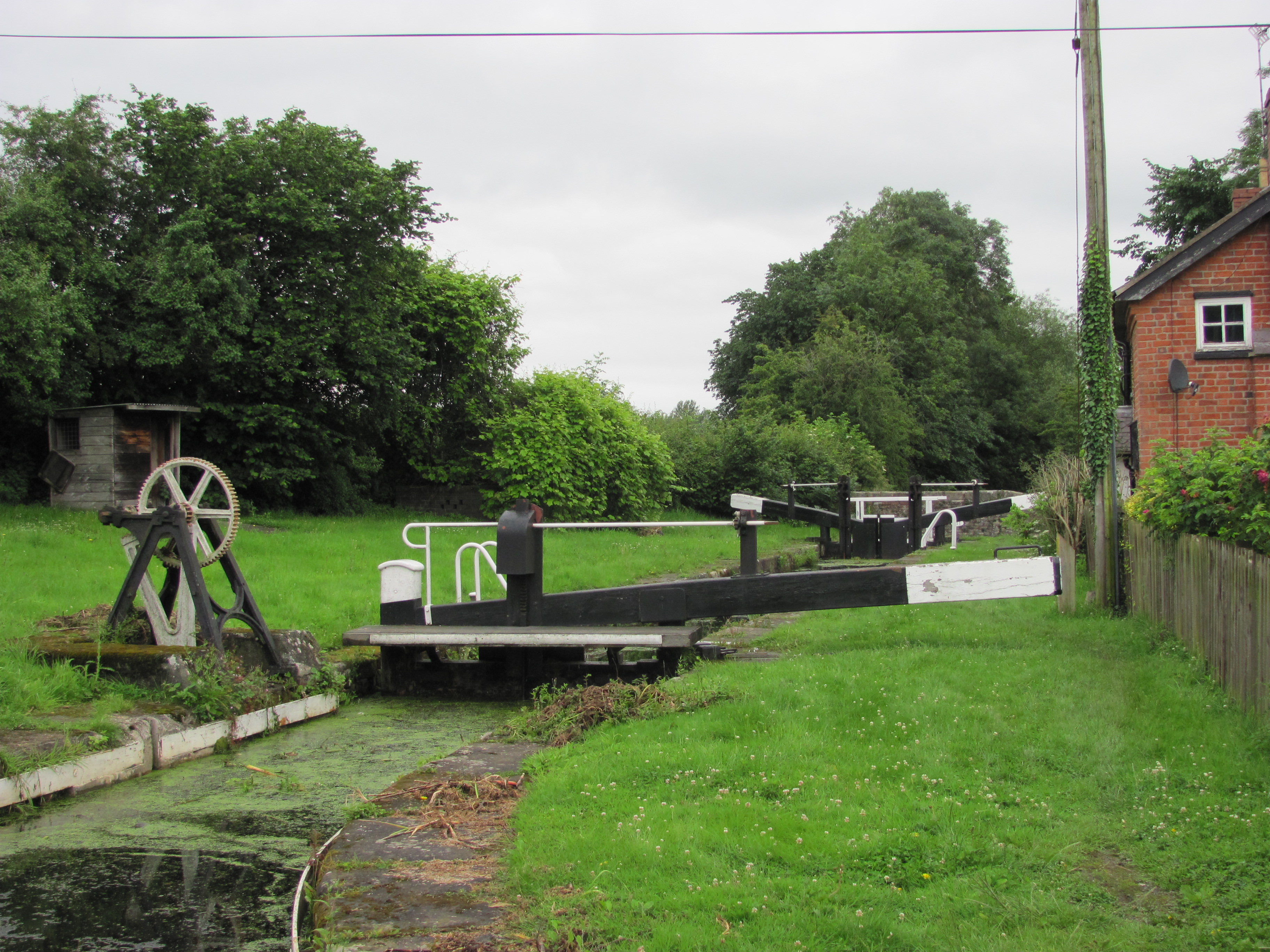
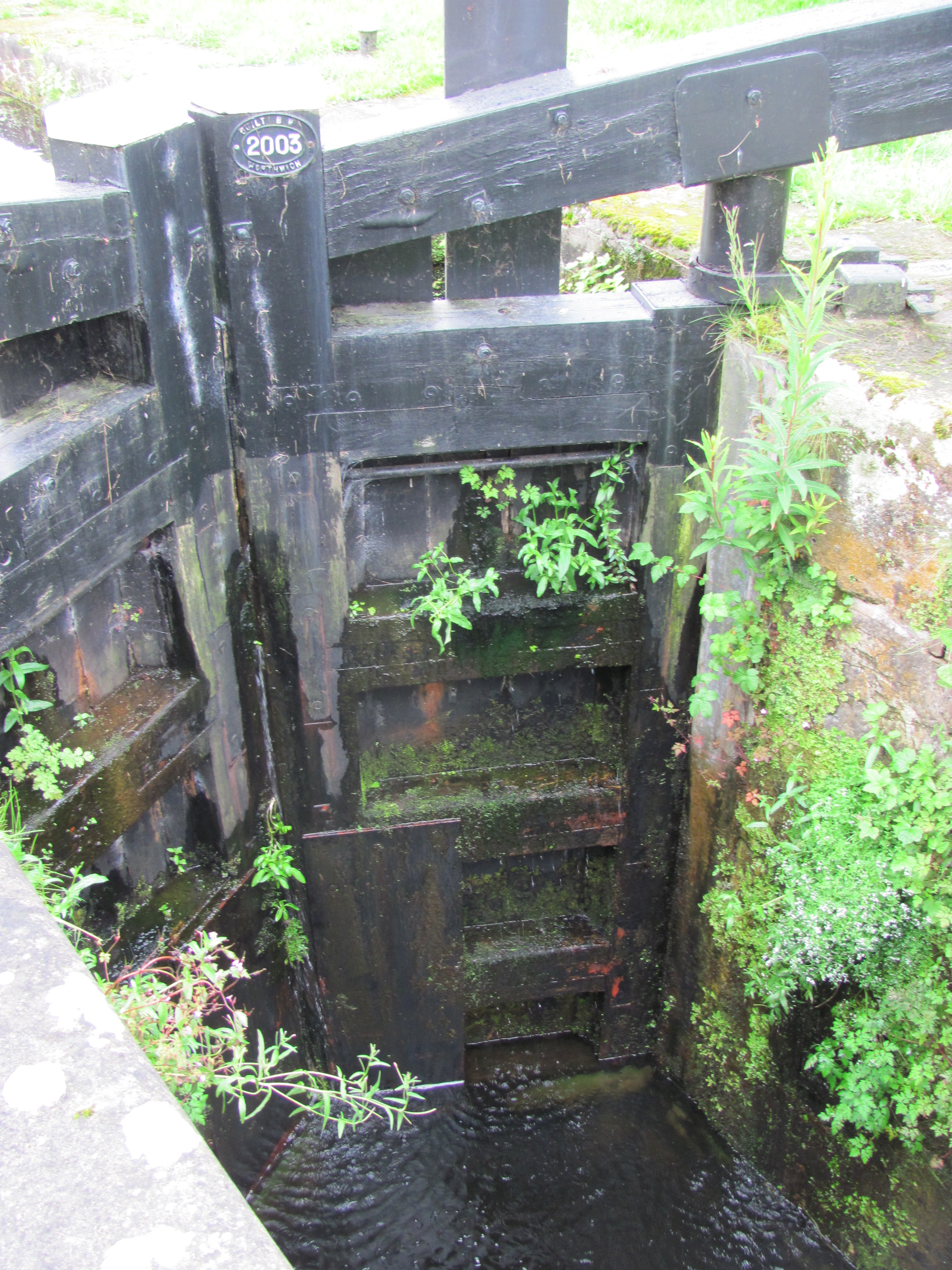

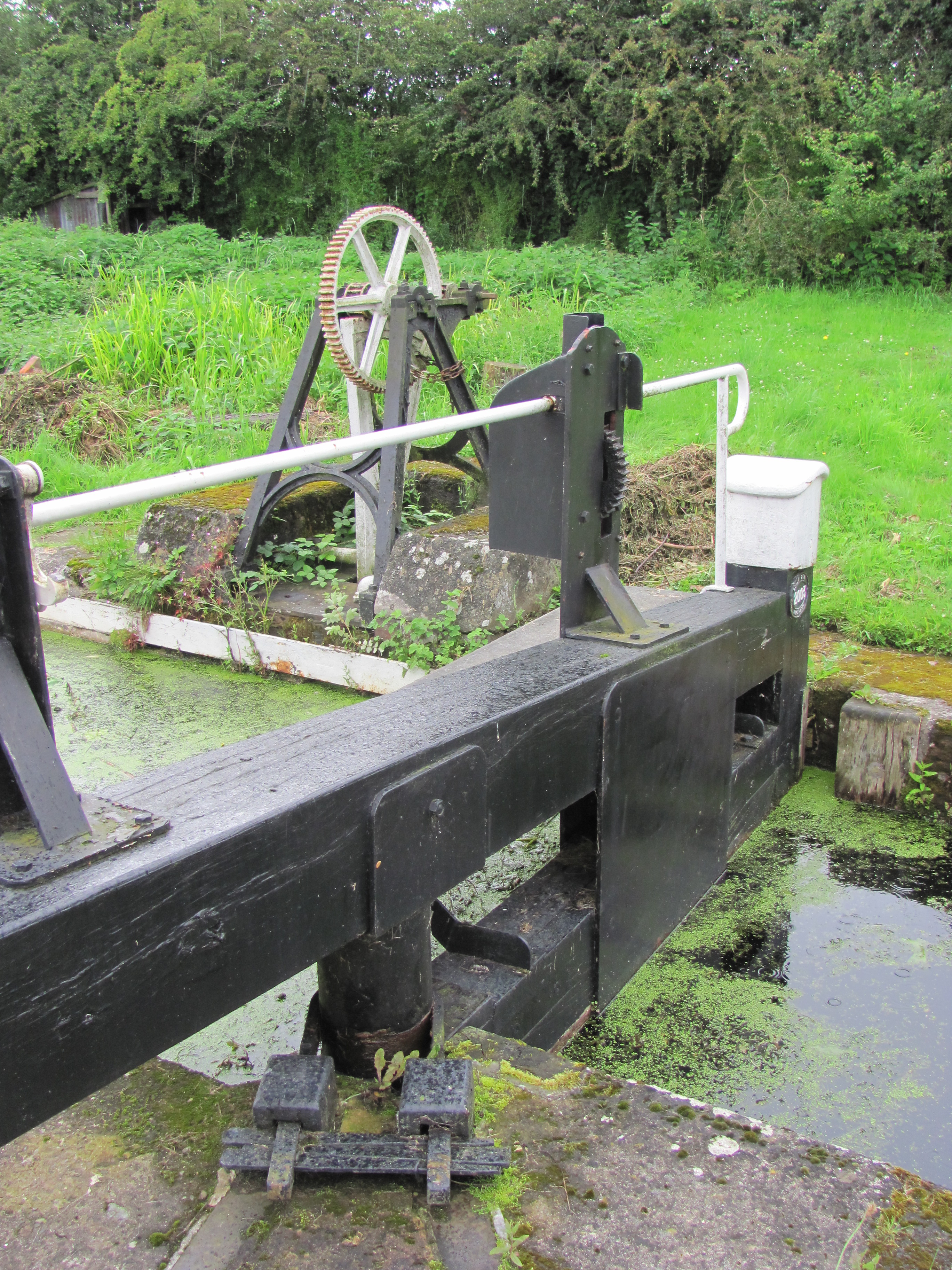
As we enjoyed our exploration of Pool Quay lock and the break from walking the rain returned. The little wooden gate invited us to begin our journey back especially as the tree-lined bank promised shelter.
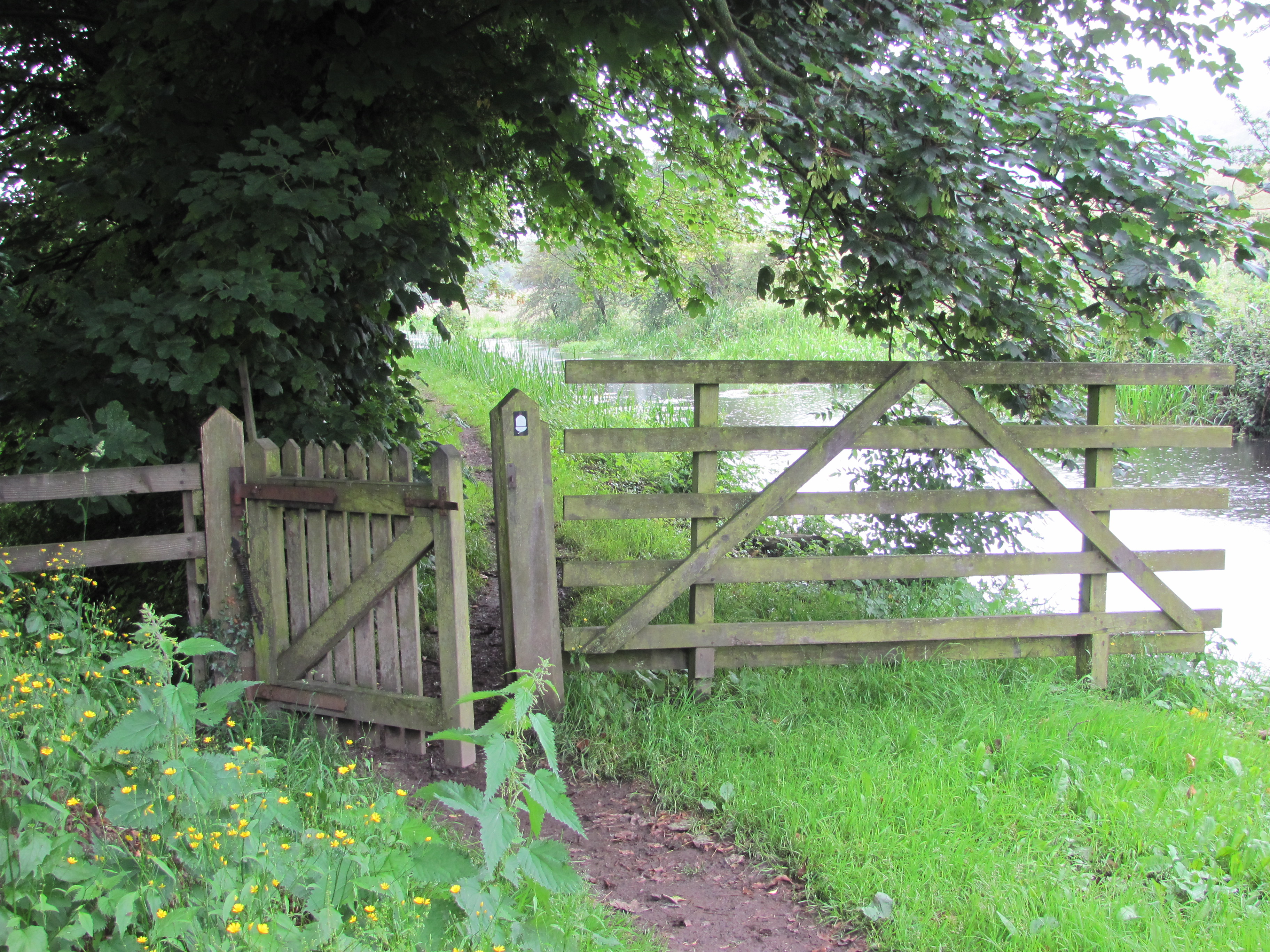
A morning of showers turned into an afternoon of rain. We donned our boots and waterproofs and defied it. We weren’t going to let it stop us going for a wander in the riverside woods.
We started with lattes in the coffee shop at Attingham Park, our closest National trust property and they set us up for defiantly walking into the wood.

We had hoped that a few minutes indulging in our favourite pastime of coffee drinking would give the rain time to stop or at least subside. Our hopes were dashed as we carried on into the woods towards the river the rain fell upon us. We were waylaid by these pretty cows who demanded attention by looking at us under their long eye lashes.


After giving the cows a stroke we moved on alongside the riverbank where the woodland started.


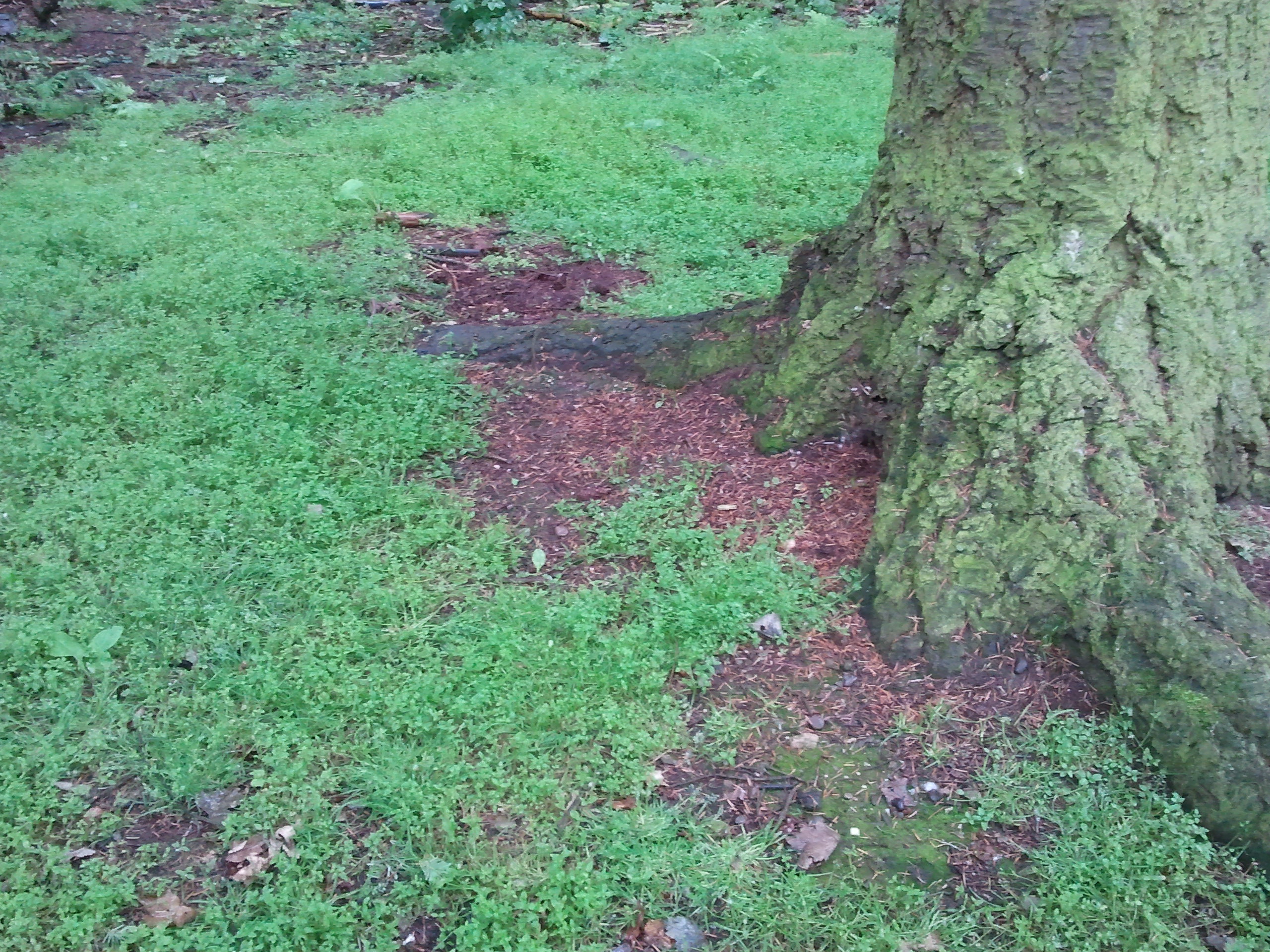
This woodland contains many unusual and non-native specimen trees but there are no labels so we find many we can’t identify. Several seem familiar especially their fruit and leaves, so we presume they are related to natives such as oaks, chestnuts and alders. One of these days we shall be wise and remember to pop an ID book into a pocket.
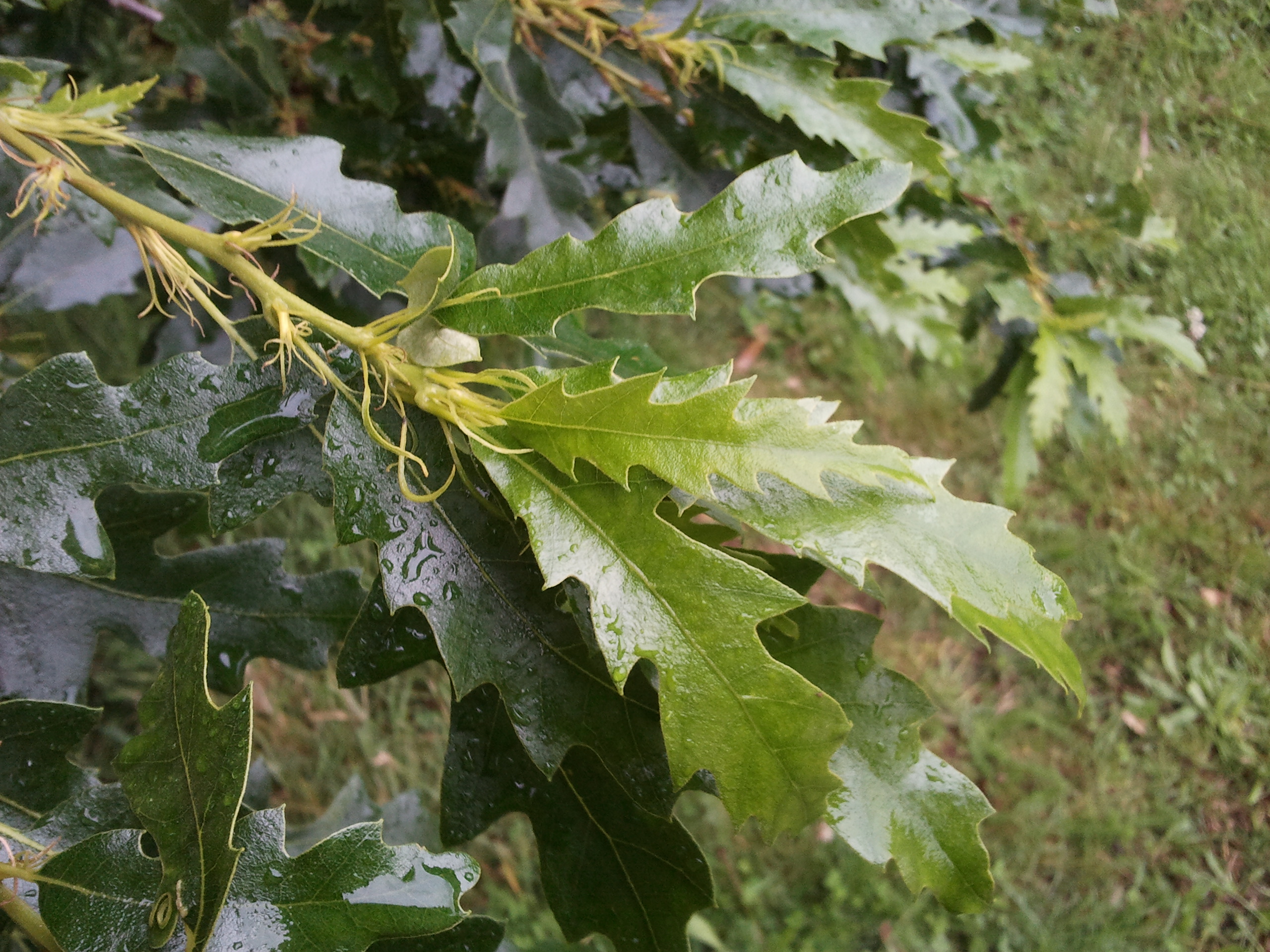

Even as the rain was falling and dark clouds skidded across the sky patches of woodland were lit up. They acted as spotlights drawing us to the pink of the foxgloves and the pale creamy fungi.


This strange but delightful light had a brightness we did not expect. Underneath the dark canopy of thick foliage the trunks of the trees seemed to attract light and they appeared more patterned and textured.


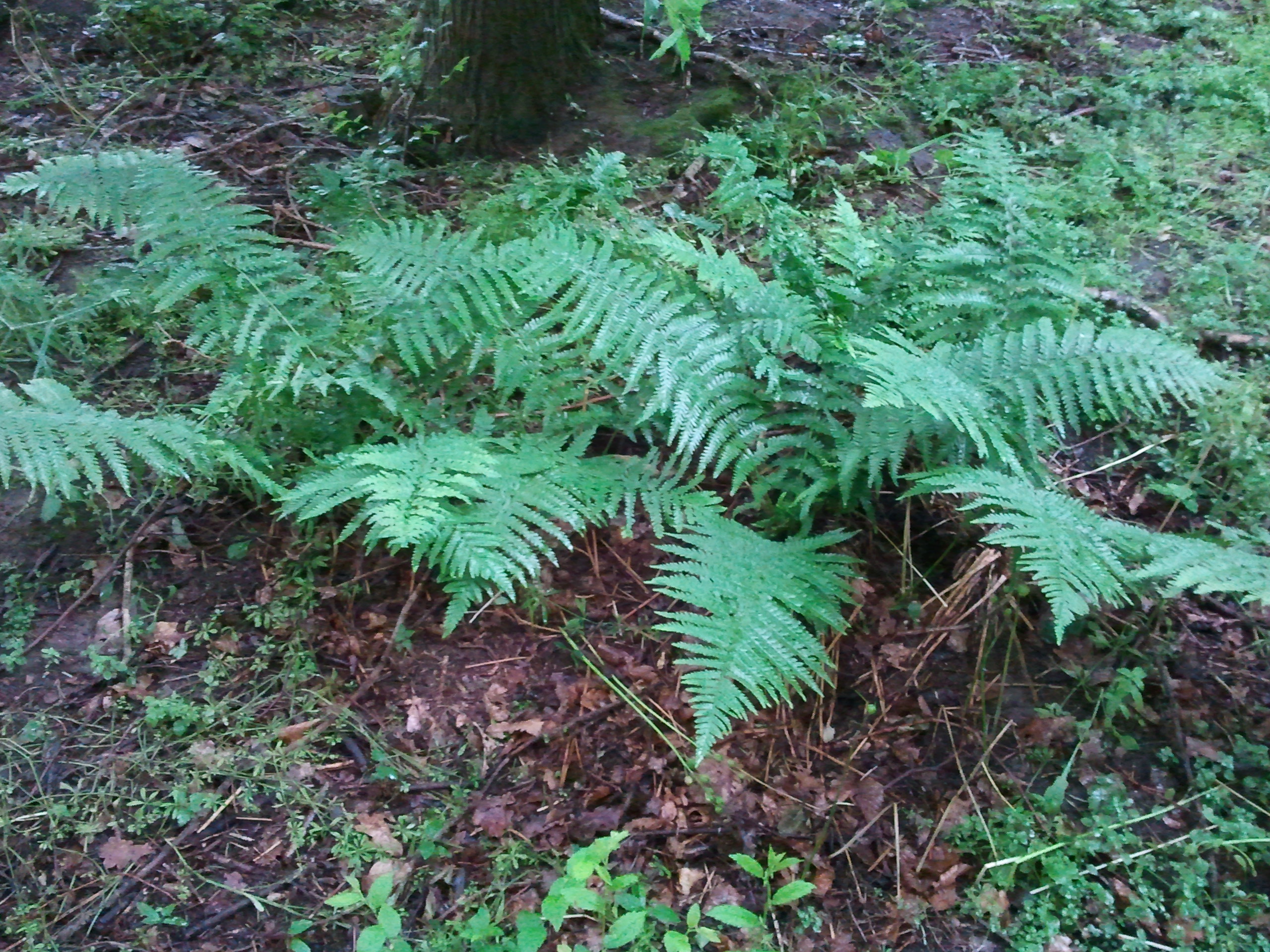
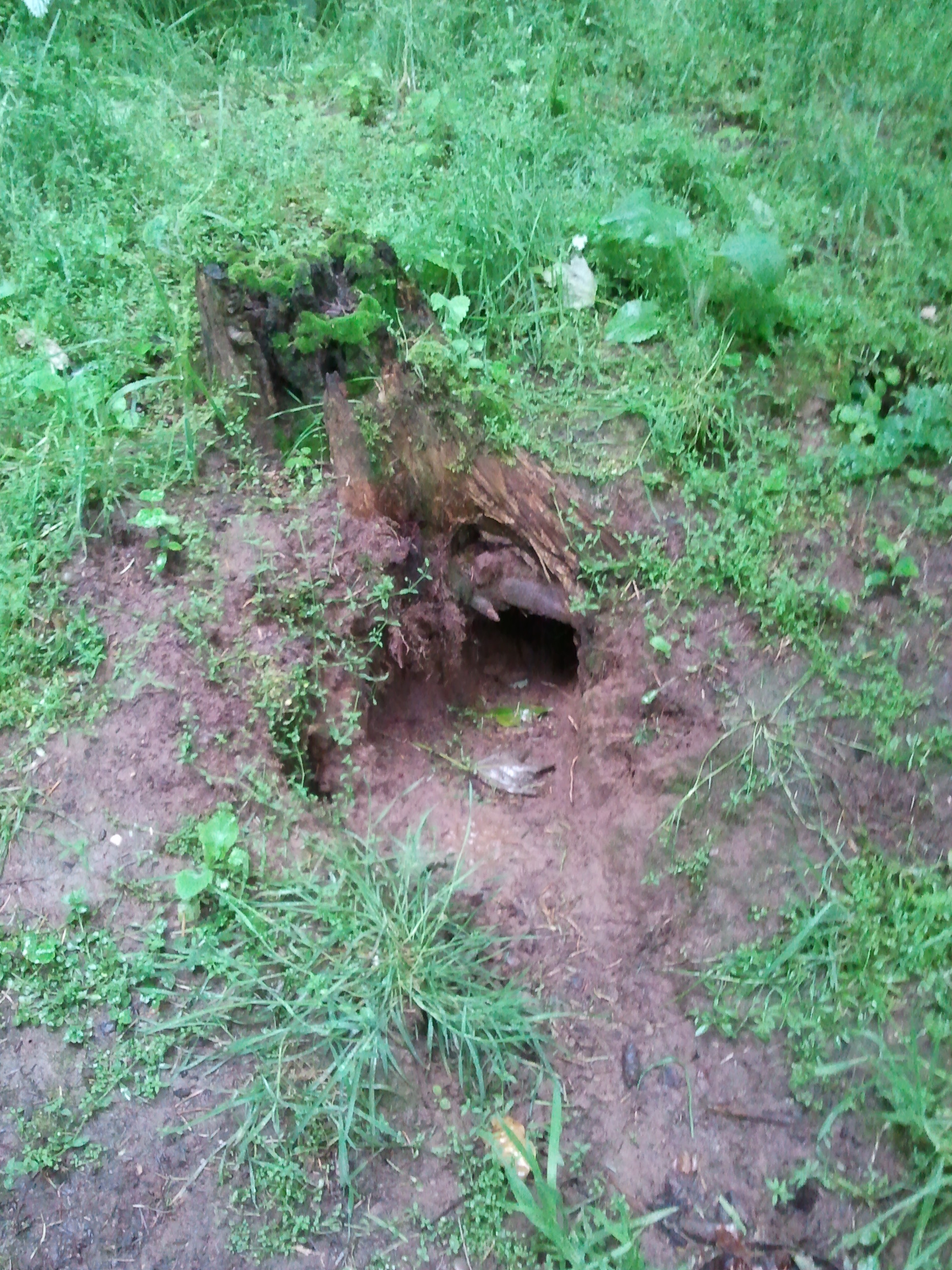
The ferns enjoyed the darker areas and the moisture brought by the rain, but their enjoyment was not shared by the wood’s mammal residents. The usual squirrels and rabbits were nowhere to be seen. Every rabbit burrow we came across showed no sign of life.
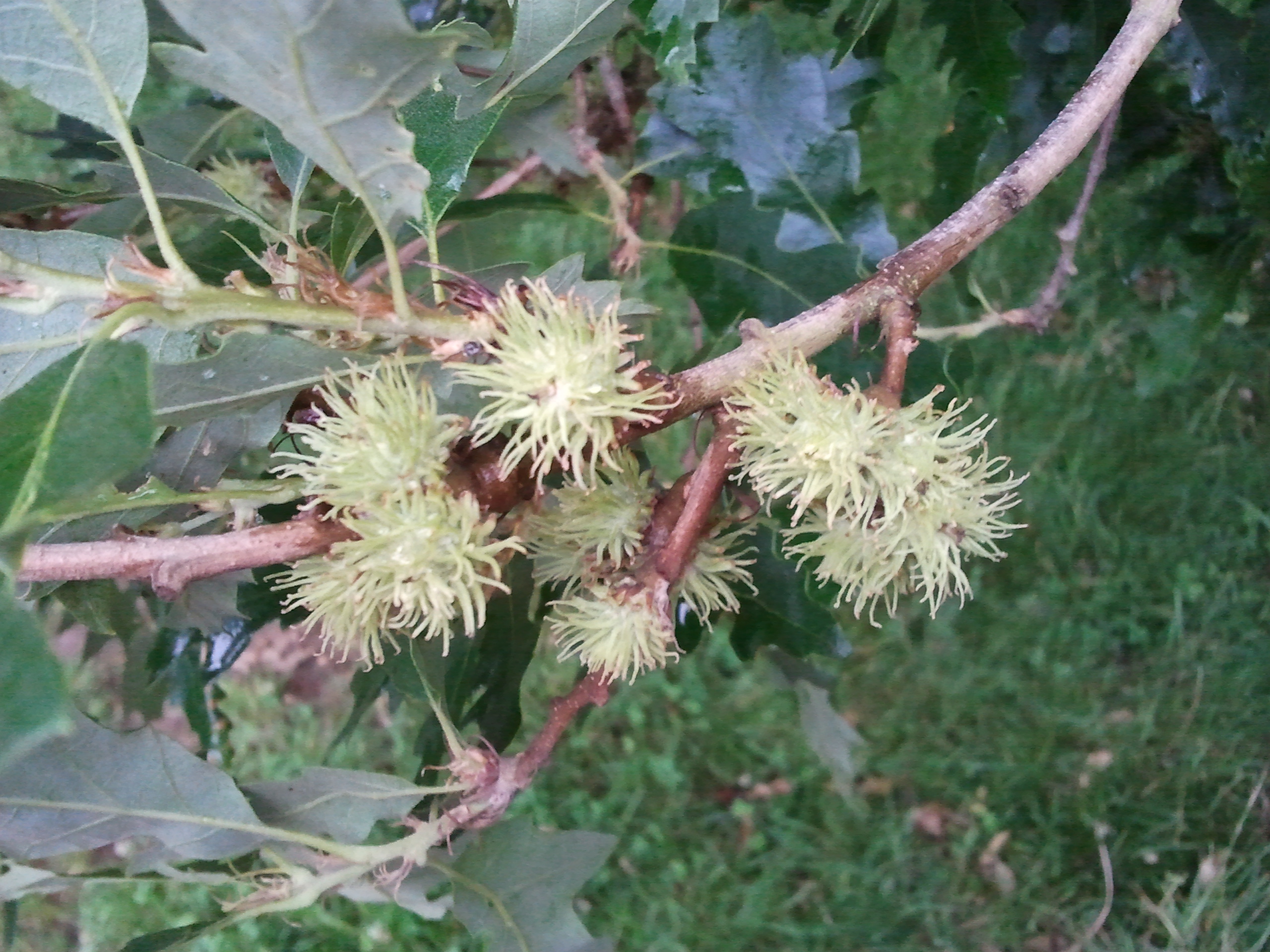
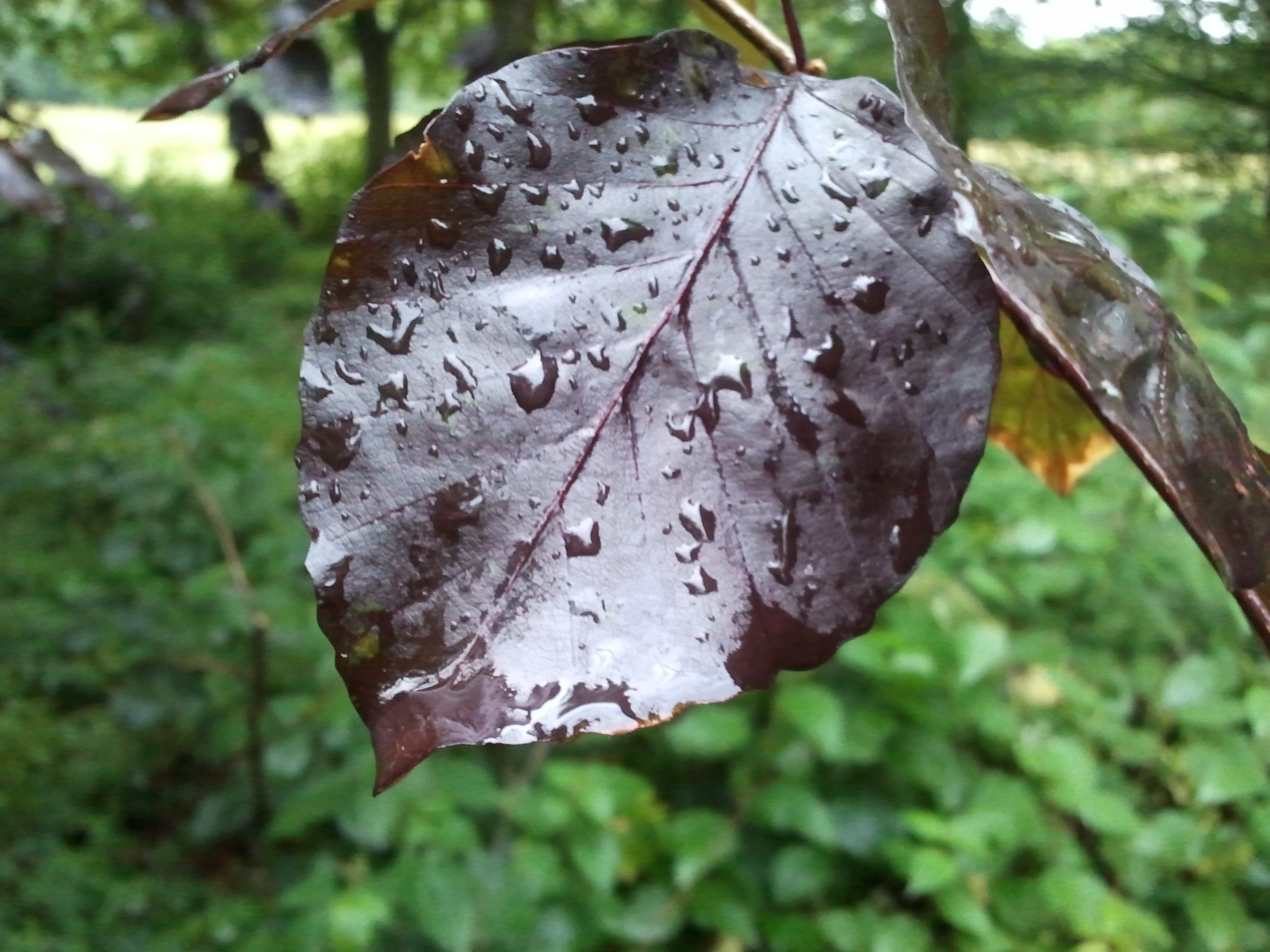
Rain drops landed on the purple, glossy leaves of the copper beech and light glowed through the “helicopter” seeds of maples. Overhead thrushes sang enthusiastically. The loud powerful song of the Mistle Thrush overpowered those of the more tuneful delicate Song Thrush.

Although no thunder rumbled above the tree tops today it has done so recently as witnessed by this tree displaying lightning strike burns. While studying this damaged tree our attention was drawn to movement in small trees close by, where a pair of tree creepers fed on the bark, moving like scurrying mice head first up the trunk. The blue tits fed differently as they searched for their insect prey under the wet leaves of the same tree.

As we continued along the path below the trees we took a short detour through the walled garden where the herbaceous borders on either side of the wide central path made a colourful picture.

As our woodland wander came to an end we had to stop and enjoy another couple of lattes just to check that they still tasted so good. They did! As we enjoyed our coffees we were entertained by a very intelligent ladybird who was reading the label of his orange juice checking its ingredients out to make sure they were fully organic.

We were not the only ones out and about enjoying a walk in the rain today and certainly not the only ones enjoying coffees. As educationalists in our pre-retirement days, we were pleased to see several young families out exploring the woods. Two families enjoyed their coffees as their toddlers enjoyed playing in the courtyard driving ride-on John Deere tractors in the mud and on the slippery grass, even revelling in falling off. They jumped in the puddles and splashed each other. Real childhood treats!
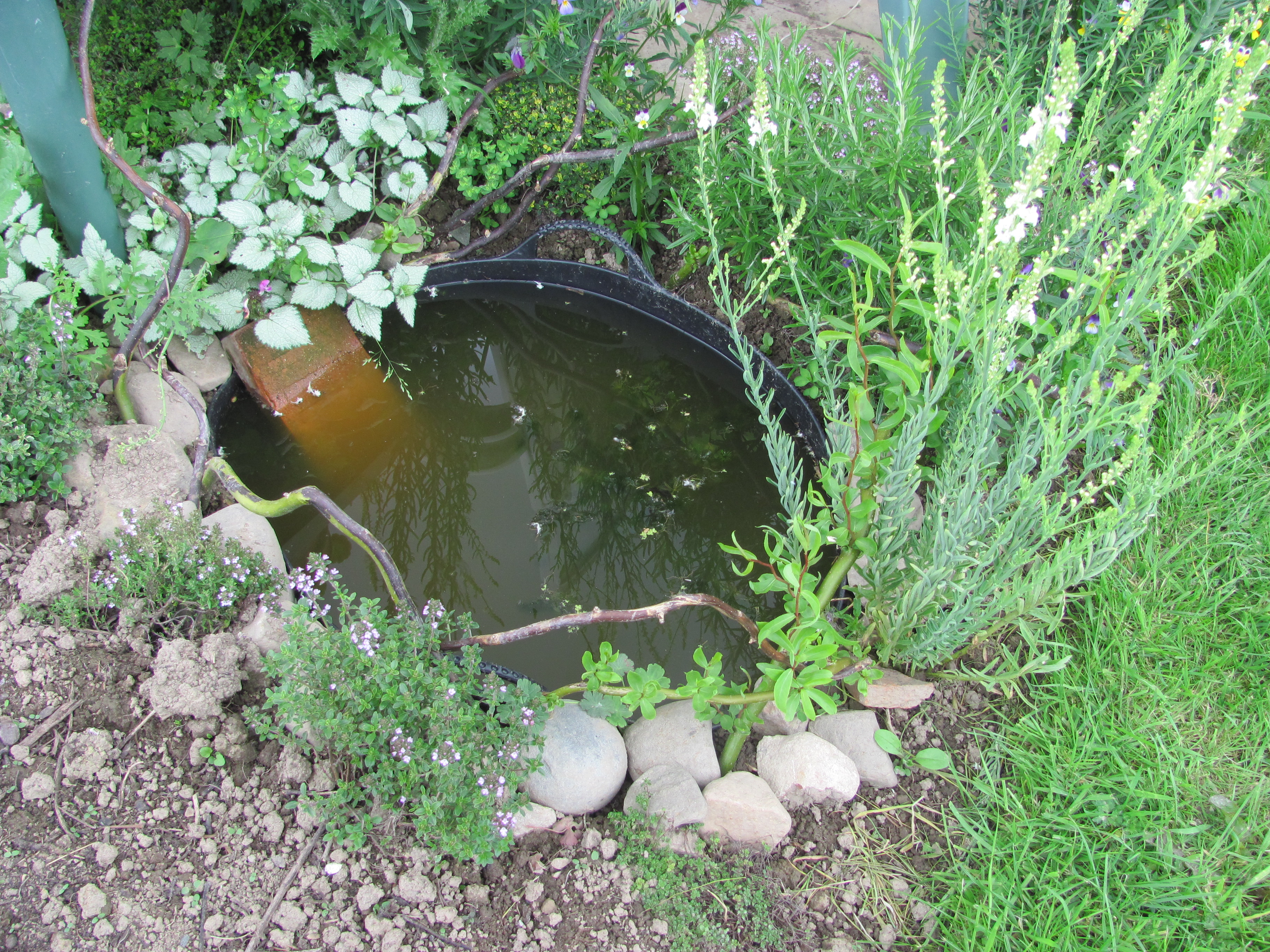
Here we are at the half way point of the year in the June allotment wanderings. As usual we shall start on our own plot to see what has been going on. Our little wildlife pond is beginning to look more established and the tadpoles are growing well. We hope the frogs stay on our plot and eat up all the slugs. As you can see we provided a little wooden ramp to help them get in and out of the water.
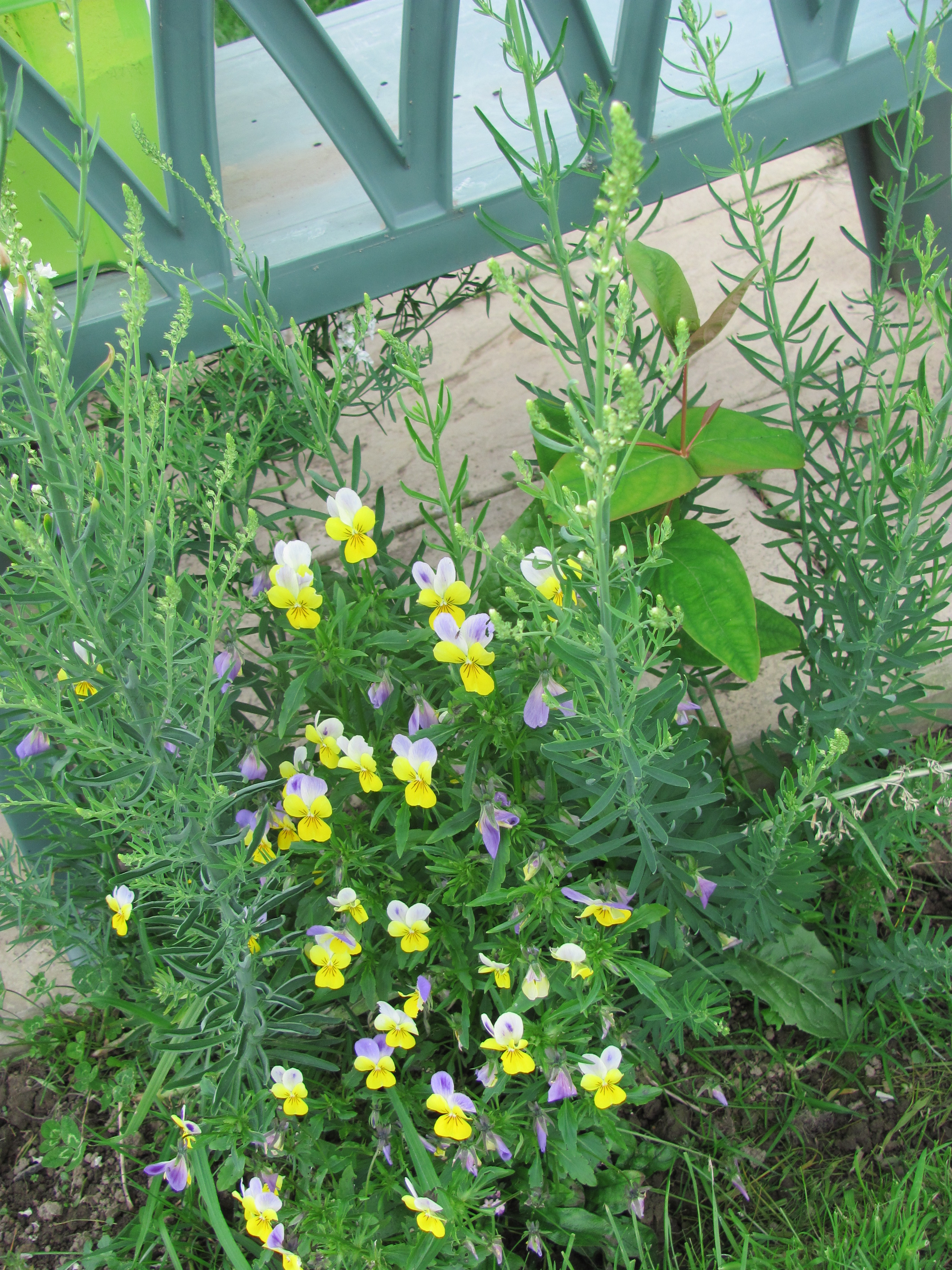
Heartsease self seed around the plot sometimes landing in suitable places arriving in a wide range of colours. This one seeded into the soil behind the green bench.
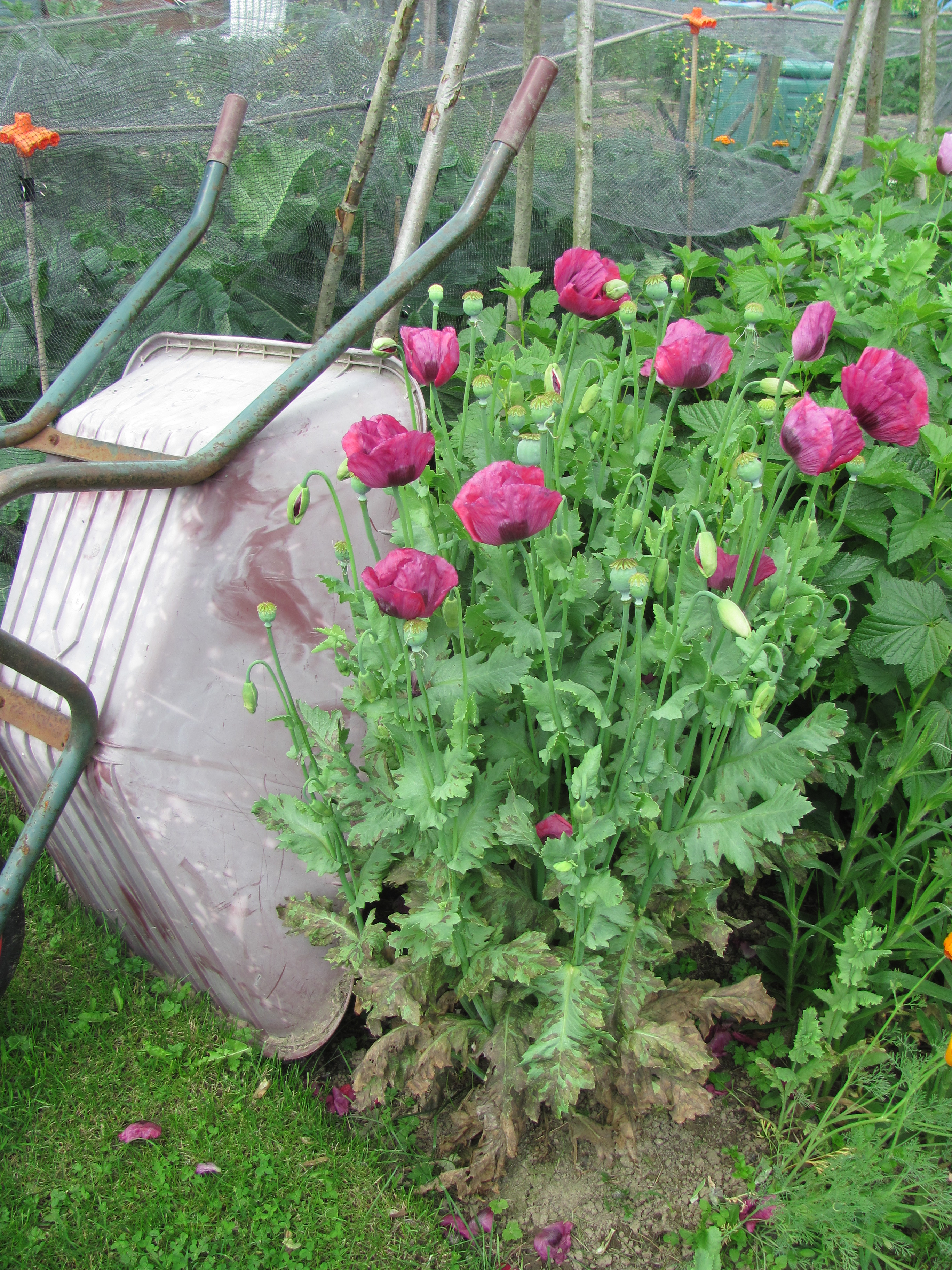
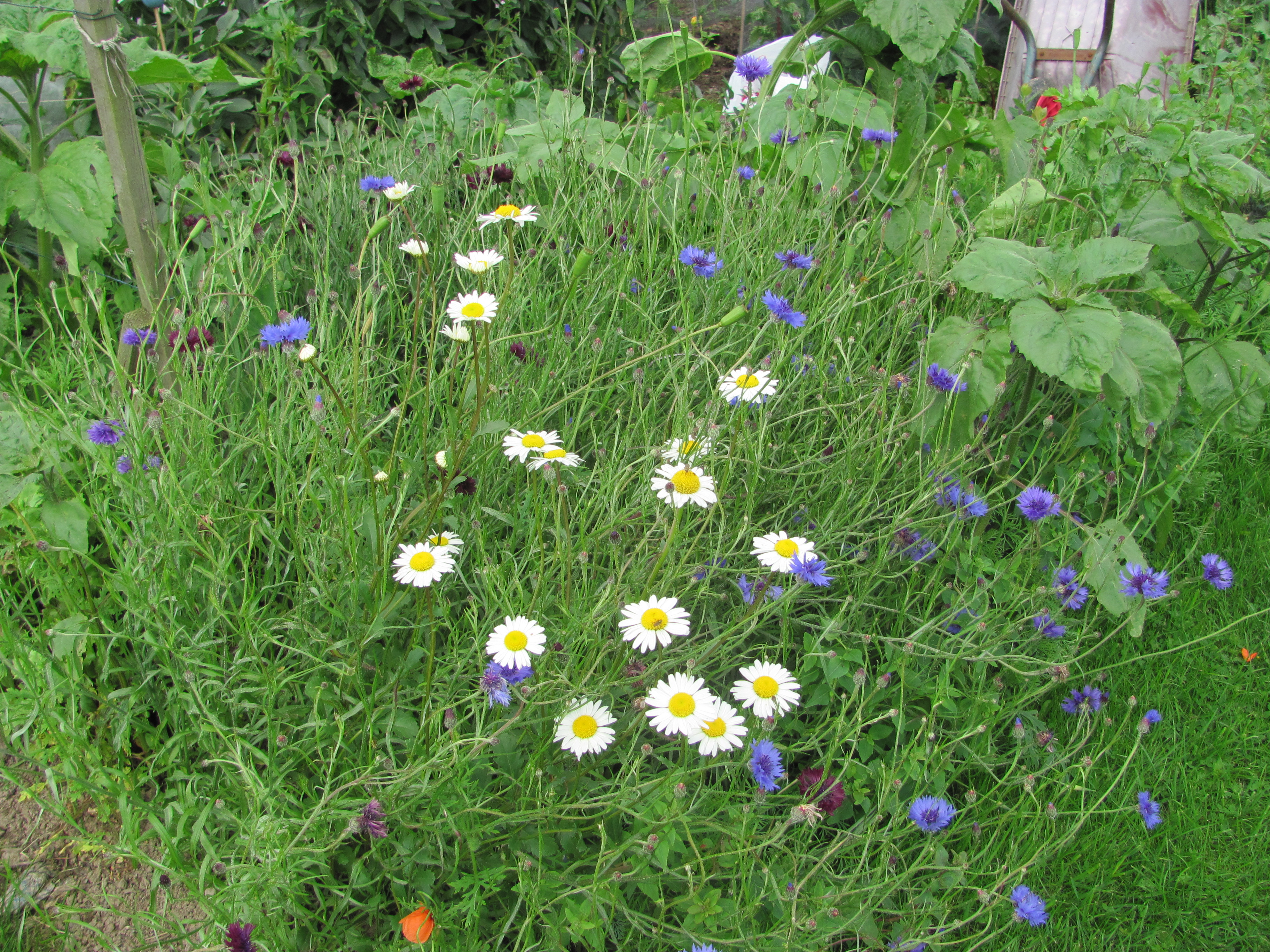
Our strip of wildflowers, a little piece of meadow, is beginning to flower. This Opium Poppy surprised us with its deep pink coloured petals.
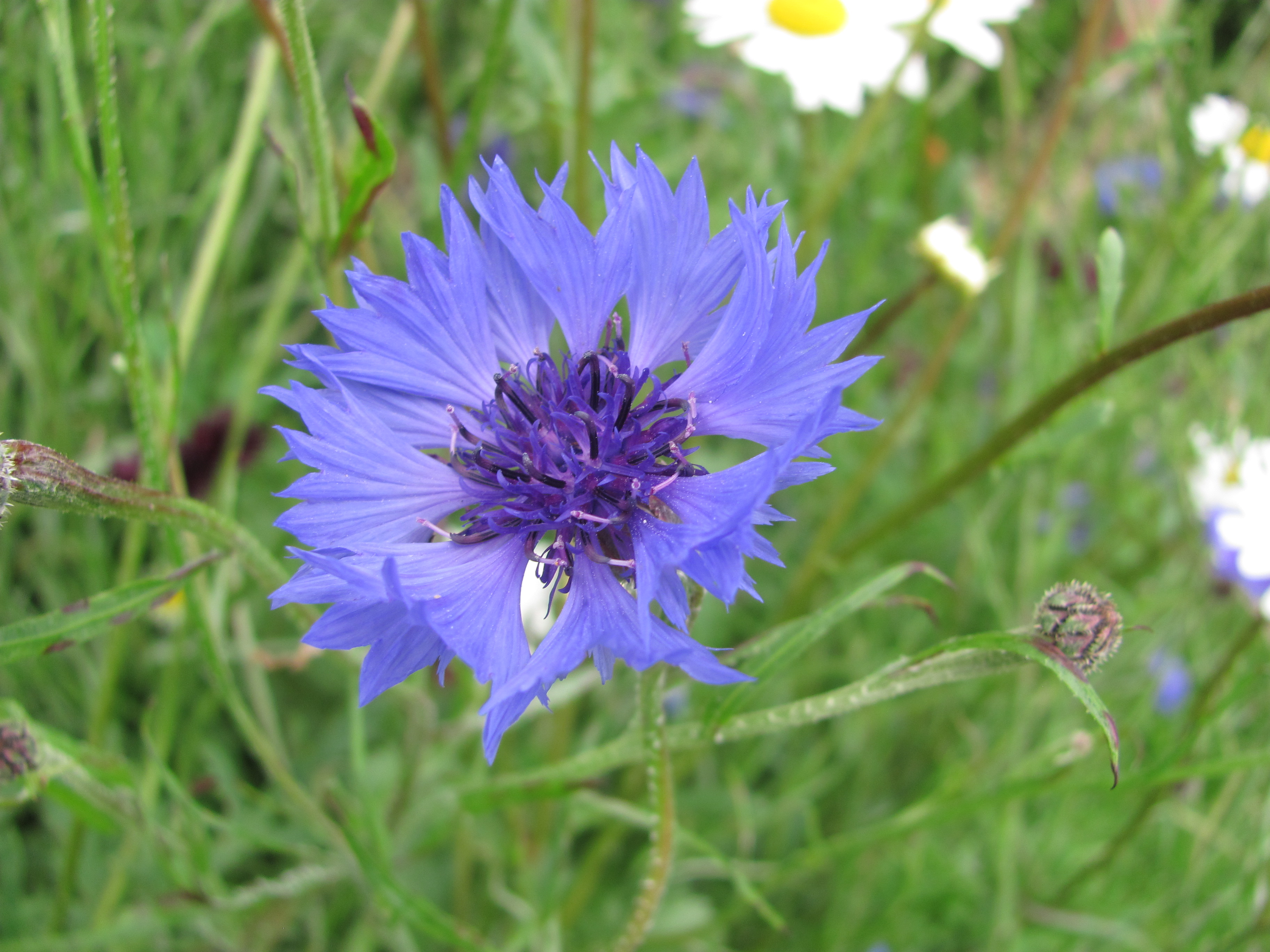
Moon Daisies and Cornflowers.

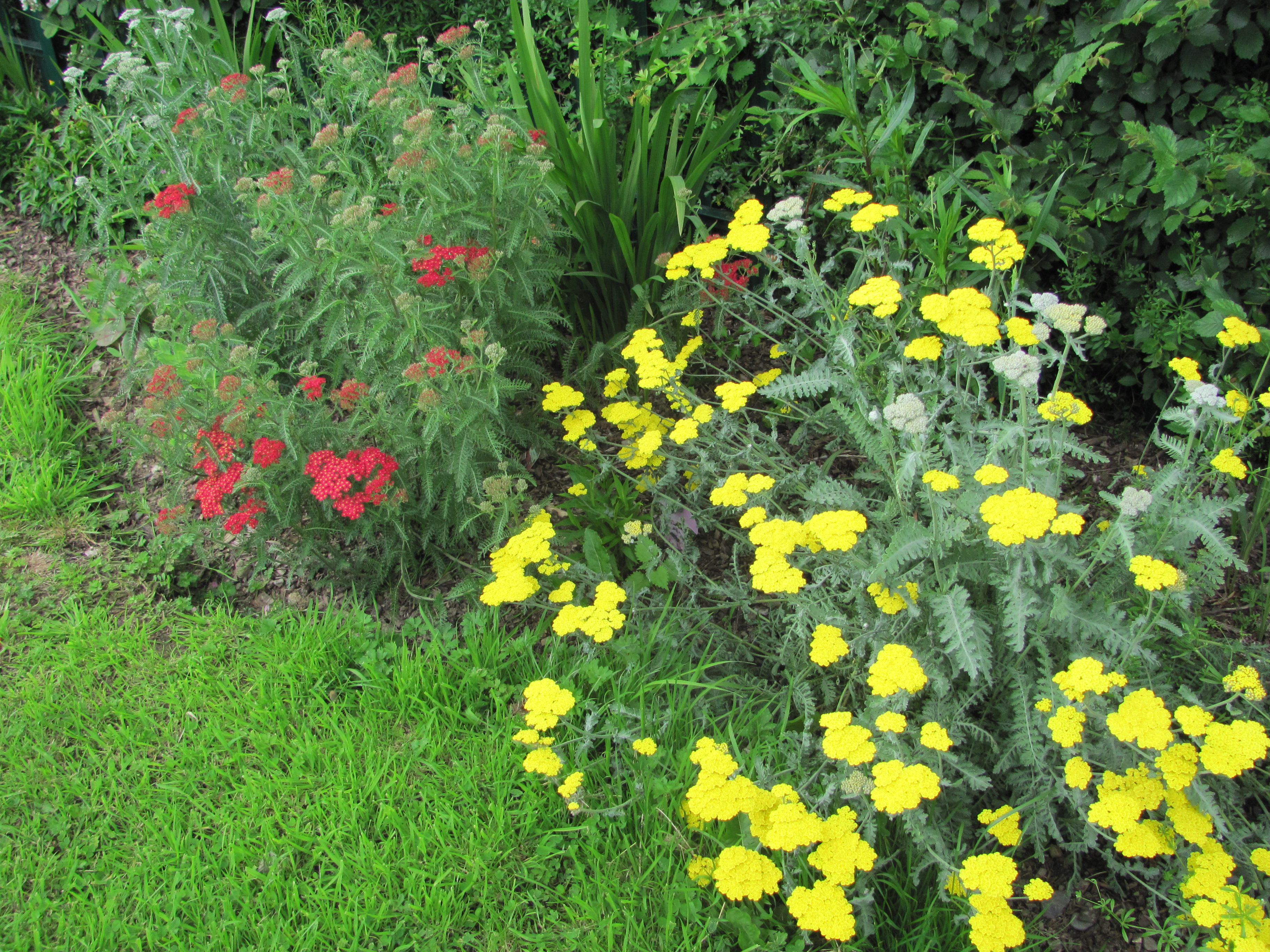
Just as flowers feature strongly on our own plot so they do on other members’ plots and in the Green Space borders. In the Autumn Garden Achilleas are the stars.
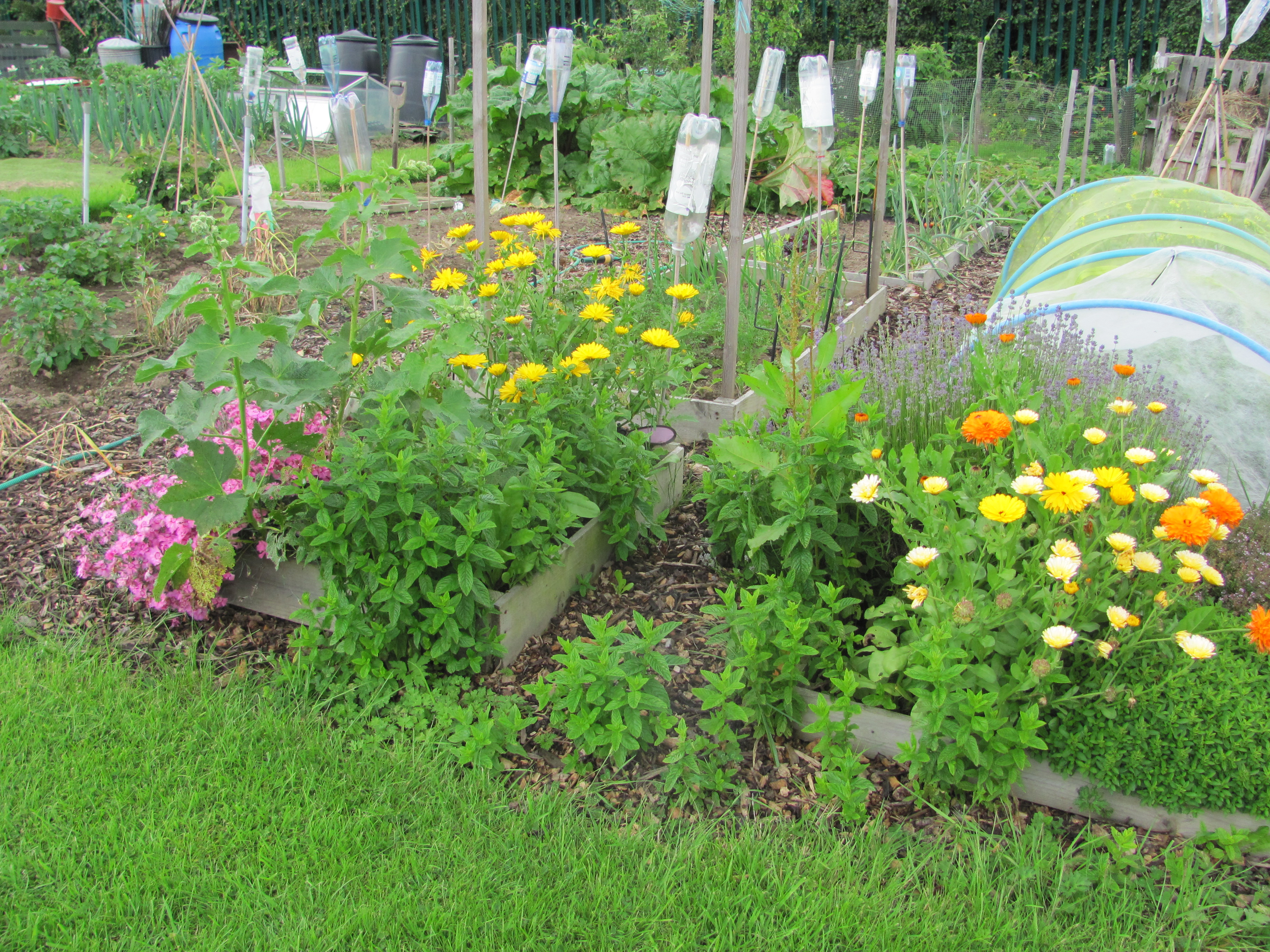
Calendulas feature on many plots as they look so good, and work hard as part of companion planting helping to attract beneficial insects.
Our first “Buddleja Bed” planted to attract wildlife now looks colourful and full of life. After losing some of our Buddlejas in the dry last year when Shropshire experienced months of drought after two extremely cold winters, the name for these borders currently looks a little inappropriate.
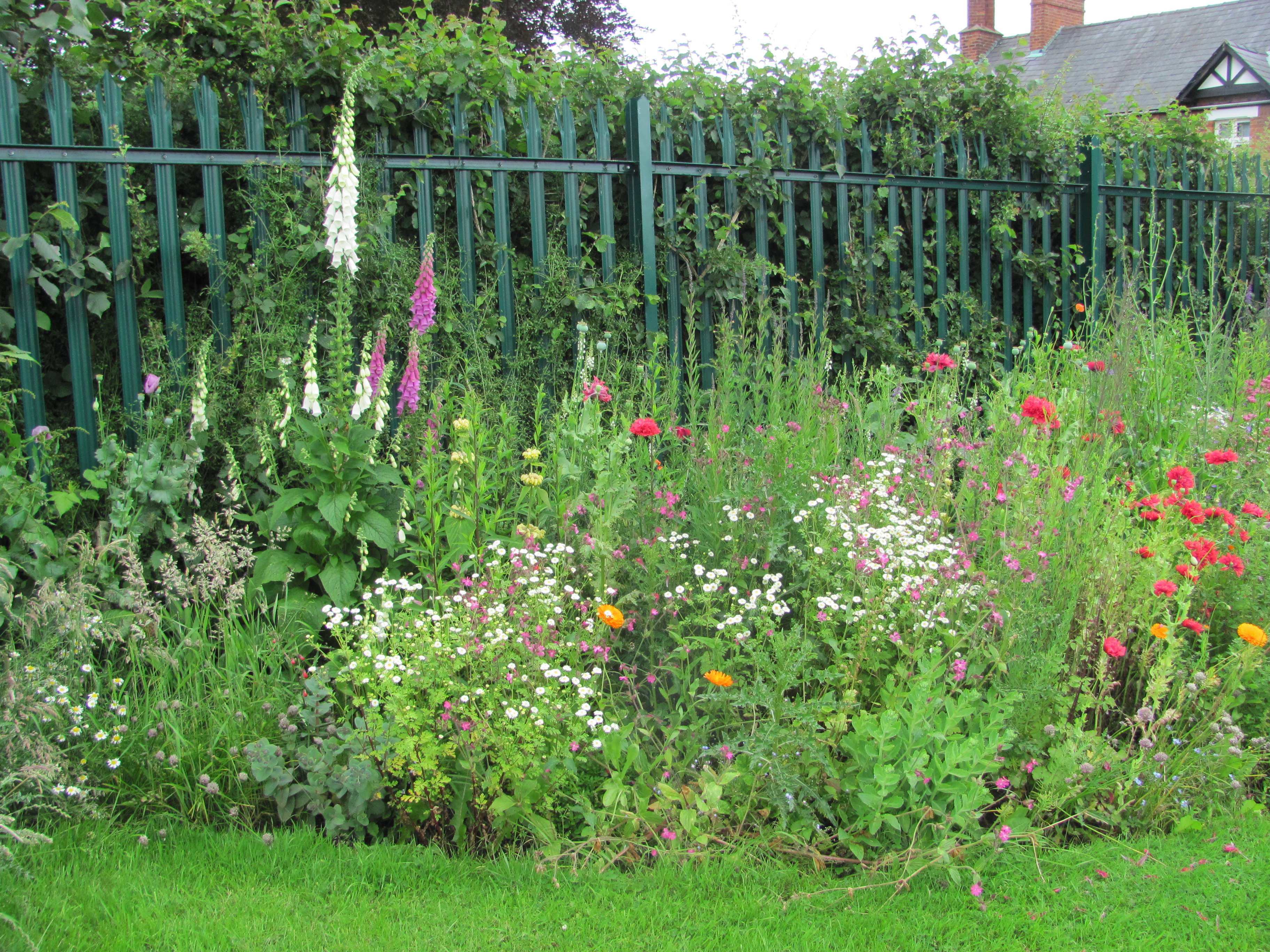
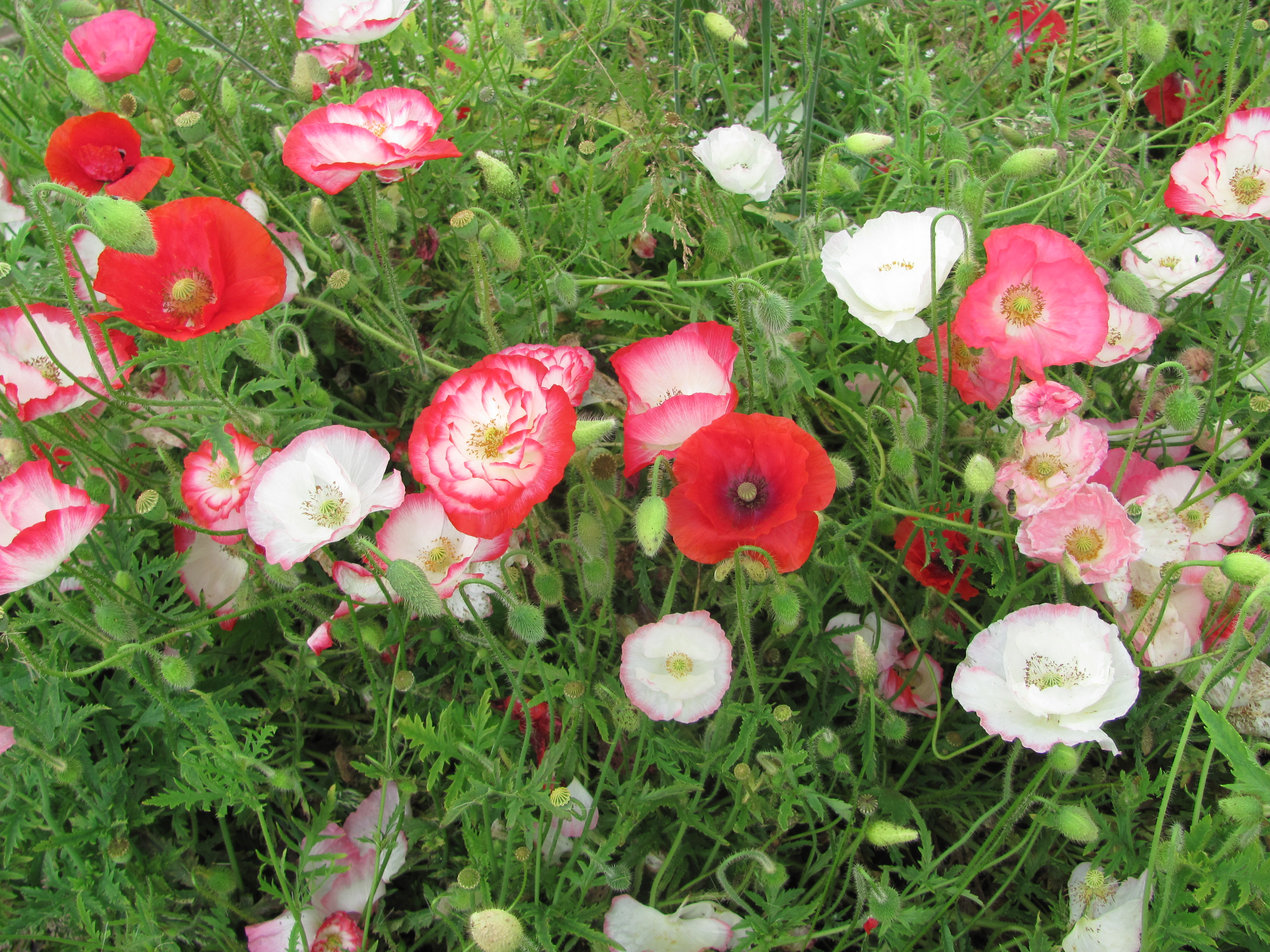
Our wildflower bank sloping up towards one of our orchards is now looking more established as we have added plants that members have donated to add interest.
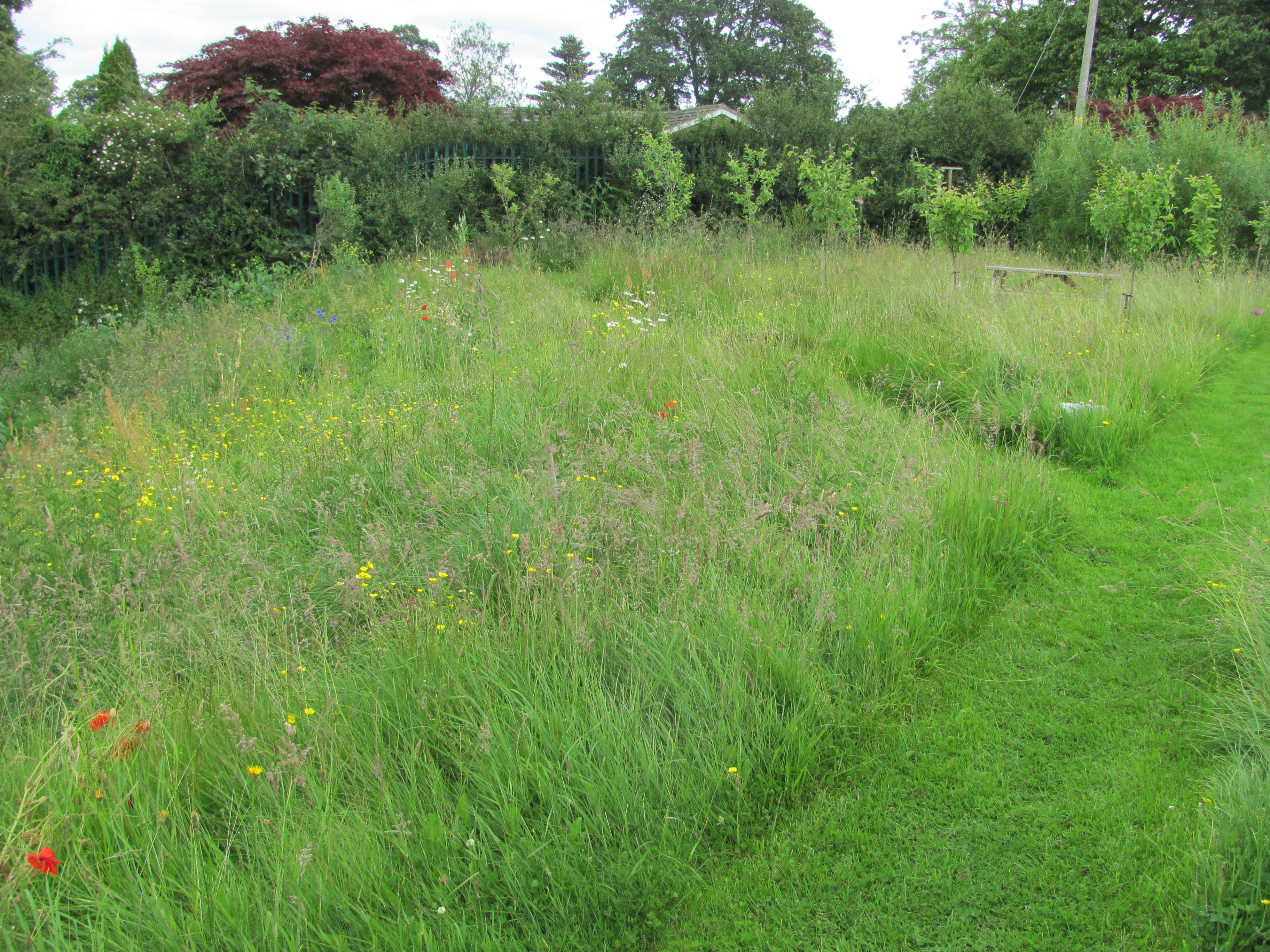
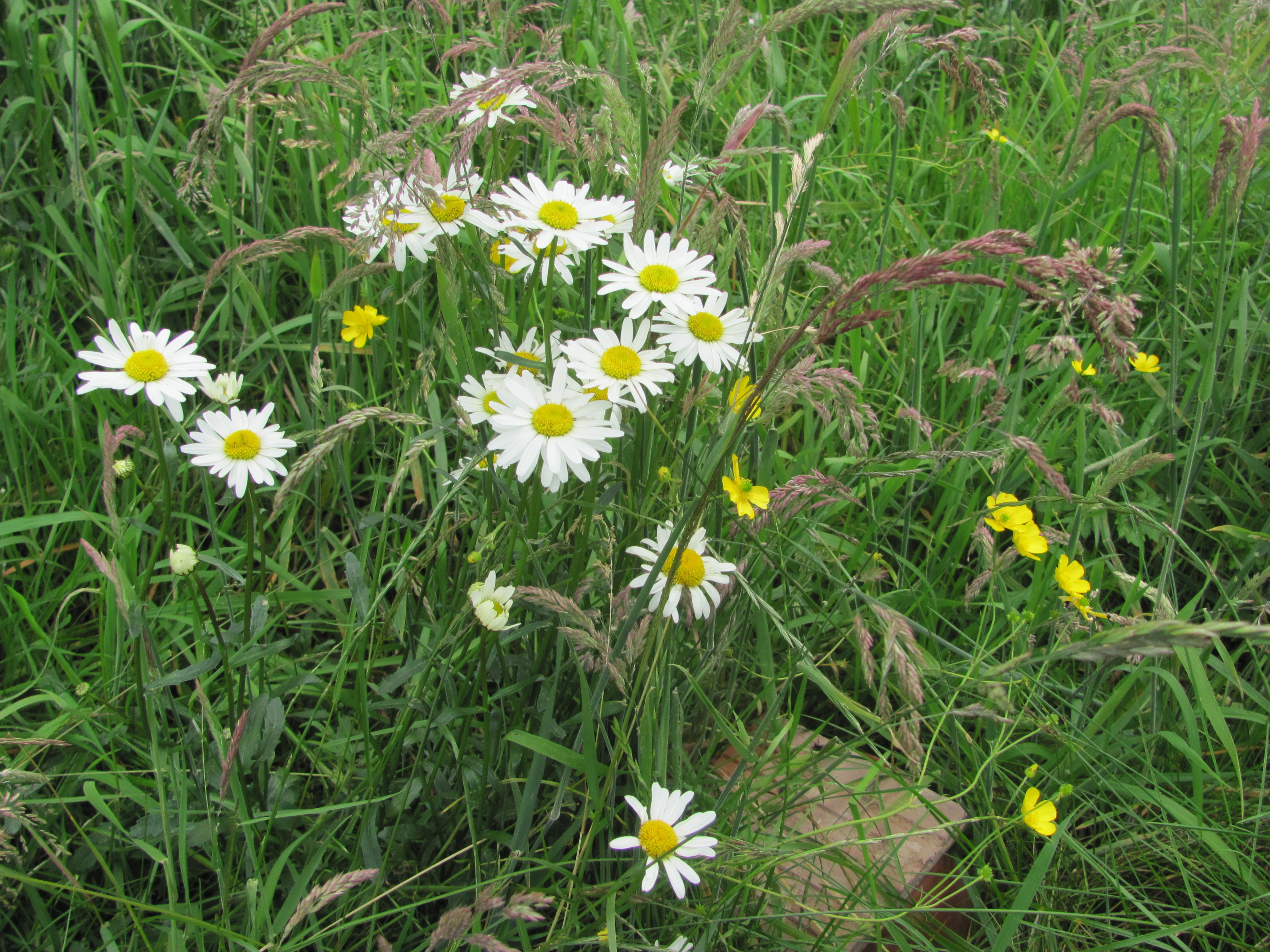
The Edible Hedge is now fruiting providing sustenance to birds and small mammals. Flowers in the borders at the base bring in bees, butterflies and beneficial insects. Beetles enjoy the long grass and we like them to be there as they feed on slugs.

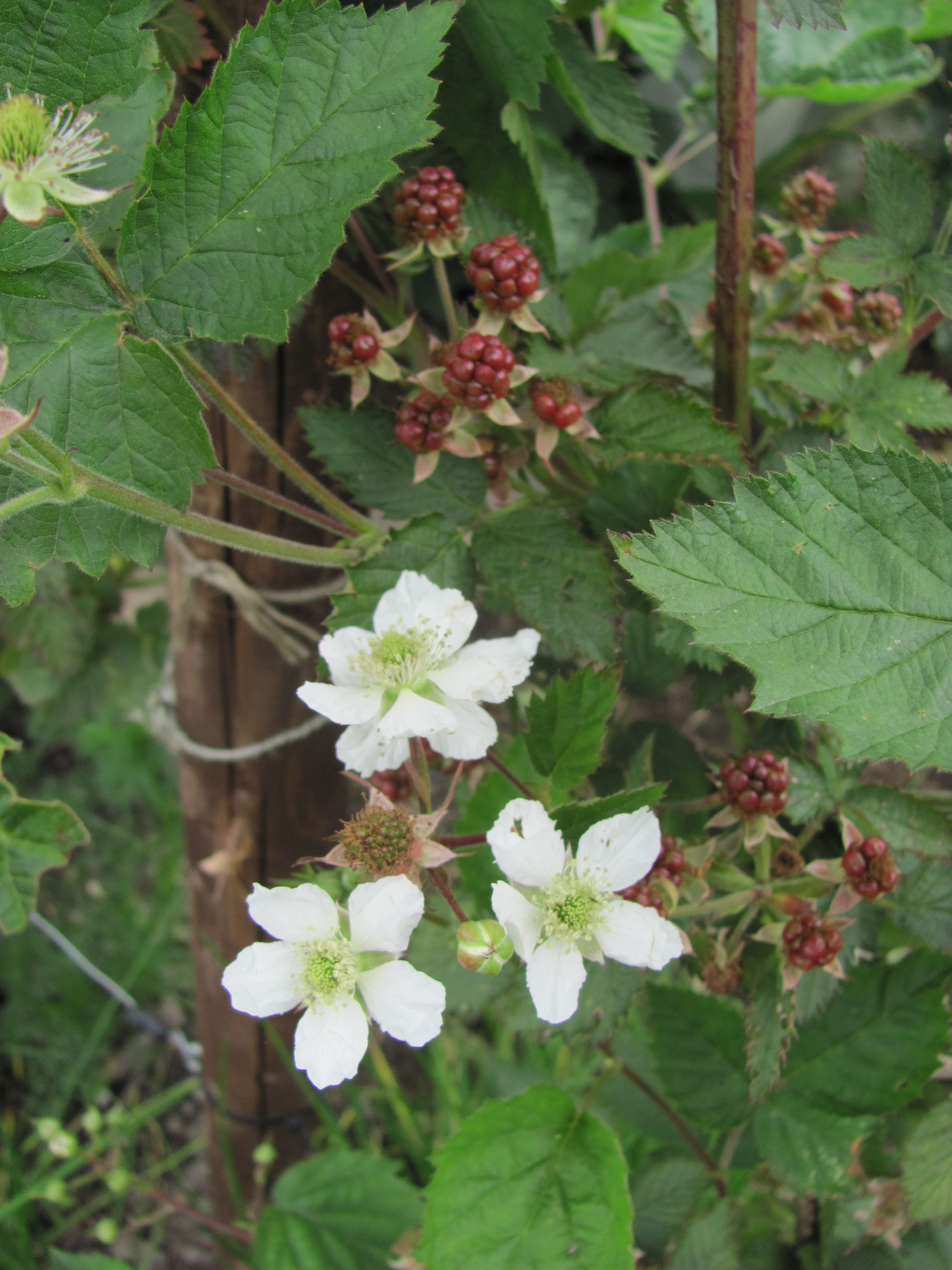
The most colourful garden on site at the moment is the Spring Garden which still displays much interest as we move into the summer months. This garden is maintained by volunteers, Jill and Geoff who spend many an hour planting, dead heading and weeding.
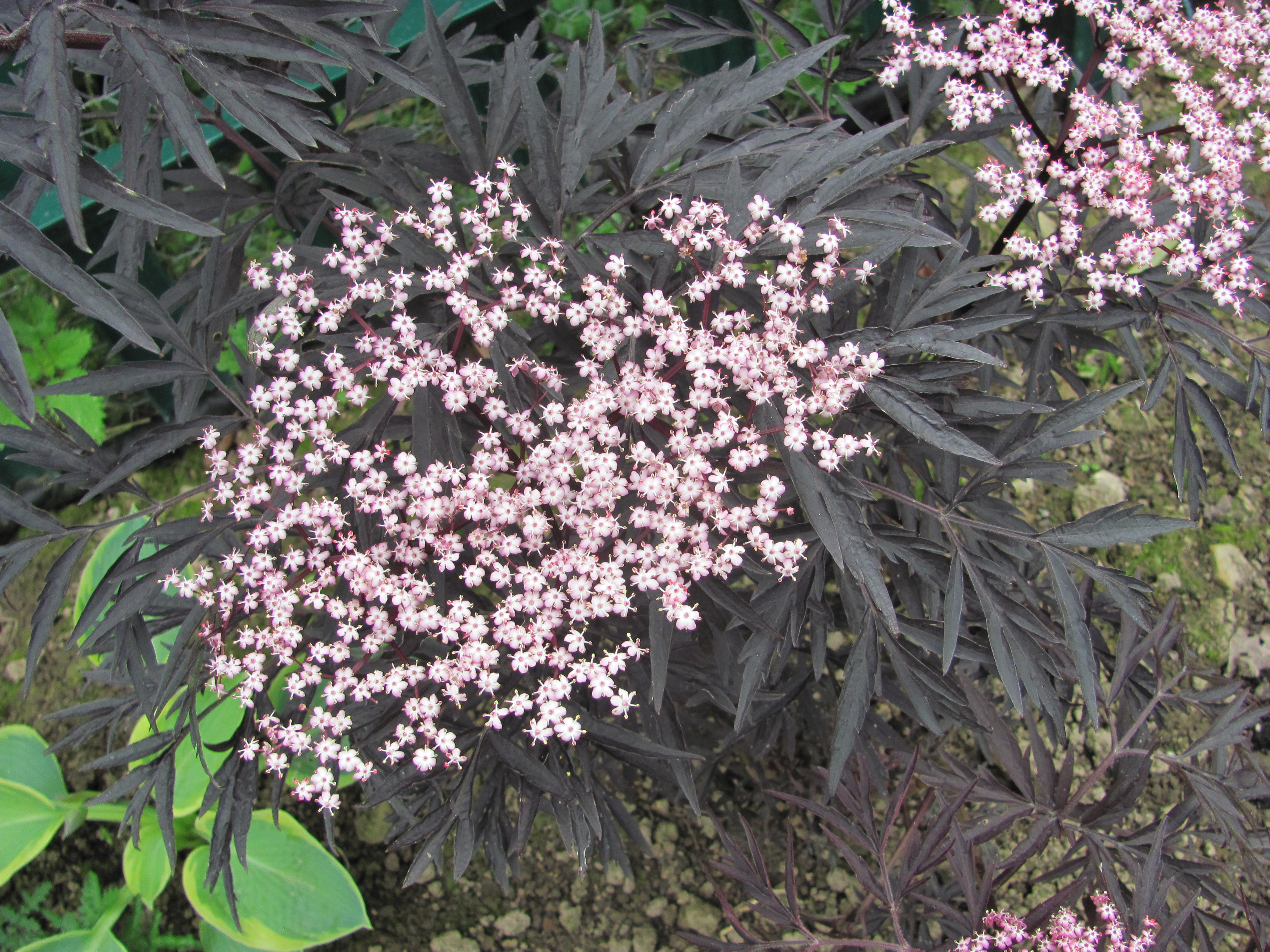
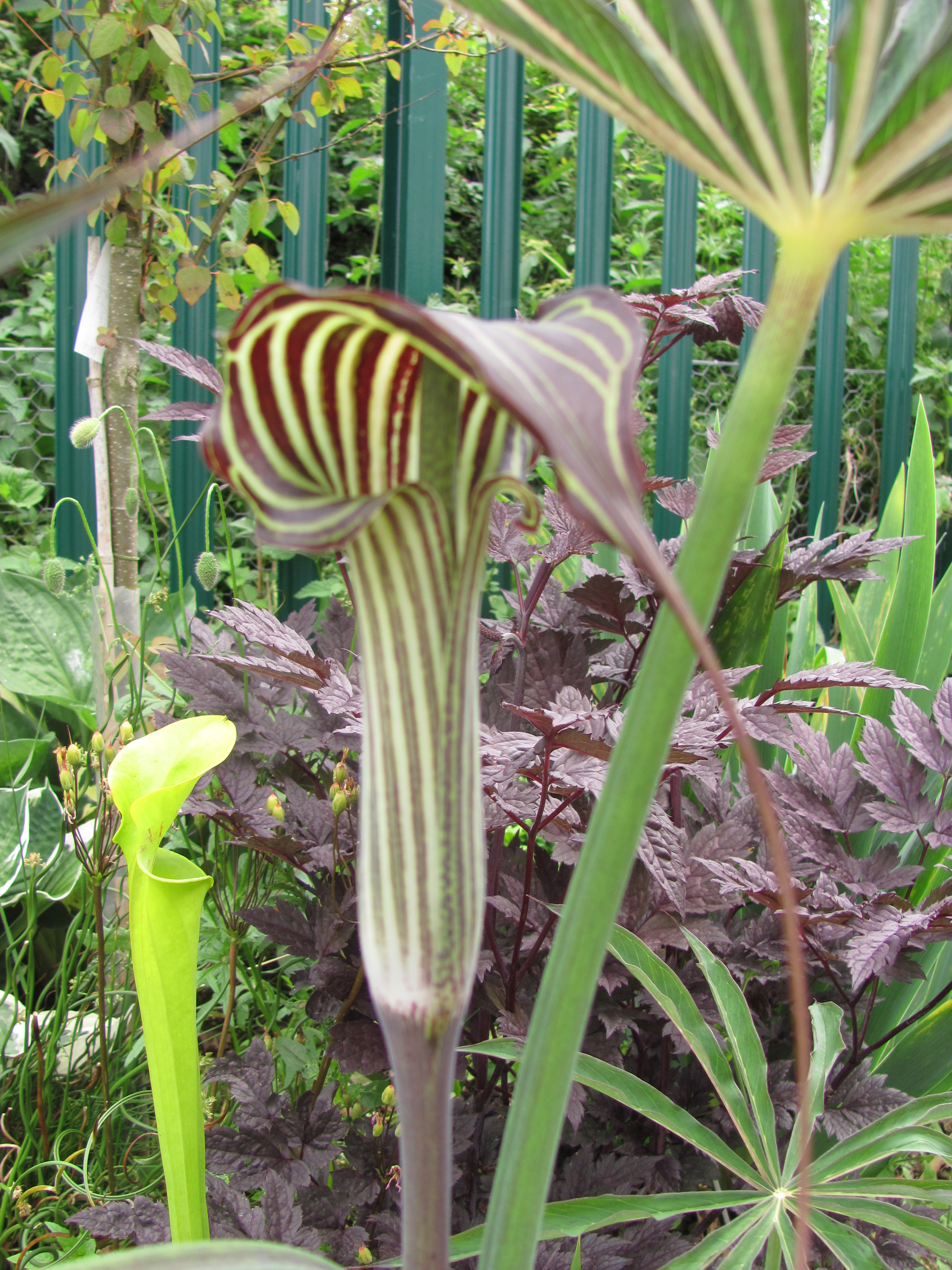

Geoff and Jill’s plot is renown for its weed free neatness and precision planting.
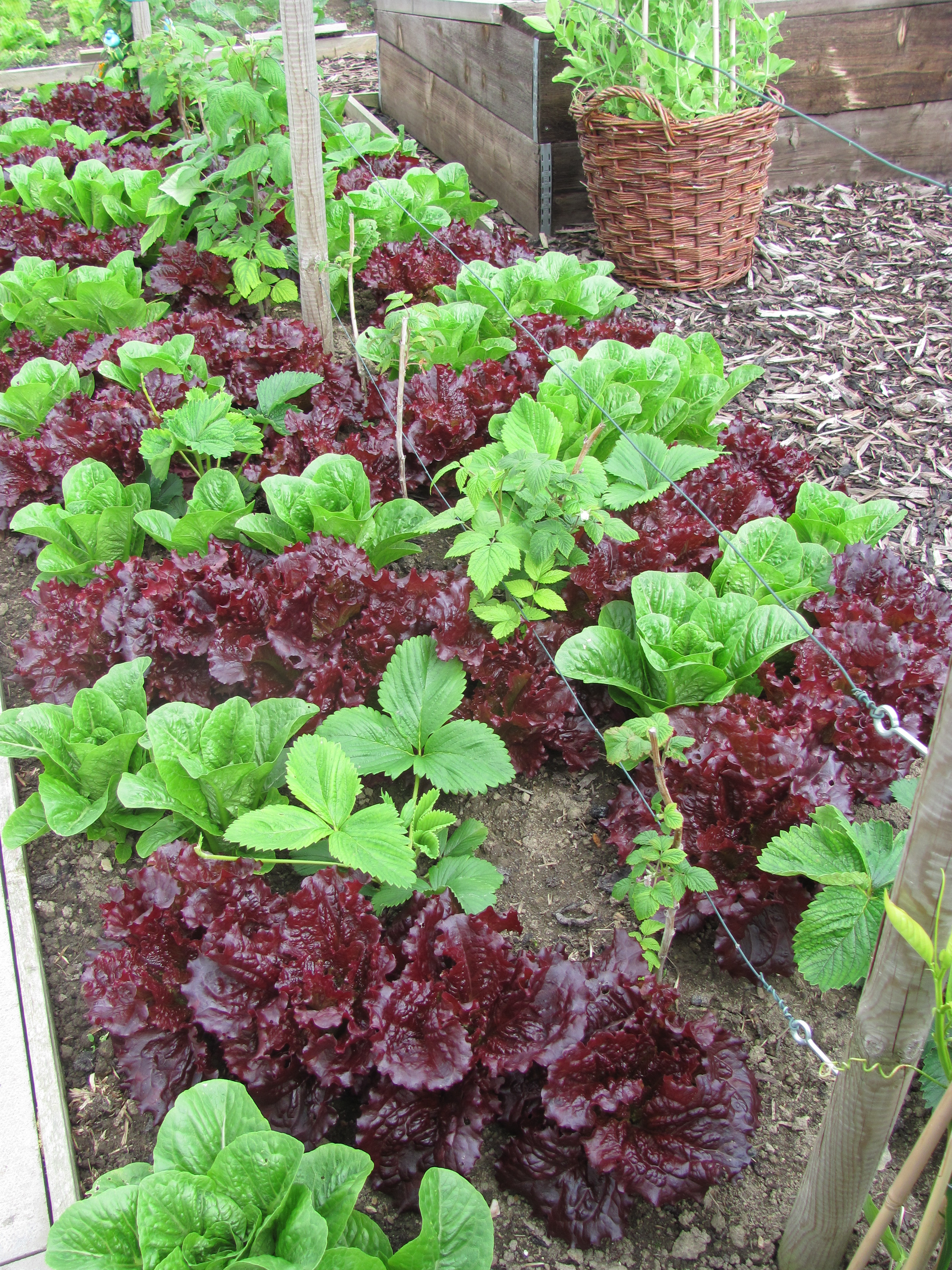


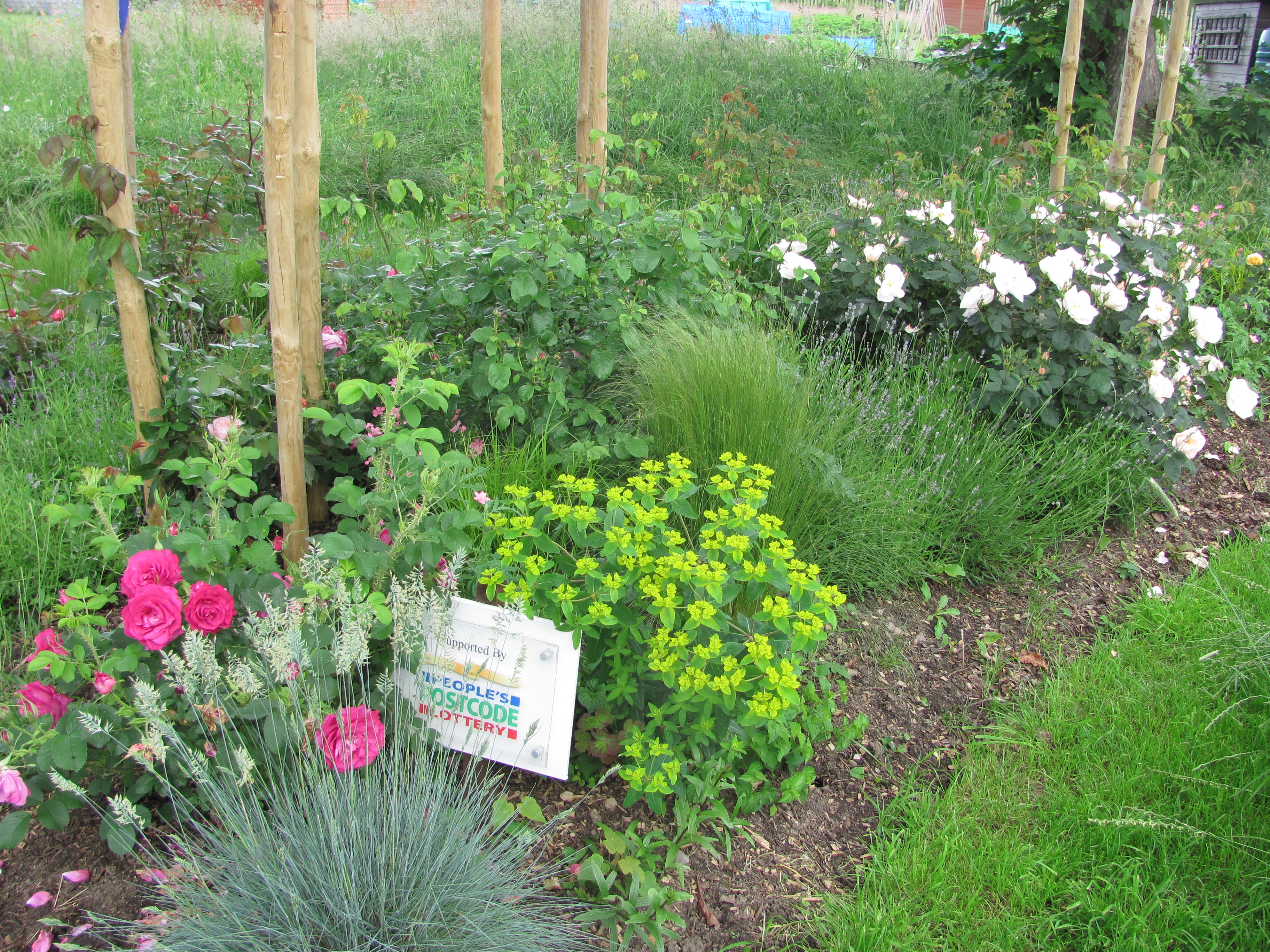
The Summer Garden is not to be outdone though as the roses are coming into flower and beautiful scents greet us as we sit on the nearby picnic benches. The lavenders, geraniums and grasses planted between the roses add further interest and textures.
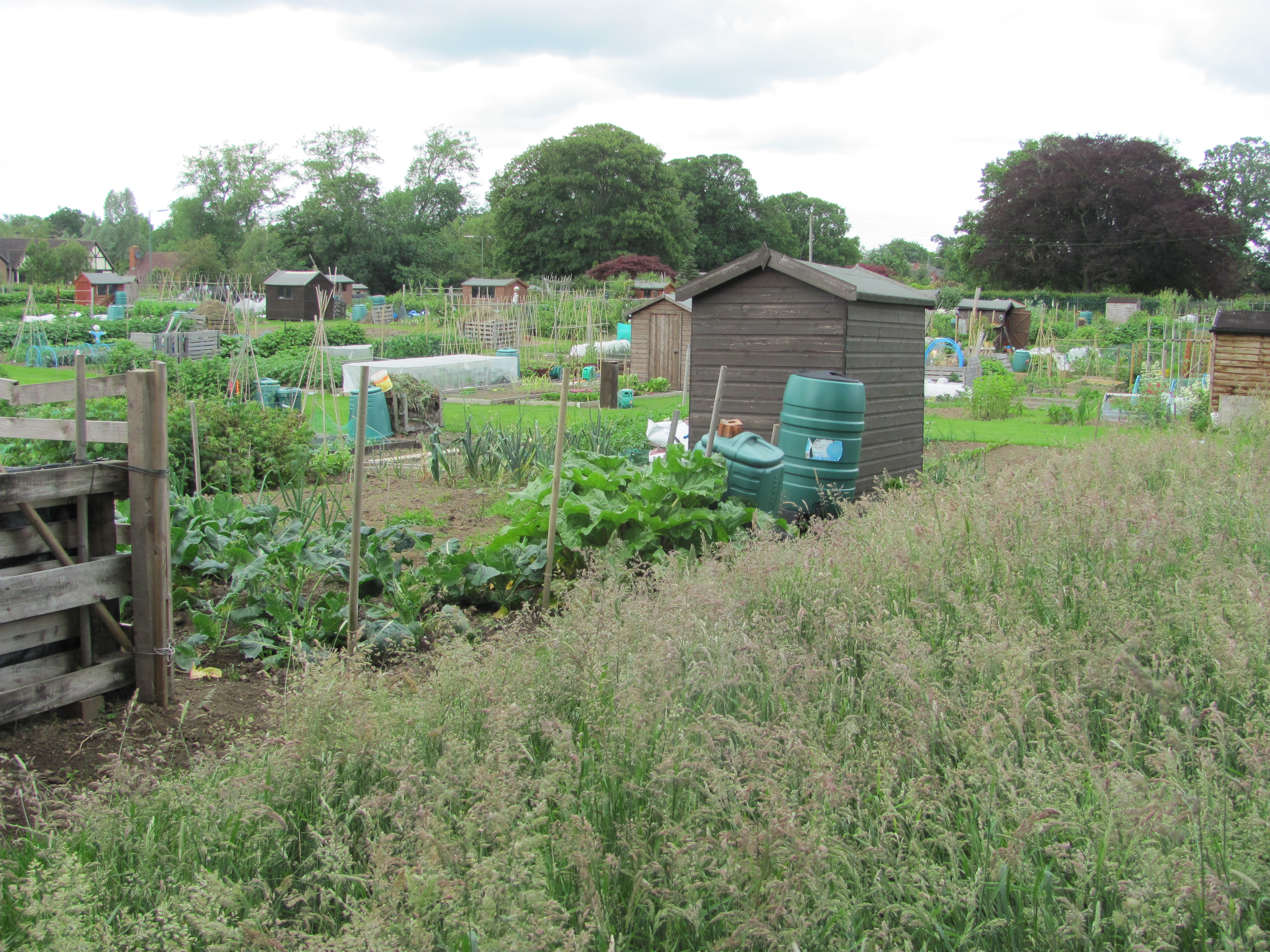
As June moves towards July our meadows really come into their own. Plot holders love to walk through them and a wide variety of birds, bees, butterflies, grass hoppers and every sort of mini-beast visit.


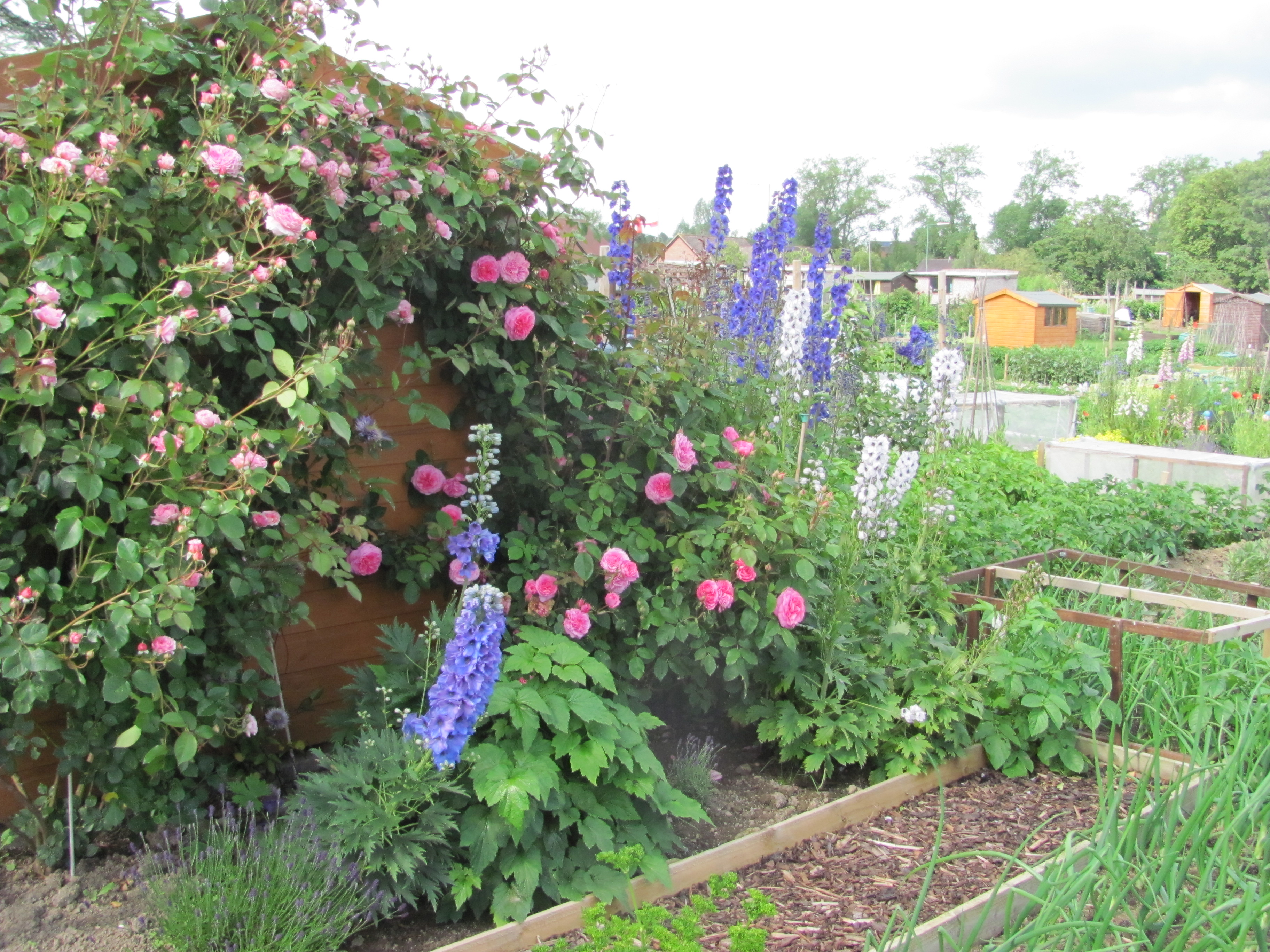
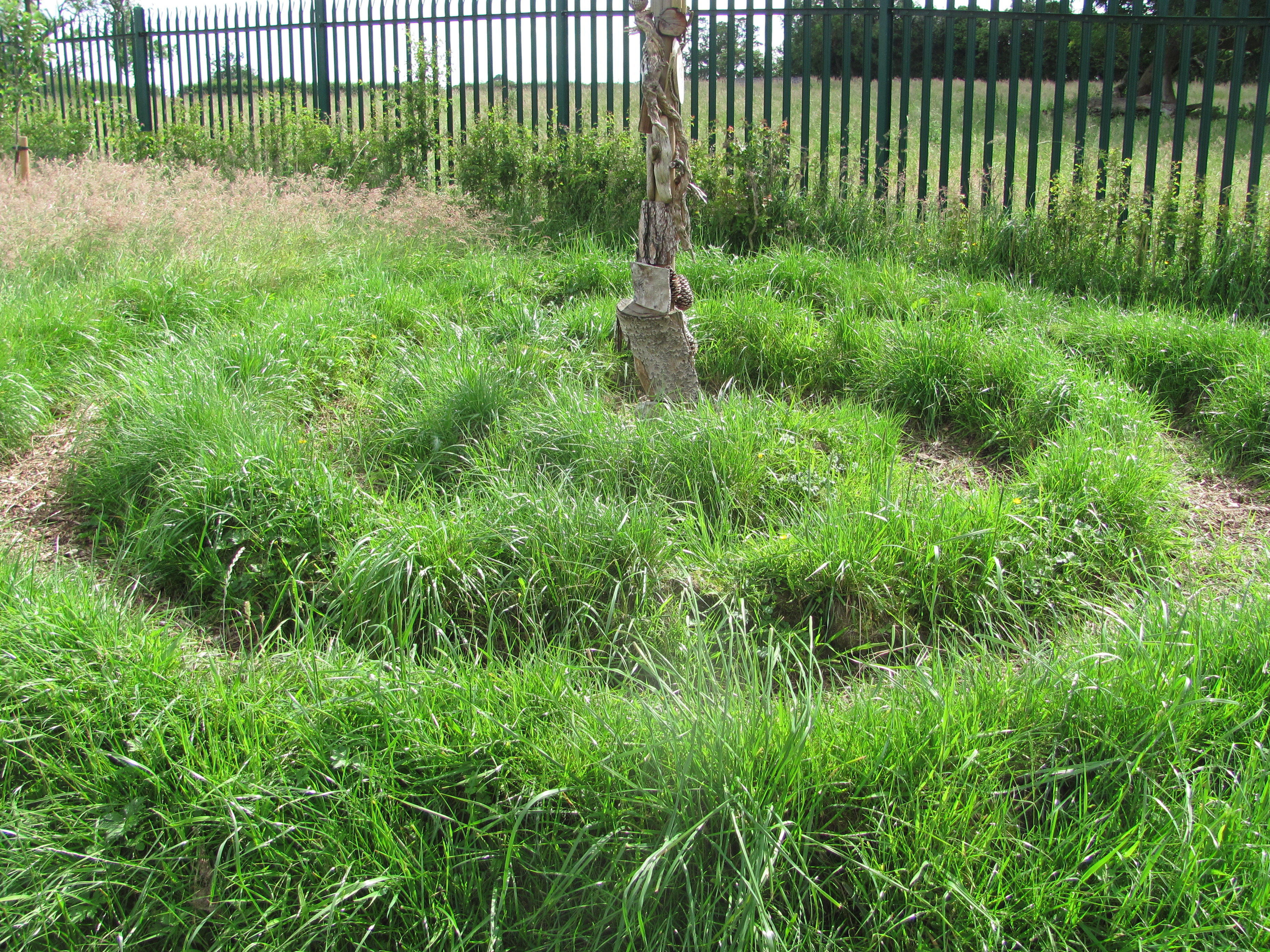
I shall finish with a shot of the plot we have nominated for this year’s Shrewsbury Town Allotment Competition and one of our grass spiral which currently looks most inviting.
A Vegetarian | Nature Lifestyle Blog
.....and nurturing my soul
Journeys In St. Louis Gardening and Beyond
Consult the genius of the place
A blog full of humorous and poignant observations.
Notes from a wildlife-friendly cottage garden
...an emerging social science
'The most important and informative publication on wildlife of our times' - The Independent. This blog is a member of The UK & Ireland Natural History Bloggers group: www.uknhb.blogspot.com
Inspire - Cultivate - Grow Native Plants - Restore Landscapes
To create and protect a semi-natural wild space for the people of Farnham to enjoy and experience an array of British wildlife in our town
The www.gardeningwithchildren.co.uk Blog
birding through the seasons, why birds matter and how to conserve them
with a camera in hand
Transform your outdoor space
My allotment, cooking and other interests
my gardening life through the year
Trying to live a creative life
trying to live as lightly as possible on our beautiful planet
Nature lovers from Leicester living the good life.
Finding the beautiful in the everyday
Michelle's Allotment
thoughts from and about my garden
Big plans for a small garden
A Walled Country Garden in South East Scotland
Life at the fruity chicken
Off grid living. Self sufficient. "PERMAGANICS RULE".
Nottingham's Grade 2* Listed Allotments and Community Orchard
a journey in suburban vegetable gardening
The madness of growing your own
A novel approach to vegetable gardening
Sustainable living in the Irish countryside.
Master Gardener, amateur photographer, quilter, NH native, and sometimes SC snowbird
Recent work and work in progress and anything else that interests me
a chaotic cottage gardener
a weekly blog that creates a personal philosophy through photographs and words
Stories from a sassy and classy Southern farmbelle.
Simple Organic Gardening & Seasonal Living
turning dirt into dinner
today the world is created anew
Notes from a Devon garden
Life Through The Lens
A photography blog showcasing the best photography pictures and videos on the internet
Just another WordPress.com site
personal observations from the natural world as the search continues for a new approach to conservation.
The Wonders of Life through my Eyes, my Heart, my Soul
 greenbenchramblings