More impulse buying! Plants again but not from our usual places of temptation, nurseries and garden centres. On recent visit to Ikea to buy curtains and cushions we discovered some succulents being sold as house plants. As we already have a selection of Aeoniums and Echeveria which we grow outside in pots in “The Rill Garden” in the warmer months and overwinter them in the cool end of the greenhouse, we imagined a couple of these would be useful and colourful additions. So we bought seven! Typical gardeners’ impulse buying!
They make a pretty colourful bunch!
These are the three Crassula we bought, with their slightly curled, glaucous leaves subtly edged in red.
This Crassula sports mahogany tinted leaves which are shiny and rounded, in fact almost tubular.
This close-up view of the Echeveria illustrates its metallic, pinky purple flattened succulent leaves.
The Haworthia is almost like a clump of tiny Aloe, its grass-green leaves spiky with tiny saw-tooth ends.
So we now await warmer, sunnier days when we can plant our new succulents in pots outside and see how they fare.
The weather forecast promised us sunshine, clear skies and mild temperatures in the mid-teens, so we decided to drive two miles up the road to park at the bottom of Earls Hill and walk slowly along the trail around the hill’s perimeter. The car park is in the woodland edge and stepping out of the car we look up into the canopy of tall deciduous trees to see Blue Tits flitting rapidly from branch to branch right up in the tree tops. Their calls sounded all around us.
The path inviting us into the wood.
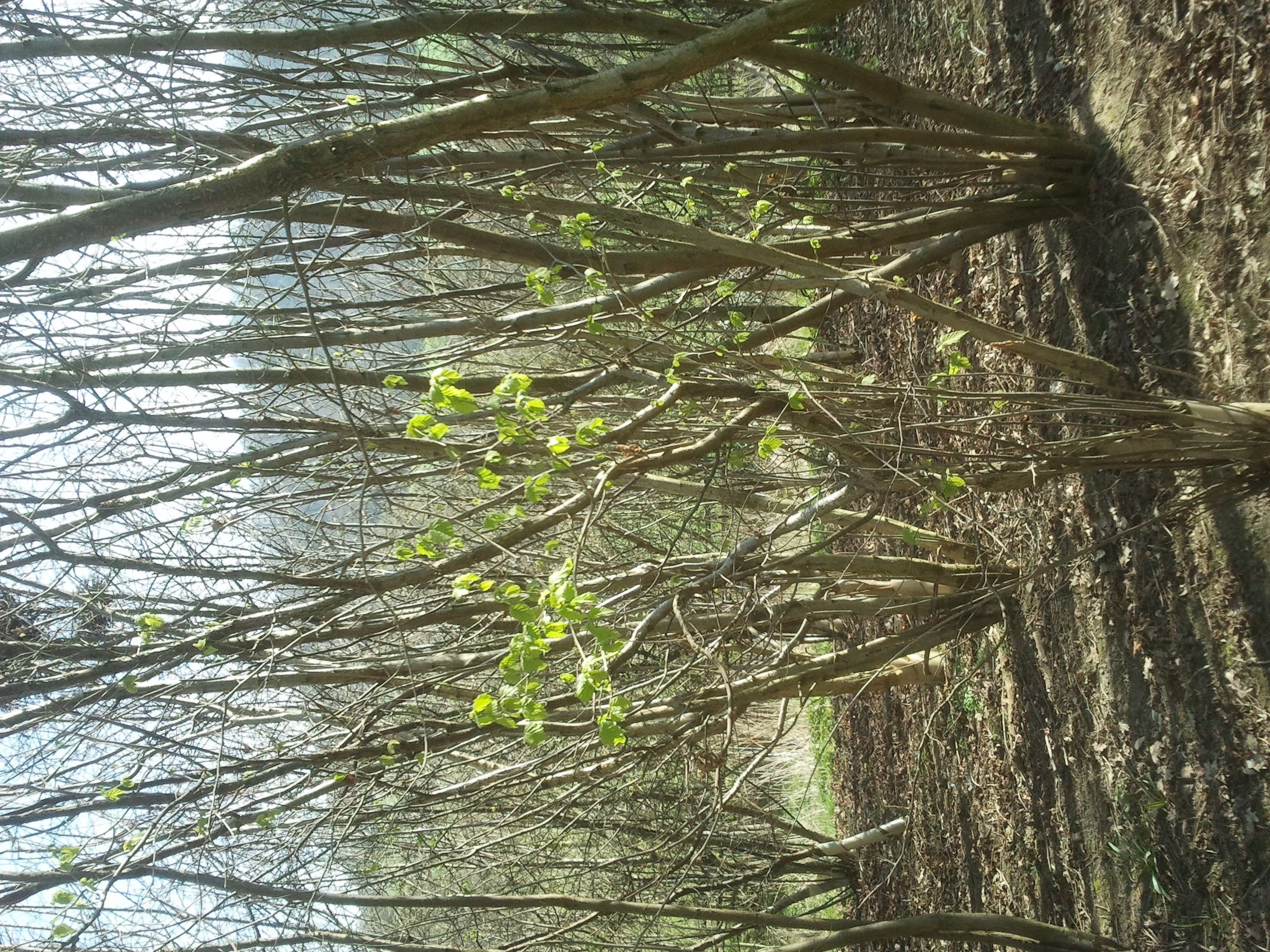
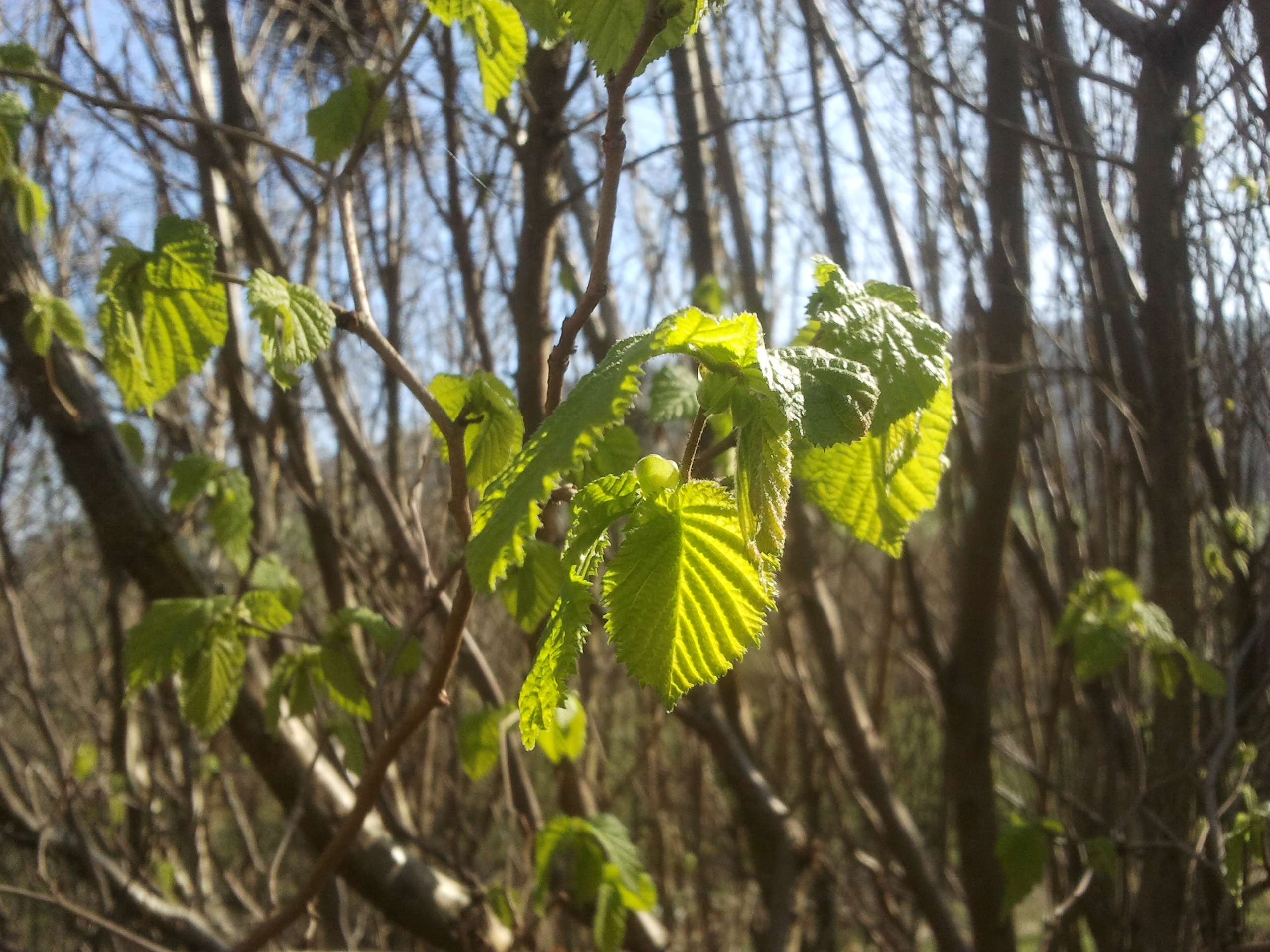
An inviting pathway led us into the wood. It was comfortable and soft underfoot being strewn with fallen leaves and softened by recent rain. To our left we could see fishing pools through the old hedge of once-coppiced Hawthorn. The pools were almost as inviting as the woodland walk. The fisherman in me called. The Hawthorn was displaying first signs of Spring with buds bursting into the brightest green leaves. Here we were delighted to hear the call of the Chiffchaff, always the first of the Summer migrants to return to Shropshire. We always start hearing and seeing them around mid-March. They identify themselves for us as their call reflects their name.
New growth on the Hawthorn.
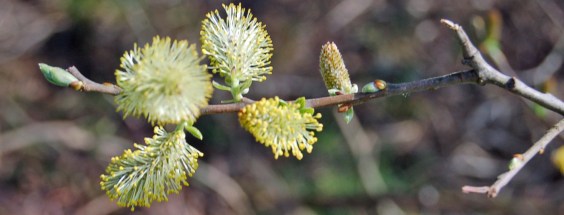
On the first section of track we were showered as we passed beneath willow trees by tiny pieces of the flowers as Blue Tits pecked at them. All around us the wood echoed to the sound of woodpeckers, the yaffling laughter calls of the Green Woodpecker and the territorial tapping of the Great Spotted. Further into the wood and our senses were bombarded by Wild Garlic, their bright green new leaves carpeted the woodland floor and their powerful onion-like smell permeated the trees. We could smell these Ramsoms a long while before we saw them and could still smell them a long while after passing them by.
Wild Garlic carpets the sloping woodland floor.
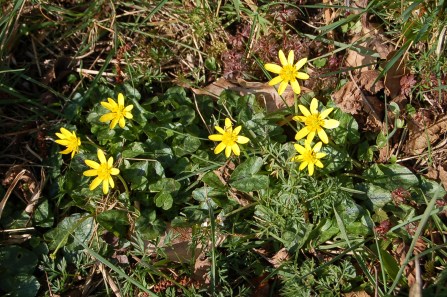
This early section of the walk was close to the edge of the woodland so wildflowers were stirring with the speckled light filtering through, Primroses and Pennywort were found alongside the path.
The glossy round leaves of Pennywort glow amongst paler mosses.
A patch of Primroses consisted of three solid flower-covered clumps. Those closest to the light were fully open while those just feet away but in slightly more shade were still in bud and leaning towards the extra light of the woodland edge.
Delicate yellow coloured Primrose.Leaning towards the light.
Bluebell foliage is already a few inches high so we eagerly anticipate the blue haze of their scented flowers which should grace the wood in April.
Bluebell promises.
Beyond this first patch of woodland the trail took us over an open area of rough land dotted with flowering Gorse and stunted Hawthorns. Long Tailed tits and Great Tits fed in these scrubby bushes and called continuously, the Long Tails churring and the Greats calling “Teacher Teacher”. The hills of Yellow Hill Ants were scattered over the whole of this area like a rash of nasty spots on a teenager’s skin. This ant is a speciality of this reserve.
The ant hills of the Yellow Meadow Ants.
Beyond this stretch of open land, we entered another area of woodland but here trees were thinner and spaced further apart. Here stones are strewn on the slopes and some slopes are cloaked in scree from the craggy steep cliffs of Earls Hill itself. On these crags Peregrines have nested for years, a clever choice as they are away from predators and the adult birds can look down over the scree and trees and spot passing pigeons, their favourite prey. From our garden we watch these magnificent falcons climbing and spiralling upwards so high that they disappear from view and occasionally we see their high-speed stoop from that great height. They reach speeds in excess of 200 miles per hour! But on our walk we saw them passing over the tree tops.
Slopes of thinly spaced trees amid scree.The haunt of Peregrines.
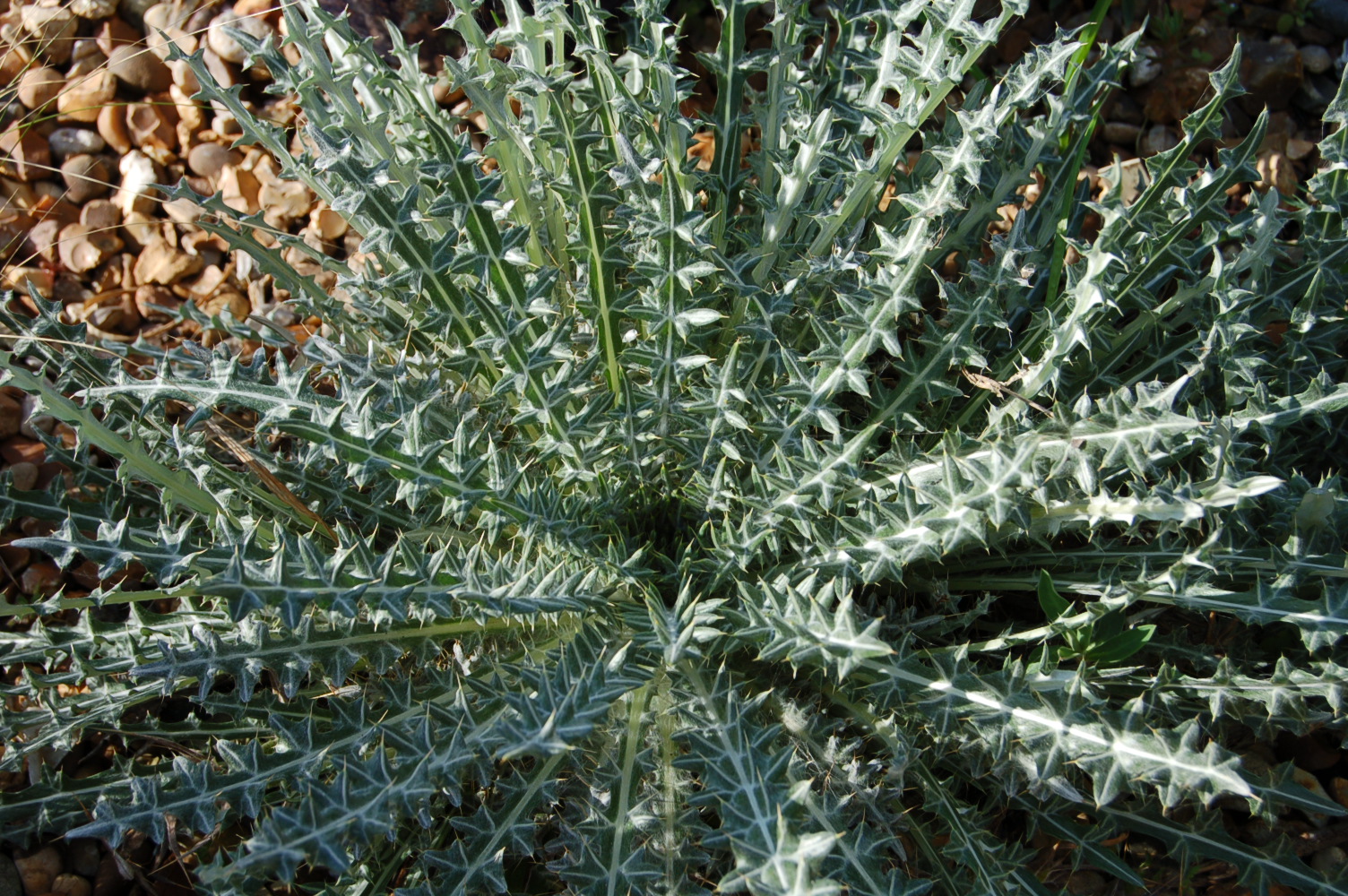
In one area the scree was being recolonised by plants. We were amazed to see Verbascum, commonly called Mullein, growing here in good numbers. Being biennial the Mulleins were present as last years seed heads still standing tall and stiffly upright and amongst them the rosettes of silvery and heavily-furred leaves from which the centres of which this year’s flower stems will rise.
Softly textured leaves of Mullein.The tall spires of last year's flowering stems of the MulleinSo many seeds must have burst from these pods.
Not much further along the track we came across a patch of ferns and amongst them discovered a bronze-leaved specimen. A true beauty, similar to one we grow in our garden. It reminded us of how Victorian gardeners became obsessed with ferns, collecting any with interestingly shaped or unusually coloured leaves.
The beautiful leaf structure of ferns.The bronze leaves of this unusual fern.Variation on a theme.Beautifully subtle shades of green and bronze.
As we moved back into denser woodland our paths were frequently crossed by the unpleasant musky odours of Fox and Badger. Foxes left trackways through the undergrowth but the signs of the Badgers were much easier to spot as we found their sett. One tunnel had been recently excavated and huge piles of soil and stones deep from underground piled around its entrance.
The fox's smelly trail.The Badgers have been busy extending their sett.
The commonest mammal on the reserve must be the Rabbit – we saw them throughout our wanderings their white tails bobbing as they disappeared at our approach. They must provide a useful food bank for the Foxes and Buzzards. We could frequently hear Buzzards calling overhead but we only managed to see two. One we spotted as it flew rapidly through the trees, keeping low to the ground as it tried to catch a Rabbit. The prey escaped this time! The other we spotted sat on the topmost branch of a Hawthorn bush in a field nearby, looking as if he was waiting impatiently for thermals to help him get airborne.
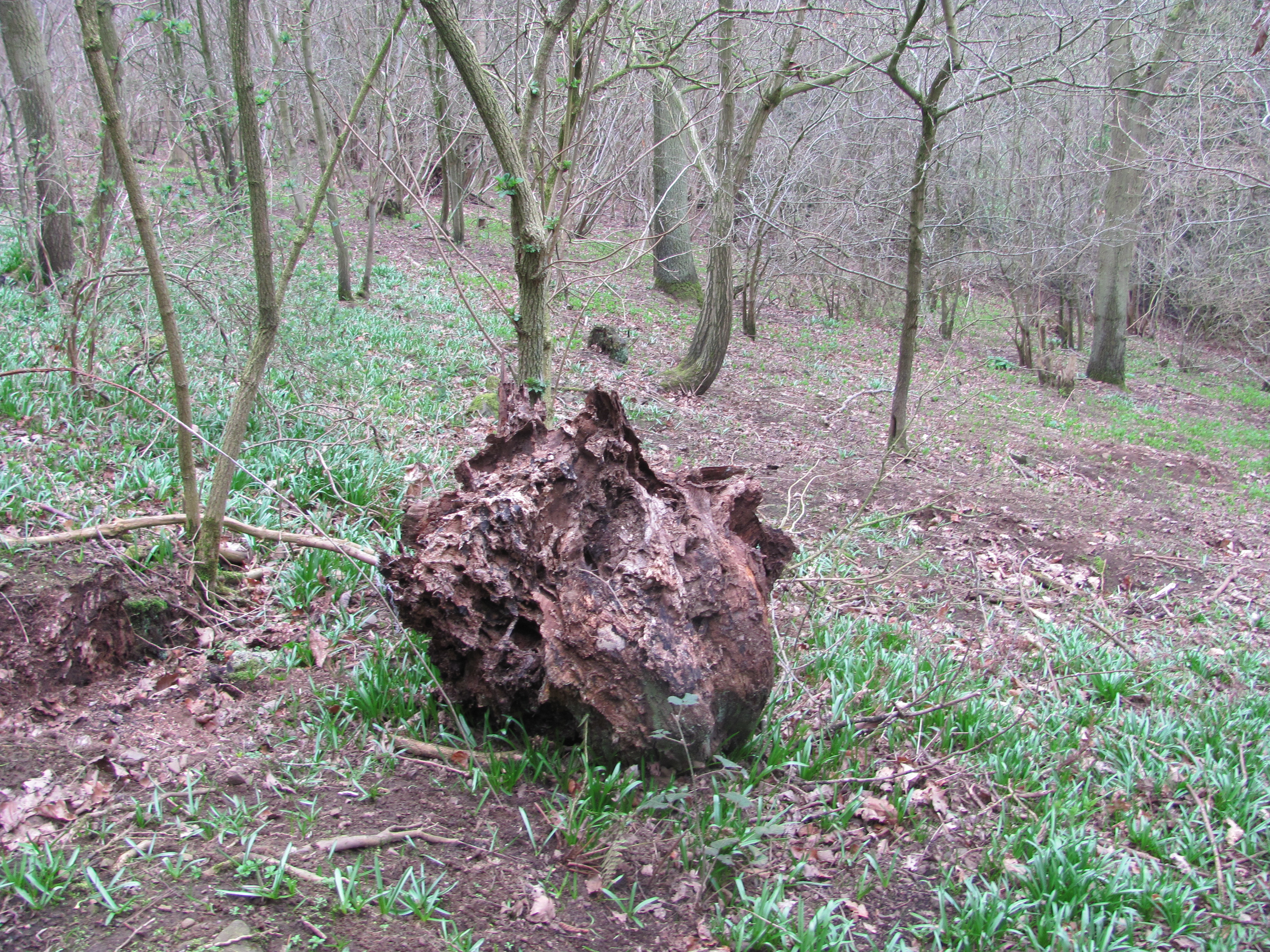
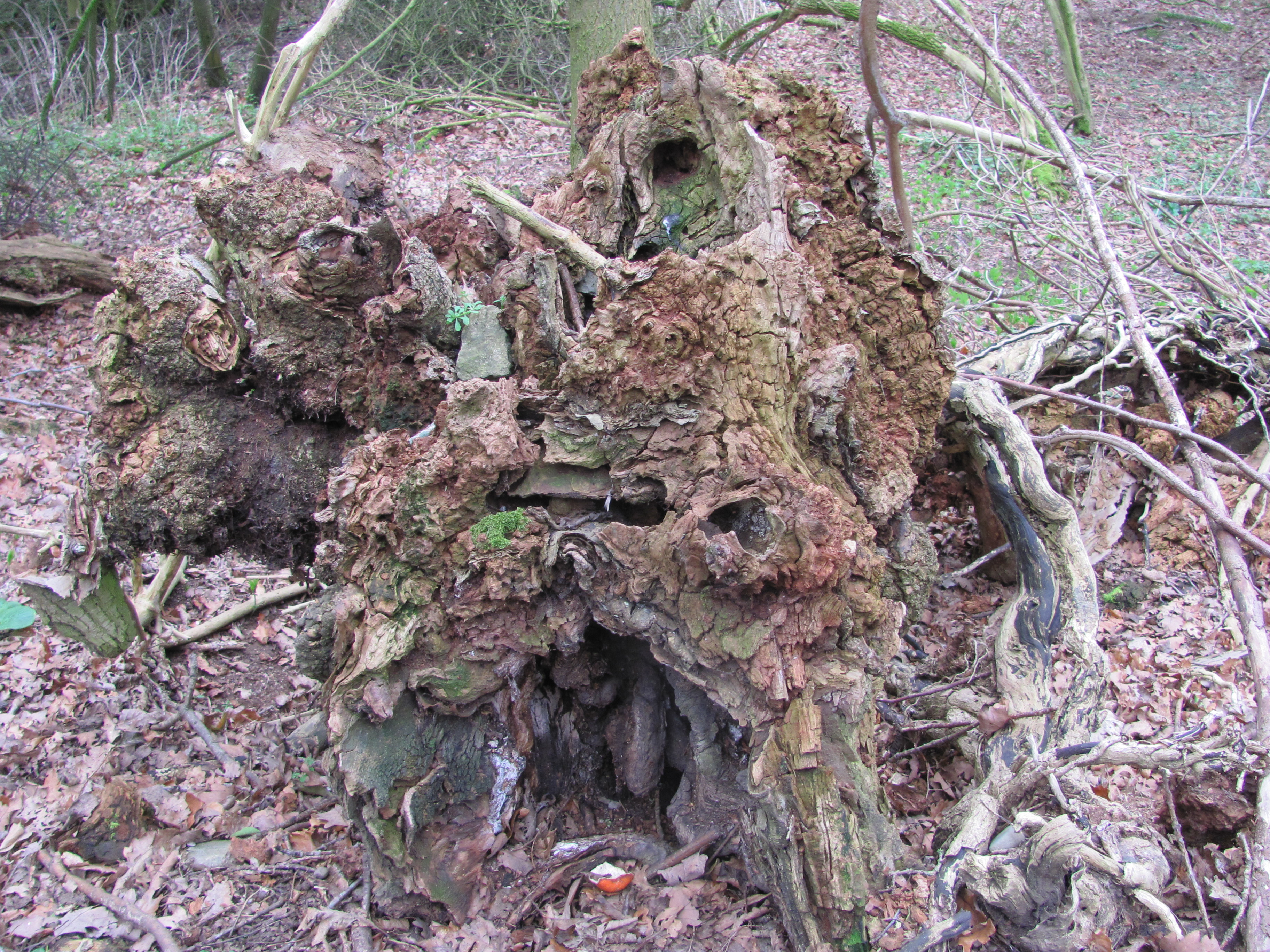
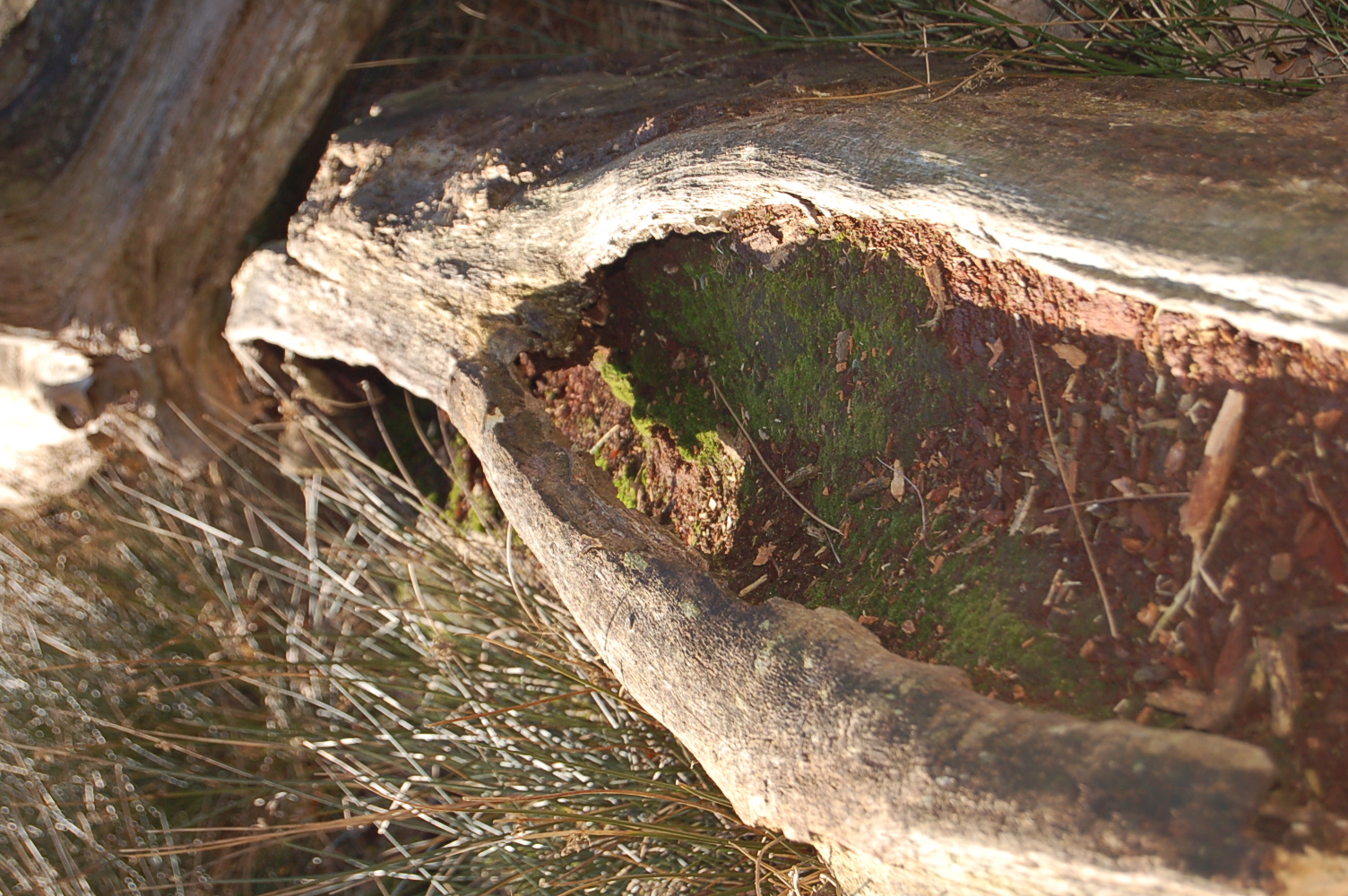
Throughout the wood there were excellent habitats for insect and invertebrates, some created by Mother Nature where trees have fallen and are now rotting and others made by Shropshire Wildlife Trust volunteers who create wood piles and brash stacks when they perform their management activities around the reserve. Rotting wood is particularly popular with beetles.
Fallen and rotting tree trunks are beetle heaven.
Throughout our circular walk around the base of Earls Hill we enjoyed listening to the song of our native thrushes, the repetitive phrases of the Song Thrush, the gentle ditty of its bigger cousin the Mistle Thrush and the flute like tuneful song of the Blackbird. All were males calling out to proclaim ownership of their territory and letting females know how good they would be as partners. It was noticeable that the thrushes we heard were our resident thrushes and there was no sign of the winter visiting thrushes, the Redwings and Fieldfares. They must now have left our shores to make their journey home.
Occasionally through gaps in the trees we enjoyed glimpses of views of the countryside. When walking in woodland you become so absorbed in its atmosphere that you forget what the outside world is like. These glimpses of the countryside reminded us of the thin mist overlying and obscuring the nearby hills and farmland.
One sign of the approach of Spring was the nest-building activity of birds large and small. We watched Bluetits delicately collecting lichen from branches of Hawthorns. Rooks clumsily gathered twigs too large to easily carry through the close growing trees. They were nesting in their rookery in a clump of tall trees across the fields bordering the reserve. We heard the snapping of the brittle twigs as they broke when lifted and carried by the Rooks.
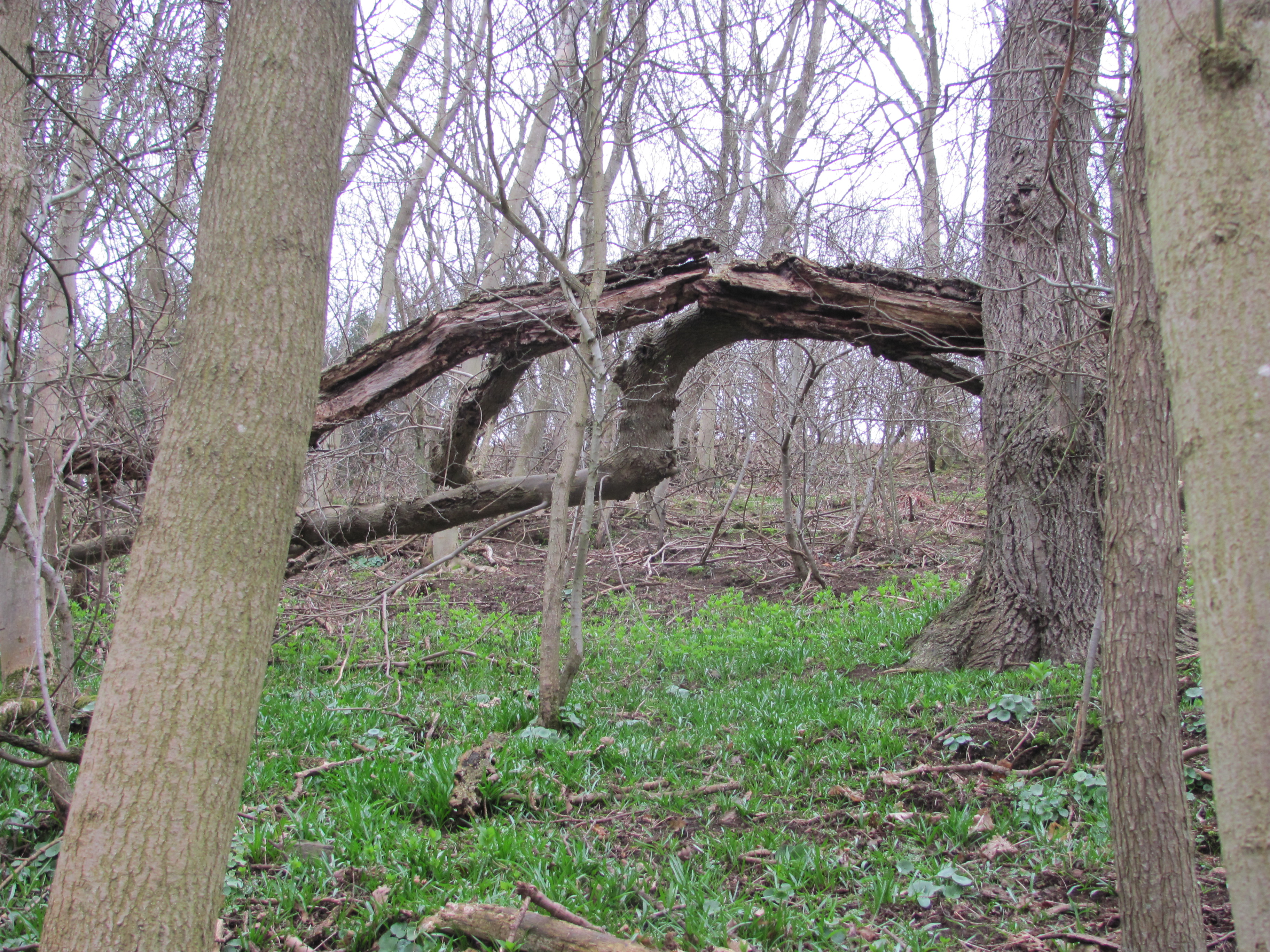
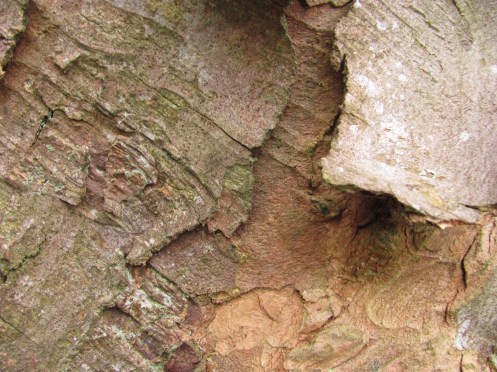
While wandering we enjoyed the textures, patterns and colours on tree trunks and the shapes of fallen trunks and branches. It made us think of Mother Nature as artist and sculptress. (Look out for future blogs on the artistry and sculptural skills of Mother Nature)
We returned to the car park as the temperature began to drop, vowing to return when the woods were full of summer migrants. We have the songs of warblers to look forward.
Late Saturday night we were digging jazz at our jazz club. Early Sunday morning we were digging soil on an allotment. Double digging at its best! At Shrewsbury Jazz Network we enjoyed a brilliant young band called the JJ Wheeler Quintet. JJ the young drummer leads the band and composes and arranges their music. We had a great night.
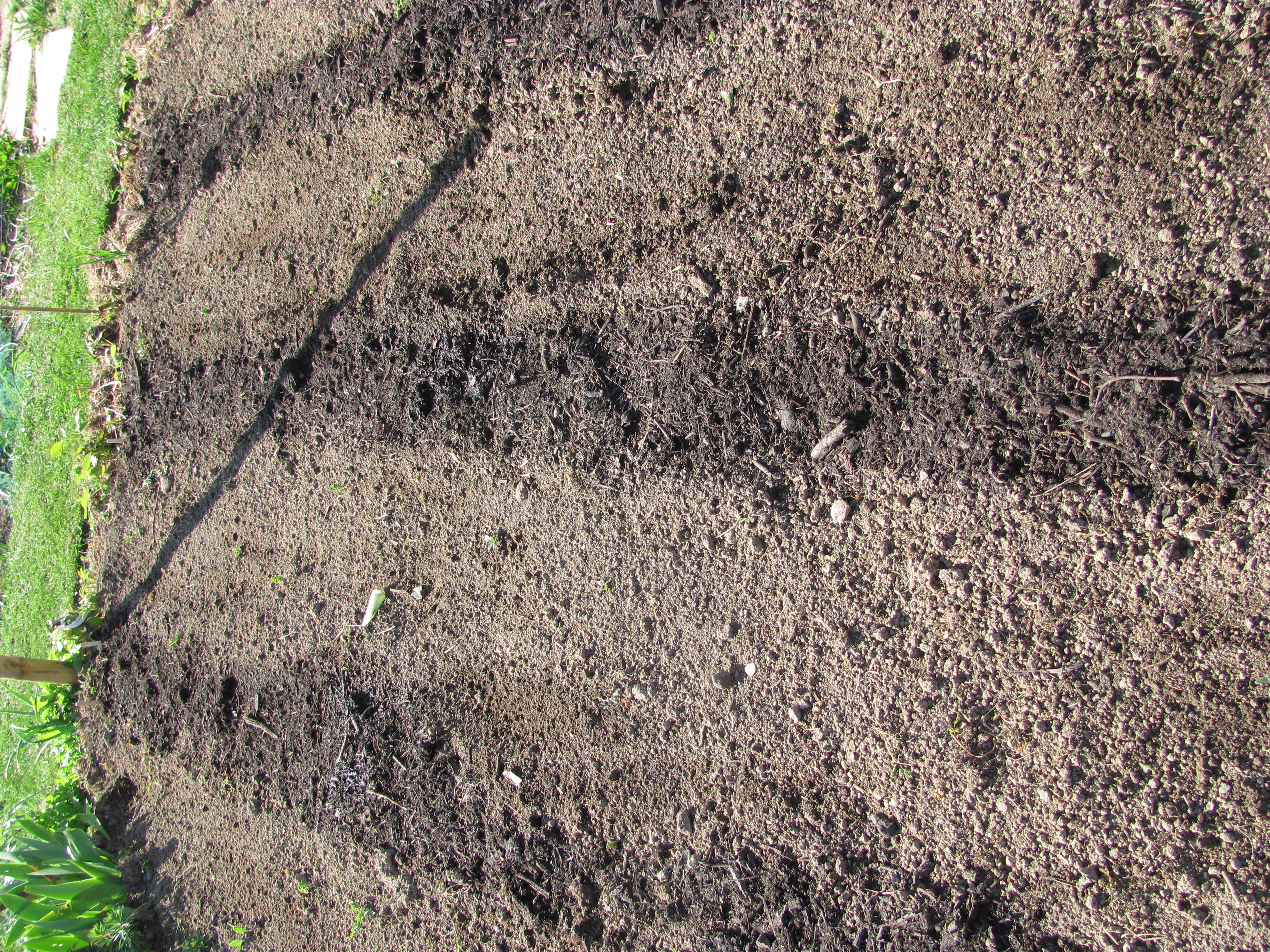
Sunday morning we, the Undergardener and I, woke early anticipating a mild sunny day, just right for helping out our Daughter, Jo and Son-in-Law, Rob on their allotment. After a short drive we arrived and Rob opened up the gate. Jo was elsewhere enjoying learning more about jewelry. The three of us aimed to finish preparing the plot for sowing and planting. Their plot is divided up into small beds divided by grass paths and we were determined to dig, rotovate, feed with poultry manure pellets and rake them all level.
Unfortunately I forgot that essential blogging gardener’s tool, my camera so I had to use my phone.
Jude, the Undergardener, and Rob weeding the onion bed (plus my shadow)Jude, the Undergardener helping sort the onions, without my shadow.Onions weeded and fed.We finished planting and putting up supports for the new cordon apples.We finished off the luxury insect hotel.Success! Paths cut, edges trimmed and all beds ready for the sowing and planting season.
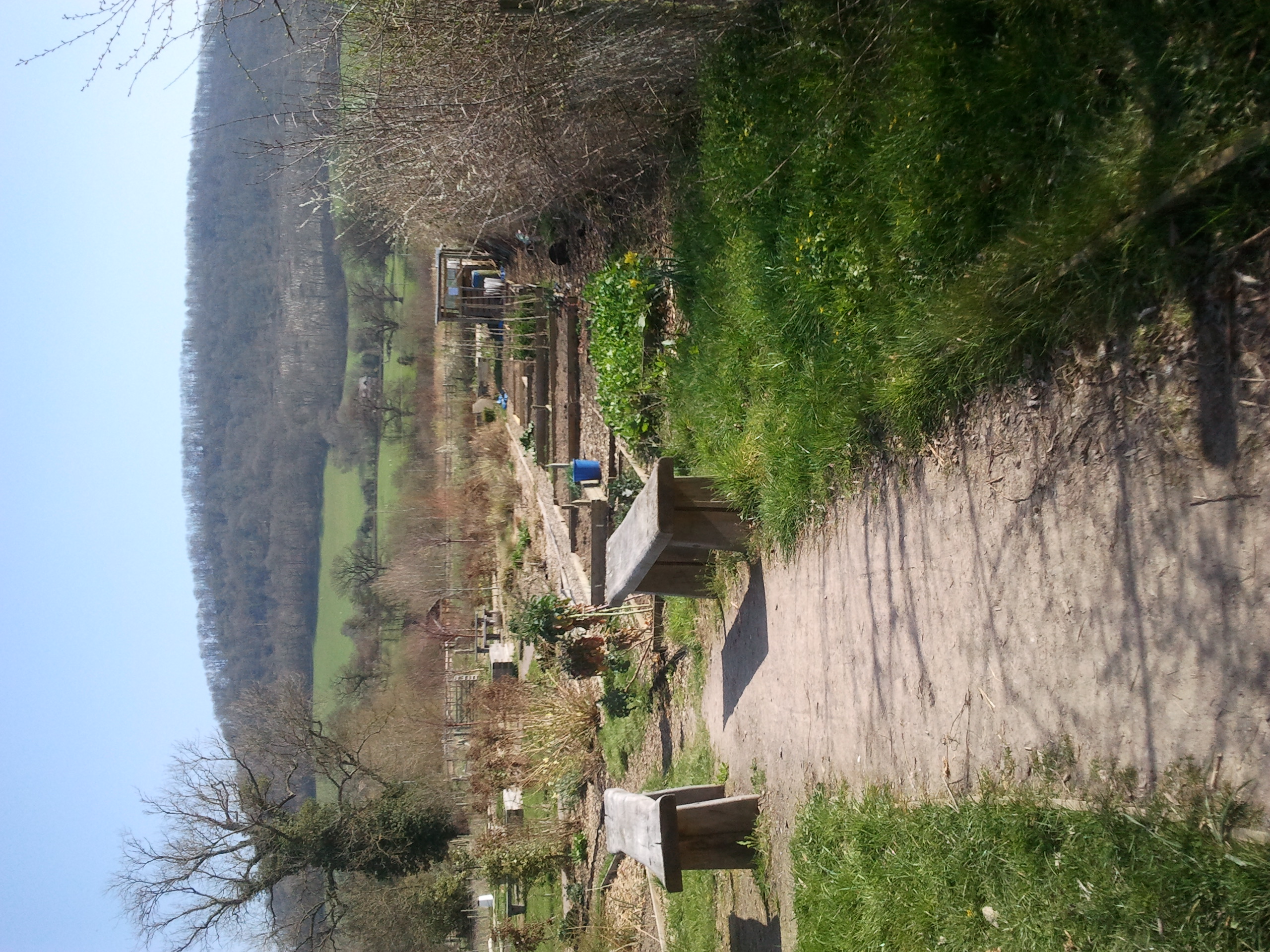
Today we held our first allotment working party of 2012. Once or twice a month throughout the year I organise working parties to develop and maintain the communal areas at our site, Bowbrook Allotment Community. These communal areas are for the enjoyment of our allotment holders, the local residents, school groups, nature and gardening clubs etc. We have a small sub-committee of the main allotments management committee which is responsible for these areas, The Green Spaces Committee. We invite volunteers to join us at our regular working parties.
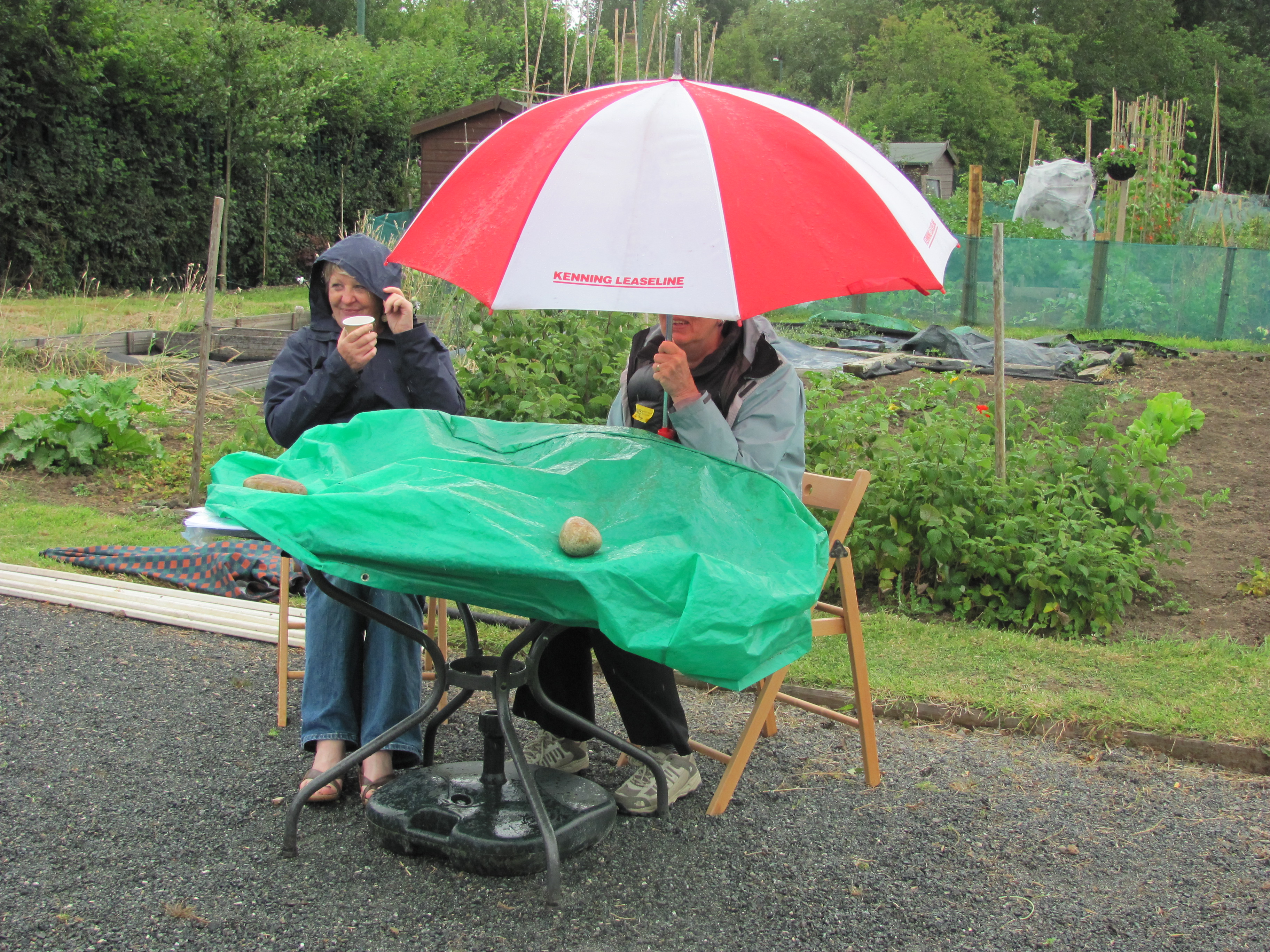
At 9:00 am we opened up the site gates and collected up the tools and machinery we might need. The day started foggy and chilly, just 6 degrees bu the forecast was optimistic. fifteen volunteers turned up with trowels, forks, spades and flasks of coffee. The mowers and strimmers were fueled and readied for some hard work.
Plots and sheds engulfed in mist.Geoff on hands and knees planting in the mist.Ian popping plug plants out of their trays.Jude, Anthony and Dave preparing planting holes for the plug plants.
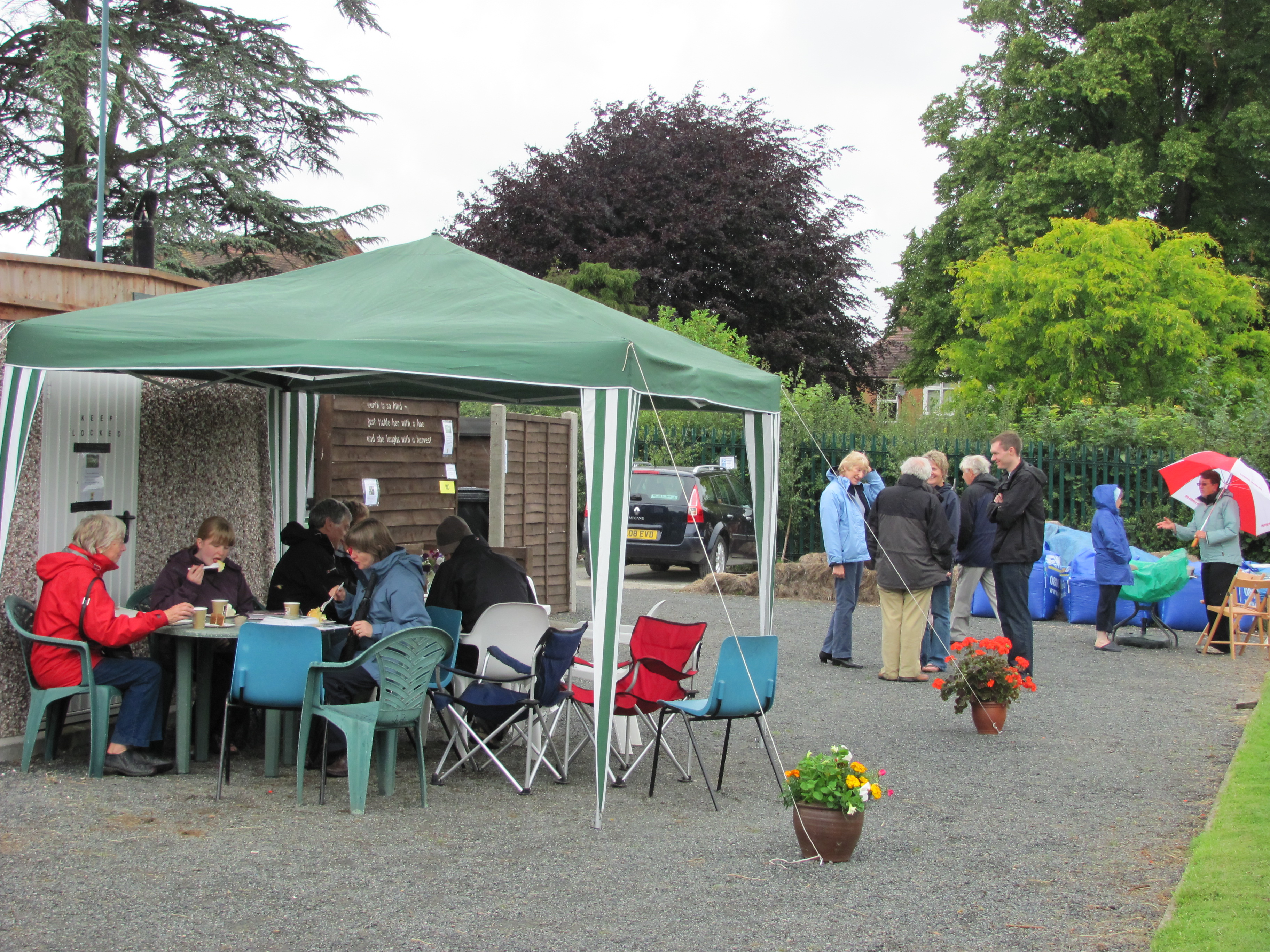
By coffee time the light had improved as the mist cleared. The sky turned blue and temperatures rose so jackets were removed as we retired to the picnic benches. The temperature rose to a hefty 20 degrees.
A well-earned rest and coffee for Ian and John.
After our coffee break we moved on to planting more plugs in other meadow areas, under the bushes in the Hazel Grove and on the Wildlife Banks.
Dee and John planting under the Sycamore tree.Jill and Dave plugging away.Dee, John and Tracy planting in the wetter meadow area.
After a mid-day break for lunch we moved over to the one of the orchards to plant more wildflowers amongst the trees.
Jude, still on hands and knees, in the orchard.
Finishing our day’s work planting in the orchard was extra rewarding as here we could appreciate the fruits of our labours. During working parties in the autumn we planted bulbs such as Fritilleries, Muscari, Narcissi and Alliums, and today many were in flower attracting bees and butterflies.
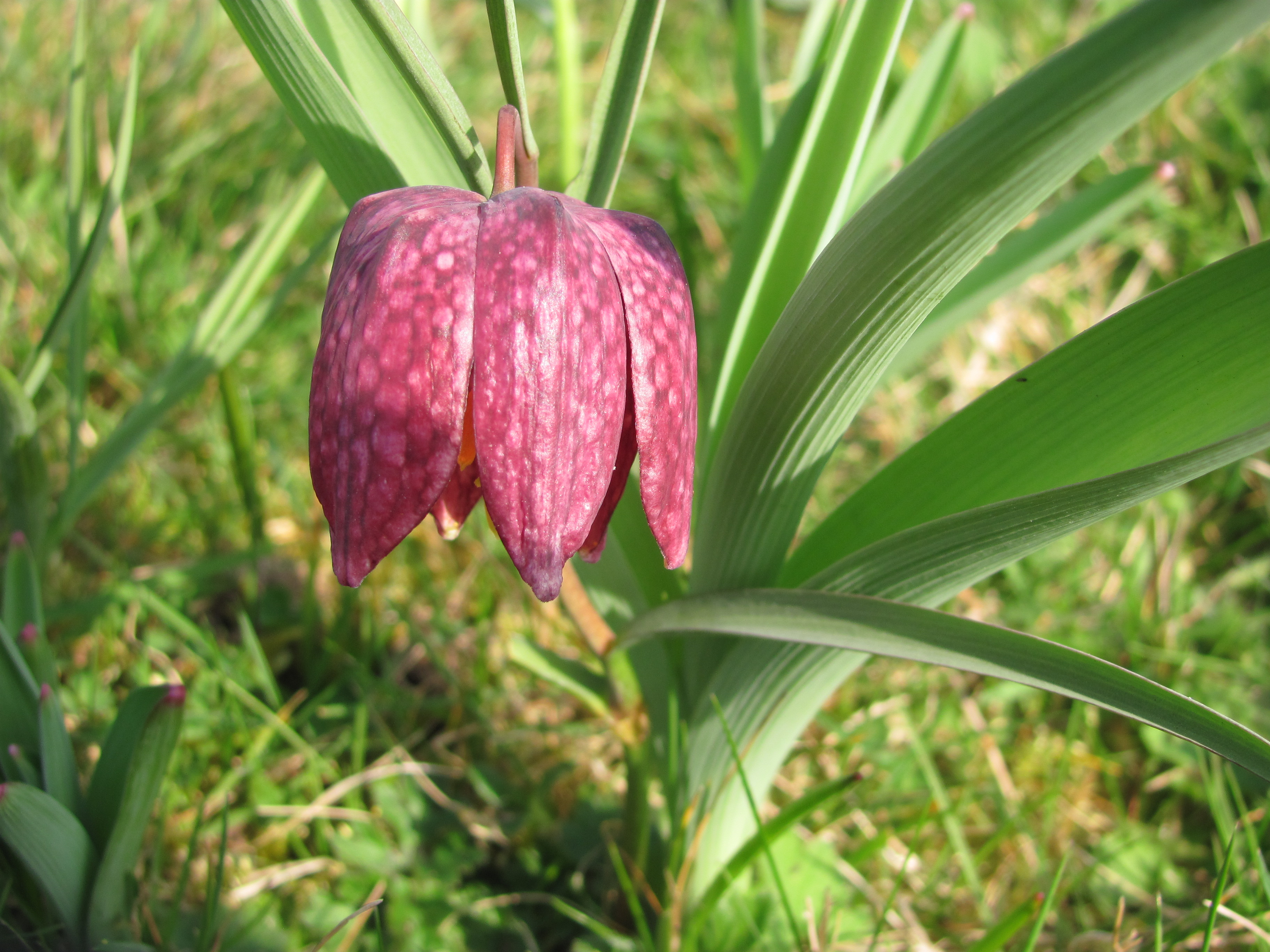
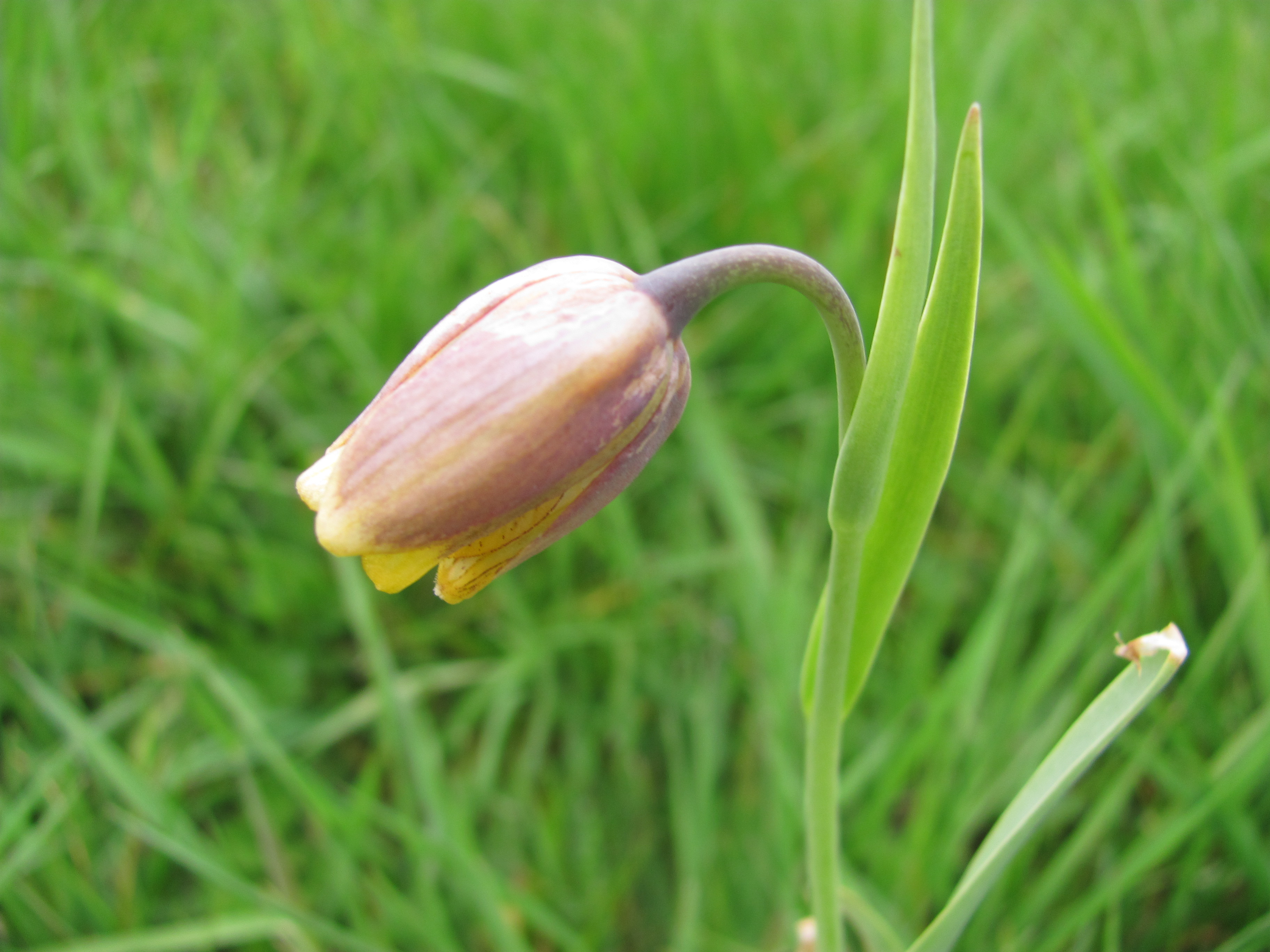
Native Daffodils flowering away under the apple trees.The star flower of the orchard, the Snakeshead Fritillery.Turn over, peer inside and find more magic.
So what could fifteen volunteers achieve on a sunny March day? We planted over 2500 wildflower plants to enhance our communal meadows! An amazing day!
The third wander around the allotments at Bowbrook already! We were expecting a warm bright day but it turned out misty with a chill in the air. So much work has been done to the plots with many allotmenteers all ready for the coming growing season. Tree surgeons have been to do a bit of work on our mature Sycamore tree and the resulting wood has been put to good. The shredded wood is being used by some plot holders to surface their paths, some branches have been used to create a brash pile and some logs used to create a big impressive log pile.
Our welcome message on the wall of our composting toilet.
To welcome visitors and plotholders to the site we have planted up two half-barrels outside the gateway and opposite the gate on the edge of a plot we have our posh main site sign which features a map of the site, our mission statement and photos of the main functions of the site.
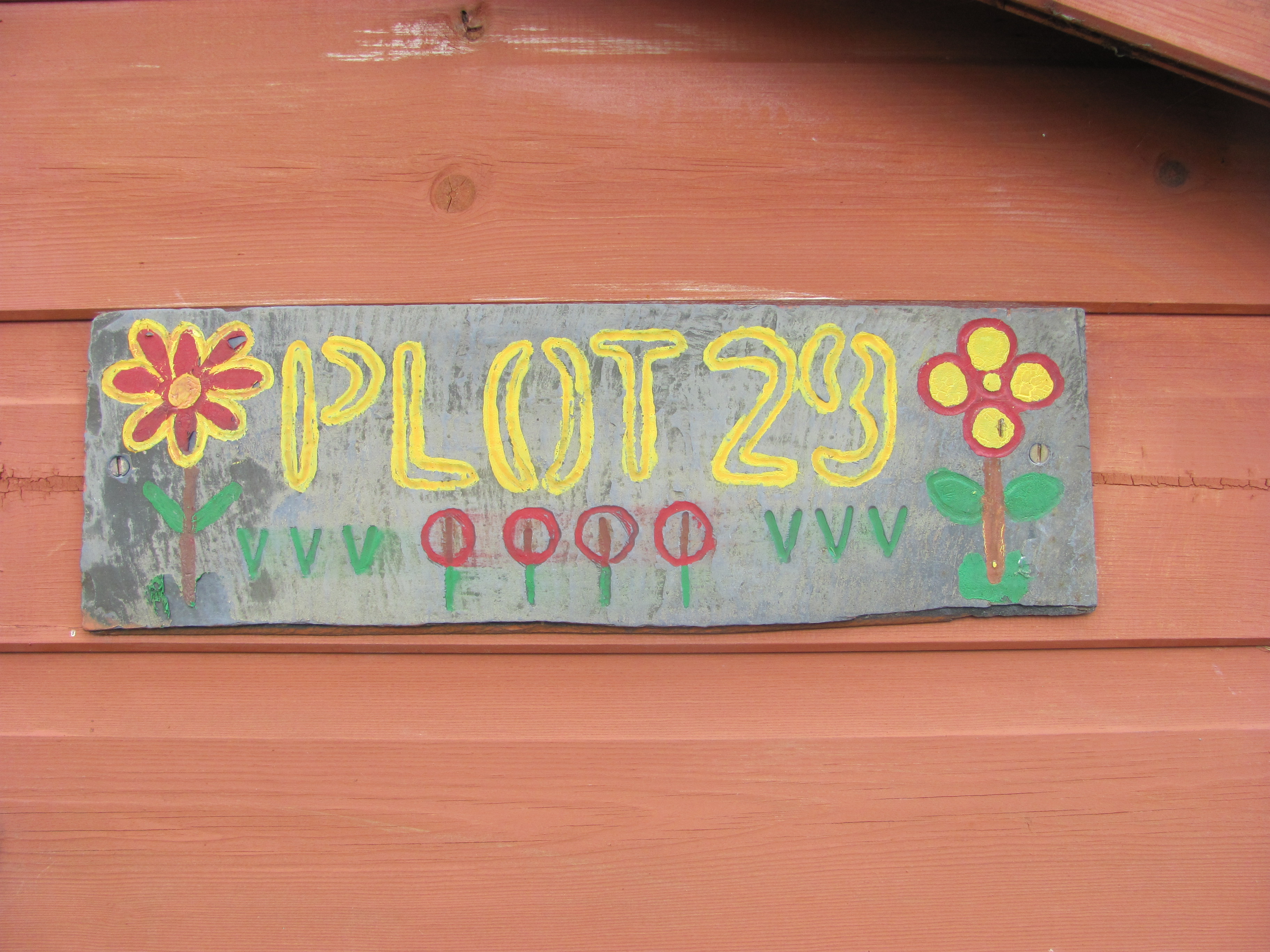
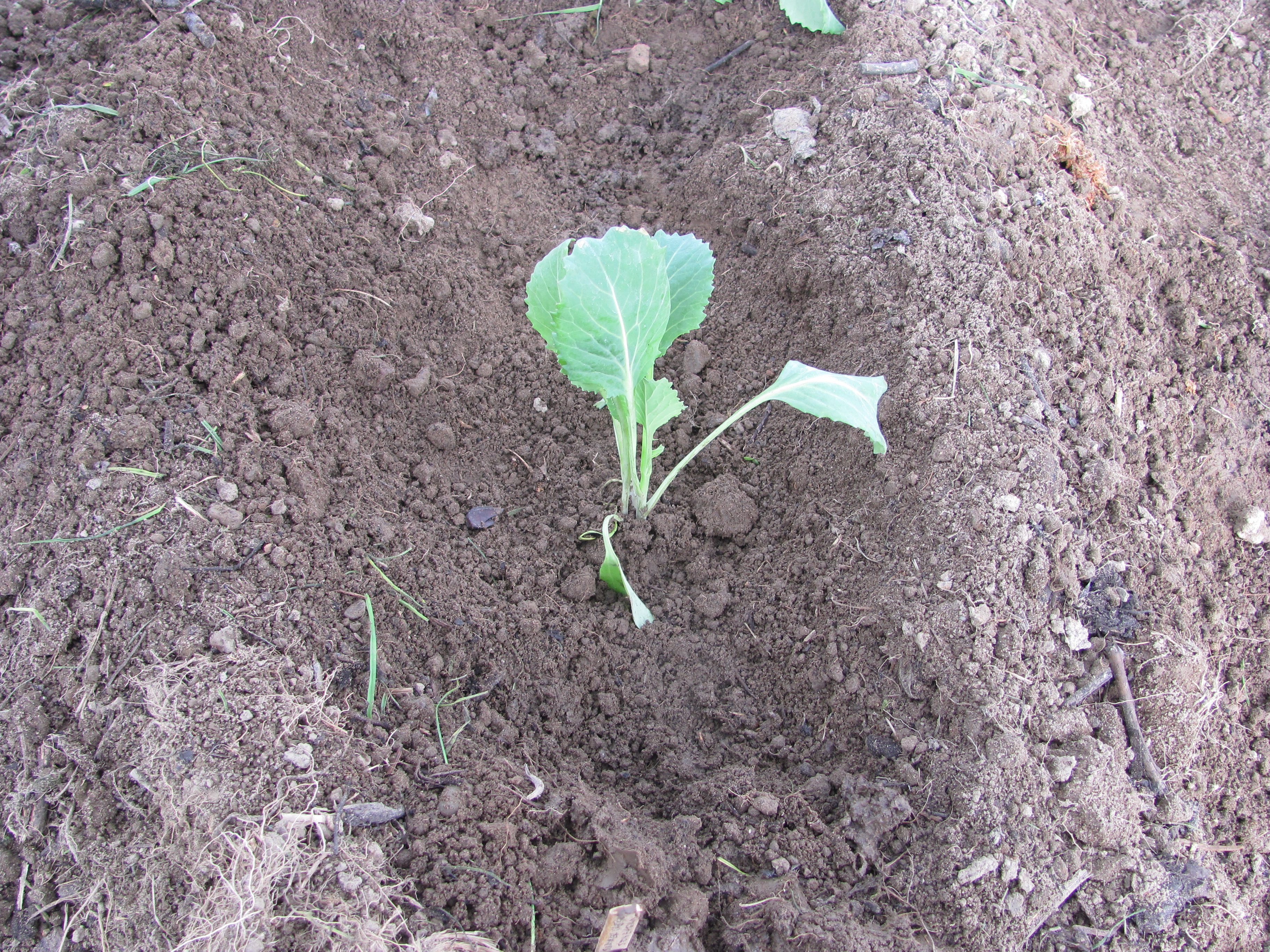
Let’s begin the wander with a look at what is going on our own plot, number 37. We are just about ready for the 2012 season with soil dug over composted and raked. The kale which we have overwintered looks very healthy with its wonderfully coloured crinkle edged leaves of glaucous green, purple and pink.
The perennials in out “Bee and Bug Border” are producing new shoots. These plants are grown to attract beneficial insects both predators and pollinators, such as bees, hoverflies and lacewing.
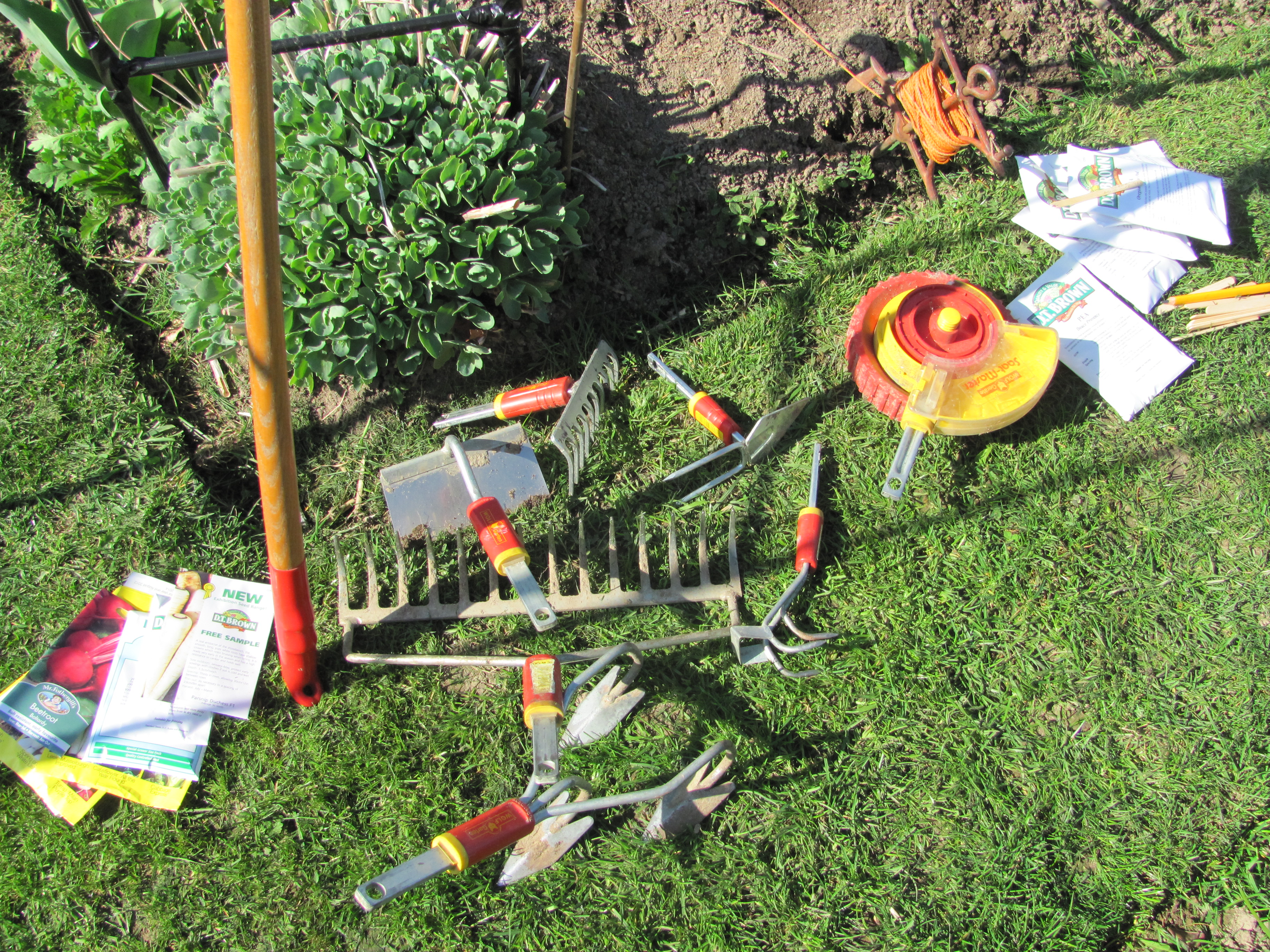
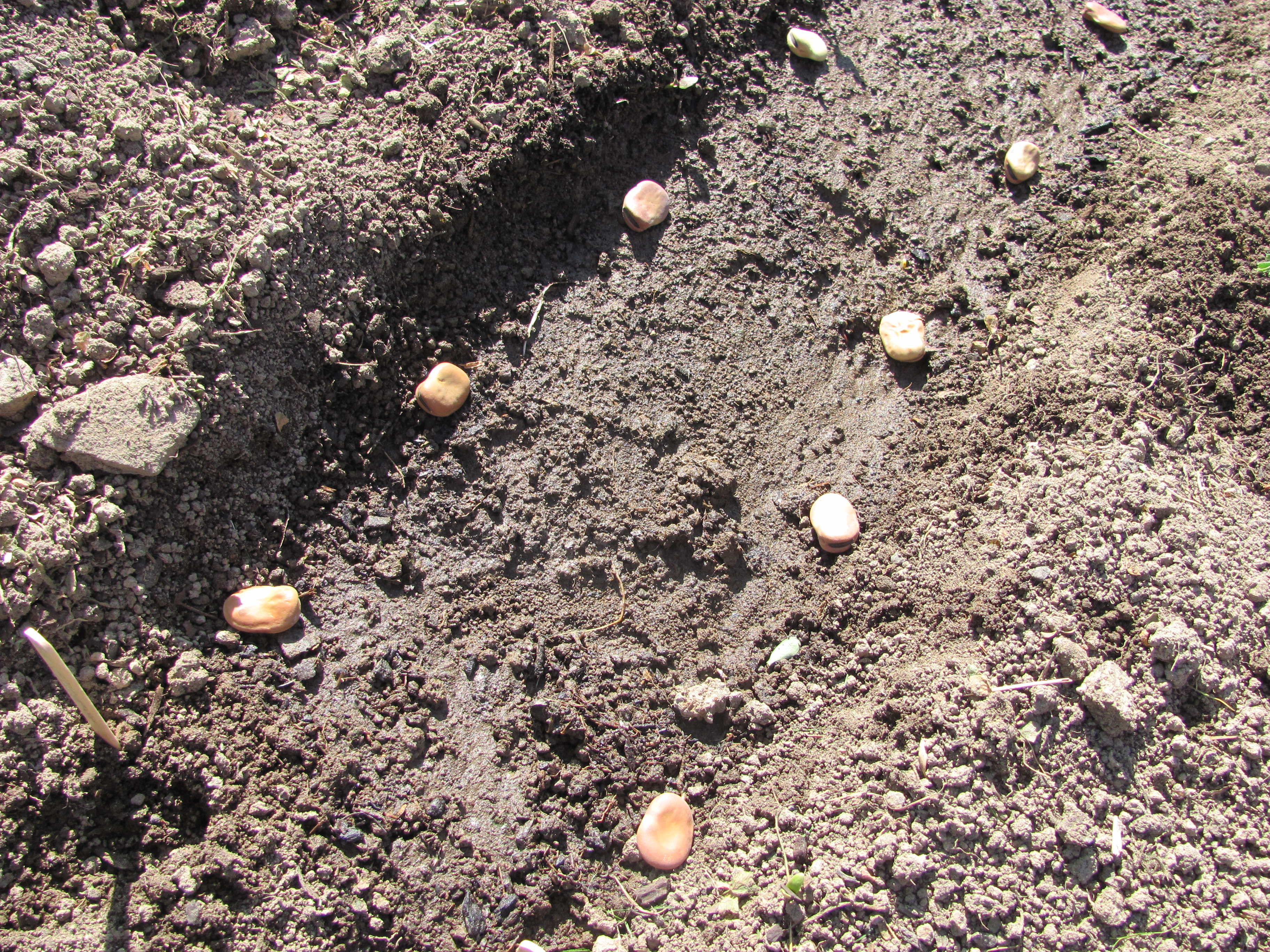
Our bean poles, made from coppiced Hazel, are up ready for Runner Beans to climb when planted out in late May and behind them we have cloches warming the ground for early plantings of Carrots, Parsnips and Beetroot. If the weather is kind we shall sow these seeds at the end of this month.
This Ladybird sheltering near our shed lock is hoping for some sun to get warmed up a bit.
After a quick perusal of our site we began the wander around the whole allotment field, starting in the car park where Daffodils give a golden welcome as plotters arrive to work or enjoy the communal spaces. Each September we hold a “Donate a Daffodil Day” when members are asked to donate bulbs which are then planted around the site by volunteers on one of our working parties. In the first year alone we had over a thousand bulbs donated and planted several hundred in the car park border and on the grass verge alongside our entrance gates.
Moving on down towards the first communal orchard we spotted this insect hotel on Wendy’s plot and admired Tracy’s rhubarb which is well advanced.
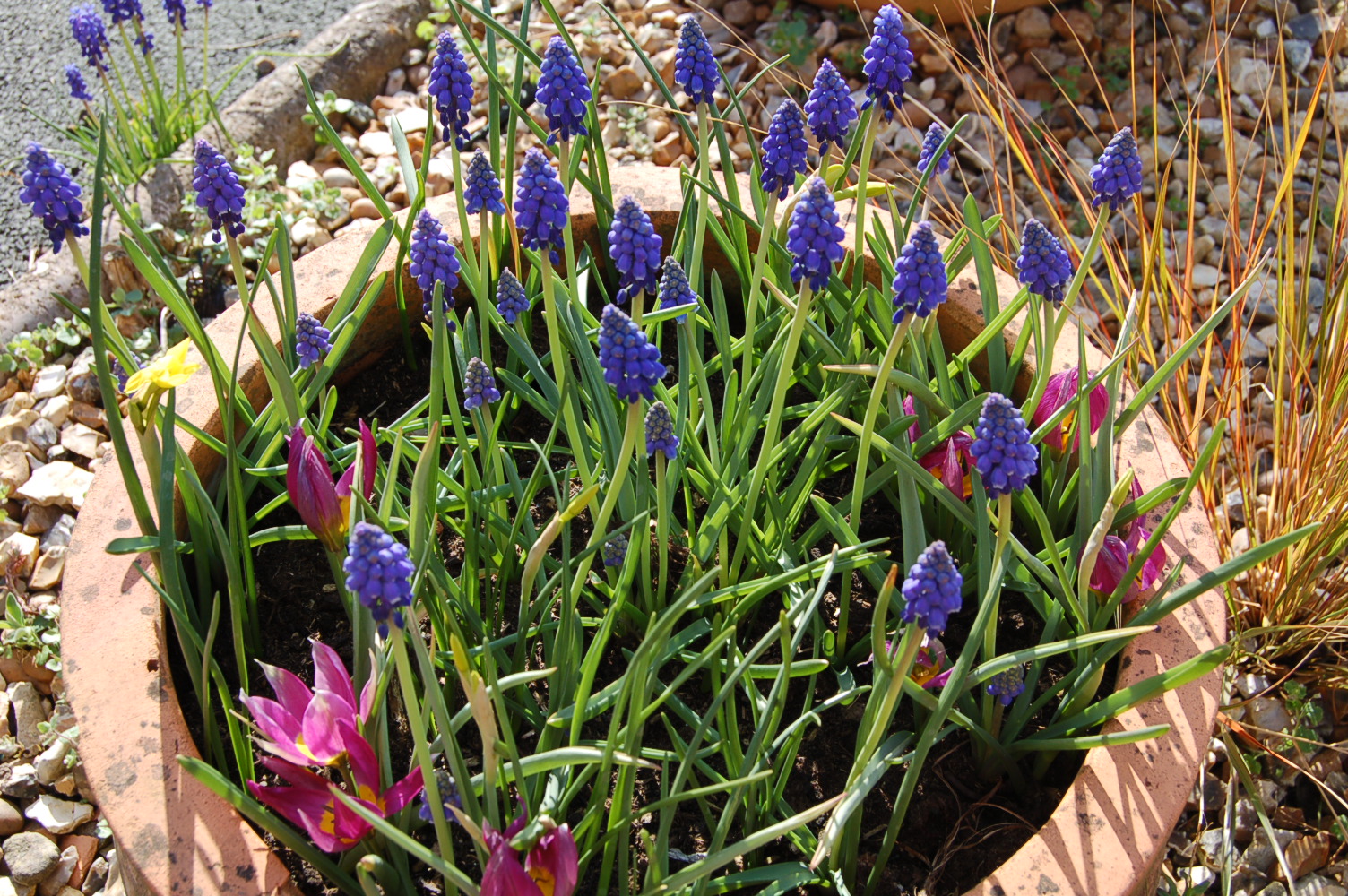
The first of the community orchards is alongside Tracy’s lottie and she looks after its maintenance, mowing the grass paths, pruning the apples, pears, plums and damsons and generally keeping it neat and tidy. She also looks after the Fruit Avenue leading away from the orchard. She is a great asset! At the moment daffodils and crocuses are flowering between the fruit and in the avenue muscari are in flower. Bees are busy exploring these early flowers.
Our wander then took us through the Fruit Avenue with “super fruits” planted on both sides, out alongside Alan’s plot, affectionately known as “The Blue Plot”.
Blue alkathene water pipes are very popular around the site as effective ways of holding fleece or netting covers to protect crops. Wandering further on around the trail towards the Spring Garden we passed a plot that is always good to see as some interesting projects seem to on the go. Today we noticed that she had started to create a herb garden with tree stumps as seats and herbs in the ground around them and in a half-barrel planter. She is always building something – she seems very good at d.i.y. She made her raised beds which we saw have already got some early sowings in.
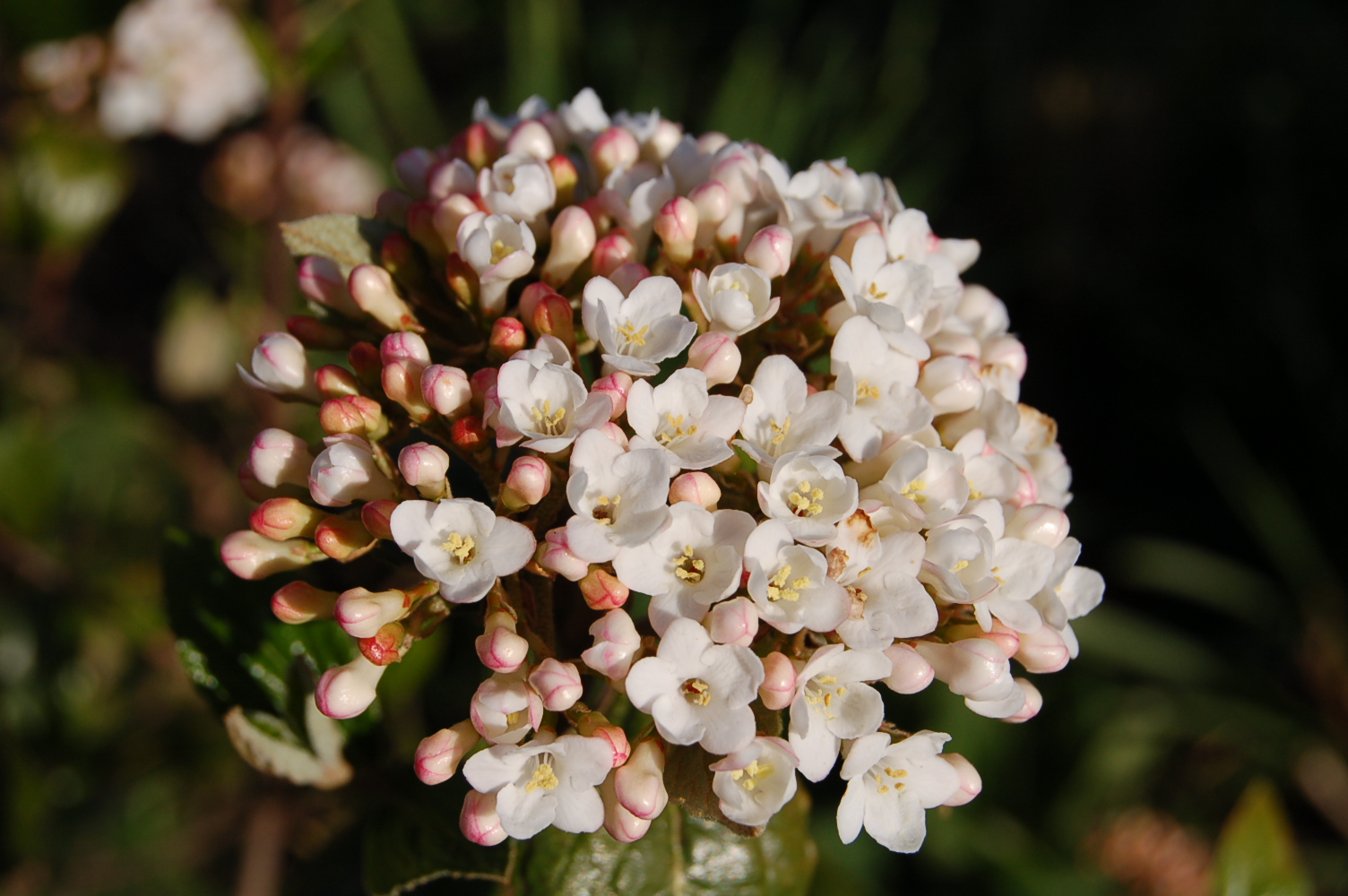
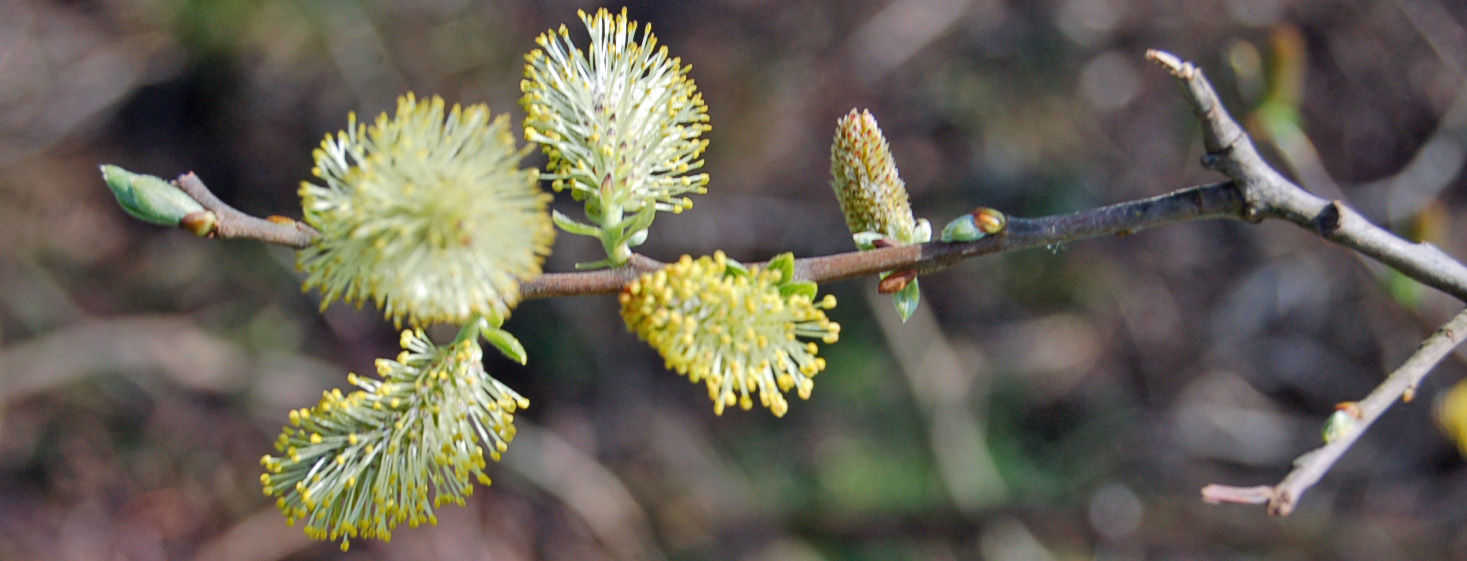
Behind this plot is the Spring Garden which is looked after by two other volunteers, Jill and Geoff, who keep it looking immaculate. Of course it is now beginning to reach its peak time. Bulbs are well up and some flowering, perennials are showing fresh green growth and the Violet Willow is covered in its sparkling white pussy willow buds.
Moving on from the Spring Garden, as we followed the trail, we noticed Blue Tits exploring the nest boxes. Beyond our big old Oak is the new log pile created with logs left by the tree surgeon after his safety work on our mature trees. The log pile will soon be home to Dunnock and Wren and as it begins to rot down insects, invertebrates and beetles will move in.
We soon reach the Winter Garden which continues to look impressive, full of interesting bark and stems on trees and shrubs and colourful flowers on bulbs and early herbaceous plants.
Some crops still look good after the winter and continue to give plot holders some good pickings. These brassicas, Purple Sprouting Broccoli and Cabbage look very healthy and appetising.
The beautifully coloured Red Veined Sorrel in the photo above is already putting on plenty of fresh leaves ready for harvesting, whereas the beautifully coloured flowers of Purple Sprouting Broccoli are now ready for enjoying after the plant has been standing through the winter.
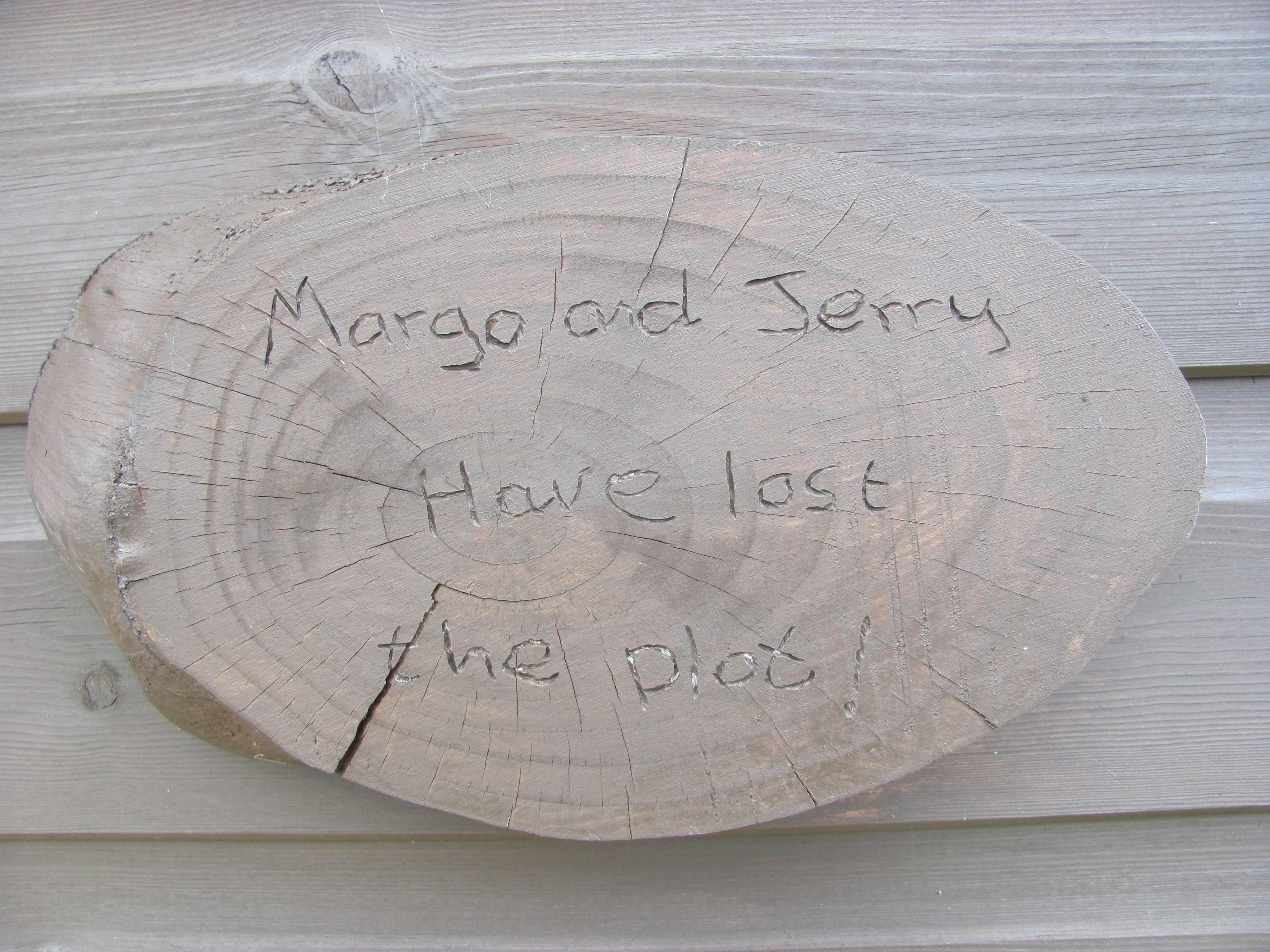
Lots of our plot holders displays plaques with garden related sayings on for the amusement of all. How about this one to finish our March wanderings around the site?
we can enjoy a cup of coffee in the garden without jackets on, and from our special gardening mugs,
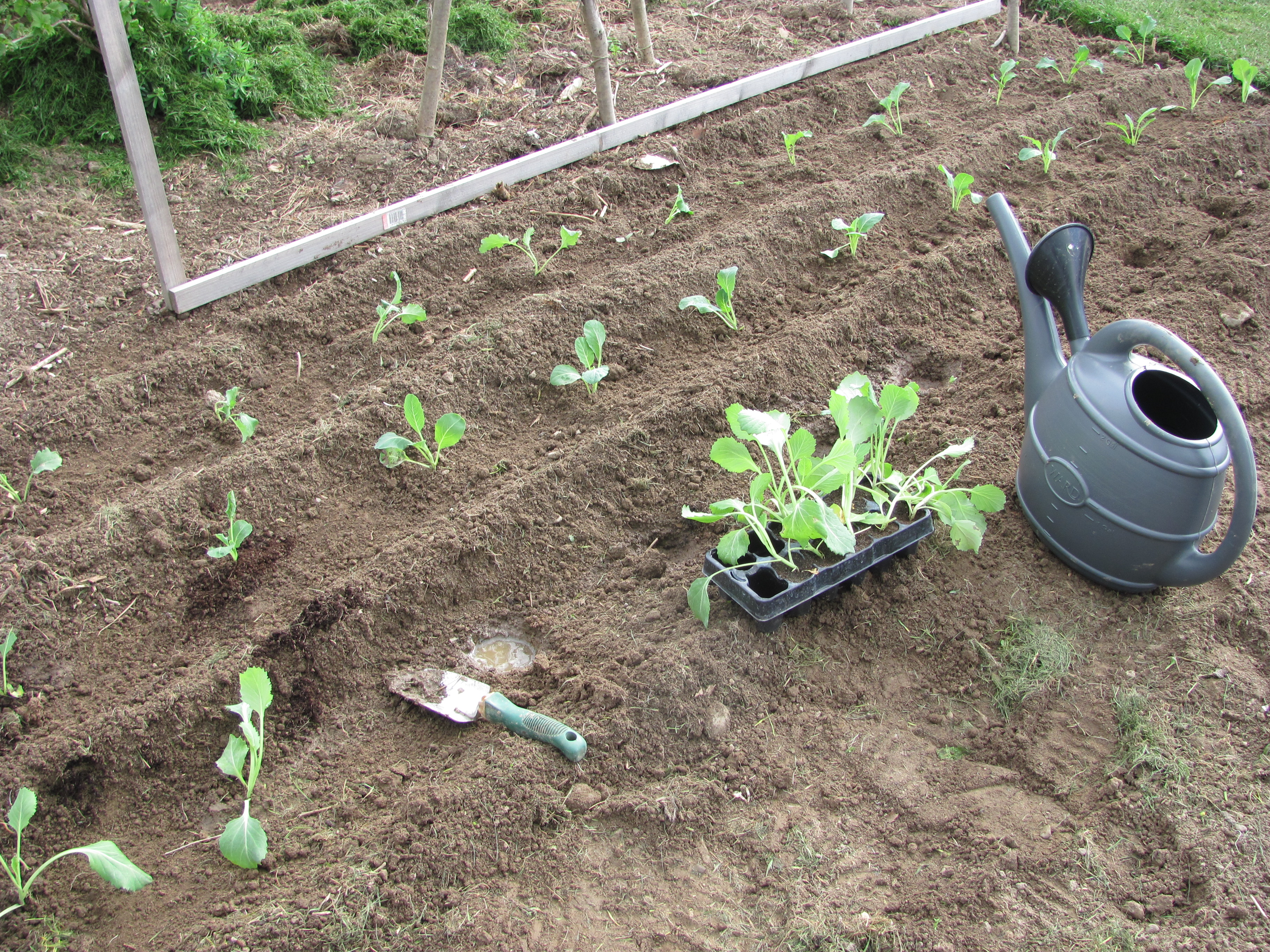
and when we prick out the first tomato seedlings,
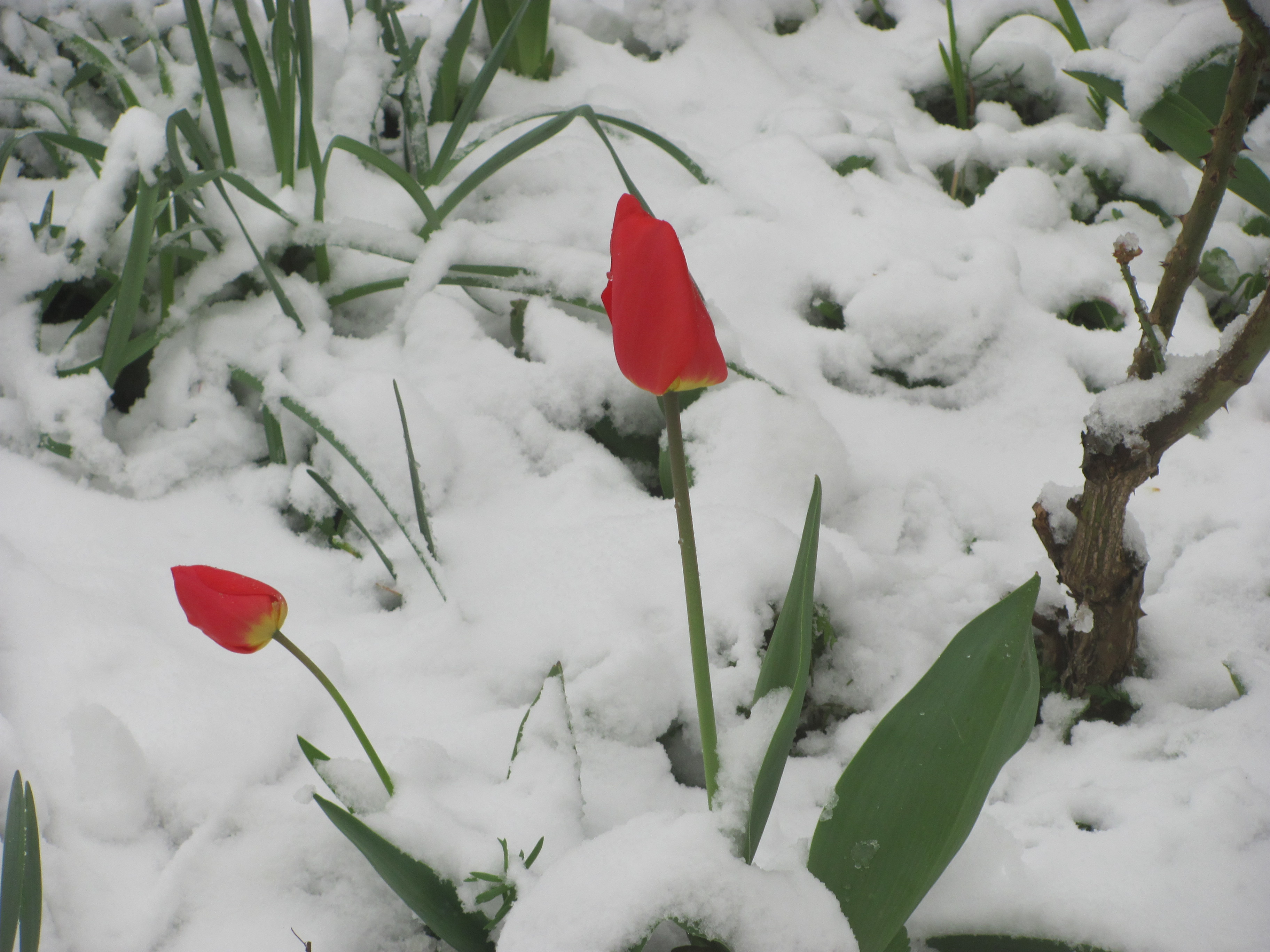
and when Tulips and Wallflowers flower side by side and clash,
and when all around us Blackbirds sing loudly proclaiming their territorial rights and the song of Goldfinches and Greenfinches fill the air,
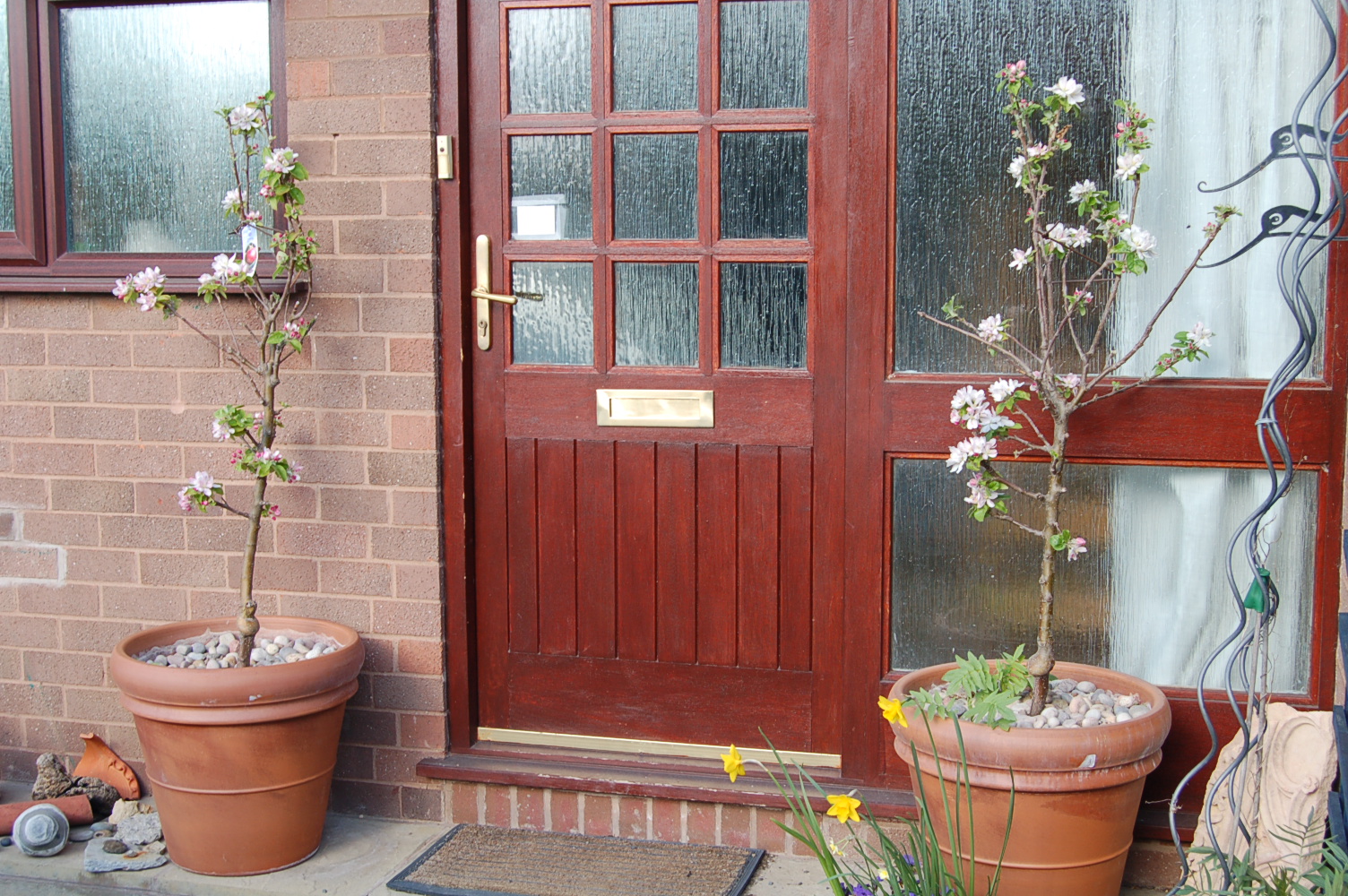
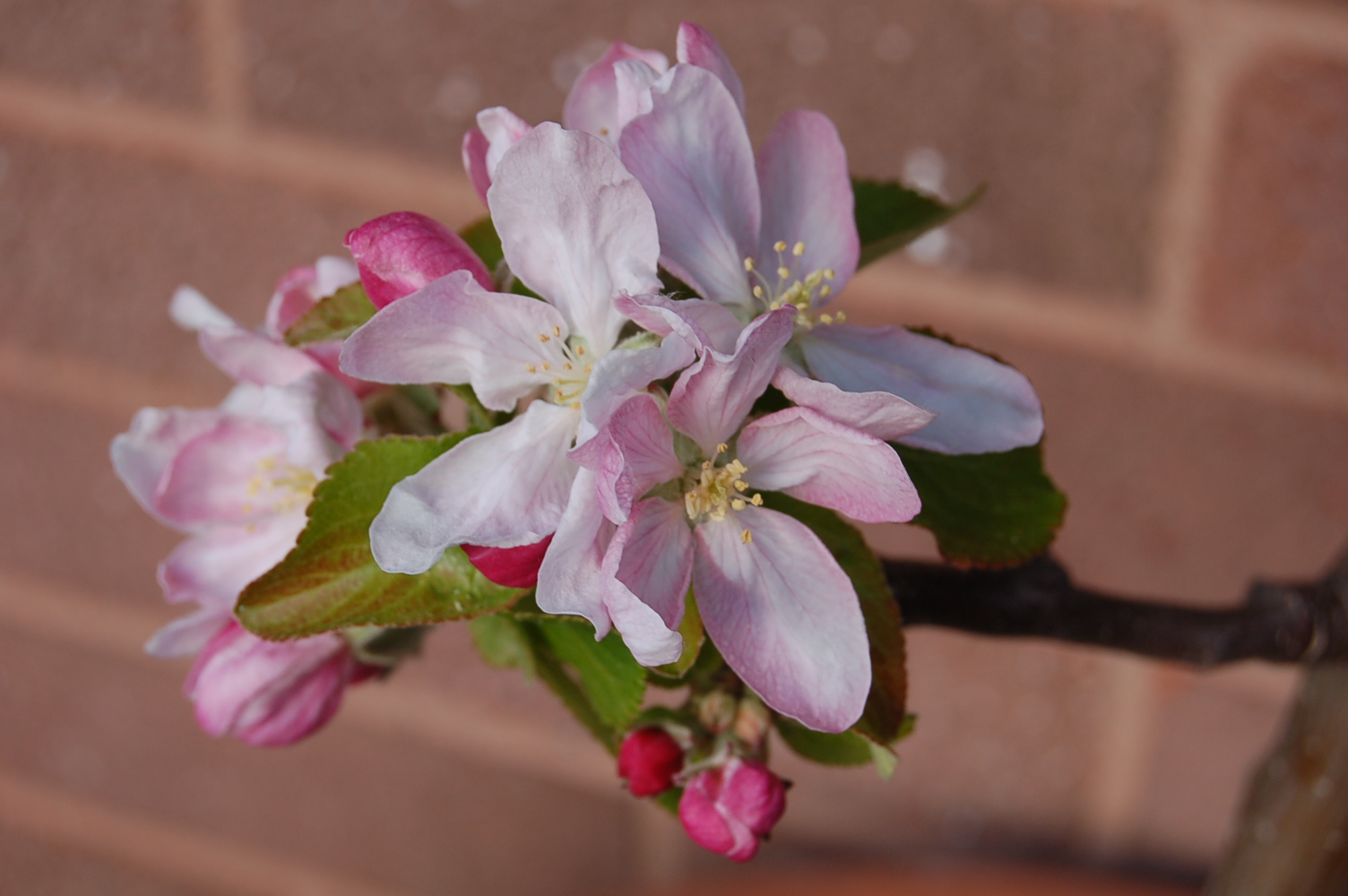
and when the first fruit blossom opens,
and when you can finish the day off by making your first harvest of your “cut-and-come -again” salad and herb leaves, and then eat them with eggs produced by your own chickens.
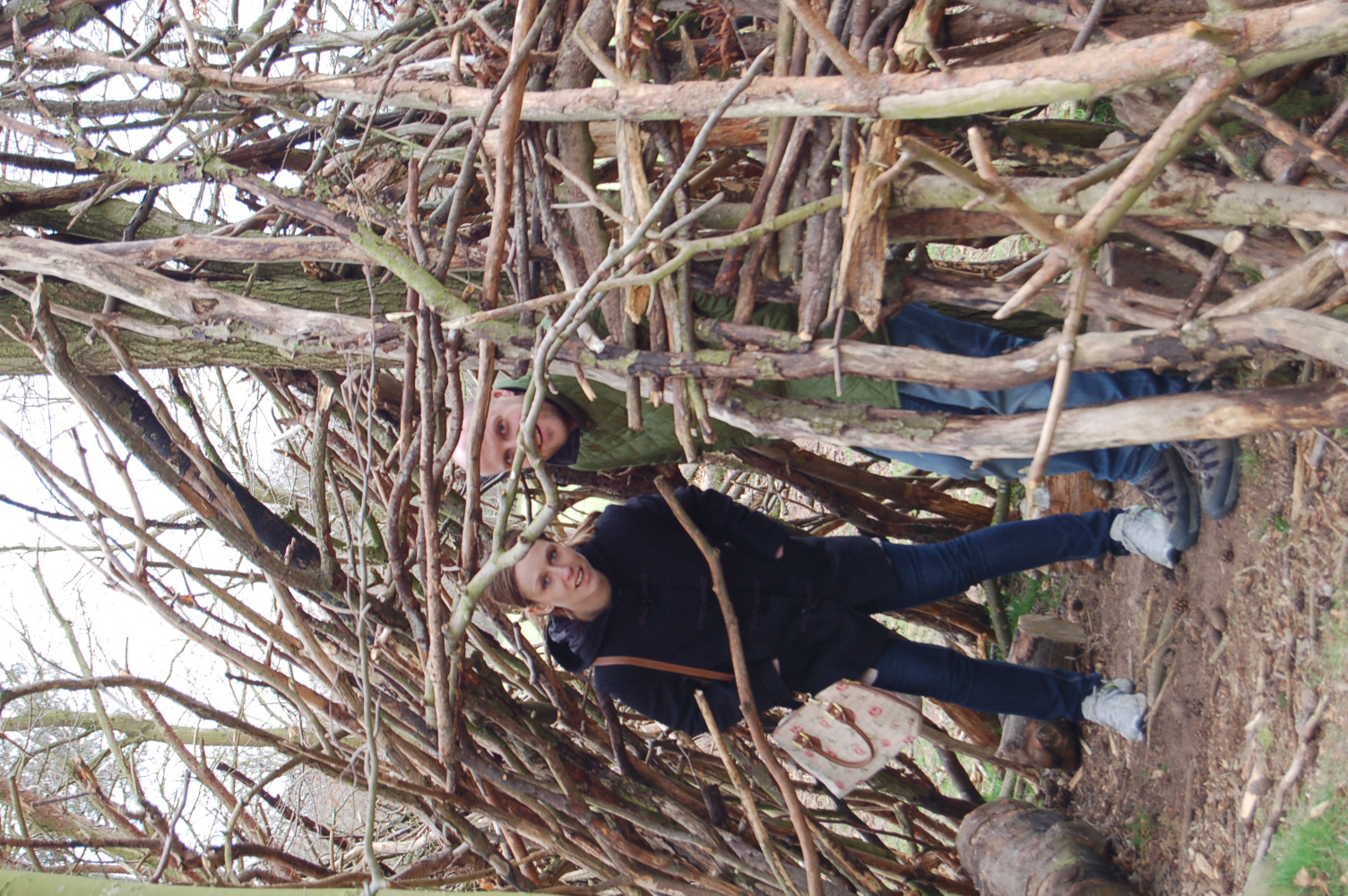
I spent a most enjoyable day in the garden recently when our Daughter, Jo came over to create land art on a garden scale on our grass using materials from the garden. It was great fun and the results were really pleasing. See what you think!
It began with a phone call, “Dad, can you do me a favour?” Jo is currently following a jewelry course and thought that land art could provide inspiration for future pieces. I think she may be right.
All creations and photographs are by Jo Mollart-Highfield.
Once you have visited Brandon Marshes you have to congratulate Warwickshire Wildlife Trust for creating and maintaining such a wonderful reserve, with so many different habitats to explore. Woodland, pools, marsh areas, reedbeds and grassland. Seven hides are situated where you can appreciate the different birds using the reserve. And we can’t fail to mention the coffee shop with big windows affording great views of busy bird feeders, which attract Great Spotted Woodpecker, Bullfinch, Siskin and Reed Bunting as well as the usual suspects.
The reserve is designated a Site of Special Scientific Interest and boasts 2 km of paths for the wandering bird watchers to enjoy. It is hard to believe that you are just a few miles from Coventry, and that the site was used for sand and gravel extraction until the 1980’s. In fact this extraction still goes on adjacent to the reserve but you soon forget it is there and ignore its noises.
On the day of our visit the weather started cool and misty but cleared and warmed up later so we were able to stay in the hides for a long time without getting cold. We spotted 53 different birds including some of my favourites like Bittern, Snipe and Kingfisher. We were privileged to see two Bittern in flight close to and were able to appreciate their wonderful colours and markings. The Snipe were present in good numbers spotting groups of 12 and 9 whereas Golden Plover and Lapwing were present in very large numbers. A real surprise was the number of Bullfinches around the reserve. We reckoned we had seen more on that day than the total for the last 5 years or so. A flock of 8 were feeding close to the path just 100 metres or so from the hide and a second feeding group of 5 were seen after another 50 metres walk along the track.
Ducks and gulls of course were present in large numbers. Among the usual Blackheaded and Herring Gulls we spotted two rarities, a Glaucous and a Mediterranean, both firsts for us.Tufted Ducks and Teal were the most numerous with Gadwall, Pintail and Goldeneye the most unusual.
The next two photos show a male “Tufty” who obligingly stayed above water between dives to allow me to take a shot, but the Teal proved oh so different. He never stopped feeding resulting in lots of failed pictures.
Between hides we walked through woodland and along the edges of reedbeds and marshy areas. On a bank we spotted clumps of Primroses growing in profusion, with a few in flower. We could only imagine how wonderful they would look in a few weeks time.
In a marshy area with small trees and bushes we were delighted by the lichen on the branches of the trees and these rich red fungi growing close to a tiny trickle of water.
Returning to the car at the end of the day the sun was getting low in the sky and backlit this oak leaf to give it the look of burnished copper. We promised ourselves a return visit when the summer migrants have arrived.
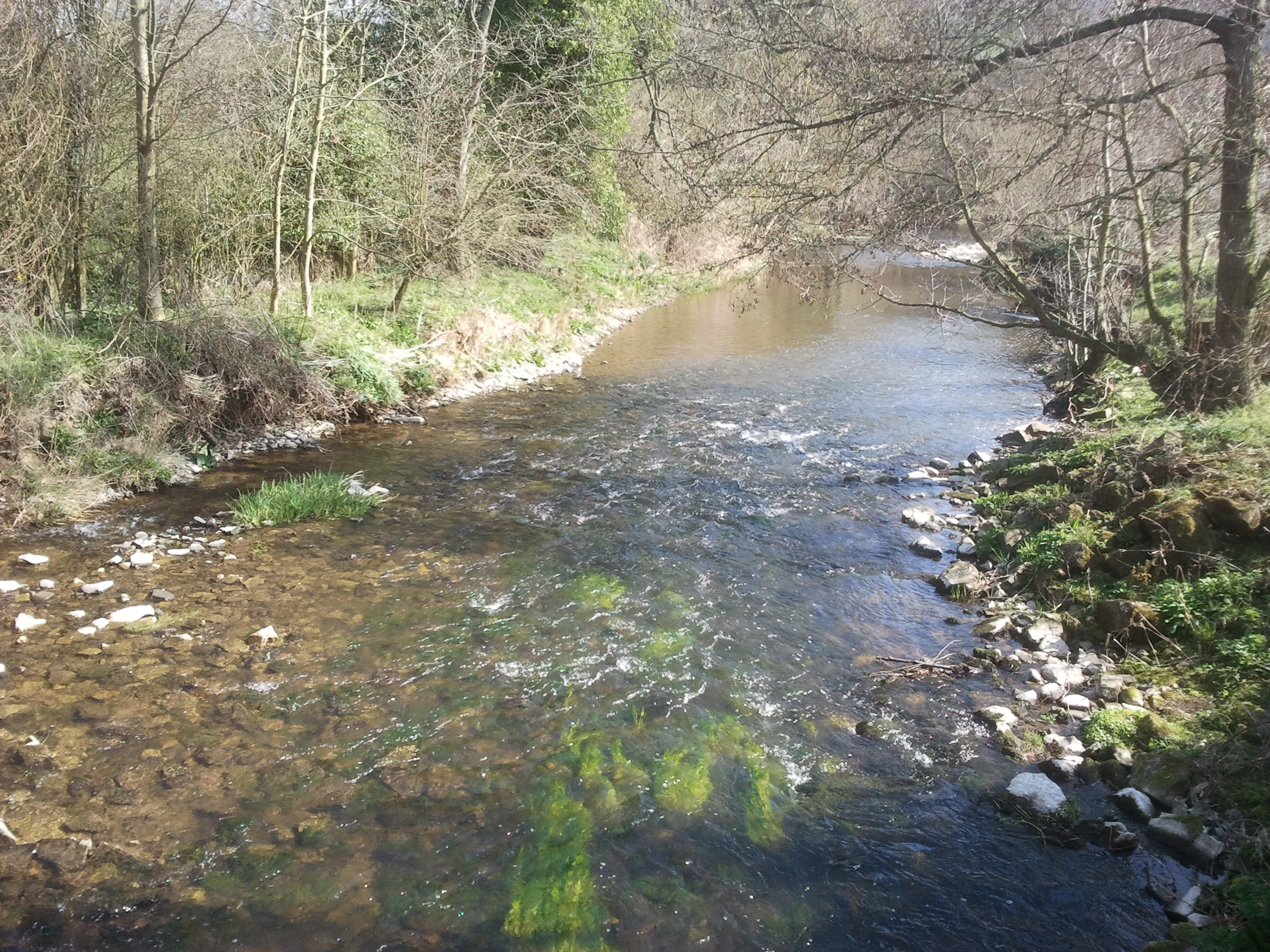
We have 68 plots at our allotment site, Bowbrook Allotment Community, and after just three seasons of being open we have a waiting list of about 50. Phase two was on the cards from the word go but with budget constraints we didn’t really think it would ever come to fruition. The plan was to open up the field next to us and create about 50 extra plots.
Meetings with town council representatives and reports in the local newspaper over the last year or so indicated that this might still happen. Then recently the allotment management committee were asked if a few members could meet with representatives from the town and the county councils to look at plans. It seemed that things would be moving ahead in the autumn of 2012.
Budget constraints had effected the plans as the draft map for the new extension showed just 25 plots covering half the field. Still we couldn’t look a gift horse in the mouth! Ideas were exchanged and the proposals will go in for planning permission and hopefully work will be done by the autumn.
So we can halve our waiting list. The plots will be so tightly packed that little space will be available to develop our community gardens but we should gain the pond, a spring and a few yards of stream and a triangle of land beneath a group of mature trees. We shall endeavour to make these exciting places!!
The strip of pastureland that will become our new allotments.The poor neglected pond that will become part of our site.The old Ash tree that will overlook the new allotments.The spring emerging from its old collapsed brickwork. The water table is so low it is currently dry.The mature trees in the corner of land to be developed as part of our community gardens.
So, opportunities are coming our way. The council will tidy out the pond, removing old fences, and other rubbish and hopefully the barbed wire surrounding it. A fence will be built around it with gated access, all conforming with the latest health and safety requirements. The old Ash tree will be attended to by tree surgeons to make it safe and ensure its future health. The 25 plots will be prepared for cultivation.
And then it will be up to new plot holders to cultivate them and the committee to develop the green spaces. the area around the spring could become a bog garden and the area under the mature trees could become a mini-arboretum. We shall see!
The lighting on the day of our visit to Durham Massey recently was amazing for taking photographs. It was a sunny day with a bright blue sky above. The light acted light a spotlight shining just above ground level. It lit up leaves, tree trunks, flower petals. And it shone in “The Undergardener’s” eyes!
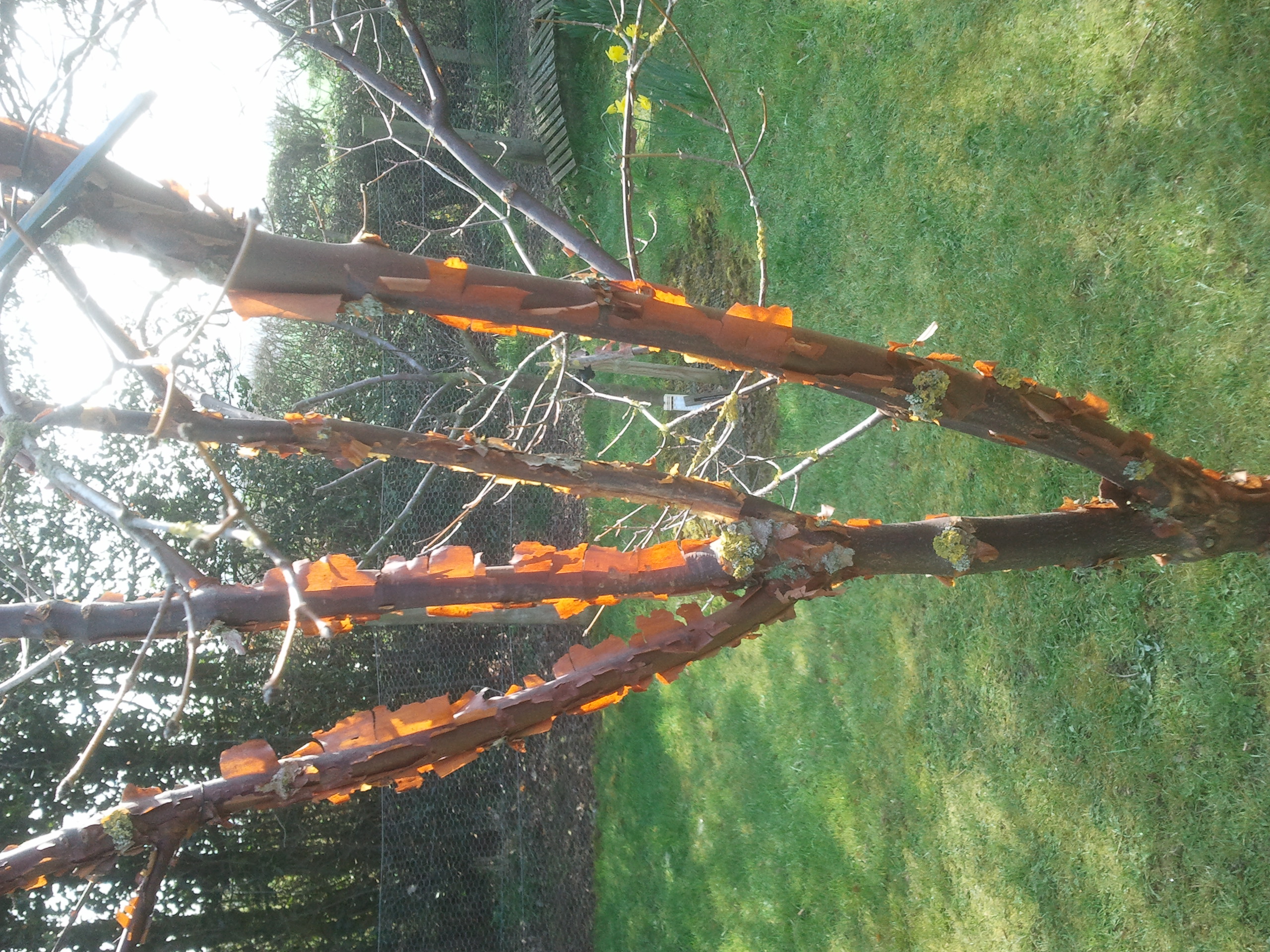
Peeling bark and Snowdrops.Winter light reflected in the glossy bamboo foliage.Back-lit Hydrangea seed heads.Twiggy highlights like spiders' webs.Long shadows of the White-stemmed Birch cross the carpet of Snowdrops.Winter light turns Cornus mas flowers into gold along the orange peel bark.Orange stems and yellow foliage enriched by the lightLooking out from the shadows.Curling silhouettes of an old gnarled Rhodendron bush.Fence shadows.Snowdrops and moss.Sparkling Hydrangeas.Into the light.Fallen rotting tree trunk looking like a huge tuning fork.Jewel coloured Bergenia leaves.Sparkling Lake
'The most important and informative publication on wildlife of our times' - The Independent. This blog is a member of The UK & Ireland Natural History Bloggers group: www.uknhb.blogspot.com