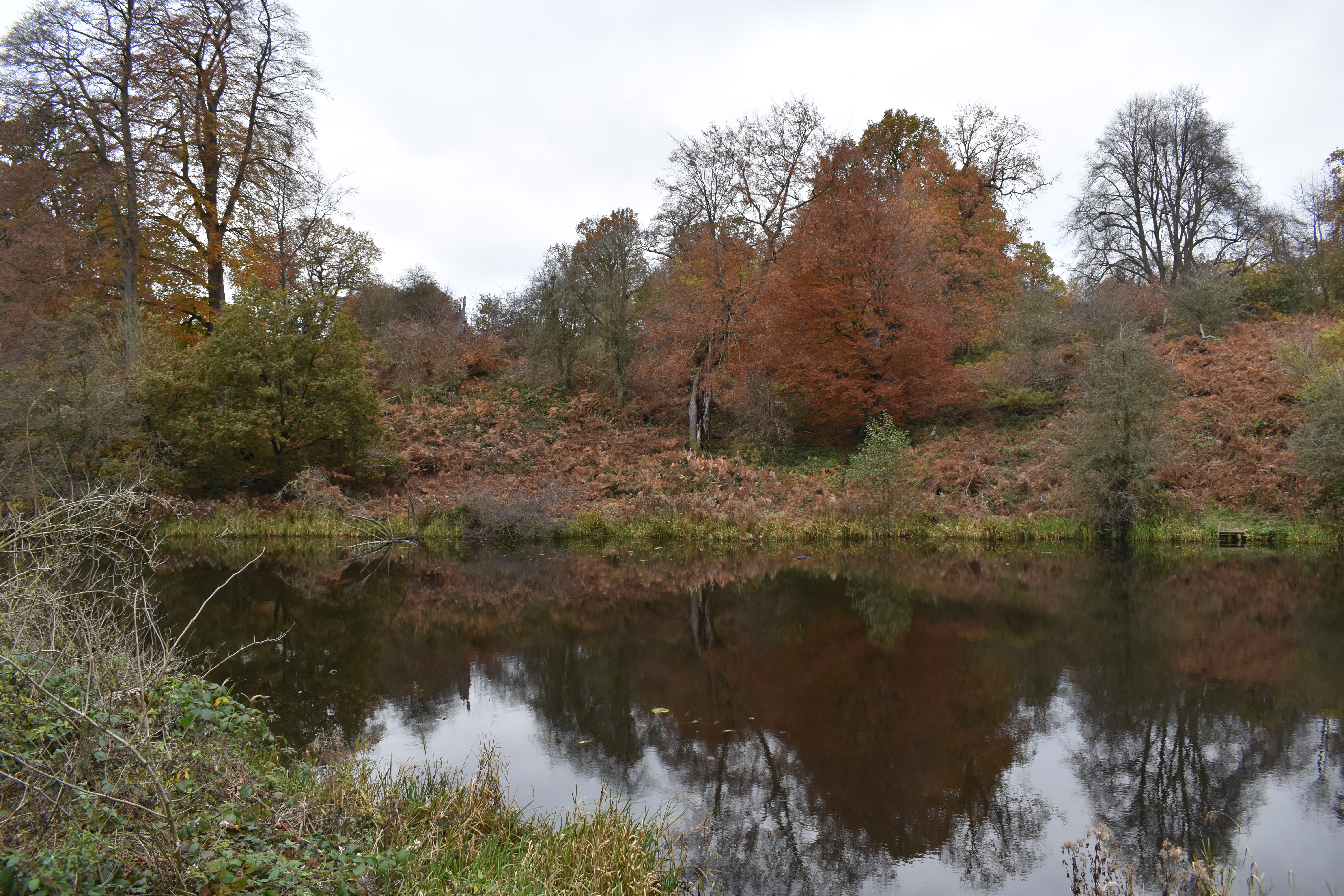
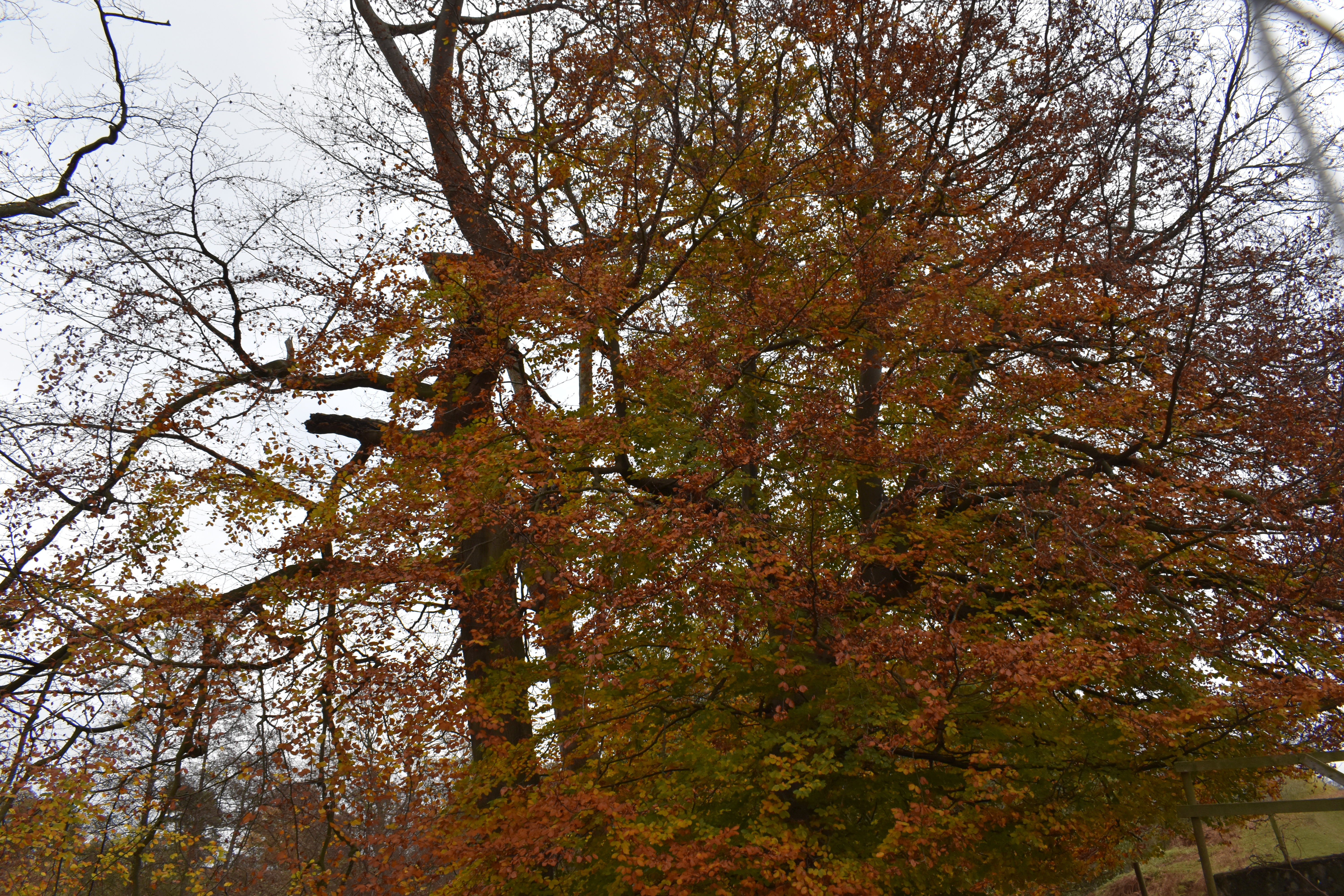
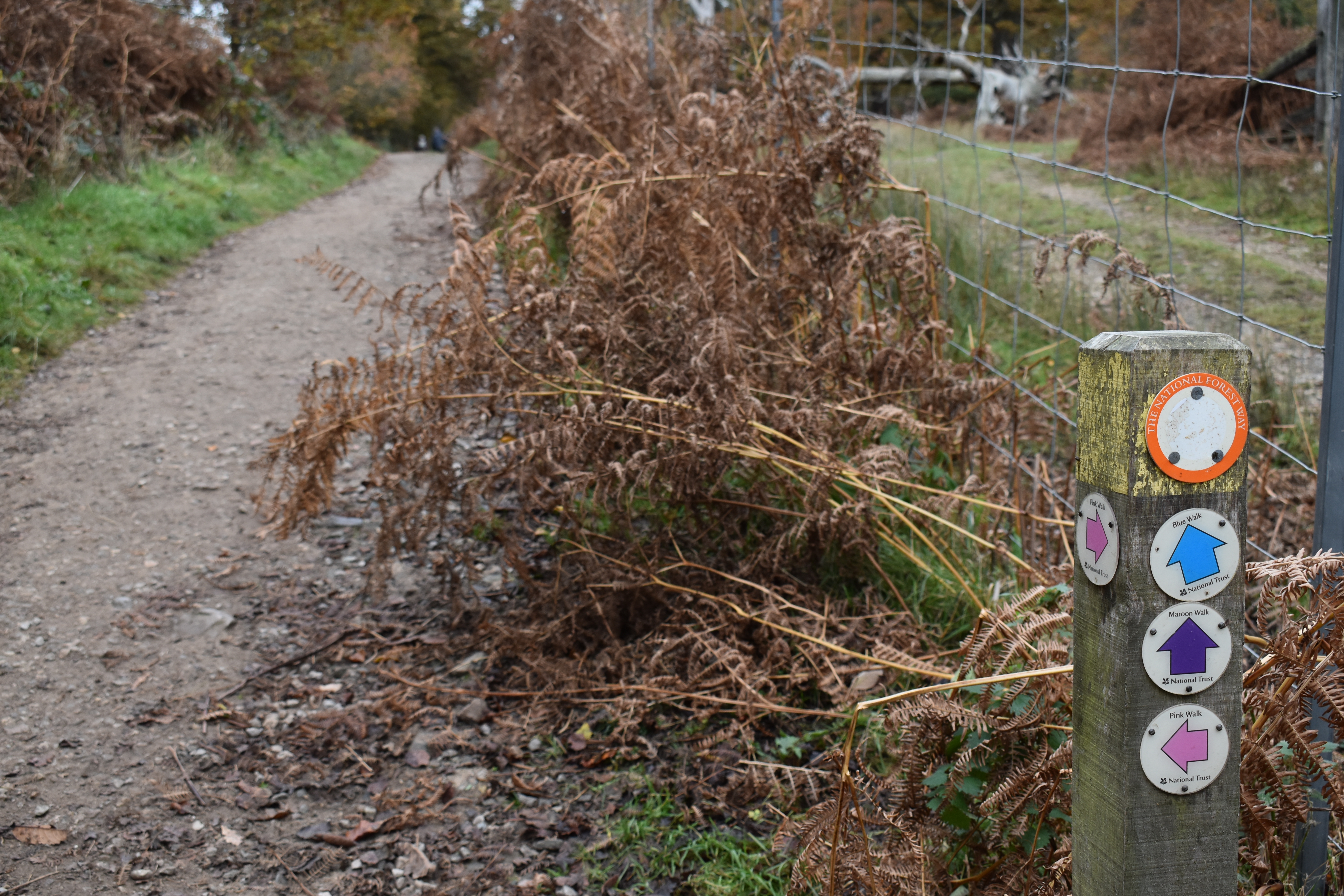
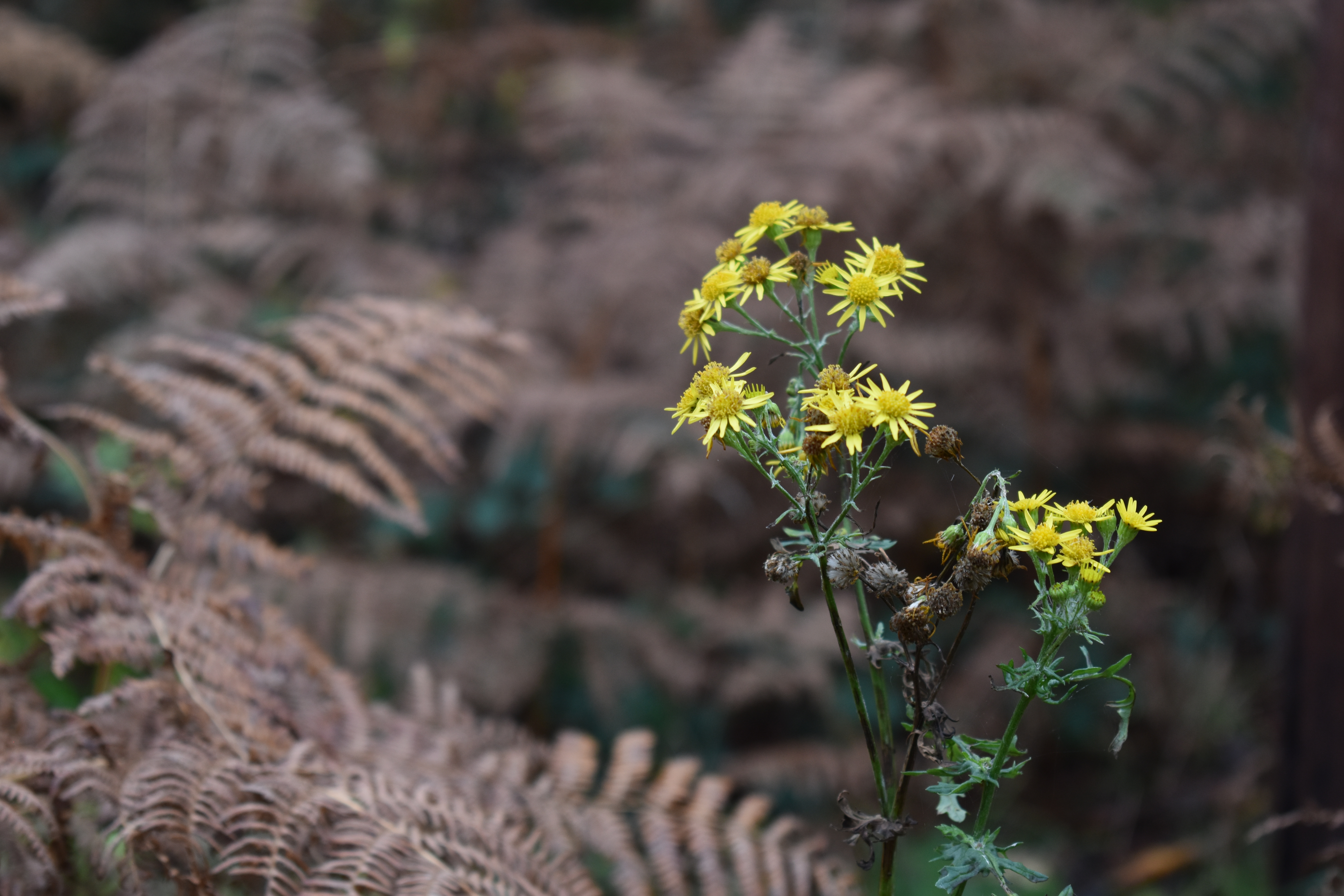
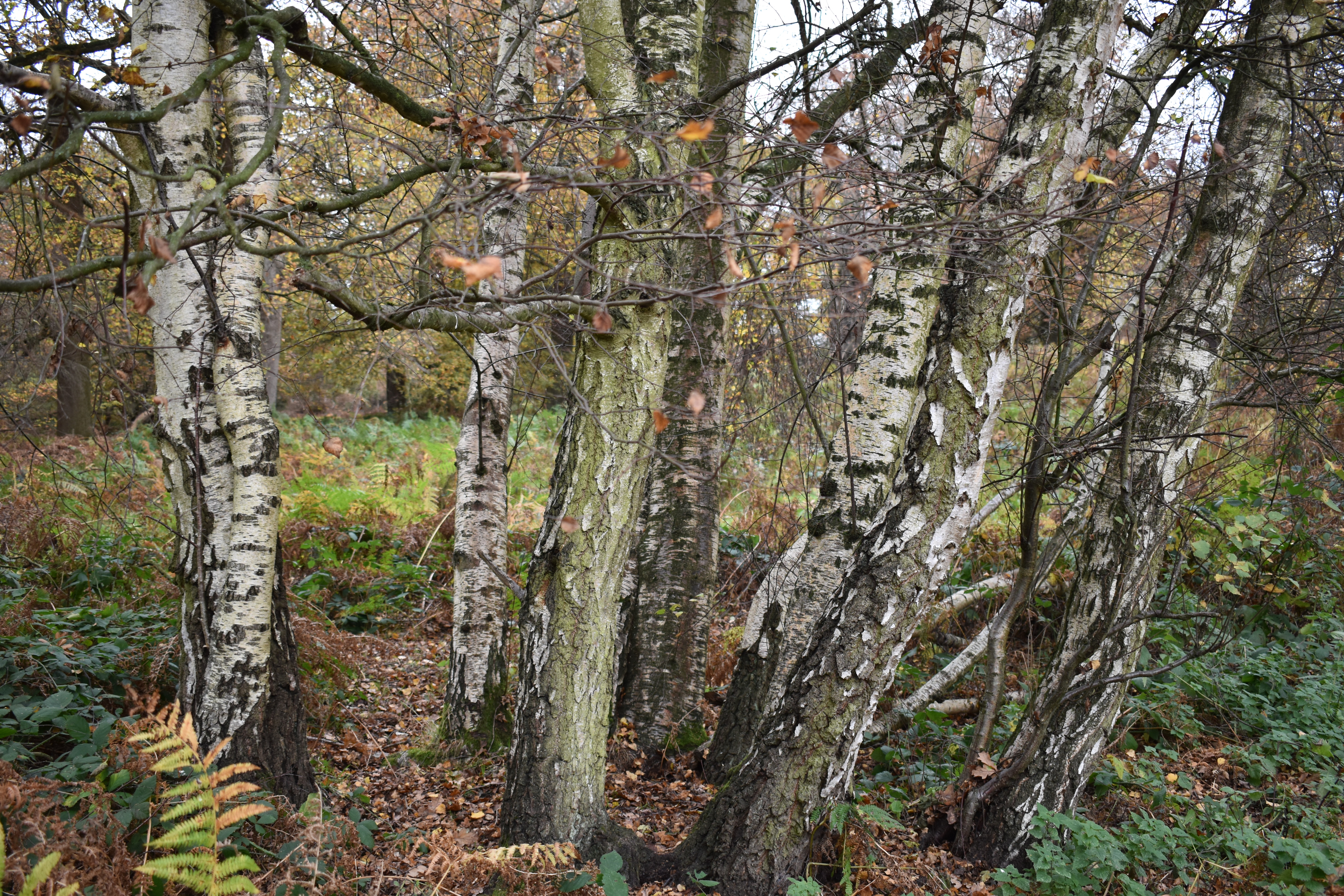
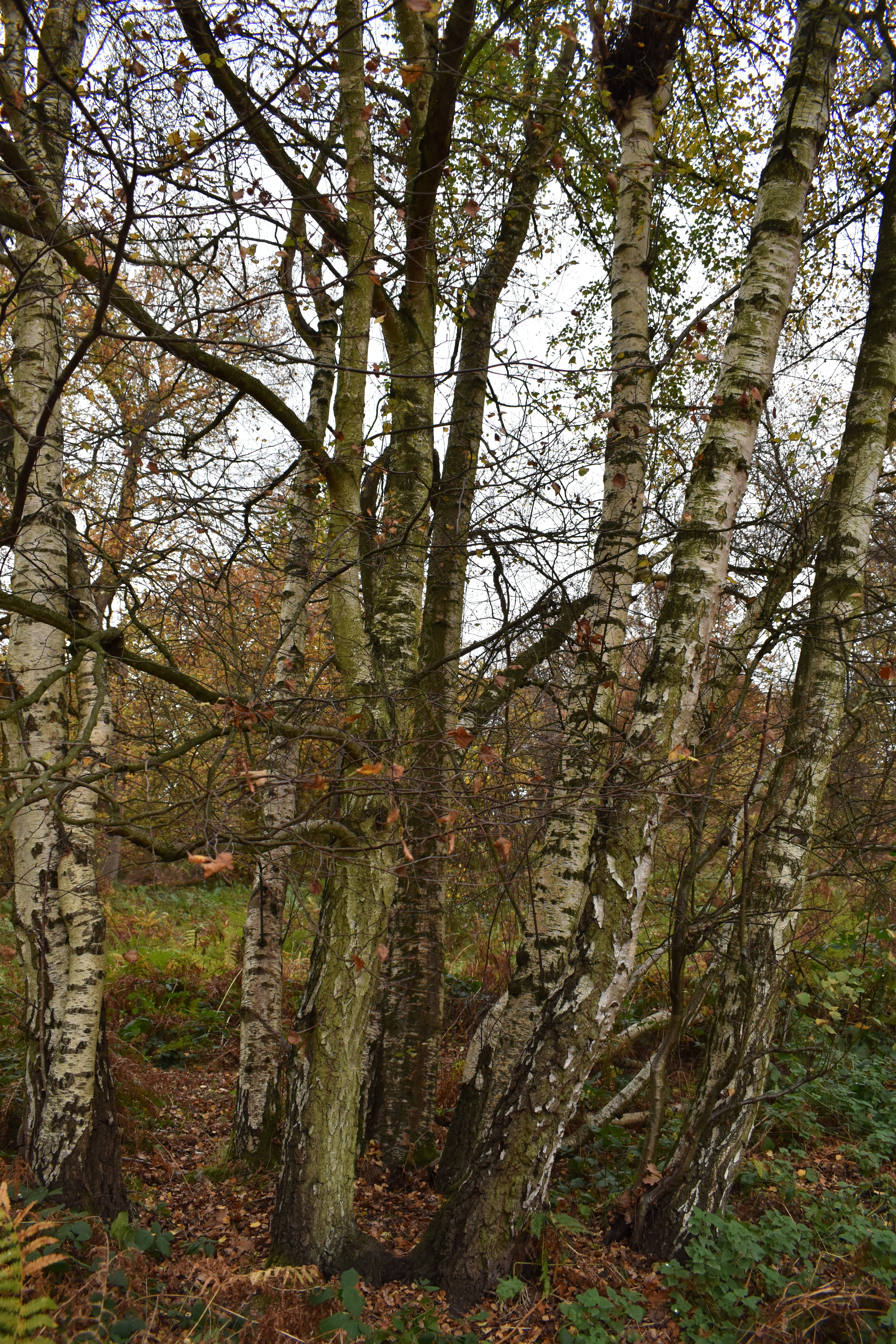
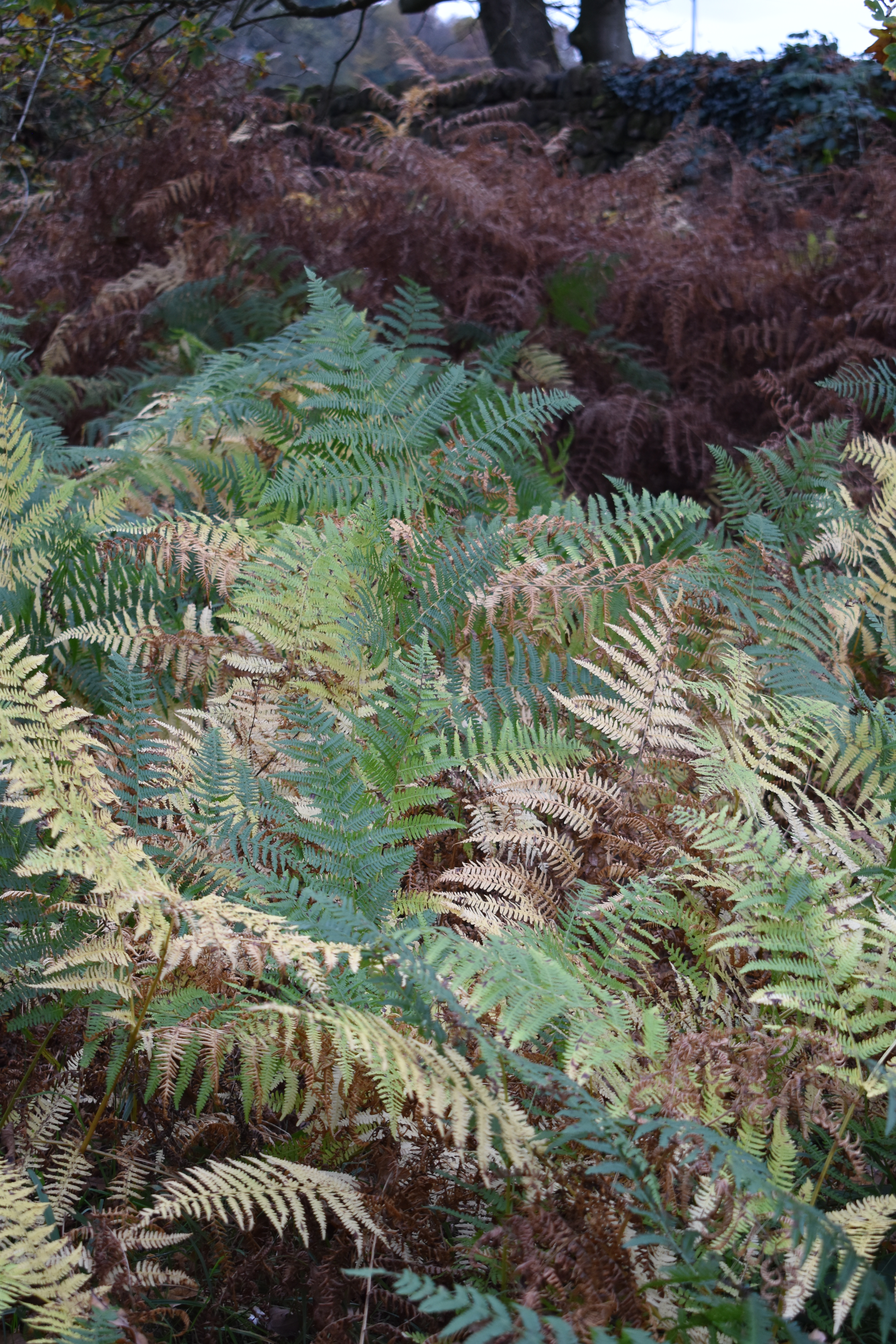
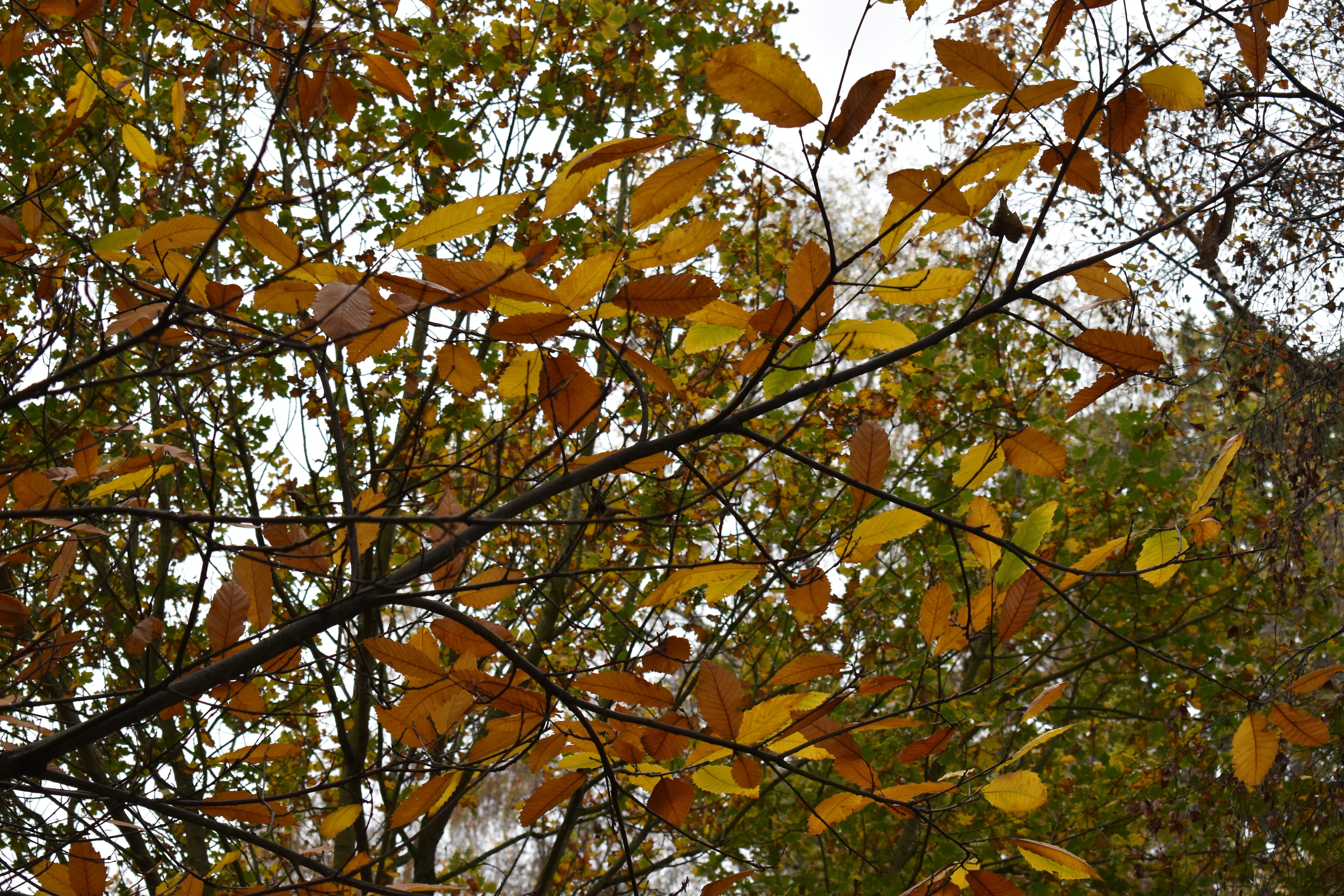
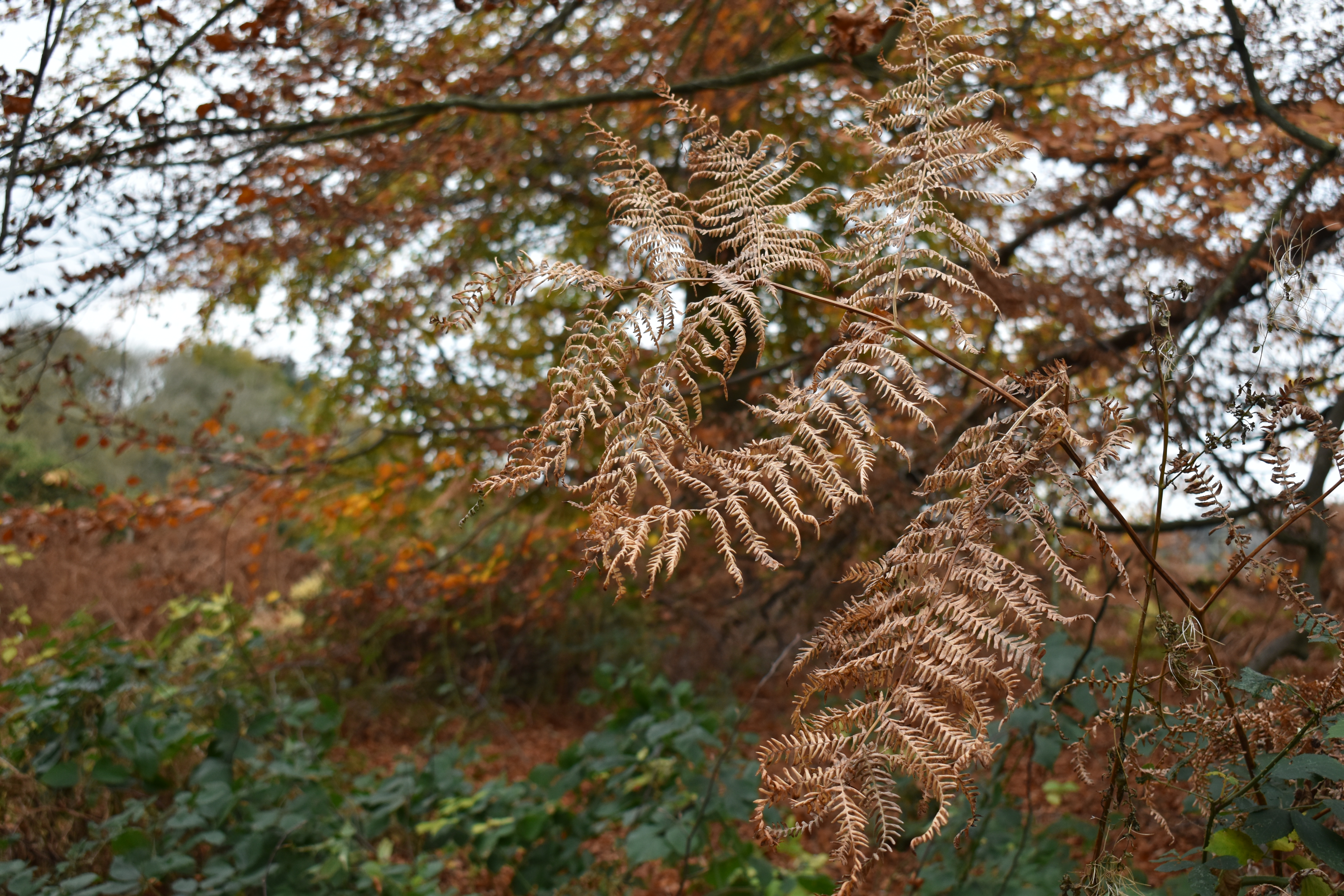
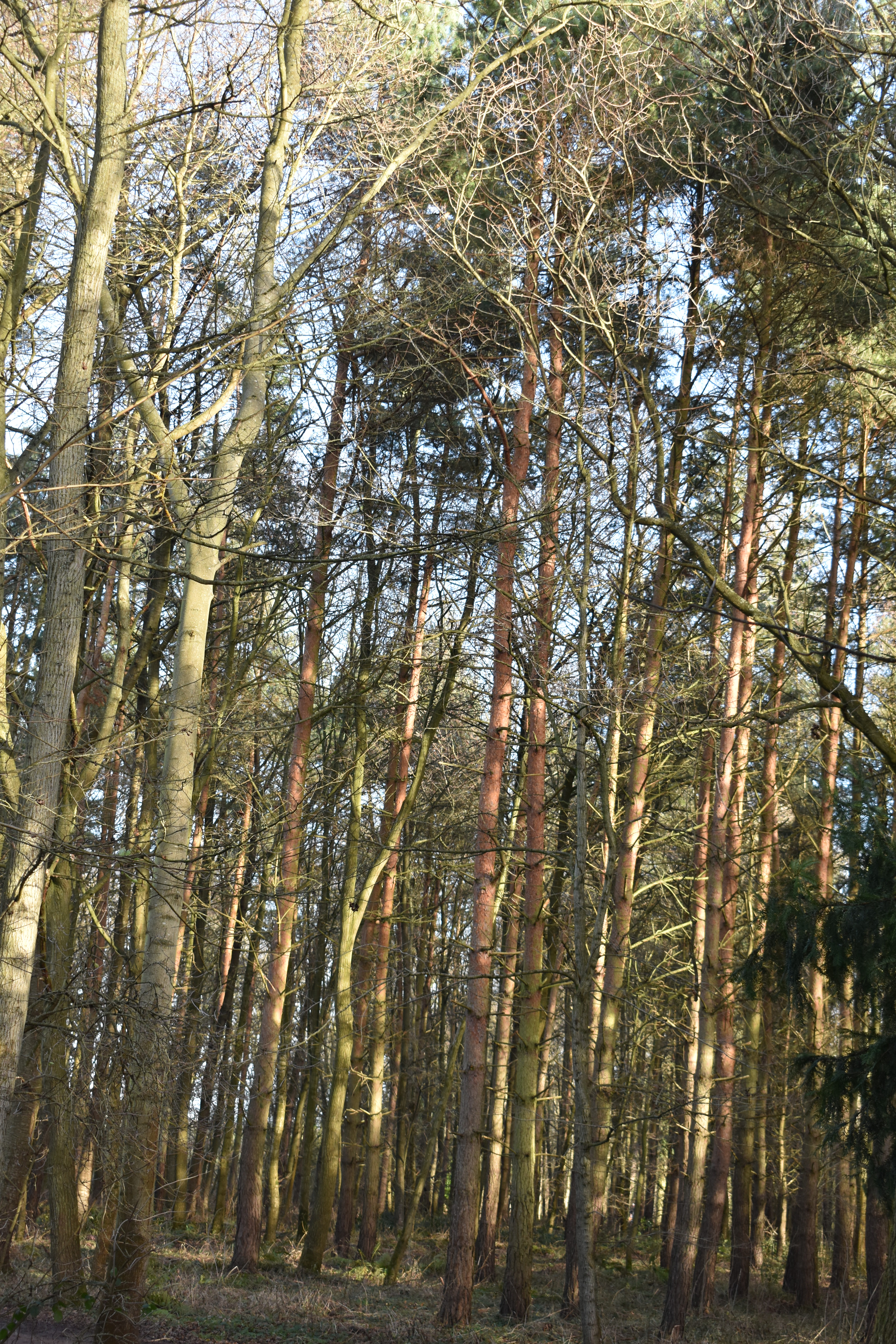
During a short break in autumn in Leicestershire, where we stayed with our son, daughter-in-law and two granddaughters, we made a second visit to the NT site, Calke Abbey, a wonderful place for walks. On our second visit within a fortnight we took a short woodland walk around a reservoir, just a few miles in areas of the woodland.
I shall share my photos in a gallery, which follows below. Enjoy! I hope the gallery manages to convey some of the atmosphere of peace and calm that we felt there.
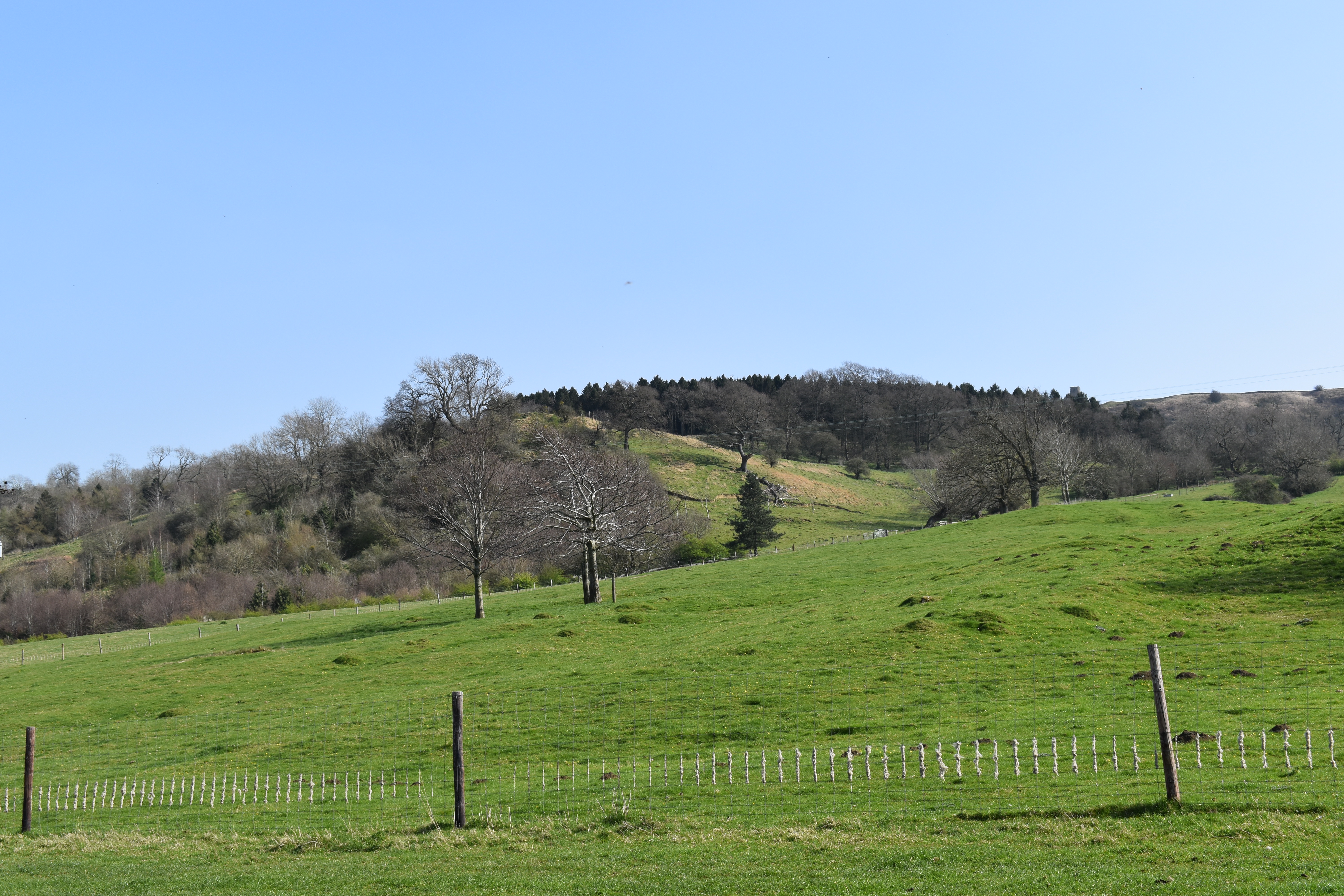
We traveled down to Gloucestershire to present a garden talk to a gardening club in mid-March. They were a lovely group and the talk entitled “The Power of Gardening” was well received followed by some interesting questions. We stayed overnight at the bottom of Bredon Hill with my sister and brother-in-law. The following day we took advantage of a glorious, sunny day to walk partway up the hill.
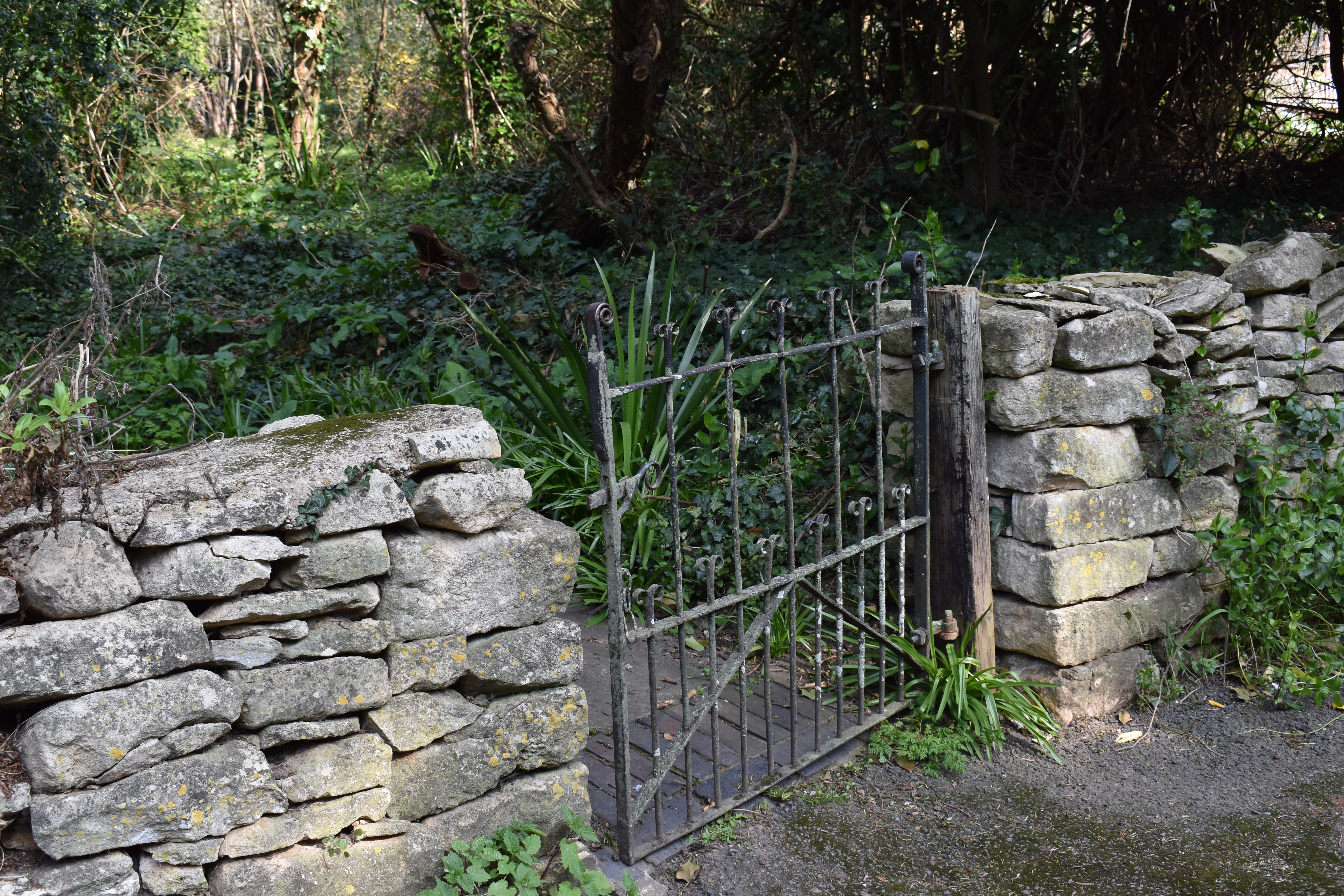
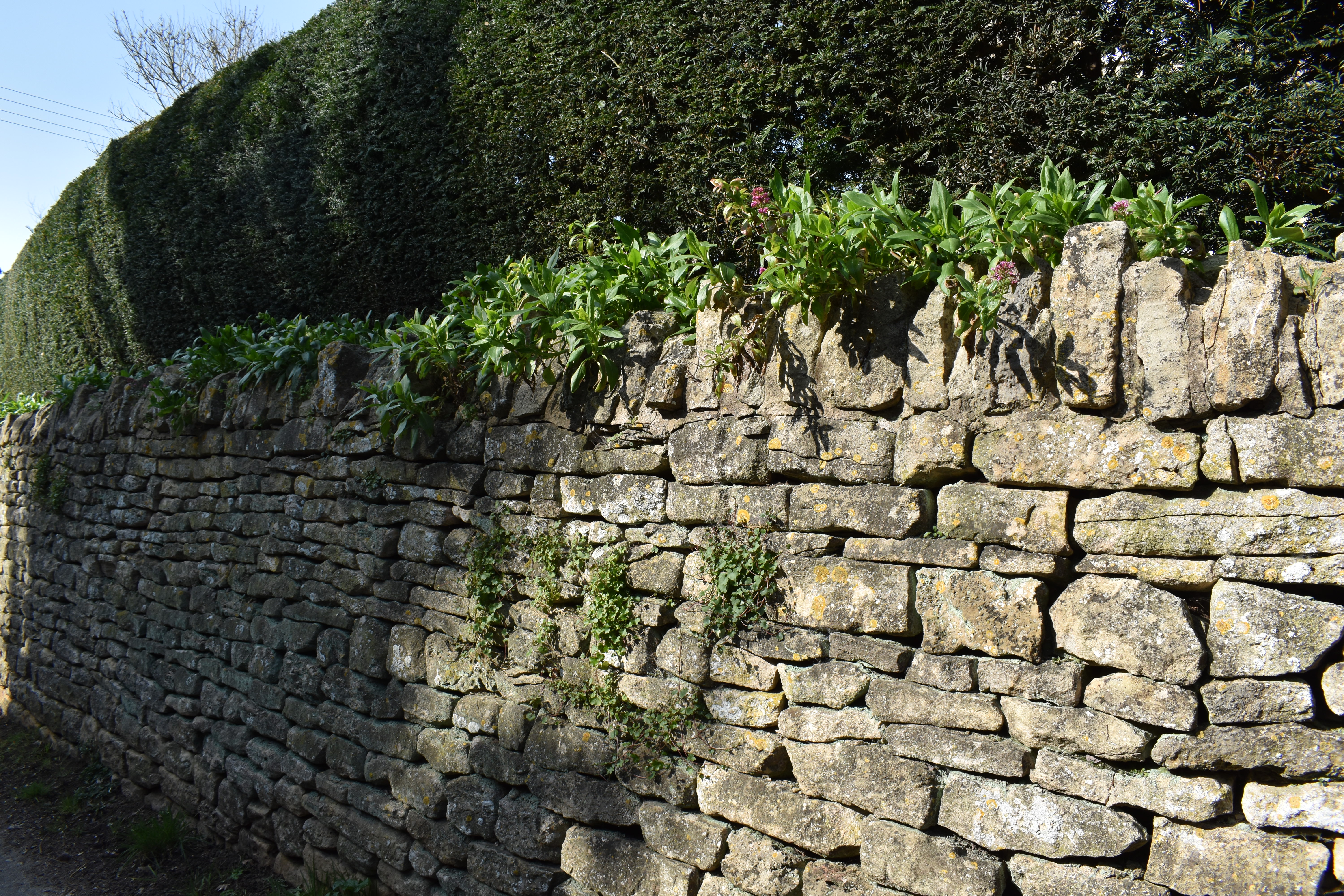
As we walked up the lane with its gentle but persistent gradient we wandered through the last of the cottages and marvelled at the beauty of the drystone limestone walls some with vertical capping stones.
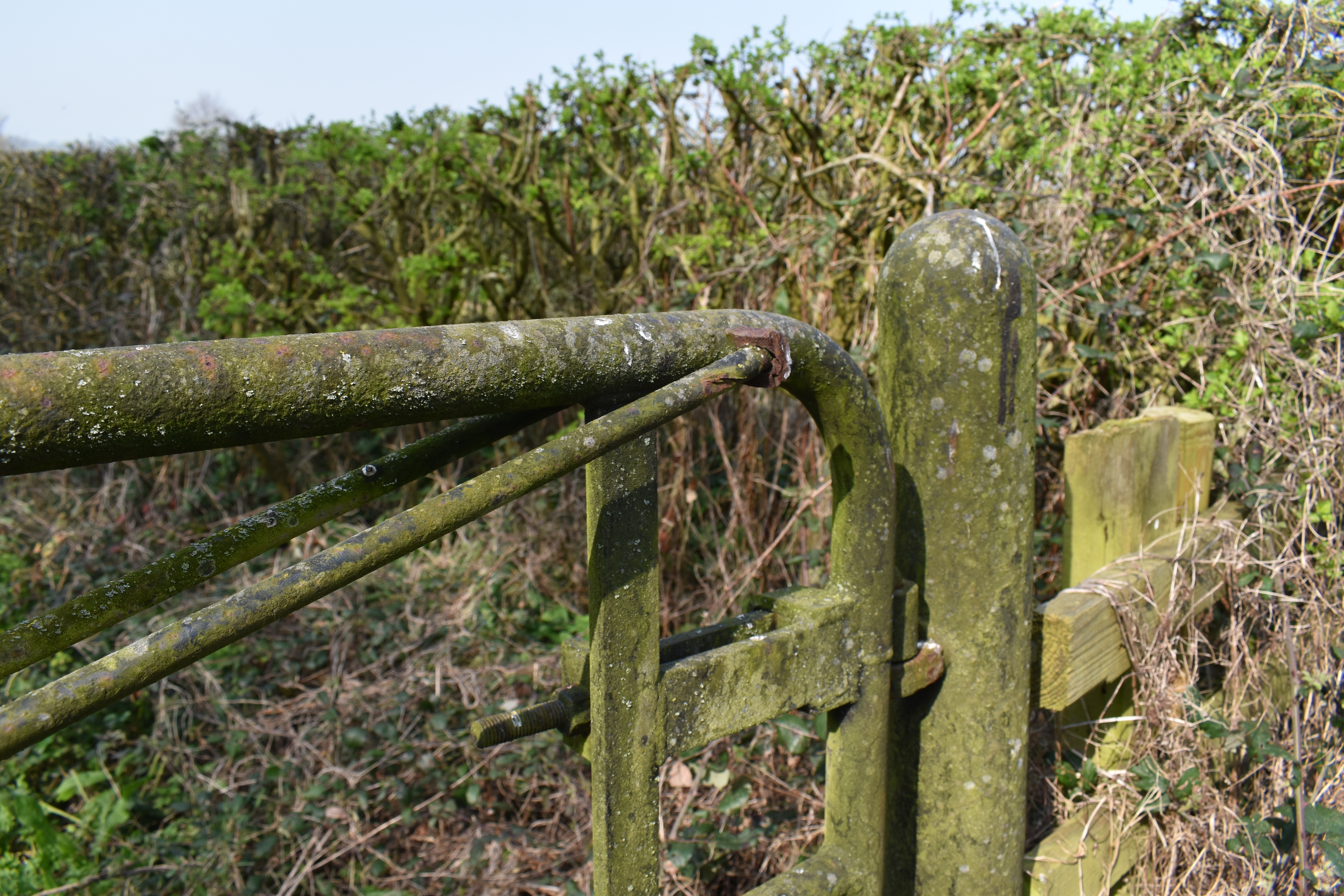
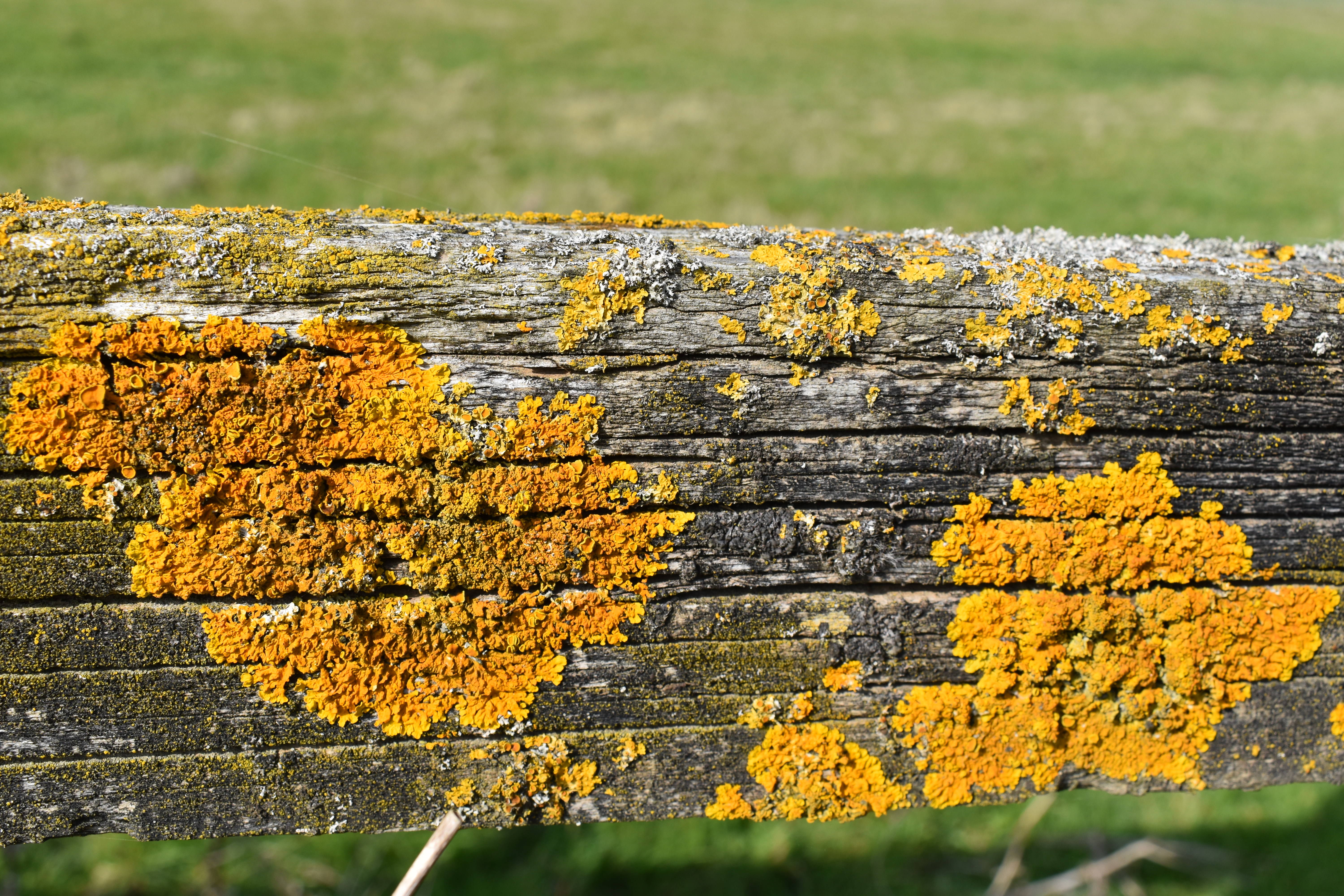
We soon left the village behind and continued to climb steadily as the hedgerows become wild and the landscape changed every few hundred yards. Several trees were decorated with mistletoe the beautiful semi-parasitic plant which boasts yellowy-green berries. The seeds inside the berries are distributed by two birds, the mistle thrush and the blackcap. Moss, algae and lichen adorned every fence, tree, gatepost and gate, turning them so many shades of green, yellow and grey.
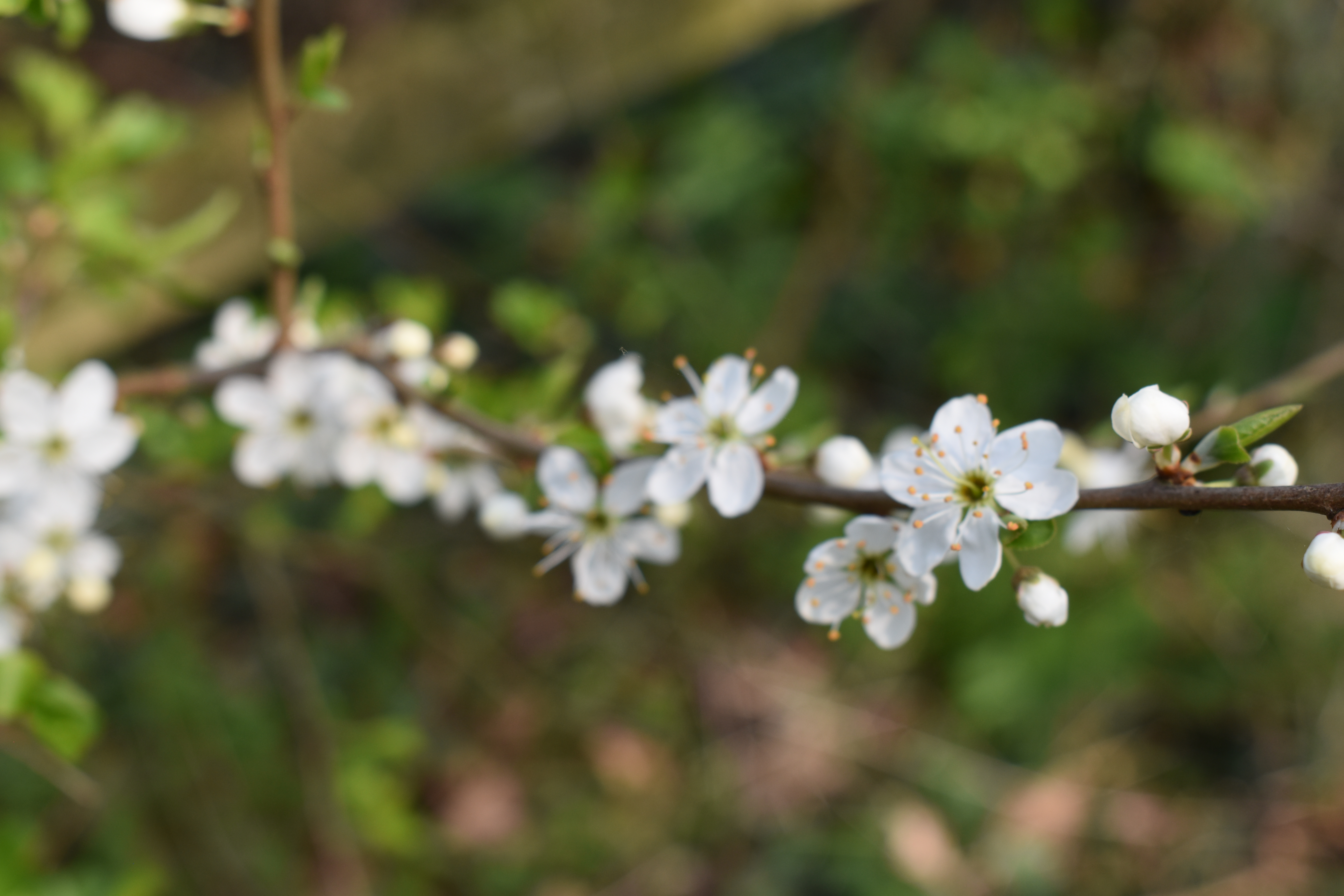
The hedgerows and verges were hosts to many early spring wildflowers and a few garden escapees. The blossom coming out on the hawthorn was so out of season as their common name Mayflowers give a clear indication of when they normally decorate our hedgerows.
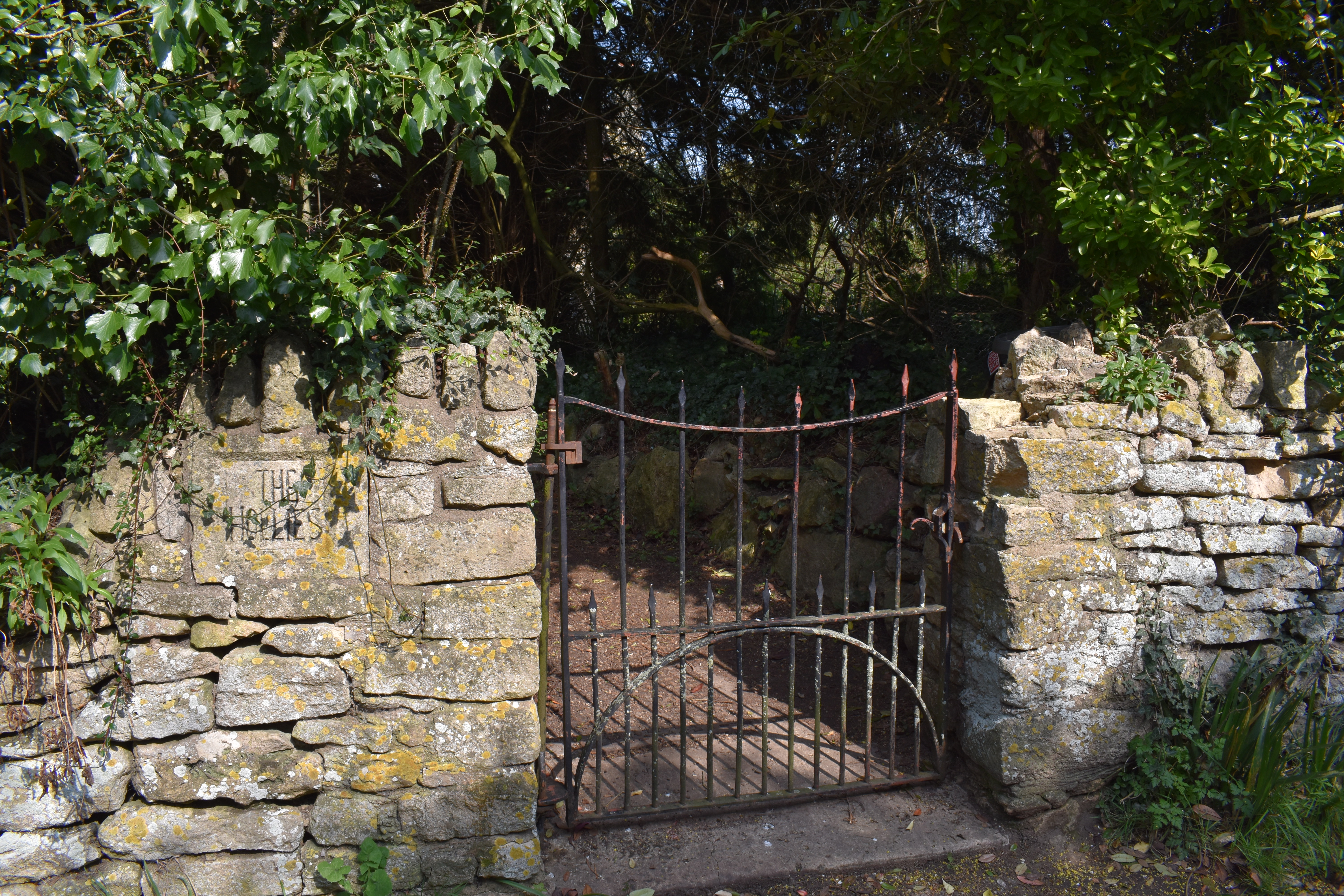
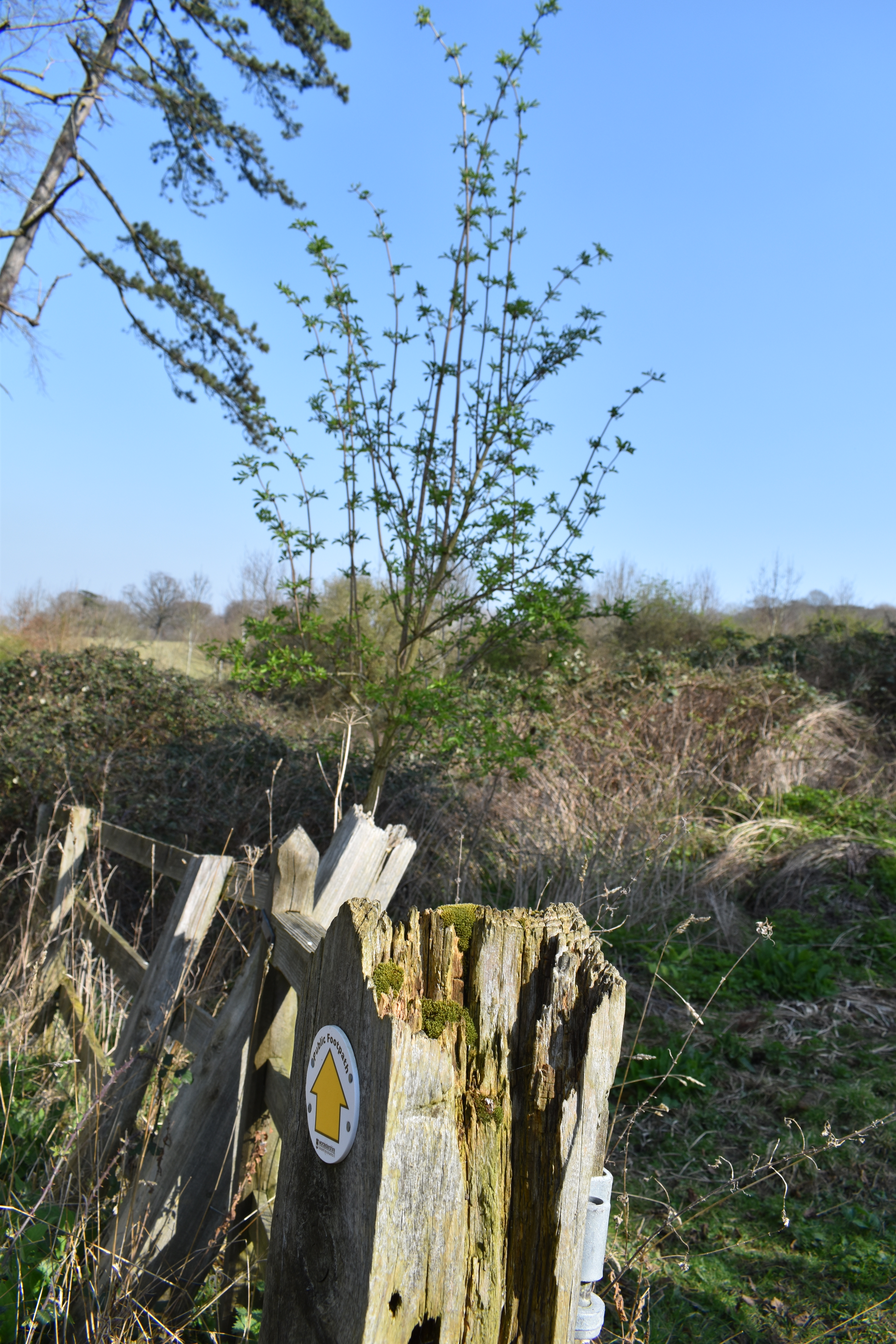
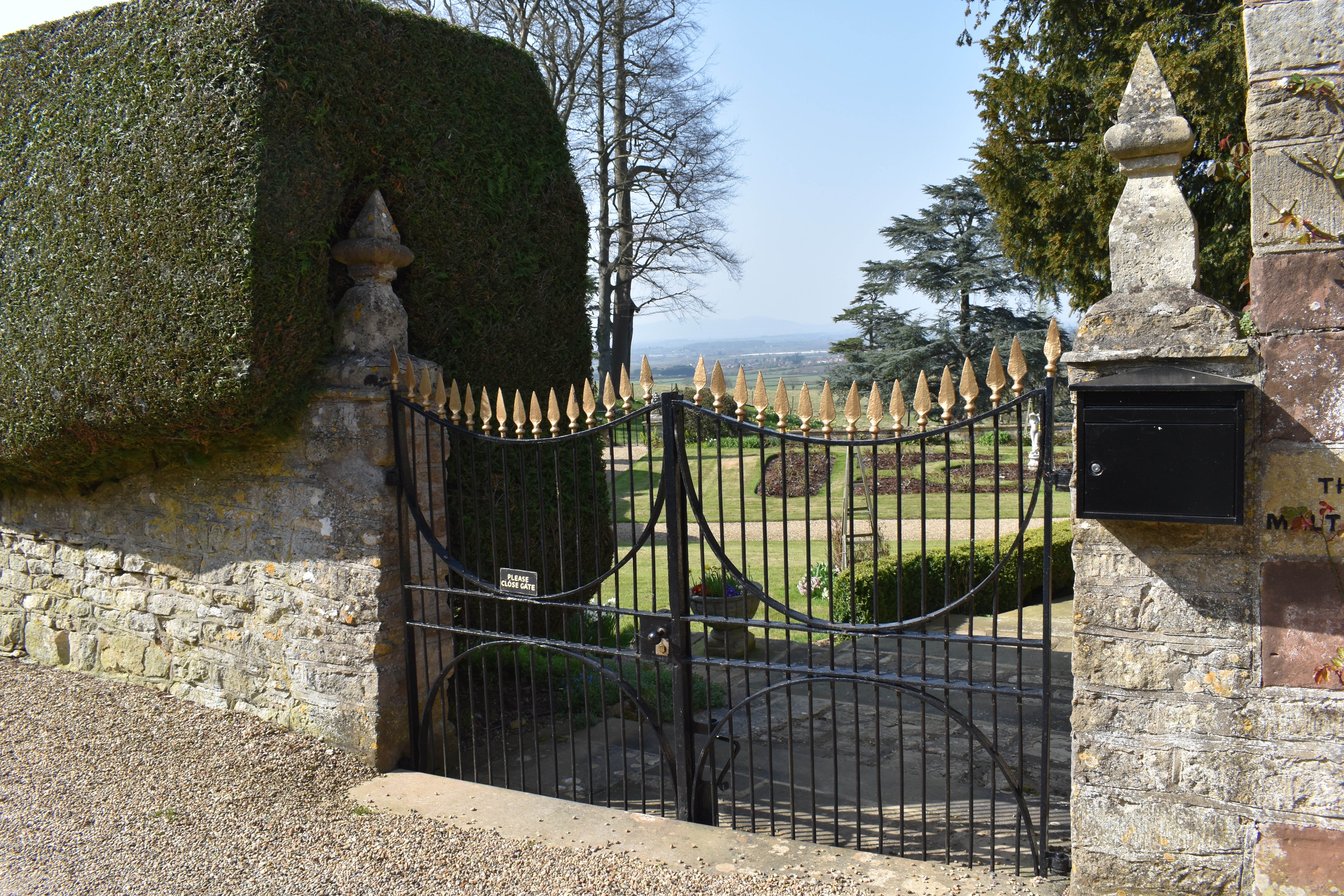
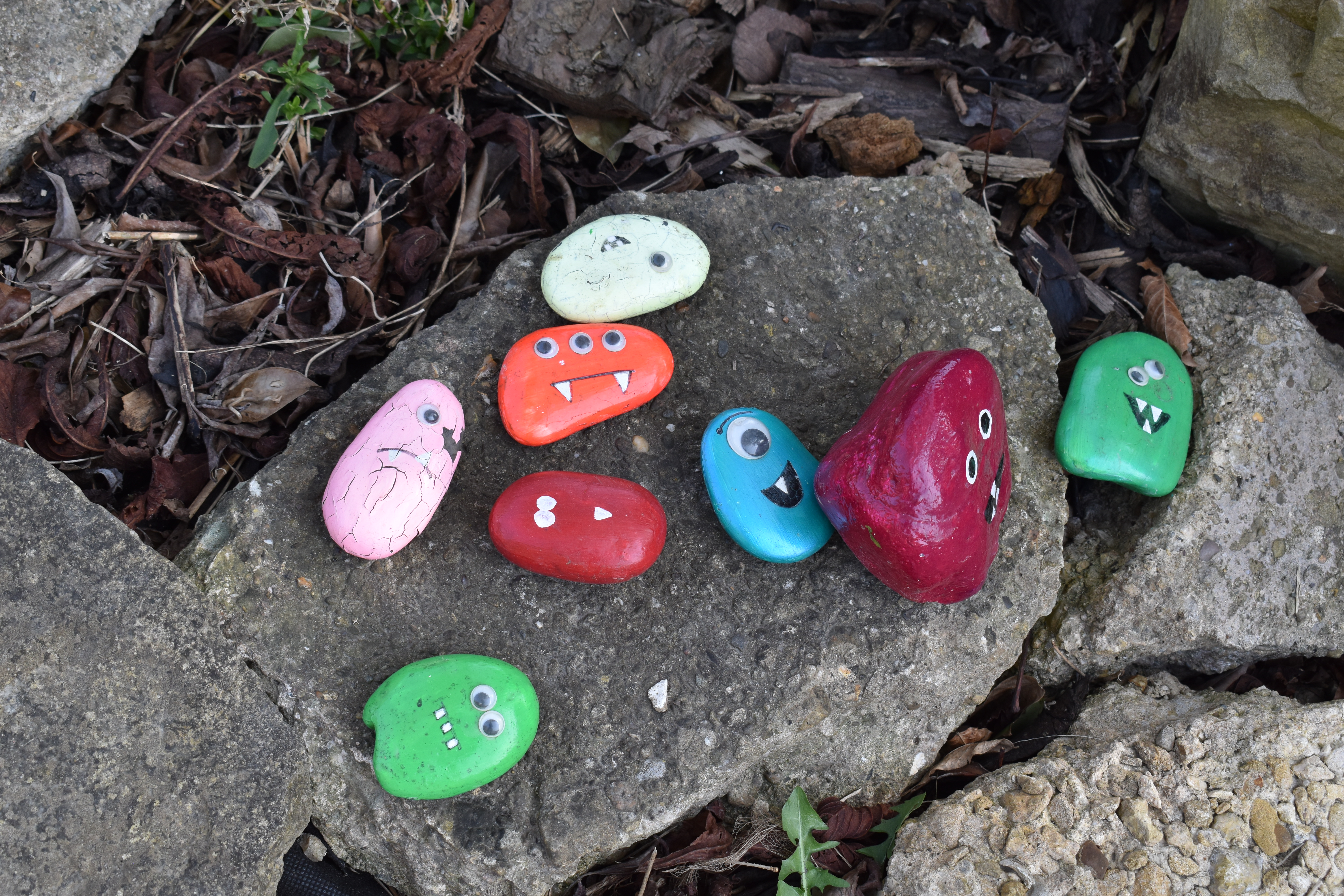
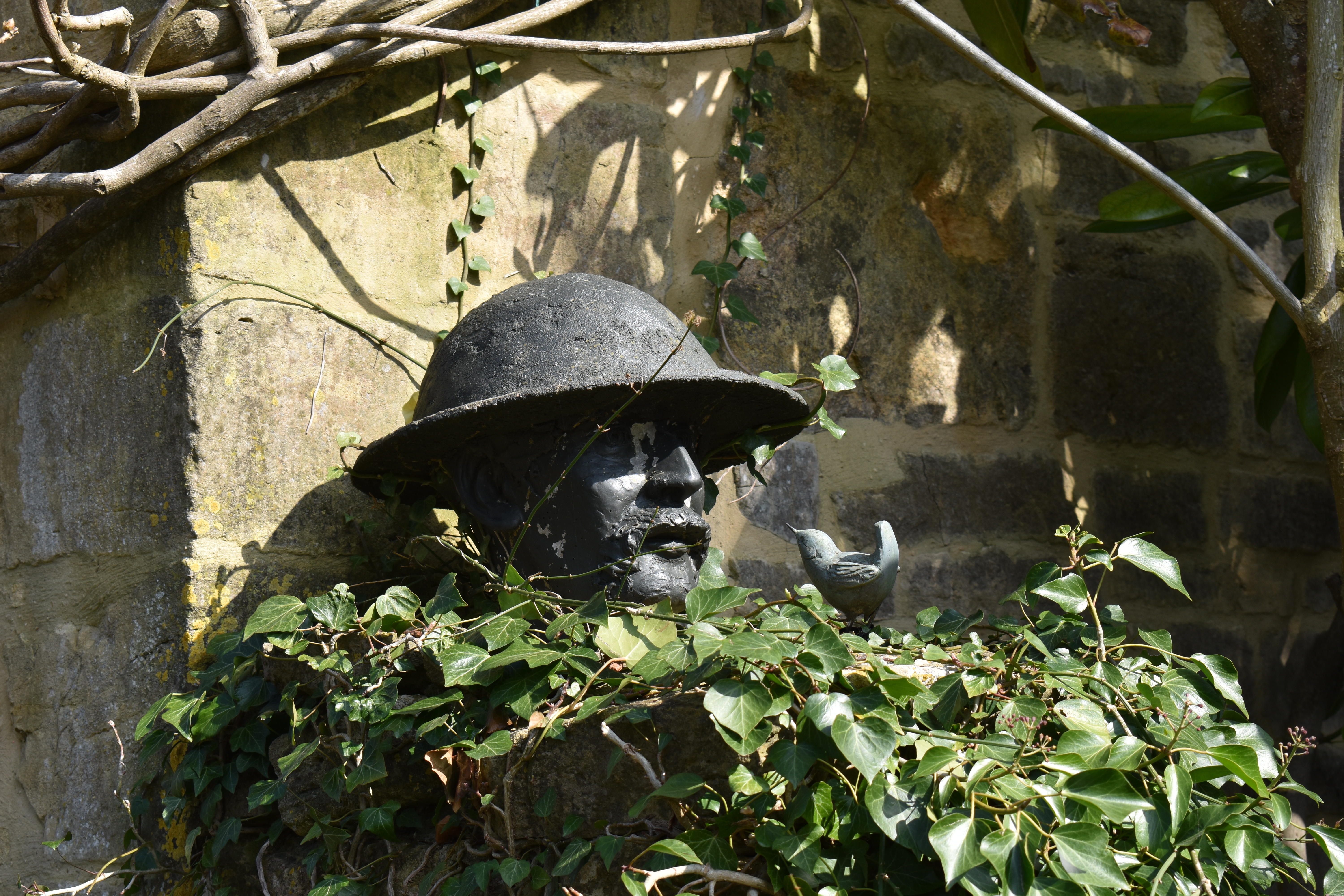
The lane we were following became a track and took us through open countryside and through a hamlet of limestone houses hiddenbehind tall walls, hedges and gates. Here we found interesting little surprises.
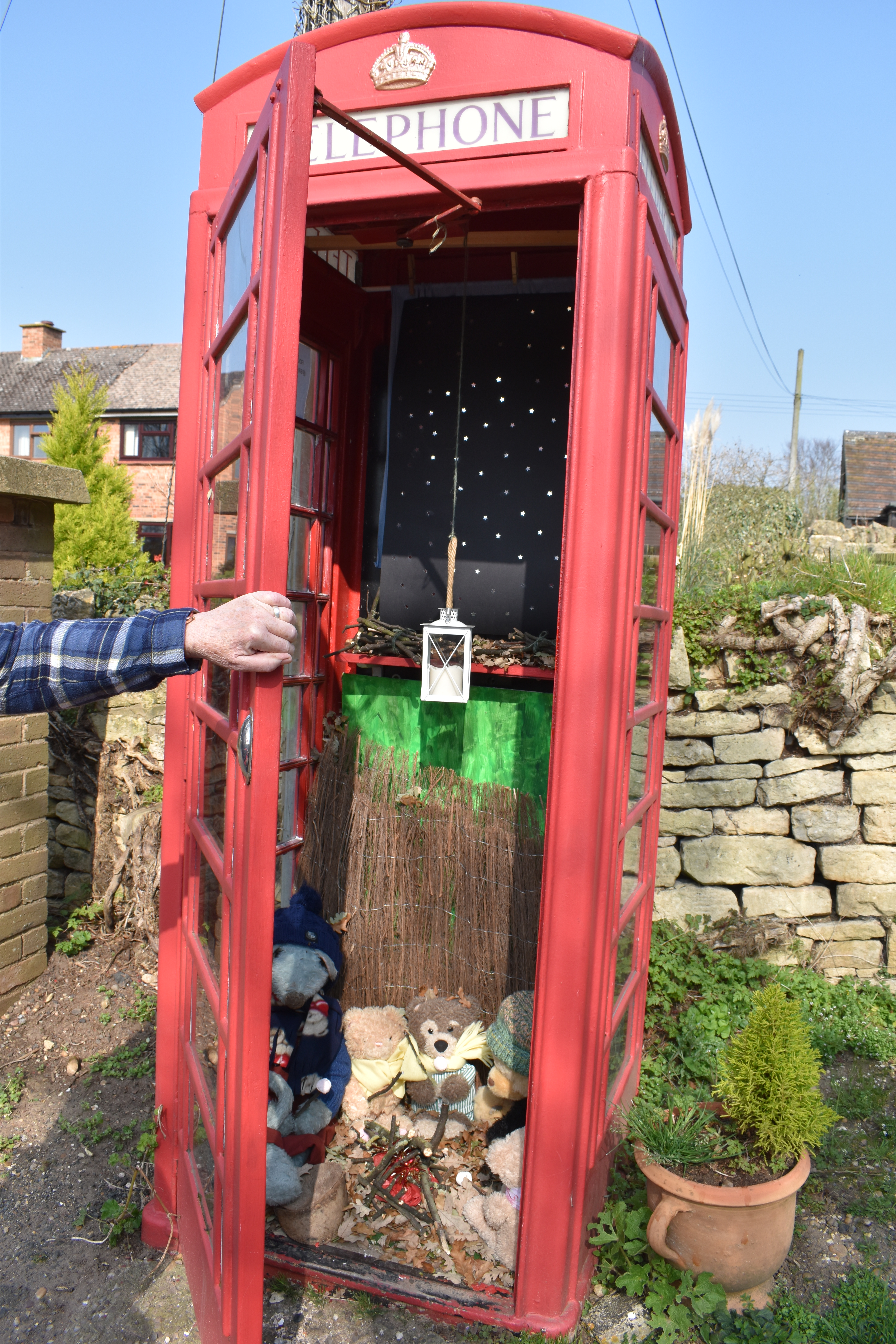
Beyond this cluster of buildings we walked further uphill until we felt we had had enough so sat for a rest before descending following the same route. But the walk had one more surprise in store for us, a decorated red telephone box.
What made this walk so special was the fact that Bredon Hill was the favourite place to walk to for my family as I grew up nearby. It was here with its richness of wildlife from plants, to butterflies and from insects to deer that I developed my deep love of the natural world. Also when Jude and I were training to be teachers we chose this hill as the subjects of our dissertations. But within a few years of beginning my teaching career I had a serious road accident which meant for decades I could not walk far and certainly would never have climbed Bredon Hill. This walk was the first time for about 50 years that I made the climb up the hill.
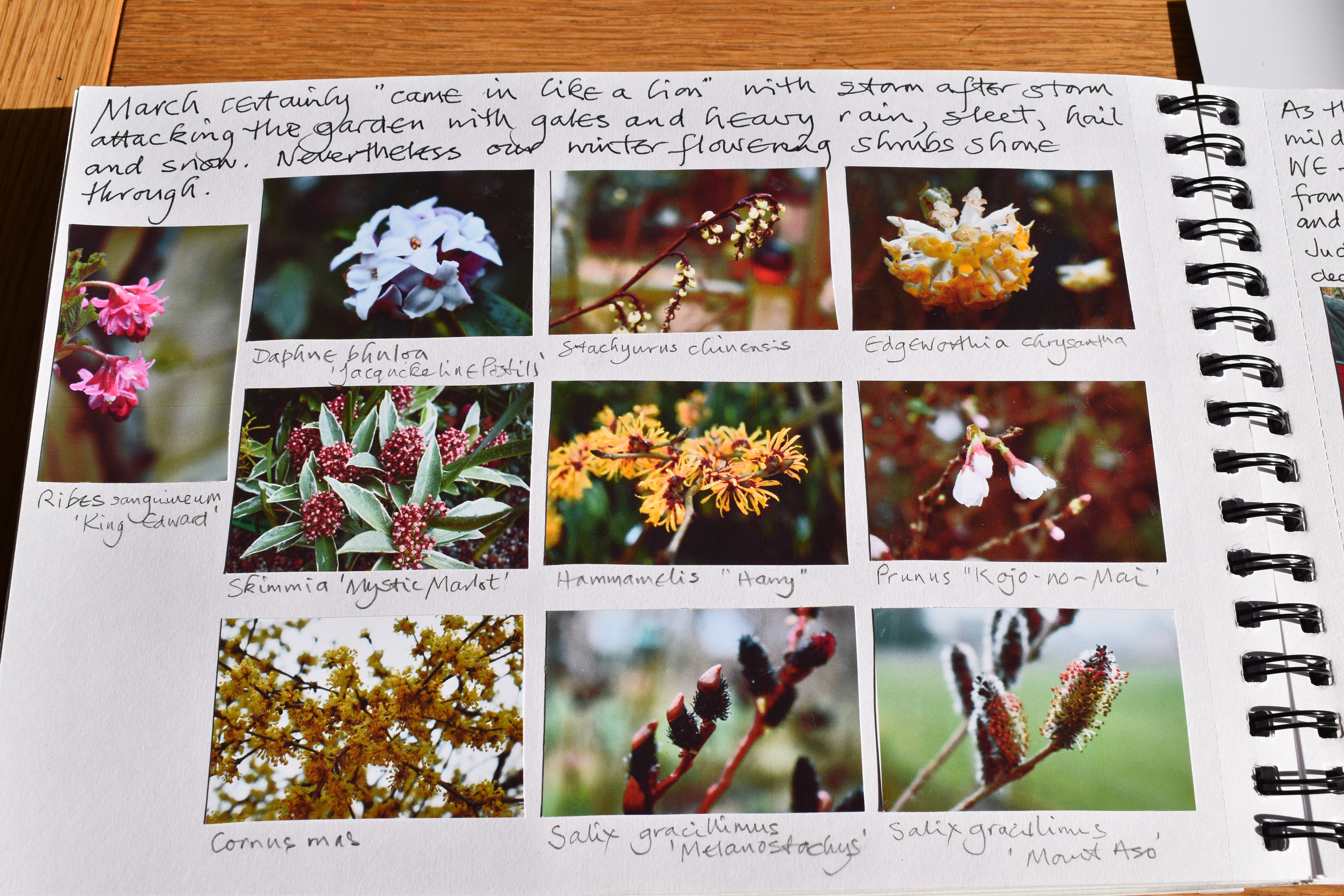
Back with another look at entries in my garden journal, this time for March 2022, when perhaps we may spot some signs of spring?
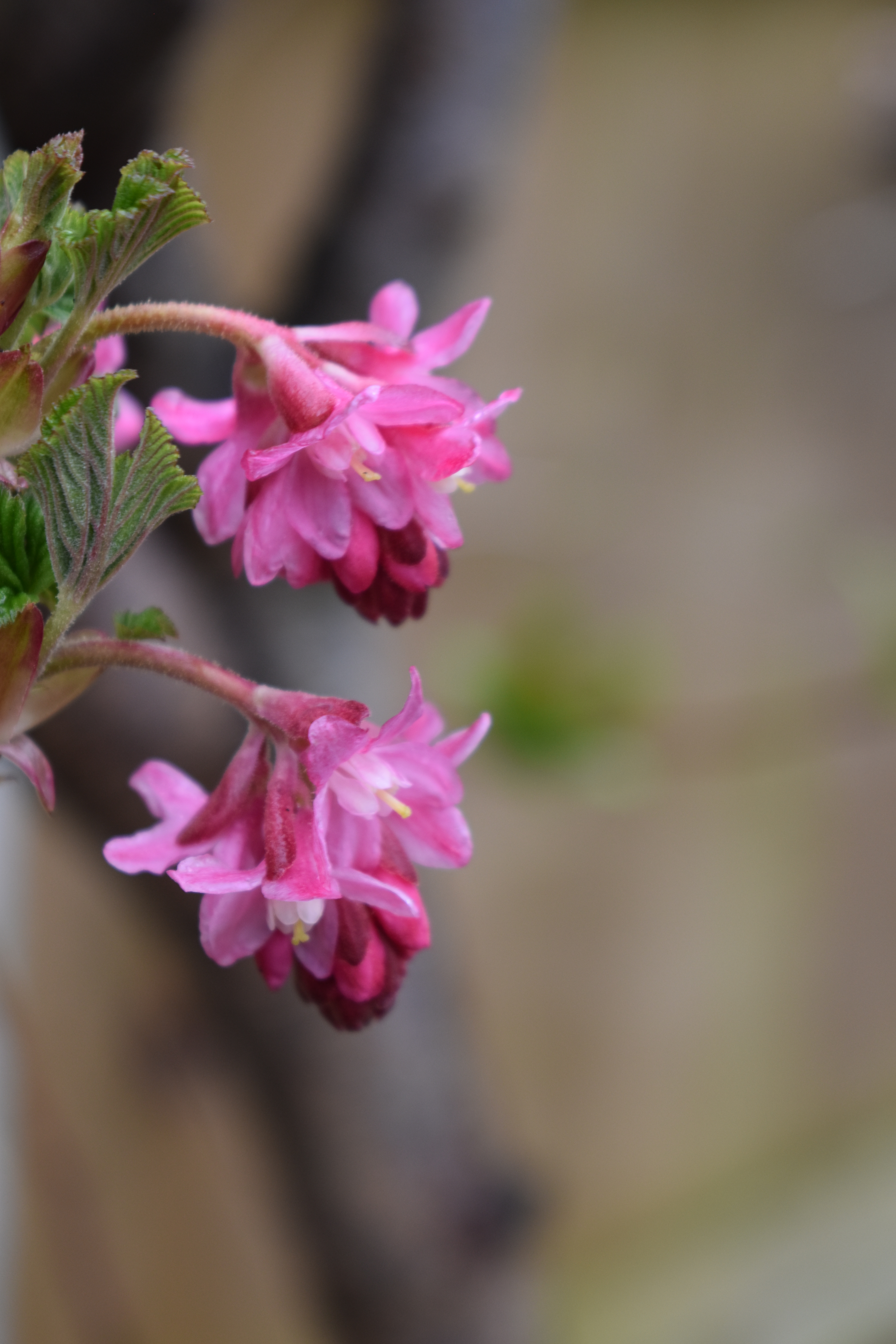
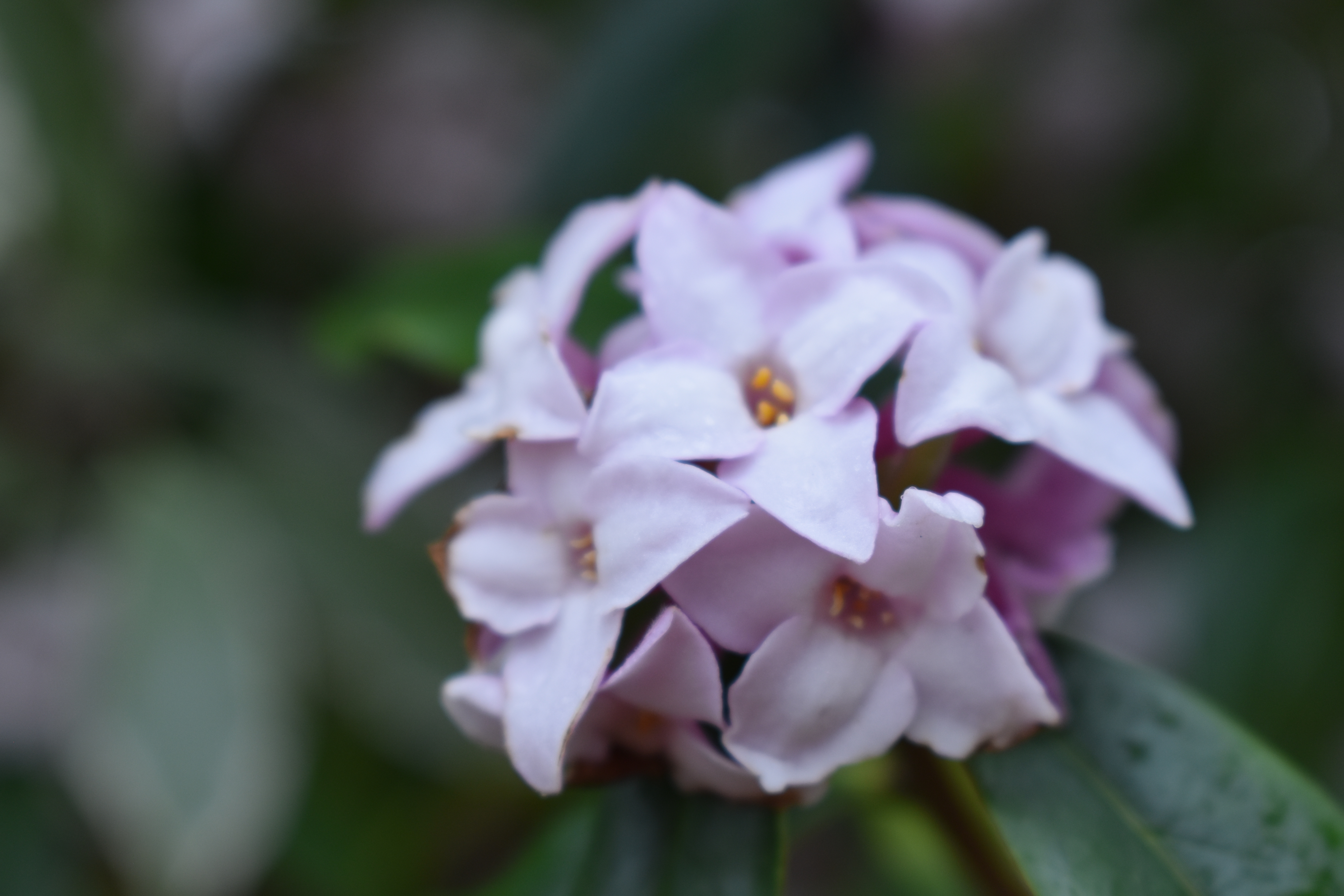
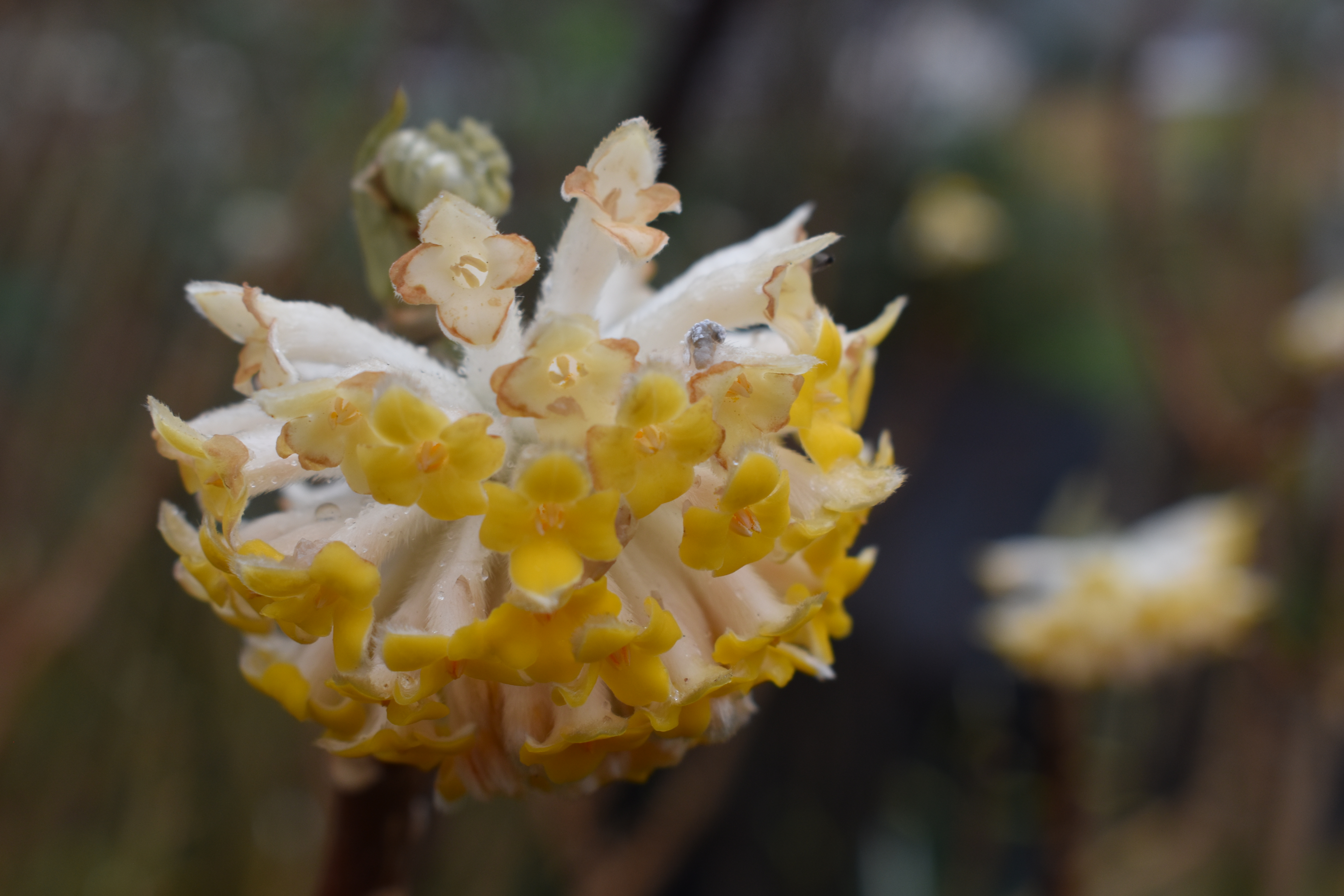
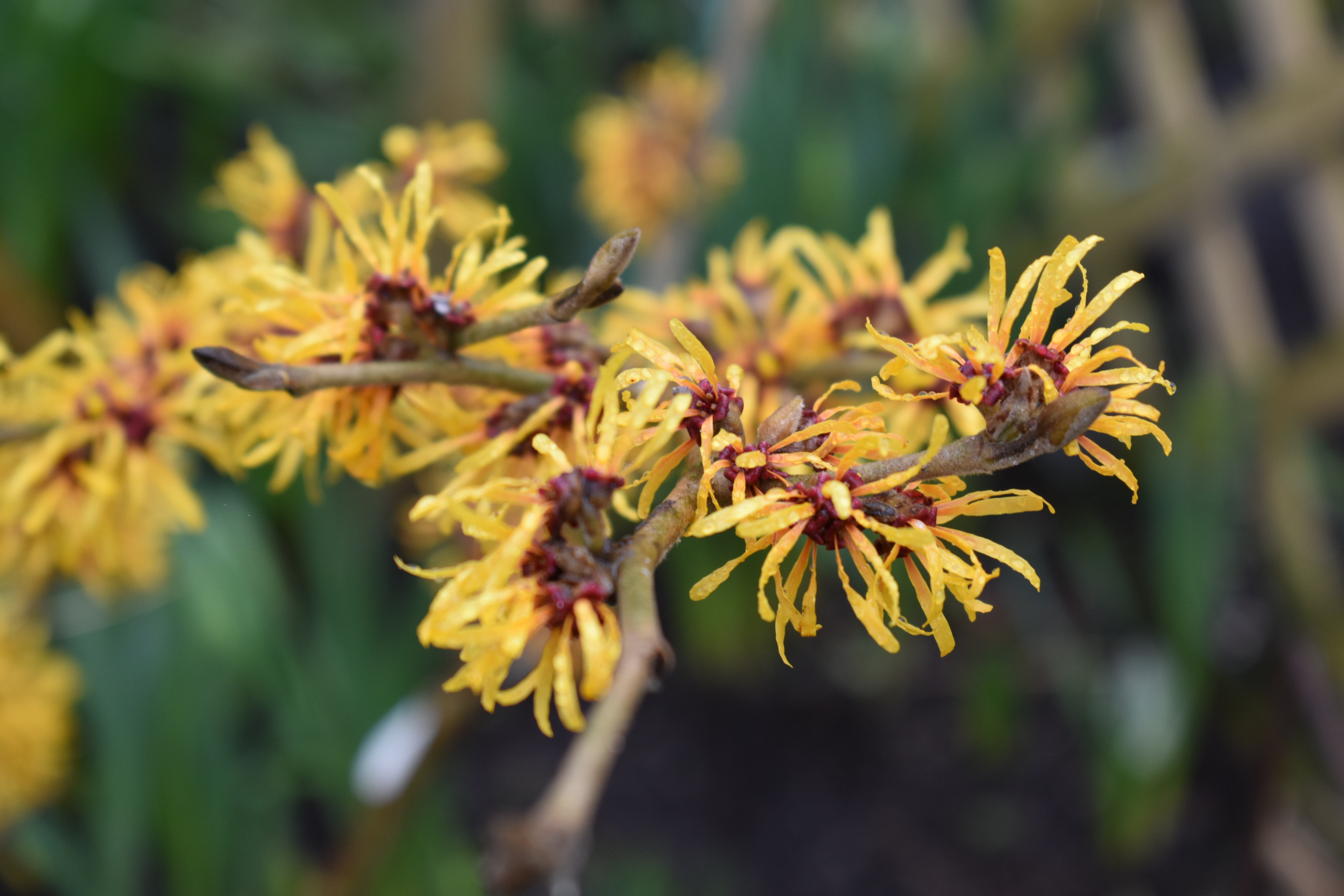
On the first page I welcomed in the new month by considering our flowering shrubs that gave us colour at the beginning of March, and wrote,“March certainly “came in like a lion” with storm after storm attacking the garden with gales and heavy rain, sleet, hail and snow. Nevertheless our winter-flowering shrubs shone through.”
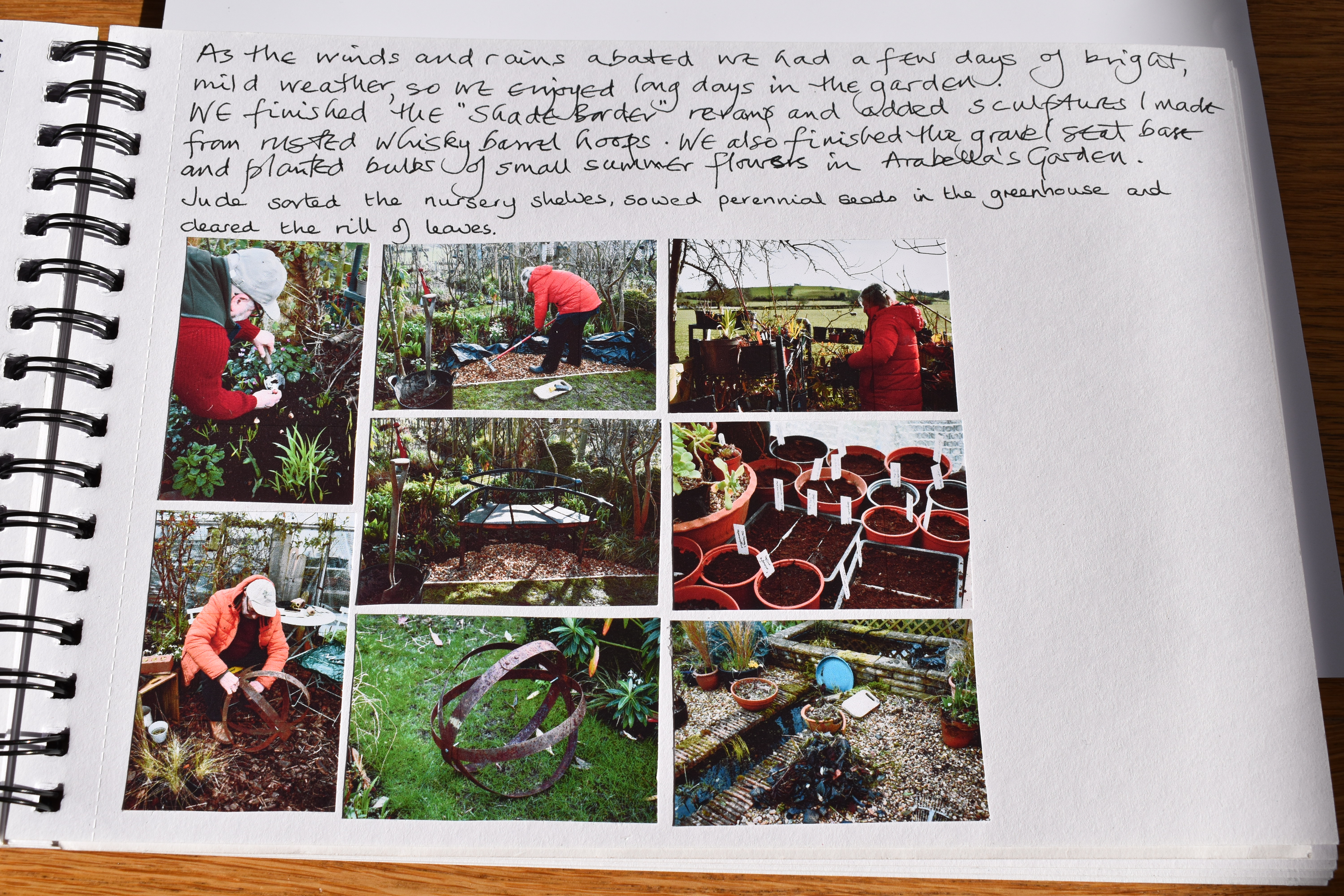
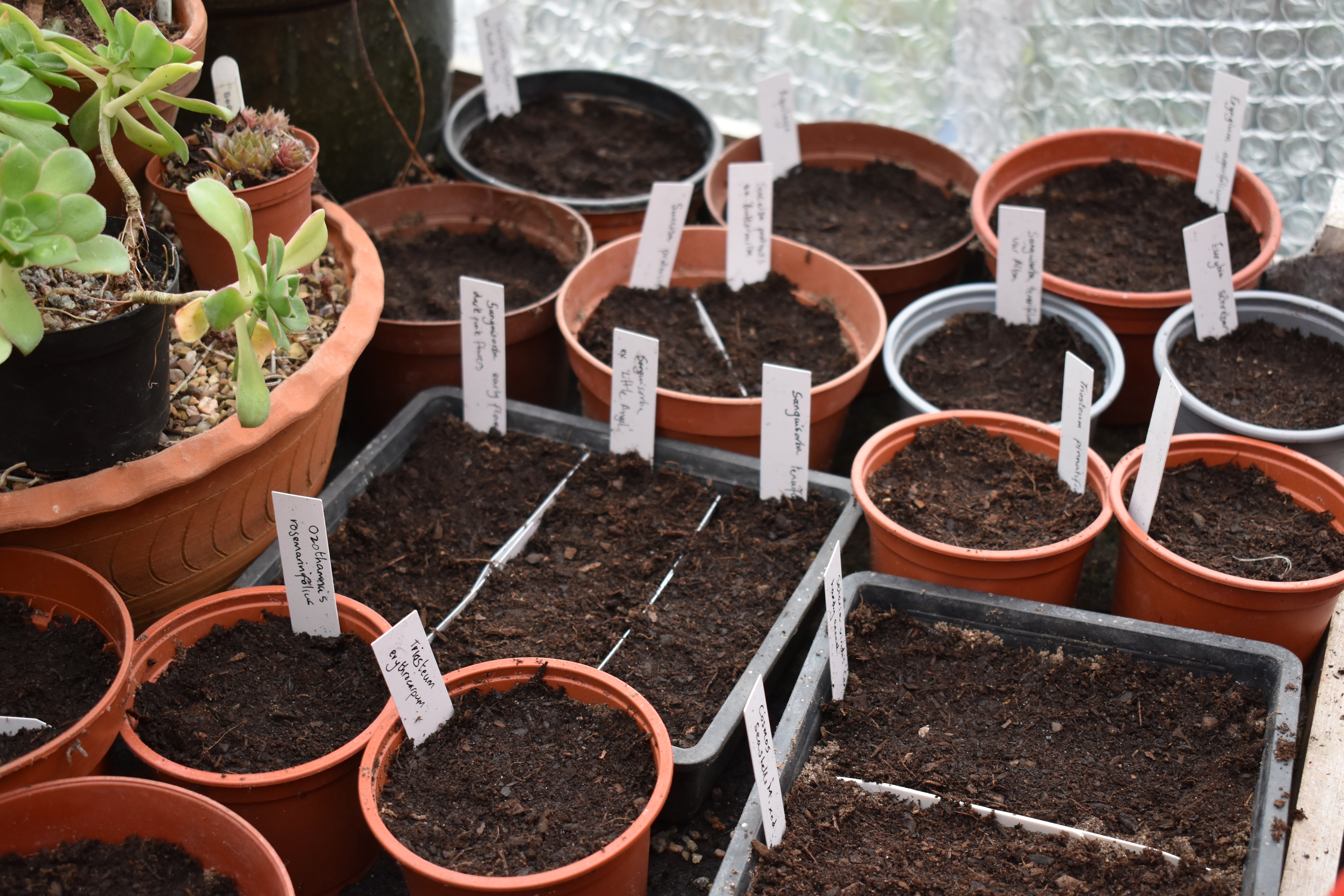
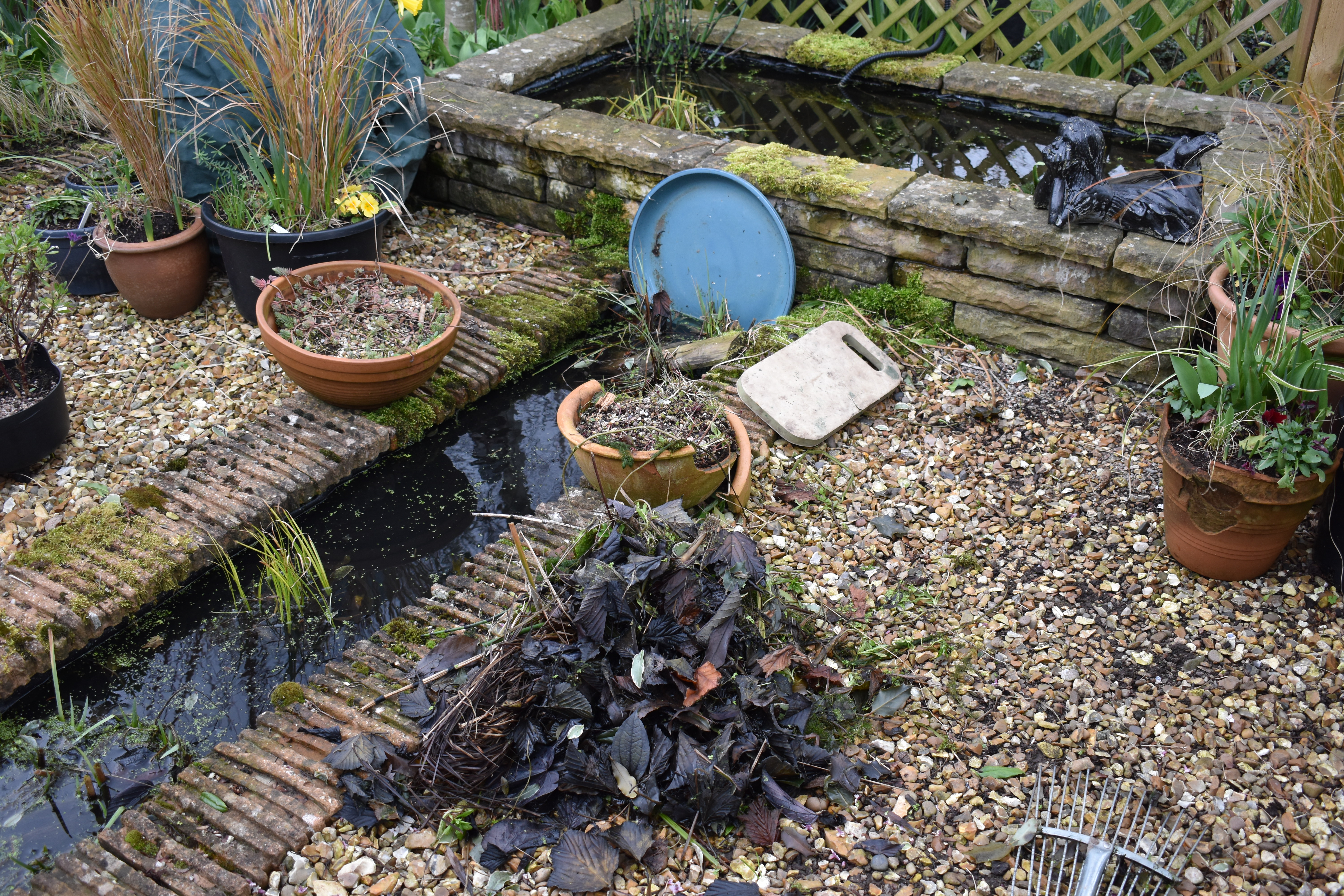
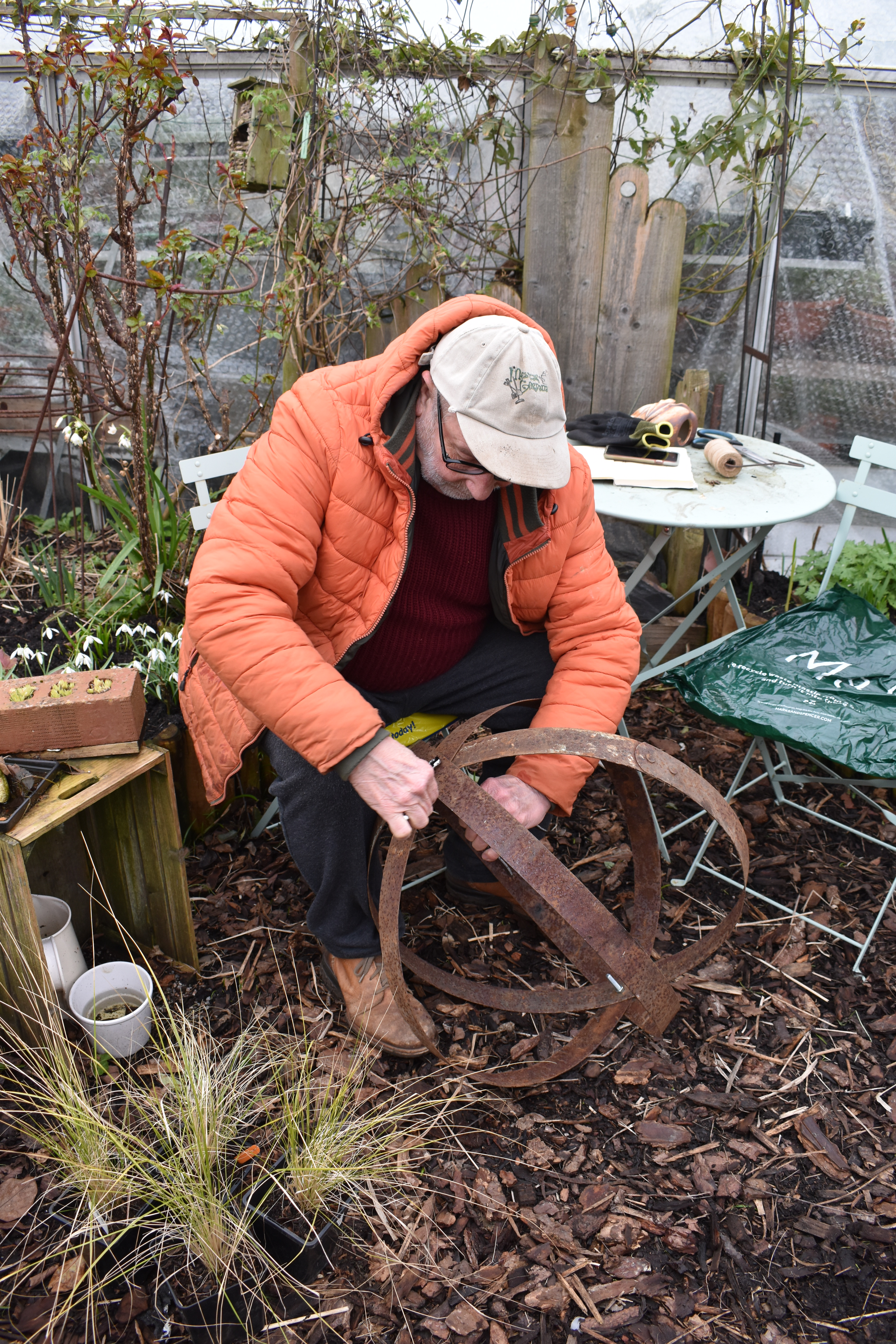
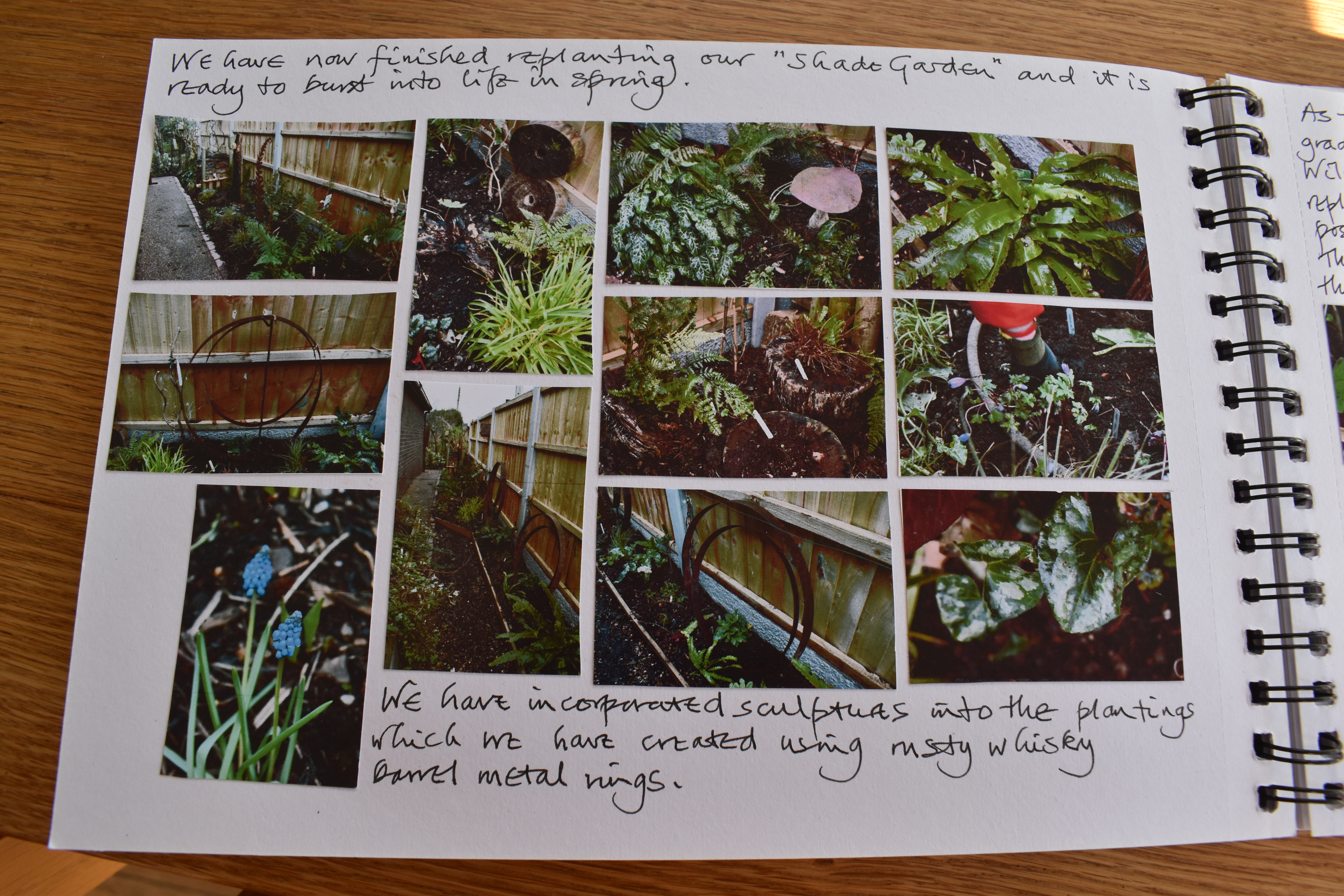
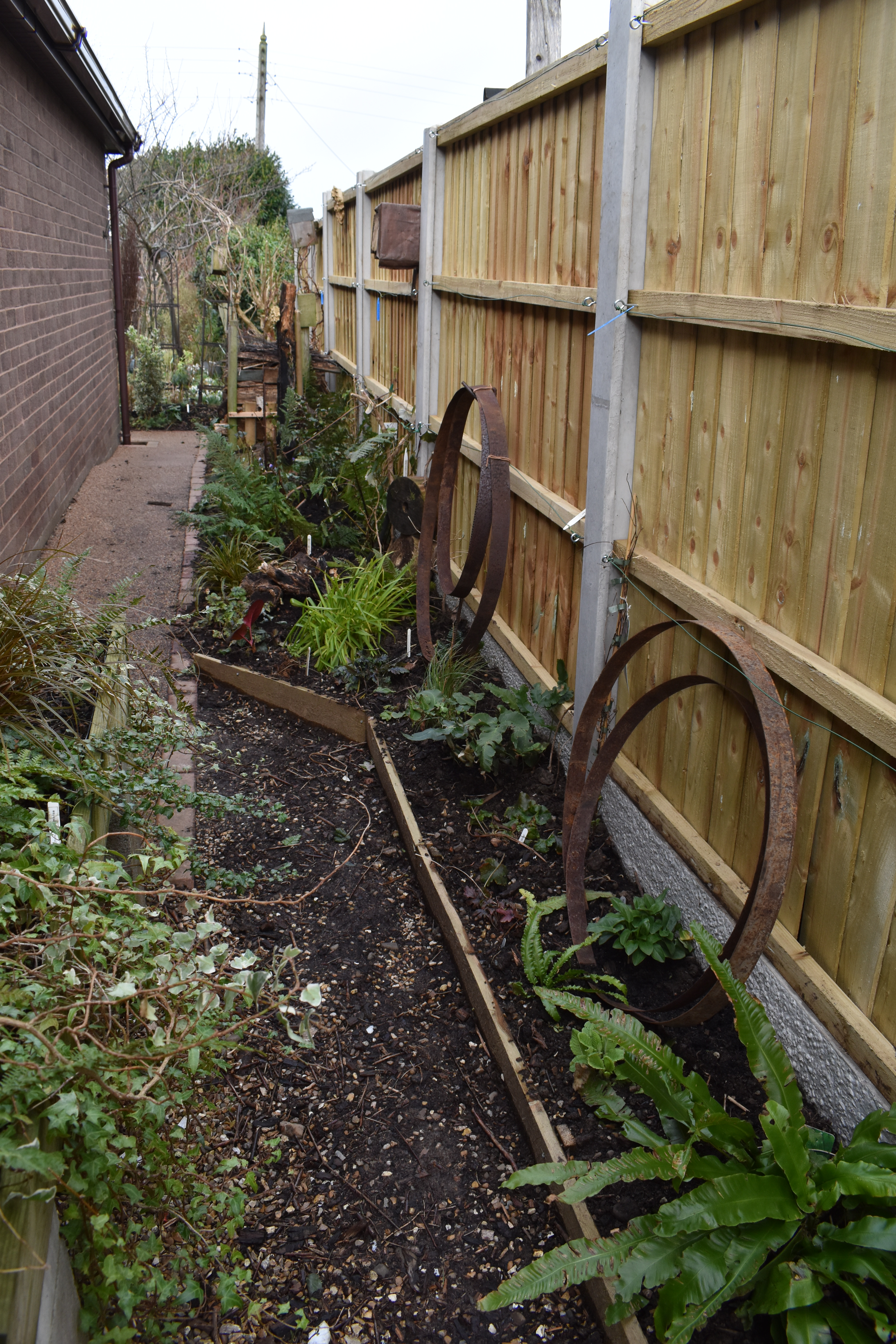
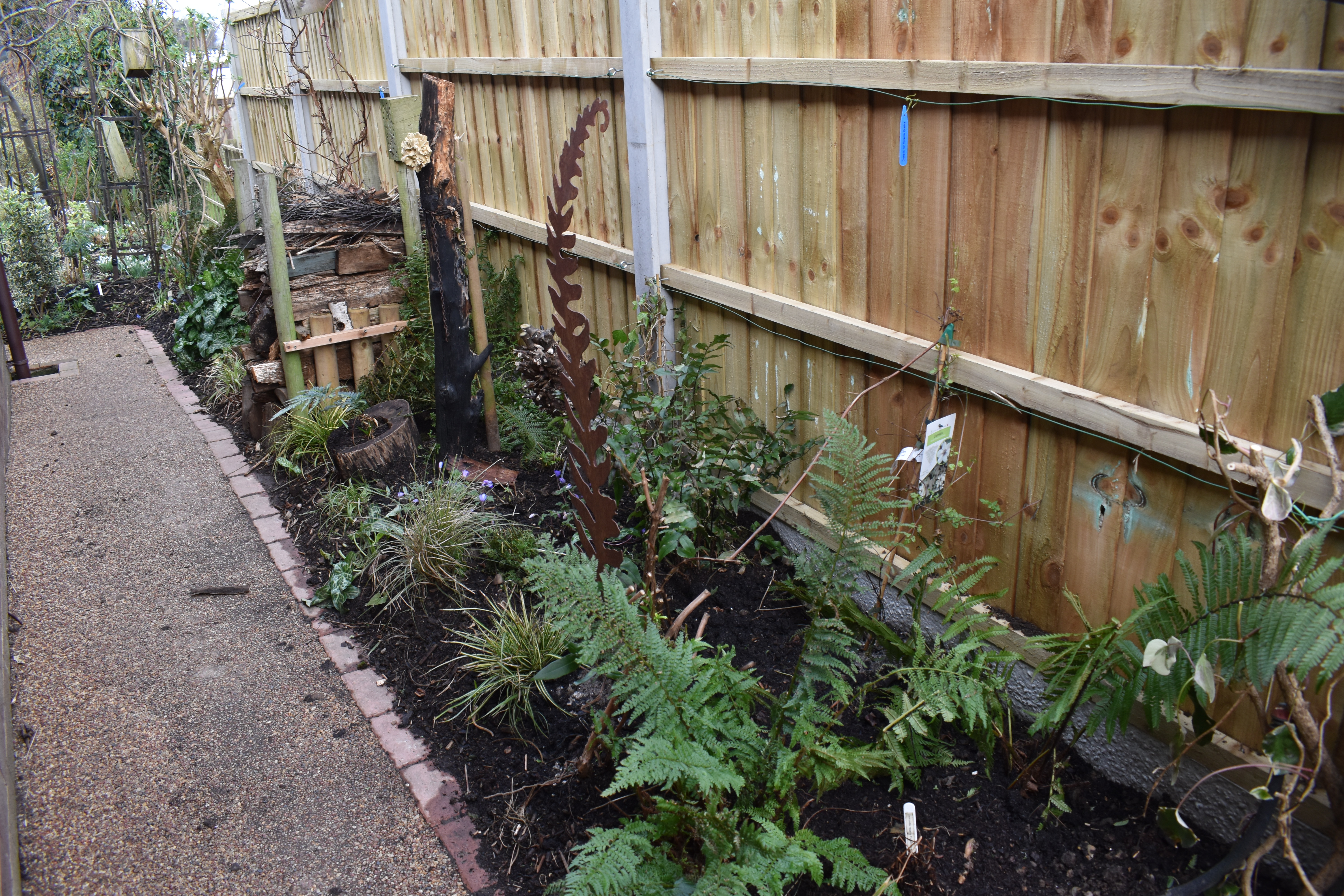
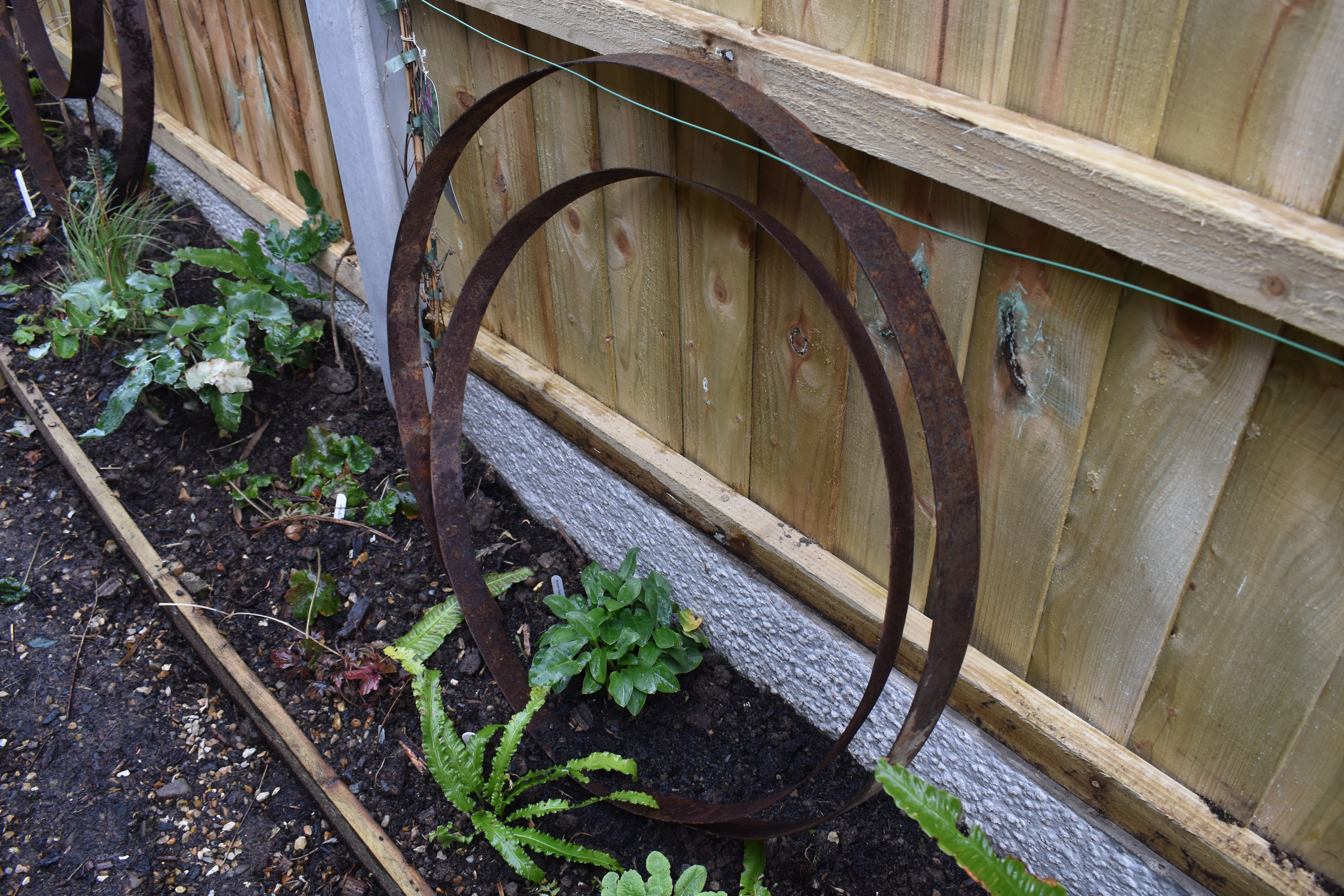
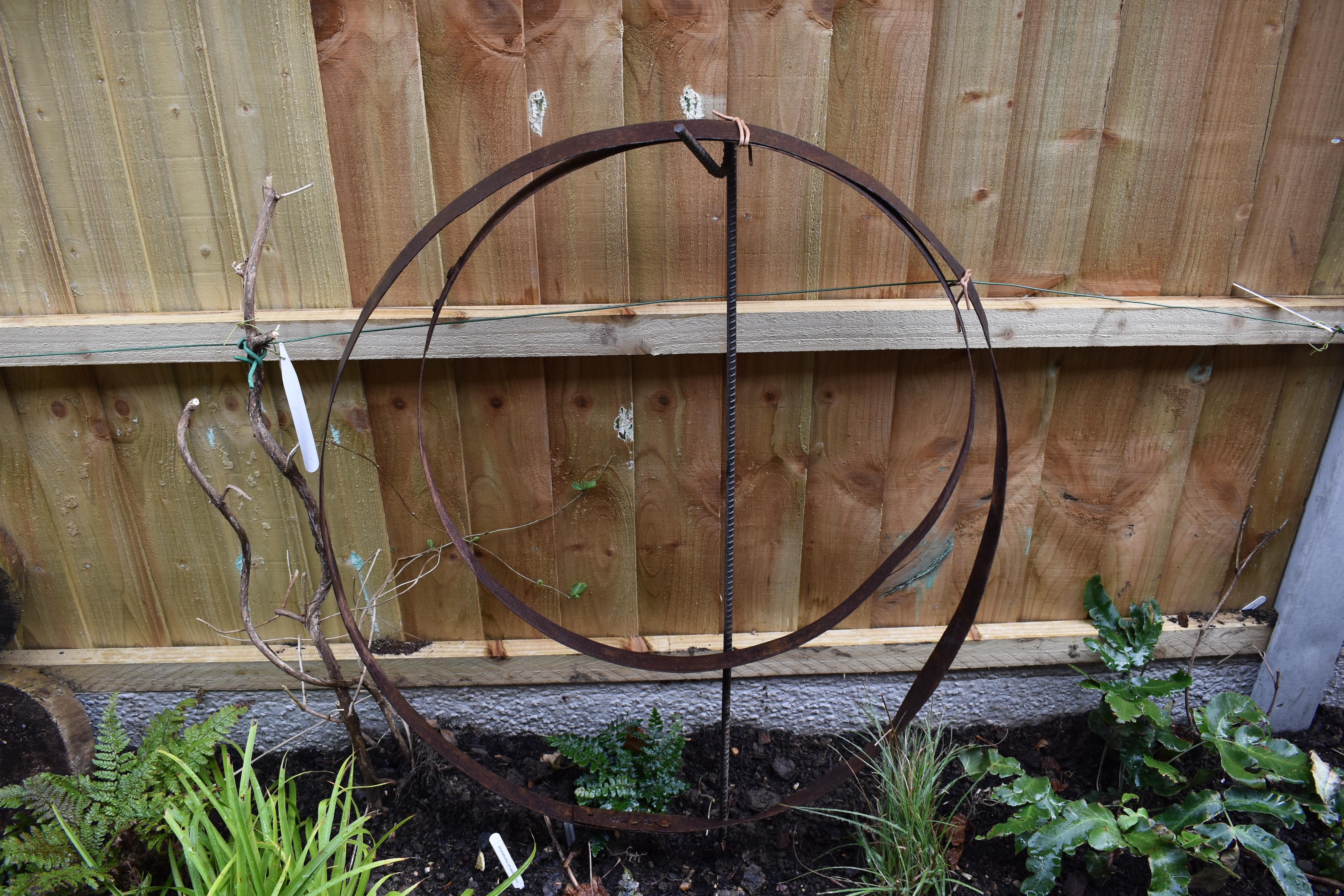
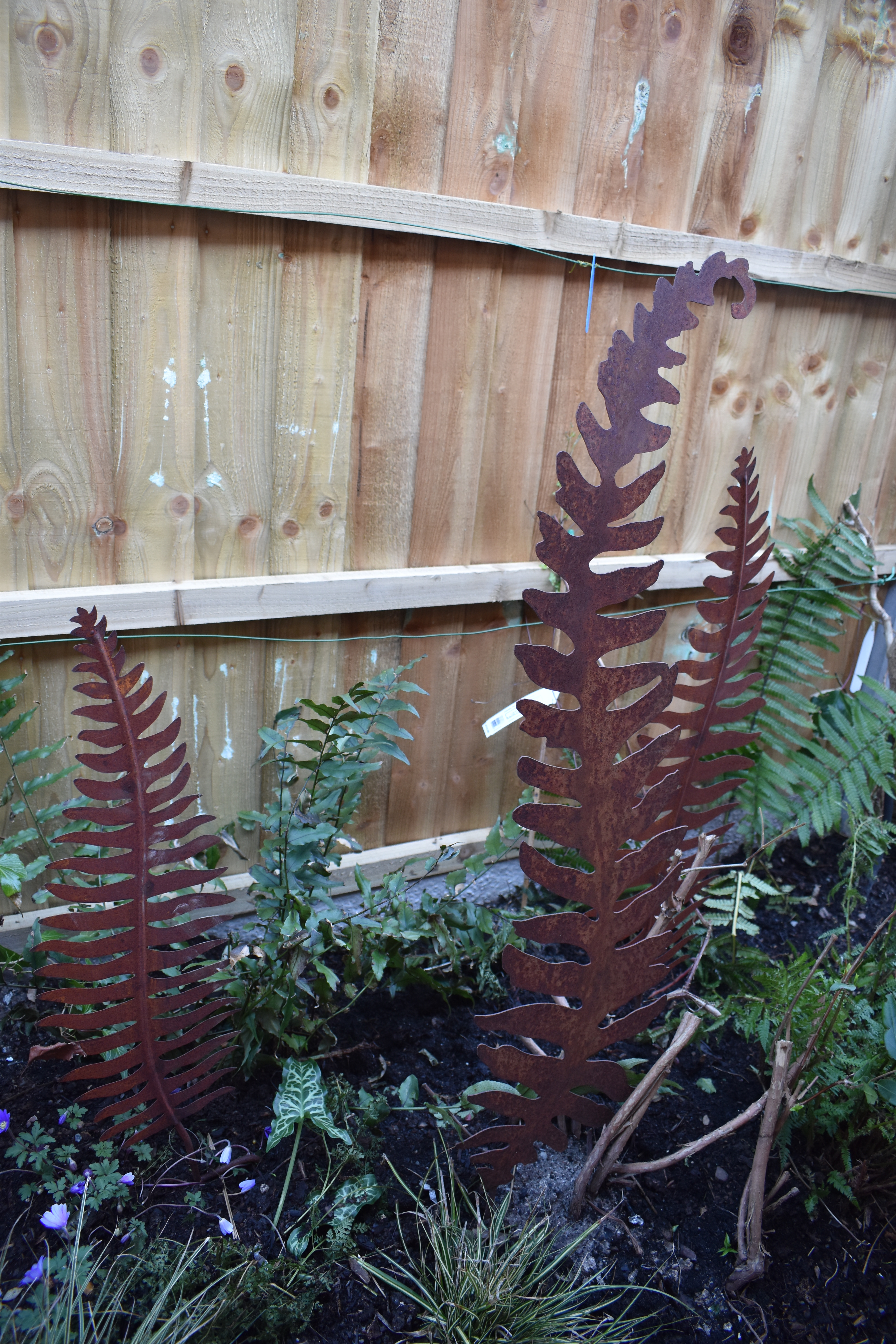
On the opposite page I looked at the garden tasks were worked on early in March. I noted, “As the winds and rains abated we had a few days of bright, mild weather, so we enjoyed long days in the garden. We finished the ‘Shade Border’ revamp and added sculptures I had made from rusted whisky barrel hoops. We also finished gravel seat base and planted bulbs of small summer flowers in ‘Arabella’s Garden’. Jude sorted out the nursery shelves, sowed seeds of herbaceous perennials in the greenhouse and cleared the rill of dead leaves.”
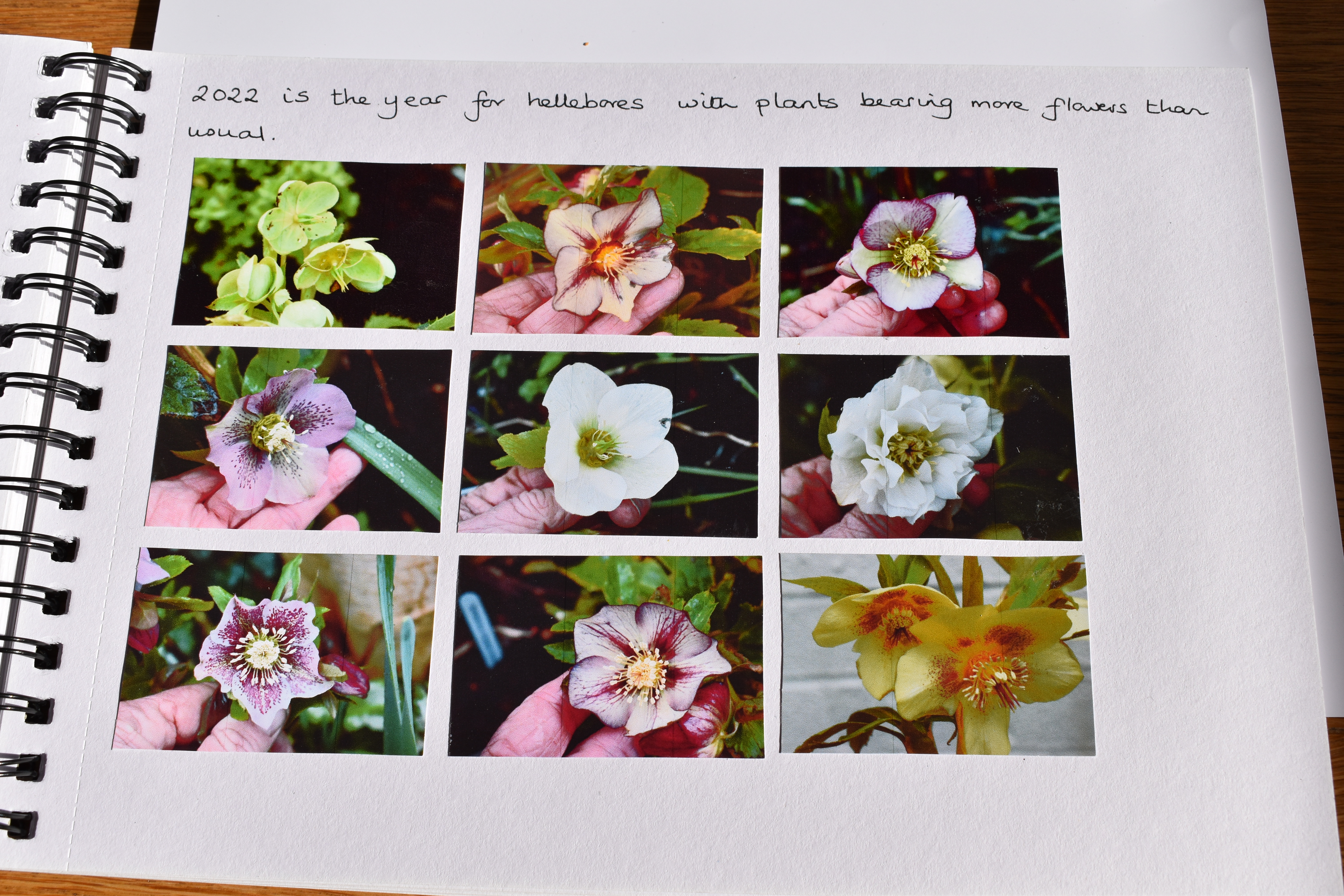
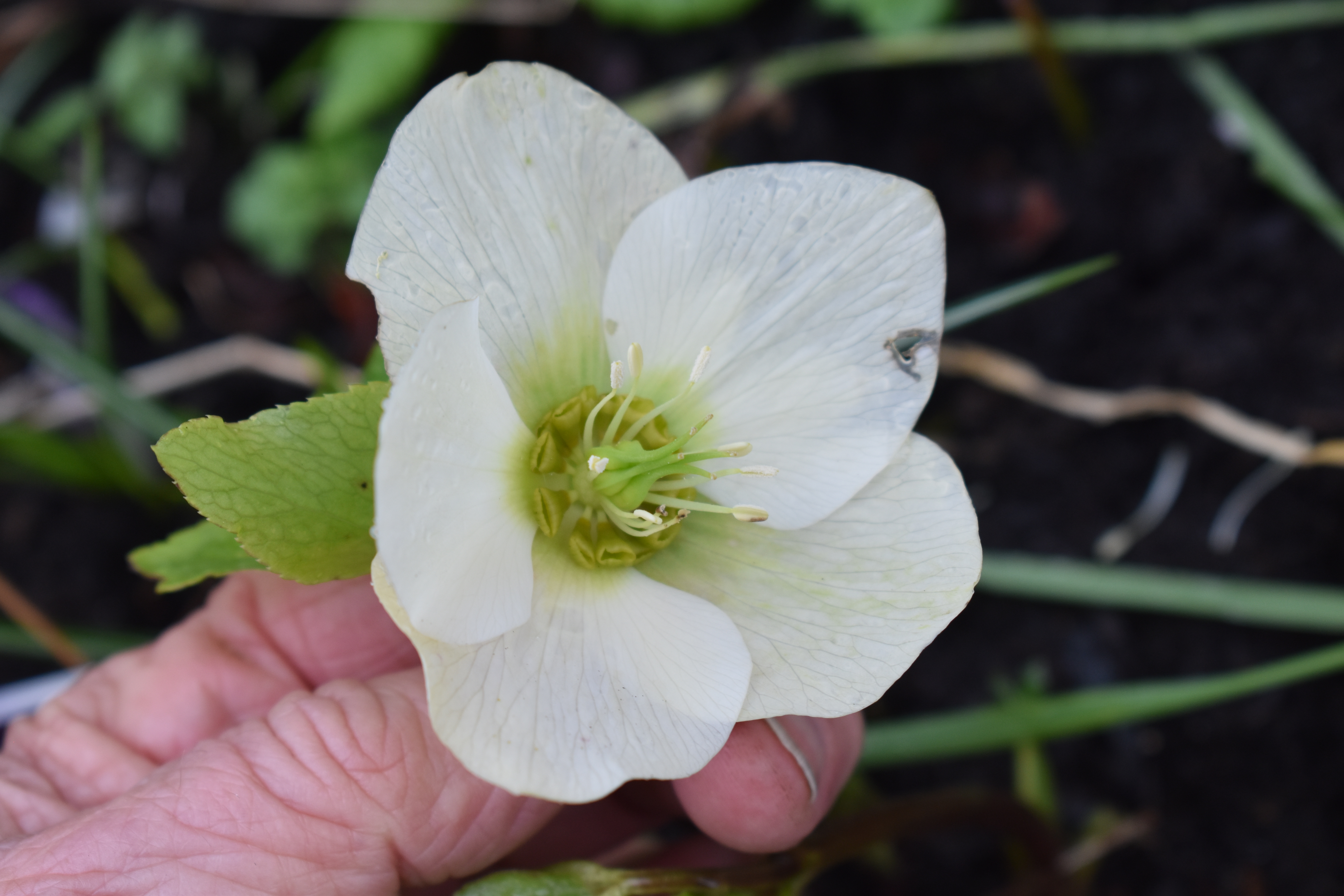
Over onto the next double page I looked firstly at freshly emerged foliage and then at hellebore hybrids.
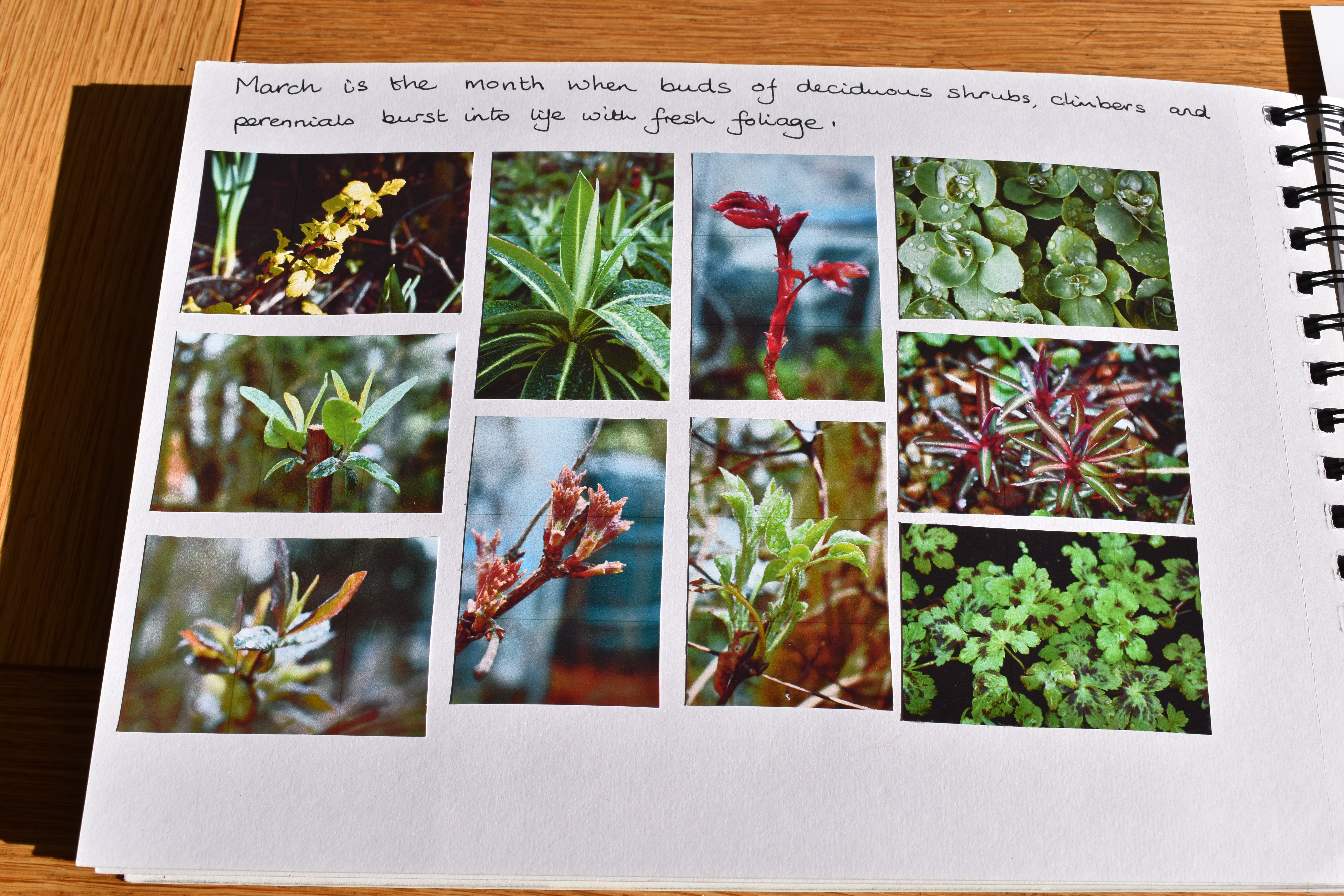
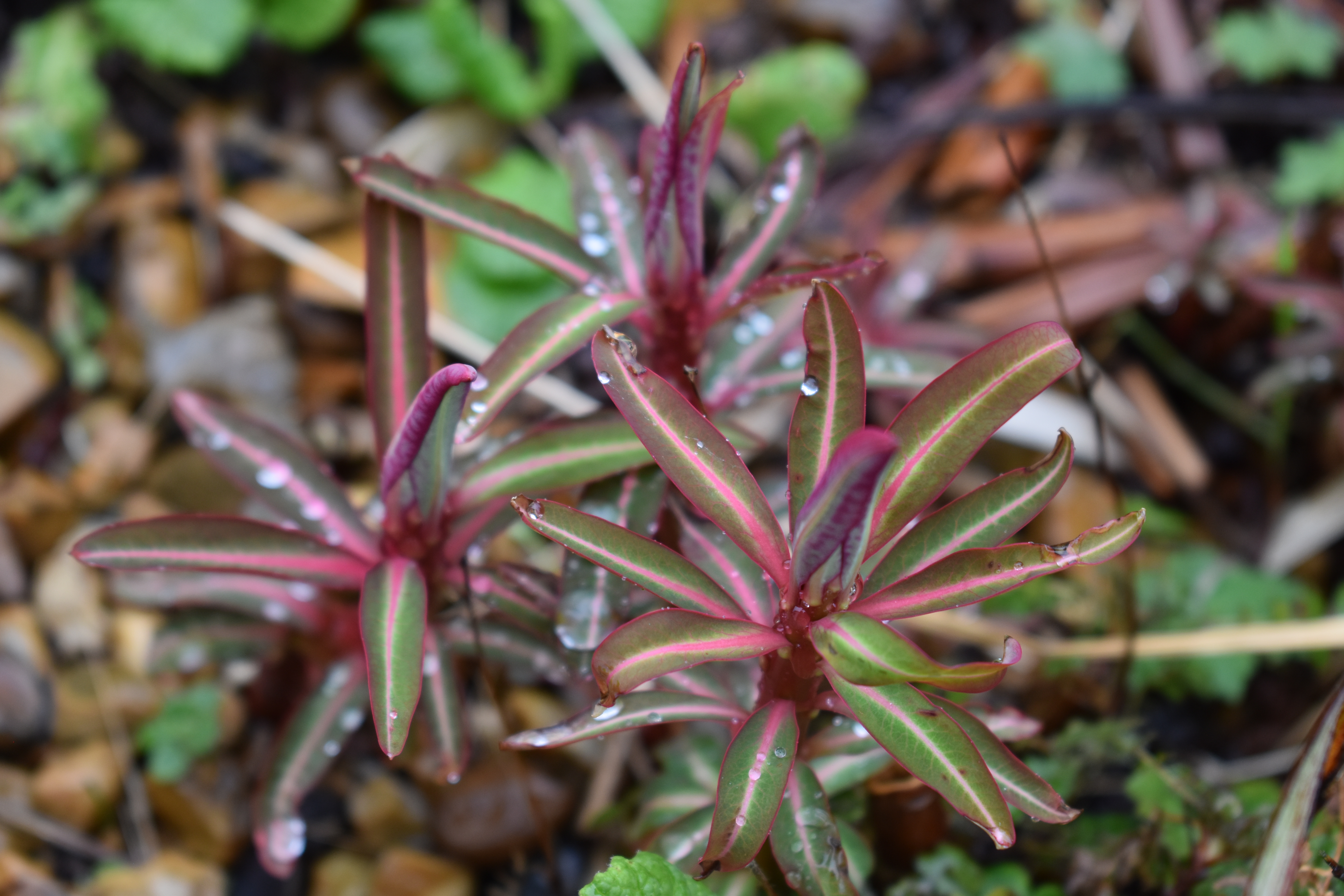
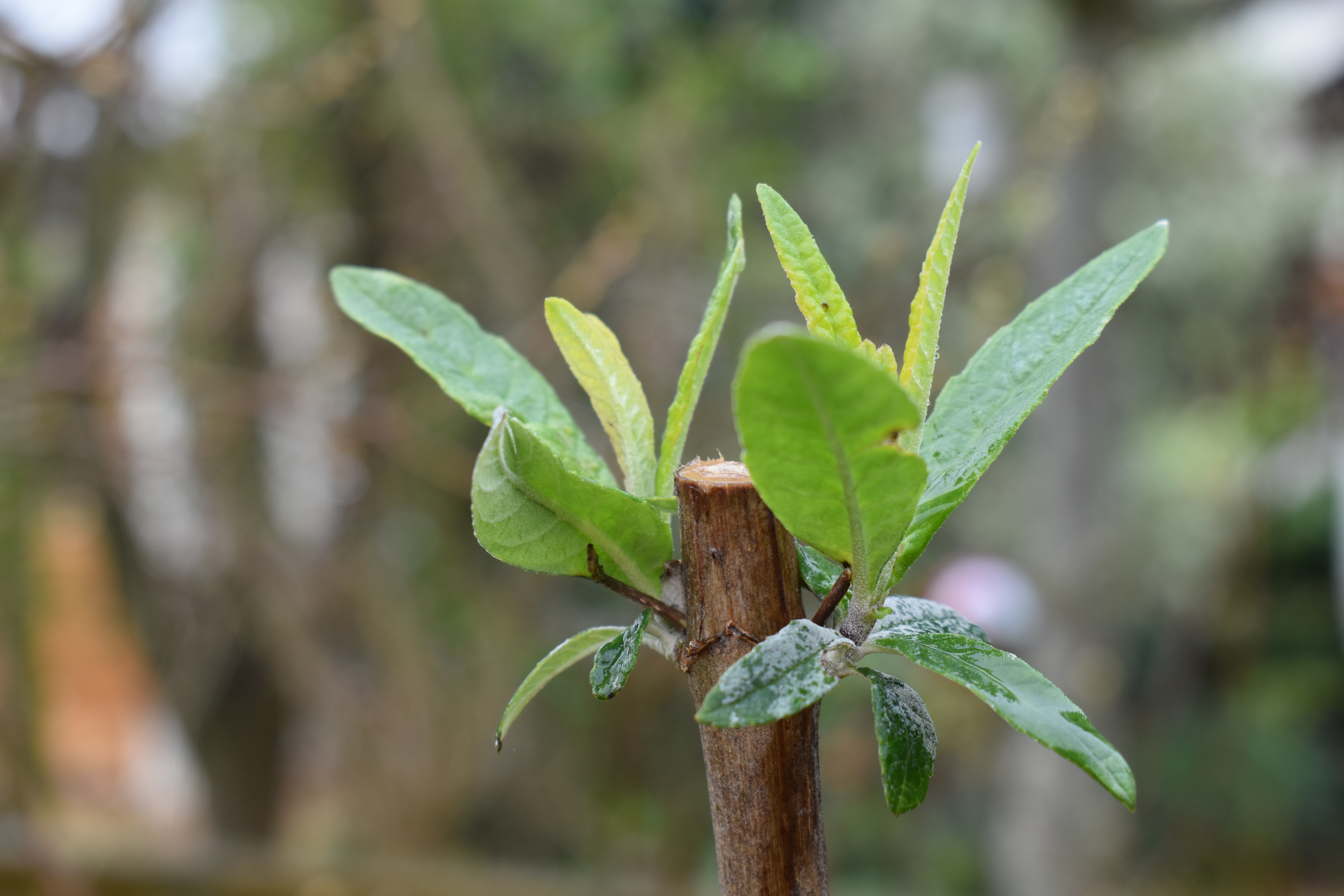
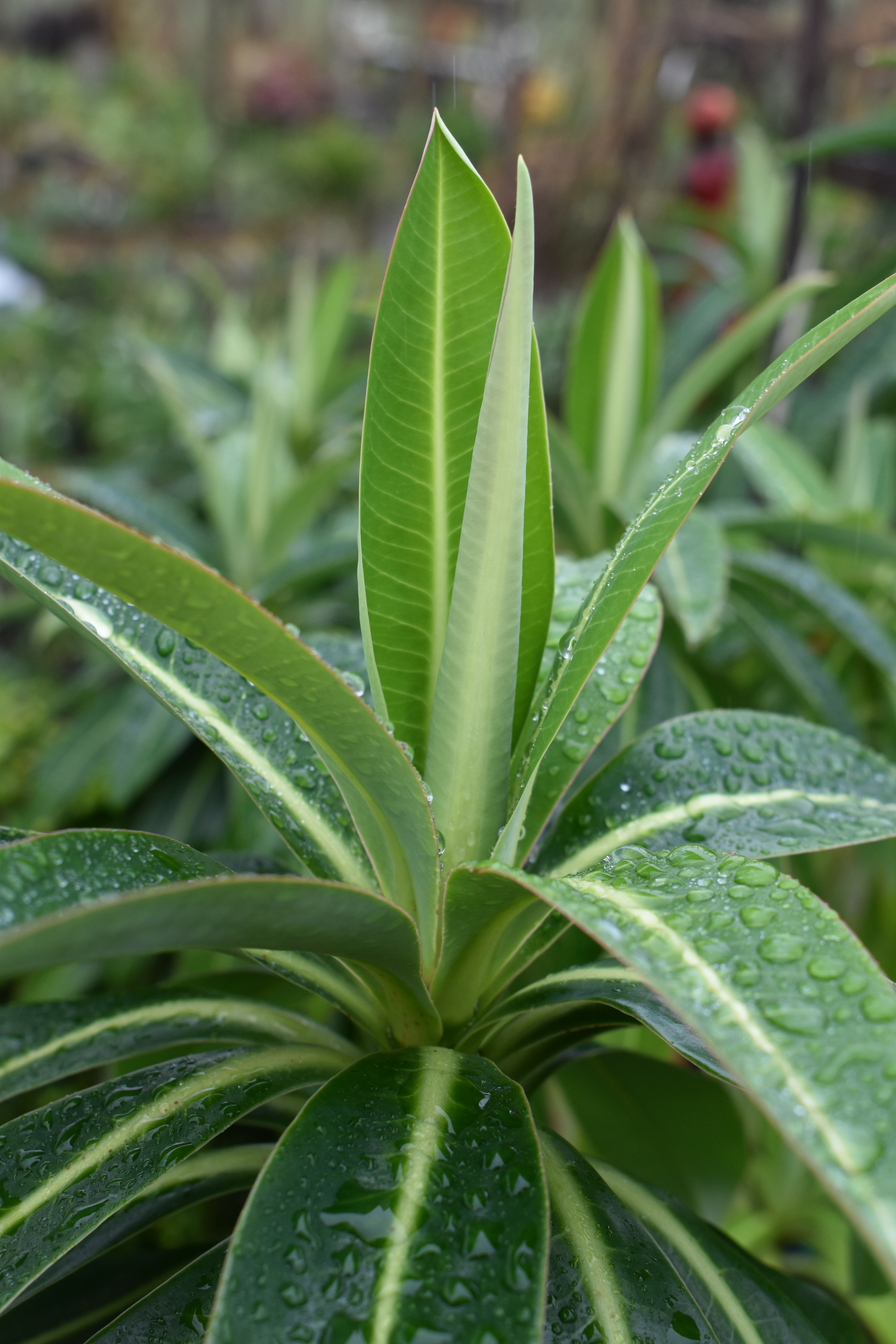
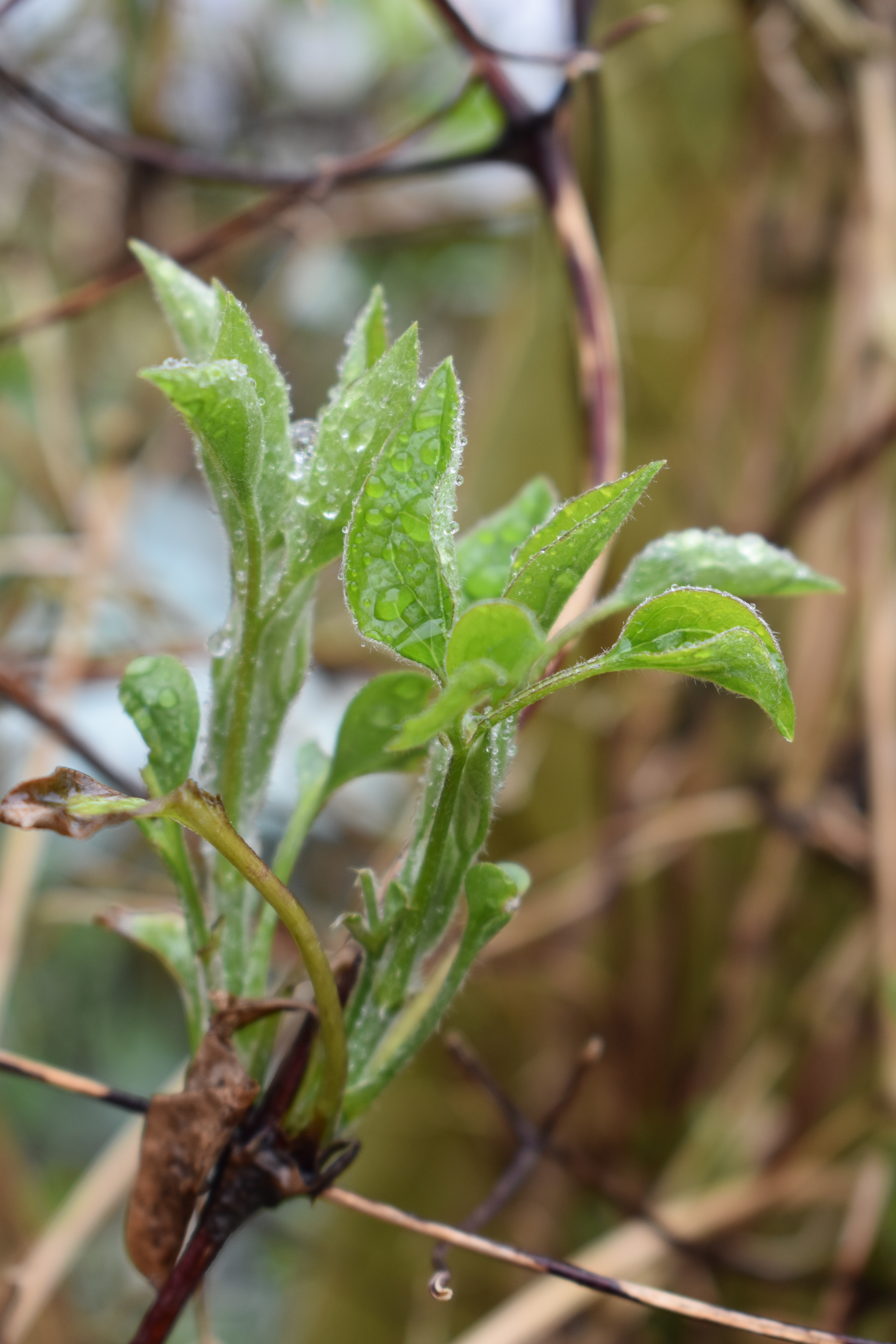
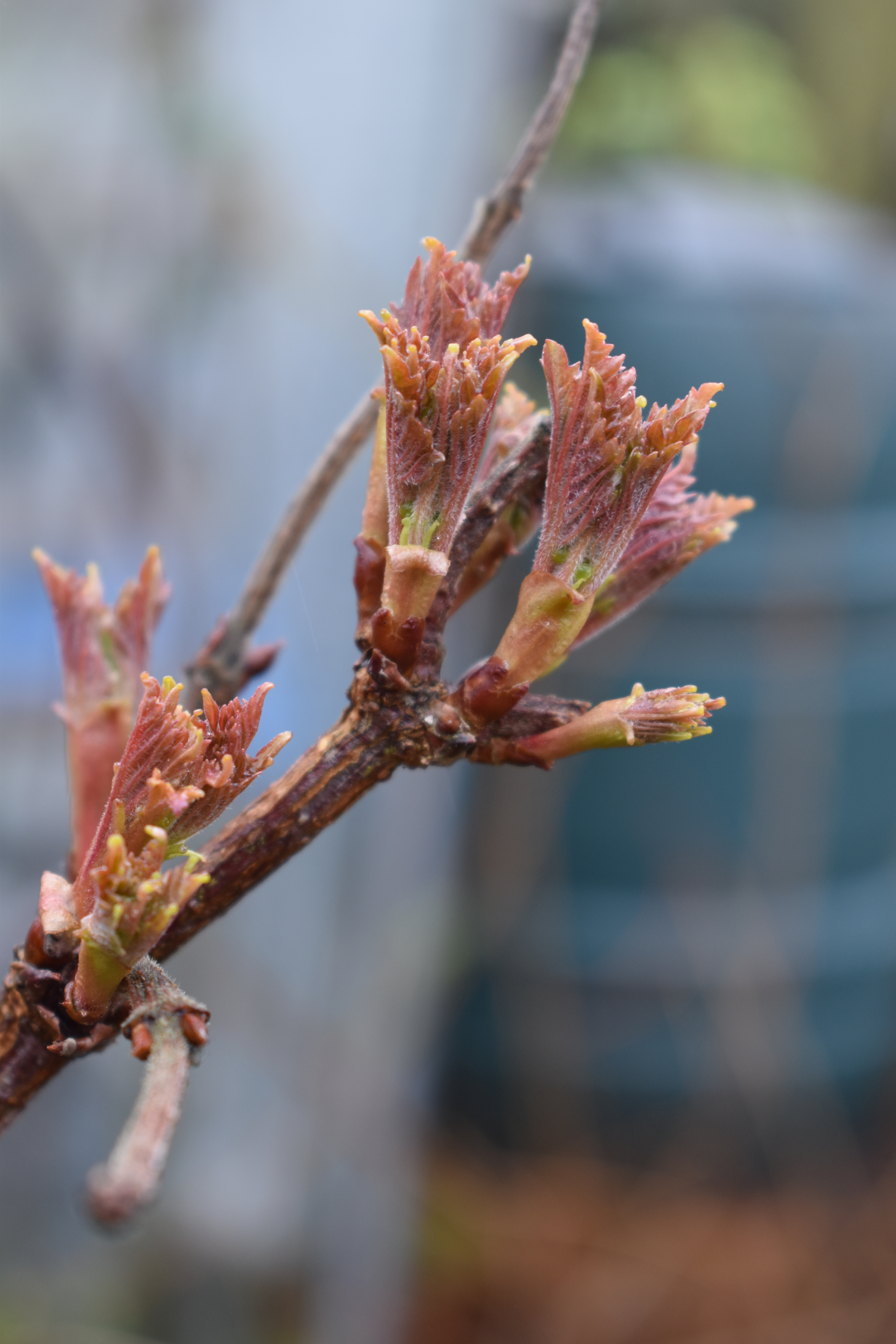
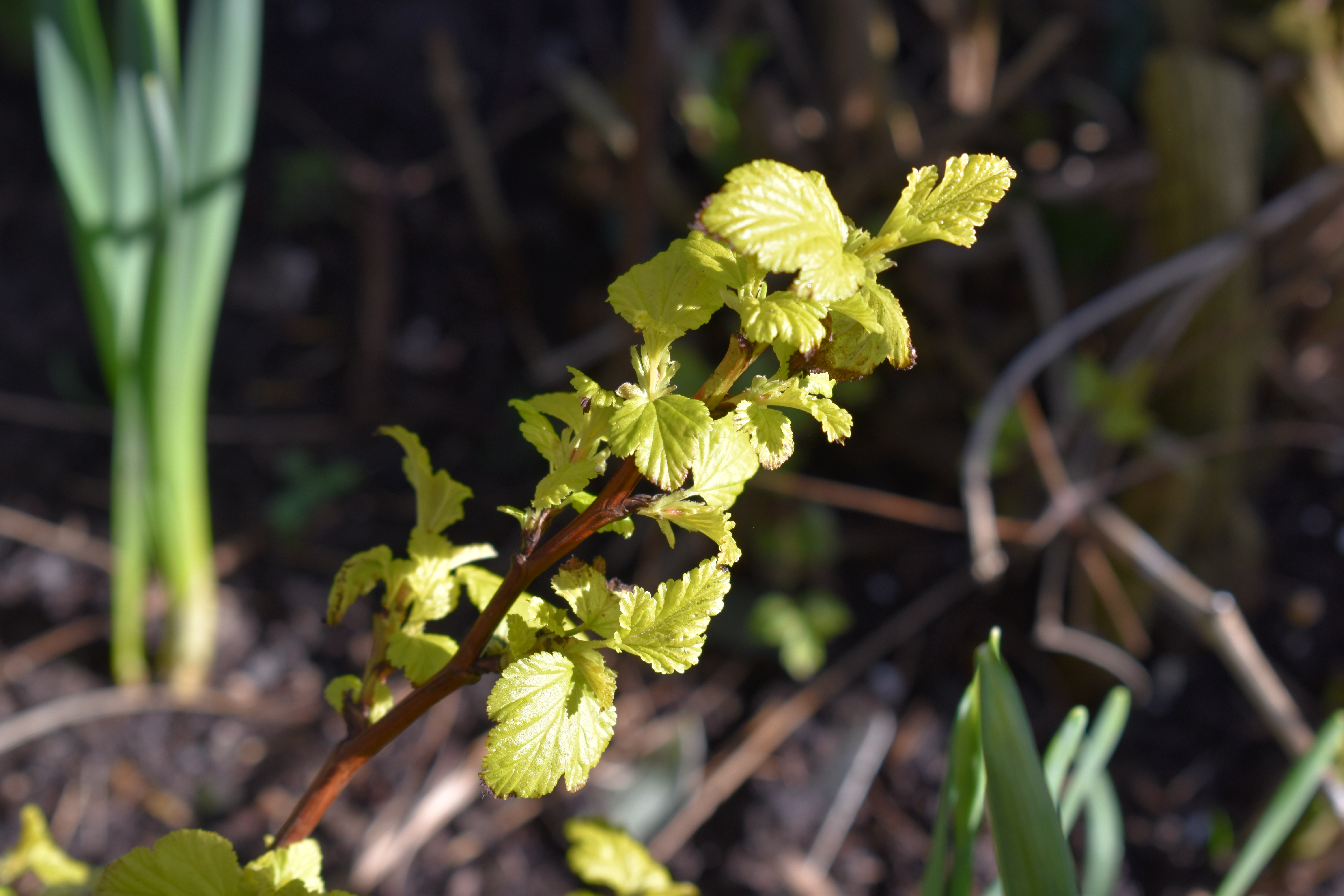
Concerning foliage I noted, “March is the month when buds of deciduous shrubs, climbers and perennials burst into life with fresh foliage.”
I then shared a set of ten fresh foliage photos.
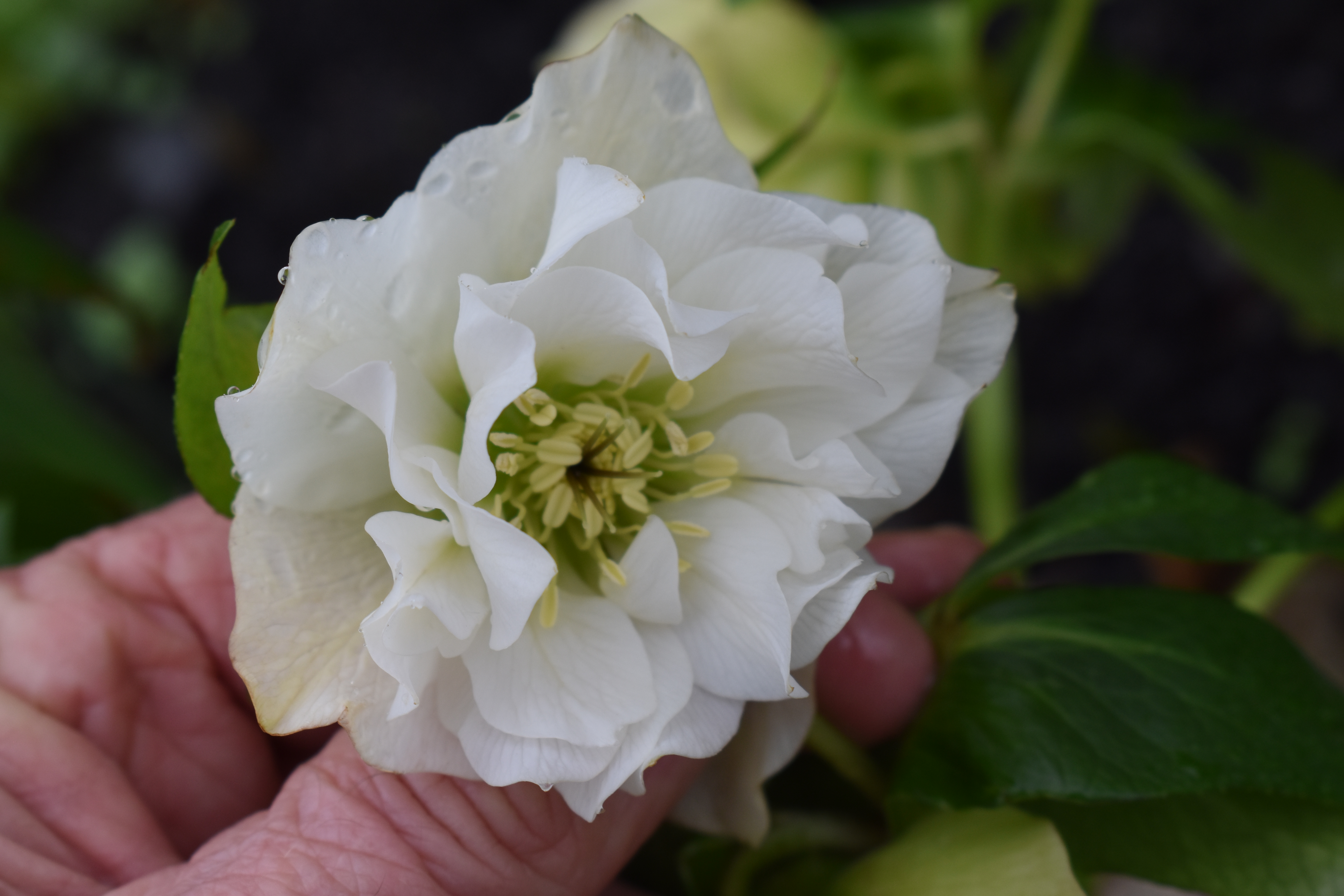
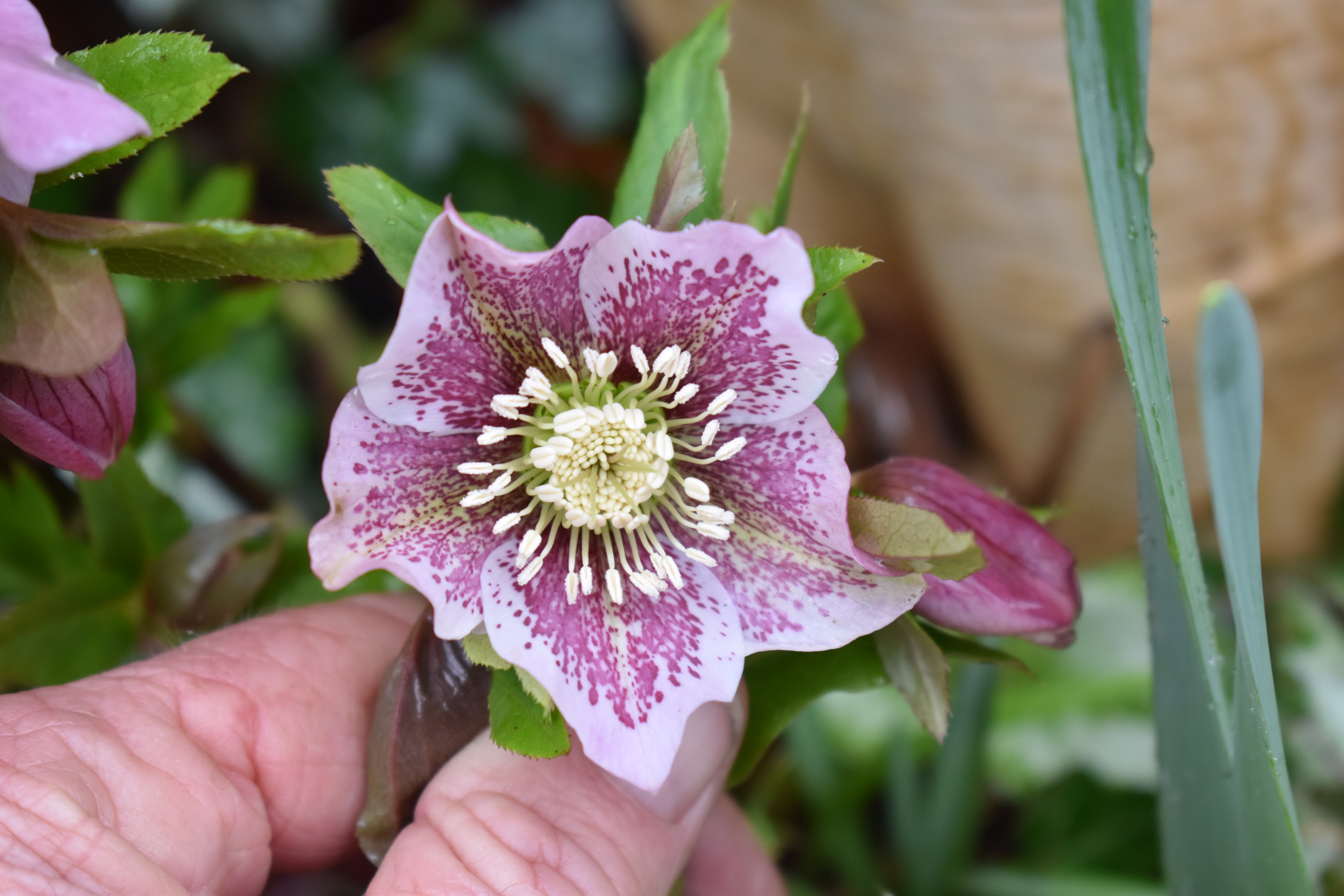
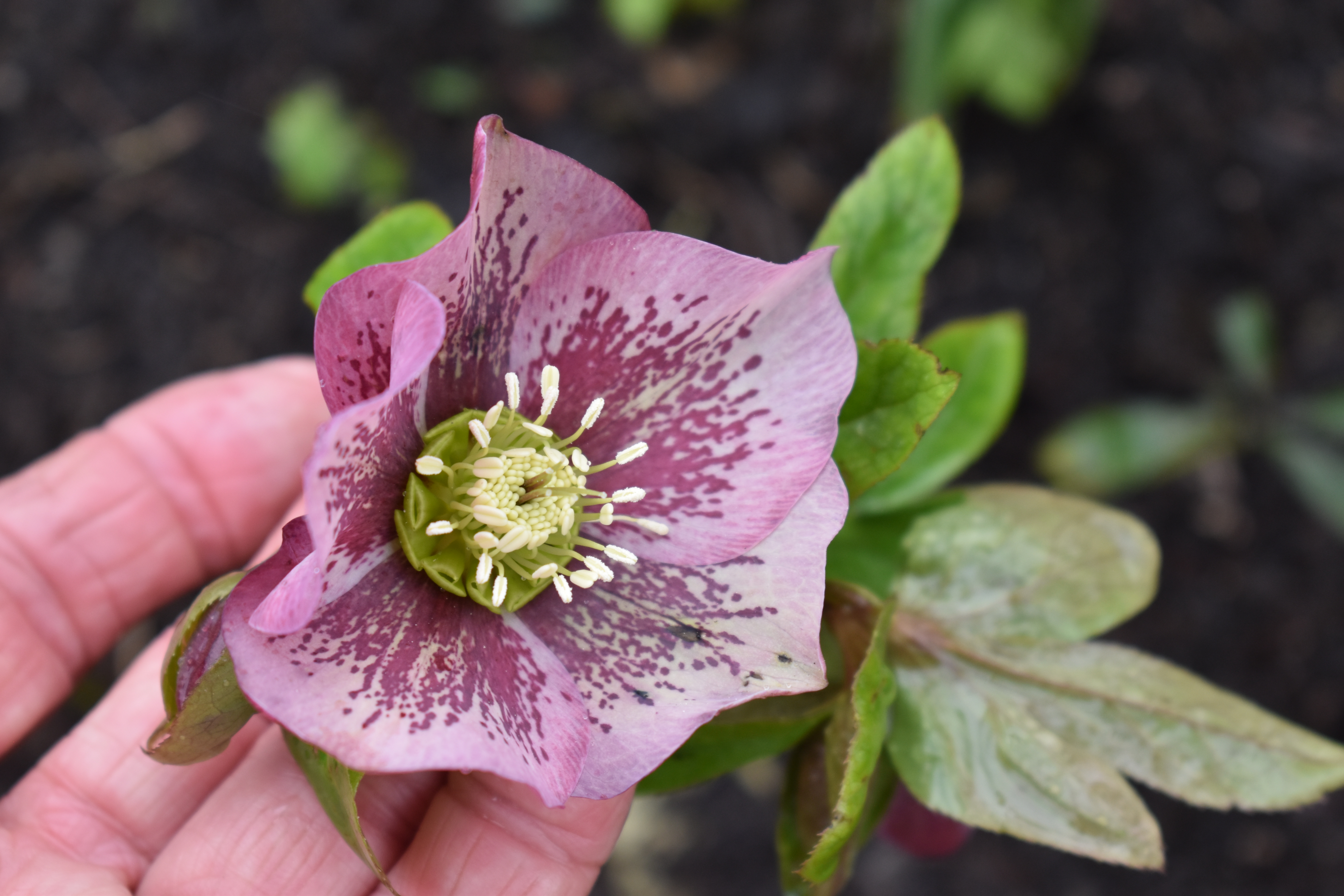
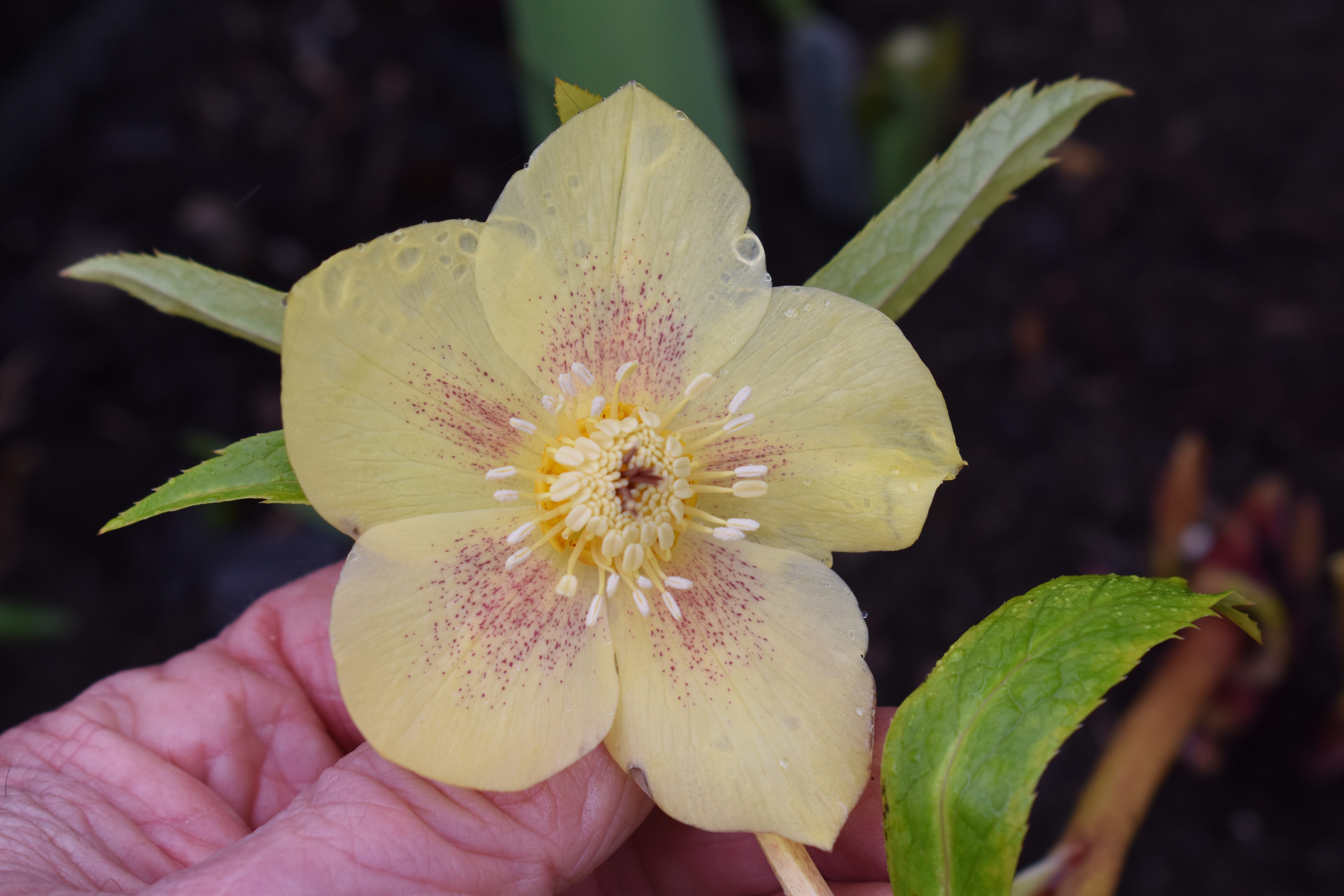
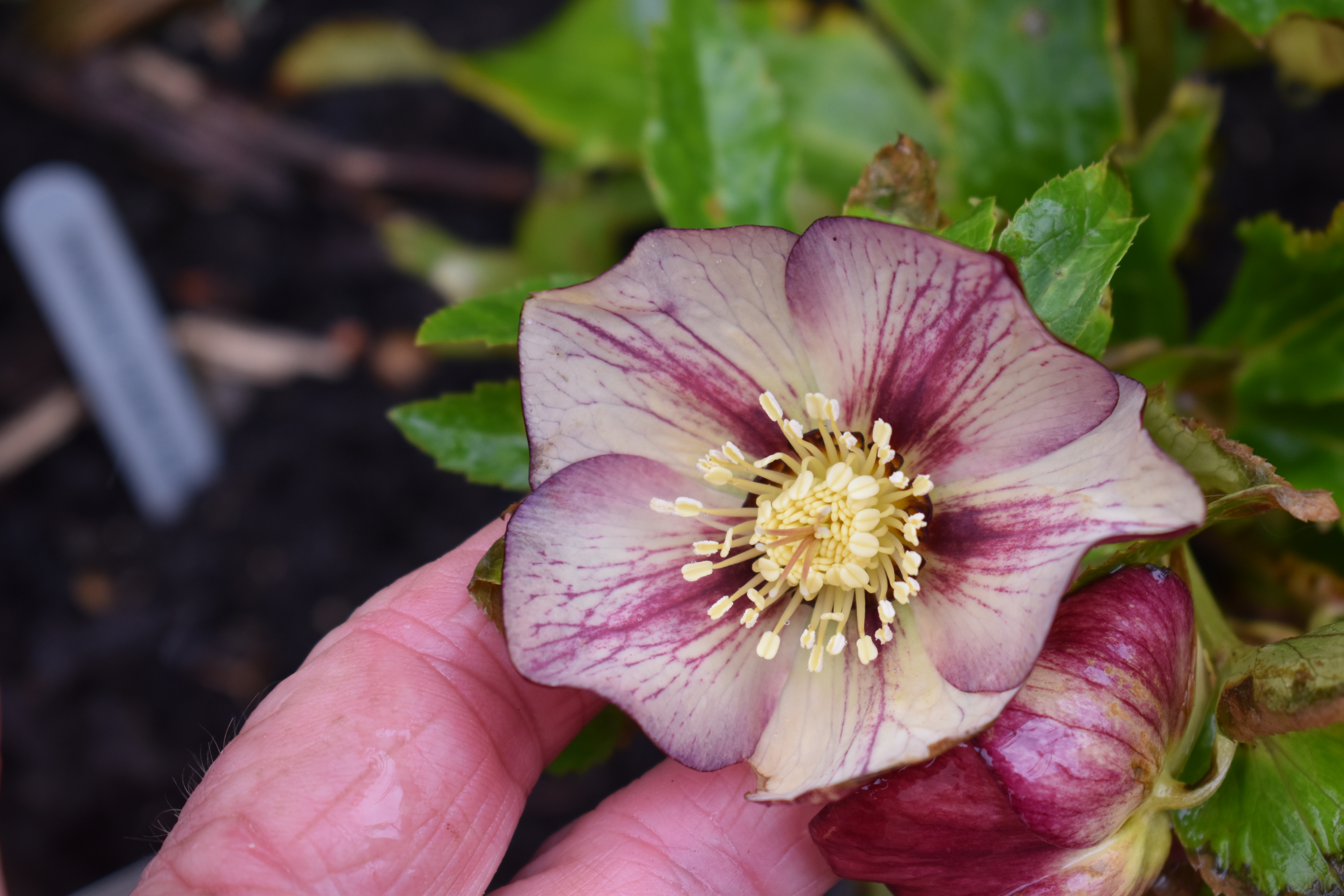
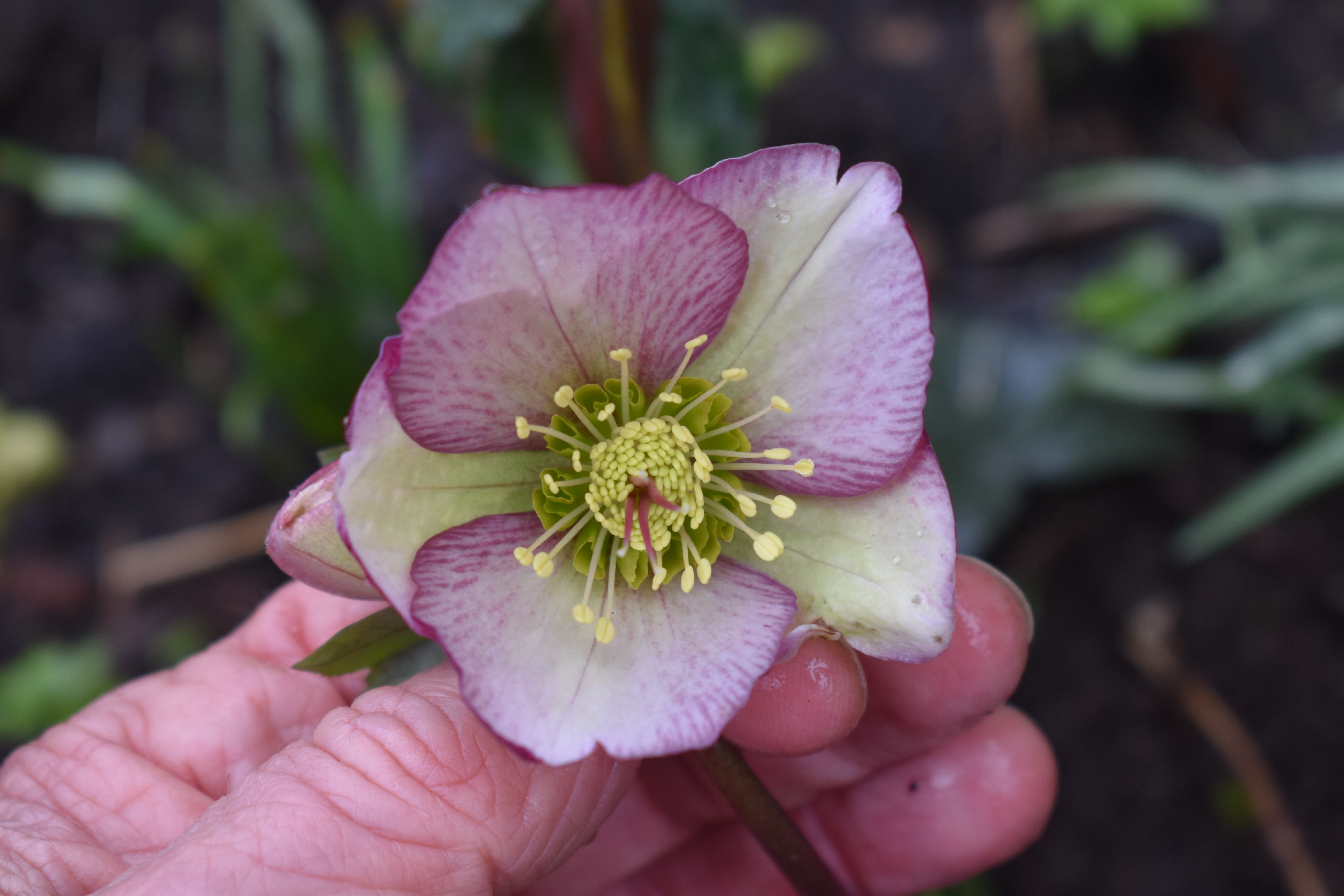
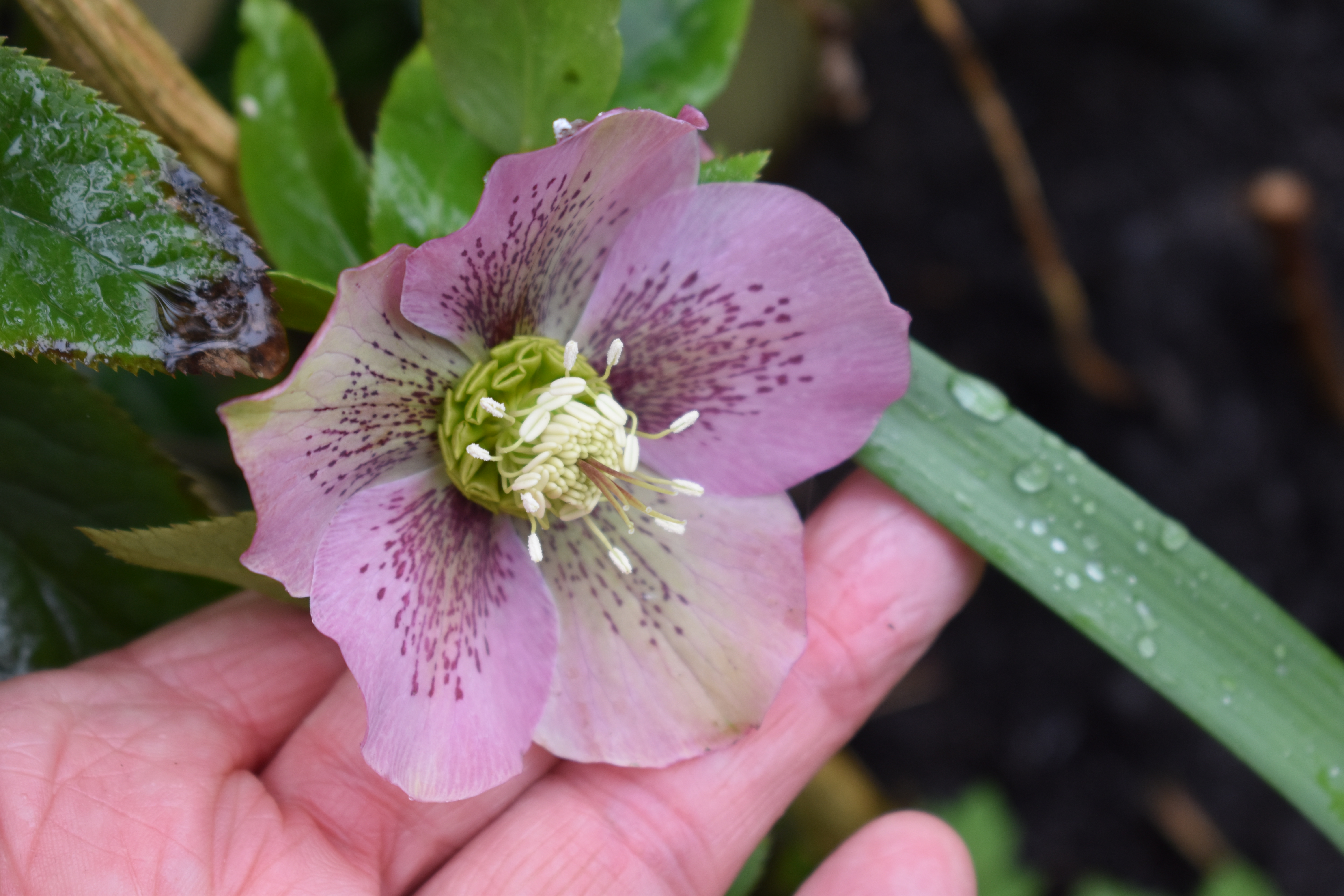
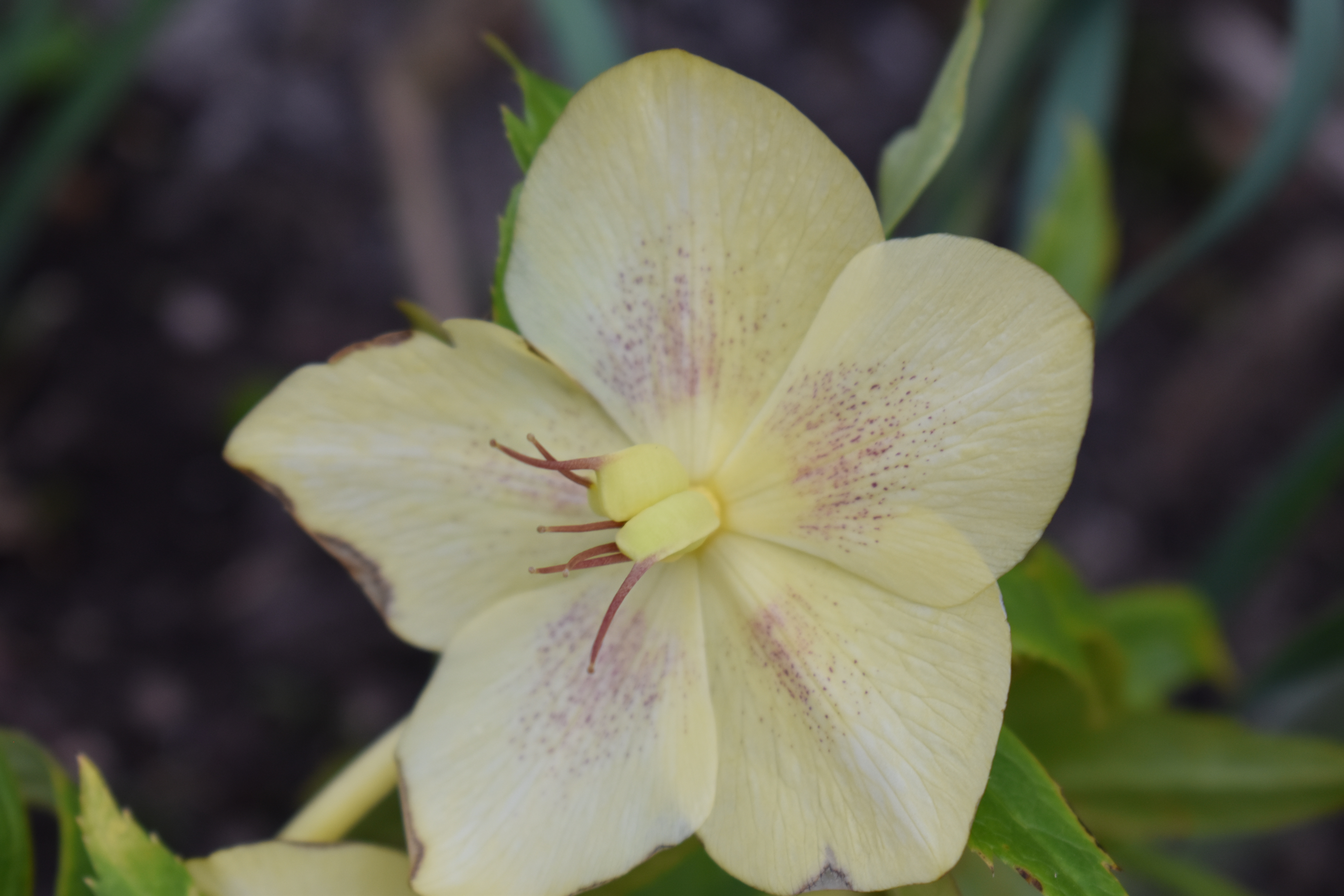
We grow so many hellebores that it was hard to select just a handful to fill a page with their photos.
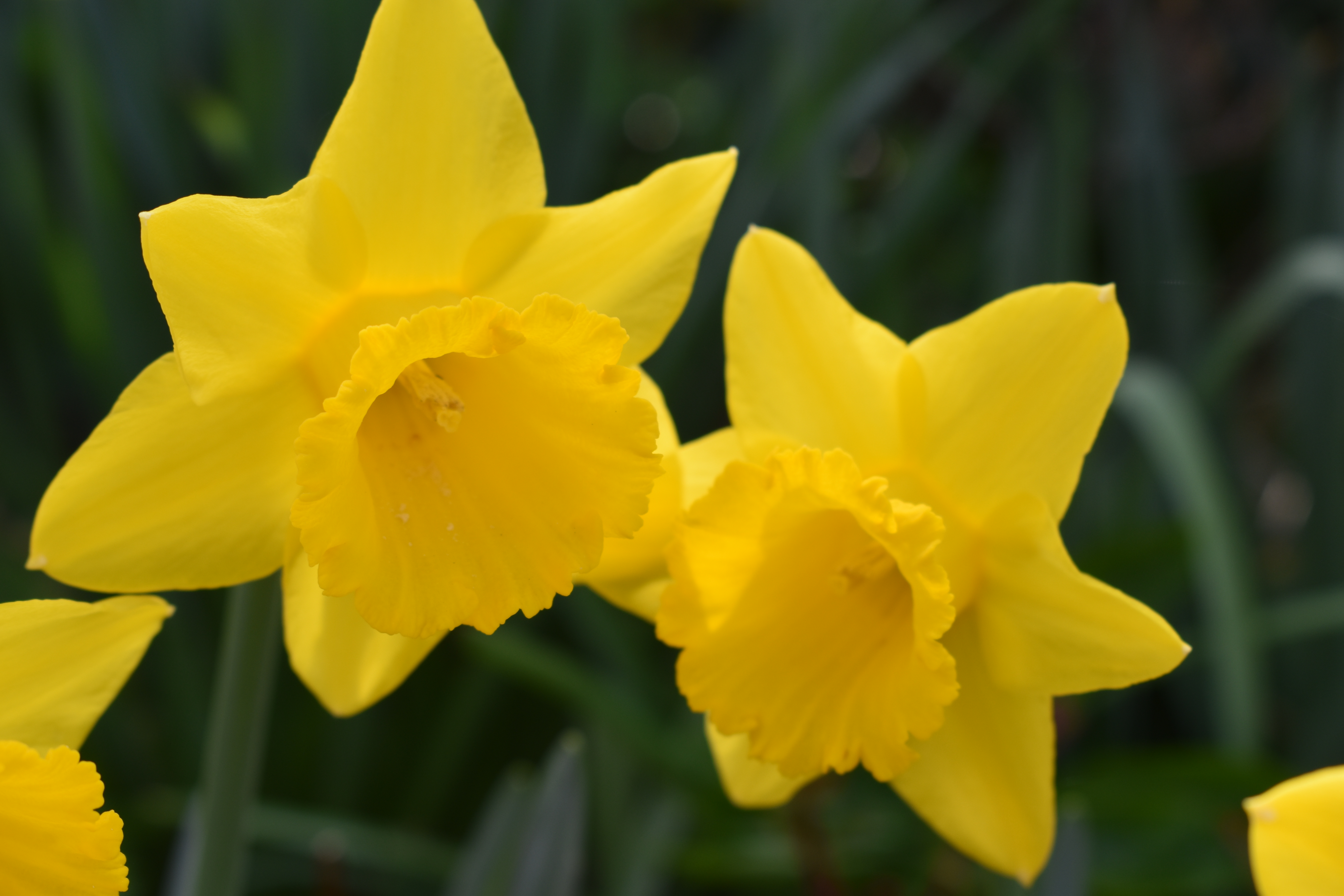
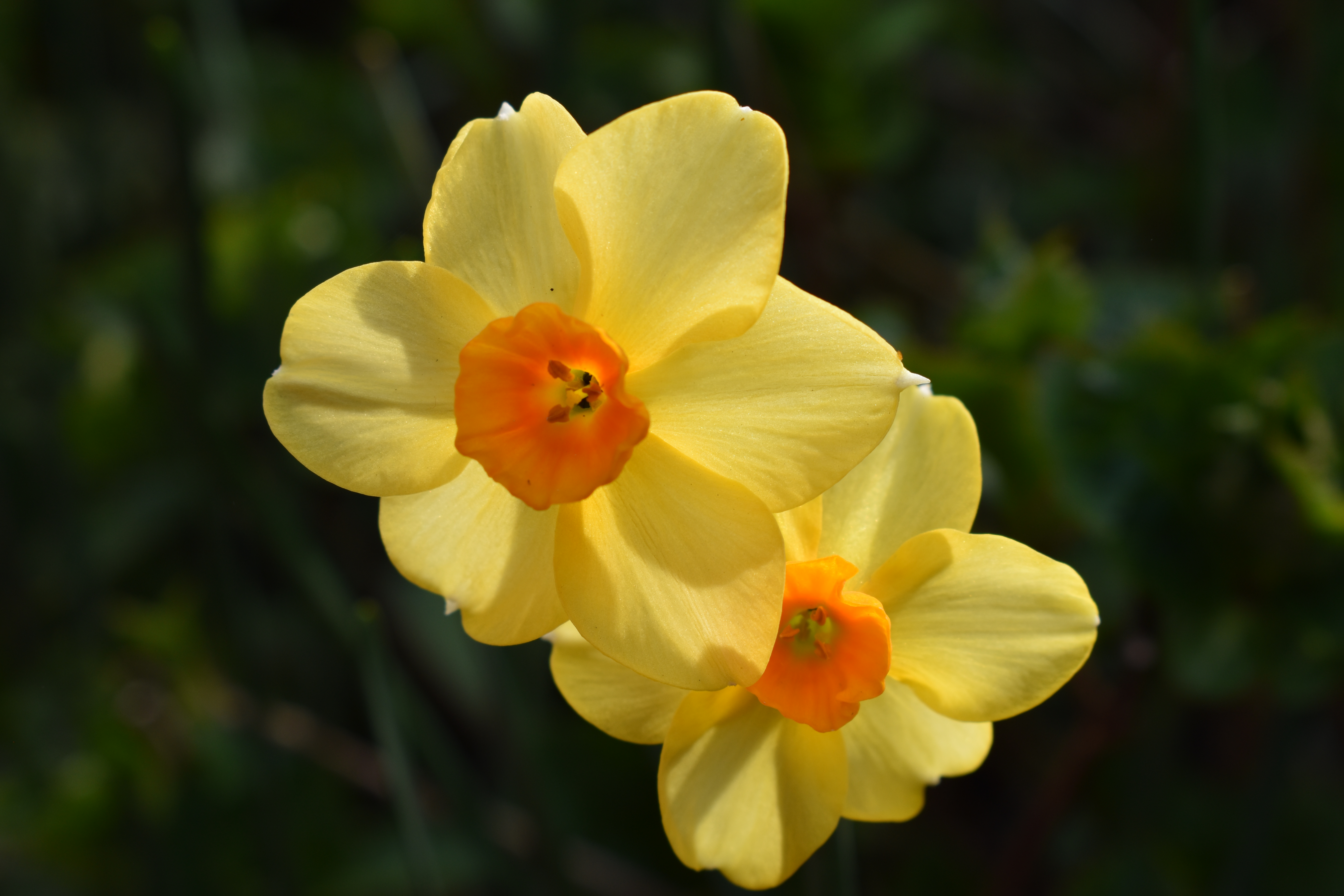
Over onto the next double page spread I shared gardening tasks and the bright colours of the March favourites, daffodils.
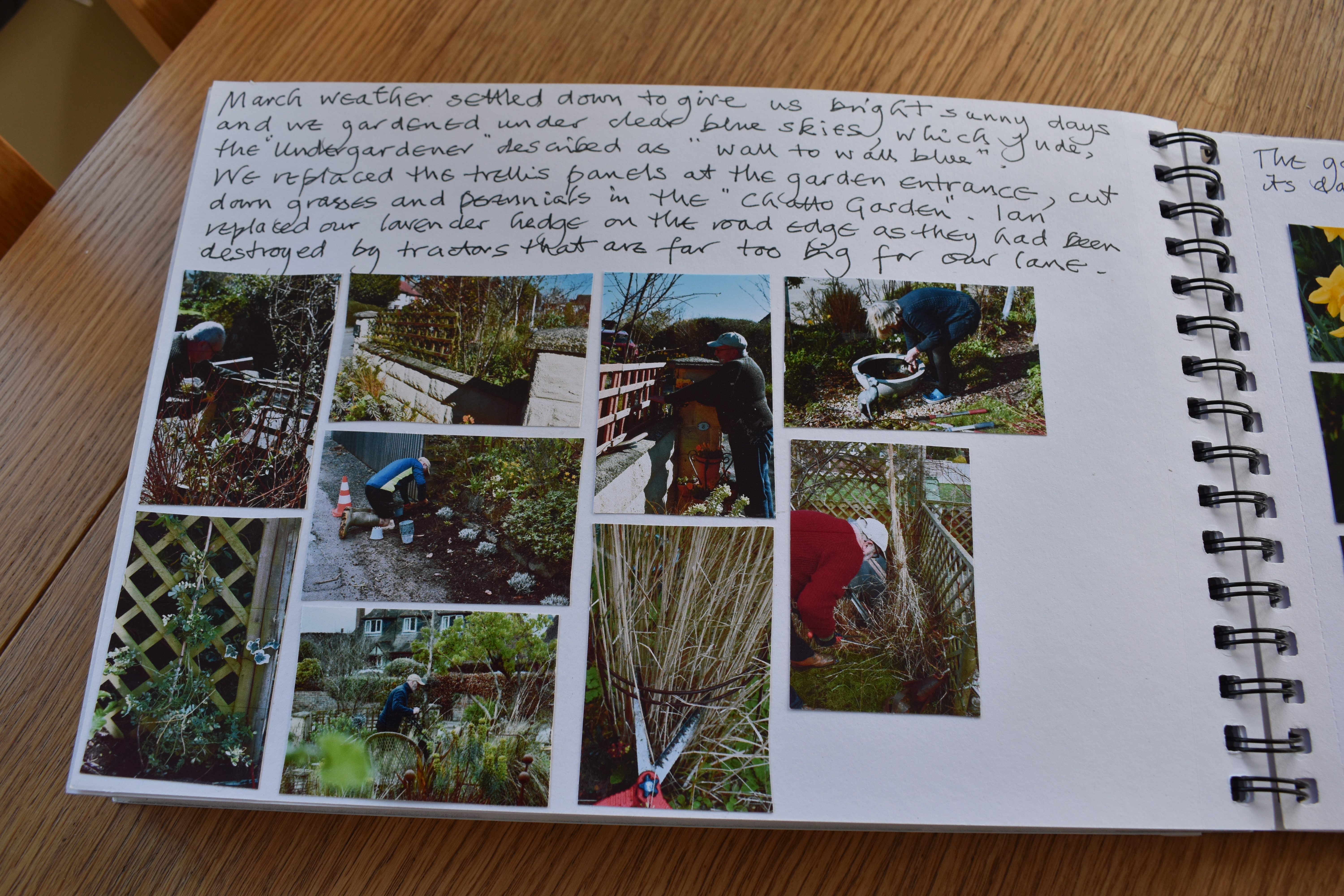
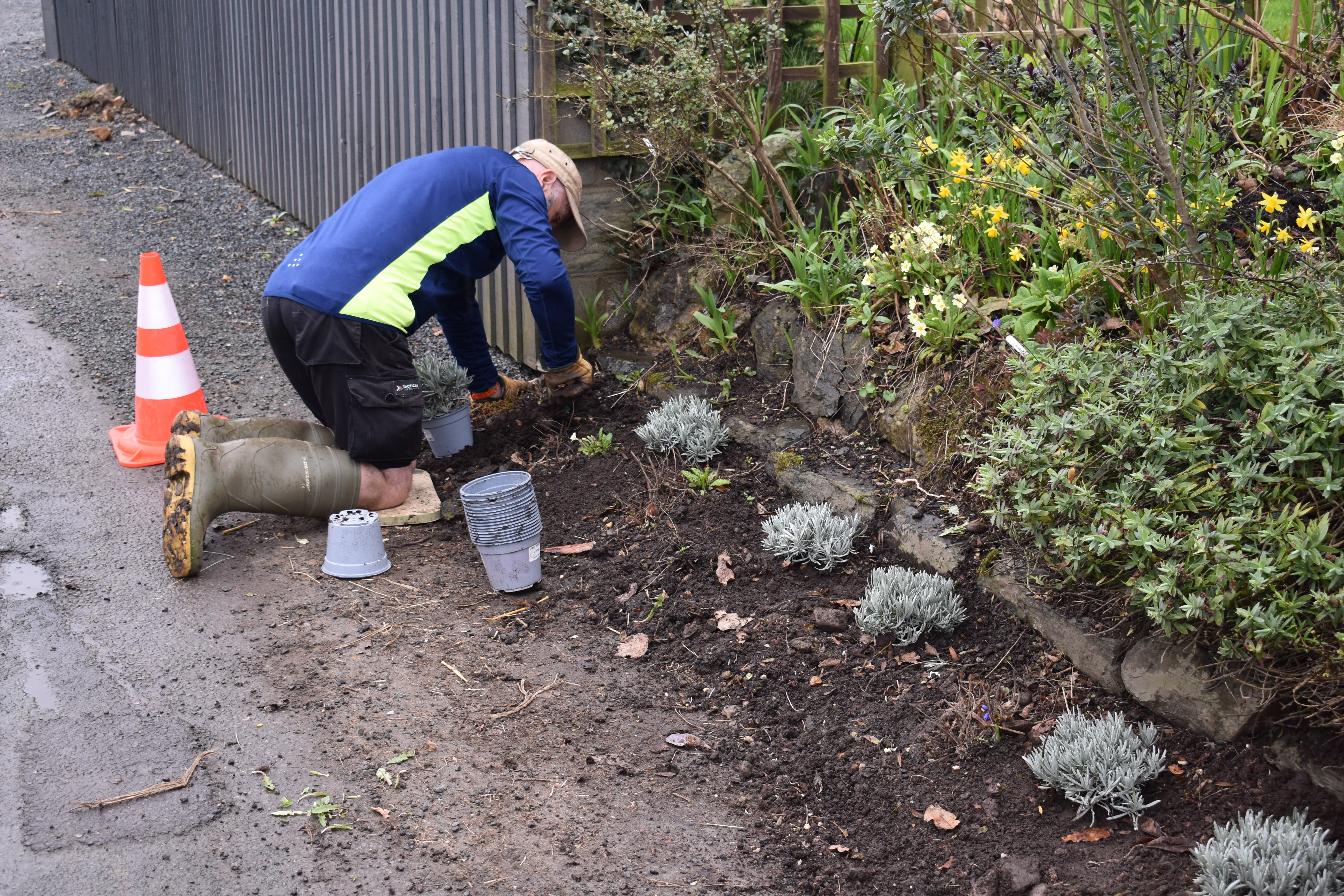
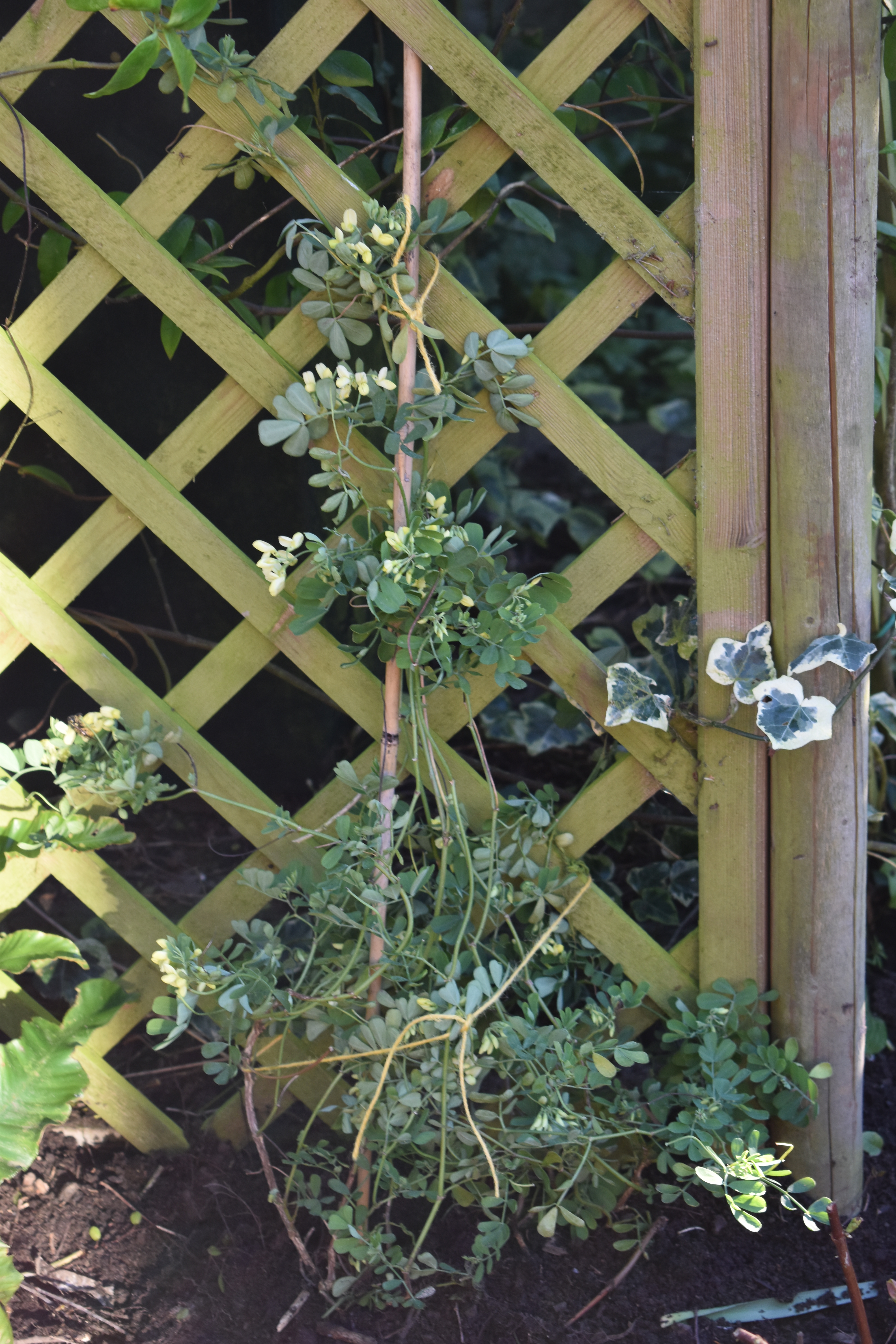
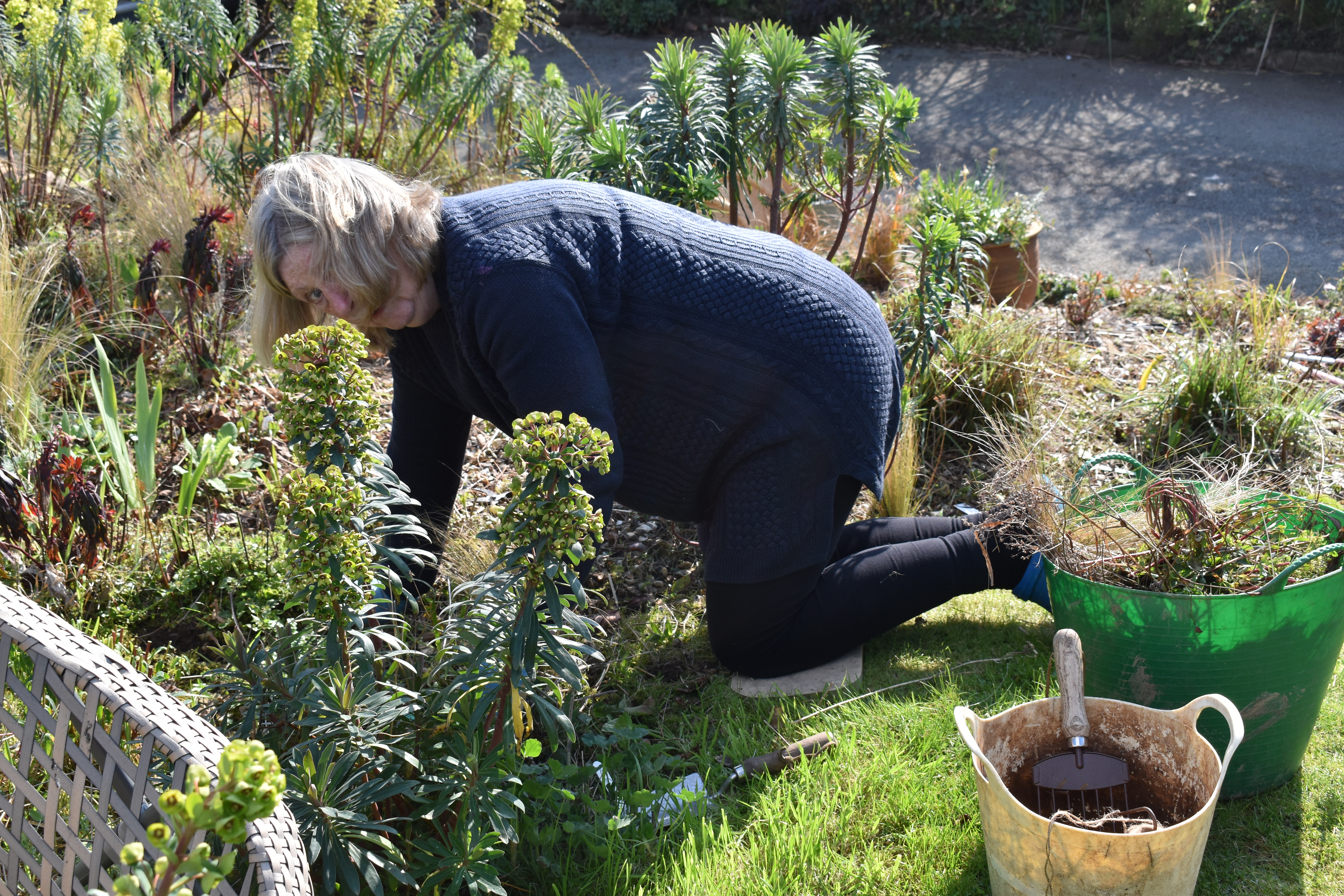
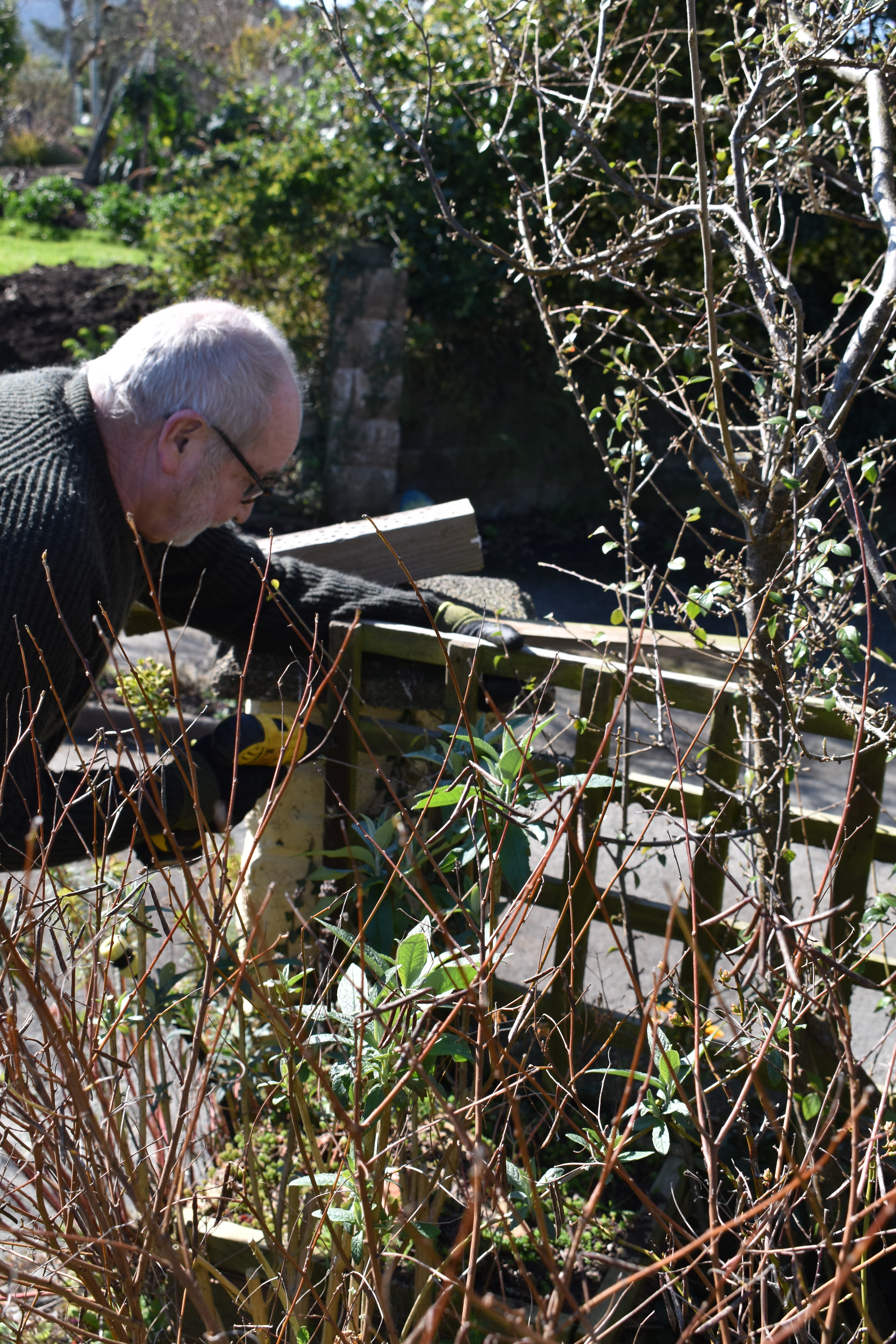
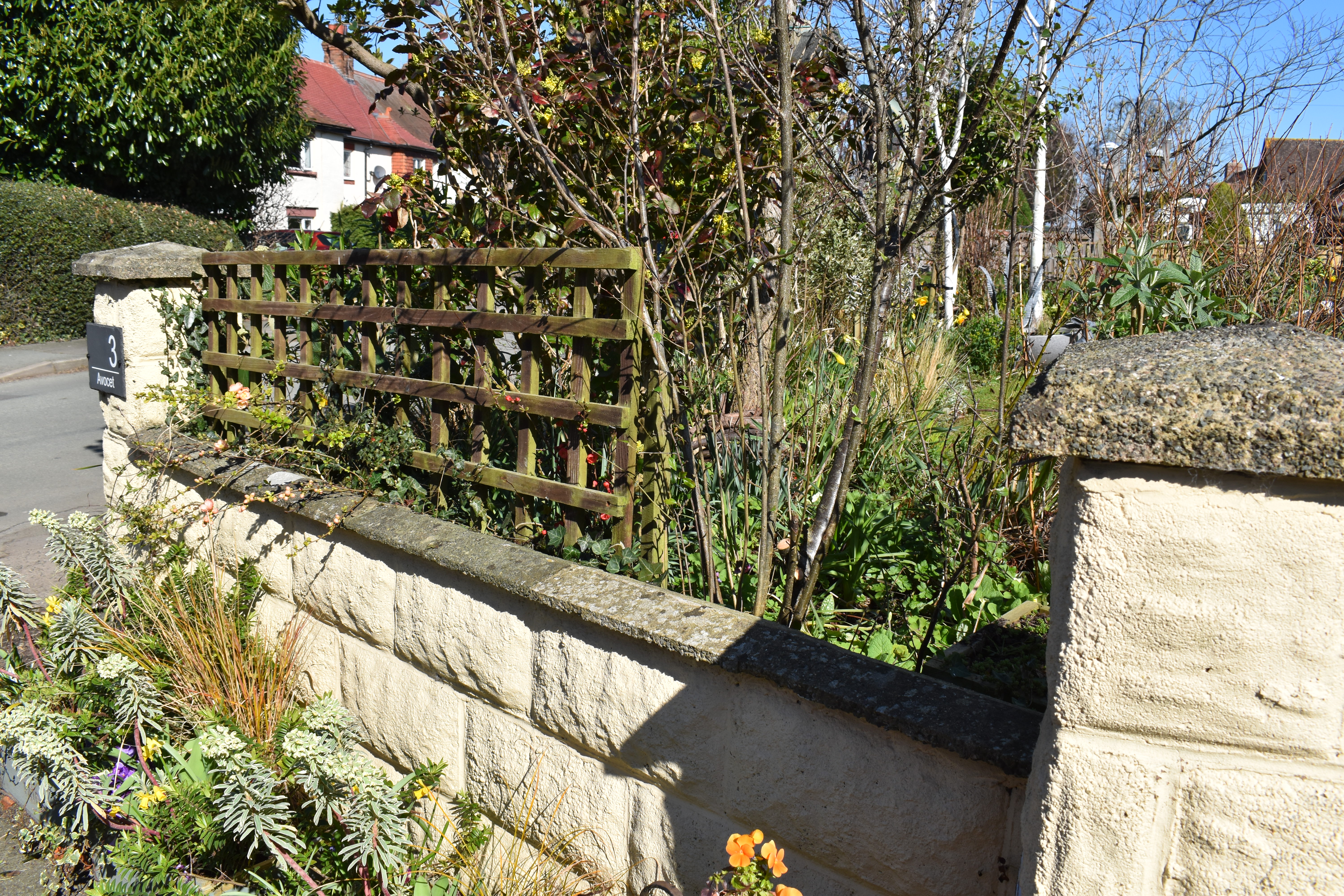
Concerning our tasks I wrote,“March weather settled down to give us bright sunny days and we gardened under clear blue skies, which Jude described as ‘wall to wall blue’. We replaced the trellis at the entrance to the garden, cut down grasses and perennials in the ‘Chatto Garden’ while Ian replaced our lavender hedge on the road edge as the plants had been destroyed by tractors that are far too big for our lane.”
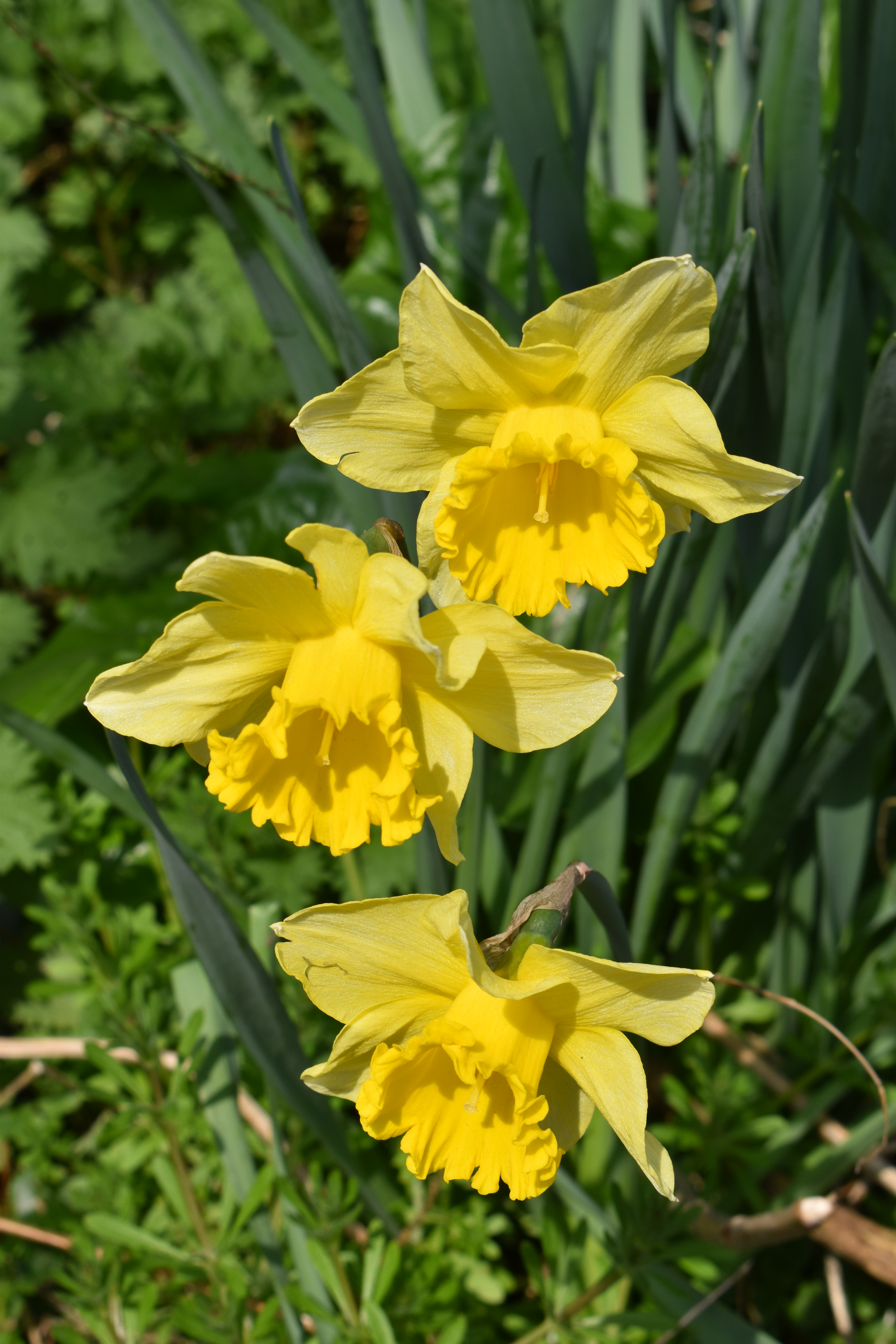
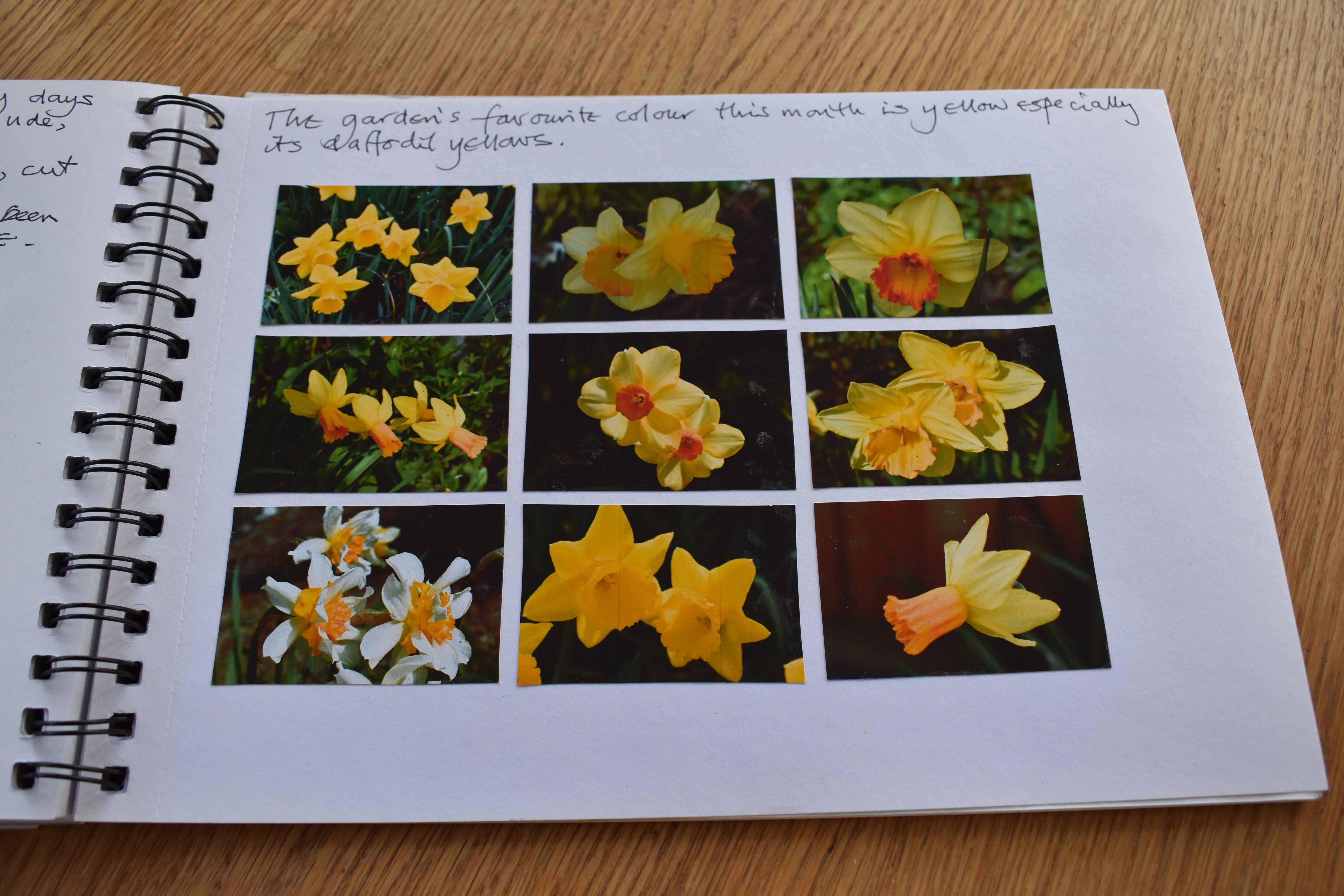
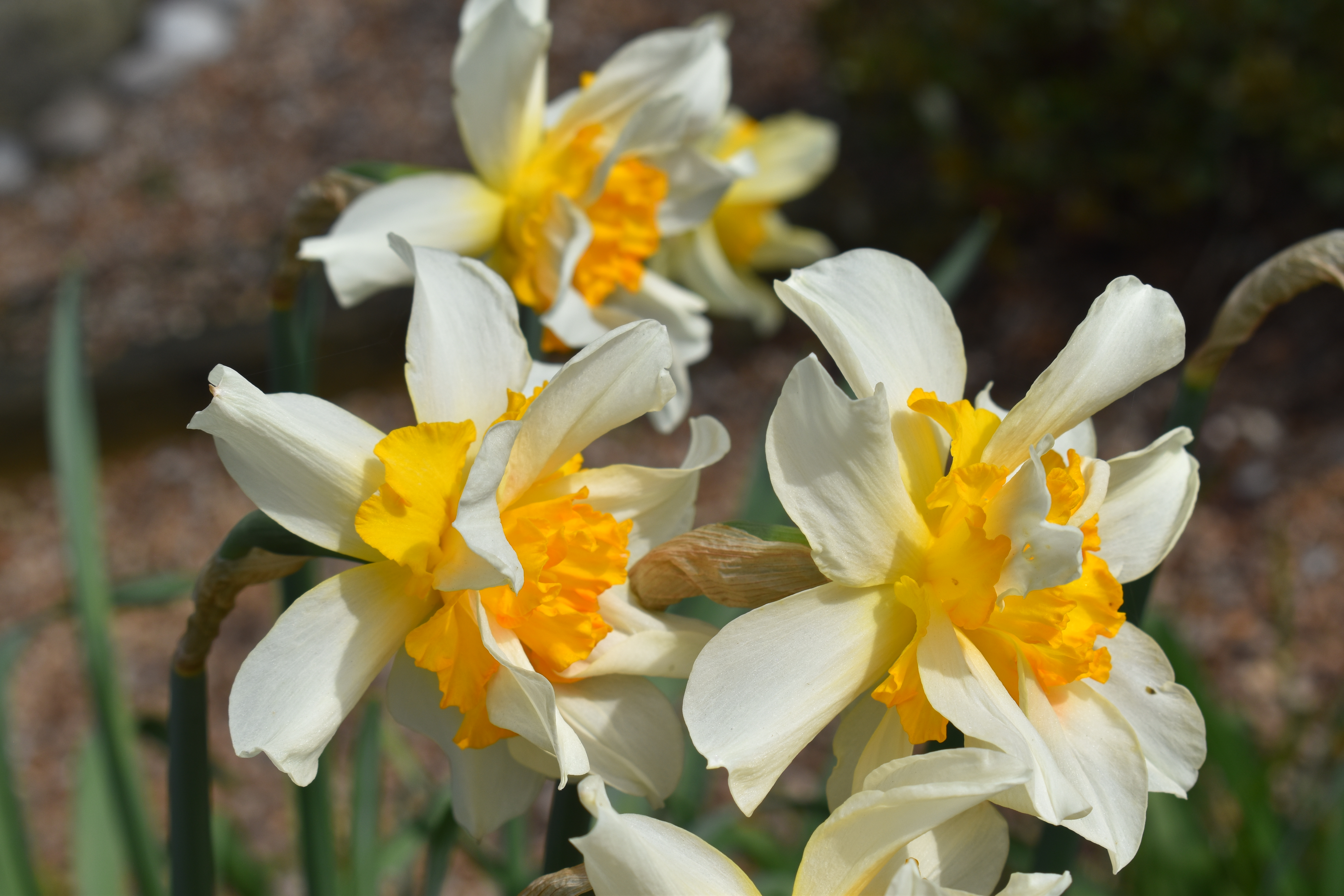
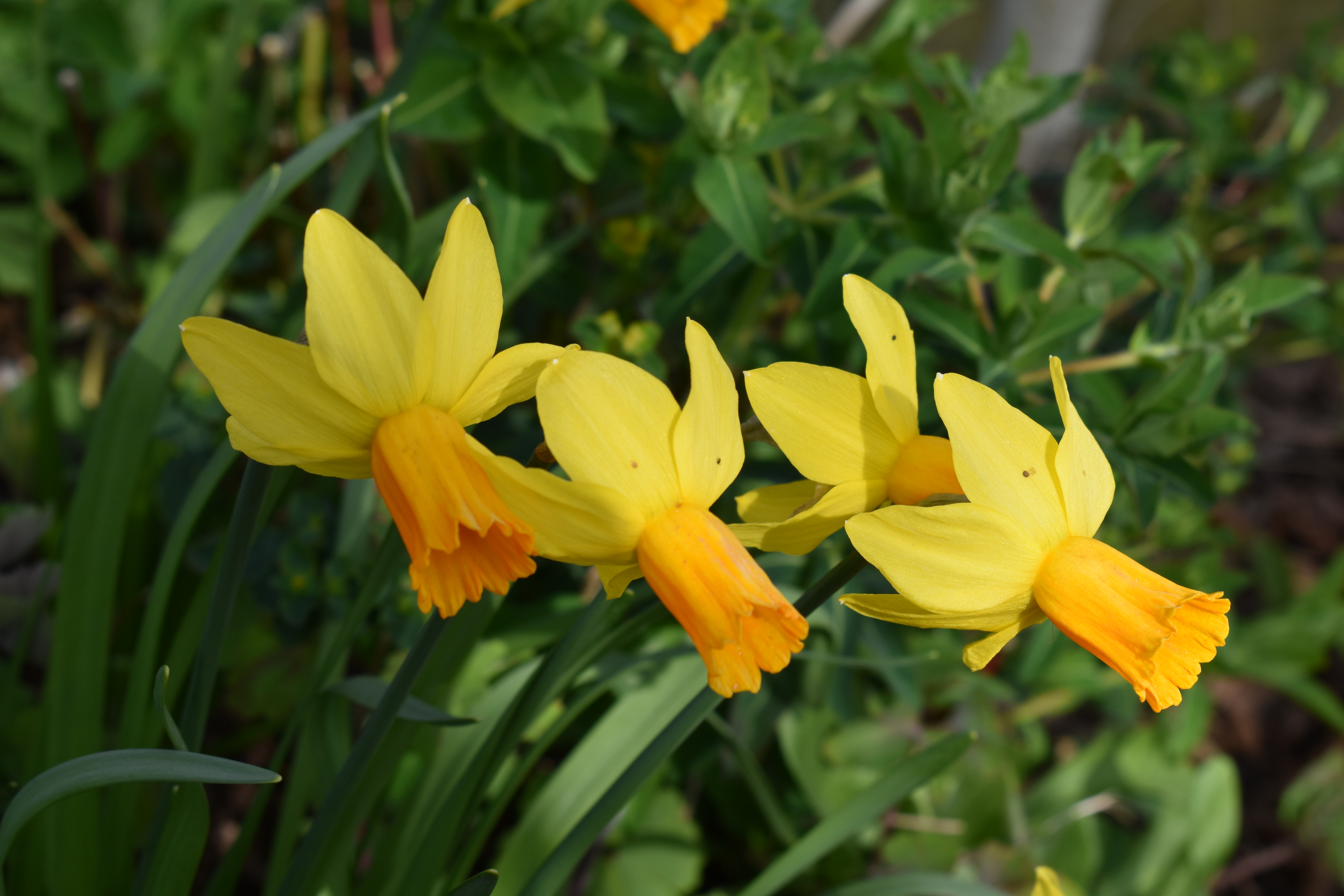
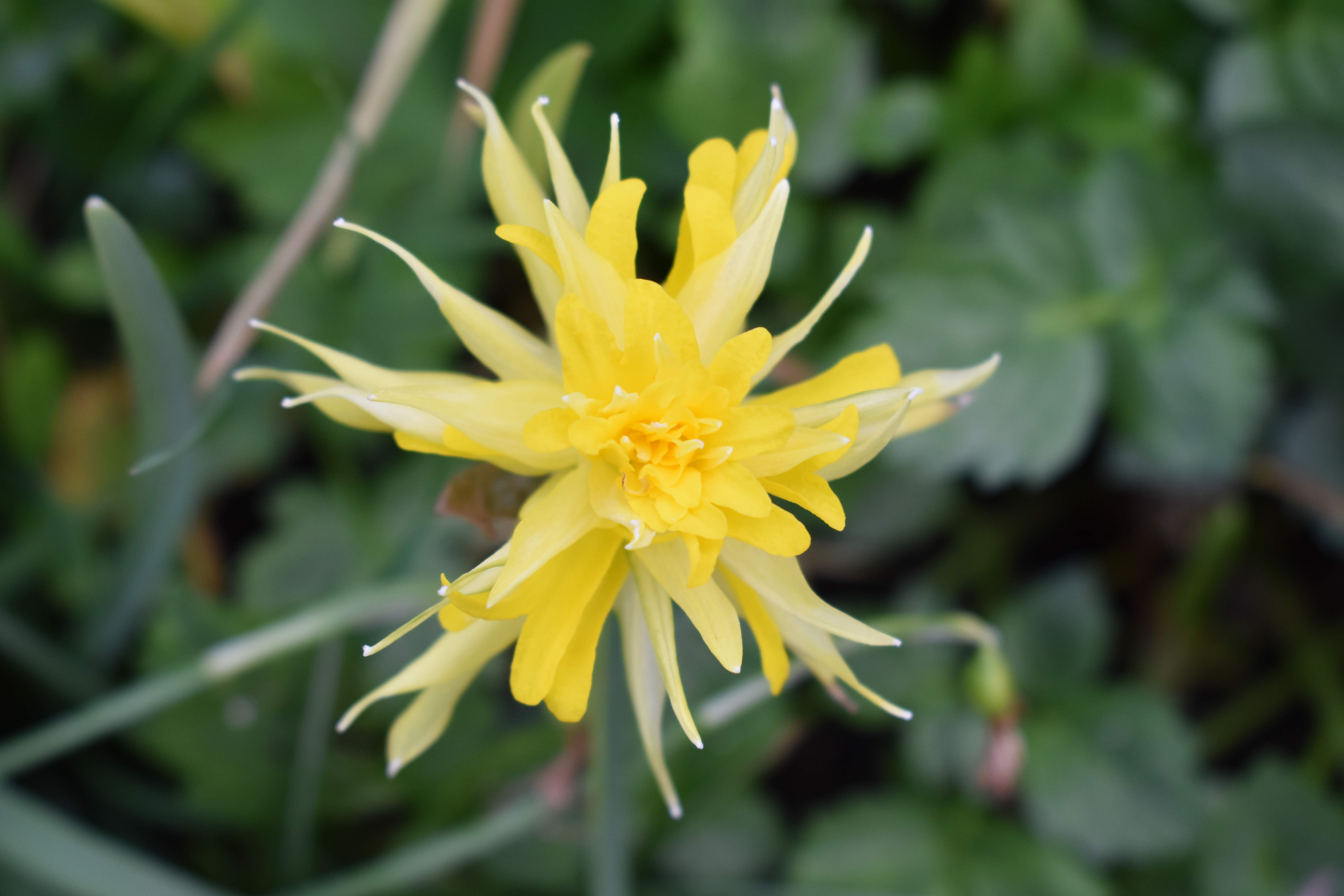
Next I looked at daffodils and selected just nine to photograph and share just for a taster.
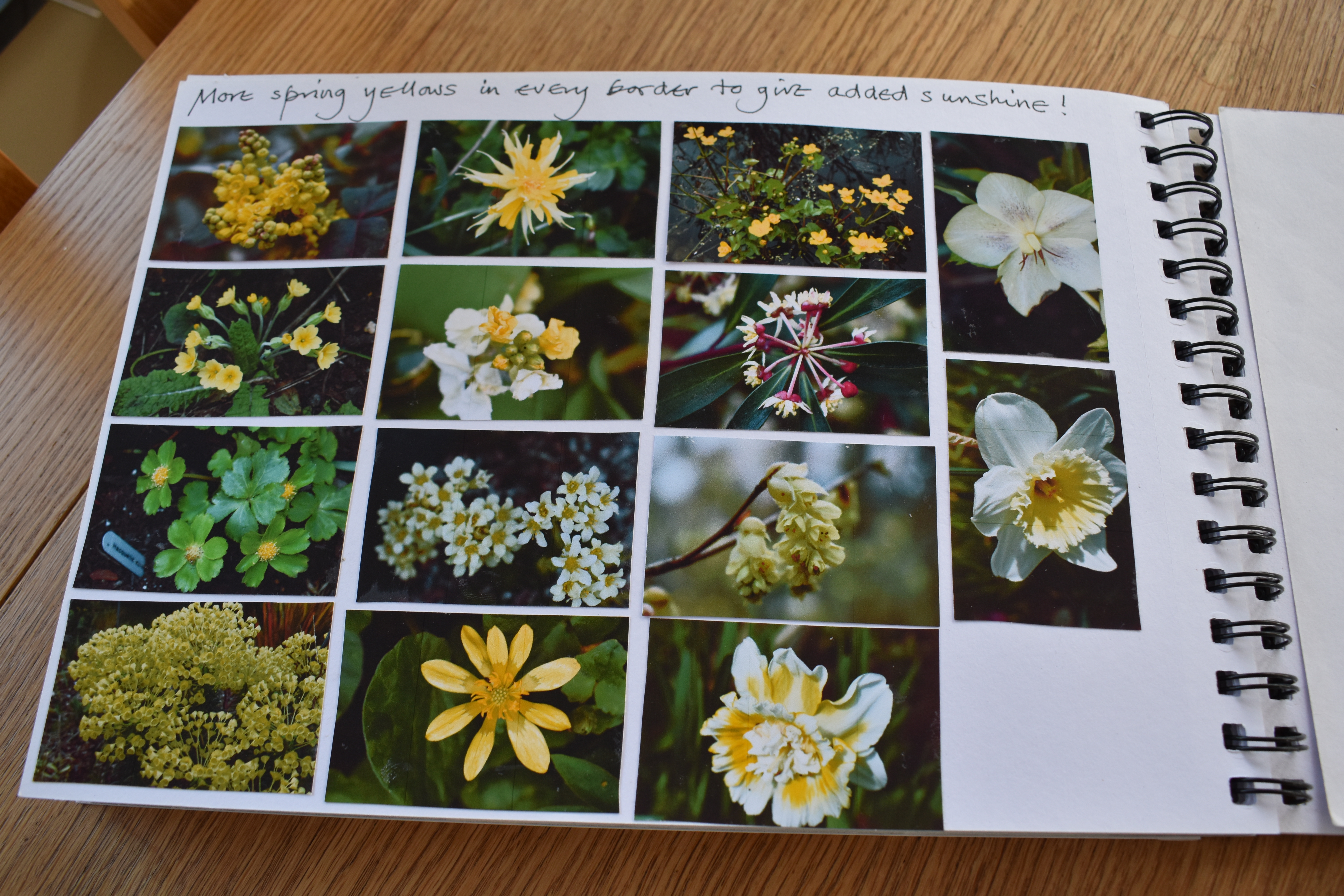
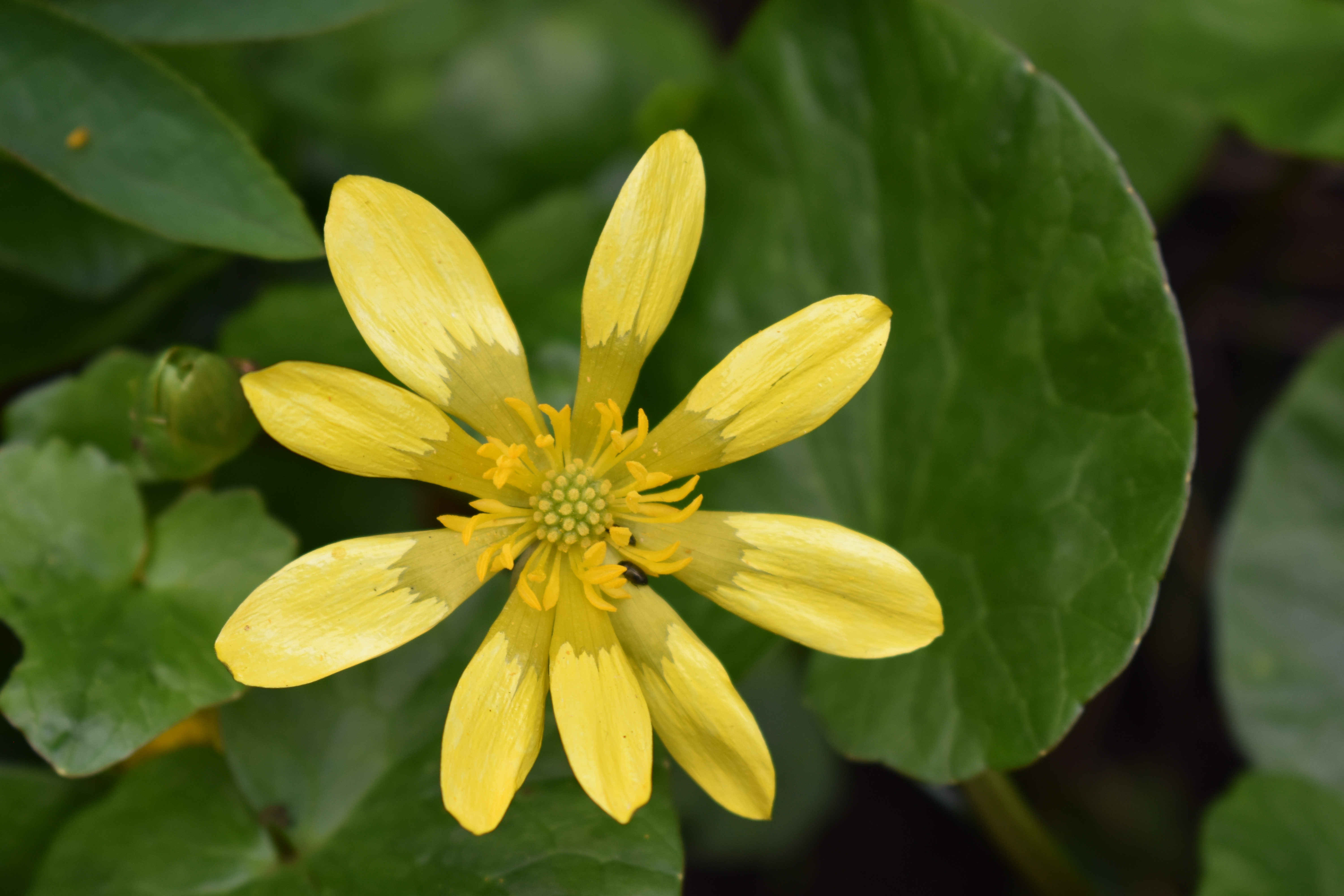
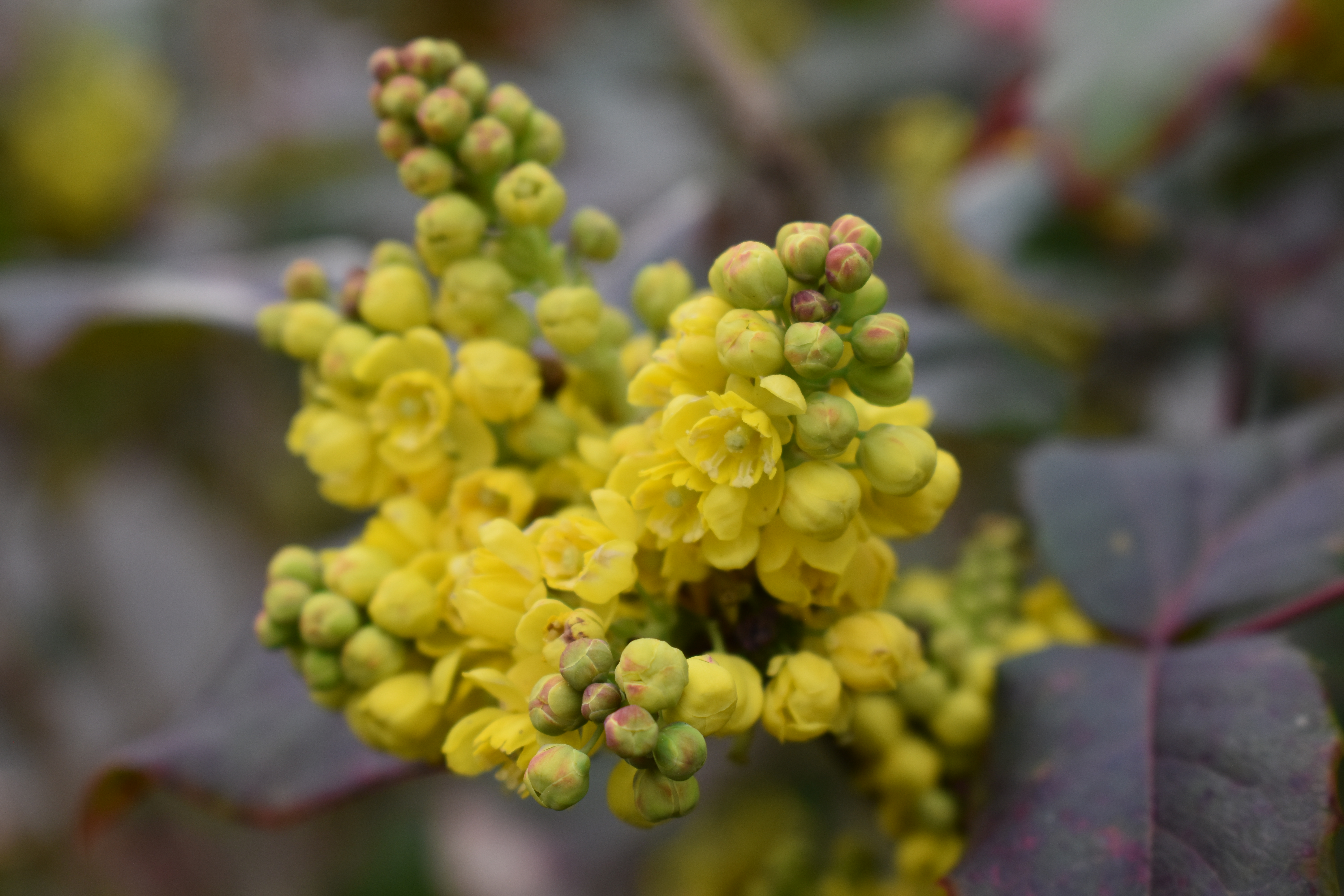
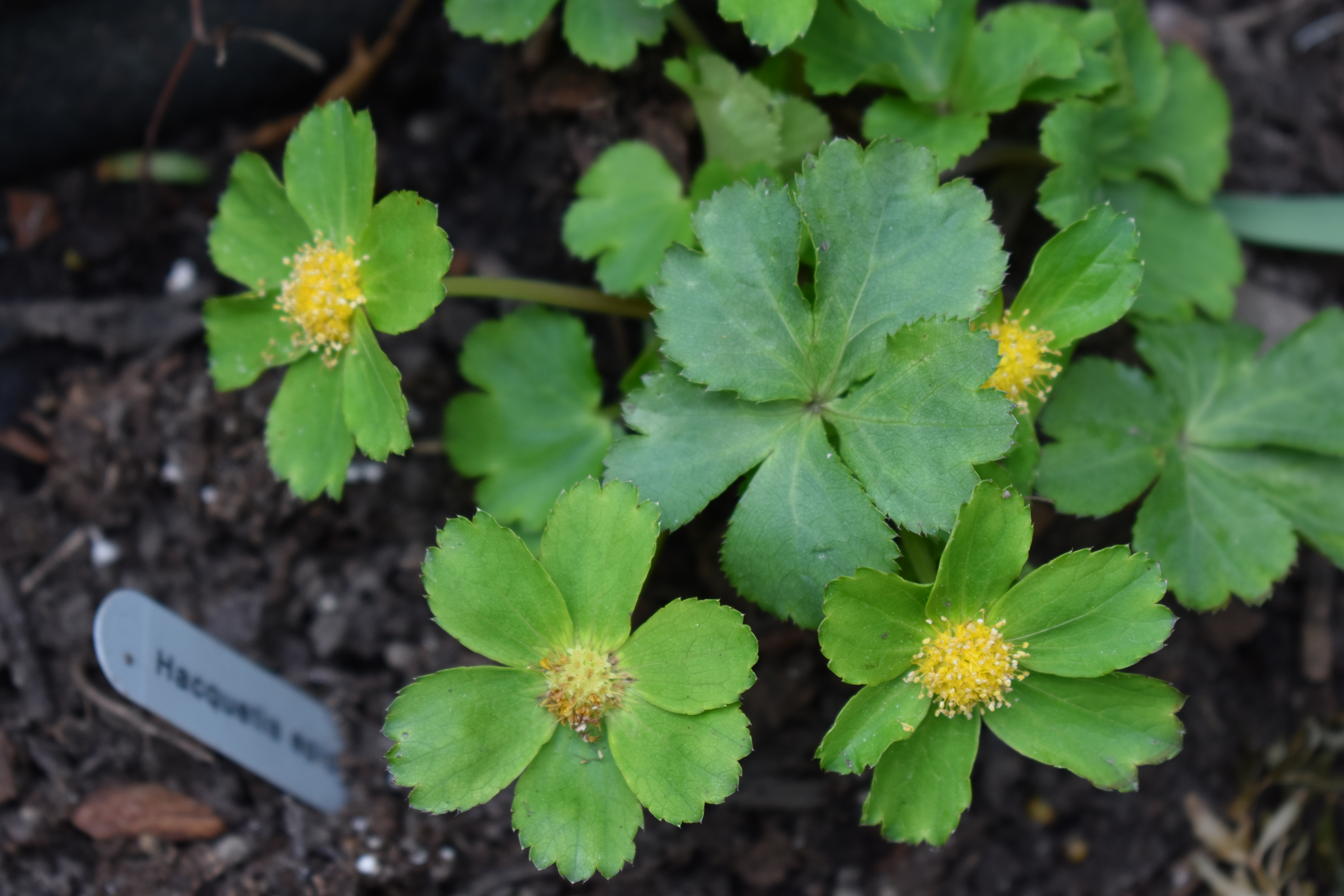
The final page for March was once again about yellow flowers where I chose a small selection of those found in our patch.
So there we have my garden journal entries for the month of March. We shall re-visit in April.
We enjoy visiting Oakgate Nursery because of its wide choice of quality plants for sale which changes quite frequently meaning that there is always something new to see and be tempted by. Another advantage this nursery as over many others is its interesting enjoyable display gardens, which are in fact the garden of the owners’ own house which they encourage visitors to wander around.
I have already published a post about wander around the garden earlier in the year but thought I would share a second wander with you.
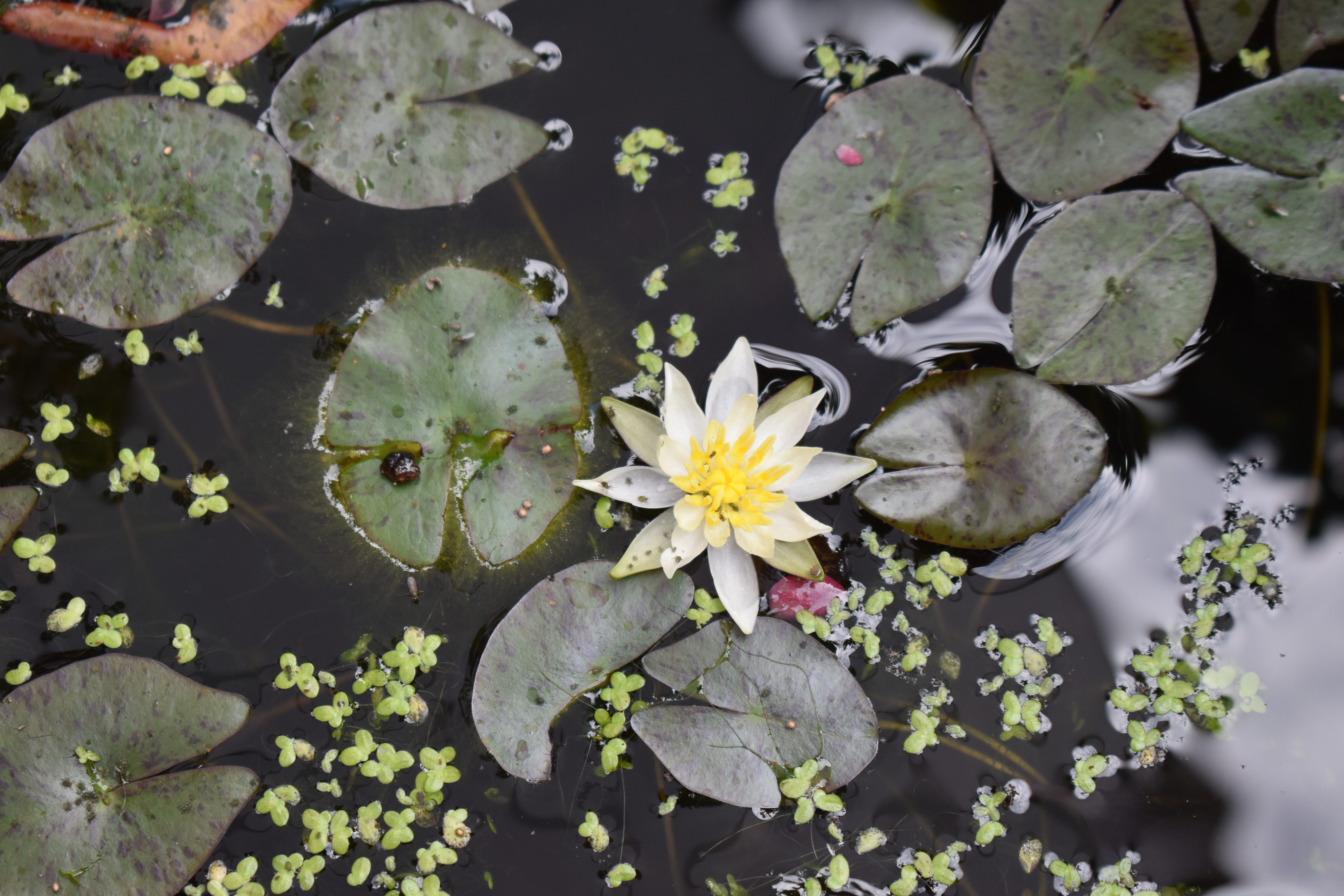
This latest visit to Oakgate was in early September, so it is good to look back at a season of more cheerful weather. We enter the garden by walking over a bridge over a pond which always has good plants to look at like this white waterlily.
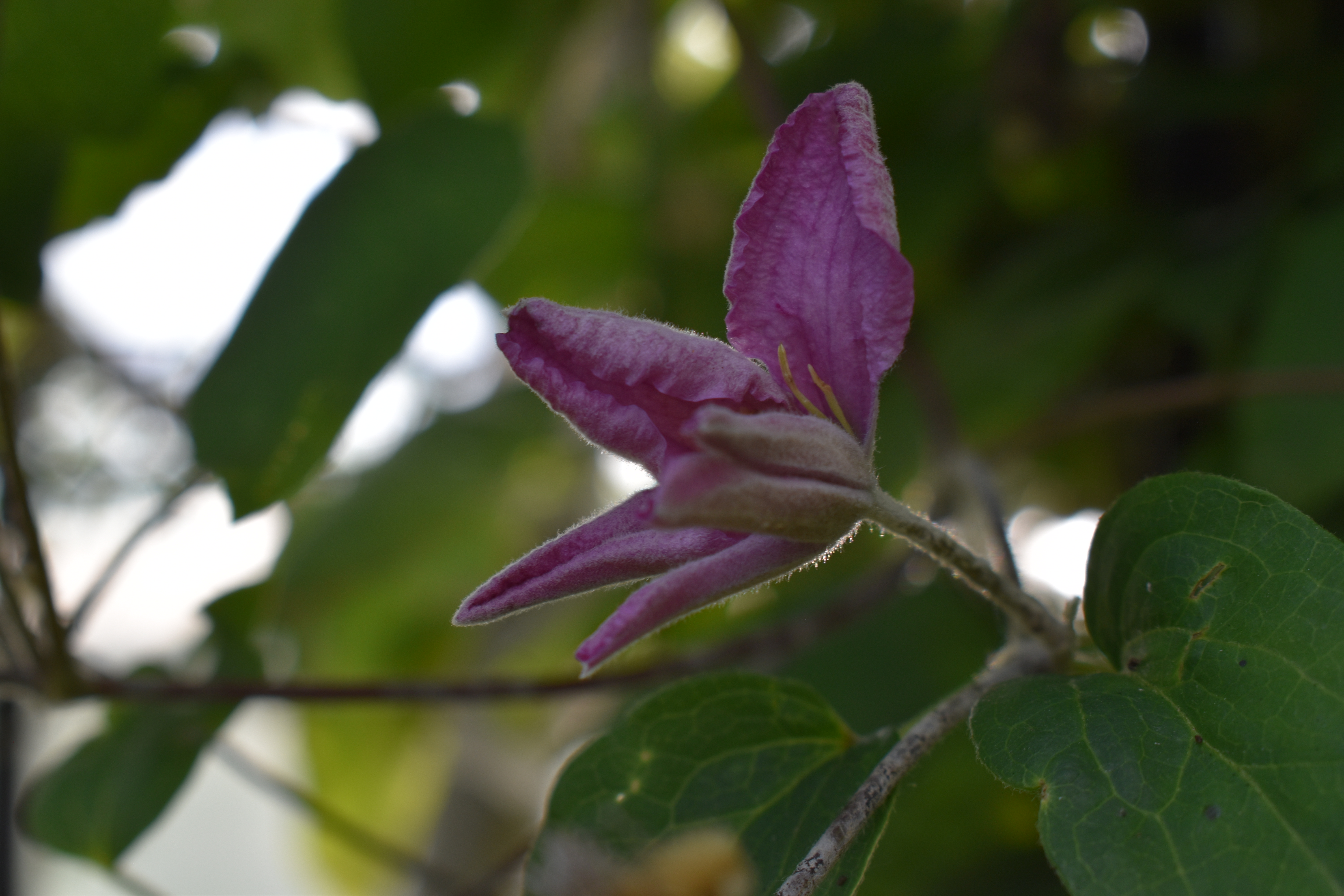
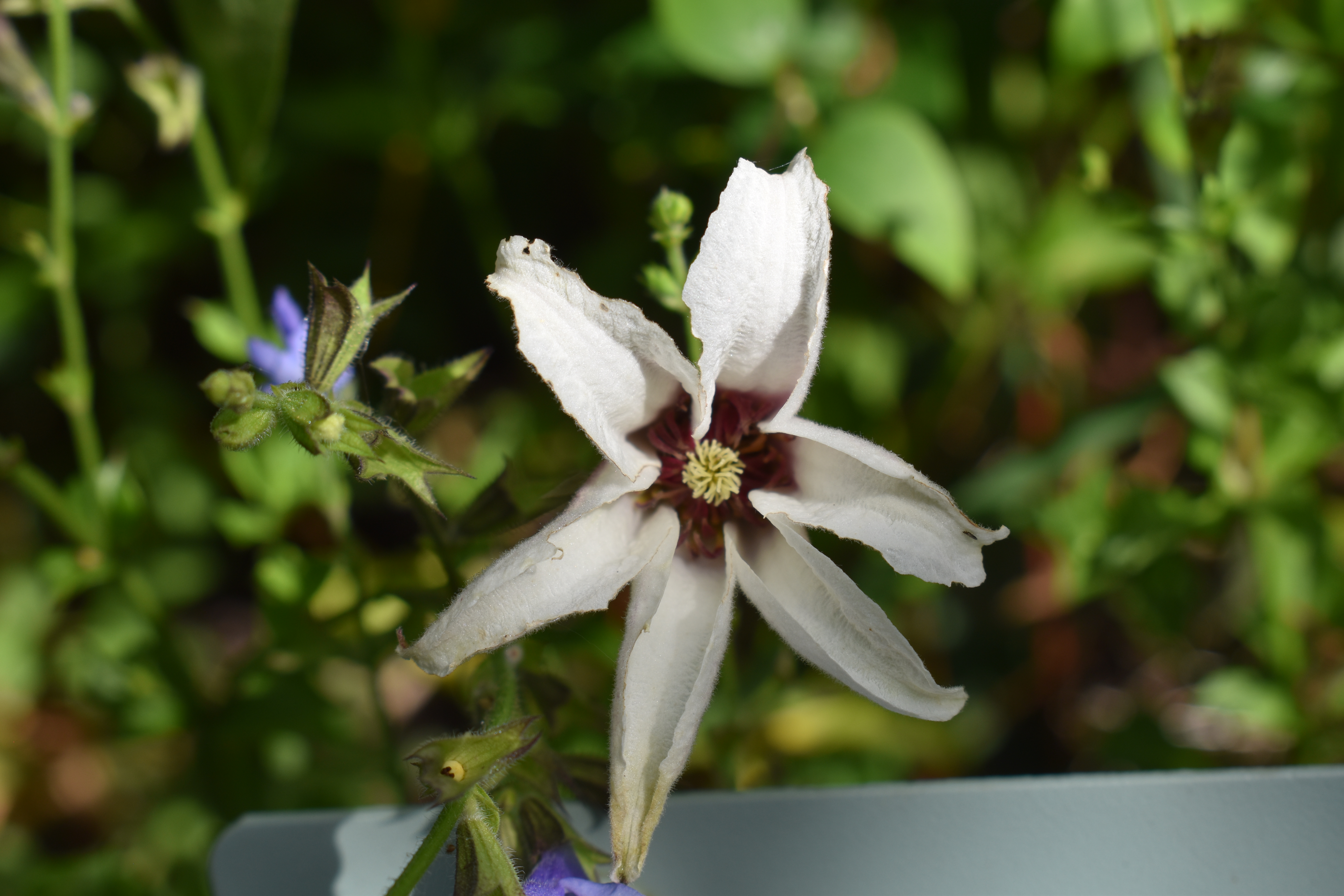
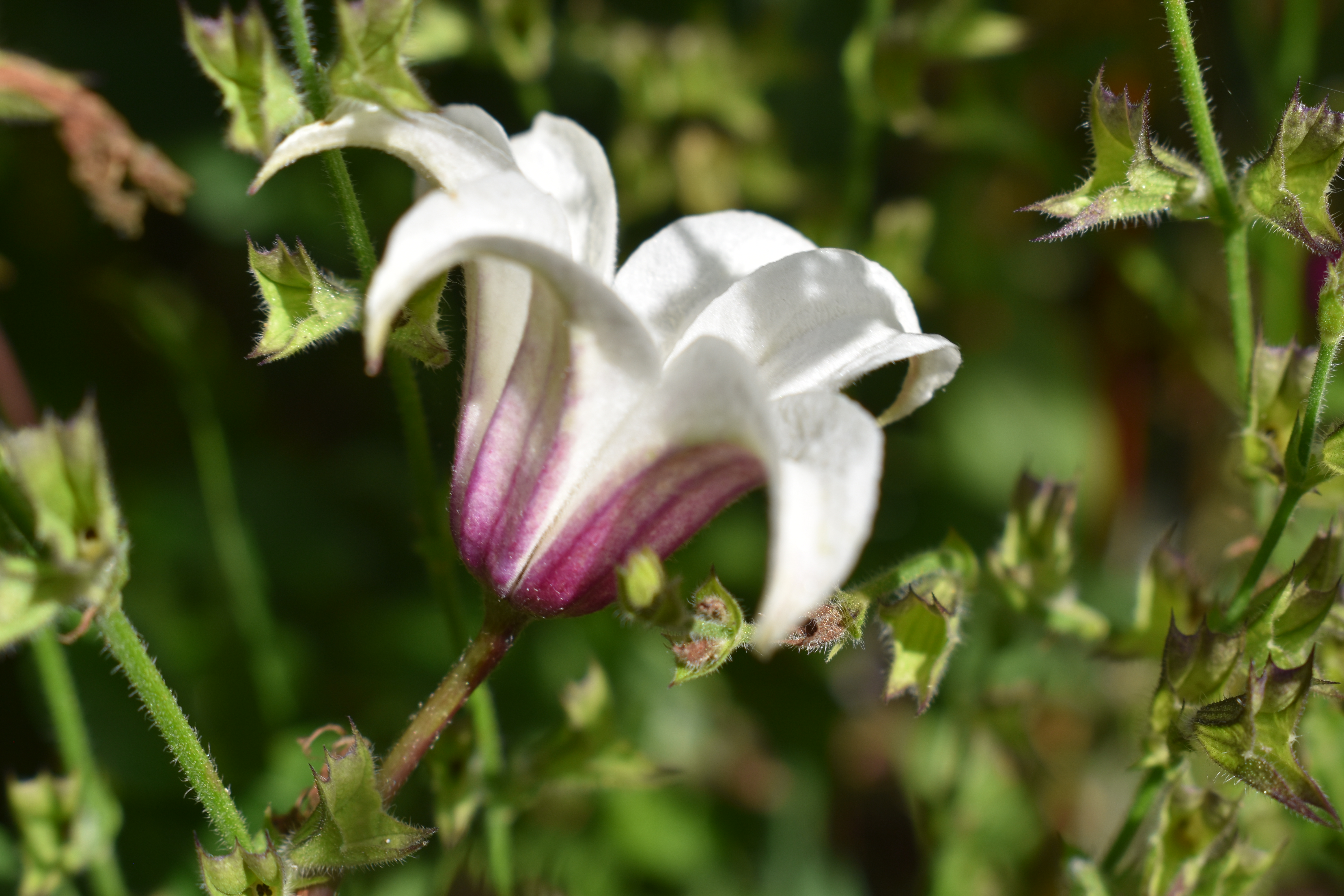
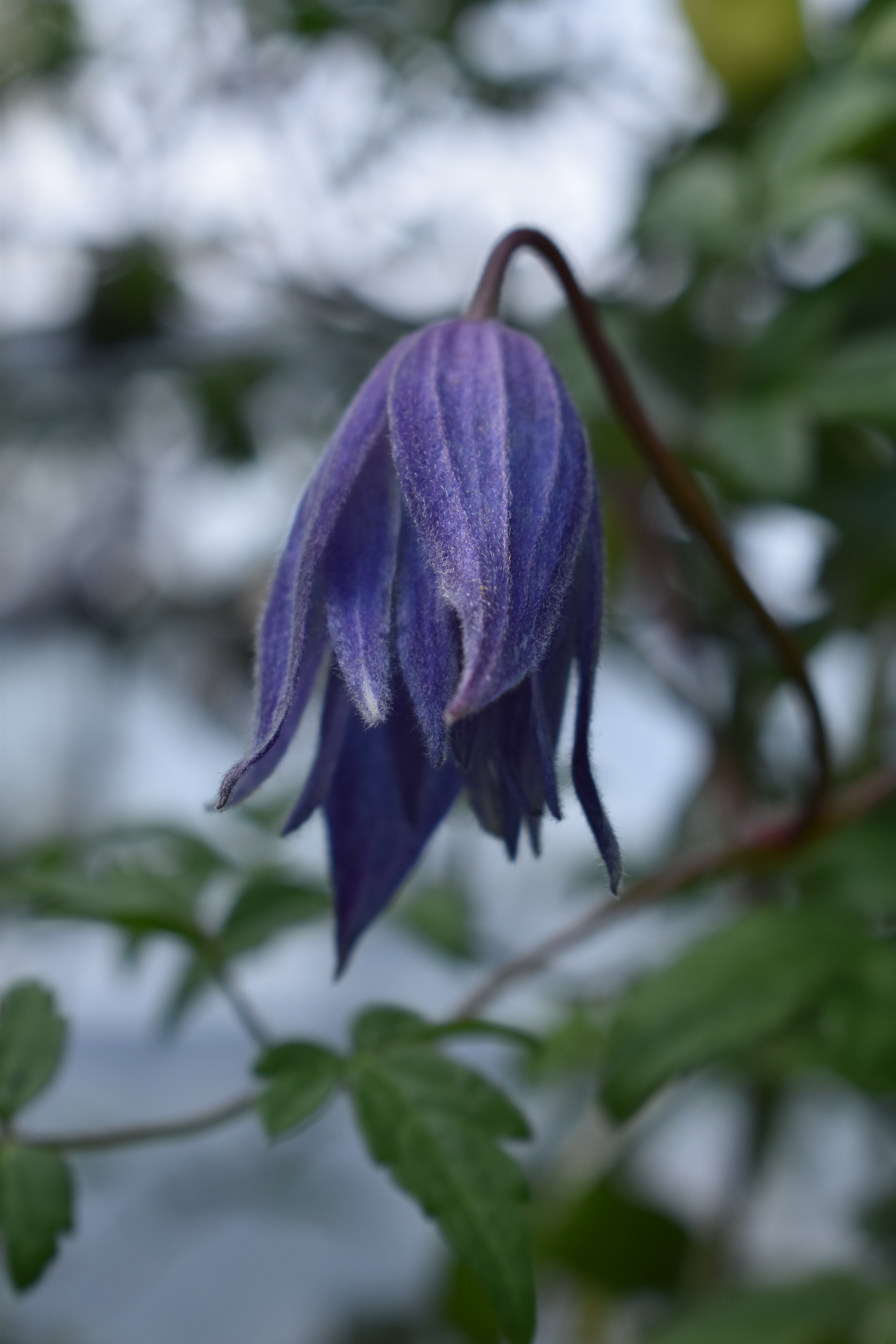
I shall continue with a selection of clematis flowering in the garden.
No doubt we will be back one of these days for another visit to Oakgate Nursery, its cafe and its welcoming garden.
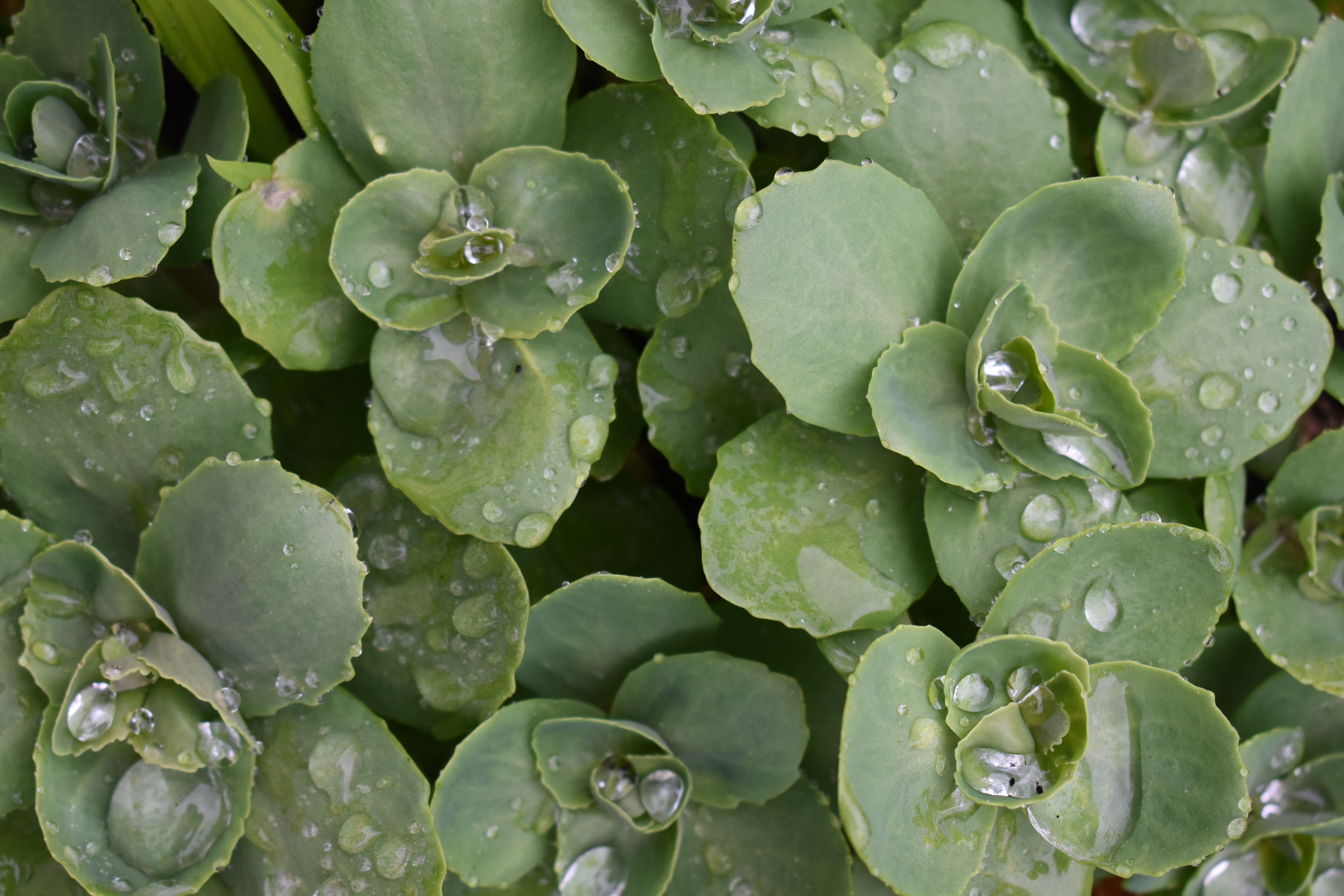
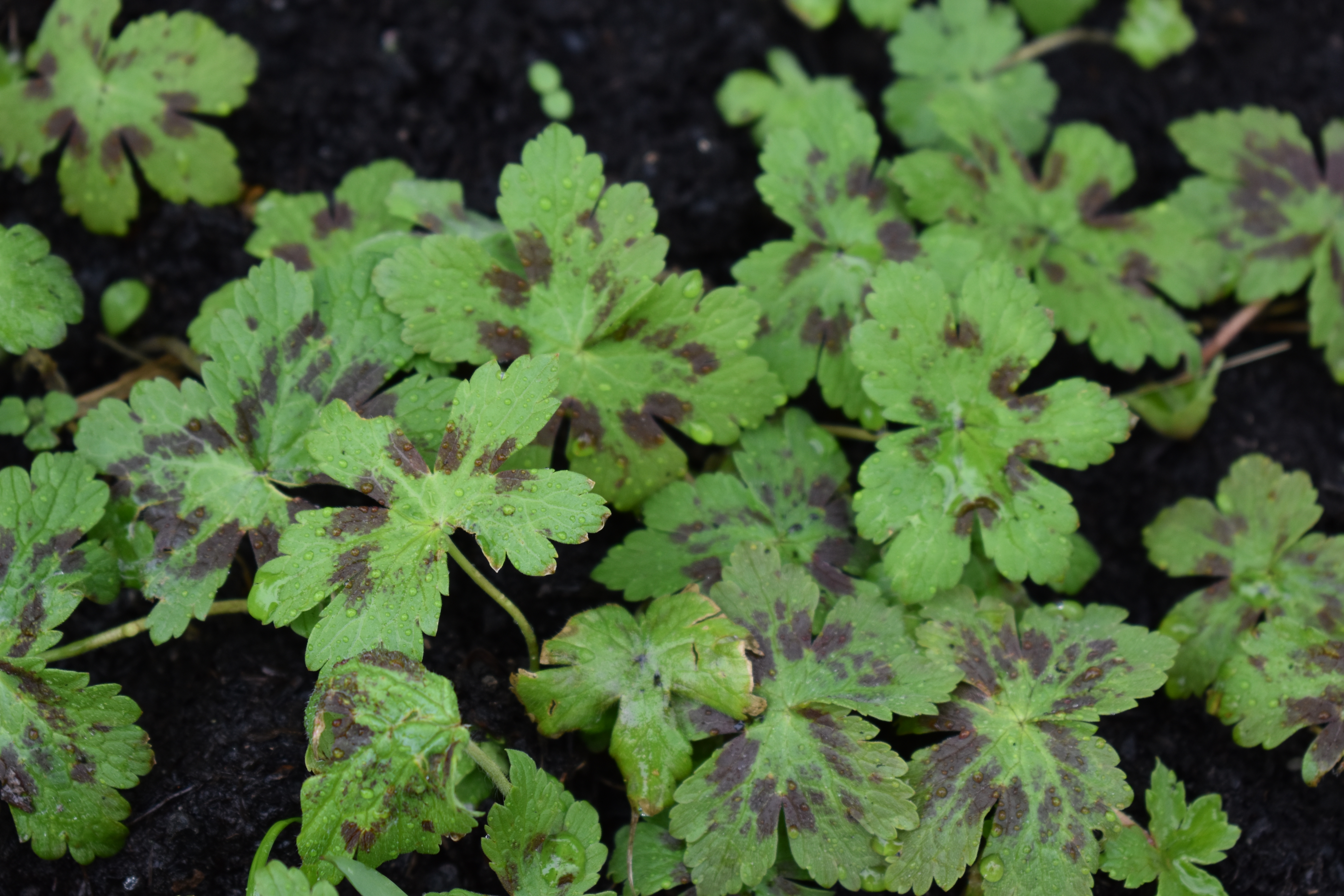
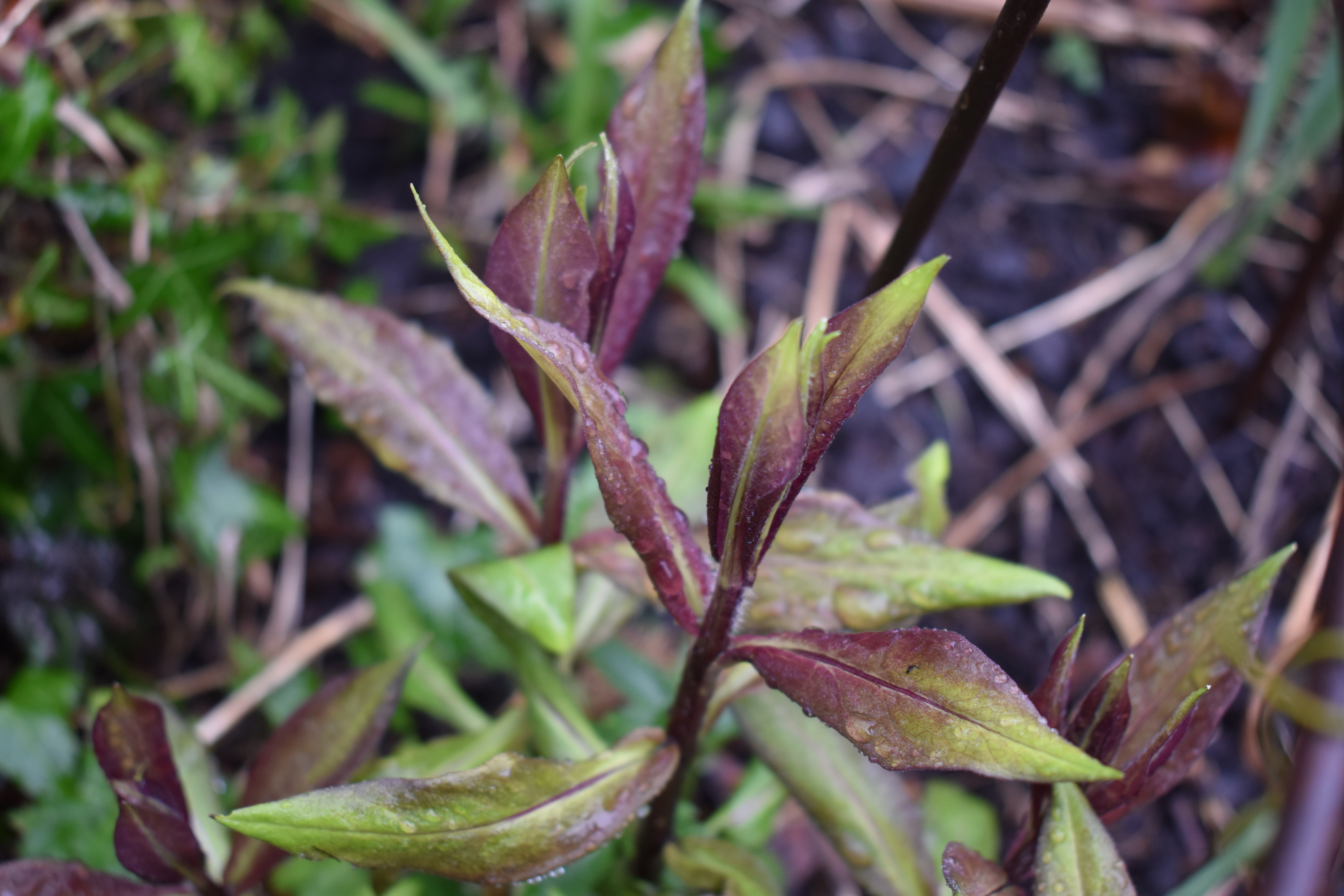
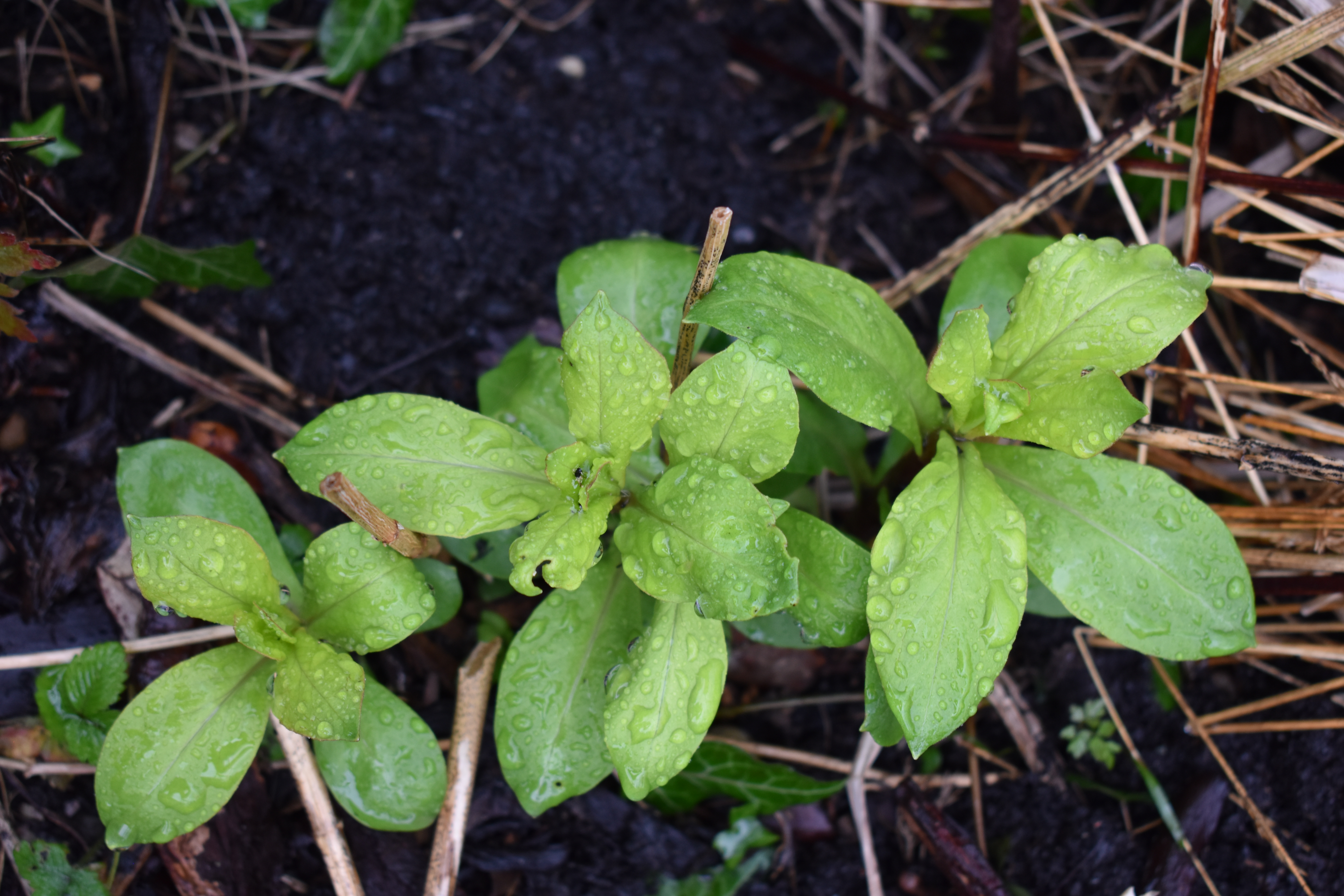
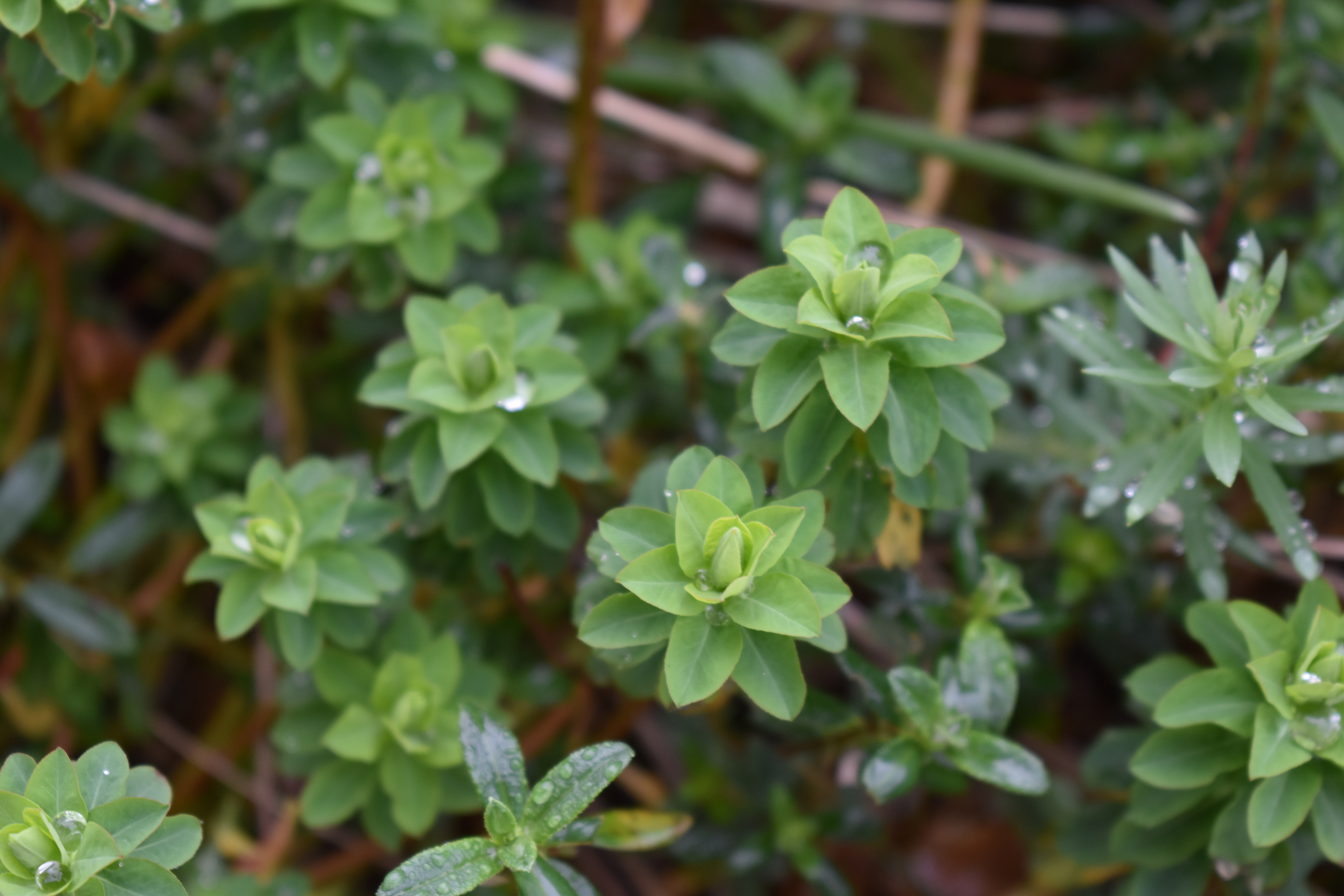
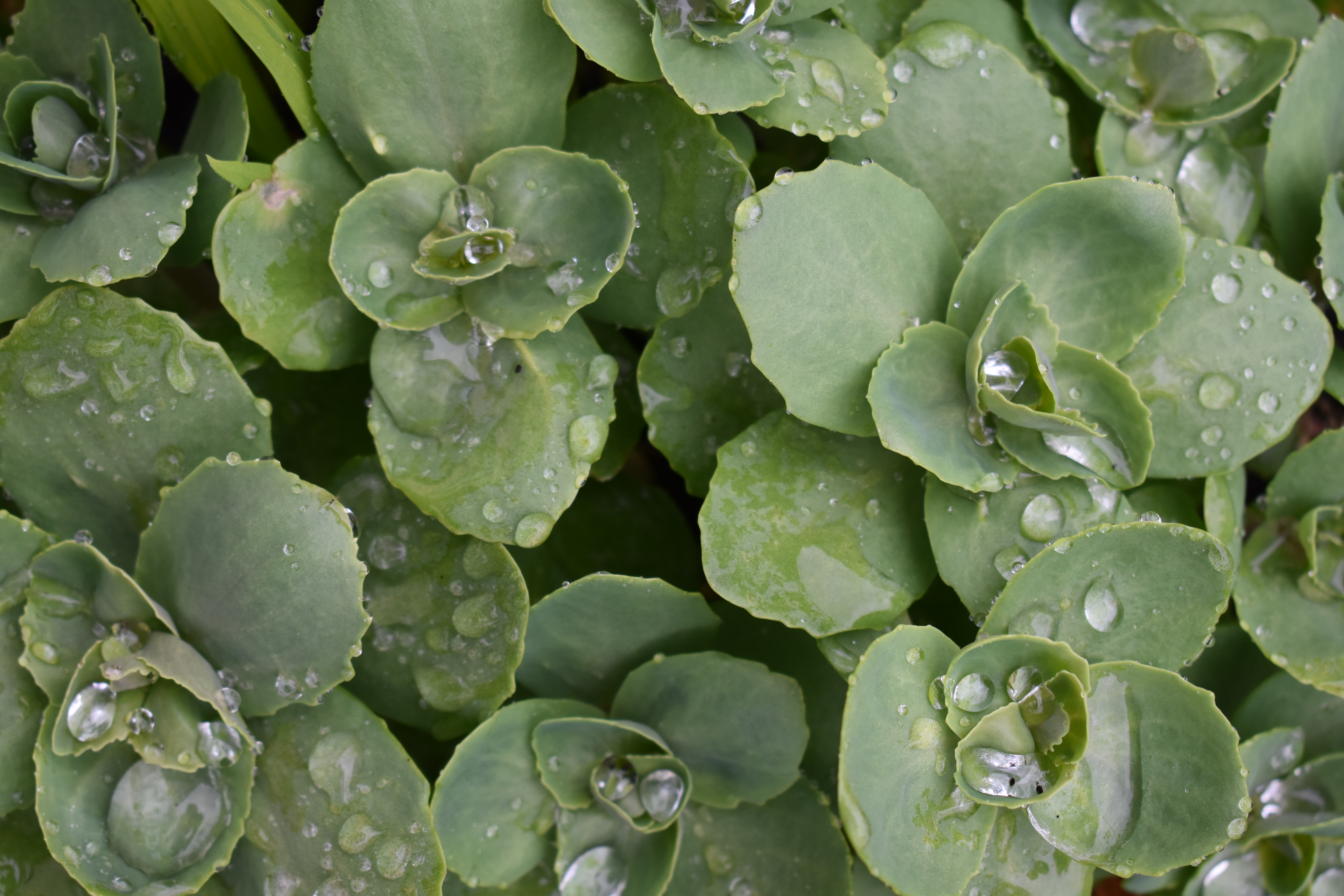
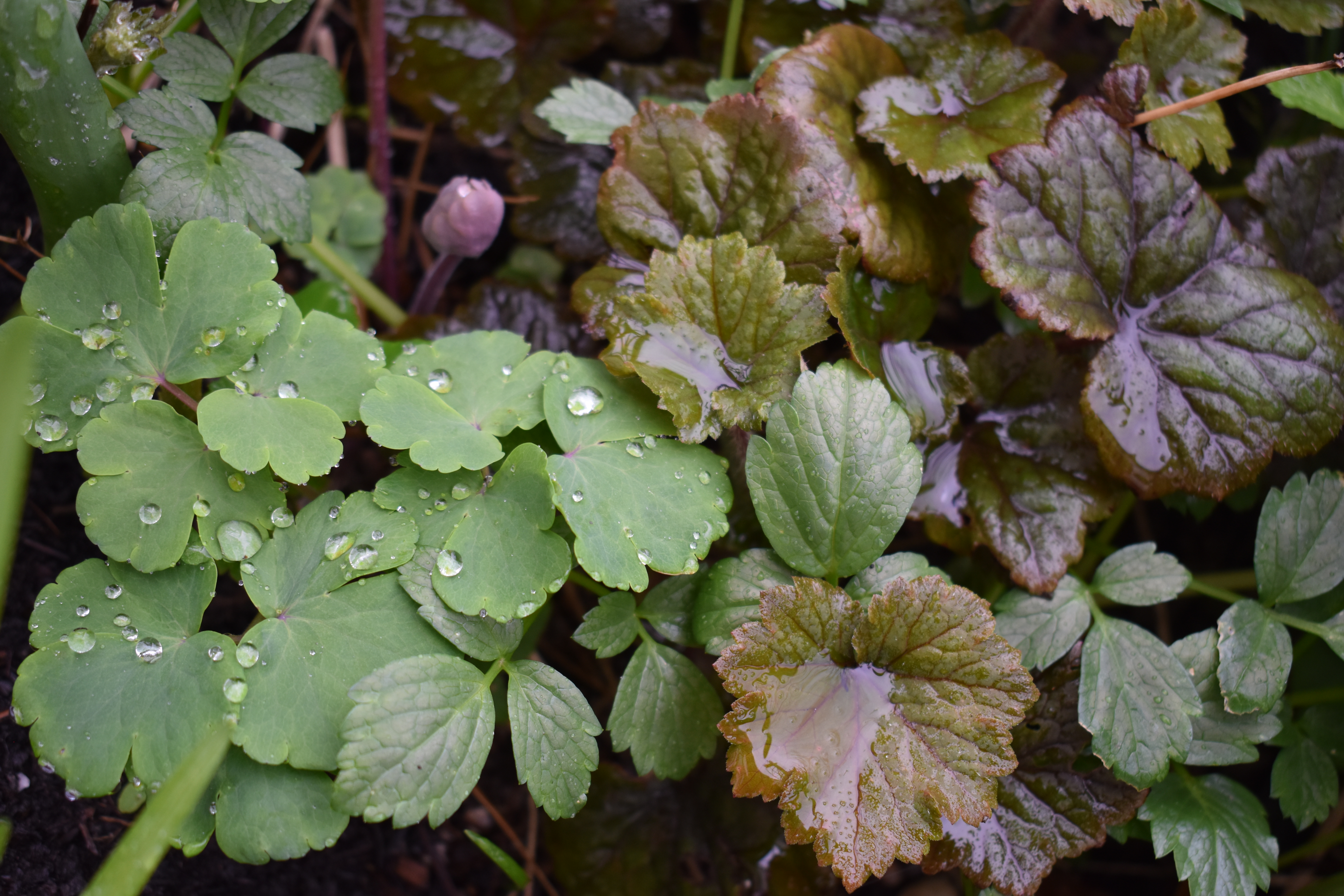
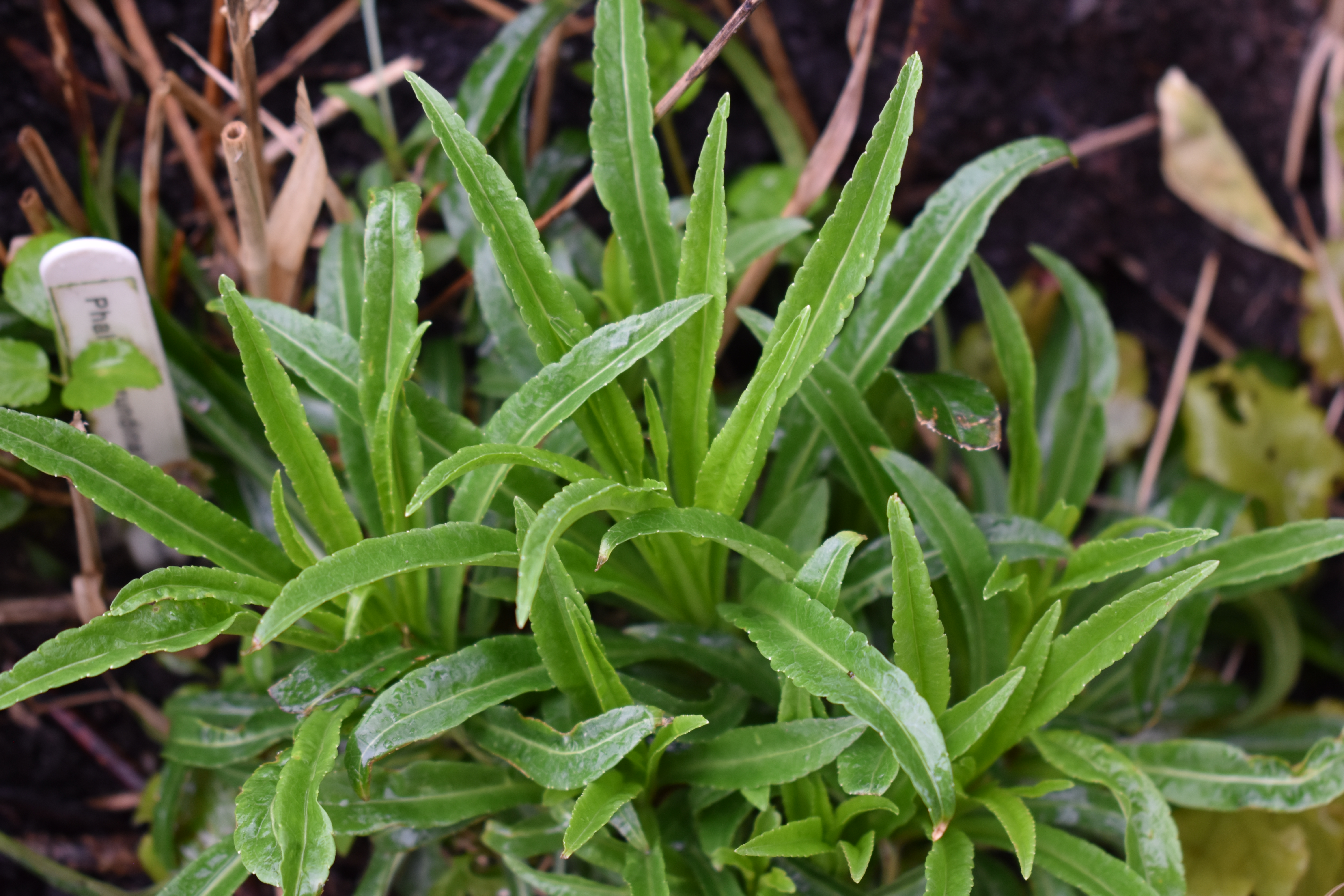
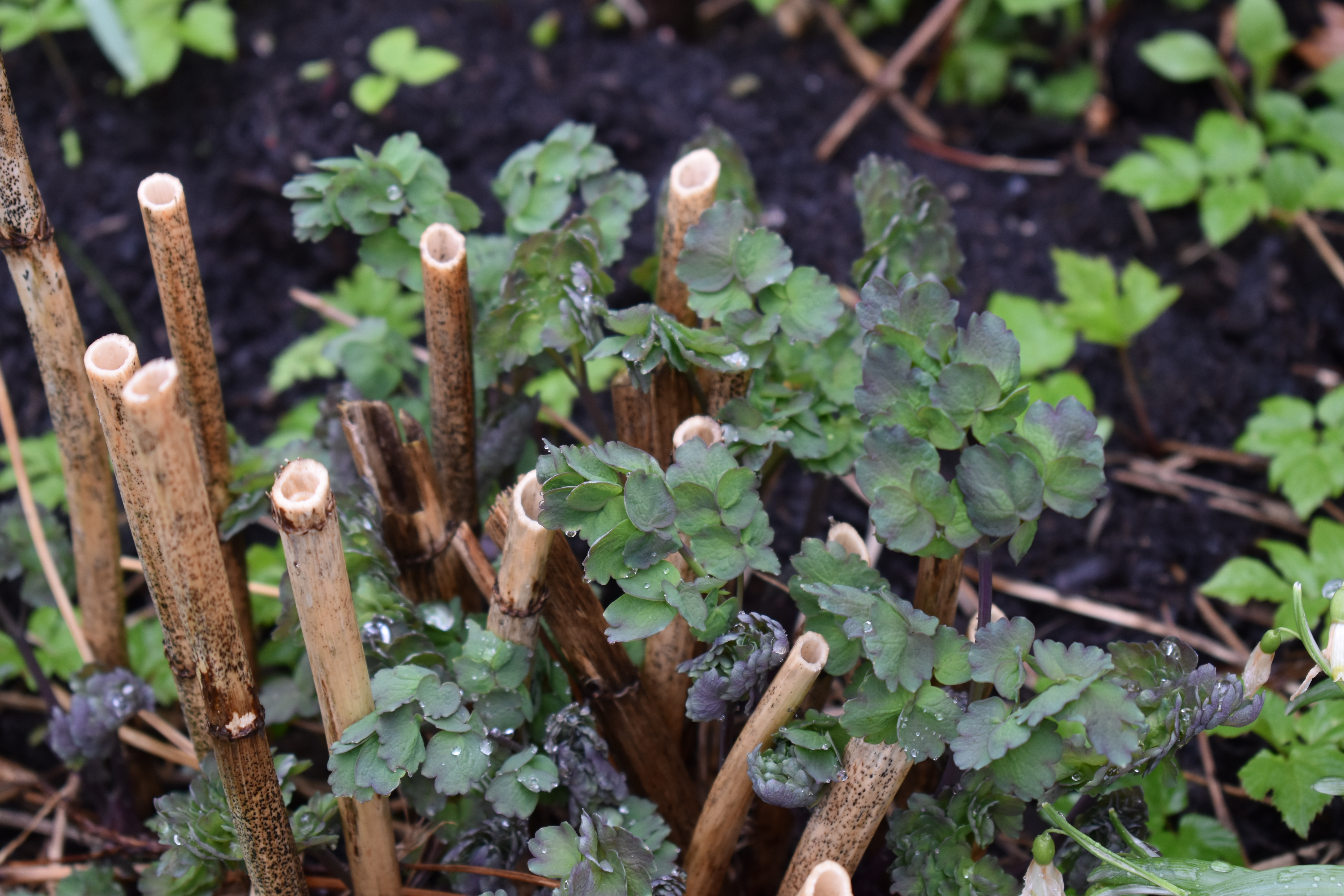
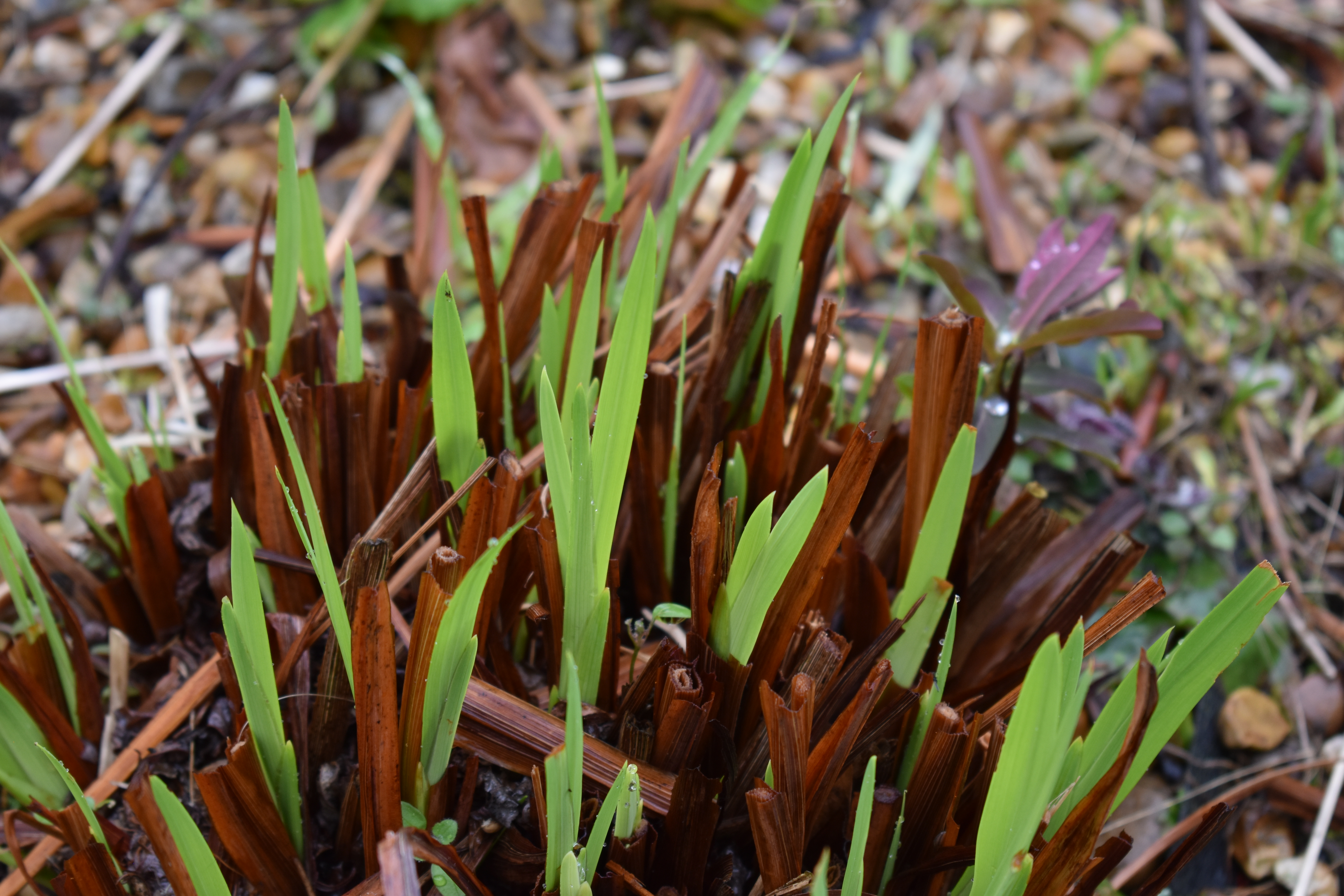
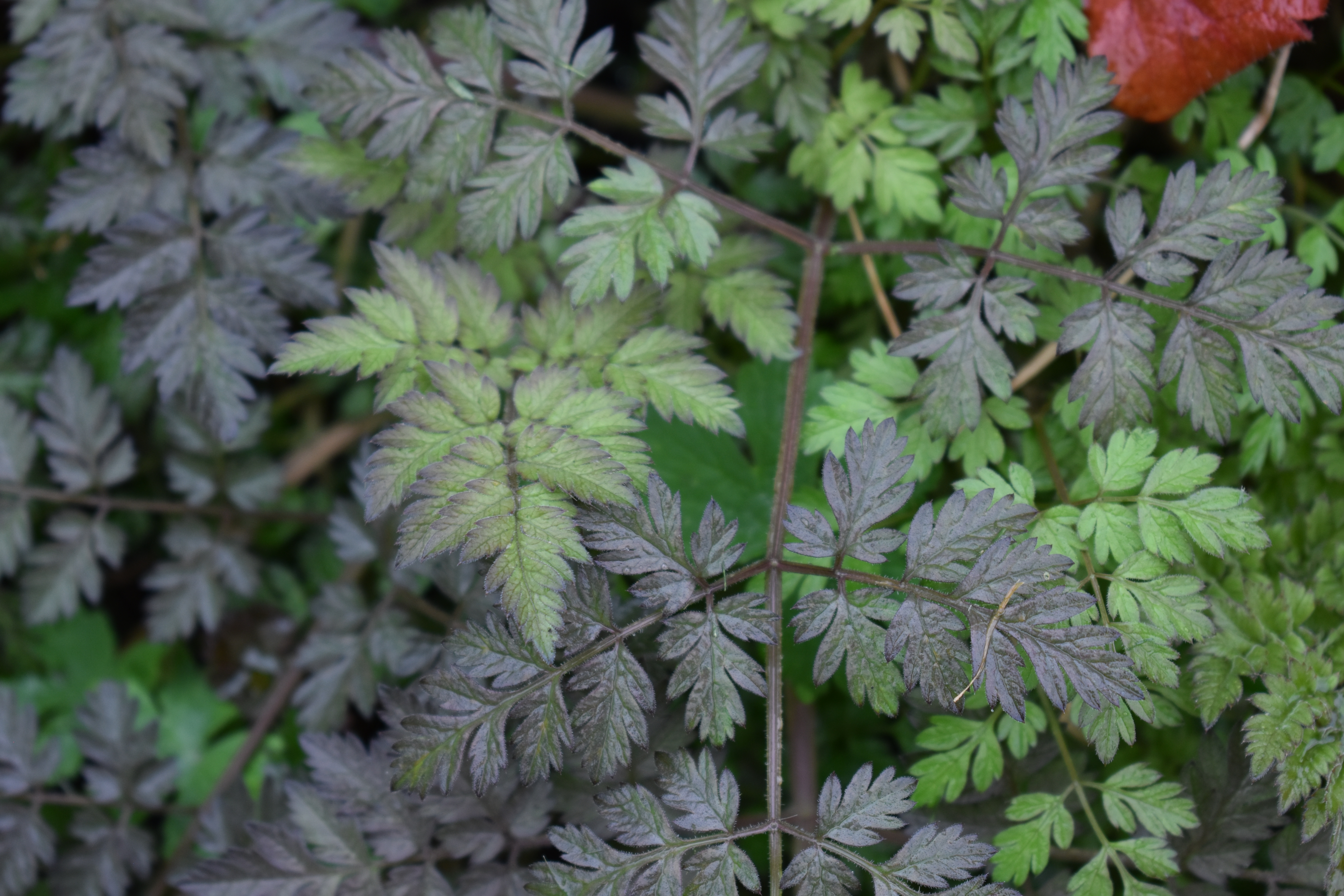
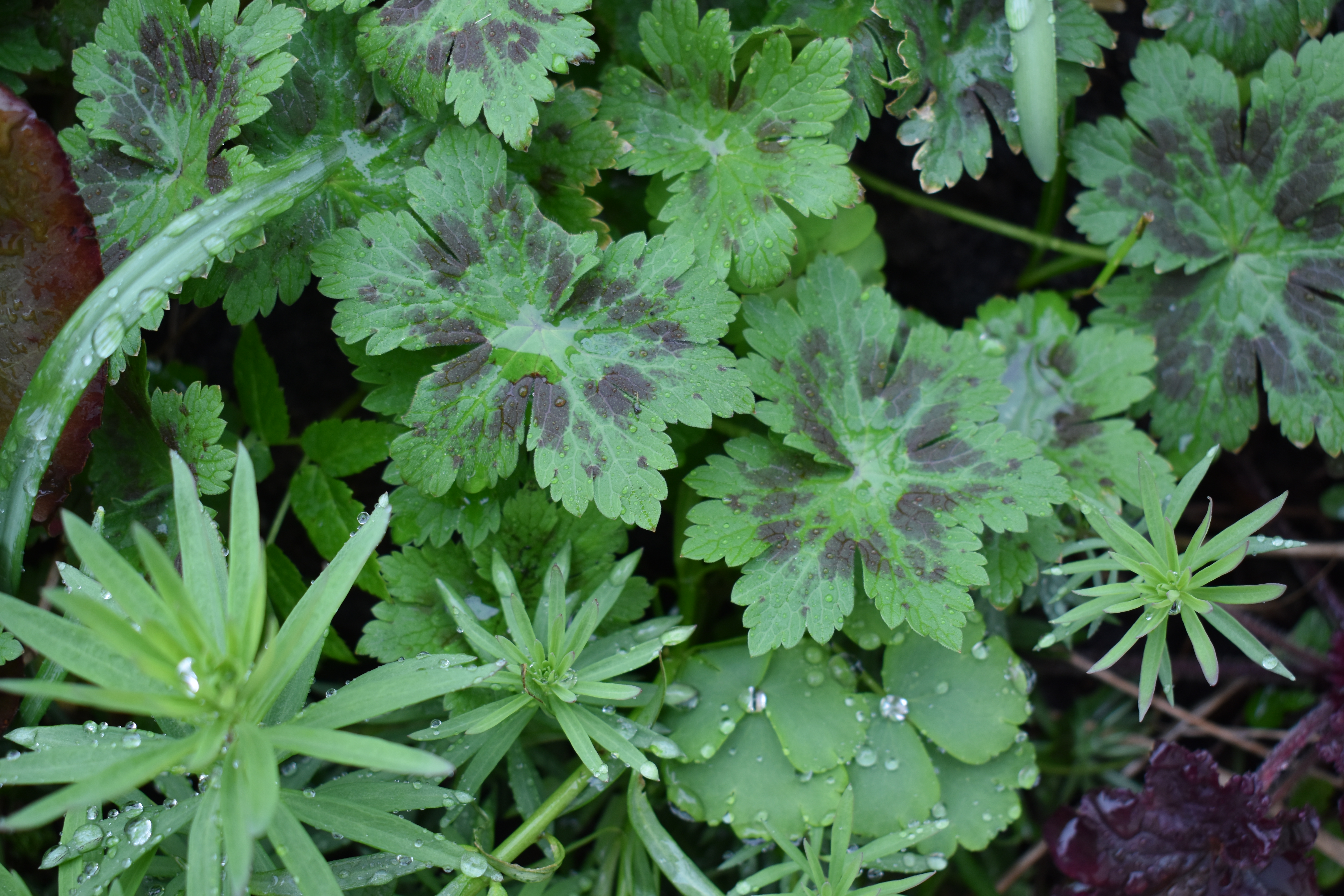
March is a great month for freshness in the garden, fresh bird song, fresh spring bulb flowers and fresh foliage, which is what i want to feature in a gallery of my photos of freshly emerged foliage of herbaceous perennials in triangular border beneath our bedroom window. I hope you enjoy my selection of photos.
Can you tell which plants they are?
I hope you enjoyed this little photo journey through a border.
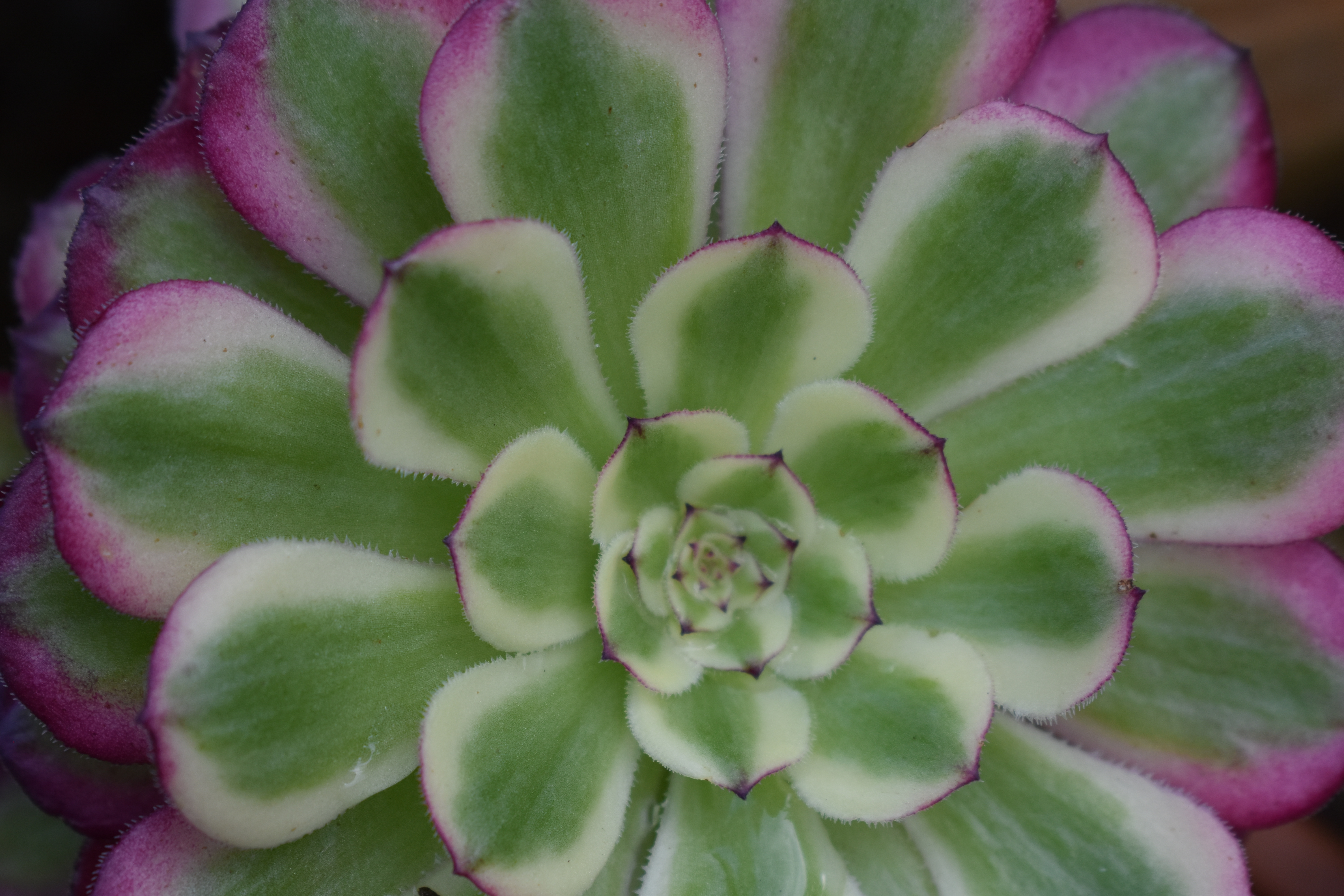
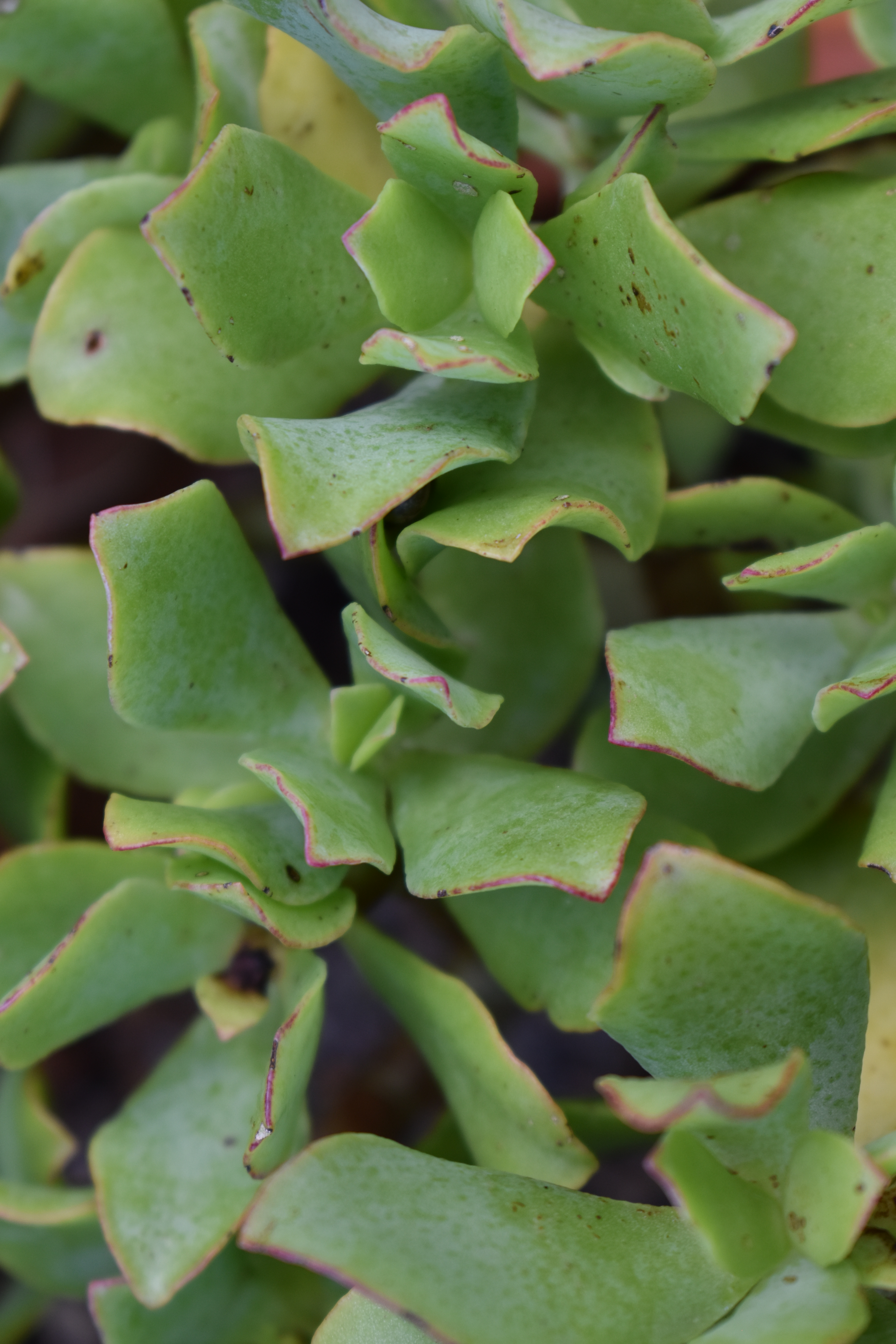
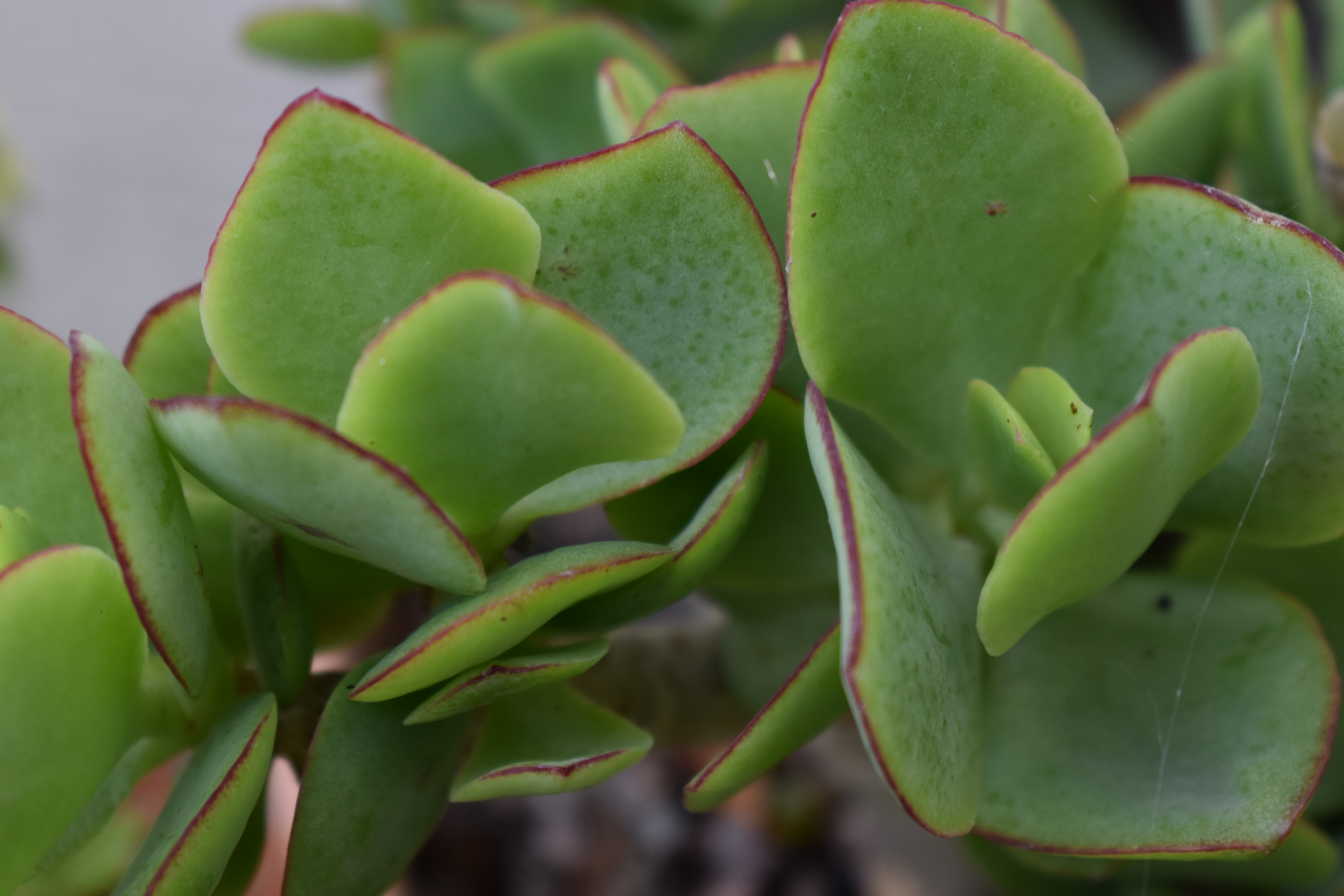
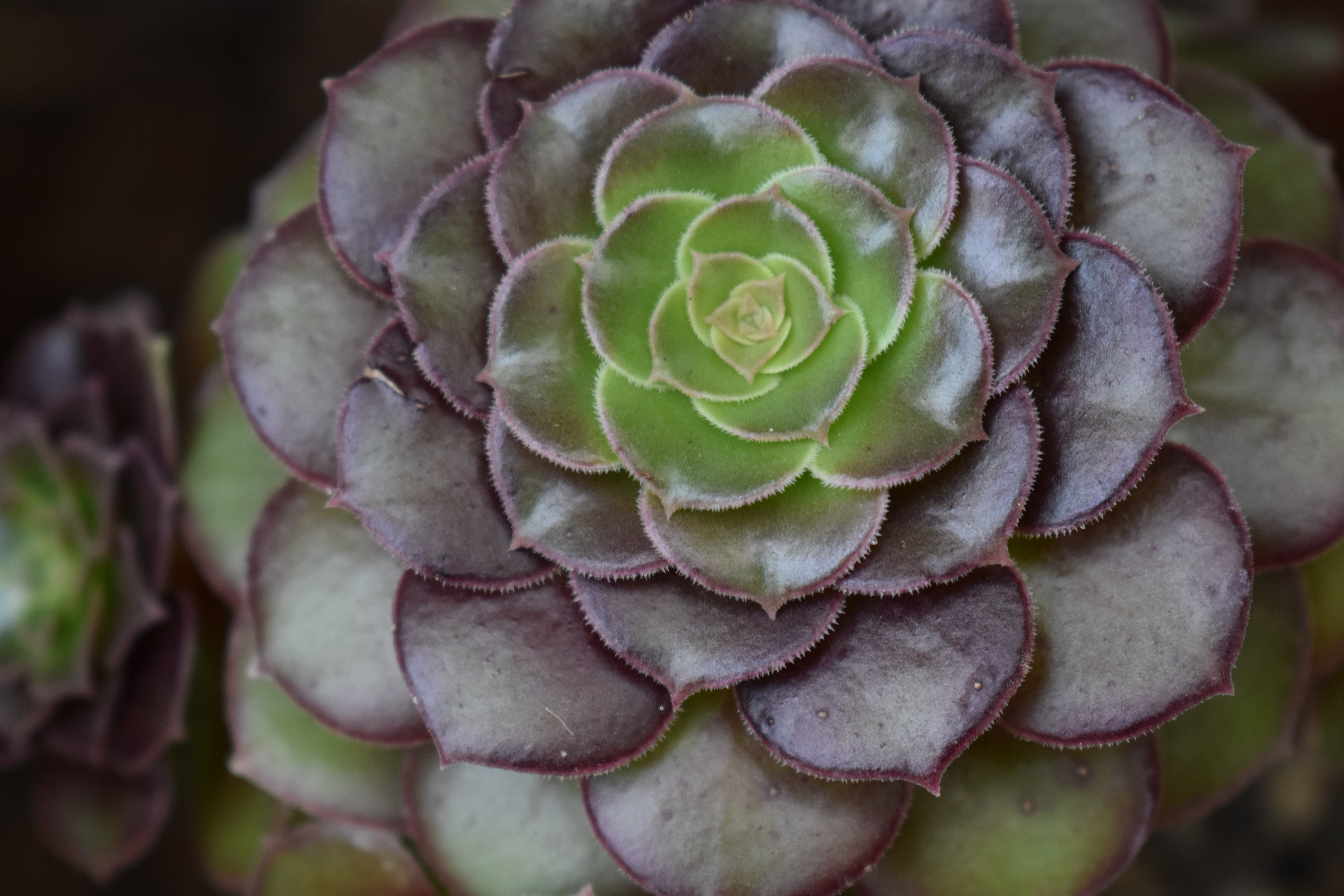
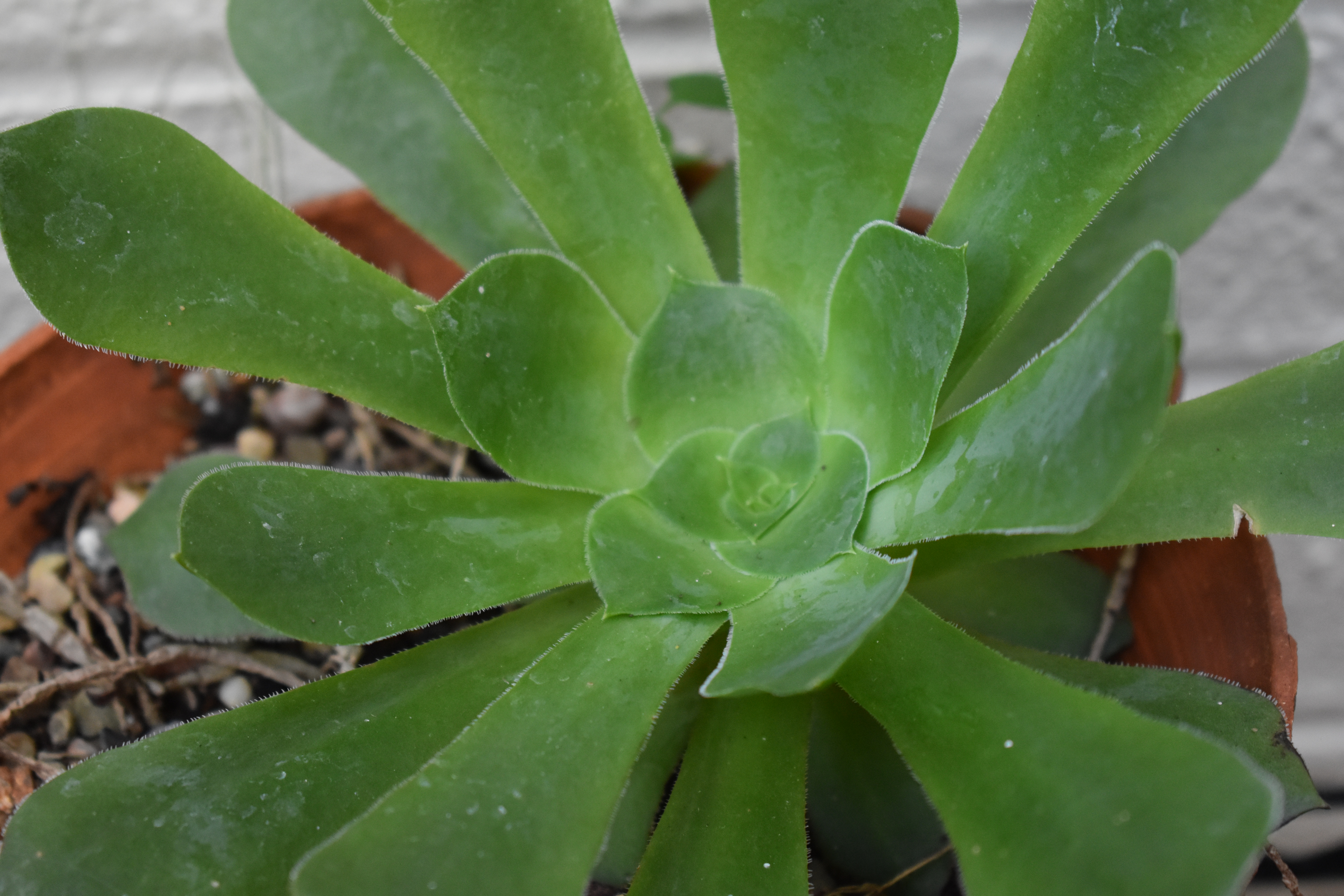
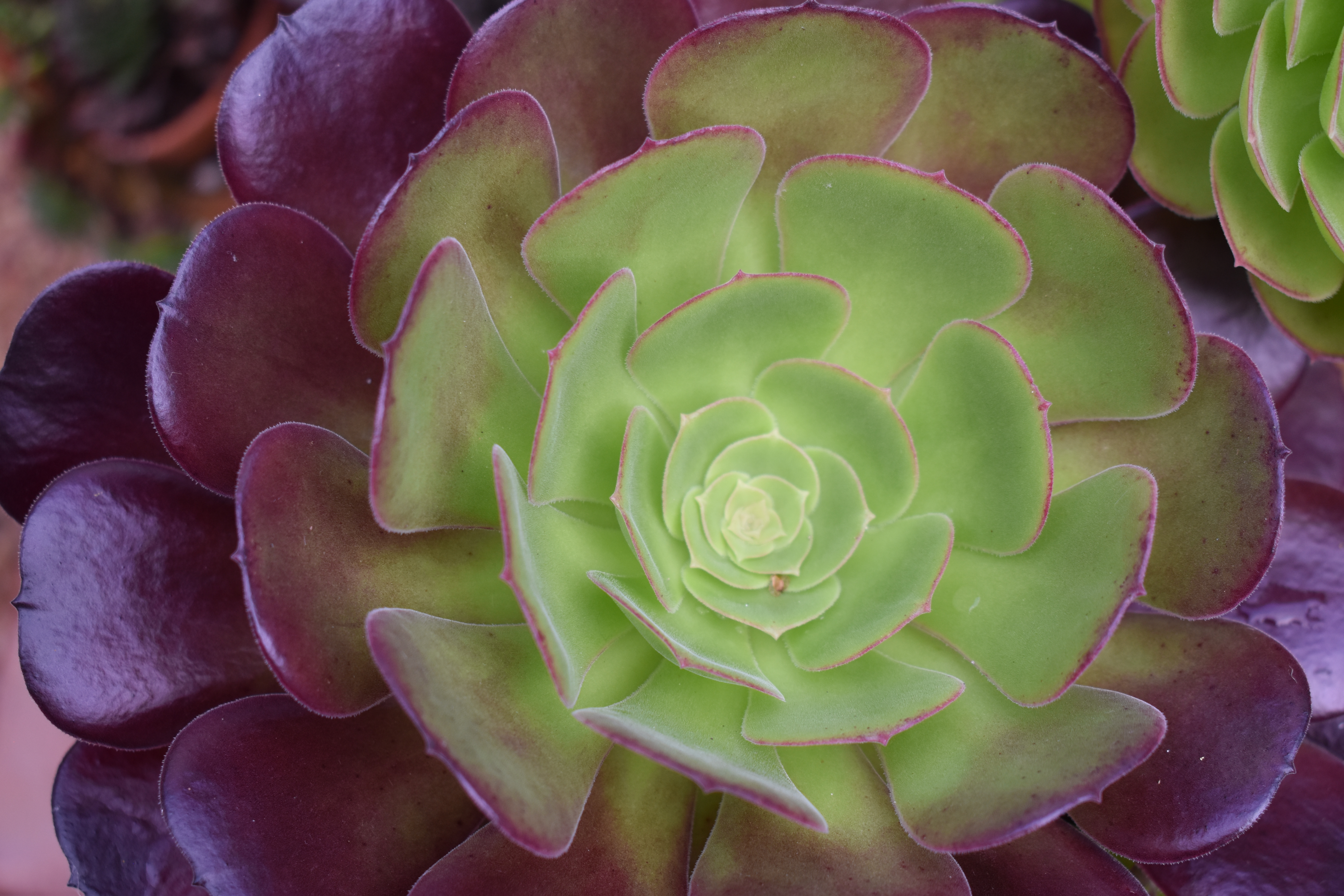
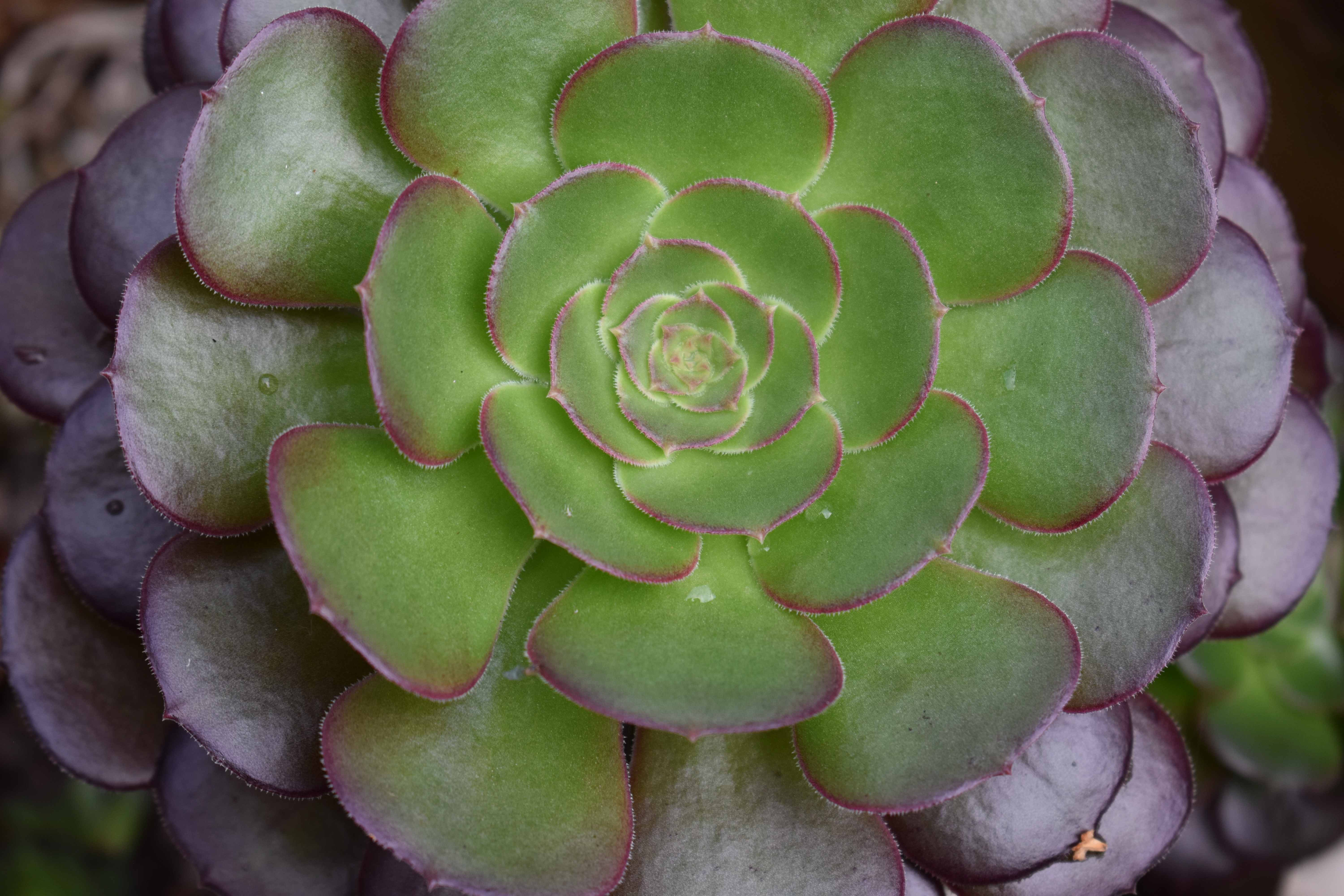
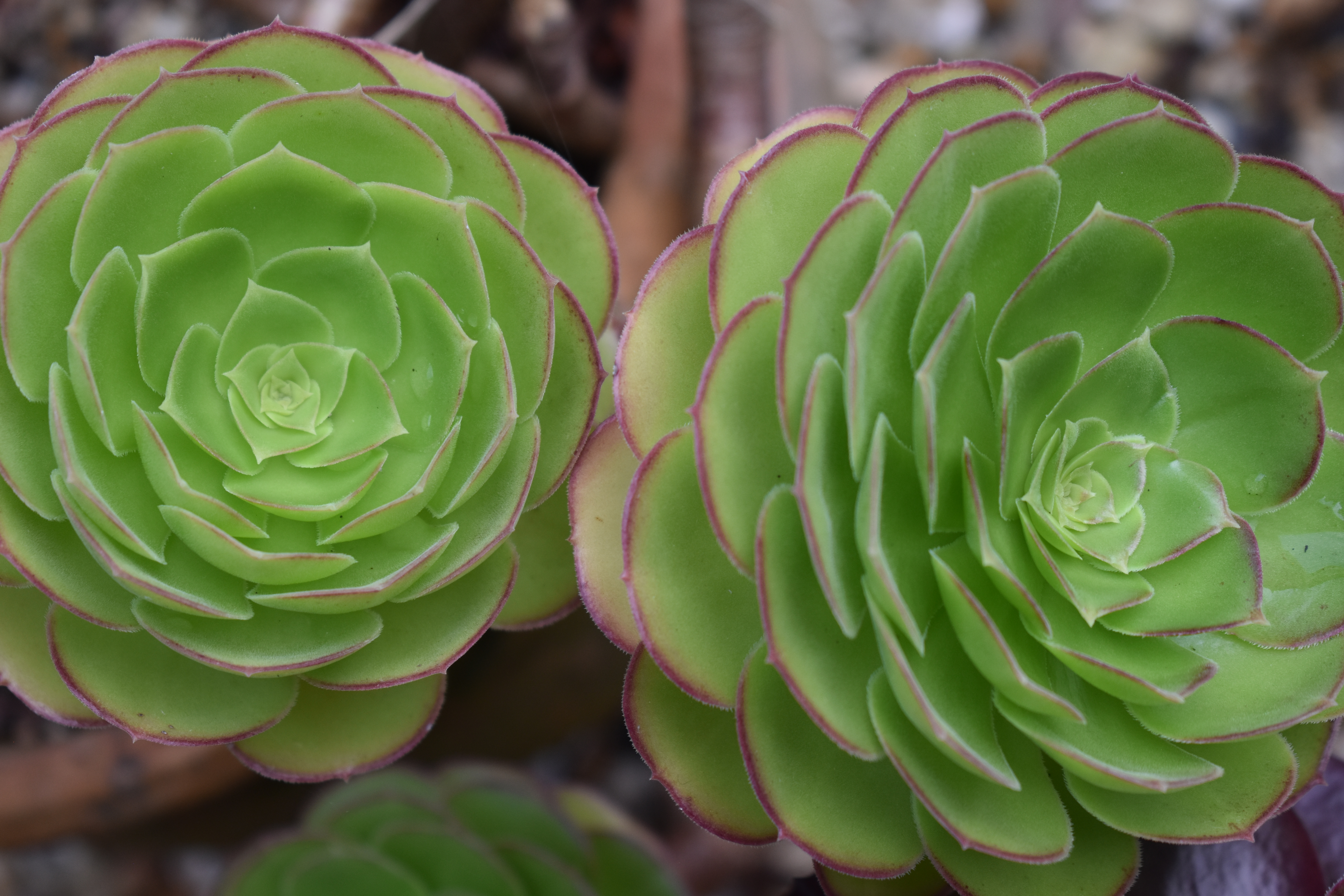
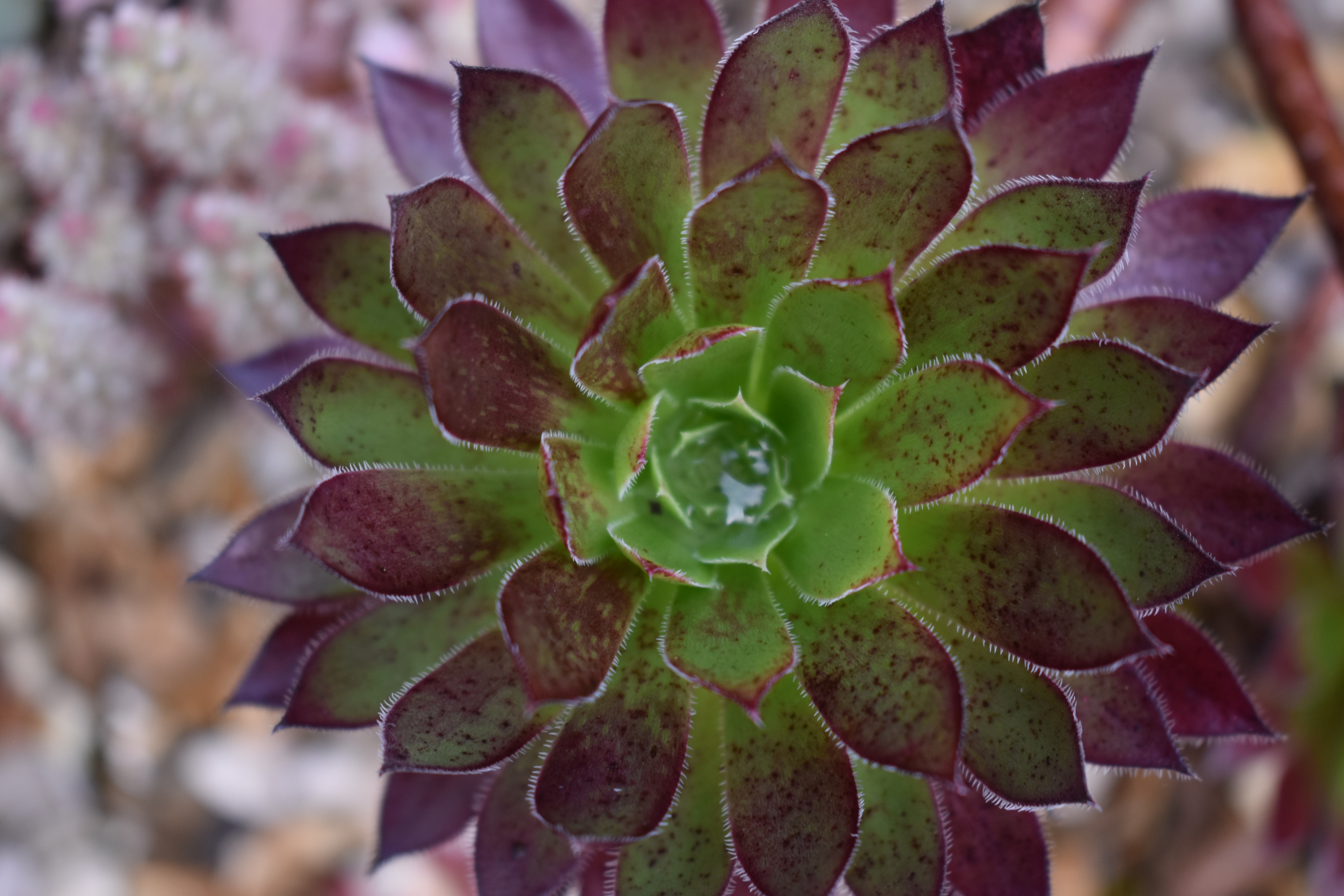
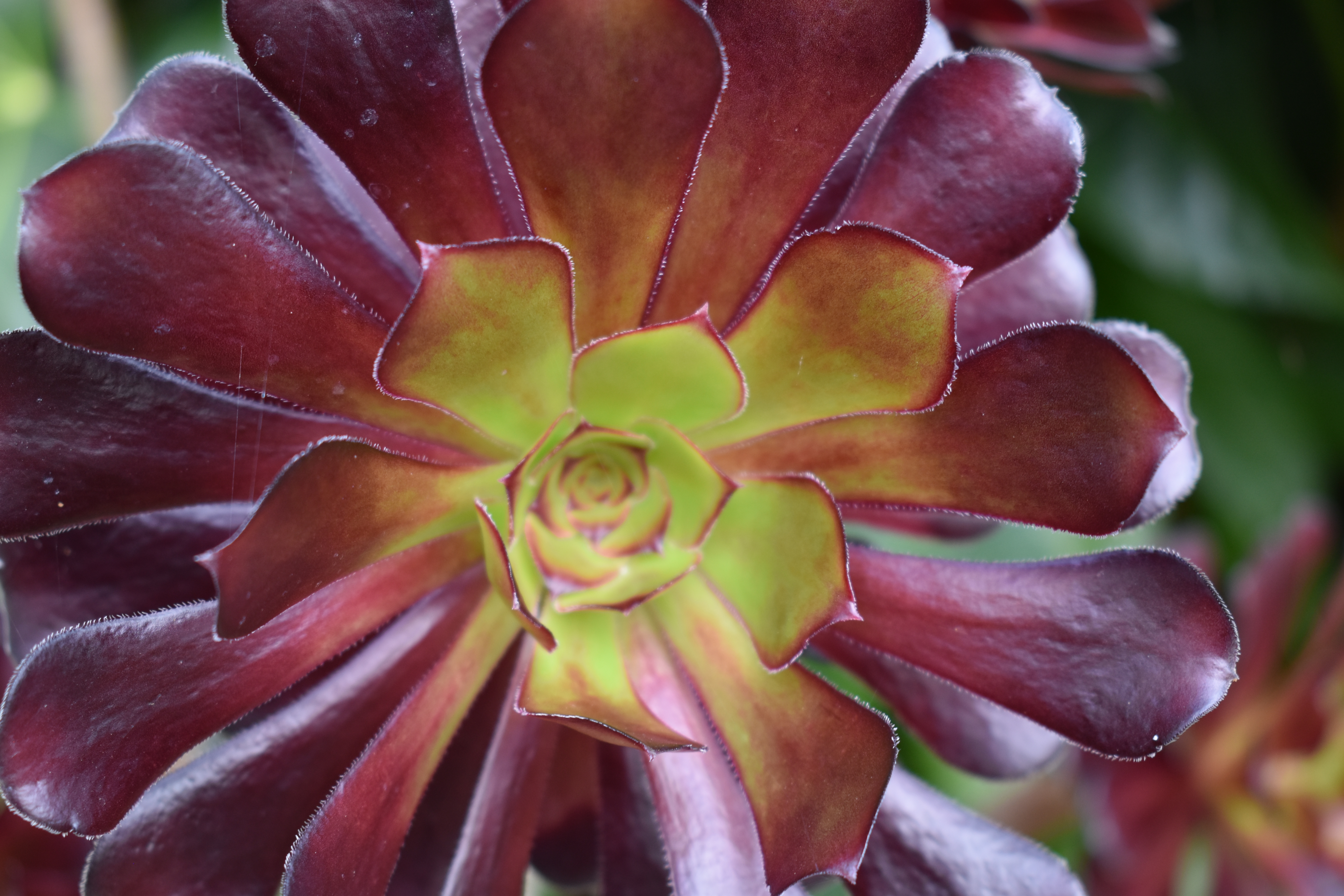
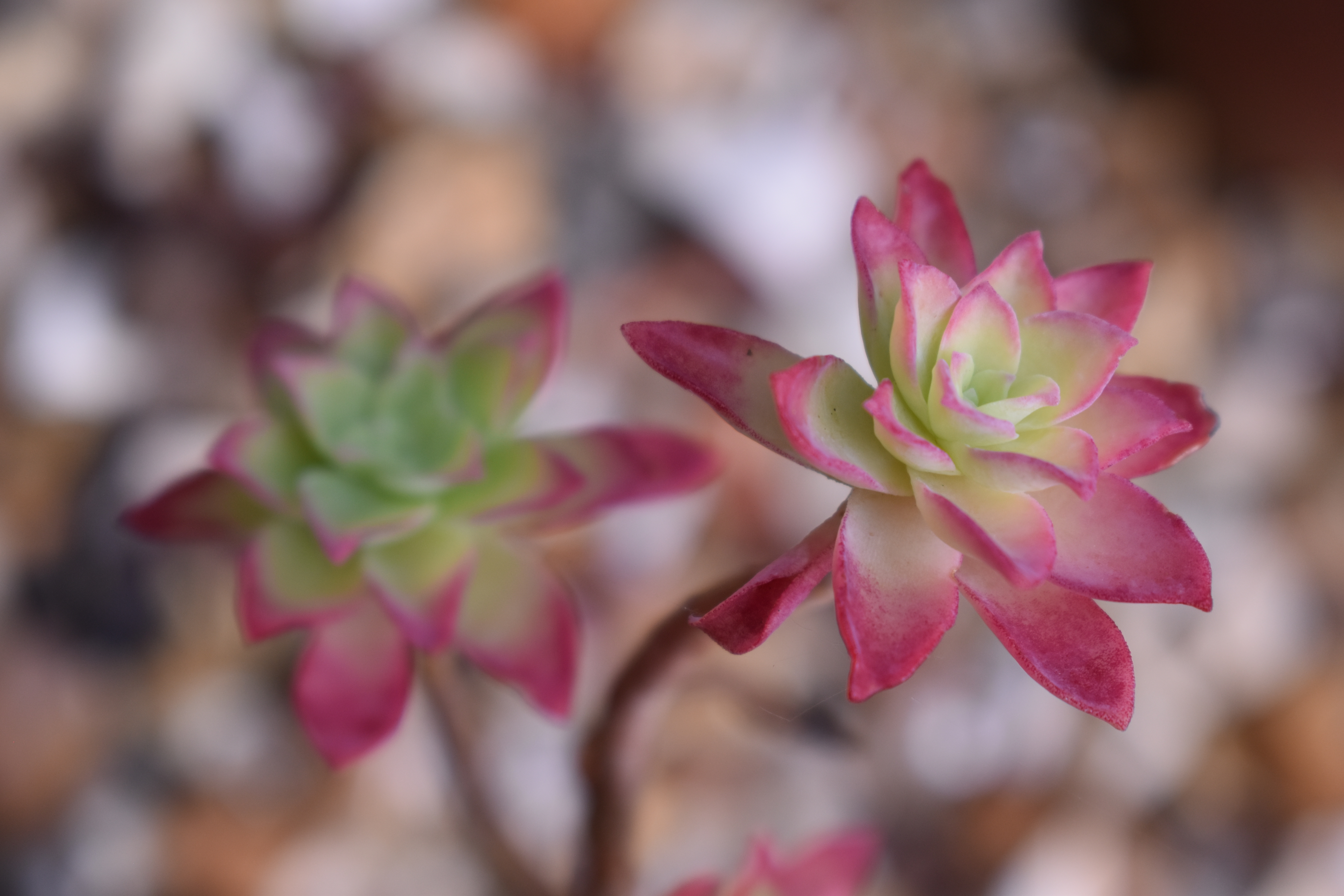
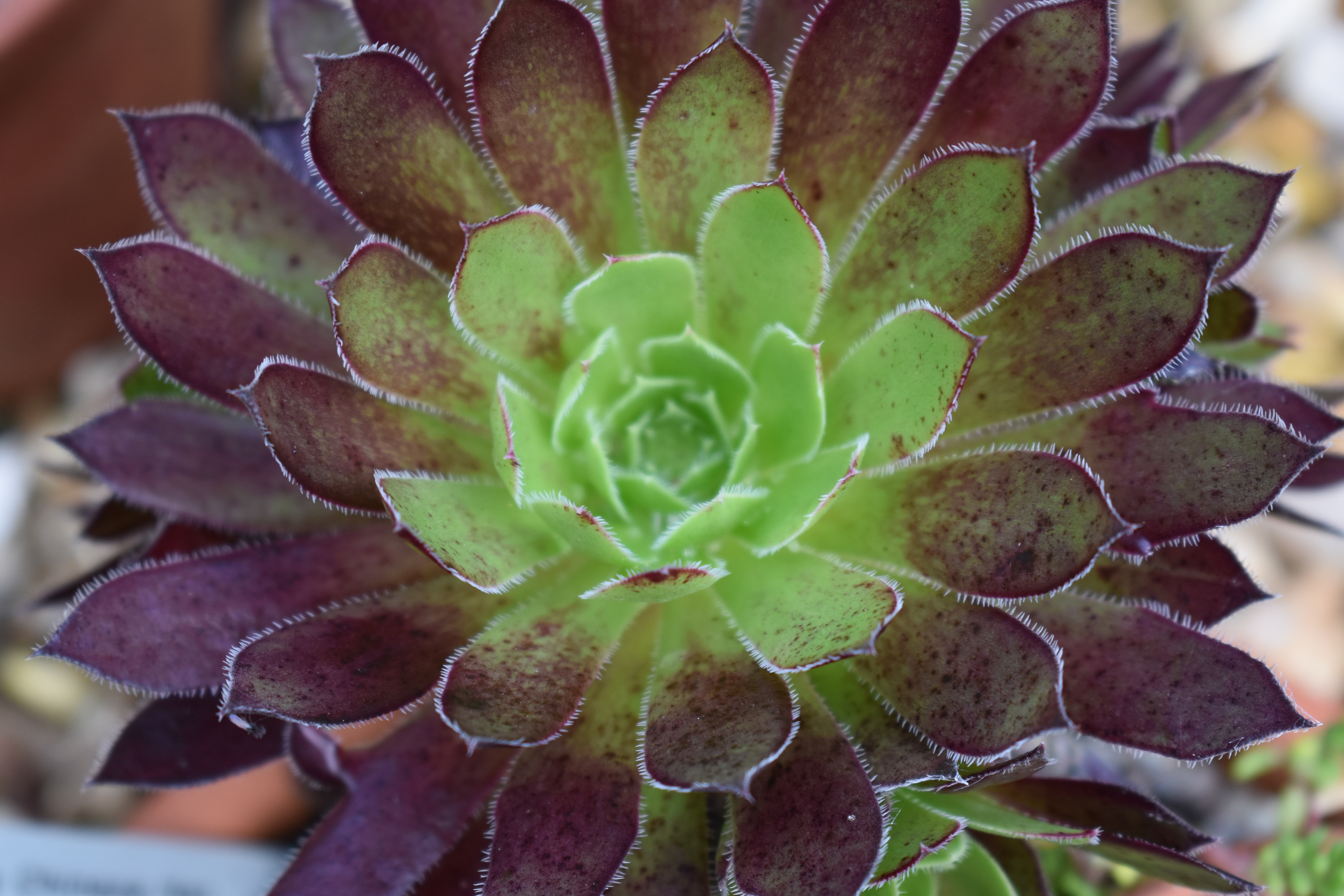
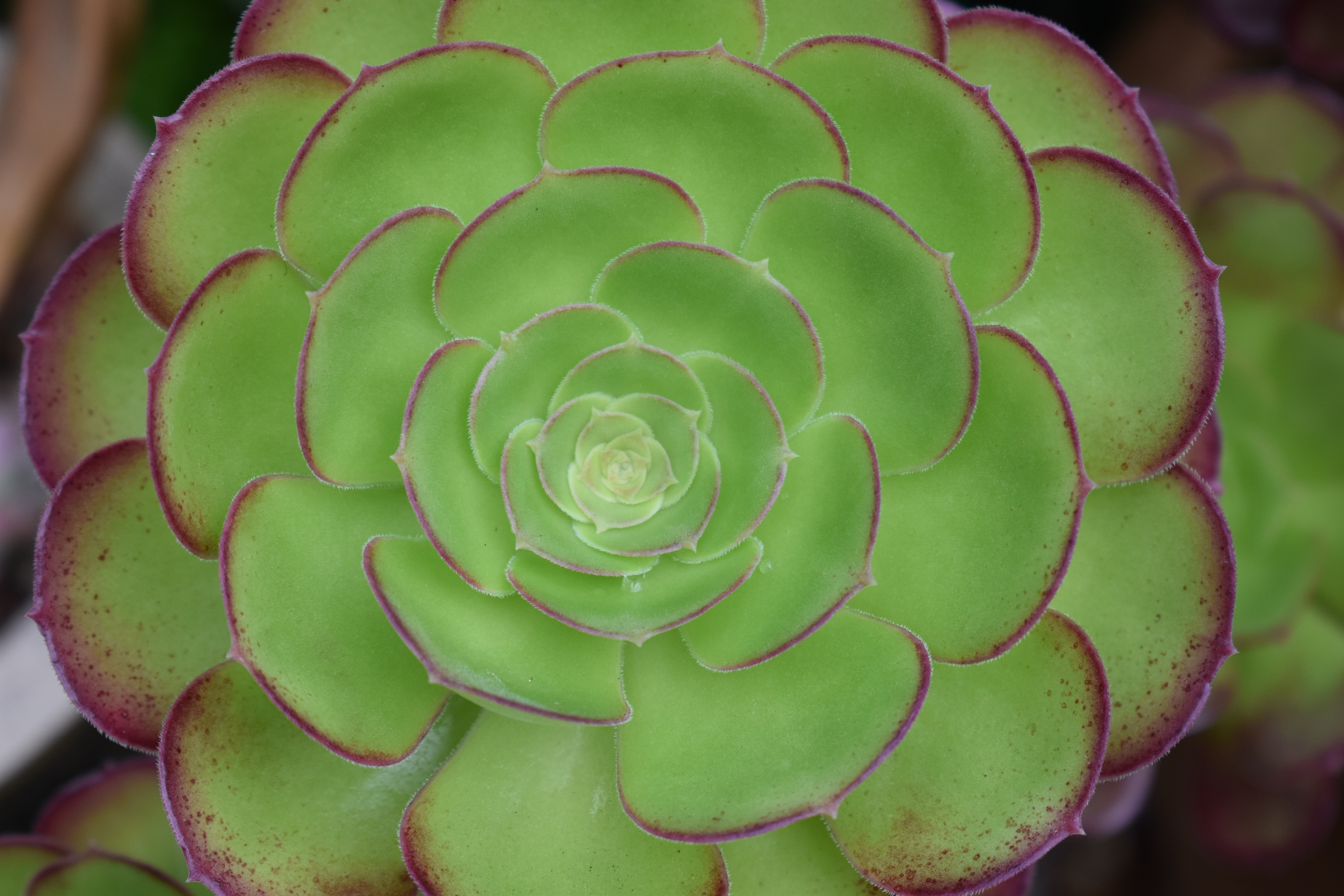
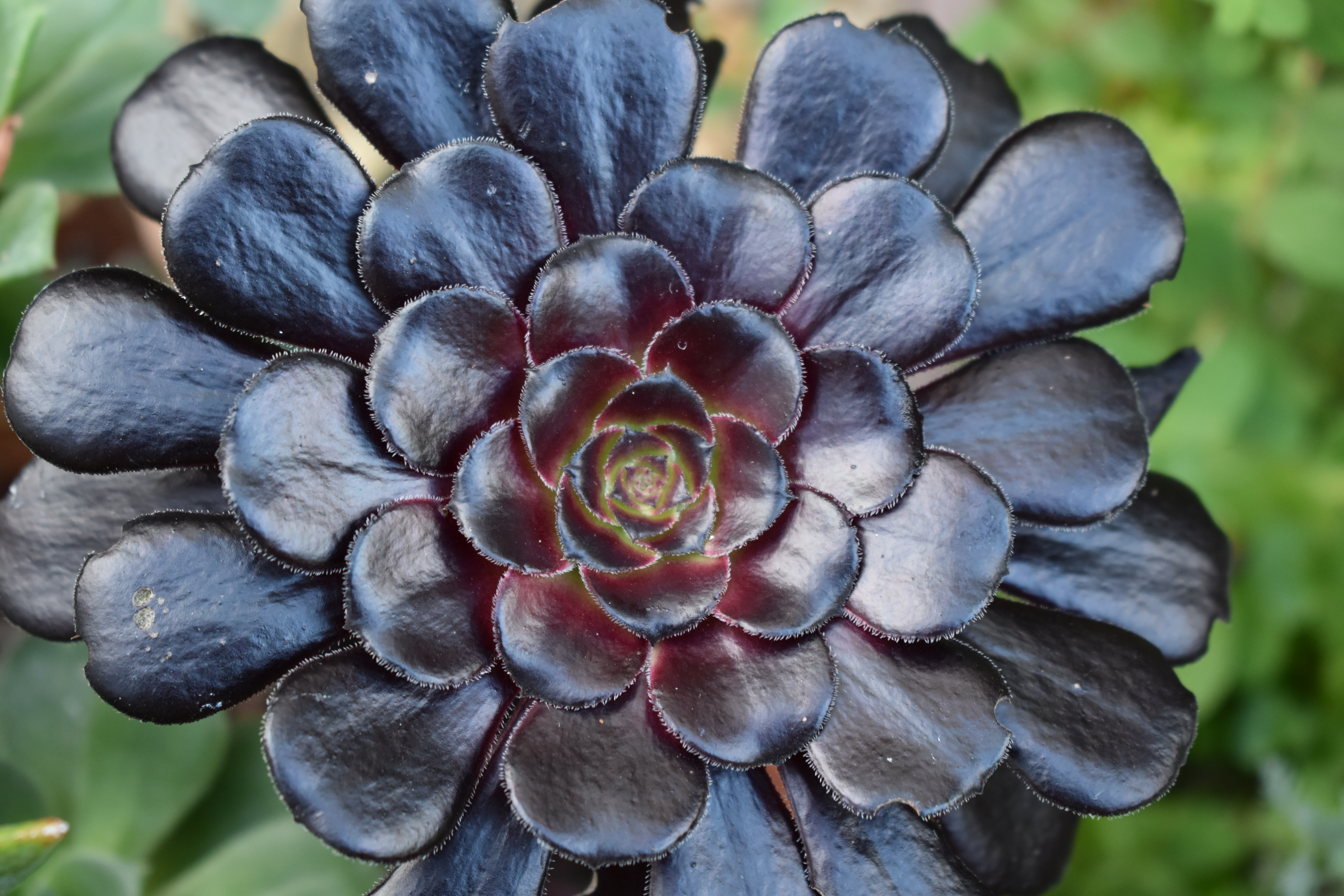
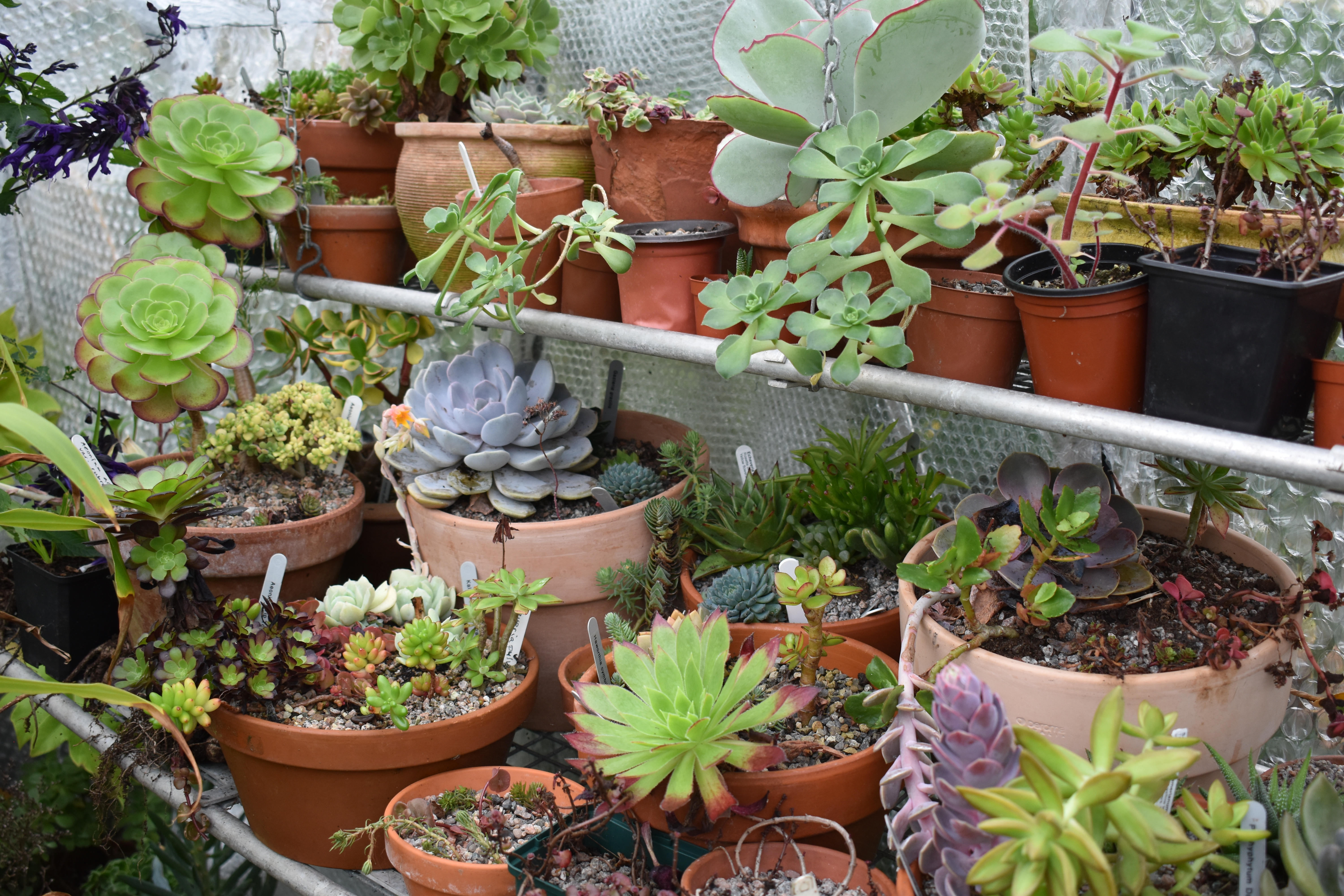
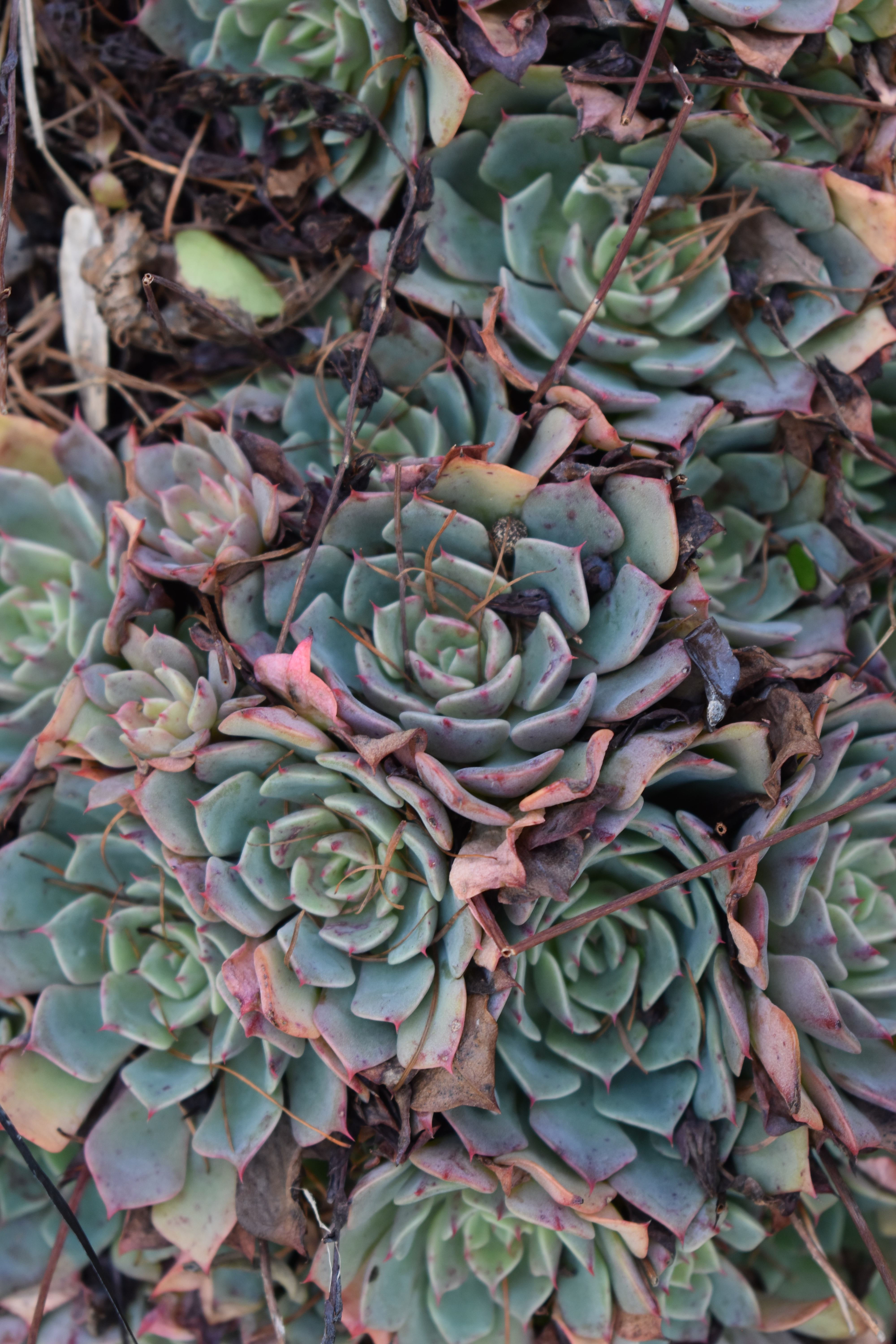
As the time approached to move the tender plants to their winter quarters, I shot a gallery of close-up photos of some of my aeonium collection. They enjoyed the summer outside the sunshine and the occasional shower or drenching. Now they are snug in the greenhouse hiding from the weather.
I hope you enjoyed looking at some of our aeoniums that are now tucked up warm in the greenhouse for the next few months. We need to carefully nurture them till spring.
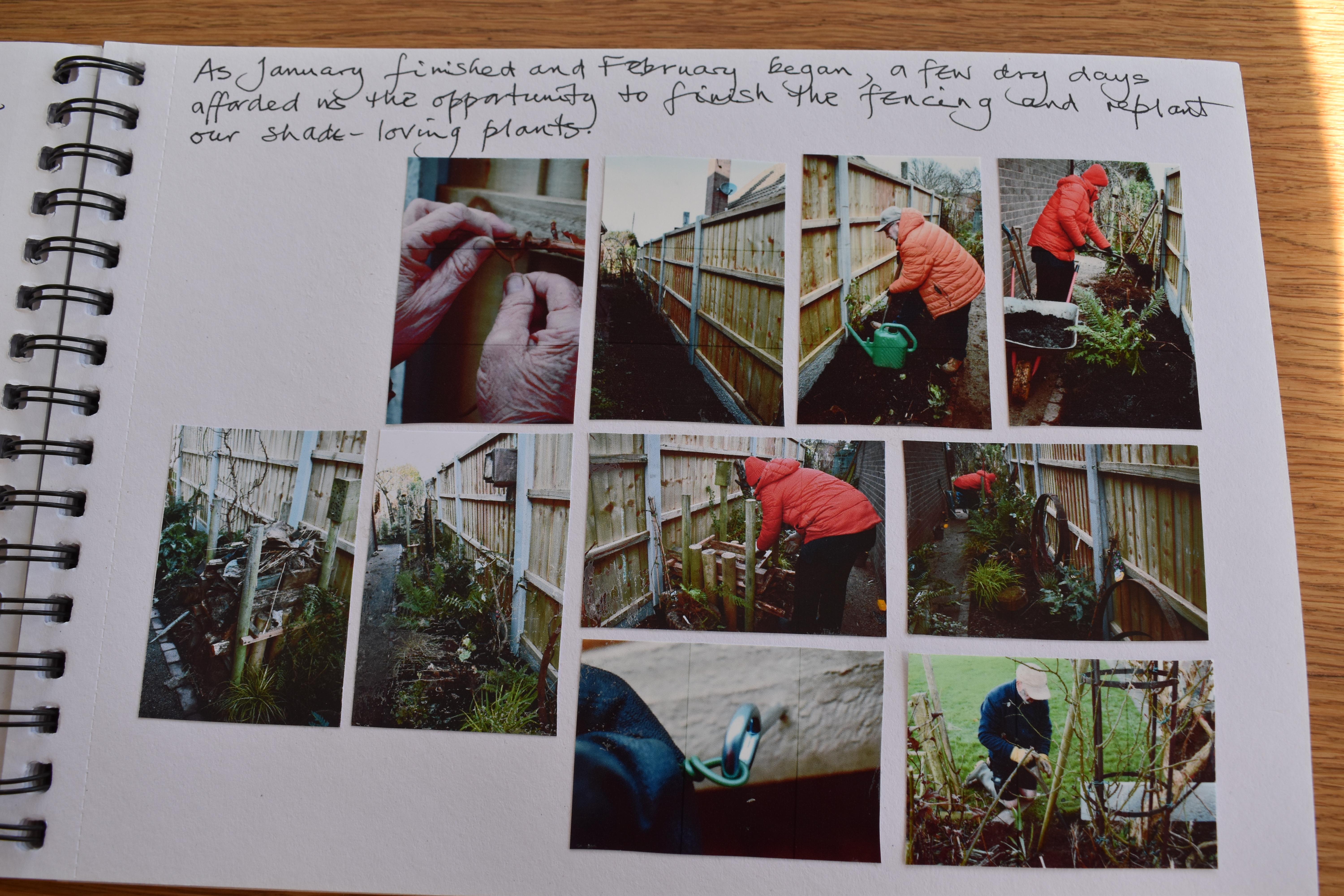
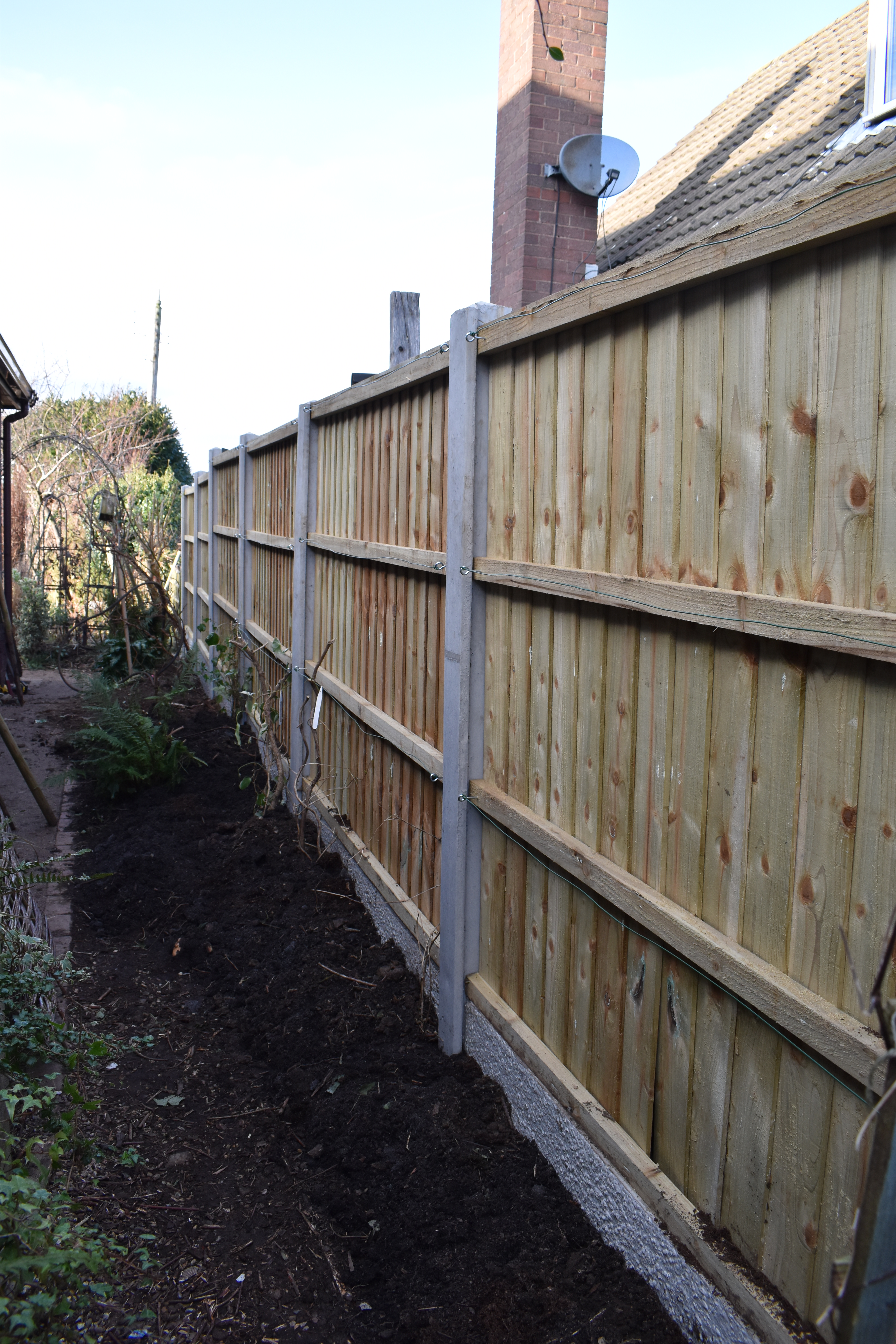
As promised at the end of my January visit to my garden journal we are back looking at how our refurbishment of our Shade Border has come on.
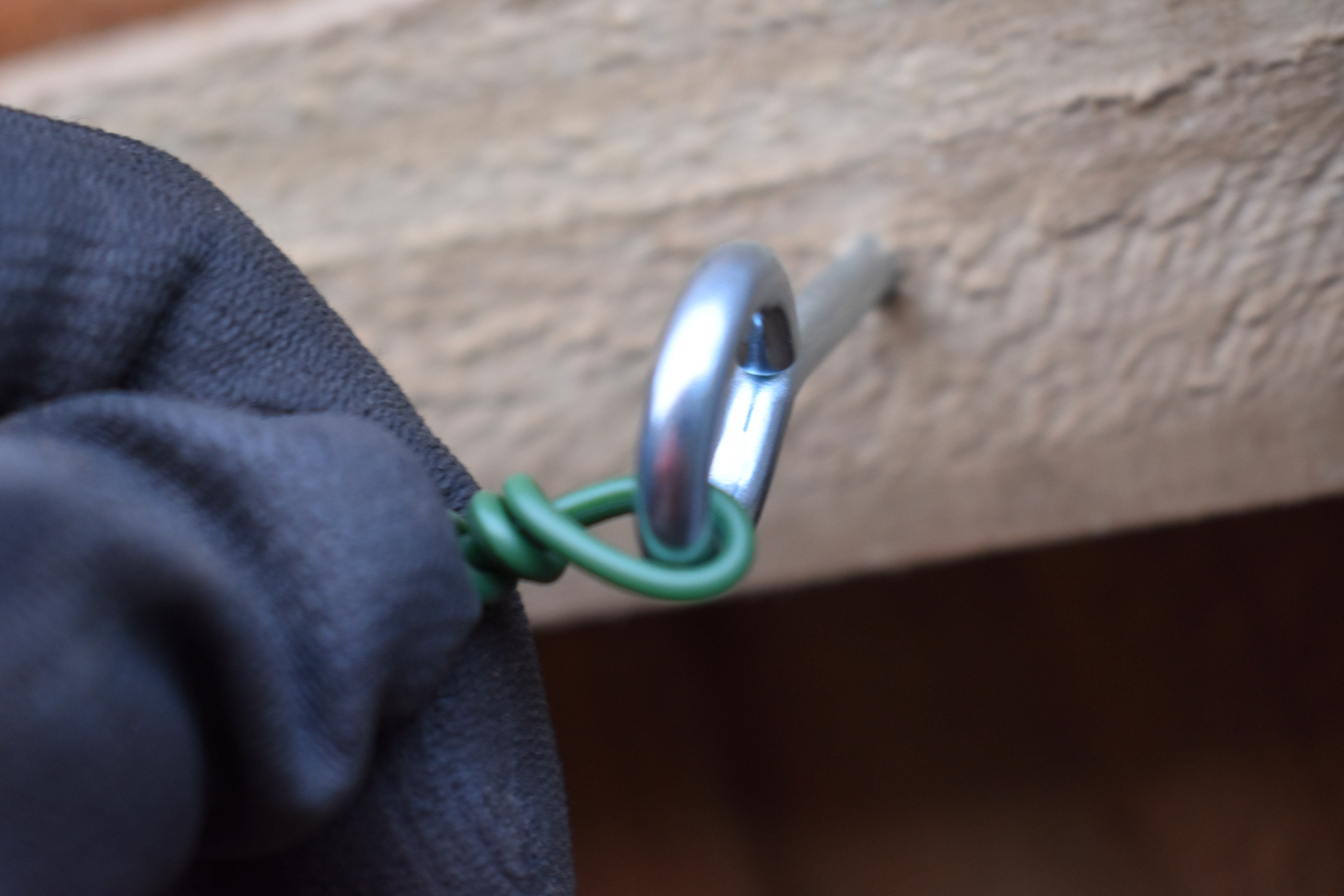
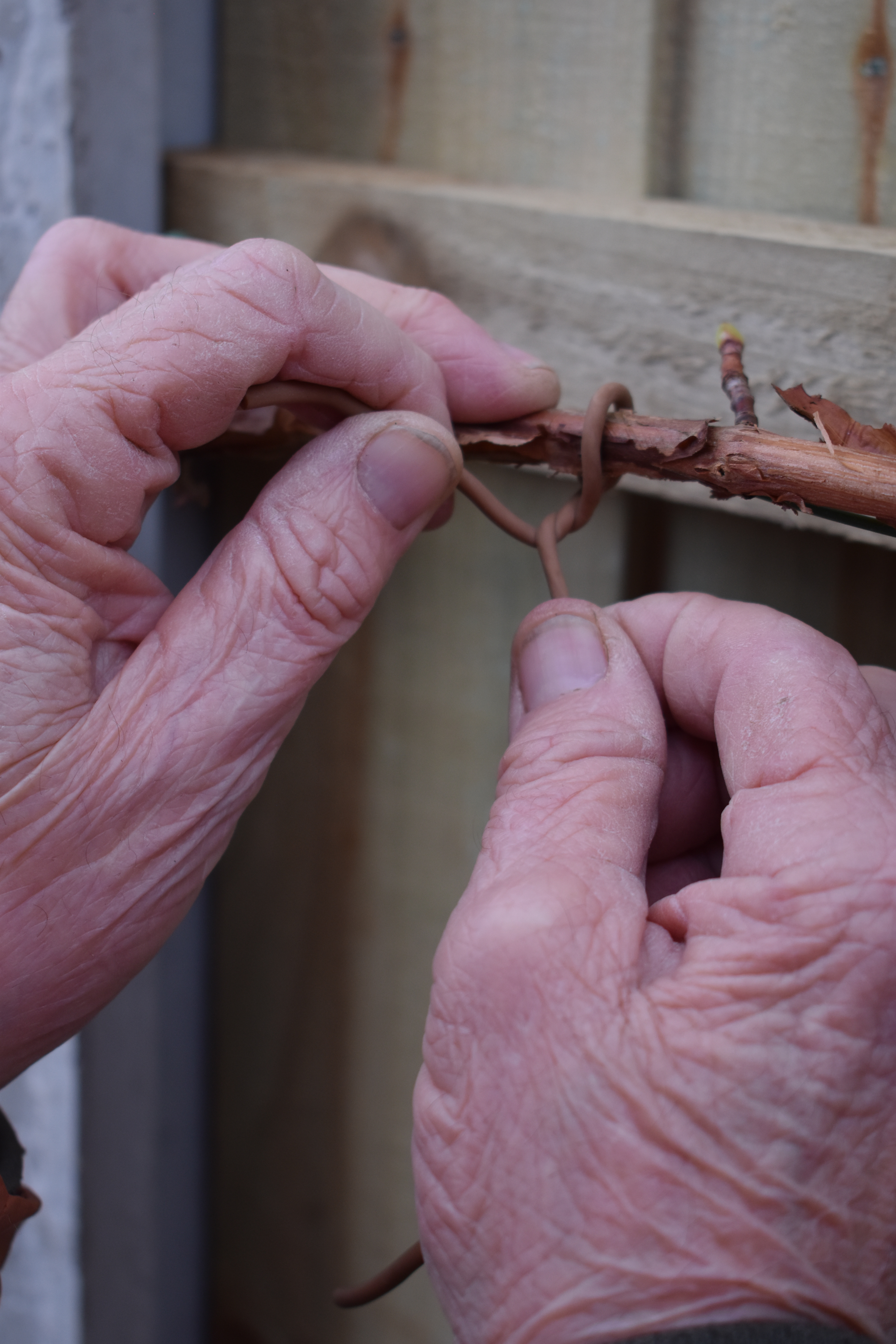
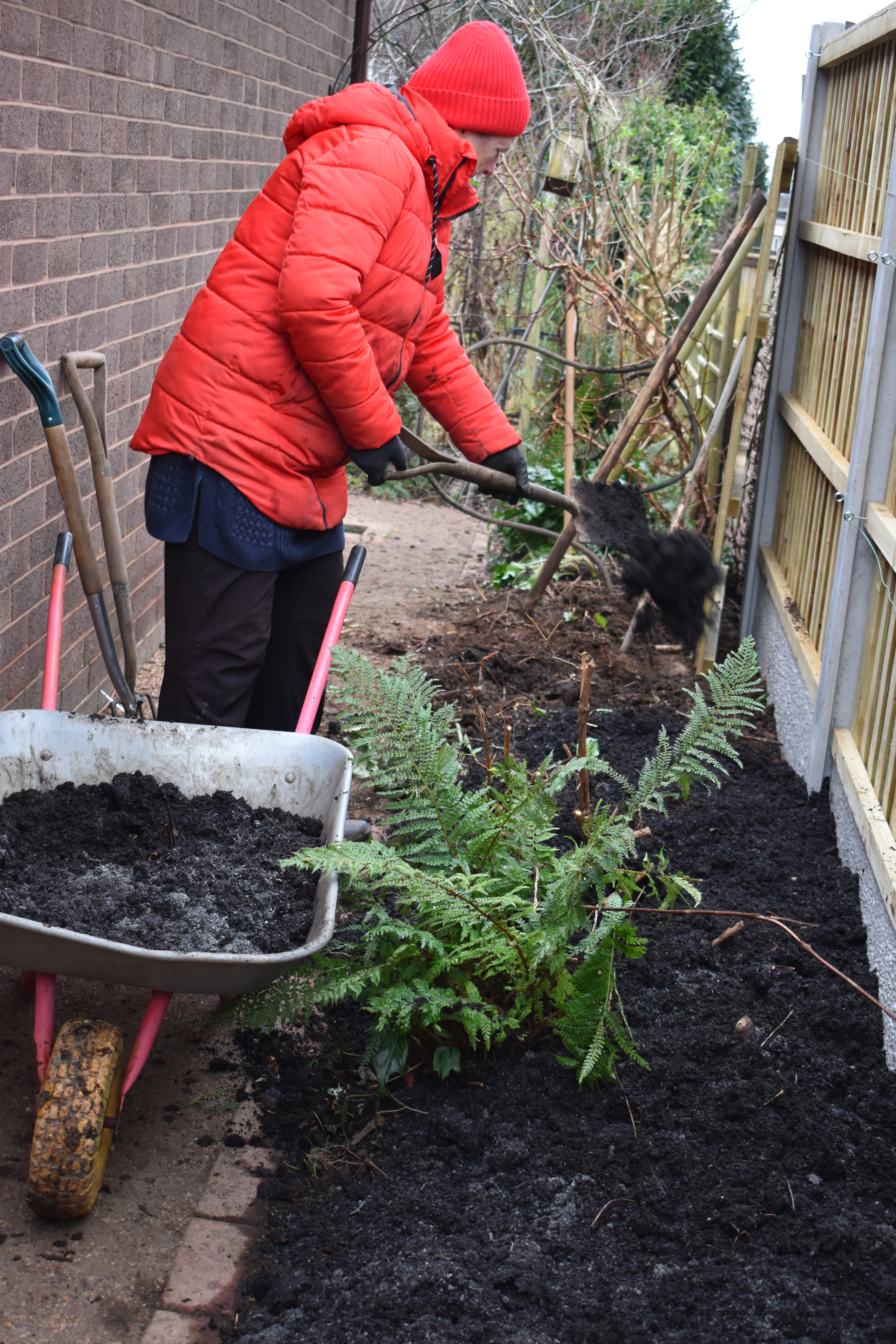
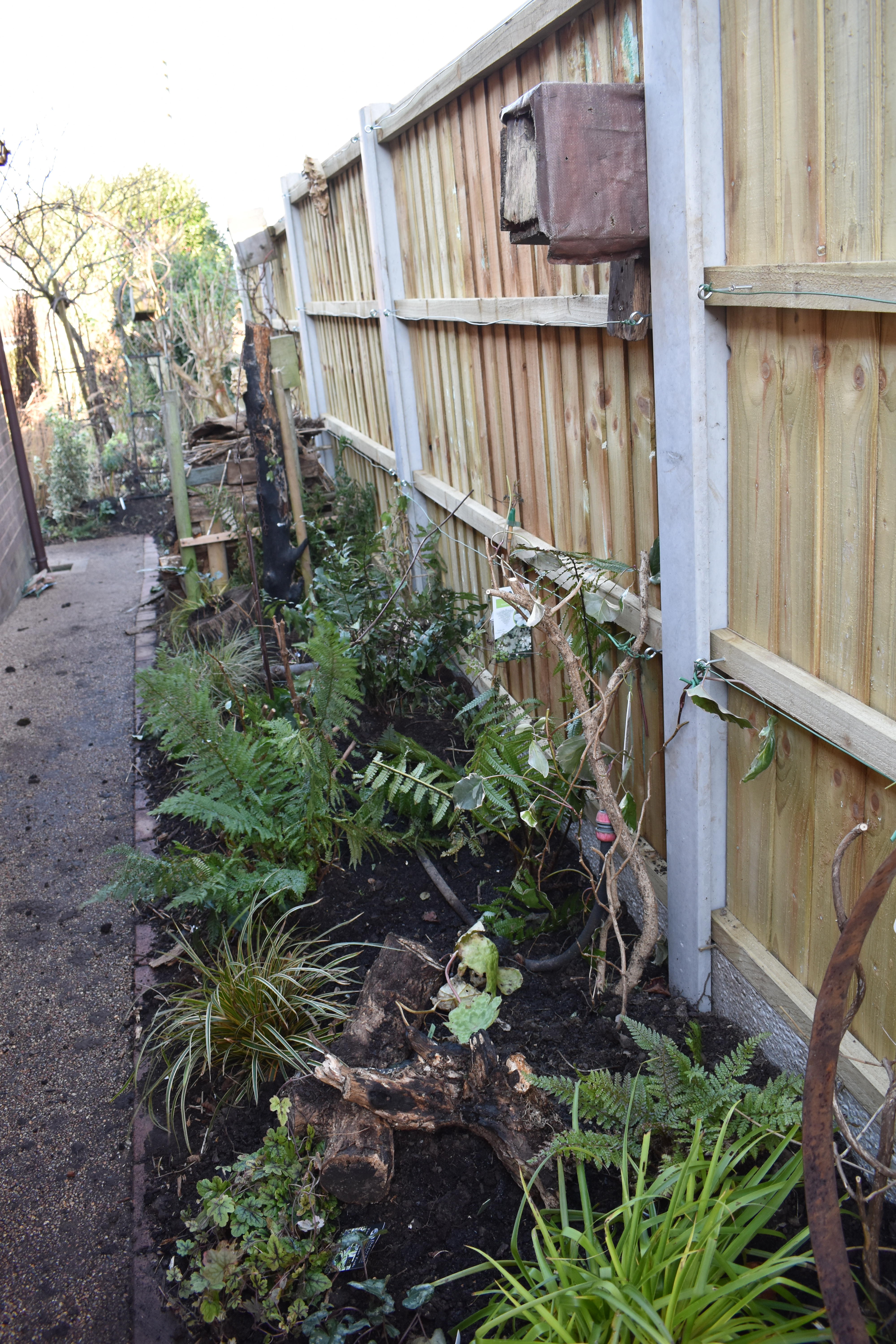
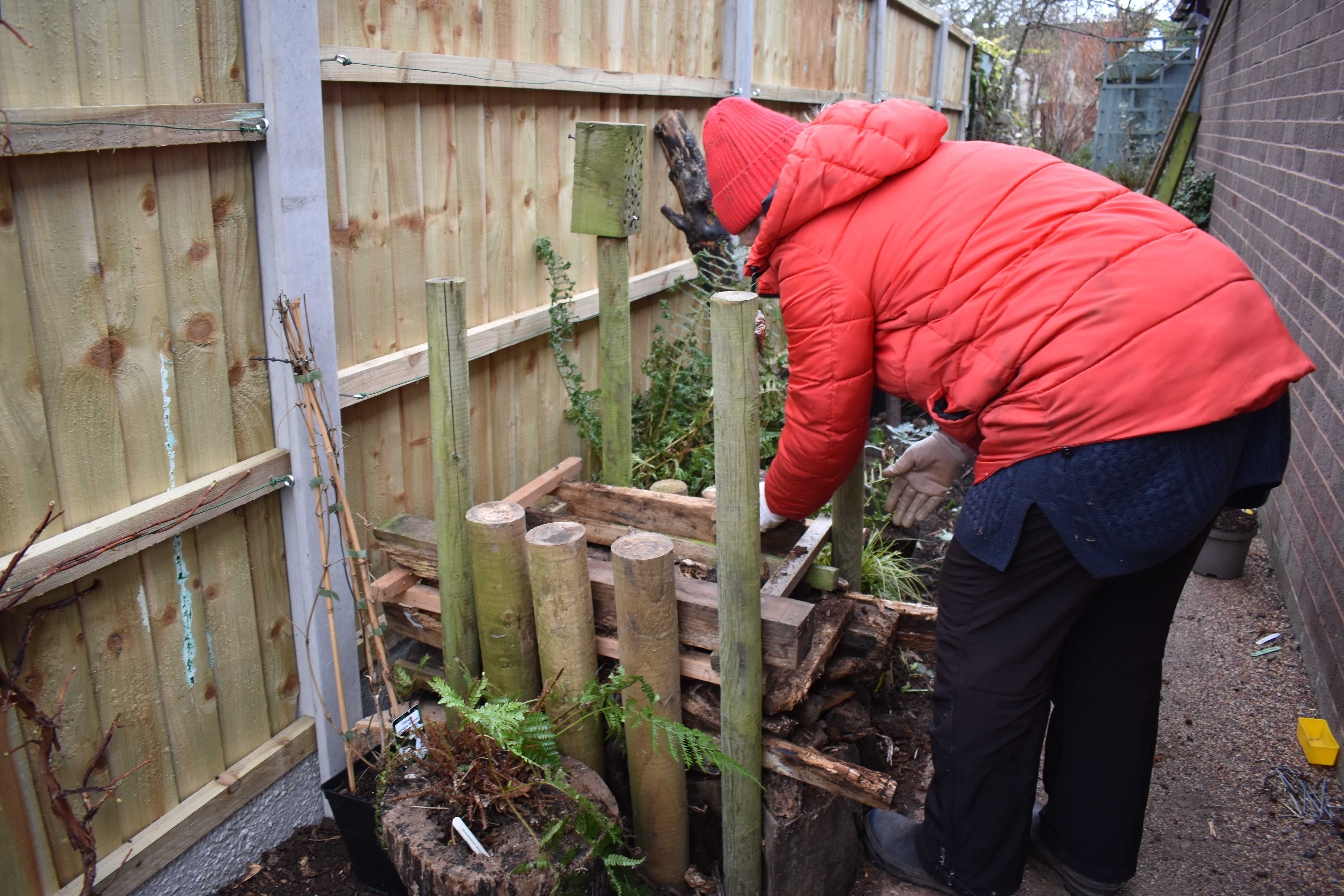
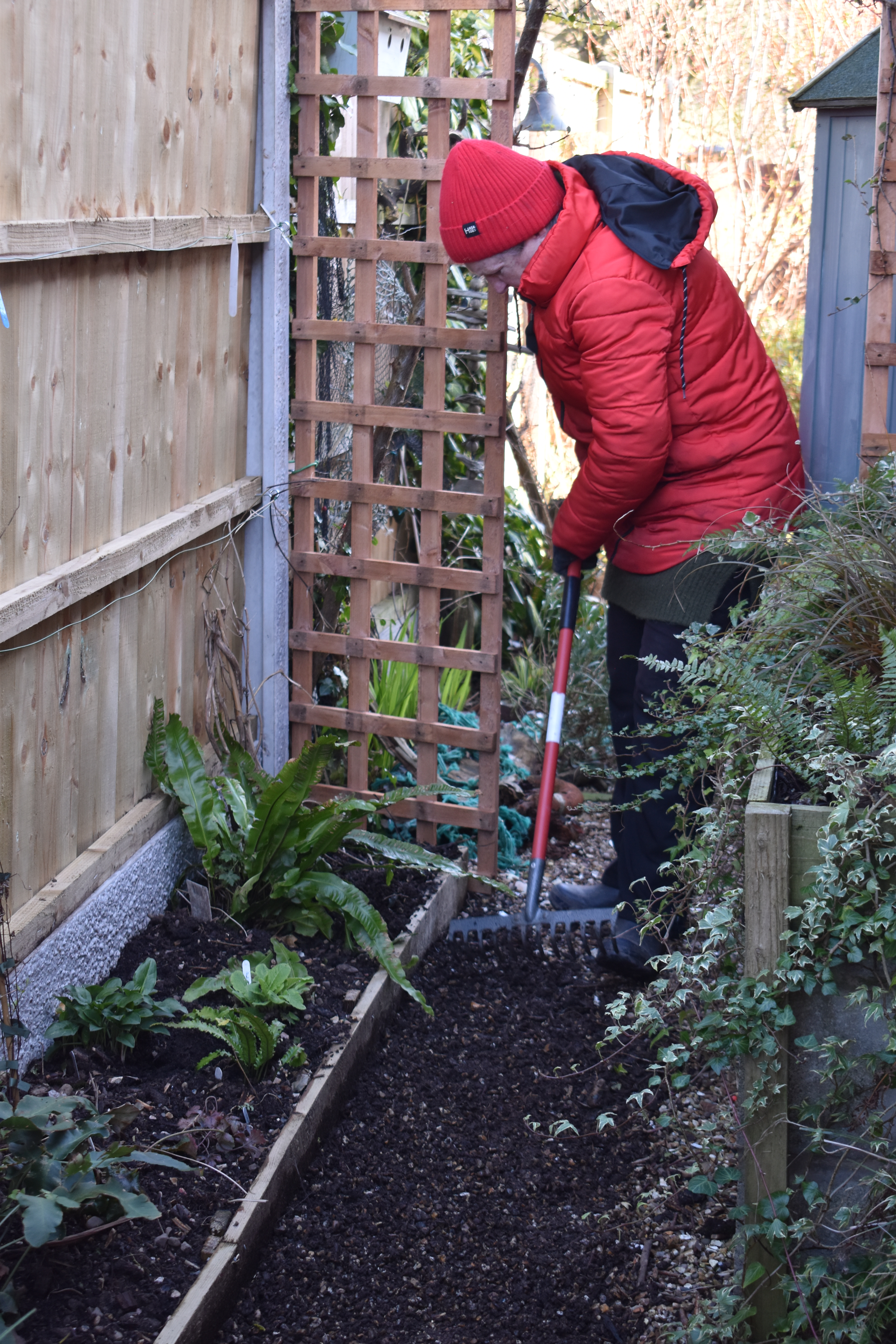
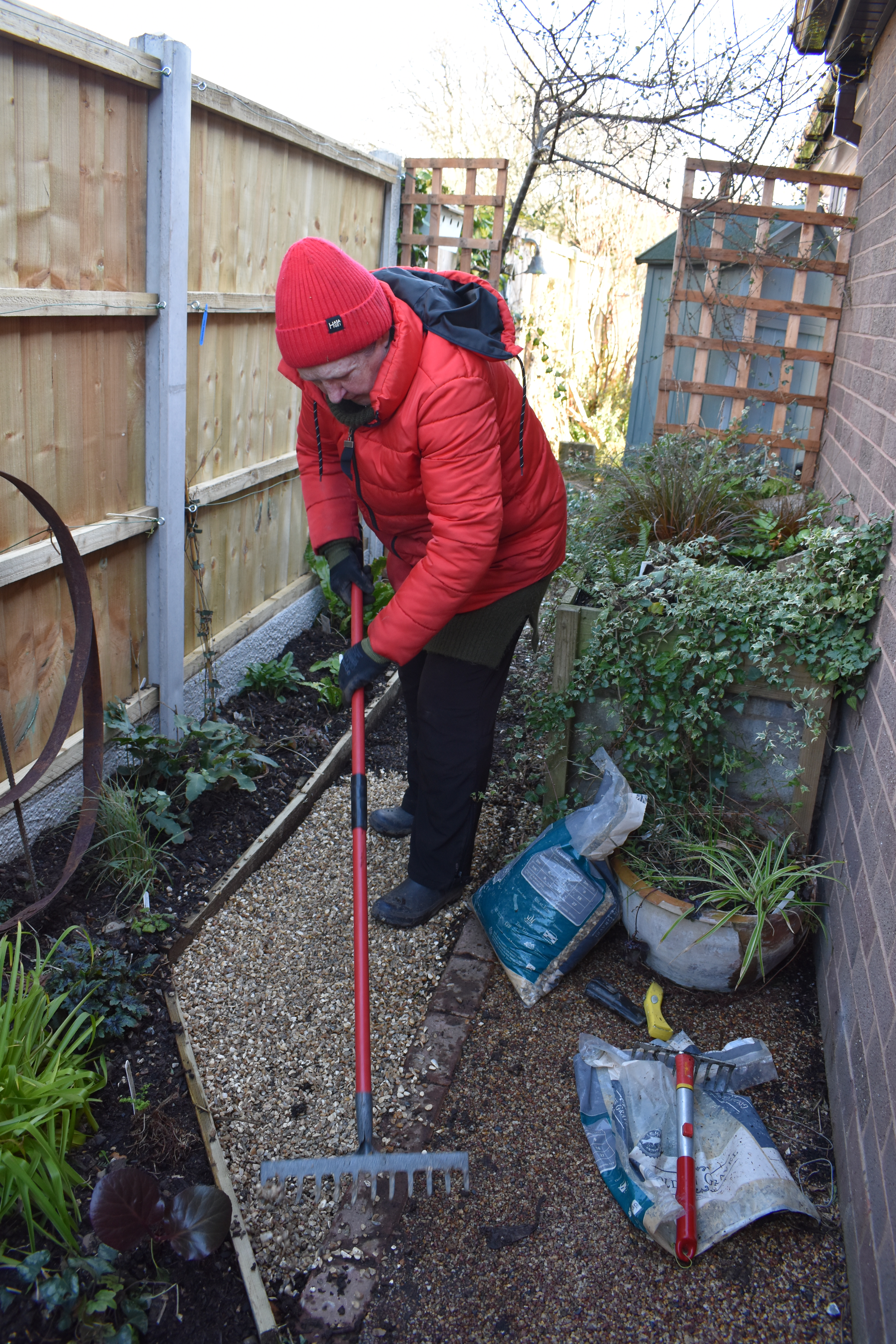
I began by writing “As January finished and February began, a few dry days afforded us the opportunity to finish the fencing and replant our shade-loving plants.”
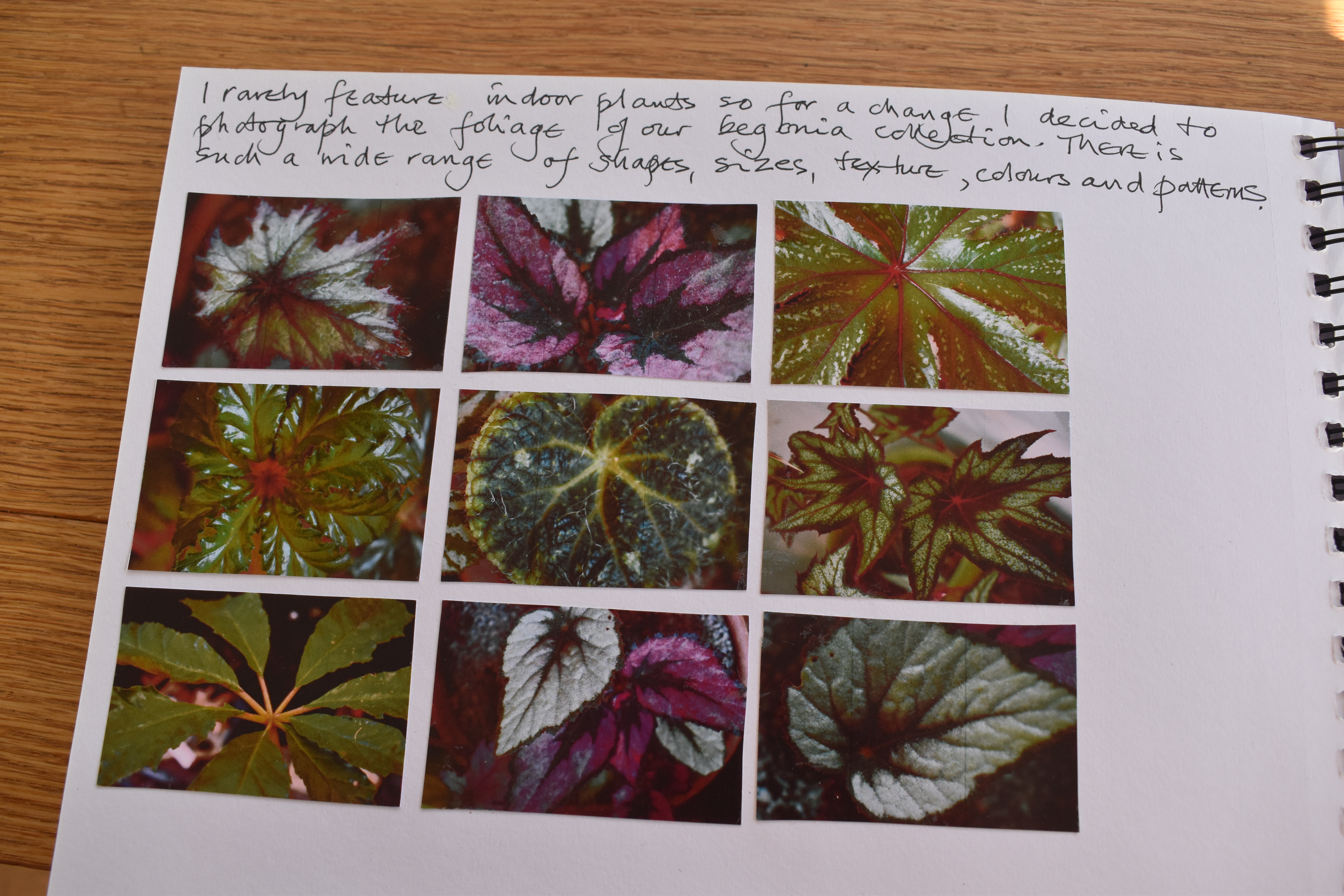
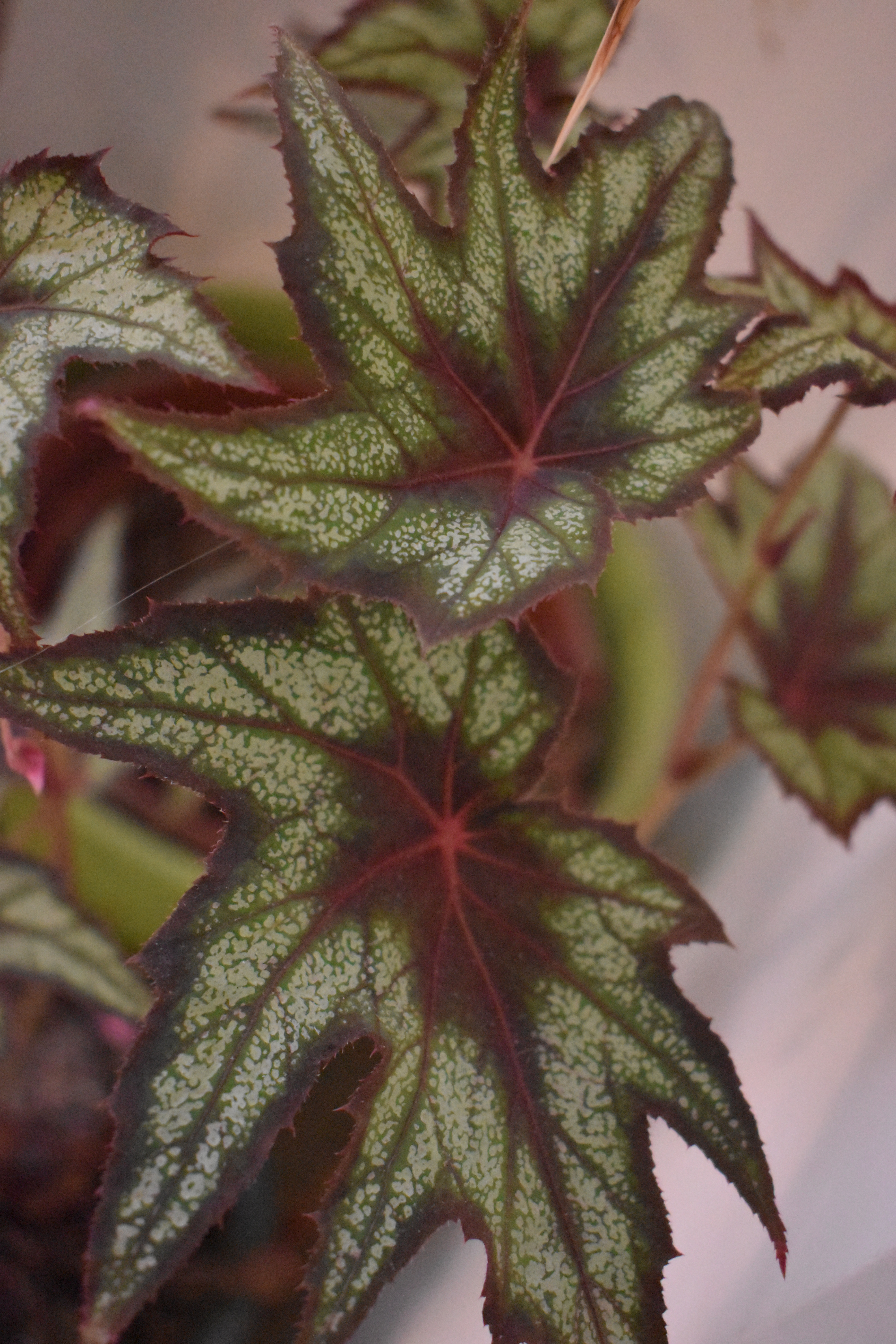
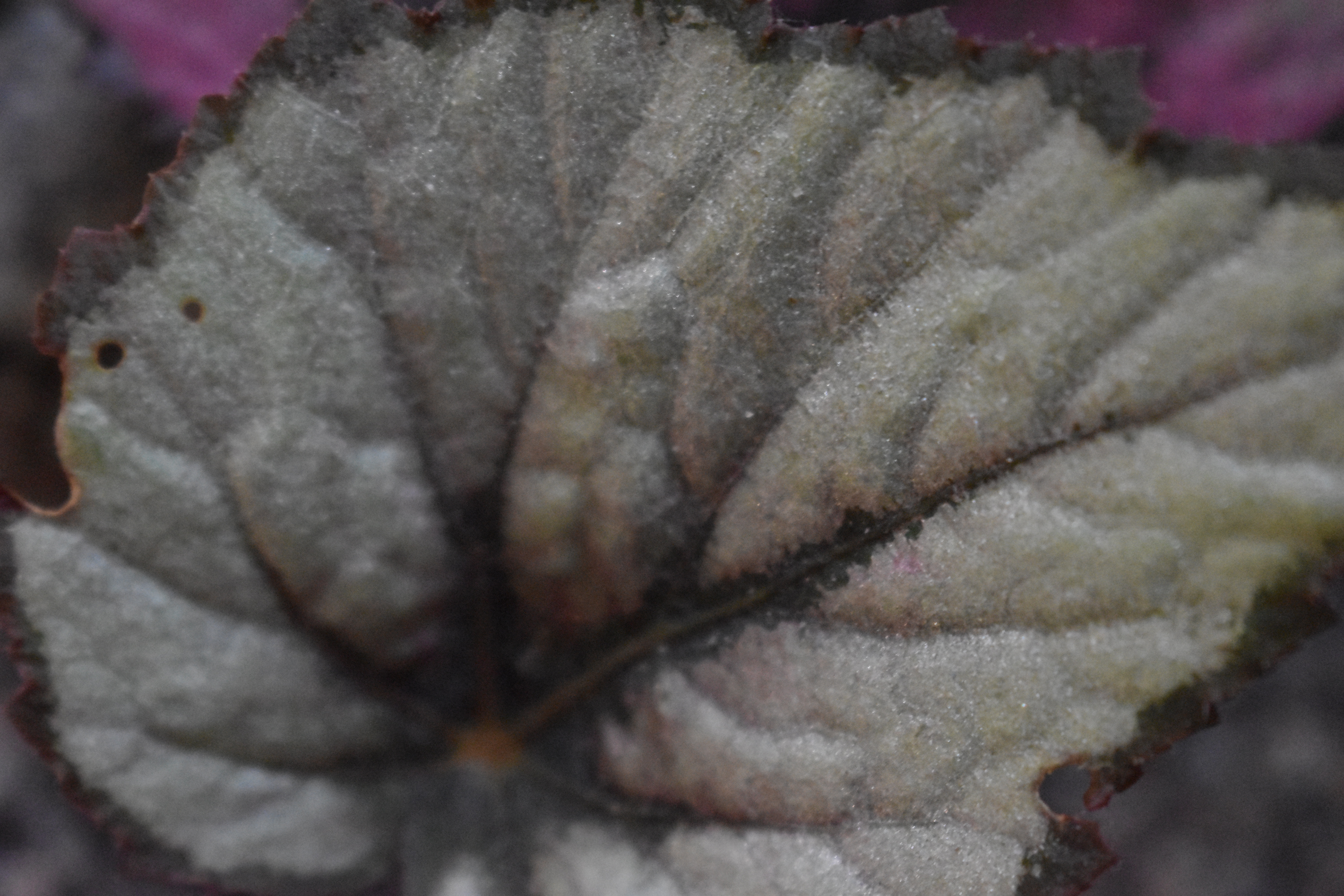
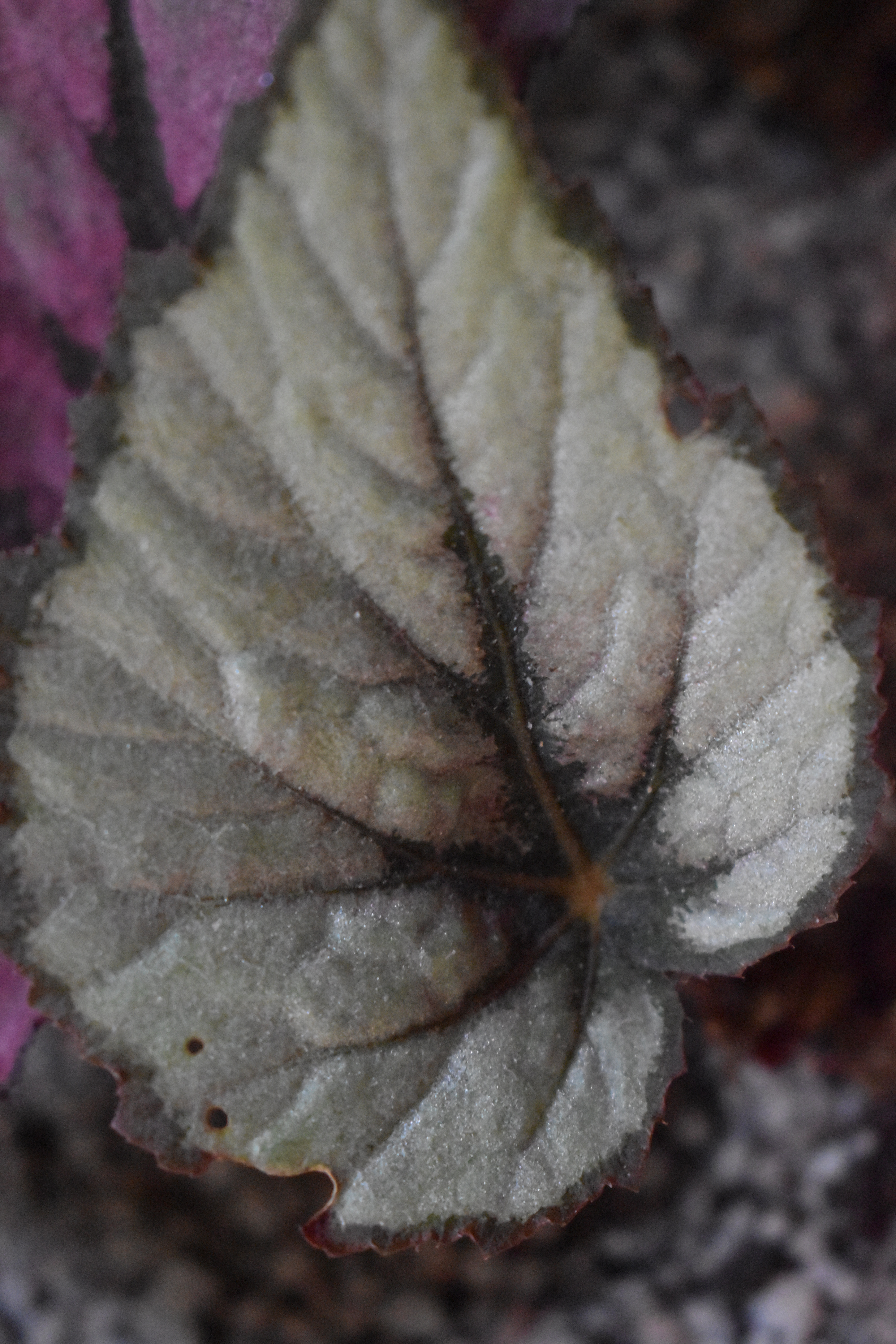
On the next page I looked at the foliage of some of our indoor begonias, where I wrote, “I rarely feature indoor plants so for a change I decided to photograph the foliage of our begonia collection. There is such a wide range of shapes, sizes, texture, colours and patterns.”
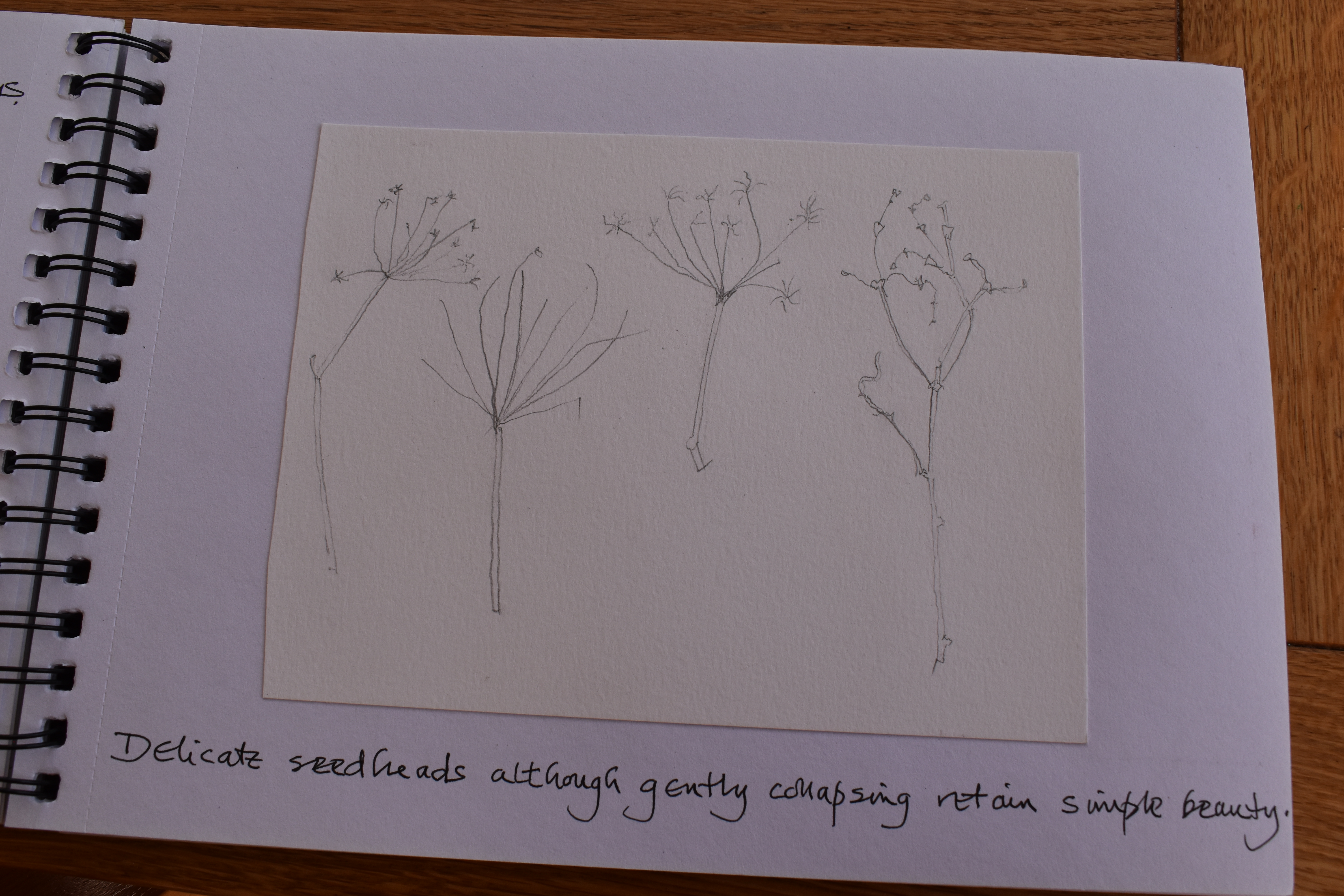
In complete comparison on the page opposite there is no colour, I simply shared a simple pencil sketch of, “Delicate seed heads although gently collapsing, retain simple beauty.”
Below is my pencil sketch of these delicate seed heads, about which I noted,“Delicate seed heads, although gently collapsing, retain simple beauty.”
Over the page on the next double page spread I considered how we replanted the shade garden and how wildlife was responding to improved daylight quality and quantity.
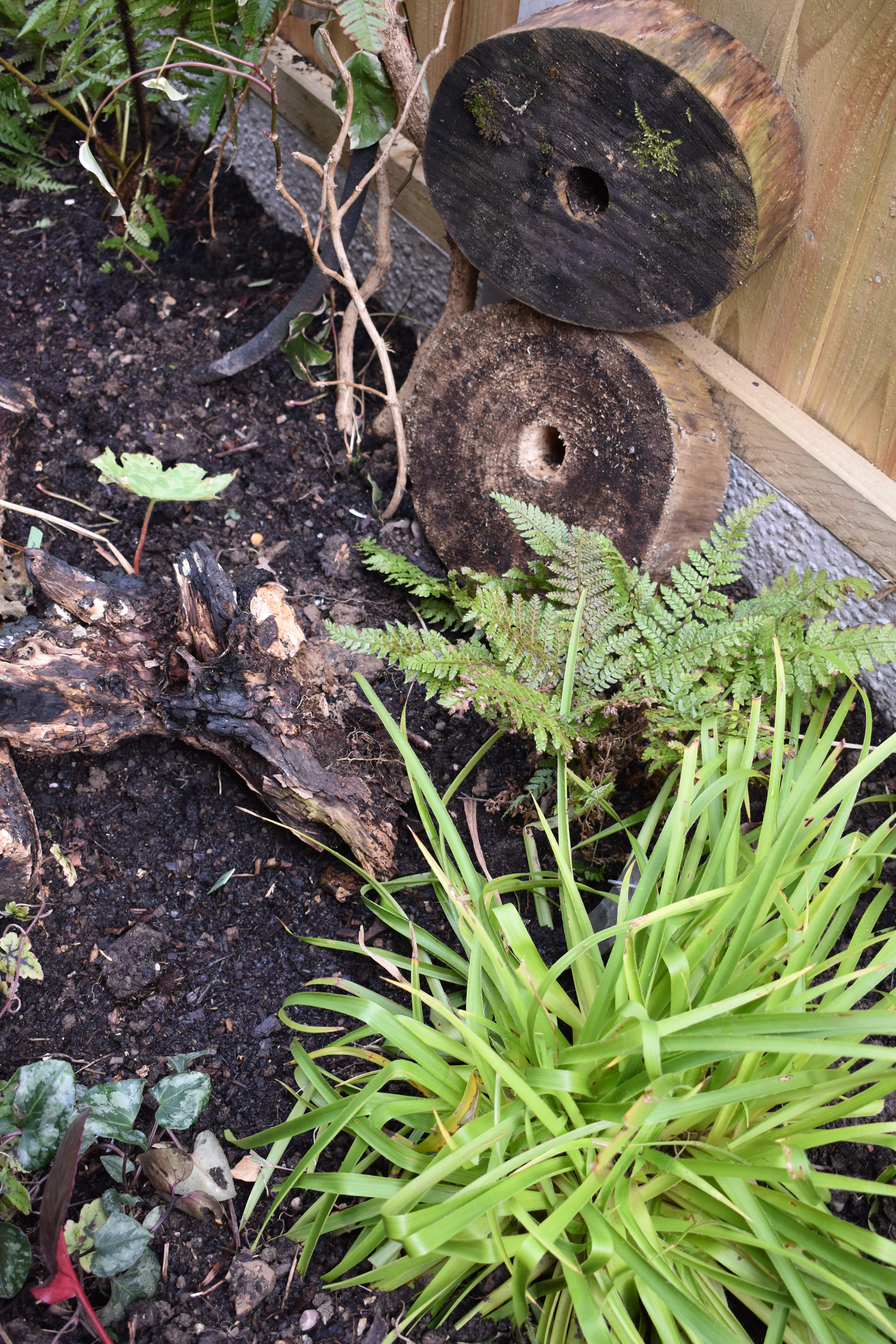
I wrote, “We have finished replanting our ‘Shade Garden’ and it is ready to burst into life in spring.”
I added, “We have also incorporated sculptures into the plantings, sculptures we created from rusted whisky barrel hoops.”
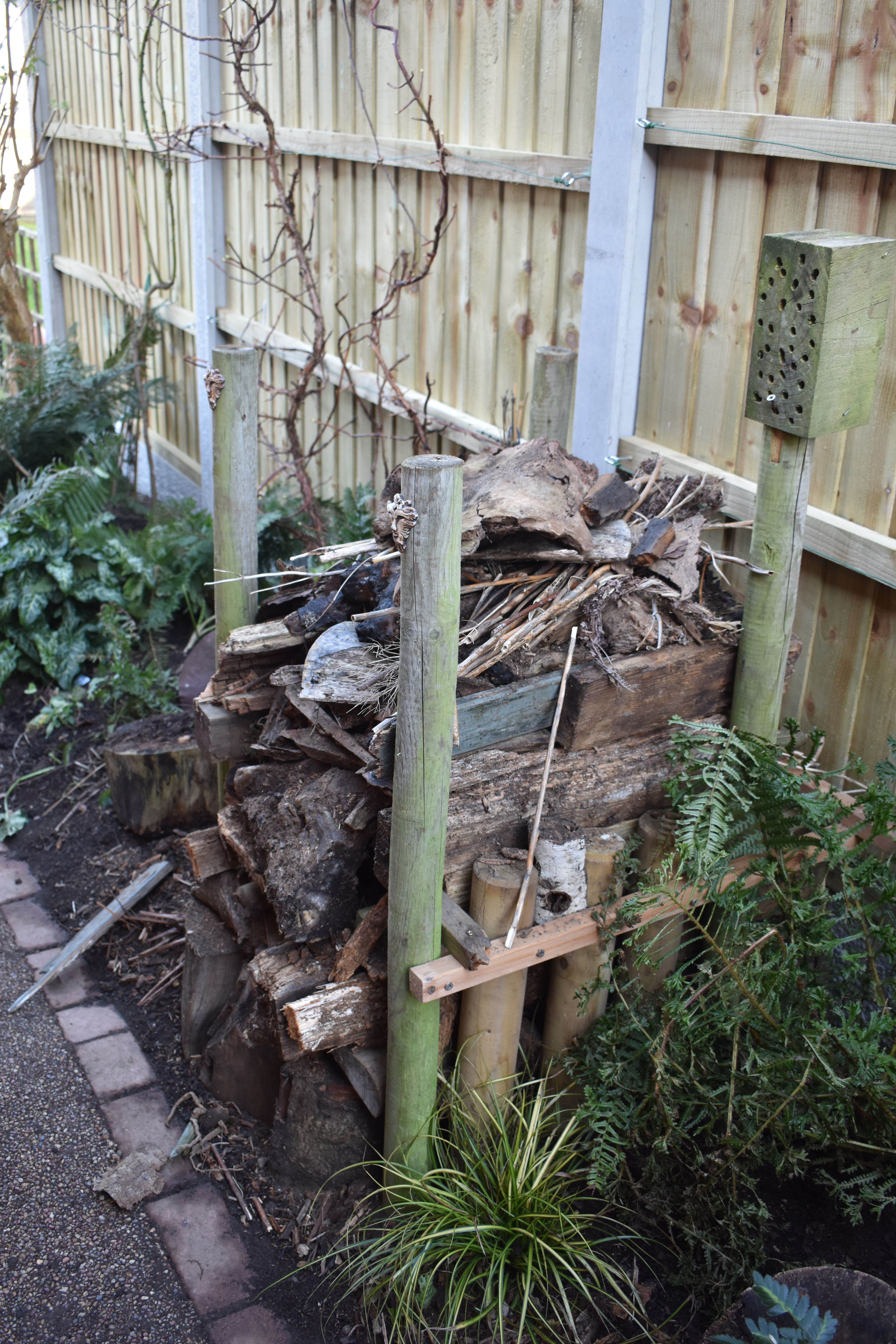
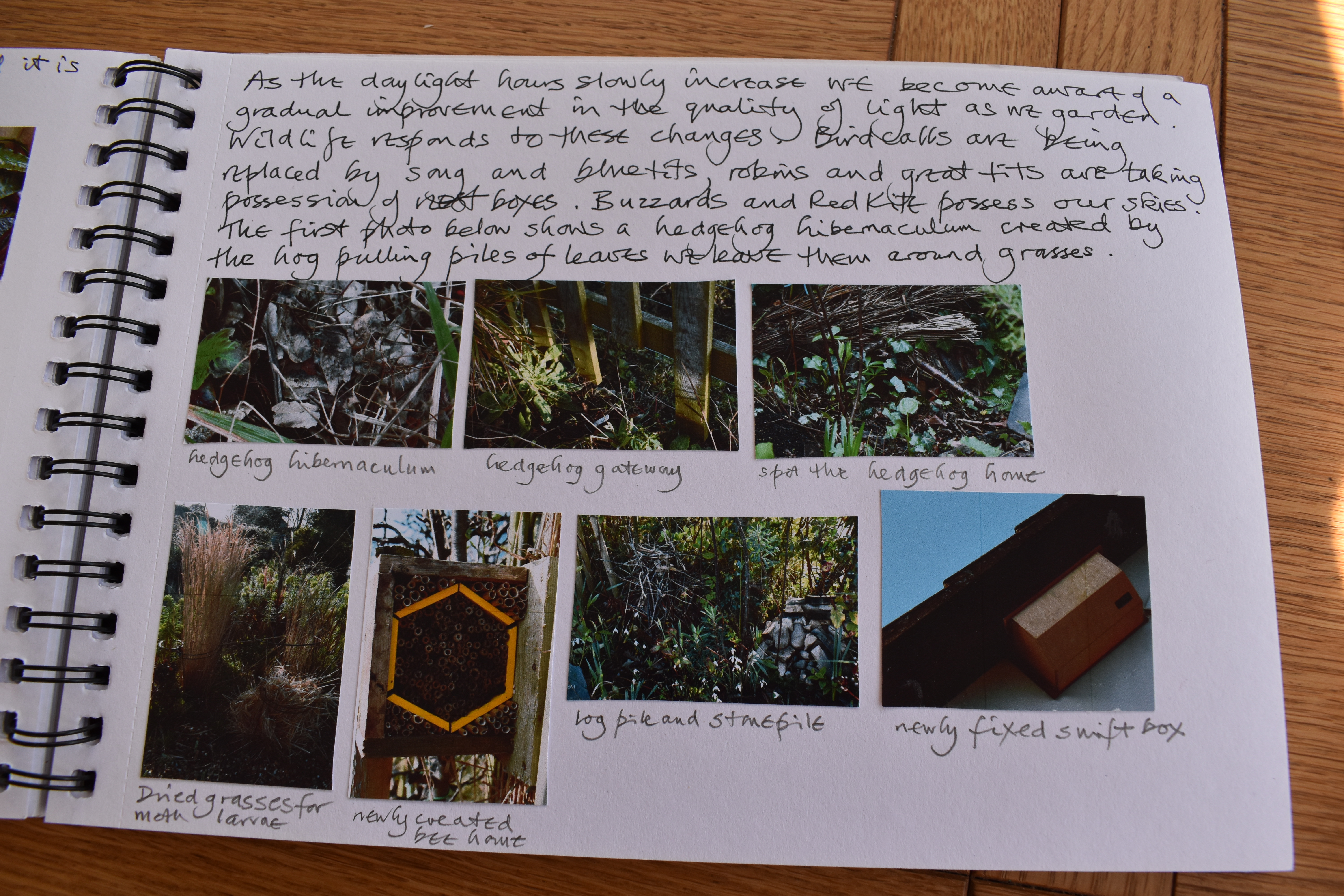
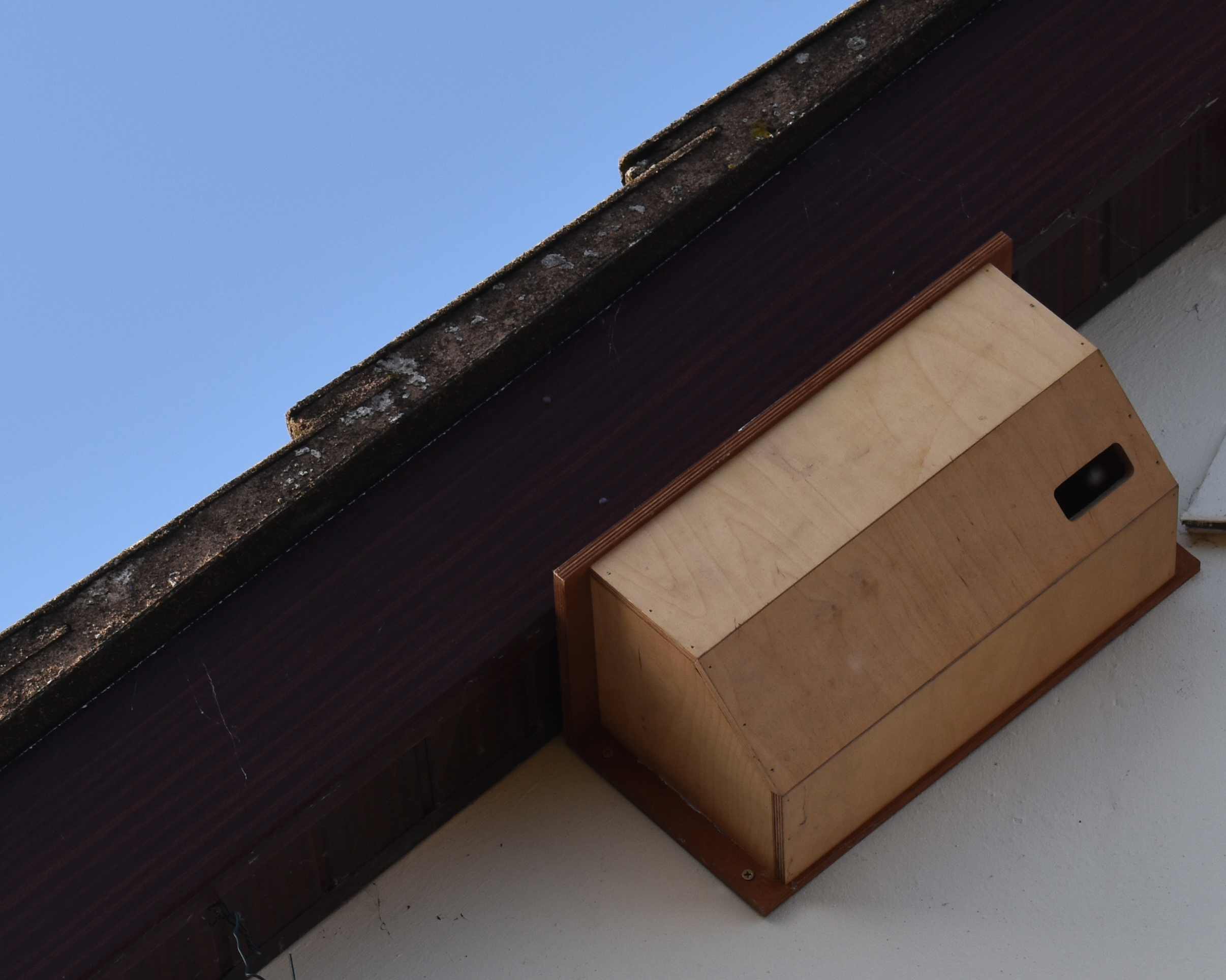
On the opposite page I noted, “As the daylight hours slowly increase we become aware of a gradual improvement in the quality of light as we garden. Wildlife responds to these changes. Bird calls are replaced by bird songs and blue tits, robins and great tits are taking possession of nest boxes. Buzzards and red kite dominate the skies.“
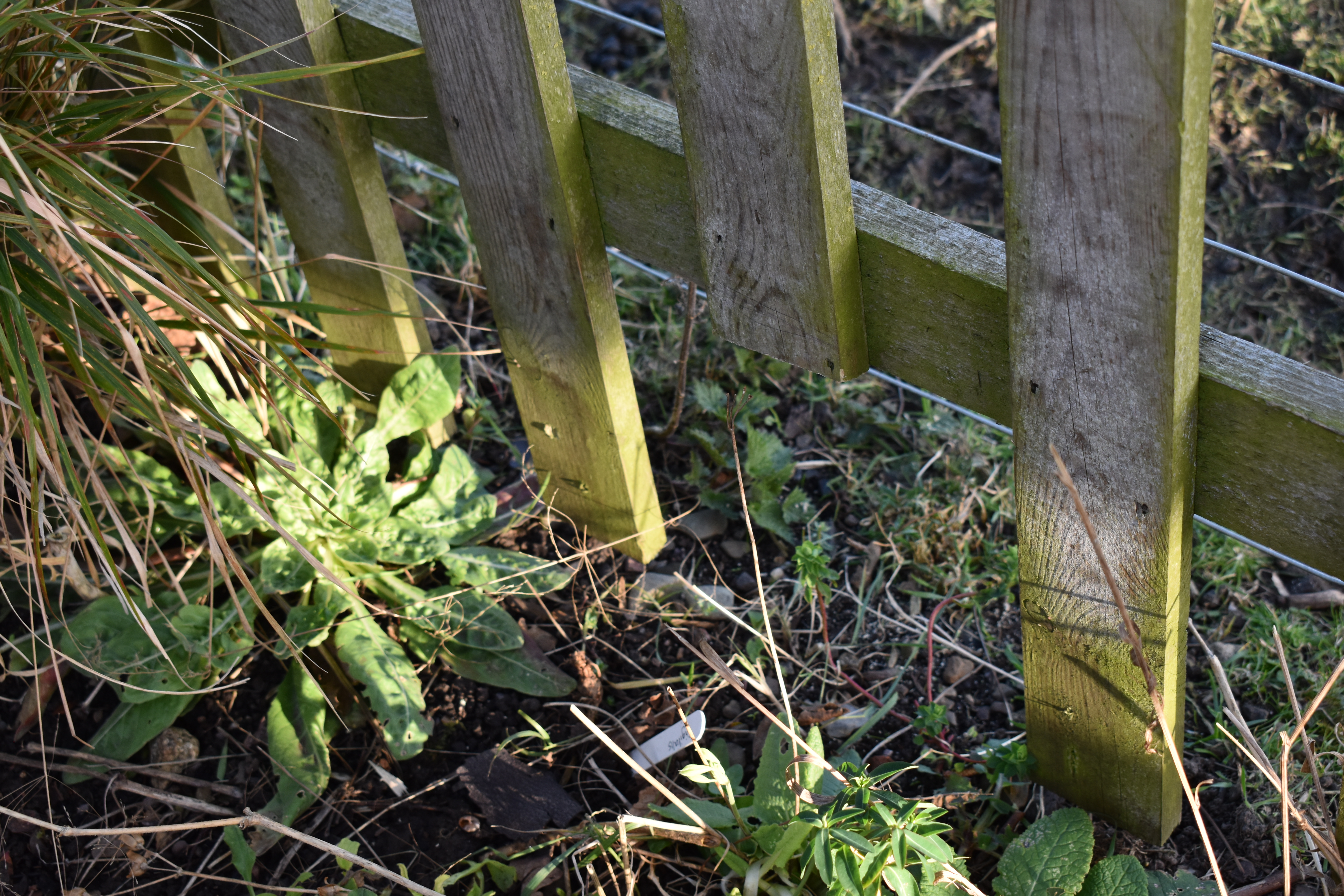
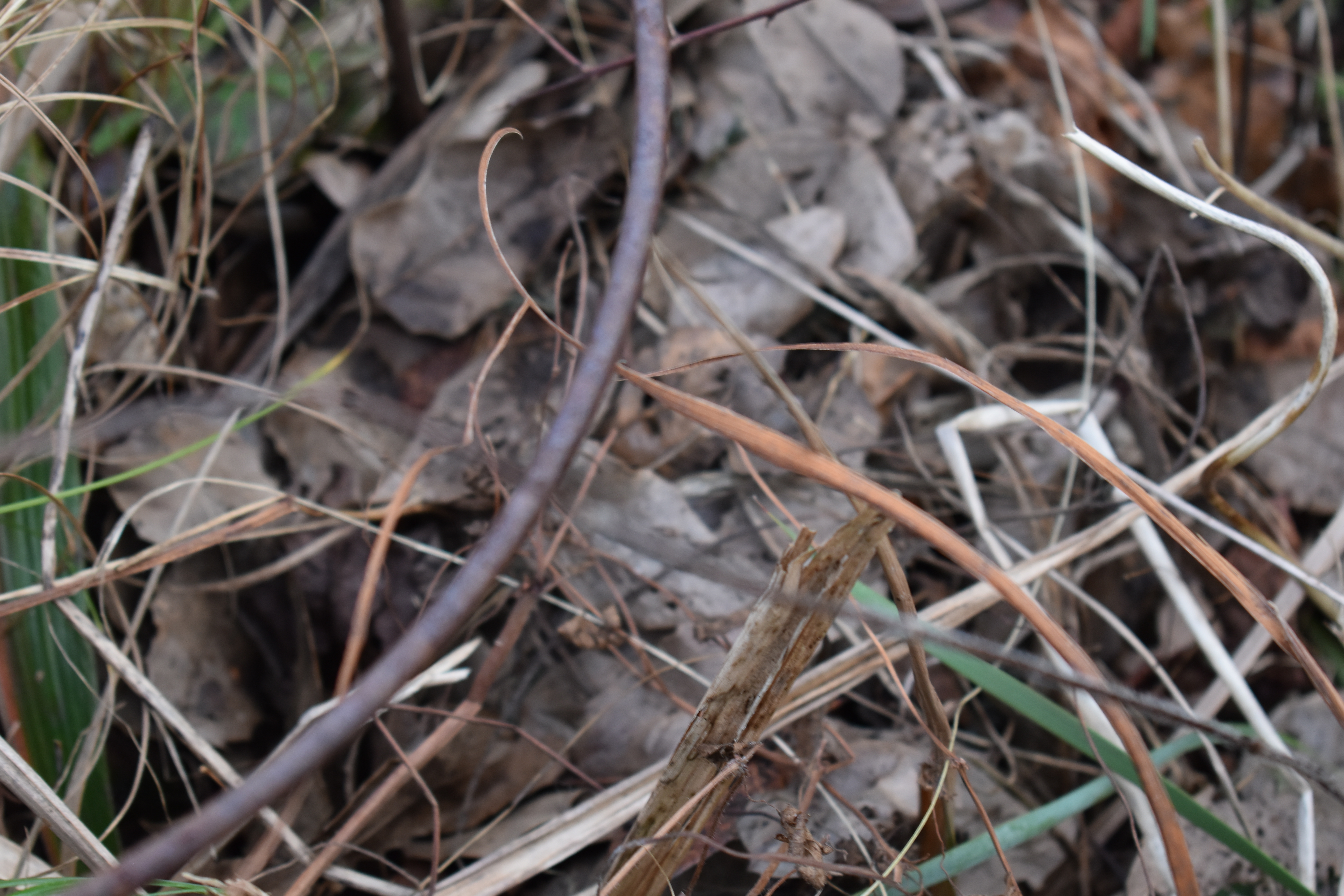
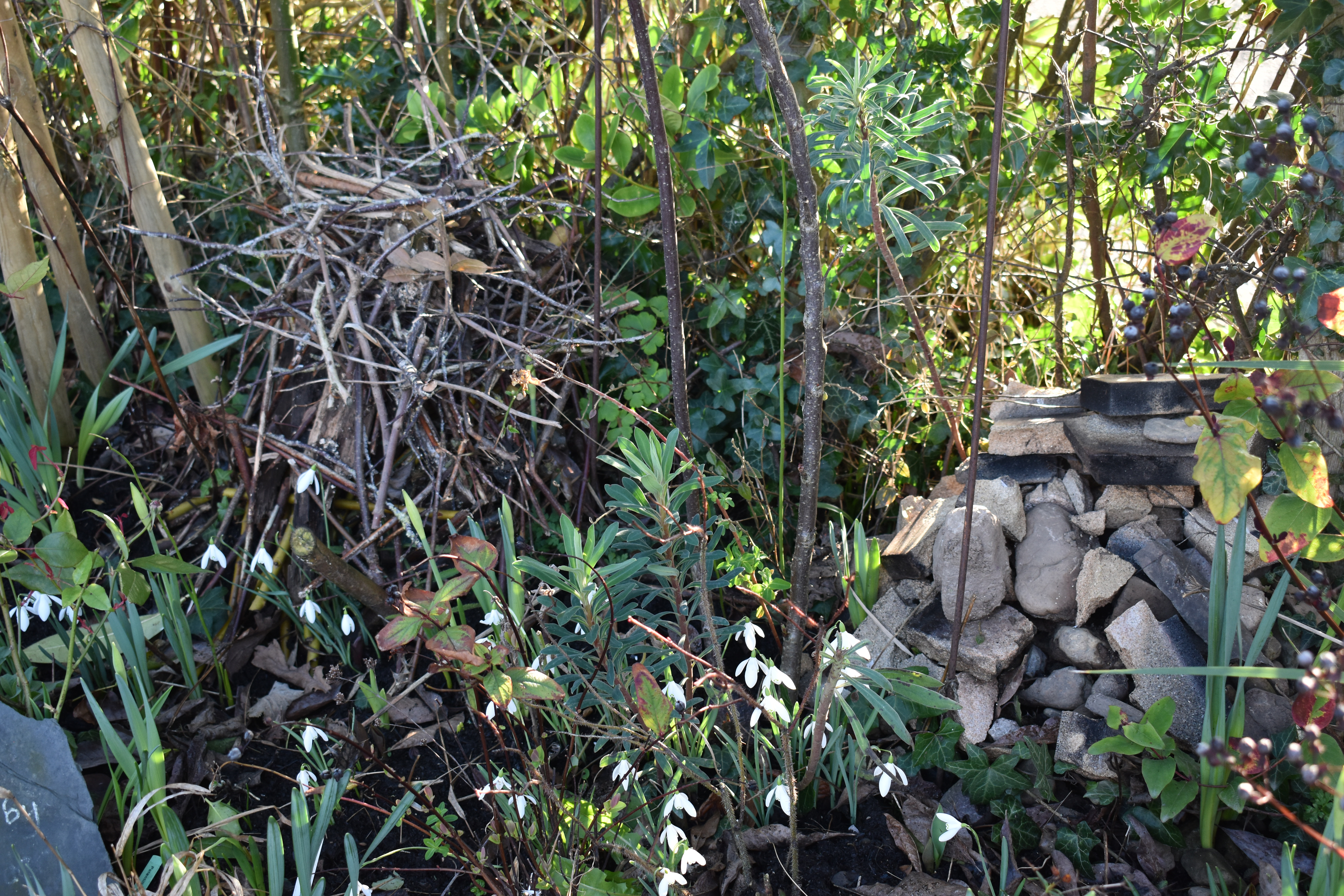
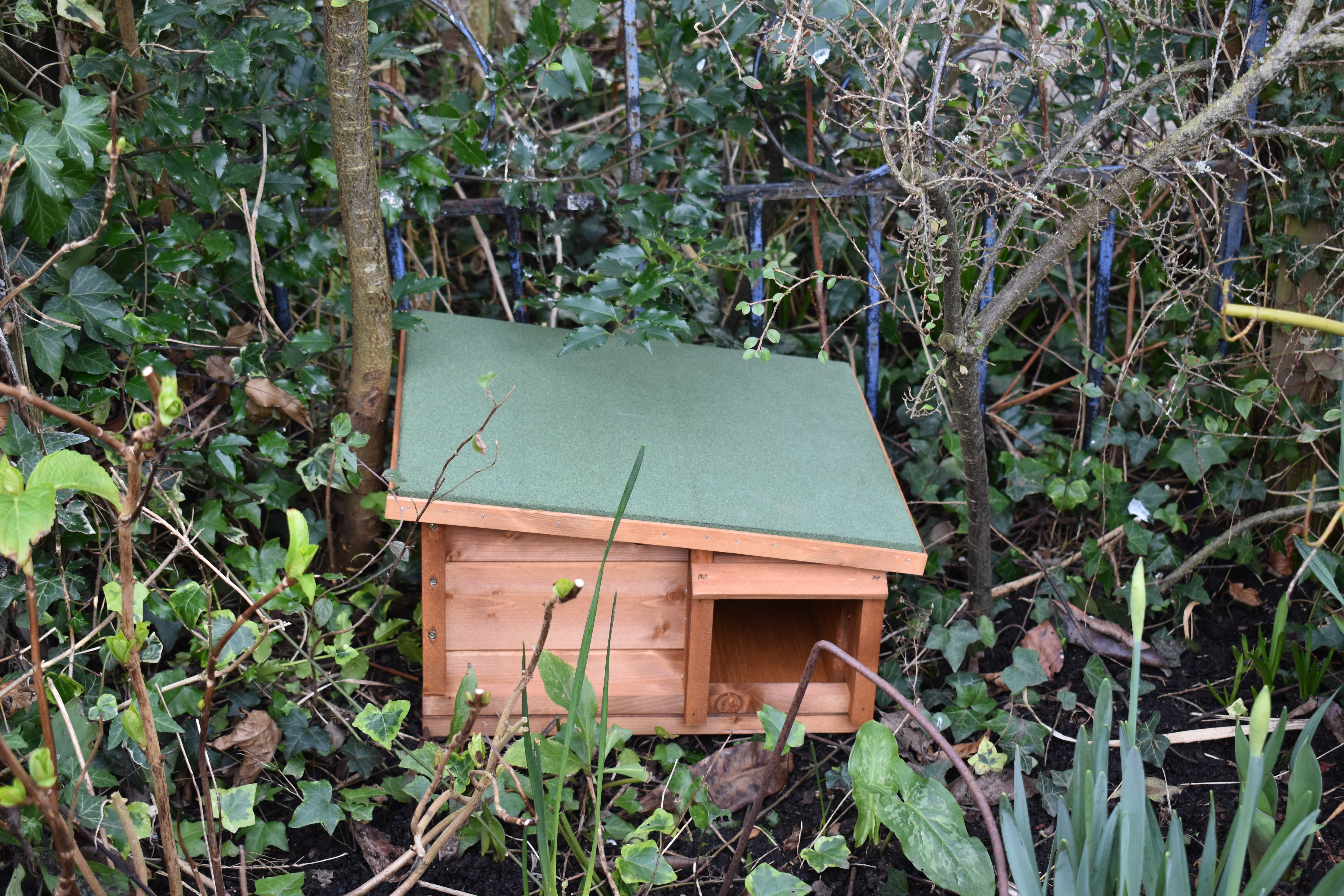
The first two photos show our hedgehog gateway and a hedgehog hibernaculum.
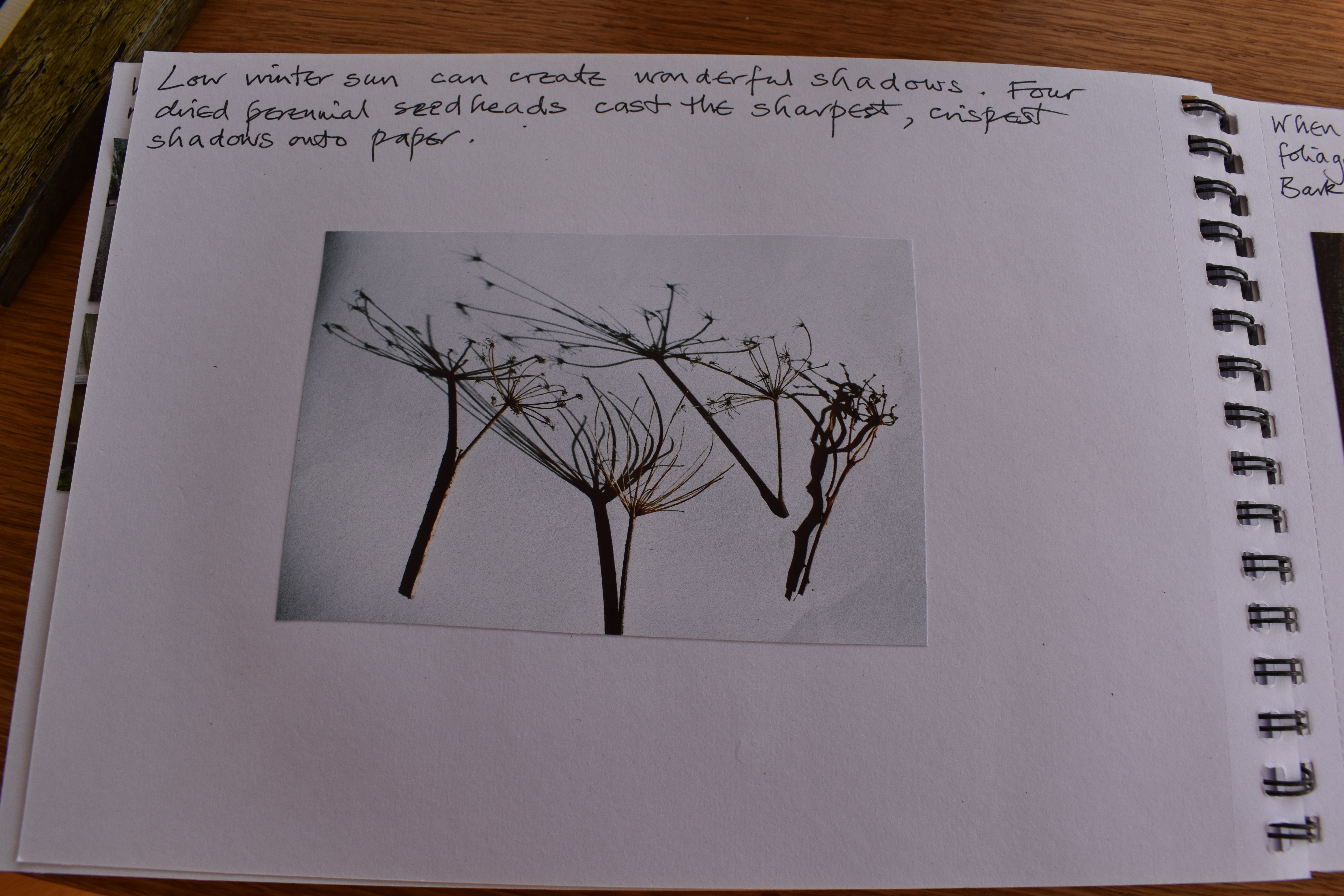
The next page of my February journal entries was all about the effects of the low winter sun on dried seed head specimens I had lain out to sketch.
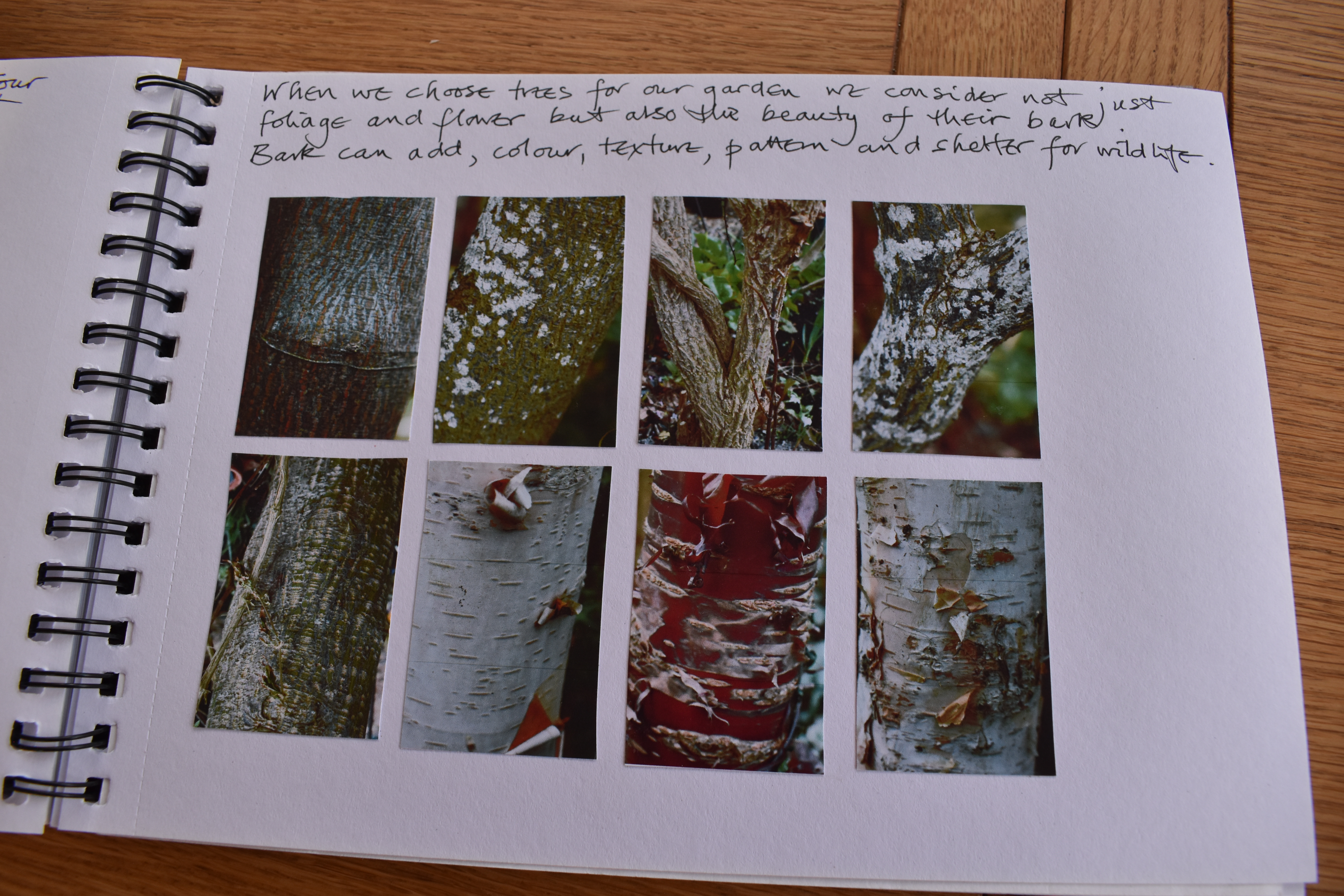
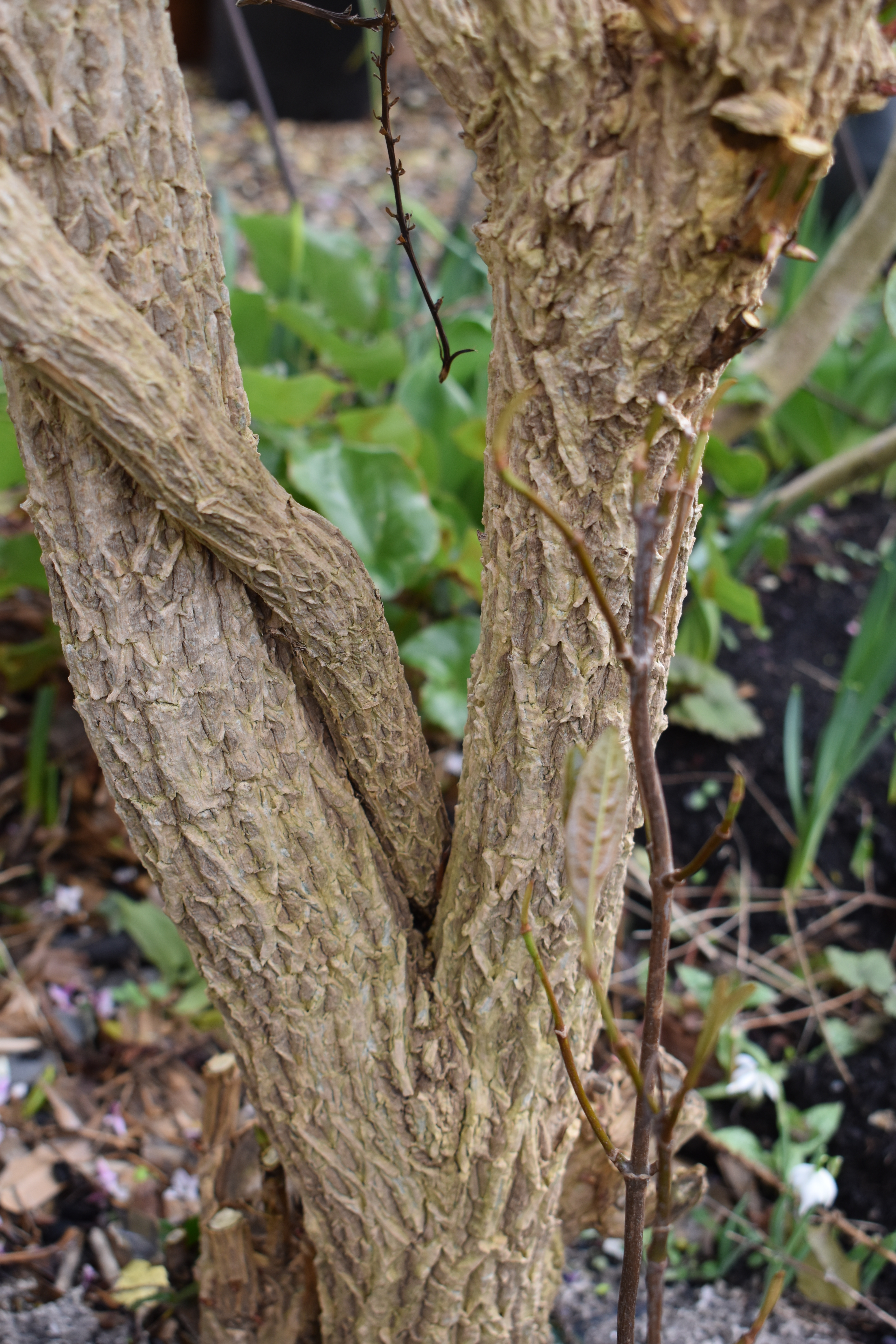
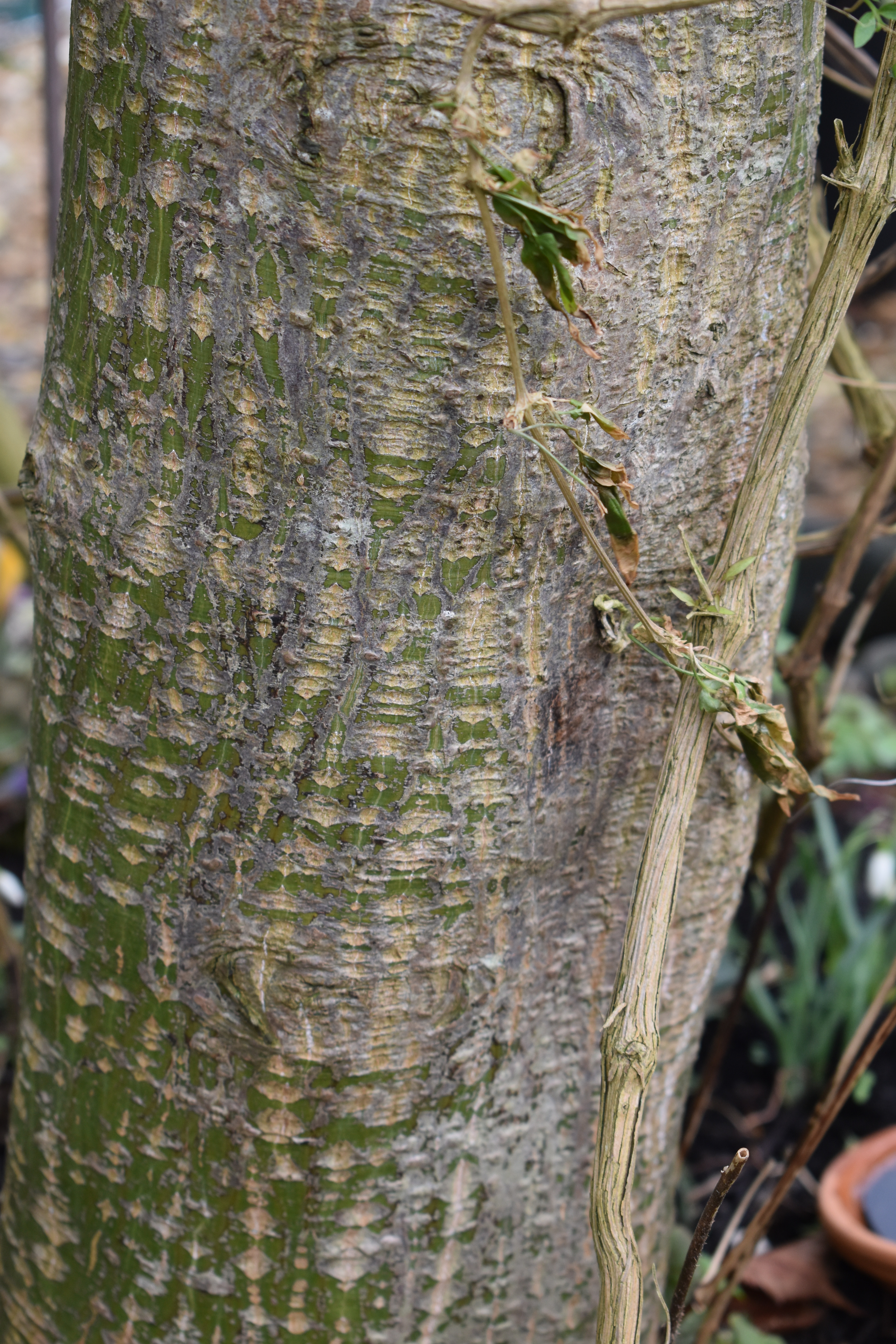
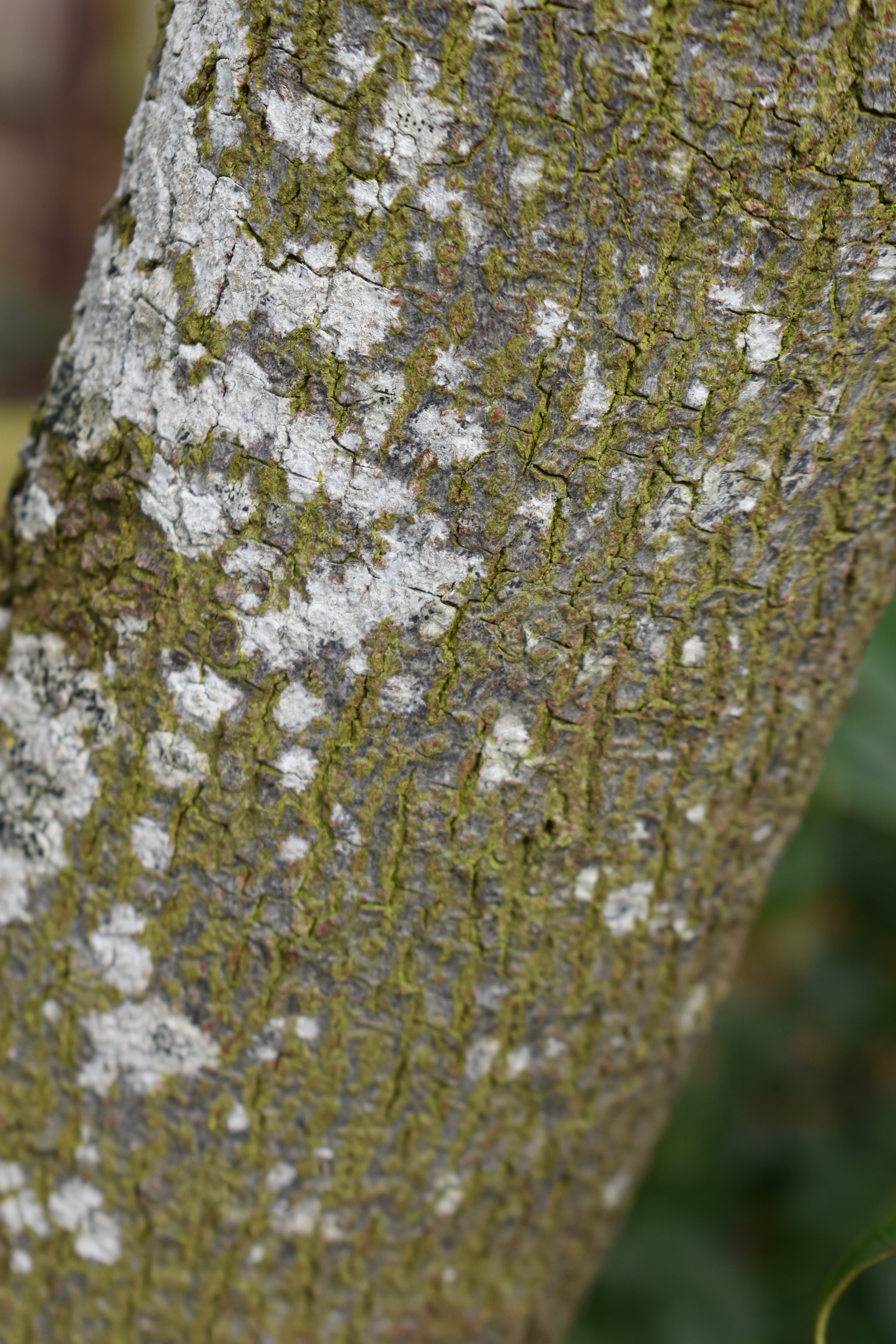
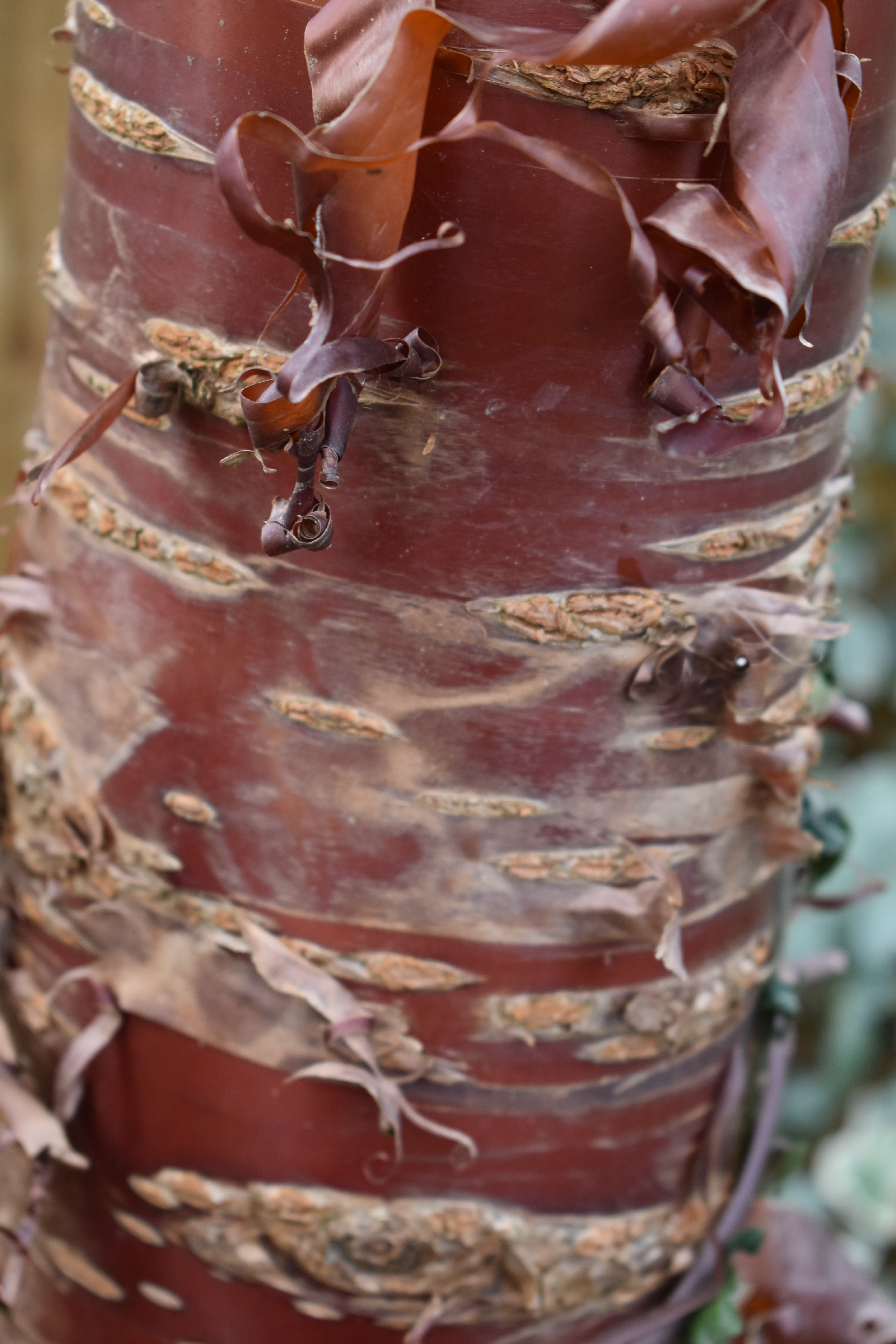
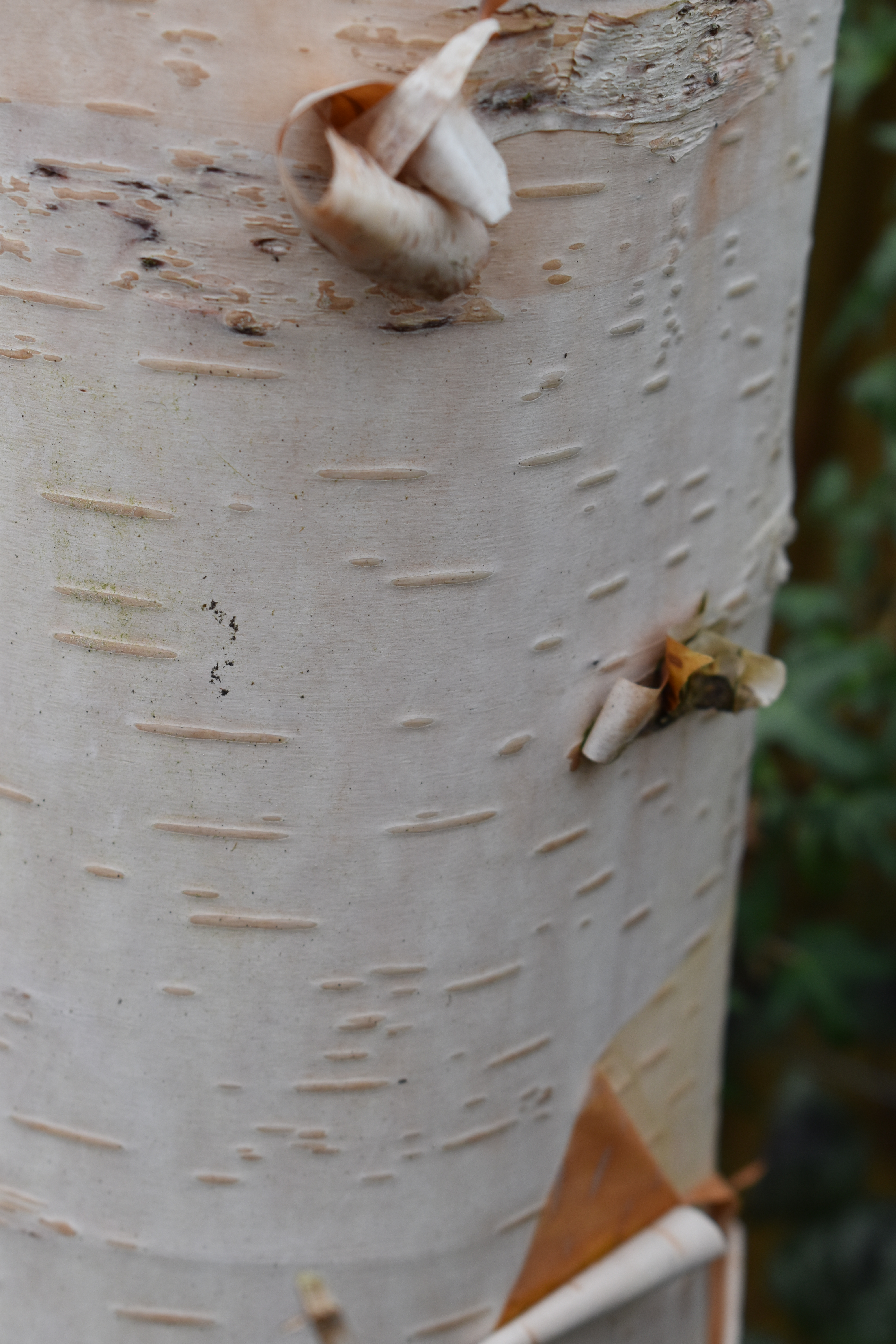
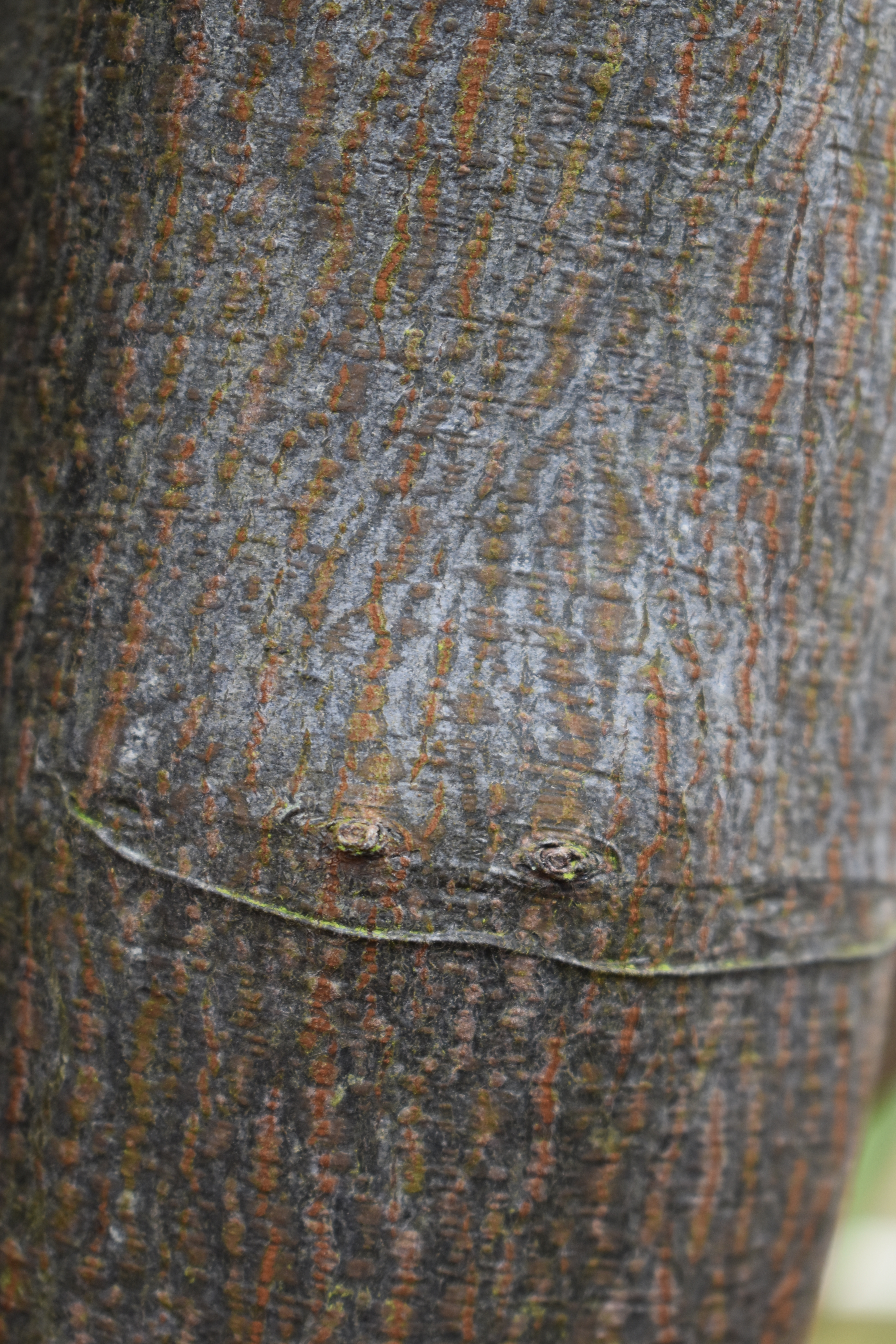
On the page opposite I shared photographs of a selection of the bark of a few of our many tree. I wrote, “When we choose trees for our garden we consider not just their foliage and flowers, but also the beauty of their bark. Bark can add colour, texture, pattern and shelter for wildlife.”
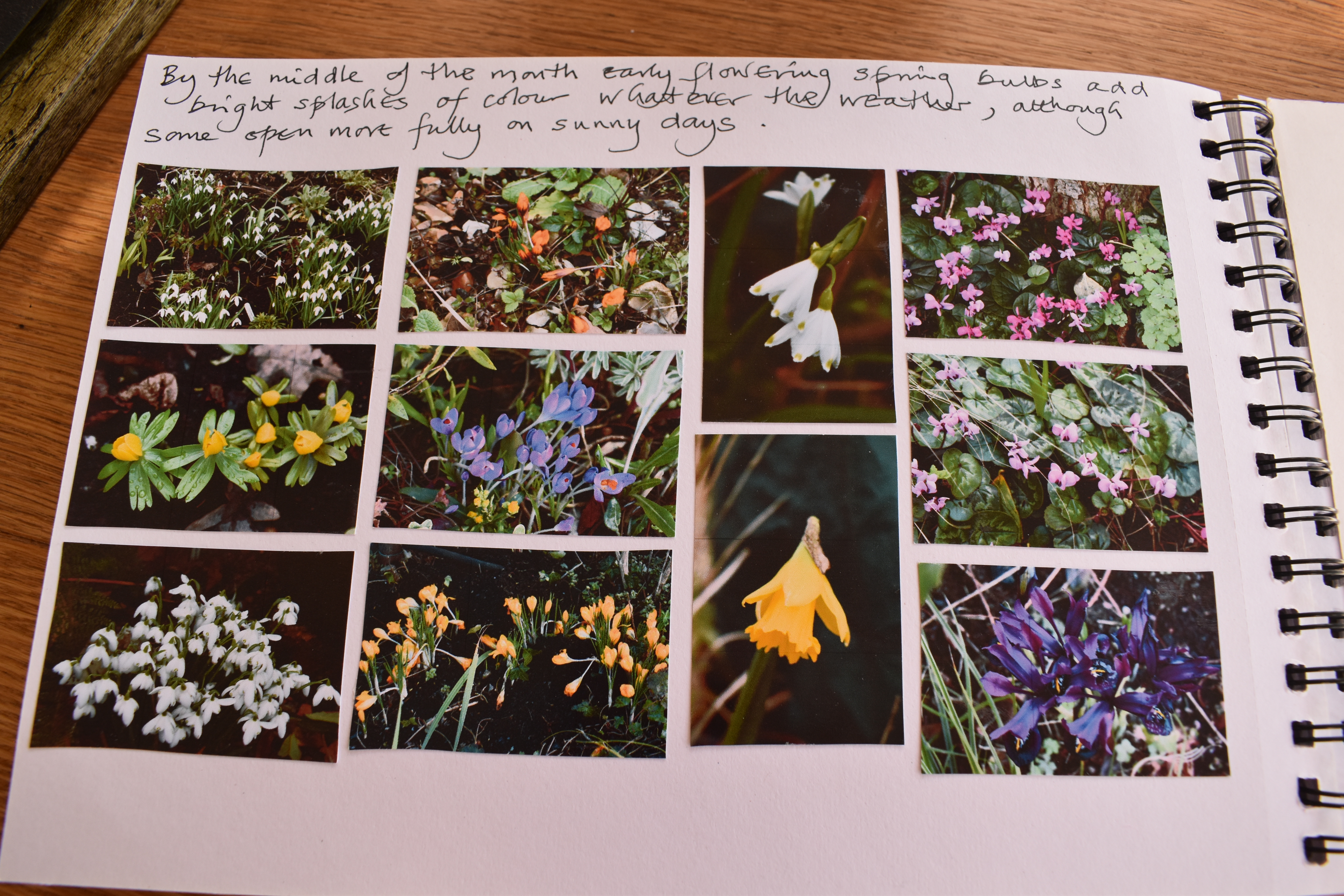
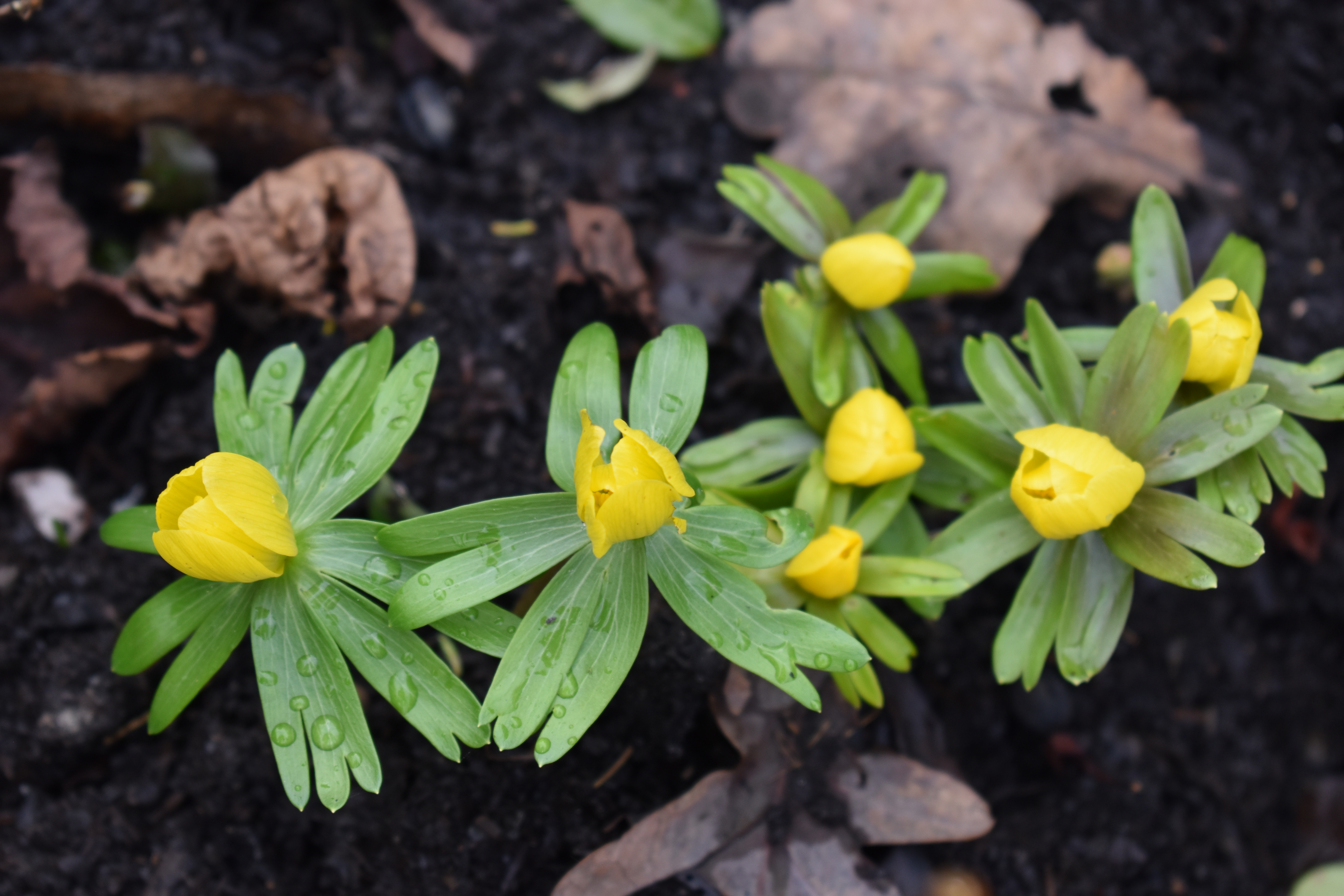
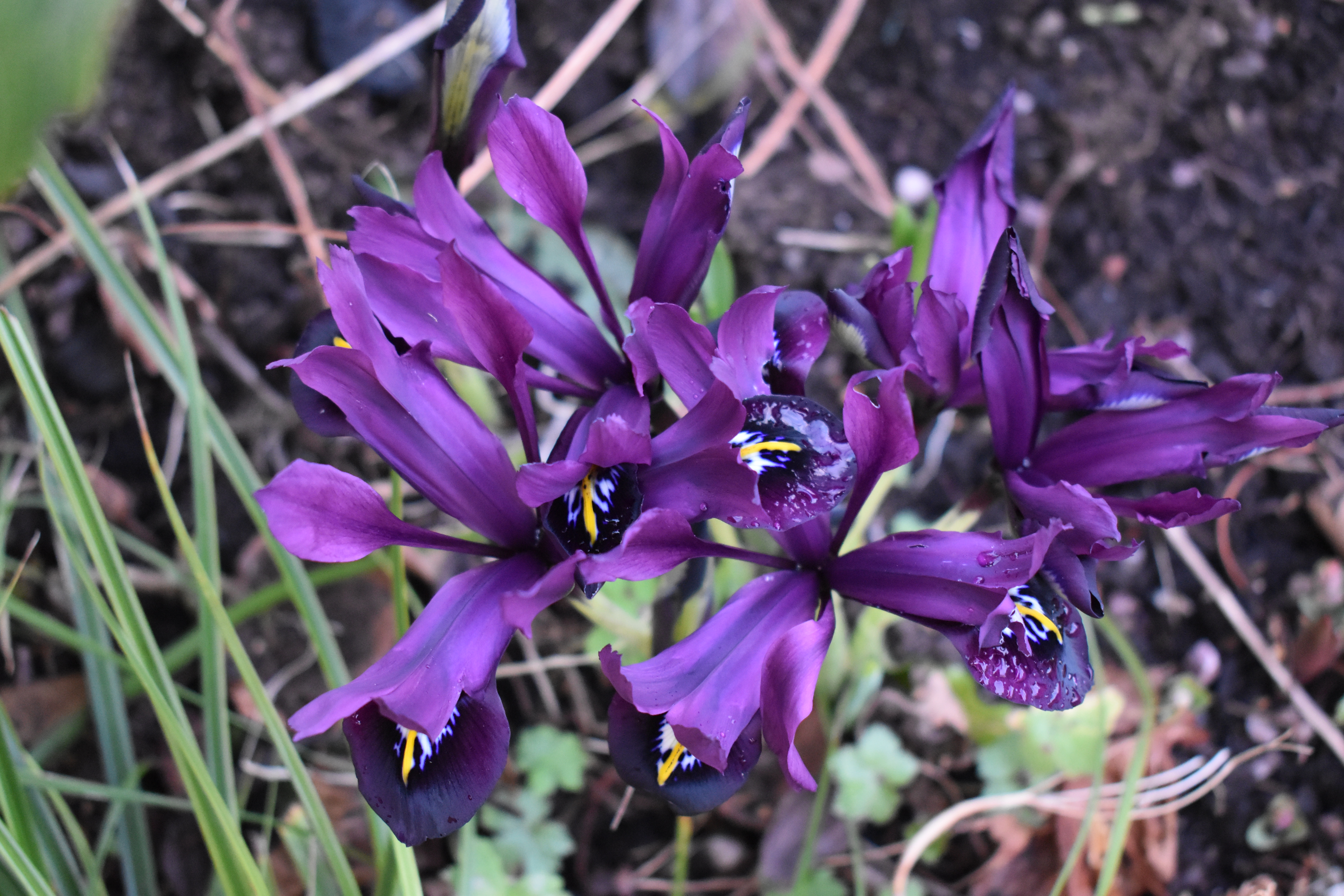
The final pair of pages are all about early flowering bulbs and the garden jobs we tackled when weather allowed.
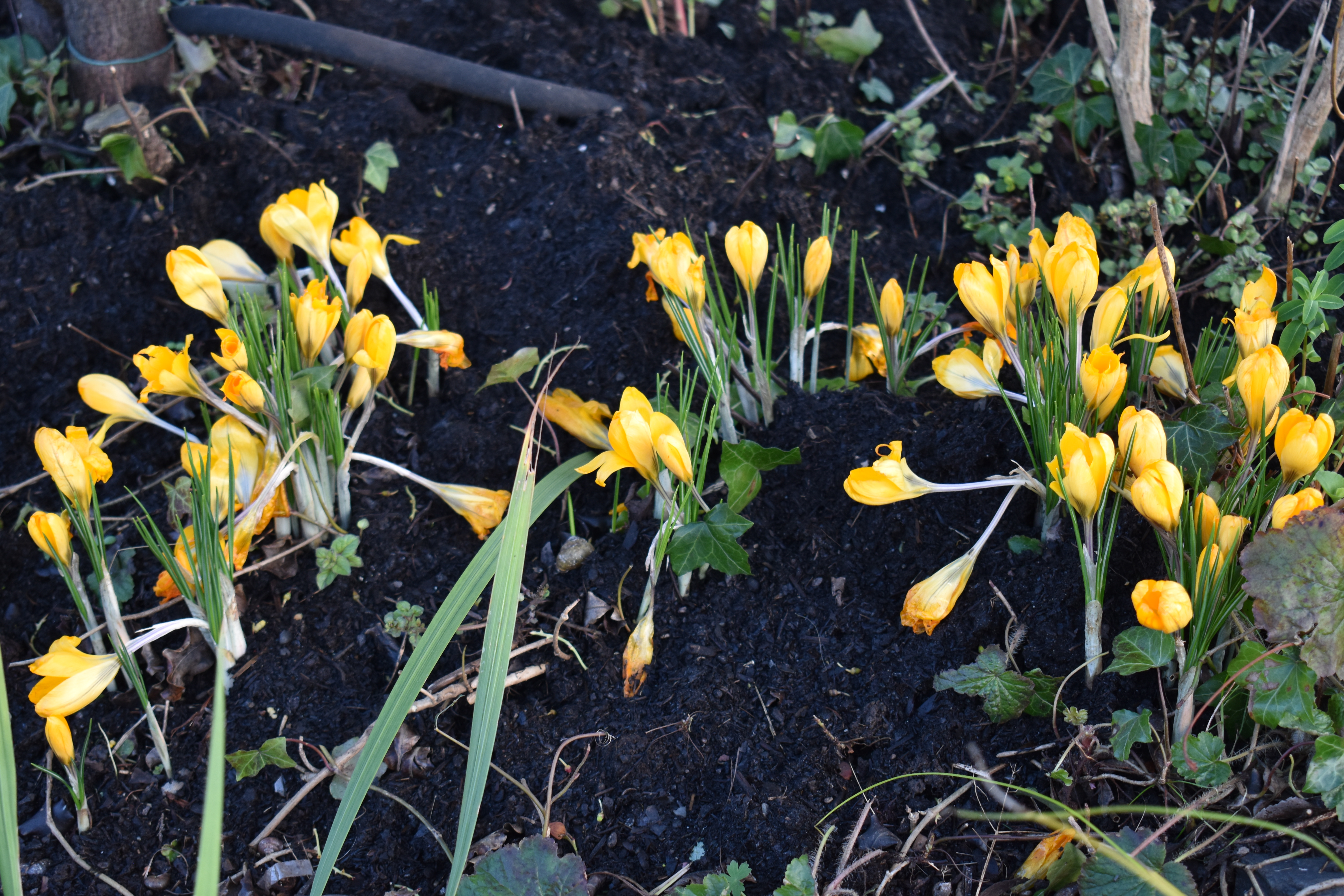
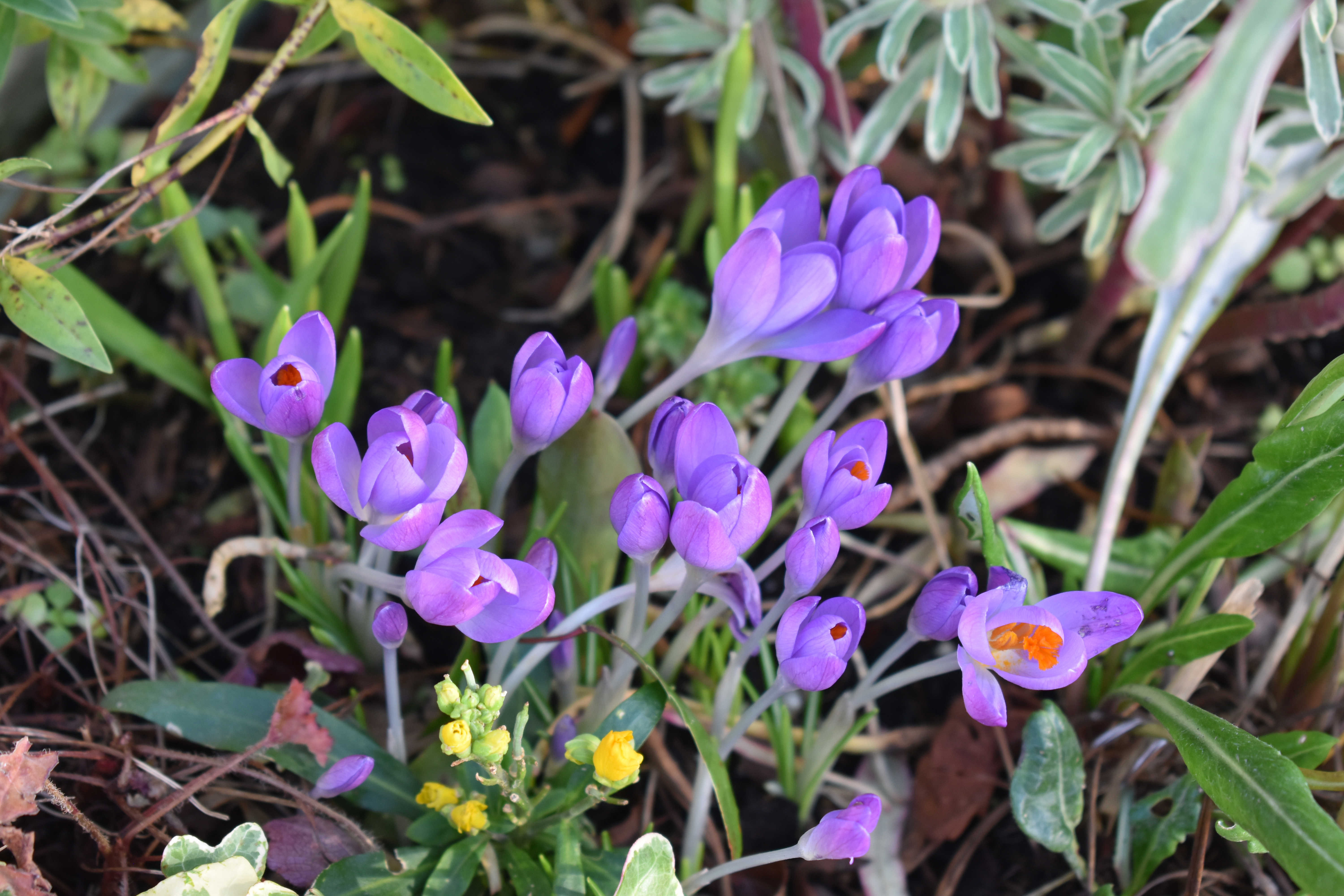
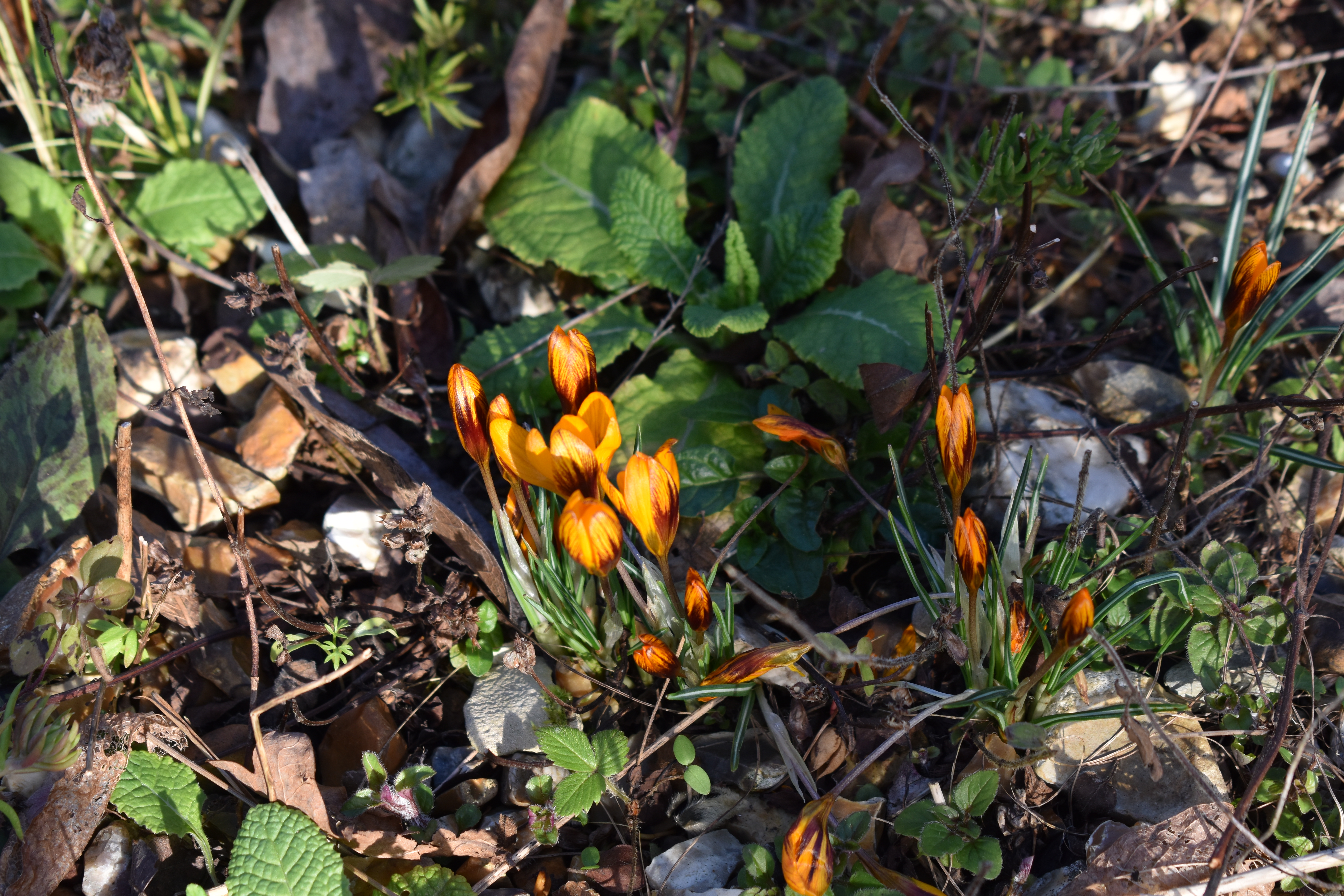
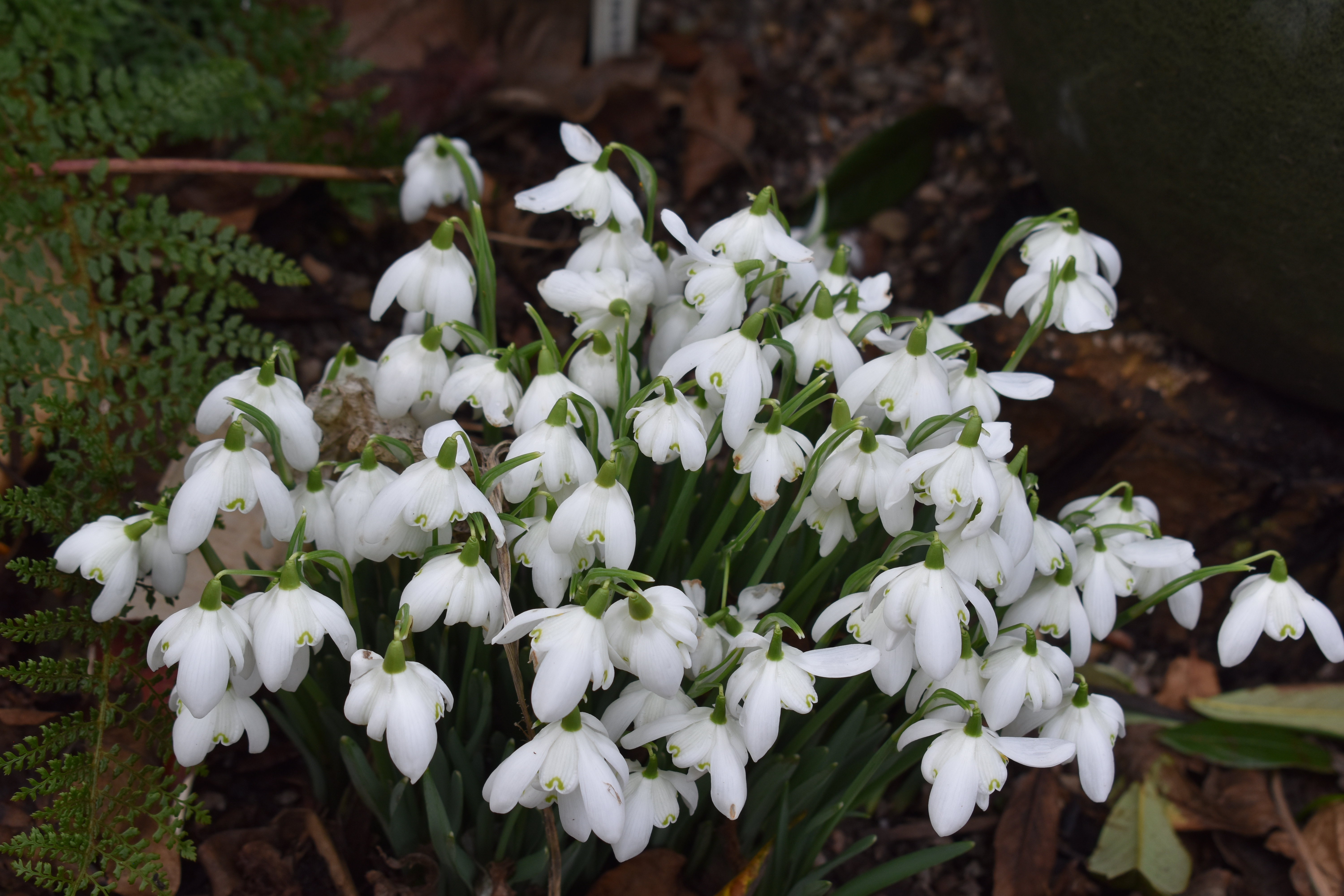
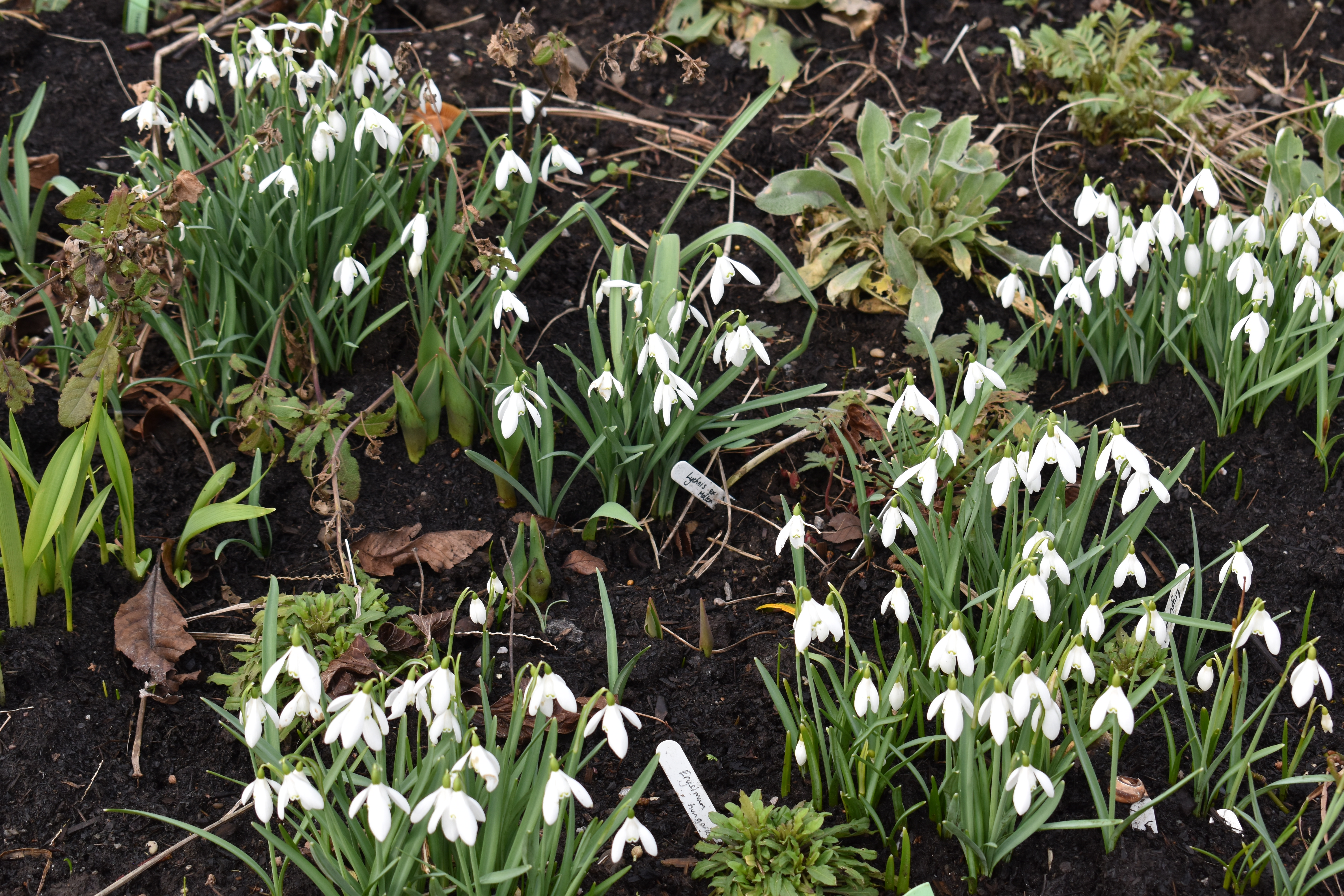
I wrote, “By the middle of the month early flowering spring bulbs add splashes of colour whatever the weather, although some open more fully only on sunny days.”
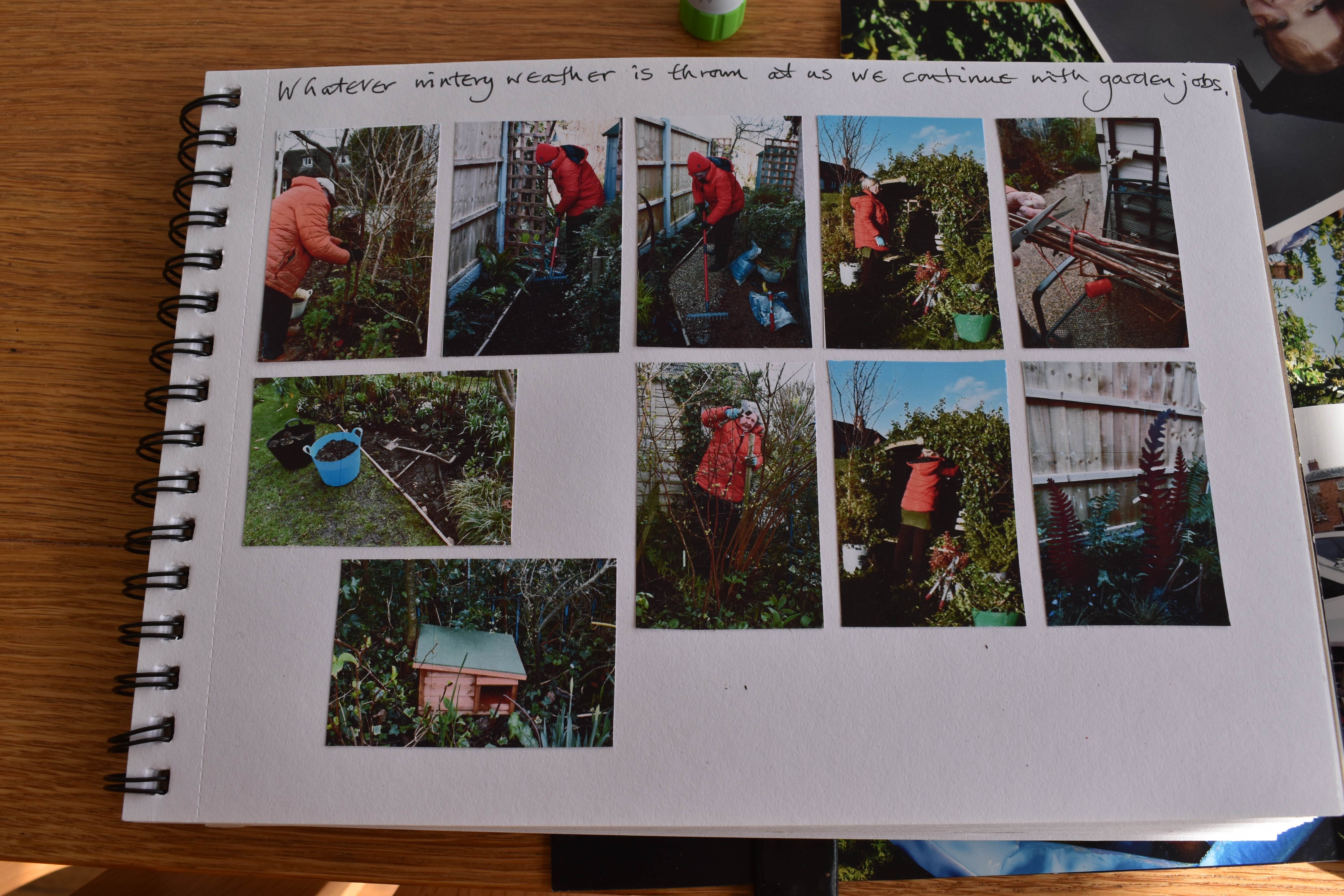
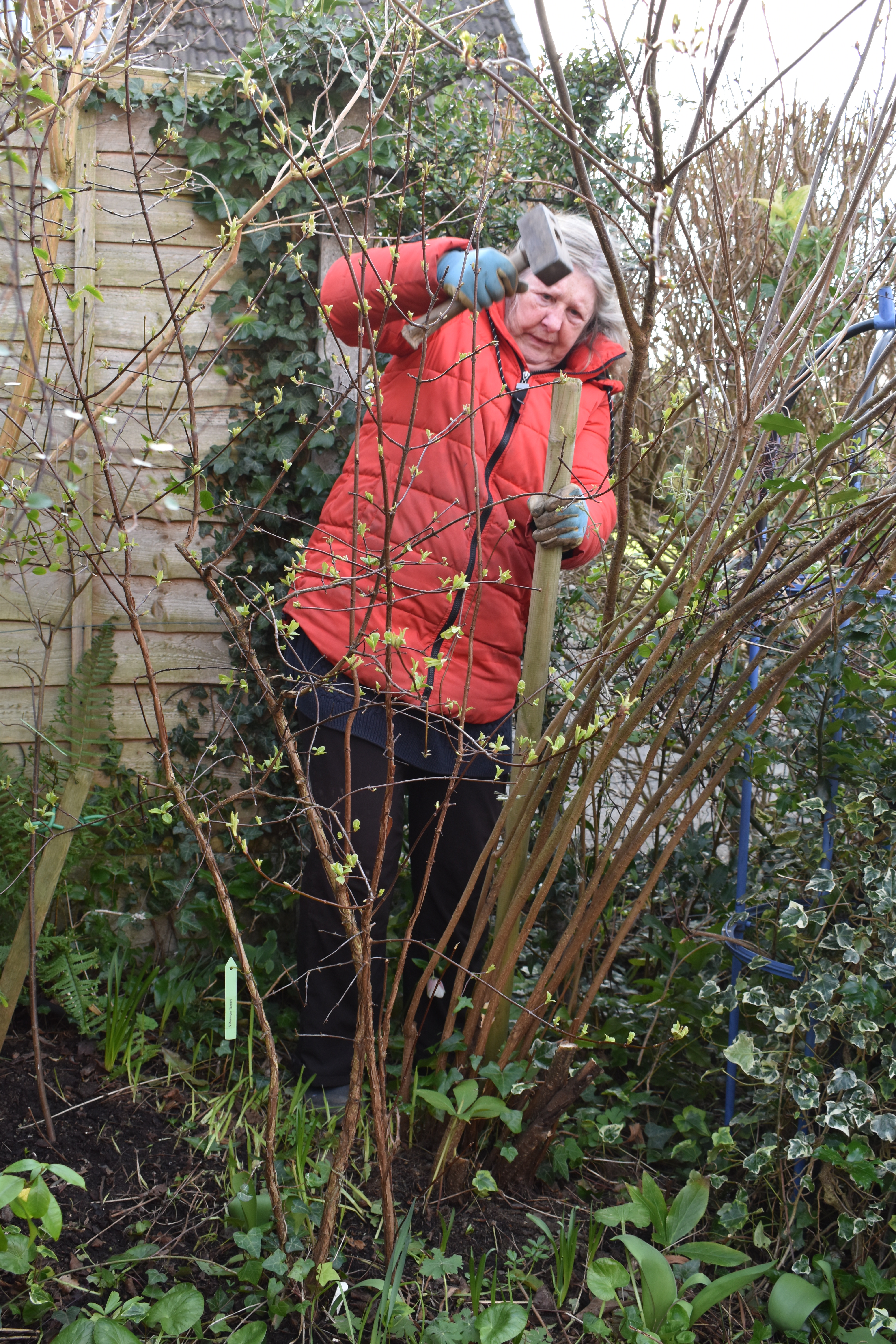
On the final page for February we return to see how we managed to carry on with garden tasks whenever the weather allowed, and I wrote, “Whatever wintery weather was thrown at us we continue with garden tasks.”
That is it for my February journal entries. When we return in March perhaps we will see a few signs of spring!
We often visit our gardening friends, William and Linda and their garden up in the hills where it is often colder and windier than here lower down in our garden. In between our visits William and Linda visit us and our garden, so we share each other’s gardens.
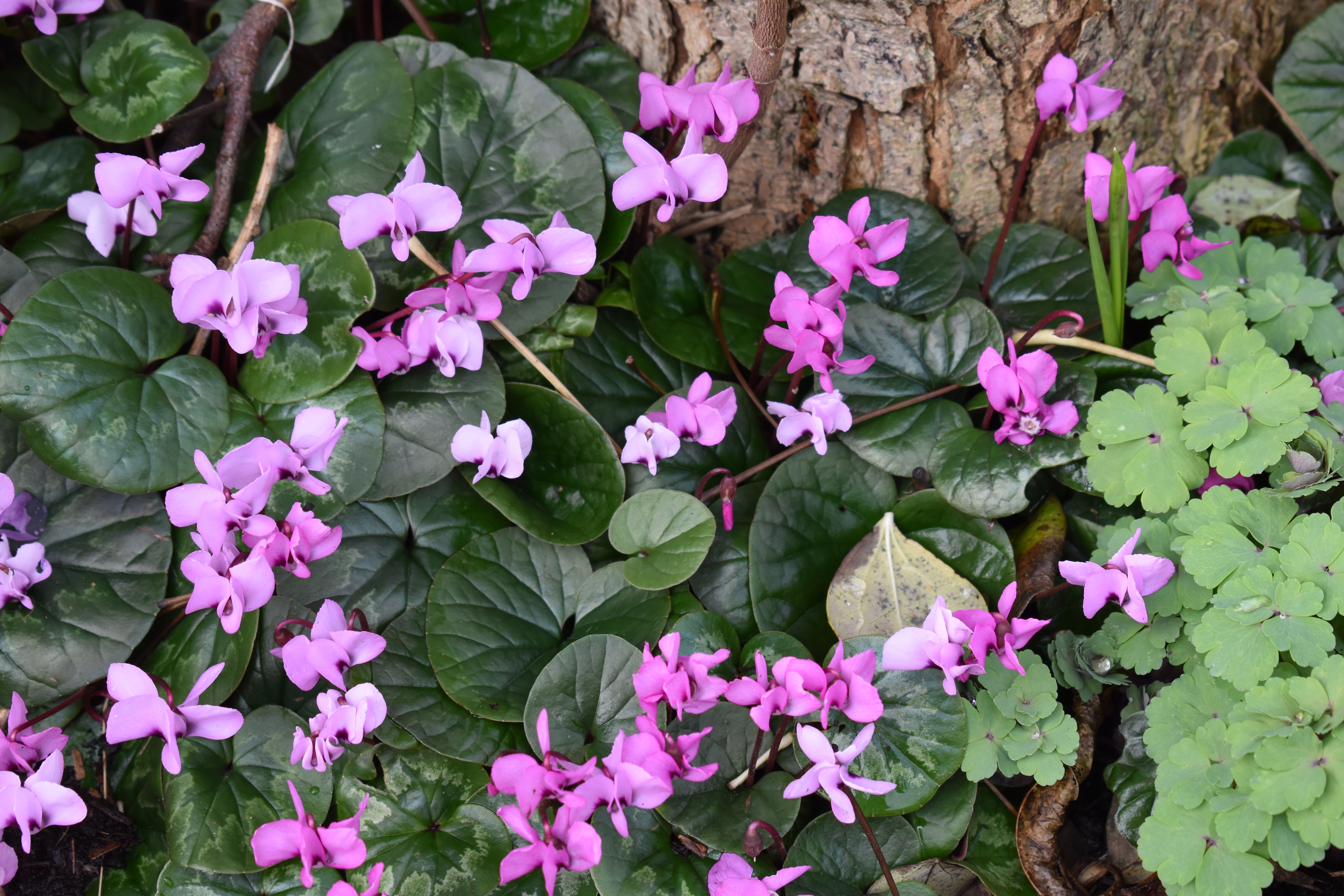
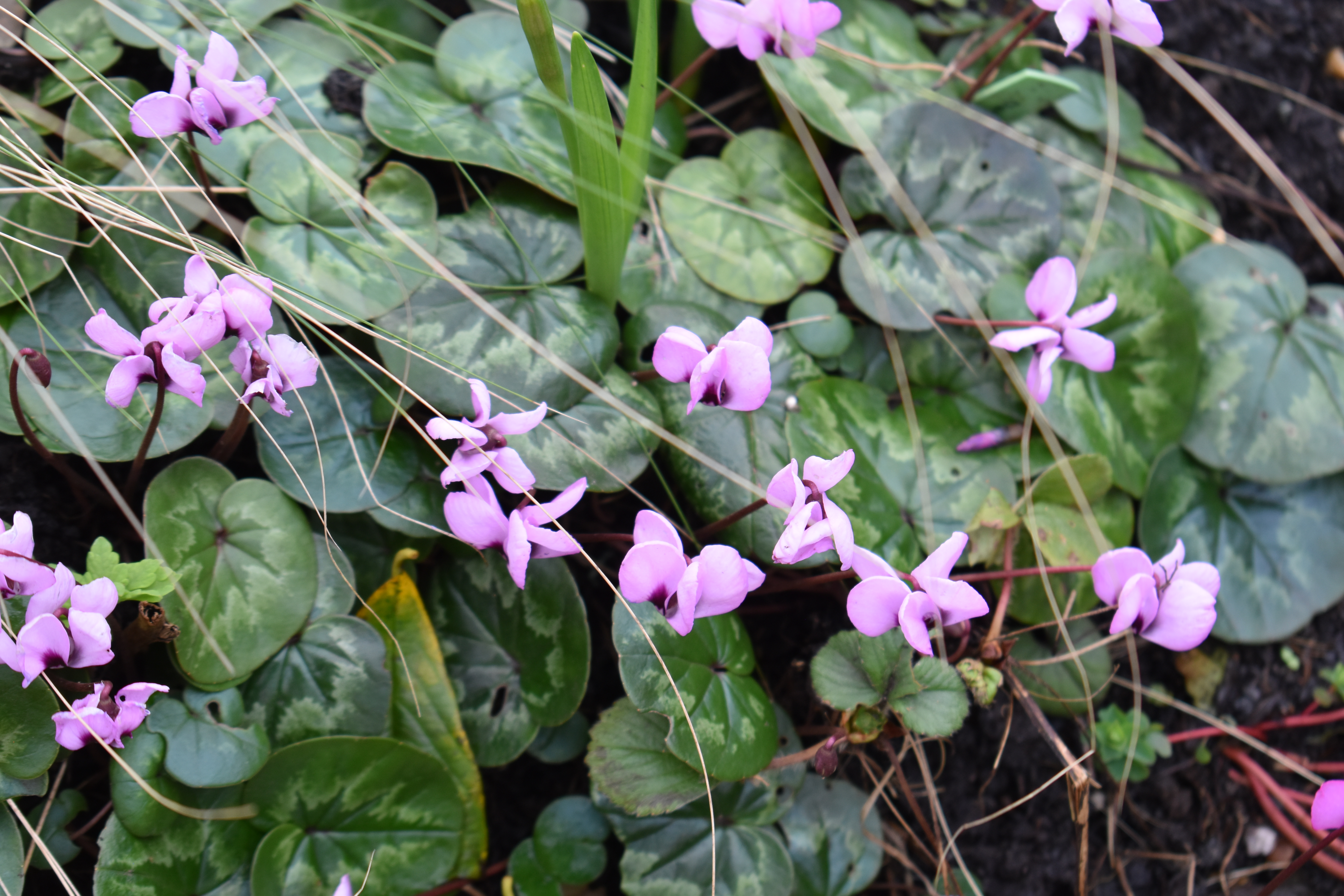
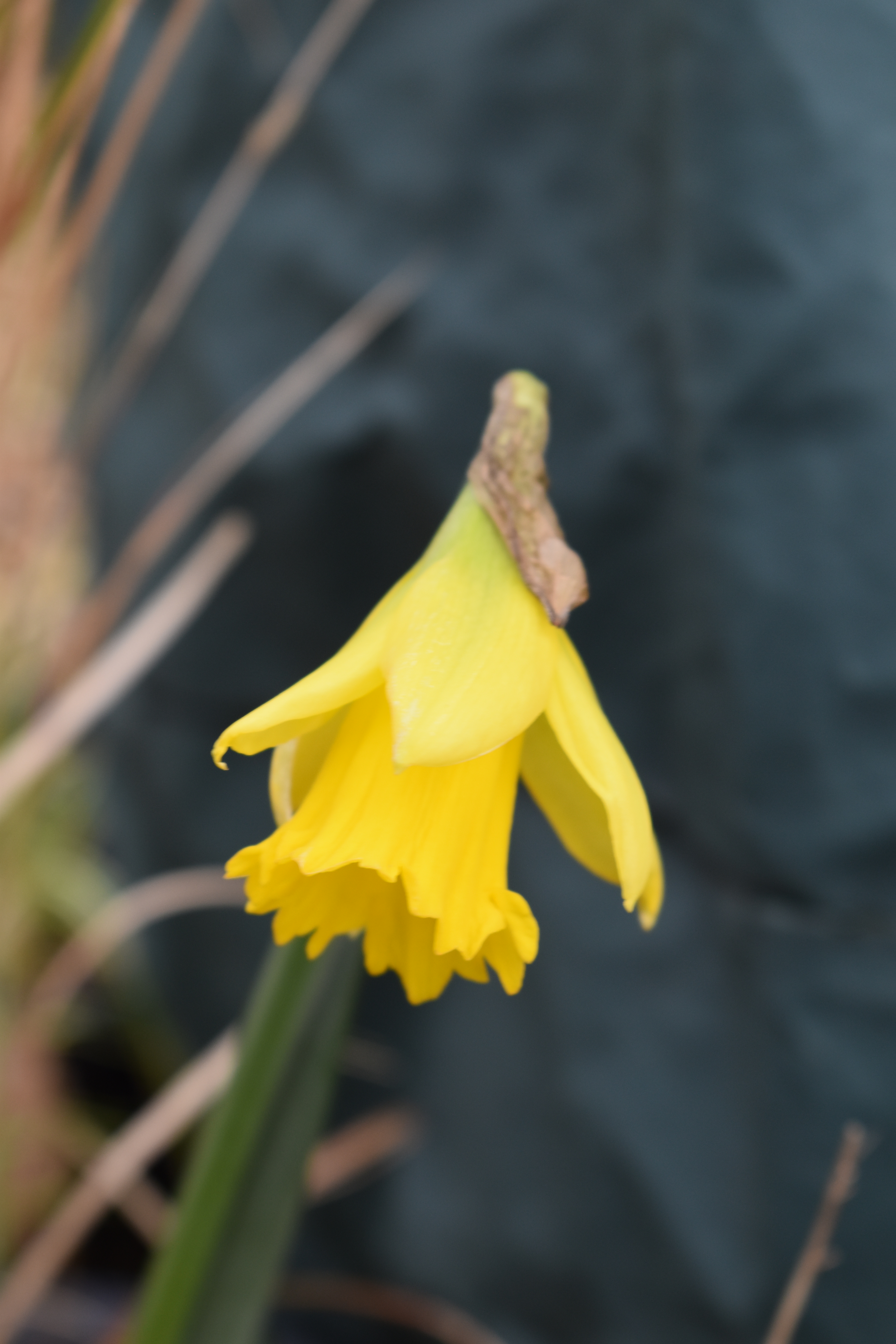
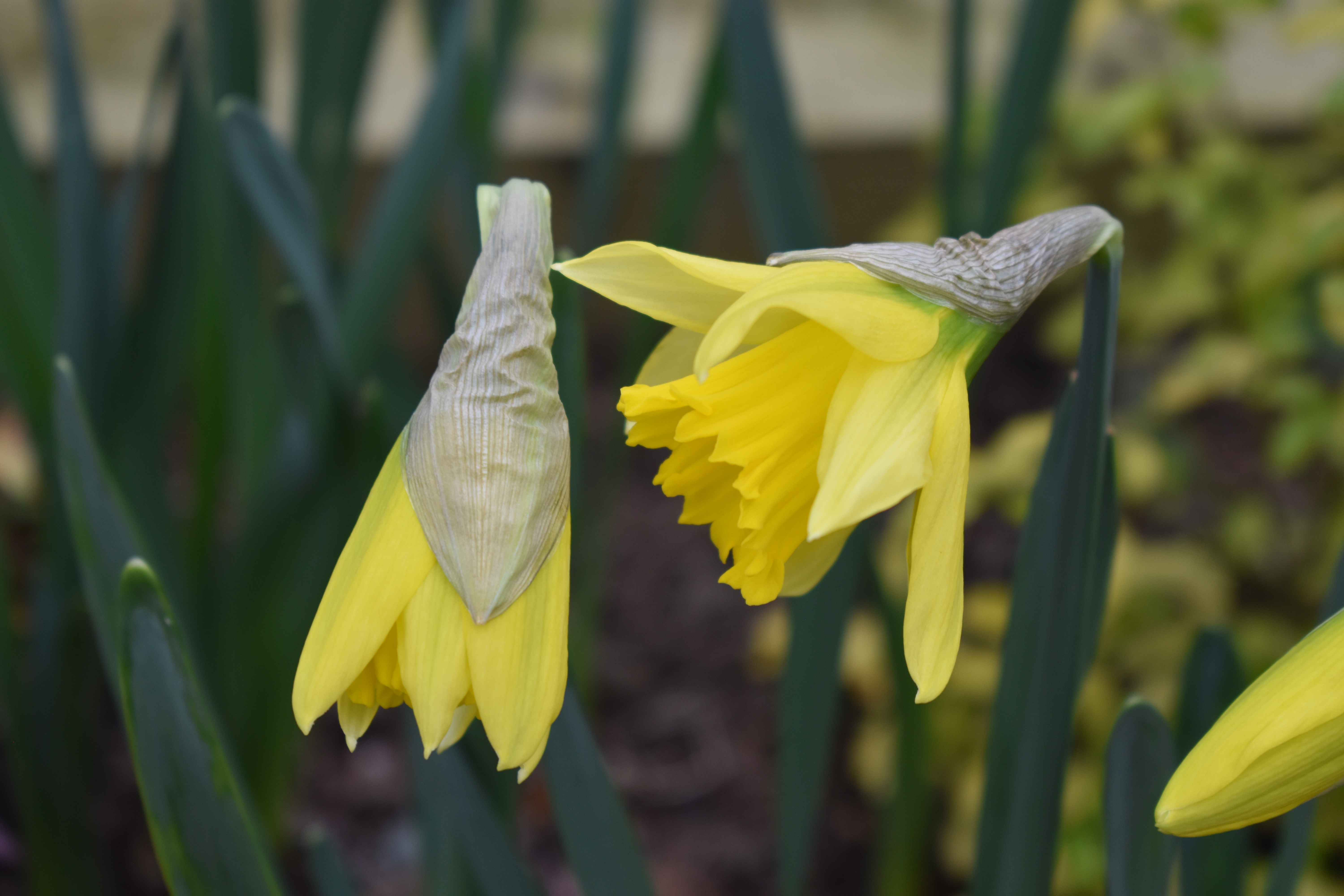
In late February we made our first visit of the year and there was plenty of interest for us to look at beneath the gloomy winter skies. The narcissus and cyclamen below certainly attracted our attention. Narcissus Rijnvelds Early Sensation and Cyclamen mirabile.
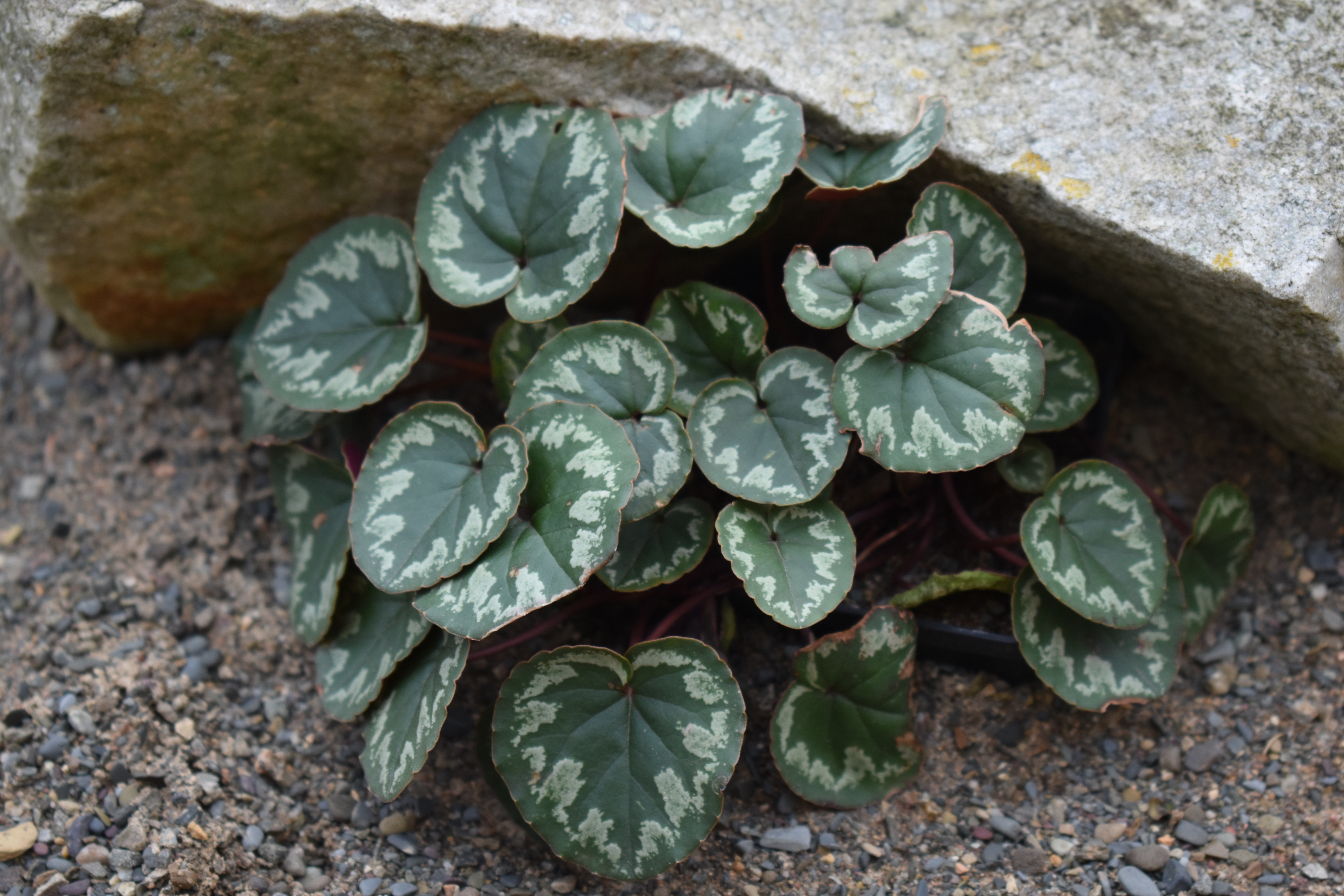
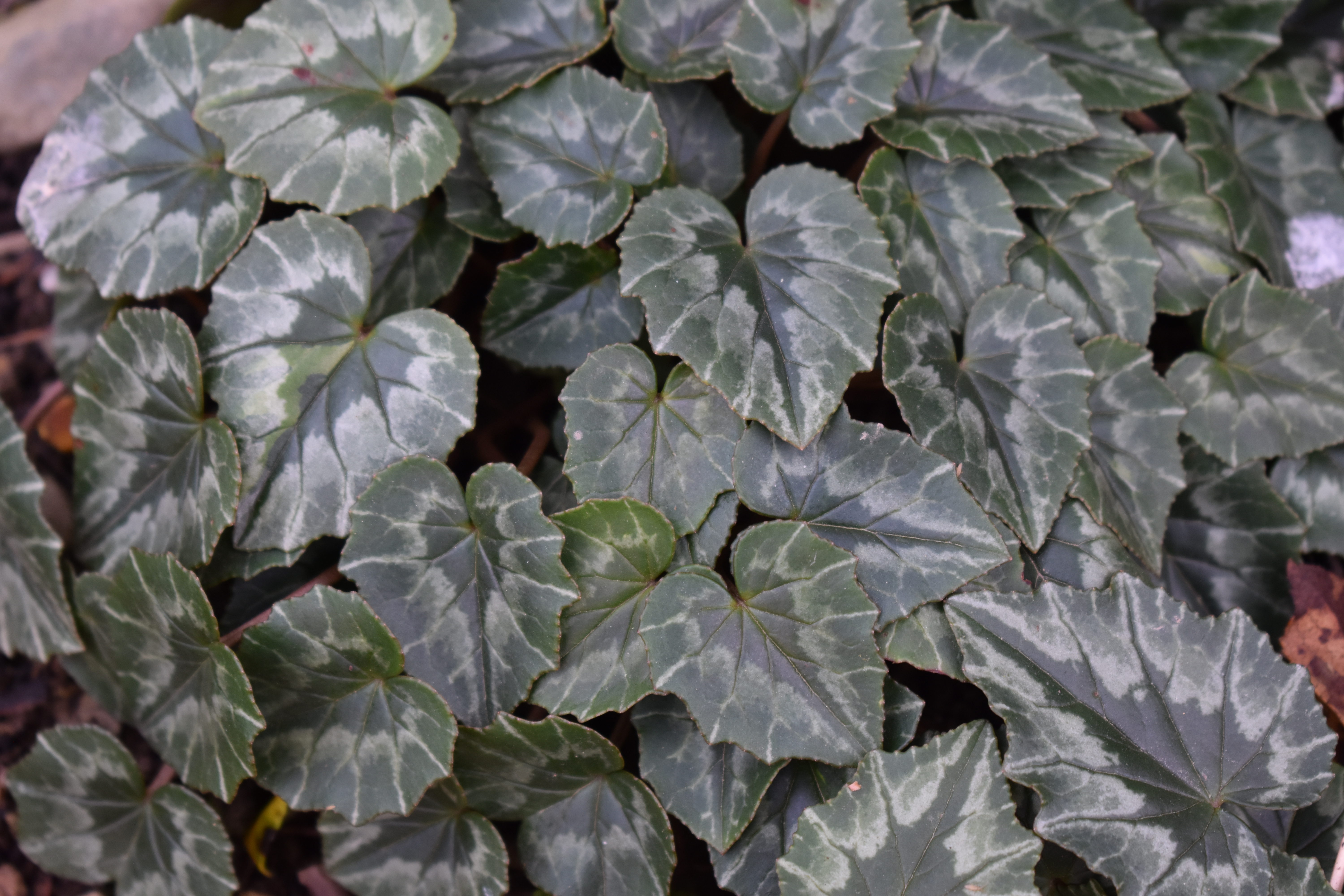
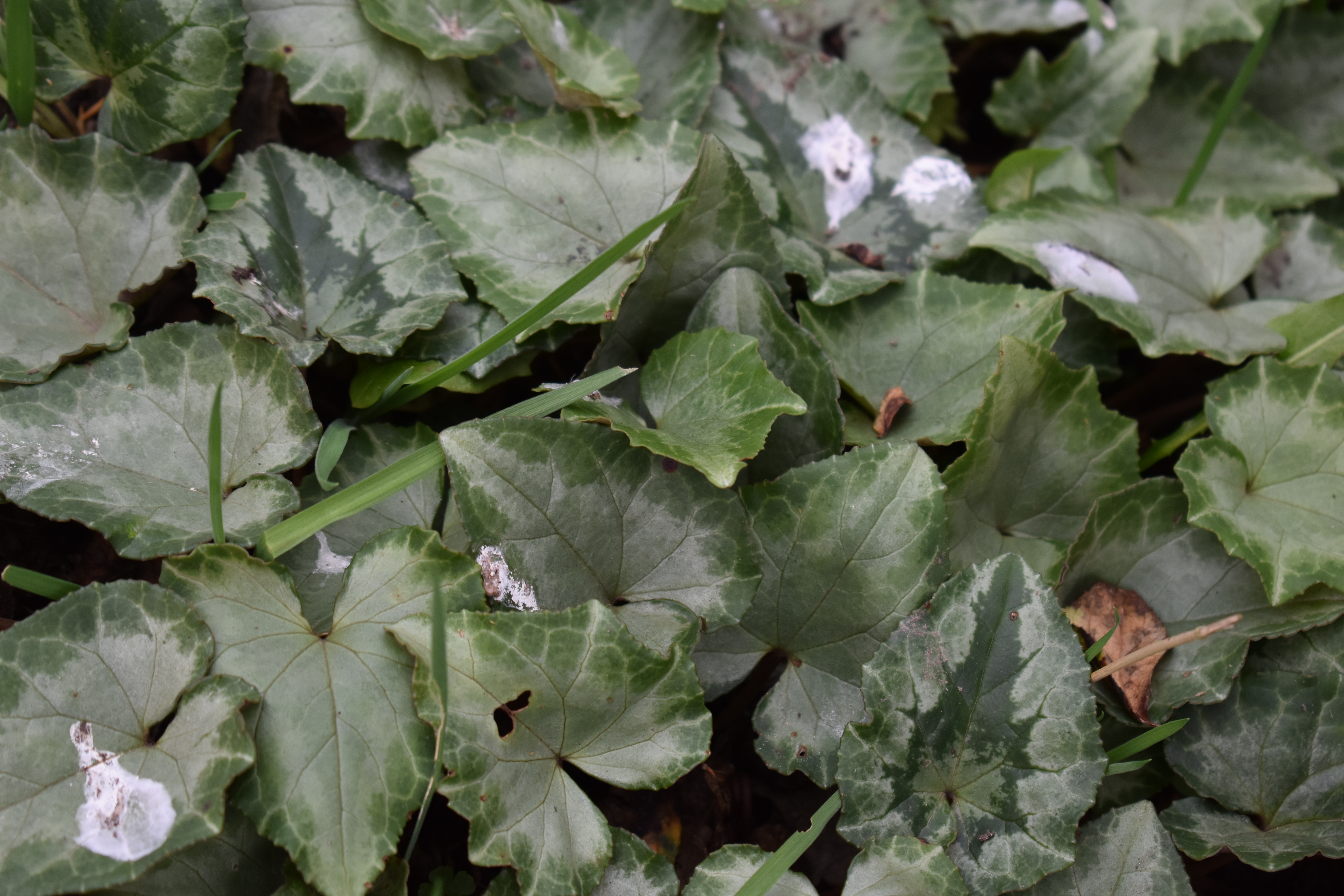
I chose these three cyclamen plants for their different foliage markings. Cyclamen foliage is so intricate and each leaf is different and equally fascinating.
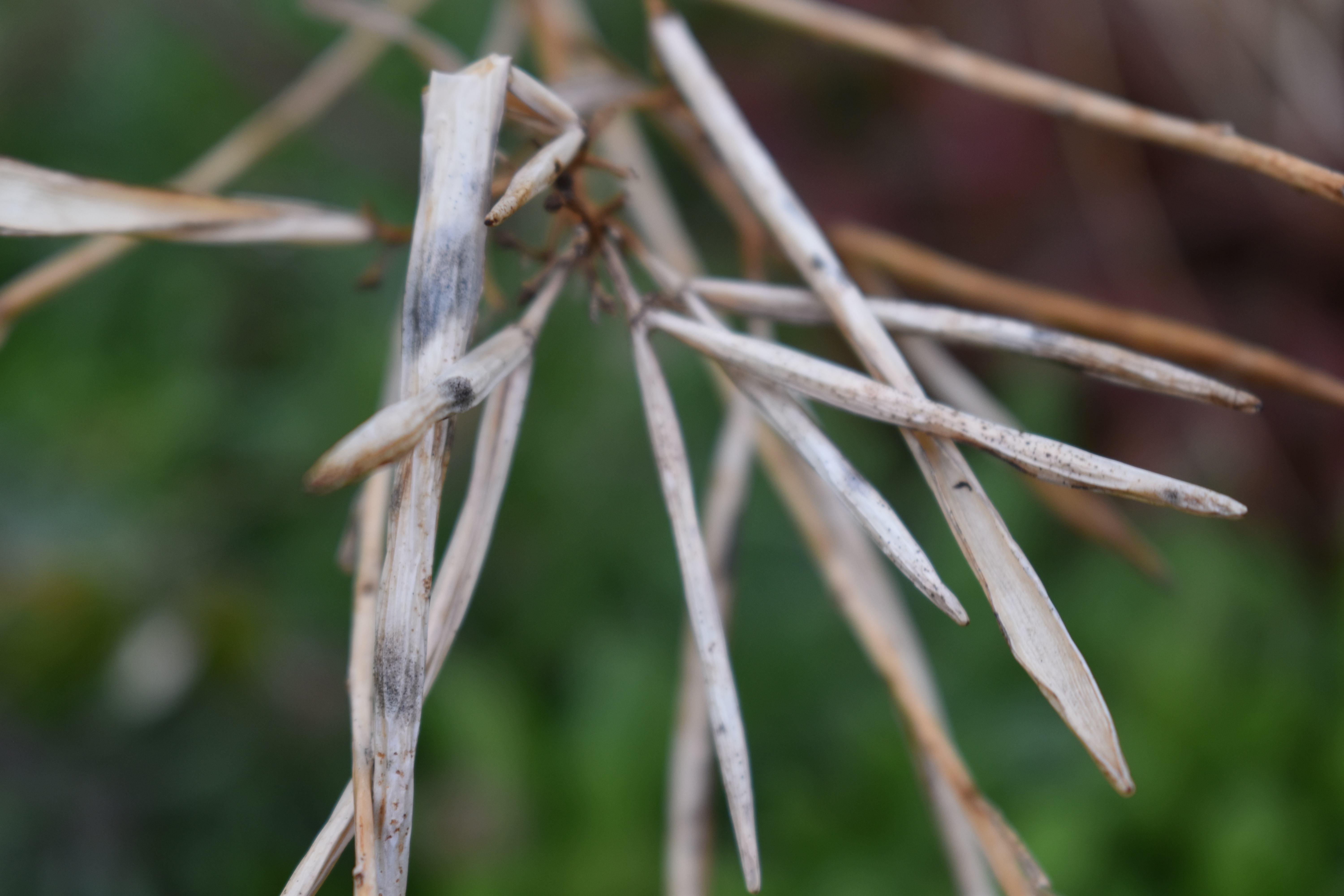
Carrying on wandering along a meandering pathway we found more little cameos to photograph along the way -foliage, flowers and dried stalks and seed heads.
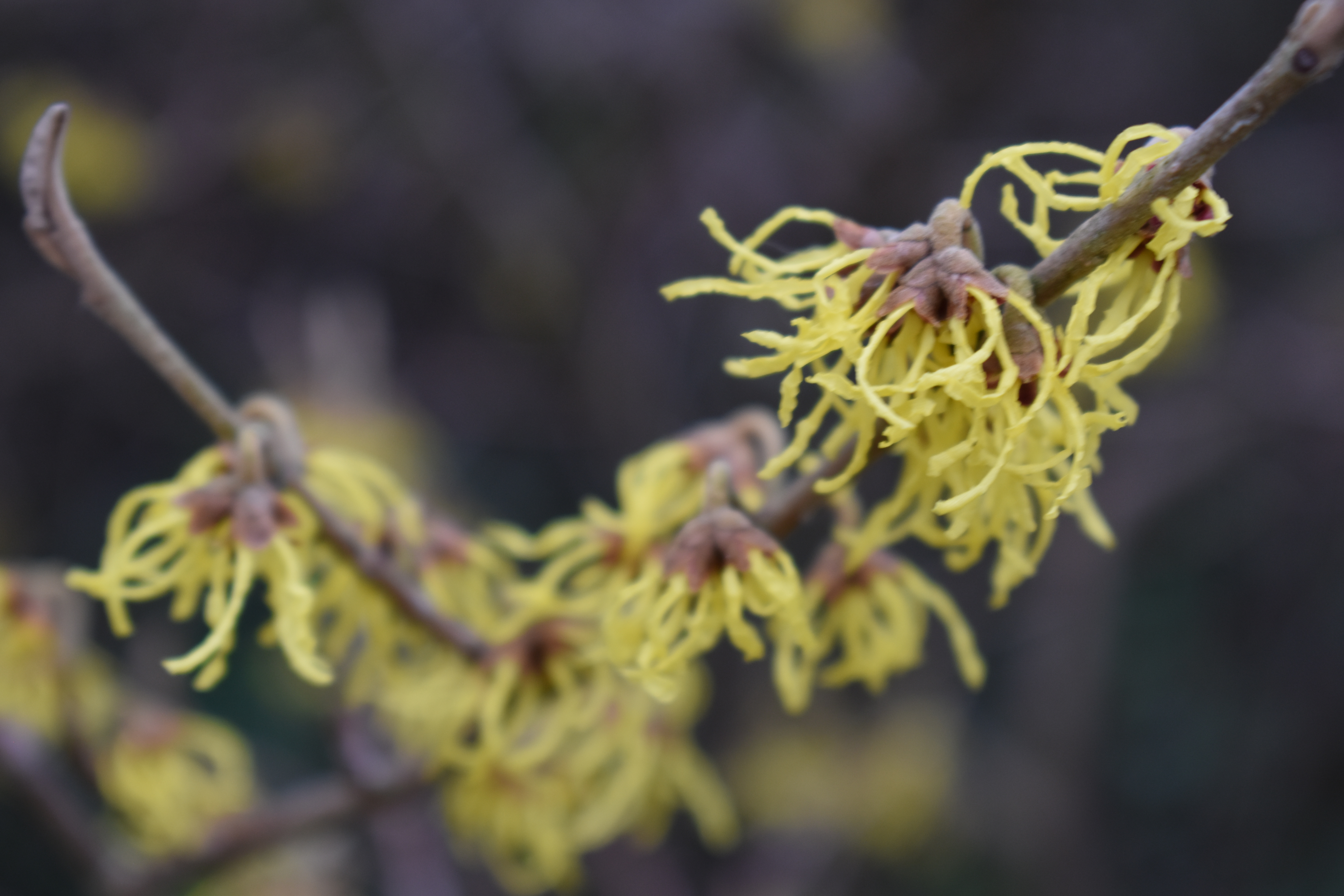
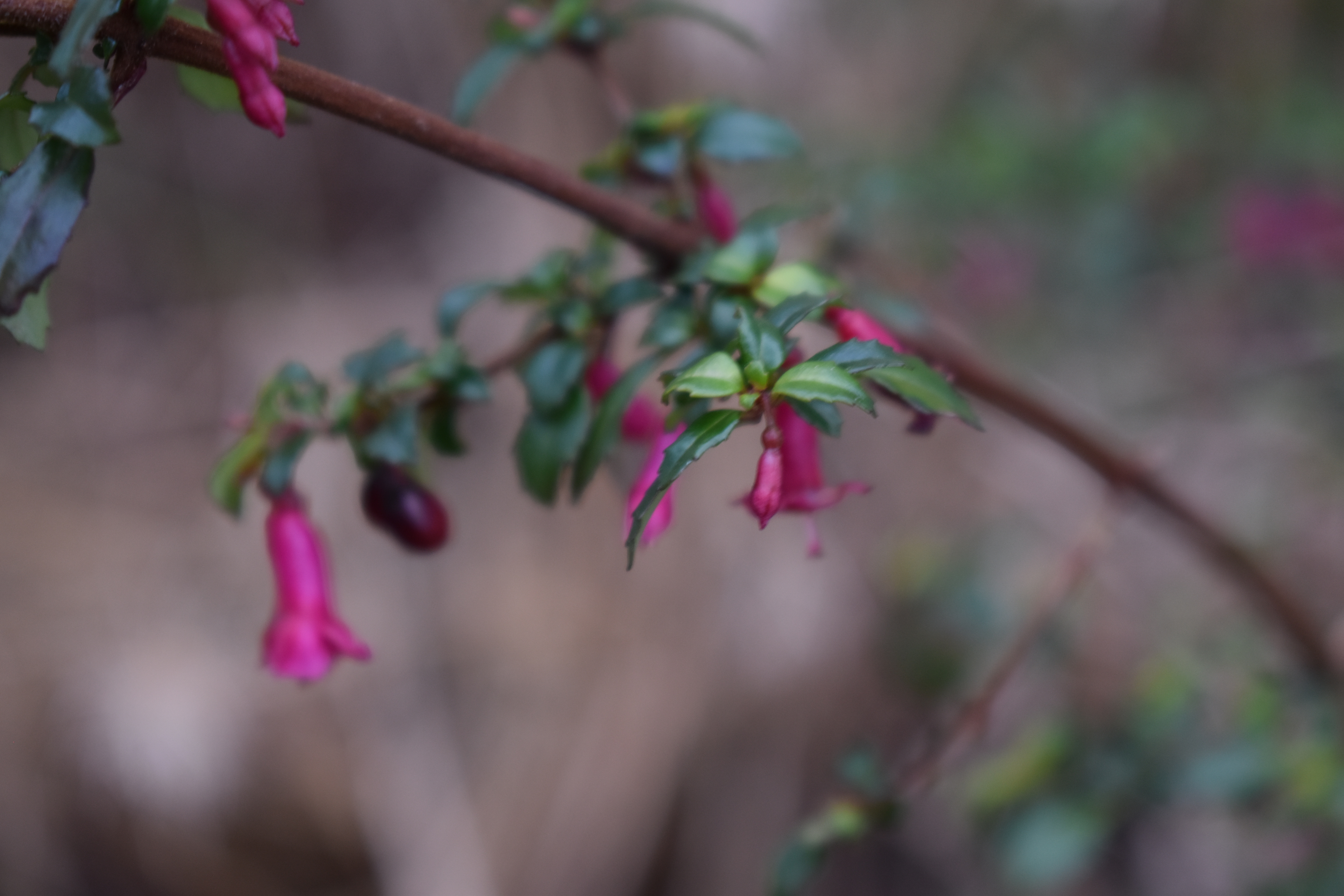
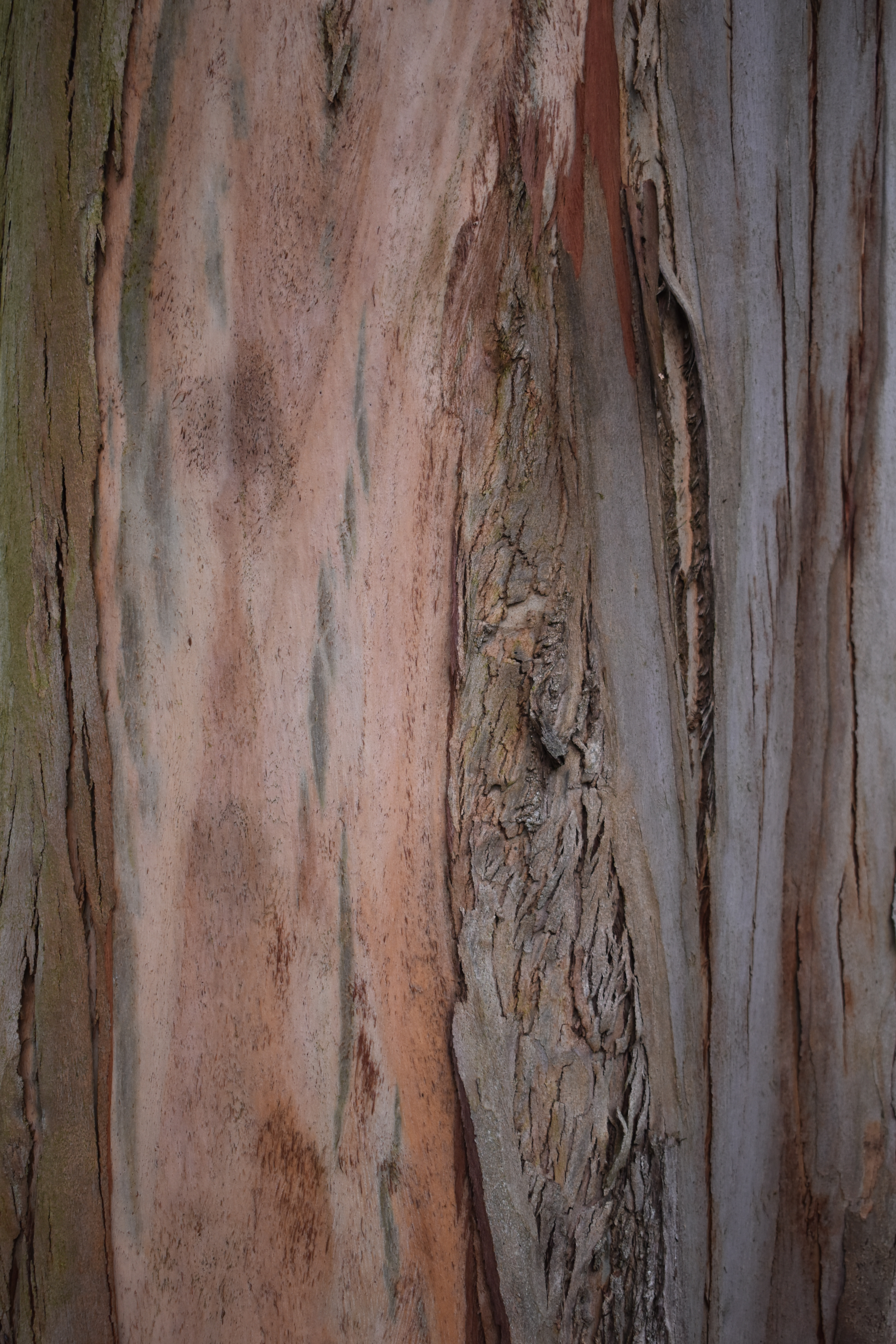
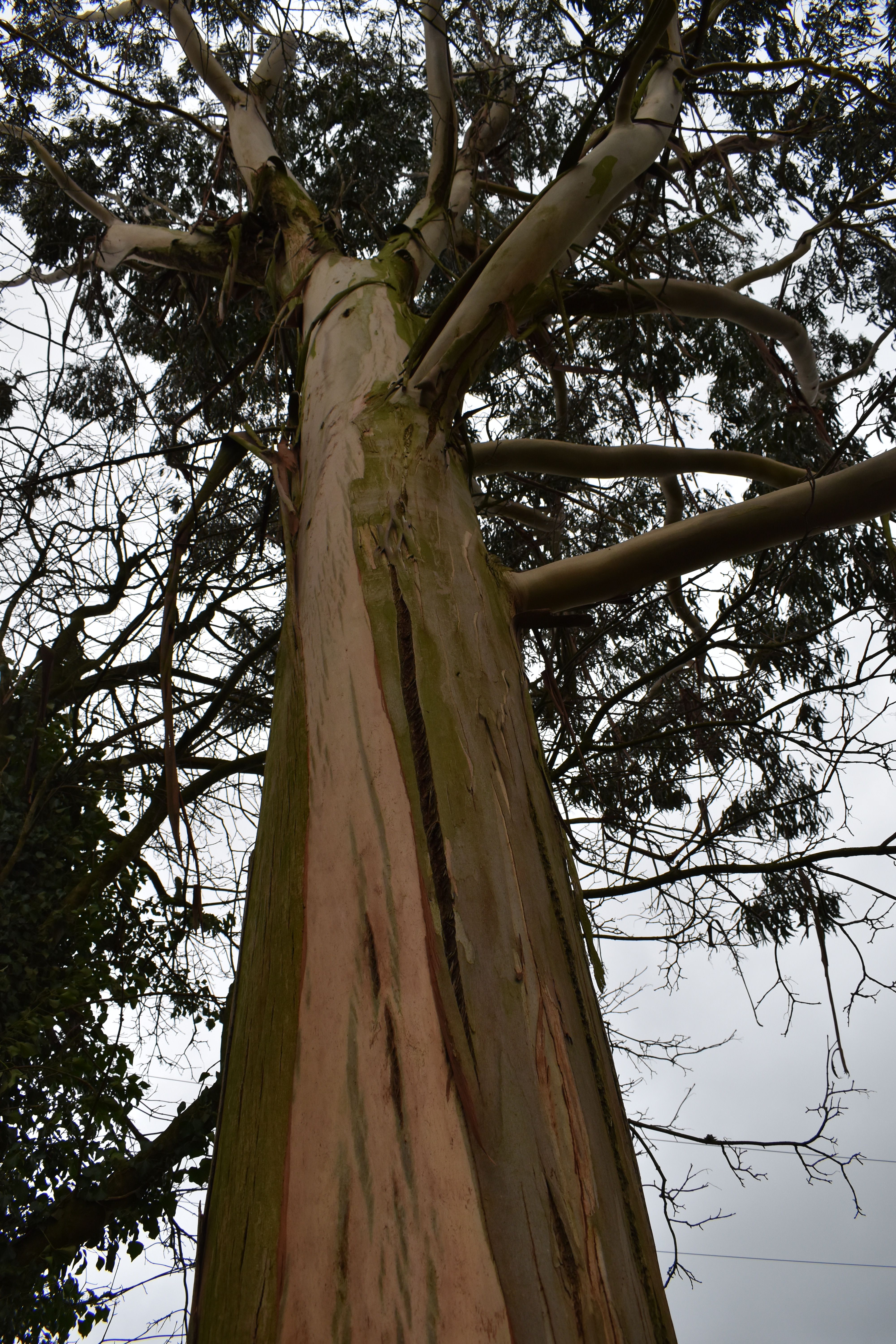
Surprises wait for us around every corner, the yellow of a Witch Hazel, the tiny fuschia flowers and at the other end of the scale the colourful bark of an old eucalyptus.
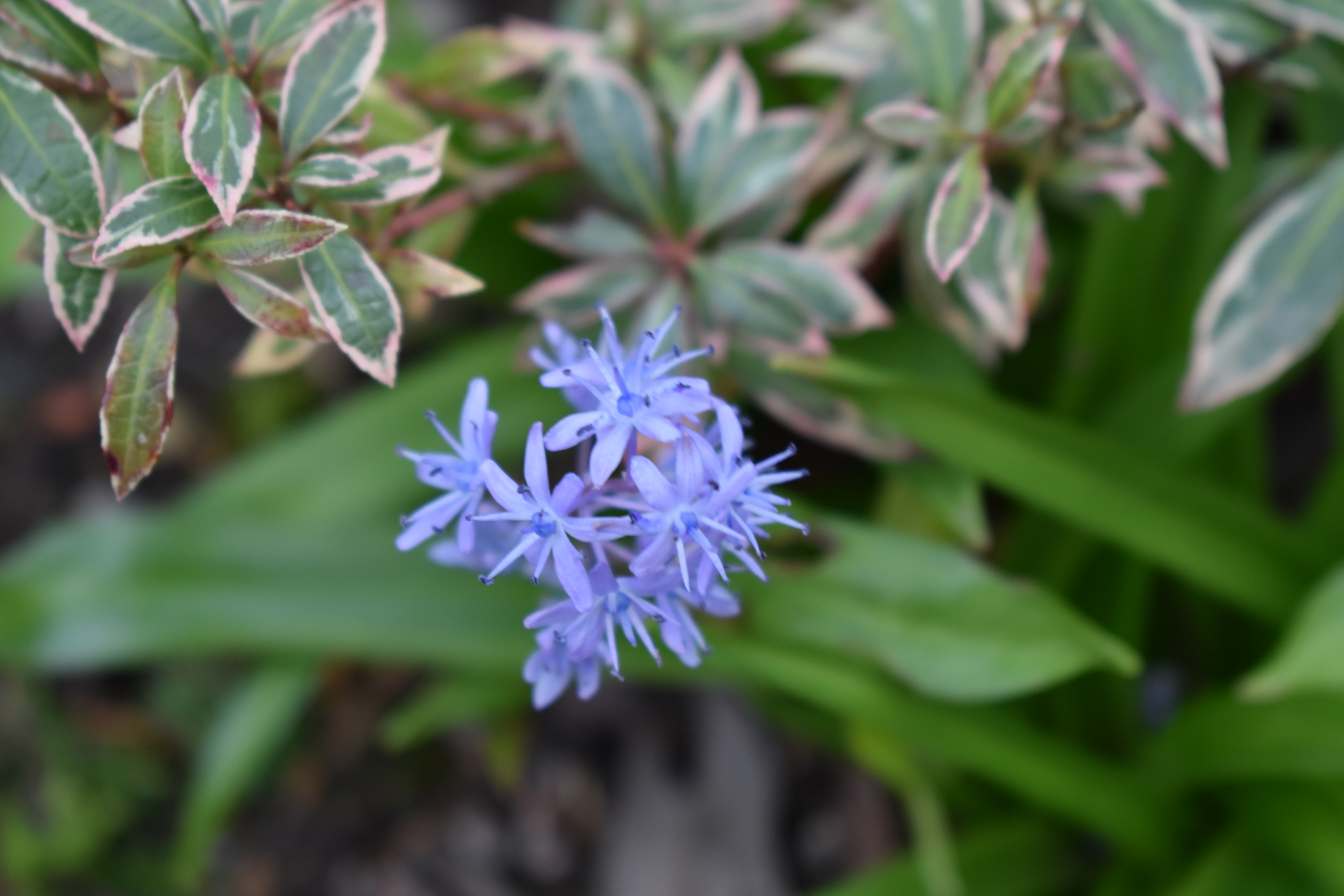
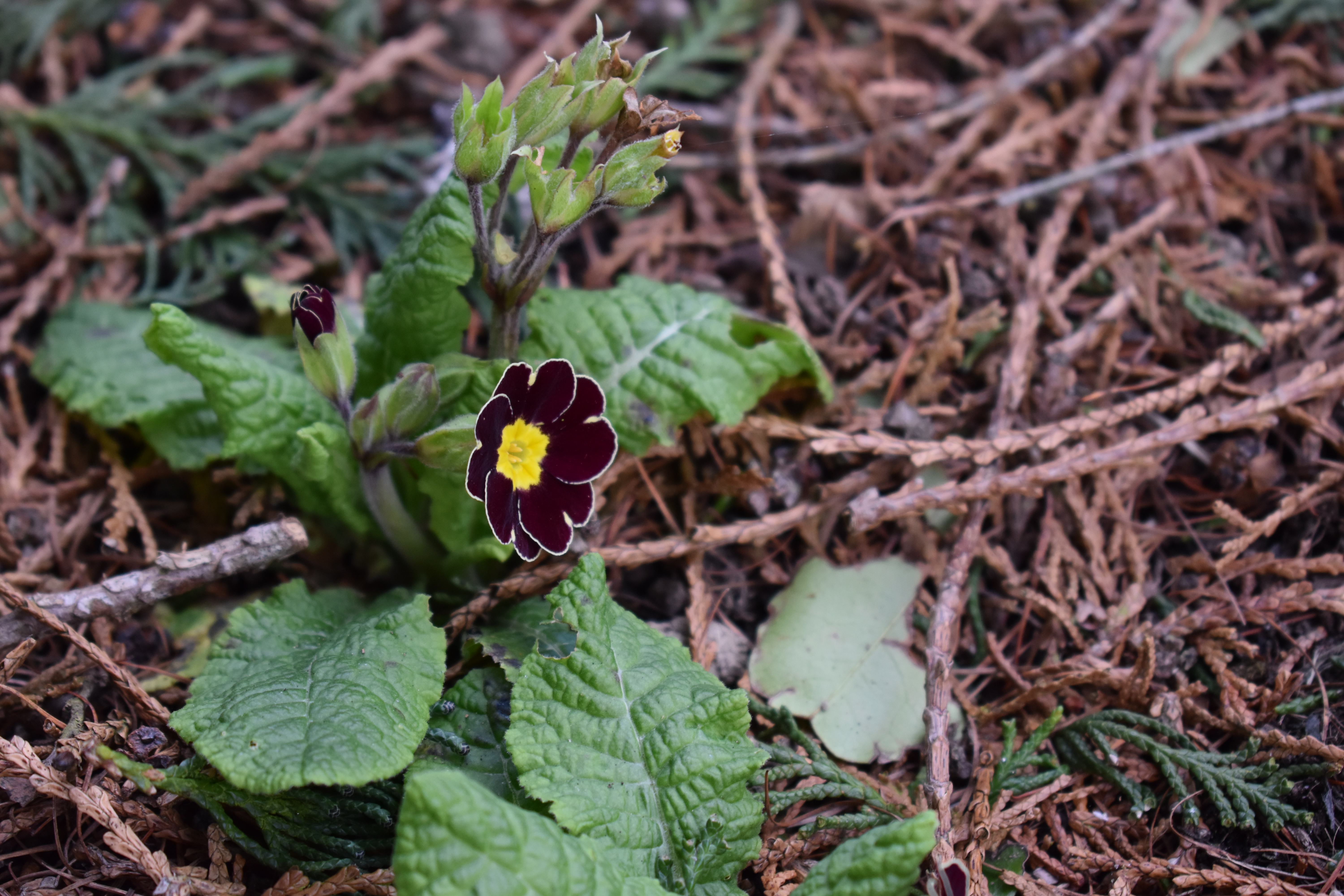
Beauty can also be surprising, an orange-red cowslip, a rare scilla and a yellow-edged deep mauve primula flower.
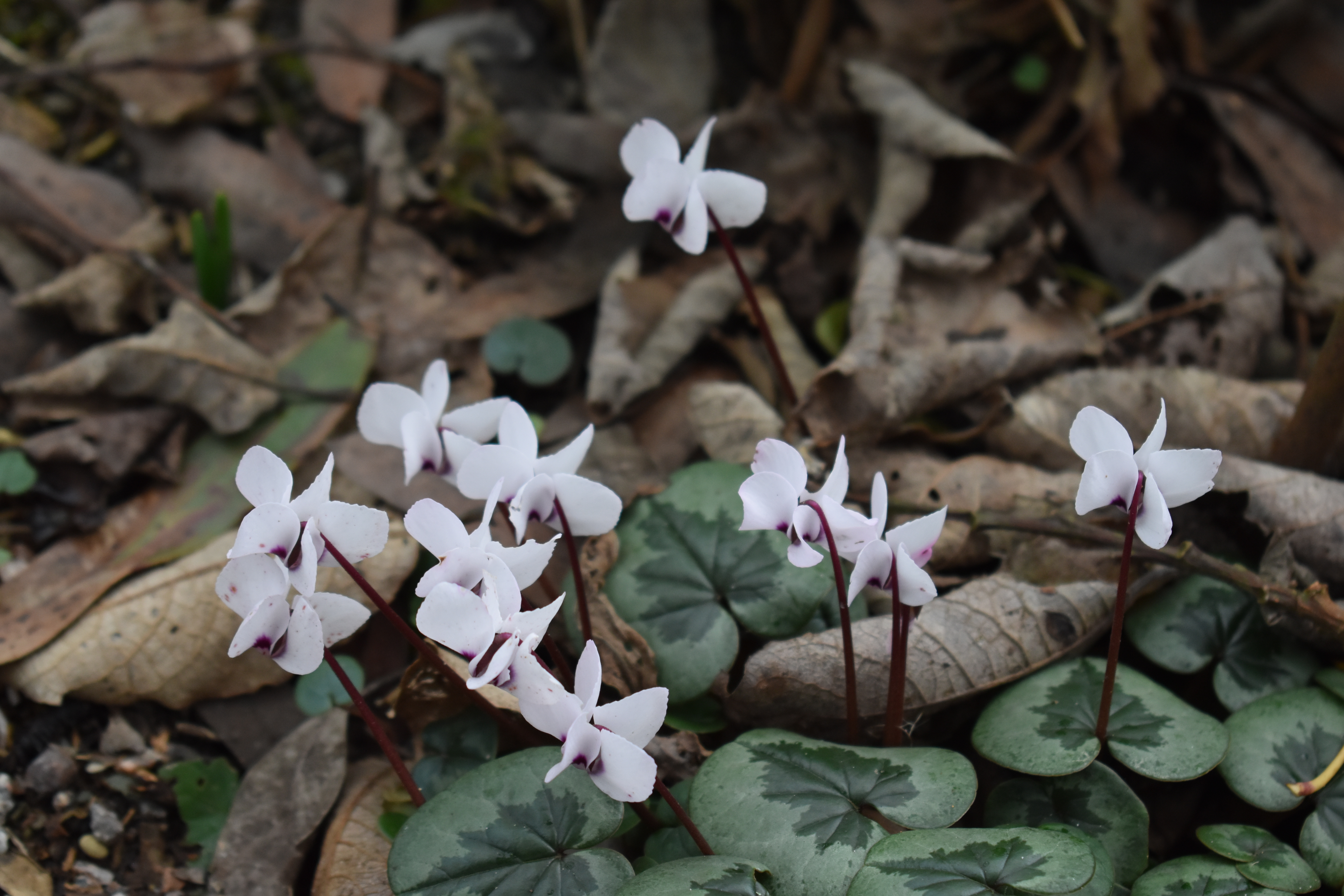
We were delighted to find more cyclamen, a white flowered one and another with long slender foliage.
A great way to finish off is with a photograph of a newly constructed dead hedge, a fine example of recycling green and brown materials.
We will return again soon and find even more delights and surprises.
We hadn’t gone far into the new year when we decided to take the short drive to Attingham Park our local National Trust property. We certainly were not the only ones to think the same as it was the busiest we had ever seen it!
I want to share a selection of my photos taken of details and patterns that appealed to me. Enjoy!
We will be returning in a few weeks to follow the snowdrop walk which we enjoy every February.
'The most important and informative publication on wildlife of our times' - The Independent. This blog is a member of The UK & Ireland Natural History Bloggers group: www.uknhb.blogspot.com




































































 greenbenchramblings