Categories
fruit and veg garden buildings garden paths garden photography gardening gardens gardens open to the public grow your own Italian style gardens light light quality trees walled gardens walled kitchen gardens woodlands

Beyond the Potting Sheds – Heligan Part 2

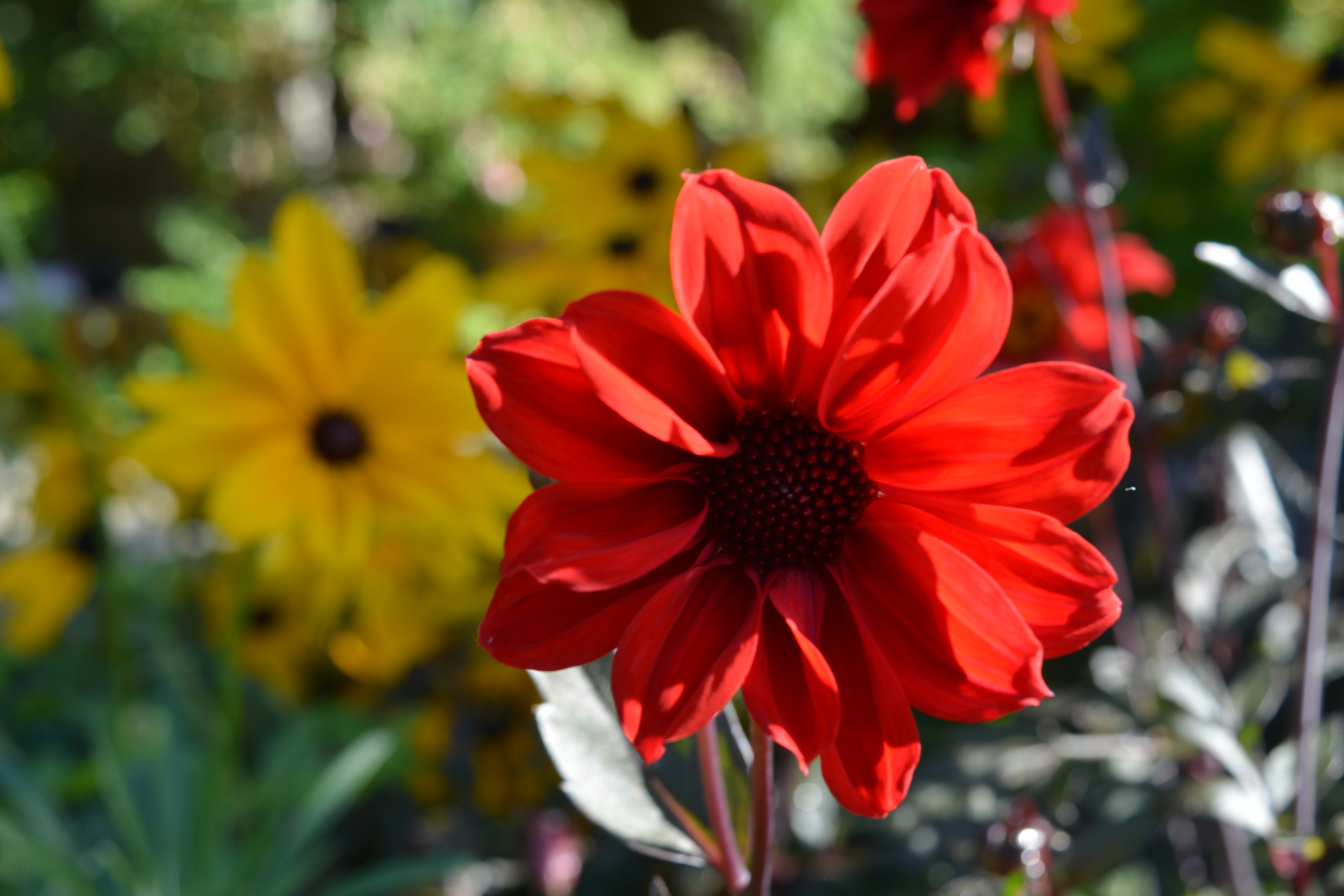
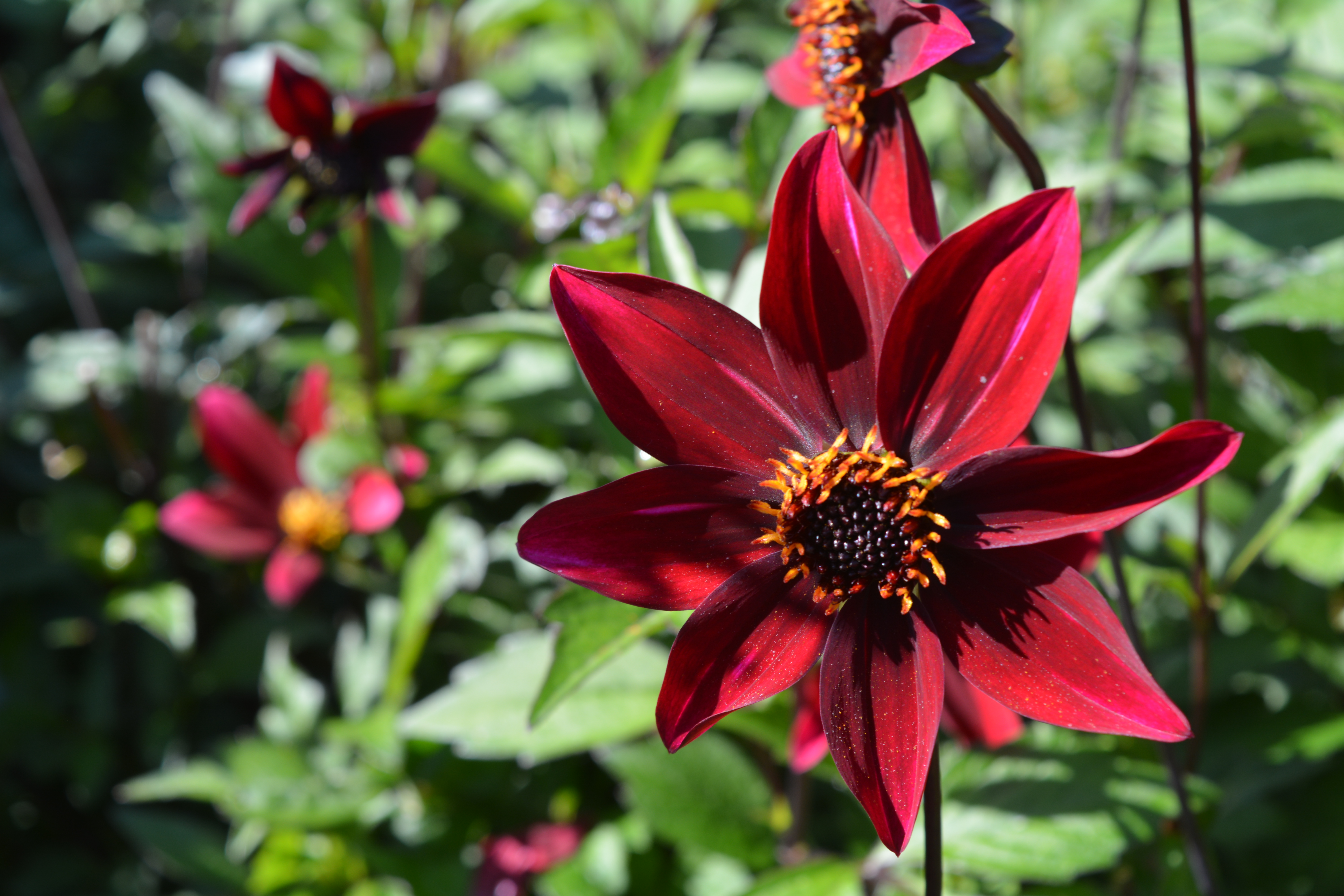
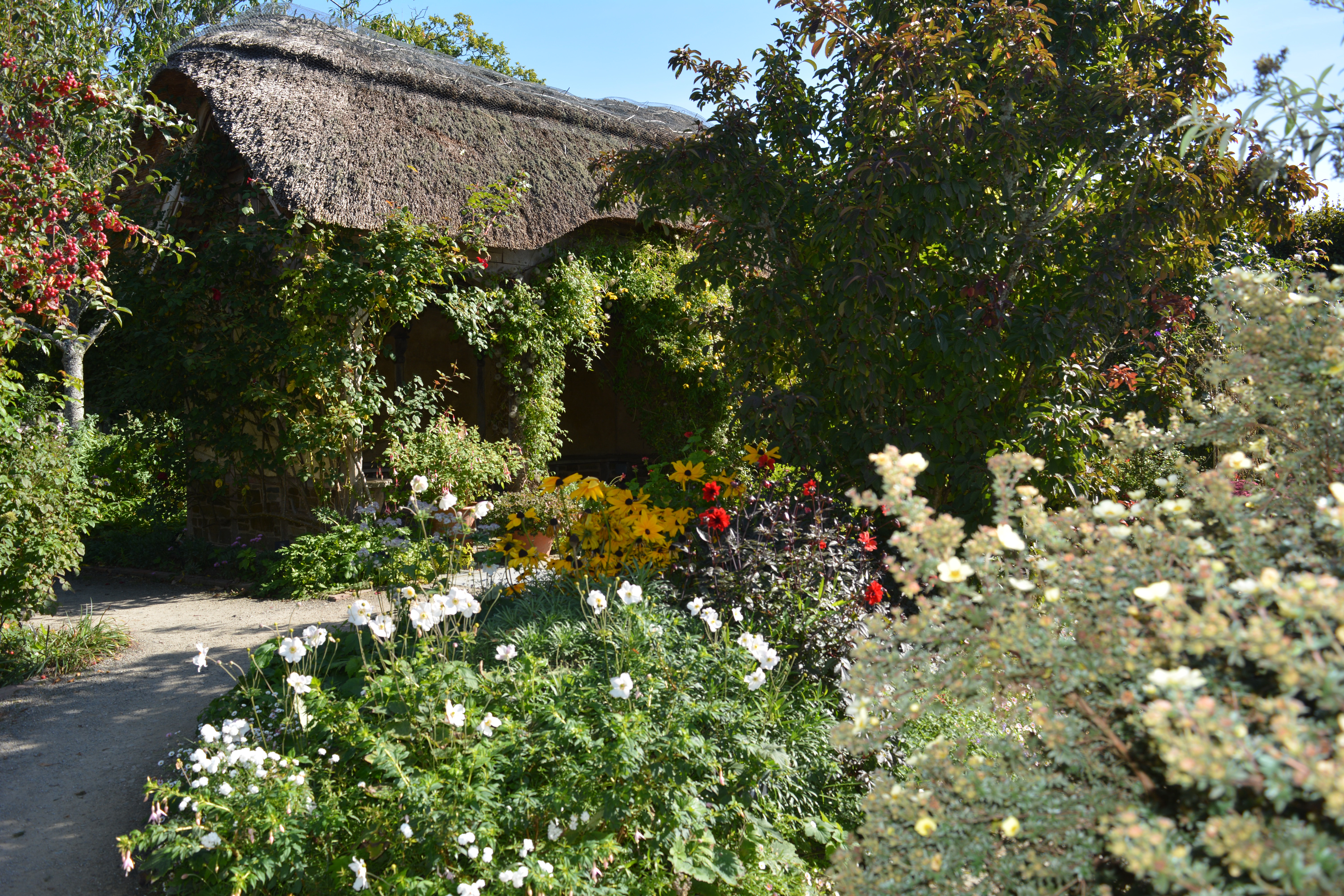
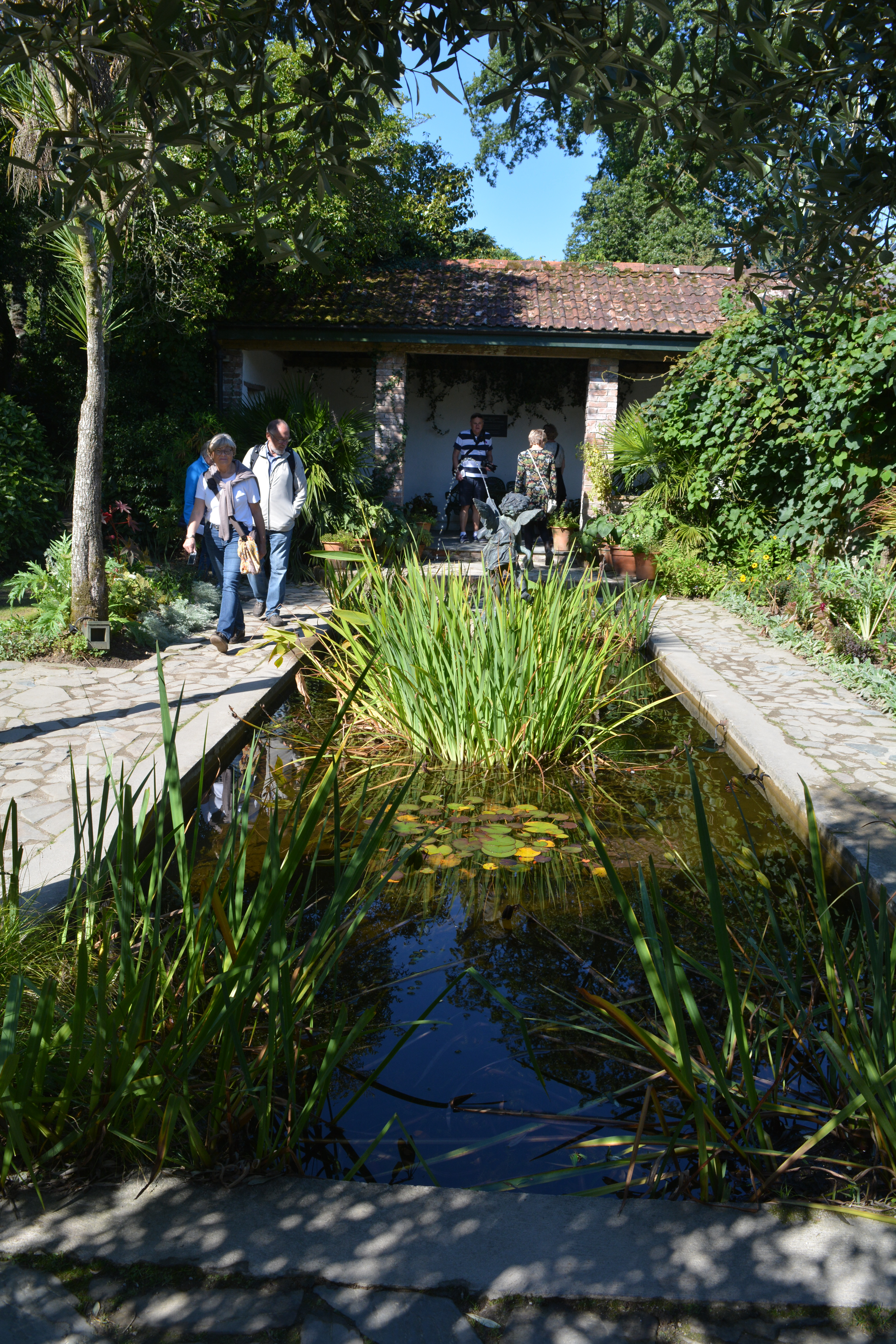
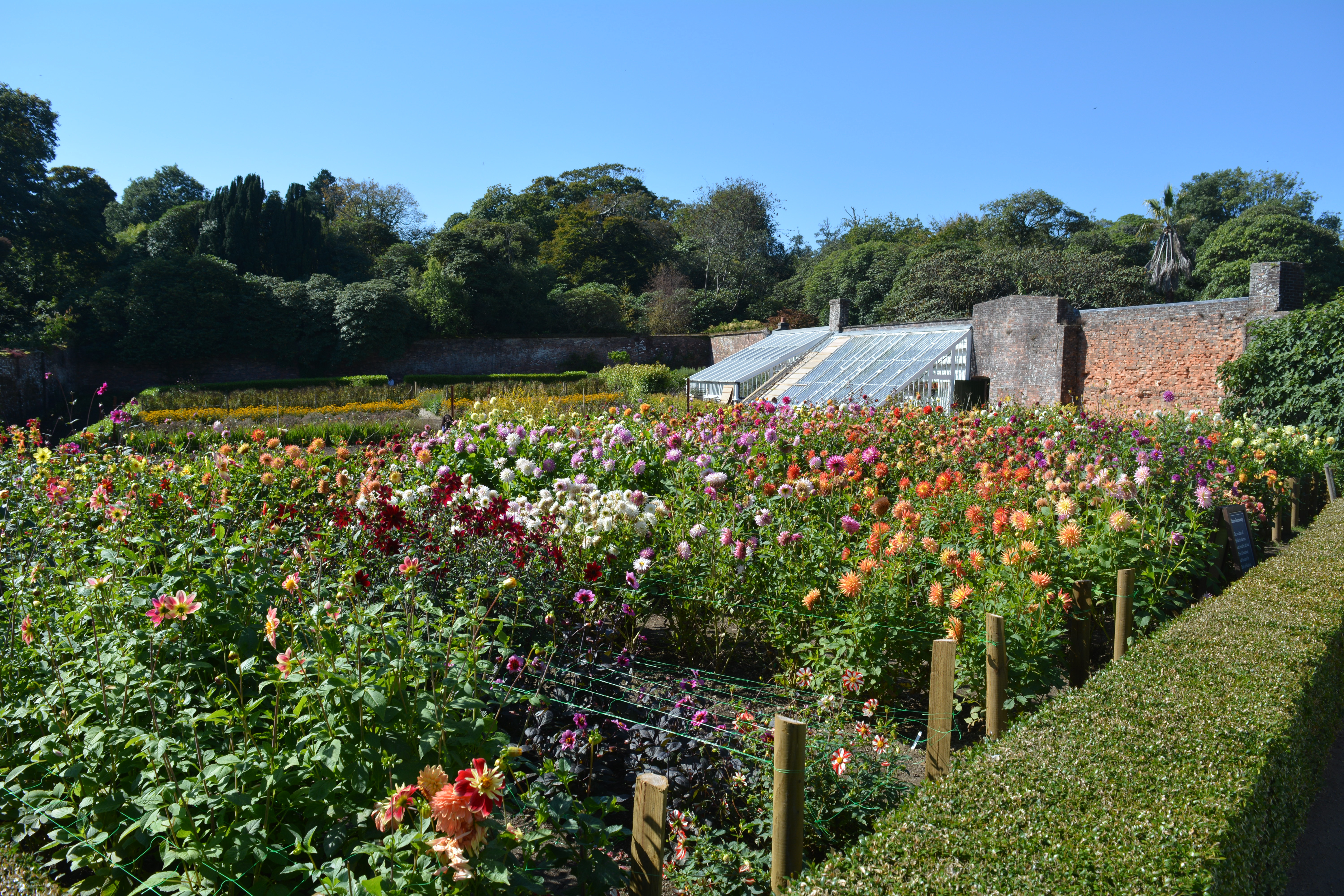
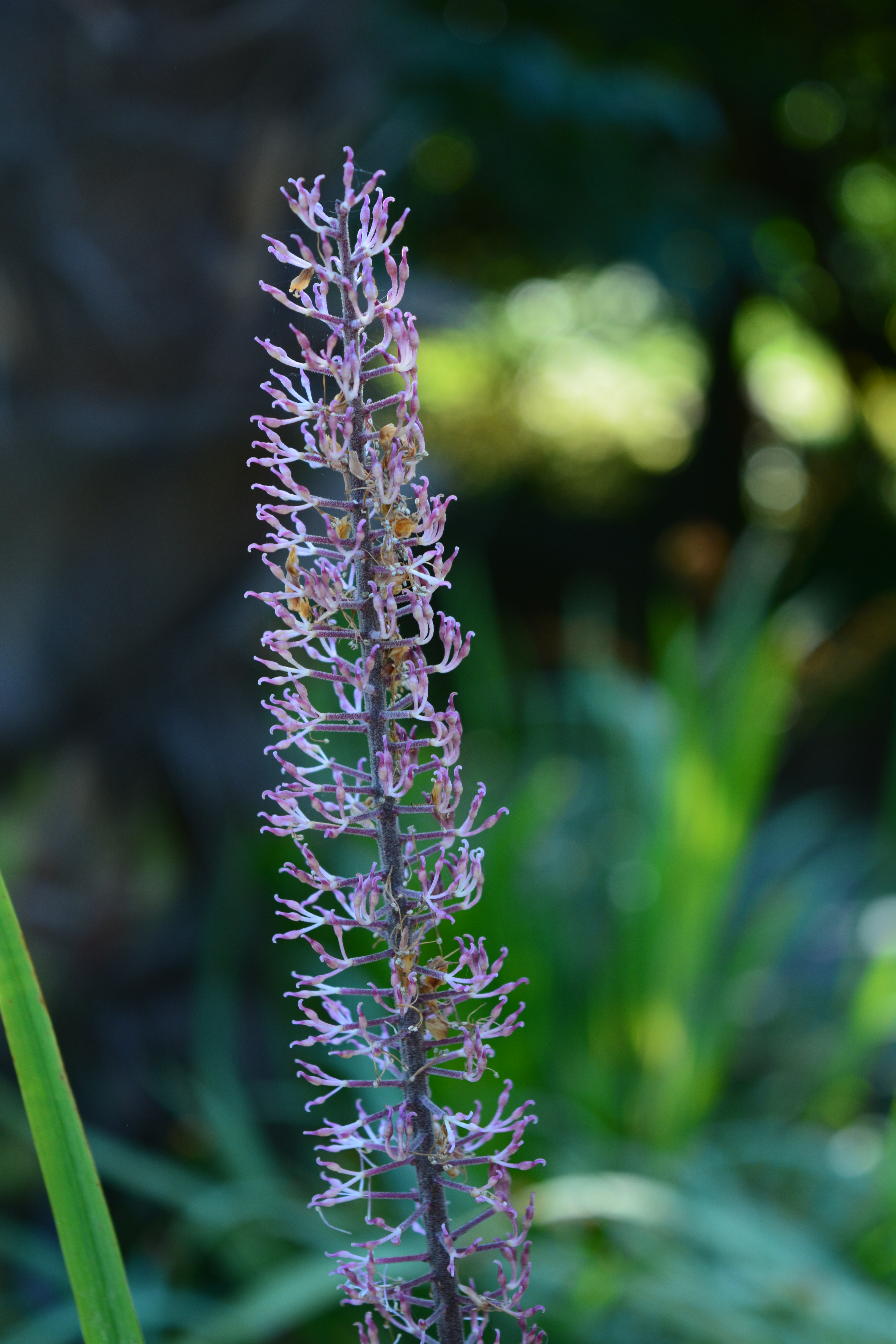
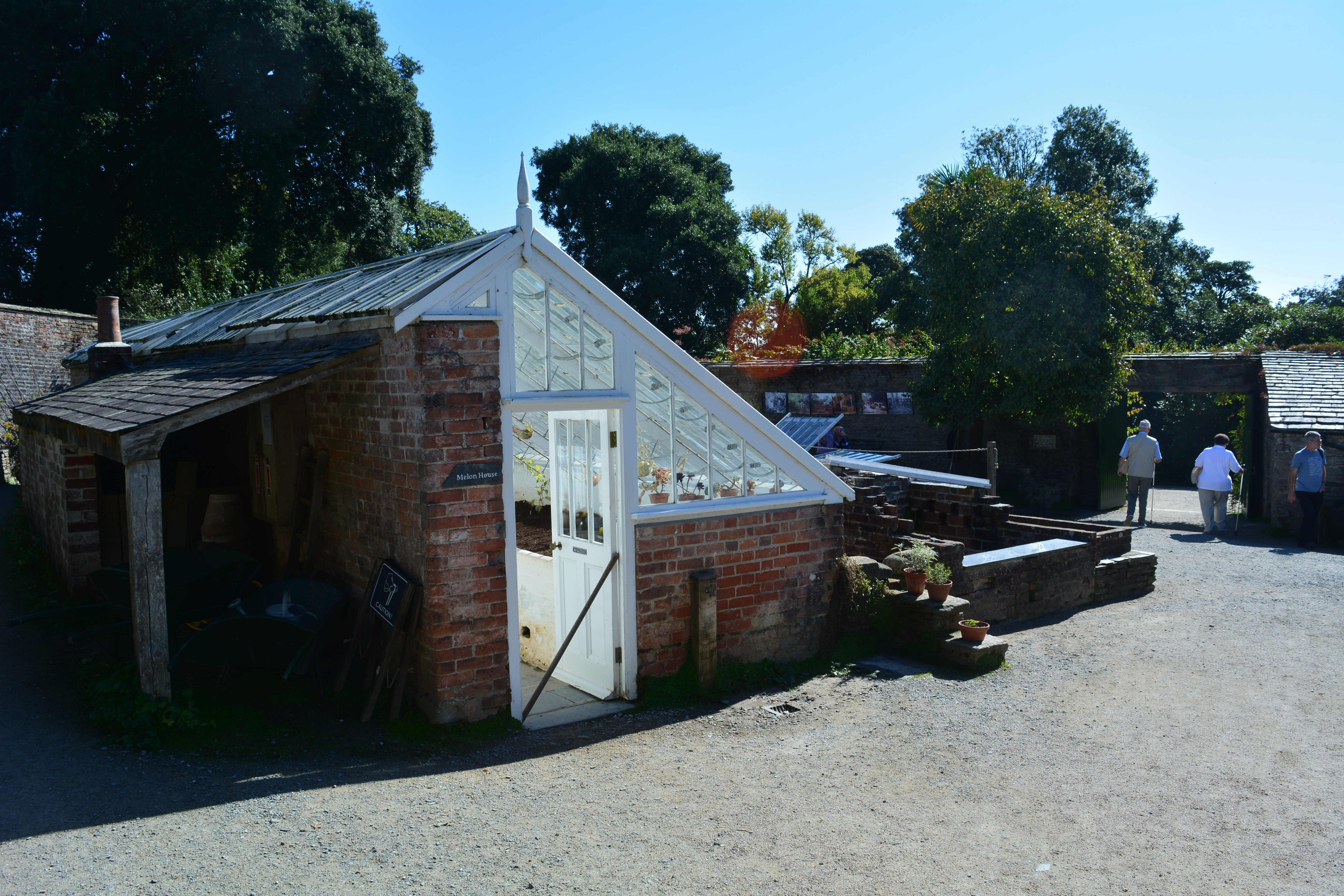
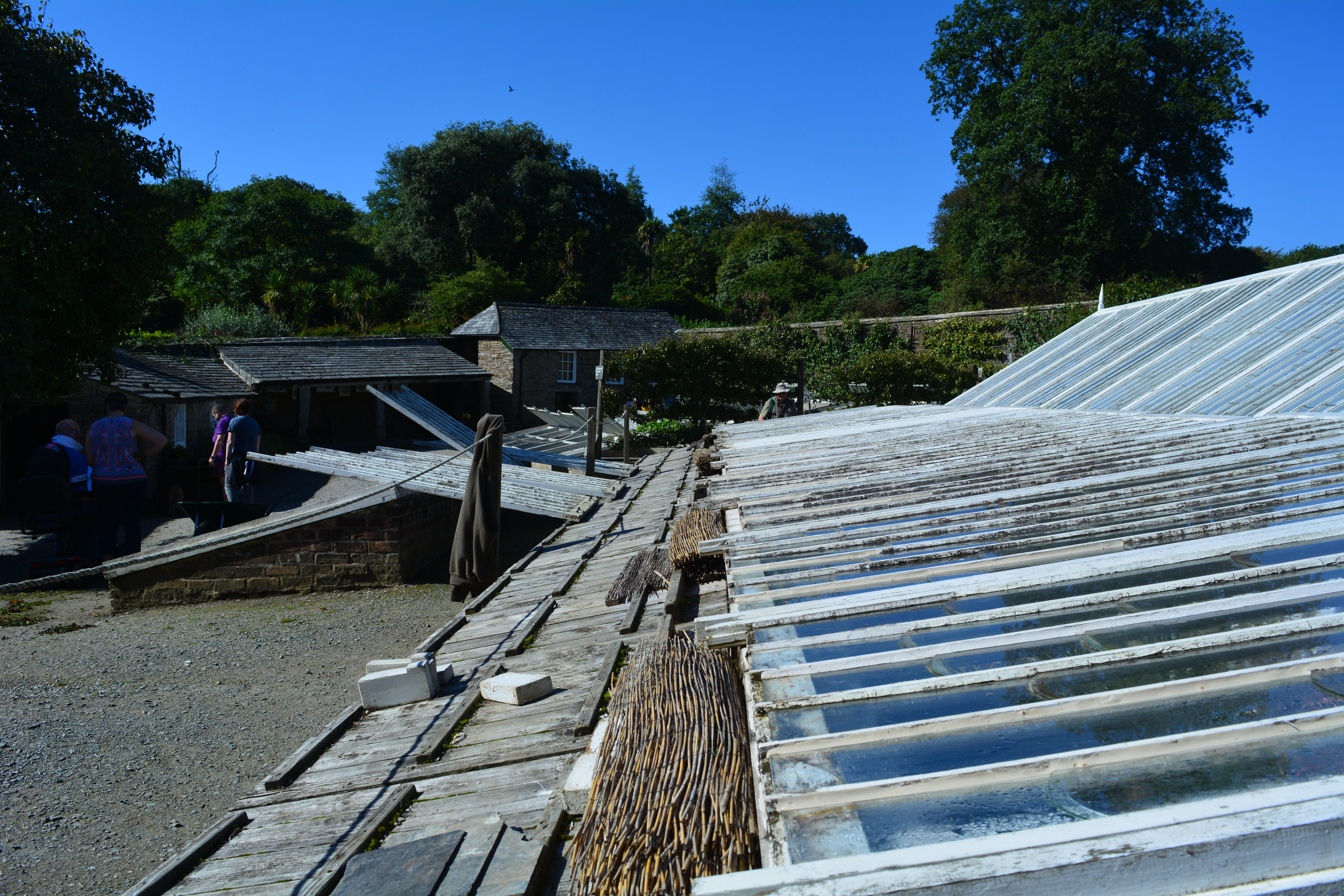
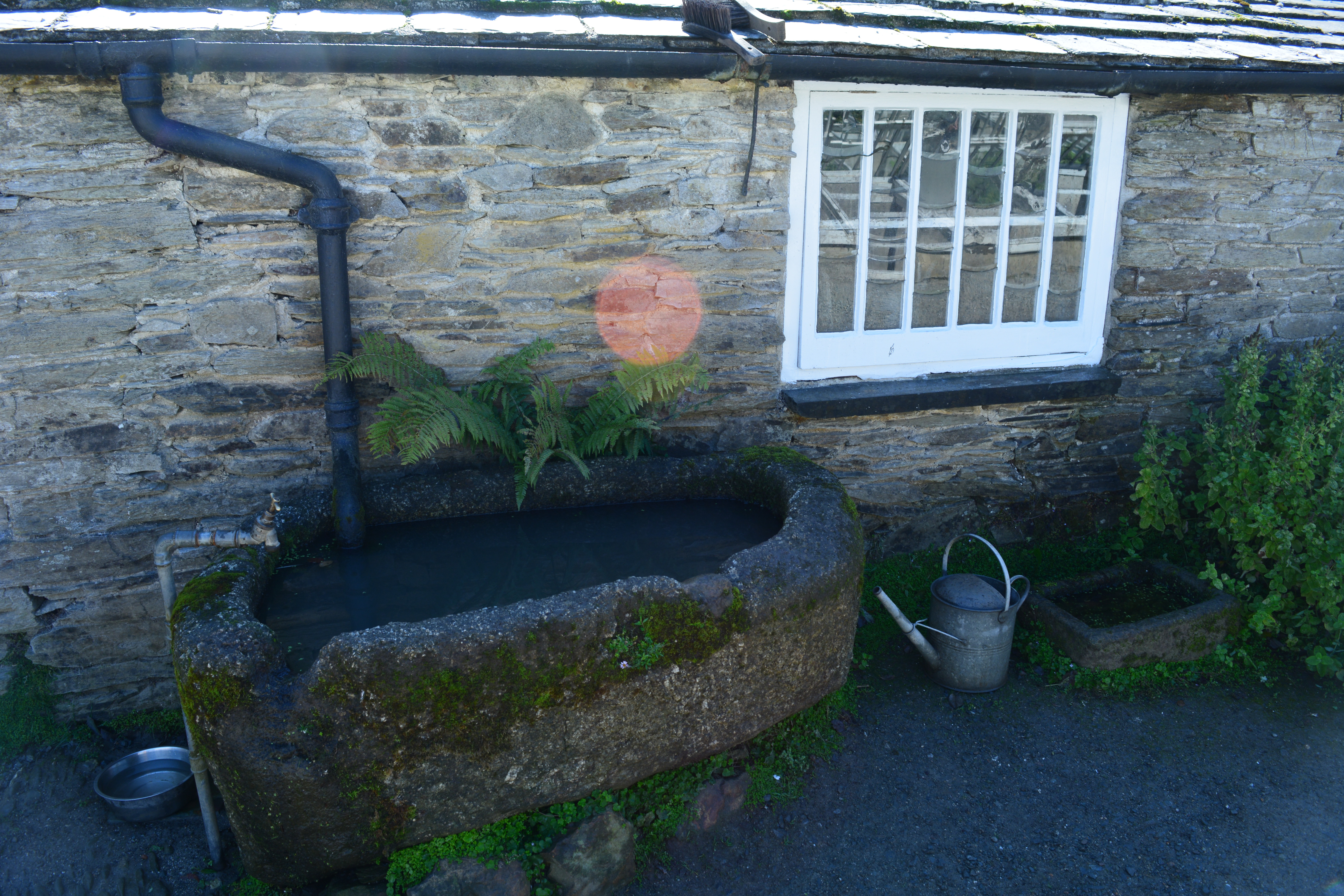
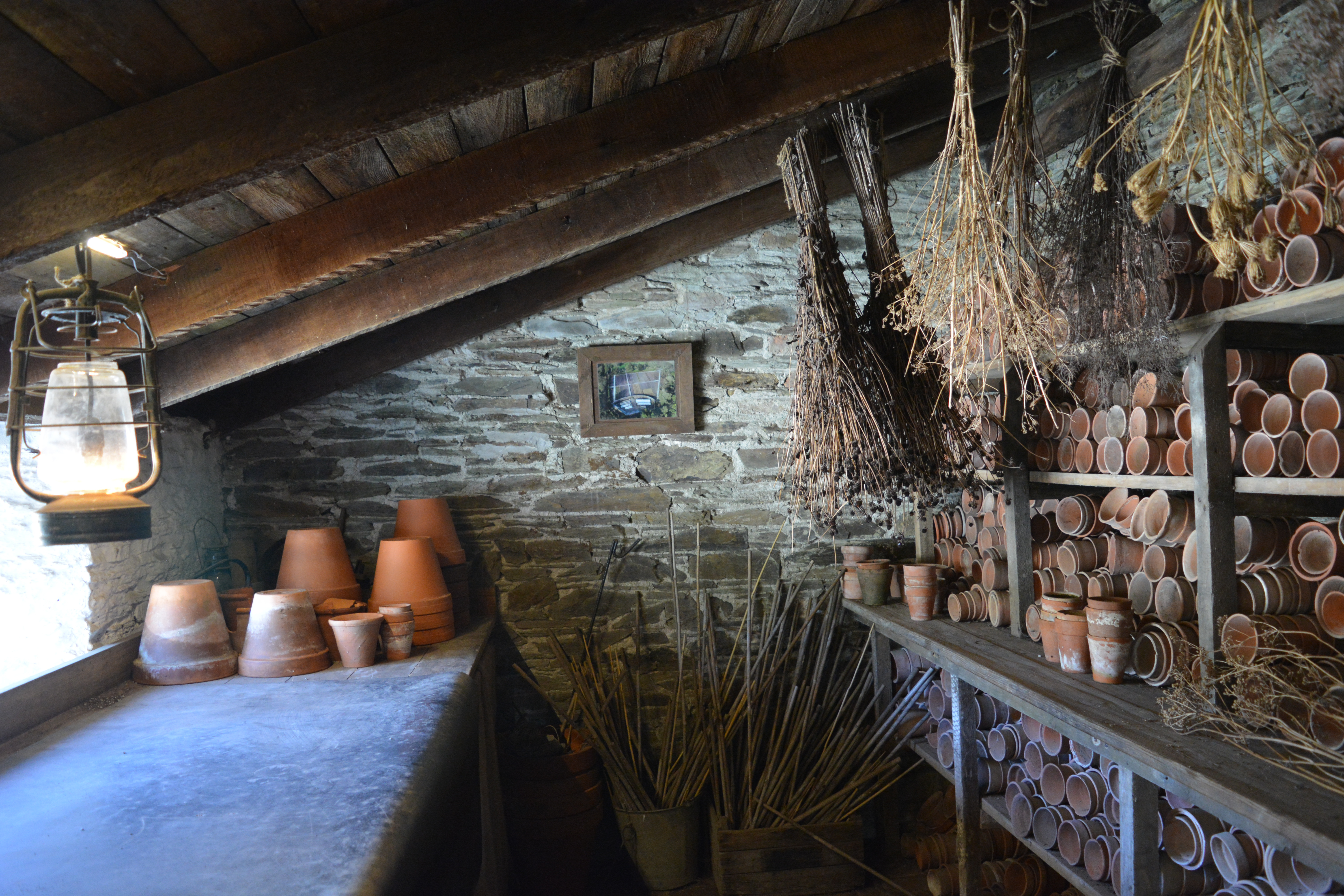
A few more minutes exploring the secret corners of the potting shed area and then we went off in search of the Italian Garden. We were surprised to find another old restored glasshouse and a cutting garden full of dahlias.


We were delighted to see a display of illustrations from “A Song for Will” illustrated by Martin Impney, who is a friend of our son Jamie. We have a lovely signed copy at home. Martin has a unique style of illustration that appeals equally to children and adults.


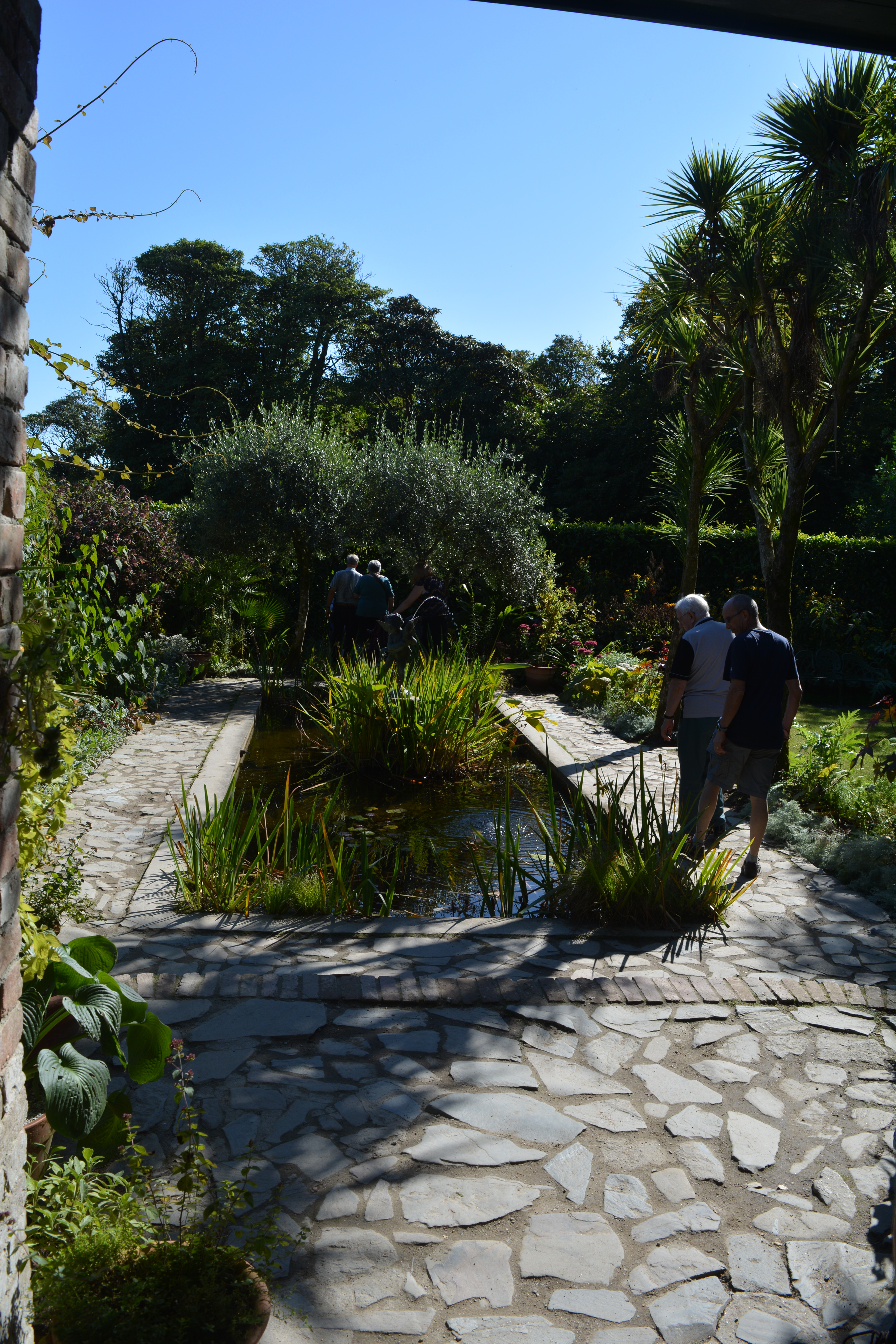
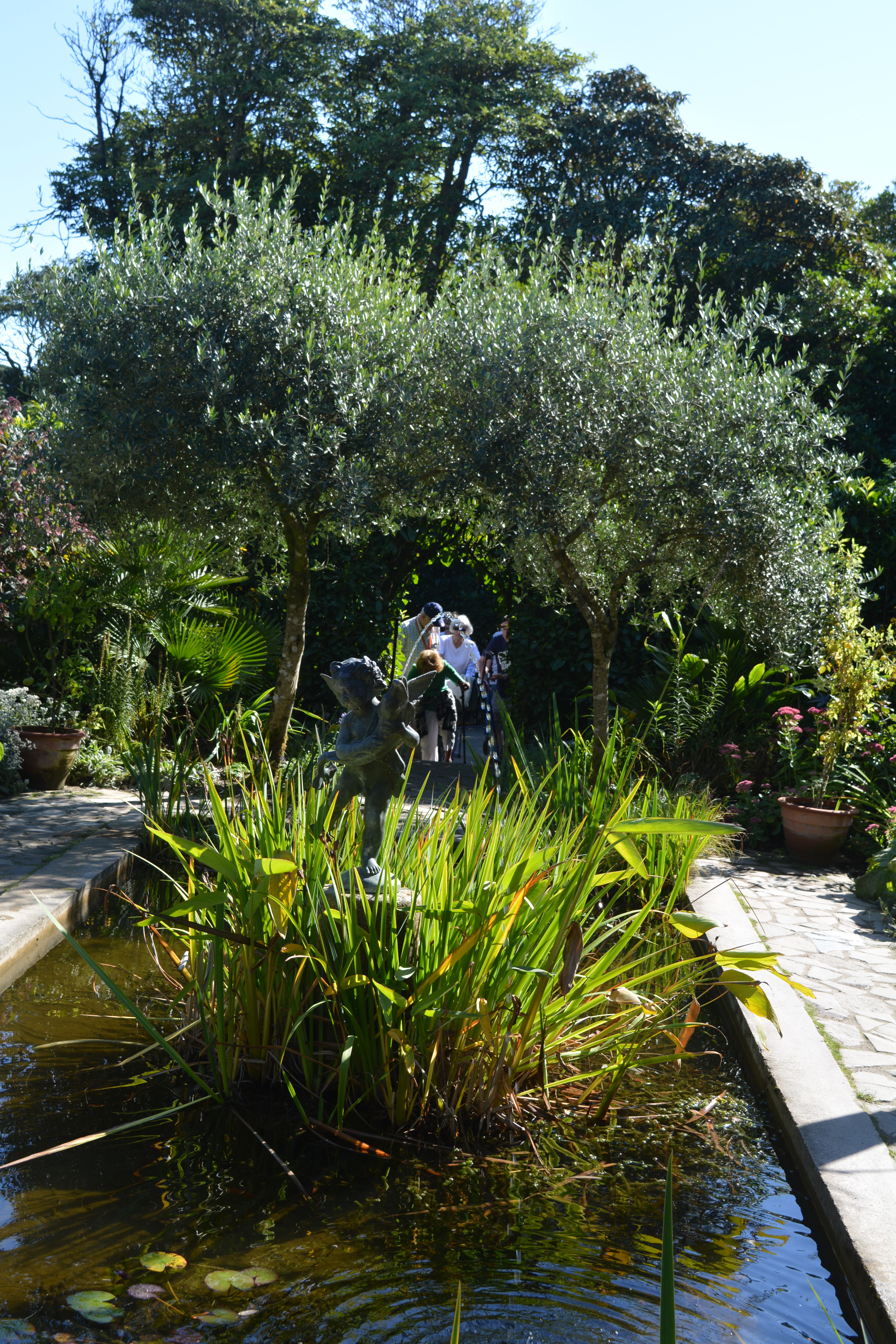
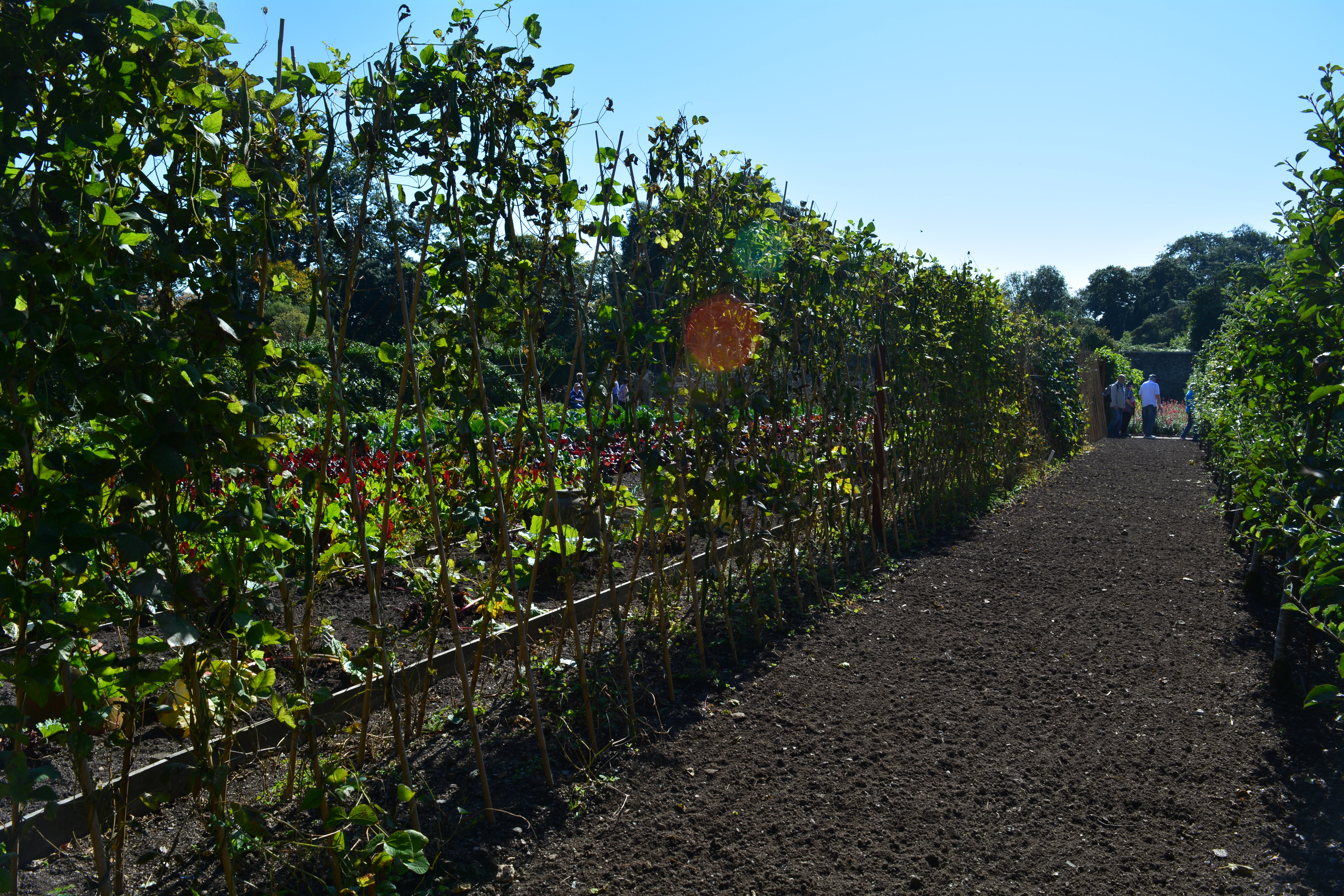
We left the working garden and wandered past interesting plantings to the Italian Garden, with its strong symmetry so different to the rest of Heligan.


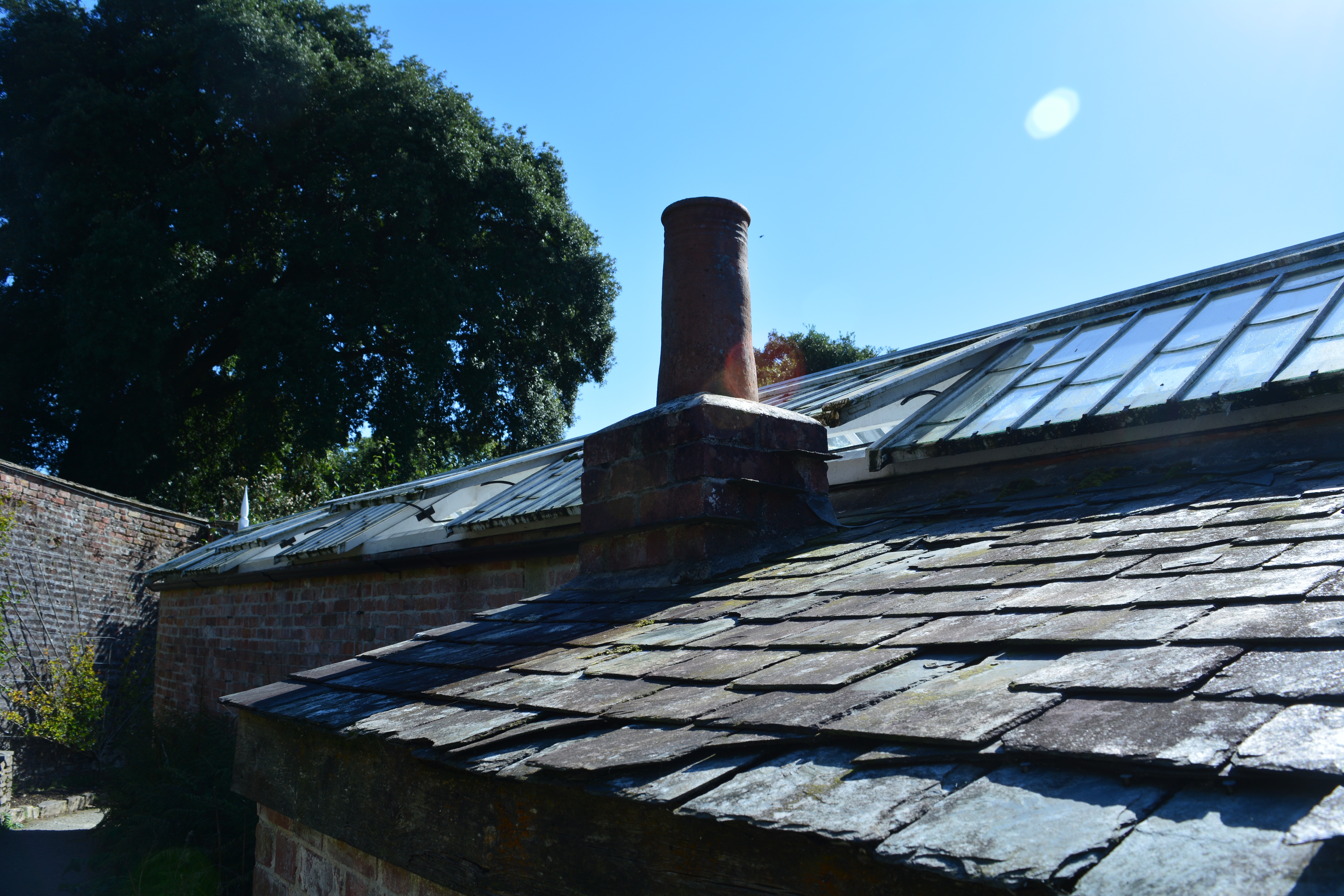
From here we decided to make our way through the woodlands towards the tropical valley, a feature common to many Cornish coastal gardens. But our progress was stopped when we came across another gateway into a smaller walled garden enclosing another beautifully restored glasshouse. Enjoy the wonderful crafstmanship that goes into making these old glasshouses and restoring them by looking at the details in this little gallery. Click on first pic and then navigate with the arrows.

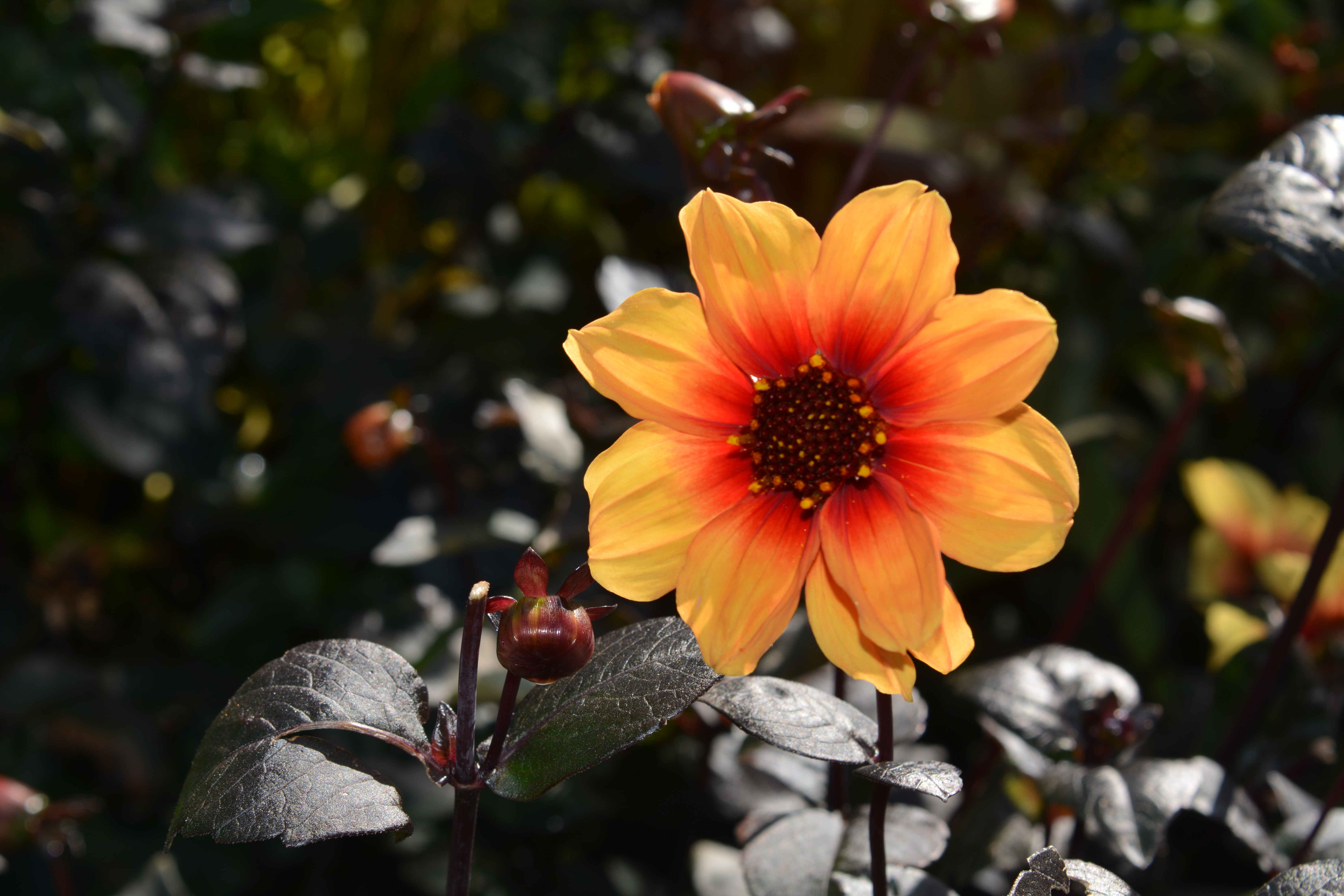
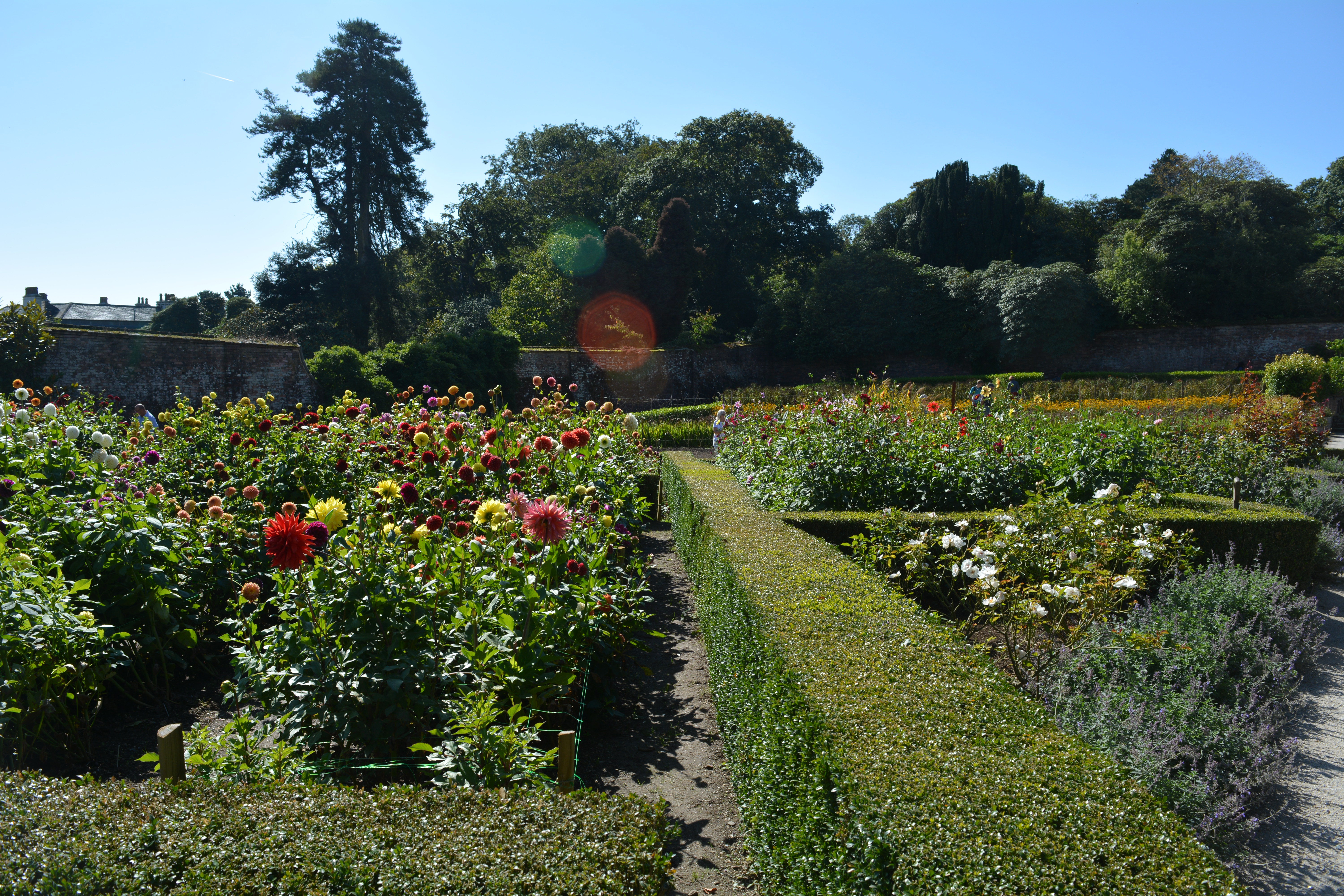
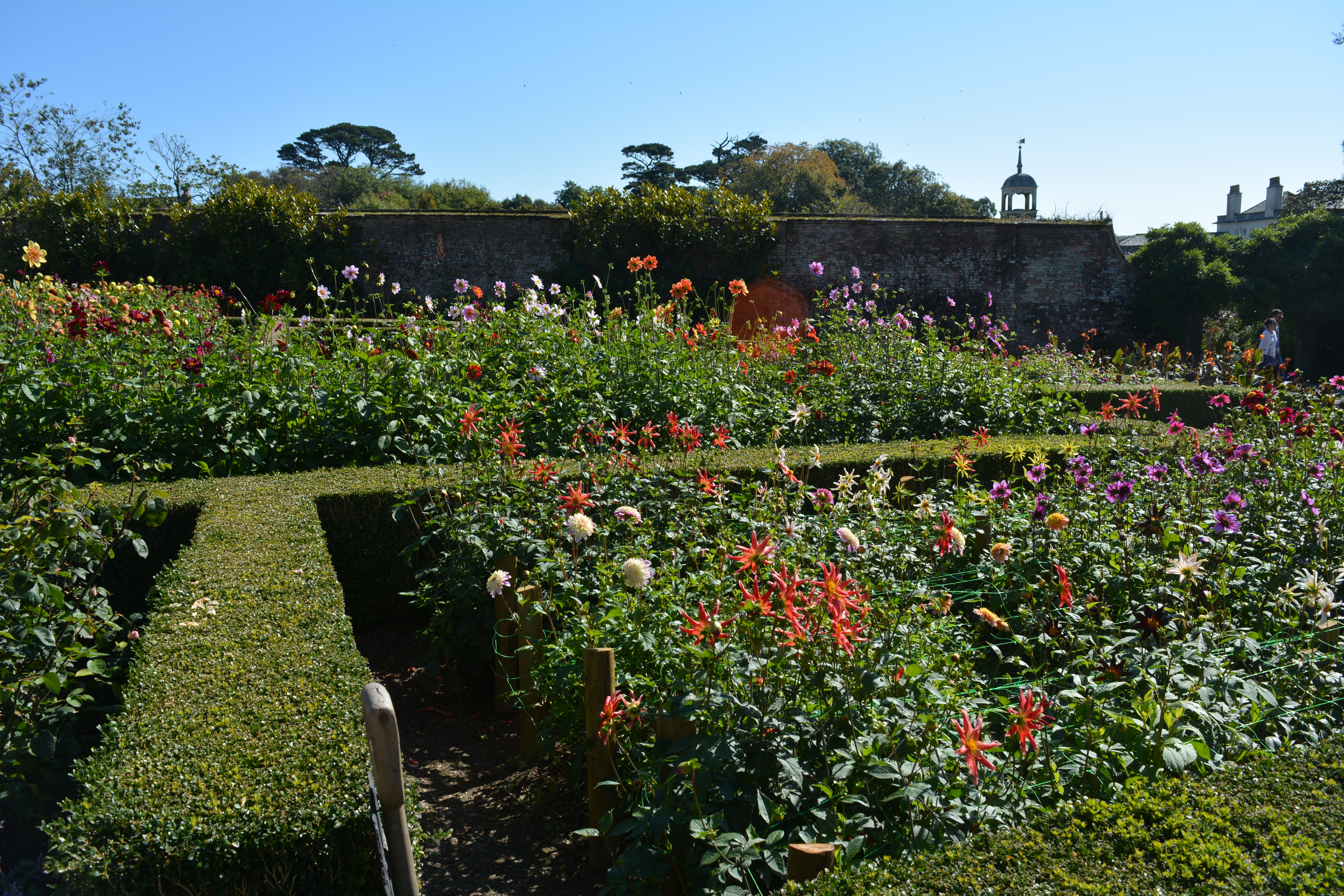
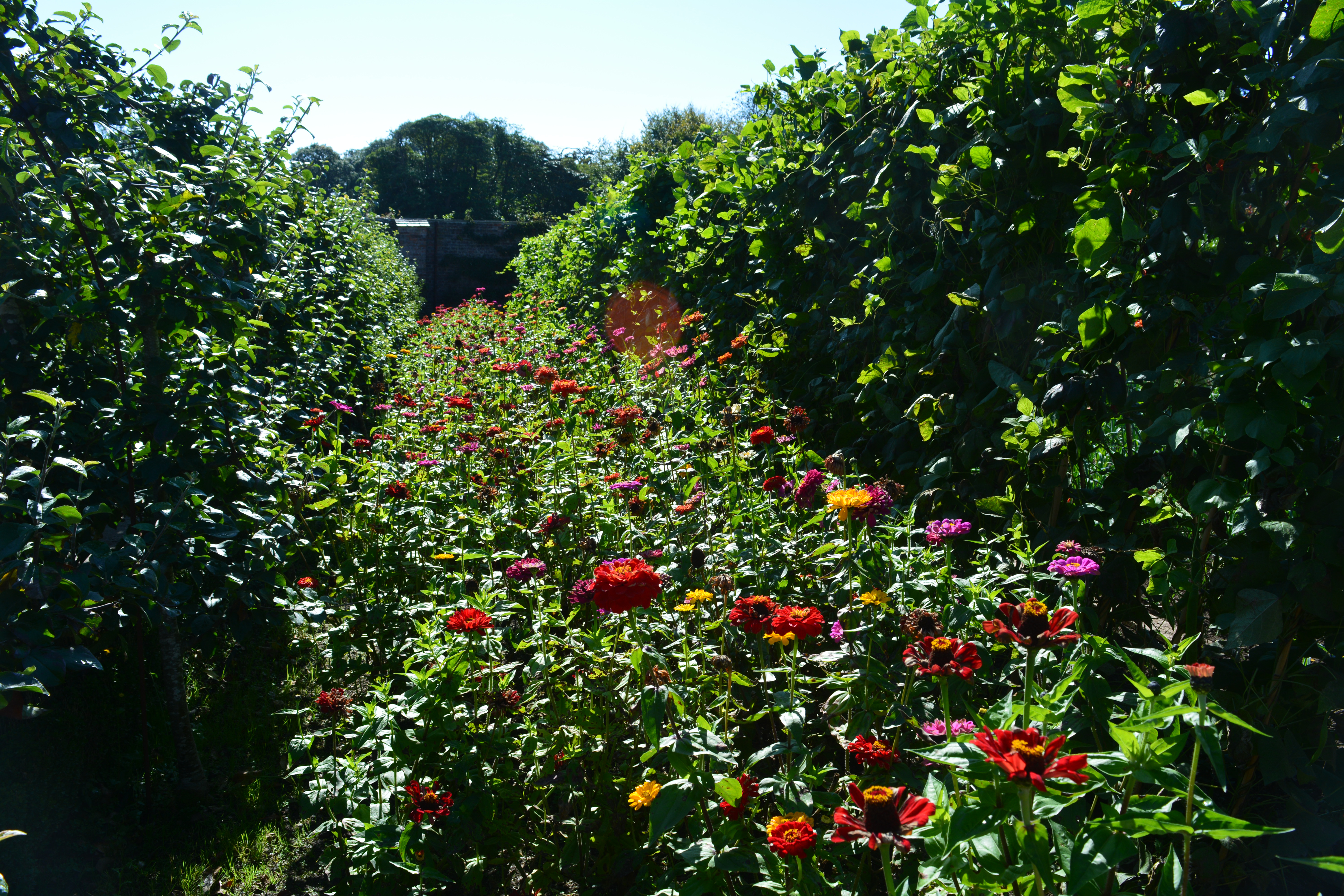
Within the walled garden box hedges acted as enclosures for beds of cut flowers, especially dahlias, in an amazing rich array of colours.

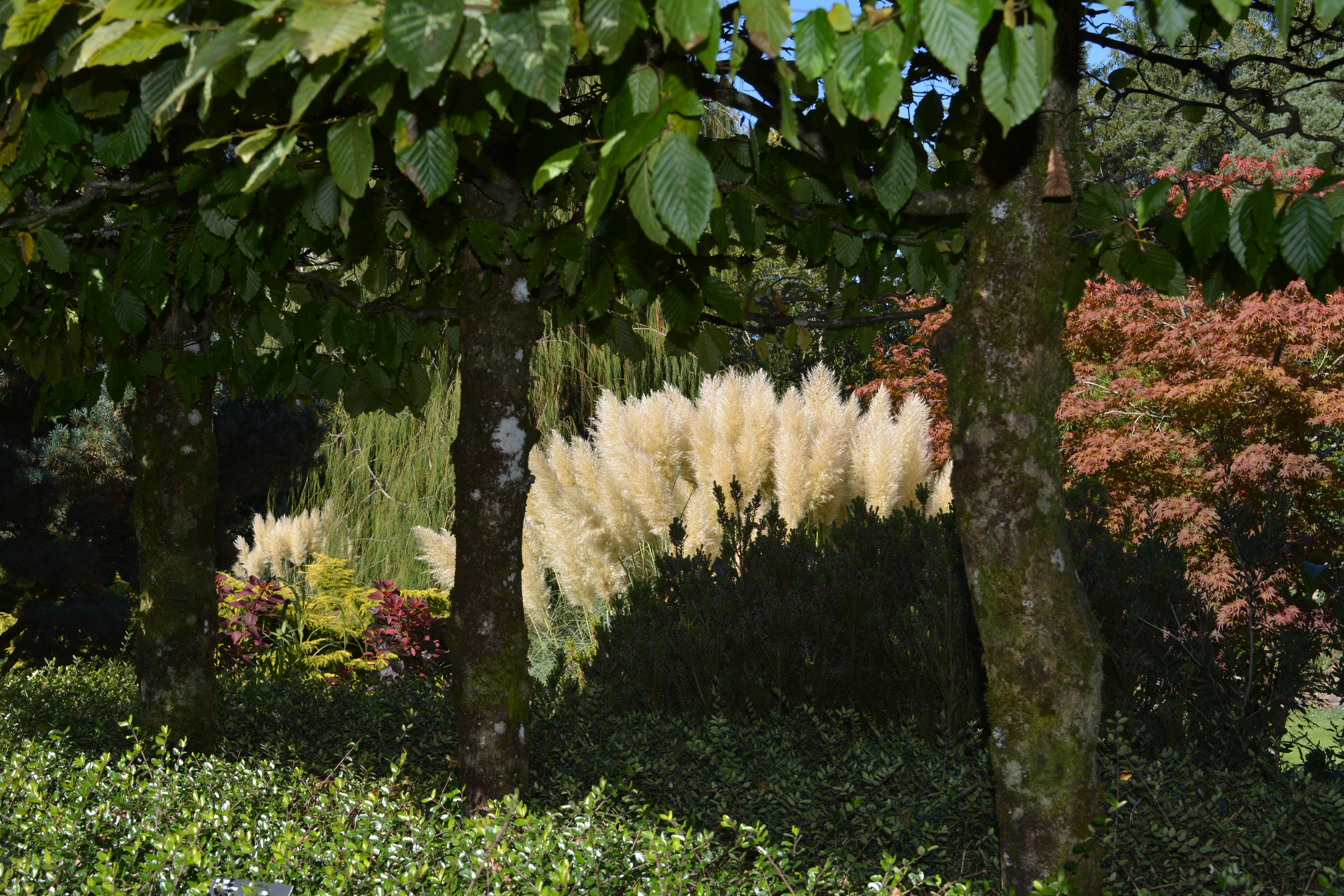
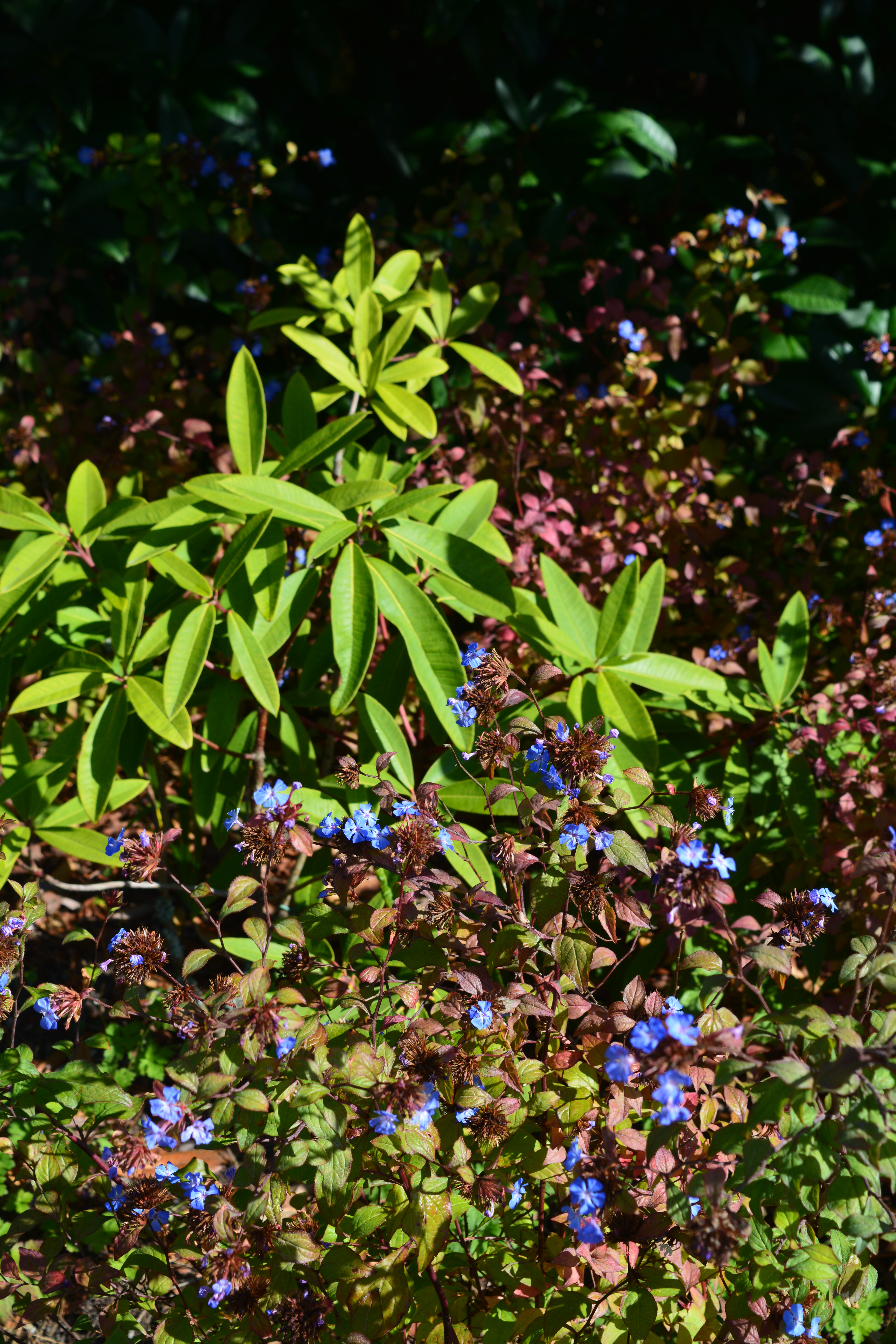
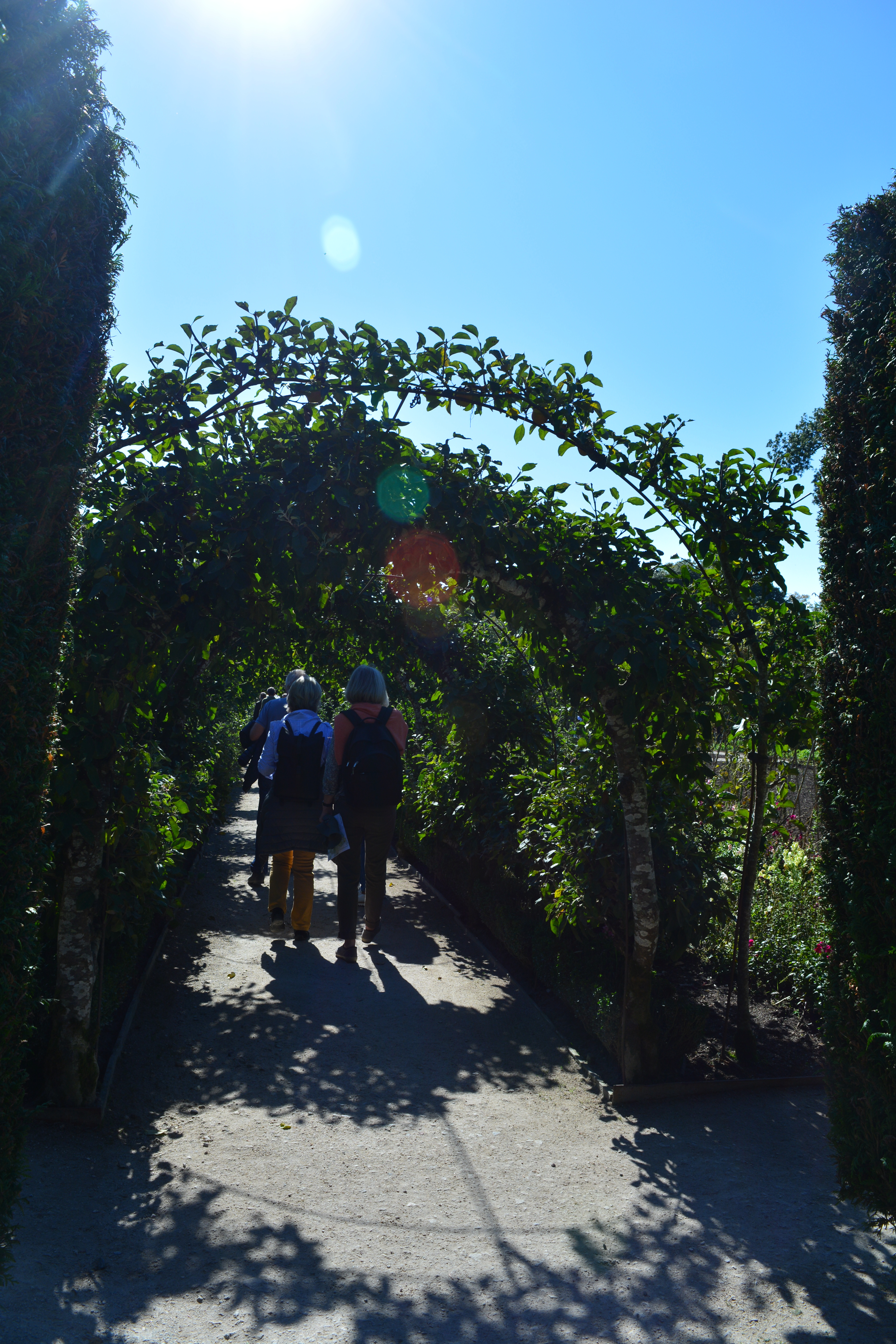
Leaving the walled cutflower garden, our most enjoyable diversion, we made our way down to the valley garden which we remembered contained completely different types of plants than elsewhere at Heligan. However to get there we had to wander through woodland with sharp contrasts of light and shade.


The valley is strikingly lush and full of strong foliage many plants with huge dramatic leaves. We took a circular route through the valley along gravel paths and boardwalks sometimes raised to make bridges over the stream.

We will take you through the tropical valley garden with another gallery. Click on the first picture and navigate with the arrows.


Categories
fruit and veg garden arches garden buildings garden paths garden photography garden sheds gardening gardens gardens open to the public grow your own kitchen gardens traditions walled gardens walled kitchen gardens

A Week in Cornwall – Part 4 – Heligan

The Lost Gardens of Heligan is one of the top garden attractions in the country as figures have shown. The gardens were discovered and unearthed by Tim Smitt when he explored the gardens which had been derelict since the end of World War I, when so many of the gardeners did not return. The gardens were totally overgrown, buildings derelict and glasshouses tumbling down, glass broken and wood rotting.

Smitt decided to resurrect them and opened the gardens to the public as a team of gardeners and archaeologists began work. They were called, romantically, The Lost Gardens of Heligan. We visited soon after it opened and really enjoyed its romantic atmosphere.

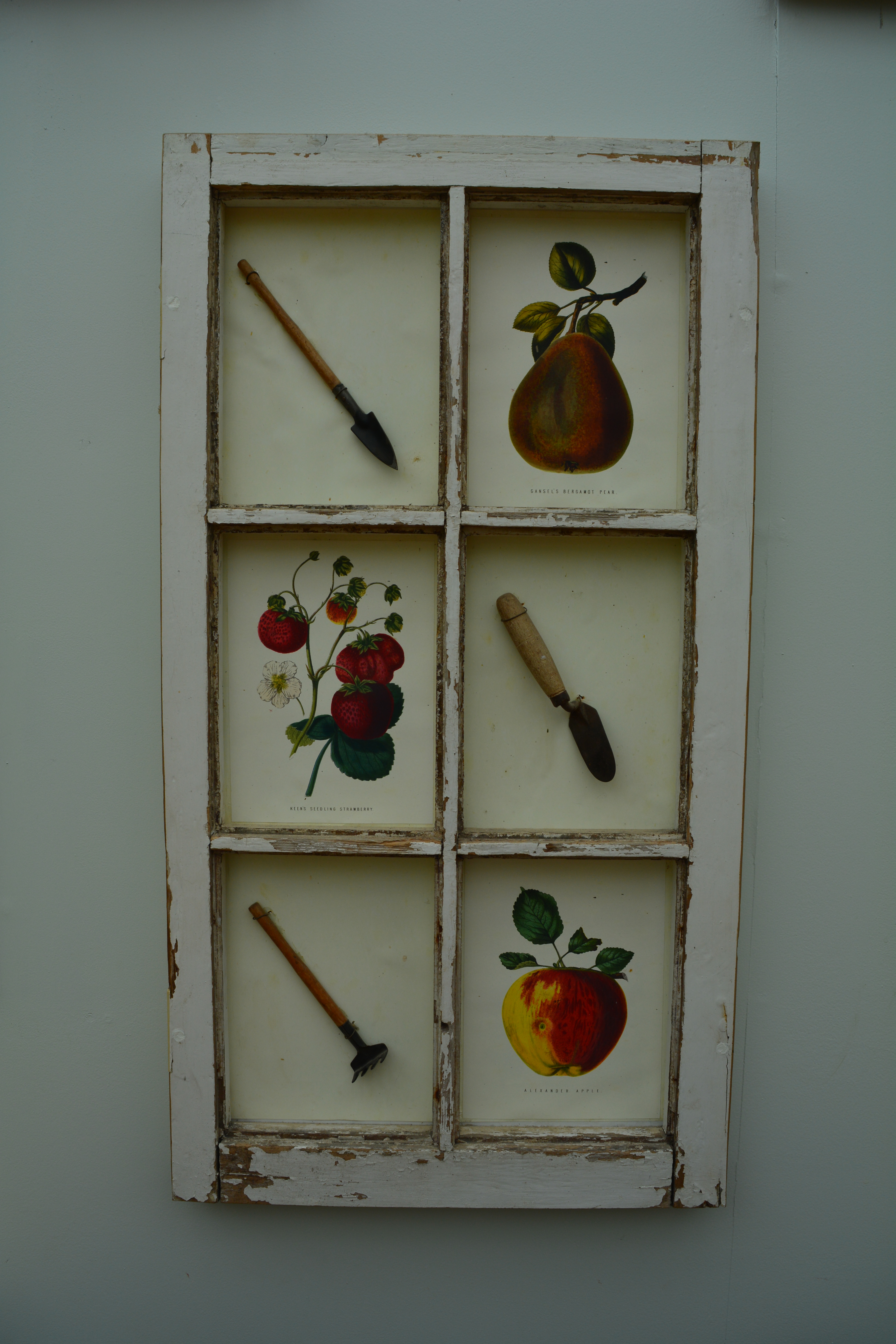
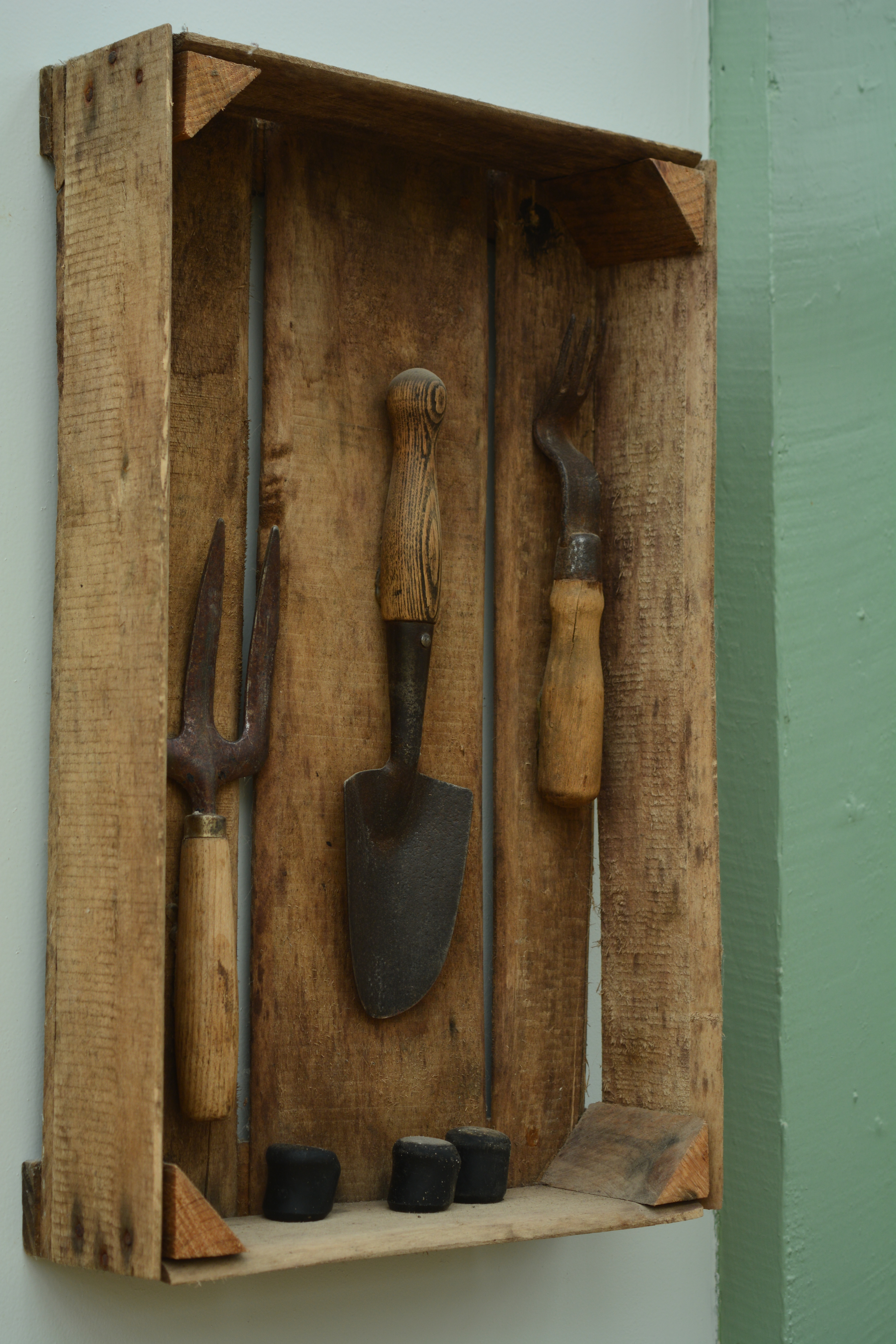
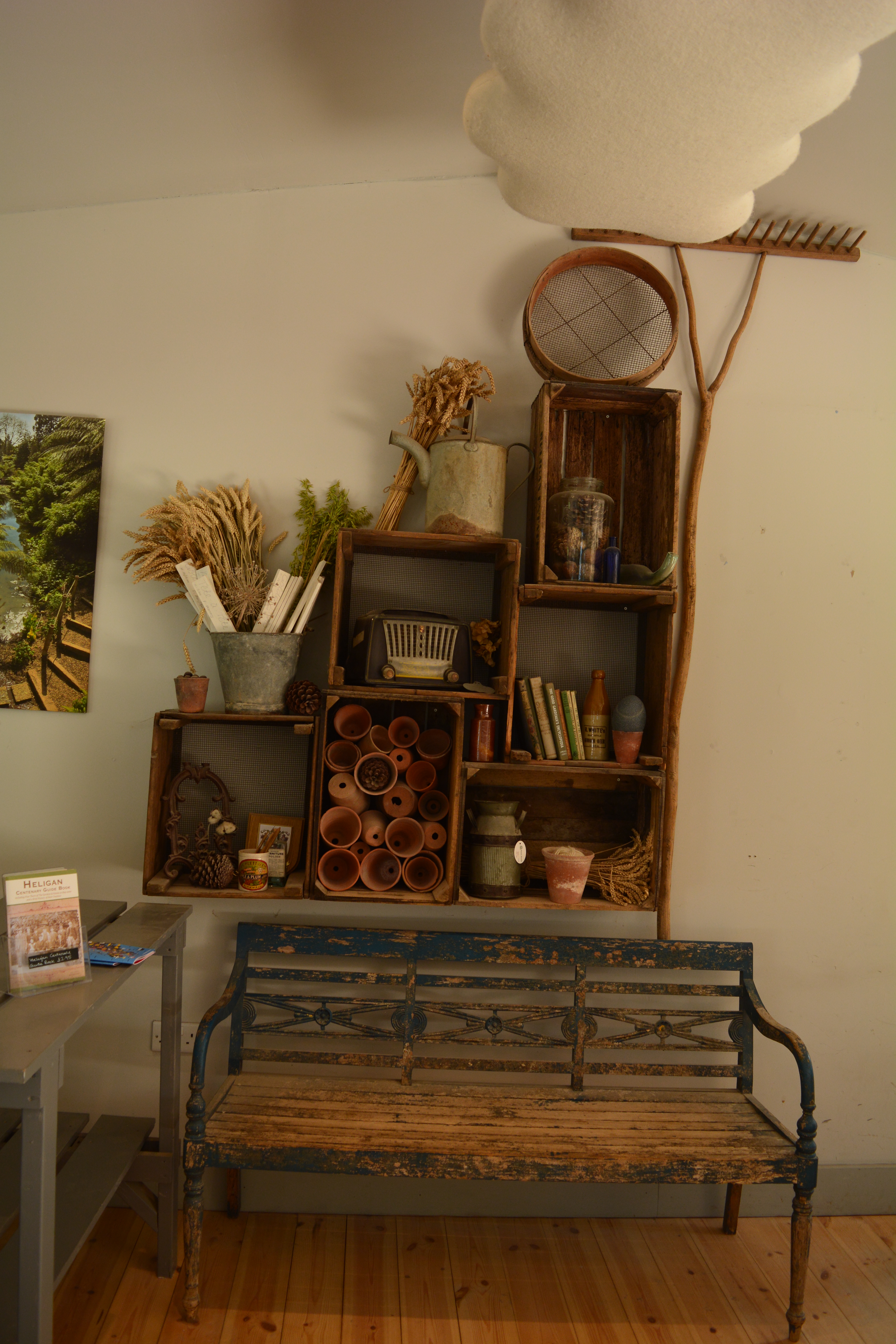
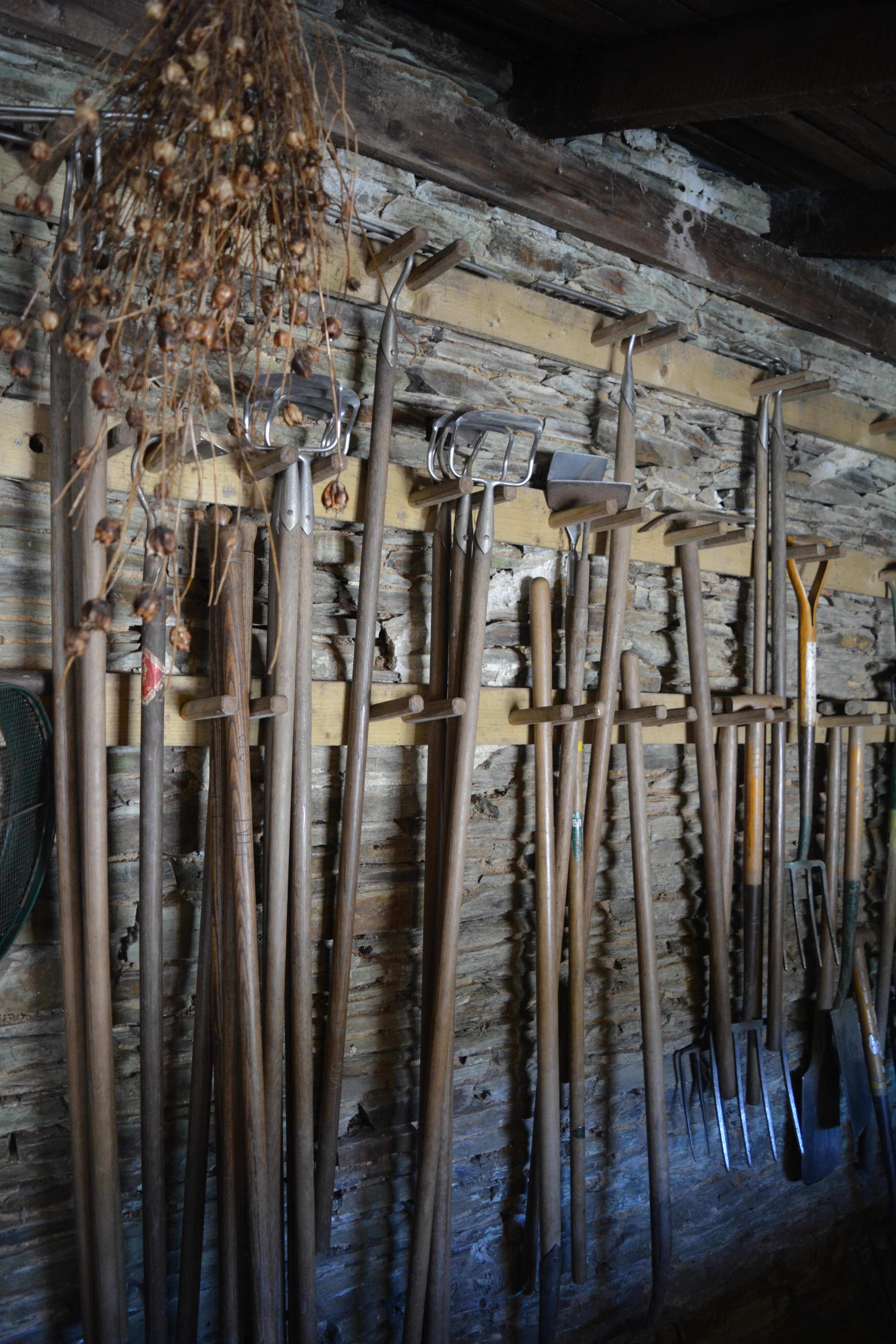
The restoration is now just about complete, so we looked forward to our return visit to see it in its new guise. We soon realised that we were in for a treat as soon as we entered the coffee shop for our usual boost of coffee and cakes before our wanderings. Old garden tools were beautifully framed and displayed on the walls and the building had a lovely old rustic feel about them.


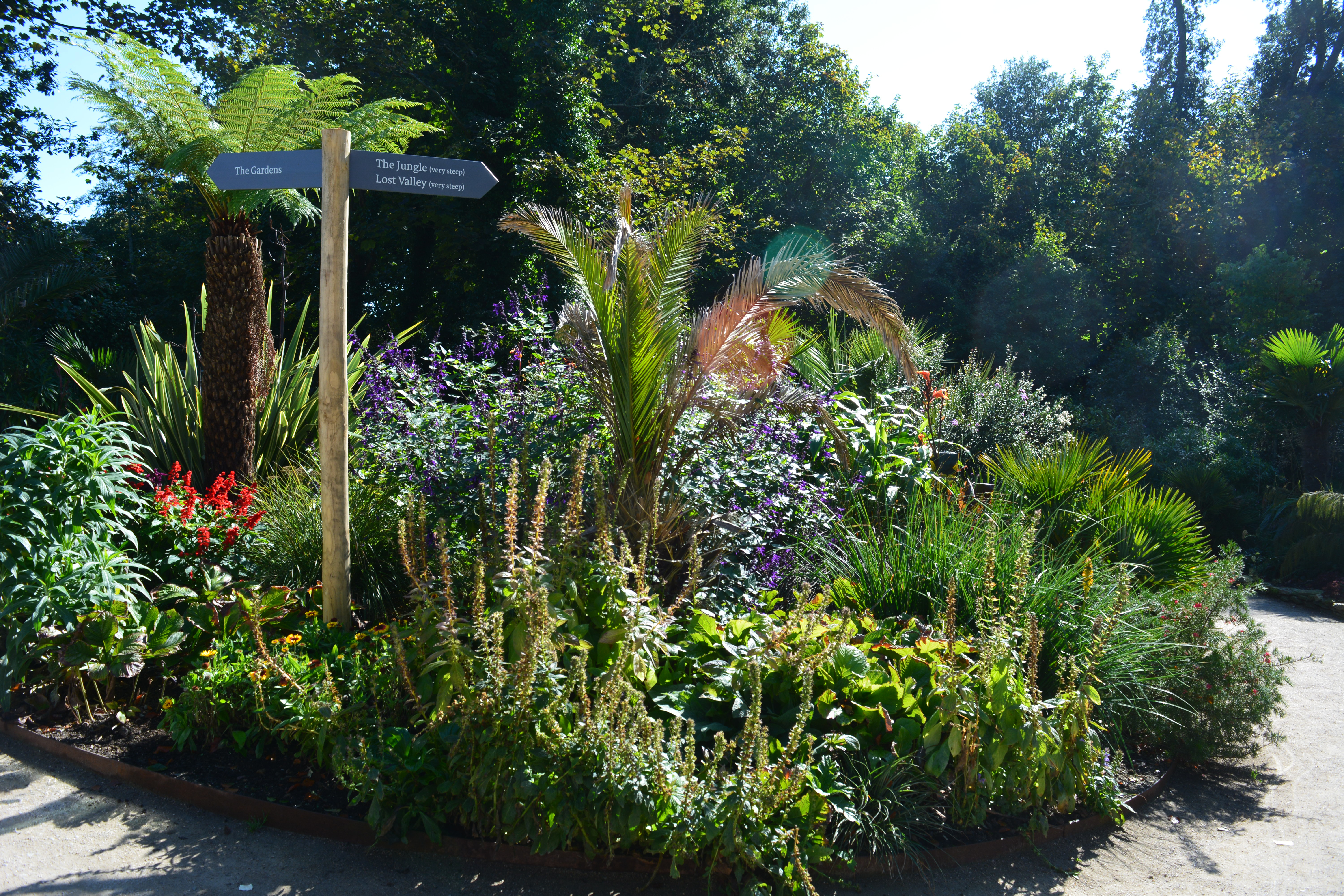
As we left the cafe a fingerpost presented us with plenty of options. We were most interested in the productive walled garden with its glasshouses, coldframes, bothy and potting shed. So we made our way there passing interesting plantings along the way.


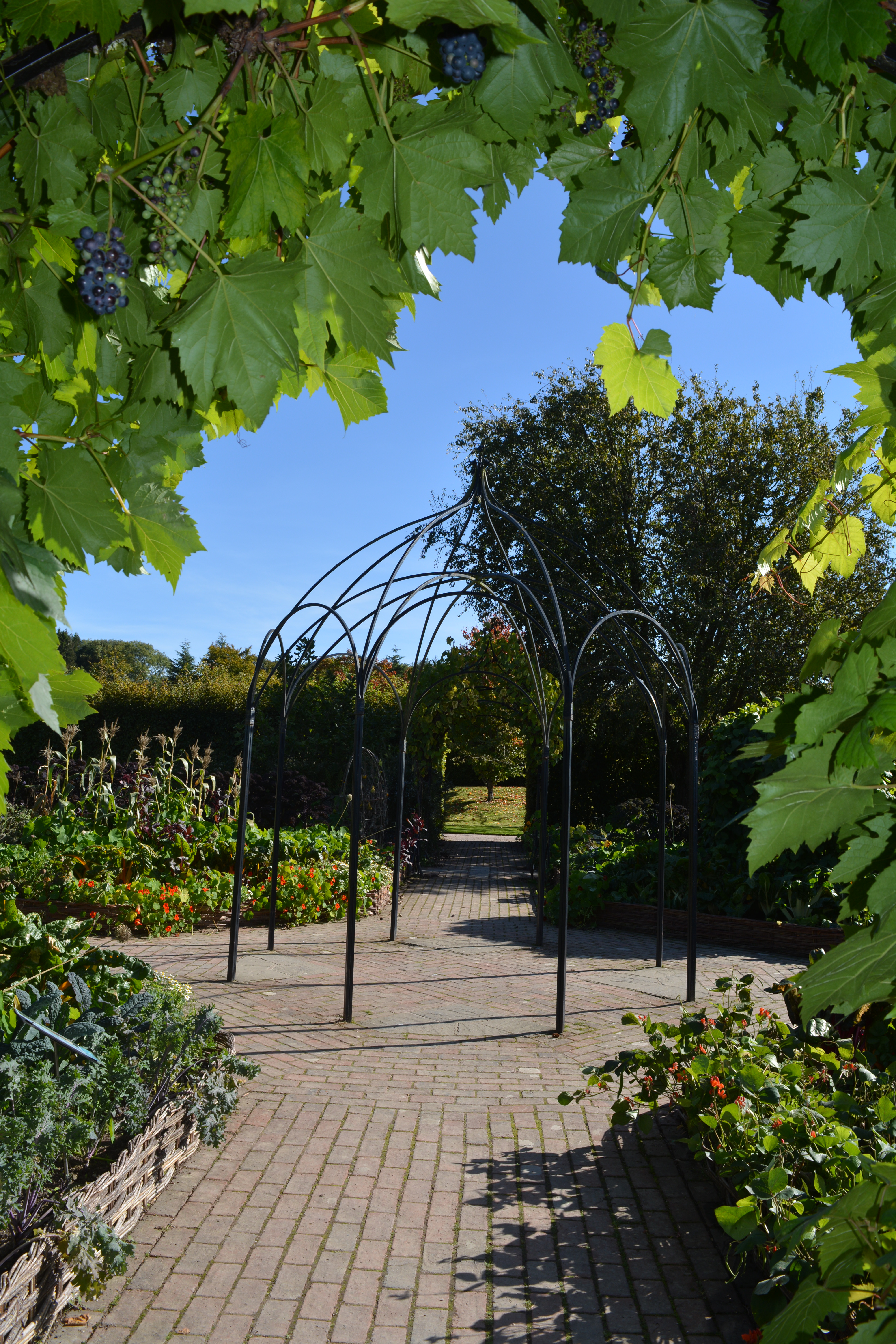
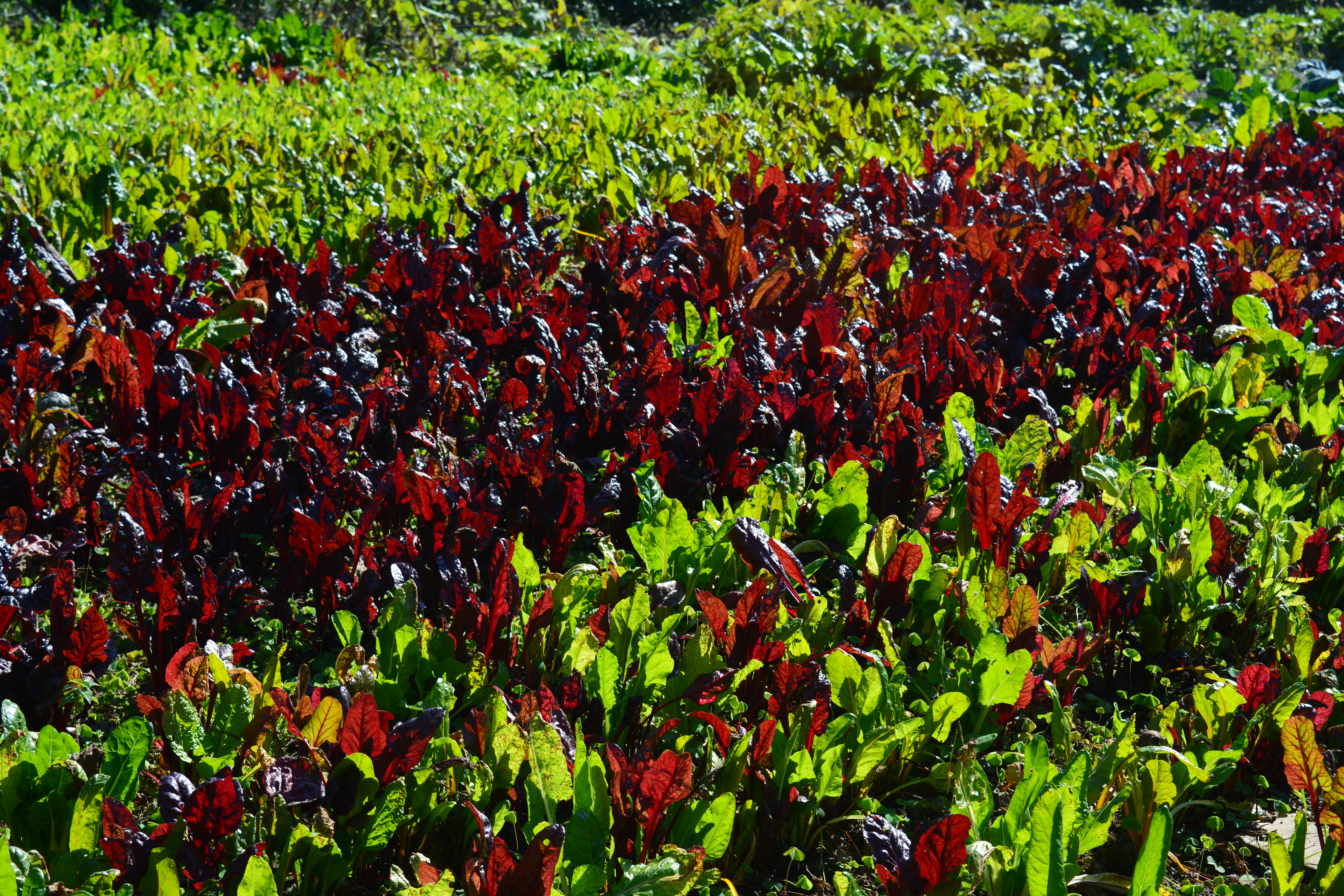
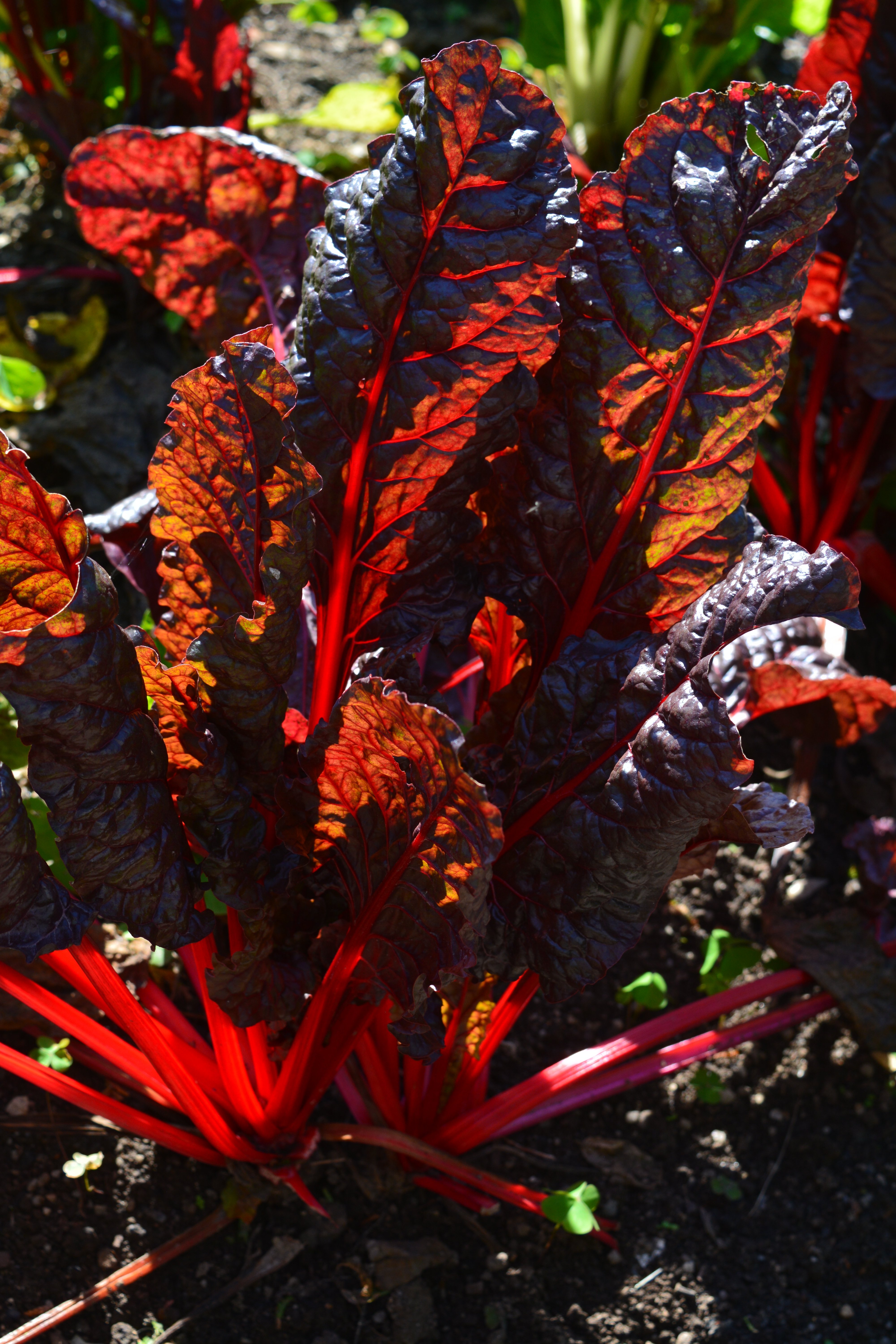
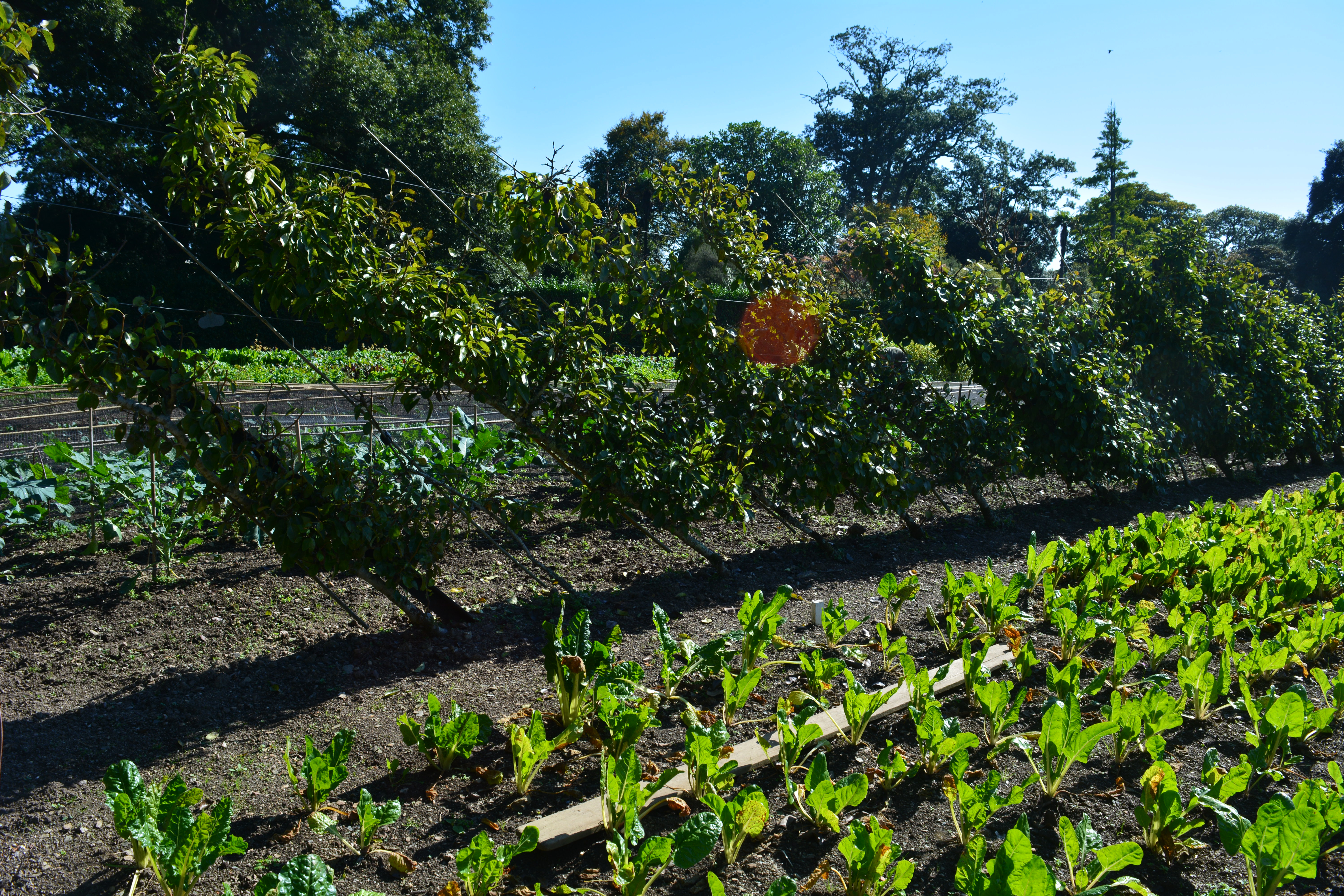
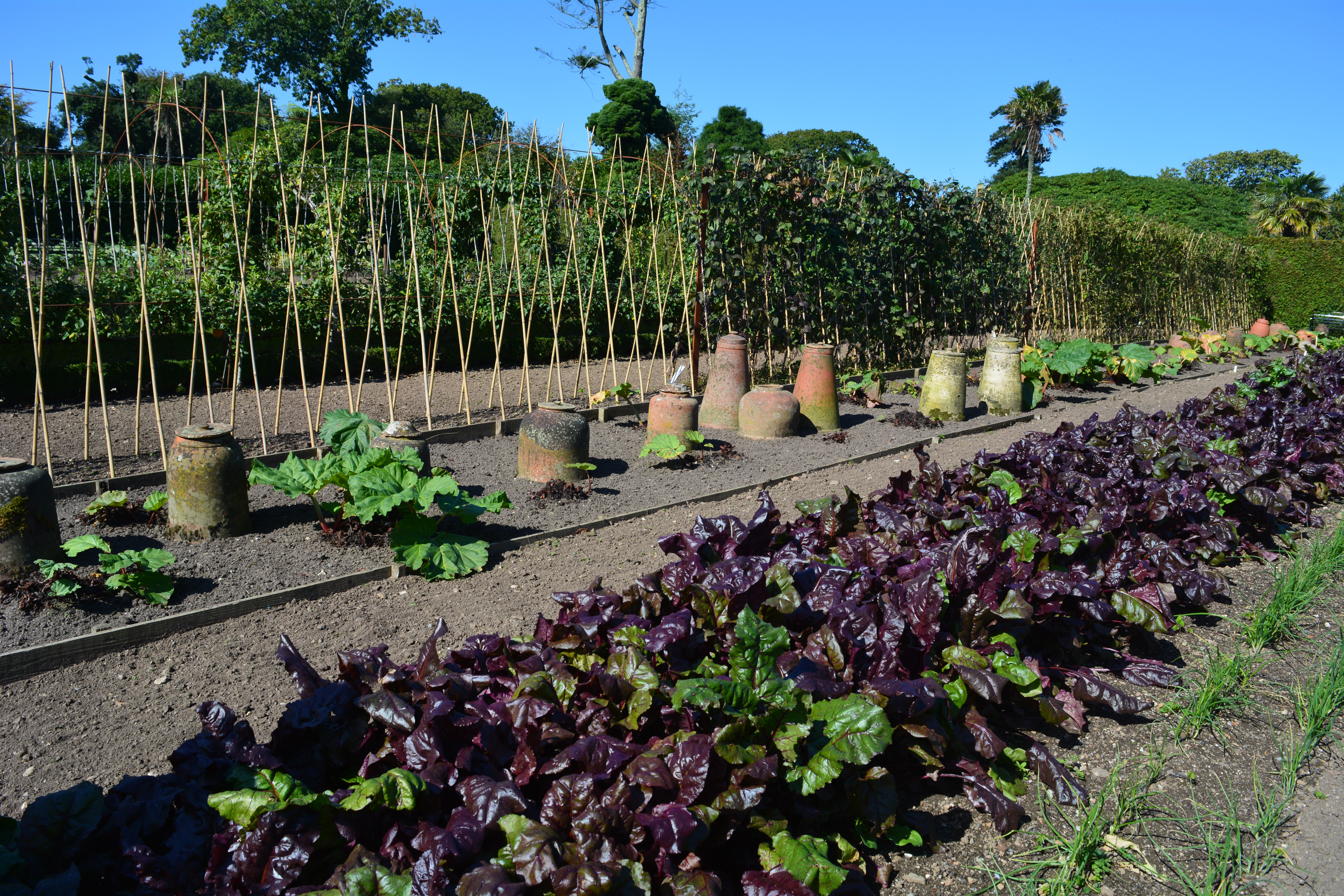
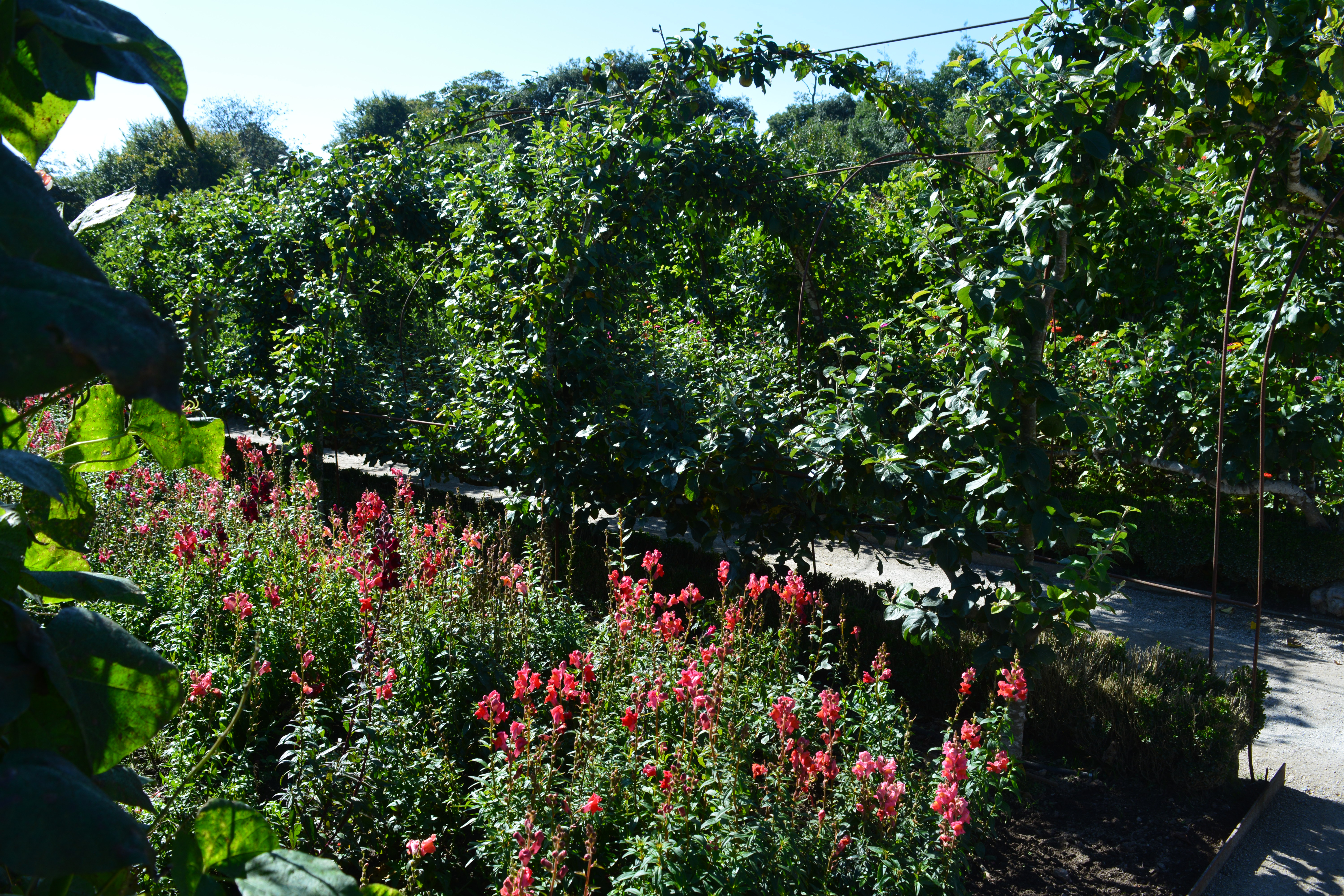
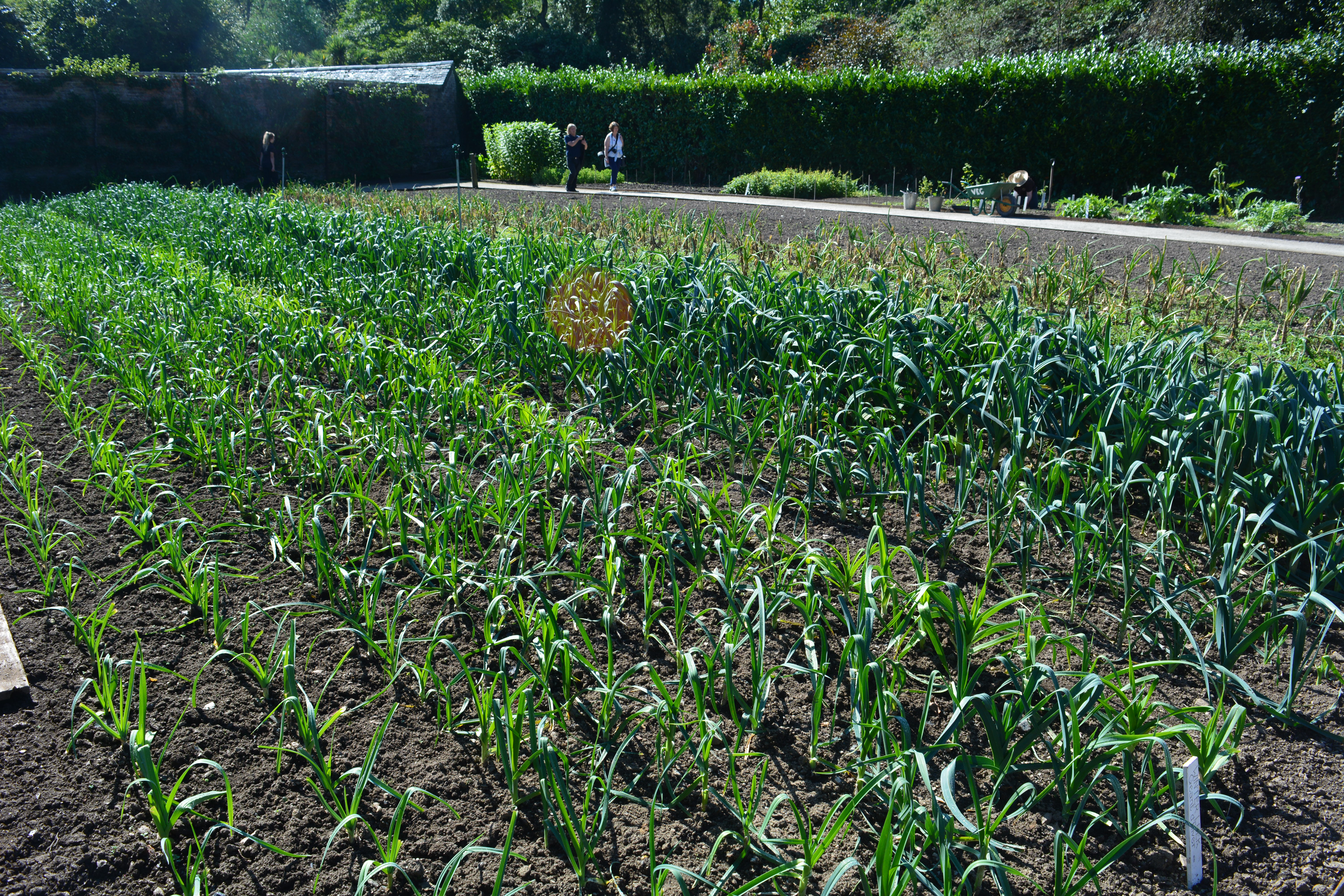
We entered the walled garden through a gateway and made our way towards apple arches forming a covered walkway, rich with fruit. Around all border edges fruit is trained to create living productive fences. Across the length of each garden patch vegetables, roots, beans and salads march in long strong rows as straight as can be.


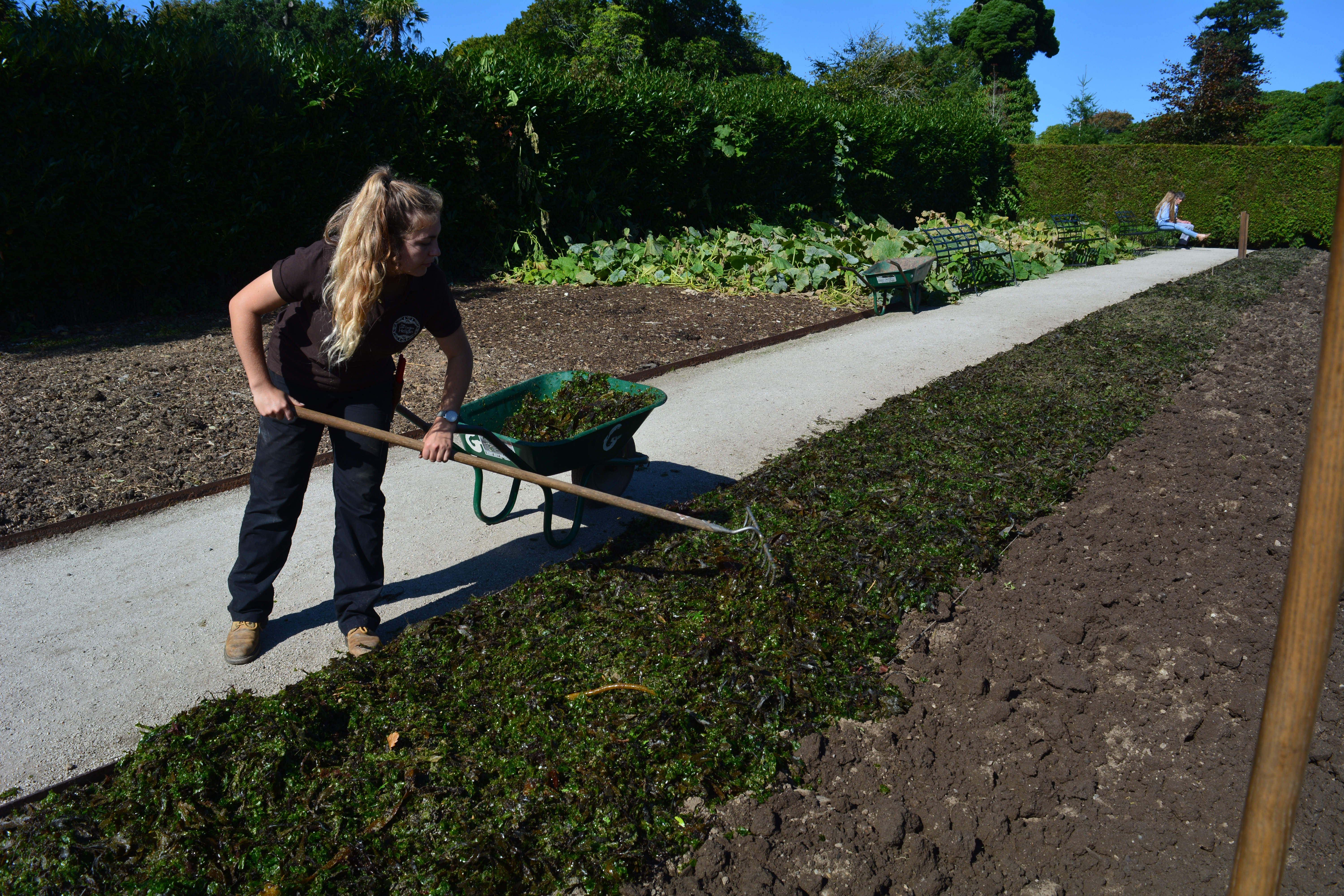
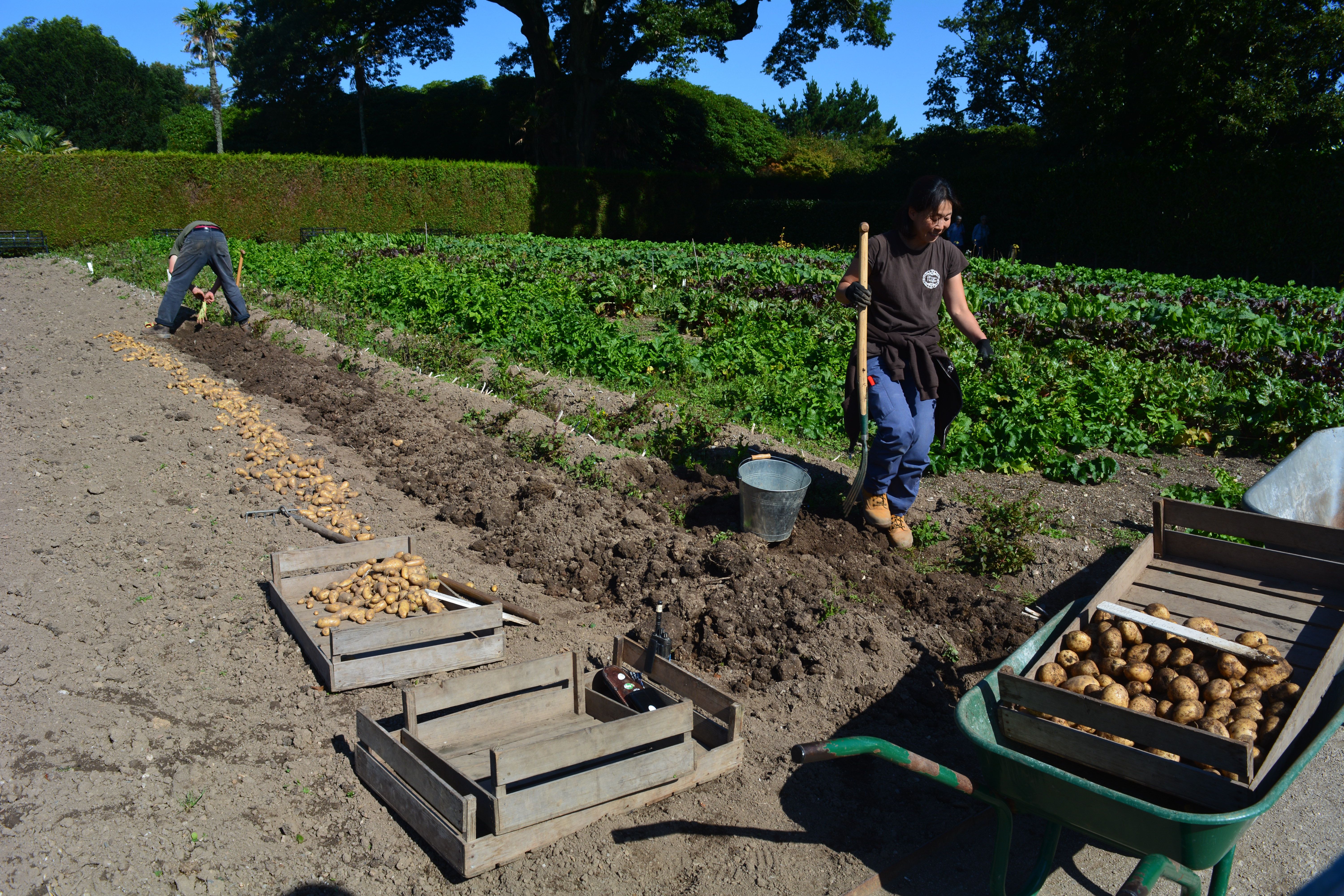
The gardeners were busily strengthening the traditions laid down by their gardener predecessors. One gardener was spreading seaweed collected just hours before from the beach and driven back to the walled garden by tractor and trailer. Nearby potatoes were being harvested and boxed up in wooden trays in readiness for storage in dark sheds or cellars.


Flowers for cutting were blossoming in lines parallel to the veggies, zinnias, dahlias and antirrhinums.


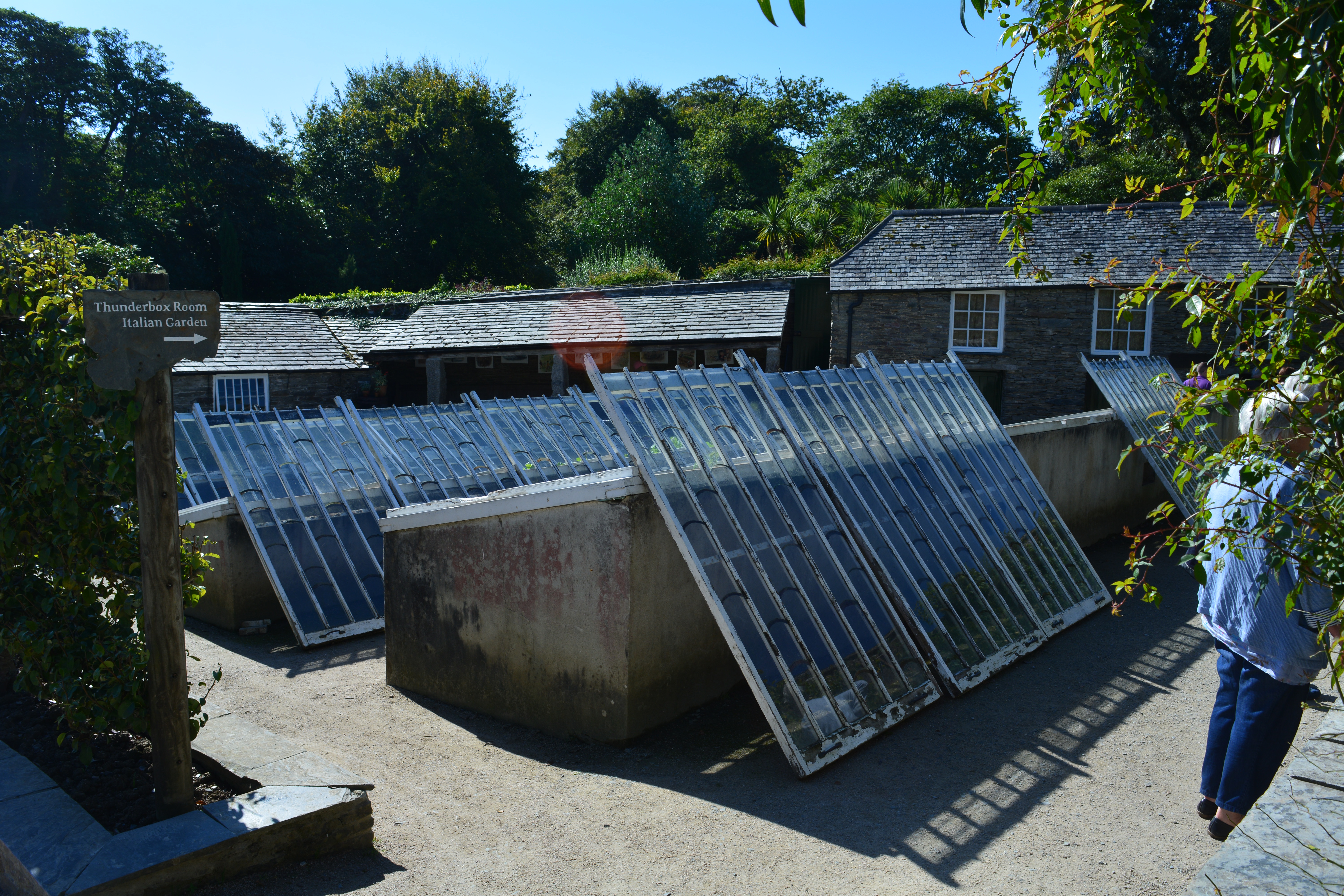
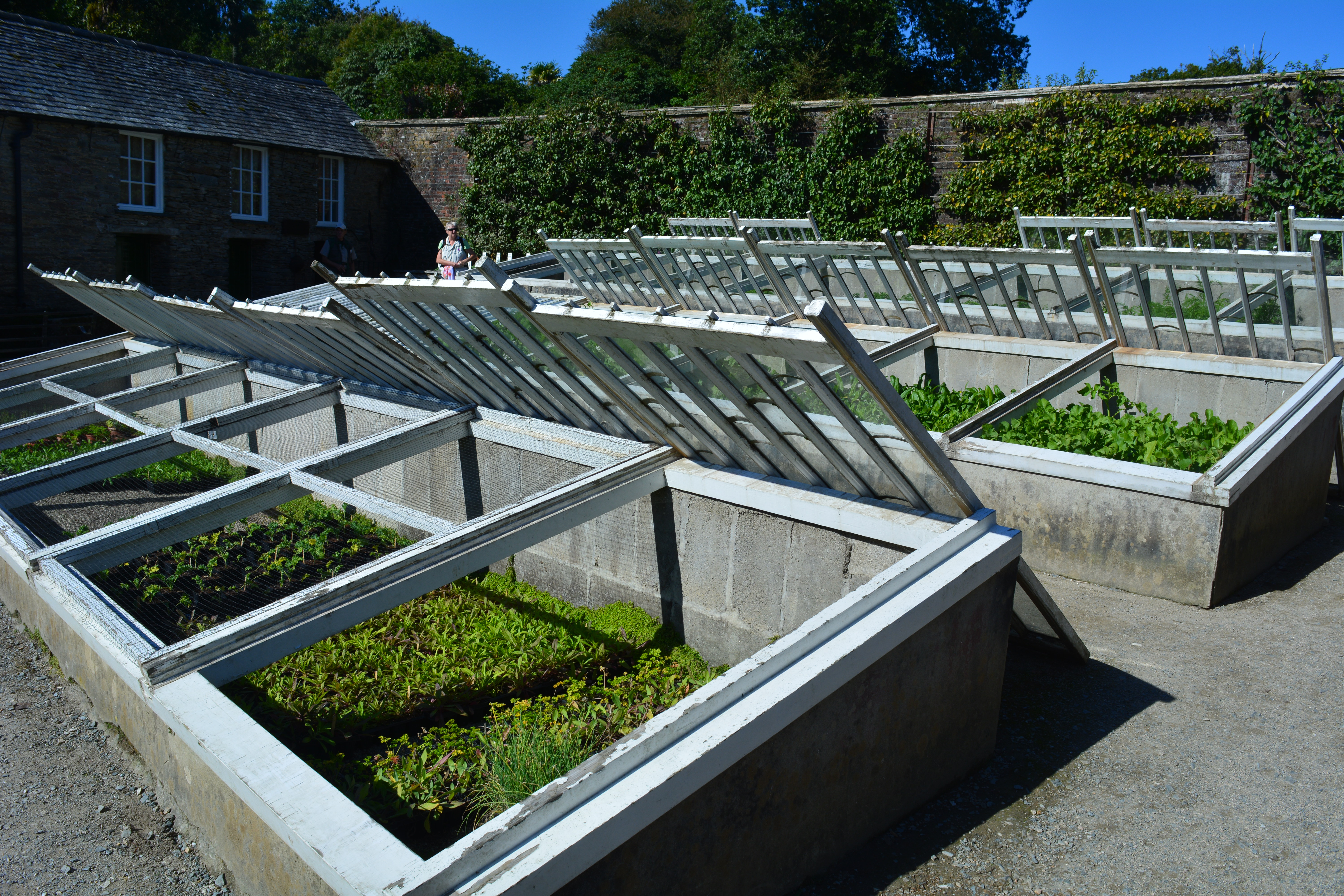
Leaving the walled garden we moved into a smaller attached walled yard, where coldframes sat wide open for aeration.These sat happily alongside a collection of glasshouses. These glasshouses were the very ones we had seen years ago in a state of total dereliction. Now they stand proud and productive thanks to the skills of craftsmen utilising traditional craftsmanship and skills.

The walls were furnished with ancient trained fruit trees, apples, pears, peaches and plums.


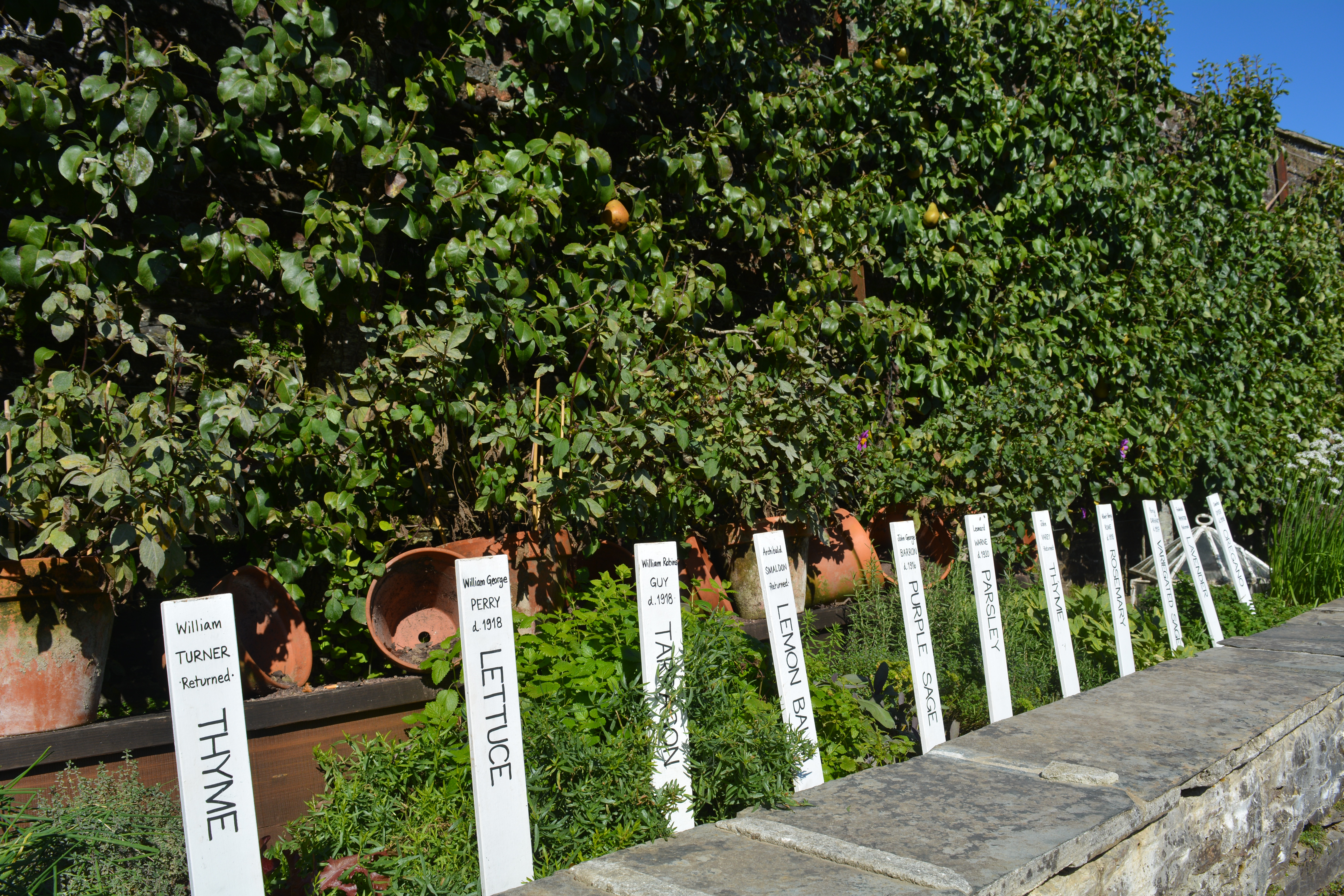
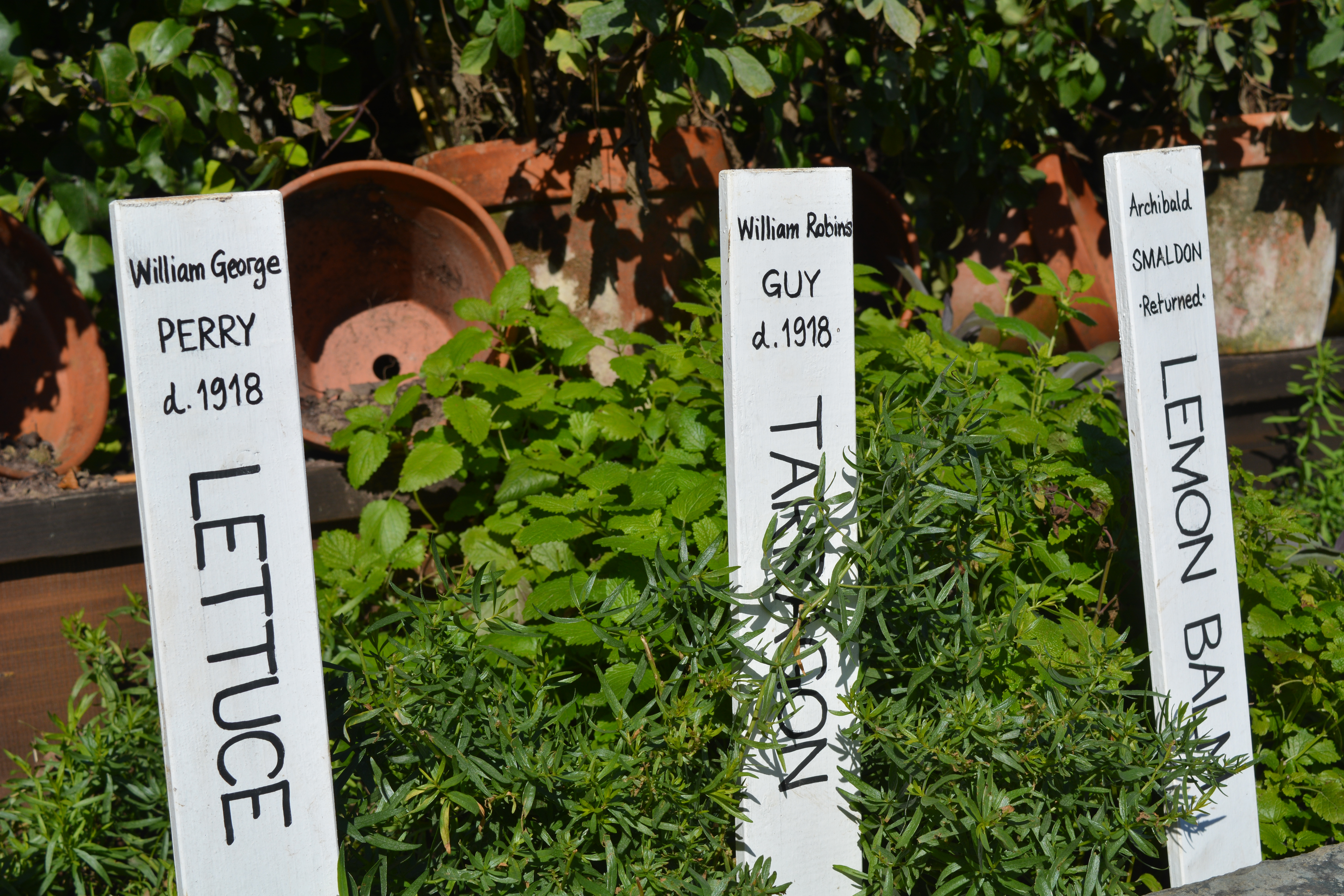
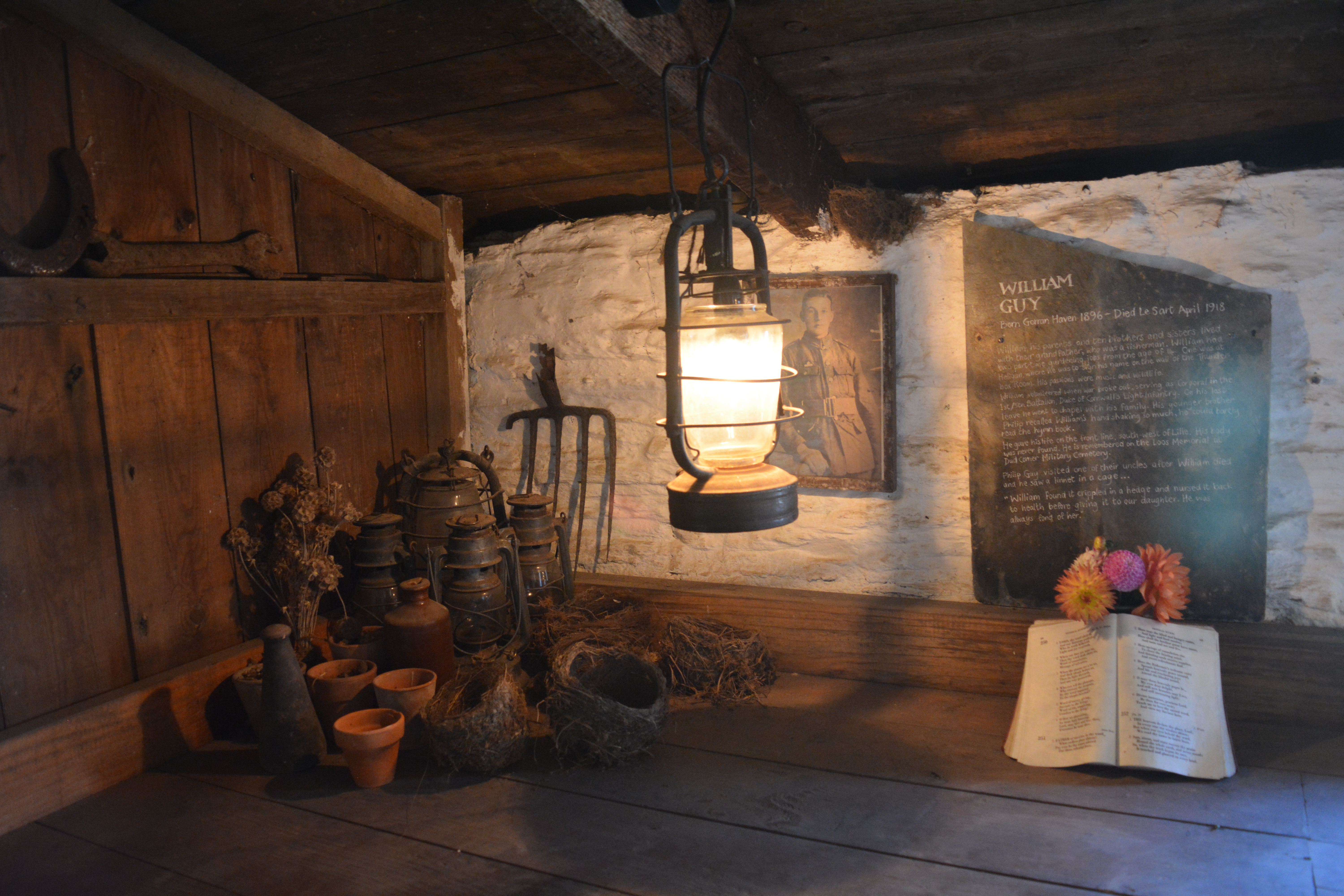
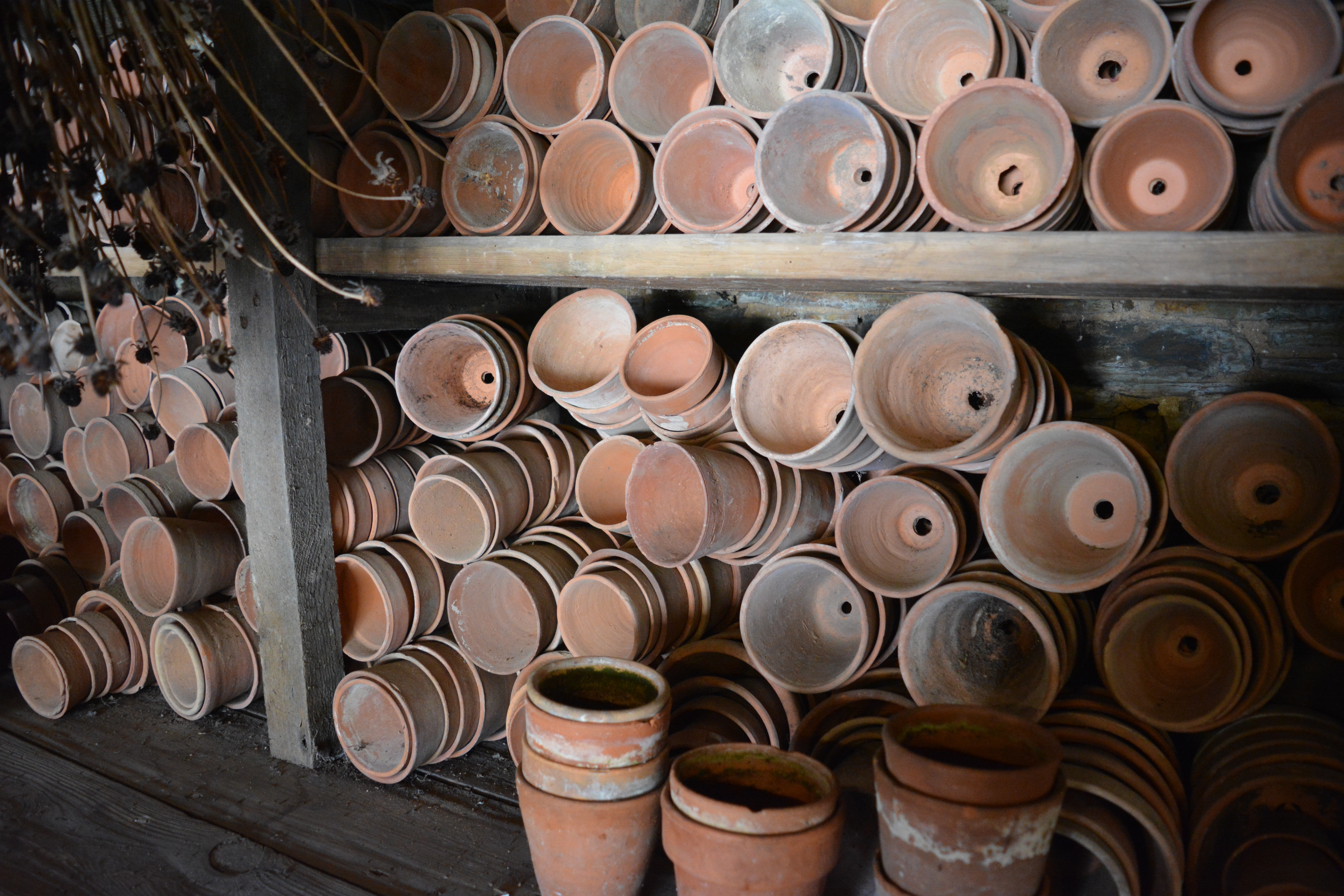
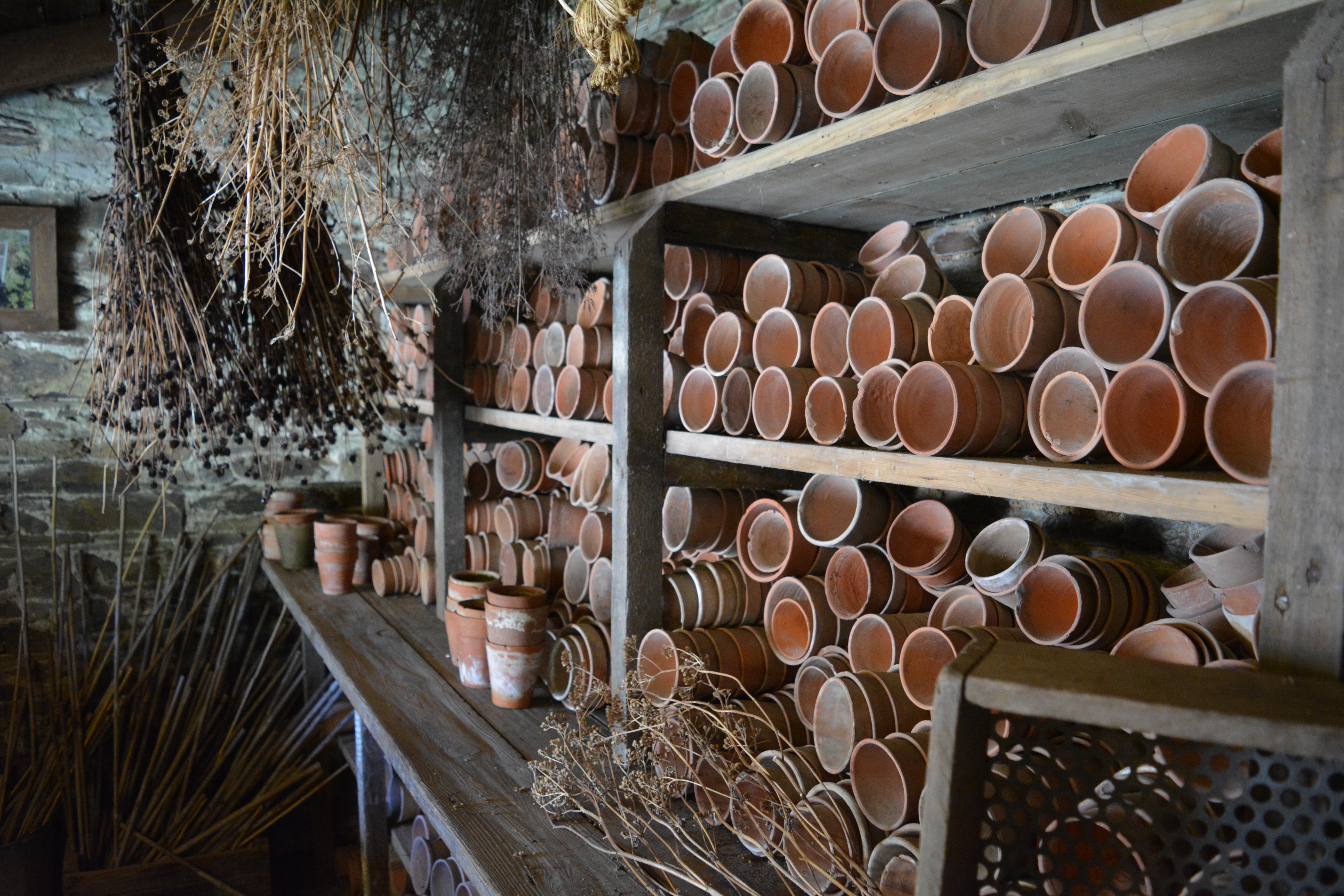
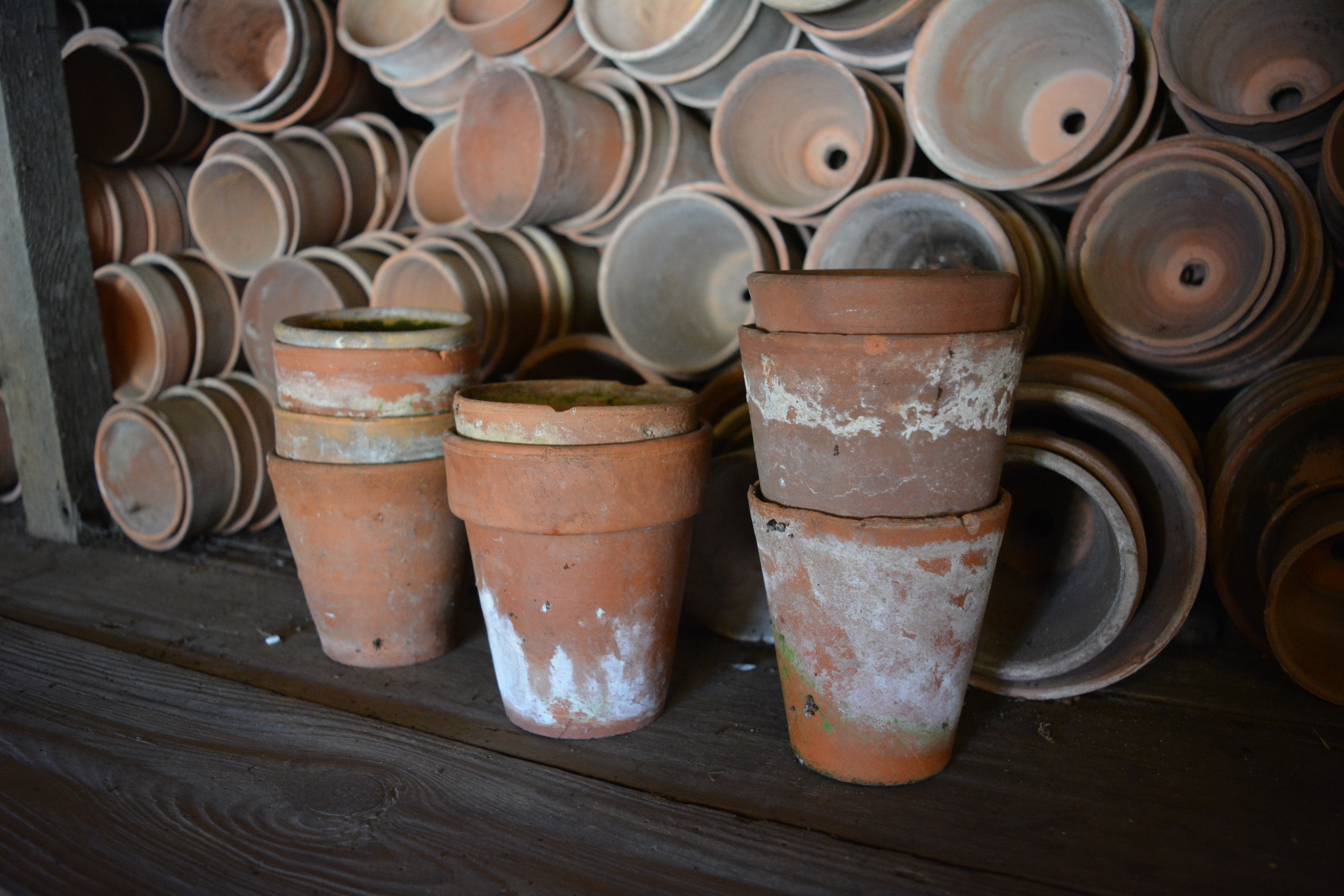
Beyond the glasshouses the potting shed stood holding the memories of those gardeners lost in the first world war, terracotta pots filled each row of every rack where close by garden tools hung on whitewashed walls. We could feel a special atmosphere in this shed, full of the skills of gardeners past and present.


Leaving the potting shed we still had lots to see and plenty to explore. See my next post for Heligan Part 2, Beyond the Potting Shed.

Categories
sculpture the seaside the South townscapes

A Week in Cornwall – Part 3 -St Ives

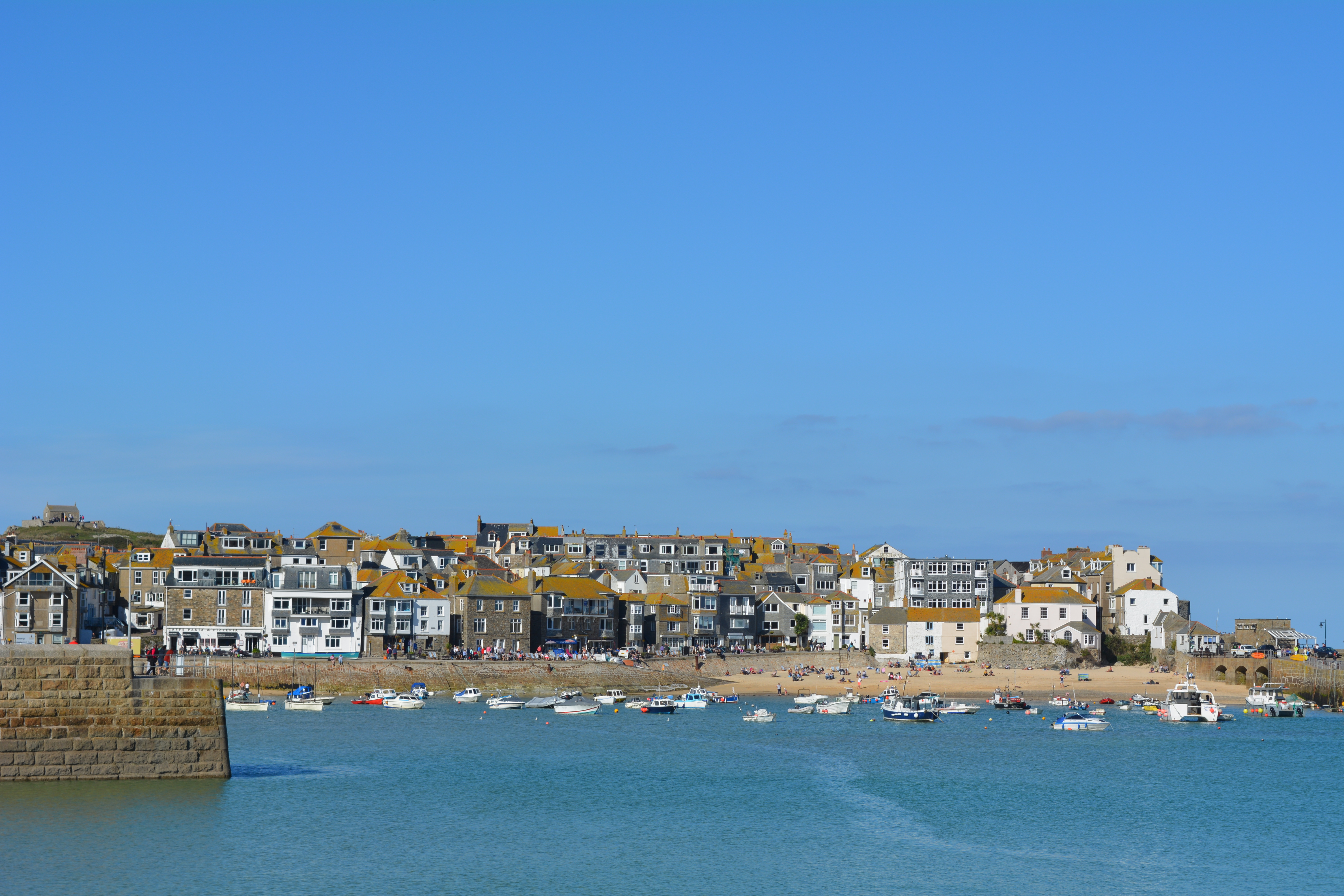
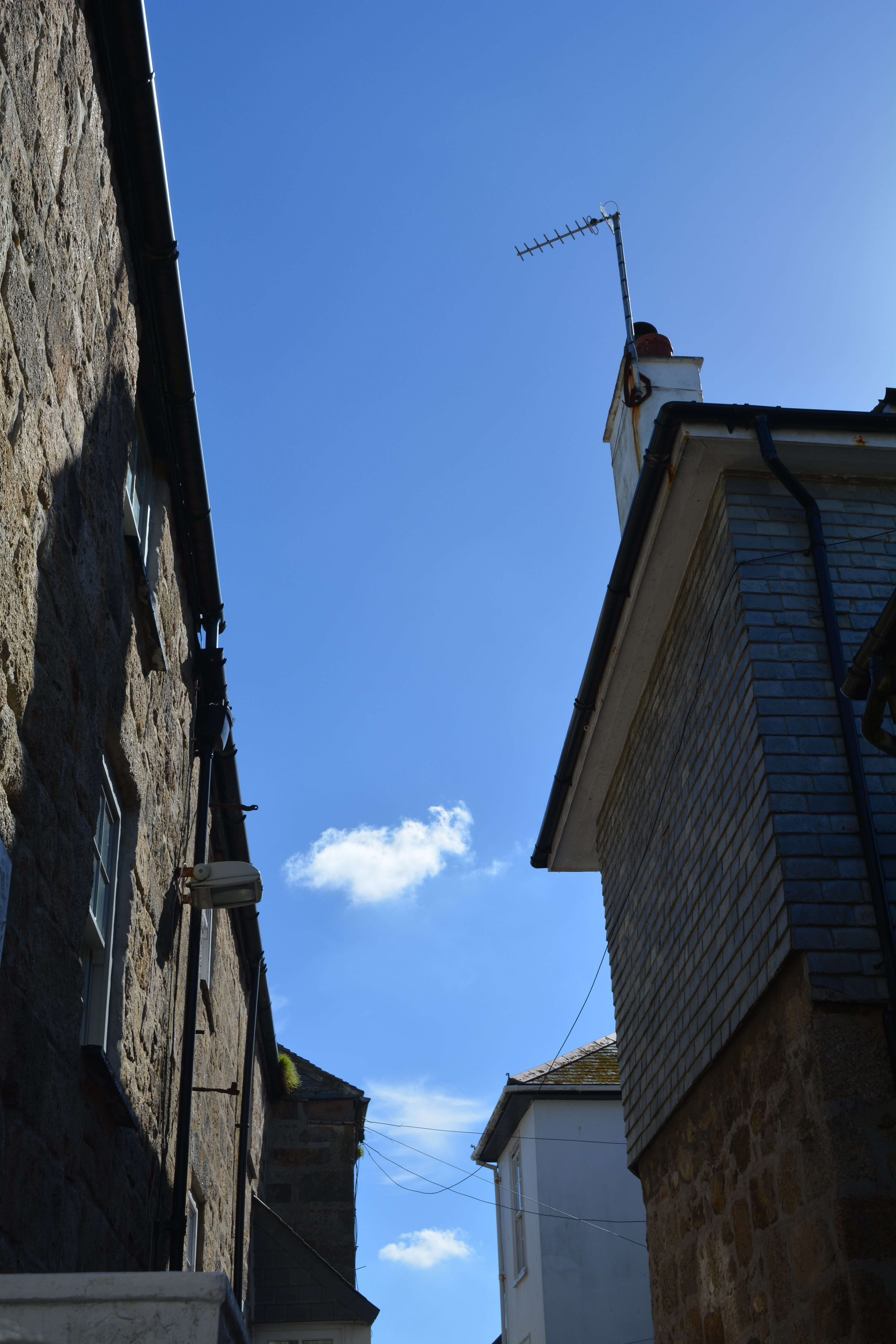
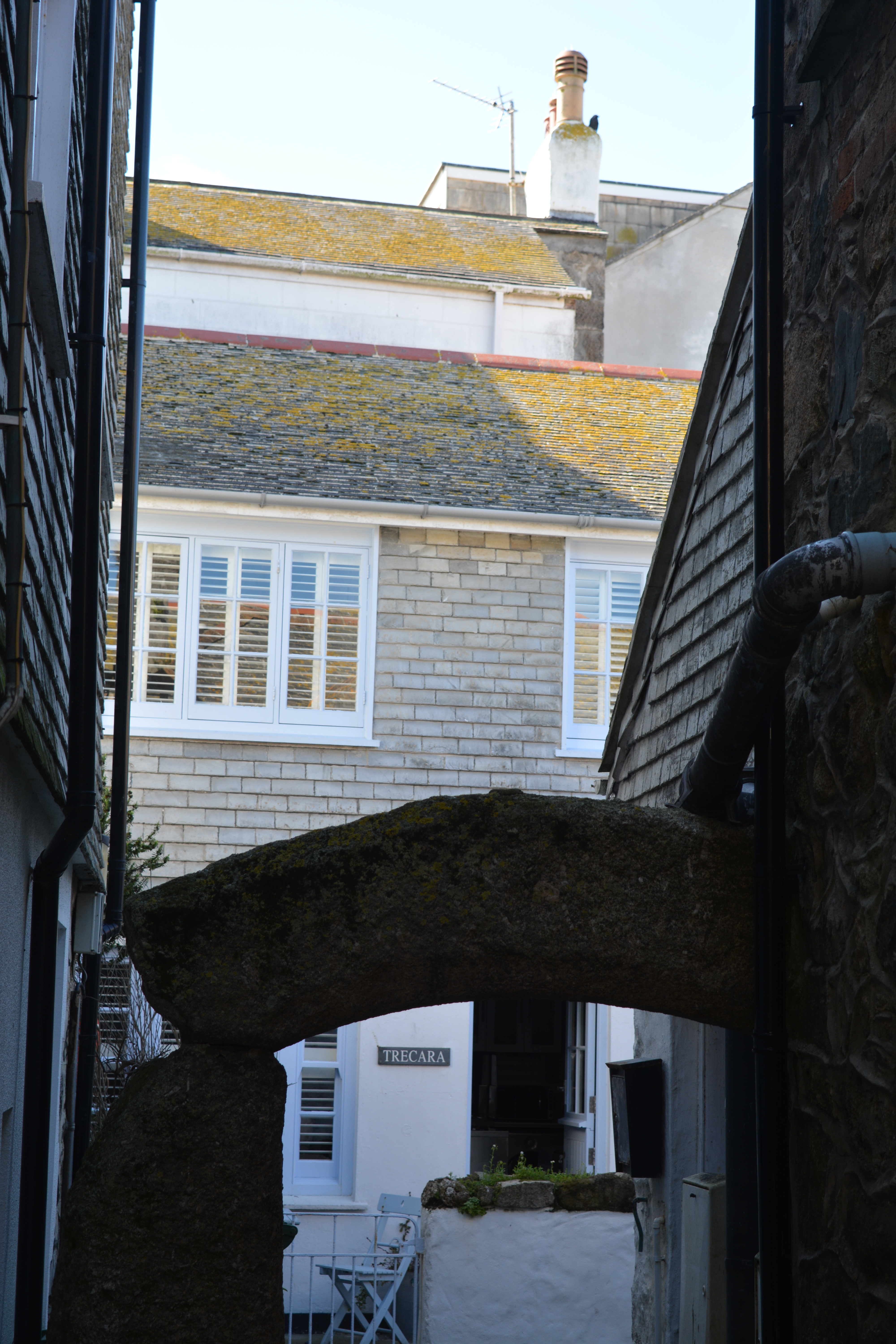
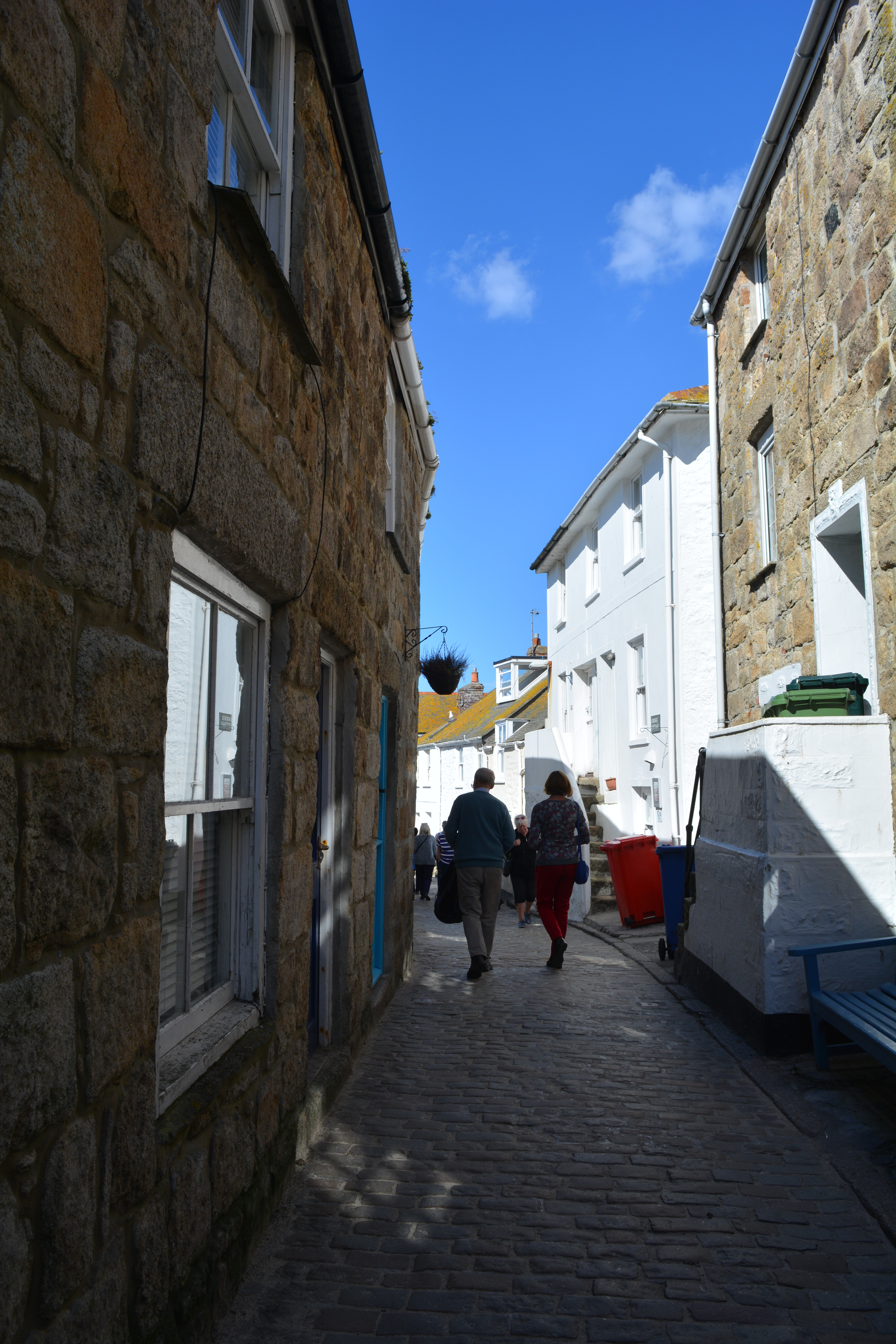
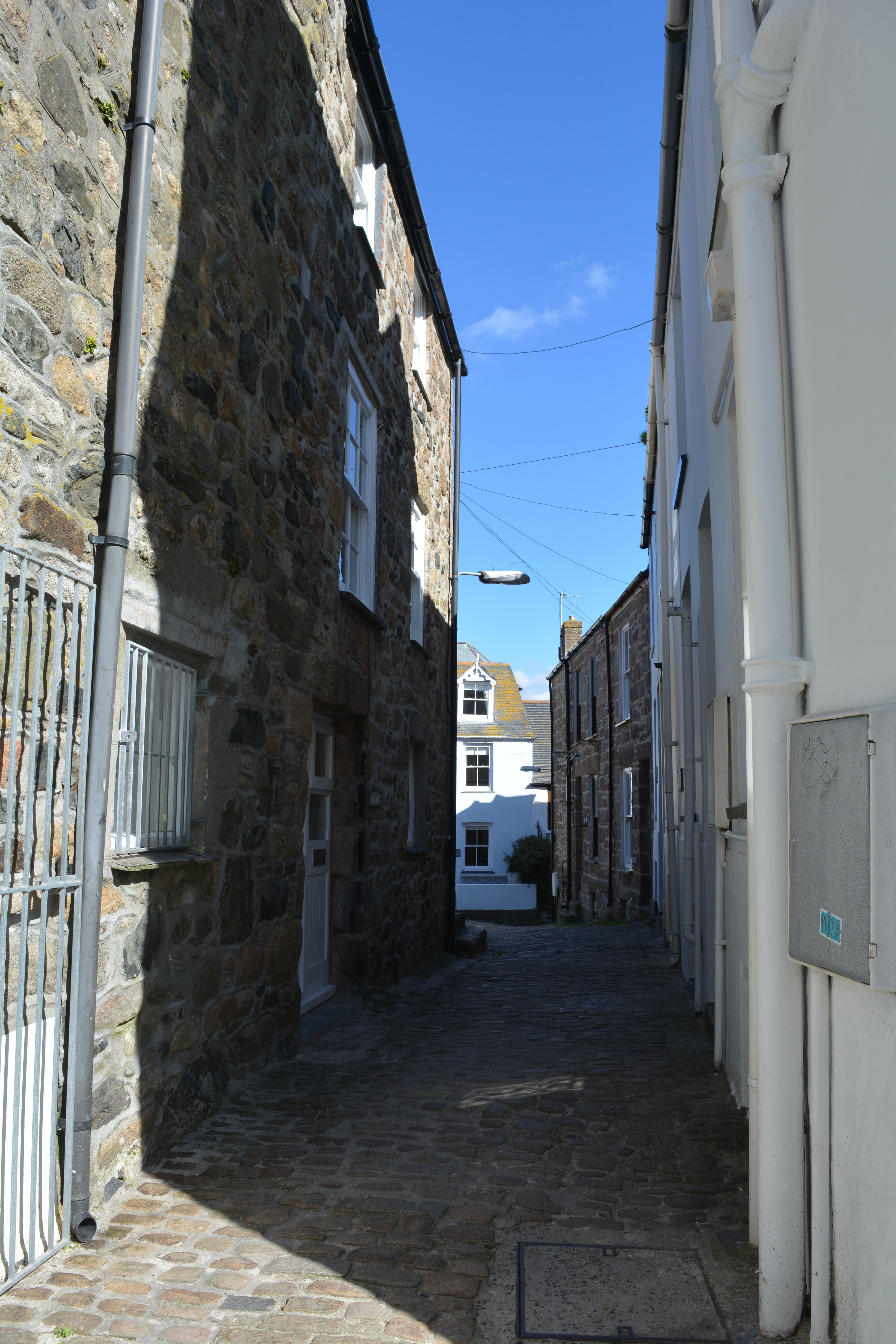
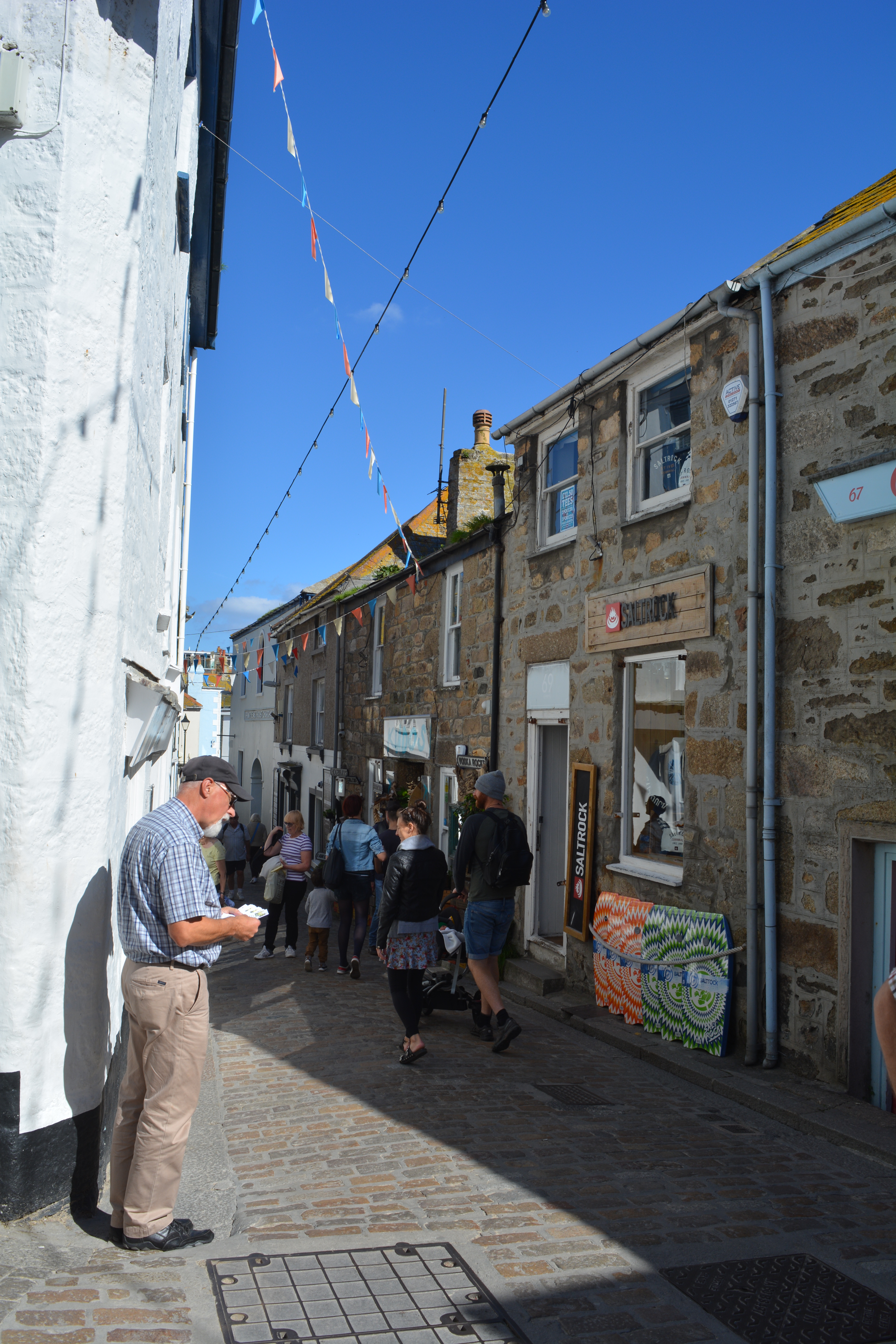
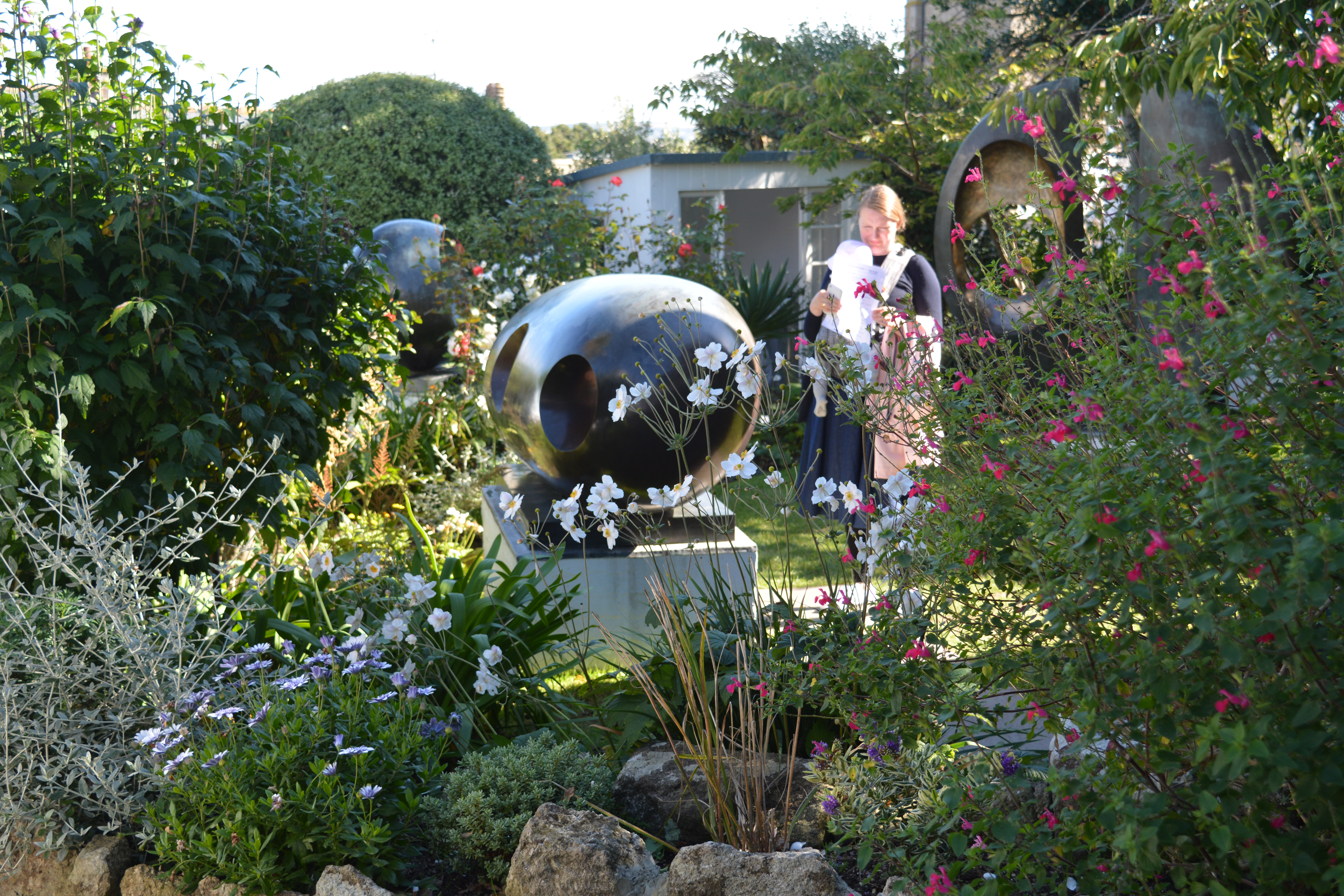
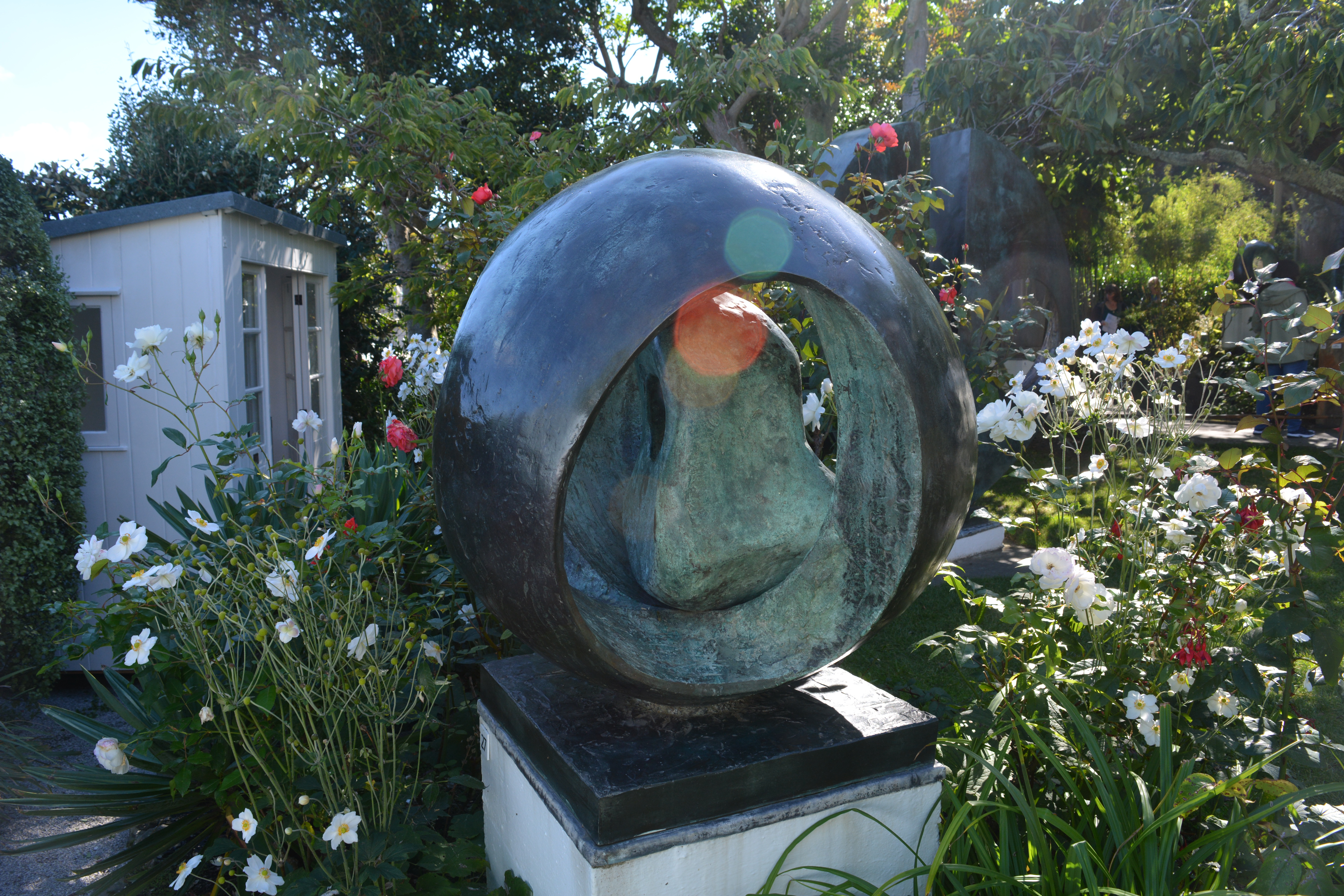
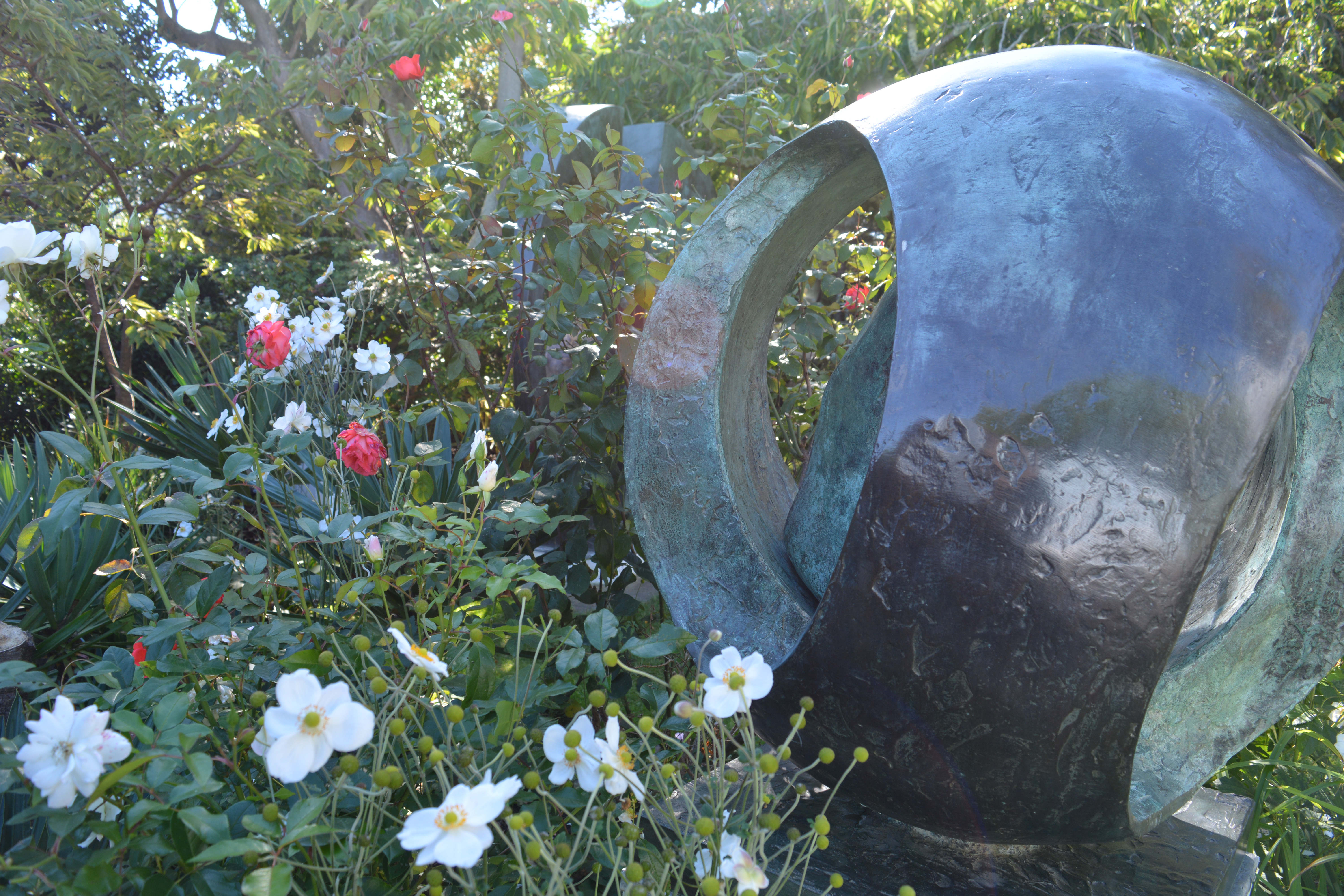
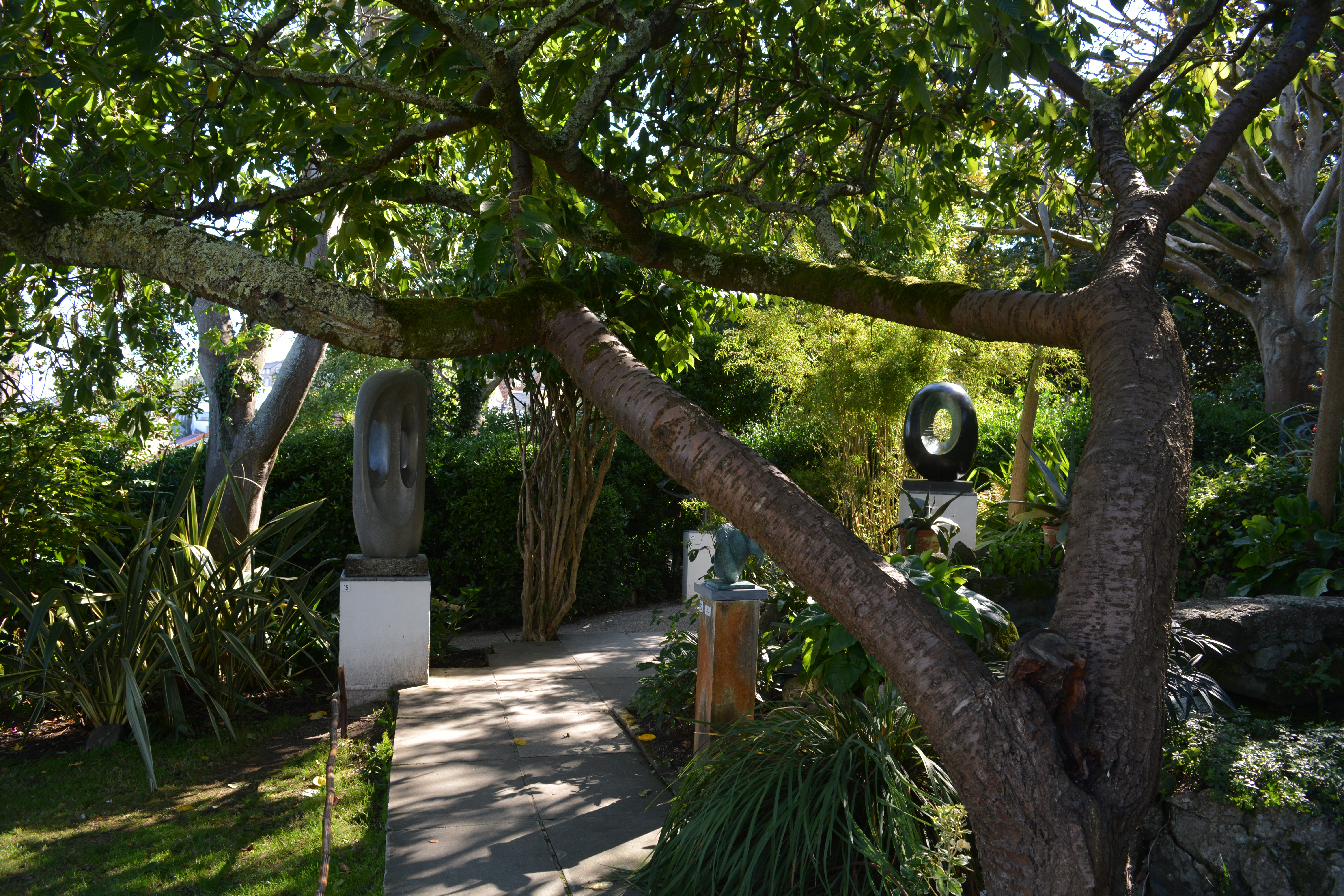
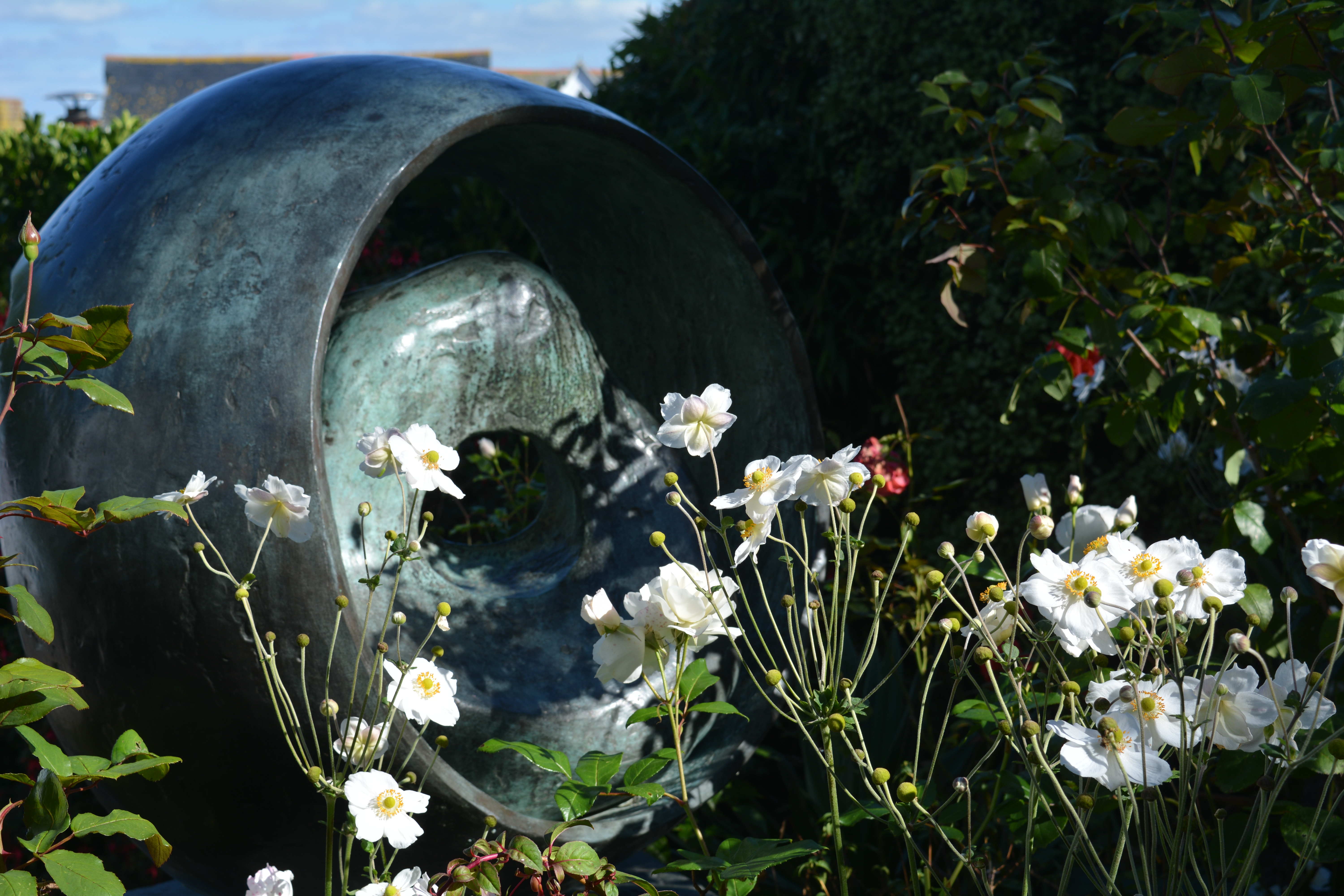
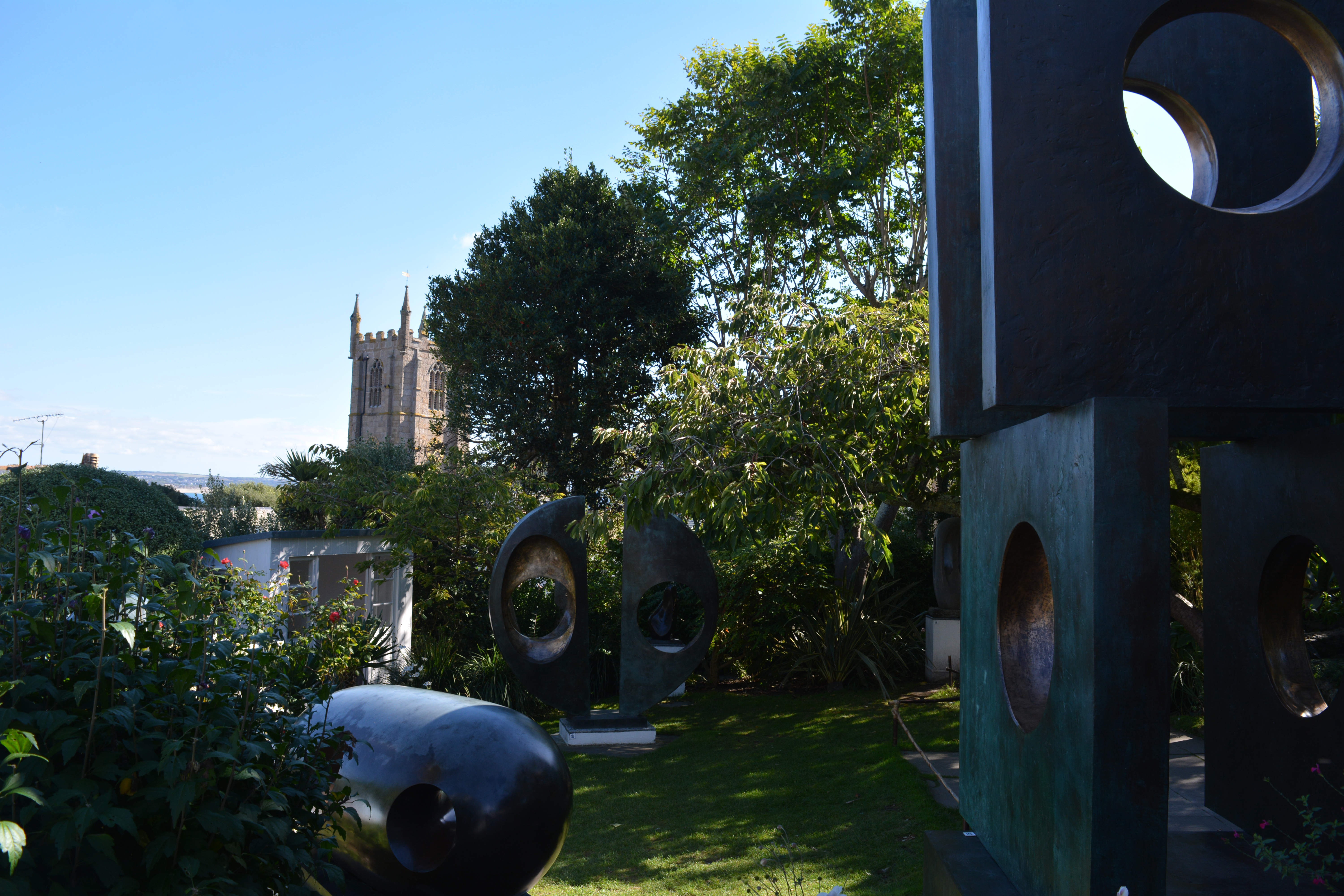
When holidaying in Cornwall in the summer of 2018 we planned to visit St Ives as we had enjoyed it so much when we visited decades ago. We loved the seafront, quayside, the quaint streets full of art galleries some being working galleries and the garden and workshop of our best female sculptor of all time, Barbara Hepworth. And of course we mustn’t forget the wonderful Tate St Ives, a wonderful piece of architecture housing incredible artworks.


These photos were taken in a way to avoid the crowds. St Ives had become a busy crowded little seaside town and we were greatly disappointed. But at least the Barbara Hepworth Gallery and Garden did live up to our expectations and match our memories.


Categories
architecture garden buildings garden design garden photography gardening gardens gardens open to the public outdoor sculpture sculpture

A Week in Cornwall – The Eden Project – Part 2

I promised to return with this post from the Eden Project in Cornwall continuing just as we were about to enter the Mediterannean Zone. I have to admit I prefer this dome to the Tropical Zone, but I can’t explain why. It simply feels more comfortable.

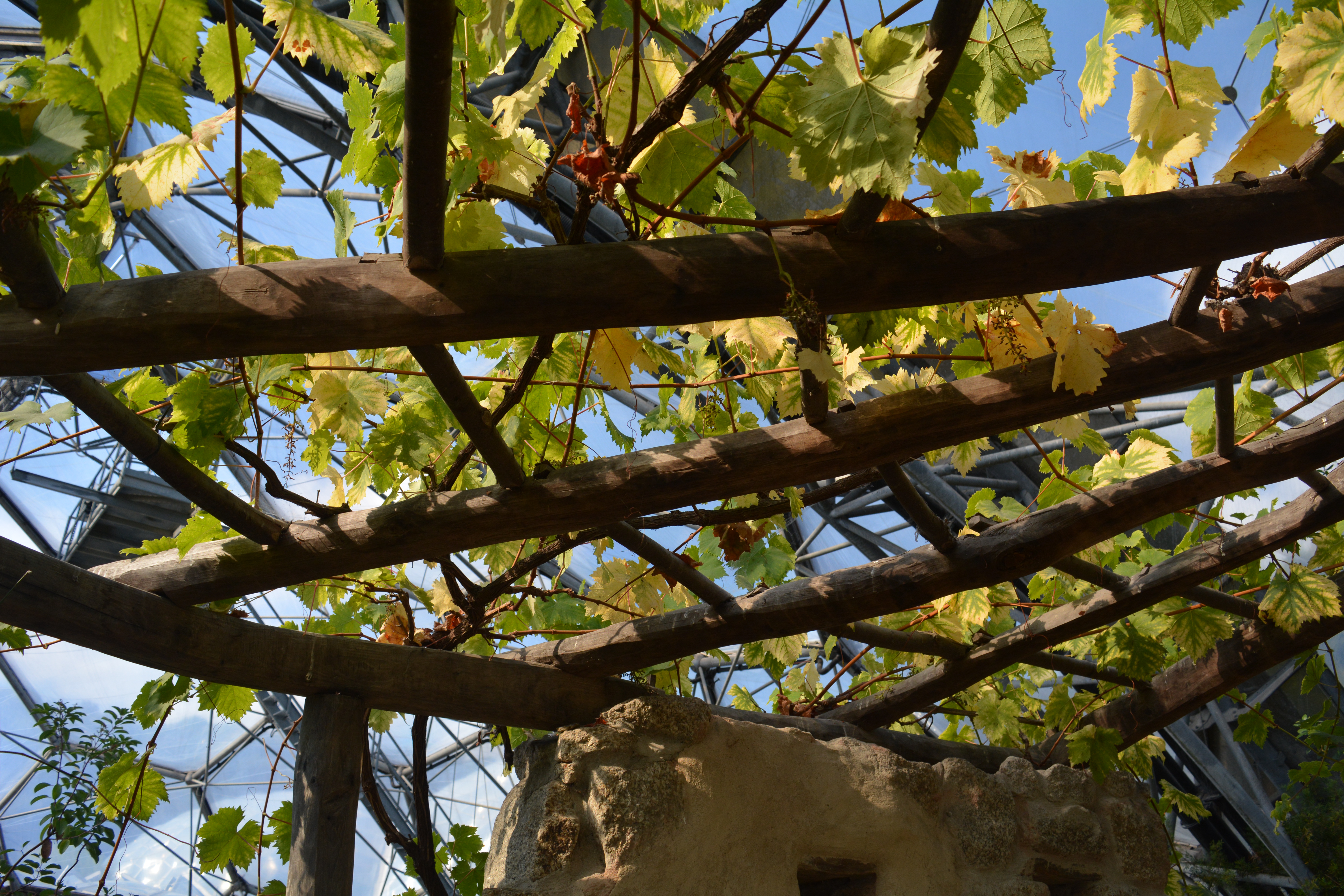
The structure of the dome reflects the framework supporting these vines.

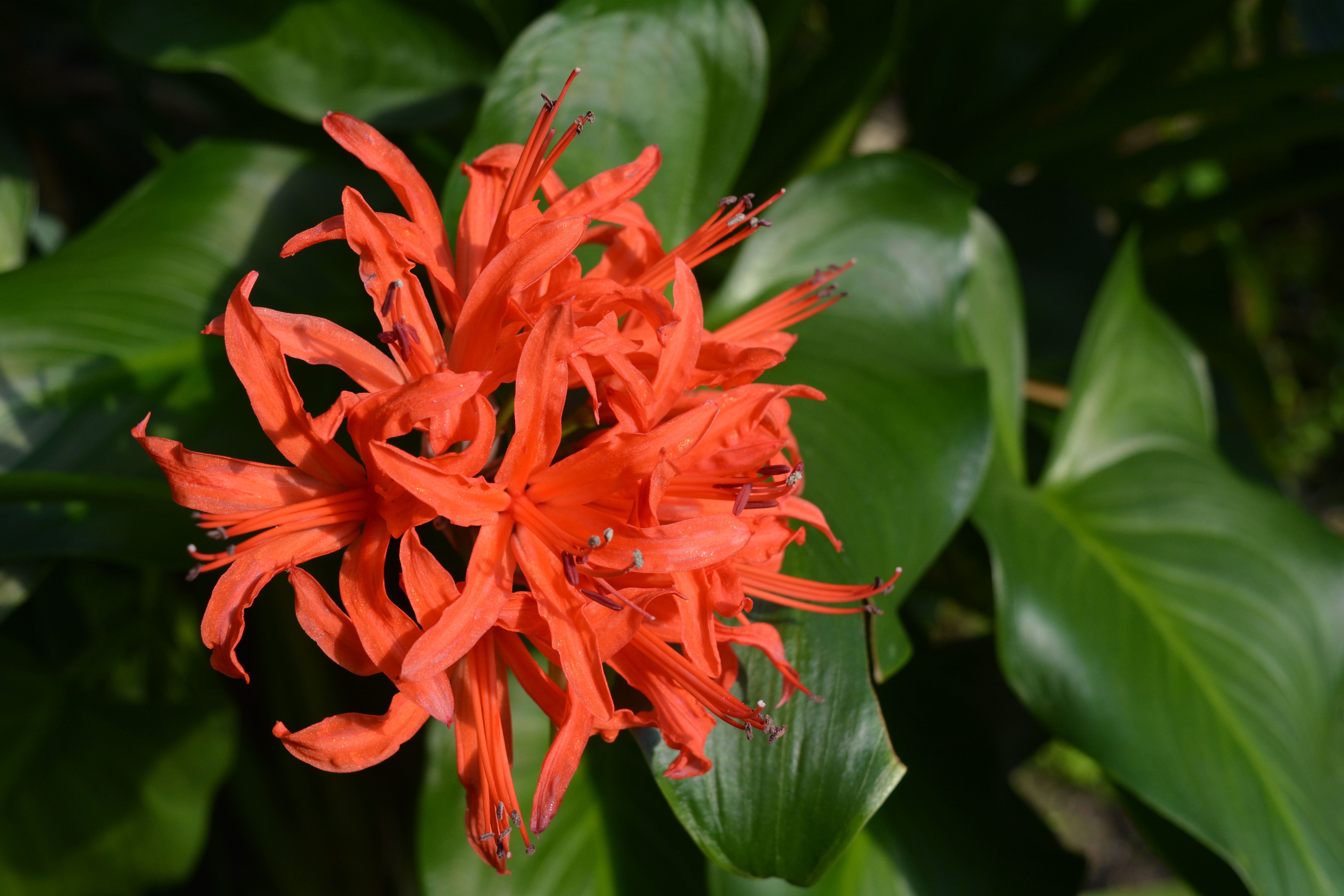
It was the plants that flowered so full of colour that made this dome so exciting.


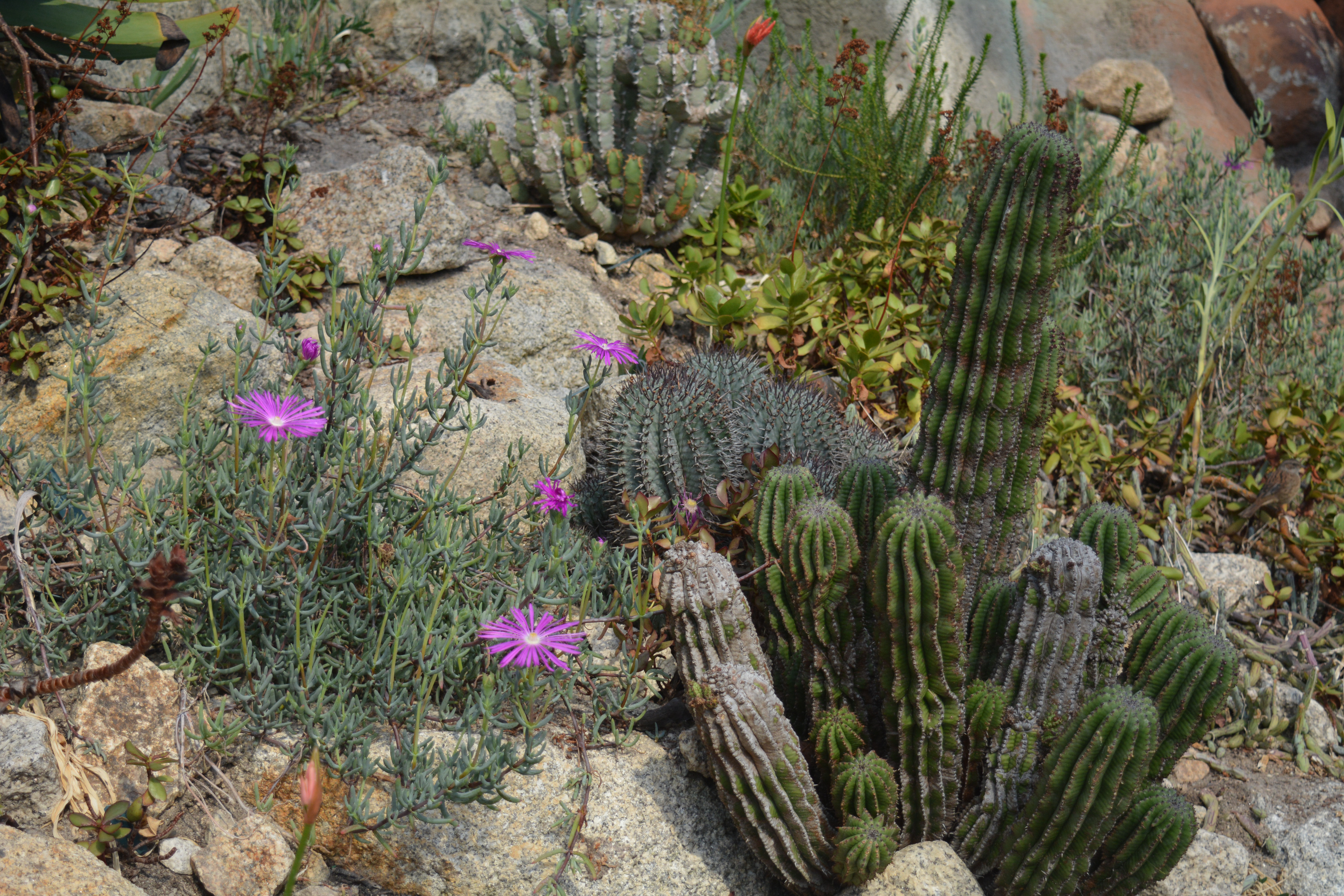
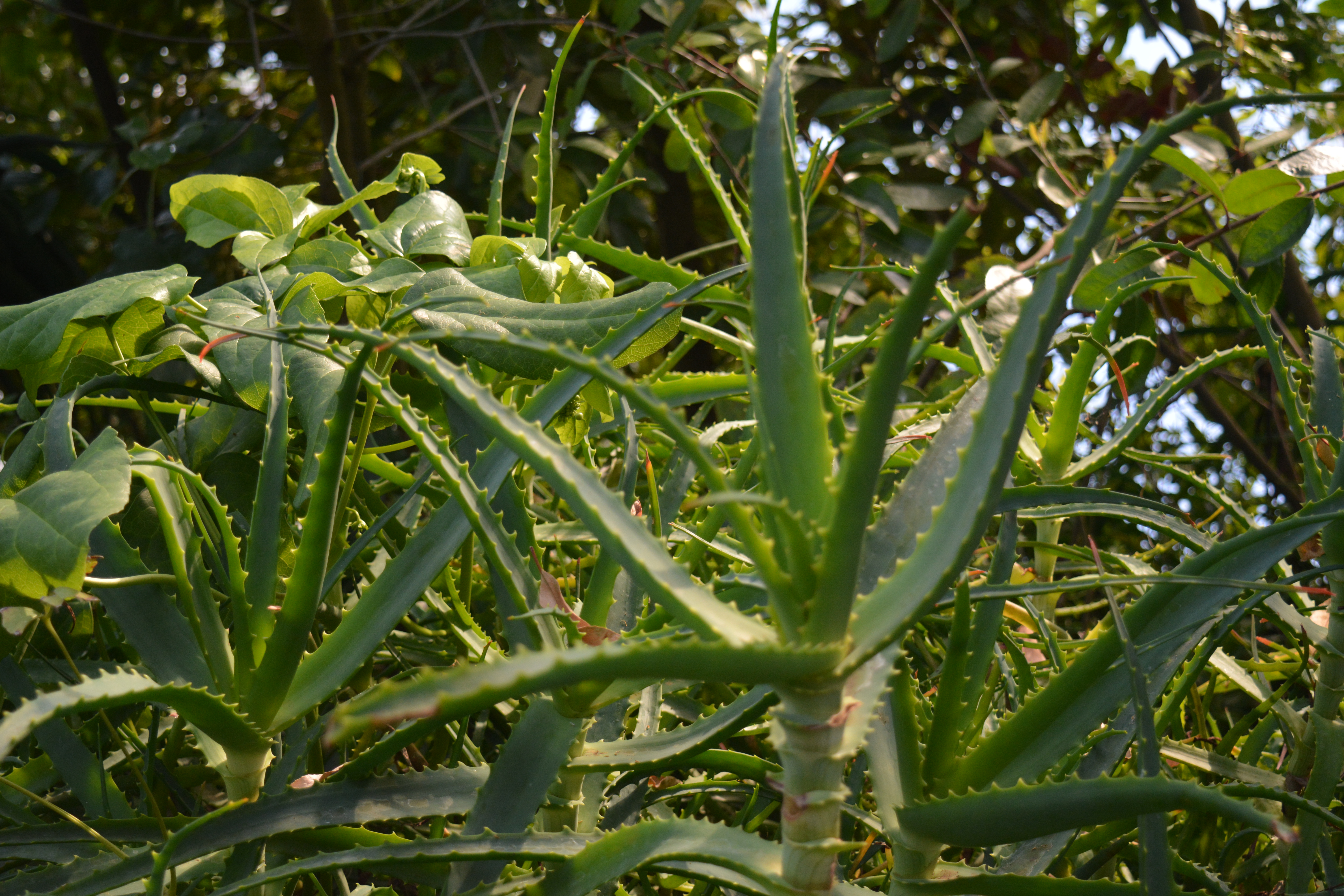
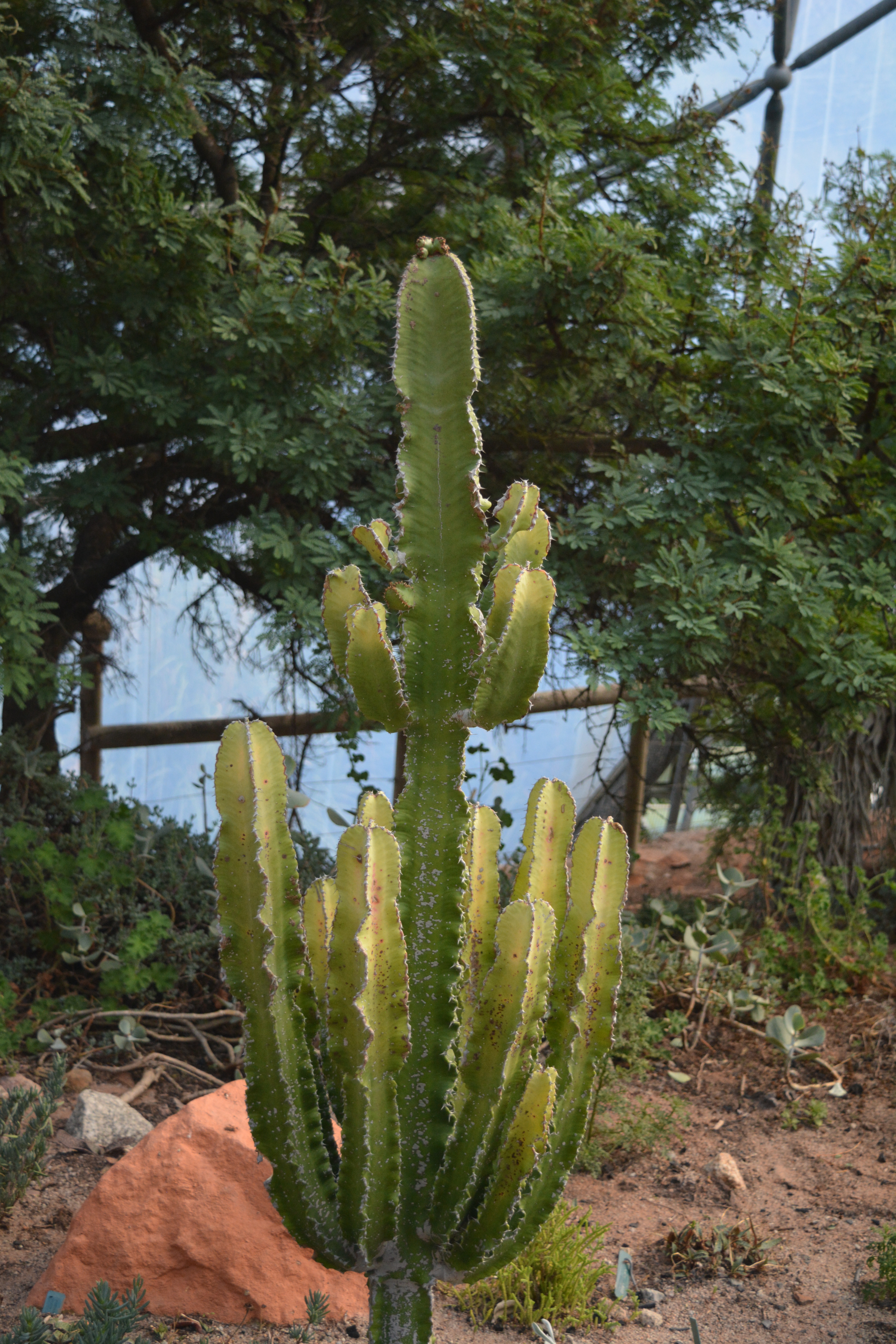
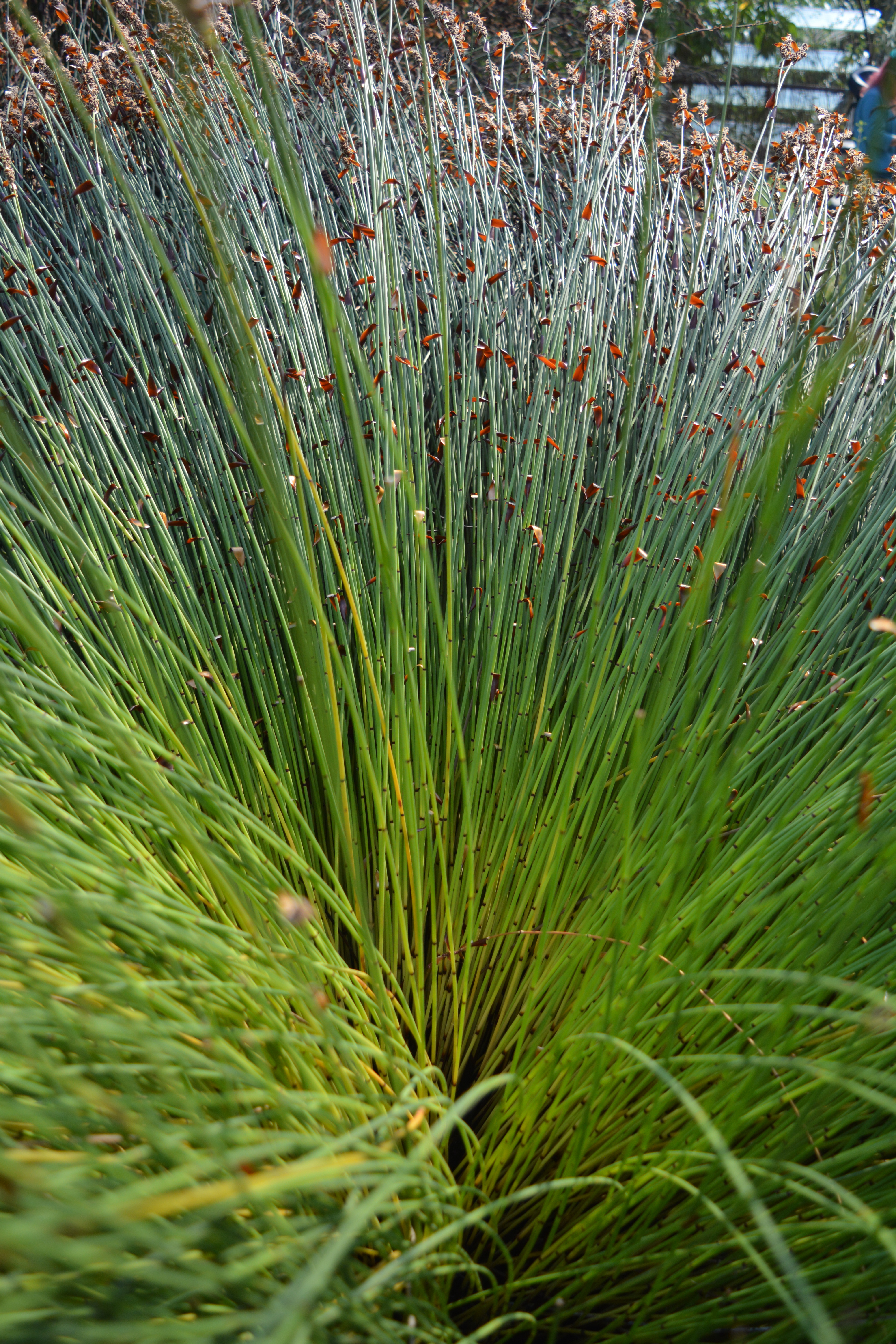
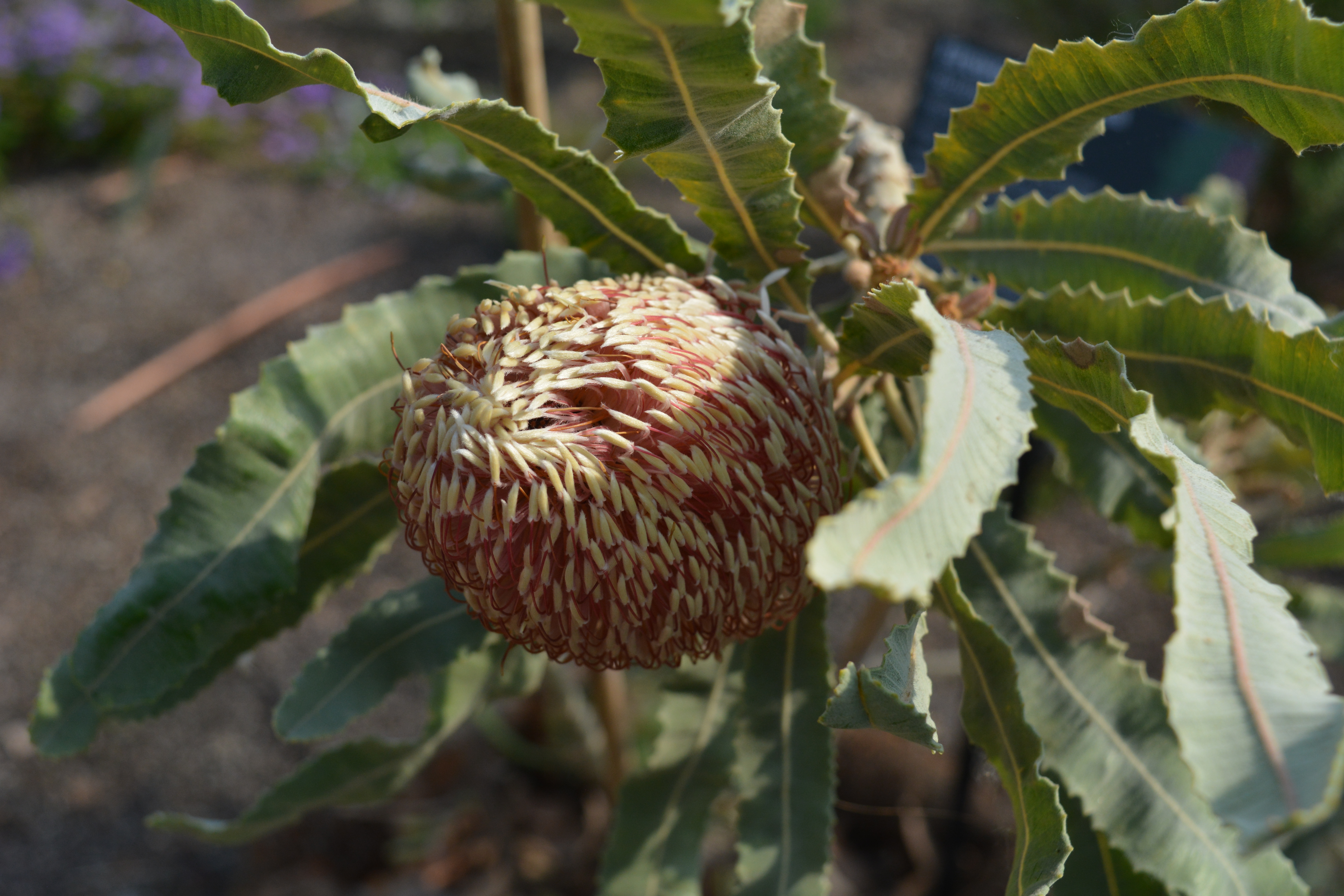
Arid plantings contrasted strongly with the brighter Med plantings, and it is the structure and texture of the arid plants that made them so attractive.


I will finish this look at the Eden Project biomes with a couple of photos of some lively sculpture.


In a future Cornwall holiday post I will share our visit to the other Tim Smitt project, The Lost Gardens of Heligan.

Categories
architecture buildings garden buildings garden design garden paths garden photography garden seat garden seating gardening gardens gardens open to the public ornamental trees and shrubs outdoor sculpture

A week in Cornwall – Part 2 – The Eden Project

It had been years since we last visited the Eden Project, so we were excited to return when we holidayed in Cornwall in the Autumn of 2018. We knew that there would have been so much development in that time. When we did visit  again during our week’s holiday in Cornwall, the project had developed almost beyond belief. The first view of the domes from the top paths is always stunning and most inviting. The domes were the brainchild of founder Tim Smitt and designed by architect Nicholas Grimshaw.


The walkway down to the main feature, the project’s domes, was early in its development when we last visited so we were amazed at how interesting it was on our return visit. Here is a taster of what we saw as we descended down to the domes.


The first dome is the rain forest zone, where plants that we see more often as house plants grow healthy and tall, flowering and fruiting as in the wild. Exploring the dome takes you right up to the top of the building which affords great views. Wandering back down gives us as much interest to enjoy as on the climb up. Exploring this dome is quite an experience!

After exploring the tropical dome we had a break for refreshments, coffee and cakes as usual and then moved along the corridor leading to the Mediterranean Zone. That is the subject of the next post.


Categories
garden arches garden photography garden wildlife gardening gardens gardens open to the public hardy perennials ornamental trees and shrubs outdoor sculpture village gardens

A Week in Cornwall – Part 1 – Poppy’s Cottage Garden

We had a week in Cornwall September last year so here is a series all about our explorations ans wanderings.

Early on in our week away in Cornwall we set out to visit a little garden in the middle of the countryside, Poppy’s Cottage Garden. After a difficult year of weather the garden showed a little wear and tear, as did gardens everywhere.

Poppy had designed and created a garden that entices visitors to explore and wander, corners to look around, archways to pass through and seats to rest upon and absorb the atmosphere.


However strange seasons are and how muddled up plants must become they seem to not only survive but even produce flowers.


The garden, like most cottage styled patches was attractive to wildlife adding a further level of interest. Added movement, sounds and colours.


Every cottage garden needs a piece of sculpture or two, serious or humourous.


We enjoyed the plant combinations which are a strong feature of this little garden. The other planned garden visits were for much bigger gardens.


Categories
colours garden design garden paths garden photography gardening gardens gardens open to the public hardy perennials light light quality National Trust ornamental trees and shrubs shrubs The National Trust trees Wales water garden water in the garden woodland woodlands

A quick visit to Bodnant Gardens – mid-May

Instead of my usual series of posts where we visit the same garden every month of the year, we have decided to look at two gardens one large and one small. This is because it is impossible to find another good garden that is open all year and easy to get to.

For the big garden we have chosen the National Trust’s Bodnant Garden in North Wales which we shall look at over the seasons and for the small garden we have chosen Wildgoose Garden and Nursery closer to home here in Shropshire which we shall visit each month during its open season.

To start this series I am going to look back at a visit we made to Bodnant back in May 2018 to give an idea of its beauty.

A final day out on our Anglesey holiday was to visit the gardens at Bodnant just slightly inland from the North Wales coast. It is a garden we have visited and enjoyed many times before and at all times of the year. The one strength of the garden is that is has so many different faces to be discovered and enjoyed.

In recent years a rectangular border alongside a tall stone wall has changed completely becoming a hot border, full of flowers and foliage the colours of fire. On a sunny day they really light up.


Directly opposite and in complete contrast is a formal area of low trimmed hedges holding together borders of tulips.


The Winter Garden at Bodnant is one of the best in the UK, and although superb in its special season, the winter, it is still an interesting garden in the summer.


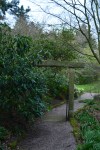
The narrow gravel paths take us into the shady areas beneath mature deciduous trees. Bluebells added a blue mist to the rich green grassed areas.

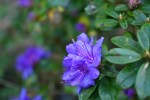
What many visits make the journey to Bodnant for are the bright clashing colours of rhododendrons, azaleas and camellias. We however are not great fans of these acid loving bloomers, but here are a few shots for those who do.

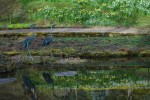
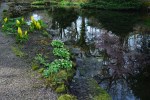
An area of Bodnant gardens we have rarely reached over the years because of my mobility problems is the deep steep-sided valley with tall trees towering over a beautiful sparkling stream which meanders along its length. After recent surgery I can now manage to get down to this magical dingle. The magical atmosphere is created by the huge trees that tower above visitors who wander the gravel paths along the valley running close to a clear mountain stream, and on the banks beautiful bog and water loving plants grow happily. Primulas, hostas, ferns and Skunk Cabbage add colour and texture to the scene.


No doubt it won’t be long before this great garden is featured in another of my greenbenchramblings posts as we usually wander around its Winter Garden early in the year.

Categories
flowering bulbs garden photography ornamental grasses ornamental trees and shrubs Winter Gardening winter gardens

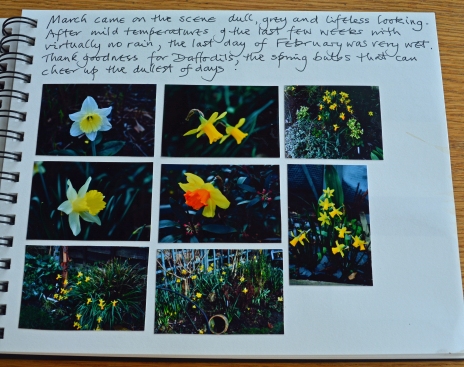
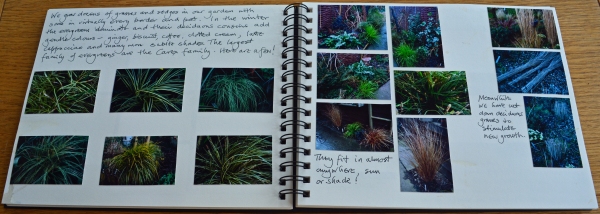
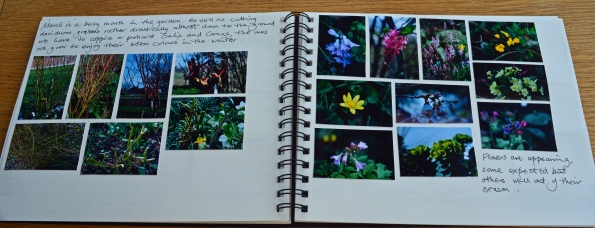
My Garden Journal 2019 – February

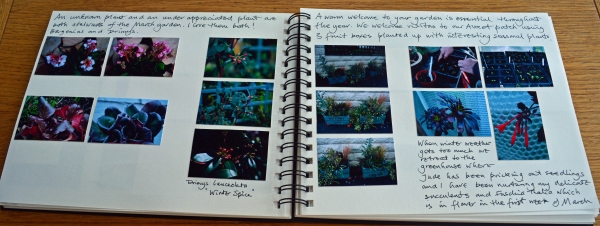
Here we are visiting my garden journal for the second time in 2019 with my February entries. My first double page spread was all about the week that spanned the last few days of January which delivered snowfall and the first few days of February which gave us a heavy frost.
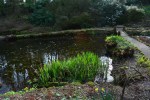
The photos on the left hand page illustrated some of our winter flowering scented shrubs topped off with a layer of deep frost. I wrote, The last few days of January shared a week with the first few days of February. It was a cold week cheered greatly by the appearance of flowers on our winter shrubs, which also delighted with their rich scents.”

“The delights of scented winter shrubs. Food for winter flying moths.”
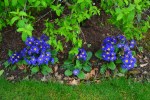
   

Opposite my photos showed the effects of snow on our sculpture, both man-made and created by Mother Nature, the seedleads of grasses and perennials.
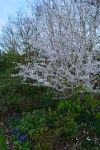
“The snowfall that came and went all within a day.”


Over the page my next two pages concerned with a period of strong winds and the earliest of bulbs to flower in our patch.

I wrote, “February 9th delivered gale force winds overnight so firstjob on the 10th was inspecting for damage. Luckily very little was to be found just a few minor happenings.” 


“One broken stake of a support trio. Plant labels blown around the garden. 

“Part of an insect home blown down. Plant protection bags blown off delicate shrub Loropetala.”

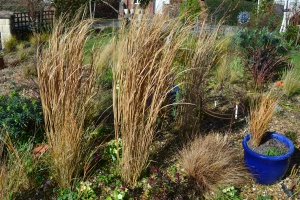
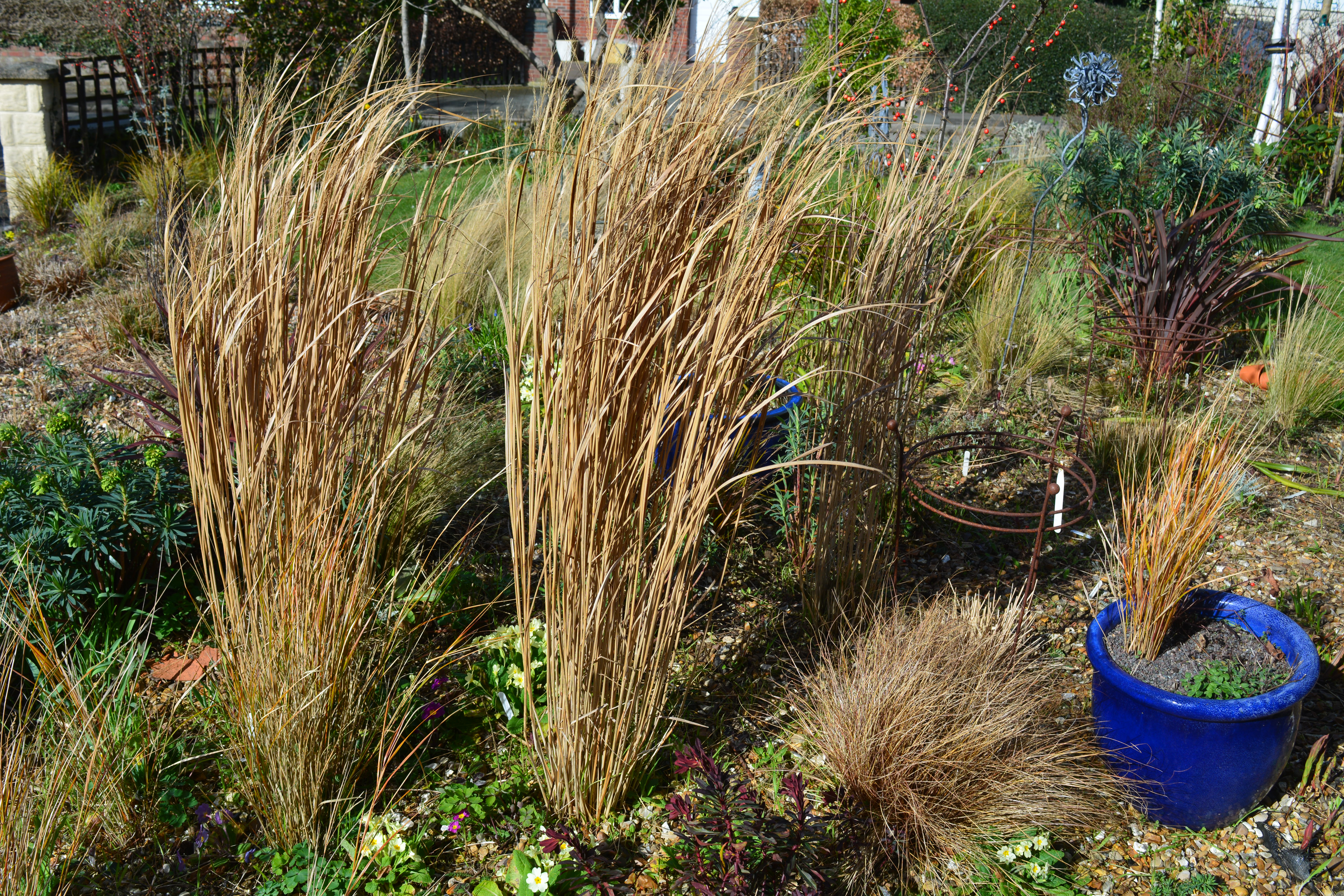
 “Collapsed Calamagrostis”

On the opposite page I wrote, “February sees the first of our bulbs coming into flower.”


“A pale crocus and an deep purple Iris reticulata.”


“Snowdrops have bulked up nicely.”

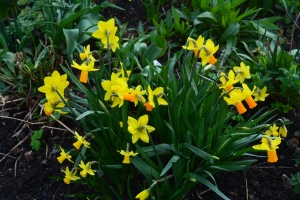
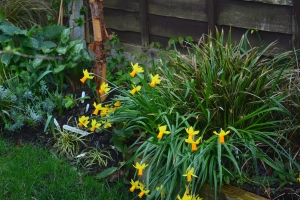
 “Winter Aconite give winter gold”  

“Cyclamen at the base of our Field Maple.”

The next double page spread is all about Hellebores and we have so many.

I wrote, “Hellebore hybrids and self-seeders are blooming throughout our garden.”


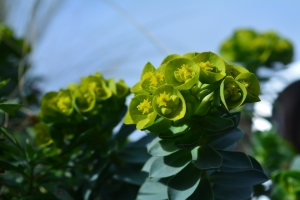
“Euphorbia foetidus grows to small shrub proportions in the rich soil in our patch. Its acid-yellow bracts sit well against its deep green deeply cut foliage. It has a rather unfortunate common name of “Stinking Hellebore”, but is also called “Barfoot”.

“Even more of our Hellebore hybrids.”


Turning over the page one more time I looked at some indoor gardening related jobs and wrote, “Wet days in February afford us the opportunity to catch up on indoor tasks such as chitting potatoes, starting off Dahlias and Cannas as well as sowing seeds of perennials and a few annuals.”


I continued, “Meanwhile outside we continue to tidy up border by border. Sorting our gravel garden, the Chatto Border, is a major task so we do that work on days when Ian, our part-time gardener is around to help us. We also dug up and divided Day Lilies.”


About Crocus I wrote, “Whatever the weather, sunny or overcast, the gold of Crocus shines through, even the purple coloured varieties have spots of deep yellow, almost orange.”

Turn over and I share the surprise of a wildlife visitor, about which I wrote, “There is a surprising amount of wildlife activity in our February garden. Recent sunny, warmer than average days have encouraged our resident birds to start singing and calling. The Song Thrush calls loudly from first light along with Robins, Dunnock and Wren while overhead Buzzards and Red Kite mewl as they soar. As the light levels drop Tawny Owls called for long periods of time. Sunshine also brings out Bumble Bees and Honey Bees to feed off early flowers of bulbs and the first butterfly of the year makes its appearance. A stunningly beautiful Red Admiral rests on a wall taking in the extra warmth of the sun on the bricks.


Categories
hedgerows light light quality shrubs

Simply Beautiful No 27 – Catkins

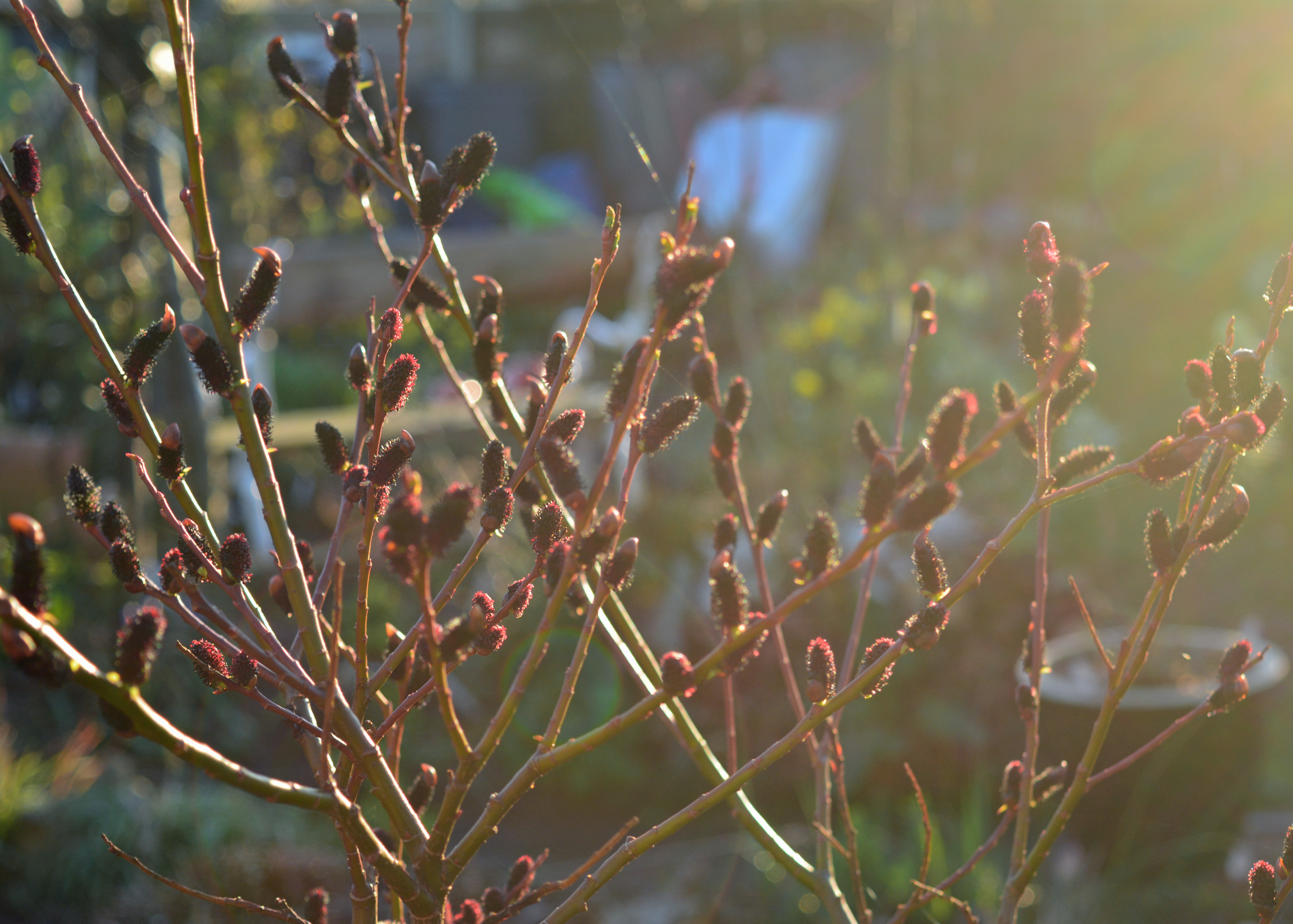
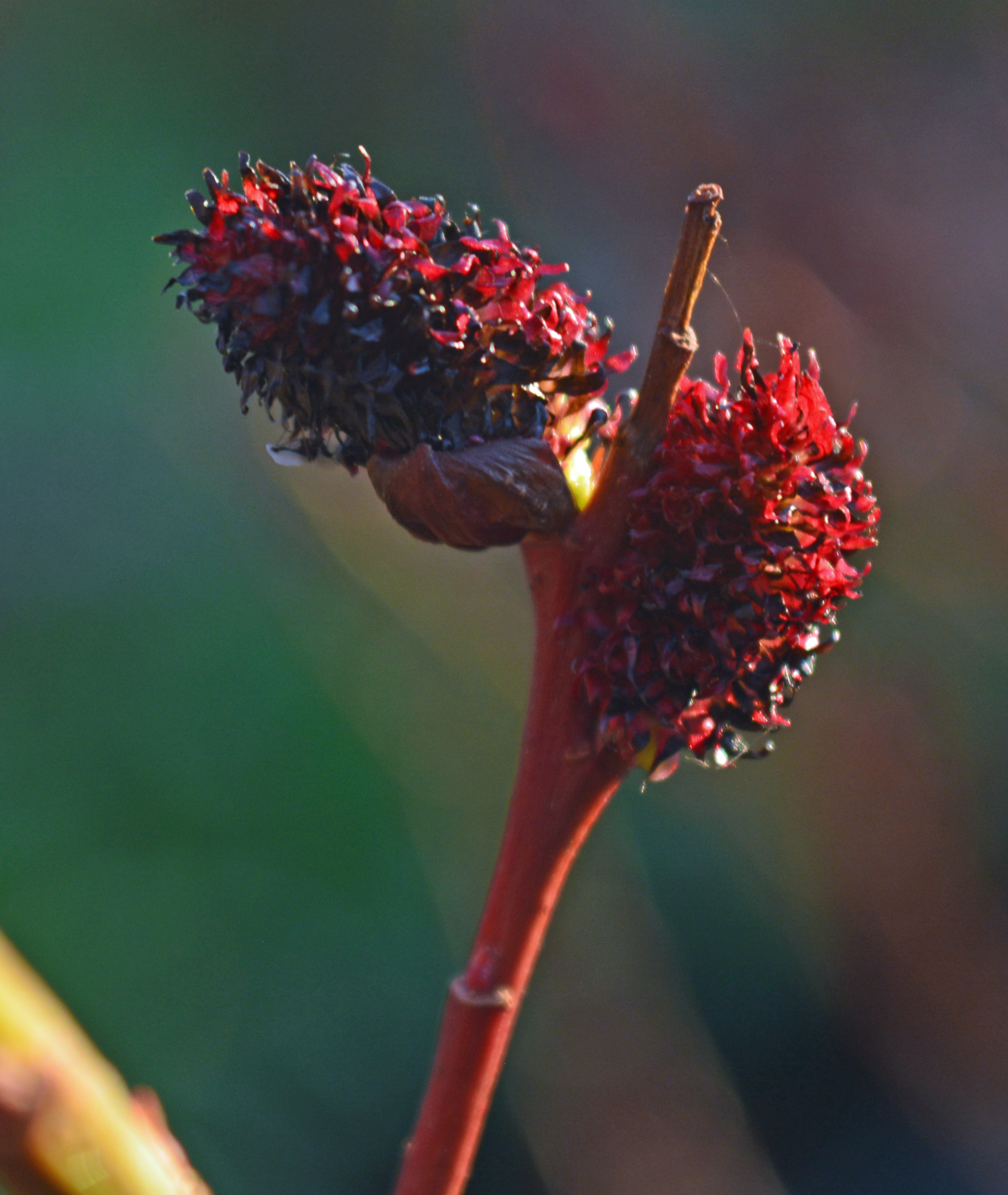
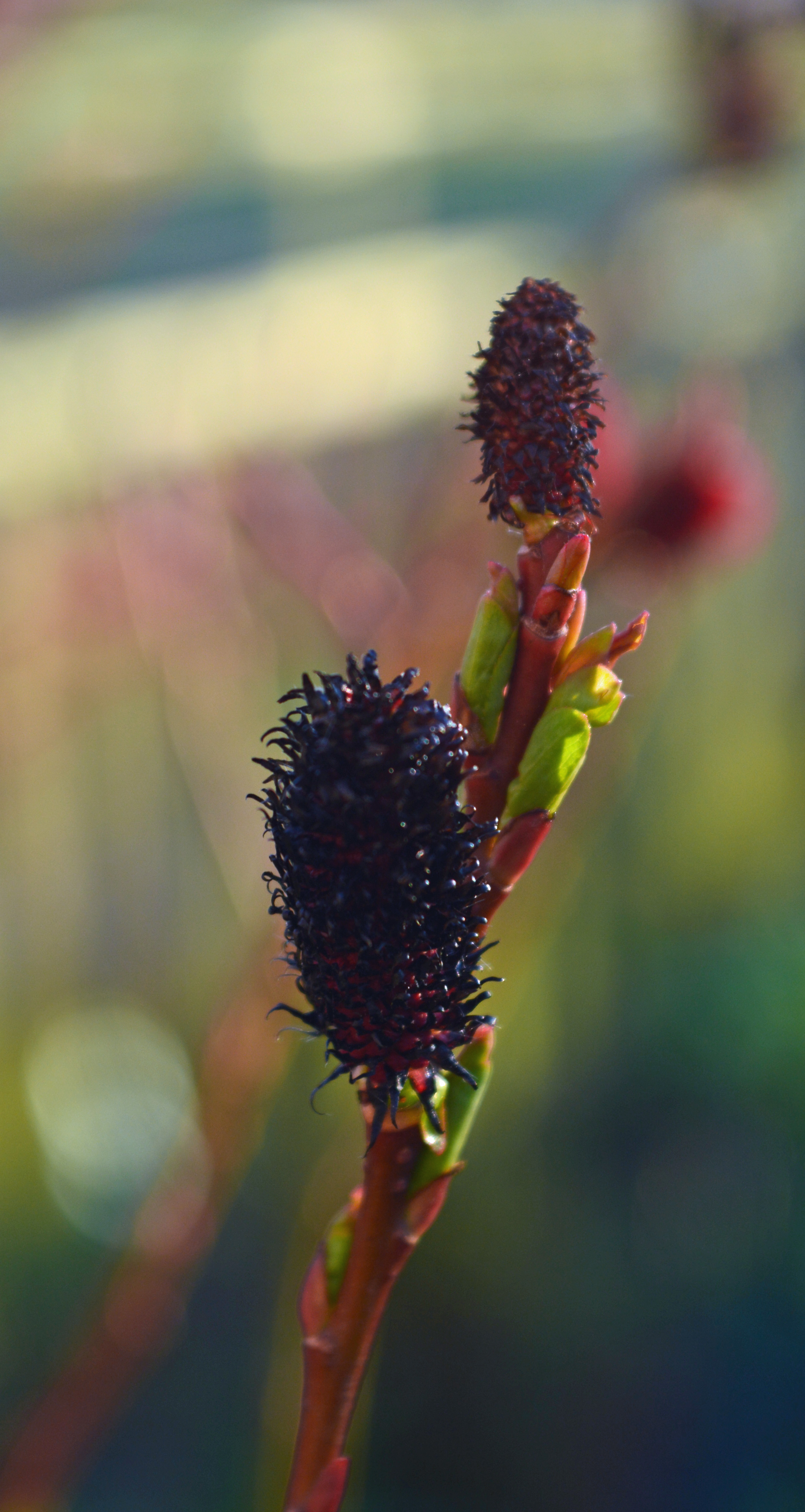
This year catkins especially on Hazels have been more impressive than we can ever remember. They seem brighter and longer and bring February hedgerows to life.

Categories
countryside landscapes light quality

A Hill Top Winter Walk

In mid-February on a cool day with a cold wind we took a walk along the top of Llanymynech Hill on the England/Wales border. Jude and I regularly meet up with a group of friends from our college days back in the late 1960s/early 70s, often at gardens, National Trust properties and on this occasion we met up for a pub meal followed by a walk.

Although it is not far from us we haven’t visited it before although Jude did go when she was a child. Come on our walk with us by following the gallery of my photos. Click on the first photo and navigate with the arrows.

Perhaps we will return in the summer and follow the same walk again and see what changes with the seasons.


This Veggie Life

A Vegetarian | Nature Lifestyle Blog

Rambling in the Garden

.....and nurturing my soul

The Arch City Gardener

Journeys In St. Louis Gardening and Beyond

Garden Dreaming at Châtillon

Consult the genius of the place

Storyshucker

A blog full of humorous and poignant observations.

gardeninacity

Notes from a wildlife-friendly cottage garden

PlayGroundology

...an emerging social science

The Official Blog of British Wildlife

'The most important and informative publication on wildlife of our times' - The Independent. This blog is a member of The UK & Ireland Natural History Bloggers group: www.uknhb.blogspot.com

iGrowHort

Inspire - Cultivate - Grow Native Plants - Restore Landscapes

Bishops Meadow Trust

To create and protect a semi-natural wild space for the people of Farnham to enjoy and experience an array of British wildlife in our town

Gardening with Children

The www.gardeningwithchildren.co.uk Blog

UKbirdingtimeline

birding through the seasons, why birds matter and how to conserve them

NATURE WALKER

with a camera in hand

Jardin

Transform your outdoor space

Eva's space

My allotment, cooking and other interests

Old School Garden

my gardening life through the year

LEANNE COLE

Trying to live a creative life

fromacountrycottage

trying to live as lightly as possible on our beautiful planet

Good Life Gardening

Nature lovers from Leicester living the good life.

mybeautfulthings

Finding the beautiful in the everyday

mawsonmichelle

Michelle's Allotment

In and Out of My Garden

thoughts from and about my garden

Greenhousing

Big plans for a small garden

The Scottish Country Garden

A Walled Country Garden in South East Scotland

The Fruity Chicken

Life at the fruity chicken

willowarchway

Off grid living. Self sufficient. "PERMAGANICS RULE".

St Anns Allotments

Nottingham's Grade 2* Listed Allotments and Community Orchard

Manifest Joy Harvests

a journey in suburban vegetable gardening

Allotmental

The madness of growing your own

Penny's Garden: a harvest beyond my front door

A novel approach to vegetable gardening

arignagardener

Sustainable living in the Irish countryside.

NewEnglandGardenAndThread

Master Gardener, amateur photographer, quilter, NH native, and sometimes SC snowbird

dianajhale

Recent work and work in progress and anything else that interests me

planthoarder

a chaotic cottage gardener

Lens and Pens by Sally

a weekly blog that creates a personal philosophy through photographs and words

Dewdrops and Sunshine

Stories from a sassy and classy Southern farmbelle.

The Pyjama Gardener

Simple Organic Gardening & Seasonal Living

gettin' fresh!

turning dirt into dinner

JOY...

today the world is created anew

Garden Birds

Notes from a Devon garden

ShootAbout

Life Through The Lens

Adapting Pixels

A photography blog showcasing the best photography pictures and videos on the internet

Wildlifegardening's Blog

Just another WordPress.com site

naturestimeline

personal observations from the natural world as the search continues for a new approach to conservation.

LATEBLOOMERBUDS

The Wonders of Life through my Eyes, my Heart, my Soul