Categories
birds colours garden design garden photography garden wildlife gardening gardens open to the public ornamental trees and shrubs trees woodland

A Week in the Lake District – Part 4 – Brantwood

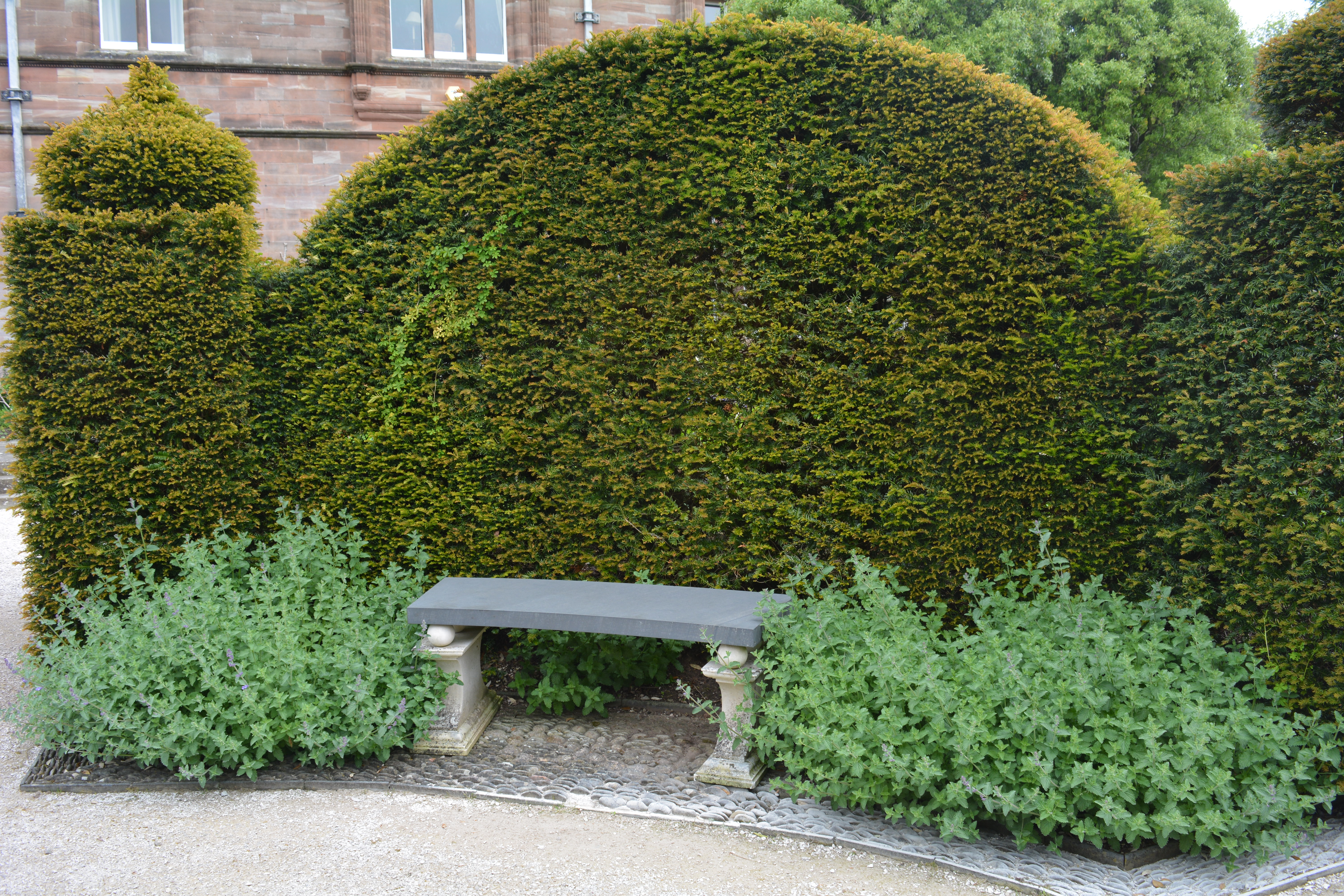
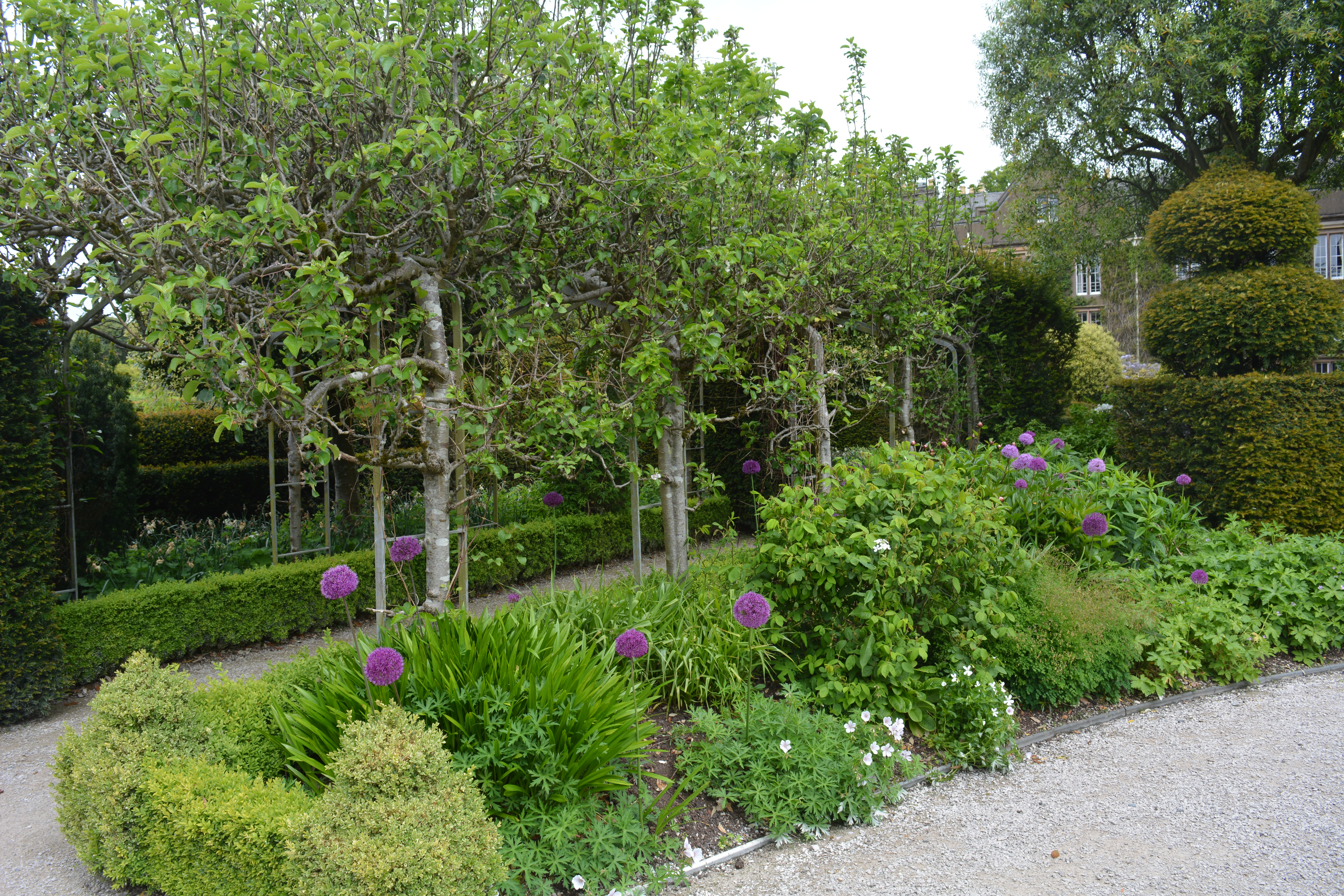
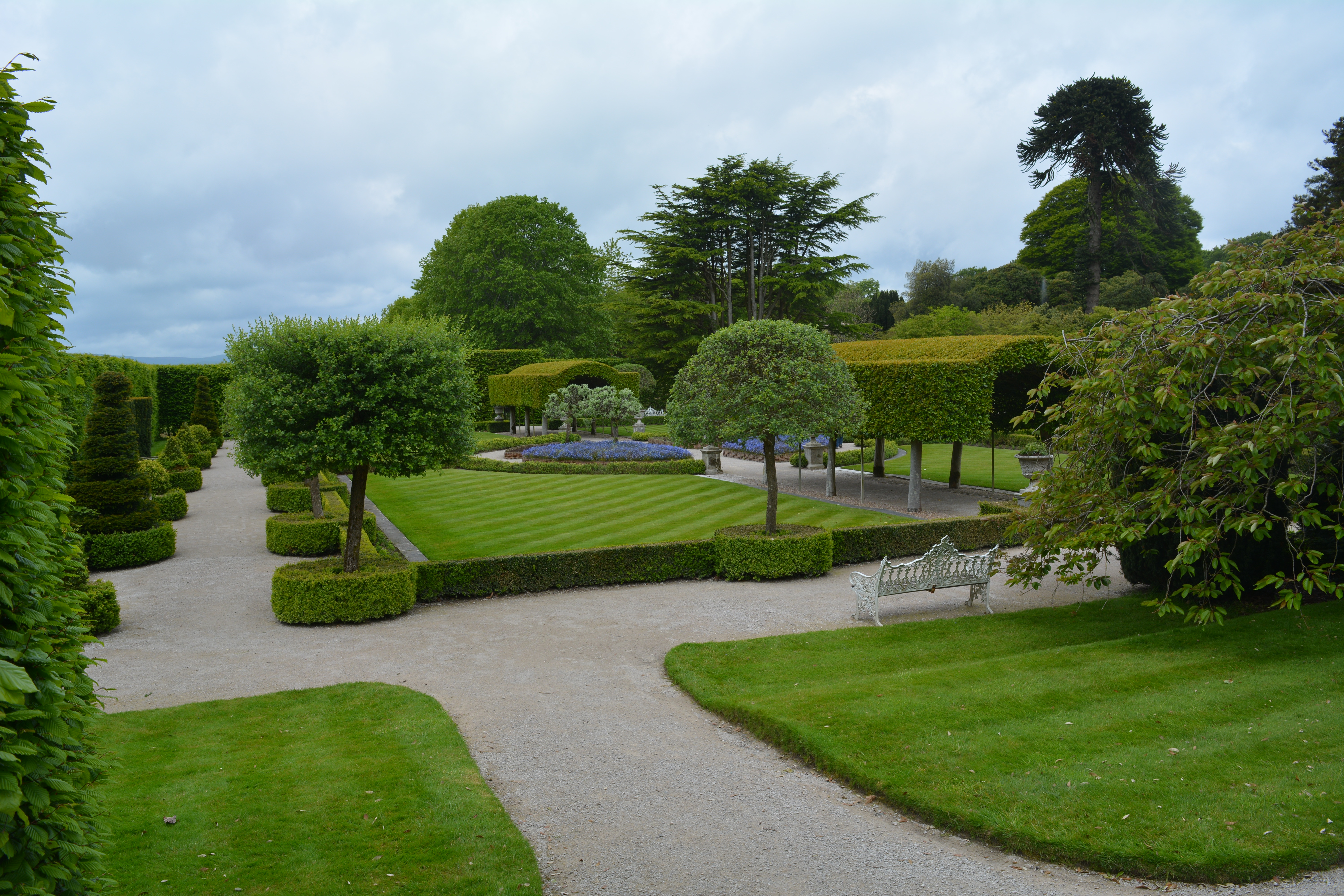
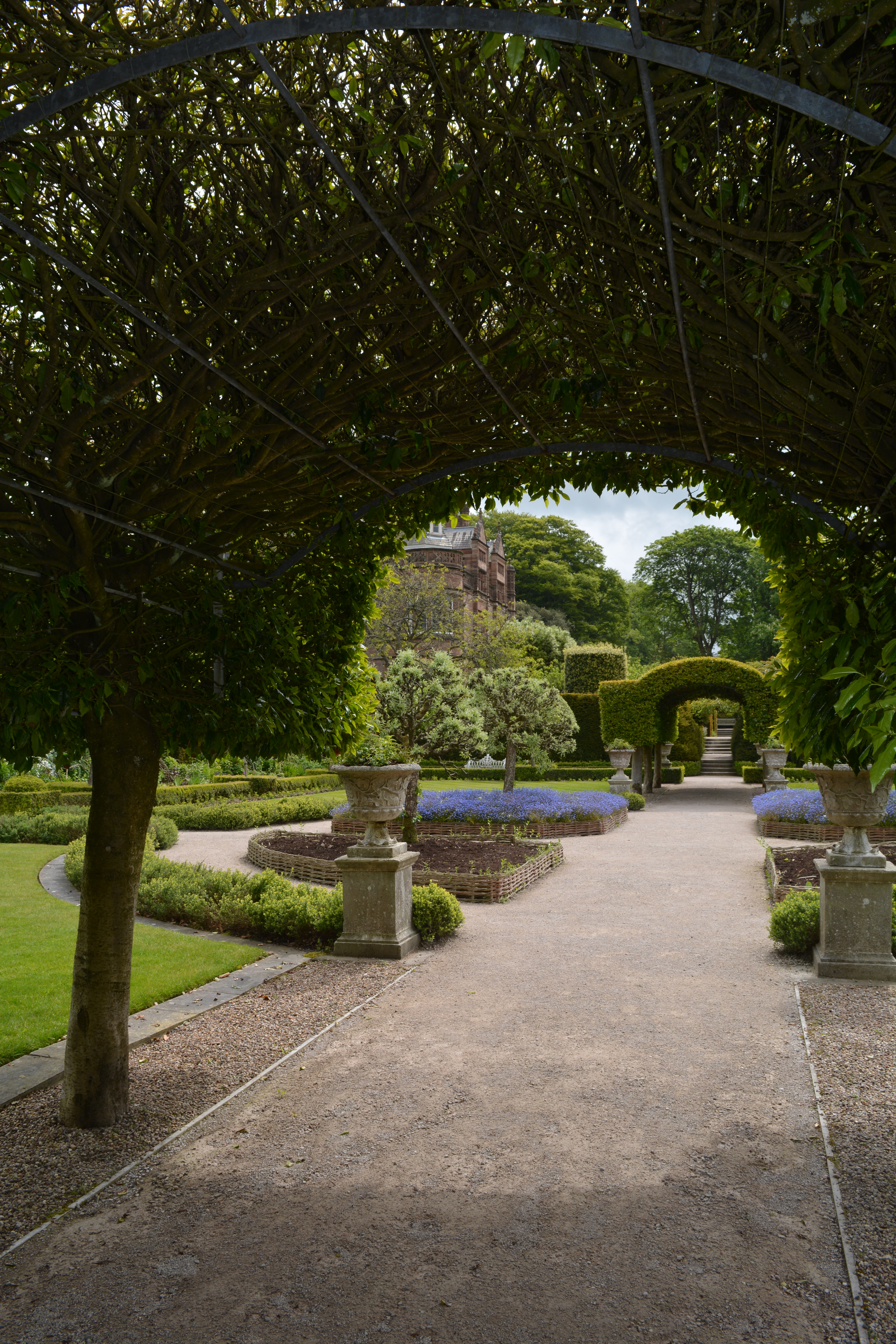
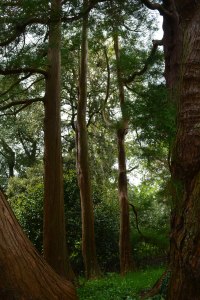
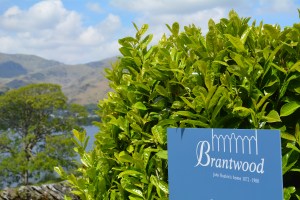
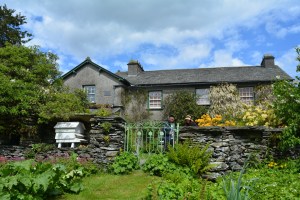
I had read a book about the making of the gardens at Brantwood in the Lake District, so when we found ourselves nearby we were determined to make time for a visit. Brantwood was the home of John Ruskin who believed in gardening with wildlife so his garden is often described as one of the closest to the ideals propounded by William Robinson.

2015 06 05_2488 2015 06 05_2487

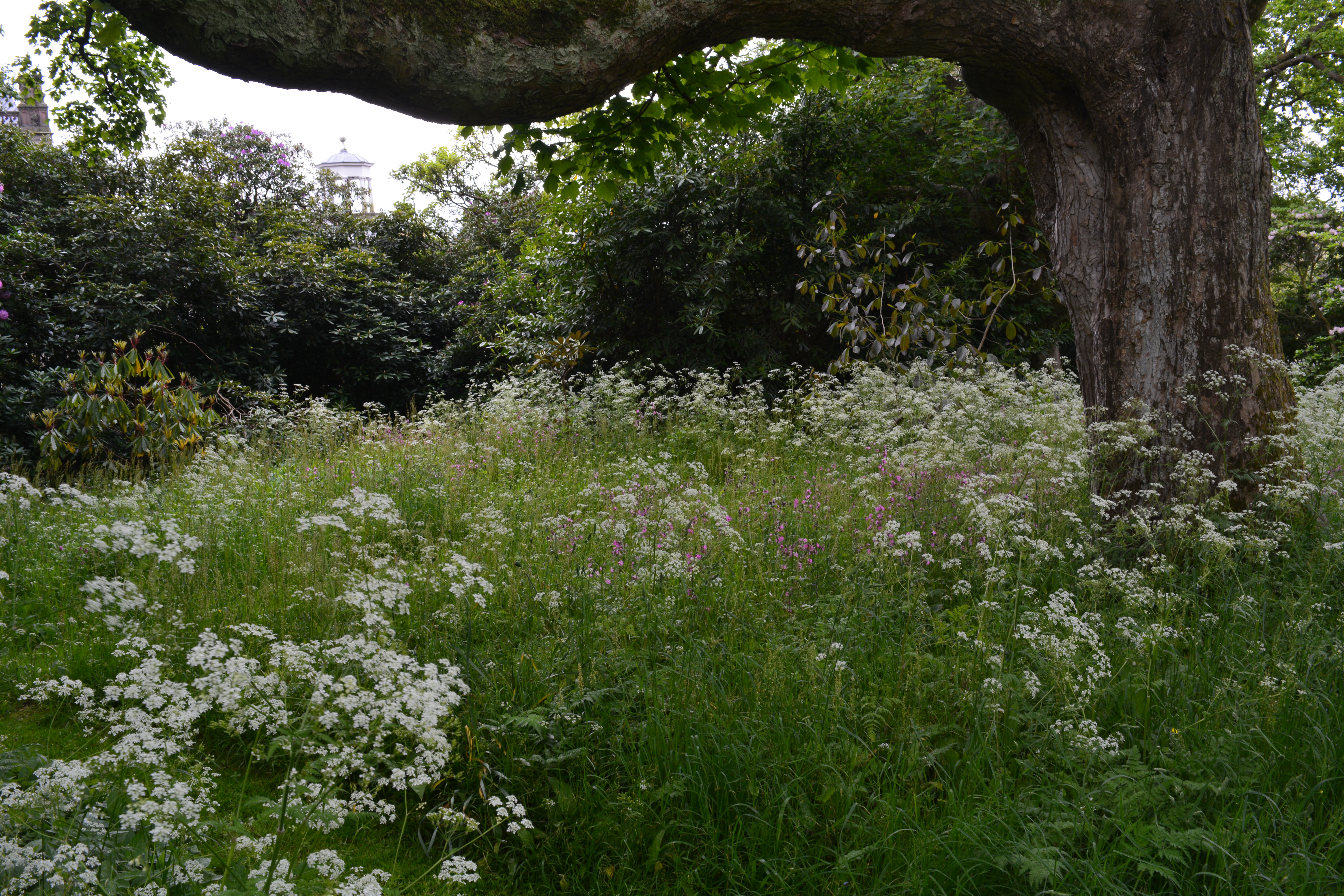
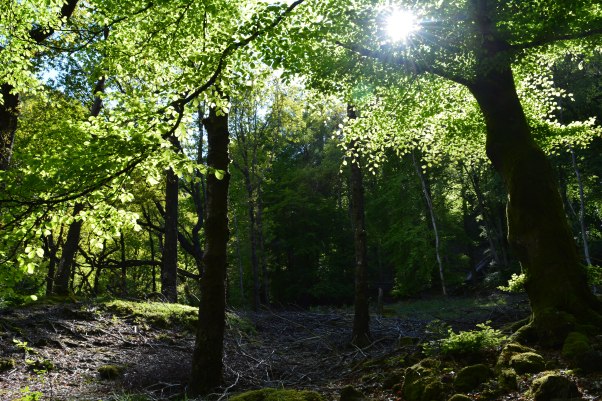
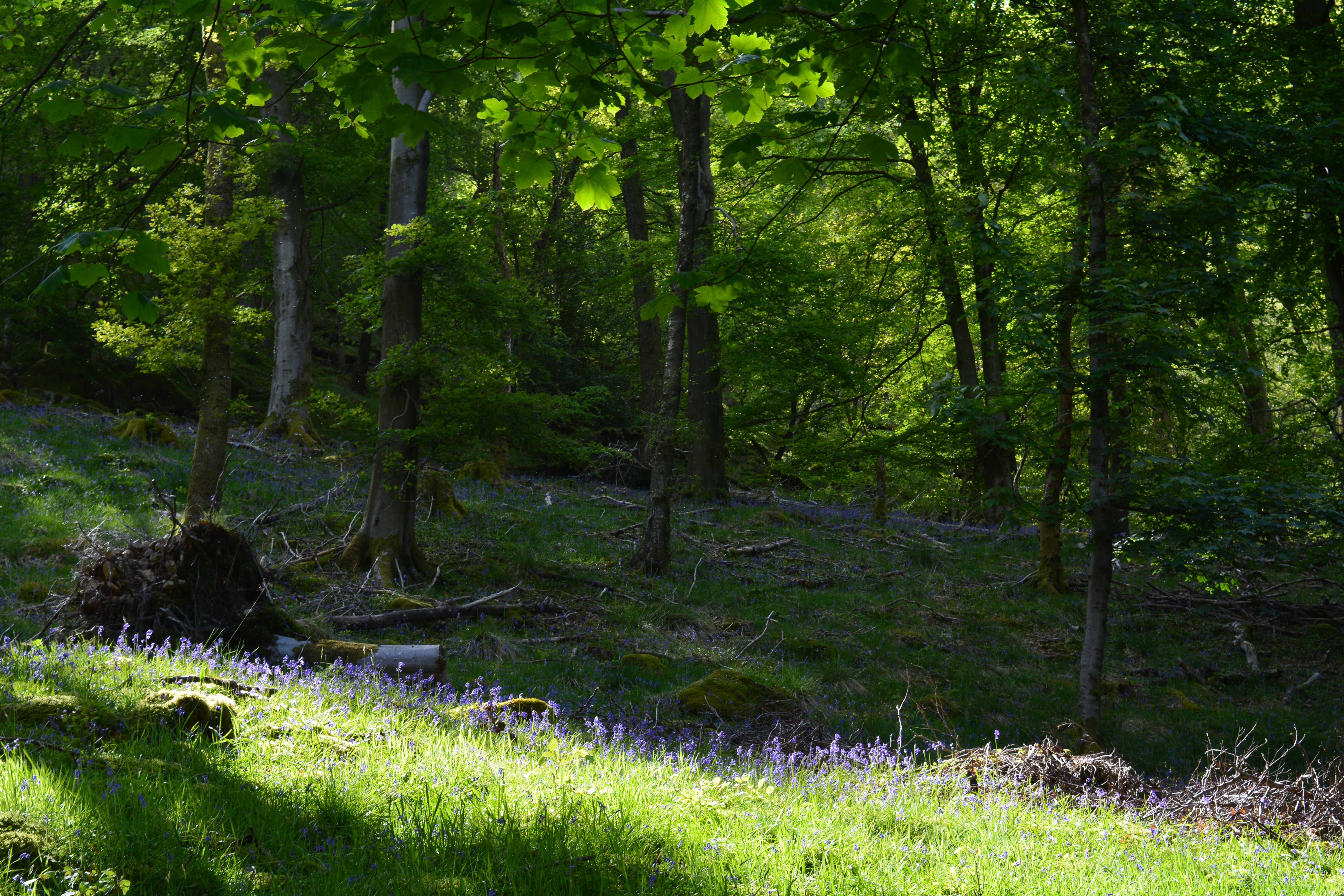
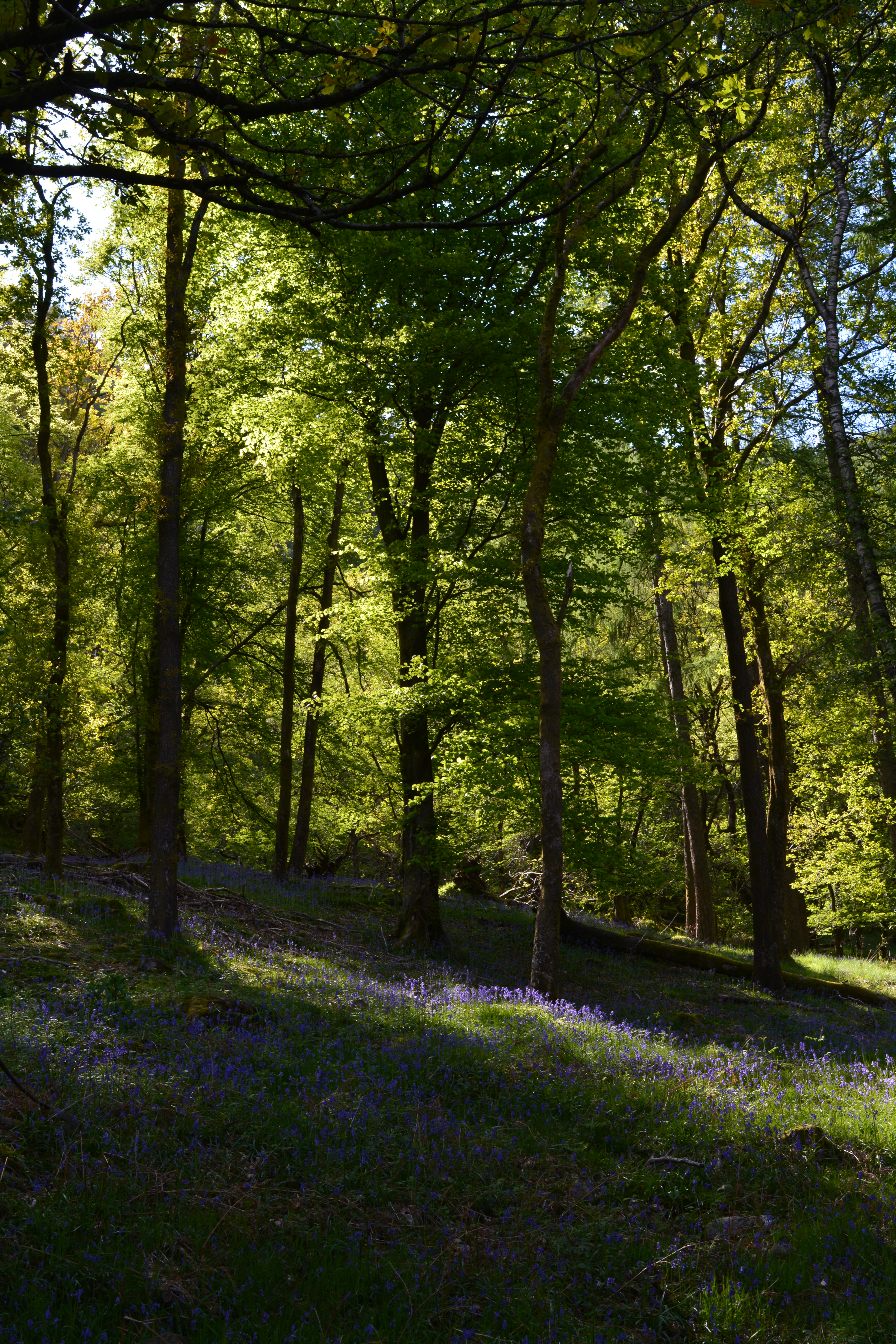
We visited on a hot sunny day so were pleased that we were exploring a woodland garden. As with other places we visited in the Lake District we were astonished to hear so much birdsong, missing now in much of the UK due to modern agricultural practices. Thrushes both Song and Mistle, along with their cousins the Blackbird, seemed to sing loudly from every tree. Blackcaps, Robins, Wrens and Whitethroats performed with equal gusto from the layer of shrubs and bushes.

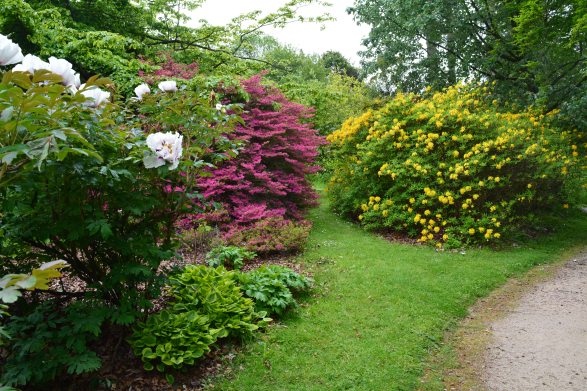
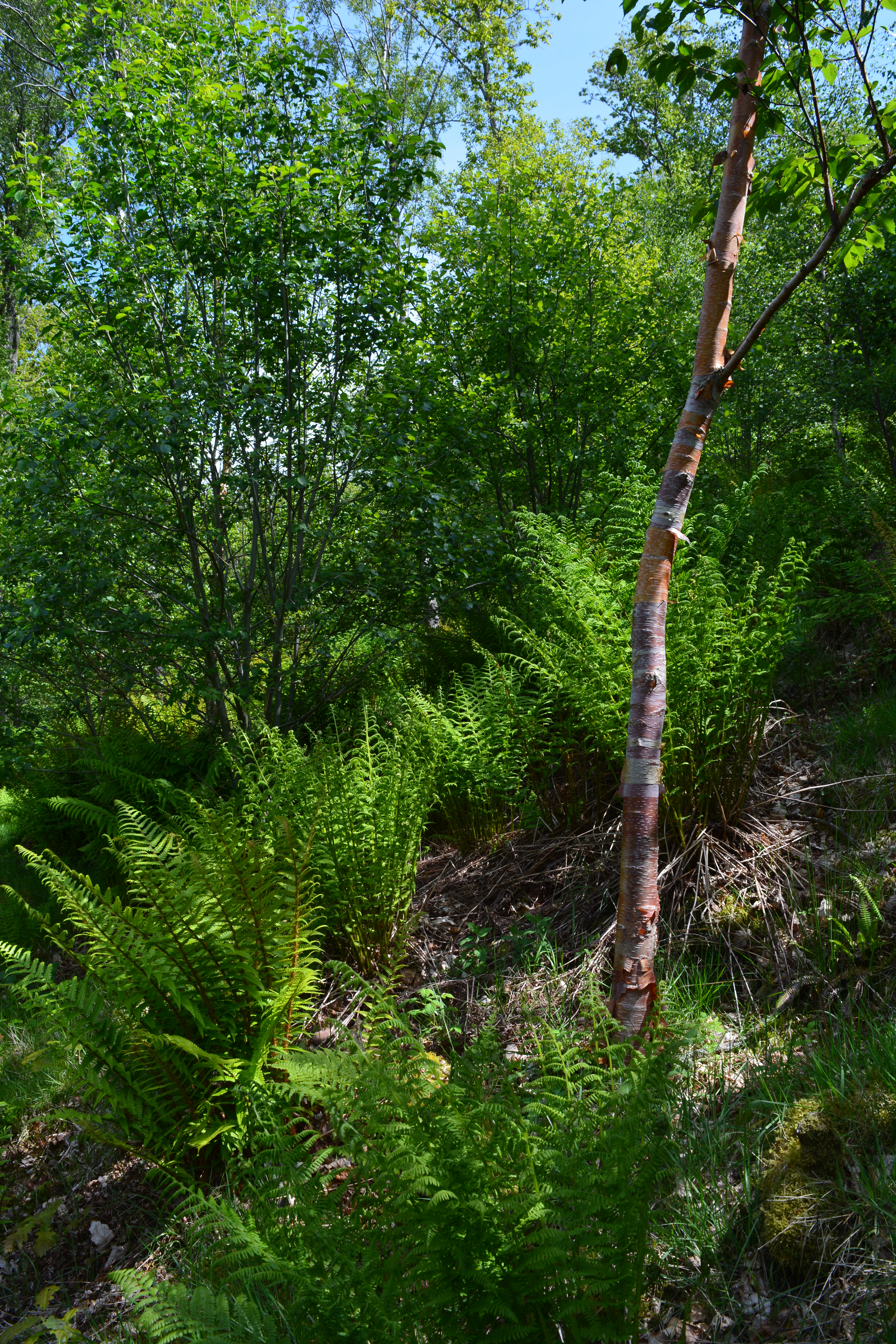
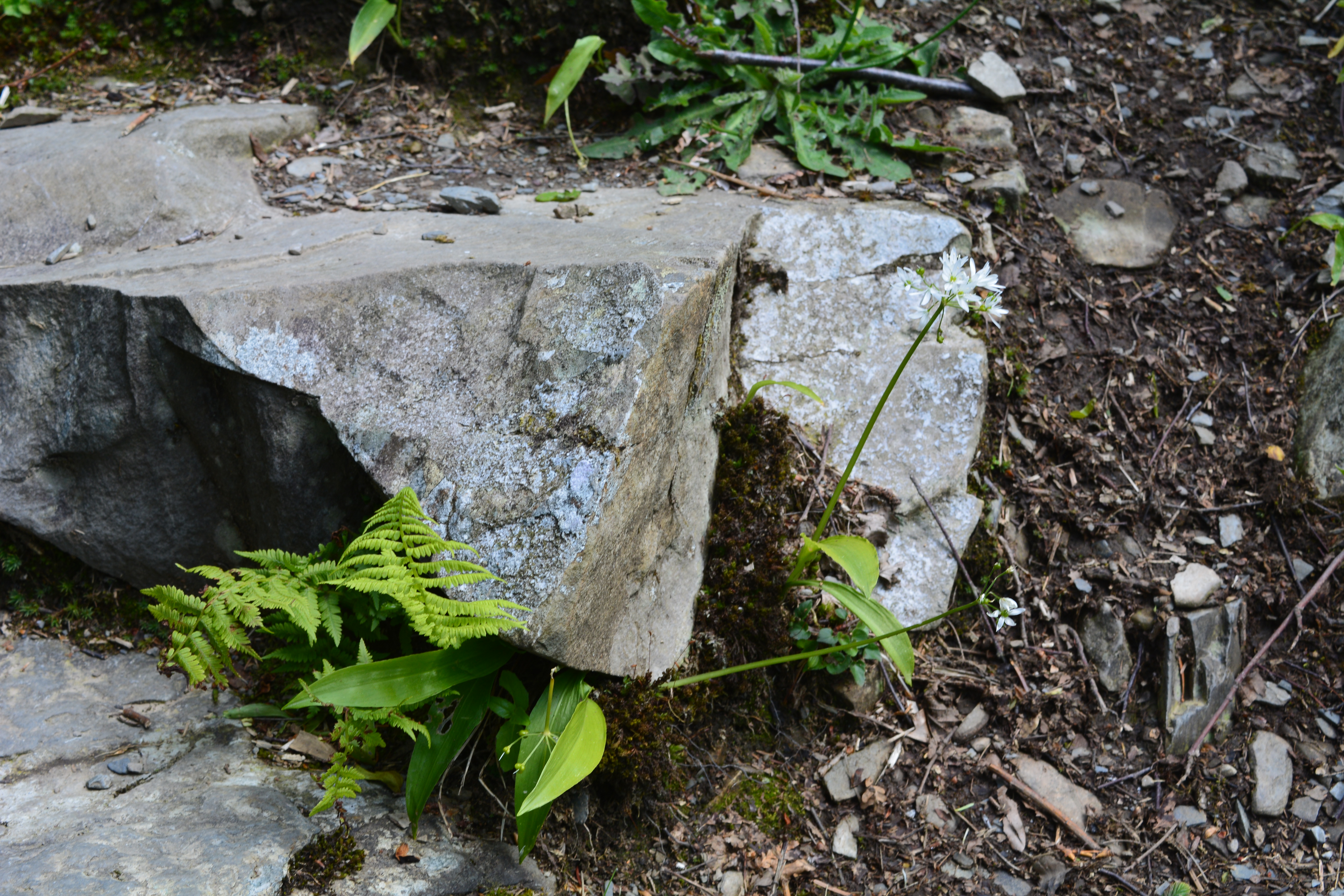
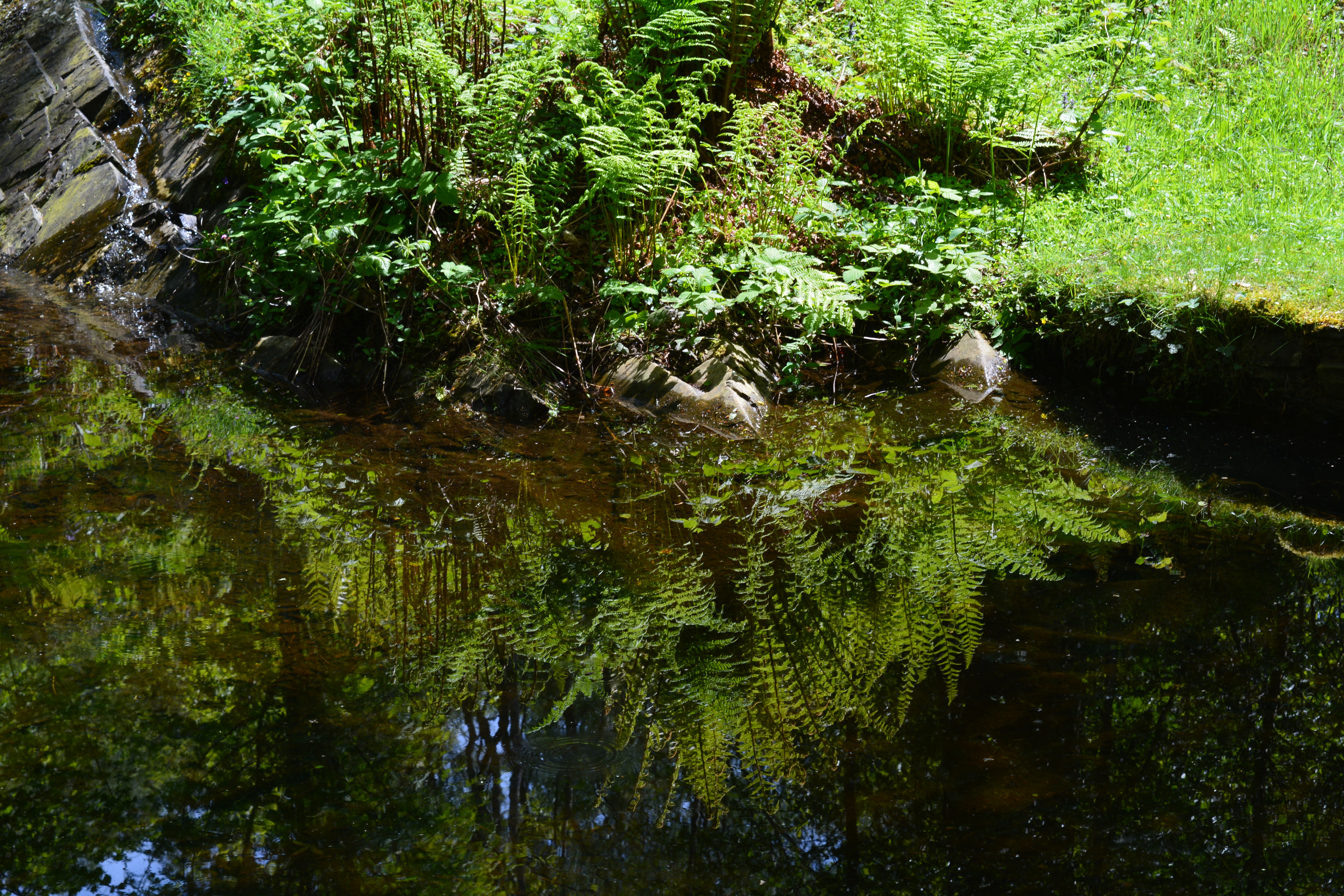
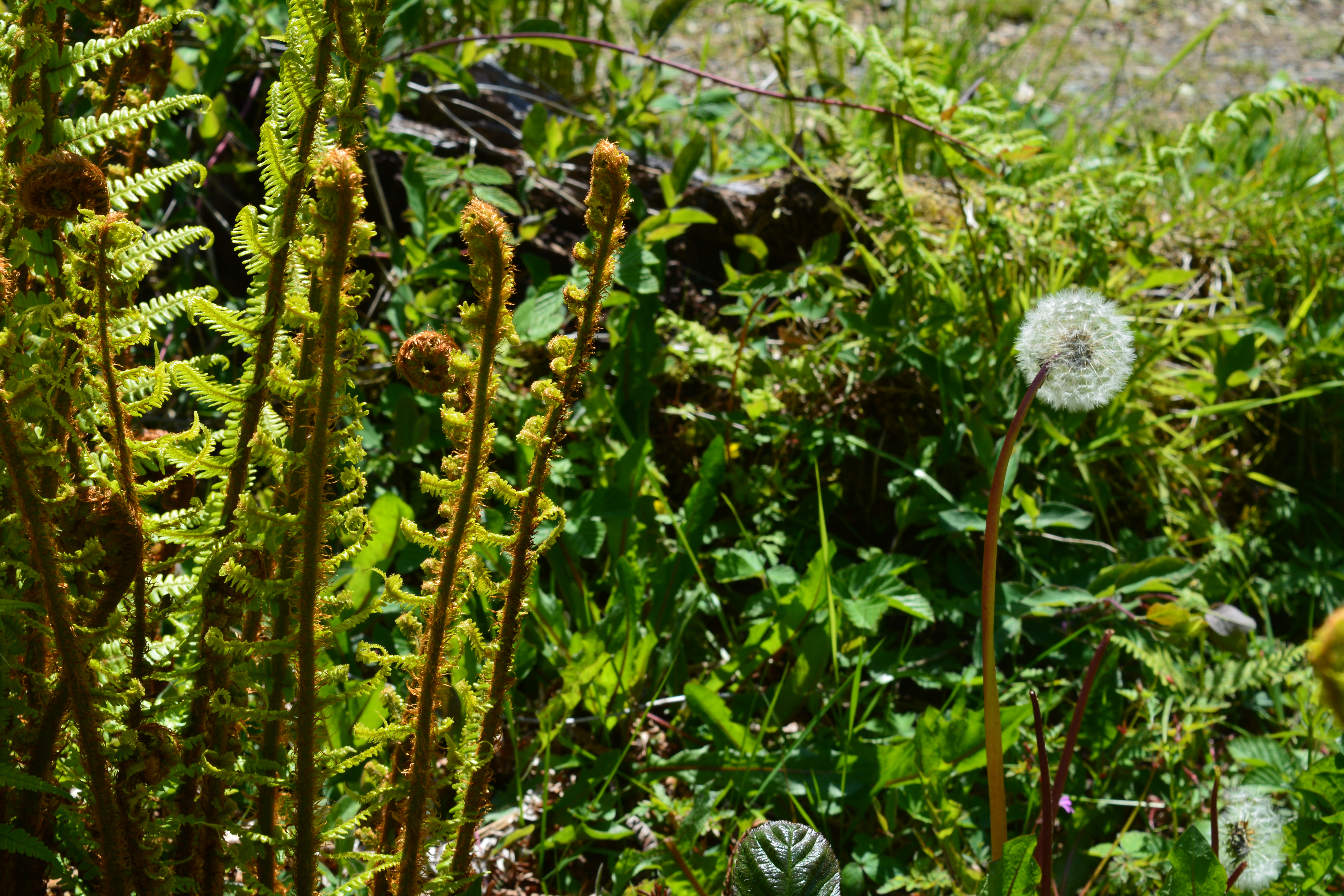
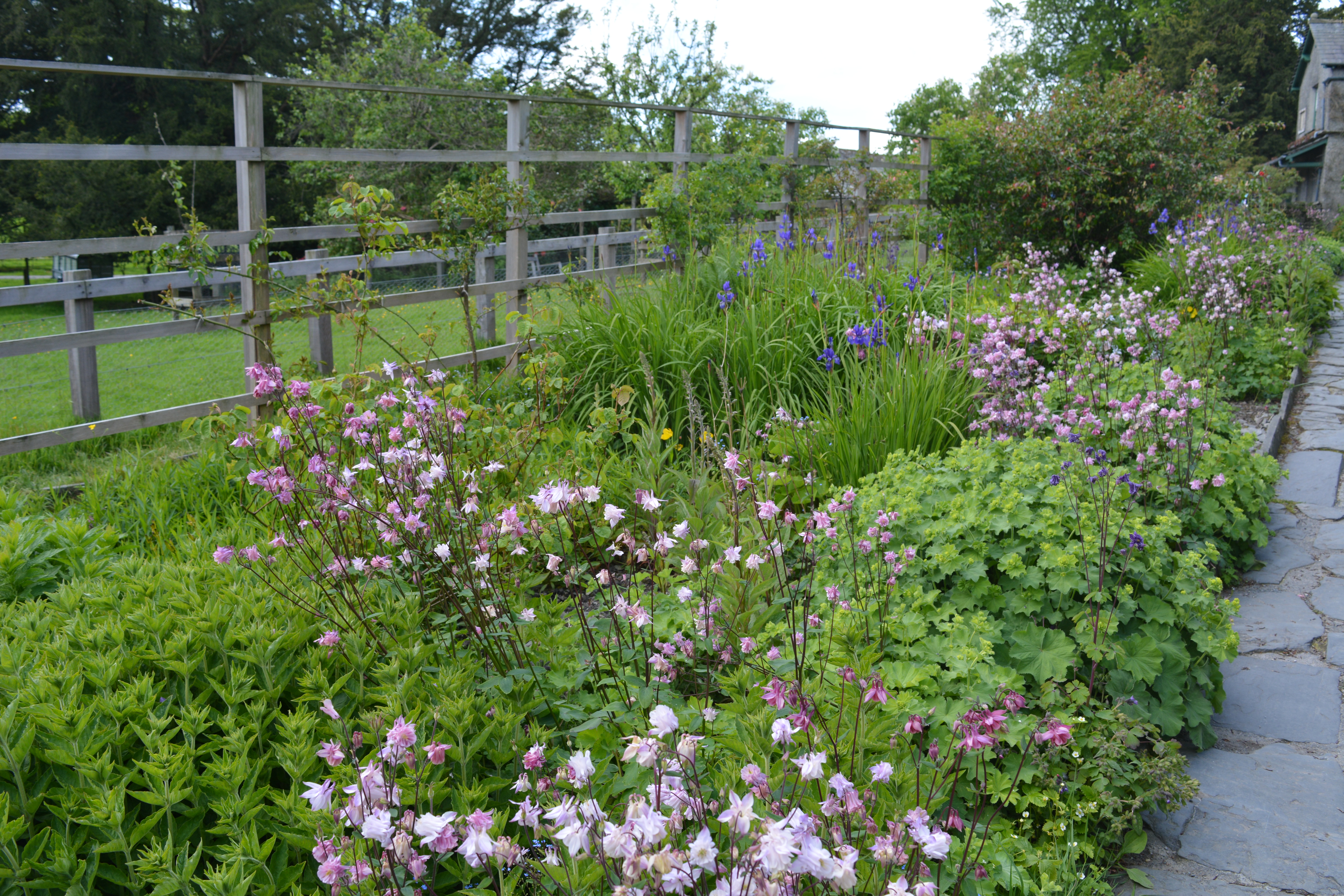
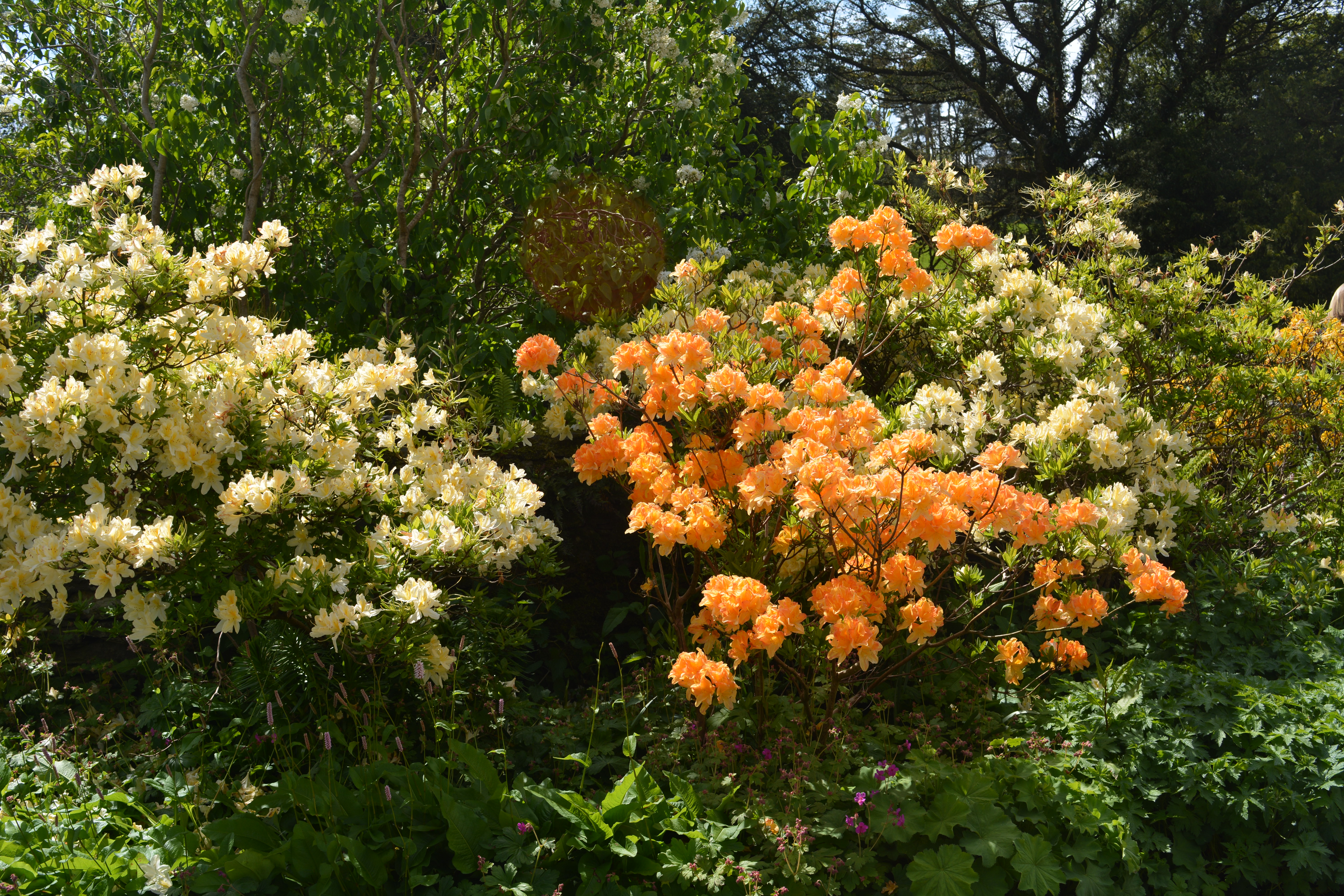
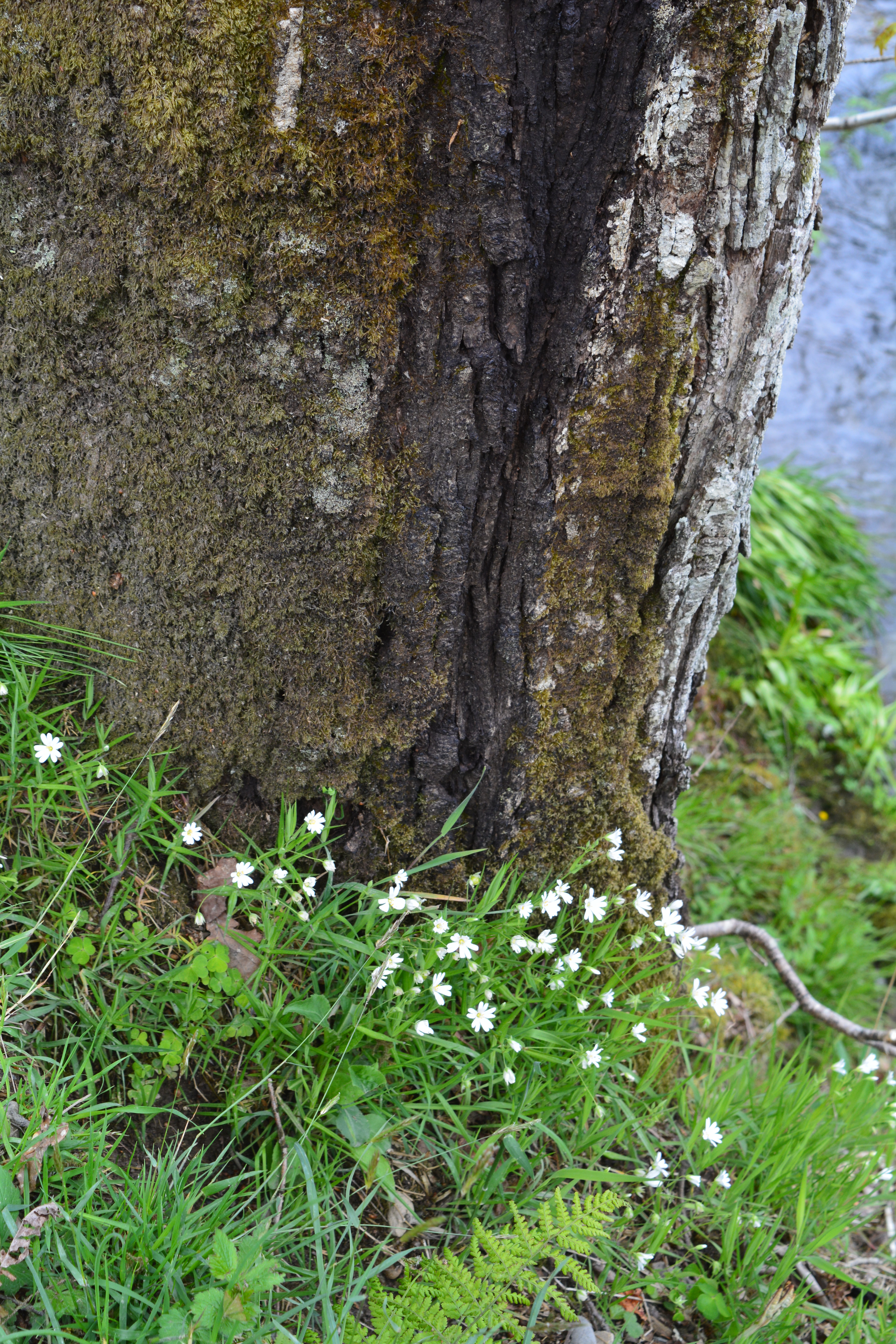
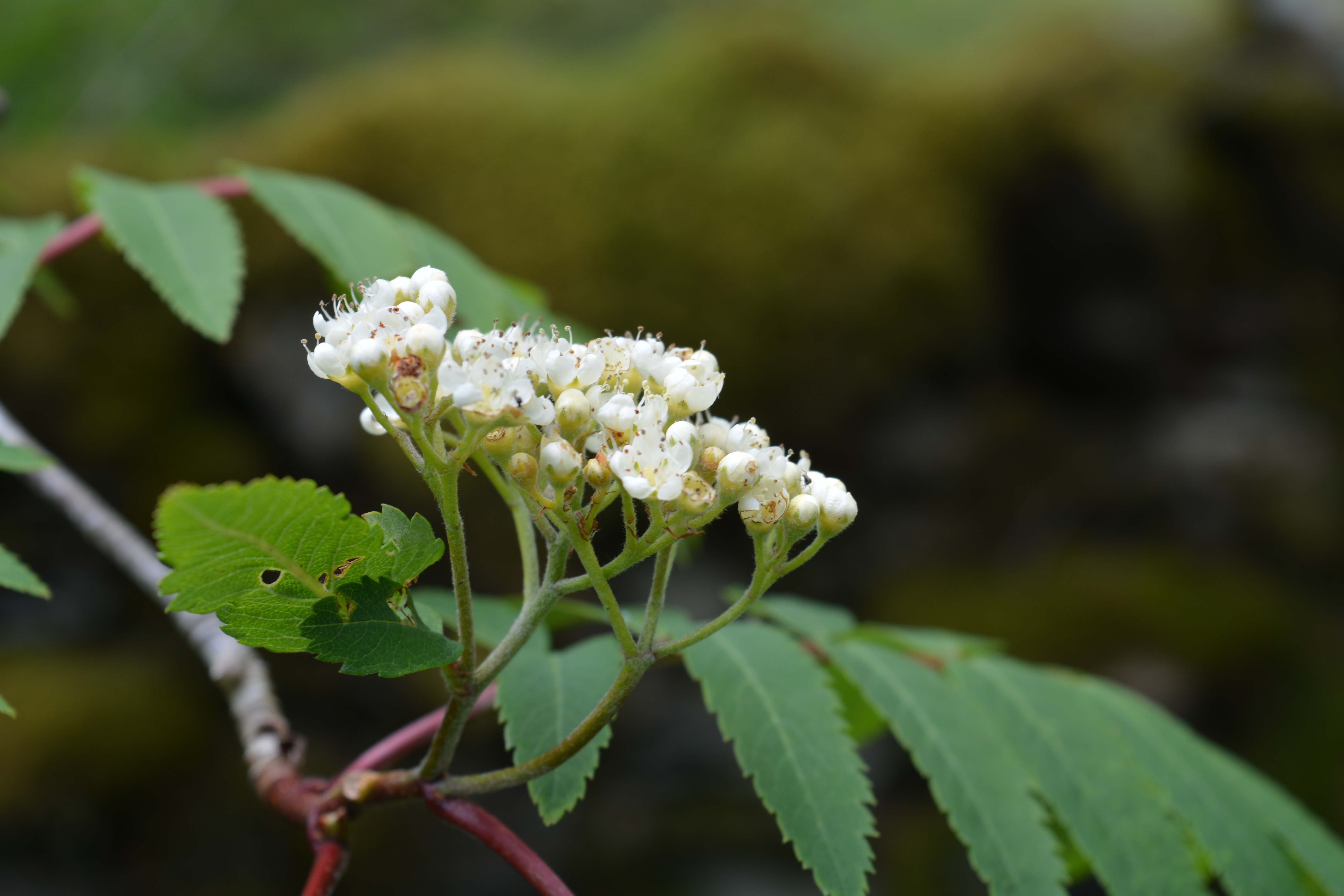
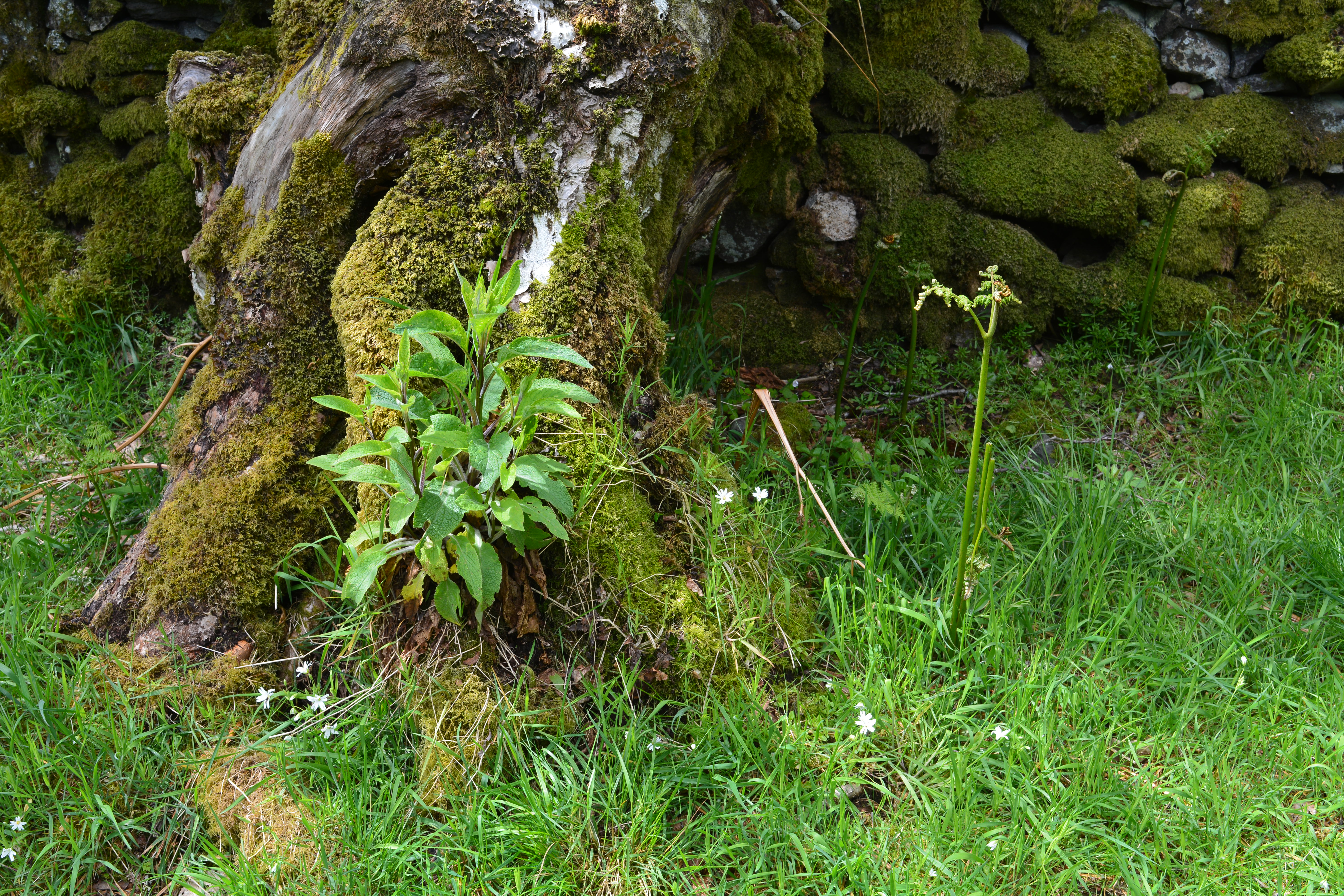
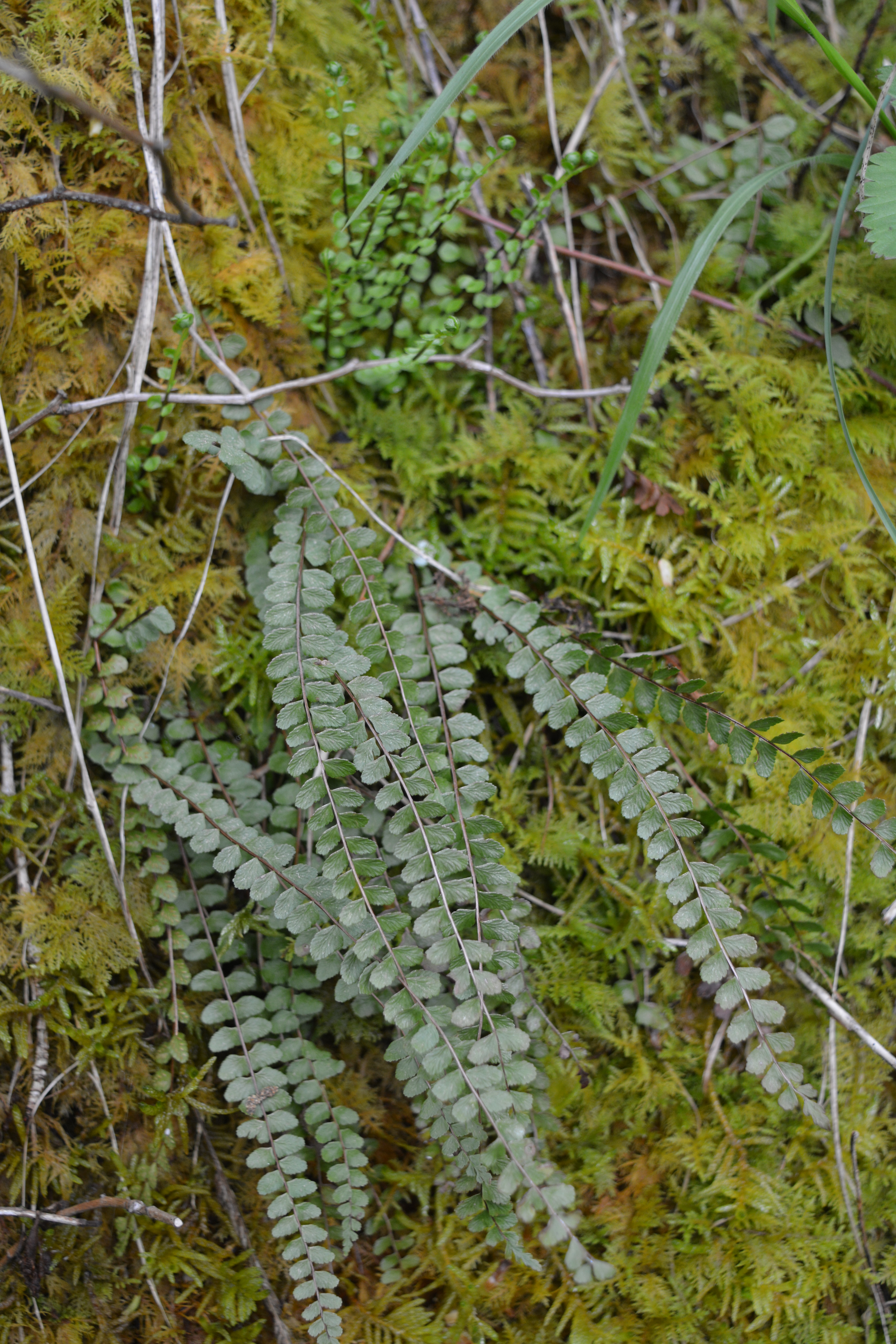
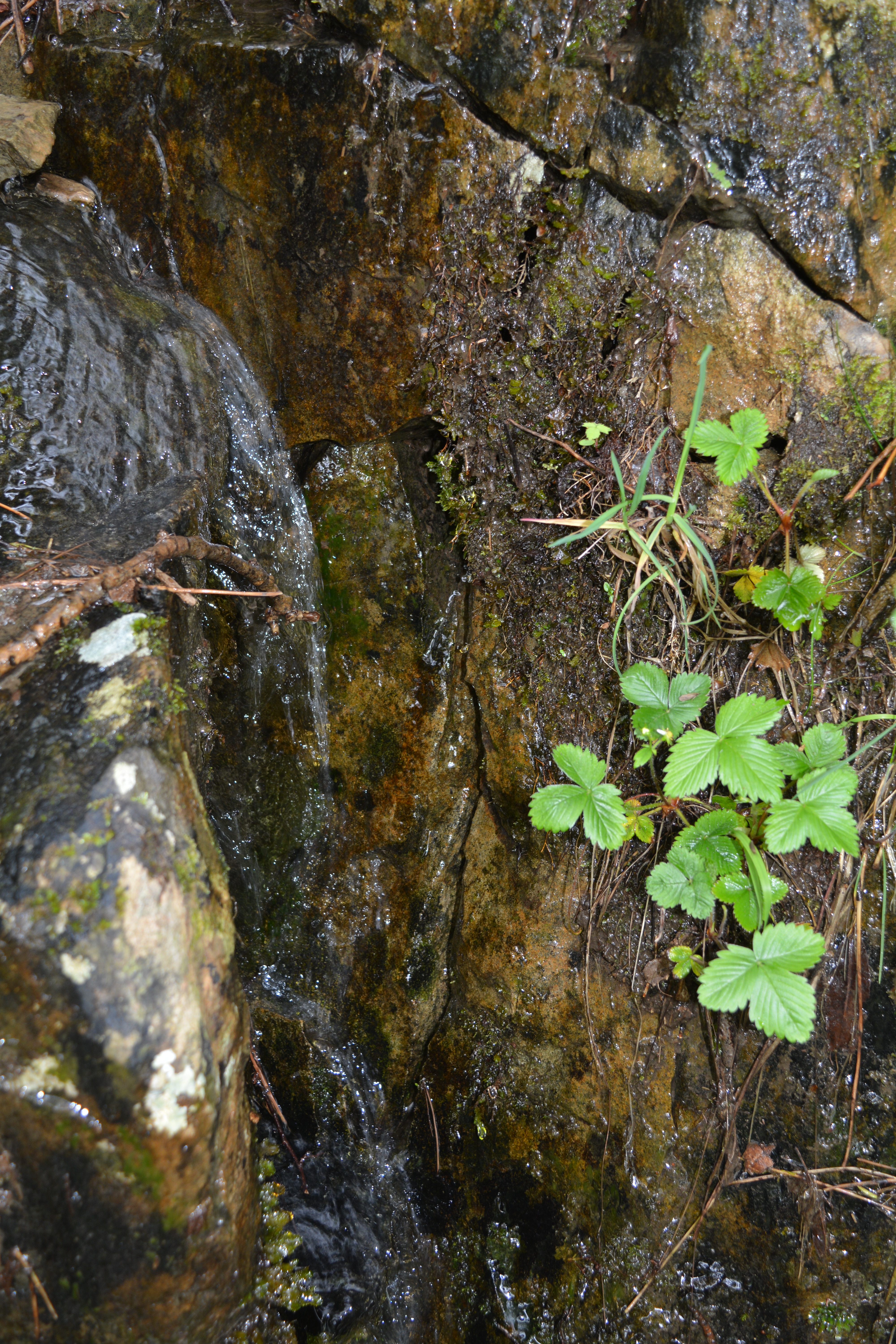
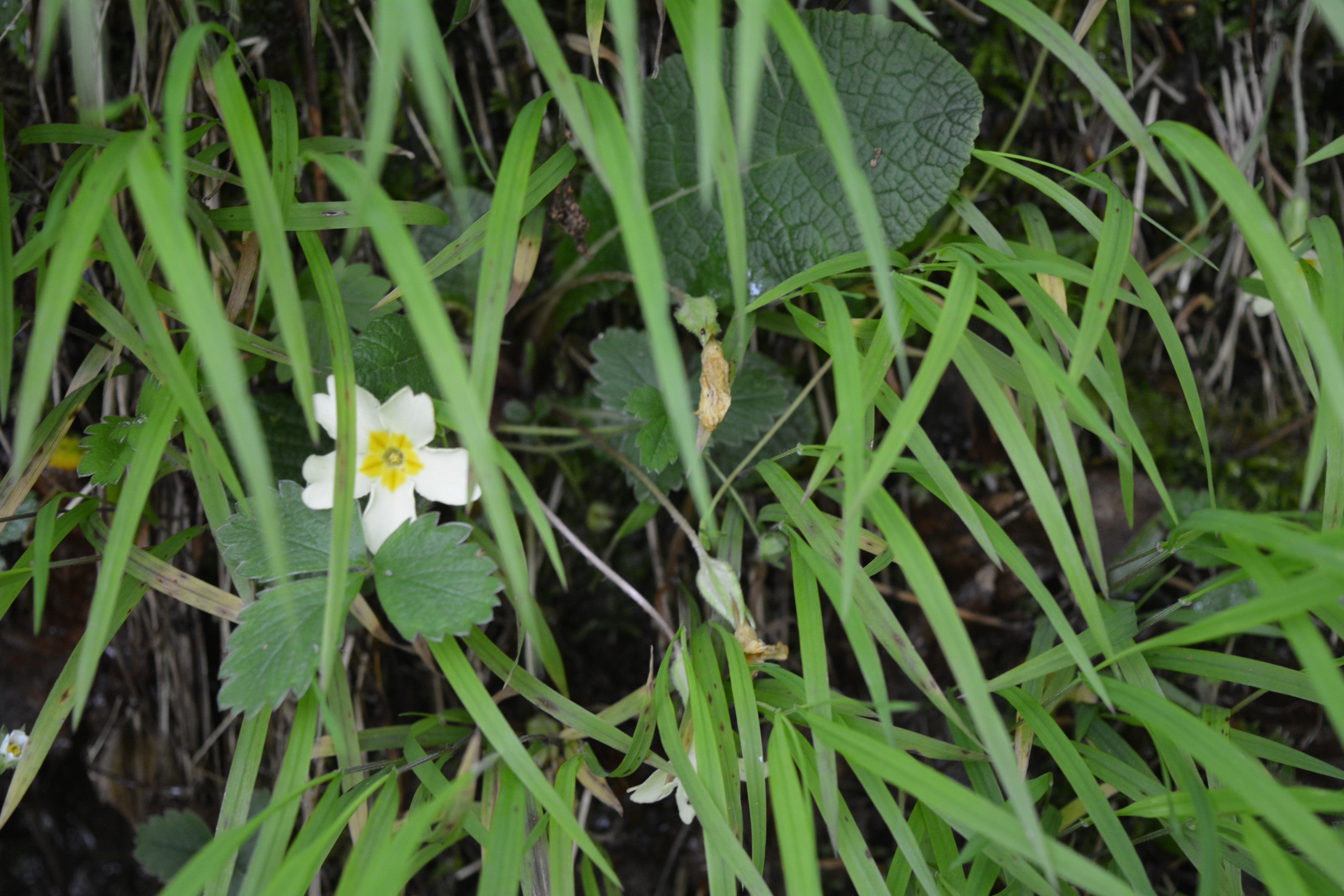
Every surface whether ground, tree trunk, wall or rock-face seemed to be home to plants. We had to look everywhere all around us to make sure we didn’t miss a hidden gem or two.

2015 06 05_2486 2015 06 05_24892015 06 05_2491 2015 06 05_2495

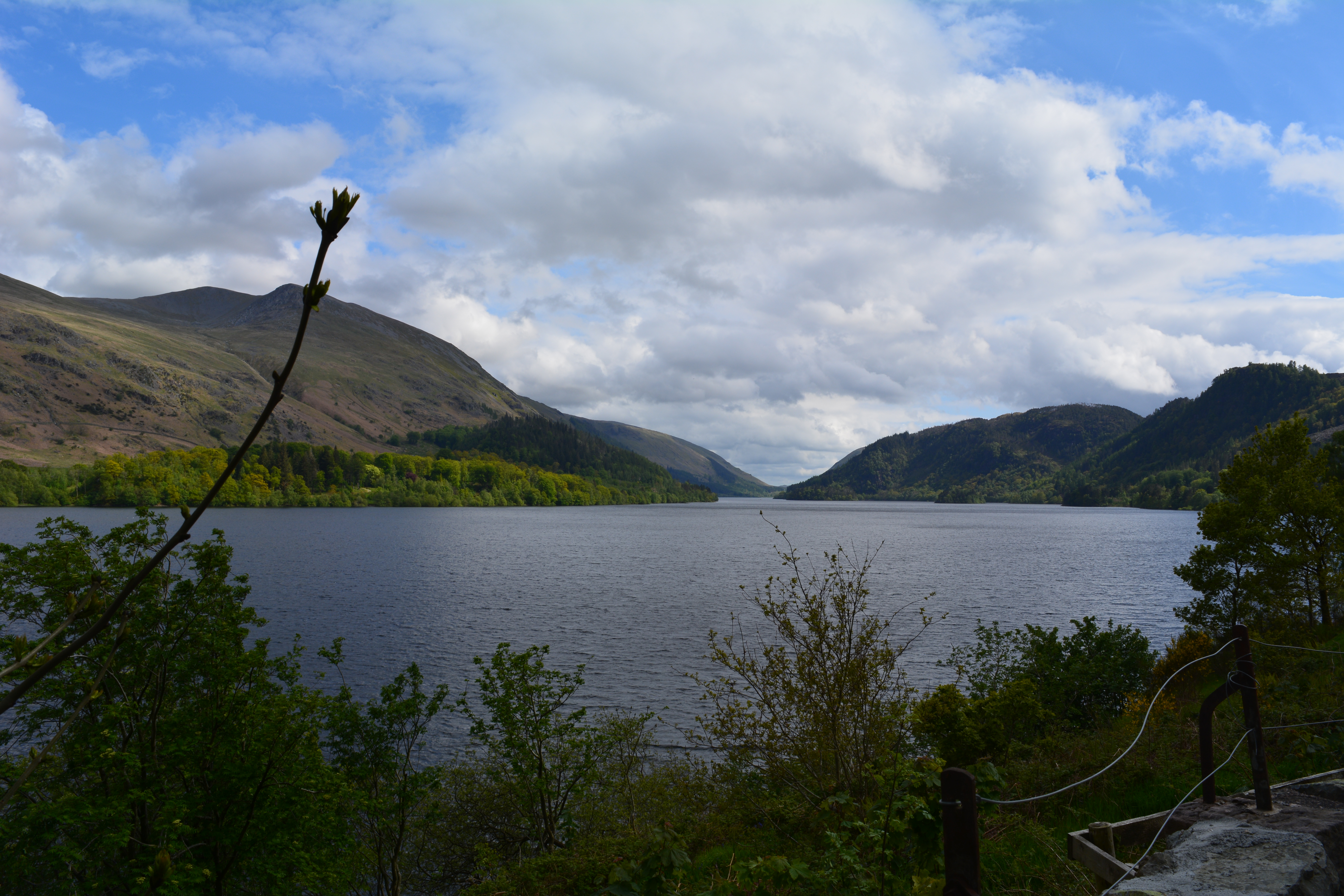
From the highest parts of the garden we glimpsed on occasion views of Coniston Water. It is possible to arrive at Brantwood via the lake on a steam paddle boat.

2015 06 05_2499 2015 06 05_2490

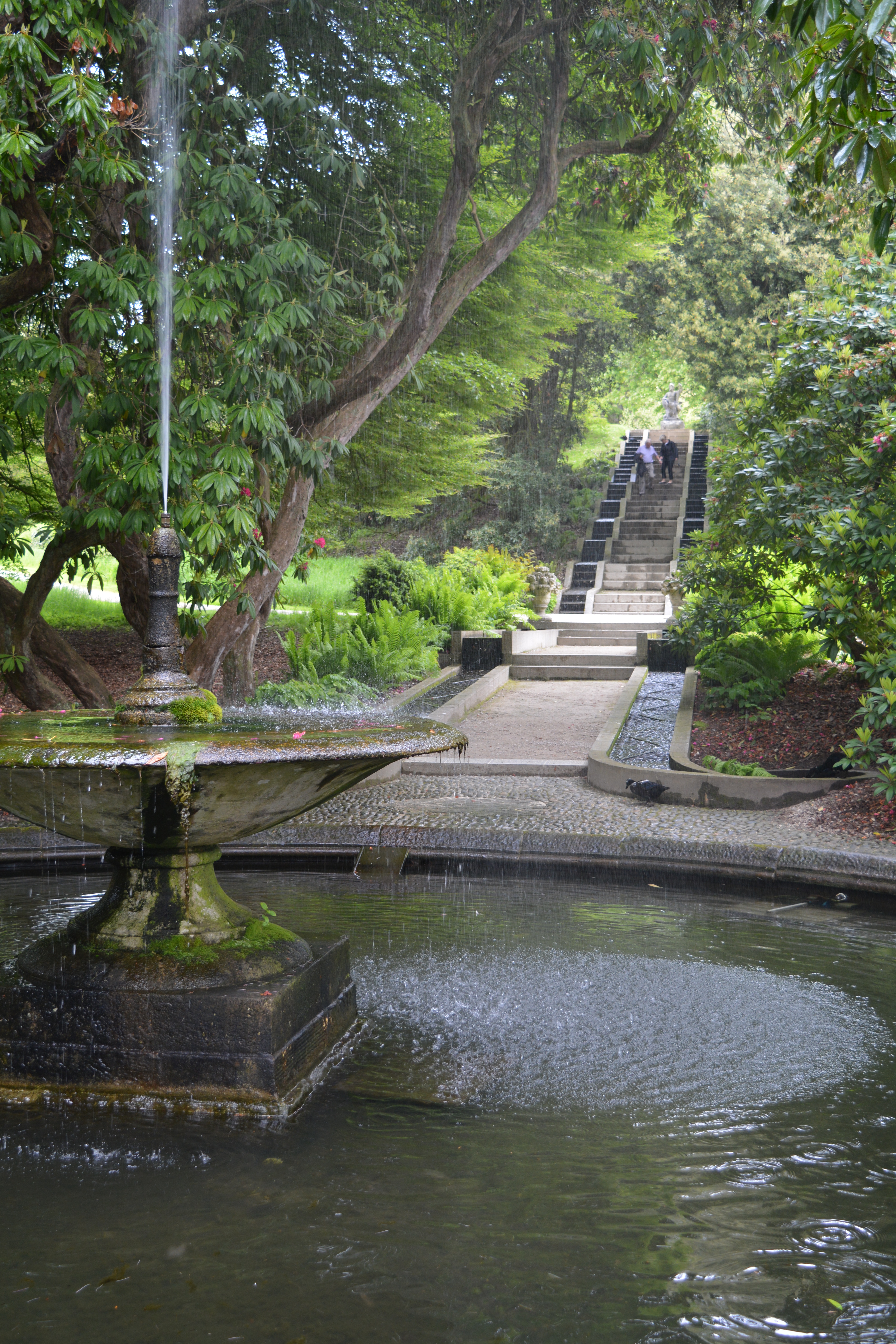
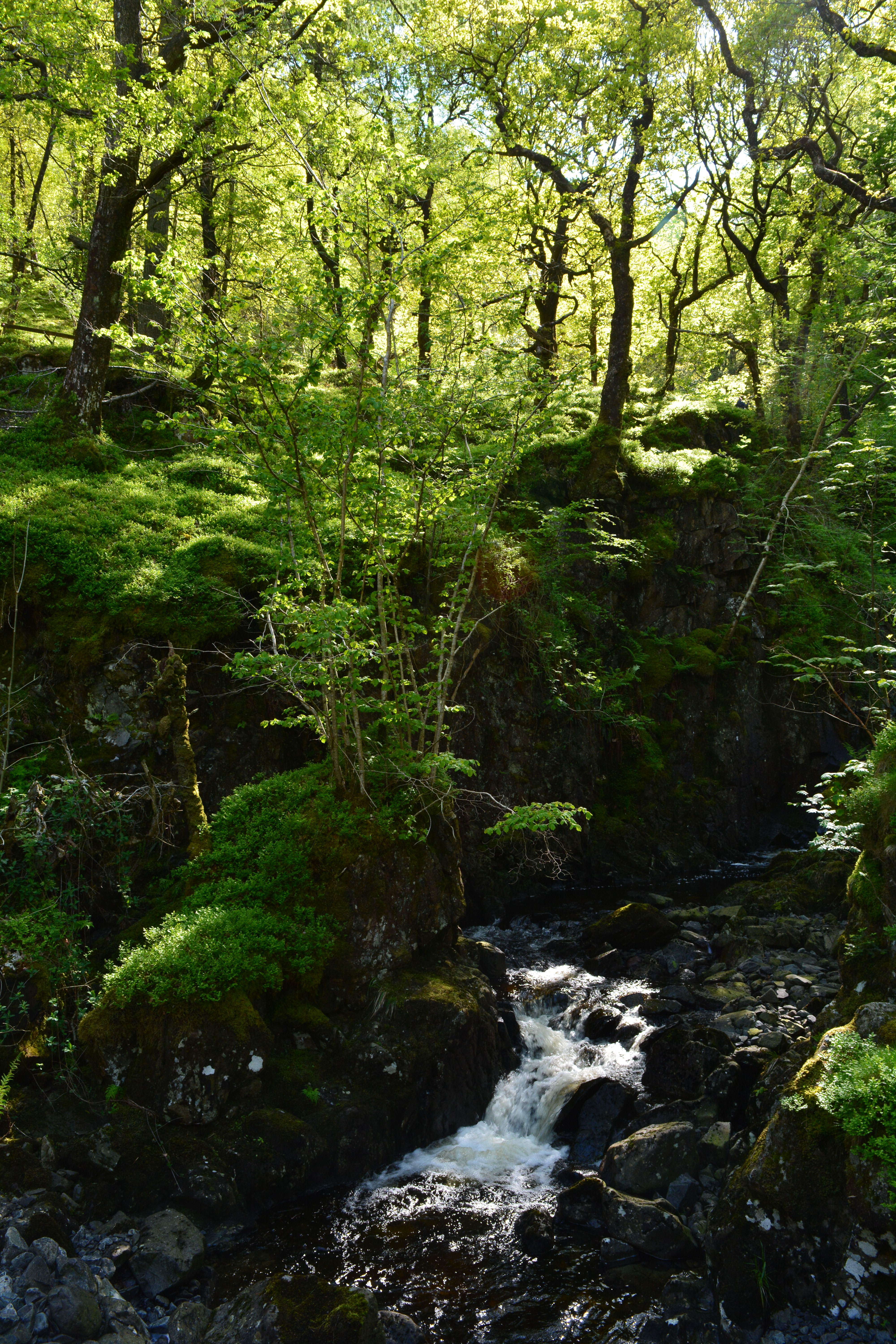
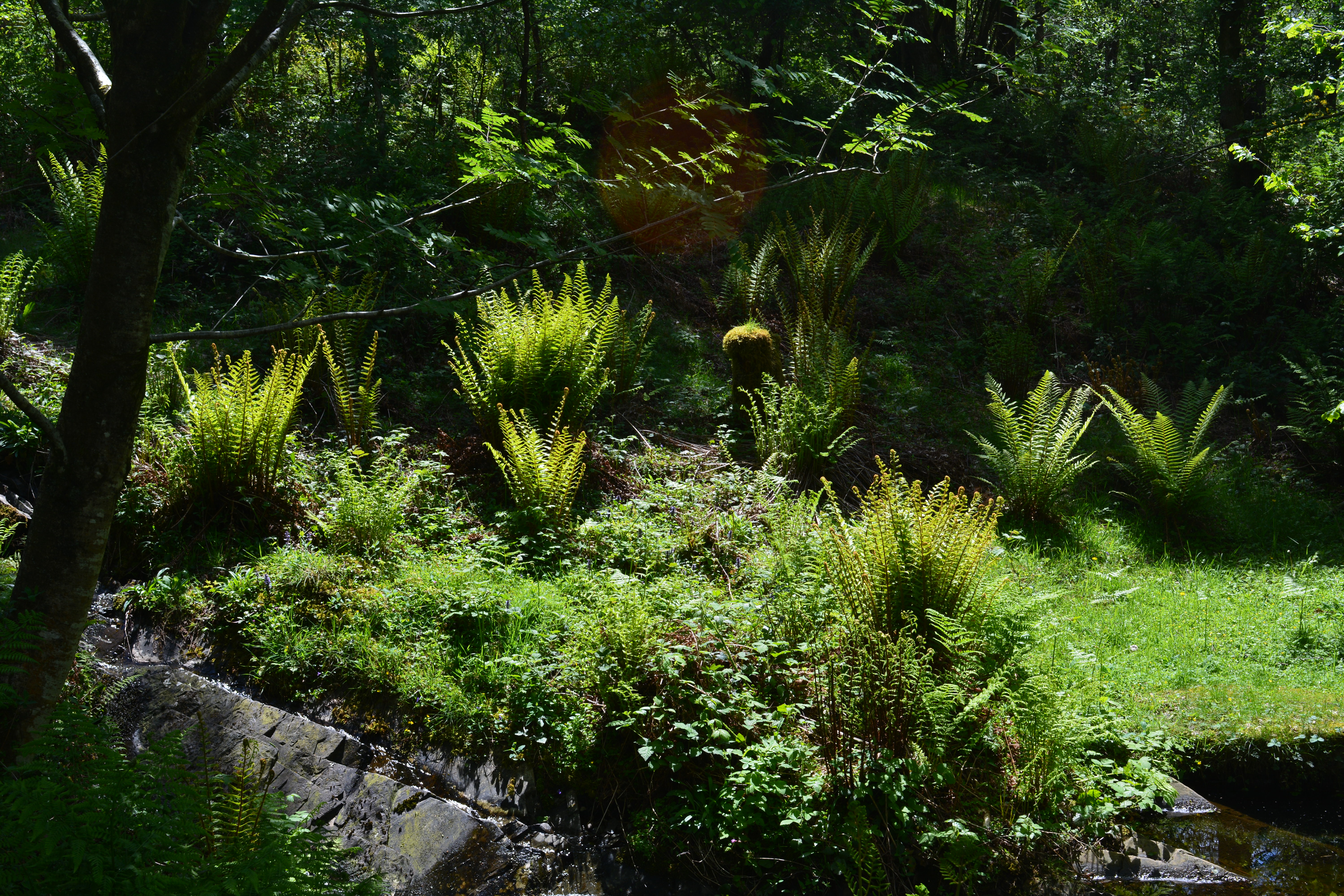
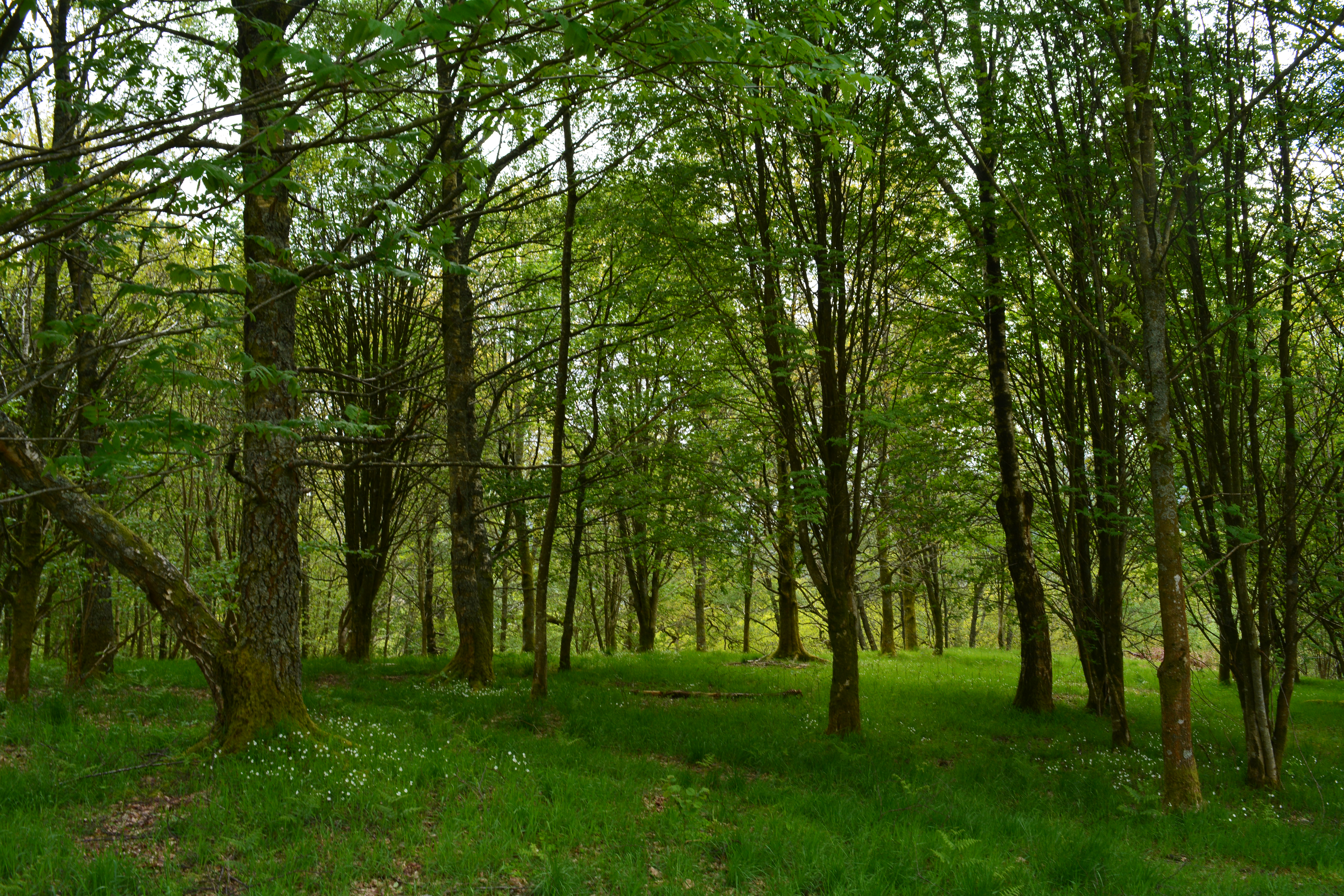
The woodland garden felt just as Ruskin wished it to when he wrote about gardening there. He wanted to look back at where he had been gardening and see no sign that he had been there, just the hand of nature.

2015 06 05_2496 2015 06 05_24982015 06 05_2500 2015 06 05_2501 2015 06 05_2502 2015 06 05_2504 2015 06 05_2505 2015 06 05_2507 2015 06 05_25082015 06 05_2511 2015 06 05_2512 2015 06 05_2513 2015 06 05_2515 2015 06 05_2516 2015 06 05_2521 2015 06 05_2524

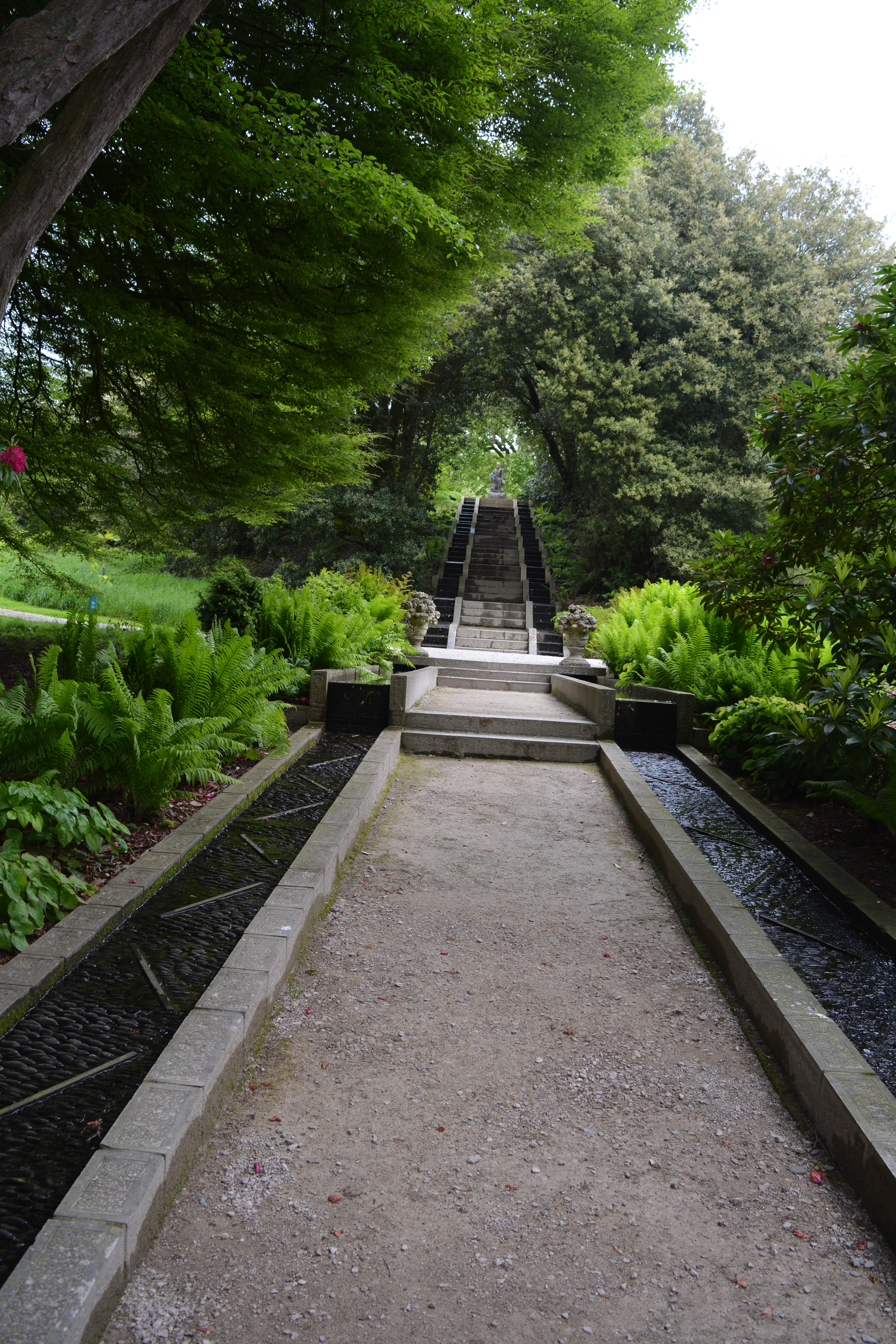
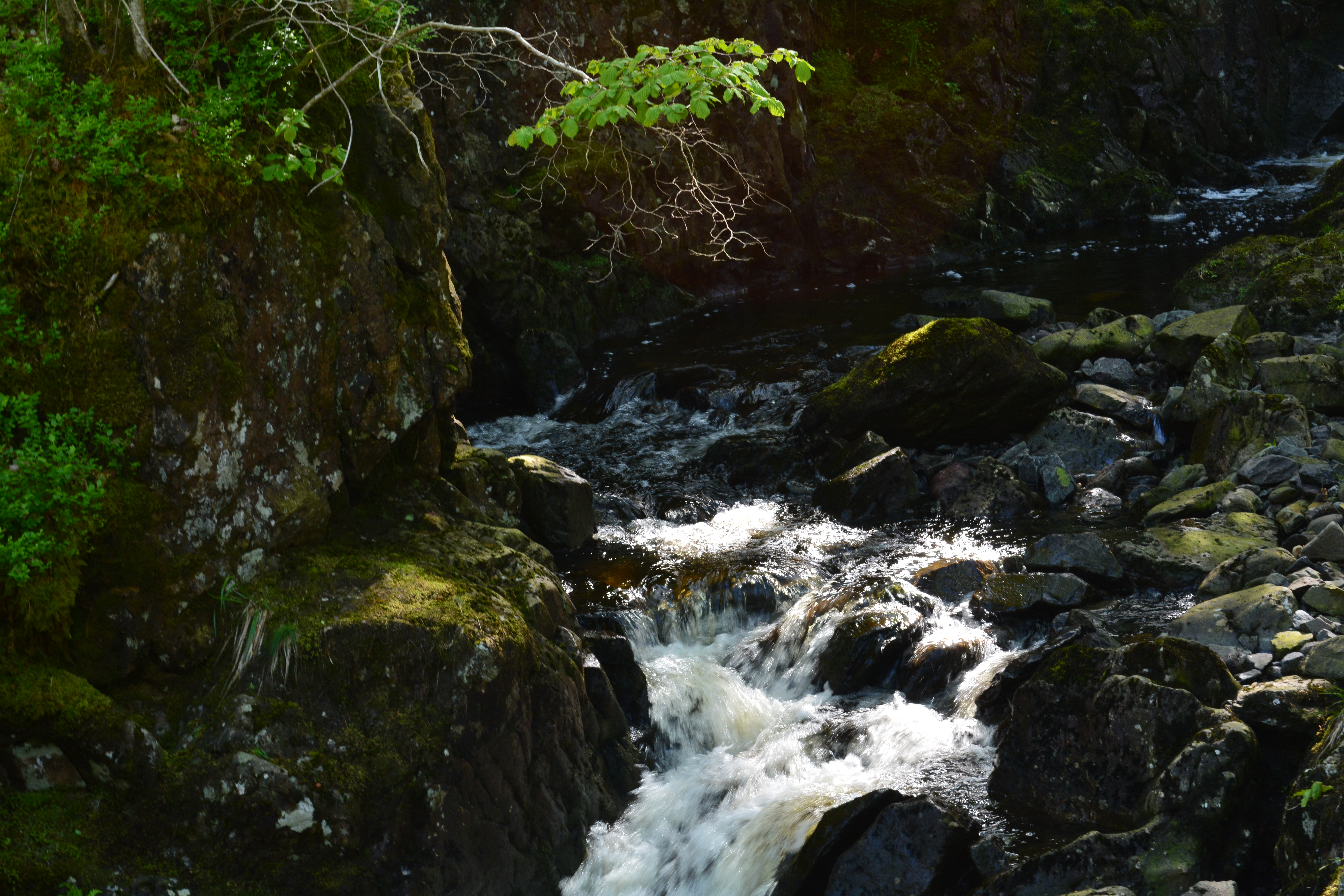
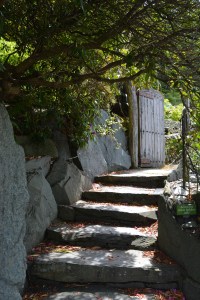
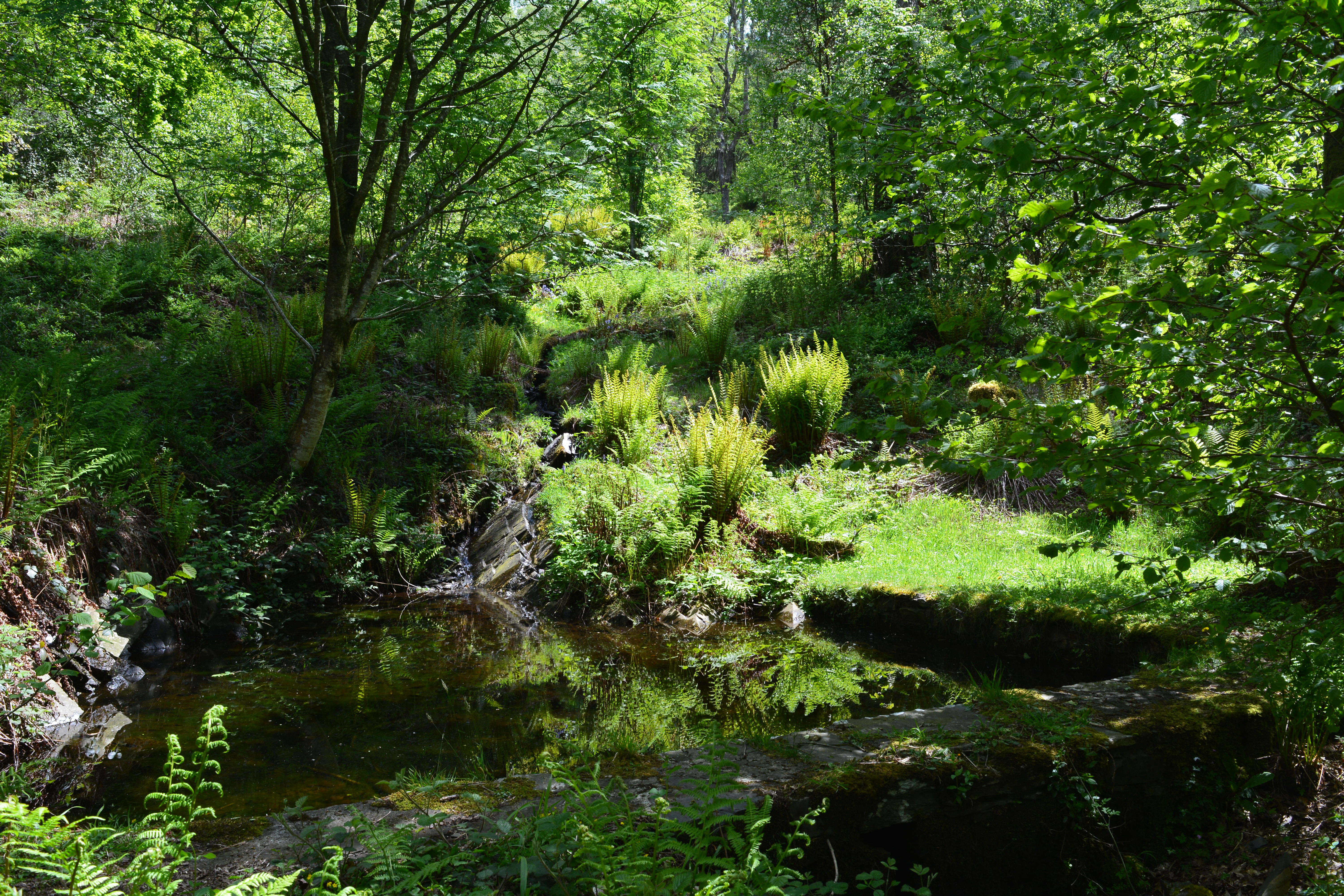
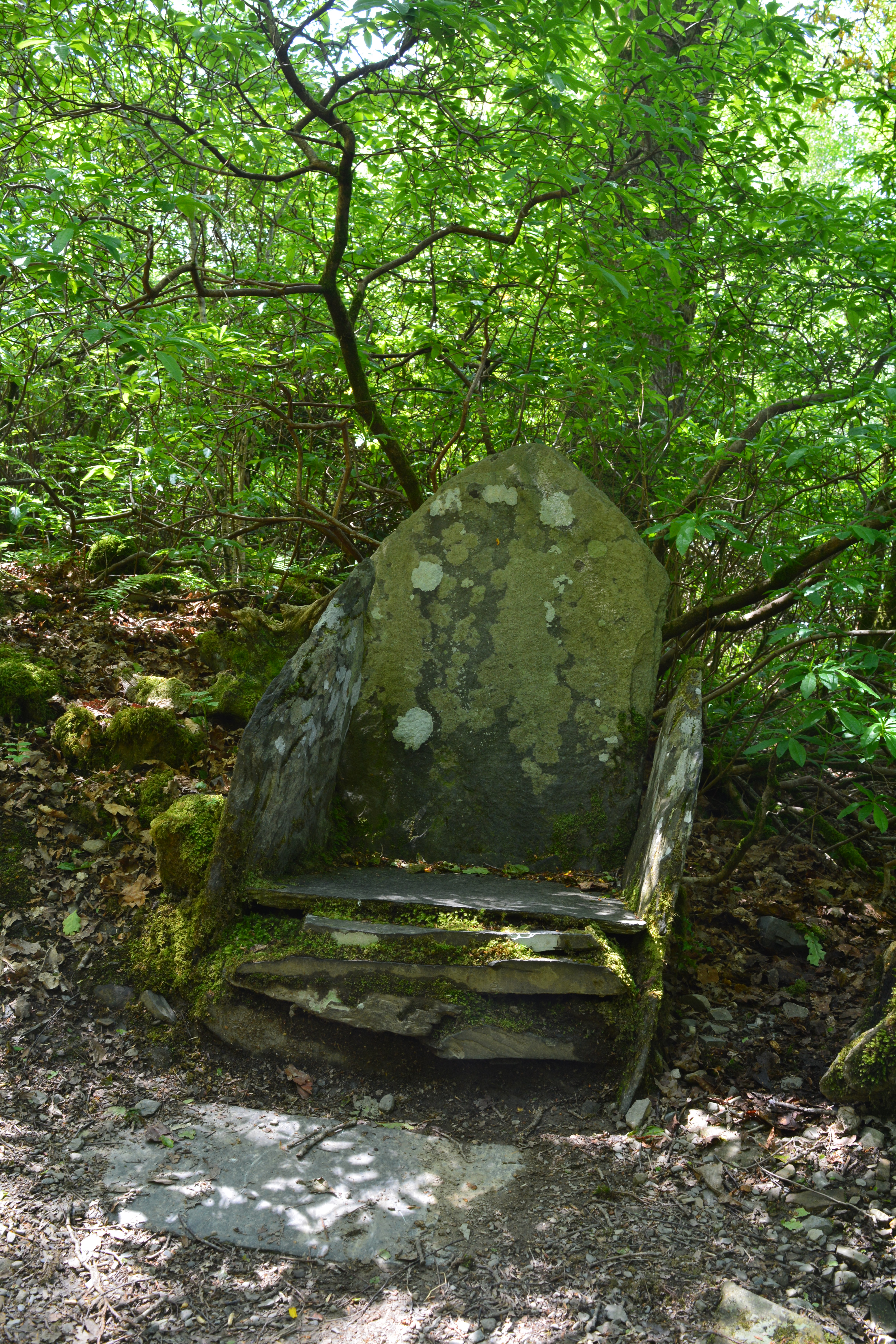
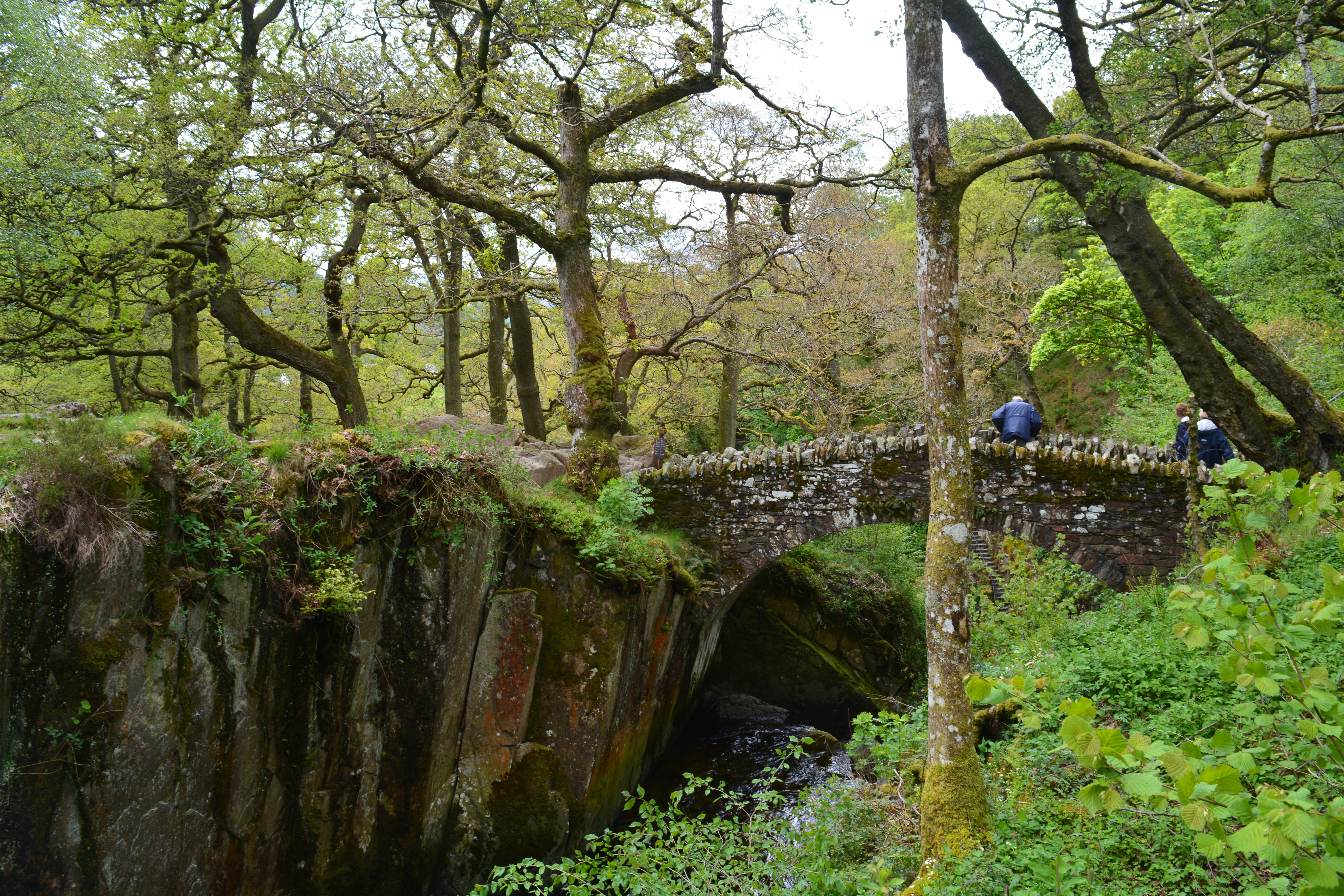
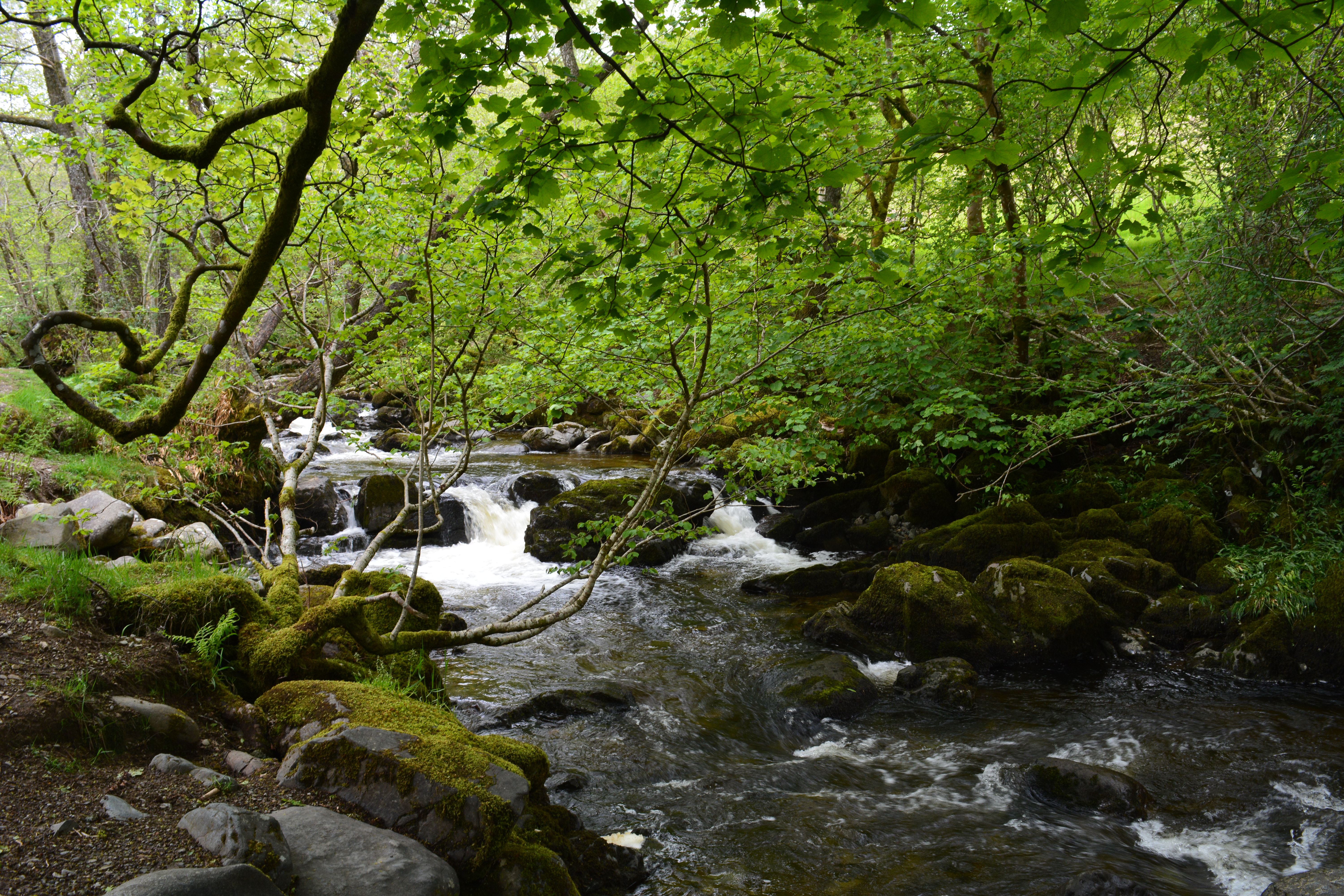
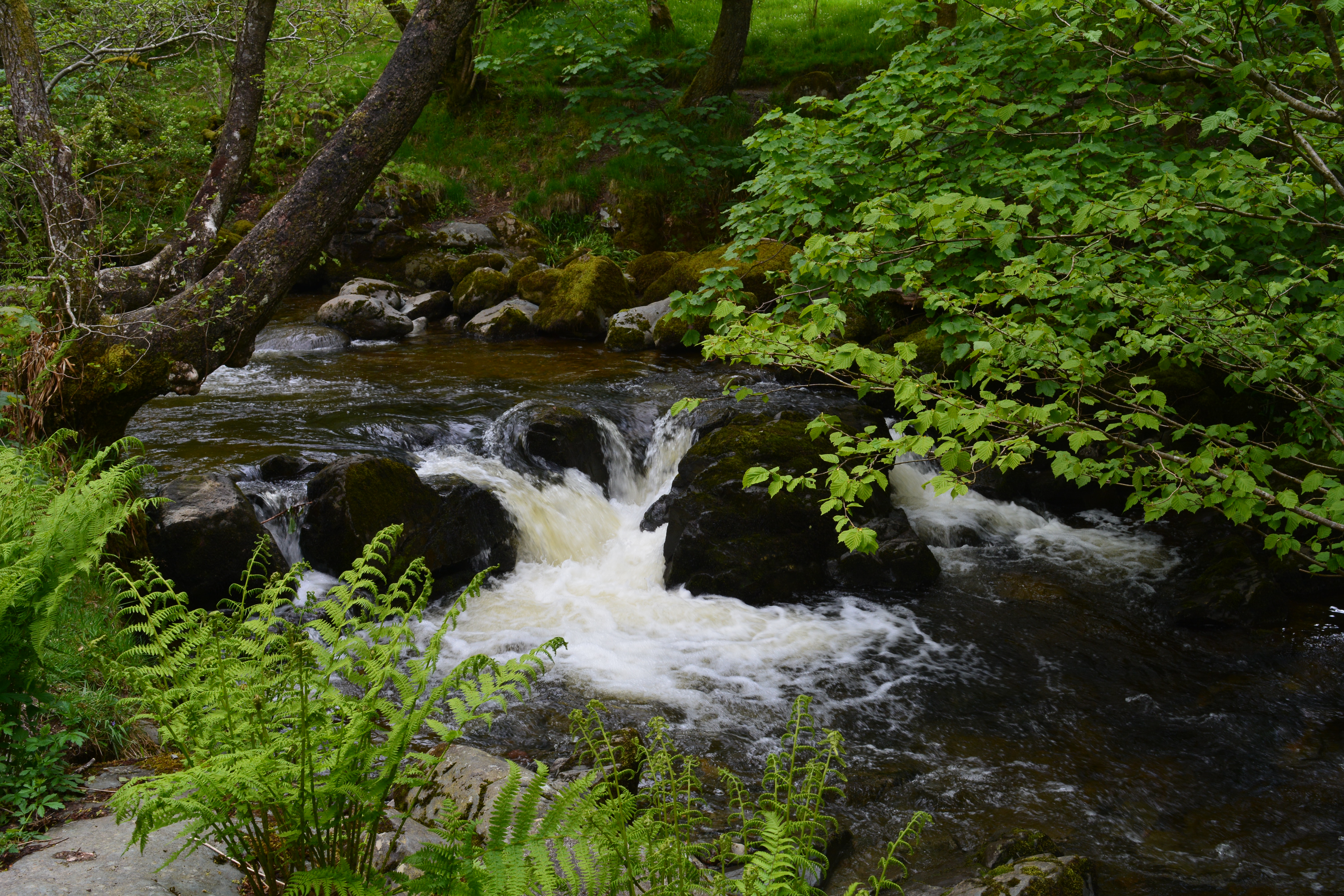
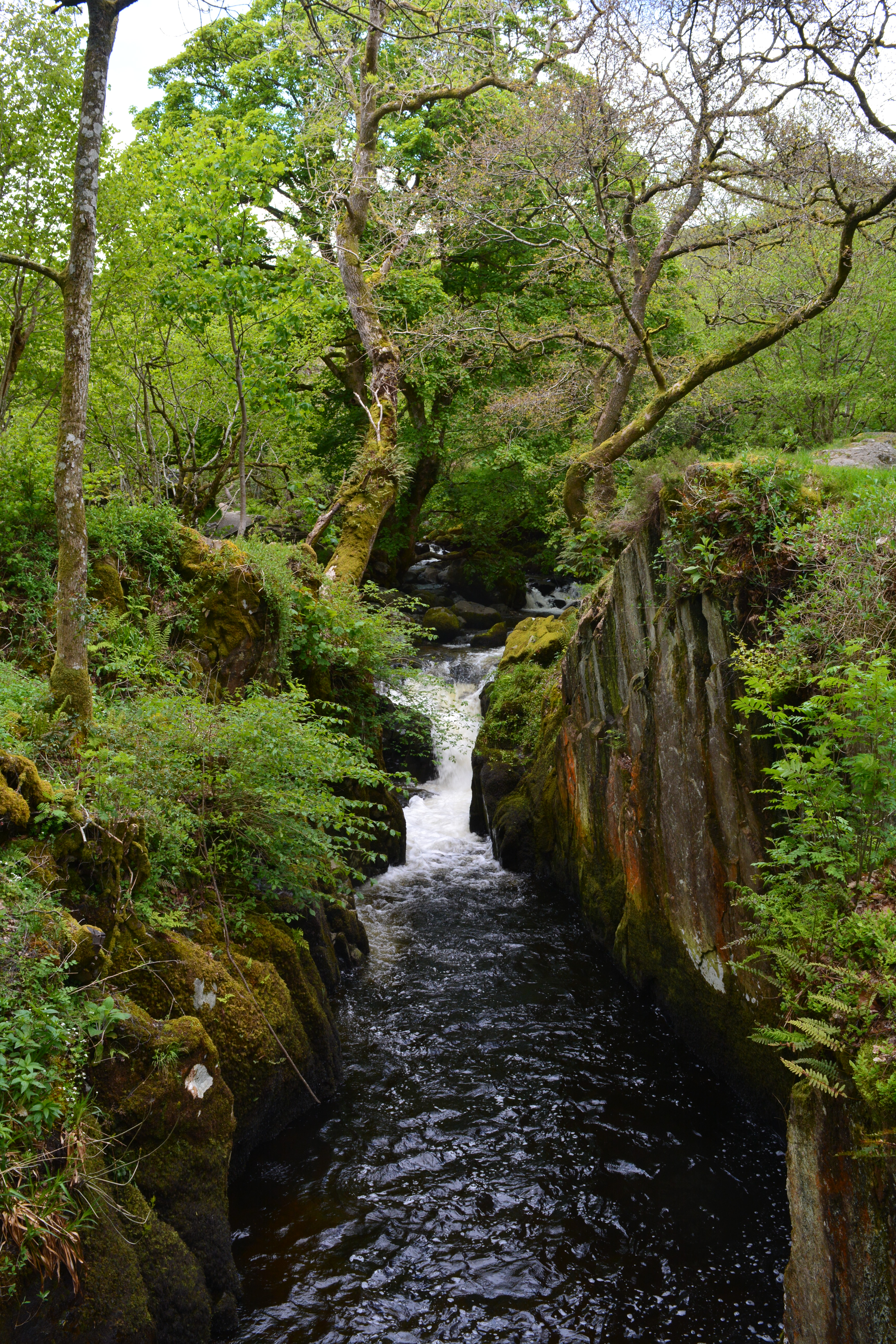
As we wandered the garden paths through the valleys, alongside streams and beneath trees we kept a look out for Ruskin’s seat, set in his favourite part of the garden. It was beautifully crafted from local slate and was now weathered and covered in lichen. I think this would please Ruskin if he could see it now.

2015 06 05_2532 2015 06 05_2531


Categories
countryside lakes lakes and reservoirs Land Art landscapes light light quality National Trust outdoor sculpture

A Week in the Lake District – Part 5 – Buttermere and Crummockwater

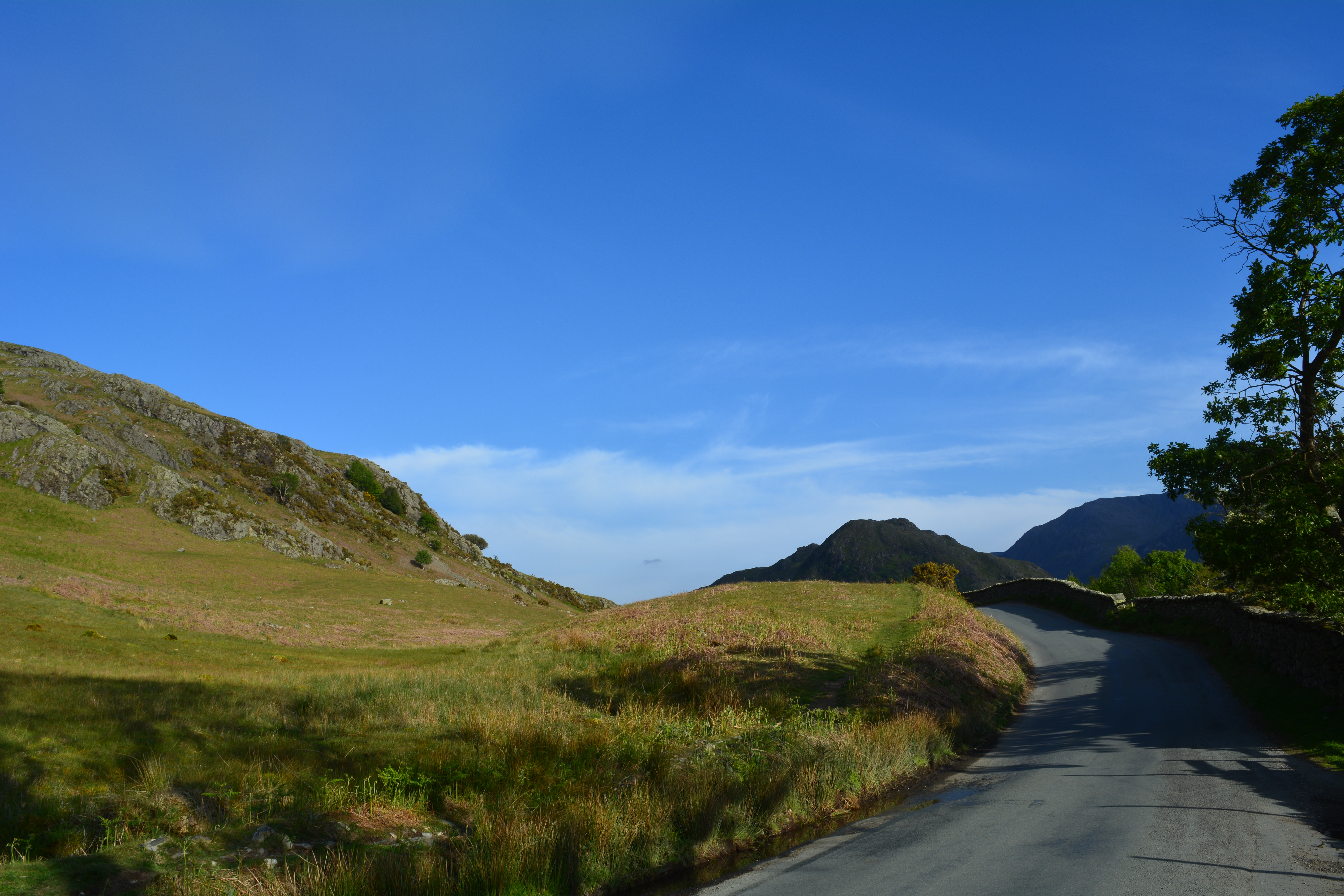
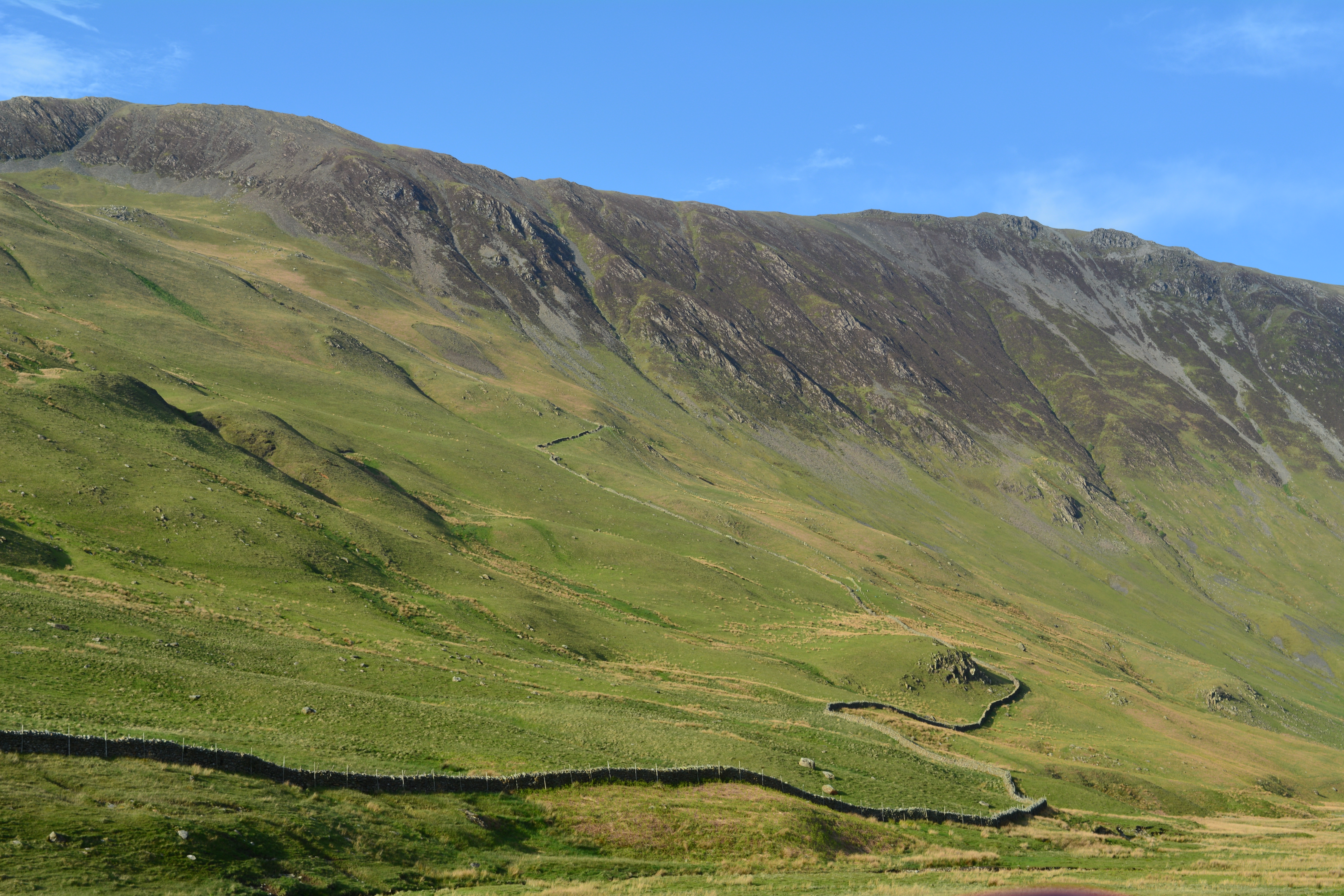
During our week in the Lake District we enjoyed visiting gardens as we do wherever we visit, but we loved the special landscape all around.

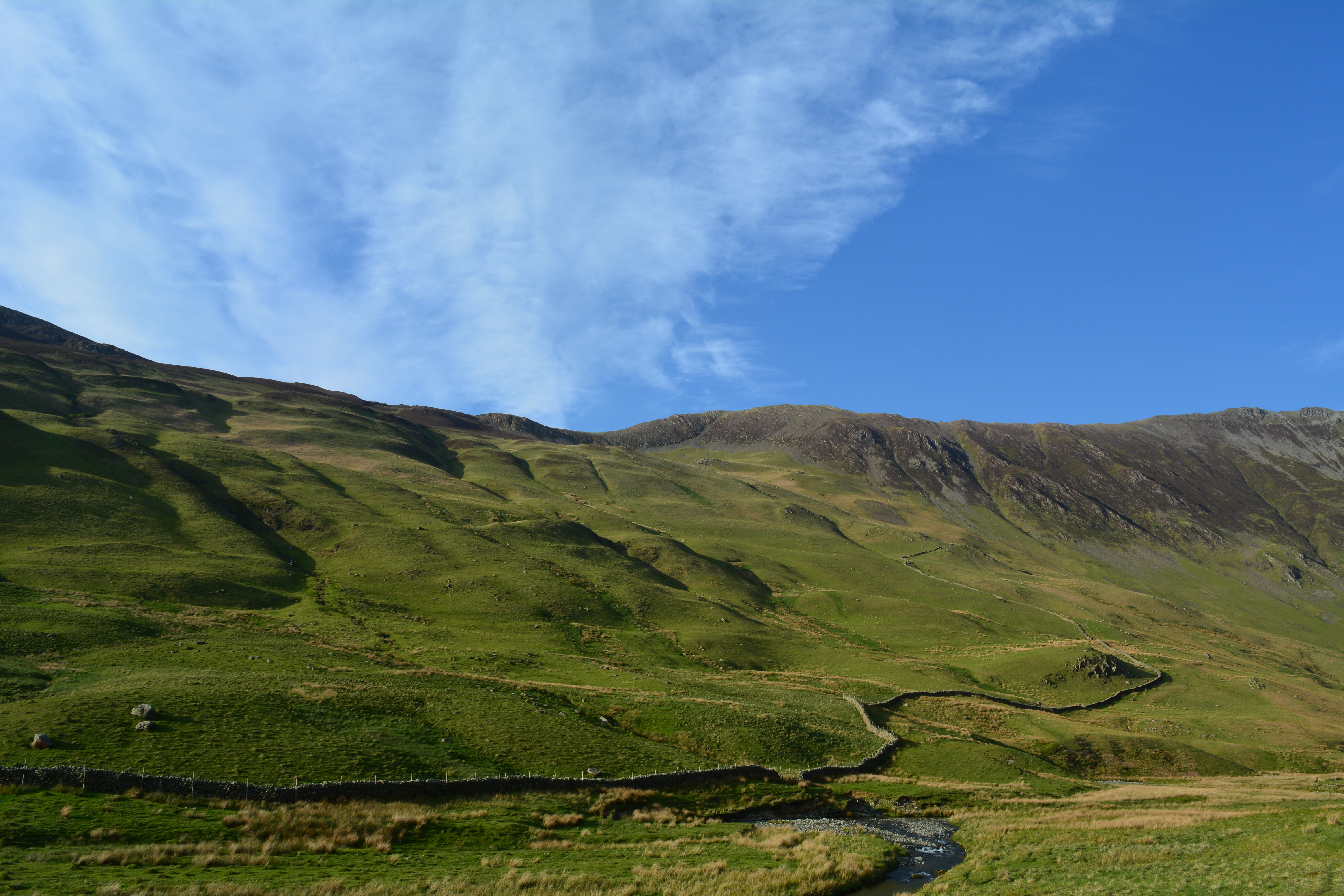
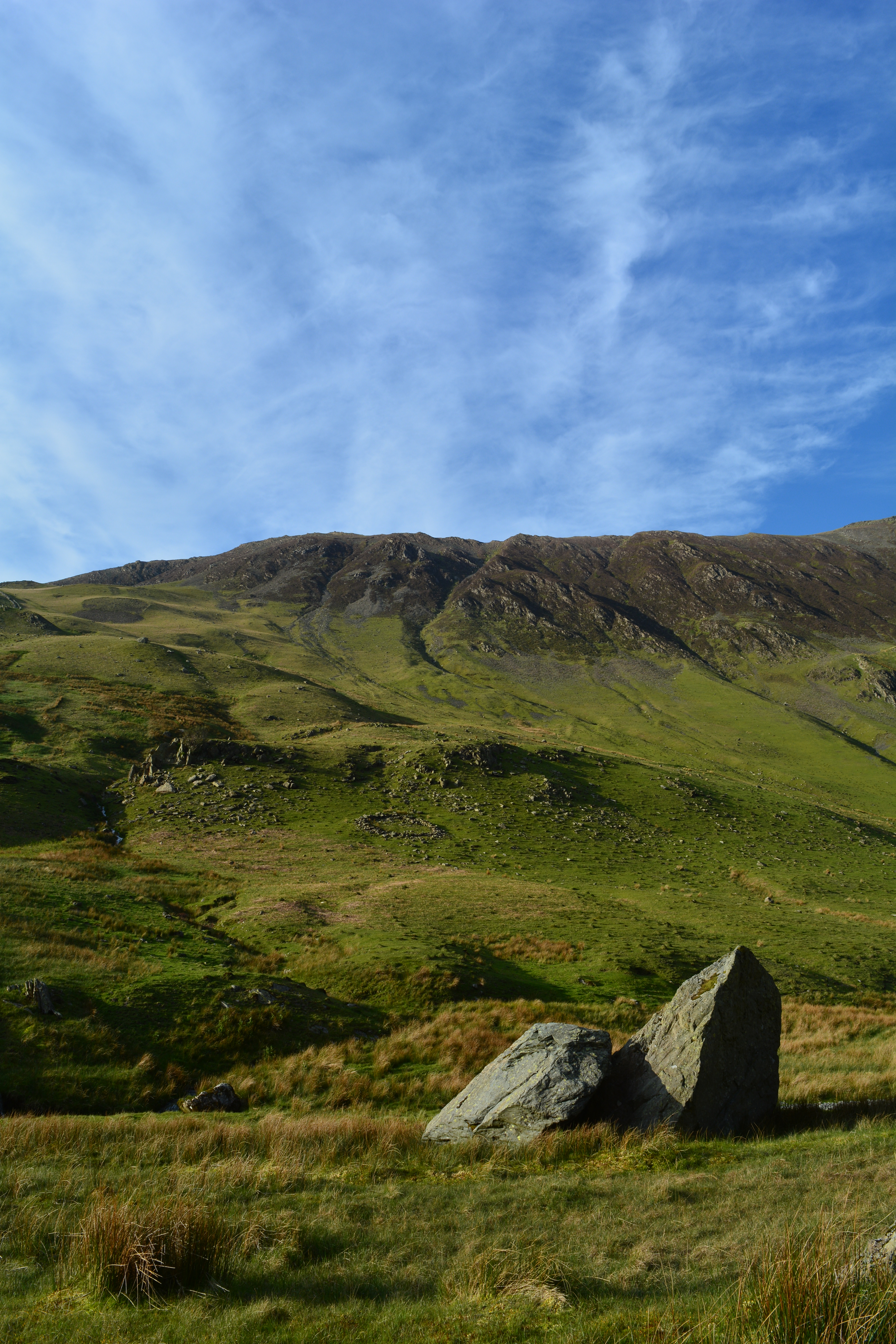
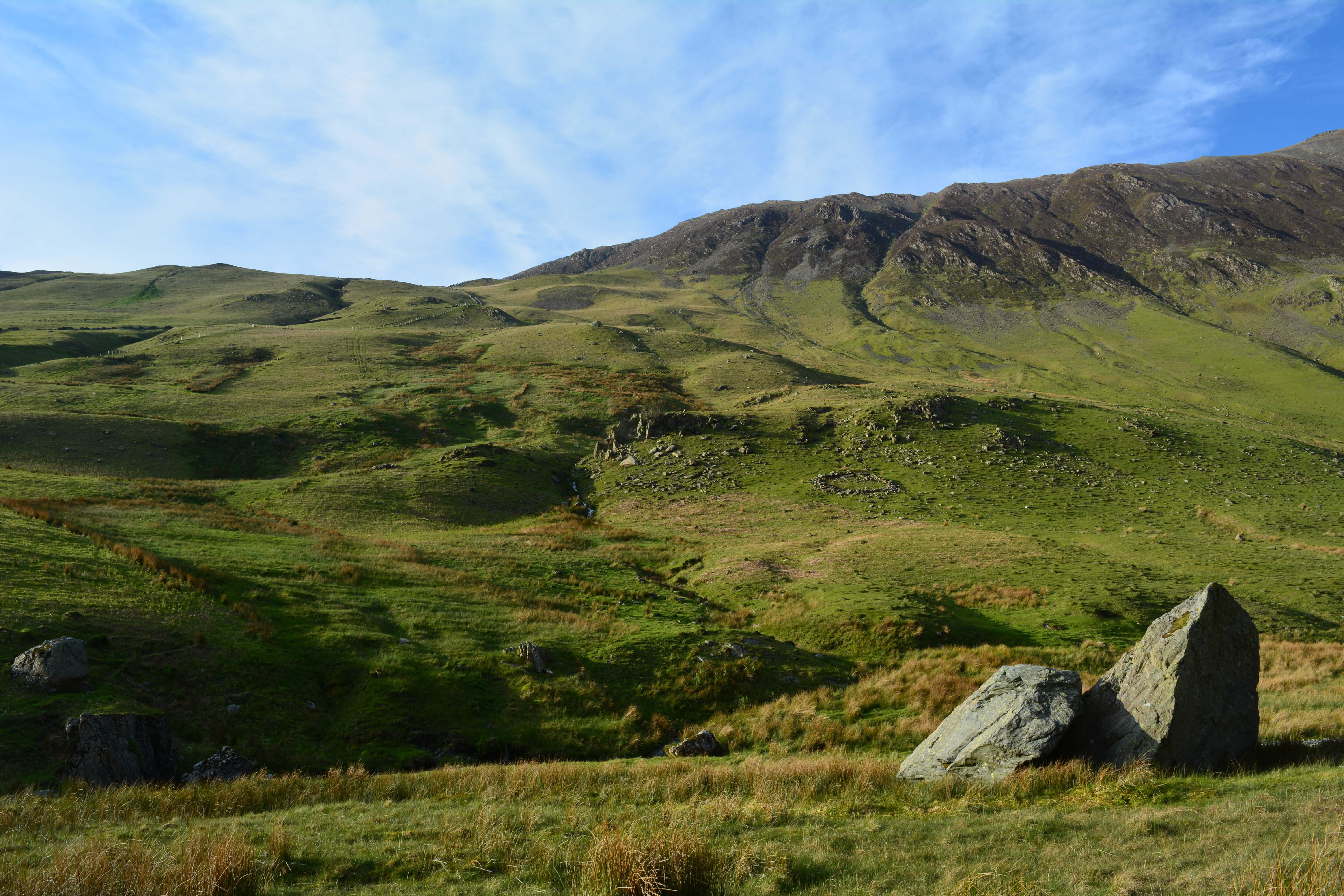
The area around Buttermere and Crummockwater particularly impressed us as we drove around exploring the district in the evenings when the light was adding an extra dimension. Even the views from the road were impressive.

2015 06 05_26132015 06 05_2612 2015 06 05_2620

The breed of sheep specially adapted to the landscape and climate of the Lakes is the Herdwick, which I mentioned in my post about Beatrix Potter. The vast majority of sheep we saw in the area were Herdwicks so it was hard to believe that it was at one time an endangered breed.
2015 06 05_2615 2015 06 05_2626

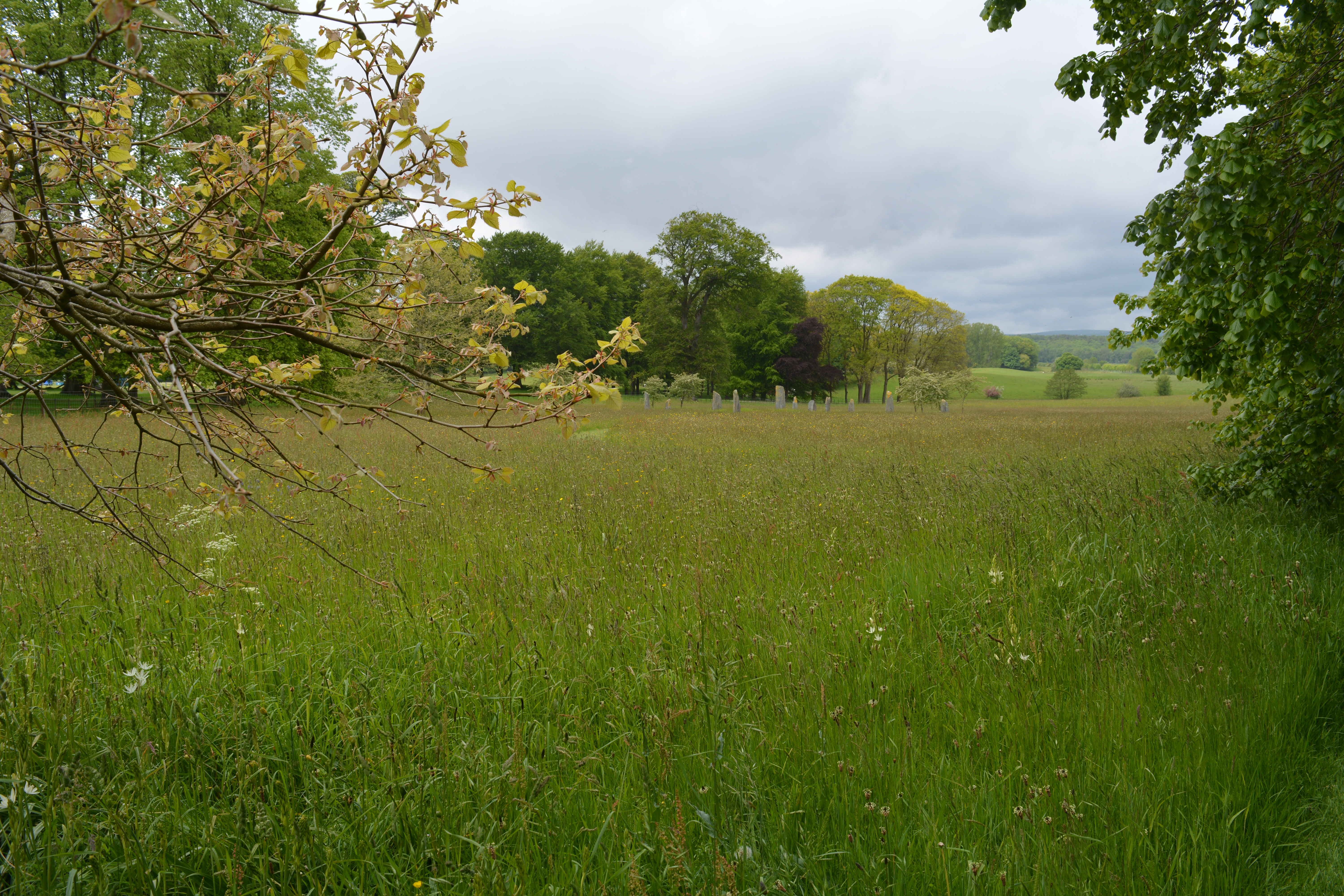
I hope you enjoy the following set of photos of the views as much as we enjoyed the views themselves.

2015 06 05_2611 2015 06 05_2617 2015 06 05_2618 2015 06 05_2619  2015 06 05_2621 2015 06 05_2623 2015 06 05_2624 2015 06 05_2625

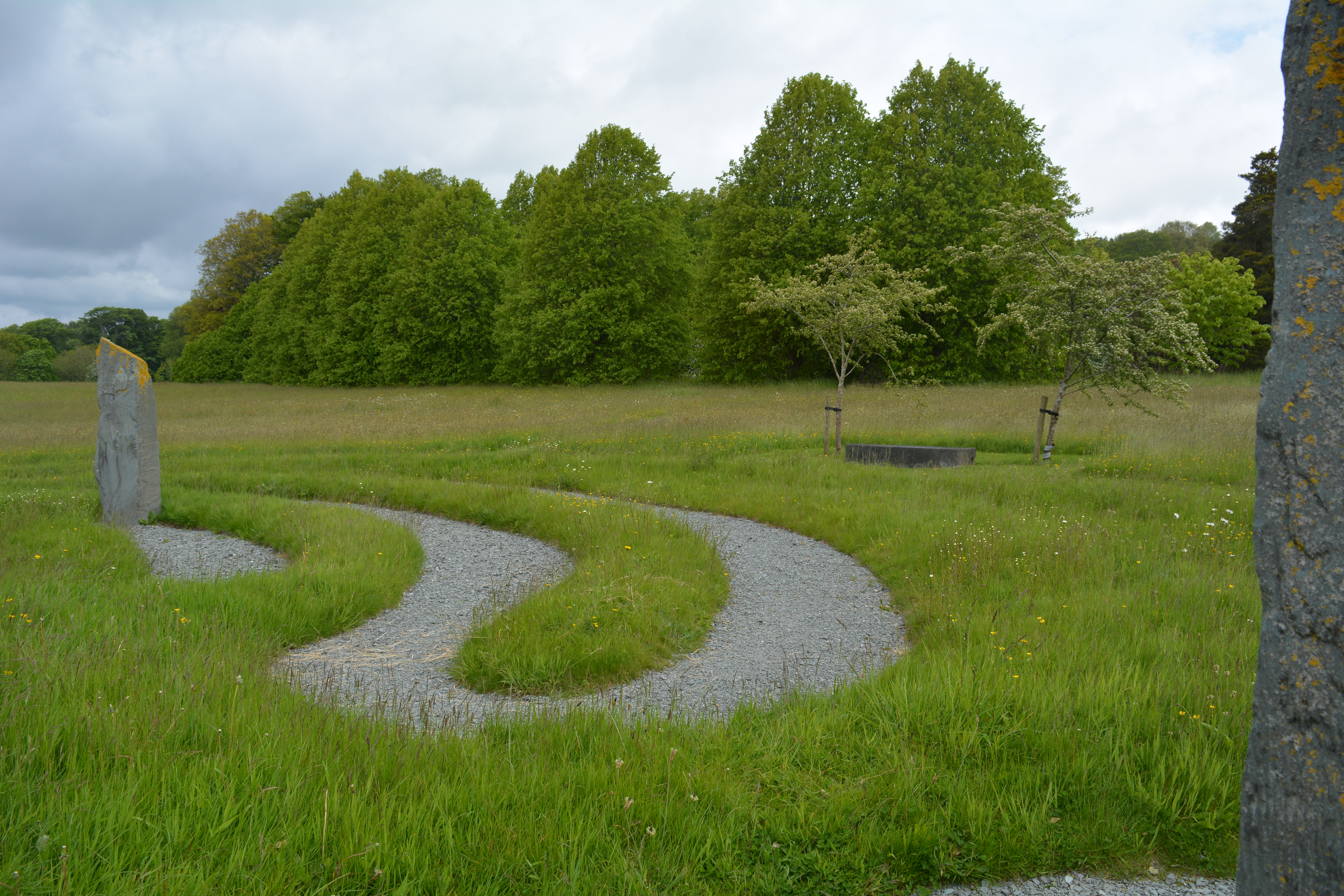
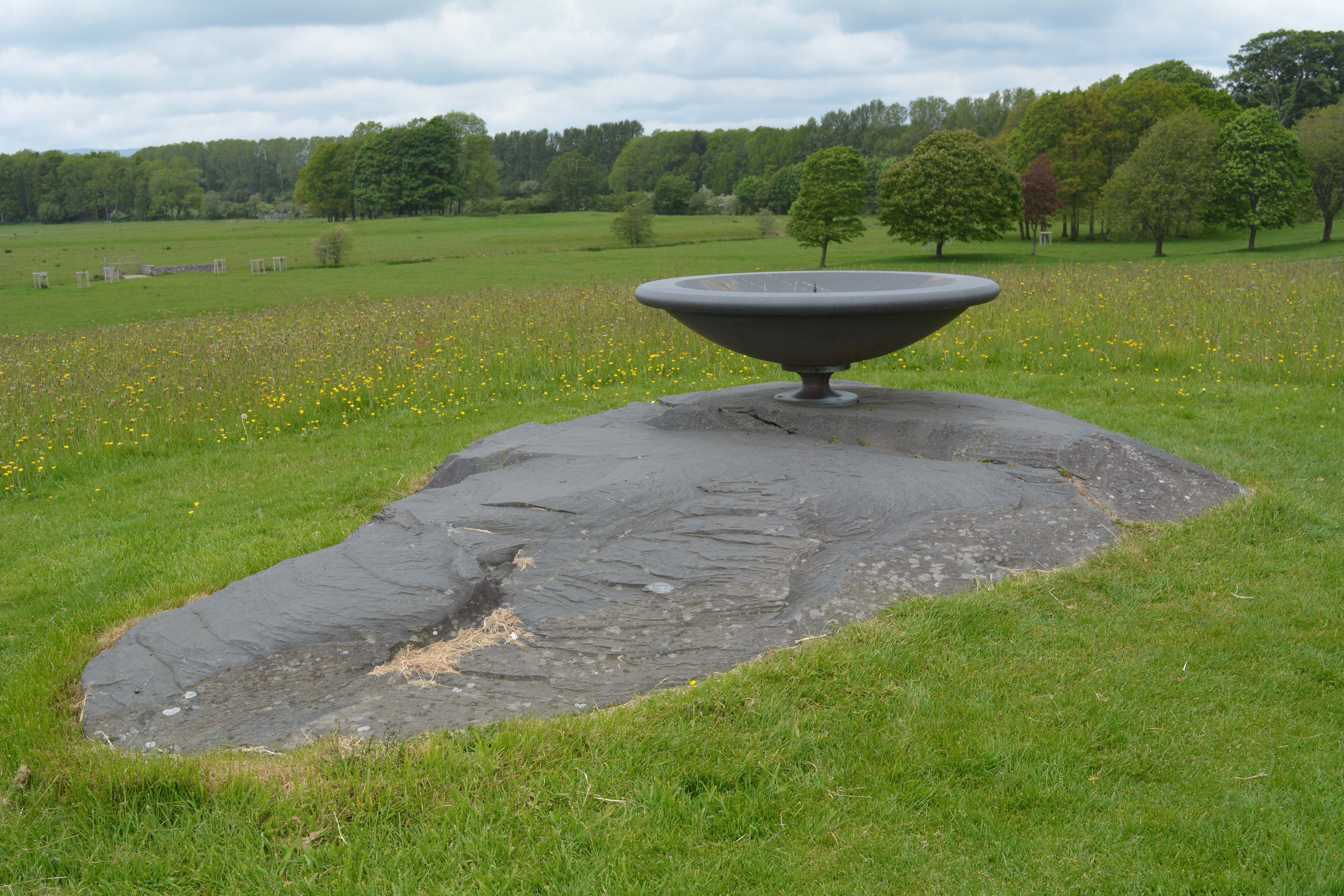
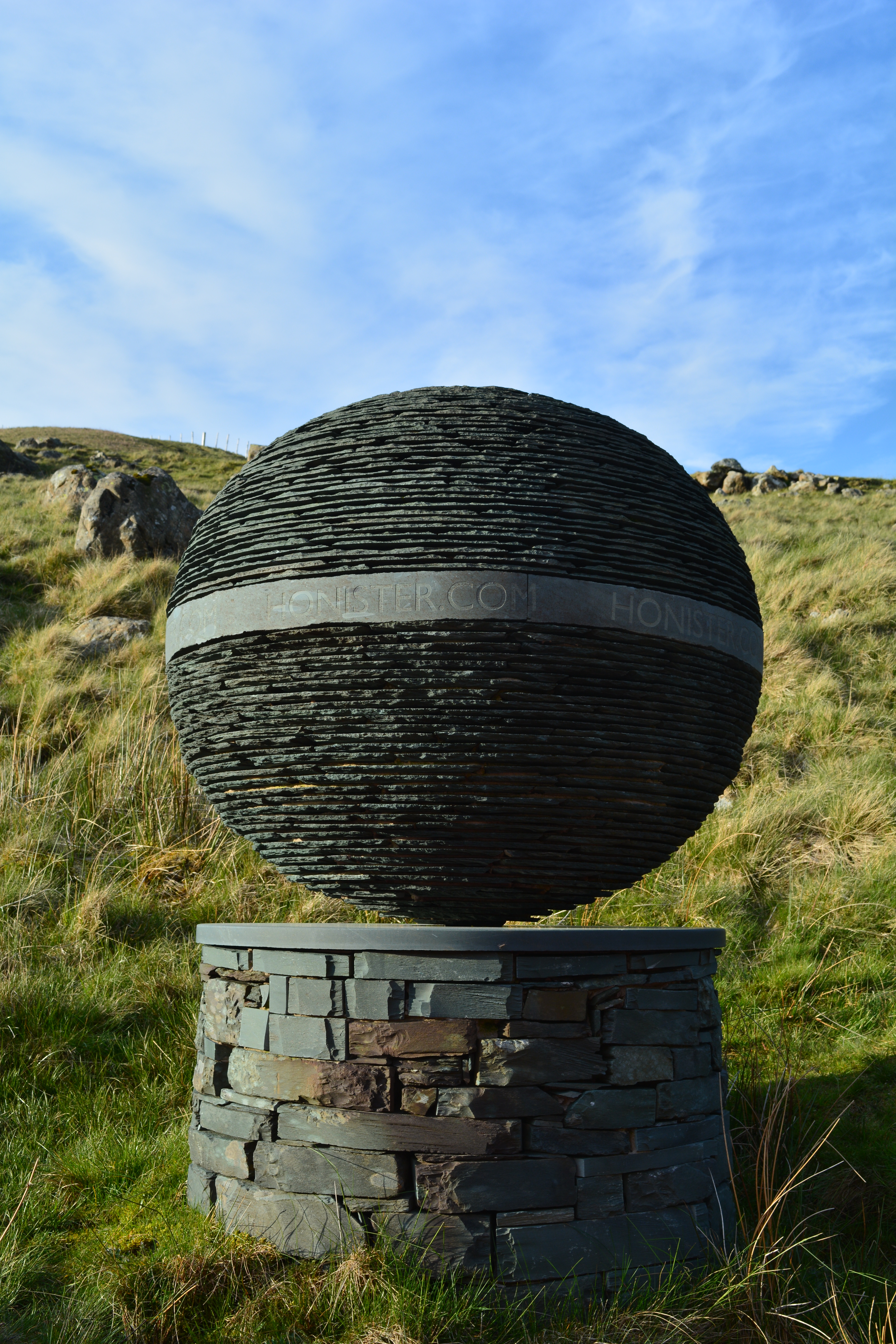
The Lake District is full of surprises and this slate sculpture was a wonderful surprise!

2015 06 05_2628

Categories
buildings climbing plants colours fruit and veg garden photography gardens open to the public grow your own hardy perennials kitchen gardens National Trust The National Trust village gardens

A Week in the Lake District – Part 3 – Hill Top

We were looking forward to visiting the Lakeland home of the children’s author and artist, Beatrix Potter and discovering more about her life. We already knew she was far more than just the author of the Peter Rabbit series of books. She was a farmer, conservationist and wildlife artist and generous donor of land to the National Trust.

We followed narrow lanes to the village of Near Sawrey and squeezed the car into a tiny car park and purchased our timed tickets. Hill Top is very popular but also tiny so the National Trust have instigated a timed ticket system. A short wander through the village and we walked through a gate to find a blackboard with a lovely welcoming message chalked on it.

2015 06 05_2482 2015 06 05_24832015 06 05_2485 2015 06 05_2460

We walked up the long garden path towards the cottage itself.

2015 06 05_2462 2015 06 05_24632015 06 05_2465 2015 06 05_2478

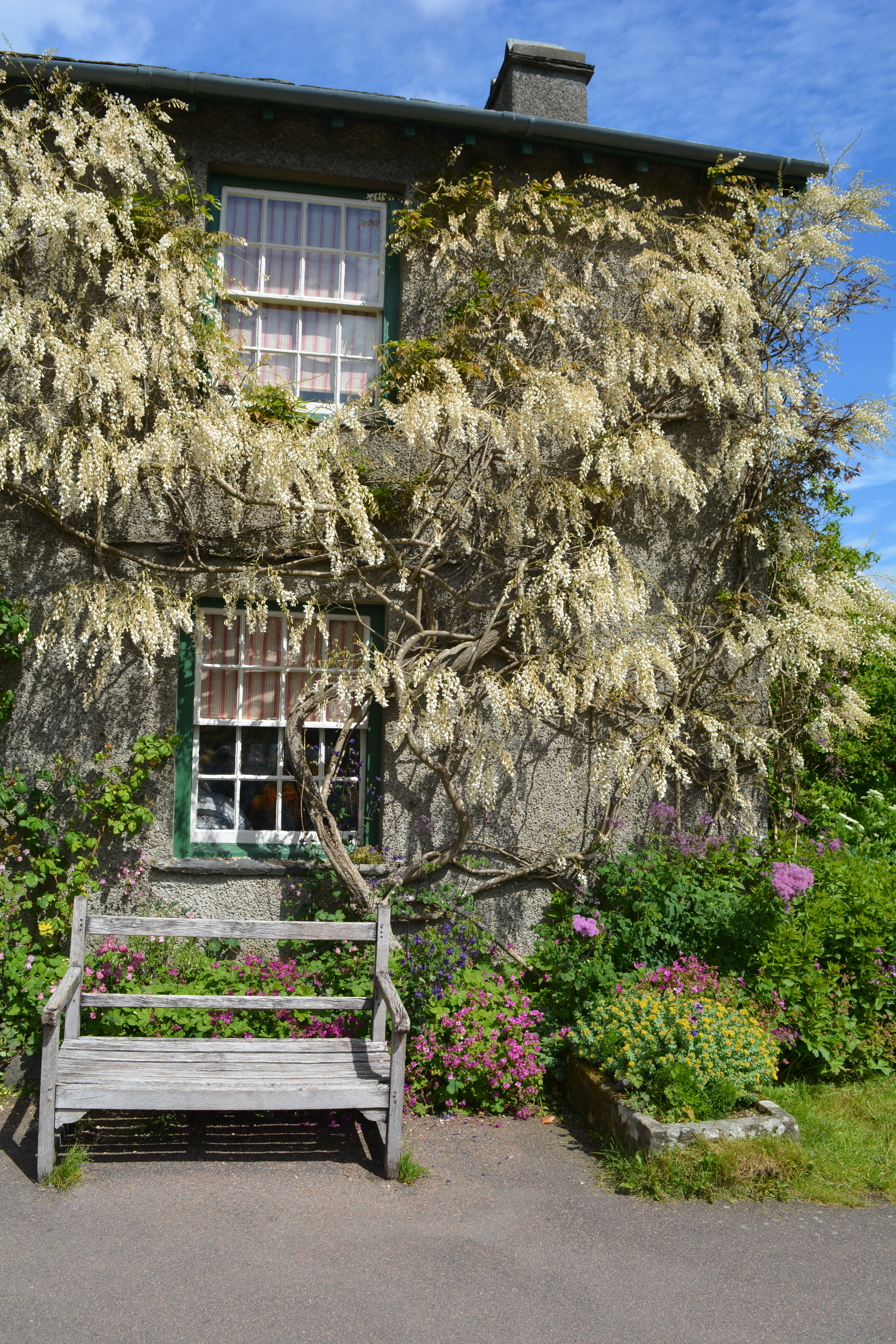
The front of Hill Top was swathed in scented, white flowered Wisteria which brightened up its drab grey finish. Borders of typical cottage garden plants sat on both sides of the front porch. The cottage was originally a farmhouse built in the 17th Century and bought by Beatrix in 1905 using the proceeds from her first published book, the one and only “Tales of Peter Rabbit. The cottage featured in her children’s books.

2015 06 05_2464 2015 06 05_2466

Photography was not allowed in the cottage itself but walking from room to room it felt as if we were seeing it just as if Beatrix Potter had just popped into the garden to cut some flowers. Letters she had written were awaiting an envelope on her writing bureau and drawings and paintings were sat on her desk. Furniture seen by thousands of children for over a hundred years in illustrations in her Peter Rabbit series of books were in every room.

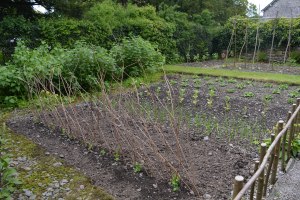
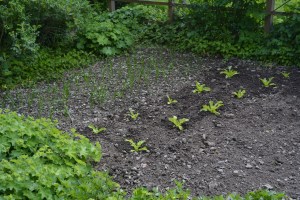
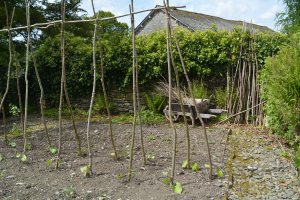
We moved back outside into the sunshine and found the little vegetable garden well known as the garden of Mr MacGregor. Hazel bean poles and an old wheelbarrow and watering cans seemed so familiar.

2015 06 05_2469 2015 06 05_24612015 06 05_2473 2015 06 05_2472

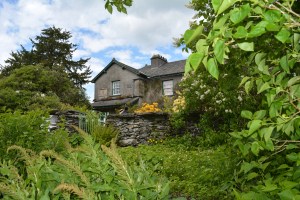
From the vegetable garden we gained great views of the cottage.

2015 06 05_2470 2015 06 05_2471

We wandered back down the sloping garden path and enjoyed the cottage garden flowers with their bright colours and rich scents.

2015 06 05_2475 2015 06 05_24772015 06 05_2480

When Beatrix Potter died she left 14 farms and their land plus sheep that grazed on it to the National Trust. Since then the National Trust have continued to purchase large areas of the Lake District which helps keep it such a beautiful place for all to enjoy.

Wherever you go in the Lake District you see Herdwick Sheep grazing in the fields from lowland fields to upland fell sides. Beatrix Potter helped prevent this local and specially adapted breed of sheep from becoming extinct. She was the first female President of the Herdwick Sheep Society.

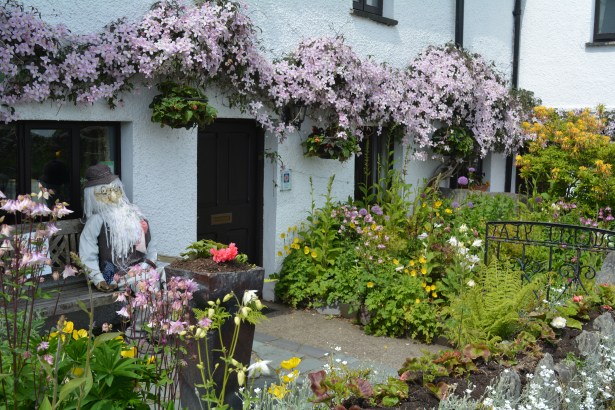
After visiting Hill Top we wandered back through the village and in a front garden we noticed a scarecrow based on Mr MacGregor. The villagers are obviously proud of their most famous past resident.

2015 06 05_2484


Categories
bird watching birds countryside lakes Land Art landscapes light light quality National Trust nature reserves photography The National Trust trees wildlife woodland woodlands

Aira Force – the walk back.

After enjoying the sights and sounds of the Aira Force water falls we followed the stream as it wandered through the wooded hilltops before we started our walk back down the valley. As we had been sat resting we were mesmerised by the songs and calls of so many birds in the trees and understory. This we would soon discover was to be a feature of our week in the Lakes – the sheer number of birds astounded us! At Aira Force we could hear Nuthatches, Treecreepers, Goldcrests, Coal Tits and all the thrushes, the Song Thrush, the Mistle Thrush and the Blackbird. We heard several warblers too and recognised a few such as the Wood Warbler, Garden Wabler and the Chiffchaff as well as their larger cousins the Redstart, Whitethroat and Blackcap. It made for an entertaining time and emphasised how important these areas of countryside managed by the National Trust are as nature reserves.

2015 06 03_2380 2015 06 03_2381 2015 06 03_2382 2015 06 03_2383 2015 06 03_2384 2015 06 03_2385 2015 06 03_2386 2015 06 03_2387 2015 06 03_2388 2015 06 03_2389

2015 06 03_2390 2015 06 03_2391

We changed direction and began the gentle descent. We enjoyed different views of places we had admired on our ascent.


2015 06 03_2392 2015 06 03_2393

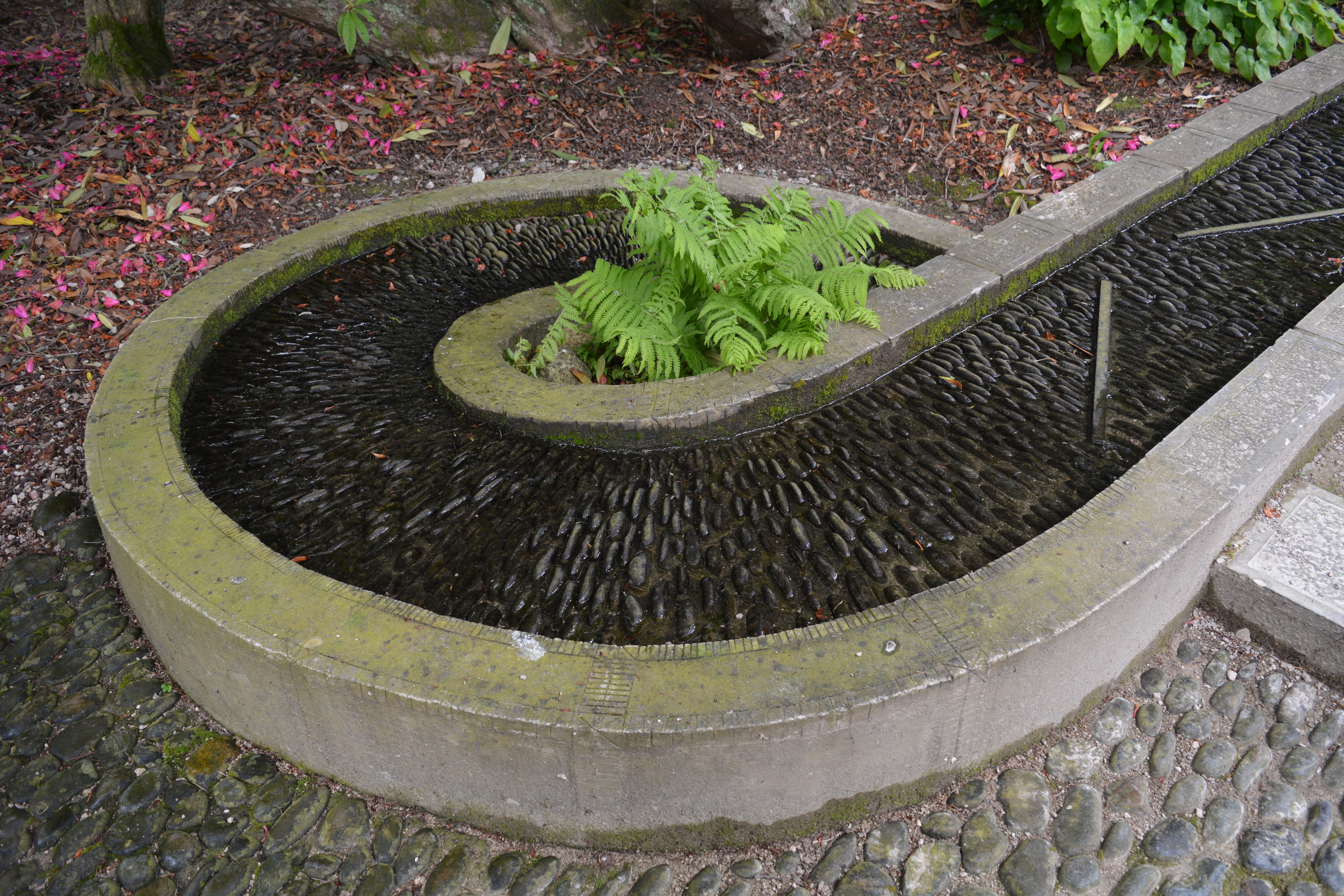
We took a slight detour from the main path to a damp more open area where different plants were growing and even the air itself felt damp to our skin. We were tempted to follow this detour just because of this beautifully constructed stone track. We just had to follow it! It reminded us of the work by land artist Richard Long.


2015 06 03_2394 2015 06 03_2395 2015 06 03_2396 2015 06 03_2397 2015 06 03_2398 2015 06 03_2399 2015 06 03_2400


Our detour finally took us back to our original pathway and we enjoyed the sounds of the tumbling stream once more.

2015 06 03_2403 2015 06 03_2404


2015 06 03_2405 2015 06 03_2406 2015 06 03_2407 2015 06 03_2408 2015 06 03_2409 2015 06 03_2410

So we found ourselves back at our starting point having enjoyed a stimulating, beautiful wander up and down this wooded valley. The waterfall, Aira Force, was the icing on the cake! A great day out!

Categories
countryside landscapes light light quality National Trust ornamental trees and shrubs outdoor sculpture photography The National Trust woodland woodlands

A Week in the Lake District – Part 2 – Aira Force

For our second day in the Lake District we made for the great outdoors to explore some ancient woodland with a stream running through it. Aira Force is the waterfall at the top of a gentle ascent up through the wooded valley.The wooded valley is owned by the National Trust so we had a warm welcome as we do at most of their properties. A beautifully carved wooden finger post gave us the choice of going left to the tea room or right to Aira Force. You’ve guessed it – we went left first and enjoyed a mighty good coffee and cake break.

2015 06 03_2342 2015 06 03_2341

We were soon on our way up the valley after a quick look at a map where some lovely benches crafted from single chunks of slate caught my attention.

2015 06 03_2343 2015 06 03_2344

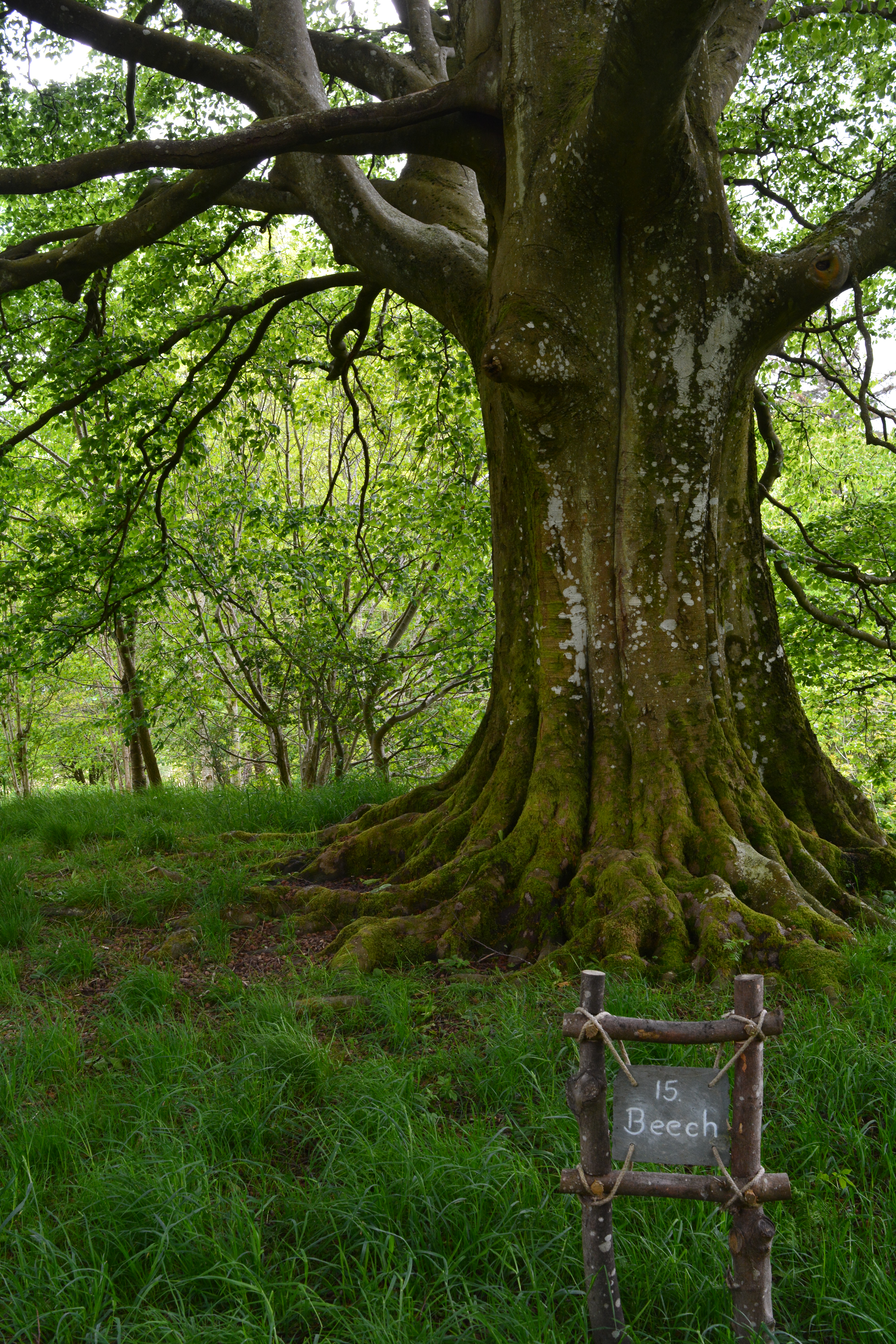
As we walked towards the more wooded section of the valley we initially had open grassland along side the path, but we soon found that the trees increased in number and the atmosphere changed completely. Woodlands have their own brand of intimacy that engulfs those who walk in them. There is something about the light creeping in through branches which highlights areas to draw the observer in. We discovered the wonderful original signage used to identify the main tree species. They were very rustic and in keeping with the setting.


2015 06 03_2345 2015 06 03_2346 2015 06 03_2347 2015 06 03_23482015 06 03_2353

The seasons come late to the Lake District so the tree foliage was still Spring fresh.

2015 06 03_2351 2015 06 03_2356

As this woodland was once the grounds of a shooting lodge there were areas for seating with ornamental paved areas and surprising finds. The second photo shows the patterns made by coins being hammered into the trunk of a fallen tree – we just couldn’t work this out!

2015 06 03_2350 2015 06 03_2357

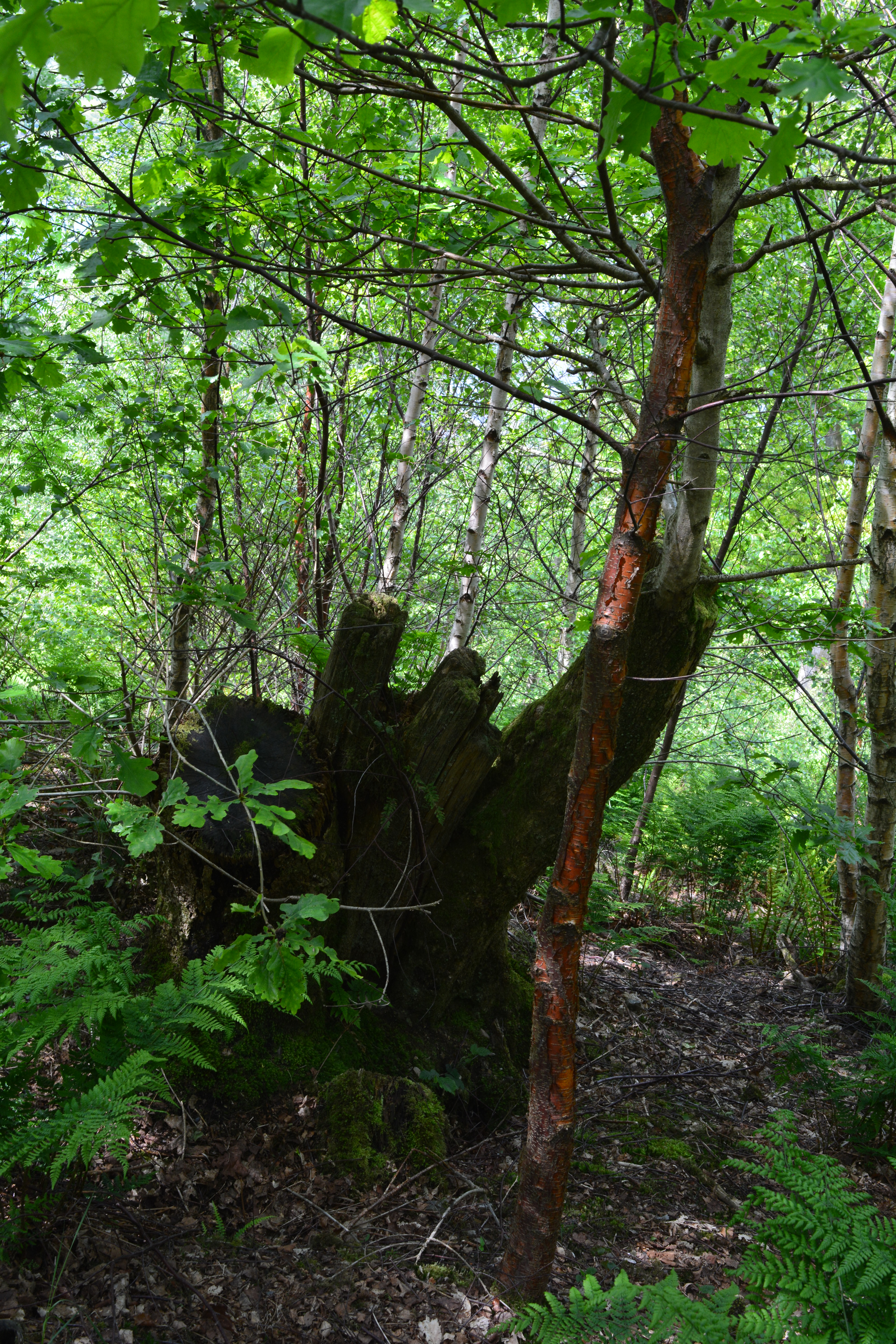
As in all woodlands we explore we found some interesting creative works sculpted by Mother Nature.

2015 06 03_2354 2015 06 03_23552015 06 03_2361 2015 06 03_2360

As we moved slowly uphill we followed the stream and even when we couldn’t catch glimpses of it we could hear its incessant burbling to our right.

2015 06 03_2358 2015 06 03_2364

The damp atmosphere within the wood allowed mosses, ferns and foxgloves to grow on any natural surface.

2015 06 03_2362 2015 06 03_2363

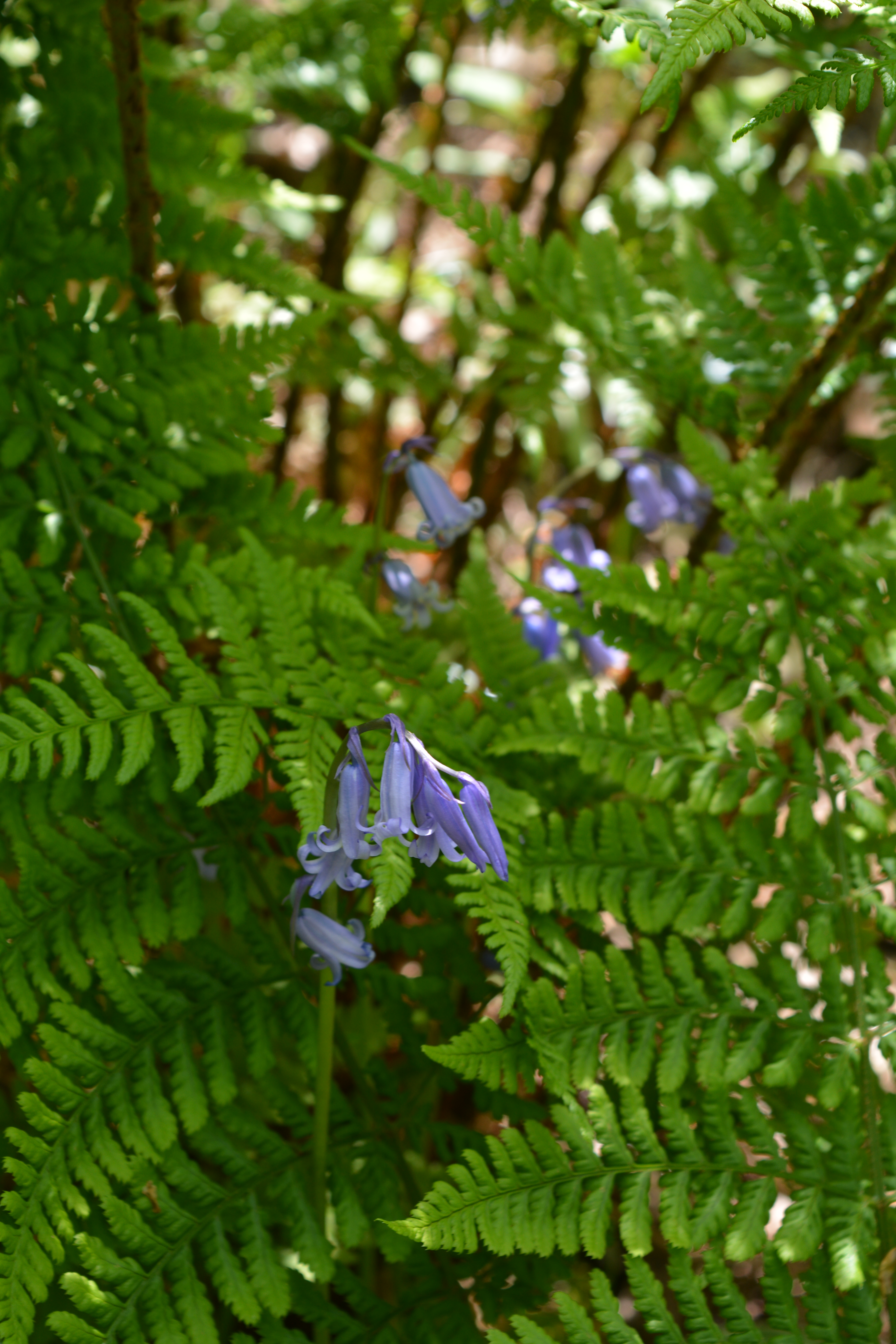
Where light penetrated shade wildflowers were in bloom. Bluebells and Bugle painted a blue haze on the woodland floor.

2015 06 03_2365 2015 06 03_2369

As we approached the waterfall open views were suddenly revealed as our path came to the wood edge, and we enjoyed a glimpse of lake and mountain.

2015 06 03_2366 2015 06 03_2367

As we followed our path upwards we could hear the waterfall roaring in the depths of the valley, before it suddenly appeared, a sparkling ribbon dropping down the valley.

2015 06 03_2370 2015 06 03_2371 2015 06 03_2372 2015 06 03_2373 2015 06 03_2374 2015 06 03_2375 2015 06 03_2376 2015 06 03_2377 2015 06 03_2378 2015 06 03_2379

This was the end of our upward journey so we stopped to enjoy a well-earned rest. We sat on an old wooden bench listening to the many woodland birds all around and above us. In the second part of this post we will be making our way back down the valley.

Categories
climbing plants colours garden design garden photography gardening gardens hardy perennials irises light National Garden Scheme ornamental trees and shrubs Shropshire trees Yellow Book Gardens

My Garden Journal – May

May has now finished so it is time to present my entries for that month in my Garden Journal. Gardening was totally at the behest of the weather, which was to say  disappointing.

2015 06 10_2769

As usual my first page for the month of May included my chosen quotation from Jenny Joseph’s little book “Led by the Nose – A Garden of Smells”. Concerning May she wrote, “I breathe in the warm pleasant air and think “Ah, heavenly summer” and the next day I have retreated to my living-room, lit my boiler again, shut the windows and returned to winter. May can indeed be a complicating month.”

I wrote, “Indeed here in Plealey, May has been a complicated month. The weather forecasters have been wrong every day. When they predict a cool 14 C we get a lovely warm 19 C. However for our May garden open day they predicted rain and we got it! But a few hardy souls turned up!

Many visitors to our garden are amazed by our Judas Tree, Cercis siliquastrum. Early in the month its buds are beautiful in colour and shape.”

2015 06 10_2770

2015 05 21_1846-1 2015 05 21_1855-1

2015 05 21_1856-1 2015 05 21_1857-1

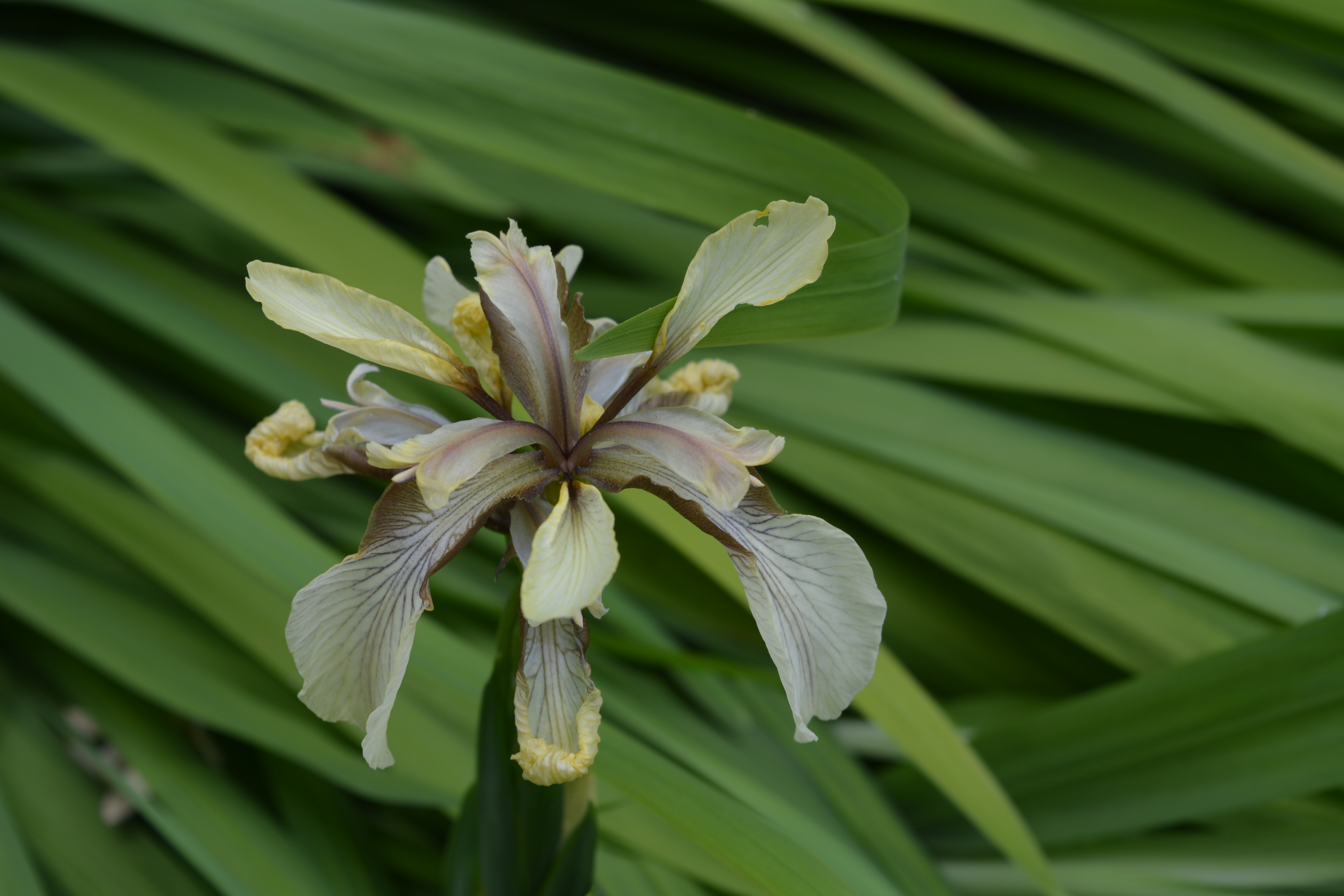
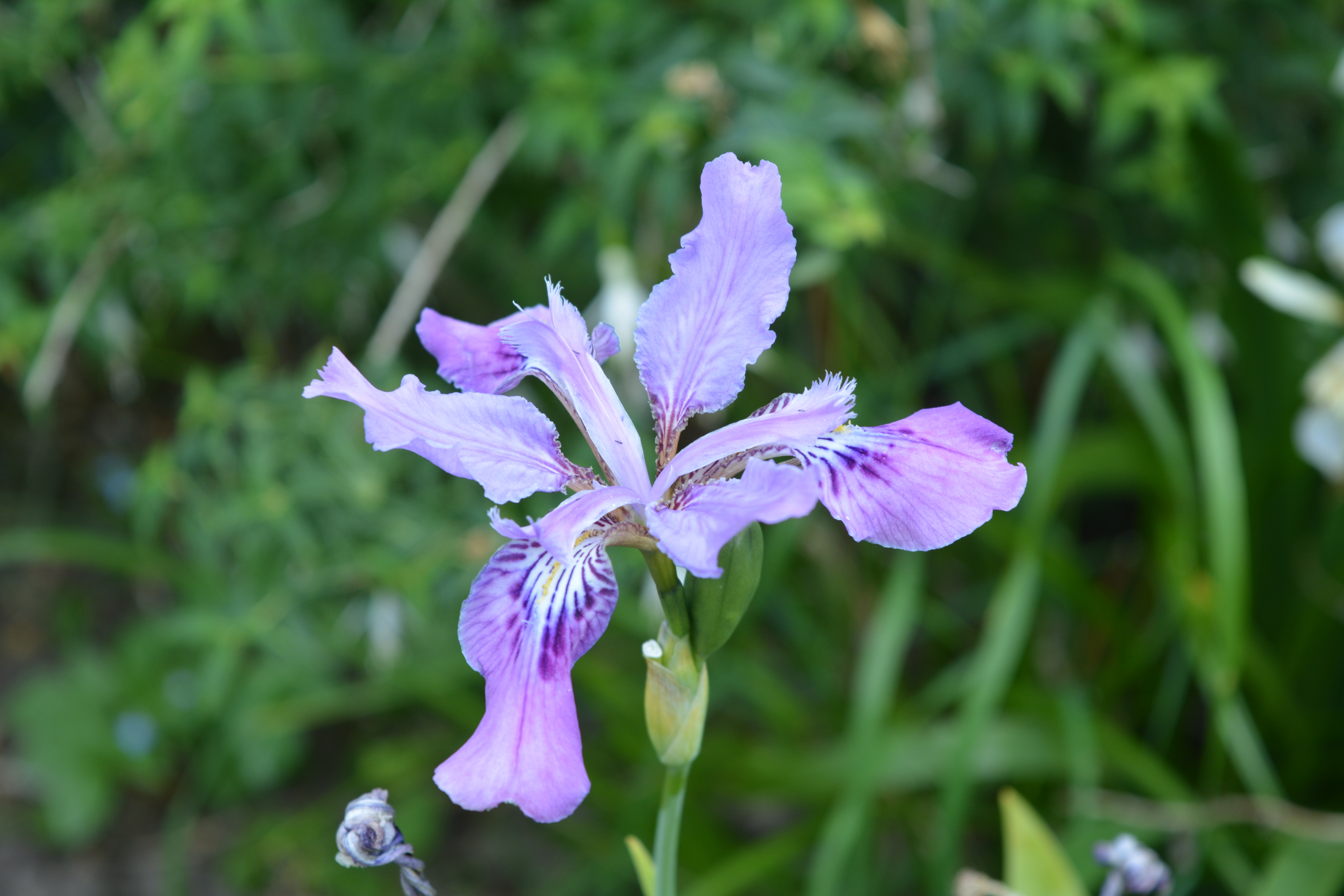
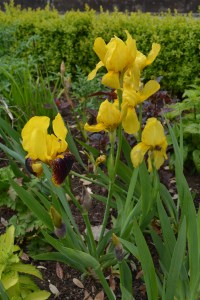
I moved on to write “May is the month that our Irises come out to play, to show off their colourful, wonderfully shaped flowers and glow whenever the sun makes an appearance. The palest colours always come first.

2015 05 31_2028 2015 05 26_2020 2015 05 26_2017 2015 05 26_2016 2015 05 26_2015 2015 05 26_2014


Turn over the page and we find my first watercolour painting and the return to the Judas Tree.

2015 06 10_2771_edited-1

My painting is of one of our favourite grass-like plants, a rush called Luzula nivea. A real challenge to express its subtlety in paints. I wrote “In amongst the bright colours of May little subtle plants can amaze us.”

2015 06 10_2772_edited-1

Concerning the Judas Tree, Cercis siliquastrum, I wrote “By the middle of the month, our Judas Tree is in full bloom.” A selection of photos followed.

2015 05 21_1848-1 2015 05 21_1854-1

2015 05 21_1849-1 2015 05 21_1850-1

Over the page I wrote “May has been a cold, wet month so most disappointing for us gardeners and lovers of wildlife. Birds, Hoverflies and Butterflies have hardly put in an appearance. One patch of surprise colour came as one of the many May showers came to an end. A multi-coloured arch in the sky.”

2015 06 10_2773_edited-1

2015 05 31_2037 2015 05 31_2036 2015 05 31_2034

Alongside the page about the rainbow was a second page about our Irises, where I wrote “By the end of the month our more extravagently coloured Bearded Irises are giving vibrant explosions of colour in the Beth Chatto border.” Below these words was my second painting for May depicting one of our more brightly coloured Irises.

2015 06 10_2774_edited-1

My final entry for my Garden Journal in May  was a little gallery of photos.

2015 06 10_2775_edited-1

To see larger images click the first thumbnail photo and use the arrows to negotiate through the gallery. Enjoy!


Categories
allotments bird watching birds community gardening garden wildlife light light quality Shropshire wildlife

The Dawn Chorus at our Allotments

To give an extra dimension to our Spring Celebrations at our allotment community, Bowbrook Allotment Community, we added a second social day. We met just as the sun was rising in order to hear the dawn chorus and experience the site coming to life. We soon met a problem though as the coded padlock on our gates is black so it was very difficult to get the numbers lined up to open up. Once that hurdle was overcome we had a great few hours.

It was strange to be on site when it was so quiet. The sky began to colour up before the sun rose and we admired the patterns that jets were painting with their vapour trails across the sky.

2015 05 17_1717 2015 05 17_1721

We wandered off around the site following our interest trail paths listening out for the songs of birds as they awoke to add their tunes to the dawn chorus. We were lucky to hear a Yellow Hammer singing heartily on top of our wild hedges. The loudest songs were probably those of the many Wrens who share the allotments with us. But the noisiest birds of all were the Rooks which nest in their rookery sited in the group of mature trees close by. As the light began to appear a few scouts left the rookery and noisily flew over our heads and off into the distance. Upon their return ten minutes later they seemed to have brought news of the best place to start the day’s search for food. Slowly small groups of Rooks flew over us all flying in the same direction to return ten minutes or so later.

As the light slowly increased we heard more birds joining in the chorus, Robins, Blackbirds, Song Thrushes, Dunnock, Chaffinches, Greenfinches, Whitethroats and Blackcaps. We spotted Nuthatches, Treecreepers and a Great Spotted Woodpecker who searched our mature Oak and Sycamore trees for bugs to eat. Collared Doves and Wood Pigeons added their repetitive calls to the chorus and a pair of Magpies tried to spoil it all with their raucous cries. The beauty of the dawn chorus could however not be spoiled by a couple of Magpies.

2015 05 17_1726 2015 05 17_1699

We were lucky to see an orange sun rise above the surrounding trees. Young Ella at just five years old was totally speechless! We were engulfed in a golden glow.

2015 05 17_1722 2015 05 17_17022015 05 17_1723

We were lucky to be on site just as the parent birds were leaving the nest boxes. We watched in awe as the adult Blue Tits and Great Tits made so many journeys in search of food and listened to the youngsters greeting their every arrival with raucous cries. We enjoyed our free entertainment. Adults and children alike were mesmerised!

2015 05 17_1719

Part way around our walk we were joined by our family of ducks. A mother Mallard and her ducklings. We met them again when we reached the pond, where they swam for a while and then found a spot in the marshy end where the sun was shining for a good long preen. Can you spot them in the third of these photos?

2015 05 17_1733 2015 05 17_17342015 05 17_1705


We returned to one of our communal hubs, the one by our communal hut, where we keep our cookers, crockery and cutlery. First job was to light our fire pits to warm us up. We soon had water boiling for warming mugs of tea and coffee and the aroma of bacon frying was most welcoming. So bacon baps and warm drinks finished off a perfect morning experience together.

2015 05 17_1730 2015 05 17_17292015 05 17_1736 2015 05 17_1737 2015 05 17_1738 2015 05 17_17392015 05 17_1732 2015 05 17_1728


Time for a good laugh too!


2015 05 17_1735

After our breakfast there was time for young Ella to water the children’s mini-meadows, ably assisted by Wendy. It is so good to see different generations gardening together.

2015 05 17_1707 2015 05 17_1711


Categories
fruit and veg garden design garden photography garden ponds garden pools gardens gardens open to the public irises kitchen gardens lakes meadows National Trust ornamental trees and shrubs outdoor sculpture sculpture The National Trust water in the garden

A Week in the Lake District – Part One – Sizergh

We decided that it was about time we re-visited one of our favourite family holiday destinations from when our children were youngsters, the Lake District. So a week in early June saw us journeying northwards to re-find some old haunts.

The first place we visited was the National Trust property, Sizergh Castle, right at the southern end of the lakes, in an area described as the “gateway to the Lakes”. The National Trust is very much in evidence in this area owning many properties as well as lakes, hillsides, fells and farms. The Lake district was central to the Trust’s early development.

Sizergh Castle is a Medieval house with gardens, orchards, limestone pasture and semi-natural woodland. The garden features fern collections, a kitchen garden, a pond, lake and its main feature a massive rock garden.

We soon realised that this was going to be a place full of interesting plants which also looked after its wildlife.

2015 06 02_2223 2015 06 02_2224

2015 06 02_2225 2015 06 02_2226

The little wooden sign clearly showed us the way!

2015 06 02_2220 2015 06 02_2221

2015 06 02_2222 2015 06 02_2227

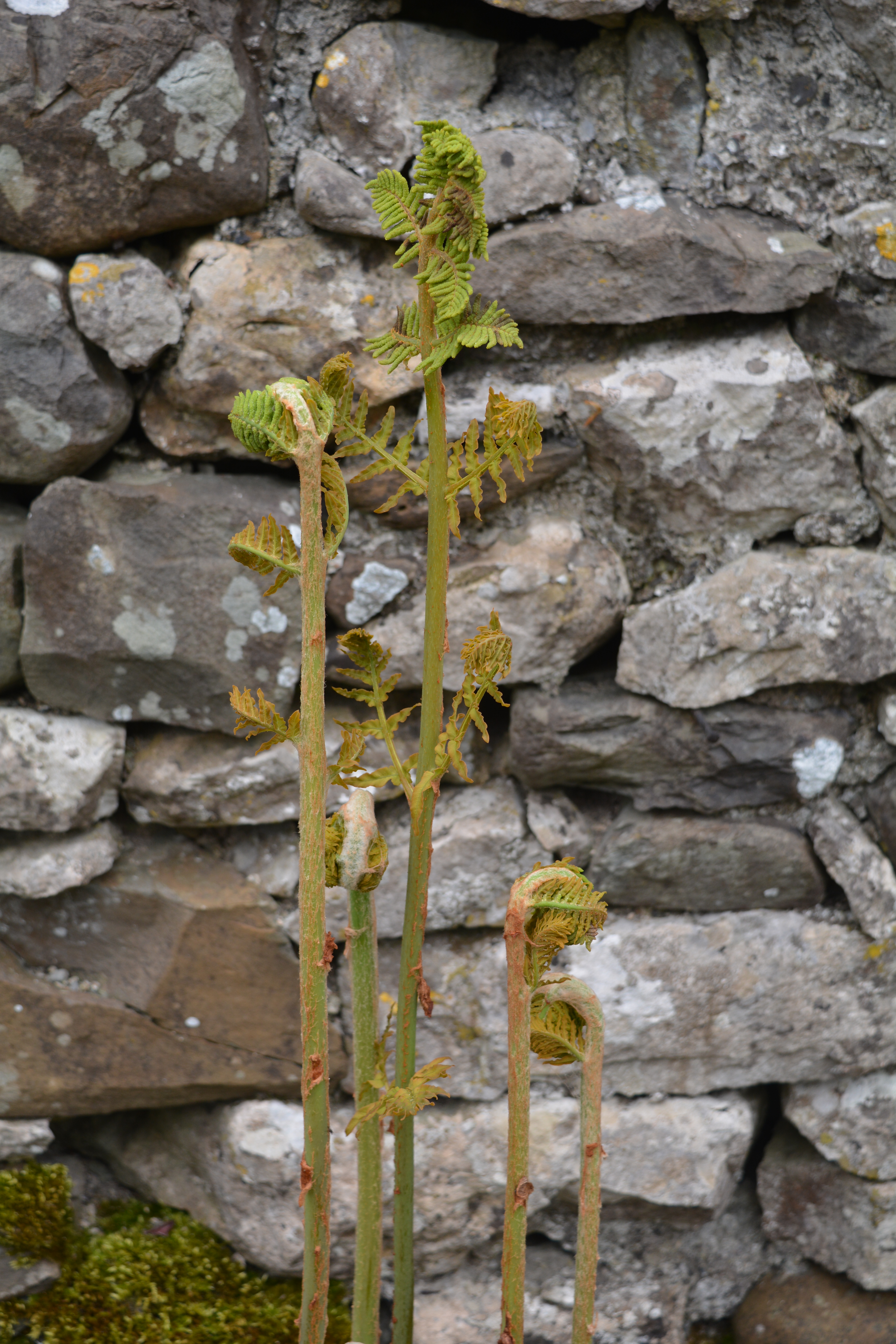
We followed the little wooden sign on a stone wall directing us to the garden and made our way towards the kitchen garden. On the way we stumbled across the “stumpery” where the garden’s fern collections are being re-homed. The variety of ferns was vast and we spotted many we had never seen before.

2015 06 02_2237 2015 06 02_2233

2015 06 02_2228 2015 06 02_2230 2015 06 02_2231

2015 06 02_2232 2015 06 02_2234

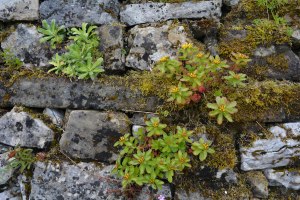
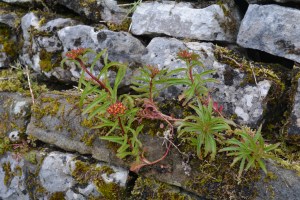
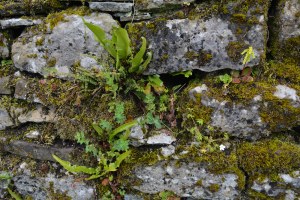
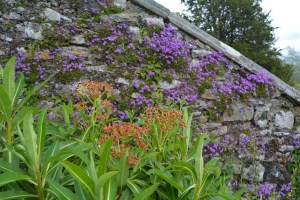
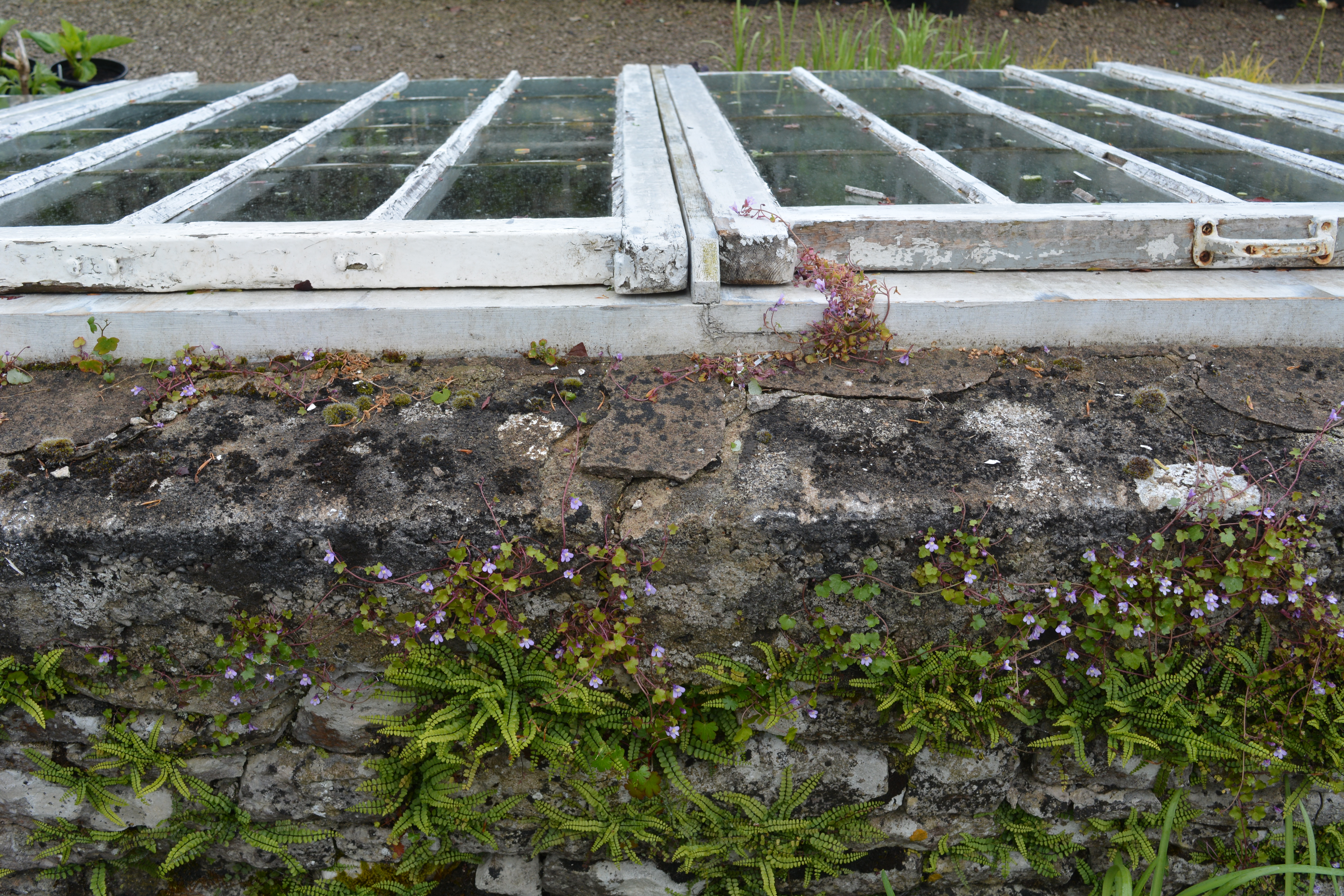
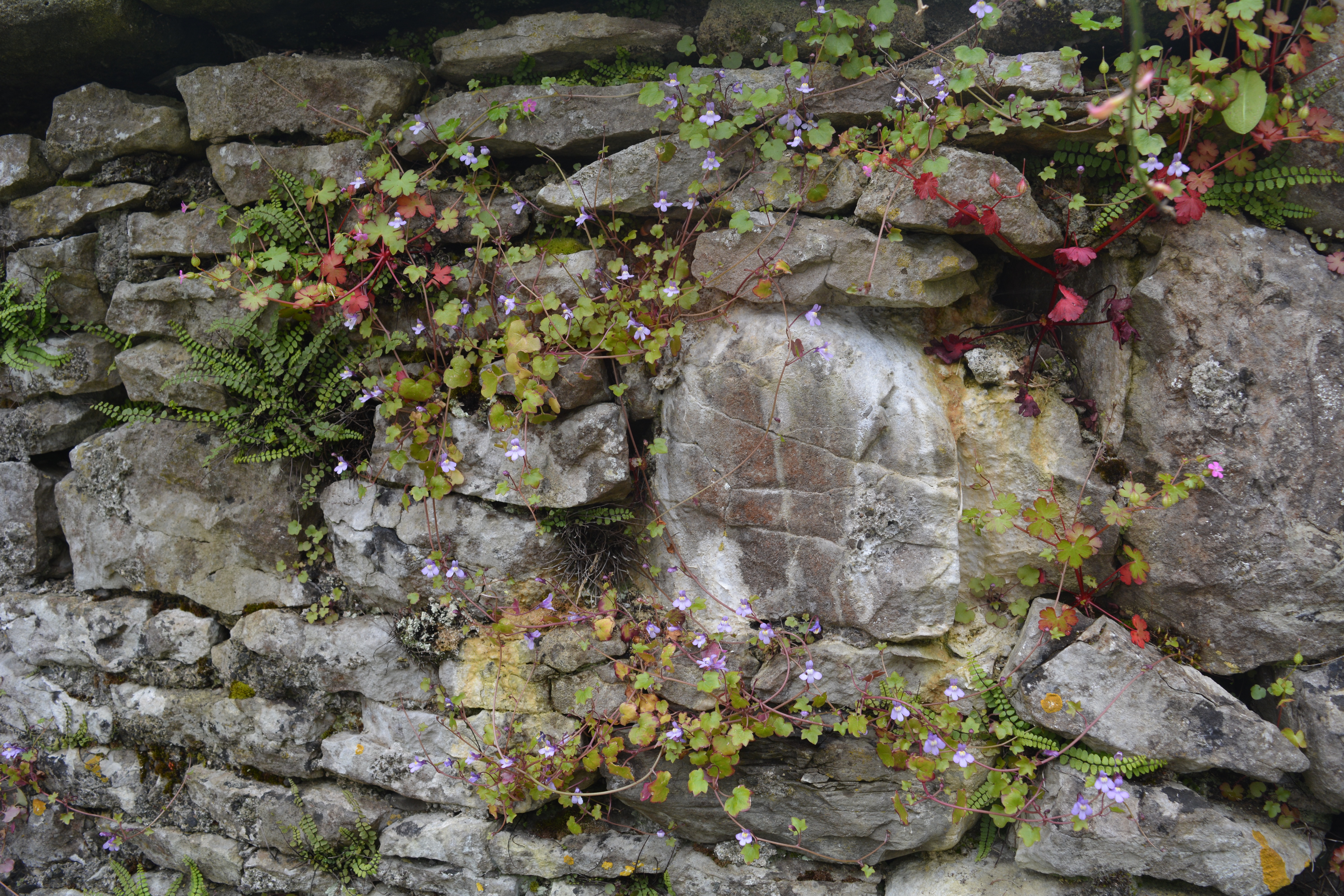
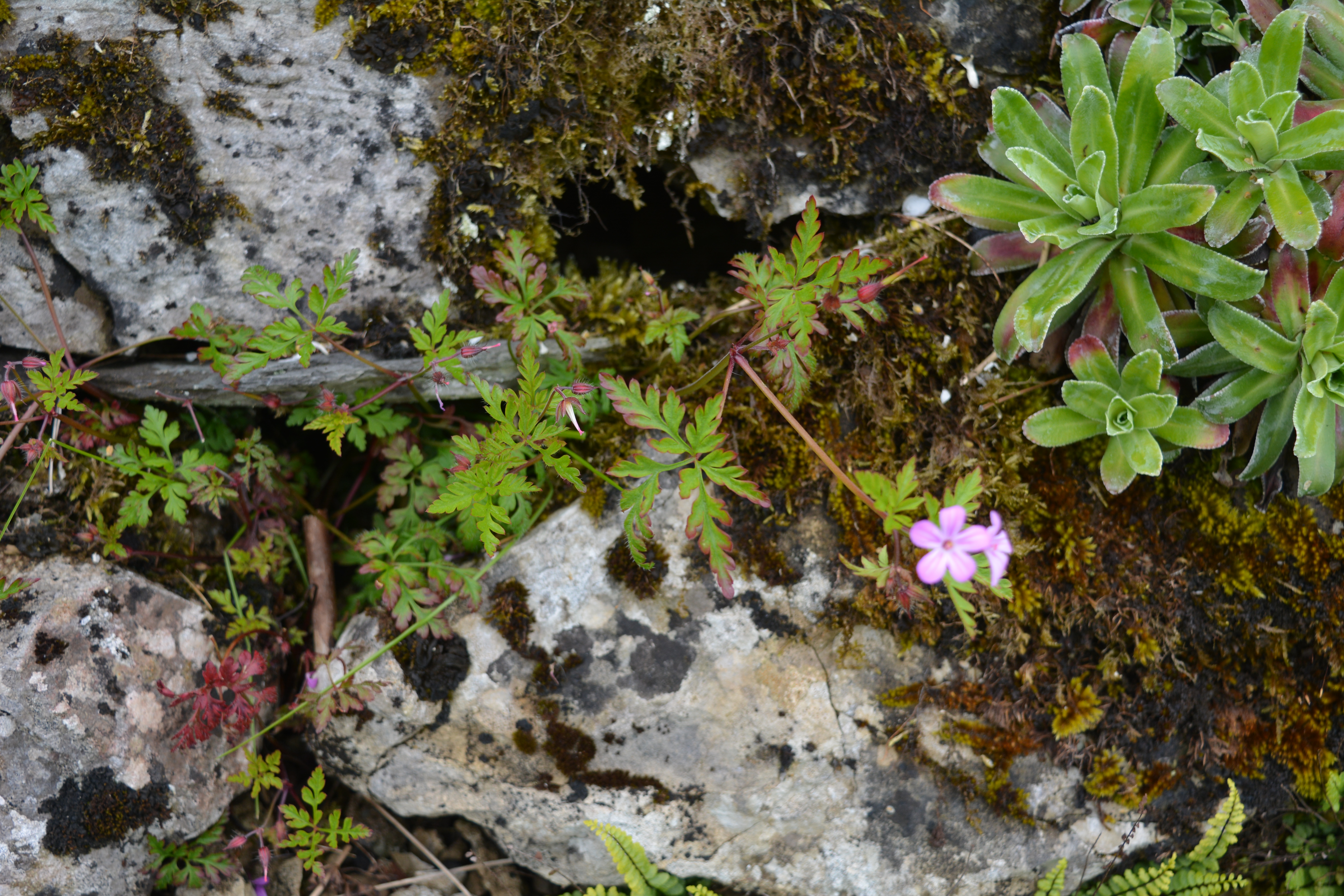
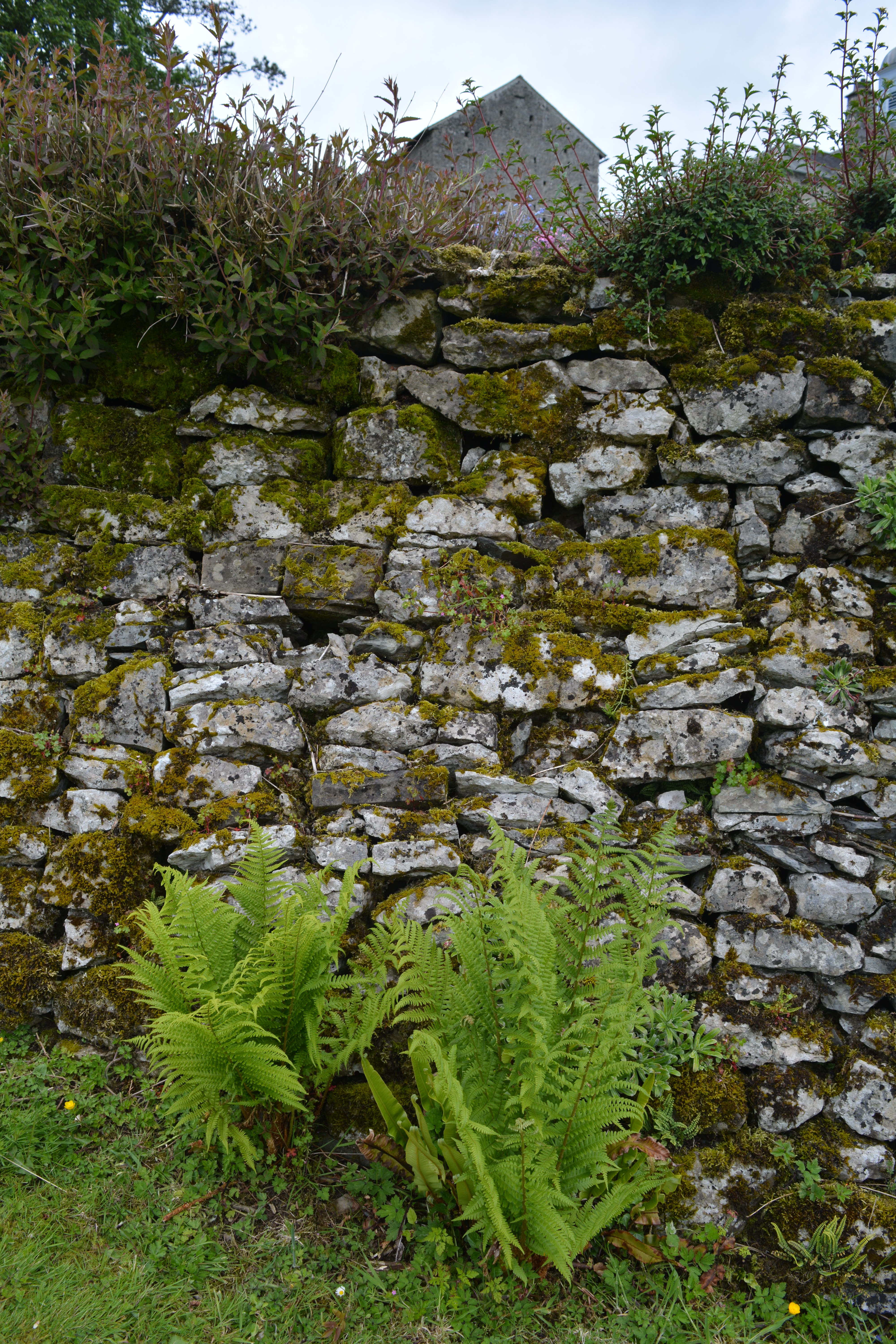
The walls in the fernery and walled garden were home to so many different tiny plants as well as just ferns. We were soon to discover that this was a feature of the walls throughout the gardens.

2015 06 02_2235 2015 06 02_2236

The kitchen garden was on a gentle slope and based on a strange shape somewhat like a long bent rectangle! The old wooden cold frames were still fully in use. We were fascinated by the raised hot beds where plants grew in soil covering heaped manure. This gave heat and later as it broke down fertility and structure to the soil.

2015 06 02_2238 2015 06 02_2239  2015 06 02_2241 2015 06 02_2242 2015 06 02_2243 2015 06 02_2245


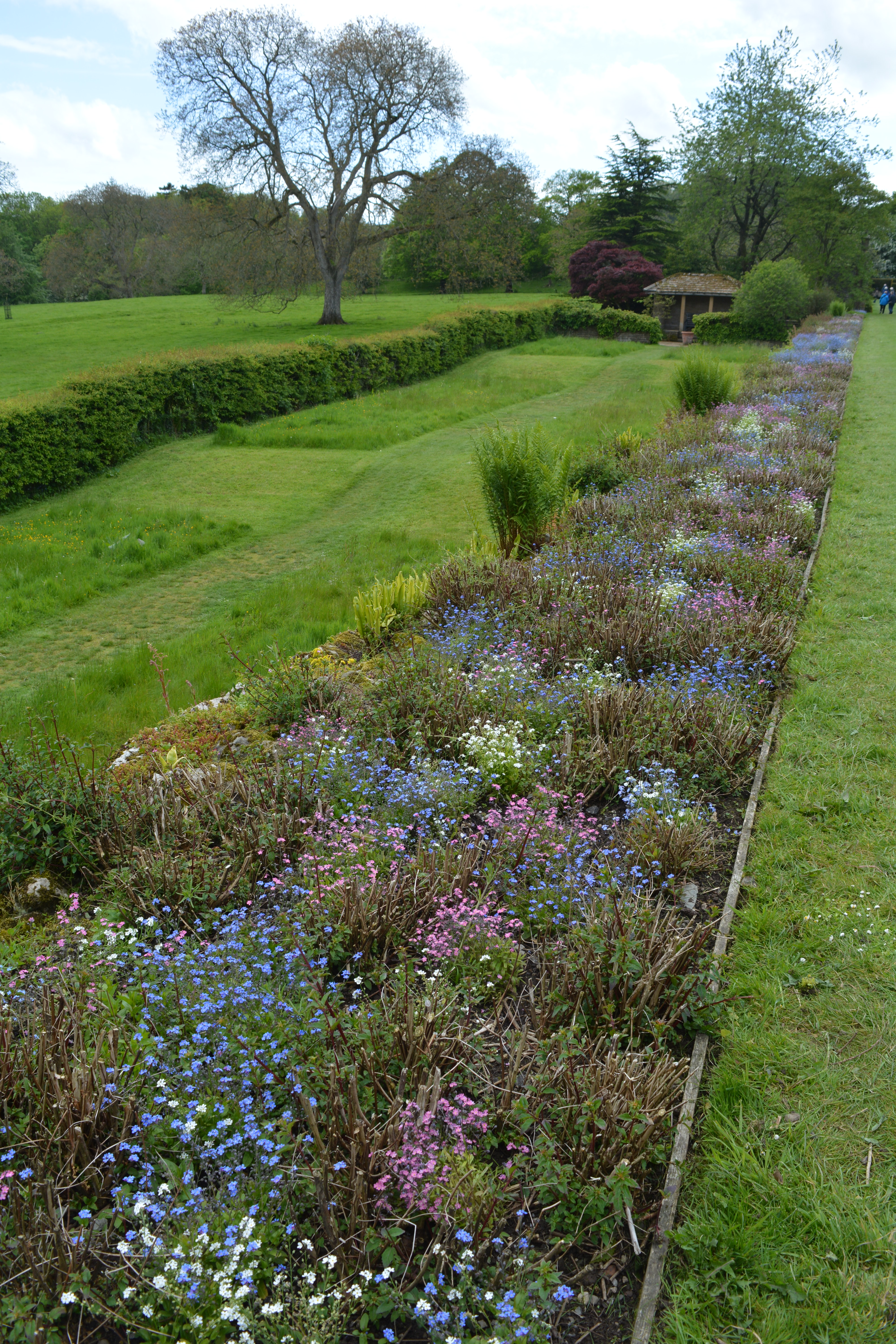
Within the kitchen garden we found a small patch of multi-coloured Forget-me-Nots. We found lots more throughout the gardens.

2015 06 02_2240

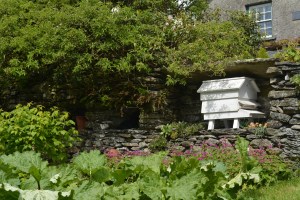
From the kitchen garden we wandered into the orchard with its bee hives, buzzing with activity. Beyond the orchard we came across a small lake. In the borders on the lake side were beautifully sculptural pollarded willows. They looked like a group of people meeting up for a chat.


2015 06 02_2246 2015 06 02_2247

2015 06 02_2248 2015 06 02_2249_edited-1

2015 06 02_2250  2015 06 02_2252 2015 06 02_2254 2015 06 02_2259 2015 06 02_2260


Wide open expanses of lawn opened up in front of us as we walked away from the lake. These afforded us views of the castle buildings themselves.

2015 06 02_2276 2015 06 02_2278 2015 06 02_2279


Where there was a change of level the grass banks were sown as narrow wild flower meadows. They were full of life.


2015 06 02_2309 2015 06 02_2310

2015 06 02_2315 2015 06 02_2318

Behind the main buildings we found the “Great Barn”, an agricultural building of a type we had never seen before. The barn was raised up on a bank to create two levels. In the lower level the animals were housed while carts loaded with cereals drove up the grass covered gradients to the upper level.


2015 06 02_2281 2015 06 02_2282

One of the most famous sections of the gardens was the vast rock garden.  Acers gave this area colour and texture and provided great views back to the castle itself. Tiny streams wound their way through the rocky outcrops ans areas of planting.


2015 06 02_2287 2015 06 02_2288 2015 06 02_2290 2015 06 02_2292 2015 06 02_2293 2015 06 02_2294

2015 06 02_2297 2015 06 02_2298 2015 06 02_2299 2015 06 02_2301     2015 06 02_2320 2015 06 02_2321 2015 06 02_2322 2015 06 02_2323 2015 06 02_2324 2015 06 02_2325

We found these appealing little carvings while we wandered around. The first was a yard high snail carved in wood while the second was a sculpture created by Mother Nature and again we thought it resembled a snail. The final piece was a wise old owl carved from wood.

Our first day in the Lake District was most enjoyable and we hoped our other days would be equally as inspiring.


2015 06 02_2251 2015 06 02_2326

2015 06 02_2285

Categories
colours garden buildings garden photography gardening gardens gardens open to the public hardy perennials light light quality meadows National Trust ornamental trees and shrubs roses Shropshire South Shropshire The National Trust trees walled gardens

Croft Castle month by month – Part 5 May

2015 05 22_1883_edited-1

We are almost half way through the year now so we were expecting to see some big changes at Croft on our May visit.

2015 05 22_1868_edited-1

We made our May visit to Croft Castle on a warm sunny day so everything in the garden looked colourful and full of cheer. The leaves were fully out on all the trees and herbaceous plants were beginning to flower.

2015 05 22_19282015 05 22_1858 2015 05 22_1859 2015 05 22_1862 2015 05 22_1863

The long border we always pass as we make our way towards the walled garden is now lush with every shade of green with occasional splashes of flower colour. Our view from the long border towards the church and castle is framed beautifully by trees in full leaf. The Horse Chestnuts were in full blossom. They are beautiful flowers when looked at close up.

2015 05 22_1864 2015 05 22_1865 2015 05 22_1866 2015 05 22_1867

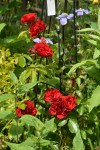
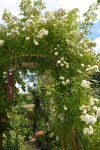
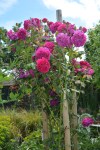
On the walls of the buildings close to the walled garden roses were in full bloom.

2015 05 22_1870 2015 05 22_1871

As we passed through the gateway into the waled garden we were amazed by how much the first view had changed. It simply looked so green and lush.

2015 05 22_1872 2015 05 22_18732015 05 22_1874 2015 05 22_18752015 05 22_1869 2015 05 22_1877

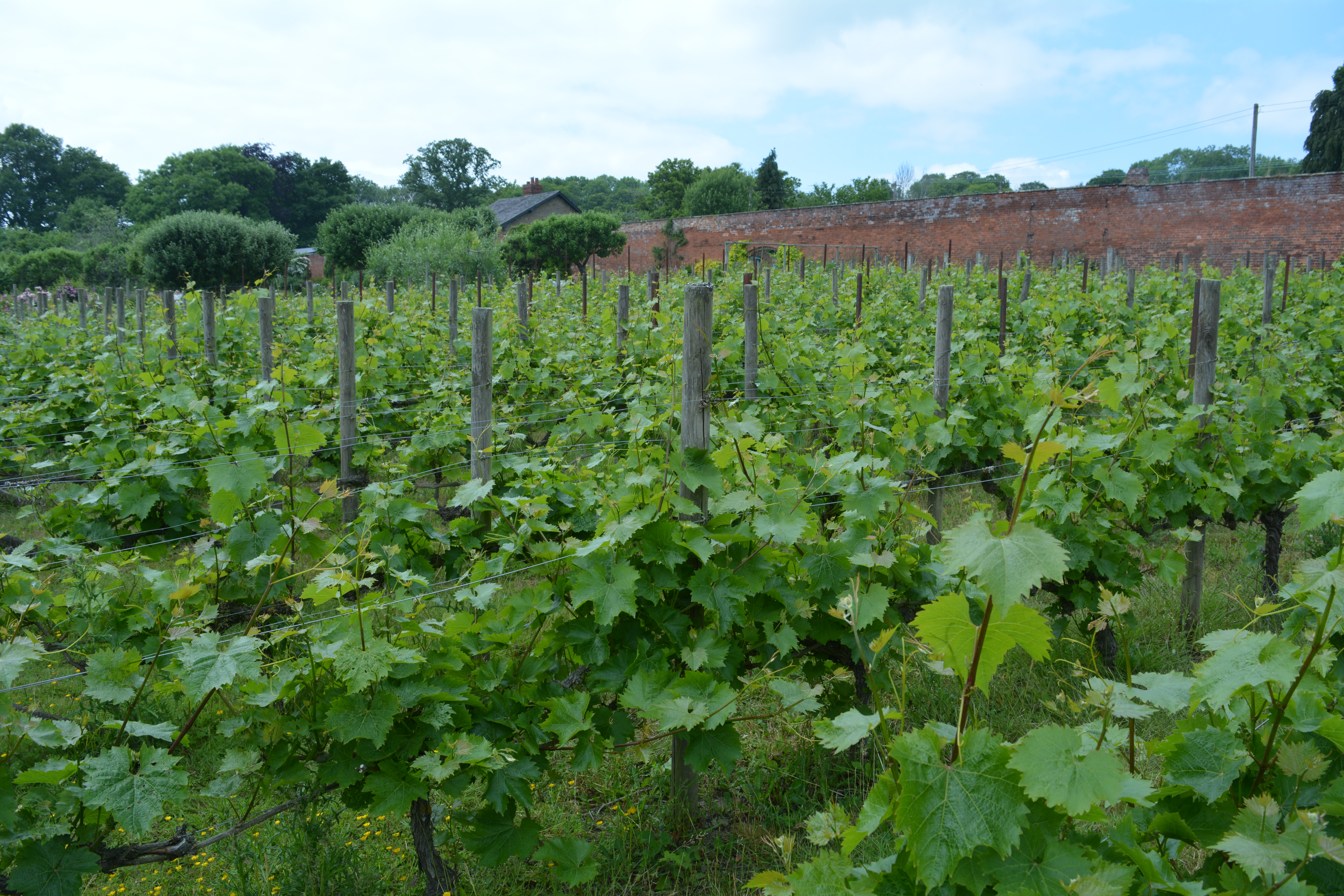
For the first time this year the vineyard at Croft was showing signs of growth with shining bronze-green leaves bursting from every bud.

2015 05 22_1879 2015 05 22_1880

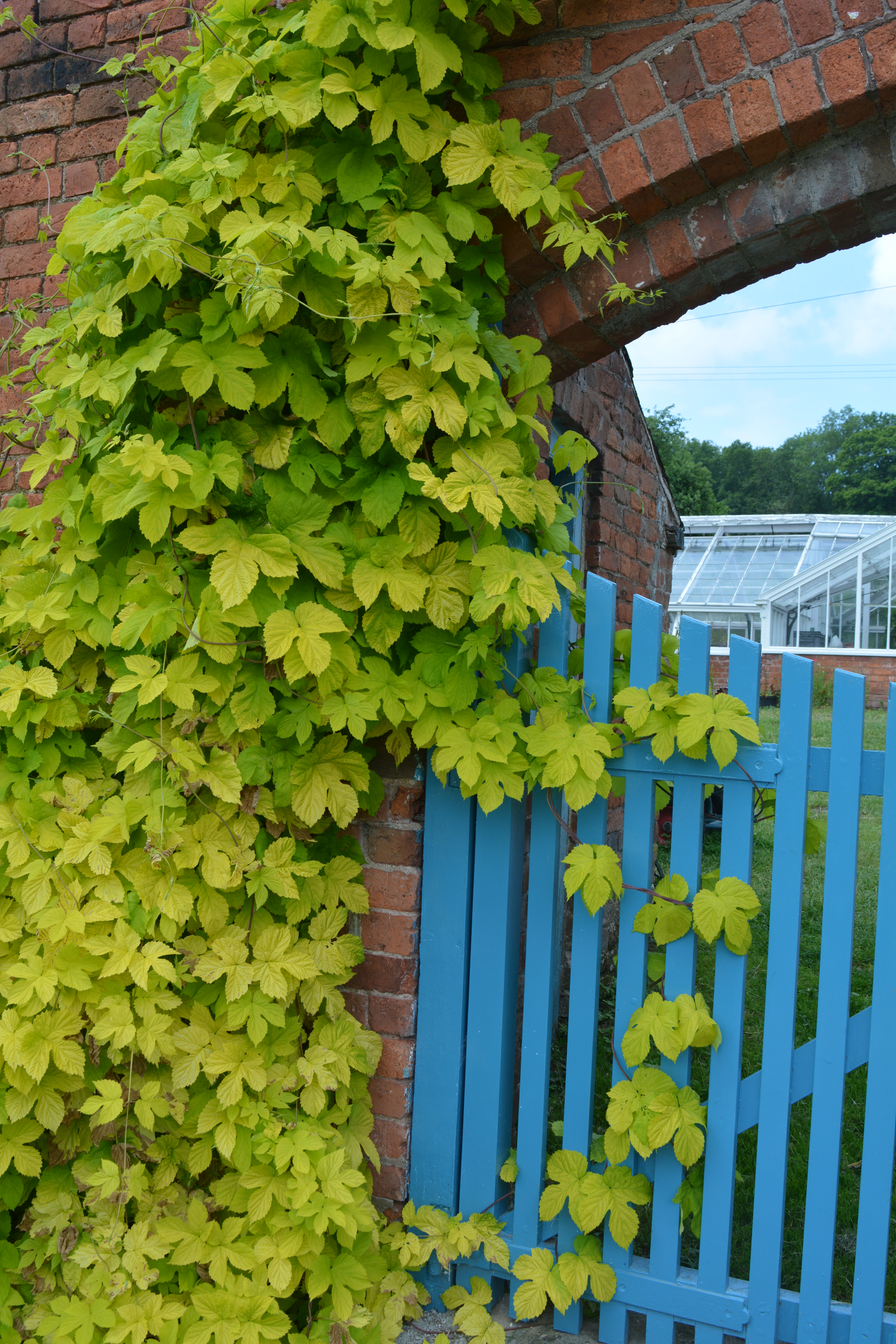
We expected to see major changes as we walked through the blue gates to look at the greenhouse and the surrounding garden. Bright reds of poppies hit us first but close by these cute bantams were definitely new. We certainly found plenty of colour in the greenhouse as plants under cover were flowering way ahead of their normal time.

2015 05 22_1884

2015 05 22_1885 2015 05 22_18862015 05 22_1887

2015 05 22_1891 2015 05 22_1892

Leaving the greenhouse area back through the blue gates we could see that the productive gardens had made a lot of progress since our visit in April. Gooseberries were fruiting and rows of vegetable plants were now established. The sunshine brought out the colours in the borders along the walls.

2015 05 22_1893 2015 05 22_1895 2015 05 22_1896 2015 05 22_1899 2015 05 22_1900 2015 05 22_19062015 05 22_1907 2015 05 22_1904

We just had to stop to admire these beautifully pollarded willows, now regrowing strongly. The Cirsium rivulare was in full bloom and looked good against the old garden buildings.

2015 05 22_1908 2015 05 22_19092015 05 22_1911

Along the fourth side of the walled garden the light was so bright that colours seemed extra vibrant and exciting.

2015 05 22_1912 2015 05 22_1913 2015 05 22_1914 2015 05 22_1916 2015 05 22_1915 2015 05 22_1917 2015 05 22_1918 2015 05 22_1919 2015 05 22_1920 2015 05 22_1921

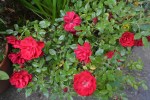
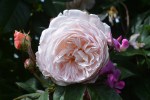
For the first time this year there was interest in the Rose Garden with groundcover beneath the roses in flower and indeed the first roses were open and giving the gift of their scent to anyone passing by.

2015 05 22_1922 2015 05 22_1923 2015 05 22_1924 2015 05 22_1925 2015 05 22_1926 2015 05 22_1927

After leaving the walled garden we wandered around castle itself where we enjoyed tempting views over the meadows to the lake and countryside beyond.

2015 05 22_1935 2015 05 22_1937 2015 05 22_1938 2015 05 22_1939 2015 05 22_1940

The open gate into the meadows was just too tempting for us. We followed a mown path through the wildflowers.

2015 05 22_1941 2015 05 22_1942 2015 05 22_1943 2015 05 22_1945

Croft is well-known for its ancient Sweet Chestnut trees. We were fascinated by the texture of the bark on this group.

2015 05 22_1946 2015 05 22_1947 2015 05 22_1948 2015 05 22_1949 2015 05 22_1950 2015 05 22_19542015 05 22_1957 2015 05 22_1958 2015 05 22_1959 2015 05 22_1960

Our next visit in June will be the half way mark through our year of visiting Croft Castle gardens.


Categories
gardening recycling spring gardening

Mary’s mini-garden

Towards the end of 2014 our great friend Mary gave us two old butler sinks to make into miniature alpine gardens. Soon after this a sudden illness took Mary from us. We turned the sinks into gardens just as she wanted us too, so we now think of them as Mary’s Mini-Gardens.

We gathered together a few big chunks of slate, a bag of slate pieces, a bag of John Innes No 3 compost, a bag of horticultural grit and one of horticultural sand together with a lump hammer and bolster chisel. The horticultural grit and sand were mixed with the compost in equal parts to create our growing medium.

2015 04 05_0437-1

We were lucky to have found two large pieces of slate with holes in to add a sculptural element to our mini-gardens.

2015 04 05_0435-1 2015 04 05_0436-1

One piece of slate had beautiful colour and texture to it to add further interest. It looked like a mountain range in miniature!

2015 04 05_0438-1

We added the growing medium to the sinks and put a mulch of grit on top for extra drainage around the base of the plants. We then played around with positioning the large slate pieces until we thought they formed the best arrangement we could manage.

2015 04 05_0440-1 2015 04 05_0441-1

We then began arranging the plants and once we felt they were in the best positions we planted them up.

2015 04 05_0439-1  2015 04 05_0446-1 2015 04 05_0442-1 2015 04 05_0450-1

When we opened our garden in mid-April for the National Garden Scheme they were beginning to look colourful and drew some complimentary comments from our visitors.

2015 04 17_0781-1 2015 04 20_09142015 04 05_0447-1

Here they are in mid-May. We really enjoyed the project and feel sure Mary would have enjoyed them. Good example of recycling in the garden too!

2015 05 21_1843  2015 05 21_1845 2015 05 21_1844


This Veggie Life

A Vegetarian | Nature Lifestyle Blog

Rambling in the Garden

.....and nurturing my soul

The Arch City Gardener

Journeys In St. Louis Gardening and Beyond

Garden Dreaming at Châtillon

Consult the genius of the place

Storyshucker

A blog full of humorous and poignant observations.

gardeninacity

Notes from a wildlife-friendly cottage garden

PlayGroundology

...an emerging social science

The Official Blog of British Wildlife

'The most important and informative publication on wildlife of our times' - The Independent. This blog is a member of The UK & Ireland Natural History Bloggers group: www.uknhb.blogspot.com

iGrowHort

Inspire - Cultivate - Grow Native Plants - Restore Landscapes

Bishops Meadow Trust

To create and protect a semi-natural wild space for the people of Farnham to enjoy and experience an array of British wildlife in our town

Gardening with Children

The www.gardeningwithchildren.co.uk Blog

UKbirdingtimeline

birding through the seasons, why birds matter and how to conserve them

NATURE WALKER

with a camera in hand

Jardin

Transform your outdoor space

Eva's space

My allotment, cooking and other interests

Old School Garden

my gardening life through the year

LEANNE COLE

Trying to live a creative life

fromacountrycottage

trying to live as lightly as possible on our beautiful planet

Good Life Gardening

Nature lovers from Leicester living the good life.

mybeautfulthings

Finding the beautiful in the everyday

mawsonmichelle

Michelle's Allotment

In and Out of My Garden

thoughts from and about my garden

Greenhousing

Big plans for a small garden

The Scottish Country Garden

A Walled Country Garden in South East Scotland

The Fruity Chicken

Life at the fruity chicken

willowarchway

Off grid living. Self sufficient. "PERMAGANICS RULE".

St Anns Allotments

Nottingham's Grade 2* Listed Allotments and Community Orchard

Manifest Joy Harvests

a journey in suburban vegetable gardening

Allotmental

The madness of growing your own

Penny's Garden: a harvest beyond my front door

A novel approach to vegetable gardening

arignagardener

Sustainable living in the Irish countryside.

NewEnglandGardenAndThread

Master Gardener, amateur photographer, quilter, NH native, and sometimes SC snowbird

dianajhale

Recent work and work in progress and anything else that interests me

planthoarder

a chaotic cottage gardener

Lens and Pens by Sally

a weekly blog that creates a personal philosophy through photographs and words

Dewdrops and Sunshine

Stories from a sassy and classy Southern farmbelle.

The Pyjama Gardener

Simple Organic Gardening & Seasonal Living

gettin' fresh!

turning dirt into dinner

JOY...

today the world is created anew

Garden Birds

Notes from a Devon garden

ShootAbout

Life Through The Lens

Adapting Pixels

A photography blog showcasing the best photography pictures and videos on the internet

Wildlifegardening's Blog

Just another WordPress.com site

naturestimeline

personal observations from the natural world as the search continues for a new approach to conservation.

LATEBLOOMERBUDS

The Wonders of Life through my Eyes, my Heart, my Soul