Categories
climbing plants colours flowering bulbs garden design garden photography garden wildlife gardening gardens grasses hardy perennials ornamental grasses ornamental trees and shrubs Shropshire spring bulbs trees Uncategorized Winter Gardening winter gardens

Aiming for a year round garden. Part One – The Winter

Over the last few years we have worked hard planning to make our garden look and feel good all year round. So today I took a wander with camera in hand to see how well we had done so far. See what you think. Are we getting there?

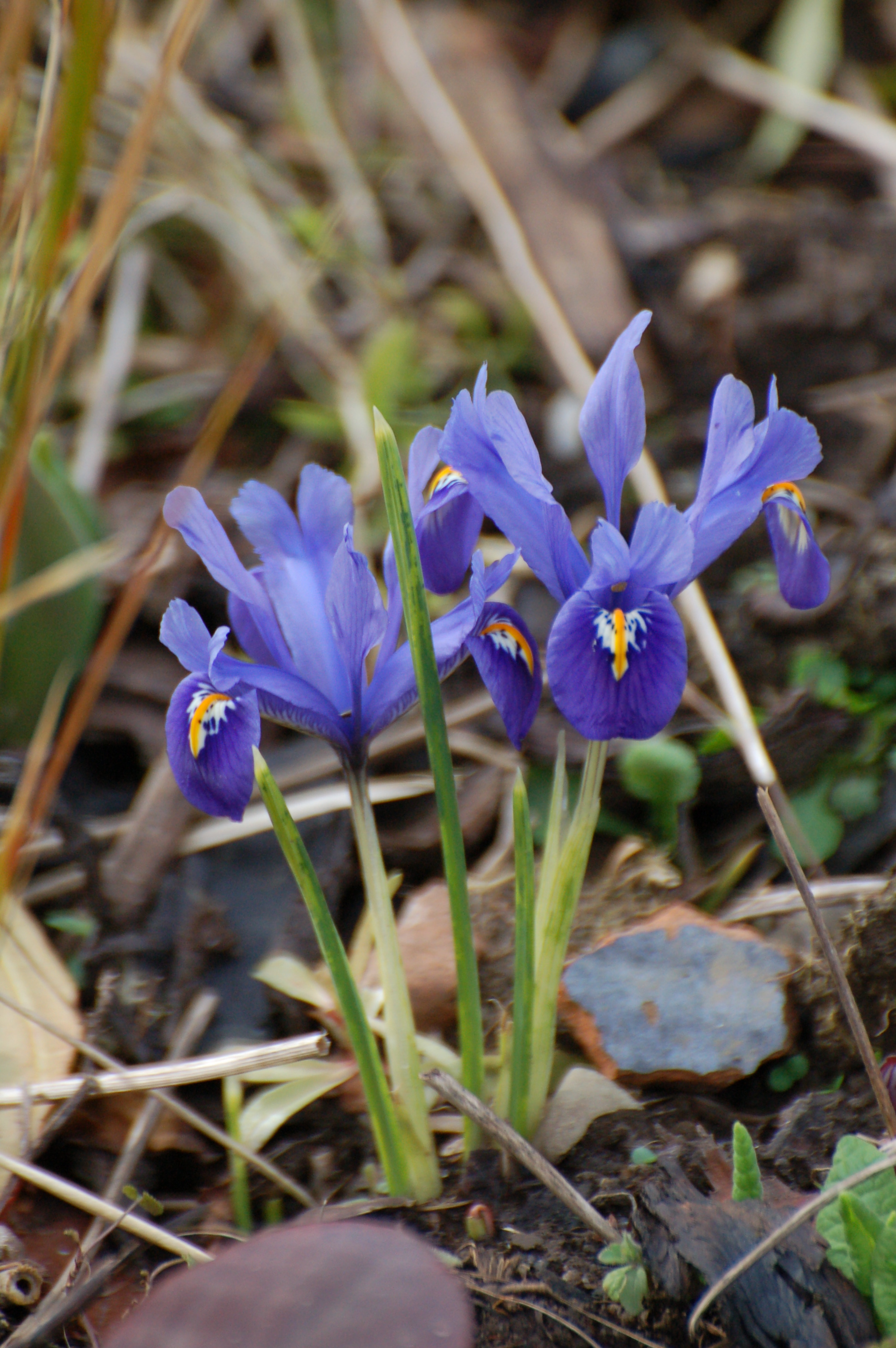
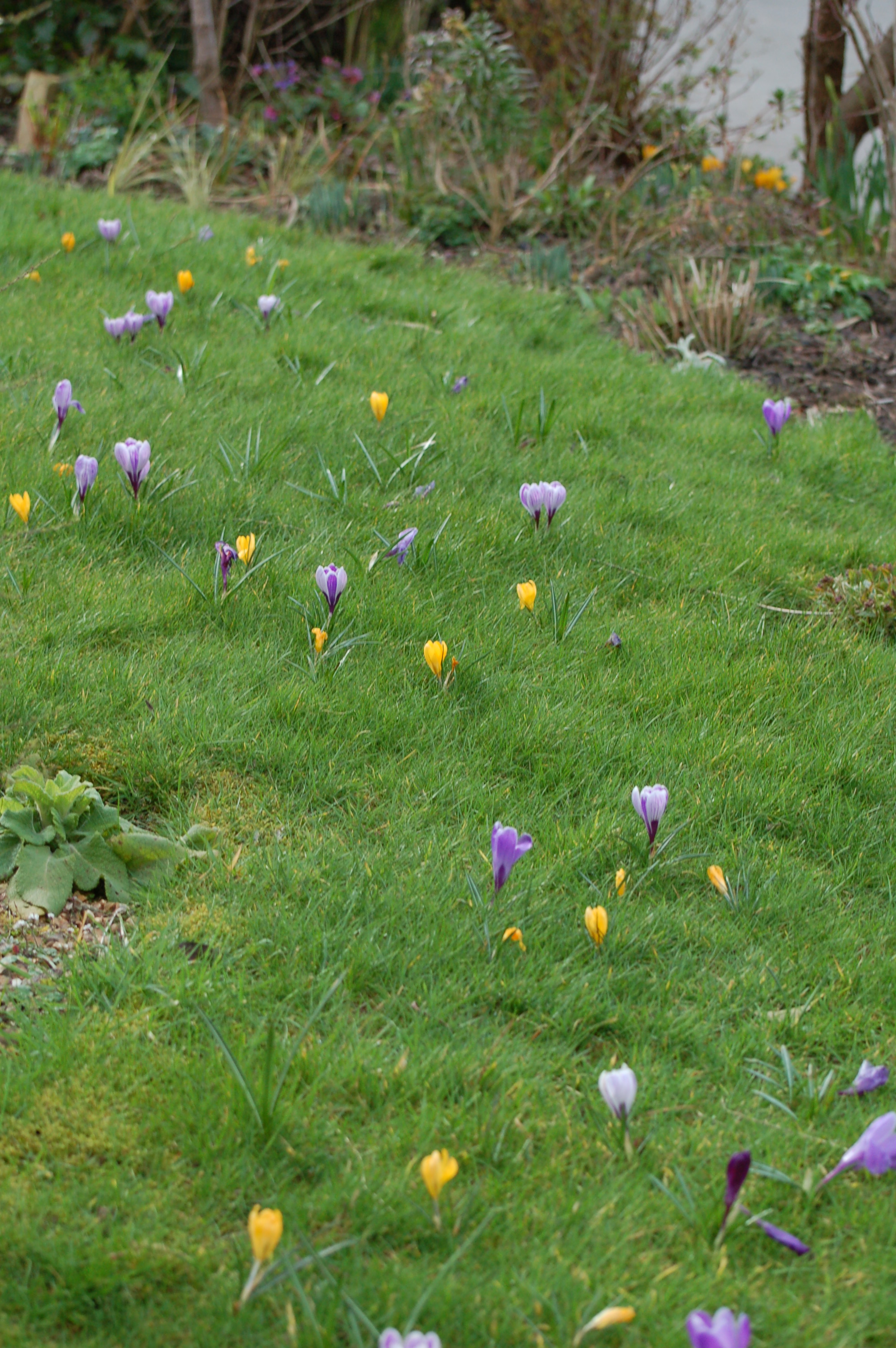
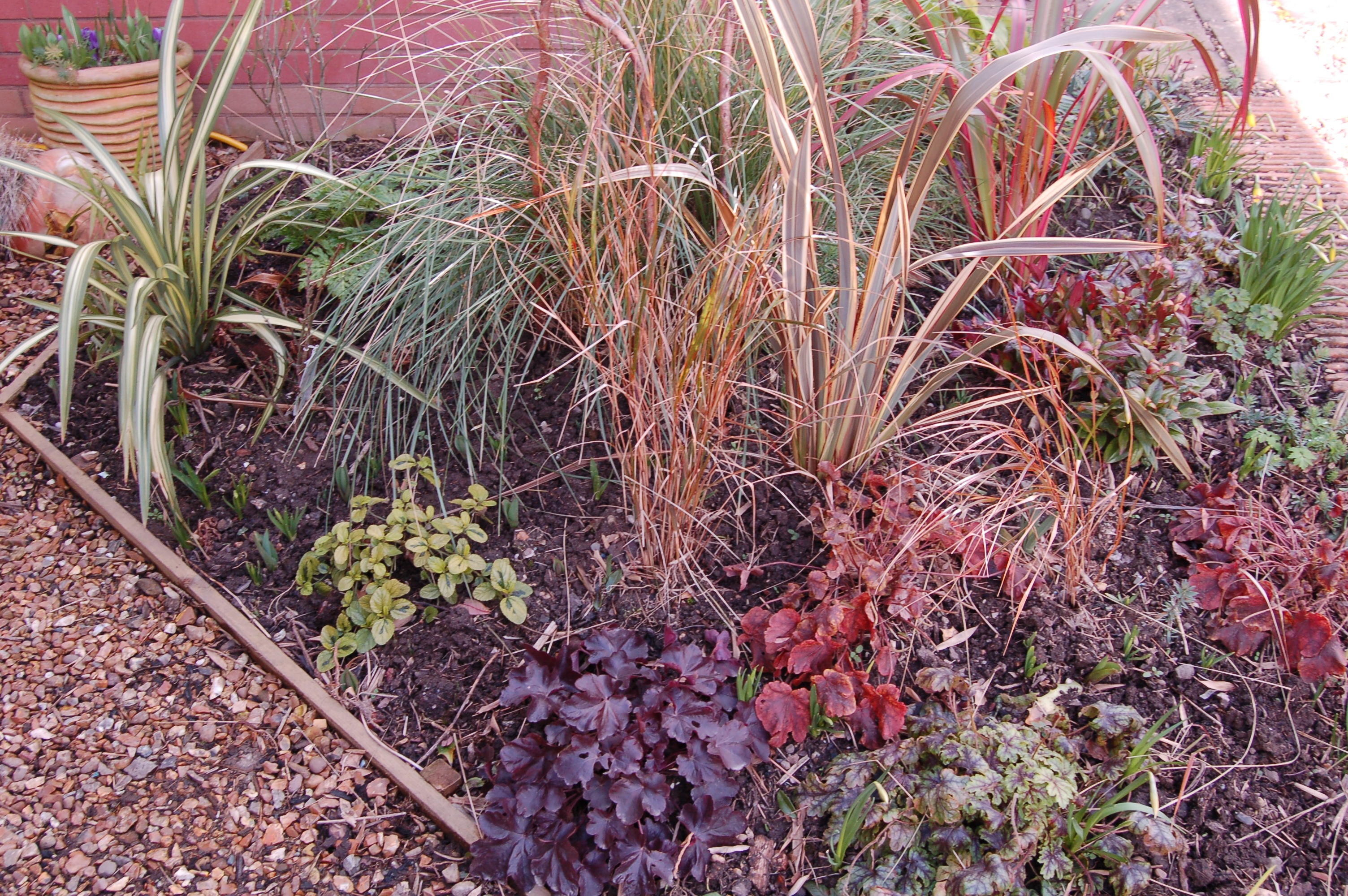
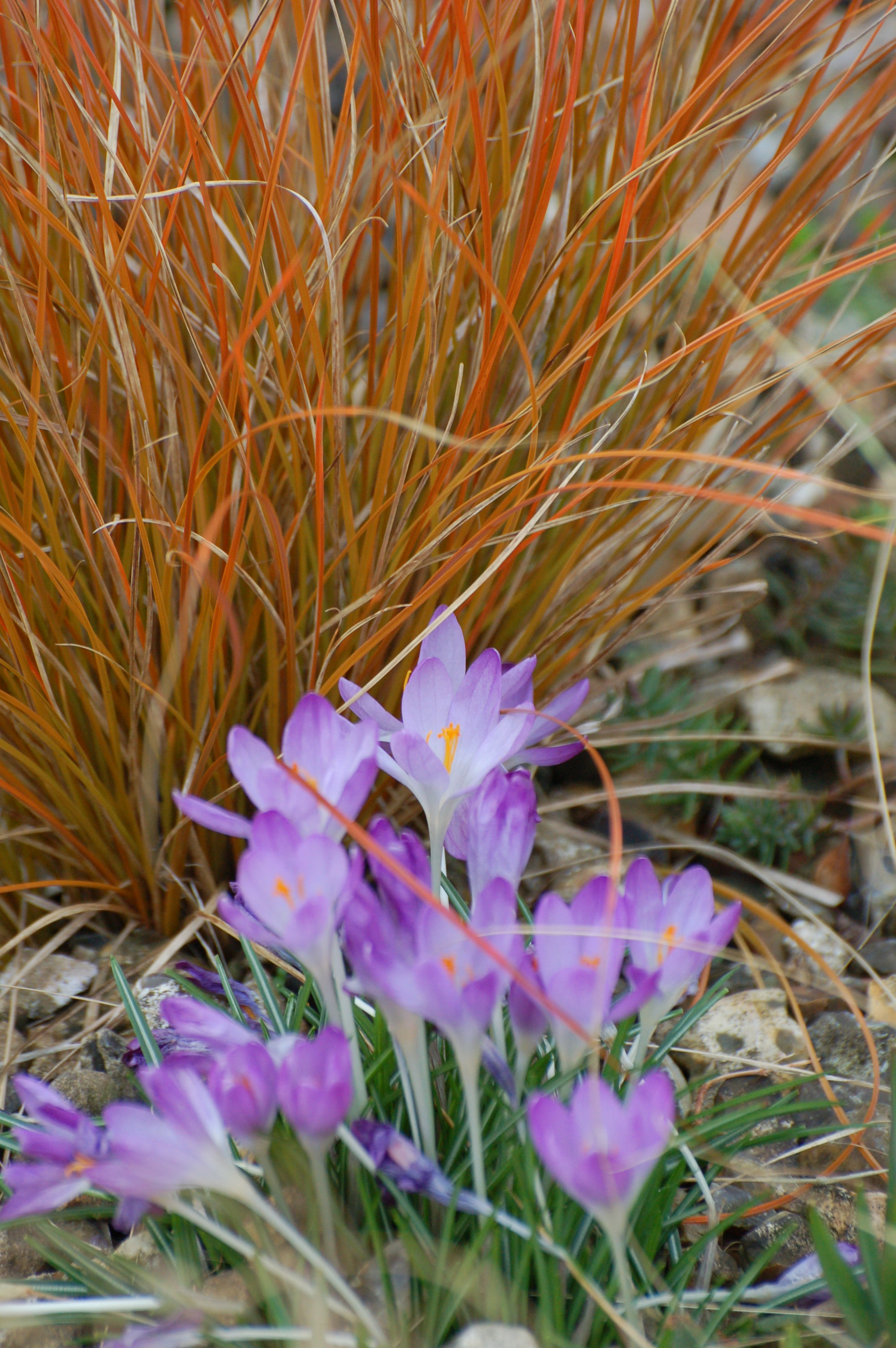
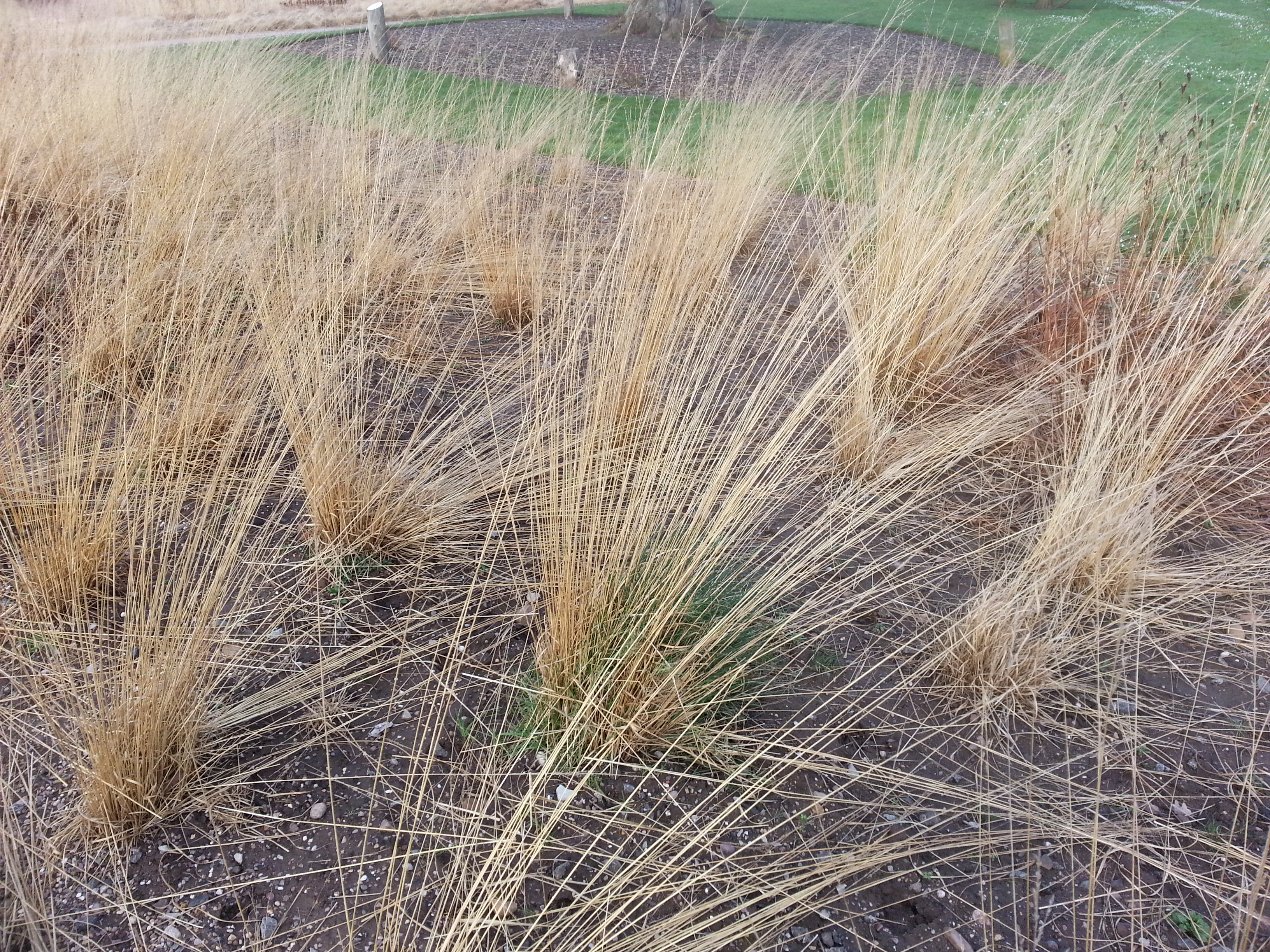
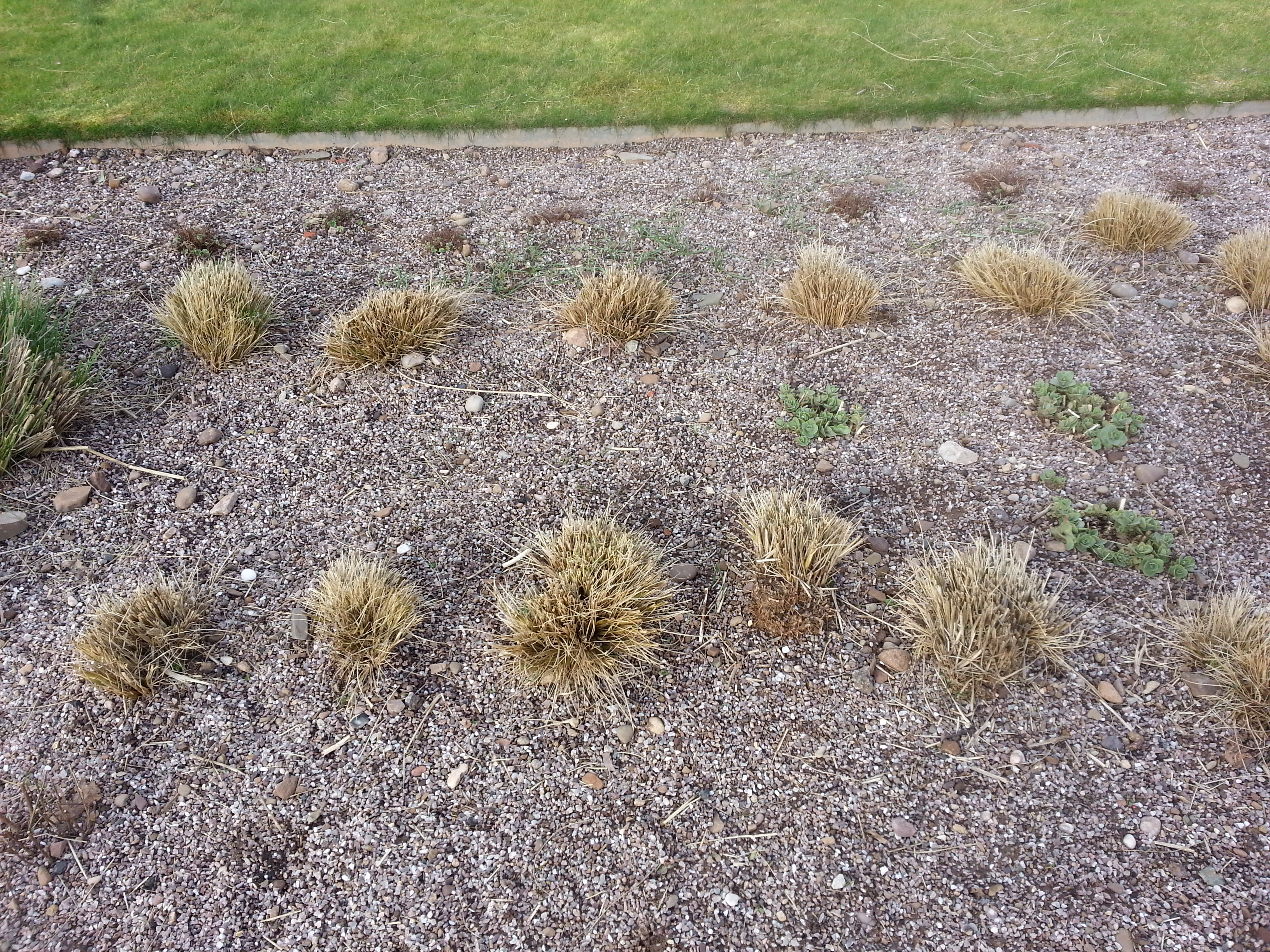
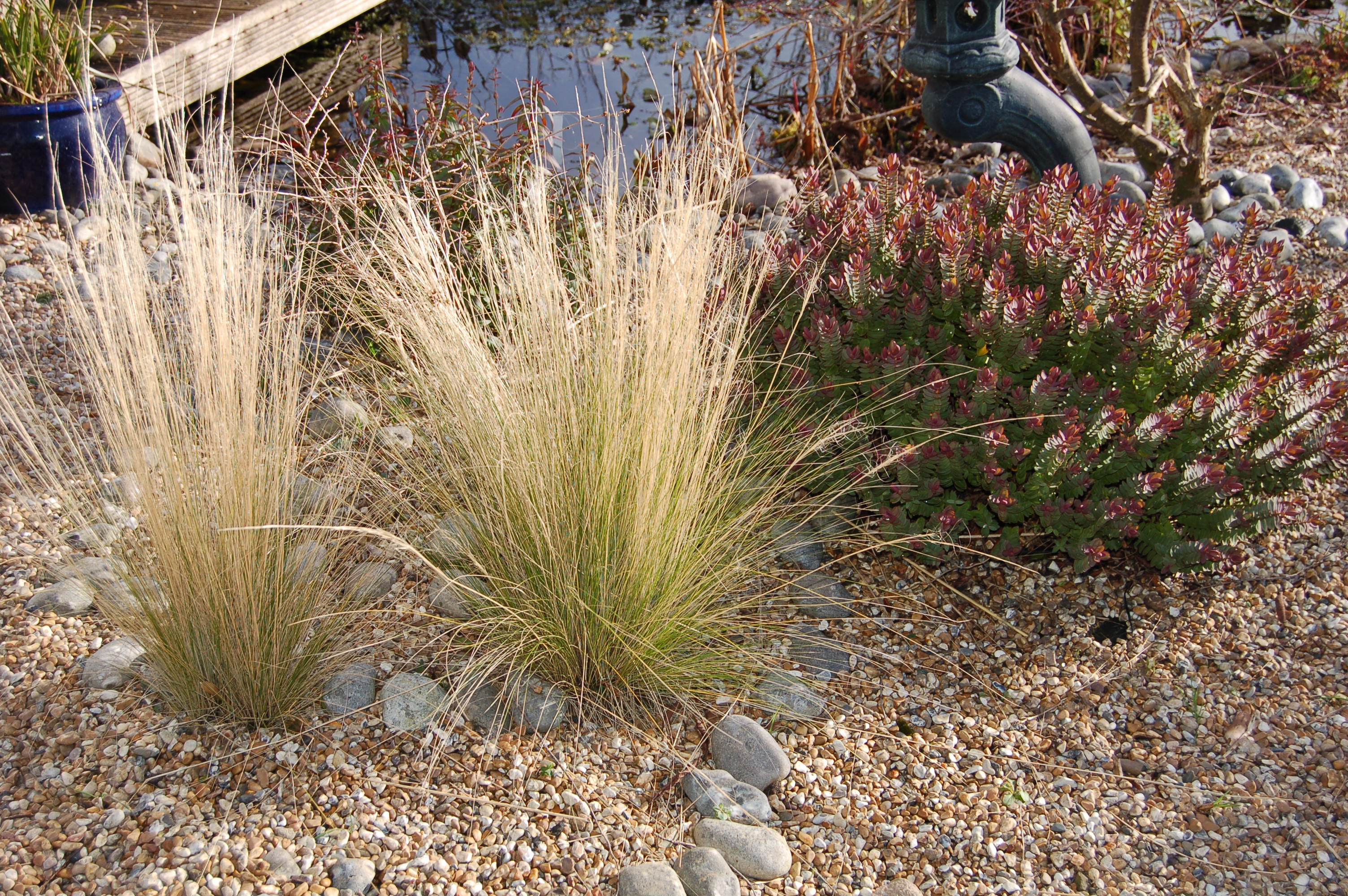
Of course flowering bulbs come into their own at this time of year and we now have a wide selection of crocus, muscari, miniature narcissi and Iris reticulata throughout the garden. Grasses are of equal importance but only recently have they been accepted as an essential element of the winter garden. The first photo shows how well our Pony Tails Grasses contrast with the foliage of Hebes. In the second crocus team up with grasses to create a great combination of colours and textures.
2014 03 03_6817 2014 03 03_6792

2014 03 06_6878 2014 03 06_6876 2014 03 06_6875 2014 03 06_6874

2014 03 03_6829 2014 03 03_6805

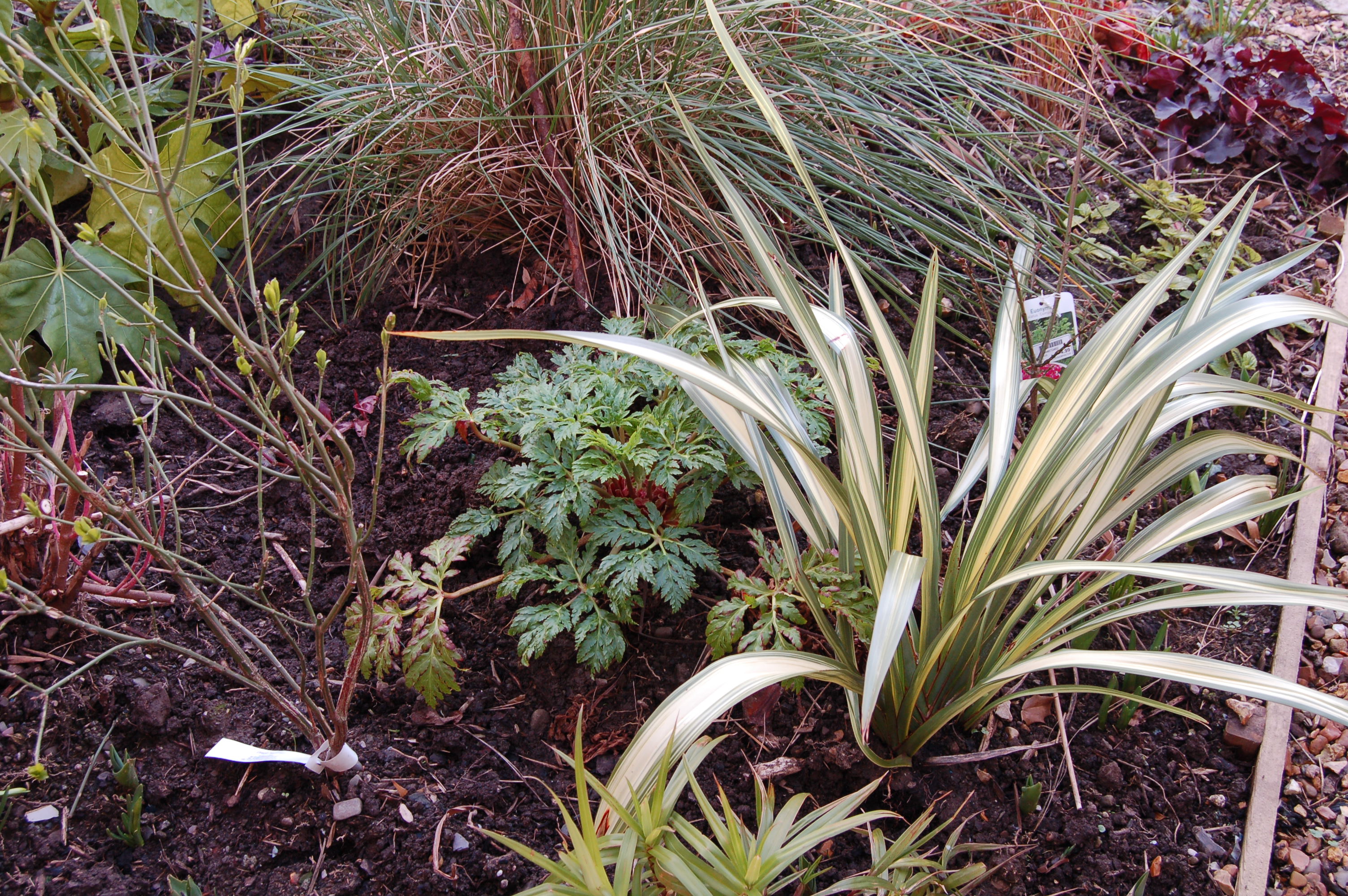
A have a soft spot for celandines, enjoying the glossy yellow native plant that lights up our hedgerow bases as well as the cultivated bronze leaved Brazen Hussey and the “Giant Celandine” in the photograph below.

2014 03 06_6868 2014 03 06_6867 2014 03 06_6866 2014 03 06_6865

2014 03 03_6788 2014 03 03_6789

Euphorbias are another of those families of plants that are all year round essentials in our gardens but at this time of year their new bracts glow on overcast days. Foliage is perhaps more important than flowers in the winter garden as it provides variations of colour, pattern and texture. Phormiums, Heucheras and grasses are most effective.

2014 03 03_6832 2014 03 03_6806

2014 03 03_6831 2014 03 03_6830  2014 03 03_6828 2014 03 03_6827 2014 03 03_6811

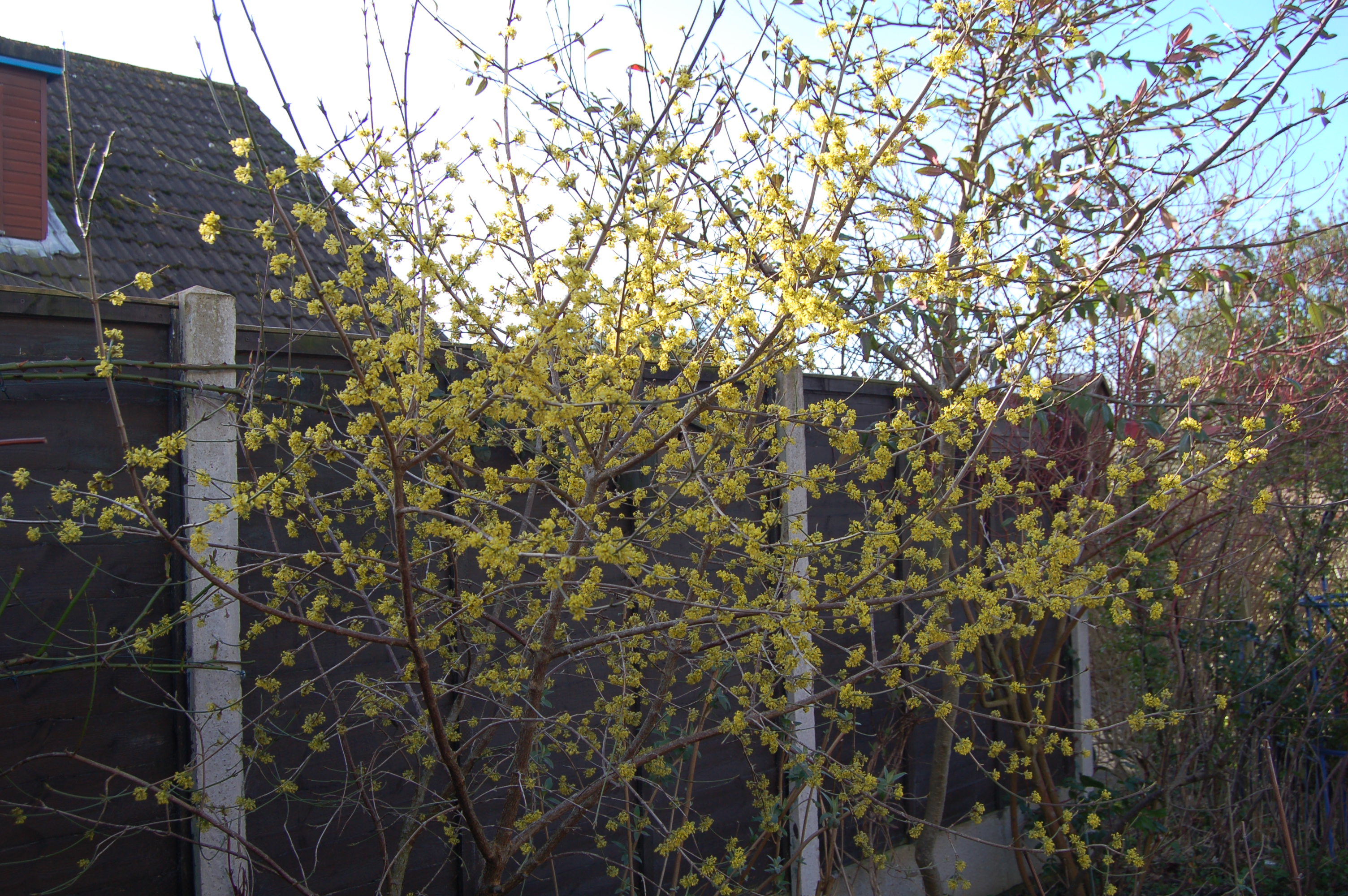
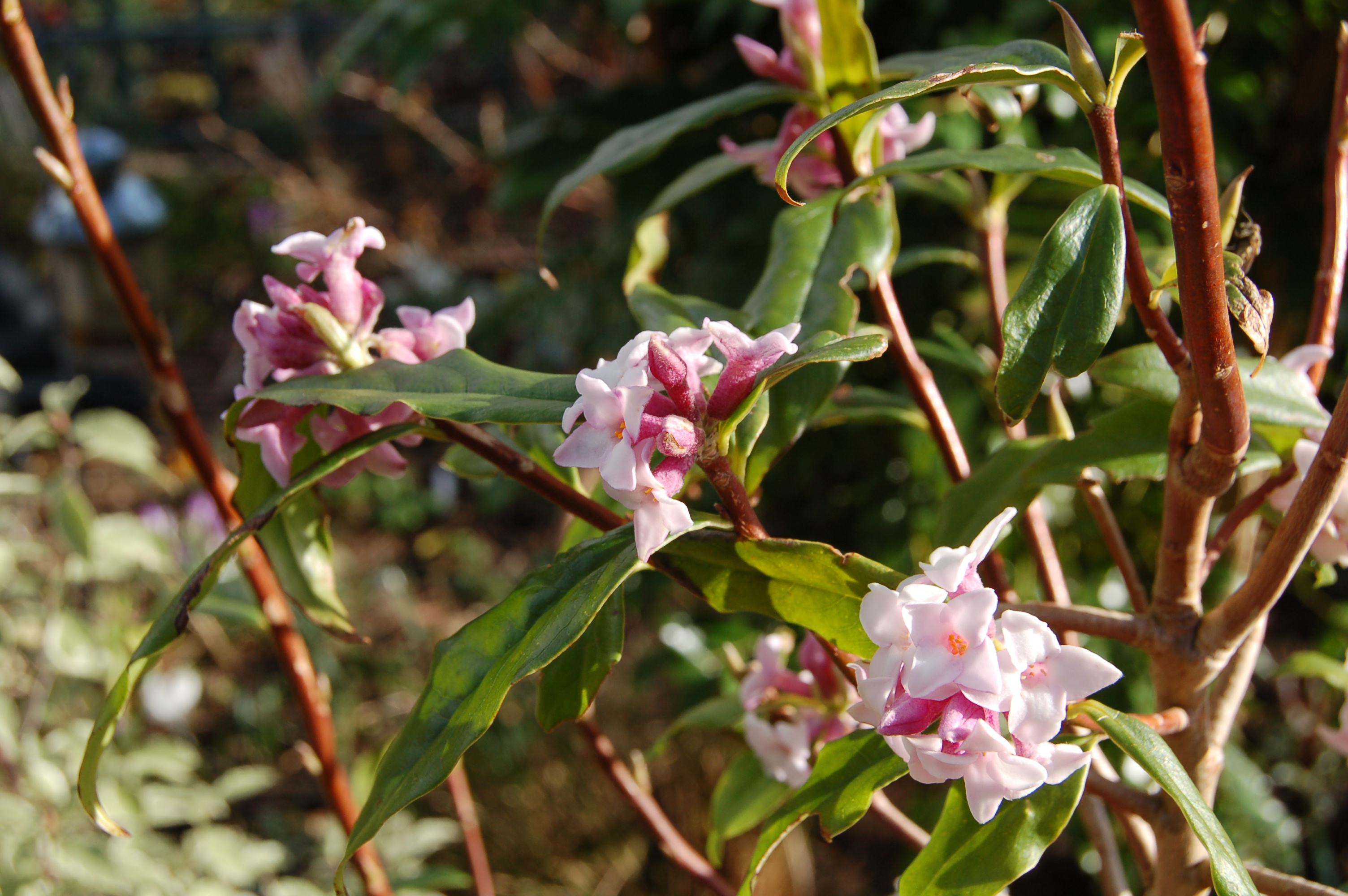
Scent can play its part as it pervades the calm air and delights us as we wander with the thought of brighter warmer days. Daphnes, Sarcoccocas, Cornus, Mahonias and Viburnums all perform well in our garden.

2014 03 03_6825 2014 03 03_6824 2014 03 03_6823 2014 03 03_6786

2014 03 03_6808 2014 03 03_6796

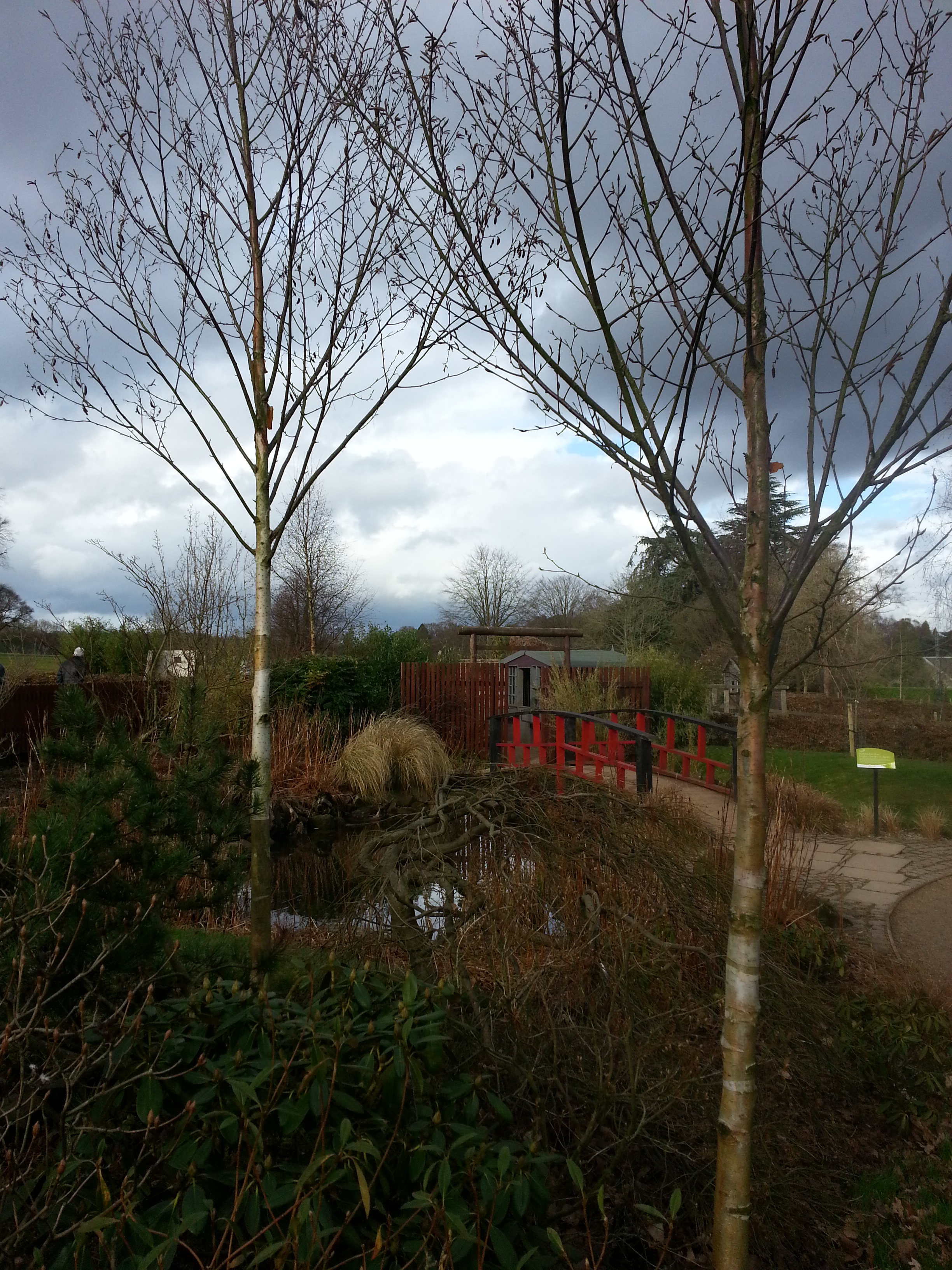
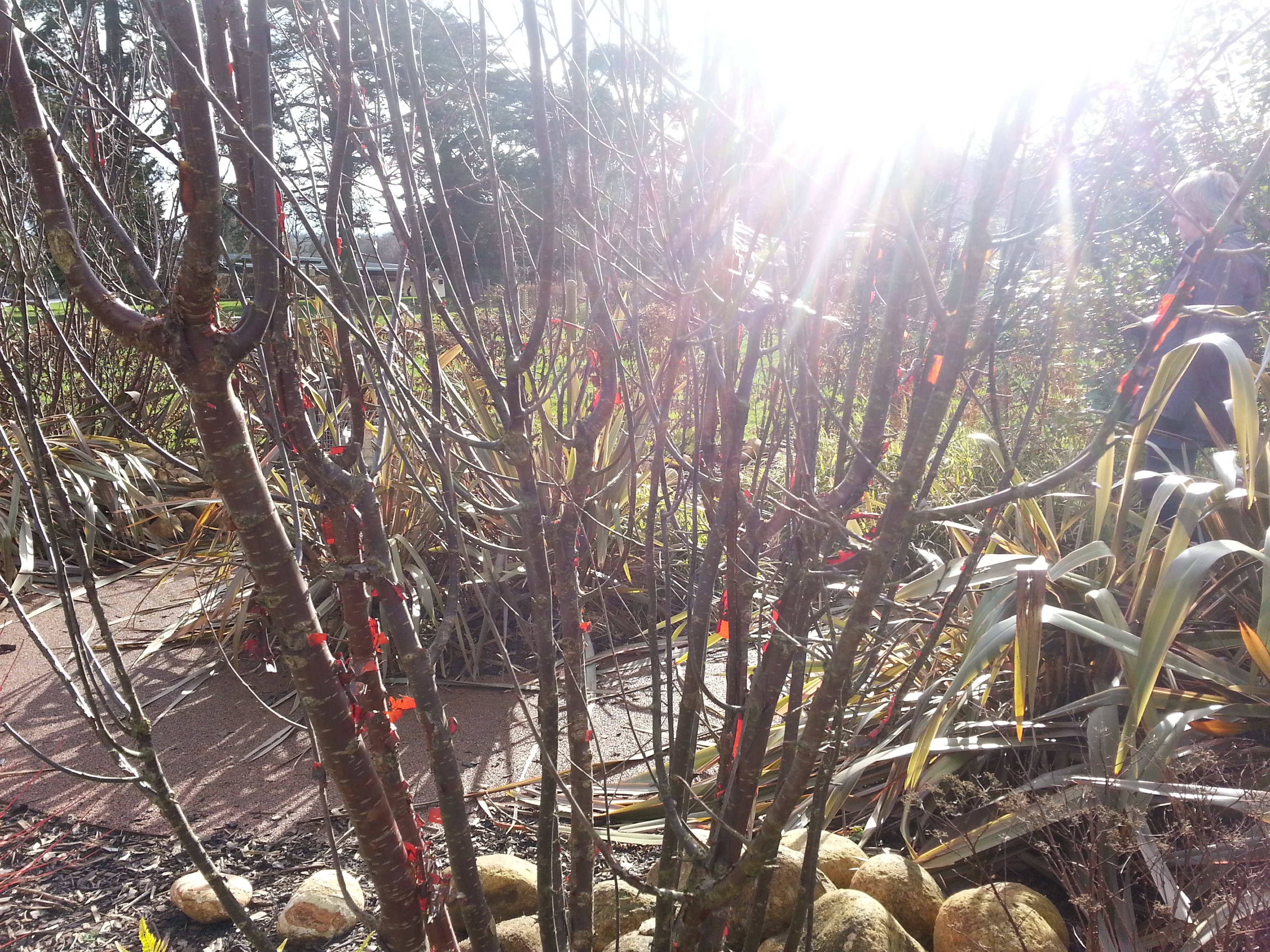
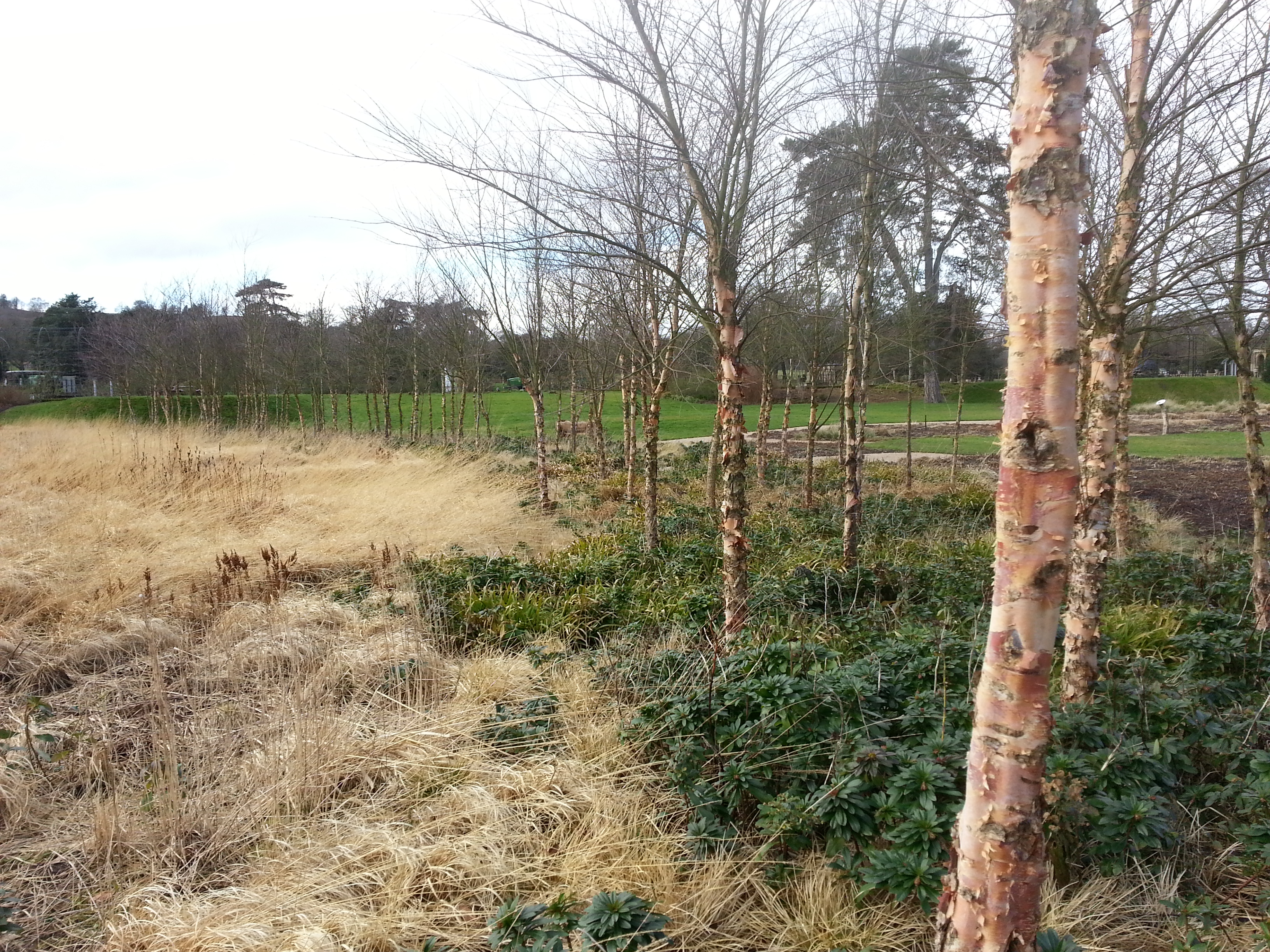
Textured bark on our trees in our Spring Border looks especially good in winter light. The peeling orange bark of the Prunus serrula and the birch is like slithers of brittle toffee.
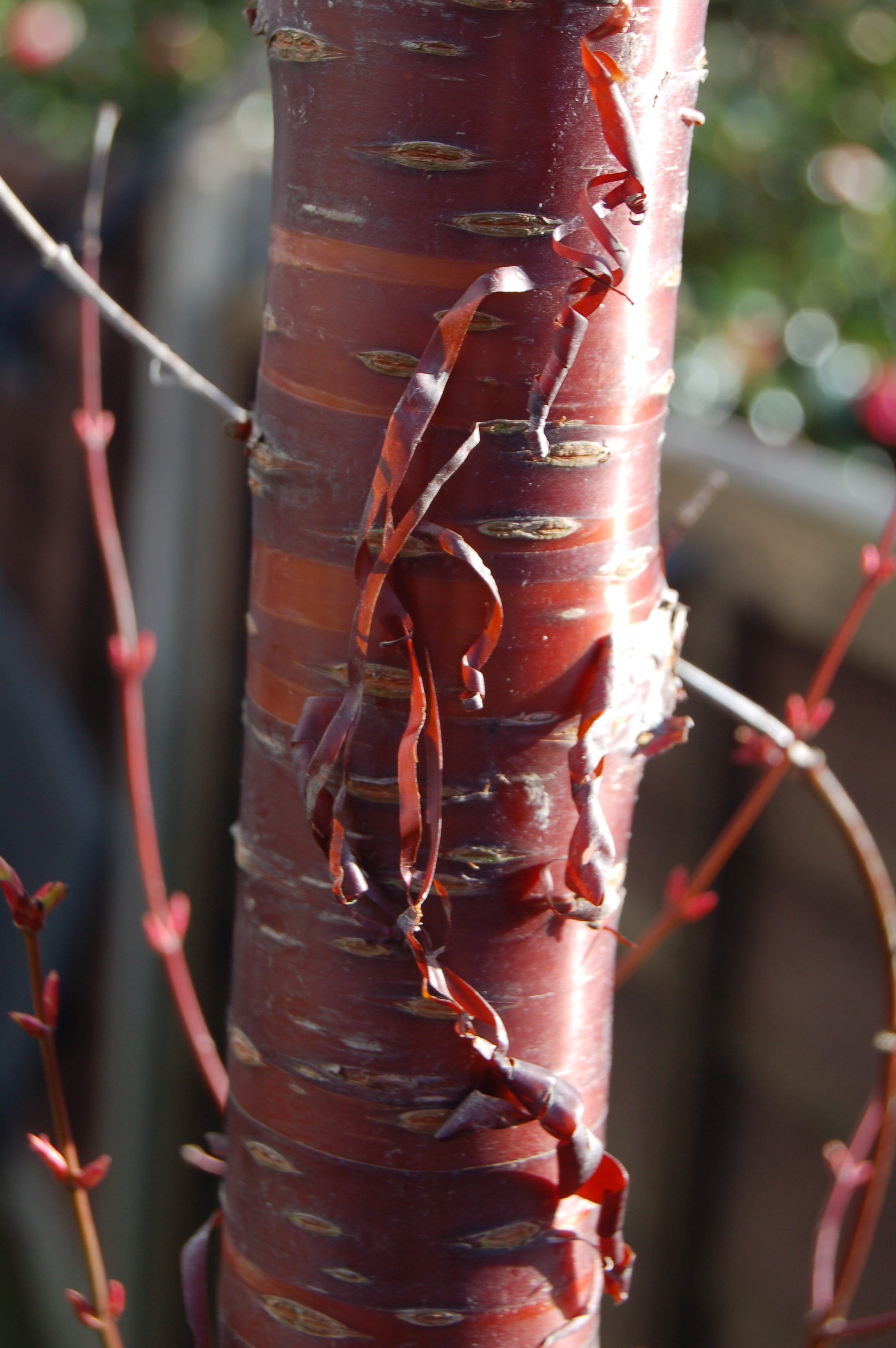
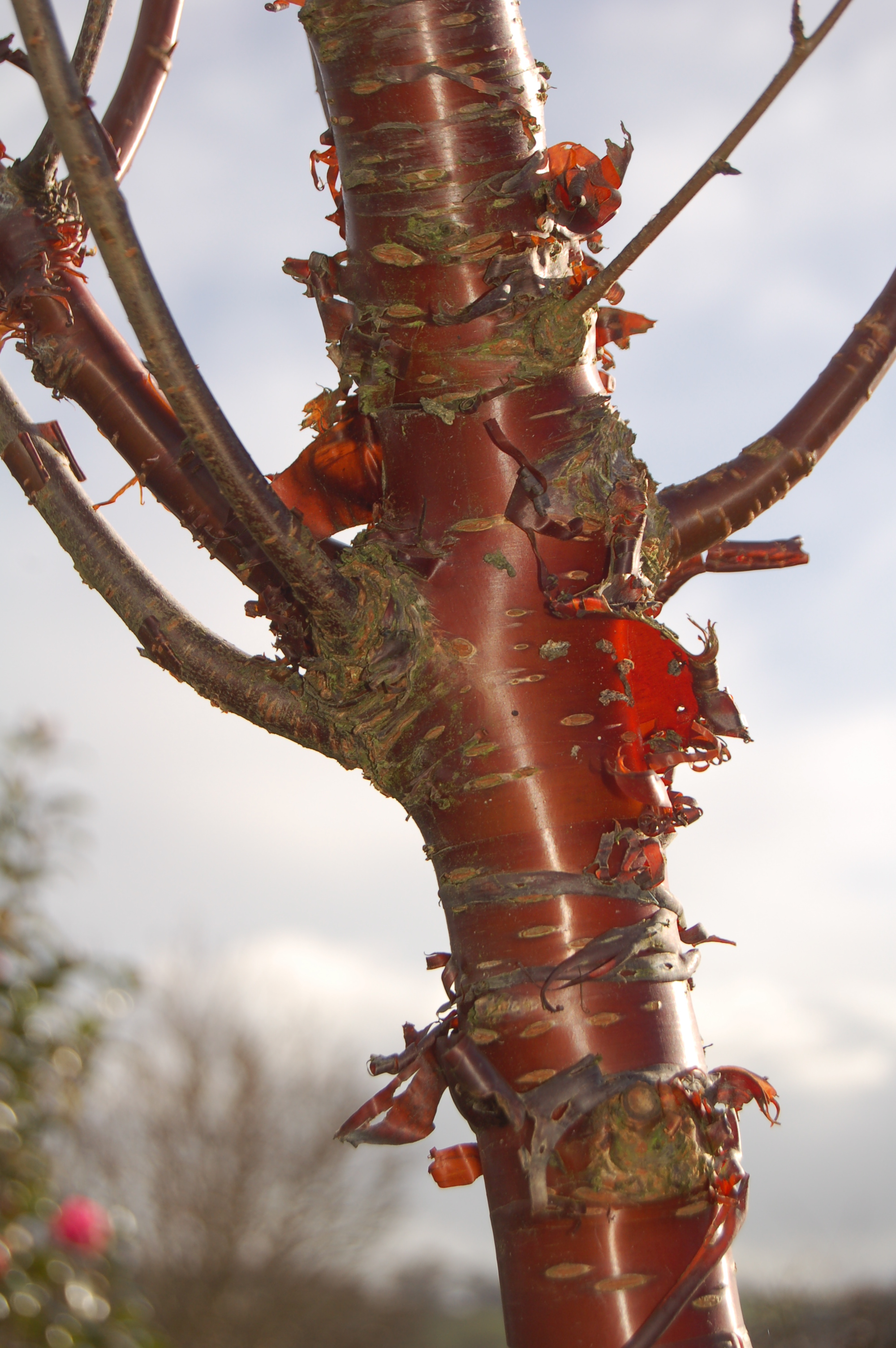
2014 03 03_6821 2014 03 03_6820 2014 03 03_6819

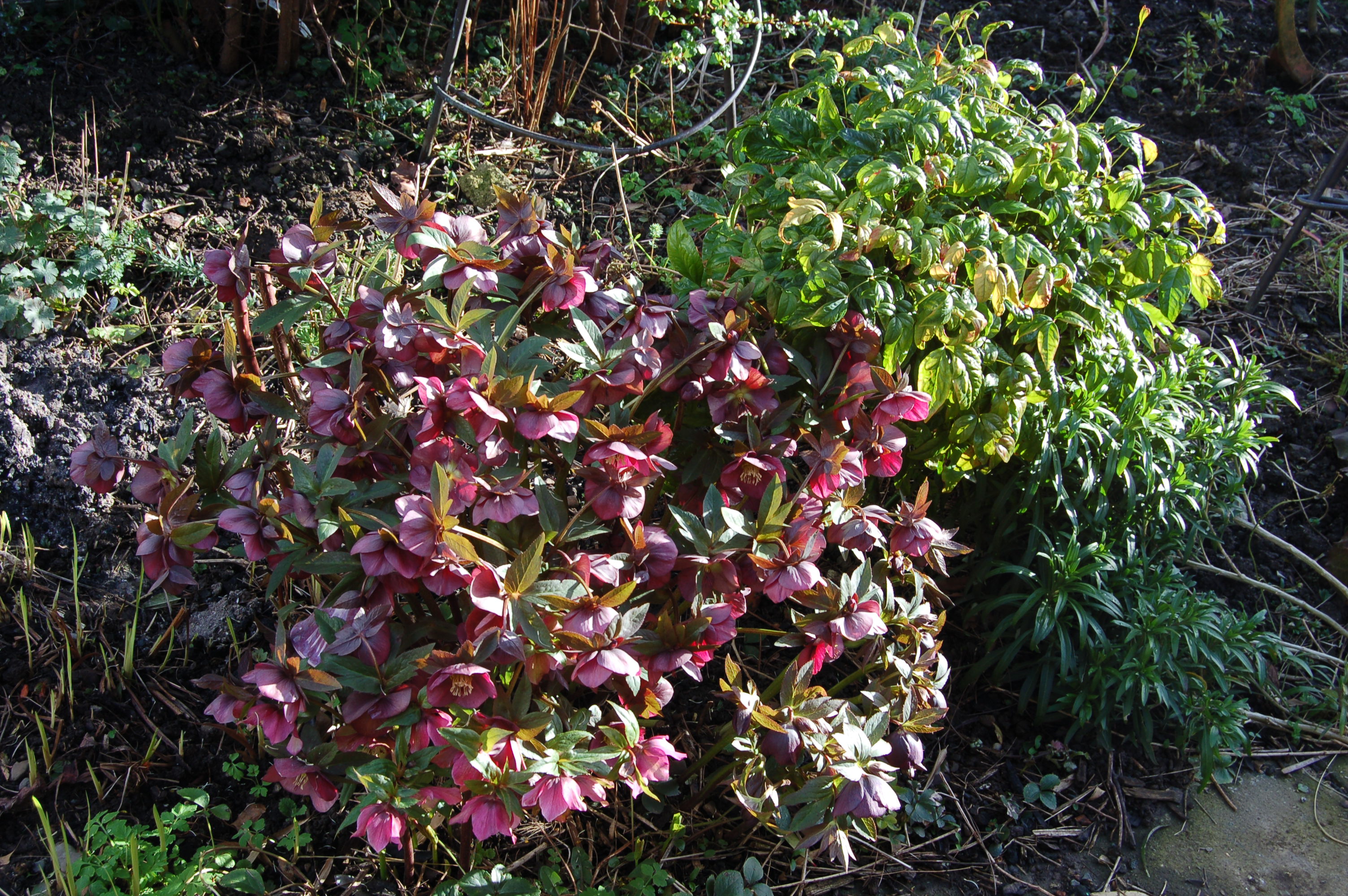
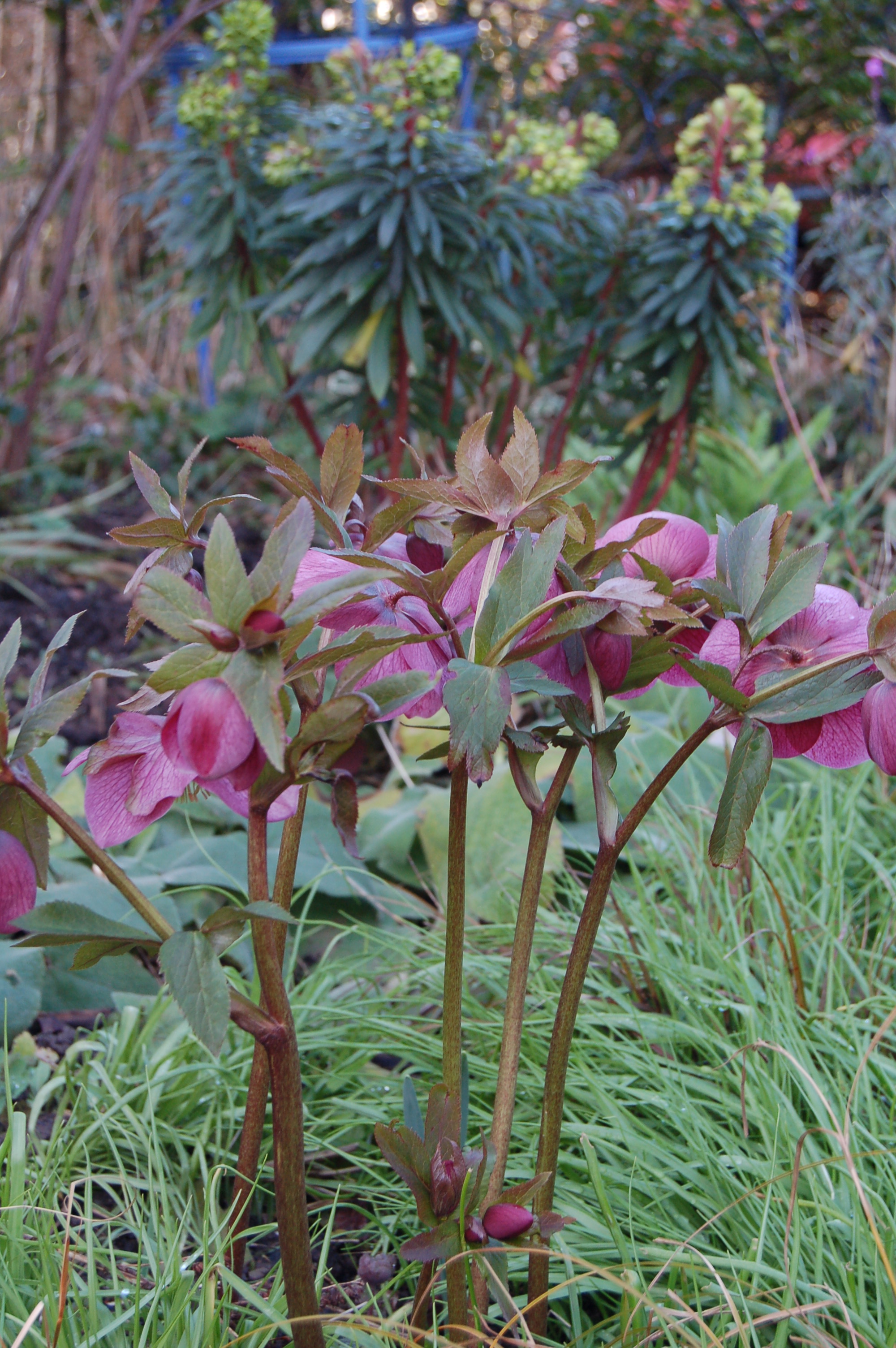
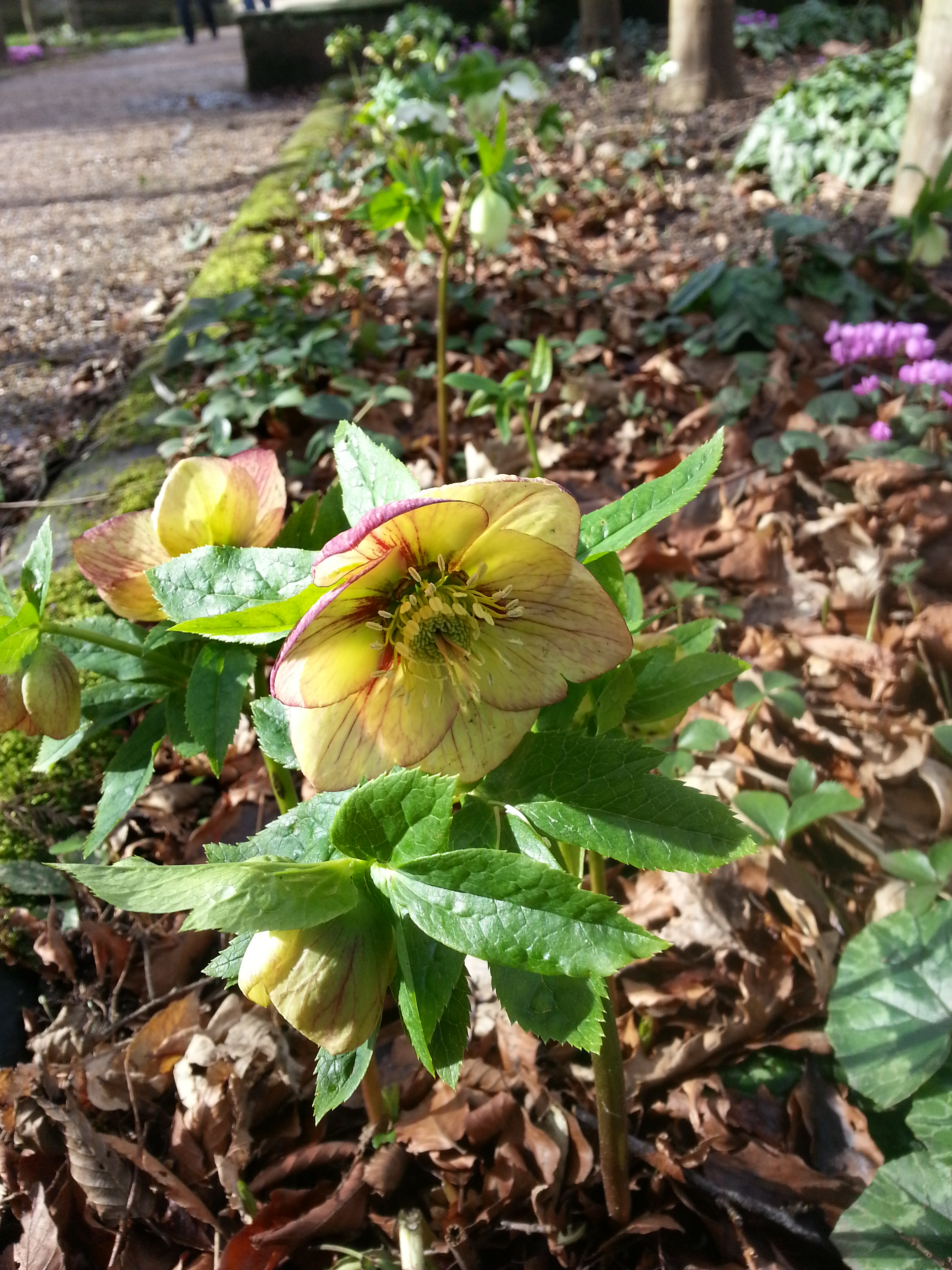
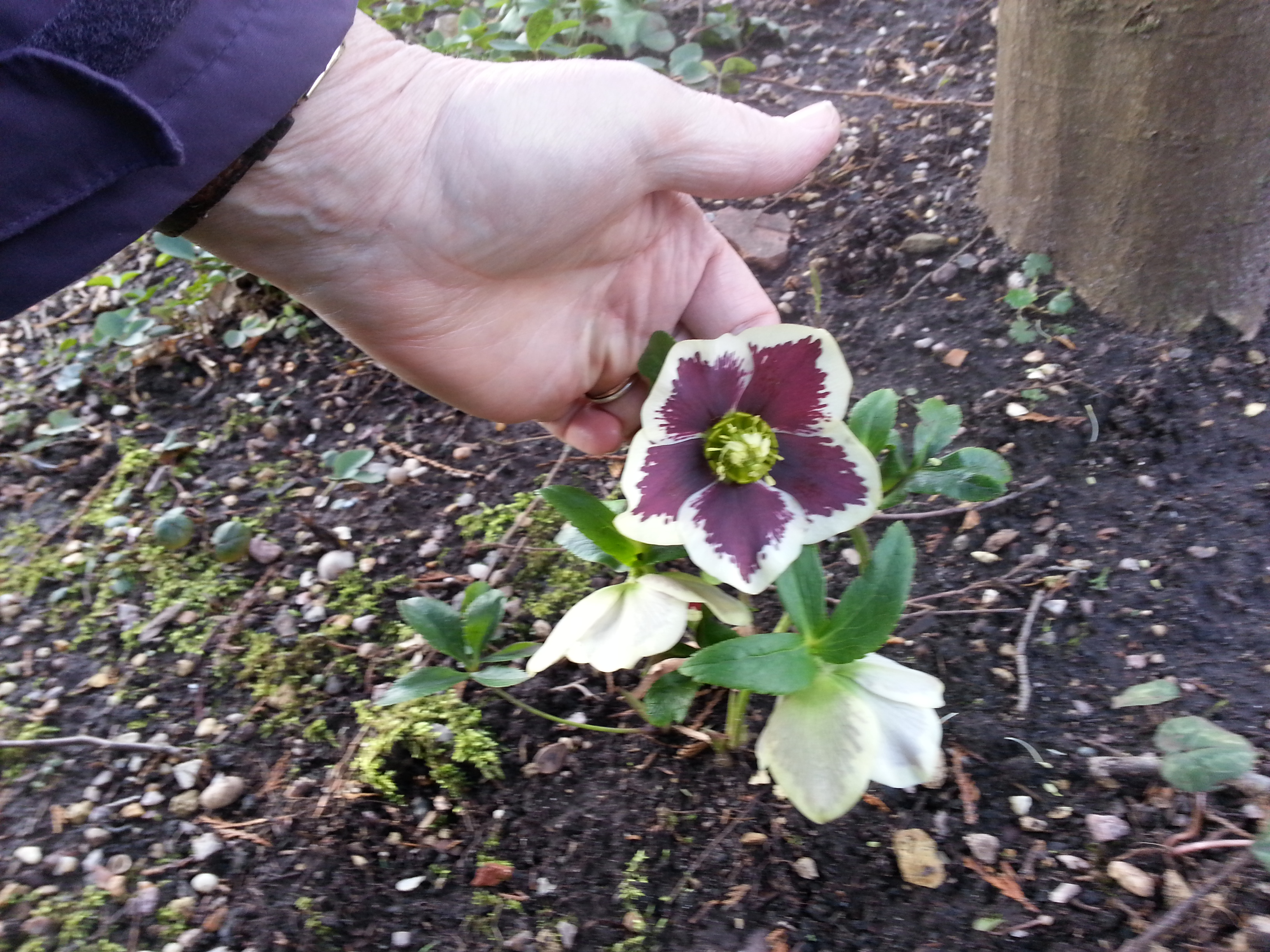
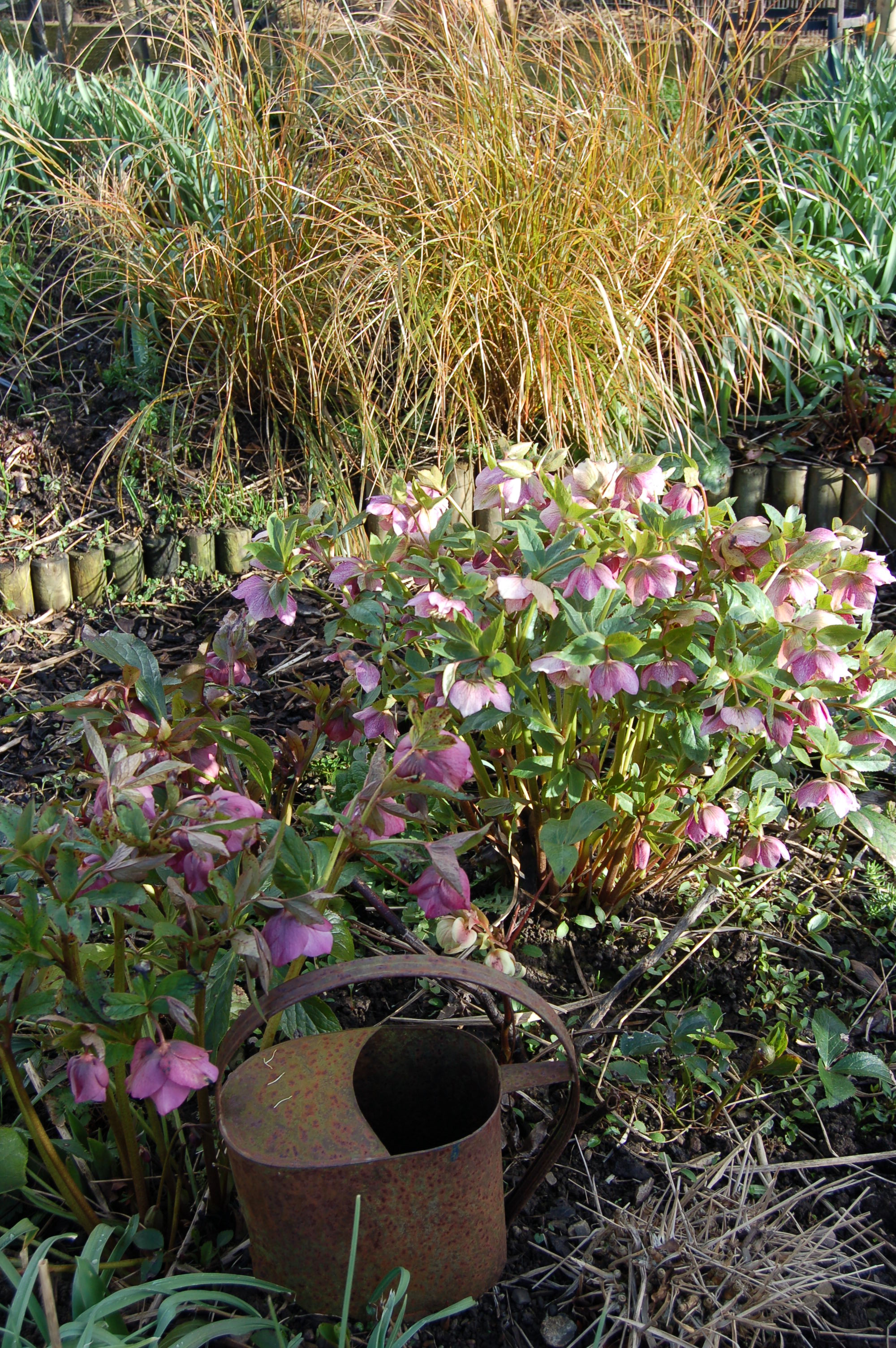
Hellebores star in most gardens in winters since so many wonderful easily grown specimens have become available in most garden centres and nurseries.
2014 03 03_6818 2014 03 03_6813

2014 03 03_6812 2014 03 03_6790

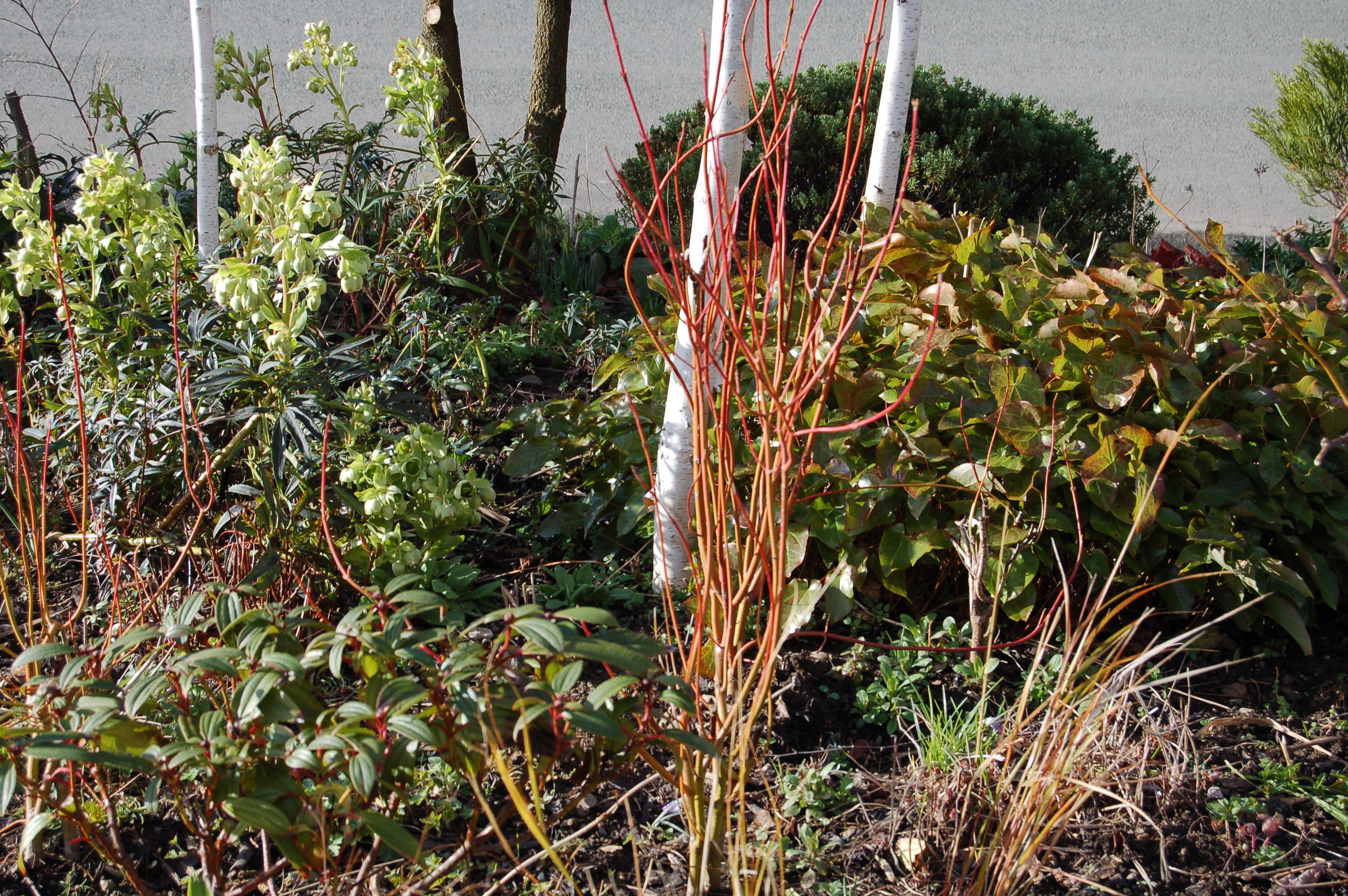
Here some of our many hellebores  are twinned with coloured stemmed cornus and salix.

2014 03 03_6809

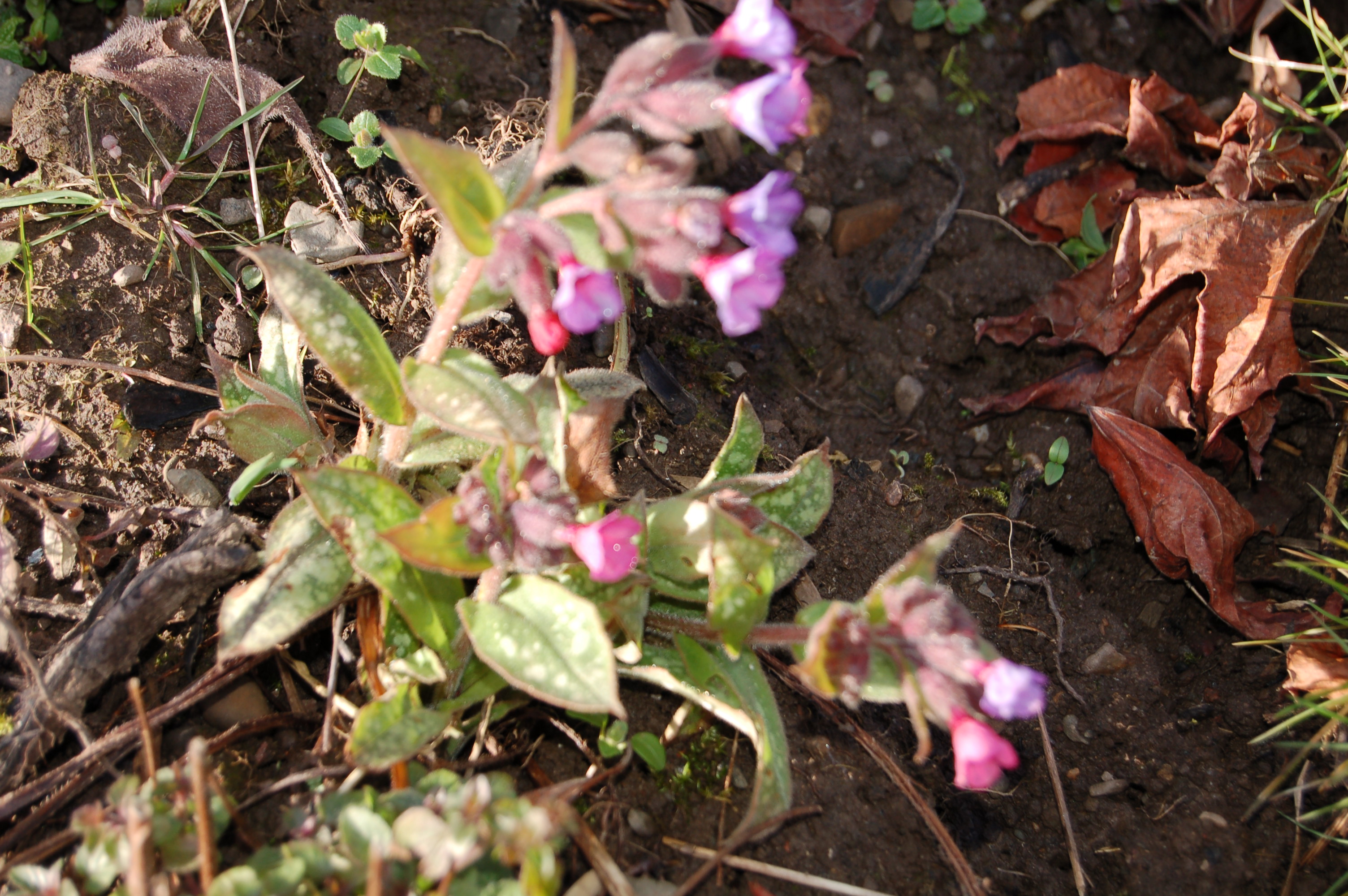
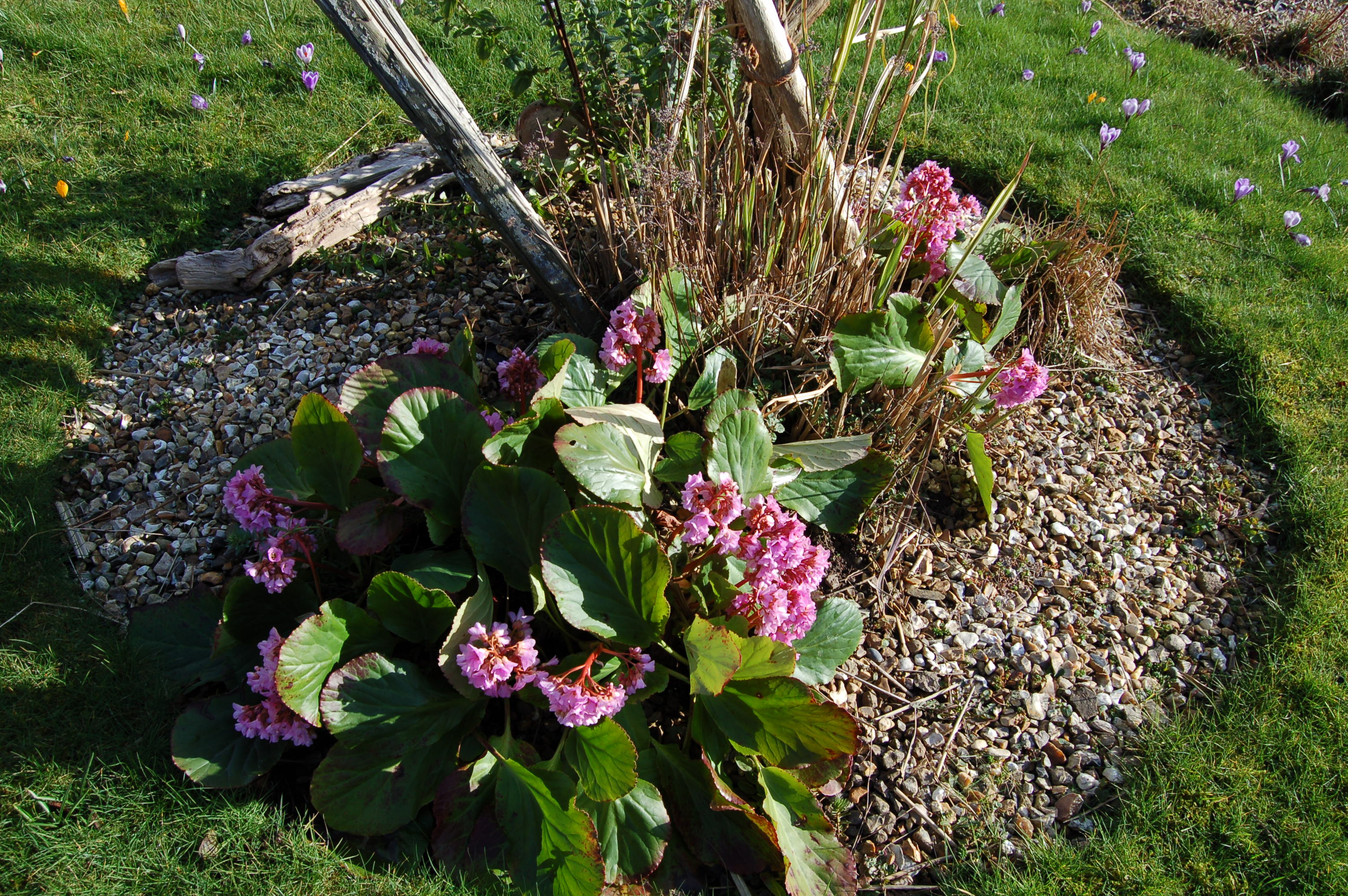
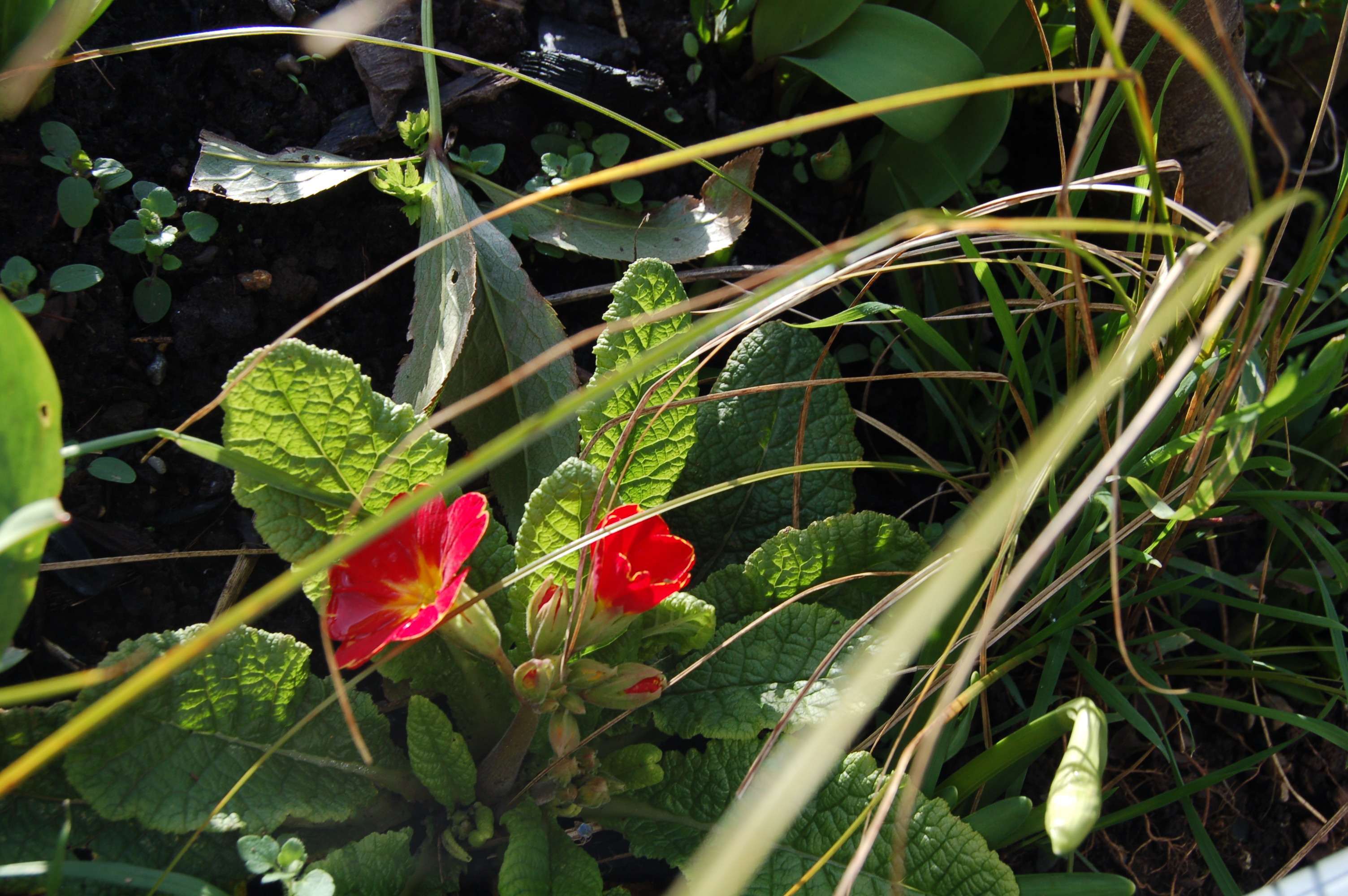
Any flower brave enough to appear in the winter is worthy of mention be they primulas, witch hazels, pulmonarias or bergenia. They would perhaps seem quite ordinary if they flowered among the stars of the summer garden but in the winter they are extraordinarily good garden plants.

2014 03 03_6816 2014 03 03_6815     2014 03 03_6810   2014 03 03_6807

2014 03 03_6797 2014 03 03_6799

2014 03 03_6798 2014 03 03_6791

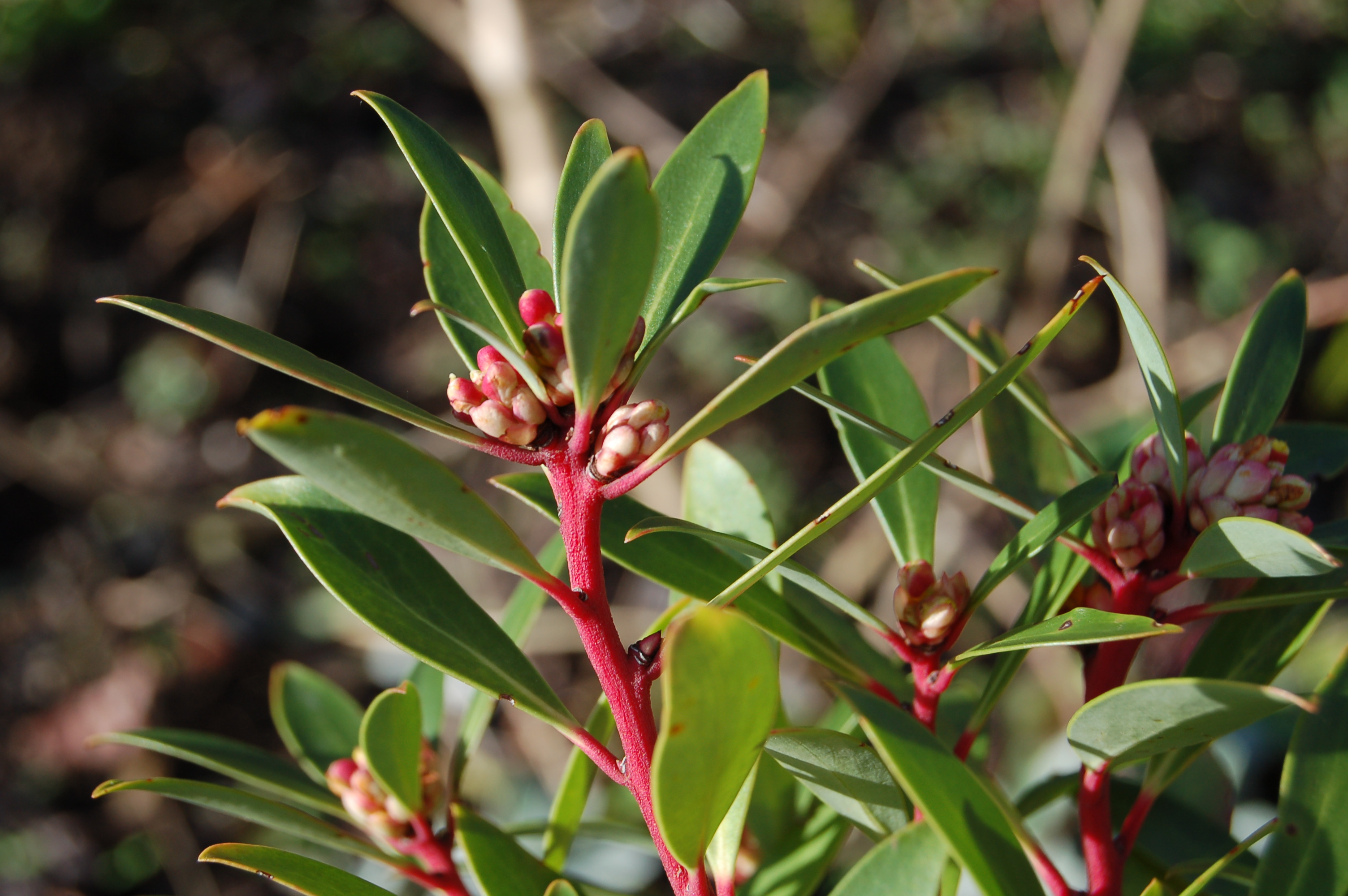
A recent discovery is the shrub Drimys with its red stems, glossy green foliage and buds looking fit to burst into life.
2014 03 03_6804  2014 03 03_6803

2014 03 03_6802     2014 03 03_6795 2014 03 03_6794 2014 03 03_6793

Structures such as our cloud pruned box hedge that lines our central path become much more important and noticeable in the emptier garden of winter. But we hope our garden is now richer in this the coldest and darkest of our seasons.

2014 03 03_6814

We must not forget the role our feathered friends play in adding colour, sound and movement to our garden in winter.

2014 03 03_6842

Part Two of our search for the all year round garden will consider our garden in Spring. Signs of that season are already giving hints of what is to come such as in the buds of the quince fruit tree.

2014 03 03_6822

Categories
indoor plants

The Blooming of a Big Bulb

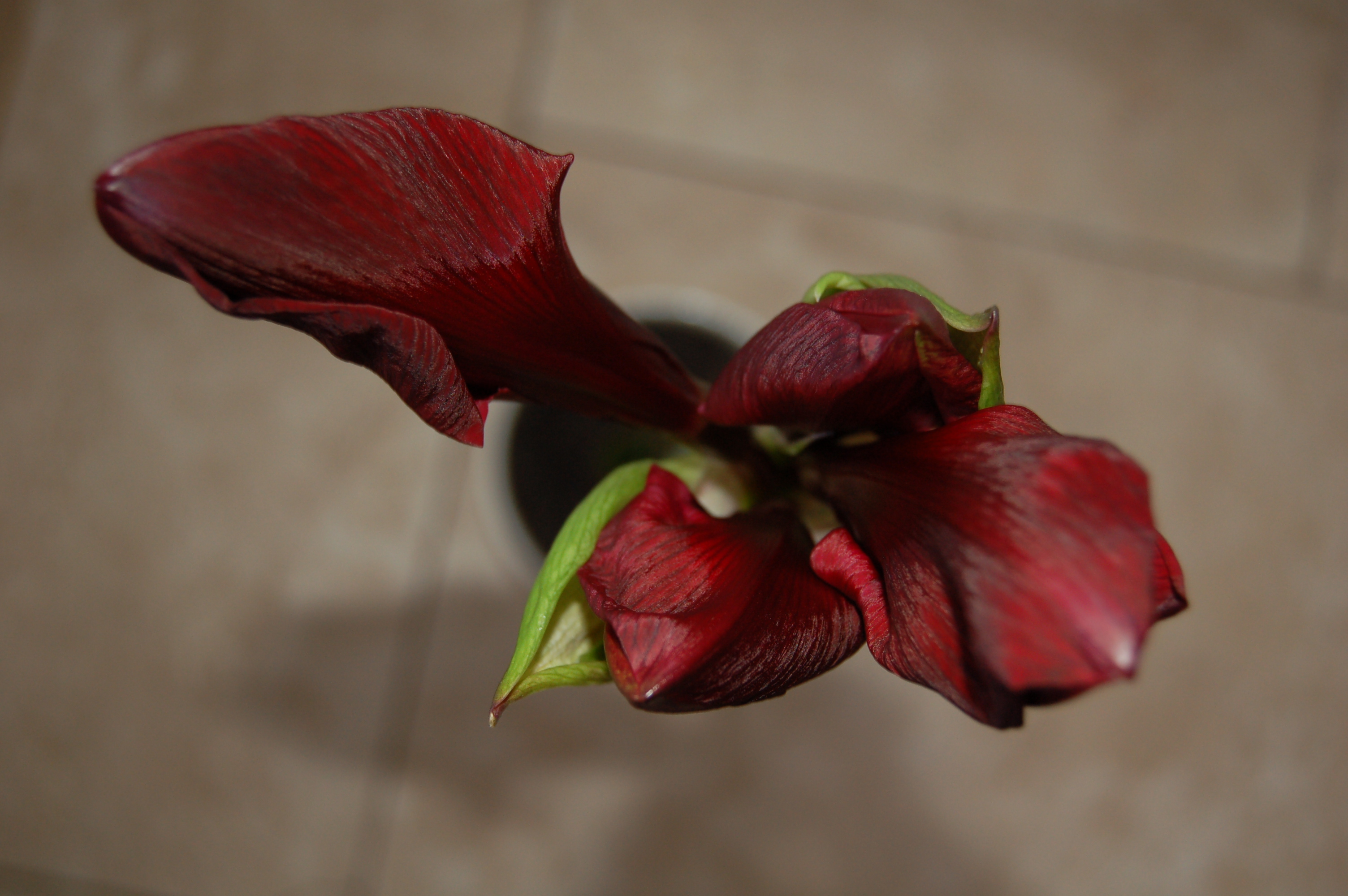
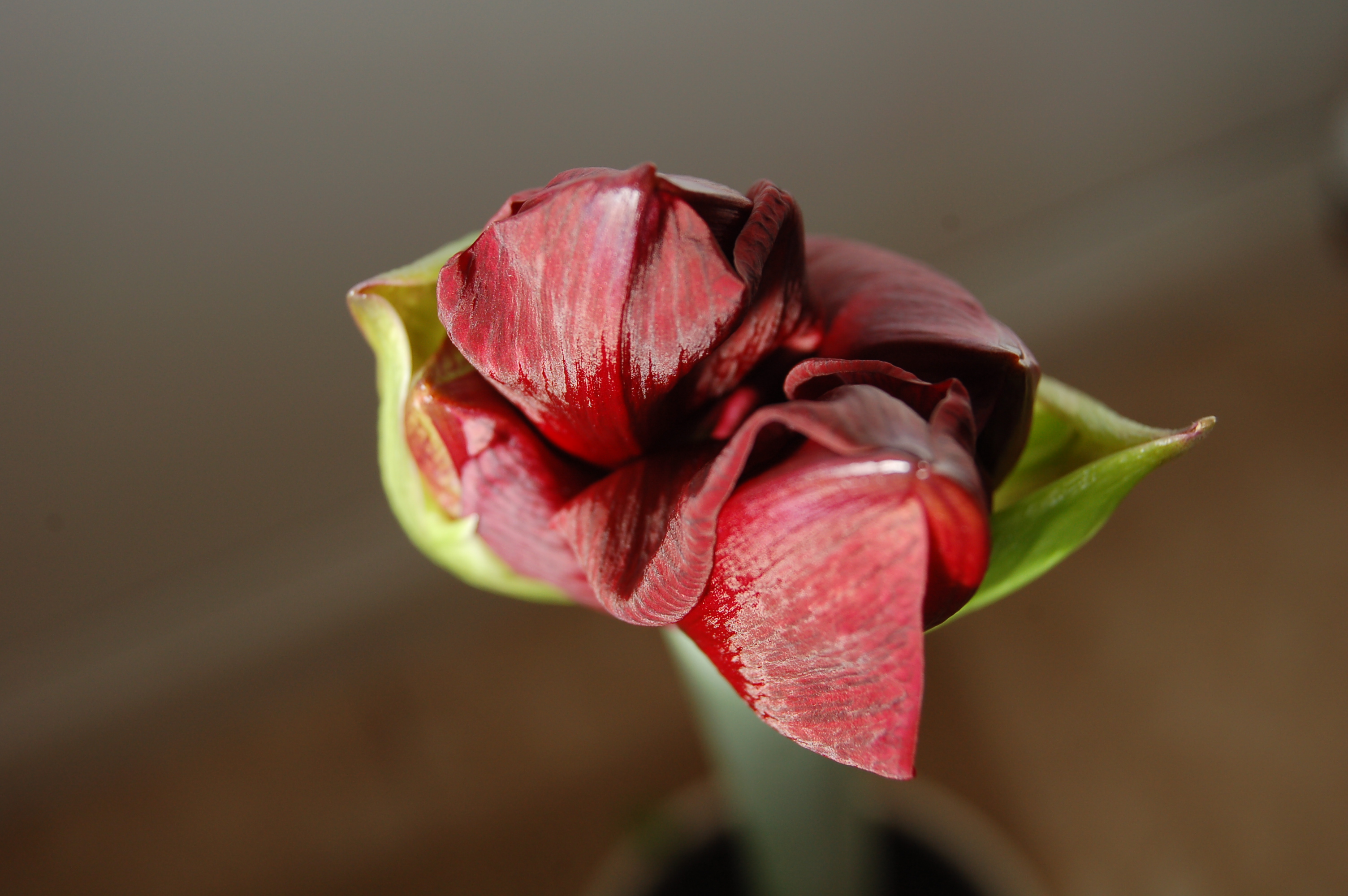
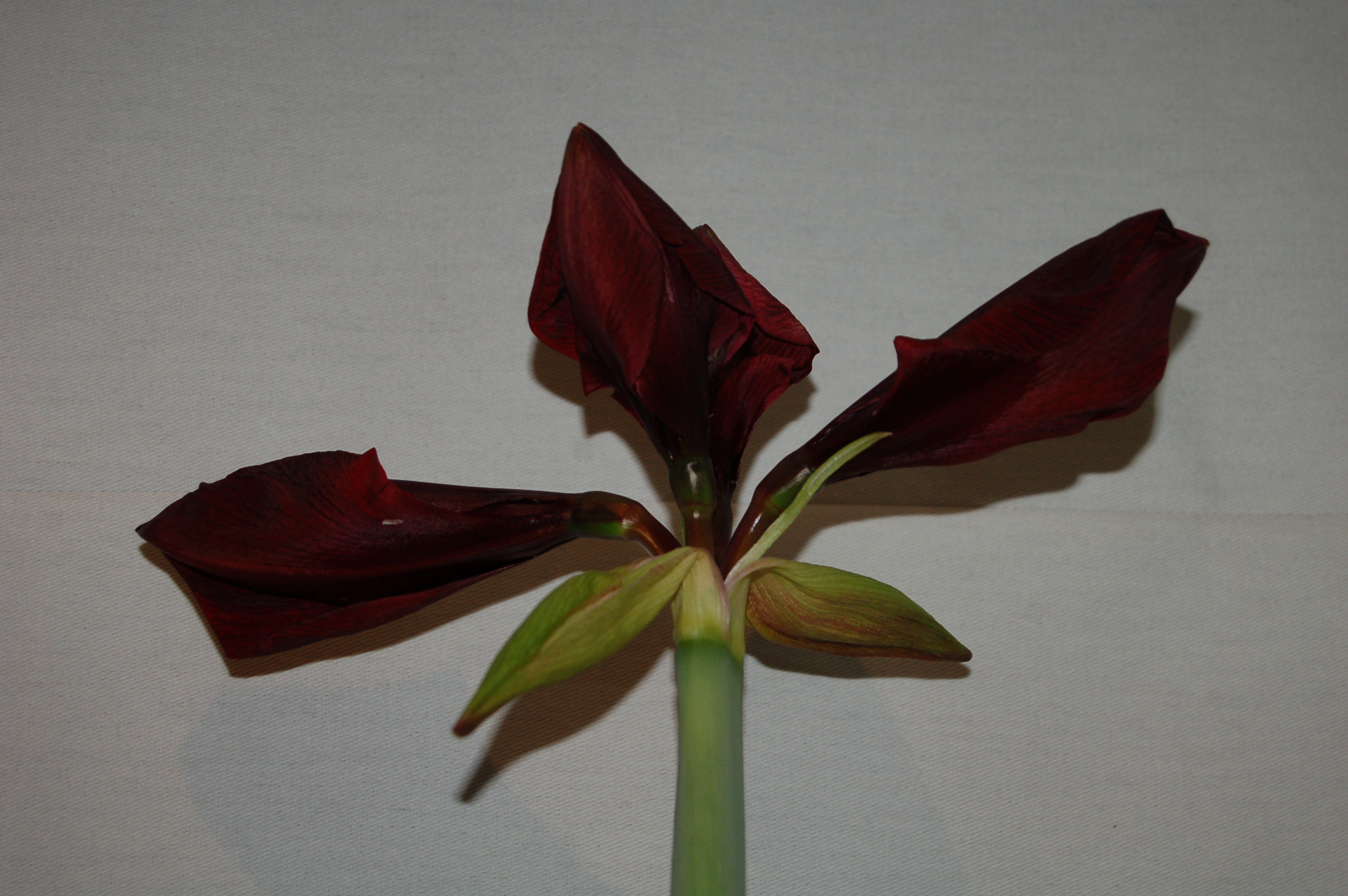
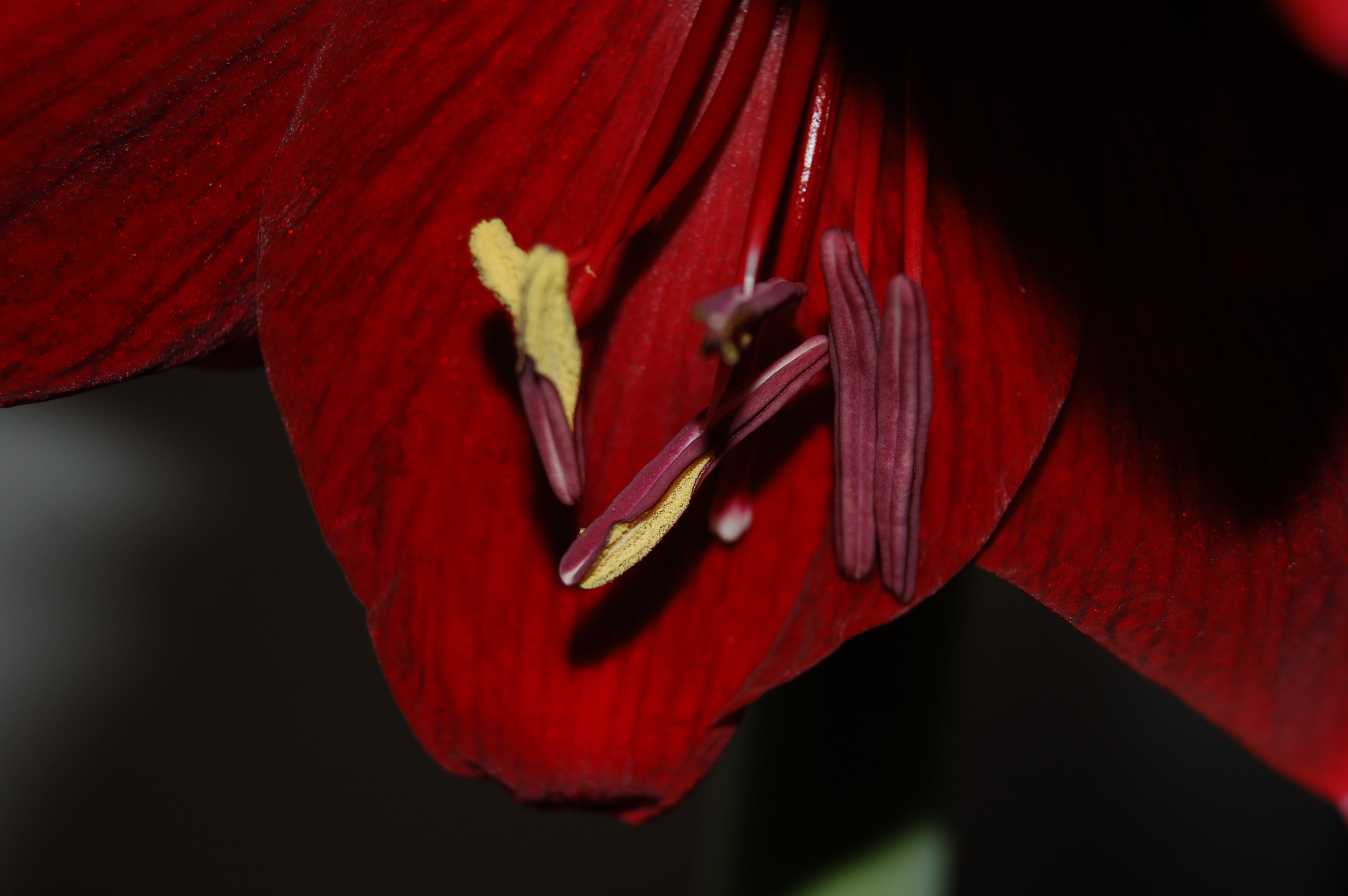
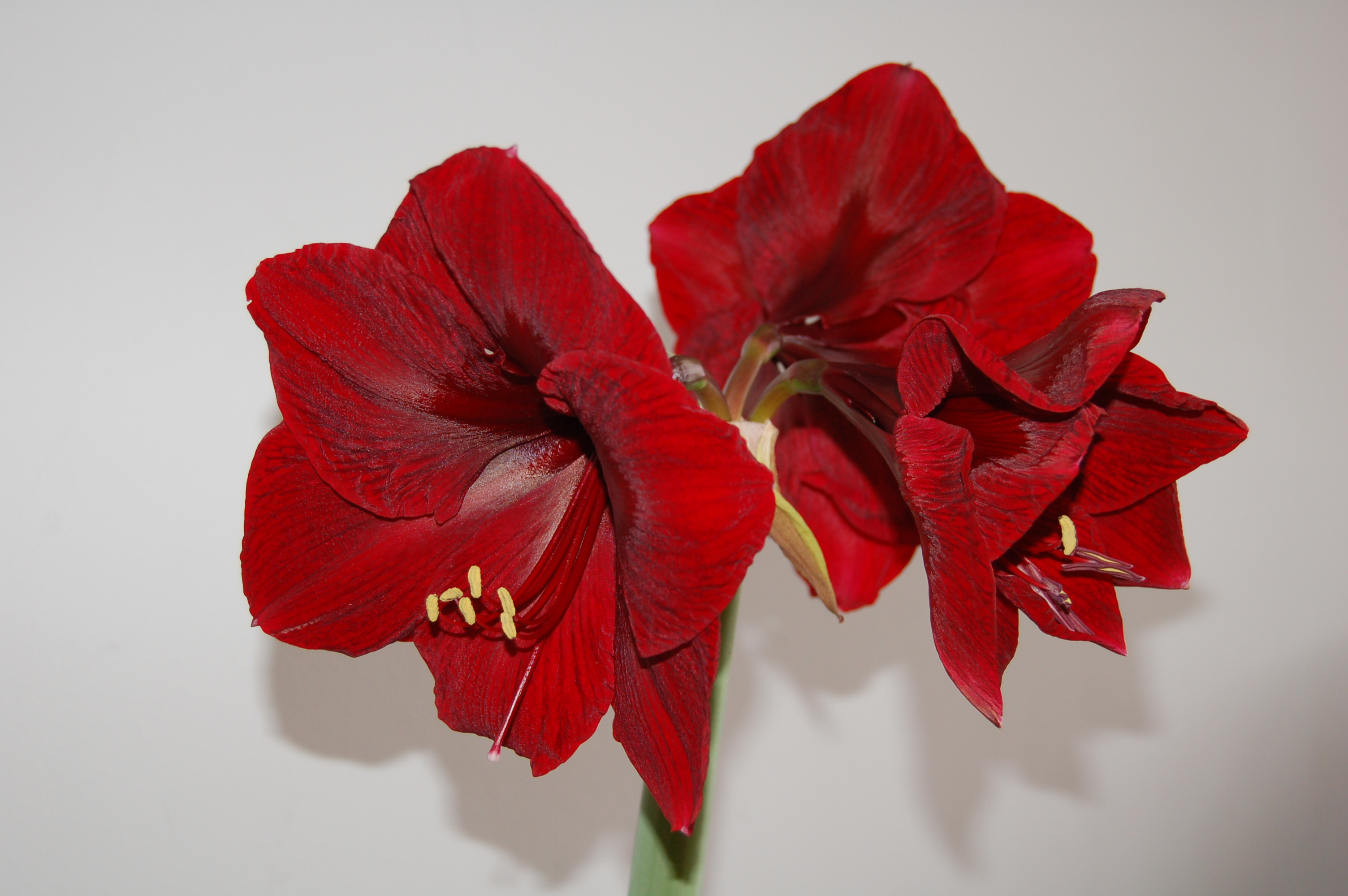
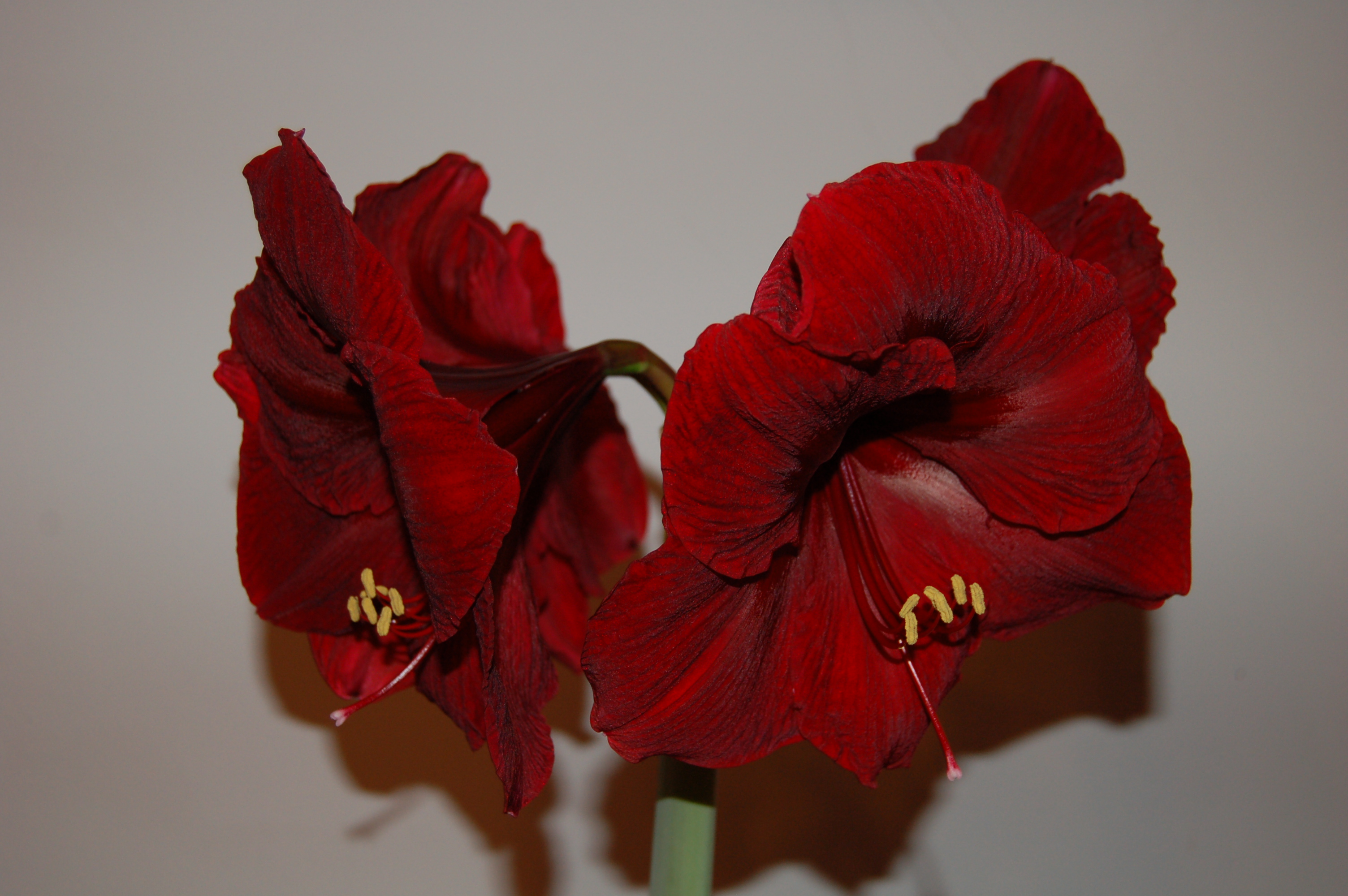
We had a lovely present from my brother, Derrick and his partner Lyn at Christmas, a big fat Amaryllis. We potted it up and waited. It seemed a long wait but suddenly there were signs of  growth, buds started opening looking like little green tongues sticking out. Once they reached about 4 inches in height a flowering stem burst upwards growing at a great rate. It was noticeably taller each day and the bud at its topmost point plumped up until it reached about 18 inches. It then stopped adding any growth to the stem length and instead the bud expanded. Until.
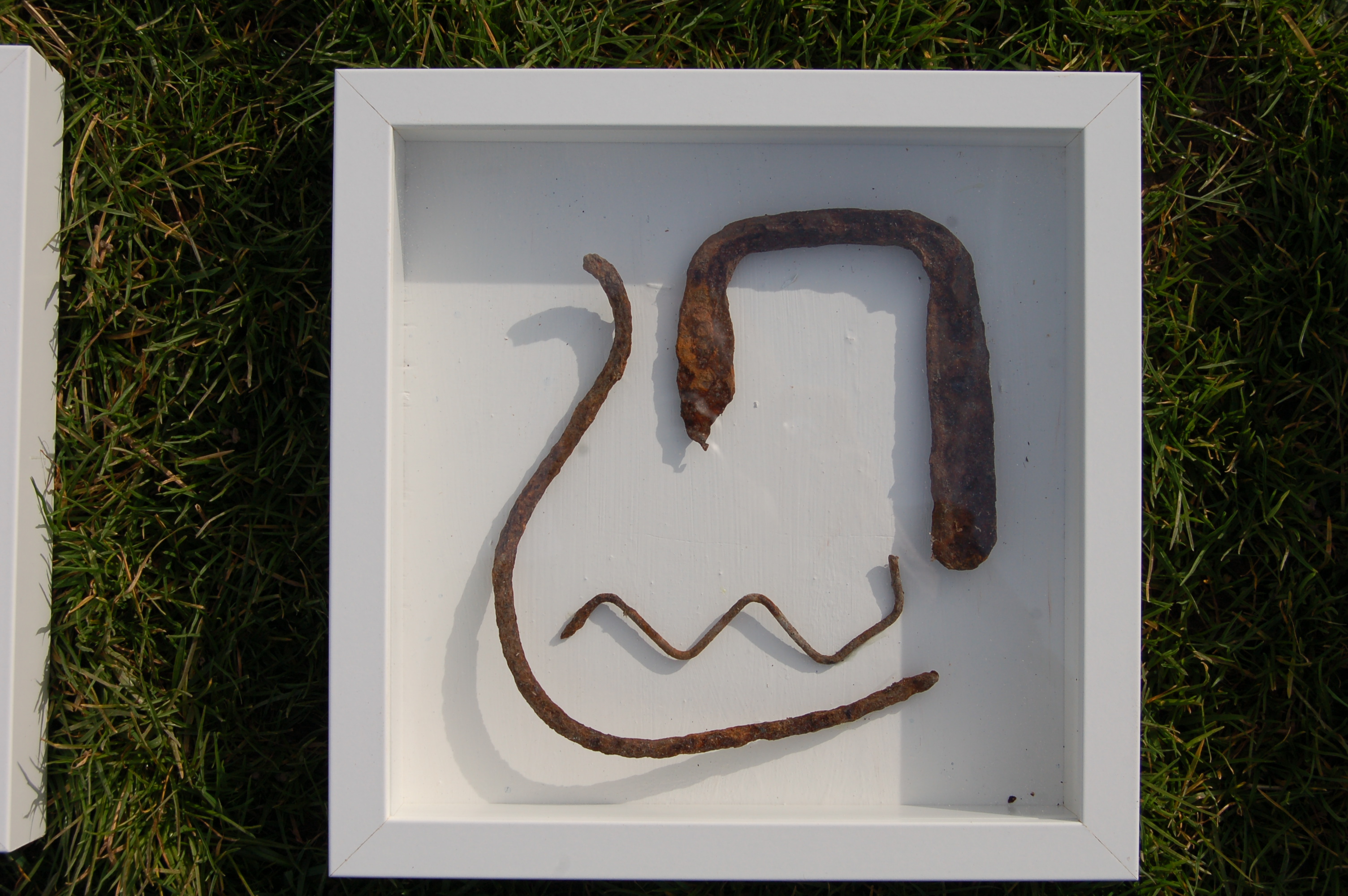
The deepest red petals started to appear, almost black.

2014 03 03_6839 2014 03 03_6834

2014 03 03_6833 2014 03 03_6836

2014 03 03_6783  2014 03 03_6837

2014 03 03_6840 2014 03 03_6835

2014 03 03_6838 2014 03 03_6779 2014 03 03_6780 2014 03 03_6781 2014 03 03_6782 2014 03 03_6784 2014 03 03_6785

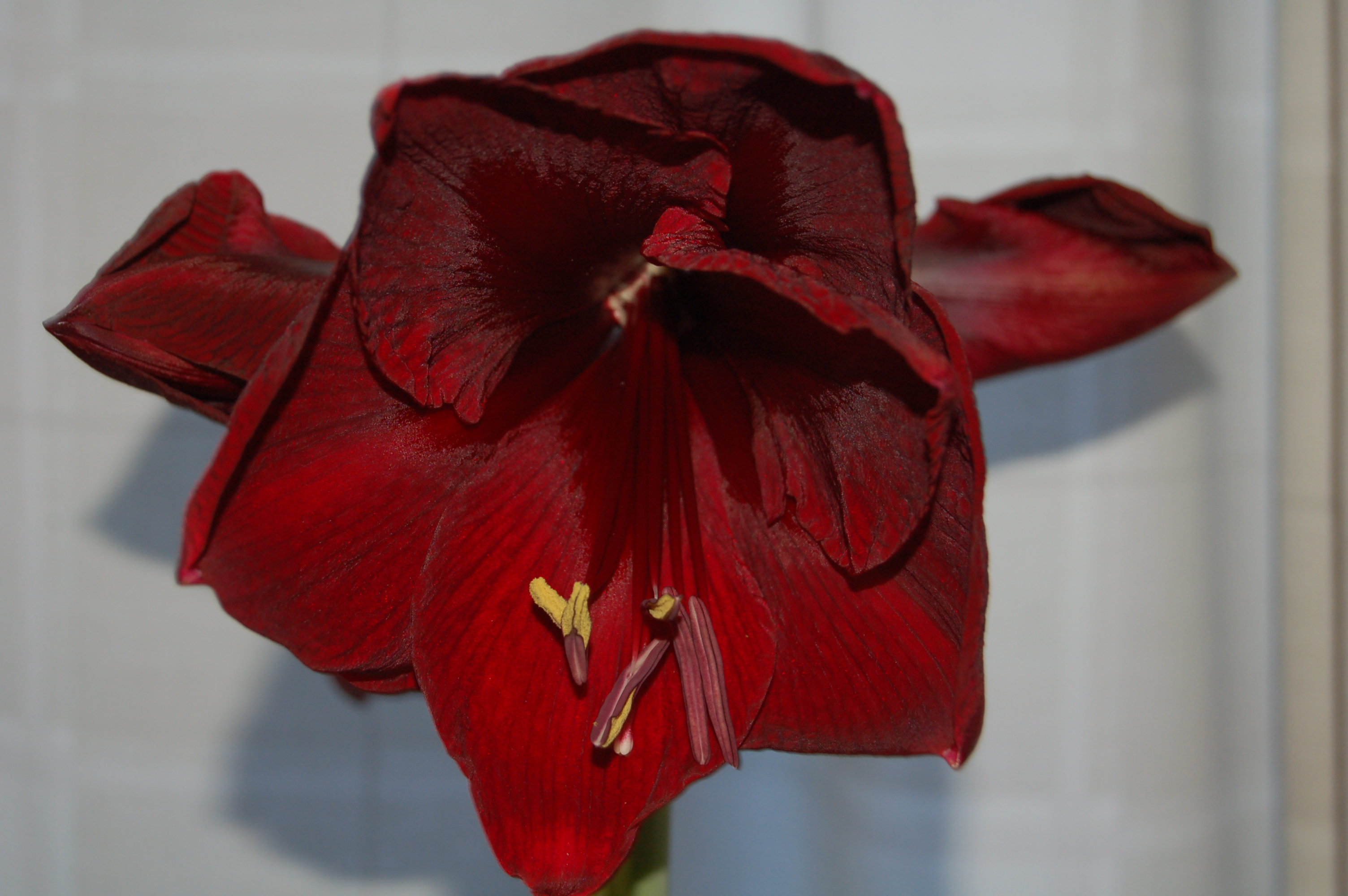
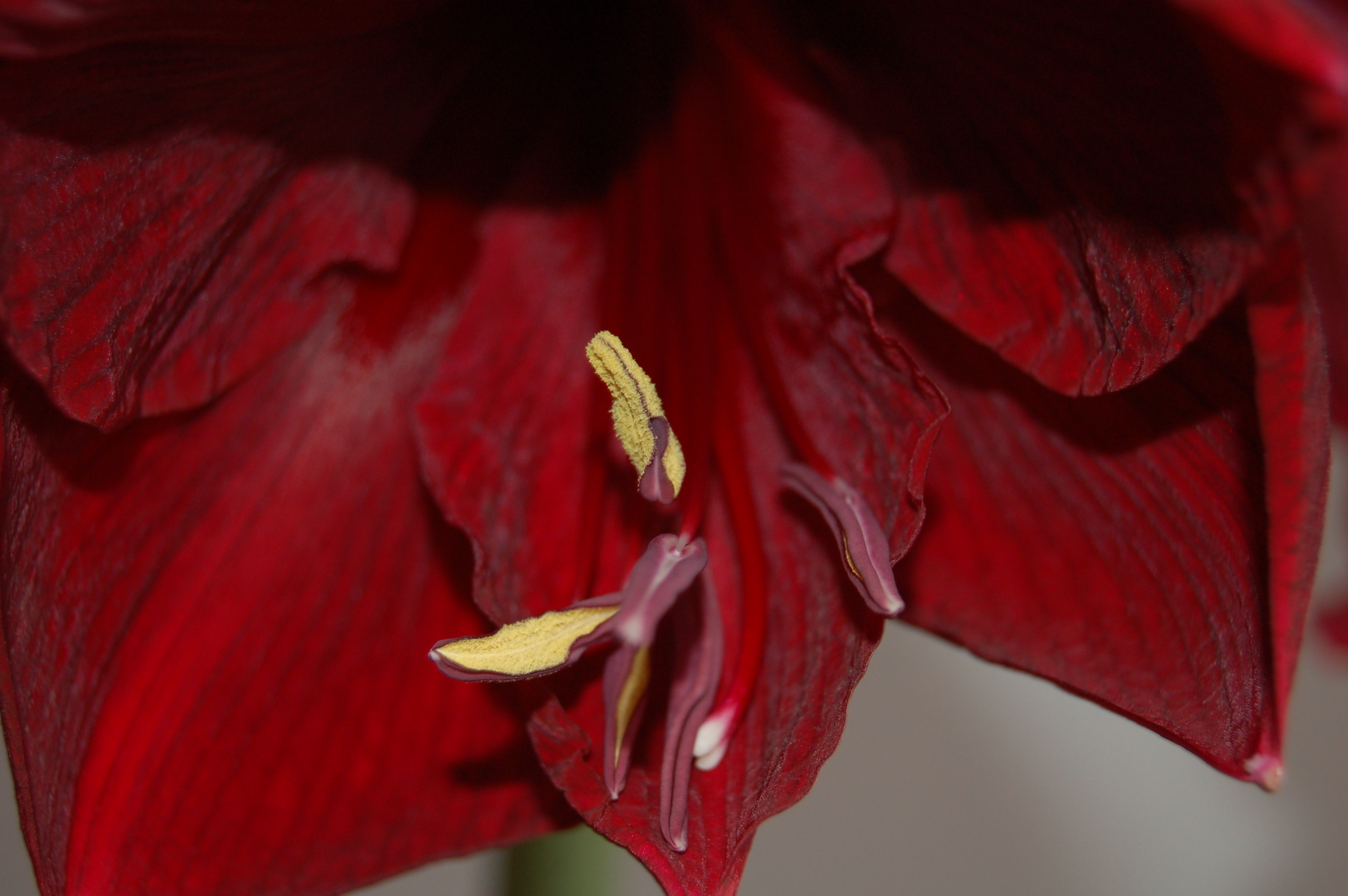
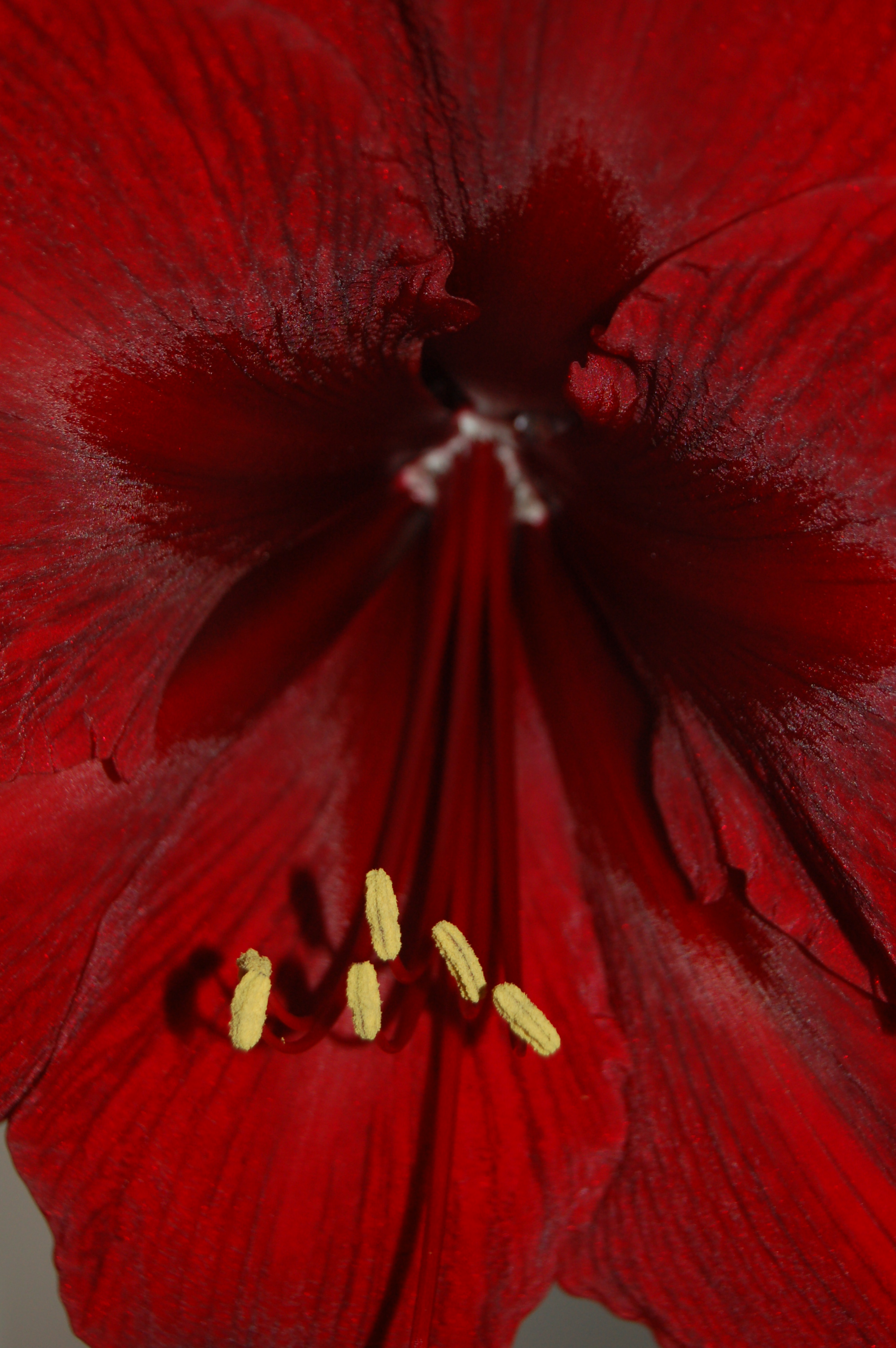
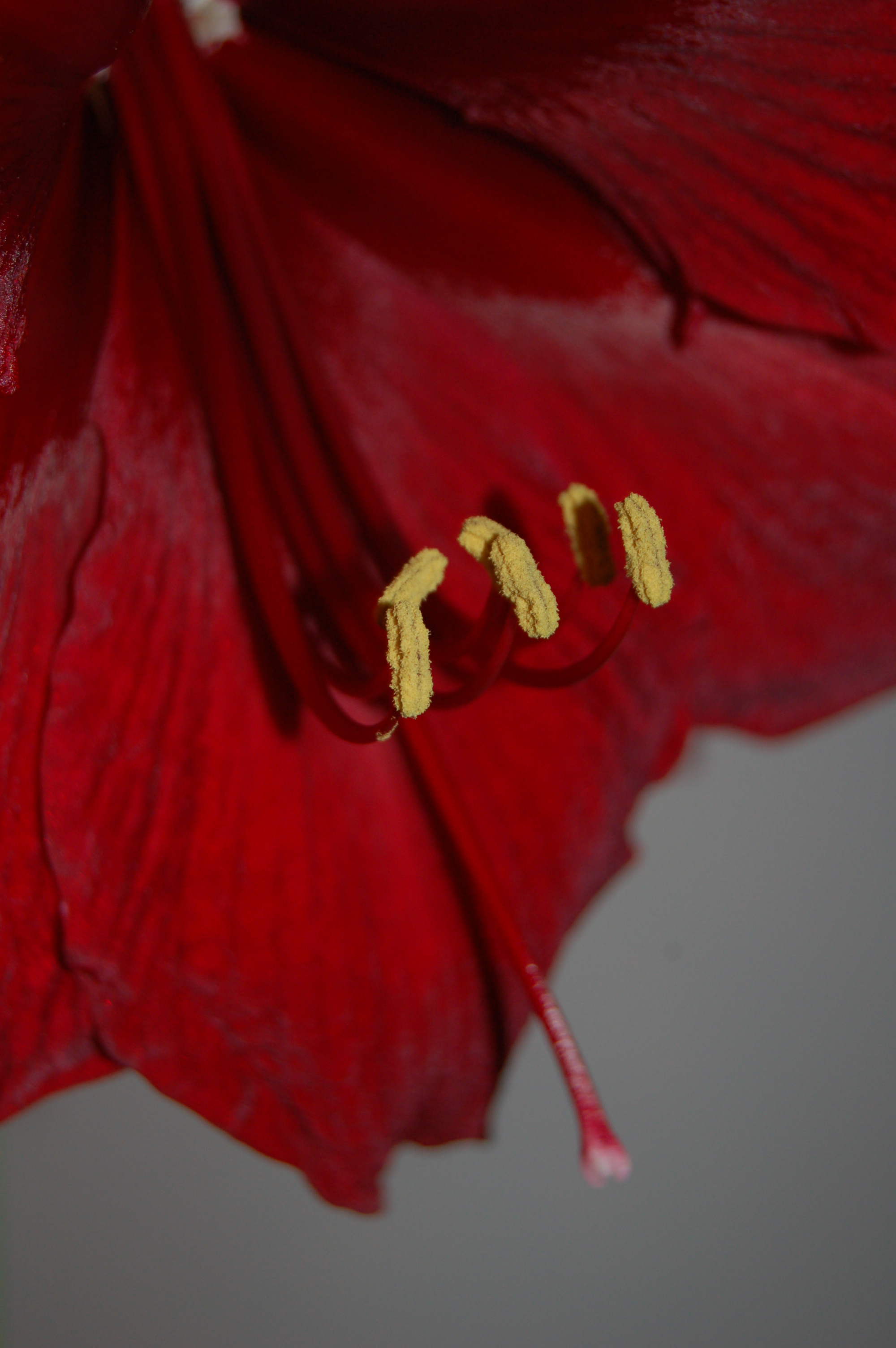
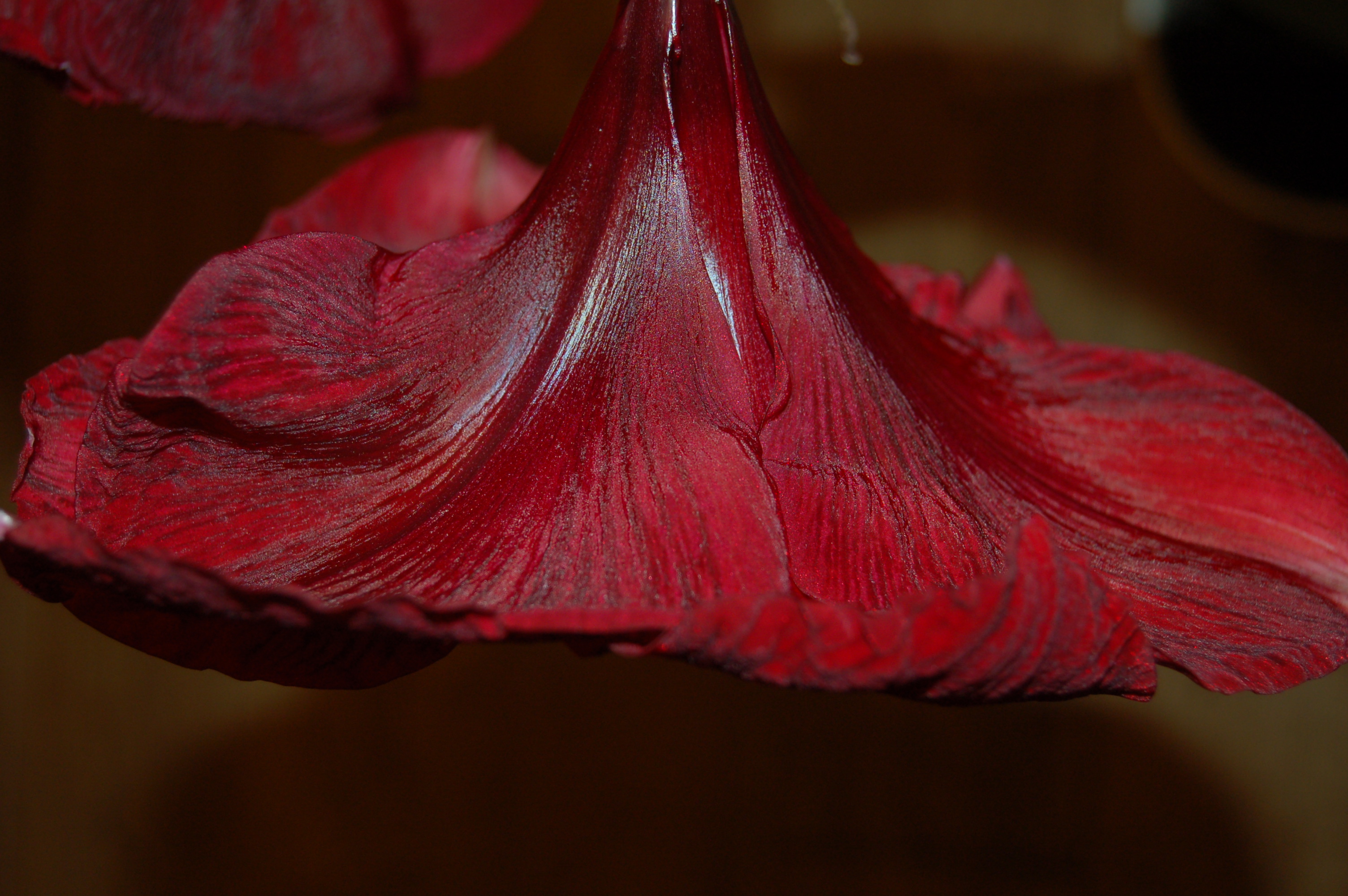
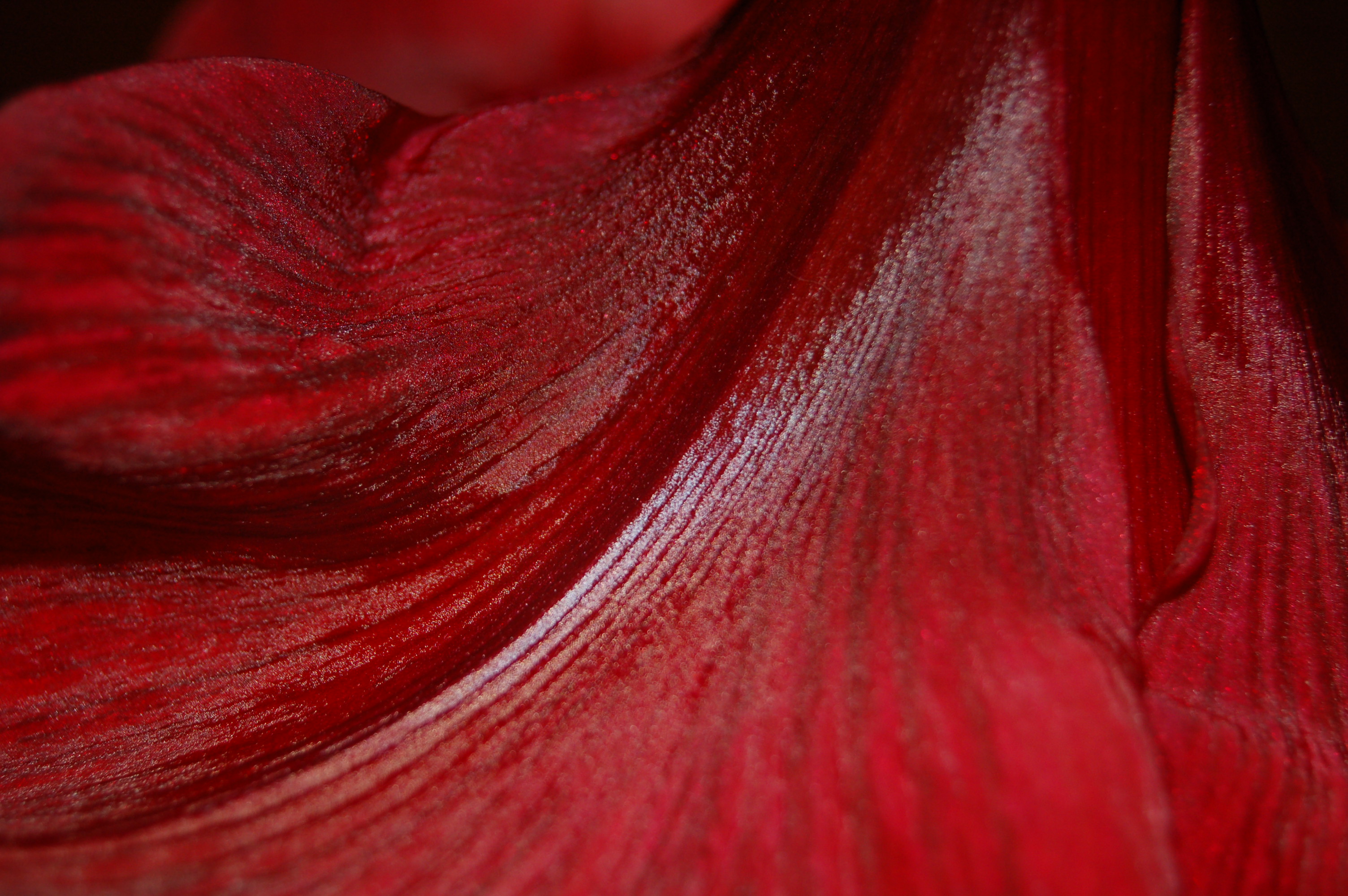
After a few days the flowers were huge, as wide as a saucer and each petal developed the texture of the softest most luxurious velvet.

n 2014 03 06_6850

We positioned them near some of my paintings as the petals matched colours in the paintings. these abstracts were based on a special rock structure on a beach in North Wales, where the darkest grey rock had extrusions of red forced into them.

2014 03 06_6846 2014 03 06_6847 2014 03 06_6848 2014 03 06_6849 2014 03 06_6851 2014 03 06_6852 2014 03 06_6853

At their peak the four flowers that topped the stem looked far too heavy. It seemed as if the stem would bend or snap at any moment. The contrast between the yellow and red became intense.

And now for one final set of photos – the bloom at its best.

2014 03 14_7124 2014 03 14_7125 2014 03 14_7126 2014 03 14_7127 2014 03 14_7128 2014 03 14_7129 2014 03 14_7130 2014 03 14_7131 2014 03 14_7132

Categories
garden design garden photography gardening outdoor sculpture

Garden Art

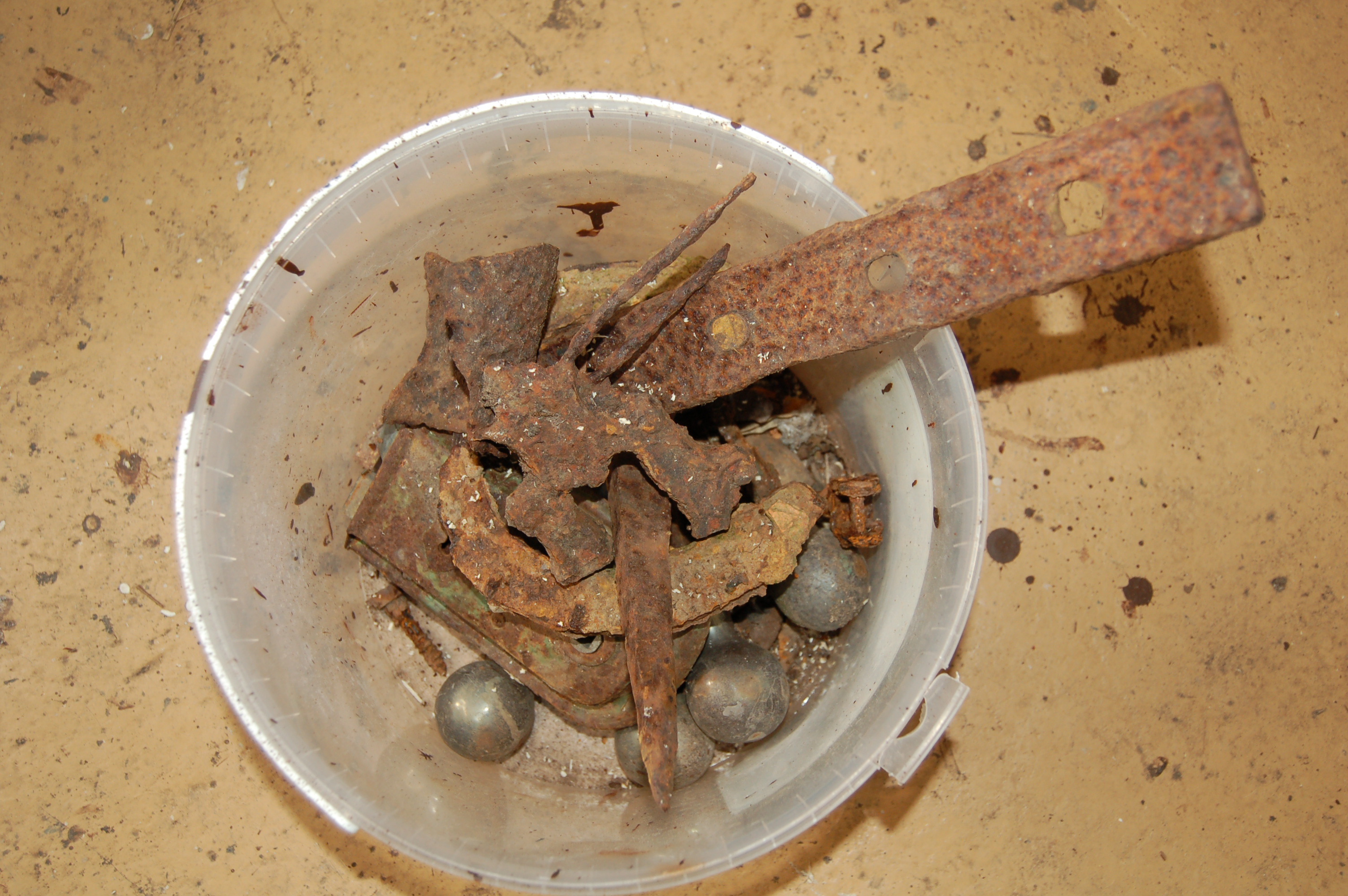
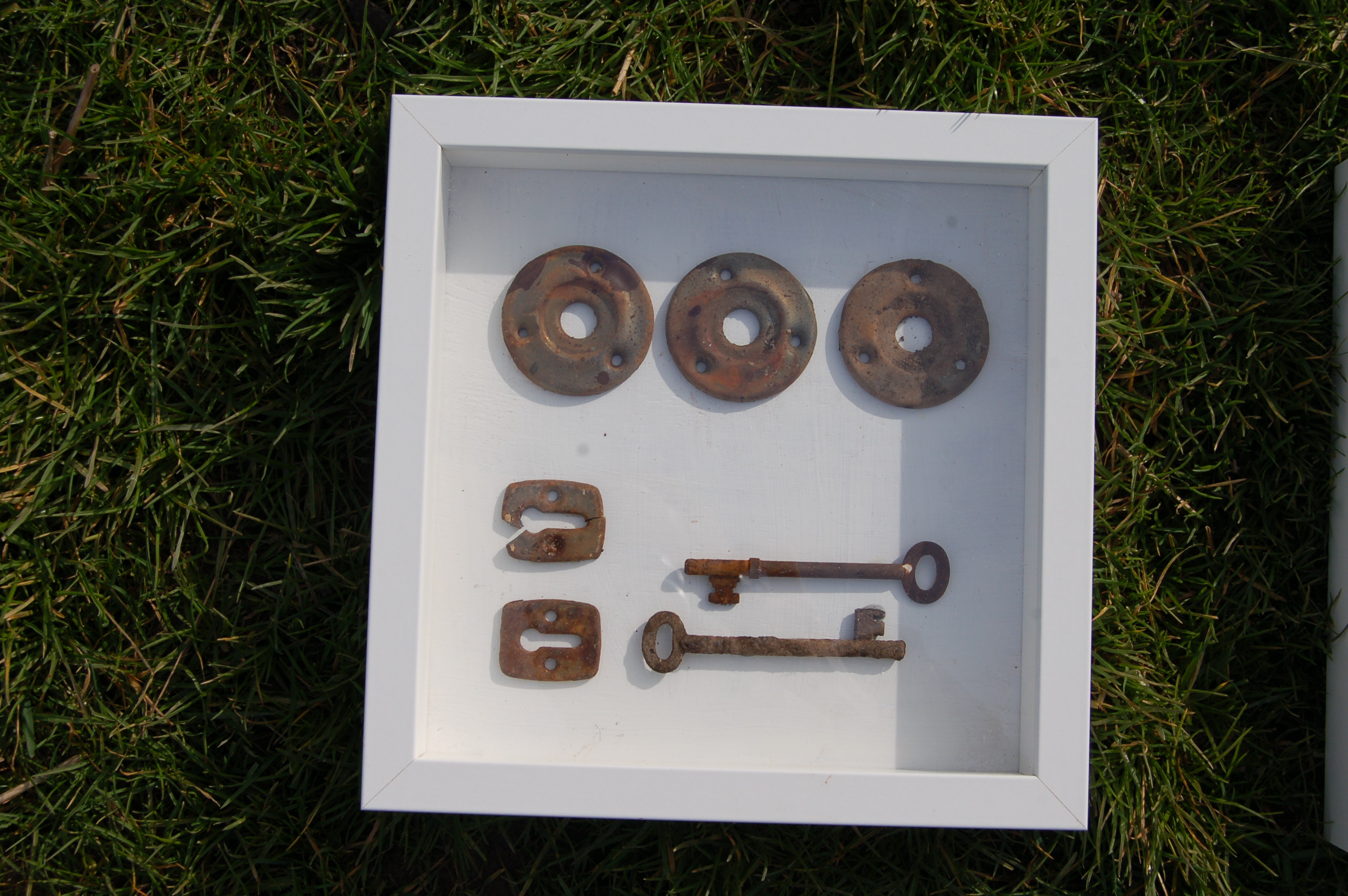
When we work in the garden we like looking at the bits of broken pottery, metal and glass that we unearth. I presume most of us gardeners do the same. Ever since we first moved to our garden here at Plealey ten years ago we have been collecting together the more interesting pieces without a thought of what we might do with them. Our bucket filled up until recently I thought I would select out interesting pieces that would go together to make a few pictures with.

2014 03 14_7122 2014 03 14_7123

We chose square white frames to give simple plain backgrounds and I managed to create these three pictures.

2014 03 14_7100

Here they are in more detail. I hope you enjoy looking at them – I certainly enjoyed making them. I like their simplicity and crispness. I photographed them outside on the lawn when the sun would add shadow but they have a place waiting for them. We intend to hang them on a wall outside which is painted a pale cream colour.

2014 03 14_7103

2014 03 14_7102

2014 03 14_7101

Categories
garden design garden photography gardening gardens gardens open to the public ornamental trees and shrubs trees

The Trees in Two Gardens

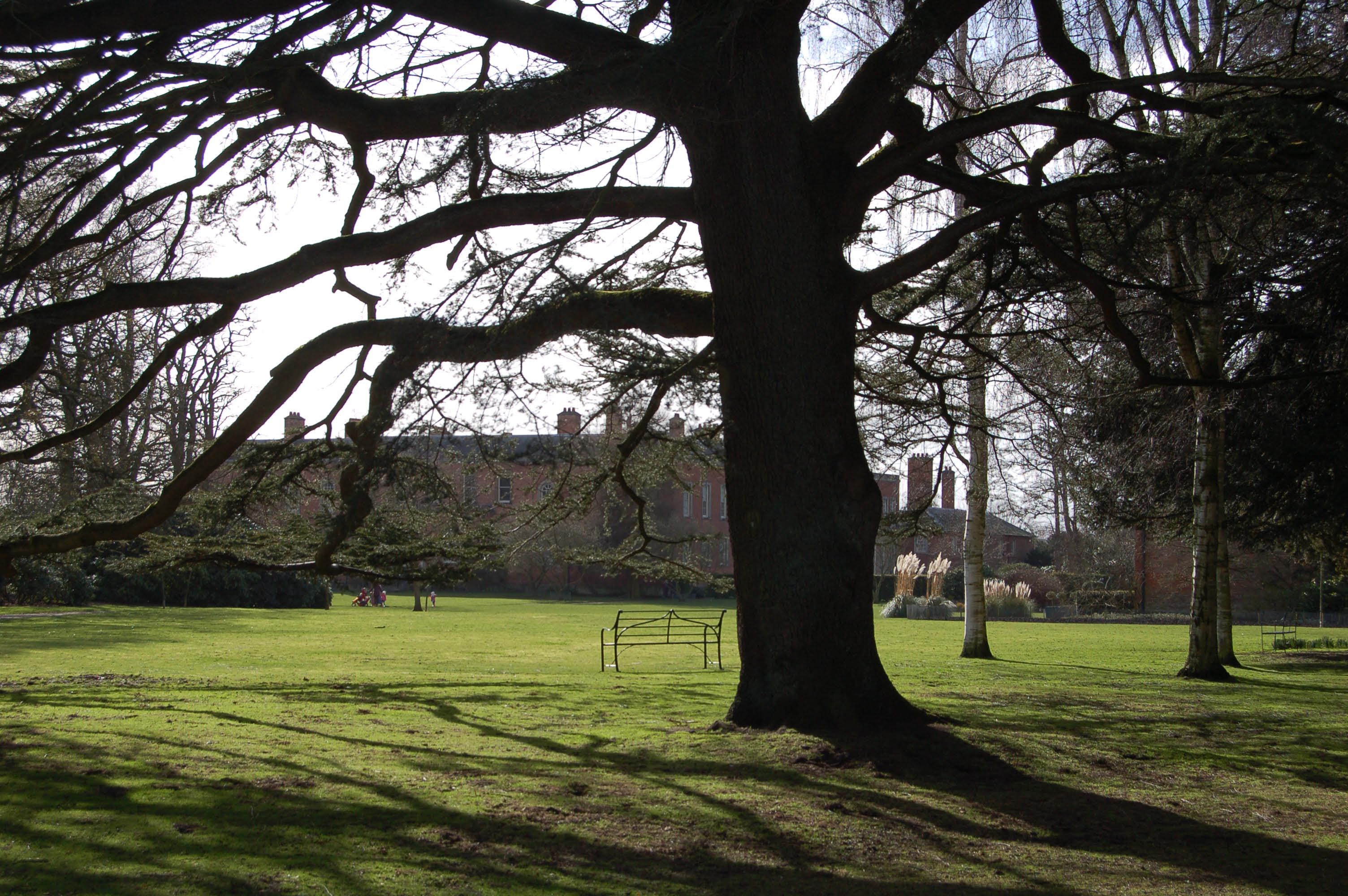
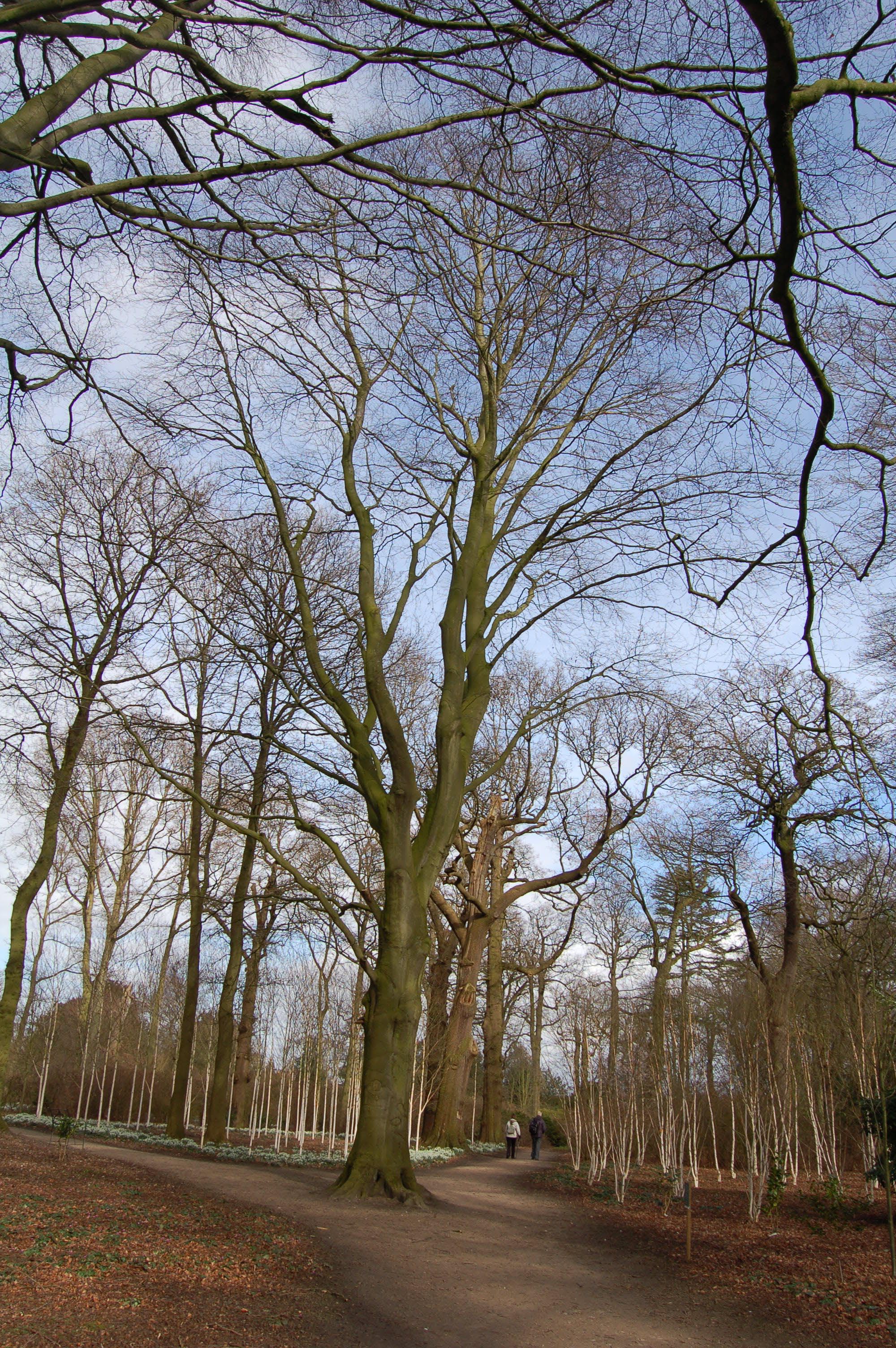
When we visit gardens I tend to concentrate on taking photographs of borders and flowering plants, and often ignore the wonderful silhouette of the trees.

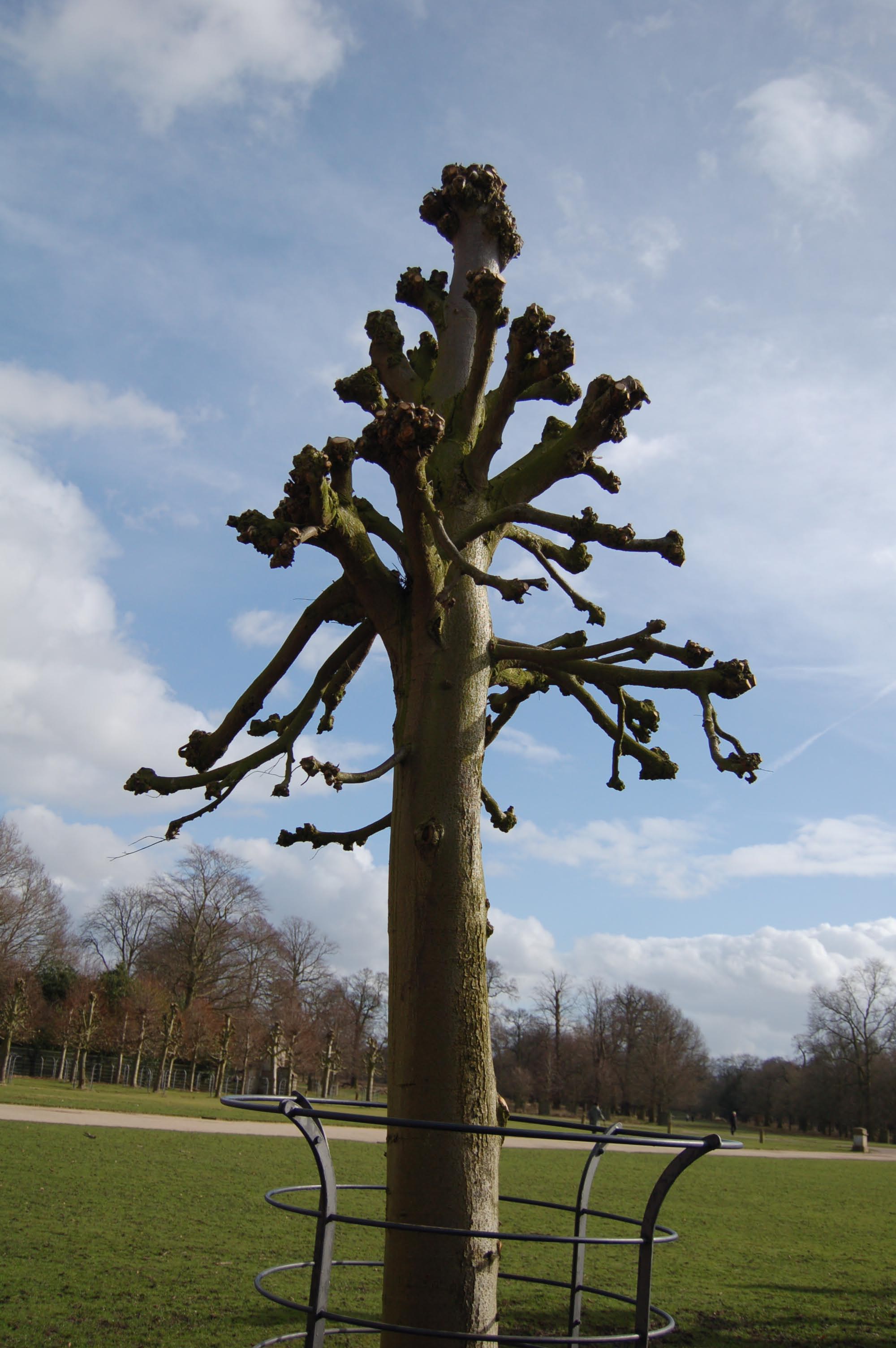
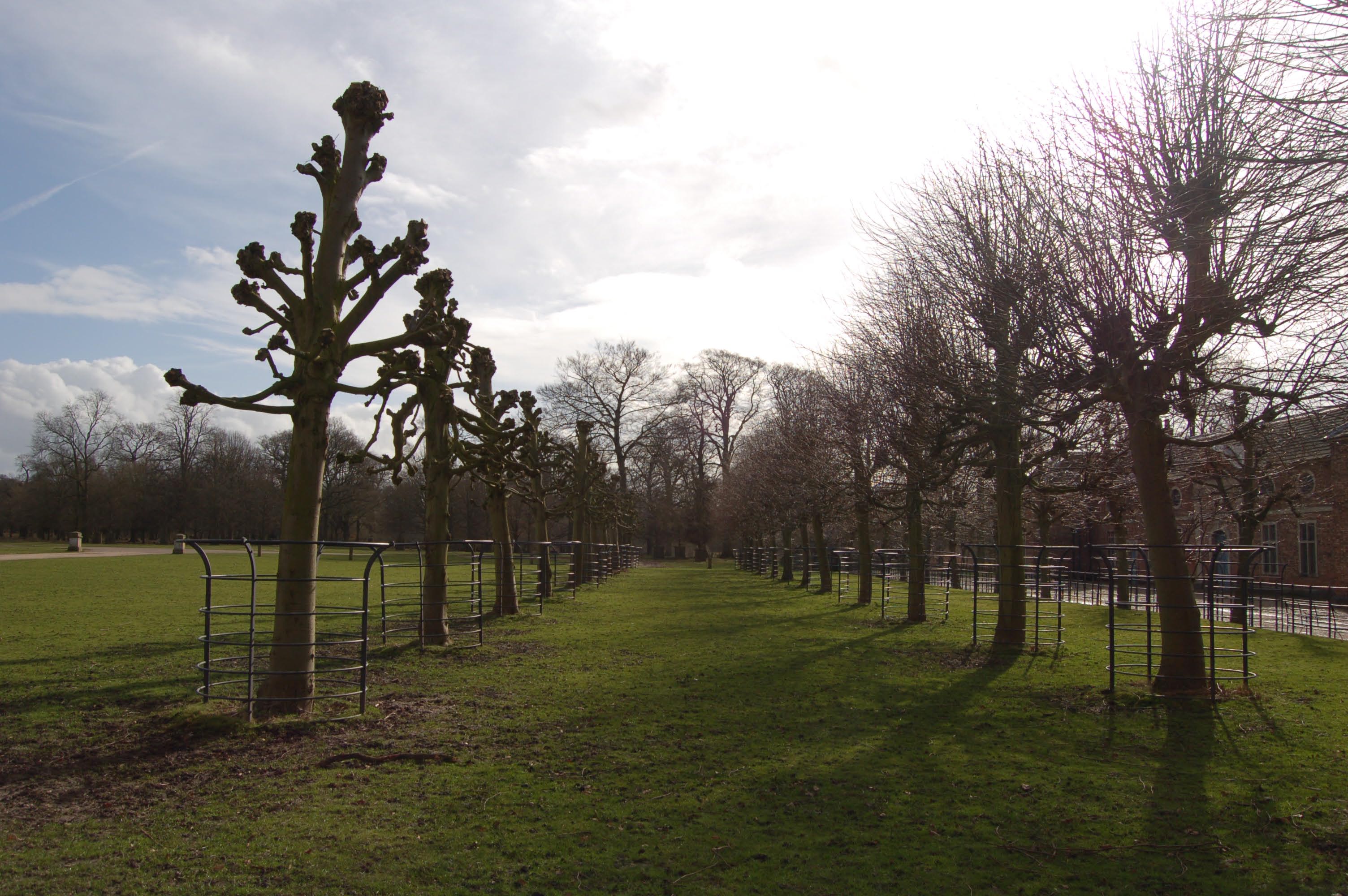
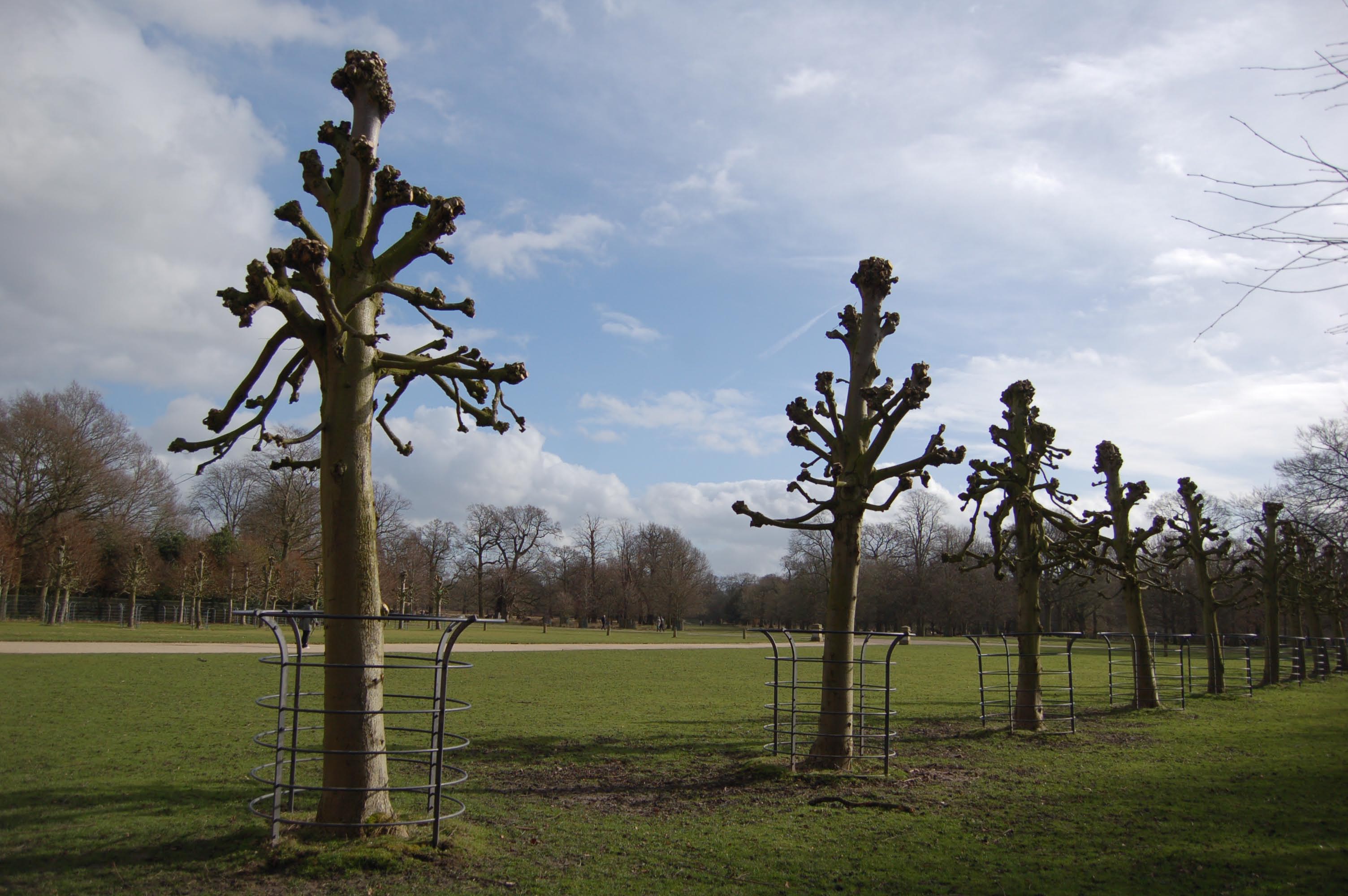
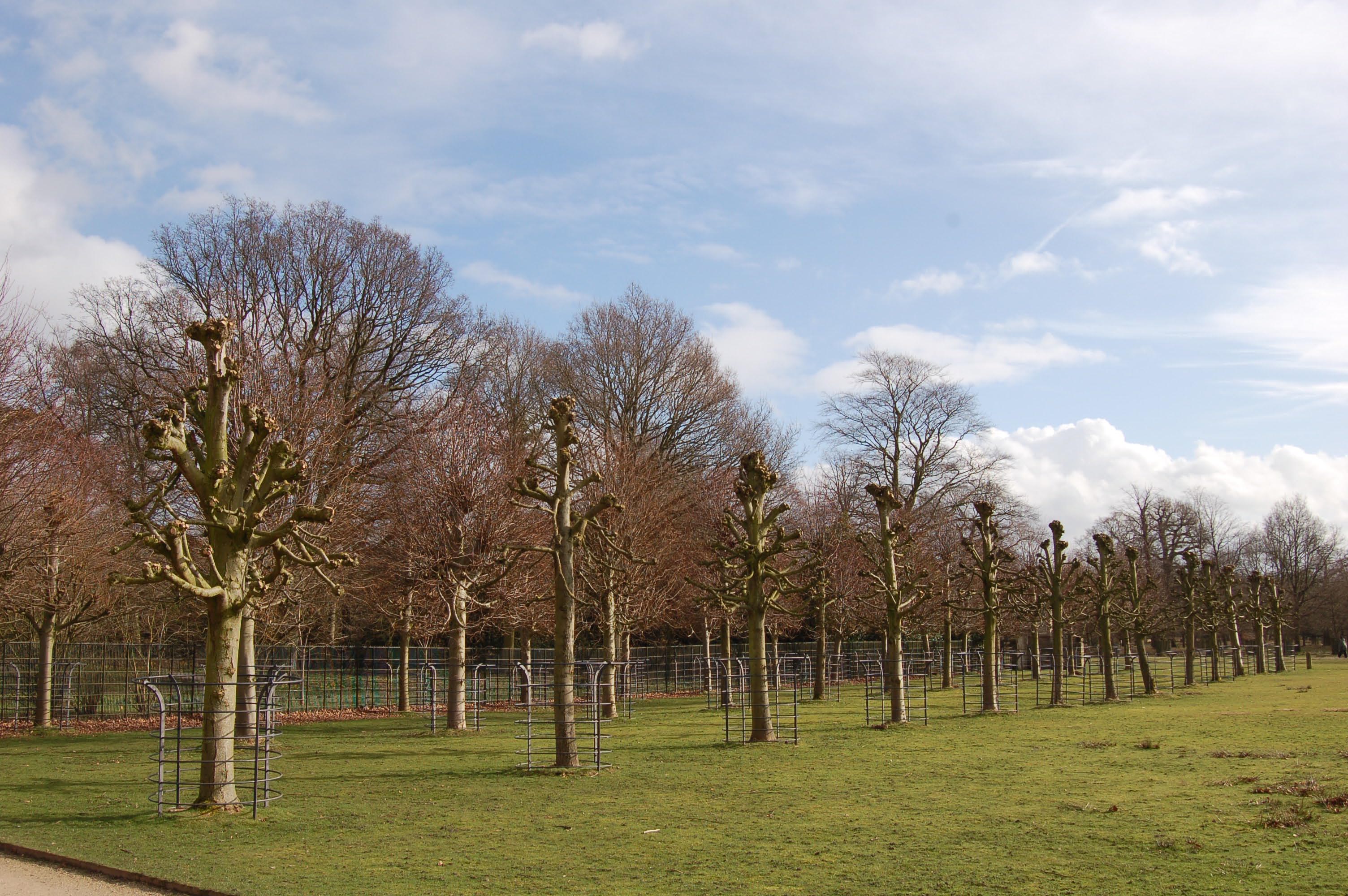
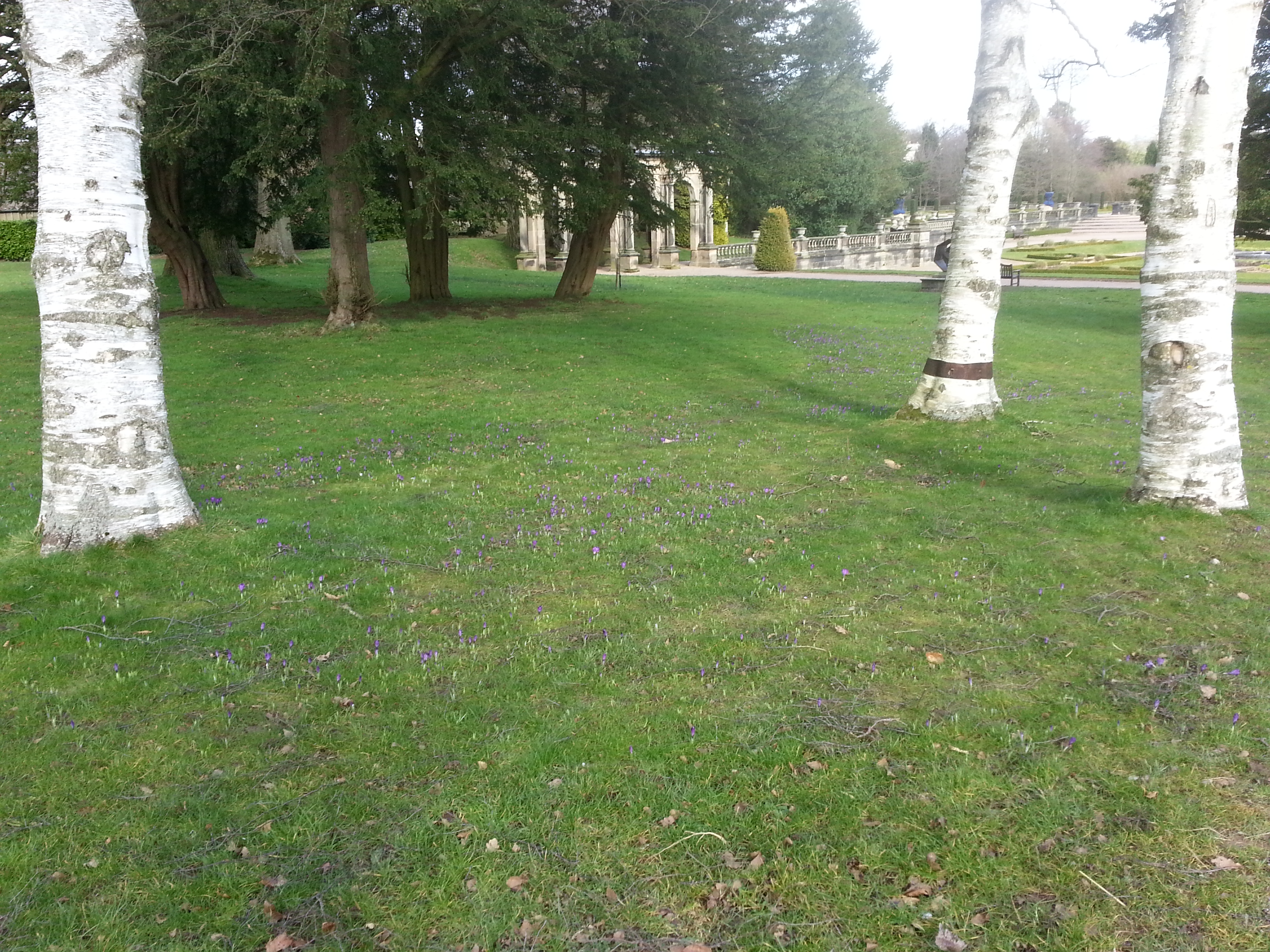
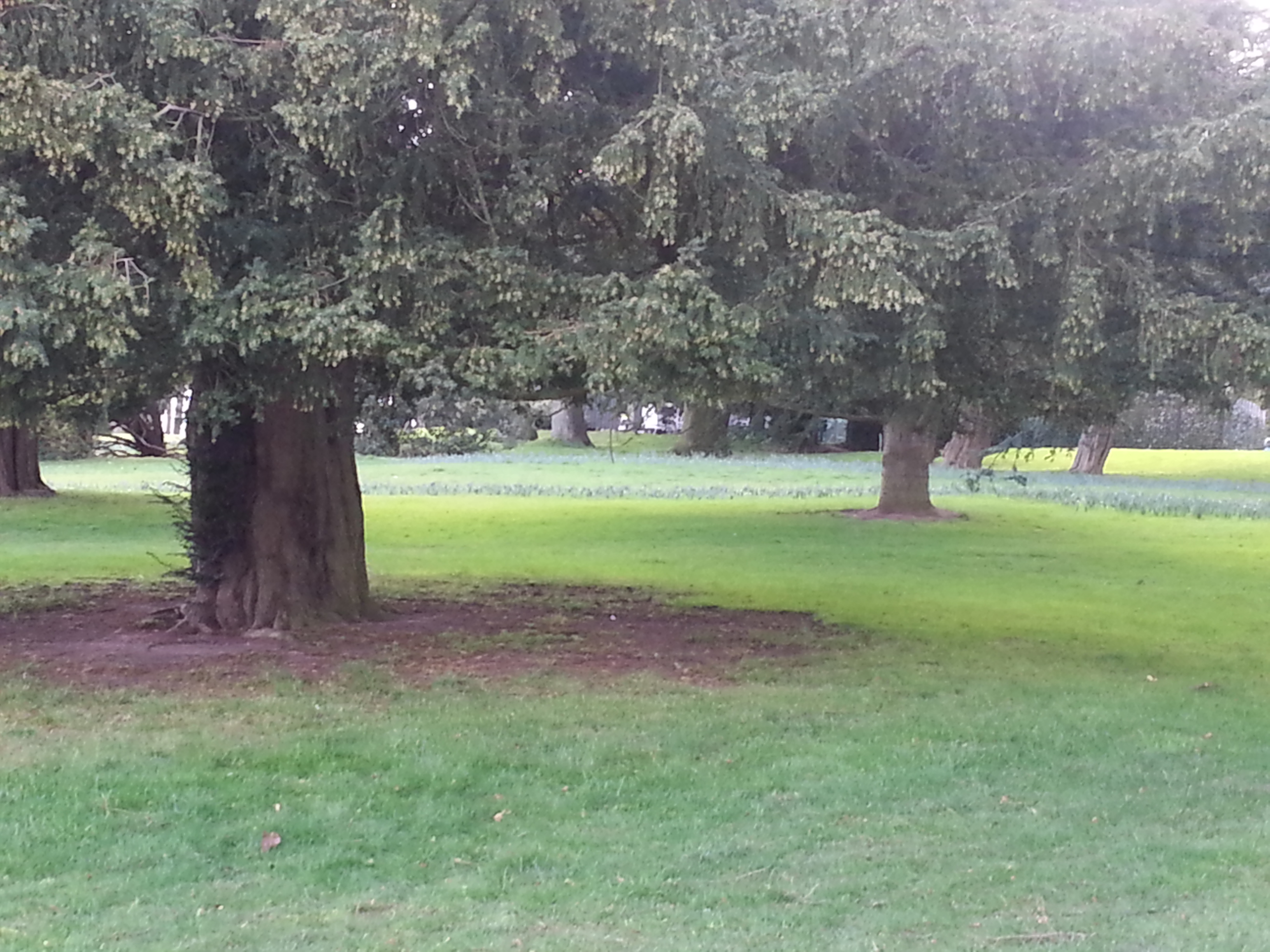
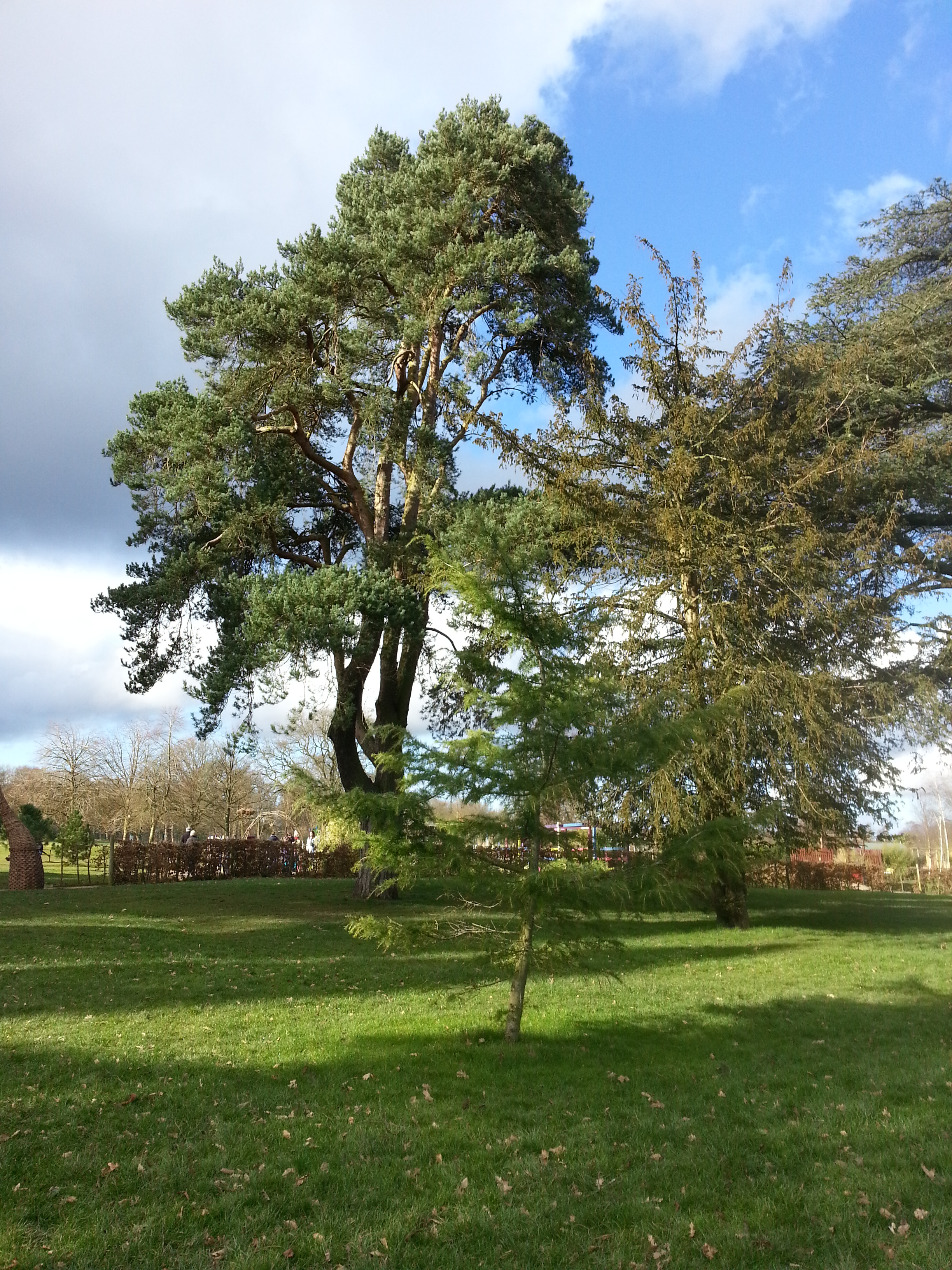
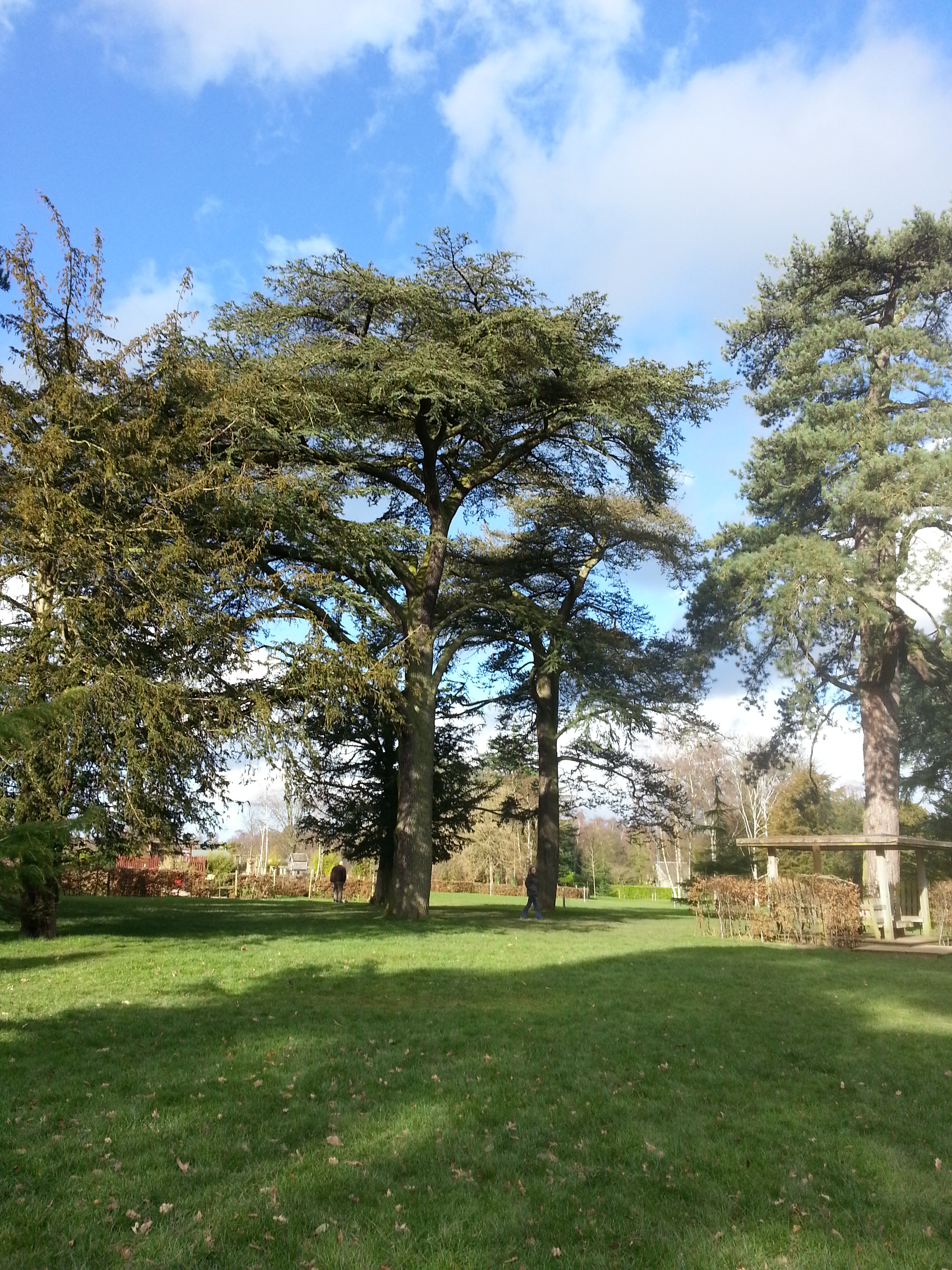
So when we went to Dunham Massey and Trentham in February I concentrated on their trees so just sit back and enjoy my photos. A tribute to trees.

Firstly enjoy the trees of Dunham Massey.

2014 02 20_6543 2014 02 25_6685 2014 02 25_6724 2014 02 25_6684 2014 02 25_6682 2014 02 26_6774-1 2014 02 25_6676-1 2014 02 25_6677-1 2014 02 25_6675-1 2014 02 25_6673-1 2014 02 25_6674-1 2014 02 25_6672-1 2014 02 25_6677

2014 02 25_6673 2014 02 26_6774

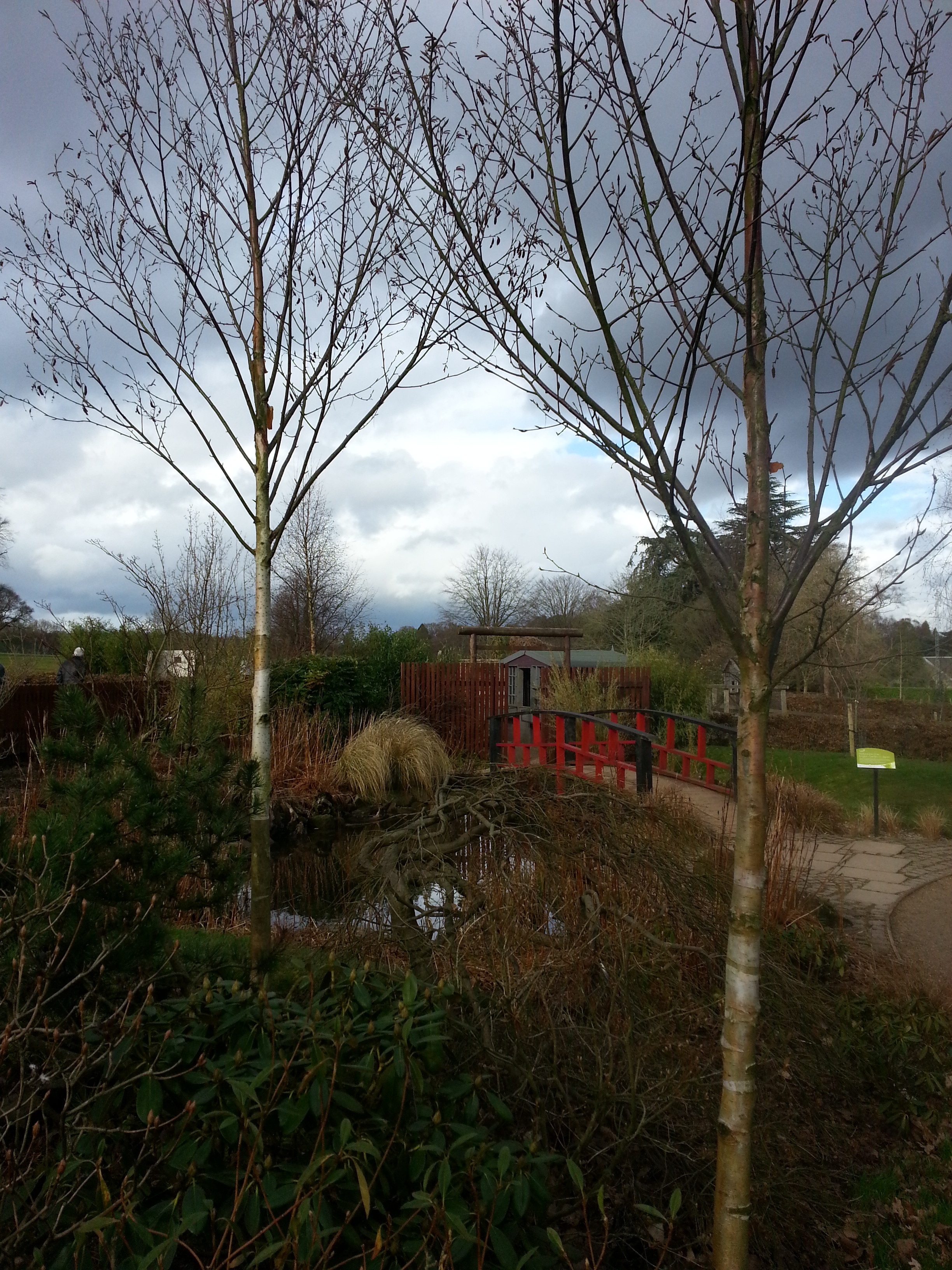
And now to Trentham and its trees. The first photos show trees planted during the recent renovation of the garden and the latter photos the mature trees from the original parkland.

2014 02 20_6499 2014 02 20_6541 2014 02 20_6543 2014 02 20_6567

2014 02 20_6552 2014 02 20_6554

2014 02 20_6556 2014 02 20_6555

2014 02 20_6557 2014 02 20_6558 2014 02 20_6559 2014 02 20_6560 2014 02 20_6561 2014 02 20_6562 2014 02 20_6563 2014 02 20_6564 2014 02 20_6565  2014 02 20_6578

Categories
flowering bulbs garden design garden photography gardening spring bulbs spring gardening Winter Gardening

Our Crocuses

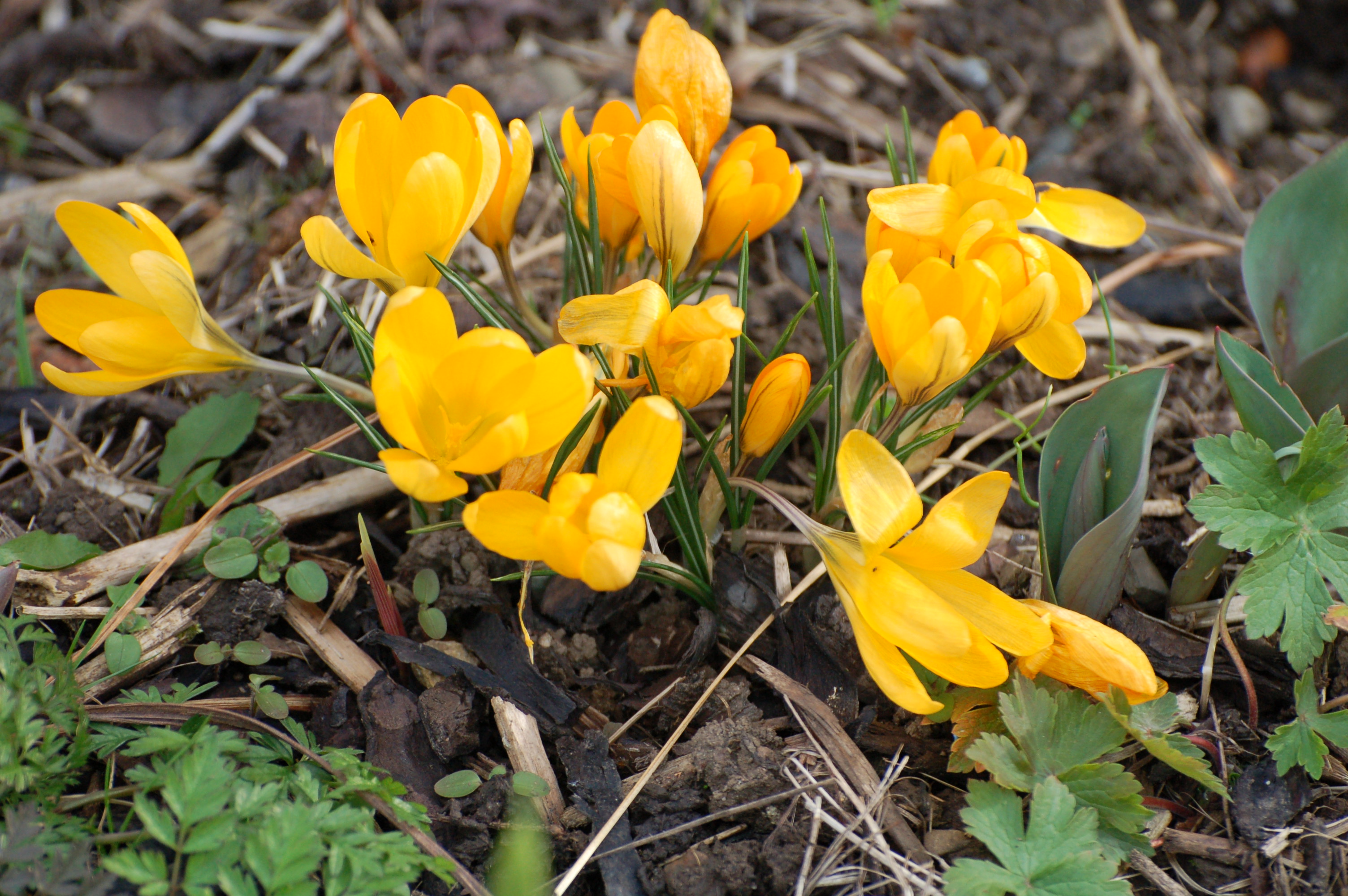
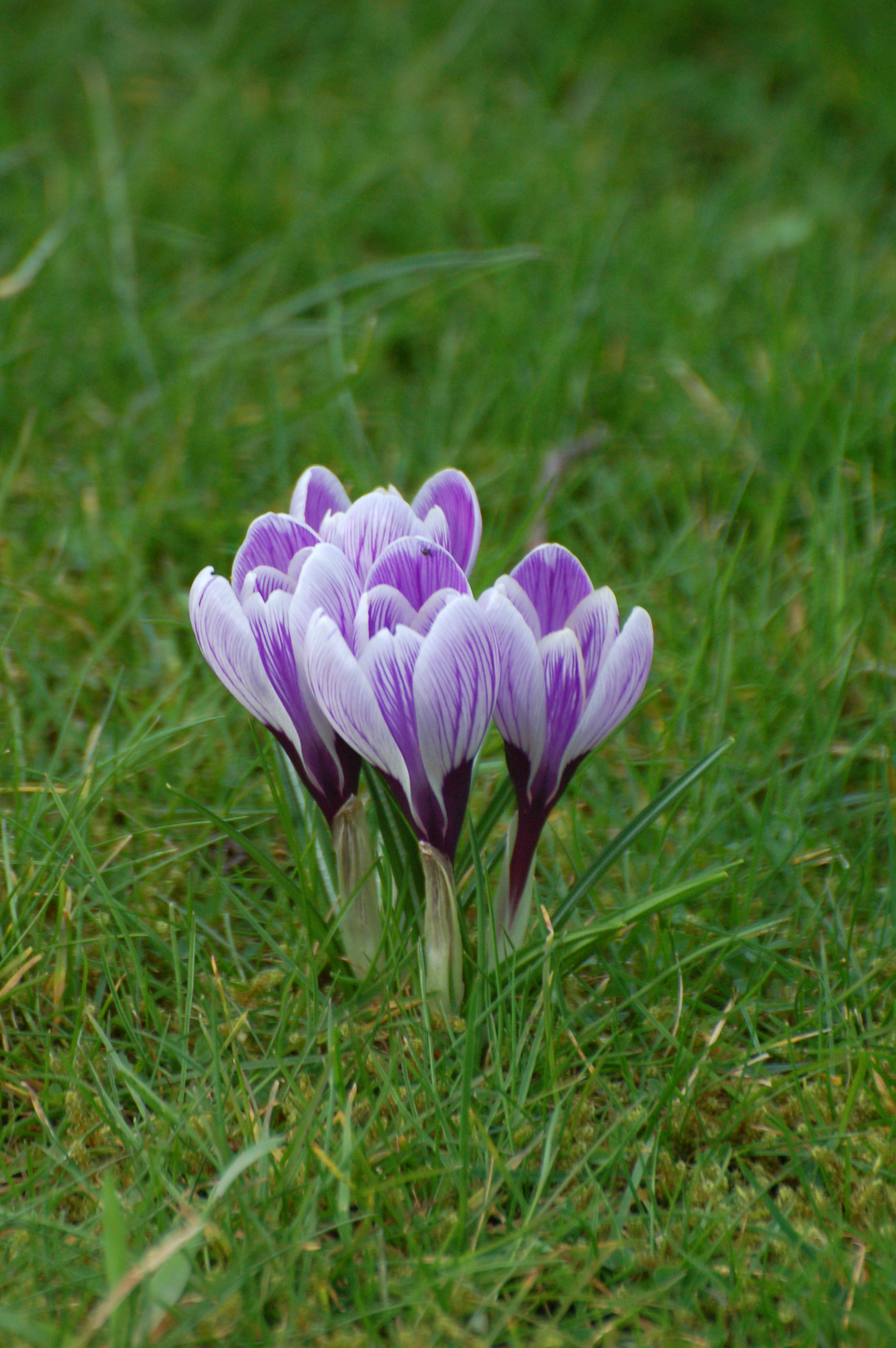
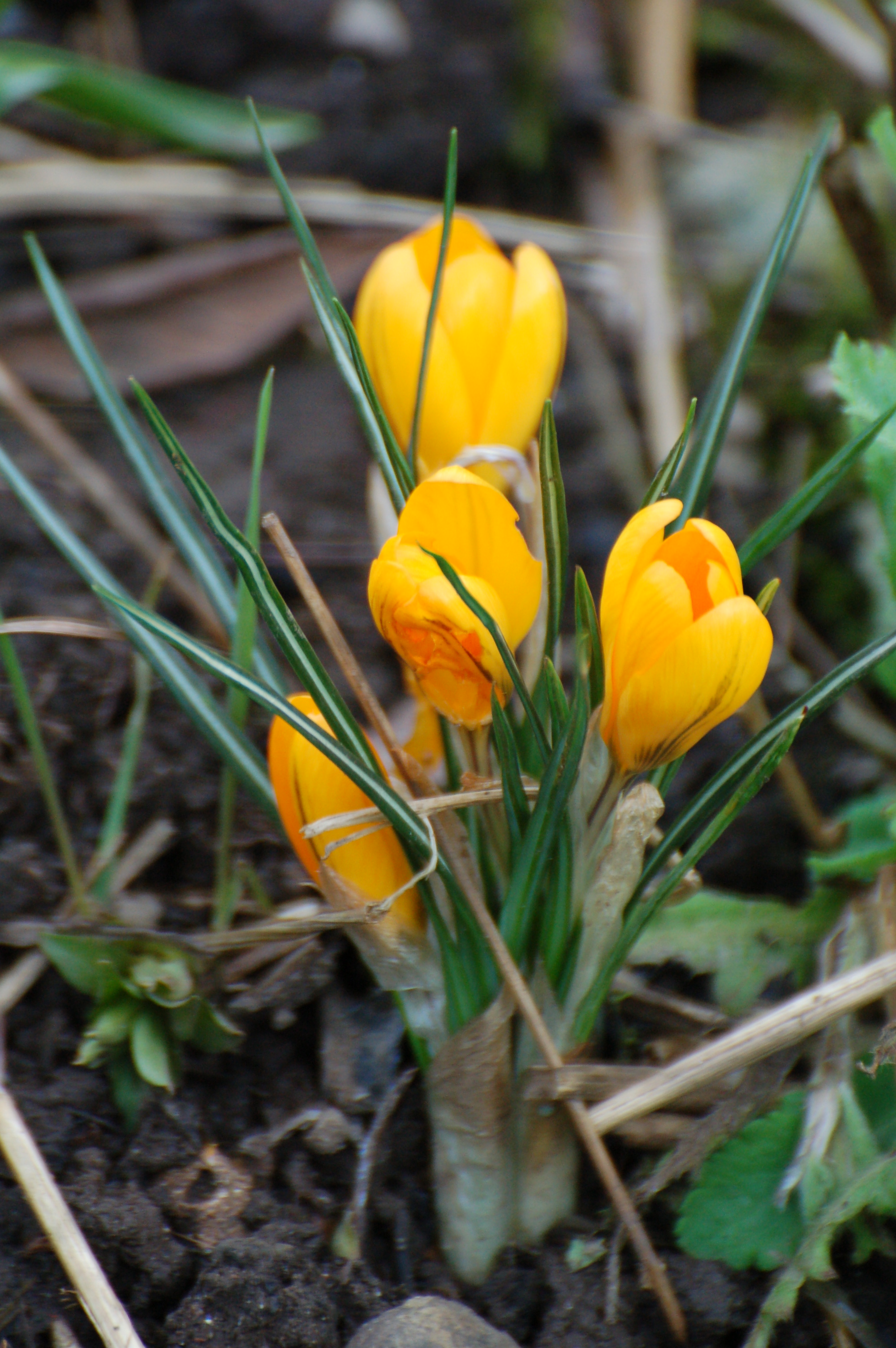
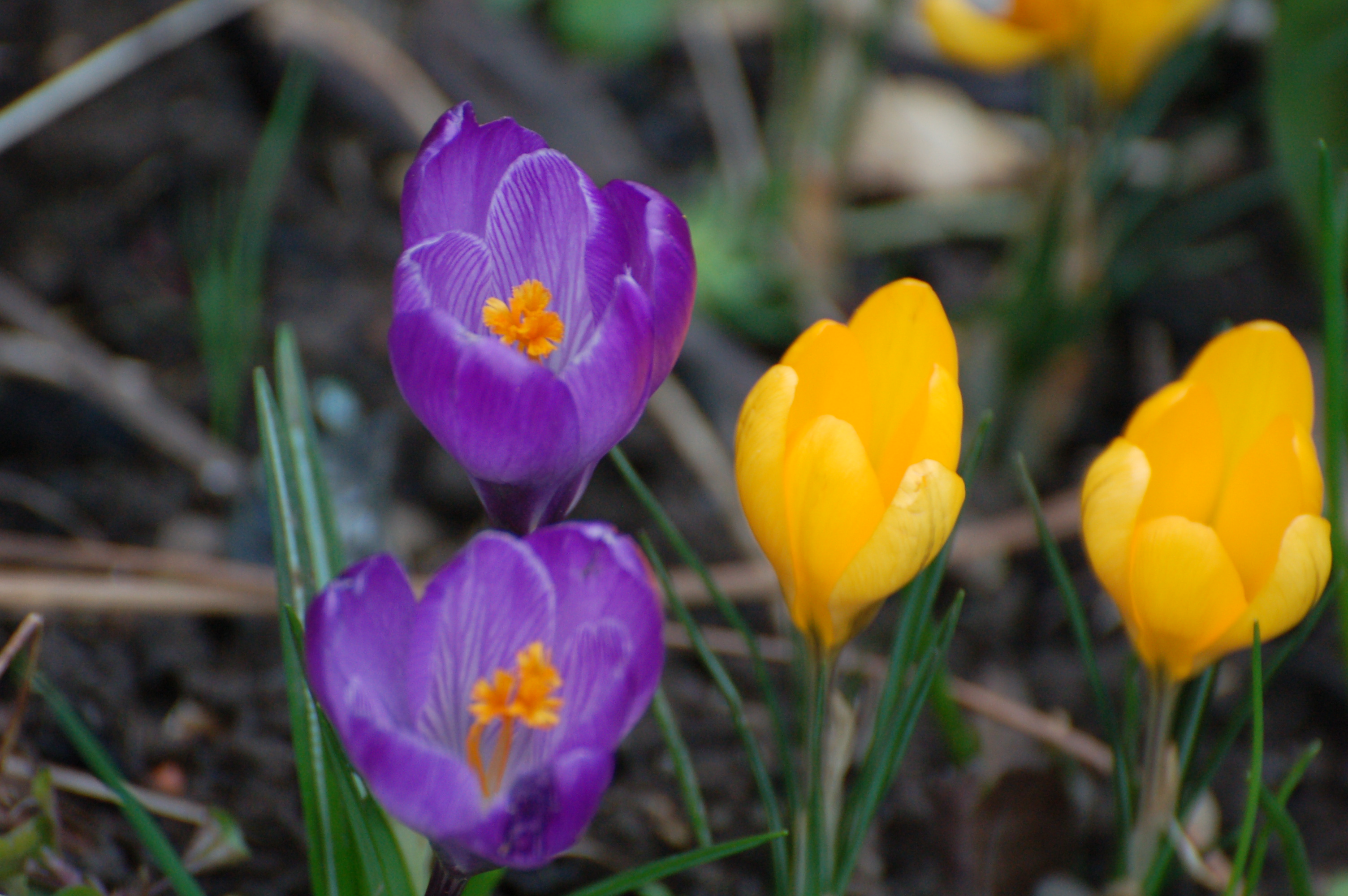
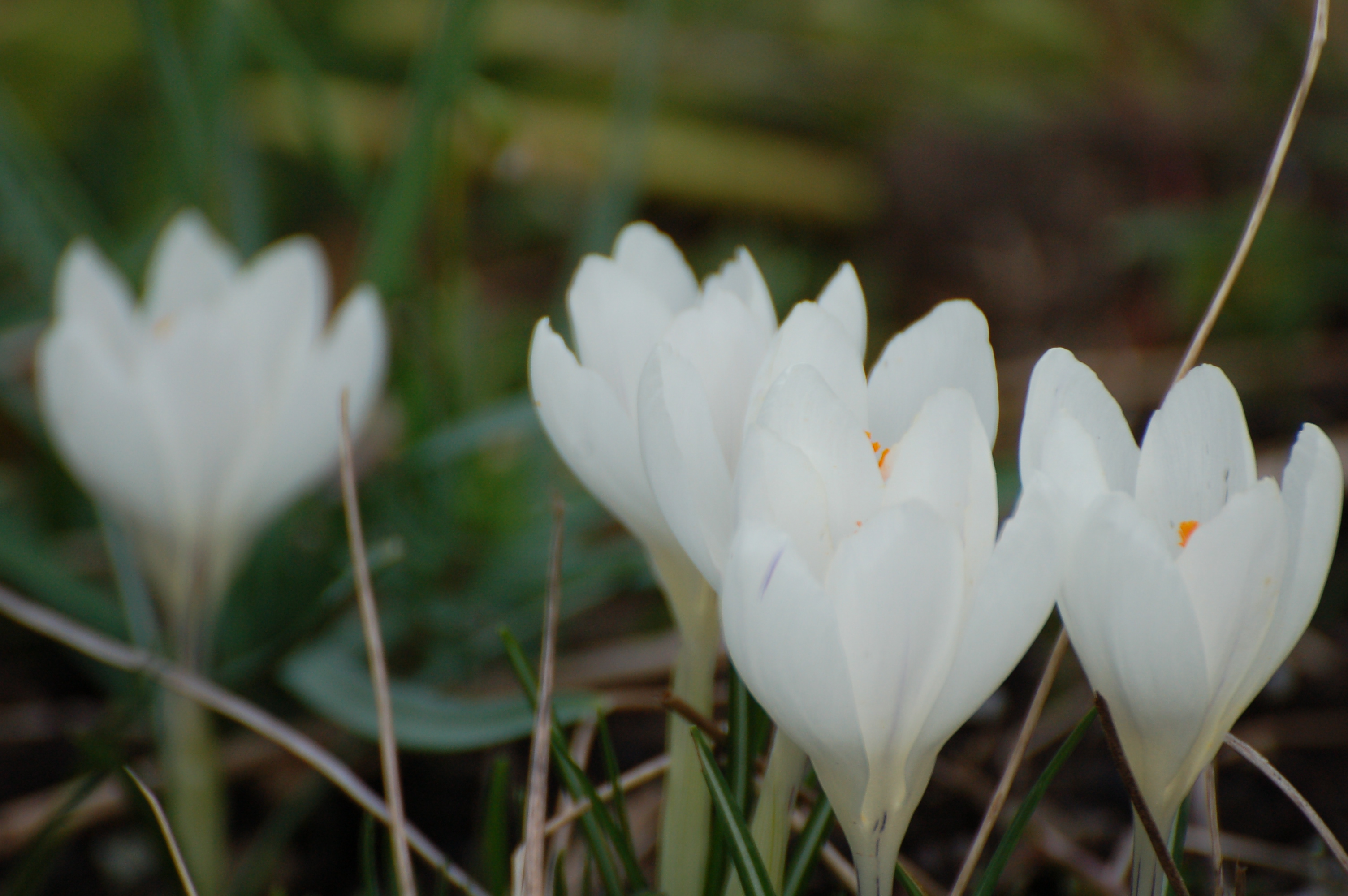
We look forward to late February and early March as that is when those little jewels, the crocuses burst into bloom, attracting the local honey bees and any winter flying bumbles and solitaries.

Our crocus lawn is in its second season and is looking great.

2014 03 06_6874  2014 03 03_6793 2014 03 03_6794

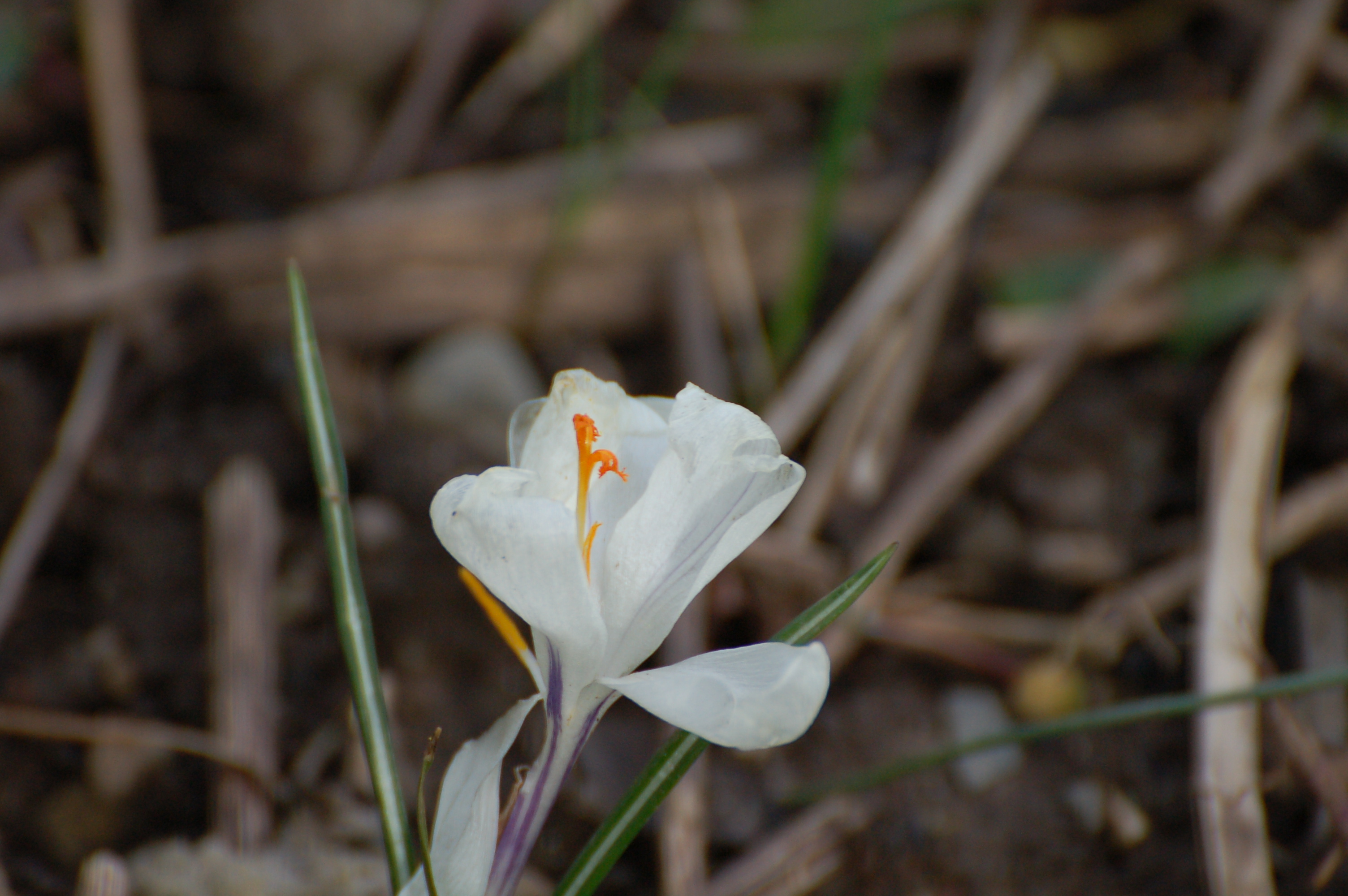
In almost every other part of the garden they open their sunny flowers whenever the slightest sunny ray catches them. We thought we would take a wander around the garden with camera in hand and see how many different crocus we now have in the garden. Enjoy the journey with us.

2014 03 06_6878 2014 03 06_6877  2014 03 06_6873 2014 03 06_6872 2014 03 06_6871 2014 03 06_6870 2014 03 06_6869 2014 03 06_6864 2014 03 06_6863 2014 03 06_6862 2014 03 06_6861 2014 03 06_6860 2014 03 06_6858 2014 03 06_6857 2014 03 06_6856 2014 03 06_6855 2014 03 06_6854 2014 03 06_6859

Categories
allotments community gardening garden buildings Winter Gardening

A day of destruction as a funnel hits our allotments

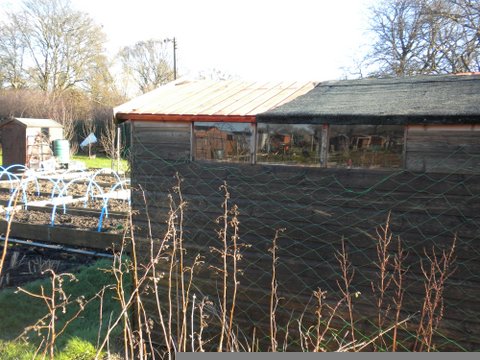
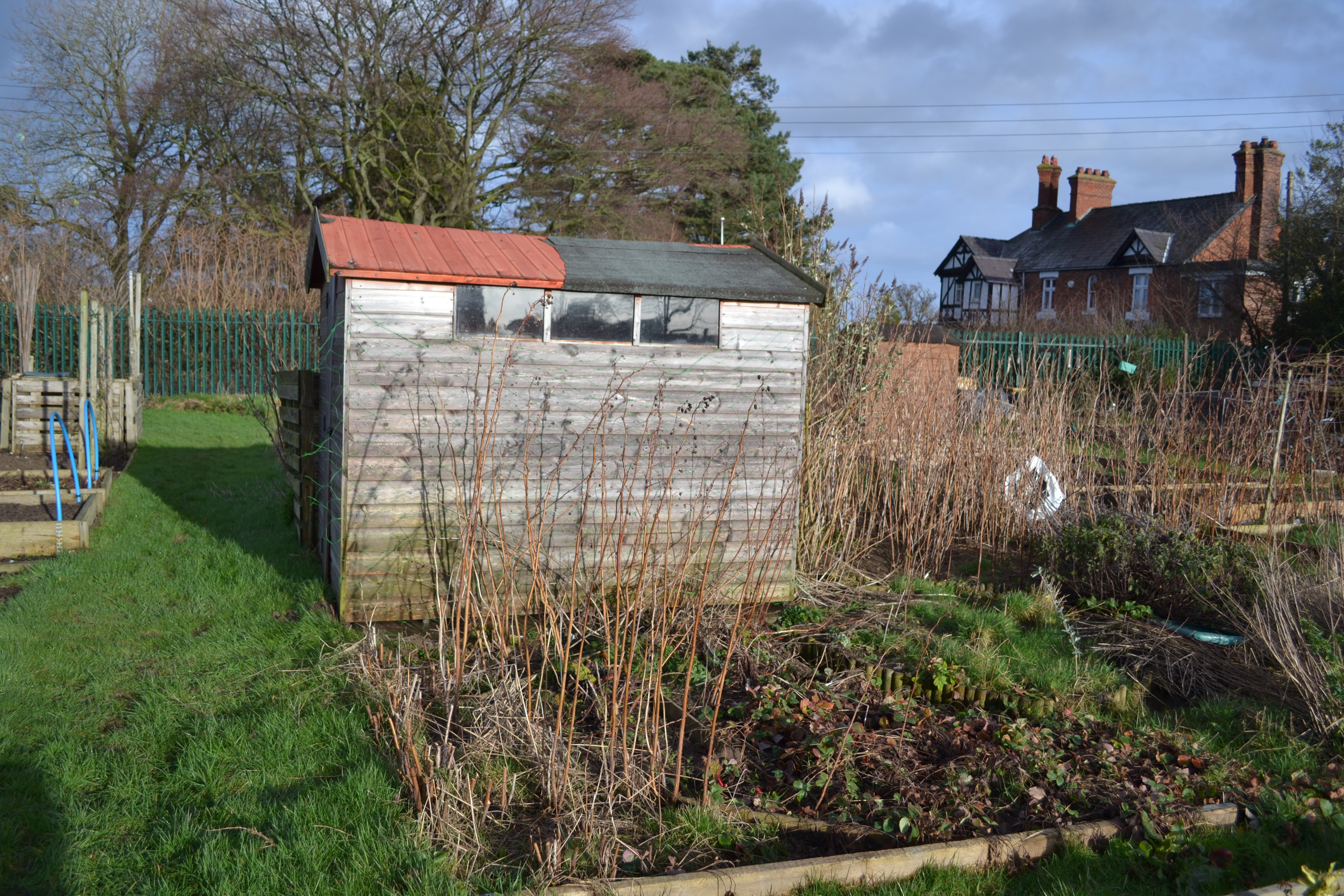
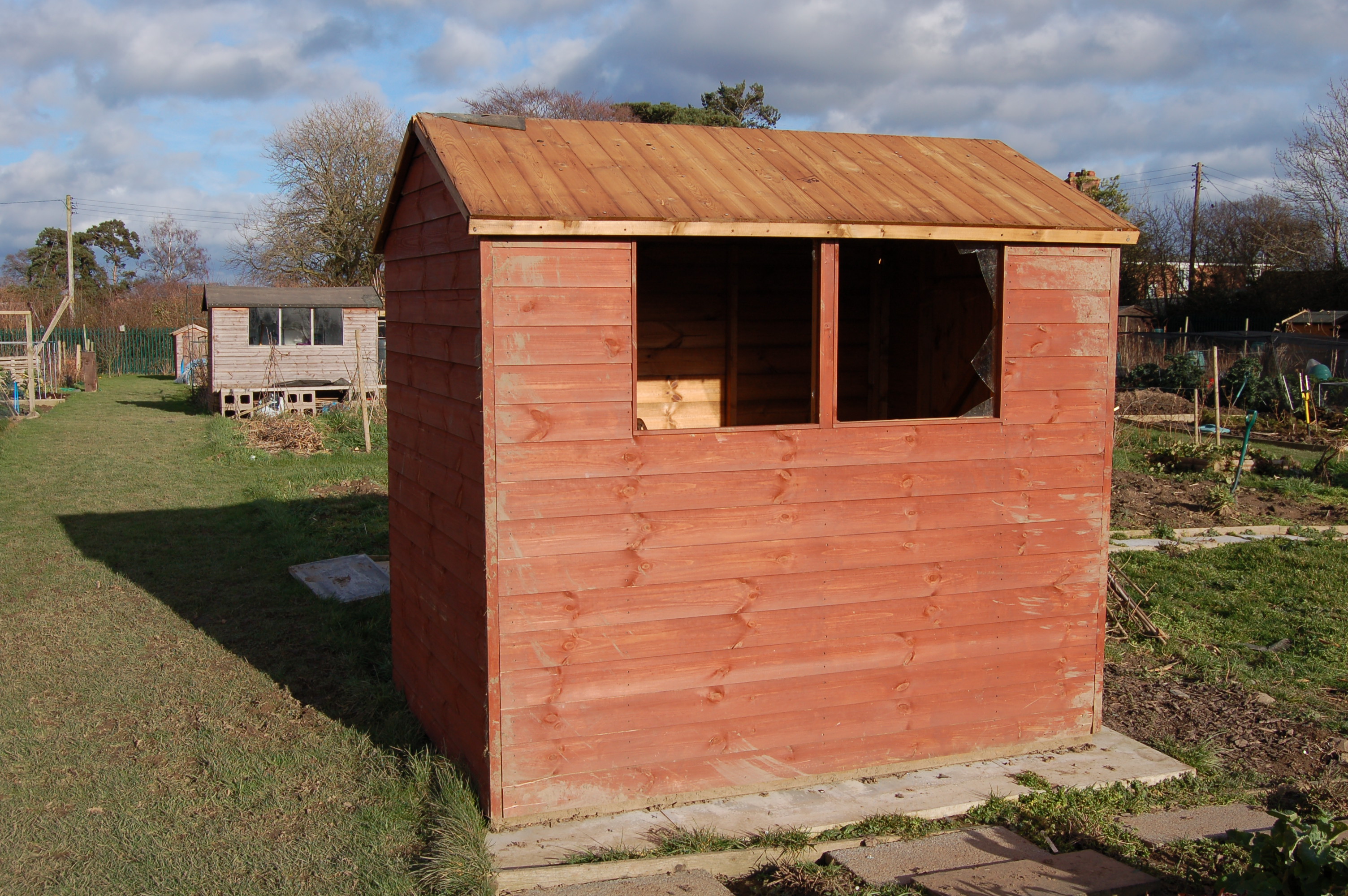
Last week a wild wind phenomenon hit our allotments and left a trail of destruction in its wake. A “funnel” tore its way across the plots and it flattened sheds in its path. It moved sheds from their bases. It took the roofs off others. Anything light was scattered about, compost bins, water butts and cold-frames.

In the first pair of pictures half of the felt from the shed roofs had been torn off typical of the minor damage to many sheds. Others like the one in the third photo had been blown from off its base and it collapsed in a heap, with the contents crushed inside. See if you can see which bit is which.

2014 02 20_6595 2014 02 20_6605

2014 02 20_6596

Others fell off their bases and landed on their sides remaining almost intact while others lost their roofs which took off like kites.

2014 02 20_6597 2014 02 20_6598

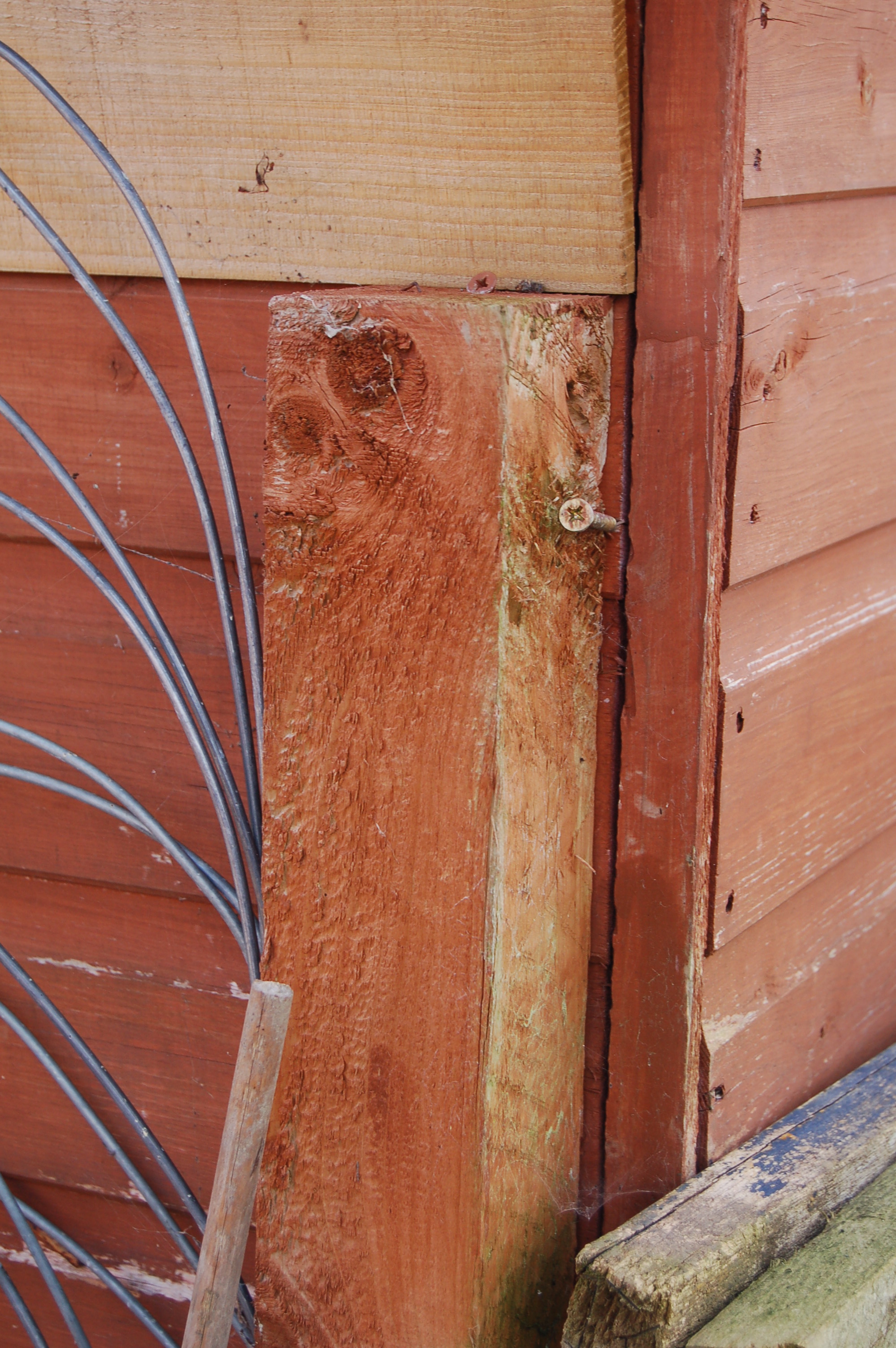
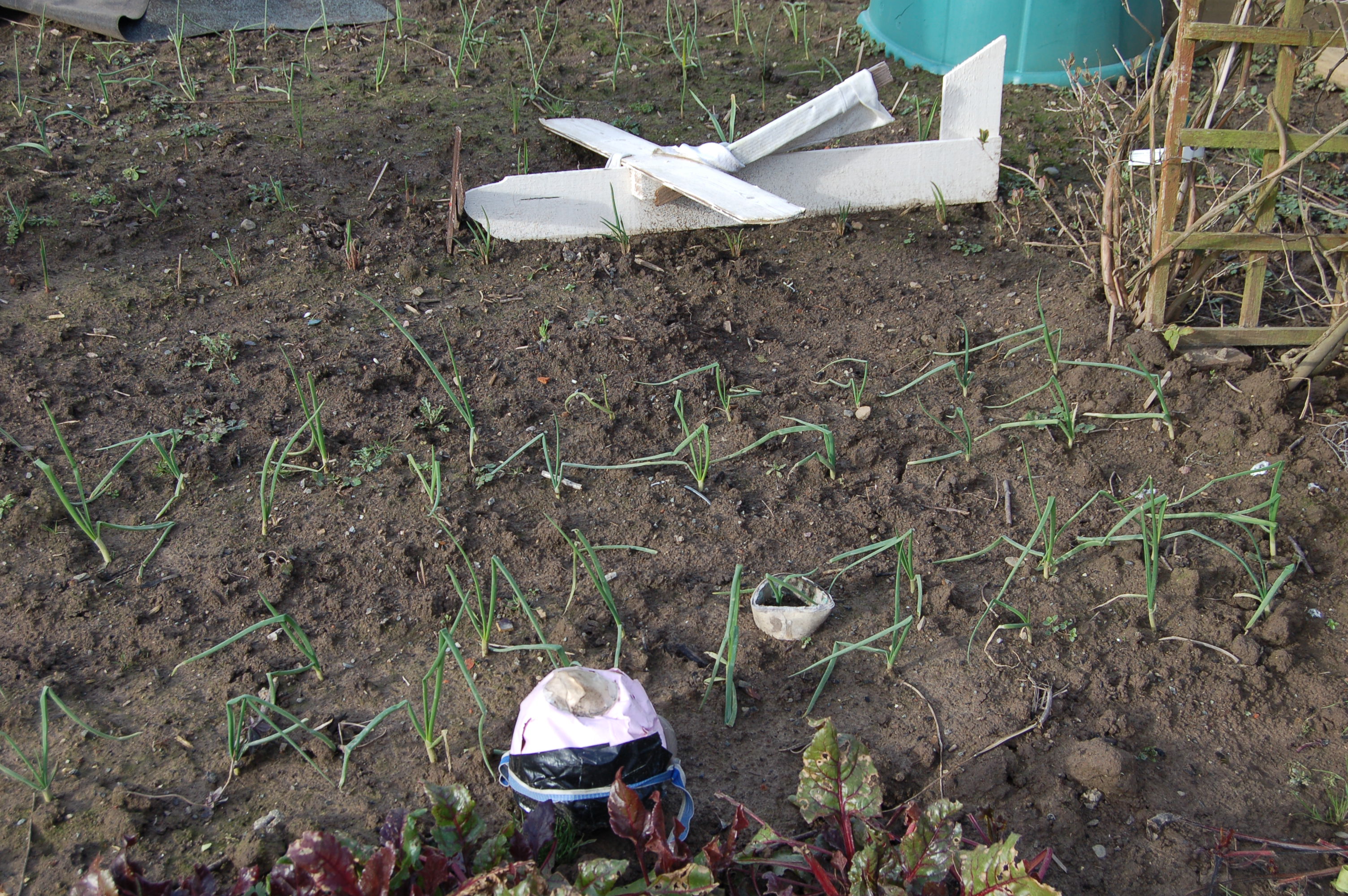
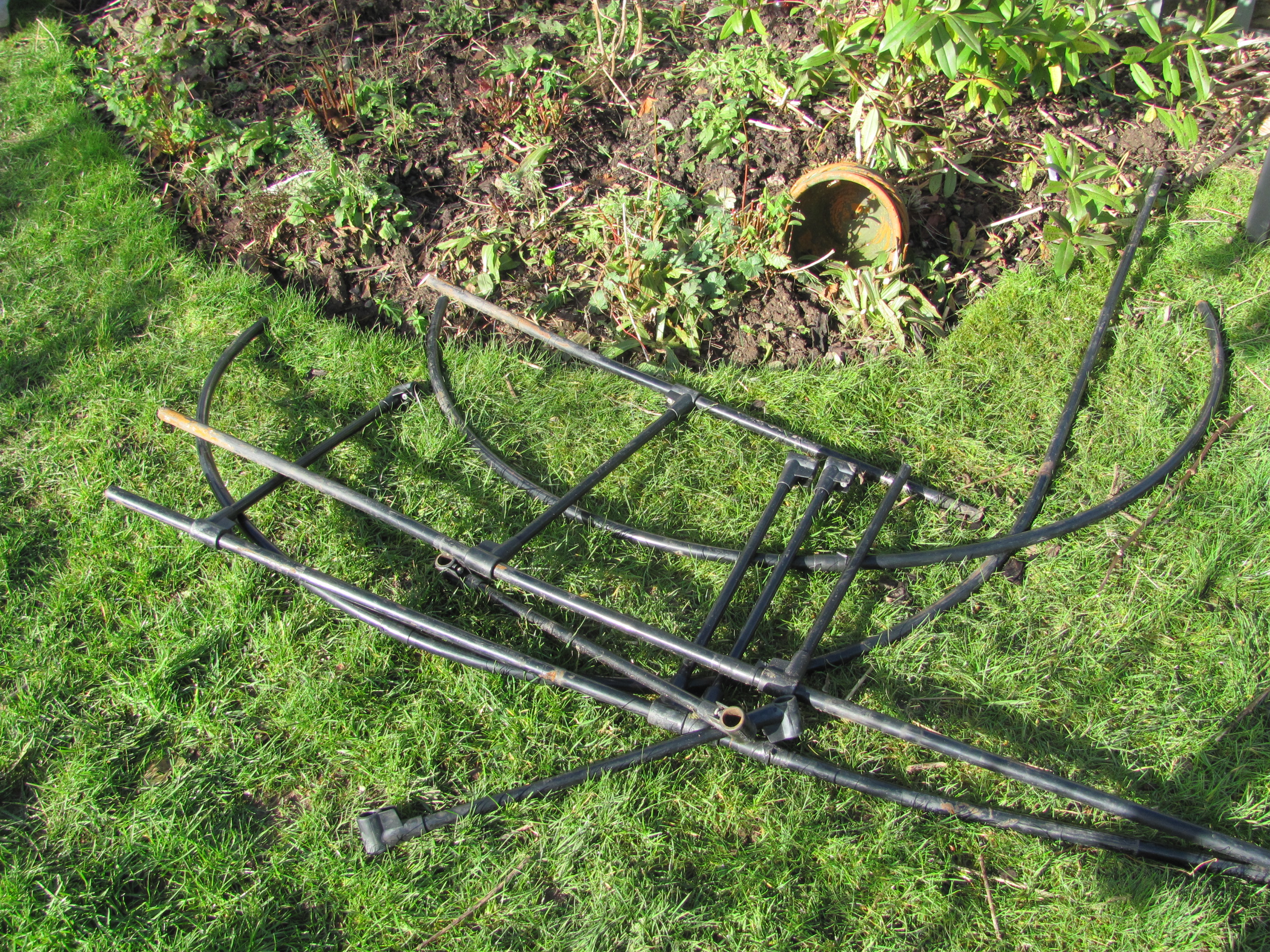
On our own plot there was little damage. We had an allotment years ago on another very windy site so we  were prepared like all good scouts and guides. We had sunk heavy fence posts at each corner of our shed and fixed the shed by screwing it firmly from the inside. (see photo below). Our tripods had crashed, our wooden planks awaiting transformation into a raised bed for strawberries were blown across the plot, our central metal gazebo was well bent and our flying scarecrow, Biggles, was blown from the top of it and we found his plane crash landed nearby but sadly Biggles and his head had parted company.

2014 02 21_6635 2014 02 20_6599

2014 02 21_6632

This devastation came in the middle of an ongoing problem with water-logging and floods, so it really felt as if the weather had got it in for us.

At home we did not get the funnel passing through but we had days of gale force winds roaring through the garden. It managed to lift our lovely Ceanothus right out of the ground roots and all! The tree ties had been broken and the tree stake had snapped a few inches from the ground. The last of our rose arches finally collapsed hurrying up our replacing them with wooden arches.

2014 02 20_6600 2014 02 18_6440

2014 02 18_6441

When Jude and I next went up the lotties a week after the great storm we were amazed to find everything had been put back to how things were before, most of the sheds were back on their bases, roofs repaired and those that had toppled over were upright again. The biggest surprise of all was to see the shed that had barrel-rolled down the path back on its base and looking pretty good considering. Without saying a word to Paul, the owner of the shed, some fellow allotmenteers had got together and moved it back for him. Just look how good it looks in the photo below. In the second photo if you look in the background to the right you can see Henry’s shed also back in place and roof repaired. This is why we call our site Bowbrook Allotment Community with the emphasis on community.

2014 02 21_6666 2014 02 21_6634

The storm hit mostly during the night and then had abated by mid-morning. In the afternoon two members emailed me with photos and details of the plots that had received damage. This meant that I could contact the individuals concerned and let them know the sad news. One couple went round the sight with a smart phone and as they found a plot that had sustained some damage they sent me a photo with details and plot number.They even made some damaged sheds safe and did temporary repairs. This sort of helping each other is what makes life easy for me as Chairman. I felt proud to be involved!

Most of the photos in this post are from members of Bowbrook Allotment Community.

Categories
climbing plants garden design gardening herbs recycling roses

Hide that ugly pipe!

Sometimes the simplest solutions are the best. Recently we saw on a television gardening programme some covers to fix over drain pipes so that you can plant climbing plants to hide the ugly plastic pipe.

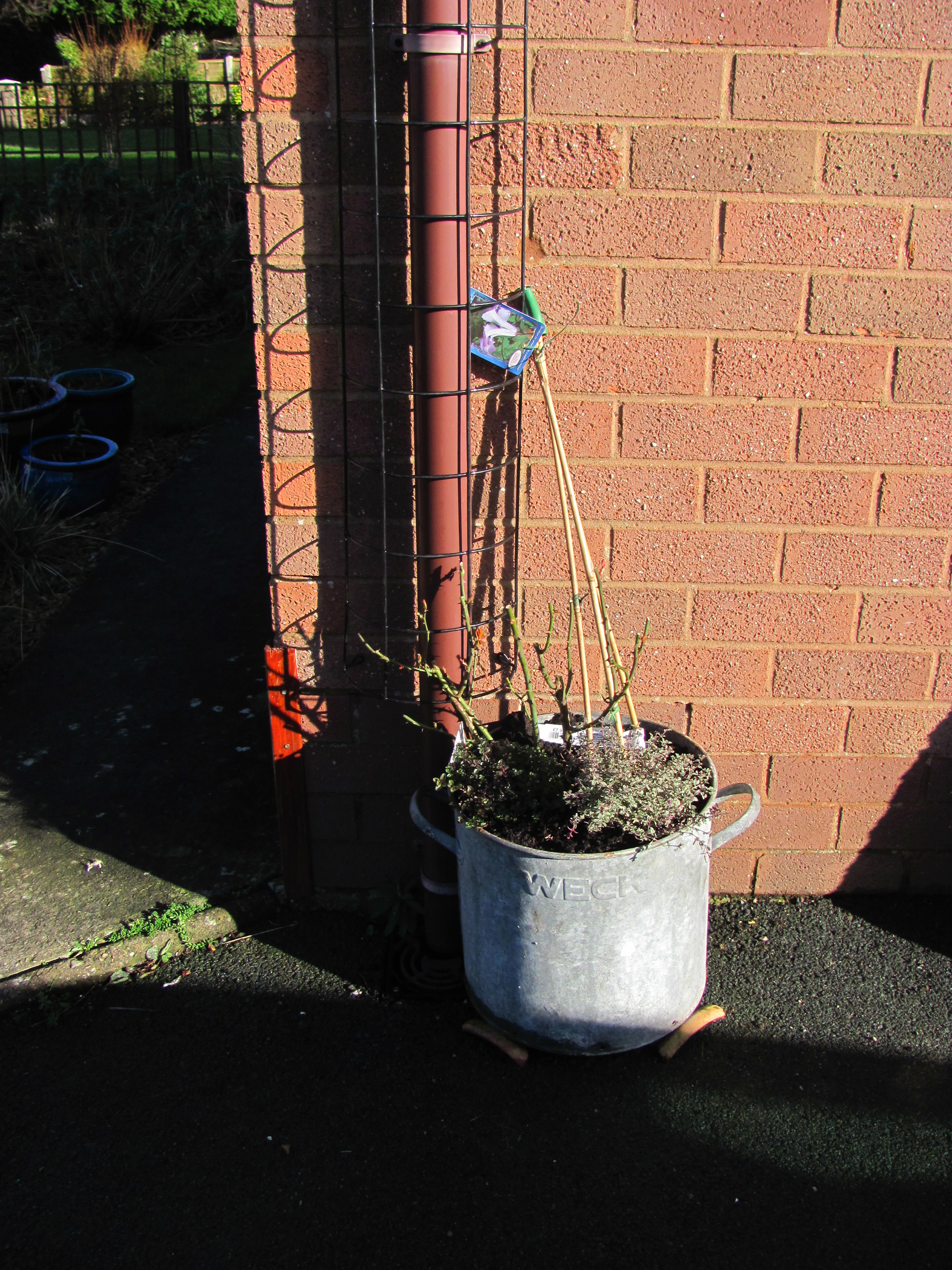
So we sent for a pair and then went off to the Antique Centre at nearby Church Stretton in search of an interesting galvanised container suitable for growing some climbing plants in. Success! We found an old cannister hidden in a pile of miscellaneous objects from an old bakers shop. Baking tins, a till, the manager’s desk, enamel signs, and a miscellany of galvanised containers!

2014 02 07_6411 2014 02 07_6412

We were so pleased with ourselves that we treated ourselves to a coffee at a great coffee house across the road, Ginger Green. They make excellent coffee and an amazing array of cakes! As you see from the pics below they pride themselves in the look of the coffee too! 10 out of 10 for presentation.

2014 02 07_6425 2014 02 07_6426   2014 02 07_6427

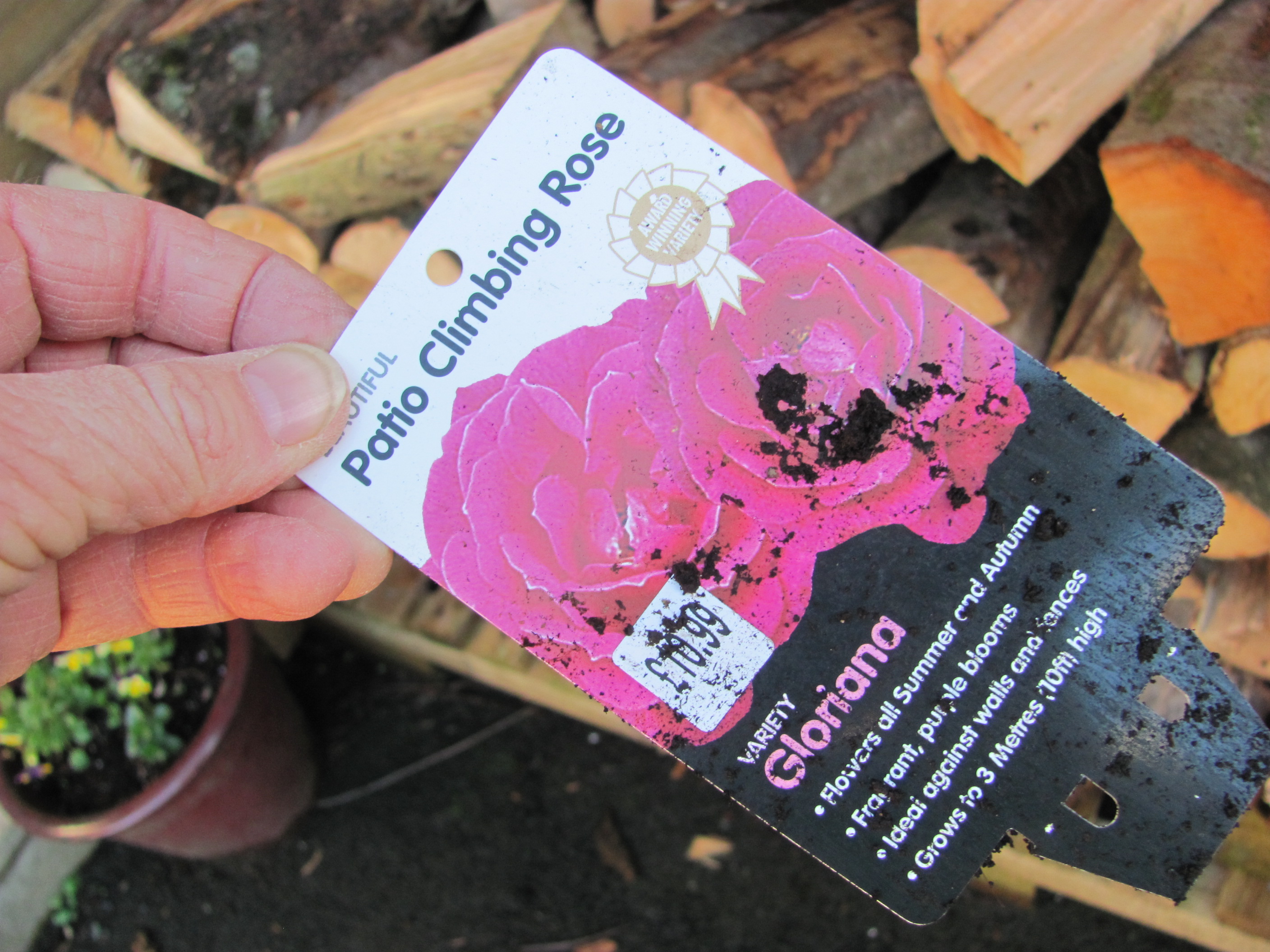
When the climbing frames arrived we fixed them up, put the galvanised cannister in place and drove off to the Derwen Garden Centre near to Welshpool. We came away with a clematis, a climbing patio rose and two thymes perfect for planting up our new planter which waited patiently at home. We were also tempted to a Calyanthus a flowering shrub we had been seeking for a long while.

2014 02 07_6413 2014 02 07_64142014 02 07_6415

We must now sit back and wait for the summer when we shall find out if our planting works and if the plants will climb the frames and hide the ugly pipe.

Categories
garden photography gardens open to the public photography trees

The Survivor – Take One Tree

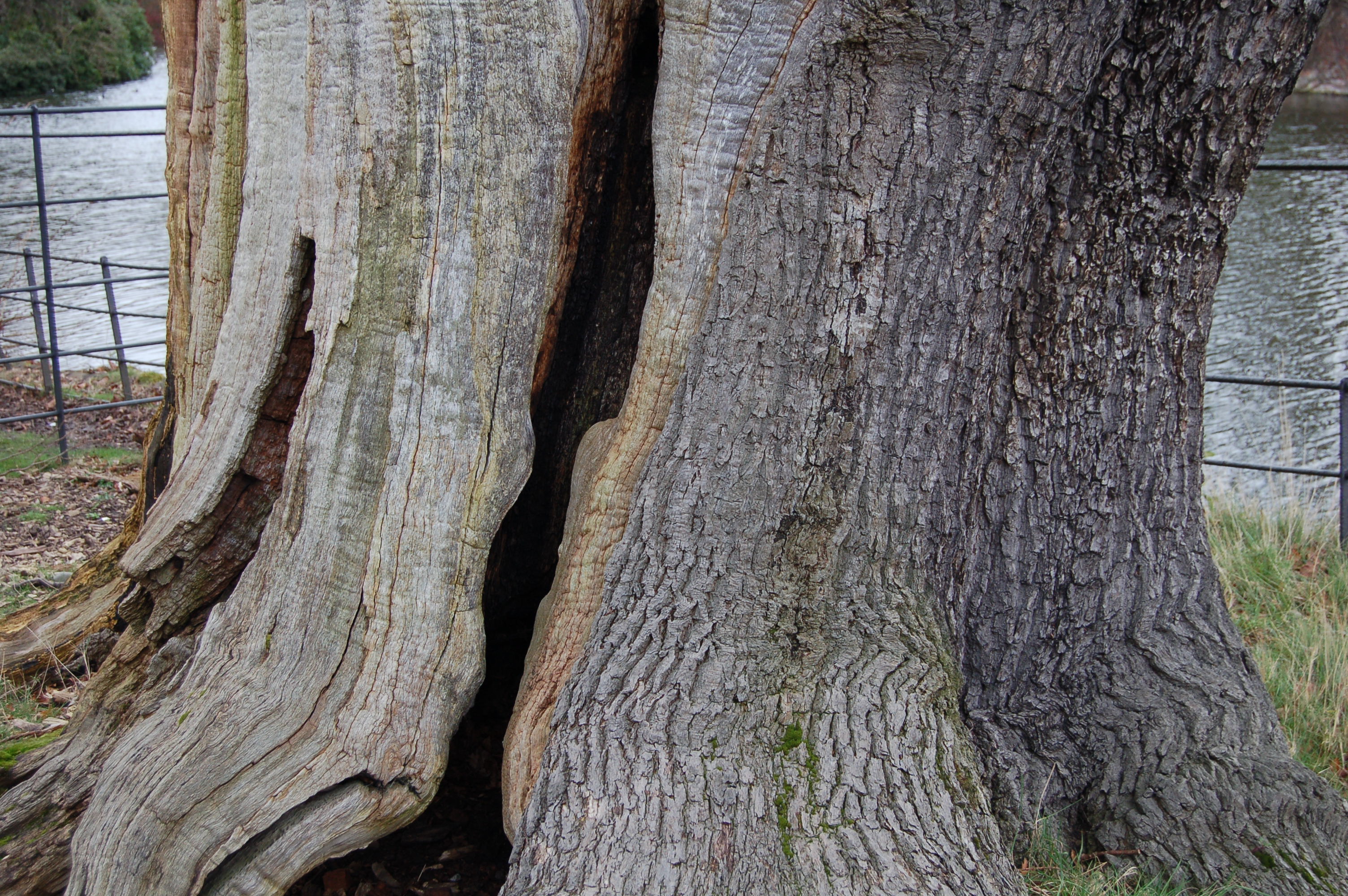
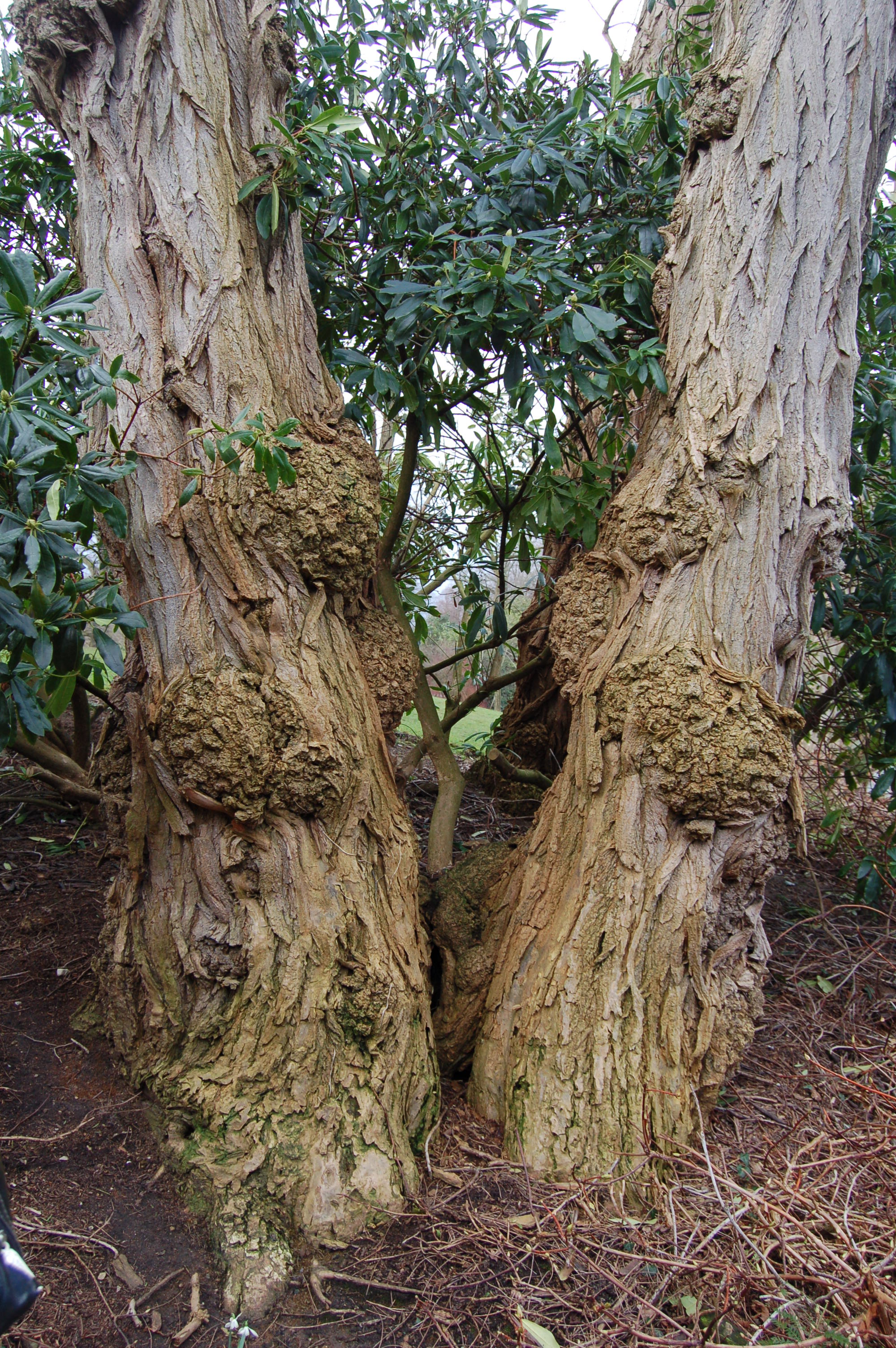
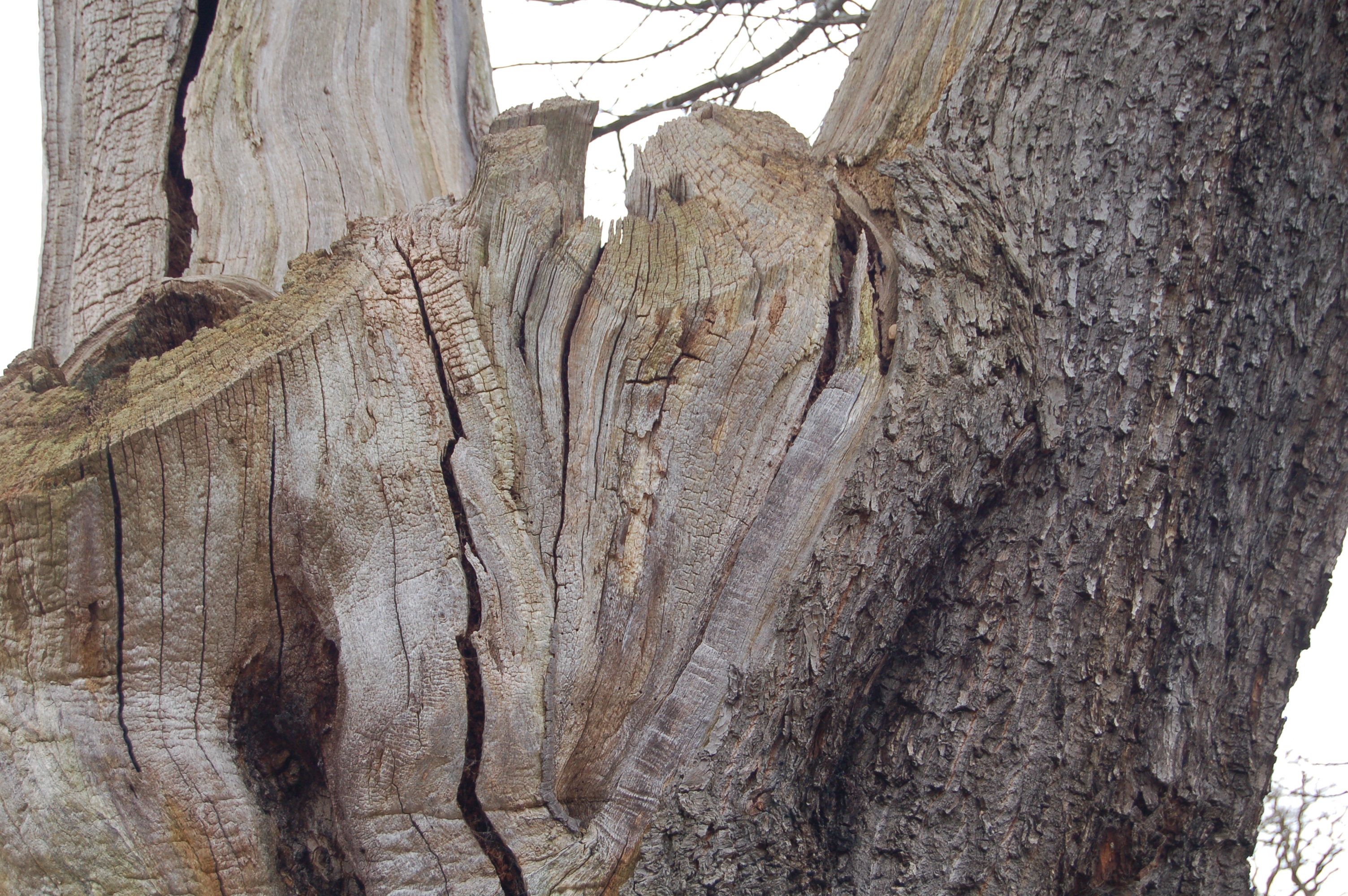
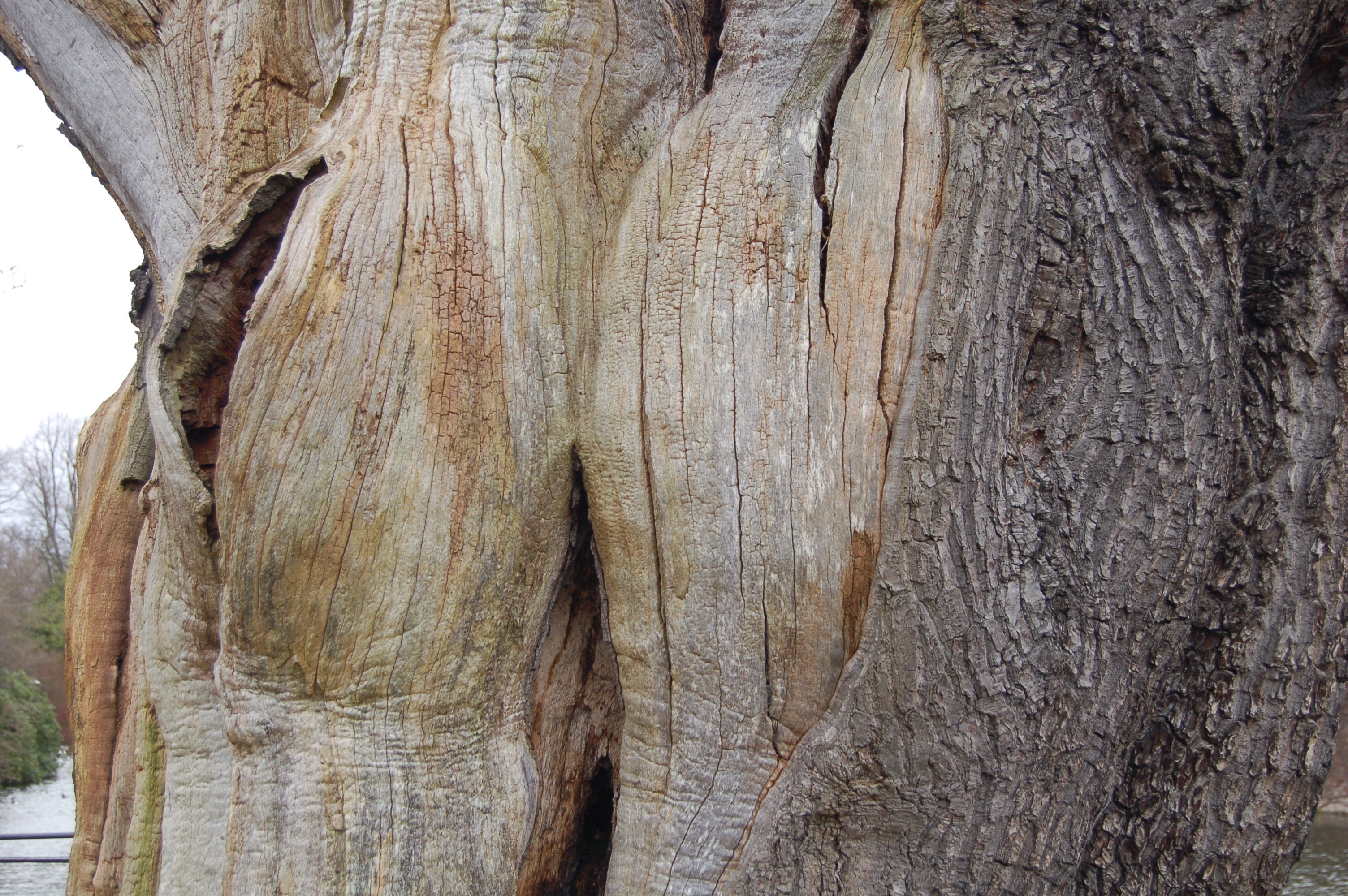
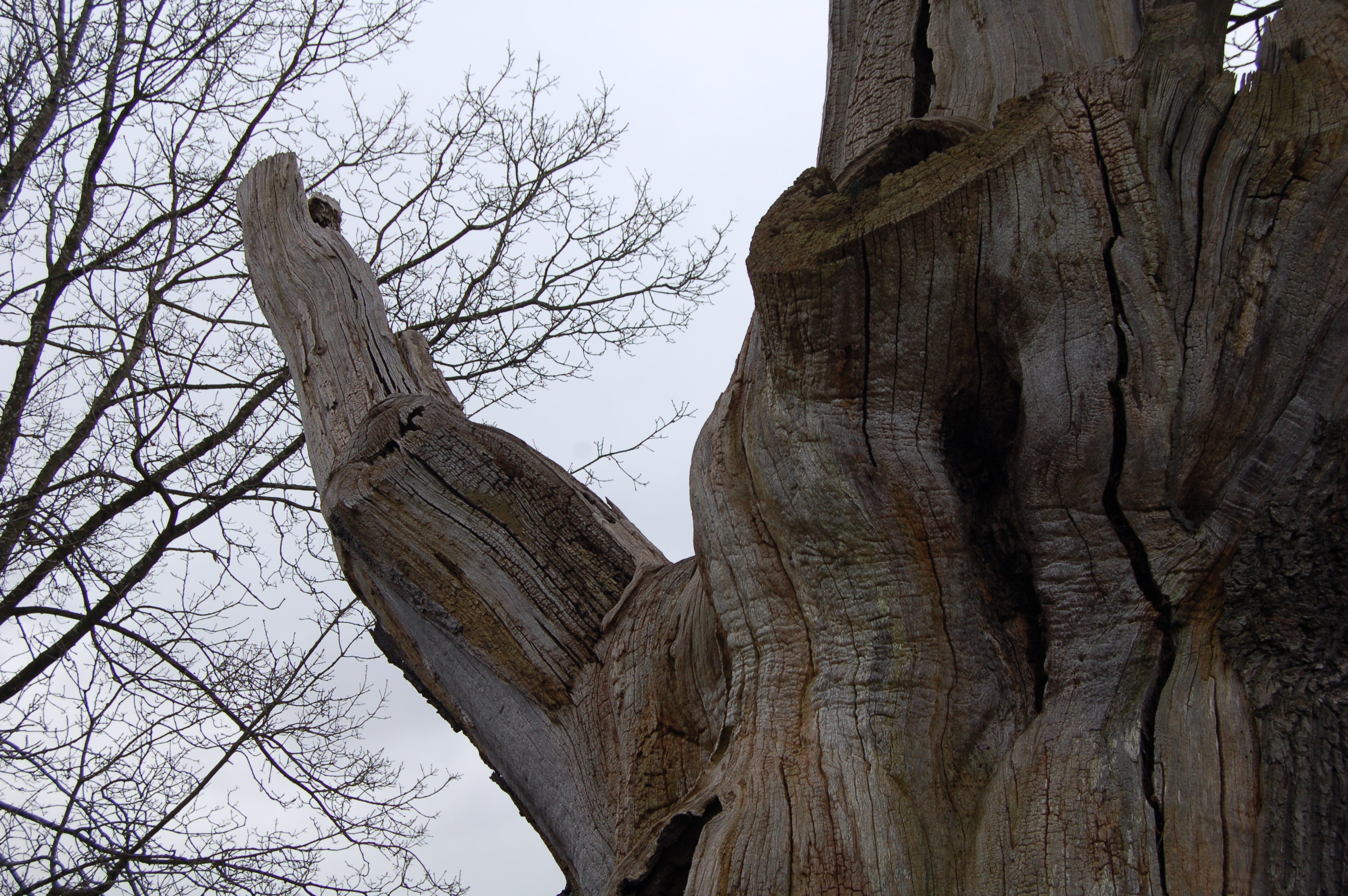
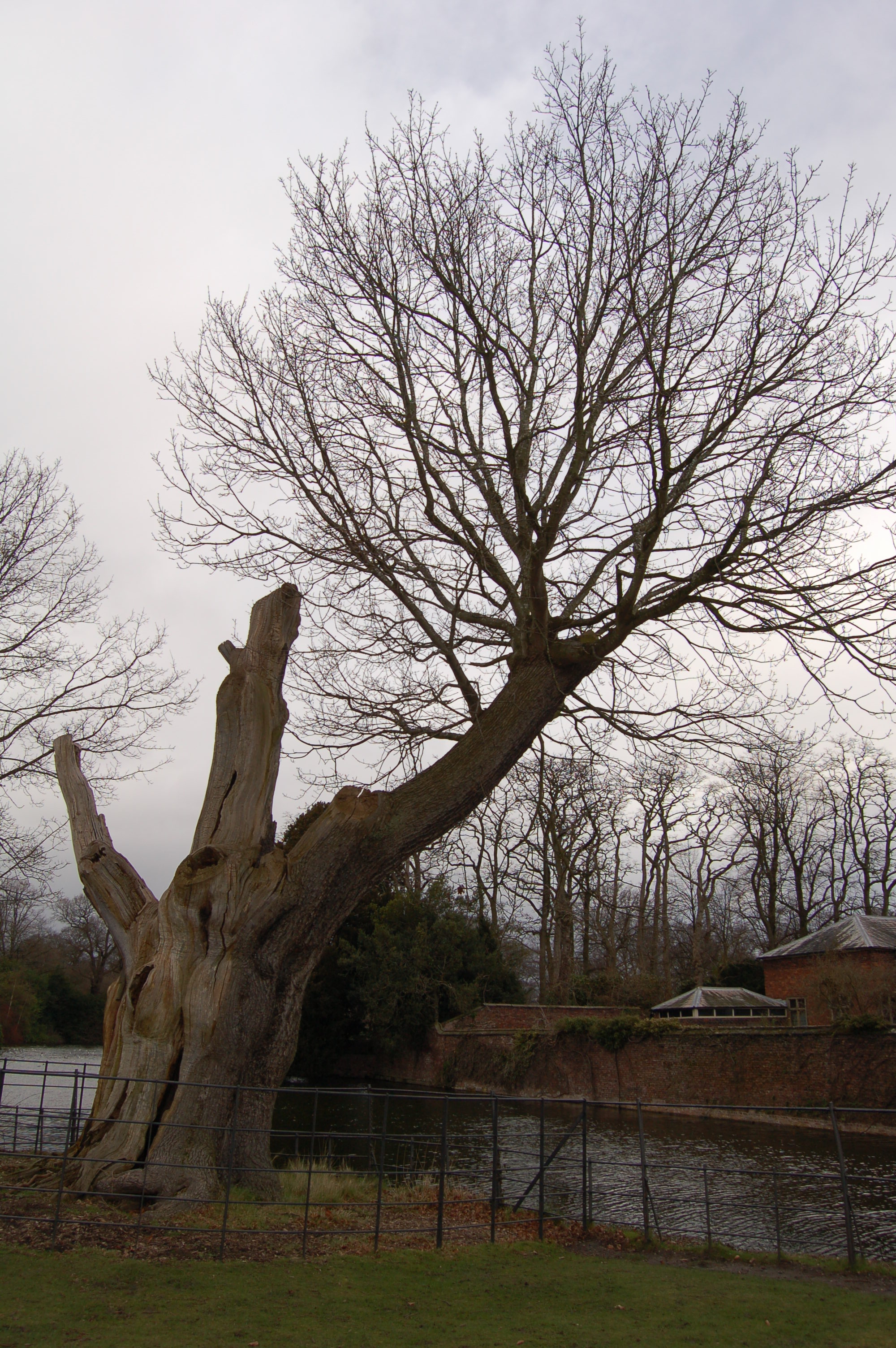
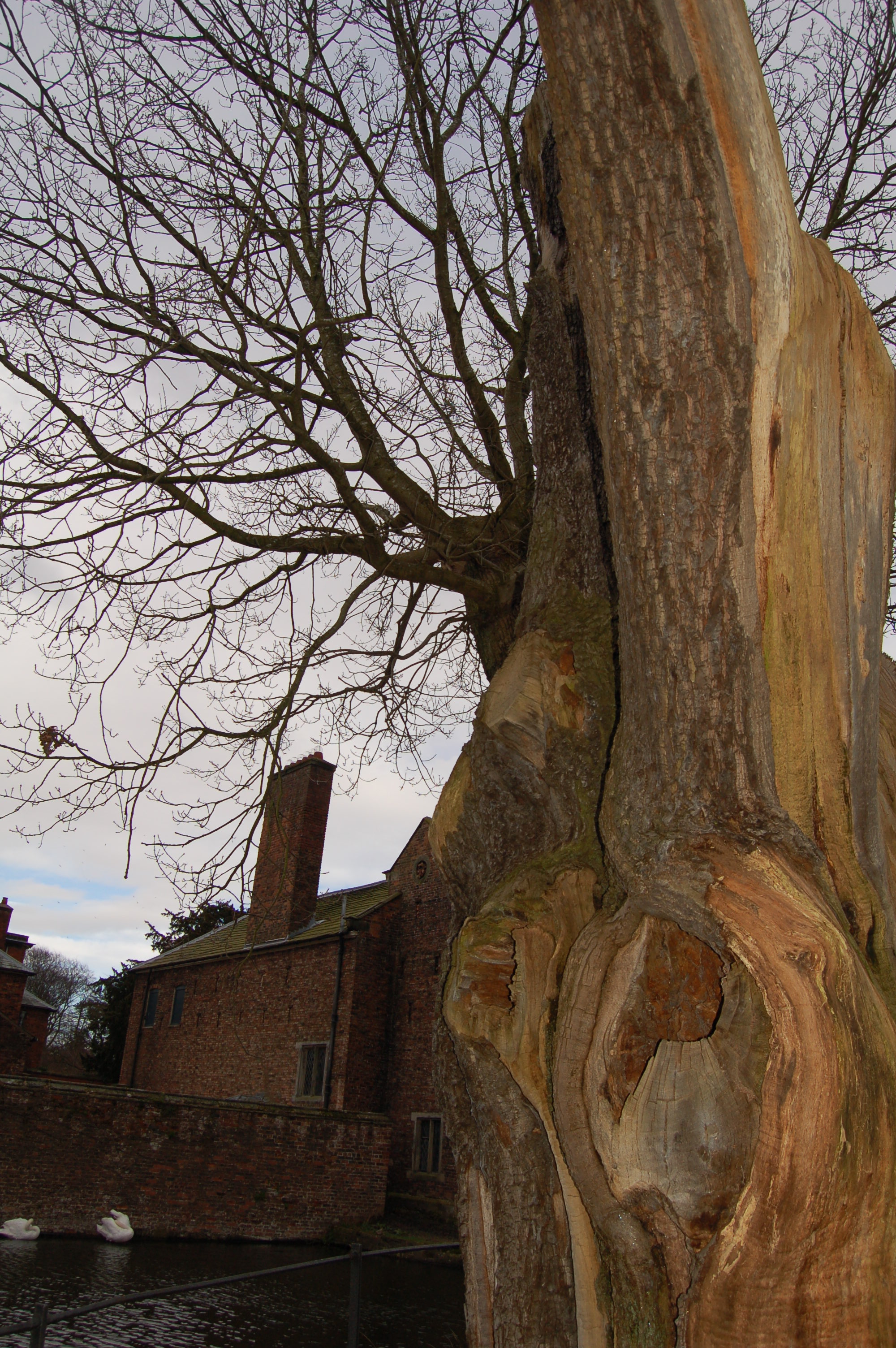
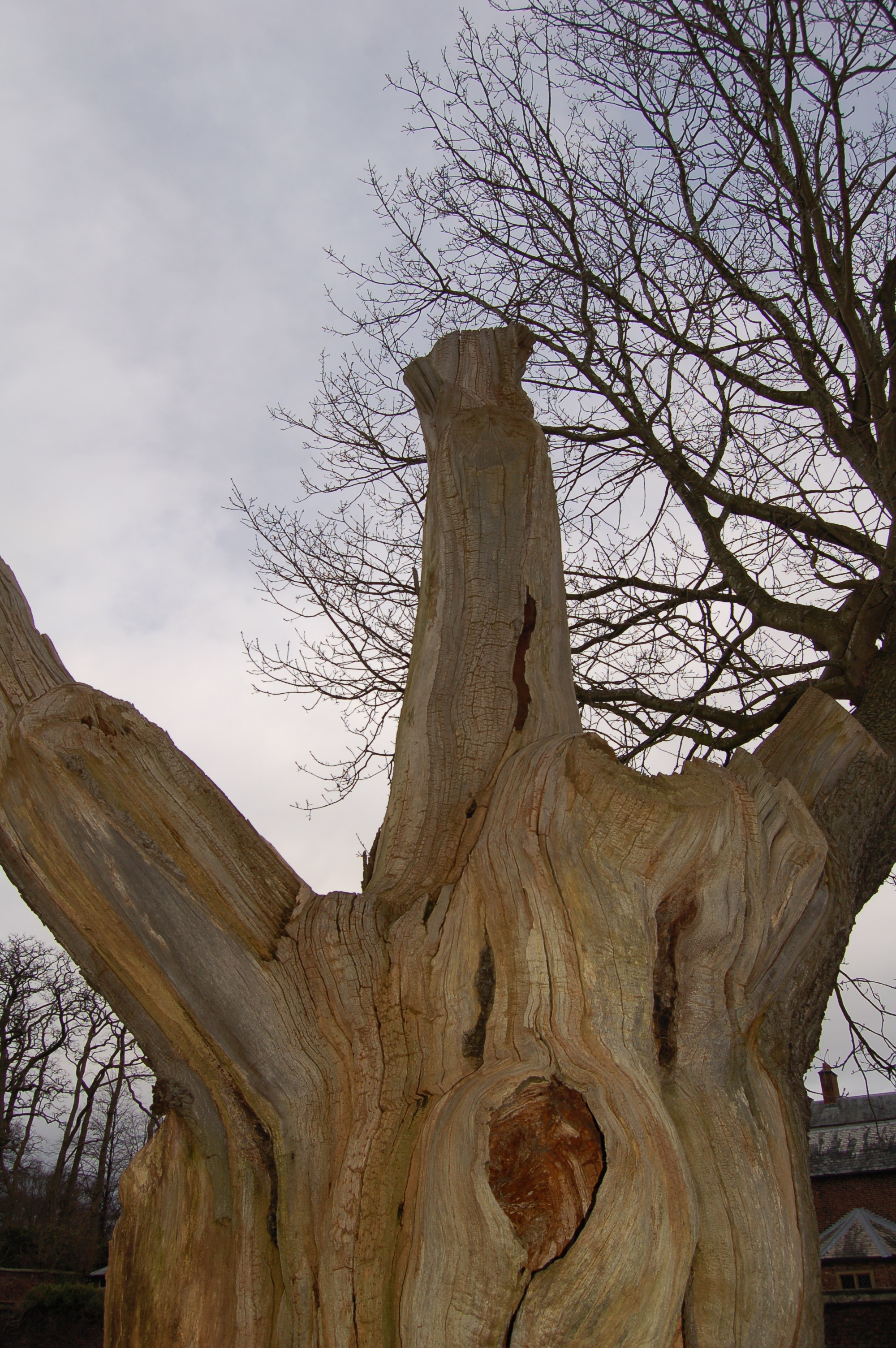
Whilst on a garden visit recently to the National Trust’s Dunham Massey, we came across an ancient tree just about hanging on to life. There was very little left of the main trunk and what was left was hollow and had lost its bark.

2014 02 25_6747  2014 02 25_6741 2014 02 25_6750  2014 02 25_6749  2014 02 25_6751 2014 02 25_6754   2014 02 25_6748

One branch had found enough life there to grow out from one side and produced  healthy looking growth. It gave the impression of  a young tree growing on top of the remains of a dead one.

2014 02 25_6746 2014 02 25_6753 2014 02 25_6752

I tried a few of the pics in black and white  to emphasise the textures.

t2014 02 25_6749_edited-1 2014 02 25_6751_edited-1 2014 02 25_6750_edited-1

Categories
garden photography gardening gardens open to the public grasses hardy perennials light light quality ornamental grasses ornamental trees and shrubs roses Winter Gardening winter gardens

A Garden in February – Trentham

As promised we made our promised return to the gardens at Trentham, near Newcastle-under-Lyme in Staffordshire, right on the edge of The Potteries.

The day promised good weather which would make a welcome change. On our last few visits to this garden we had been subjected to rain and often cold winds. For our February exploration the sky was blue and the car’s dashboard read out told us the temperature was 9 degrees. The aim of this return visit and indeed all the following monthly ones was to see how the garden had progressed, how things had changed, which plants were looking good and which ones were the stars.

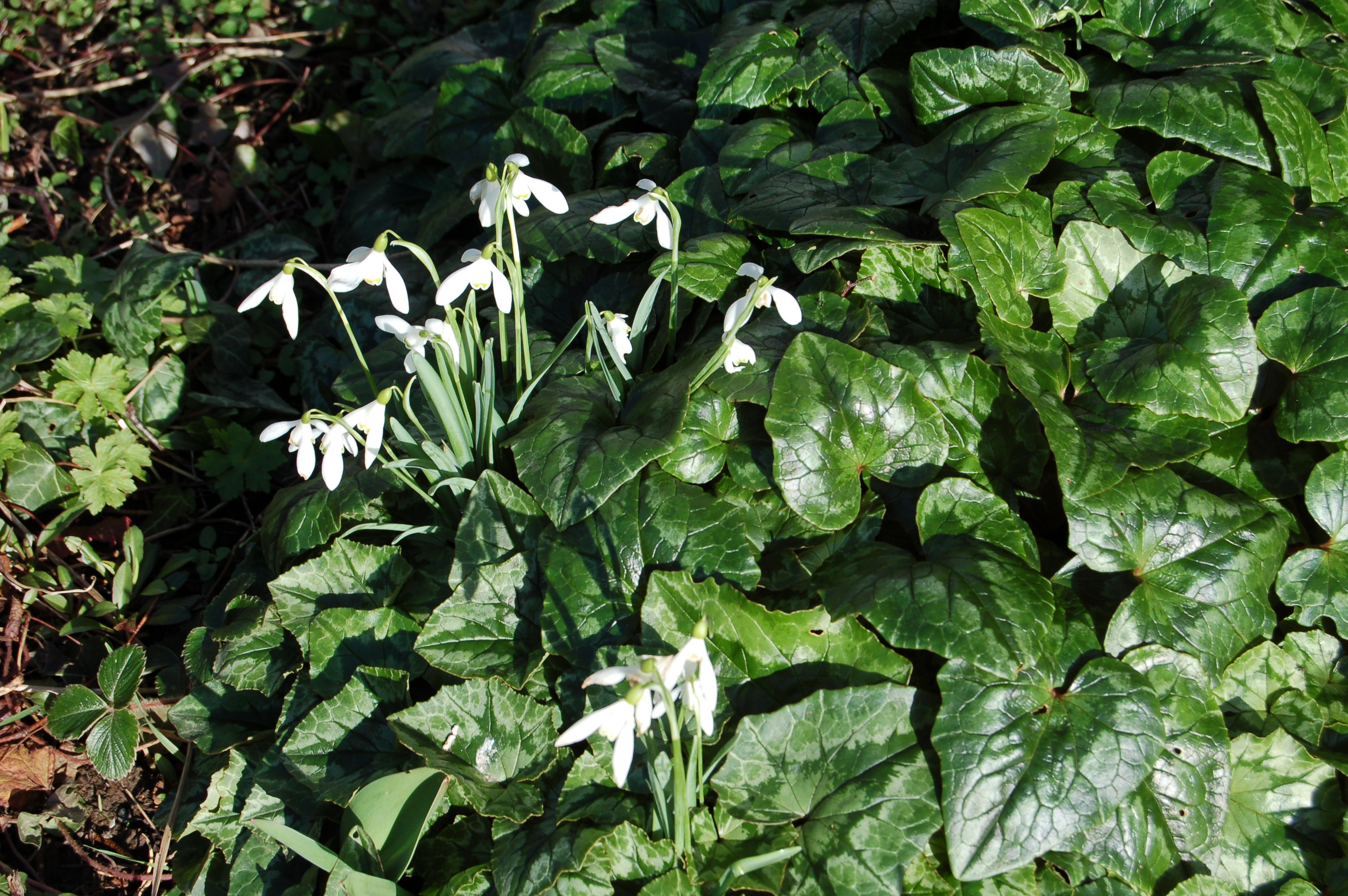
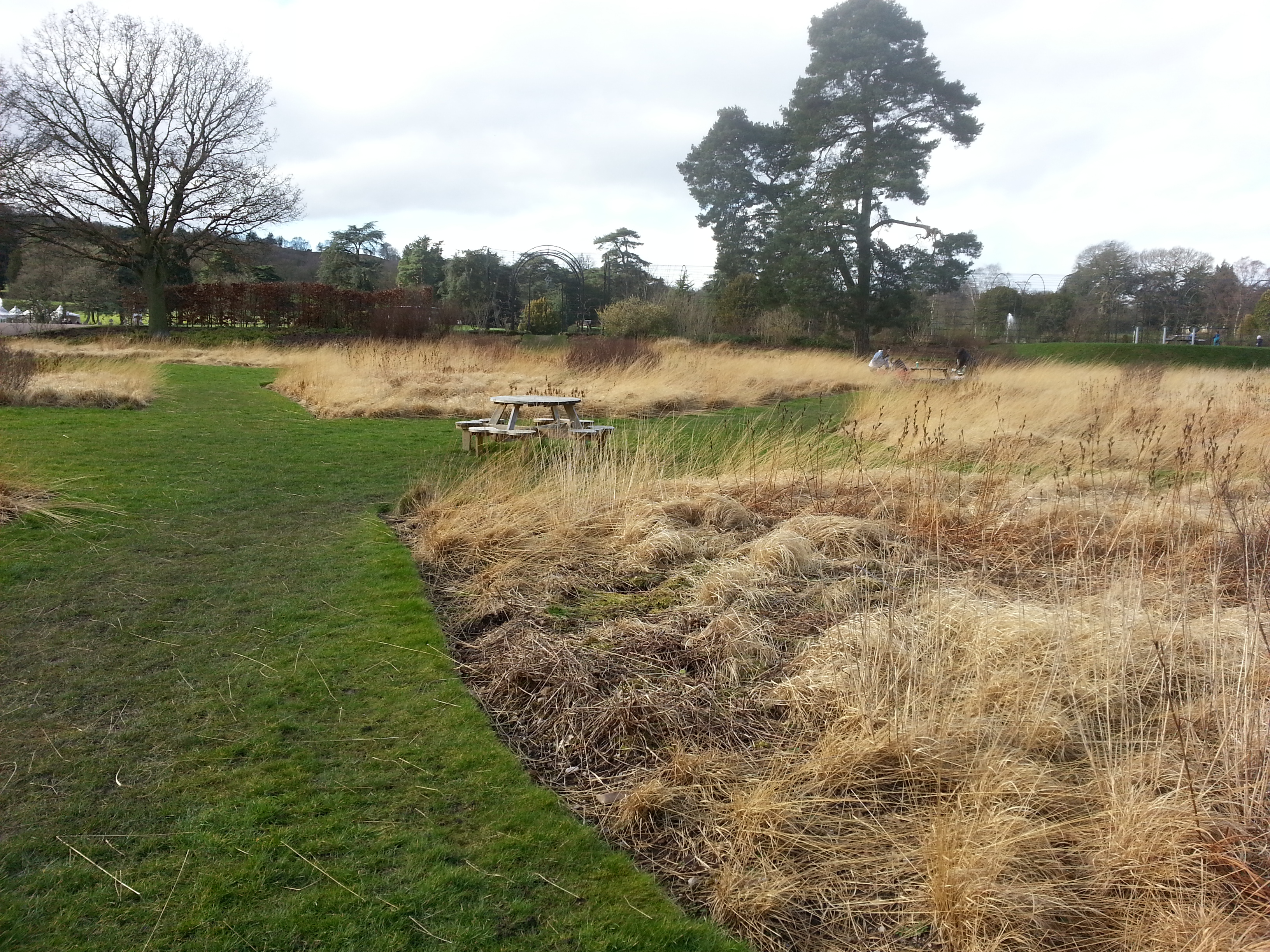
As we passed over the gentle arch of the suspension bridge we could see the “River of Grasses” with the golden stubble of the grasses which had been trimmed down low. In contrast the close mown grass areas along the riverside were bright green decorated with strips of sparkling white snowdrops. I realise the life buoy is a safety requirement and realise it has to be red so that it is easily spotted in an emergency but it is really distracting!

2014 02 20_6498 2014 02 20_6497 2014 02 20_6496

As always the gently curving line of River Birches looked wonderful, with the bark peeling more than when we saw them in January. I liked the meandering line where the dried grass area joins the deep green foliage of the evergreen Euphorbia robbiae with pale green highlights created by their flowering bracts.

2014 02 20_6500

Once beyond the birches the perennial borders designed by Piet Oudolf looked very flat having been trimmed tight to the ground. This was in strong contrast to all the interesting seedheads and stems that decorated it in January. But with the clear view over the area we did spot this lovely wooden seat which we had totally missed in January. The bright green new growth of the Hemerocallis has progressed well since our January visit.

2014 02 20_6501 2014 02 20_6503

2014 02 20_6509 2014 02 20_6502

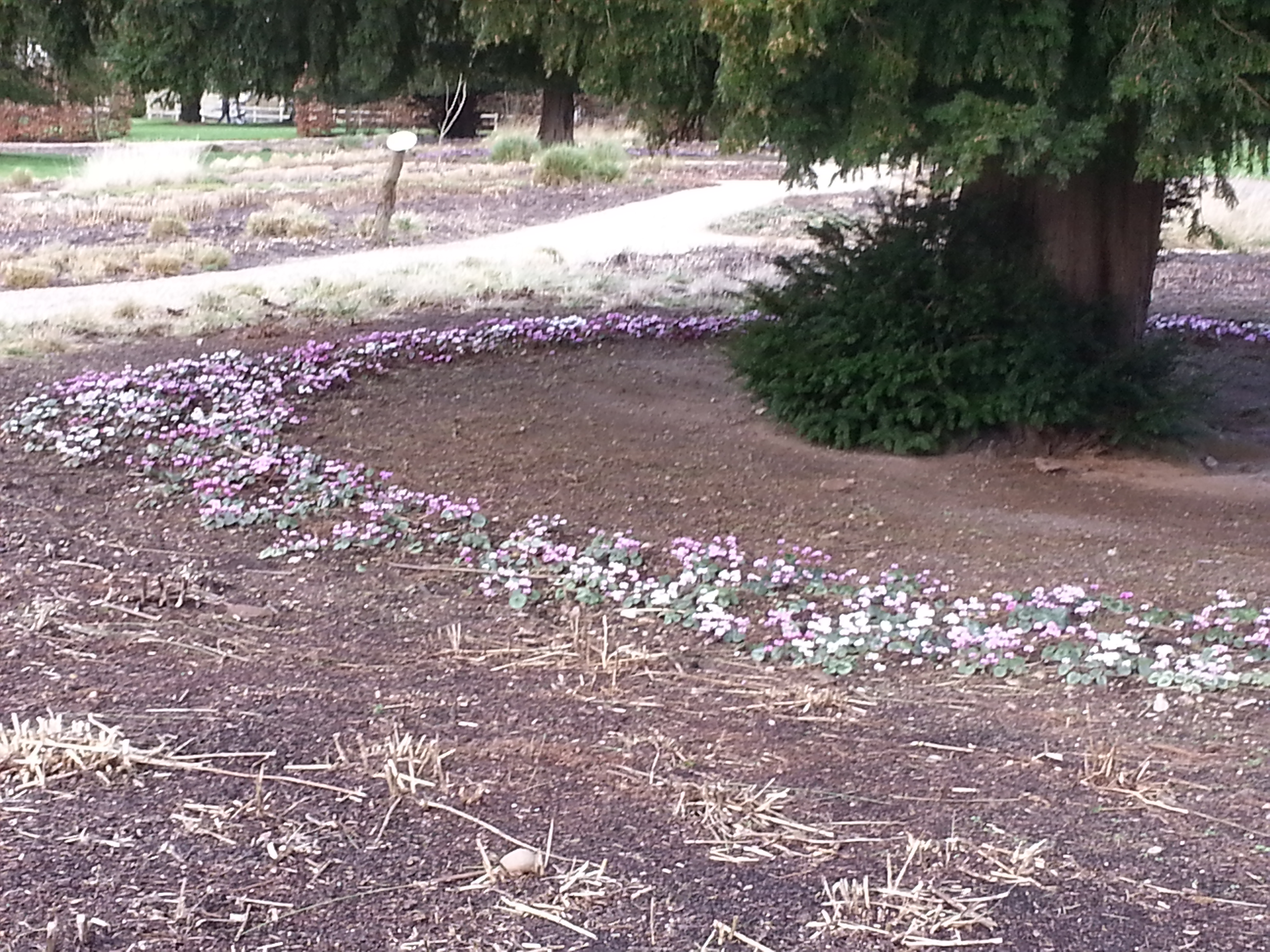
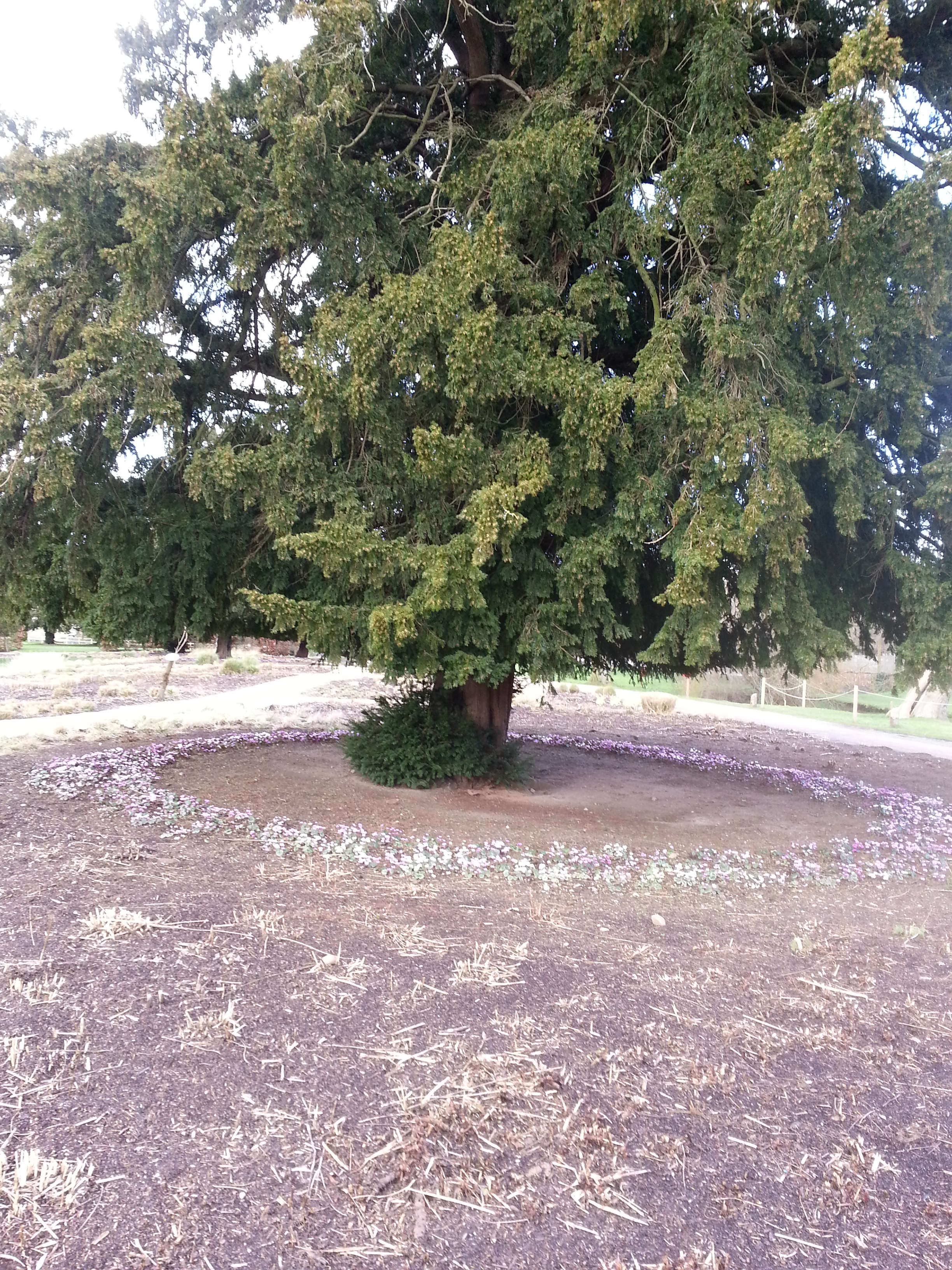
We enjoyed seeing that the rings of cyclamen were still flowering away happily beneath the Yews. They looked good in the sunshine, their colours seeming richer.

2014 02 20_6508   2014 02 20_6506 2014 02 20_6505 2014 02 20_6504

There was little change to be seen at the Hornbeam arbor but we did notice a few white sparkling Snowdrops around the base of their trunks. The trimmed box alongside is most noticeable at this time of year when such green sculptures become one of the stars of the garden. Some other stars of the Trentham gardens on this visit waited for us close by -Hellobores and Cyclamen in full colourful bloom. The Hellebores impressed with more than the colour range however, for they had really proud upright habit. They lit up the shade beneath an allee of Hornbeam.

2014 02 20_6510 2014 02 20_6520 2014 02 20_6515 2014 02 20_6516 2014 02 20_6513 2014 02 20_6517 2014 02 20_6518 2014 02 20_6519 2014 02 20_6521

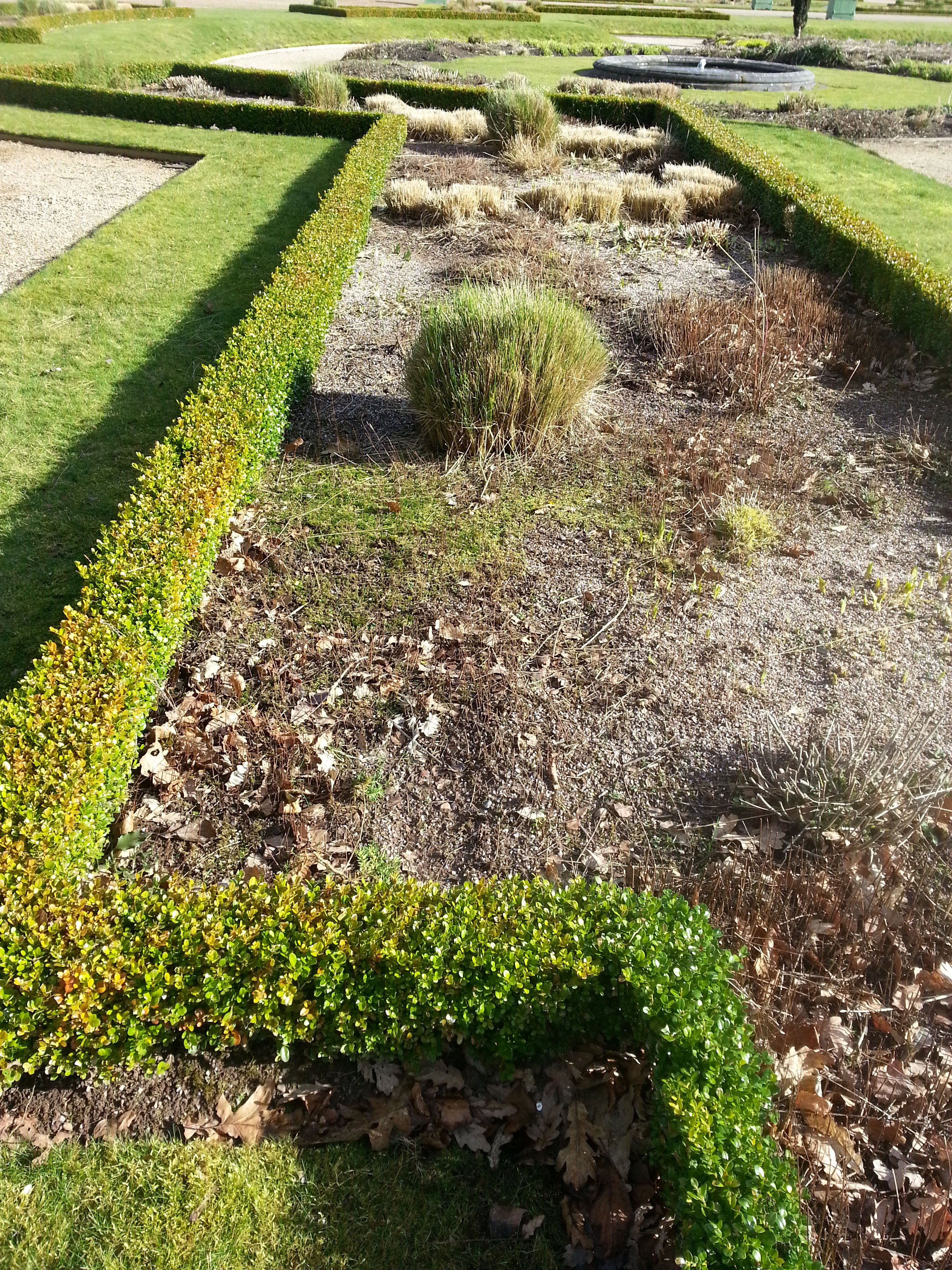
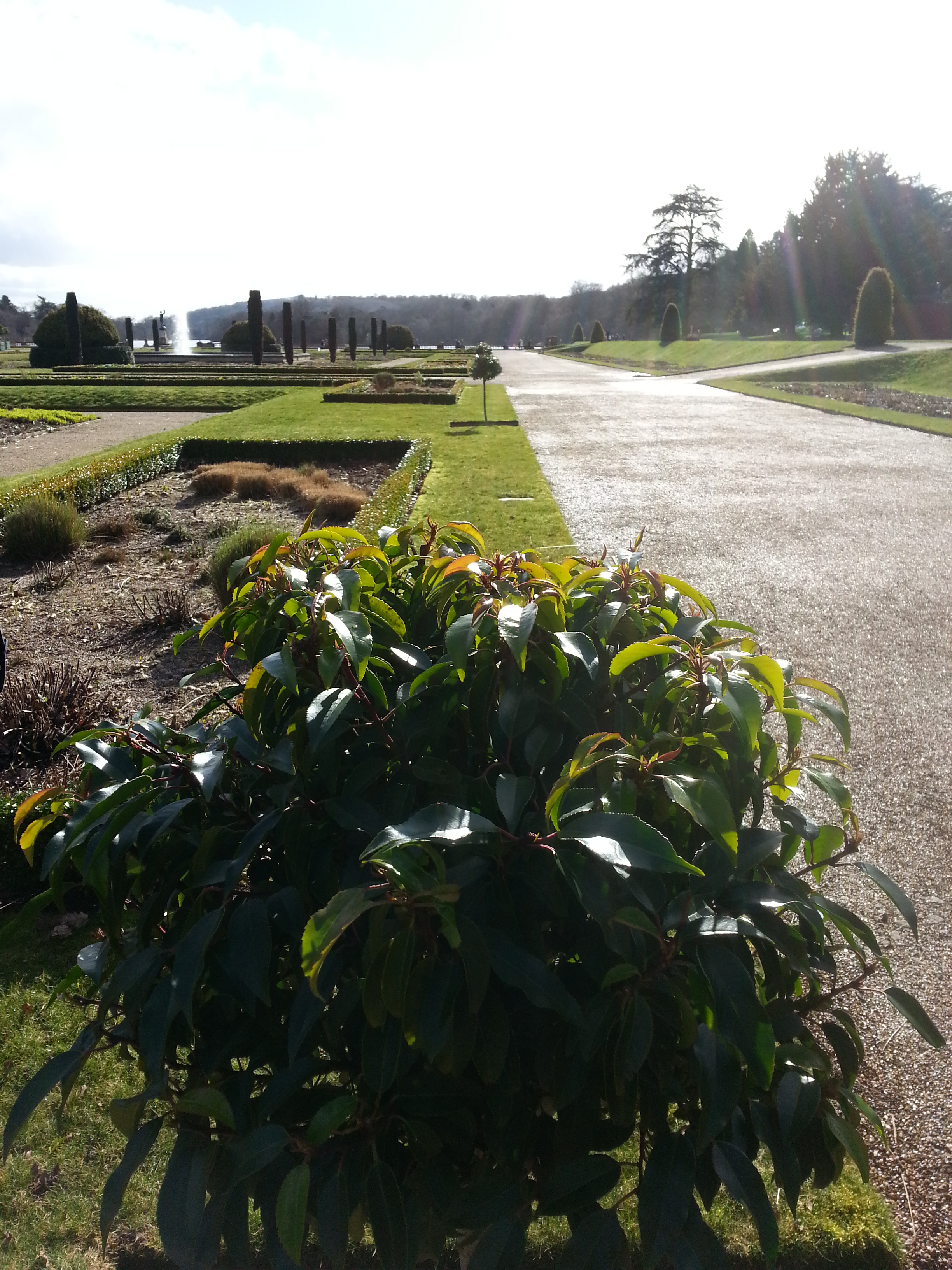
Leaving the Hornbeam allee we entered the old Italian Garden, with its rigidly symmetrical patterns of short cut grass, white chipping and smartly trimmed box edging. The low winter light emphasised this structure. It is not our favourite part of the garden but we always admire the skill taken to keep it looking so neat.

2014 02 20_6522

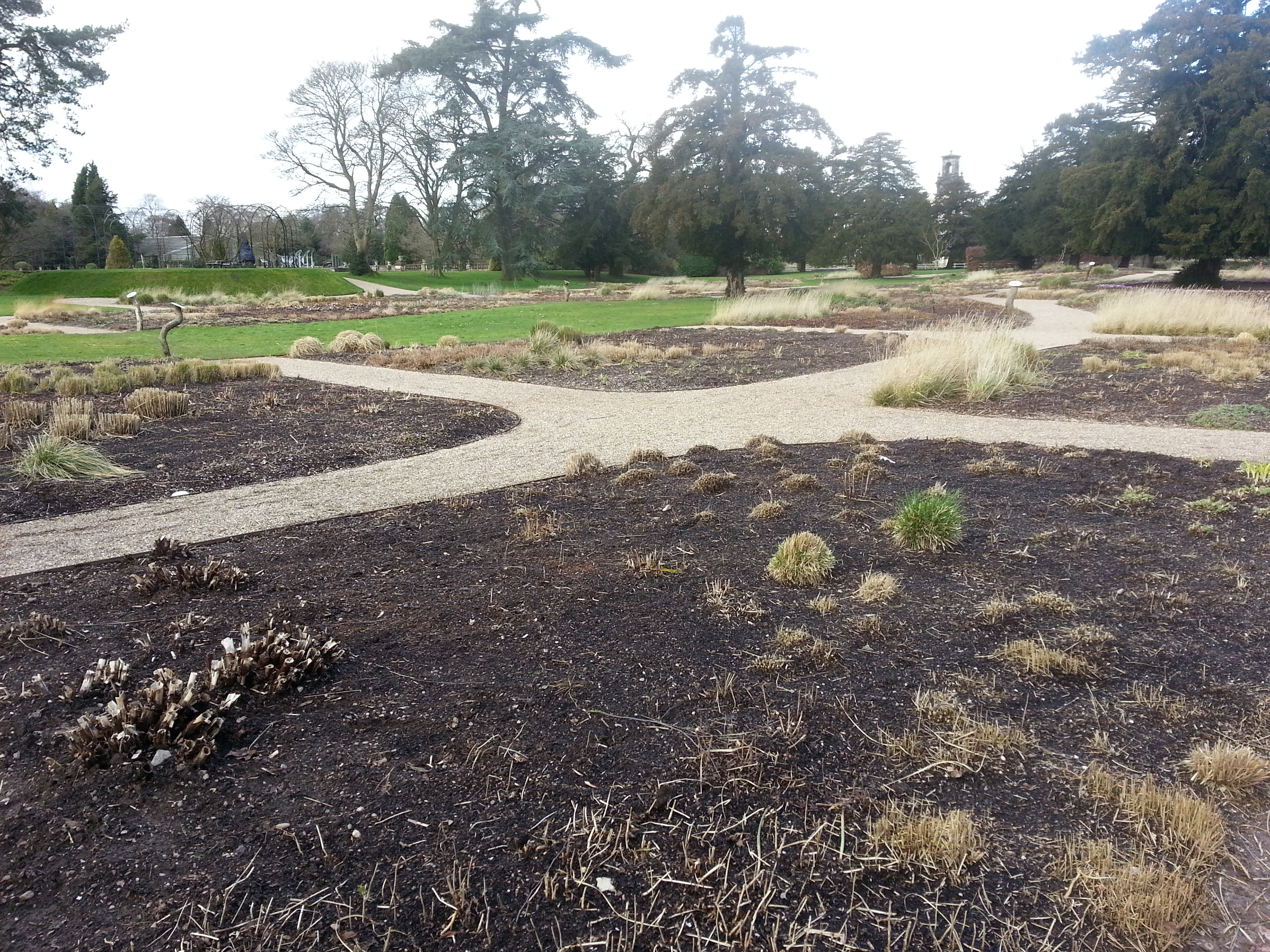
From here we could look out across the huge Italian Garden, re-designed by Tom Stuart-Smith. Since our last visit the perennials and grasses have been neatly and closely cut ready for the new growth that is sitting just below the soil surface ready to burst out.

2014 02 20_6523 2014 02 20_6524 2014 02 20_6525 2014 02 20_6526 2014 02 20_6527 2014 02 20_6529

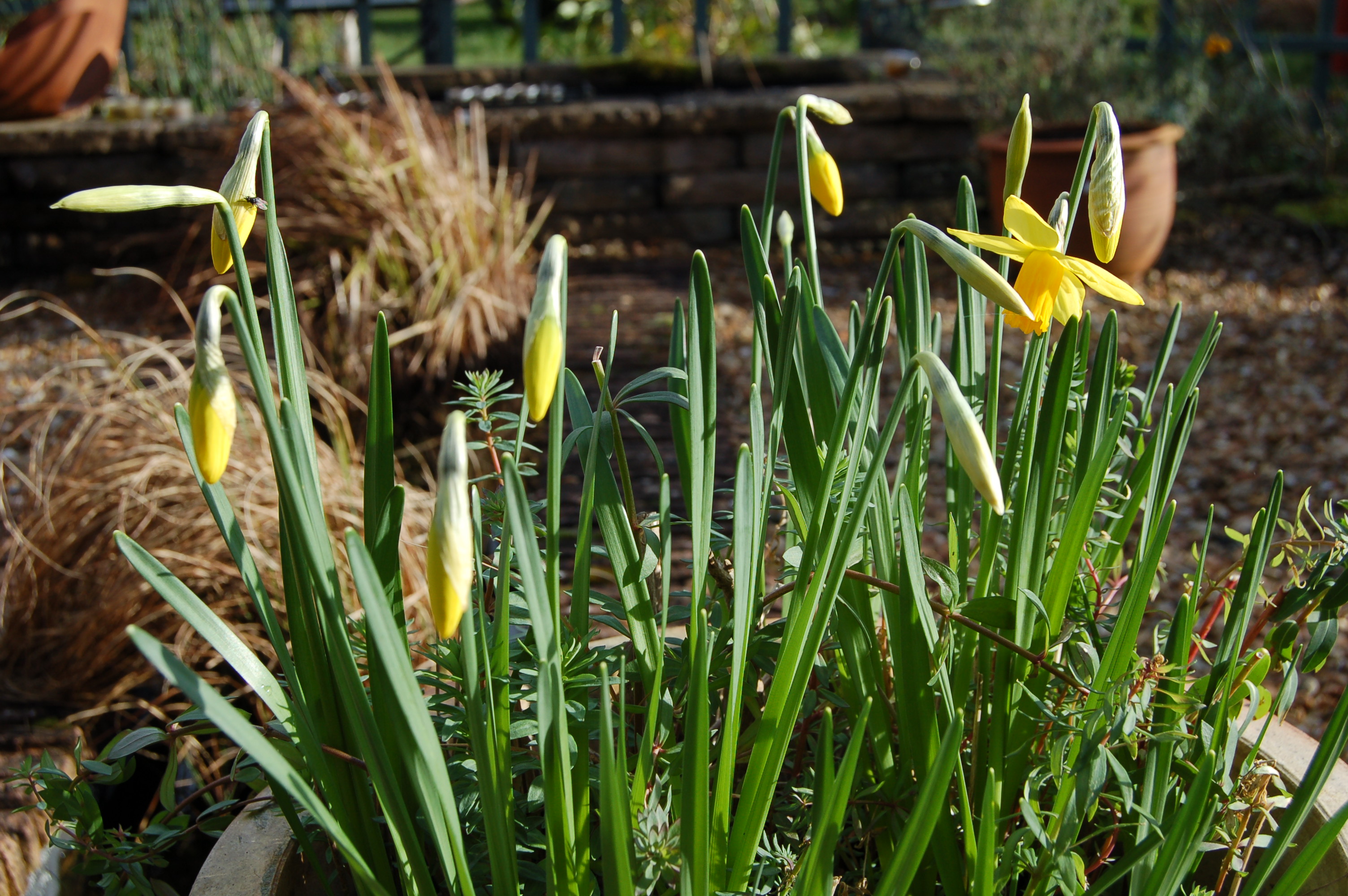
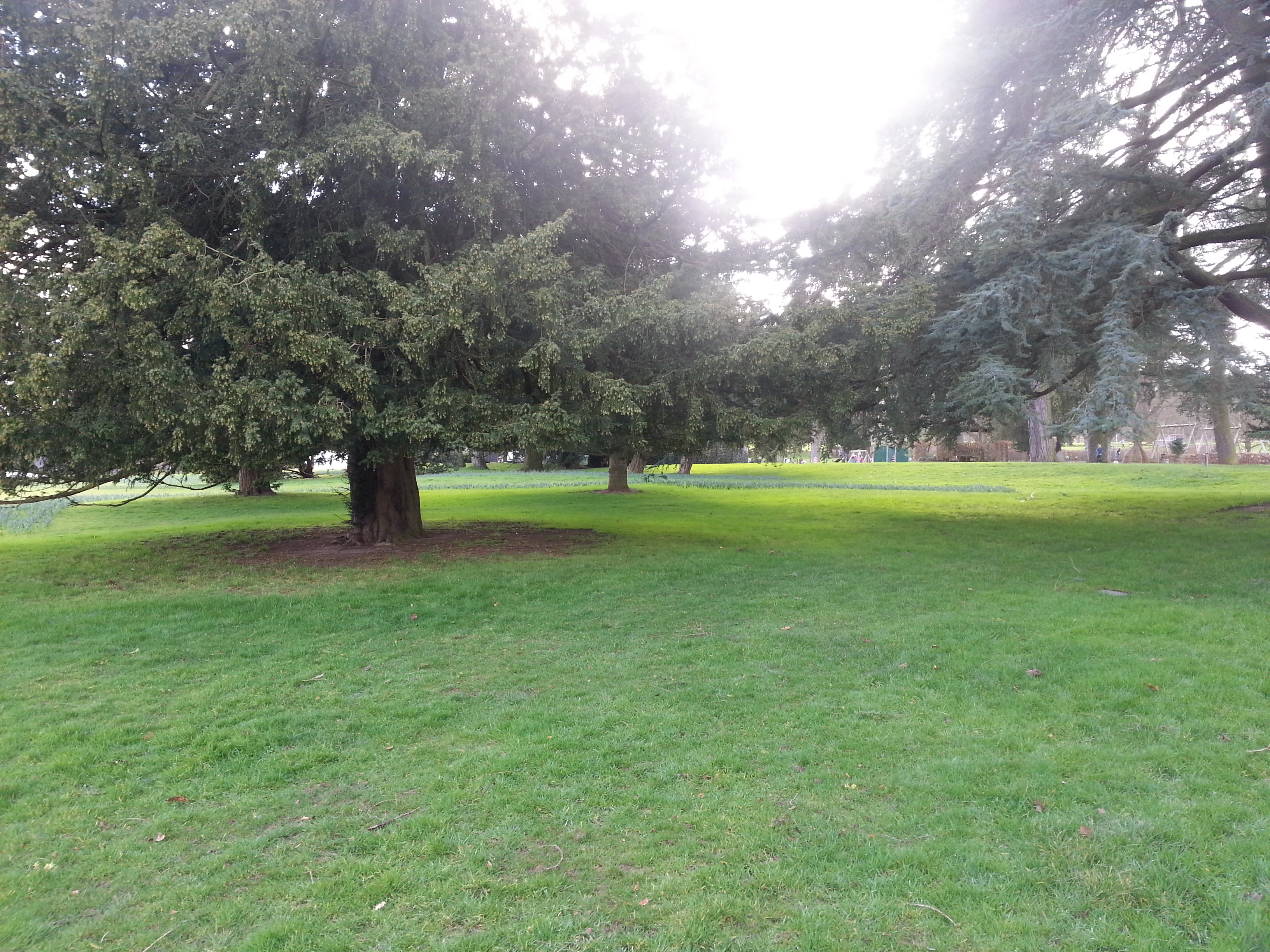
Then after walking through these borders in waiting, we went off into the parkland where mature trees tower above the grassed slopes. Under the trees sits the coffee shop where we stopped for our statutory break. Some slopes appeared a bluer green than others and we discovered that the leaves here were of daffodils already with flower buds fit to burst.

Near the coffee house are areas for children and it was noticeable how busy they were. When here in January this area was deserted but on this visit there were lots of families with young children. It was the school half term holiday.

2014 02 20_6539 2014 02 20_6540

On the lake the swan sculptures presented sharp silhouettes taking off over the water.

2014 02 20_6538

Over in the display gardens the low bright light made the colours in foliage, flowers, stem and bark look extra bright.

2014 02 20_6541 2014 02 20_6542 2014 02 20_6543 2014 02 20_6547 2014 02 20_6548 2014 02 20_6550 2014 02 20_6551

We returned through the Tom Stuart-Smith gardens and walked along the rose pergola. The gardeners were busy pruning the roses, weeding and freshening up the soil surface.

2014 02 20_6566 2014 02 20_6568 2014 02 20_6569 2014 02 20_6571 2014 02 20_6573 2014 02 20_6575

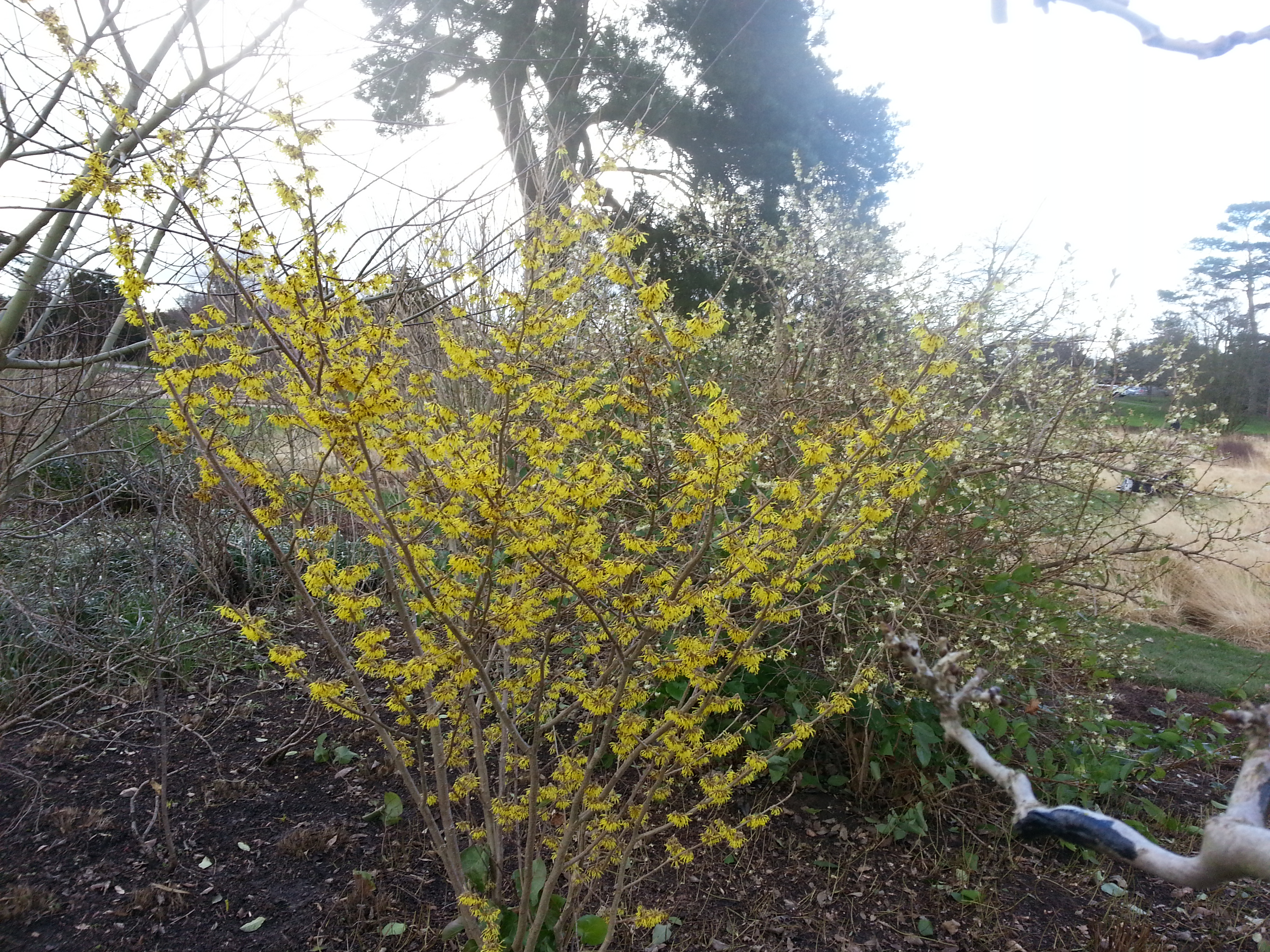
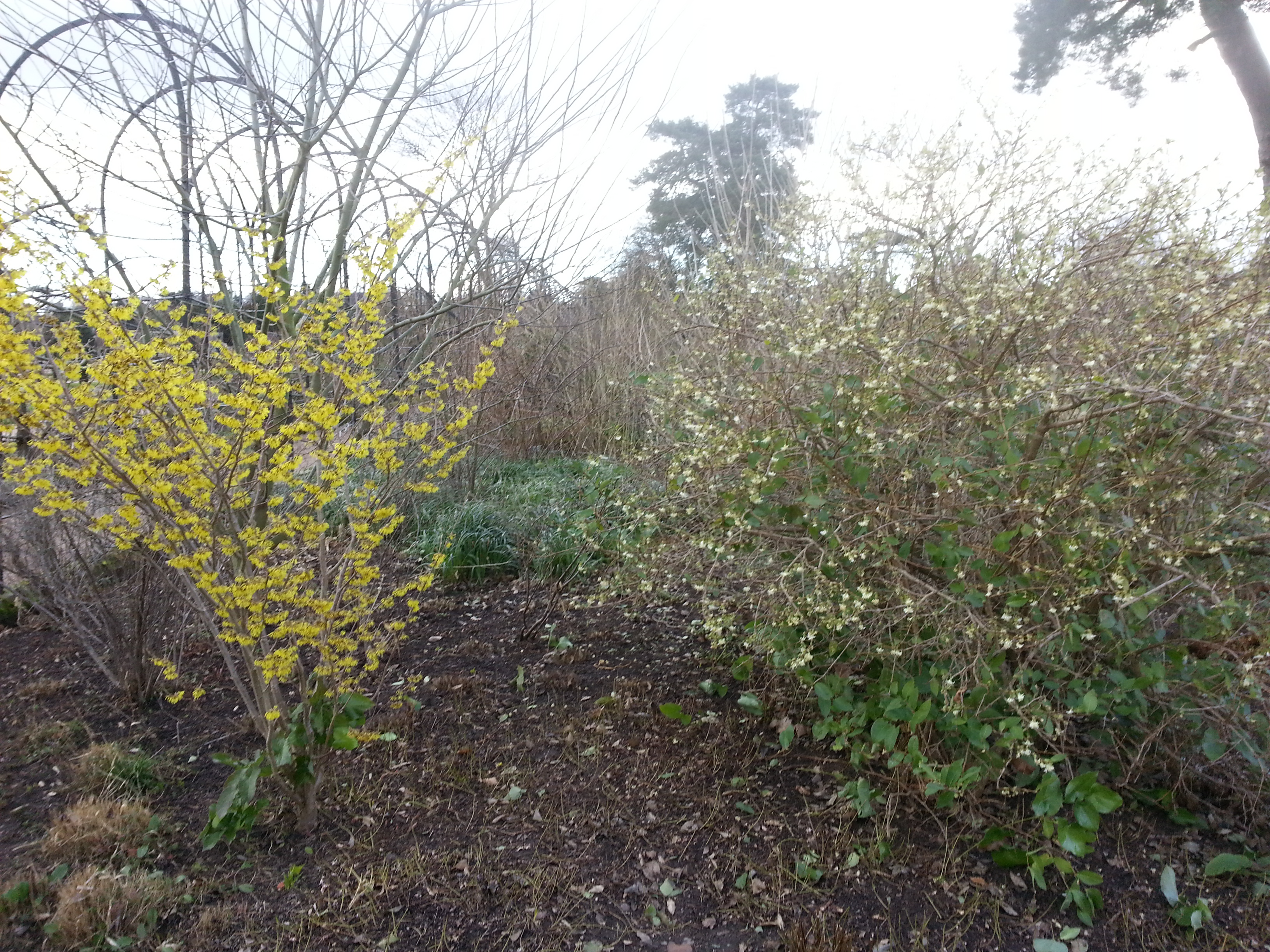
The shrub borders at the end of the rose pergola were showing signs of interesting things happening, the Witch Hazels were shining yellow and the scented but subtle winter flowering honeysuckle sitting along side it looked rather drab. So that finished our February visit to Trentham. The next blog in this monthly series will be in March. Things should be really livening up then.

2014 02 20_6576 2014 02 20_6577

Categories
garden wildlife gardening gardens log piles natural pest control recycling wise watering

A bit of work on our shade border.

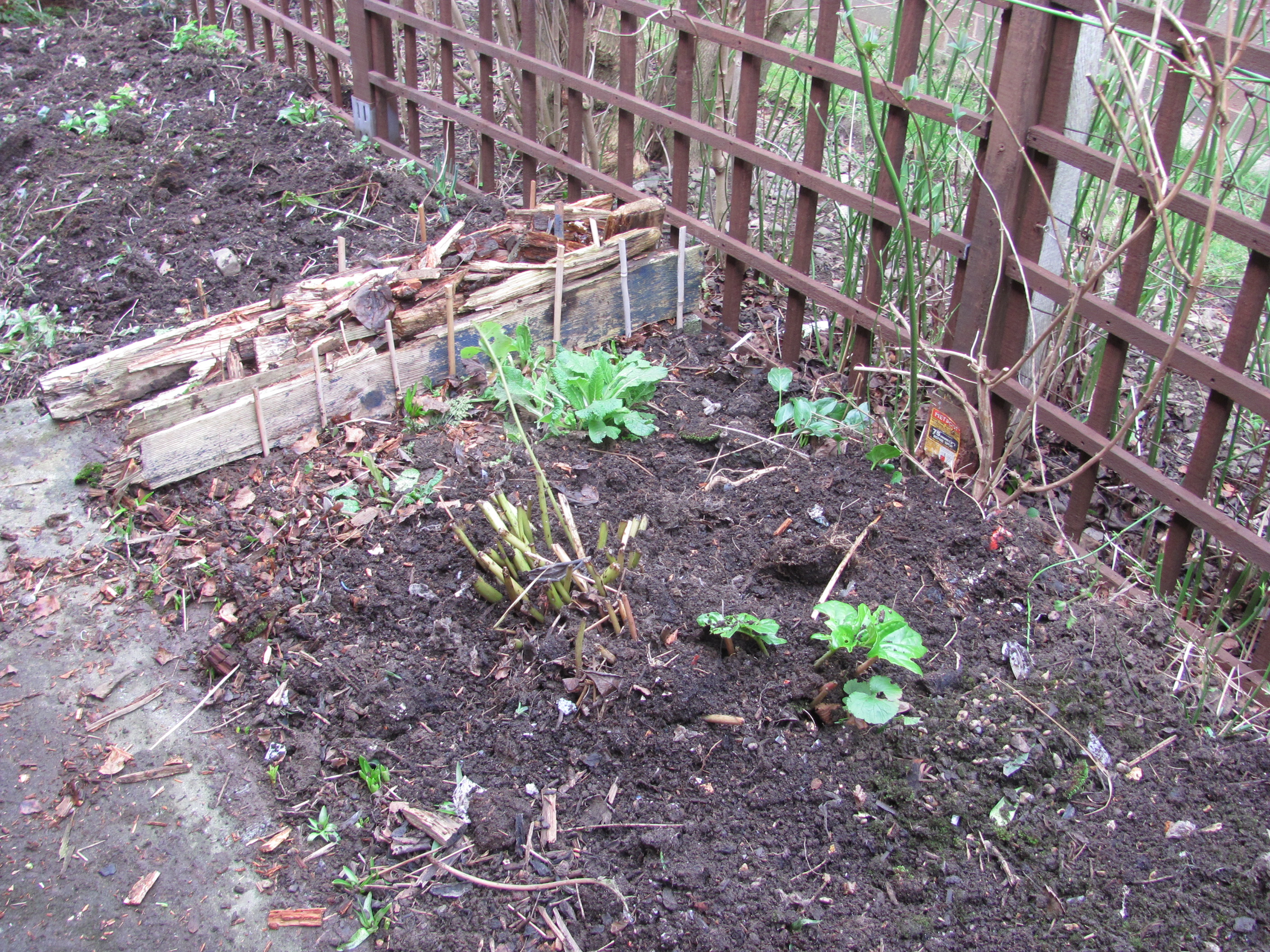
Today we spent a few hours improving the moisture content in the soil in our “Shade Border”. This is the only fully shaded part of our garden so it where we can grow plants that would not appreciate the brightness or warmth of the other sunnier borders. Here we have several Meconopsis Poppies in blue, white and cream, several varieties of Corydalis, some ferns and anemones. The first flowers appear on our  Pulmonarias in blue, pink, red and white soon followed by the tiny blue flowers of Brunnera and the whites and pinks of the uniquely shaped Dicentras. The beautifully cut lace like foliage of various Corydalis provide a perfect foil for their nodding little flowers. These all flower when the deciduous shrubs along the fence are still skeletal. Once the leaves give extra shade overhead the Ferns, Anemones and my favourite nettle the Giant Red Deadnettle, Lamium orvala.

Our worry is that in periods of dry weather the bed gets too dry for these plants and they begin to suffer. We decided the only answer was to use seep hose. It took just an hour to perform this important task which we hope will make these shade-loving plants much happier in the warmer summer months.

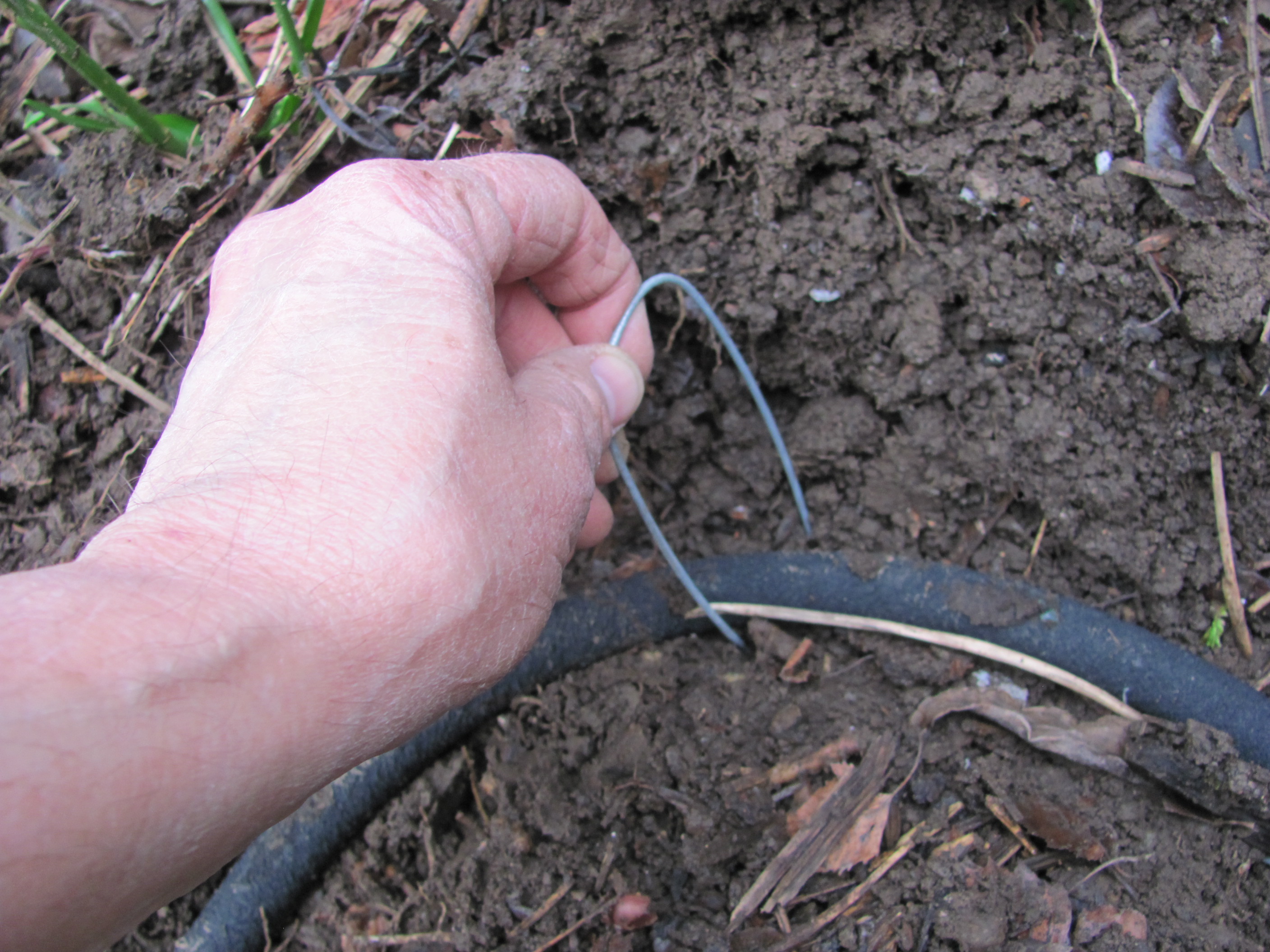
Firstly we cut some tough galvanised wire into 12 inch lengths and bent them into pegs like giant staples. We laid the pipe across the surface of the border in a serpentine pattern, leaving one end exposed where a hose can be attached when needed.

2014 02 20_6614 2014 02 20_6615

We dug out a 3 inch deep trench alongside the hose, placed the hose into the trench and then pegged the hose down with the wire.

2014 02 20_6616 2014 02 20_6617

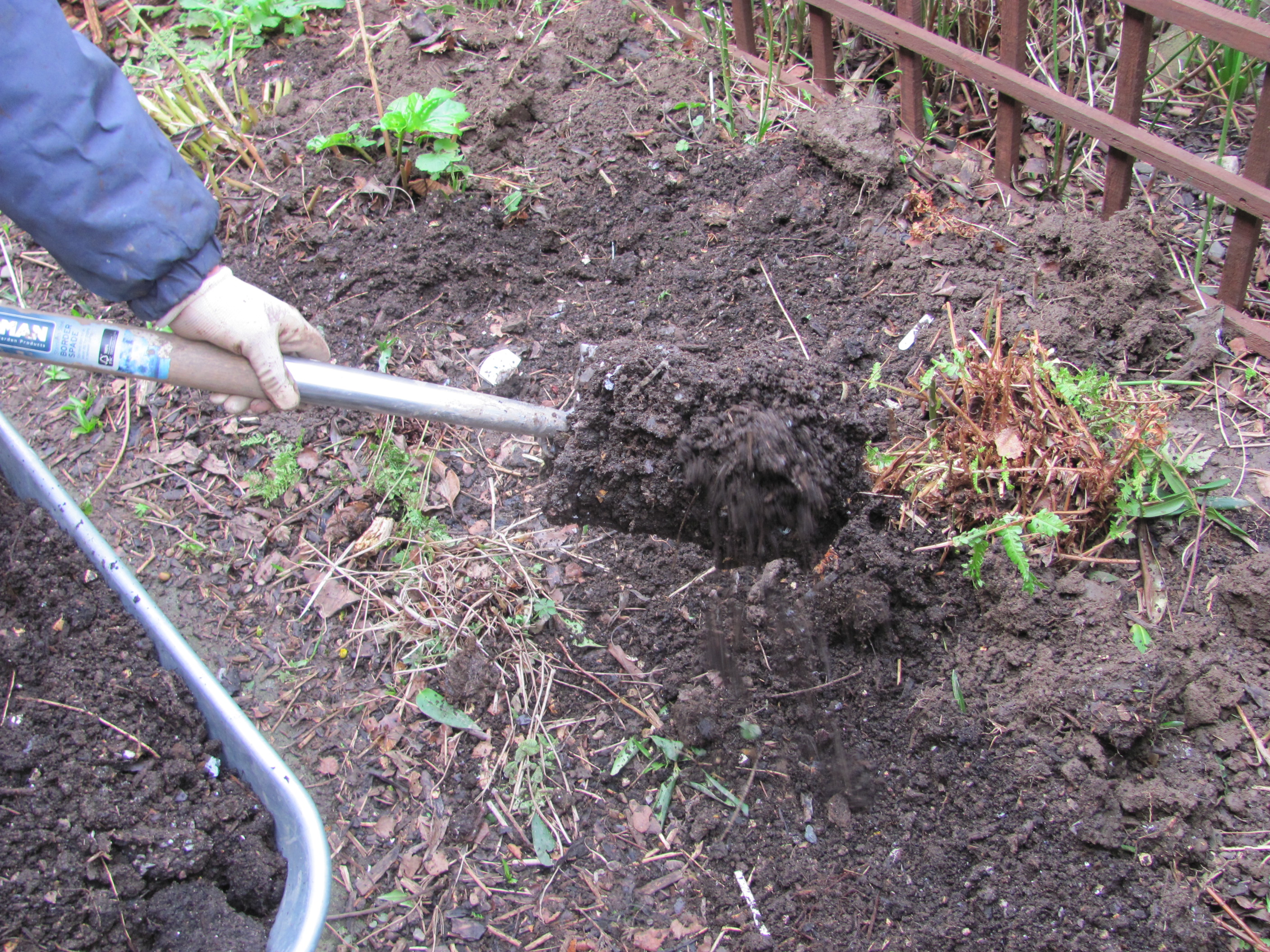
We added a good dose of our “black gold”, rich home made garden compost over the hose and then over the whole area. The compost in the trench will act as a wick for the water from the seep hose which we hope will slowly creep into the compost around the plants.

The final touch was to build a log pile out of rotting wood to attract beetles which are useful predators. They will help look after the plants for us.

2014 02 20_6618 2014 02 20_6619

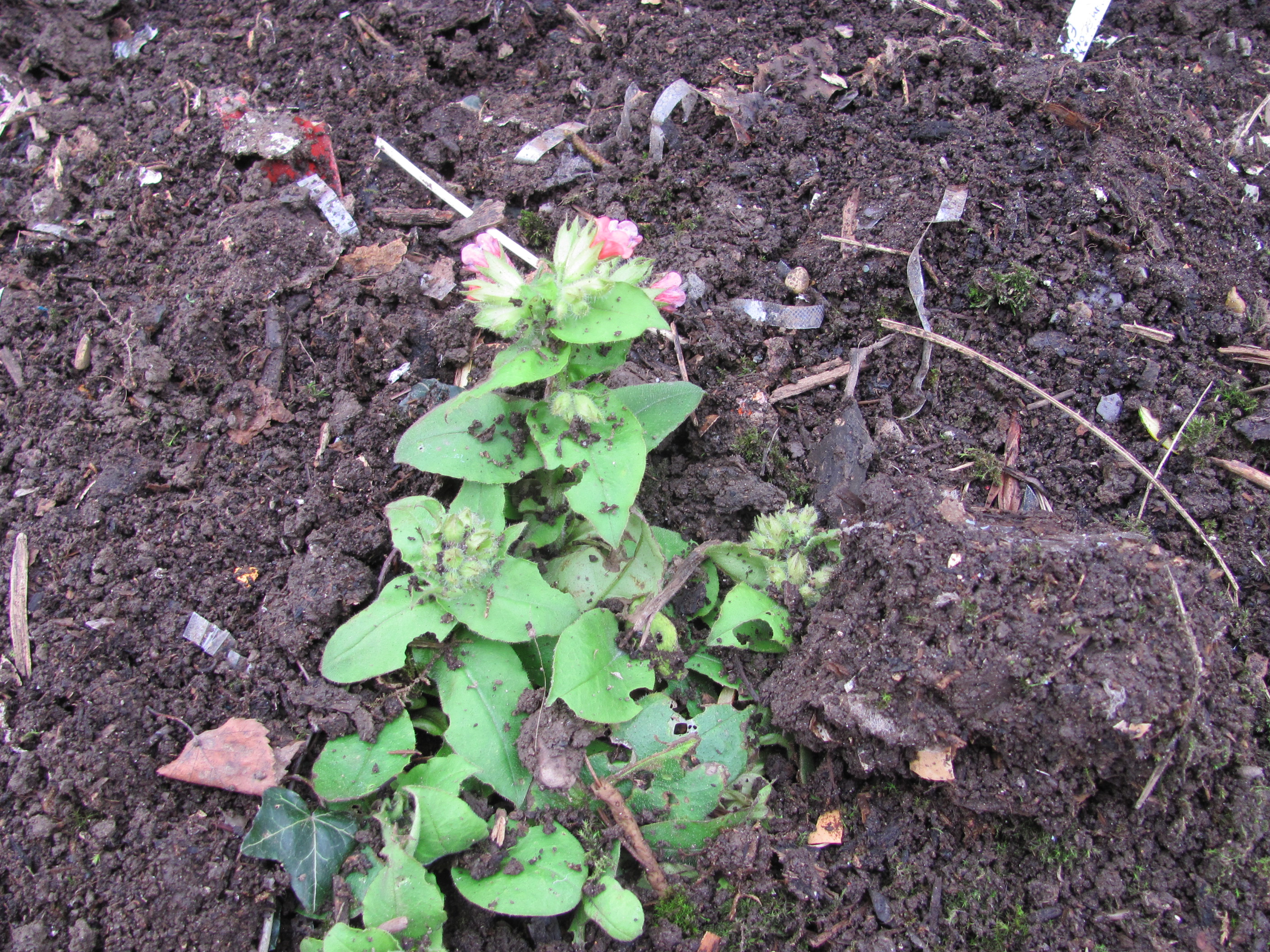
We had to carry this out very carefully as the first sign of flowers had already begun. This red Pulmonaria is the first flower in the shade garden this year.

2014 02 20_6620

This Veggie Life

A Vegetarian | Nature Lifestyle Blog

Rambling in the Garden

.....and nurturing my soul

The Arch City Gardener

Journeys In St. Louis Gardening and Beyond

Garden Dreaming at Châtillon

Consult the genius of the place

Storyshucker

A blog full of humorous and poignant observations.

gardeninacity

Notes from a wildlife-friendly cottage garden

PlayGroundology

...an emerging social science

The Official Blog of British Wildlife

'The most important and informative publication on wildlife of our times' - The Independent. This blog is a member of The UK & Ireland Natural History Bloggers group: www.uknhb.blogspot.com

iGrowHort

Inspire - Cultivate - Grow Native Plants - Restore Landscapes

Bishops Meadow Trust

To create and protect a semi-natural wild space for the people of Farnham to enjoy and experience an array of British wildlife in our town

Gardening with Children

The www.gardeningwithchildren.co.uk Blog

UKbirdingtimeline

birding through the seasons, why birds matter and how to conserve them

NATURE WALKER

with a camera in hand

Jardin

Transform your outdoor space

Eva's space

My allotment, cooking and other interests

Old School Garden

my gardening life through the year

LEANNE COLE

Trying to live a creative life

fromacountrycottage

trying to live as lightly as possible on our beautiful planet

Good Life Gardening

Nature lovers from Leicester living the good life.

mybeautfulthings

Finding the beautiful in the everyday

mawsonmichelle

Michelle's Allotment

In and Out of My Garden

thoughts from and about my garden

Greenhousing

Big plans for a small garden

The Scottish Country Garden

A Walled Country Garden in South East Scotland

The Fruity Chicken

Life at the fruity chicken

willowarchway

Off grid living. Self sufficient. "PERMAGANICS RULE".

St Anns Allotments

Nottingham's Grade 2* Listed Allotments and Community Orchard

Manifest Joy Harvests

a journey in suburban vegetable gardening

Allotmental

The madness of growing your own

Penny's Garden: a harvest beyond my front door

A novel approach to vegetable gardening

arignagardener

Sustainable living in the Irish countryside.

NewEnglandGardenAndThread

Master Gardener, amateur photographer, quilter, NH native, and sometimes SC snowbird

dianajhale

Recent work and work in progress and anything else that interests me

planthoarder

a chaotic cottage gardener

Lens and Pens by Sally

a weekly blog that creates a personal philosophy through photographs and words

Dewdrops and Sunshine

Stories from a sassy and classy Southern farmbelle.

The Pyjama Gardener

Simple Organic Gardening & Seasonal Living

gettin' fresh!

turning dirt into dinner

JOY...

today the world is created anew

Garden Birds

Notes from a Devon garden

ShootAbout

Life Through The Lens

Adapting Pixels

A photography blog showcasing the best photography pictures and videos on the internet

Wildlifegardening's Blog

Just another WordPress.com site

naturestimeline

personal observations from the natural world as the search continues for a new approach to conservation.

LATEBLOOMERBUDS

The Wonders of Life through my Eyes, my Heart, my Soul