Categories
colours flowering bulbs garden design garden photography gardening gardens grasses hardy perennials ornamental grasses ornamental trees and shrubs spring bulbs The National Trust trees Winter Gardening winter gardens

Three Winter Gardens – Part Three – Anglesey Abbey

This, the third in my series of three posts looking at winter gardens, sees us at the most well known of all winter gardens, Anglesey Abbey.

2014 03 20_7479

Situated near Cambridge within the larger gardens and grounds of this National Trust property the winter garden here is often considered to be the best of all and a big influence on all others that follow. We shall look at further aspects of the gardens at Anglesey Abbey in future posts.

We visited the winter garden at Anglesey Abbey many years ago the first year it was open to the public so it was like meeting an old friend but one who has changed a lot in the intervening years.

2014 03 20_7376

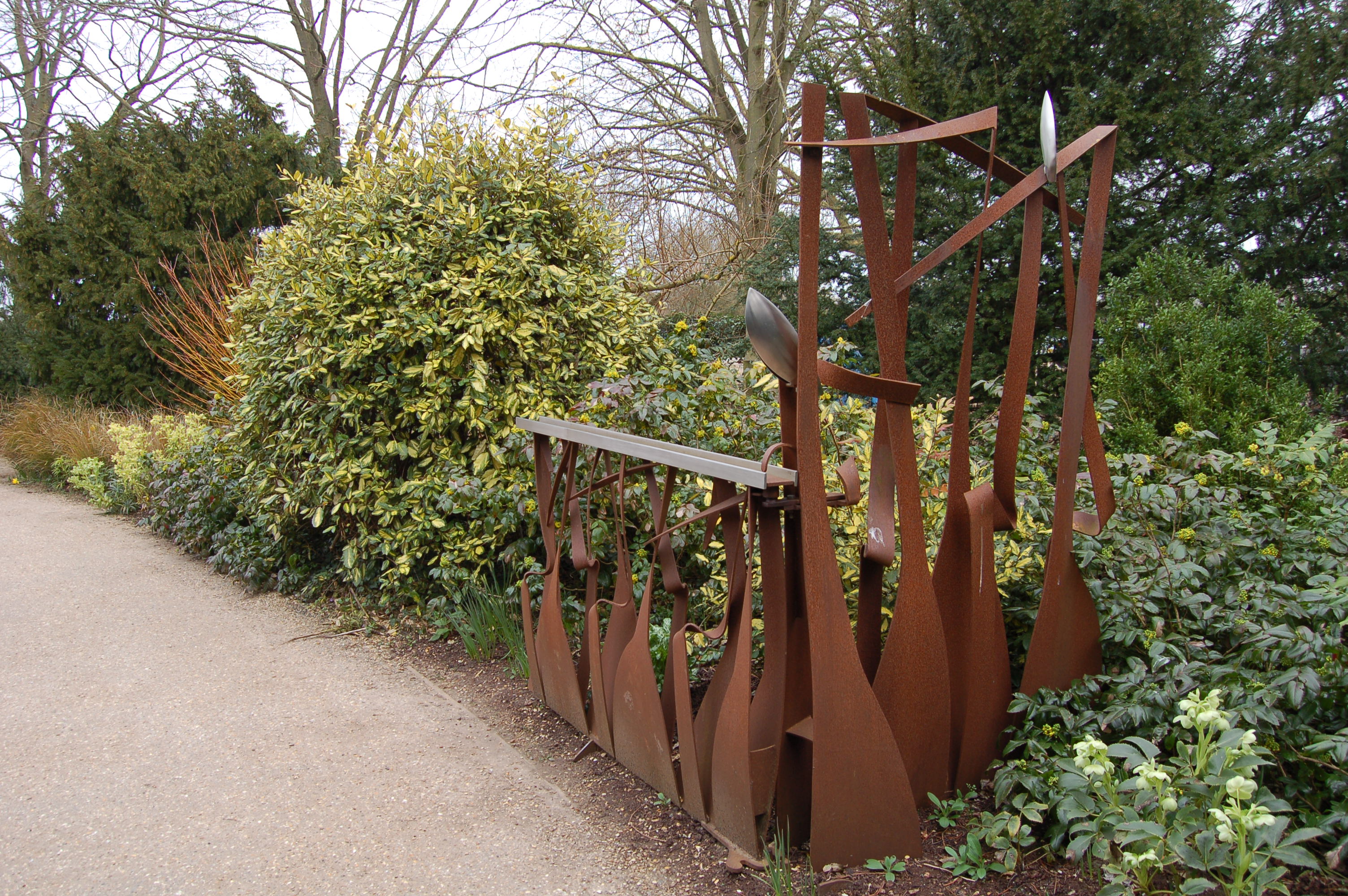
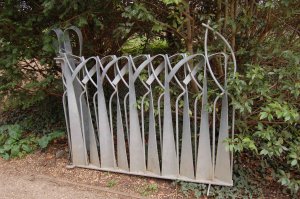
This set of gates welcomed us as we arrived at the start of the winter plantings.
2014 03 20_7367 2014 03 20_7368 2014 03 20_7369

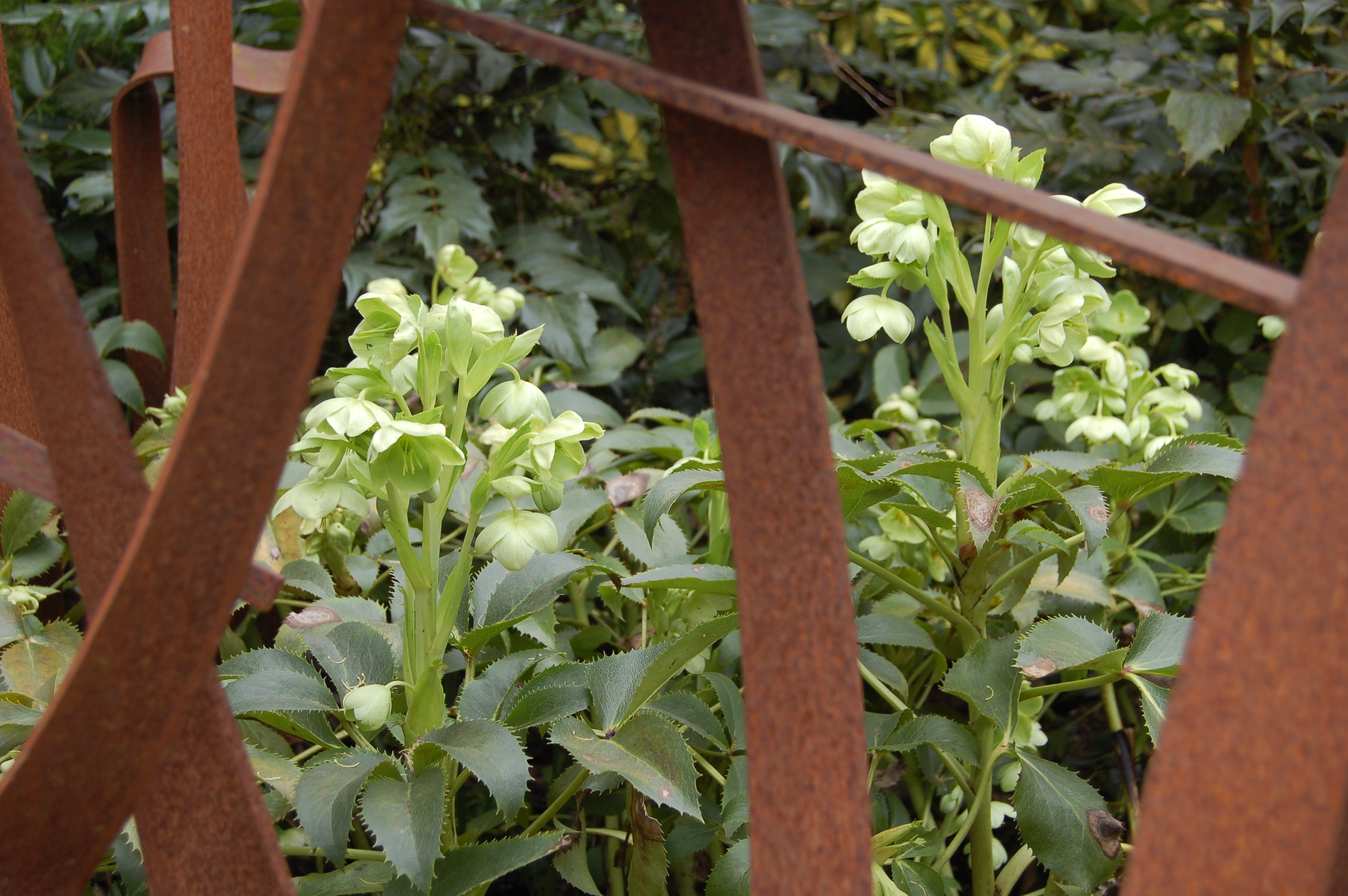
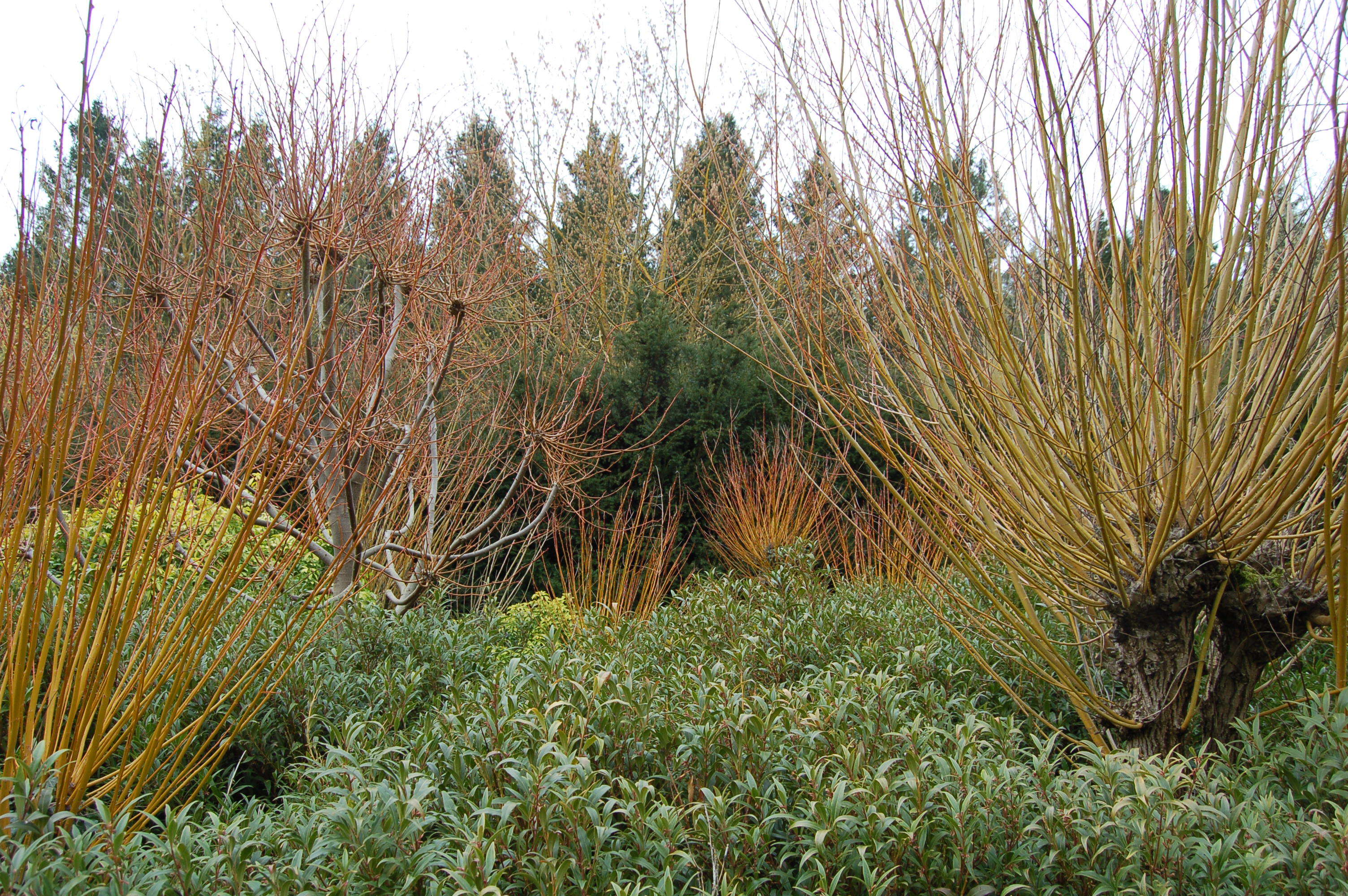
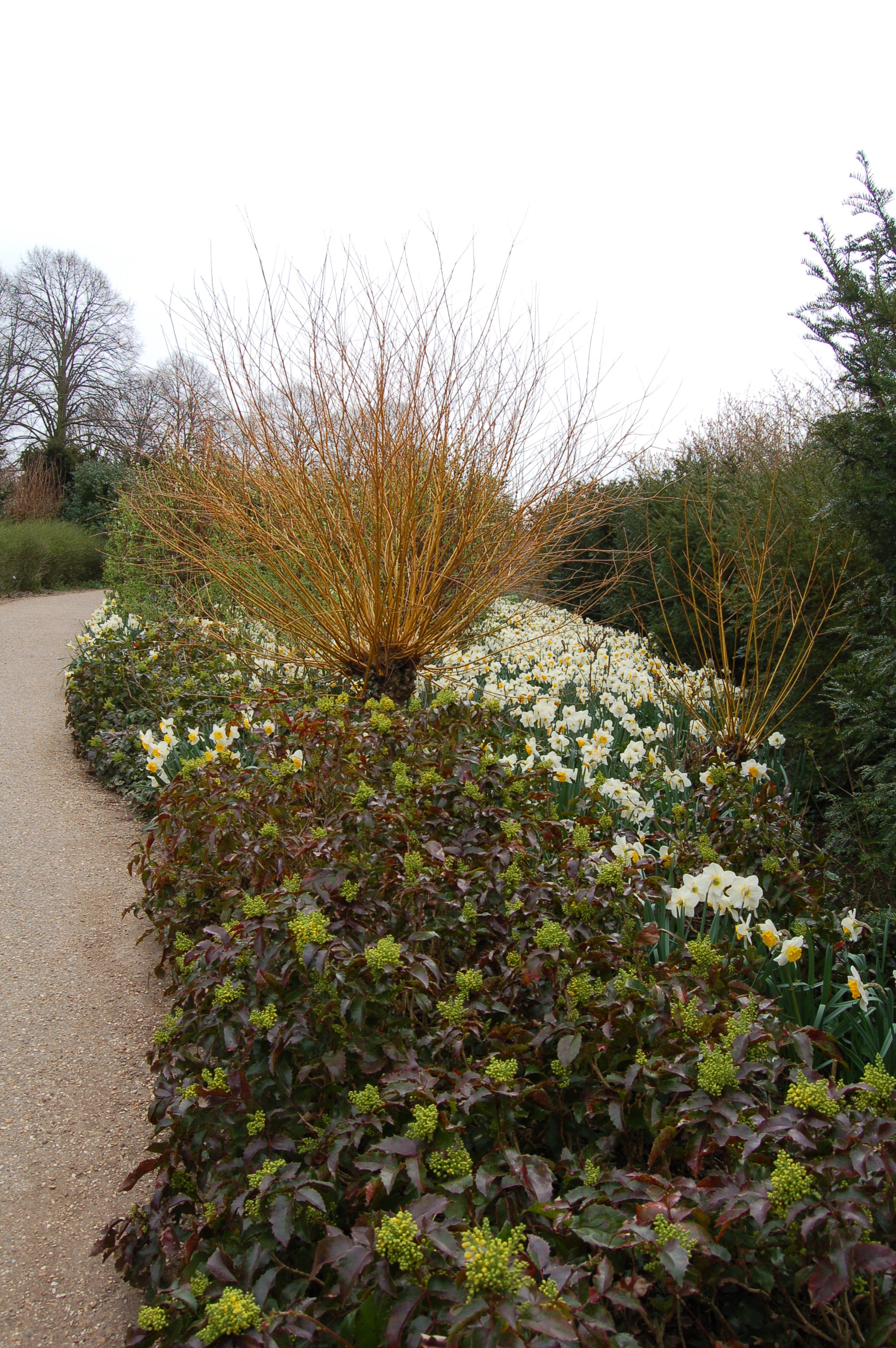
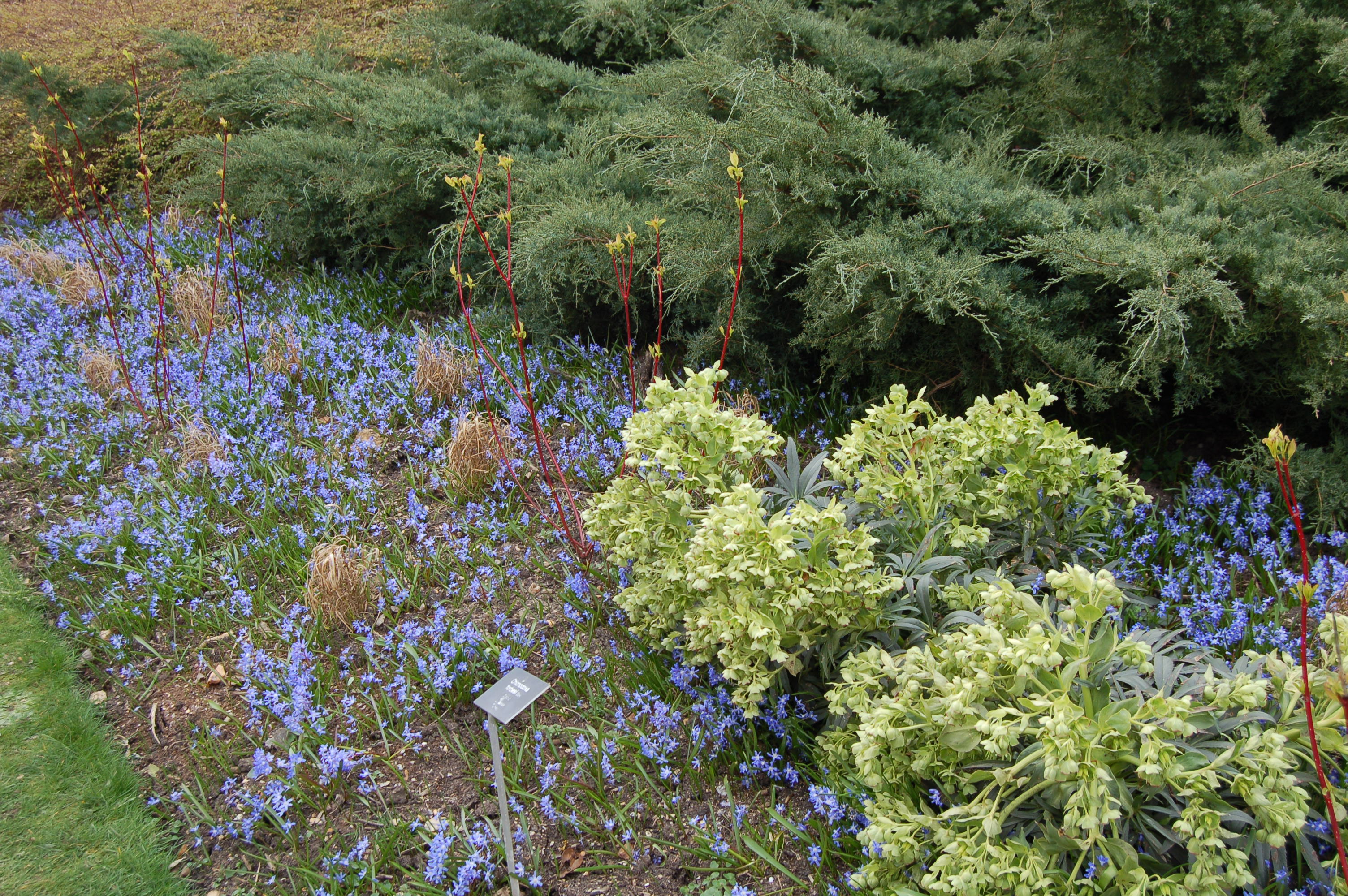
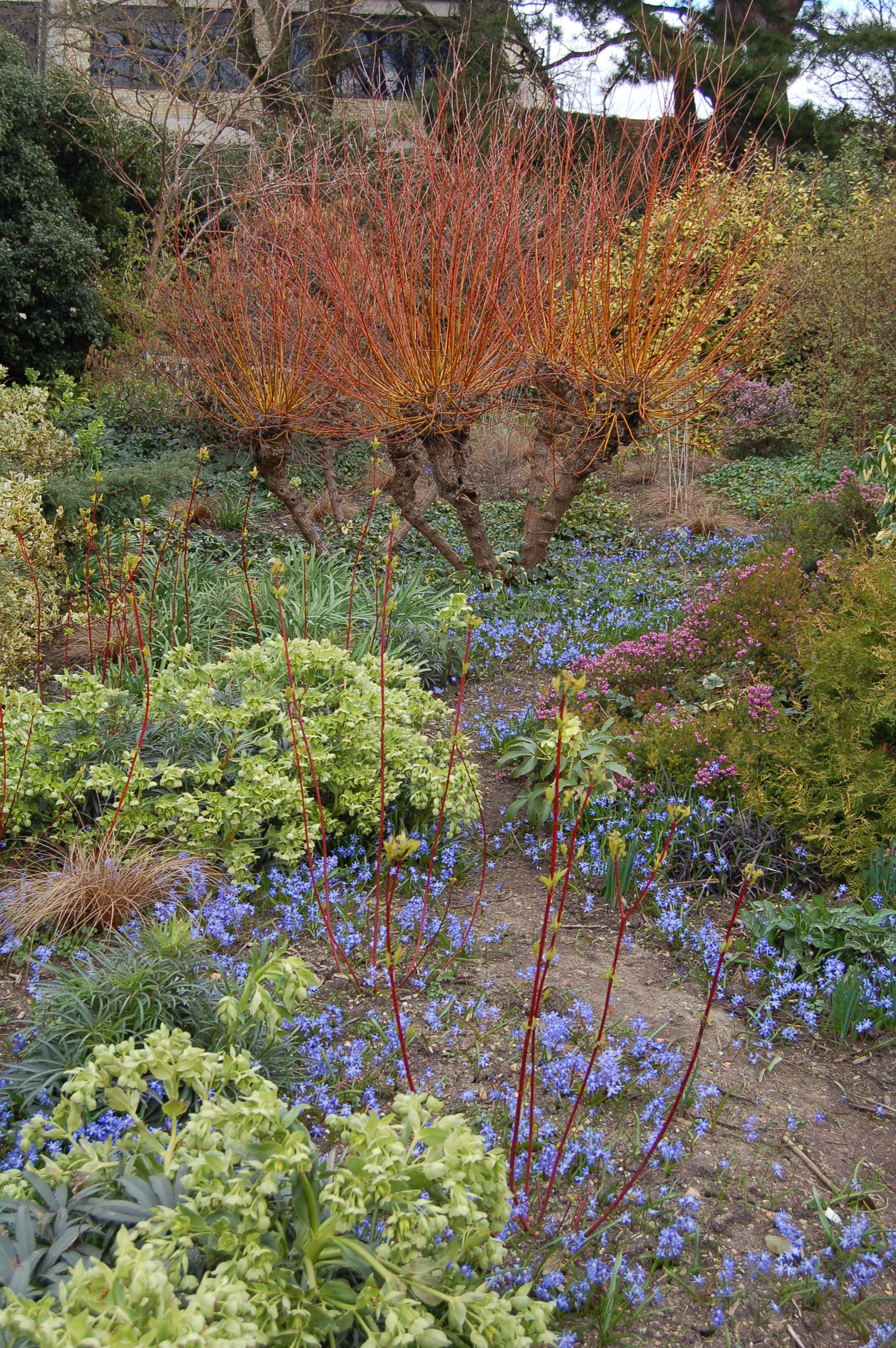
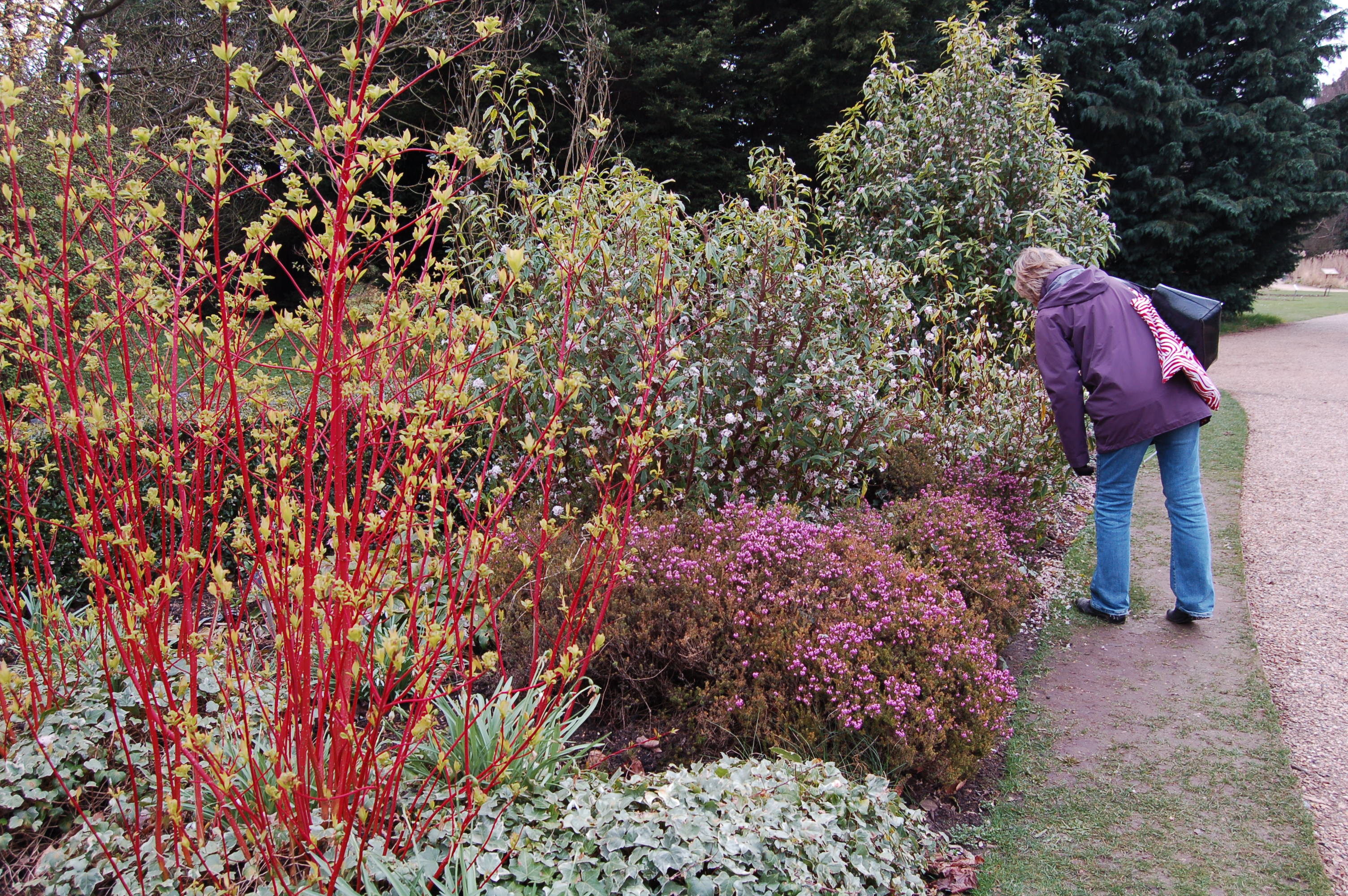
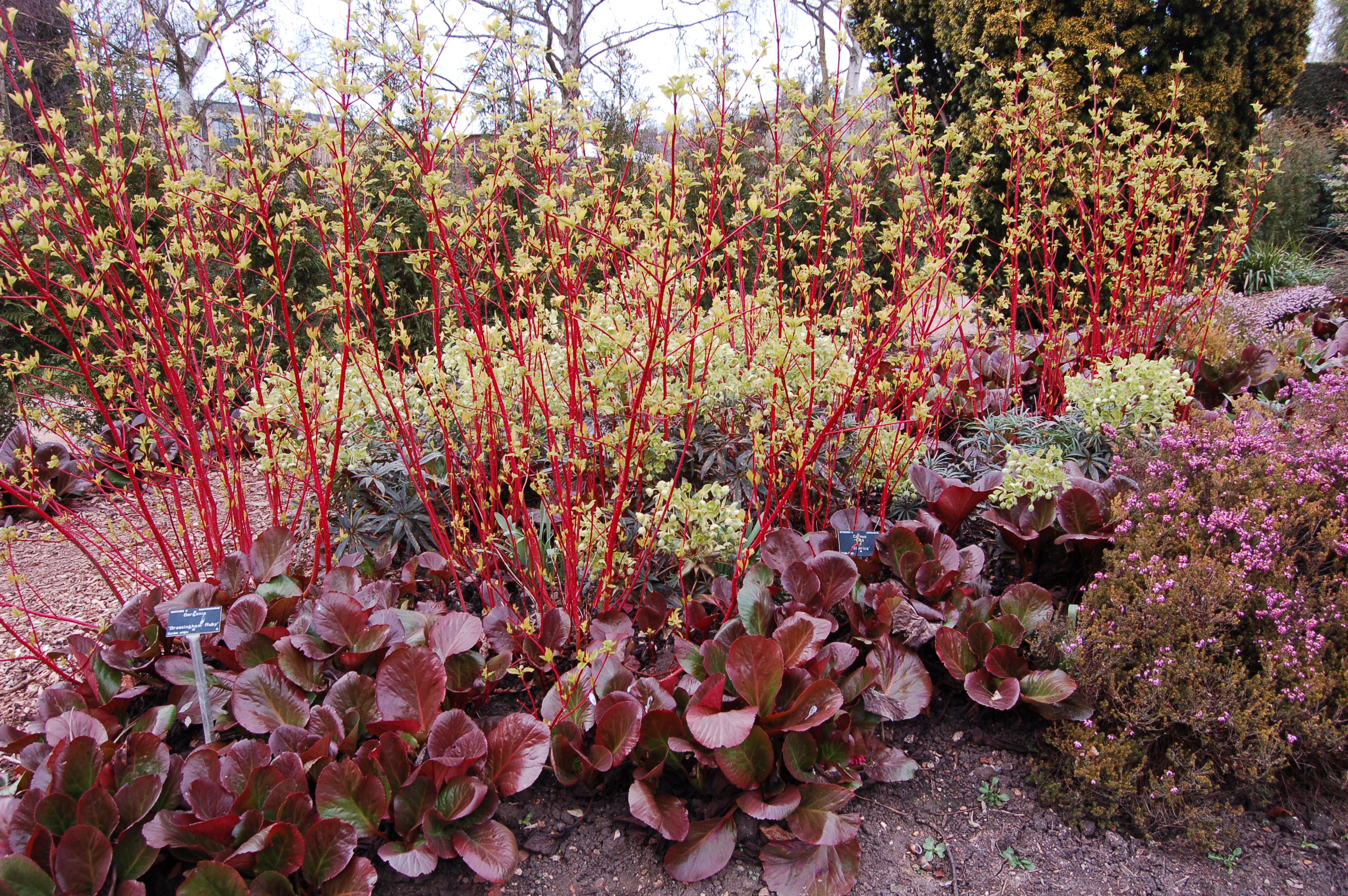
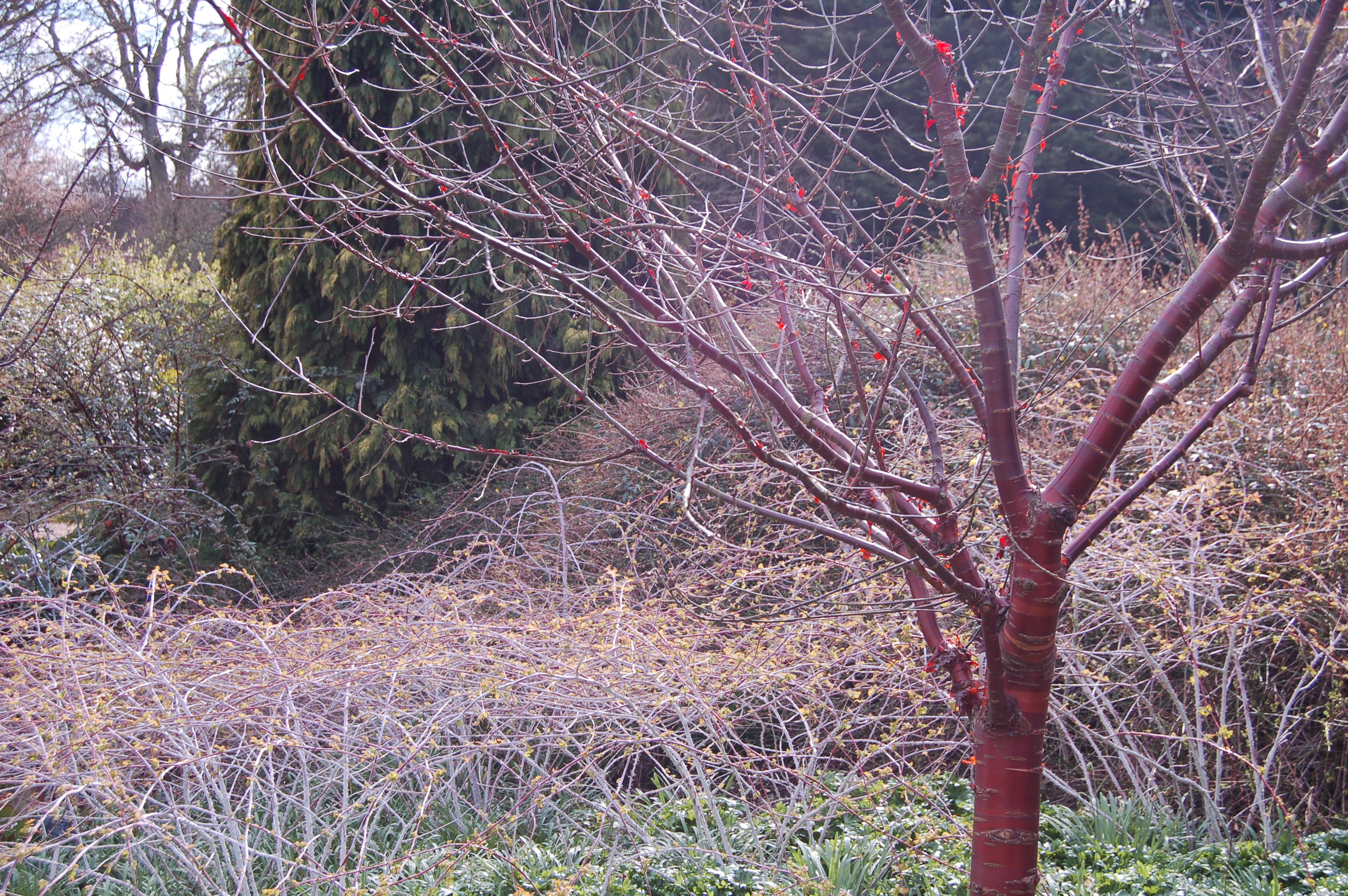
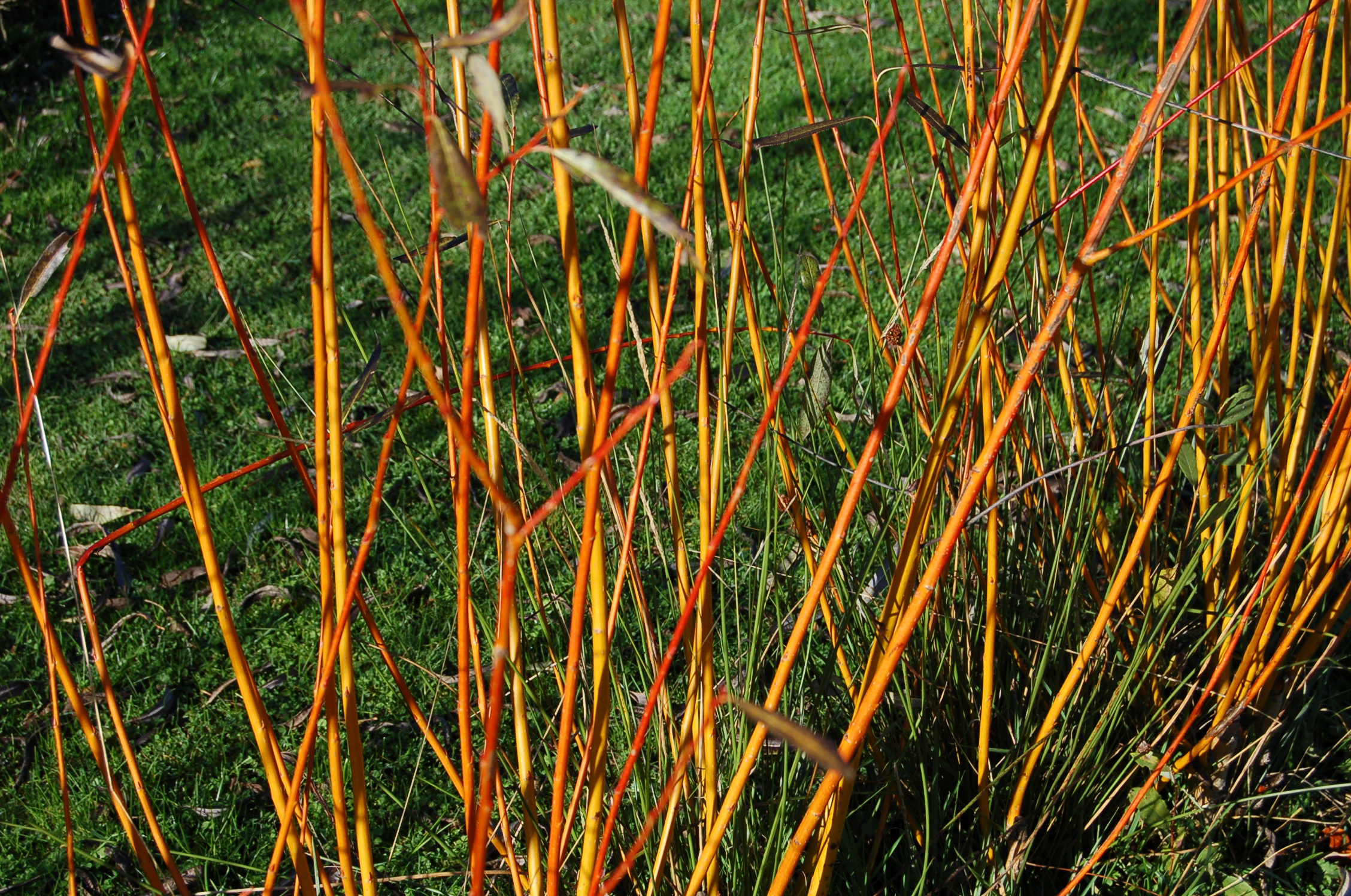
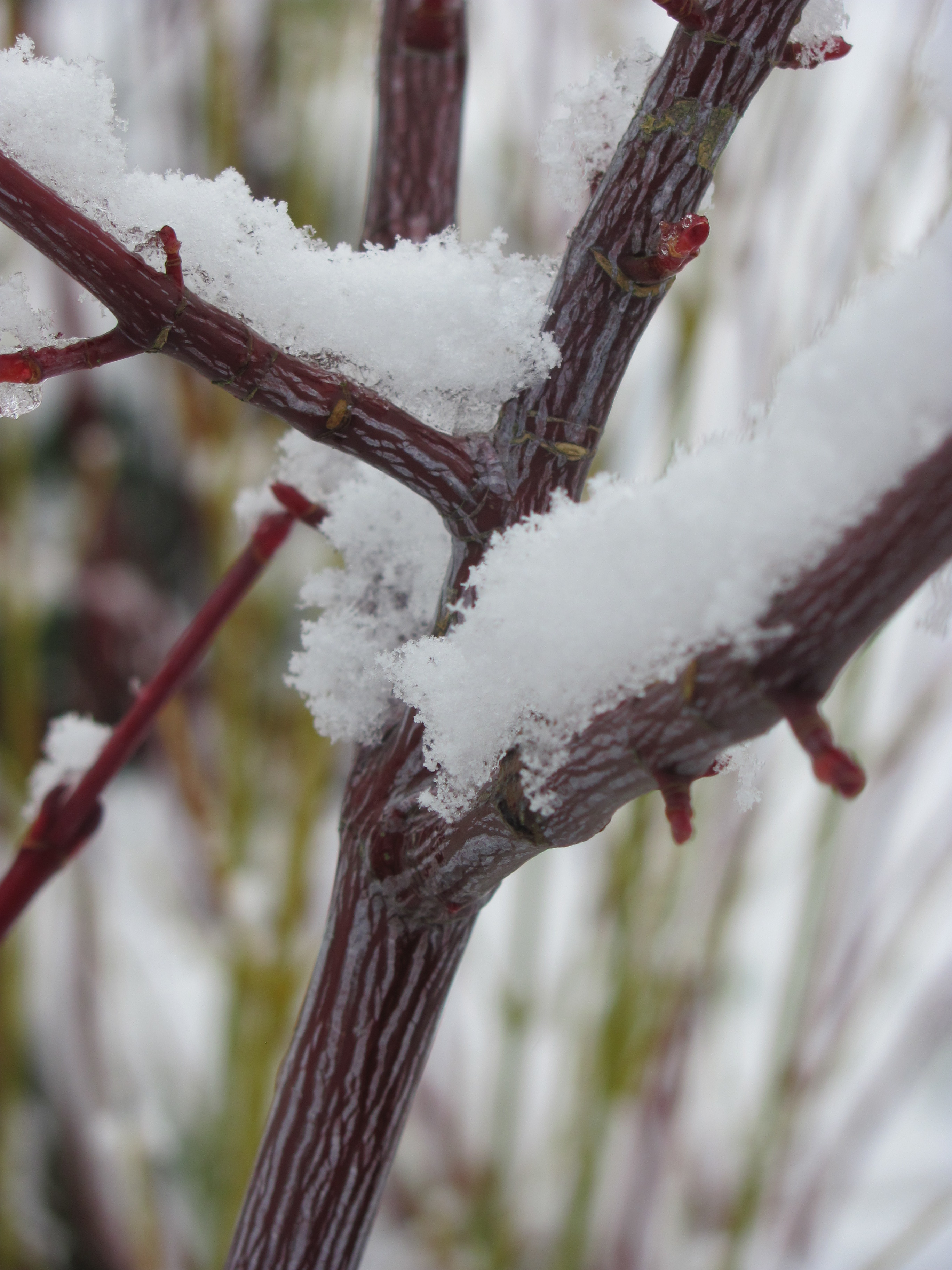
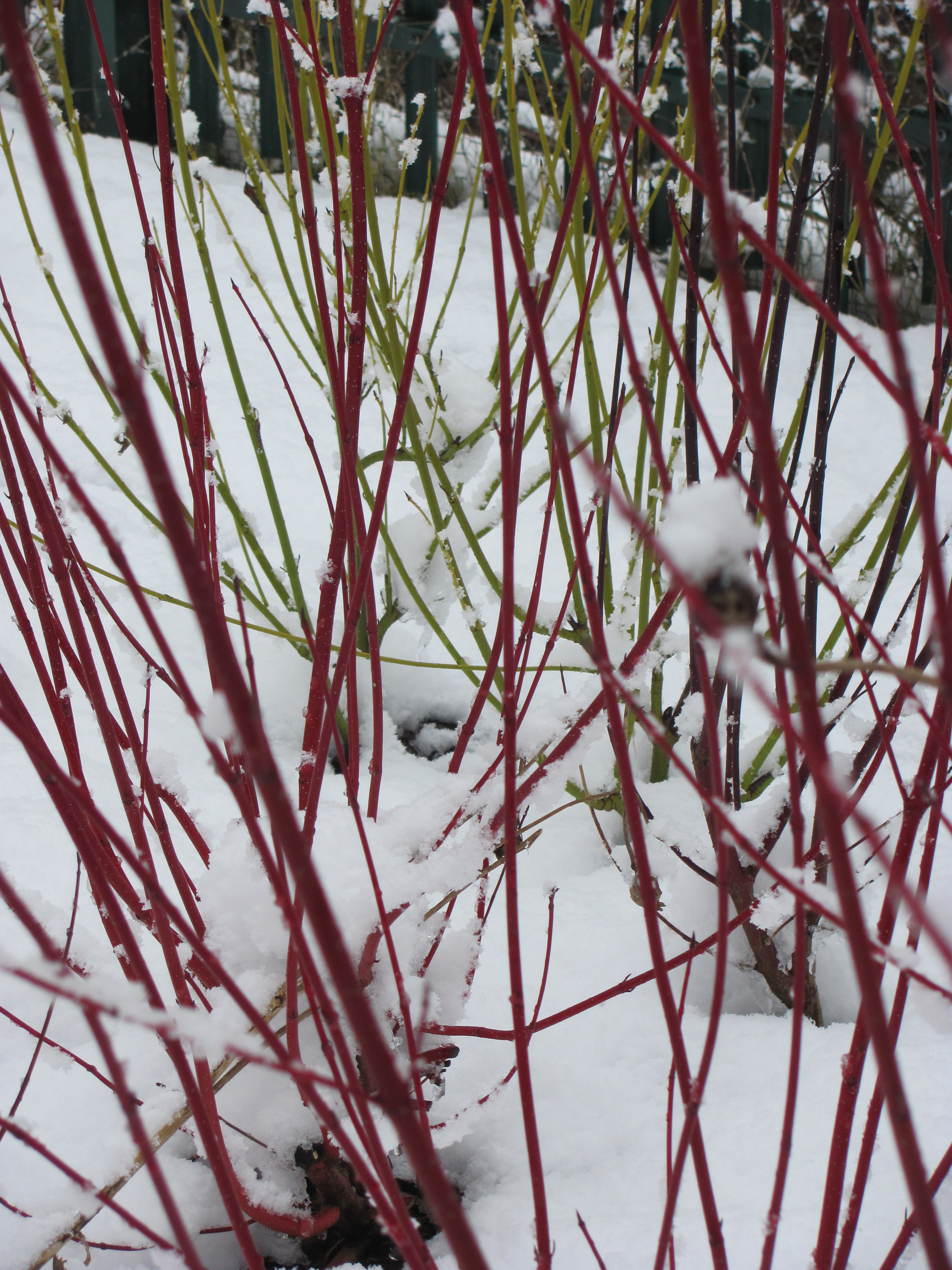
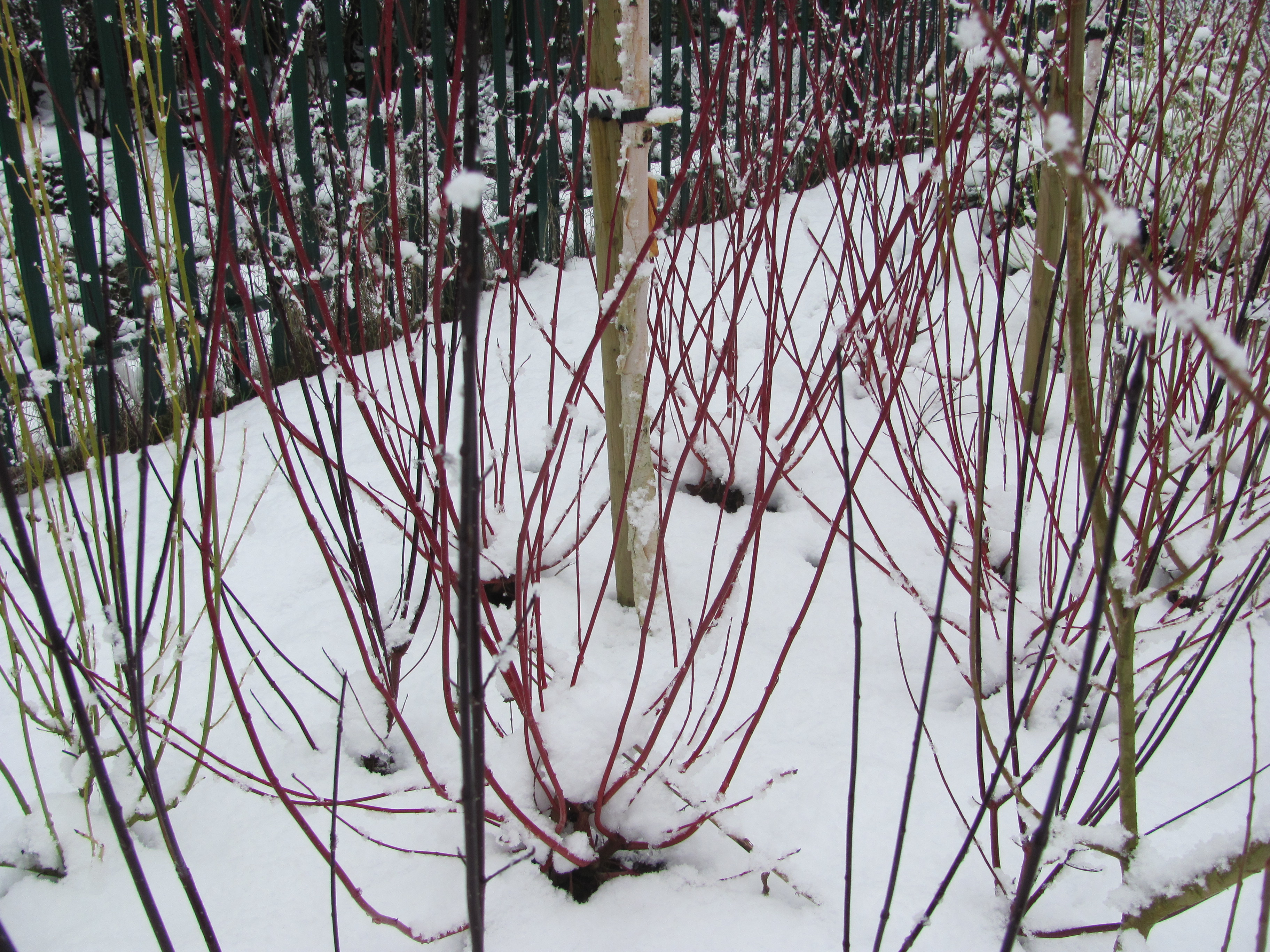
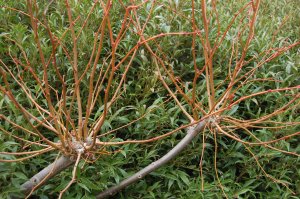
We soon met the friends we had seen in our other two winter gardens, the dogwoods, rubus and willows grown for their stem colour underplanted with hellebores and ivies. There was some wonderful pruning techniques on display here too.
2014 03 20_7370 2014 03 20_7372

2014 03 20_7371  2014 03 20_7373  2014 03 20_7375 2014 03 17_7274

2014 03 20_7378 2014 03 20_7379

2014 03 20_7390

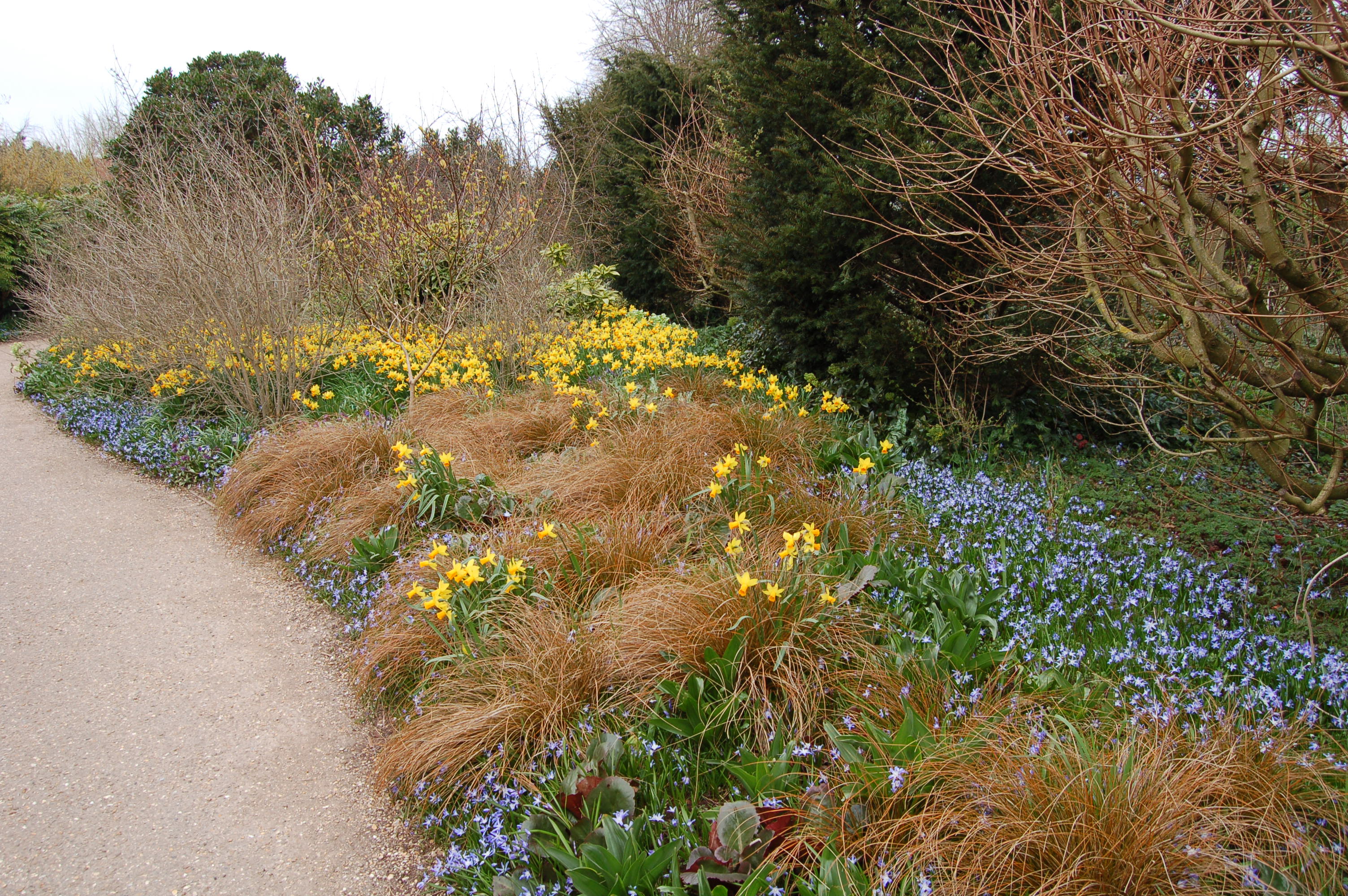
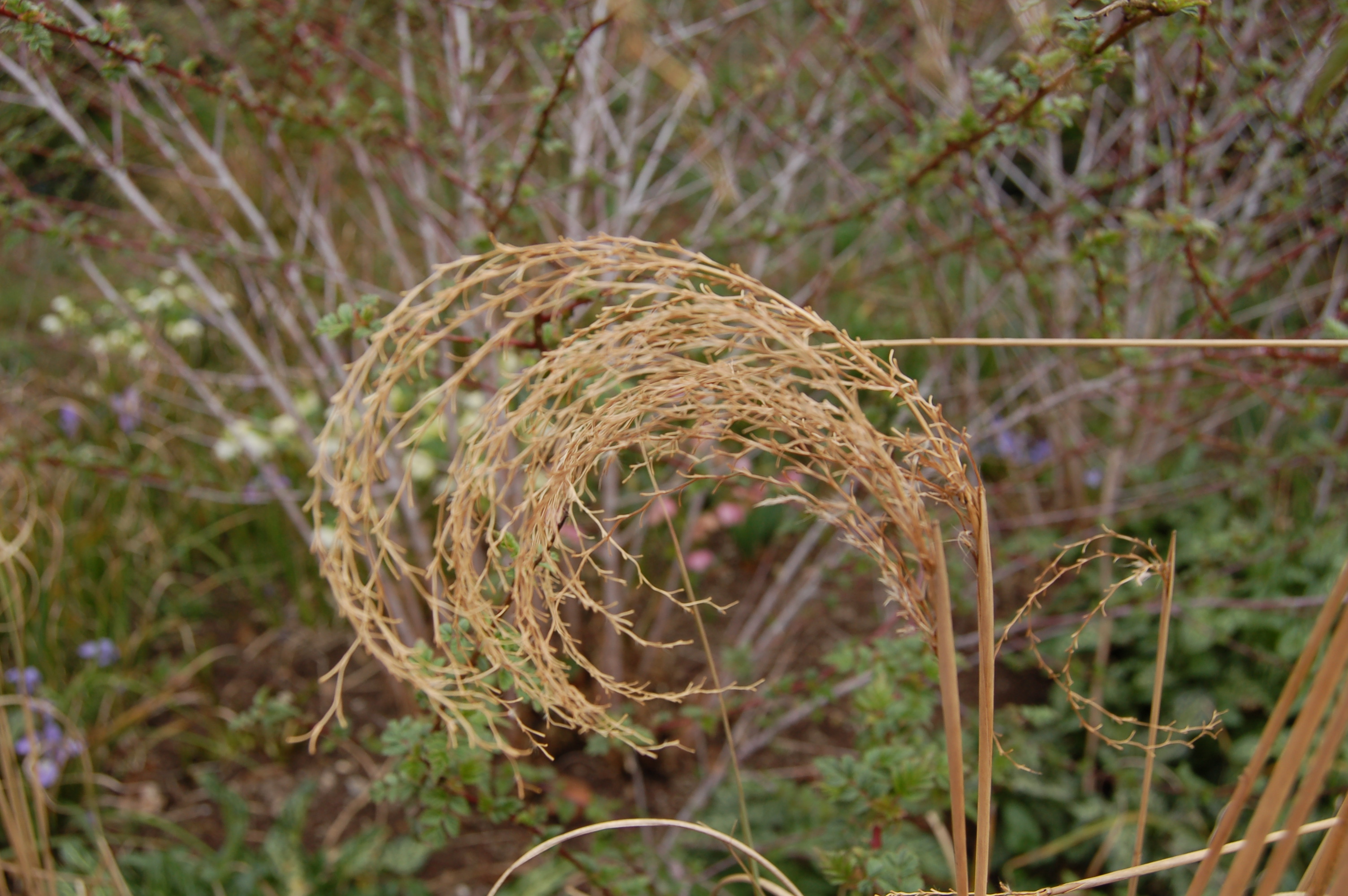
Grasses featured strongly with their wonderful warm colours and strong structural shapes.
2014 03 20_7377 2014 03 20_7374

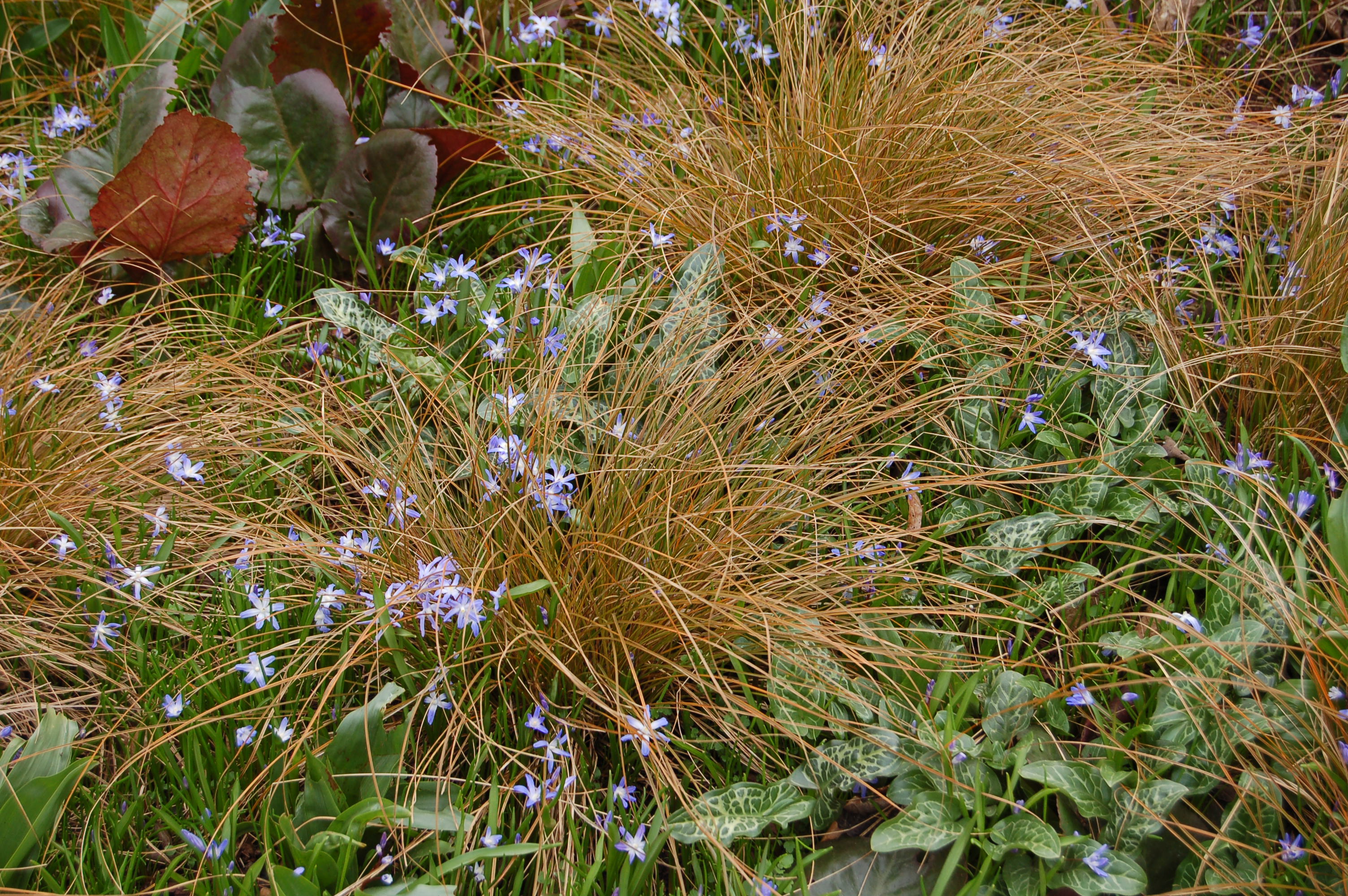
We were once again interested to see which plants the gardeners from Anglesey Abbey used as ground cover to help reduce weed growth. Various low growing grasses teamed up with Arum and Bergenias to perform this role.

2014 03 20_7380 2014 03 20_7381 2014 03 20_7382 2014 03 20_7383 2014 03 20_7384 2014 03 20_7385

All these plants acting out their roles as ground covering plants encouraged us to look down as we were seeking ideas for our allotment Winter Garden, but we were struck also by specimens higher up.

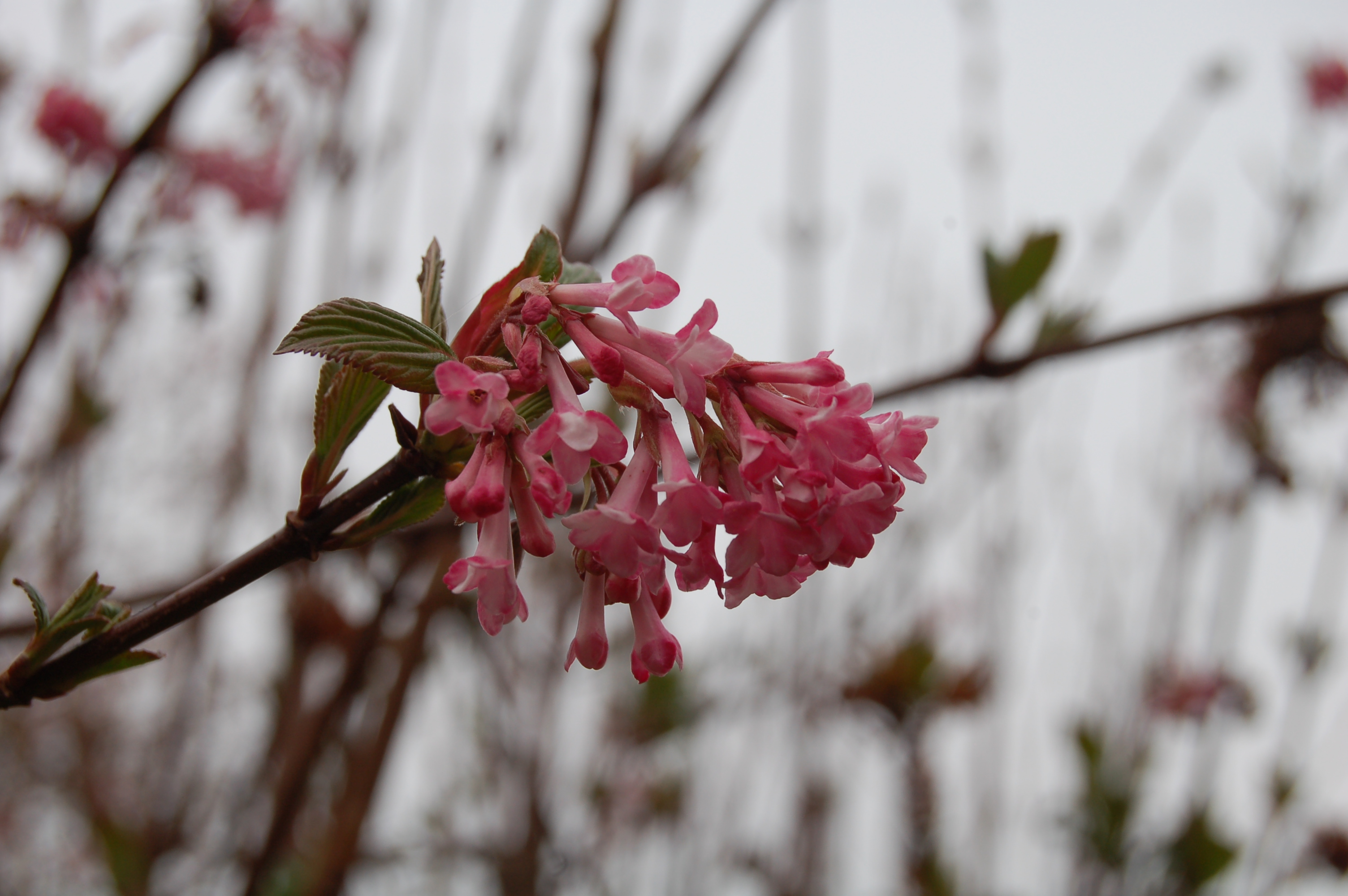
The Viburnum pictured below didn’t just look good it smelled sweetly too. The Pulmonaria has not just flowers of two colours but unusual foliage to catch the eye.
2014 03 20_7387 2014 03 20_7388


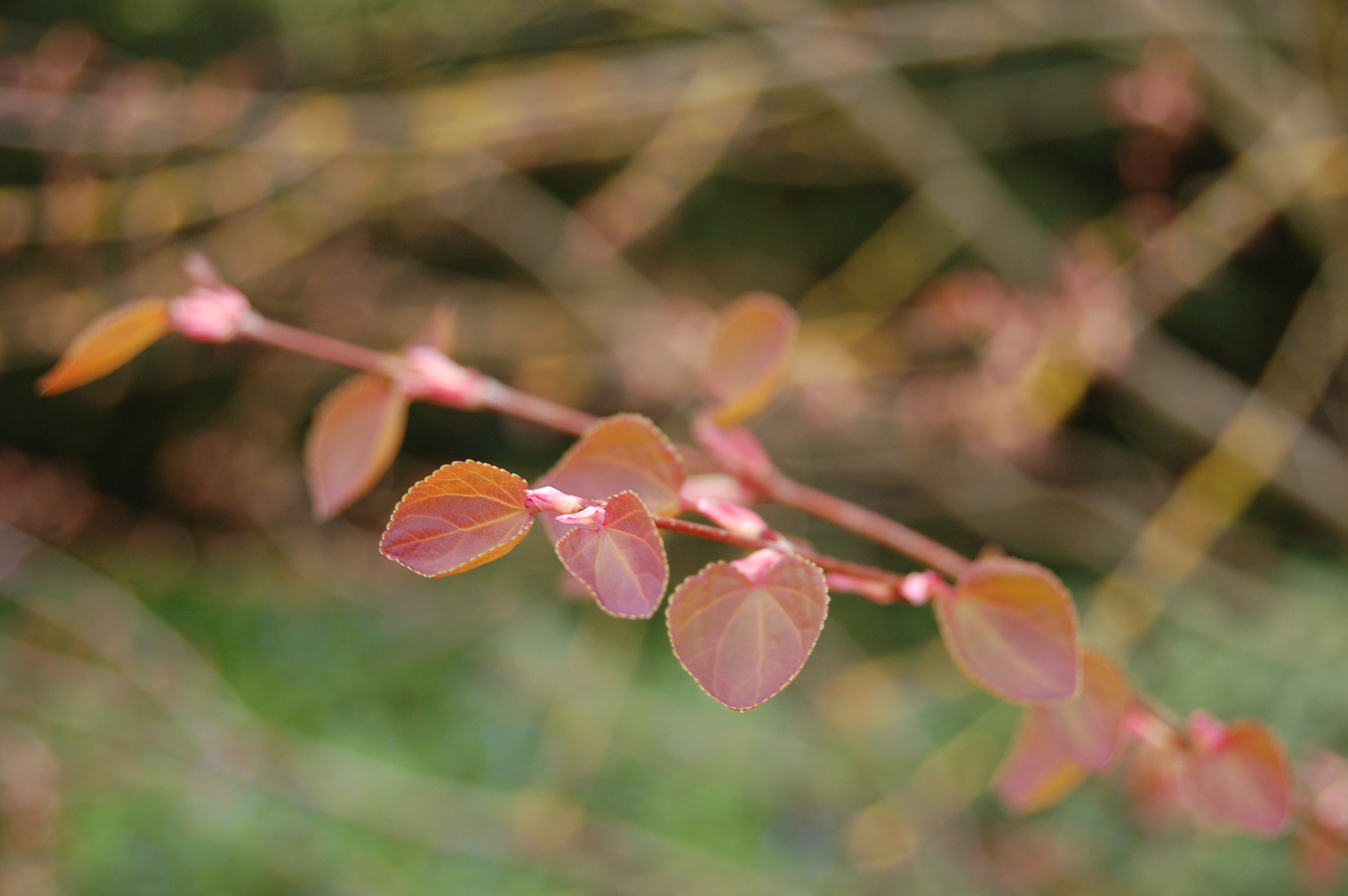
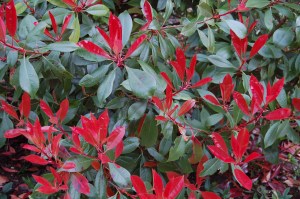
The fresh foliage of the Cercis had leaves of a delicate bronze which was a strong contrast to the much more brash reds of the Photinia “Red Robin”.
2014 03 20_7389  2014 03 20_7393

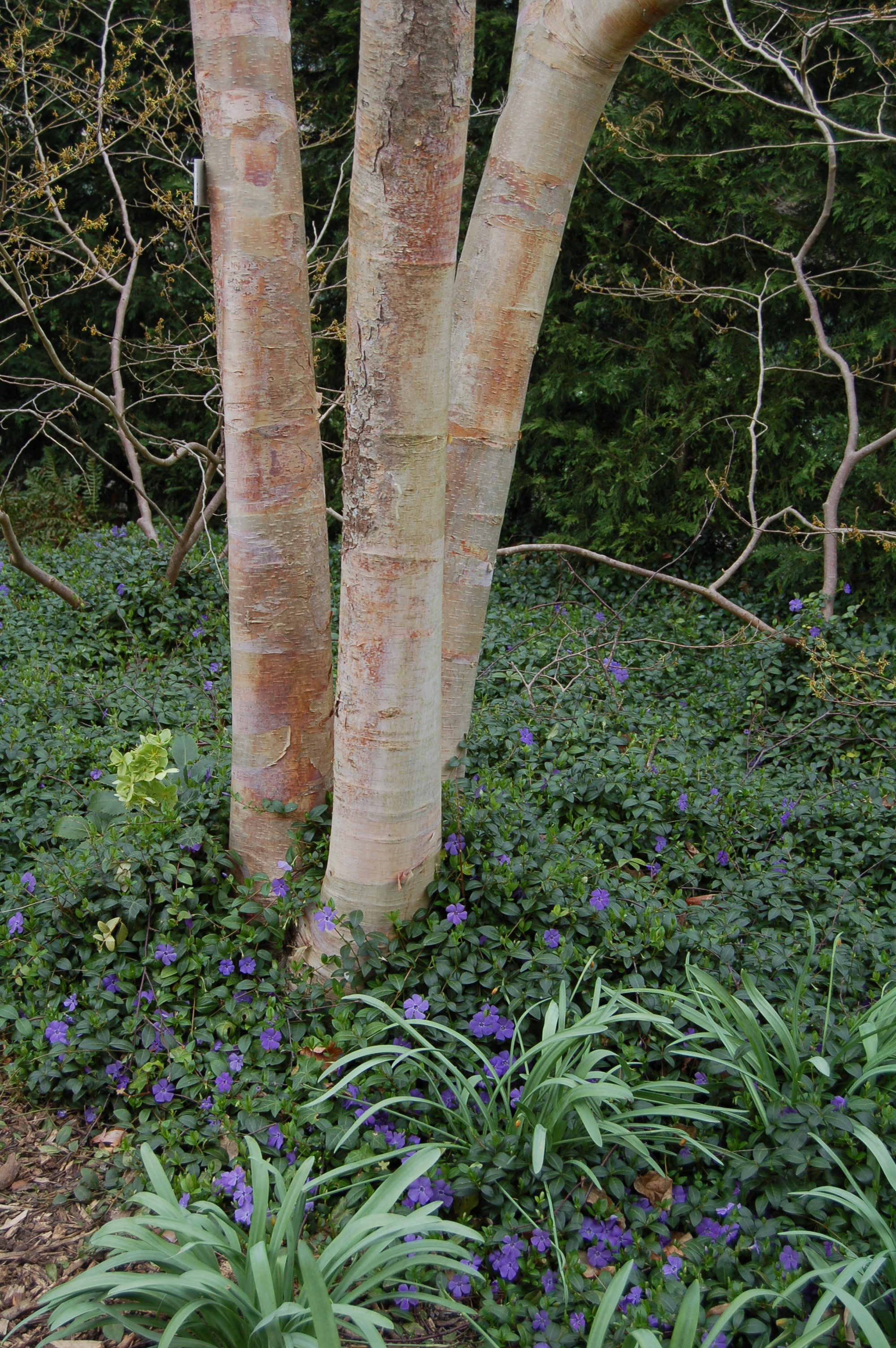
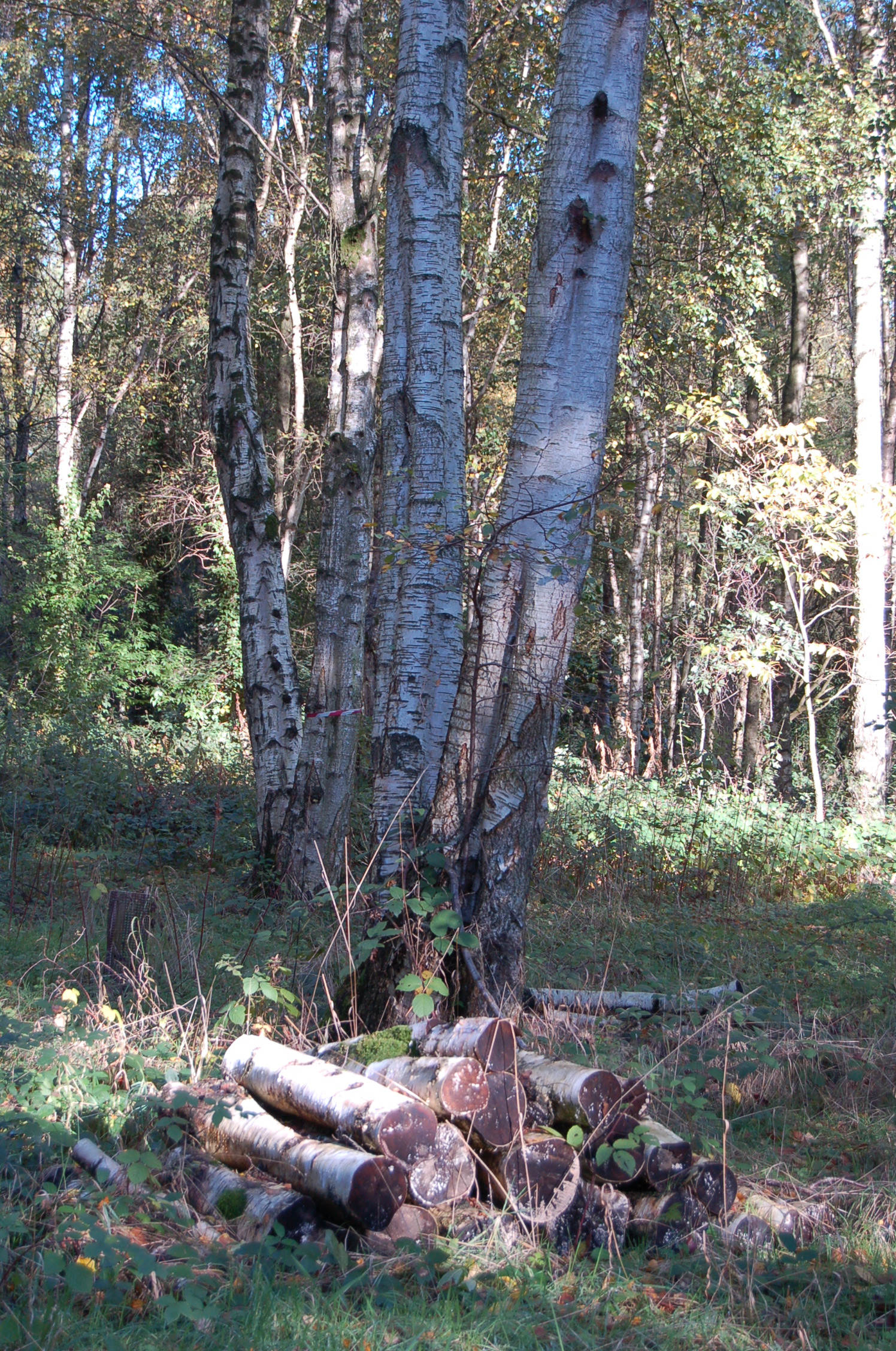
The white bark of the trunks of Betula utilis although now used in every winter garden still deserve to be centre stage. Here at Anglesey Abbey some had been “dressed” in bright colours for added humour.

2014 03 20_7408 2014 03 20_7412

2014 03 20_7410 2014 03 20_7409

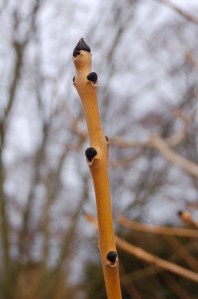
This golden stemmed ash is rarely seen in gardens but in the winter its black pyramidal buds strongly contrast with the golden stems. It is one of those plants that are simply too big for the average garden but when space allows it can be really attractive.
2014 03 20_7402

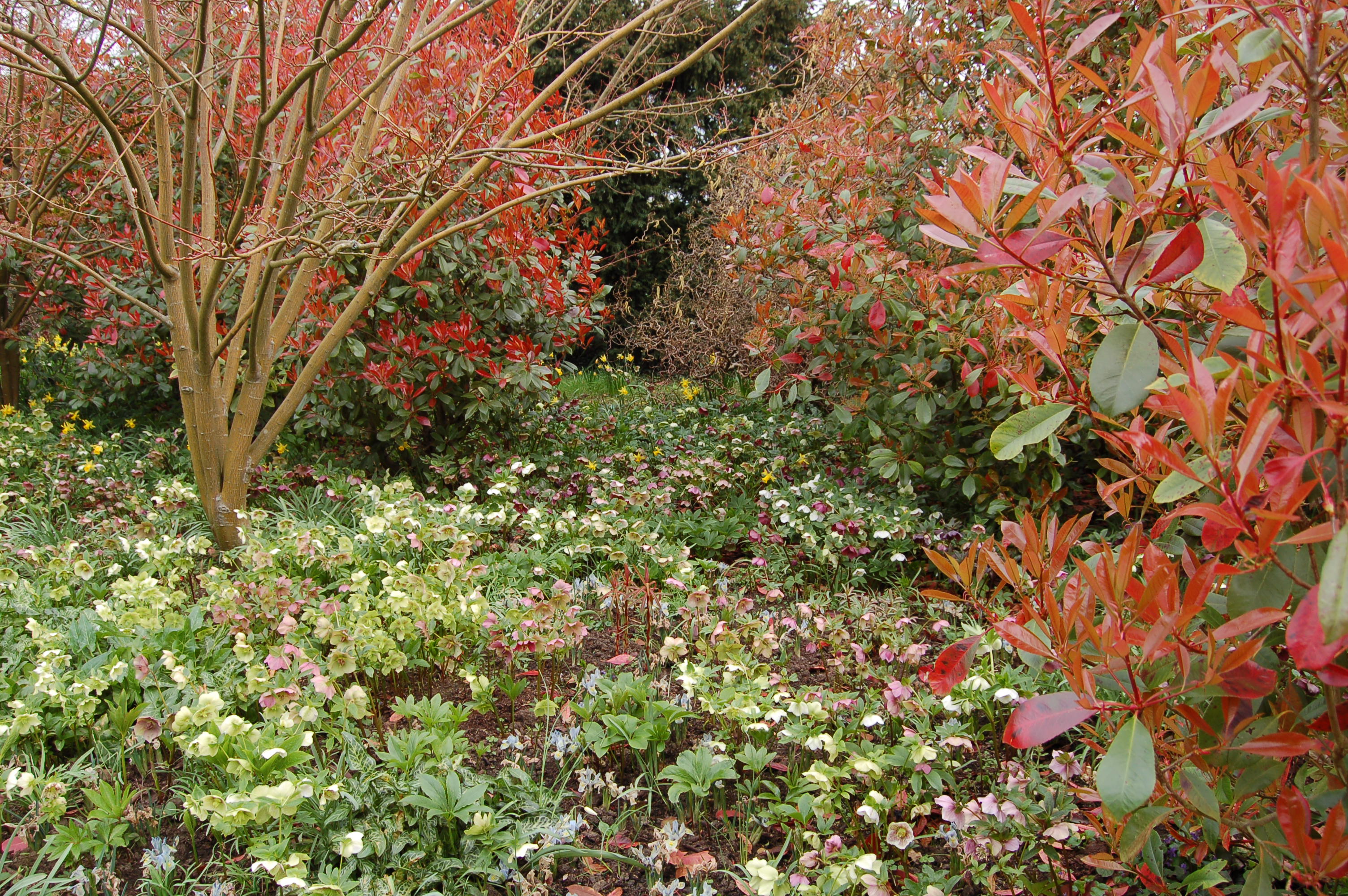
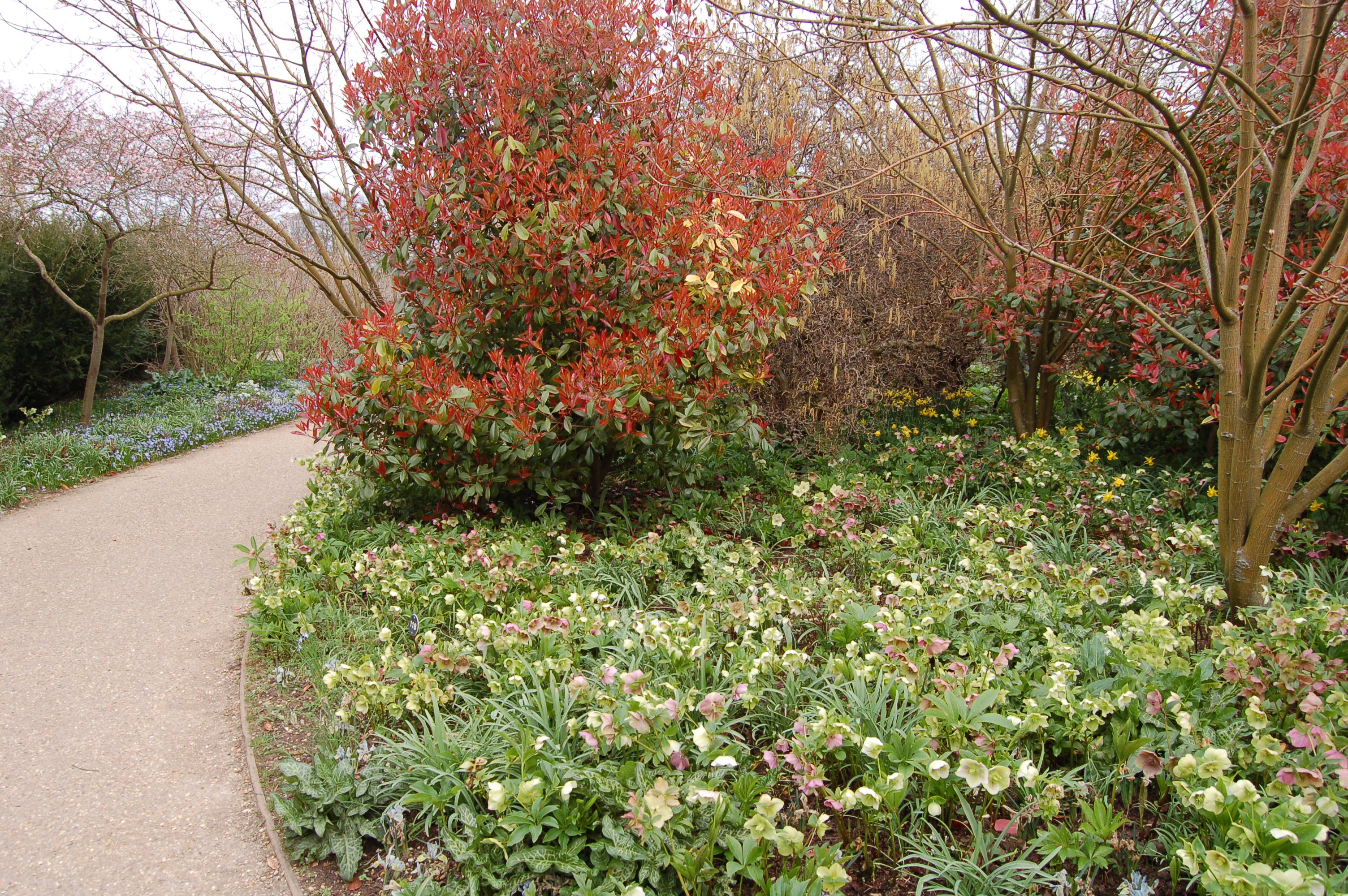
I have concentrated so far on the attributes of individual plants but we need to see how they fit in to the whole to fully appreciate their impact and the atmosphere of this amazing winter garden.
2014 03 20_7391 2014 03 20_7392  2014 03 20_7394 2014 03 20_7395 2014 03 20_7398 2014 03 20_7399 2014 03 20_7400 2014 03 20_7401

2014 03 20_7407  2014 03 20_7405 2014 03 20_7404 2014 03 20_7403

We entered the winter borders through interesting sculptural gates and we left through another. A quick look over the shoulder gave us a final chance to appreciate this brilliant garden.

So there we leave the series of three posts concerning winter gardens. Although Dunham Massey is the newcomer it looked good against the other two, but in the end it has to be said that the “original” winter garden at Anglesey Abbey remains my firm favourite.
2014 03 20_7413 2014 03 20_7406


Categories
colours flowering bulbs garden design garden photography gardening gardens gardens open to the public grasses hardy perennials irises ornamental grasses ornamental trees and shrubs shrubs spring bulbs trees Winter Gardening winter gardens

Three Winter Gardens – Part Two – Cambridge Botanic Gardens

We had never been to Cambridge before. Lots of people told us it is just like Oxford its parallel university city. We decided to put things right and find out for ourselves so spent a few days there. One day we spent in the University Botanic Gardens where we were keen to explore the winter garden as we had heard good things about it.
We were pleased we decided to visit both Cambridge and its botanic garden as we enjoyed both immensely. The Botanic Garden was good enough to make us plan to return in different seasons. If a garden impresses in winter then it will at any time.

So for part two of my “Three Winter Gardens” we shine the spotlight on Cambridge. Look out for a post in the near future looking at the rest of the garden in winter too.

We knew we were in for a treat for within the first 20 yards of our walk after passing through the gate we were mystified by a couple of plants we did not know.

2014 03 17_7183 2014 03 17_7179

Luckily they were both labelled and I shall say what they are in my post about the gardens in general but first off to the Winter Garden. We were particularly keen to see this seasonal patch as it had been created in 1989 so now it is well established. Many gardens now boast winter borders or winter gardens and we have even created one on our allotment site in the communal areas, but these are mostly immature.

2014 03 17_7254

Trees and shrubs give the impact in any winter garden often as here at Cambridge they are birches and willows.

2014 03 17_7255 2014 03 17_7277

2014 03 17_7258

We were particularly impressed with the use of ground cover, an aspect we have not used very well in our allotment version. We were to learn so much and go home full of enthusiasm to develop effective ground cover in our allotment’s winter garden. Ivies, periwinkles and hellebores added so much. We already use hellebores but not ivies and periwinkles but they present so many opportunities, with all the varieties in leaf colour, variegation and shape in ivies and flower colours in the periwinkles. Bergenias and grasses together worked well in other places, because of their unusual foliage colours and contrasting leaf shape.

2014 03 17_7256  2014 03 17_7259 2014 03 17_7260 2014 03 17_7263

2014 03 17_7265

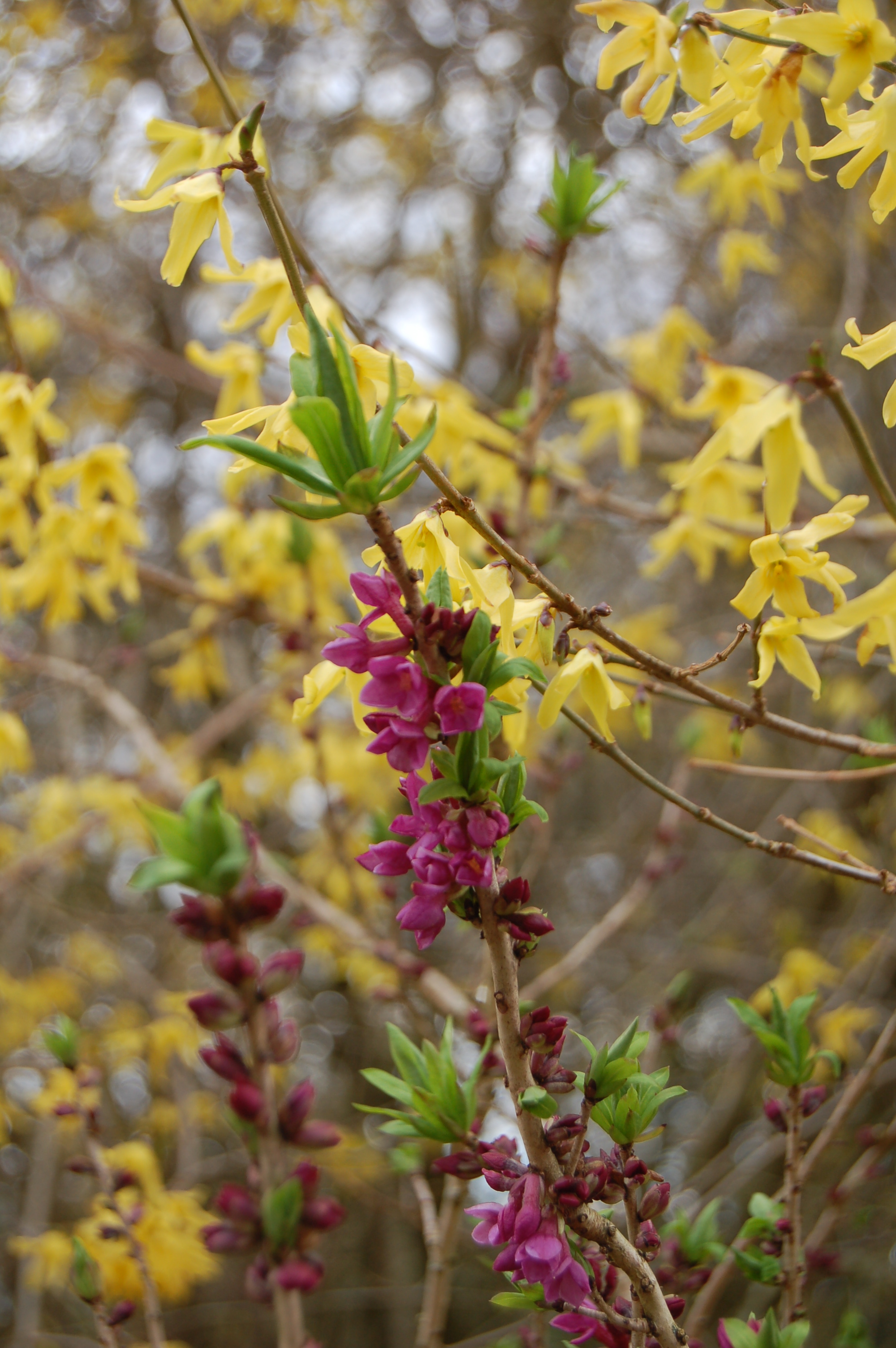
This was a very effective colour combination which in any other season probably wouldn’t have worked. Daphne mezereum and Forsythia Lynwood. Of course the daphne also provided that other essential of any winter border – sweet scent. The sweetest scent of all came from another Daphne, Jacquelin Postill.

2014 03 17_7261  2014 03 17_7262 2014 03 17_7272

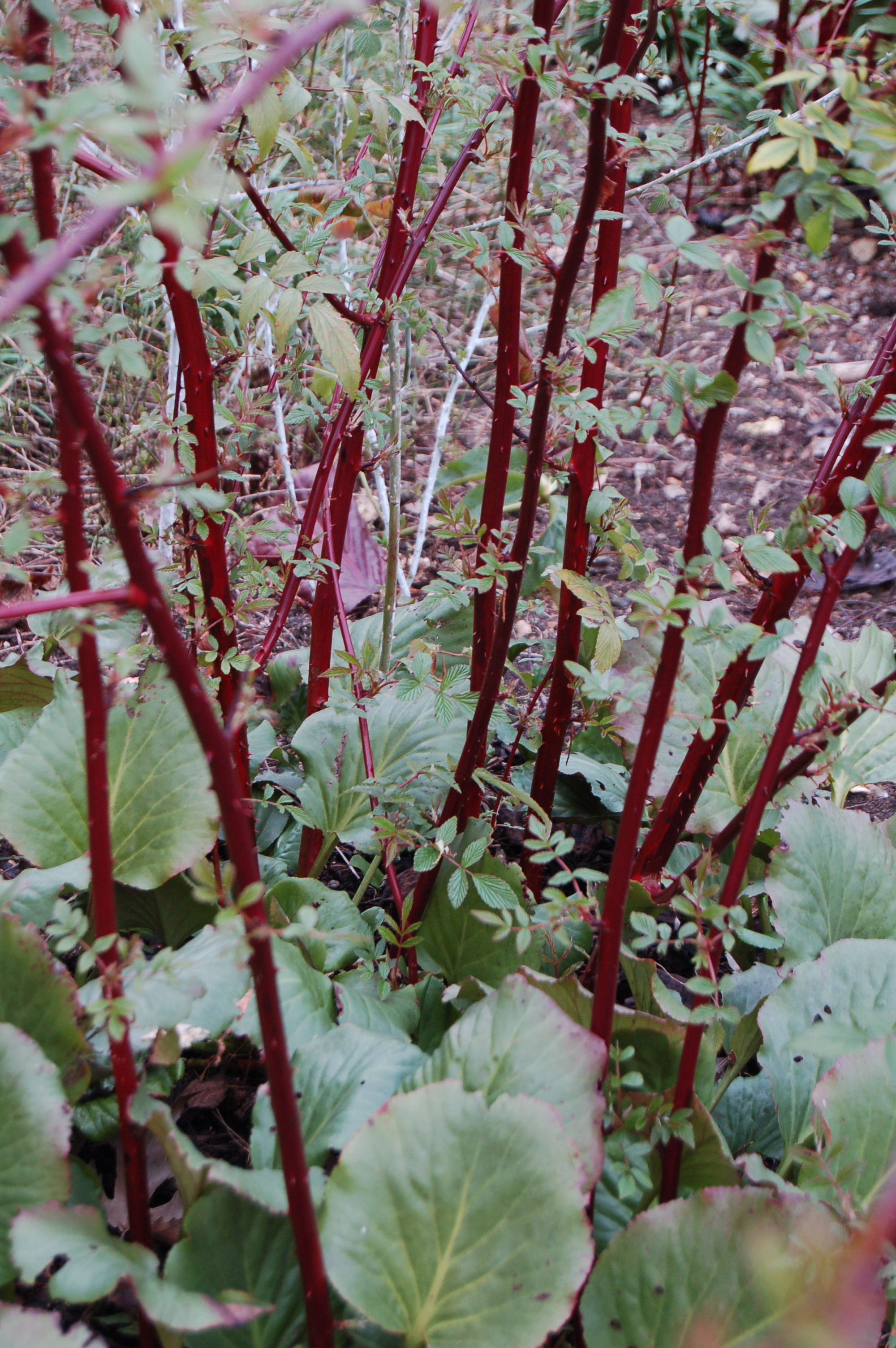
The coloured stems of coppiced and pollarded Cornus (dogwoods) and Salix (willows) have to star in any winter garden and they certainly did here along with Rubus.

2014 03 17_7264  2014 03 17_7266   2014 03 17_7269 2014 03 17_7270 2014 03 17_7271 2014 03 17_7274

2014 03 17_7273  2014 03 17_7275

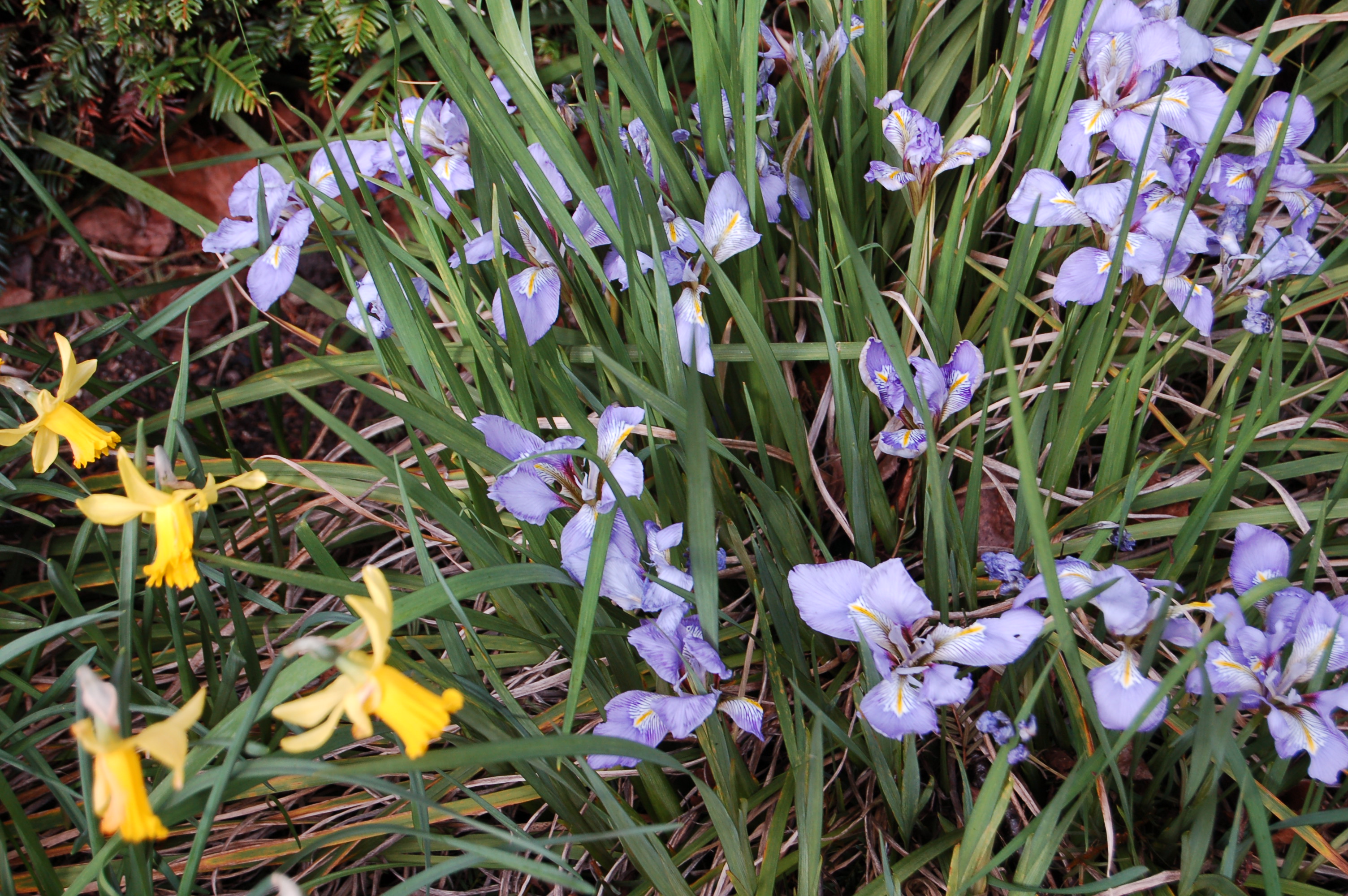
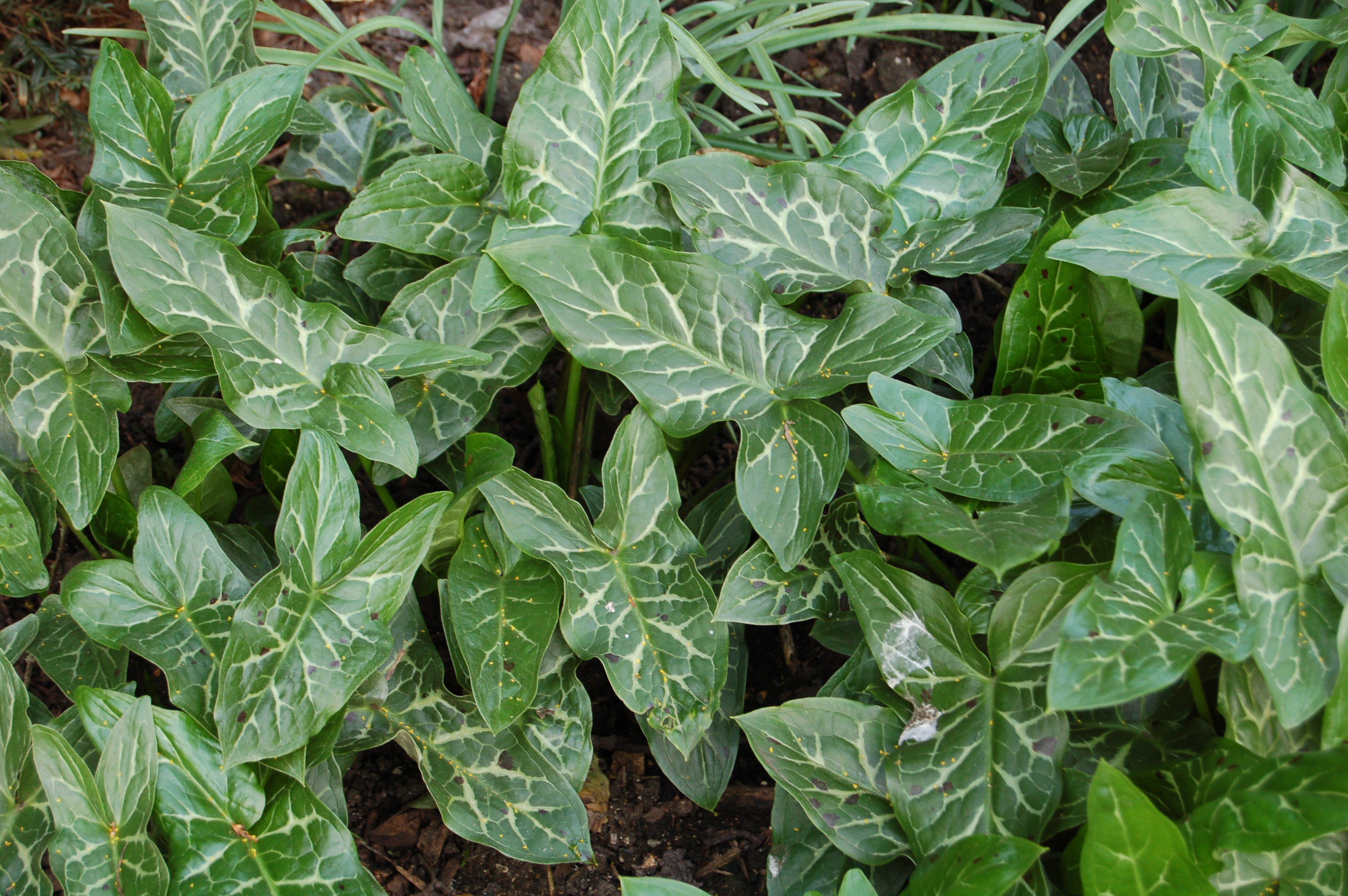
Two gems worth a special mention are the winter flowering iris and the wonderful leaves of Arum italicum marmoratum.

2014 03 17_7276  2014 03 17_7278

I shall finish with this photo looking back at the gently curving path through the winter border. The third of my winter garden visits will be to Anglesay Abbey, probably the best known and most polular of all the winter gardens in this country. We shall see if it deserves this accolade.

2014 03 17_7267

Categories
climbing plants colours flowering bulbs garden design garden photography garden wildlife gardening gardens grasses hardy perennials ornamental grasses ornamental trees and shrubs Shropshire spring bulbs trees Uncategorized Winter Gardening winter gardens

Aiming for a year round garden. Part One – The Winter

Over the last few years we have worked hard planning to make our garden look and feel good all year round. So today I took a wander with camera in hand to see how well we had done so far. See what you think. Are we getting there?

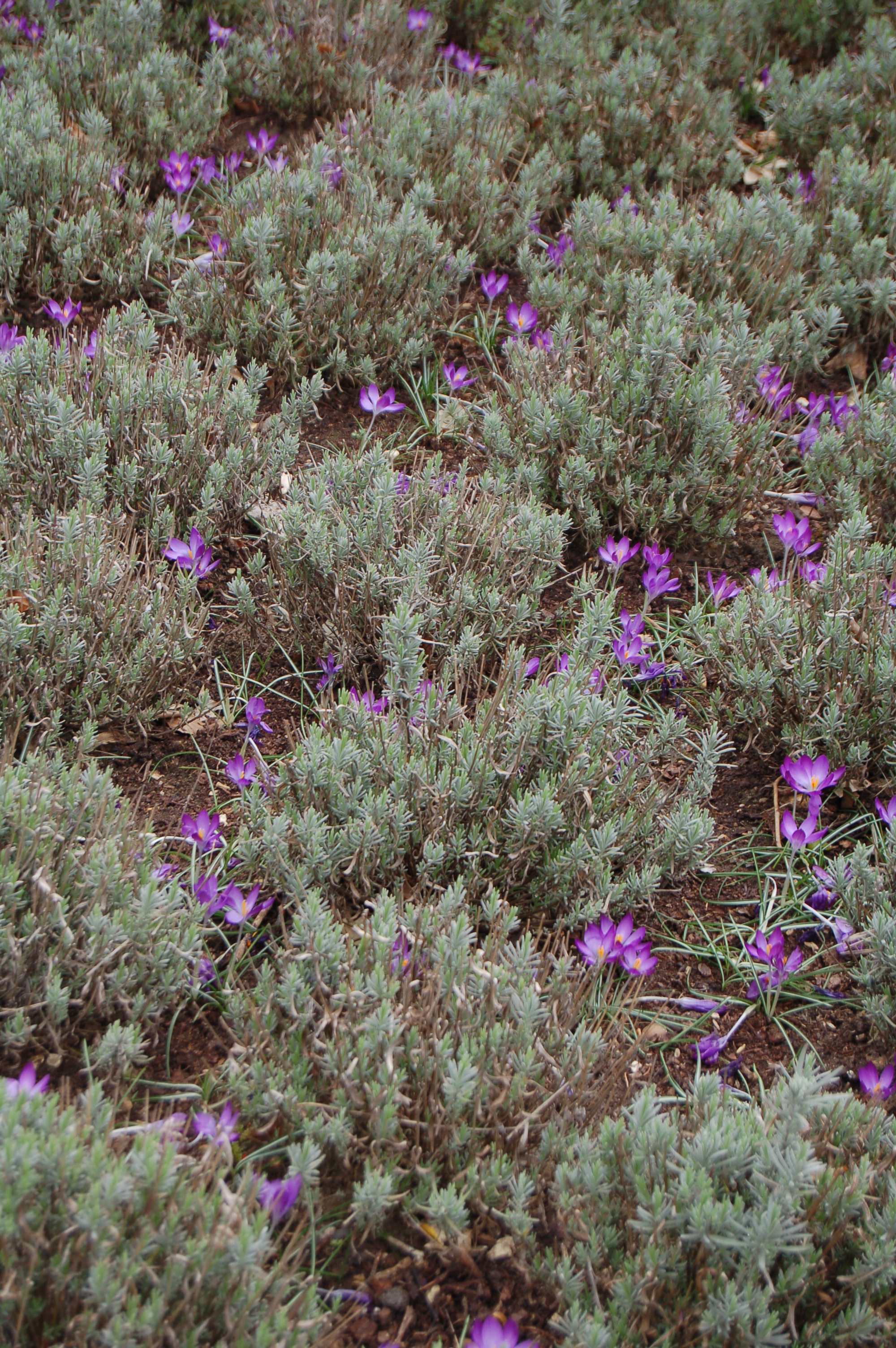
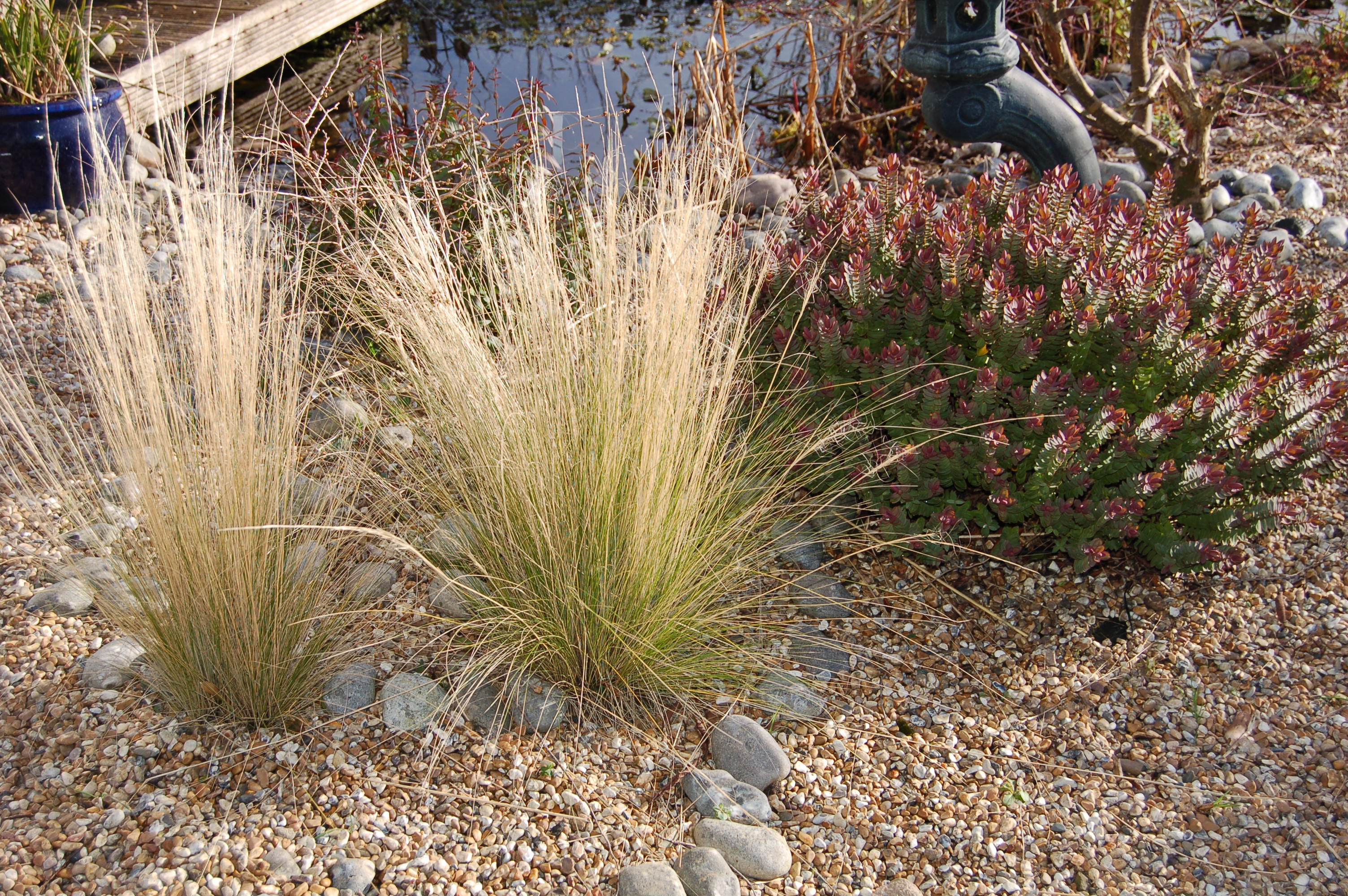
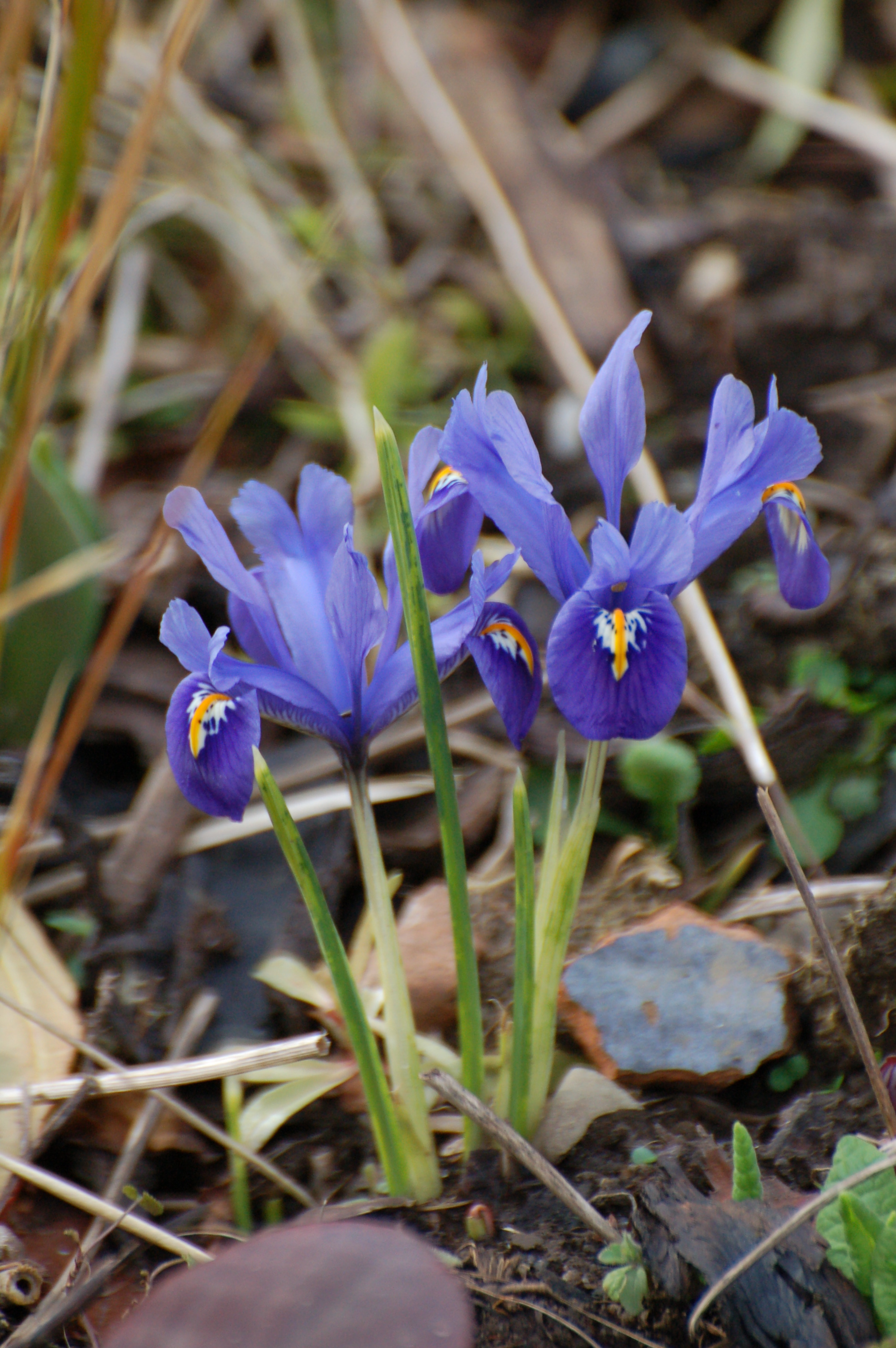
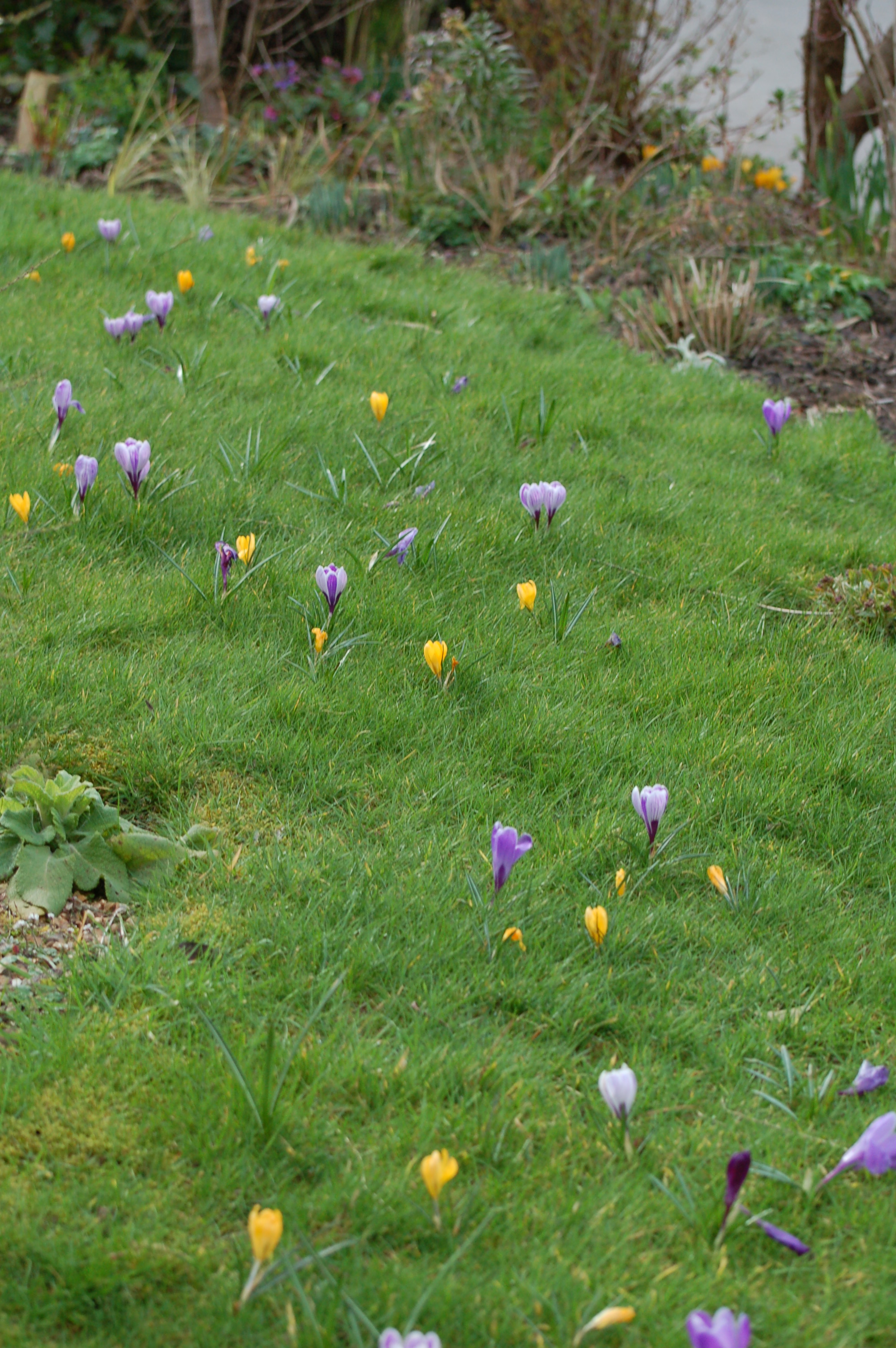
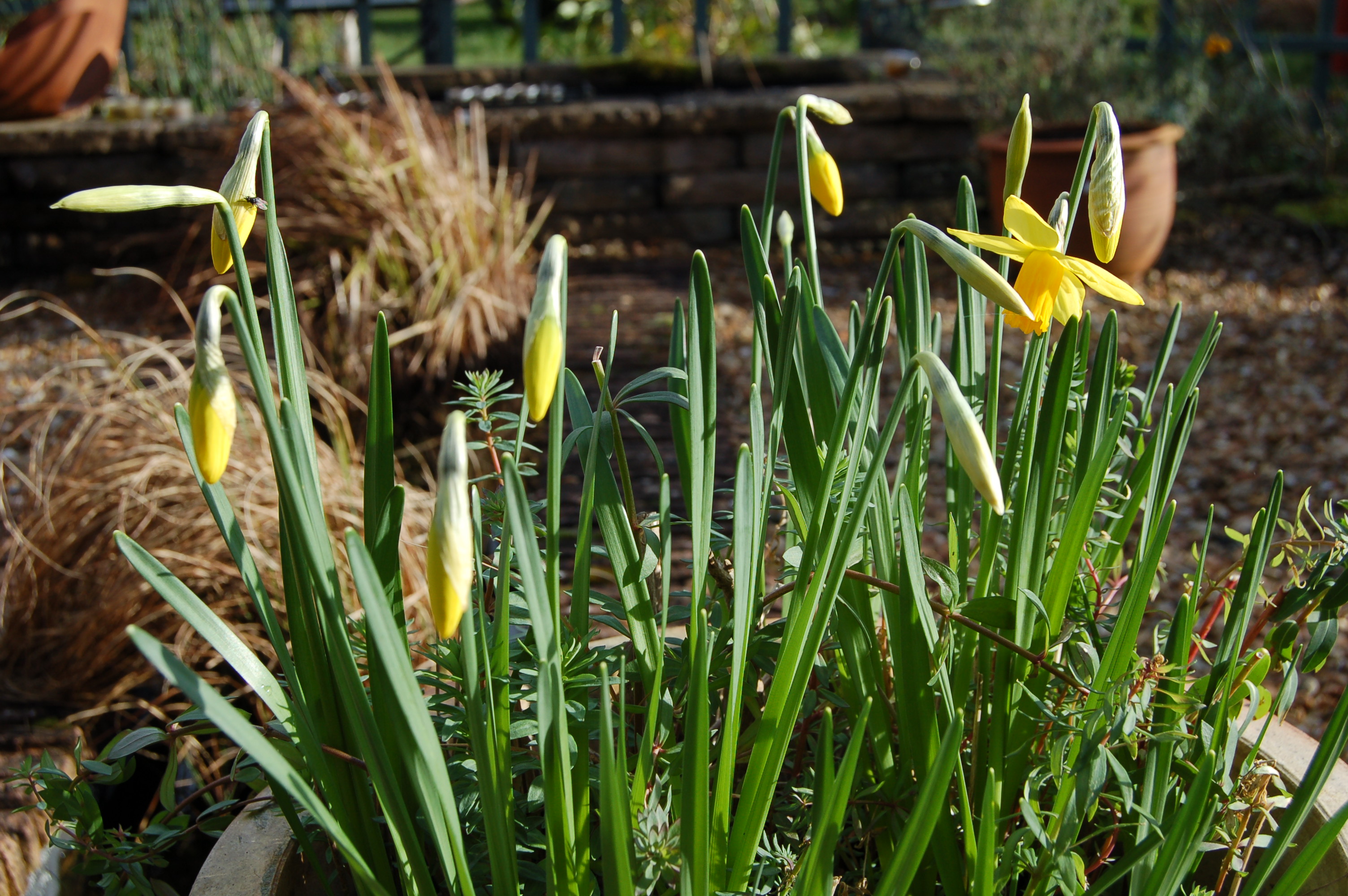
Of course flowering bulbs come into their own at this time of year and we now have a wide selection of crocus, muscari, miniature narcissi and Iris reticulata throughout the garden. Grasses are of equal importance but only recently have they been accepted as an essential element of the winter garden. The first photo shows how well our Pony Tails Grasses contrast with the foliage of Hebes. In the second crocus team up with grasses to create a great combination of colours and textures.

2014 03 03_6817 2014 03 03_6792

2014 03 06_6878 2014 03 06_6876 2014 03 06_6875 2014 03 06_6874

2014 03 03_6829 2014 03 03_6805

A have a soft spot for celandines, enjoying the glossy yellow native plant that lights up our hedgerow bases as well as the cultivated bronze leaved Brazen Hussey and the “Giant Celandine” in the photograph below.

2014 03 06_6868 2014 03 06_6867 2014 03 06_6866 2014 03 06_6865

2014 03 03_6788 2014 03 03_6789

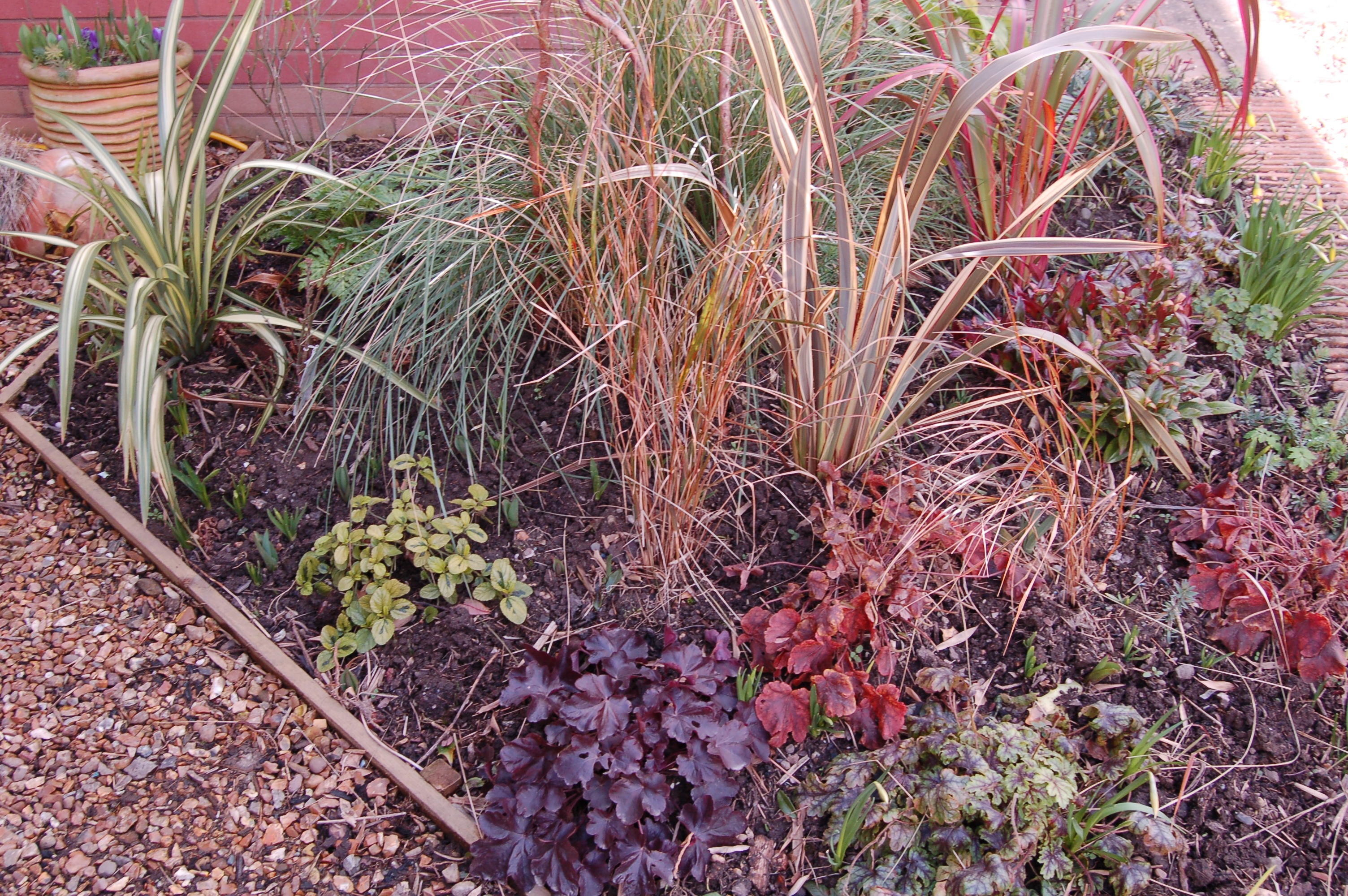
Euphorbias are another of those families of plants that are all year round essentials in our gardens but at this time of year their new bracts glow on overcast days. Foliage is perhaps more important than flowers in the winter garden as it provides variations of colour, pattern and texture. Phormiums, Heucheras and grasses are most effective.

2014 03 03_6832 2014 03 03_6806

2014 03 03_6831 2014 03 03_6830  2014 03 03_6828 2014 03 03_6827 2014 03 03_6811

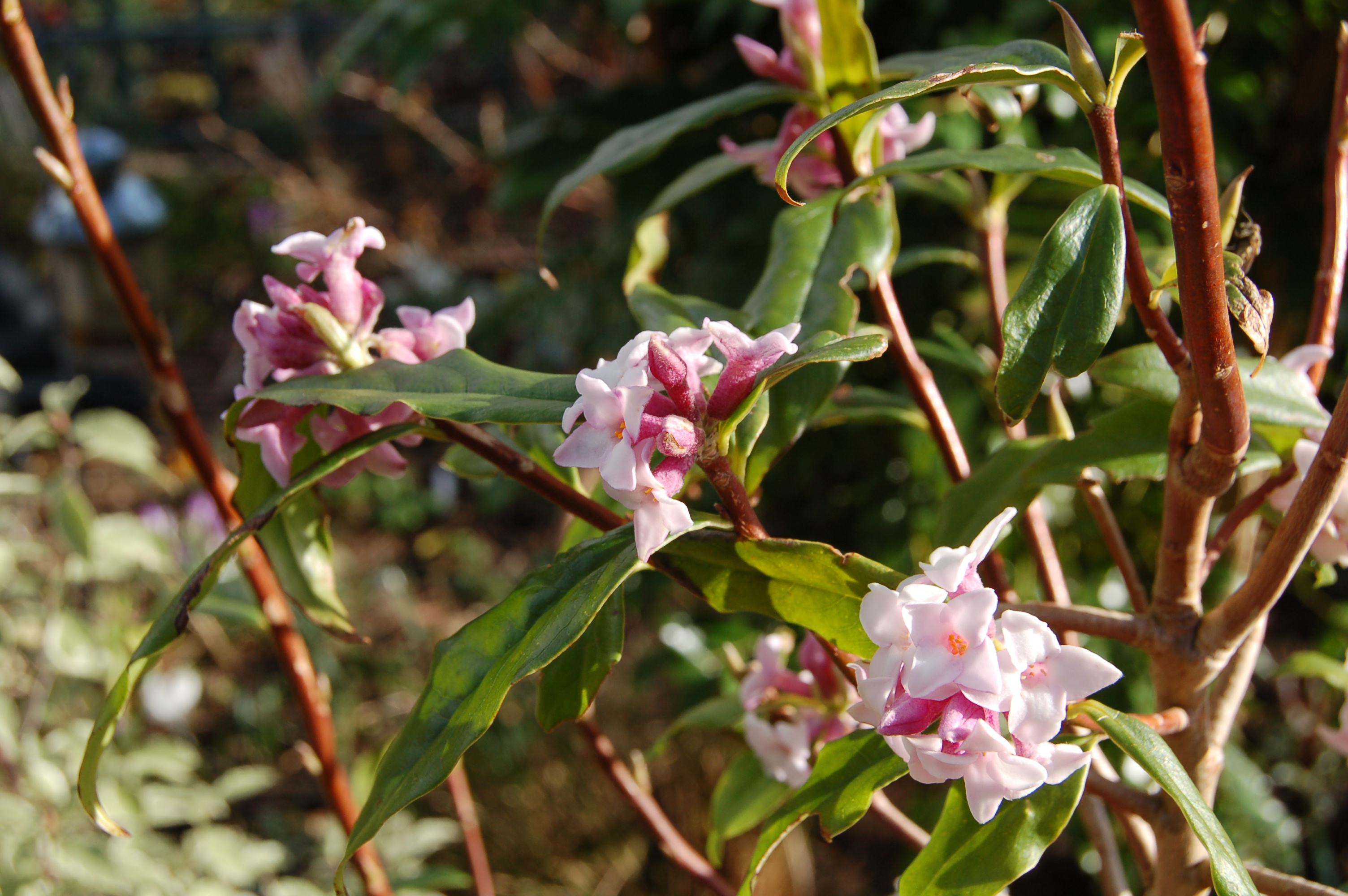
Scent can play its part as it pervades the calm air and delights us as we wander with the thought of brighter warmer days. Daphnes, Sarcoccocas, Cornus, Mahonias and Viburnums all perform well in our garden.

2014 03 03_6825 2014 03 03_6824 2014 03 03_6823 2014 03 03_6786

2014 03 03_6808 2014 03 03_6796

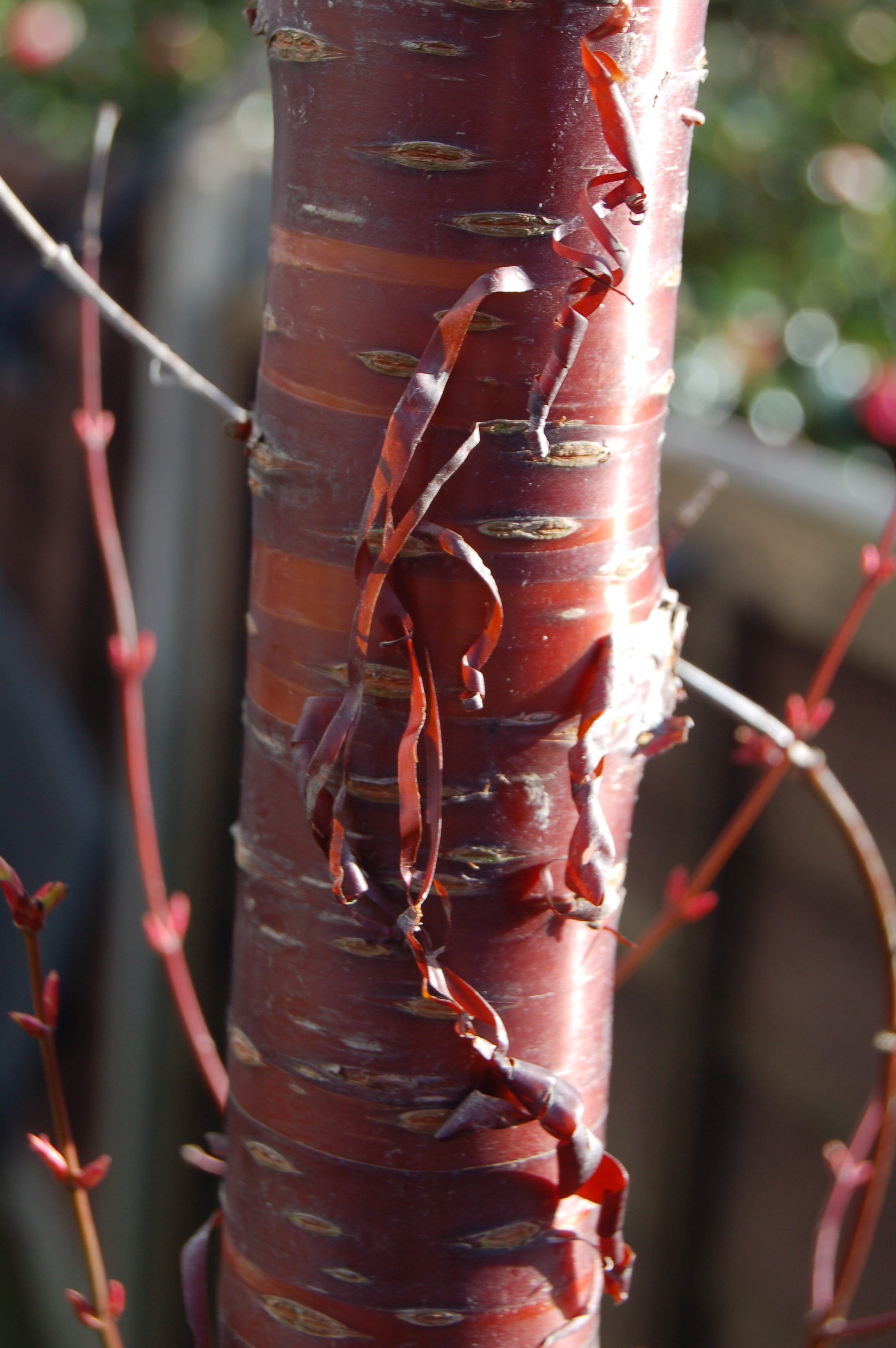
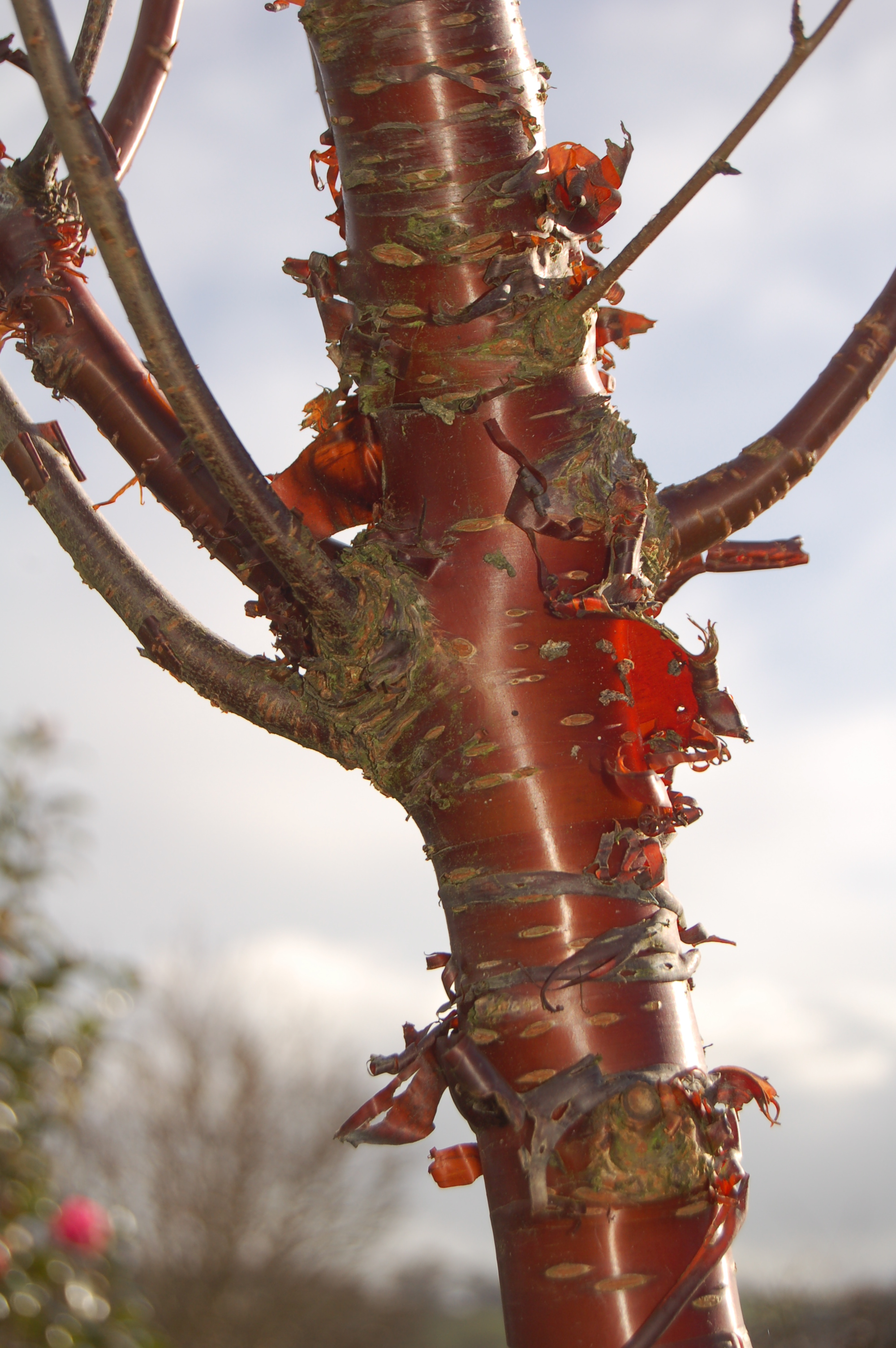
Textured bark on our trees in our Spring Border looks especially good in winter light. The peeling orange bark of the Prunus serrula and the birch is like slithers of brittle toffee.

2014 03 03_6821 2014 03 03_6820 2014 03 03_6819

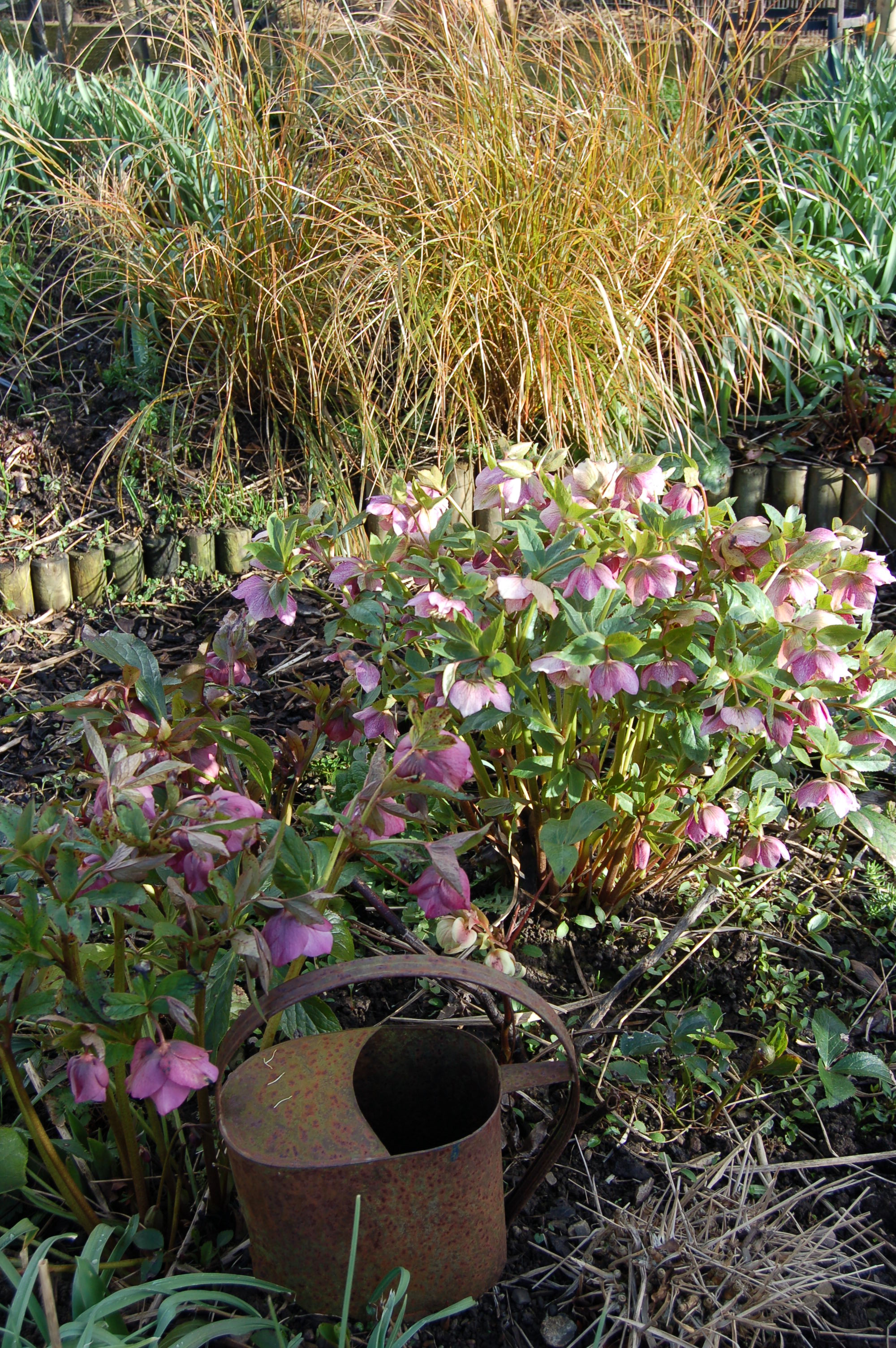
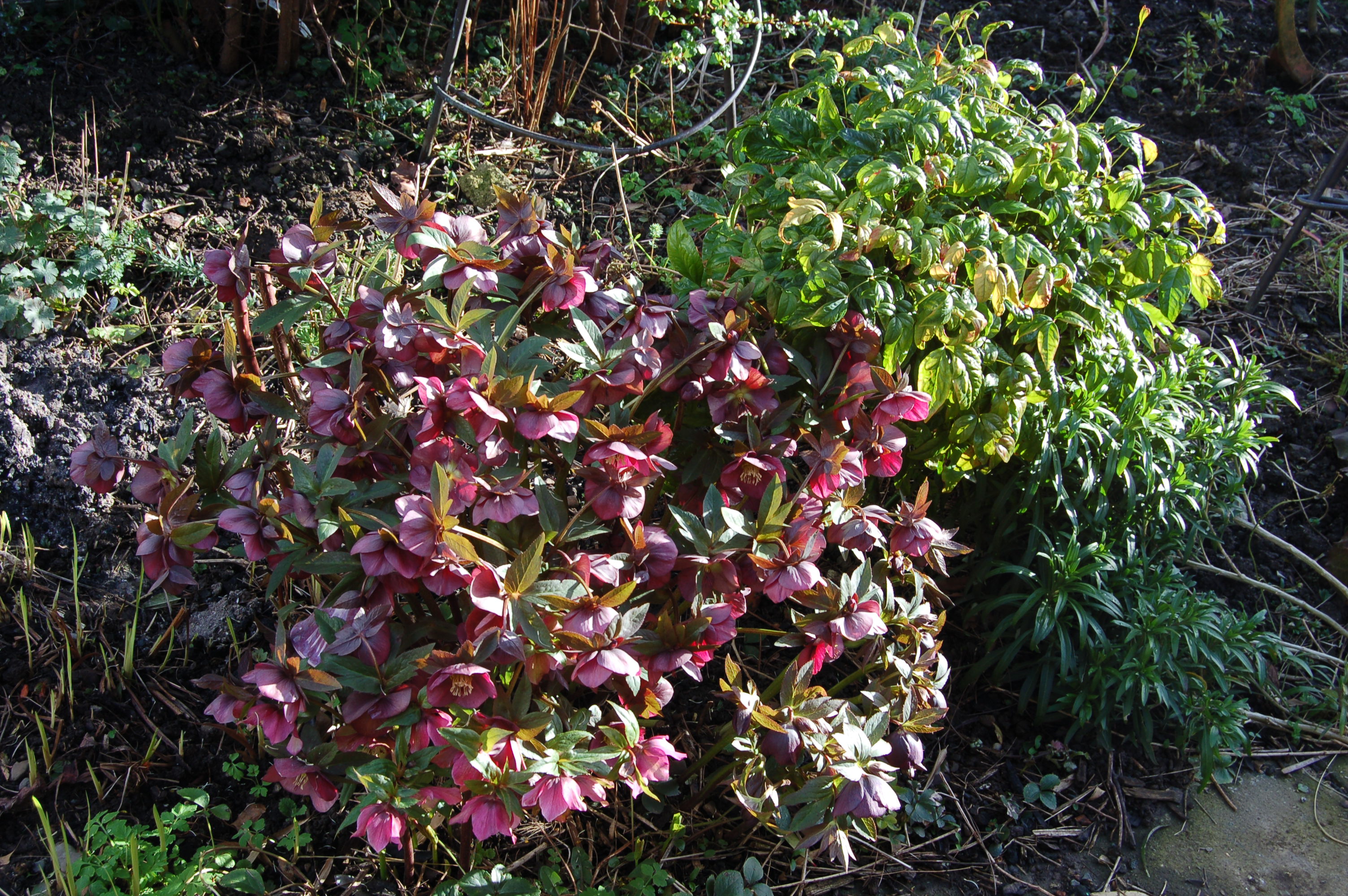
Hellebores star in most gardens in winters since so many wonderful easily grown specimens have become available in most garden centres and nurseries.

2014 03 03_6818 2014 03 03_6813

2014 03 03_6812 2014 03 03_6790

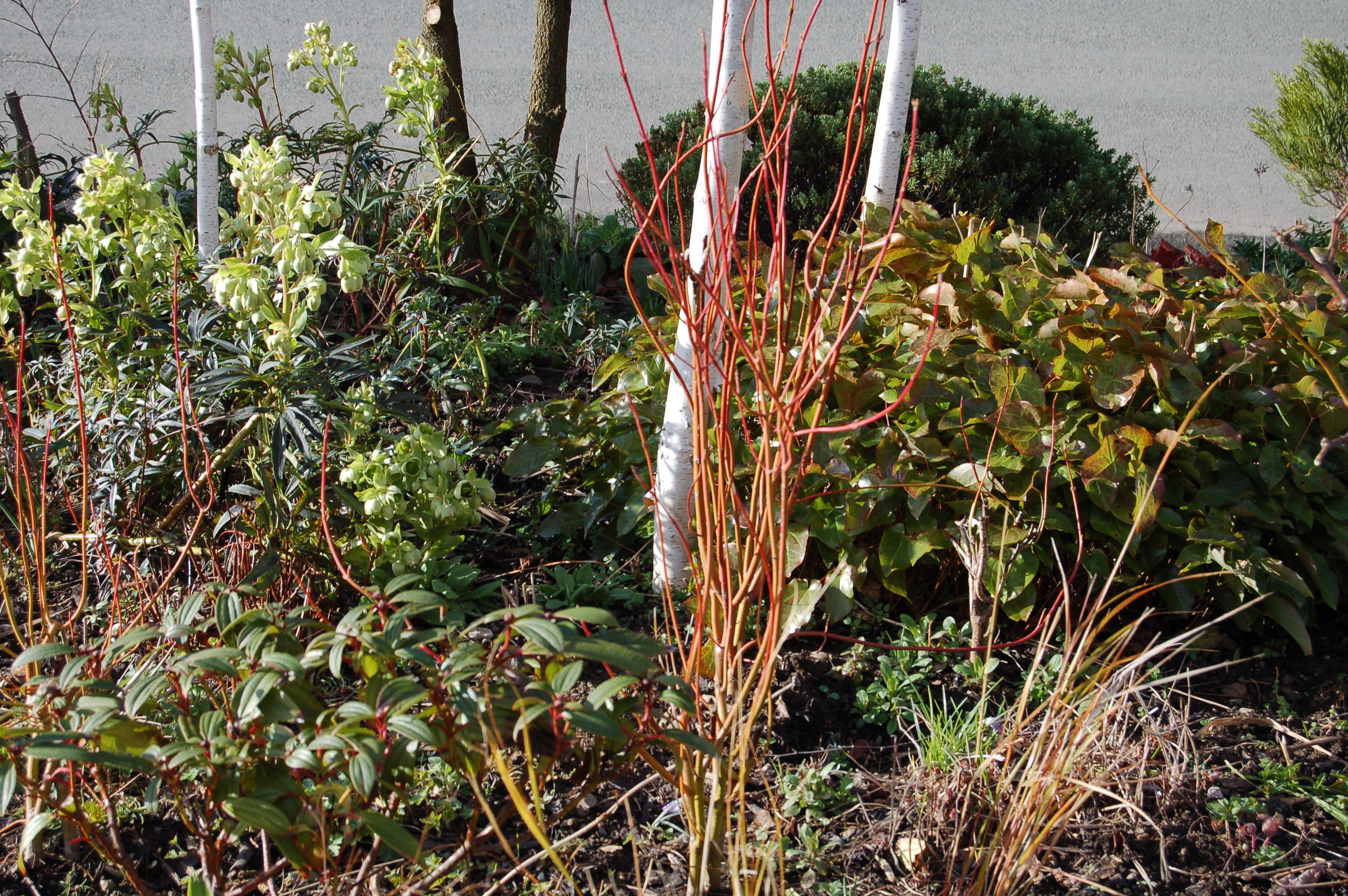
Here some of our many hellebores  are twinned with coloured stemmed cornus and salix.

2014 03 03_6809

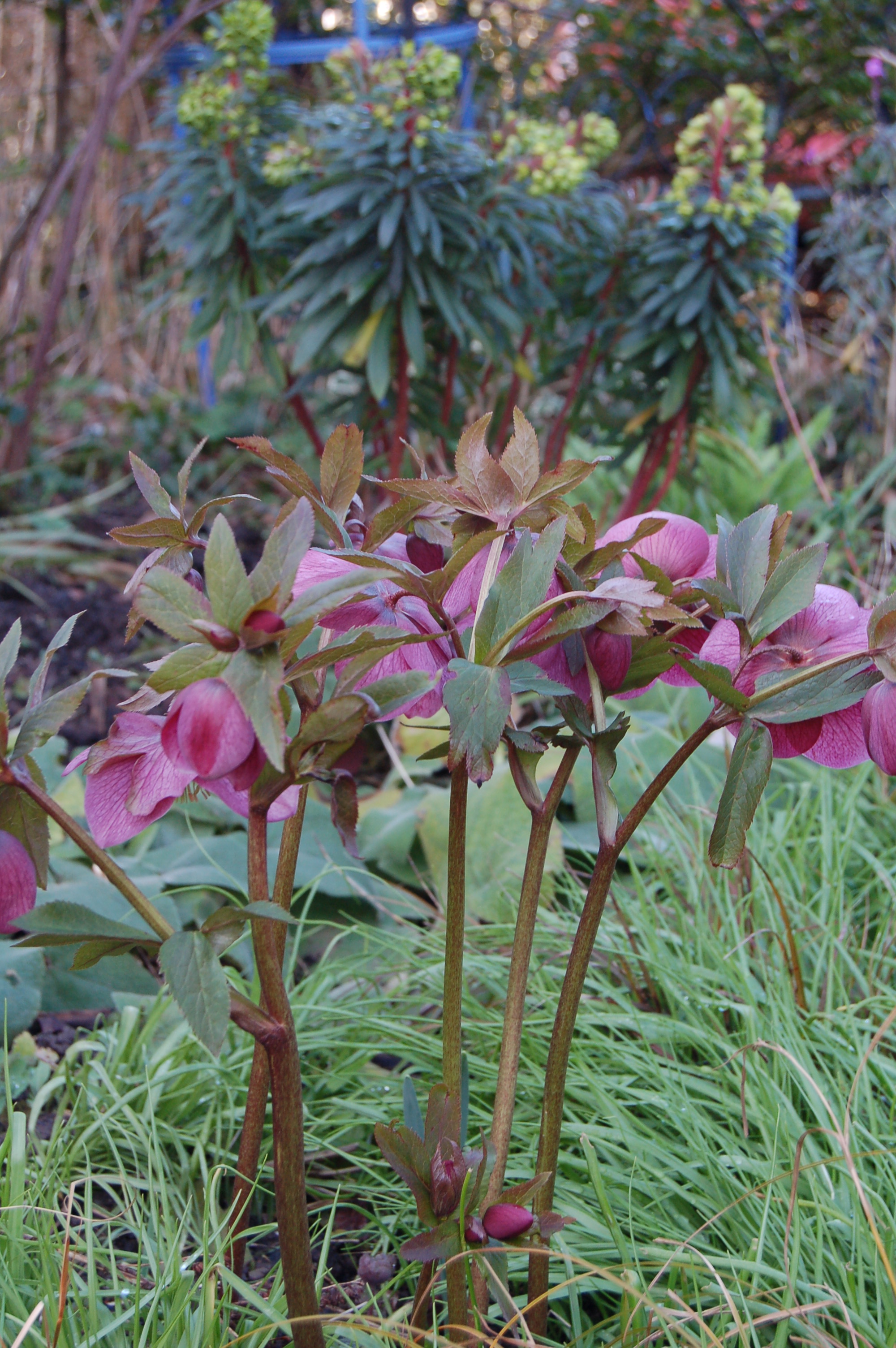
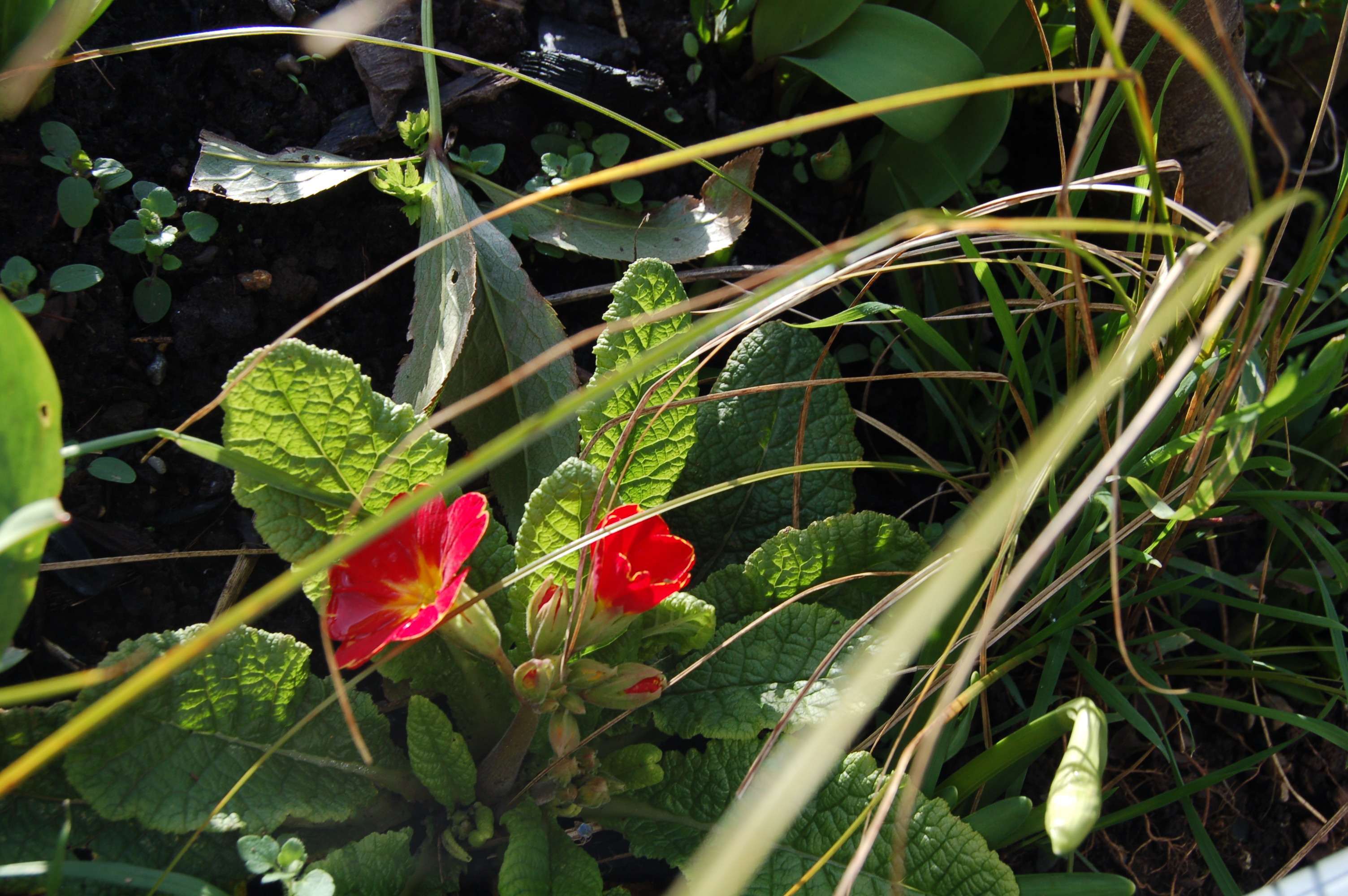
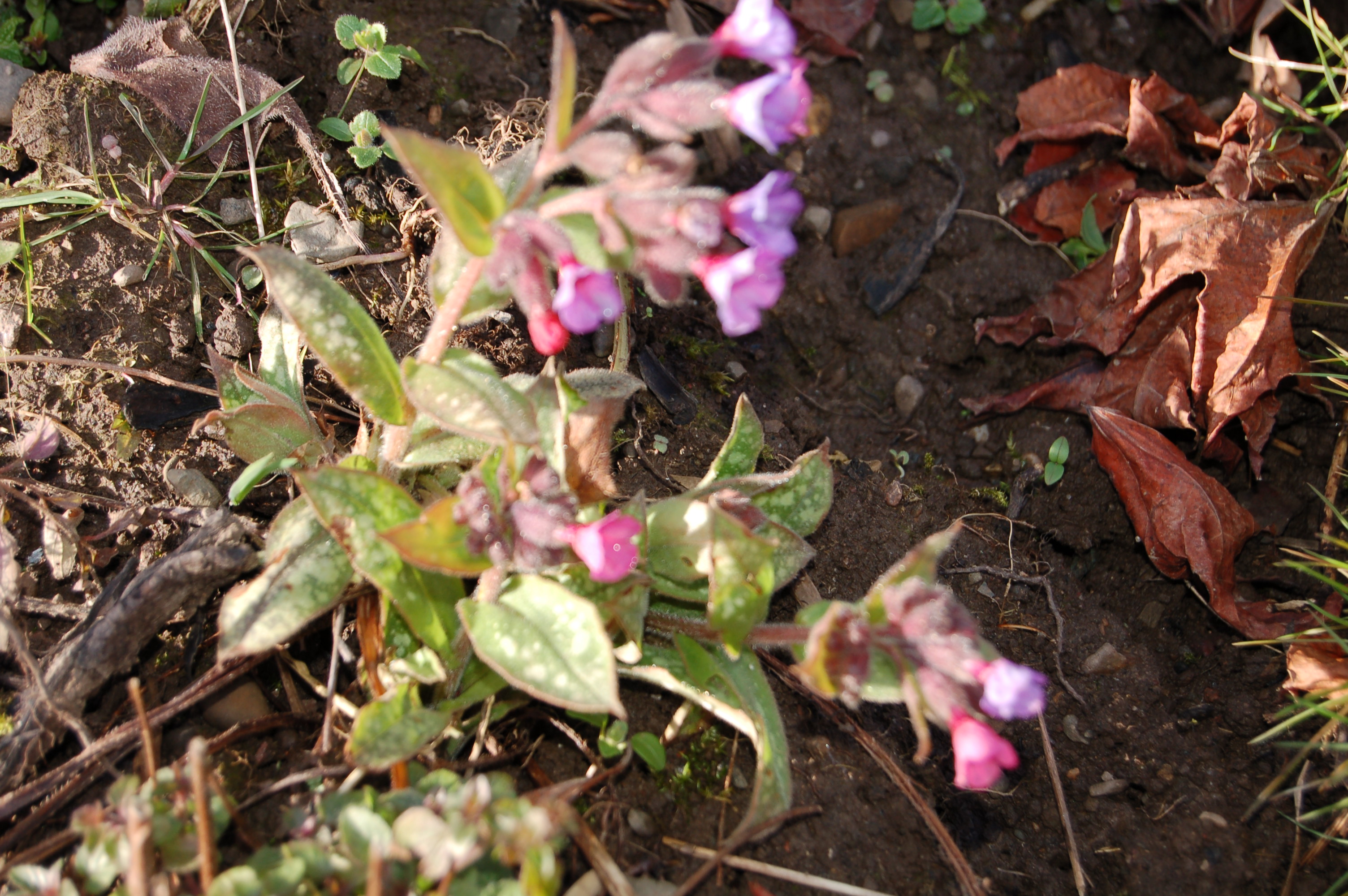
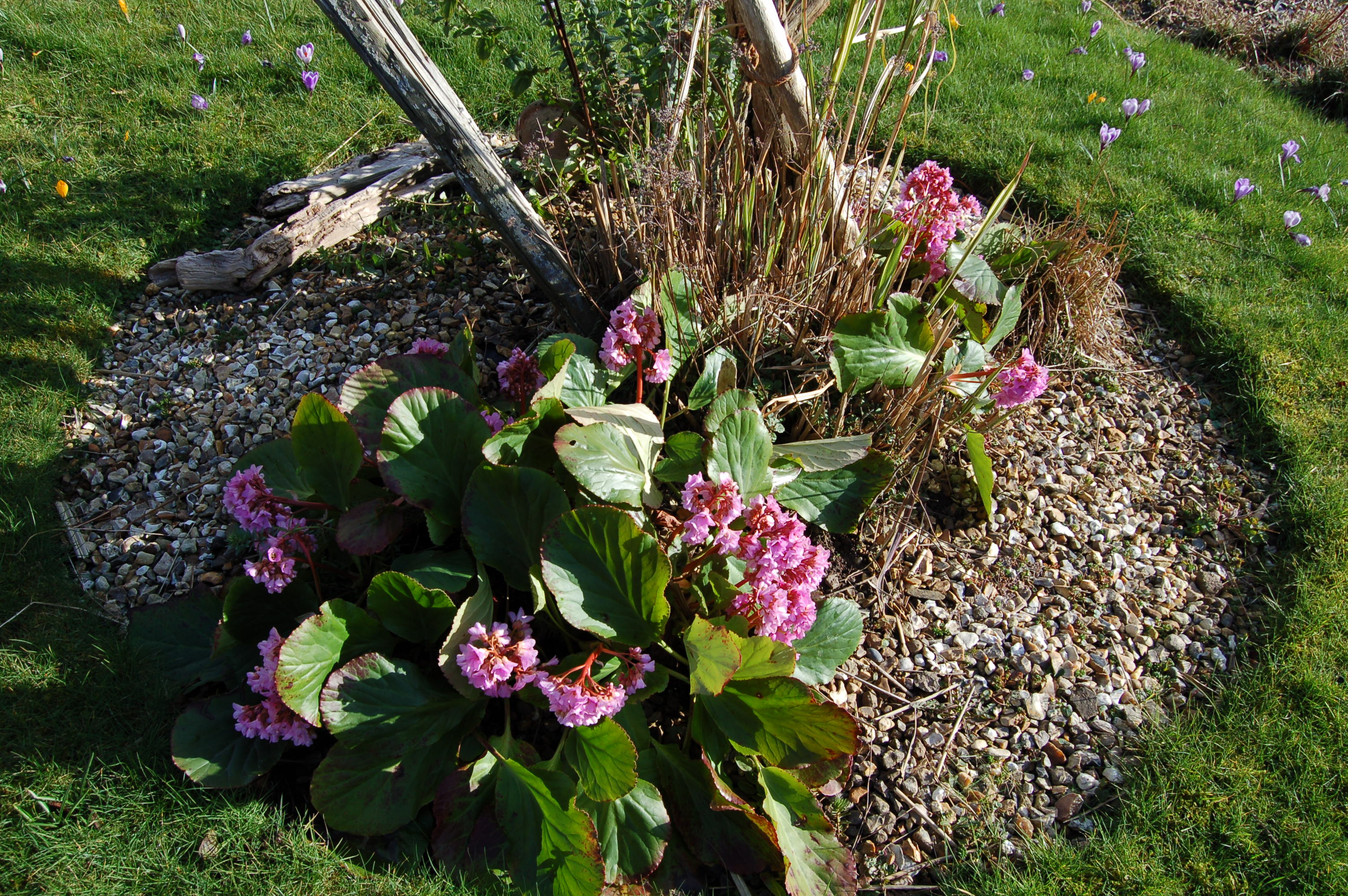
Any flower brave enough to appear in the winter is worthy of mention be they primulas, witch hazels, pulmonarias or bergenia. They would perhaps seem quite ordinary if they flowered among the stars of the summer garden but in the winter they are extraordinarily good garden plants.

2014 03 03_6816 2014 03 03_6815     2014 03 03_6810   2014 03 03_6807

2014 03 03_6797 2014 03 03_6799

2014 03 03_6798 2014 03 03_6791

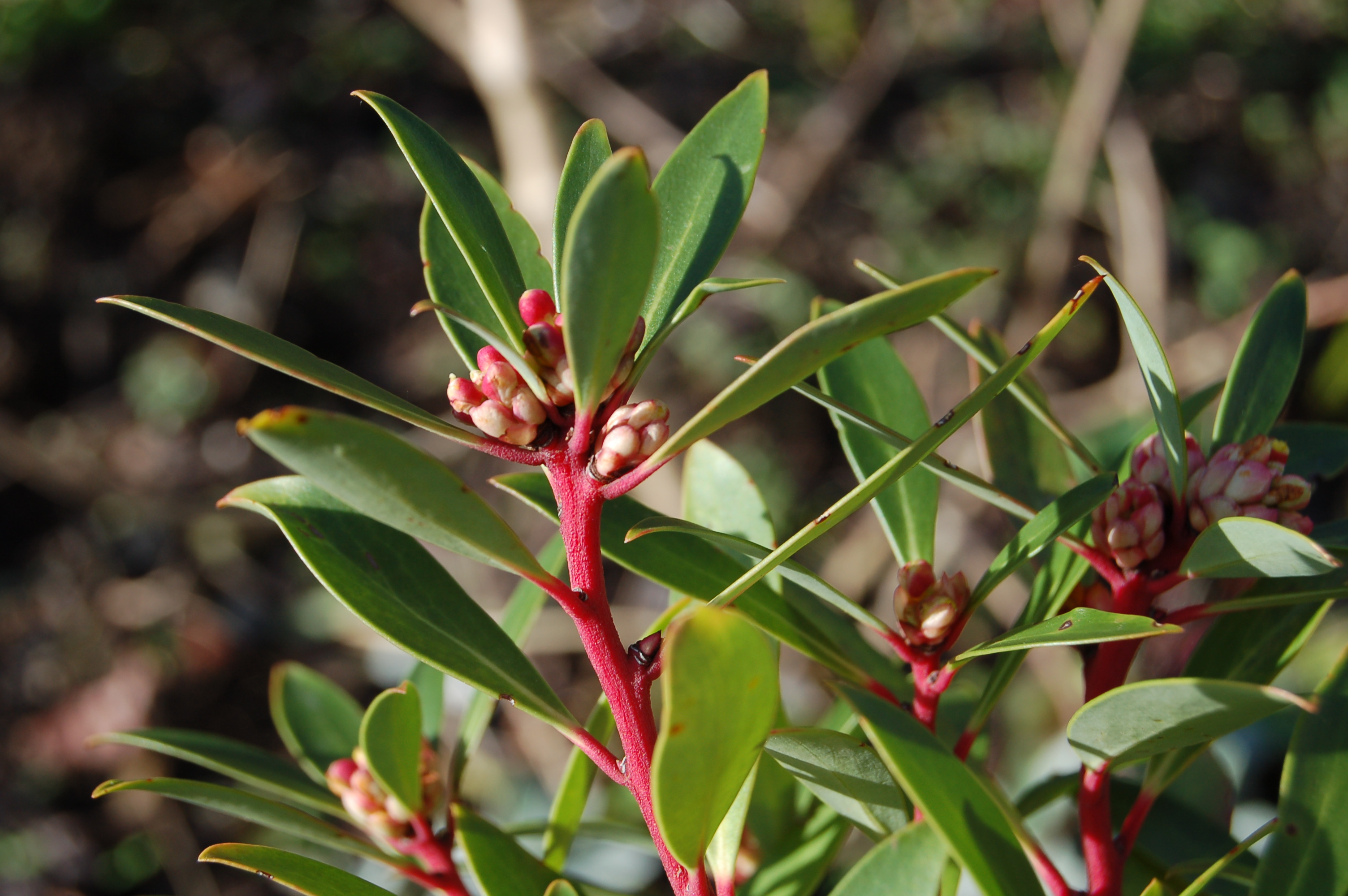
A recent discovery is the shrub Drimys with its red stems, glossy green foliage and buds looking fit to burst into life.

2014 03 03_6804  2014 03 03_6803

2014 03 03_6802     2014 03 03_6795 2014 03 03_6794 2014 03 03_6793

Structures such as our cloud pruned box hedge that lines our central path become much more important and noticeable in the emptier garden of winter. But we hope our garden is now richer in this the coldest and darkest of our seasons.

2014 03 03_6814

We must not forget the role our feathered friends play in adding colour, sound and movement to our garden in winter.

2014 03 03_6842

Part Two of our search for the all year round garden will consider our garden in Spring. Signs of that season are already giving hints of what is to come such as in the buds of the quince fruit tree.

2014 03 03_6822

Categories
gardening Winter Gardening

A few Winter Beauties

At this time of the year it is the little delicate flowering shrubs that excel, with their gentle colouring and powerful aromas.

I thought I would try drawing and painting a few gems from the February garden with my new iPad. It is going to take quite a bit of getting used to but I am taking the first few steps.

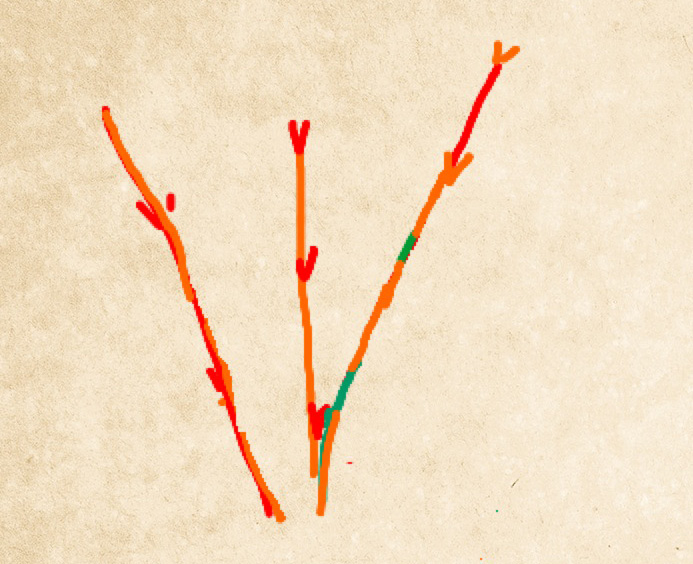
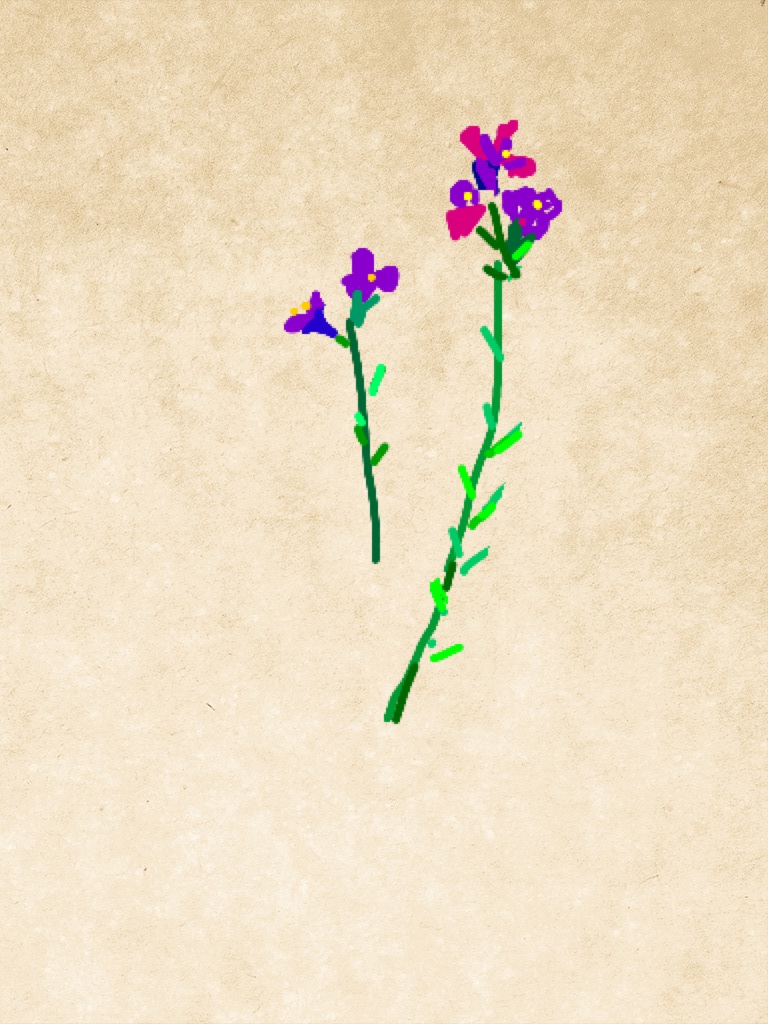
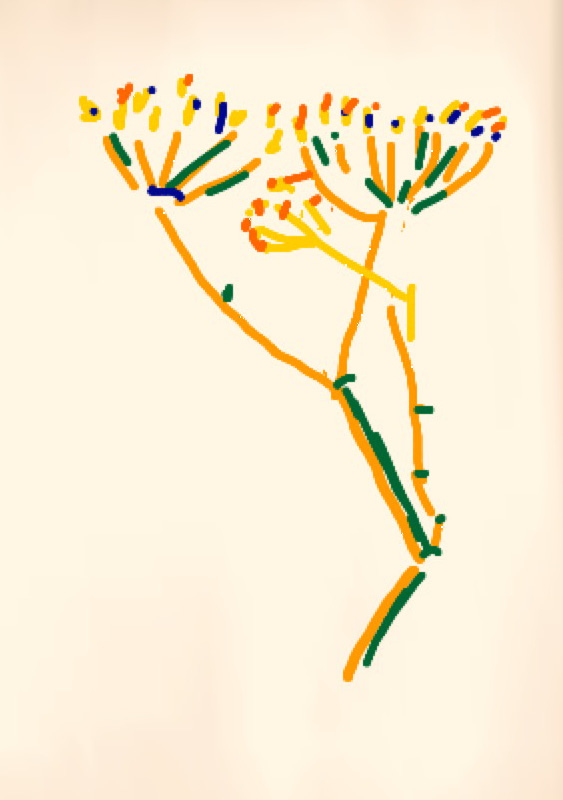
The first three are drawings of Dogwood stems, perennial wallflower Erygeron “Bowles Mauve” and the seed heads of fennel drawn on the app “Drawing”.

2014 02 07_6433_edited-1 2014 02 07_6434 2014 02 07_6432_edited-1

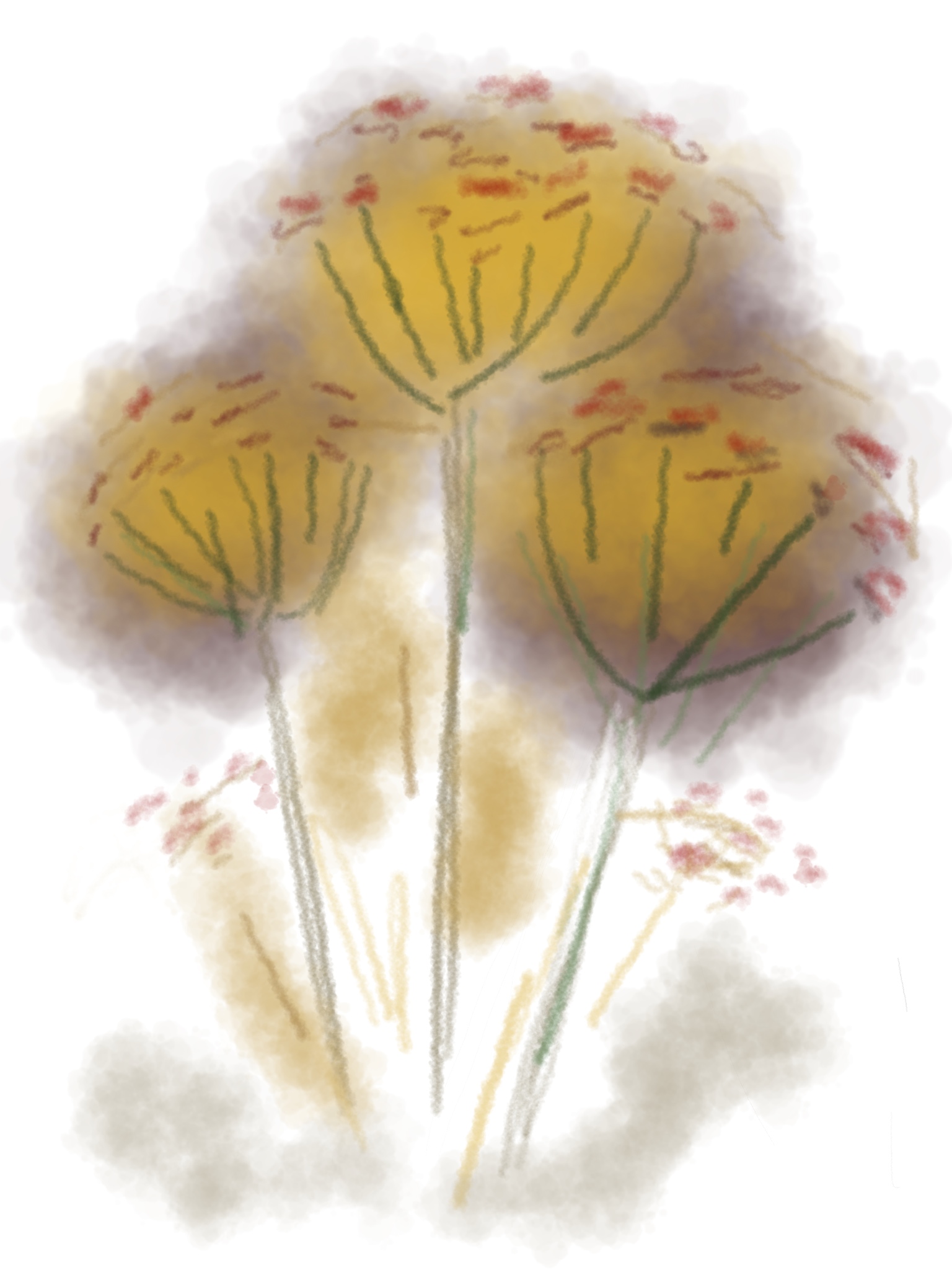
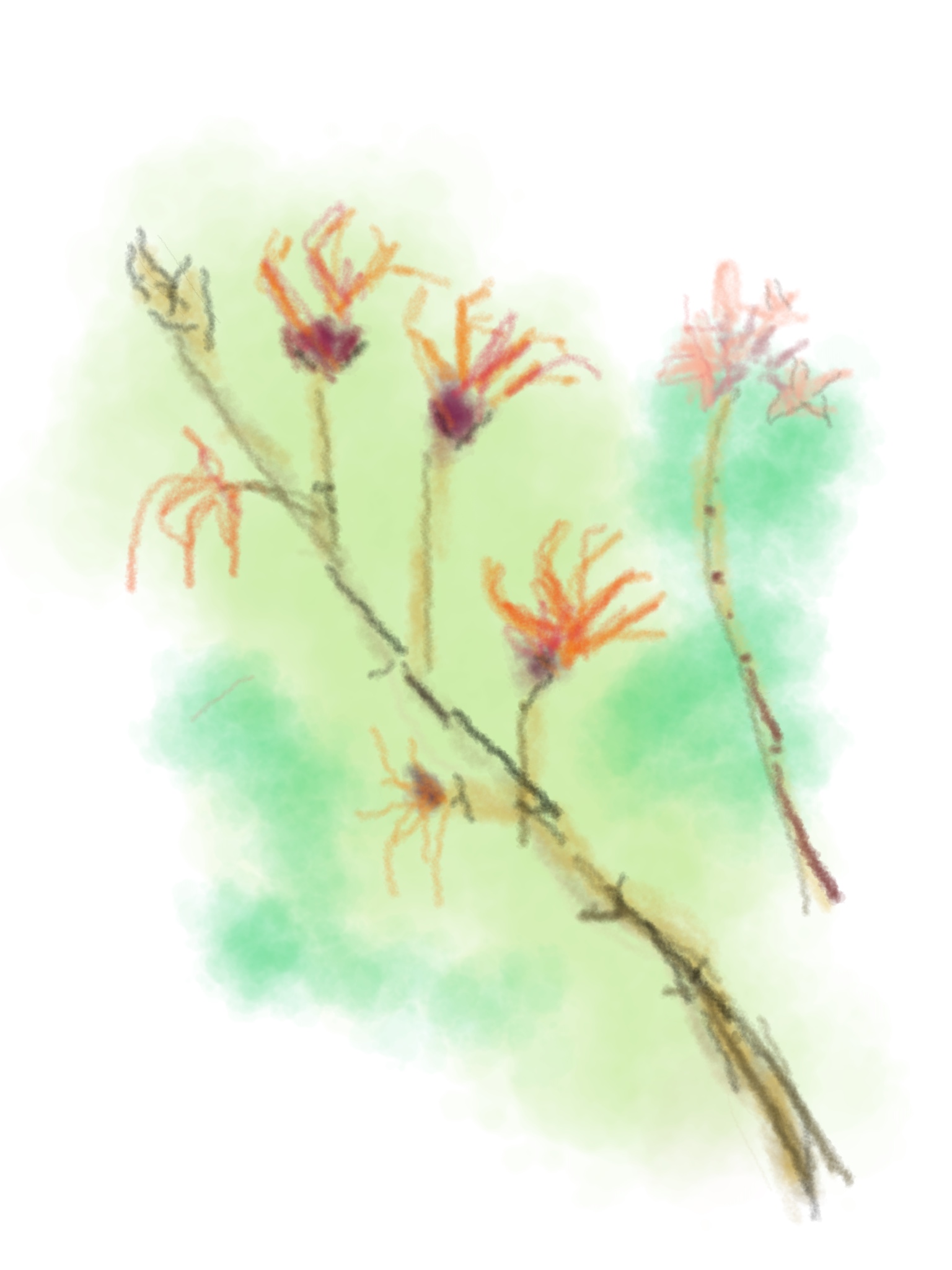
The next two are paintings created using an app called “Brushes” and show Fennel seed heads, With Hazel “Jelena” and Daphne bhuloa “Jacquelin Postill”.

Painting Painting 1

Categories
autumn autumn colours birds climbing plants colours garden photography garden wildlife gardening gardens grasses hardy perennials migration ornamental trees and shrubs poppies roses trees wildlife Winter Gardening

A Garden Bouquet for December

Already we are almost at the end of the year so here is my December bouquet from our garden,the final chapter in 2013.

2013 12 12_5469_edited-1

It is only mid-December and while in the garden we are treated to the beautiful repetitive piping call of a Song Thrush, already making his territorial proclamation. He must have found a mighty fine territory which he is making sure no-one else can take possession of.

The skies seem full of passing flocks of Redwing and their larger noisier cousins the Fieldfare on migration, escaping their cold food-less summer homes in central Europe. Below them exploring the trees and shrubs of our garden mixed foraging flocks of finches seek out the last of the seeds and berries while amongst them groups of Titmice, Great, Blue, Long-tailed and Coal arrive in hurried flight to explore every nook and cranny of dried stems, tree bark and shrub branches for insects especially spiders.

A few delicate looking soft coloured flowers still hang on determined to be the final blooms of the year. It seems amazing but the odd big bumbling Queen Bumble Bee appears to feed on them.

2013 12 12_5438 2013 12 12_5440

2013 12 12_5444 2013 12 12_5452

2013 12 12_5462 2013 12 12_5463

2013 12 12_5468 2013 12 12_5471

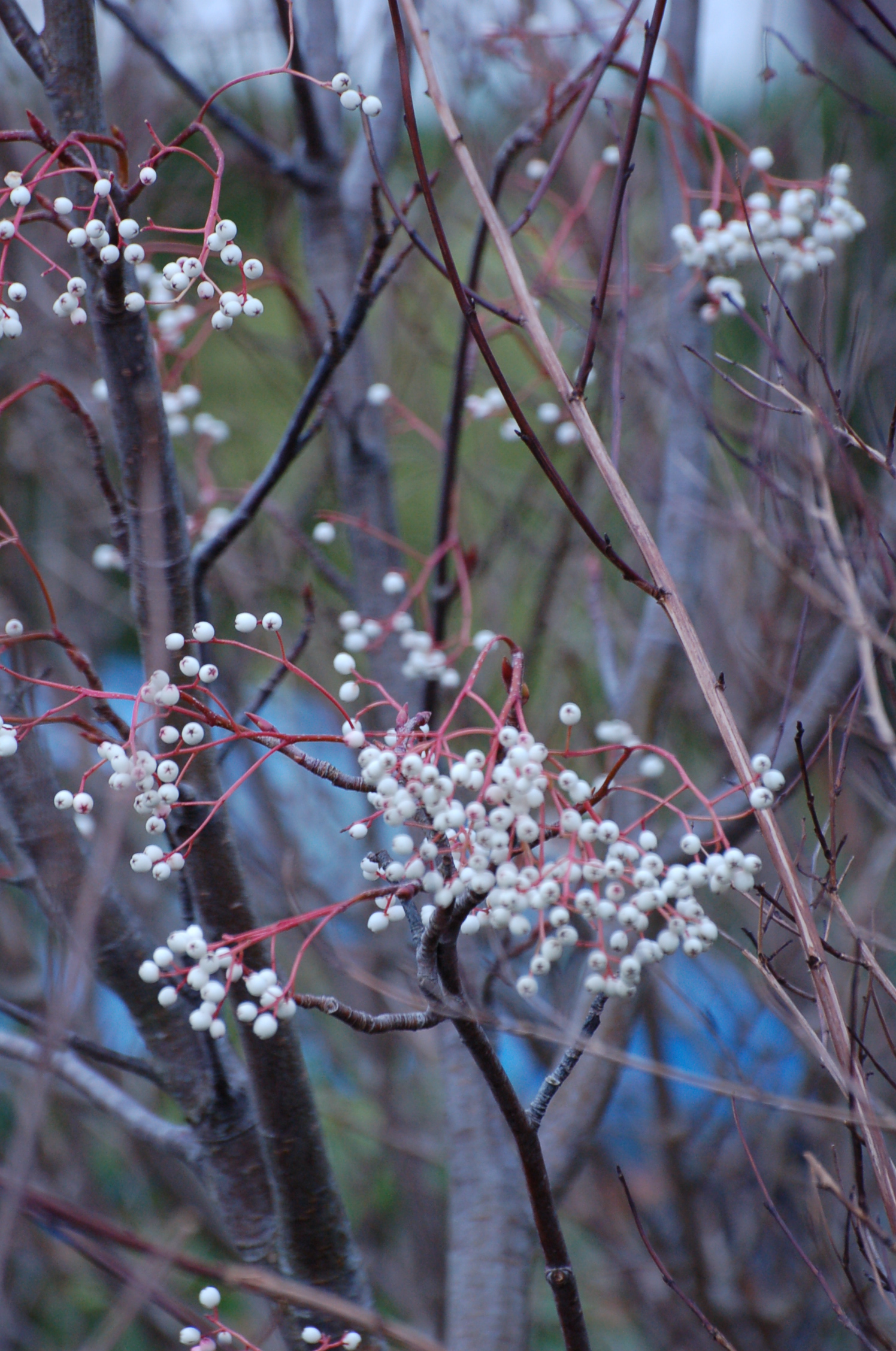
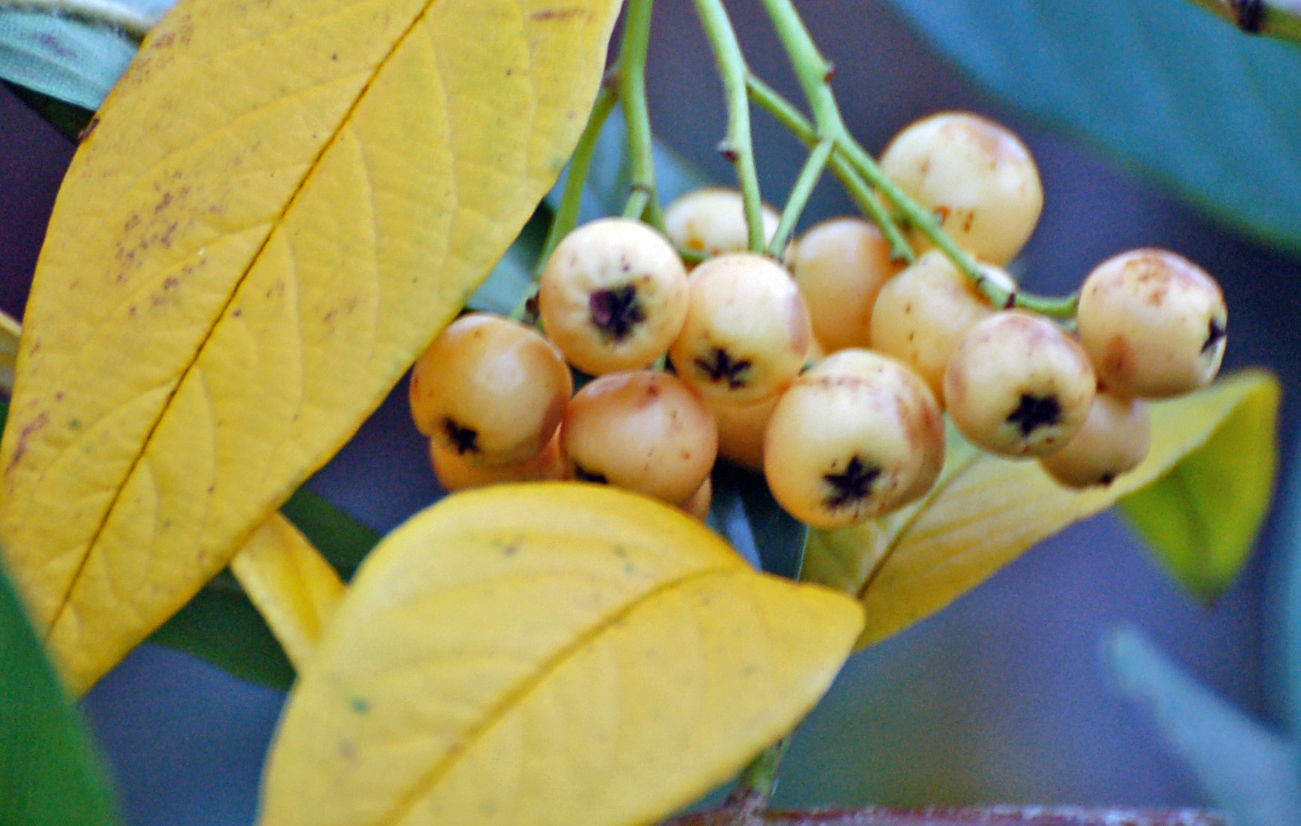
Berries on shrubs and small trees add extra sparkles of colour but the resident Mistle Thrushes guard them from the migrant thrushes. They are the larder for the colder days to come. The red fruit of the Cotoneasters, Hollies and Rowans will be eaten first and most will have been devoured by the thrushes and Blackbirds before the month is out. The creamy-yellow berries of the Cotoneaster rothschildiana will stay longer being mere second choices. The last to go without fail will be the white berries of the Sorbus, so we can get to enjoy them against dark winter storm clouds before the birds eat them.

2013 12 12_5445 2013 12 12_5446

2013 12 12_5454 2013 12 12_5472

2013 12 12_5479 2013 12 12_5445_edited-1

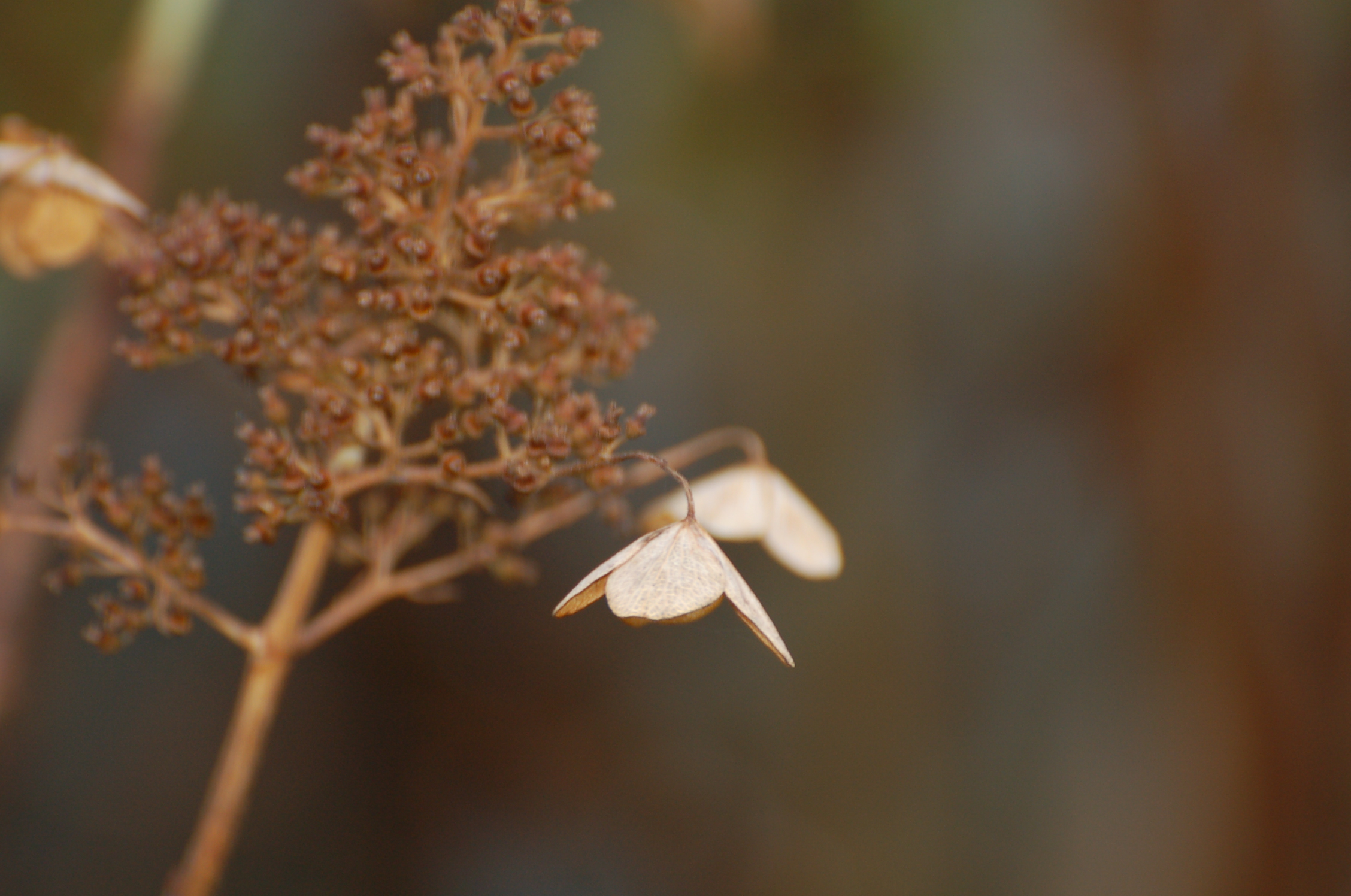
At this time of year we can enjoy the dessicated seed heads and old flower heads that have managed to survive the wet times that autumn invariably brings. This year has been so wet that we seem to have fewer still standing than ever before. But a few are putting on a display for us and when covered in a frosty layer or when donning a hat made of snow will look even better. Within them are the remnant autumn leaves as yet to be blown from their branches by blasts of wind.

2013 12 12_5439   2013 12 12_5442    2013 12 12_5447 2013 12 12_5448 2013 12 12_5449 2013 12 12_5450 2013 12 12_5451

2013 12 12_5453 2013 12 12_5457 2013 12 12_5459 2013 12 12_5460  2013 12 12_5465 2013 12 12_5466 2013 12 12_5467

2013 12 12_5469 2013 12 12_5470 2013 12 12_5475 2013 12 12_5474 2013 12 12_5473   2013 12 12_5477 2013 12 12_5478   2013 12 12_5448_edited-1

Signs of next year’s growth are already in evidence like this adventurous bud found on a clematis snuggled between stem and petioles.

2013 12 12_5441

Patterns become important in winter as they emerge from seasons hidden away behind plants. So that is the end of my year of garden bouquets for 2013. Perhaps they will return for 2014.

2013 12 12_5460_edited-1 2013 12 12_5459_edited-1 2013 12 12_5464_edited-1

Categories
arboreta autumn autumn colours Cheshire colours garden photography garden wildlife gardening gardens gardens open to the public ornamental trees and shrubs wildlife woodland

Telescopes and Trees – part one

Telescopes and trees do not normally go together but there is one very special place here in the Midlands where they certainly do. We drove northwards on the A49 making our way into Cheshire in search of Jodrell Bank famous as a space research centre created by Sir Bernard Lovell. He was a man with varied interests trees, cricket and space. Here in Cheshire he indulged in two of his passions trees and space.

2013 11 04_4876 2013 11 04_4877

We passed through part of the information centre to get to the start of the arboretum trail and we tried to read some of the information panels and studied complicated diagrams. We were instantly lost – the realms of space are not within the realms of our understanding. We both find it fascinating but it all seems way beyond our understanding. At least we tried before moving into the arboretum – trees we can appreciate and understand.

This arboretum holds two National Collections, crab apples and rowans. Malus and Sorbus to be more botanically correct. These are two of my favourite families of trees, if only they had Betulas as well! I would have been in my element!

We had read on the website before coming that the paths can get wet so sensible footwear was advisable. We wore our walking boots and we were so pleased that we had. The paths were so wet often the water was almost to the top of our boots, but it didn’t spoil our enjoyment of a wonderful collection of trees set amidst a natural woodland setting.

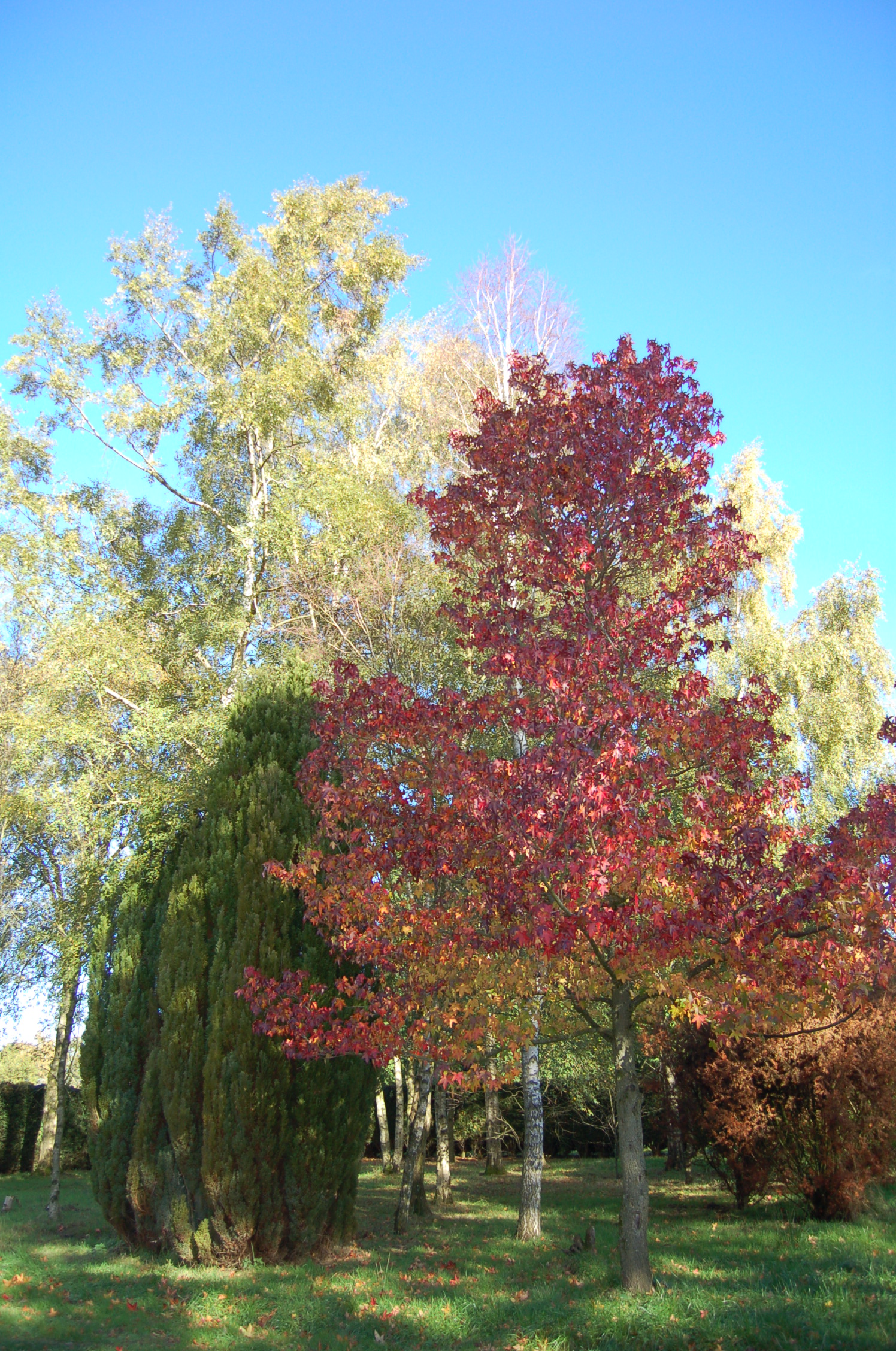
A collection of deciduous Euonymus welcomed us as we passed through the wooden gate, their wild coloured berries and bright autumnal leaves were a treat for the eyes.

2013 11 04_4878 2013 11 04_4879 2013 11 04_4880 2013 11 04_4881

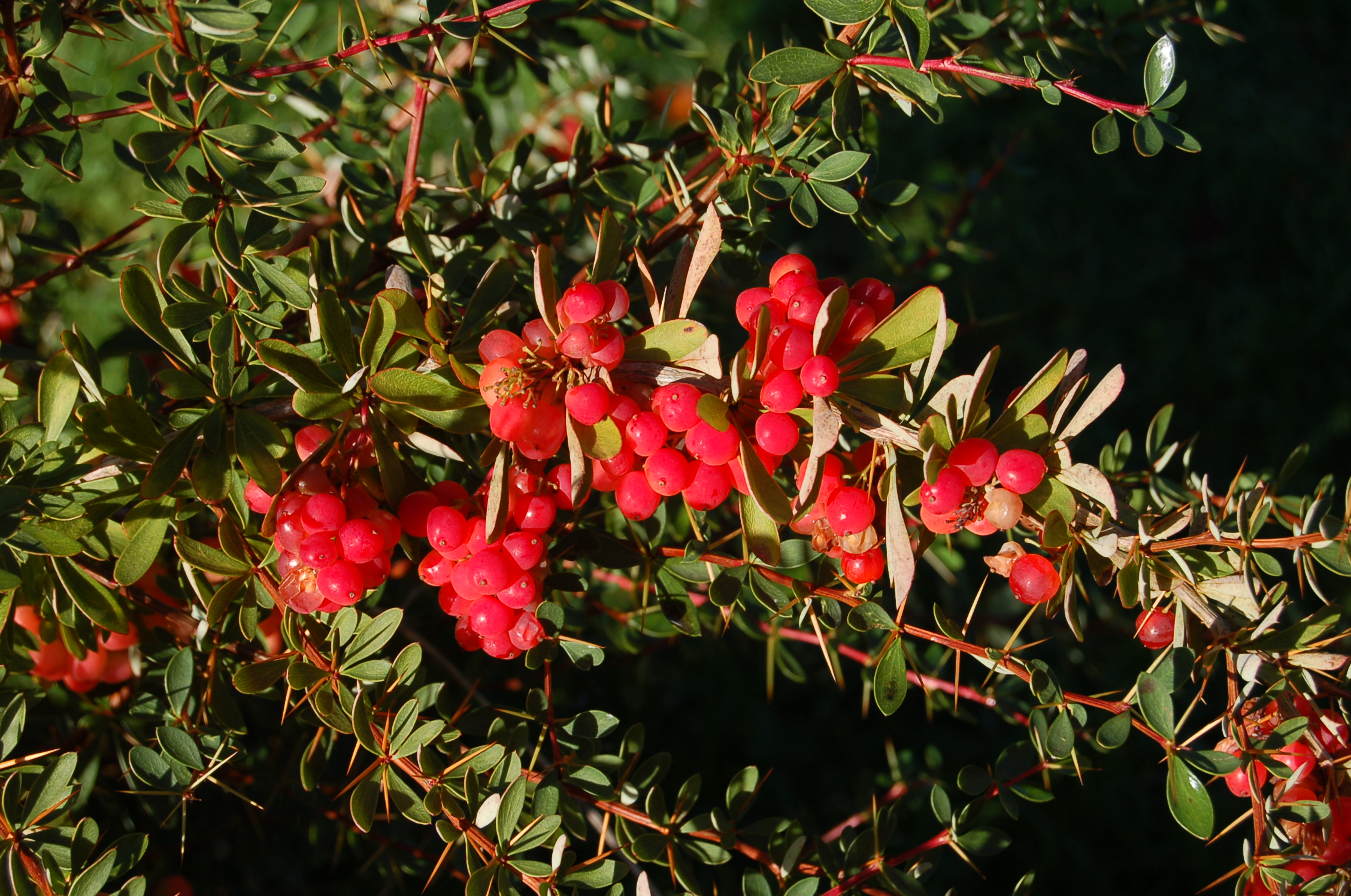
We wandered through woodland towards a fairly recently created garden designed by Chris Beardshaw. Before entering his garden we found a little collection of Berberis clothed in their waxy red berries which hung in long racemes.

2013 11 04_4882 2013 11 04_4883 2013 11 04_4884 2013 11 04_4885 2013 11 04_4886

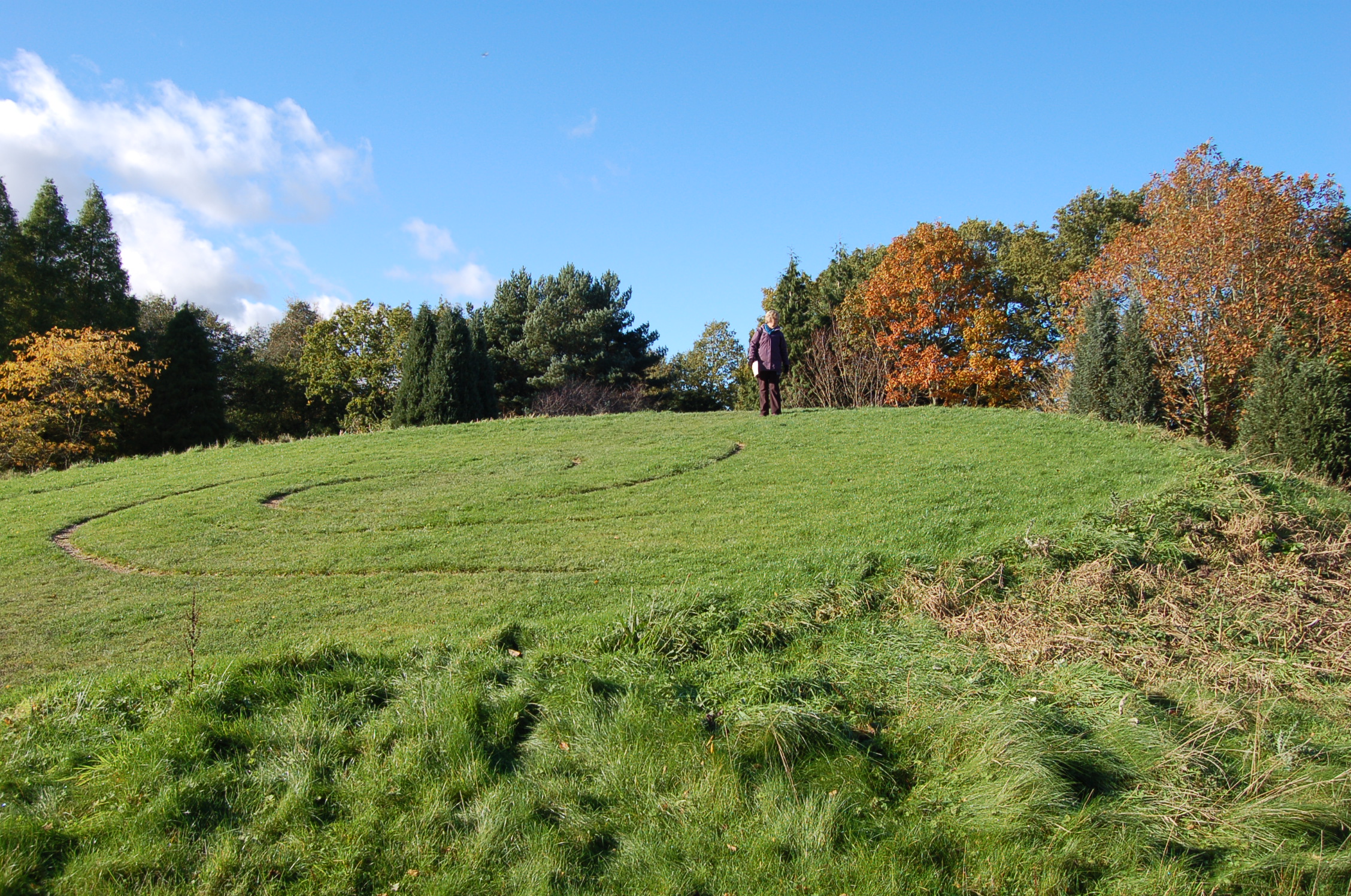
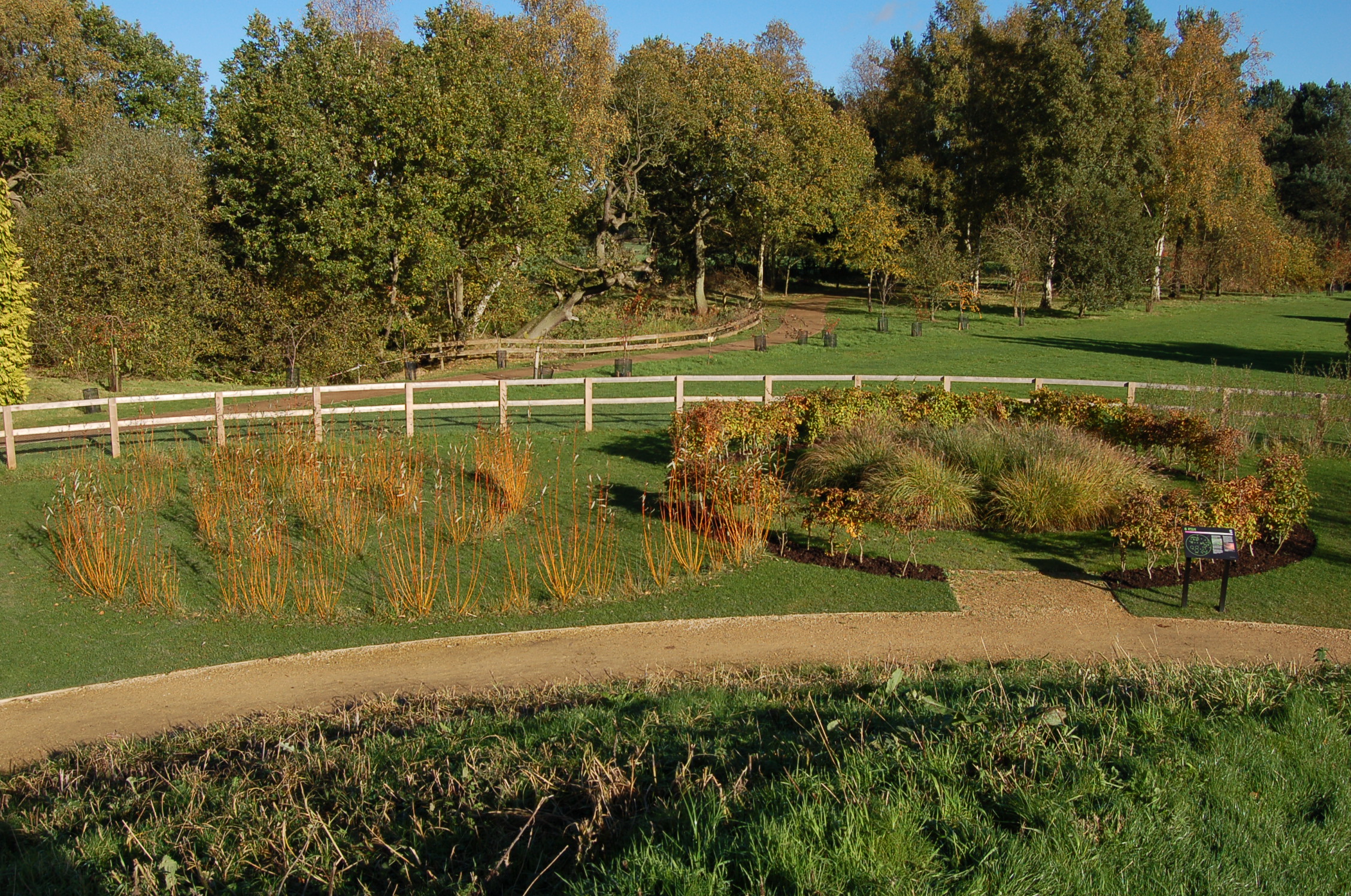
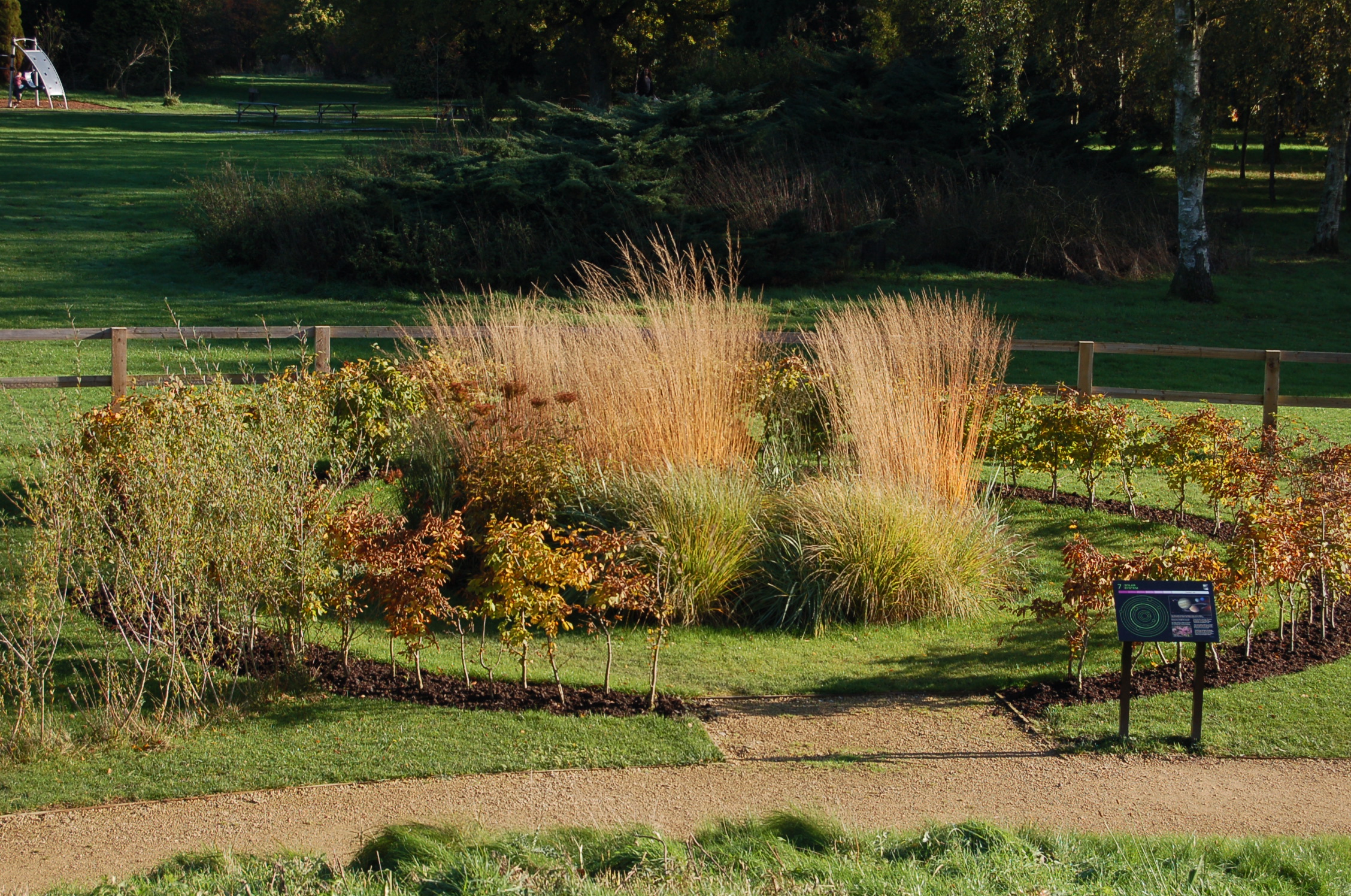
Chris Beardshaw’s garden was designed to reflect the creation of space itself and was a strong design based on spirals and circles with a gentle mound at the centre affording us the opportunity of appreciating these shapes from above. The main planting was willows, grasses and perennials.

2013 11 04_4887 2013 11 04_4888 2013 11 04_4889 2013 11 04_4890 2013 11 04_4891 2013 11 04_4892 2013 11 04_4893 2013 11 04_4894 2013 11 04_4895 2013 11 04_4896

Soon after a circular walk around this garden of circles and spirals we discovered the first of the Crab Apples and they were laden with fruit, their miniature apples in sizes varying from tiny beads up to golf ball size.

2013 11 04_4897 2013 11 04_4898

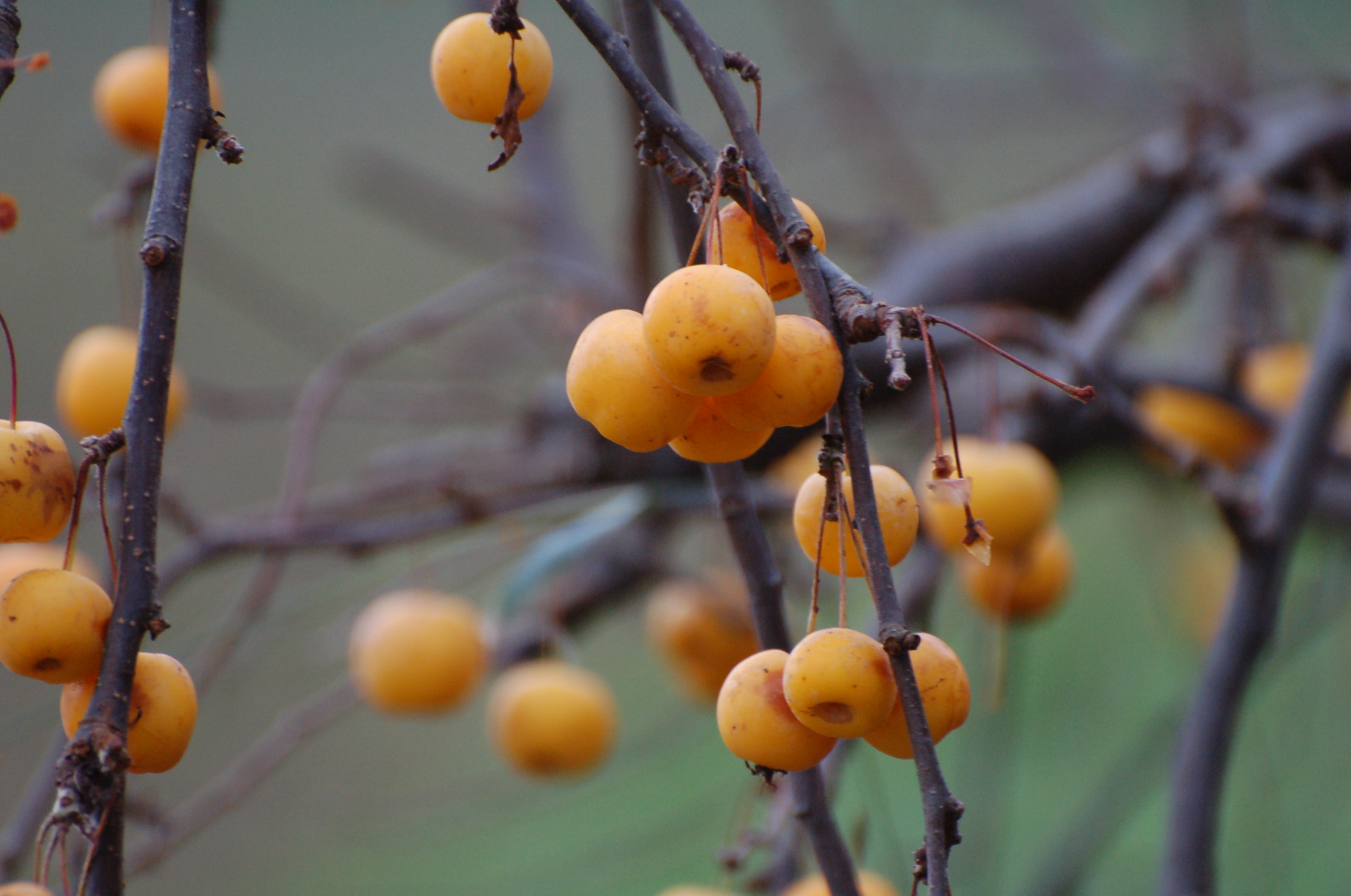
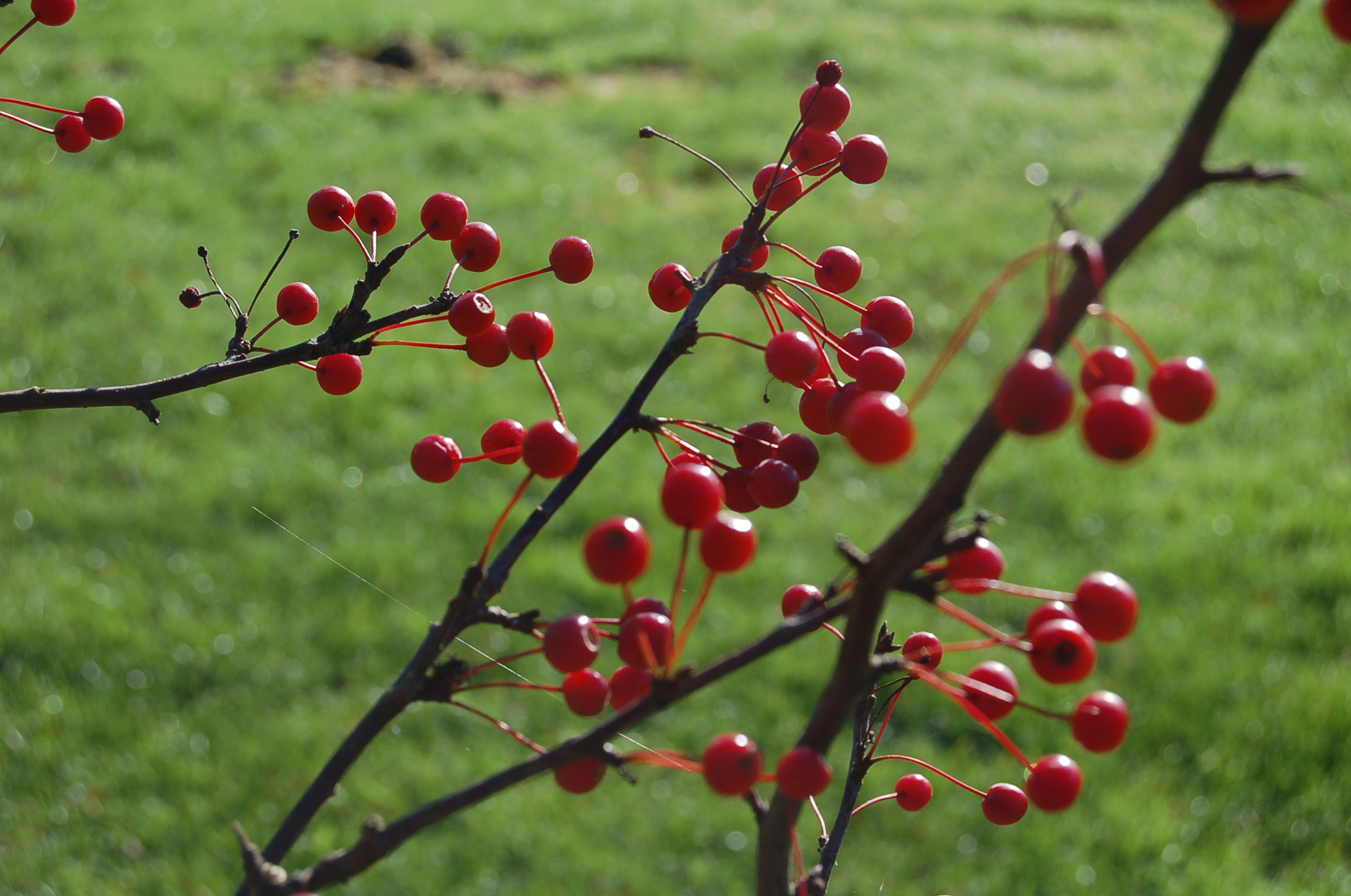
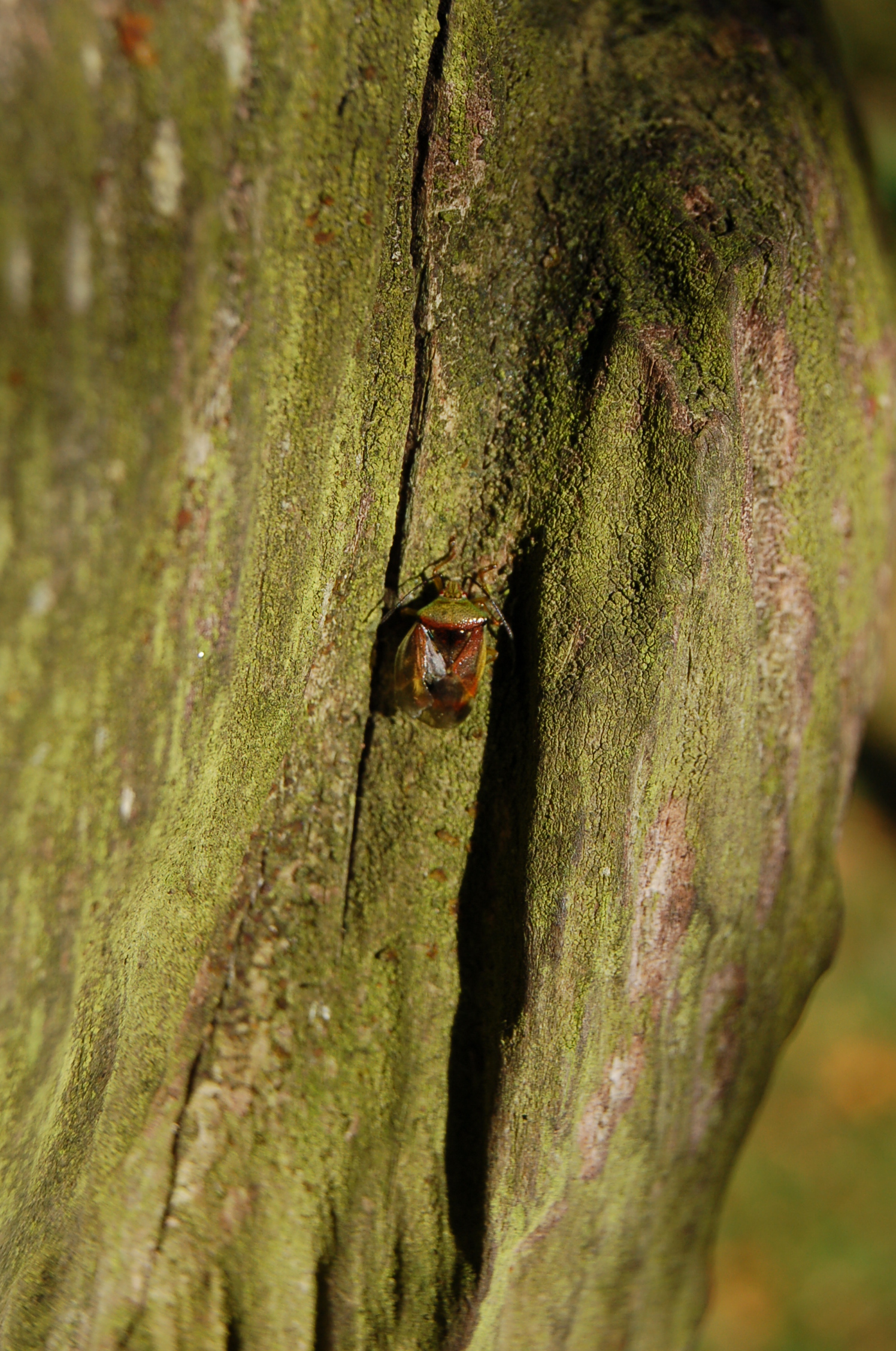
This golden fruited variety in the two photos below are “Comtesse de Paris” and the red fruited variety below them with fruit reminiscent of the haws of our native Hawthorn is “Mary Petter”. Close by the stump of a felled old tree had been carved into a proud looking eagle. Upon the eagle we spotted a ladybird sunning itself perhaps finding extra warmth on the wood of the stump. Better camouflaged was the Shield Bug we found just inches away.

2013 11 04_4899 2013 11 04_4900

2013 11 04_4904 2013 11 04_4905

2013 11 04_4902 2013 11 04_4903

Malus “Indian Summer” was one of the newly planted specimens probably a cultivar newly developed although some of the old original crab trees were now being replaced as they died off.

2013 11 04_4908 2013 11 04_4910

But there was much more to this part of the arboretum than the wonderful crab apples, and we discovered interesting trees at every turn in the path and around every clearing, birches, walnuts, whitebeam and maples. In this area of the garden migrant thrushes were busy feeding up after their long journeys. All these crab apples, sorbus and other fruiting trees and nut bearing trees provide a wonderfully rich restaurant for them.

2013 11 04_4911 2013 11 04_4912 2013 11 04_4913 2013 11 04_4914 2013 11 04_4915 2013 11 04_4916 2013 11 04_4917  2013 11 04_4921 2013 11 04_4922 2013 11 04_4923 2013 11 04_4924

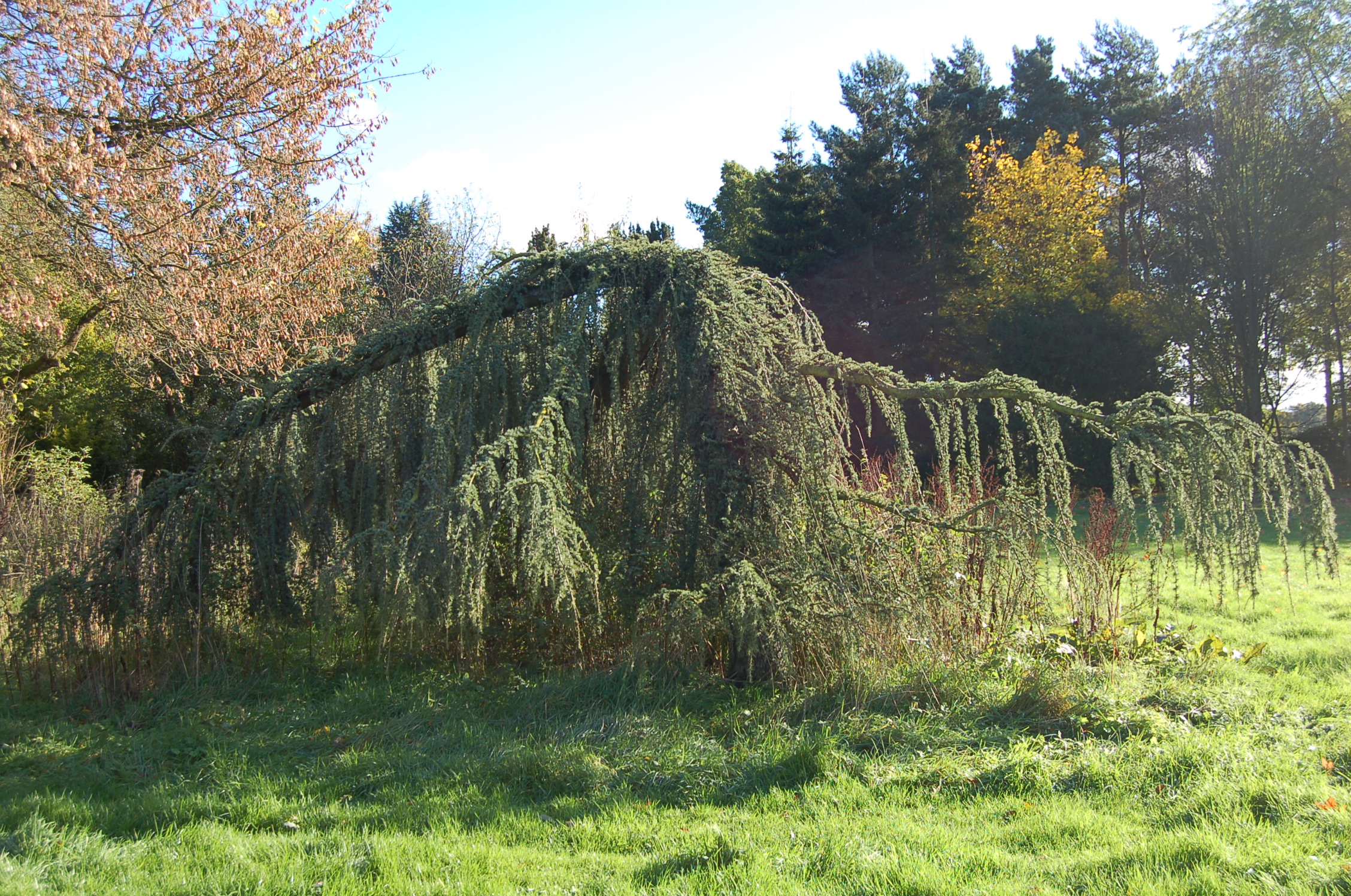
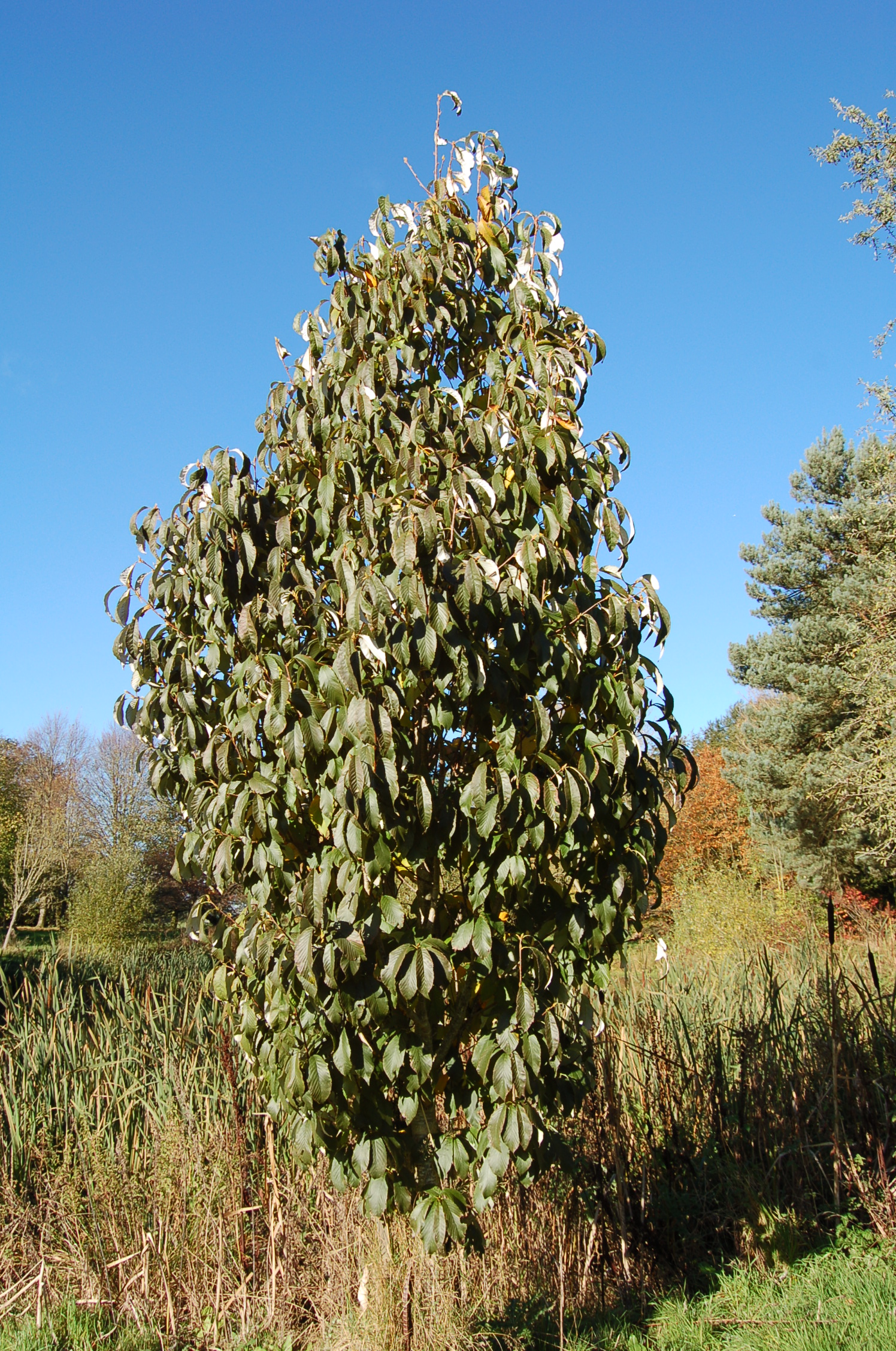
Two trees caught our attention but we didn’t particularly like either of them and they both seemed so out of place in this natural feeling woodland. They were more “novelty features” than attractive trees. First photo is of a strange weeping conifer and the second a columnar Whitebeam.

2013 11 04_4920 2013 11 04_4918

I shall finish part one of our visit to Jodrell Bank Arboretum with a photo of a lovely golden crab apple with blushed cheeks. My next post will be part two when we shall be on the look out for the second featured group of trees, the Rowans or Sorbus.

2013 11 04_4907

Categories
autumn autumn colours garden design garden photography gardening gardens kitchen gardens Land Art ornamental trees and shrubs outdoor sculpture trees walled gardens walled kitchen gardens

The Gardens at Newport House

2013 10 24_4456 2013 10 24_4457

As promised we return to Newport House to concentrate more on the gardens. The pictures above show the enclosed courtyard gardens behind the cafe building. From there we moved on towards the gardens in front of the house.

2013 10 24_4460 2013 10 24_4461 2013 10 24_4465 2013 10 24_4466

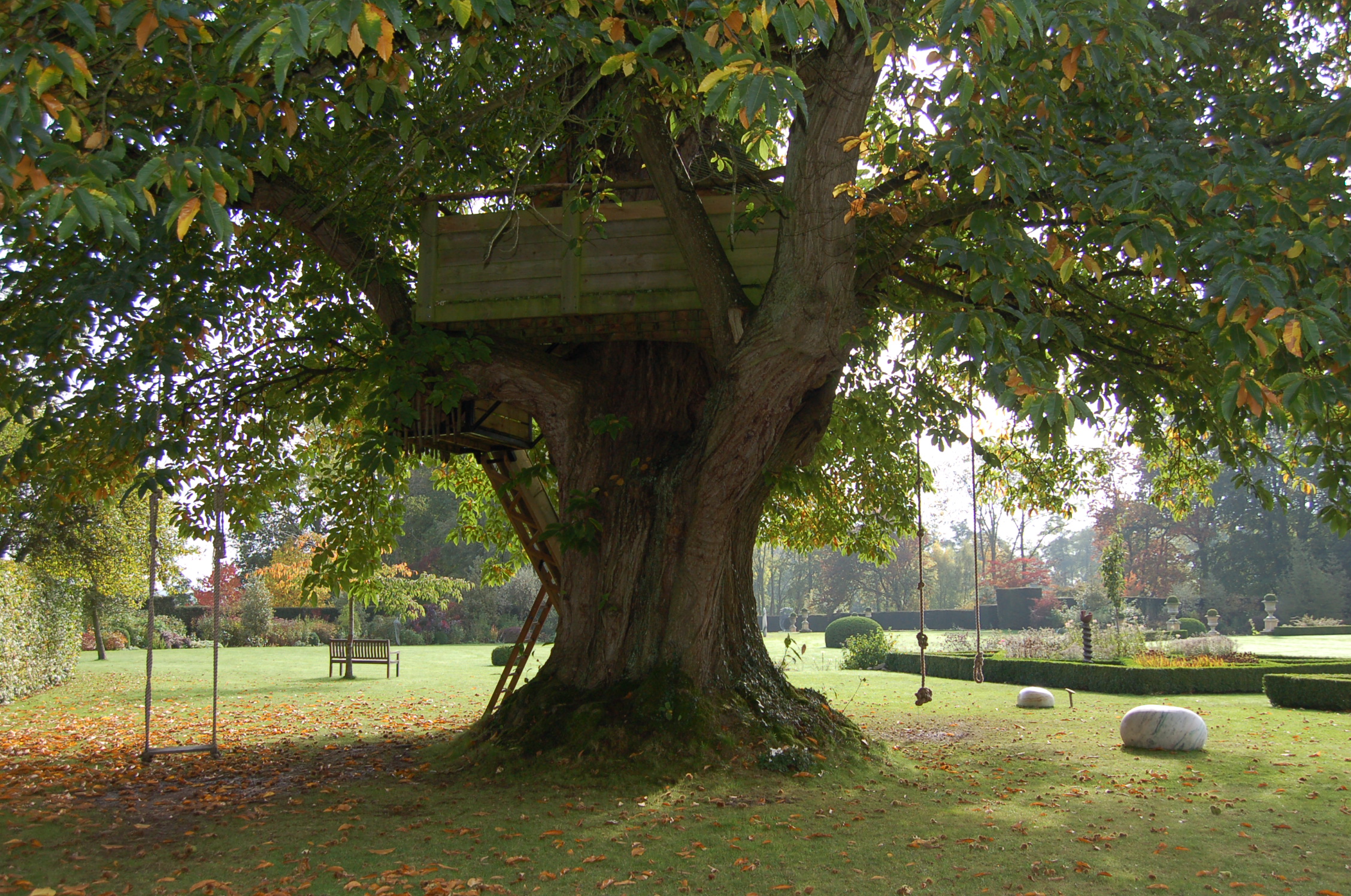
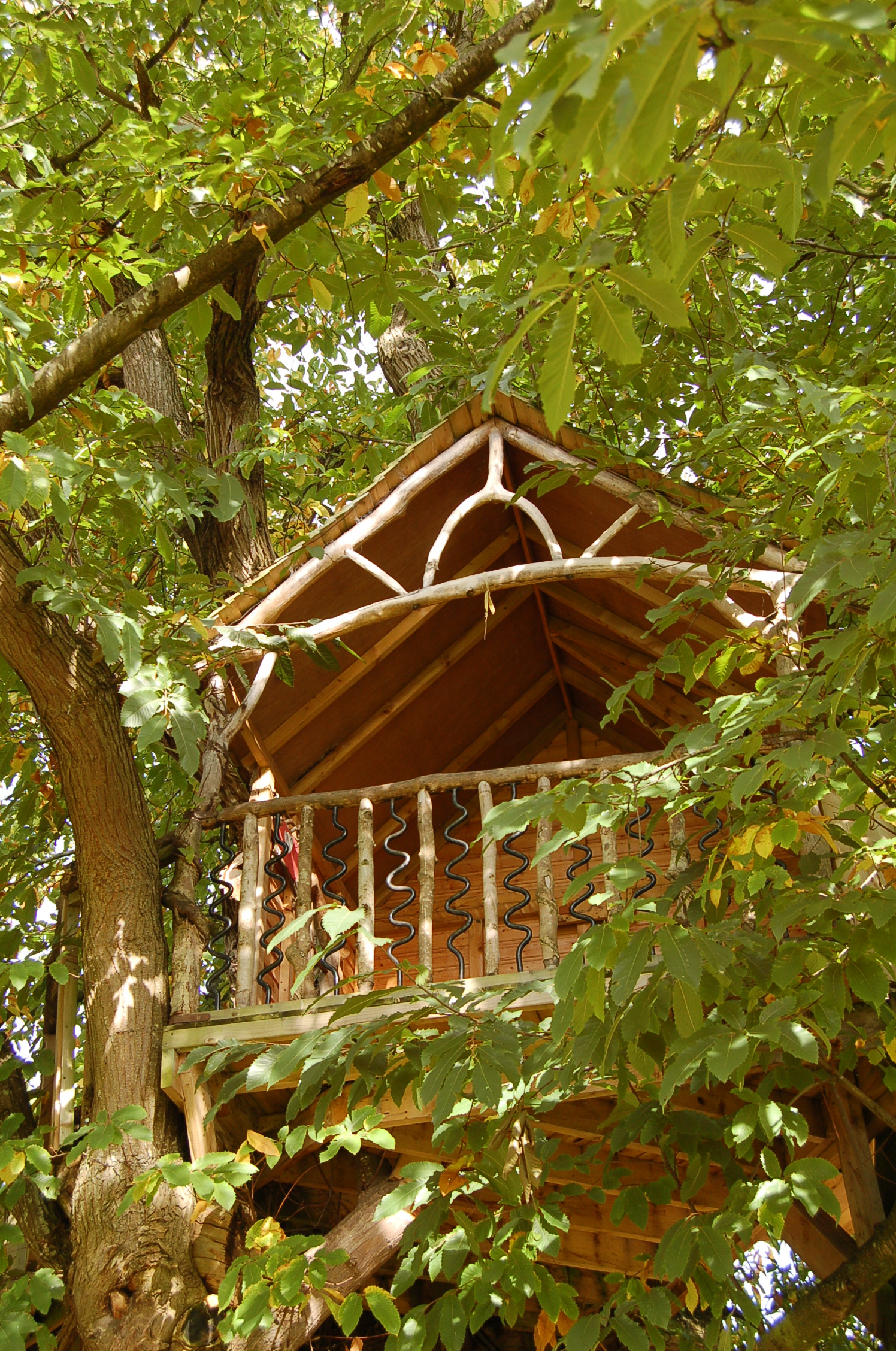
The view across open expanses of lawn was broken by the sight of this magnificent Sweet Chestnut which was made all the more magnificent by tree house lovingly crafted to embrace the trunks and main boughs.

2013 10 24_4467 2013 10 24_4470

2013 10 24_4474

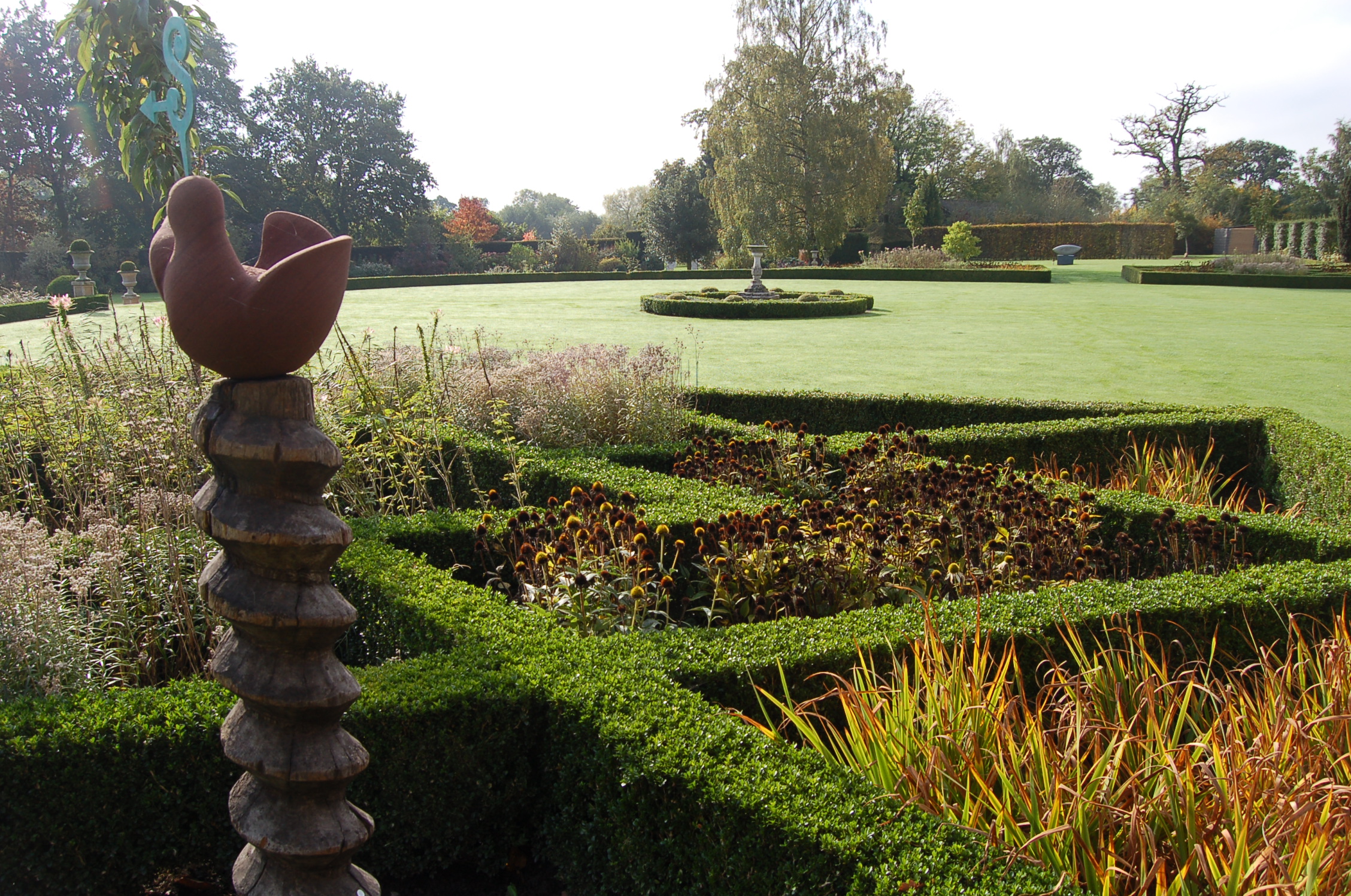
Formal Italian styled gardens with frameworks of low box hedging were cut into the lawns but inside these box structures was soft herbaceous plantings.

 2013 10 24_4468 2013 10 24_4469   2013 10 24_4472  2013 10 24_4473  2013 10 24_4475 2013 10 24_4476

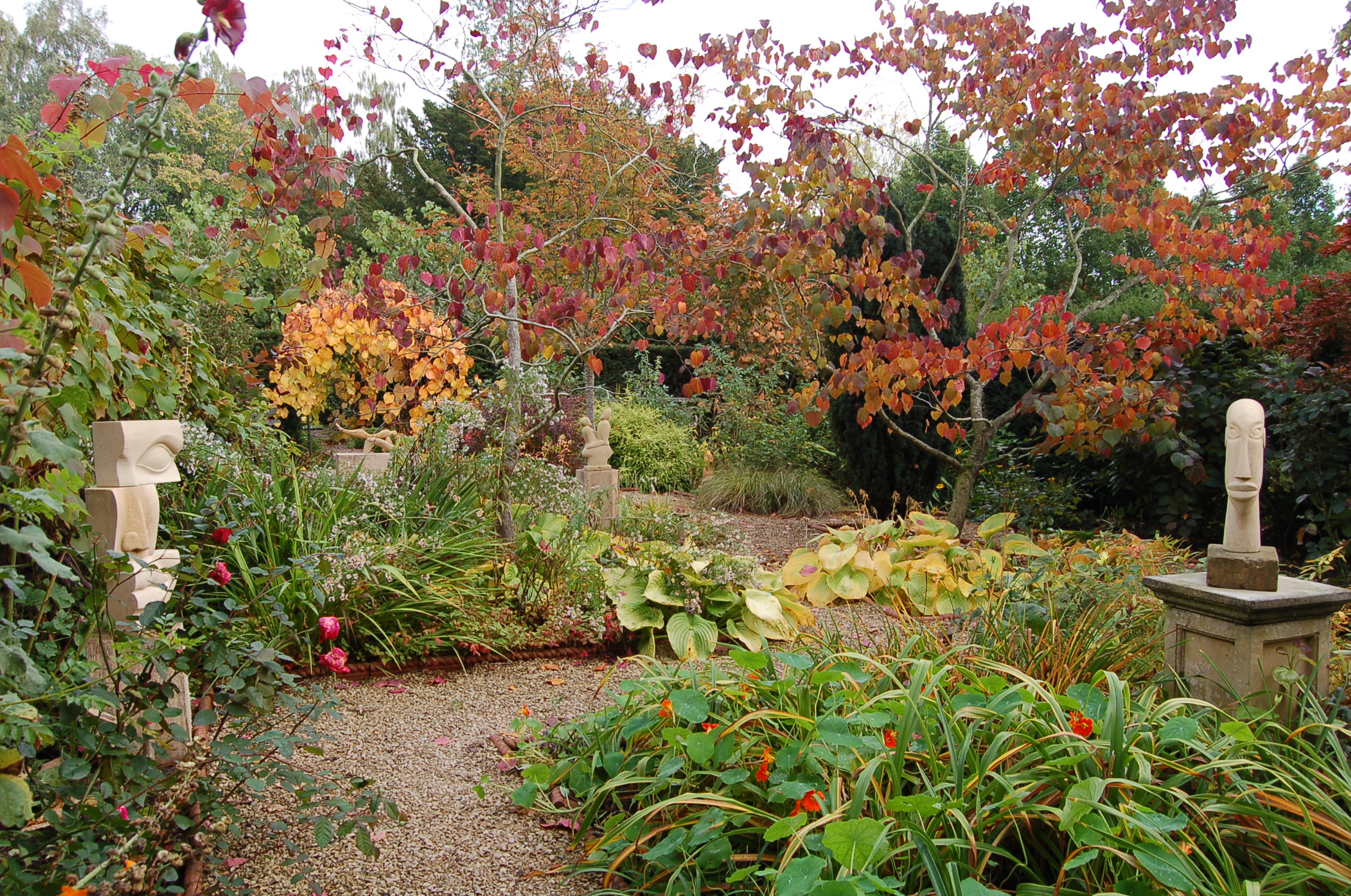
Further pieces of sculpture were positioned within these plantings and on the lawn itself.

2013 10 24_44772013 10 24_44792013 10 24_44812013 10 24_4482

A particular favourite piece of all four of us was positioned to frame the lake and woodlands beyond.

2013 10 24_4488 2013 10 24_4494

From the lower branches of trees hung other pieces such as these steel spheres.

   2013 10 24_4495

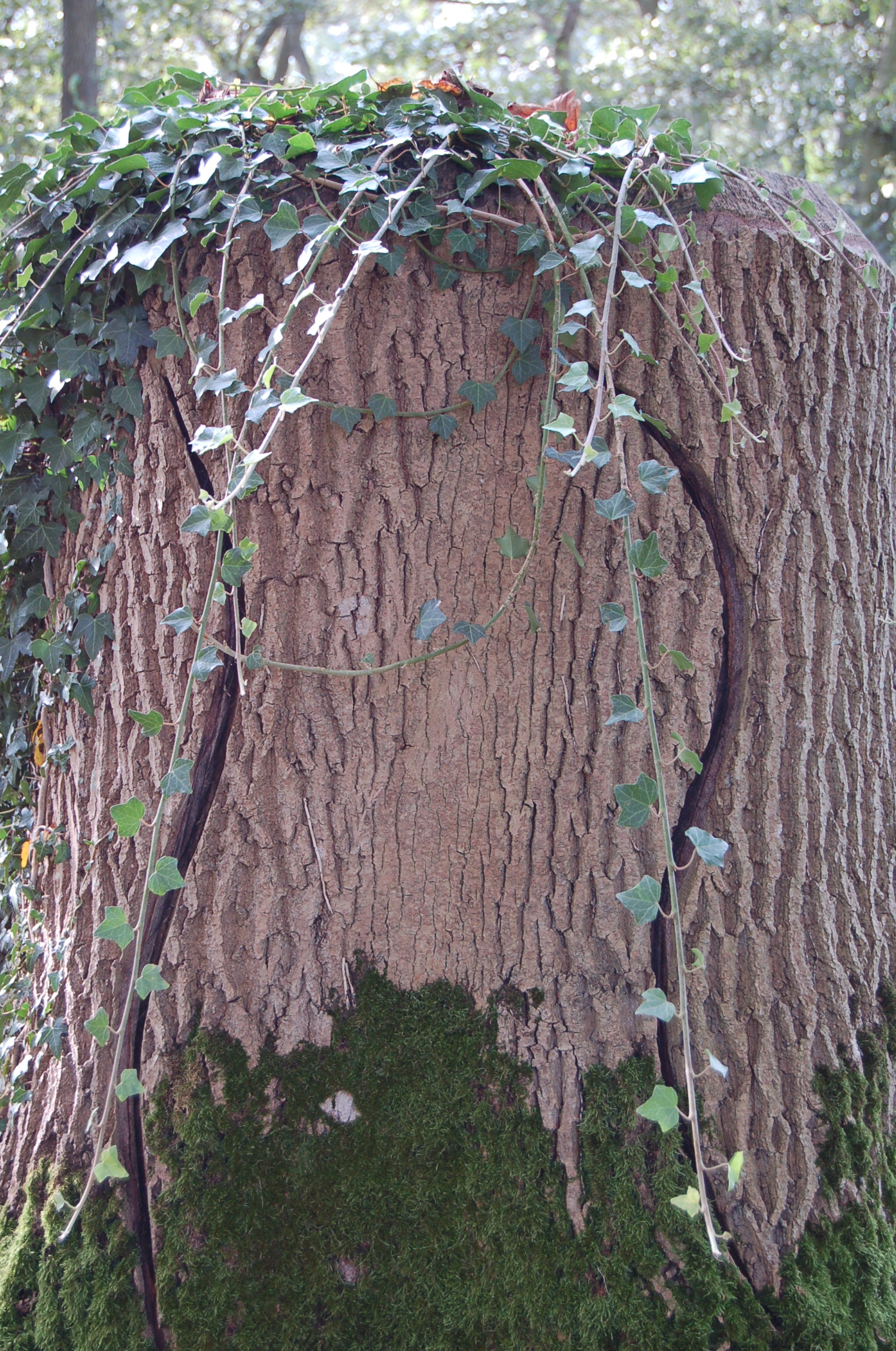
Mother Nature herself was not to be outdone, so she cut these gently curving lines into an old stump of a felled tree. Around the other side of the stump we found that it had been carved into a giant story telling chair with other small wooden seats scattered in front of it.

2013 10 24_44962013 10 24_4497

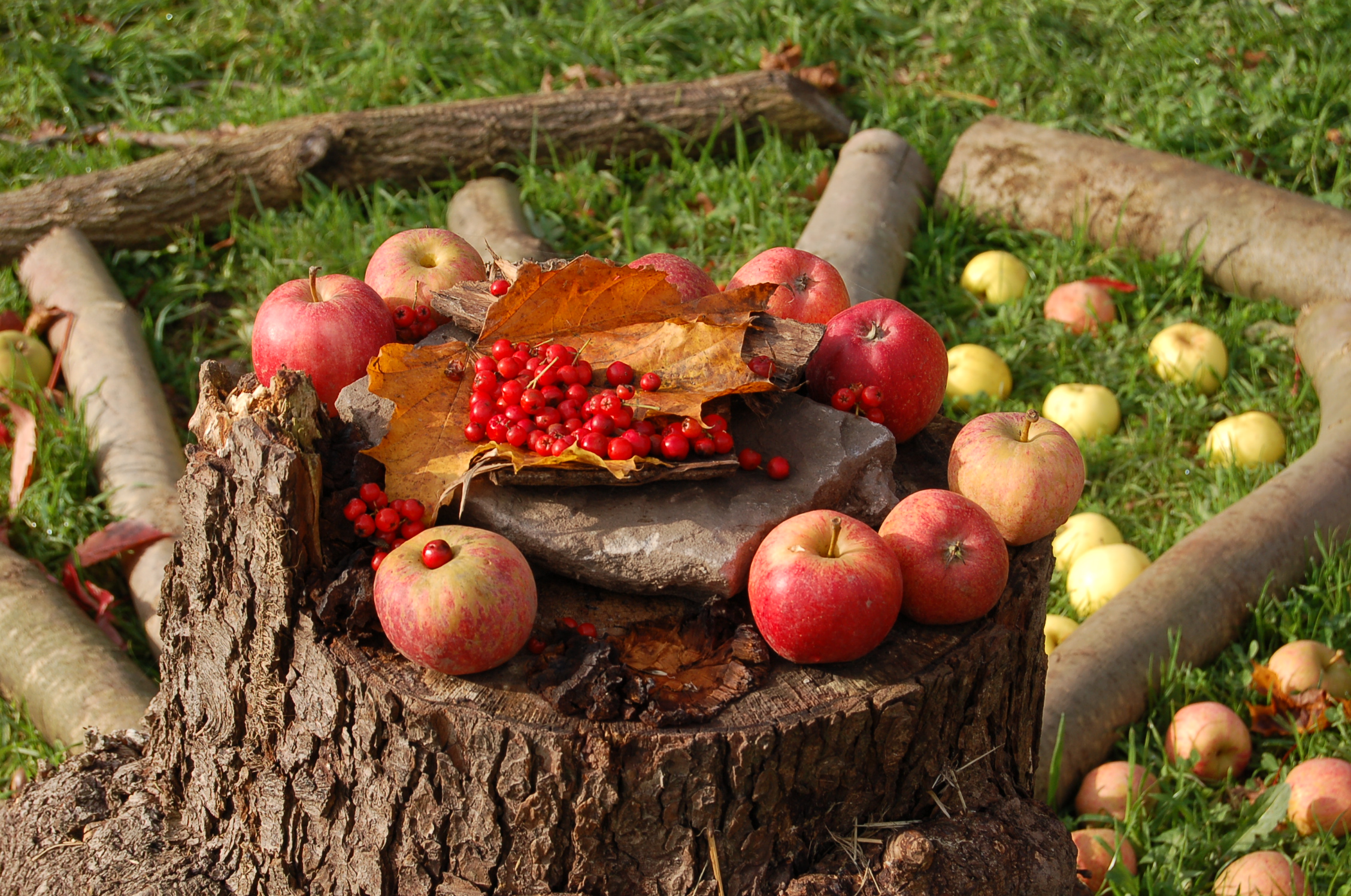
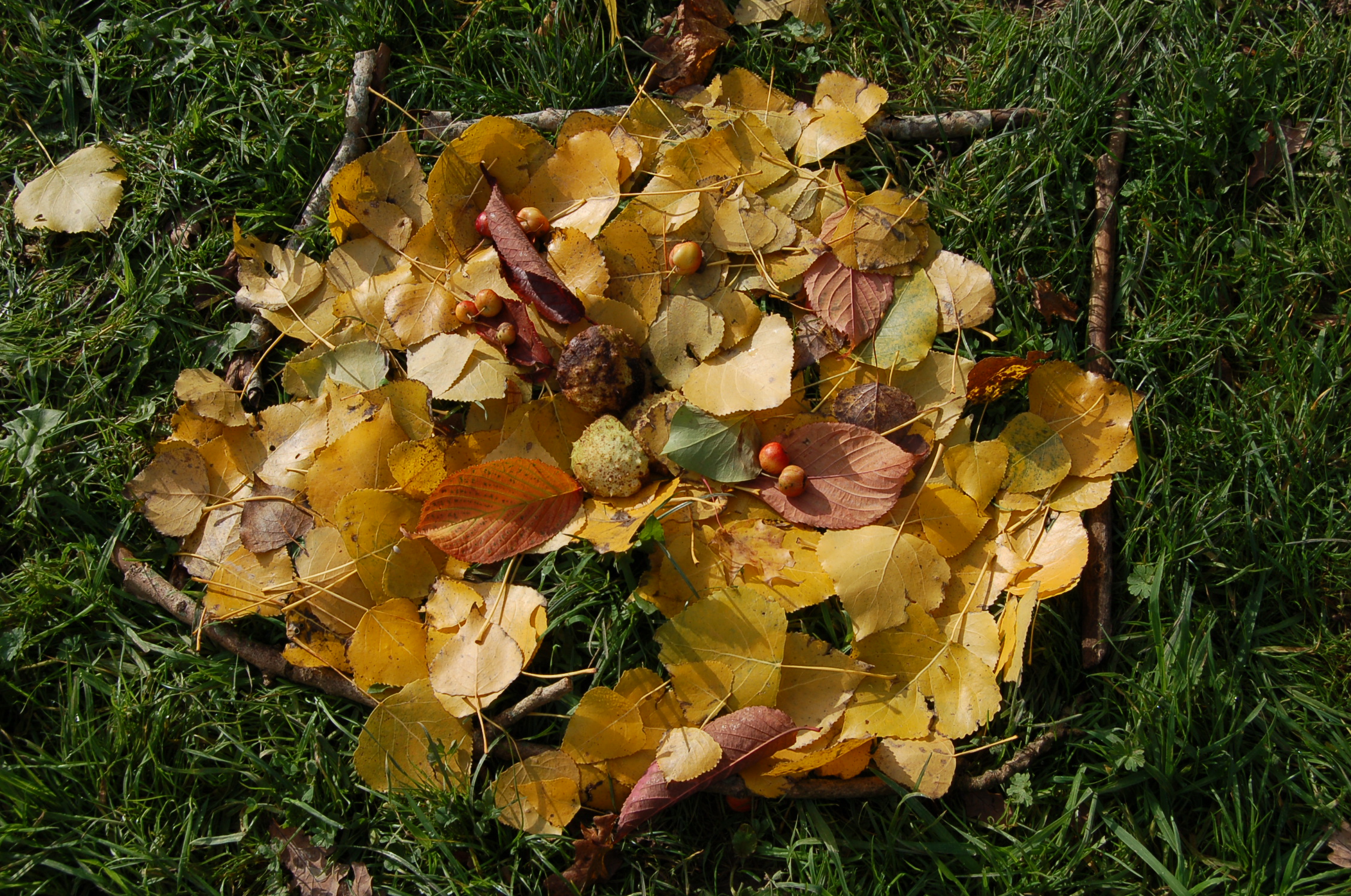
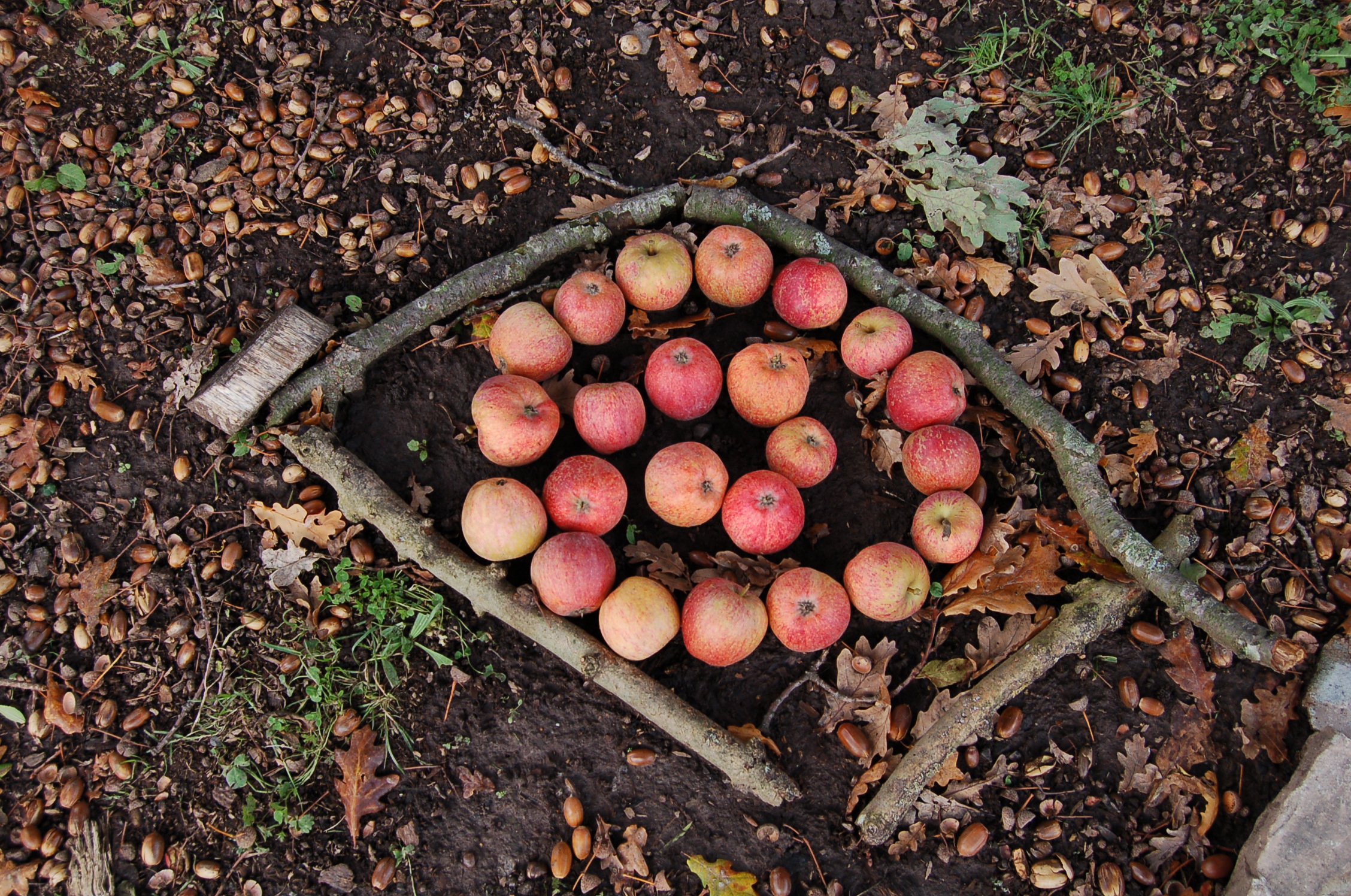
We were delighted to stumble across these pieces of Land Art created using pieces of natural materials found within the garden as part of a recent workshop.

2013 10 24_4508 2013 10 24_4507 2013 10 24_4506 2013 10 24_4505 2013 10 24_4509 2013 10 24_4510 2013 10 24_4511

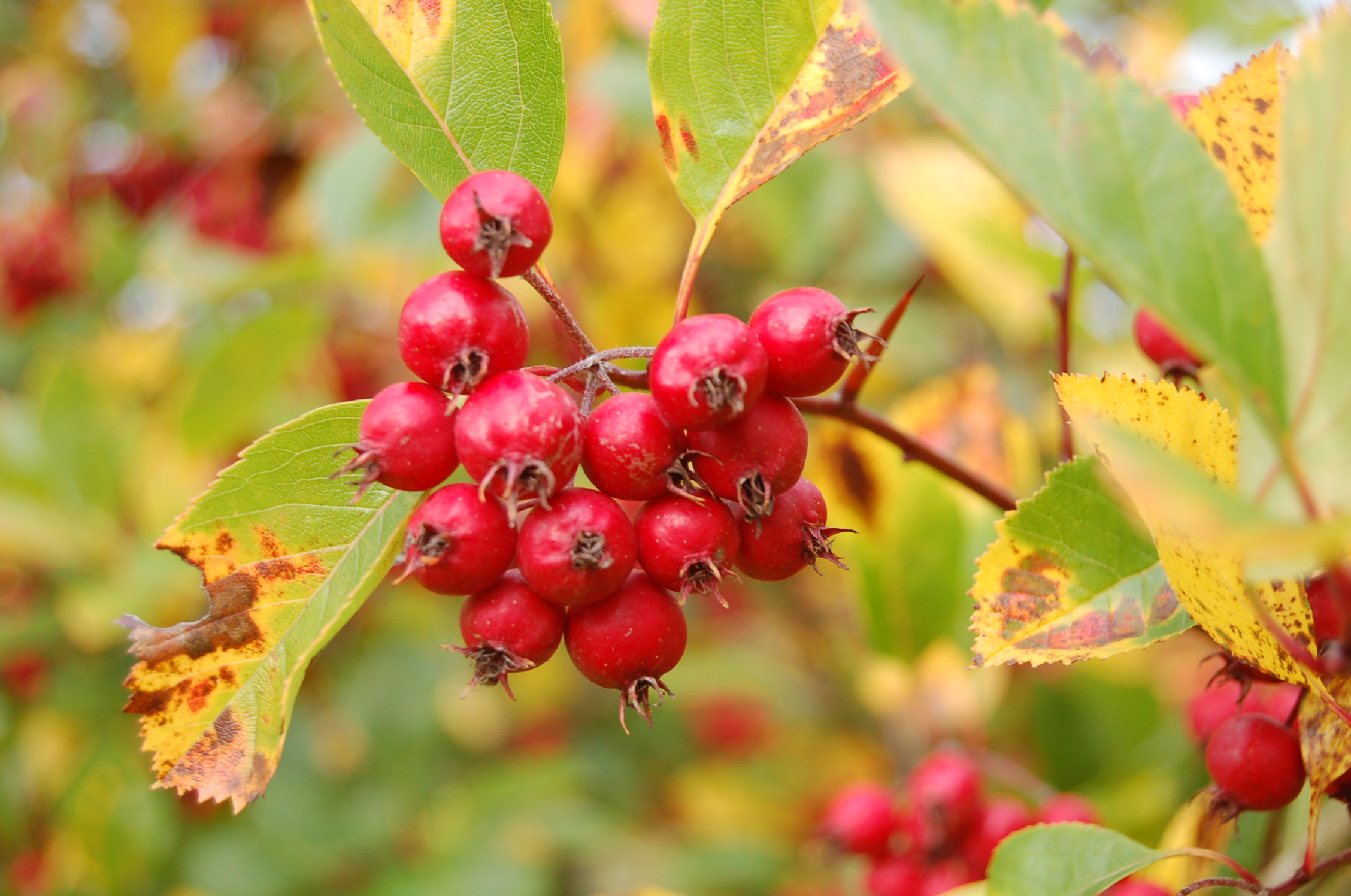
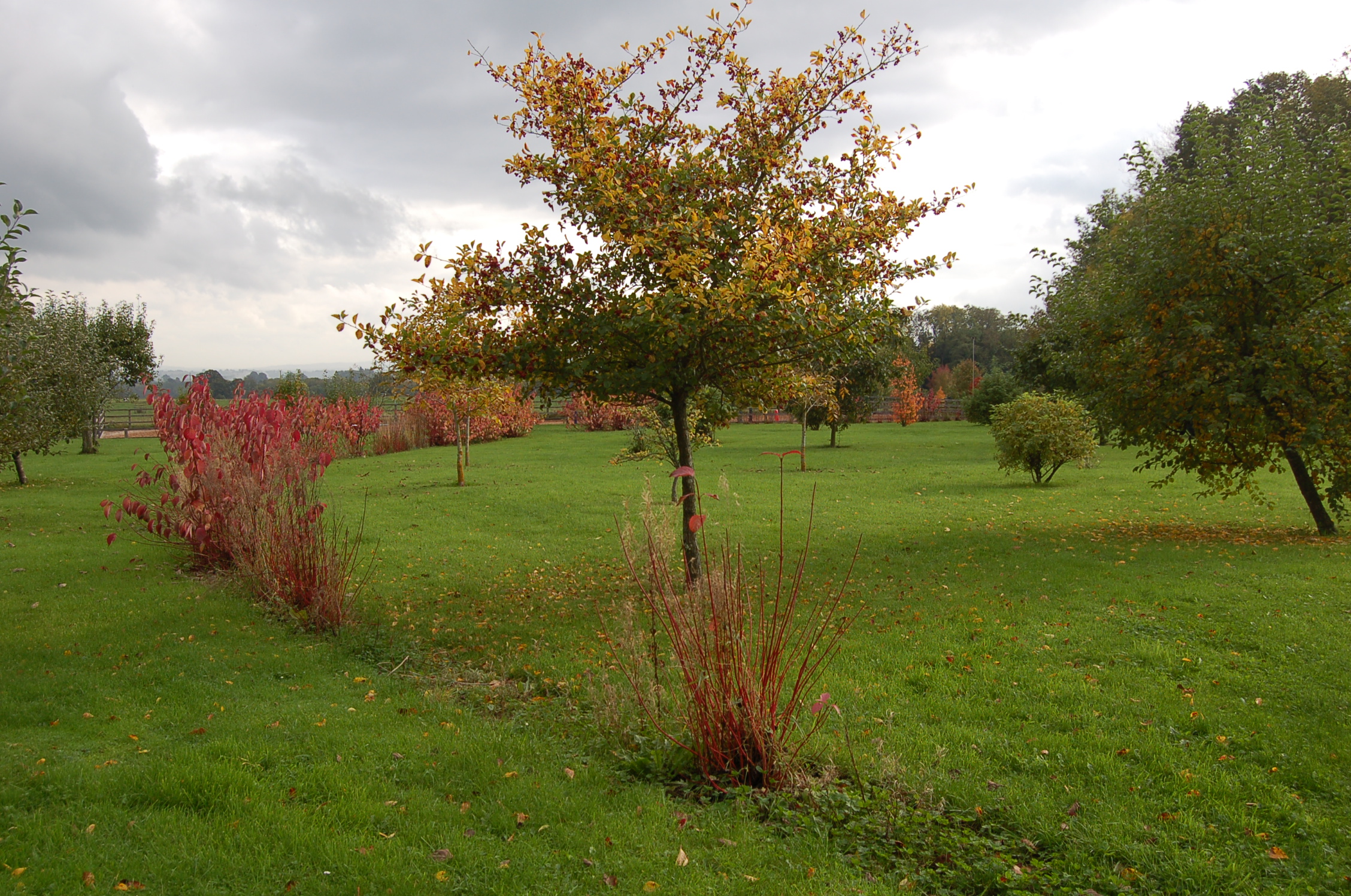
A small arboretum featured some interesting young trees which looked particularly good in their early autumn foliage colours. The tree below on the right was a stunning Crataegus and one that none of us recognised and the following two pics show the leaves and haws closer up. I have since found out it is Crataegus orientalis.

2013 10 24_4513 2013 10 24_4516 2013 10 24_4517 2013 10 24_4518

This tree in the following two pictures was another Crataegus  – prunifolia I think. After that the two photos following are of a tree with a neat habit, but again it was one we did not recognise. I thought it could possibly have been a Nyssa sylvatica but I shall have to check it out.

2013 10 24_4519 2013 10 24_4520

2013 10 24_4493 2013 10 24_4492

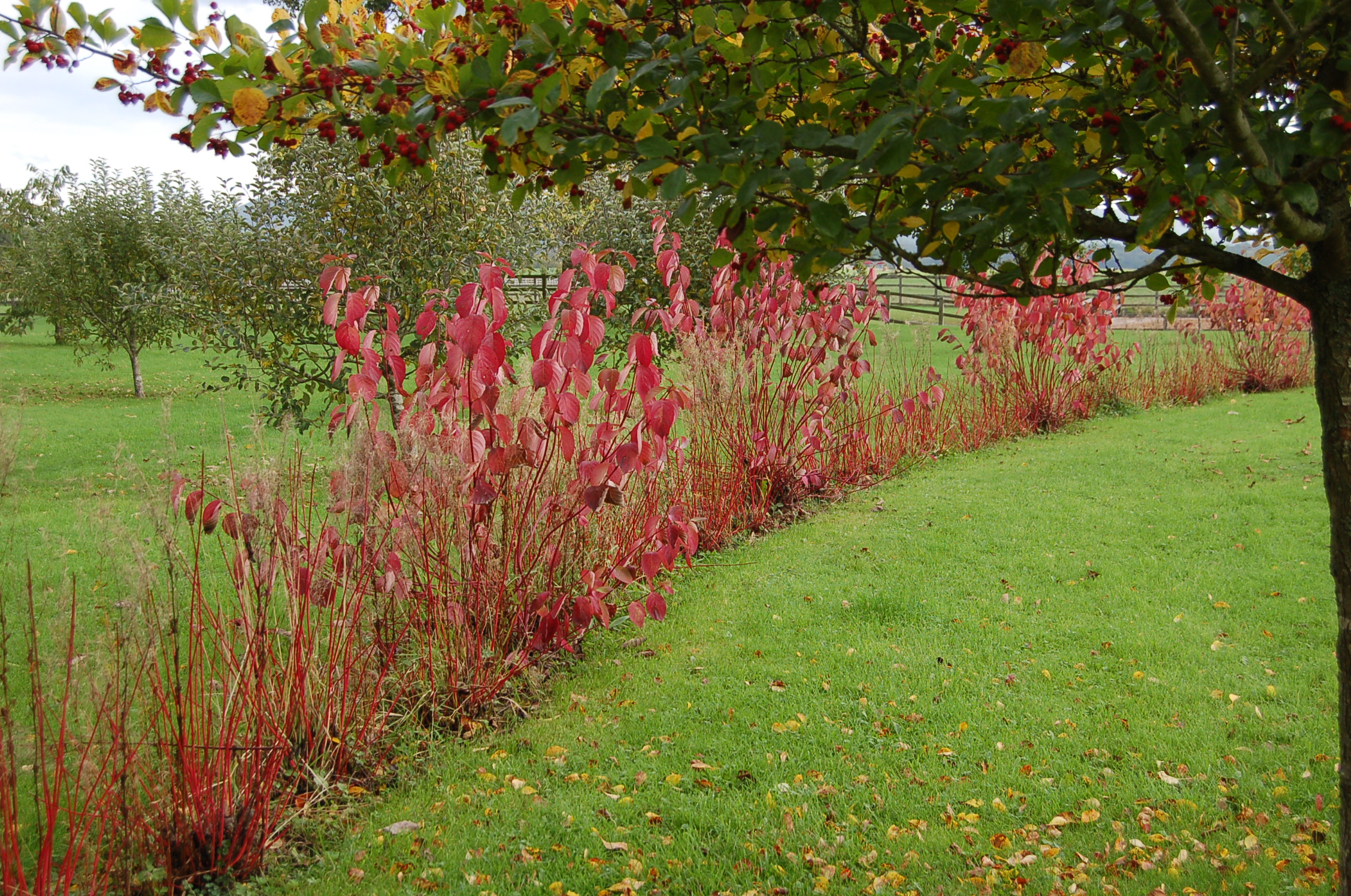
This lovely curved bed of coloured stemmed dogwoods acted as a boundary to the arboretum. The Cornus were displaying their rich red colours of autumn.

2013 10 24_4521 2013 10 24_4522  2013 10 24_4524

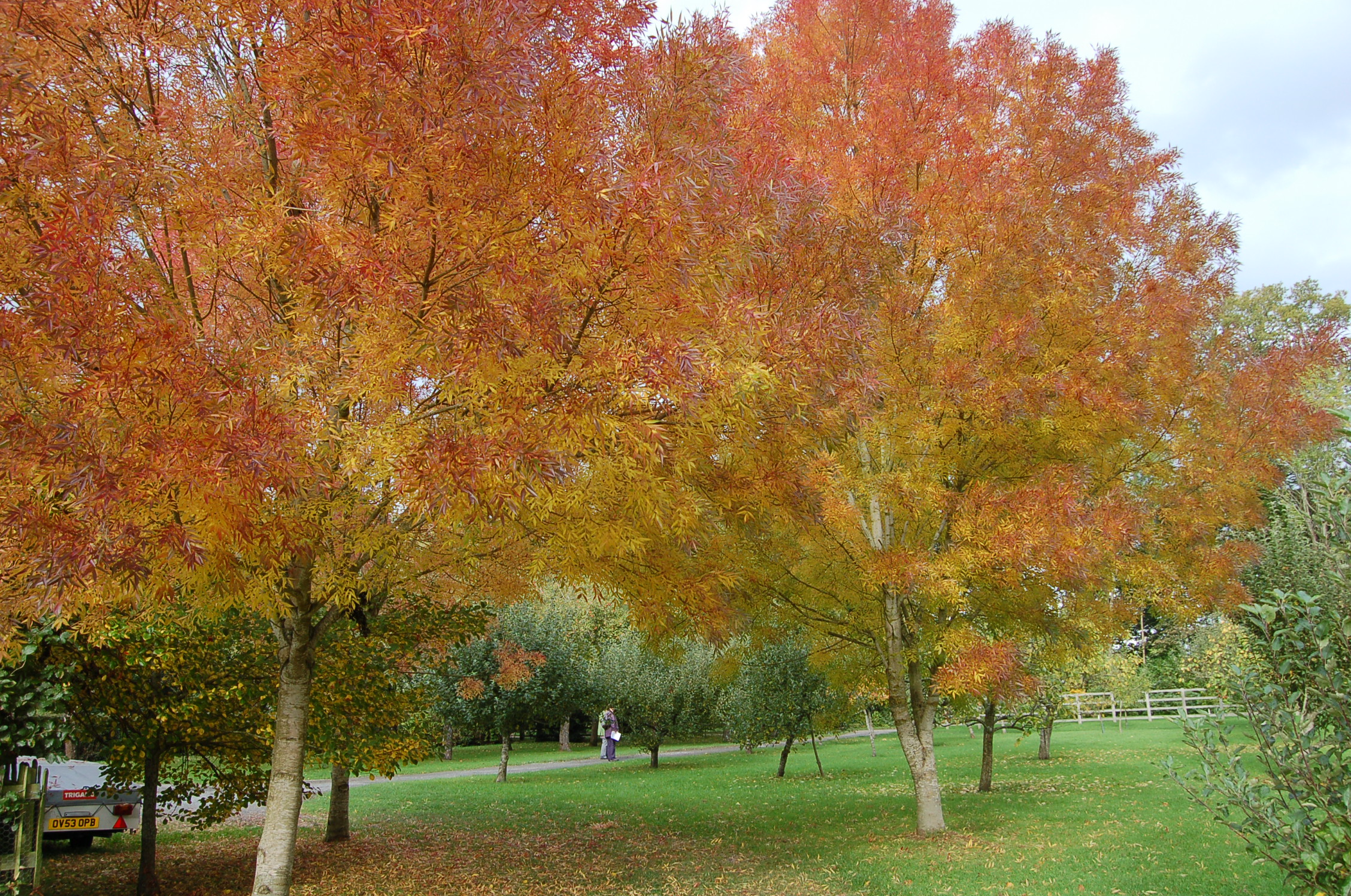
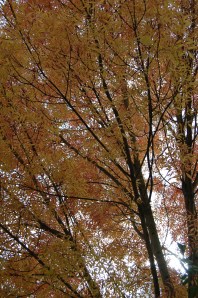
The next tree featured in the photos below is probably the best variety of Ash you can get, Fraxinus angustifolia “Raywood”, the Claret Ash.

2013 10 24_4523 2013 10 24_4533

2013 10 24_4532 2013 10 24_4534

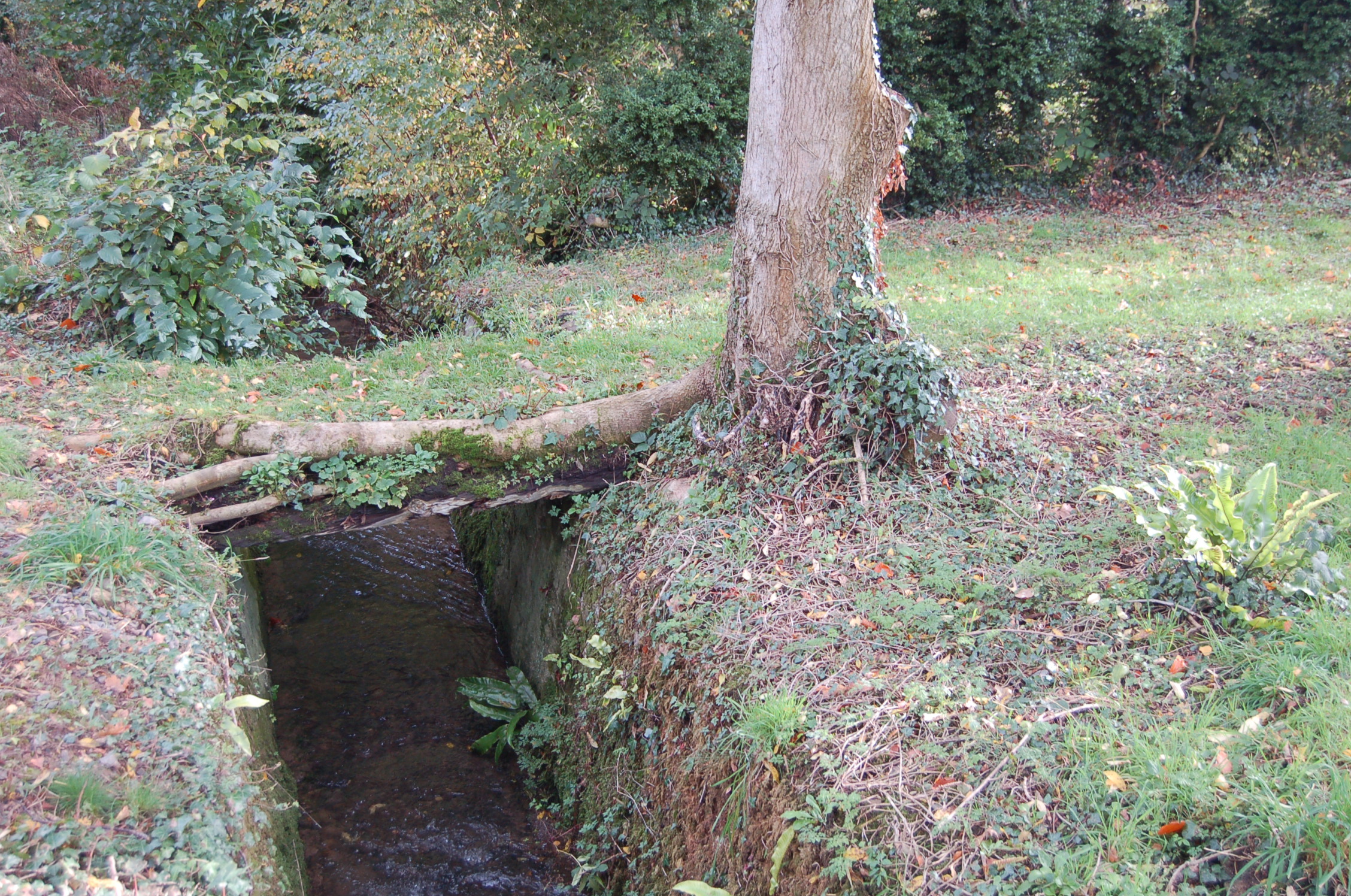
Leaving the arboretum, after enjoying studying the selection of interesting trees, we wandered off towards the walled garden, passing a ditch crossed by a bridge formed from the roots of the native Ash alongside.

2013 10 24_4535

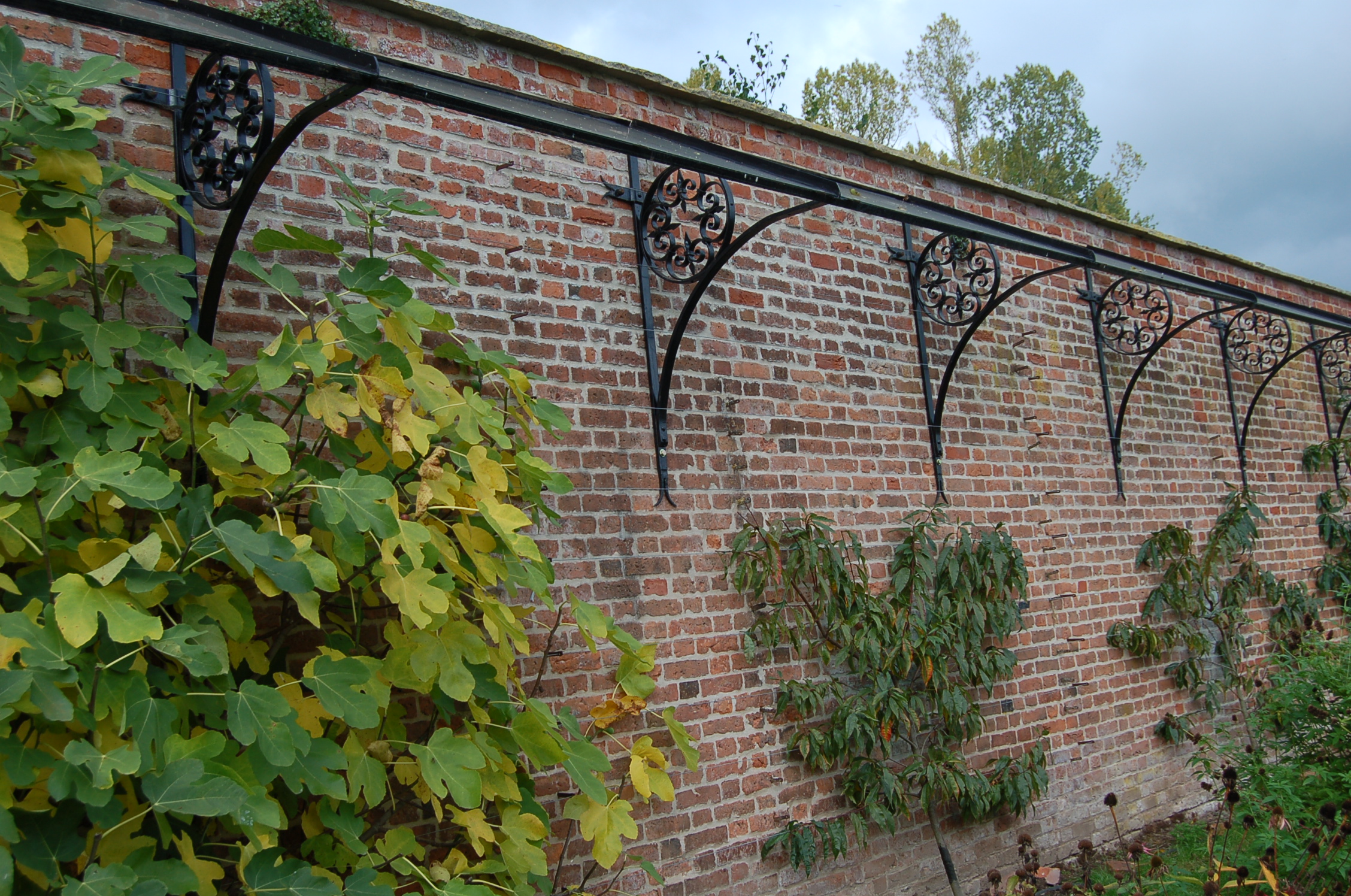
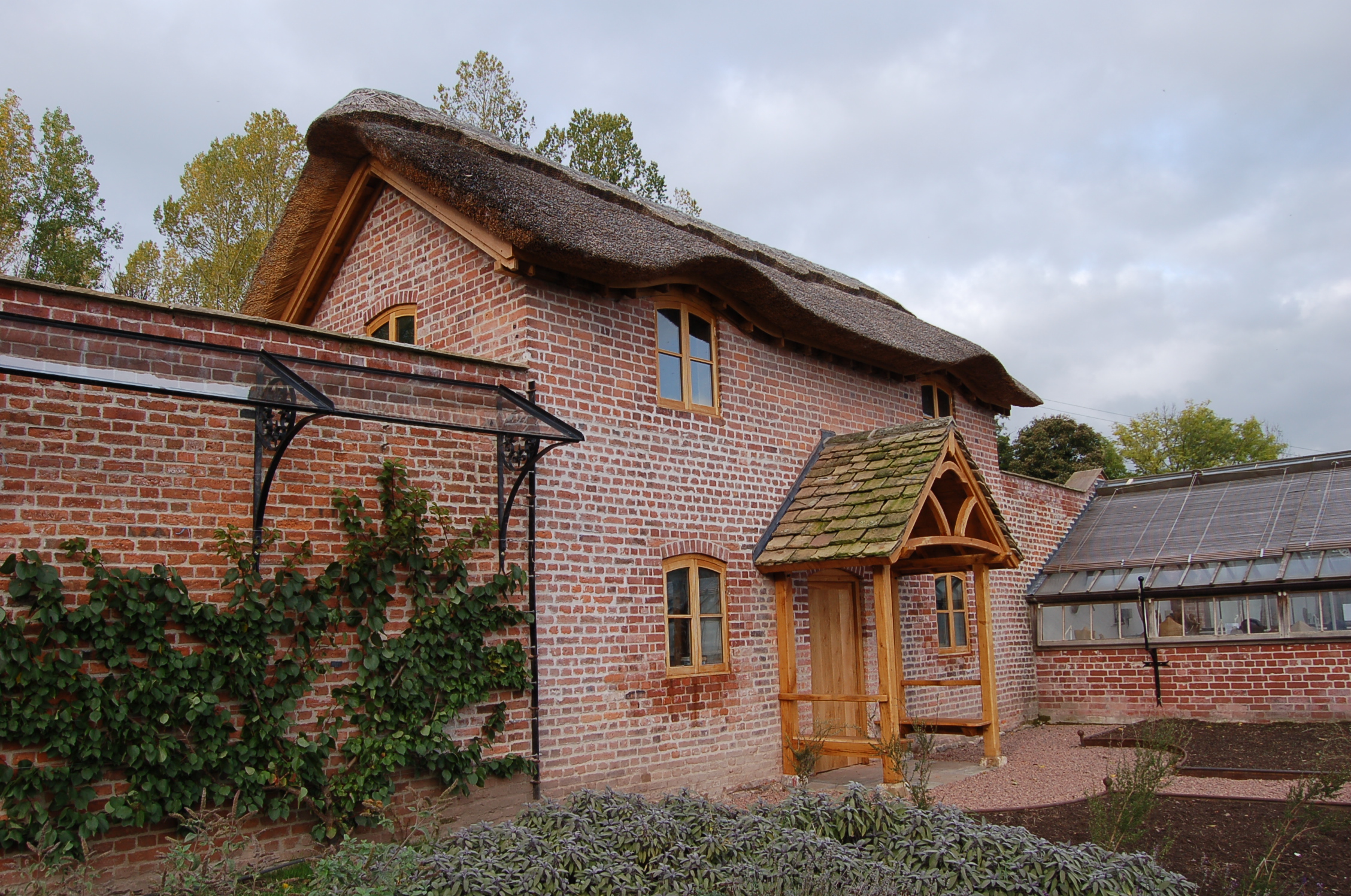
The walled garden itself was fascinating with unusual features to enjoy. The first photo below shows a peach canopy. The gardener’s cottage had been beautifully restored as had the greenhouses.

2013 10 24_4536 2013 10 24_4541 2013 10 24_4548 2013 10 24_4552 2013 10 24_4553 2013 10 24_4551 2013 10 24_4555

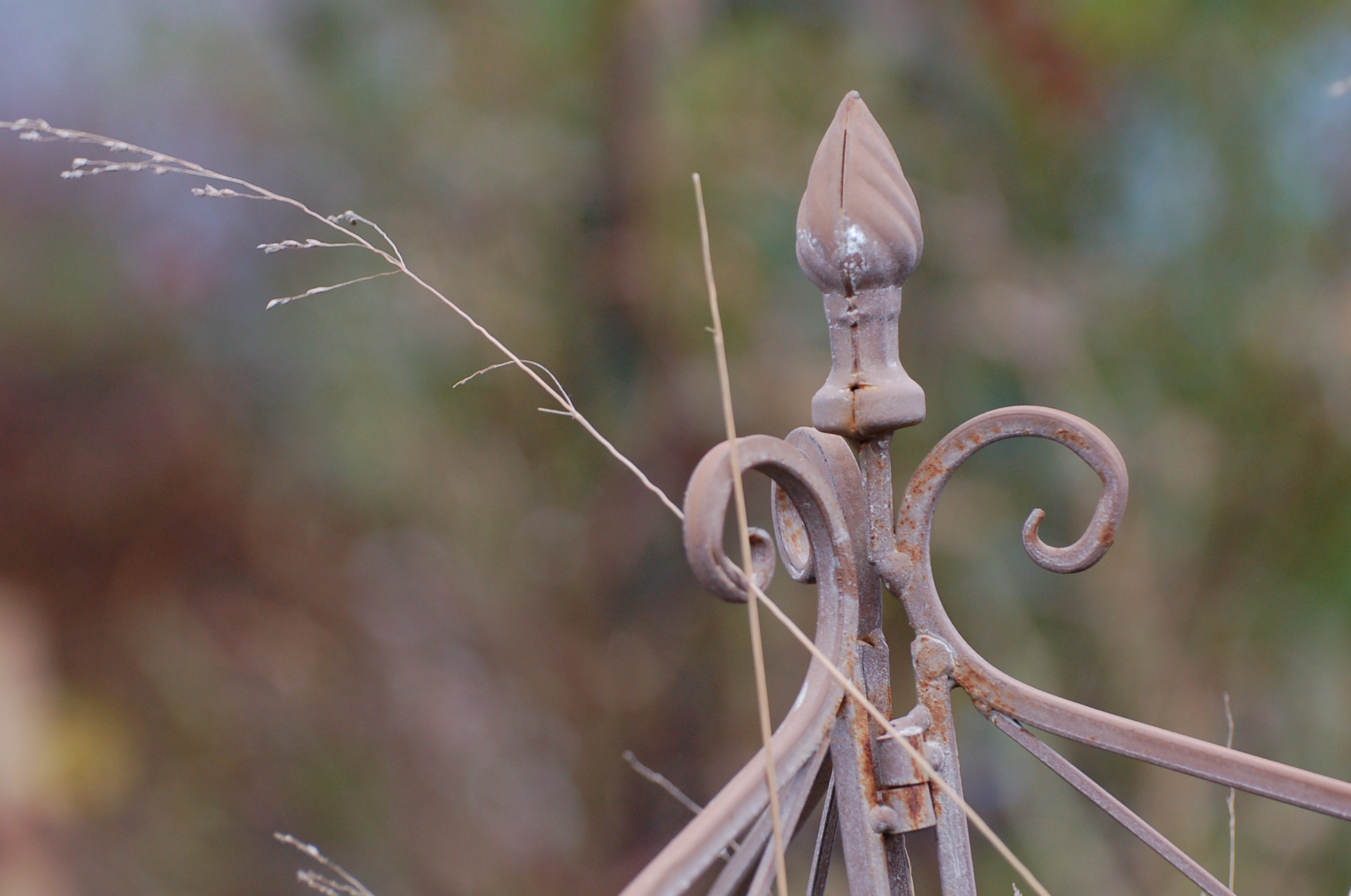
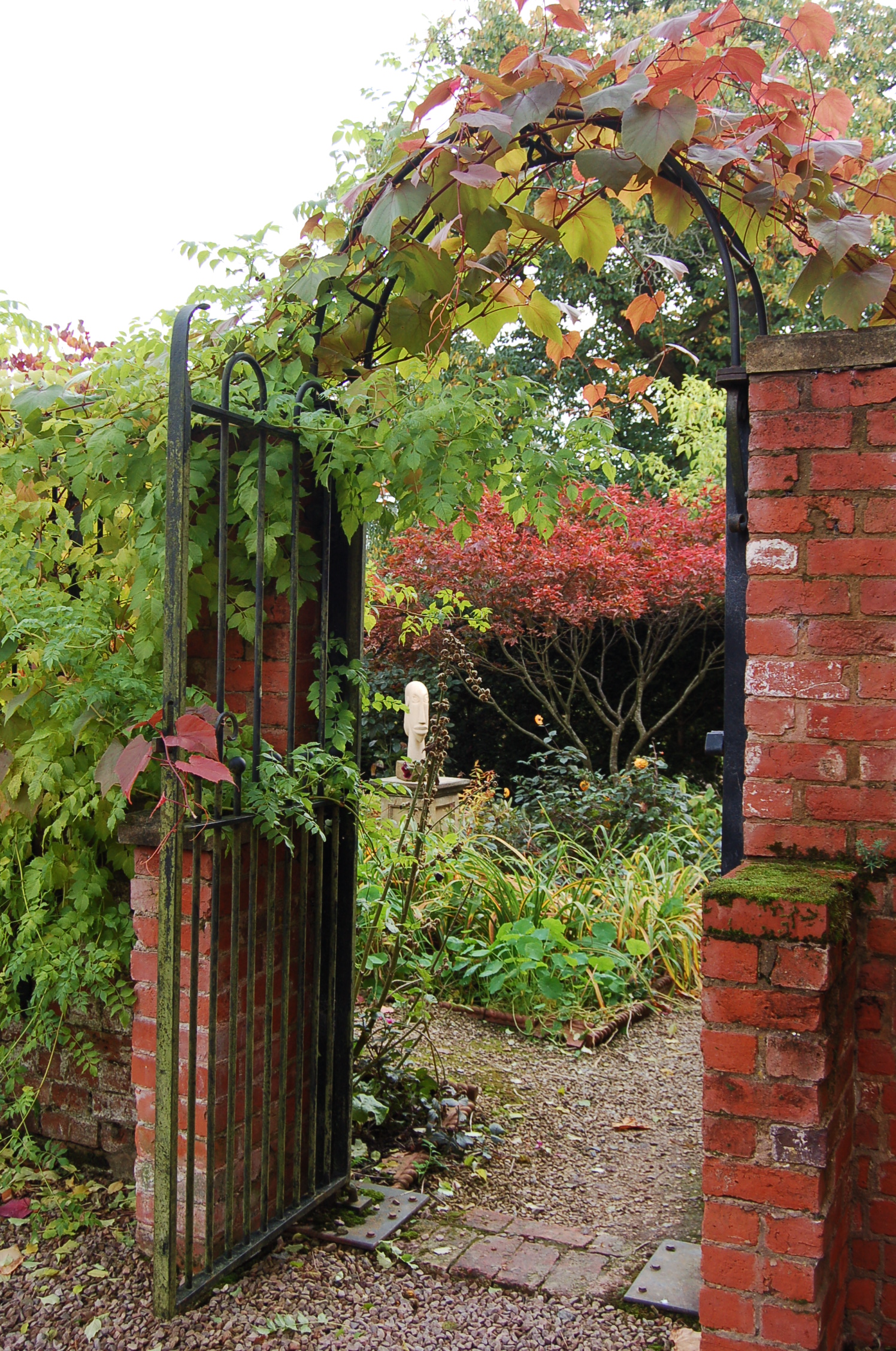
The pergolas which bridged the central paths was made of iron and were beautifully decorated.

2013 10 24_4558 2013 10 24_4559 2013 10 24_4560 2013 10 24_4561 2013 10 24_4563

So, although we came to Newport House to see the outdoor sculpture we found much to interest us in the gardens themselves.

Categories
colours flowering bulbs garden photography gardening ornamental trees and shrubs Shropshire spring bulbs spring gardening Winter Gardening winter gardens

A Bouquet for March

Here is this month’s “Bouquet” post. The first photo says it all!

DSC_0097

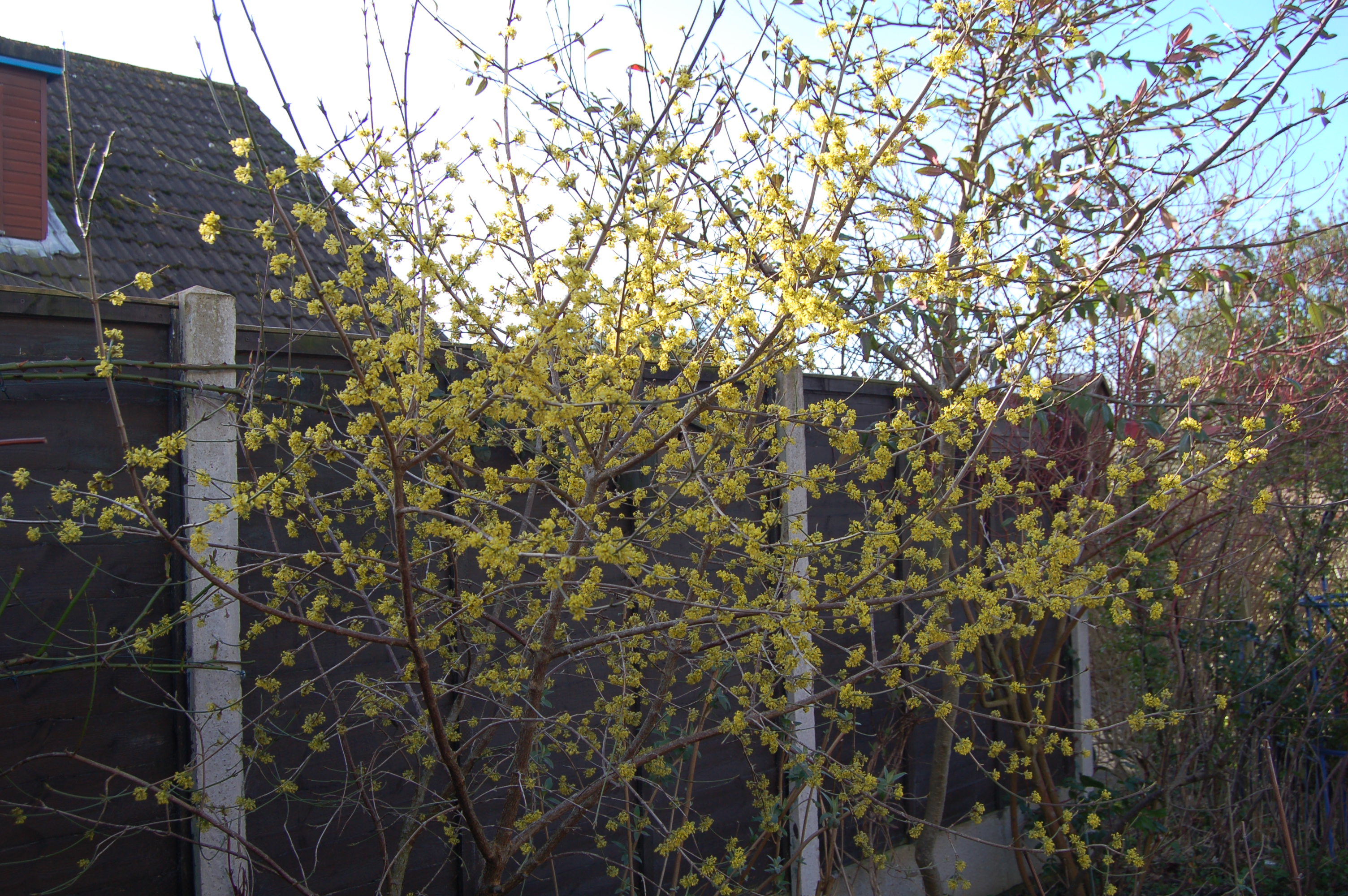
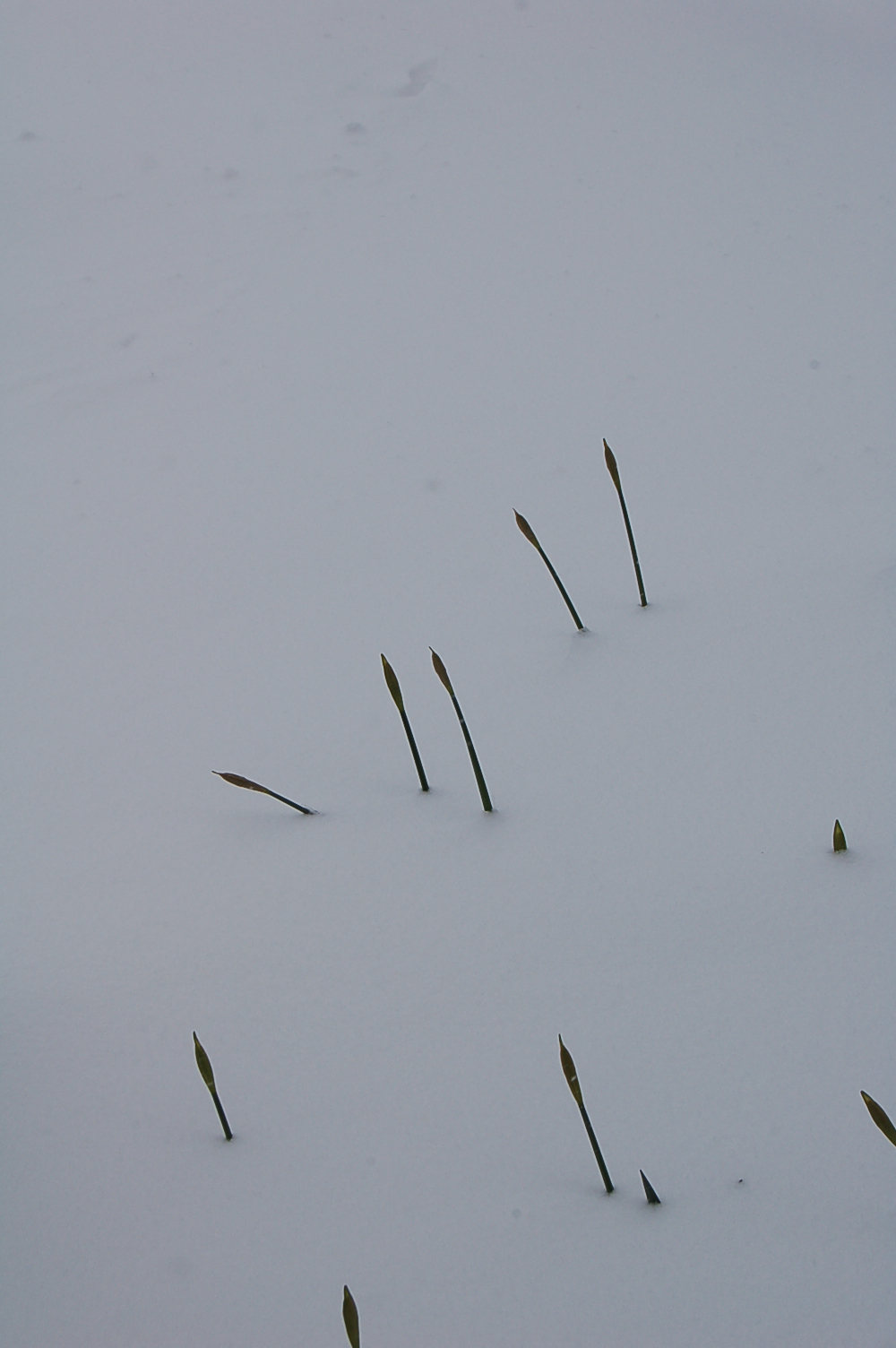
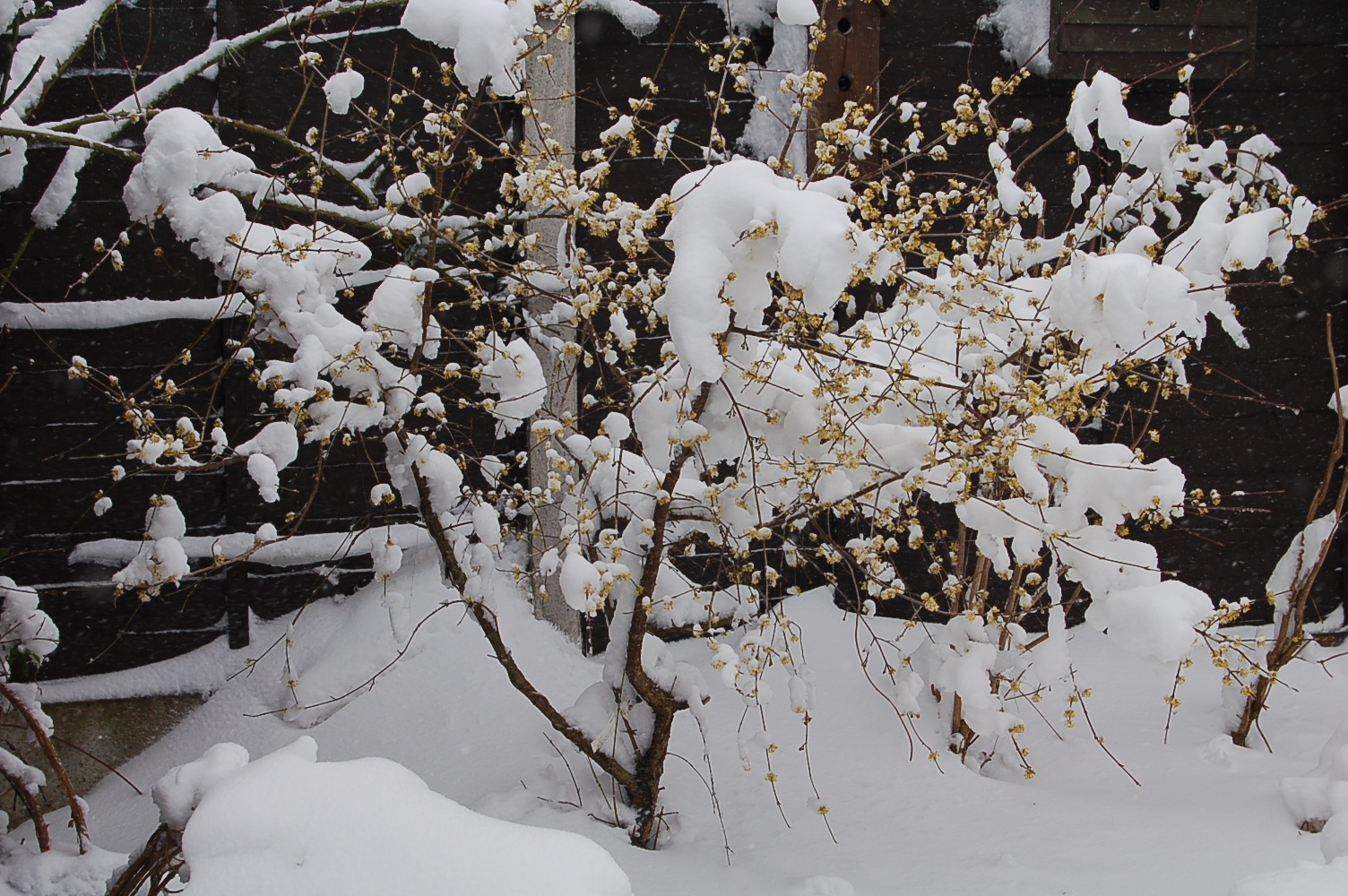
There are in fact two flowers visible – both yellow. Our Cornus mas is still in bloom and the flower buds of daffodils are spearing their way through their white duvet.

DSC_0096 DSC_0098

Let’s hope our April Bouquet is a bit more impressive!

Categories
colours community gardening garden photography gardening ornamental trees and shrubs shrubs Winter Gardening winter gardens

Stems of dogwoods and willows at BAC

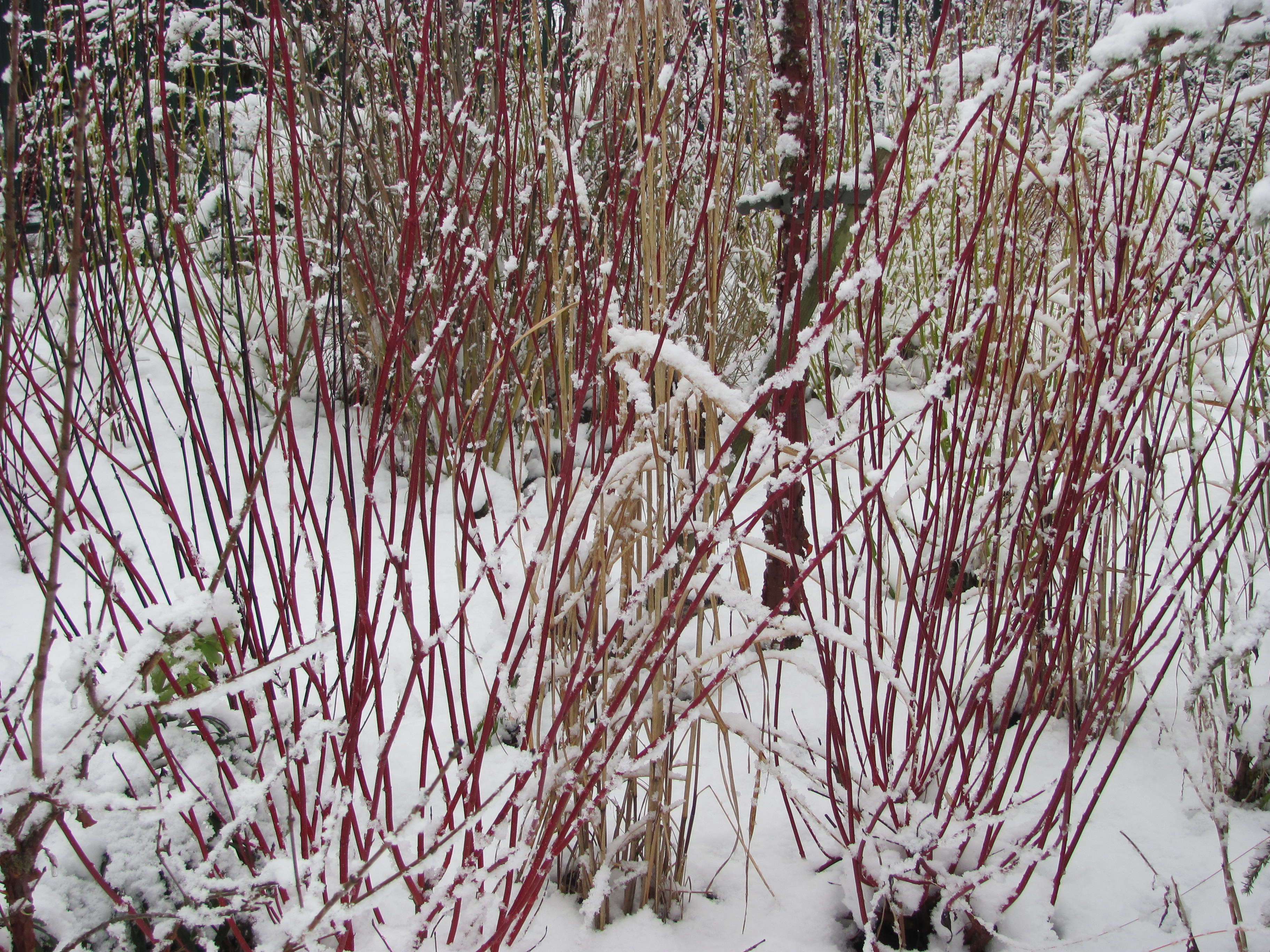
Earlier in the winter I posted a blog about the value of coloured stems in our garden. We have lots more up in the community gardens on our allotment site, Bowbrook Allotment Community. Now we have a little sunshine brightening our days I thought it would be interesting to see the colours in Cornus (Dogwoods) and Salix (Willows) that we have accumulated in our 4 year development.

First though a look into my sketchpad.

DSC_0002

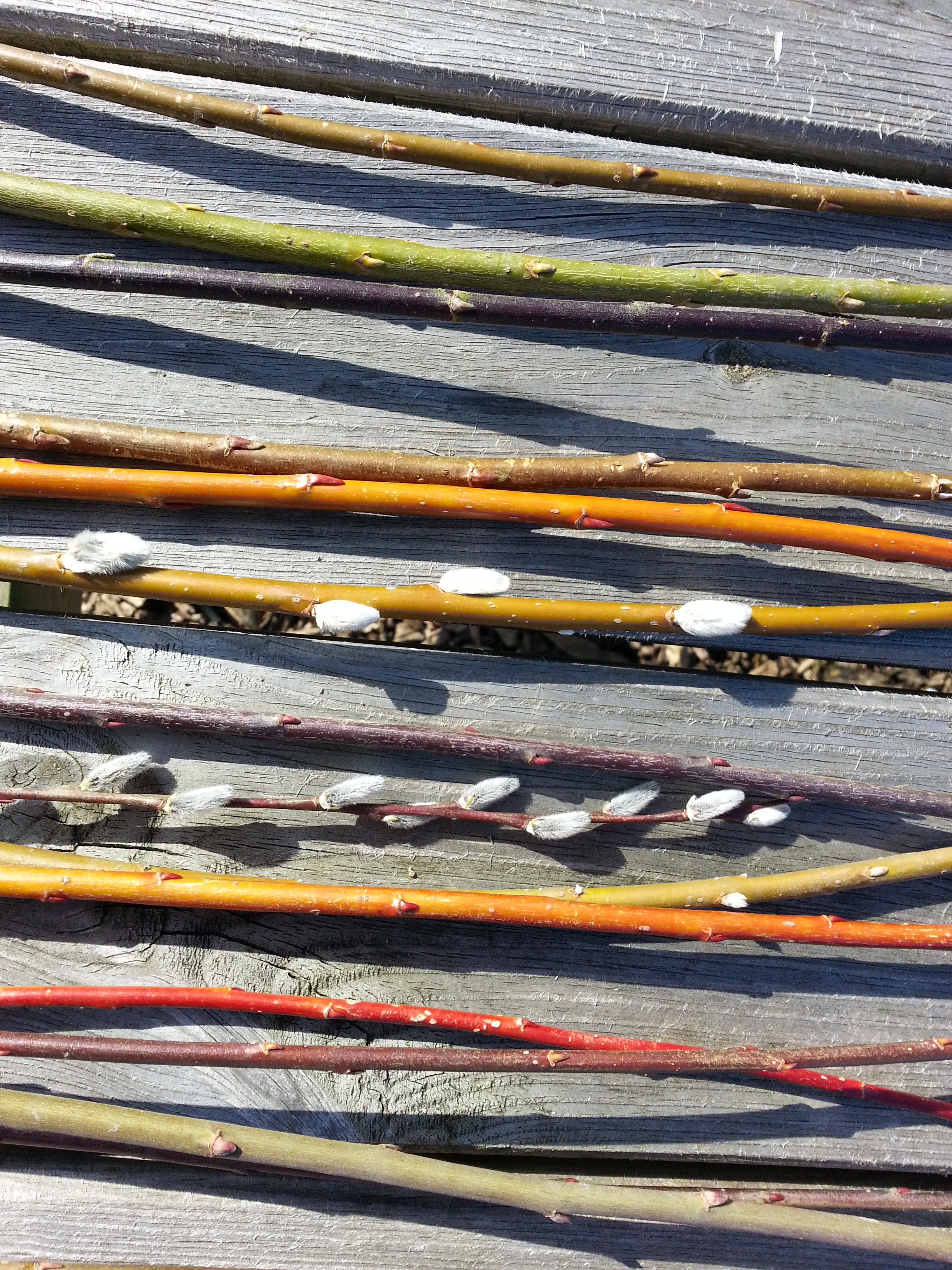
We put together a collection of stems of all the different Cornus and Salix  that we grow in the communal gardens and photographed them on a rare sunny day.

First the Dogwoods ….

stems 2 stems 3 stems 1

….and then the Willows.

stems 6 stems 7 stems 5

Categories
allotments birds community gardening garden photography garden wildlife gardening grow your own ornamental grasses ornamental trees and shrubs photography shrubs trees wildlife winter gardens

Allotments under Snow

IMG_5307n

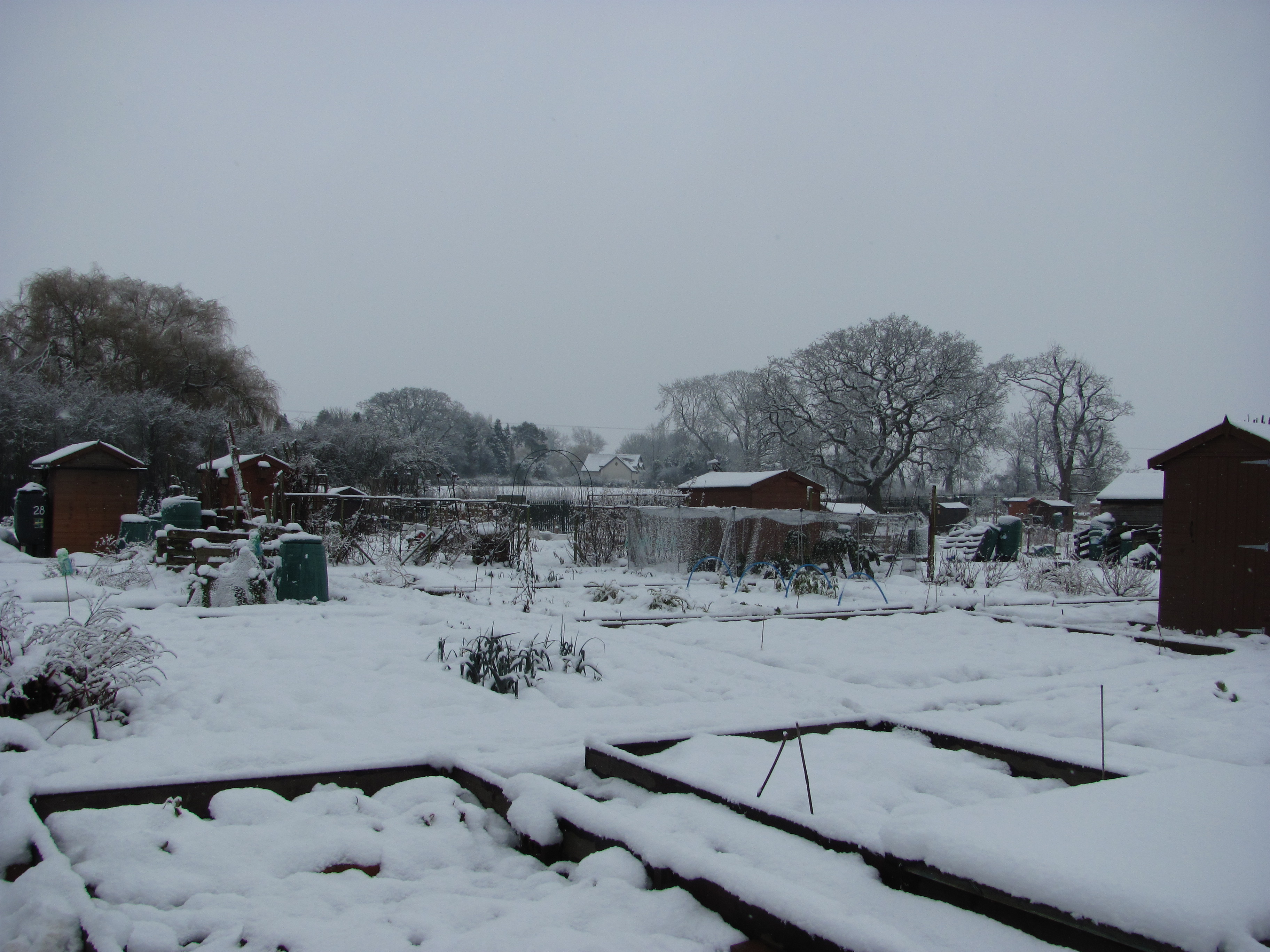
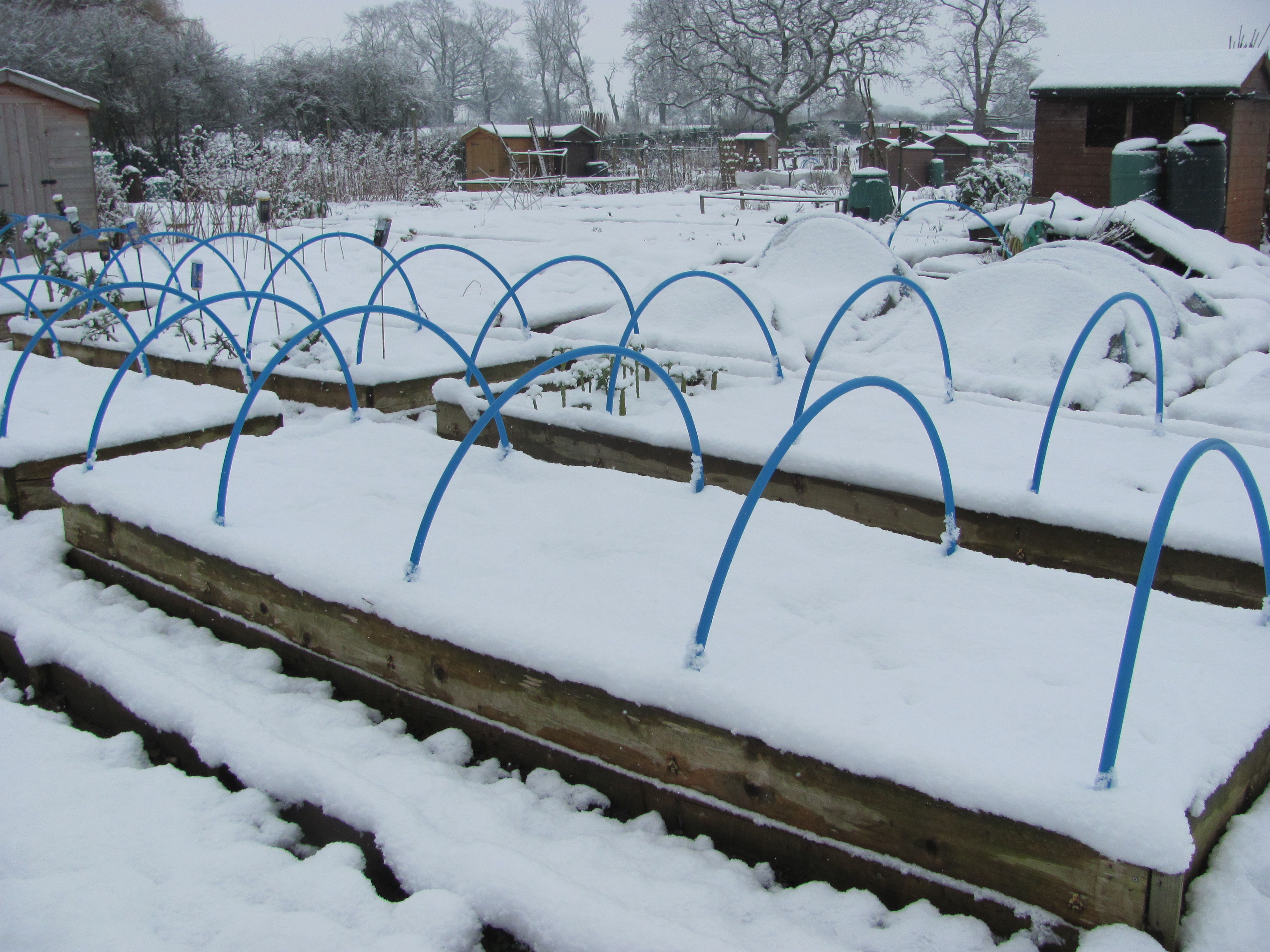
Today we braved the snow and floods up at our allotment site and went for a walk around to look at what turned out to be a very different world to the one we usually see. The pictures illustrate just how long it may be before we can get any gardening done up there. We still have root crops in the ground – in December it was too wet to get on the soil and now it is all under the white stuff.

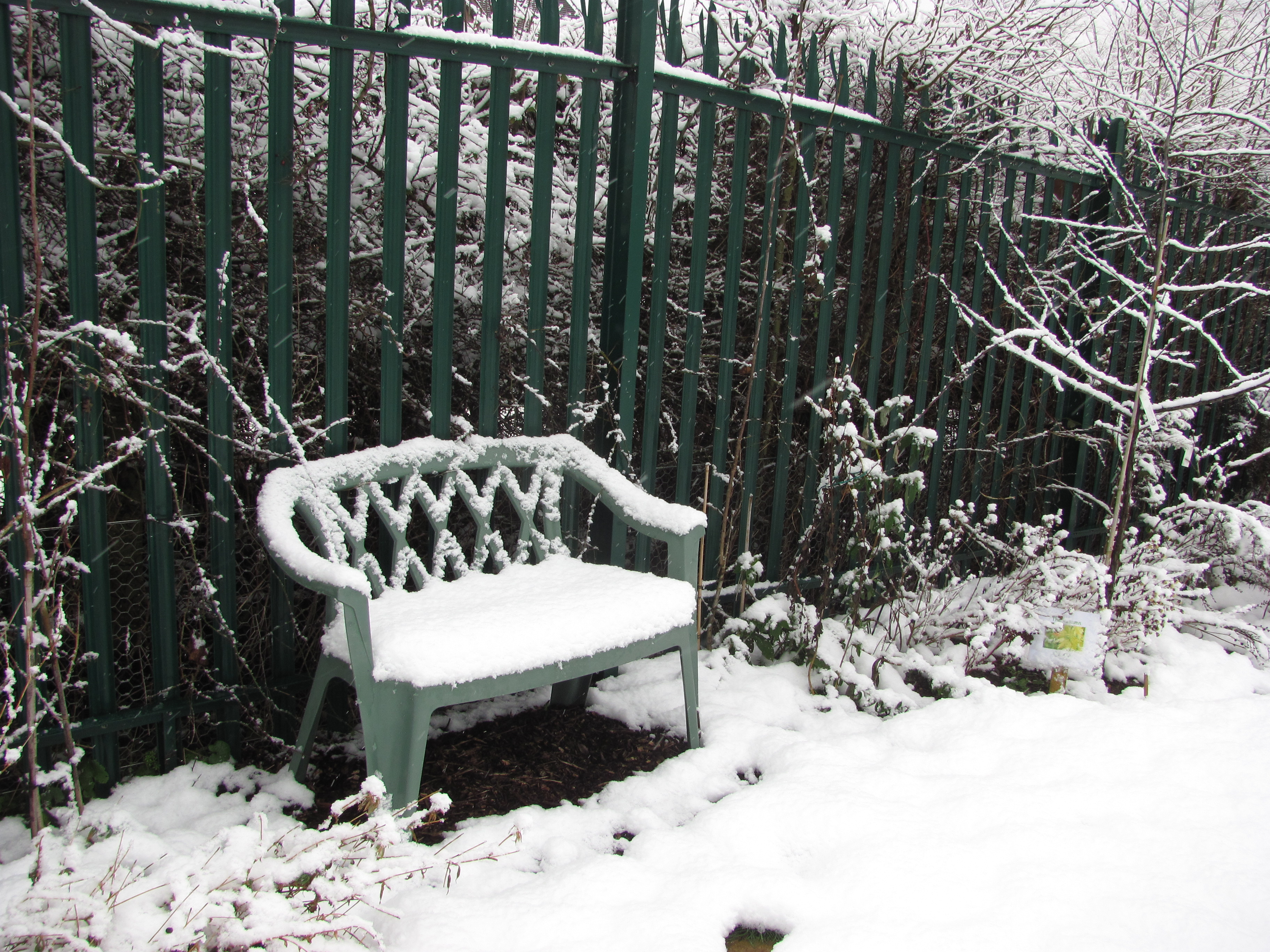
Here is the actual green bench that inspires the name of my blog.

IMG_5275

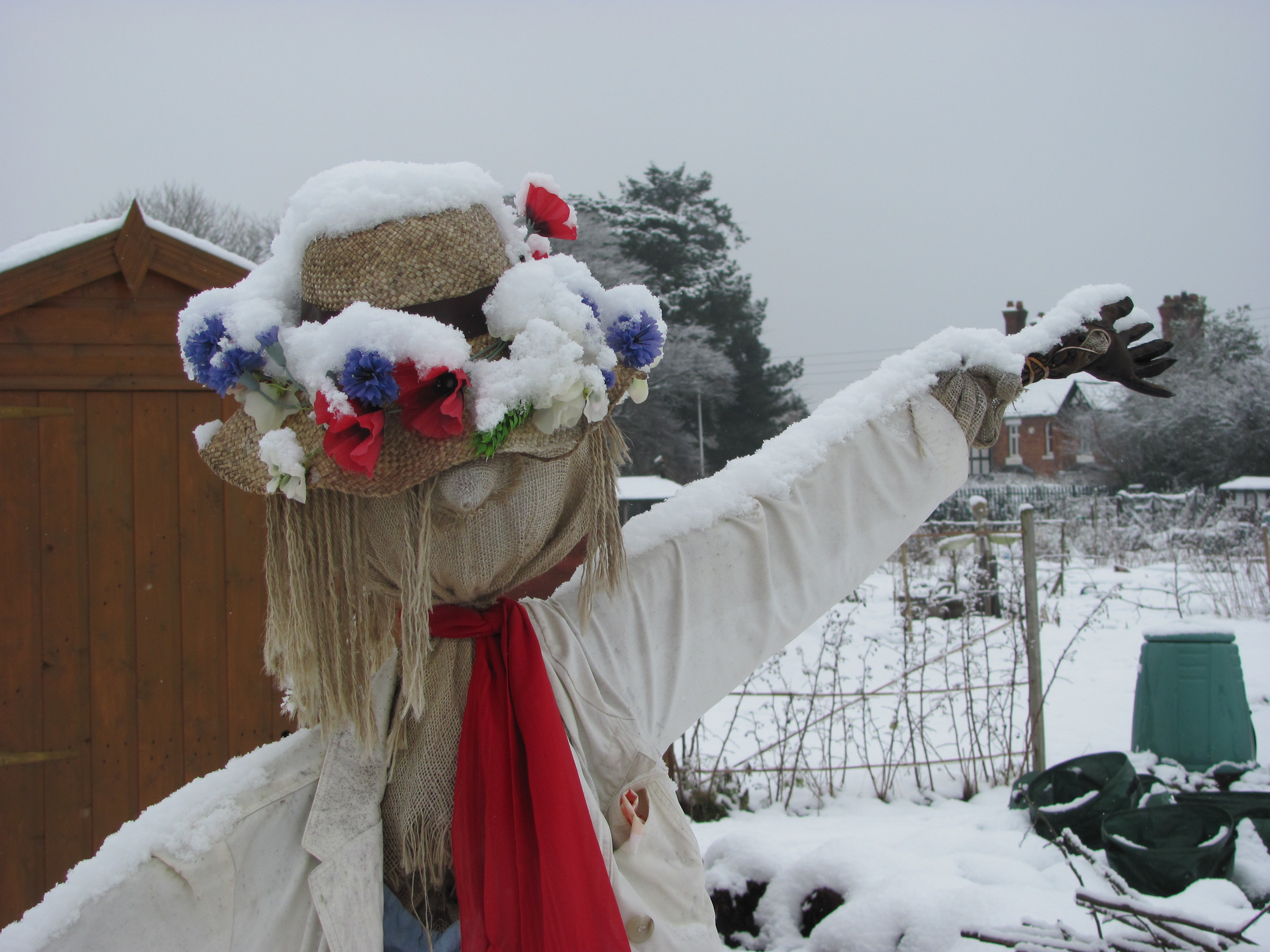
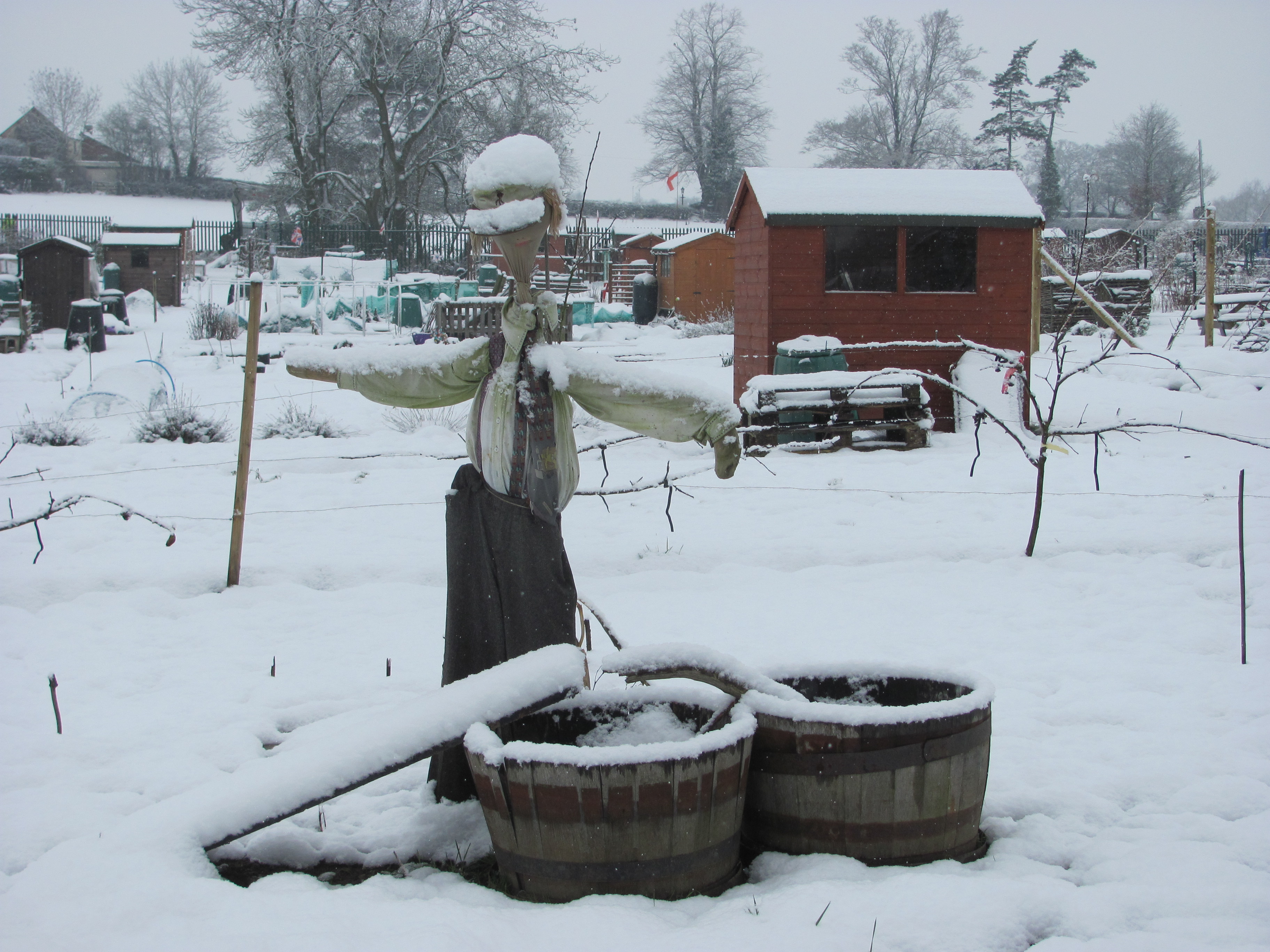
The scarecrows remain on duty whatever the weather and shrug off the snow and ice.

IMG_5321

IMG_5287-1

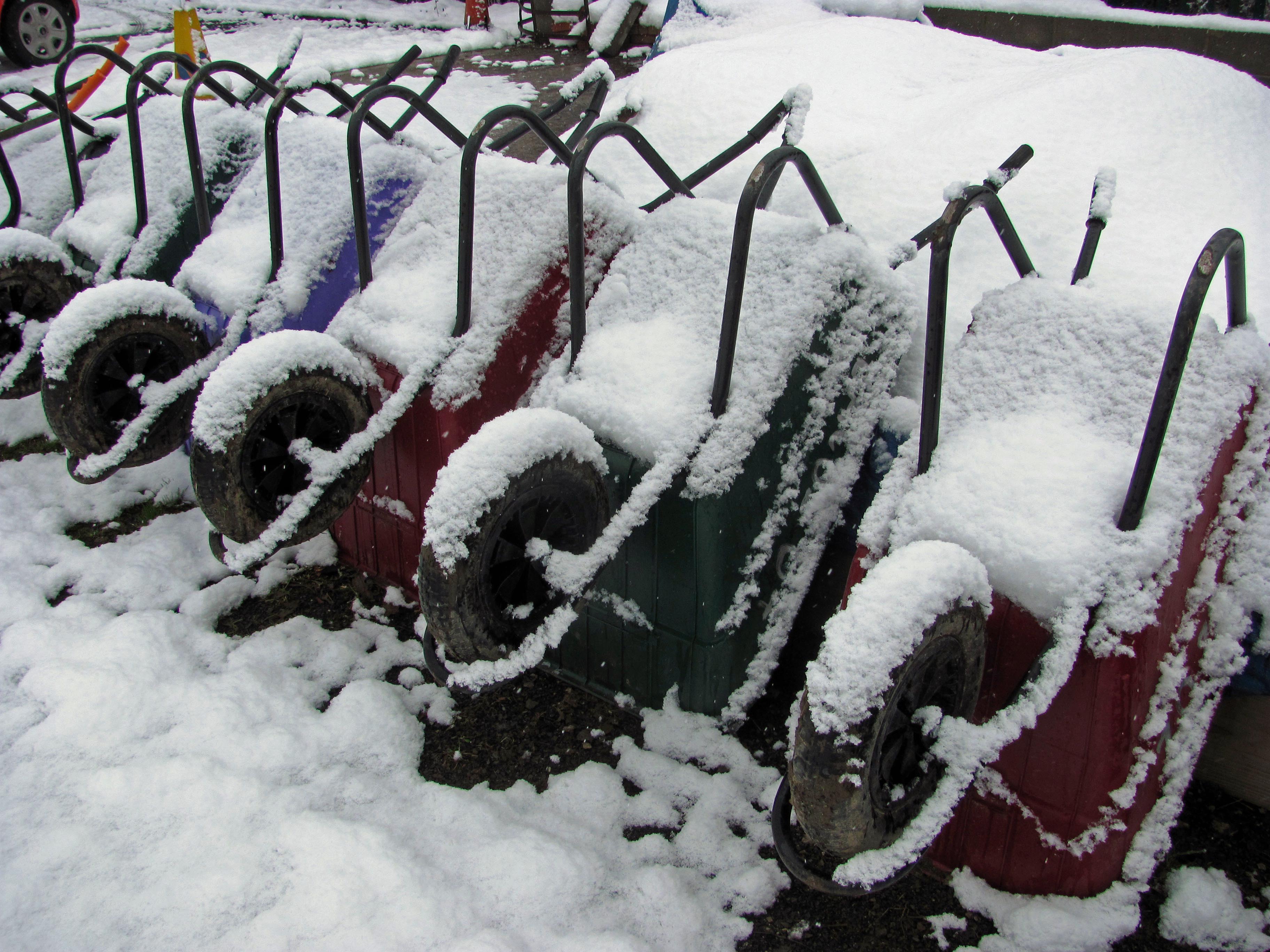
Wheelbarrows wait patiently.

IMG_5286 IMG_5272bgt IMG_5274-1

The plots have a forlorn look but beneath the ice and snow the soil is waiting – waiting for a little more light, more heat from the sun and plenty of evaporation to lessen the moisture content.

IMG_5279 IMG_5280-1 IMG_5284-1 IMG_5320-1

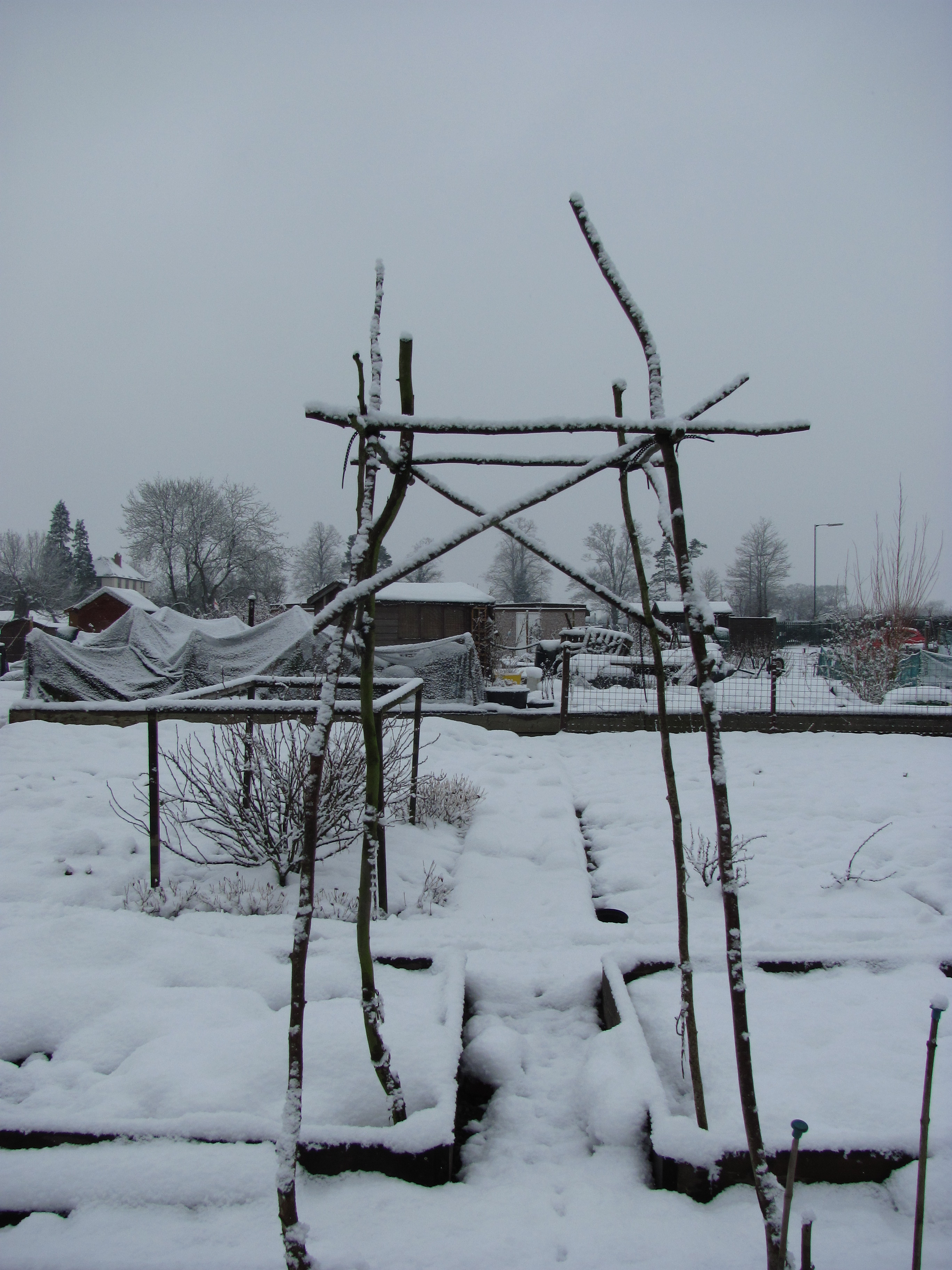
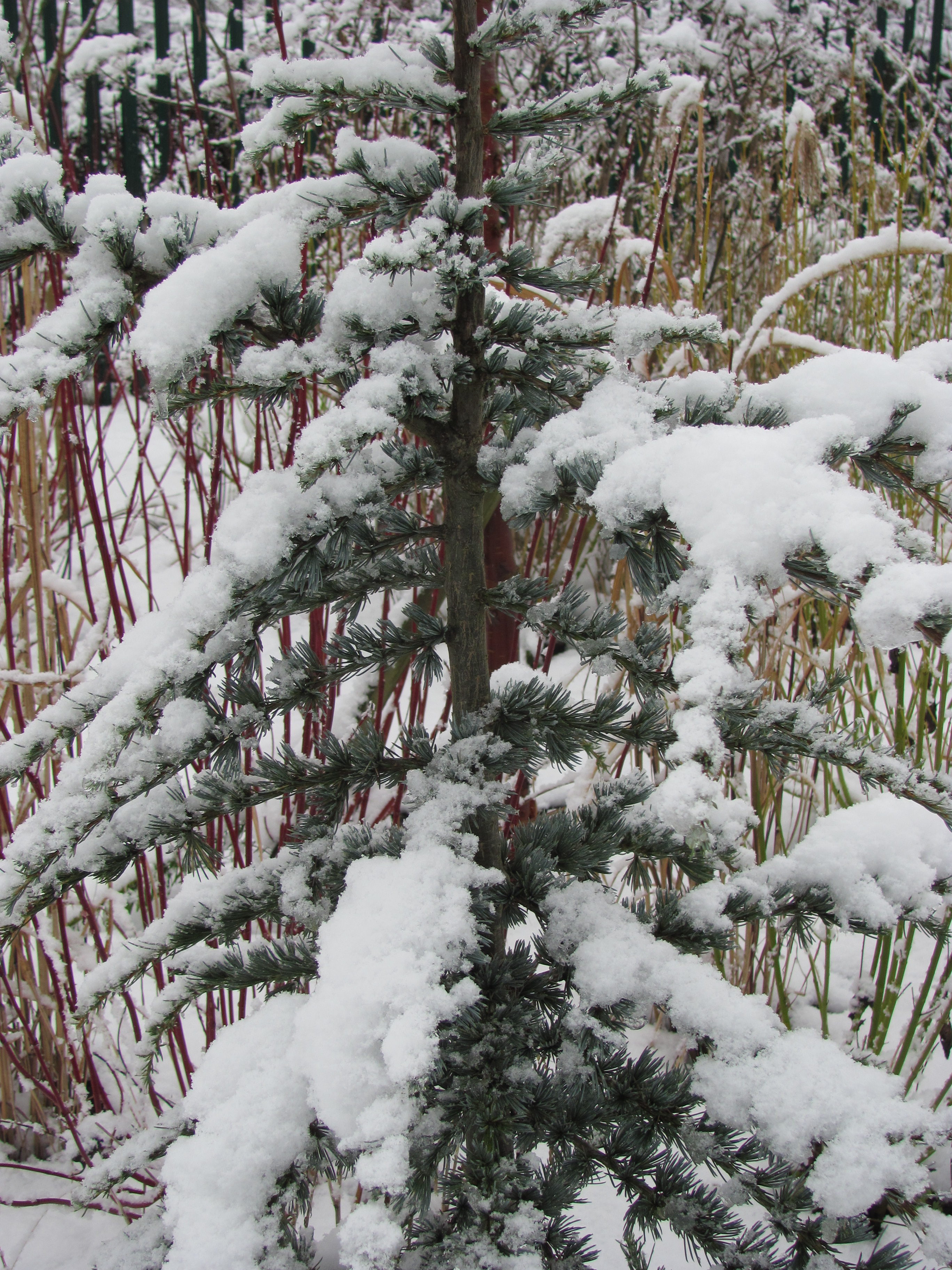
The Winter Garden is full of interest.

IMG_5296-1 IMG_5297-1 IMG_5298-1 IMG_5301-1 IMG_5302-1 IMG_5304-1 IMG_5305-1 IMG_5308-1 IMG_5309 IMG_5311 IMG_5312-1 IMG_5313

The contractors preparing our site extension in the adjoining field were toiling away in the snow, ice and waterlogged soil. They are putting in drainage and clearing out an old pond to create a wildlife pond for us all to enjoy. The ground they overturn presented birds with a rich feeding ground. Blackbirds, Redwings, Fieldfares, Jays, and Thrushes both Song and Thrush revelled in a fresh supply of worms and ground creatures.

IMG_5322

This Veggie Life

A Vegetarian | Nature Lifestyle Blog

Rambling in the Garden

.....and nurturing my soul

The Arch City Gardener

Journeys In St. Louis Gardening and Beyond

Garden Dreaming at Châtillon

Consult the genius of the place

Storyshucker

A blog full of humorous and poignant observations.

gardeninacity

Notes from a wildlife-friendly cottage garden

PlayGroundology

...an emerging social science

The Official Blog of British Wildlife

'The most important and informative publication on wildlife of our times' - The Independent. This blog is a member of The UK & Ireland Natural History Bloggers group: www.uknhb.blogspot.com

iGrowHort

Inspire - Cultivate - Grow Native Plants - Restore Landscapes

Bishops Meadow Trust

To create and protect a semi-natural wild space for the people of Farnham to enjoy and experience an array of British wildlife in our town

Gardening with Children

The www.gardeningwithchildren.co.uk Blog

UKbirdingtimeline

birding through the seasons, why birds matter and how to conserve them

NATURE WALKER

with a camera in hand

Jardin

Transform your outdoor space

Eva's space

My allotment, cooking and other interests

Old School Garden

my gardening life through the year

LEANNE COLE

Trying to live a creative life

fromacountrycottage

trying to live as lightly as possible on our beautiful planet

Good Life Gardening

Nature lovers from Leicester living the good life.

mybeautfulthings

Finding the beautiful in the everyday

mawsonmichelle

Michelle's Allotment

In and Out of My Garden

thoughts from and about my garden

Greenhousing

Big plans for a small garden

The Scottish Country Garden

A Walled Country Garden in South East Scotland

The Fruity Chicken

Life at the fruity chicken

willowarchway

Off grid living. Self sufficient. "PERMAGANICS RULE".

St Anns Allotments

Nottingham's Grade 2* Listed Allotments and Community Orchard

Manifest Joy Harvests

a journey in suburban vegetable gardening

Allotmental

The madness of growing your own

Penny's Garden: a harvest beyond my front door

A novel approach to vegetable gardening

arignagardener

Sustainable living in the Irish countryside.

NewEnglandGardenAndThread

Master Gardener, amateur photographer, quilter, NH native, and sometimes SC snowbird

dianajhale

Recent work and work in progress and anything else that interests me

planthoarder

a chaotic cottage gardener

Lens and Pens by Sally

a weekly blog that creates a personal philosophy through photographs and words

Dewdrops and Sunshine

Stories from a sassy and classy Southern farmbelle.

The Pyjama Gardener

Simple Organic Gardening & Seasonal Living

gettin' fresh!

turning dirt into dinner

JOY...

today the world is created anew

Garden Birds

Notes from a Devon garden

ShootAbout

Life Through The Lens

Adapting Pixels

A photography blog showcasing the best photography pictures and videos on the internet

Wildlifegardening's Blog

Just another WordPress.com site

naturestimeline

personal observations from the natural world as the search continues for a new approach to conservation.

LATEBLOOMERBUDS

The Wonders of Life through my Eyes, my Heart, my Soul