Categories
birds flowering bulbs fruit and veg garden buildings garden photography gardening gardens gardens open to the public kitchen gardens National Trust Shrewsbury Shropshire spring bulbs The National Trust walled gardens walled kitchen gardens winter gardens woodland woodlands

A Walk in the Park – February at Attingham Park – Part 1

It is mid-February and time for our second visit to Attingham Park, our nearest National Trust property. We awoke on the day of our planned visit to a dark overcast sky and light rain hanging in the air, but we set off nonetheless, determined that the weather would not spoil our plans. We started with a quick coffee break but the rain had not improved when we set off on the actual walk to the walled garden and onwards along “The Mile Walk”.

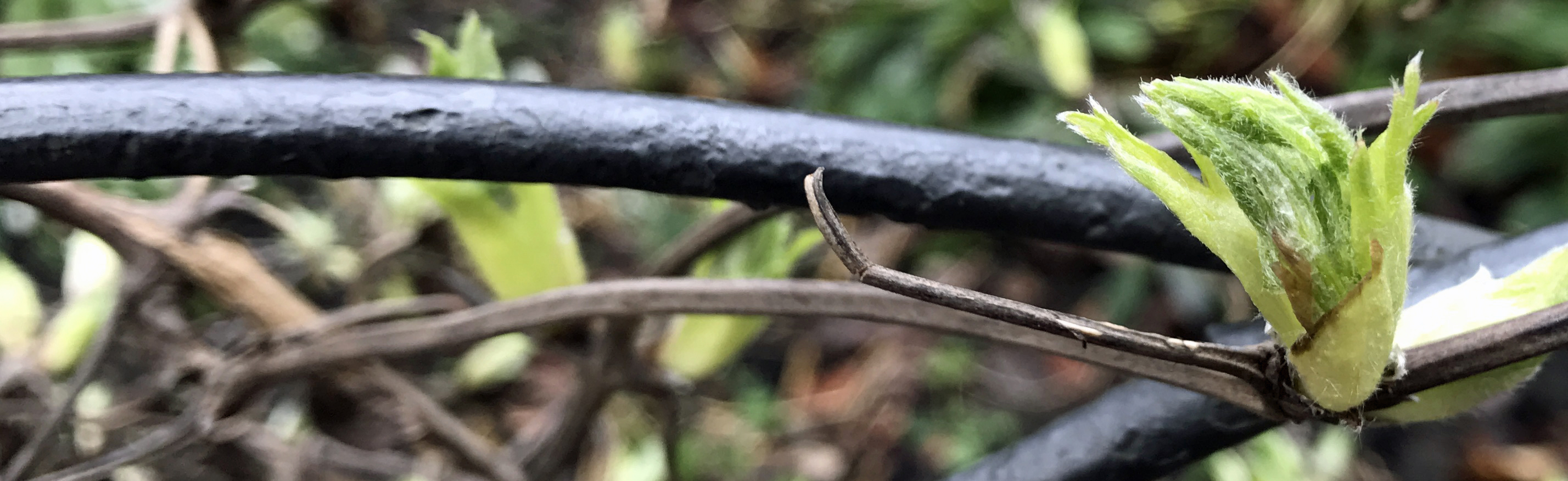
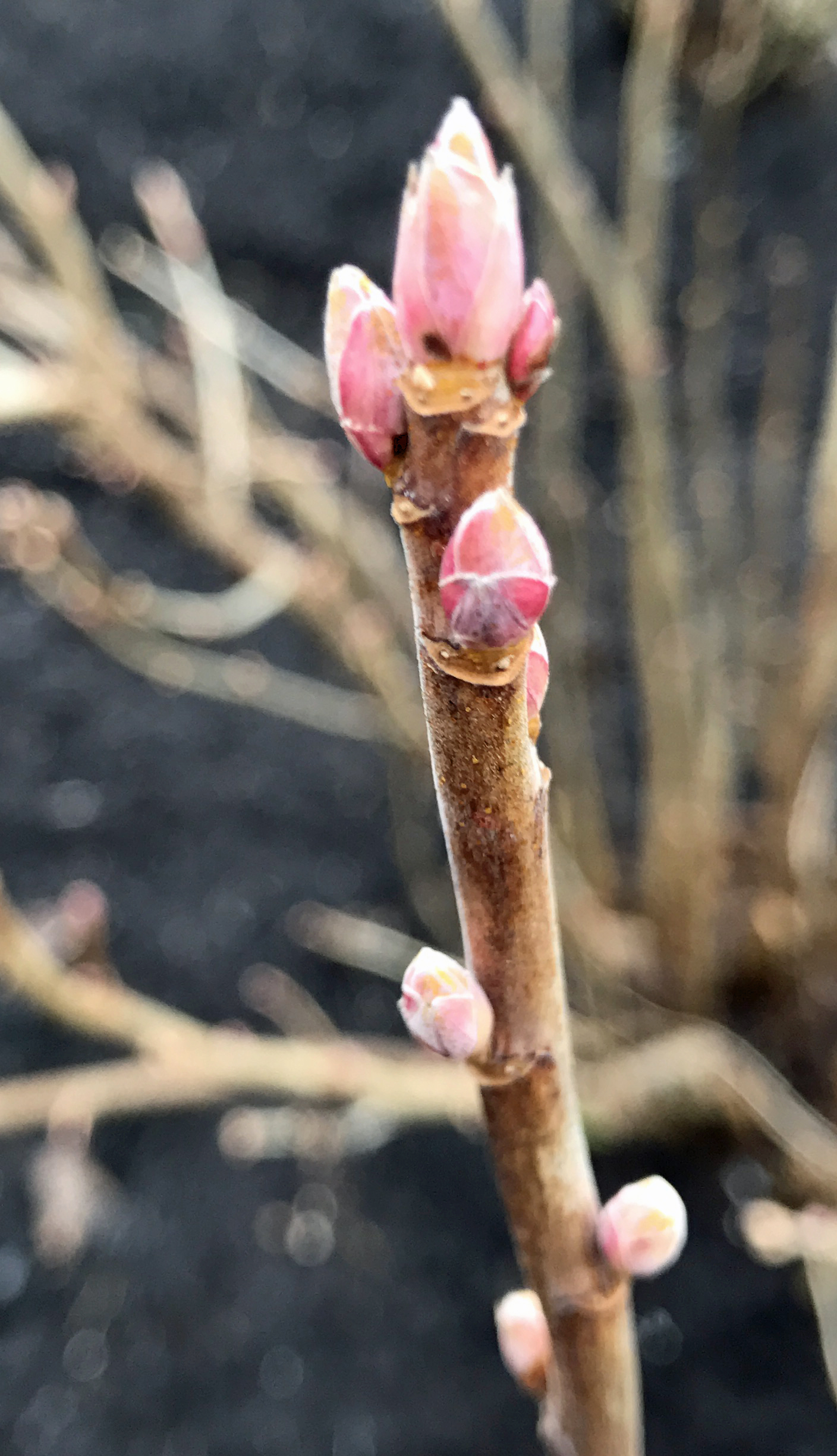
We were on the look out for signs of fresh growth and early signs of wildlife activity. We were not expecting to find much change in the walled garden. Leaf buds were opening on several trees and shrubs, the first signs of fresh growth, as well as a few very early flowers on shrubs.

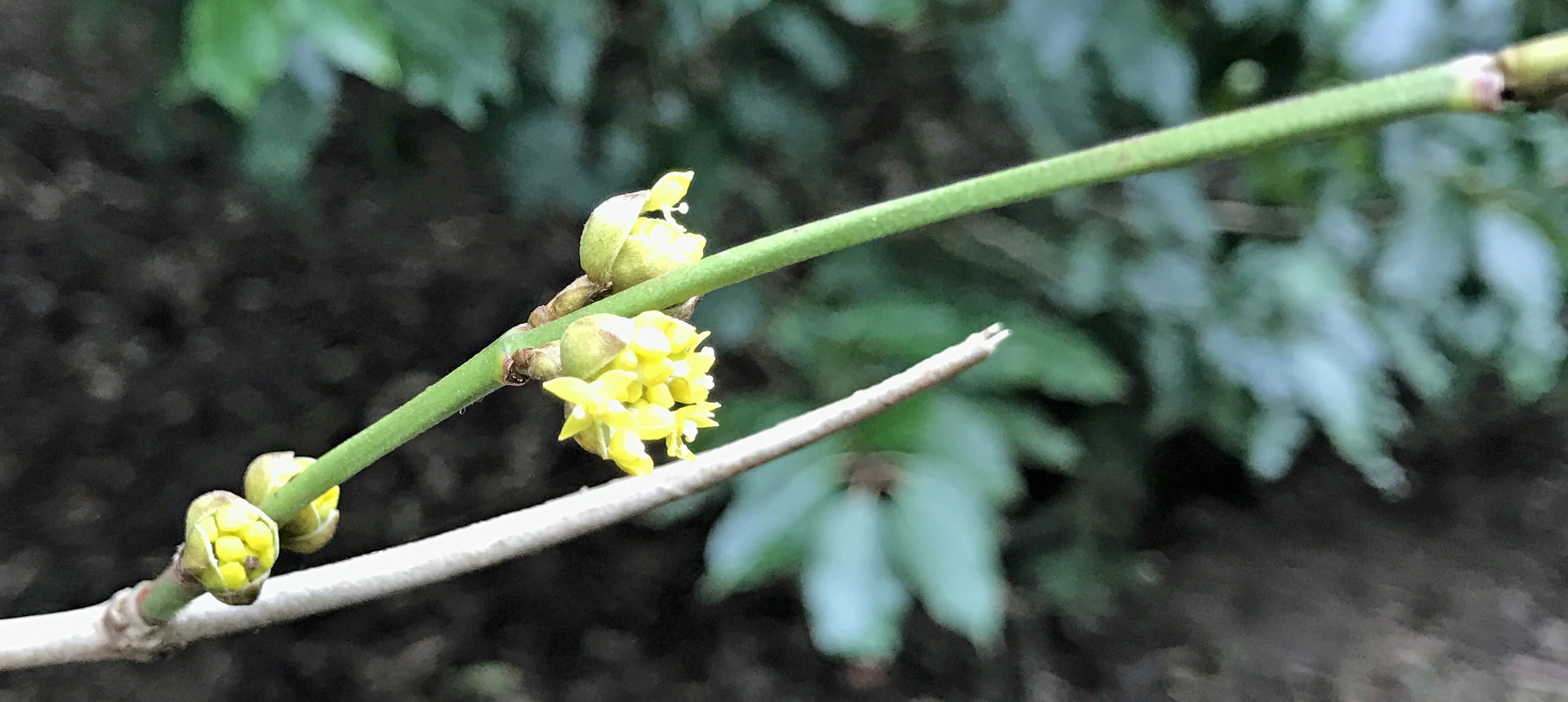
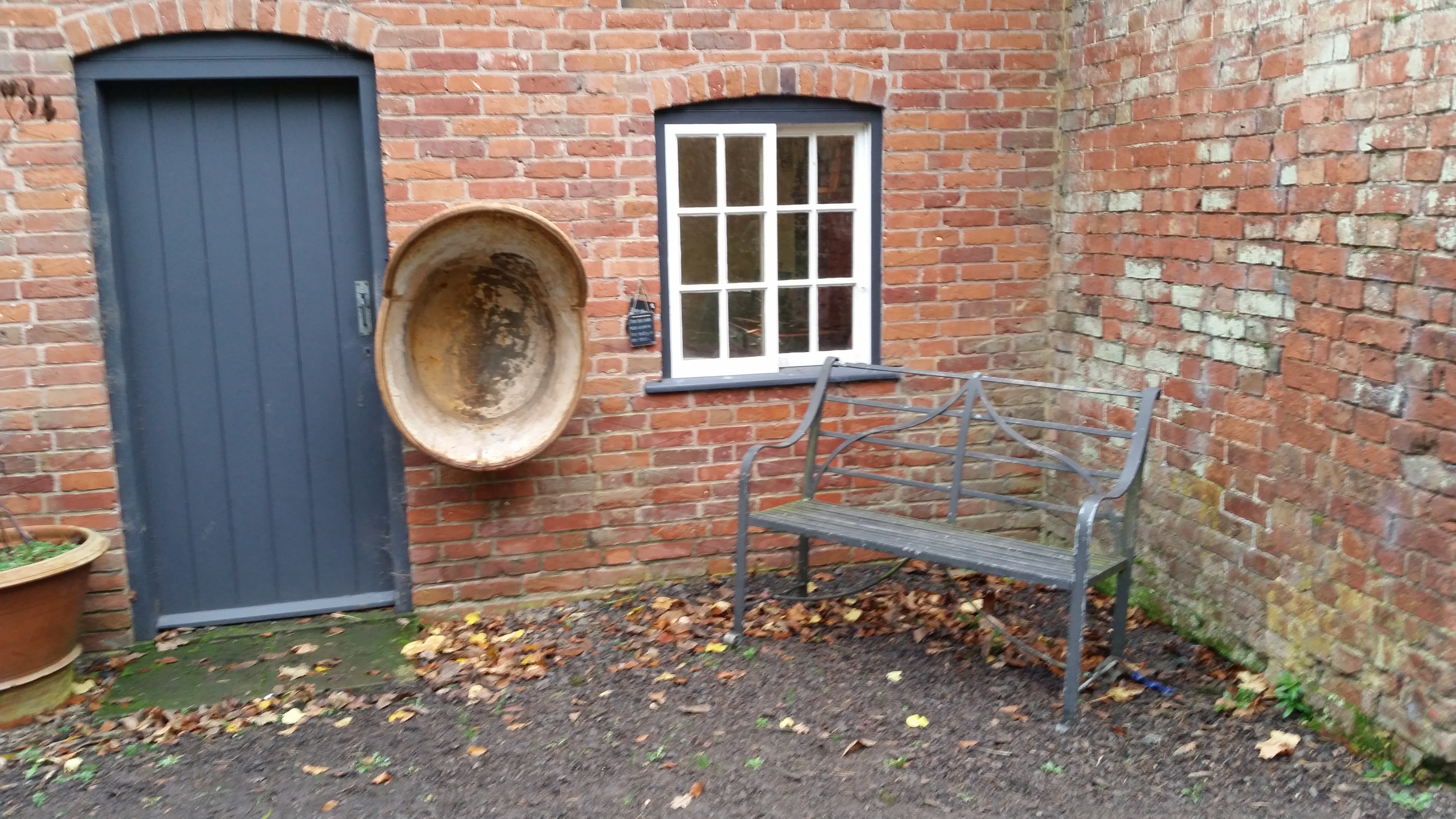
a1-1 a1-6 a1-2 a1-7

As we left the coffee shop in the courtyard we made our way towards the walled garden following the soft bark path beneath extremely tall trees, where odd leaves brown from autumn were still caught in their lower branches. Up above in the uppermost branches Jackdaws were busy tidying up their nests from last year and noisily chattering away as they did so.

a1-4 a1-3a2-01 a2-05

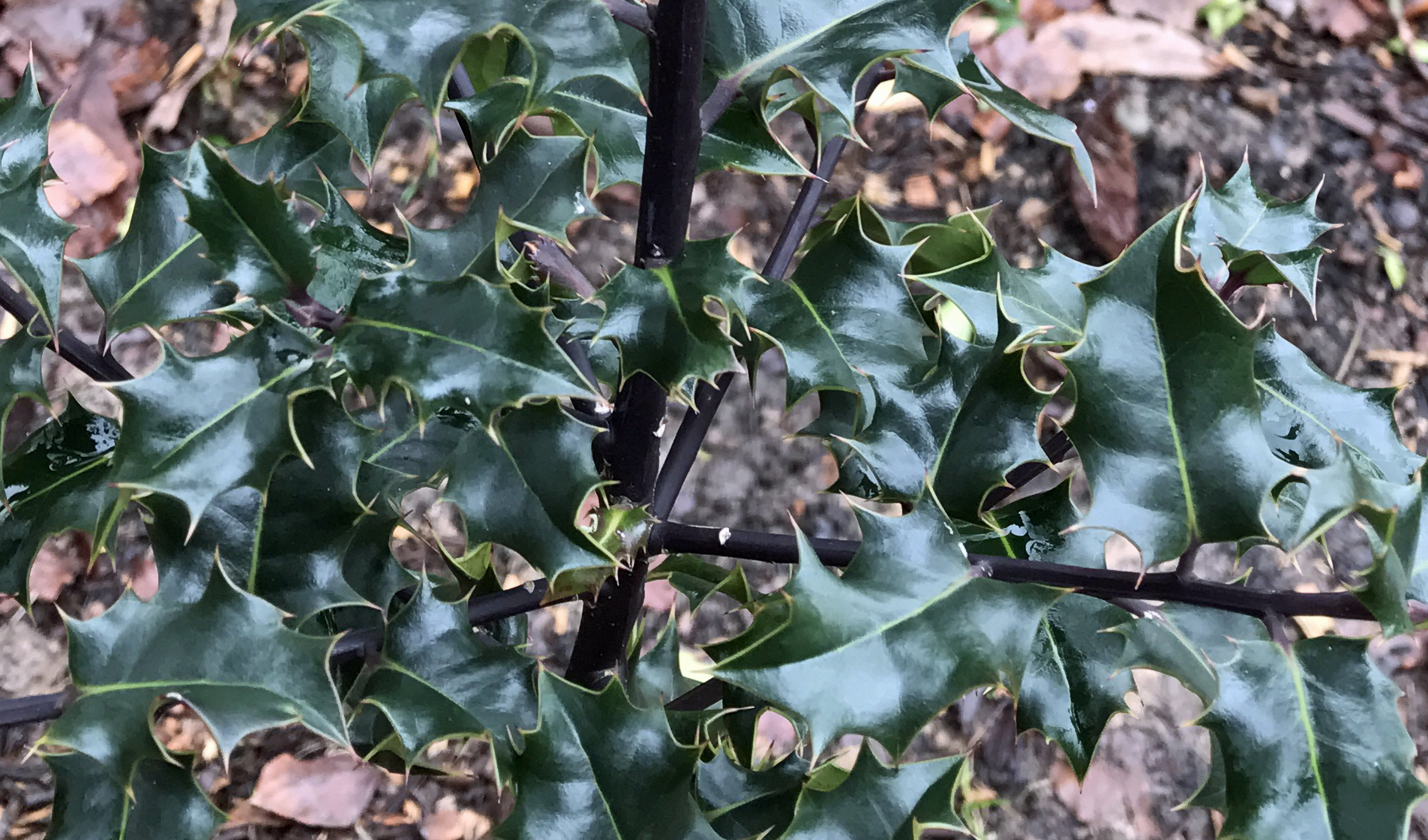
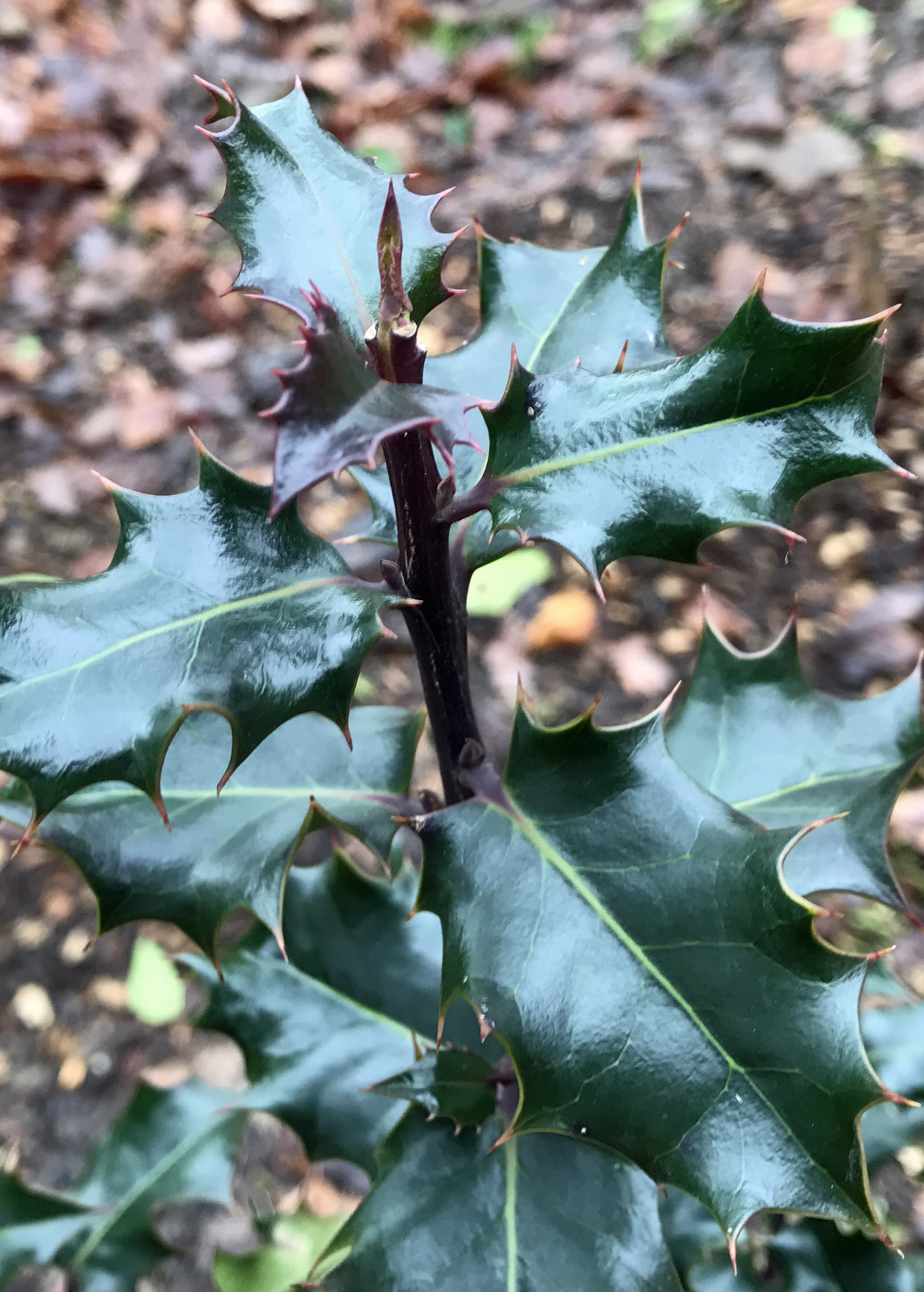
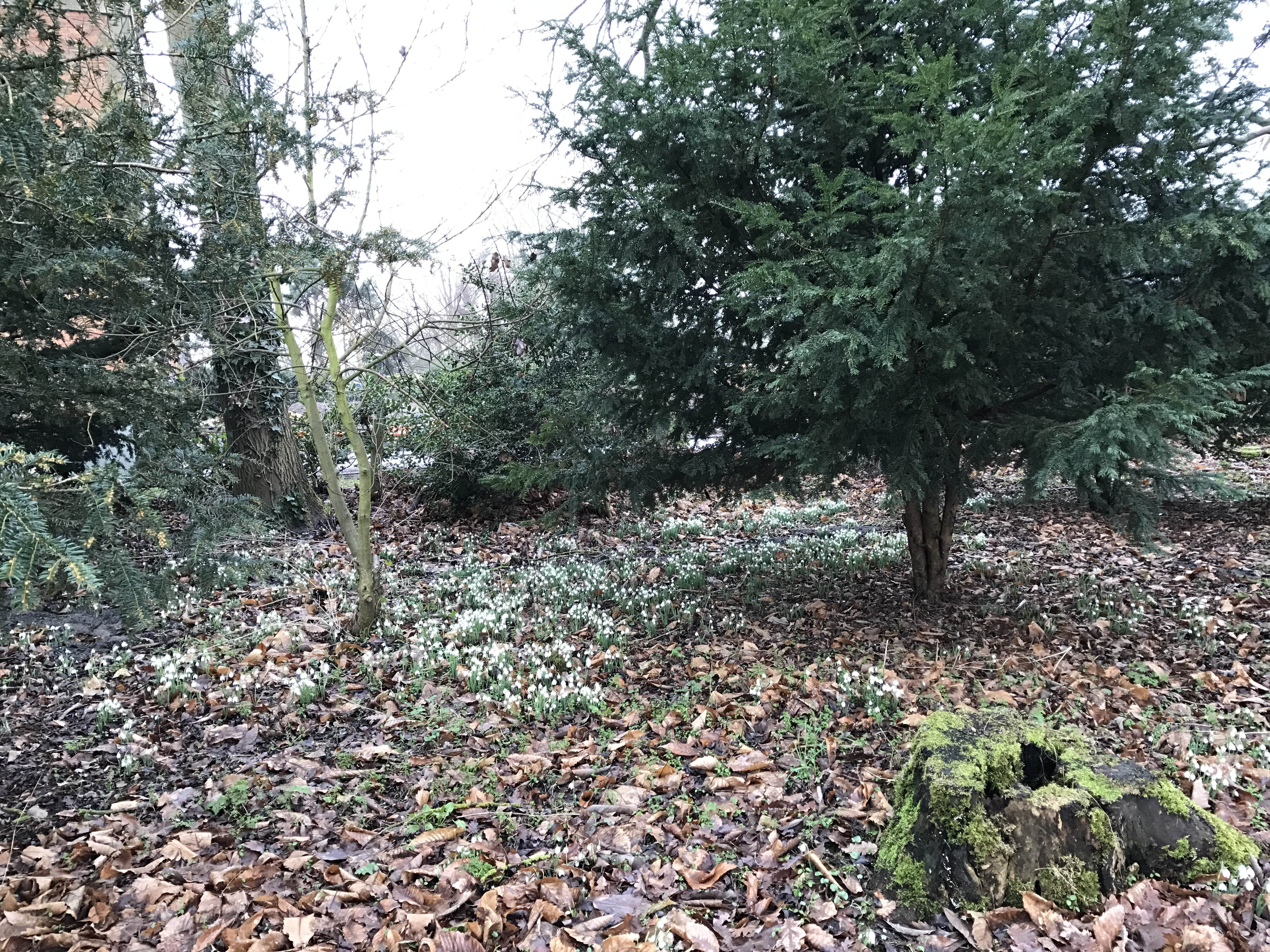
Snowdrops carpeted the floor beneath tall trees looking at their brightest in the shade of hollies which are a feature of the woodland garden here. After enjoying the snowdrops and the variety of hollies we soon found ourselves in the protection of the Walled Garden.
a2-02 a2-09 a2-06 a2-07 a2-08 a2-10  a2-11 a2-12 a2-13

The volunteer gardeners had been working hard skillfully pruning the fruit and we really enjoyed appreciating their skills. A neat layer of compost provided a warm protective mulch and gave an extra level of neatness.

a2-14 a2-15 a2-16 a2-17 a2-18 a2-19a2-22 a2-23

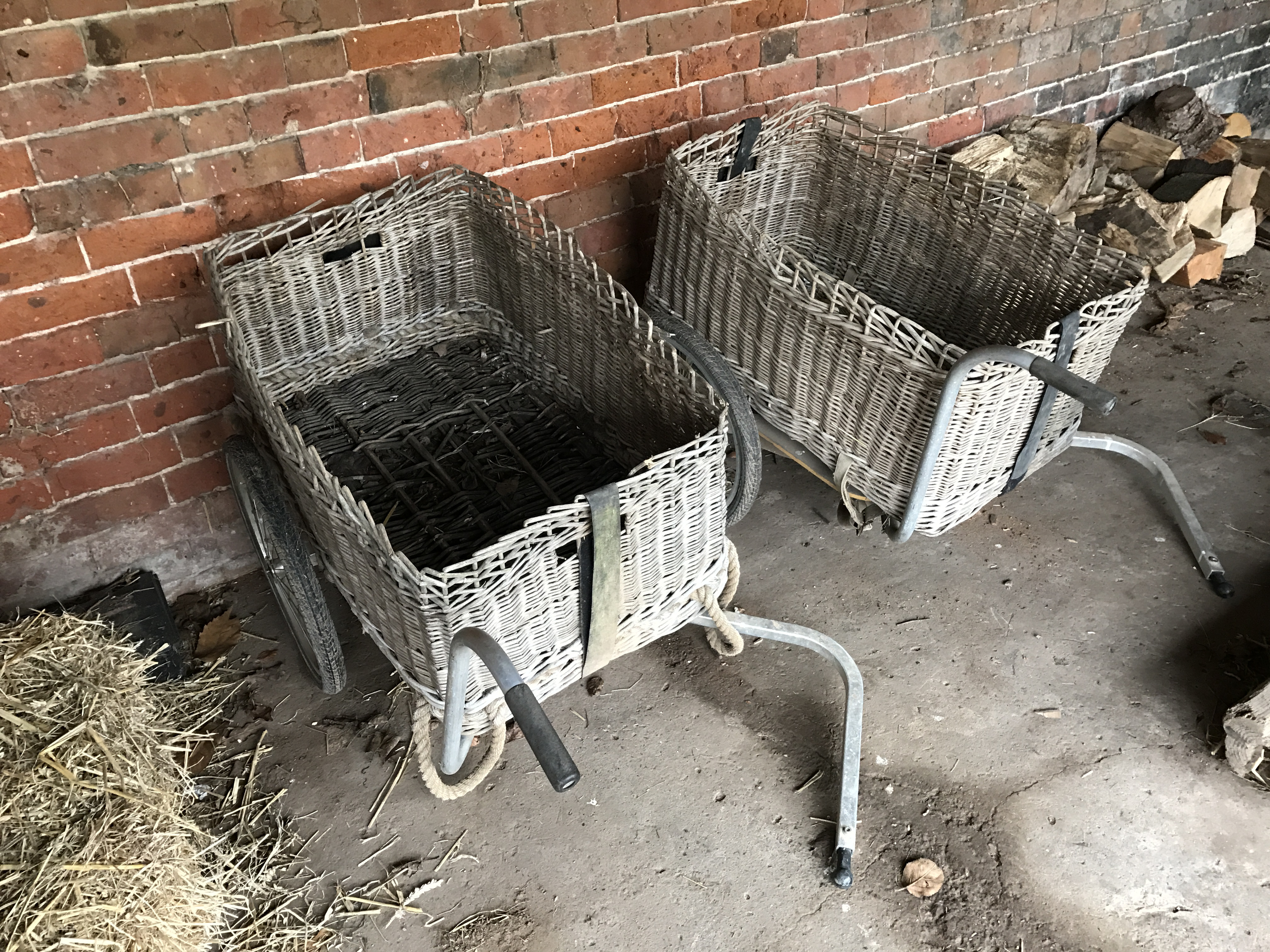
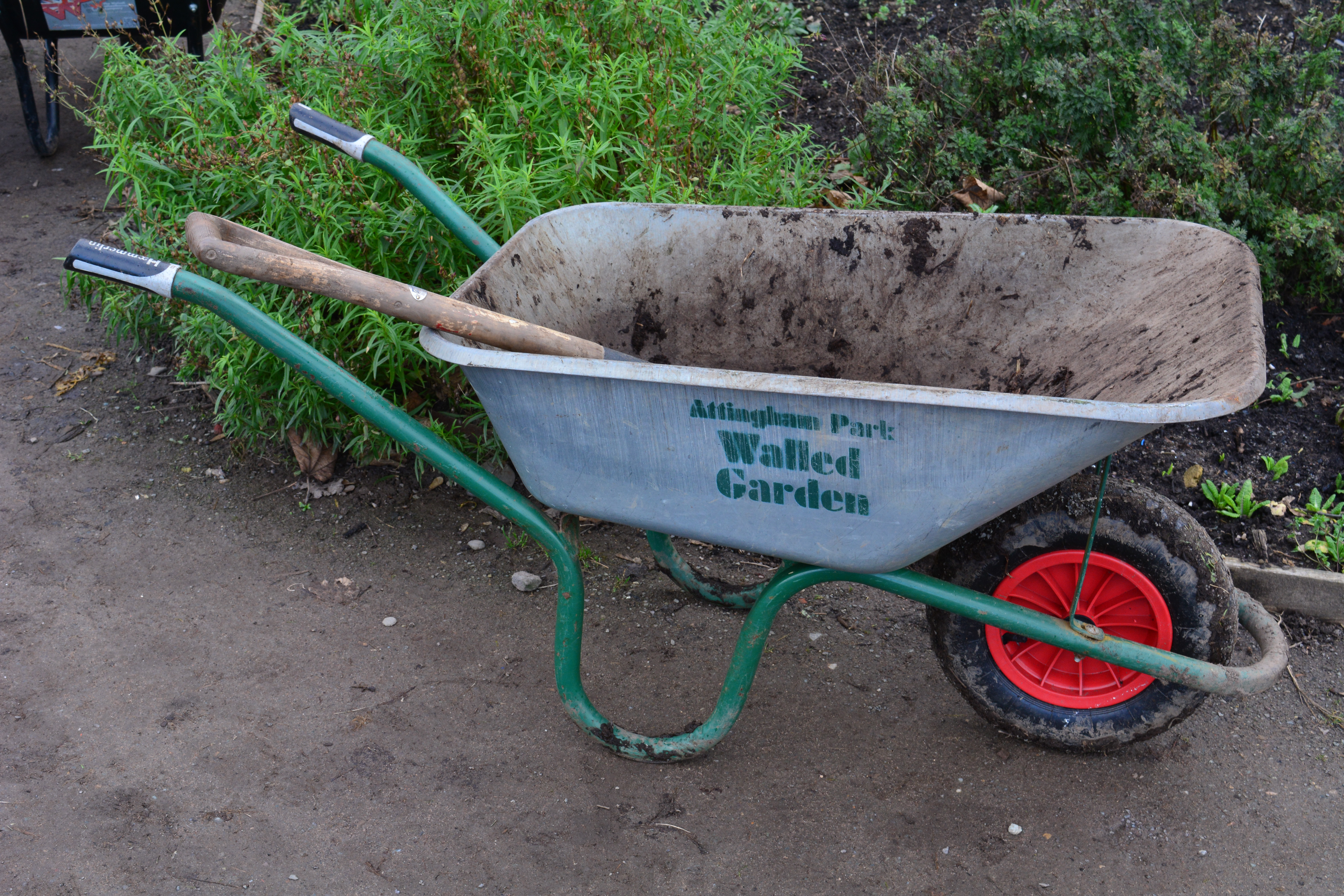
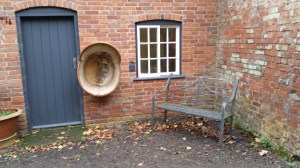
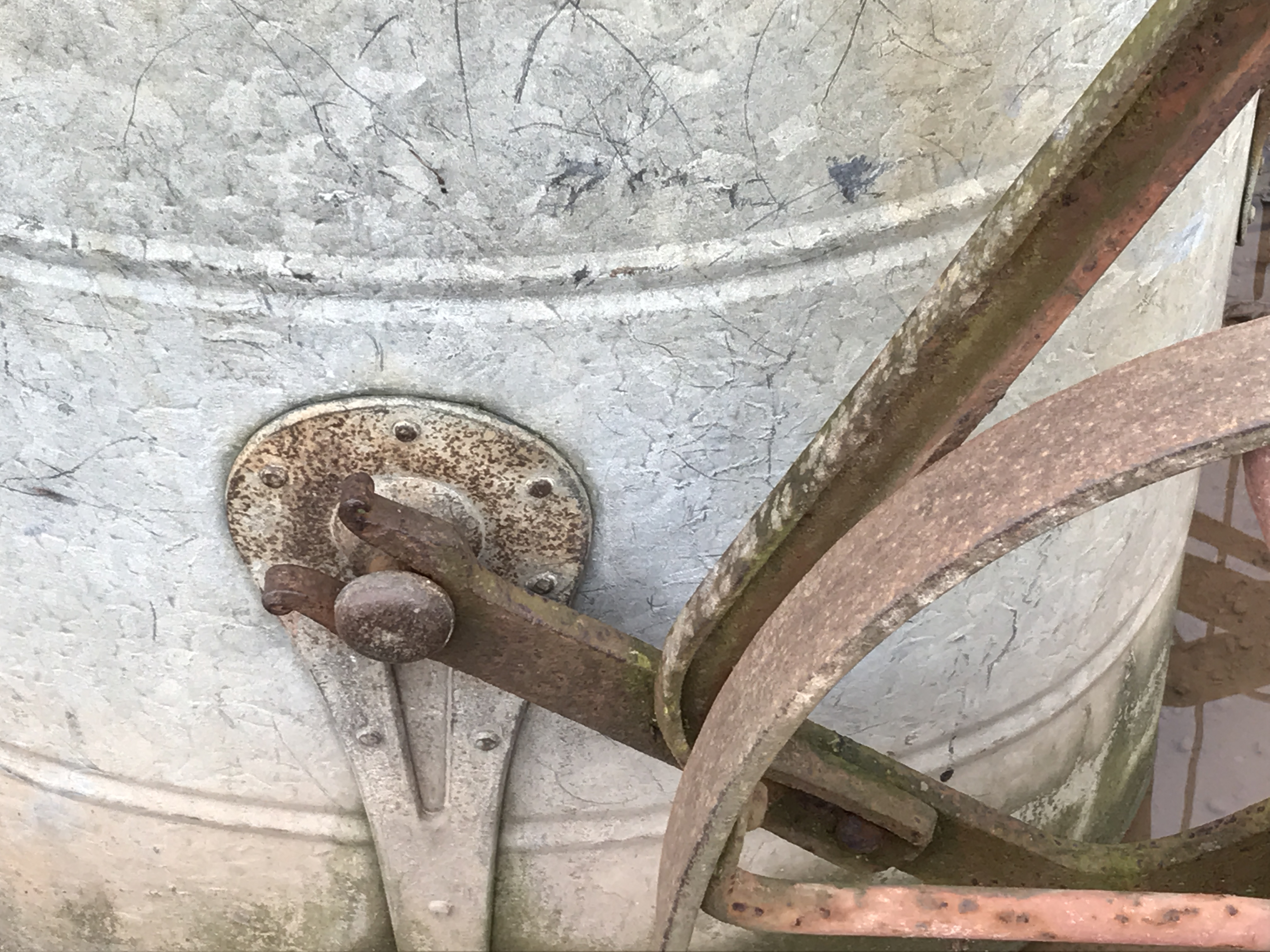
In the very centre of the four segments of the walled garden a dipping well is conveniently placed. Alongside waits an old wheeled water bucket cart beautifully crafted in iron and galvanised metal. Today it is more decorative then functional.

a2-20 a2-21

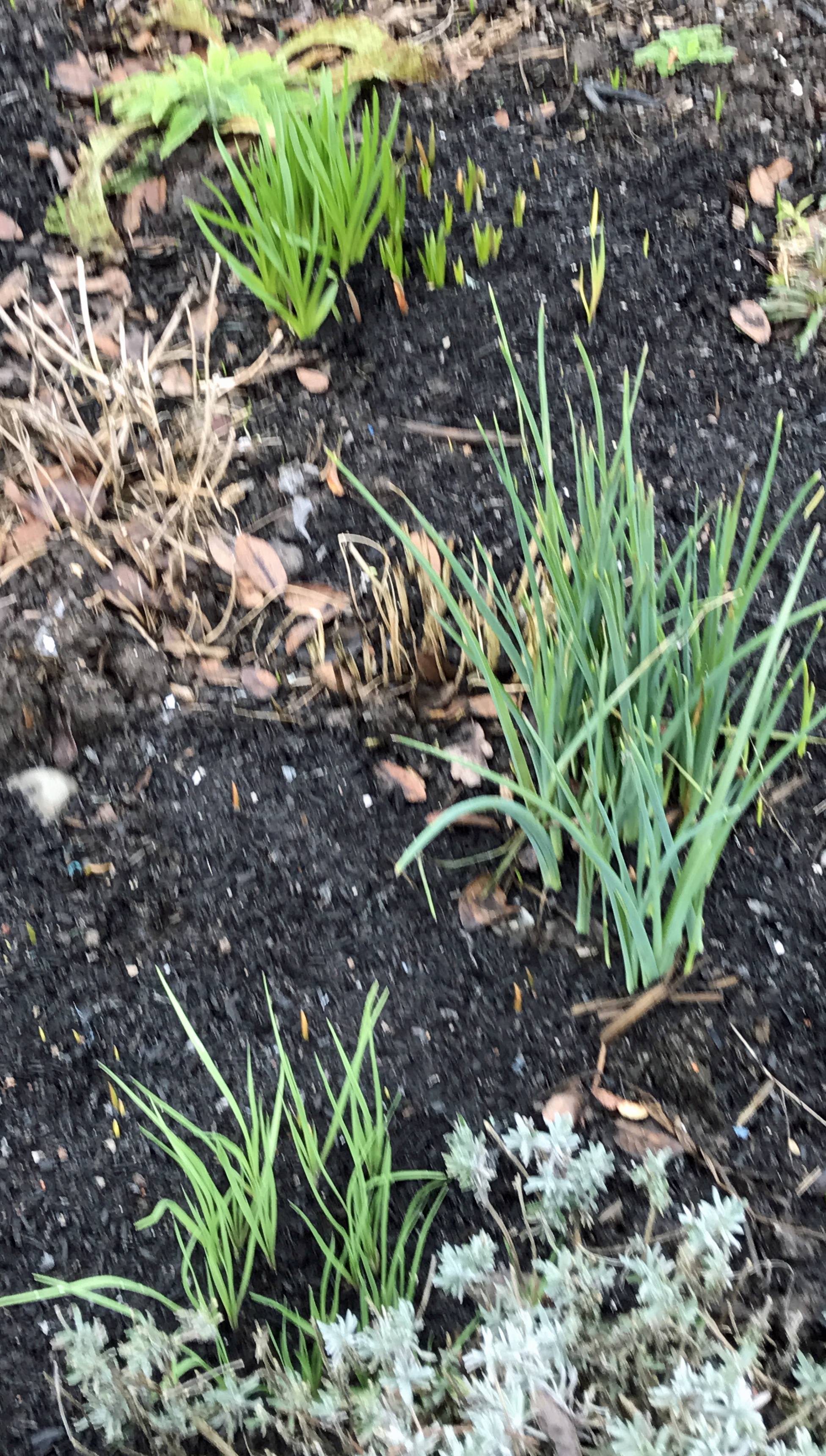
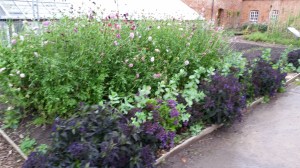
New life was showing in the herbaceous borders running along both sides of the main centre path.

a2-24 a2-25 a2-27  a2-29  a2-31

As we moved into the glasshouse yard bright blue splashes of colour showed strongly in the borders and in pots, diminutive Iris reticulata.

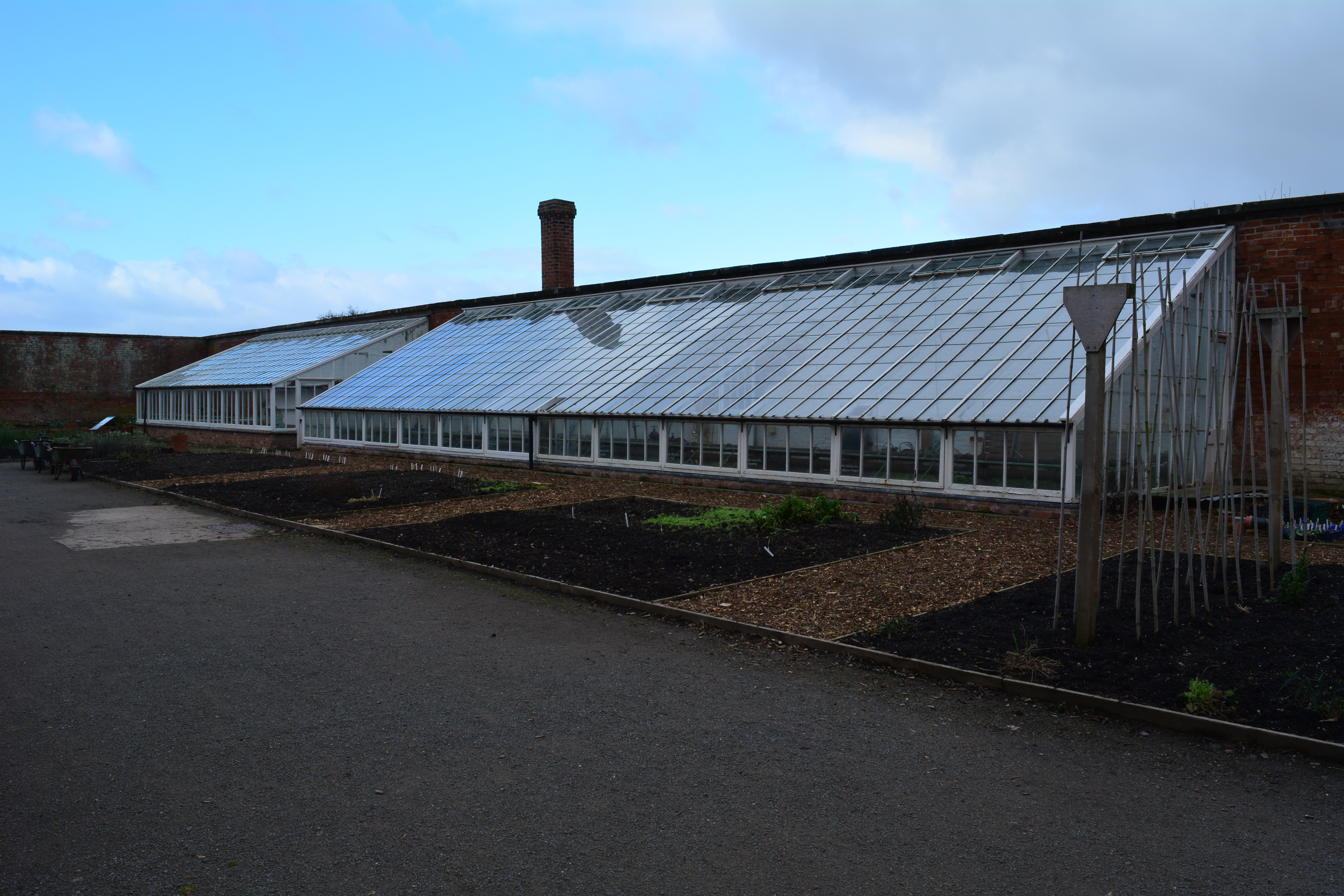
a2-35 a2-32a2-34 a2-37

We never fail to be impressed by the workmanship evident wherever old glasshouses have been restored to their former glory.

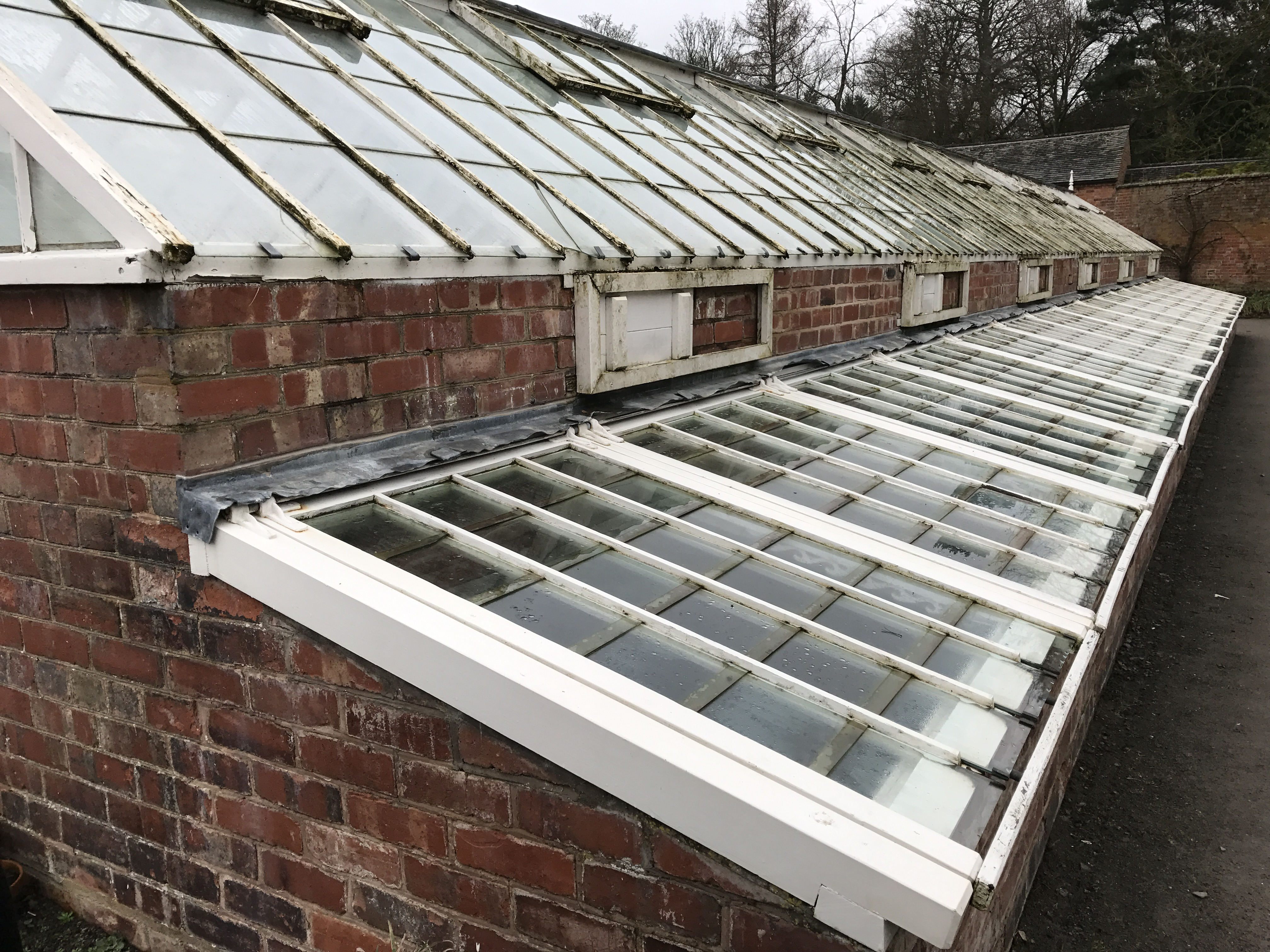
 

a2-39 a2-40

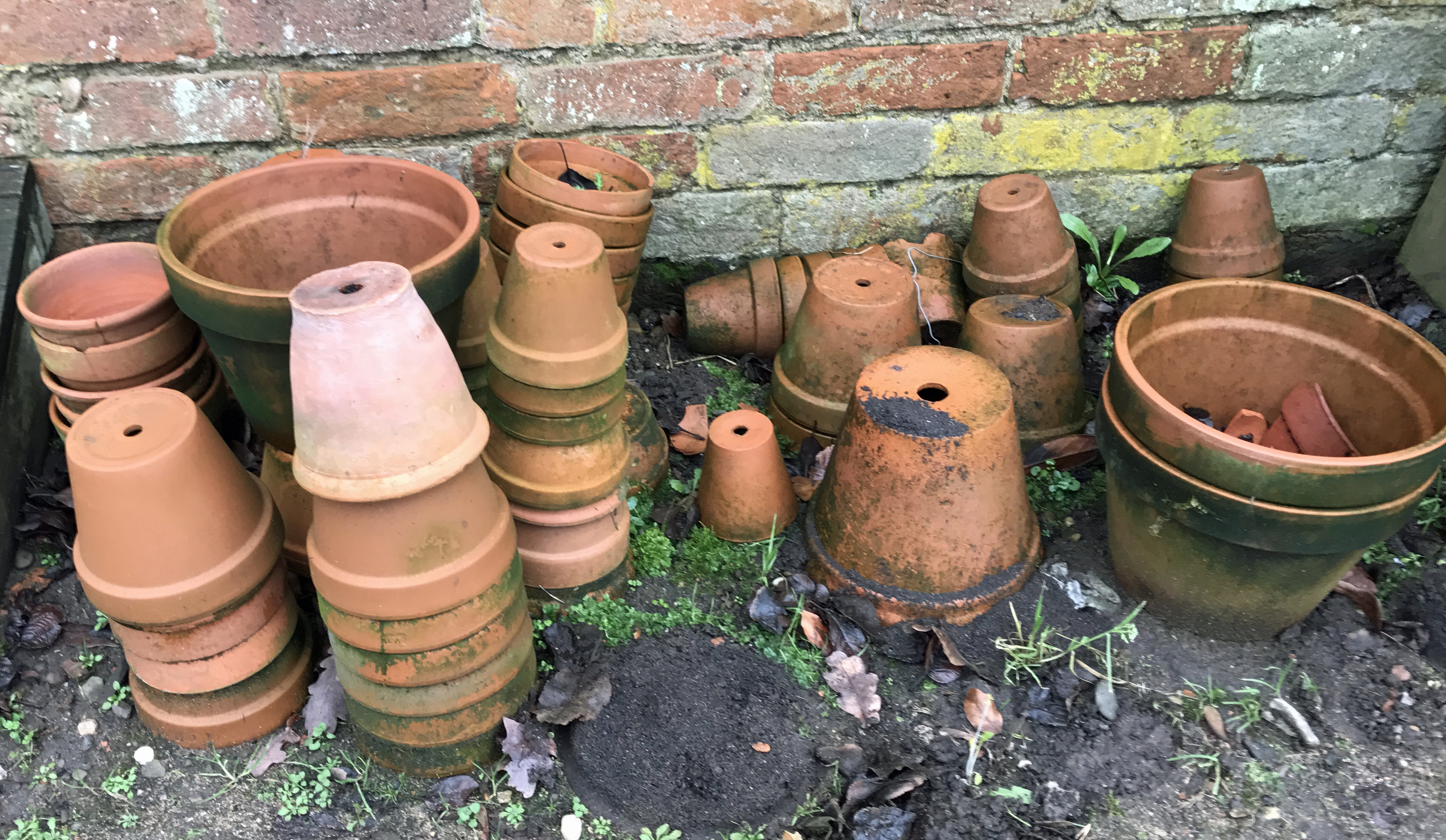
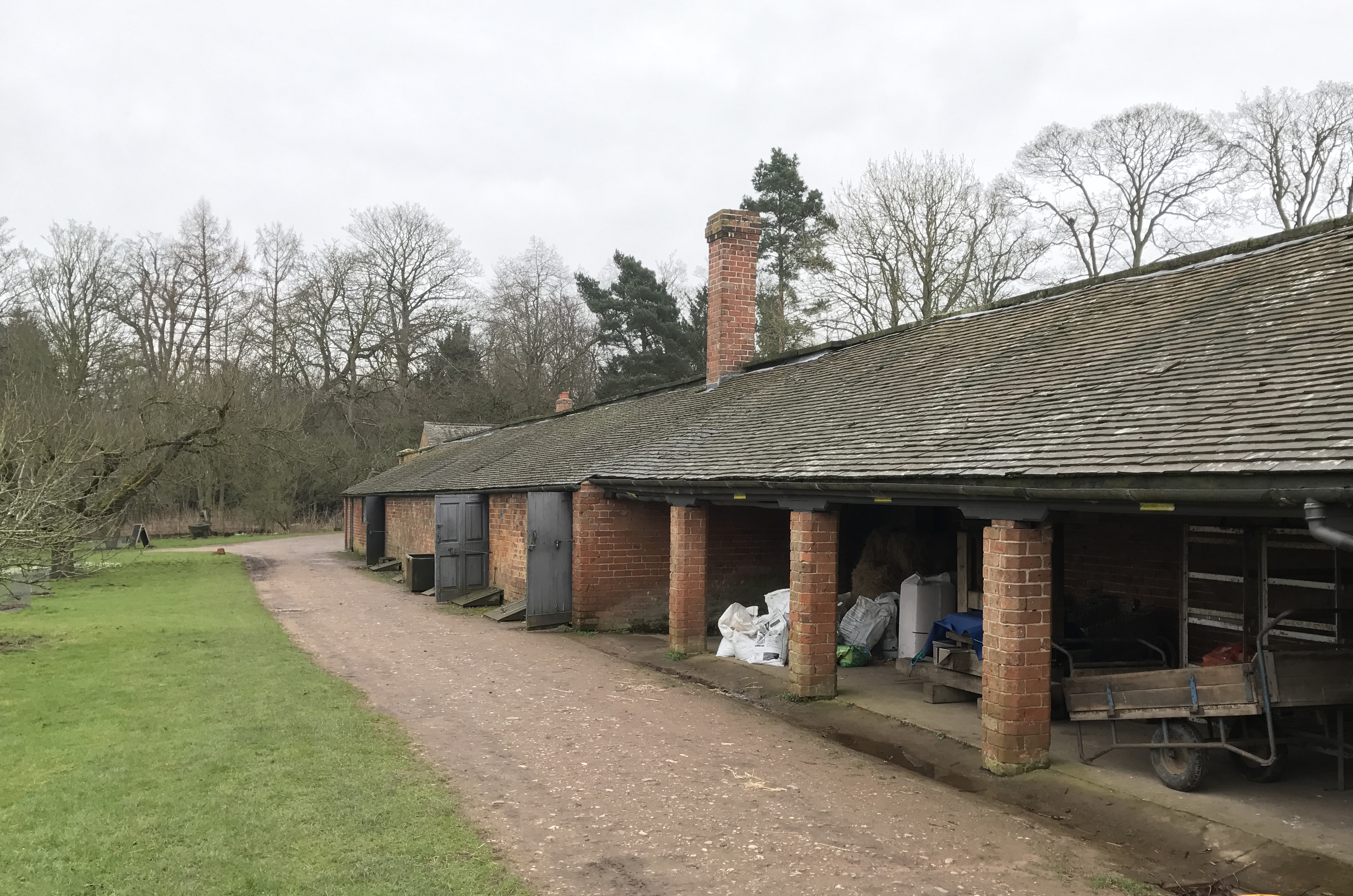
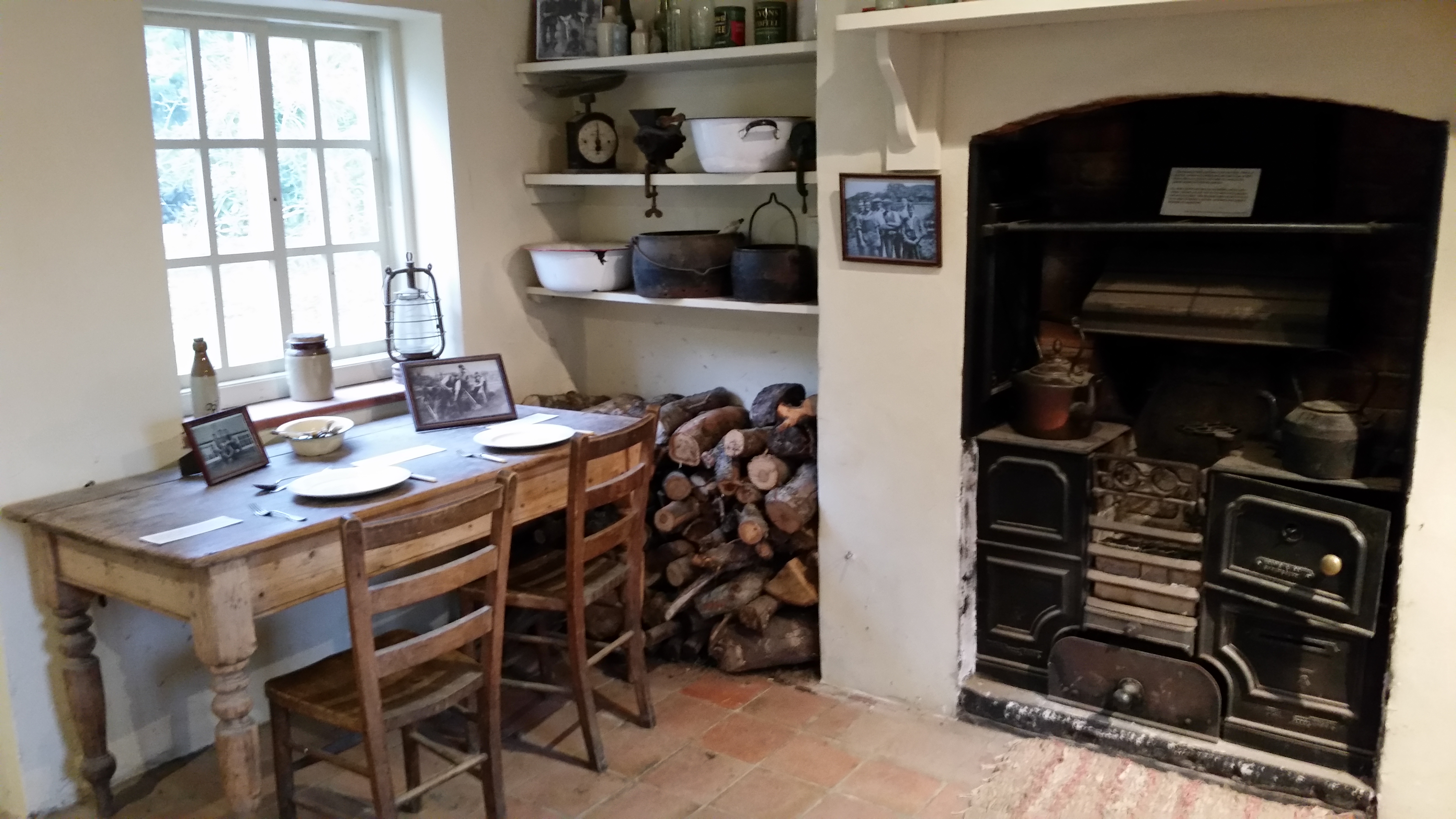
We exited the walled garden via the doorway leading to the orchard, which also gave us access to the lean-to buildings outside the walls themselves. We explored each building and recess to discover old clay pots, the old boiler and an apple store.
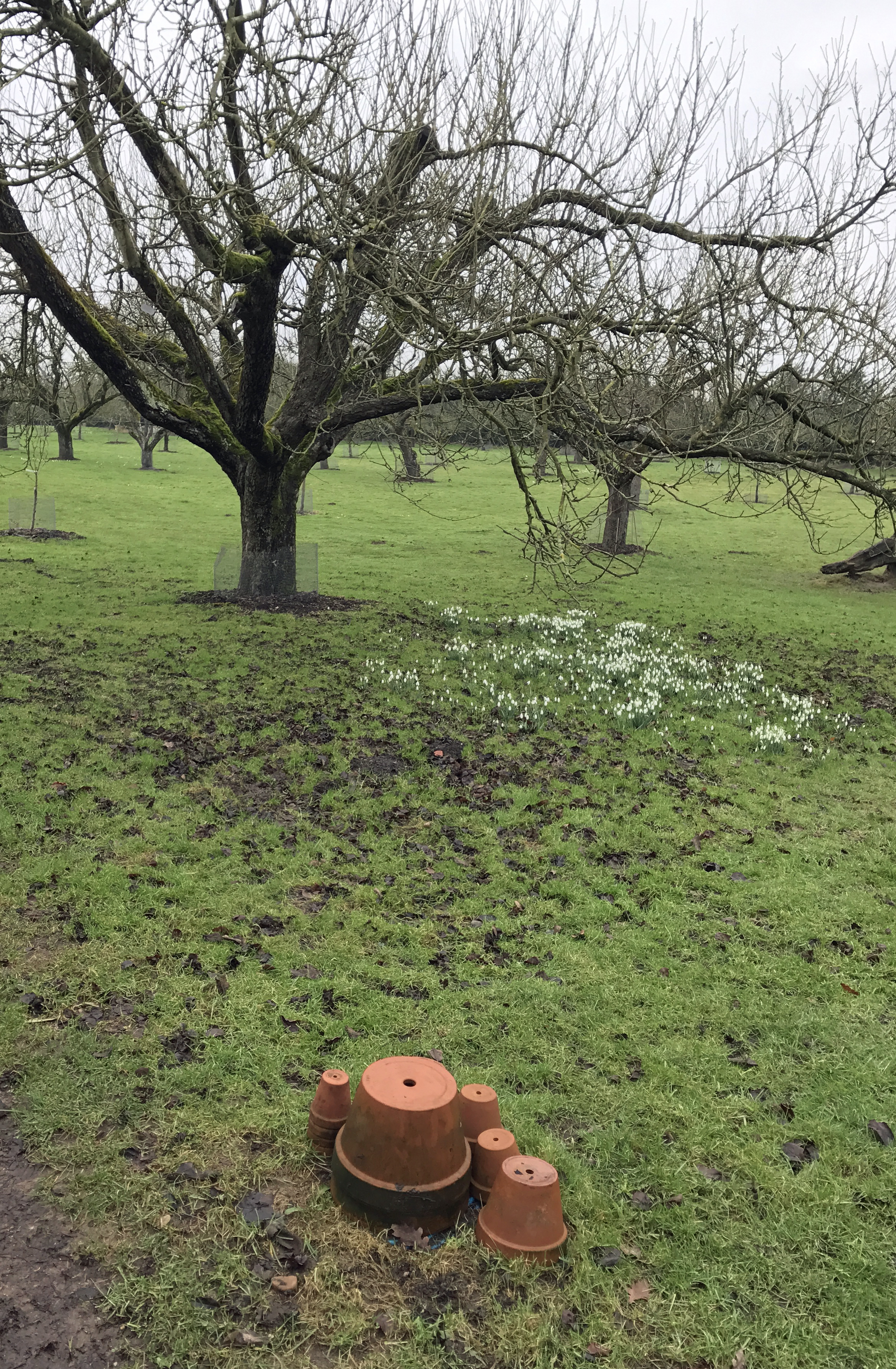

a2-42 a2-41 a2-43 a2-44 a2-45 a2-46 a2-47 a2-48 a2-49 a2-50 a2-51 a2-52

So leaving the warmer atmosphere found within the walled garden, we returned to the path that would take us to The Mile Walk. That will be the subject of my Attingham Park February walk part two.
Categories
fruit and veg garden buildings garden design garden photography gardening gardens gardens open to the public grow your own kitchen gardens National Trust ornamental trees and shrubs Shrewsbury Shropshire The National Trust walled gardens walled kitchen gardens Winter Gardening winter gardens

A Walk in the Park – Attingham in January – Part 1 – The Walled Garden

So here we are with the first of this year’s monthly visits to our chosen patch, Attingham Park, a National Trust property and without doubt one of the most popular. It is so popular simply because there is such a choice of walks. For our January visit we chose a cold but bright day and we enjoyed the company of the winter sun.

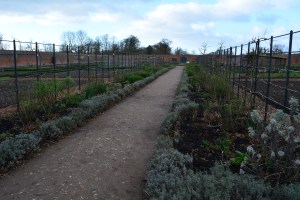
We began our wander by visiting the walled garden to see what the gardeners have been getting up to within the protection of its walls. We took the soft path where the surface is made from chipped bark which feels friendlier and more natural under our feet than the alternative gravel path which runs almost parallel. It is good to feel a path giving slightly beneath each footstep. The path leads us beneath tall mature deciduous trees bare of their leaves. The leaves from the fall remain carpeting the ground as a reminder of autumn but there are also signs of things to come, the leaves of bulbs have broken the surface and look like green spears thrusting towards the sky. It won’t be long until they are flowering away brightening up the woodlands. Buds on the branches of the trees are fattening up ready to open in the spring and clothe the woodland with greenery.

aj-06 aj-02aj-05 aj-04aj-03 aj-01 aj-10aj-08 aj-09

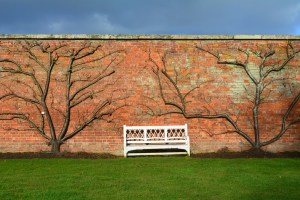
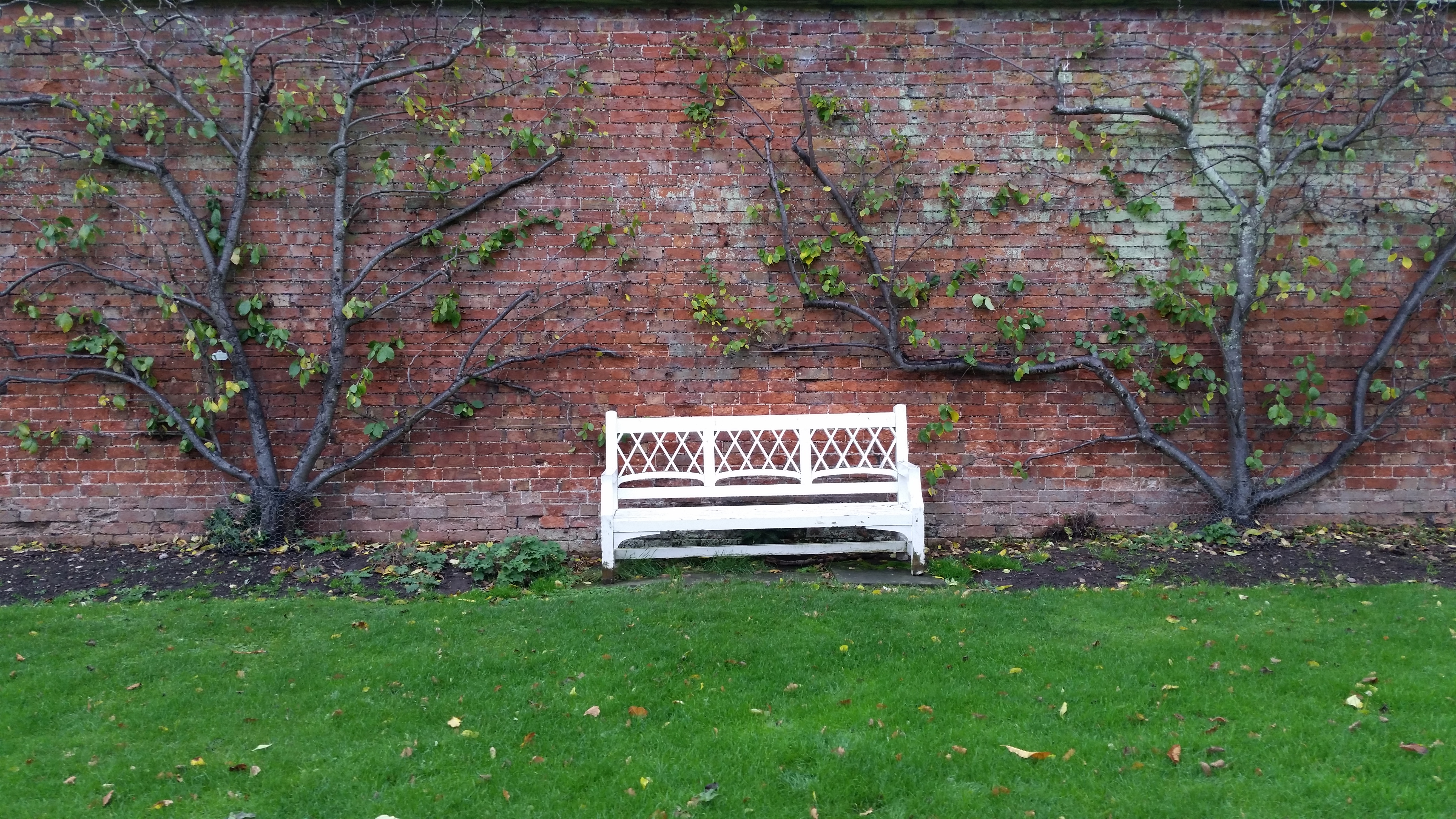
As we approached the walled garden the freshly painted bench glowed white strongly contrasting with the brick-red wall which provided support for trained fruit trees.

aj-11 aj-12

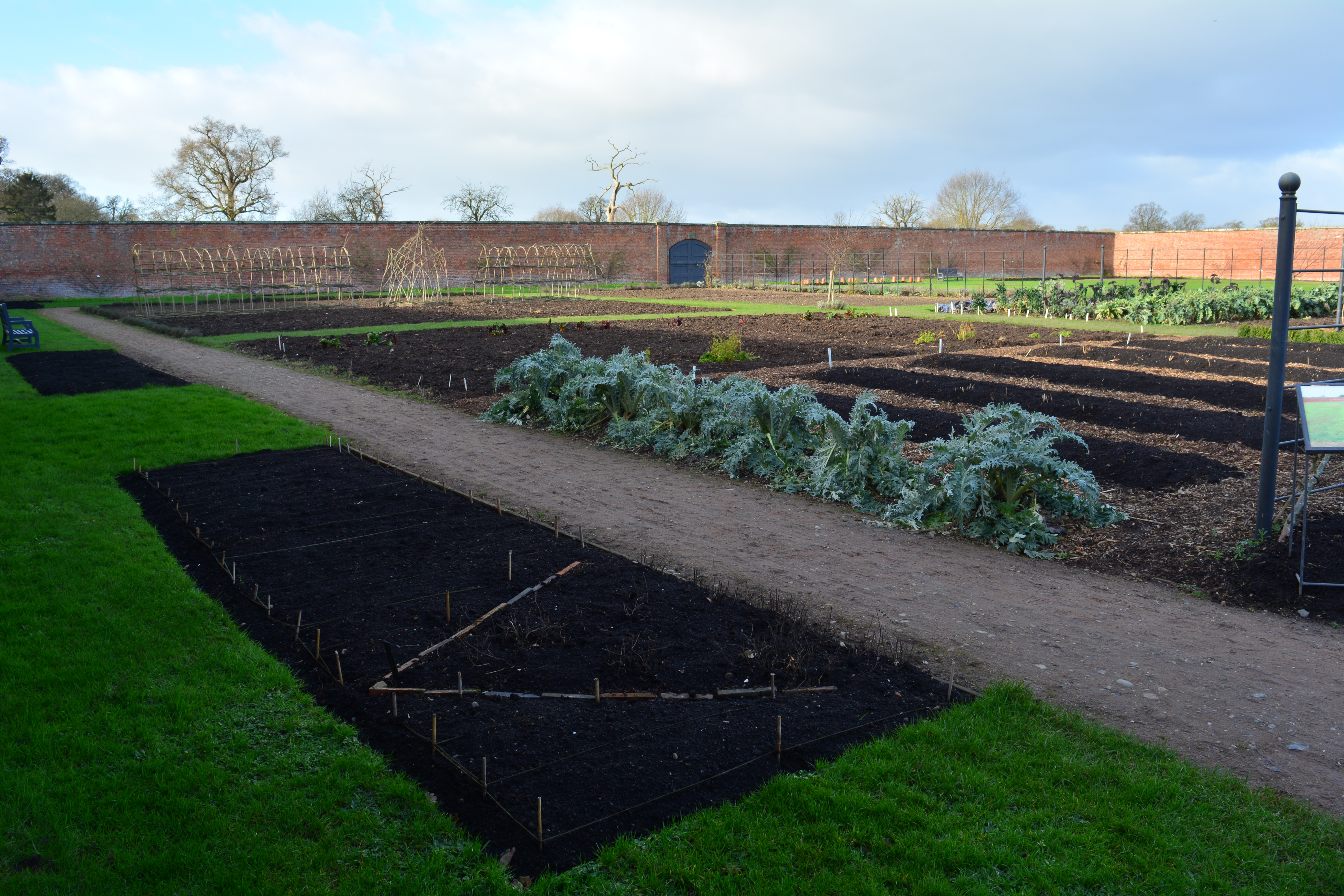
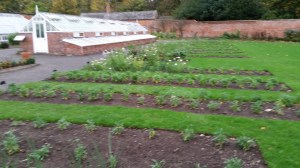
Entering the walled garden we could appreciate the vastness of it and marvel at the amount of produce grown in the past for the “big house”.

aw-01 aw-02

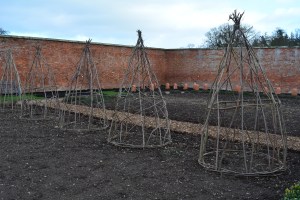
We could see straight away that the gardening team of employed gardeners and volunteer gardeners had been busy creating beautiful structures from hazel and willow for climbing crops to clamber up. They had also been spreading a thick layer of rich compost as a mulch where needed, in between which deep layers of chipped bark had been lain to make soft comfortable paths.

aw-06 aw-13aw-18 aw-22aw-15 aw-05

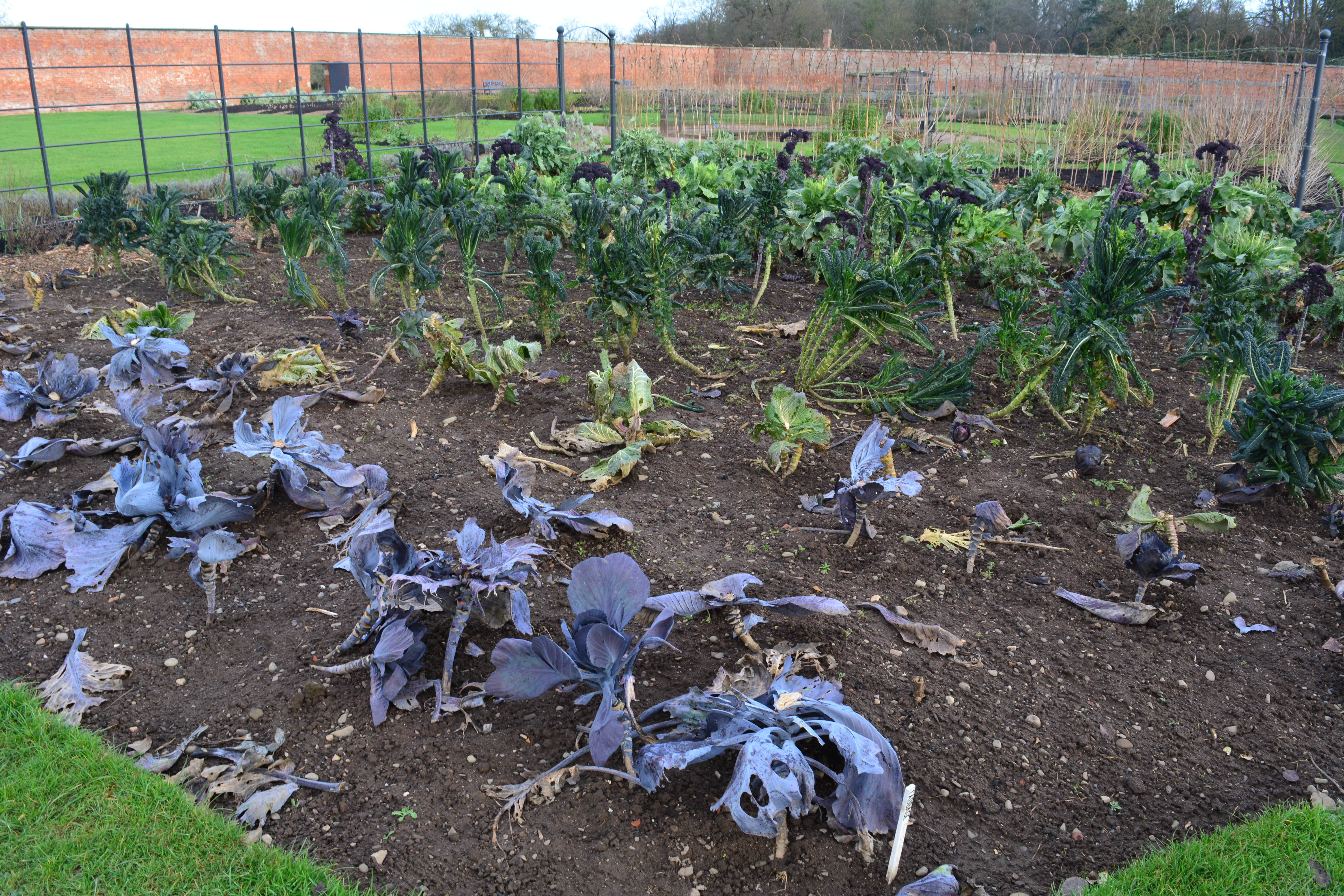
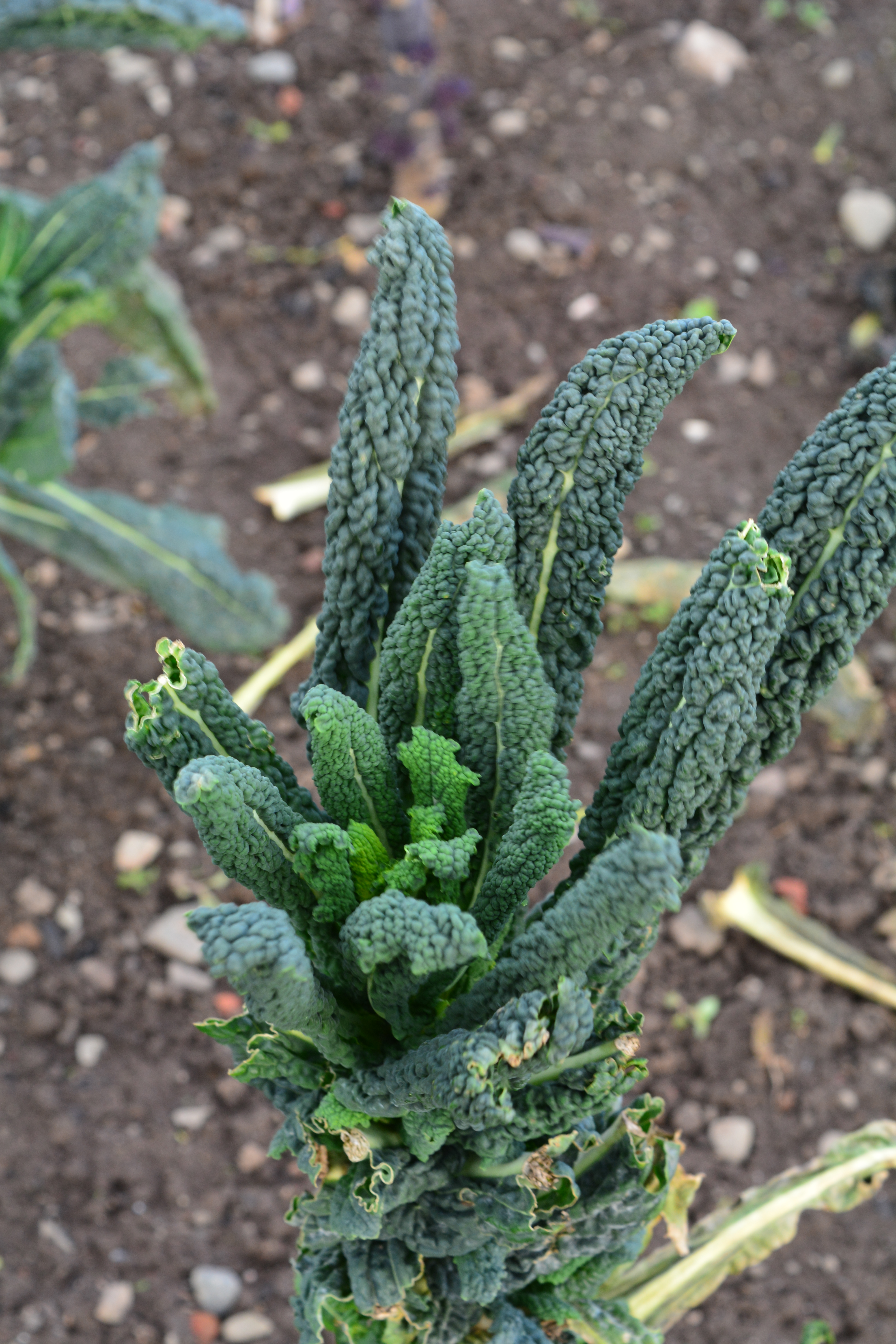
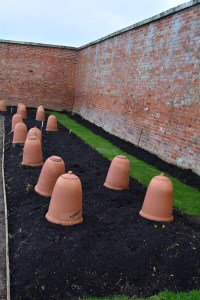
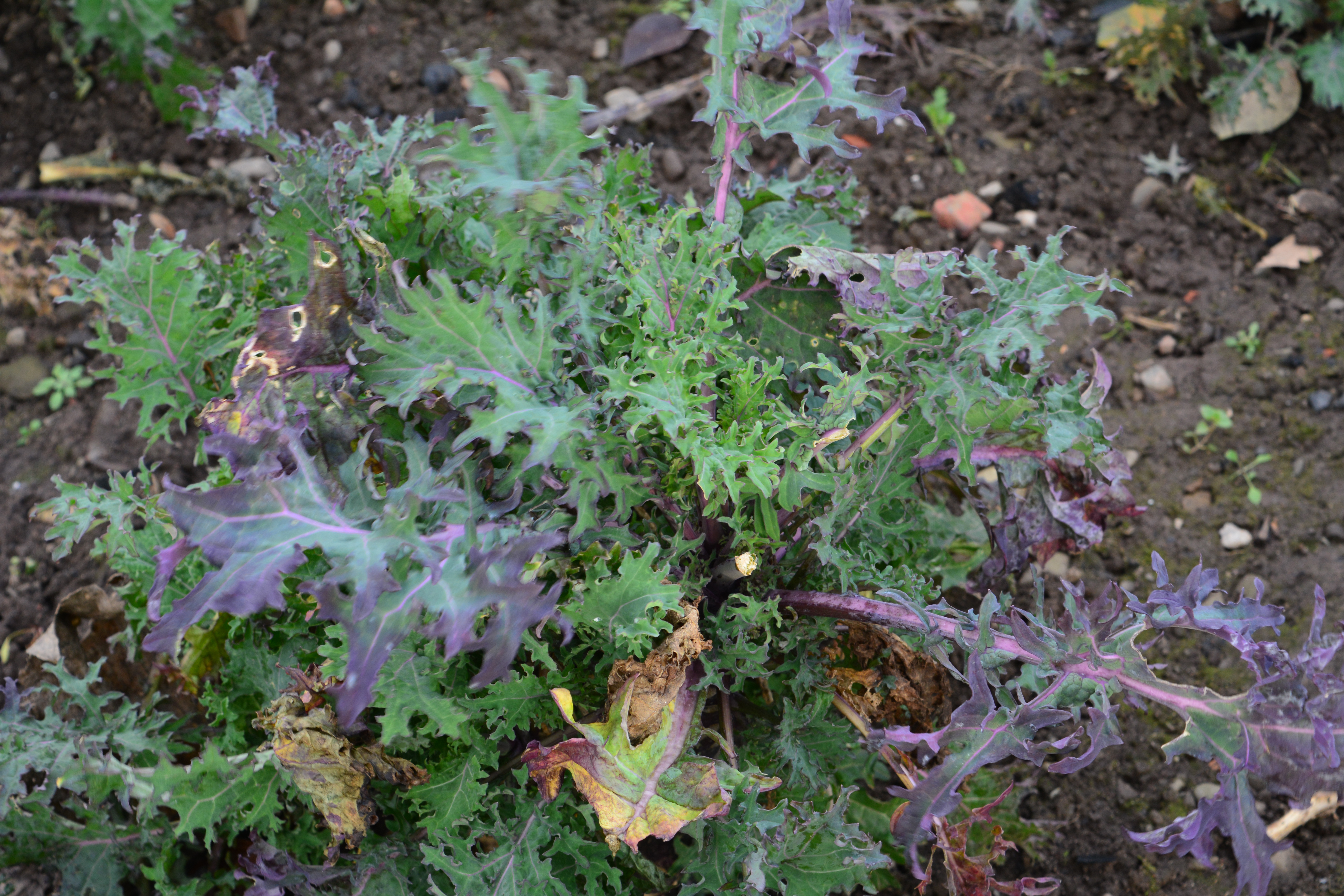
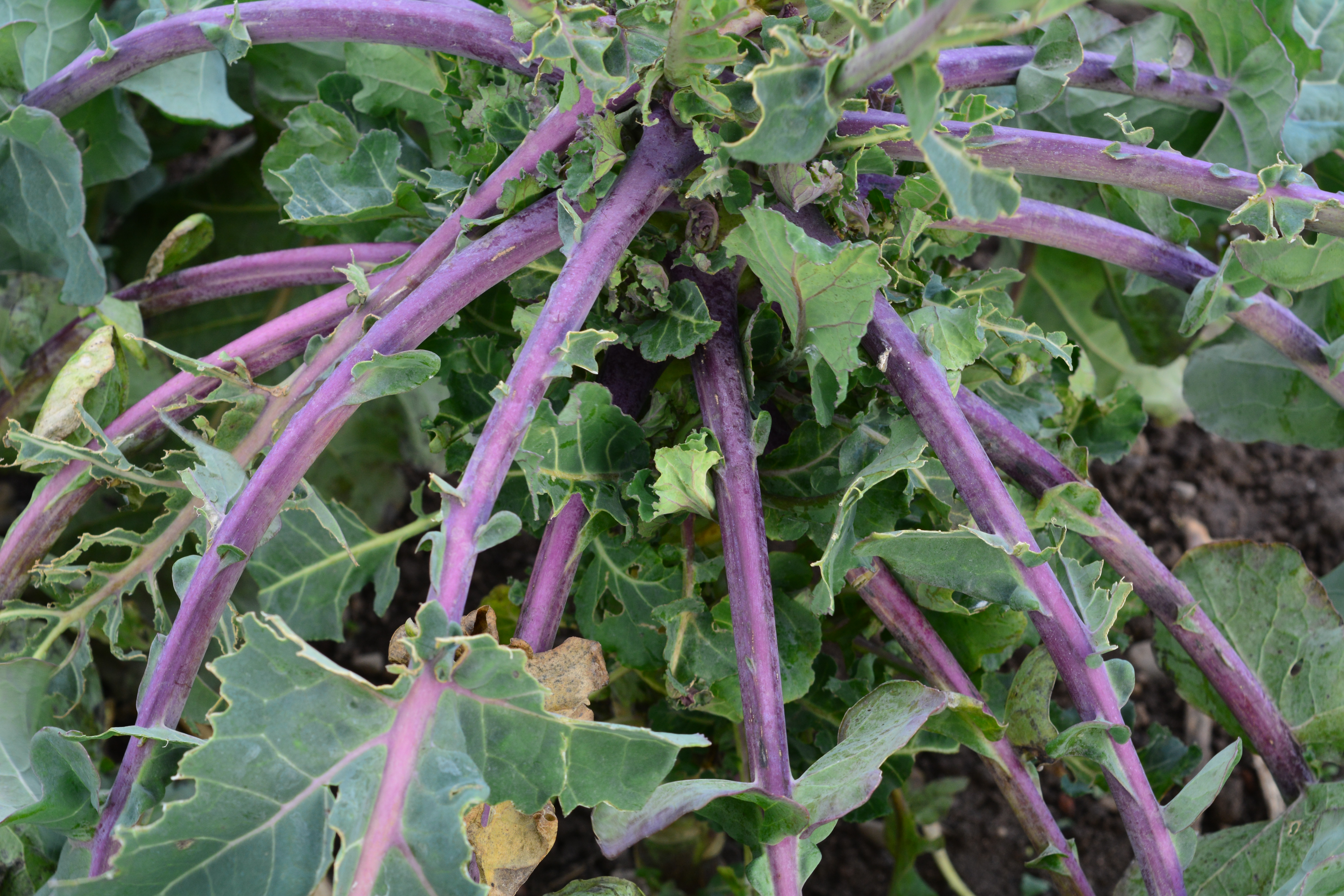
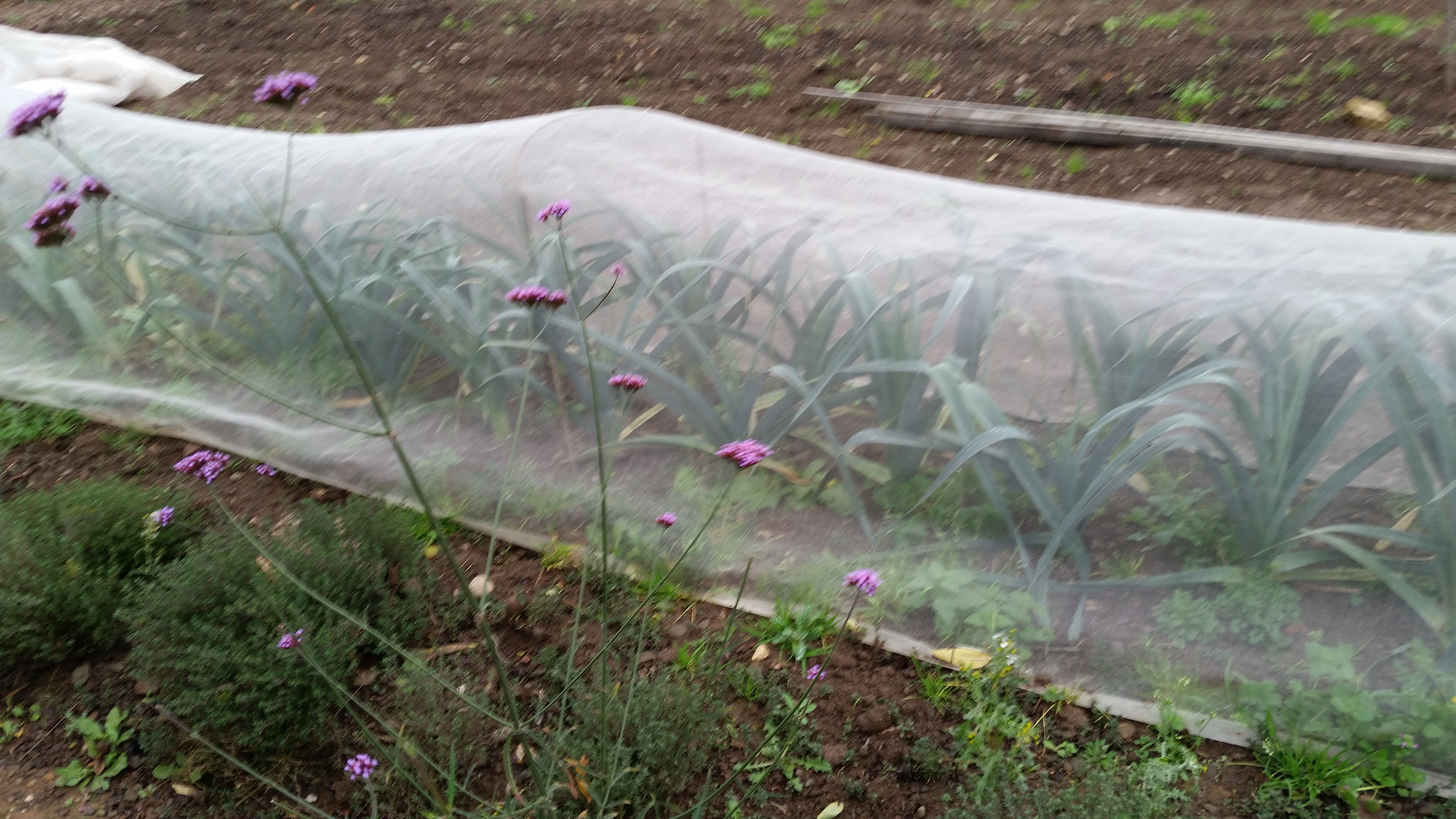
The most important crops remaining in the ground and currently being harvested are the members of the brassica family, such as cabbages, kales and sprouts. They are very decorative crops with their coloured leaves with each cultivar sporting its own texture. One crop is hidden away beneath terracotta forcers, keeping the light off their developing stalks, rhubarb. The forced stalks will be pale-coloured and sweet-tasting.

aw-07 aw-10 aw-08 aw-09 aw-20aw-11 aw-12

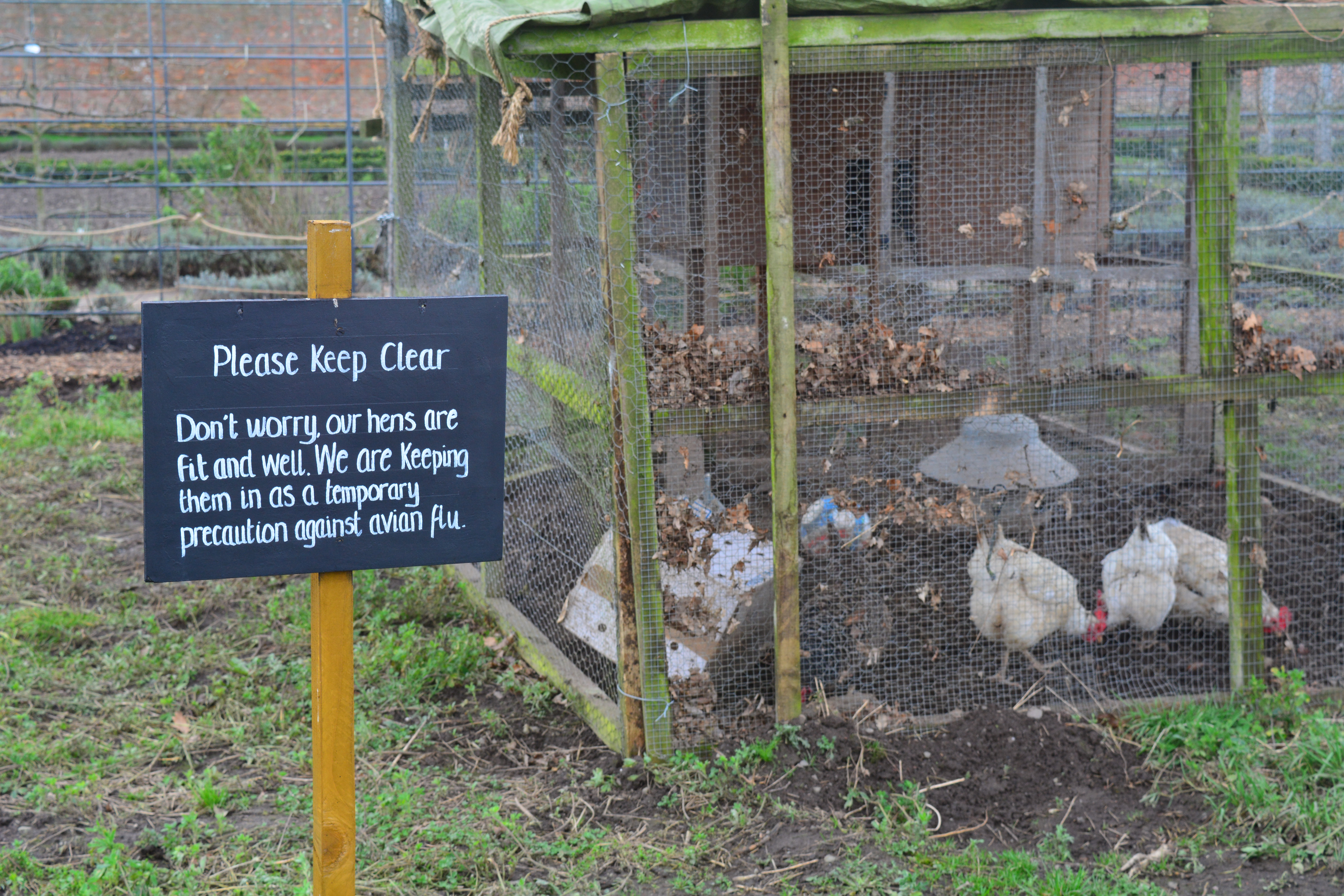
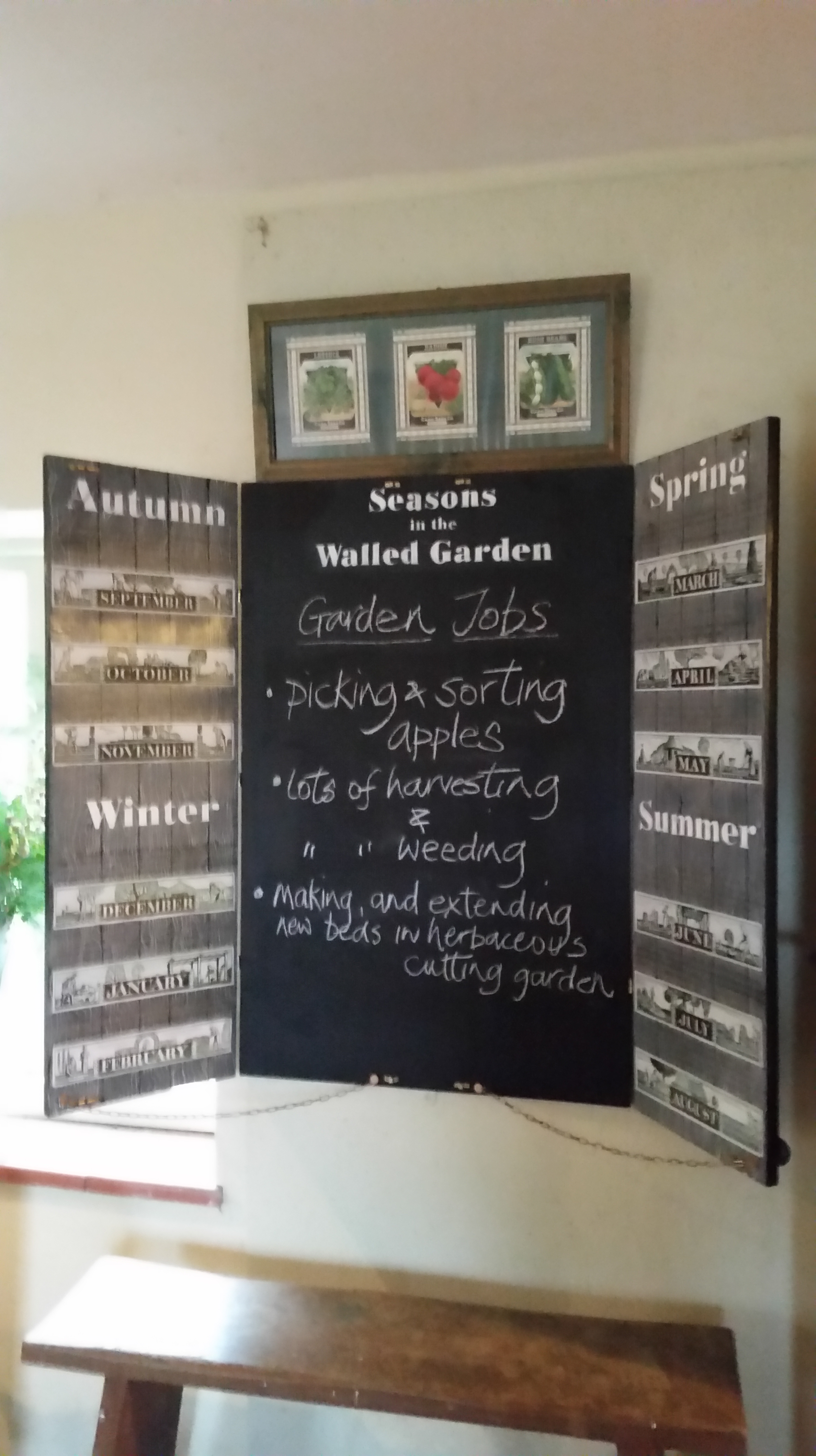
Blackboards keep visitors informed of the current gardening tasks being carried out in the garden. The one info board sadly explained that the chickens were under cover because of the current “bird flu” scare.

aw-21 aw-19

An annex to the walled garden is enclosed in a similar fashion but contains the range of glasshouses and cut flower beds. In this area there is a collection of the herbaceous bulb, Camassia. In the summer their many shades of blue and white will brighten up their corner border.

aw-23 aw-24 aw-25 aw-26

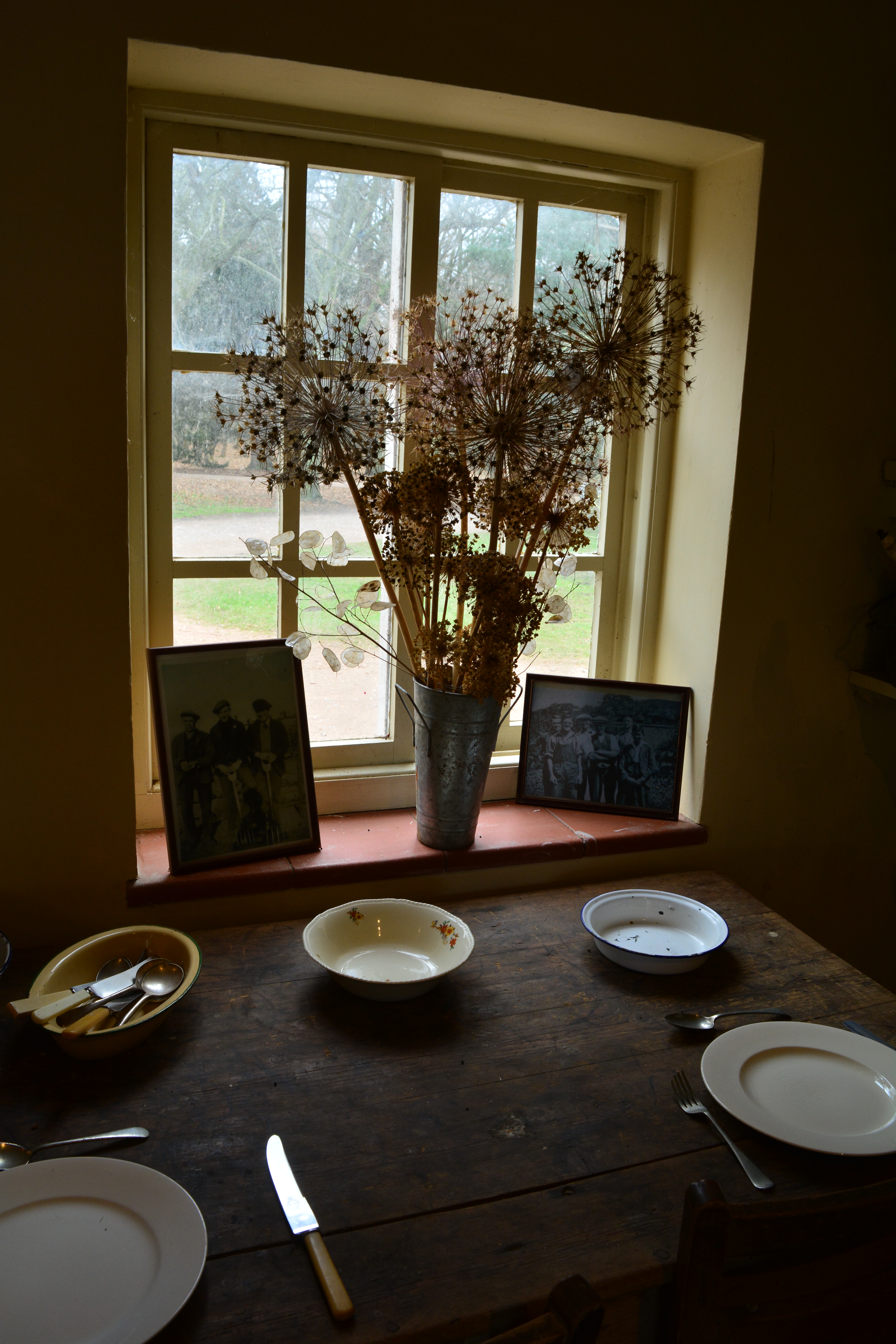
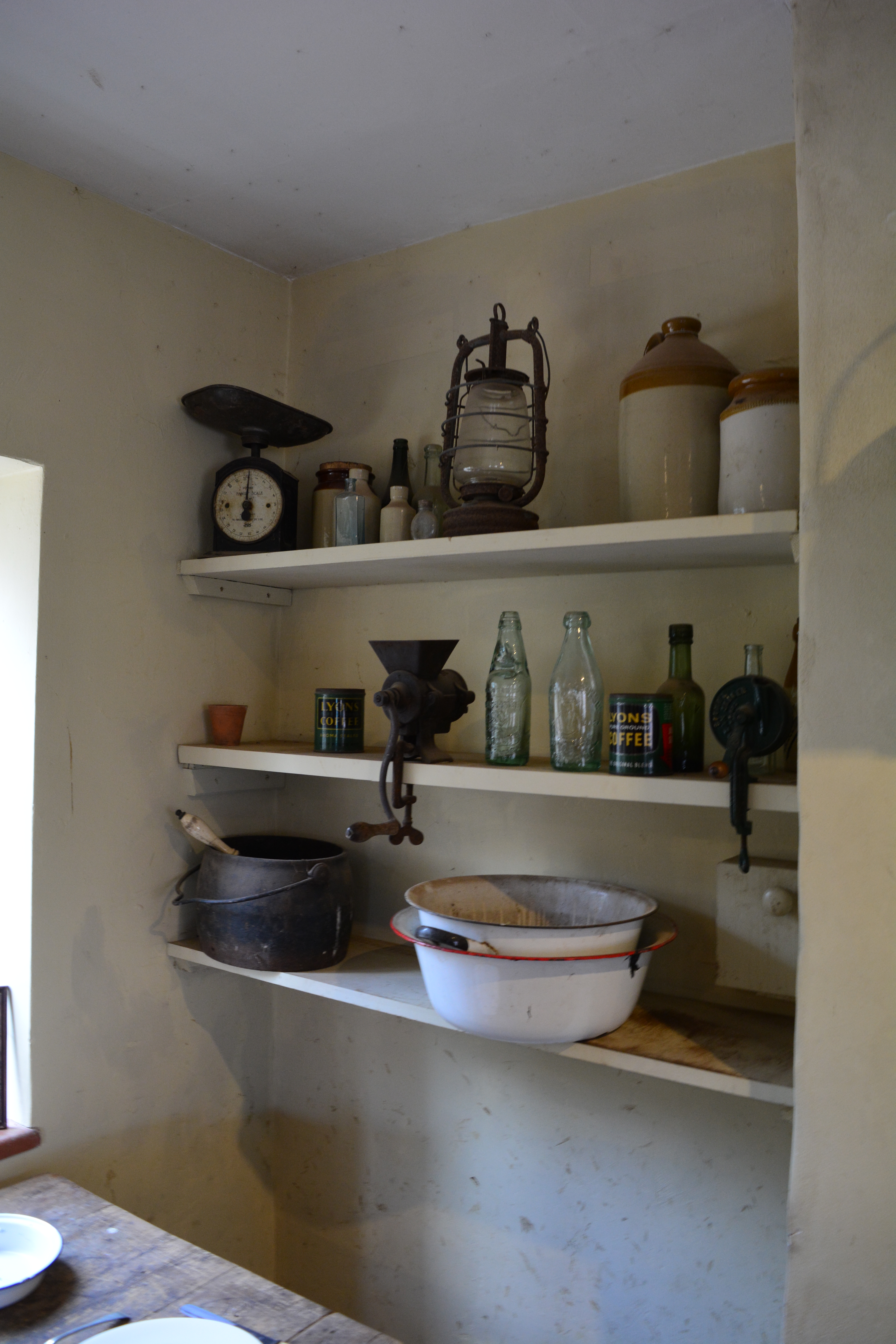
On entering the bothy we discovered the gardeners and volunteers enjoying their mid-morning break and a chance to get together to discuss the work in hand. They were a happy bunch laughing and enjoying their company. As always the bothy had interesting displays on view for visitors to enjoy and learn from.

aw-28 aw-29 aw-30

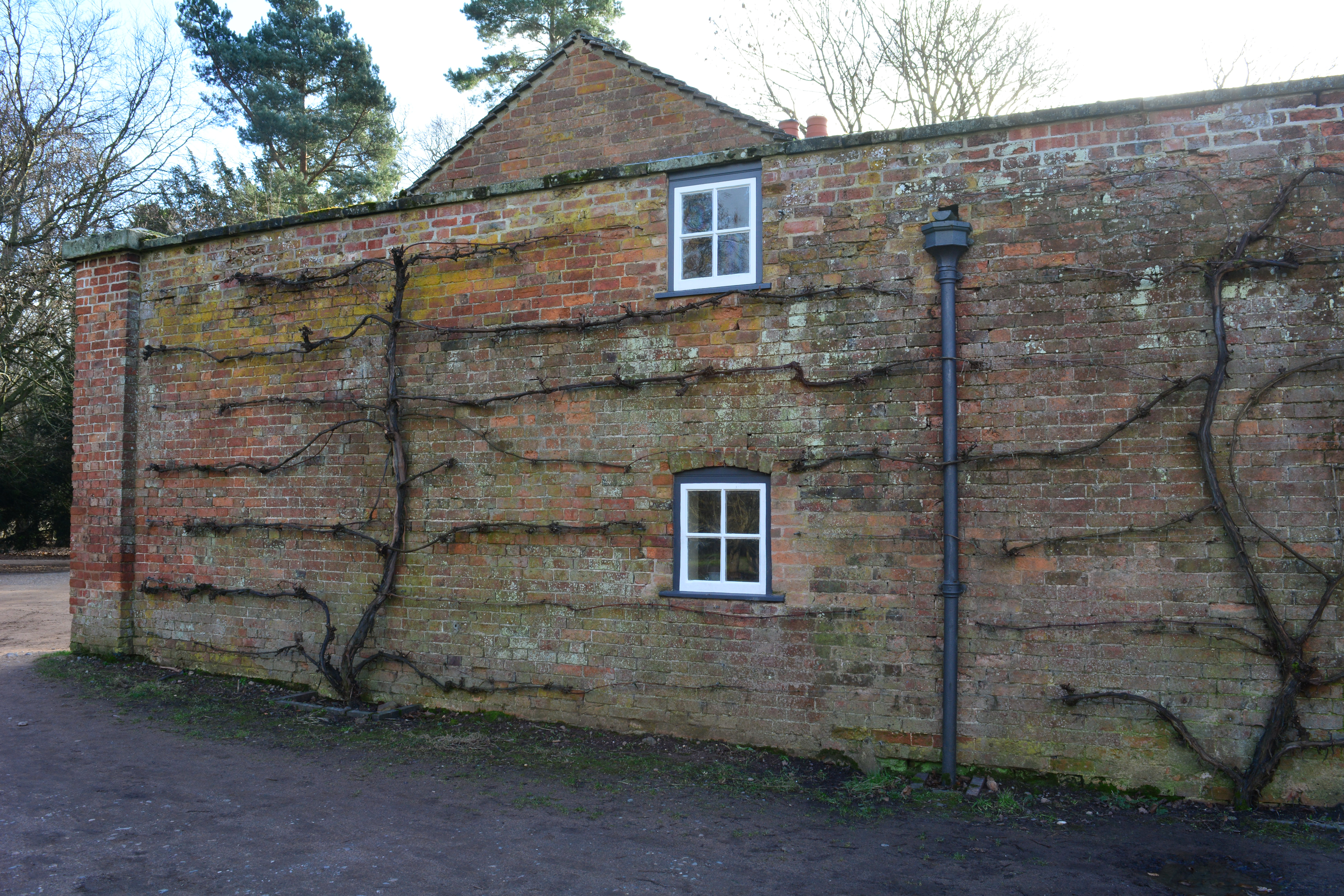
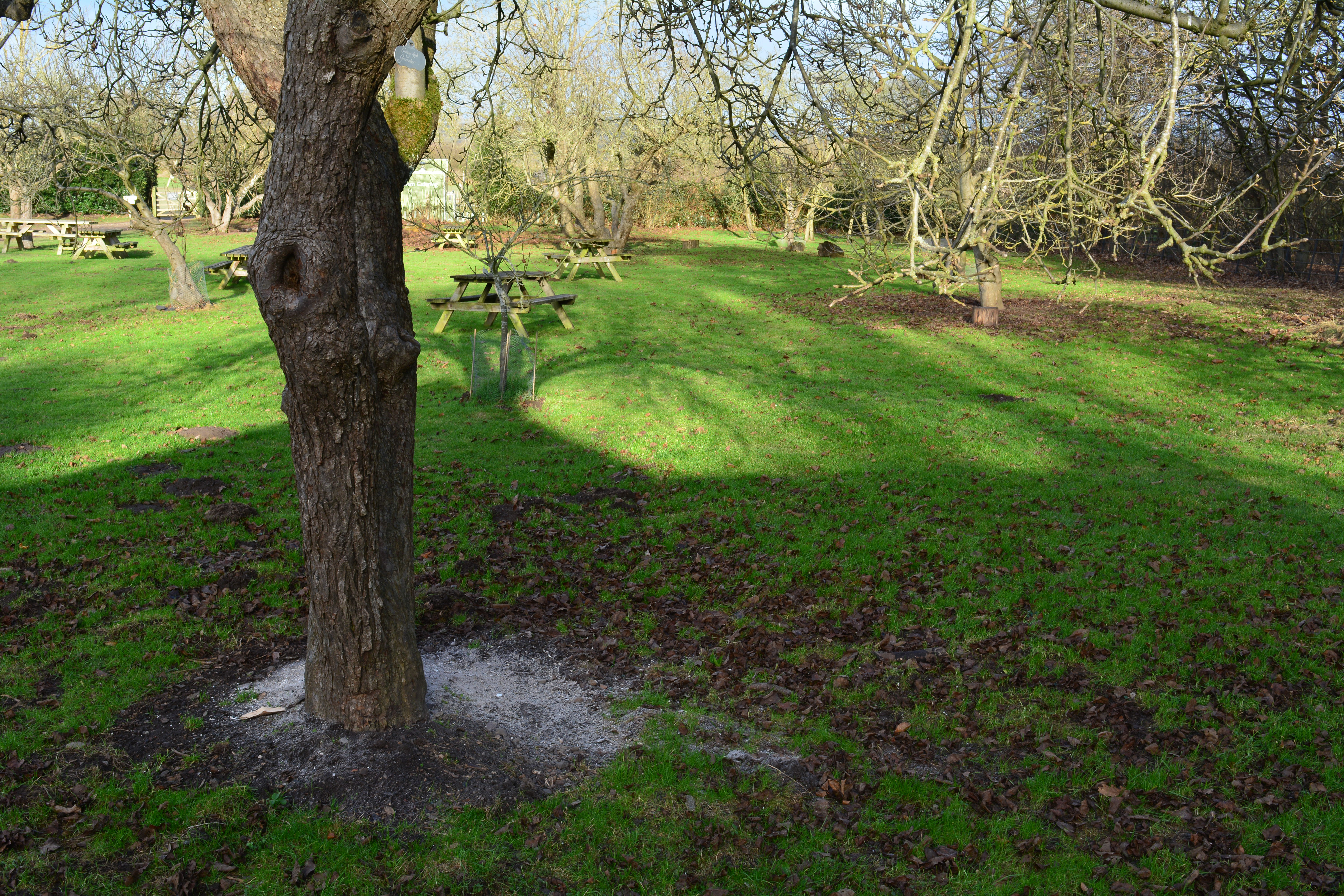
We left the walled garden via the wooden doorway into the orchard. We found that the trees had been treated to a dose of wood ash from the bothy’s fire and woodburner. The outer walls are also used for training fruits possibly grape vines or kiwi fruit. We shall find out when the leaf buds unfurl.

aw-31 aw-32

The volunteers and gardeners followed us out of the walled garden each wheeling a wheelbarrow in which they would soon be loading more mulch for top-dressing the veg beds. Leaving the productive area of the park we decided to move forward and follow the path leading us to the Woodland Walk. In part two of my January Attingham post we will share the woodland walk experience with you.

aw-33

Categories
autumn autumn colours colours flowering bulbs fruit and veg garden buildings garden photography gardening gardens gardens open to the public grow your own kitchen gardens memorials National Trust remembrance renovation Shrewsbury Shropshire The National Trust walled gardens walled kitchen gardens

A Walk in the Park – Part One – The Walled Garden

Near to us, a mere half hour drive away is situated the parkland of  a National Trust Property called Attingham Park, which is a place we often visit for an afternoon walk. The parkland affords us the opportunity of following different lengths of walk depending on the time we have and how fit we feel and of course on what the weather chooses to present us with. The parkland contains huge collections of trees and shrubs but few actual gardens, formal or naturalistic. It does however have the added element of a productive walled kitchen garden which the NT has lovingly and meticulously restored. So there is plenty to love about Attingham Park. We hope you will enjoy meeting the parkland and getting to understand its sense of place, or put more simply getting to know it like a new friend.

In 2017, rather than make monthly visits to a garden and reporting these visits in blog posts on a monthly basis we will visit Attingham Park each month of the year looking at both the Walled Garden and one of the walks. So there will be 2 posts featuring Attingham each month.

To help introduce you to Attingham Park we enjoyed a sunny day visit in November to take in an autumnal woodland walk and a quick exploration of the walled garden. Just a taster really for what we hope to share with you in 2017.

The Walled Garden

ap-07

After a half mile simple level walk along a woodchip track we found the Walled Garden. To reach it we walked beneath giant hardwoods and softwoods, deciduous trees and evergreens from many parts of the world discovered and brought here by some of the great plant hunters.

A first glance through the mature gnarled tree giants highlighted the gardeners’  bothy  framed in low boughs almost parallel to the leaf littered ground. What a setting!

ap-01 ap-02ap-05 ap-06ap-08 ap-09

The walled garden features restored glasshouses, bothy, gardeners’ stores and outbuildings as well as an orchard and the main productive vegetable borders.

The glasshouses looked magnificent wrapped up in their thick coats of fresh white paint. The yards around them were clear but we will see great changes throughout next year’s visits. Sugar mouse pink Nerine blooms provided neon strip of colour along the bases of the glasshouses.

ap-10 ap-34 ap-32  ap-33

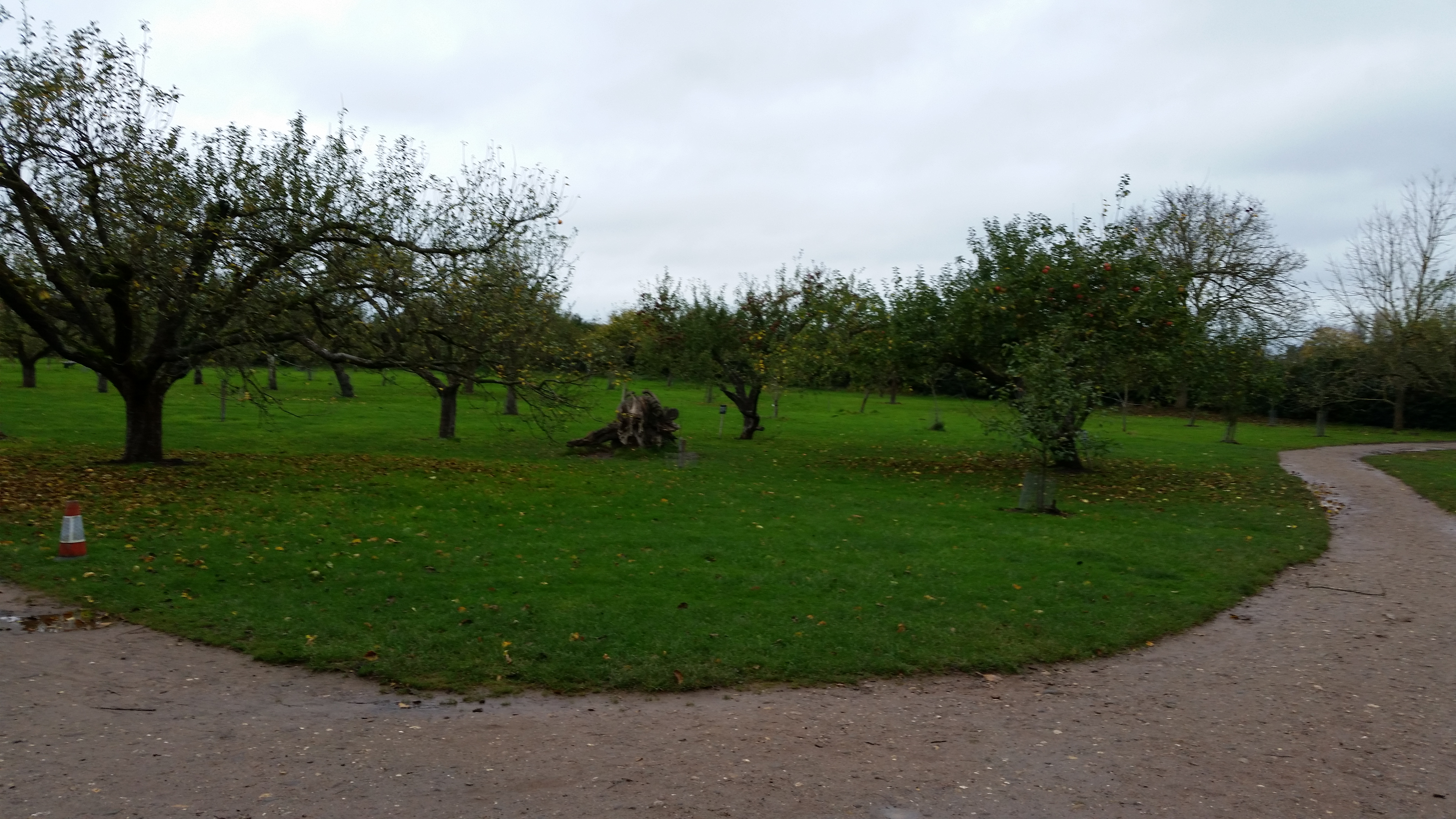
The orchard hosts rows of ancient fruit trees gnarled and their boughs leaning low to the ground. On this visit it was home to a “Remembrance Tree” and a collection of photographs of the staff “then and now”.

ap-13 ap-11 ap-18 ap-17

ap-19 ap-16ap-14 ap-15

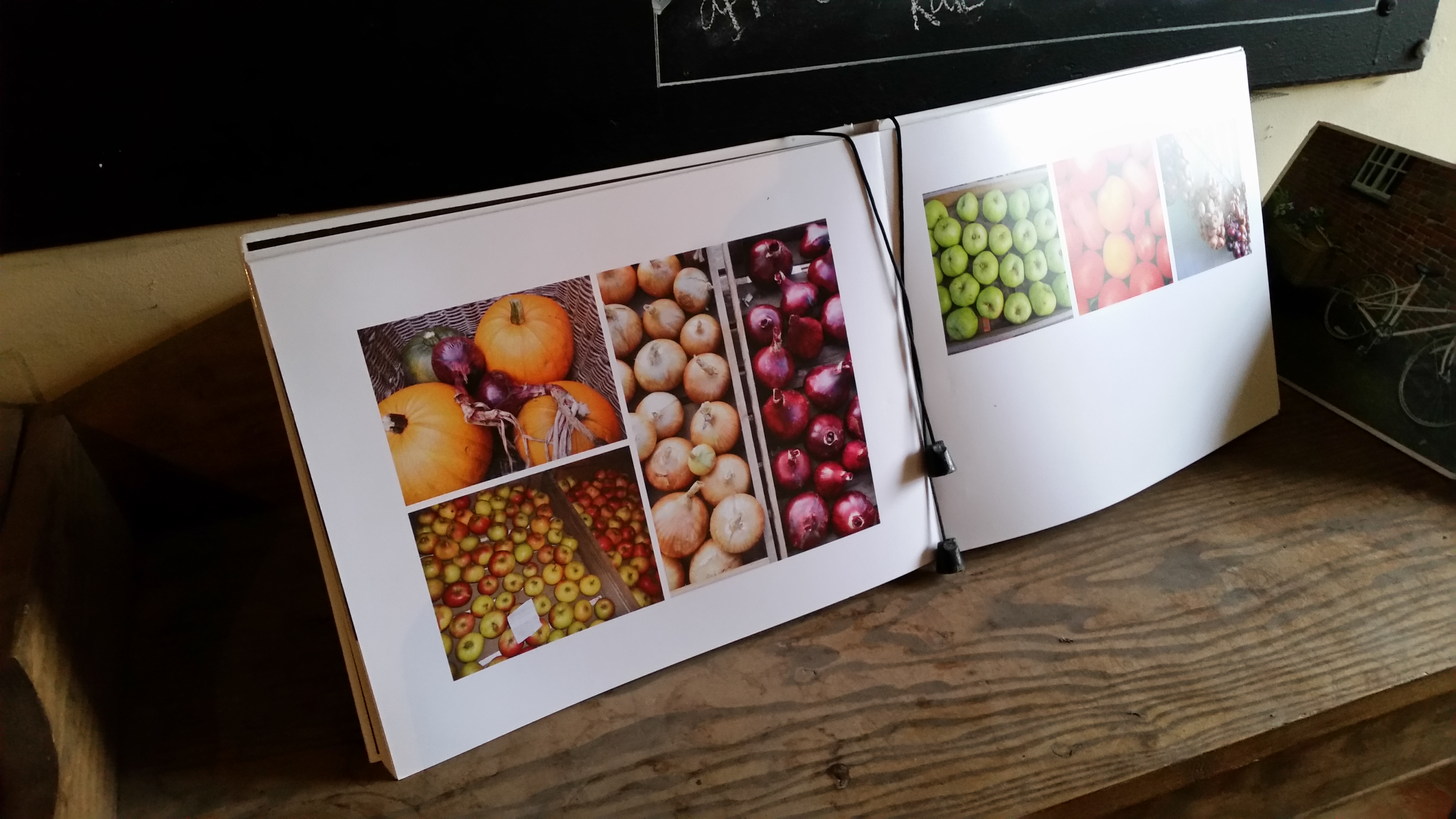
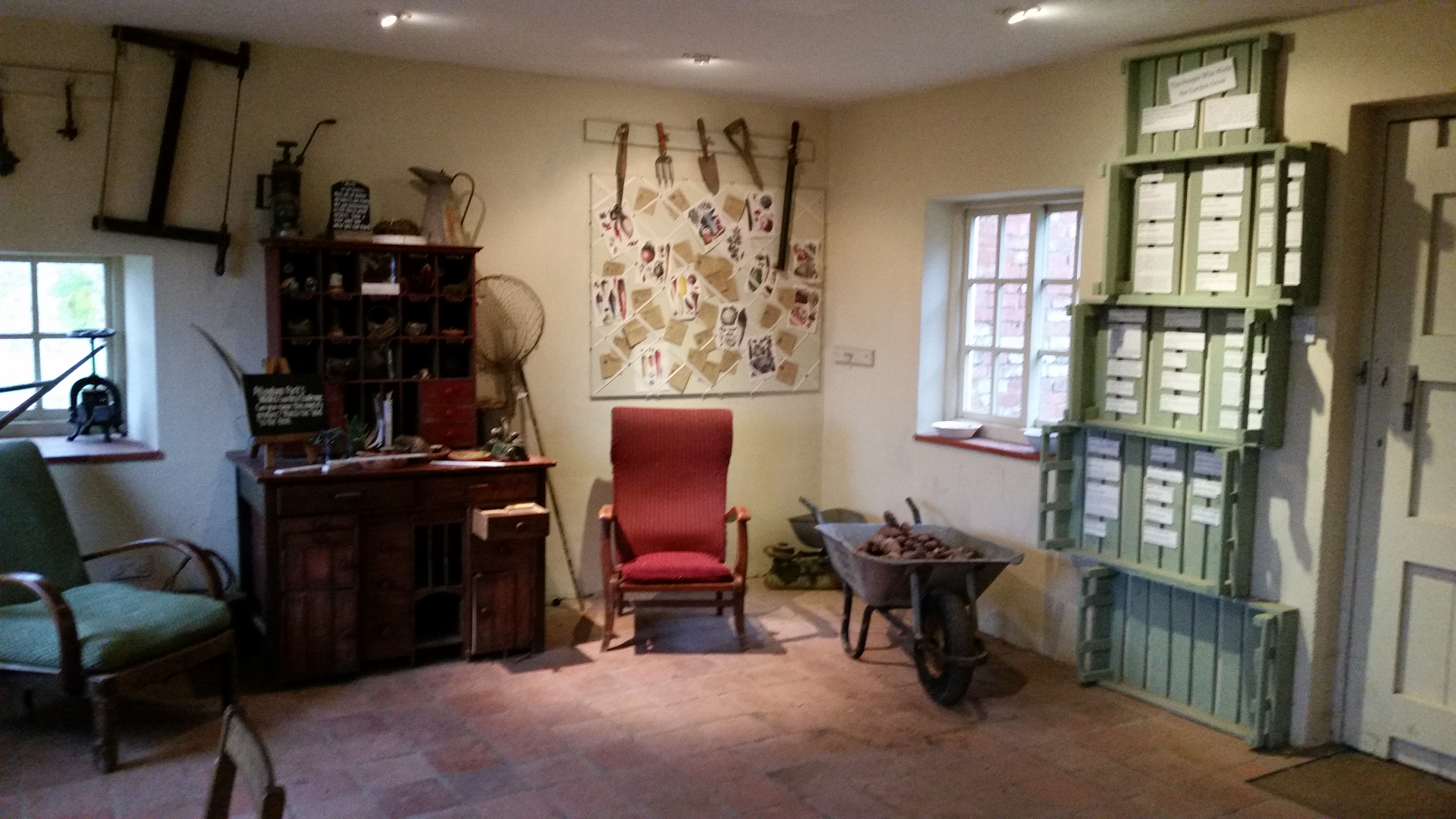
Displays in the bothy showed the plants of the season, the pumpkins in all their orange glory and they also were used as parchment for messages written in them all about the garden in wartime.

ap-27 ap-30ap-25 ap-26ap-28 ap-29

The garden staff and volunteers had grown cordon tomato plants up against the inner brick wall of the productive garden, Tomato Andine Cornue. They were “forcing” chickory and endive to sweeten them and here we discovered even more pumpkins.

ap-22 ap-23         ap-35 ap-31

As we begin our Attingham monthly forays early in 2017 we will have a look at the main body of the productive walled garden.

Categories
autumn community gardening fruit and veg garden buildings garden photography gardening gardens gardens open to the public grow your own kitchen gardens National Trust renovation Shrewsbury Shropshire The National Trust walled gardens walled kitchen gardens Winter Gardening

The Walled Garden at Attingham Park

Our local National Trust property, Attingham Park, is just a 20 minute drive away. We are so lucky as within the grounds are several different walks to choose from including woodland walks, but we also love visiting the renovated walled gardens. When we first visited Attingham Park years ago now there were very few walks accessible, the walled gardens were in a poor state of repair and the refreshment facilities were poor. Things have certainly changed for the better!

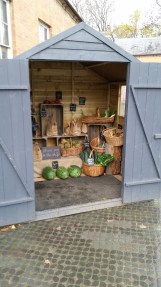
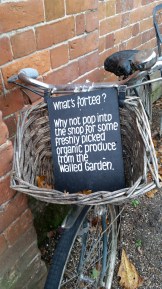
In late November we decided to go for a walk around the woodlands and explore the walled garden to see what was going on. The improvements become immediately obvious as there is now a new entrance building and a newly refurbished Carriage House Cafe in the stable yard. After sampling the delights in the cafe we wandered off towards the Walled Garden one of our favourite elements of the Attingham Estate. In the Stable Yard sits a little sales hut selling produce from the walled garden, freshly picked and delivered by bike.

2015 11 08_7259 2015 11 08_7254 2015 11 08_7255

The Walled Garden was originally created way back in 1780 and its job was to provide the estate with fresh fruit and vegetables throughout the year. Looking at it now it is hard to believe that it fell into total disuse and dereliction. An amazing team of volunteers have recently brought it back to life. It no longer produces food for the “big house” but instead sends its organic produce up to the restaurant and cafe and for sale to the visitors.

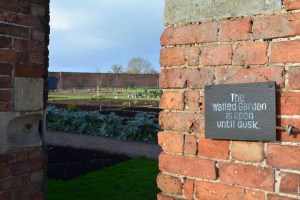
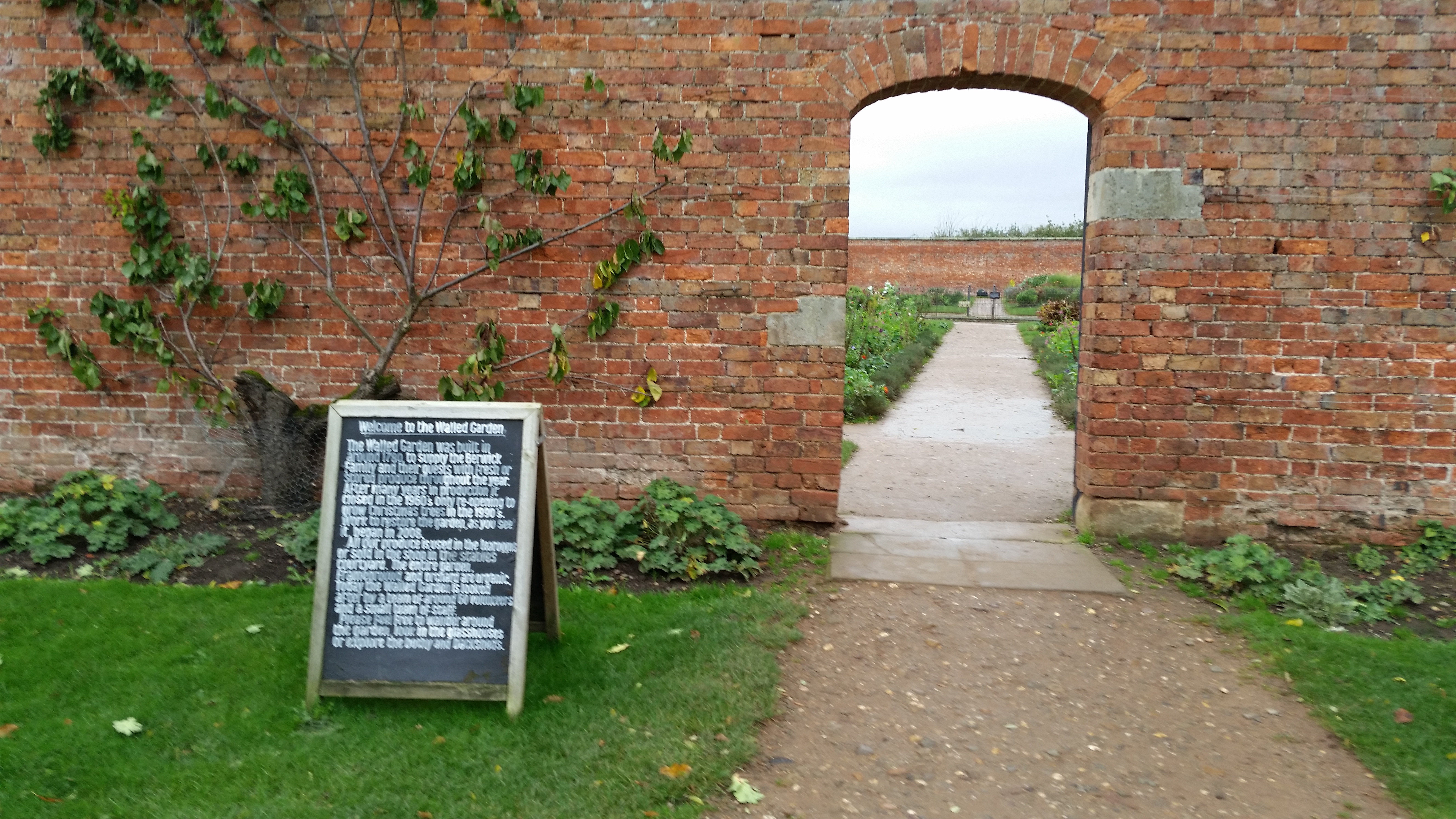
One of the impressive features of the Walled Garden is the amount of information boards placed carefully to keep visitors fully informed. Before passing through the gateway into the garden itself we always love seeing the beautifully trained fruit on the outside wall.

2015 11 08_7155 2015 11 08_7156

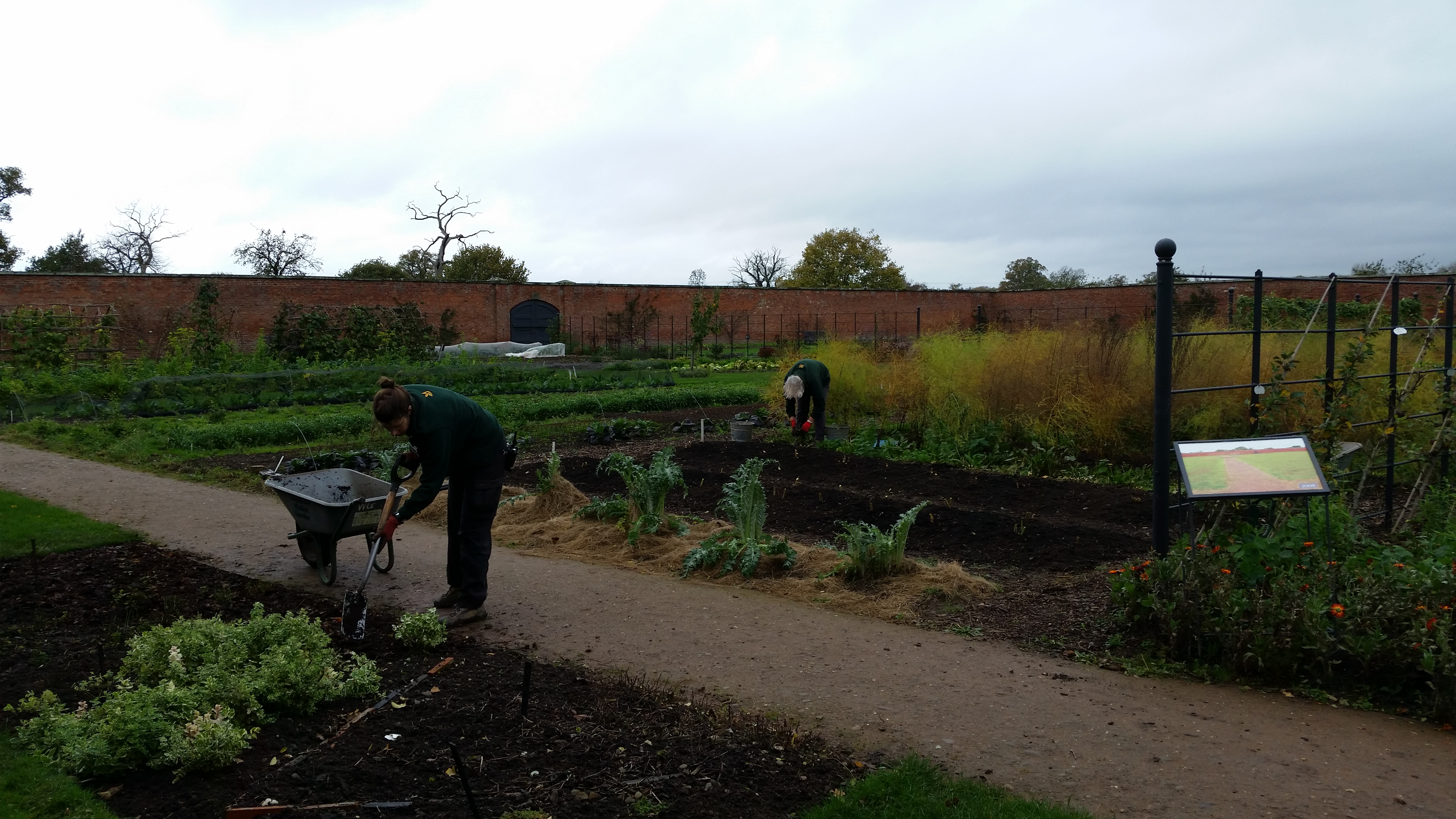
Taking a step inside and the garden came to life before our eyes, volunteers busy harvesting, weeding the beds and clearing ground ready for winter digging.

2015 11 08_7158 2015 11 08_71592015 11 08_7171 2015 11 08_7176

The volunteer gardeners enjoy getting creative with Birch and Hazel boughs and branches and their bean supports, tunnels and wigwams always look impressive.

2015 11 08_7164 2015 11 08_7165 2015 11 08_7163

It was good to see sound organic principles being used here, barriers, green manures and companion planting and herbaceous borders to attract beneficial insects, predators and pollinators.

2015 11 08_7166 2015 11 08_71672015 11 08_7172 2015 11 08_7169

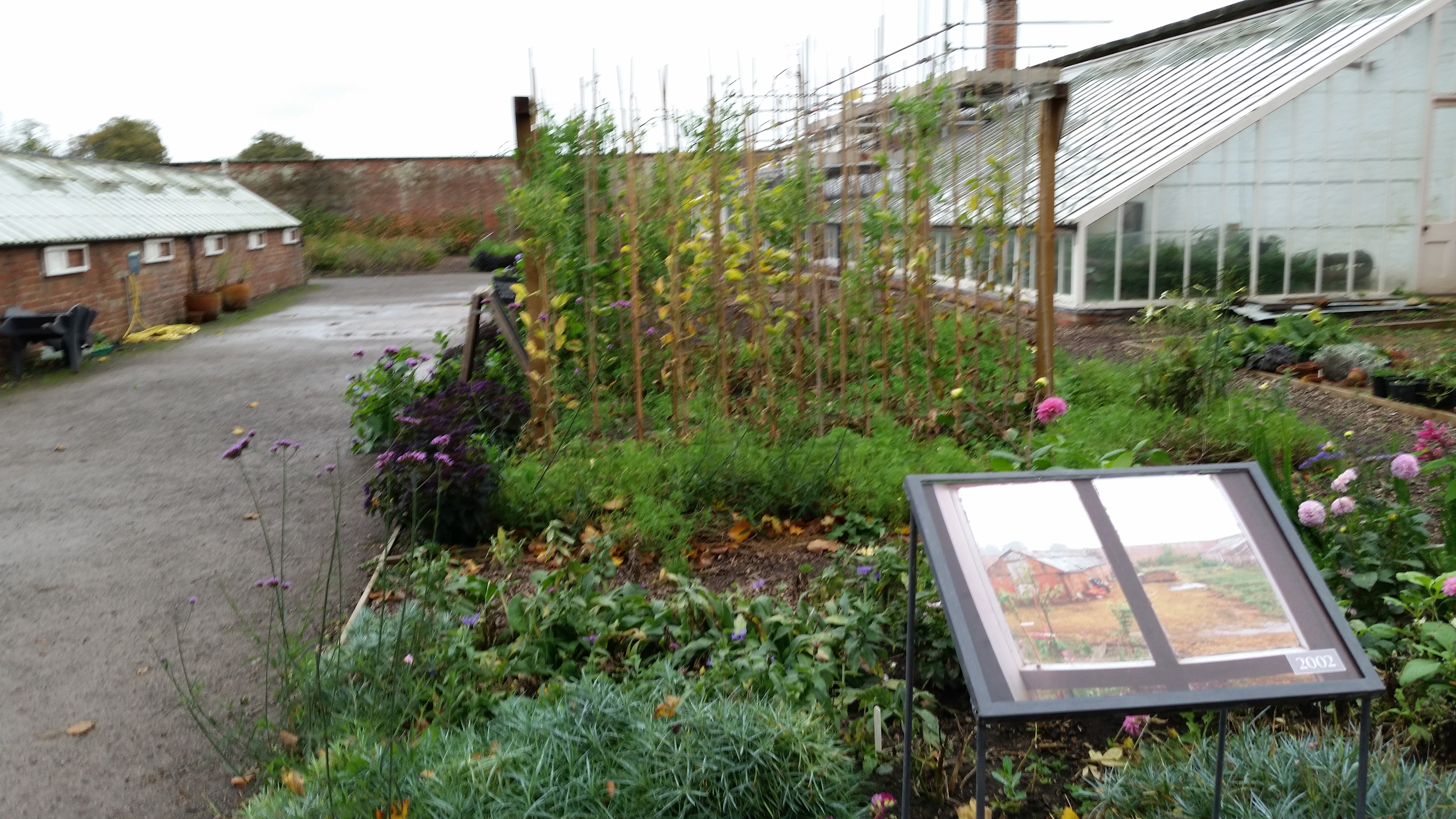
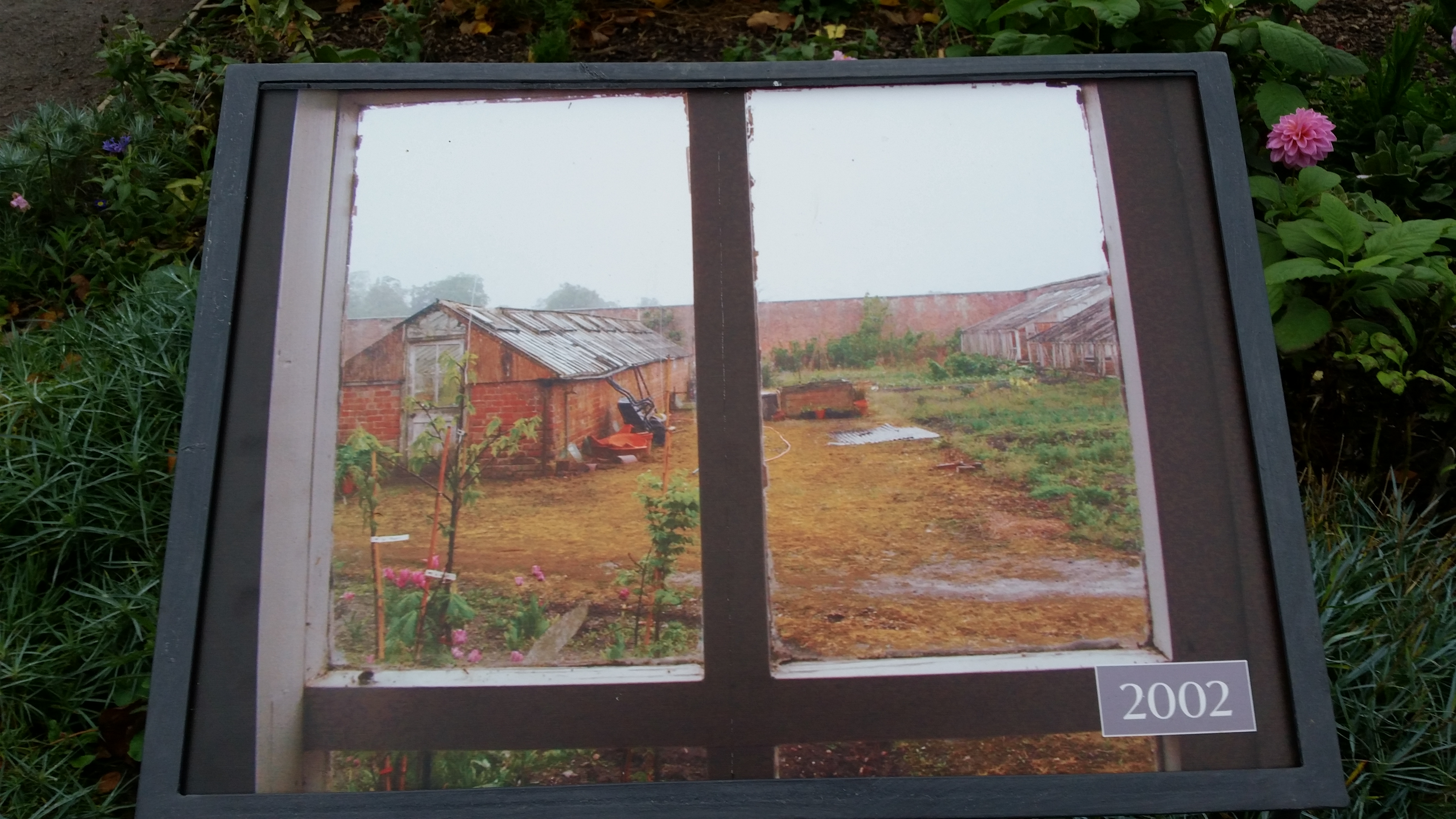
As we moved into the glasshouse area we were impressed  by the renovation work being carried out on the glasshouse ranges. Information boards show visitors what the area looked like prior to its rescue.

2015 11 08_7178 2015 11 08_7184 2015 11 08_7185 2015 11 08_7197

Cut flowers were also grown here and even in November the Dahlias were flowering well due to the protection of the walls and protection from Earwigs provided by the old fashioned method of putting a pot stuffed with straw on top of a cane.

2015 11 08_7186 2015 11 08_71872015 11 08_7180 2015 11 08_71792015 11 08_7181 2015 11 08_7182

On a cold day a look inside the gardeners bothy proved to be a welcome time to warm up and enjoy the displays.

2015 11 08_7188 2015 11 08_71892015 11 08_7190 2015 11 08_71912015 11 08_7192 2015 11 08_7193

Exiting the Walled Garden via the orchard gave us a chance to look at the front of the old red brick buildings. The Walled Gardens here at Attingham are worth visiting throughout the year as there is always something interesting going on. We are so lucky having this national trust property so close to Shrewsbury.

2015 11 08_7196 2015 11 08_7199

From the walled gardens we wandered off into the woodlands following one of the marked trails. My next post will feature what we found there.

Categories
autumn autumn colours climbing plants colours flowering bulbs fruit and veg garden photography gardening gardens gardens open to the public grow your own hardy perennials Herefordshire irises kitchen gardens light light quality National Trust poppies roses The National Trust walled gardens walled kitchen gardens

Croft Castle Month by Month – October

October was a month made special by a bright, colourful Indian Summer. It made our tenth monthly visit to the gardens at Croft Castle special. Without realising it we had chosen the week when the property were putting on a Halloween trail for the children. The trail sheet encouraged the youngsters to search for clues, so naturally we had to do the same.

2015 10 26_6952-1 2015 10 26_6951-1 2015 10 26_6945-1 2015 10 26_6876-1

The first change we noticed on this visit was how autumn had taken over the garden, with most trees changing their green cloak to one of yellow.

2015 10 26_6843-1 2015 10 26_6845-1 2015 10 26_6849-12015 10 26_6855-1

The first border we pass on our way to the walled garden is the long mixed border alongside the drive.

2015 10 26_6853-1 2015 10 26_6857-12015 10 26_6852-1 2015 10 26_6851-1

We reached the walled garden which is the best part of the grounds, wondering what changes we would find there. Even though some borders were being cleared there was plenty left to attract my camera lens, whole borders of interest …………

2015 10 26_6858-1 2015 10 26_6859-1 2015 10 26_6860-1 2015 10 26_6869-1

………… and plenty of single plants still looking full of colour.

2015 10 26_6862-1 2015 10 26_6871-1 2015 10 26_6872-12015 10 26_6867-1 2015 10 26_6882-12015 10 26_6883-1 2015 10 26_6884-12015 10 26_6888-1 2015 10 26_6890-1

We were amazed by the simple beauty of these Japanese Anemone flowers which had just dropped their petals.

2015 10 26_6865-1 2015 10 26_6864-1

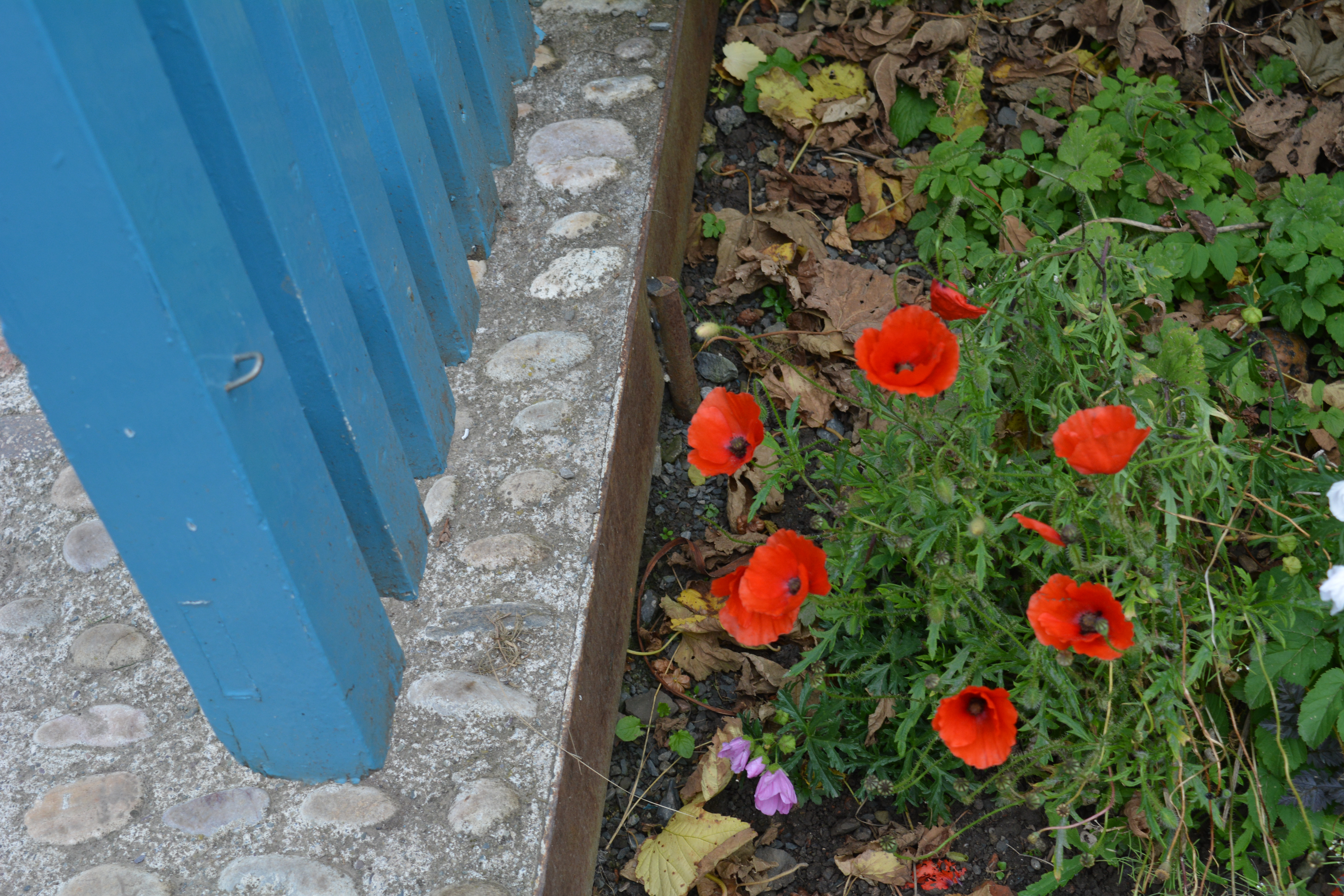
Plants can find their own niche however inappropriate it may seem to us. This bright red poppy chose a spot close to equally blue fencing.

2015 10 26_6875-1

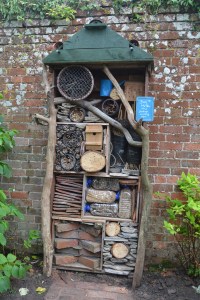
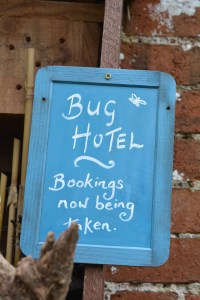
When we made our first of this year’s monthly visits to Croft Castle we found an unfinished insect hotel, bearing the label “unfinished project”. We looked forward to its completion each month but nothing changed, but on our October visit we noticed it was finished at last.

2015 10 26_6900-1 2015 10 26_6898-1 2015 10 26_6894-12015 10 26_6893-1 2015 10 26_6896-1

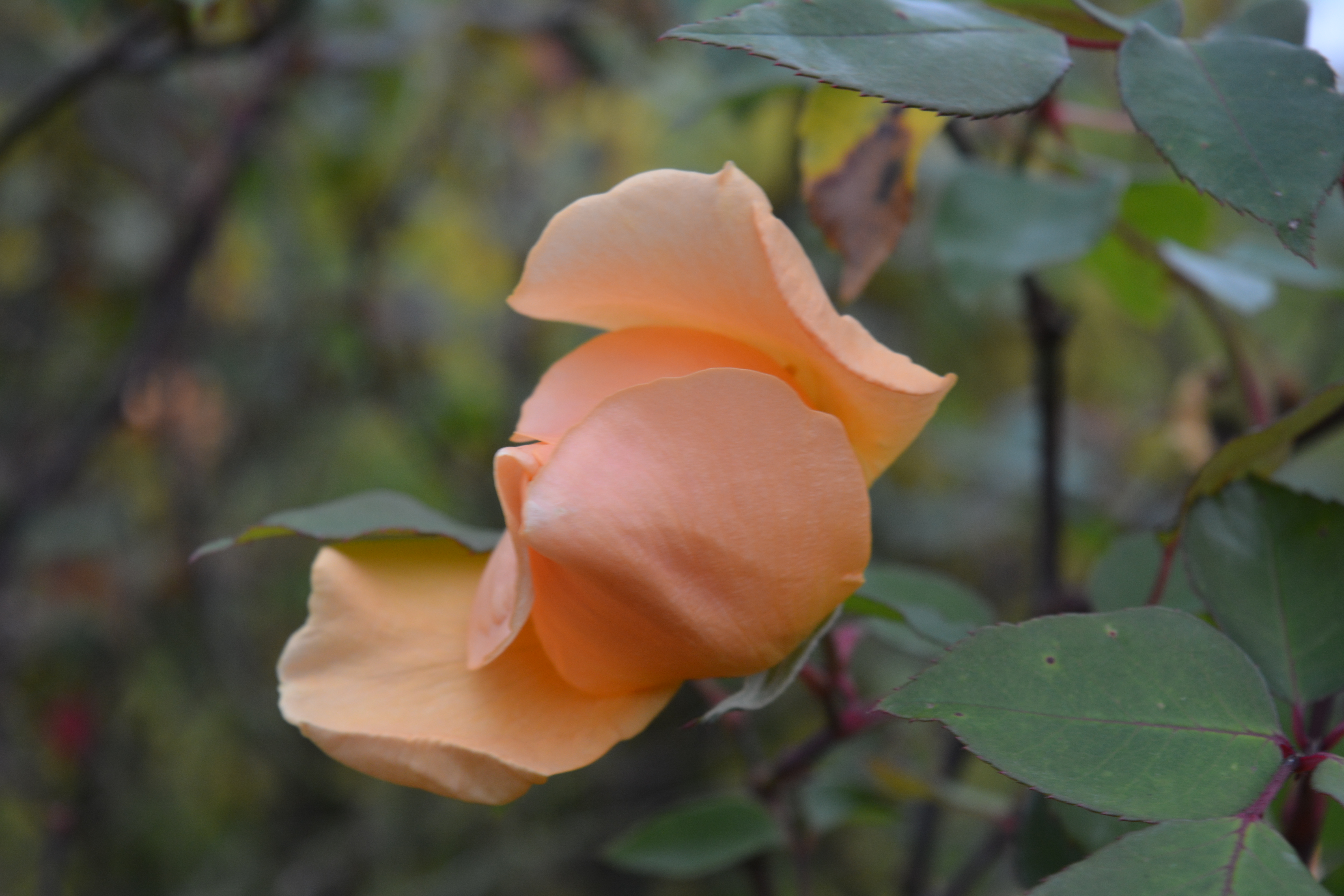
We didn’t expect to see much colour in the Rose Garden but we were pleasantly surprised by delicately scented Rose blooms and the supporting cast of perennials.

2015 10 26_6906-1 2015 10 26_6908-12015 10 26_6912-1 2015 10 26_6913-1 2015 10 26_6914-1

The veggie beds were still providing late season crops with leeks looking particularly tasty. On the old apple trees clumps of Mistletoe had found a home.

2015 10 26_6881-1 2015 10 26_6915-12015 10 26_6916-1 2015 10 26_6917-1 2015 10 26_6918-1 2015 10 26_6919_edited-1-1

We found this extra bright colour combination which lit up the whole walled garden.

2015 10 26_6923-1

Another Halloween activity for the children was to find big pumpkins hidden around the gardens. Naturally the children in us tempted us to find them too.

2015 10 26_6856-1 2015 10 26_6921-12015 10 26_6948-1 2015 10 26_6947-1

As the seasons move on towards the year’s end signs of plants closing down have appeared. Seed heads are so beautiful at this time of year. They look even better if touched by the hand of Jack Frost.

2015 10 26_6941-1 2015 10 26_6942-1 2015 10 26_6940-1

Our next visit will be the penultimate visit of the year. By then the effects of autumnal weather will cover the garden.


Categories
climbing plants colours flowering bulbs fruit and veg garden photography gardens gardens open to the public hardy perennials irises kitchen gardens meadows National Trust ornamental trees and shrubs poppies Shropshire The National Trust trees walled gardens

Croft Castle month by month – Part 6 June

We arrived for our June exploration of the gardens at the National Trust property, Croft Castle, with great expectations as the sun shone, the sky was blue and the temperature warm. We were not disappointed in any way! After our usual coffee and cakes we made our way to the main feature of the garden, the Walled Garden. On the way we enjoyed finding some very colourful plants with the added extra, scent.

2015 06 25_3234 2015 06 25_3235

On entering the Walled Garden the colour and scent continued. Our first glance through the doorway promised a great deal to see and smell.

2015 06 25_3240 2015 06 25_3241 2015 06 25_3242 2015 06 25_3246 2015 06 25_3247 2015 06 25_3244 2015 06 25_3245

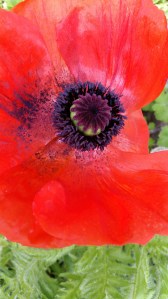
Poppies were on top form! Beautiful!

2015 06 25_3239  2015 06 25_3237 2015 06 25_3250 2015 06 25_32432015 06 25_3238

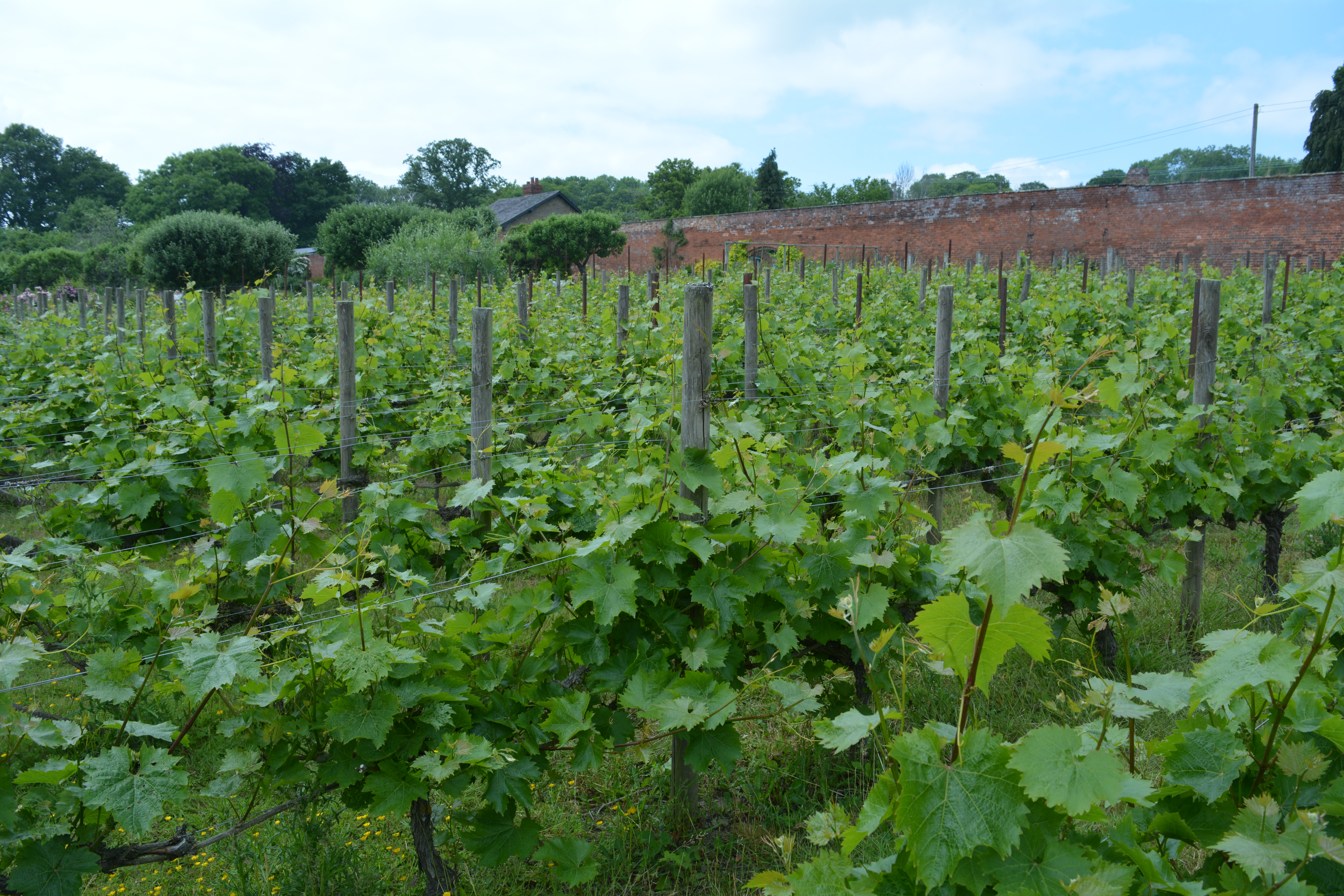
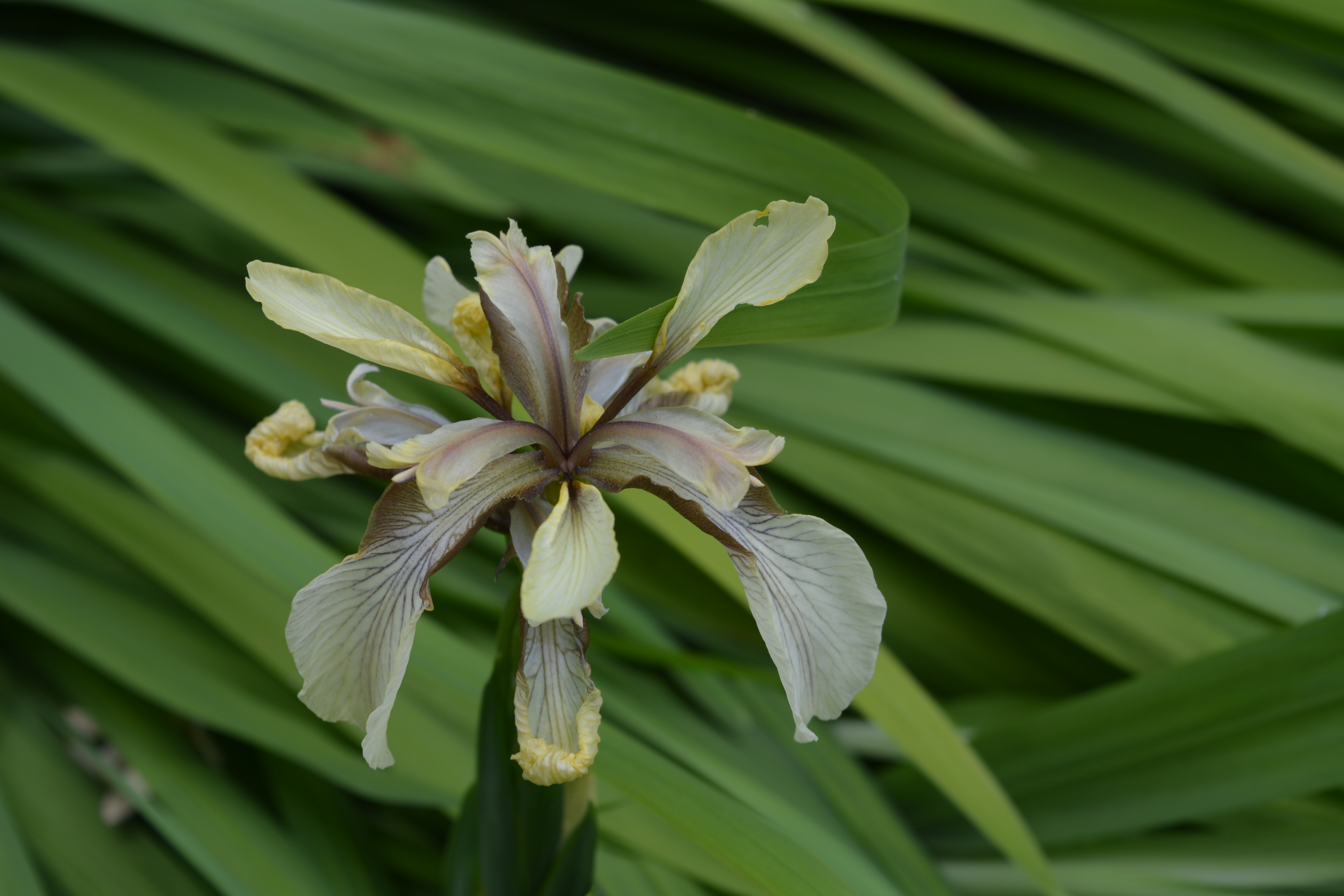
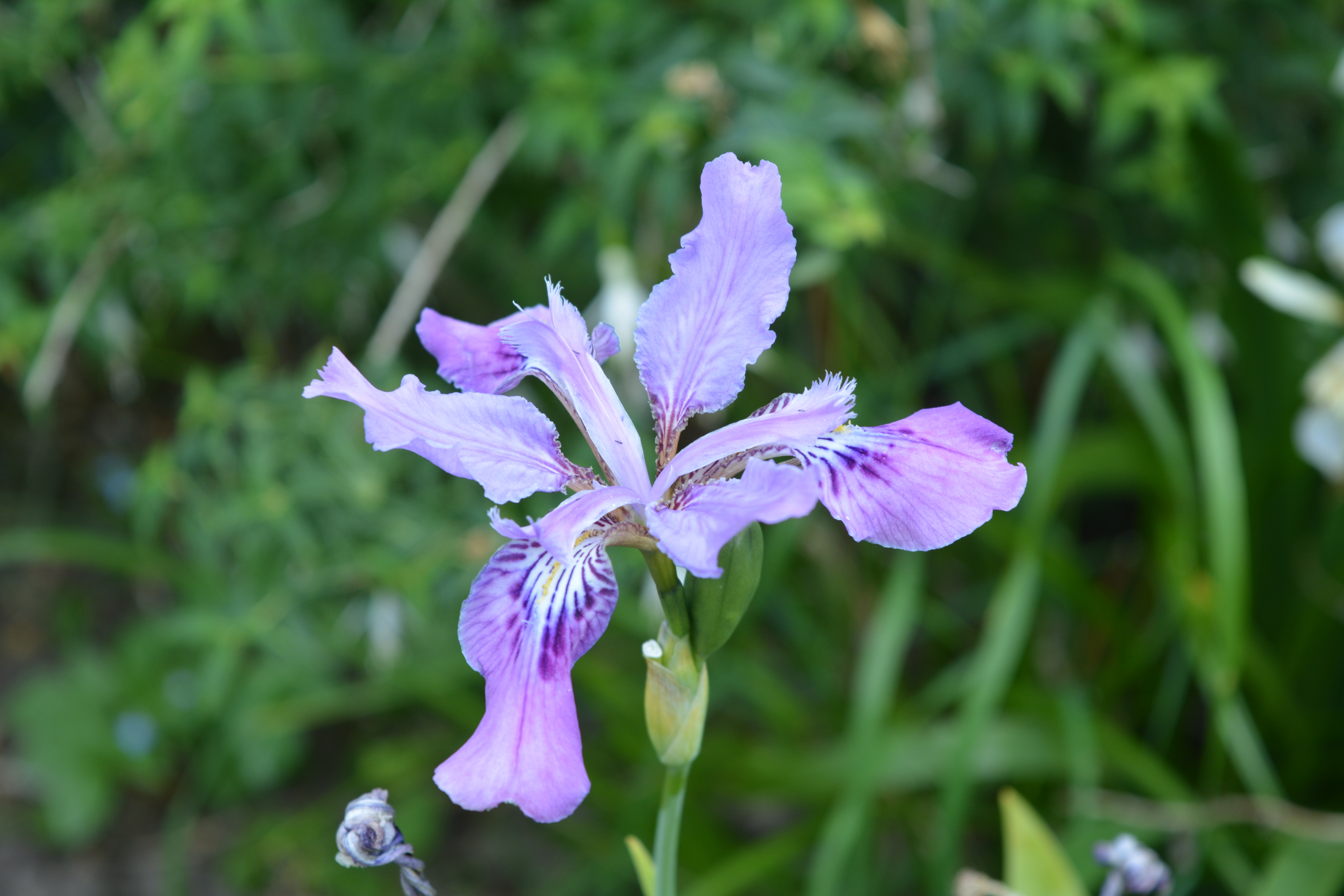
As we ambled up the gentle slope studying the plants in the border against the wall we noticed that the vines were now in full leaf with tiny bunches of flowers forming, the promise of a healthy grape harvest to come. Irises blooming in the borders opposite bloomed with much more complex and colourful flowers.

2015 06 25_3249 2015 06 25_32852015 06 25_3251

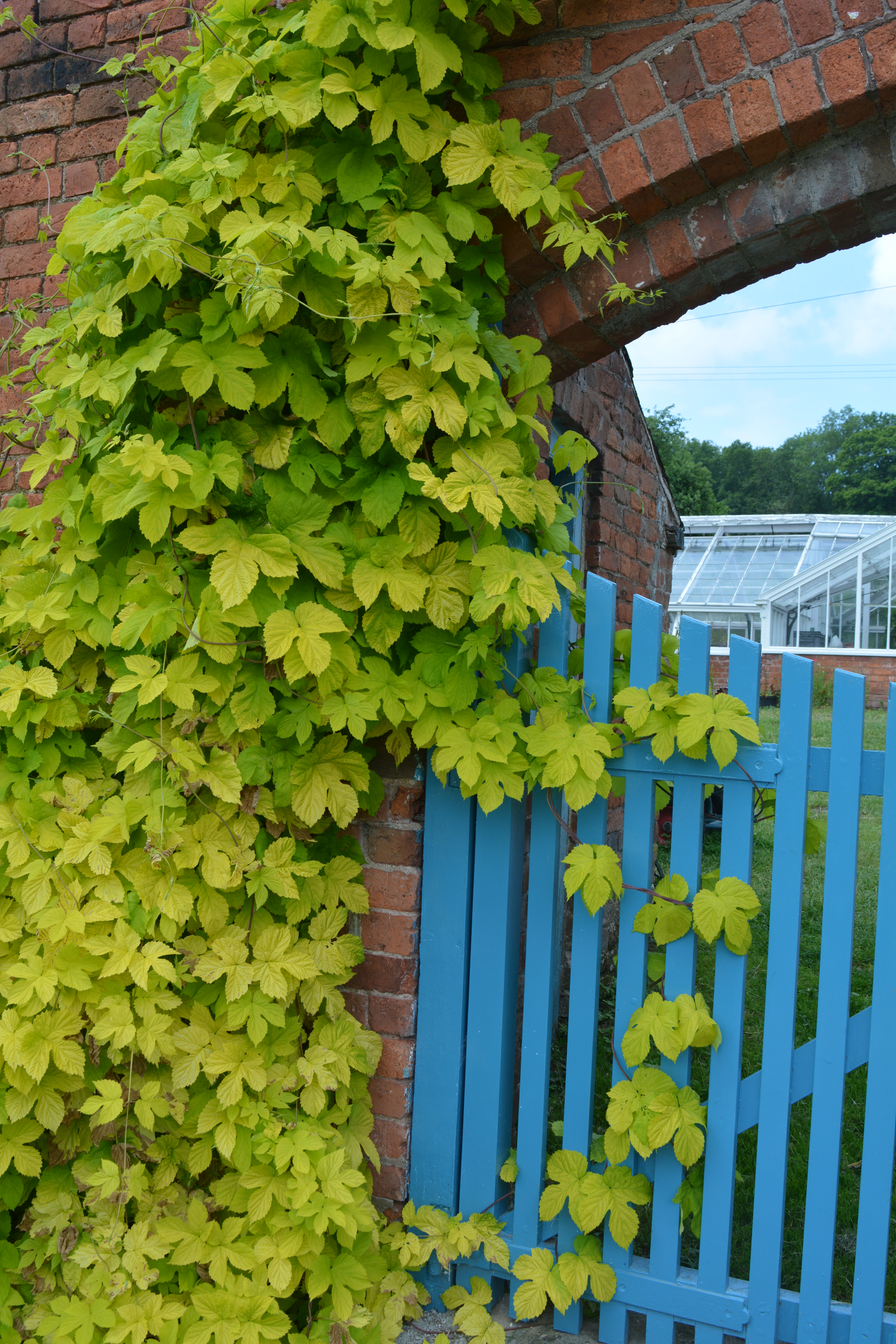
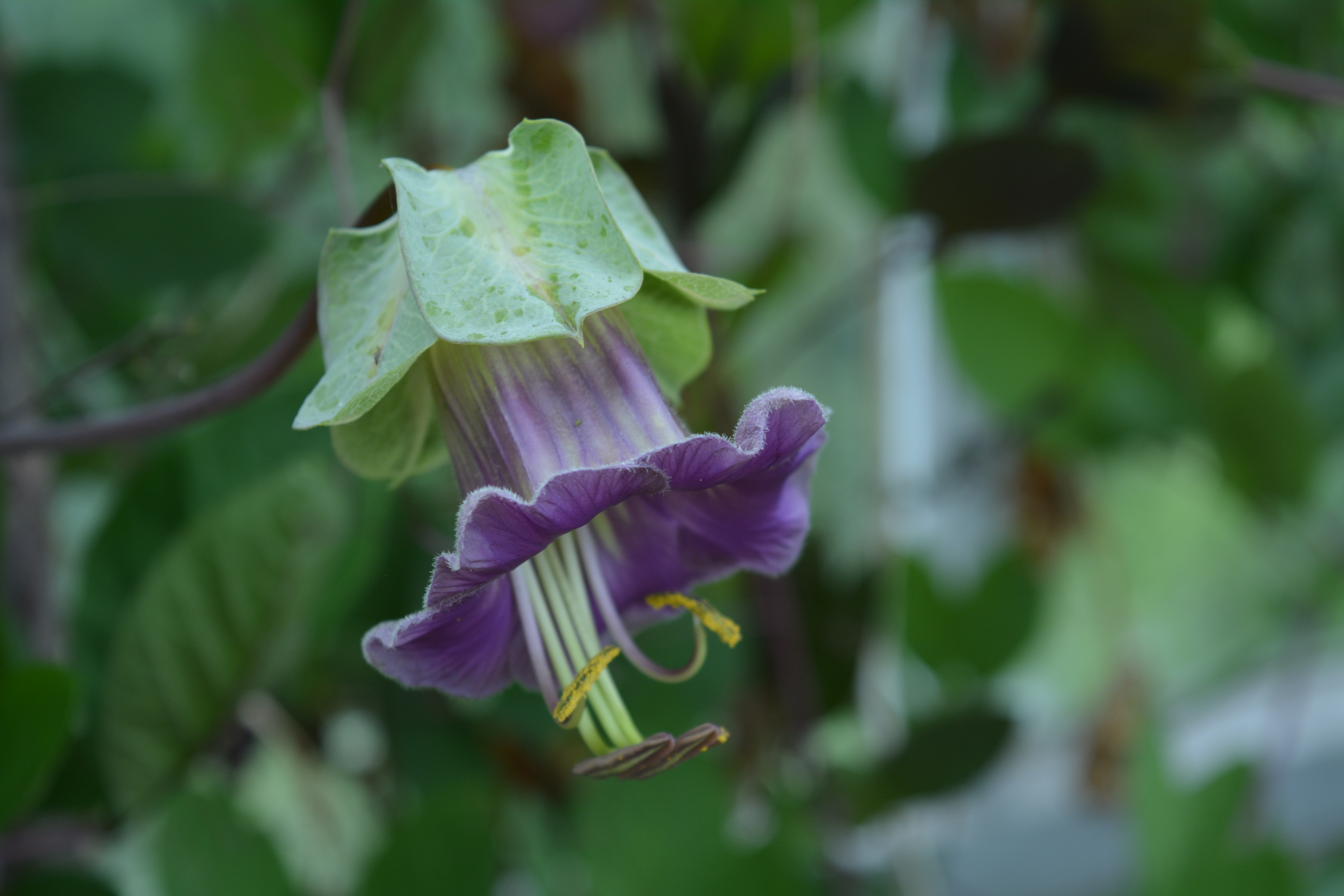
As usual we passed through the blue gate to see what was going on in the gardeners’ working area, but not much was going on. We were pleased to see the Cobaea back in flower. It lives up to its common name, the “Cup and Saucer Plant”.

2015 06 25_3254 2015 06 25_3255

Our old favourite, the Cornus cousa was white over with flower-like bracts and beneath it Nancy, Liz and Clementine the Pekin Bantams we met earlier were enjoying their new home.

2015 06 25_3258 2015 06 25_3260 2015 06 25_3261

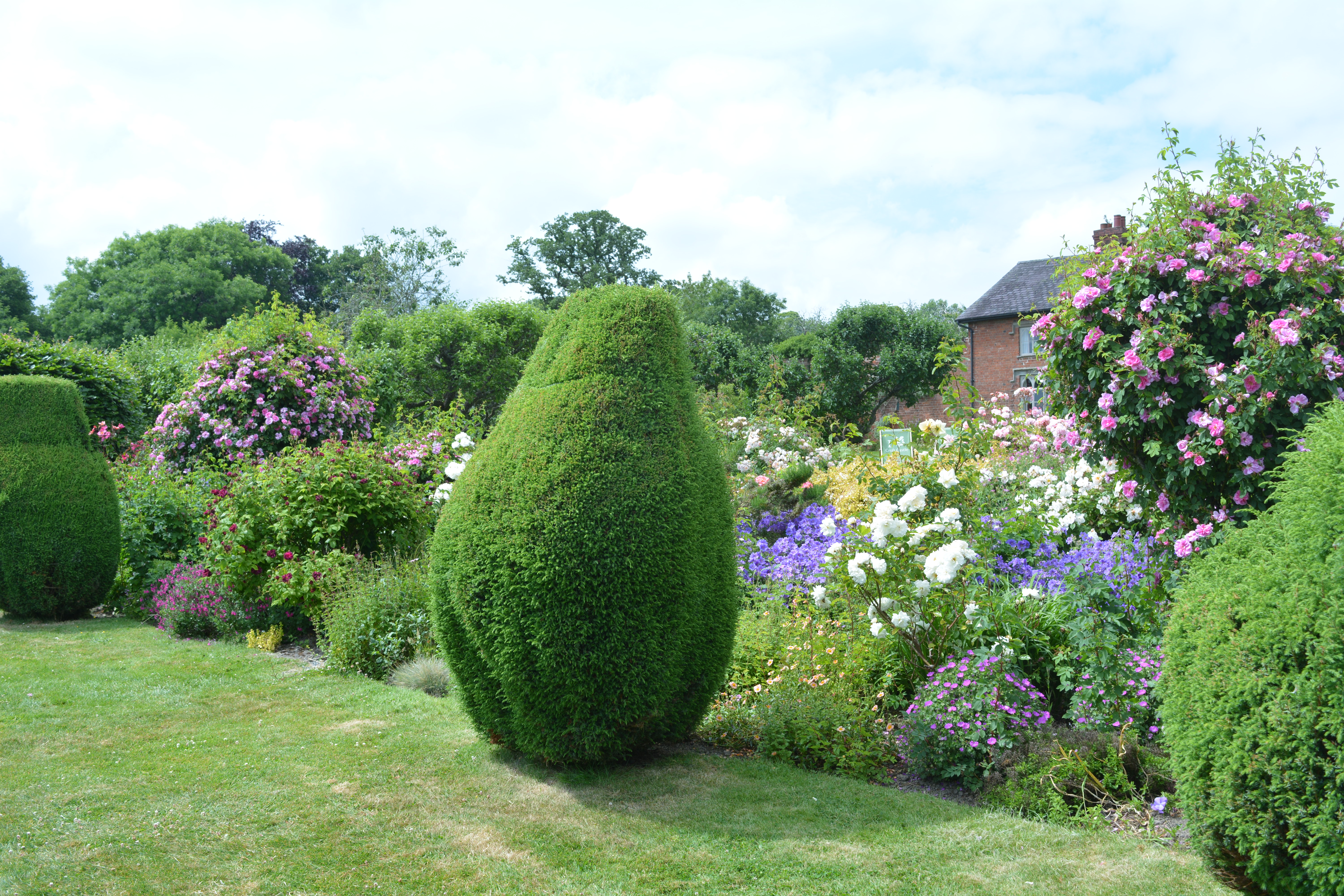
The ancient apple orchard and the mixed borders hugging the red-brick walls were full of colour, scent and texture. The walled garden had truly come to life!

2015 06 25_3263 2015 06 25_3264 2015 06 25_3265 2015 06 25_3266

More borders have come to life this month in the central area of the walled garden among and around the old gnarled fruit trees. A meadow of poppies, a rose garden and mixed borders all add to the effect.

2015 06 25_3268 2015 06 25_3270 2015 06 25_3271 2015 06 25_3272 2015 06 25_3273 2015 06 25_3274 2015 06 25_3275 2015 06 25_3276

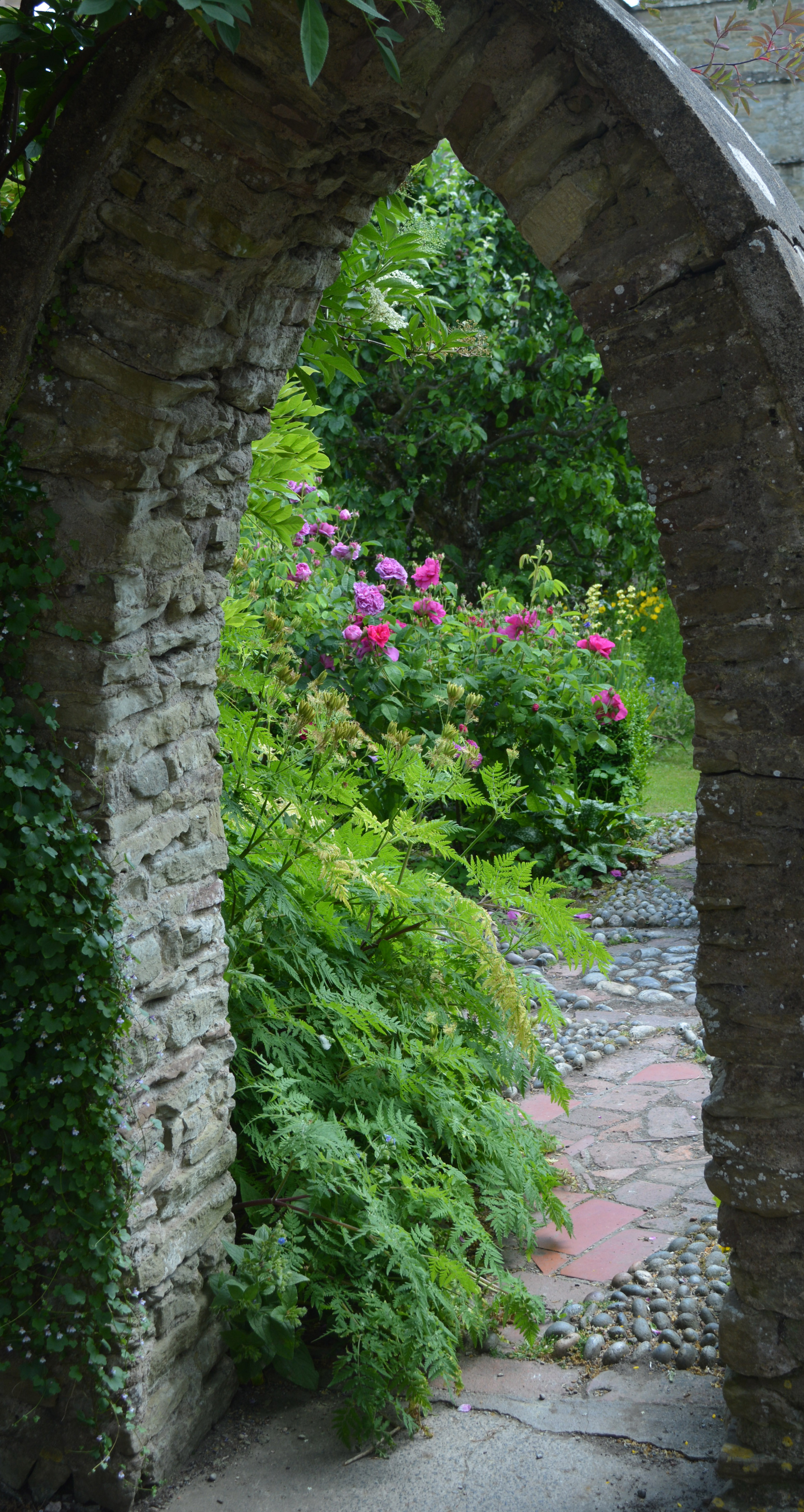
We left the walled garden through a gateway with a shrubby area with Foxgloves enjoying its shade.

2015 06 25_3277 2015 06 25_3278_edited-1-1

The Secret Garden was at its peak, soft colours, gentle perfumes and a multitude of greens.

2015 06 25_3280

Around the front of the residence at Croft Castle we looked over the wall to admire the vast area of meadowland. Deep pink Centranthus bordered the base of the walls giving a bright margin between wall and meadow.

2015 06 25_3282 2015 06 25_3283

We are half way through our year of monthly visits to the gardens of Croft Castle. Our next visit in July will hopefully be bright, warm and sunny too, giving us even more to look forward to.


Categories
buildings climbing plants colours fruit and veg garden photography gardens open to the public grow your own hardy perennials kitchen gardens National Trust The National Trust village gardens

A Week in the Lake District – Part 3 – Hill Top

We were looking forward to visiting the Lakeland home of the children’s author and artist, Beatrix Potter and discovering more about her life. We already knew she was far more than just the author of the Peter Rabbit series of books. She was a farmer, conservationist and wildlife artist and generous donor of land to the National Trust.
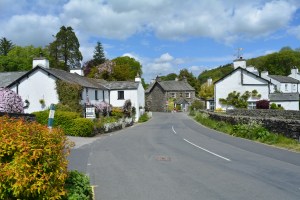
We followed narrow lanes to the village of Near Sawrey and squeezed the car into a tiny car park and purchased our timed tickets. Hill Top is very popular but also tiny so the National Trust have instigated a timed ticket system. A short wander through the village and we walked through a gate to find a blackboard with a lovely welcoming message chalked on it.

2015 06 05_2482 2015 06 05_24832015 06 05_2485 2015 06 05_2460

We walked up the long garden path towards the cottage itself.

2015 06 05_2462 2015 06 05_24632015 06 05_2465 2015 06 05_2478

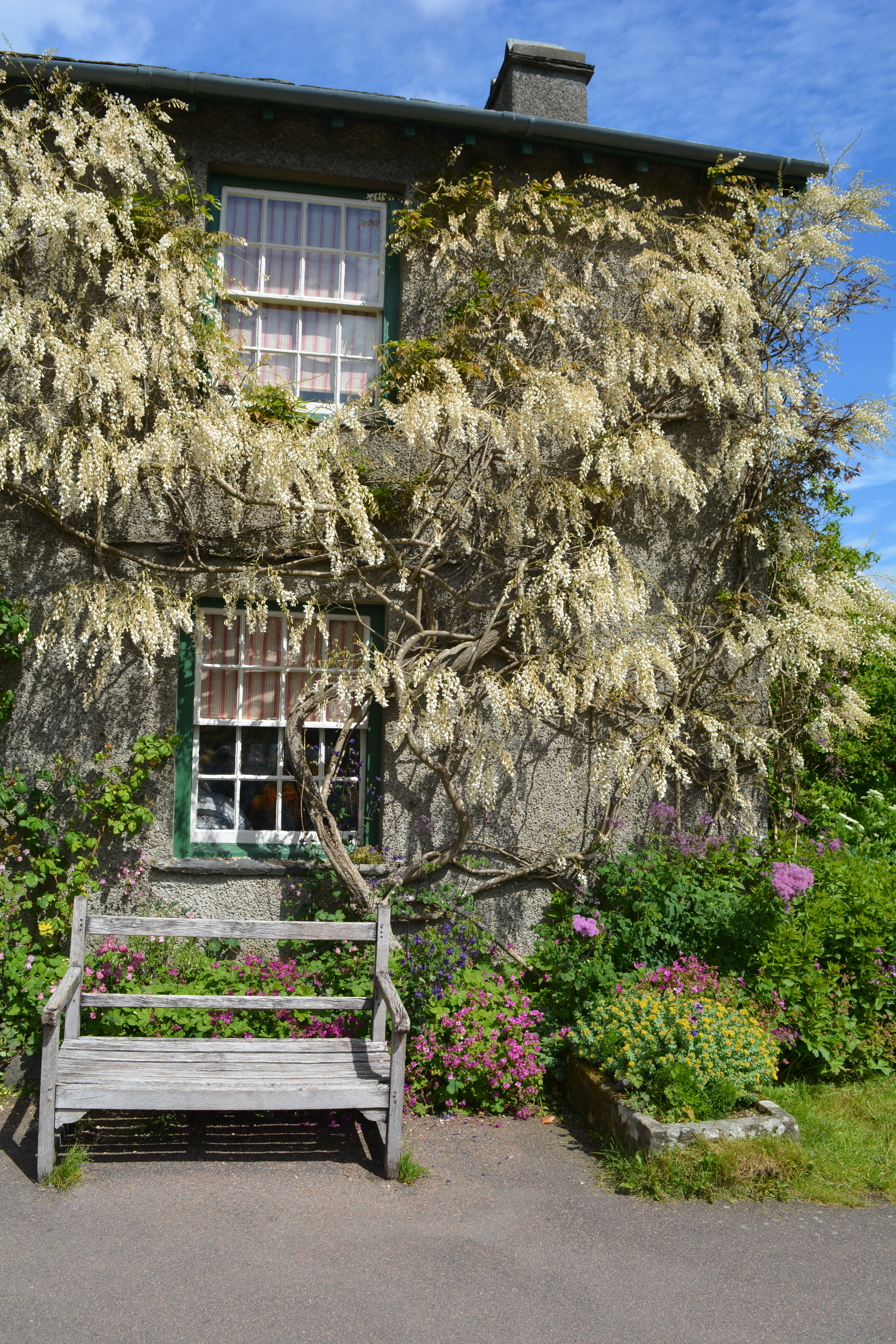
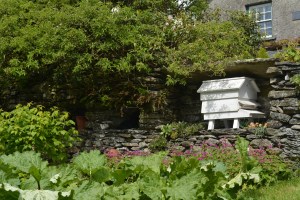
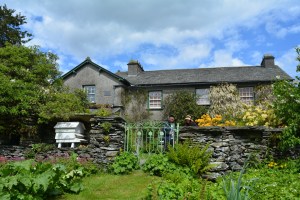
The front of Hill Top was swathed in scented, white flowered Wisteria which brightened up its drab grey finish. Borders of typical cottage garden plants sat on both sides of the front porch. The cottage was originally a farmhouse built in the 17th Century and bought by Beatrix in 1905 using the proceeds from her first published book, the one and only “Tales of Peter Rabbit. The cottage featured in her children’s books.

2015 06 05_2464 2015 06 05_2466

Photography was not allowed in the cottage itself but walking from room to room it felt as if we were seeing it just as if Beatrix Potter had just popped into the garden to cut some flowers. Letters she had written were awaiting an envelope on her writing bureau and drawings and paintings were sat on her desk. Furniture seen by thousands of children for over a hundred years in illustrations in her Peter Rabbit series of books were in every room.

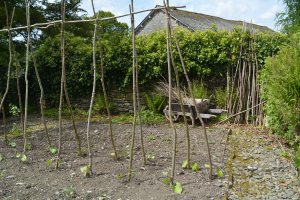
We moved back outside into the sunshine and found the little vegetable garden well known as the garden of Mr MacGregor. Hazel bean poles and an old wheelbarrow and watering cans seemed so familiar.

2015 06 05_2469 2015 06 05_24612015 06 05_2473 2015 06 05_2472

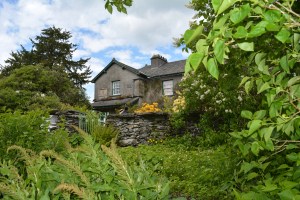
From the vegetable garden we gained great views of the cottage.

2015 06 05_2470 2015 06 05_2471

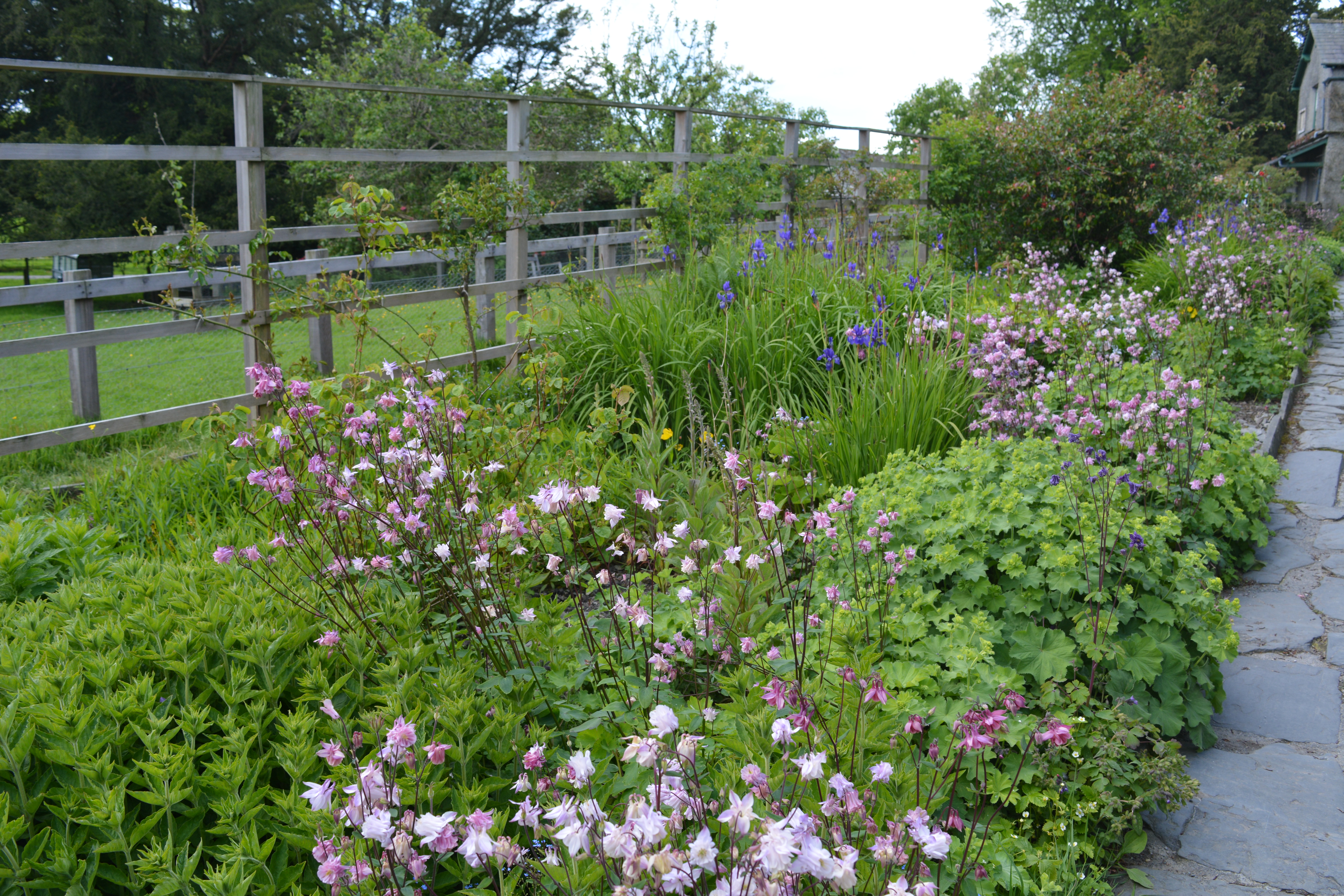
We wandered back down the sloping garden path and enjoyed the cottage garden flowers with their bright colours and rich scents.

2015 06 05_2475 2015 06 05_24772015 06 05_2480

When Beatrix Potter died she left 14 farms and their land plus sheep that grazed on it to the National Trust. Since then the National Trust have continued to purchase large areas of the Lake District which helps keep it such a beautiful place for all to enjoy.

Wherever you go in the Lake District you see Herdwick Sheep grazing in the fields from lowland fields to upland fell sides. Beatrix Potter helped prevent this local and specially adapted breed of sheep from becoming extinct. She was the first female President of the Herdwick Sheep Society.

After visiting Hill Top we wandered back through the village and in a front garden we noticed a scarecrow based on Mr MacGregor. The villagers are obviously proud of their most famous past resident.

2015 06 05_2484


Categories
colours fruit and veg garden ponds garden pools garden seating gardens gardens open to the public grow your own kitchen gardens National Garden Scheme ornamental trees and shrubs outdoor sculpture poppies recycling sculpture shrubs trees walled gardens water garden water in the garden Yellow Book Gardens

Yellow Book Gardens – 4 – Upper Shelderton Hall

We set out to visit our fourth Yellow Book garden on a cloudy day that promised showers and with a chill in the air. However as we drove down through the Shropshire countryside the skies cleared and the temperature rose. We left the main road and traveled down lanes that got more narrow as we got closer to our destination, the village of Shelderton.

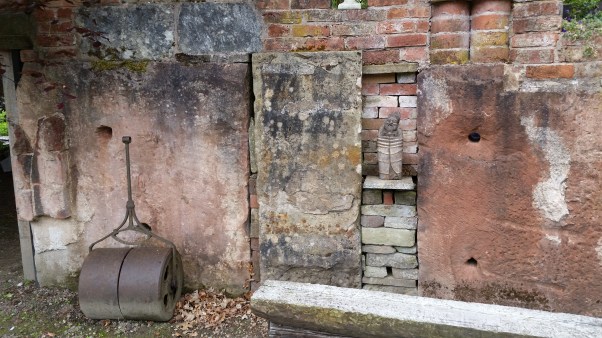
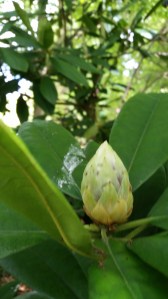
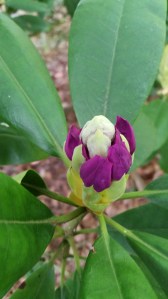
The garden at Upper Shelderton Hall spread to over 6 acres and was mostly a wooded garden with areas of Rhodendrons and borders of herbaceous plantings. As usual we began with tea and cake which we enjoyed sat in the strangest walled garden we had ever experienced. The walls were a truly original creation. Each section was a sculpture in its own right made from a conglomeration of found or collected bricks and stones and ephemera.

2015 05 25_1966 2015 05 25_1964 2015 05 25_1987

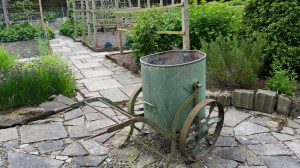
From our seat where we enjoyed our refreshment we could enjoy these amazing walls and also take in glimpses of the kitchen garden nearby. An old water trolley now unused sat alongside.

2015 05 25_1965 2015 05 25_19882015 05 25_1990

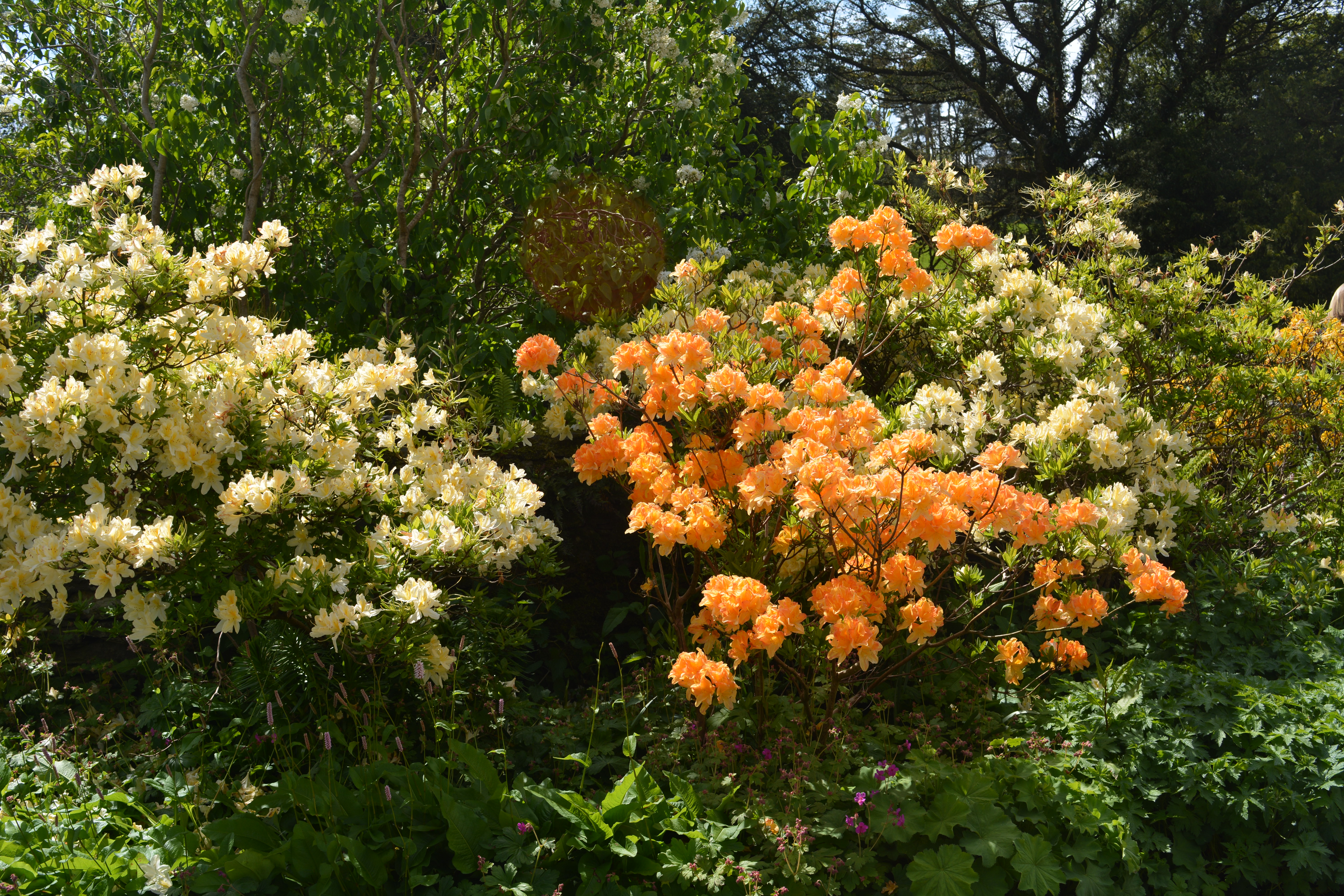
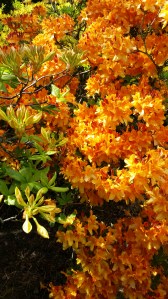
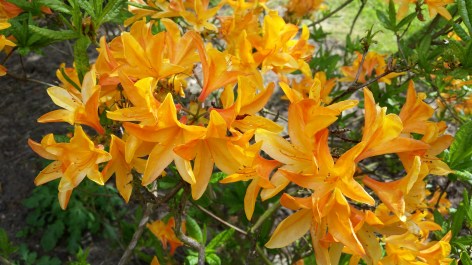
After a wander around the fruit and veg beds we made our way towards a border that glowed with bright yellows, oranges and reds. We discovered that the bright blooms were those of a collection of deciduous Rhodendrons. Our noses were also delighted by these shrubs as the yellow ones had the richest sweetest of fragrances.

2015 05 25_19672015 05 25_1977 2015 05 25_19782015 05 25_1979

We wandered on through the shade of wooded areas with the sound of a stream wandering through it and the scent of Bluebells following our every step.

2015 05 25_19762015 05 25_1970 2015 05 25_1969

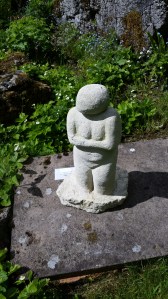
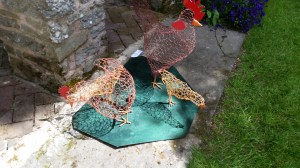
Leaving the shade of the tall trees we stumbled across a beautifully planted pond with crystal clear water. On one bank we discovered a lovely little stone carving, the first of several interesting pieces of sculpture we were to find in the gardens.

2015 05 25_19732015 05 25_1975 2015 05 25_1972 2015 05 25_19852015 05 25_1971 2015 05 25_1989

On the edge of the main garden was an area of more mature woodland of mixed deciduous and coniferous specimen trees. Beneath them larger evergreen Rhodendrons provided splashes of colour.

2015 05 25_1986 2015 05 25_1983 2015 05 25_19802015 05 25_1981 2015 05 25_19822015 05 25_1984

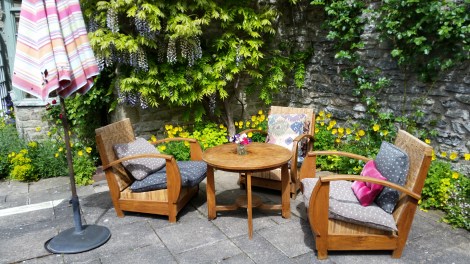
This comfortable set of table and chairs was simply too enticing for us. We just had to have more teas and cakes in order to try them out!

2015 05 25_1963

As we enjoyed our refreshment we also enjoyed the colourful planting around us.

2015 05 25_1991 2015 05 25_1992 2015 05 25_1996

We also looked up to spy this imposing cockerel windvane.  Once we had enjoyed our refreshment we left the gardens of Upper Shelderton Hall having enjoyed yet another brilliant Yellow Book garden. We can’t wait for the next!

2015 05 25_19942015 05 25_1993


Categories
flowering bulbs fruit and veg garden design garden photography garden ponds garden pools gardens hardy perennials light National Garden Scheme ornamental trees and shrubs Shropshire South Shropshire spring bulbs spring gardening succulents The National Gardening Scheme" trees water in the garden Yellow Book Gardens

Yellow Book Gardens 2 – Radnor Cottage

Our second visit to an NGS Yellow Book garden for 2015 was just a few days after the first of the year to Bury Court Farmhouse, and was to a garden in South Shropshire near to the village of Clun.

Radnor Cottage sits on a steep hillside with broad views over the countryside. We visited on a bright sunny day with temperatures in the upper teens and this surprising Spring weather brought out lots of garden visitors.

We hadn’t been to Radnor Cottage for many years so really couldn’t remember what to expect. The garden owners described it as a semi-wild woodland garden so the plants of this season looked good in their setting. As we walked slowly up the steep gravel driveway we spotted wetland areas to our right and a mini-arboretum to our left, but we passed these by in search of the sign indicating “TEAS”.

2015 04 07_0454 2015 04 07_0455

While fetching the teas I spotted this bright yellow leaved Berberis which we were pleased to see looked so fresh and lively as we have just planted one in our front garden in the Hot Garden. We enjoyed our tea and cake sat among a vast array of containers planted up with Sempervivums and other cushion alpines.

2015 04 07_0456 2015 04 07_0457 2015 04 07_0458 2015 04 07_04592015 04 07_0474

I have a soft spot for Celandines so I just had to stop for a close look at this double form.

2015 04 07_0461

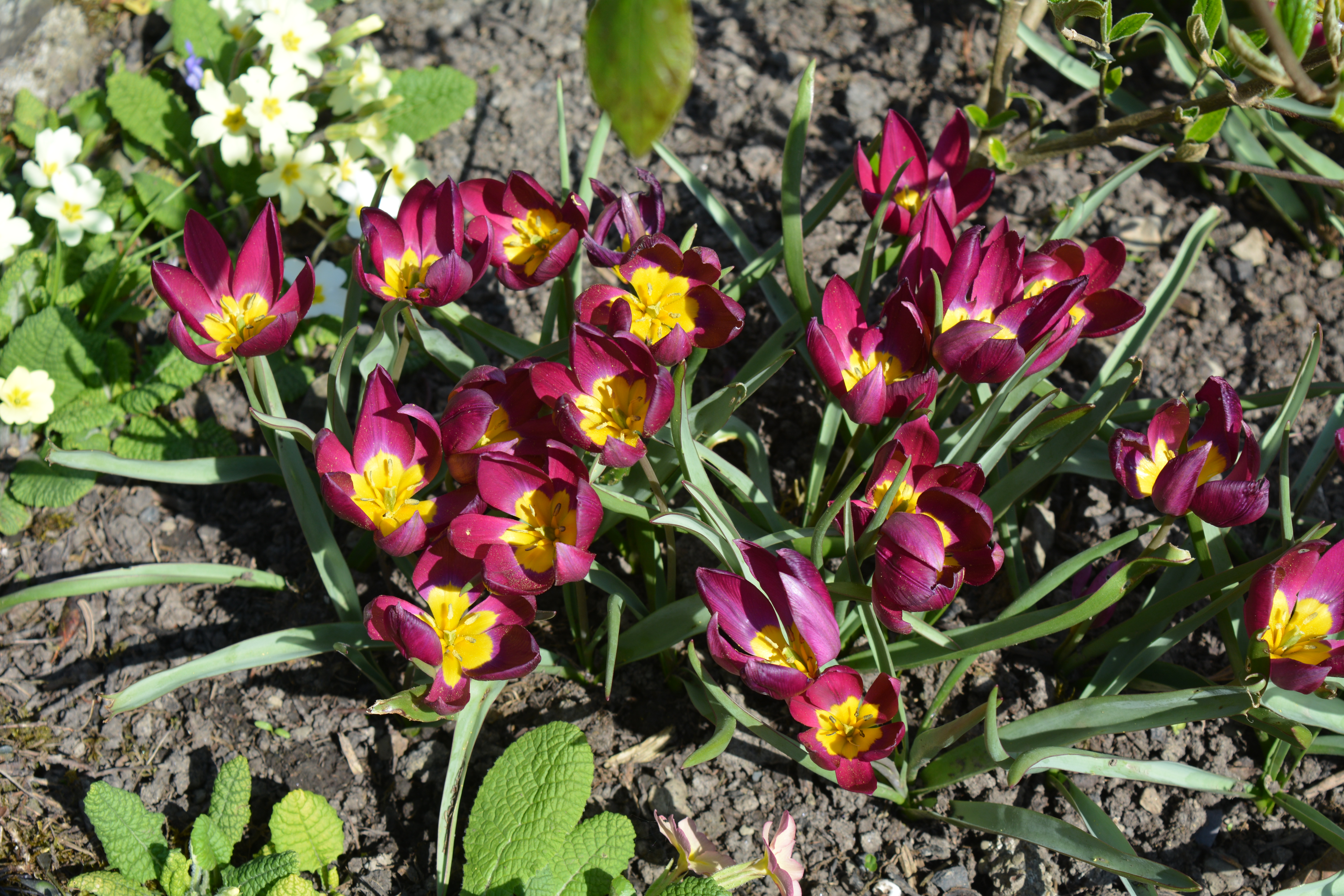
We began our tour of the garden meandering up a steep slope with typical Spring planting among the close cut grass. We liked the juxtaposition of the formal box balls and the gentle naturalistic planting on the grassed bank. William Robinson would have enjoyed this garden! Species Tulips, Anemones, Muscari and other spring bulbs were to be discovered from the narrow gravel paths.

2015 04 07_0463 2015 04 07_04712015 04 07_0464 2015 04 07_0465 2015 04 07_0469 2015 04 07_04702015 04 07_0466 2015 04 07_0472 2015 04 07_0478 2015 04 07_0479

We found a little veggie patch hidden behind a beech hedge.

2015 04 07_0475 2015 04 07_0476

We then moved back down the drive to explore the wet area with a series of pools beneath old trees. Banks of daffodils flanked the grass paths. These grass paths appeared as we rounded corners presenting a choice of ways to go each time.

2015 04 07_0489 2015 04 07_04922015 04 07_0494 2015 04 07_0481 2015 04 07_04832015 04 07_0482  2015 04 07_0484 2015 04 07_0486 2015 04 07_0490


Leaving the wetland we crossed the gravel drive and entered the mini-arboretum. Buds were bursting and bark glowing in the sunshine.

2015 04 07_0495 2015 04 07_04962015 04 07_0502 2015 04 07_05032015 04 07_0497 2015 04 07_0498 2015 04 07_04992015 04 07_0501   2015 04 07_0504


Apart from the fact that it was on a steeply sloping hillside, we could not remember the garden at Radnor Cottage at all, so it was just as if we were visiting it for the first time.

Categories
allotments colours community gardening flowering bulbs fruit and veg garden photography gardens irises light light quality meadows NGS ornamental trees and shrubs shrubs spring bulbs Winter Gardening winter gardens

The Allotments at Rest

We took a walk around our allotment site today to see what was going on and check that everything was okay. We had just watched the site on TV as we featured on a BBC2 series called the Great British Garden Revival. I filmed with Dermuid Gavin a feature on wildlife gardening. It was a strange experience seeing our allotment site on the screen but even stranger seeing our own plot being used as an example of a wildlife friendly garden.

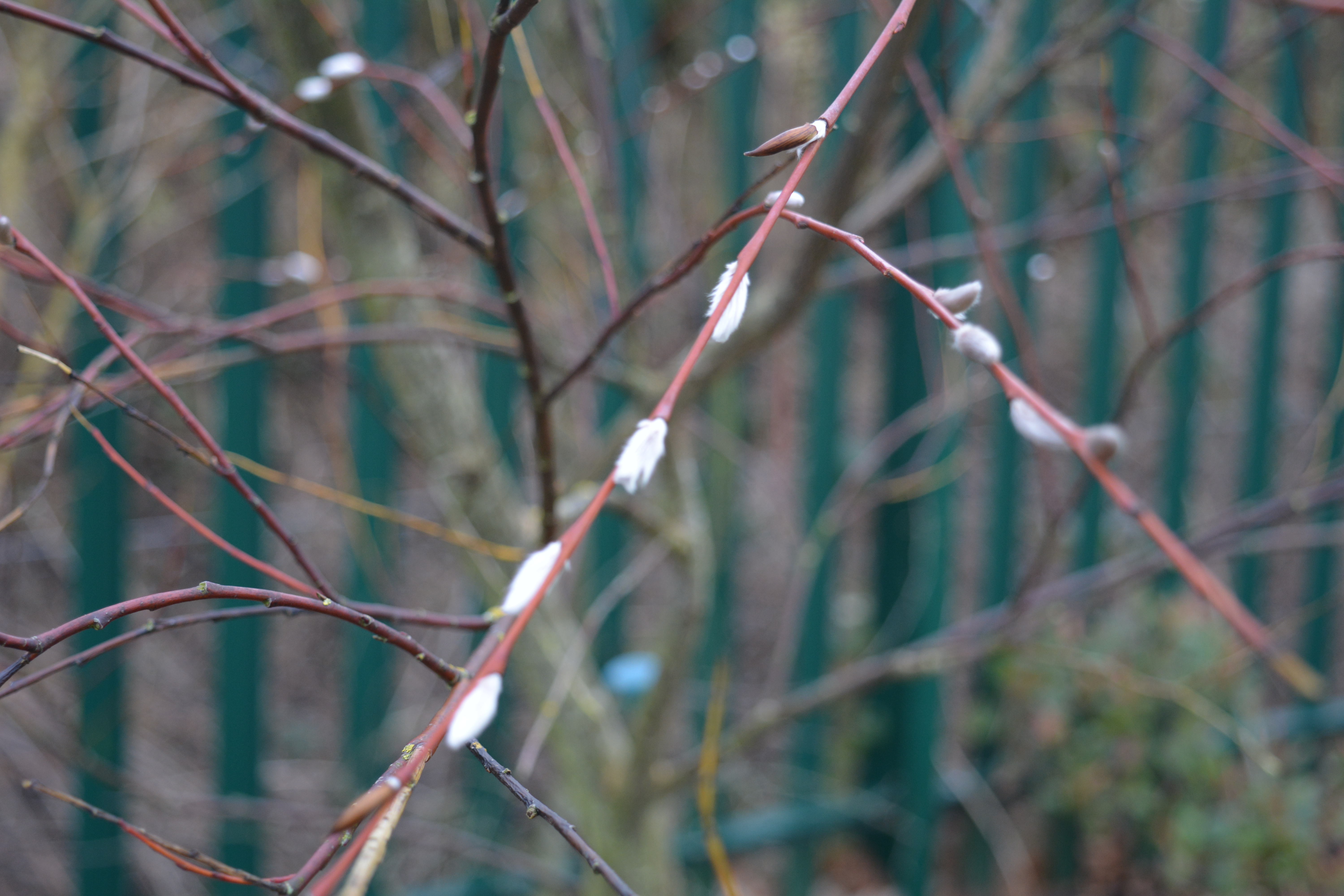
For today’s wander we arrived during a period of sunshine with a clear blue sky over our heads, but by the time we were half way around the clouds had arrived and we were subjected to light but very cold rain. The pure white catkins of the Violet willow in the Spring Garden sit like droplets of rain water after a storm. They are bright enough to be visible from a long way away. They draw attention to themselves very well!

2015 01 18_9332_edited-1

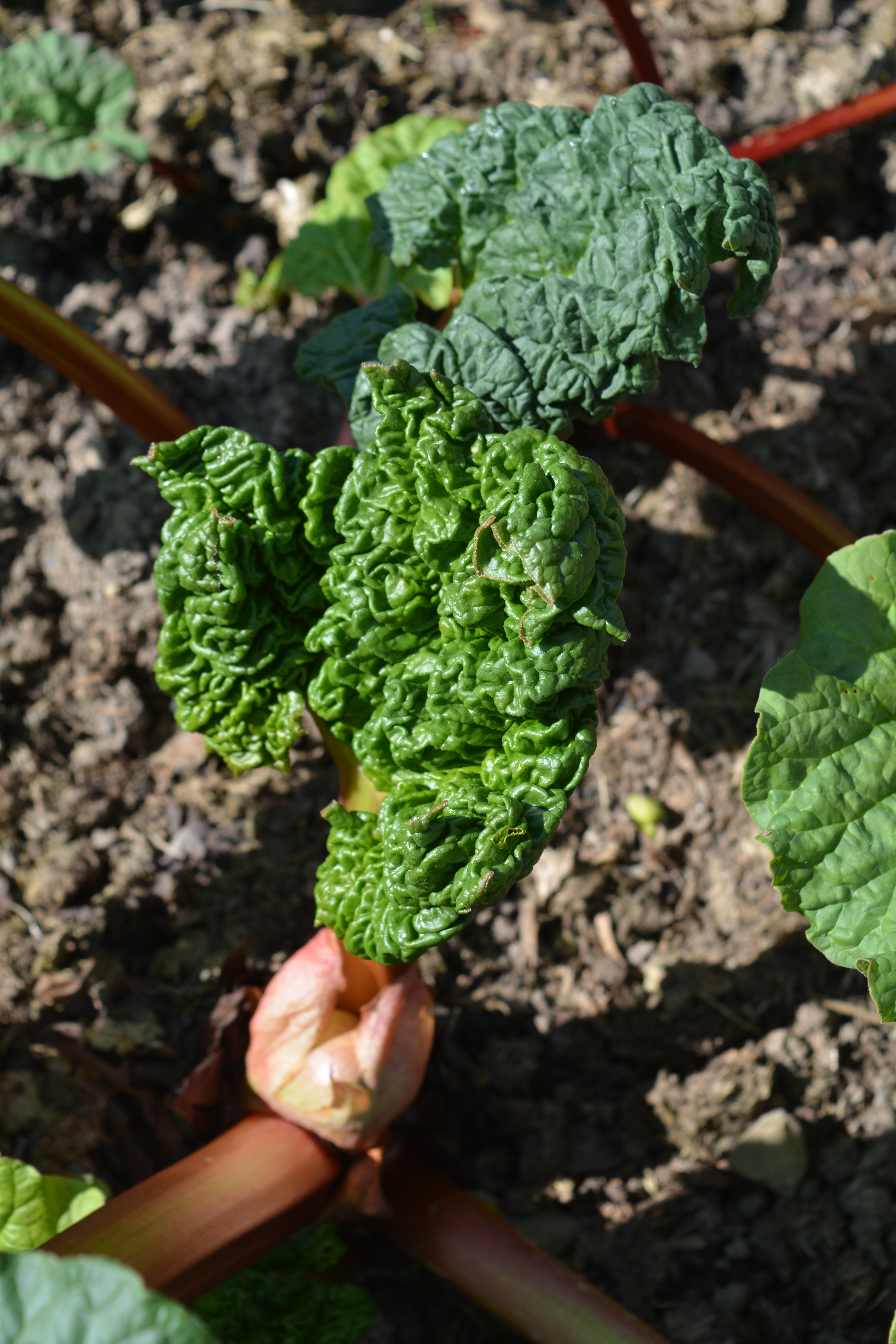
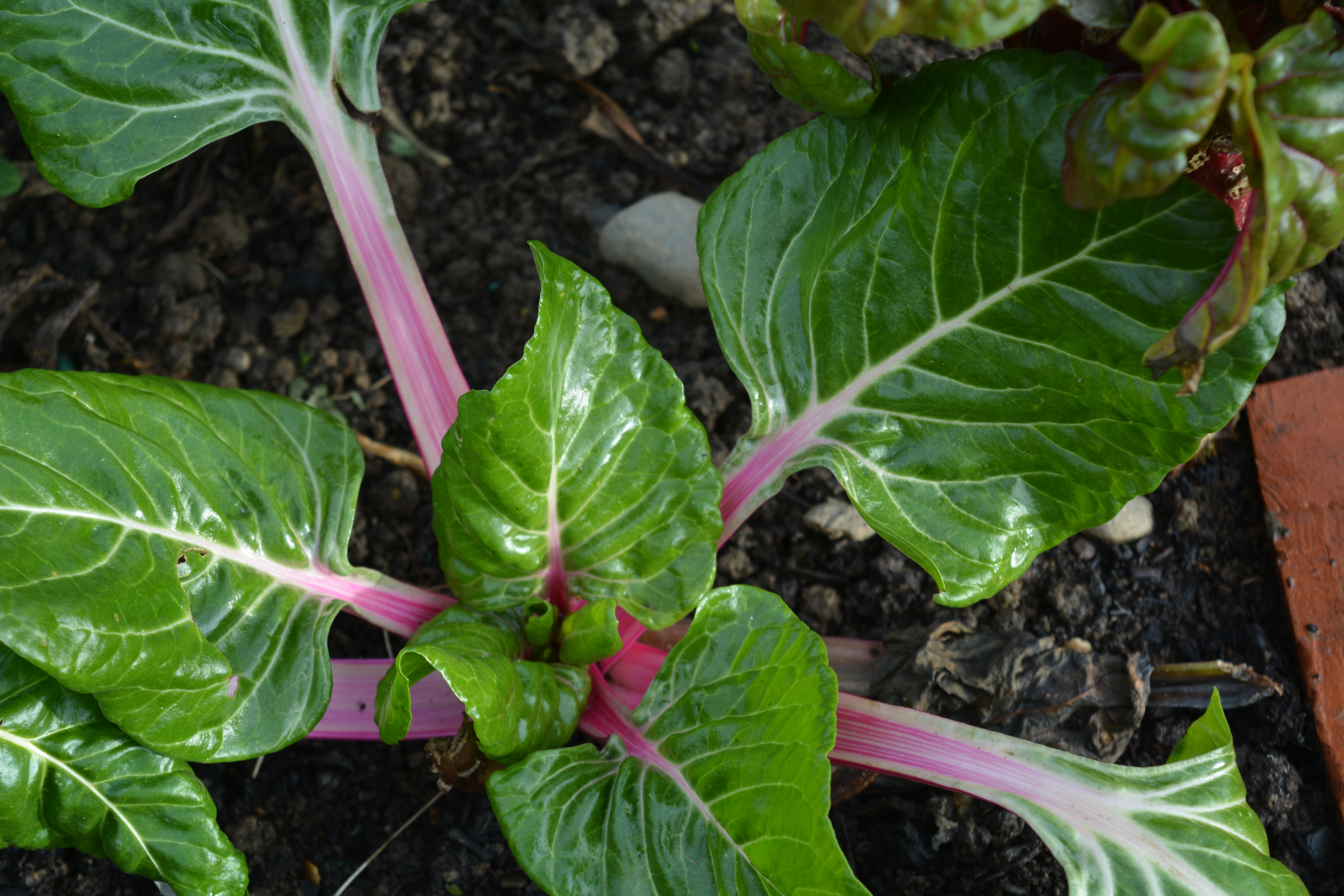
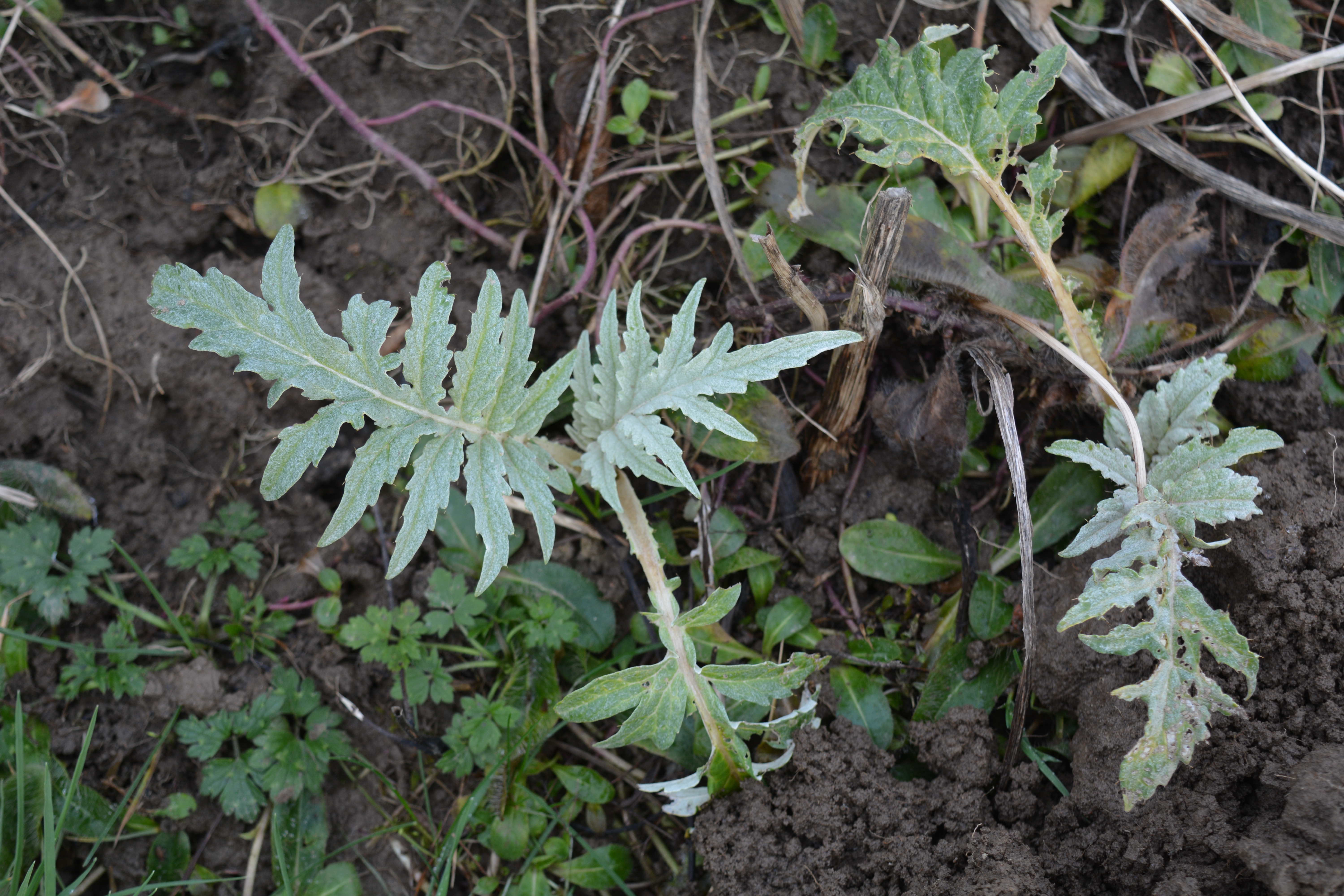
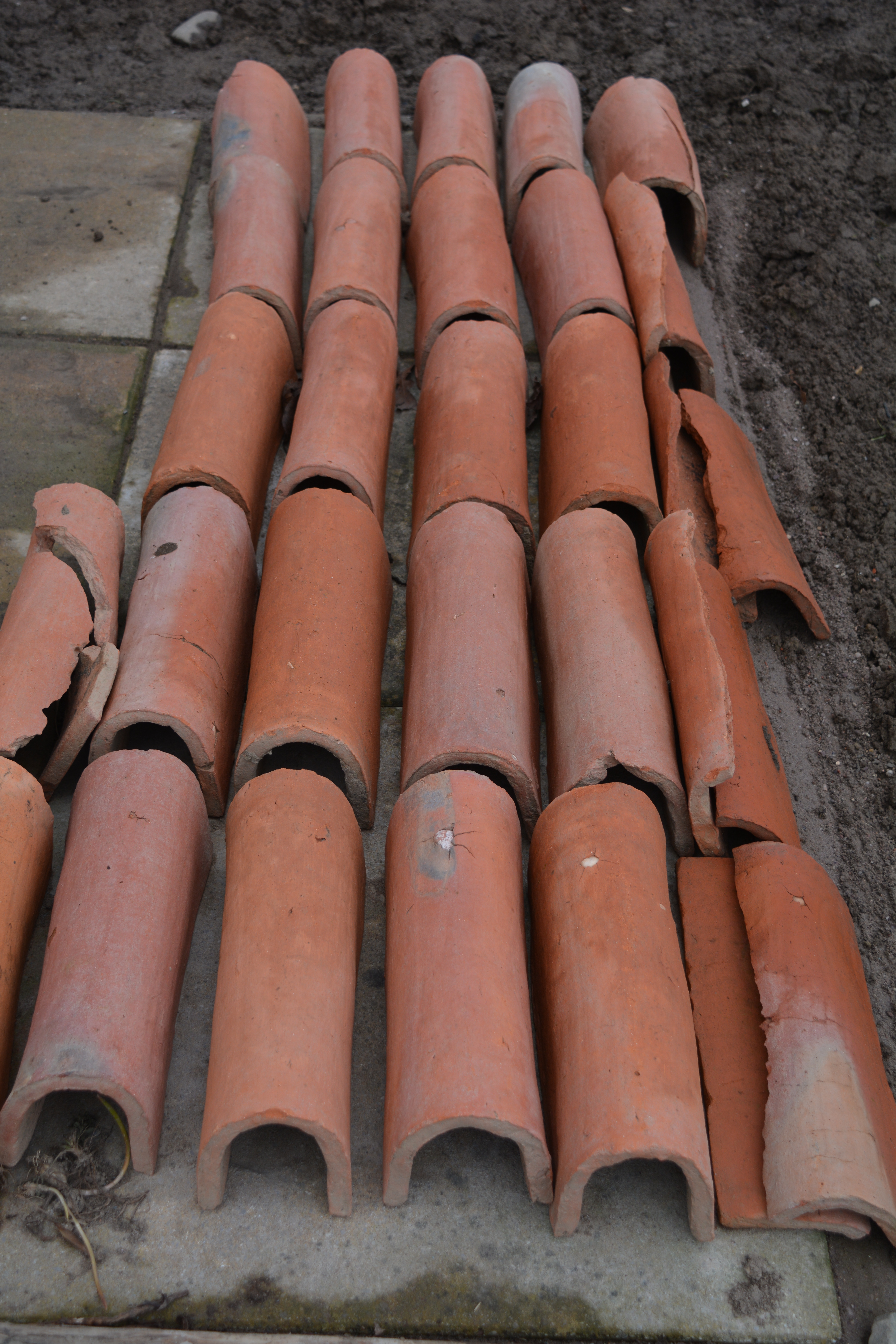
Probably the brightest of winter colours on any veg plot is provided by Swiss Chard especially the cultivar called Bright Lights. Light catches on the textured leaves emphasising their undulating surface. The other crops still in evidence are sprouts that have overwintered and the new fresh foliage of the Globe Artichoke. These leaves now just a few inches long will expand to a massive few feet in length and the plants will reach a good nine or ten feet in height. Their purple, teasel like flowers will delight our pollinators the butterflies, bees and hoverflies and the seed heads that follow will be a magnet to greedy Goldfinches and Linnets in the autumn. Perhaps the strongest pattern of all was found on Tom’s plot, where he has set out all the old clay drainage pipes that he dug up from his plot.

2015 01 18_9312 2015 01 18_9313 2015 01 18_9314 2015 01 18_9330

2015 01 18_9327 2015 01 18_9355

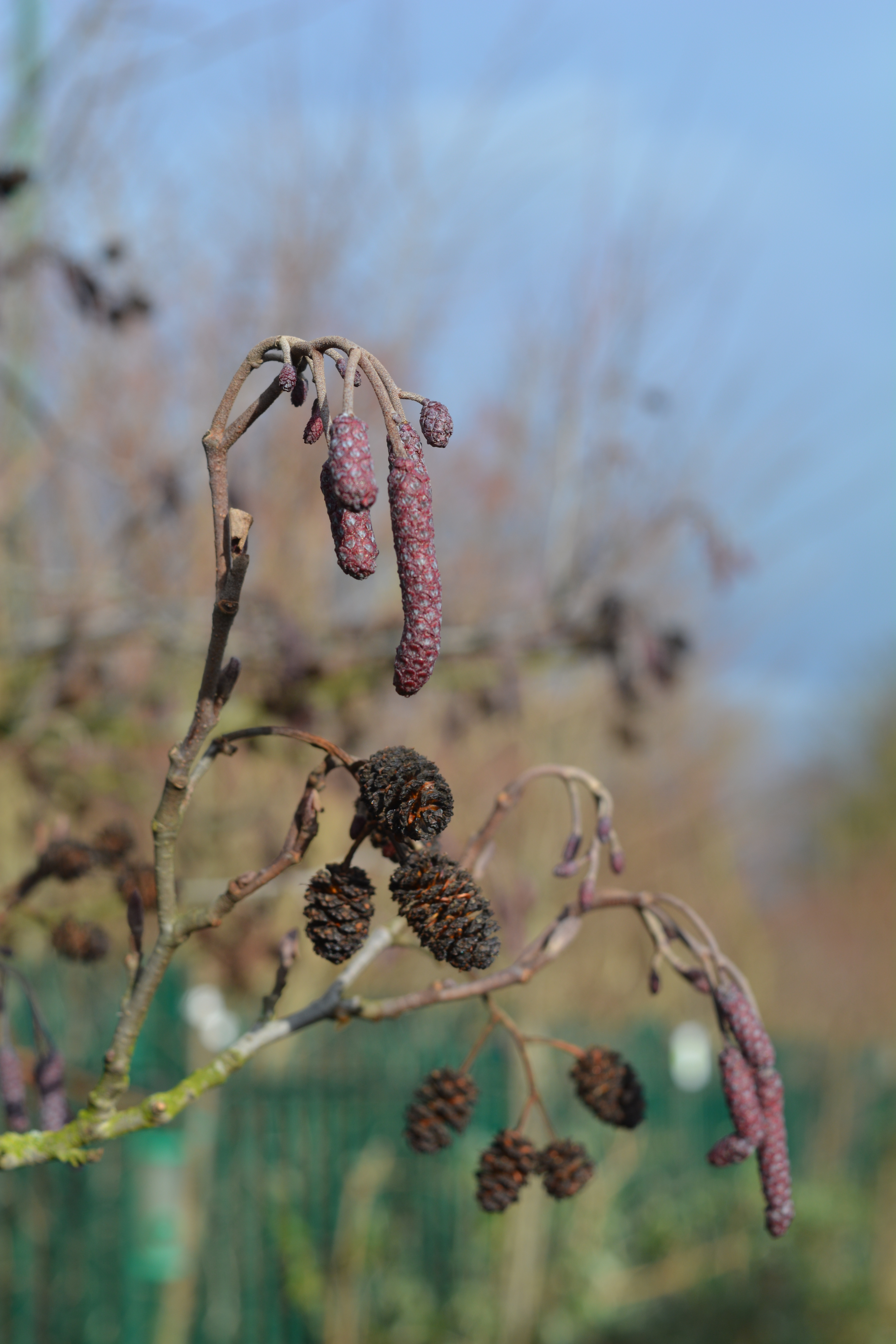
Both the male and female catkins glow purple on the Alders in the Autumn Garden where their neighbours the Buddlejas are showing fresh foliage with their texture like reptilian skin.

2015 01 18_9316 2015 01 18_93152015 01 18_9317

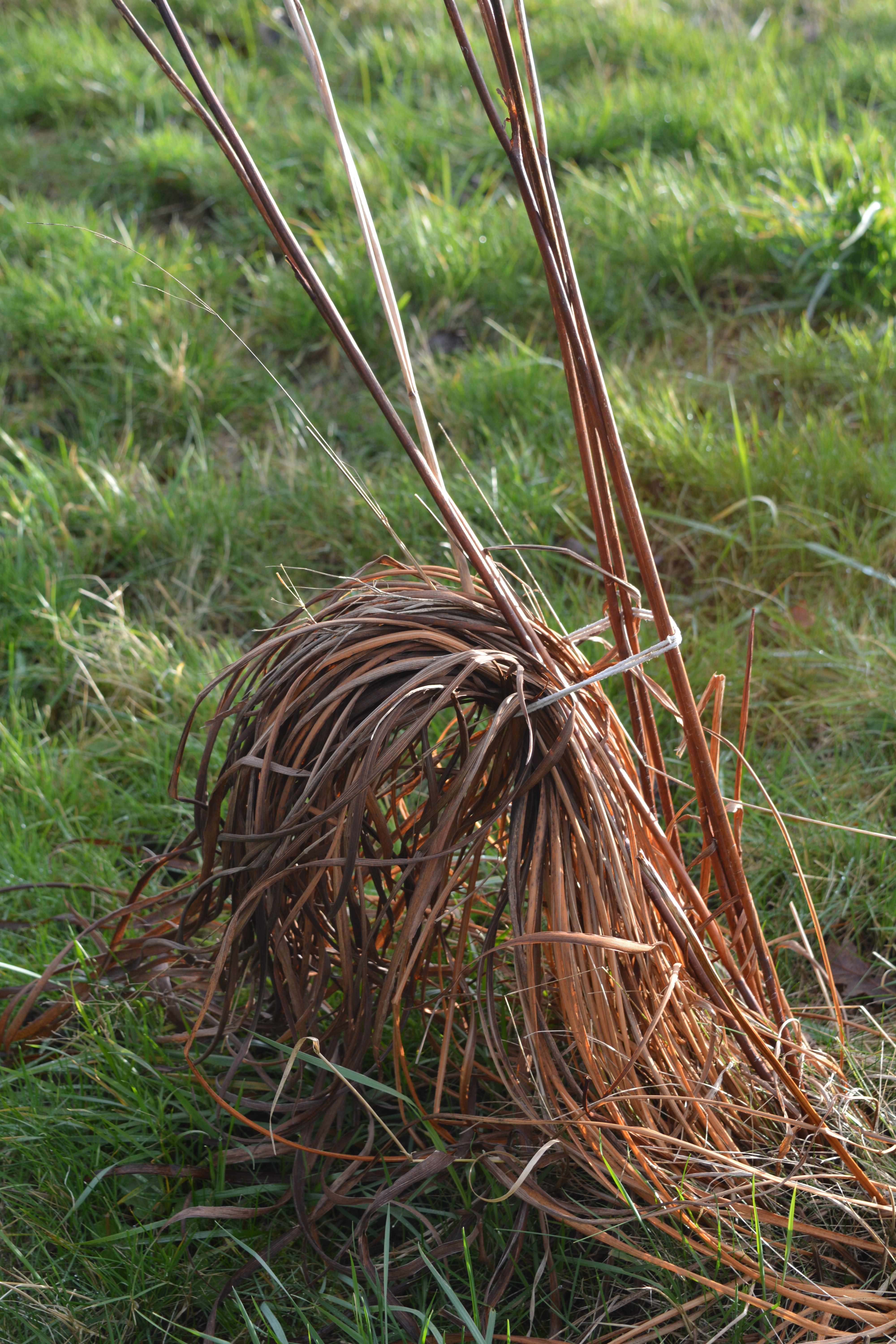
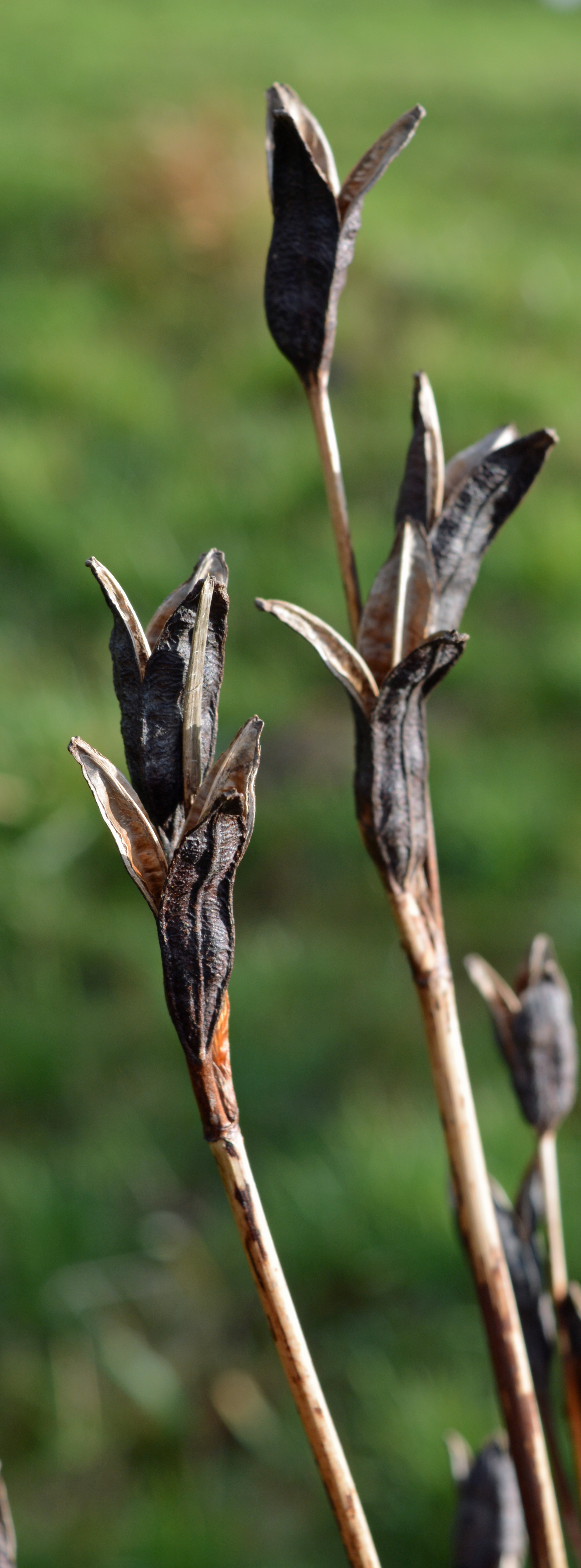
Last year’s plants in the meadows and borders are now skeletons of their former selves. There is a strong structure linked with subtle beauty in these spent seed heads.

2015 01 18_9318 2015 01 18_93222015 01 18_9345 2015 01 18_93482015 01 18_9350_edited-12015 01 18_9319_edited-1 2015 01 18_9320_edited-1

The wildlife shelters sitting in the orchards and meadows hide so many hibernating creatures. They shelter creatures from the winter cold and house anything from the tiniest insects up to amphibians such as frogs, toads and newts, birds like Wrens and Dunnock and mammals including  our confident Weasels. A lost glove adds a splash of colour! In our “Dedge” the bright colours of the various Lichen, yellows, chartreuse and greens, glow however dull the light is.

2015 01 18_9324 2015 01 18_93252015 01 18_9337

A few spring flowering bulbs are showing spears of green piercing the cold soil. Some are even flowering such as the diminutive Iris reticula and Snowdrops.

2015 01 18_9346 2015 01 18_9323_edited-1

2015 01 18_9334_edited-1 2015 01 18_9336

Variegated foliage always looks good in the winter when the silver or gold stripes, spots or squiggles shine against deep green backgrounds.

2015 01 18_9331 2015 01 18_9335

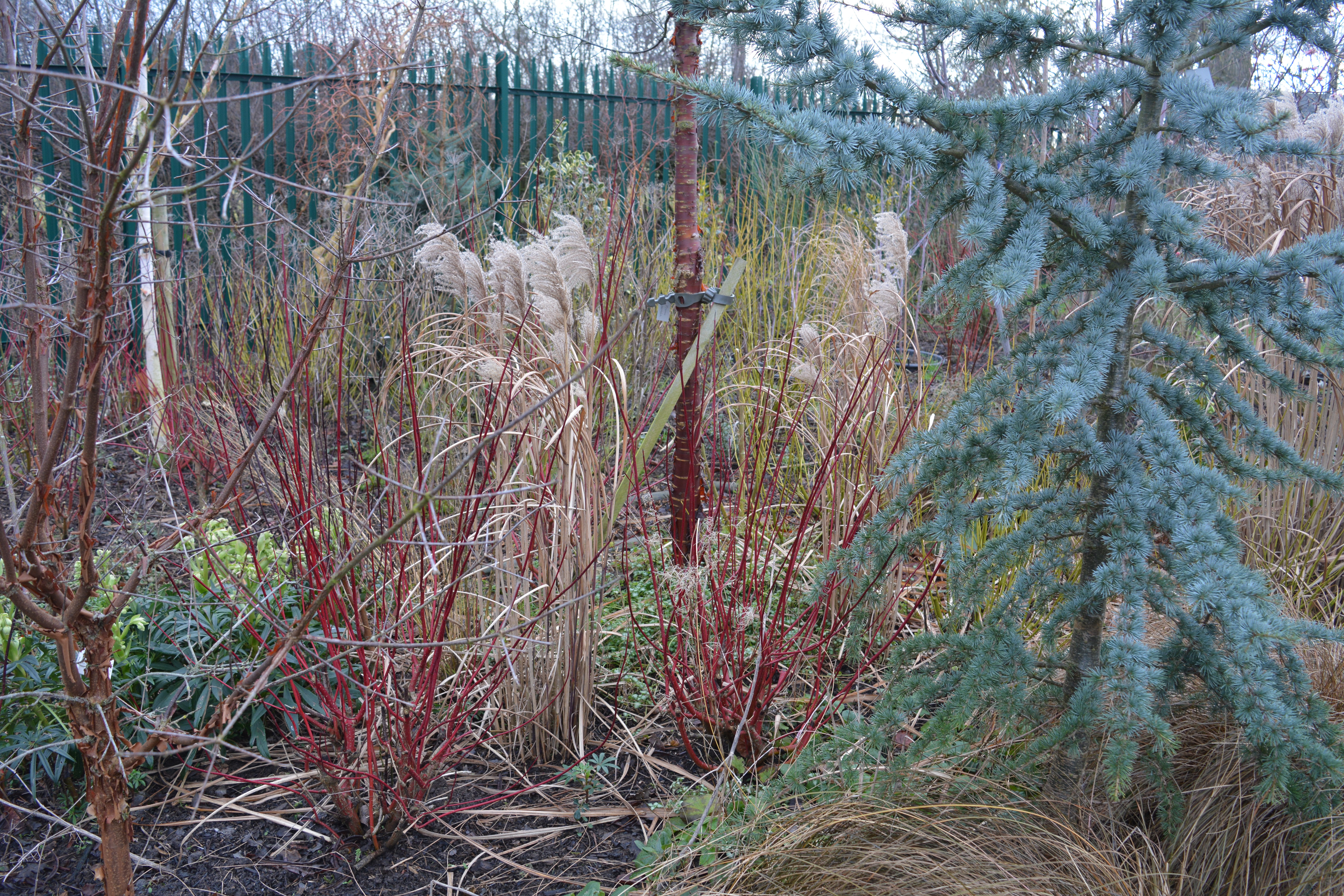
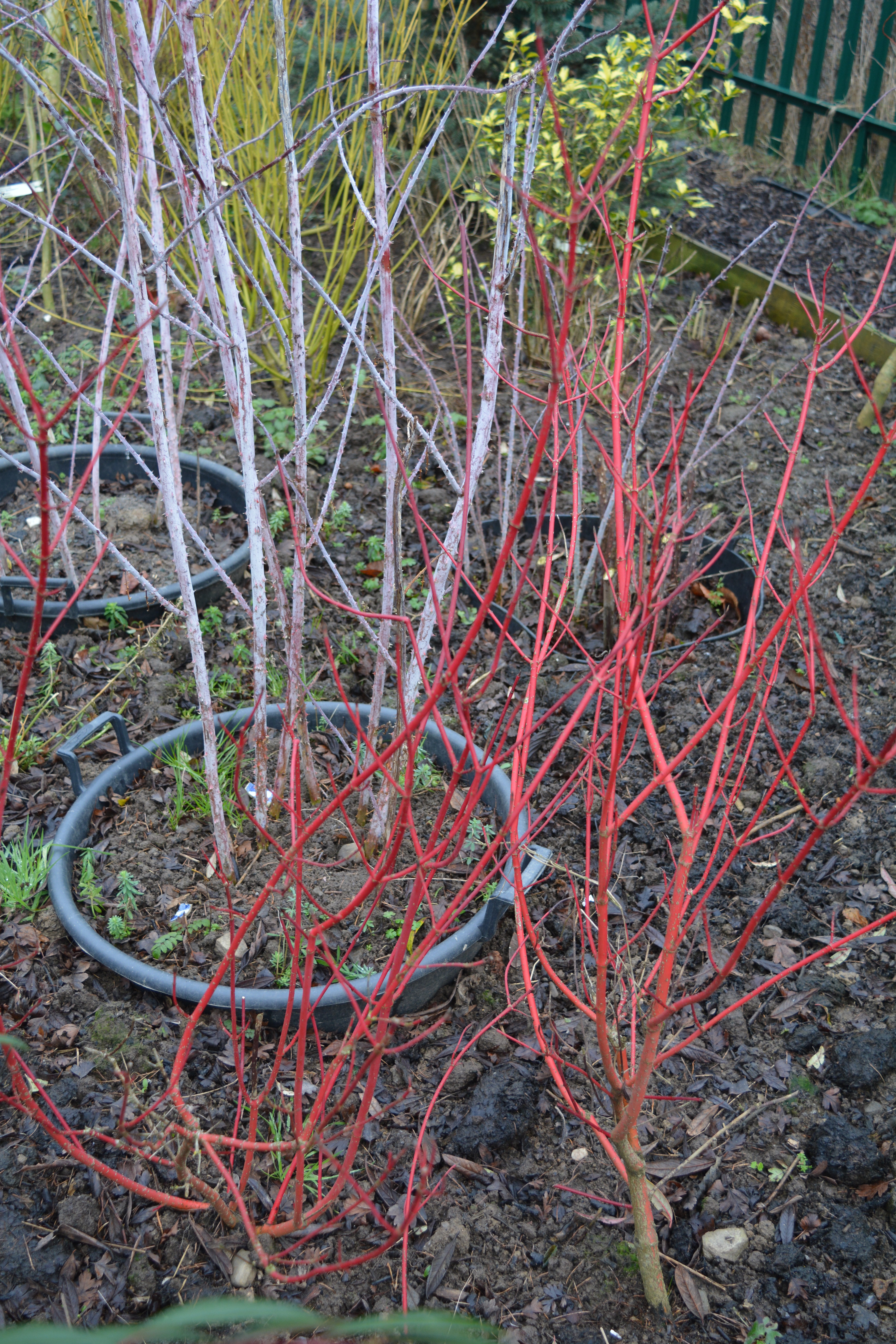
Perhaps it is only right that the most colourful and interesting garden of all at the moment is our Winter Garden. The coloured stems of different forms of Cornus and Salix give us reds, oranges, greens and yellows and even black. The white stemmed Birches are now over 20 feet tall and they dominate this garden. Euphorbias and Hellebores give colour at close to ground level, while the Viburnum bodnantense “Dawn” and Cornus mas provide pink and chartreuse at eye level. Both these shrubs are also powerfully scented.

2015 01 18_9338 2015 01 18_9339 2015 01 18_9340 2015 01 18_9341 2015 01 18_9342 2015 01 18_9343 2015 01 18_9344

Elsewhere the coloured stems of a Salix in our Withy Bed shines gold and the Cornus “Midwinter Fire” glow like flames.

2015 01 18_9347 2015 01 18_9349

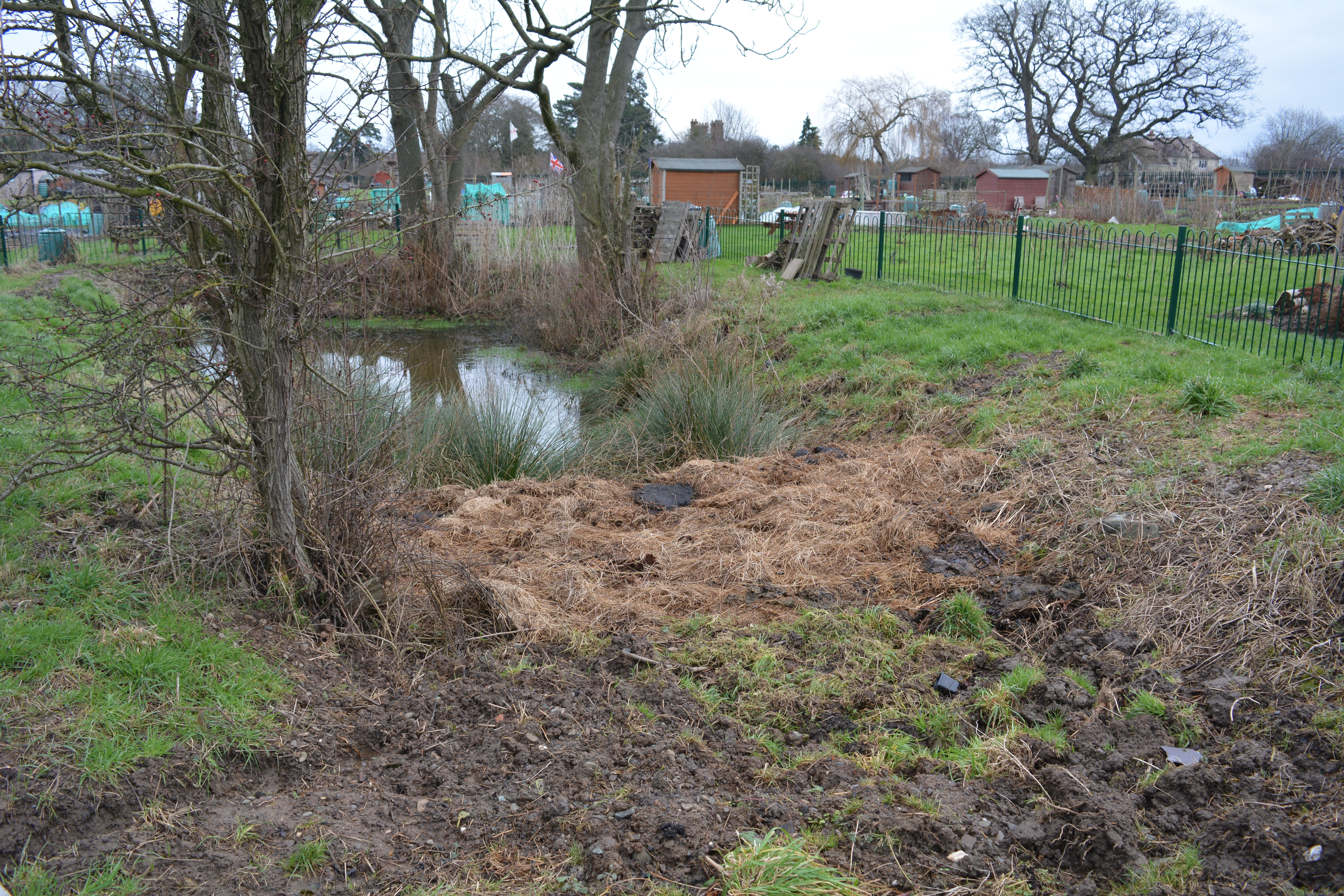
Our tour finishes off with a look at this year’s major project, our wildlife pond. We inherited this large farm pond in the summer and are busy tidying up around it in readiness of the work that lies ahead.

2015 01 18_9353 2015 01 18_9352 2015 01 18_9354

This little character is hidden for most of the year under a patch of Chrysanthemums grown for cutting but in winter he appears to cheer us all up.

2015 01 18_9329

I shall finish this post with a couple of bright jewels.

2015 01 18_9326_edited-1 2015 01 18_9333

This Veggie Life

A Vegetarian | Nature Lifestyle Blog

Rambling in the Garden

.....and nurturing my soul

The Arch City Gardener

Journeys In St. Louis Gardening and Beyond

Garden Dreaming at Châtillon

Consult the genius of the place

Storyshucker

A blog full of humorous and poignant observations.

gardeninacity

Notes from a wildlife-friendly cottage garden

PlayGroundology

...an emerging social science

The Official Blog of British Wildlife

'The most important and informative publication on wildlife of our times' - The Independent. This blog is a member of The UK & Ireland Natural History Bloggers group: www.uknhb.blogspot.com

iGrowHort

Inspire - Cultivate - Grow Native Plants - Restore Landscapes

Bishops Meadow Trust

To create and protect a semi-natural wild space for the people of Farnham to enjoy and experience an array of British wildlife in our town

Gardening with Children

The www.gardeningwithchildren.co.uk Blog

UKbirdingtimeline

birding through the seasons, why birds matter and how to conserve them

NATURE WALKER

with a camera in hand

Jardin

Transform your outdoor space

Eva's space

My allotment, cooking and other interests

Old School Garden

my gardening life through the year

LEANNE COLE

Trying to live a creative life

fromacountrycottage

trying to live as lightly as possible on our beautiful planet

Good Life Gardening

Nature lovers from Leicester living the good life.

mybeautfulthings

Finding the beautiful in the everyday

mawsonmichelle

Michelle's Allotment

In and Out of My Garden

thoughts from and about my garden

Greenhousing

Big plans for a small garden

The Scottish Country Garden

A Walled Country Garden in South East Scotland

The Fruity Chicken

Life at the fruity chicken

willowarchway

Off grid living. Self sufficient. "PERMAGANICS RULE".

St Anns Allotments

Nottingham's Grade 2* Listed Allotments and Community Orchard

Manifest Joy Harvests

a journey in suburban vegetable gardening

Allotmental

The madness of growing your own

Penny's Garden: a harvest beyond my front door

A novel approach to vegetable gardening

arignagardener

Sustainable living in the Irish countryside.

NewEnglandGardenAndThread

Master Gardener, amateur photographer, quilter, NH native, and sometimes SC snowbird

dianajhale

Recent work and work in progress and anything else that interests me

planthoarder

a chaotic cottage gardener

Lens and Pens by Sally

a weekly blog that creates a personal philosophy through photographs and words

Dewdrops and Sunshine

Stories from a sassy and classy Southern farmbelle.

The Pyjama Gardener

Simple Organic Gardening & Seasonal Living

gettin' fresh!

turning dirt into dinner

JOY...

today the world is created anew

Garden Birds

Notes from a Devon garden

ShootAbout

Life Through The Lens

Adapting Pixels

A photography blog showcasing the best photography pictures and videos on the internet

Wildlifegardening's Blog

Just another WordPress.com site

naturestimeline

personal observations from the natural world as the search continues for a new approach to conservation.

LATEBLOOMERBUDS

The Wonders of Life through my Eyes, my Heart, my Soul