Categories
allotments fruit and veg garden wildlife gardening grow your own July kitchen gardens National Garden Scheme natural pest control NGS Shrewsbury

A lottie visit.

It seems a long while since I featured our allotment plot in Greenbenchramblings and it was from the old green bench on the lottie that my blog was launched, so when I was nominated for a pair of blogging awards I thought it would be a good time to say thank you by taking  you for a quick look around our plot.

Firstly thanks to aristonorganic for the 2Awards in 1! I am not a competitive person but I do feel privileged to know that someone appreciates my blog. It brings a smile to my face.

The awards are “Shine On” and “Very Inspiring Blogger Award”.

By accepting them I promise to tell you 7 things about myself and pass on the nomination to other bloggers I enjoy reading.

7 Things About Me

1 I am registered “Bionic”.

2 I want to know what is going on in our garden at night so have just got a live moth trap.

3 I keep a flock of hens at the bottom of my garden and talk to them regularly. I think they talk back!

4 I enjoy our monthly trip to jazz club.

5 I garden with wildlife in mind.

6 I am chairman of our allotment community.

7 I enjoy watching 20/20 cricket.

Bloggers who I wish to nominate are

mybeautifulthings

The Scottish Country Garden

lensandpensbysally

Penny’s Garden

grandparentsplus2

Catherine Howard’s Garden

pbmgarden

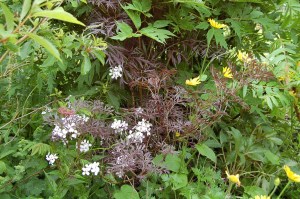
So let us go for a wander around our lottie plot. We welcome you through an archway where a “meeter-greeter” awaits your arrival.
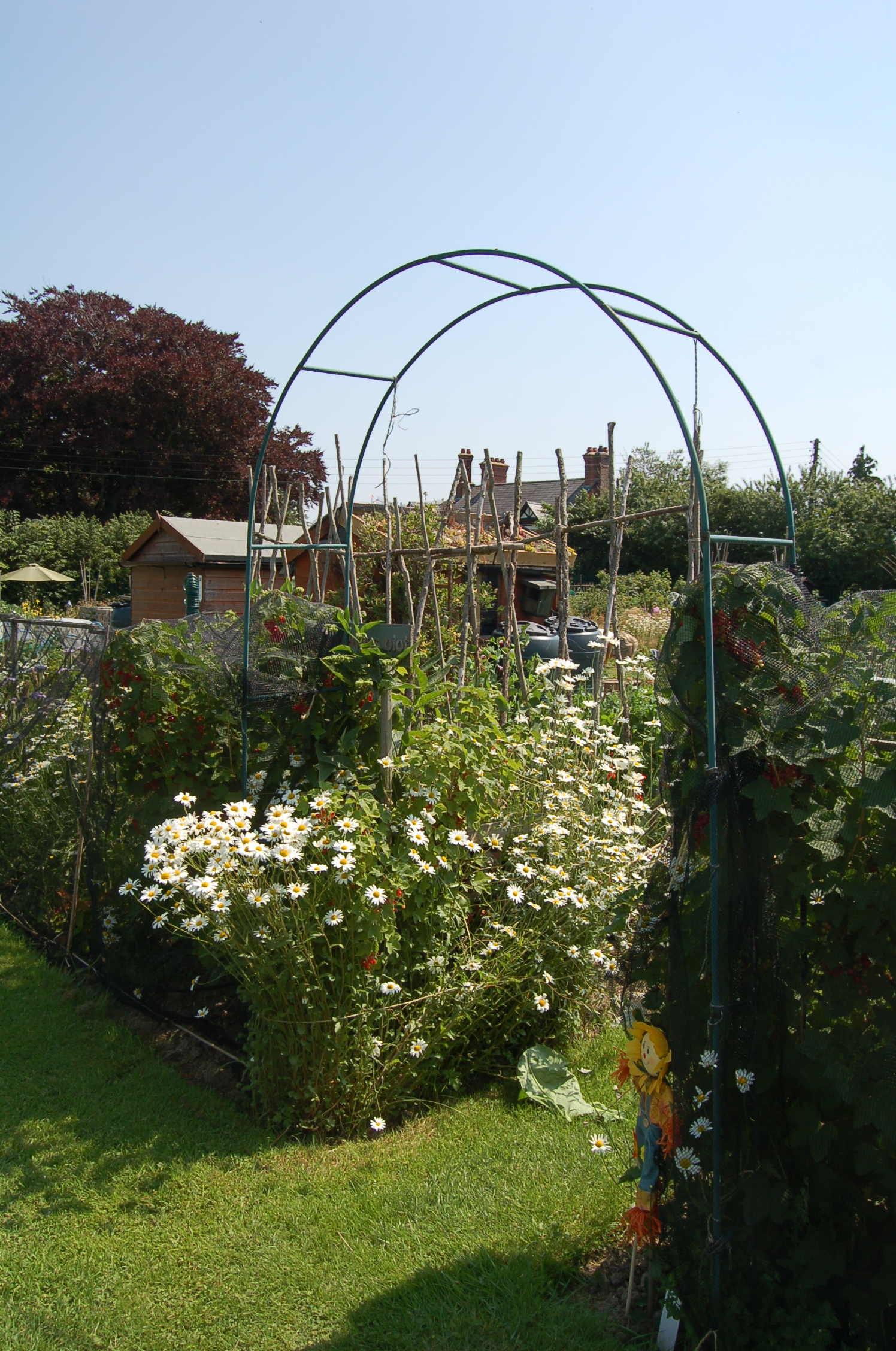
2013 07 09_1825 2013 07 09_1824

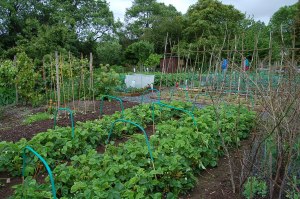
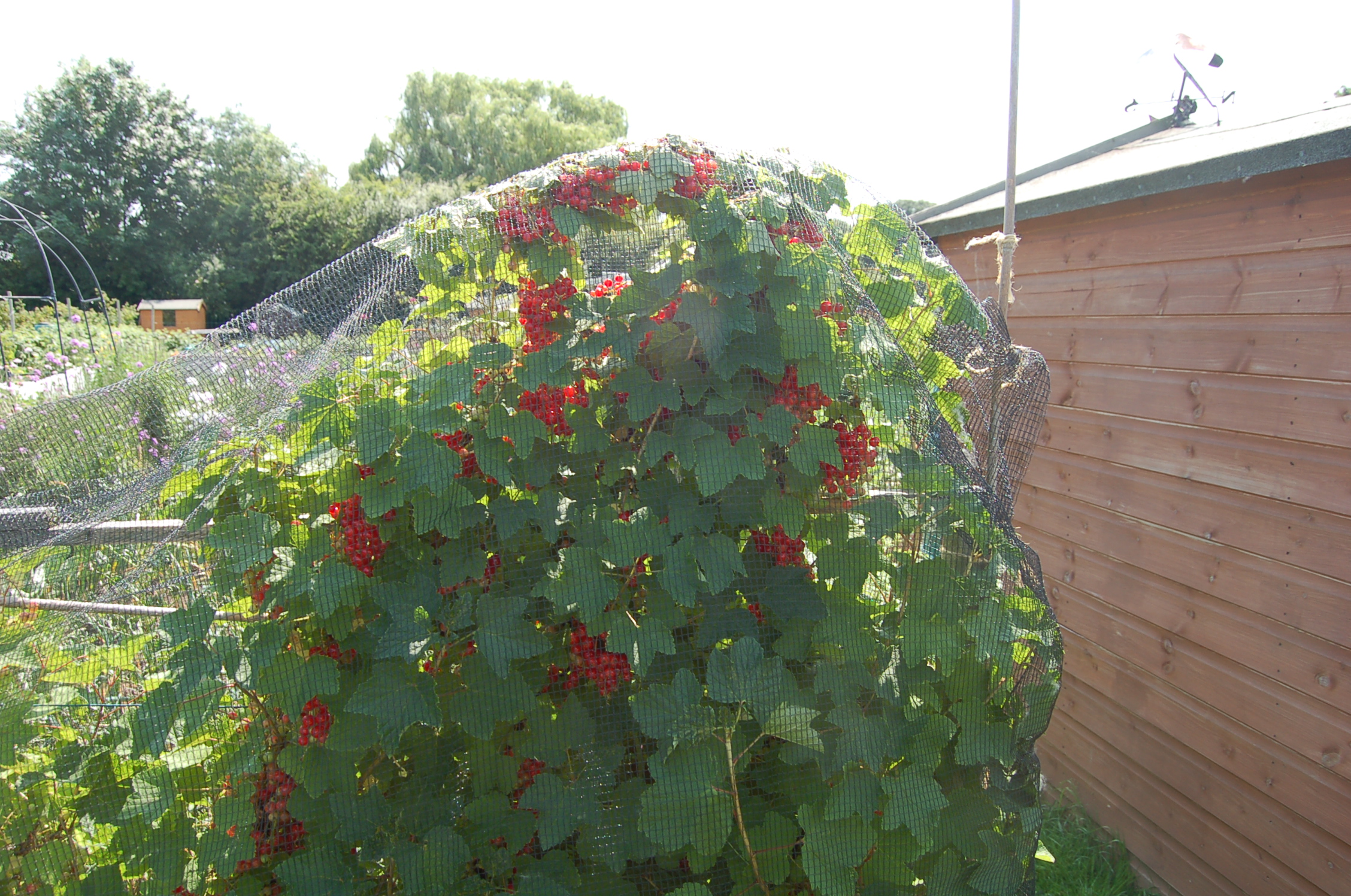
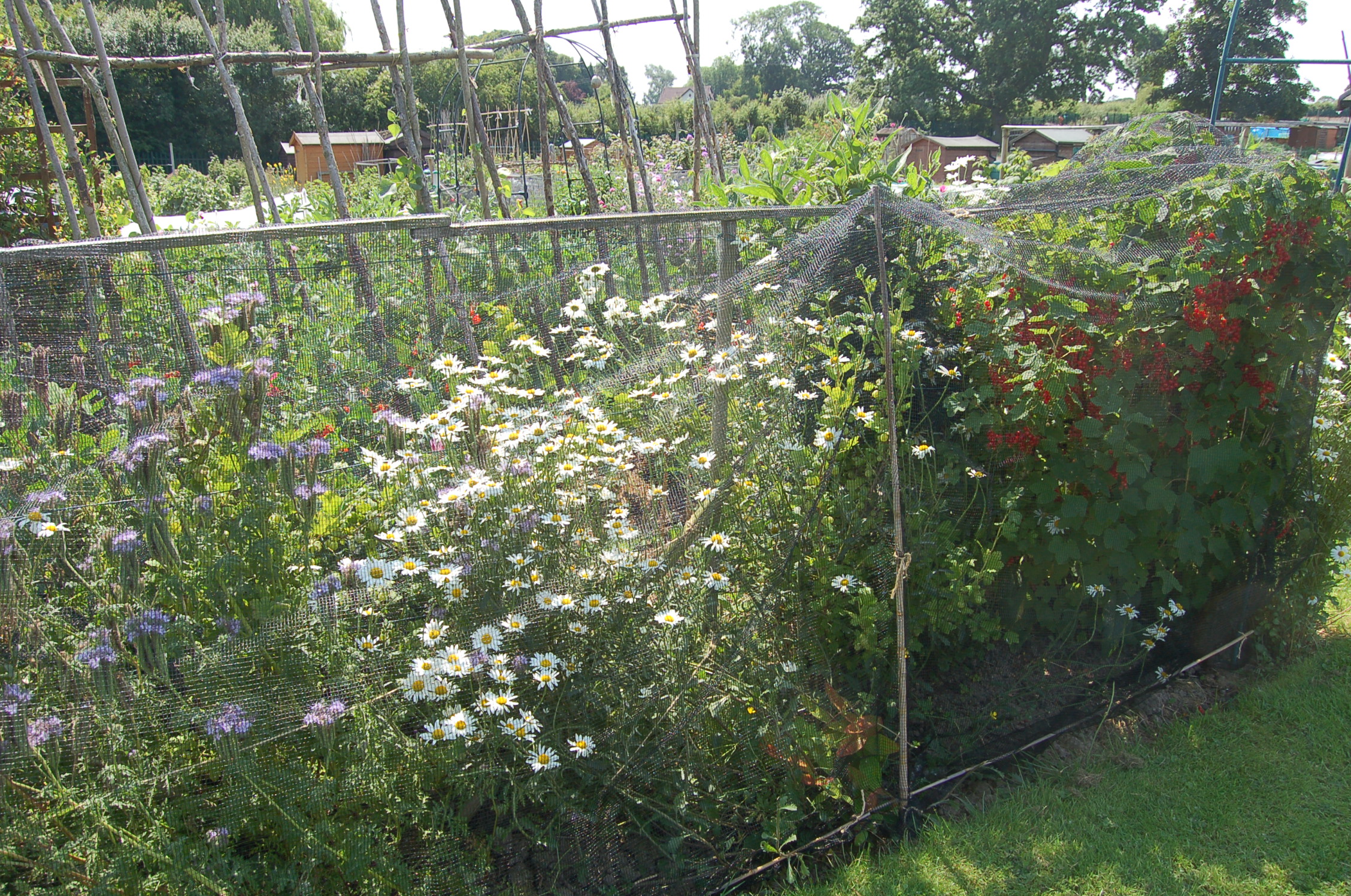
Fruit grown as cordons line our paths and here red currants, almost ready to pick, are netted against the attentions of the local blackbird population. We grow flowers with our fruit to bring in beneficial insects which act as pest controllers and pollinators.
2013 07 09_1826 2013 07 09_1823

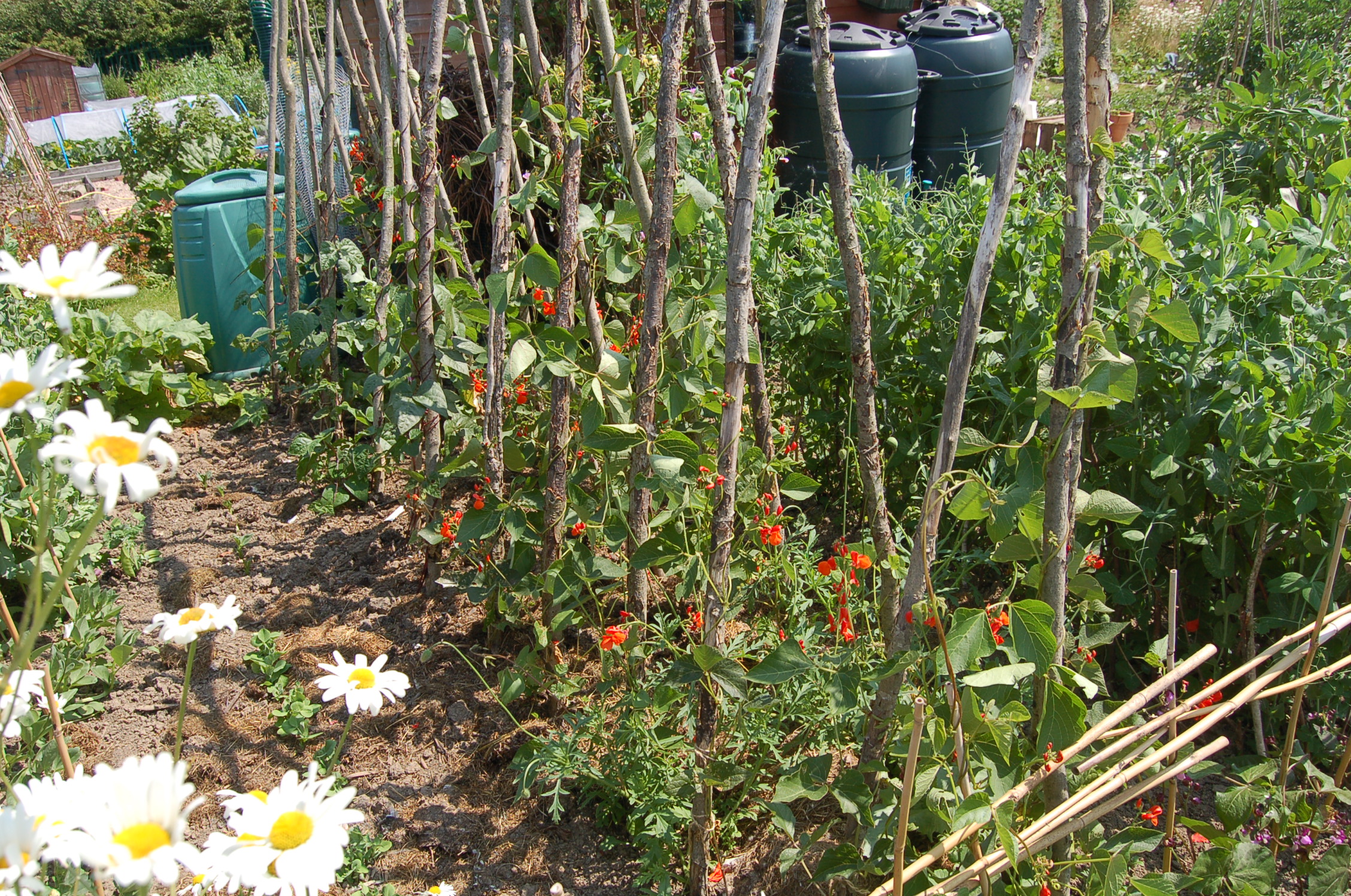
Our Runner Beans are in flower providing bright splashes of red whilst below them French Beans give us purples and mauves to enjoy.
2013 07 09_1827 2013 07 09_1828

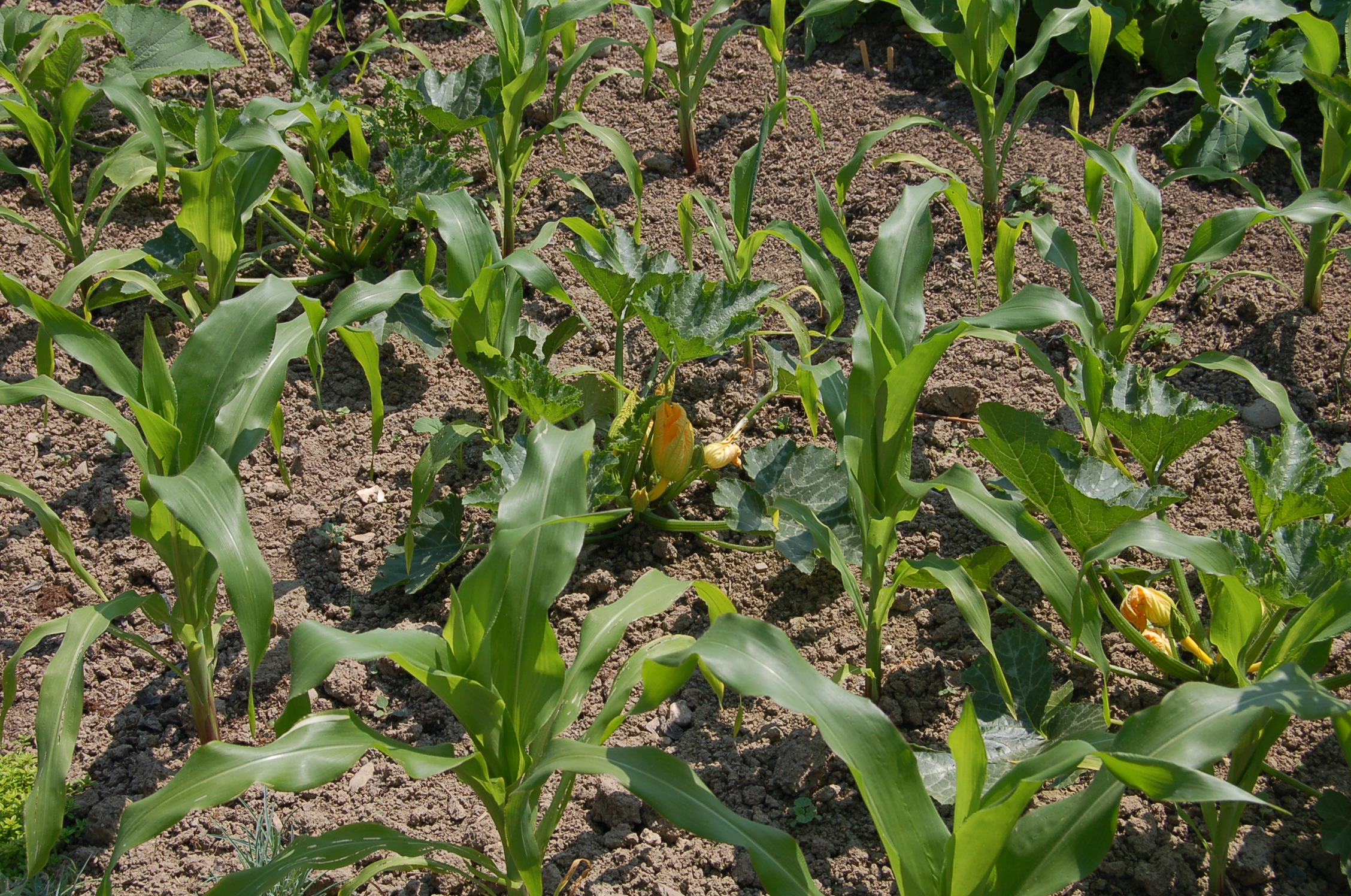
We grow Sweetcorn and Courgette together as they are good companions. The large leaves of the Courgettes provide ground cover holding moisture in the soil and creating a cool root run for the corn. Of course it saves space too!
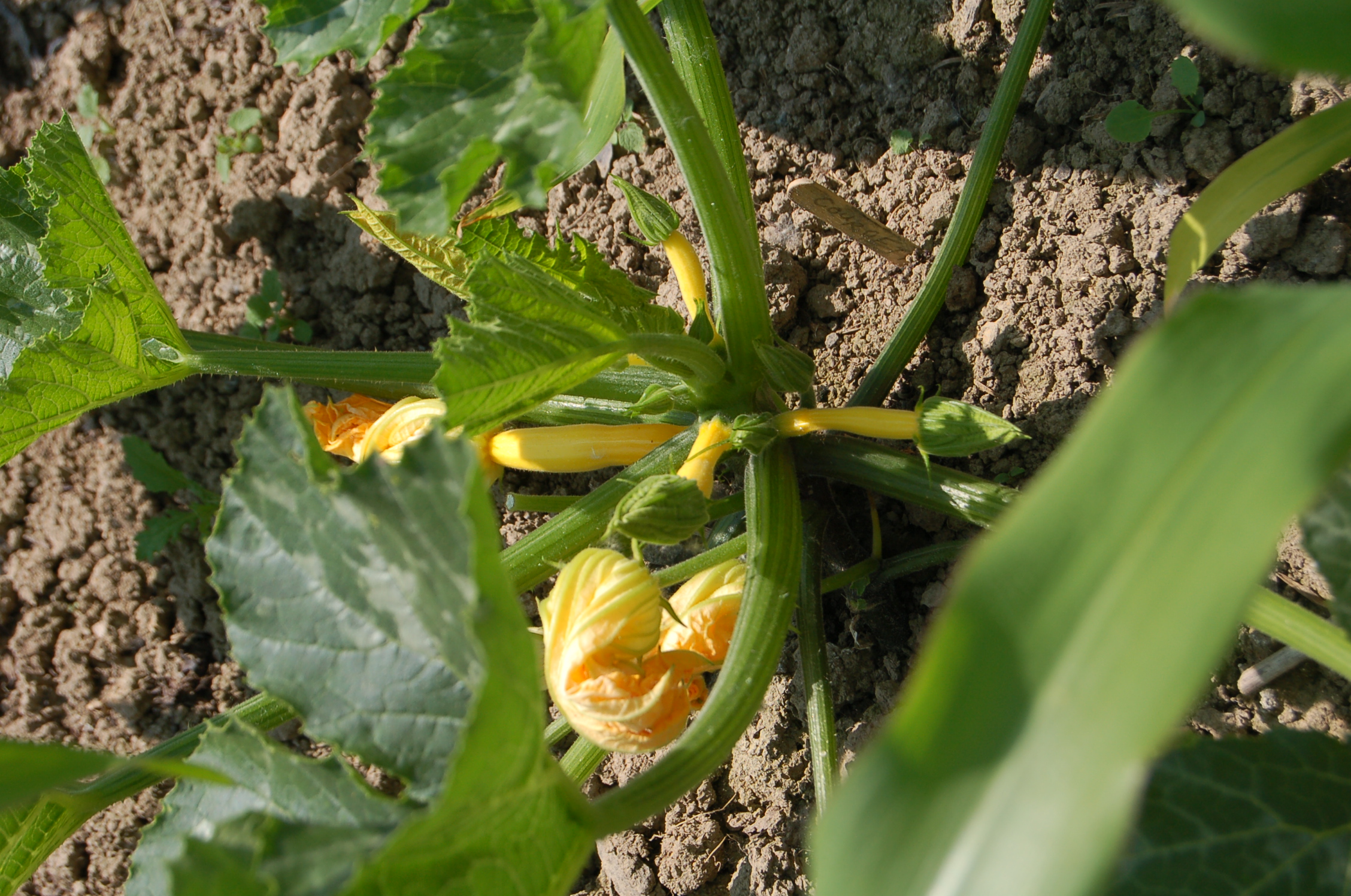
2013 07 09_1830 2013 07 09_1832

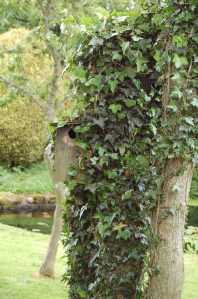
We welcome wildlife onto our plot to benefit us as gardeners and for us to enjoy watching and listening to. Our little pool is alongside our seats. We have little insect hotels dotted around to help us keep our crops healthy and free of pests.
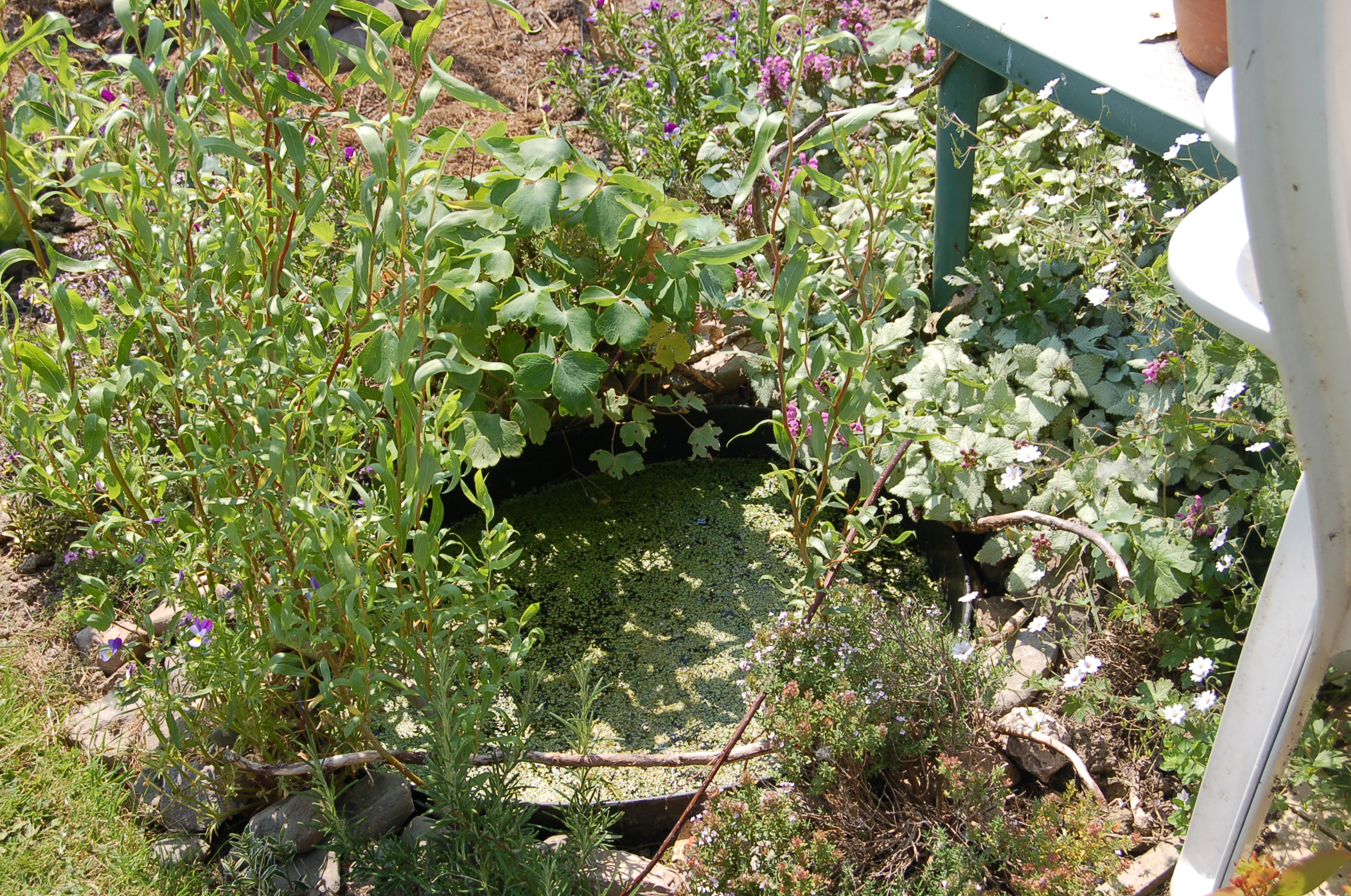
2013 07 09_1840 2013 07 09_1839

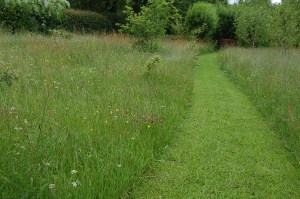
We have a couple of wildflower strips to help our Brassica crops and Blackcurrants.
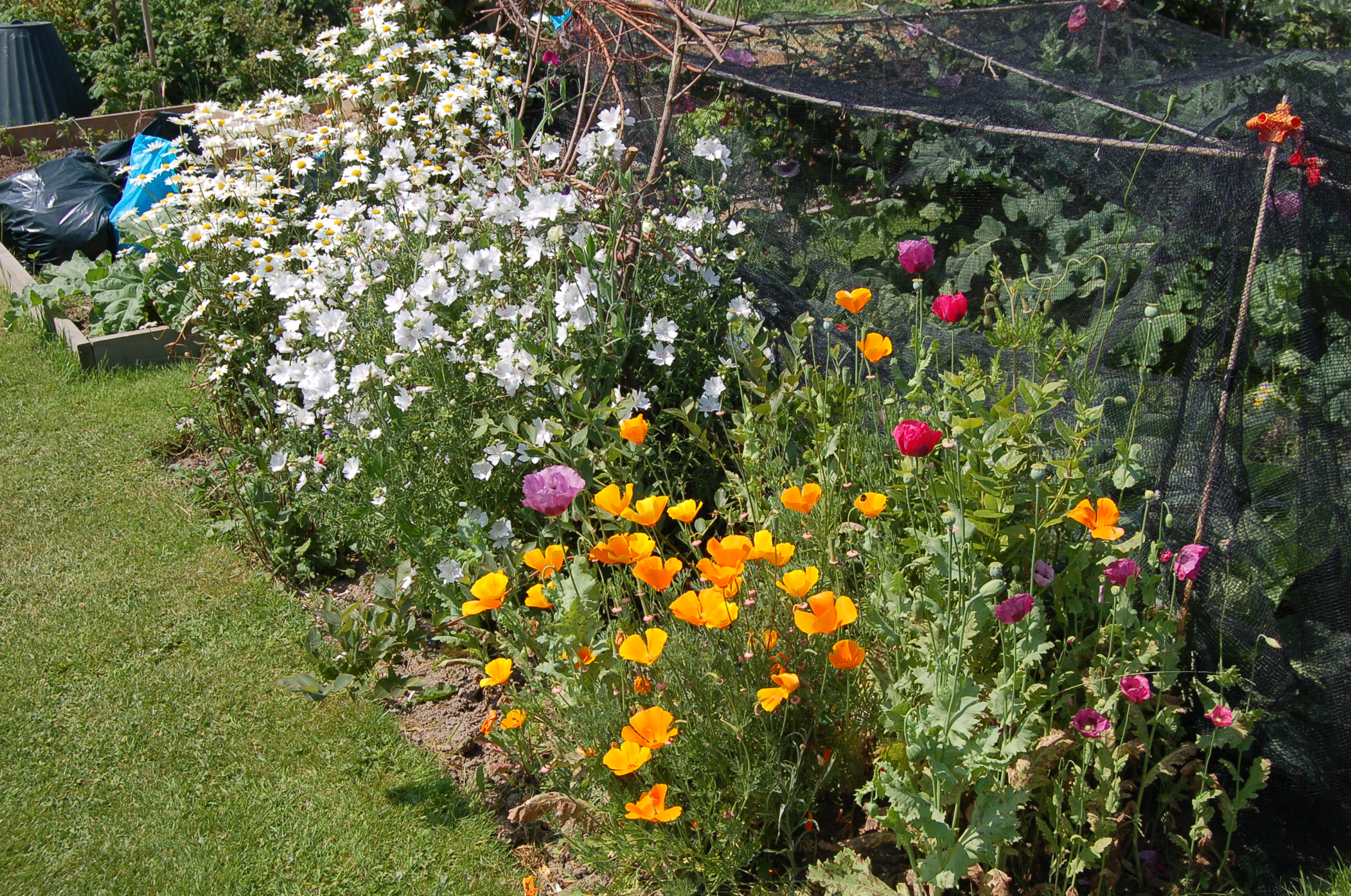
2013 07 09_1836 2013 07 09_1838

2013 07 09_1837

A barrier of fleece keeps Carrot rows free from the attentions of Carrot Rootfly and the flowers of Heartsease bring in beneficial insects. Growing members of the Allium family close by also helps fool them by emitting strong scents to mask the sweet aroma of Carrots.
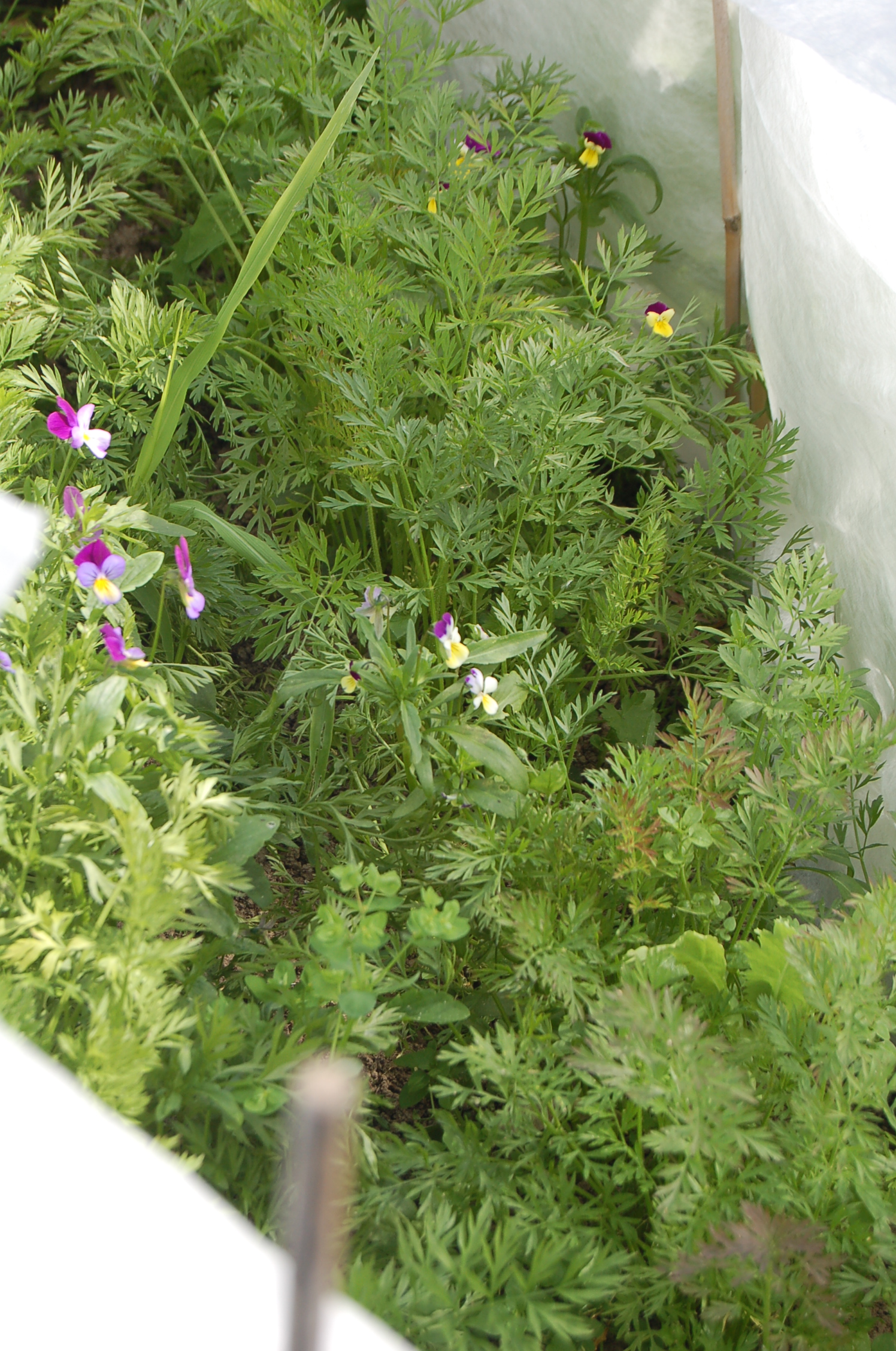
2013 07 09_1835 2013 07 09_1829

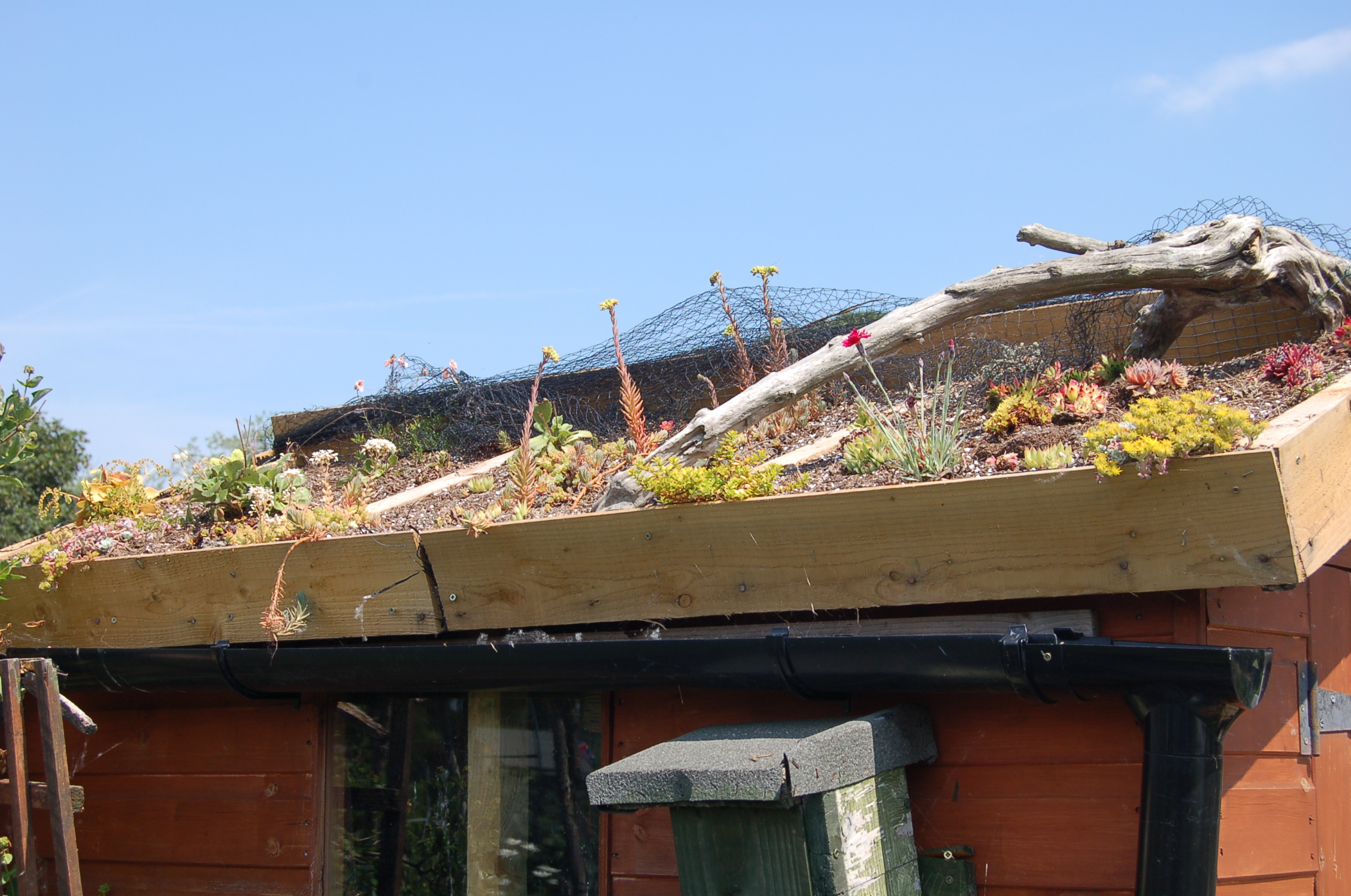
You may remember me telling you about making our green roof atop our shed in a post a few months ago and as you can see it is slowly getting established. On the communal spaces near our plot we have at last got the willow dome complete. It has grown enough to train growth over to form a full roof. It is lovely and quiet, cool and shaded in there and it is a popular place for children to sit and read or to look through the woven window and watch the birds on the feeders. We hold our open day at the allotments this weekend, when we open for charity, under the auspices of the NGS, so we can proudly call ourselves a “Yellow Book Garden”.
2013 07 09_1833   2013 07 09_1845

Categories
colours fruit and veg garden design garden photography gardening grow your own half-hardy perennials hardy perennials Hardy Plant Society HPS ornamental grasses ornamental trees and shrubs outdoor sculpture roses Shropshire village gardens

A mini-group day out – part one Jill’s garden

“What is a mini-group?” I hear you asking. Well they are area groups within the Shropshire branch of the Hardy Plant Society. We live just south of Shrewsbury so fit into the Shrewsbury Mini-Group but we could equally belong to the South Shropshire group. Perhaps we ought to select the most interesting sounding visits planned by both groups and have extra gardens to visit.

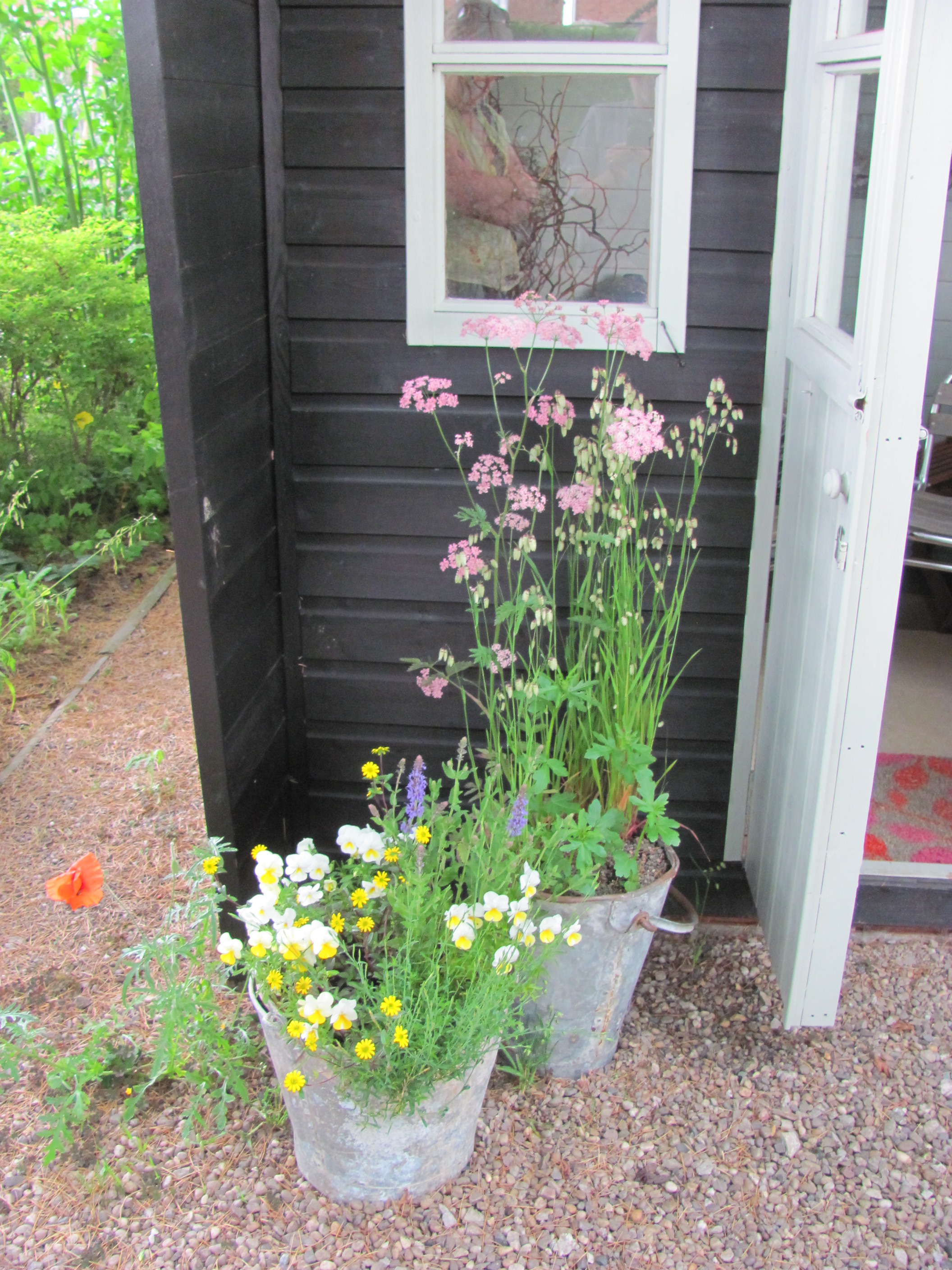
Last month our little group visited two of our member’s gardens plus a garden of a neighbouring house. They were all in the little village of Ruyton-XI-Towns. It is a village we have driven through but never stopped in and once parked up we wandered down looking for Jill’s garden, our first stop for the day. In fact we were parked only a few metres from there. We passed through the front garden which was small but packed with plants with lots of colour and texture and then around the side of the house where again every possible place for a plant had plants in it. Pots and interesting containers were everywhere we looked.

2013 06 24_1160 2013 06 24_1164

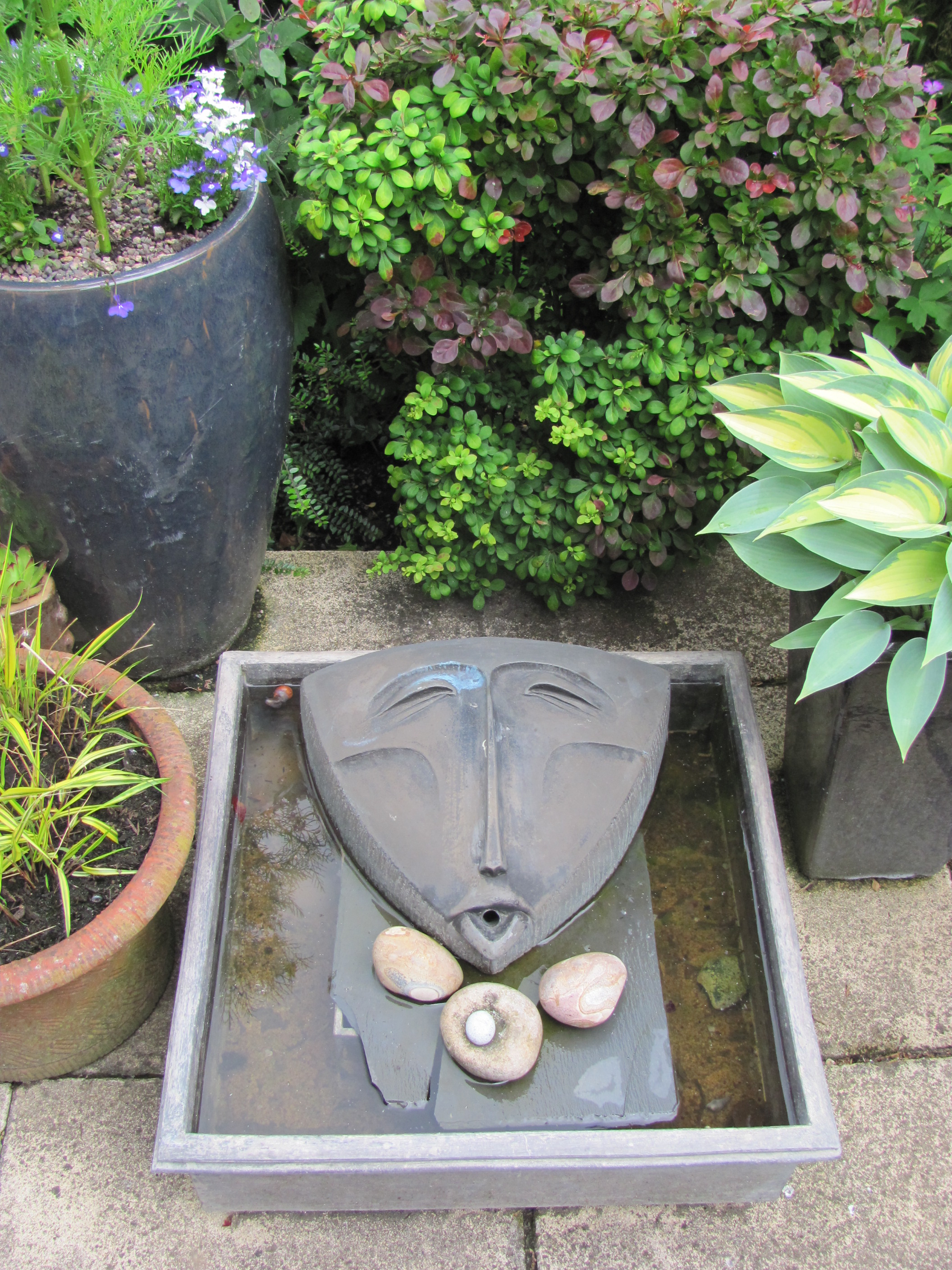
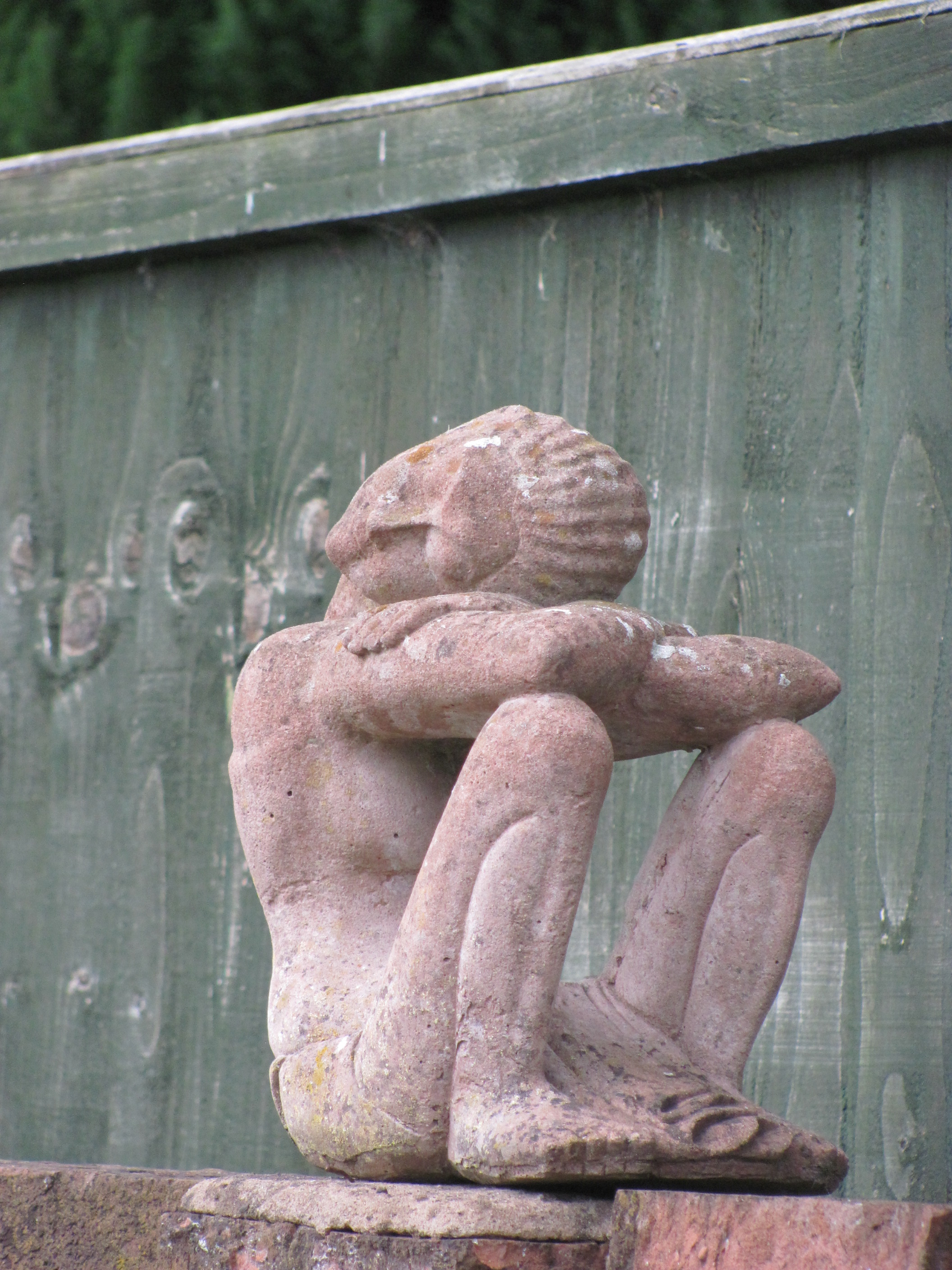
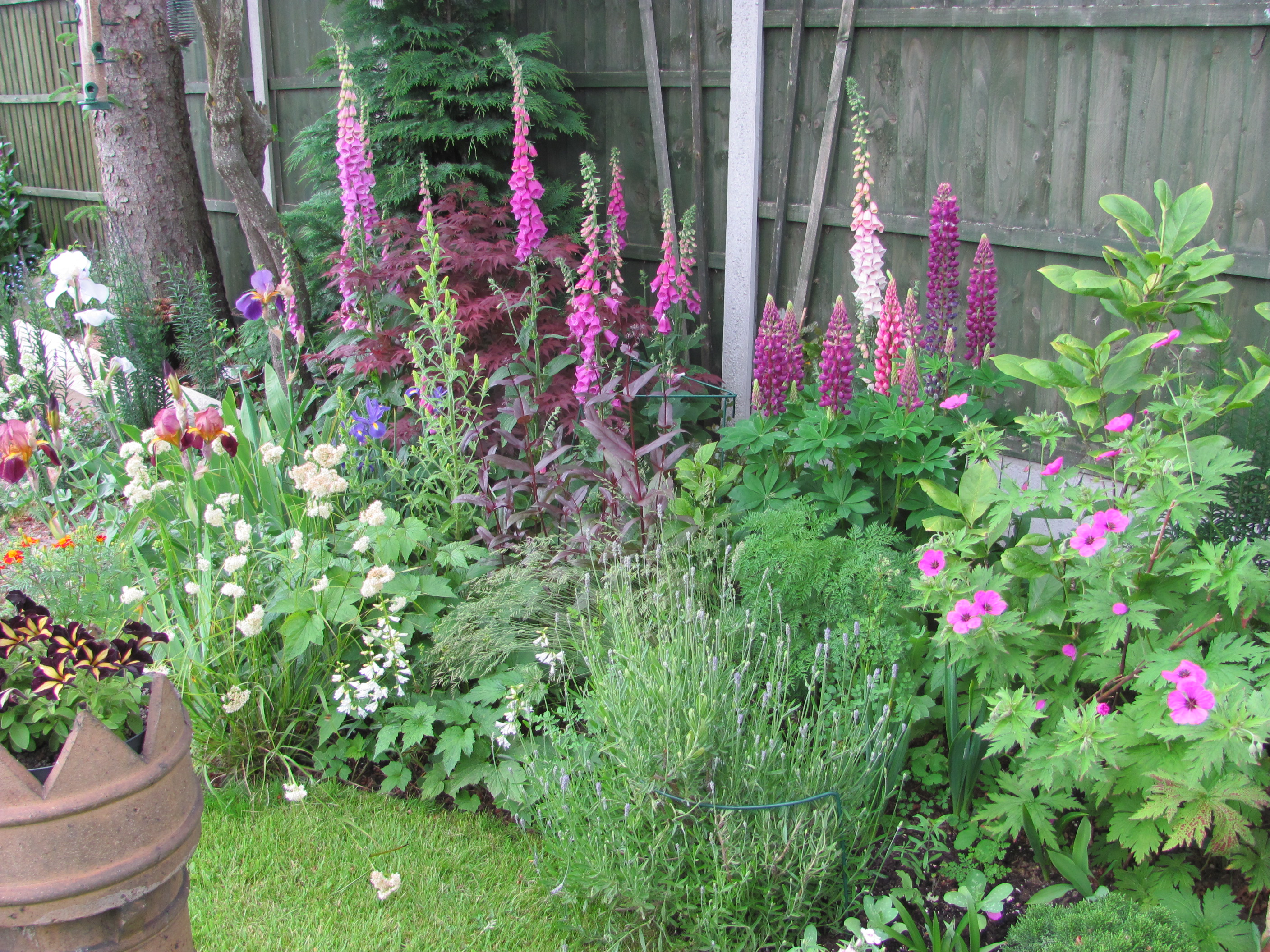
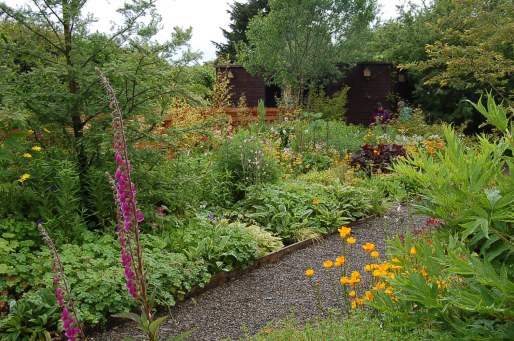
As we reached the end of the house the view that met us stopped us in our tracks. This was going to be a real treat! The garden was full of colour and had strong design elements, with paths that invited exploration, arches and frames to encourage you to go through them and pieces of sculpture and interesting natural objects to stop the eye.

2013 06 24_1199 2013 06 24_1145 2013 06 24_1146 2013 06 24_1147 2013 06 24_1148 2013 06 24_1149 2013 06 24_1150 2013 06 24_1151 2013 06 24_1152 2013 06 24_1154 2013 06 24_1155 2013 06 24_1156

Jill is a gardener who can put plants together beautifully taking leaf texture and shape into consideration alongside flower colour. When we looked in more detail at the planting we discovered a few special plants, ones we couldn’t recognise and a few of those that you have to dig deep into the recesses of your memory to recall their names.

2013 06 24_1157 2013 06 24_1158 2013 06 24_1159 2013 06 24_1160 2013 06 24_1161 2013 06 24_1162 2013 06 24_1163

From Jill’s garden we all wandered down the village street to a neighbour who had a garden that was best described as long, thin and wriggling, never more than a couple of metres wide and often only wide enough for a plant fringed path. Despite of this the gardener had packed in dozens of fragrant roses and clematis clambering up any surface or tall plant. This will be the subject of my next post where we will also enjoy the third garden we visited that day, where we ended the day with tea on the lawn. How civilised is that?!

Categories
colours flowering bulbs fruit and veg garden design garden photography gardening grow your own hardy perennials outdoor sculpture Shropshire shrubs spring bulbs

A Bouquet for May

May has been overall cooler than we expected and wished for and it has been far wetter than we had hoped for and wanted  but the garden has loved it, revelling in the dampness and the special quality of the light that late spring/early summer delivers. This light makes the gardener feel happier too. Neither Jude the Undergardener nor I can cope with dull weather very well.

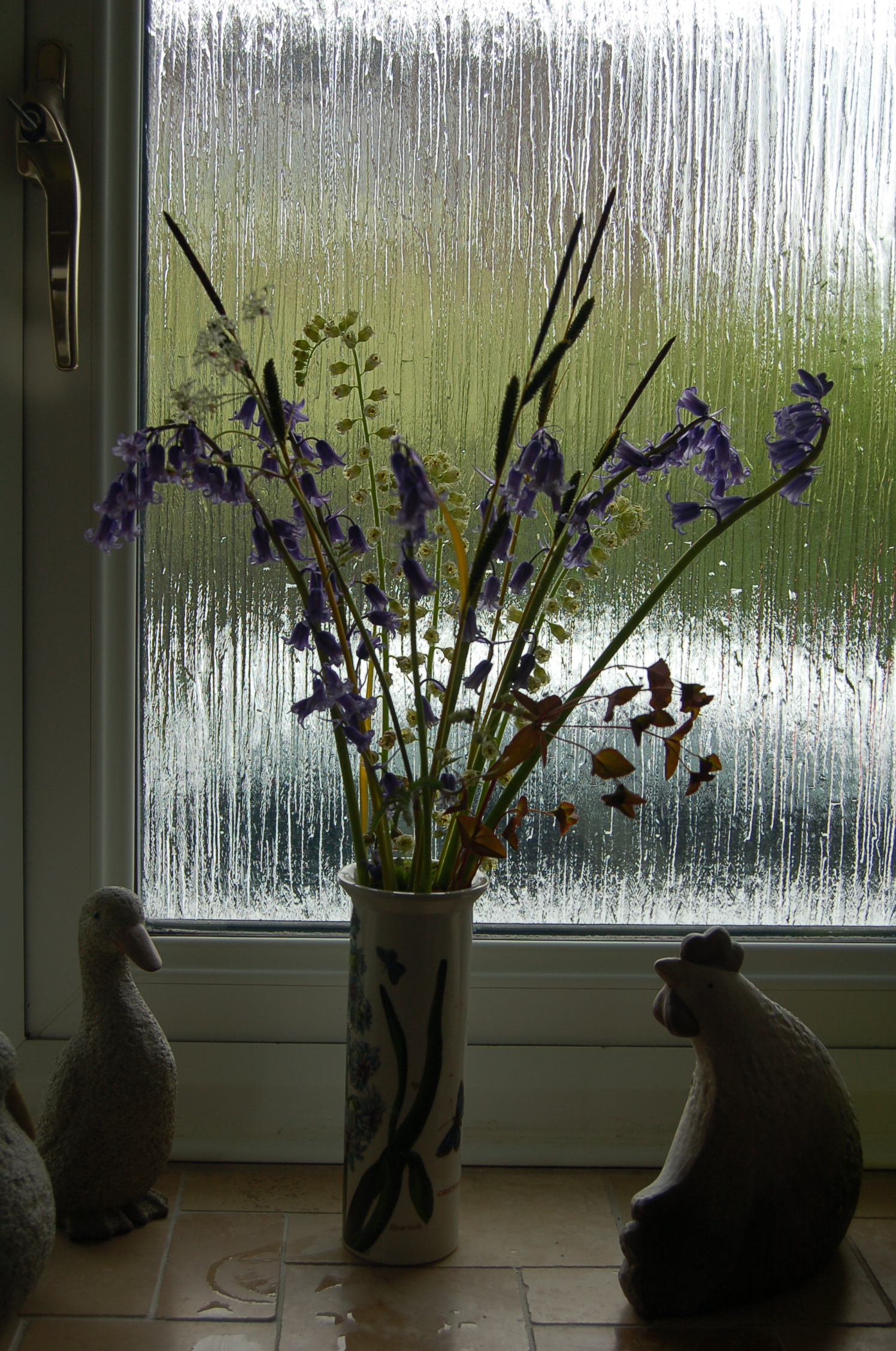
Bluebells and Bowles Golden Sedge sit on the shower room window sill, whilst in the lounge fireplace Aquilegias, Red Campion, Cow Parsley, Bistort and Wallflowers add life to the slate fireplace. These bouquets illustrate how we balance cultivated plants with our own natives.

DSC_0001 DSC_0002

Growth is lush – greens are rich. Flowers burst with bright colours and are generous with their exuberance. Enjoy my May gallery. Just click on any shot and follow the arrows.

Categories
garden design garden photography gardening gardens open to the public National Trust NGS photography Shropshire South Shropshire The National Gardening Scheme" The National Trust trees

Looking Back One – An Hour at Croft Castle

This is the third in the series of posts looking back at garden visits we enjoyed last summer and autumn. Here we shall remember our autumn visit to the grounds of Croft Castle in South Shropshire.

Croft Castle is a favourite National Trust property. We often visit to enjoy a walk around the gardens and take tea in the teashop. On this autumn day we only had a short time but still managed to do both!

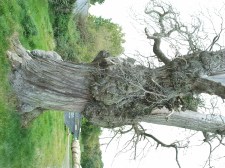
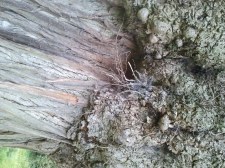
Croft is famous for its ancient avenue of Sweet Chestnut trees which are now sadly coming to the end of their lives. Their gnarled, pitted bark shows their great age and makes you imagine just what they would have seen going on under their boughs and all around them over the centuries. If only they could tell.

SAMSUNG

SAMSUNG  SAMSUNG SAMSUNG SAMSUNG SAMSUNG SAMSUNG SAMSUNG  Autumn was descending on the walled gardens. SAMSUNG SAMSUNG SAMSUNG SAMSUNG  SAMSUNG SAMSUNG SAMSUNG  SAMSUNG SAMSUNG SAMSUNG SAMSUNG SAMSUNG SAMSUNG SAMSUNG SAMSUNG SAMSUNG   SAMSUNG

Categories
arboreta birds fruit and veg garden design garden photography garden wildlife gardening grow your own hardy perennials Hardy Plant Society HPS meadows ornamental trees and shrubs Shropshire South Shropshire village gardens

Holly Cottage – another garden visit with the HPS

June 16th and we are visiting two gardens with fellow members of the Shropshire Hardy Plant Society. In my previous post I shared our morning visit to “Fairview” and now we move on to Holly Cottage just a few miles away for the afternoon. To get to the cottage we had to drive over a few fields dodging sheep and when we parked up the heavens opened and the temperature plummeted. Bravely we donned waterproofs – it was well worth it. The garden at Holly Cottage ran downhill from the cottage and within its two and a half acres formal and informal plantings of herbaceous plants mingled with mature trees, meadows, a pond and even a small stream.

DSC_0173

DSC_0179 DSC_0195 DSC_0178 DSC_0180

DSC_0168

Just as we were impressed by the veggie patch at Fairview in the morning, the fruit and veg garden at Holly Cottage impressed too. This veggie patch practised organic principles to produce quality harvests.

DSC_0182  DSC_0181 DSC_0185 DSC_0183

Part of following organic principles is to encourage wildlife to garden with you and here there were nest boxes and bird feeders in evidence as well as a meadow, a small arboretum featuring mostly native and wildlife attracting trees and shrubs. A comfy rustic bench was also positioned where we could appreciate it all.

DSC_0187 DSC_0189 DSC_0209 DSC_0207

We like to find original new ideas or twists on old favourites during our garden visits. At Holly Cottage we came across this wonderful example of high-rise living for plants.

DSC_0214

As with any garden the plants are the stars and on a dull, wet cold day such as this these stars are needed even more. Holly Cottage’s plants did not let us down. They lifted our spirits out of the gloom.

DSC_0175DSC_0169DSC_0199

Categories
allotments birds community gardening garden photography garden wildlife gardening grow your own ornamental grasses ornamental trees and shrubs photography shrubs trees wildlife winter gardens

Allotments under Snow

IMG_5307n

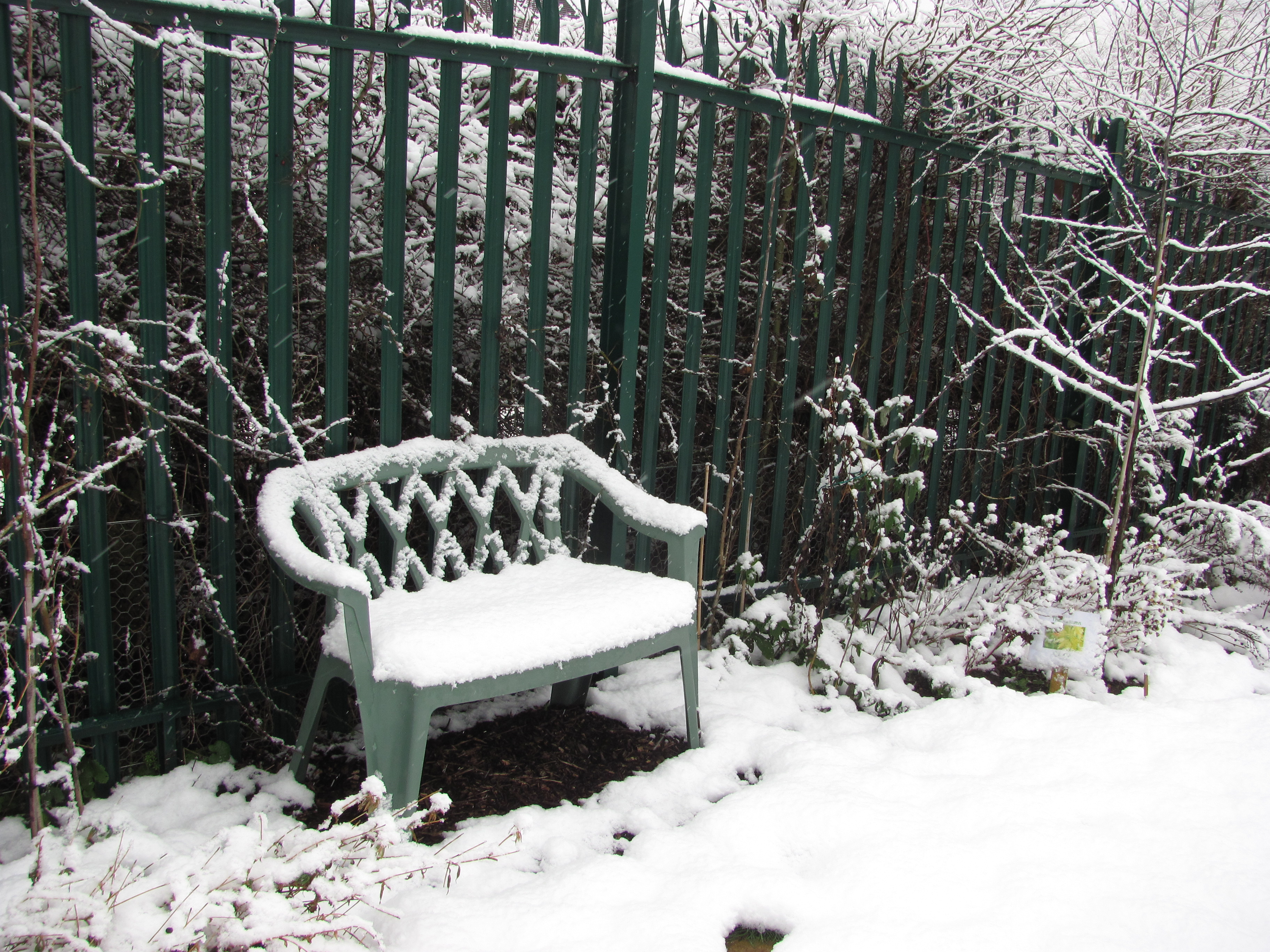
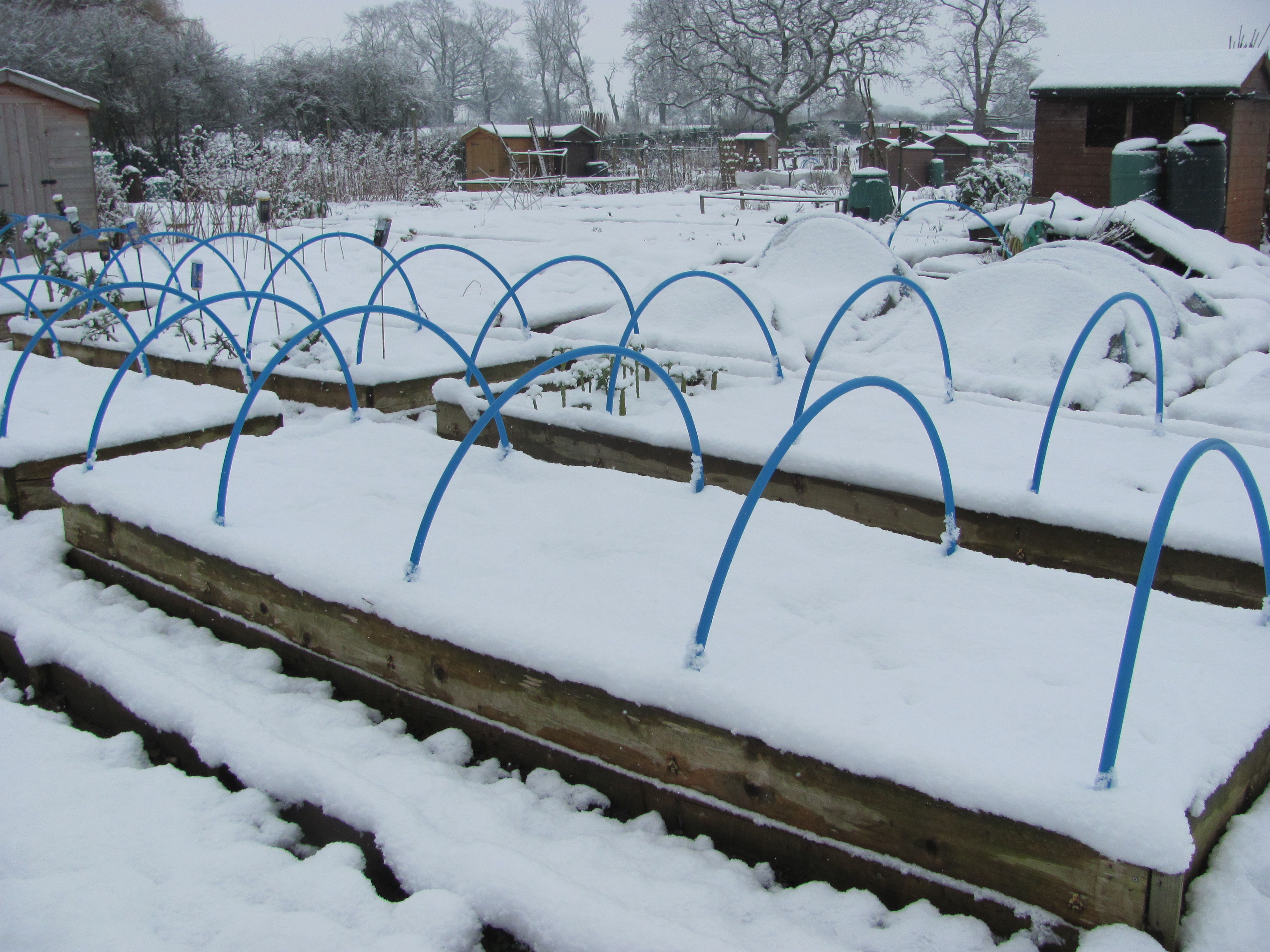
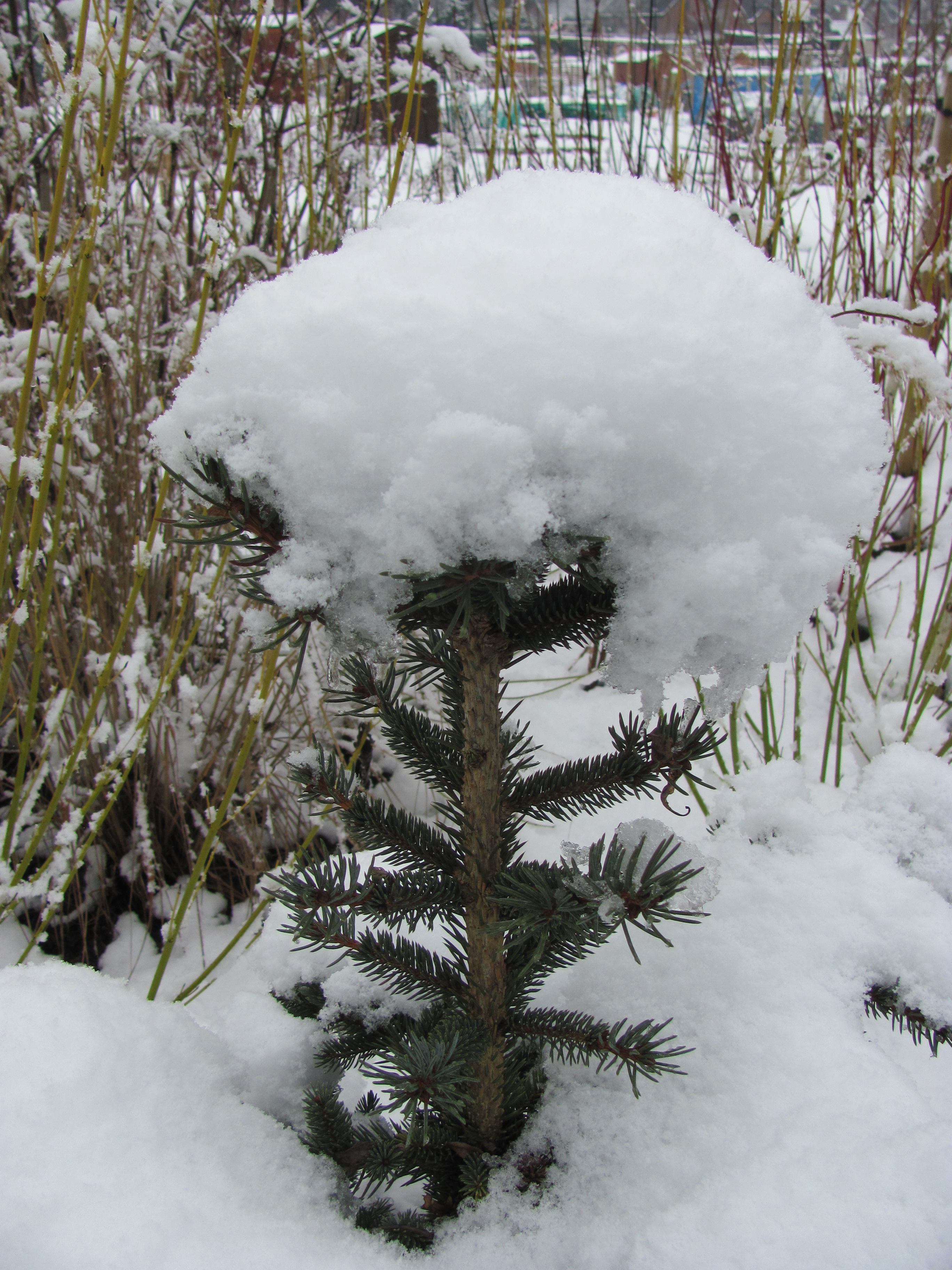
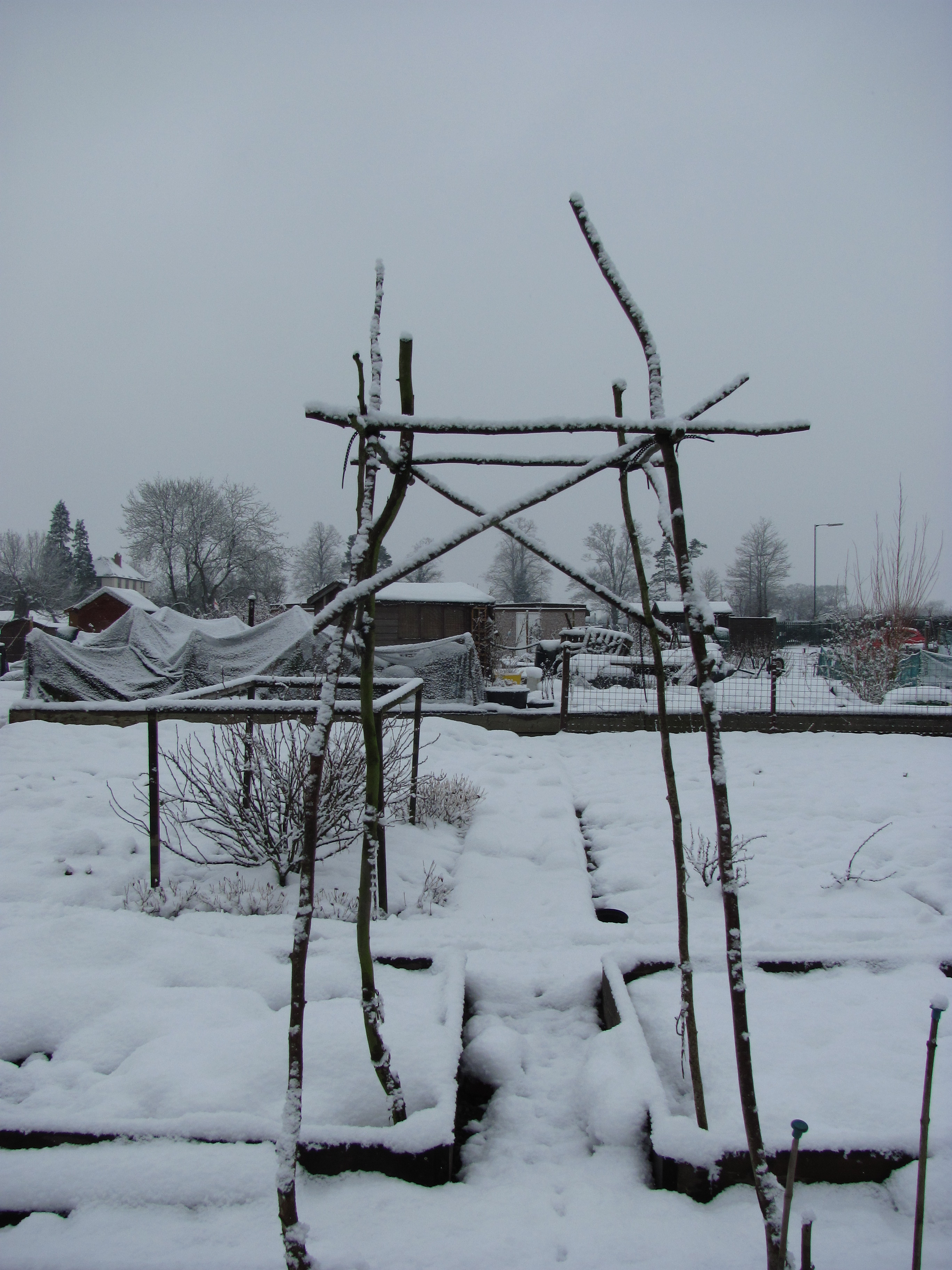
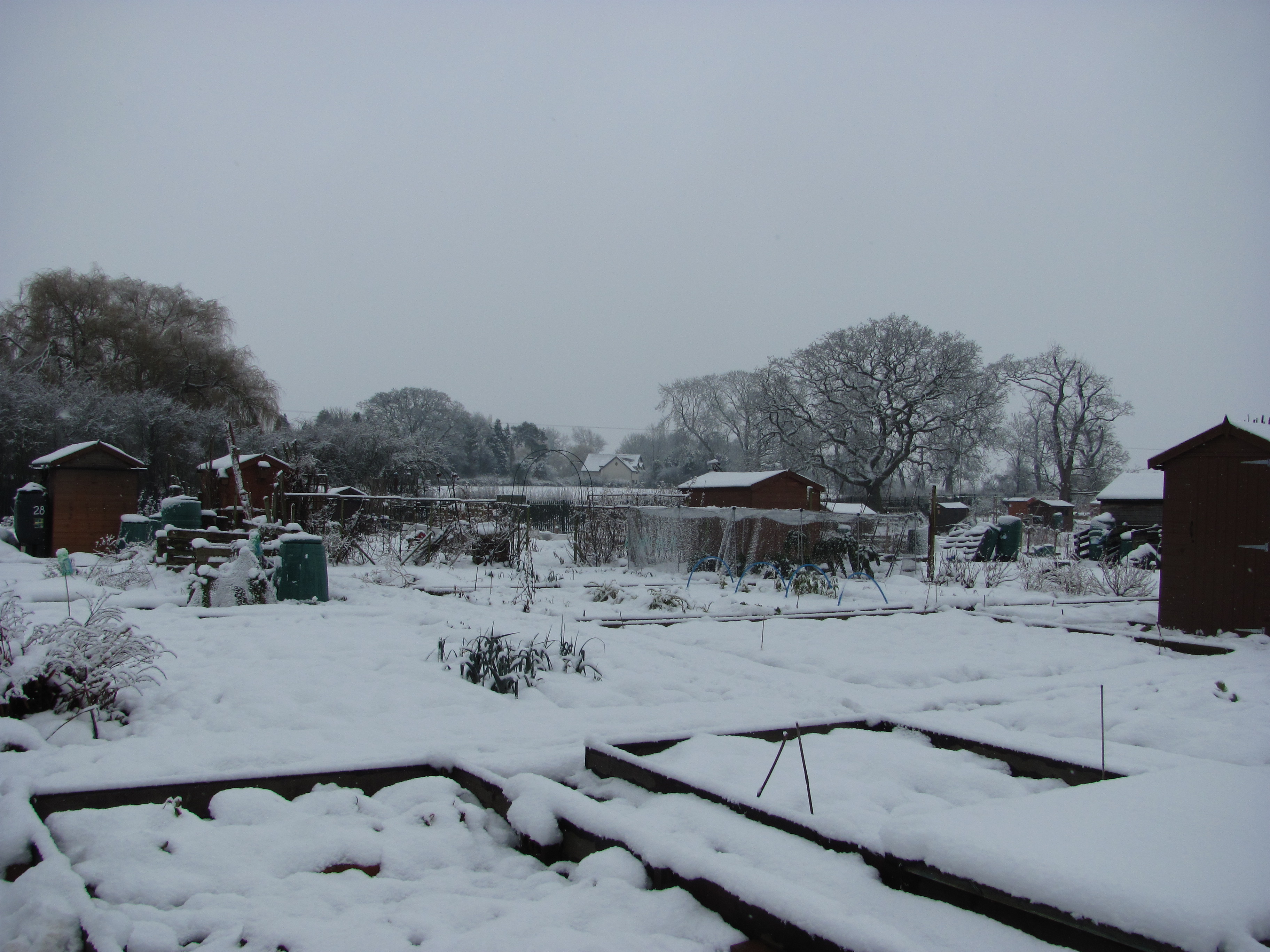
Today we braved the snow and floods up at our allotment site and went for a walk around to look at what turned out to be a very different world to the one we usually see. The pictures illustrate just how long it may be before we can get any gardening done up there. We still have root crops in the ground – in December it was too wet to get on the soil and now it is all under the white stuff.

Here is the actual green bench that inspires the name of my blog.

IMG_5275

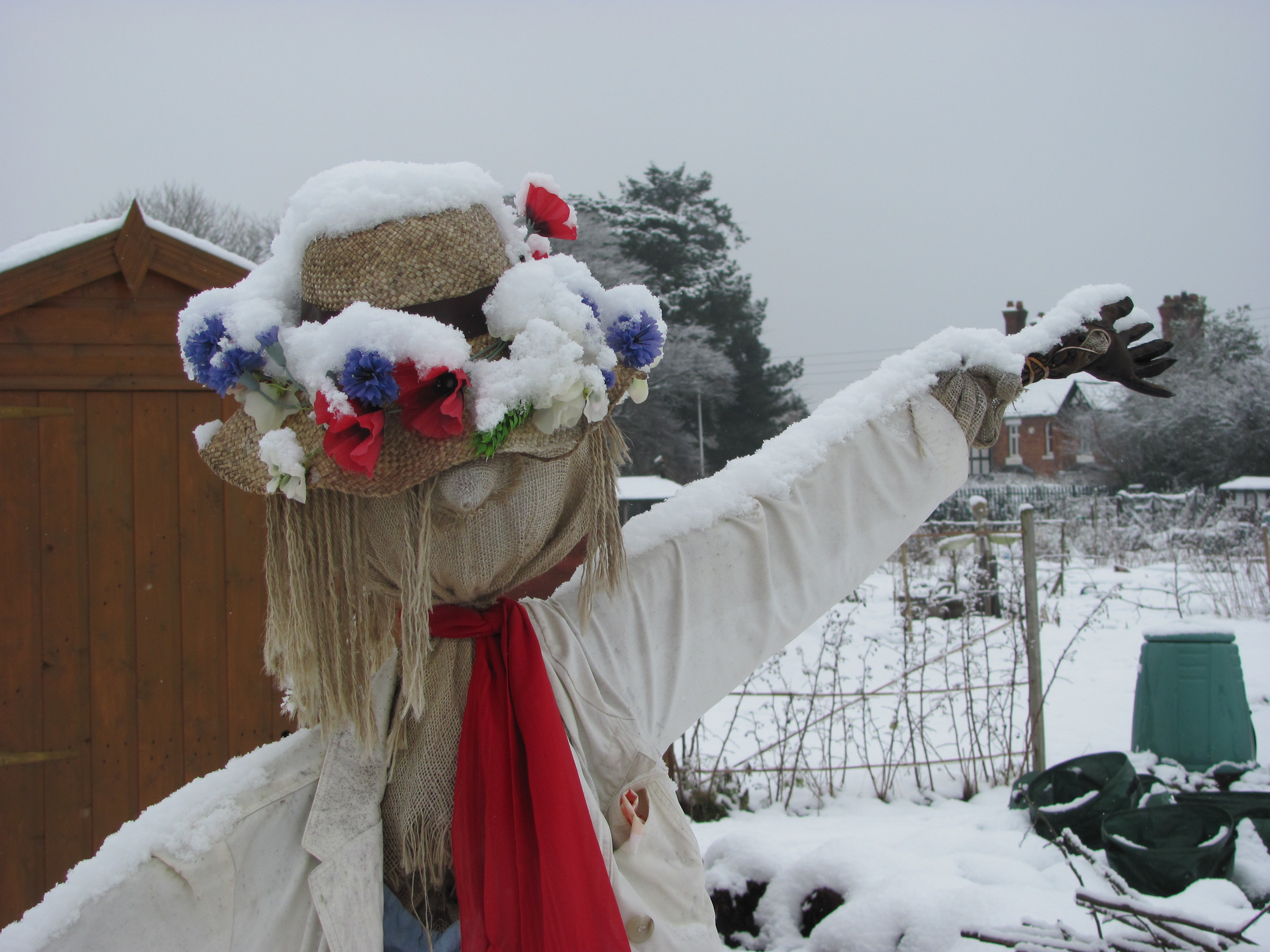
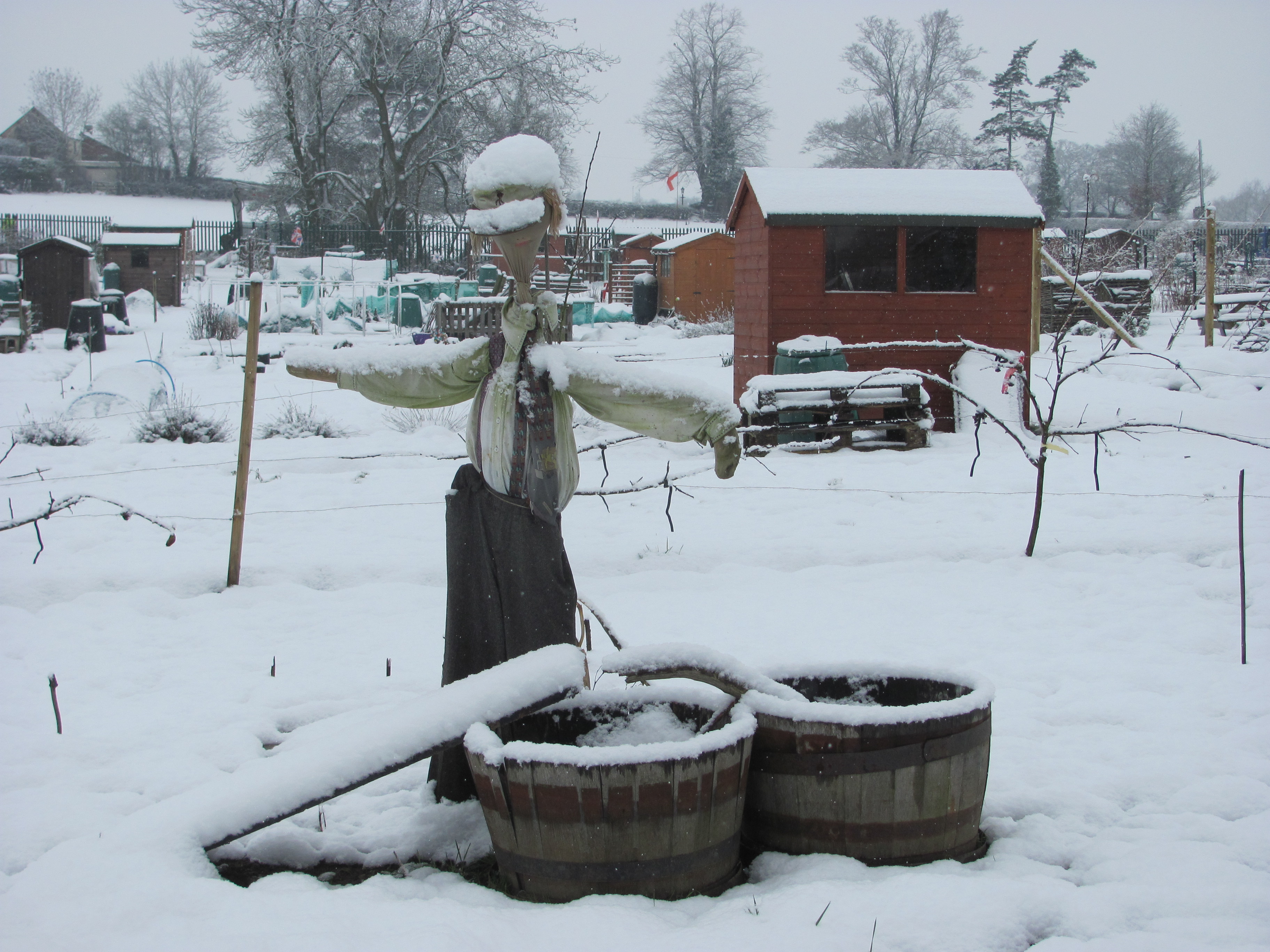
The scarecrows remain on duty whatever the weather and shrug off the snow and ice.

IMG_5321

IMG_5287-1

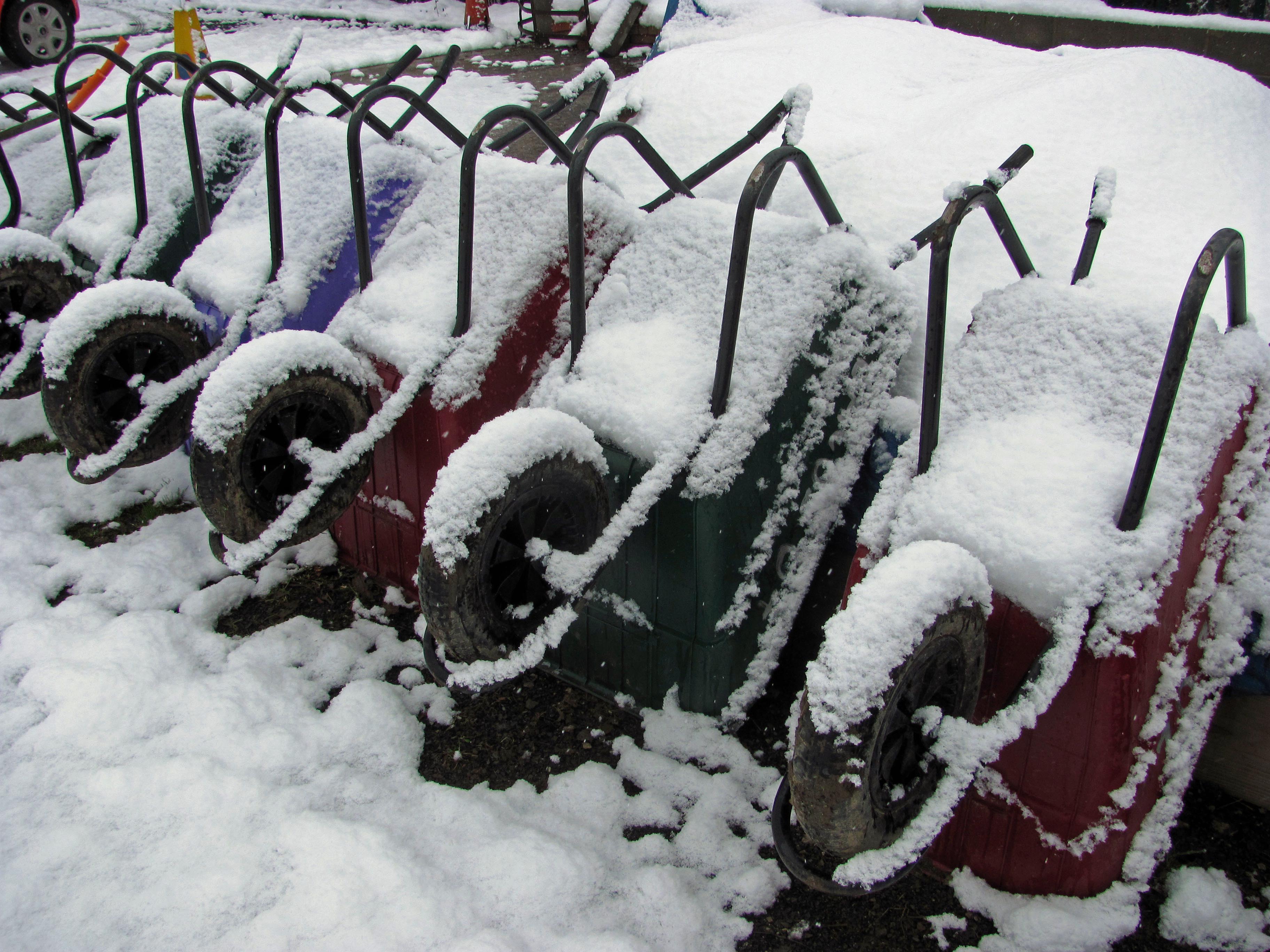
Wheelbarrows wait patiently.

IMG_5286 IMG_5272bgt IMG_5274-1

The plots have a forlorn look but beneath the ice and snow the soil is waiting – waiting for a little more light, more heat from the sun and plenty of evaporation to lessen the moisture content.

IMG_5279 IMG_5280-1 IMG_5284-1 IMG_5320-1

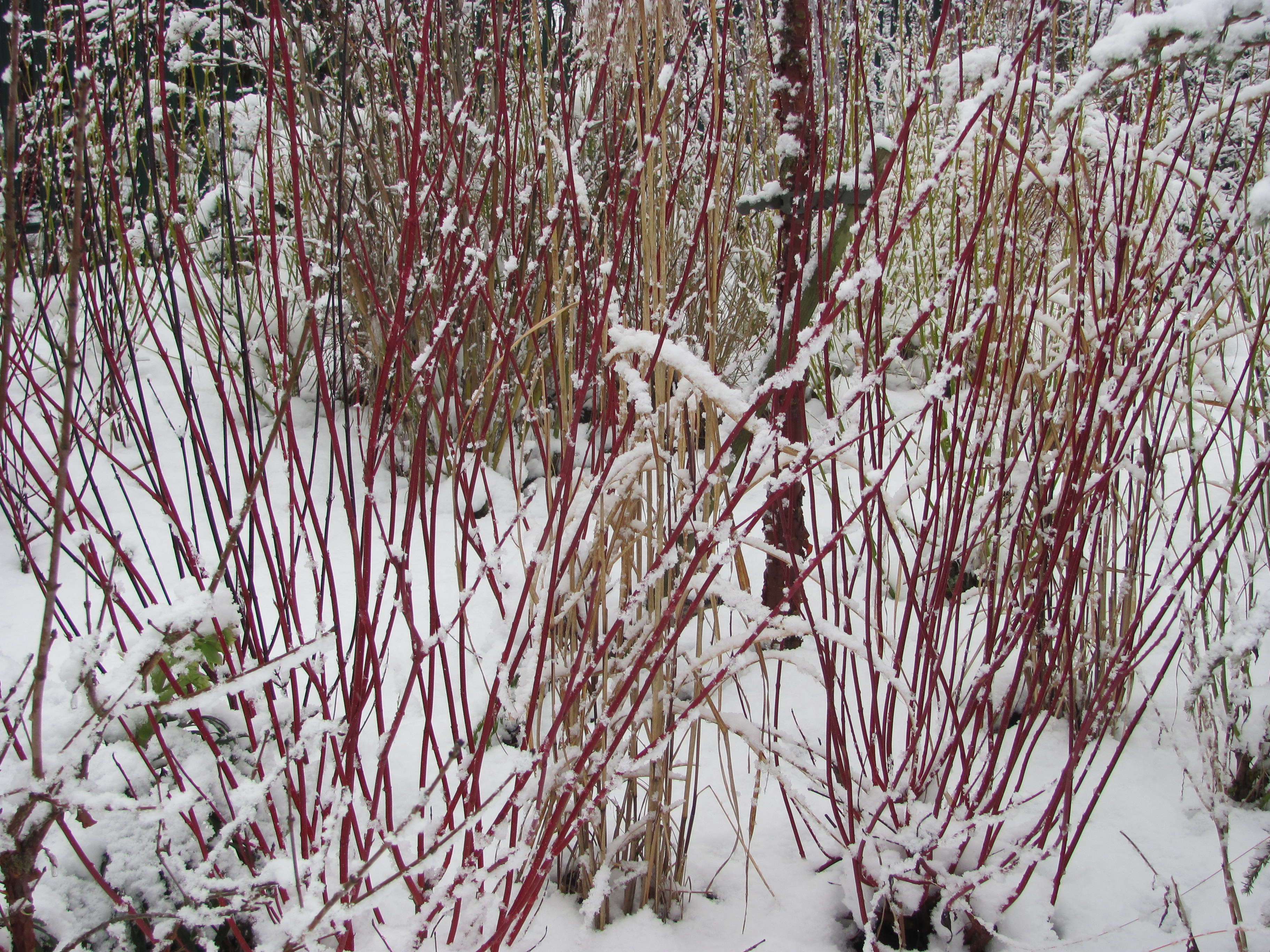
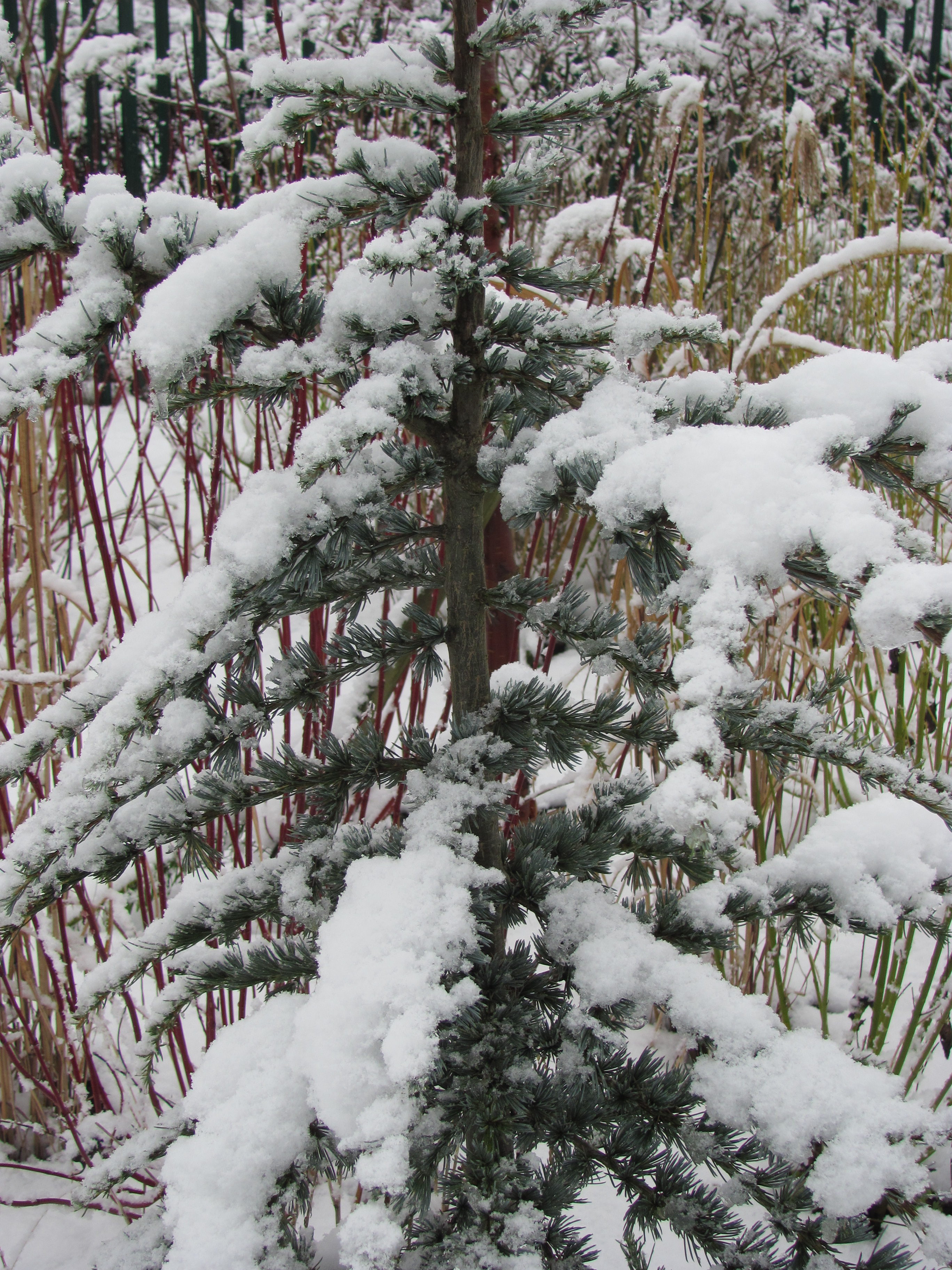
The Winter Garden is full of interest.

IMG_5296-1 IMG_5297-1 IMG_5298-1 IMG_5301-1 IMG_5302-1 IMG_5304-1 IMG_5305-1 IMG_5308-1 IMG_5309 IMG_5311 IMG_5312-1 IMG_5313

The contractors preparing our site extension in the adjoining field were toiling away in the snow, ice and waterlogged soil. They are putting in drainage and clearing out an old pond to create a wildlife pond for us all to enjoy. The ground they overturn presented birds with a rich feeding ground. Blackbirds, Redwings, Fieldfares, Jays, and Thrushes both Song and Thrush revelled in a fresh supply of worms and ground creatures.

IMG_5322

Categories
conservation fruit and veg gardening grow your own

Odd Harvests

In the last few weeks of last year we harvested two plants that we have rarely harvested before but for very different reasons.

The first crop came from the greenhouse where the plants had been growing away all summer in growing bags after being sown in the propagator early in the spring. We were given the seeds and having never tried them before we decided to give them a go. Tomatillos – the name sounding somewhat like tomatoes and the plants and fruit ending up looking somewhat like cape gooseberries.

Here is the crop, now we had to decide what to do with them. Chutney seemed to be the only answer, but I decided to turn to Google for ideas and perhaps if we were lucky, recipes.

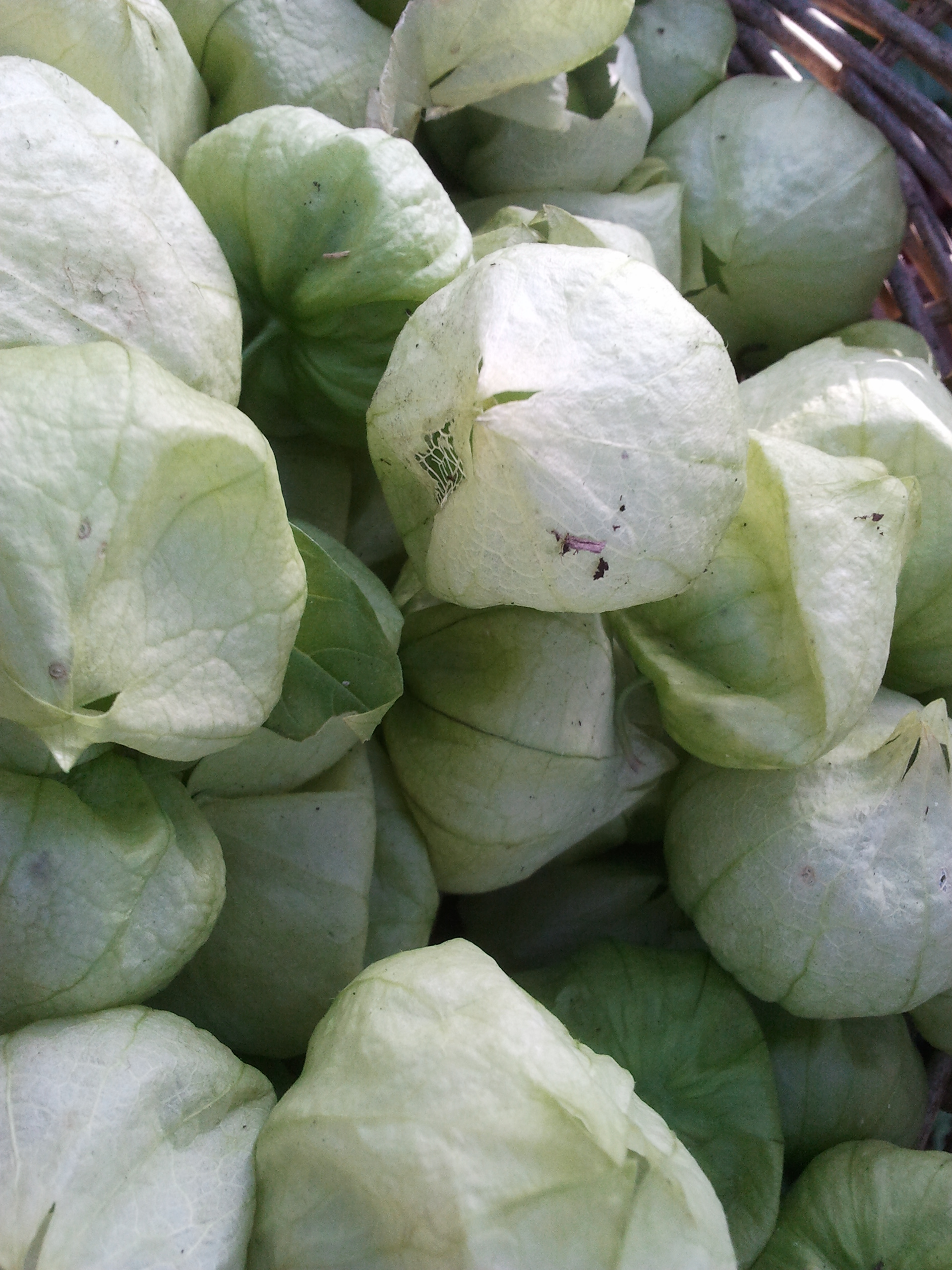
And here they are closer up, thin pale green papery sheaths around fruit like green tomatoes. They didn’t look ready to harvest but we had heard somewhere that this is the stage to pick them and as the plants were suffering as temperatures cooled down, we went ahead and plucked them from the stems.

O.K. Back from a Googling session and I now knew that the botanic name for tomatillo is Physalis philadelphica, which makes it a relative of the Cape Gooseberry and a member of the Nightshade family. It originates from South America. In Mexico it is a staple food of the diet and is often used to make green sauces. Here they are called “Tomate Verde” and are most appreciated for their green colouring and sharp taste.

I found recipes for soups, stews, salsas and yes, chutney.

The second “odd” crop is bamboo, odd because it doesn’t often seem to be grown in the uk for anything but decorative reasons and because it is the first time we have seriously harvested our bamboo to use as garden canes. We grow three different bamboos for their different stem colours and originally planted them for their ornamental value, tall and graceful, moving gently adding sound to quiet days.

SAMSUNG

Growing your own garden canes is a good way of helping the environment. Importing them from China seems a terrible waste of resources.

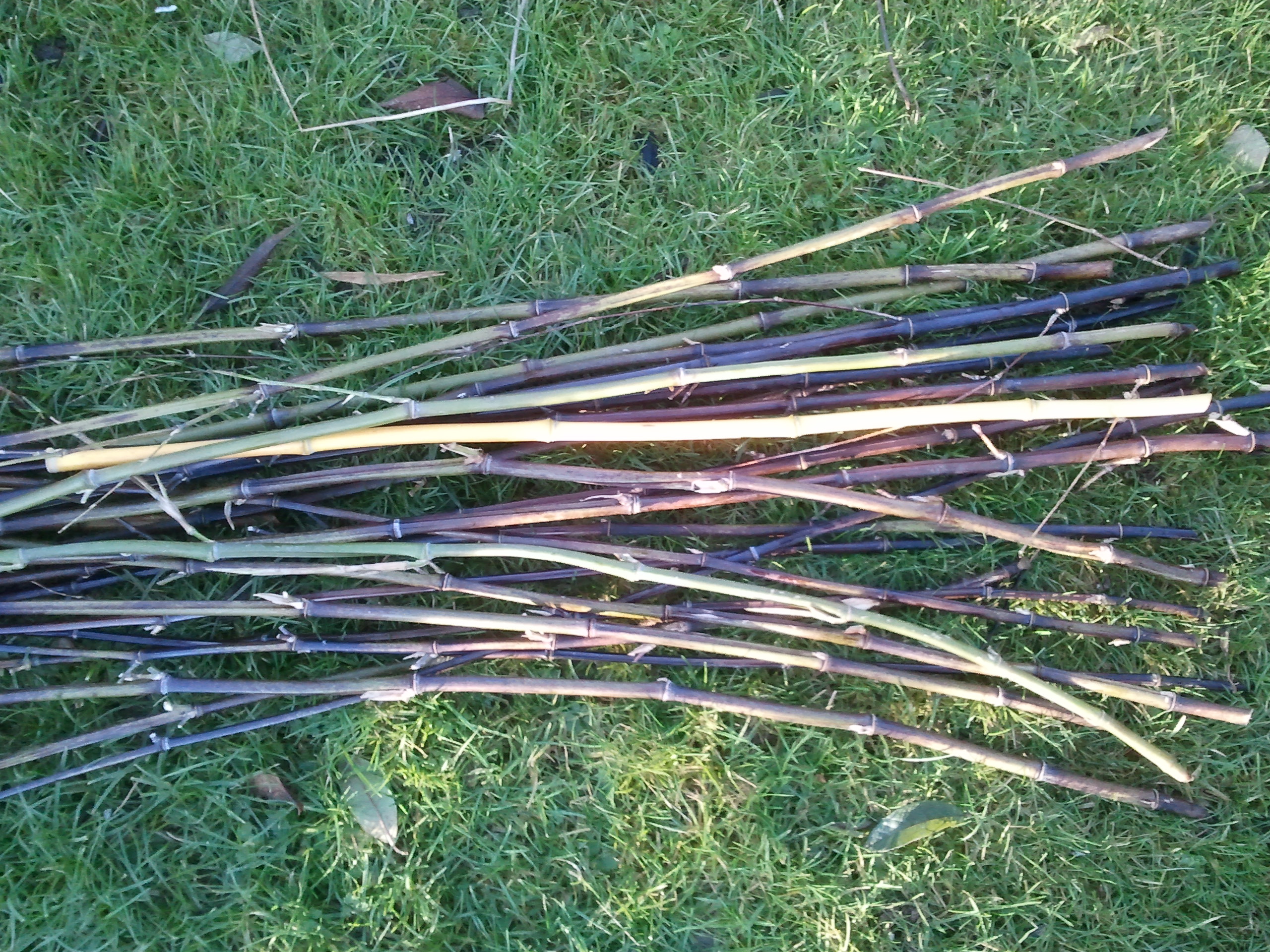
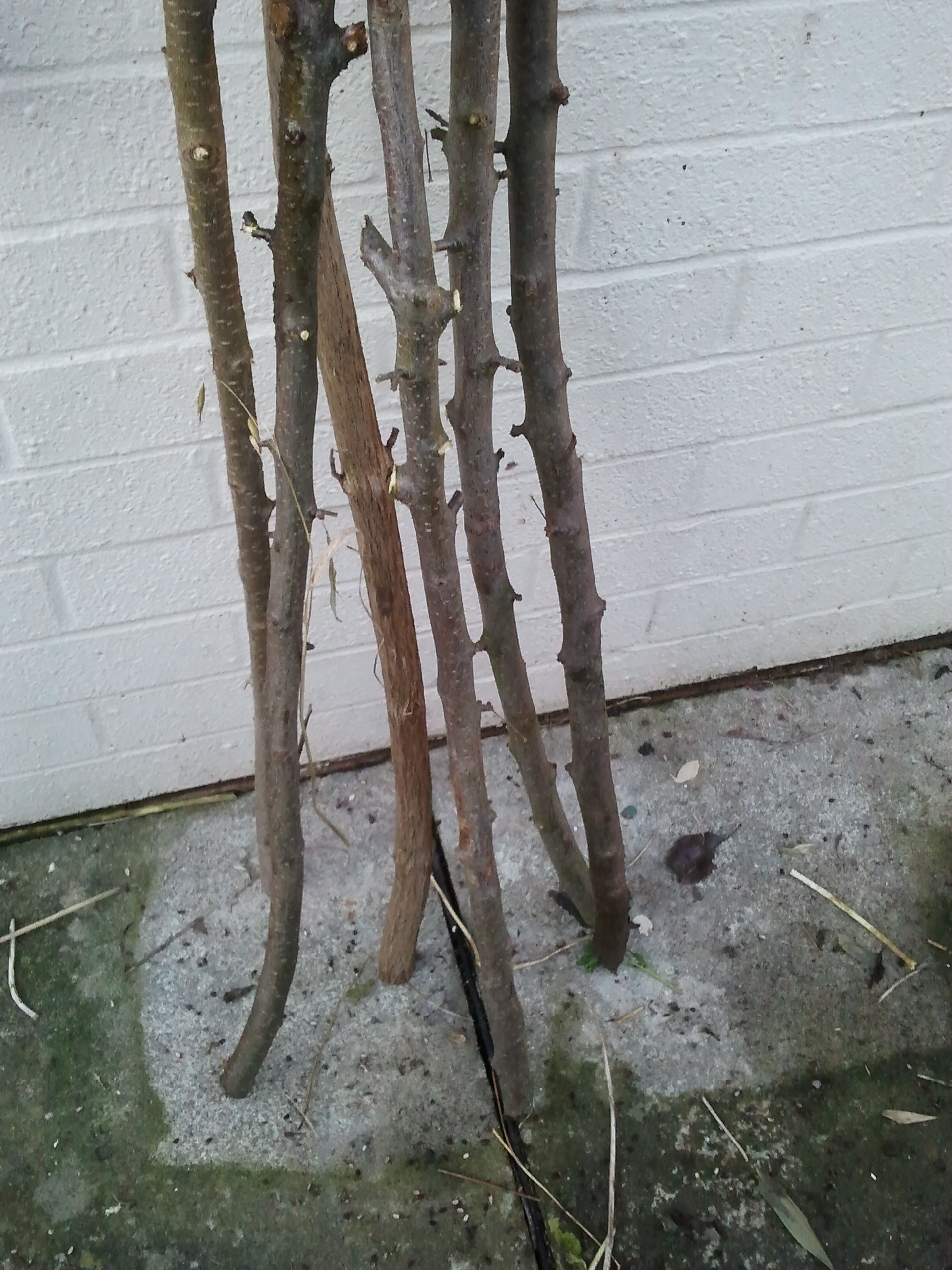
It was mostly the black stemmed variety that was ready this year. Their stems are tough so I struggled with secateurs before turning to a pair of nicely sharpened loppers and getting the job done. The range of colours is very wide as the photos below shows.

SAMSUNG

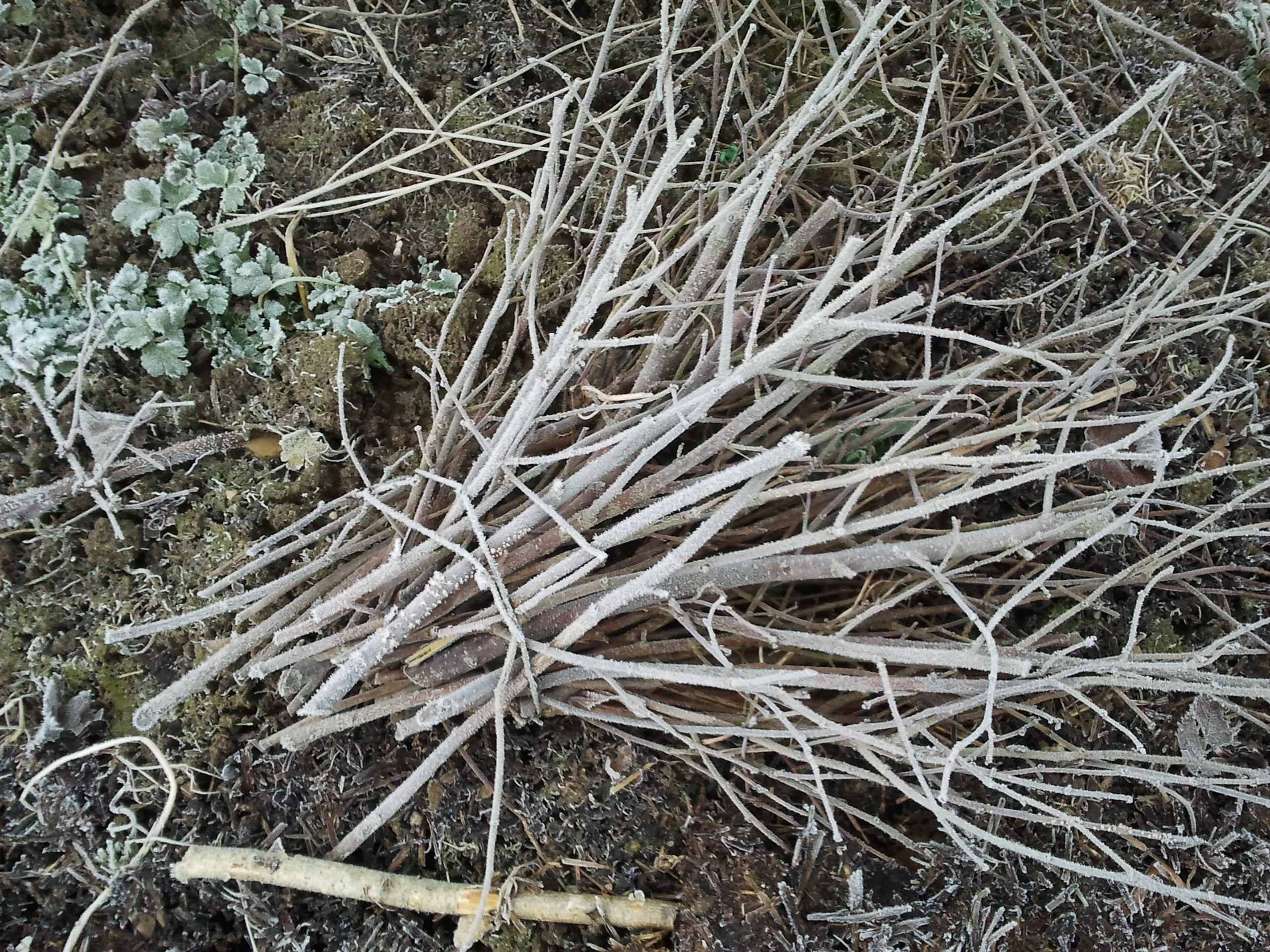
Similarly we harvest our prunings, utilising the large shrubby ones for beanpoles and the scrubbier smaller ones for beansticks. We started to harvest these last week and will continue as we sort out the garden in readiness for the coming growing season.

SAMSUNG

SAMSUNG

Peas and beans seem to like to twine themselves around these rougher sticks and poles in preference to the bamboos available in garden centres. And of course we must remember they are self-sustaining, so there is no cost to the environment.

Categories
allotments fruit and veg gardening grow your own

Big Parsnips etc.

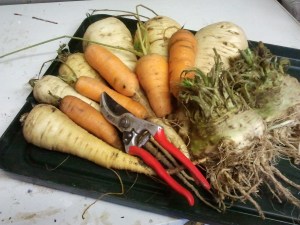
We are never very good at growing parsnips, but we have been getting better in recent years. With our allotment getting flooded six times this year we were not hopeful of success with our root crops. When the seedling carrots, beetroots and parsnips were just a centimetre or so tall and very delicate they found themselves underwater. When the water drained away the little seedlings just shrugged the experience off and carried on growing. The season carried on with the crops periodically under water. Imagine our surprise when we began harvesting healthy young roots of carrot and beetroot. Once frost had sweetened the parsnips and celeriac we began harvesting them too. By Christmas they were most impressive! I included my secateurs in the pictures to give an idea of scale.

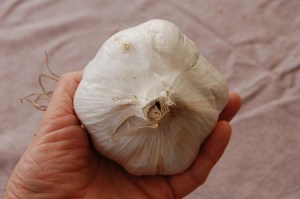
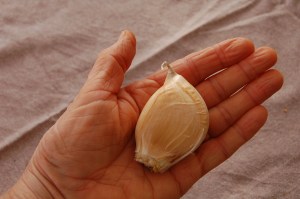
SAMSUNG SAMSUNG We haven’t used excessive amounts of fertiliser to get them to this size just simple organic gardening techniques. Lots of manure dug into the ground, deep mulches of garden compost and feeding with comfrey feed made from our own comfrey plants. Not root crops these but they did delight and surprise us with their size and flavour. Elephant Garlic is not garlic at all but more closely related to leeks. We eat them roasted when they taste of sweet, delicate garlic.

DSC_0001-16

DSC_0002

Now we definitely have something to live up to next year. Perhaps the weather will be nearer normal next year and we might even avoid the floods. Mind you of course, the crops above might have excelled because of the floods rather than in spite of them.

Categories
allotments fruit and veg gardening grow your own

Old Garden Tools

I just love old garden tools. I like using them and I like collecting them. They feel good in the hand, smooth and worn and I know I am holding a piece of gardening history. Every tool has a story to tell, a story I shall never know. But you can always imagine!

When you find old tools in antique centres, on market stalls or at garden or smallholder shows they seem dry and dull and lifeless. It is when I do them up that I feel in touch with the old gardeners who have used them for decades.

I have been amazed to find that for almost every old tool there is a modern equivalent and that today’s versions are often virtually identical. I enjoy trying out tools from my collection and find them just as easy to use. So it seems there are no new ideas in garden implements just new versions of the oldies.

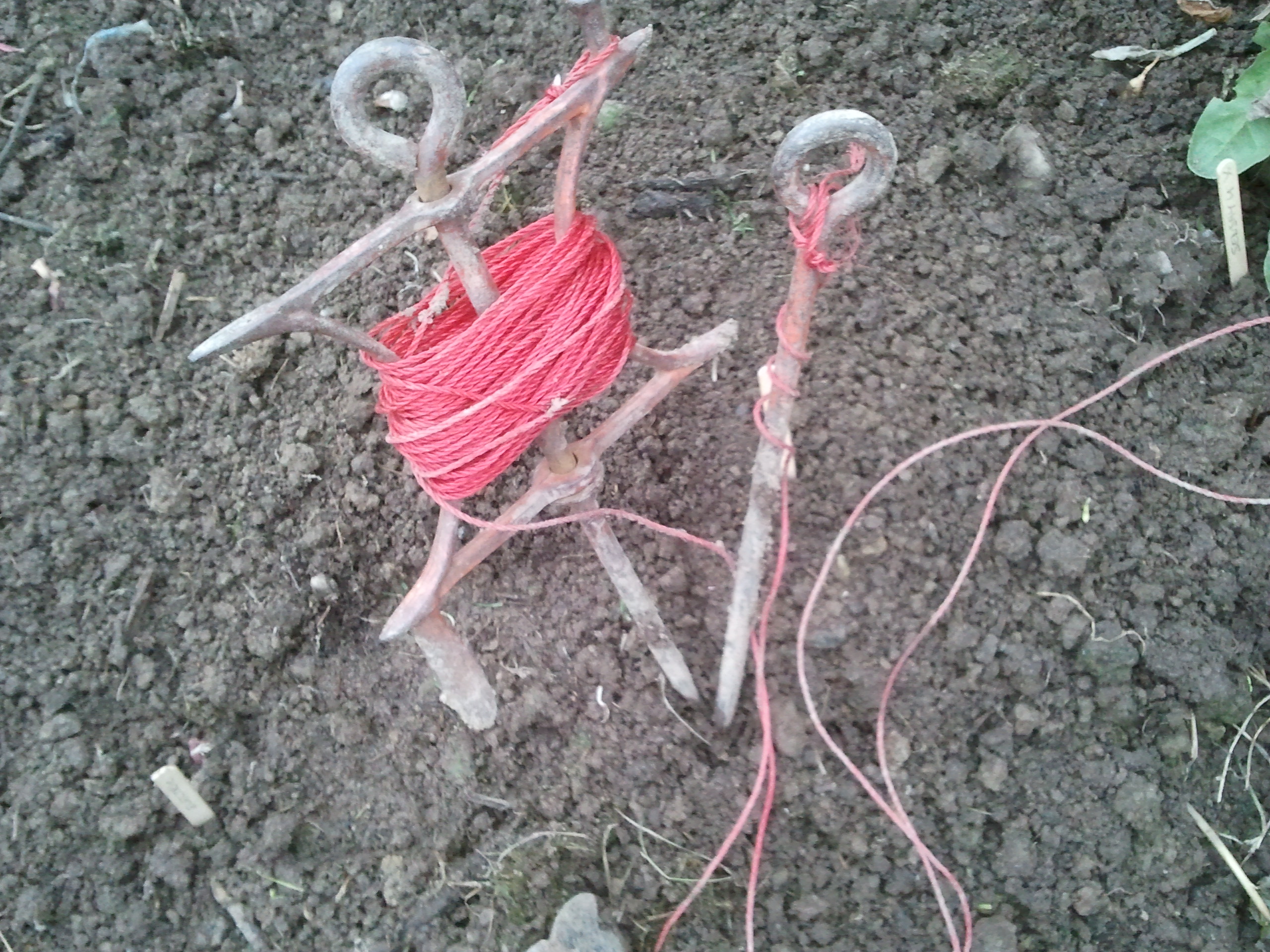
The garden line below was used by Jude, The Undergardener’s Grandfather back in the early years of the twentieth century when he worked a market garden. We use it all the time on our allotment as it is far superior to any available today. It is a design that just could not be improved upon.

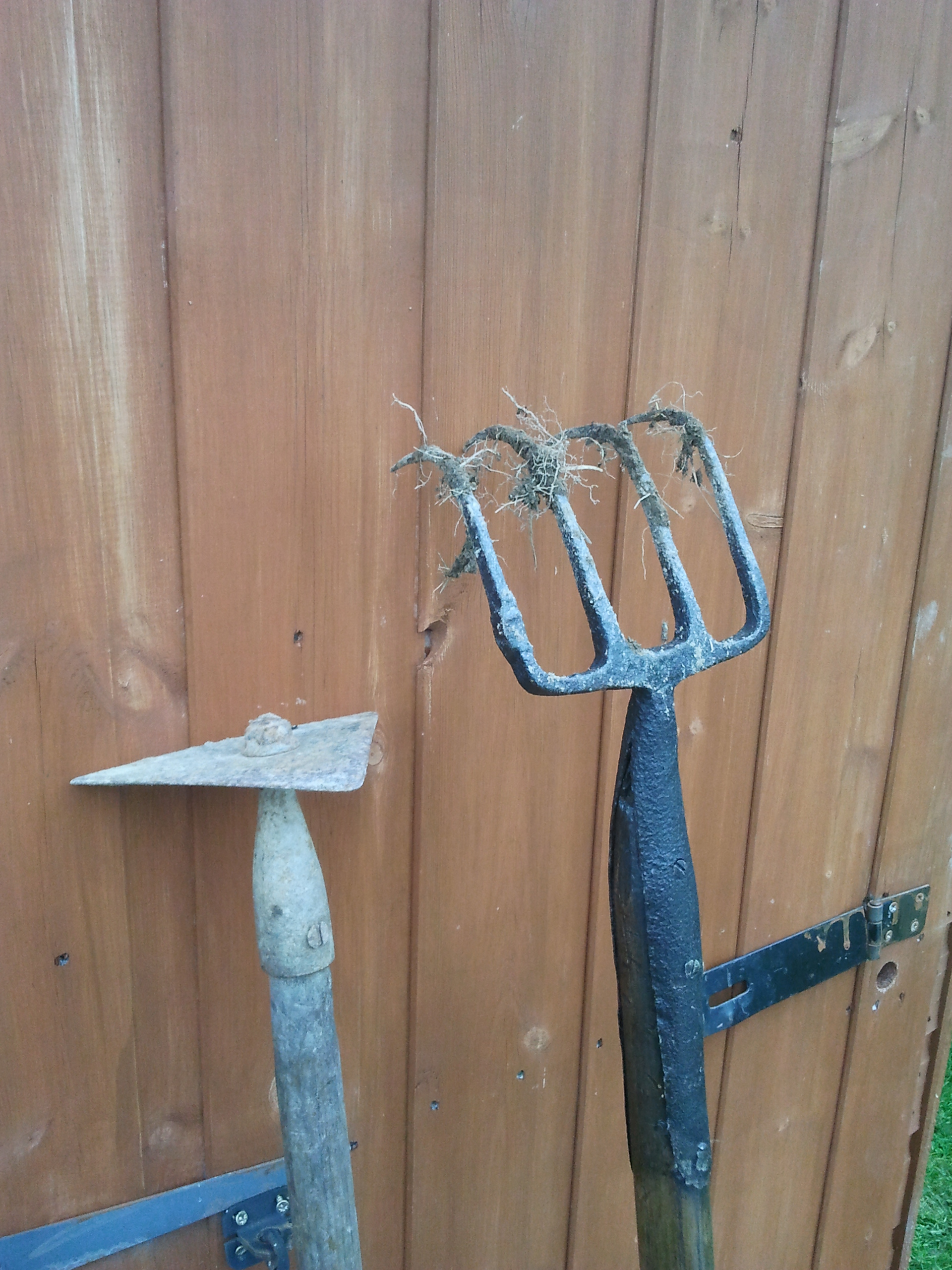
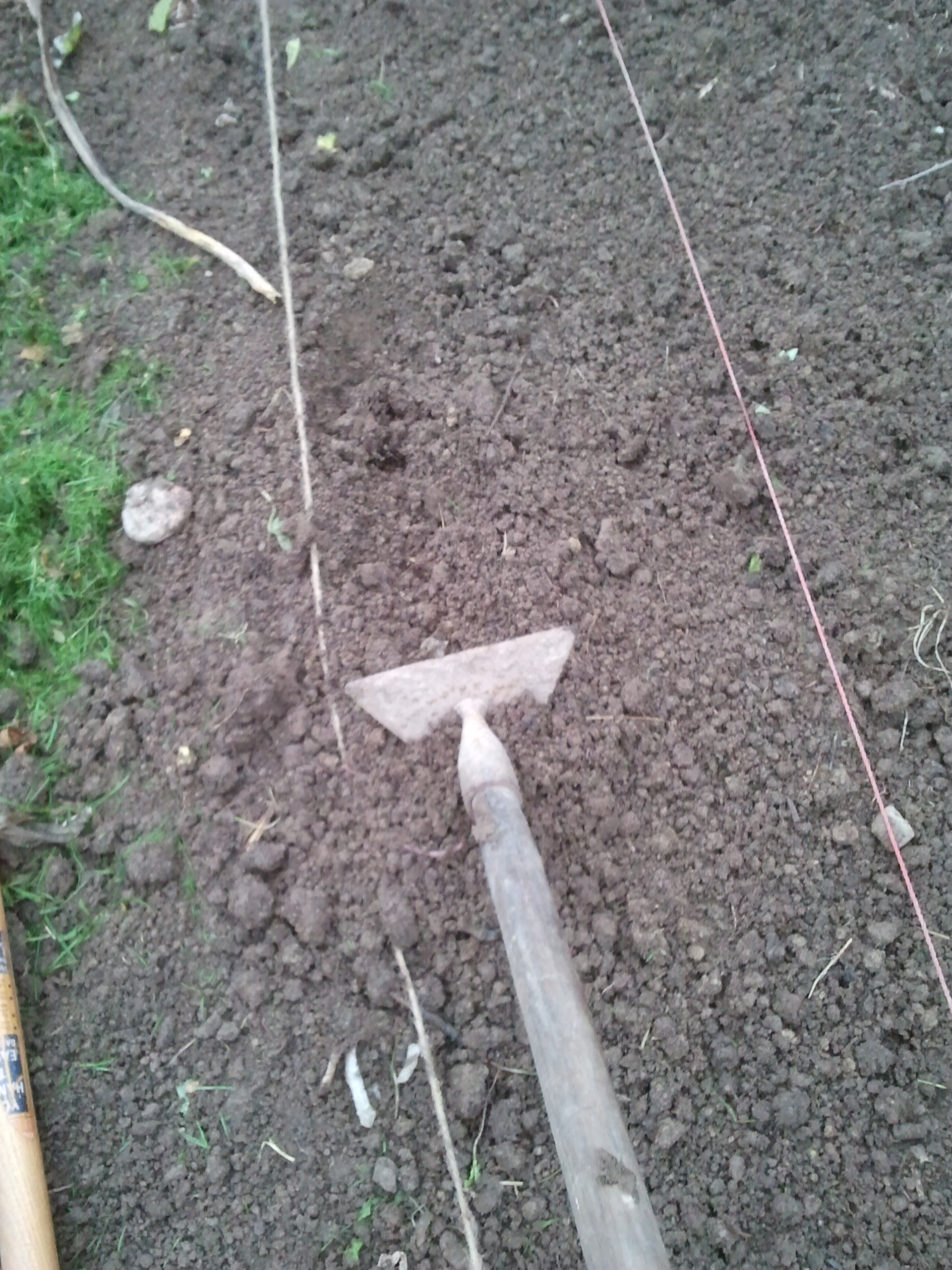
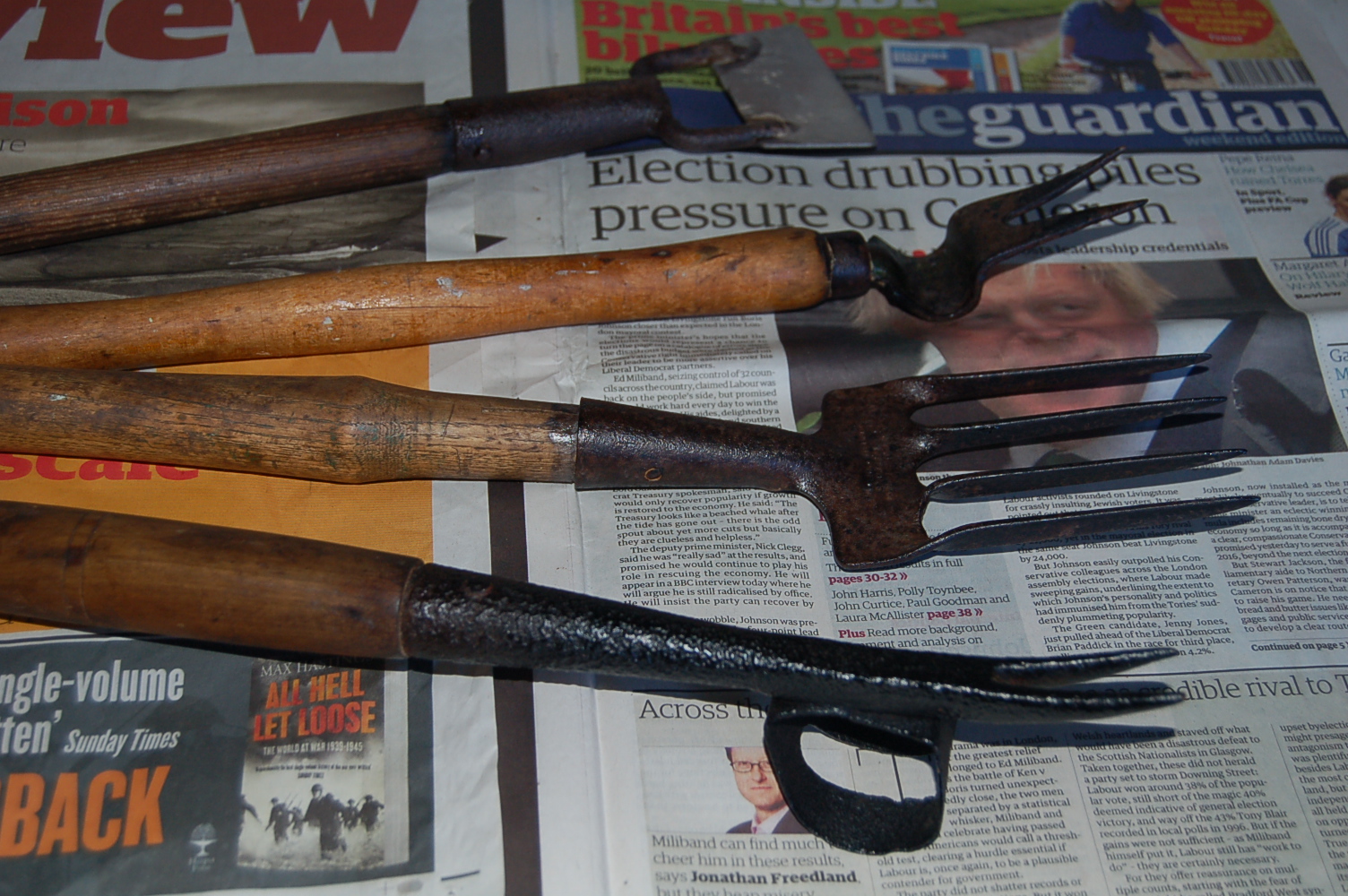
On a recent lottie visit we had hoeing and raking to do so I decided to take up my old triangular headed hoe and my “crome”. They worked really well, the sharp tines of the crome breaking down the soil to a fine tilth and with the hoe we could manouvre between winter onions and leeks a treat.
I enjoy trying out these oldies from my collection and I find them easy to use and often more comfortable than their new cousins. Perhaps it is the materials they are crafted from, the hardwood handles honed from local trees and the iron blades and tines. Today’s plastics and stainless steel give less and feel harder and colder. Of course the main difference is that old tools were individually made by craftsmen.

The art of repairing them and bringing them back to life is moat satisfying. I clean up the metal to prevent them getting any rustier and treat the wooden bits to a few coats of linseed oil well rubbed in. The smell brought back memories of my cricketing youth when I used to treat my bat handle in the same way.

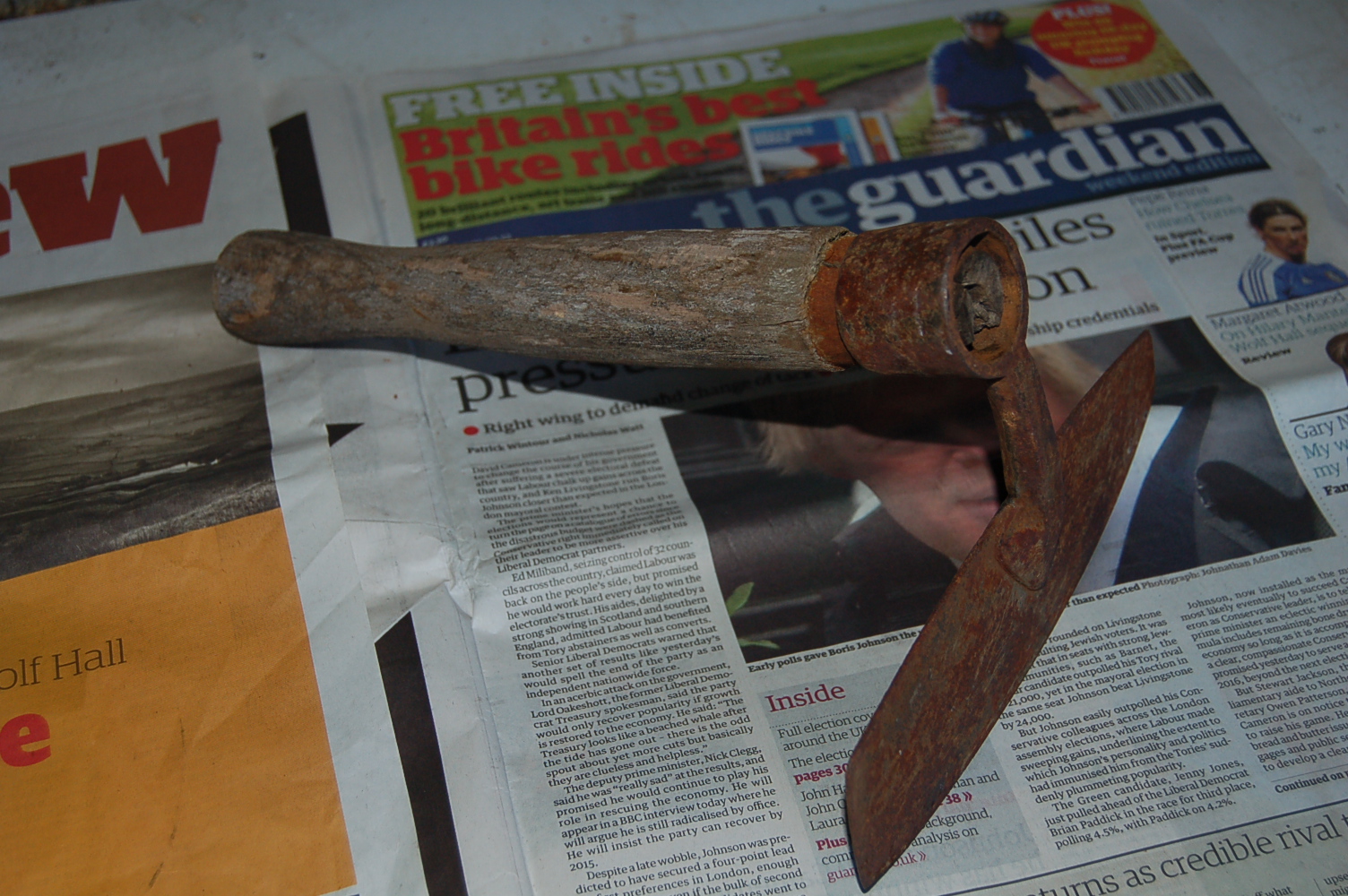
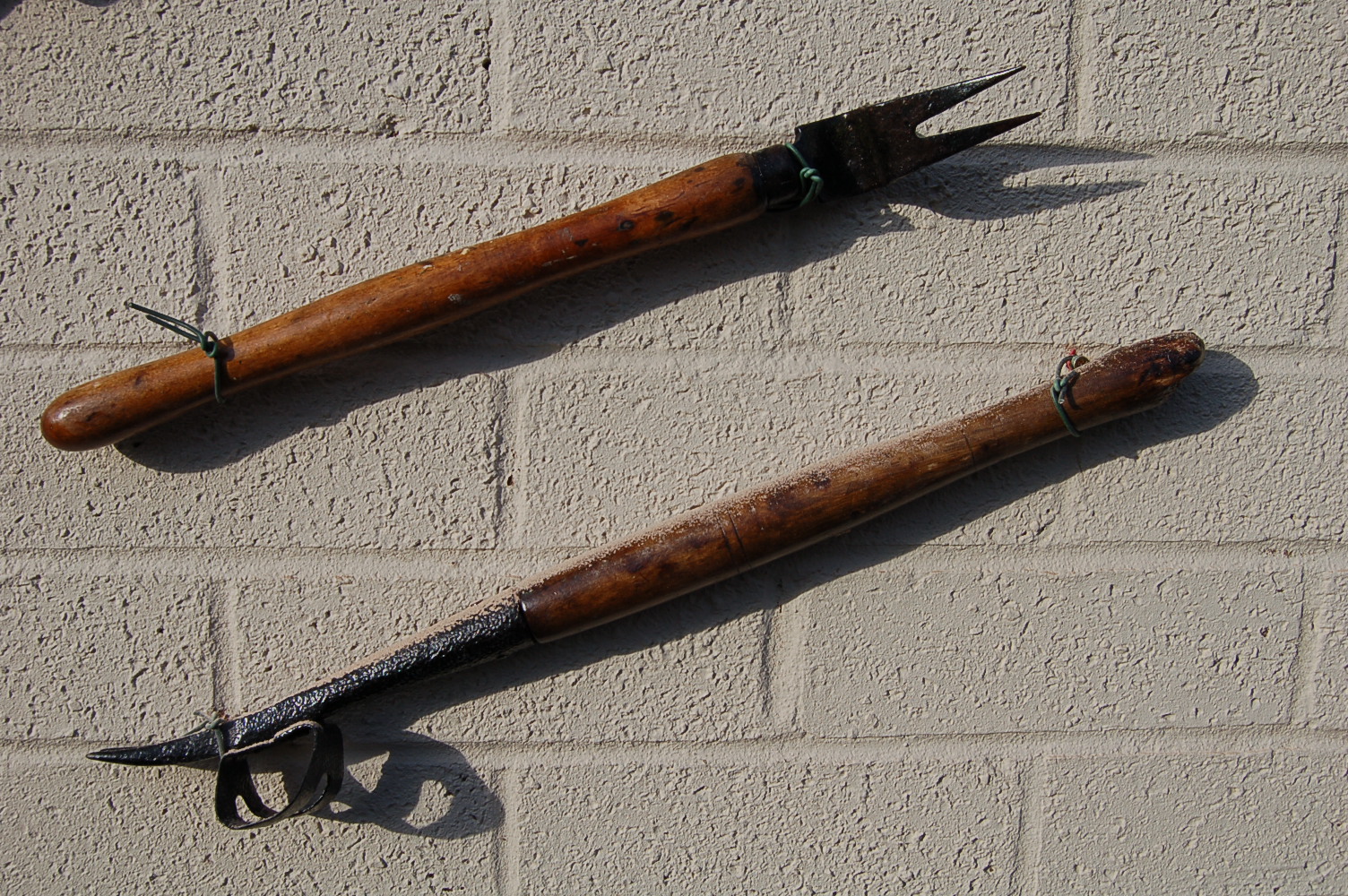
Below is one of my pieces in need of some tender loving care, its handle dry and its blade rusted.

And here he is all spick and span!

This batch has been rust-treated, linseeded and given the first of two coats of satin finish varnish.

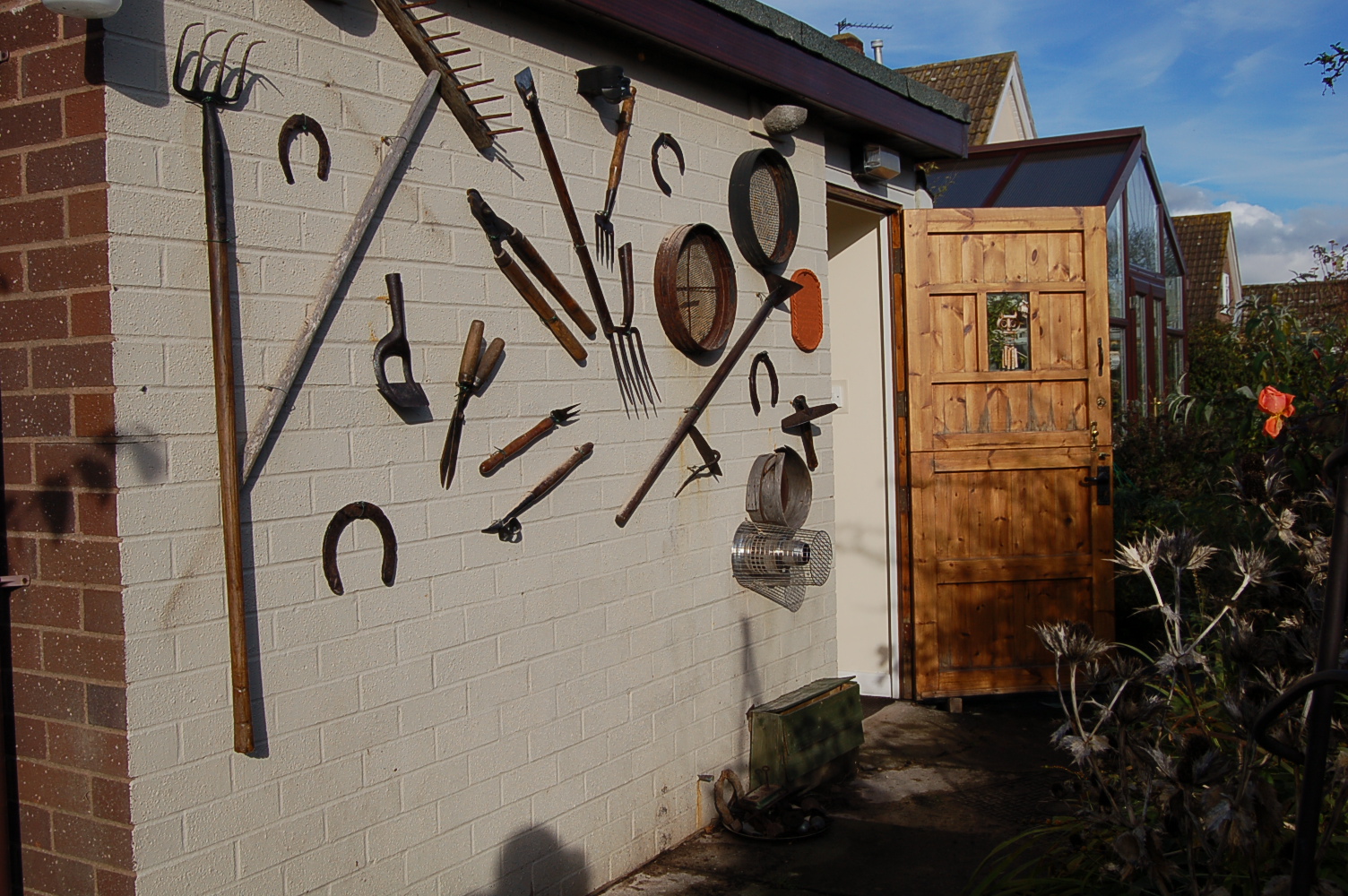
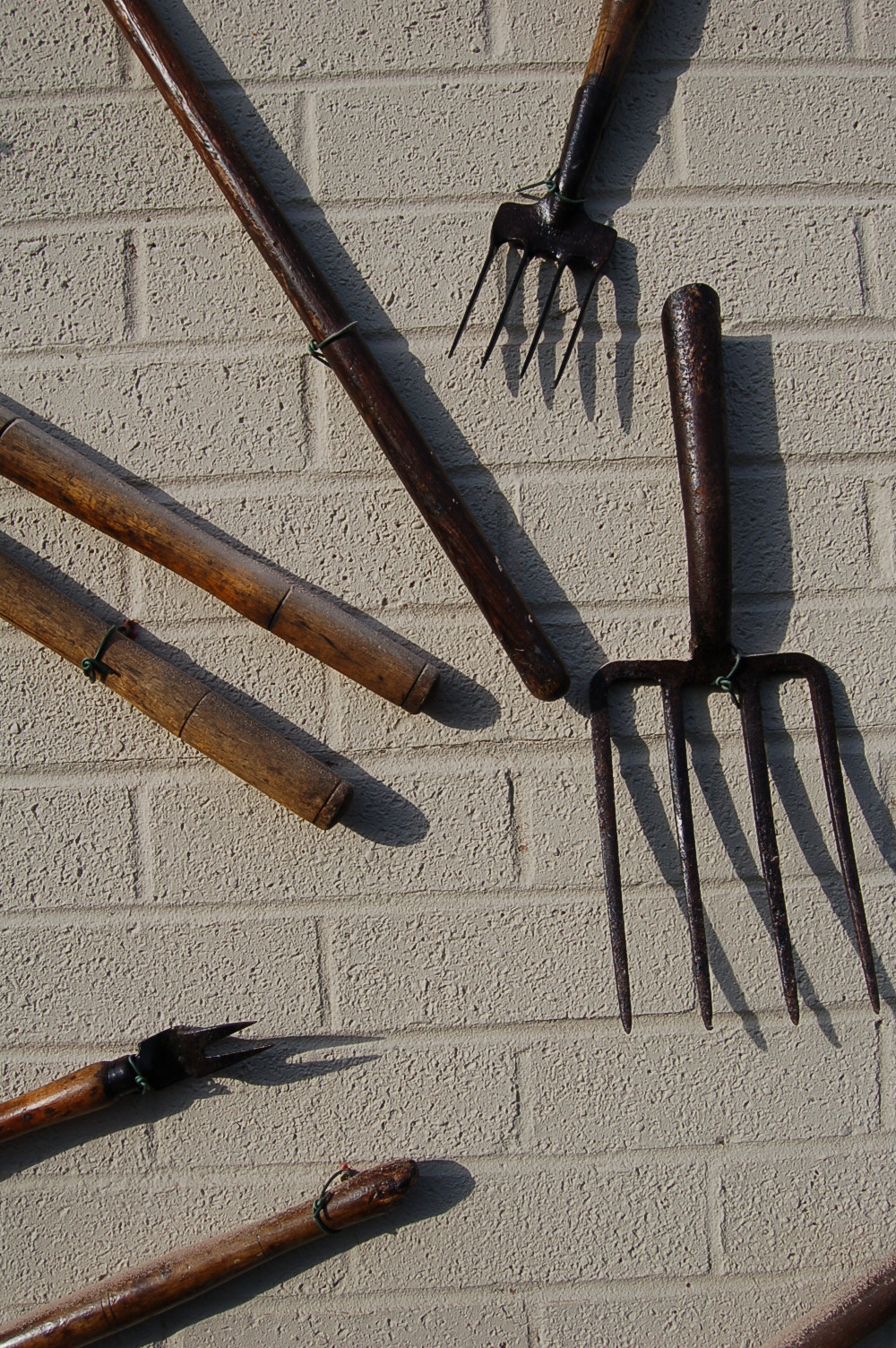
And here they all are in all their glory, decorating the back wall of our garage.

These two little hand tools are weeders better known as “daisy grubbers”. They seem so well designed with sharp forked tongues, a fulcrum point and beautifully shaped wooden handles, hand turned by a craftsman.
Categories
allotments autumn colours birds community gardening conservation garden wildlife gardening grow your own hardy perennials meadows ornamental trees and shrubs trees wildlife

A Wander around the Allotments in December

December hasn’t afforded us many days suitable for lottie gardening, sending us too much rain and flooding the site again for a while early on in the month . In fact the first attempt at working on our plot this month resulted in that too well-known sinking feeling. Algae has turned the soil green again.

We arranged to meet council officers and contractors on site one morning to start sorting out the flooding issues. It was of course raining when we met! Four trucks full of machinery and fluorescent coated workers arrived soon after, champing at the bit to start. Sods law came into play. The floods reappeared and water began lapping at our feet and at the wheels of the vehicles. One tractor got stuck in the mud!

The weather won the first round as work was abandoned even before it started, but at least everyone knows what to do now. We were promised that work would commence as soon as the weather allowed.

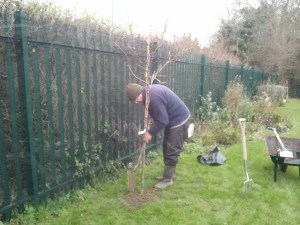
Things had improved a little by the end of the first week of the month, enough to arrange a day for Jude and I to meet our friend Pete to get some site tasks done in the communal gardens. We planted trees that had been donated by members in the new coppice we are developing, plus two others in the Autumn Garden. These were purchased with the prize money we had received when we won an award as the Best Community Garden in Shropshire by the National Garden Scheme.

SAMSUNG

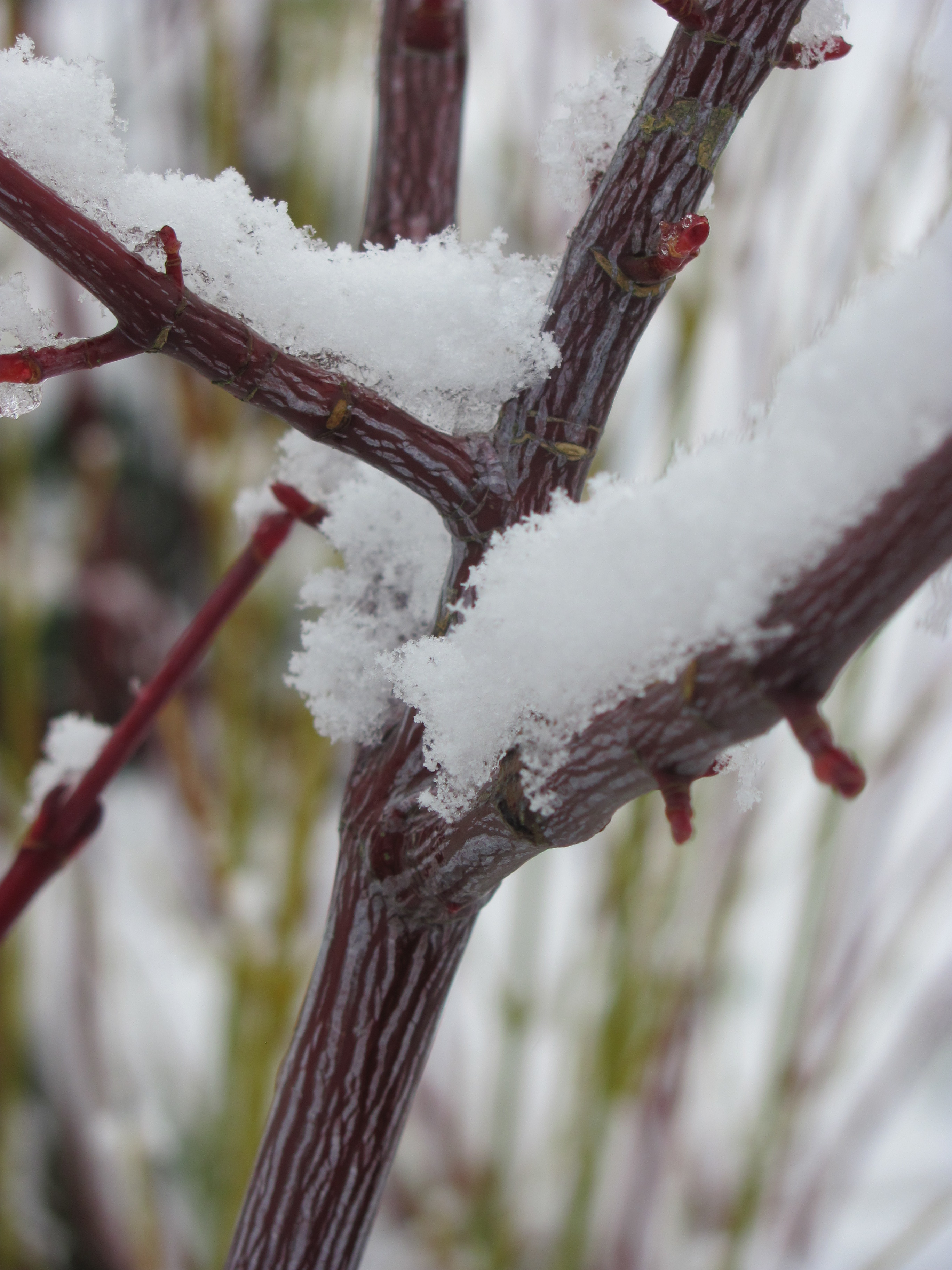
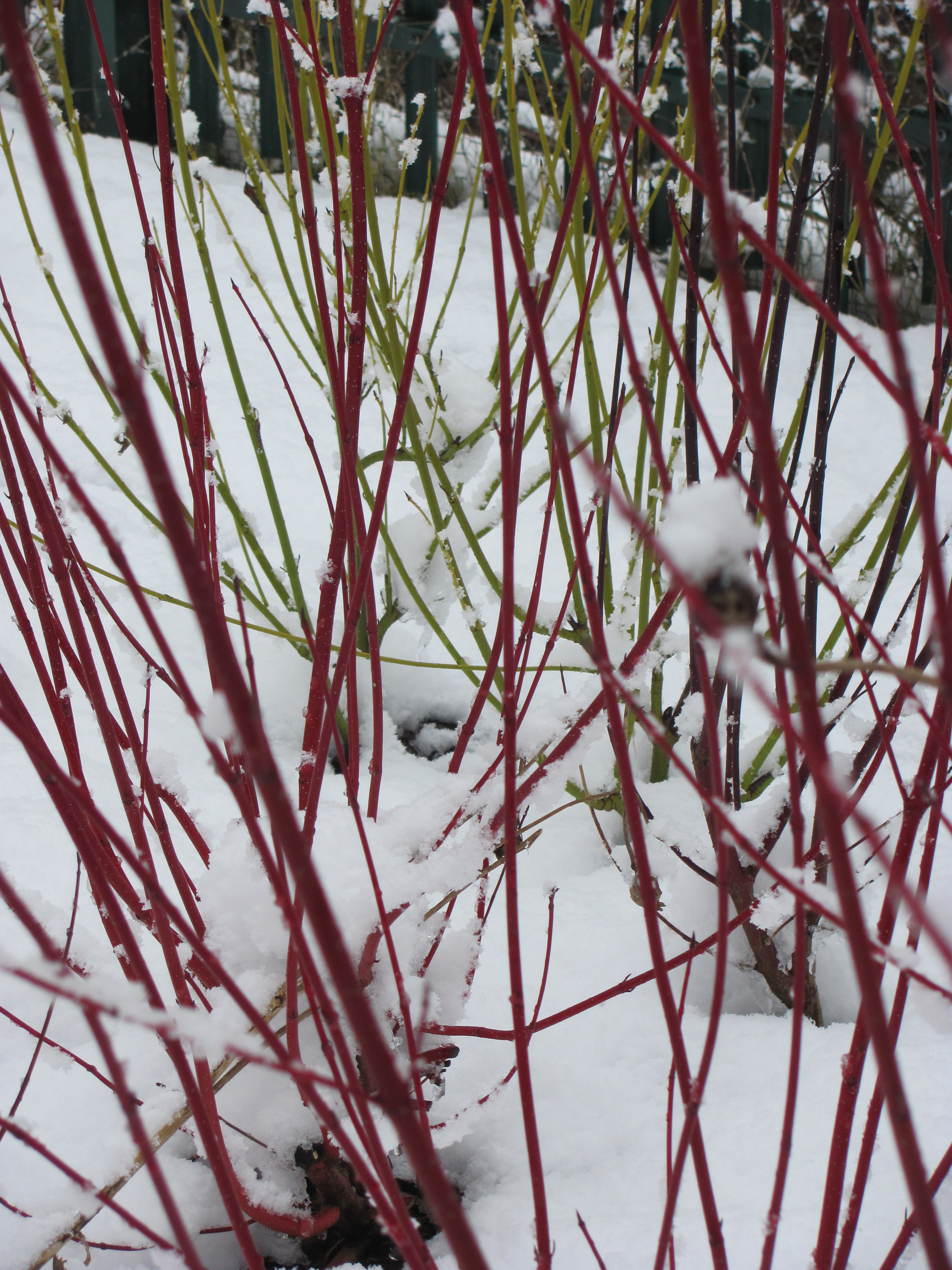
As Pete looks after the Autumn Garden he chose the trees. Two great specimens arrived in the back of his car, an Acer rubra and a Gleditsia Sungold.  In the photo above Pete is planting the Gleditsia and below is the Acer with its red stems. We can now look forward to the golden foliage of the Gleditsia and the red petioles of the Acer which contrast so well with the yellow autumn leaf colour.

SAMSUNG

We also transplanted some wild flowers and wildlife friendly plants kindly donated by a member, Dee. They were on her plot and we transplanted them to the meadows and orchards. Wild Hypericum, Red and White Campion, Mallows, Plantain, Foxgloves and Teasles plus a selection of Verbascum. In the picture below Jude is busily planting verbascum in the orchard meadows. The insect homes look so much bigger when plants die down for the winter. We just hope they are full of our friends, the overwintering pest controllers.

SAMSUNG

In the first few days of December I completed constructing the Tawny Owl nesting box which I had started weeks ago. It is by far the biggest nest box I have ever attempted to make. Each year I ask members to donate their spare wood for nest box construction and plenty came in this year so I hope to make several boxes. My next challenge is to make a box for House Sparrows.

SAMSUNG

On our own plot we have dug over the plot and given it a deep duvet mulch of manure. Now we will let the worms and other little critters get to work on it. We have pruned our fruit bushes and brambles, and are mid-point through cutting down and digging up a blackberry which refuses to produce any fruit. We gave it our “three chance and out” treatment which we allow every failing plant in our gardens.

At the mid-point of December the weather turned cold with clear ” blue-skied” days and deep frosty nights. The workers came back to get started on the flood prevention work. They are getting on well. We met them early one morning to sort things out and I took advantage of the bright conditions to get some photos taken. Having just my Samsung Galaxy with me the rest of the pics in this post are taken with its camera – a great camera for a phone.

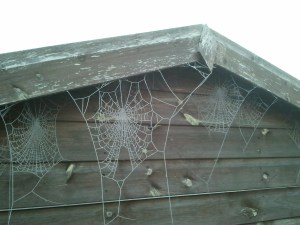
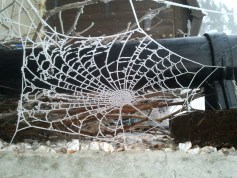
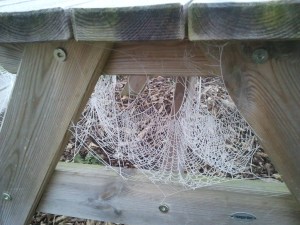
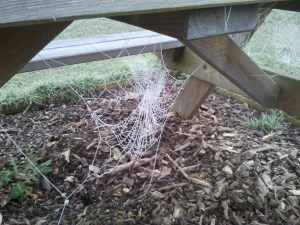
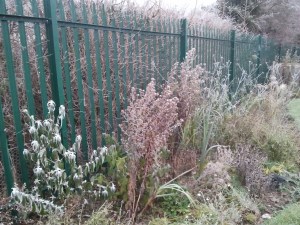
Spiders appeared to have been industrious all through the hours of darkness creating works of art for Jack Frost to add the finishing touches. In the first pic we can admire how they have decorated a shed’s gable end and the second and third show where they have added a feature to the Communal Hut.

SAMSUNG

SAMSUNG

SAMSUNG

It looks as though the spider population of the lotties have taken to using the picnic benches when it is too cold on the rear end for us gardeners to enjoy our coffee breaks on them.

SAMSUNG

SAMSUNG

On Wendy’s plot Jack Frost had iced the rose hips.

SAMSUNG

We have had some beautiful new trees delivered to the site ready for planting when the soil is not frozen. At the moment we would not get a spade in. We have been given a Weeping Silver Lime which we selected to celebrate the Queen’s Jubilee Year, plus two crab apples Malus “Evereste” and Malus “Golden Hornet” to plant, one in each orchard to improve fruit pollination, and two ornamental Hawthorns.

SAMSUNG

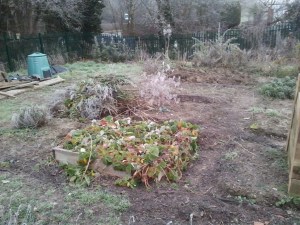
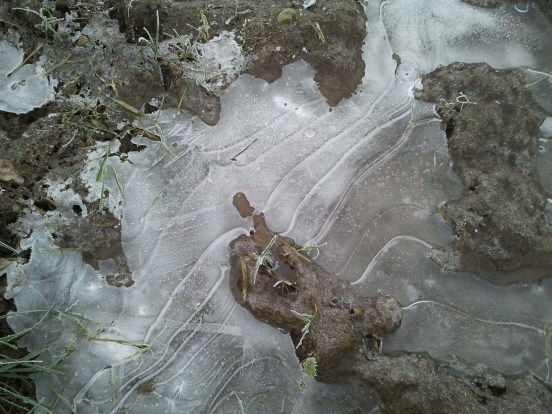
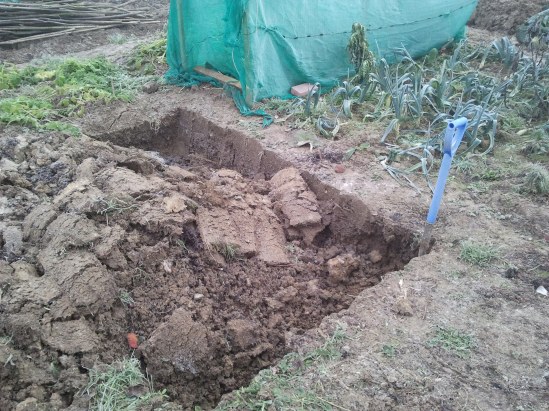
The individual plots are looking bare and forgotten. Some have been well dug for the winter, others await better weather. Where water sits in puddles it had frozen solid. On one plot a double digging session had been interrupted by the weather.

SAMSUNG

SAMSUNG

SAMSUNG

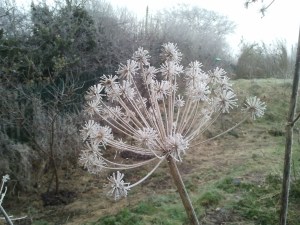
On one plot next to the new coppice area the seed heads of Angelica, left for the Goldfinches and Bullfinches to feast upon, were covered in frost.

SAMSUNG

SAMSUNG

In the coppice area itself, our newly planted Hollies had attracted spiders.

SAMSUNG

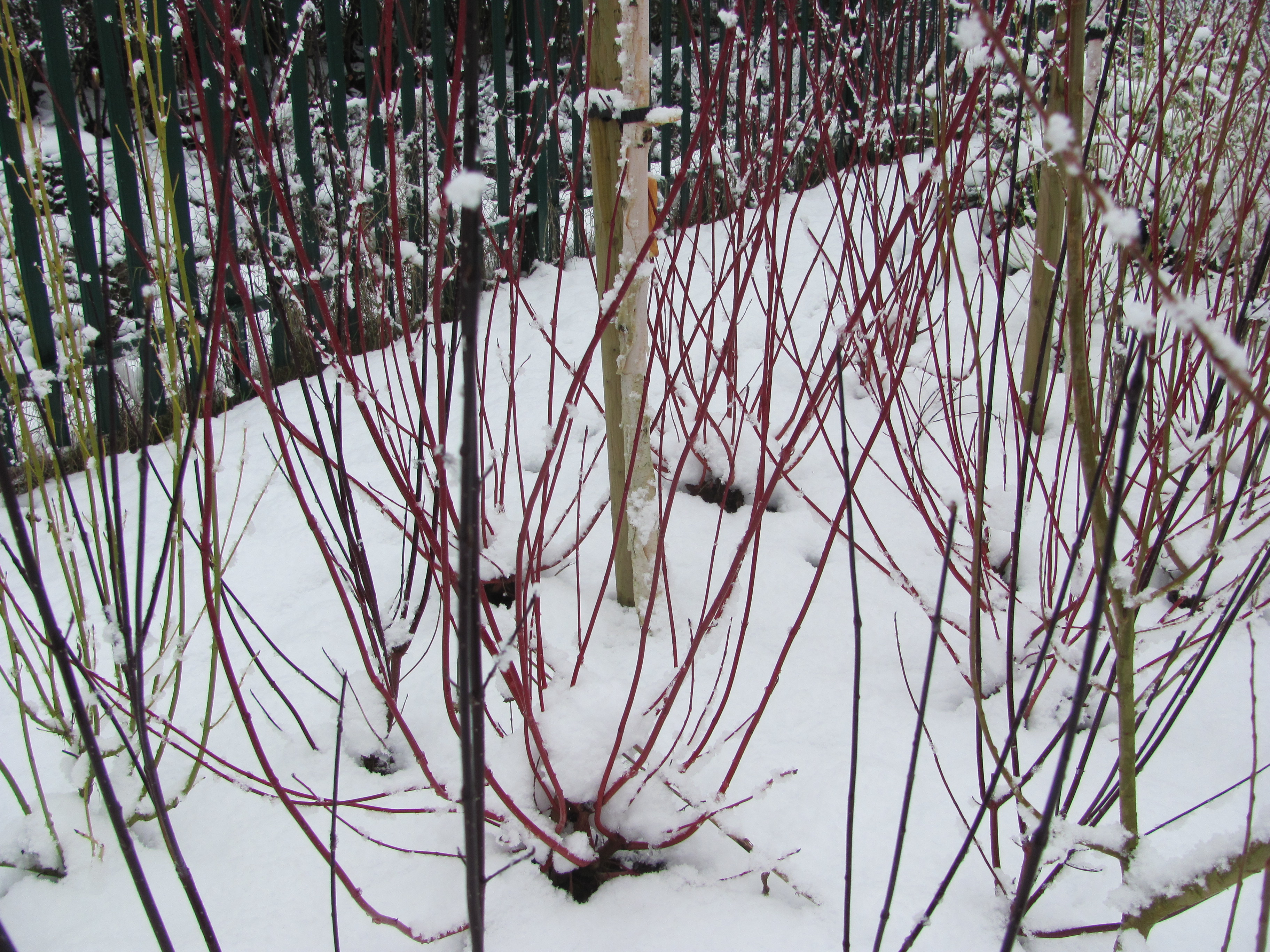
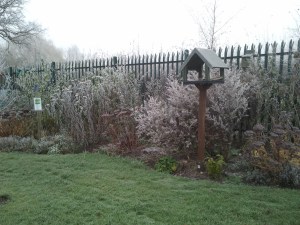
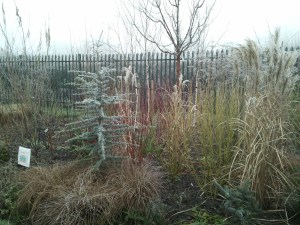
The communal gardens  looked monochrome  with frost covering the herbage.

SAMSUNG

SAMSUNG

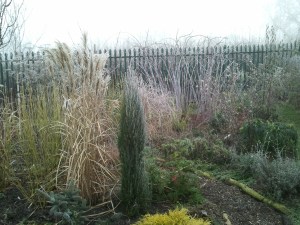
As befits the season, our Winter Garden is looking good! Pete was with me as I took these photos and he and I created this garden less than two years ago, so we keep admiring our handy work.

SAMSUNG

SAMSUNG

SAMSUNG

Splashes of colour sprang up to shine out in the gloom of the misty grey day, the fruit of the Malus “Evereste”, and the fire-coloured leaves of a Hawthorn in the hedge and a Raspberry on a plot.SAMSUNG

SAMSUNG

SAMSUNG

As we wandered taking these pictures we were followed around by the resident Robins who were waiting for us to start work turning soil over and exposing bugs for them to pounce upon. But no gardening was done, the soil being too solid with frost so no sod could be turned. We found time to top up the bird feeders in our feeding stations. These are busy with tits, finches, Nuthatches and Woodpeckers.

This Veggie Life

A Vegetarian | Nature Lifestyle Blog

Rambling in the Garden

.....and nurturing my soul

The Arch City Gardener

Journeys In St. Louis Gardening and Beyond

Garden Dreaming at Châtillon

Consult the genius of the place

Storyshucker

A blog full of humorous and poignant observations.

gardeninacity

Notes from a wildlife-friendly cottage garden

PlayGroundology

...an emerging social science

The Official Blog of British Wildlife

'The most important and informative publication on wildlife of our times' - The Independent. This blog is a member of The UK & Ireland Natural History Bloggers group: www.uknhb.blogspot.com

iGrowHort

Inspire - Cultivate - Grow Native Plants - Restore Landscapes

Bishops Meadow Trust

To create and protect a semi-natural wild space for the people of Farnham to enjoy and experience an array of British wildlife in our town

Gardening with Children

The www.gardeningwithchildren.co.uk Blog

UKbirdingtimeline

birding through the seasons, why birds matter and how to conserve them

NATURE WALKER

with a camera in hand

Jardin

Transform your outdoor space

Eva's space

My allotment, cooking and other interests

Old School Garden

my gardening life through the year

LEANNE COLE

Trying to live a creative life

fromacountrycottage

trying to live as lightly as possible on our beautiful planet

Good Life Gardening

Nature lovers from Leicester living the good life.

mybeautfulthings

Finding the beautiful in the everyday

mawsonmichelle

Michelle's Allotment

In and Out of My Garden

thoughts from and about my garden

Greenhousing

Big plans for a small garden

The Scottish Country Garden

A Walled Country Garden in South East Scotland

The Fruity Chicken

Life at the fruity chicken

willowarchway

Off grid living. Self sufficient. "PERMAGANICS RULE".

St Anns Allotments

Nottingham's Grade 2* Listed Allotments and Community Orchard

Manifest Joy Harvests

a journey in suburban vegetable gardening

Allotmental

The madness of growing your own

Penny's Garden: a harvest beyond my front door

A novel approach to vegetable gardening

arignagardener

Sustainable living in the Irish countryside.

NewEnglandGardenAndThread

Master Gardener, amateur photographer, quilter, NH native, and sometimes SC snowbird

dianajhale

Recent work and work in progress and anything else that interests me

planthoarder

a chaotic cottage gardener

Lens and Pens by Sally

a weekly blog that creates a personal philosophy through photographs and words

Dewdrops and Sunshine

Stories from a sassy and classy Southern farmbelle.

The Pyjama Gardener

Simple Organic Gardening & Seasonal Living

gettin' fresh!

turning dirt into dinner

JOY...

today the world is created anew

Garden Birds

Notes from a Devon garden

ShootAbout

Life Through The Lens

Adapting Pixels

A photography blog showcasing the best photography pictures and videos on the internet

Wildlifegardening's Blog

Just another WordPress.com site

naturestimeline

personal observations from the natural world as the search continues for a new approach to conservation.

LATEBLOOMERBUDS

The Wonders of Life through my Eyes, my Heart, my Soul