Categories
birds colours flowering bulbs garden design garden photography garden wildlife gardening gardens hardy perennials light light quality ornamental trees and shrubs Shropshire shrubs spring bulbs spring gardening trees

My Garden Journal 2016 – April

Here we are with my April look at my garden journal. I began as I often do with a look at the weather that was affecting our garden.

“April is known for its showery weather and we hope it is the first frost-free weeks of the year. This will allow us to begin hardening off our delicate plants that have hidden away in our greenhouse and summerhouse. Looking back at my first garden journal I notice that in early April birds were then showing signs of nest building. I wrote …Spring is here! Sometimes at least. Birds are collecting nesting materials, blackbirds, greenfinches and all the Titmice family.” This year birds are singing and calling well but we have seen no signs of nest building activities. The Titmice have given up their earlier explorations of our many birdboxes. We hope Spring will catch up and get wildlife stirring again.”

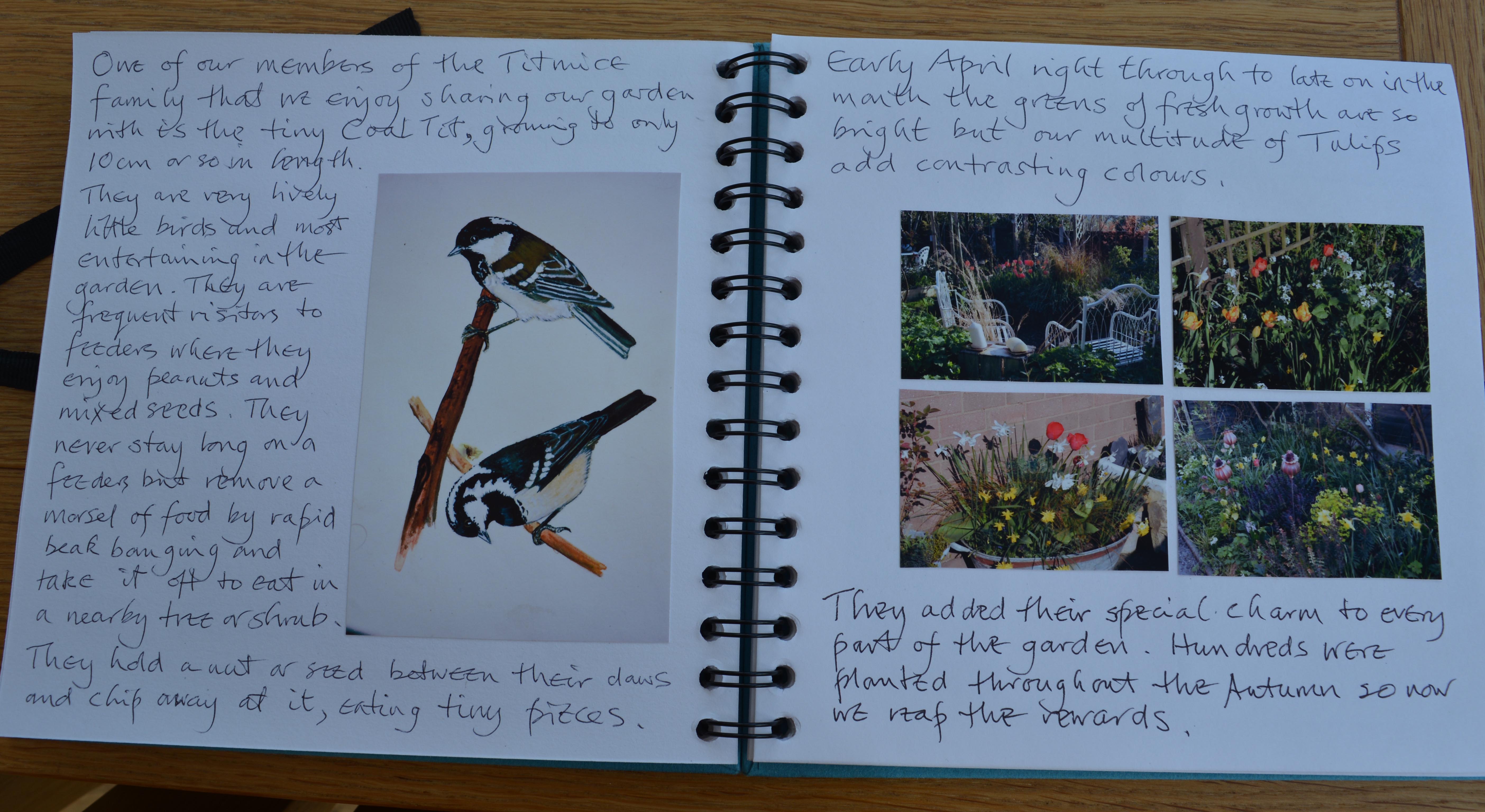
Over the page I continue by looking at one member of the Titmice family, the Coal Tit, and I included one of my gouache paintings of these active little birds.
apr-2

“One of our members of the Titmice family that we enjoy sharing our garden  with is the tiny Coal Tit, growing to only 10cm or so in length. They are very lively little birds and most entertaining in the garden. They are frequent visitors to feeders where they enjoy peanuts and mixed seeds. They never stay long on a feeder but remove a morsel of food by rapid beak banging and take it off to eat in a nearby tree or shrub. They hold a nut or seed between their claws and chip away at it, eating tiny pieces.”

coaltit-1

On the page opposite I take a look at the bright Tulips in our garden and what they add to it.

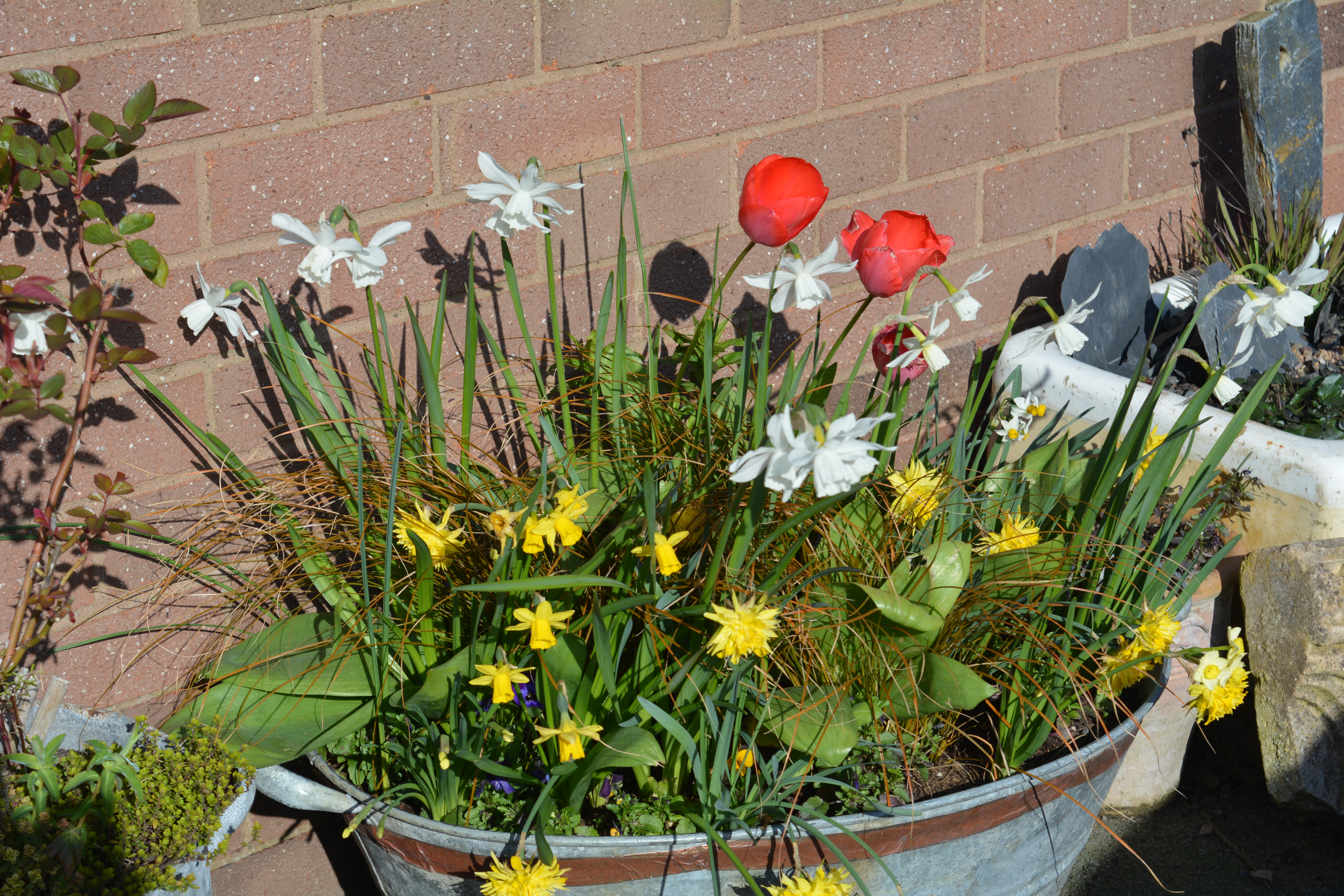
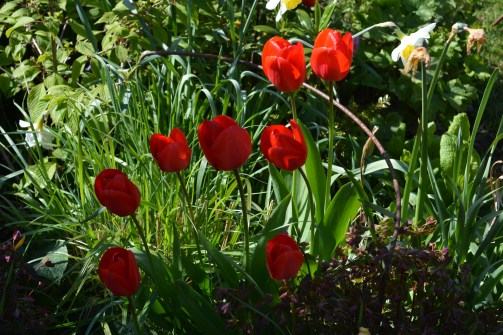
“Early April right through to late on in the month the greens of fresh growth are so bright but our multitude of Tulips add contrasting colours. They add their special charm to every part of the garden. Hundreds were planted throughout the Autumn so now we reap the rewards.”

aprilpics-22 aprilpics-17 aprilpics-29 aprilpics-30 aprilpics-14

Tulips and other bulbs continue to be featured on my next couple of pages.
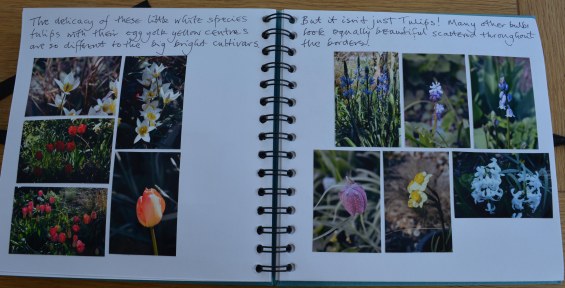
apr-1

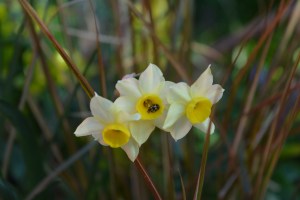
“The delicacy of these little white species Tulips with their egg yolk yellow centres are so different to the big bright cultivars.”
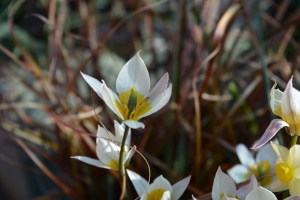
aprilpics-16 white tulip-1aprilpics-01 aprilpics-04aprilpics-10

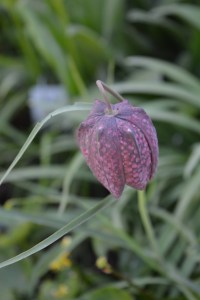
“But it isn’t just Tulips! Many other bulbs look equally beautiful scattered throughout the borders.”

aprilpics-03 aprilpics-09 aprilpics-08aprilpics-15 aprilpics-27aprilpics-05 aprilpics-02

Turning the page we find a much wordier look with an odd photo to illustrate the words, followed by a look at some of our Acers.
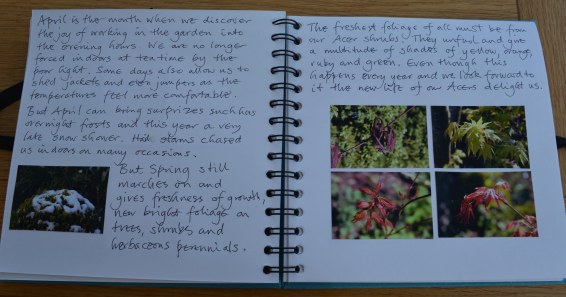
apr-3

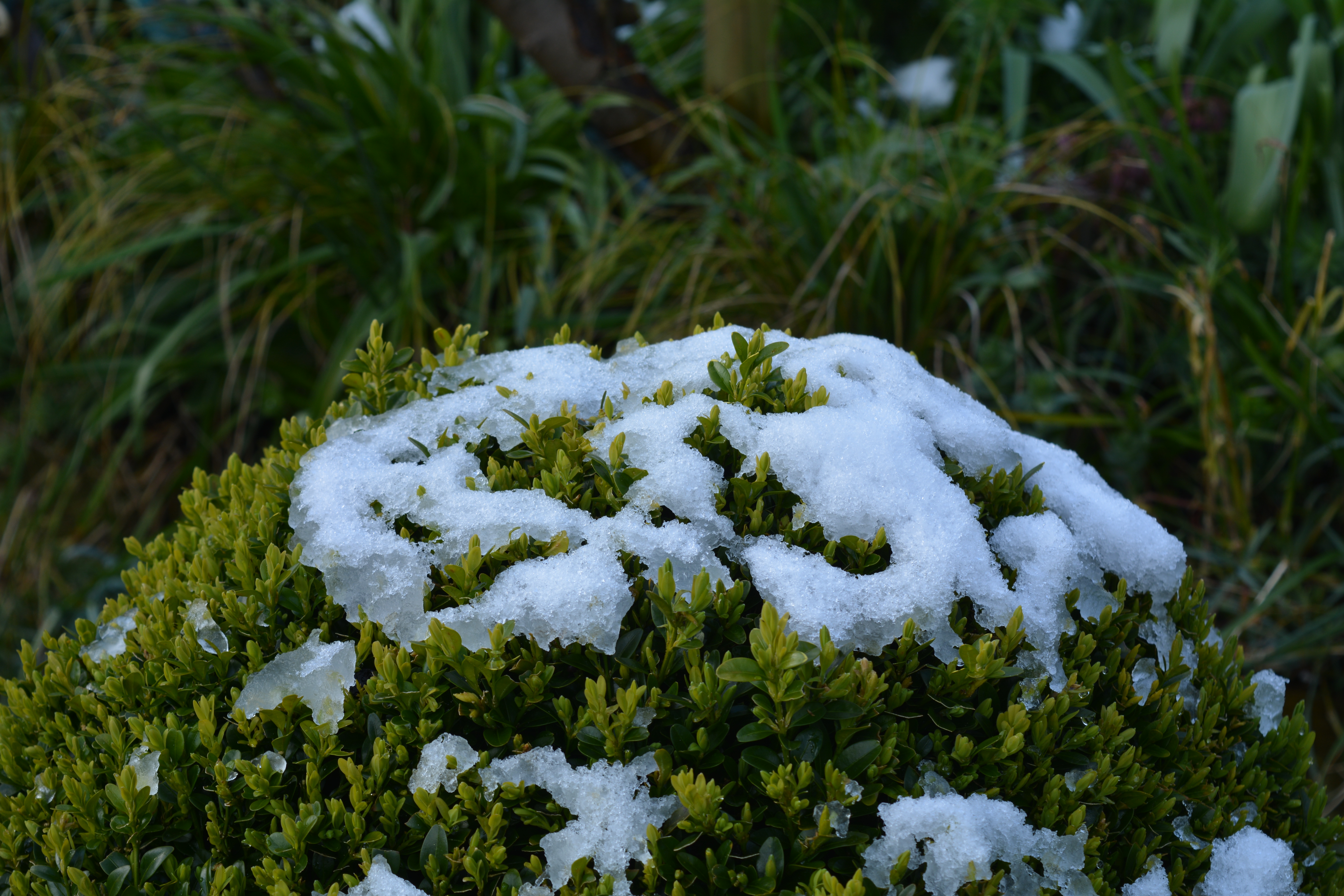
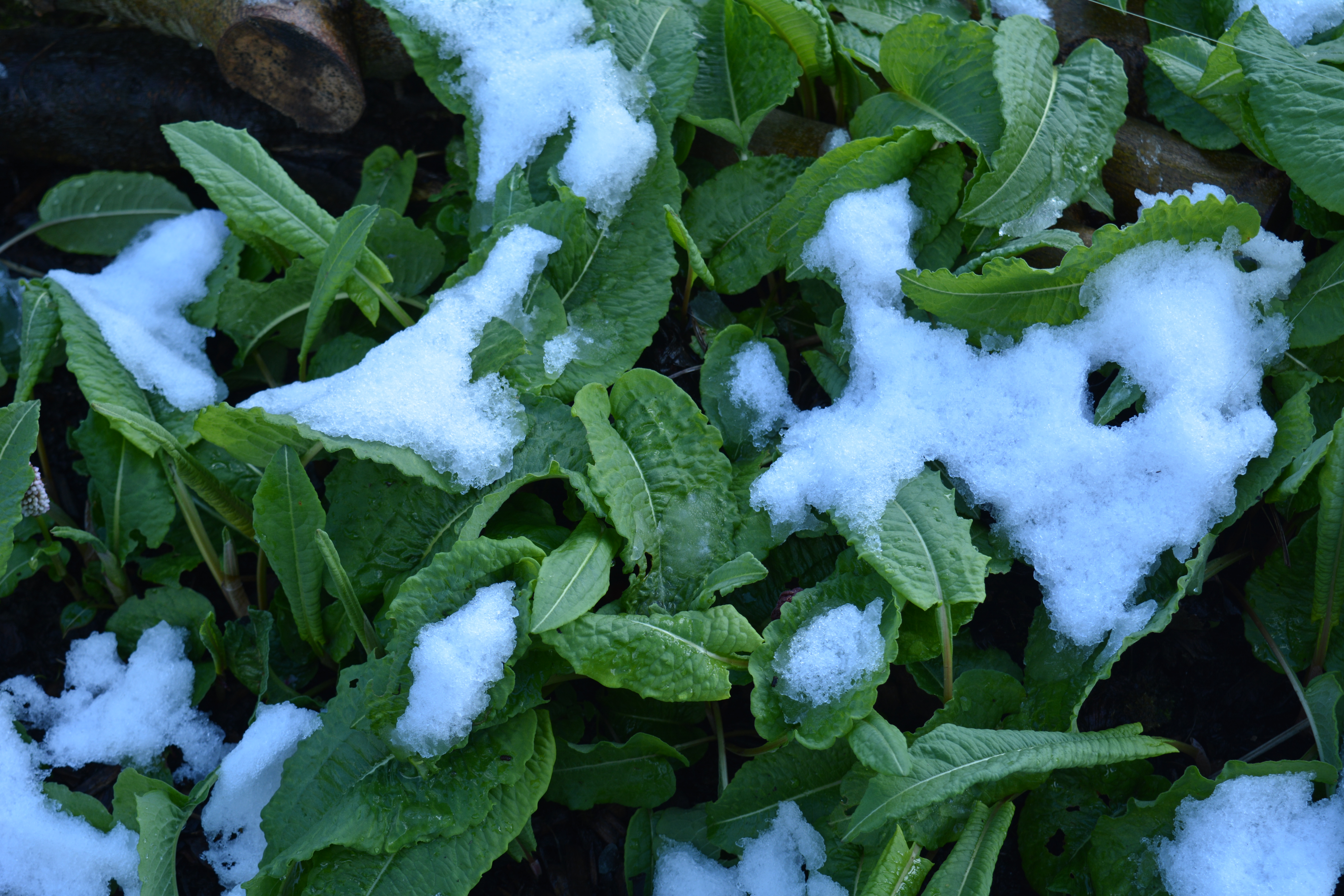
“April is the month  when we discover the joy of working in the garden into the evening hours. We are no longer forced indoors at teatime by the poor light. Some days also allow us to shed jackets and even jumpers as the temperatures feel more comfortable. But April can bring surprises such as overnight frosts and this year a very late snow shower. Hail storms chased us indoors on many occasions. But Spring still marches on and gives freshness of growth, new bright foliage on trees, shrubs and herbaceous perennials.”
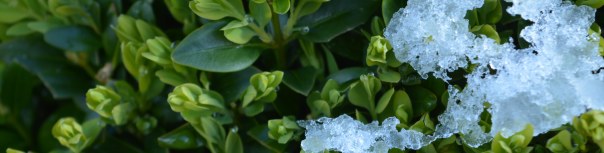
snow box-8snow box-1 snow box-2 snow box-3 snow box-4

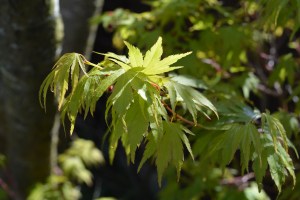
“The freshest foliage of all must be from our Acer shrubs. They unfurl their buds and give a multitude of shades of yellow, orange, ruby and green. Even though this happens every year and we look forward to it, the new life of our Acers delights us.”

aprilpics-13 aprilpics-07aprilpics-06 aprilpics-12

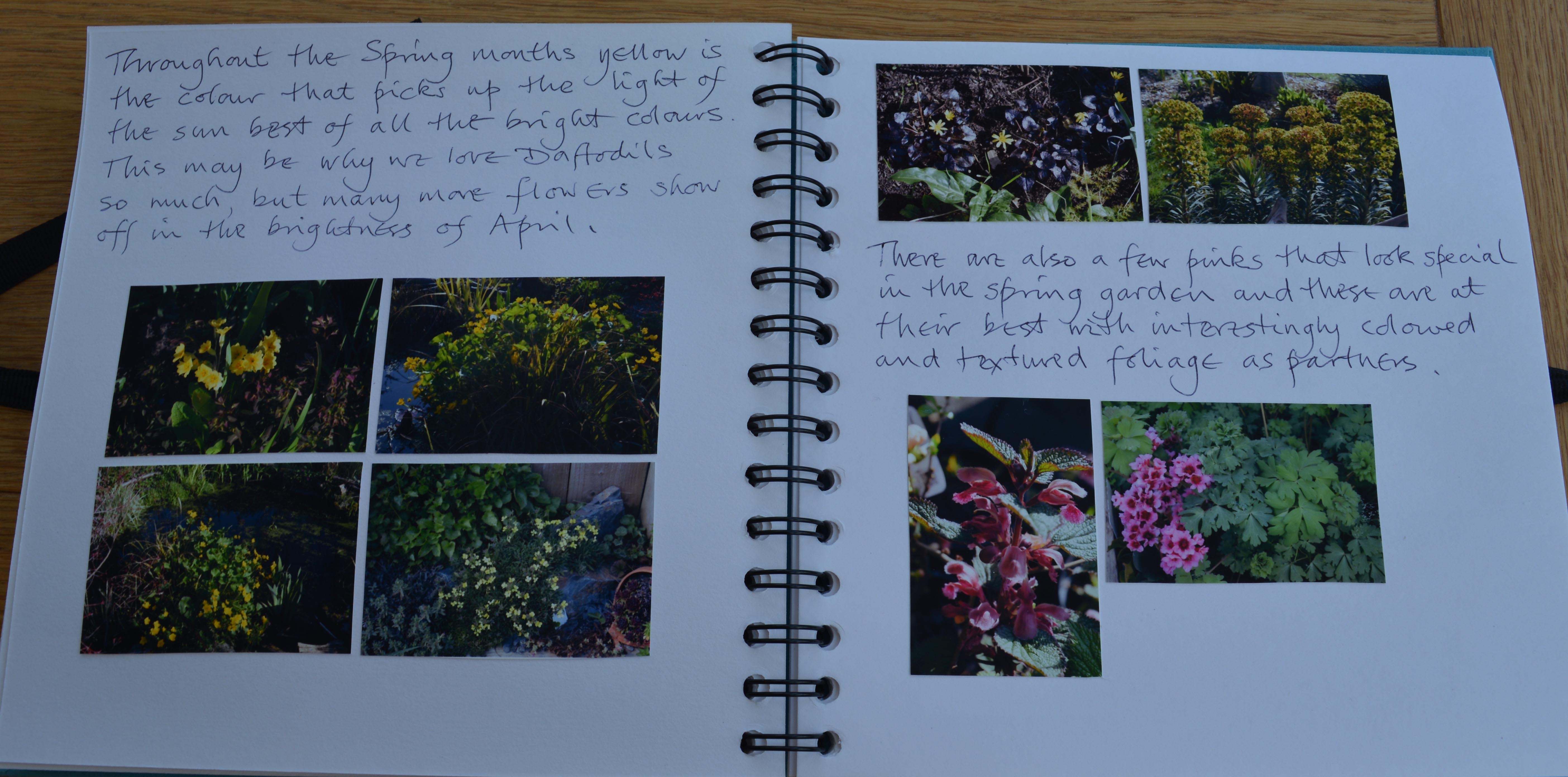
I then look at yellow in our garden.
april journal-4

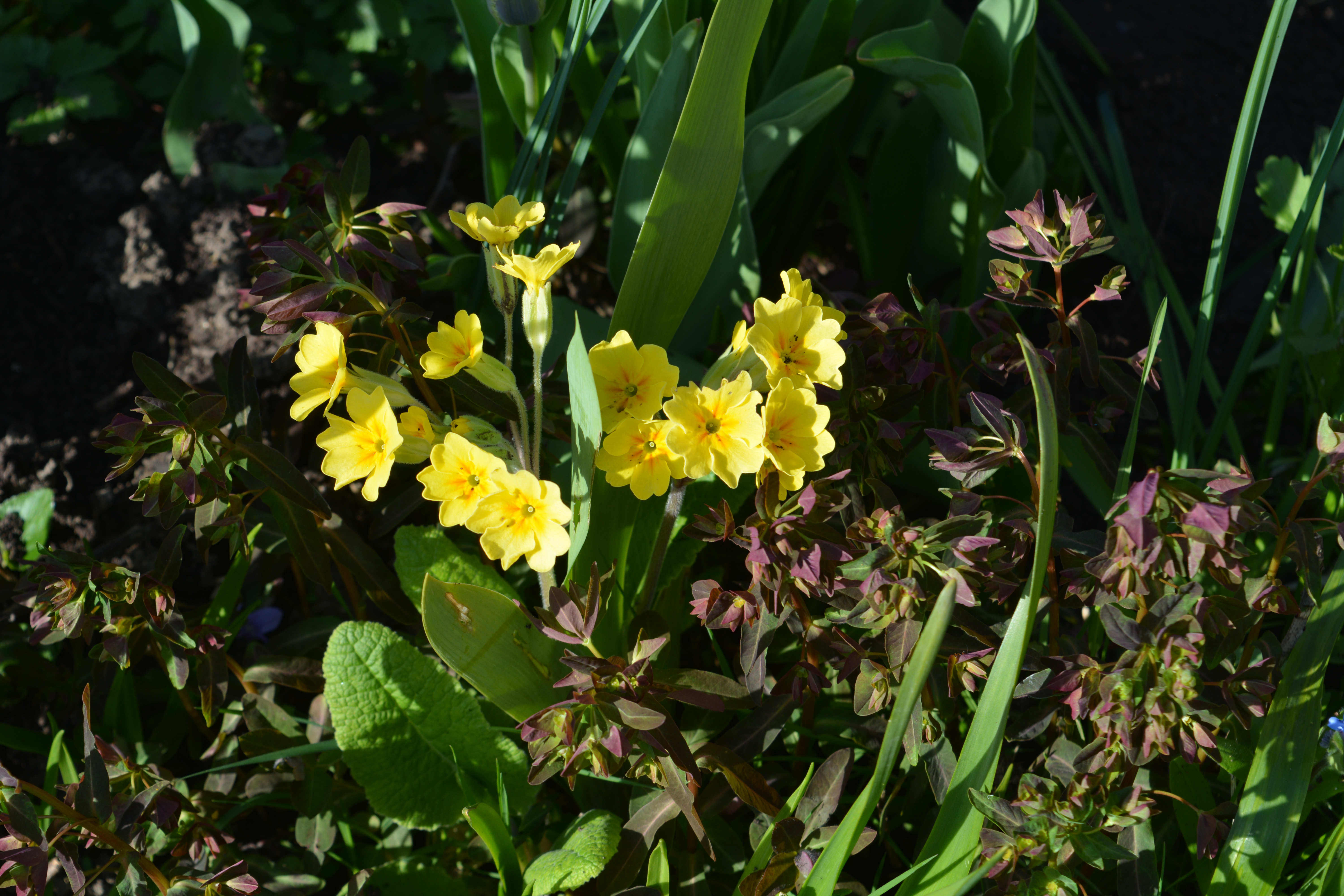
“Throughout the Spring months yellow is the colour that picks up the bright light of the sun best of all the bright colours. This may be why we love Daffodils so much, but many more flowers show off in the brightness of April.”    


aprilpics-20 yellow-4yellow-1 yellow-8aprilpics-18 yellow-9


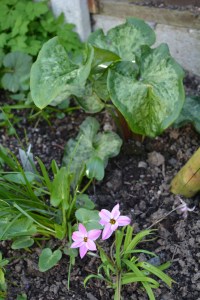
“There are also a few pinks that look special in the Spring garden and these are at their best with interestingly coloured and textured foliage as partners.”

aprilpics-50 yellow-3

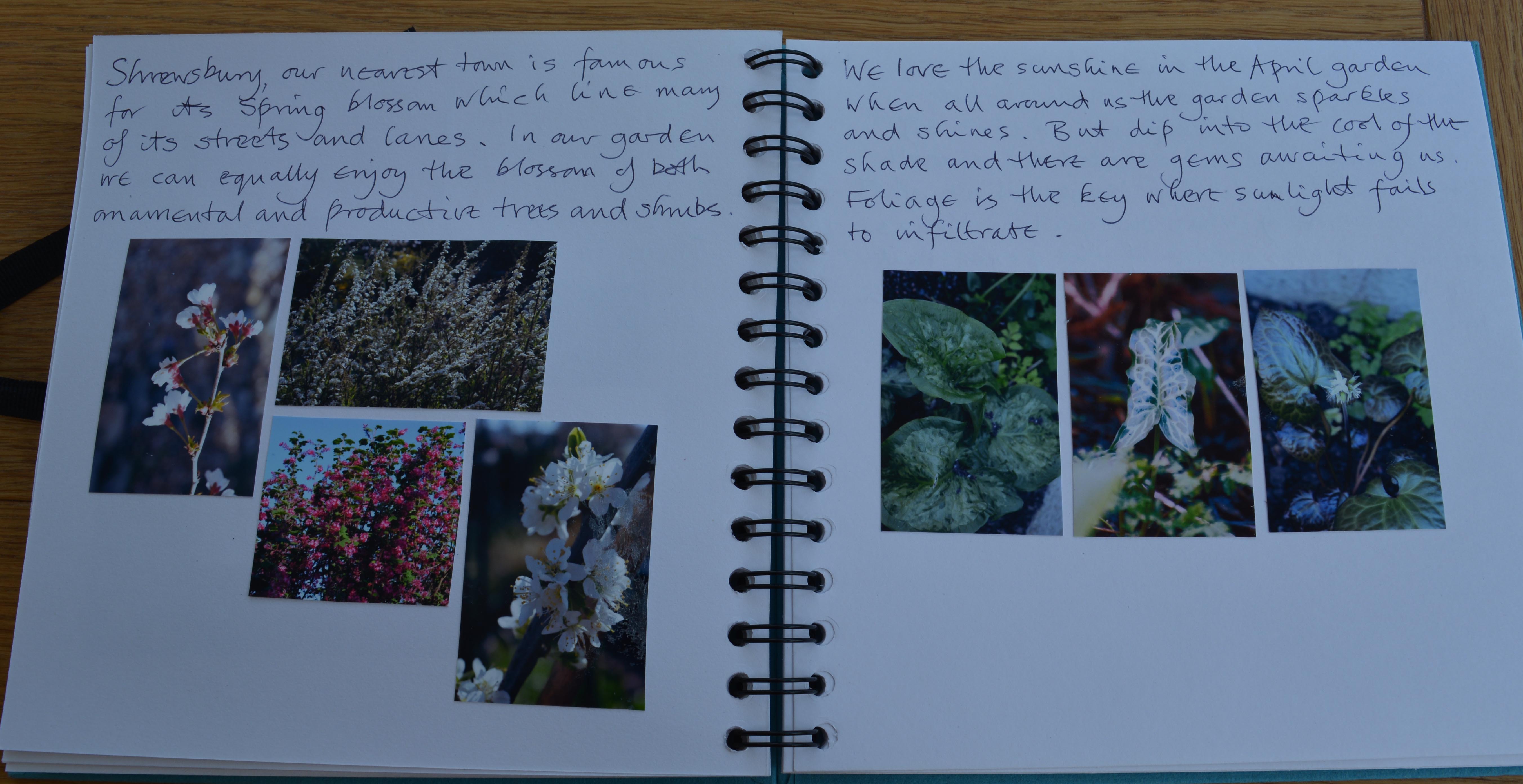
Blossom and the plants of cool shade appear on the final couple of my journal’s pages for April.
april journal-5

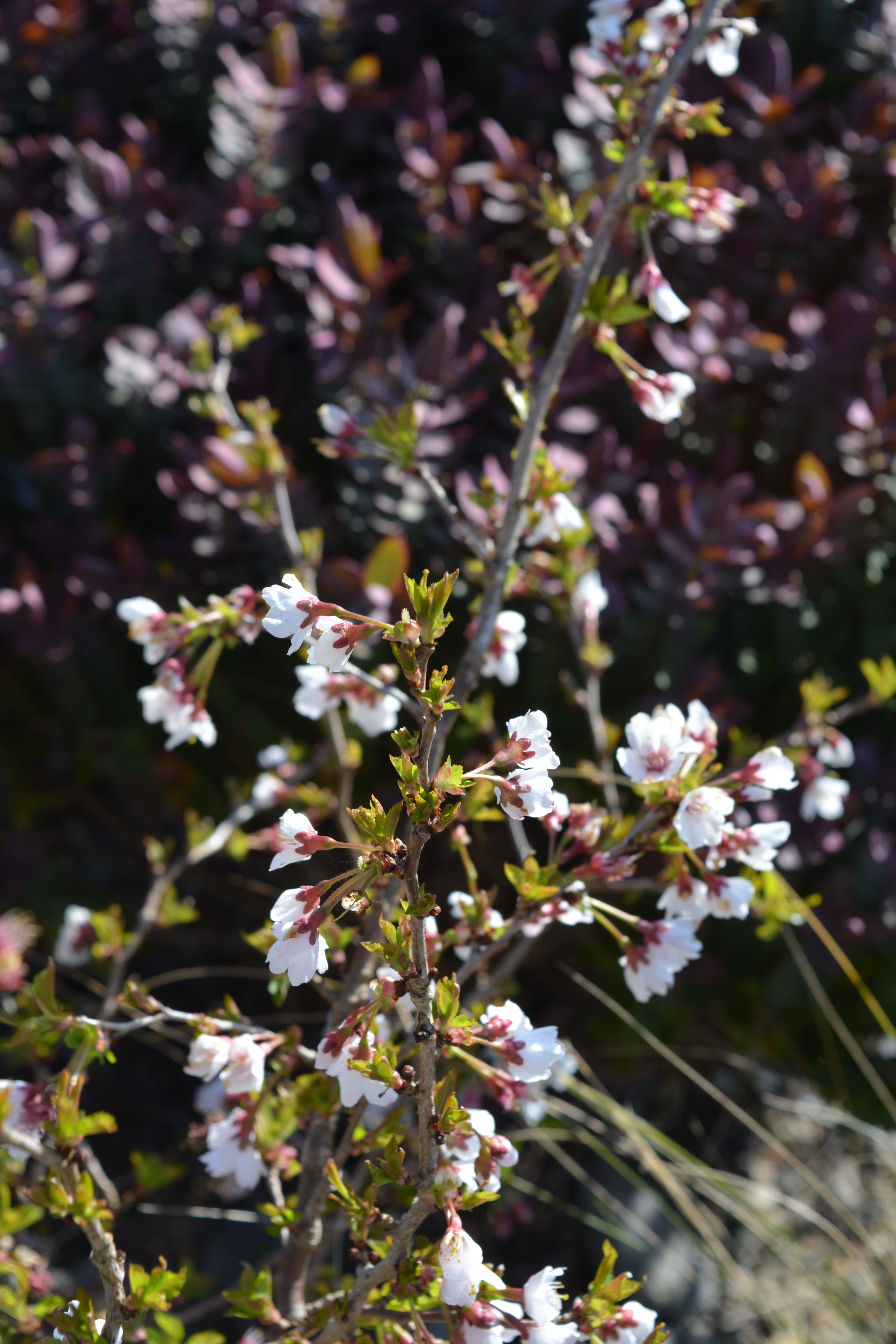
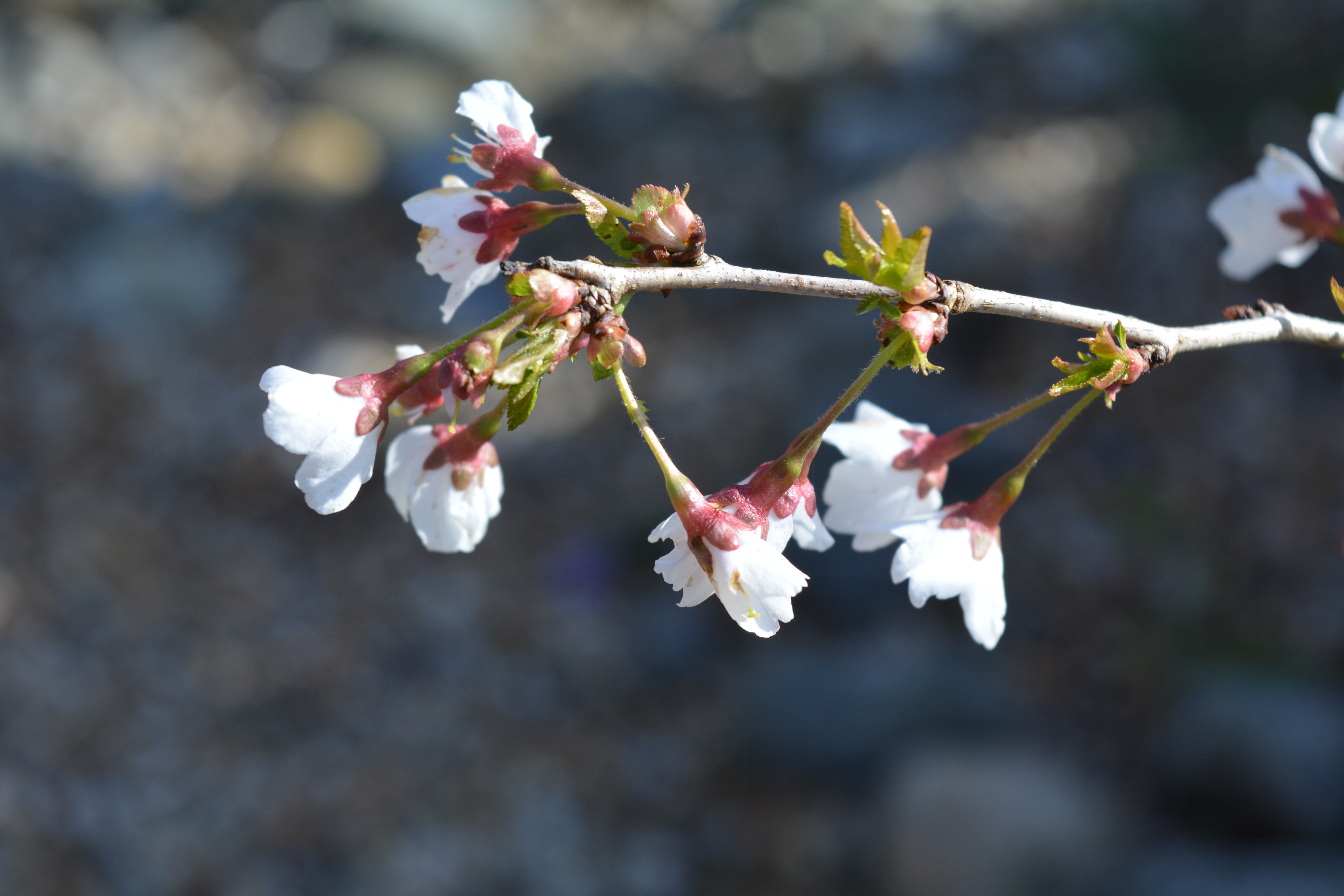
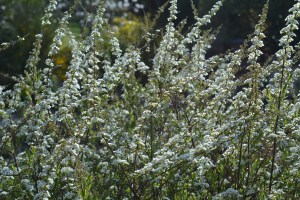
“Shrewsbury, our nearest town, is famous for its Spring blossom which lines many of its streets and lanes. In our garden we can equally enjoy the blossom of both ornamental and productive trees and shrubs.”

blossom-10aprilpics-19 ngs garden-104blossom-01 blossom-04 blossom-03 blossom-02 blossom-07


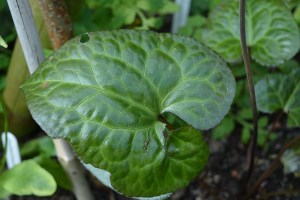
“We love the sunshine in the April garden when all around us the garden sparkles and shines. But dip into the cool of the shade and there are gems awaiting us. Foliage is the key where sunlight fails to infiltrate.”
ngs garden-102 blossom-11blossom-13 blossom-06

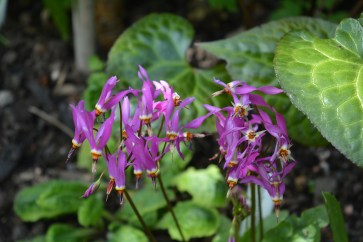
But any flowers that accompany this amazing foliage are tiny little star-like flowers.
ngs garden-100

ngs garden-103 ngs garden-101

So that is April in our garden. We now look forward to what May will bring!


Categories
birds colours flowering bulbs garden photography garden wildlife gardening grasses half-hardy perennials hardy perennials ornamental grasses ornamental trees and shrubs outdoor sculpture roses shrubs succulents Winter Gardening winter gardens

My Garden Journal – December

To celebrate the moving from 2015 into 2016 I thought an appropriate post to publish would be my final monthly garden journal entries for 2015.

This is the final month of reporting on my garden journal where I have been keeping track of what has been happening in our Avocet garden. December should be a month of cold nights, frosts and wintry showers but this year it has been a month of strong winds and rain accompanying mild temperatures. We have still only had one frost in this last bit of the year. Our Dahlias remain outside as we move into the first week of December as we are waiting for frosts to blacken their foliage which would allow us to prepare them for their winter rest.

Opening up my garden journal onto the first pages for December reveals photos of berries which are such a strong feature of our winter garden.

2015 12 28_7595_edited-1

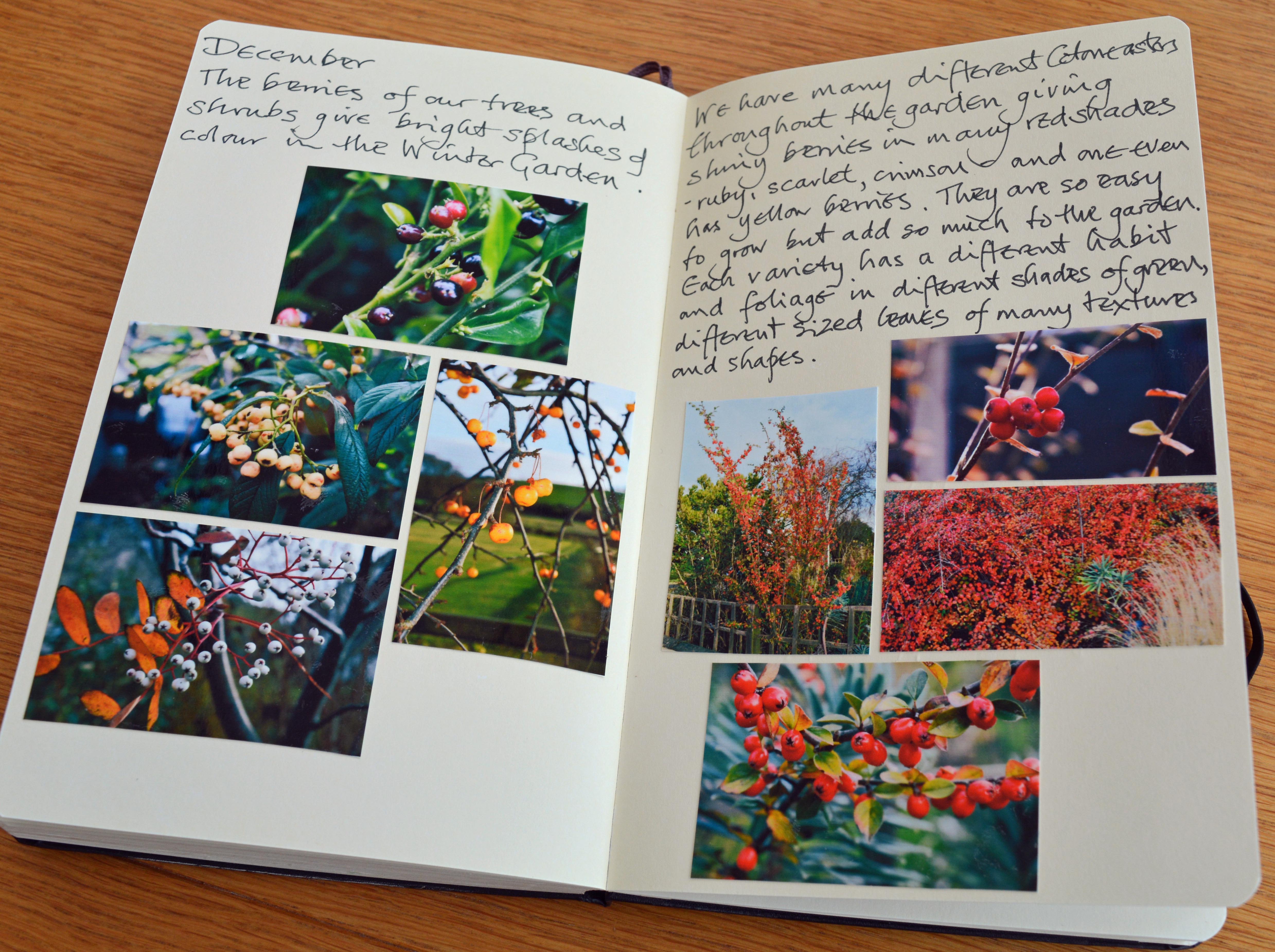
My first entry for December reads, “The berries of our trees and shrubs give bright splashes of colour in the Winter Garden.”

My photos show berries of Hypericum, Sarcoccoca, various Hollies and one of our Sorbus.

2015 12 01_7338 2015 12 01_73362015 12 01_7334 2015 12 01_73552015 12 01_7363 2015 12 01_7366

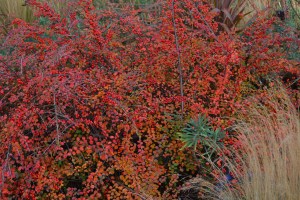
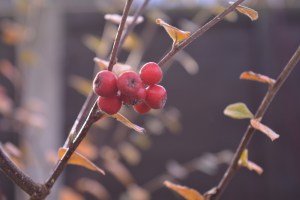
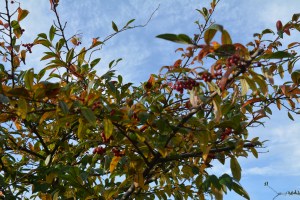
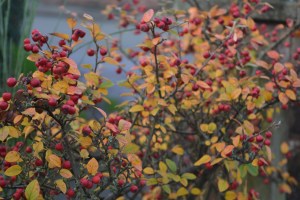
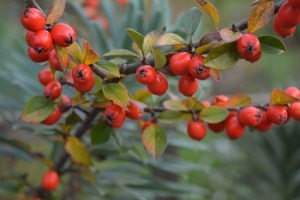
We have many different Cotoneasters throughout the garden giving shiny berries in many red shades – ruby, scarlet, crimson – and one even has yellow berries. They are so easy to grow but add so much to the garden. Each variety has a different habit and foliage in different shades of green, different sizes, shapes and textures. But what is common to them all is that they are true favourites of our berry eating thrushes.”

2015 12 01_7354 2015 12 01_7357 2015 12 01_7358 2015 12 01_7362 2015 12 01_7364 2015 12 01_73682015 12 01_7377 2015 12 01_7340 2015 12 01_7365

The greenhouse features next in my December Journal as it is during this month that it fills up with tender plants which we want to overwinter.

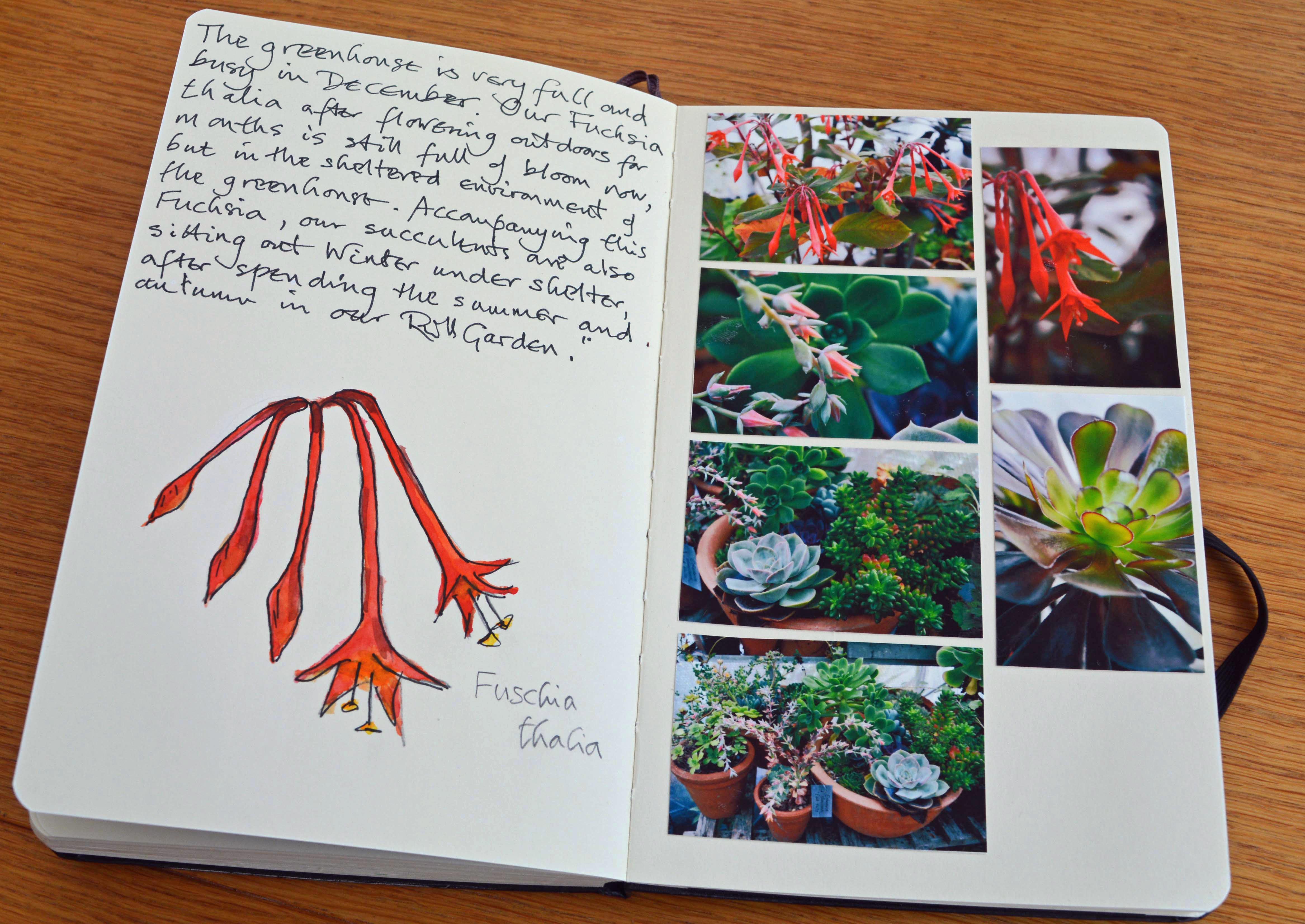
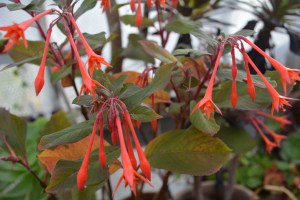
“The greenhouse is very full and busy in December. Our Fuschia thalia after flowering outdoors for months is still full of bloom now but in the sheltered environment of the greenhouse. Accompanying this special Fuschia, our succulents are also sitting out winter under shelter, after spending the summer and autumn in the Rill Garden.” 

2015 12 28_7596_edited-12015 12 01_7323 2015 12 01_7322

I tried to show the uniqueness of the Fuschia and its incredibly bright colour with watercolours.

2015 12 28_7597_edited-1

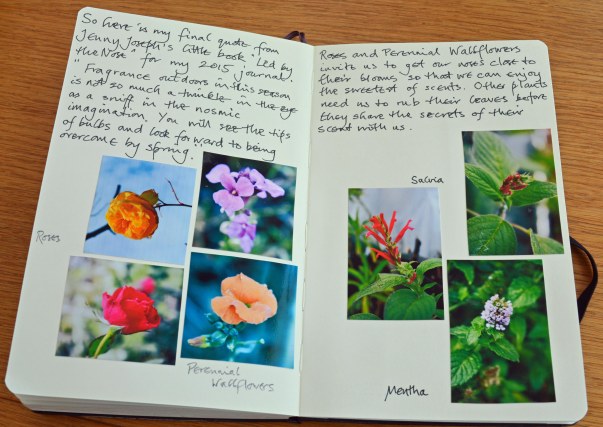
My final quote for 2015 from the little book by Jenny Joseph, “Led by the Nose” appears as we turn the next page.

2015 12 28_7598_edited-1

Fragrance outdoors in this season is not so much a twinkle in the eye as a sniff in the nosmic imagination. You will see the tips of bulbs and look forward to being overcome by spring.” 

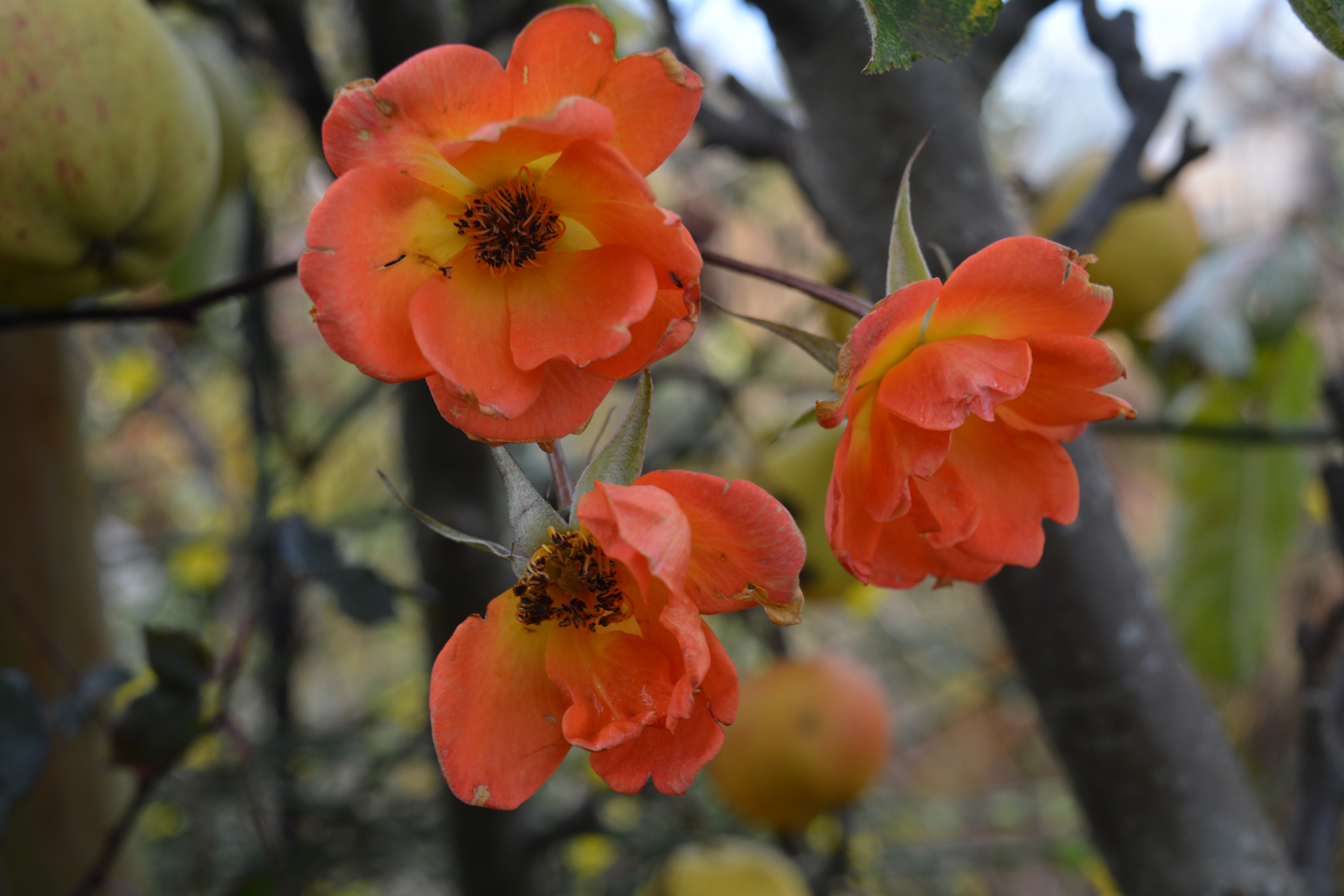
Below these words I share photos of a few of the flowers that are sharing their scent with us this month, roses and perennial wallflowers.

2015 12 01_7343 2015 12 01_7384 2015 12 01_7361_edited-1 2015 12 01_7398 2015 12 01_7376_edited-1 2015 12 01_7372

“Roses and Perennial Wallflowers invite us to get our noses close to their blooms so that we can enjoy the sweetest of scents. Other plants need us to rub their leaves before they share the secrets of the scent with us.” 

The accompanying pictures show two such plants, salvias and mints.

2015 12 01_7319 2015 12 01_73812015 12 01_7320

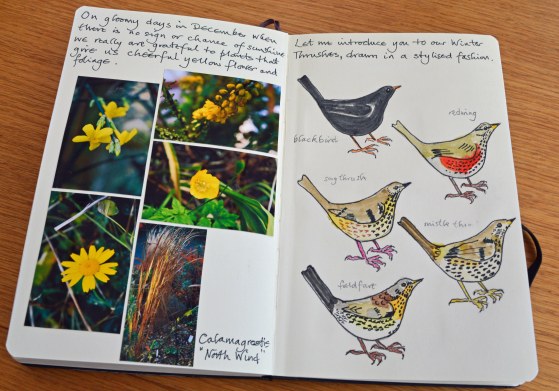
The colour yellow can cheer up the garden in the deep dark days of December, so I moved on to see what plants were giving us these golden tints.

2015 12 28_7599_edited-1

“On gloomy days in December when there is no sign or chance of sunshine, we really are grateful to plants that give us cheerful yellow flower and foliage.”

2015 12 01_7382 2015 12 01_7383 2015 12 01_7412 2015 12 01_7406 2015 12 01_7347  2015 12 01_7352_edited-1

Opposite my tour of our garden yellows I make mention of the members of the ?thrush family that share our garden with us in the winter.

“Let me introduce you to our Winter Thrushes, drawn in a stylised fashion.”  I hope you enjoy them.

2015 12 28_7600_edited-1

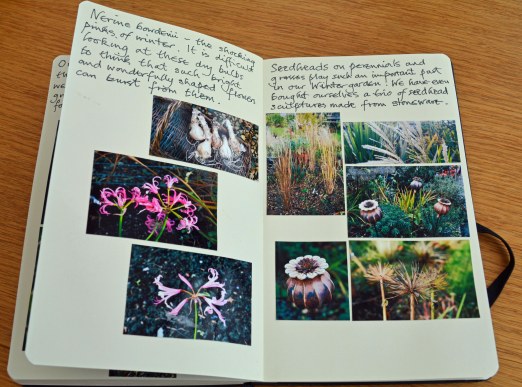
We next turn from the colour yellow to bright pinks, Nerines.

2015 12 28_7606_edited-1

“Nerine bowdenii is the shocking pink of winter. It is difficult looking at these dry bulbs to think that such bright and wonderfully shaped flowers can burst from them.”

2015 12 16_7522 2015 12 01_7339

Seed heads are the theme of the page opposite the Nerines.

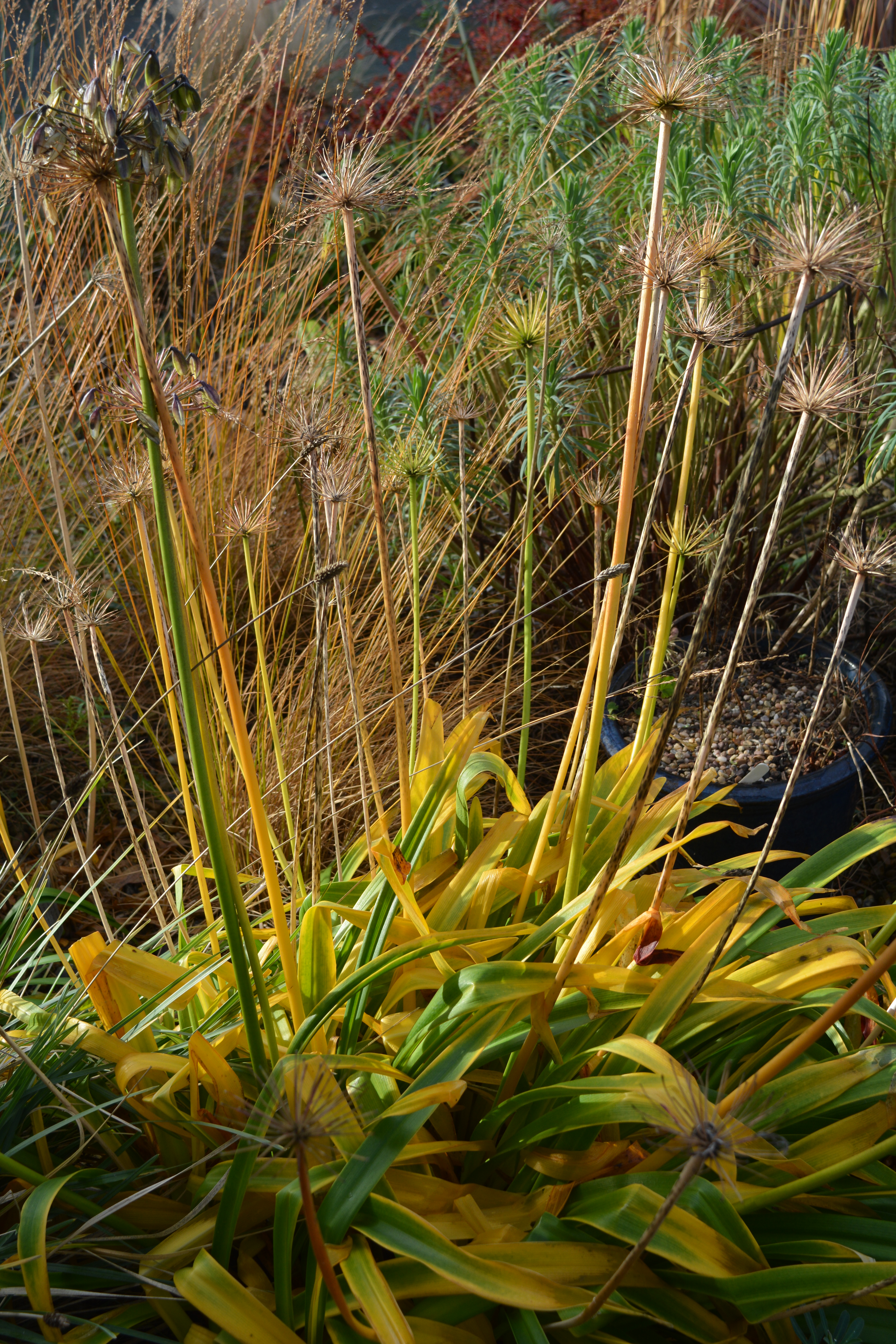
“Seedheads on perennials and grasses play such an important part in our Winter garden. We have even bought ourselves a trio of seedhead sculptures made from stoneware.”

2015 12 01_7353 2015 12 01_73492015 12 01_7350 2015 12 01_7392_edited-1

2015 12 01_7360 2015 12 01_7359

So now we turn the page to the very last entry in my 2015 Garden Journal.

2015 12 28_7607_edited-1

As December slowly comes to an end for 2015, we are already looking ahead. Jude’s little nursery is well-stocked with young plants which we will sell on our open days and to garden clubs who visit Avocet. The greenhouse keeps our tender plants warm and snug. They are patiently awaiting Spring 2016.”

2015 12 01_7317 2015 12 01_7318   2015 12 01_7333

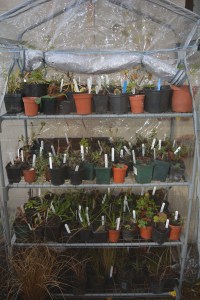
Young plants that we are growing on for sale at next year’s open days are sheltering in a plastic mini-greenhouse to encourage them to grow strong and healthy ready for next year. They look pretty sad through the winter though as most are herbaceous perennials.

2015 12 01_7337


Categories
birds climbing plants flowering bulbs garden photography garden ponds garden pools garden wildlife gardening hardy perennials ornamental trees and shrubs trees water in the garden wildlife

My Garden Journal – August

Here we are with part 8 of my monthly series looking at what I have put into my garden journal. August has been a disappointing month weatherwise, with winds, rain and dull skies, and the plants have responded with short flowering periods and even our roses have failed to repeat flower.

I began my August entries, “The month of school holidays when families make their way to the seaside, is not a holiday in the garden. We have to keep dead-heading and tidying to make sure it looks its best.” and continued with my monthly quote from Jenny Joseph“August is a time of vegetables and smells of leaves and roots as we clear: dusty, musty smell of old growth. What flowers we have in August depends on how diligent you’ve been at dead-heading earlier.”

I continued, “We dead-head our Roses most days in an attempt to keep them in bloom, and cut back dying perennials to encourage both fresh blooms and fresh growth from below.” 

2015 09 03_5007_edited-1

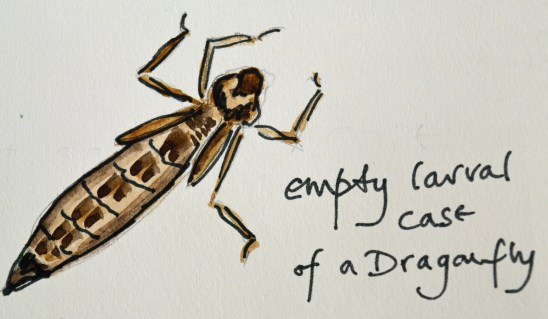
I next referred to our fun activity which takes us back to our childhoods, pond dipping, “An early dip in the pond with our net revealed that young Newts are still very much in evidence. We discovered the shell of a Dragonfly larva and a strangely bodied surface dwelling insect, its shape like an elongated diamond.” I wonder what a pond dipping session will reveal in September as autumn will then be creeping in.

2015 09 03_5014_edited-1 2015 09 03_5015_edited-1

Our Cercis siliquastrum tree featured again as we turn the page of my journal just as it has done in my May entries.

2015 09 03_5008_edited-1

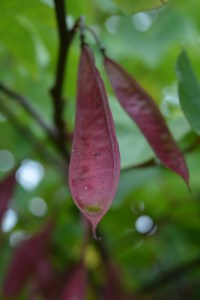
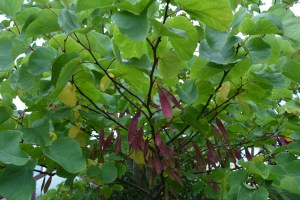
“Discovering new points of interest in the garden is always refreshing. We have always loved our Cercis siliquastrum for its mass of pink flowers in May, but this year we have rows of seed pods hanging from branches like celebratory bunting or prayer flags from Tibet.”

2015 08 10_4637 2015 08 10_4636 2015 08 10_4639 2015 08 10_4638

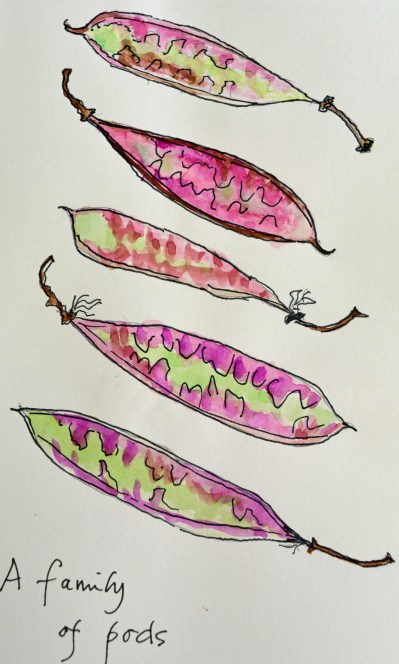
I attempted to paint a watercolour of a selection of pods and this proved to be a real challenge with the subtle variations of green and pink from pod to pod.

2015 09 03_5016_edited-1

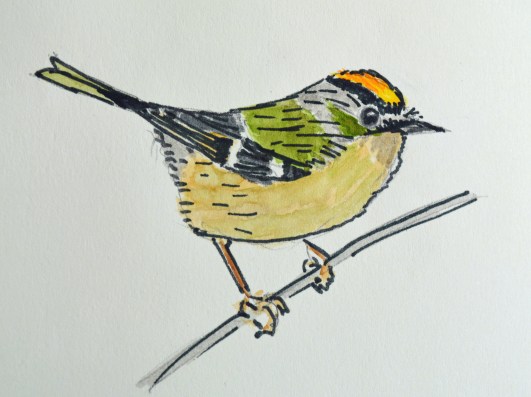
Further notes about the wildlife in our August garden followed on at the turn of the next page, where I noted, “Gardening in August is done with the sounds of Swallows and House Martins wheeling over our heads. Two very contrasting wildlife sounds add to the soundtrack, the deepest croaking grunt of our Toads and the highest pitched song of all our garden birds, the diminutive Goldcrest.” In my painting I tried to capture the character of the Goldcrest, cheerful, jittery and sparkling with life.

2015 09 03_5009_edited-12015 09 03_5018_edited-1

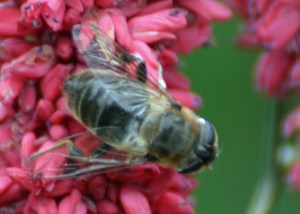
More sounds featured on the facing page, “Gentle, almost inaudible sounds emit from every border, the sounds of Hoverflies. Gentle humming from above flowers, rapid beats make wings almost invisible, the Hoverfly moves in sudden sharp changes of direction. They can be wasp-like, bee-like or fly-like, masters of mimicry and disguise”. I love taking photos of the wildlife that shares our garden and insects and have hundreds in my Photoshop storage space. I have found a few featuring a few of the many different species of Hoverfly to share with you.

2015 08 27_4717-1 2015 08 27_4718_edited-1-12015 08 27_4719_edited-1-1 2015 08 27_4720_edited-1-12015 08 27_4714_edited-1-1

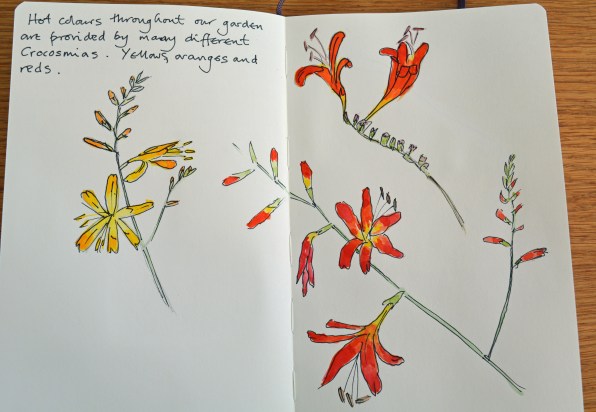
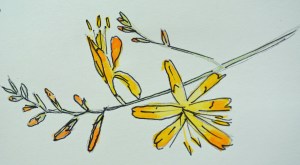
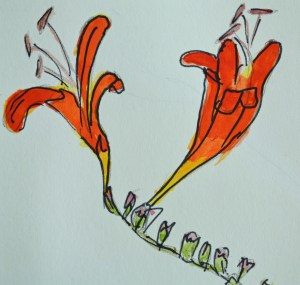
It is one of my favourite families of plants that I featured on the next double page spread, the Crocosmias. “Hot colours throughout our garden are provided by many different Crocosmias. Yellows, Oranges and Reds.” I enjoyed the challenge of creating watercolour paintings of three of our cultivars.

2015 09 03_5019_edited-12015 09 03_5020_edited-1 2015 09 03_5021_edited-1

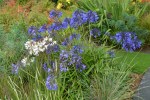
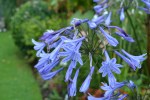
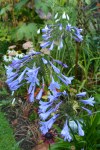
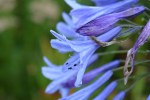
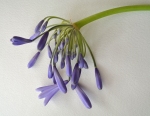
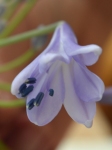
From one bulbous rooted plant to another, from Crocosmias to Agapanthus. “Remember those Aganpanthus buds of July? Well, just look at them now!”

2015 09 03_5011_edited-1

I hope you enjoy this little gallery of photos of our Agapanthus. Just click on the first photo and use the arrows to move on through.

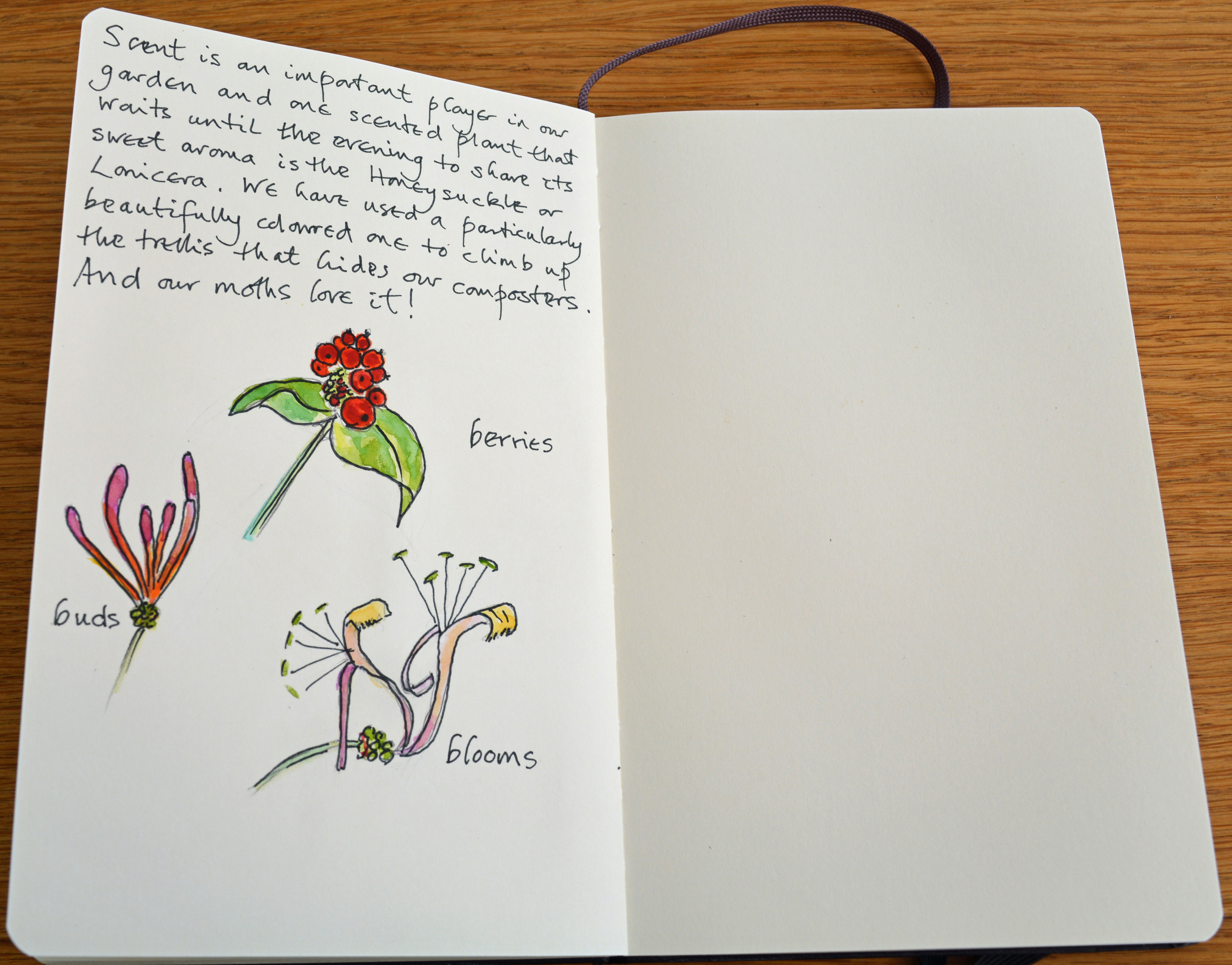
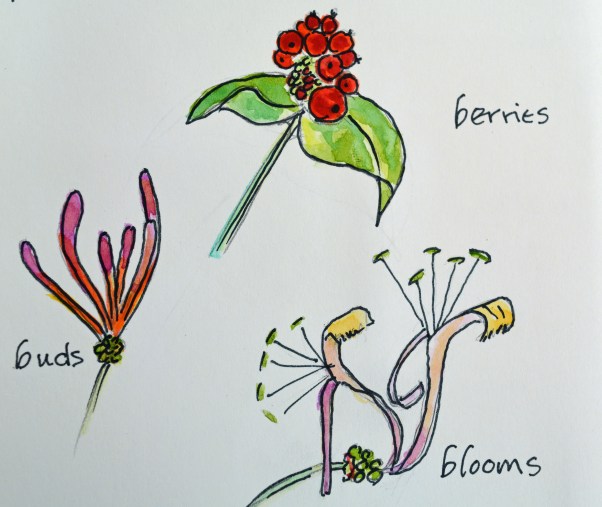
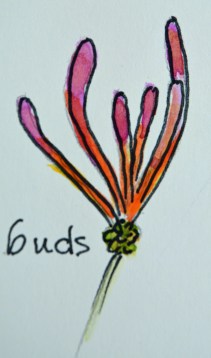
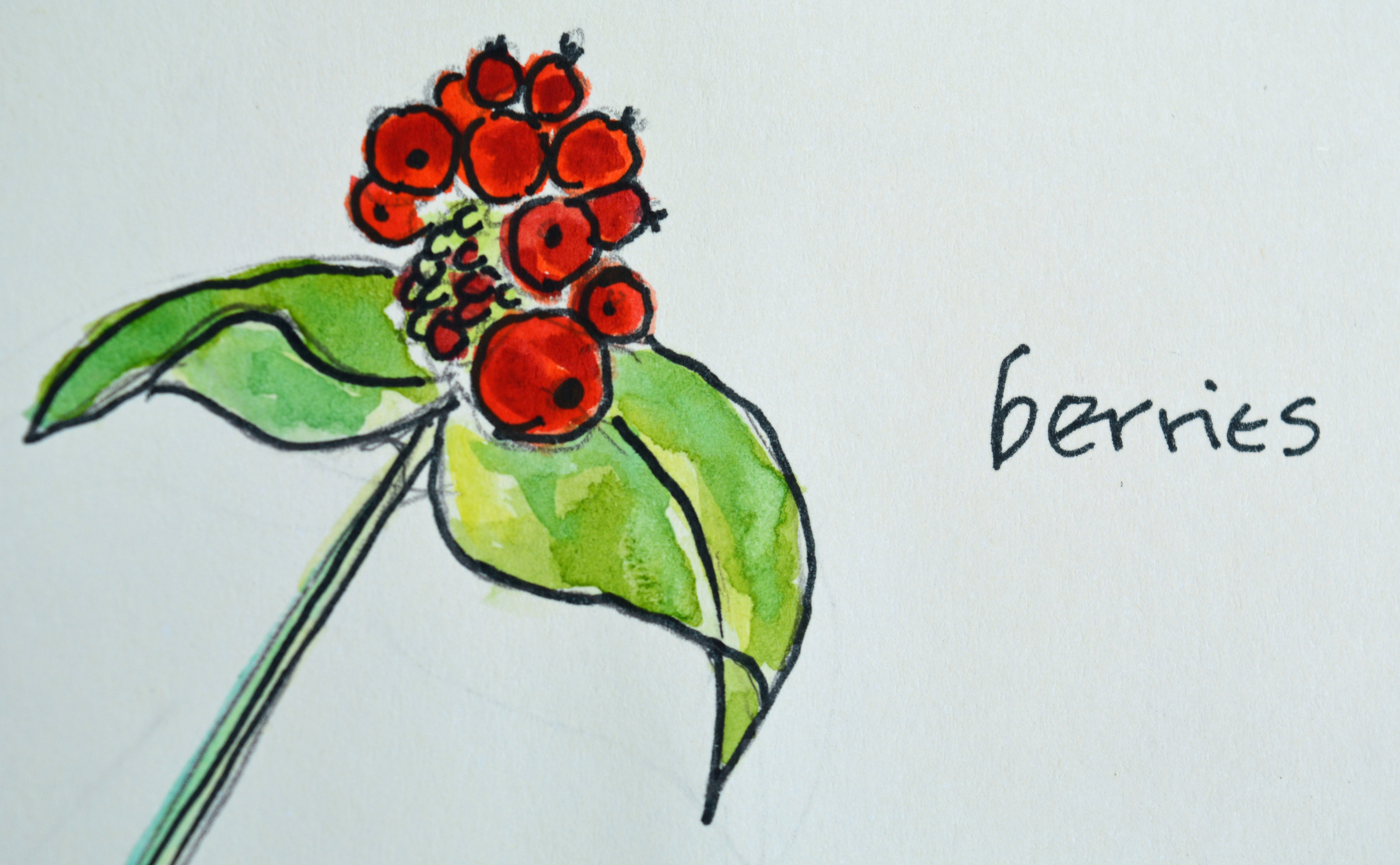
My final page for August featured another garden favourite, this time a climber, the Honeysuckle. I wrote “Scent is an important player in our garden and one scented plant that waits until the evening to share its sweet aromas is the Honeysuckle or Lonicera. We have used a particularly beautifully coloured one to climb up the trellis that hides our composters. And our moths love it!” I turned once again to my beautiful wooden box of watercolour paints to create a little series of pictures of the buds, blooms and berries of the Honeysuckle.

2015 09 03_5012_edited-1   2015 09 03_5025_edited-12015 09 03_5024_edited-1 2015 09 03_5022_edited-1 2015 09 03_5023_edited-1

The next look at my garden journal will be in September when we may be seeing the early signs of Autumn.

Categories
bird watching birds garden photography garden ponds garden pools garden wildlife gardening gardens hardy perennials meadows poppies

My Garden Journal – July

I can’t believe we are in the second half of the year but as this is the post about my garden journal in July then we most certainly are!
I began my July journal entry with a reference to the weather, the obsession of the British especially gardeners. “The month of July burst in with a heatwave. Some plants objected by wilting but flower colours were enriched in the sunlight. Lilies and Clematis joined the colour pallette provided by June’s Roses and Geraniums.”

2015 08 04_4461_edited-1

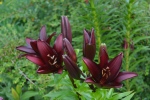
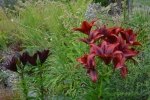
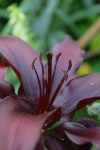
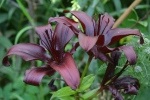
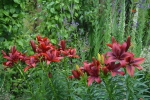
Our Oriental Lilies were the best we have ever had this July and we have been growing them for many years. We grow them in big pots so that we can simply drop them in where and when they are needed to add splashes of dramatic colour. Enjoy my little gallery of Lily photos. Just click on the first photo and then use the arrows.

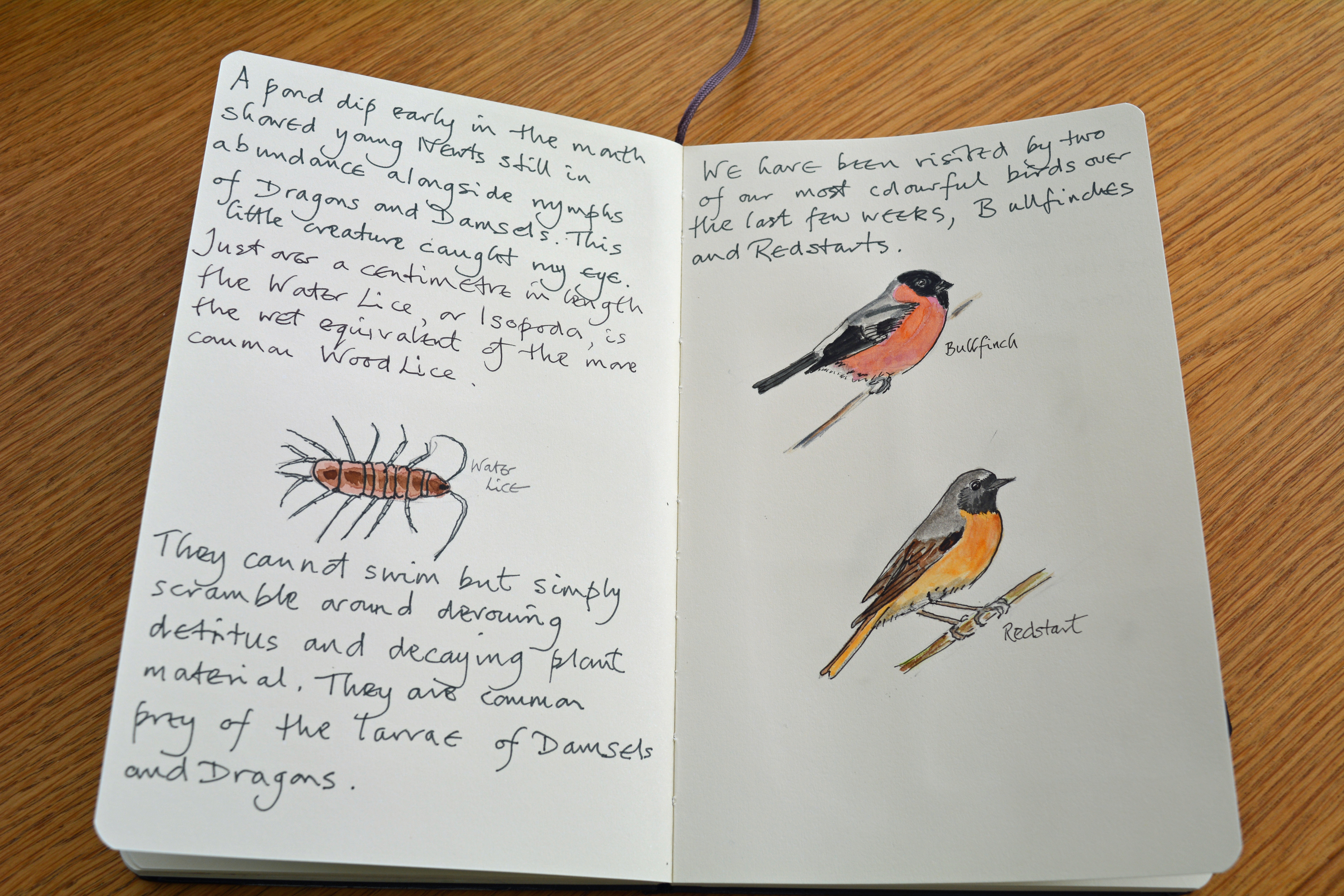
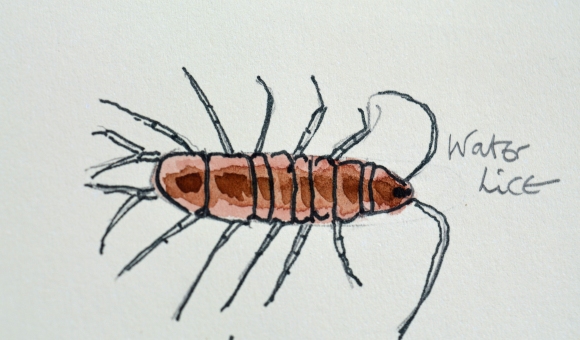
I then wrote about our July pond dipping adventure, “A pond dip early in the month showed young newts still present in abundance alongside nymphs of Dragons and Damsels. This little creature (painting below) caught my eye. At just over a centimetre in length the Water Lice, or Isopoda, is the wet equivalent of the more common Wood Lice. They cannot swim but simply scramble around devouring detritus and decaying plant material. They are common prey of the larvae of Damsels and Dragons.”

2015 08 04_4462_edited-12015 08 04_4466_edited-1

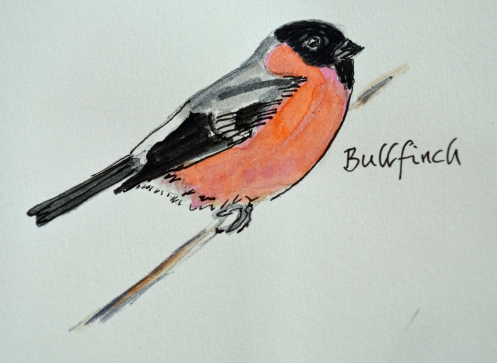
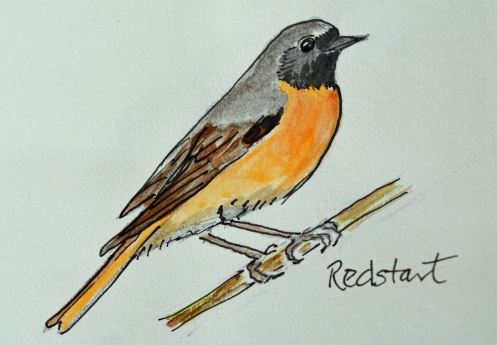
I moved on then from pondlife to birdlife and looked at two of the most beautiful birds that visit our garden. “We have been visited by two of our most colourful birds over the last few weeks, Bullfinches and Redstarts.” The Redstart made a fleeting visit on our last open day at our garden when it was full of visitors, which seemed a bit brazen for a normally shy woodland bird.


2015 08 04_4468_edited-12015 08 04_4469_edited-1

Agapanthus featured next in my July garden journal as our collection in our Beth Chatto garden were budding up nicely promising a beautiful display before too long. We have been building up our collection of favourite Agapanthus for a few years now and it is now coming along well. “Our collection of Agapanthus in our Beth Chatto Garden is slowly getting more colourful as flower buds burst. Surely these are the slowest of buds to become flowers!”

2015 08 04_4463_edited-1


To see some of our Agapanthus up close, some still in tight buds some opening up, please enjoy the little Agapanthus gallery below. As usual click on the first picture and use the arrows to move through. Next month promises to be a month of Agapanthus flowers rather then buds. Can’t wait!
My next double page is about the weather and our min-meadows.

2015 08 04_4464_edited-1

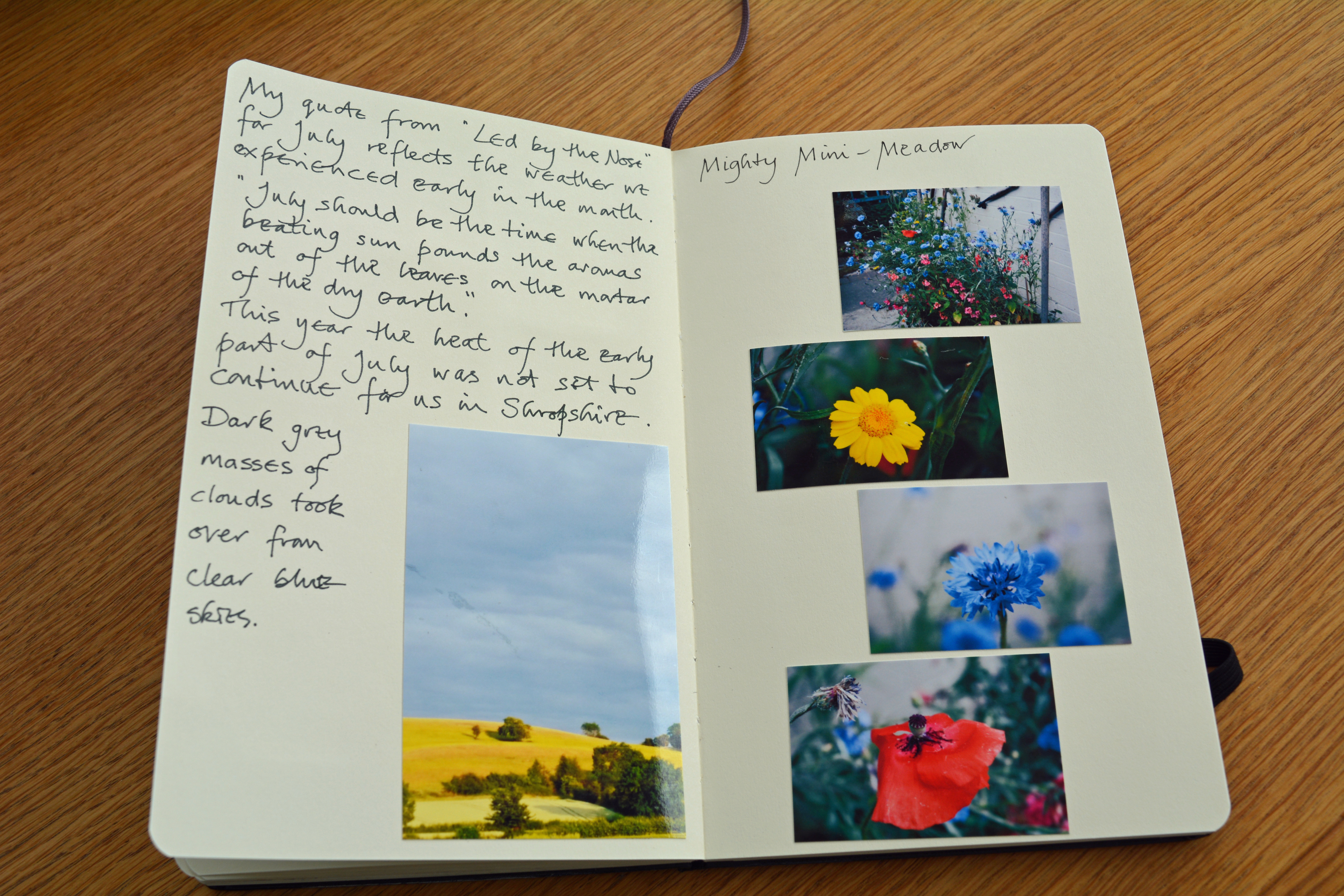
My journal continues, “This year the heat of the early part of July was not set to continue for us in Shropshire. Dark grey masses of clouds took over from clear blue skies.”

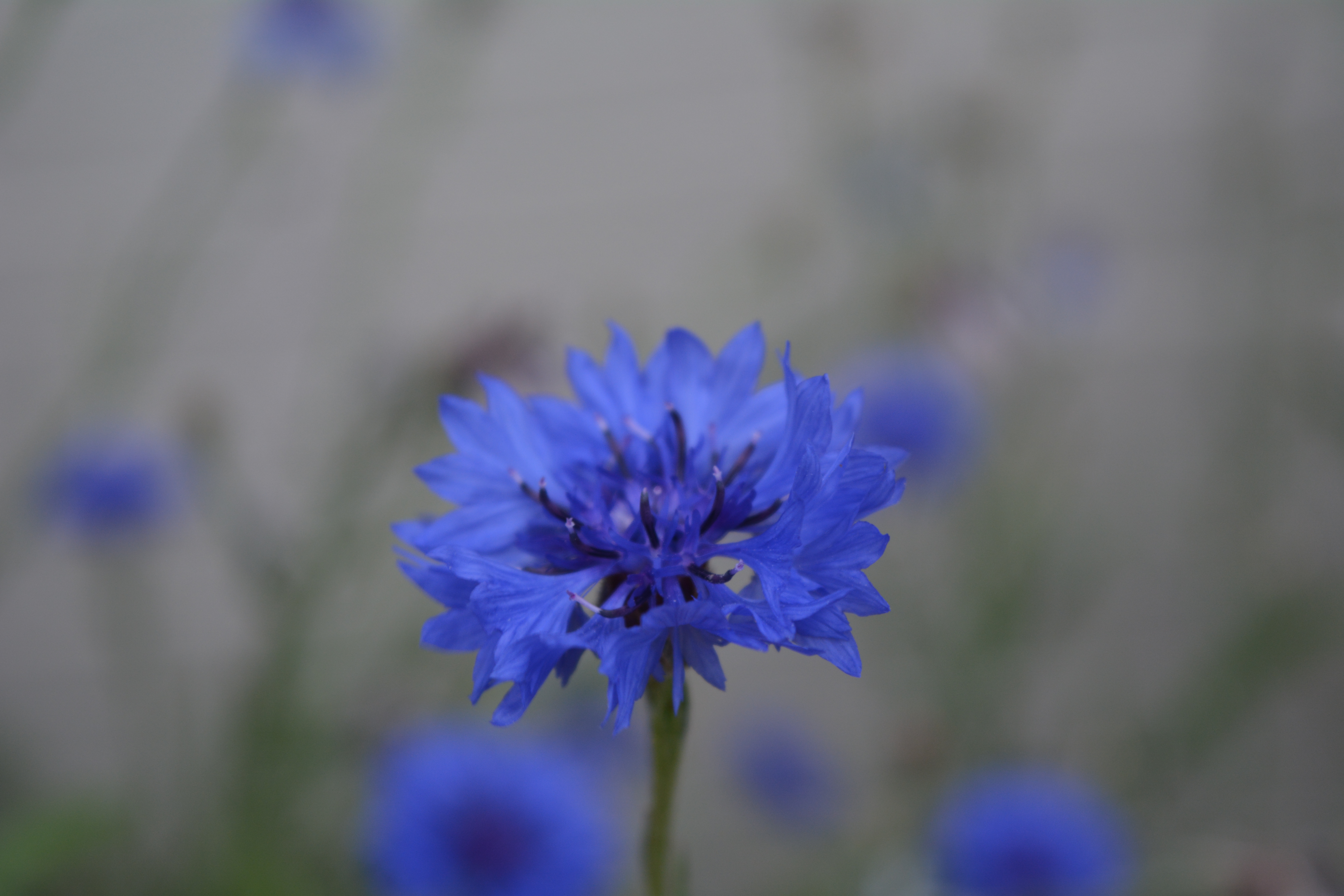
Mighty Mini-Meadow is the title of the next page of my journal which features photos of the little but very floriferous meadow we sowed in early May in vegetable bags. The seeds germinated so well that we have been treated to a mass of blooms reminiscent of a summer meadow from the days before intensive agriculture changed our countryside into huge barren fields of monoculture. It sits beneath my collection of antique garden tools. These native wildlflowers attract insects as if drawn in by distant memories, bees, hoverflies and butterflies.

2015 07 20_3783 2015 07 20_3788 2015 07 20_3784  2015 07 20_3786 2015 07 20_3785

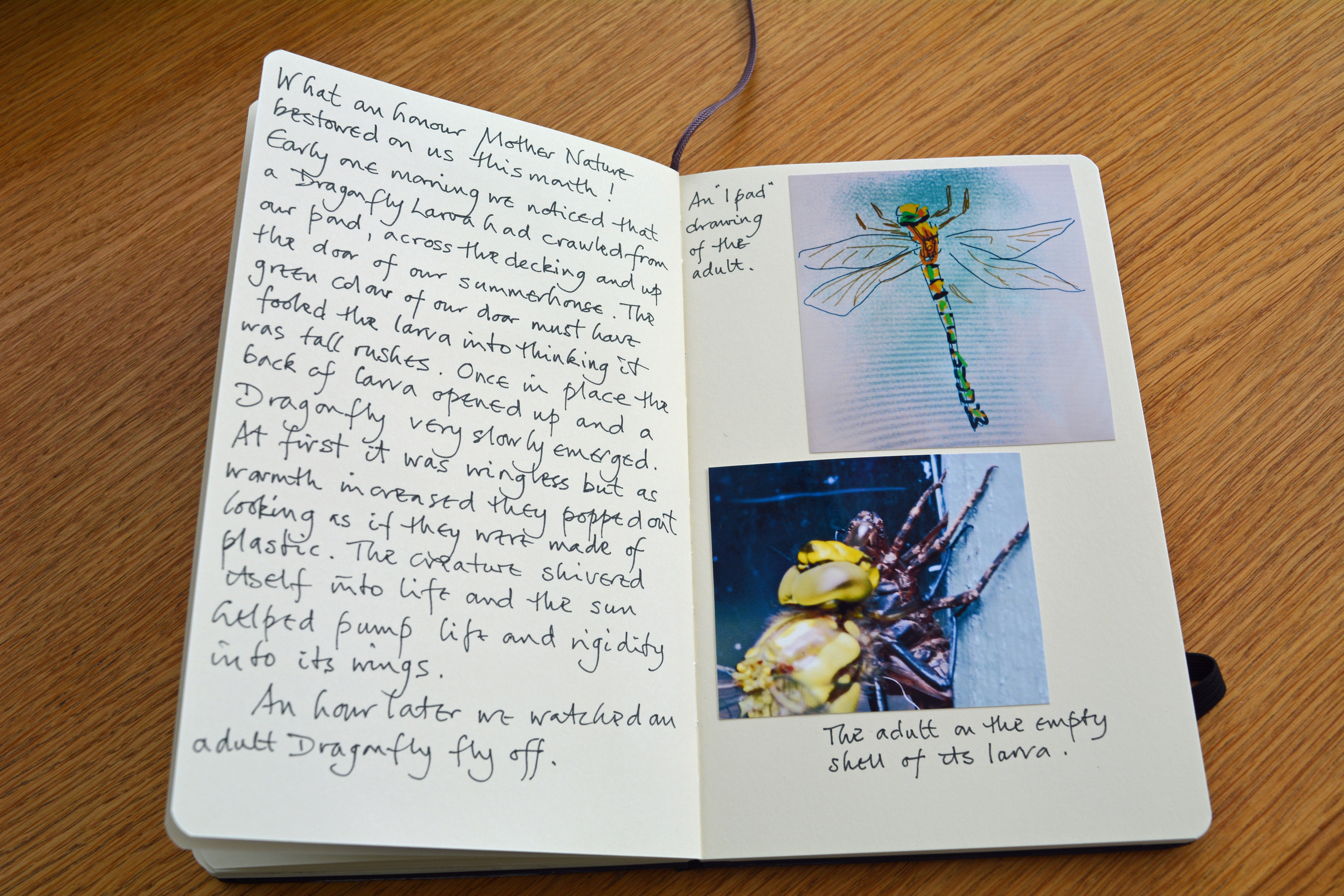
What an honour Mother Nature bestowed on us this month! This is how the next page of my journal begins. It is all about a special time in our garden, a moment we will never forget.

2015 08 04_4465_edited-1


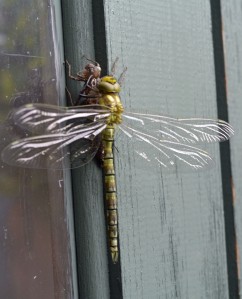
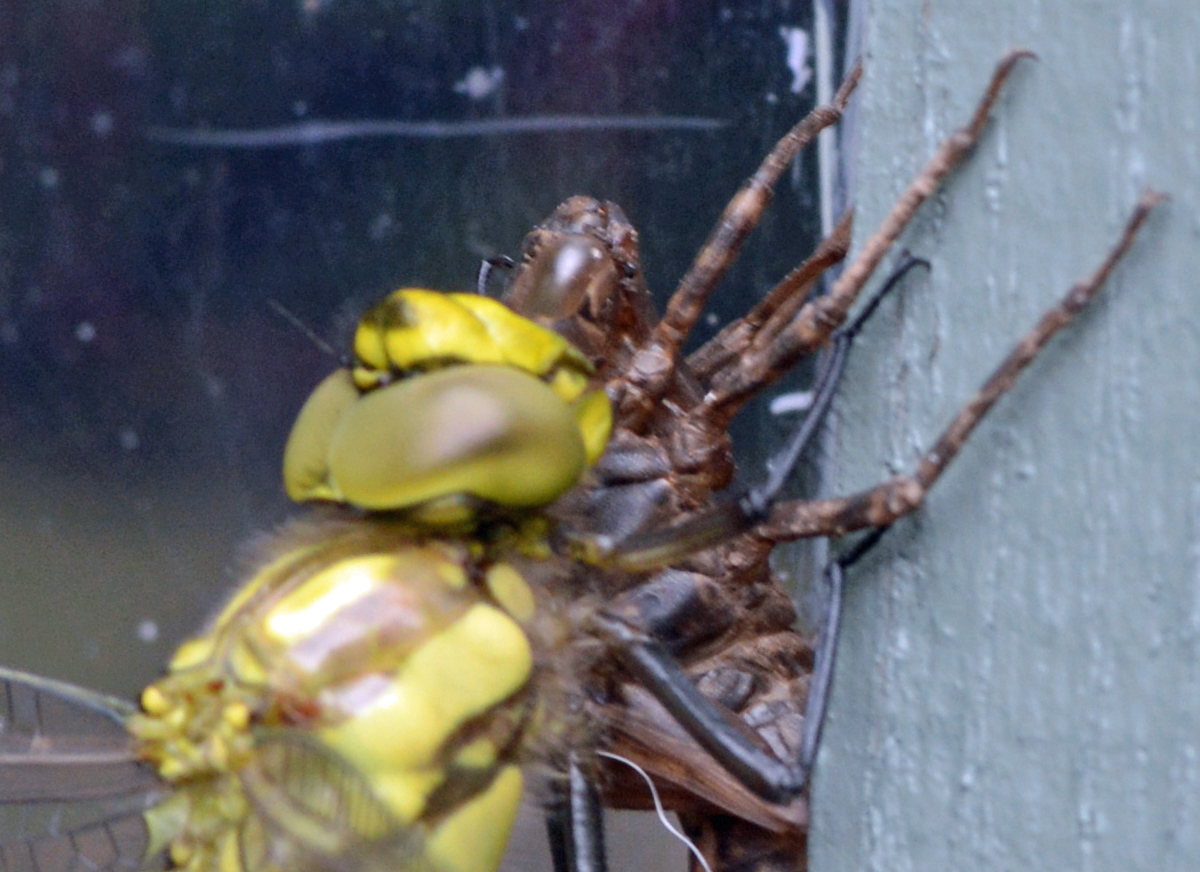
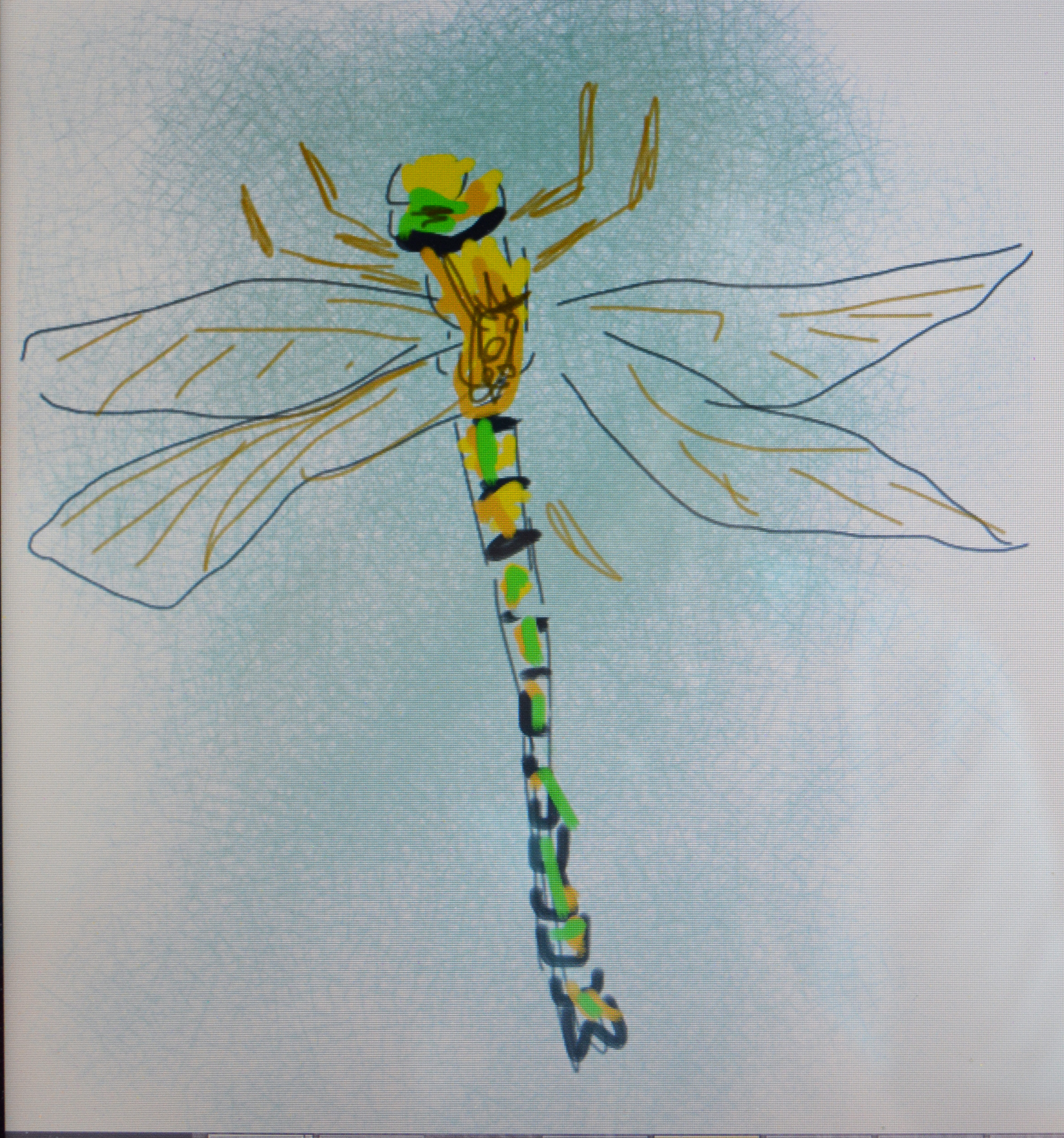
“Early one morning we noticed that a Dragon Fly larva had crawled from our pond, across the decking and up the door of our summerhouse. The green colour of the door must have fooled it into thinking it was tall rushes. Once in place the back of the larva opened up and a Dragonfly very slowly emerged. At first it was wingless but as warmth increased they popped out looking as if they were made of plastic. The creature shivered itself into life and the sun helped pump life and rigidity into its wings. An hour later we watched an adult Dragonfly off.”

2015 07 18_3717_edited-1

I illustrated this amazing spectacle with a simple i-pad drawing and a photo of the head of the Dragonfly gripping the empty shell of its former self.


2015 07 18_3719_edited-12015 08 03_4460_edited-1-1


So with this amazing experience my journal closed up for July and will soon re-open for August.


Categories
birds colours garden photography garden wildlife gardening gardens hardy perennials roses Shropshire Yellow Book Gardens

My Garden Journal – June

Half way through the year and here we are again to have a look at my garden journal for the month of June. My special Moleskine embossed with the word “greenbenchramblings” is now on its way to being half full.

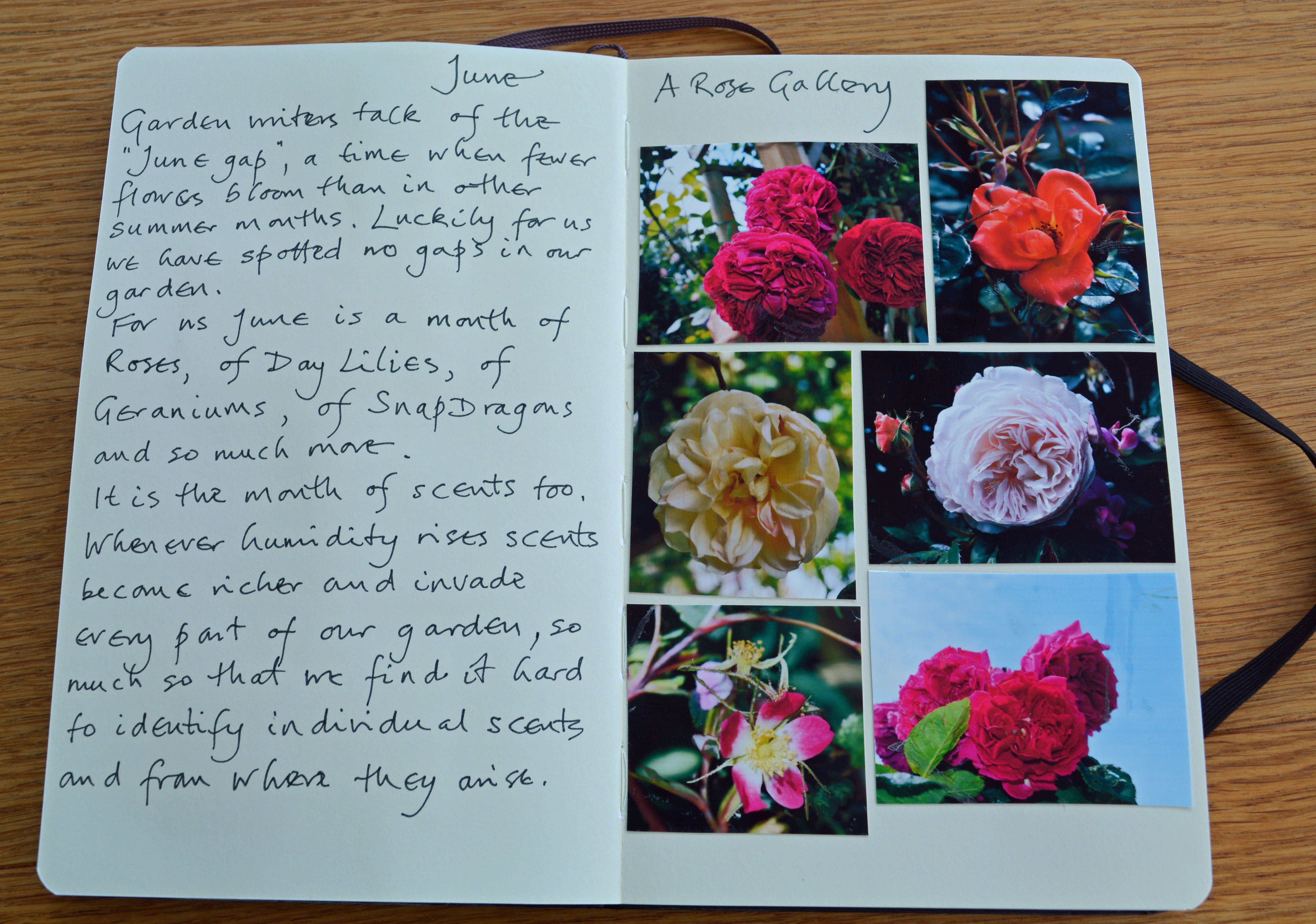
In my first page for June I wrote “Garden writers talk of the “June gap”, a time when fewer flowers bloom than in other summer months. Luckily for us we have spotted no gaps in our garden. 

For us June is a month of Roses, of Day Lilies, of Geraniums, of Snap Dragons and so much more. It is the month of scents too. Whenever humidity rises scents become richer and invade every part of our garden, so much so that we find it hard to identify individual scents and from where they arise”

2015 07 04_3614_edited-1


I filled the second page with a gallery of rose photos. Enjoy navigating through my set of Rose pics.

On page 3 we find this month’s quote from Jenny Joseph. “My quote from Jenny Joseph’s little delight of a book looks at how scent changes with the weather”

“Though the over-riding smell of sunlit June is a mixture of Philadelphus and Strawberries, if it gets too hot there is an arid, dusty smell, the smell of rank stinging nettles. If we get rain after dry heat at this time, an almost delirious richness comes from all the wet foliage.”

2015 07 04_3615_edited-1

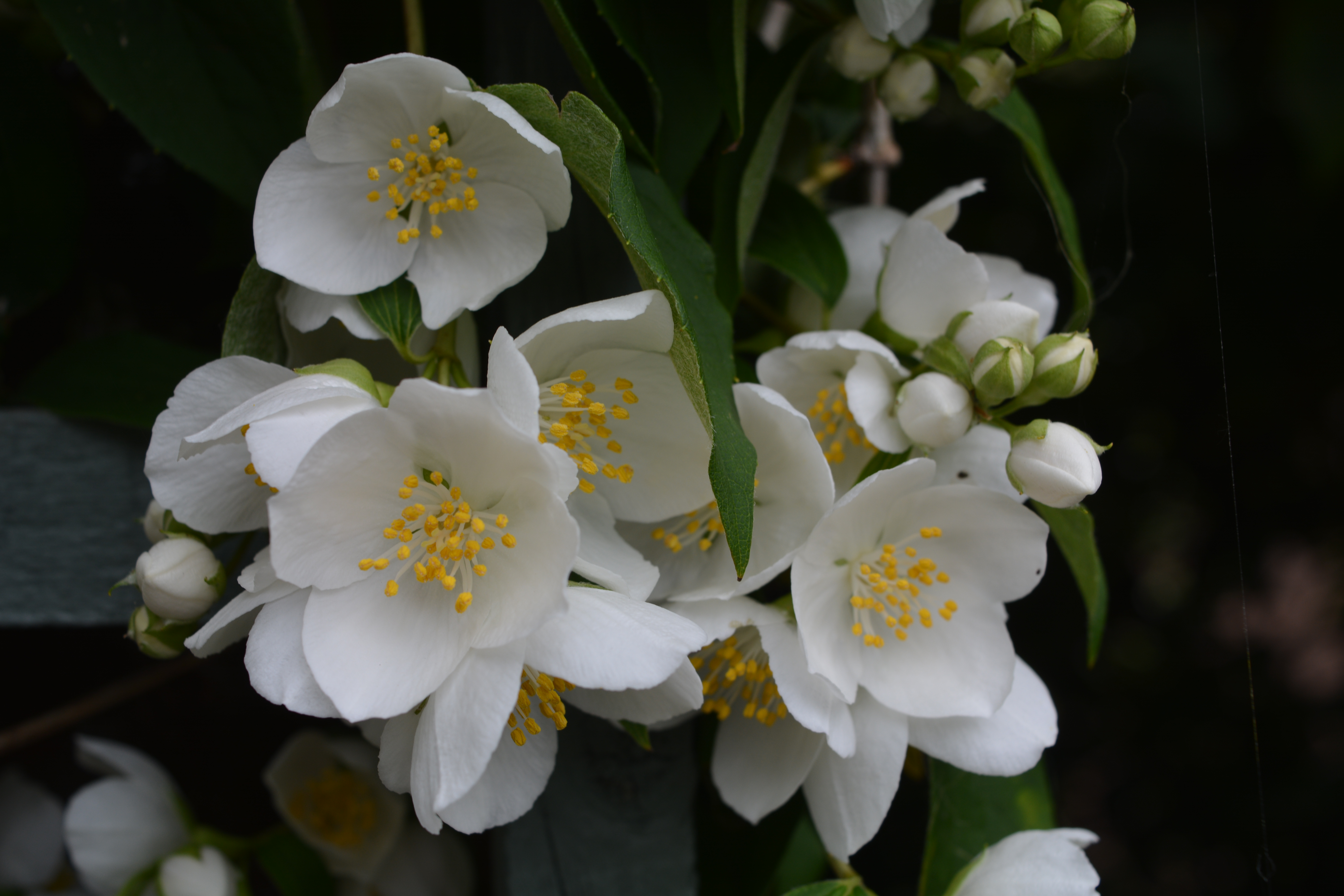
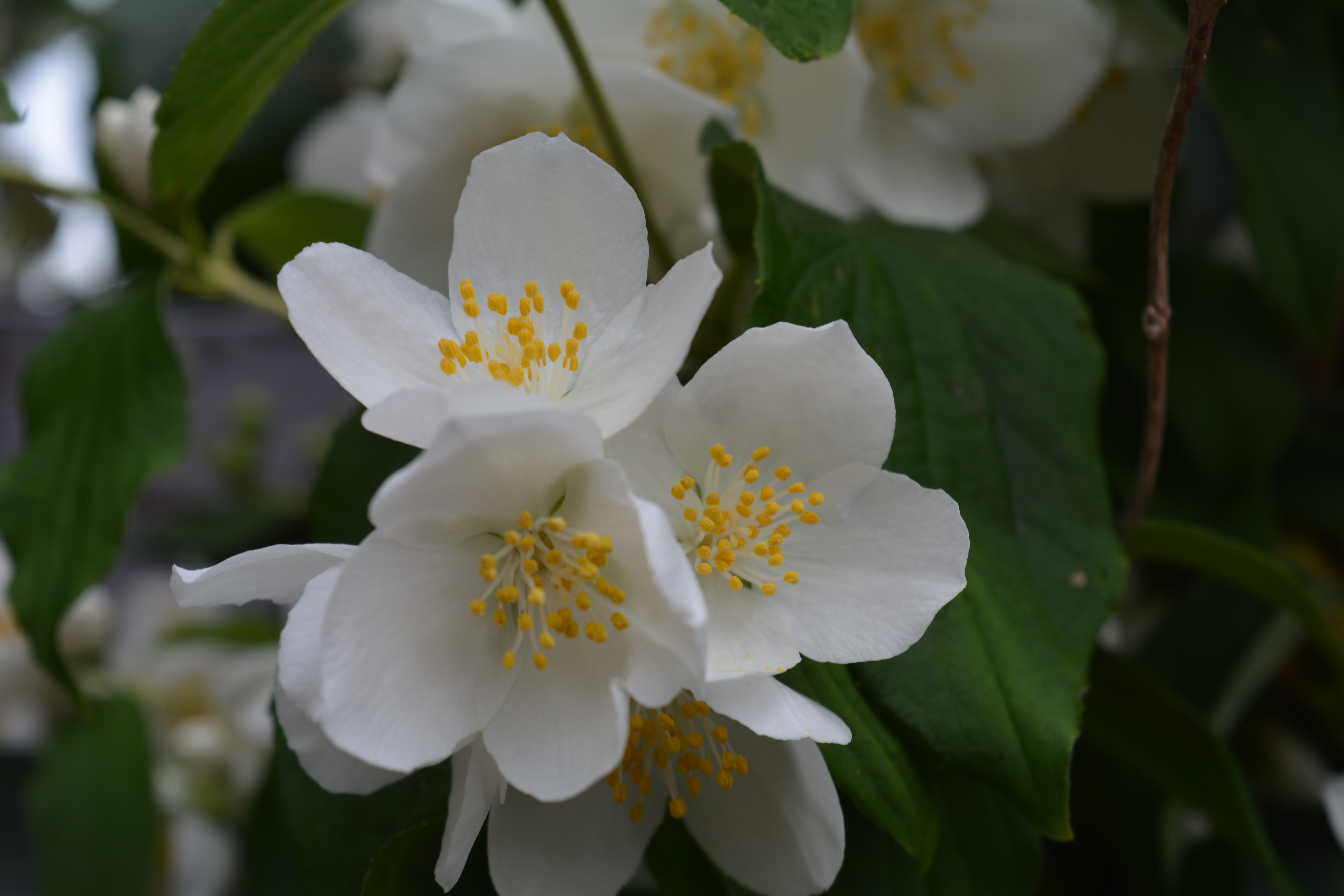
We have a highly scented Philadelphus shrub arching over the path to our Shade Border, but it is in reality growing in our neighbours’ garden. We train the long flowering stems over the path so that we pass through a tunnel of rich sweet scent.

2015 07 04_3562 2015 07 04_3561 2015 07 04_3596

On the opposite page I wrote about the creatures seen by the wildlife pond in mid-June, Dragonflies, Damselflies and Pond Skaters.

Dragonfly and Damselfly larvae creep slowly up stems of pond plants and metamorphose from the ugly to the beautiful. Pond Skaters skim in twitching movements across the surface of the water without breaking through.”

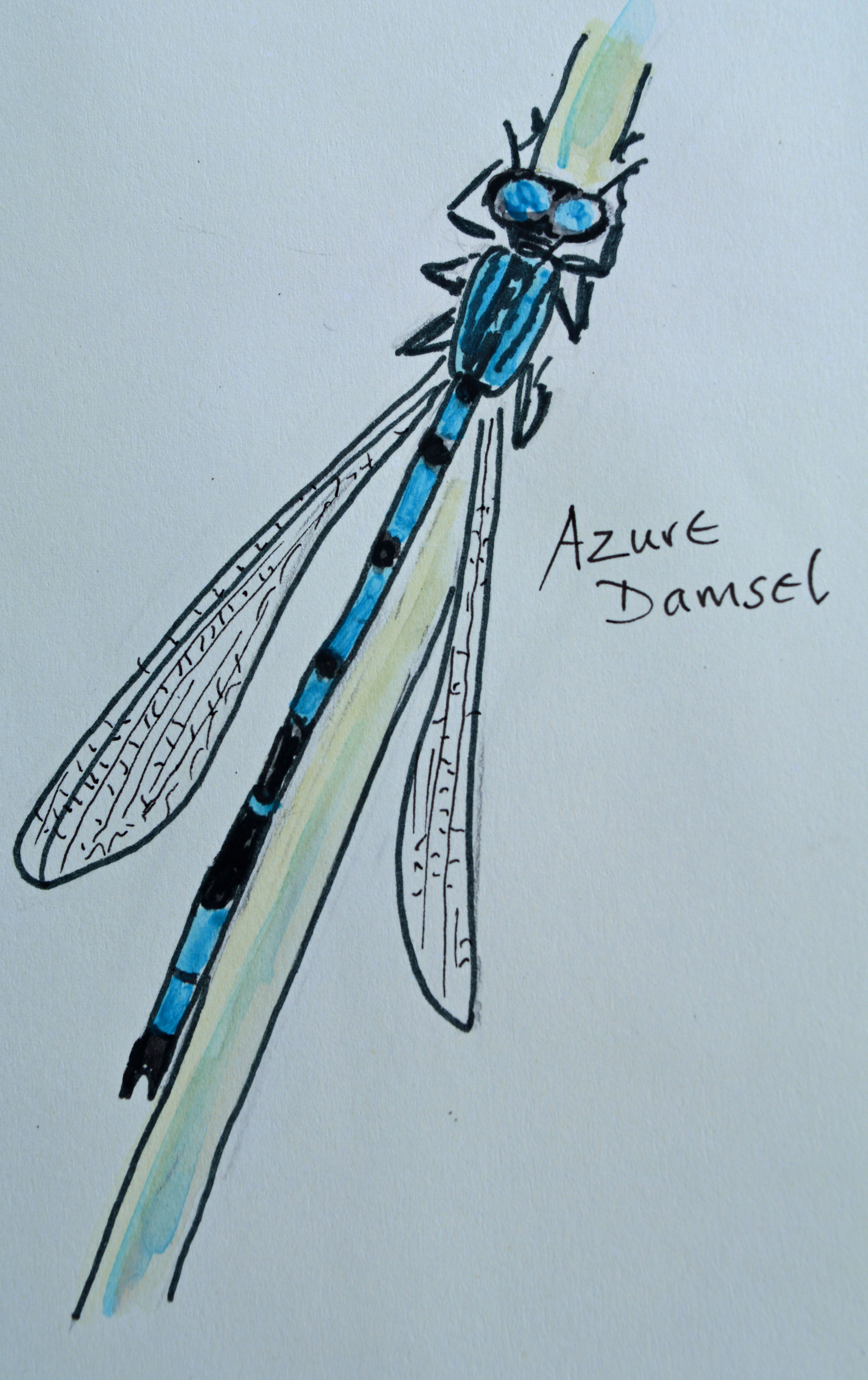
I enjoyed painting our most beautiful Damselfly which we see often on summer days flitting around our garden and often coming into the house to see us!

2015 07 04_3616_edited-1

Page 5 features one of our favourite families of herbaceous perennials, the Geraniums. We have many different varieties and cultivars flowering in many of our borders.

2015 07 04_3617_edited-1

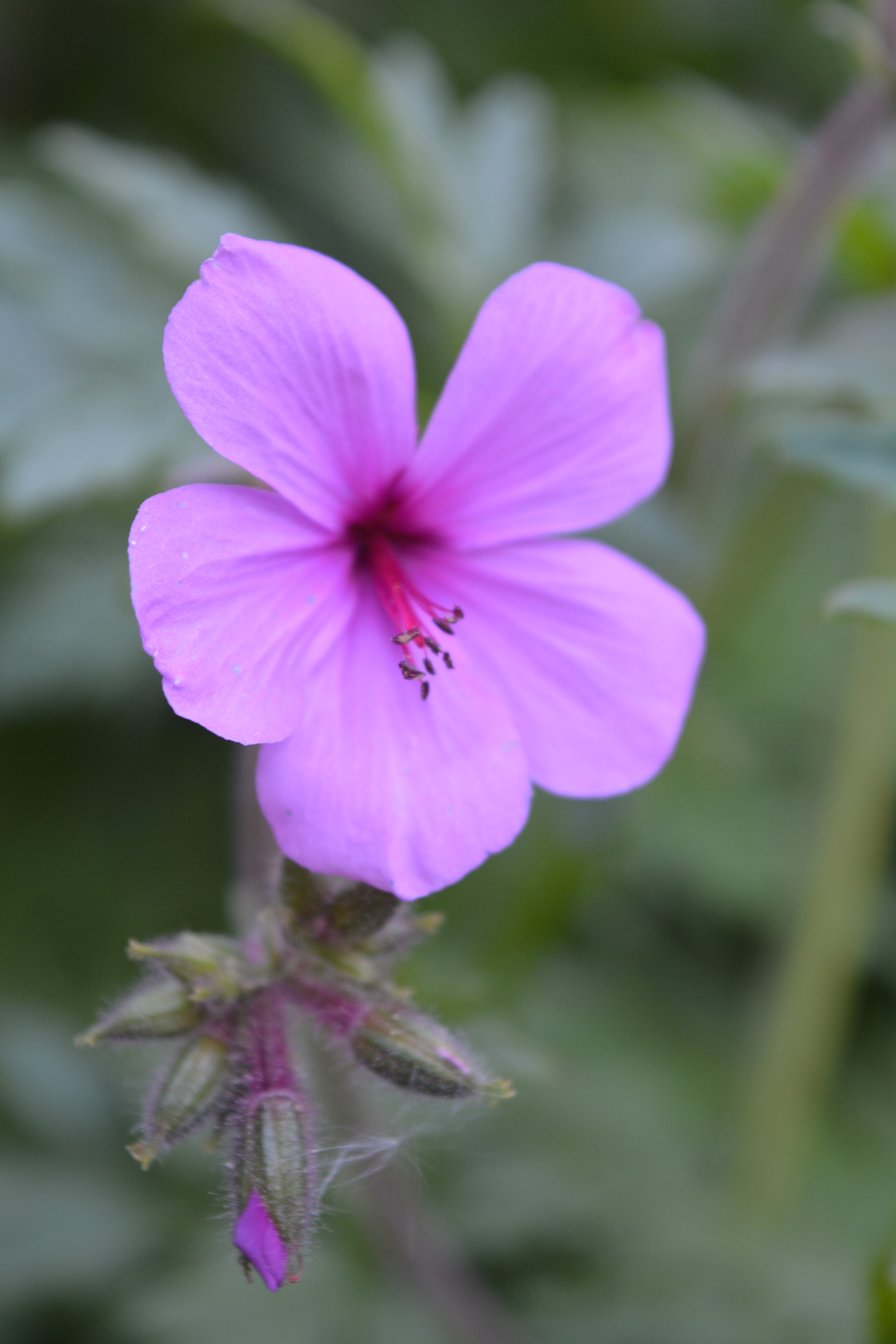
Geraniums are  any lover of perennial plants  favourites. So many shades of pink and blue on flowers of varying size and detail of petal”.

2015 05 26_2001 2015 05 26_2000 2015 05 26_1999 2015 05 26_2018  2015 05 26_2005-12015 05 26_2013


On my next page I looked at the bird life in our June garden,

Our garden in June is subject to regular invasions of fledgling birds, Blue Tits, Great Tits and Long-tailed Tits along with Finches Green and Gold. They beg for food noisily and even ask us for food as we get on with our gardening chores.” 

I then picked myself up on the use of the term “gardening chores”,

It strikes me as odd that we speak of gardening chores or jobs and tasks. Gardening is a delight.

To accompany these words I painted a water colour of a fledgling Blue Tit, looking a little like a faded version of its parents.

2015 07 04_3618_edited-1


Pages 7 and 8 of my June journal featured a bit of pond dipping and a look at a special Rose.

2015 07 04_3619_edited-1

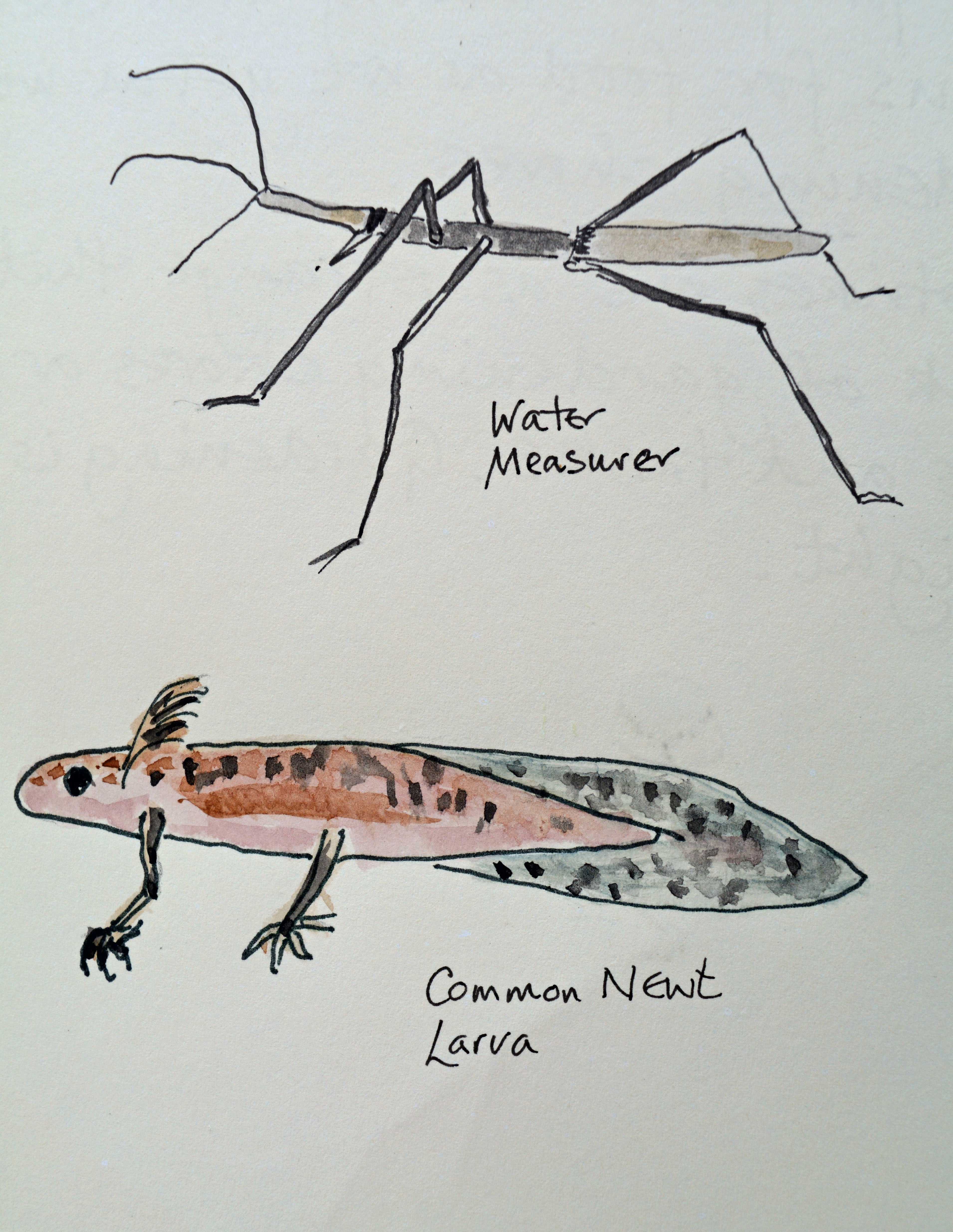
“A warm evening in late June was a perfect time to get out my pond-dipping net and sample tray. A few scoops and the tray was full of life.”

I painted a Water Measurer and the larva of a Common Newt. Both these creatures appeared in numbers in every scoop I made with the net. Even if just a few of these young Newts reach adulthood it will help manage the slug population and perhaps reduce the number of holes in our Hosta leaves.

2015 07 04_3620_edited-1

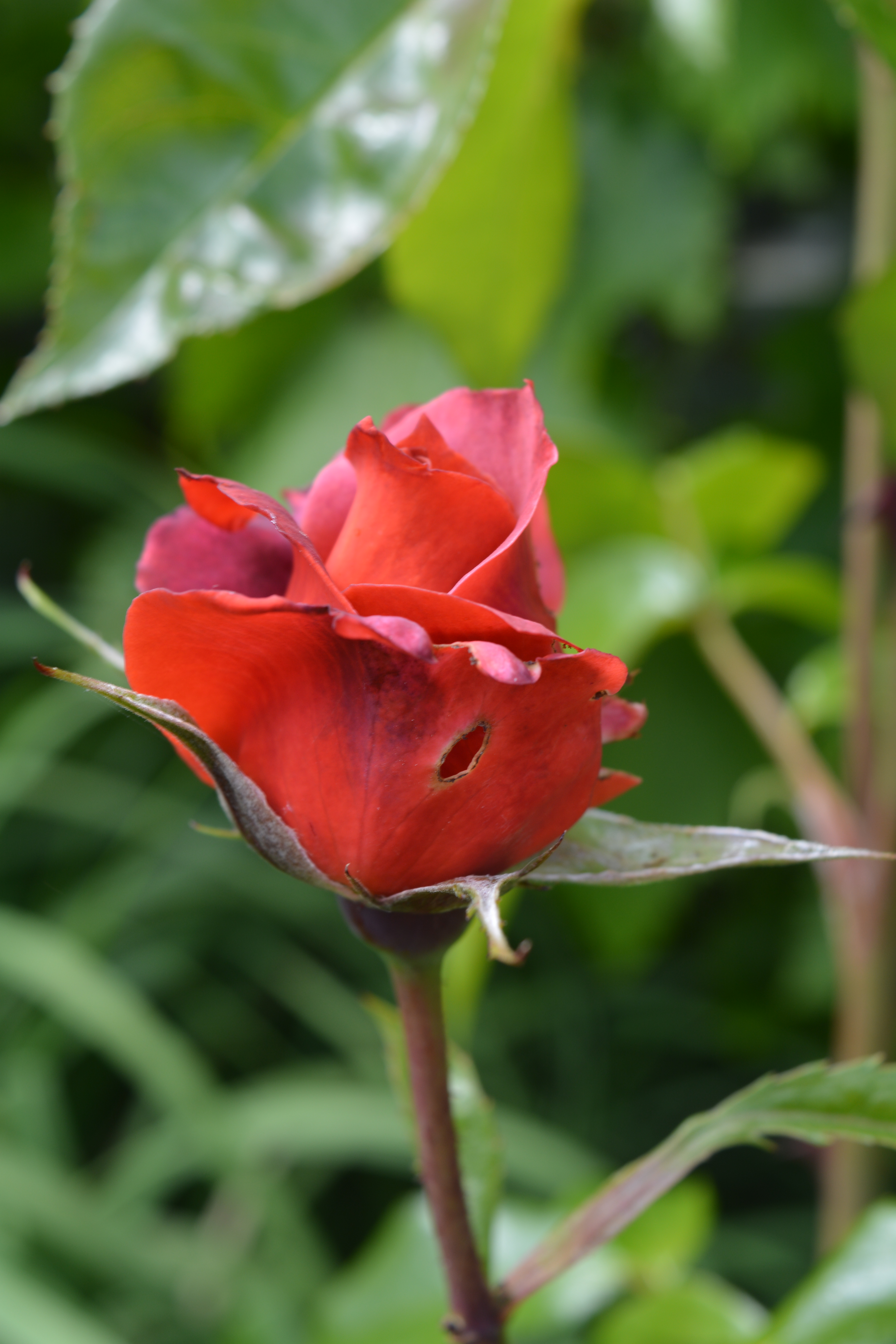
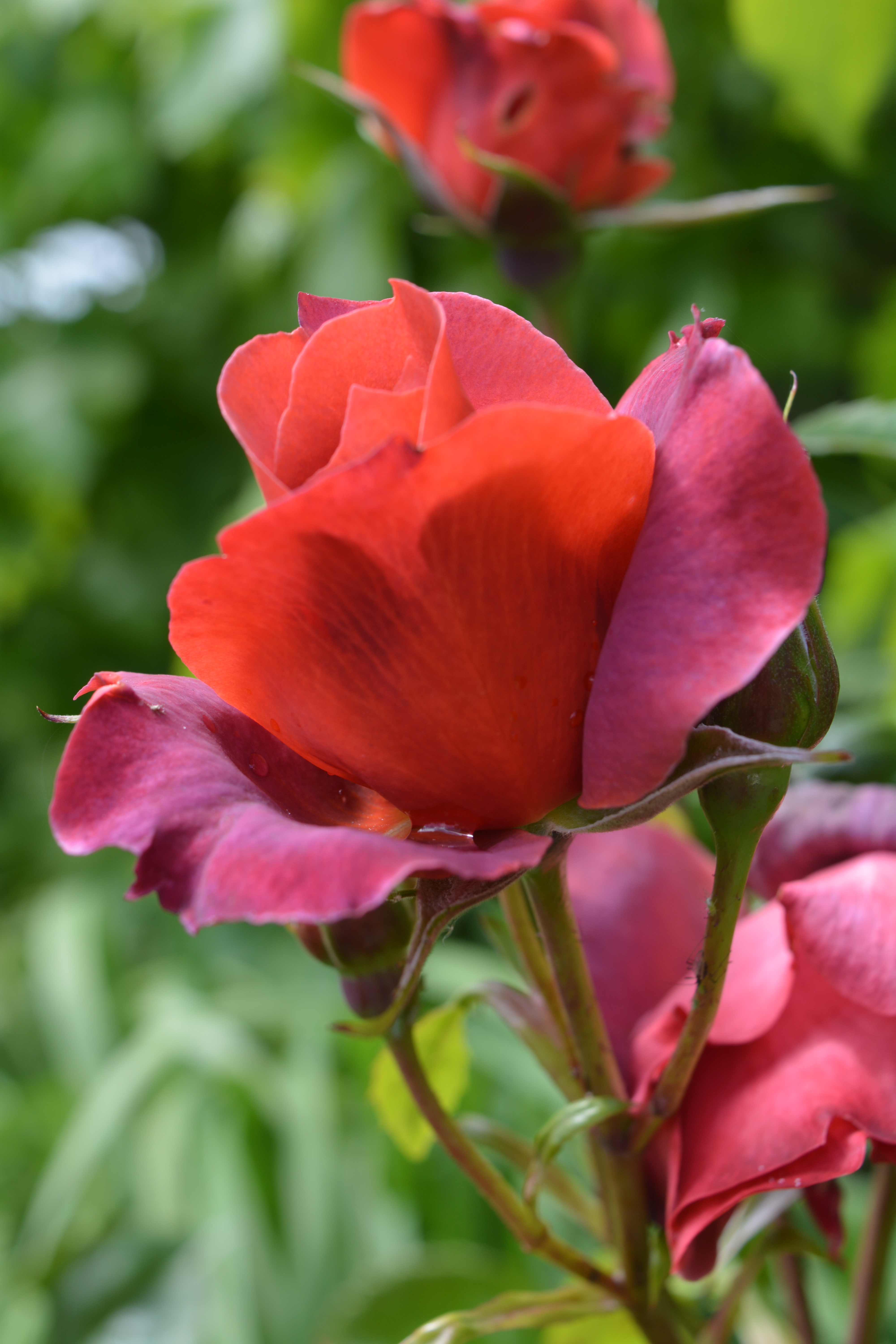
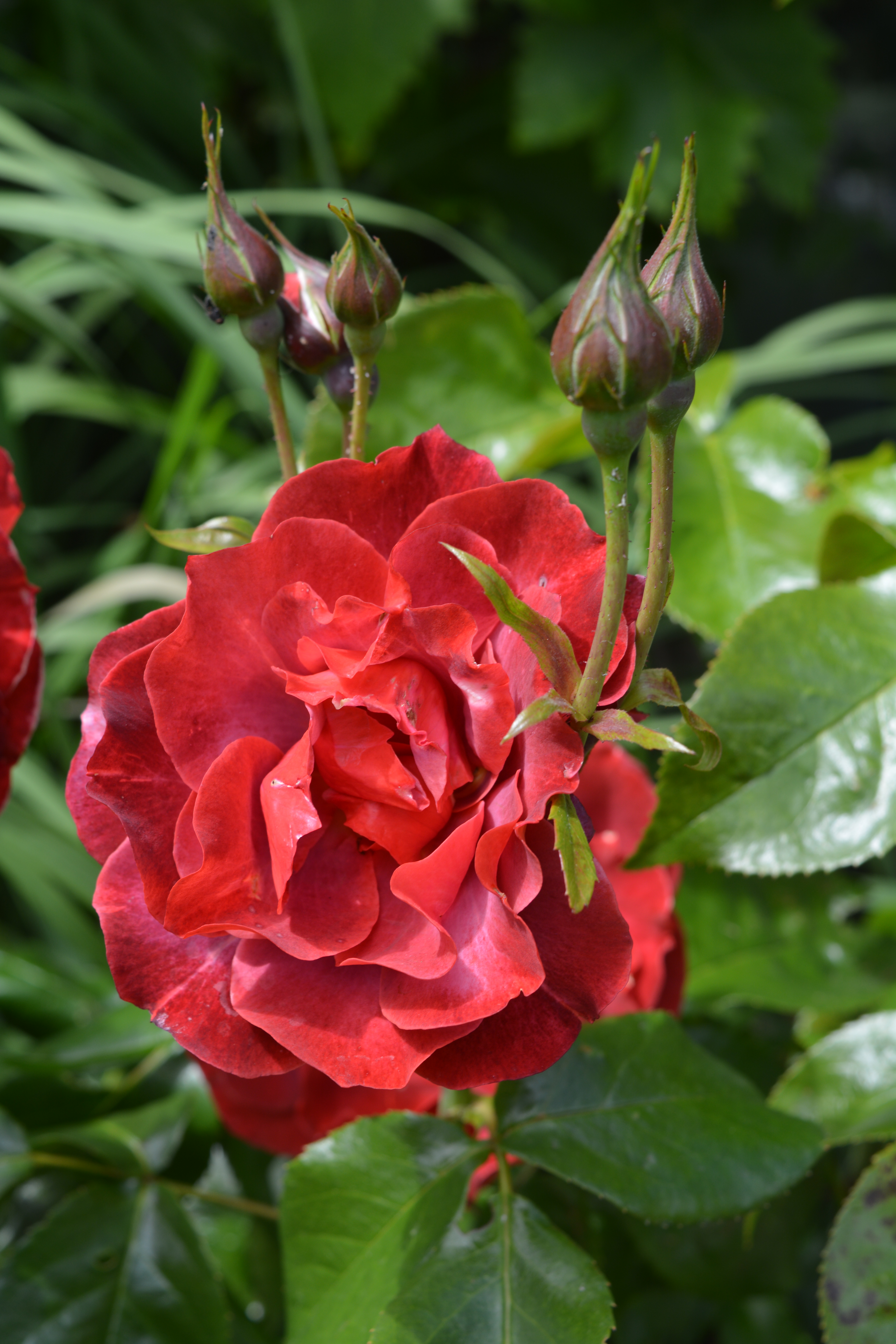
My final entry in my garden journal for the month of June was a look at a special Rose which we discovered just last year. We were initially attracted to its beautiful buds and rich chocolate brownish red blooms. We discovered it was called Dark Chocolate and it has the added benefit of a rich scent.

We have an unusually coloured rose growing in our “Secret Garden” called Rosa “Hot Chocolate”. The colour is a deep brick-red with hints of the darkest brown. Its scent is rich, fruity but with a hint of dark chocolate. The buds of Hot Chocolate are one of the most beautiful of all roses.”

2015 06 30_3554-1 2015 06 30_3553-1 2015 06 30_3552-1

And that is my journal for June.

Categories
birds fruit and veg garden photography garden ponds garden pools garden wildlife gardens National Trust natural pest control NGS ornamental trees and shrubs Shrewsbury shrubs spring gardening The National Gardening Scheme" water in the garden wildlife Yellow Book Gardens

My Garden Journal – April

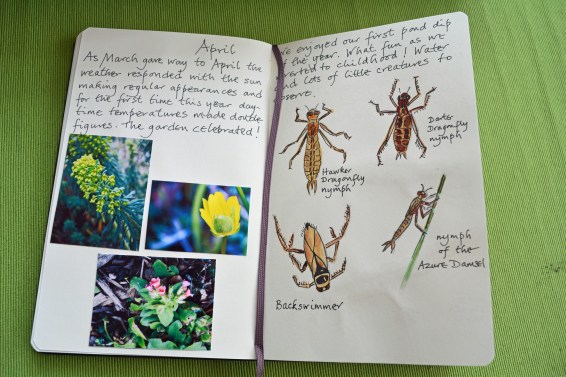
Back to my garden journal where we can see what was interesting me in our garden at Avocet during the month of April. My journal for April begins “As March gave way to April the weather responded with the sun making regular appearances and for the first time this year daytime temperatures made double figures. The garden celebrates!”

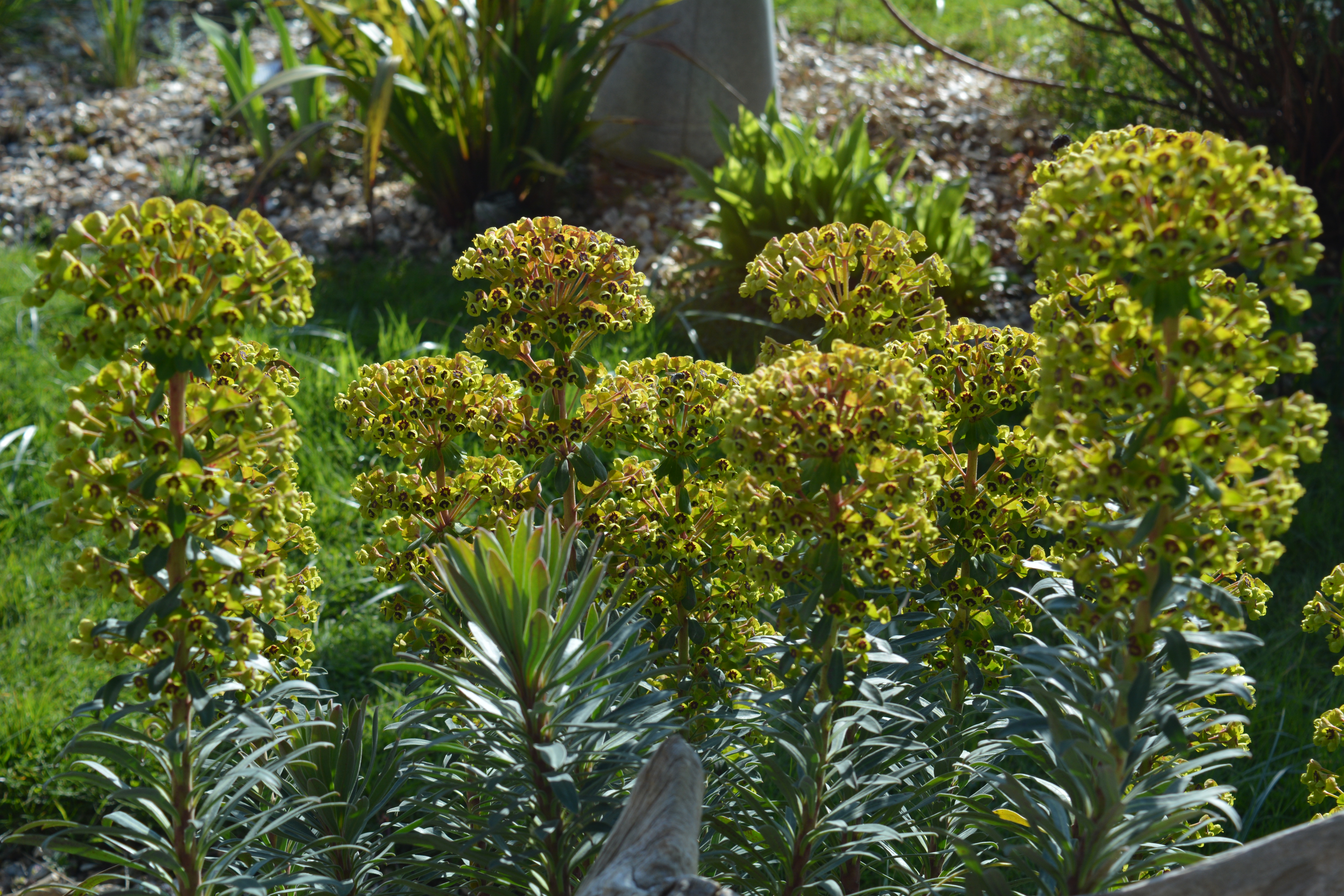
It celebrated with bright colours of spring flowers such as Celendines, Pulmonarias and early chartreuse flower s and bracts of Euphorbias.

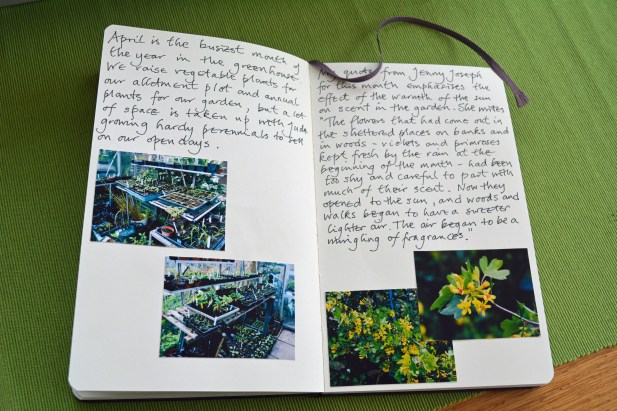
My quote from Jenny Joseph’s book “Led by the Nose – A Garden of Smells” speaks of the delicate scents of the garden and in the countryside that are so important in spring.

The flowers that had come out in the sheltered places on banks and in woods – violets and primroses kept fresh by the rain at the beginning of the month – had been too shy and careful to part with much of their scent. Now they opened to the sun, and woods and walks began to have a lighter sweeter air. The air began to be a mingling of fragrances.”

2015 05 07_1425_edited-1

As the water in the wildlife pond warmed up we thought we would have our first dip with our net to see what wildlife was in evidence beneath the surface. In the journal I wrote “What fun as we reverted to childhood!”We were surprised by just how many different creatures had already stirred into life. I chose to paint the nymphs of Dragonflies and Dameslflies and a Backswimmer. The Damselfly Nymph will hatch out into an Azure Damsel and the two Dragonfly Nymphs into a Hawker Dragonfly and a Darter Dragonfly. They were quite a challenge to paint in their subtle earthy hues.

2015 05 07_1427_edited-1 2015 05 07_1426_edited-1

Continuing on the watery theme on the next page of my garden journal I wrote “Jude gets excited each time she catches a newt when she is on her regular pond maintenance forays. The first this year appeared in early April. Such excitement at Avocet!”  We were so pleased to find so many newts out and about and so active this early in the year. As well as enjoying seeing them using our pond we are even more pleased to know that they are helping us with out pest control out in the borders. They spend much of their time out of water and are partial to slugs. Welcome visitors indeed!

2015 05 07_1428_edited-1

Now these little critters were even more of a challenge to paint than the other pond creatures! Anyway here are the results.

2015 05 07_1430_edited-1

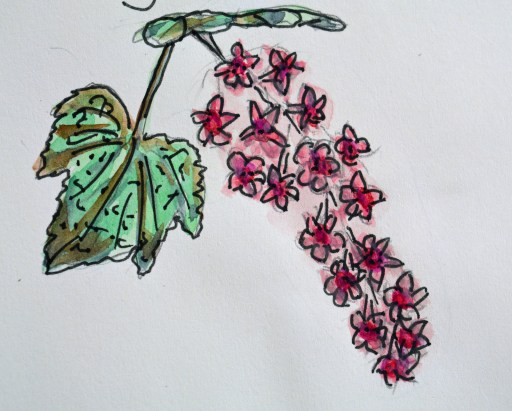
On my next page I wrote, “During Easter Weekend, usually associated with cold and rain, the sky turned the deepest, clearest blue. Temperatures suddenly doubled and the garden buzzed and hummed with the arrival of bees and hoverflies. The most popular of all plants is the flowering currant, Ribes sanguineum.” 

2015 05 07_1429_edited-1

April is the busiest month of the year in the greenhouse. We raise vegetable plants for our allotment plot and annual plants for our garden, but a lot of space is taken up with Jude growing hardy perennials to sell on our open days.

2015 05 07_1431_edited-1 

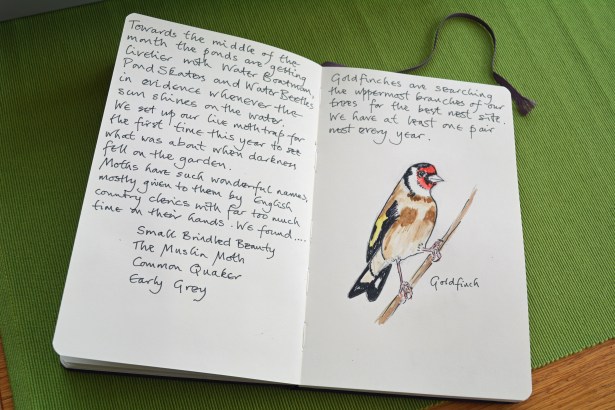
Towards the middle of the month the ponds were getting livelier with Water Boatmen, Pond Skaters and Water Beetles in evidence whenever the sun shone on the water. We set up our live moth trap for the first time this year to see what was about when darkness fell on the garden. Moths have such wonderful names, mostly given to them by English country clerics with far too much time on their hands. We found Small Brindled Beauties, Muslin Moths, Common Quakers and Early Greys.

2015 05 07_1432_edited-1

I next wrote “Goldfinches are searching the uppermost branches of our trees for the best nest site. We have at least one pair nest every year”. I then got out my watercolour paints and pens and attempted a painting of a Goldfinch.

2015 05 07_1433_edited-1

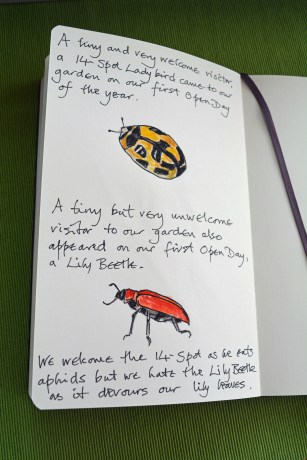
My final page in my journal entries for April featured two colourful beetles which we found in our garden in that month. “A tiny and very welcome visitor, a 14-Spot Ladybird came to our garden on our first Open Day of the year. A tiny but very unwelcome visitor to our garden also appeared on our first Open Day, a Lily Beetle. We welcome the 14-Spot as he eats aphids but we hate the Lily Beetle as it devours our lily leaves.”


2015 05 07_1435_edited-1

Categories
birds colours flowering bulbs garden wildlife gardening gardens hardy perennials light light quality Shropshire spring gardening

My Garden Journal – March

As we entered the month of March we looked forward to increased temperatures both during the daytime and at night .We thought with luck the danger of frosts would be diminishing, although  this year we have had few to talk of and none deep enough to cause many problems.

So let’s have a look at my Garden Journal for the month of March.

2015 03 29_0276_edited-1

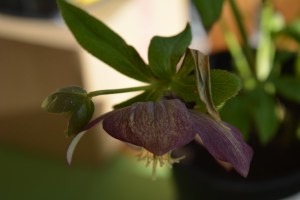
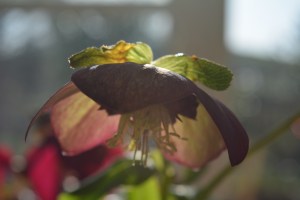
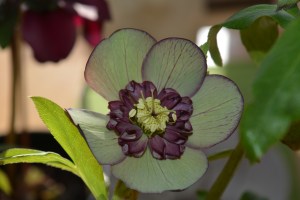
“Early in March we treated ourselves to two new Hellebore hybrids to add to our dozens already adding colour to our borders”

2015 03 04_9795 2015 03 04_9791

One displays simple single deepest red flowers and the other pale green petals edged with a picotee fringe in deep plum and in the centre a similarly coloured collar of petals. Let’s  look at the simpler one first.

2015 03 04_9799 2015 03 04_98002015 03 04_9797 2015 03 04_9798

In complete contrast the “colarette” Hellebore shows so much more colour and variation.

2015 03 04_9794 2015 03 04_97962015 03 04_9792 2015 03 04_9793

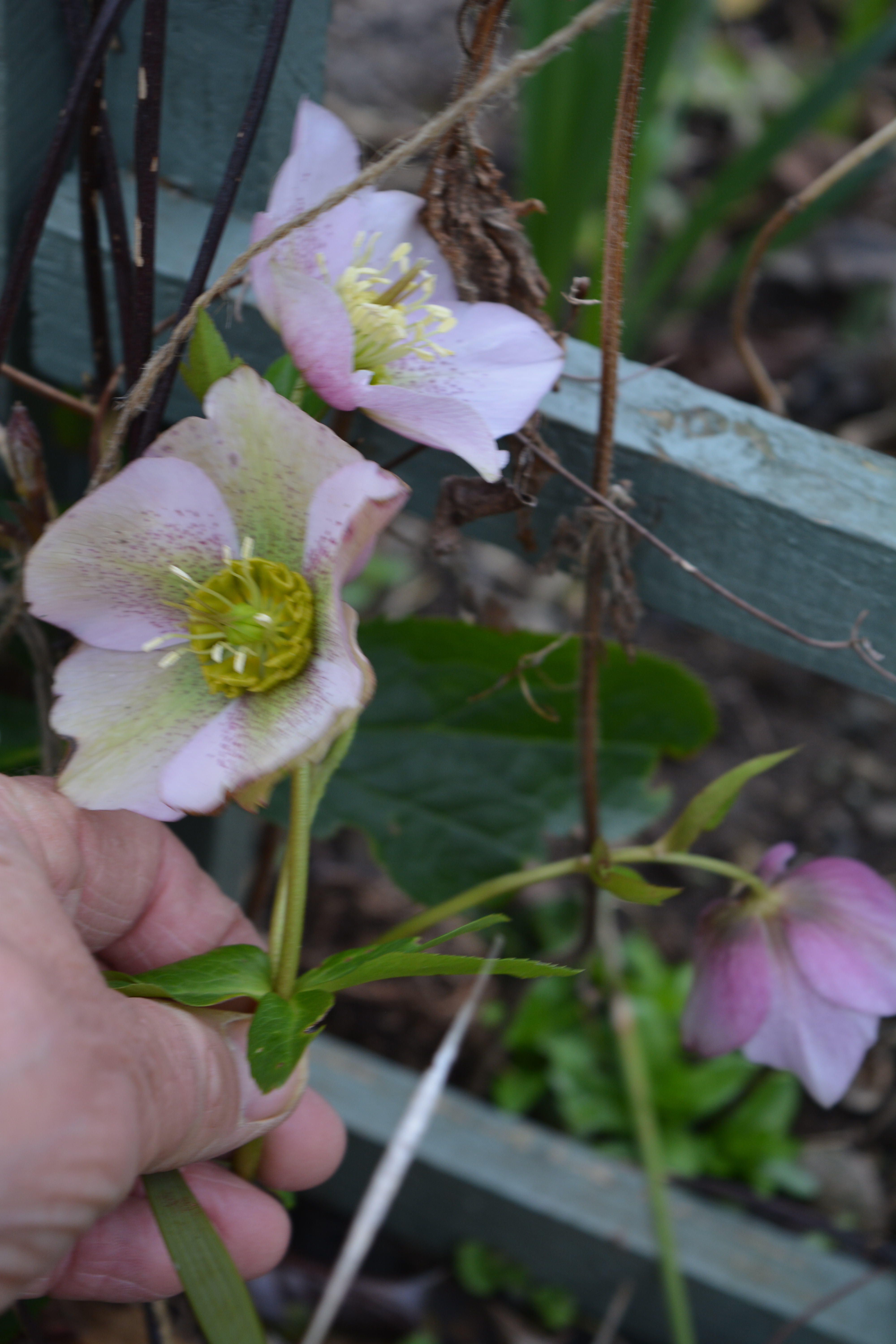
Pleased as we were with our new purchases we were even more pleased to find a chance seedling Hellebore which has sneaked its way into our Rill Garden. The problem is that it has settled in tight into the base of the stone wall of our raised pool. “We were also surprised to discover a beautiful new self-crossed hybrid in the Rill Garden. Each petal is a subtle combination of blush pinks and pale greens, its centre the deepest yellow.” It really needs moving out to replant it where it can be appreciated properly. This photo shows it in its chosen home. We love it for its subtle combination of pink and green with delicate spots, and of course for choosing our garden to grow in. What do you think of it?

2015 03 15_9907

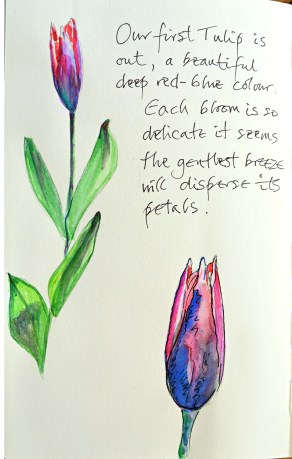
My journal moves on to look at the first tulip of the year, this beautiful species one with such unusual colour combinations within its petals. “Our first tulip is out, a beautiful deep red-blue colour. Each bloom is so delicate it seems the gentlest breeze will disperse its petals.”

2015 03 29_0280_edited-12015 03 29_0277_edited-2   2015 03 29_0278_edited-1

I reveled in the challenge of representing its flower, shaped like the flame of a candle, in watercolours with pen and ink detailing. I had great fun mixing so many tints of blues and reds together and even brought in a touches of green.

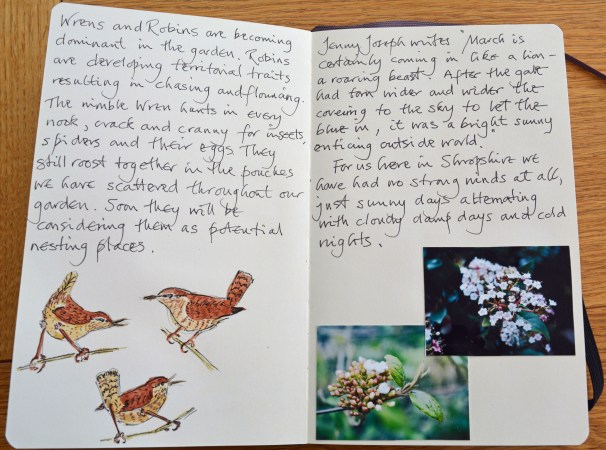
The bird life at Avocet starred next in my journal. “Wrens and Robins are becoming dominant in the garden. Robins are developing territorial traits resulting in chasing and flouncing. The nimble Wren hunts in every nook, crack and cranny for insects, spiders and their eggs. They still roost together in the pouches we have, scattered throughout our garden. Soon they will be considering them as potential nesting places.”  It will be interesting to observe the changes in behaviour and attitudes towards each other when this change of emphasis occurs.

2015 03 29_0281_edited-12015 03 29_0282_edited-1

I quoted a further passage from Jenny Joseph, “March is certainly coming in like a lion – a roaring beast. After the gale had torn wider and wider the covering to the sky to let the blue in, it was a bright sunny enticing outside world.” In my journal I wrote But for us here in Shropshire we have had no strong winds at all, just sunny days alternating with cloudy damp days and cold nights.” But March was to prove these words to be dreadfully premature, for as the month was preparing the way for April to follow in its footsteps we did indeed get gales lasting several days and taking us into April. This strange atypical weather isn’t helping the garden, and definitely not helping us as we prepare for our first opening for the year on 16th April. I noted this in the journal, “This is confusing the garden. It doesn’t know which way to turn. Plants are behind where they should be. Few Tulips or Daffs have displayed their blooms. Leaves on the Acers are showing little inclination to burst from their buds.”

 2015 03 29_0283_edited-1

As my journal closes for March we are preparing for our April opening and we could do with some help from the weather and from Mother Nature herself! We can only wait as spectators and see what April brings with it.

Categories
colours flowering bulbs garden photography garden ponds garden pools garden wildlife gardening grasses hardy perennials light light quality ornamental grasses ornamental trees and shrubs recycling Shropshire spring bulbs spring gardening trees wildlife Winter Gardening winter gardens

My Garden Journal – February

Here we are with part two of my post featuring my garden journal, where we can look at what was going on in our garden in February.

2015 03 13_9852_edited-1

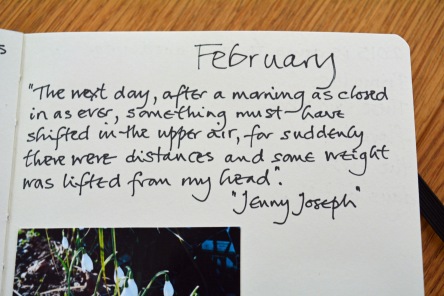
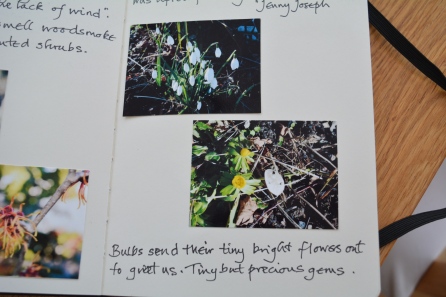
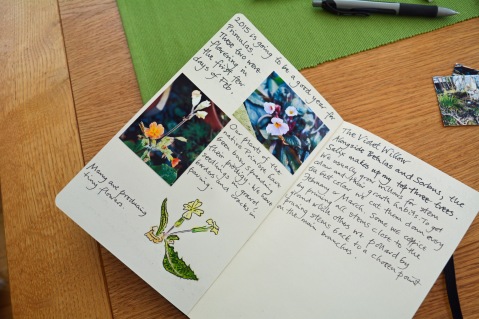
The first entry in my Garden Journal for February shares another quote from Jenny Joseph, “The next day, after a morning as closed in as ever, something must have shifted in the upper air, for suddenly there were distances and some weight was lifted from my head.” The first photos in this month’s journal were of startlingly white Snowdrops. “Bulbs send their tiny bright flowers out to greet us. Tiny but precious gems.” was my accompanying note.

2015 03 13_9853

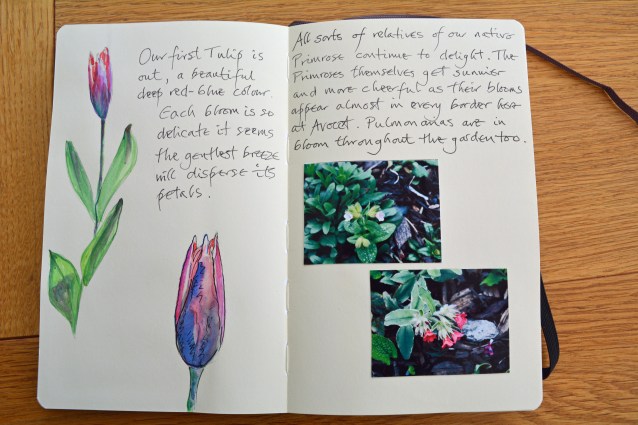
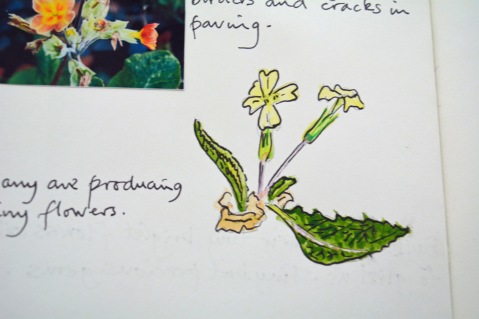
I also featured Primulas this month, “2015 is going to be a good year for Primulas. These two were flowering in the first days of Feb. Our plants of the native Primrose have been busy spreading their prodigy. We have seedlings in the gravel, in borders and in cracks in paving. Many are producing tiny flowers.”

2015 03 13_9855_edited-1

2015 03 13_9854_edited-1

The first day of the new month was spent in the garden and what a wonderful day we had. A bonus day outside in mid-winter is so welcome. We pruned the climbing roses, trimmed down the old growth of perennials to reveal the fresh green shoots eagerly waiting to burst into growth with the onset of Spring. The plant that never fails to impress is the Sedum with its virulent fresh growth waiting thickly at the base of last year’s cut down stumps.

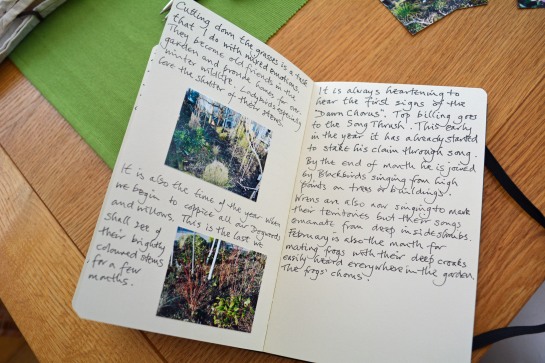
The tall elegant stems of grasses are now cut close to the ground after their winter display. Even the gentlest of breezes has encouraged them to dance, their stems swaying stiffly but gracefully and their seed heads far more fluent in their dances. They will soon be back. In my journal I noted “Cutting down the grasses is a task I do with mixed emotions. They become old friends in the garden and provide homes for over-wintering wildlife. Ladybirds especially love the shelter of their stems.”

2015 03 13_9856_edited-1

We like the month of February, as both Jude the Undergardener and I suffer from S.A.D.(seasonally adjusted disorder)  and mid way through February we can spot a change in the light and literally feel an improvement in light quality and with it an improvement in our mood. I am sure the garden feels the same as all that future growth waits underground to burst forth and all those buds lie waiting on the resting bare branches of the deciduous trees and shrubs.

Birds are showing signs of getting themselves prepared for the rituals of spring that awaits them. Blue Tits are exploring nest boxes already with two boxes already held by two pairs. Collared Doves, those invaders to our shores, entertain us by filling the sky with their acrobatics designed to impress their mates. They fly diagonally backwards into the air!

In my journal I wrote “It is always heartening to hear the first signs of the “Dawn Chorus”. Top billing goes to the Song Thrush. This early in the year it has already started to stake his claim through song. By the end of the month he is joined by Blackbirds singing from high points on trees or buildings. Wrens are also now singing to mark their territories but their songs emanate from deep inside shrubs.”

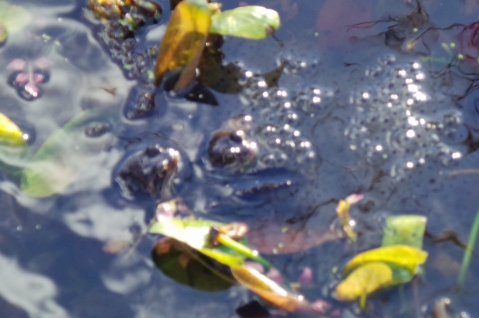
Our attention is drawn to the wildlife pond from mid-February onwards as it is around this time that we start to hear the deep croaks of the male frogs calling the females in to join them in the water. One evening coming in from the garden we made a plan to clear the leaves and any winter debris from the pond the next day before the first frogs arrived. But  they beat us to it for as we went into the garden to do just that a pair of mating frogs was in residence and close by lay a large glob of spawn. Our job became more difficult as we tried not to disturb their nuptials. My journal notes “February is also the month for mating frogs with their deep croaks heard from everywhere in the garden, “The Frogs’ Chorus!” We love frogs in the garden where they act as great pest controllers. Some move into the greenhouse once they leave the pond and work in there for us too. Free labour!

2015 02 28_9789_edited-1

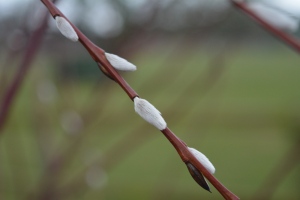
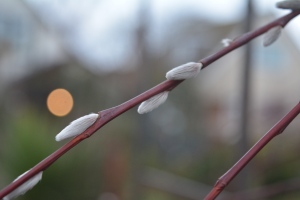
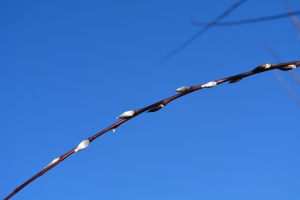
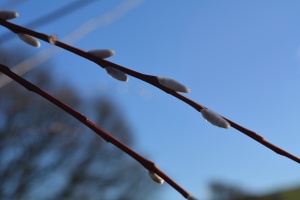
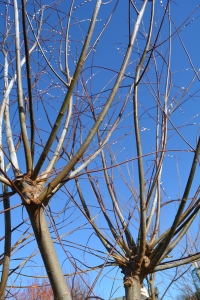
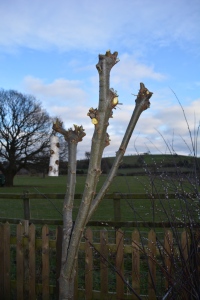
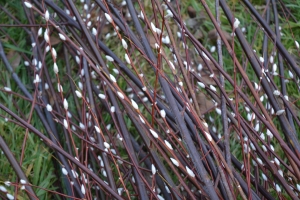
We can still enjoy the coloured stems of Cornus and Salix and the coloured textured trunks of the trees. The Betulas glow white with hints of silver, cream or salmon, while the Prunus serrula shines gold and brown. The brightest of all though must be Cornus “Midwinter Fire”. Late in this month however we begin the task of coppicing and pollarding, hard pruning to give us bright new stems with brighter colours in the year to come. My journal says, “It is also the time of year when we begin to coppice all our Dogwoods and willows. This is the last we shall see of their brightly coloured stems for a few months.” I move on to make special mention of the Violet Willow of which we have a trained multi-stemmed pollarded specimen which holds a great presence in the garden at every time of the year.

The photos below illustrate how its many colours vary with the changing light.

2015 02 17_9597-1 2015 02 17_9596-12015 02 17_9579-1 2015 02 17_9580-1

These shots show the before pruning and after pruning images, so you can see how hard we prune them down. We certainly need our strong, sharp loppers for this job.

2015 02 17_9581-1 2015 02 17_9582-1

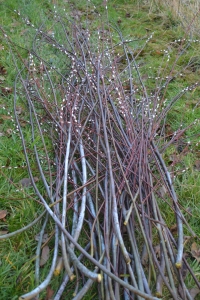
The final pictures illustrate just how much wood is removed and shows the colours of the branches. All this material will be used for making plant supports and will be useful when we make a willow dome for some friends’ garden in a week or so (look out for a post about this). This is a fine example of recycling in action in the garden.

2015 02 17_9585-1 2015 02 17_9584-1

We shall make the next visit to my garden journal in the month of March which we hope is full of the promise of spring.


Categories
birds garden photography garden wildlife gardening ornamental trees and shrubs shrubs Winter Gardening winter gardens

My Garden Journal – January

As promised I am creating a garden journal throughout the year to celebrate our garden and this is the first post looking at January. I am writing and painting in my personalised “Moleskine” notebook, a special gift from our daughter and son-in-law, and as the first photo shows it has been embossed with the name of my blog. A beautiful and most luxurious book which feels a pleasure to handle and an honour to write in and a delight to create drawings and paintings in.

2015 02 04_9357 2015 02 04_9358_edited-1

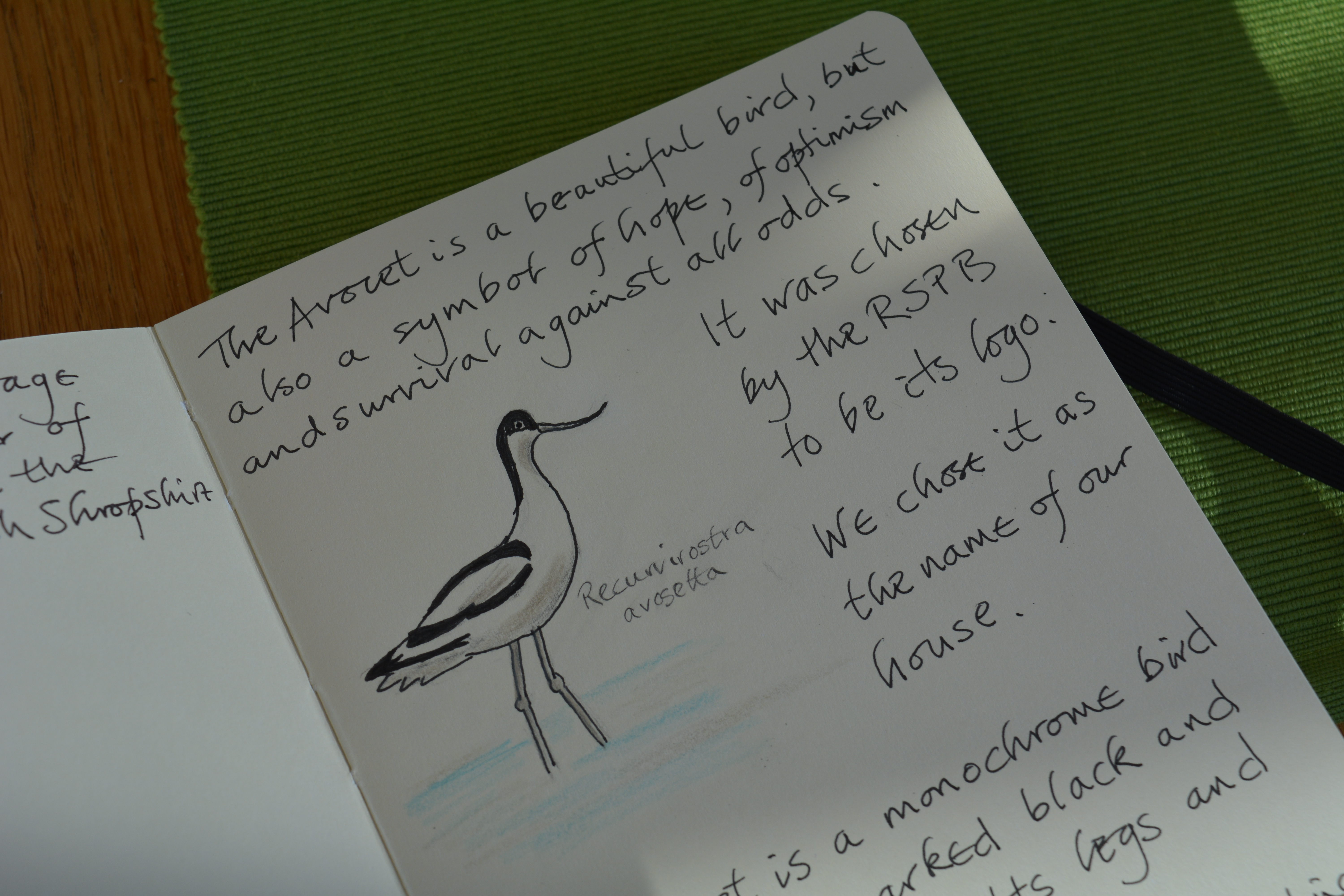
Early on in my journal I have written about the Avocet, the beautiful wader after whom we name our house and made an attempt at a drawing of one.

2015 02 04_9359

2015 02 04_9361_edited-1 2015 02 04_9360_edited-1

I wrote about the scented shrubs that keep us company in the January garden.

2015 02 04_9364_edited-1

Daphne bhuloa “Jacqueline Postil” and Sarcococca confusa.

2015 02 04_9381 2015 02 04_9380

Cornus mas, the Cornelian Cherry and our two Hamamelis “Diane” and “Jelena”.

2015 02 04_9382 2015 02 04_9376 2015 02 04_9375

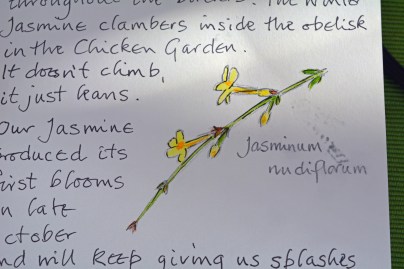
I moved on to write about our Winter Flowering Jasmine and once again got out the watercolours.

2015 02 04_9362_edited-1

2015 02 04_9363_edited-1

We enjoyed a couple of magic moments involving birds of prey in January and I recorded them in my journal.

2015 02 08_9433_edited-1

What a pleasure to have a Merlin in the garden and a Marsh Harrier flying over – I don’t expect that will happen too often!

Enjoy reading a few pages ……

2015 02 08_9434

2015 02 08_9435


Well, that is it for my January journal. February is here already so my journal is gaining new pages, which will feature in my next Garden journal post.


This Veggie Life

A Vegetarian | Nature Lifestyle Blog

Rambling in the Garden

.....and nurturing my soul

The Arch City Gardener

Journeys In St. Louis Gardening and Beyond

Garden Dreaming at Châtillon

Consult the genius of the place

Storyshucker

A blog full of humorous and poignant observations.

gardeninacity

Notes from a wildlife-friendly cottage garden

PlayGroundology

...an emerging social science

The Official Blog of British Wildlife

'The most important and informative publication on wildlife of our times' - The Independent. This blog is a member of The UK & Ireland Natural History Bloggers group: www.uknhb.blogspot.com

iGrowHort

Inspire - Cultivate - Grow Native Plants - Restore Landscapes

Bishops Meadow Trust

To create and protect a semi-natural wild space for the people of Farnham to enjoy and experience an array of British wildlife in our town

Gardening with Children

The www.gardeningwithchildren.co.uk Blog

UKbirdingtimeline

birding through the seasons, why birds matter and how to conserve them

NATURE WALKER

with a camera in hand

Jardin

Transform your outdoor space

Eva's space

My allotment, cooking and other interests

Old School Garden

my gardening life through the year

LEANNE COLE

Trying to live a creative life

fromacountrycottage

trying to live as lightly as possible on our beautiful planet

Good Life Gardening

Nature lovers from Leicester living the good life.

mybeautfulthings

Finding the beautiful in the everyday

mawsonmichelle

Michelle's Allotment

In and Out of My Garden

thoughts from and about my garden

Greenhousing

Big plans for a small garden

The Scottish Country Garden

A Walled Country Garden in South East Scotland

The Fruity Chicken

Life at the fruity chicken

willowarchway

Off grid living. Self sufficient. "PERMAGANICS RULE".

St Anns Allotments

Nottingham's Grade 2* Listed Allotments and Community Orchard

Manifest Joy Harvests

a journey in suburban vegetable gardening

Allotmental

The madness of growing your own

Penny's Garden: a harvest beyond my front door

A novel approach to vegetable gardening

arignagardener

Sustainable living in the Irish countryside.

NewEnglandGardenAndThread

Master Gardener, amateur photographer, quilter, NH native, and sometimes SC snowbird

dianajhale

Recent work and work in progress and anything else that interests me

planthoarder

a chaotic cottage gardener

Lens and Pens by Sally

a weekly blog that creates a personal philosophy through photographs and words

Dewdrops and Sunshine

Stories from a sassy and classy Southern farmbelle.

The Pyjama Gardener

Simple Organic Gardening & Seasonal Living

gettin' fresh!

turning dirt into dinner

JOY...

today the world is created anew

Garden Birds

Notes from a Devon garden

ShootAbout

Life Through The Lens

Adapting Pixels

A photography blog showcasing the best photography pictures and videos on the internet

Wildlifegardening's Blog

Just another WordPress.com site

naturestimeline

personal observations from the natural world as the search continues for a new approach to conservation.

LATEBLOOMERBUDS

The Wonders of Life through my Eyes, my Heart, my Soul