Categories
bird watching birds community gardening garden design garden photography gardening Land Art outdoor sculpture trees

Willow Features at Bowbrook Allotment Community

At our allotment site, Bowbrook Allotment Community usually known as BAC, we feature willows in several areas of our communal green spaces.

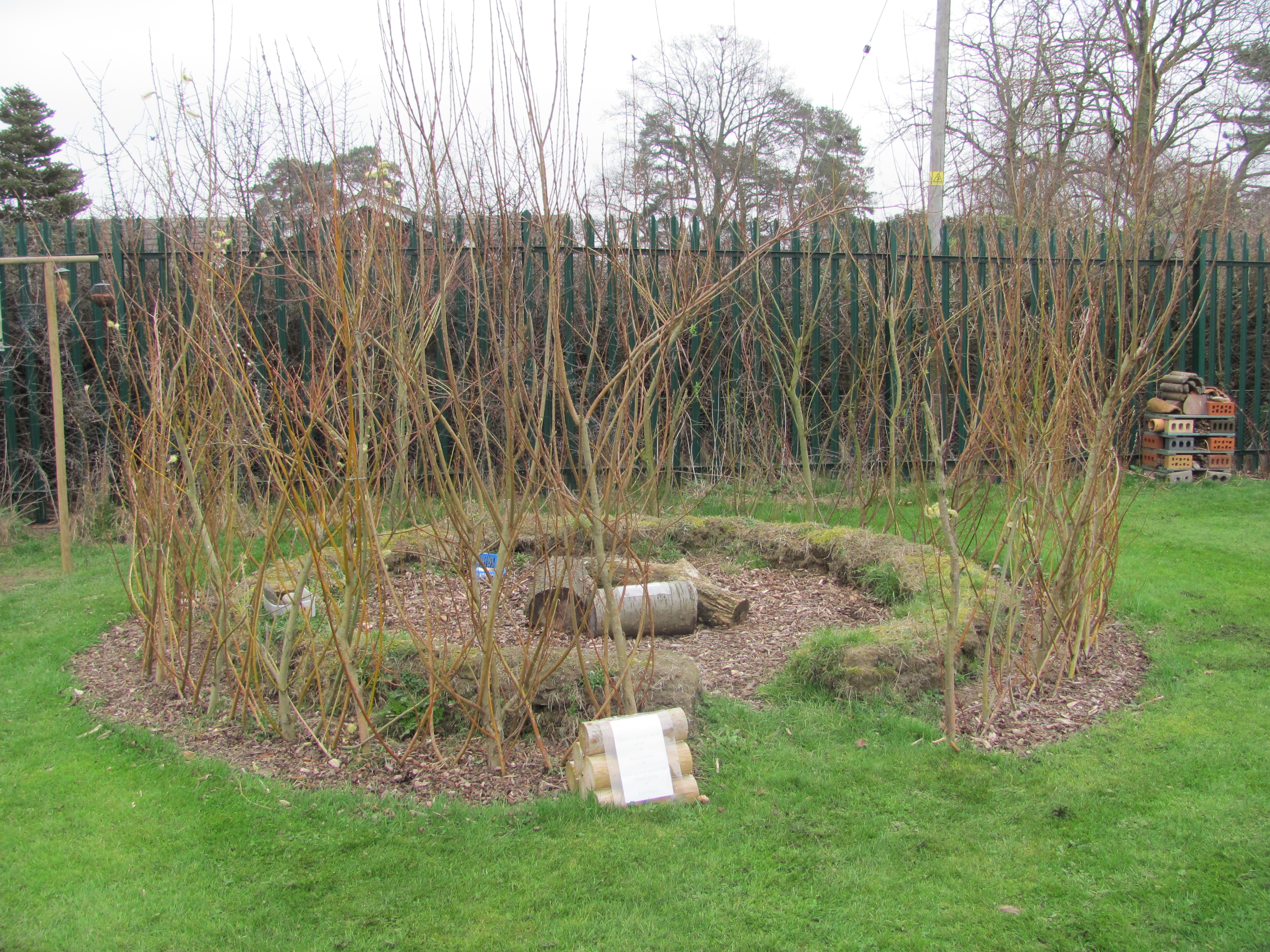
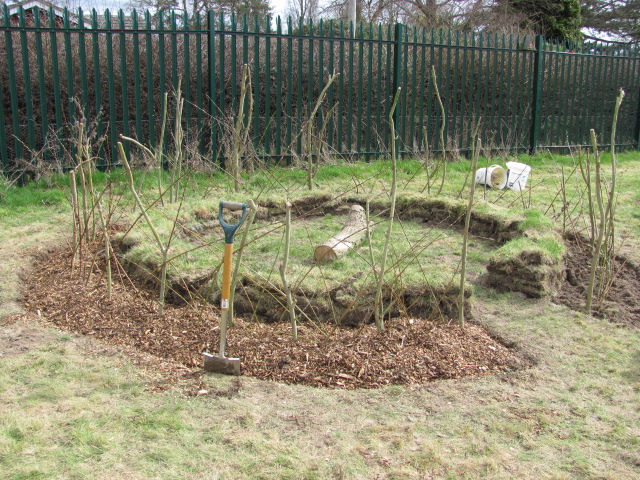
The first to be created was a Willow Dome. Within the dome is a raised turf bench where children sit to have stories read to them and play with toys but the adults tend to use it on sunny days when a little dappled shade is needed as coffee break time arrives. They too enjoy reading books or magazines while resting there. Logs provide extra seats where youngsters can explore trays of rocks and search them for fossils. After two years the sides are getting taller and we wait impatiently for them to be tall enough to pull over, tie together and make our roof.

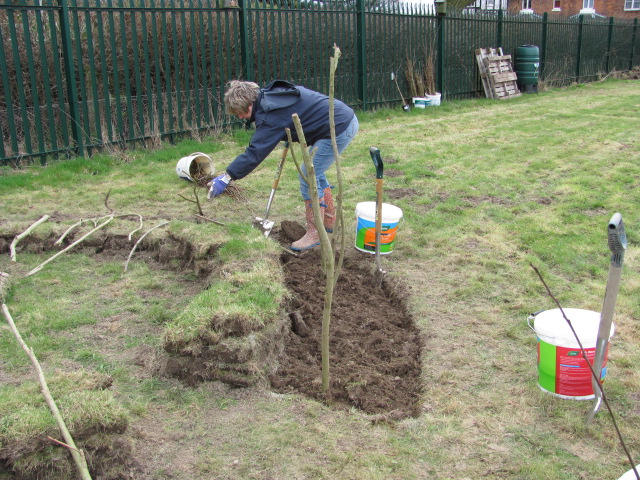
We built the dome just after the site opened and it was the first of the features we created for children. The willow all came from cuttings taken from a willow arbor we had over our bench on our previous allotment, with additional different stem coloured cuttings donated by other plot holders. We created the willow dome during a working party and as we cut out the shape into which we would plant the willows we turned over the turfs to start the raised seating.

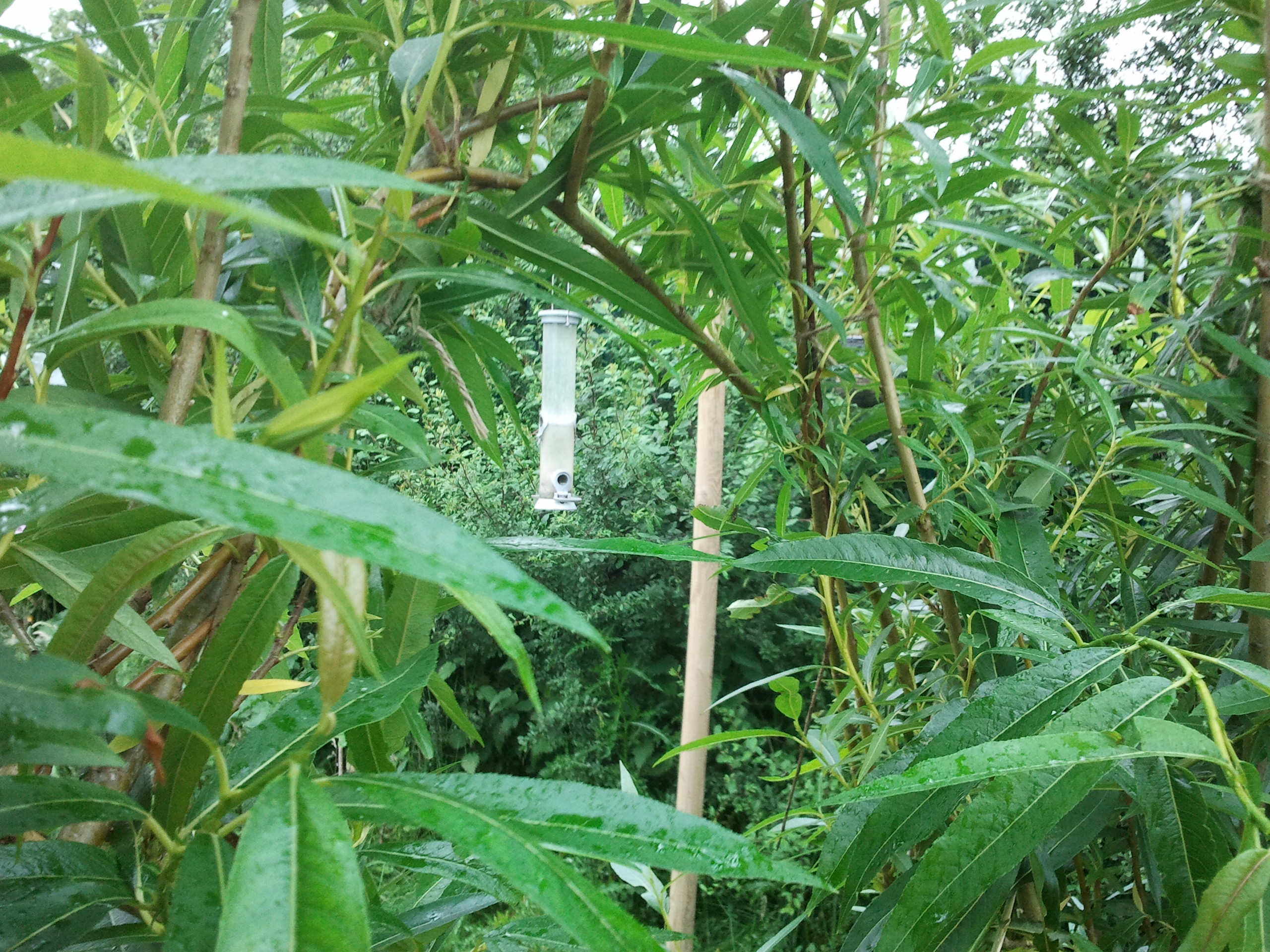
The willow at the entrance has now grown enough to arch over into a doorway just right for children to enter through but adults need to bend down to do so. As the willow it is woven in to shape which strengthens it. We have created windows within the willow wall giving different views. The first photo shows the window that lets children watch birds on the feeders so the dome acts as a living bird hide as well, and the second shows the window with a view into the “Fruit Avenue”.
And here are some photos we took as we were creating the dome, showing “The Undergardener” in busy mode and a few as it developed later.
We then had requests to create a willow structure on the other side of the site,  so I designed a new area featuring a Willow Tunnel. We made the tunnel just tall enough for adults to walk through but quite narrow, so that it felt enclosed for children exploring it. As this part of our site is wetter the willow has grown much more quickly so already the tunnel shape has been formed.
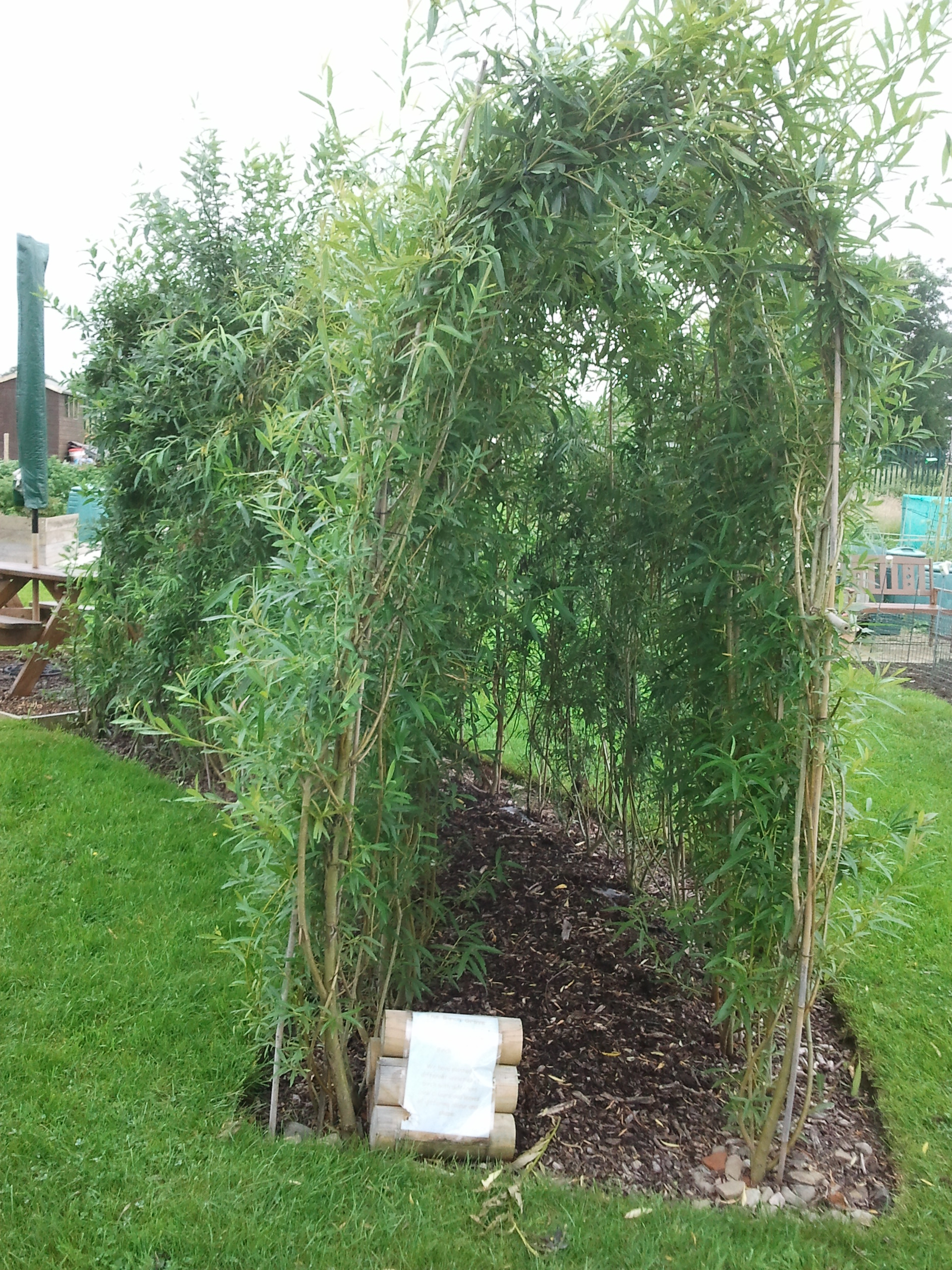
Later we placed a picnic bench close by and surrounded it with a circle of five different varieties of birch, with varying leaf colour and shape and trunks with equally varied colours and textures. So now we can walk through the willow tunnel and discover a bench to sit on and enjoy the shade of our birch grove.

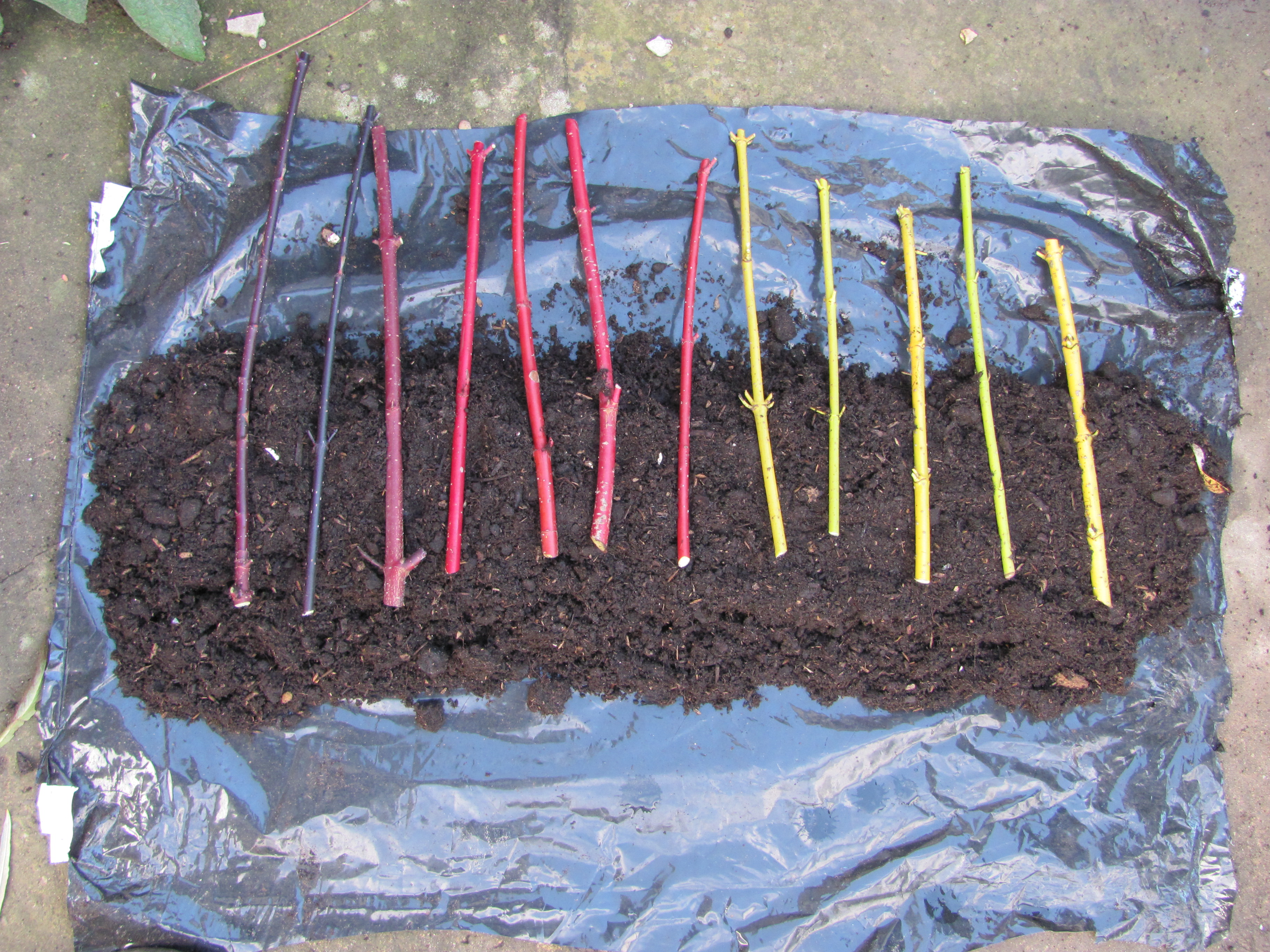
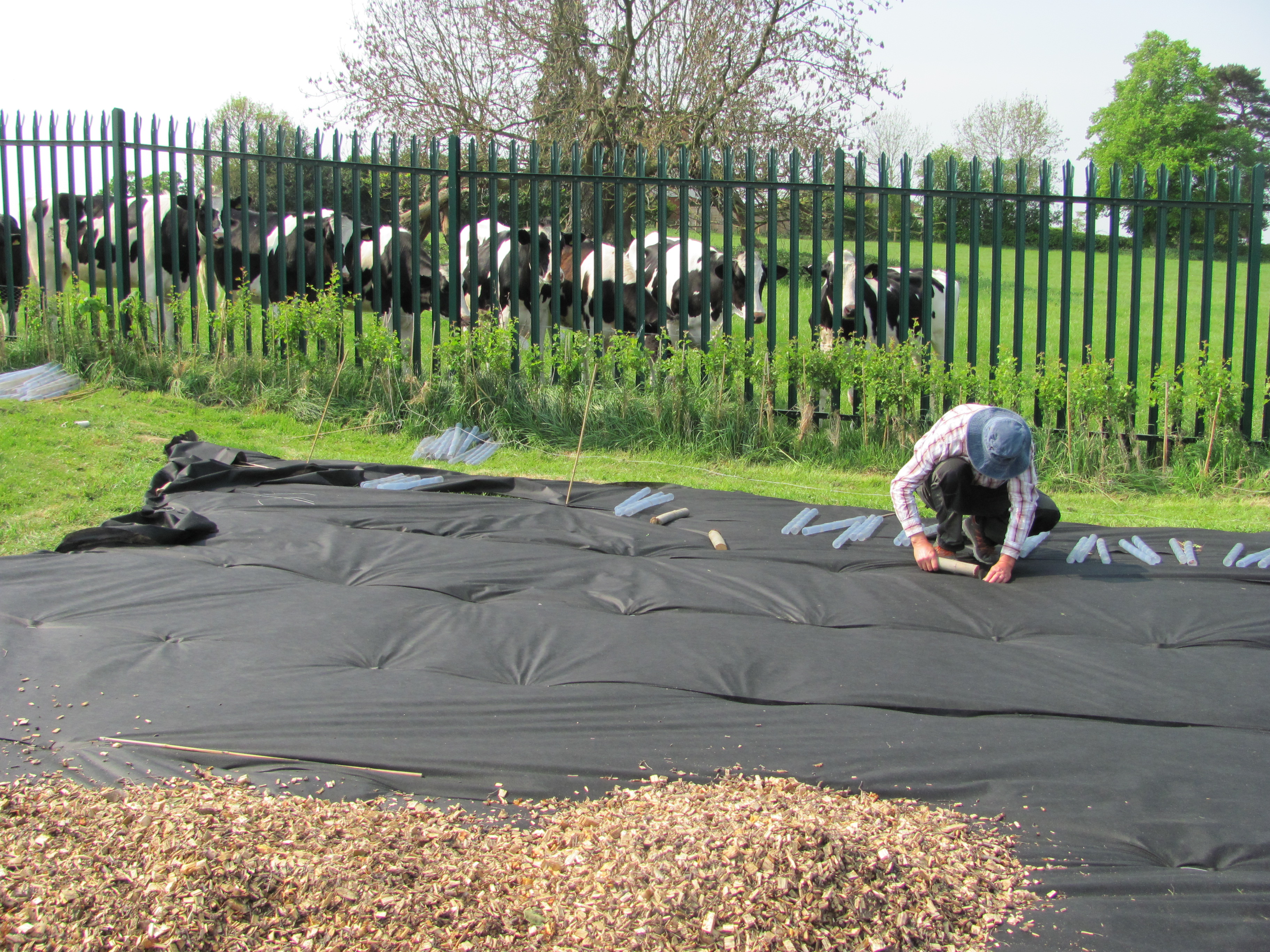
The third feature is all willow – a Withy Bed. Here we grow 17 different varieties of Salix, varying in stem colour from yellow and orange to deep green and black. We planted them as short cuttings, about a foot in length, known as “rods”. We planted the rods in the dampest area of the site which the willows would enjoy but we also hoped it would help reduce some of the winter flooding on the plots at this end of the site and act as a wind break. Eventually we hope to coppice some of the willows and pollard others to provide plant supports when cut. The willows are still young and small but we hope that soon we will be able to start harvesting them.

The following photos show the willow rods as they were delivered and Pete busy working on the withy bed creation.
As this year has been so wet and therefore loved by willows we hope to see massive growth on all these features. It is difficult to know whether we should classify these features as “land art” or “garden sculpture” – whatever they are, they are fun places!

Categories
National Trust ornamental trees and shrubs photography Shropshire The National Trust trees wildlife woodland

Defy the rain – just go out!

A morning of showers turned into an afternoon of rain. We donned our boots and waterproofs and defied it. We weren’t going to let it stop us going for a wander in the riverside woods.

We started with lattes in the coffee shop at Attingham Park, our closest National trust property and they set us up for defiantly walking into the wood.

We had hoped that a few minutes indulging in our favourite pastime of coffee drinking  would give the rain time to stop or at least subside. Our hopes were dashed as we carried on into the woods towards the river the rain fell upon us. We were waylaid by these pretty cows who demanded attention by looking at us under their long eye lashes.

After giving the cows a stroke  we moved on alongside the riverbank where the woodland started.

This woodland contains many unusual and non-native specimen trees but there are no labels so we find many we can’t identify. Several seem familiar especially their fruit and leaves, so we presume they are related to natives such as oaks, chestnuts and alders. One of these days we shall be wise and remember to pop an ID book into a pocket.

Even as the rain was falling and dark clouds skidded across the sky patches of woodland were lit up. They acted as spotlights drawing us to the pink of the foxgloves and the pale creamy fungi.

This strange but delightful light had a brightness we did not expect. Underneath the dark canopy of thick foliage the trunks of the trees seemed to attract light and they appeared more patterned and textured.

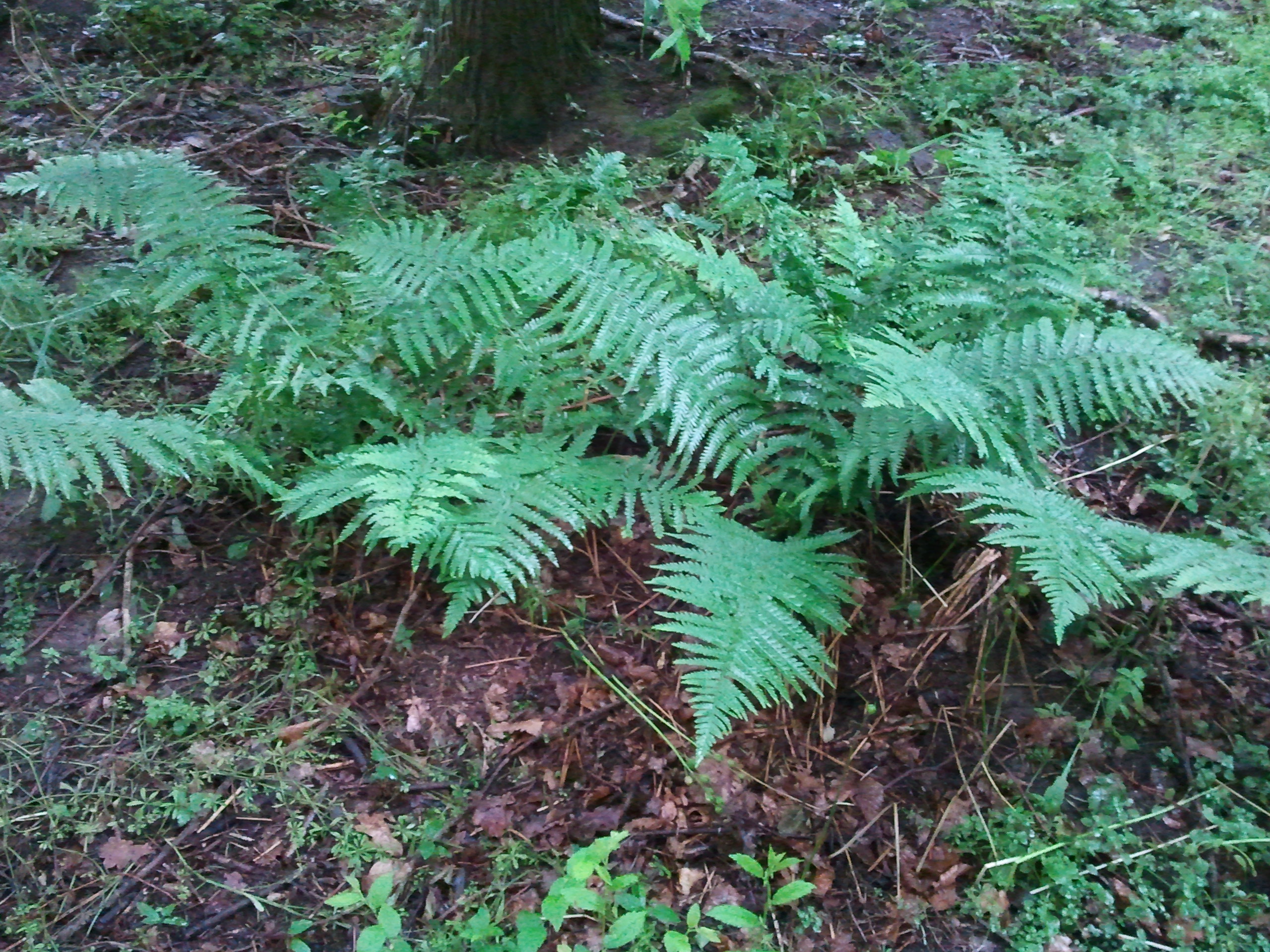
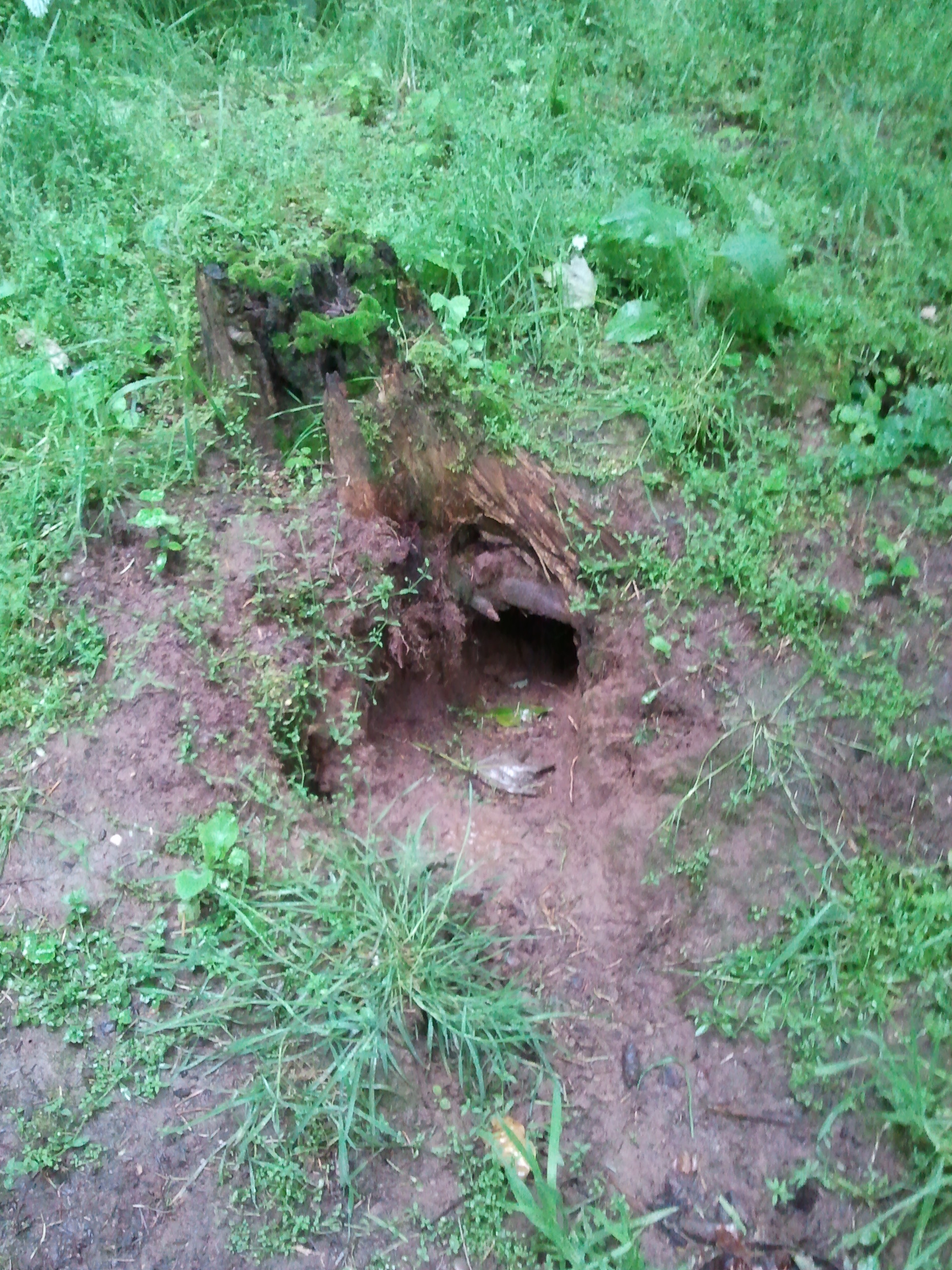
The ferns enjoyed the darker areas and the moisture brought by the rain, but their enjoyment was not shared by the wood’s mammal residents. The usual squirrels and rabbits were nowhere to be seen. Every rabbit burrow we came across showed no sign of life.

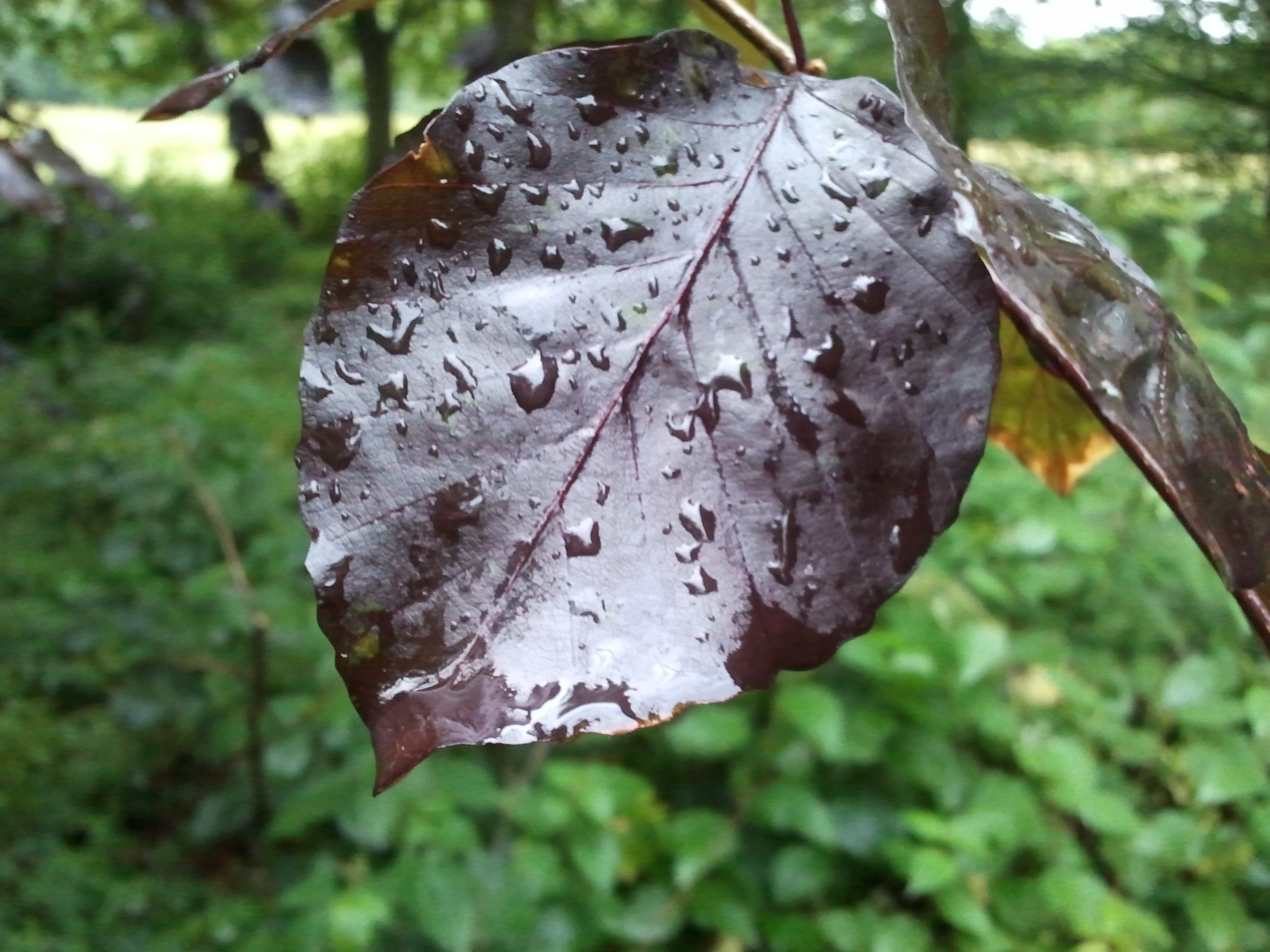
Rain drops landed on the purple, glossy leaves of the copper beech and light glowed through the “helicopter” seeds of maples. Overhead thrushes sang enthusiastically. The loud powerful song of the Mistle Thrush overpowered those of the more tuneful delicate Song Thrush.

Although no thunder rumbled above the tree tops today it has done so recently as witnessed by this tree displaying lightning strike burns. While studying this damaged tree our attention was drawn to movement in small trees close by, where a pair of tree creepers fed on the bark, moving like scurrying mice head first up the trunk. The blue tits fed differently as they searched for their insect prey under the wet leaves of the same tree.

As we continued along the path below the trees we took a short detour through the walled garden where the herbaceous borders on either side of the wide central path made a colourful picture.

As our woodland wander came to an end we had to stop and enjoy another couple of lattes just to check that they still tasted so good. They did! As we enjoyed our coffees we were entertained by a very intelligent ladybird who was reading the label of his orange juice checking its ingredients out to make sure they were fully organic.

We were not the only ones out and about enjoying a walk in the rain today and certainly not the only ones enjoying coffees. As educationalists in our pre-retirement days, we were pleased to see several  young families out exploring the woods. Two families enjoyed their coffees as their toddlers enjoyed playing in the courtyard driving ride-on John Deere tractors in the mud and on the slippery grass, even revelling in falling off. They jumped in the puddles and splashed each other. Real childhood treats!
Categories
allotments birds community gardening conservation fruit and veg garden design garden photography garden wildlife gardening grow your own hardy perennials Land Art meadows natural pest control ornamental grasses ornamental trees and shrubs outdoor sculpture photography poppies roses Shropshire shrubs spring gardening wildlife

A Wander around the Allotments in June

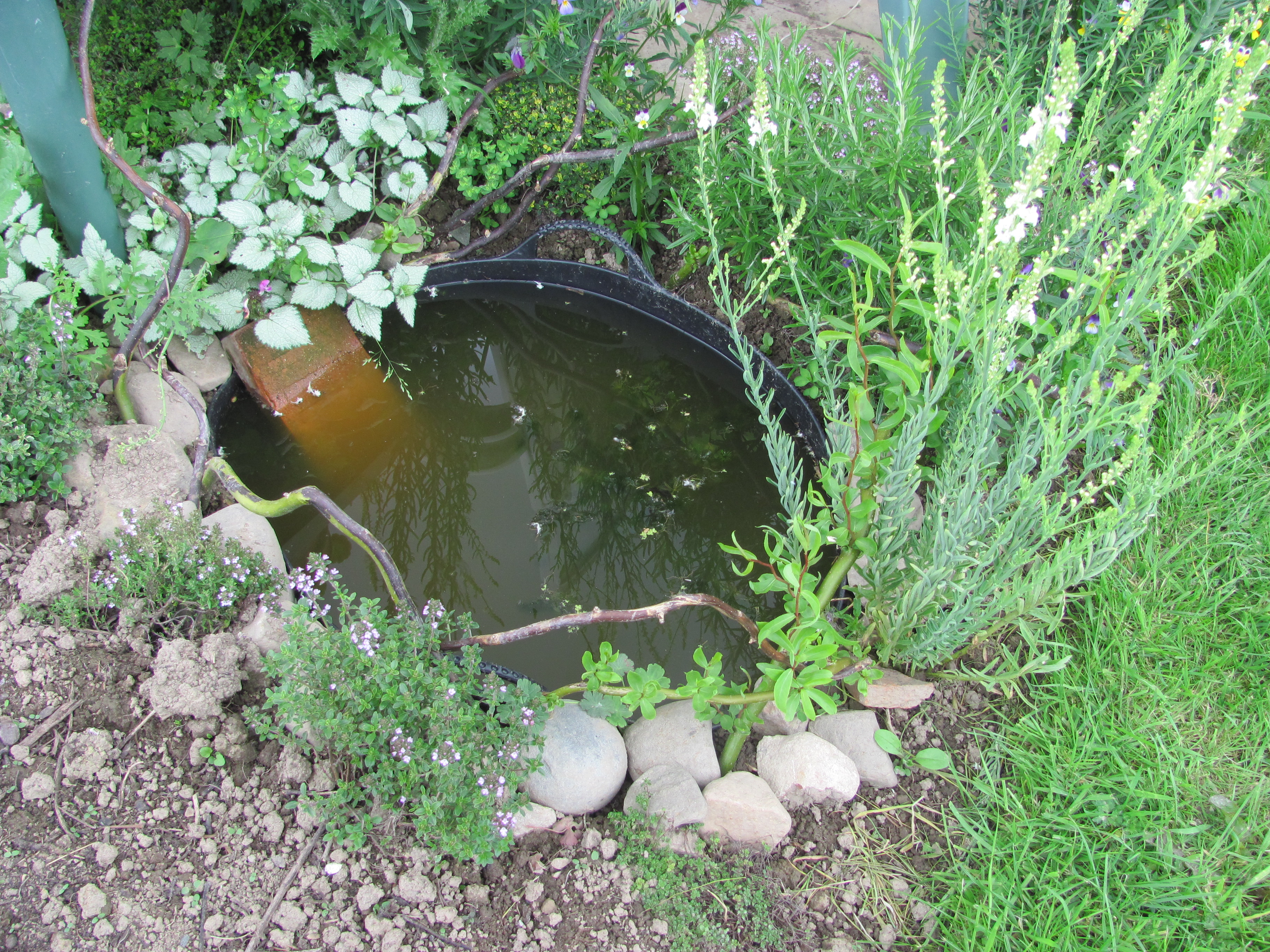
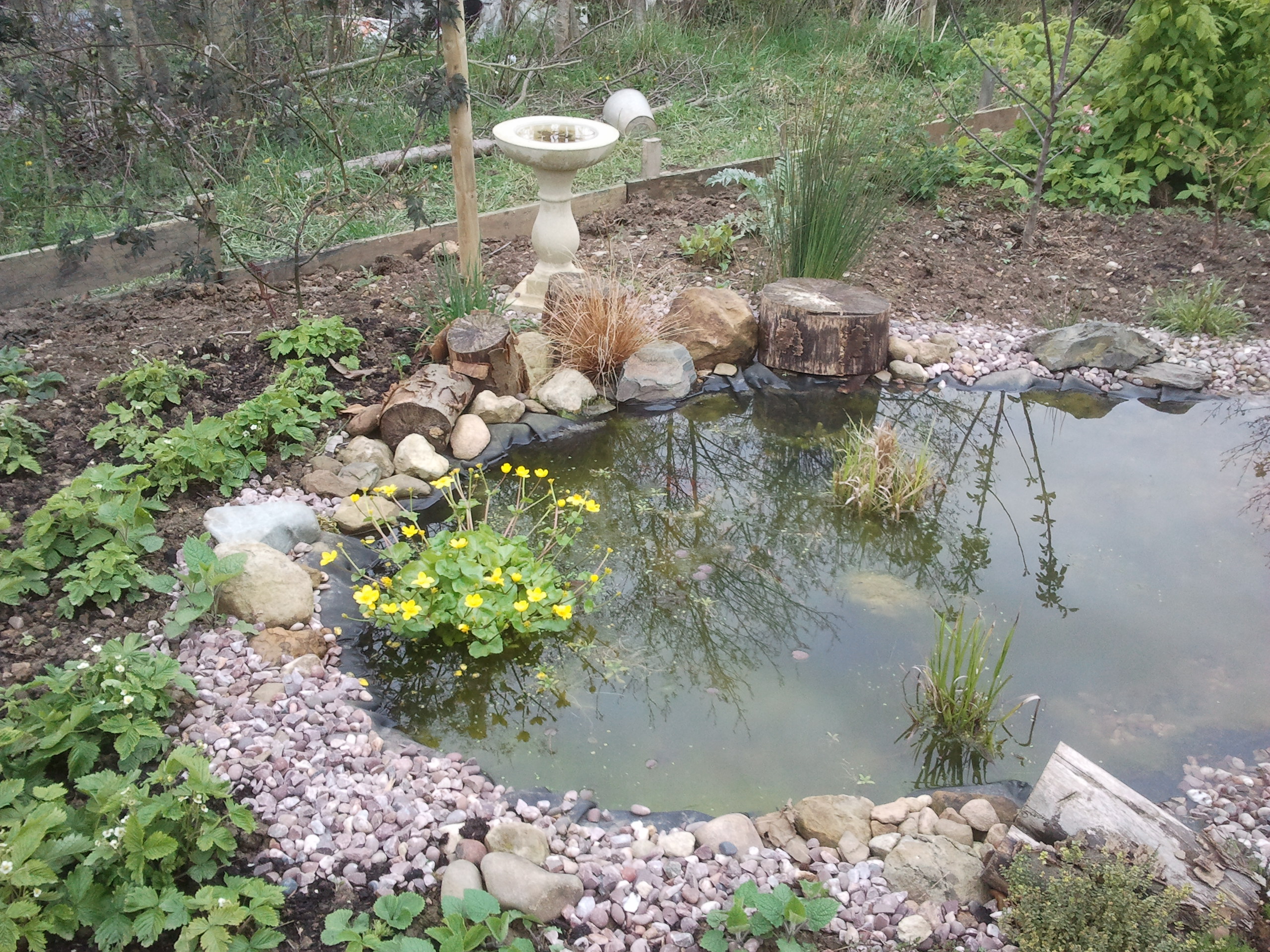
Here we are at the half way point of the year in the June allotment wanderings. As usual we shall start on our own plot to see what has been going on. Our little wildlife pond is beginning to look more established and the tadpoles are growing well. We hope the frogs stay on our plot and eat up all the slugs. As you can see we provided a little wooden ramp to help them get in and out of the water.

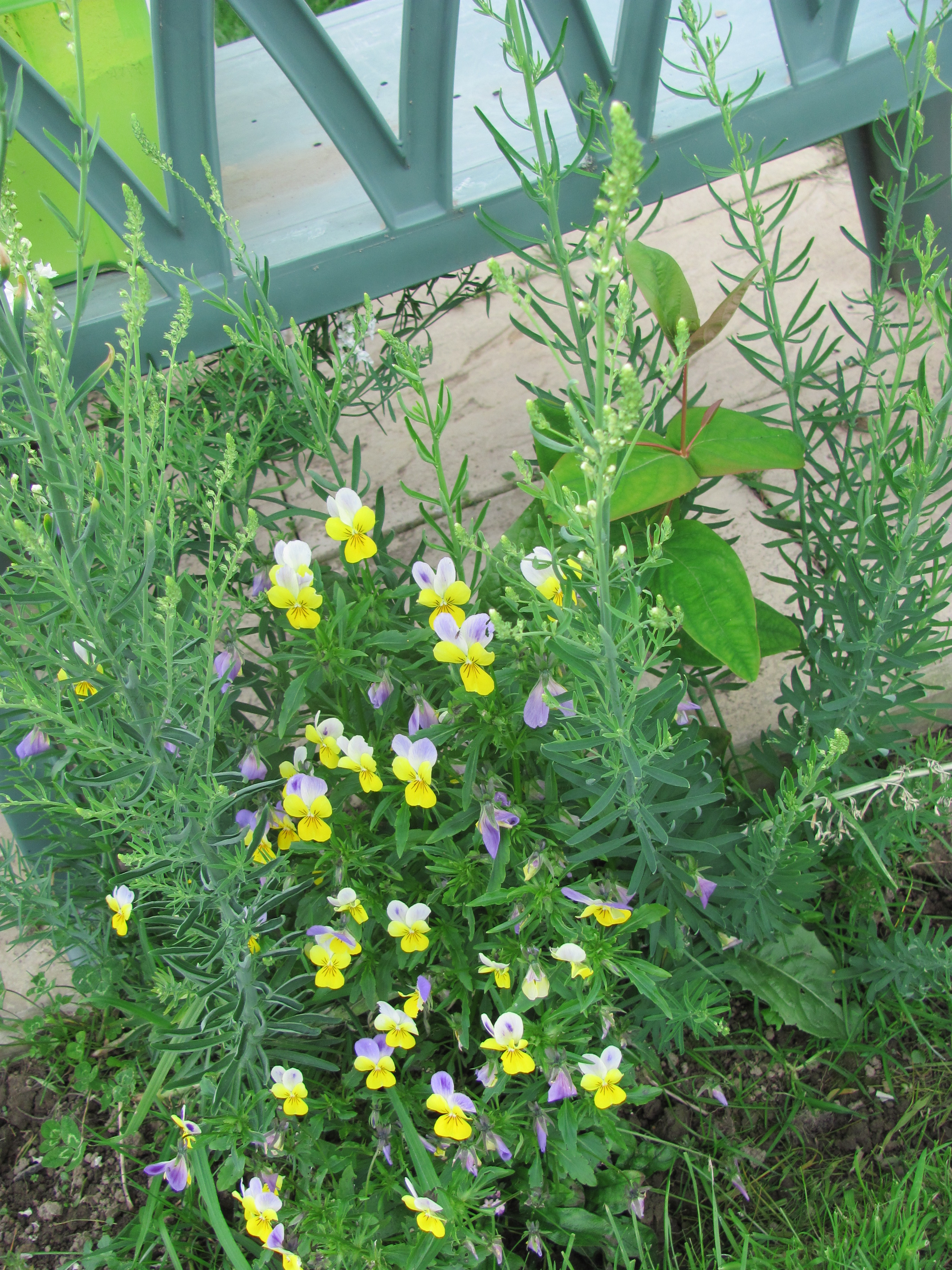
Heartsease self seed around the plot sometimes landing in suitable places arriving in a wide range of colours. This one seeded into the soil behind the green bench.

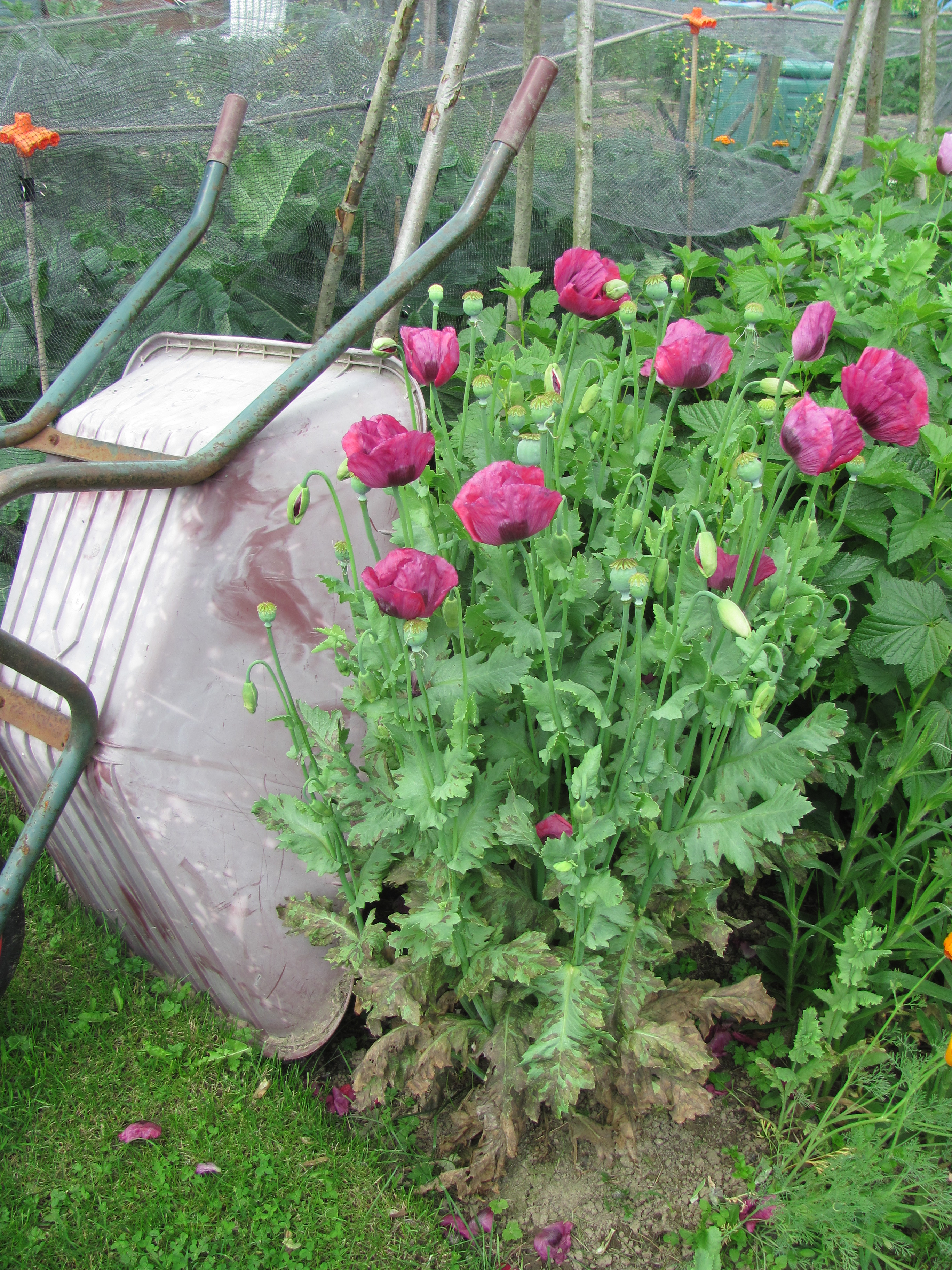
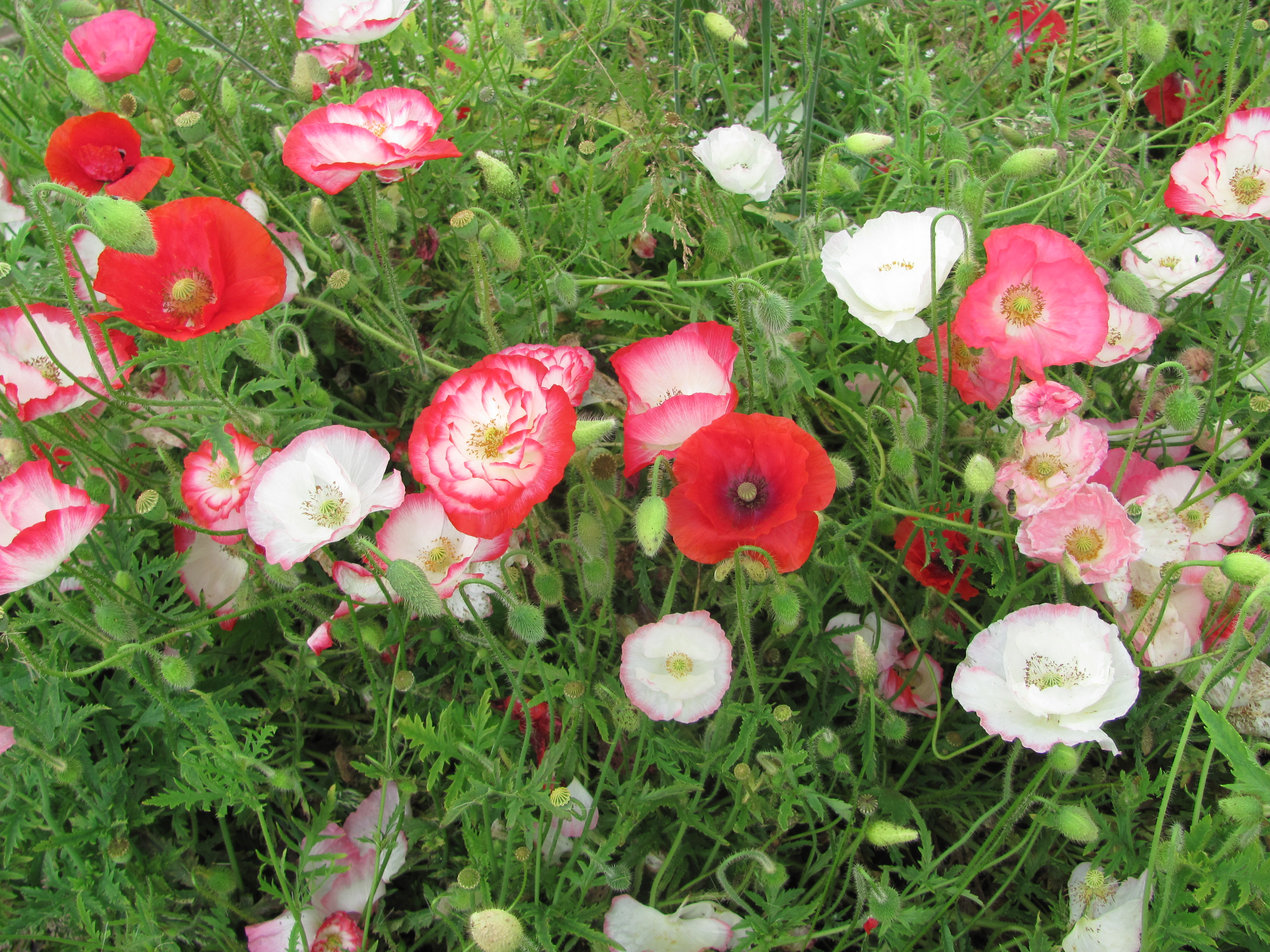
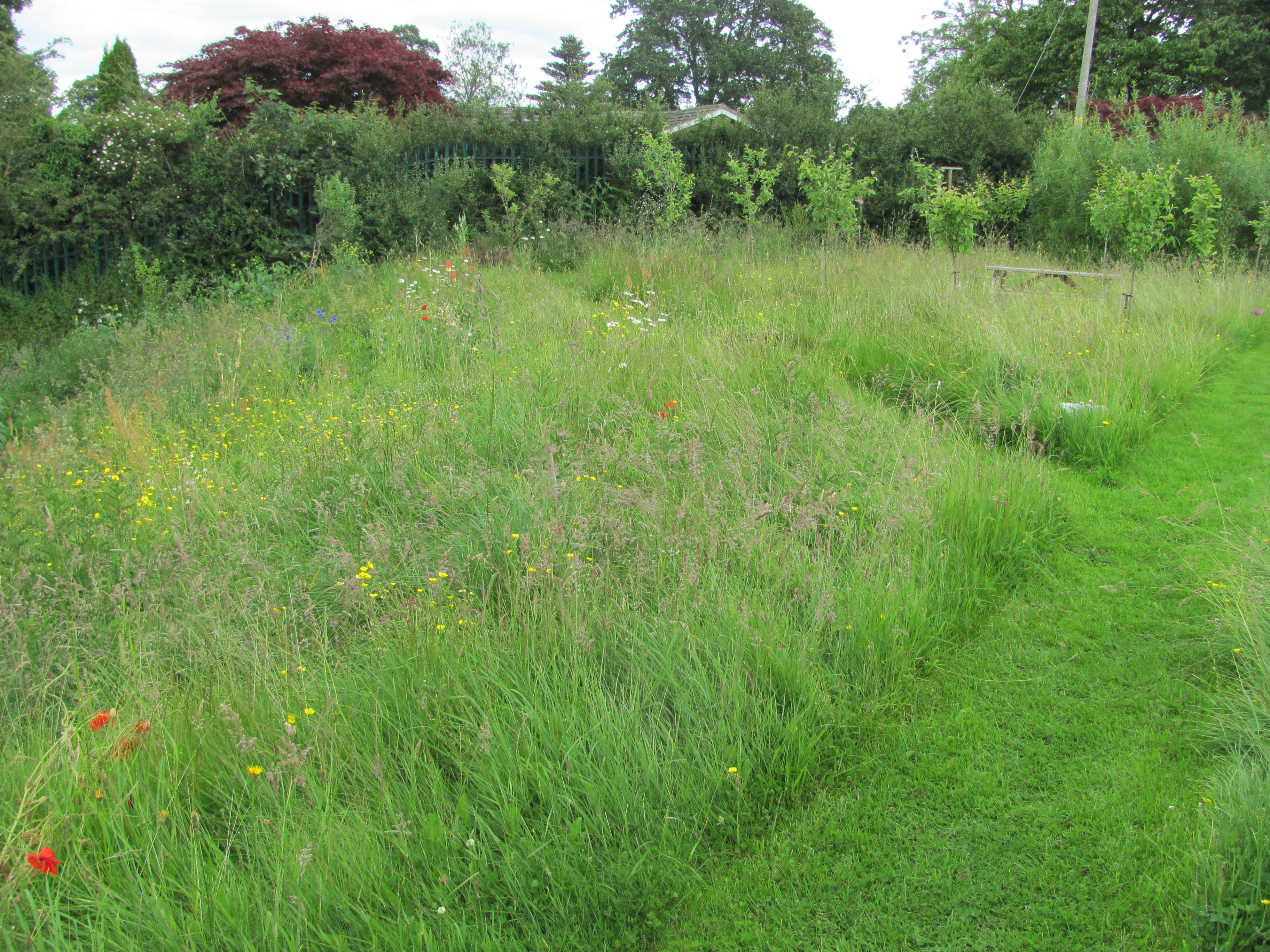
Our strip of wildflowers, a little piece of meadow, is beginning to flower. This Opium Poppy surprised us with its deep pink coloured petals.

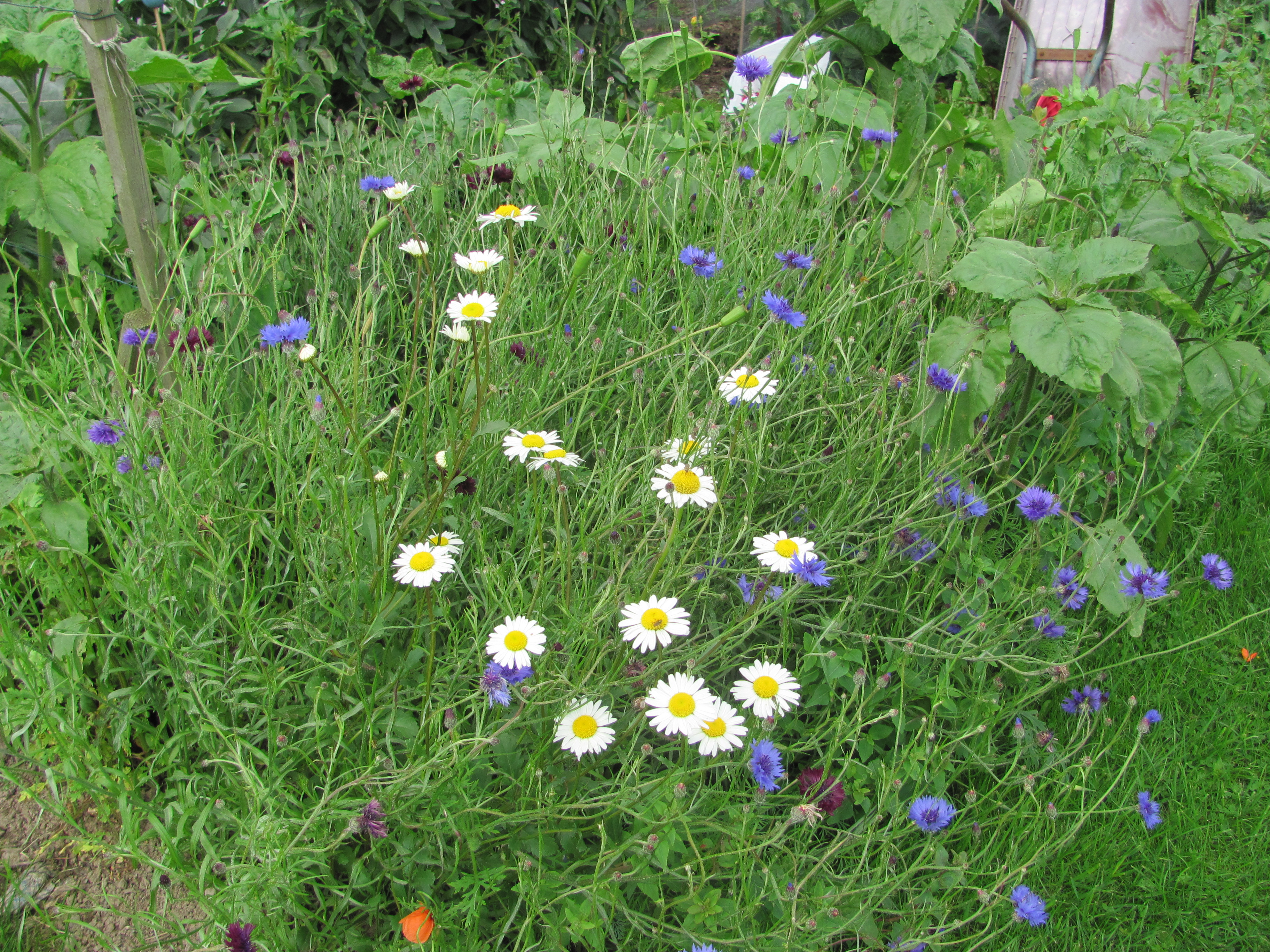
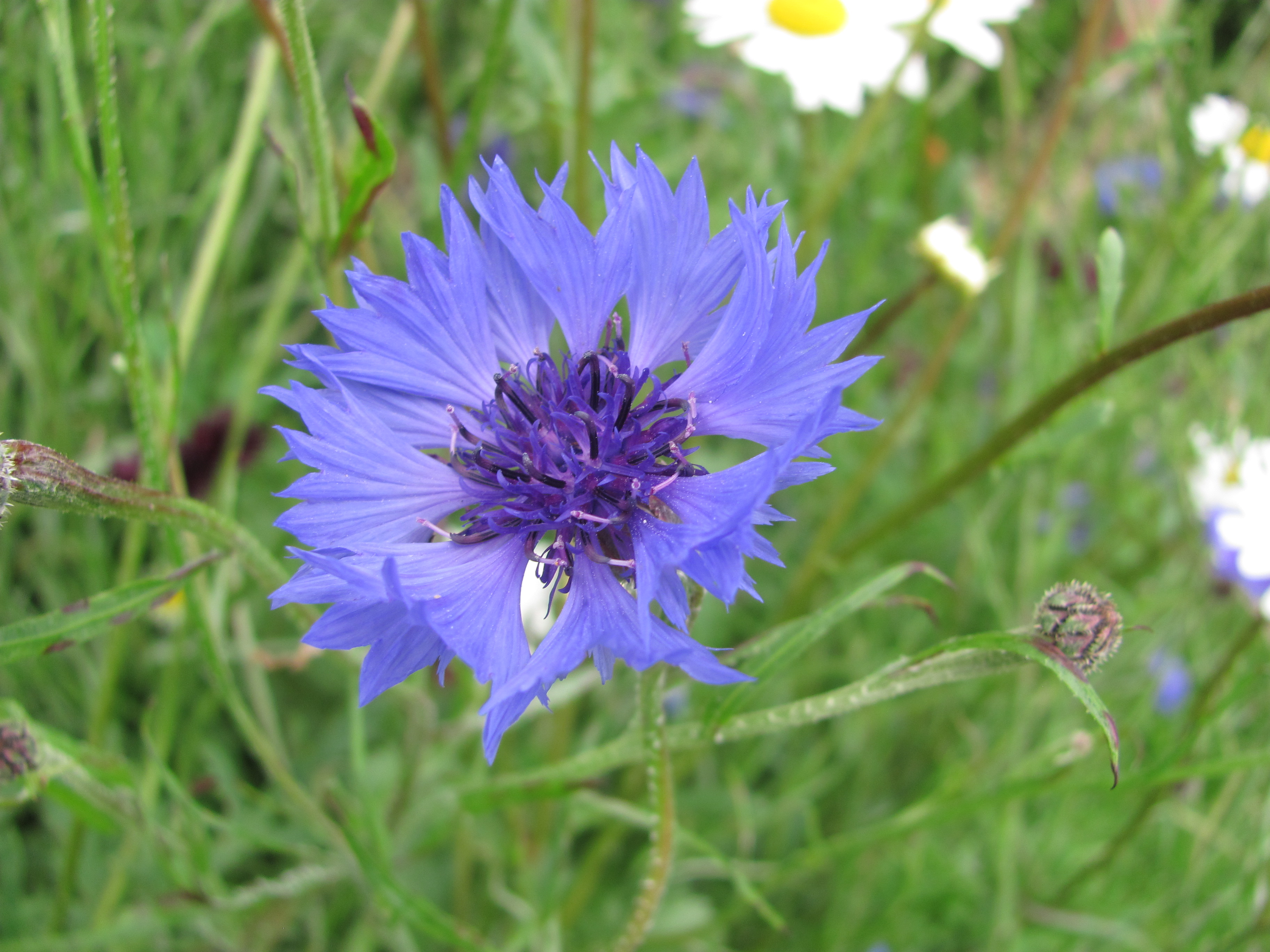
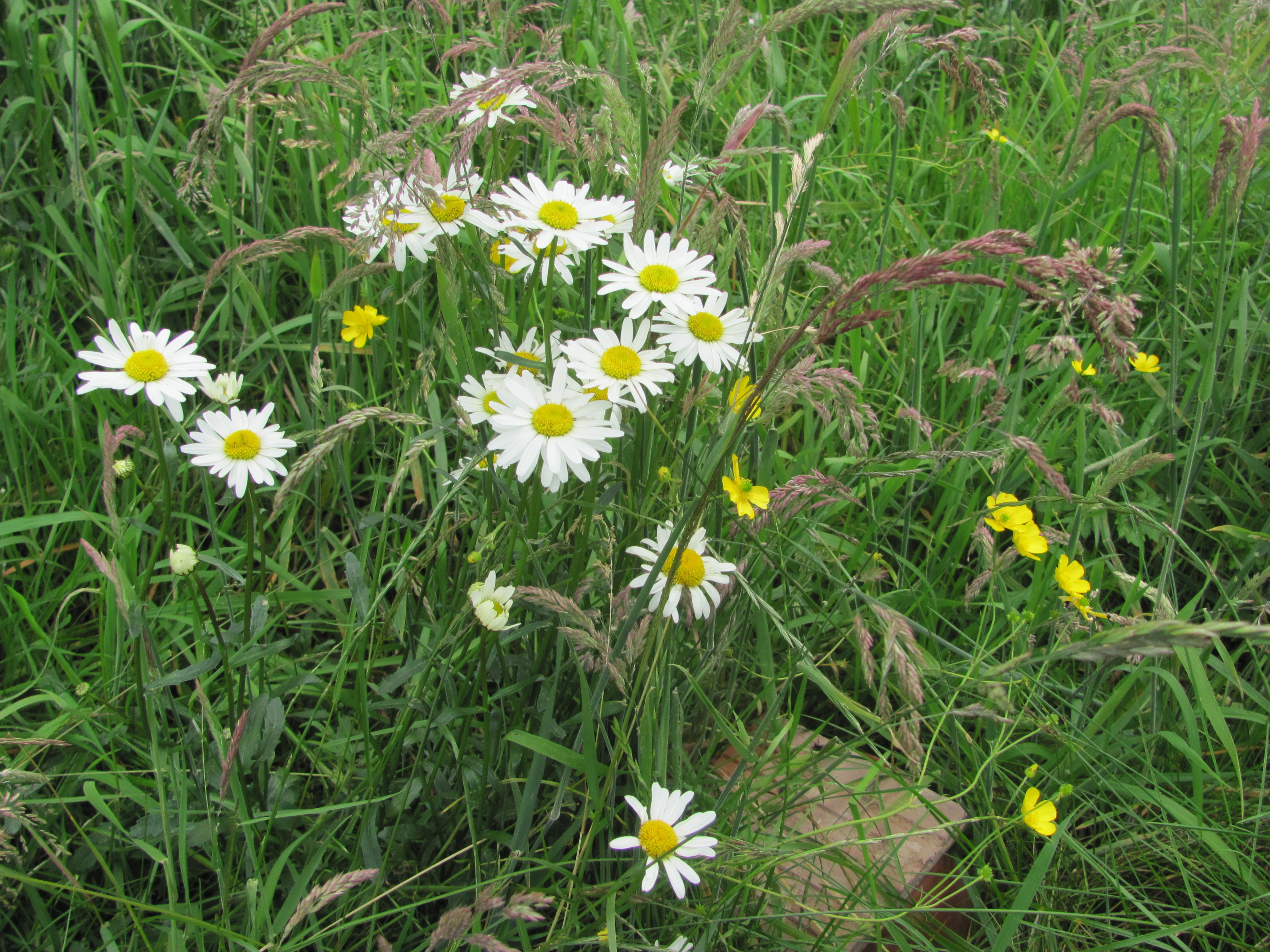
Moon Daisies and Cornflowers.

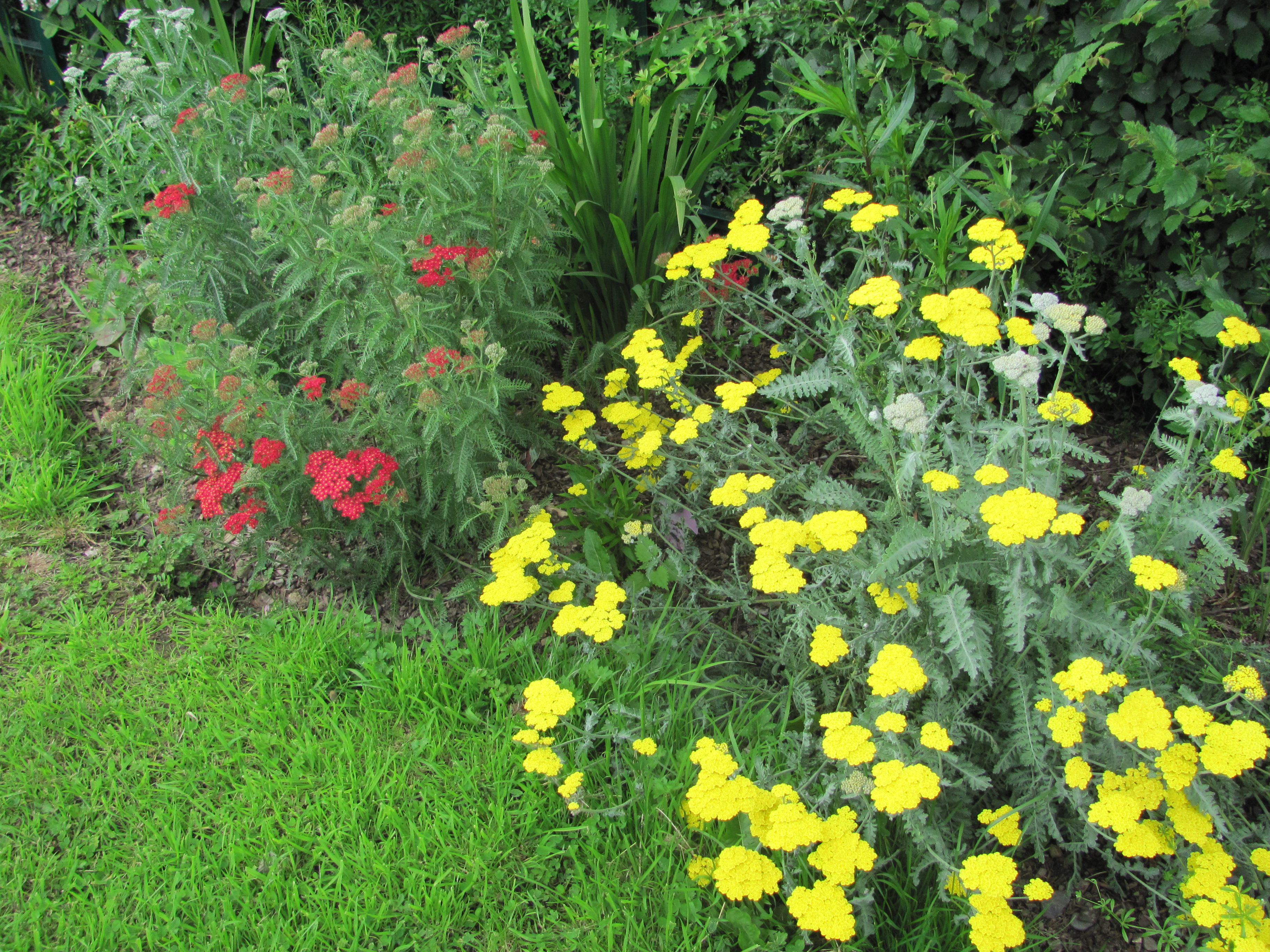
Just as flowers feature strongly on our own plot so they do on other members’ plots and in the Green Space borders. In the Autumn Garden Achilleas are the stars.

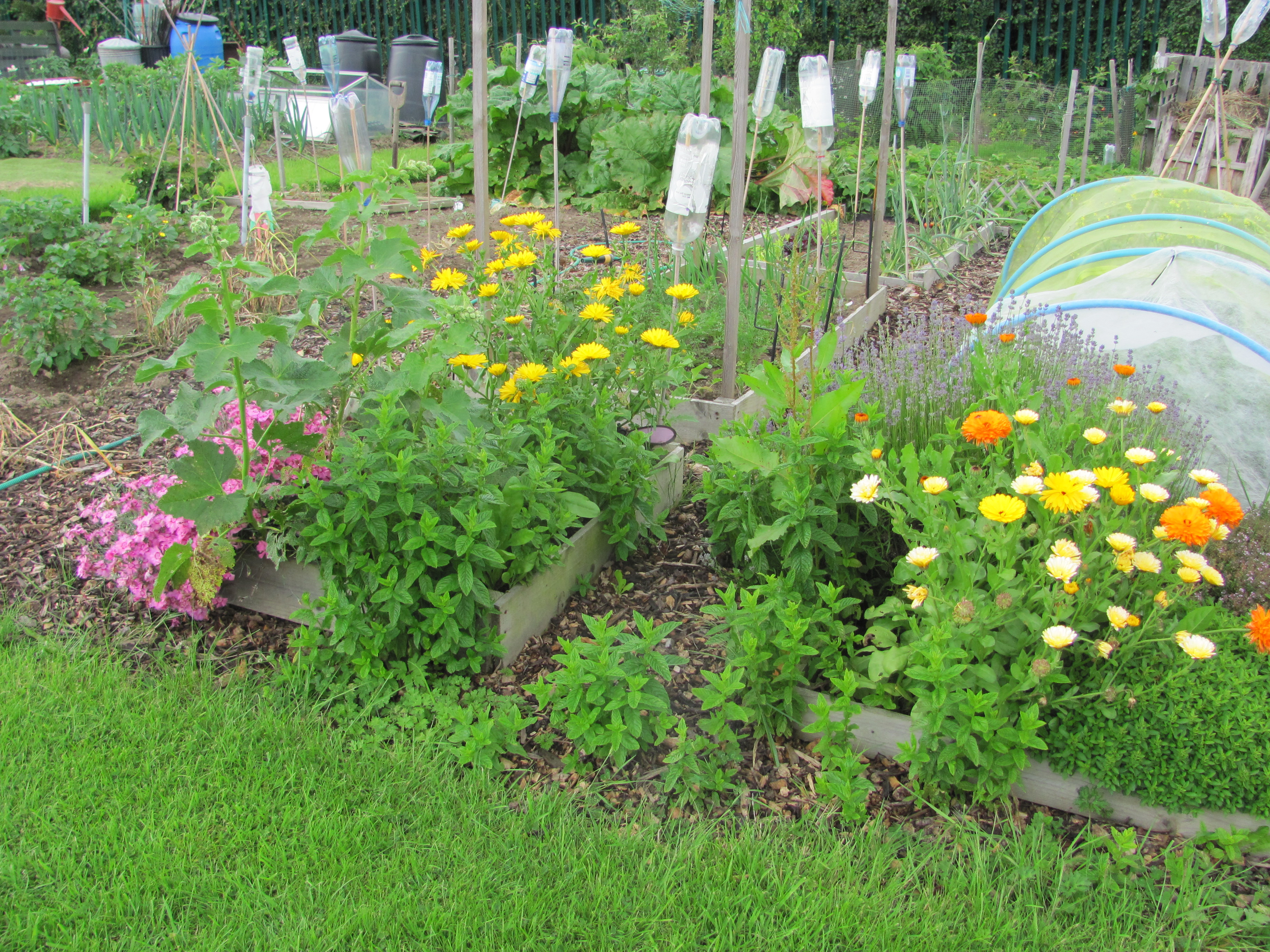
Calendulas feature on many plots as they look so good,  and work hard as part of companion planting helping to attract beneficial insects.

Our first “Buddleja Bed” planted to attract wildlife now looks colourful and full of life. After losing some of our Buddlejas in the dry last year when Shropshire experienced months of drought after two extremely cold winters, the name for these borders currently looks a little inappropriate.

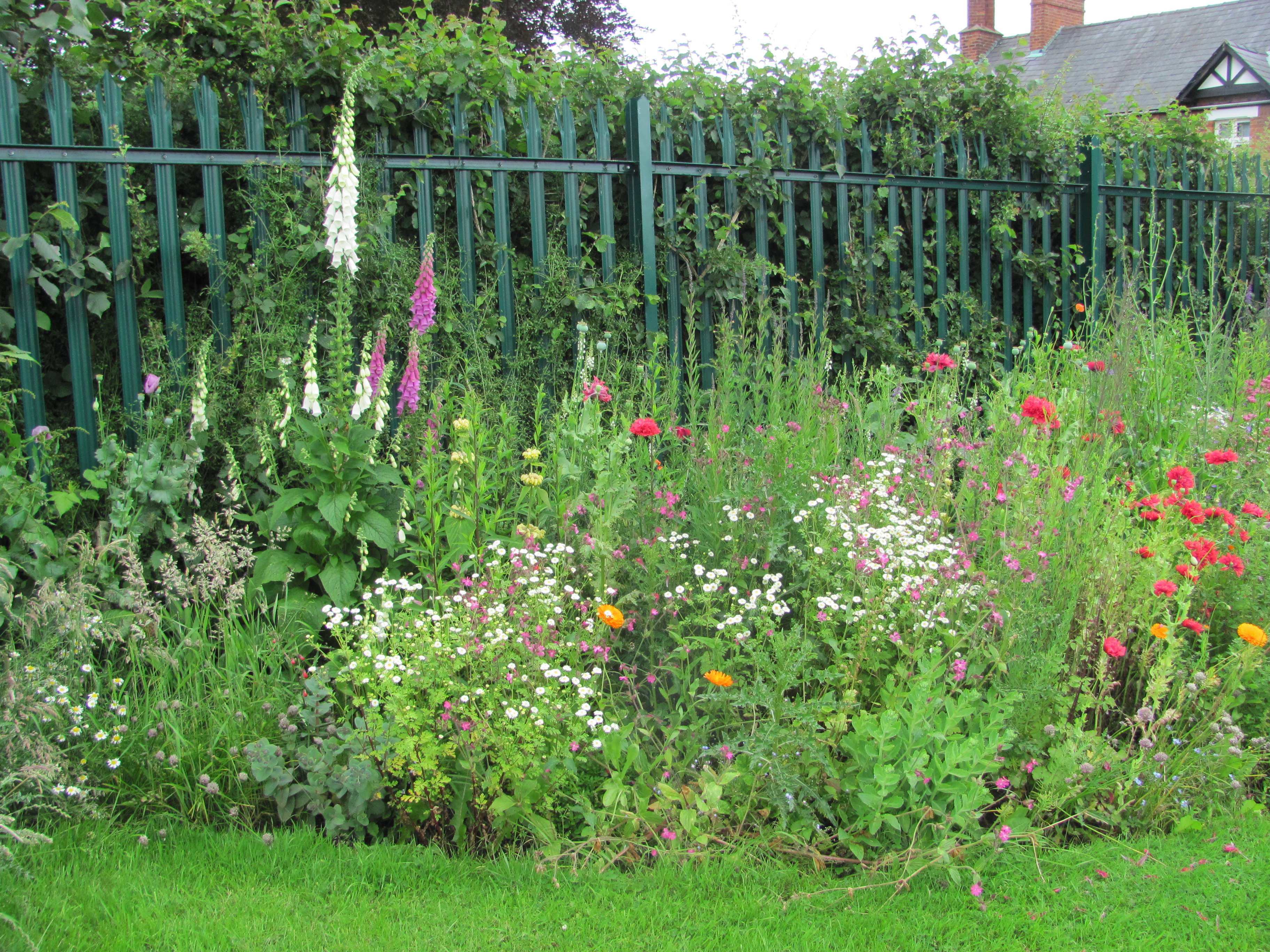
Our wildflower bank sloping up towards one of our orchards is now looking more established as we have added plants that members have donated to add interest.

The Edible Hedge is now fruiting providing sustenance to birds and small mammals. Flowers in the borders at the base bring in bees, butterflies and beneficial insects. Beetles enjoy the long grass and we like them to be there as they feed on slugs.

The most colourful garden on site at the moment is the Spring Garden which still displays much interest as we move into the summer months. This garden is maintained by volunteers, Jill and Geoff who spend many an hour planting, dead heading and weeding.

Geoff and Jill’s plot is renown for its weed free neatness and precision planting.

The Summer Garden  is not to be outdone though as the roses are coming into flower and beautiful scents greet us as we sit on the nearby picnic benches. The lavenders, geraniums and grasses planted between the roses add further interest and textures.

As June moves towards July our meadows really come into their own. Plot holders love to walk through them and a wide variety of birds, bees, butterflies, grass hoppers and every sort of mini-beast visit.

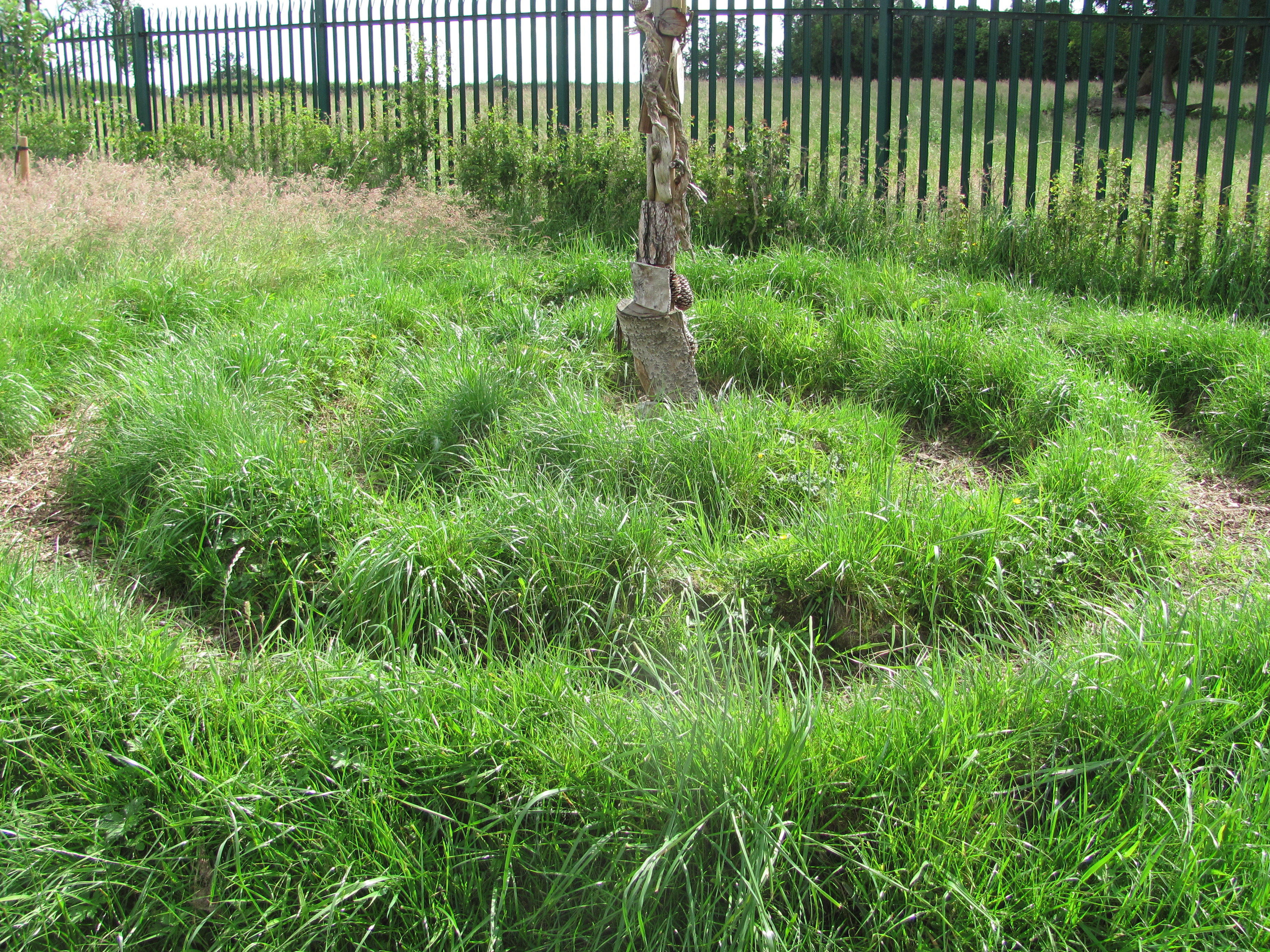
I shall finish with a shot of the plot we have nominated for this year’s Shrewsbury Town Allotment Competition and one of our grass spiral which currently looks most inviting.

Categories
allotments community gardening fruit and veg garden photography garden wildlife gardening grow your own photography wildlife

Allotment Oddities

Visiting allotments is always interesting and an excellent opportunity to glean ideas. Gardeners who cultivate allotments are imaginative and seem to have a penchant for experimenting and trying to find ways of using everyday objects in new ways. Recently we visited the allotment site where our daughter and son-in-law, Jo and Rob garden and finished the day with our usual wander around the site. Here are the oddities and ideas we found there.

One allotment boasted this wildlife pool surrounded by all sorts of herbs, soft fruits and fruit trees. The plot tenant proudly showed us around her plot, told us about her pond and introduced us to her chickens.

This supply of hoolahoops awaited their turn to be used to support netting that would protect crops from pests.

This wheelbarrow on a neglected plot had sprouted a lawn – a lawn in need of a trim.

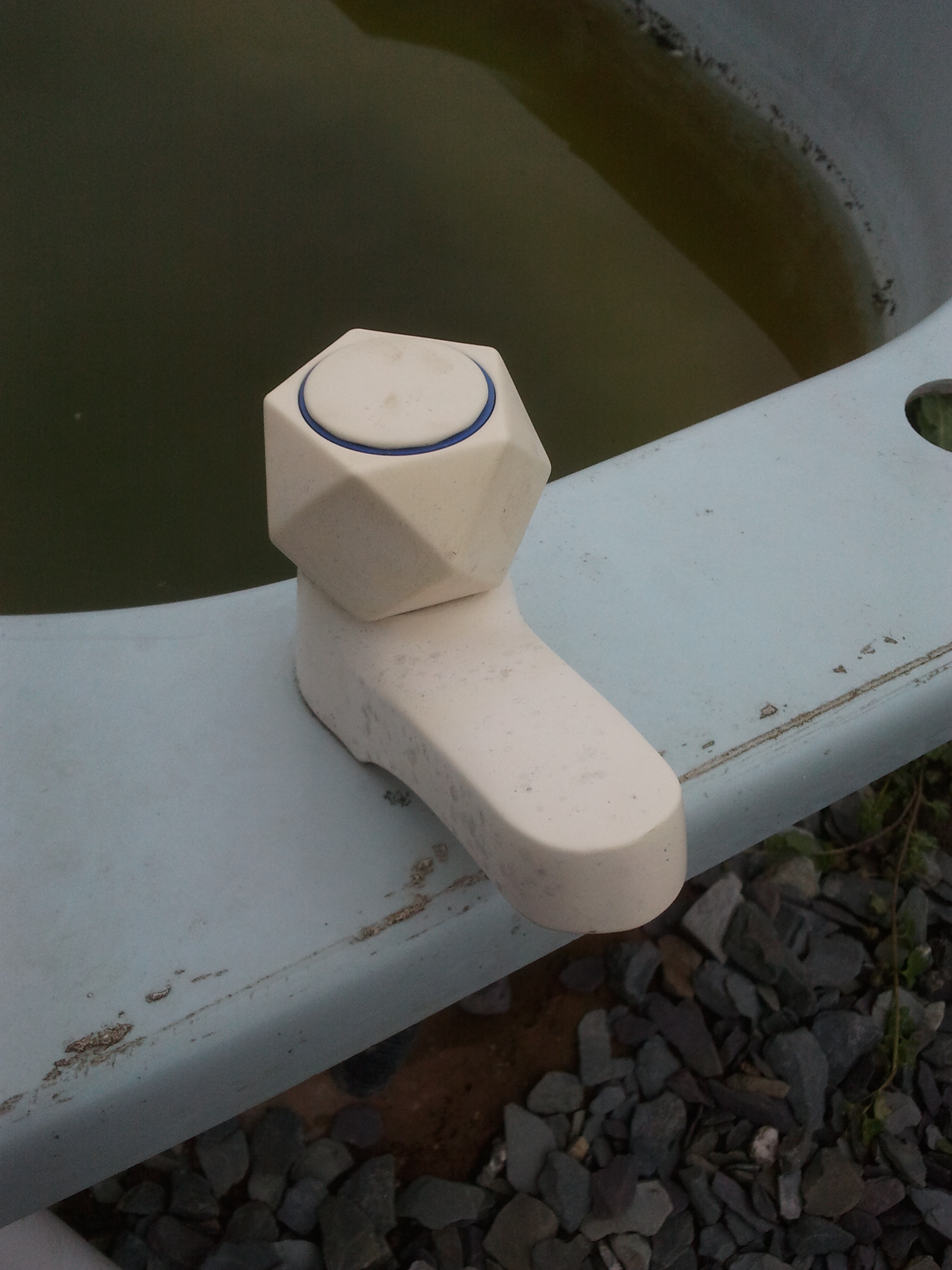
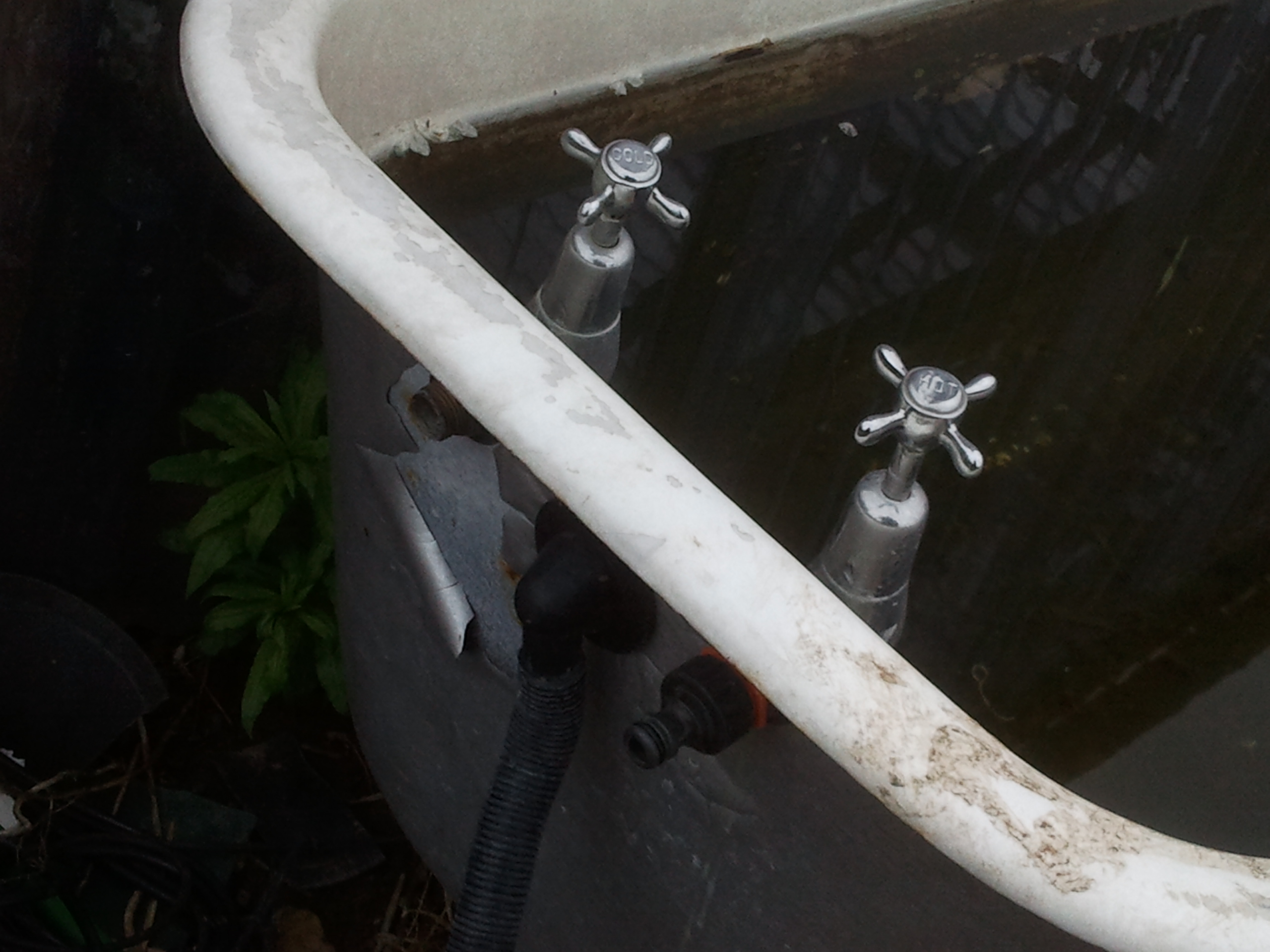
Baths featured on many plots for water storage, this one even retained its tap. Memories of the seventies came flooding back when we spotted the style of the tap.

Mad Jac wasn’t on his plot. Pity that because I bet he would have been great fun to talk with.

Now just what could the plot holder have intended for a table without a top?

An upmarket bath on this plot. Two taps and chrome rather than plastic!

There must have been some very valuable crops on this plot. Or were they secret?

Categories
allotments community gardening fruit and veg garden photography garden wildlife gardening grow your own hardy perennials meadows National Trust natural pest control photography The National Trust wildlife

Clumber Park – The Walled Garden

We have watched over the last few years how the walled garden at Clumber Park has been brought back to life. Although it is a few hours from home we visit at least once a year.

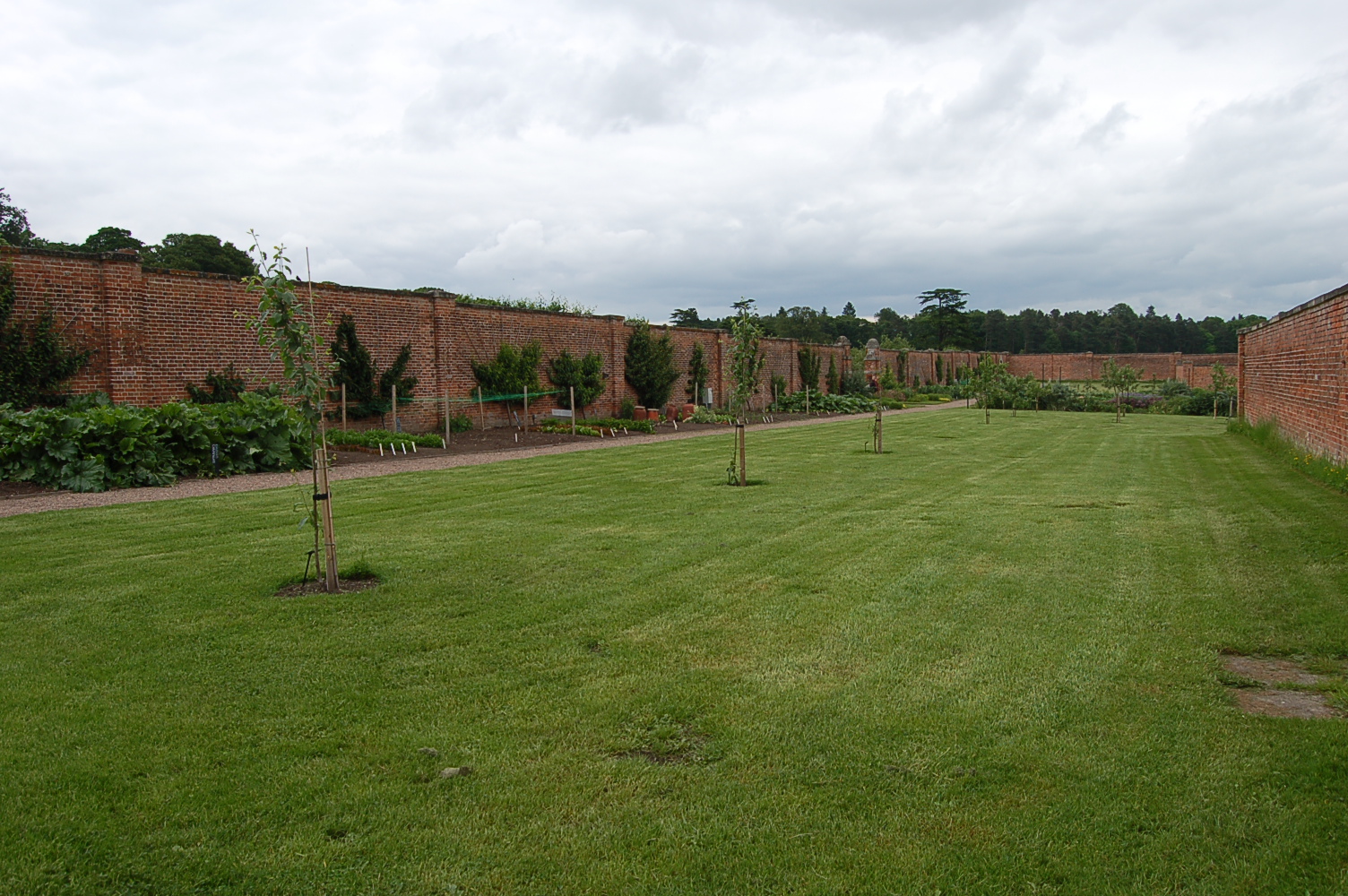
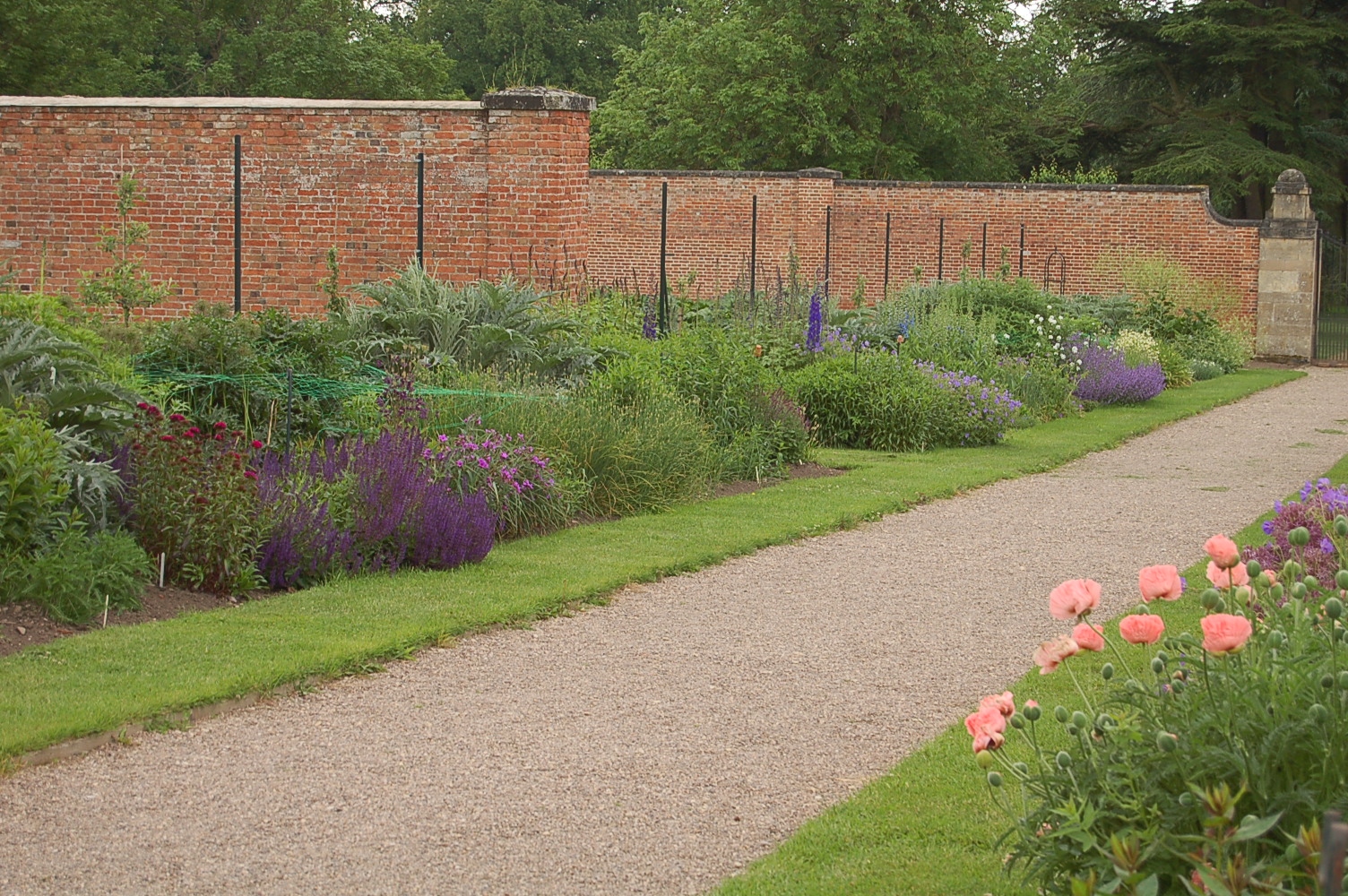
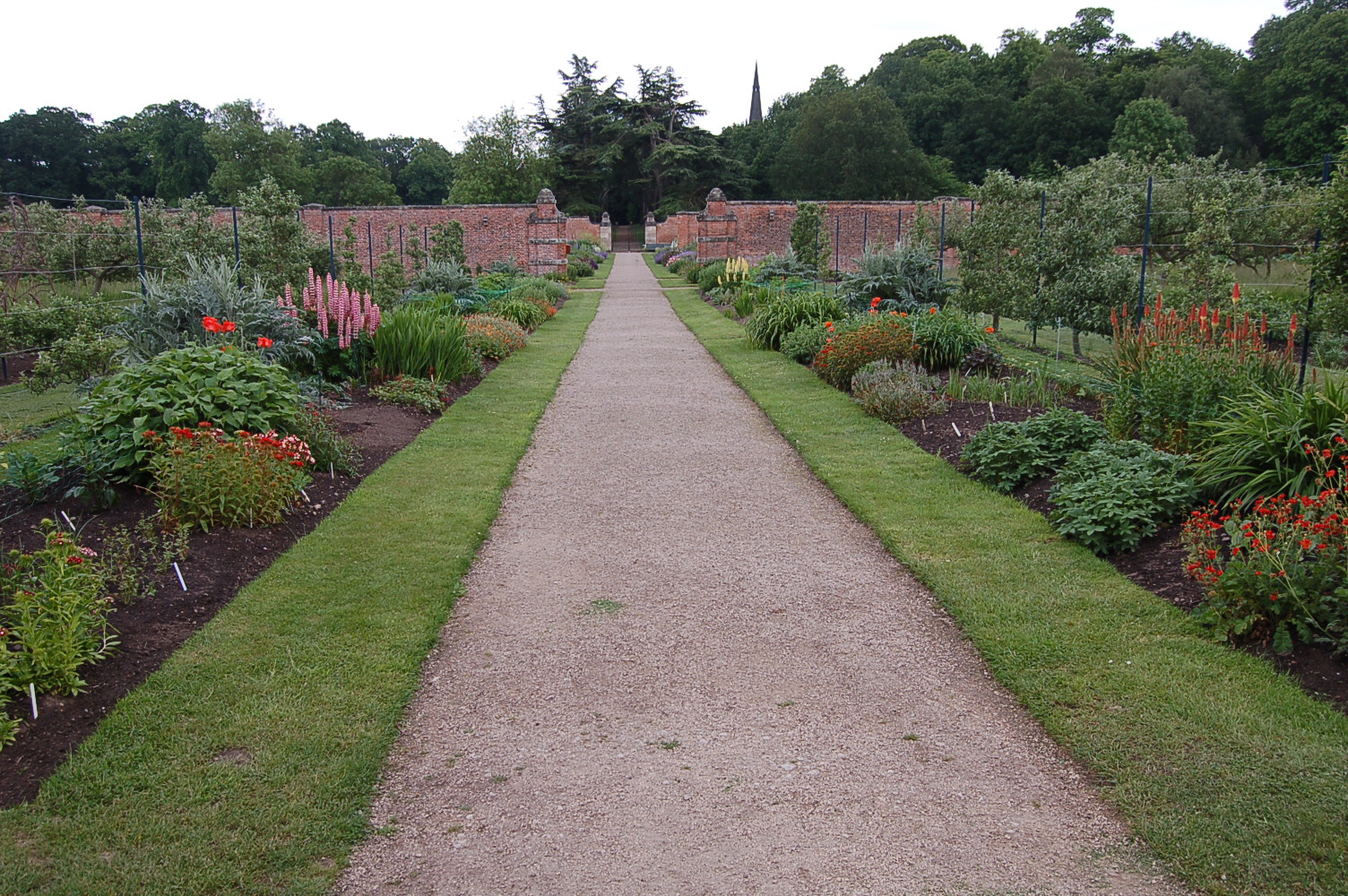
Now it is a peaceful place to wander around admiring the vegetable growing techniques, the orchards and the meadows beneath, the long flower borders, the trained fruit on the walls themselves and the national collection of rhubarb.

We were very lucky on this recent visit as we had our own personal guide who came around with us. He was grey haired and didn’t say a lot but he didn’t mind when I took his portrait.

We like to approach it along the dramatic avenue of cedars where the enticing view of the distant old gates within the warm red of the tall brick walls draws us in. The cedars themselves have such sculptural qualities and an air of mystery pervades the shadows under their glaucous sweeping branches some scooping down to touch the grass below.

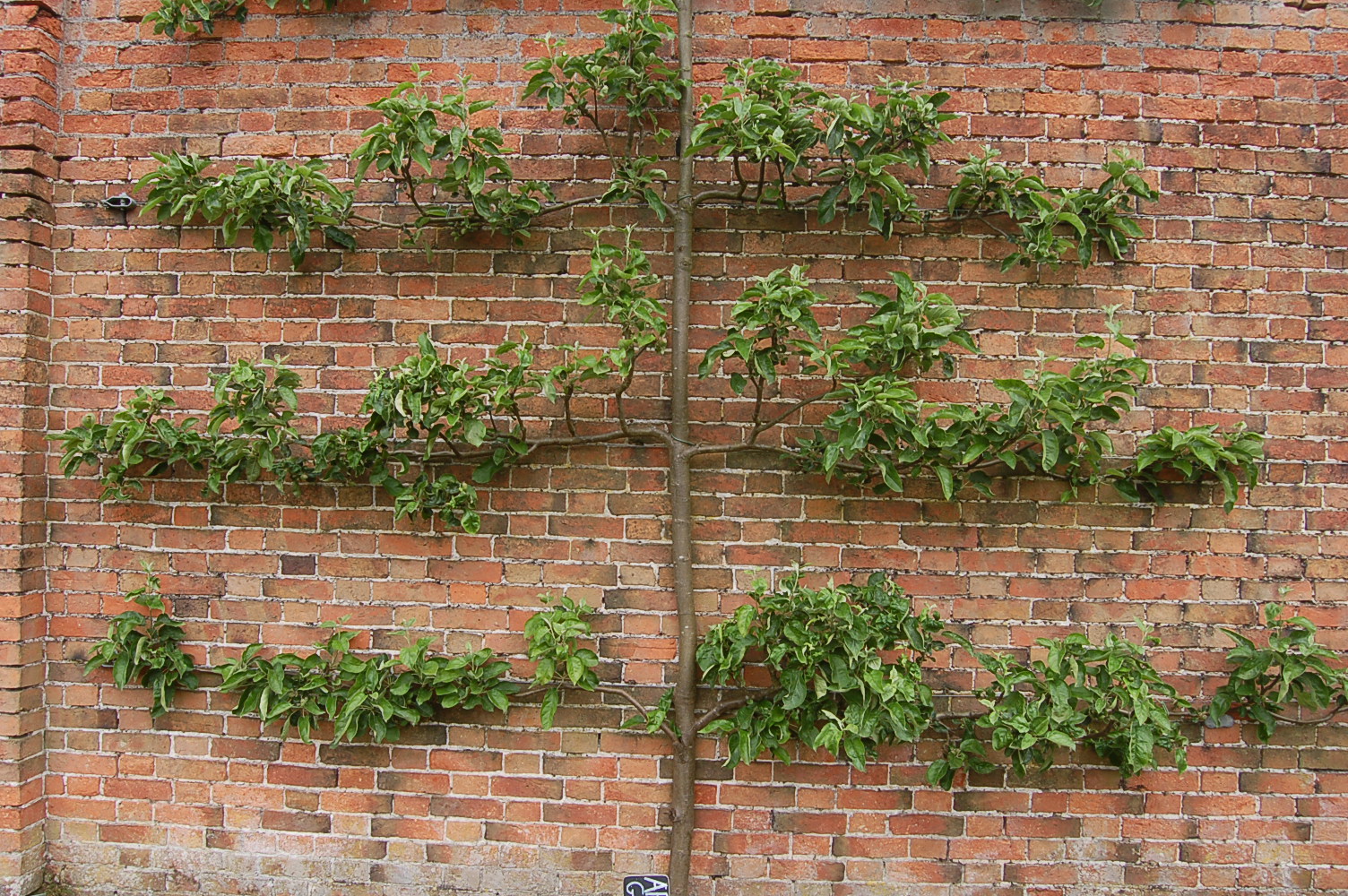
The tall warm bricked walls are now protecting skilfully trained apples, pears, peaches, cherries and figs. In the open a collection local varieties of fruit are being established and in the borders below the walls herbaceous plants, herbs and the National Collection of Rhubarb varieties flourish.

The wide central gravel path that bisects the walled garden runs from the main gates to the greenhouse. It runs between a colourful  double herbaceous border.

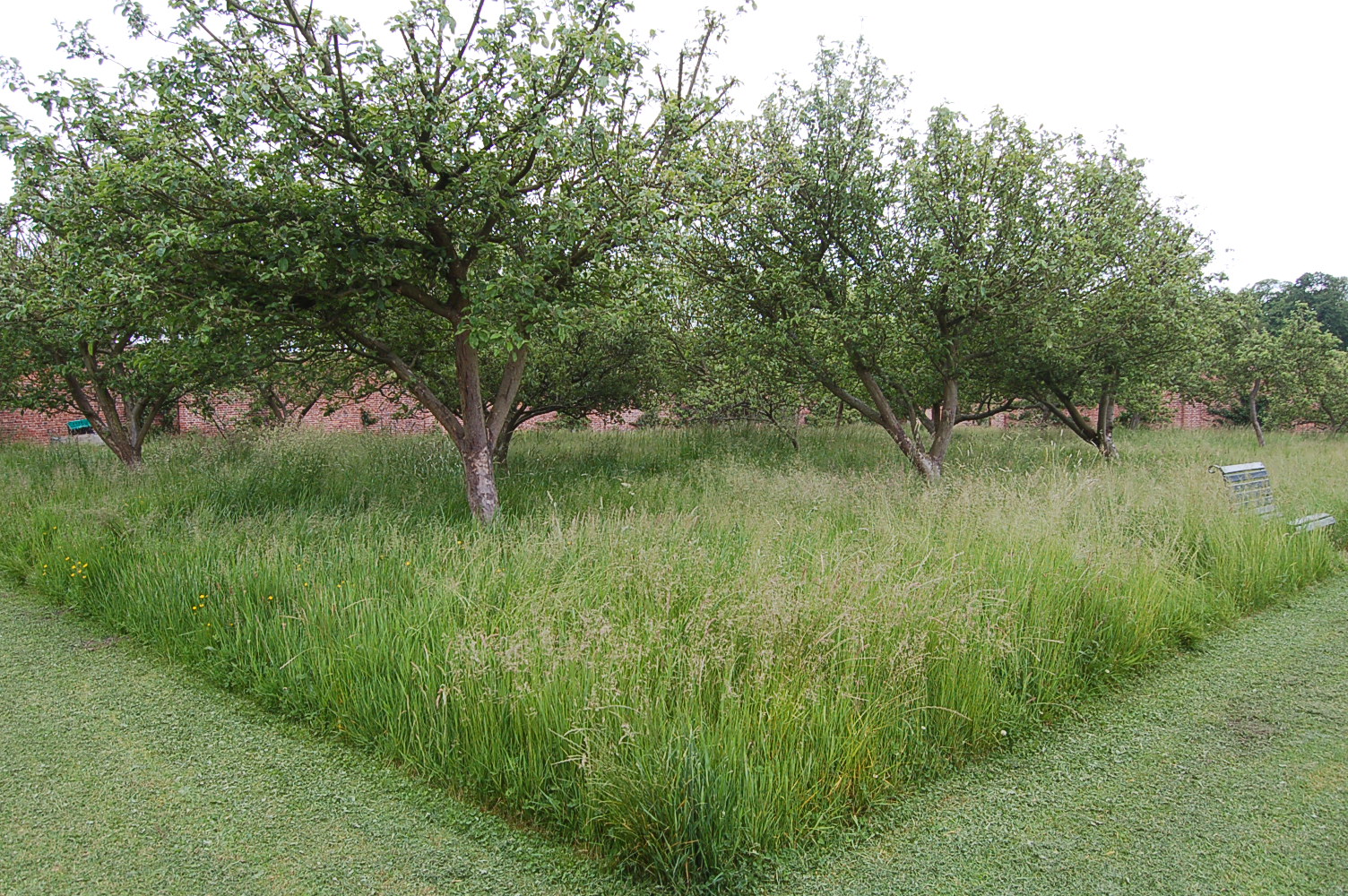
Old fruit trees remain to give a sense of continuity and sit comfortably amongst gently swaying meadows. We were delighted to see a Medlar in flower.

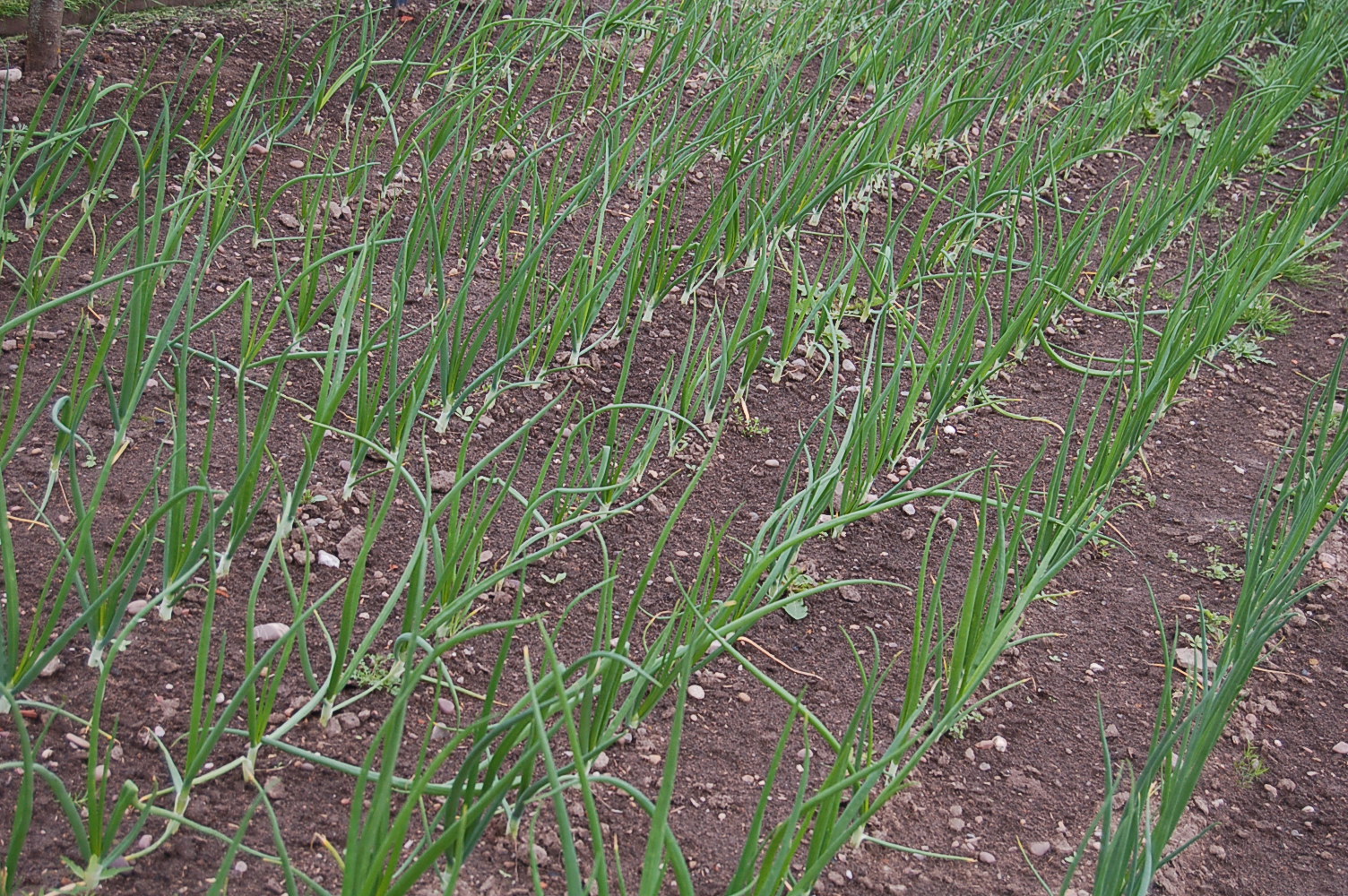
We enjoyed discovering ideas to take home with us as we moved within the vegetable growing areas, such these rustic supports for peas and sweetpeas made from birch prunings. Much of the productive planting was done in neat, long and impressively straight lines.

Being run along totally organic lines the walled garden was well-provided with bird nesting boxes and insect shelters to attract beneficial insects.

As we wandered around we noticed amongst the productive rows of veggies, this beautiful Victorian glass and metal cloche still in regular use.  It performed as well now as it always has done just like the walled garden itself.

As we prepared for our journey back to Shropshire, our helpful little cheery guide waved a small wave and wandered off.

Categories
garden photography gardening grow your own National Trust The National Trust

Pelargoniums at Clumber Park

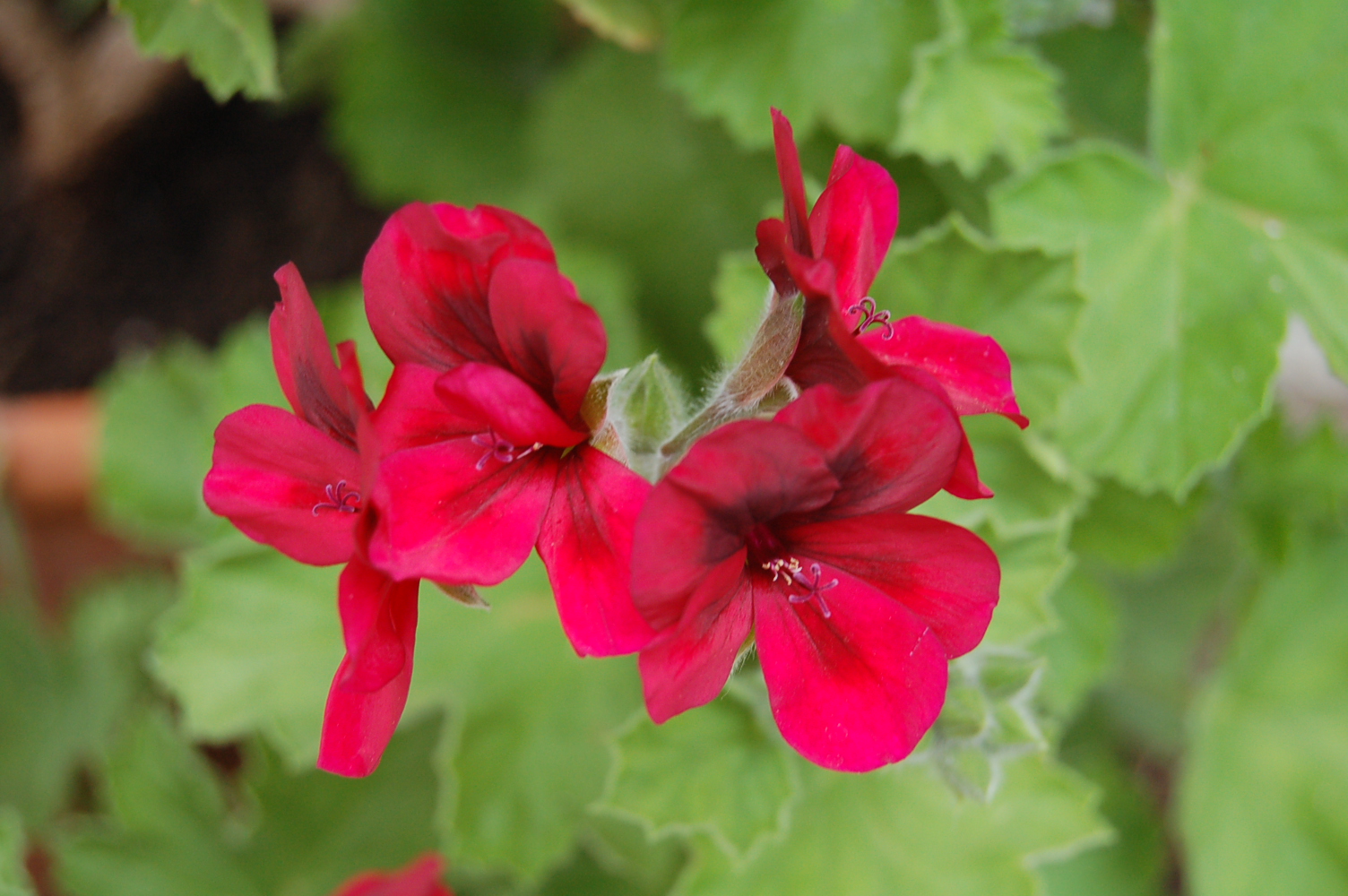
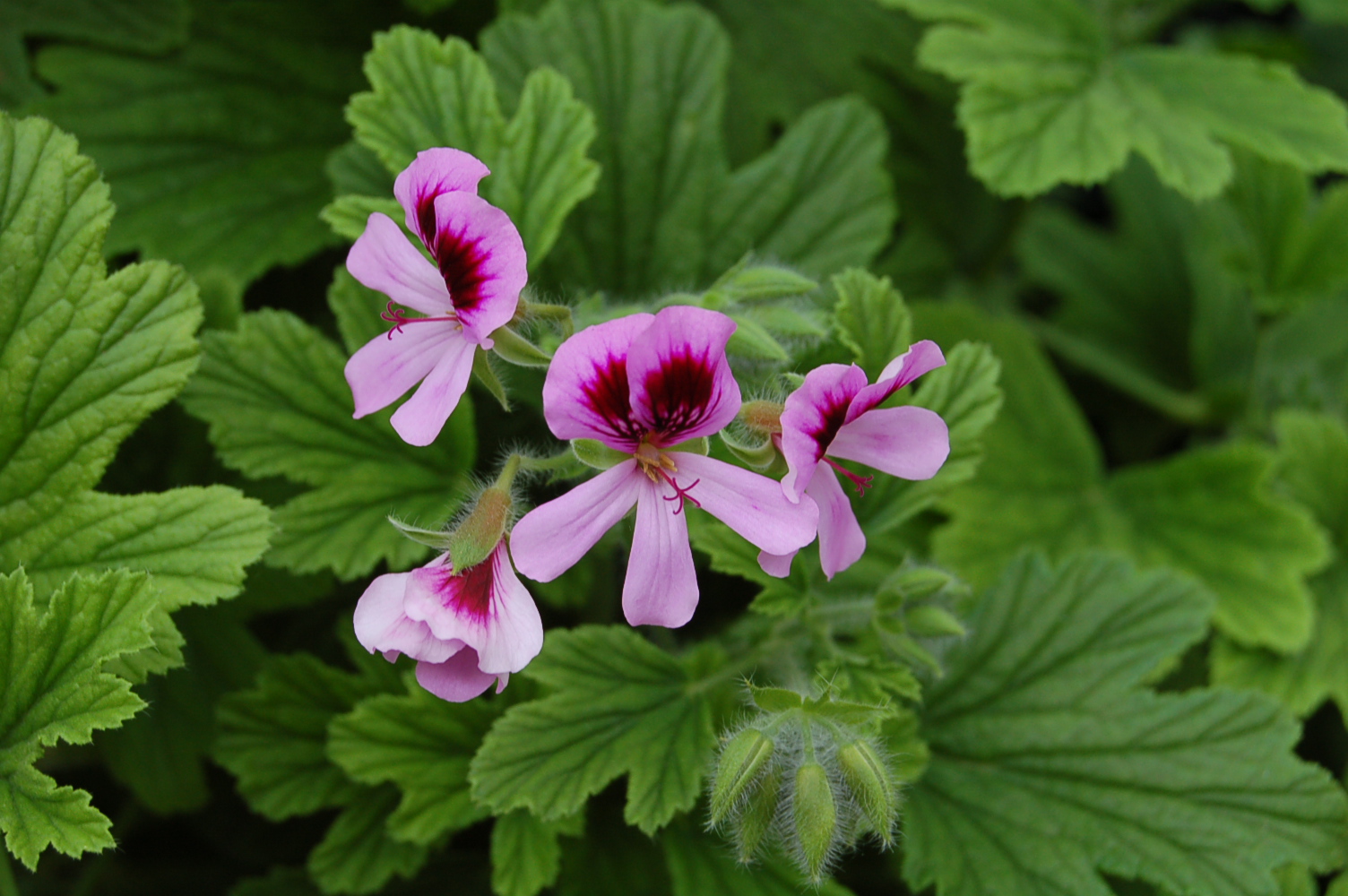
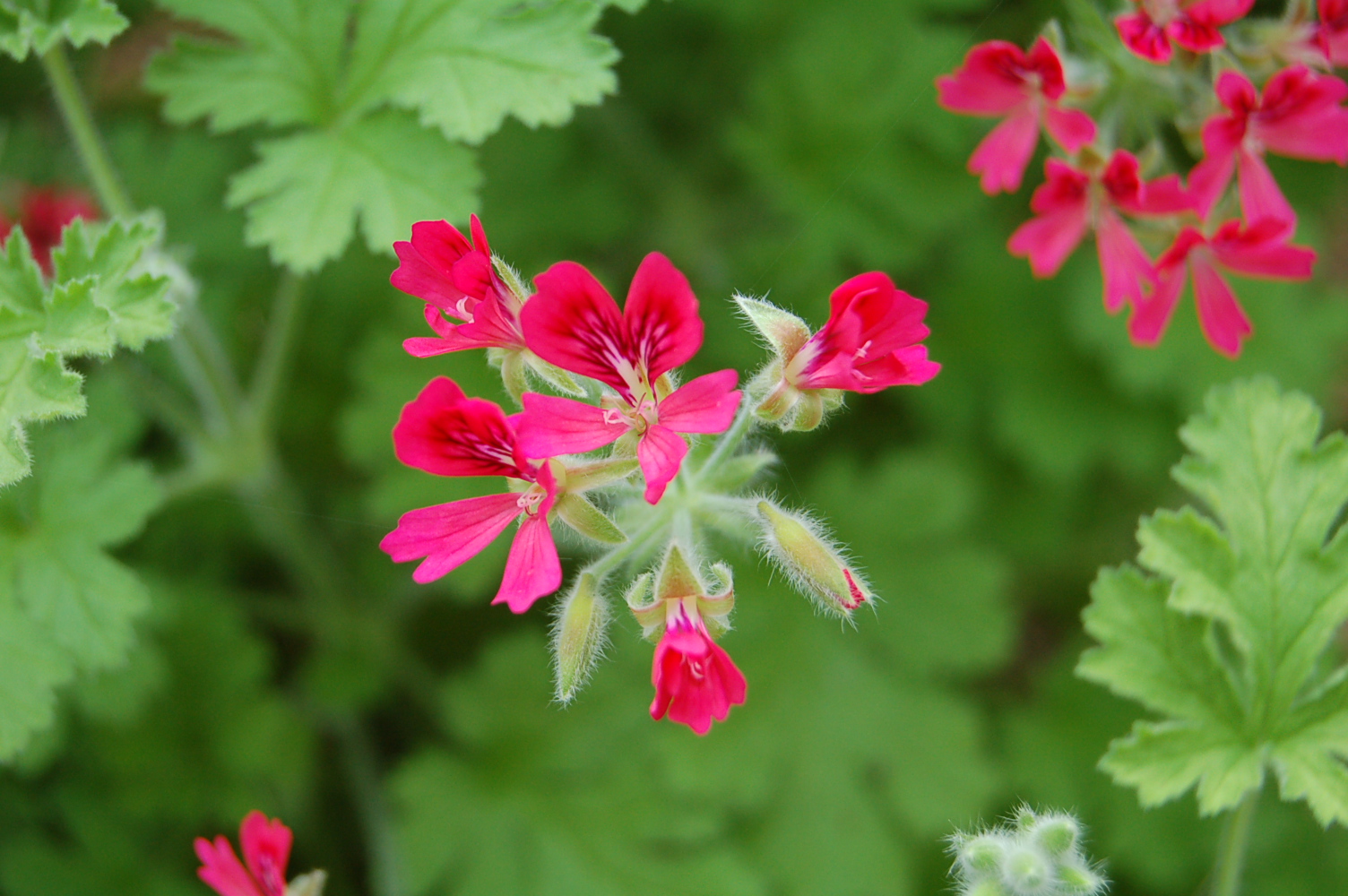
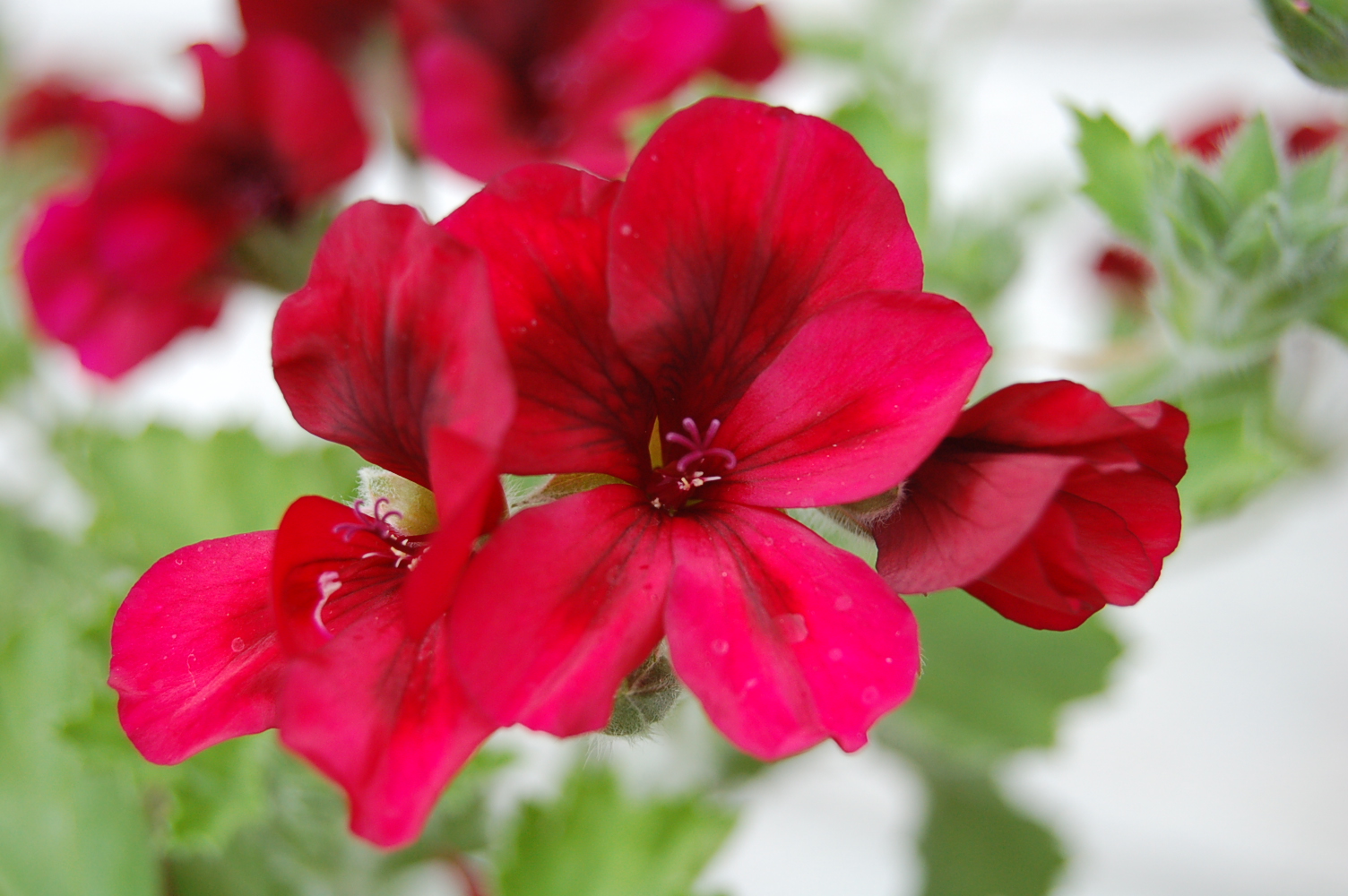
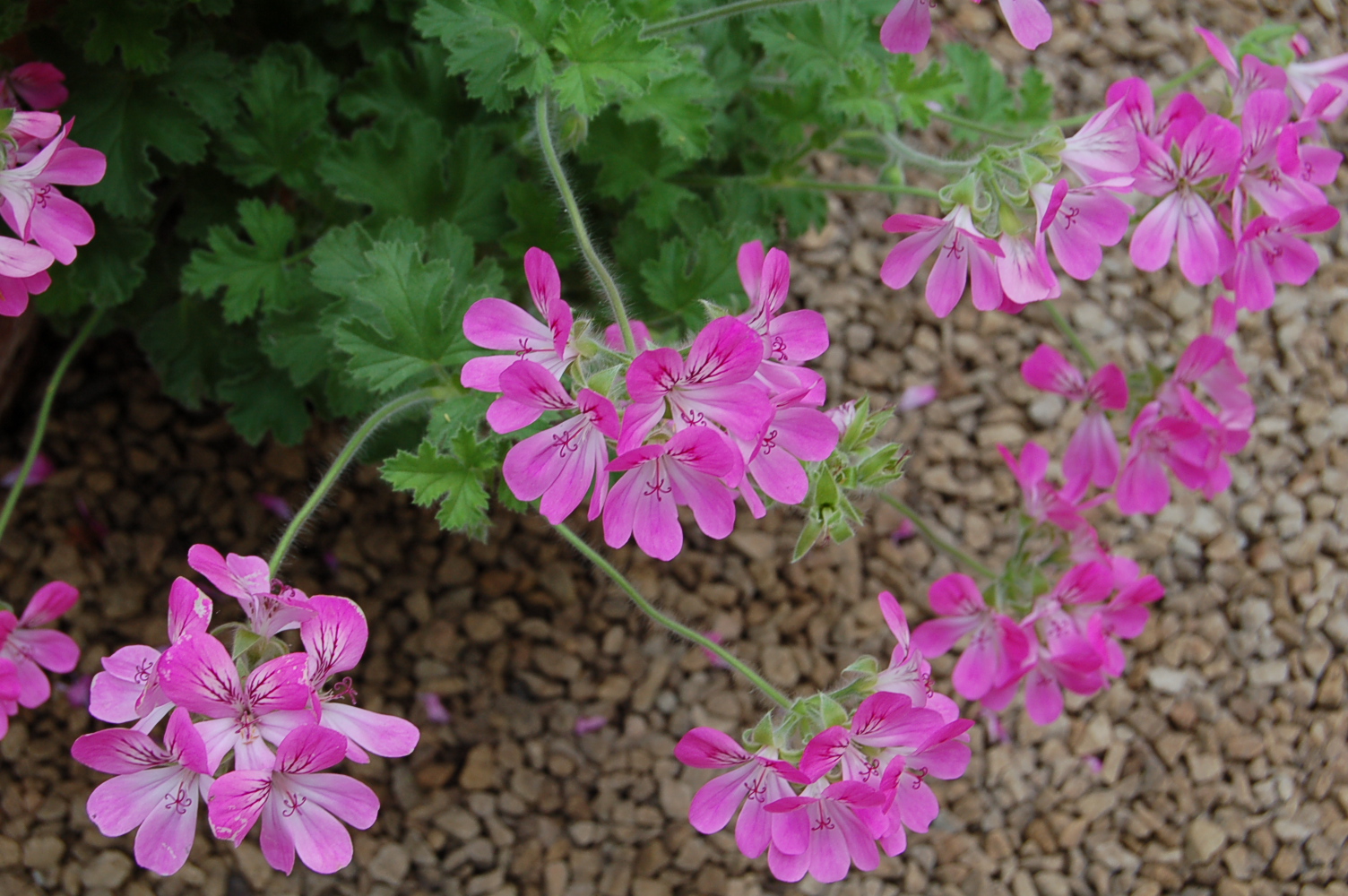
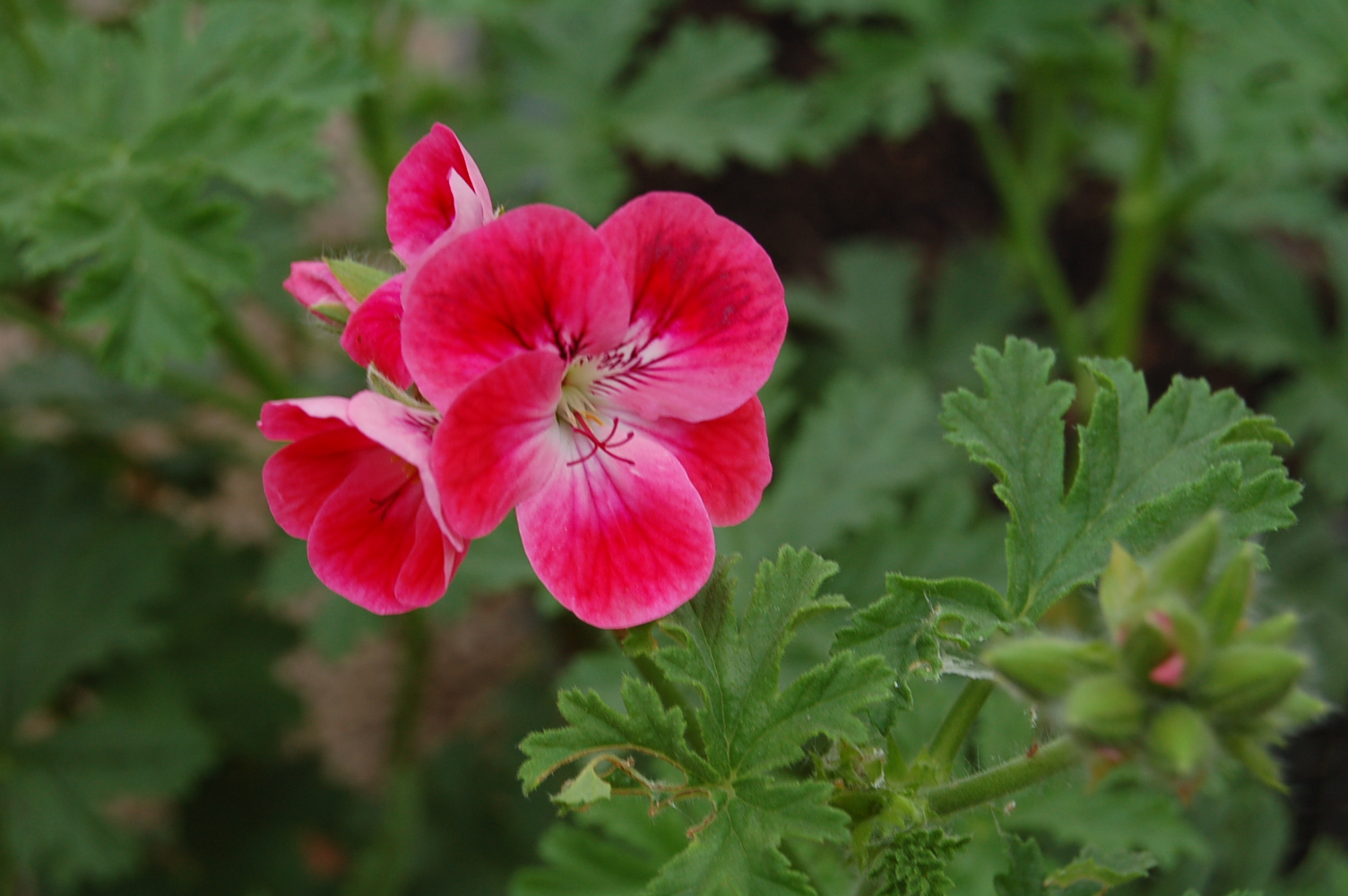
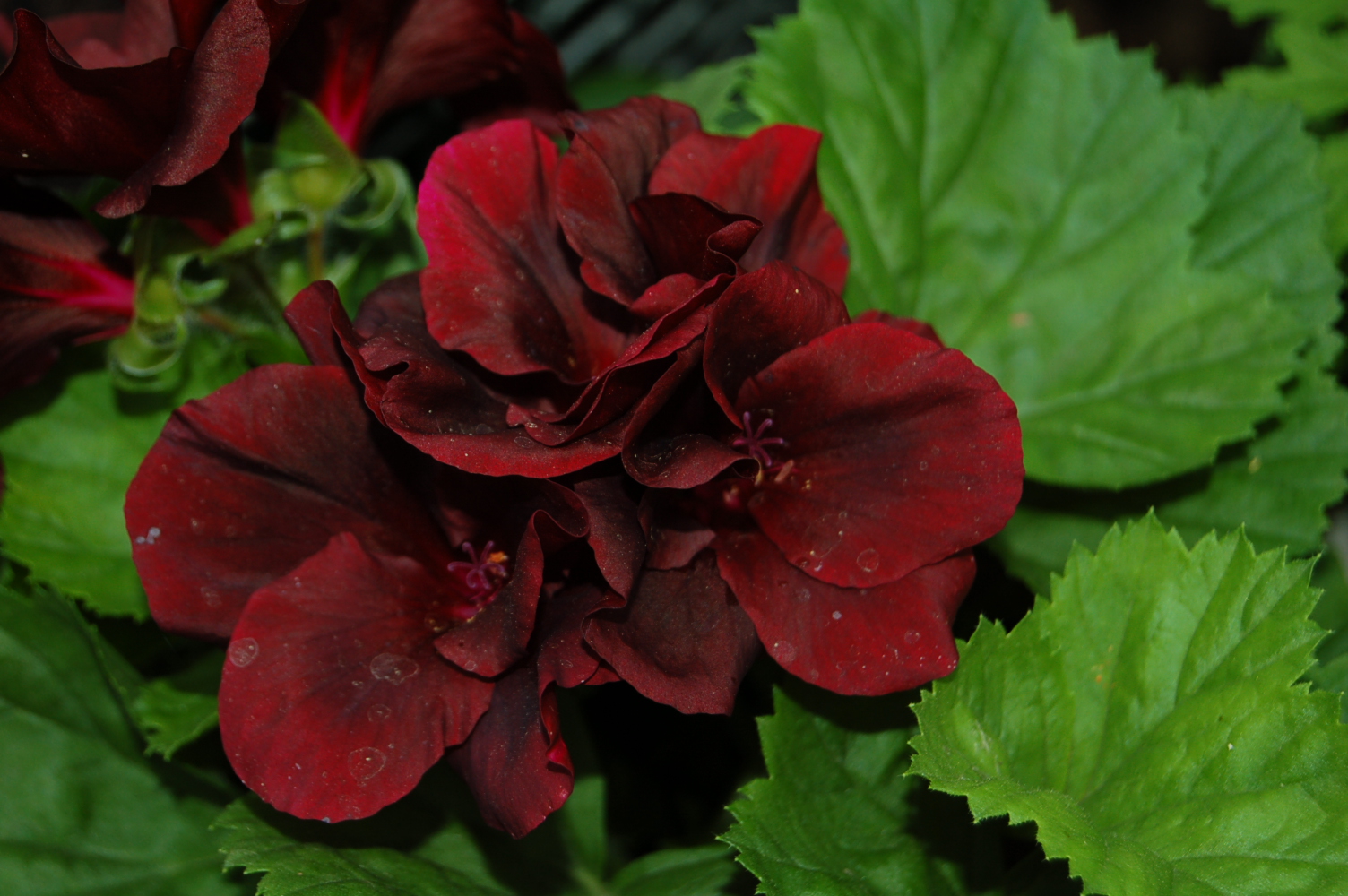
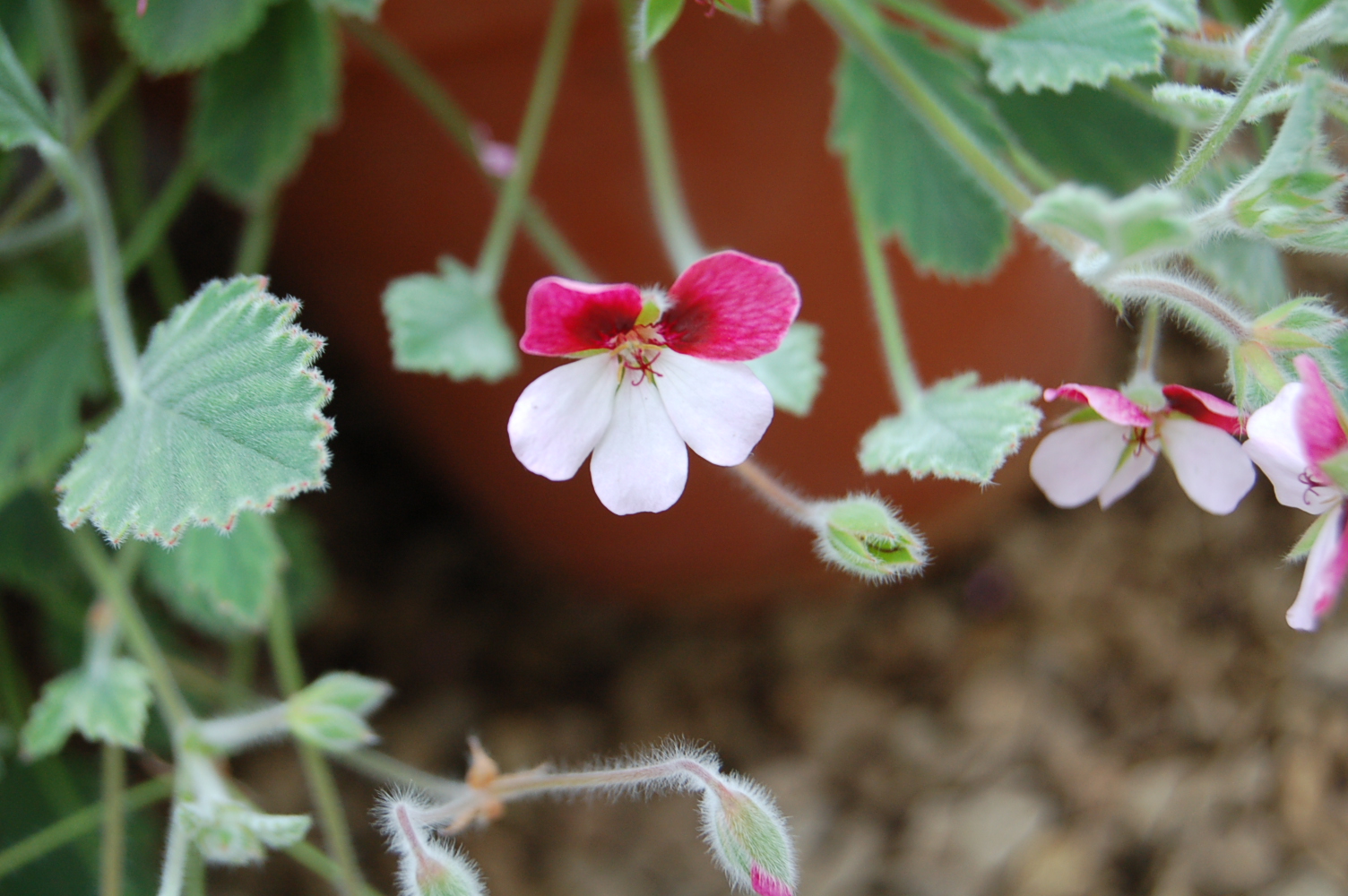
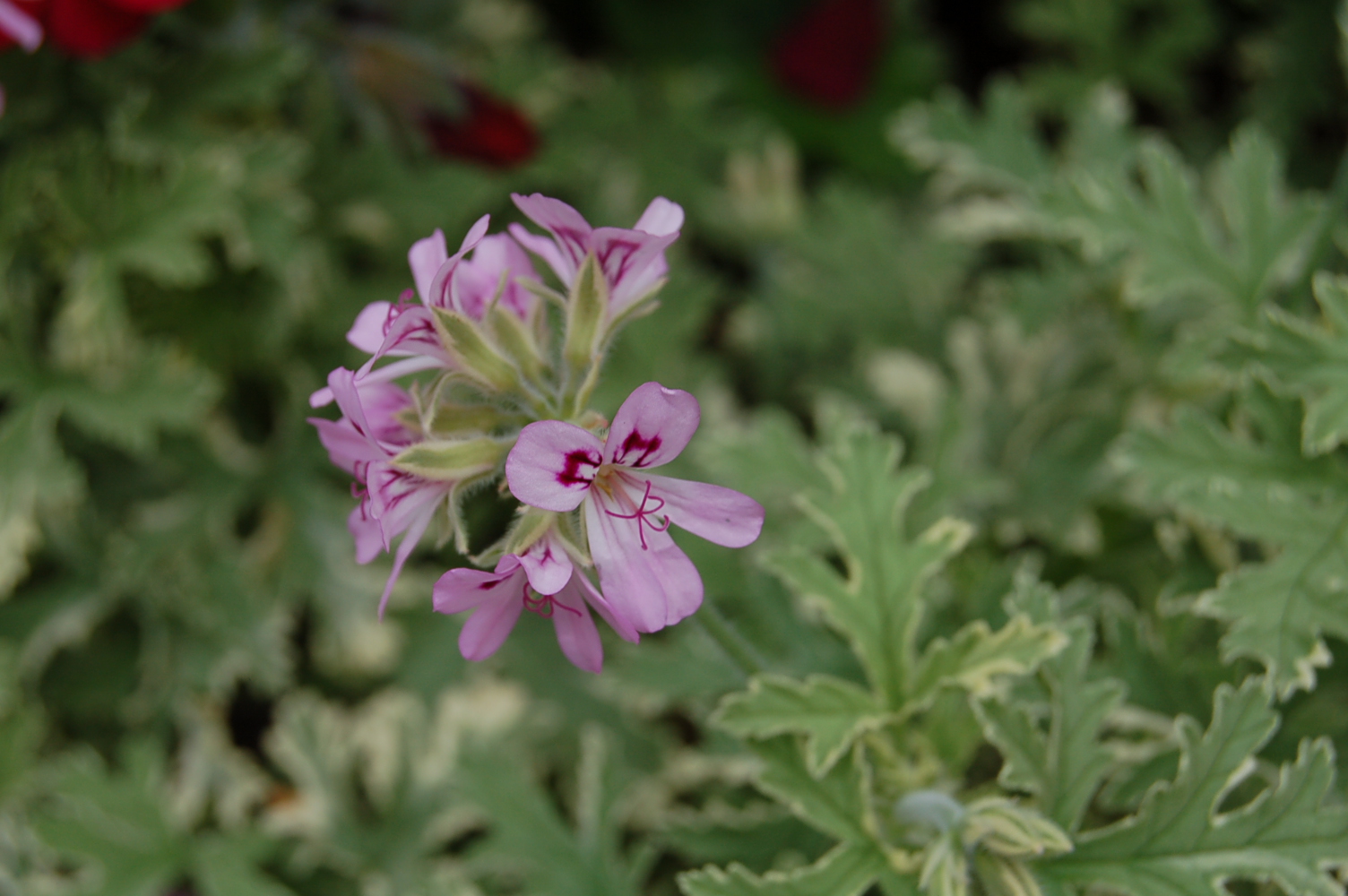
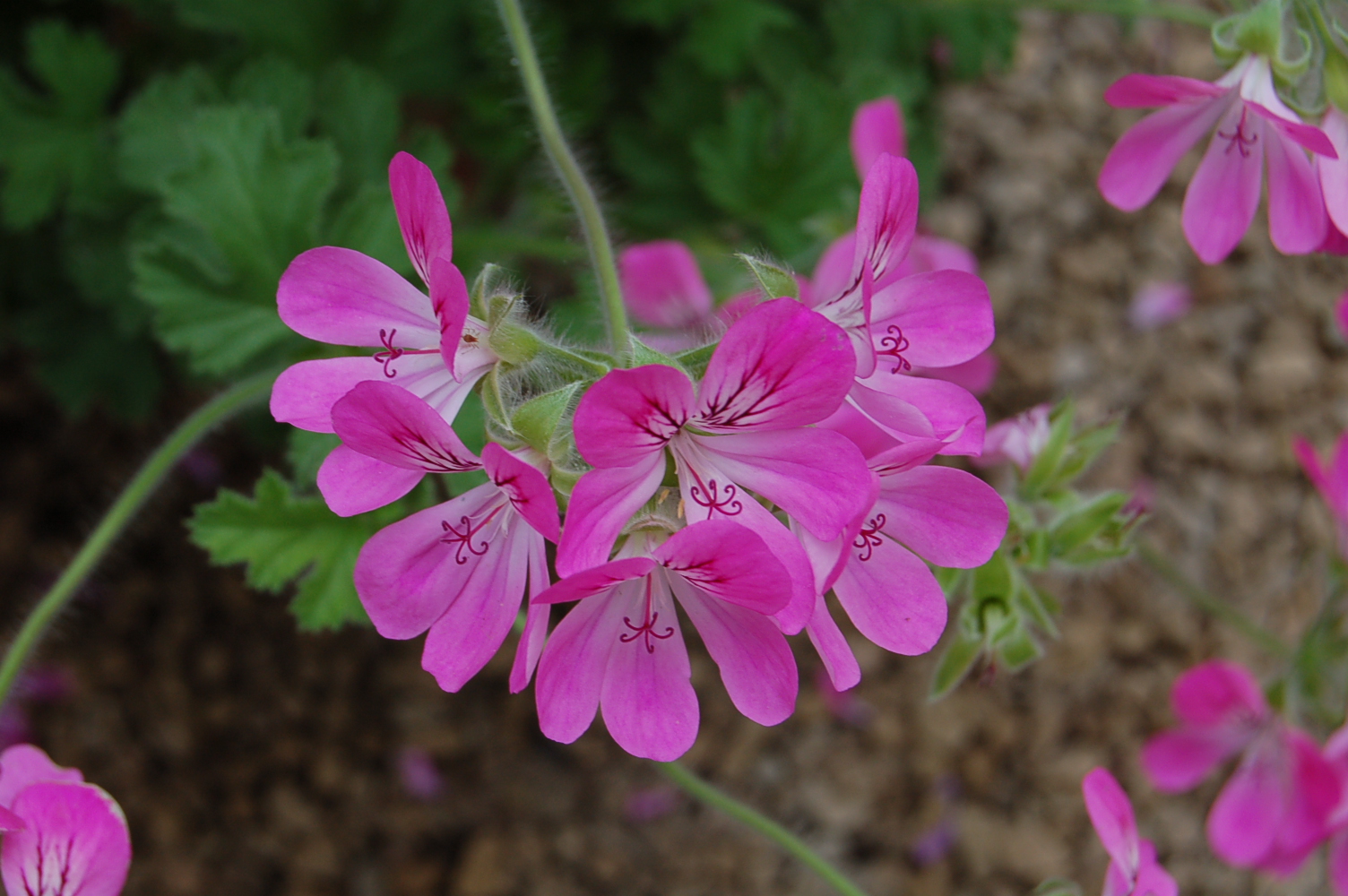
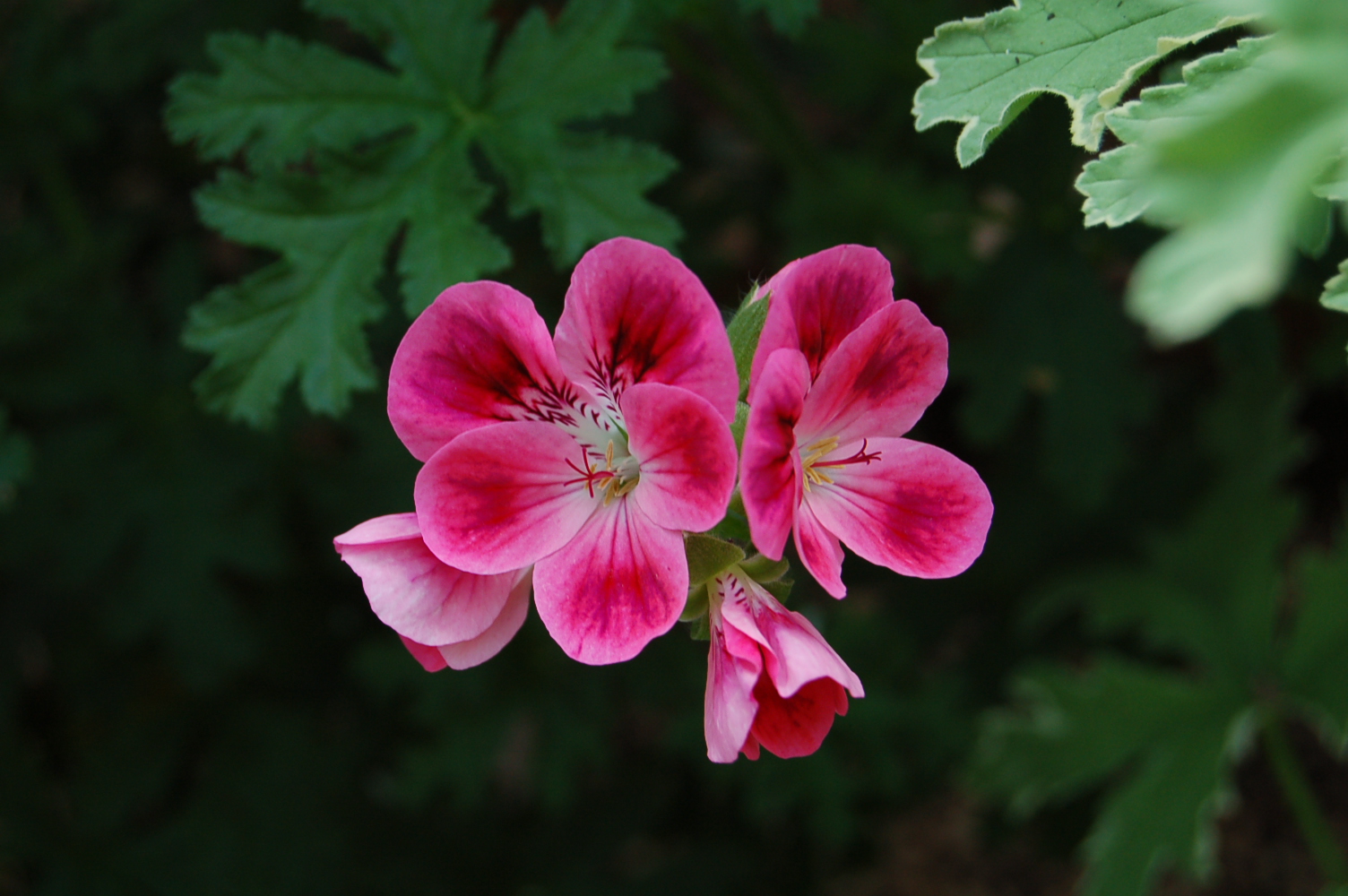
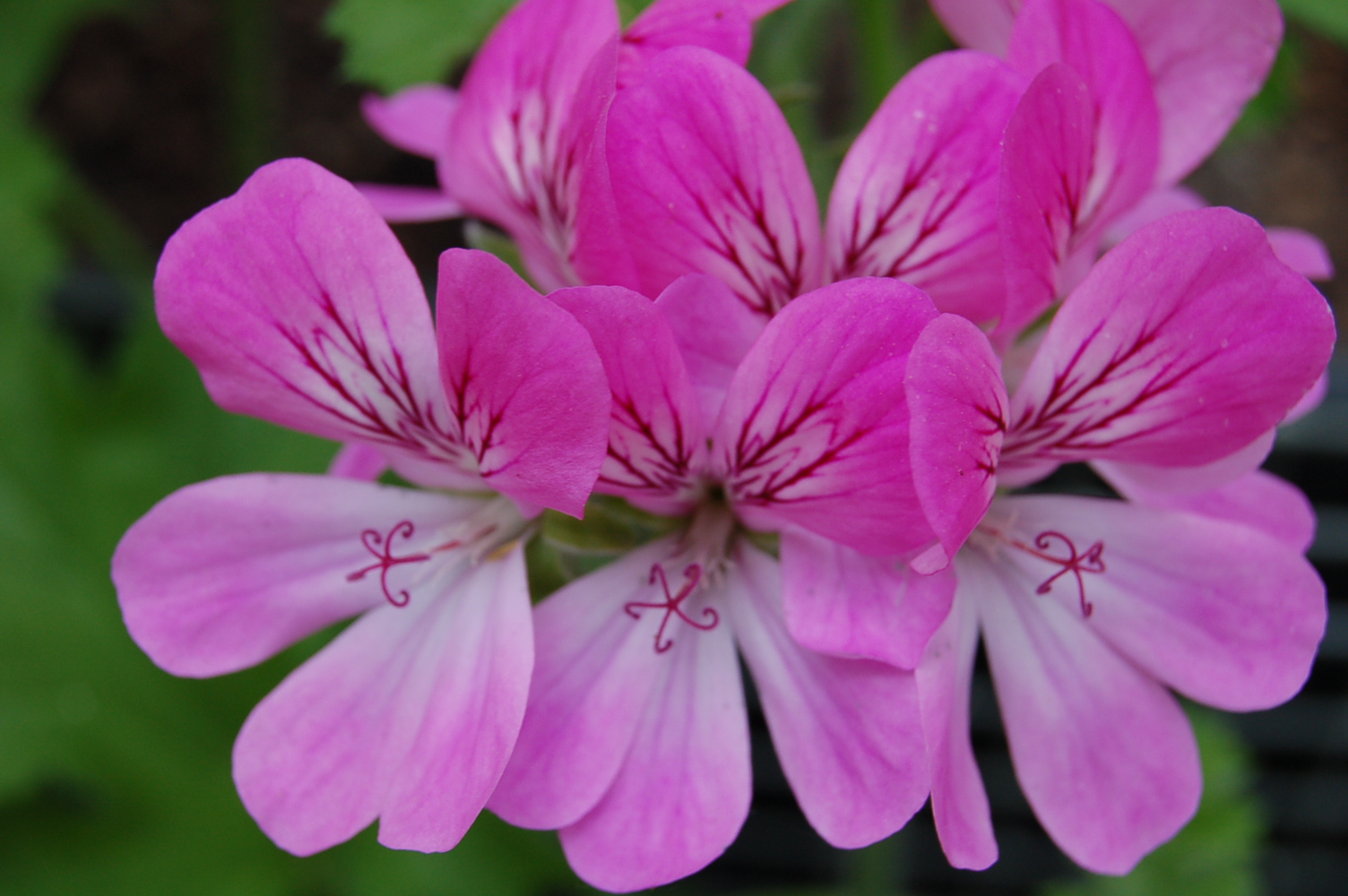
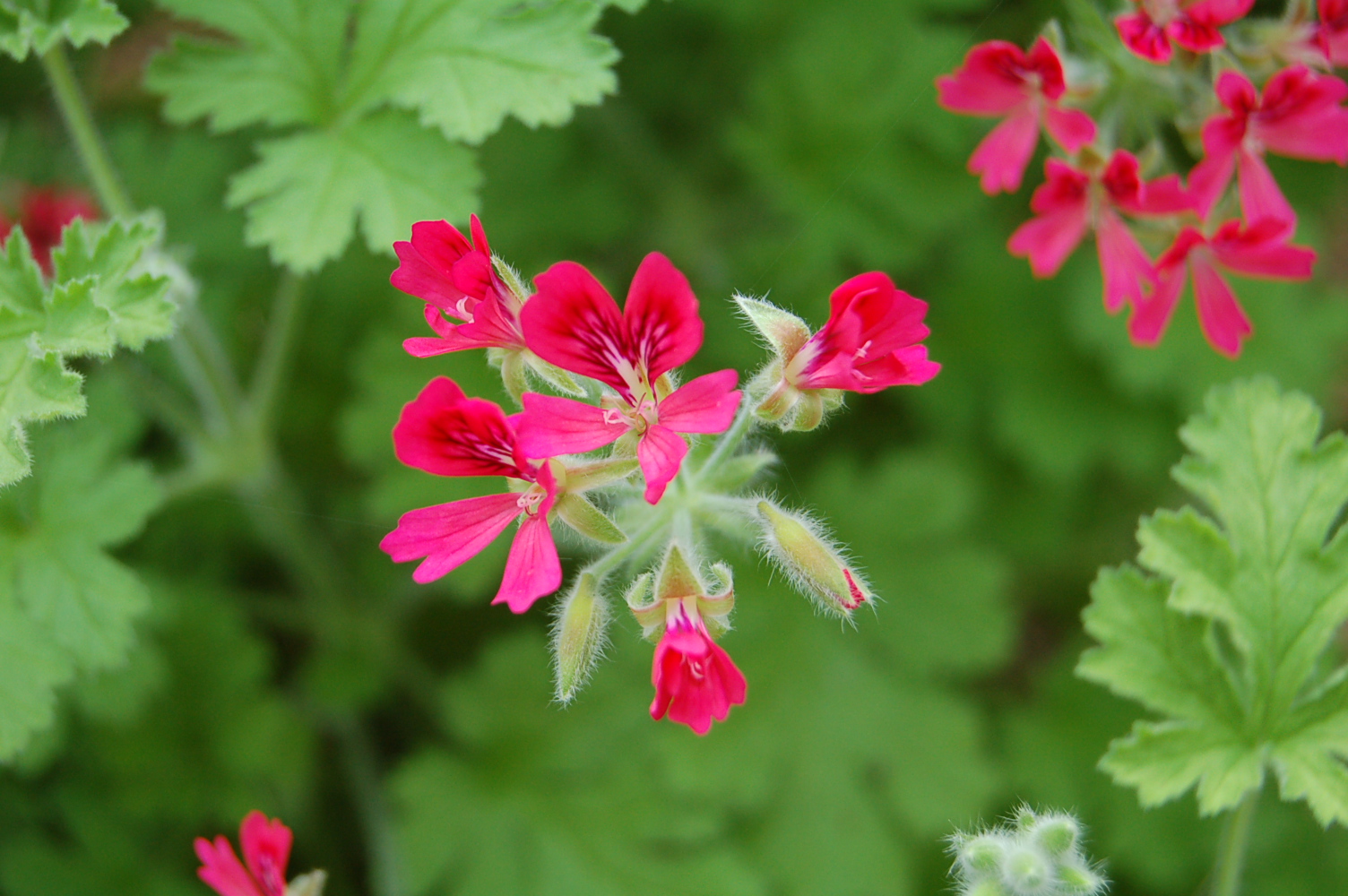
The beautiful, immensely long renovated Victorian greenhouse at Clumber Park never ceases to amaze. When we first visited Clumber the greenhouse looked sad and neglected but we discovered that plans were afoot to return it to its former glory. We were delighted to find one section which now housed an amazingly varied collection of Pelargoniums. Shades of pink. Fruity scents. Textured and patterned foliage. I can share these with you through my photographs.

A word of warning – if you have a total aversion to pink look no further!

Categories
garden photography gardening National Trust photography The National Trust

Clumber Park – Greenhouse Abstracts

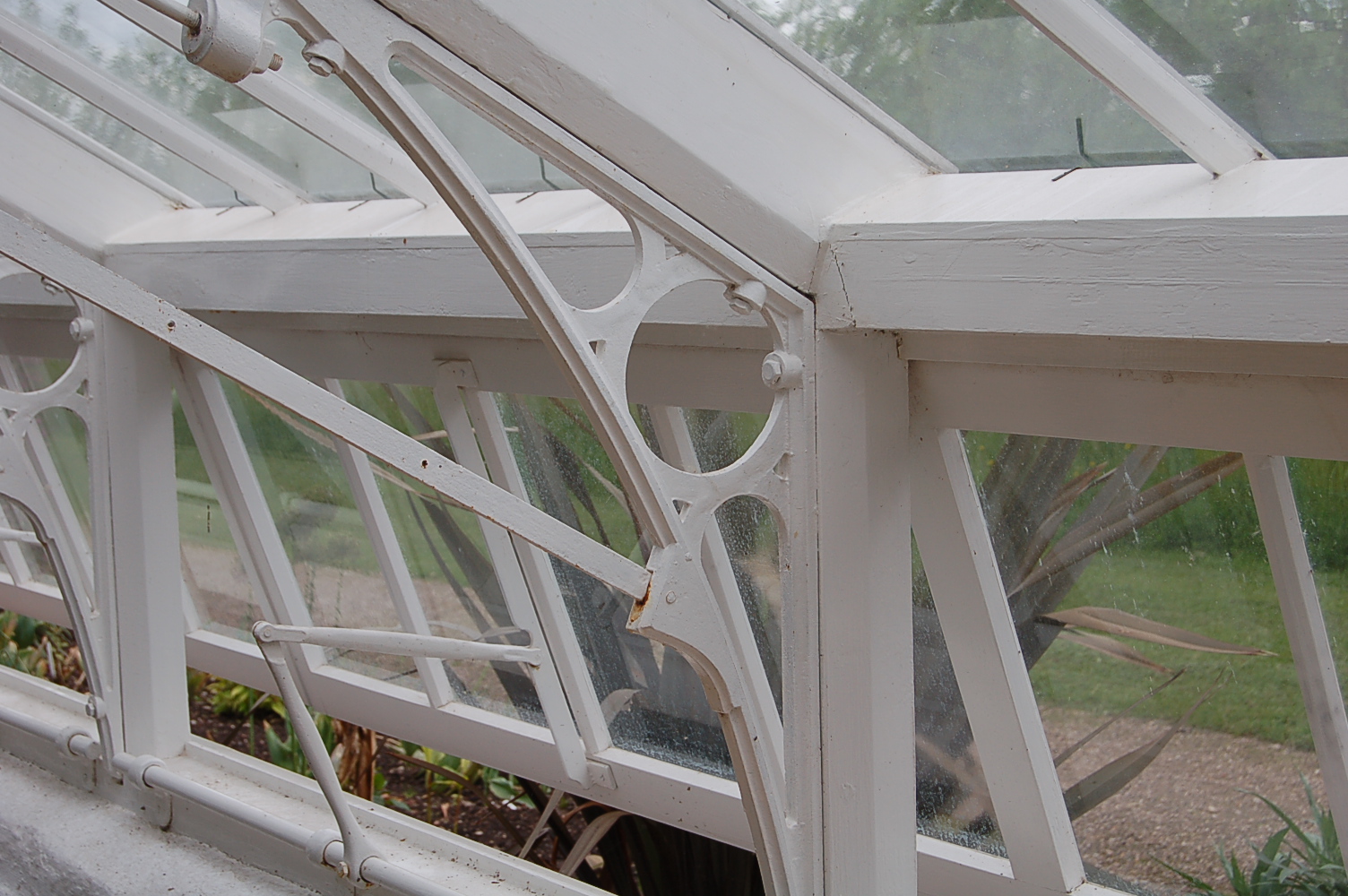
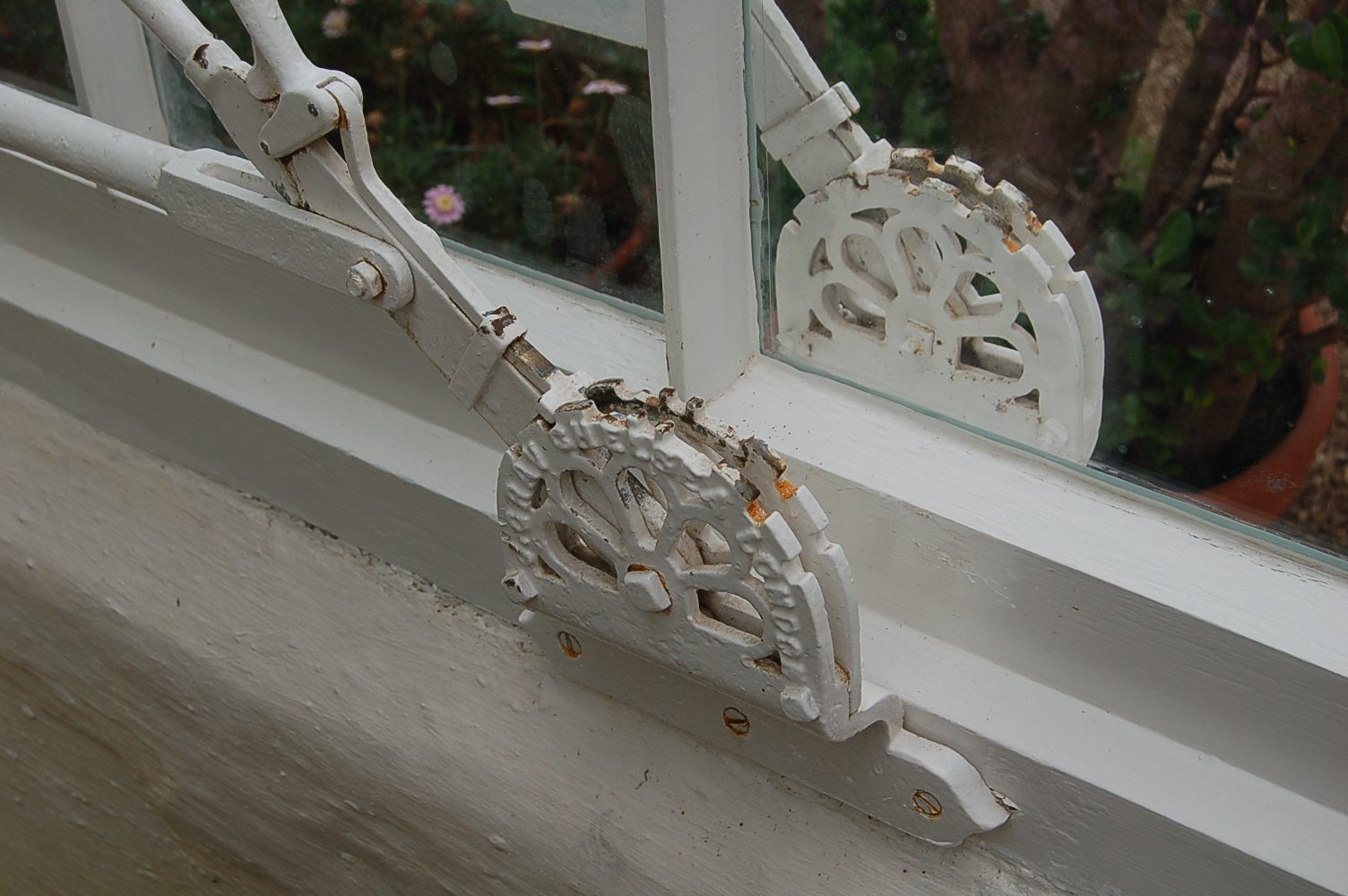
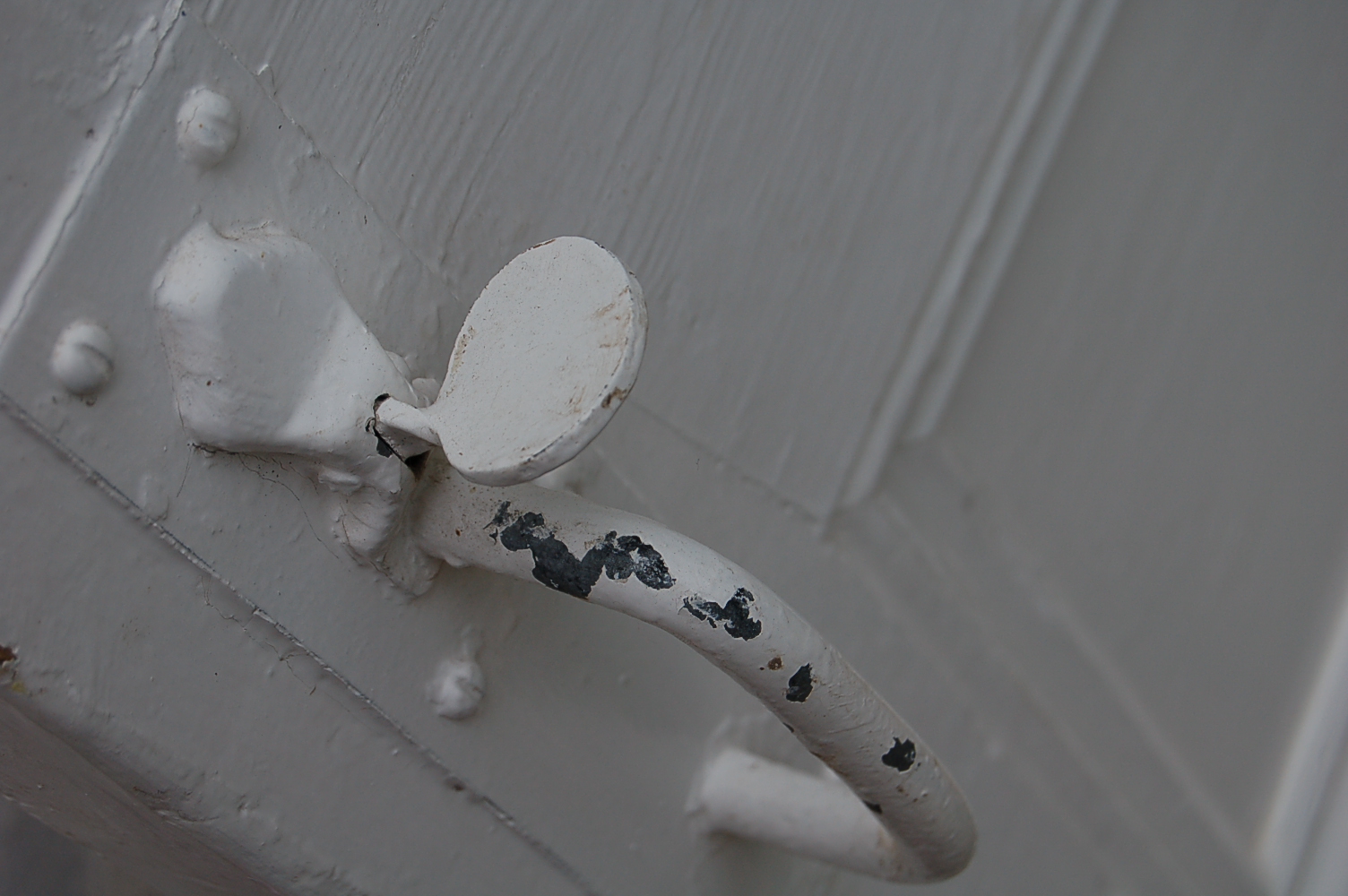
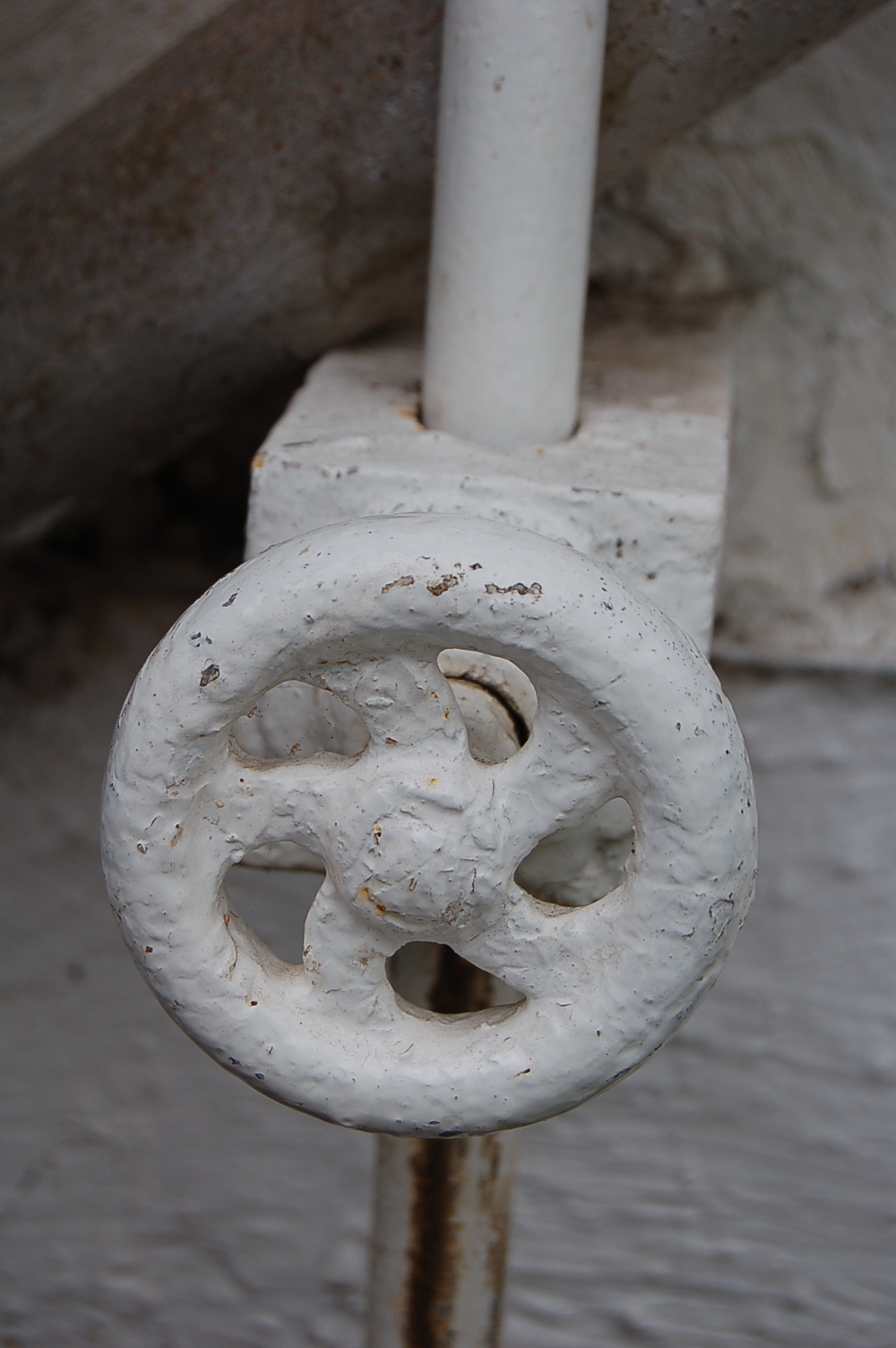
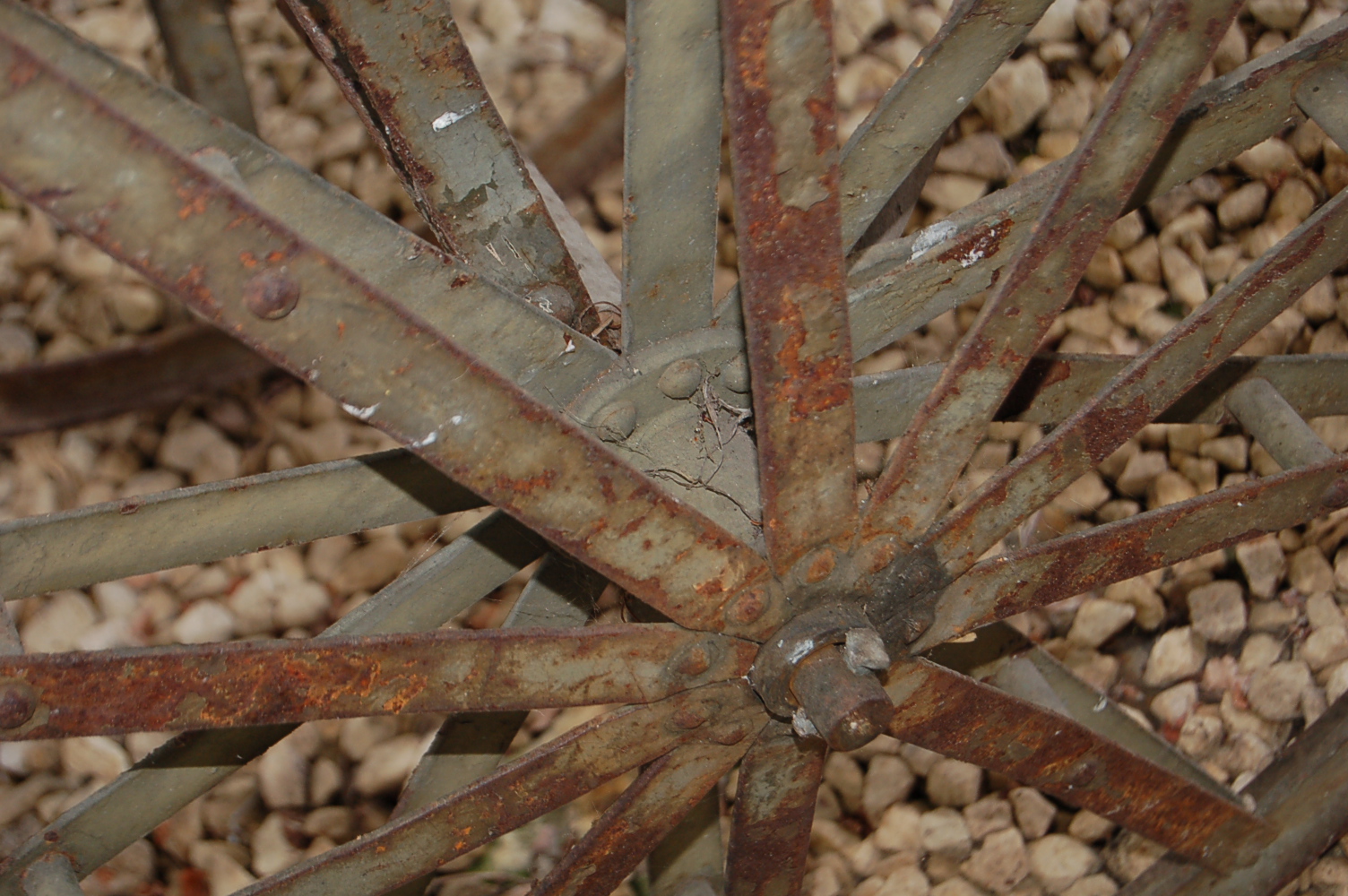
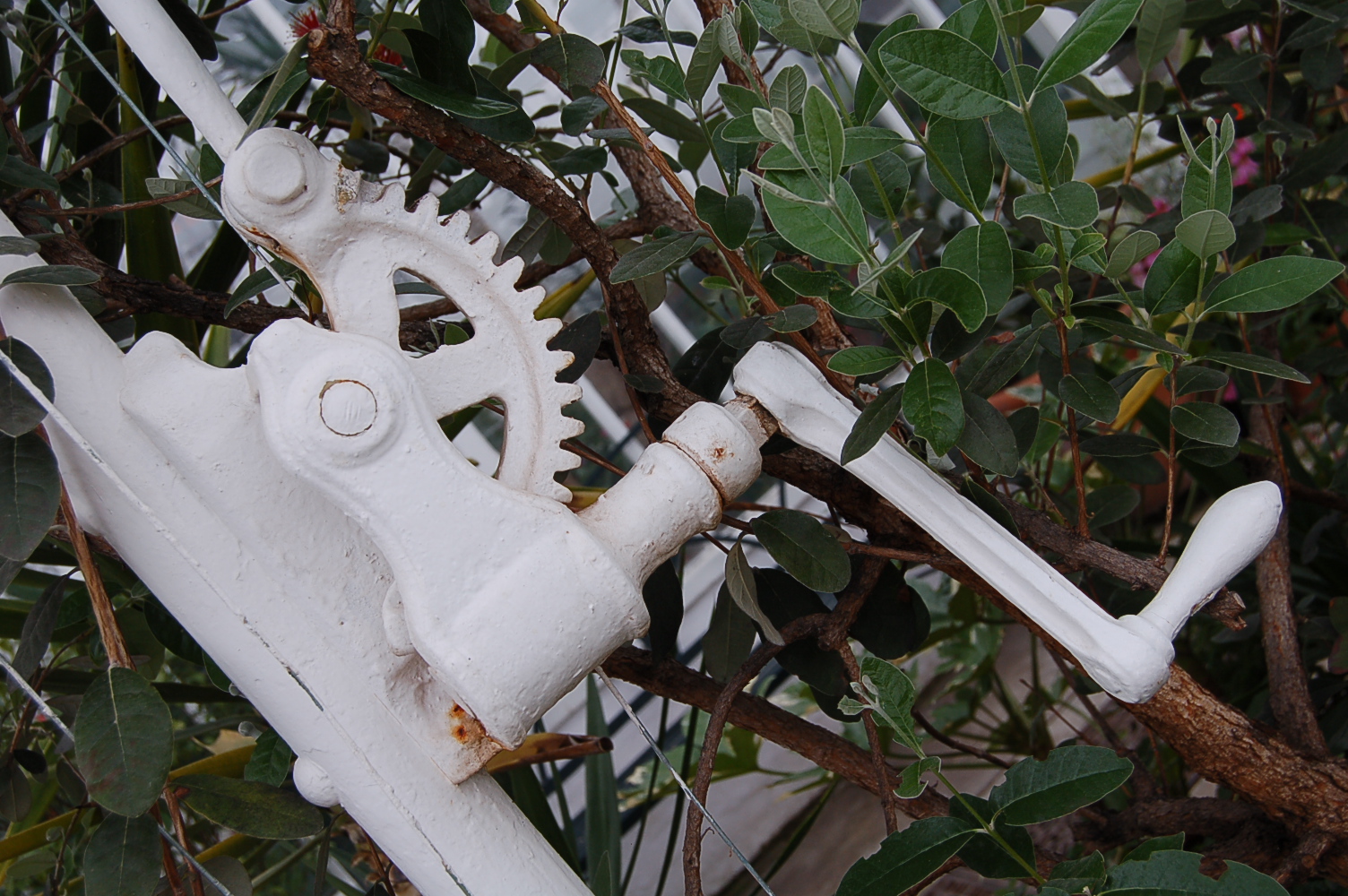
Clumber Park, a National Trust property in Nottinghamshire, is famous for its walled garden and we recently spent a few hours wandering around enjoying the productive beds, orchards and herbaceous borders, but the highlight has to be the huge renovated Victorian greenhouse. We were enthralled by the details. Enjoy sharing them with us.

Categories
allotments community gardening garden design garden photography gardening hardy perennials ornamental grasses Shropshire

Two New Features at our Allotments

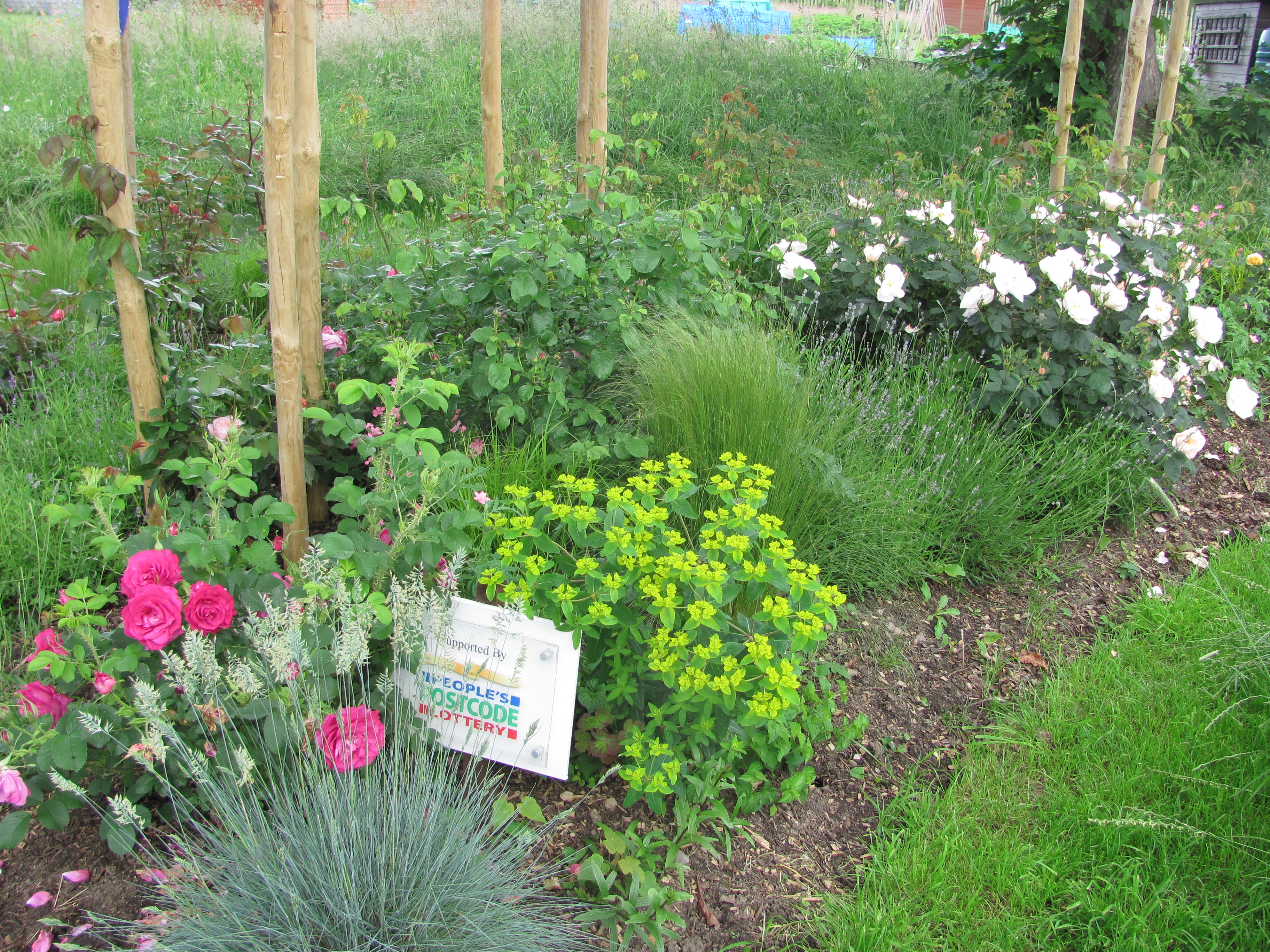
Throughout May and into early June we have been involved in creating two new features of our Green Spaces on our allotment site, Bowbrook Allotment Society (www.bowbrookallotments.co.uk). Around the site we have four special gardens called “The Gardens of the Four Seasons” and we added a further bed to the Autumn Garden. The beds were developed with the aid of a grant from the Peoples Postcode Trust who support us so generously.

We made the new bed on an area of rough grassland between plots and the boundary hedge. The patch was full of tough weeds and stones. The first task was to clear the vegetation off, some of this going into compost heaps and some to help level a rough area. This fits in with our aim of removing as little natural material as possible from site, and our aim to reduce, re-use and recycle.

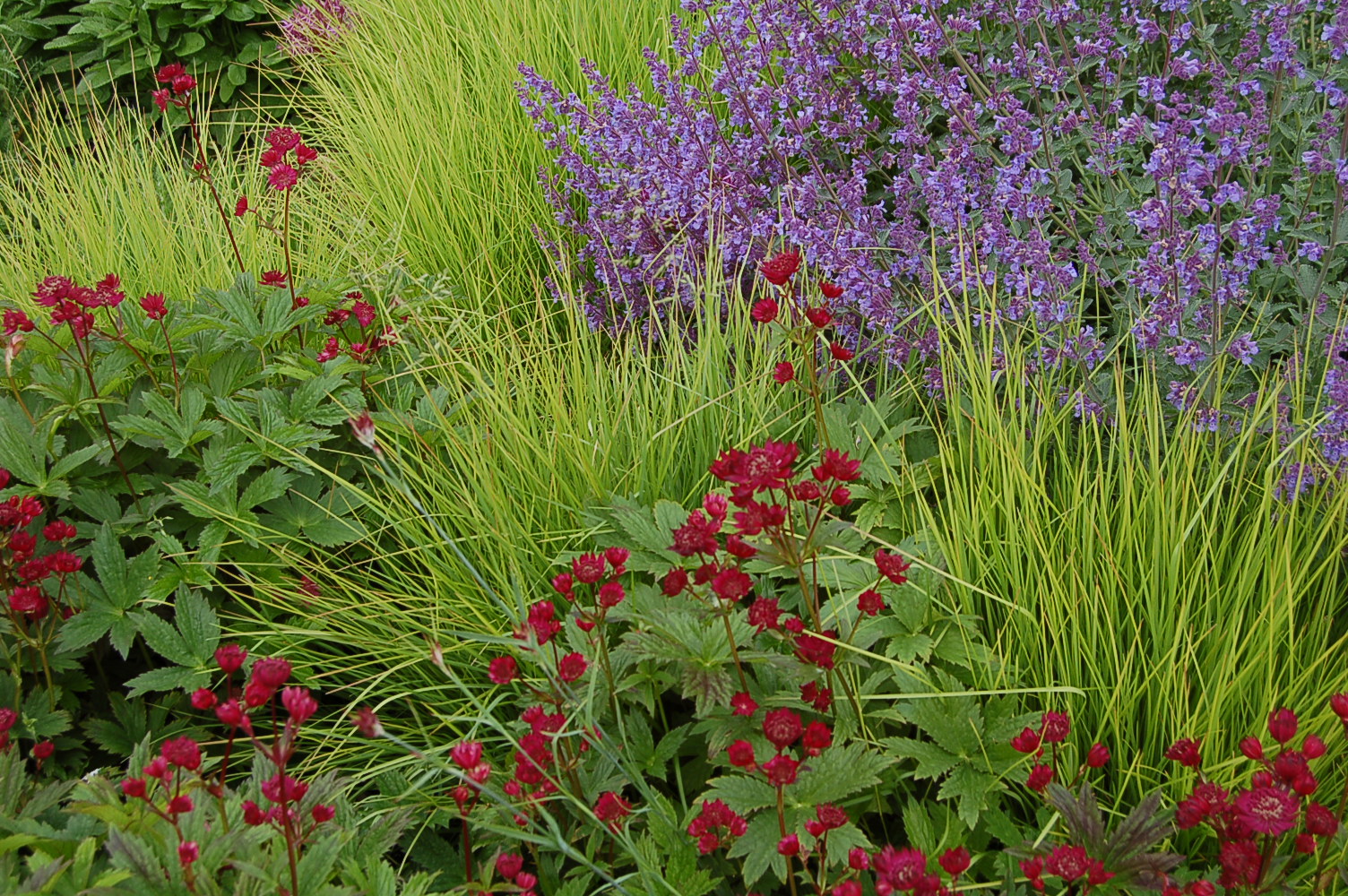
Once roughly dug over the bed was rotovated and raked level in readiness for planting up with ornamental grasses and flowering perennials which peak in the autumn season. Many of the plants were donated by allotment community members or were bought with a community grant. We can now look forward to years of colour.

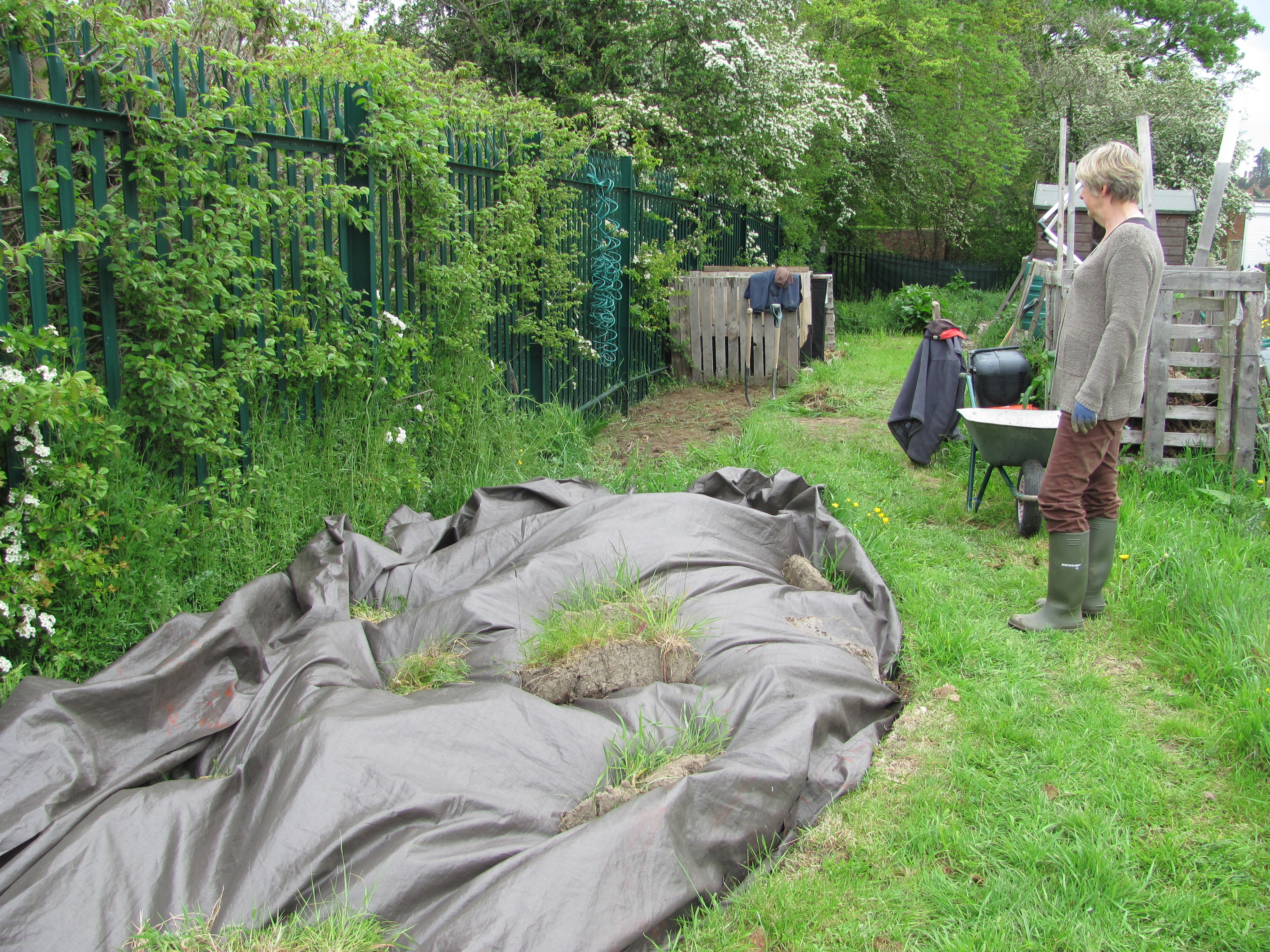
When we first starting clearing the patch of land we part covered it in tarpaulin to stop the weeds growing any more.

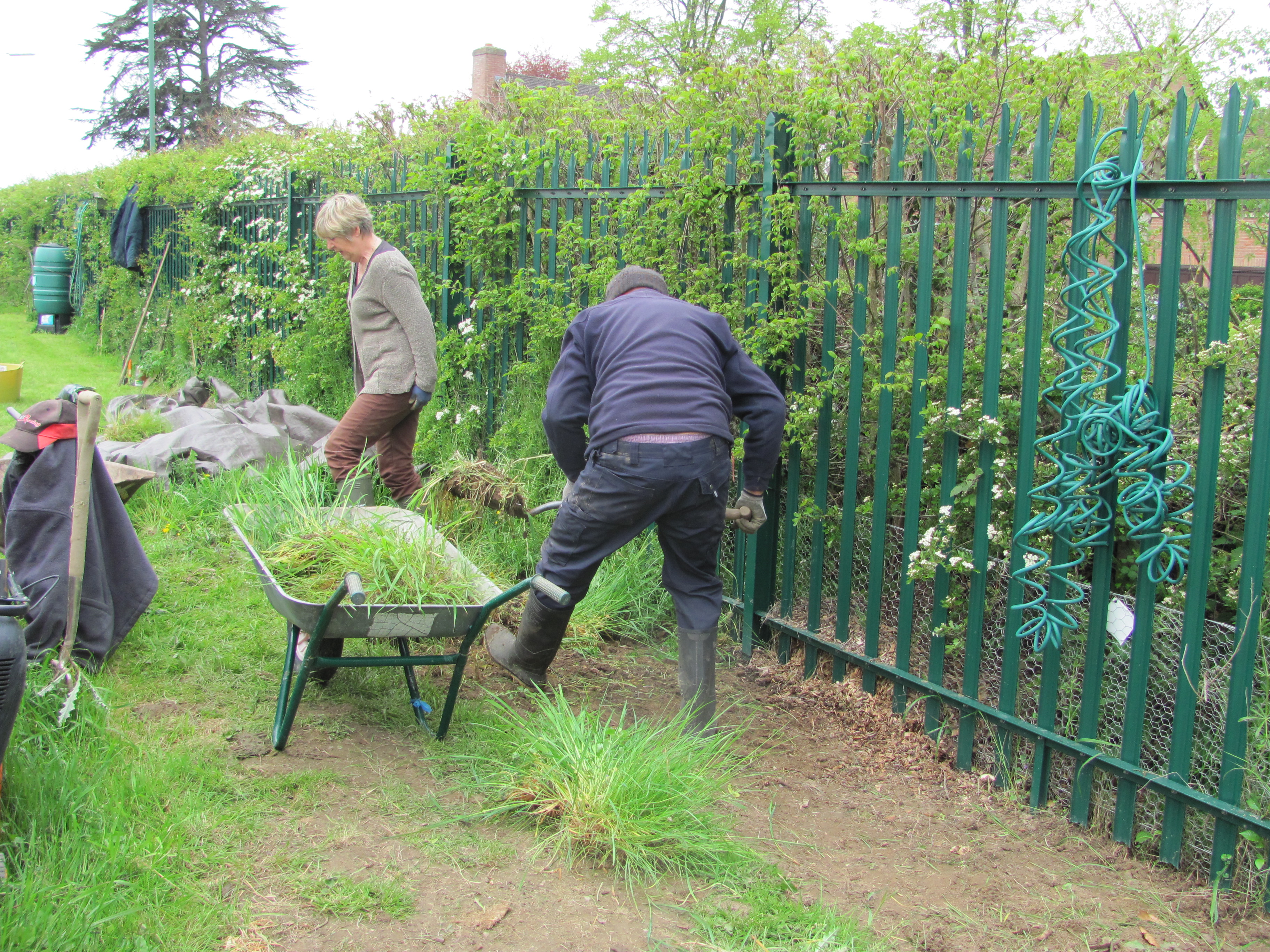
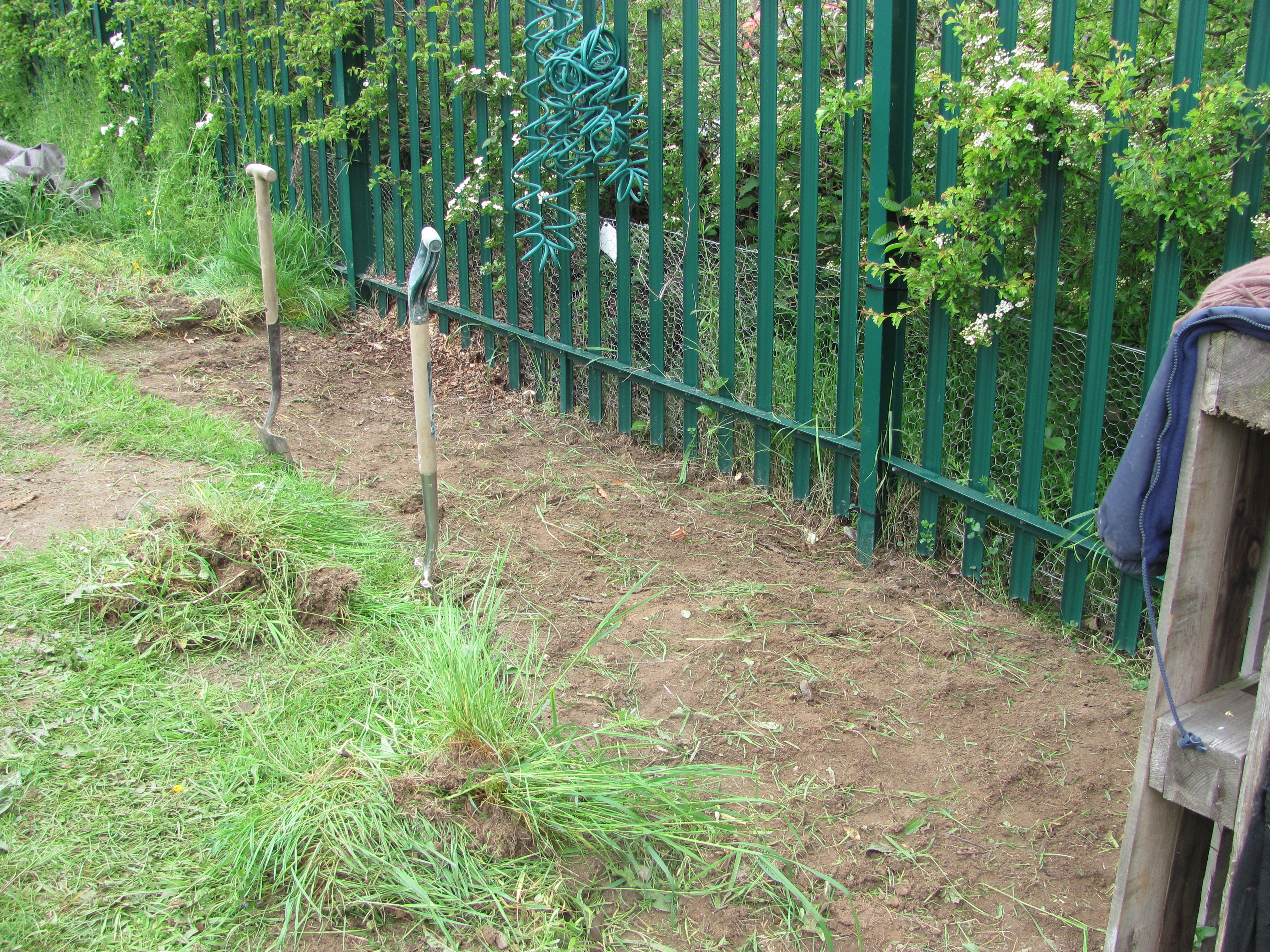
The first task and the most difficult was removing the thick layer of tough grass and weeds. Once cleared we dug over the area roughly before rotovating in readiness for planting.

Two thirds of the weeds removed.
We added compost and broke up the surface with a rotovator in readiness for planting.

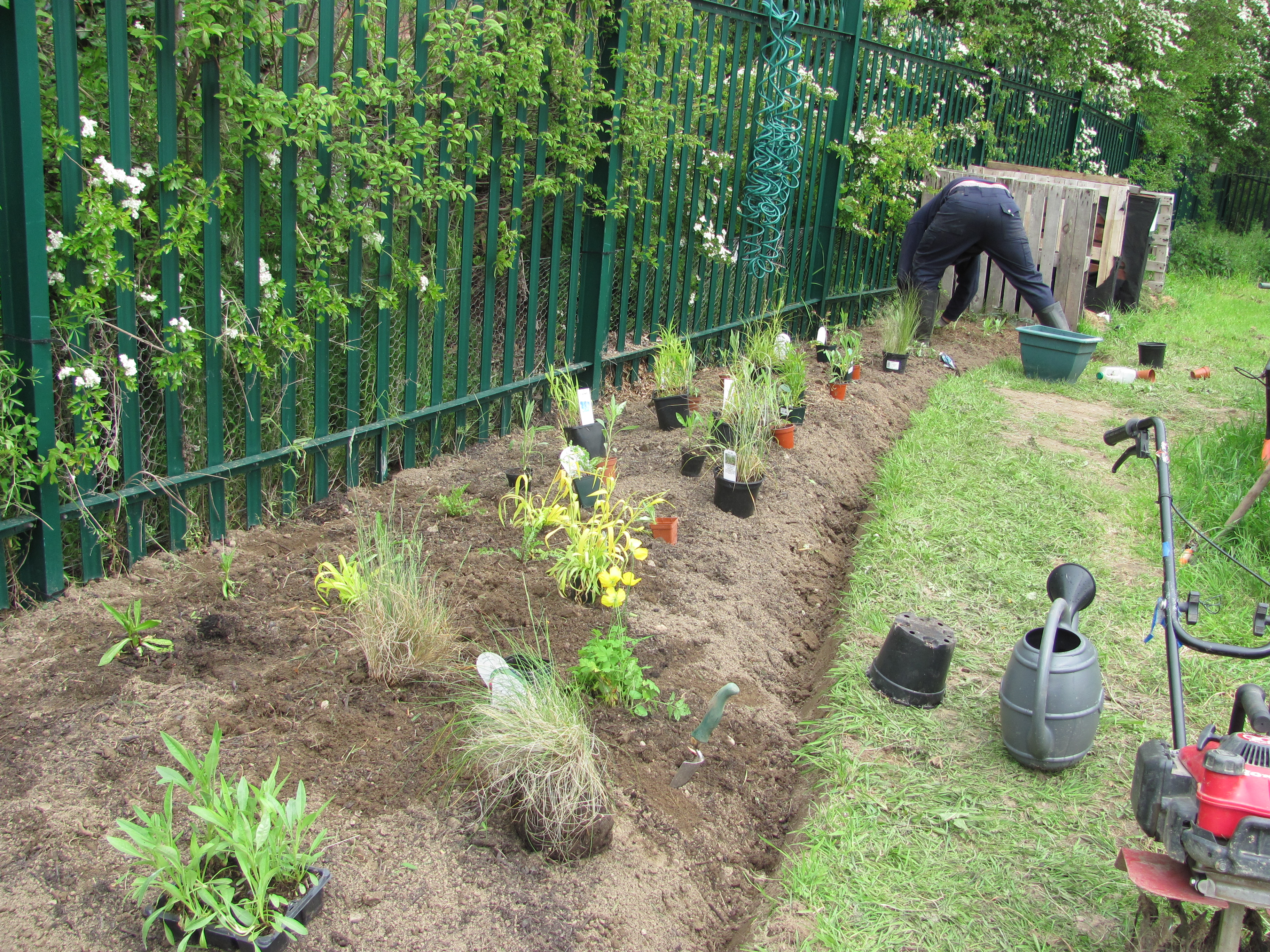
Plants were then arranged to test out the best arrangements. We moved them about many times before we were satisfied enough to get on with the planting.

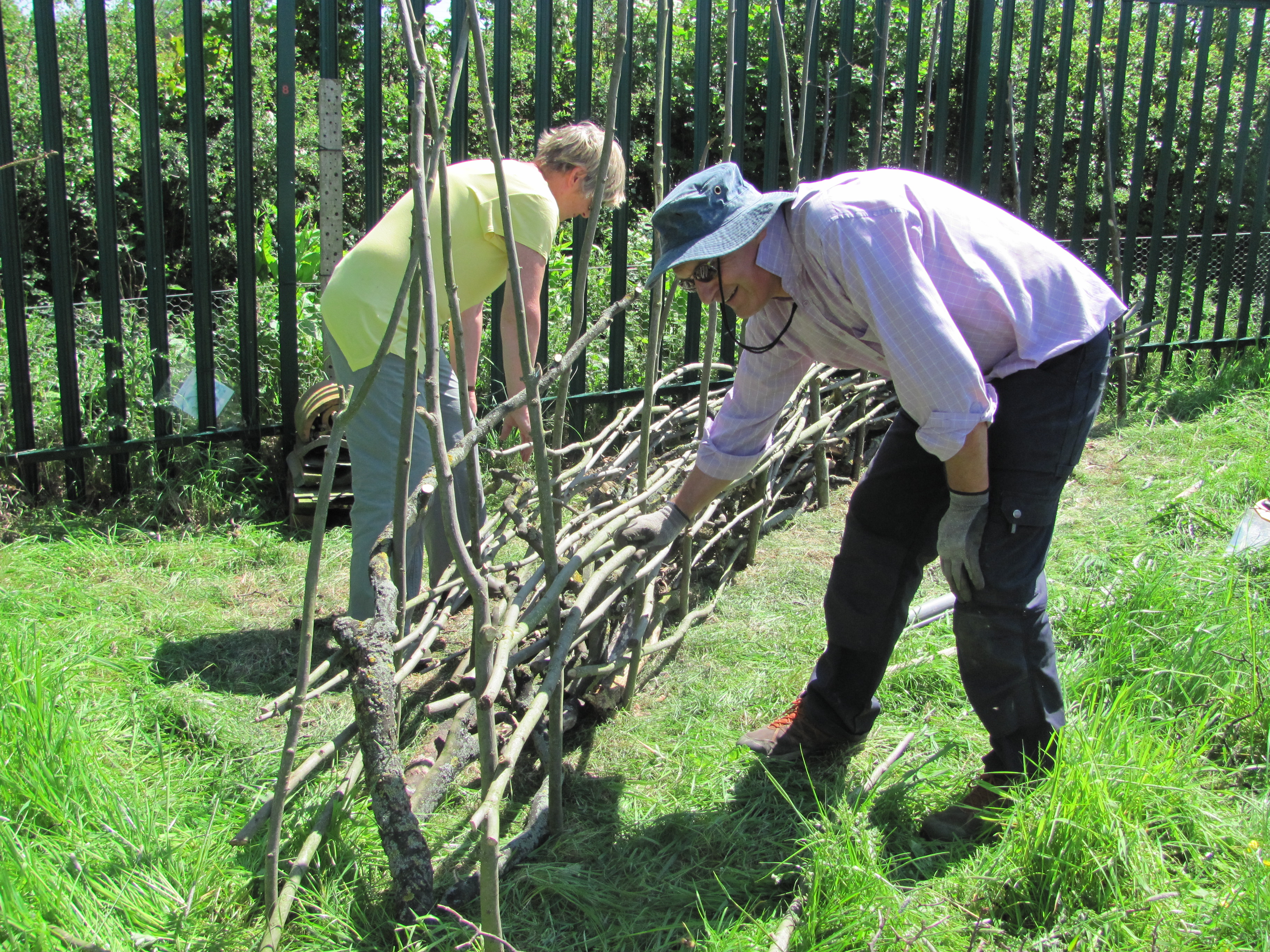
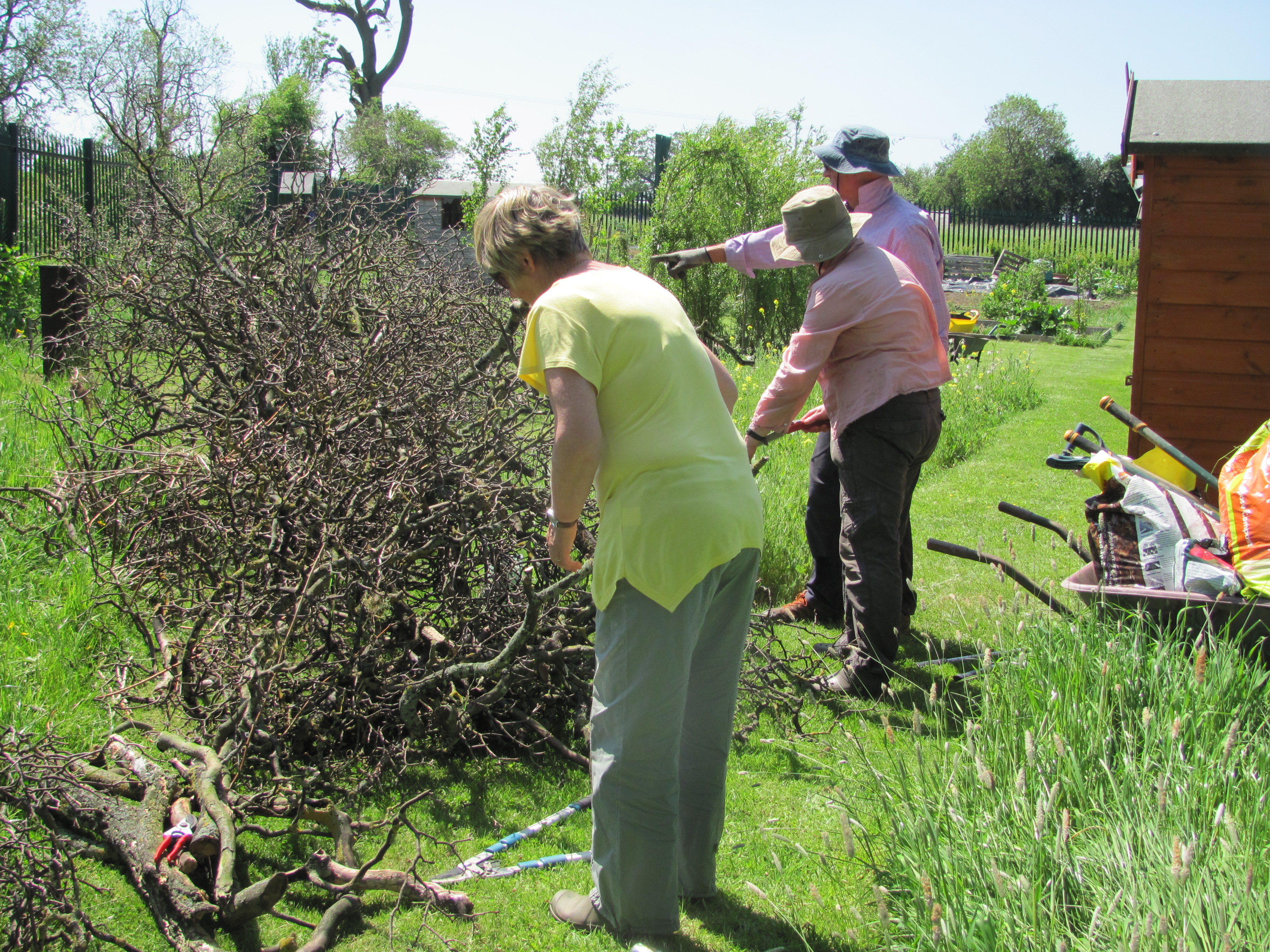
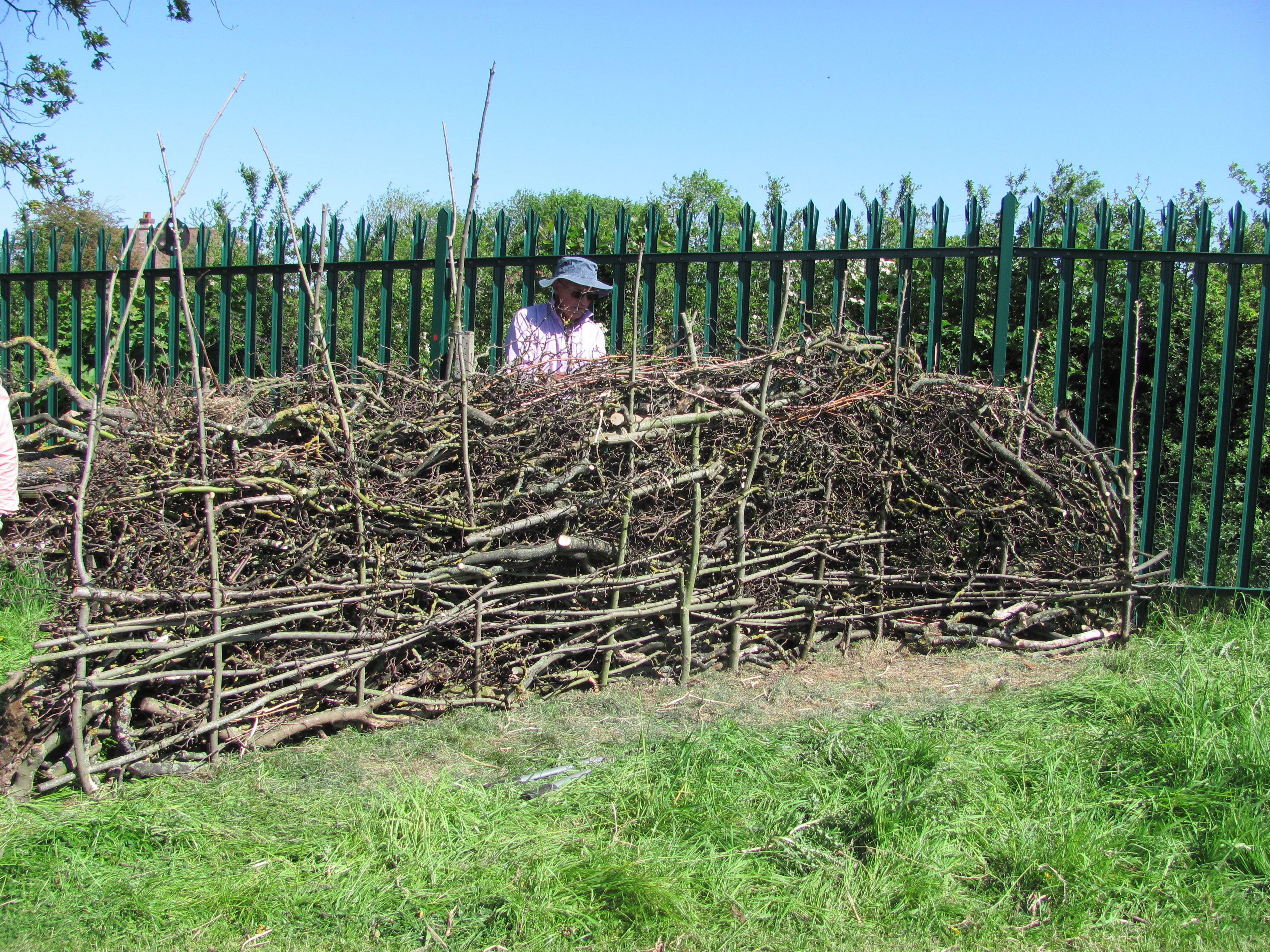
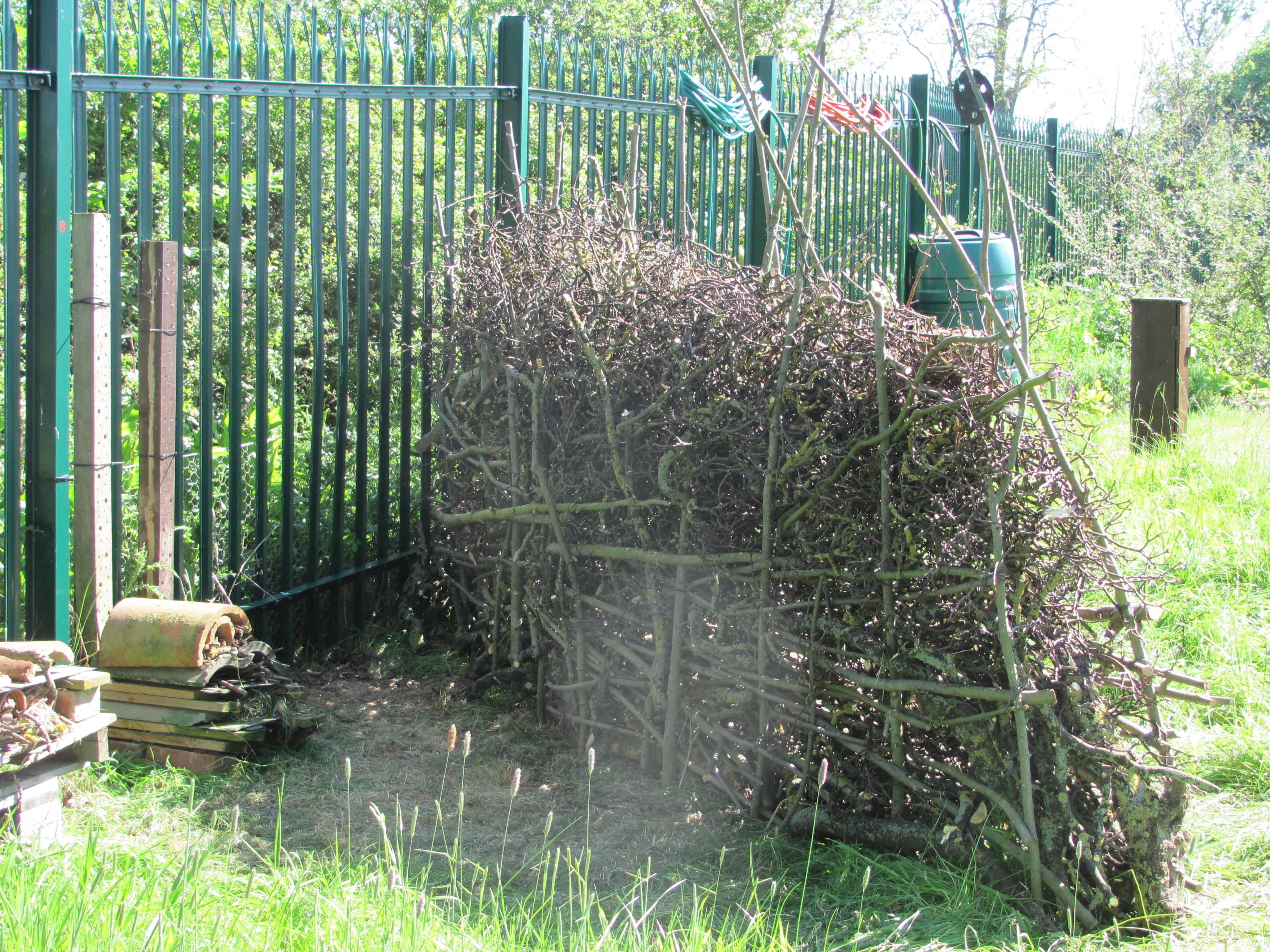
The second new feature was created during our May Working Party on a hot humid day so we were so glad that this work was planned for an area within the mottled shade provided by our big Oak tree. A few months ago we had tree surgery work administered to our mature trees and we were left with huge piles of branches and logs of all shapes and sizes from Oak, Ash and Sycamore. Once again to reflect our reduce, re-use, recycle ethos and being determined not to remove natural materials from site we designed a feature to use all this tree material and create a new wildlife feature. We wished to make a “dead hedge” to attract beetles, insects, birds and fungi. At our last Green Spaces Committee we decided it needed a name and came up with “dedge” – a shortening of dead hedge. We knew others existed in other wildlife gardens in the UK but could not find a name for them., so we think we have not just created a new feature but also a new word.

We began with a pile of brush wood and logs,

and began to build our “dedge” by hammering in uprights of freshly cut hazel rods,

and filling in between with logs, branches and twigs.

Meanwhile the pile of brash was being pruned into smaller pieces,

Almost there,

Eventually there were no logs or branches left in the pile and the “Dedge” had reached a good height and felt strong.

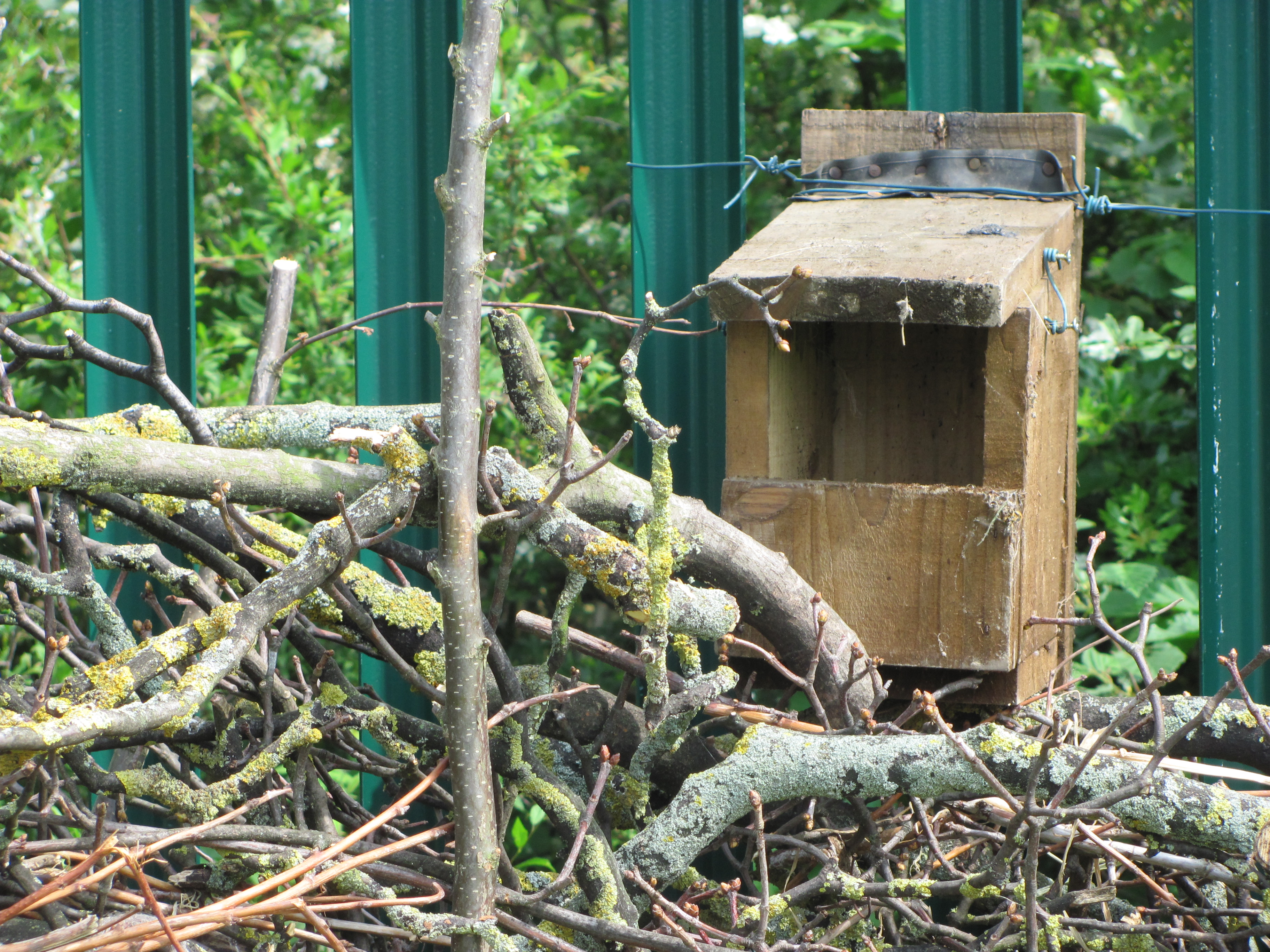
The final touch was the addition of a Robin nest box.

Categories
garden design garden photography garden wildlife gardening hardy perennials ornamental grasses photography poppies Shropshire wildlife

Happy Birthday to My Blog

Greenbenchramblings is one year old today! Yes, I have been rambling away from my old green bench on my allotment for a year to the day. Each time I celebrate a birthday with a nought in it I give myself a challenge. When I was 30 I decided to get up before first light, taking a not so willing family with me, travel to a nearby area of deciduous woodland and await the dawn chorus. It was pure magic! The song of each bird as it awoke joined in the chorus until the wood reverberated with song celebrating the new day. The atmosphere was electric – an unforgettable experience.

When I reached 40 I decided to buy some new walking boots as a stimulus to get out into the beautiful Shropshire countryside more.

At 50 I began studying a garden design course.

A year ago I reached 60 and decided to start my Greenbenchramblings blog, to record my musings and photos related to our garden, our allotment, gardening and wildlife. So Happy Birthday Blog! I have been delighted with the response to it, enjoyed the comments and feel I have met new friends from almost every continent. I share all my gardening visiting, my lottie gardening, the development and maintenance of the garden at home and the walks in the countryside with Jude, also known as The Undergardener or Mrs Greenbenchrambler.

The surprise of the blogging year was when Willow Cottage Gardeners nominated my blog for a Versatile Blogger Award, hence the rather handsome green logo on the top right of my blogs. As a part of this award I have to write a list of 7 things about myself that readers of my blog might not know and suggest 15 blogs for nomination for the award.

So here goes with the 7 things you might not know about me;

1.Forty years ago I had an altercation with a lorry and the lorry came out best. I was put back together and I am now registered “Bionic”.

2,My favourite gardeners are Beth Chatto, Dan Hinckley, Carol Klein and Monty Don.

3.I have had allotments for over 20 years.

4.I have been a fisherman since I was 4 years old. When I retired my ambition was to catch a 30 pound carp. The biggest so far is 29 pound 15 ounces.

5.I talk to my chickens and they talk back.

6.My favourite garden designers are Dan Pearson, Piet Oudolf, Tom Stuart-Smith and Cleve West.

7.If I could choose anywhere in the world to live it would be in the South Shropshire Hills. I live in the South Shropshire Hills!

My 15 nominated blogs;

1. www.lensandpensbysally.wordpress.com

2. www.aerialediblegardening.wordpress.com

3. www.latebloomerbuds.wordpress.com

4. www.fennelandfern.co.uk/blog

5. www.soulsbyfarm.wordpress.com

6. www.gardeninginthelines.wordpress.com

7. www.mytinyplot.wordpress.com

8. www.gettingfreshblog.wordpress.com

9. www.gardeningcanuck.wordpress.com

10. www.100squaremetres.wordpress.com

11. www.pbmgarden.wordpress.com

12. www.arignagardener.wordpress.com

13. www.grandparentsplus2.wordpress.com

14. www.wanderingwoody.wordpress.com

15. www.indiansummerfarm.wordpress.com

As followers of greenbenchramblings know I carry a camera around with me wherever we go and my favourite subjects are plants, especially plant portraits, allotment gardening, and the creatures who live in our gardens, on our allotment and on the plants. It seems apt to finish this One Year On posting with a few pics of these favourite subjects.

Categories
climbing plants fruit and veg garden design garden photography gardening half-hardy perennials hardy perennials meadows ornamental grasses ornamental trees and shrubs photography poppies roses Shropshire shrubs succulents trees

Another Wander around our Garden in June

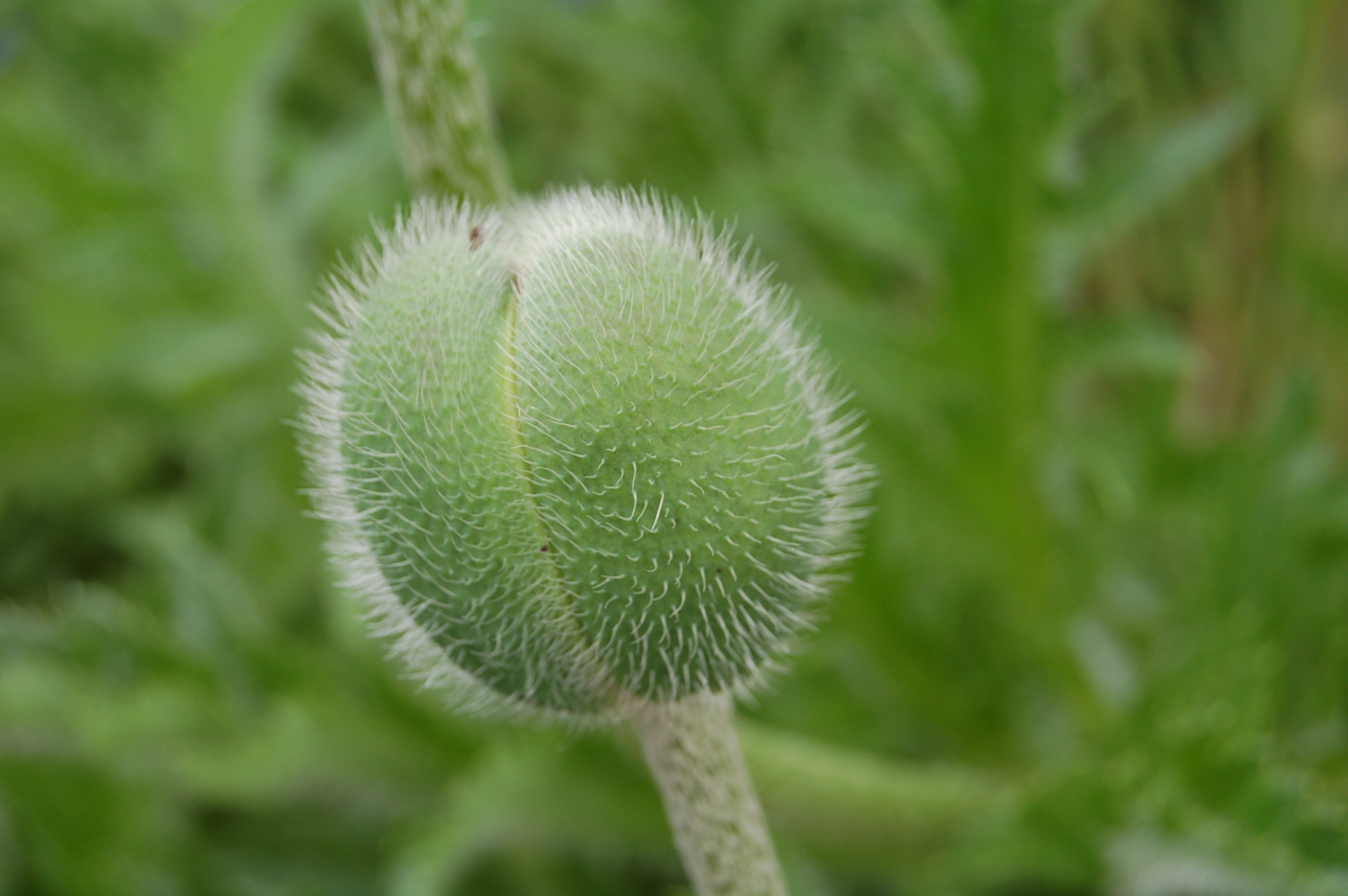
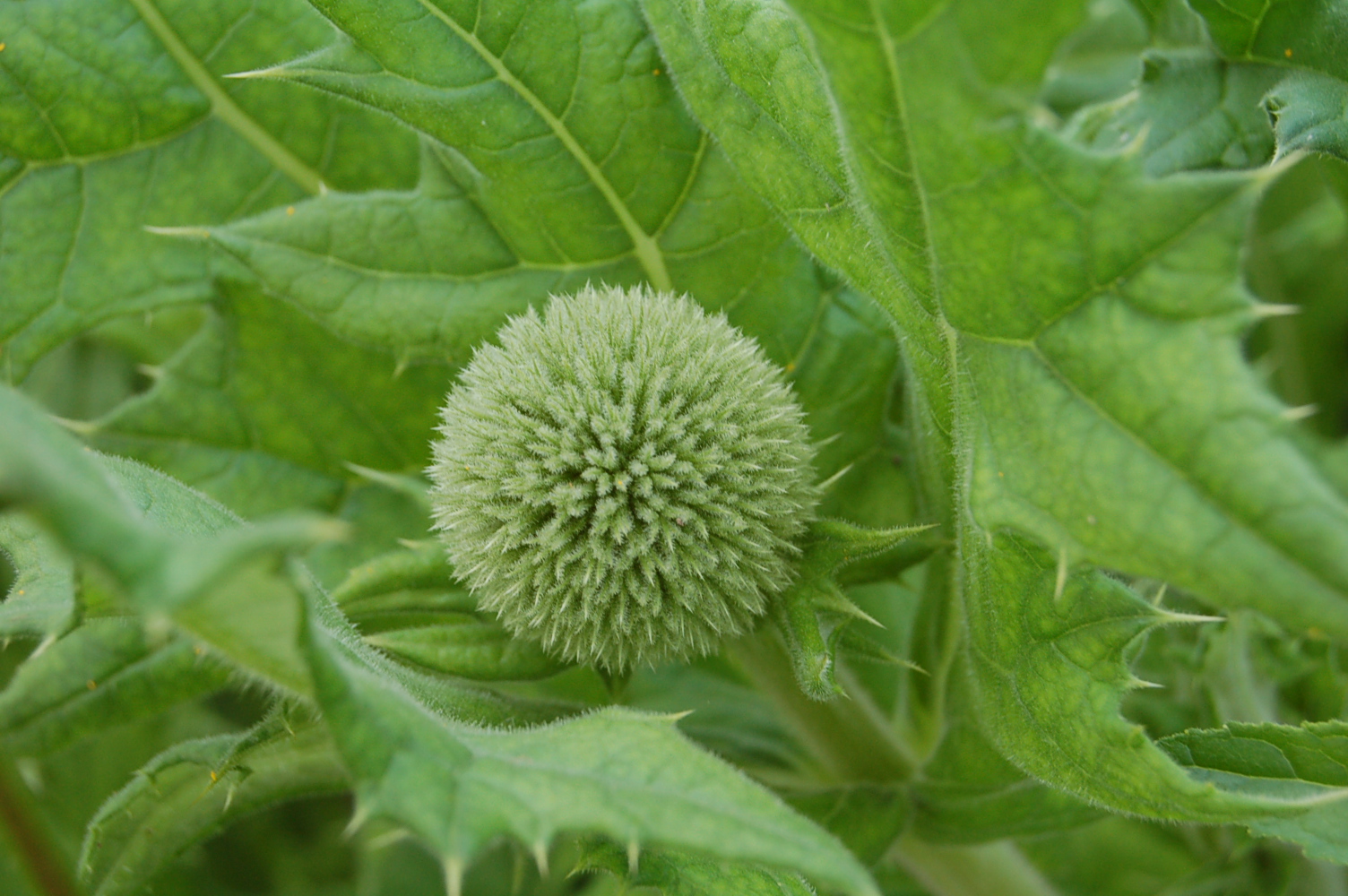
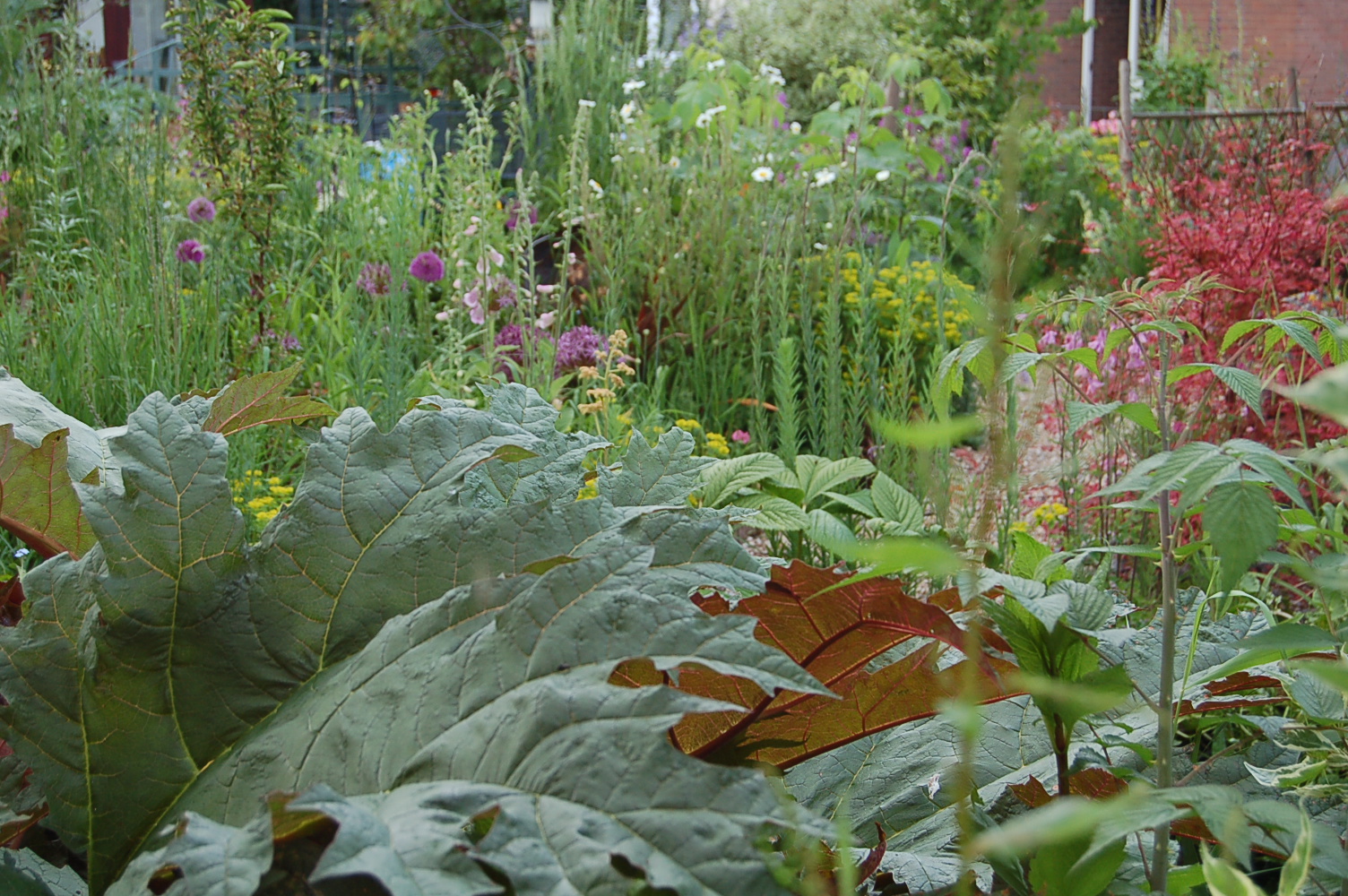
We can start the second part of our wander by looking again at the front garden. Buds give us hints of blooms to come in midsummer, Phlomis, Oriental Poppies, Erygiums and Echinops. Promises of yellows, reds and steely blues.

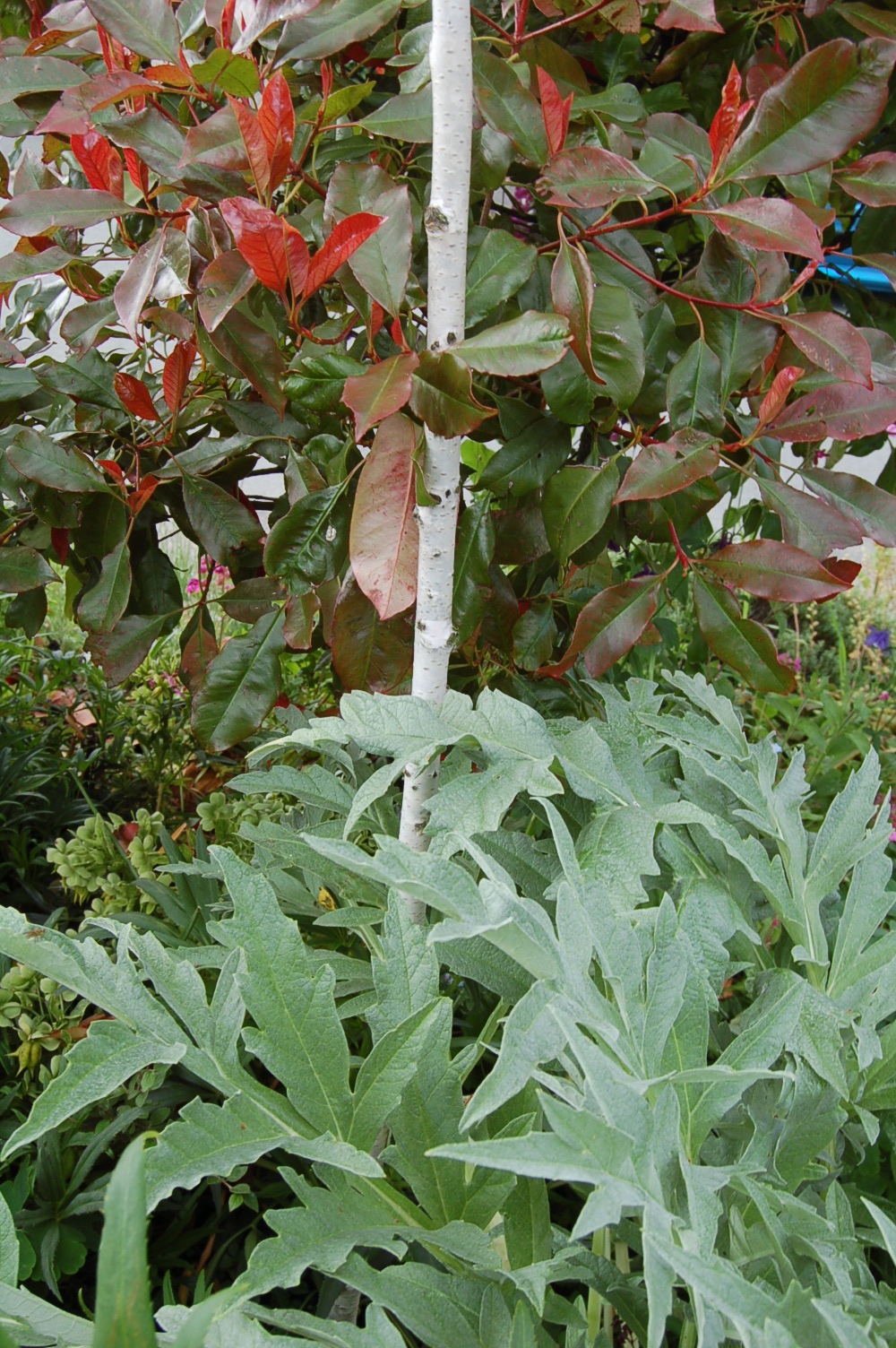
Foliage colour and texture can be as striking as the most colourful of flowers.

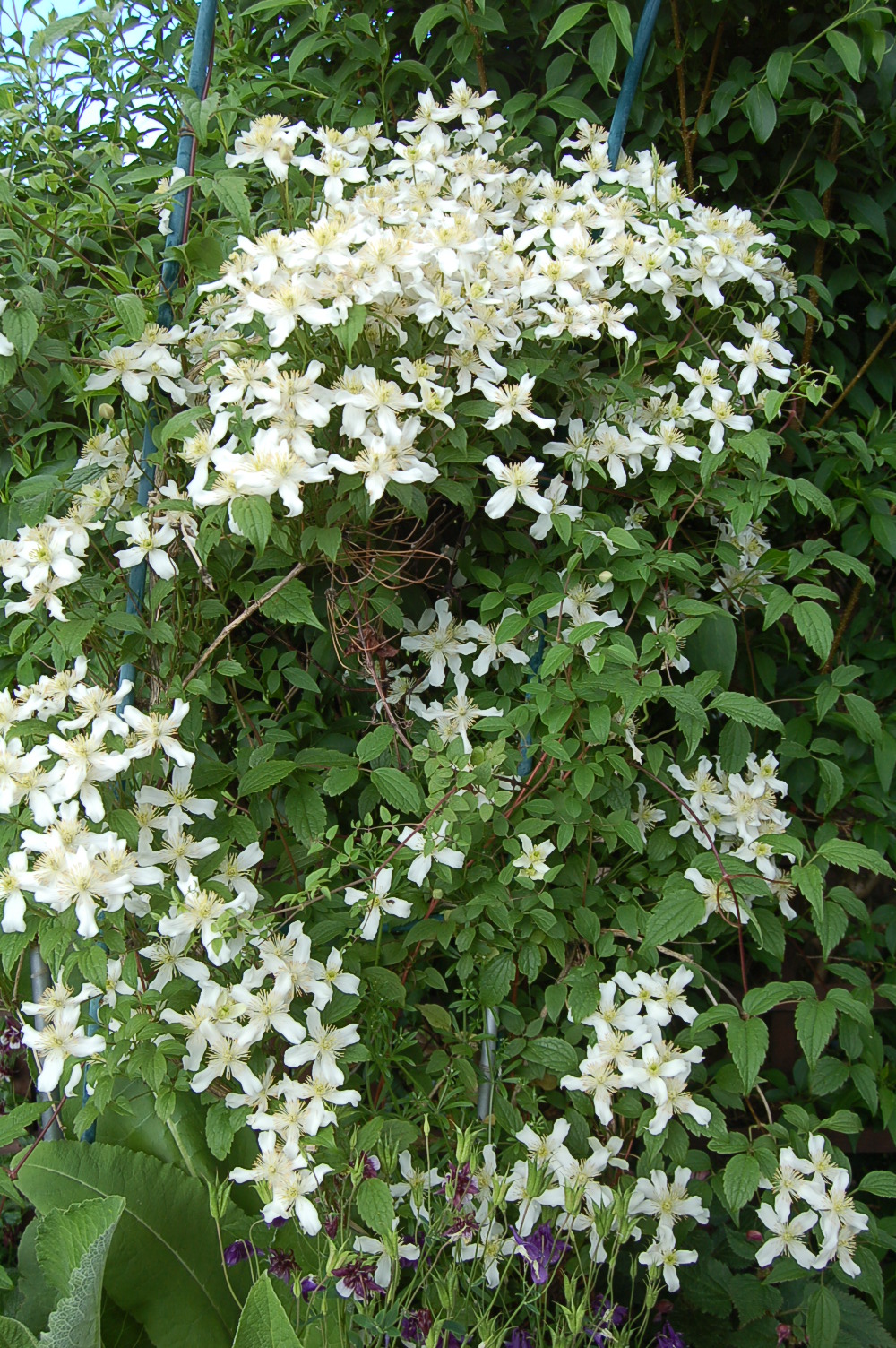
Our collection of Clematis are beginning to flower and others are covered in robust buds.

Flower colours have been so important during the first few weeks of this month simply as an antidote to dull days and dark skies. It matters not whether it is a gaudy cerise beauty or a subtle green or white.

Blue on blue.

Another view of our Freda Border.

Our mini-meadows in their pots are developing well. We think we may be onto a winner.

The Shed Bed created on the site of an old shed which we demolished when we moved in, is really pleasing as below the shed we found just rubble, gravel, broken pots and sand. We added wheelbarrows of compost to improve it and now every little flower is a true gem.

A vine grows over one end of the greenhouse acting as a natural shading agent as well as feeding the gardeners. The startlingly red flowering currant has hitched a lift along it so the vine drips with red droplets.

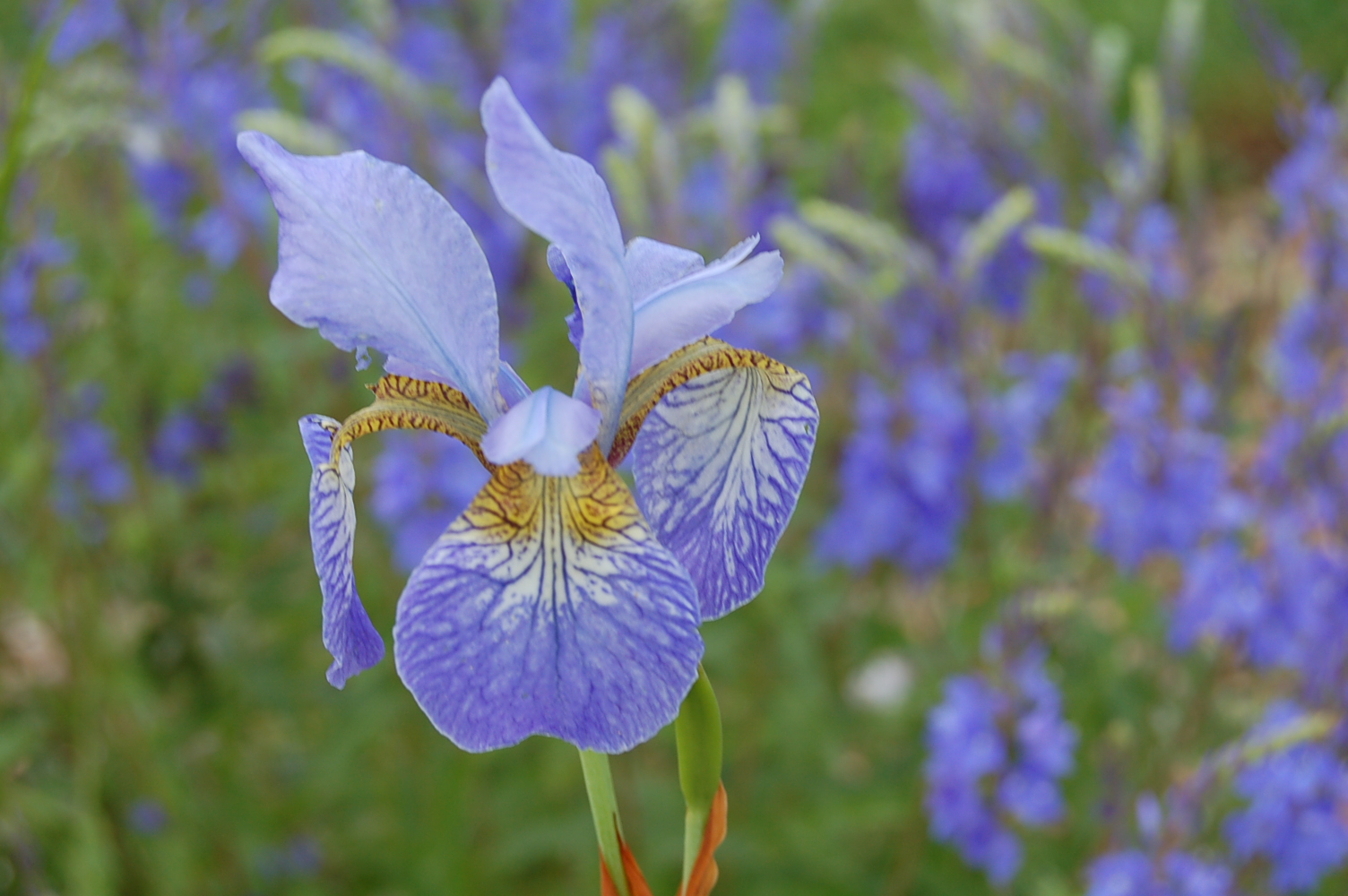
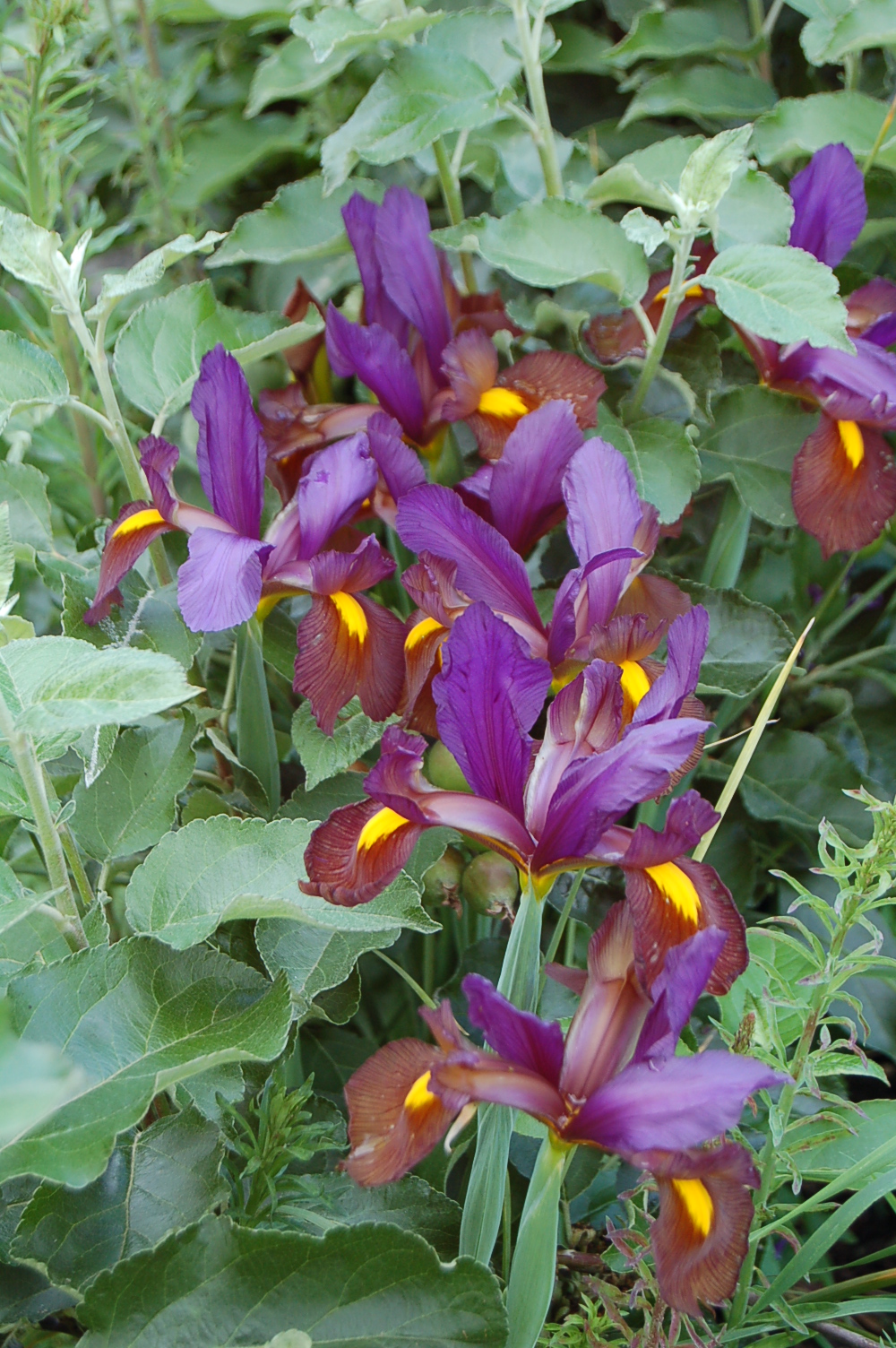
We enjoy these irises as cut flowers but bees take advantage of them before we pick them. This clump is growing through our stepover apples. Double harvesting – cut flowers followed by apples.

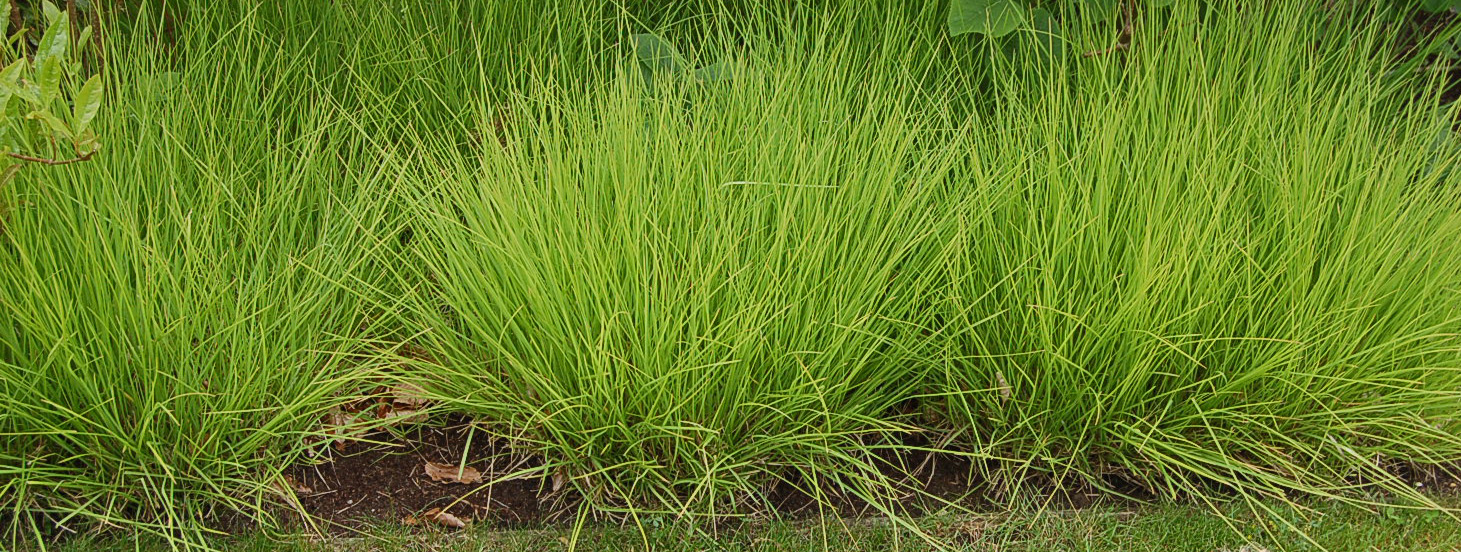
The planting around the pool has closed in and made it an intimate area. Nearby the Prairie Garden is bursting with fresh blooms.

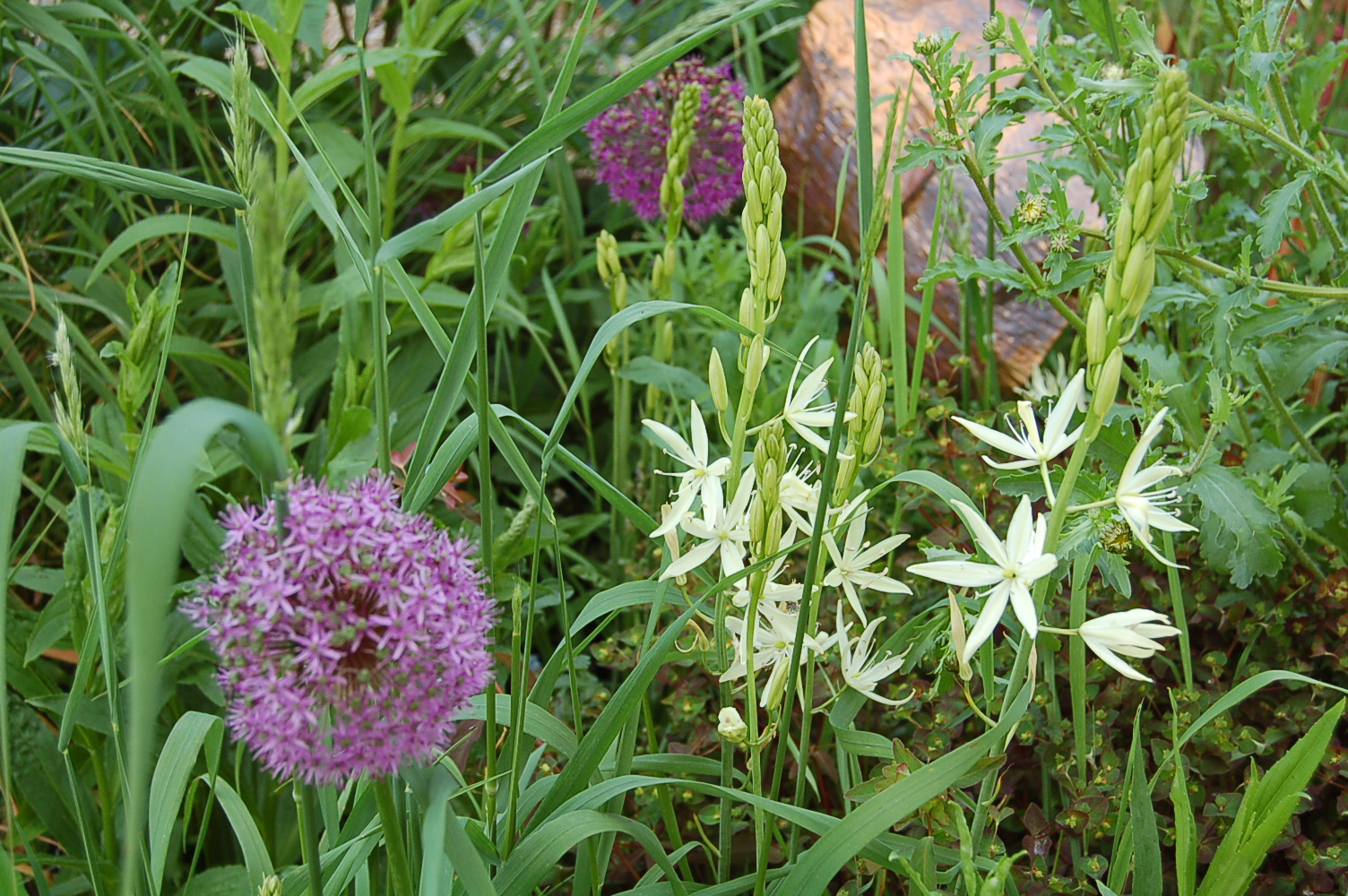
In the Secret Garden Aquilegias and Alliums look good alongside the purple foliage of Pentstemon Huskers Red.

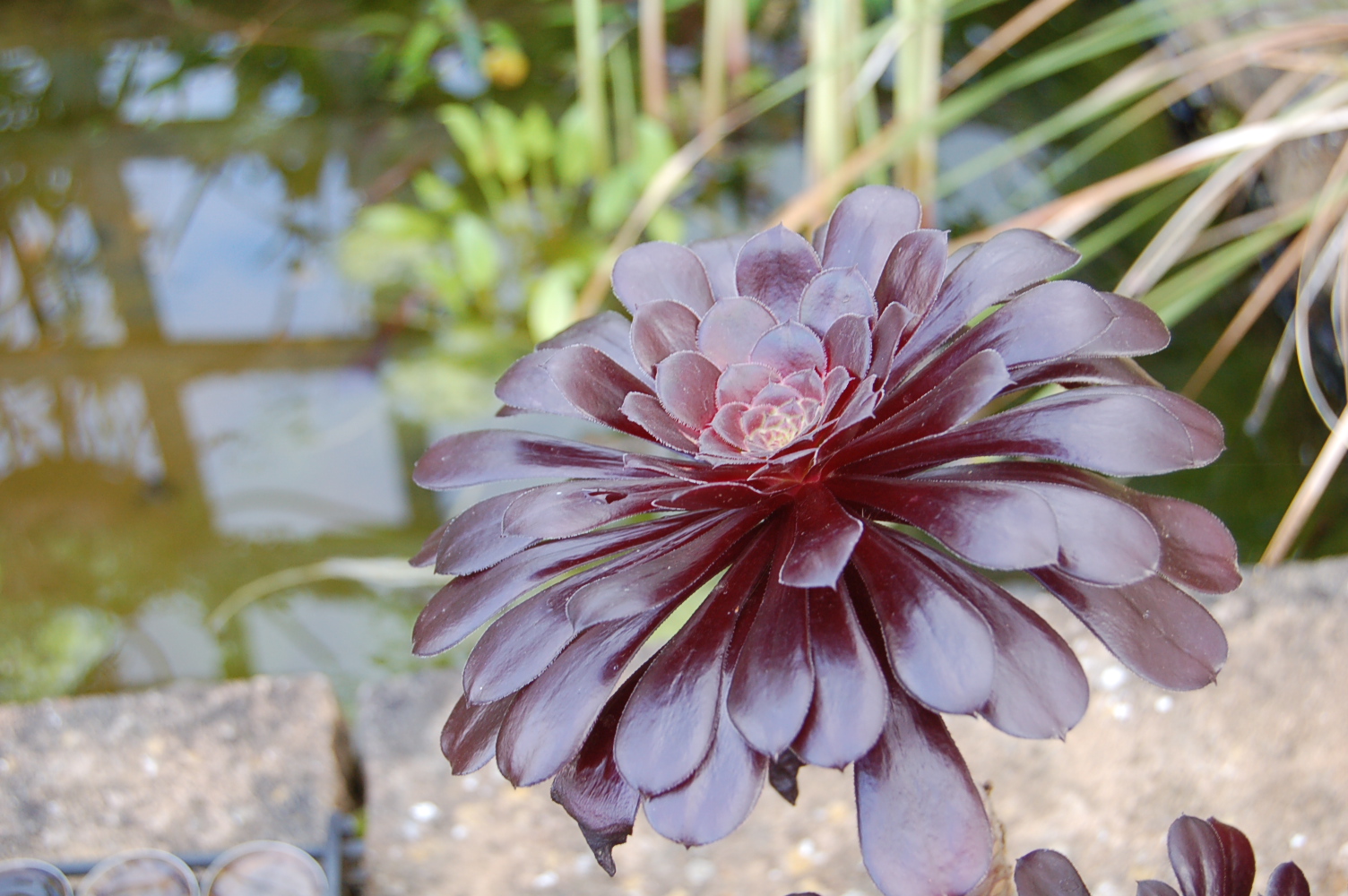
These aeonium enjoy the hottest part of the garden, the Rill Garden.

To one side of the rill we grow a snake bark maple, with silver and green striped bark, cream and red seed capsules and in autumn it has amazing rich red foliage. A wonderful specimen tree to finish this garden wander underneath.

This Veggie Life

A Vegetarian | Nature Lifestyle Blog

Rambling in the Garden

.....and nurturing my soul

The Arch City Gardener

Journeys In St. Louis Gardening and Beyond

Garden Dreaming at Châtillon

Consult the genius of the place

Storyshucker

A blog full of humorous and poignant observations.

gardeninacity

Notes from a wildlife-friendly cottage garden

PlayGroundology

...an emerging social science

The Official Blog of British Wildlife

'The most important and informative publication on wildlife of our times' - The Independent. This blog is a member of The UK & Ireland Natural History Bloggers group: www.uknhb.blogspot.com

iGrowHort

Inspire - Cultivate - Grow Native Plants - Restore Landscapes

Bishops Meadow Trust

To create and protect a semi-natural wild space for the people of Farnham to enjoy and experience an array of British wildlife in our town

Gardening with Children

The www.gardeningwithchildren.co.uk Blog

UKbirdingtimeline

birding through the seasons, why birds matter and how to conserve them

NATURE WALKER

with a camera in hand

Jardin

Transform your outdoor space

Eva's space

My allotment, cooking and other interests

Old School Garden

my gardening life through the year

LEANNE COLE

Trying to live a creative life

fromacountrycottage

trying to live as lightly as possible on our beautiful planet

Good Life Gardening

Nature lovers from Leicester living the good life.

mybeautfulthings

Finding the beautiful in the everyday

mawsonmichelle

Michelle's Allotment

In and Out of My Garden

thoughts from and about my garden

Greenhousing

Big plans for a small garden

The Scottish Country Garden

A Walled Country Garden in South East Scotland

The Fruity Chicken

Life at the fruity chicken

willowarchway

Off grid living. Self sufficient. "PERMAGANICS RULE".

St Anns Allotments

Nottingham's Grade 2* Listed Allotments and Community Orchard

Manifest Joy Harvests

a journey in suburban vegetable gardening

Allotmental

The madness of growing your own

Penny's Garden: a harvest beyond my front door

A novel approach to vegetable gardening

arignagardener

Sustainable living in the Irish countryside.

NewEnglandGardenAndThread

Master Gardener, amateur photographer, quilter, NH native, and sometimes SC snowbird

dianajhale

Recent work and work in progress and anything else that interests me

planthoarder

a chaotic cottage gardener

Lens and Pens by Sally

a weekly blog that creates a personal philosophy through photographs and words

Dewdrops and Sunshine

Stories from a sassy and classy Southern farmbelle.

The Pyjama Gardener

Simple Organic Gardening & Seasonal Living

gettin' fresh!
turning dirt into dinner

JOY...

today the world is created anew

Garden Birds

Notes from a Devon garden

ShootAbout

Life Through The Lens

Adapting Pixels

A photography blog showcasing the best photography pictures and videos on the internet

Wildlifegardening's Blog

Just another WordPress.com site

naturestimeline

personal observations from the natural world as the search continues for a new approach to conservation.

LATEBLOOMERBUDS

The Wonders of Life through my Eyes, my Heart, my Soul