Categories
autumn autumn colours colours flowering bulbs garden design garden photography gardening gardens hardy perennials light light quality Shrewsbury Shropshire shrubs

My Garden Journal – September

So, here we are back taking a look into my Garden Journal 2017 at the entries I made during September. Within the first double page spread I looked at a few hot coloured perennials and shared a favourite quotation from designer, Dan Pearson.

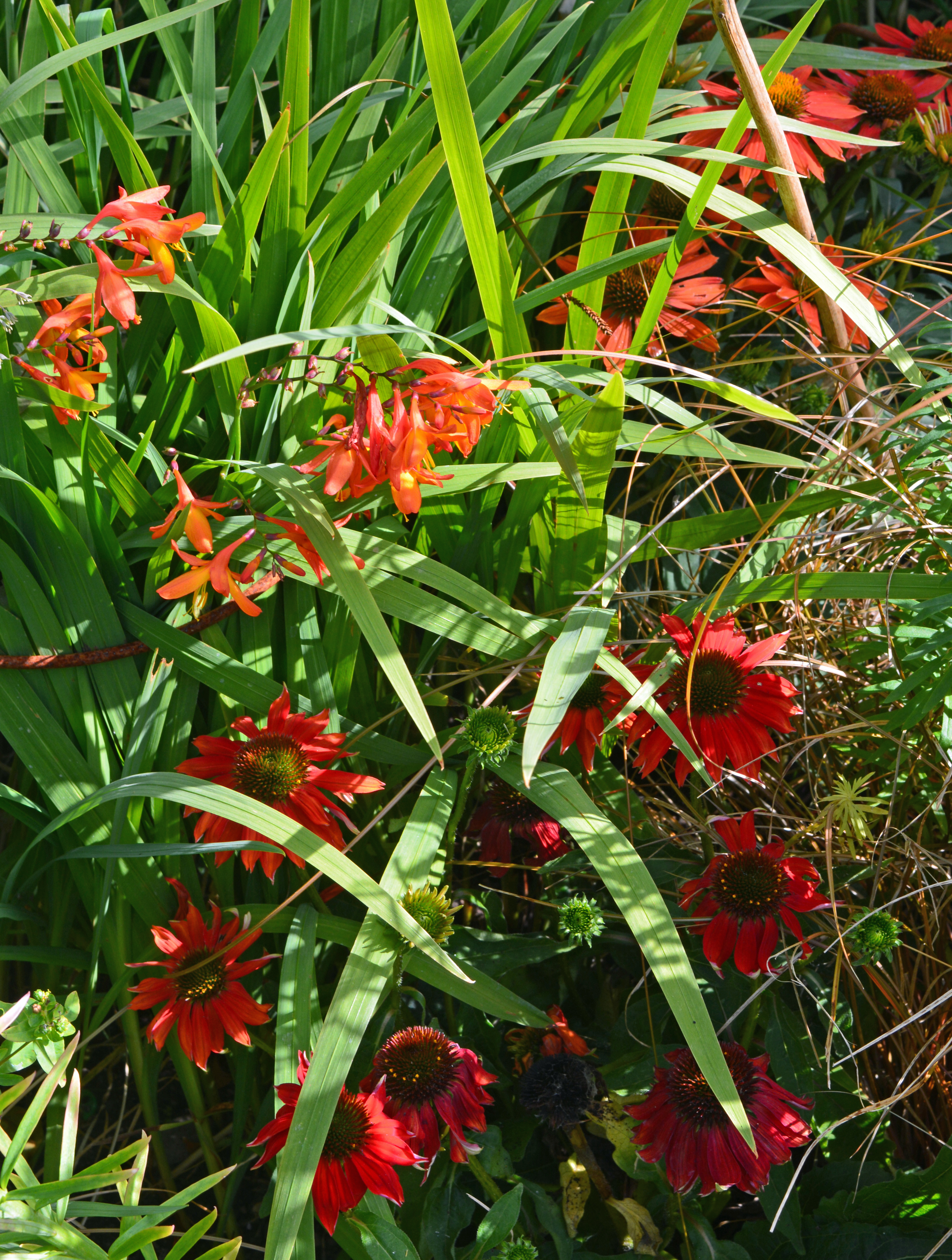
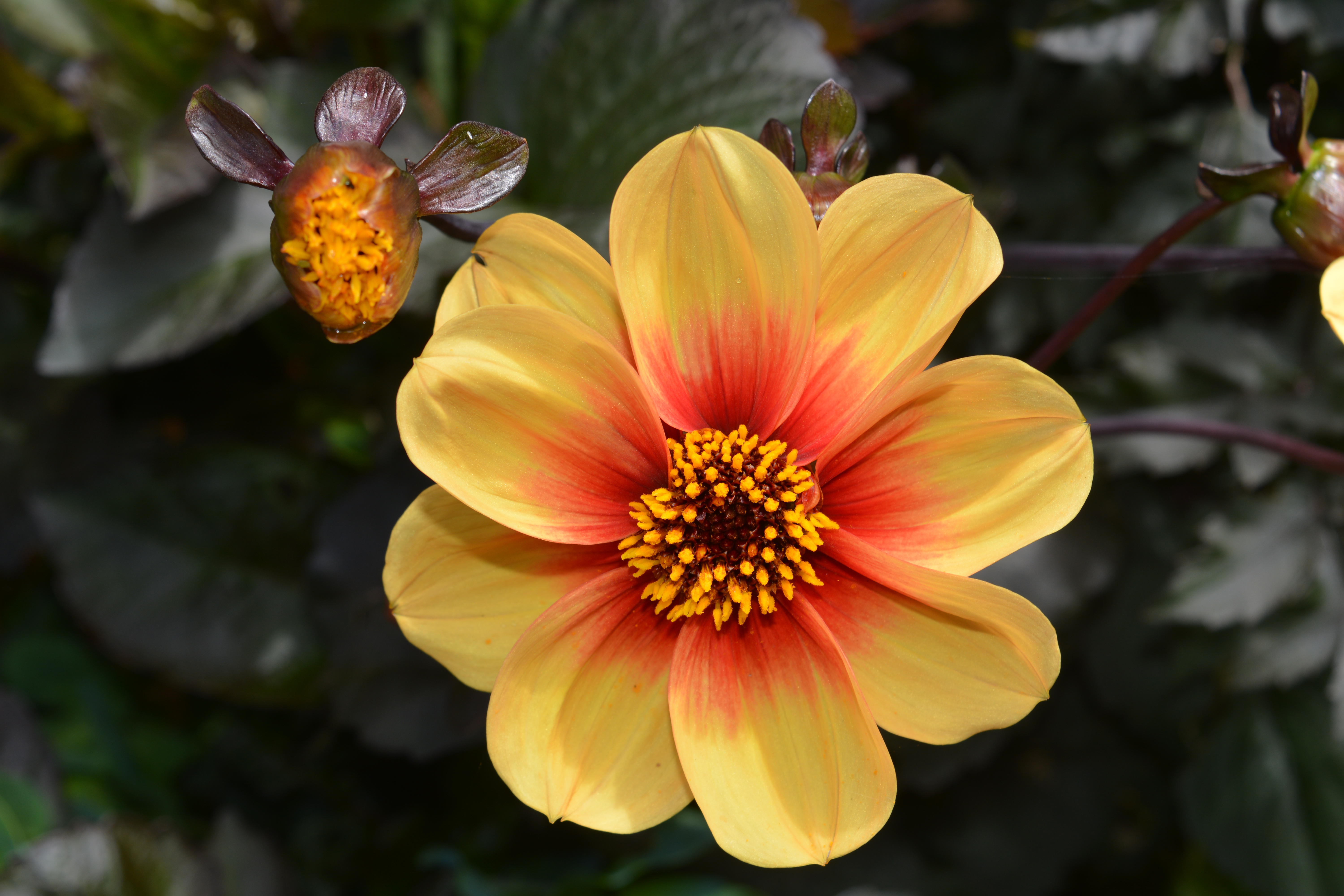
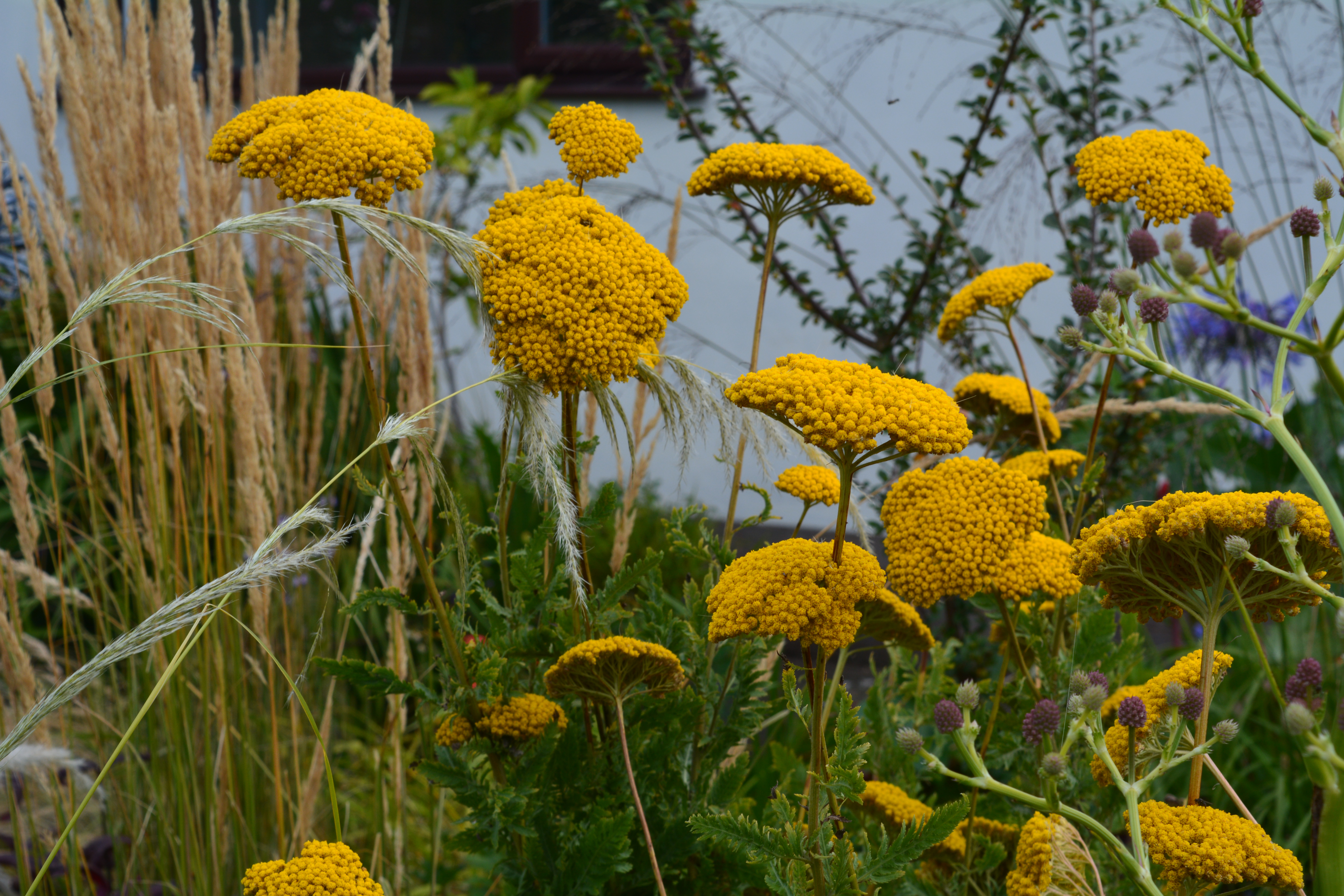
I started off by writing, “September is a favourite month of mine in our garden because it is the time when our grasses peak and hot colours of late perennials get blazing and burning against pale clear blue skies”.
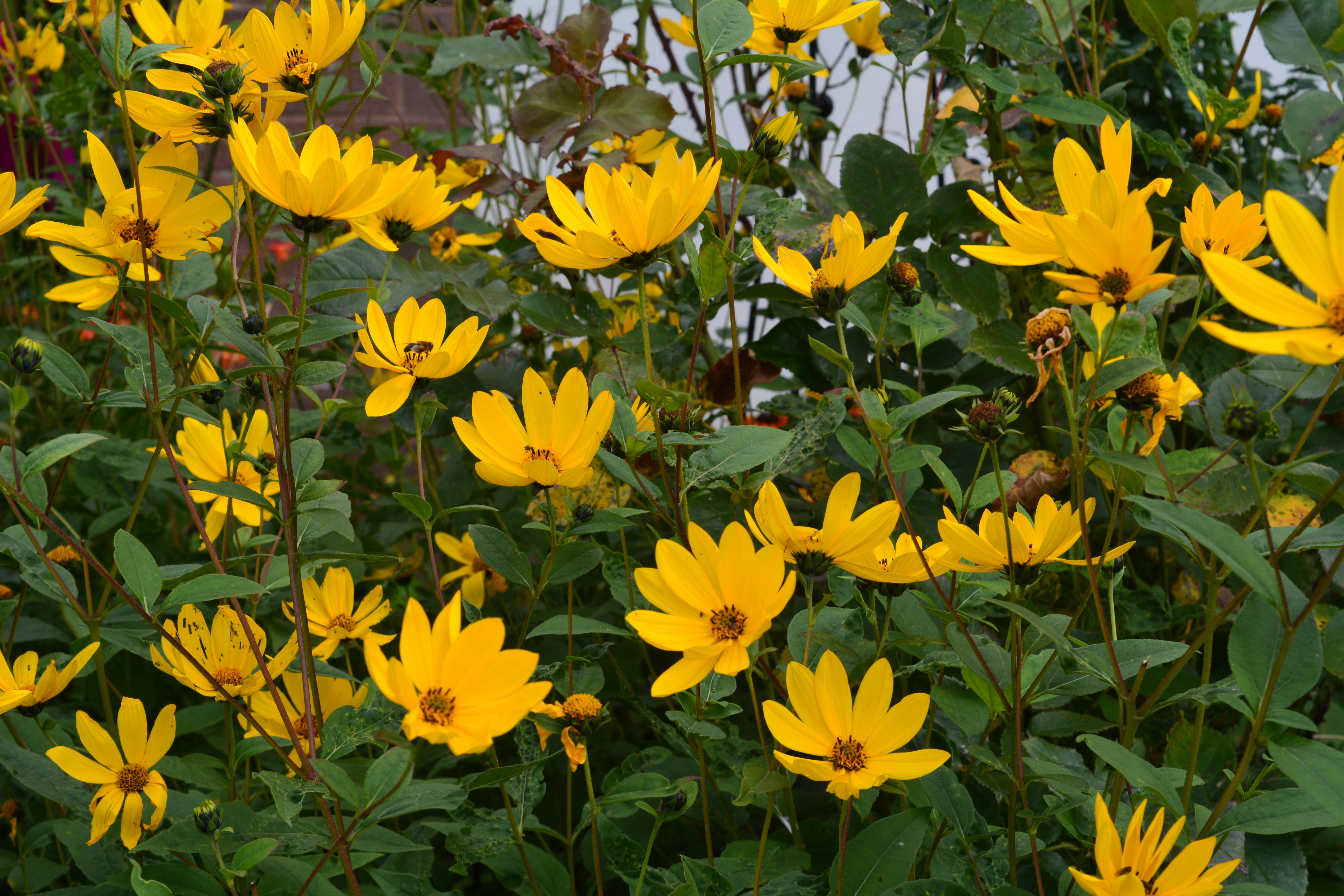
   

Dan Pearson, probably the world’s leading garden designer, wrote in his book “Natural Selection, a Year in the Garden”, “The light is never more beautiful than it is now, sliding into the garden at an ever-increasing angle to tease out the detail………. Rosy-faced apples weigh down branches and lazy wasps have the remains of the plum harvest. Sunflowers will never be taller, berries are hanging heavy on the once-blooming roses, and the butterflies which have had a hard time of it this summer, are making the most of the asters and the last heat of the sun.”

As long as the weather remains mild and calm then our predatory insects and pollinators remain busy taking advantage of every possibility  as they sense the onset of autumn.
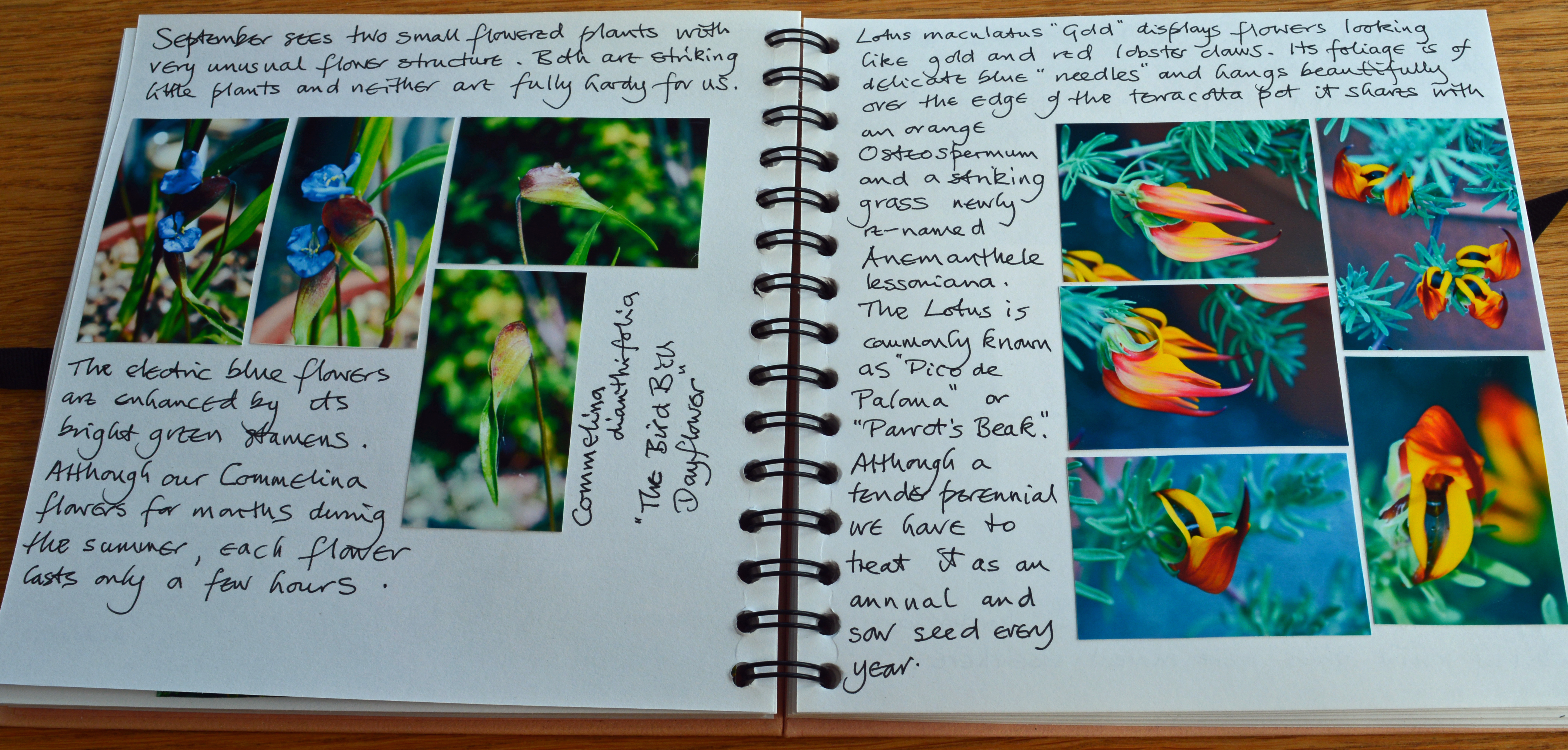
Over the page I continued by considering two very special small-flowered plants. I wrote,

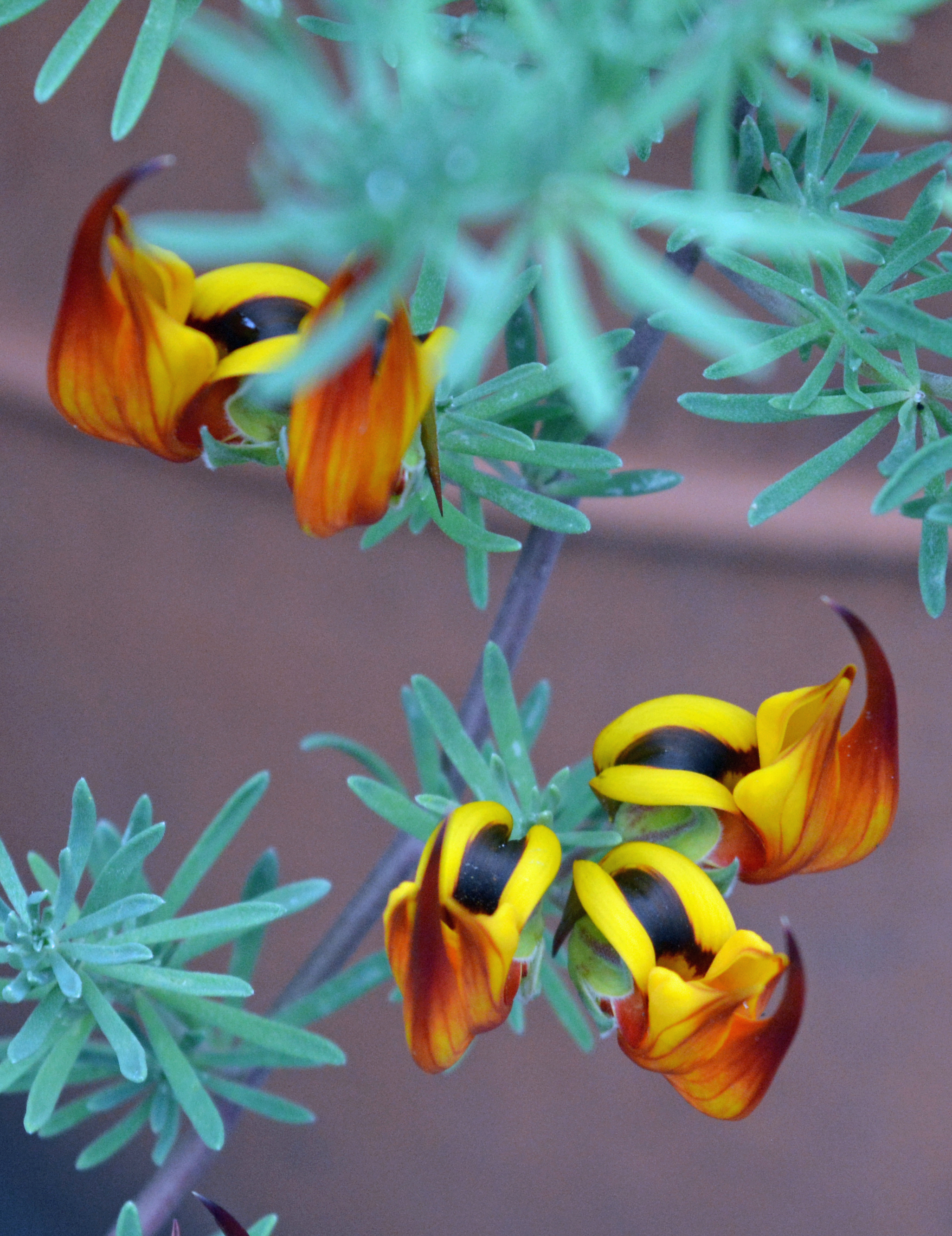
“September sees two small-flowered plants with very unusual flower structures. Both are striking little plants and neither are fully hardy for us.” I was referring to “Commelina dianthifolia” and “Lotus maculatus “Gold”.

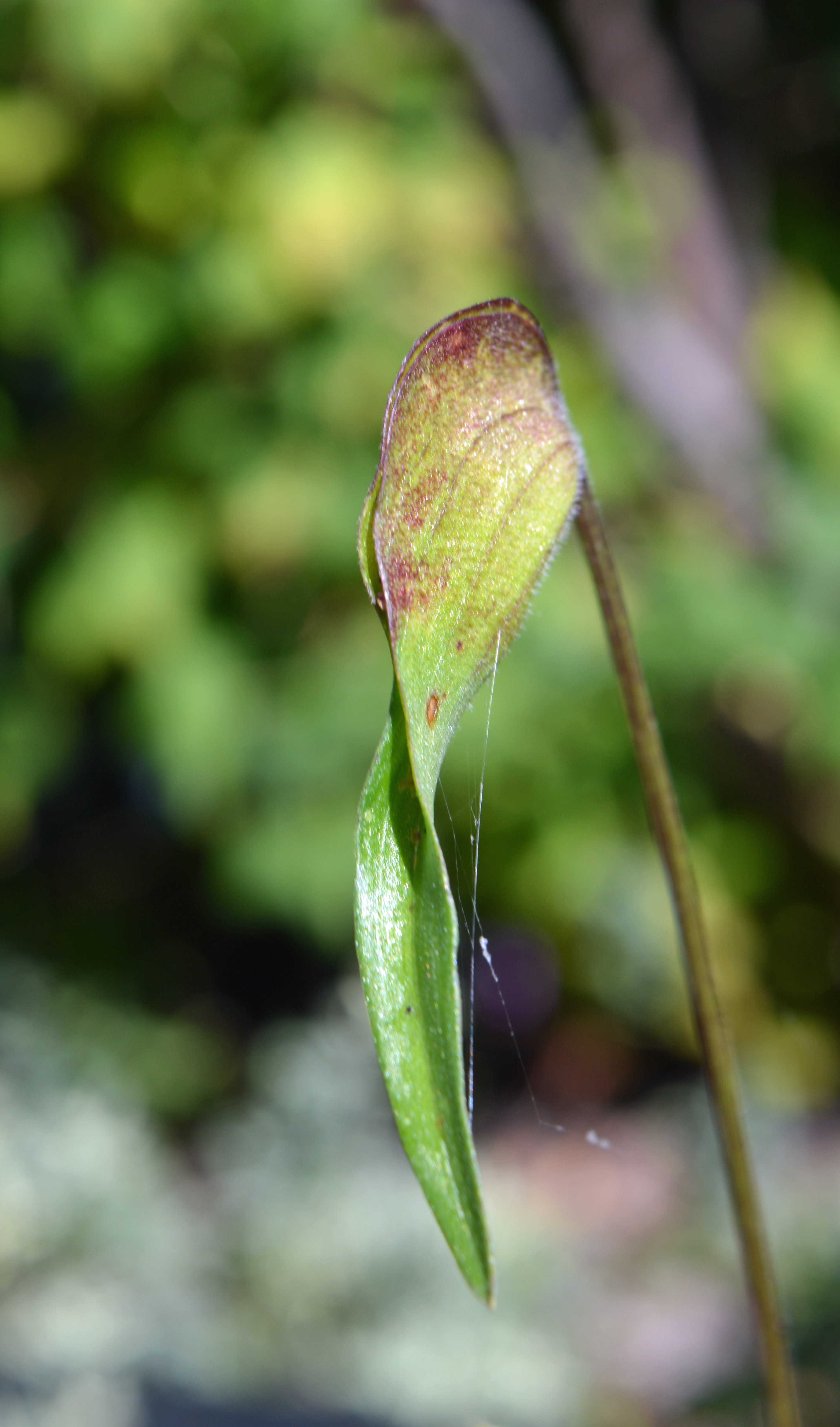
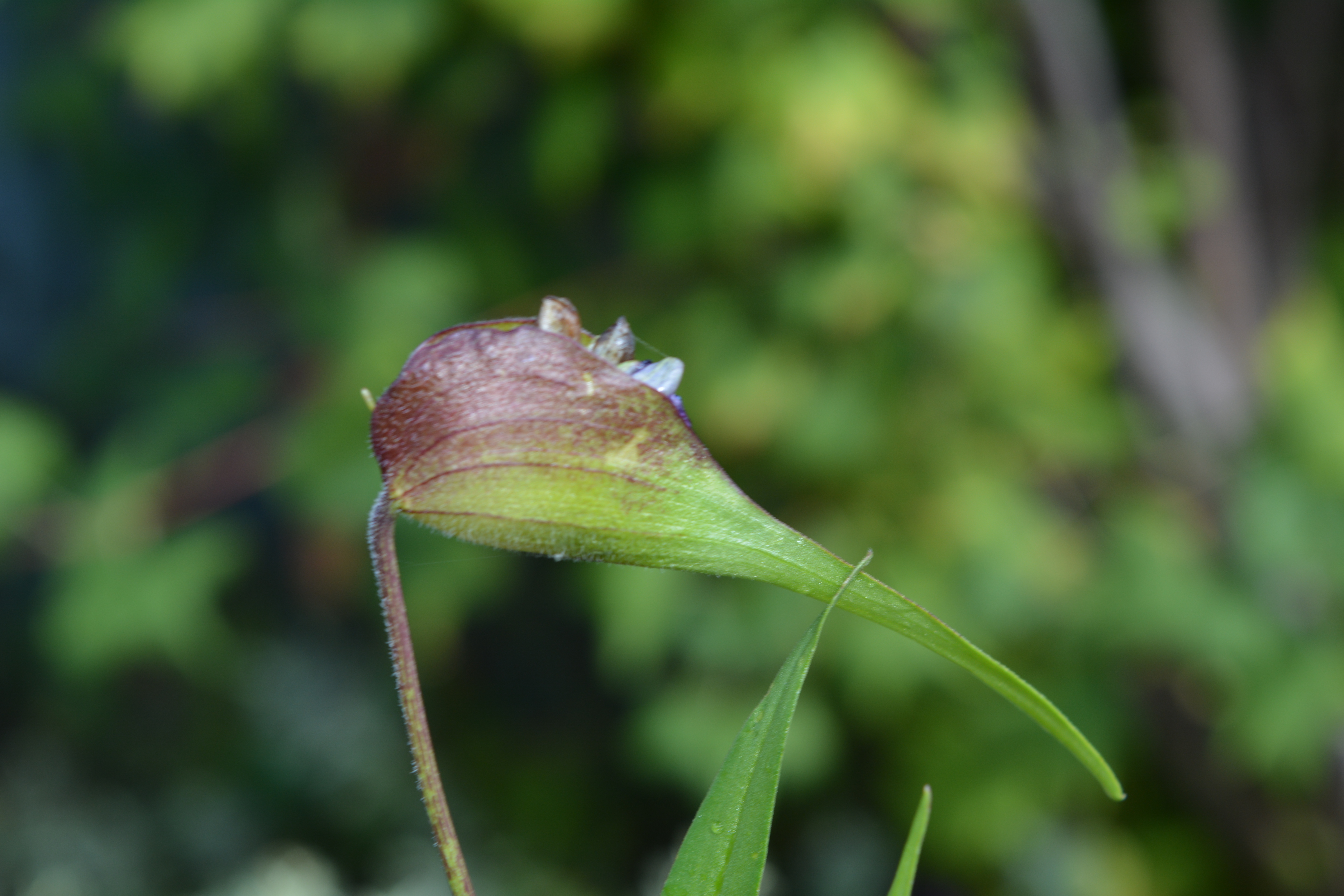
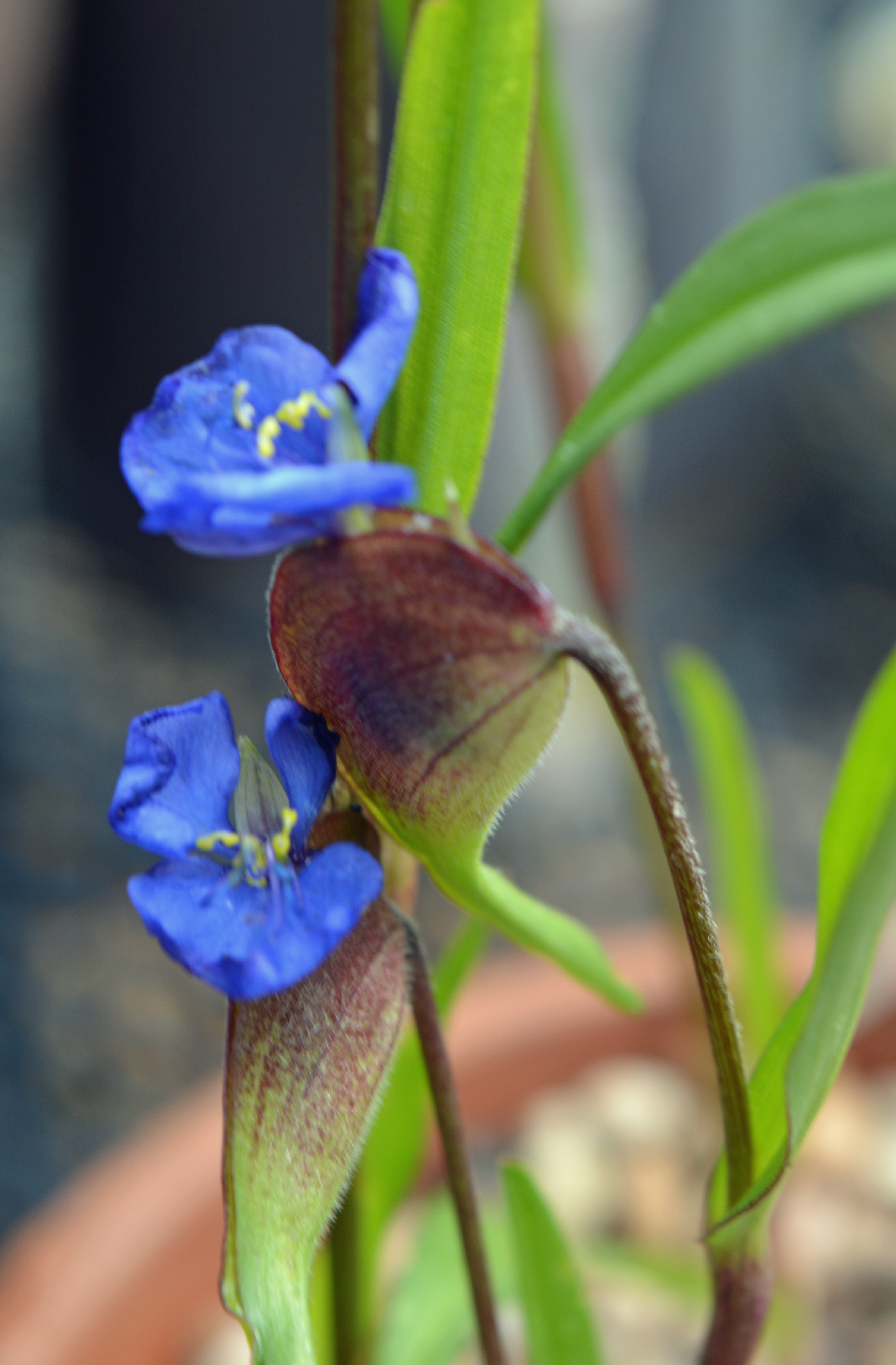
“Commelina dianthifolia is commonly known as “The Bird Bill Dayflower”. The electric blue flowers are enhanced byits bright green stamens. Although our Commelina flowers for months during the summer, each flower lasts only a few hours.”

  

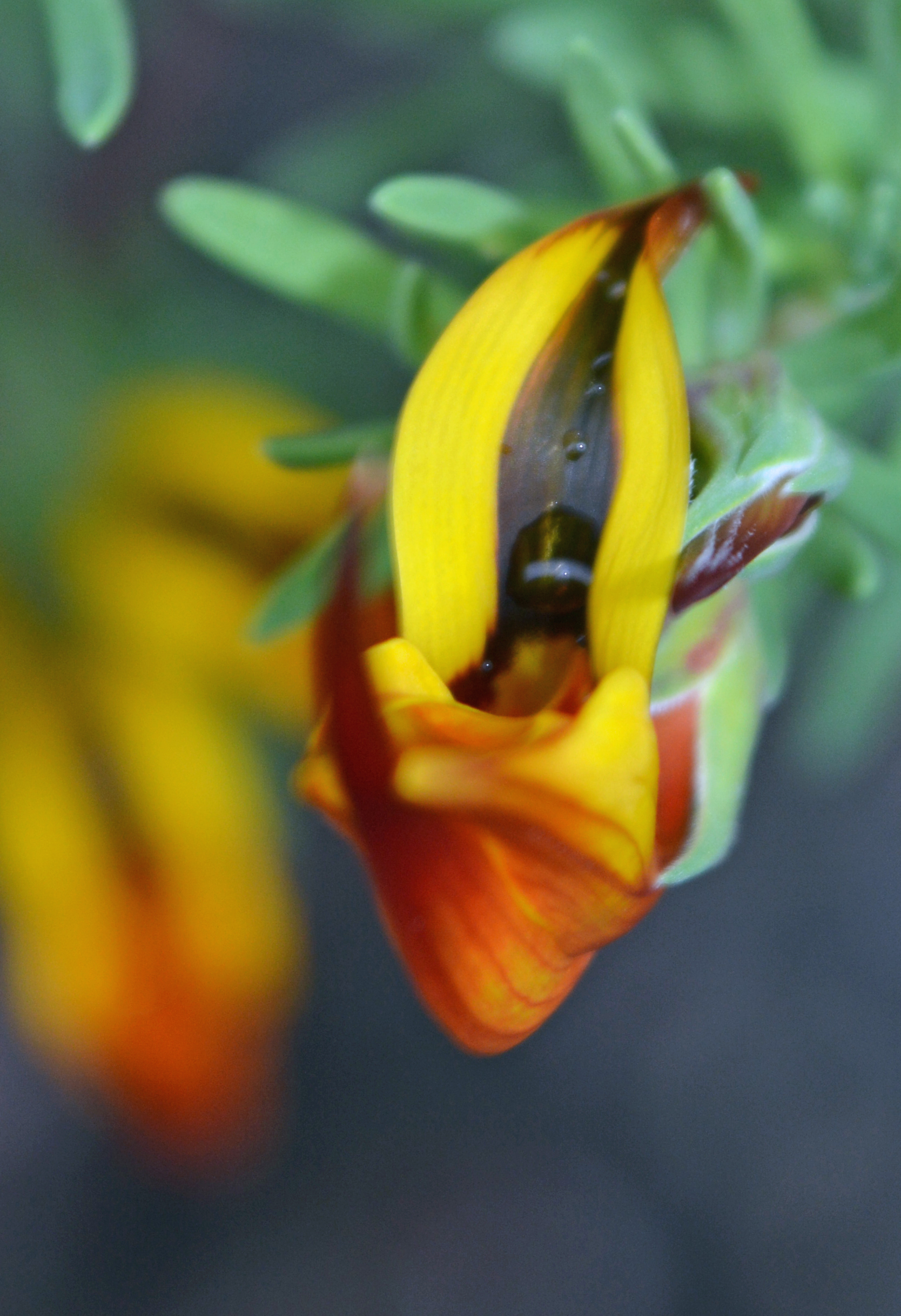
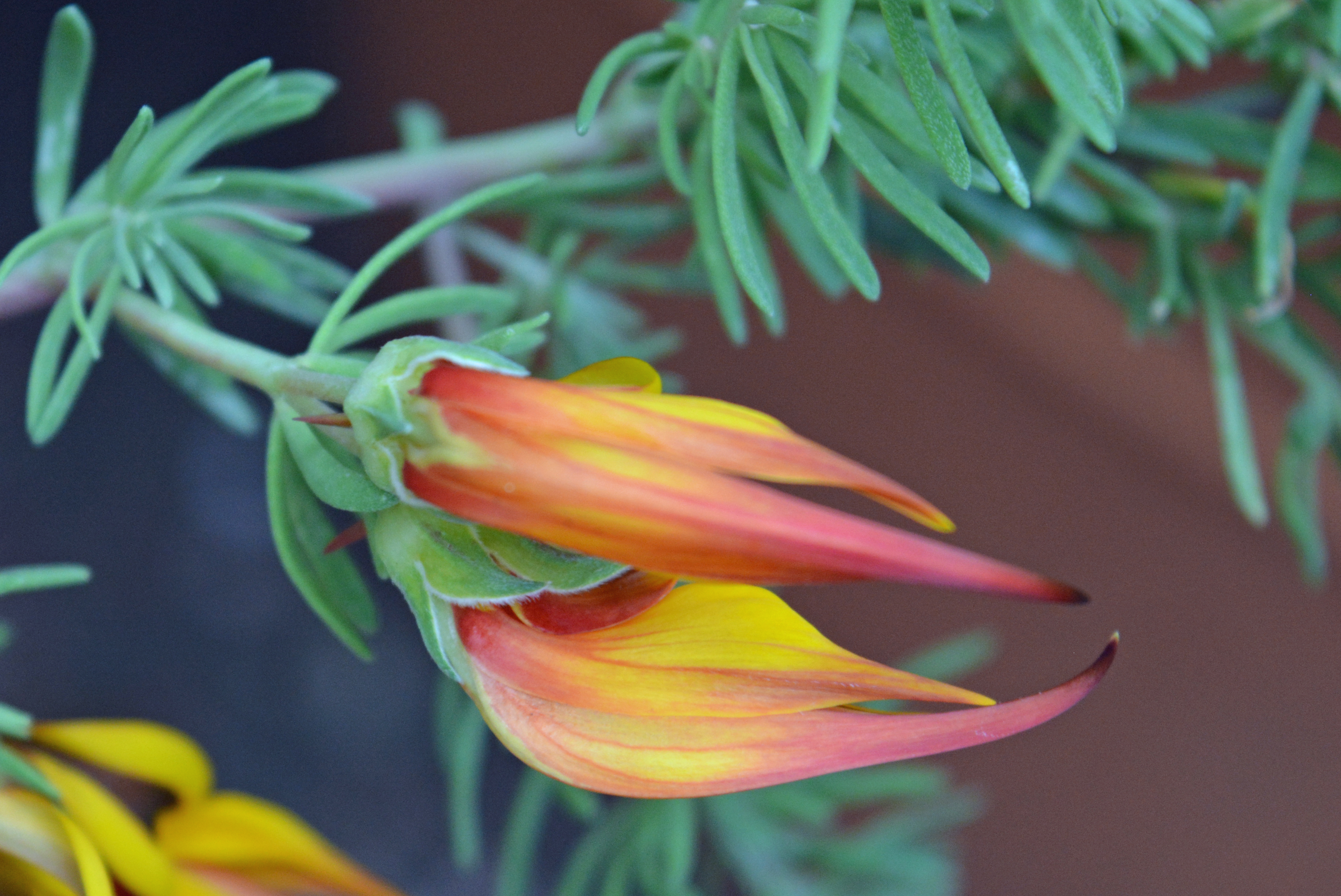
“Lotus maculatus “Gold” displays flowers looking like gold and red lobster claws. Its foliage is of delicate blue”needles” and hangs beautifully over the edge of the terra-cotta pot it shares with an orange Osteospermum and a striking grass, newly renamed Anemanthele lessioniana. The Lotus is commonly known as “Pico de Paloma” or “Parrot’s Beak”. Although a tender perennial we have to treat it as an annual and sow it every year.”
   

Over the next page I began to show how we are re-building a garden, not by choice but out of necessity.
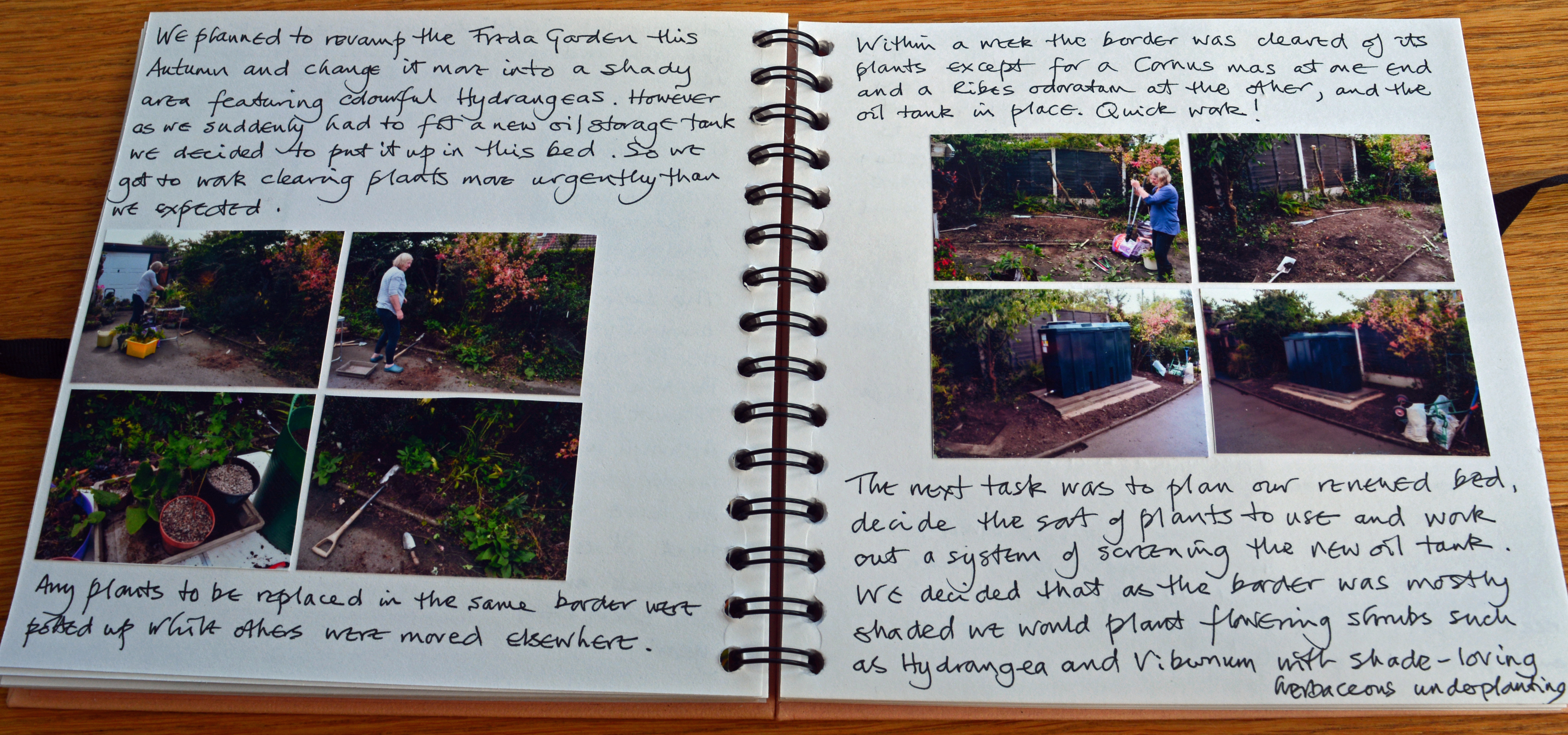
“We planned to revamp the Freda Garden this Autumn and change it more into a shady area featuring colourful Hydrangeas. However as we suddenly had to fit a new oil storage tank we decided to put it up in this bed. So we got to work clearing plants more urgently than we had expected.” 

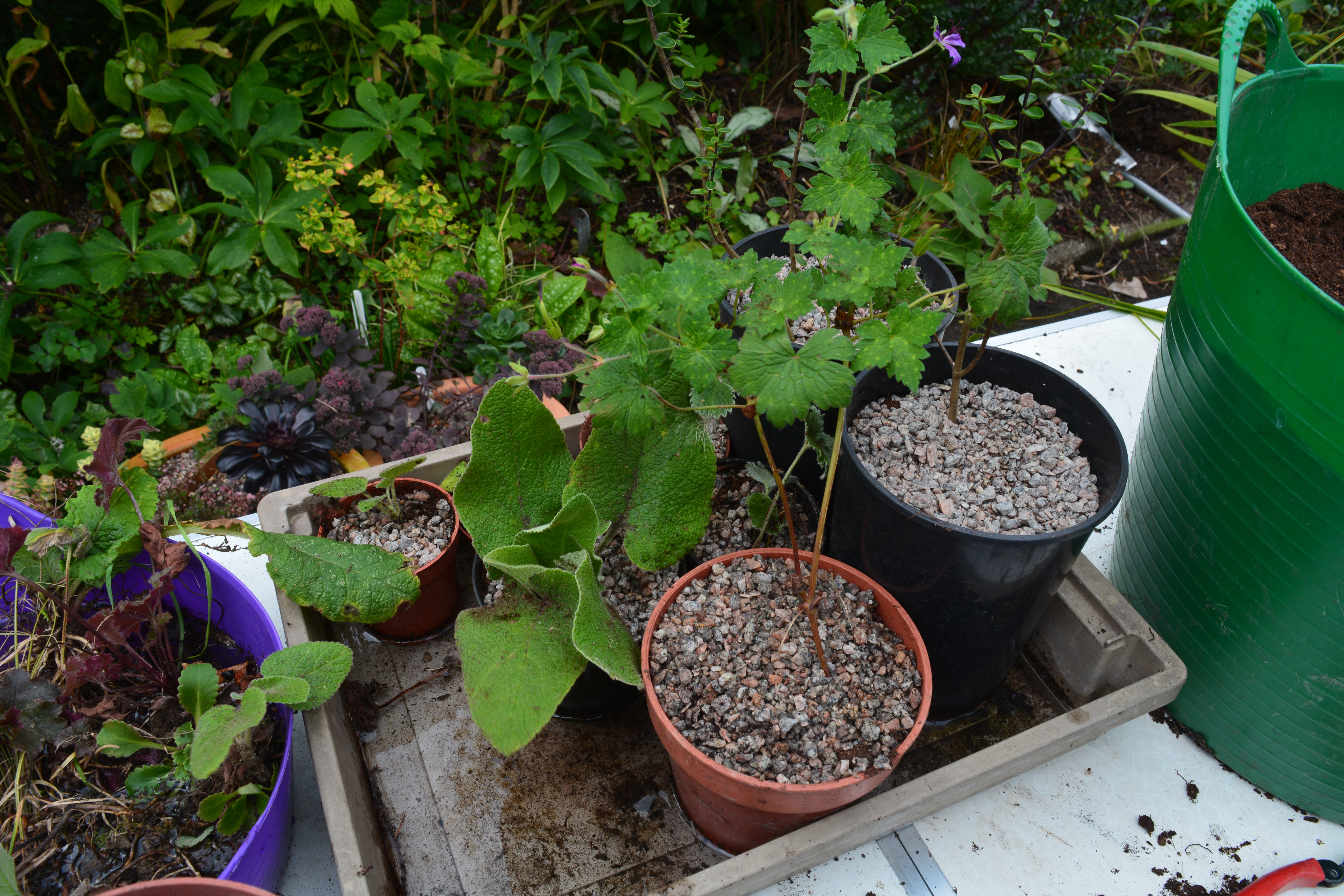
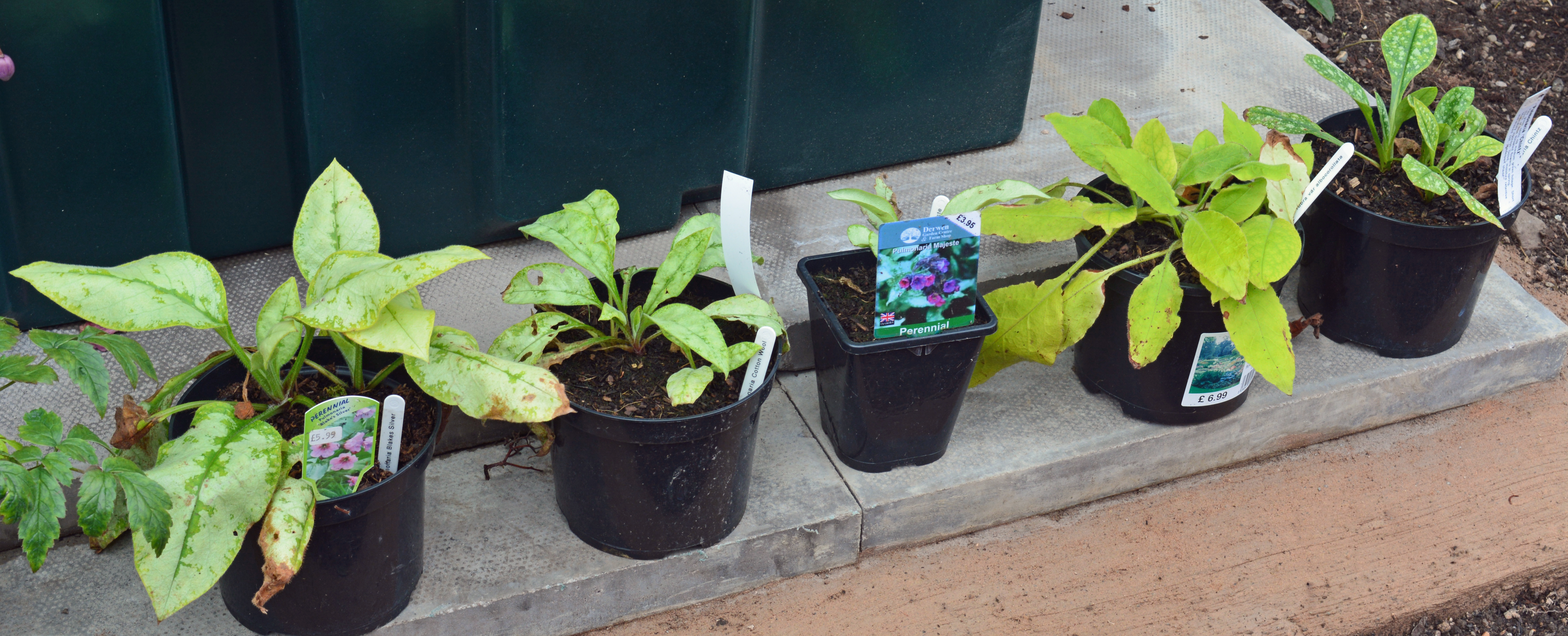
“Any plants to be replaced in the same border were potted up while others were moved elsewhere.”
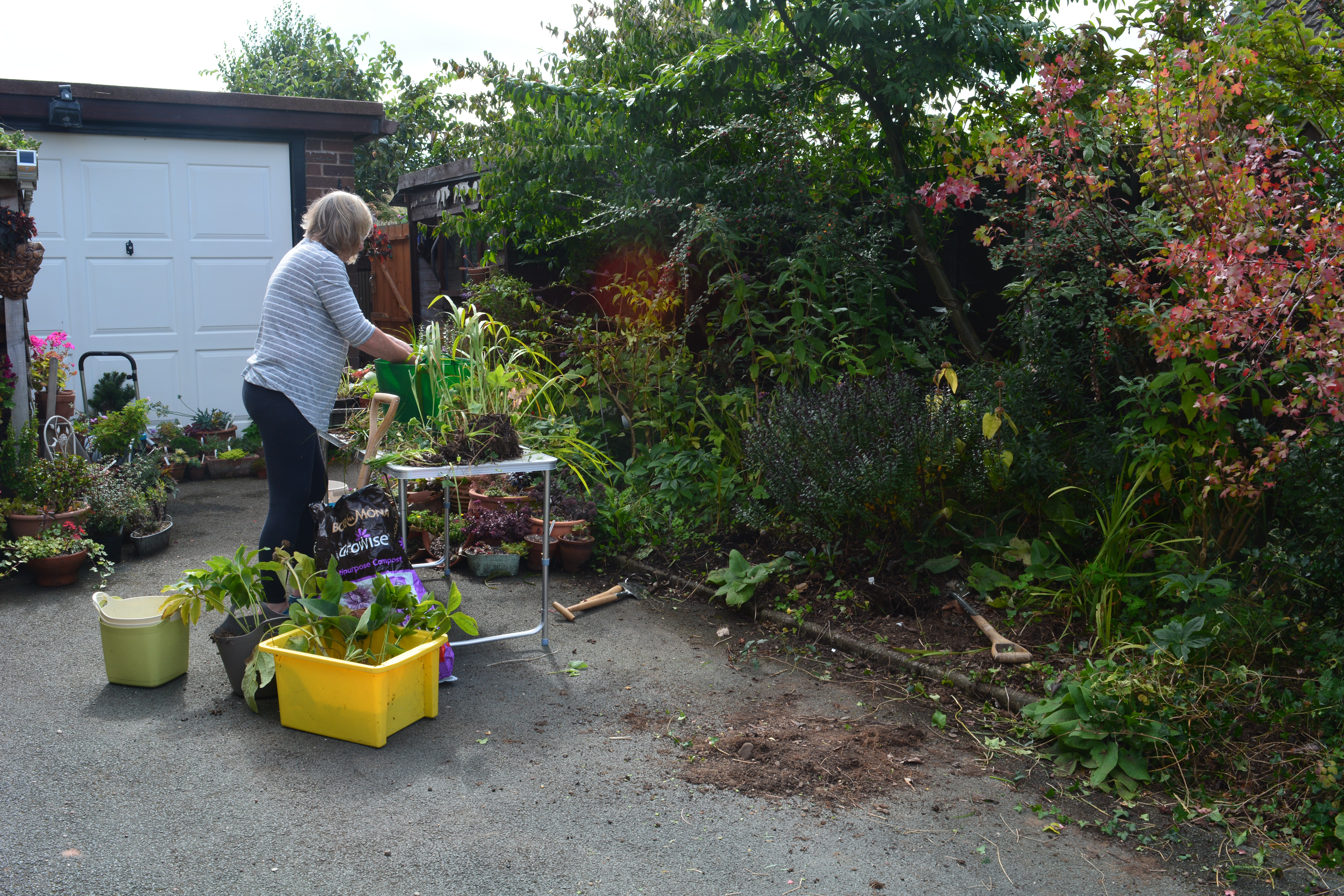
  

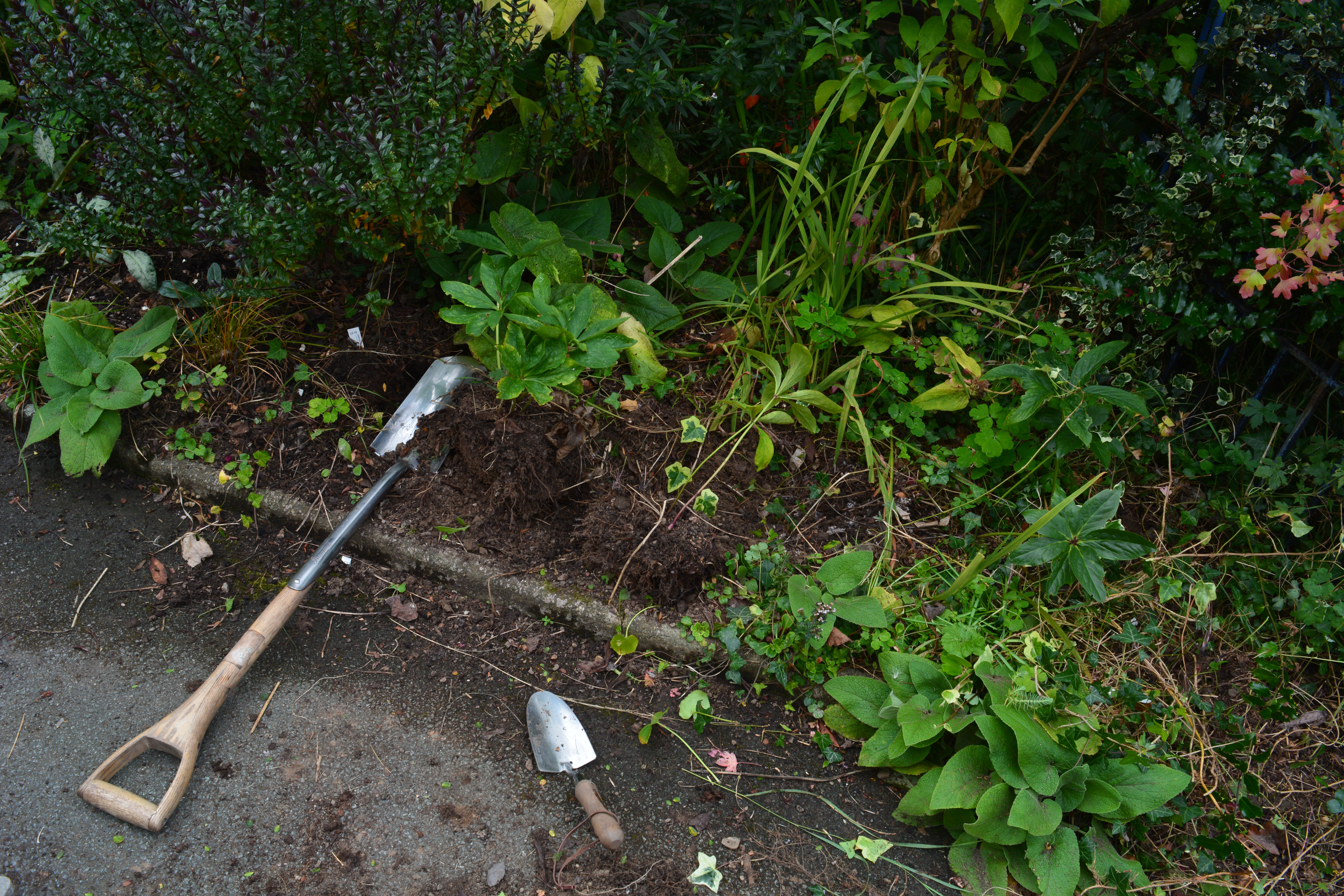
“Within a week the border was cleared of its plants except for a Cornus mas at one end and a Ribes odoratum at the other, and the oil storage tank in place. Quick work!

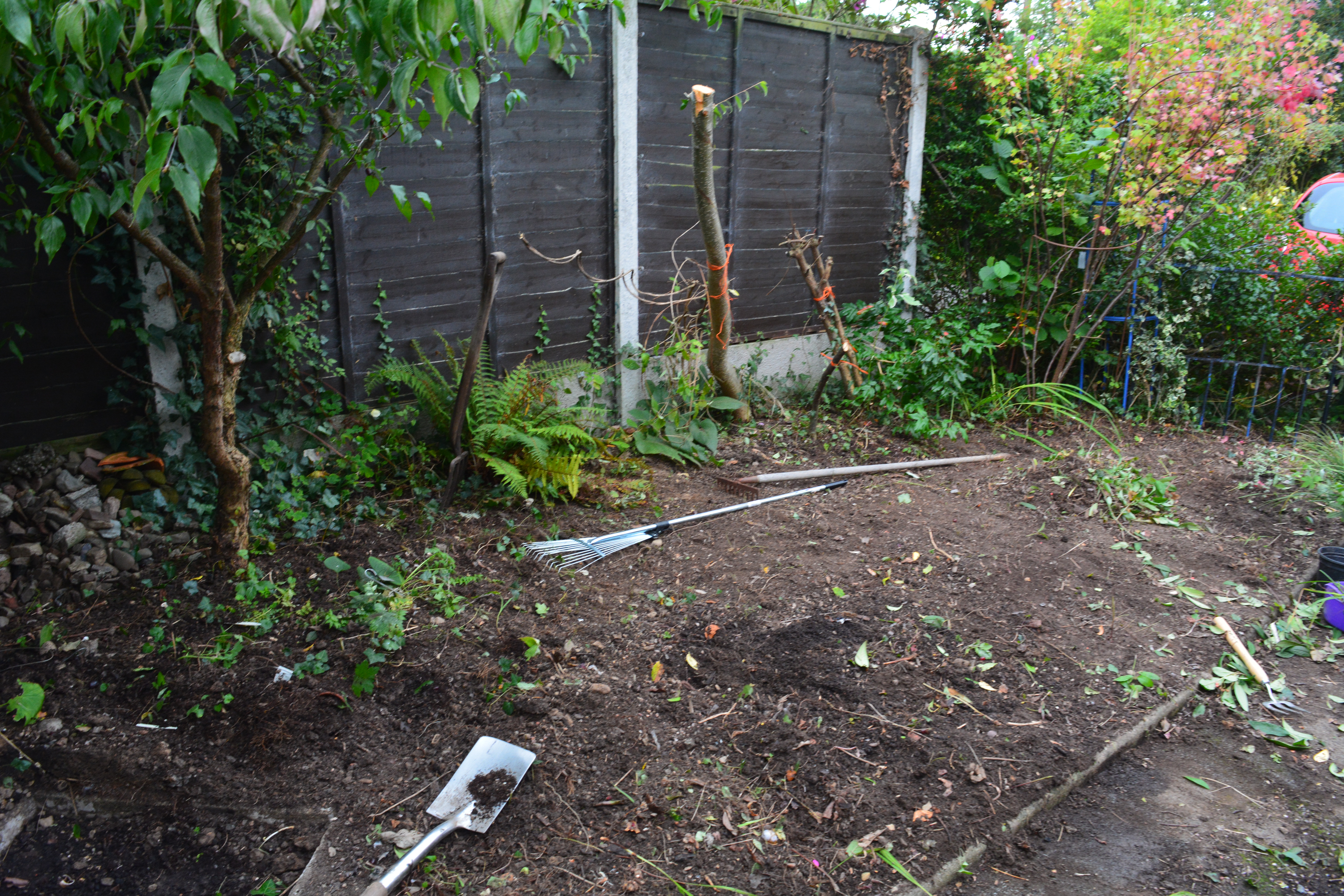
 

“The next task was to plan our renewed bed, decide the sort of plants to use and work out a system of screening the new oil tank. We decided that as the border was mostly shaded or semi-shaded we would plant flowering shrubs such as Hydrangea and Viburnum with shade-loving herbaceous underplanting.”

As we move to the next double page, I will begin to share the plants we discovered as we searched for suitable candidates

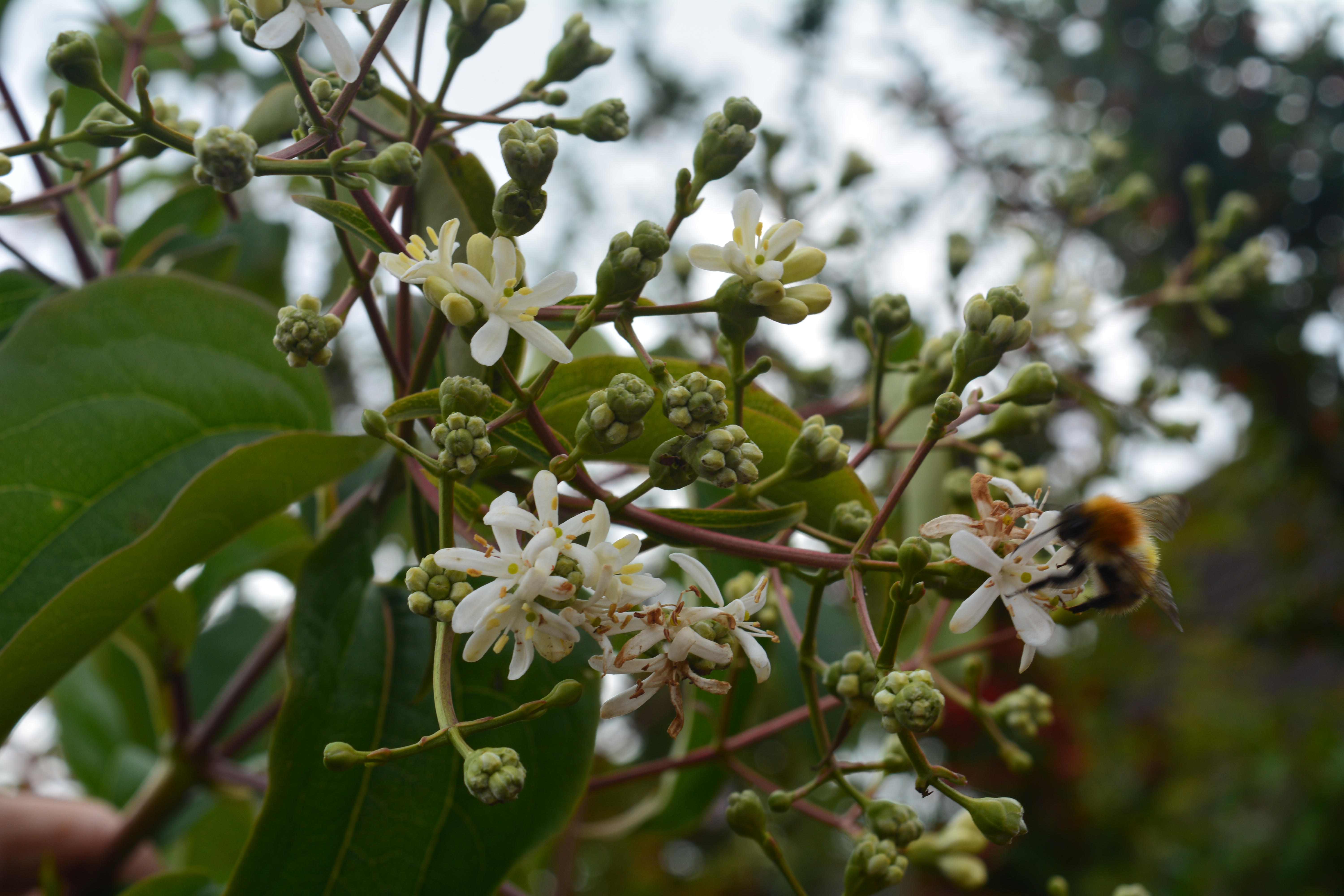
“We have room for a couple of trees at the back of the border – so far we have got one very special tree ready to plant. Heptacodium miconiodes is an elegant tree with peeling bark, fragrant white flowers that are attractive to useful wildlife and attractively curled leaves. It will be such a wonderful addition to our tree collection.

To grace the ground beneath our new tree we have a collection of Pulmonarias chosen for their early flowering and finely coloured and marked leaves. We will also plant an Anemone, grasses and ferns with a selection of Viburnum and Hydrangea. Now we need to prepare the soil for fresh planting and plant the plants.”


Three Hydrangeas, pink, white and blue.


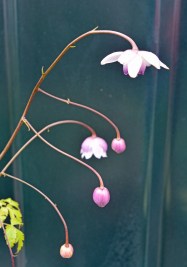
Viburnum nudum, Anemonopsis macrophylla and Panicum  virgatum “Squaw”.


Next I shall look at some wildlife visitors who share our Plealey garden, and get out my watercolours, brushes and fine felt pens.
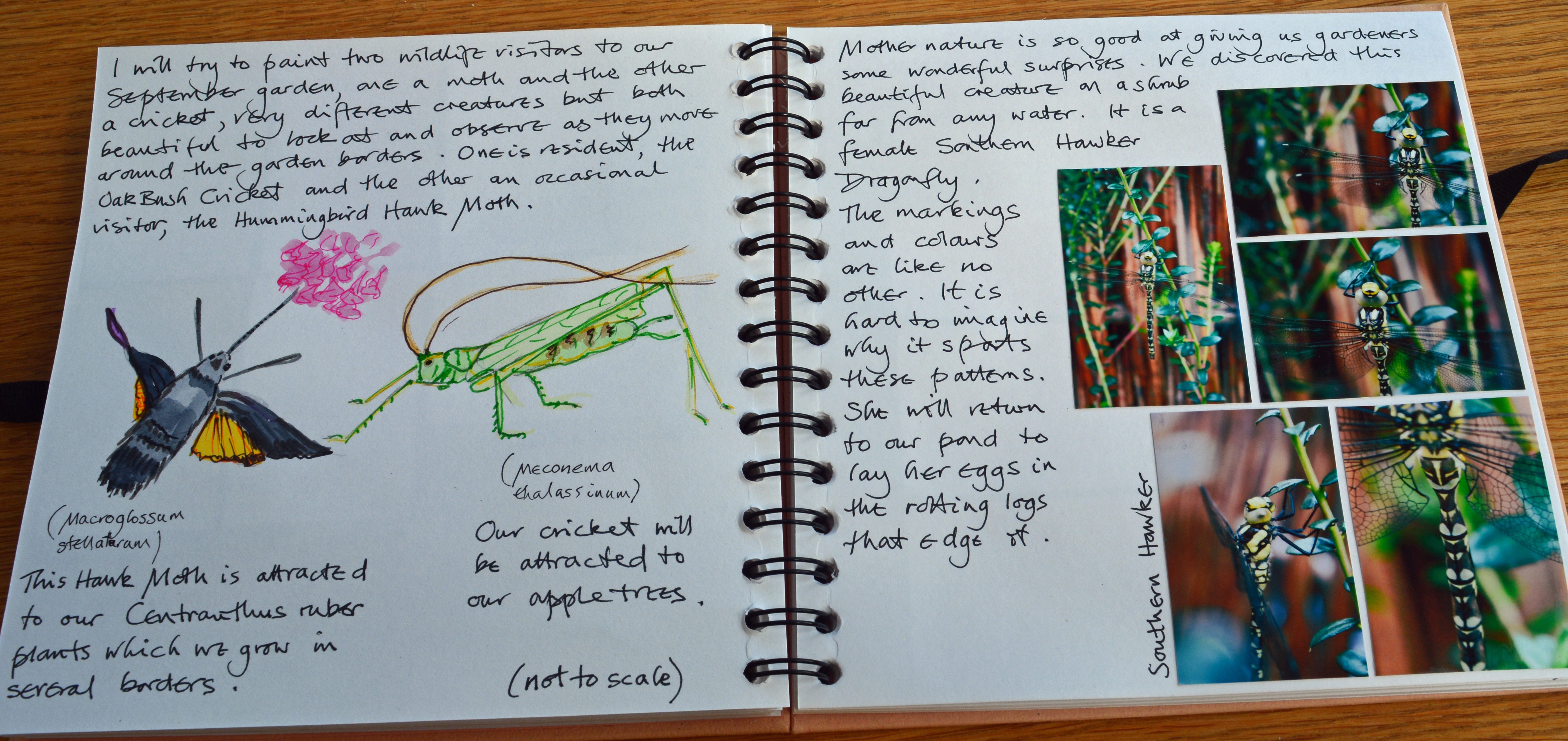
“I will try to paint two wildlife visitors to our September garden, one a moth and the other a cricket, very different creatures but both beautiful to look at and observe as they move around the garden borders. One is resident, the Oak Bush Cricket and the other an occasional visitor, the Hummingbird Hawk Moth.”

“The Hawk Moth is attracted to our Centranthus ruber plants which we grow in several borders, but our cricket will be attracted to our apple trees.”
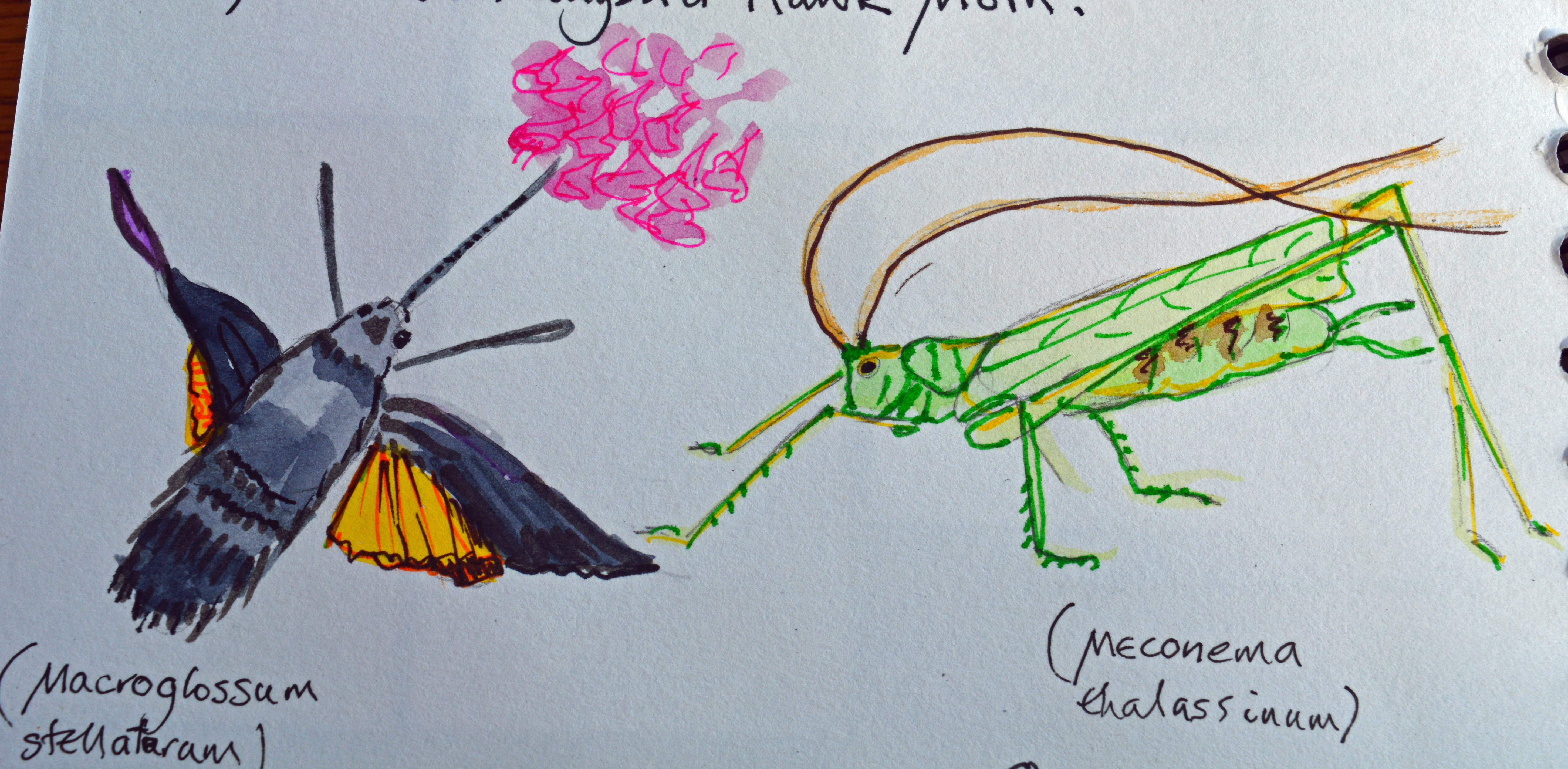
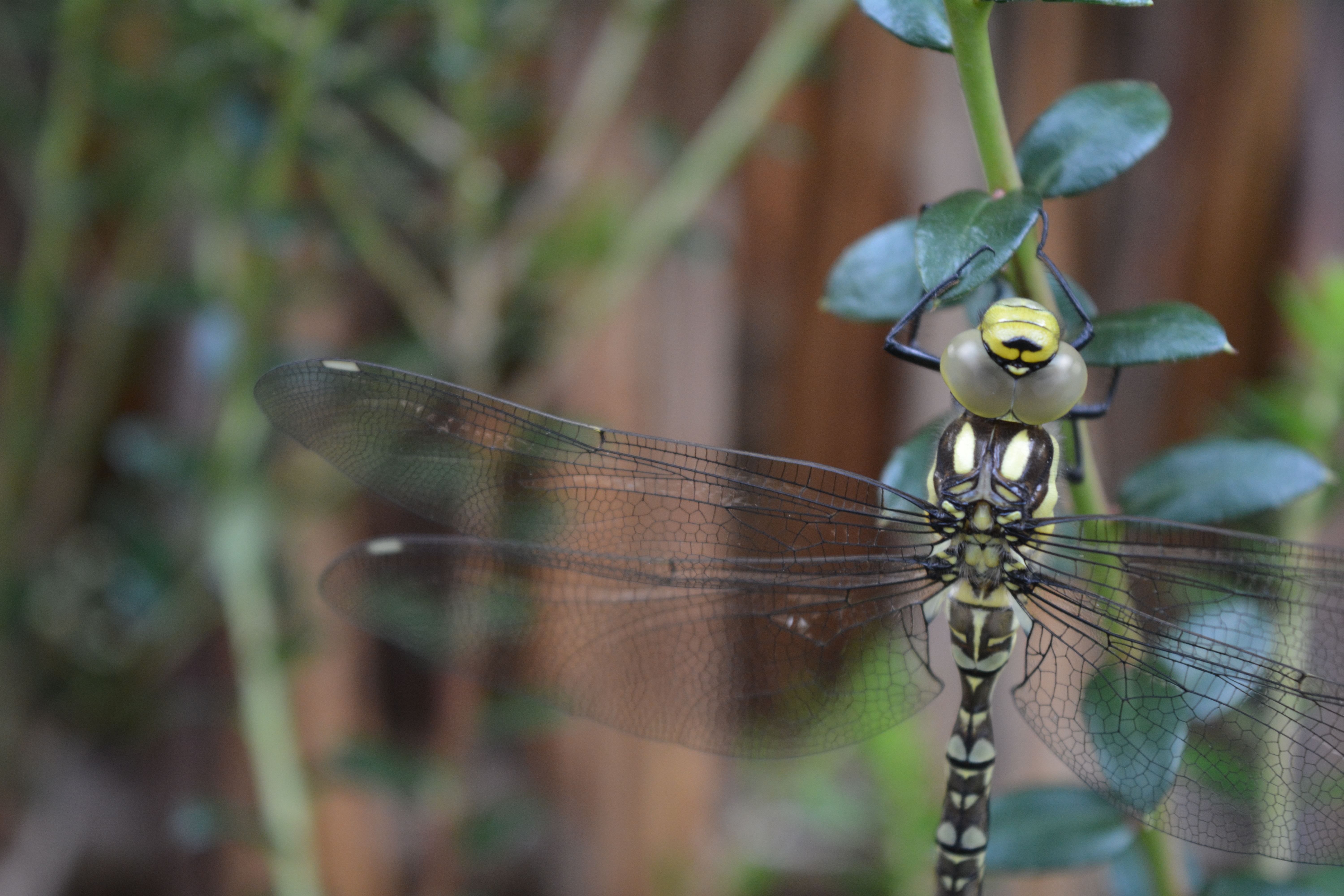
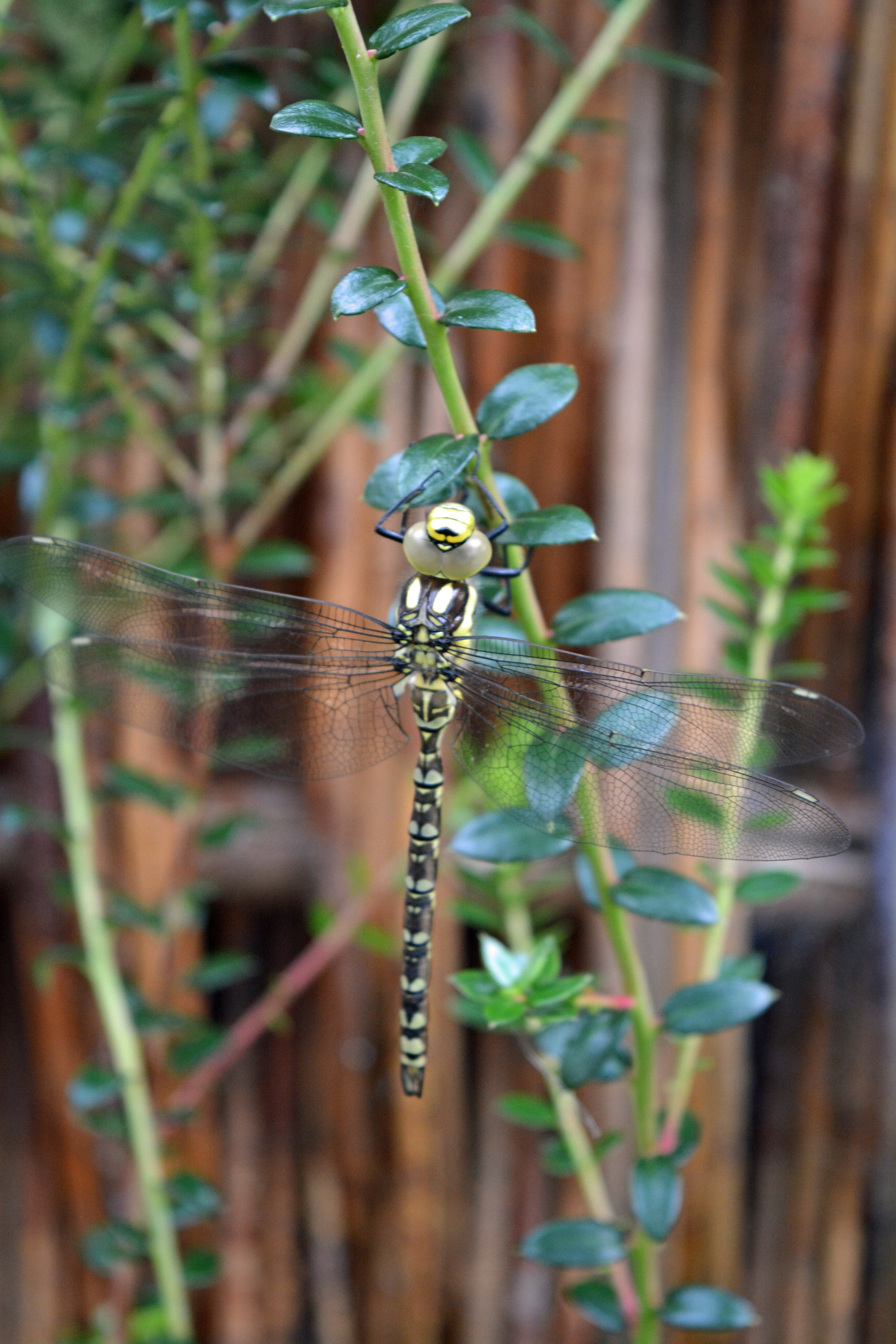
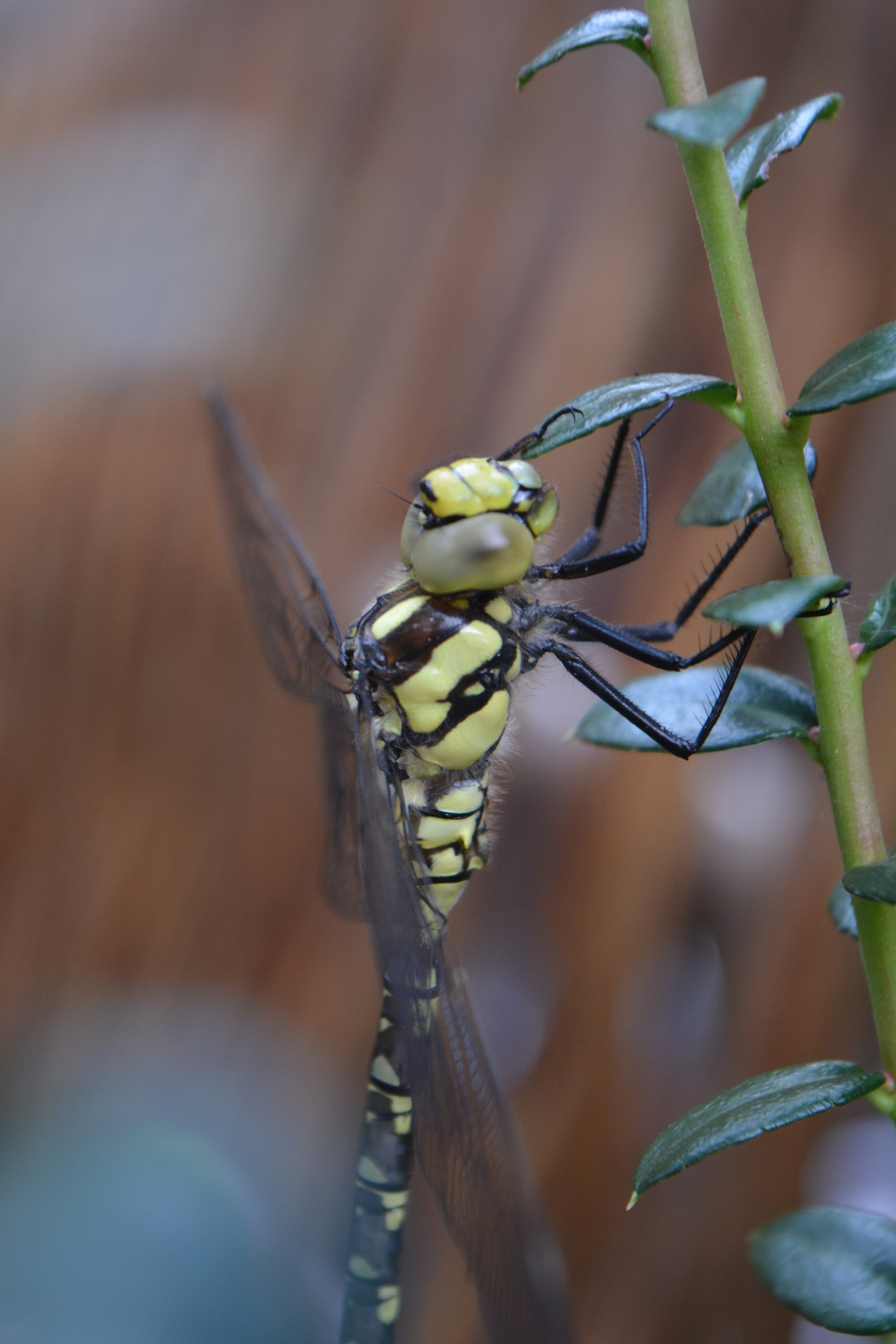
On the opposite page I record the visit of a beautiful dragonfly to our garden. Over the summer months on any sunny warm day there is a good chance of us spotting a dragonfly or damselfly hatching from our wildlife pond or resting almost anywhere in the garden. This particular dragonfly had alighted on a shrub close to the house itself and was enjoying a spot of sunbathing, absorbing the rays. “Mother Nature is so god at giving us gardeners some wonderful surprises. We discovered this beautiful creature on a shrub far from any water. It is a female Southern Hawker. The markings and colours are like no other. It is hard to imagine why it sports these patterns. She will return to our pond to lay her eggs in the rotting logs that edge it.”
   

We can now turn over to another double page spread where dew highlights some natural creativity and three small flowered Clematis flower brightly.
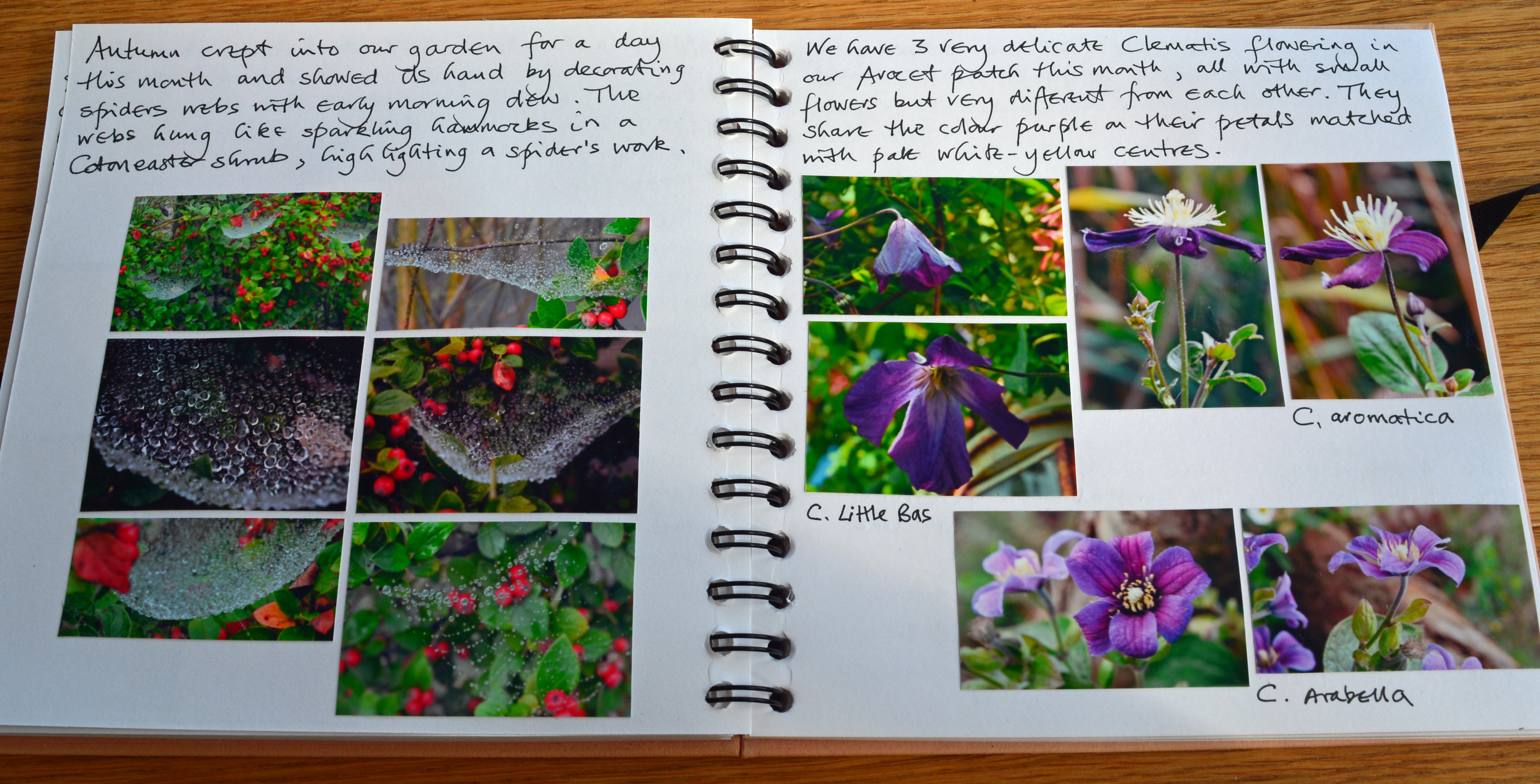
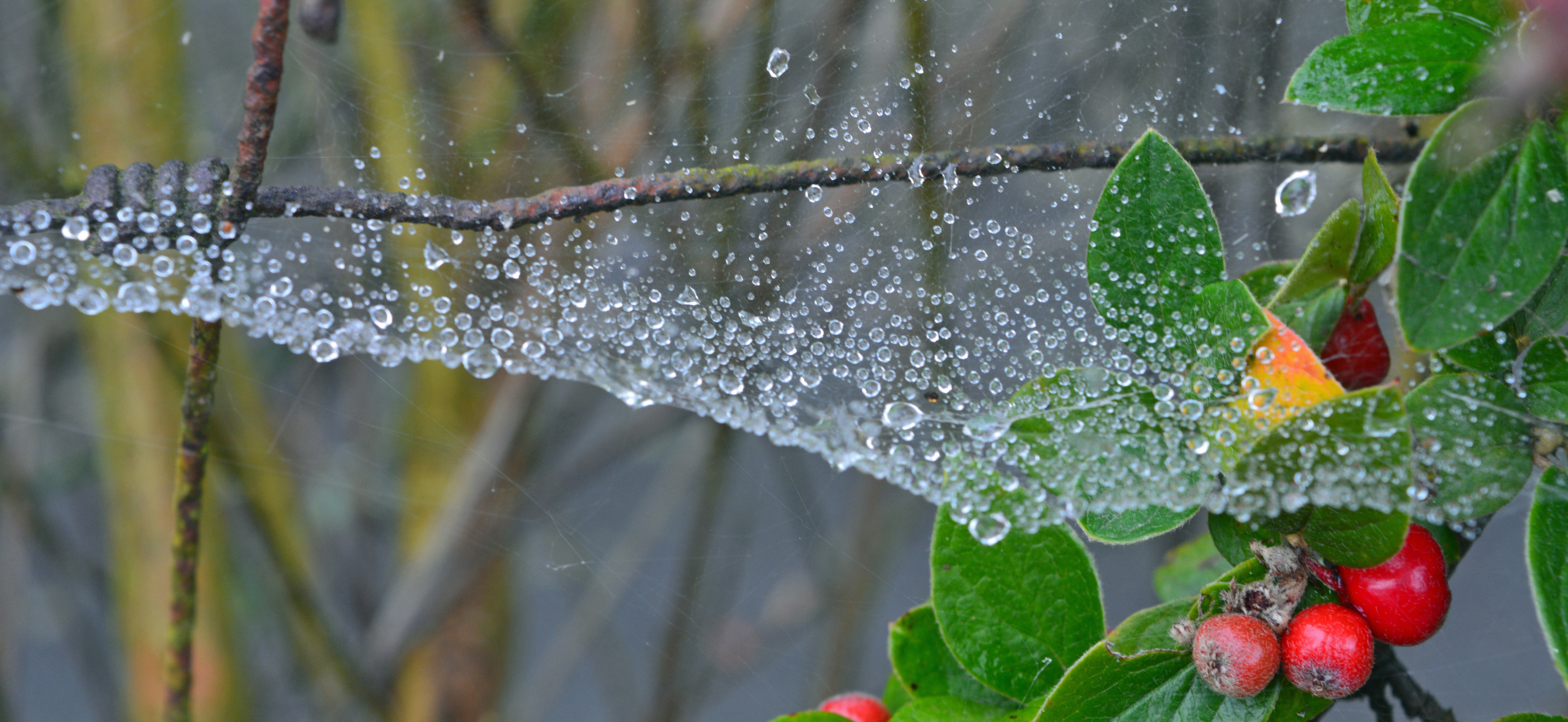
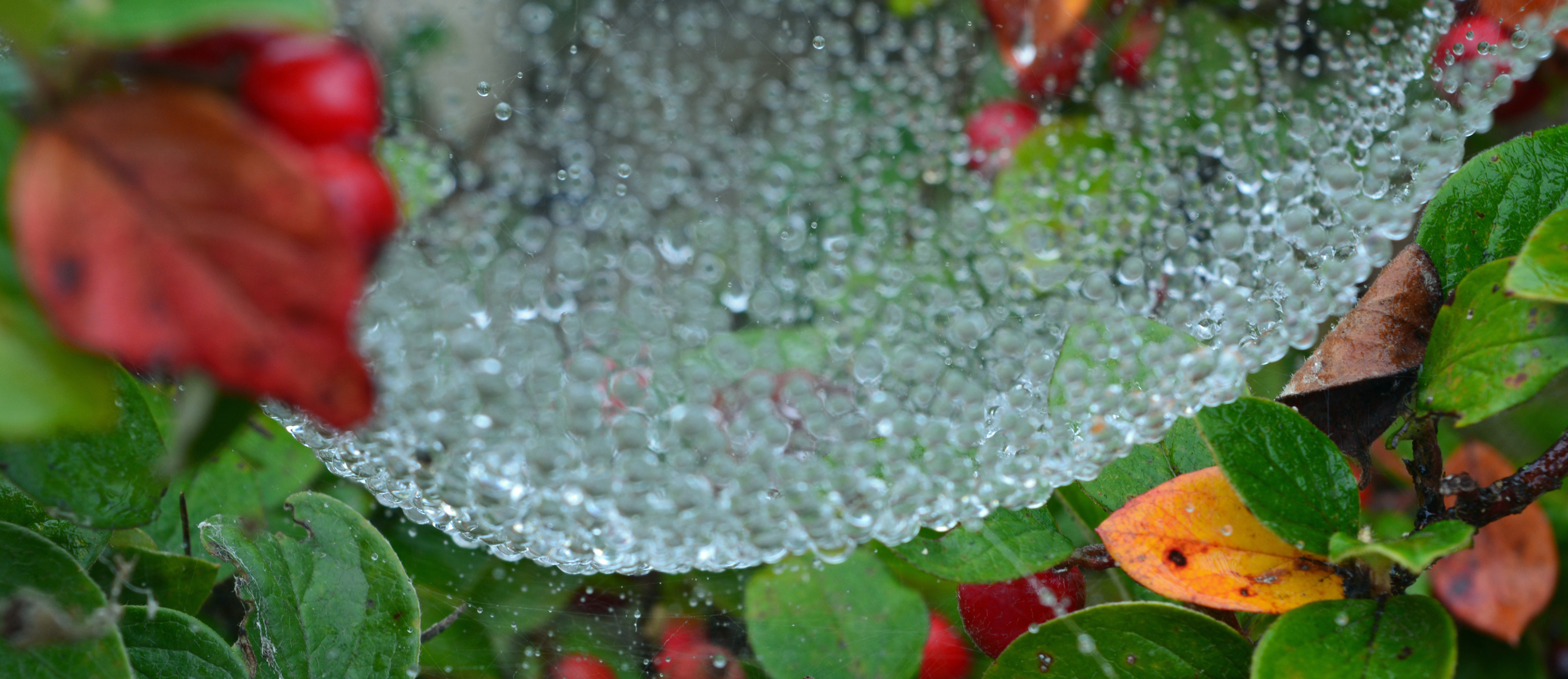
As September moved on we began to notice dew on the grass and plants in the borders several mornings each week. One special effect this has is the way it highlights the handiwork of our garden spiders. It is good to see so many webs as we like to have spiders working as predators in the garden for us. On one particular morning the dew was so heavy that it was weighing down the webs heavily.
   

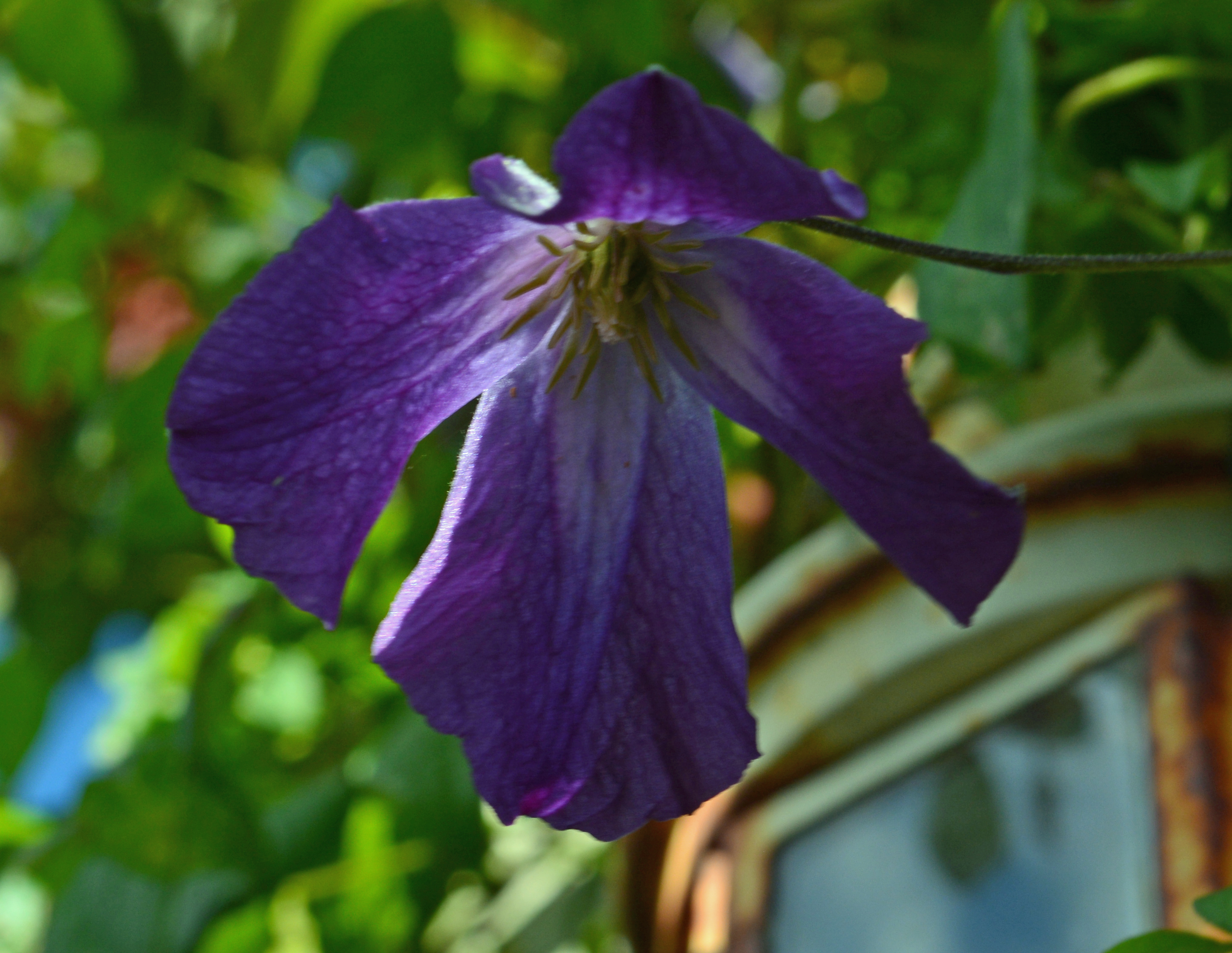
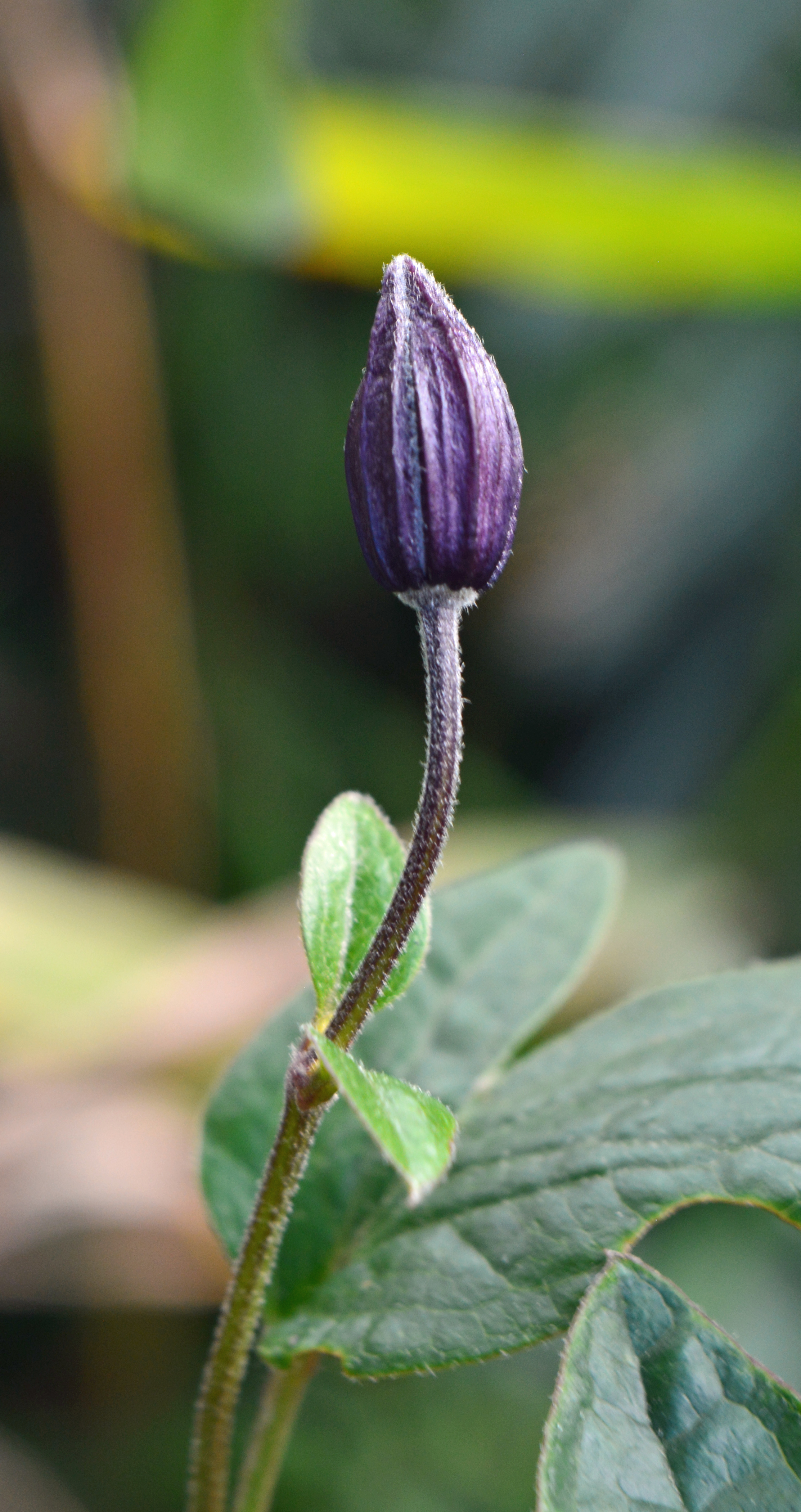
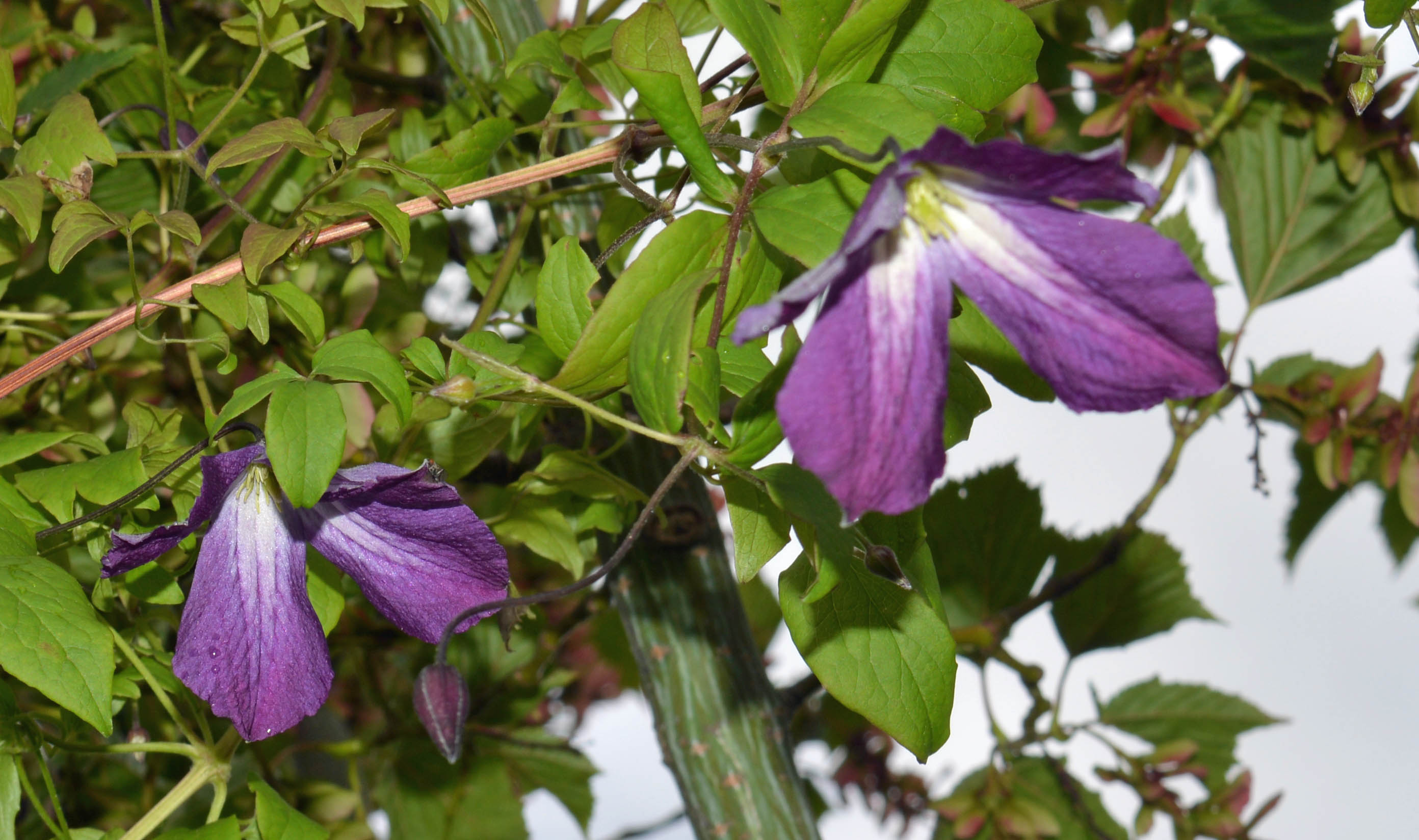
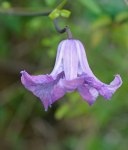
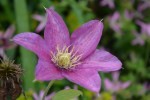
“We have three very delicate Clematis flowering in our Avocet patch this month, all with small  flowers but very different from each other. They share the same colour purple on their petals with white-yellow centres.”

“Clematis Little Bas”
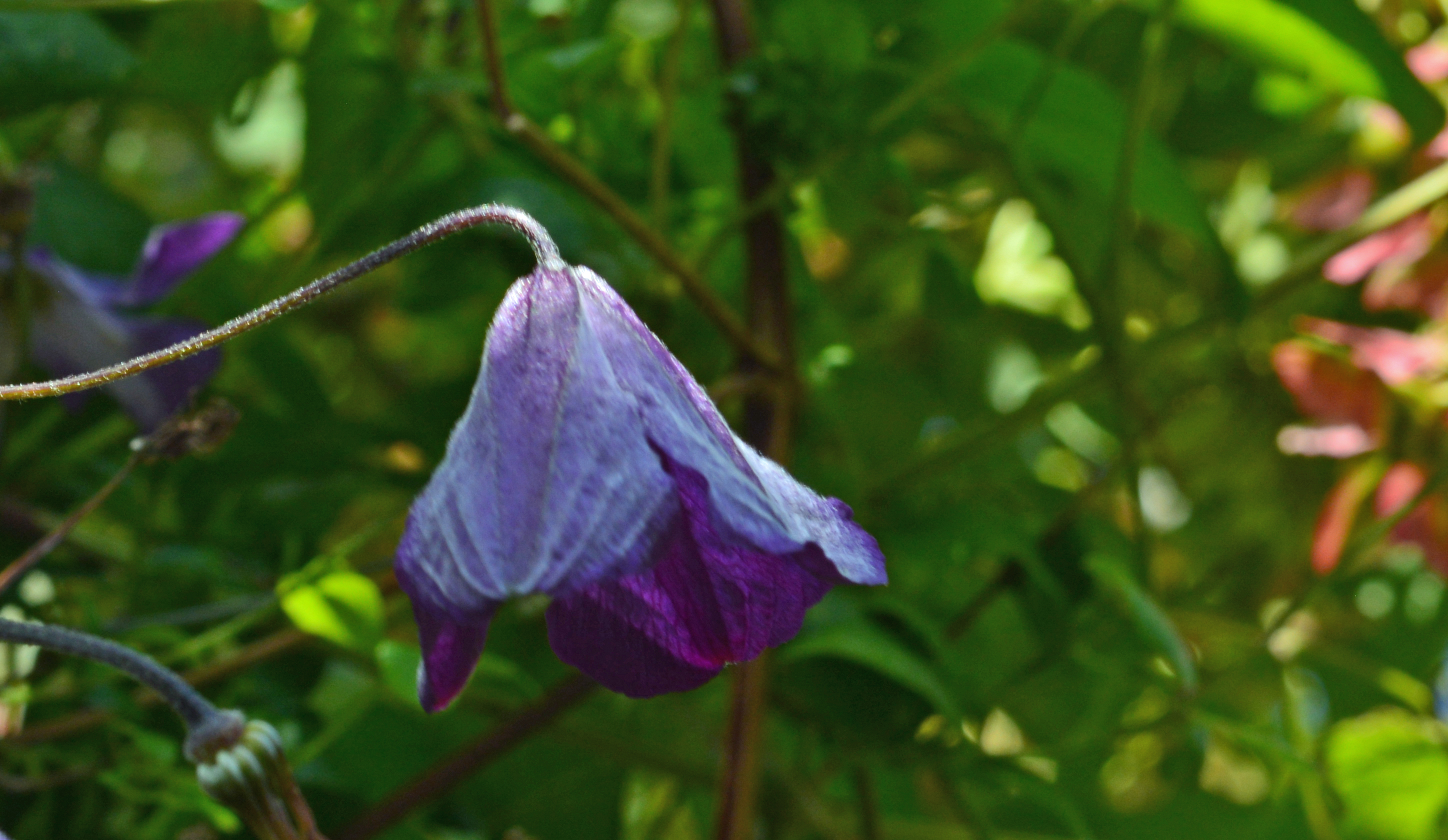
 

“Clematis aromatica”


“Clematis Arabella”


Another Clematis features overleaf, this time a yellow flowered one matched with some pencil crayon sketches of some seed heads.

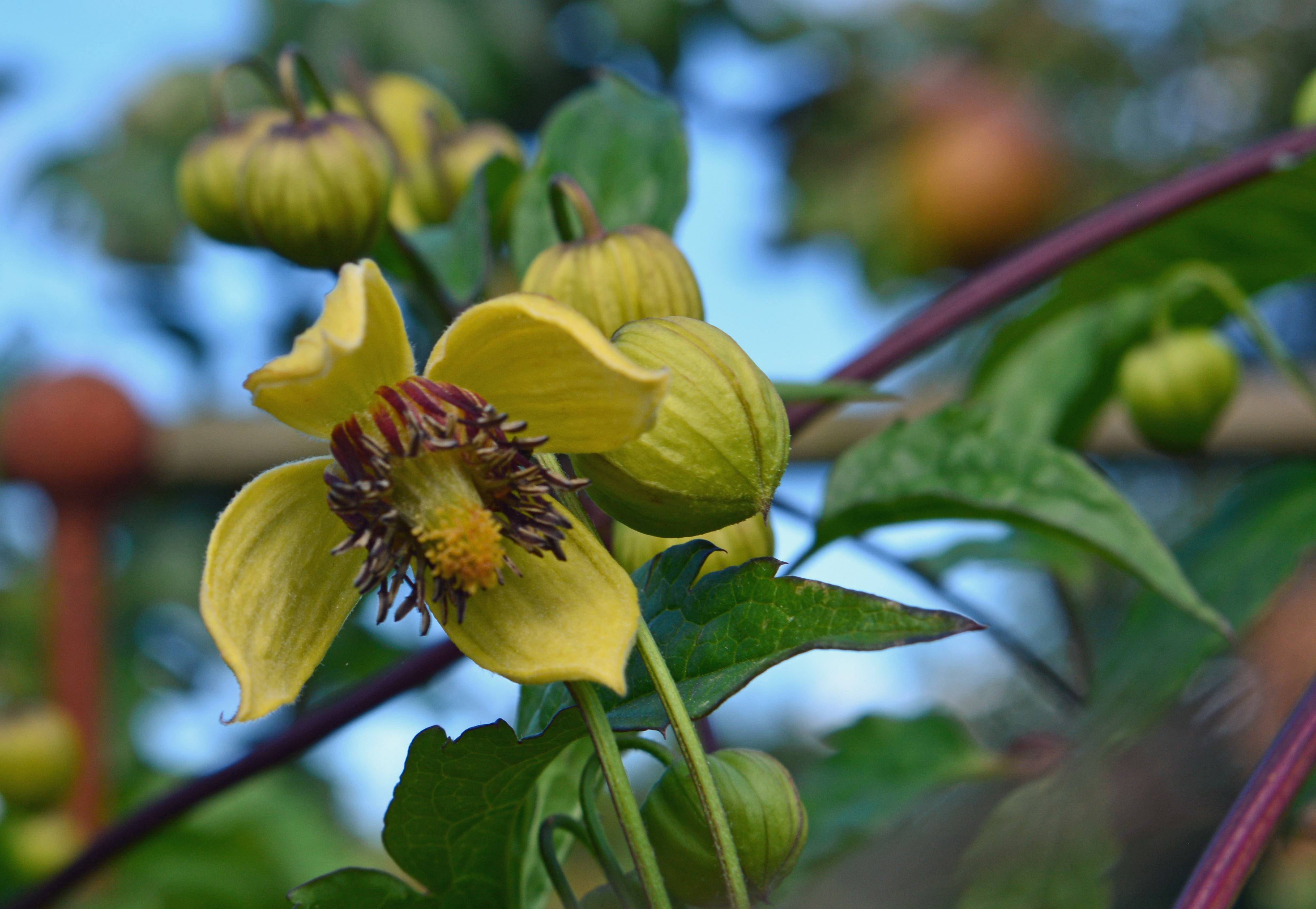
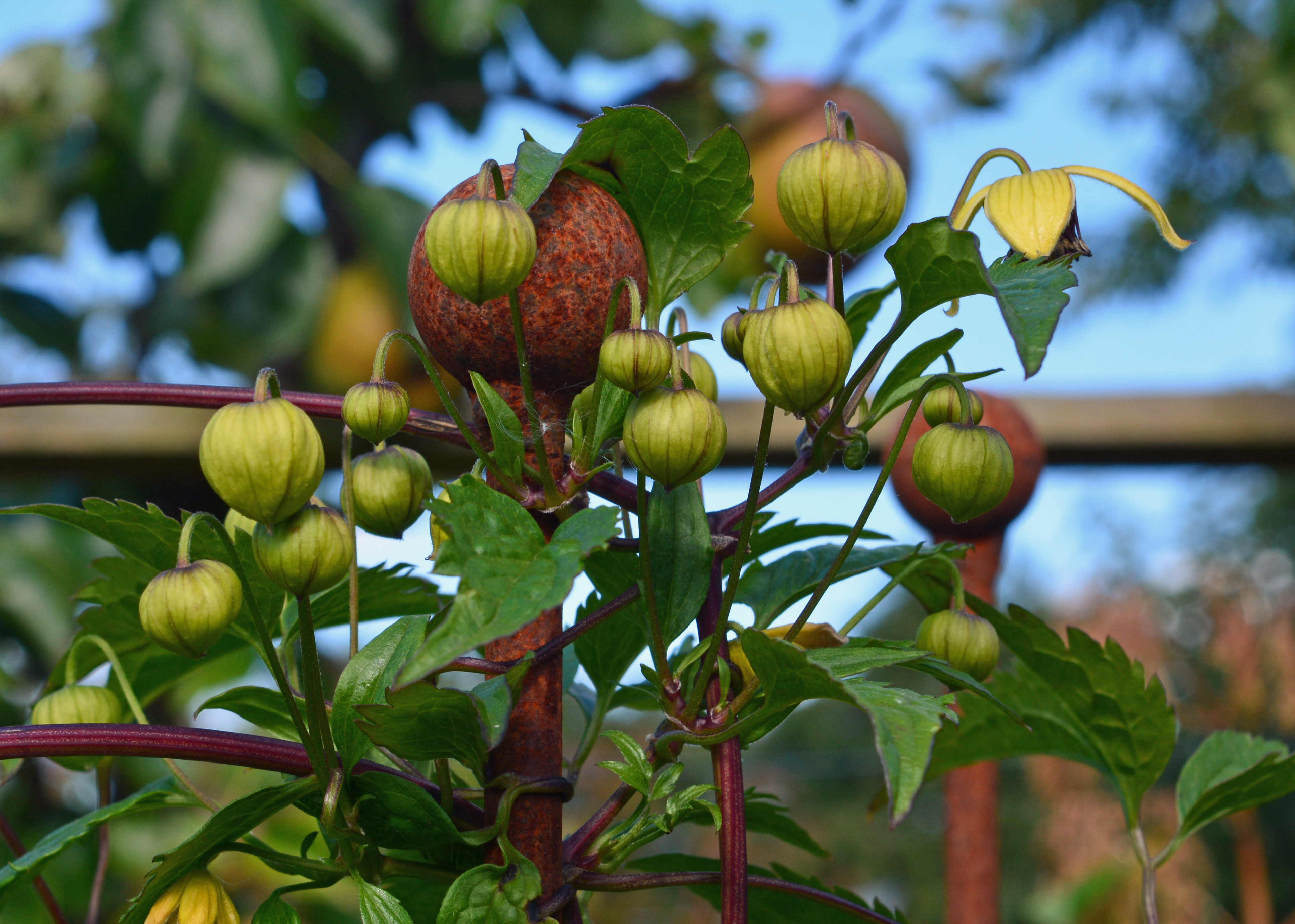
“Staying with Clematis I will now look at a very delicate and unusual yellow-flowered cultivar, Clematis serratifolia “Golden Harvest”. The centre of each flower contrasts strongly with the golden petals. The central area features deep yellow, a touch of orange but mostly a deep purple-maroon colour. “Golden Harvest” is often sold as a Golden Wedding Anniversary gift. That surely would be a gift to give years of pleasure to any gardeners.”
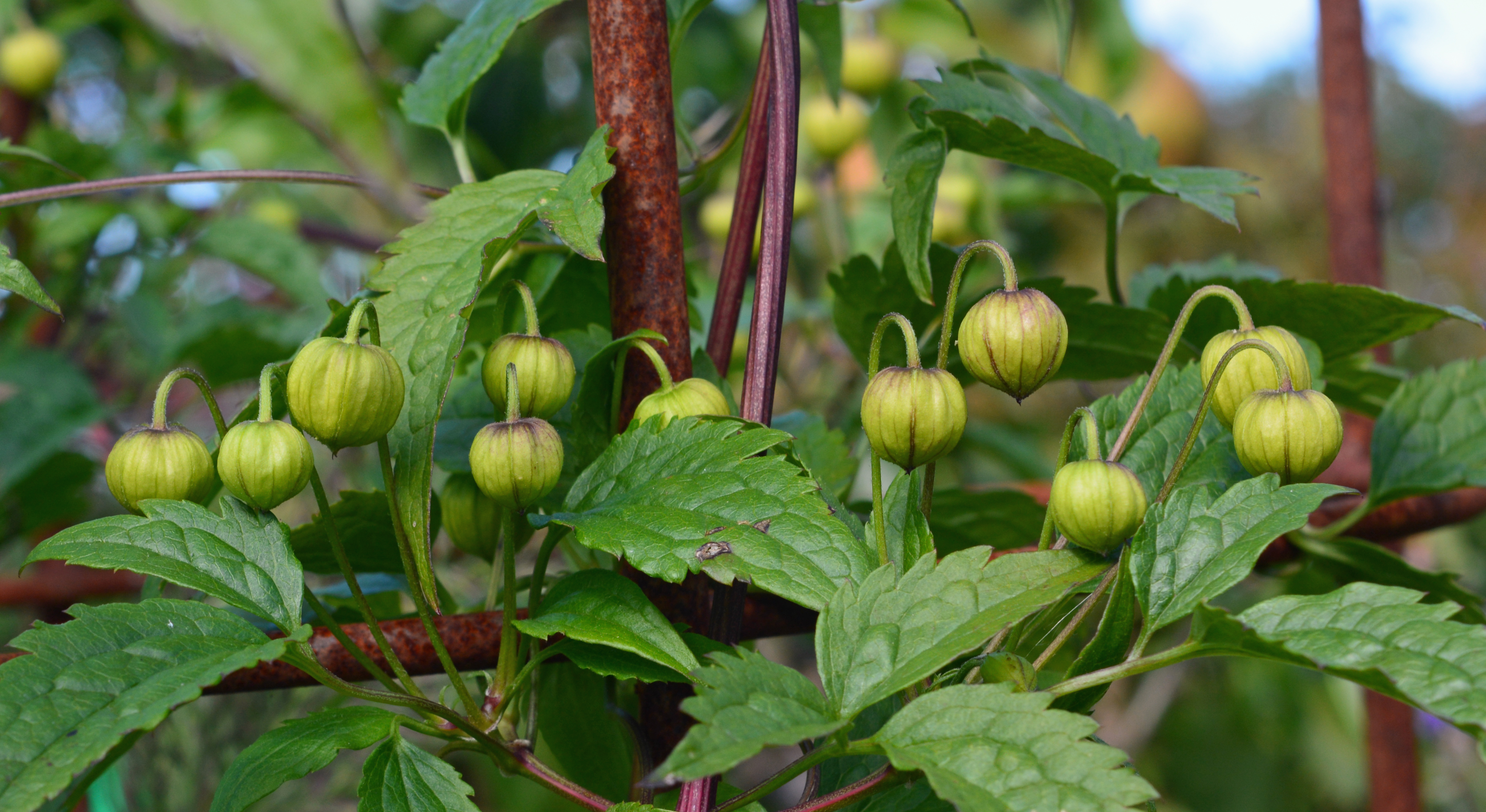
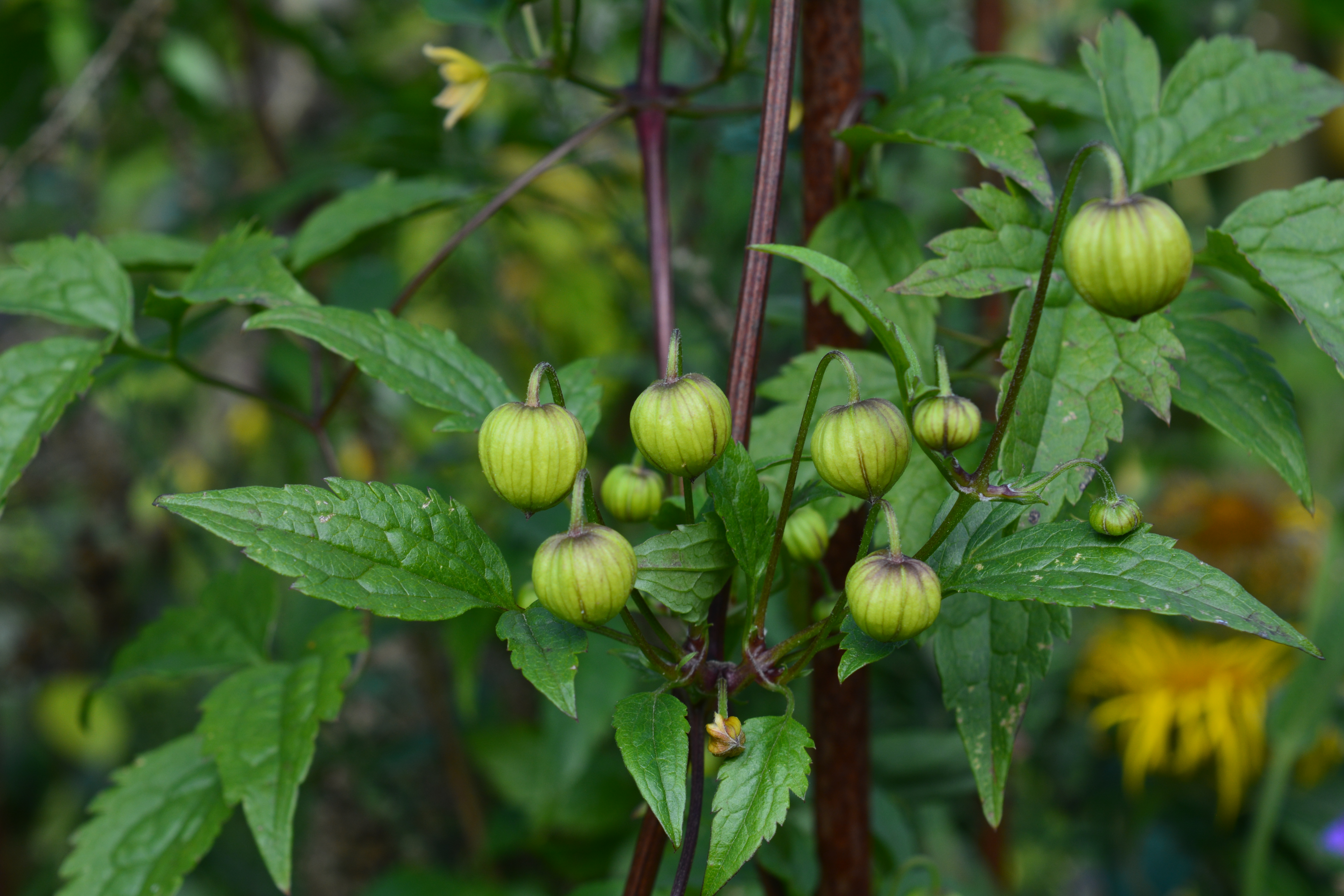
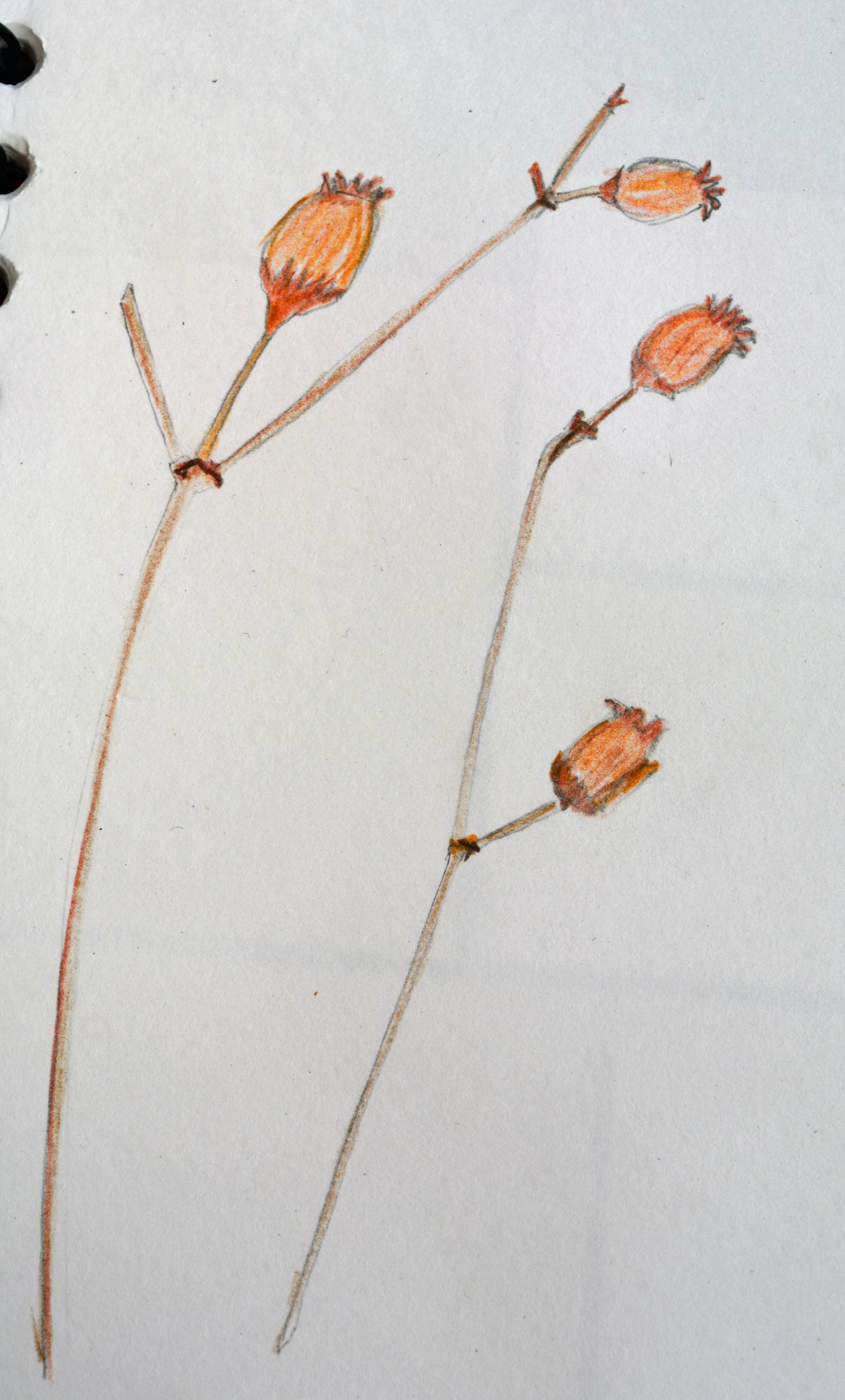
Now we move on to look at a couple of my coloured pencil sketches of seed heads found in our September garden. “Two more seed heads discovered in our borders, with slender stems and bell-shaped seed capsules coloured biscuit and rust.”

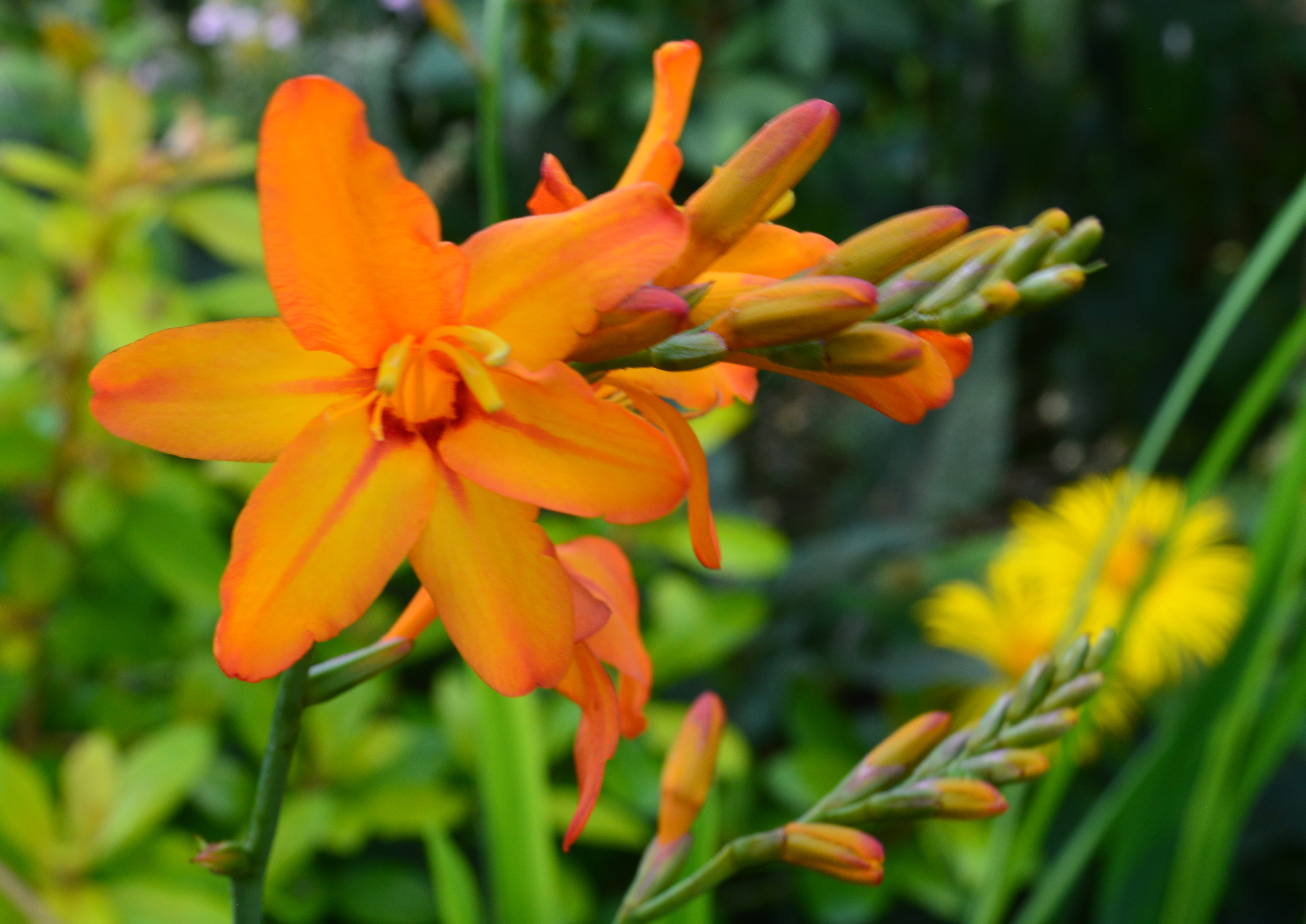
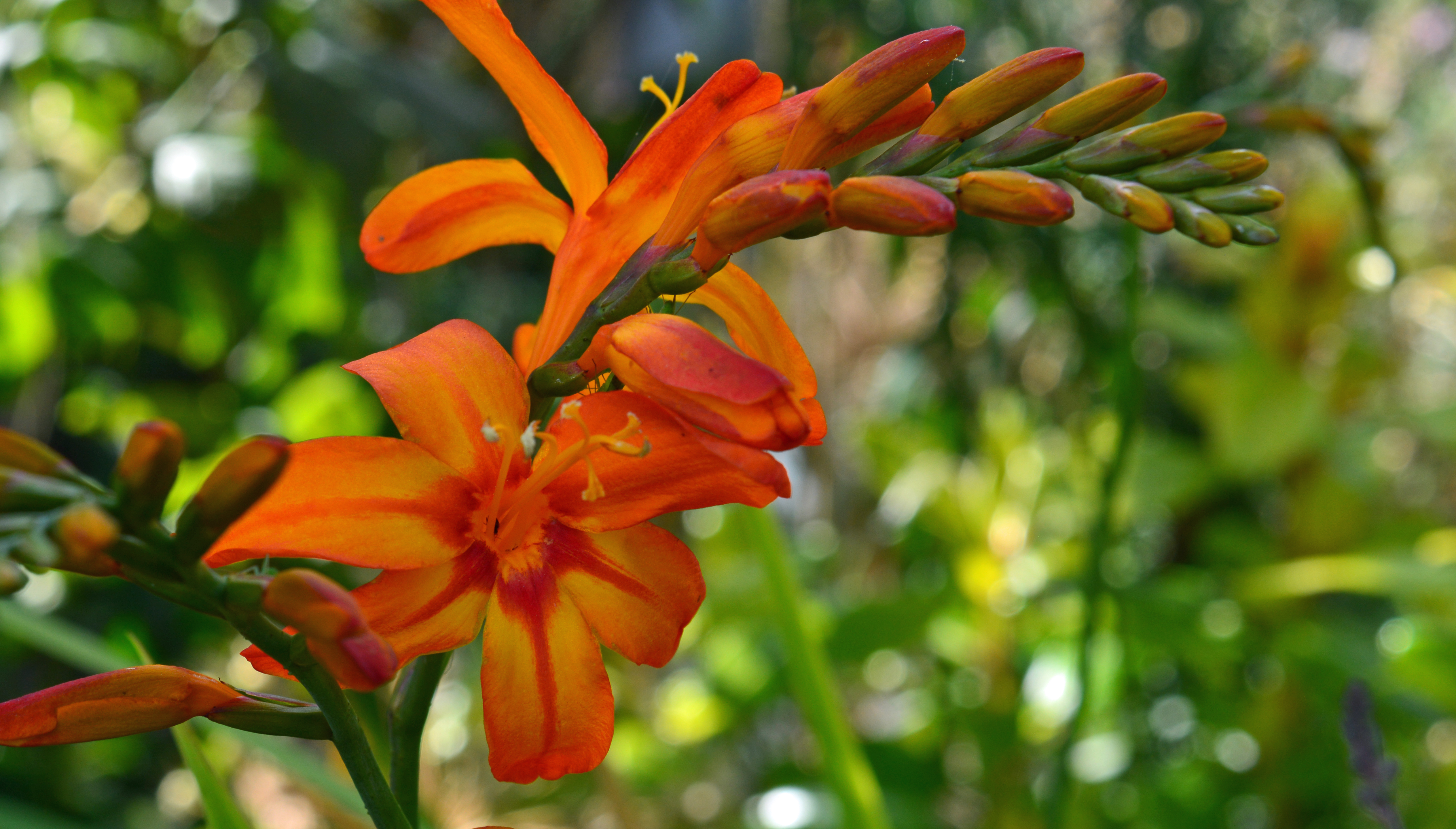
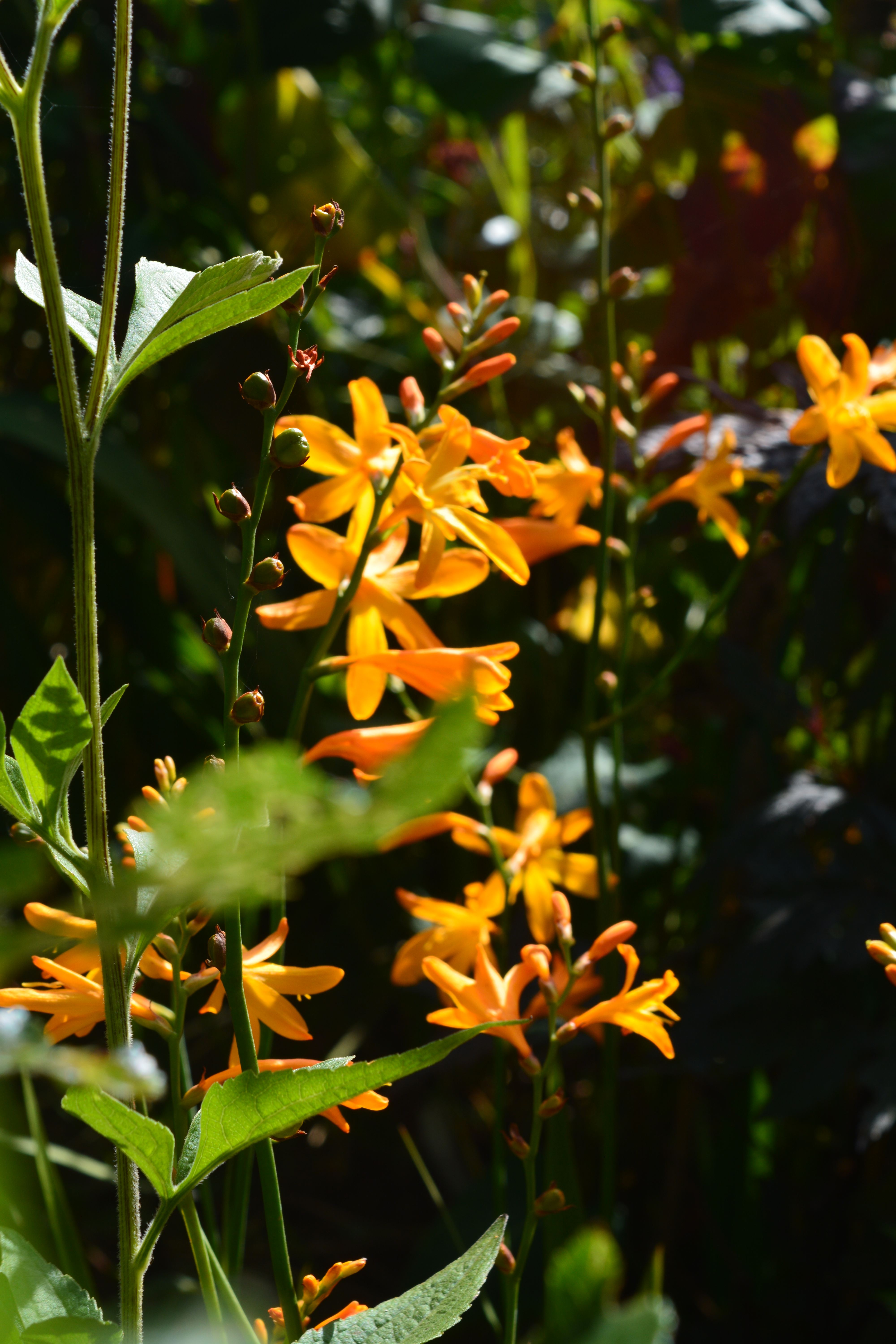
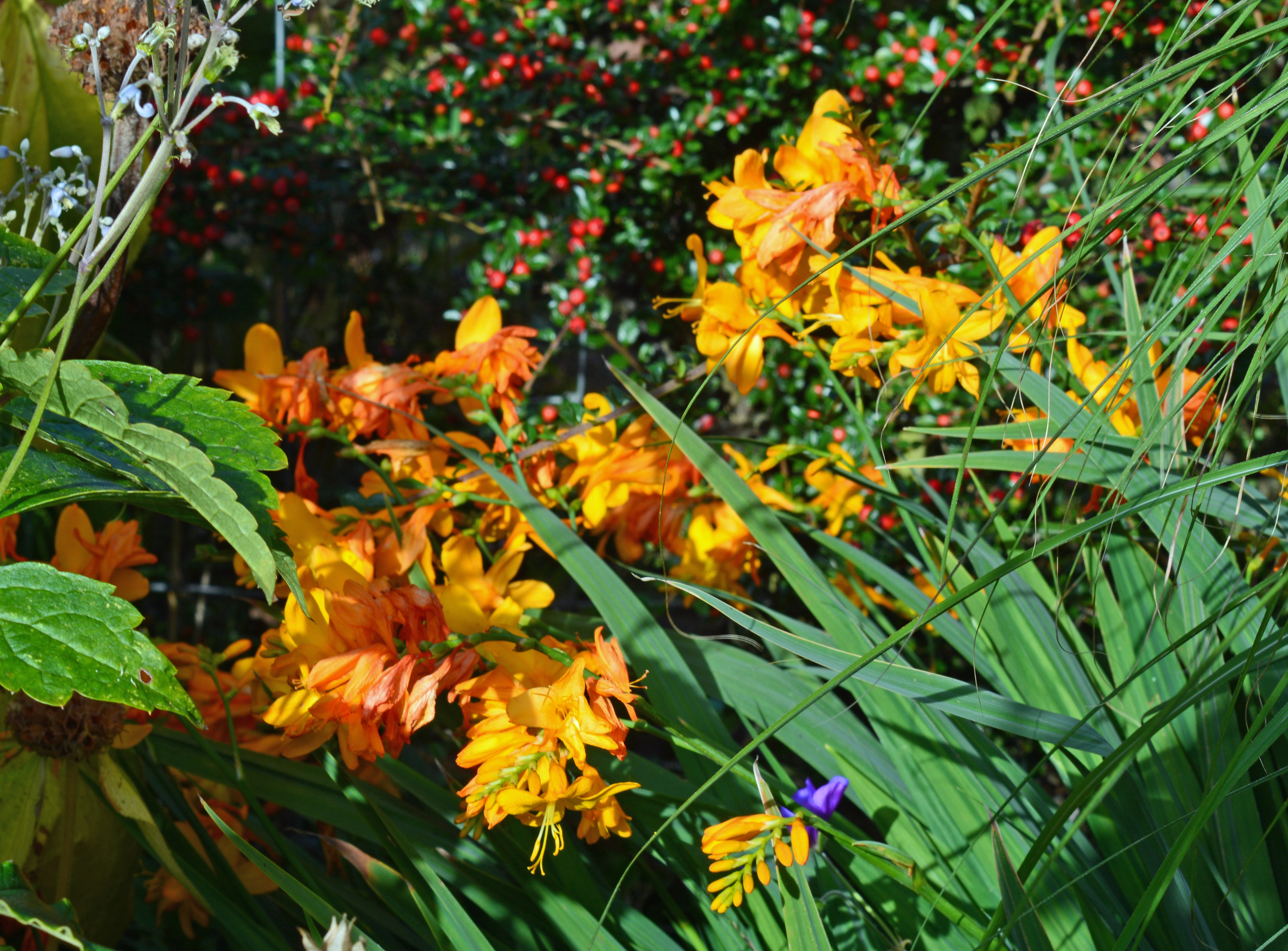
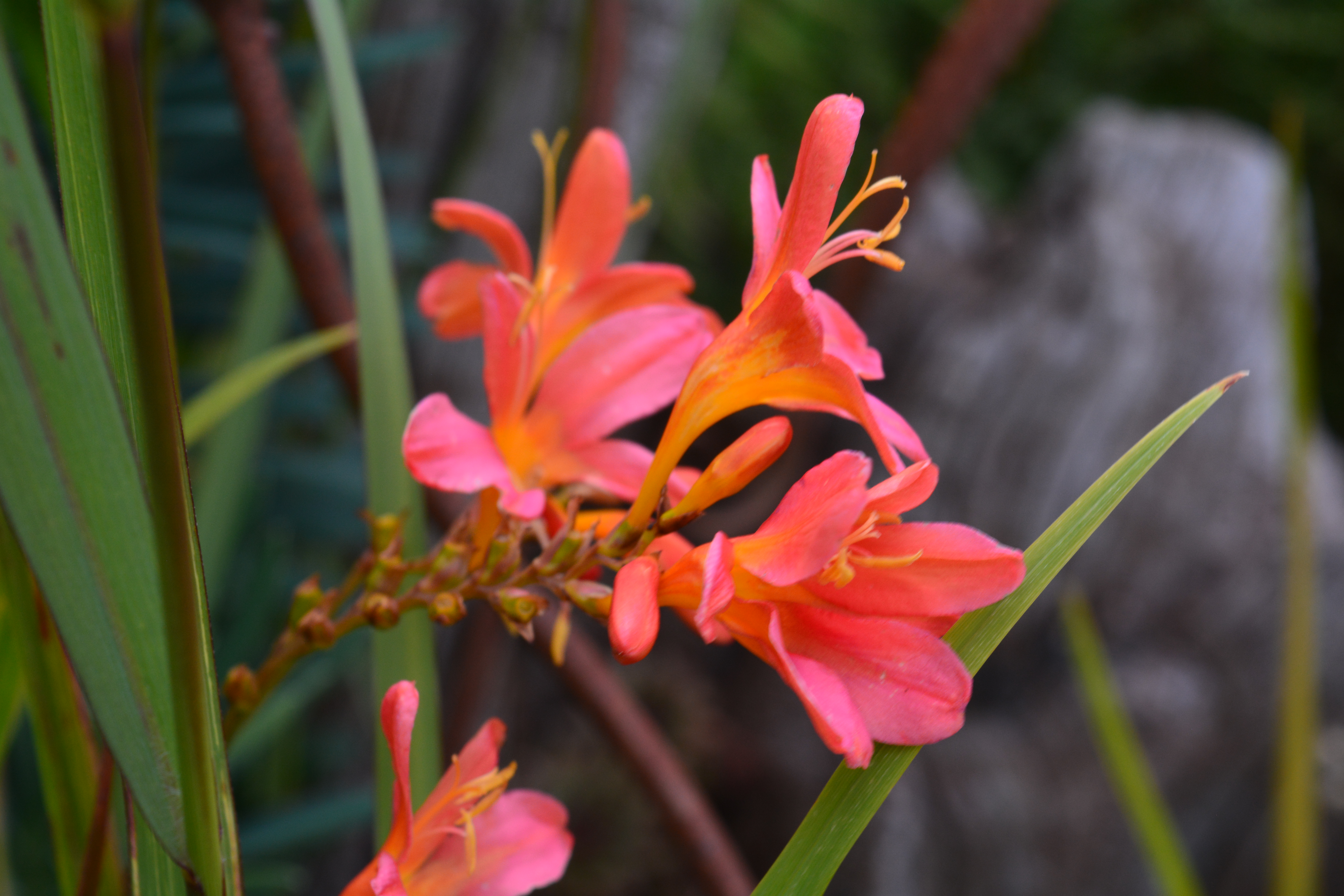
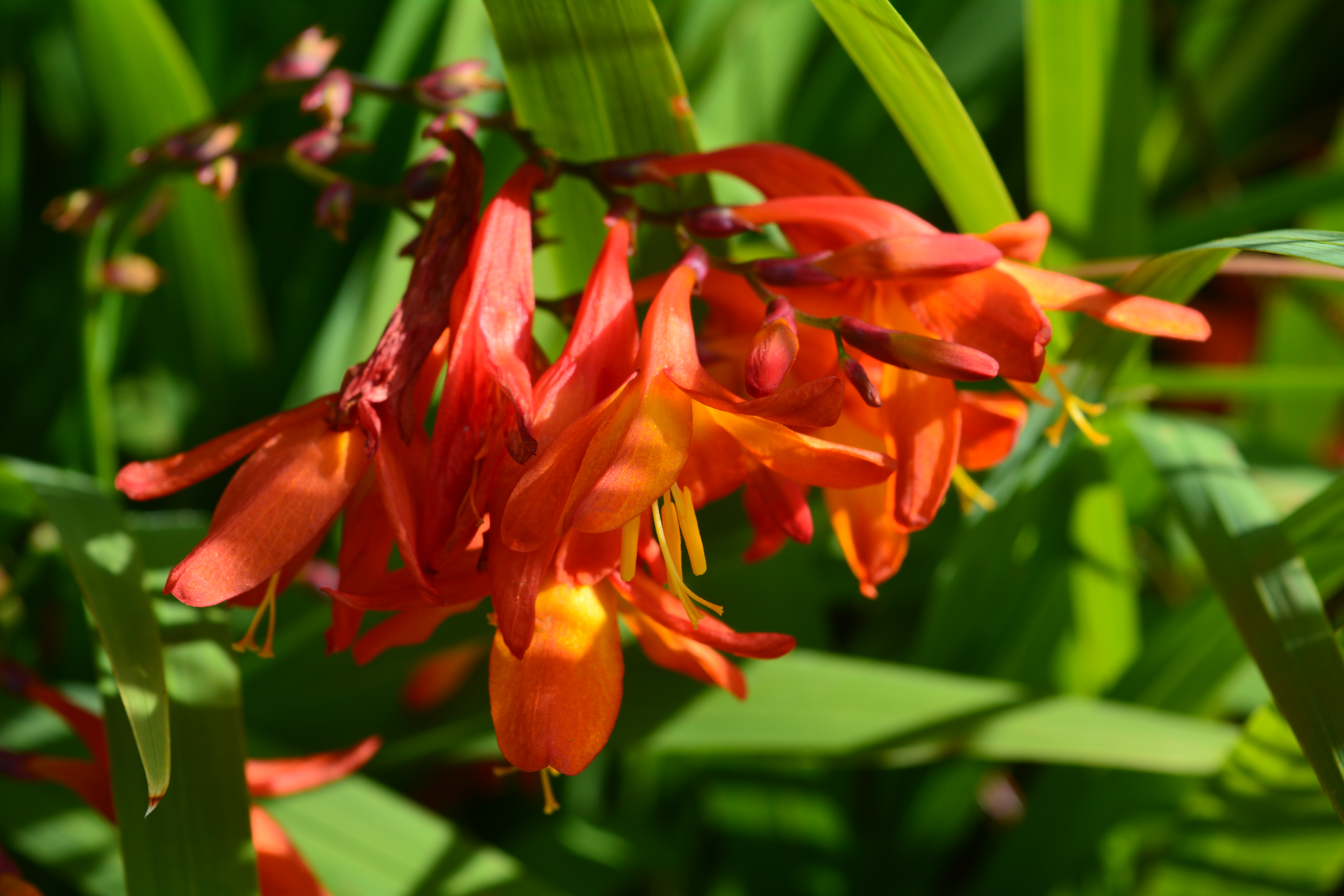
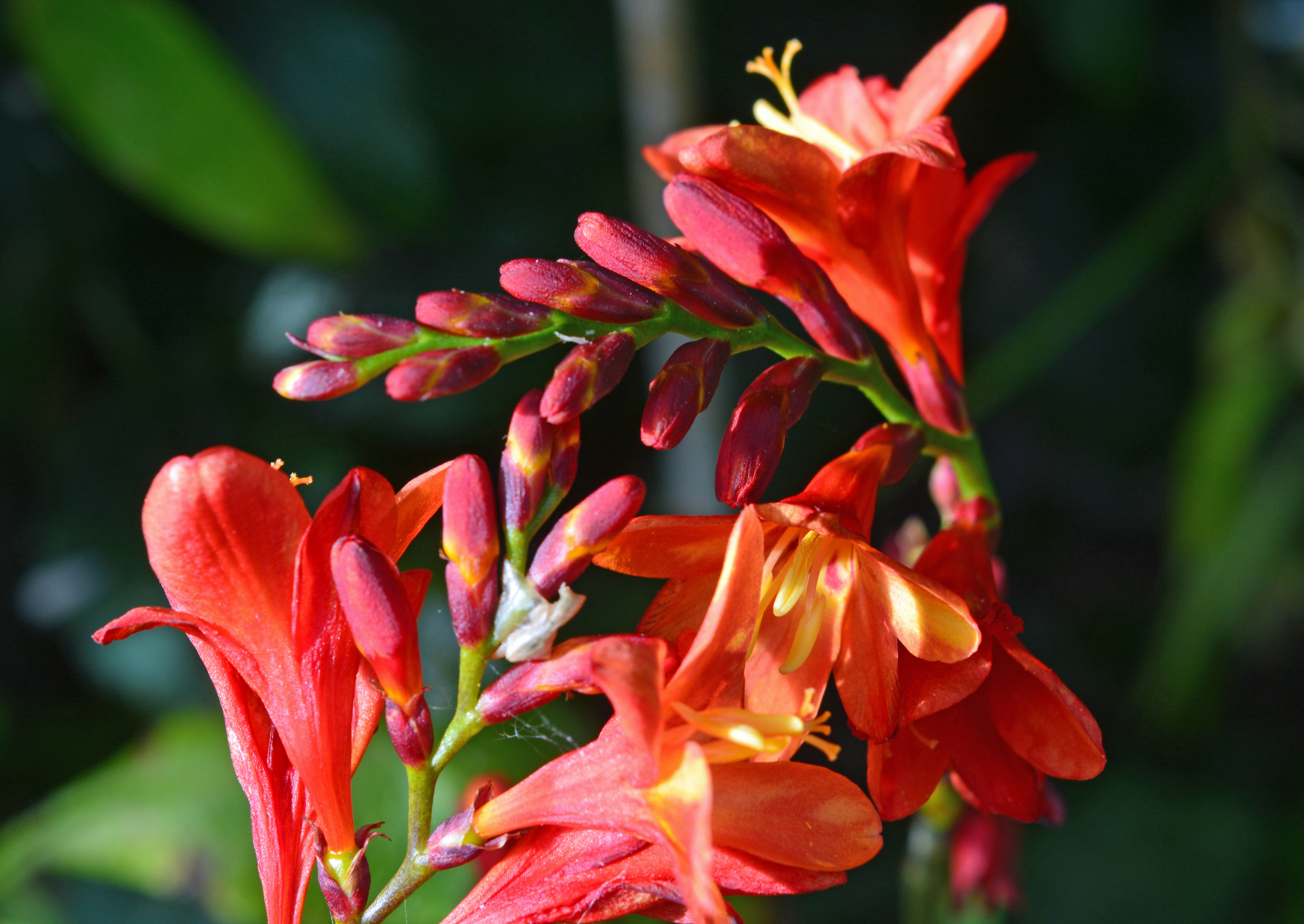
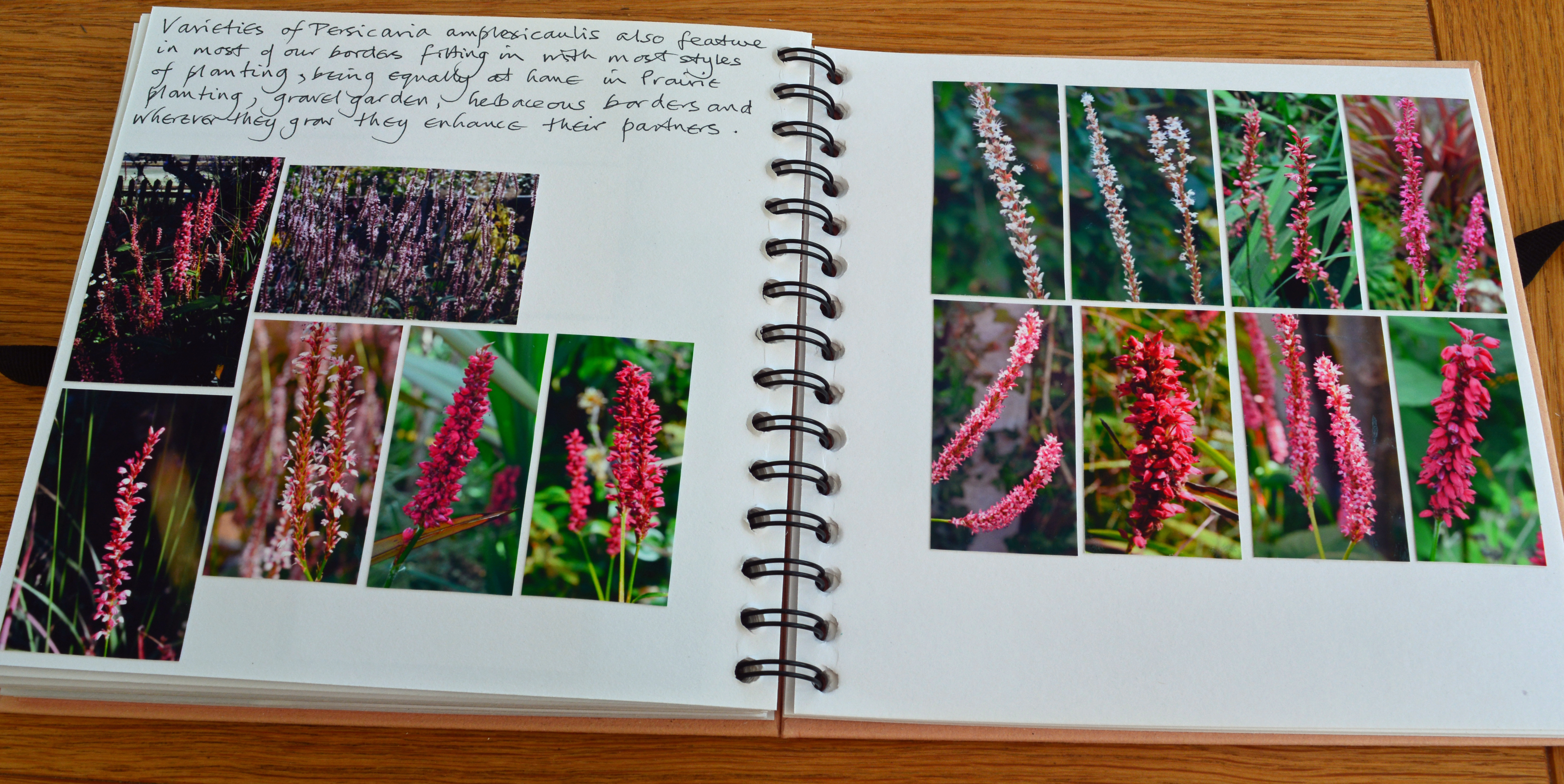
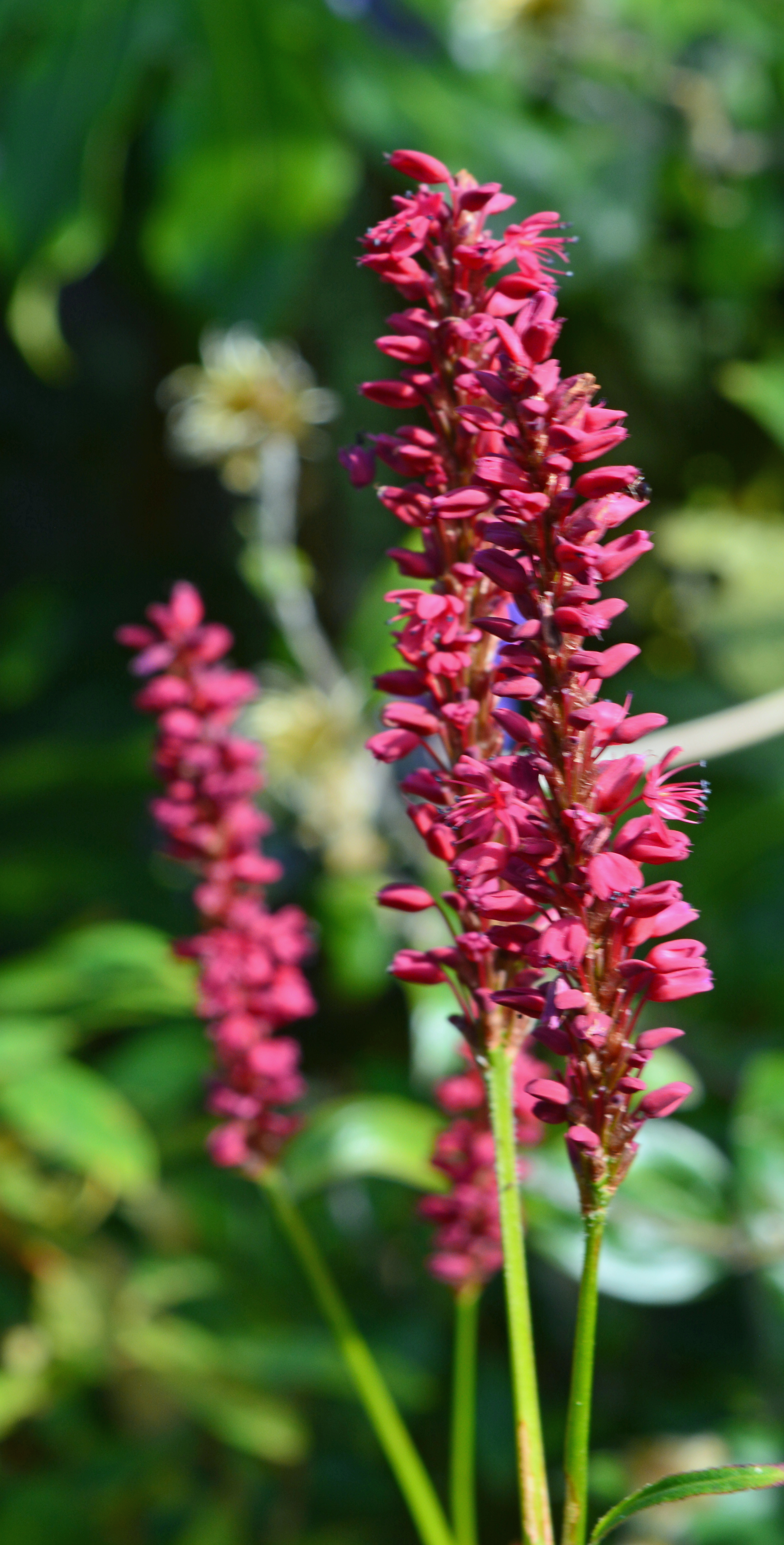
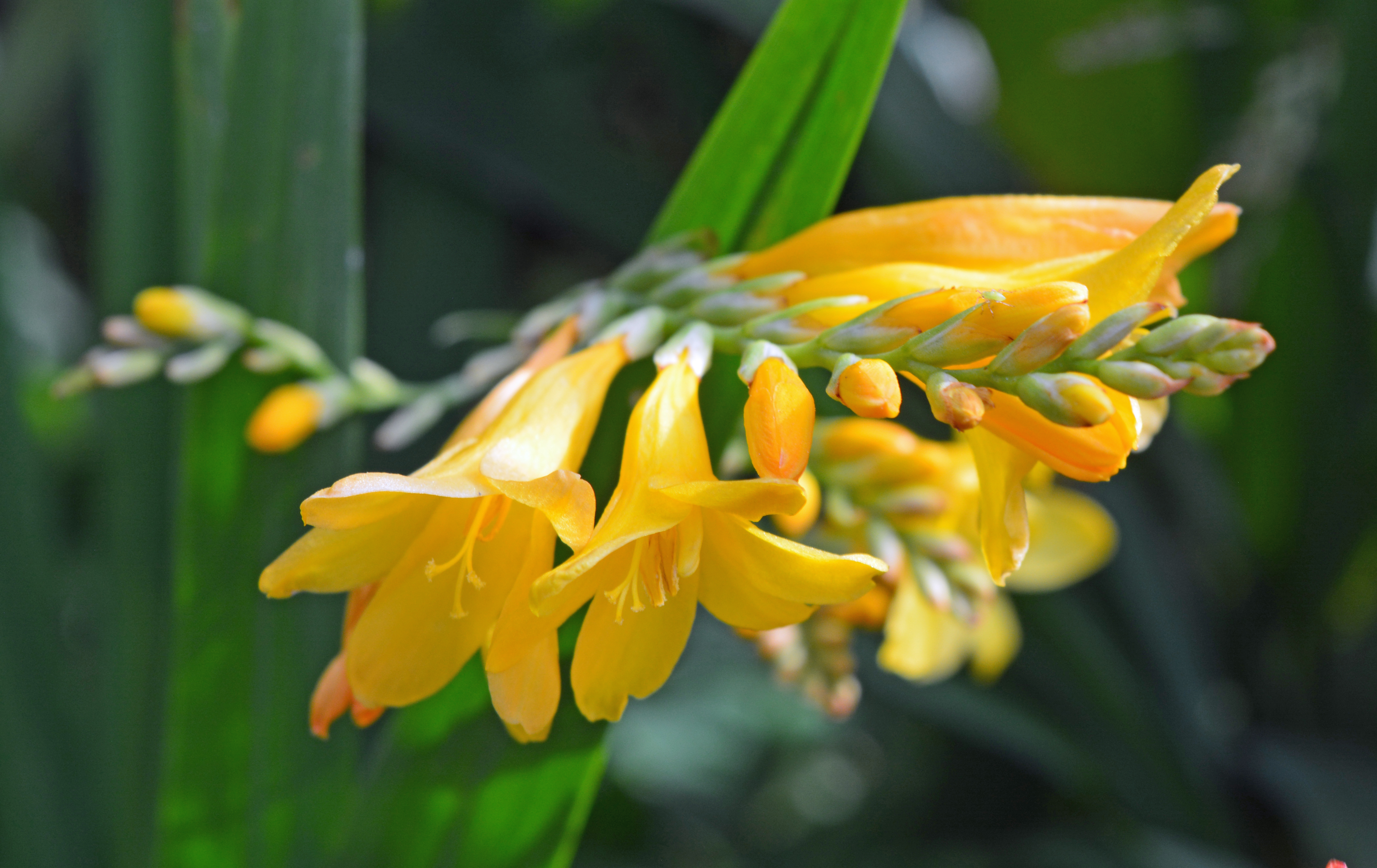
I moved on next to look at two of our larger plant collections which feature strongly in our September garden. “Two of our largest plant collections we grow at Avocet are Crocosmias and Persicarias, both of which look at their best in late summer moving into autumn. 

Crocosmias appear in every shade of yellow, orange and red and thus add cheer to our patch.”
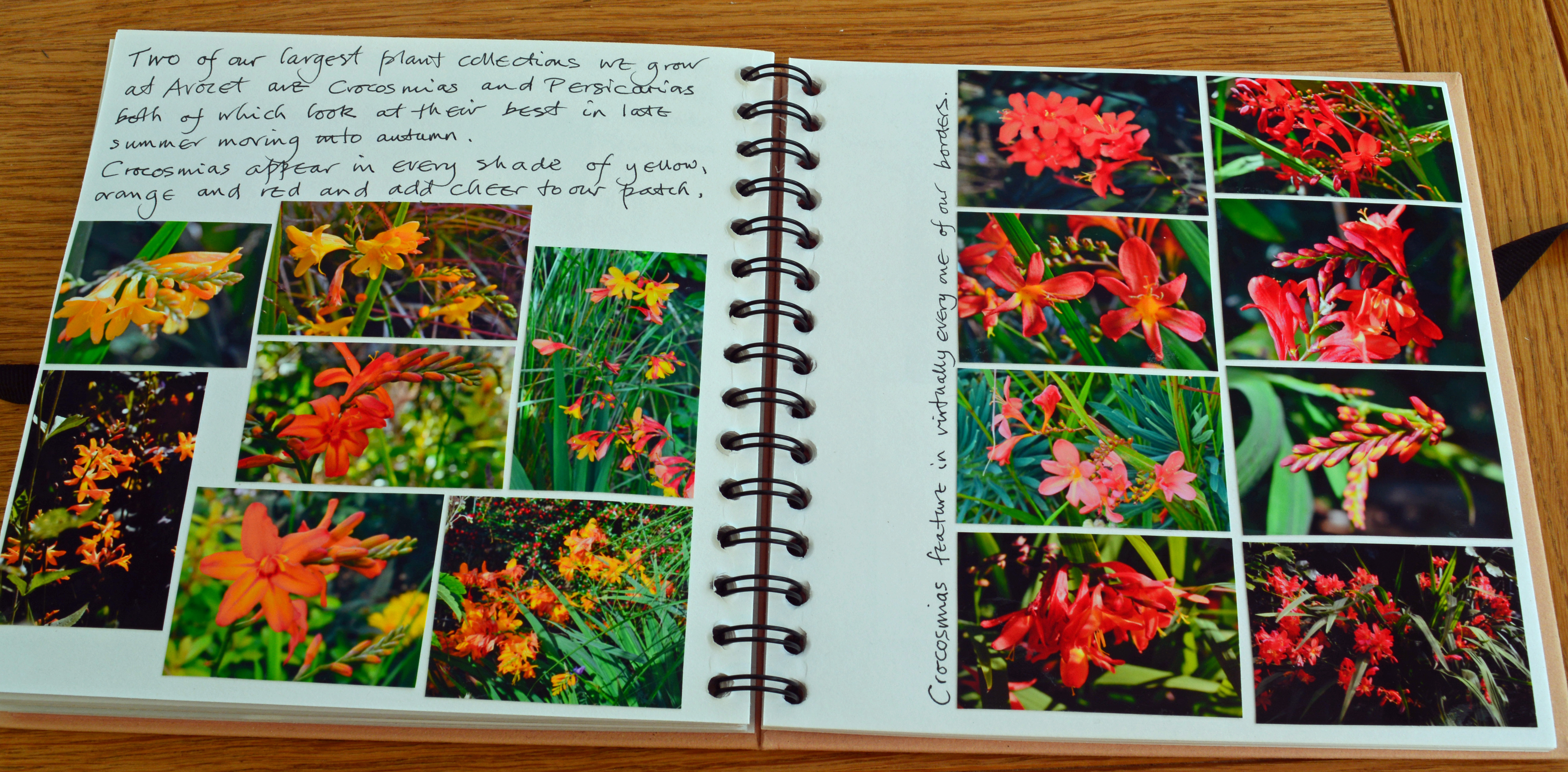
“Crocosmias feature in virtually every one of our borders.”
         

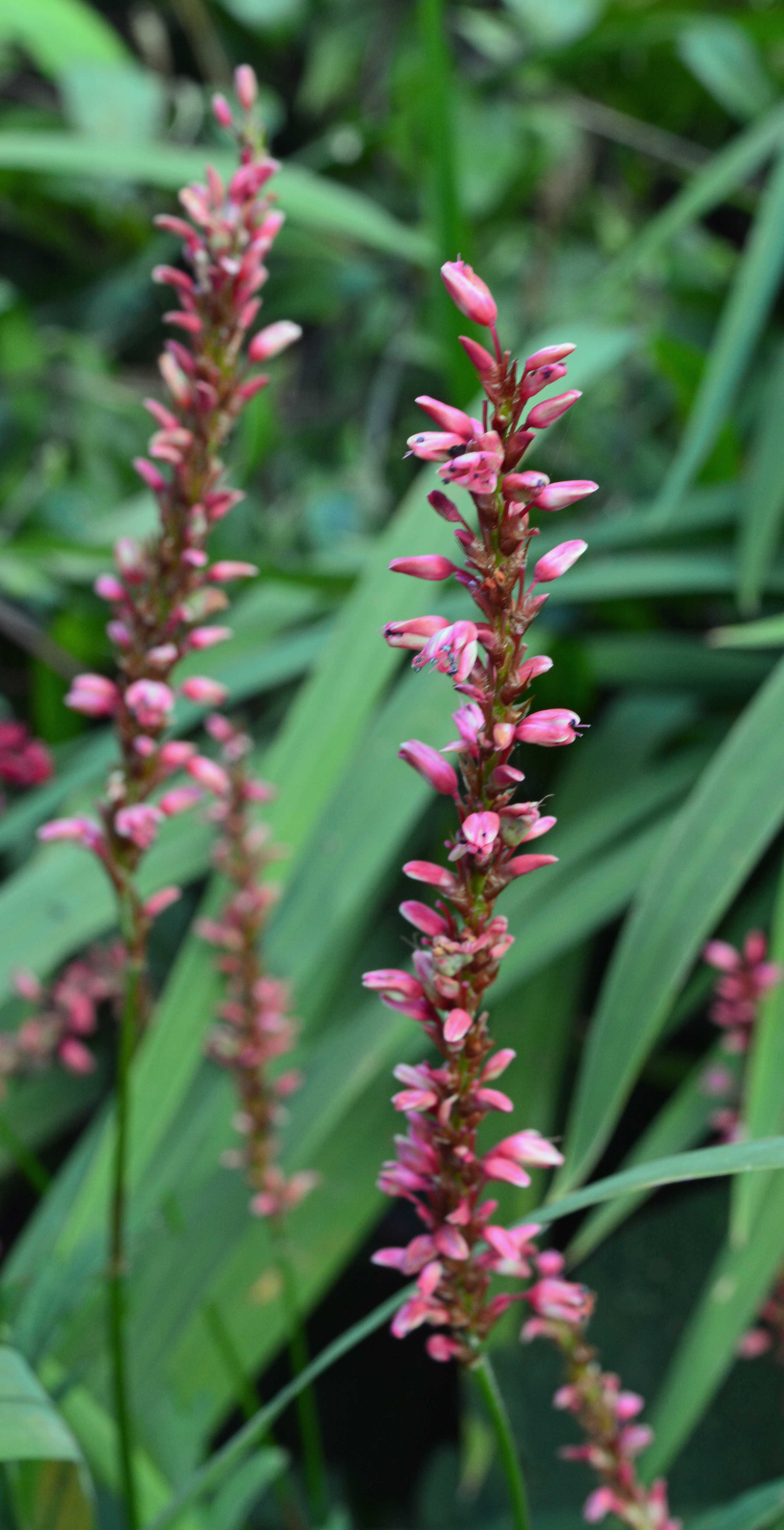
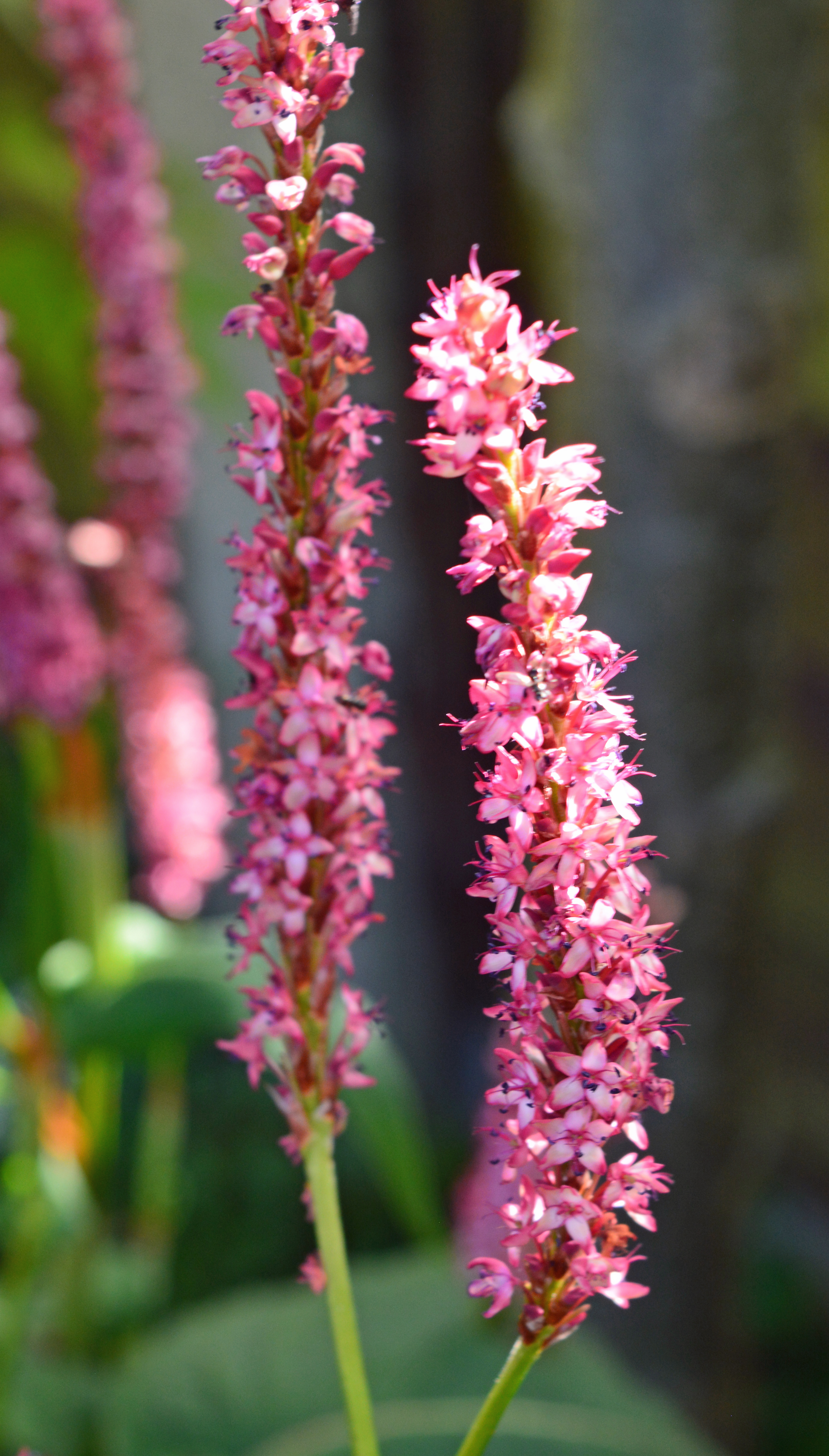
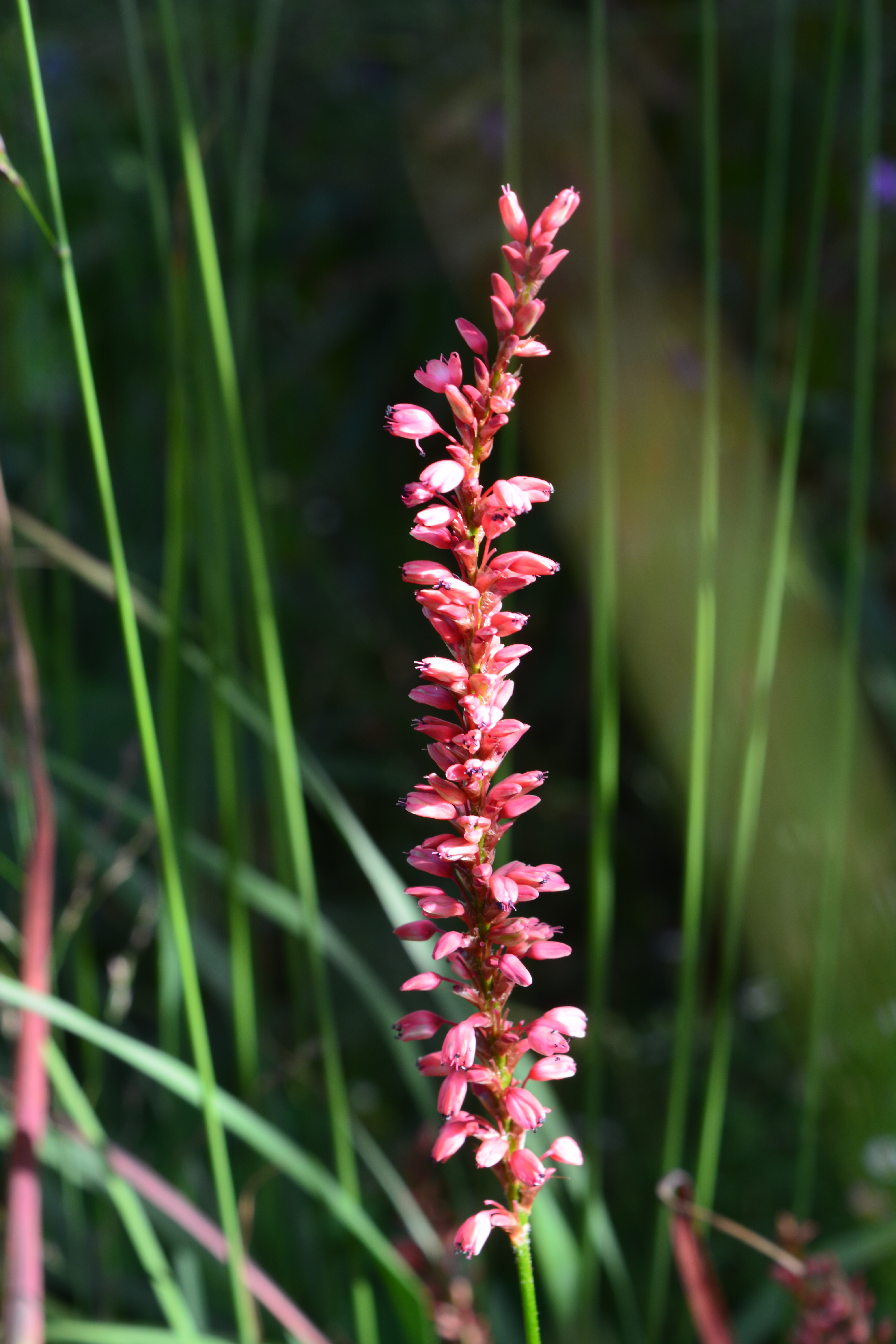
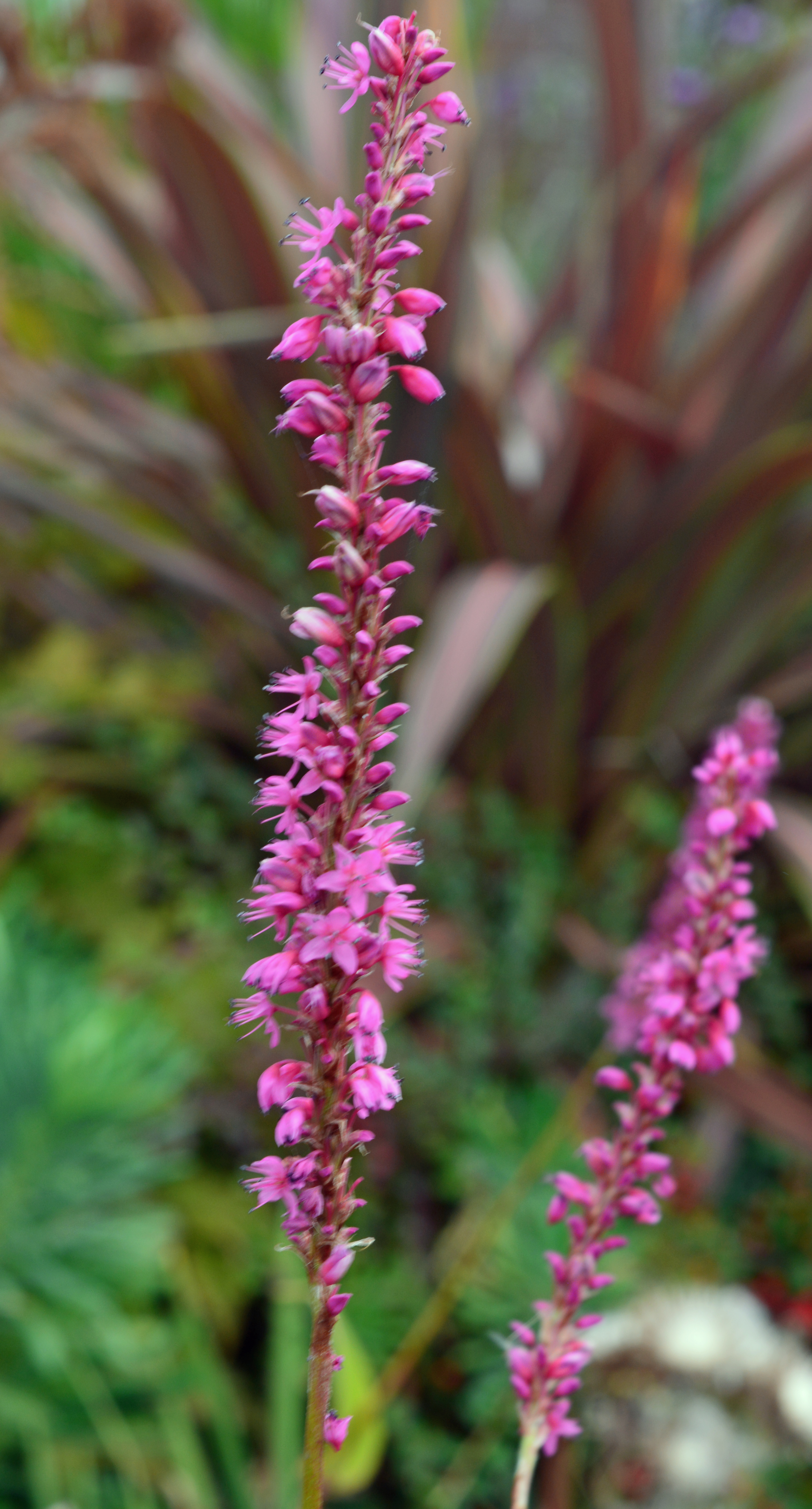
“Varieties of Persicaria amplexicaulis also feature on most of our borders fitting in with most styles of planting, being equally at home in Prairie planting, gravel garden, herbaceous borders and wherever they grow they enhance their border partners.”

          

These two collections of hardy herbaceous perennials brings the month of September to an end. The next visit to my garden journal will be in October
Categories
garden ponds garden pools garden wildlife natural pest control Shropshire South Shropshire wildlife Winter Gardening

Young naturalists visit Avocet

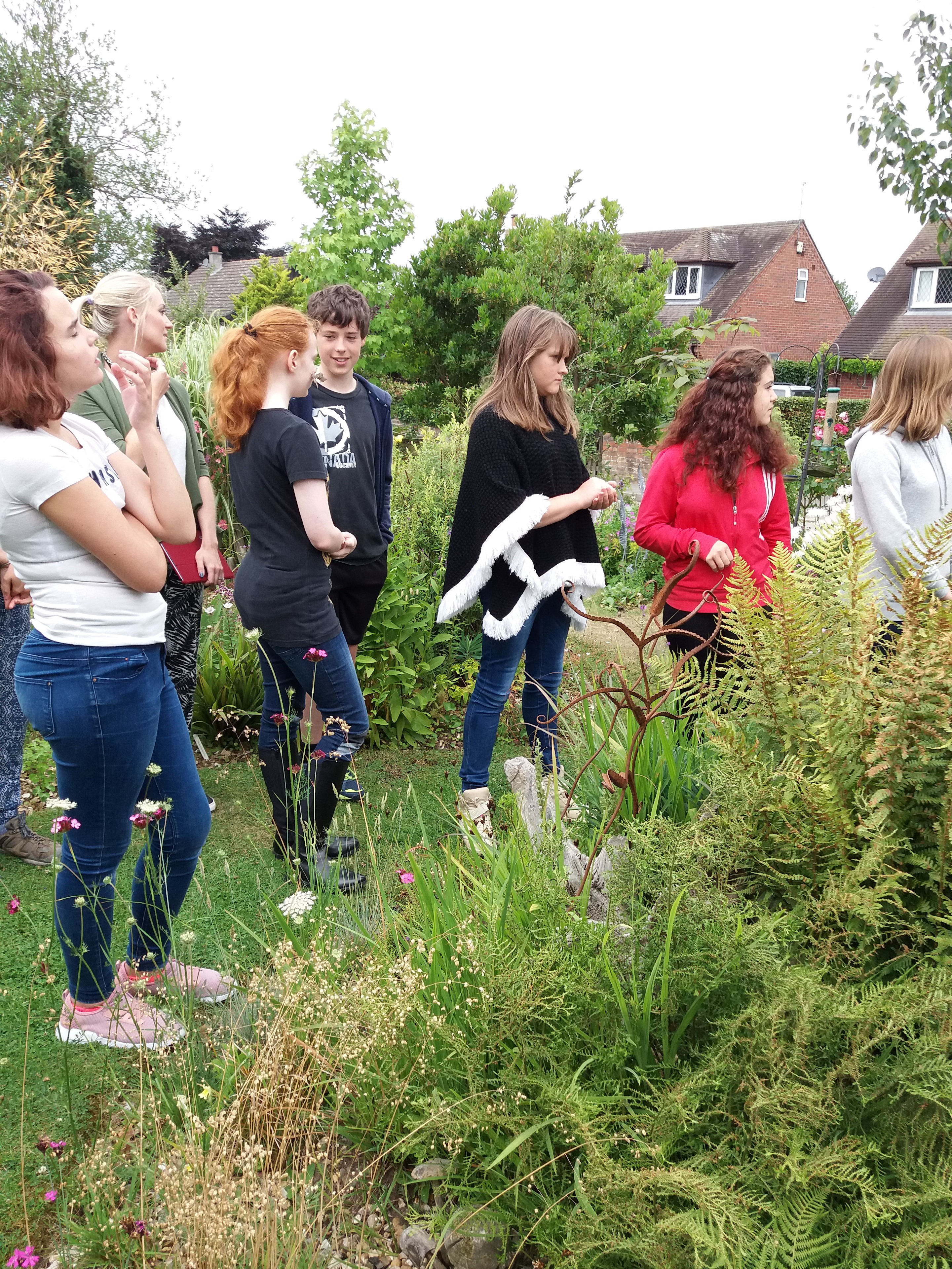
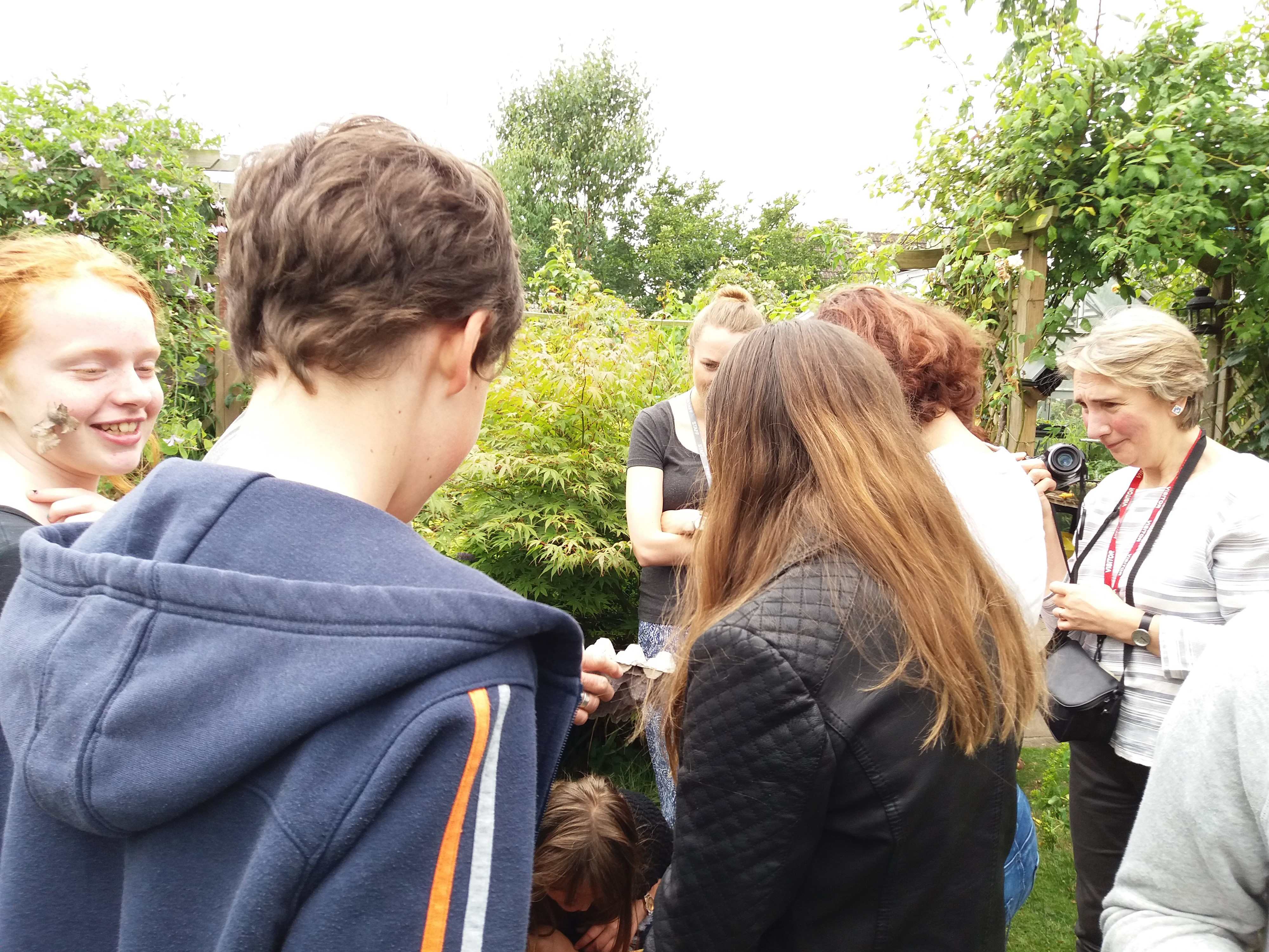
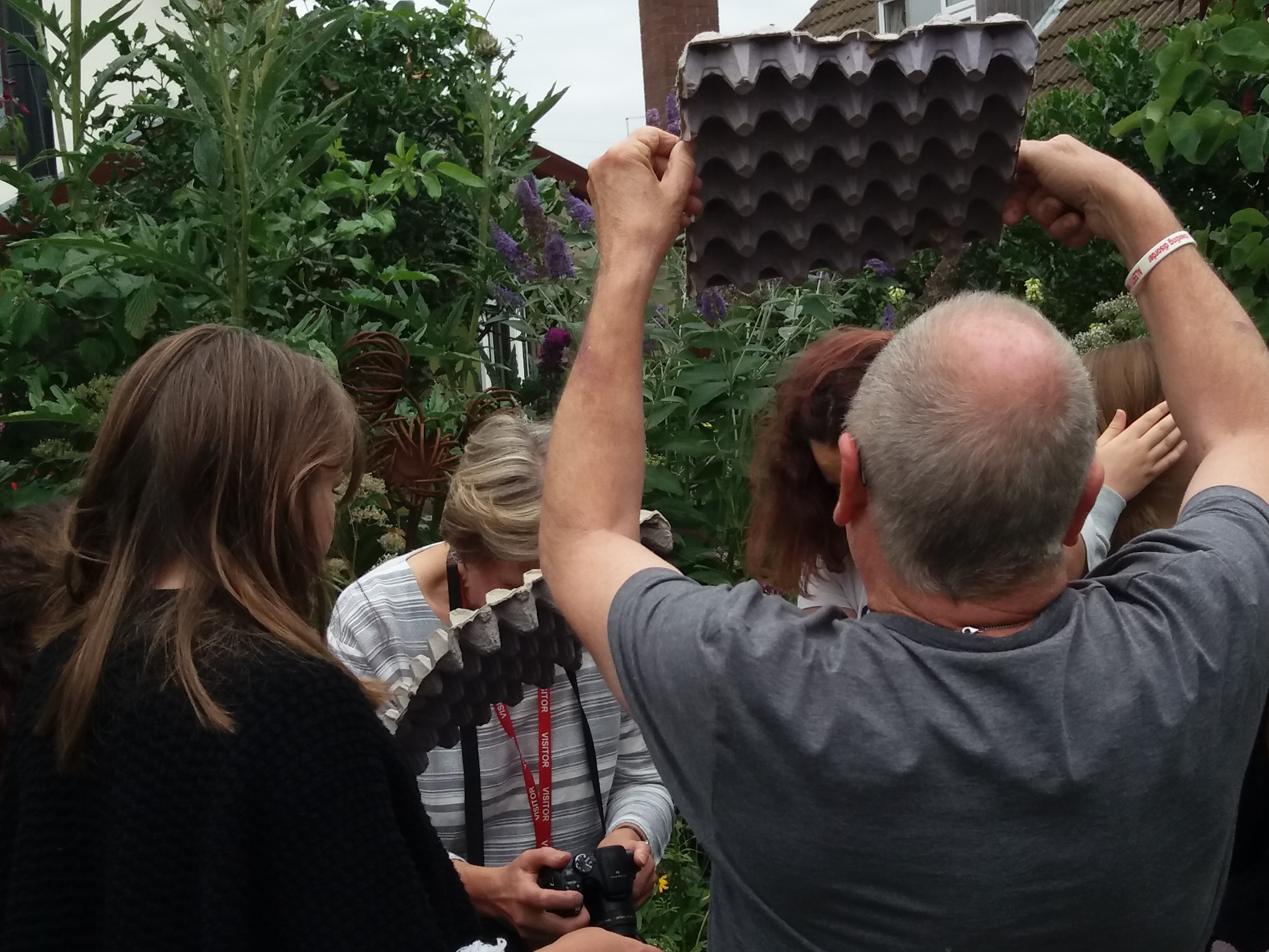
We recently hosted a visit to our garden by students from our local school, who came to look at how we garden with wildlife in mind, how we attract wildlife of all sorts and create a balanced ecosystem. We all had a great time!

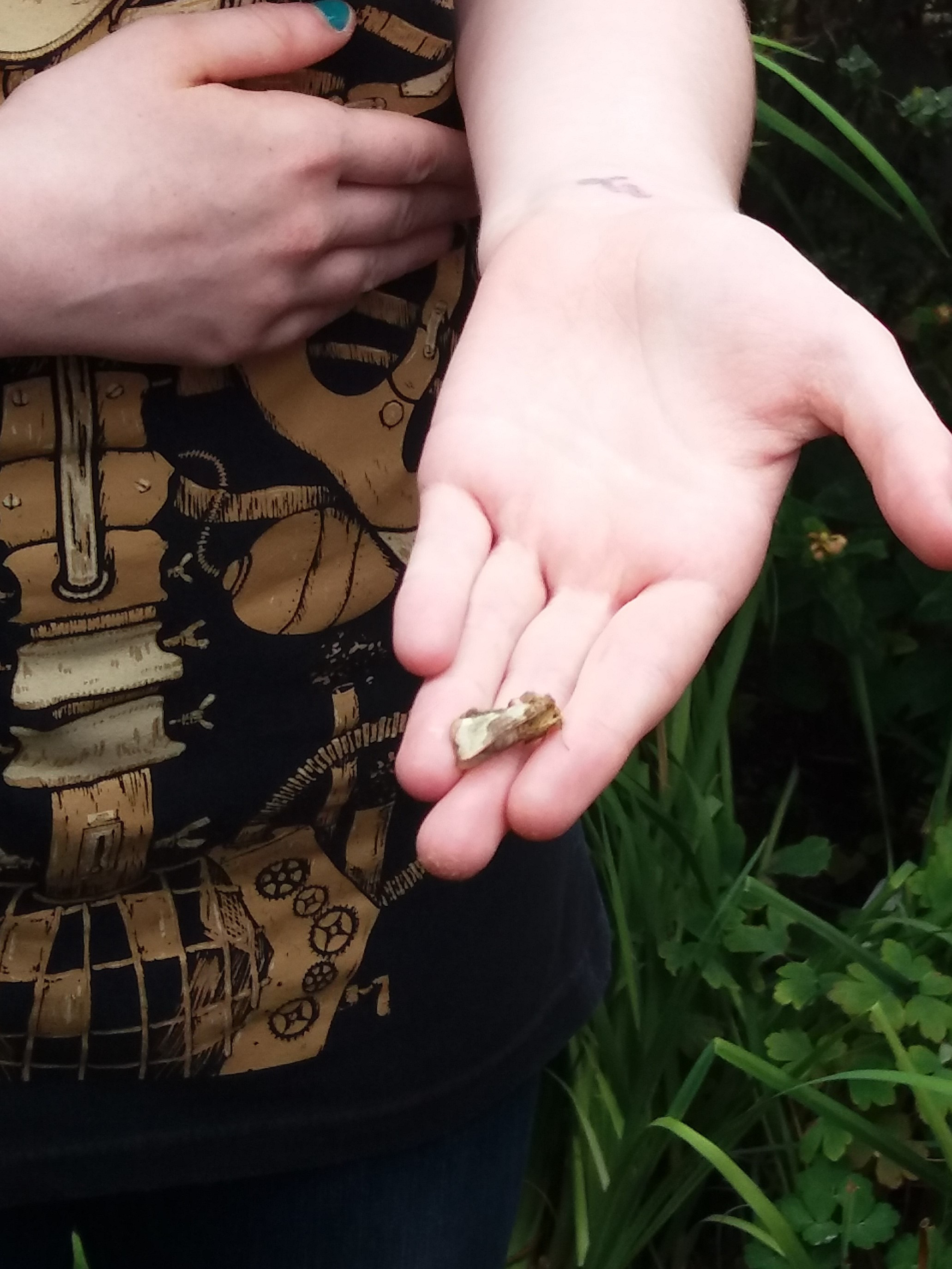
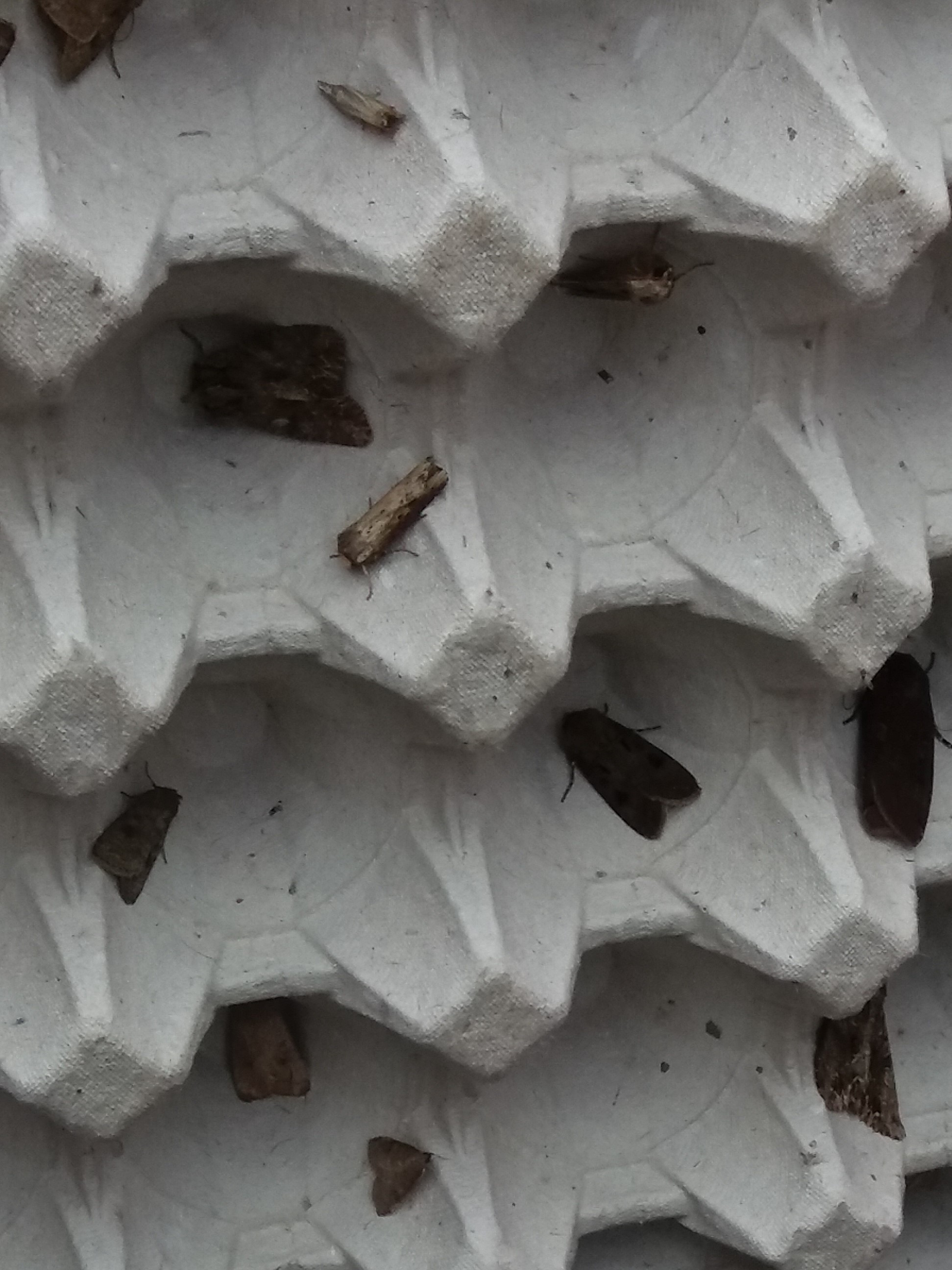
We began by looking at our live moth trap that had been in operation overnight. We studied the wide variety of moths that inhabit our garden overnight and slowly released them after encouraging each student to let a moth or two sit on their hands. Our overnight trapping was most successful with hundreds caught, with dozens of different species from the smallest micro moth up to our largest hawk moth. All were successfully released unharmed.


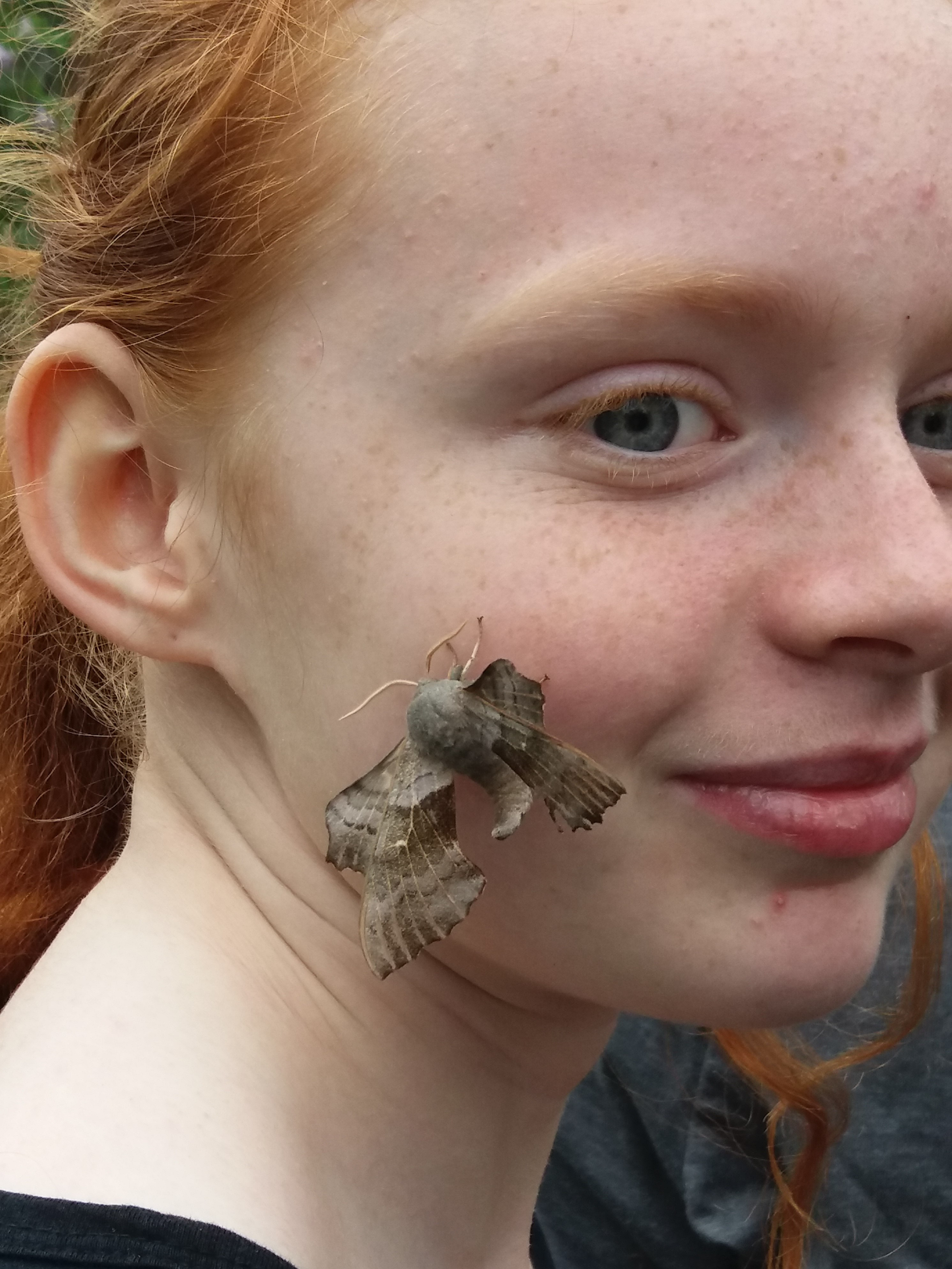
This Poplar Hawk Moth took a real liking to this young lady and stayed on her face for the whole visit. She even named him Steve!


We then enjoyed giving a guided tour of our patch, starting in the front garden and slowly moving through the whole patch, looking for plants that attract wild and identifying why and seeking out wildlife habitats and home made features.


A quick pond dip and the students were delighted to meet one of our frogs, a really impressive large one.

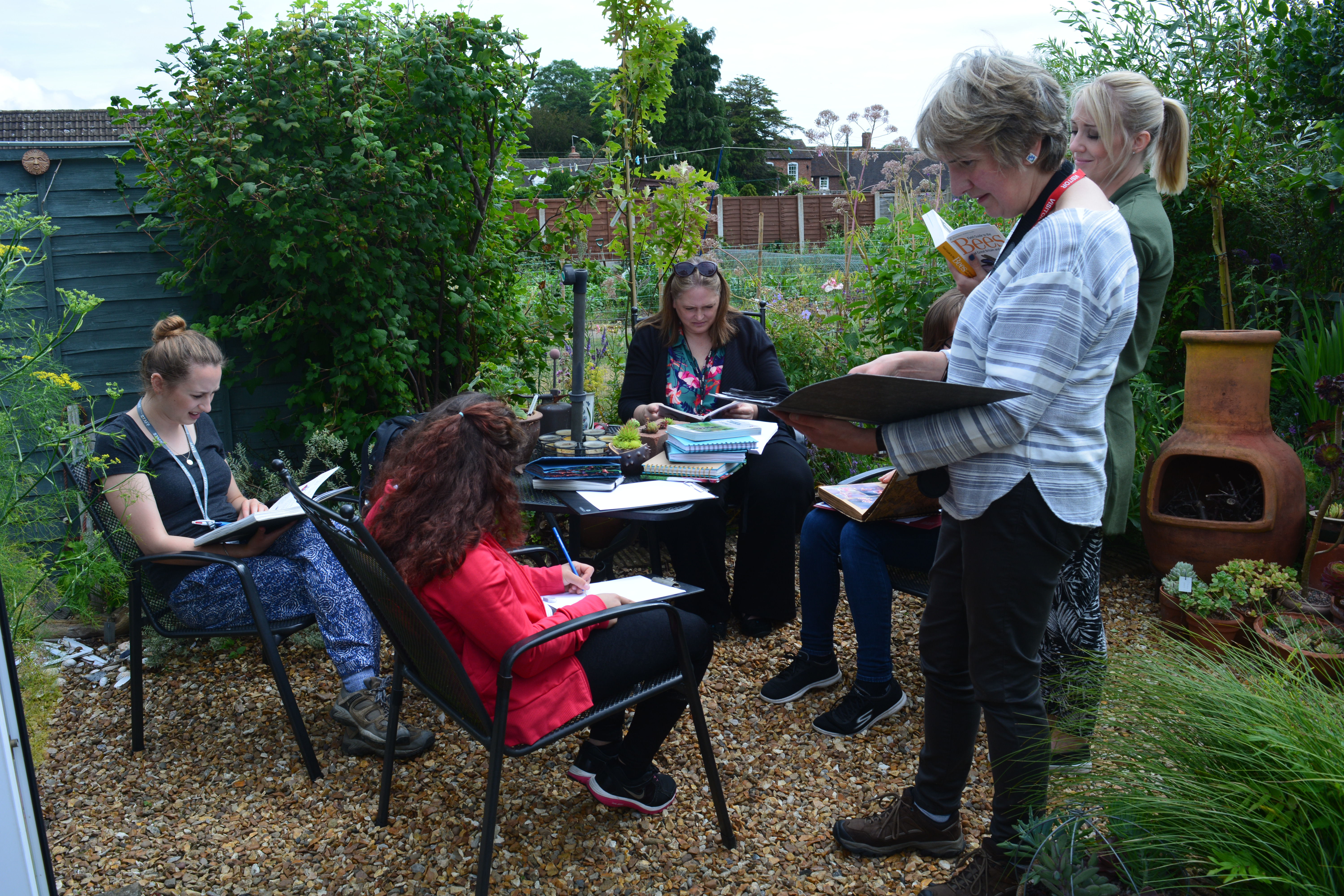
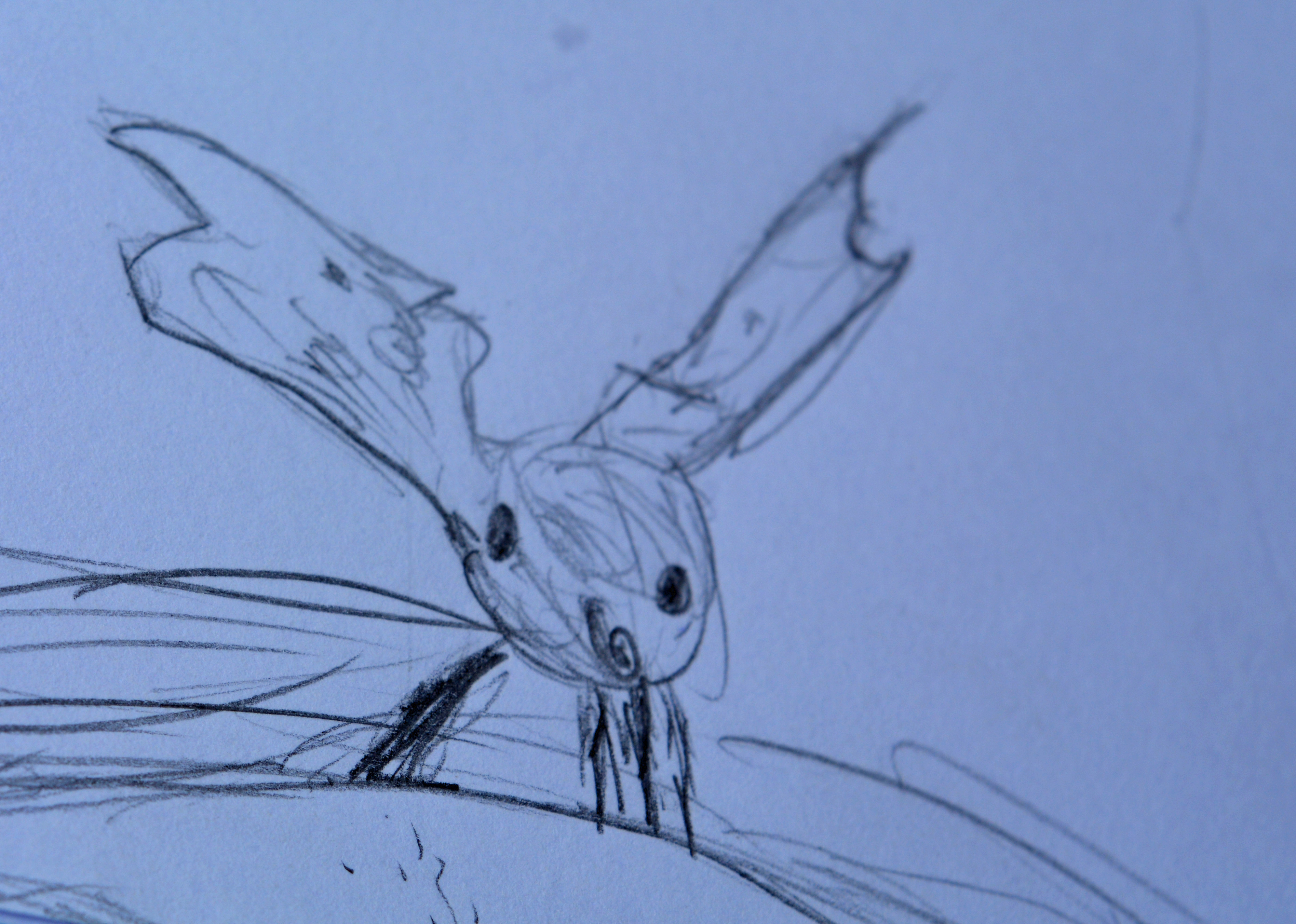
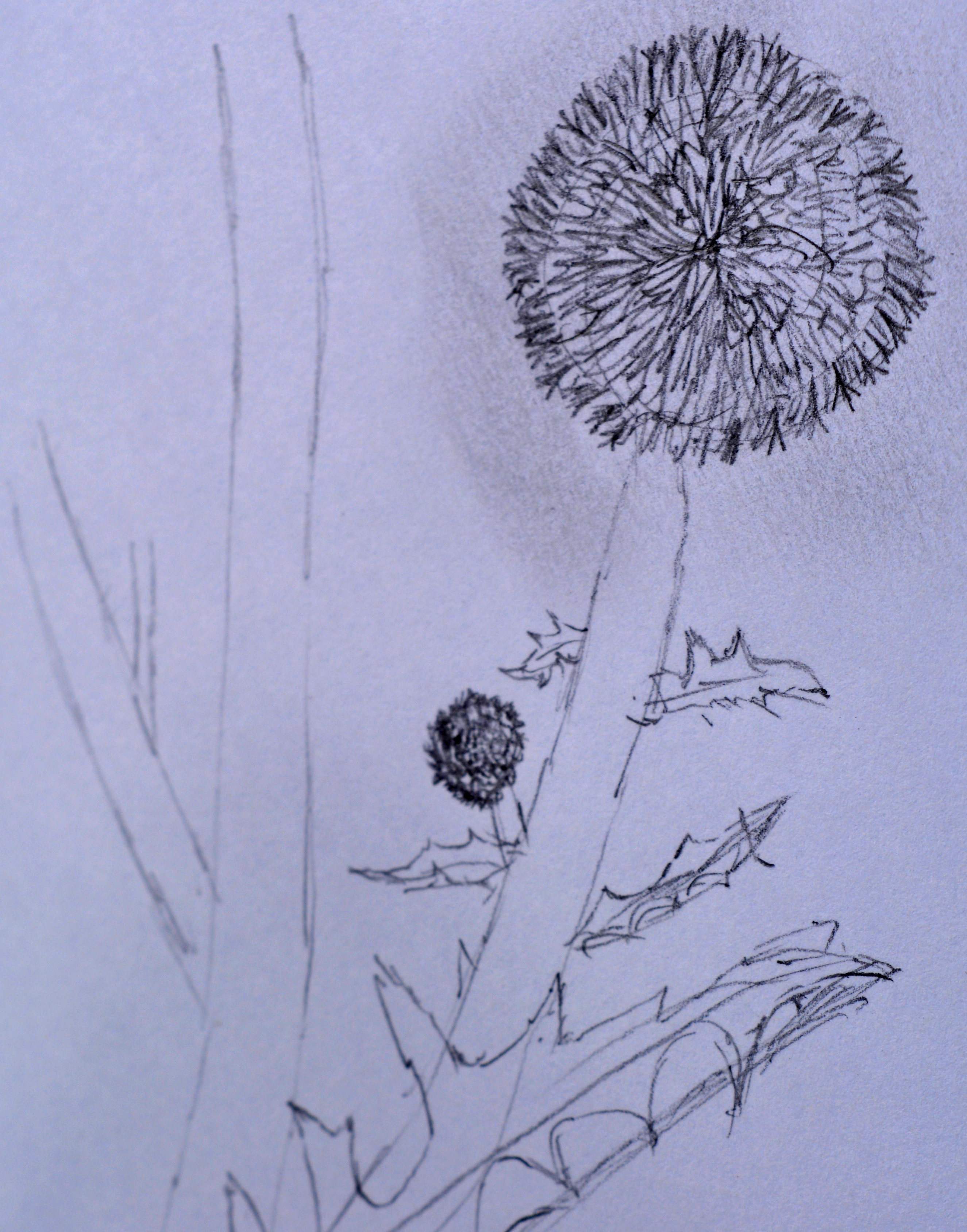
We then moved into the front garden and began a tour of our plot when we pointed out how we attract wildlife to our garden, highlighting plants that attract pollinators and all our home-made features, such as insect hotels and bird boxes. There was then time for a break when we all enjoyed tea, coffee and some of Jude’s home-made cakes. This was followed by a quiet time when the students explored the garden on their own and recorded what they had experienced in words and drawings.


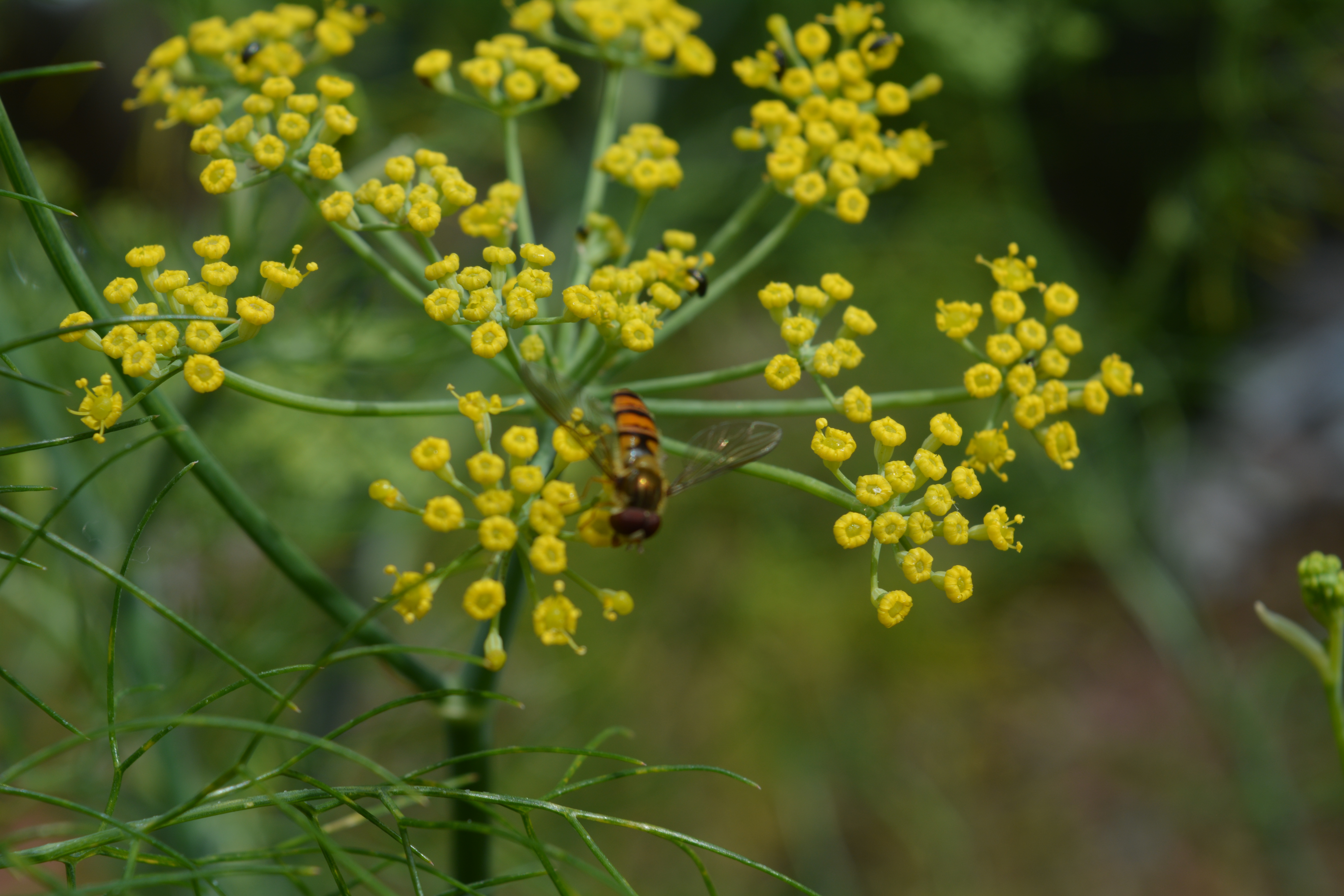
The group had target pollinator species to find and several were found and identified during the morning including this Marmalade Hoverfly, in its orange and black striped pyjamas.

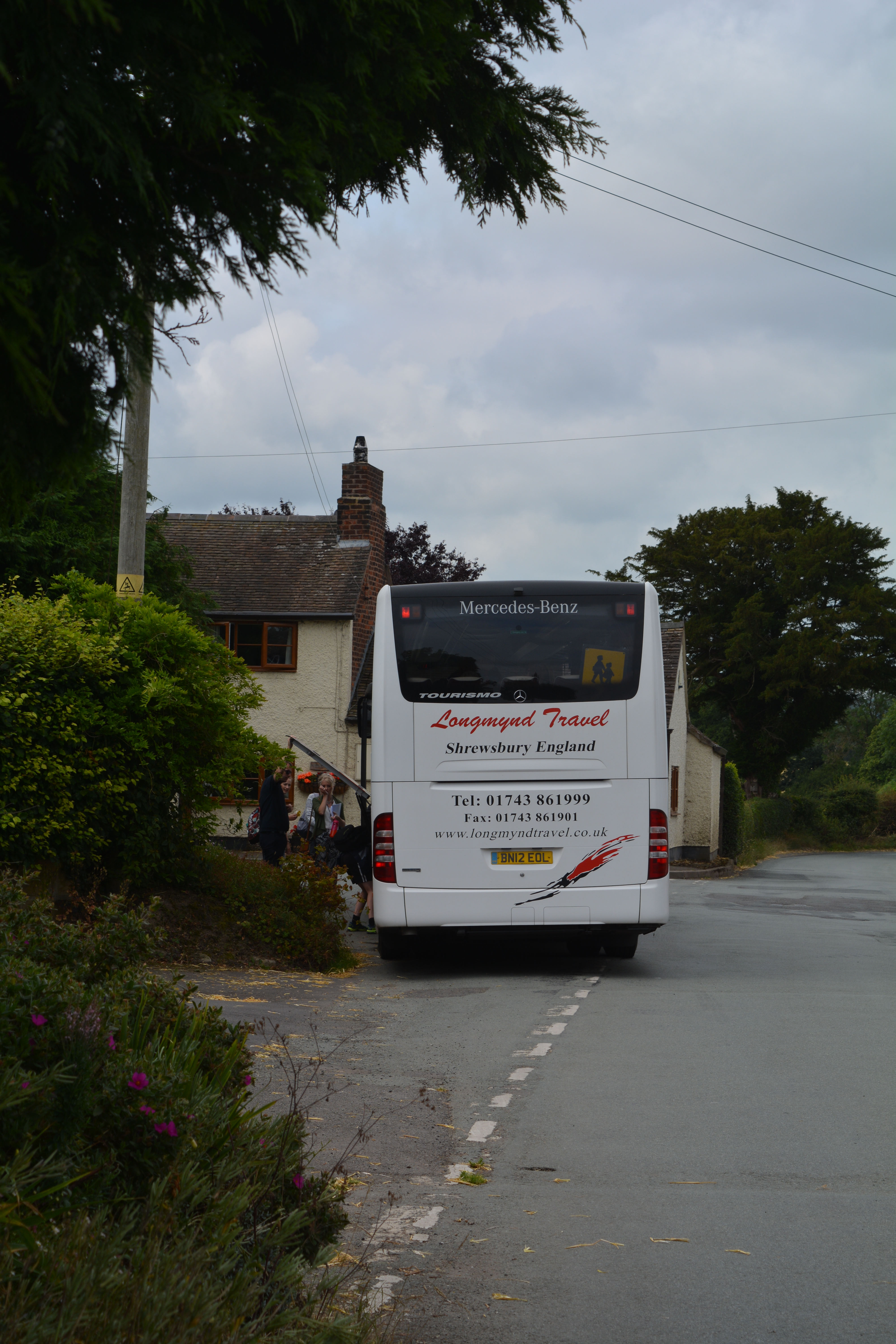
All too soon it was time for the group to leave us and wander down the road to board their coach, with a request to come again. We enjoyed the big waves we received as the bus drove off.


Categories
birds climbing plants colours flowering bulbs garden design garden photography garden wildlife gardening half-hardy perennials hardy perennials irises ornamental trees and shrubs roses Shrewsbury Shropshire shrubs

My Garden Journal 2017 – May

So as spring moves towards its end and we look forward to summertime, it is time to look at my Garden Journal 2017 entries for May.

I began by writing, “May is the month when Spring turns to Summer and Roses are the stars of many gardens. Irises shine out alongside them and many early hardy perennials join in.”

“Rosa rugosa – deliciously scented purple rose flowers throughout the summer, followed by large, glossy, red hips.


“Bearded iris.”


“This is the month when all our patient hardening off of non-hardy “delicates” pays off and we can return them to the garden where they add another dimension.

Hayworthia cymbiformis with its rosettes of boat-shaped succulent translucent leaves, hails from South Africa.”

I did a watercolour and fibre-tip pen picture of this unusual little succulent, which proved quite a challenge.


Turning over to look at the next double page spread we see a sea of pinks and purples. I share our Cercis siliquastrum with you and some more May specials, all decked out in pinks.

“Plant of the month for the month of May is a small, flowering tree, Cercis siliquastrum , a favourite.” Our Cercis is also called the Judas Tree and the Mediterranean cercis.


I continued to look at May special plants, more pink ones!

“More May time specials – those little flowers so worthy of us seeking them out. Take a walk around our patch and I will look down to see what is looking special. Sugar pinks……..Shocking pinks….. Lipstick pinks…..”


Turn over once again and we see that the pages consider the very special little plants, the Dodecatheons, with Euphorbias alongside.

“Dodecatheon – secret gems of the shade garden – sit demurely in dappled shade. Their delicacy and the unique form of their flowers ask the gardener to stop, stoop and study them close up. They are members of the Primula family, the Primulaceae, but it is hard to spot any family features.

The flowers nod on slender stems rising from a basal clump of foliage. We grow the cerise D. cusickii and the white-flowered D. media White Shooting Star.

Close up we find yellow, brown and pink on the white flowers and yellow, orange, red and even blue on the pink flowers.

Dodecatheon are true shooting stars of any shaded border.”


On the page opposite I feature “Bracts at their brightest and best” and go on to look at Euphorbias, featuring photographs of a few of our many varieties. “Euphorbias burst into the brightest possible shades of yellow, orange and red in May. A good month to do so as the bracts catch the rain drops from the frequent showers and as the sun follows on the colours of these bracts brighten further. Here is a small selection of our many much-loved Euphorbias, and more will follow later in May.”

My journal entries for May continues with a look at our garden after a shower, “After the rain……. Plants buck up, birds sing louder and bees return to search for flowers to rob of pollen and nectar. Leaves catch the last rain drops to fall and store them for later. Droplets sit on veins and in leaf centres and act as lenses. Even the birdbaths are topped up!”


Water, water everywhere ……………..


Over another page and we look at some of our little garden friends and allies and next to that a painting challenge for me as I try to paint two very delicate heads of flowers.

“May is the month when our wildlife friends live and work alongside us everyday, beneath our feet in the soil, in the plants surrounding us and in the sky above. From first light, if not slightly before, birds begin their chorus growing to a crescendo as more and more join in. Blackbirds, robins and wrens are first to open their hearts to us with loud song and this trio are also the last to go quiet after the light dims. Owls keep calling throughout the dark hours.

Above our heads swallows, house martins and swifts chatter and squeal as they put on balletic flying demonstrations, catching high-flying insects as they do so. Under stones, inside shrubs  and in our greenhouse spiders seem so busy, constantly rushing around.”

“Beautiful flower heads, a painting challenge for May.”


My jottings for May next turned to flowering shrubs and roses.

“Roses and other flowering shrubs.”

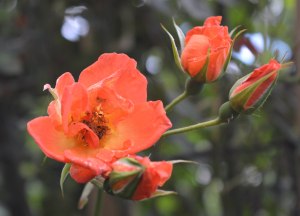
A selection of our May-flowering roses …………………..


………… and flowering shrubs.


Back to Euphorbias as we turn the page over and I feature more of our collection of the unusual plants with bracts as bright as any flower.

“More crazy Euphorbias!  They have a futuristic look to them, each whorl of bracts like a spaceship.”

“So varied! So bright!”


“Despite their acidic colours, Euphorbias partner well with other plants.”


“We often partner one Euphorbia with another.”


So turning over the page we find the final page for May in my 2017 Garden Journal where I share some of our flowering climbers with you.

“Climbing plants begin to place splashes of colour high up in the trees and on obelisks at eye height, adding another dimension to the Avocet patch. Akebia, Clematis, Lonicera and Coronilla.”


So, the first book in my 2017 Garden Journal comes to an end as the month of May does also. My notes, photos and paintings for the month of June will start off the second 2017 book. See you then.

Categories
bird watching birds garden wildlife natural pest control wildlife

Nest Box Cam

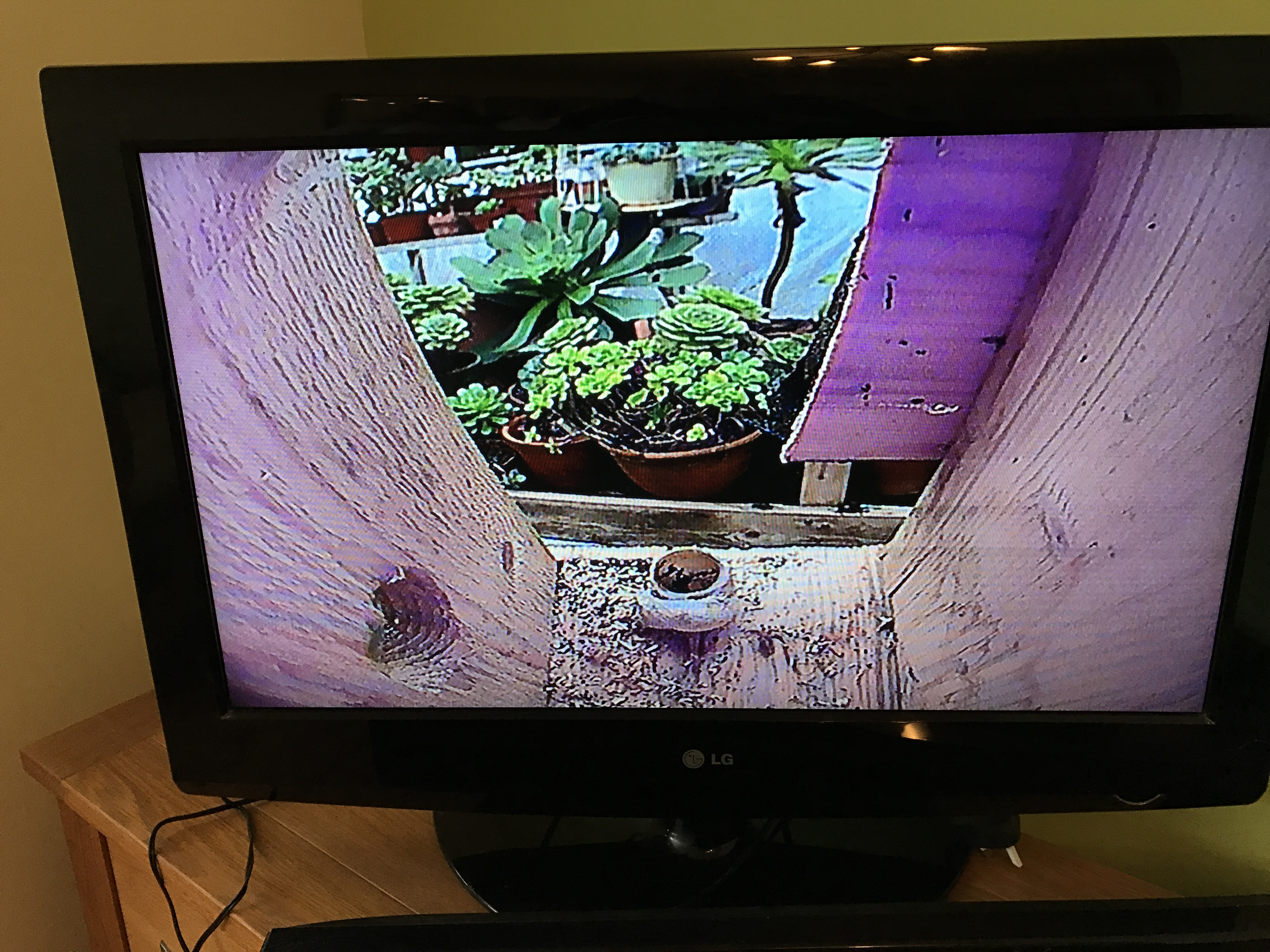
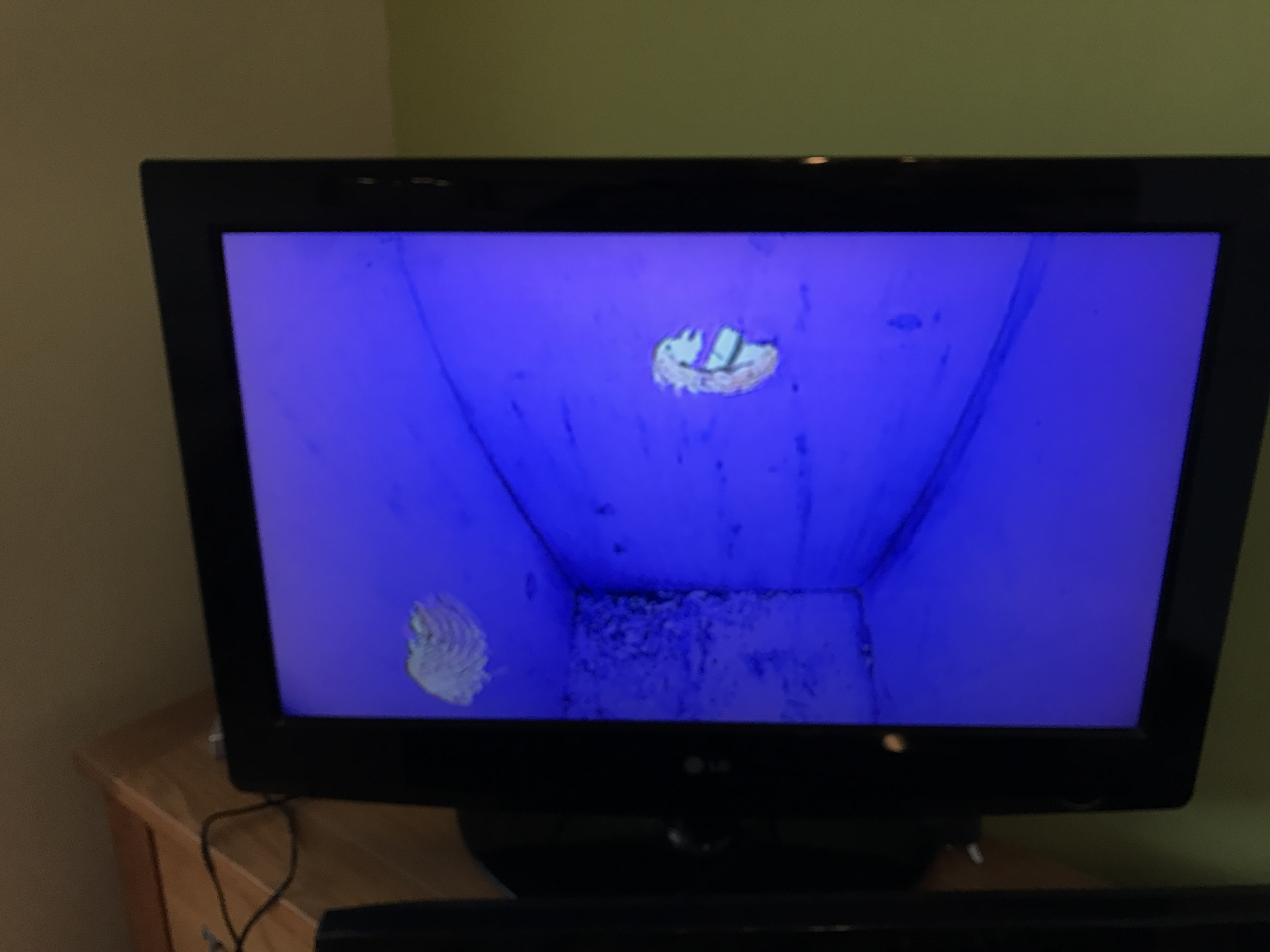
During the early Winter I made a special nest box for Blue Tits, one designed to house a wireless camera. To finish the project son-in-law Rob fixed  the tiny “spy” camera inside and linked it up to our television. So now that it is fixed up, partly hidden in our grape vine, we patiently wait to see if a pair take up residence to raise a brood. Exciting!

bb-7 bb-5 bb-6

You can see the second hole on the side, covered in a sheet of scratched perspex placed to let some light in.

It felt so good to see our first images of the empty box appear on our TV screen. Just how excited will we become if we spot a Blue Tit entering! Watch this space! It will be so good if they do nest because not only will we love watching them but we will know that they will be acting as great natural pest controllers, devouring thousands of insects especially aphids and thousands of caterpillars as they raise their young. Now that is real natural gardening!

bb-2 bb-3


Categories
birds colours flowering bulbs garden photography garden wildlife gardening gardens hardy perennials ornamental trees and shrubs outdoor sculpture Shropshire shrubs spring bulbs trees Winter Gardening winter gardens

My 2017 Garden Journal – January

It feels good to be back sharing my Garden Journal with you once again. So here is the first for 2017, my report on what was going on in our Avocet garden in January.

For 2017 I will share the beauty, the happenings and the stars of our Avocet garden month by month. I will consider the wildlife that visits and shares our garden with us and see what it is up to. I aim to record the birds we spot, the creatures which live in our pond and the mini-beasts who appreciate our plants in our borders.

I hope to set up my moth live-trap and carry out a pond dip regularly. I will record using words, photographs, paintings and drawings.

jan-03

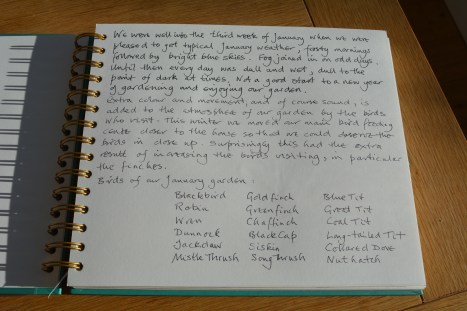
My 2017 Garden Journal opened with a comment about the weather, the favourite subject of the English and particularly English gardeners, “We were well into the third week of January when we were pleased to get typical January weather, frosty mornings followed by bright glue skies. Fog joined in on odd days. Until then every day was dull and wet, dull to the point of darkness at times. Not a good start to a new year of gardening and enjoying our garden.

Extra colour and movement, and of course sound, is added to the atmosphere of our garden by the birds who visit. This winter we moved our main bird feeding centre closer to the house so that we could observe the birds in close up. Surprisingly this had the extra bonus of increasing the birds visiting, in particular the finches.

Birds of our January garden: 

Blackbird                    Goldfinch                    Blue Tit

Robin                           Greenfinch                  Great Tit

Wren                            Chaffinch                    Coal Tit

Dunnock                      Blackcap                      Long-tailed Tit

Jackdaw                       Siskin                            Collared Dove

Mistle Thrush             Song Thrush                Nuthatch

Turning the page finds me discussing scented shrubs starring in our January garden.

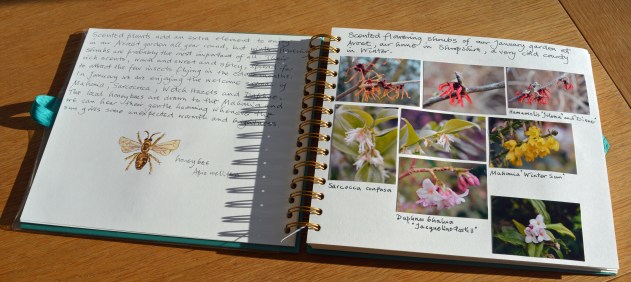
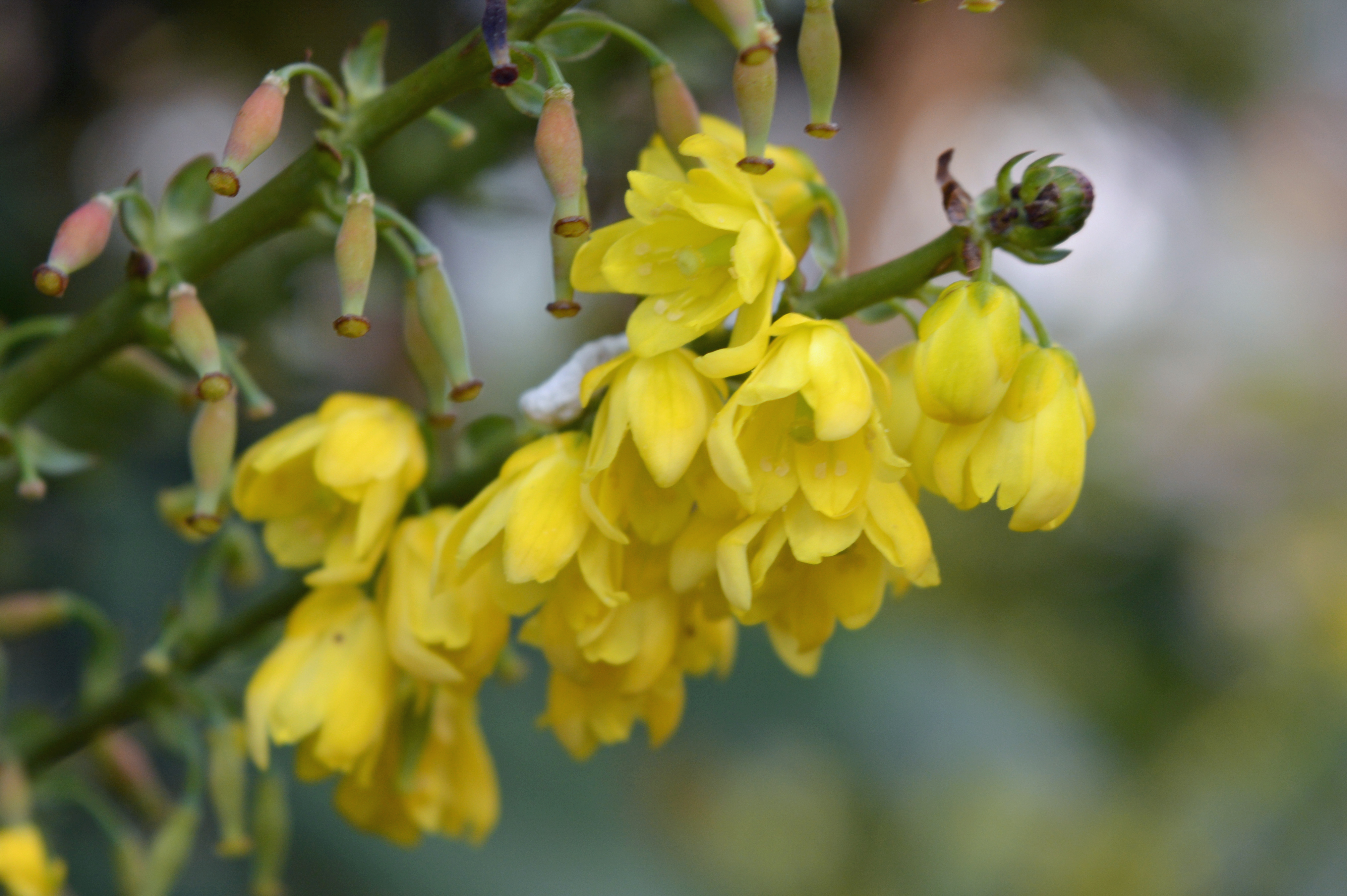
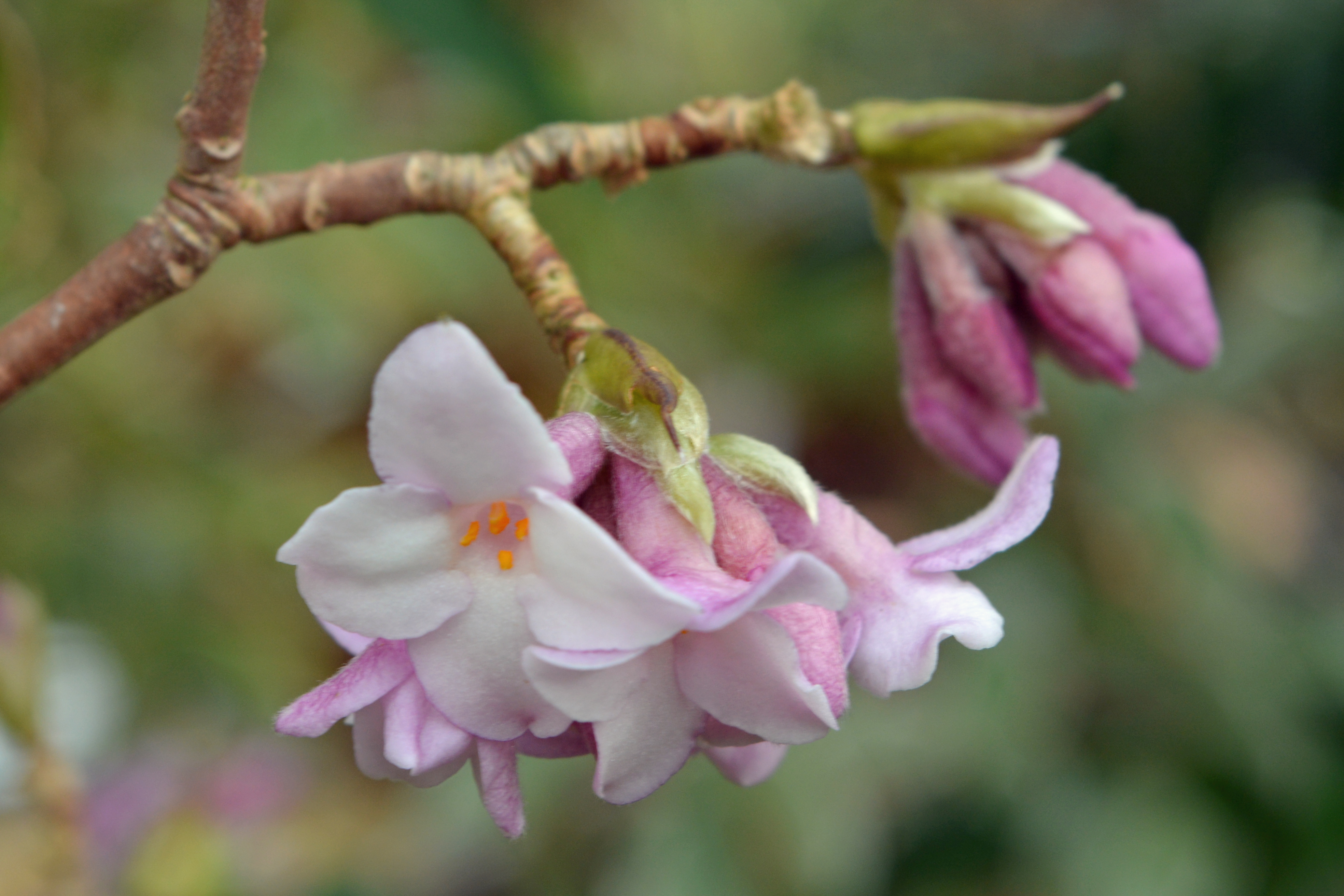
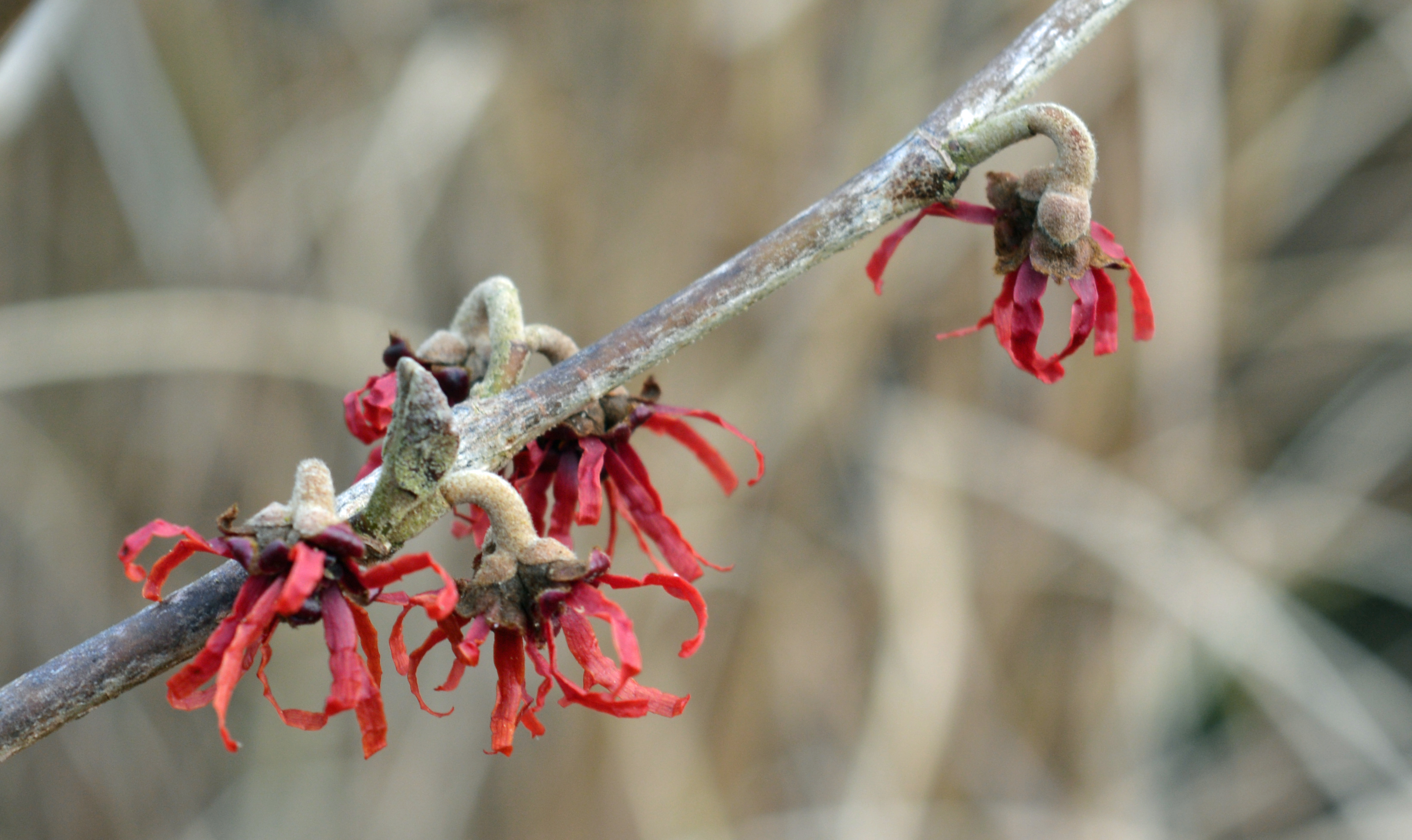
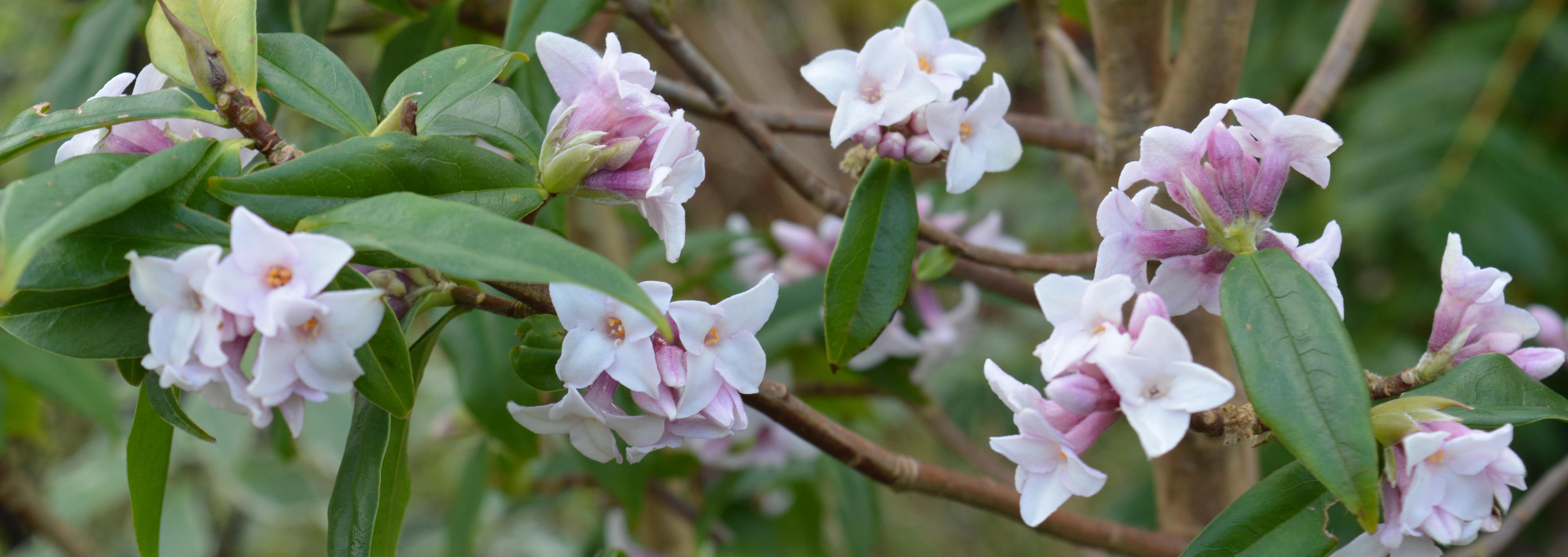
Scented shrubs add an extra element to enjoy in our Avocet garden all  year round, but winter-flowering shrubs are probably the most important of all. Their rich scents, warm and sweet and spicy, spread far to attract the few insects flying in the colder months. In January we are enjoying the welcome aromas of Mahonia, Sarcococca, Witch Hazels and Daphne. The local honey bees are drawn to the Mahonia and we can hear their gentle humming whenever the sun gives some unexpected warmth and brightness.

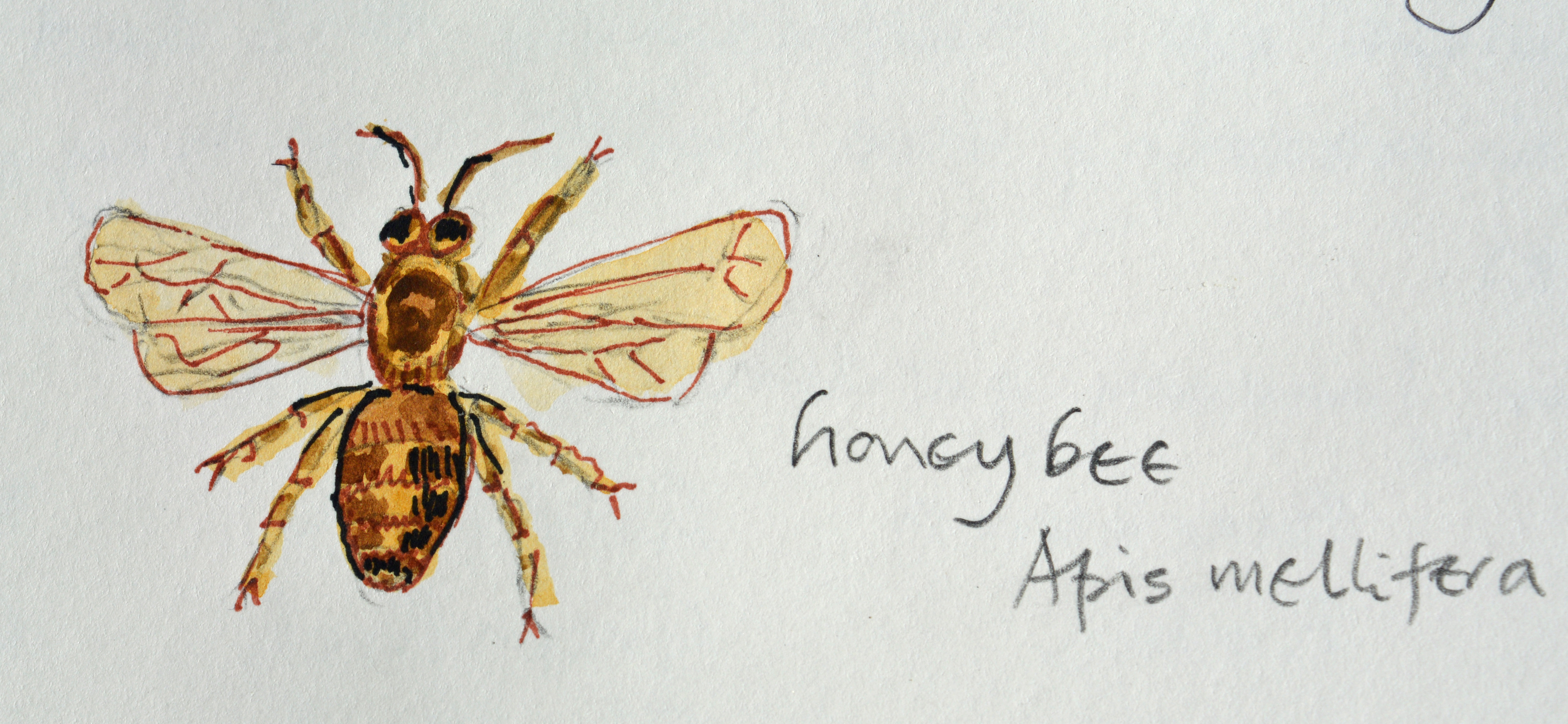
I used my watercolours to create a painting of a Honey Bee, Apis mellifera, and it was a very difficult painting to do.

jan-04jan-05 jan-06

On the page opposite my bee painting, I included photos of the “Scented flowering shrubs of our January garden at Avocet, our home in Shropshire, a very cold county in winter.”, Sarcococca confusa, Daphne bholua “Jacqueline Postill”, Hamamelis Jelena and Diane and Mahonia “Winter Sun”.

j1-1 j1-2 j1-3 j1-4 j1-5 j1-6 j1-7 j1-8

Over the page we look at “new” gardening tools, one brand new and one new to me which is a vintage tool.

jan-07

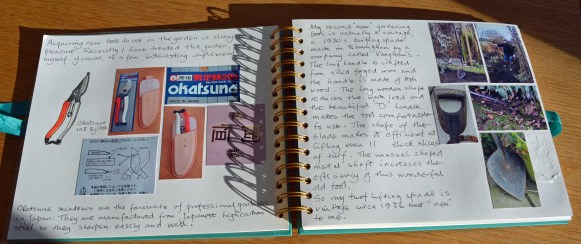
“Acquiring new tools to use in the garden is always a pleasure. Recently I have treated the garden, and myself of course, to a few interesting implements”. 

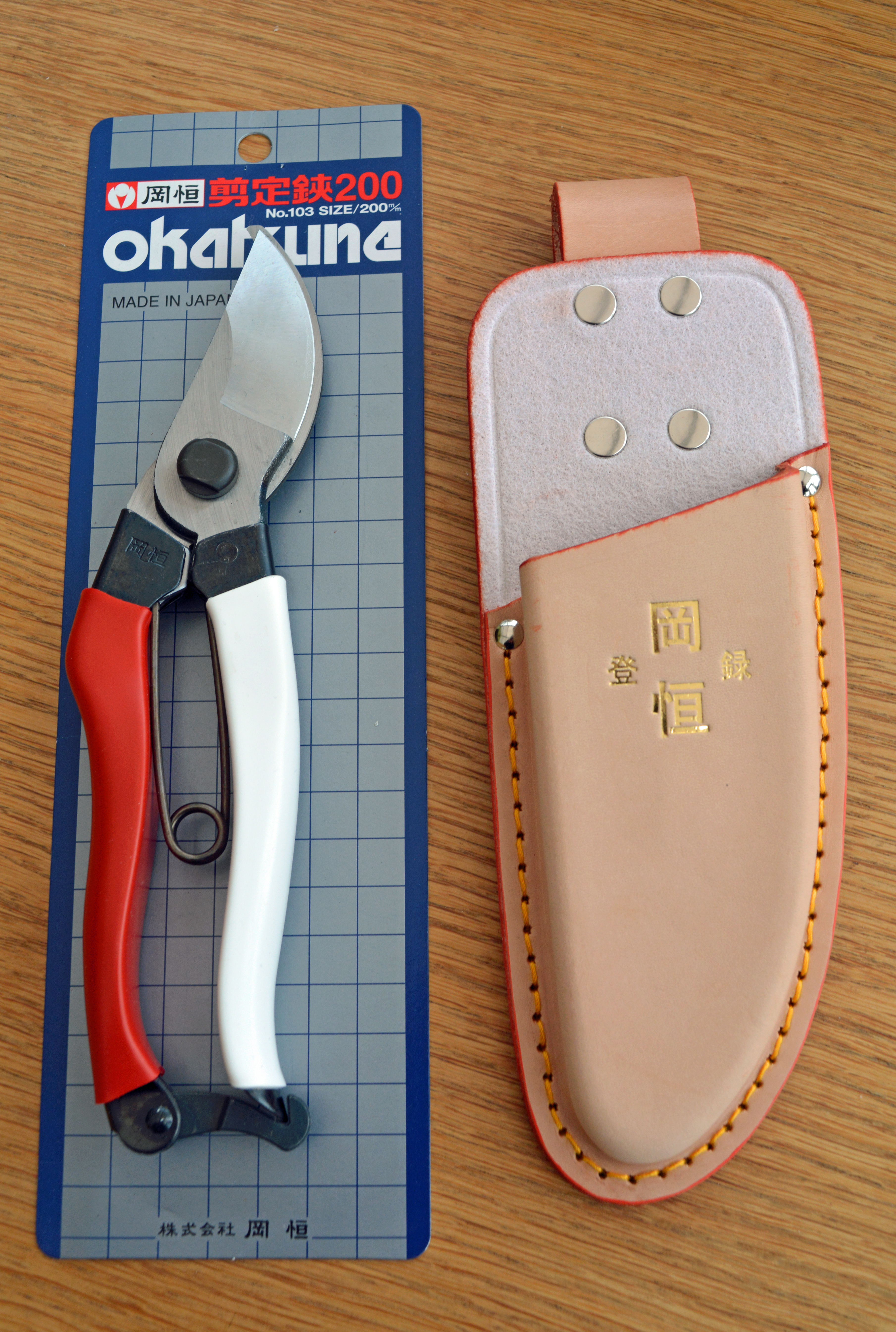
Firstly a pair of Japanese secateurs, with the unusual problem of instructions written in Japanese. As I had ordered them from Japan I should not have been surprised really!

I painted a picture of my new Japanese secateurs, which was a lot harder that it looks.

jan-01 j2-1 j2-4

“Okatsune secateurs are the favourite of  professional gardeners in Japan. They are manufactured from Japanese high carbon steel so they sharpen easily and well.”

j2-2 j2-3  j2-5 j2-6

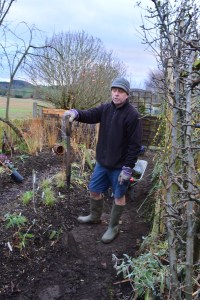
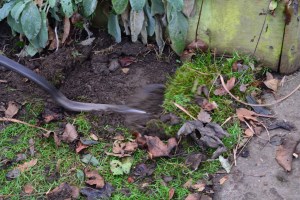
“My second “new” gardening tool is actually a vintage piece, a 1930’s turfing spade made in Birmingham by a company called Vaughan’s. The long handle is crafted from solid forged iron and the handle is made from Ash wood. The long wooden shaft reduces the workload and the beautiful “D” handle makes the tool comfortable to use. The shape of the blade makes it efficient at even lifting an even 1 inch thick slices of turf. The unusual shaped metal shaft increases the efficiency of this wonderful old tool. So my turf lifting spade is vintage circa 1936 but “new” to me.

j3-07 j3-11

j3-01 j3-02 j3-09 j3-08

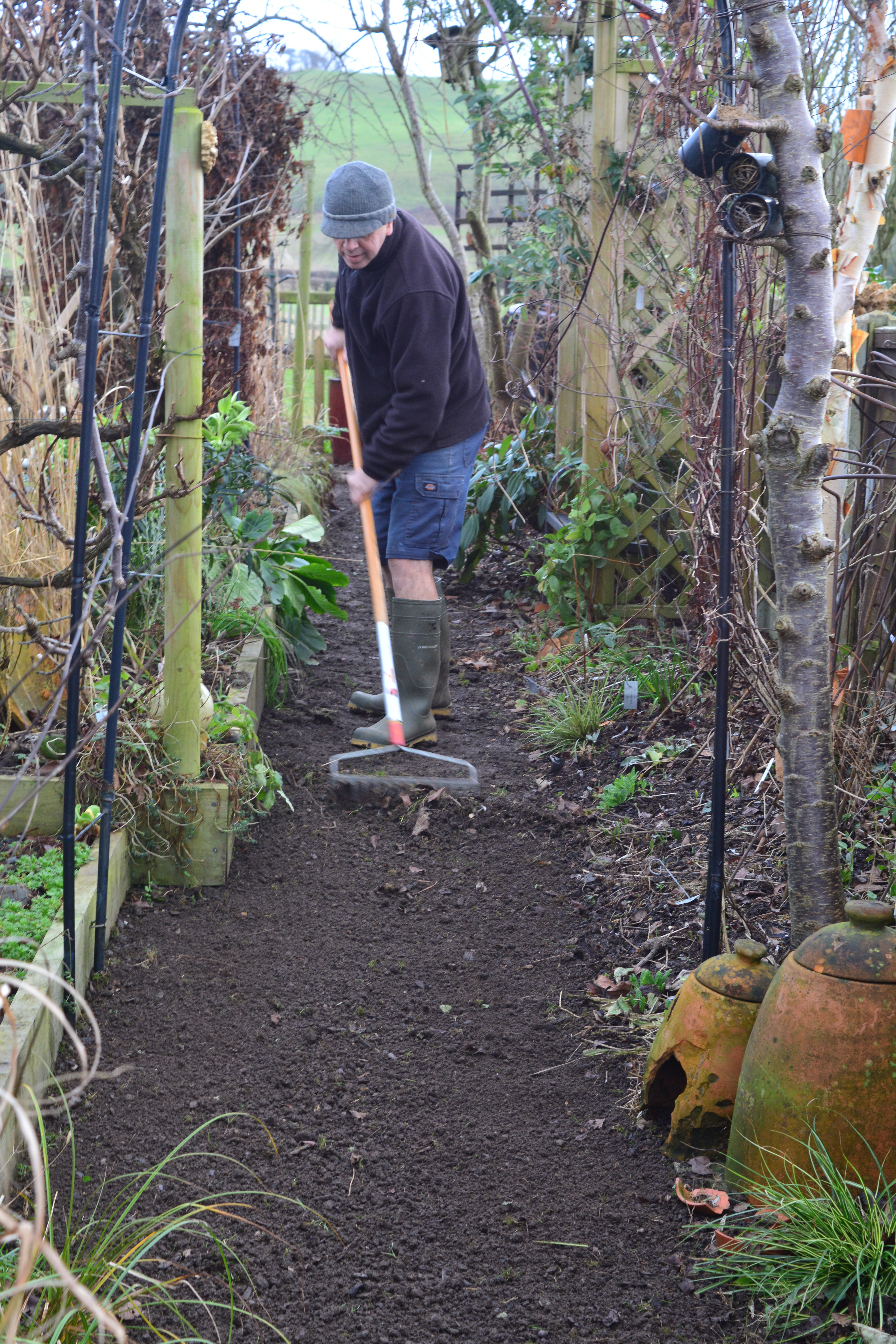
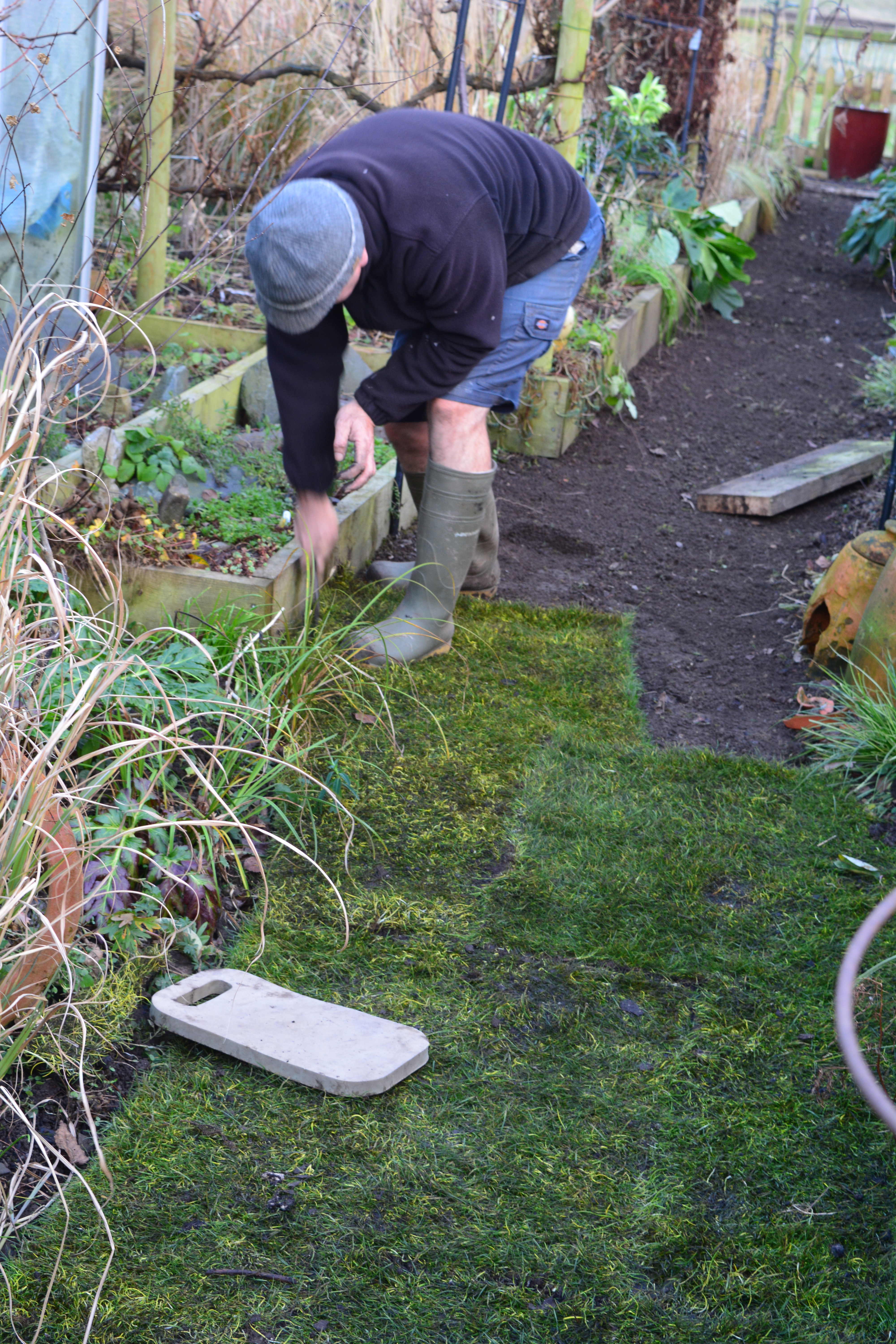
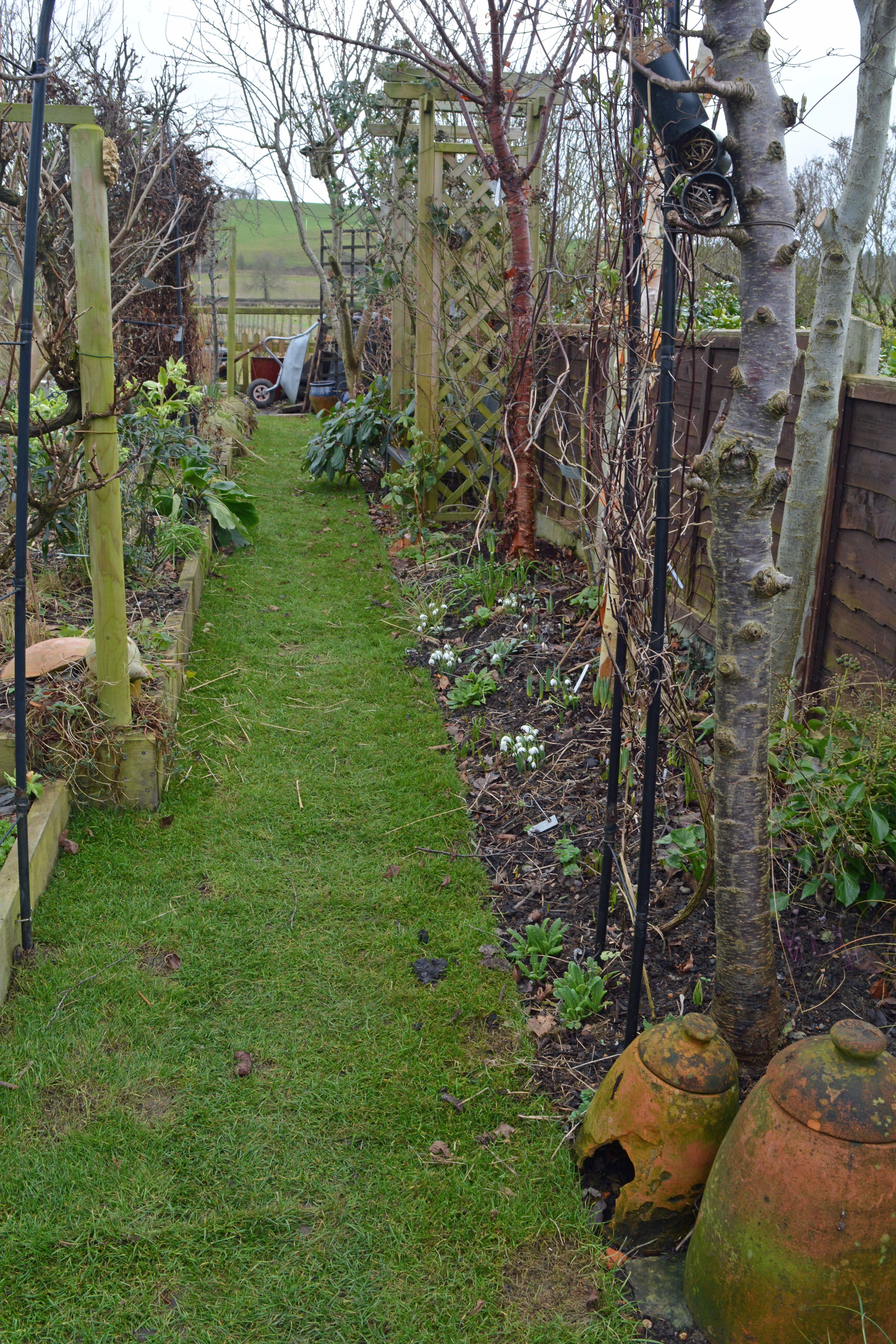
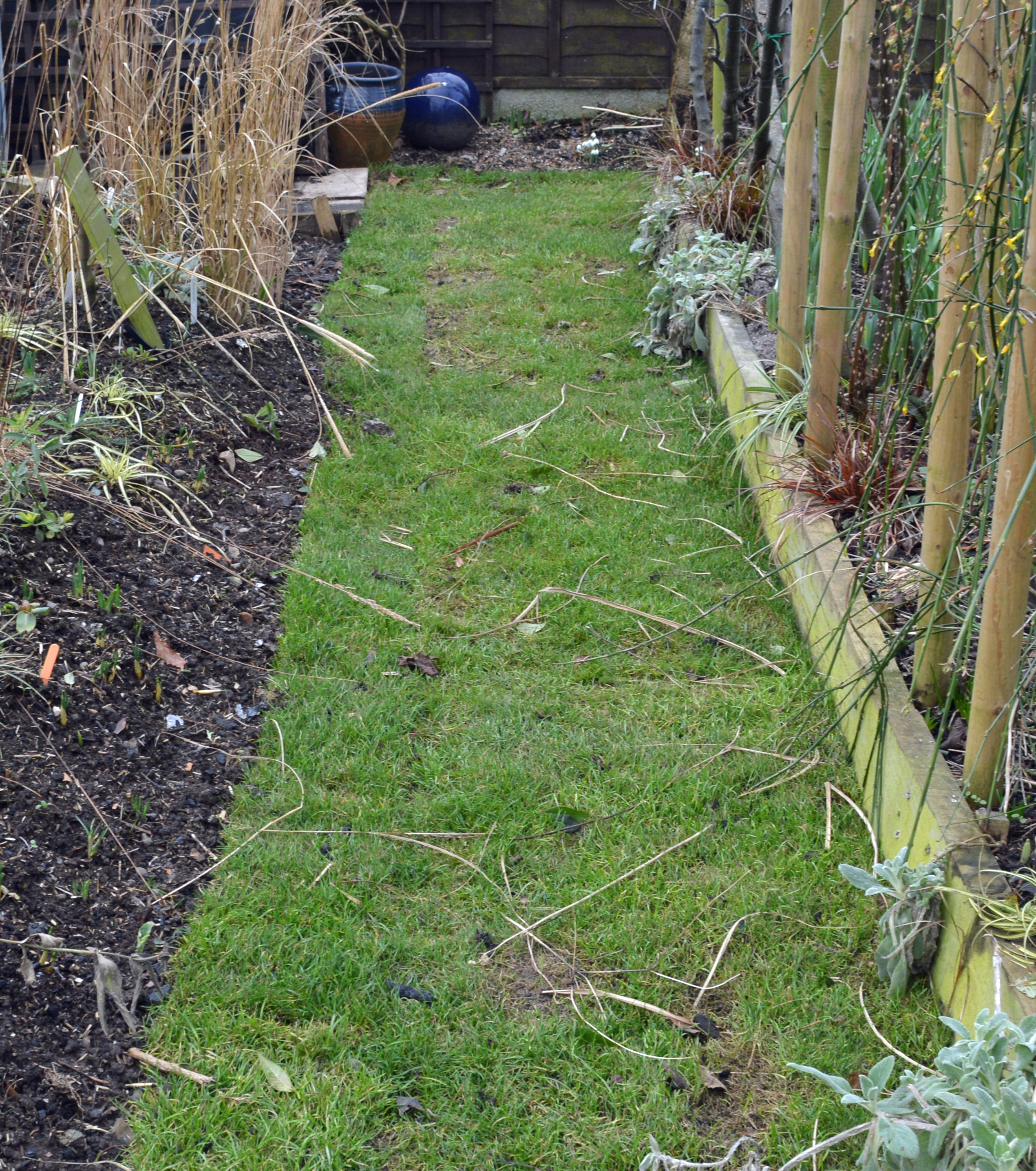
I moved on to show how Ian, our gardener, used the vintage turfing spade to replace the grass on some of our paths.

jan-08

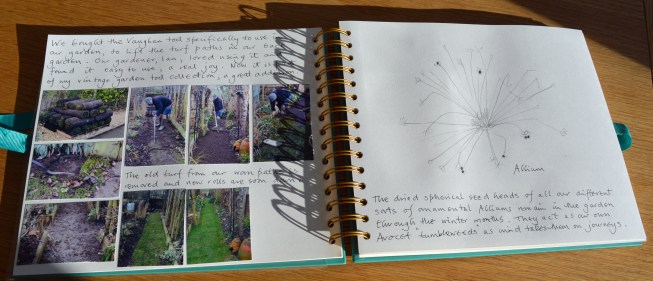
“We bought the Vaughan tool specifically to use in our garden, to lift the turf paths in our back garden. Our gardener, Ian, loved using it and found it easy to use, a real joy. Now it is part of my vintage garden tool collection, a great addition.”

j3-03 j3-06

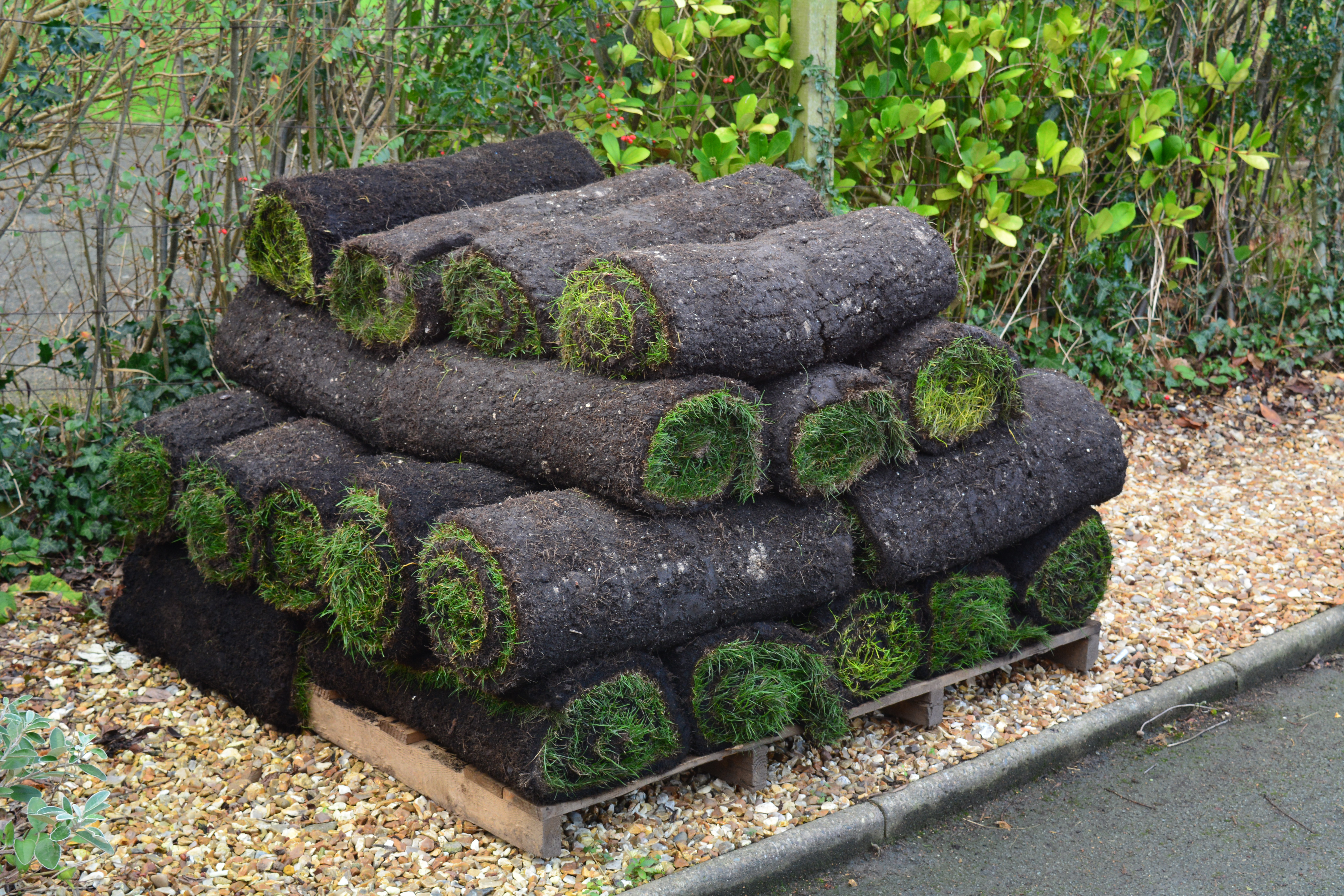
“The old turf from our worn paths is soon removed and new rolls are soon down.”

j3-10 j4-1j3-04 j3-05 j5-1  j5-2 j5-3

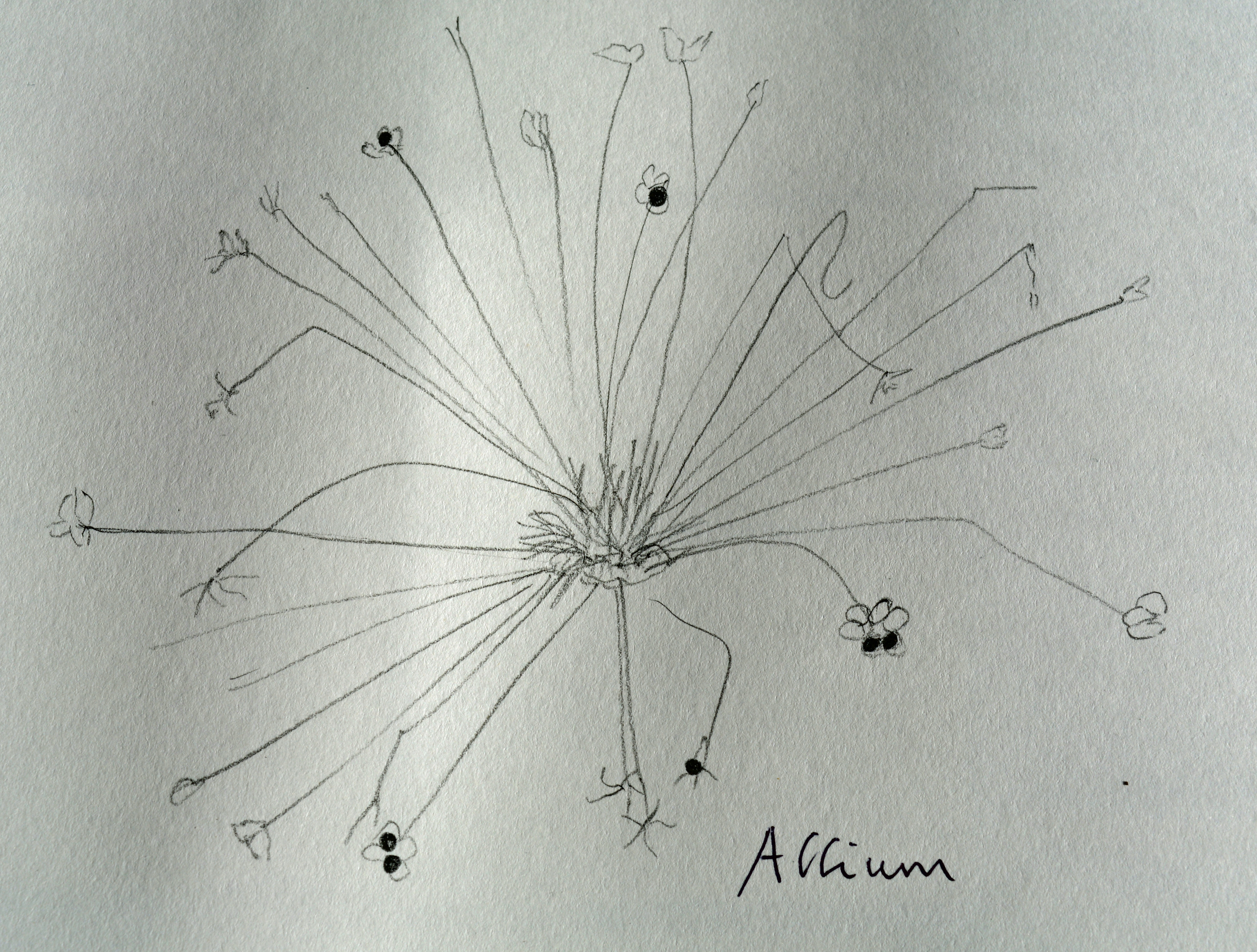
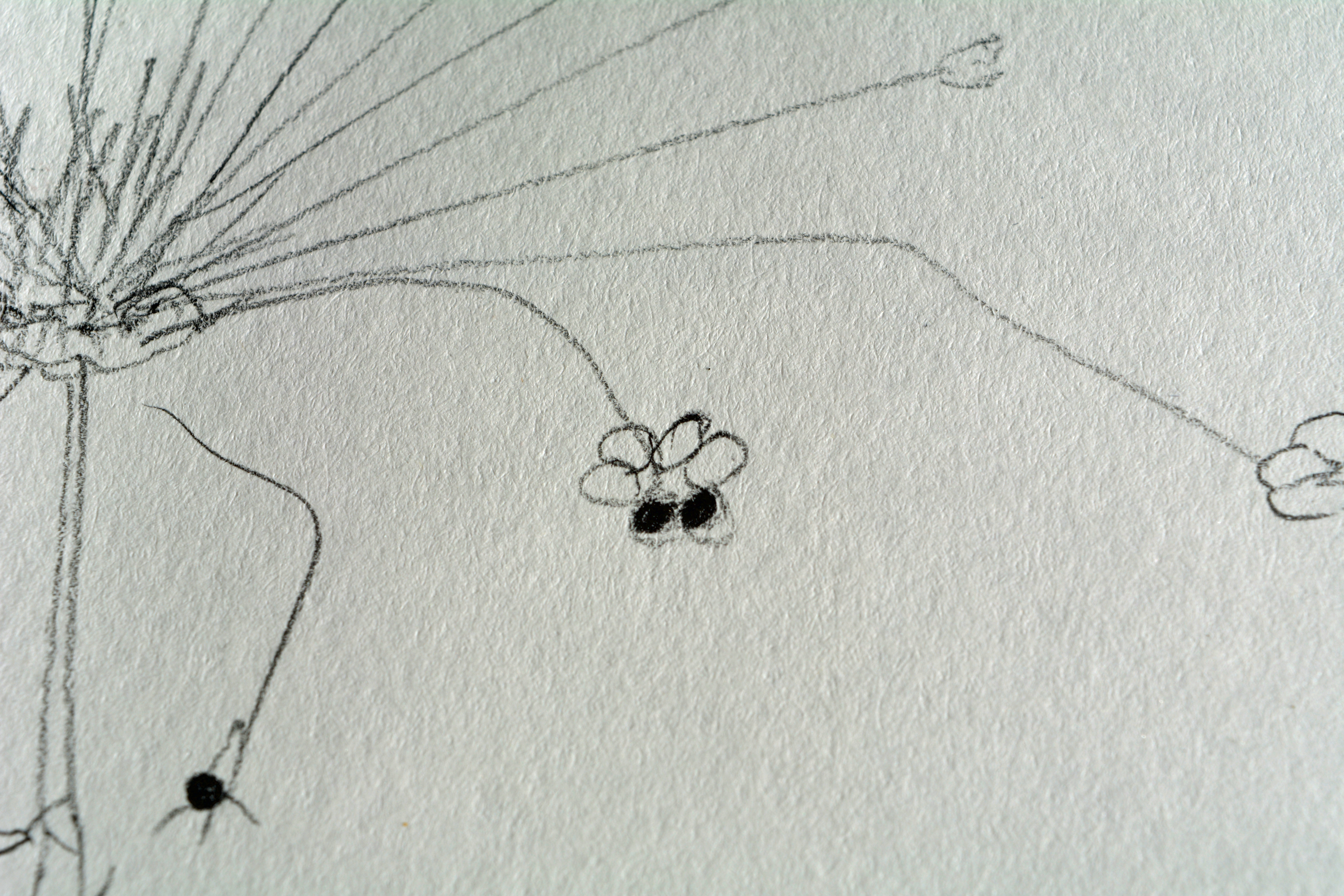
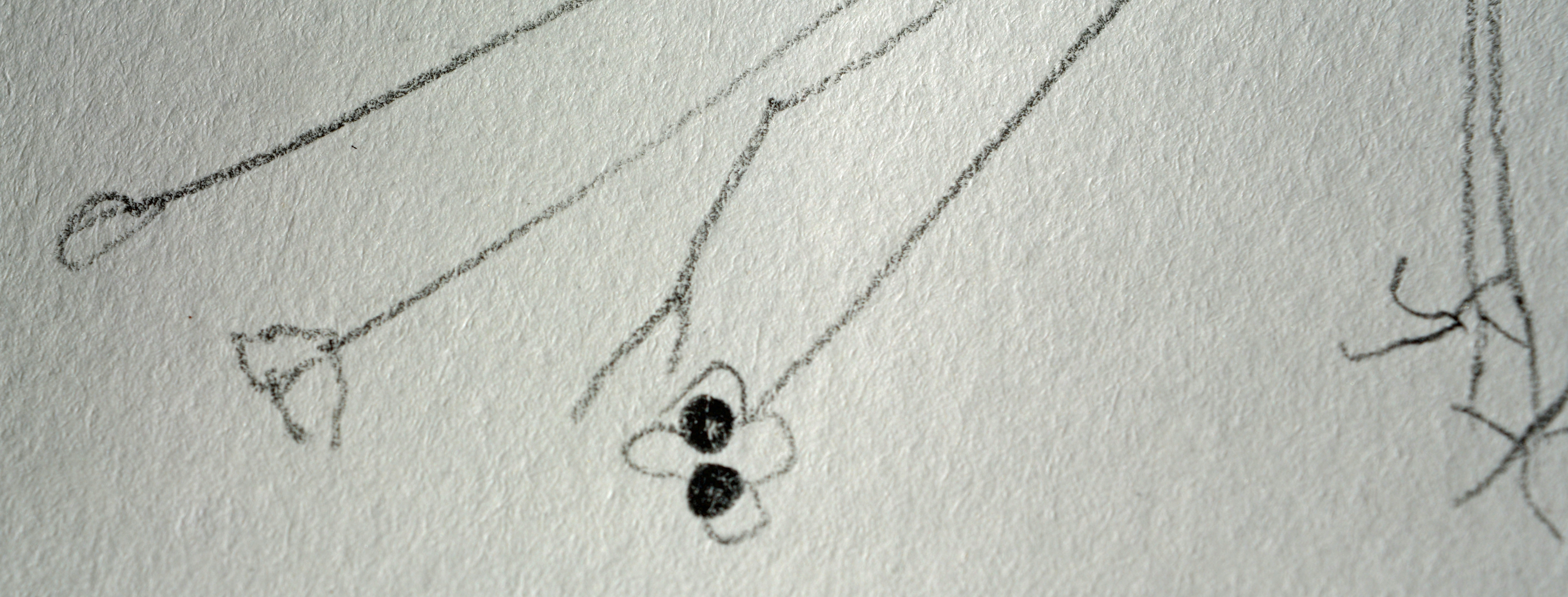
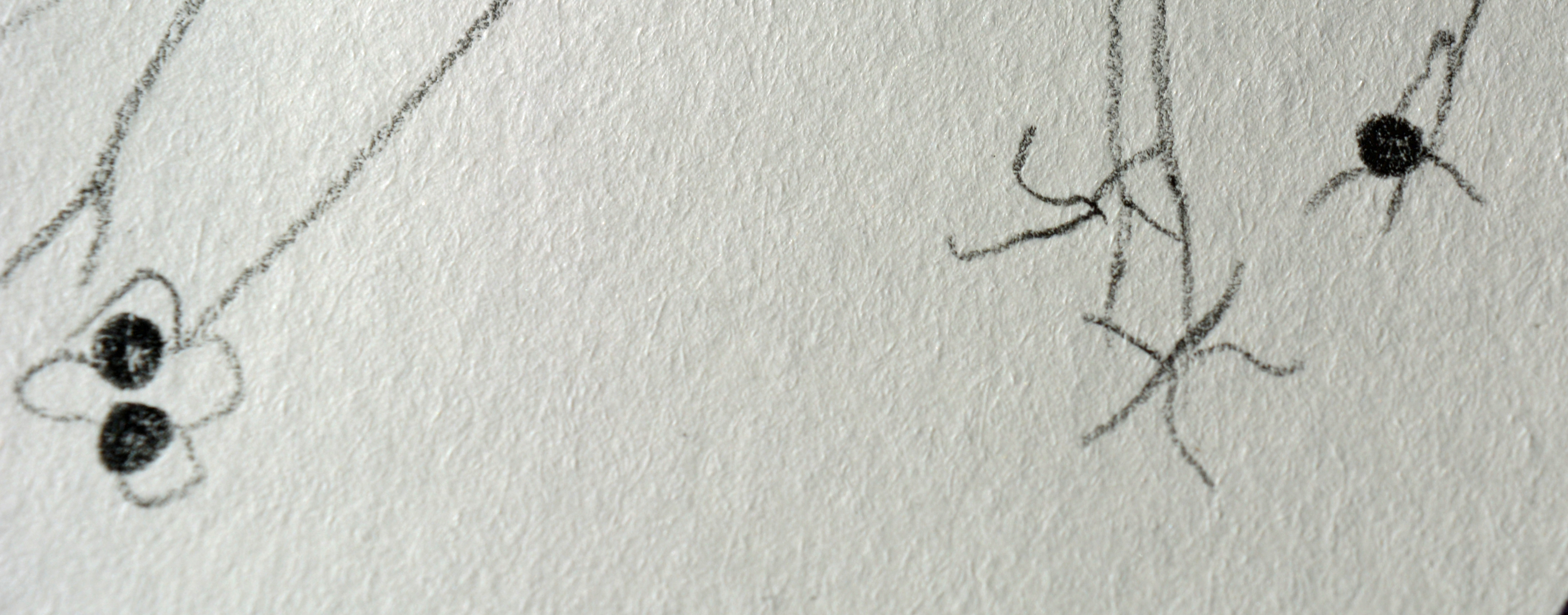
I next looked at a beautiful totally dried seed head of an Allium, which, with its spherical shape, tends to get blown around the garden with several others. We meet them at random times and places all overthe garden. We are always surprised by their simple beauty. I drew the Allium seed head using just a pencil. Looking and studying the Allium took much longer than the time spent with pencil moving on paper.

jan-09

“The dried spherical seed heads of all our different sorts of ornamental Alliums remain in the garden through the winter months. They act as our own Avocet “tumbleweeds” as wind takes them on journeys.”

I hope you enjoy the close ups of my drawing below.

jan-10 jan-11 jan-12

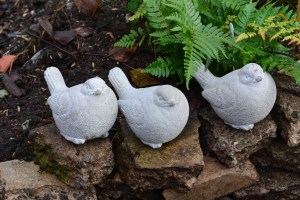
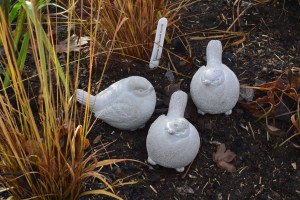
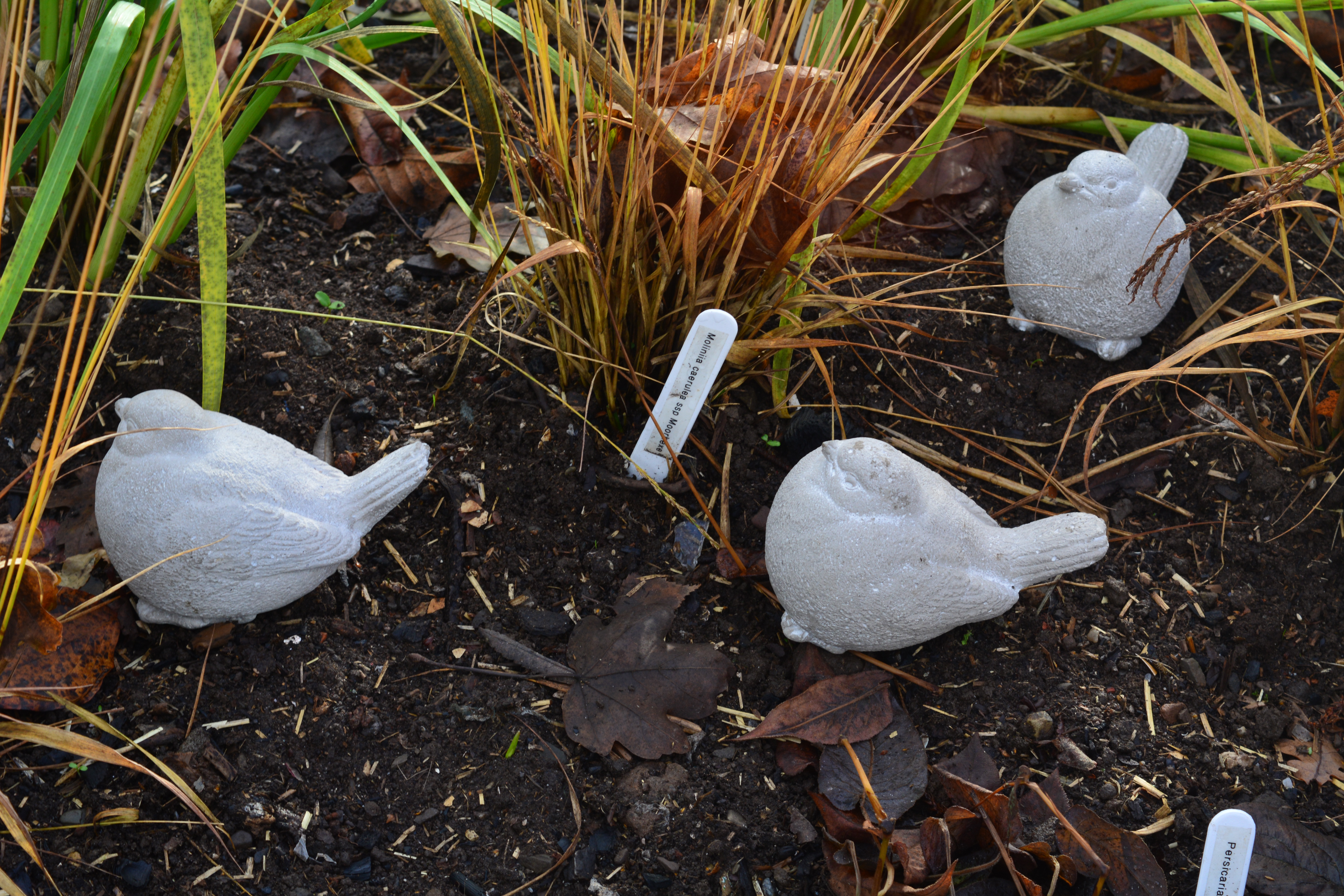
By turning the page we see little white birds and colourful bulb flowers. I wrote: “We bought three new stoneware sculptural pieces for our garden, three cheeky and chirpy Sparrows. We loved taking them around the garden seeing where they looked their best. We decided to keep moving them around as the mood took us. They, however, decided that their favourite place was our garden bench in “Arabella’s Garden”. Cheeky chappies indeed!

jan-13

j7-3 j7-4j7-2 j7-5j7-1 j7-7 j7-8

Opposite the photos of the sculpture birds are photos of early flowers, Irises and Hellebores.

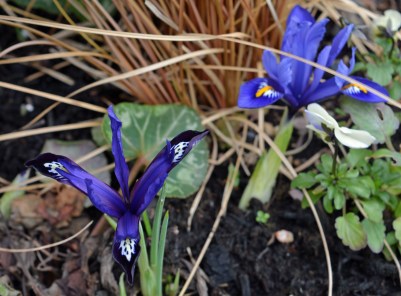
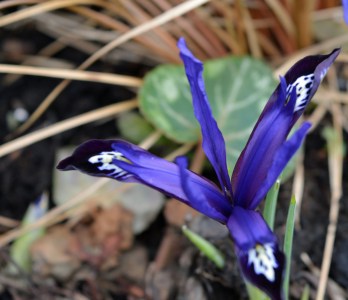
“Iris reticula, the first bulb to flower in 2017.”

j6-3 j6-4 j6-5

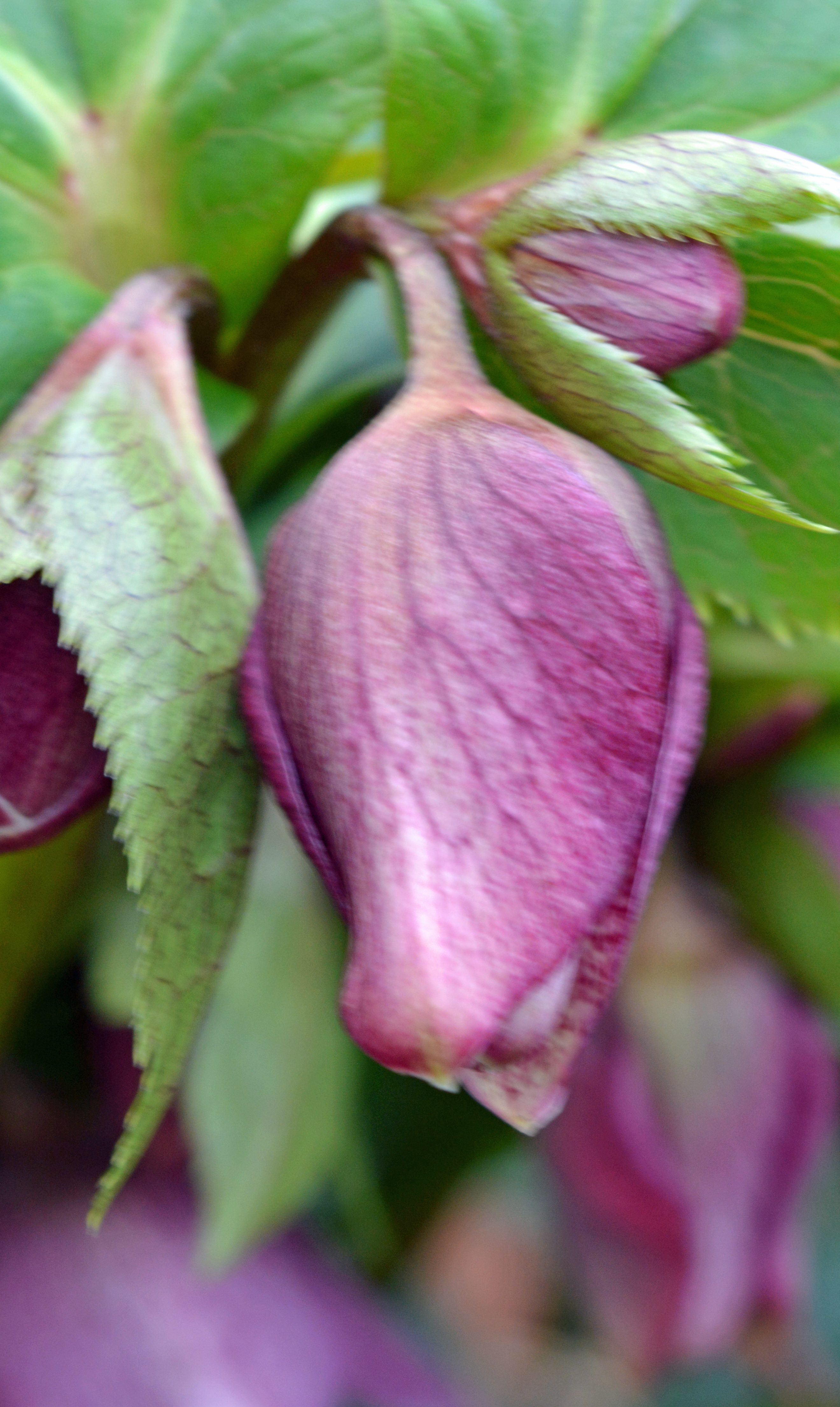
“Meanwhile Hellebores are budding up strongly, so we will have flowers in Feb.”

j6-2    j6-1j6-6 j6-7

January frosts feature on the next double page spread.

jan-14

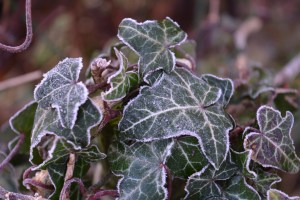
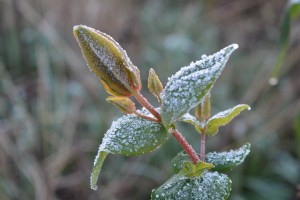
“On the early hours of the days following cold frosty nights, the flowers which give colour to our January garden, were topped off with cold, icy halos.”

j7-13 j7-03 j7-04 j7-07

“Cold nights also gave our sculpture pieces a thin layer of icing sugar.”

j7-16 j7-17

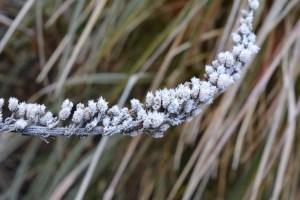
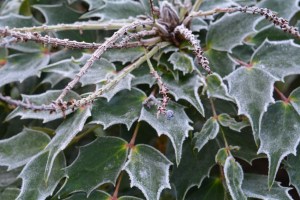
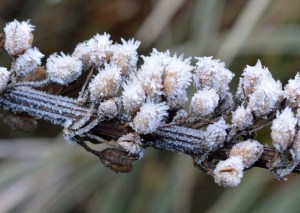
My next page was titled simply “January Frosts” and featured a series of photographs of foliage and seedheads covered in a thin covering of frost and icy crystals.

j7-12 j7-10j7-02 j7-06j7-08 j7-11j7-01 j7-14j7-18 j7-15j7-05 j7-09

Turn over to the next page and we leave the frost behind and take a look at one of our Birches, Betula albosinensis “Septentronalis”, one of the best Betulas around.

jan-15

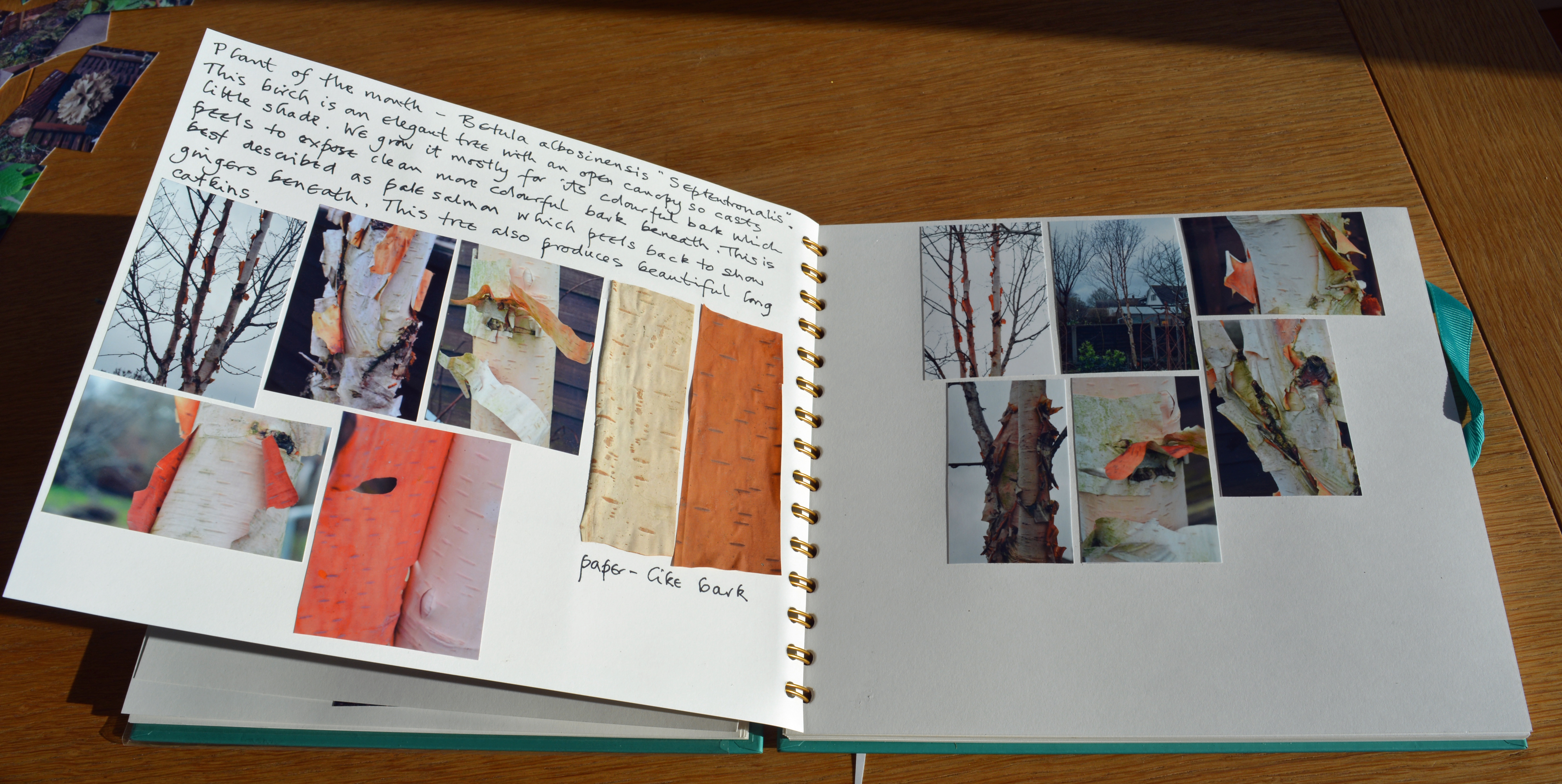
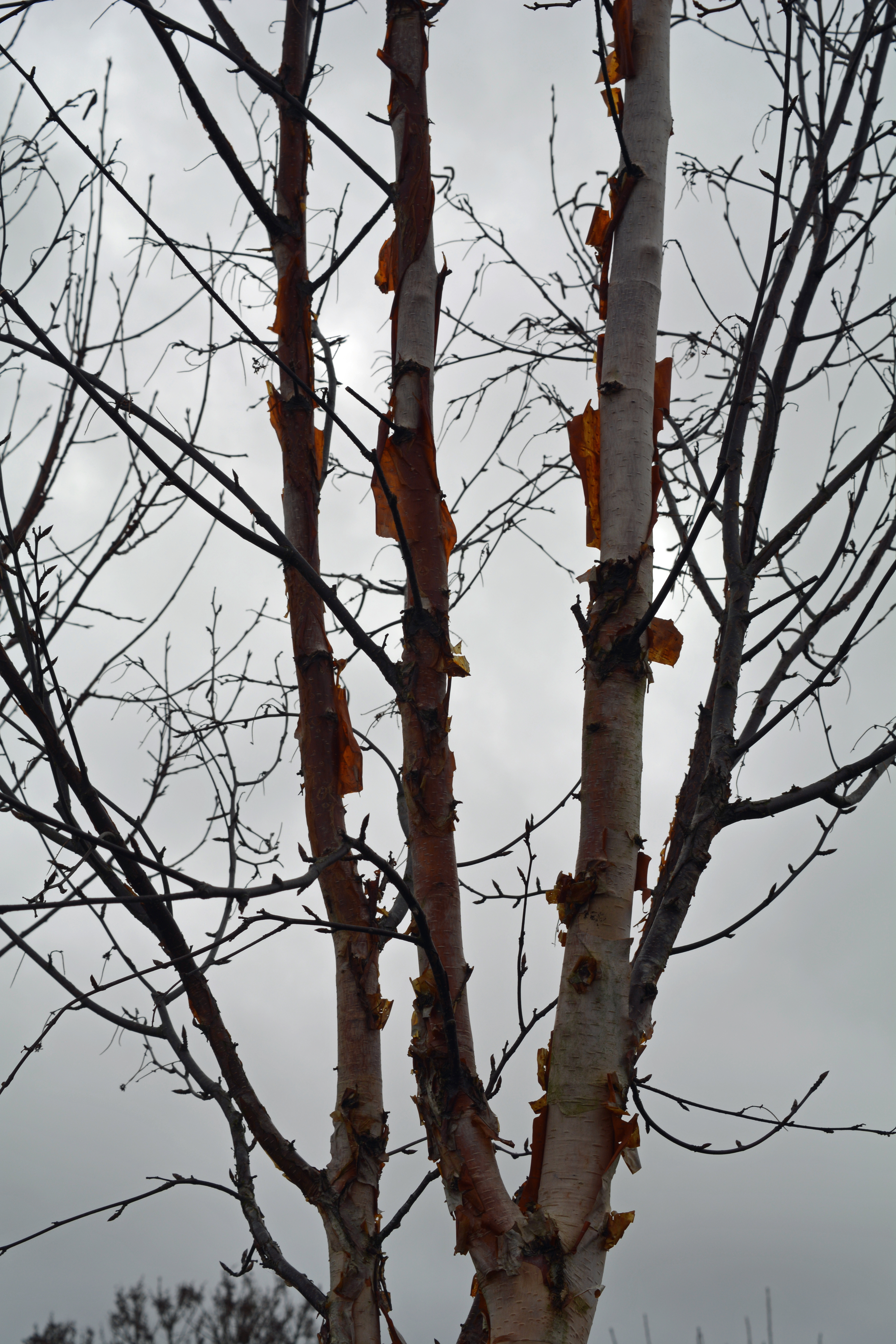
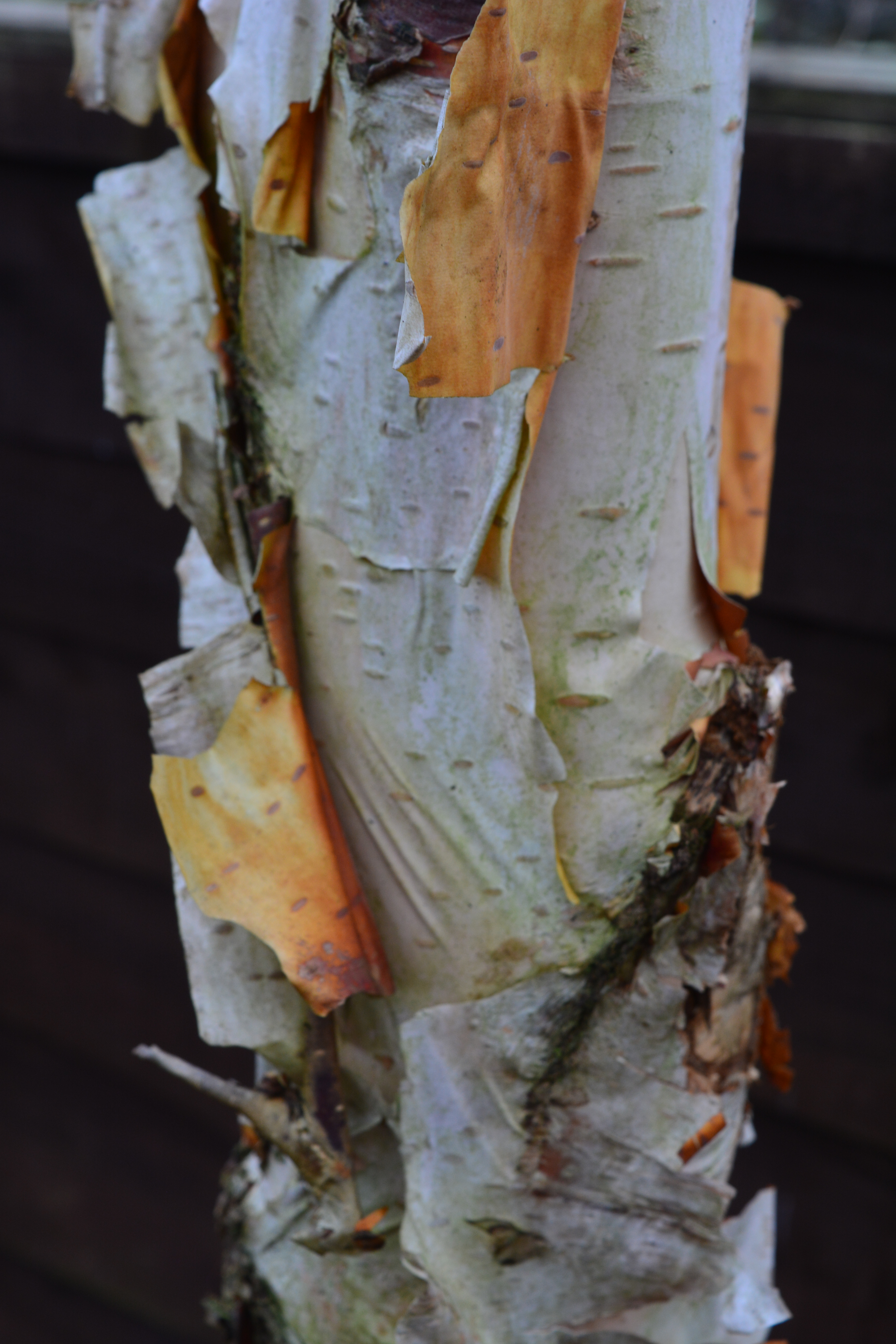
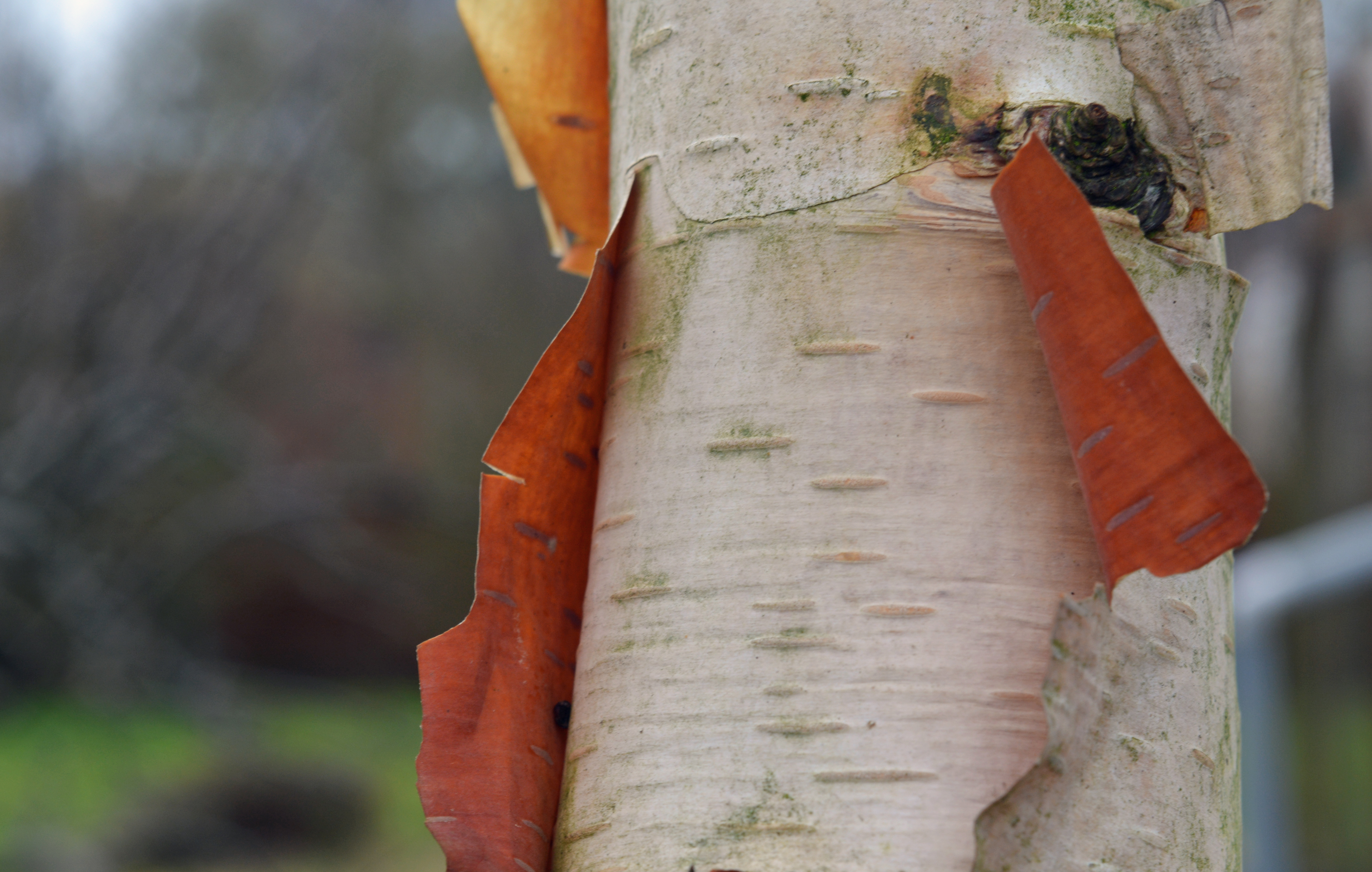
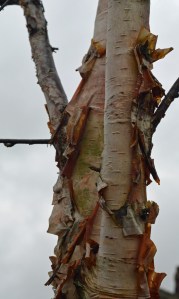
“Plant of the month – Betula albosinensis “Septentronalis”. This Birch is an elegant tree with an open canopy so casts little shade. We grow it mostly for its colourful bark which peels to expose clean, more colourful bark beneath. This is best described as pale salmon coloured which peels back to show gingers beneath. This tree also produces beautiful long catkins.”

j8-1 j9-2 j8-3  j8-5 j9-3

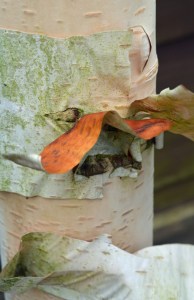
I collected up some peeled bark from the tree and glued two pieces side by side to illustrate how different the layers of bark can be.

jan-16

Betula albosinensis “Septentronalis” is probably one of the best trees for the small garden and no garden should be without one. Larger gardens can host a trio of them!

j8-2 j8-6 j8-8j8-9j8-7 j8-4

And that is it for my Garden Journal in January. Perhaps in February winter may be biting deeper or we may be experiencing one of our occasional February heatwaves when temperatures can reach 17 celsius.

Categories
climbing plants colours garden design garden photography garden wildlife gardening gardens gardens open to the public hardy perennials light light quality National Garden Scheme photography roses Shropshire Yellow Book Gardens

What our visitors saw in August

We open our garden a few times a year both by appointment and full open days so I thought it would be interesting to wander around our patch just after a group left, taking photos as I went, thus giving a visitors’ eye view of our garden. The date was early August.

Salvias featured strongly as did clematis and roses. Colours in the garden were strong and lively, helped by the sunshine when it occasionally came out to play.

avju-23 avju-52 avju-28 avju-39avju-30 avju-42avju-38 avju-41   avju-51 avju-18

The added bonus of wildlife always delights our visitors. We will soon be hosting our final visit by a garden group for this year but we already have groups booked to come and share our Avocet patch with us in 2017.

avju-17

I now invite you to come with me and my camera lens for a wander around our garden by navigating through this gallery. I hope you enjoy the journey. As usual click on the first photo and navigate with the arrows.

Categories
allotments garden wildlife natural pest control wildlife

The insect hotels in our garden

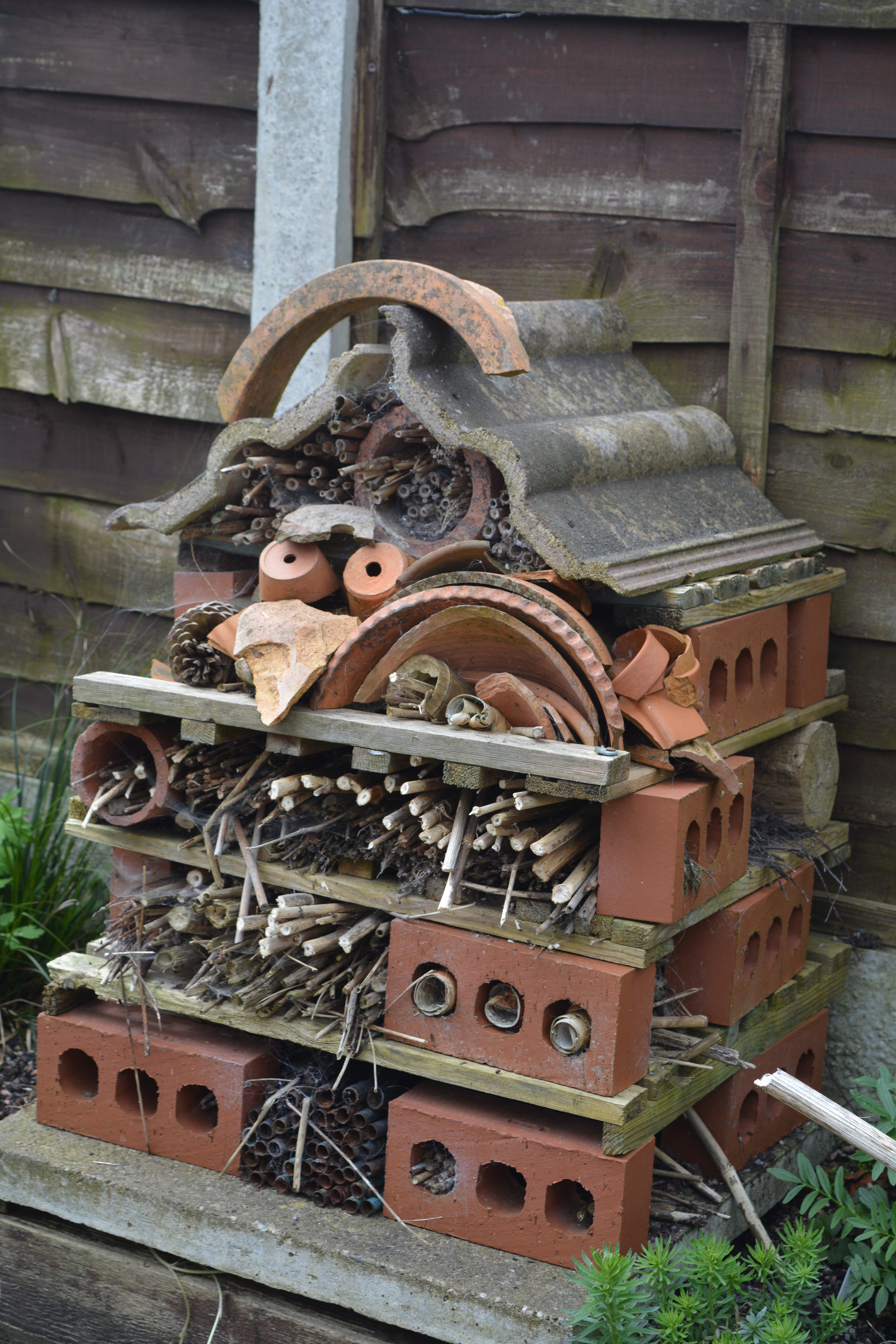
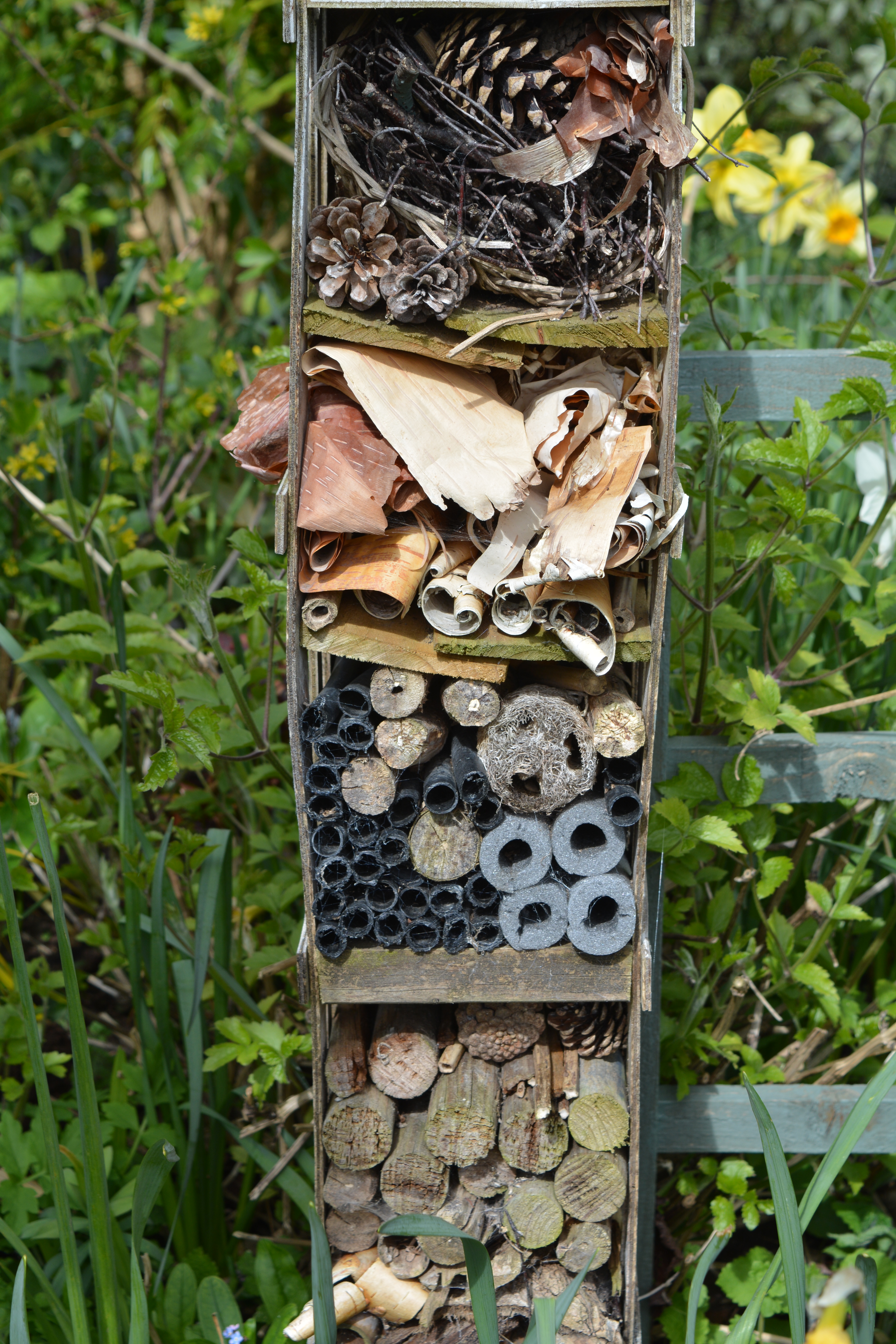
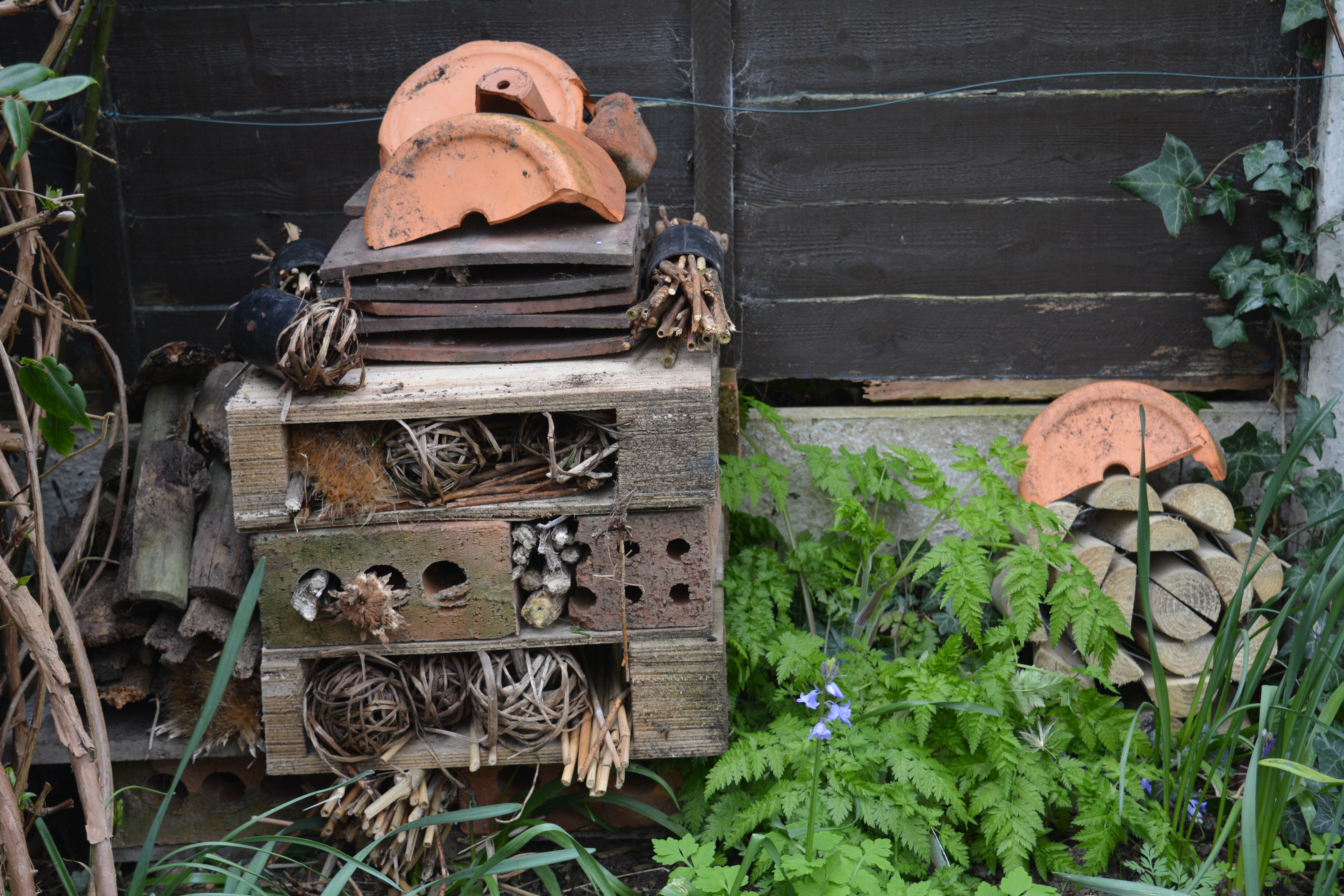
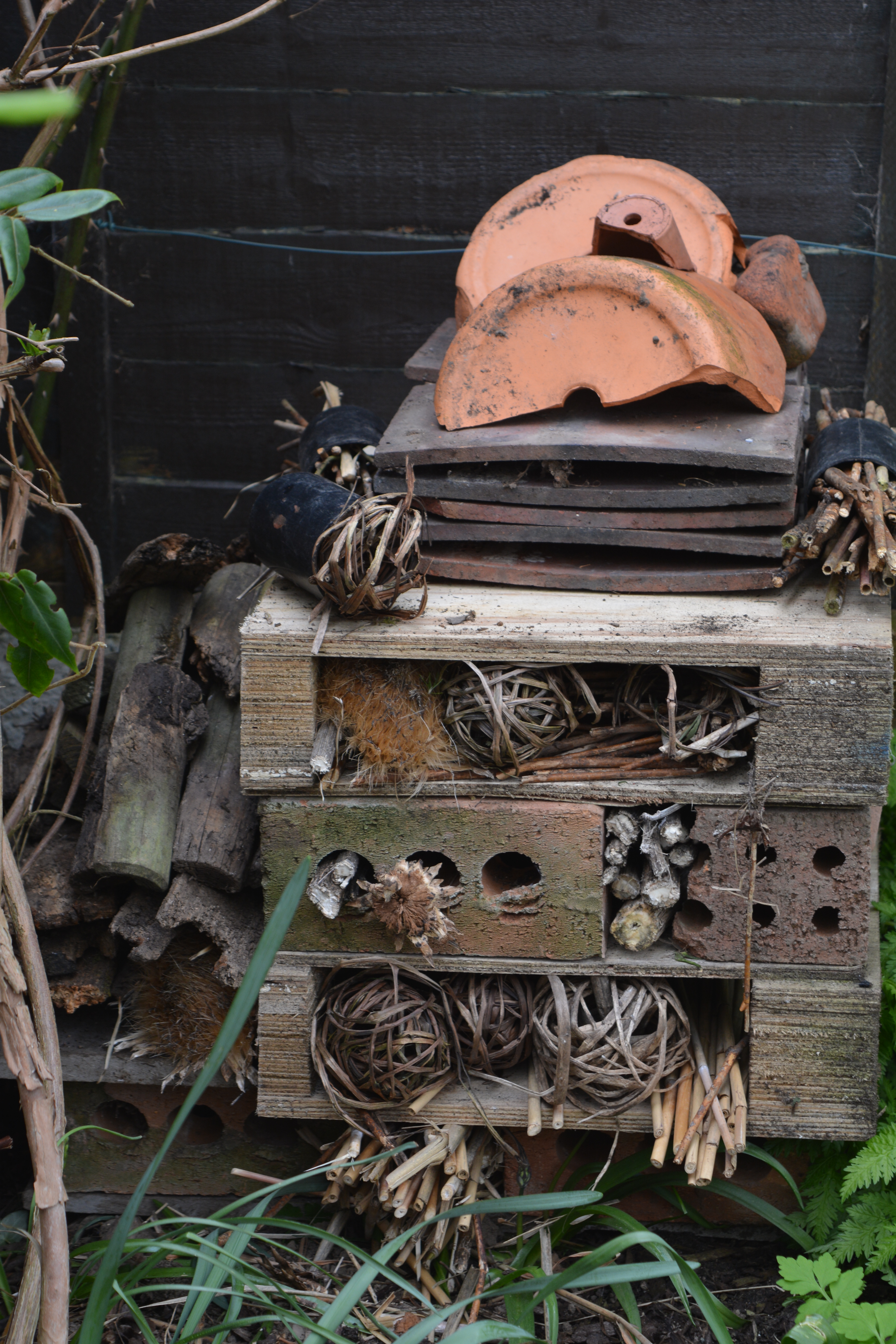
We recently made a new insect hotel and revamped one of the older ones, so I thought I would share them with you. This post is particularly for the follower who asked about insect hotels and adding green roofs to them. Apologies for not getting back to you sooner and more personally – no excuse except a bad memory.

This is the first one we built in our garden and it has proved very successful with plenty of minibeast visitors but it also gave us some surprises! Last year a Dunnock nested on one of the layers and at the end of the year we discovered that a Goldcrest had nested in one of the holes in a brick.

winchester-1

We then built a second hotel for our garden critters in our Spring Border and this one was created from an old wooden vegetable box. This one had a surprise for us too as at the end of last summer we found an old nest of a Dunnock.

winchester-6

We next made a smaller insect hotel from a wine box and placed it in the Crescent Garden. So far no bird has nested in it but there are lots of “minibeasts” especially Ladybirds living in it and hibernating there through the colder months. Sitting on top of it though is one of our pieces of sculpture, a thoughtful young girl.

winchester-8 winchester-7

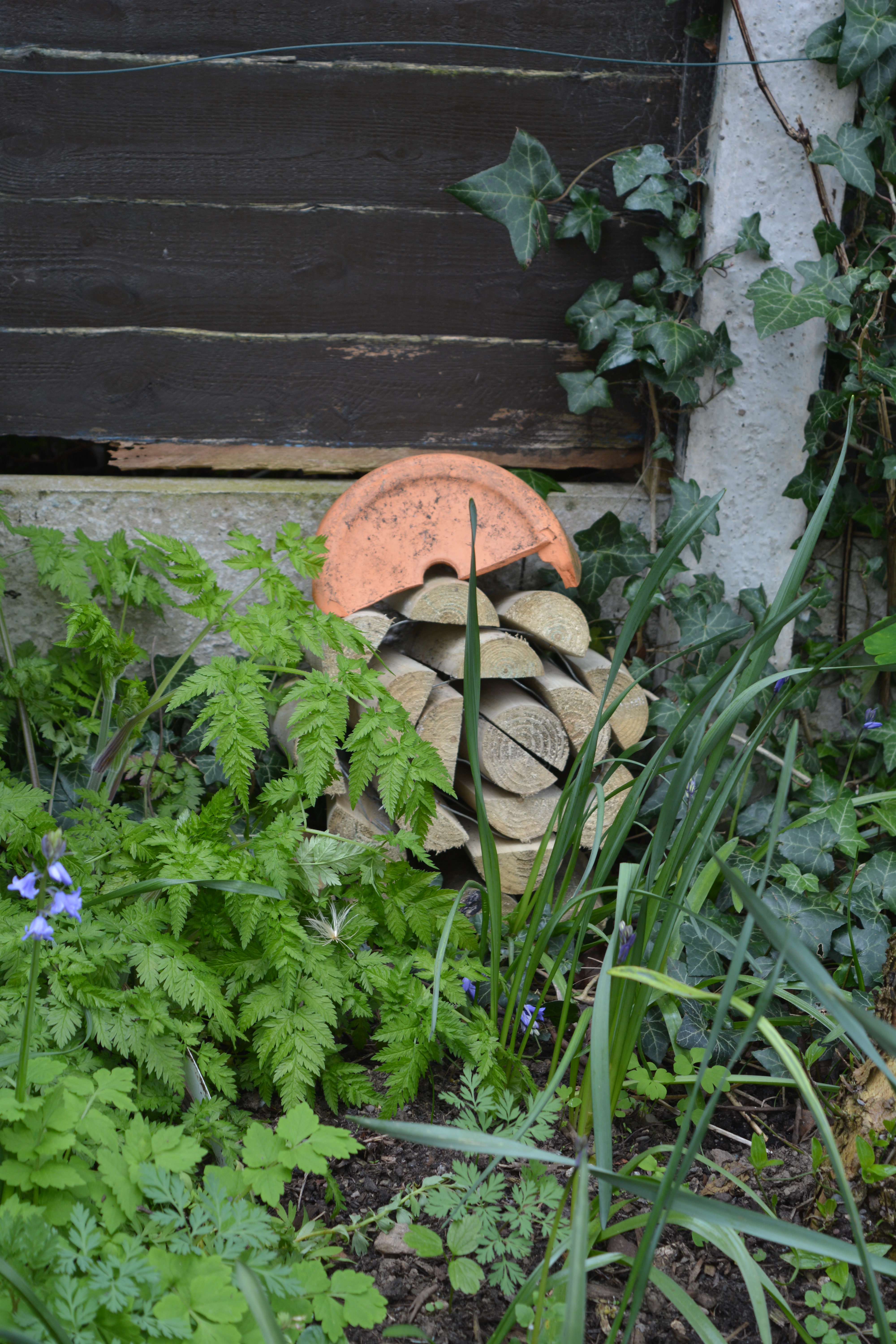
And then this spring we added yet another insect hotel, this time we constructed it in our Freda Garden and placed two small log piles on each side of it to attract Violet Ground Beetles who we hope will eat the slug eggs in the ground.

winchester-2  winchester-3 winchester-4-1

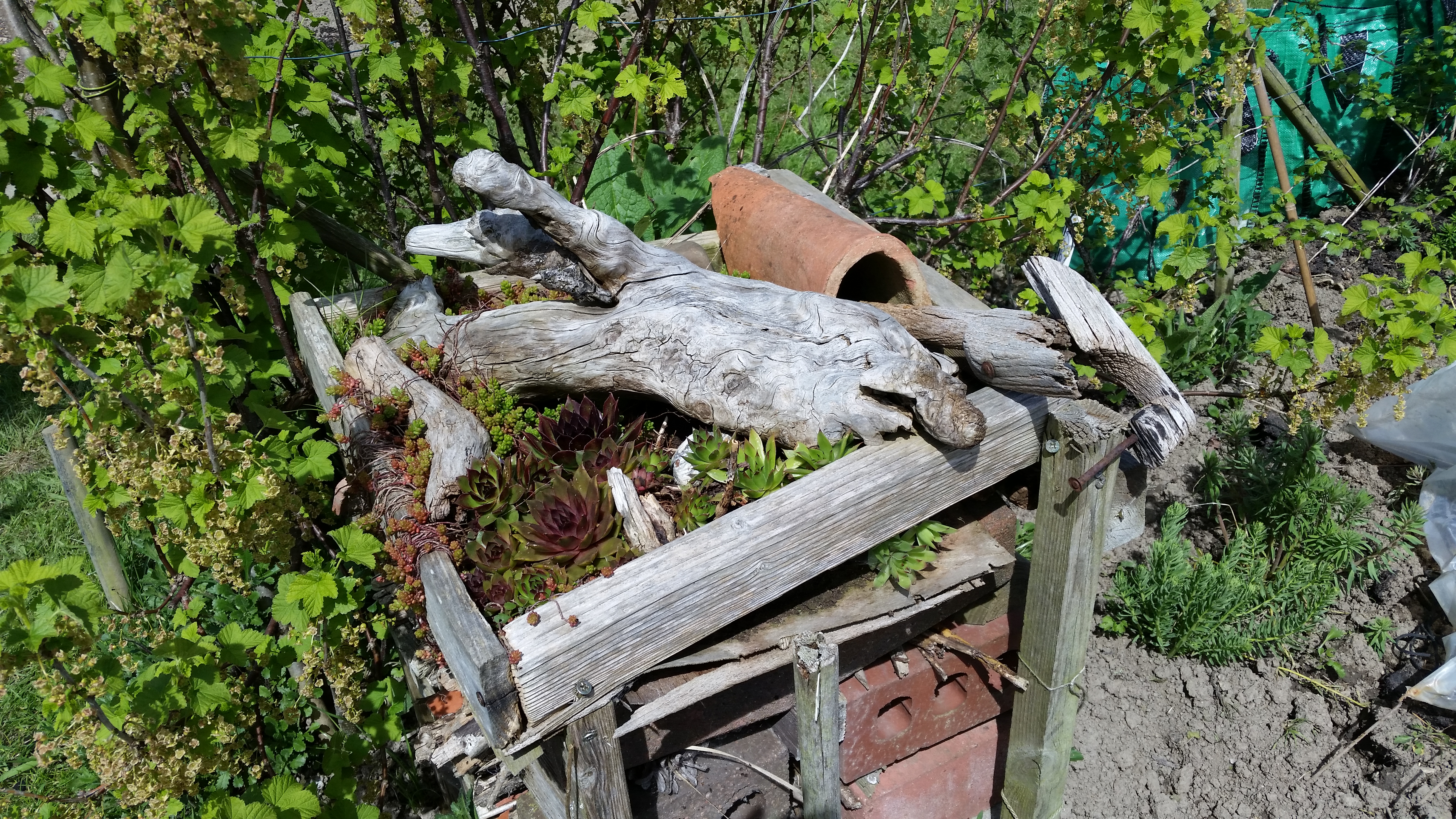
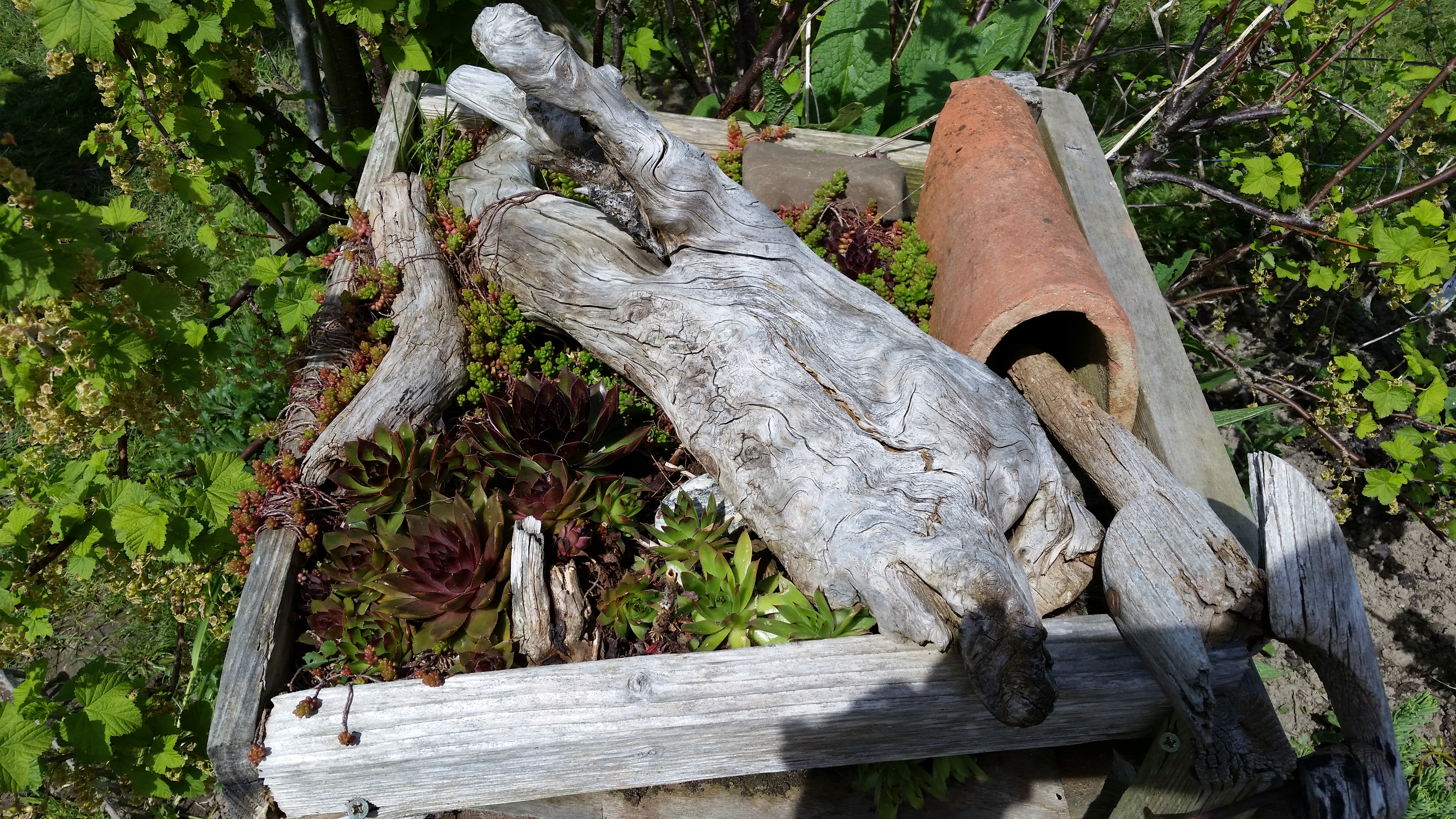
On our allotment we made an insect home with a green roof to add further interest and another habitat. We grow succulents, Sedums and Sempervivums on top of our insect hotel as they have tiny flowers loved by insects especially bees. The secret is to make a tray which sits on top and supported by 4 posts banged into the ground at each corner of the hotel. This means the posts support the green roof rather than putting weight on the insect hotel itself.

winchester-2-2 winchester-1-2

Each spring on warm, calm days we enjoy seeing the Ladybirds emerging and resting on the driftwood pieces to absorb the warmth of the sun.

winchester-2-3

Categories
flowering bulbs garden photography garden ponds garden pools garden wildlife gardening grasses hardy perennials light light quality ornamental grasses ornamental trees and shrubs Shropshire shrubs spring bulbs water in the garden Winter Gardening winter gardens

My Garden Journal 2016 – February

Back with the second post sharing my 2016 Garden Journal, we will look at what it holds for February.

2016 02 13_8659_edited-1

On the first page for the month I mention the changing light values that occurs during February.

2016 02 24_9066_edited-1

“This is the month when light values really start to improve. We also get longer days when the weather allows. This change in light coupled with slowly rising temperatures encourages birds to change their songs and calls. The Great Tit is the master of calls with its huge repertoire. Luckily they are very frequent visitors to our garden. They are great entertainers! Their song in February is a “see-sawing ditty with mechanical overtones.” (Collins Bird Guide)

I added my gouache painting of a pair of Great Tits.

2014 12 21_8971_edited-1

On the opposite page I carried on talking about our continued development of our greenhouse.

Having completed the construction of our new heated propagation bench last month we then sorted out our pots, trays, pans and cells ready for the new sowing and growing season. We ensured we have plenty of labels as well as sowing compost and horticultural grit. Jude finished putting up insulation bubble wrap.”

2016 02 02_8119-1 2016 02 02_8120-12016 02 02_8121-1 2016 02 02_8131-1 2016 02 02_8122-1

From greenhouse gardening to pond gardening, my next page features two photos of Jude the Undergardener in her waders playing in our wildlife pond.

2016 02 24_9069_edited-1

“Mid to late February is the time each year when our Common Frogs come to sing, mate and then leave balls of spawn in our wildlife pond. Thus early this month Jude donned her chest waders and cleaned up the pond. She removed Duckweed, Blanket Weed and fallen leaves, then thinned out the water plants.

2016 01 26_8057-1 2016 01 26_8056-1

We tidied up the narrow border that edges the pond, pulling a few hardy weeds and taking up seedlings of our Cornus “Midwinter Fire”. It was heartening to discover how workable our soil was, this being the result of a decade of improving it with the addition of our own garden compost and the regular mulching deeply with organic matter.”

I continued onto the next page discussing the welcome appearance of sunshine in the February.

“Sunshine is not often in evidence this February but when it does make an appearance its effects are magical. It highlights the peeling bark of our trees and directs a spotlight on blossom and glossy foliage.”

2016 01 22_8035_edited-1 2016 01 22_8034_edited-12016 02 02_81162016 01 22_8024 2016 01 22_8008 2016 01 22_8009-1 2016 01 22_8018

As I turn the page I see that I have written about cold temperatures and on the opposite page and on the following double page spread I share the amazing number of plants in flower on one day in February.

2016 02 24_9070_edited-12016 02 24_9073_edited-1

“A sudden overnight plunge in temperature can have drastic looking effects on our early flowering plants. The flowering stem of this Bergenia can be standing to attention during the day but cold at night can make it droop, with the flowers almost touching the cold soil”.

2016 01 17_7930-1 2016 01 08_7763

“The following day when the sun has driven away any frost and added a degree or two to the temperature, the Bergenia flower slowly rises again and returns to its former pink glory.”

February flowers are celebrated over the next three pages. I hope you enjoy sharing this selection of plants that keep us cheerful and the garden colourful.

2016 02 18_8904_edited-1 2016 02 18_8901_edited-12016 02 18_8891_edited-1 2016 02 18_8878_edited-12016 02 18_8872_edited-1 2016 02 18_8879_edited-12016 02 18_8867_edited-1 2016 02 18_8847_edited-1 2016 02 18_8869_edited-1 2016 02 18_8863_edited-12016 02 18_8913_edited-1 2016 02 18_8871_edited-12016 02 18_8912_edited-1 2016 02 18_8866_edited-1 2016 02 18_8854_edited-1 2016 02 18_8853    2016 02 18_8887_edited-1 2016 02 18_8873_edited-1  2016 02 18_8902_edited-1 2016 02 18_8855_edited-1

These pictures certainly illustrate how colourful and interesting the garden can still be in the depths of winter. From flowers I moved on to foliage, as on my next double page spread I celebrate Phormiums and how important they are to the winter garden.

2016 02 24_9074_edited-1

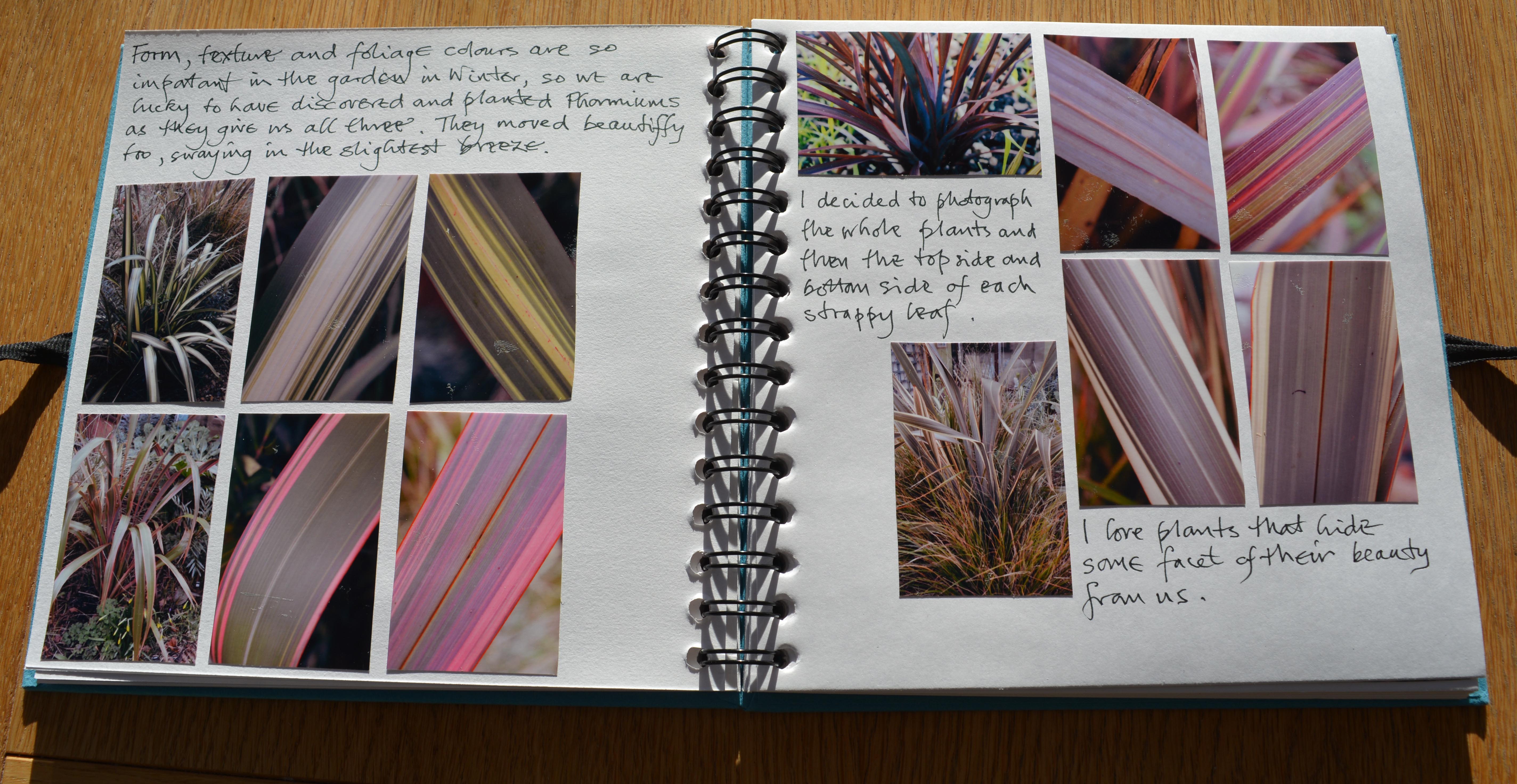
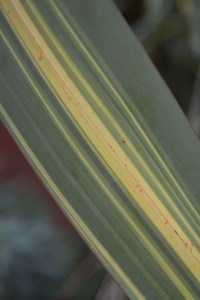
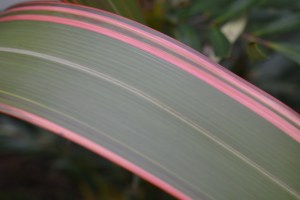
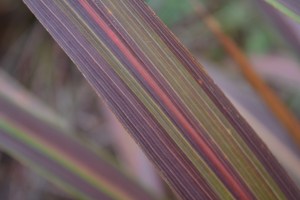
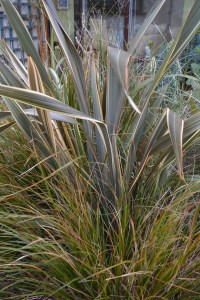
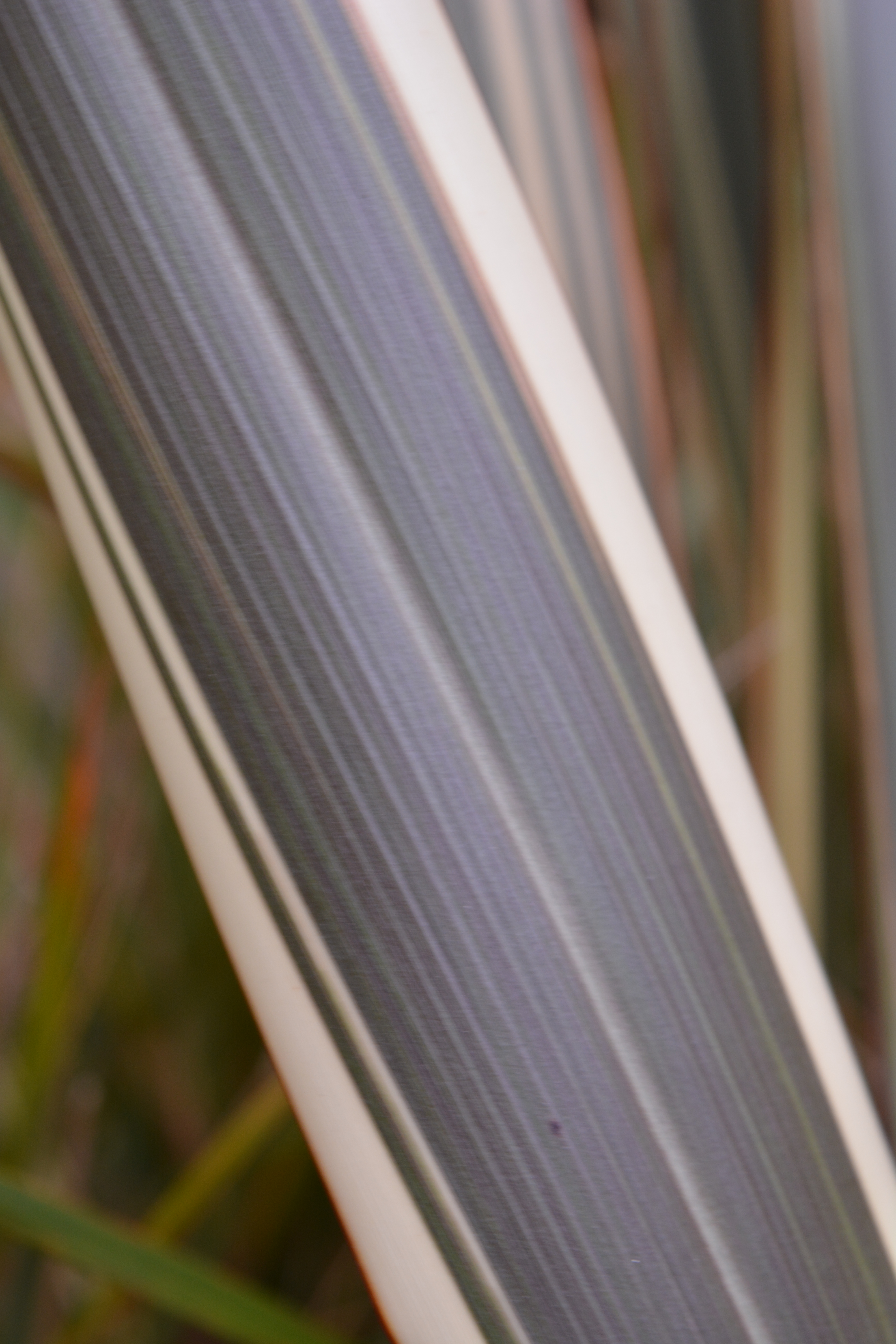
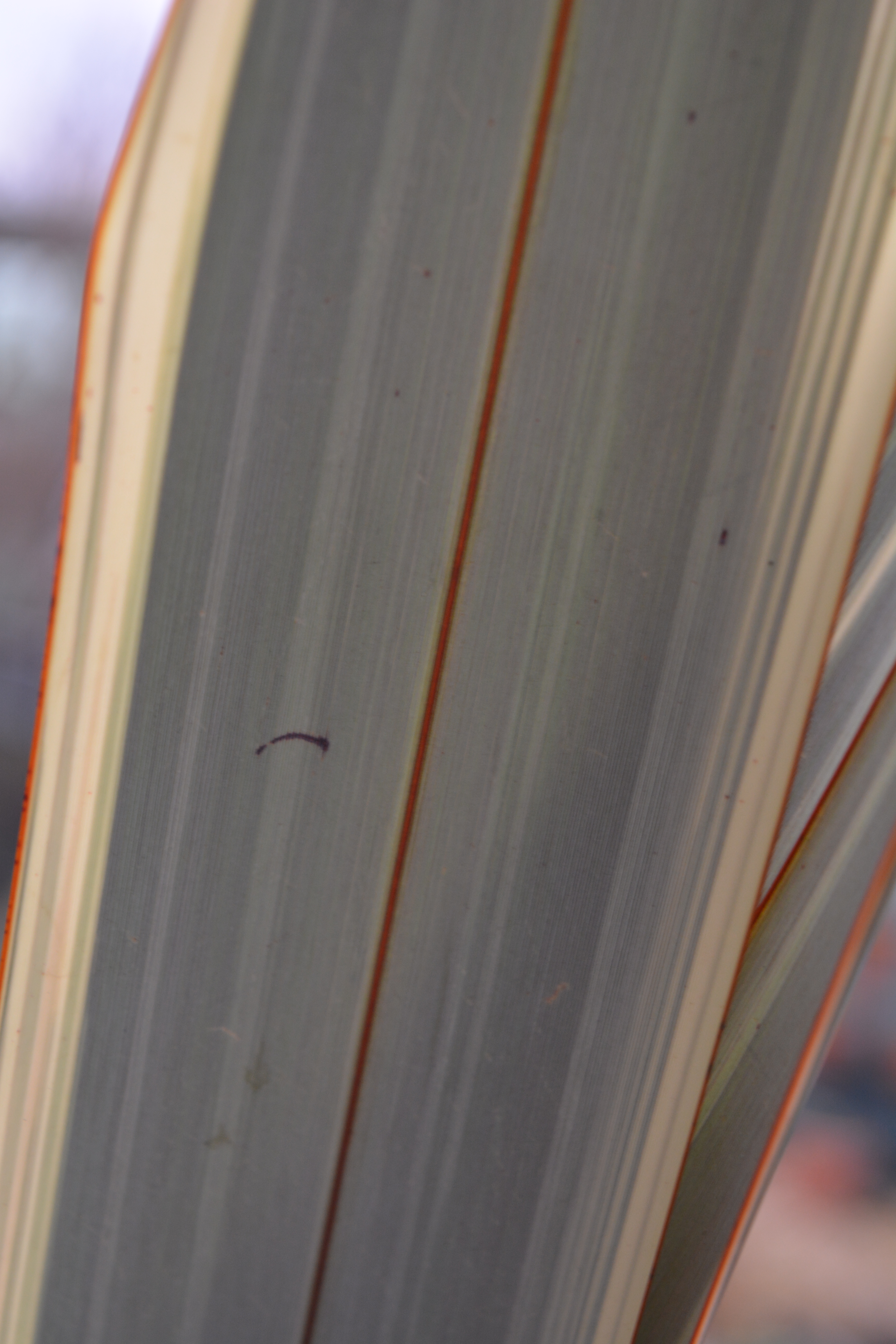
“Form, texture and foliage colours are so important in the garden in winter, so we are lucky to have discovered and planted Phormiums as they give us all three. They move beautifully too, swaying in the slightest breeze.”

2016 02 13_8632 2016 02 13_8640 2016 02 13_8651


For some of our Phormium I took a shot of the whole plant and then one of the top surface of their leaves and finally the final surface. Their two surfaces are usually very different.

“I love plants that hide some facet of their beauty from us”.

2016 02 13_8633 2016 02 13_8634 2016 02 13_86352016 02 13_8630 2016 02 13_8639 2016 02 13_8638

2016 02 13_8655 2016 02 13_86532016 02 13_8654

2016 02 13_8631 2016 02 13_8637 2016 02 13_8636

In the final pages of my February entries in my Garden Journal I wrote about coloured stems and look back at my first garden journal to see what I had put for my February entry.  I discovered that I was writing about grass and grasses.

2016 02 24_9077_edited-1

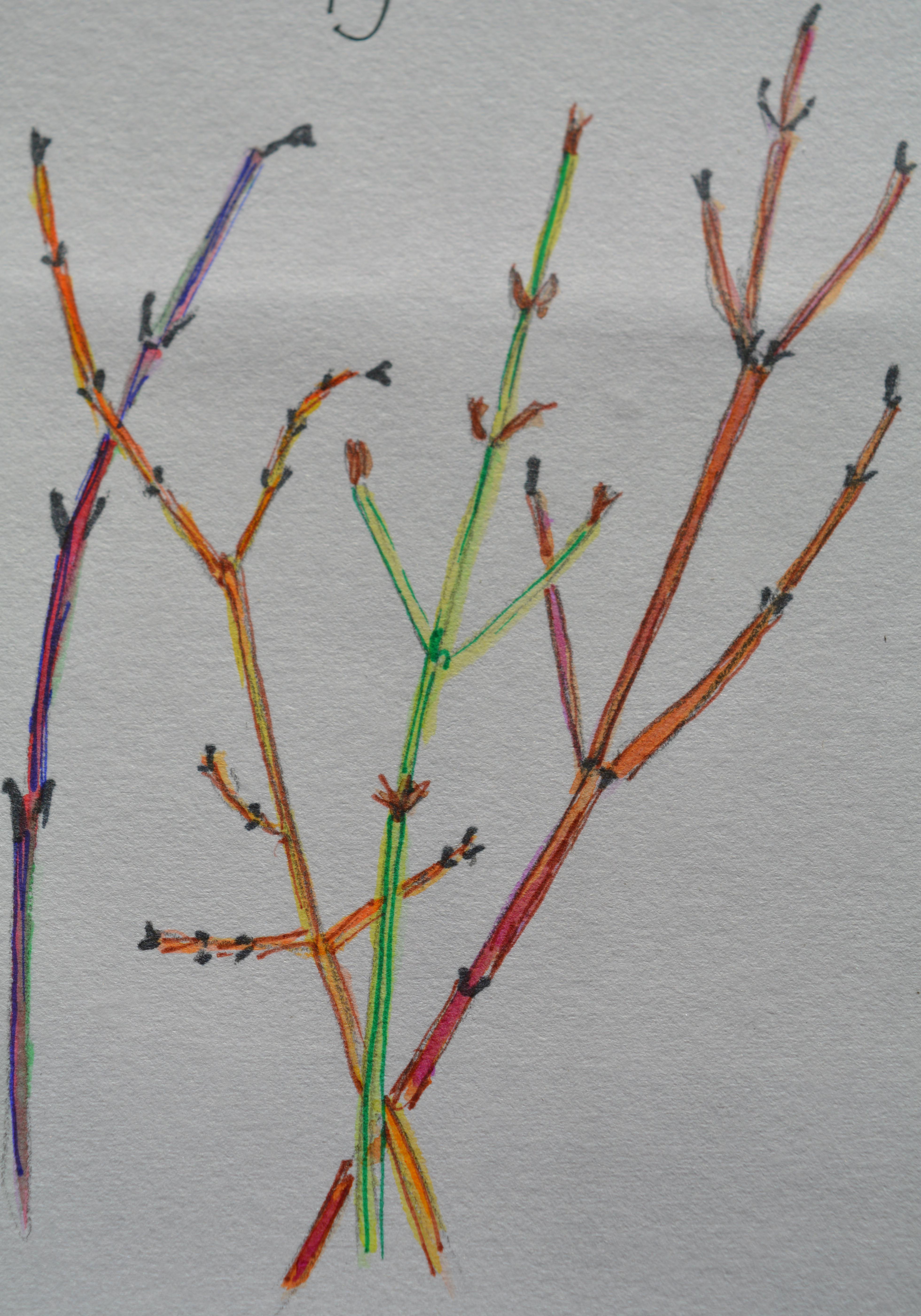
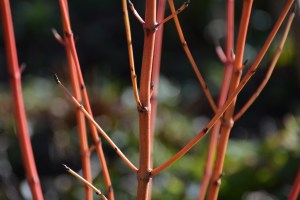
“It is in the dull times of February that we appreciate the brightly coloured stems of our Cornus, Salix and Acers. Once their leaves drop the colours, yellows, oranges and reds begin to intensify. I then shared a watercolour painting of a selection of these stems from our garden alongside a trio of photos.”

2016 02 24_9078_edited-1 2016 02 18_88972016 02 18_8874 2016 02 18_8898

Looking back at my original Garden Journal, I notice that I had commented “14th February and the grass gets its first cut. As the North wind died out the strength of the winter sun meant a good day could be had doing general maintenance work.” This year our grassed areas are wet and slimy and definitely too slippery to get a mower on. But the grass has continued to grow slowly so it is in need of its first cut. Meanwhile our ornamental grasses continue to delight.”

2016 01 22_8033 2016 01 22_8032     2016 01 22_7998-1 2016 01 22_7999-1

So that is it for another month. Next time we make a visit to my Garden Journal we will be in March and maybe we shall be seeing signs of spring.


Categories
birds diy garden photography garden wildlife gardening gardens grasses hardy perennials ornamental grasses ornamental trees and shrubs roses Shropshire shrubs

My Garden Journal 2016 – January

I will once again be keeping my garden journal during 2016 recording my thoughts on our own garden here at Avocet in the tiny hamlet of Plealey situated just inside the Area of Outstanding Natural Beauty, the South Shropshire Hills. I will share the sounds, sights and aromas of our garden and make mention of the wildlife that shares the garden with us. In 2015 I found a quote every month from a little book, ” Led by the Nose” written by Jenny Joseph. In 2016 I will look back at what I recorded in my first garden journal which I began in the first full year of living in Plealey. Although we moved here in August 2004 my journal began in January 2005. It will be interesting to compare 2005 with 2016.

So, welcome to our “Avocet” garden in 2016. I hope you enjoy the journey through the months with me.

2016 02 02_8154_edited-1

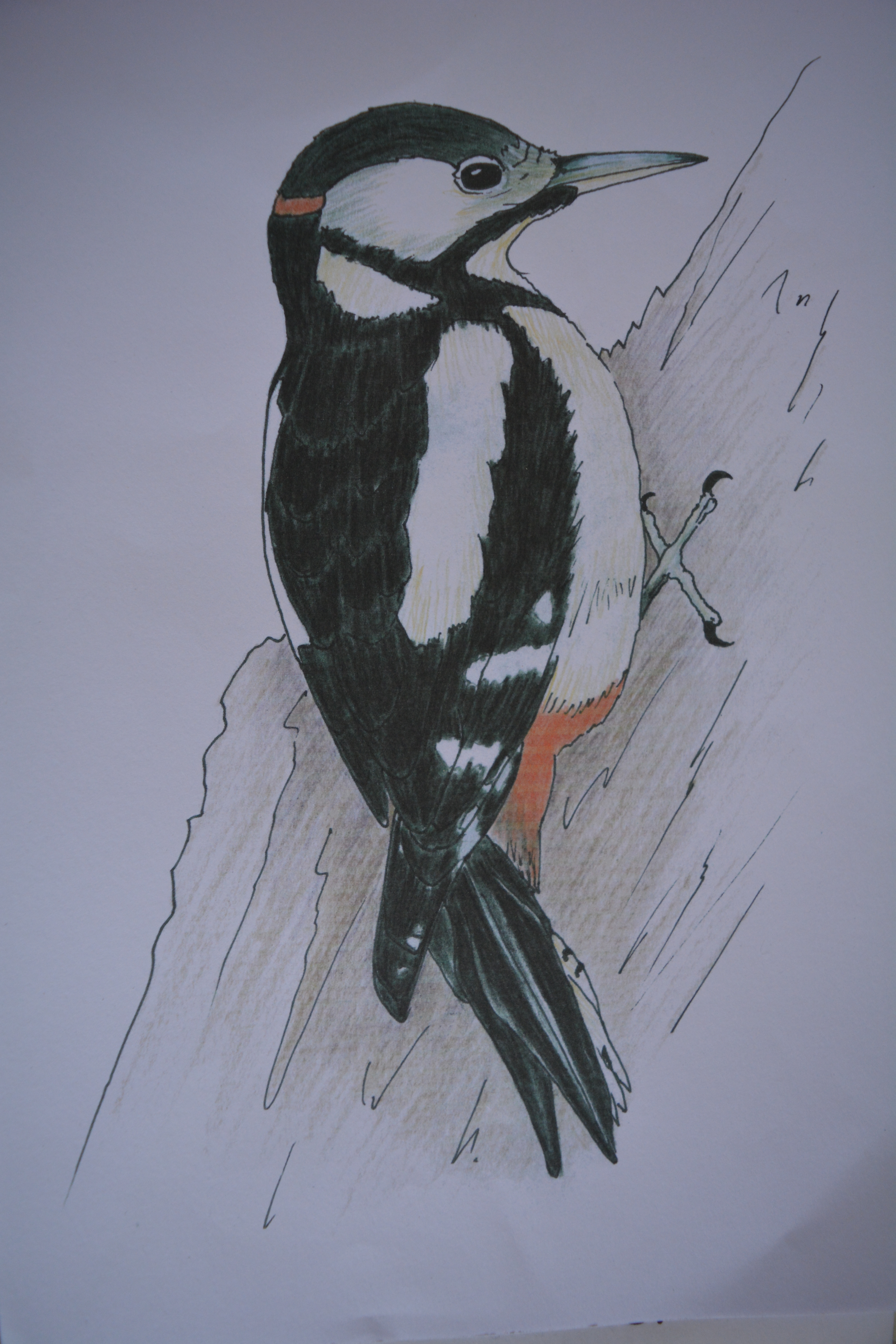
My first page for 2016 features my gouache painting of a Great Spotted Woodpecker and a few words about this charismatic garden visitor.

2016 02 02_8156_edited-1

“The Great Spotted Woodpecker makes its presence felt in our garden. It is black and white with splashes of bright red. It announces its arrival with a loud call as it flies in with its undulating flight. It hits the bird feeders hard so they swing around. These hungry birds stay feeding for far longer then any other bird.”

2014 12 21_8978

On the opposite page I write “Gardeners often pose the question“What is your favourite season in the garden?” It is easier for some to answer this question and they quickly give a definitive answer, while others find the choice impossible to make. For me? Well, I admit  I always answer “The one we are in.” Not many gardeners will say “winter” viewing it as a “non-time” in their gardens. Many put their gardens to bed for the winter by chopping a huge percentage of the plants to the ground. Their interest only returns when spring bulbs burst into flower. I absolutely love the winter garden!”

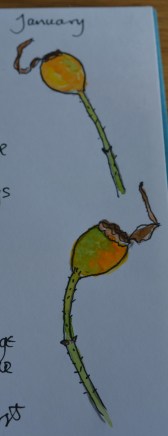
I illustrate the page with my watercolour painting of two hips from Rosa “Graham Thomas”, a David Austin New English Rose which we grow as a climber. It gives joy to the gardener for many months of the year with its profuse golden sunny yellow blooms and when it finally gives up in December it begins to produce its green hips which quickly turn to yellow then orange.

2016 02 02_8157_edited-1

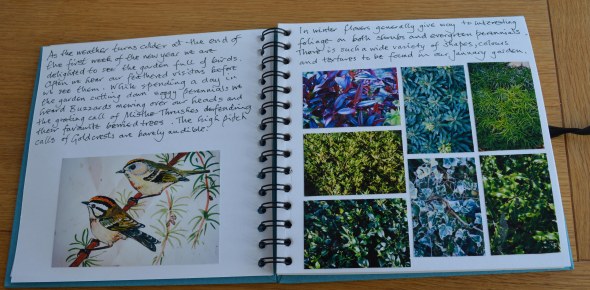
Turning the page over I write “As the weather turns colder at the end of the first week of the new year we are delighted to see the garden full of birds. Often we hear our feathered visitors before we see them. While spending a day in the garden cutting down soggy perennials we heard the Buzzards mewing over our heads and the grating call of Mistle Thrushes defending their favourite berried trees. The high pitch calls of Goldcrests are barely audible” Below these words we find my gouache painting of a pair of Goldcrests.

2014 12 21_8970_edited-12016 02 02_8158_edited-1

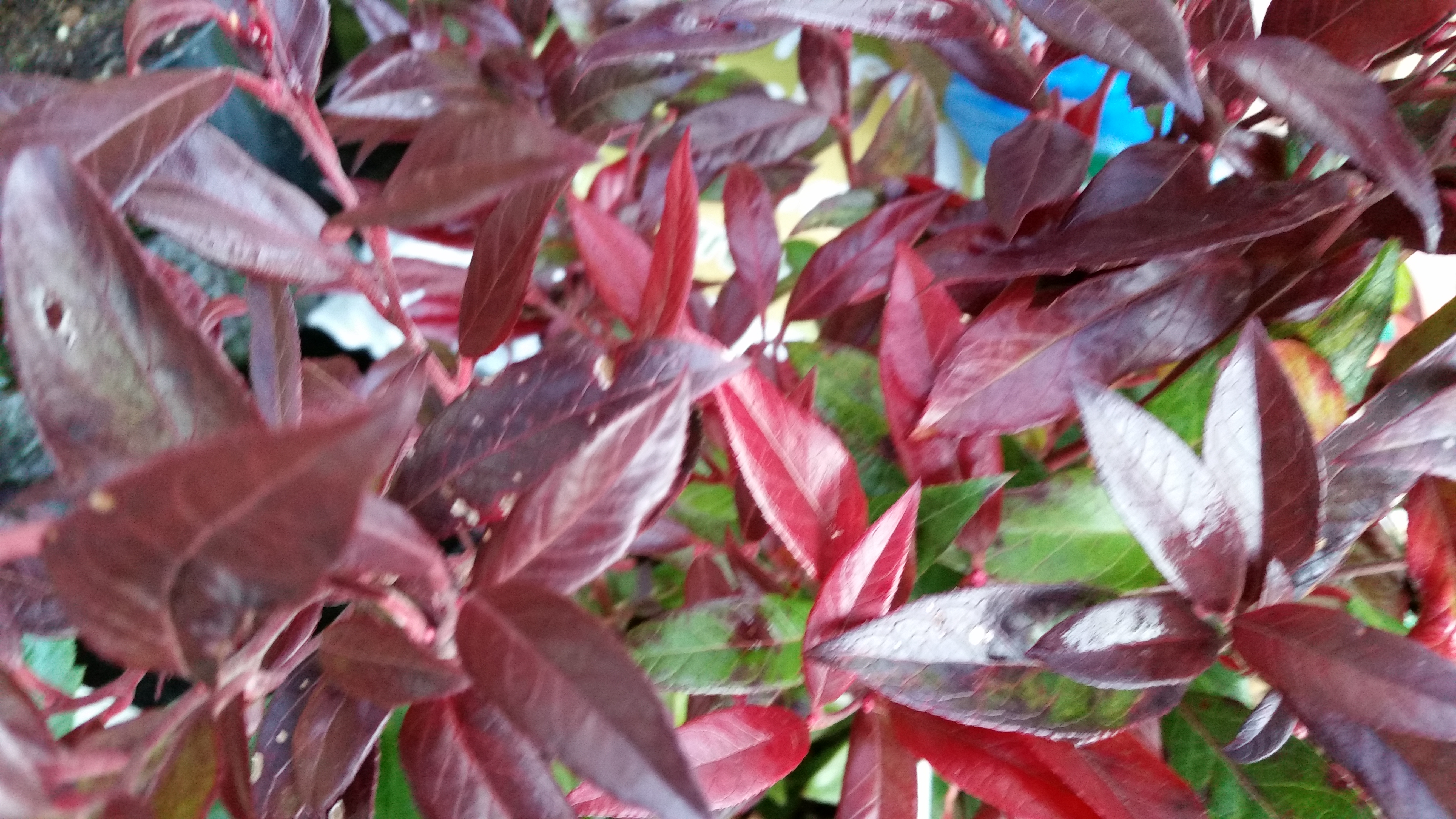
Foliage features on the opposite page where I write “In winter flowers generally give way to interesting foliage on both shrubs and evergreen perennials. There is such a wide variety of shapes, colours and textures to be found in our January garden”.

A selection of photographs which I took in the garden on the same morning follows.

2016 01 26_8079 2016 01 22_79952016 01 22_7997 2016 01 22_80262016 01 22_8001 2016 01 22_7994       2016 01 22_8010 2016 01 22_8009

Turning the next page my text is all about the scents of winter flowering shrubs.

2016 02 02_8159_edited-1

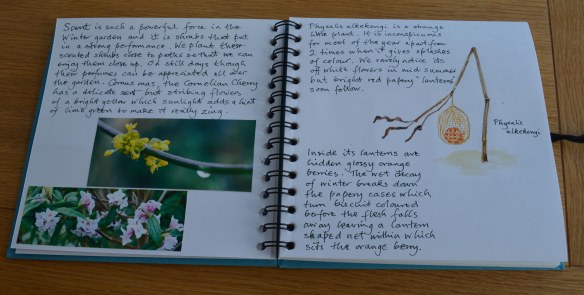
“Scent is such a powerful force in the winter garden and it is shrubs that put in a strong performance. We plant these scented shrubs close to paths so that we can enjoy them close up. On still days though their perfumes can be appreciated all over the garden. Cornus mas, the Cornelian Cherry, has a delicate scent but striking flowers of a bright yellow to which sunlight adds a hint of lime green to make it really zing.” 

A much more strongly scented winter flowering shrub grows close to the main path in our back garden and is generous with its scent spreading it all over nearby borders, is Daphne bhuloa “Jacquiline Postill”.

2016 01 04_7675_edited-1 2016 01 05_7740_edited-1

On the page opposite I put the spotlight on a plant called “Physalis alkenengi” as I had come across the skeletal remains of its fruiting head while gardening in the Hot Garden.

2016 02 02_8162

I write “Physalis alkekengi is a strange little plant. It is inconspicuous for most of the year apart for twice when it gives splashes of colour. We rarely notice its off-white flowers in mid-summer but bright red papery “lanterns” soon follow. Inside its lanterns are hidden glossy orange berries. The wet decay of winter breaks down the papery cases which turn biscuit coloured before the flesh falls away leaving a lantern shaped net within which sits the orange berry.”

I illustrated this page with a watercolour painting of this little garden treasure. It was a great challenge!

2016 02 02_8161

My next page is about two gardeners at work. Jude the Undergardener and I produce our own bean poles and pea sticks to use on our crops which we grow on our allotment plot.

2016 02 02_8163_edited-1

“Bean Poles and Pea Sticks

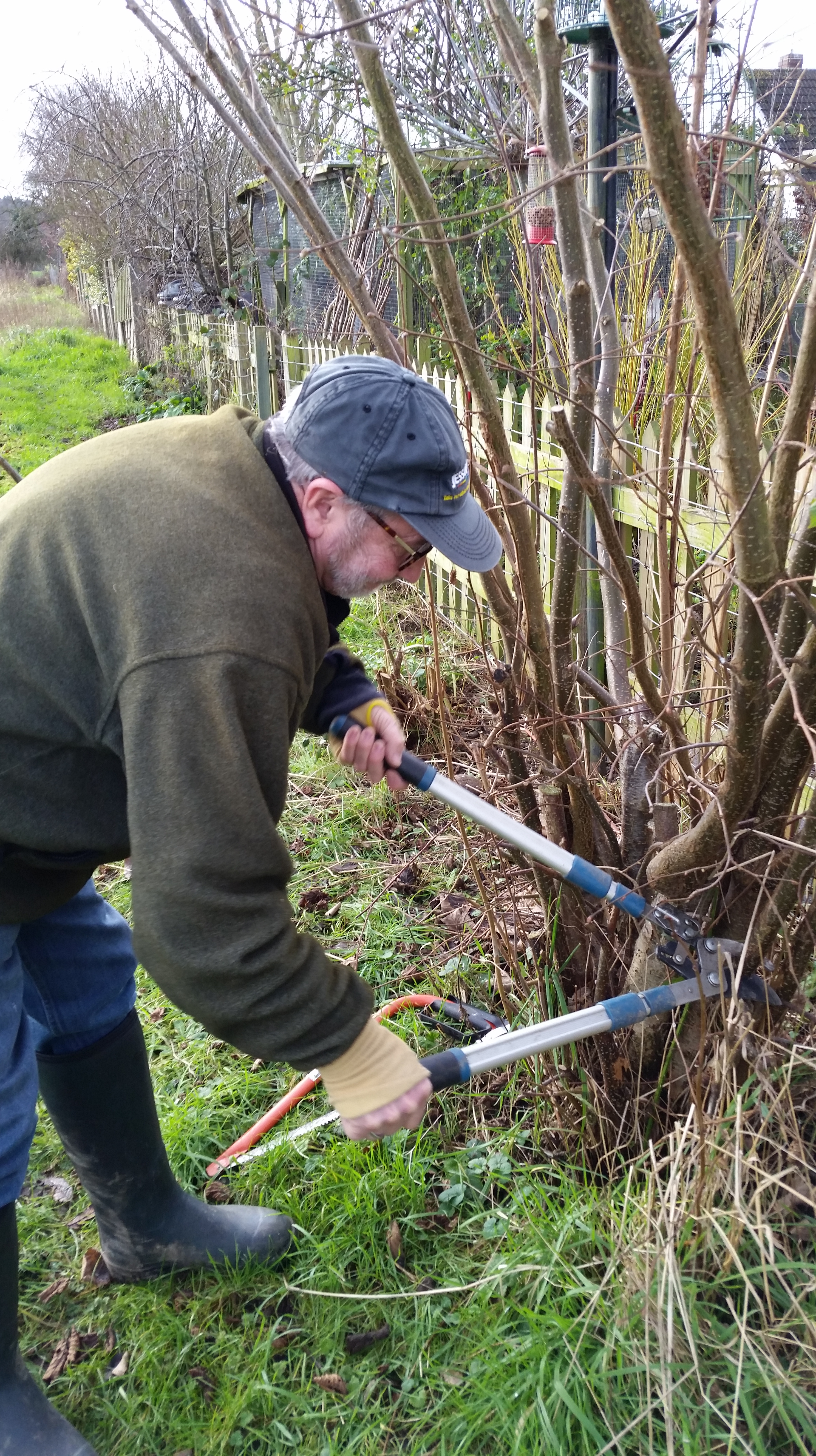
We have reached the stage now where our garden has matured enough to allow us to produce our own bean poles and pea sticks to use on our allotment. Our two Hazels provide us with the majority, but other shrubs add to our stash when we prune them.”

2016 01 26_8041 2016 01 26_8040 2016 01 26_8038 2016 01 26_8044 2016 01 26_8054 2016 01 26_8049

On the page opposite I share my photos of the first frost of 2016.

“The first frost of the year arrived in the third week of January. It added a new white dimension to foliage which sported rims of tiny white crystals.”

2016 01 17_7925-1 2016 01 17_7928-12016 01 17_7915-1 2016 01 17_7923-12016 01 22_8011 2016 01 17_7927-1

My final words and pictures in my January entry in my garden journal look back at my 2005 garden journal and a current garden project.

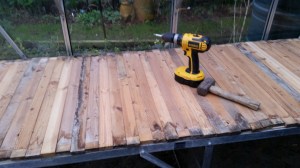
“Looking back at my January entries in my garden journal of 2005, I notice that I was then building a heated propagator in our new 14 foot by 8 foot greenhouse. This has served us well over the years making seed germination so much easier. This year I am making a much bigger propagating bench. For this version I will need support of my Undergardener, Jude.”

I hope you enjoy my photographic journey through this most enjoyable two day project. It was a good task to do while the weather outside was too cold, windy and wet to get any outdoor gardening done. The greenhouse was warm and snug so a good place to be working.  When describing our efforts I used short captions for each photograph.

2016 02 02_8150 2016 02 02_8151

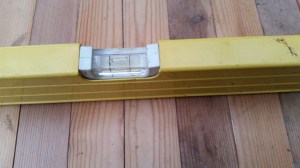
Using recycled wood we made a new bench. We checked it was perfectly level.”

2016 02 02_8136 2016 02 02_8137

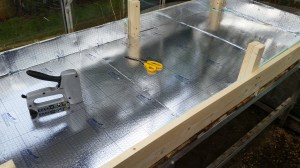
“We fixed in a double layer of insulation boards after adding an edge of 6 inch board. Then we fixed on a layer of plastic sheet.”

2016 02 02_8142 2016 02 02_8133

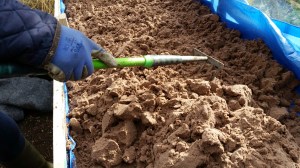
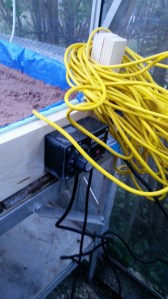
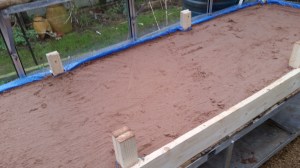
“We added a 2 inch layer of soft sand. The control box, thermostat and probe were fixed to the box.”

2016 02 02_8127 2016 02 02_8128

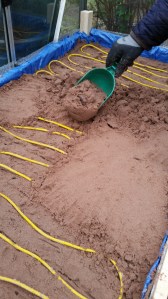
“Then we laid out our heating cable carefully. The cable had to be covered in soft sand.”

2016 02 02_8129 2016 02 02_8118

A second layer of soft sand was added to a depth of 2 inches. We carefully made it level. The final touch – a layer of capillary matting”.

Here ends the entries from the first monthly entry into my Garden Journal for 2016. See you in February when we will start to use our newly constructed heated propagation bench.


Categories
birds climbing plants flowering bulbs garden photography garden ponds garden pools garden wildlife gardening hardy perennials ornamental trees and shrubs trees water in the garden wildlife

My Garden Journal – August

Here we are with part 8 of my monthly series looking at what I have put into my garden journal. August has been a disappointing month weatherwise, with winds, rain and dull skies, and the plants have responded with short flowering periods and even our roses have failed to repeat flower.

I began my August entries, “The month of school holidays when families make their way to the seaside, is not a holiday in the garden. We have to keep dead-heading and tidying to make sure it looks its best.” and continued with my monthly quote from Jenny Joseph“August is a time of vegetables and smells of leaves and roots as we clear: dusty, musty smell of old growth. What flowers we have in August depends on how diligent you’ve been at dead-heading earlier.”

I continued, “We dead-head our Roses most days in an attempt to keep them in bloom, and cut back dying perennials to encourage both fresh blooms and fresh growth from below.” 

2015 09 03_5007_edited-1

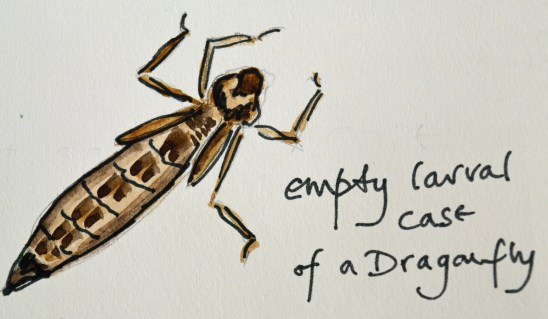
I next referred to our fun activity which takes us back to our childhoods, pond dipping, “An early dip in the pond with our net revealed that young Newts are still very much in evidence. We discovered the shell of a Dragonfly larva and a strangely bodied surface dwelling insect, its shape like an elongated diamond.” I wonder what a pond dipping session will reveal in September as autumn will then be creeping in.

2015 09 03_5014_edited-1 2015 09 03_5015_edited-1

Our Cercis siliquastrum tree featured again as we turn the page of my journal just as it has done in my May entries.

2015 09 03_5008_edited-1

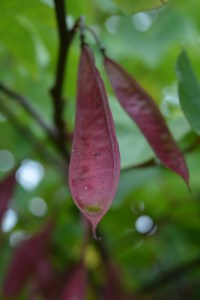
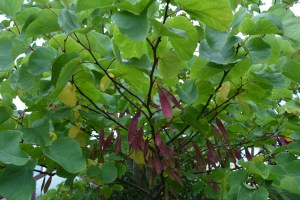
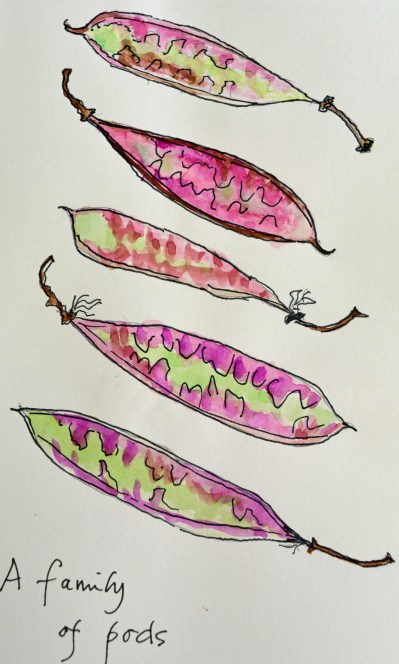
“Discovering new points of interest in the garden is always refreshing. We have always loved our Cercis siliquastrum for its mass of pink flowers in May, but this year we have rows of seed pods hanging from branches like celebratory bunting or prayer flags from Tibet.”

2015 08 10_4637 2015 08 10_4636 2015 08 10_4639 2015 08 10_4638

I attempted to paint a watercolour of a selection of pods and this proved to be a real challenge with the subtle variations of green and pink from pod to pod.

2015 09 03_5016_edited-1

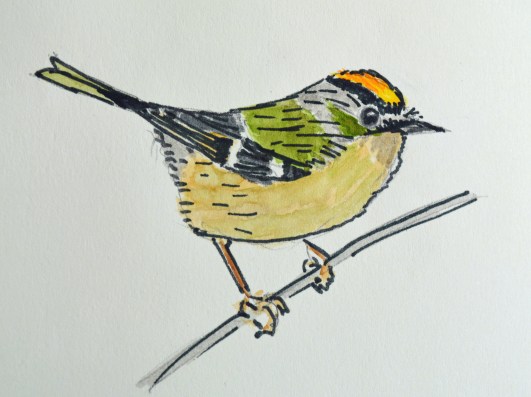
Further notes about the wildlife in our August garden followed on at the turn of the next page, where I noted, “Gardening in August is done with the sounds of Swallows and House Martins wheeling over our heads. Two very contrasting wildlife sounds add to the soundtrack, the deepest croaking grunt of our Toads and the highest pitched song of all our garden birds, the diminutive Goldcrest.” In my painting I tried to capture the character of the Goldcrest, cheerful, jittery and sparkling with life.

2015 09 03_5009_edited-12015 09 03_5018_edited-1

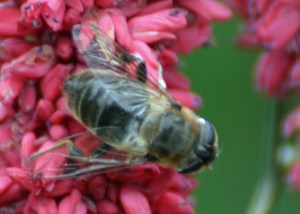
More sounds featured on the facing page, “Gentle, almost inaudible sounds emit from every border, the sounds of Hoverflies. Gentle humming from above flowers, rapid beats make wings almost invisible, the Hoverfly moves in sudden sharp changes of direction. They can be wasp-like, bee-like or fly-like, masters of mimicry and disguise”. I love taking photos of the wildlife that shares our garden and insects and have hundreds in my Photoshop storage space. I have found a few featuring a few of the many different species of Hoverfly to share with you.

2015 08 27_4717-1 2015 08 27_4718_edited-1-12015 08 27_4719_edited-1-1 2015 08 27_4720_edited-1-12015 08 27_4714_edited-1-1

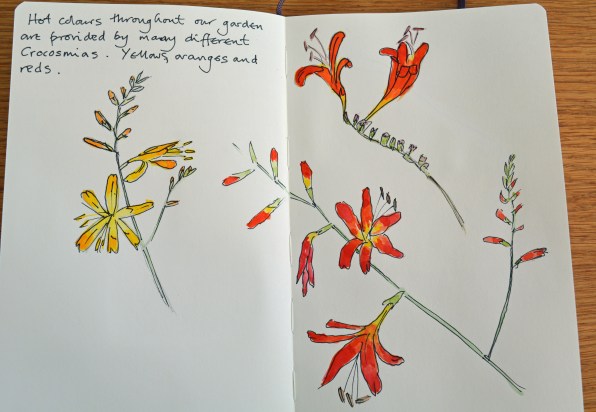
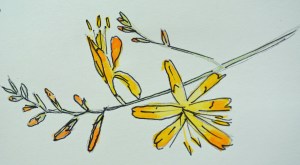
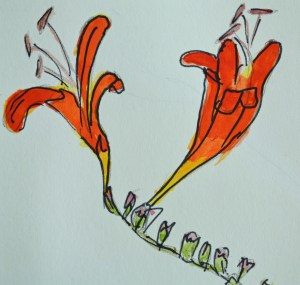
It is one of my favourite families of plants that I featured on the next double page spread, the Crocosmias. “Hot colours throughout our garden are provided by many different Crocosmias. Yellows, Oranges and Reds.” I enjoyed the challenge of creating watercolour paintings of three of our cultivars.

2015 09 03_5019_edited-12015 09 03_5020_edited-1 2015 09 03_5021_edited-1

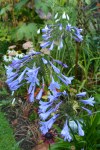
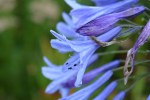
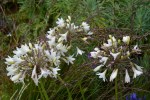
From one bulbous rooted plant to another, from Crocosmias to Agapanthus. “Remember those Aganpanthus buds of July? Well, just look at them now!”

2015 09 03_5011_edited-1

I hope you enjoy this little gallery of photos of our Agapanthus. Just click on the first photo and use the arrows to move on through.

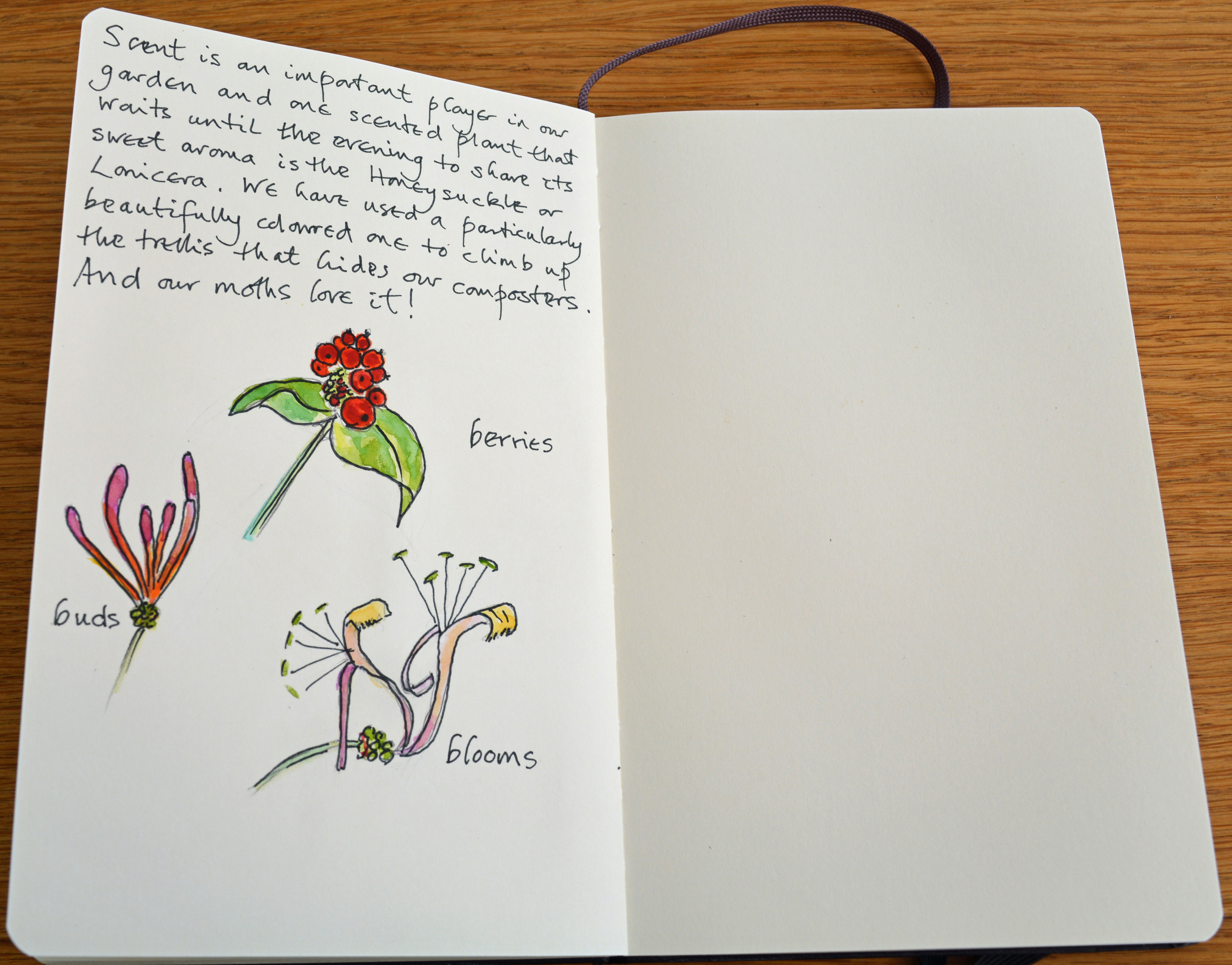
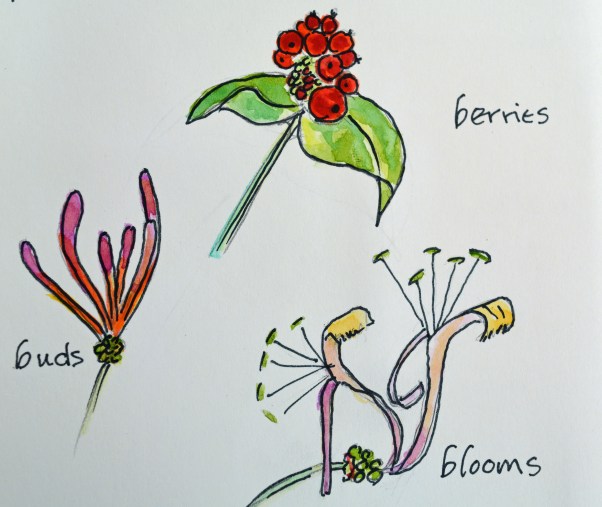
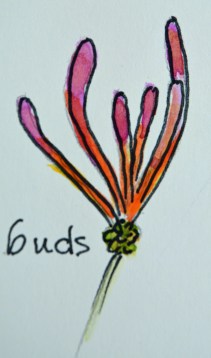
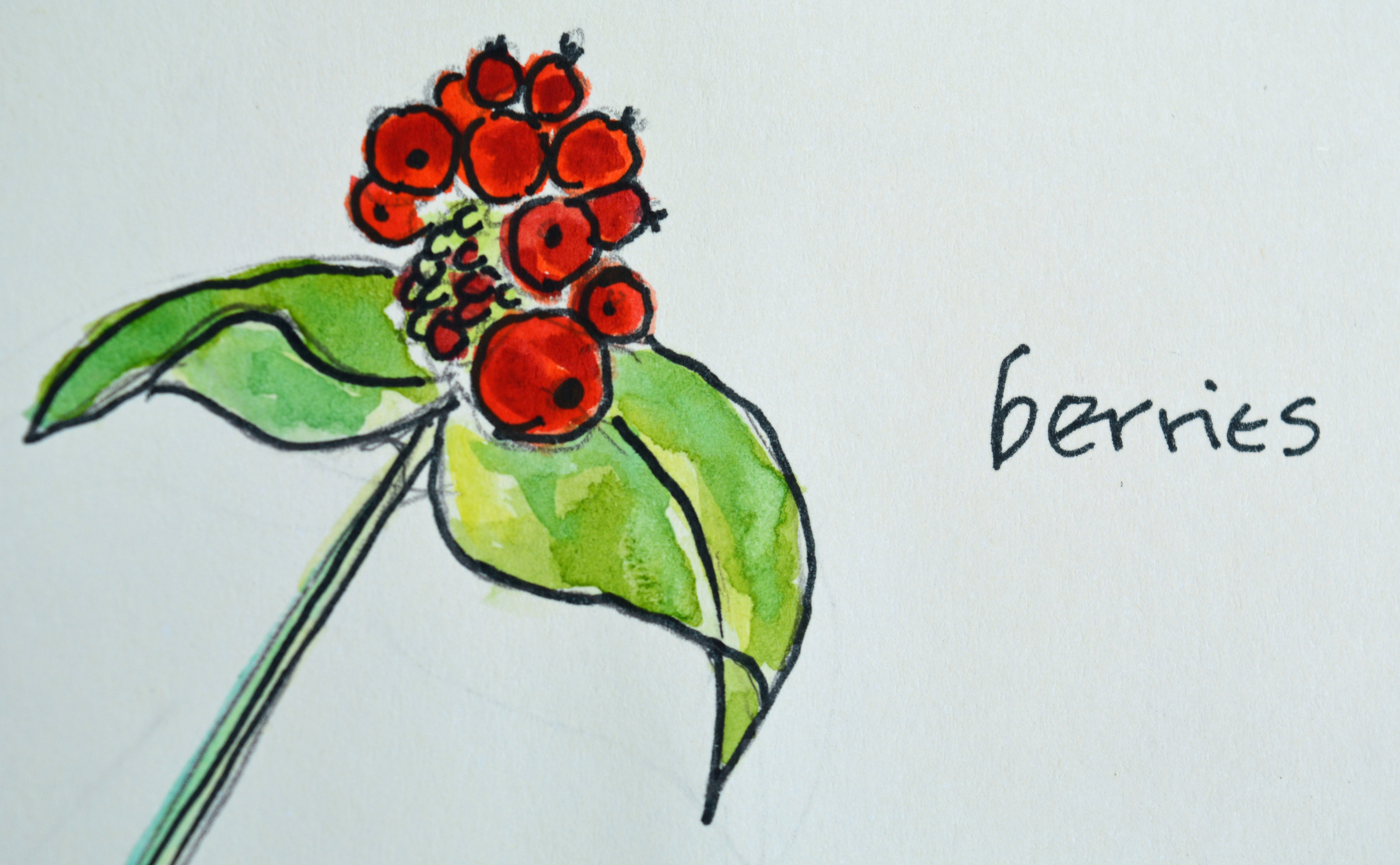
My final page for August featured another garden favourite, this time a climber, the Honeysuckle. I wrote “Scent is an important player in our garden and one scented plant that waits until the evening to share its sweet aromas is the Honeysuckle or Lonicera. We have used a particularly beautifully coloured one to climb up the trellis that hides our composters. And our moths love it!” I turned once again to my beautiful wooden box of watercolour paints to create a little series of pictures of the buds, blooms and berries of the Honeysuckle.

2015 09 03_5012_edited-1   2015 09 03_5025_edited-12015 09 03_5024_edited-1 2015 09 03_5022_edited-1 2015 09 03_5023_edited-1

The next look at my garden journal will be in September when we may be seeing the early signs of Autumn.

This Veggie Life

A Vegetarian | Nature Lifestyle Blog

Rambling in the Garden

.....and nurturing my soul

The Arch City Gardener

Journeys In St. Louis Gardening and Beyond

Garden Dreaming at Châtillon

Consult the genius of the place

Storyshucker

A blog full of humorous and poignant observations.

gardeninacity

Notes from a wildlife-friendly cottage garden

PlayGroundology

...an emerging social science

The Official Blog of British Wildlife

'The most important and informative publication on wildlife of our times' - The Independent. This blog is a member of The UK & Ireland Natural History Bloggers group: www.uknhb.blogspot.com

iGrowHort

Inspire - Cultivate - Grow Native Plants - Restore Landscapes

Bishops Meadow Trust

To create and protect a semi-natural wild space for the people of Farnham to enjoy and experience an array of British wildlife in our town

Gardening with Children

The www.gardeningwithchildren.co.uk Blog

UKbirdingtimeline

birding through the seasons, why birds matter and how to conserve them

NATURE WALKER

with a camera in hand

Jardin

Transform your outdoor space

Eva's space

My allotment, cooking and other interests

Old School Garden

my gardening life through the year

LEANNE COLE

Trying to live a creative life

fromacountrycottage

trying to live as lightly as possible on our beautiful planet

Good Life Gardening

Nature lovers from Leicester living the good life.

mybeautfulthings

Finding the beautiful in the everyday

mawsonmichelle

Michelle's Allotment

In and Out of My Garden

thoughts from and about my garden

Greenhousing

Big plans for a small garden

The Scottish Country Garden

A Walled Country Garden in South East Scotland

The Fruity Chicken

Life at the fruity chicken

willowarchway

Off grid living. Self sufficient. "PERMAGANICS RULE".

St Anns Allotments

Nottingham's Grade 2* Listed Allotments and Community Orchard

Manifest Joy Harvests

a journey in suburban vegetable gardening

Allotmental

The madness of growing your own

Penny's Garden: a harvest beyond my front door

A novel approach to vegetable gardening

arignagardener

Sustainable living in the Irish countryside.

NewEnglandGardenAndThread

Master Gardener, amateur photographer, quilter, NH native, and sometimes SC snowbird

dianajhale

Recent work and work in progress and anything else that interests me

planthoarder

a chaotic cottage gardener

Lens and Pens by Sally

a weekly blog that creates a personal philosophy through photographs and words

Dewdrops and Sunshine

Stories from a sassy and classy Southern farmbelle.

The Pyjama Gardener

Simple Organic Gardening & Seasonal Living

gettin' fresh!

turning dirt into dinner

JOY...

today the world is created anew

Garden Birds

Notes from a Devon garden

ShootAbout

Life Through The Lens

Adapting Pixels

A photography blog showcasing the best photography pictures and videos on the internet

Wildlifegardening's Blog

Just another WordPress.com site

naturestimeline

personal observations from the natural world as the search continues for a new approach to conservation.

LATEBLOOMERBUDS

The Wonders of Life through my Eyes, my Heart, my Soul