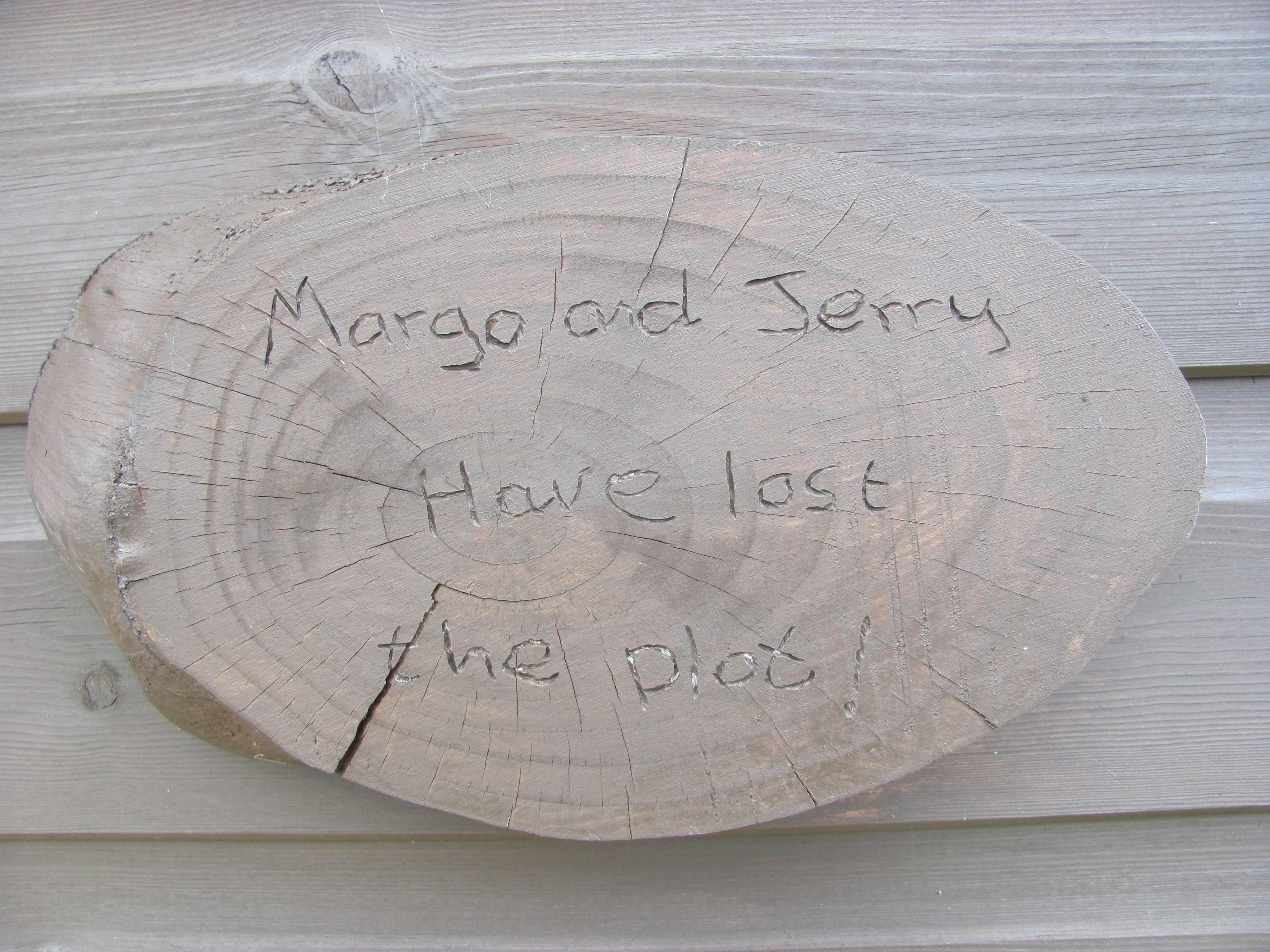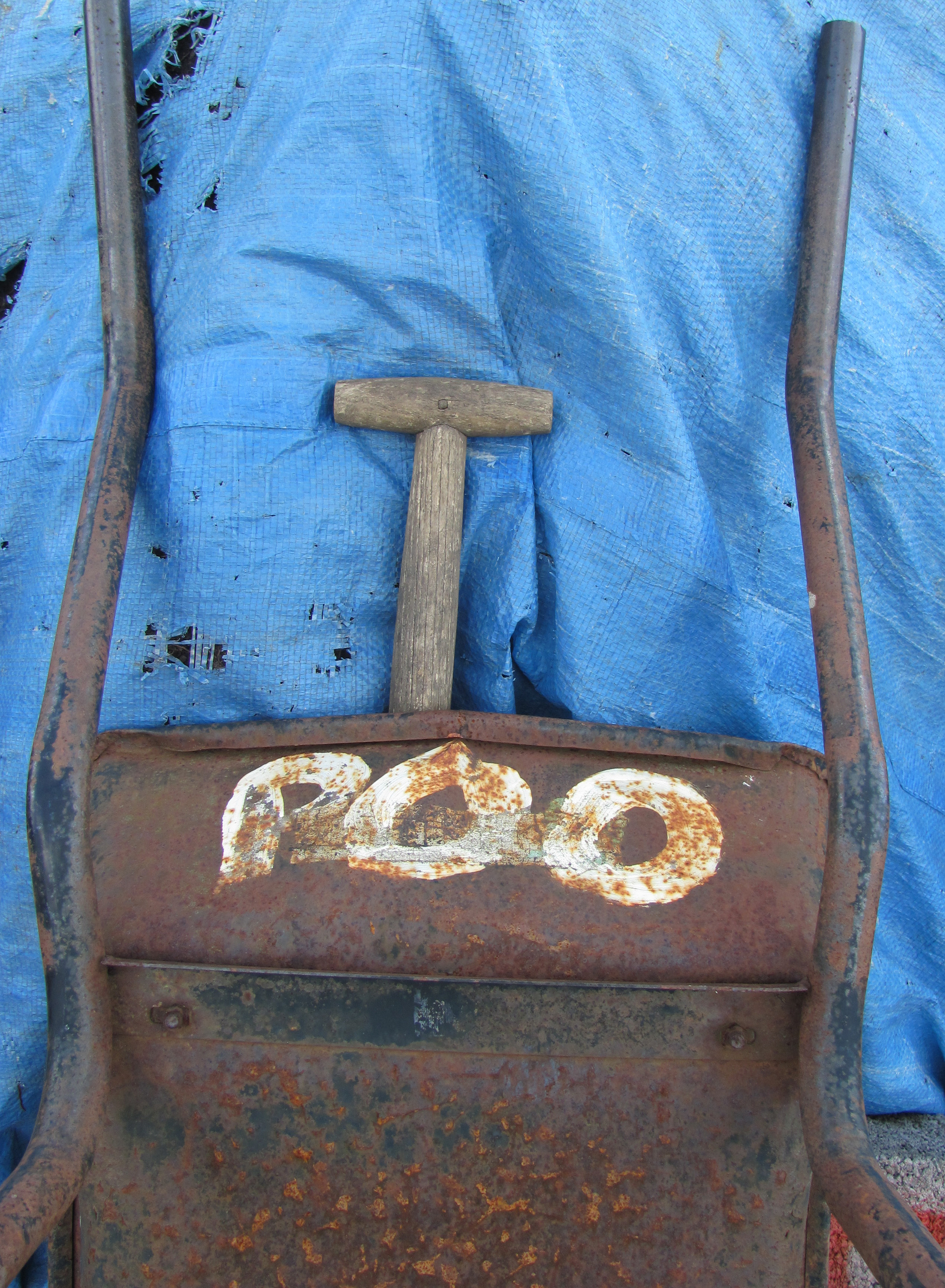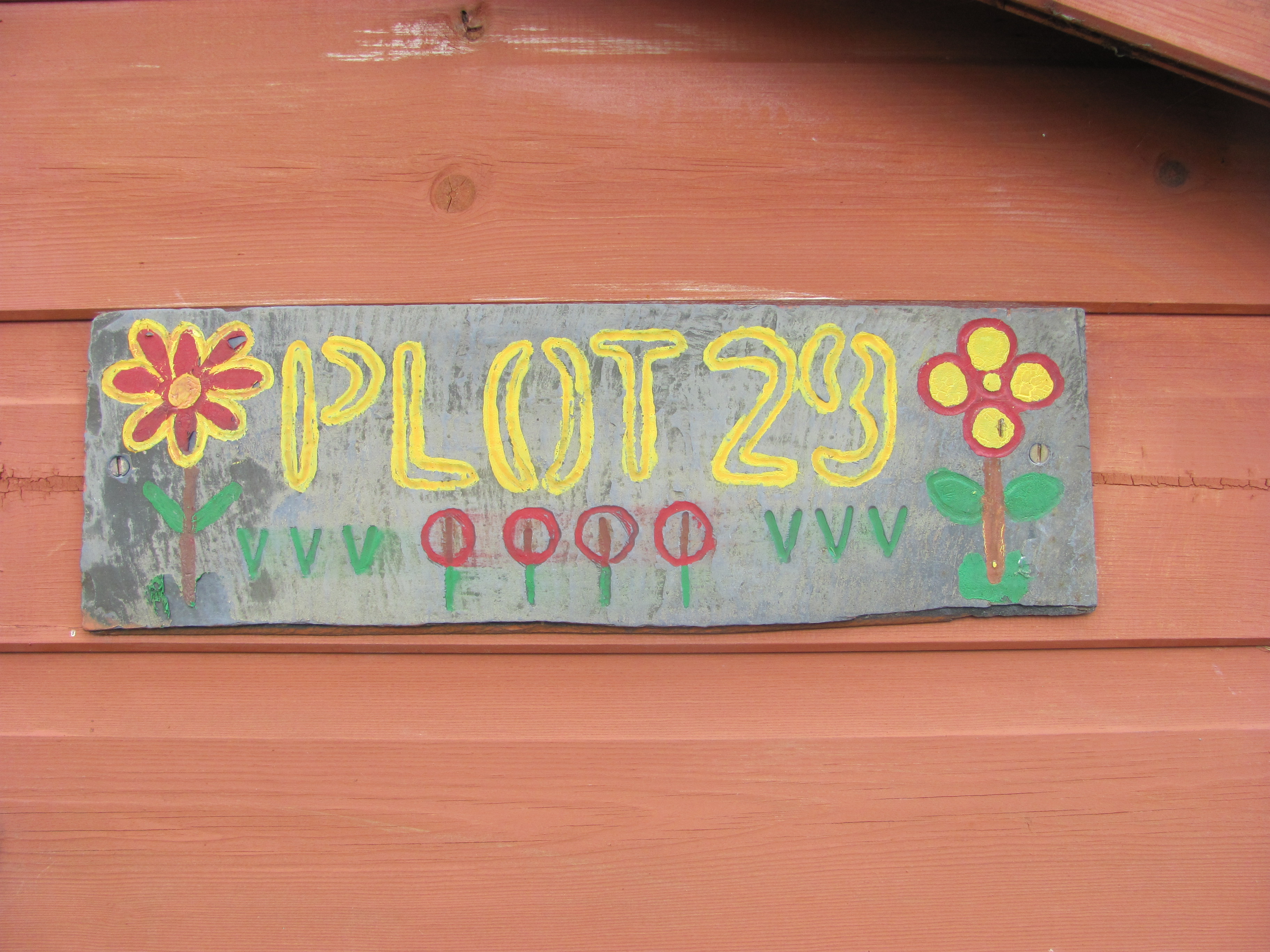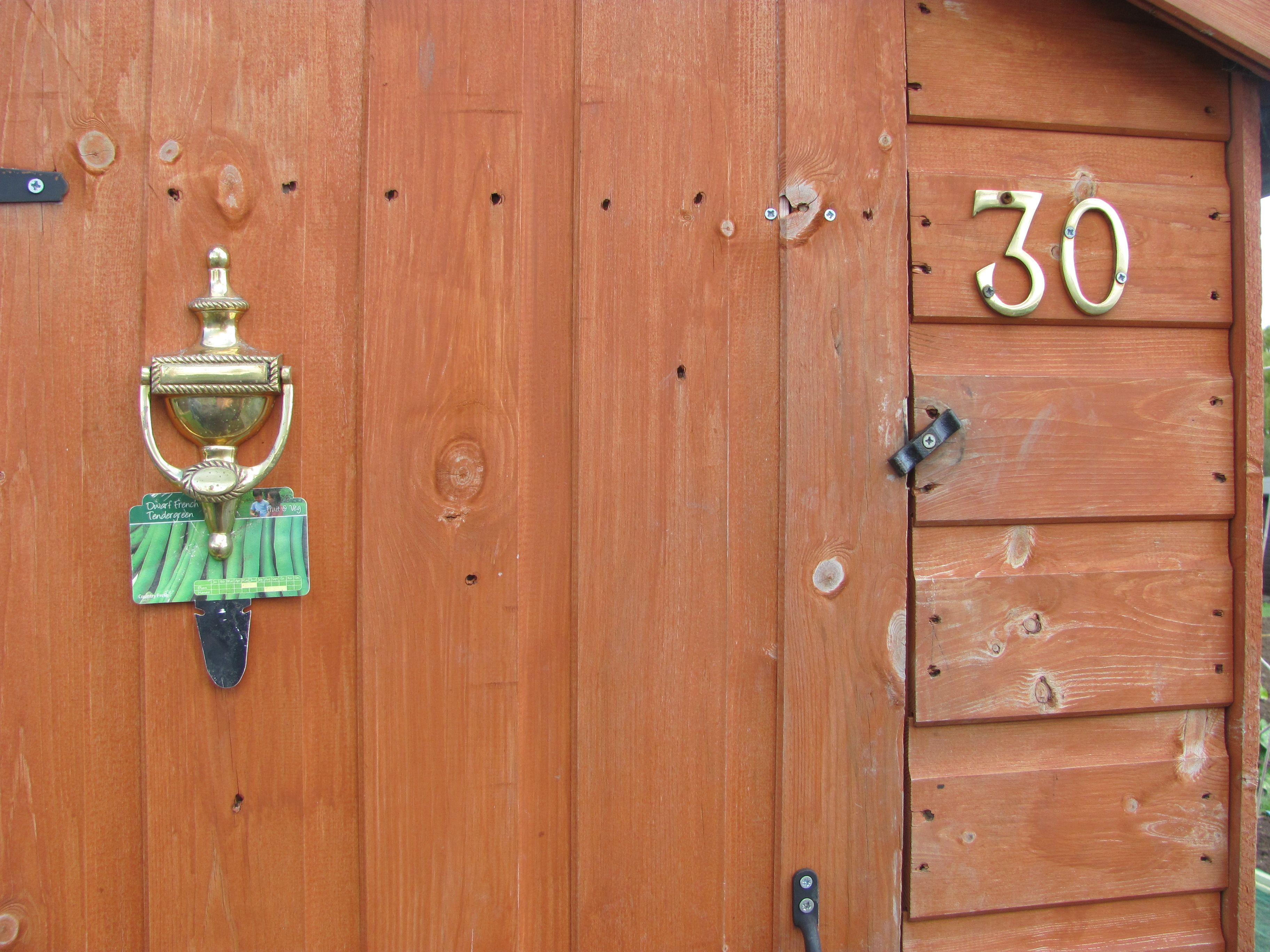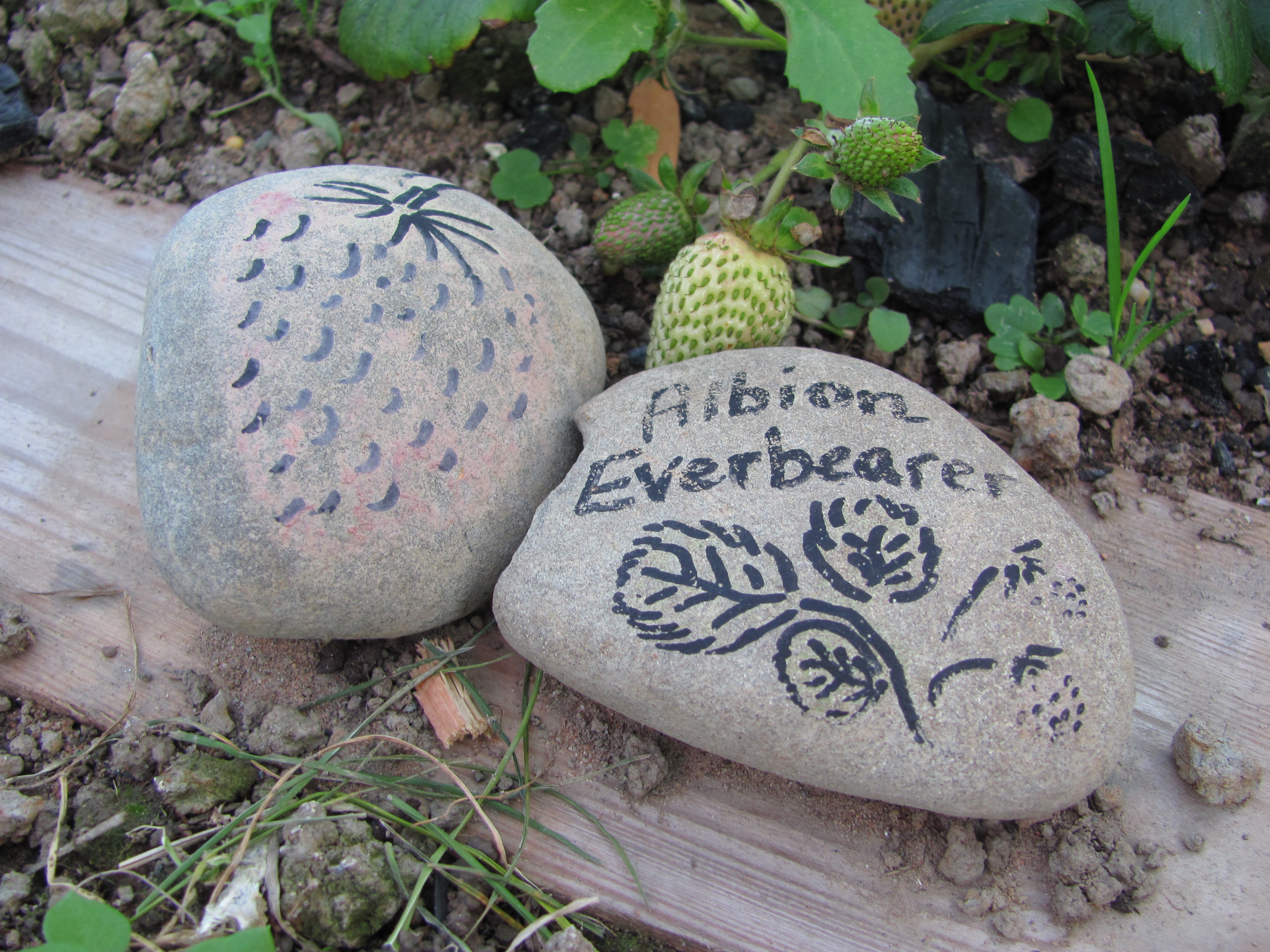
Since our allotment site opened three years ago, many allotmenteers have put plaques on their sheds and signs have appeared in all sorts of places. Words of wisdom and humour!
Let’s take a wander and see what we can find.
I fixed this quote to the side of one of our communal buildlings. it is very popular with visitors.Could be true!Lovely sentiment.Memories of "The Good Life".No weeds on this plot!So true!We can't argue with that!Even the site's manure wheelbarrow and a breeze block have signs.I wonder what goes in that barrow?Dave's welcoming sign.Fred's impressive door furniture.
Two youngsters, Ethan and Elliot, seem to have forgotten their Mum, Mandy, when they made their sign. Mandy’s plant labels are so attractive and original.
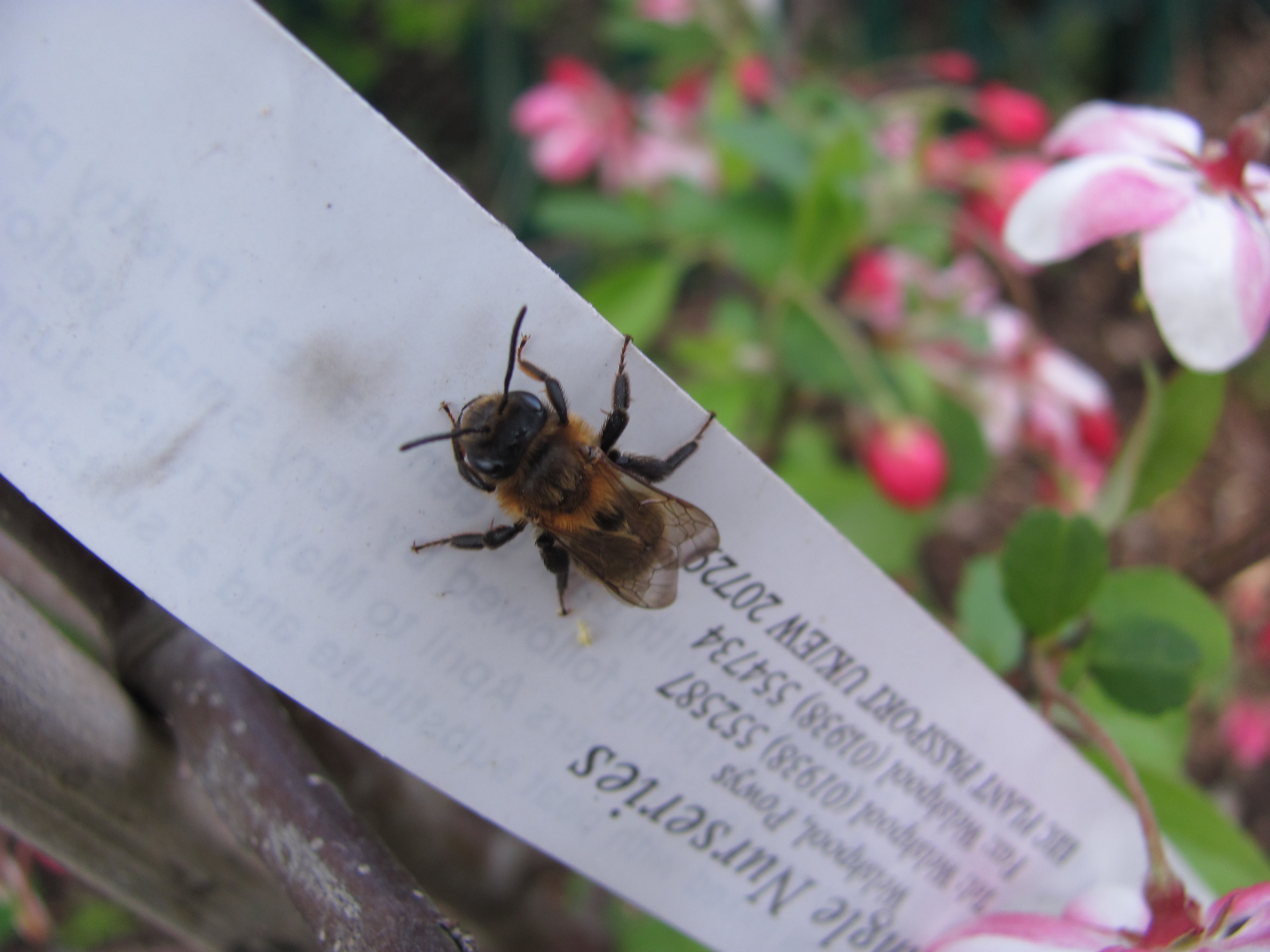
It is already into the fourth month of the year and so this is the fourth in this monthly series of garden wandering posts. So much happens in April, so many plants start into growth, so many seeds are sown and the weather changes so often. Frost, hail, sun, mild, cold, windy, calm – everything comes randomly and we gardeners get caught out inappropriately clothed. Wildlife is equally confused, with bees, hoverflies, butterflies and wasps appearing on warmer days and disappearing as soon as it cools down again.
Taking advantage of some bonus sunshine.
Some spring bulbs are going over while others are in full swing, some tree blossoms are going over while others are just coming into flower. There is so much to do in the garden, productive or ornamental, and it feels good to be out there doing it.
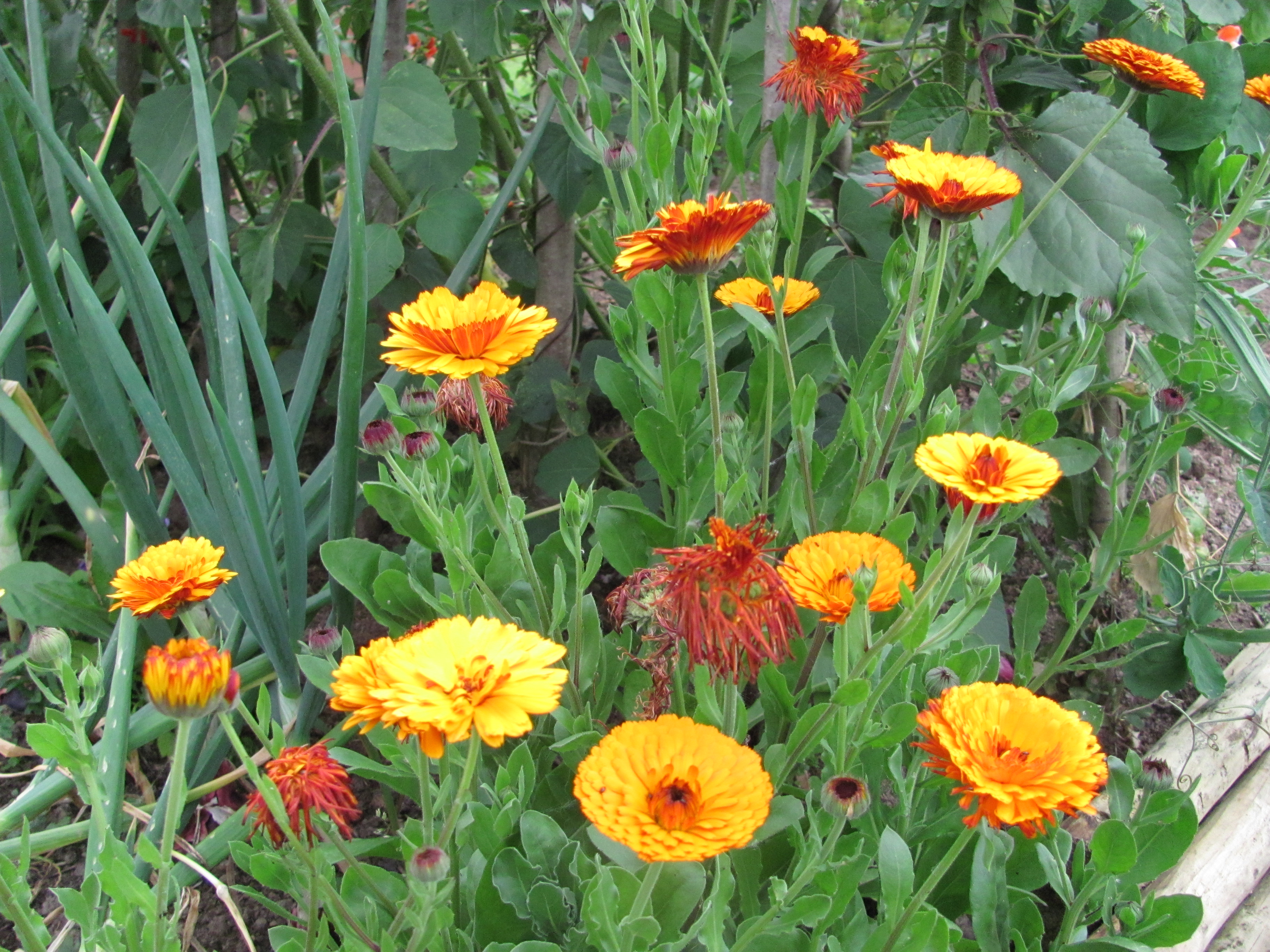
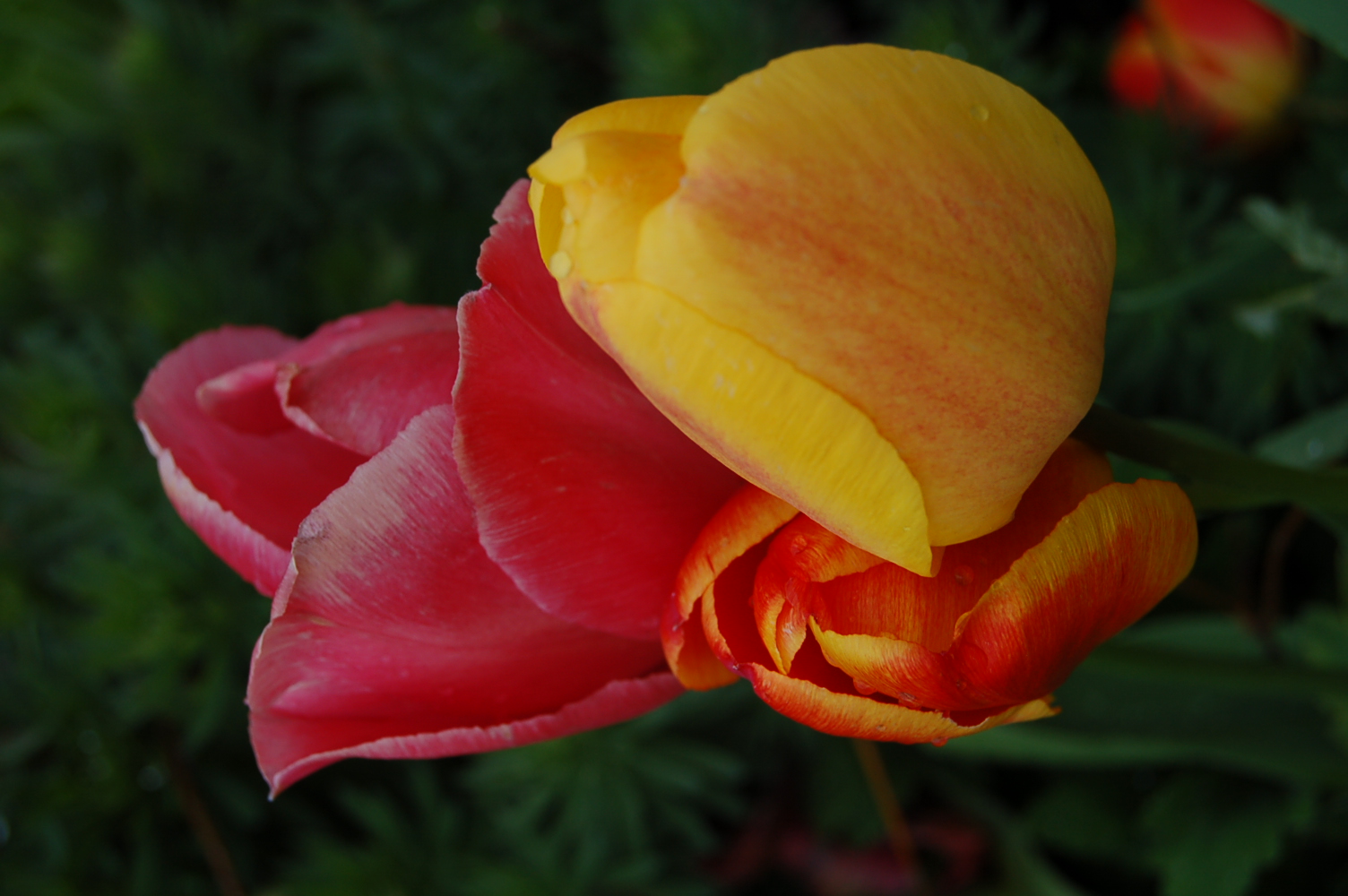
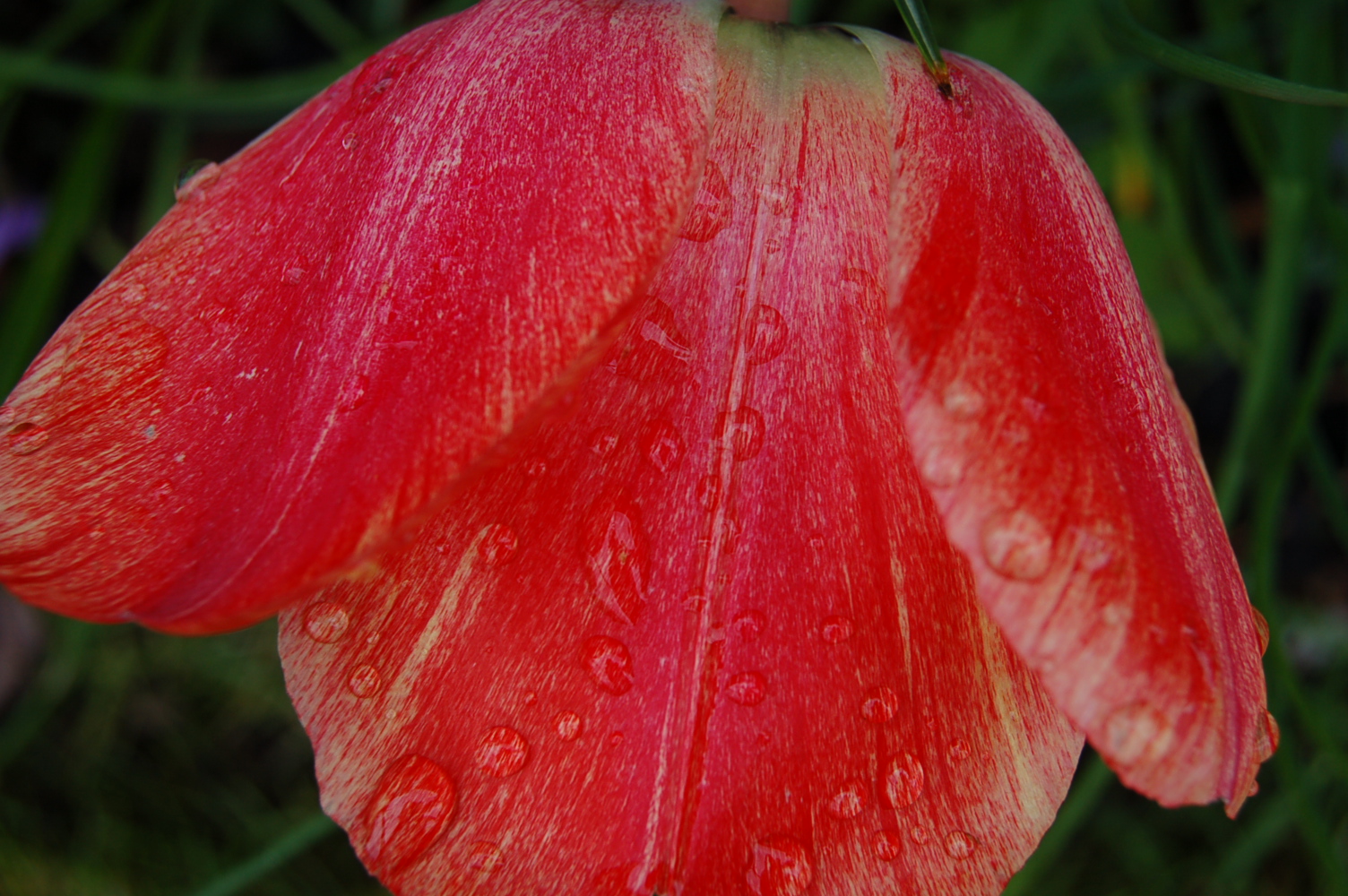
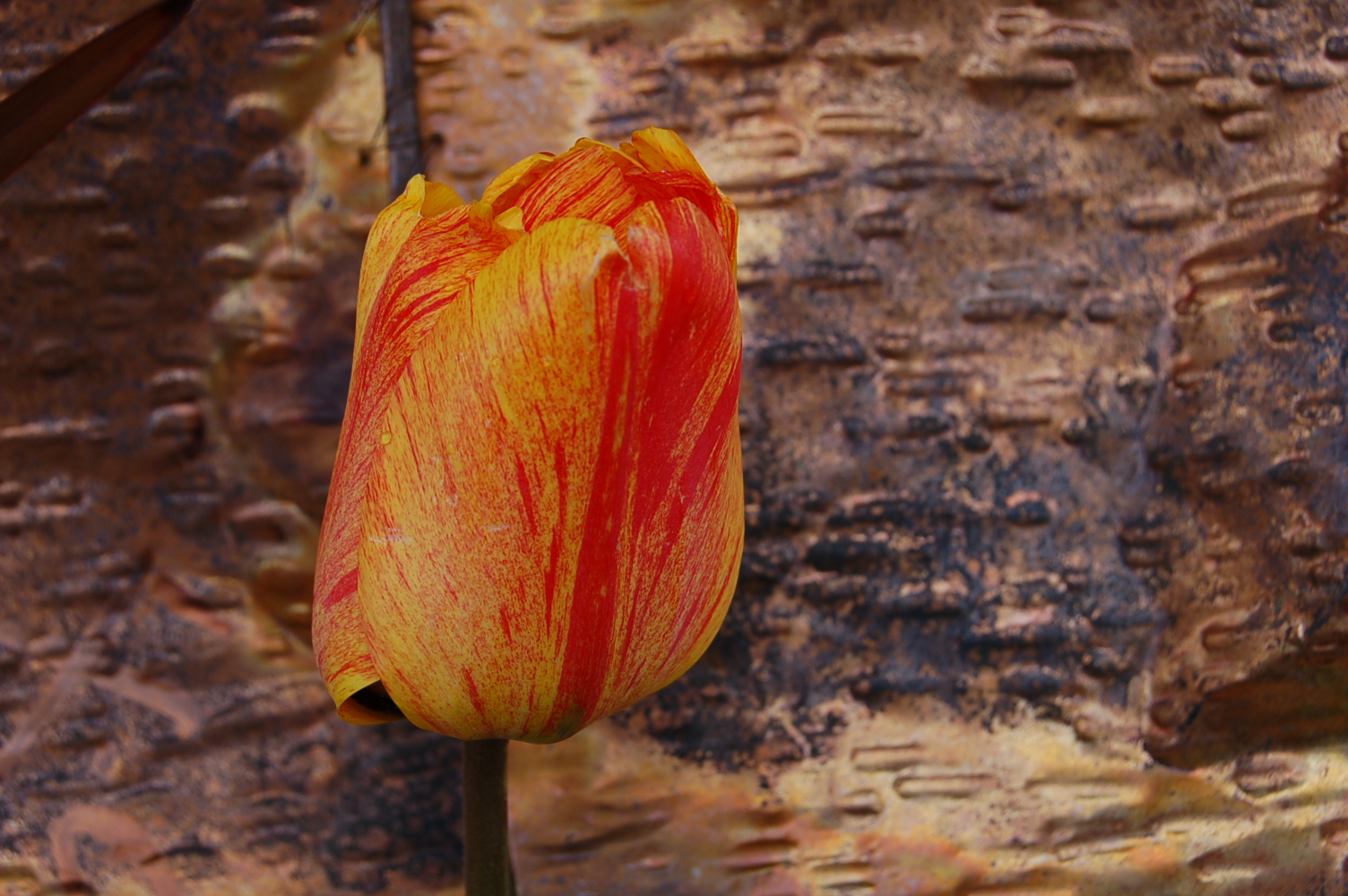
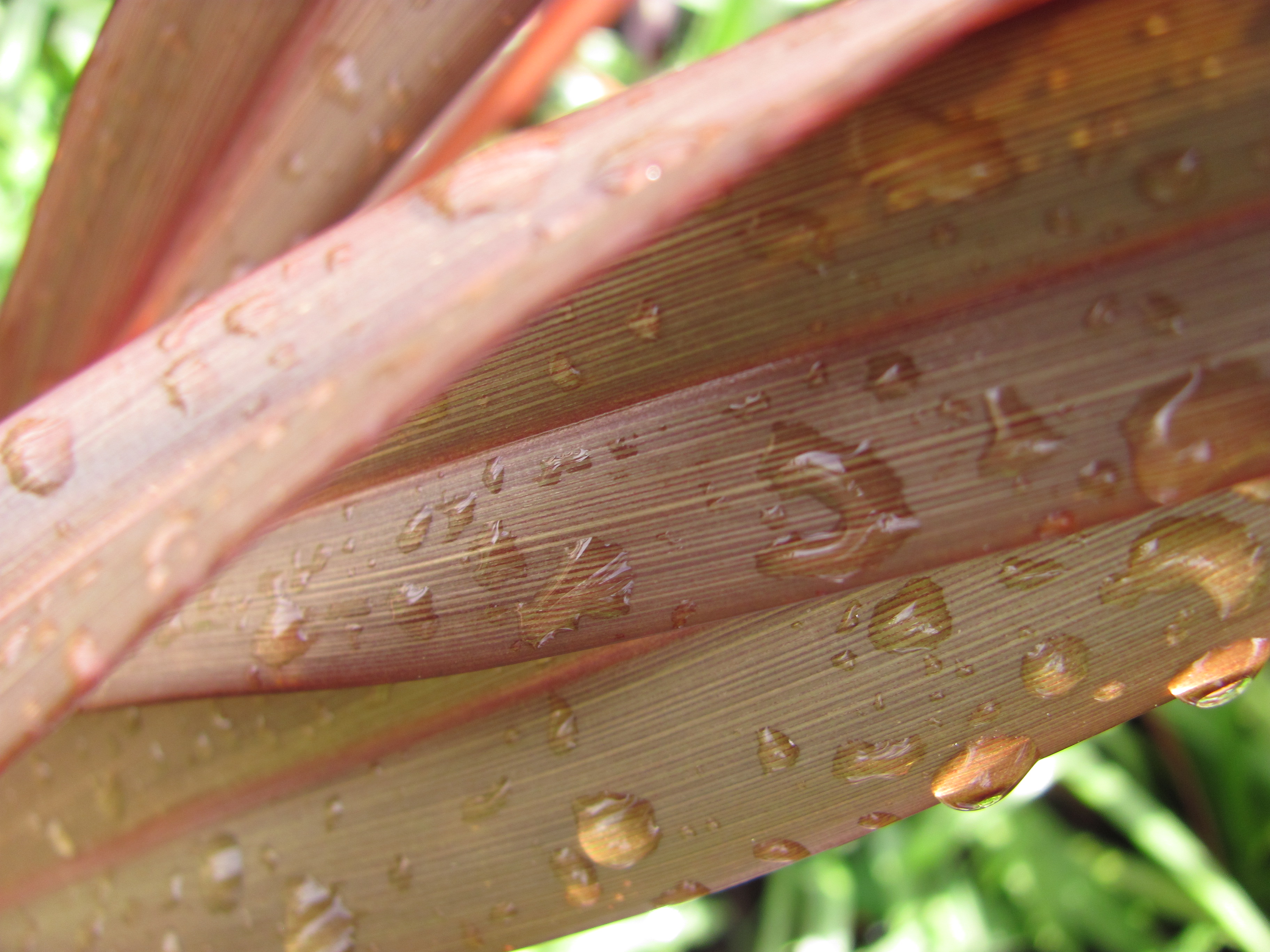
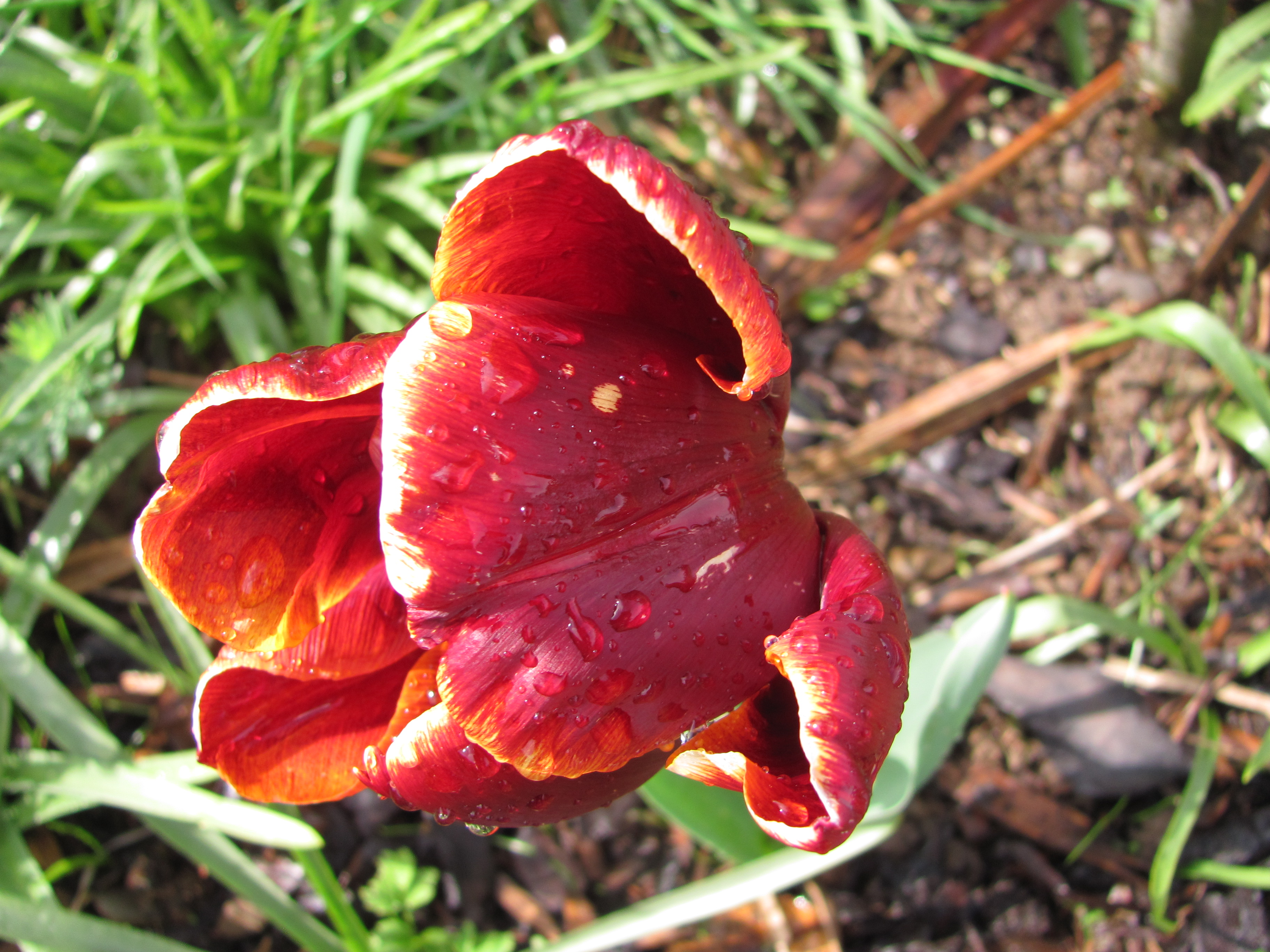
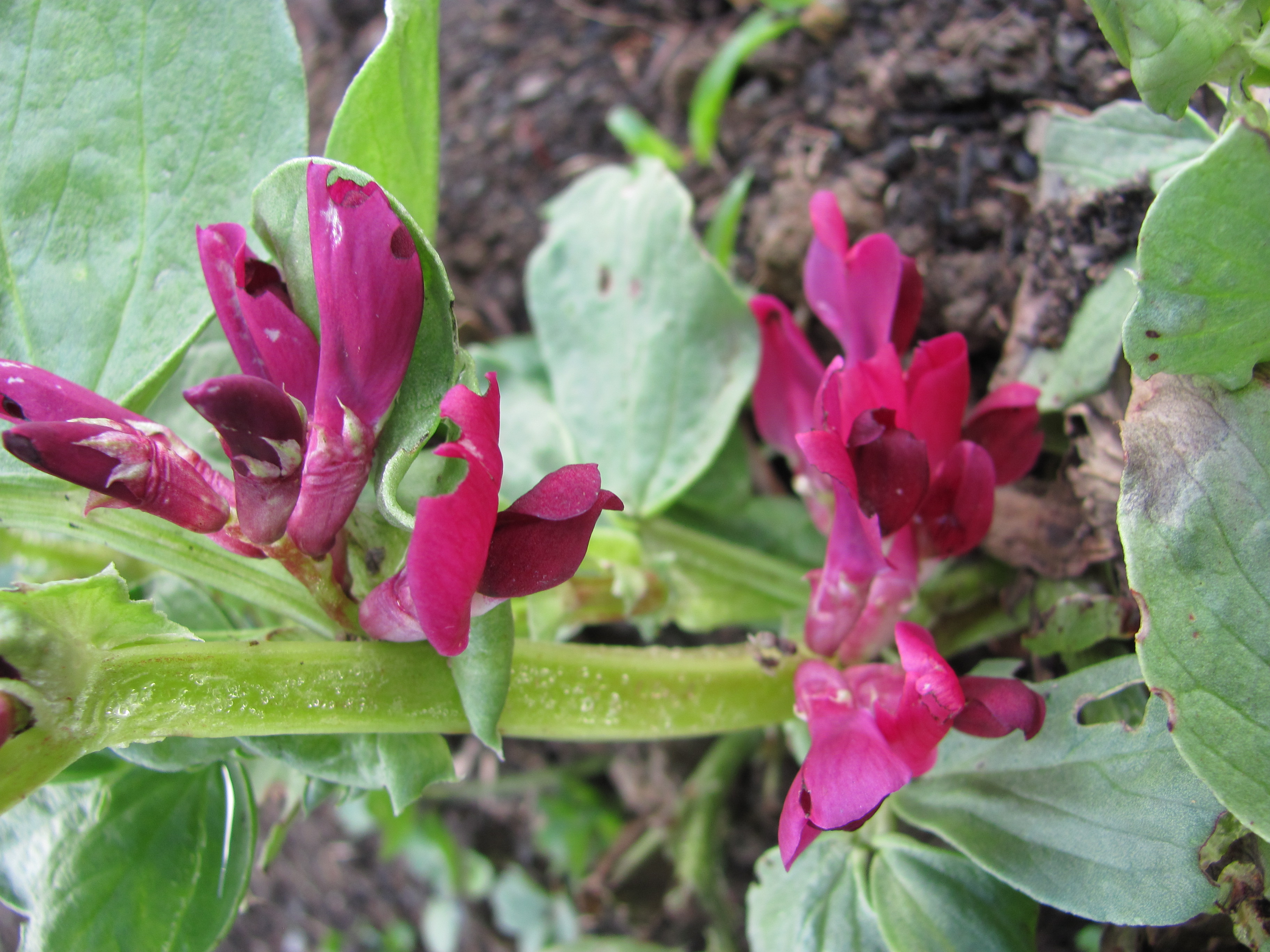
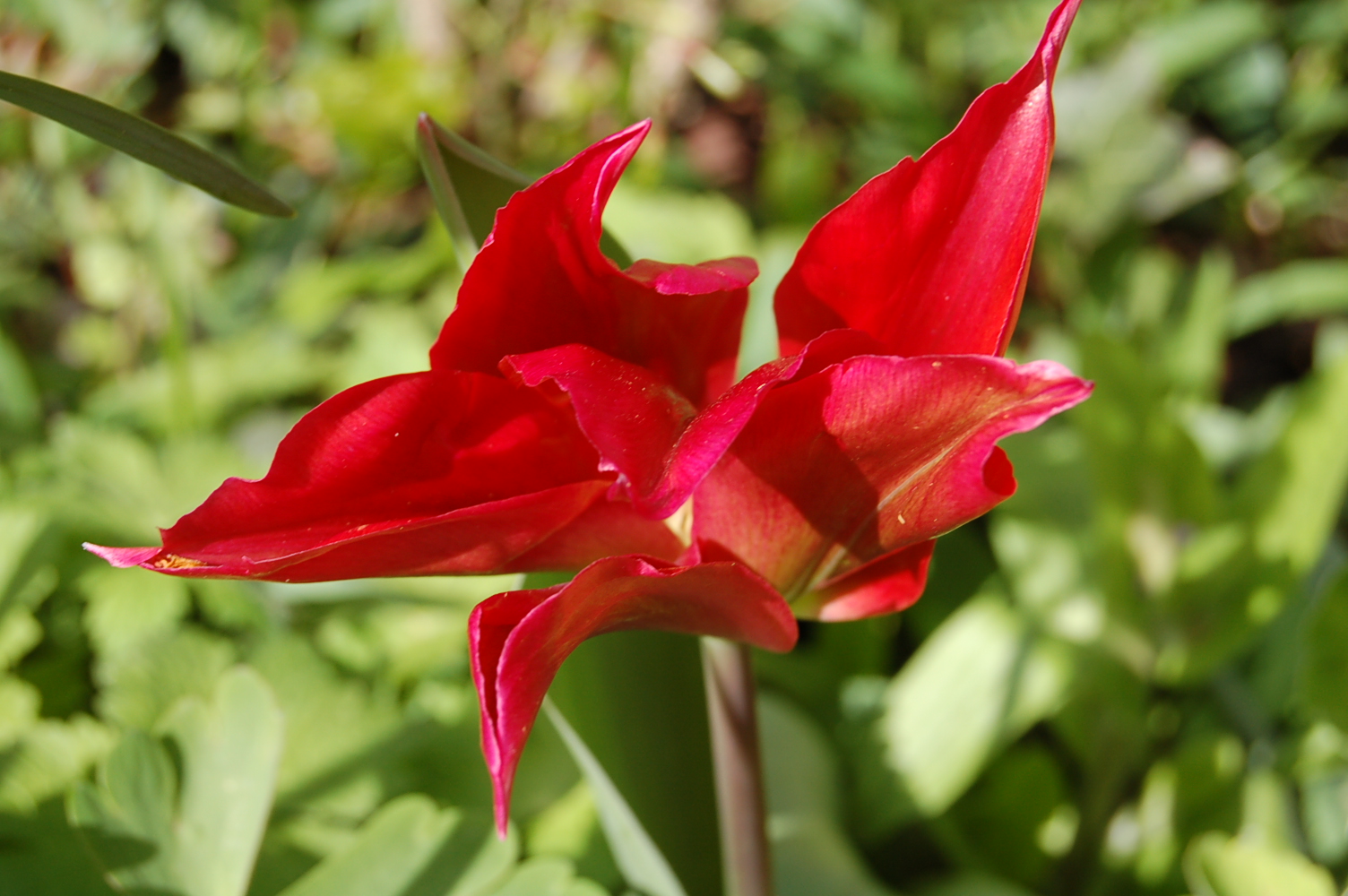
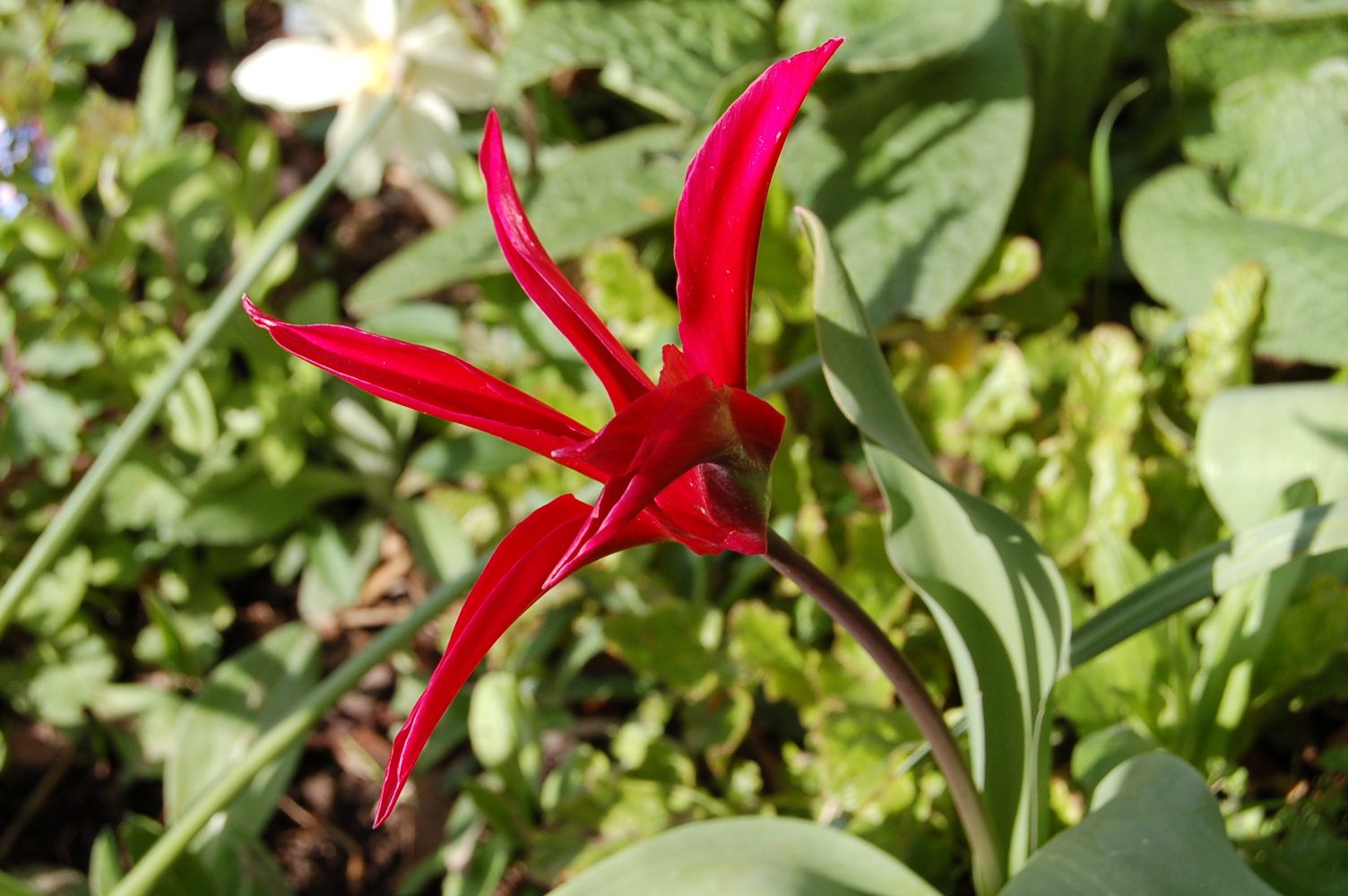
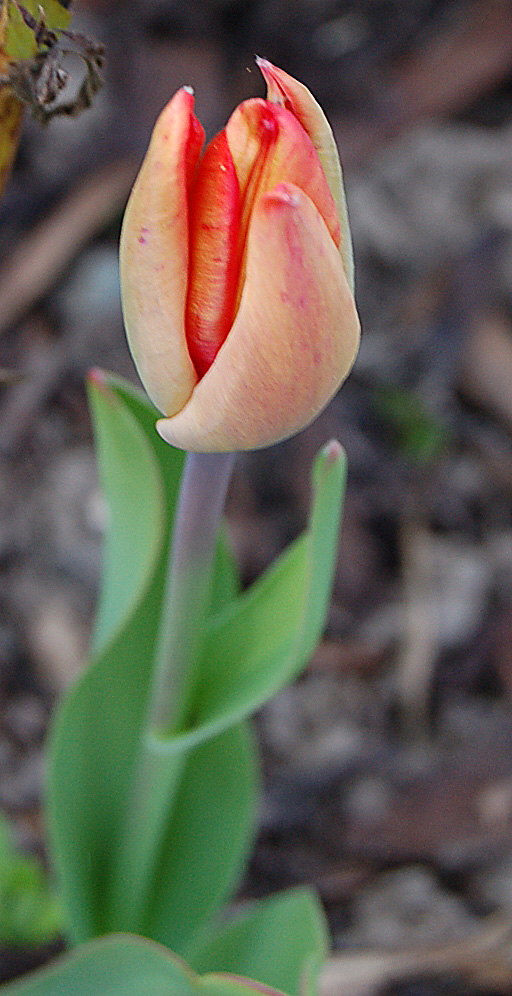
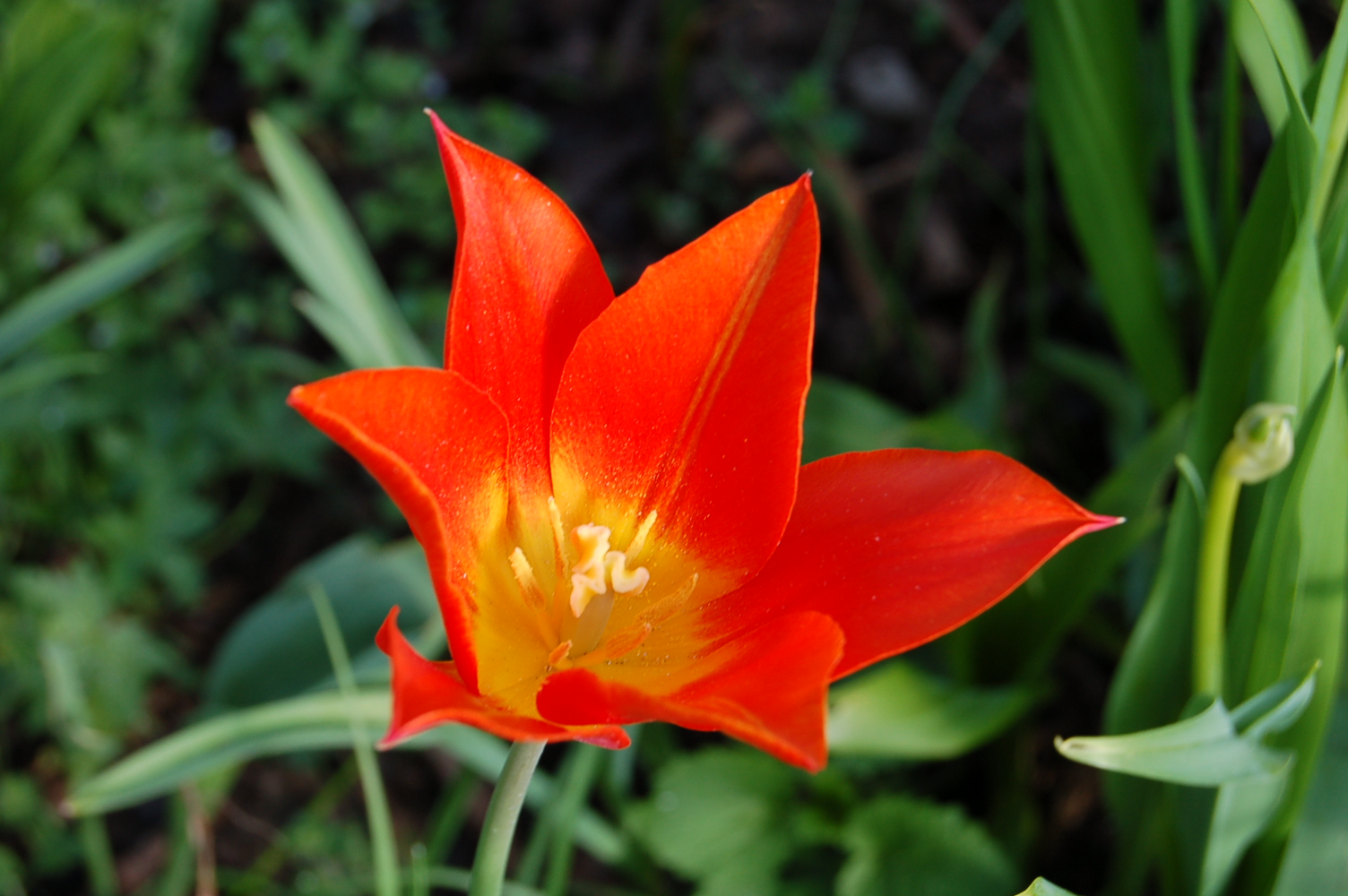
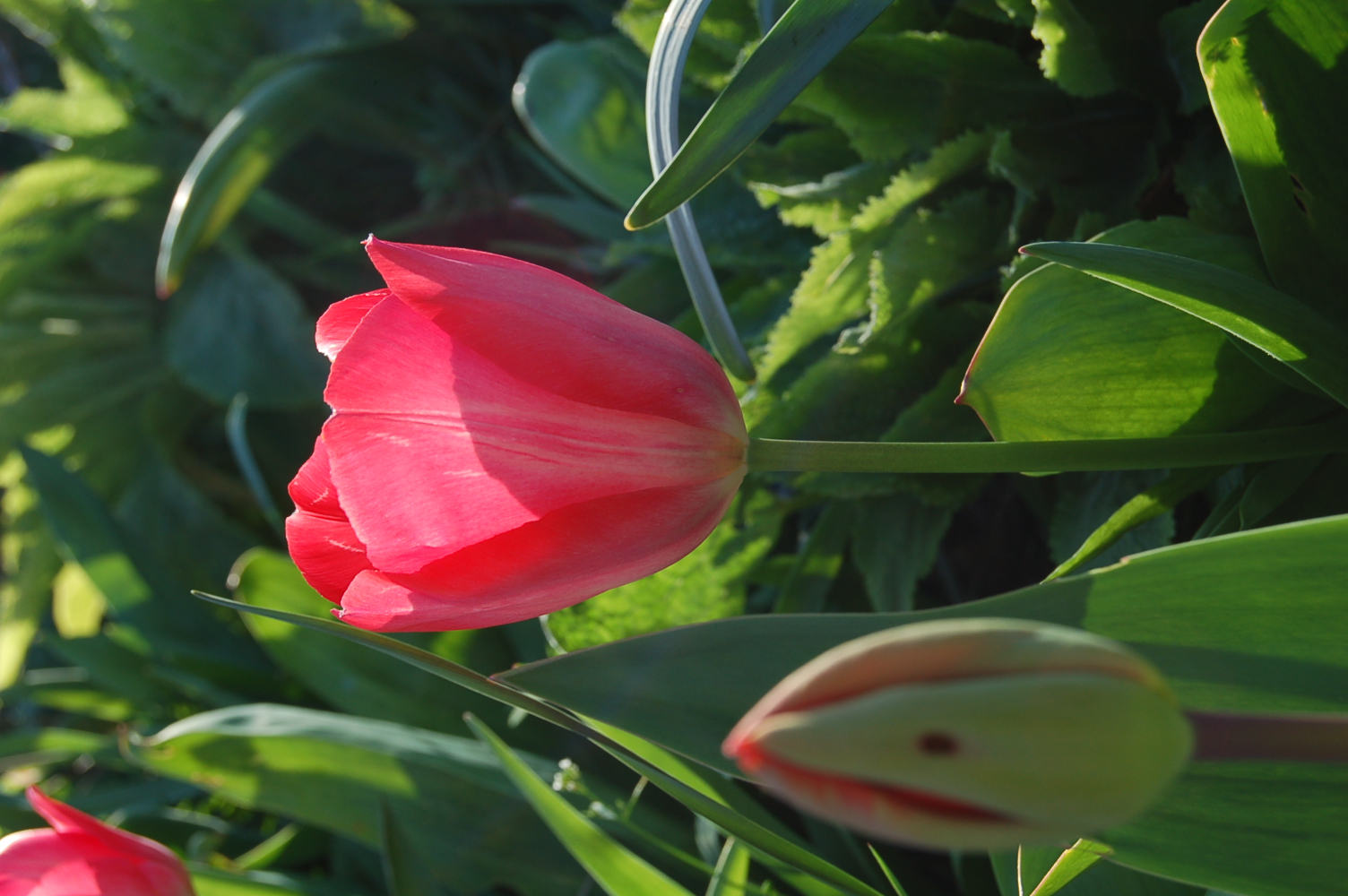
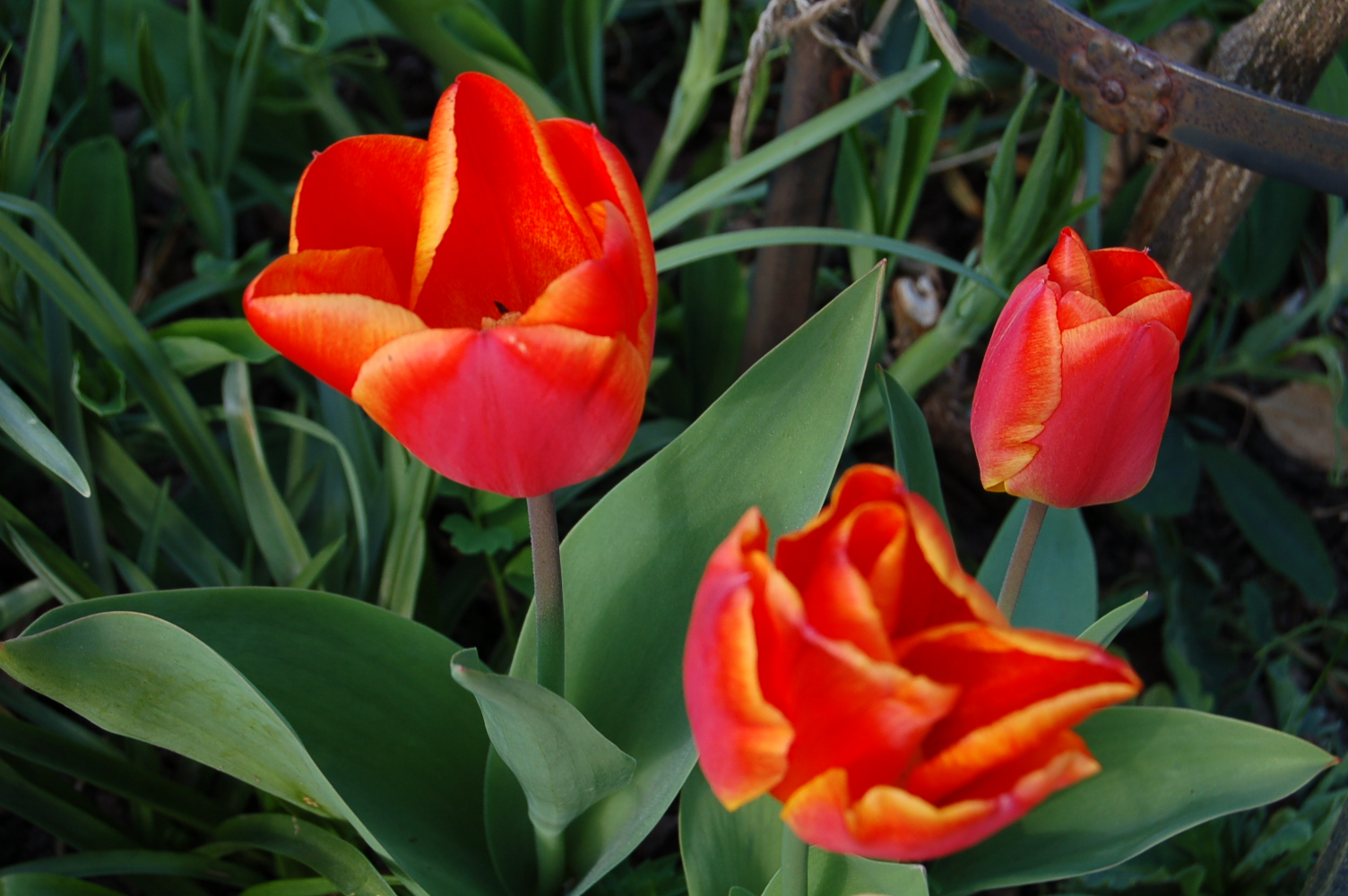
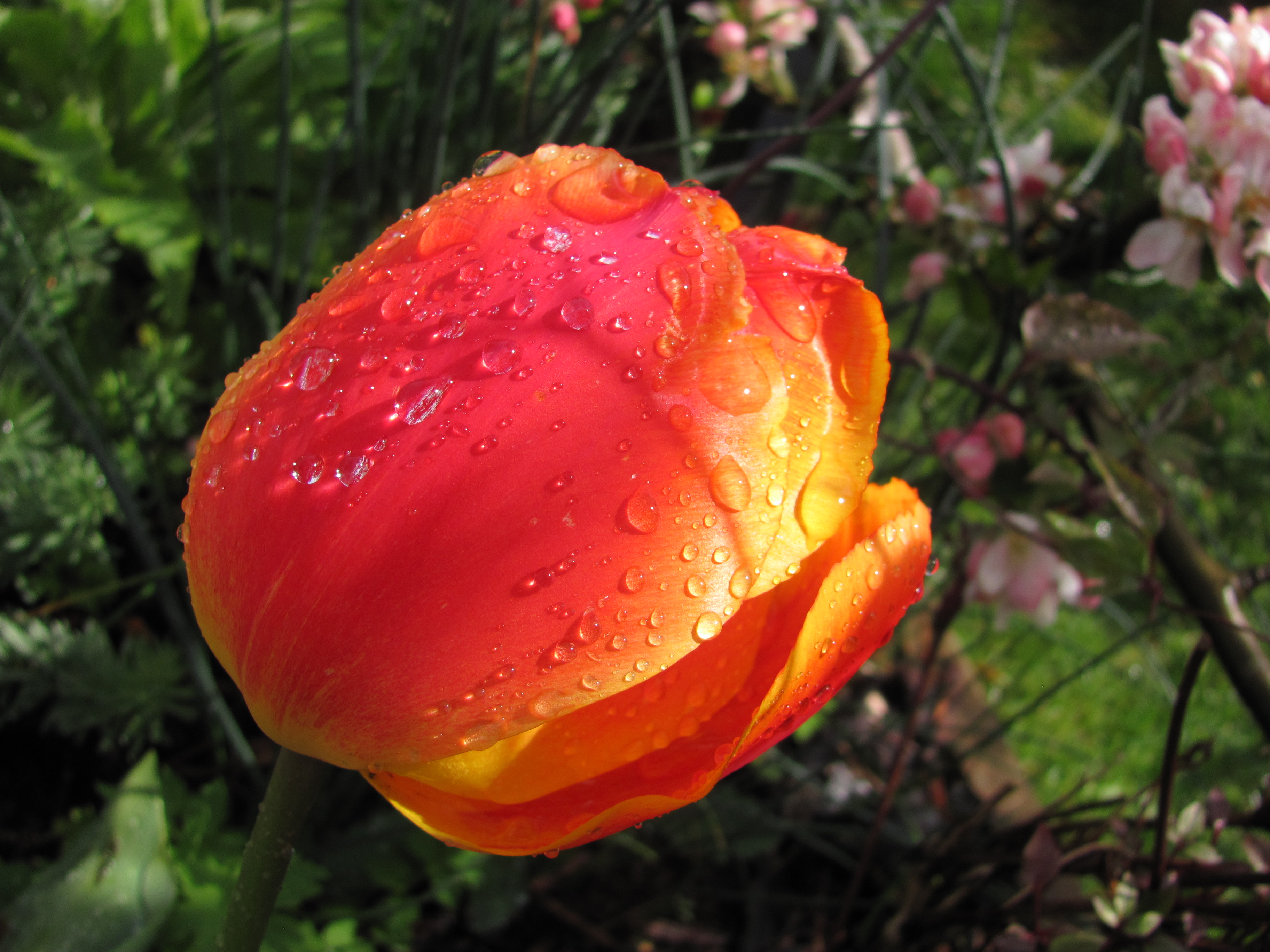
How red can a flower be!
As soon as April arrives we know the garden will look and feel differently every day. Come around our garden with me and my camera and see what is going on.
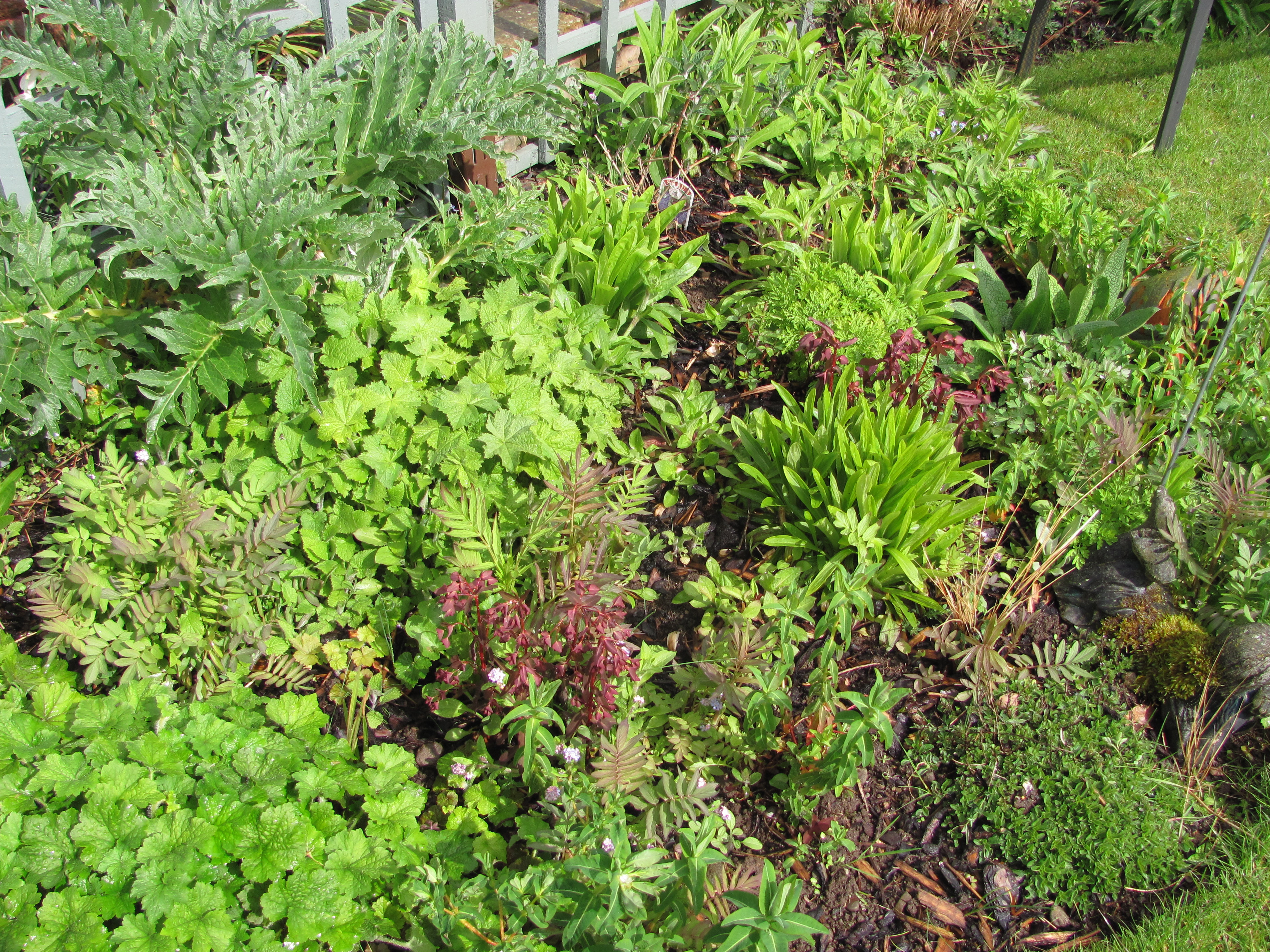
The front garden glows in the afternoon sunshine, with every shade of green in new herbaceous growth splattered with the many colours of bulbs.
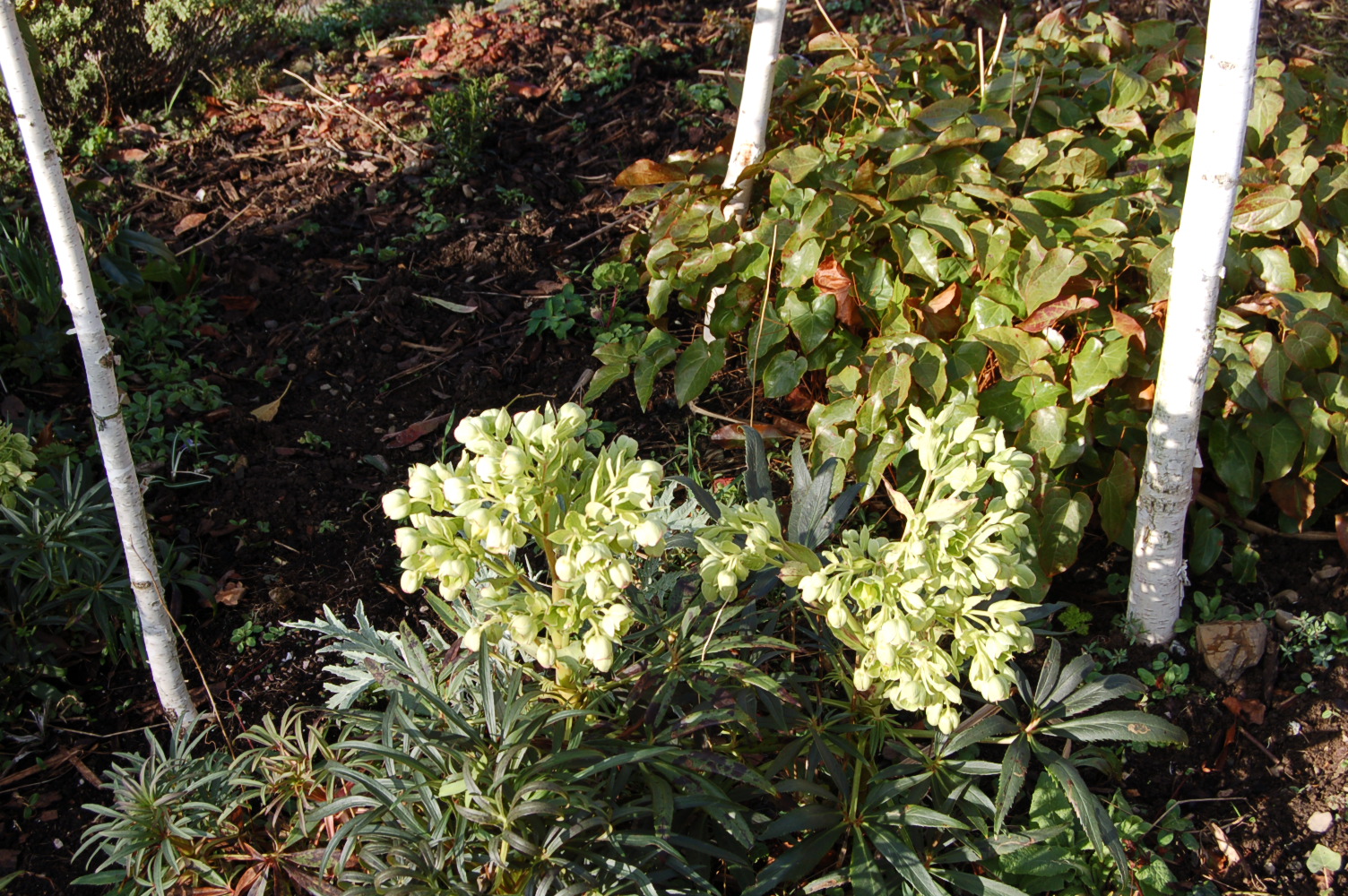
The Hot Border.Euphorbias below white-stemmed birches.
The Shade Garden is soon to reach its peak time, with its fresh leafy growth and the tiny, pale jewels of flowers. Pulmonarias, Dicentras, Anemones, Arums and Corydalis are all budding up and beginning to flower while the ferns are hardly showing any signs of awakening.
The Shade Garden bursting into life.China blue pulmonaria.Pale pink pulmonaria.Silver splashed Arum leaves.Primrose yellow Anemone.
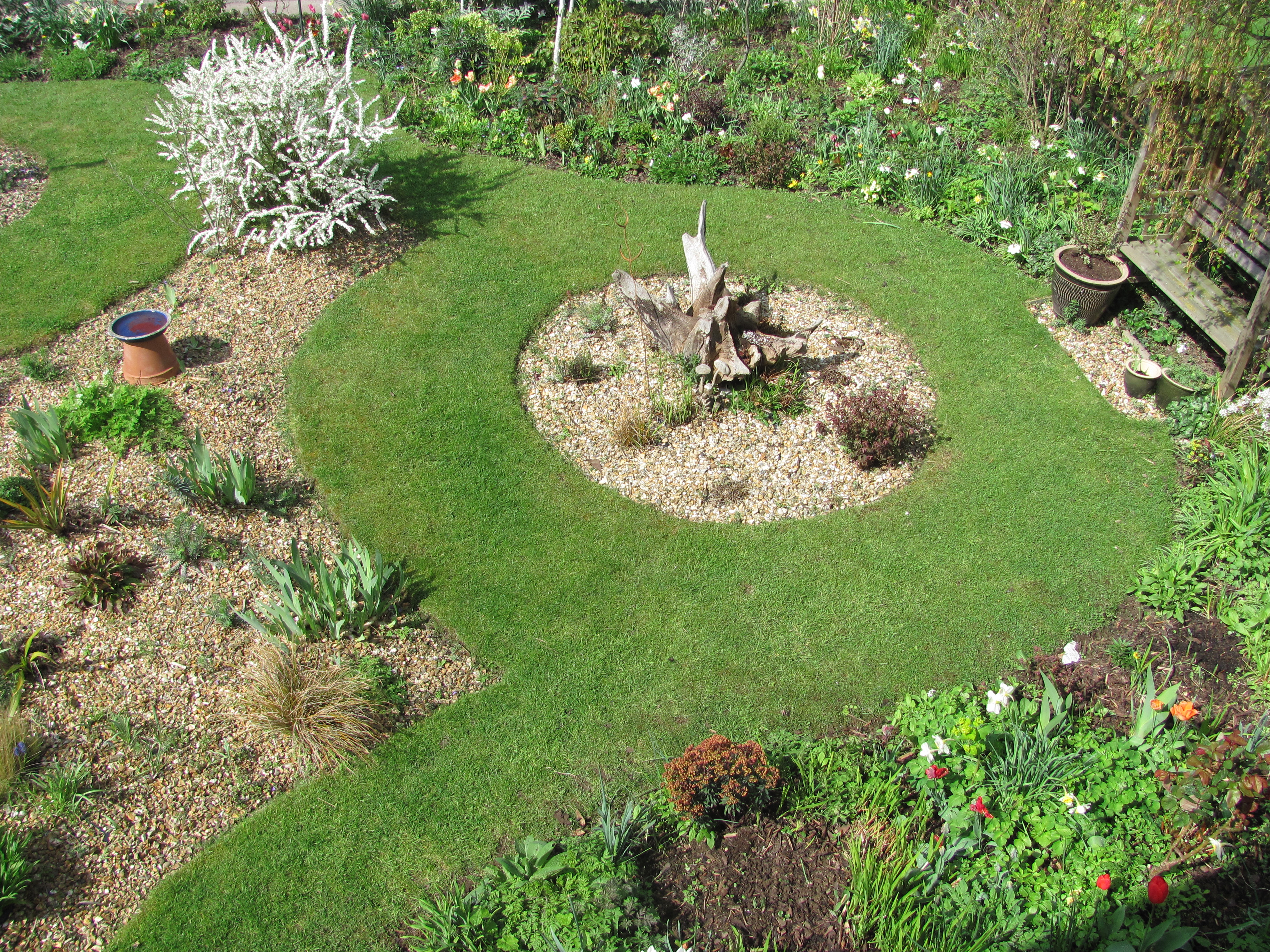
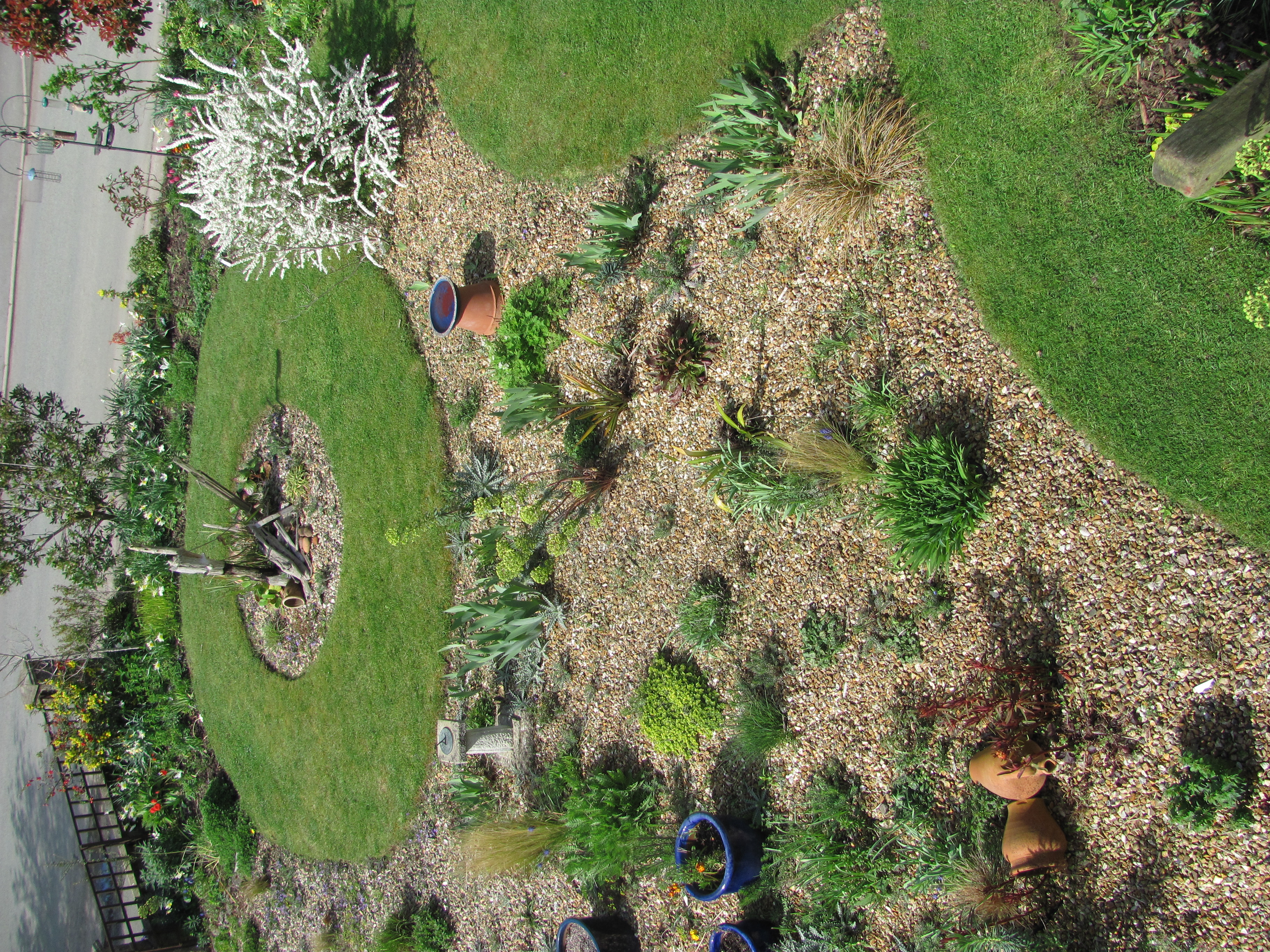
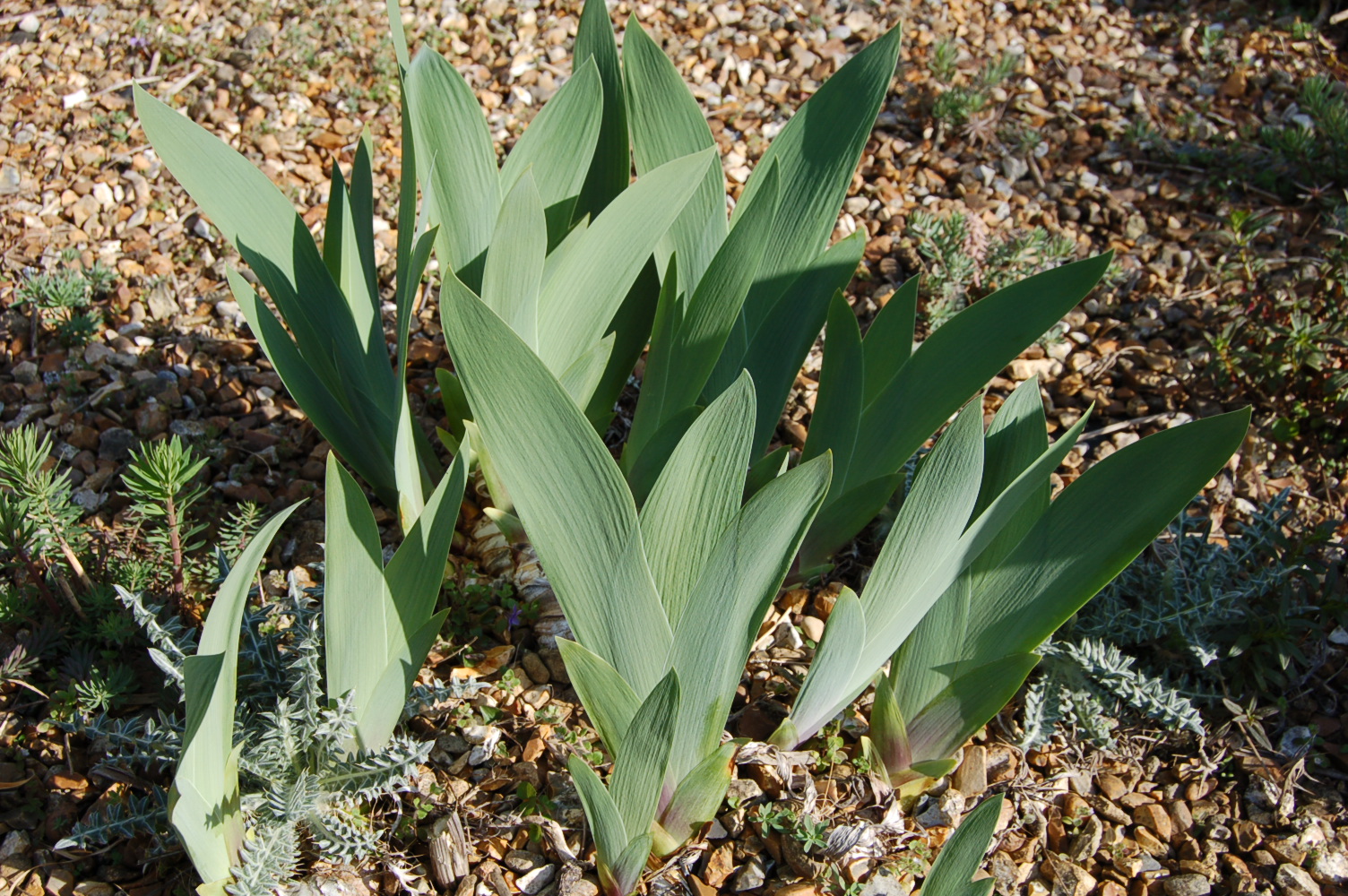
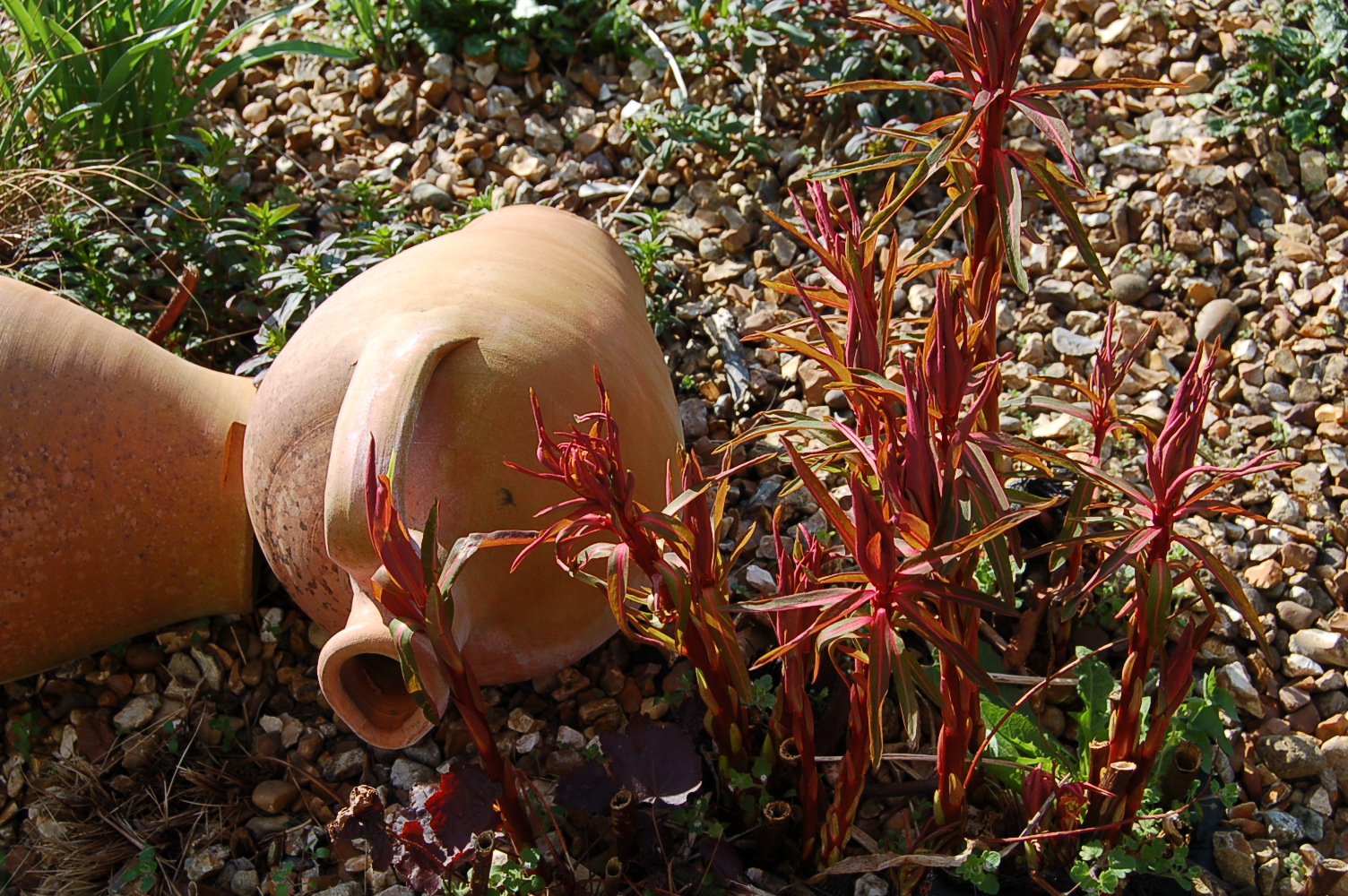
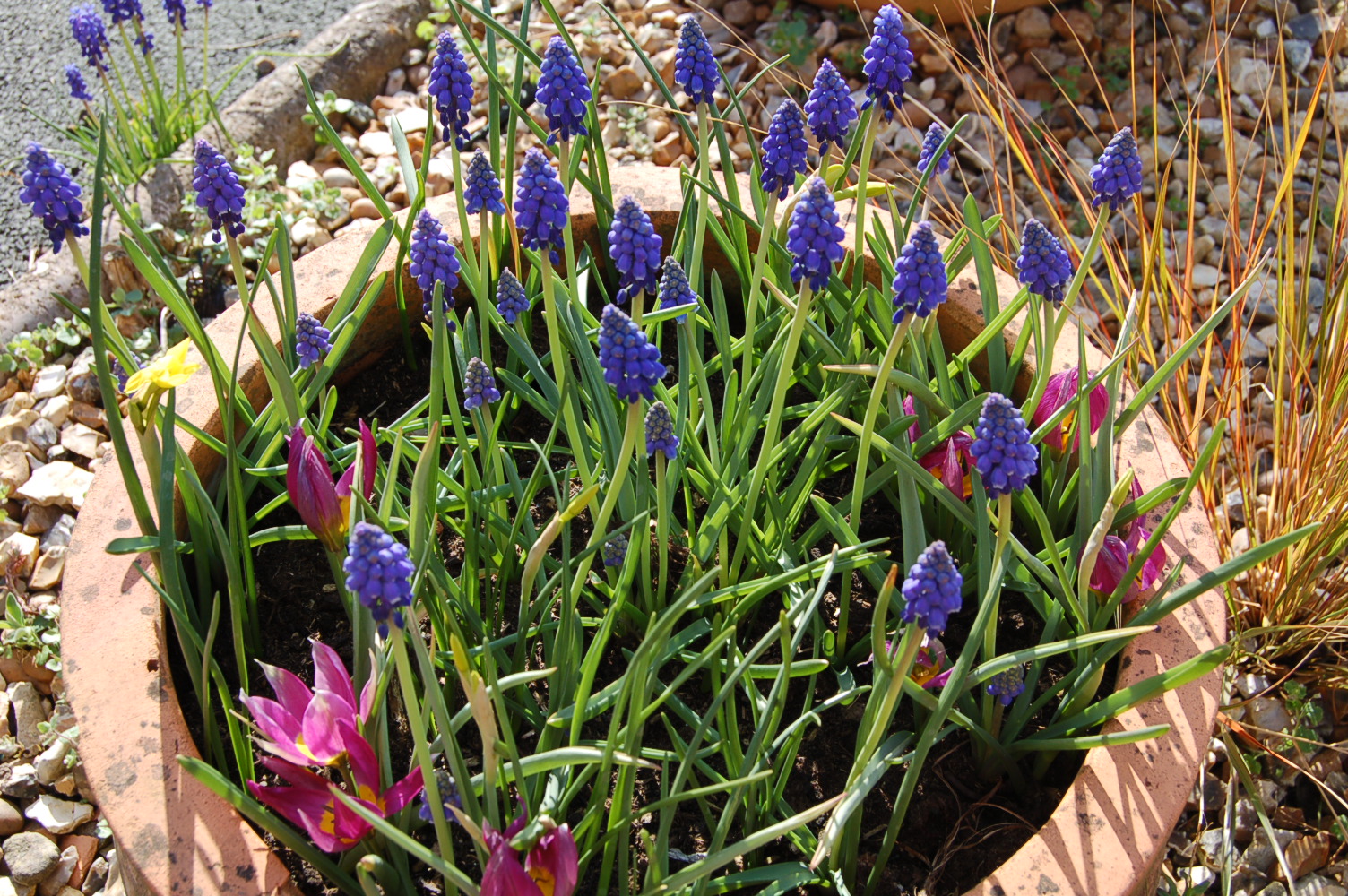
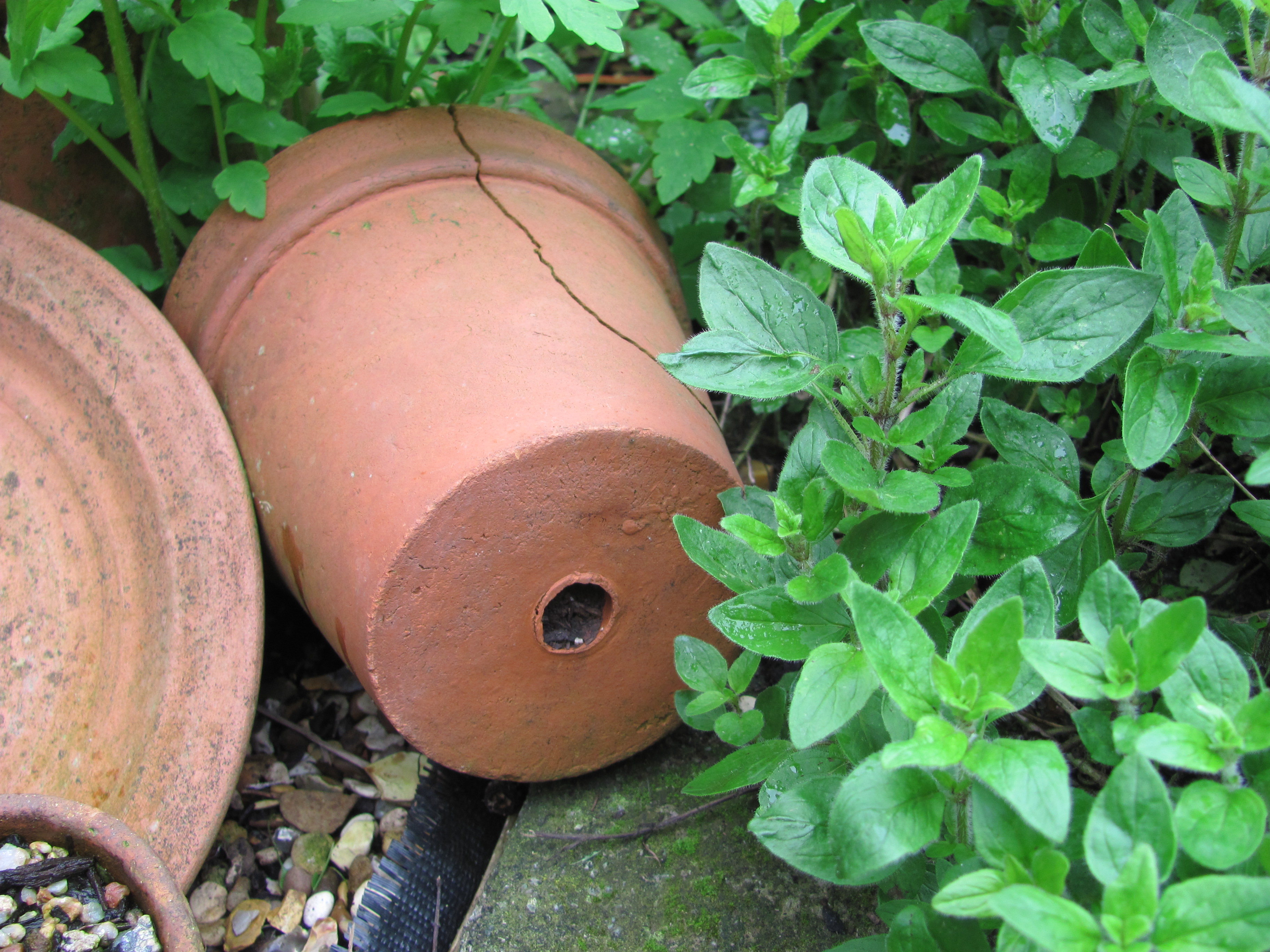
On the gravel patch, which we call our “Chatto Garden”, new foliage is bursting through. Irises, Euphorbias are starting into healthy growth. The large terra-cotta pot of bulbs is bubbling over with the blue of Muscari and a sprinkling of tiny mauve species Tulips.
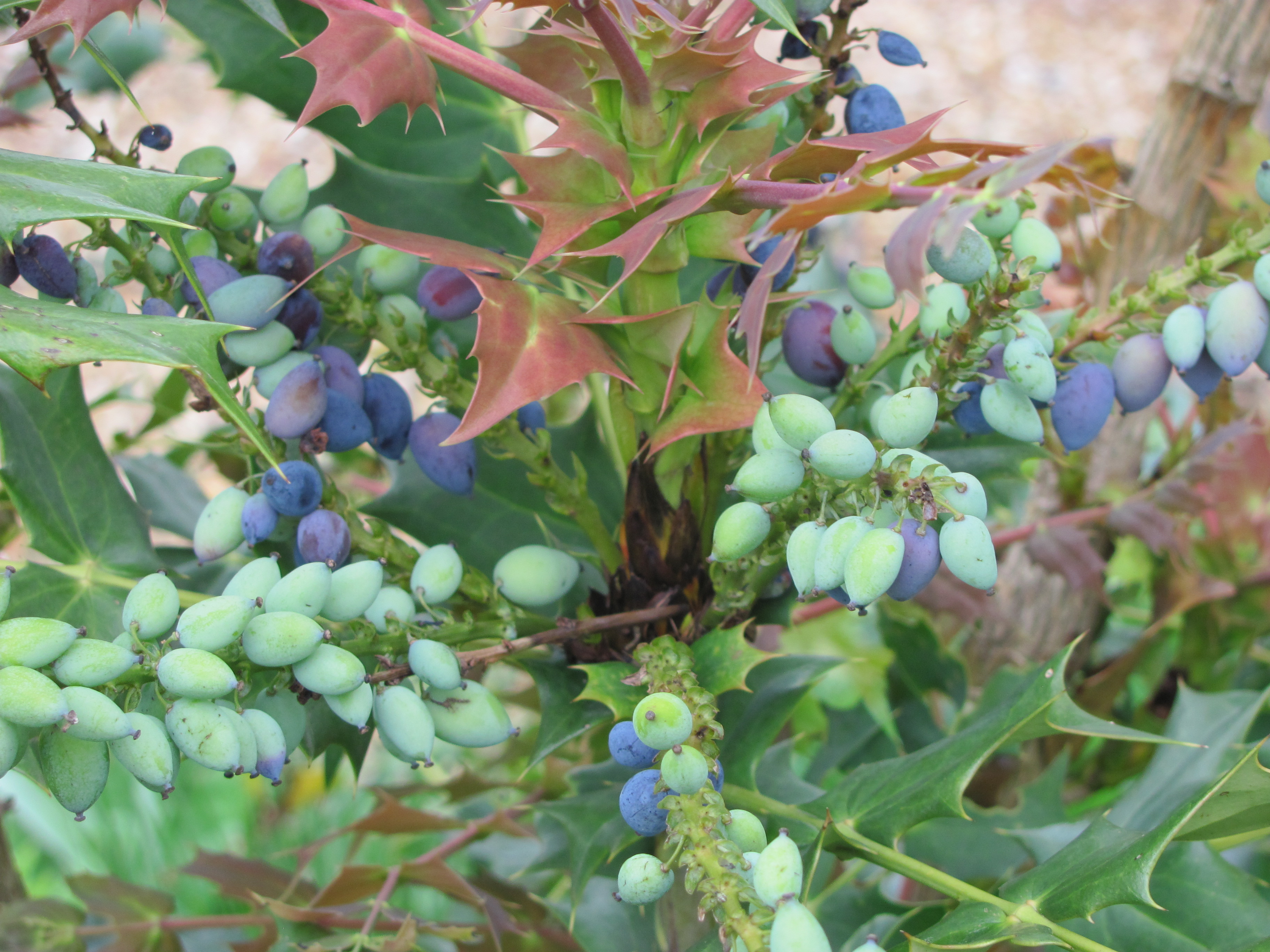
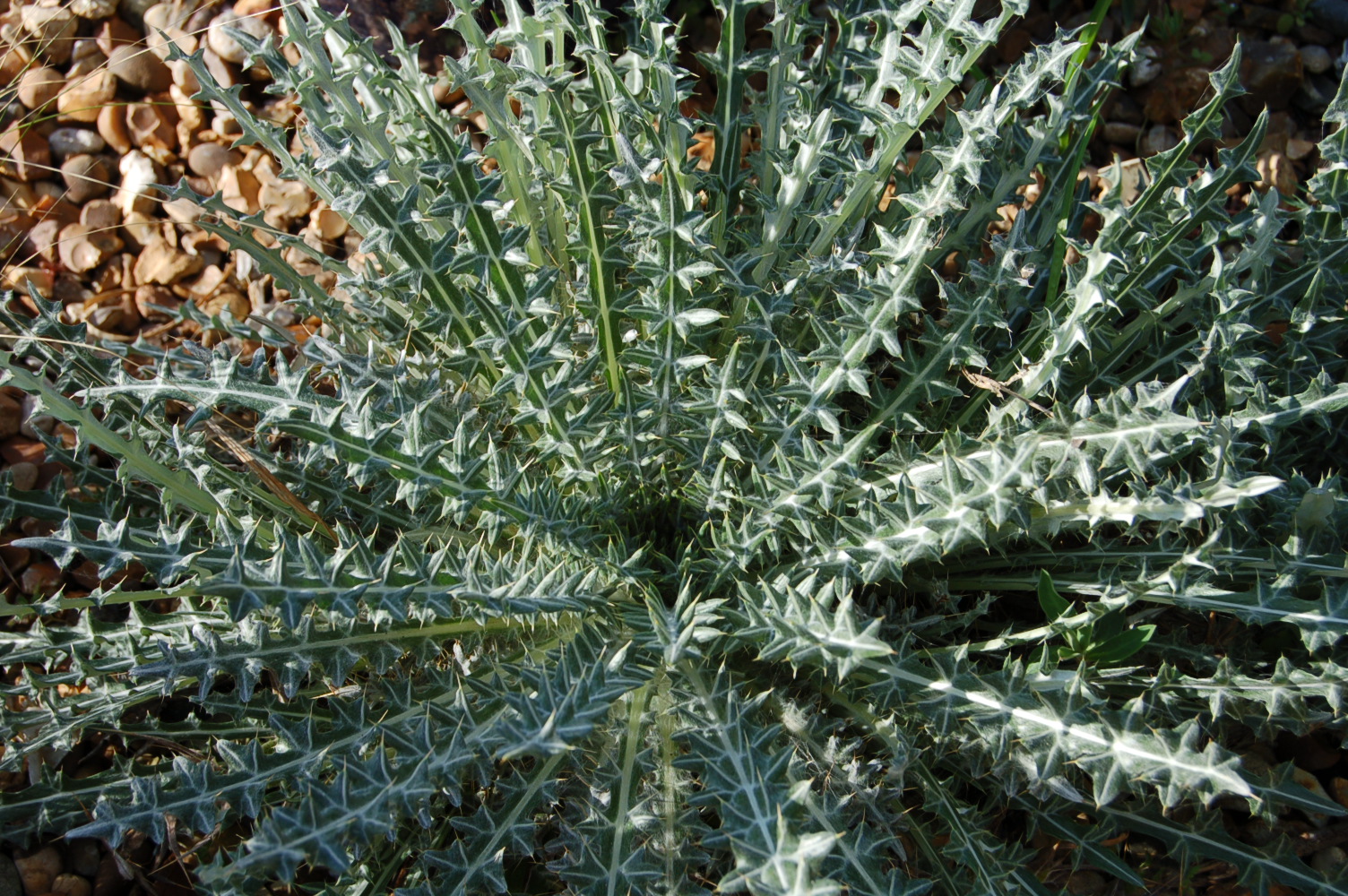
The glaucous sword shaped iris leaves.Spears of Euphorbia griffithii "Dixter" piercing the gravel.The thistle like spiked and variegated Galactites tomentosa.Muscari blue and tulip mauve give a gentle colourway to the big pot.Bright welcome at the gate - yellow Mahonia and red Cydonia.
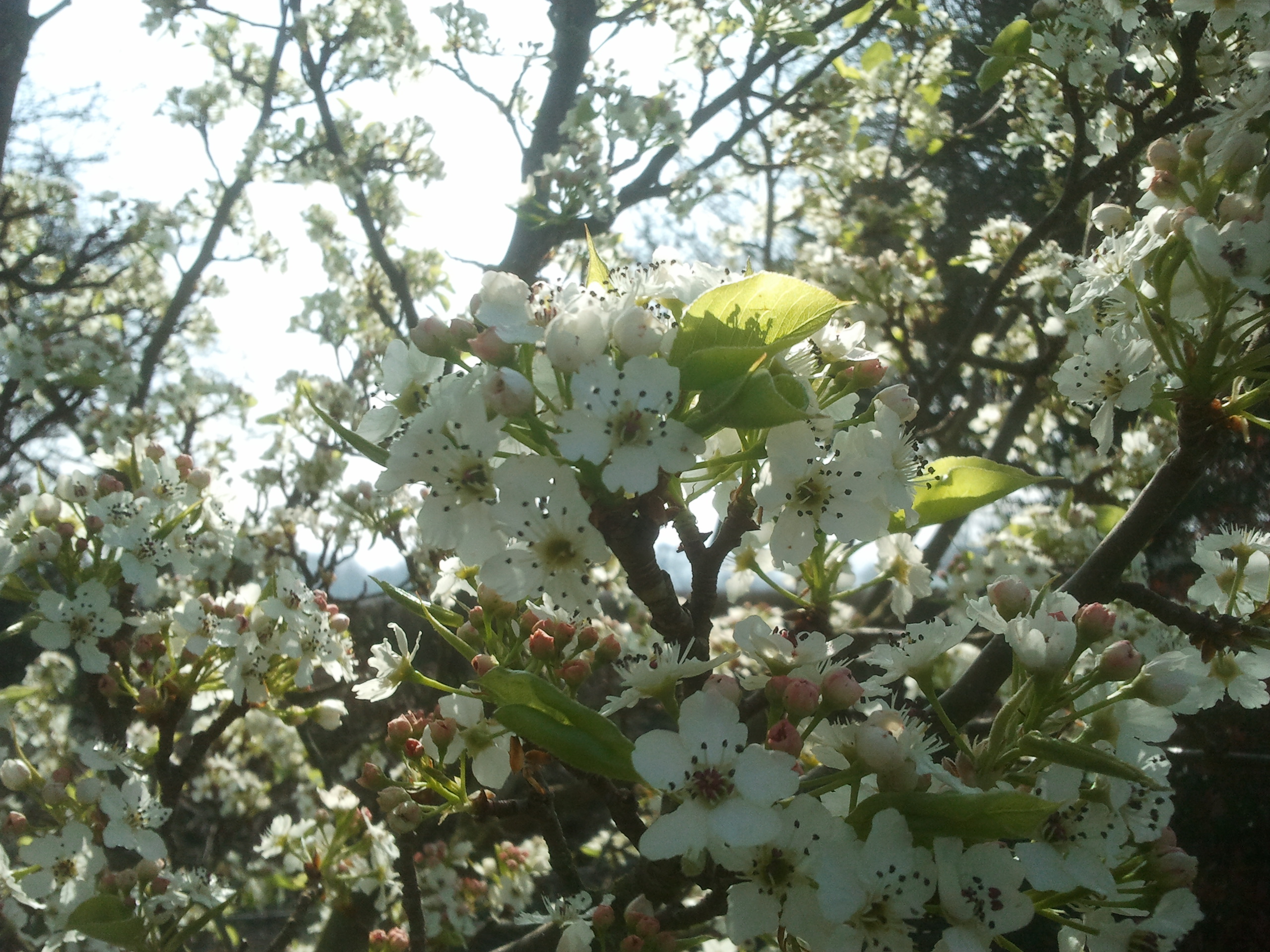
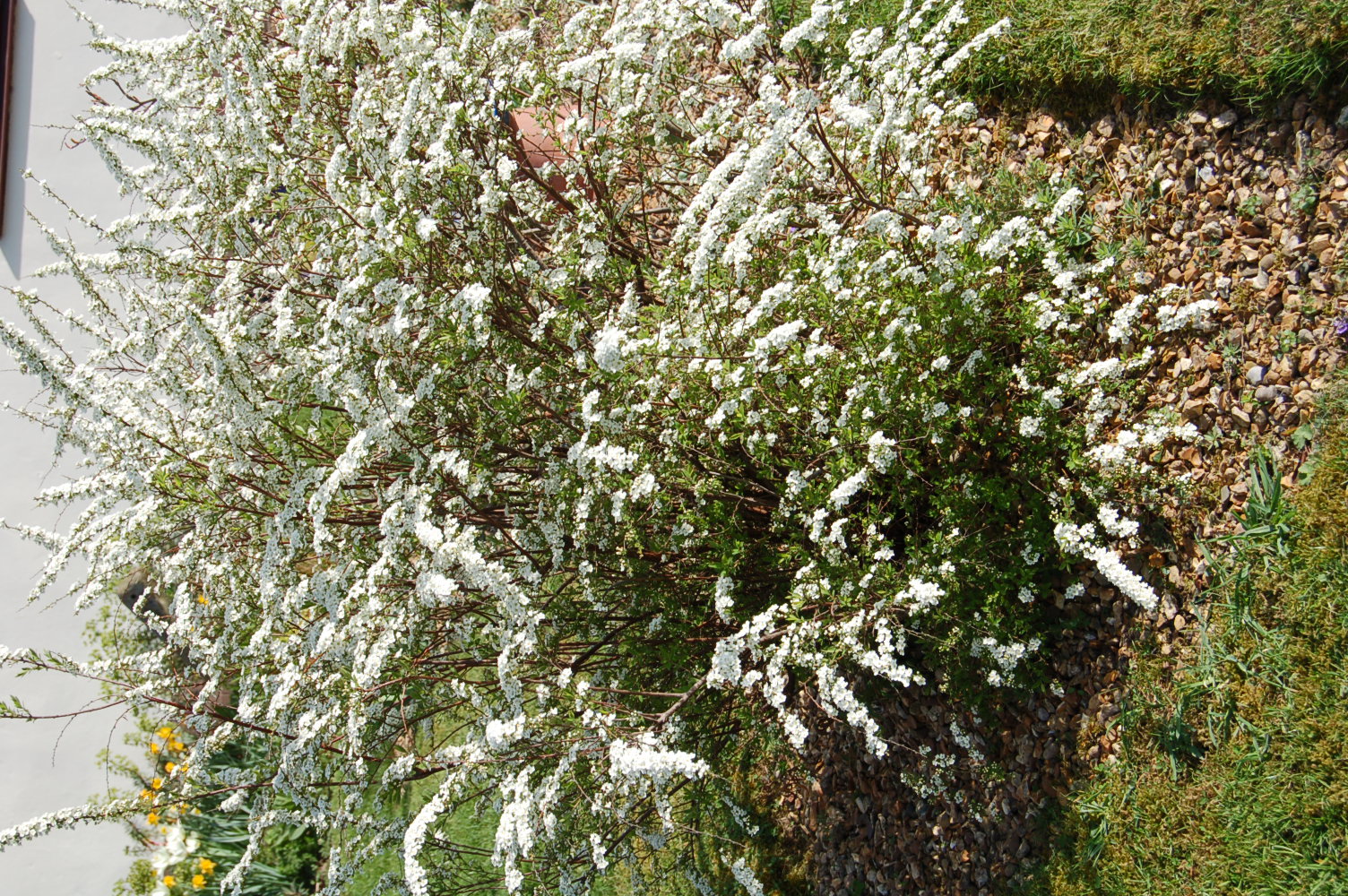
Trees and shrubs are a little later coming to life in the spring, the miniature Chestnut’ sticky buds are only just bursting while the Amelanchier lamarckii and Spiraea “The Bride” are in their full white ball gowns.
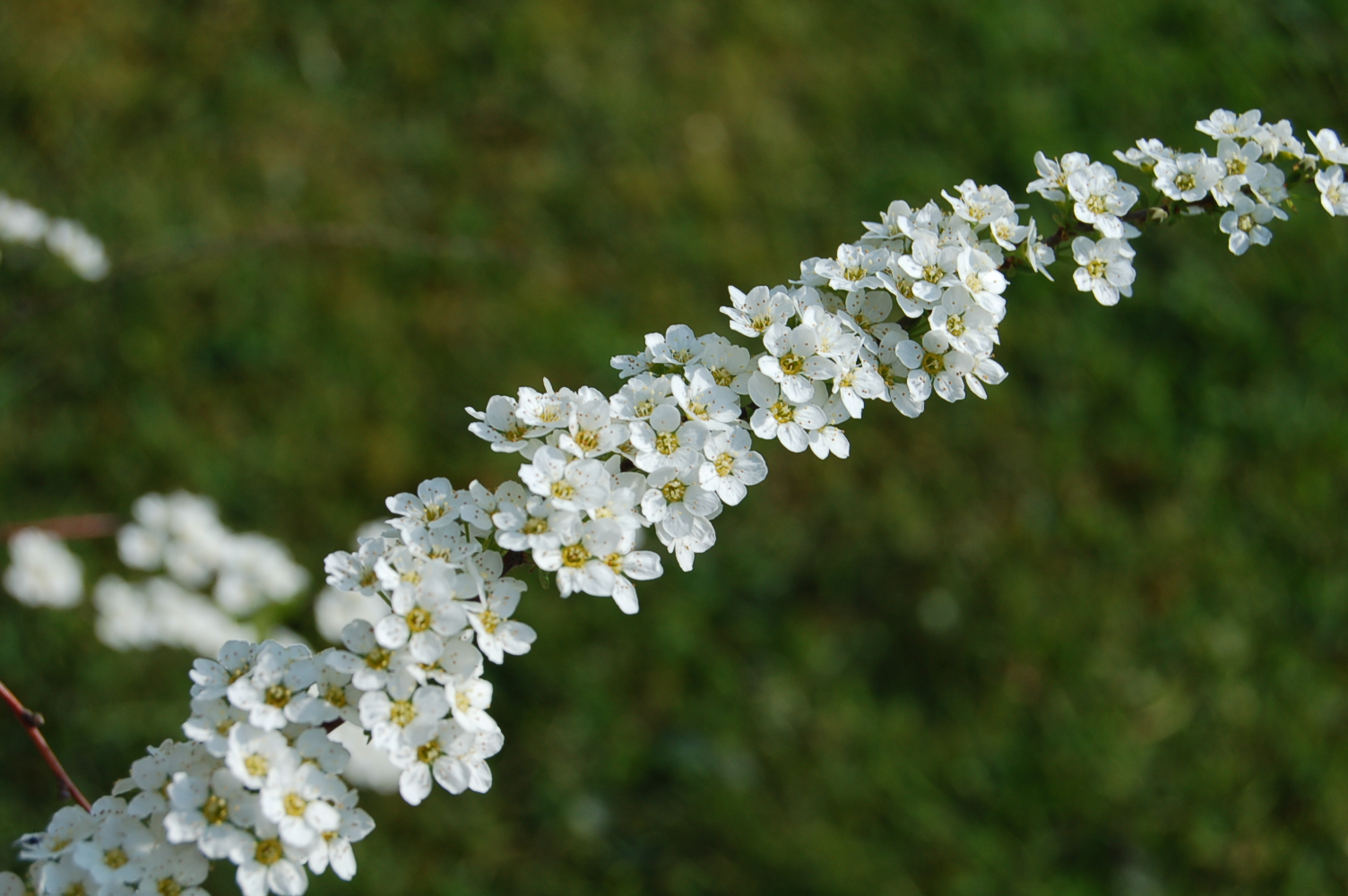
"The Bride" is always such a good arching shape.The long arching raceme of Spiraea.Amelanchier blossom like delicate stars.Chestnut buds burst out in salmons, russets and reds.
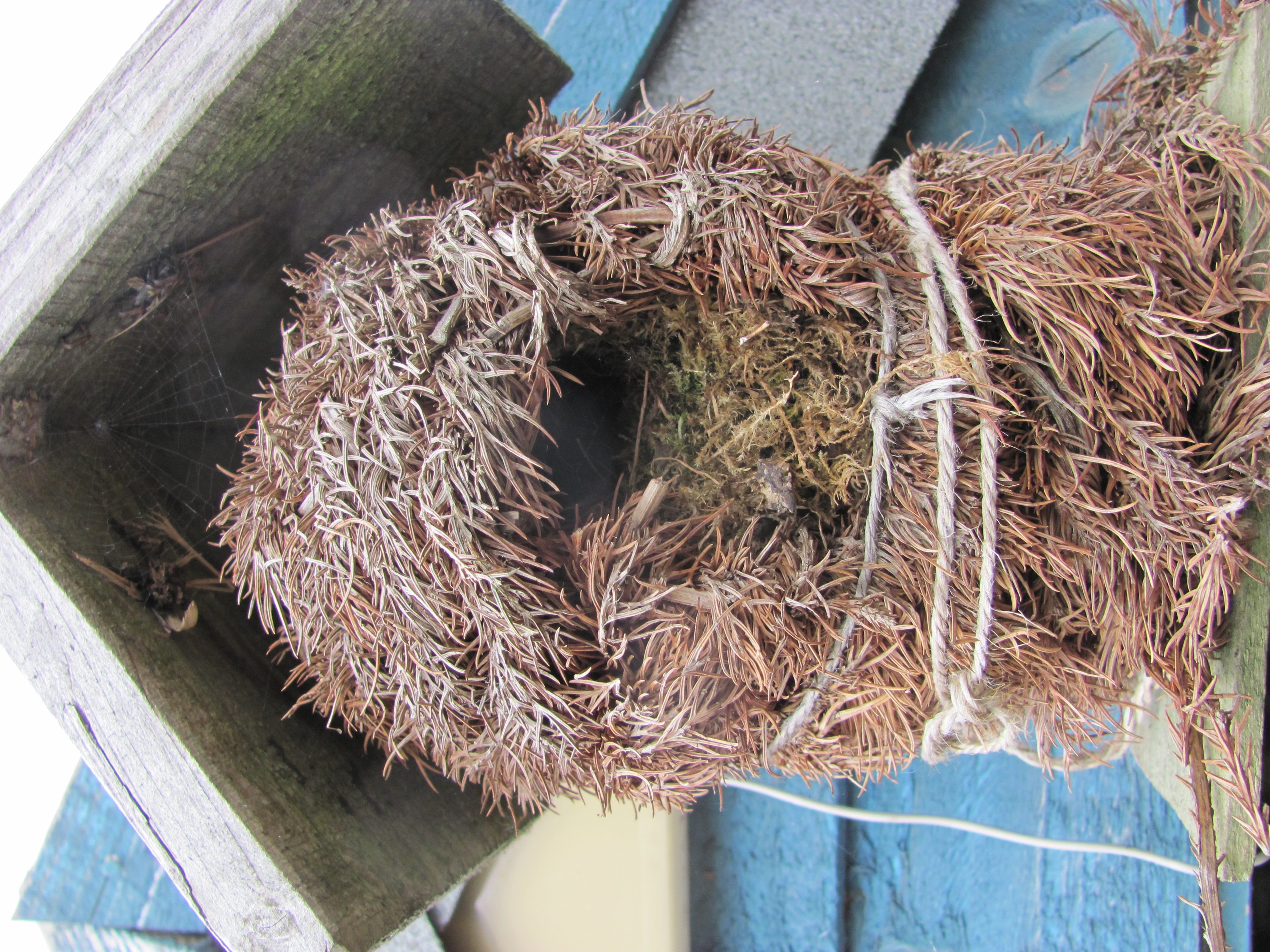
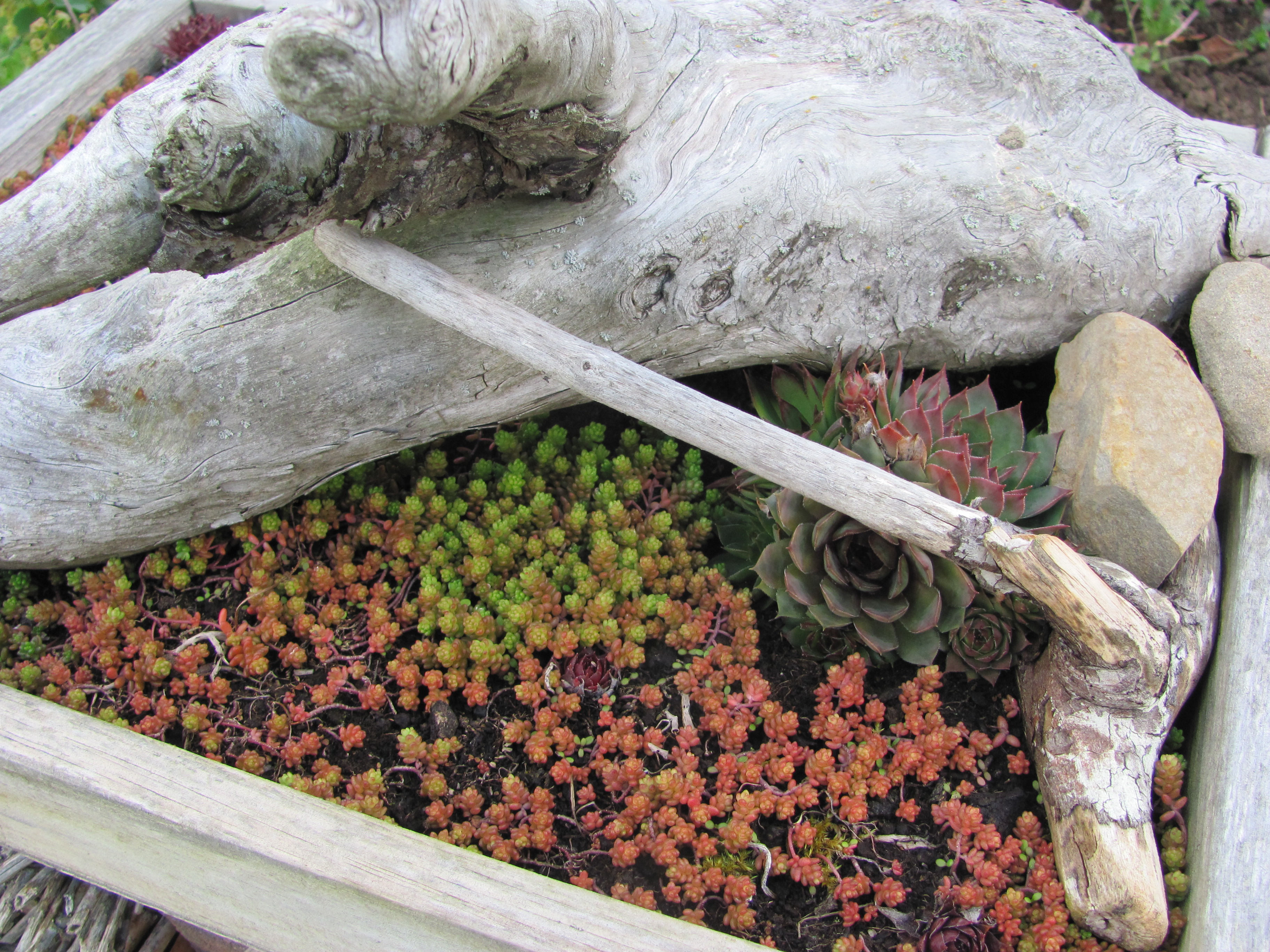
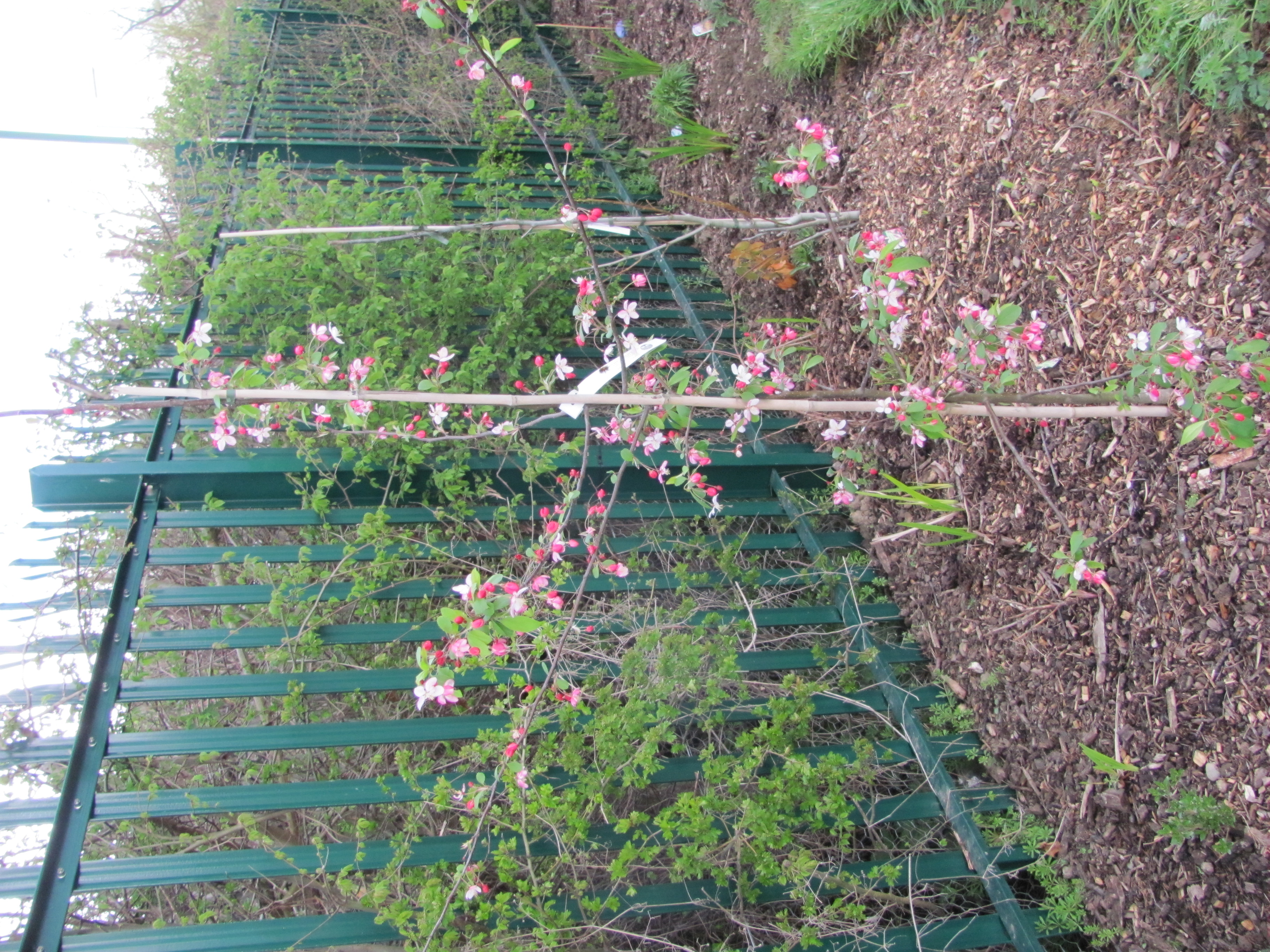
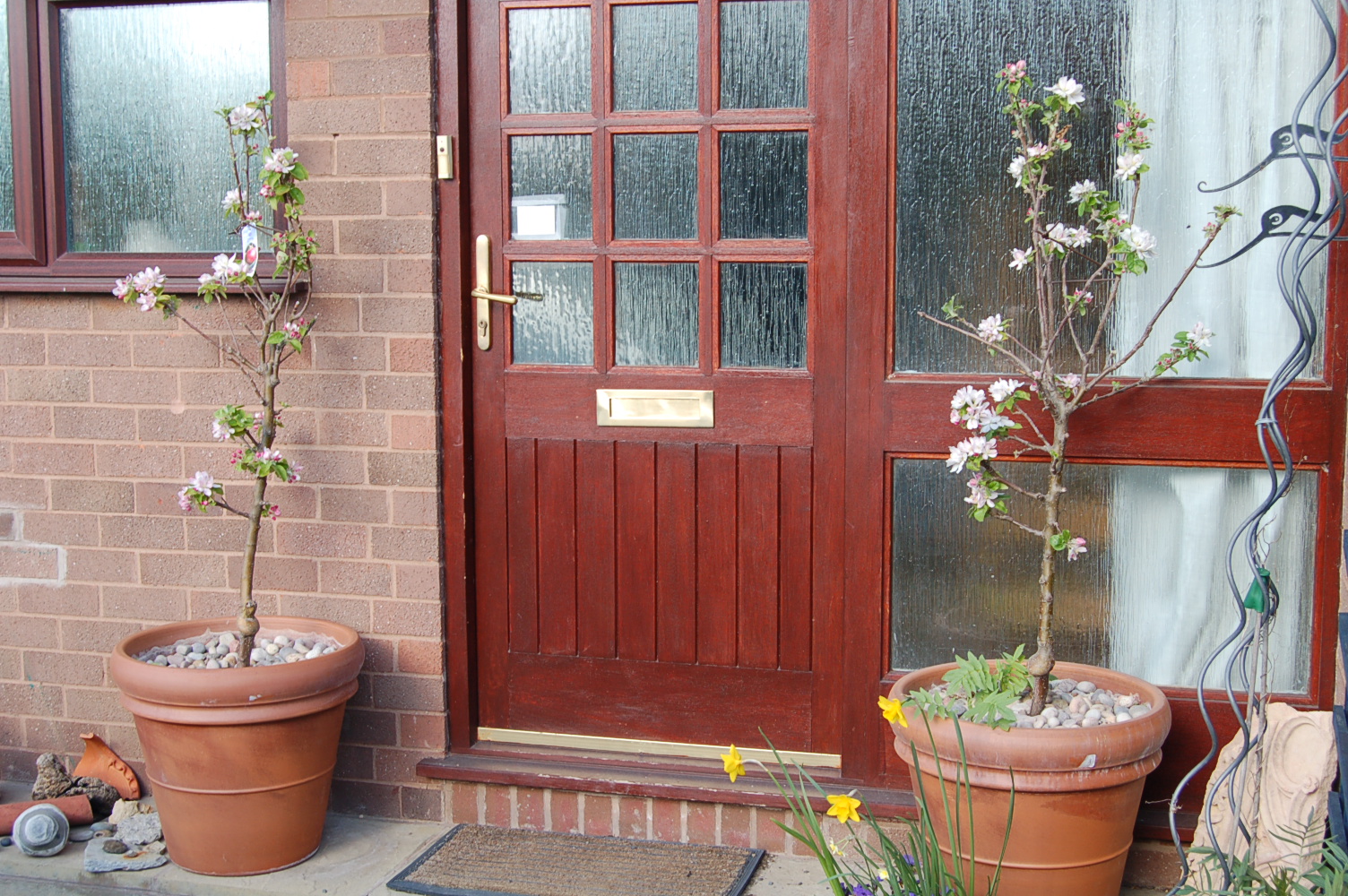
In the side garden by our main entrance the two potted apple trees are in full flower, with blossoms of many shades of pink, promising lots of juicy fruit to enjoy. We have added a second House Sparrow nesting box giving six nest holes altogether and hopefully a little less noisy bickering. The new box is apartment living as opposed to the terraced original. Right by our doorstep is a pot of violas in an unusual colour combination of blue and brown. In front of the garage door our replanted alpine troughs are beginning to come to life.
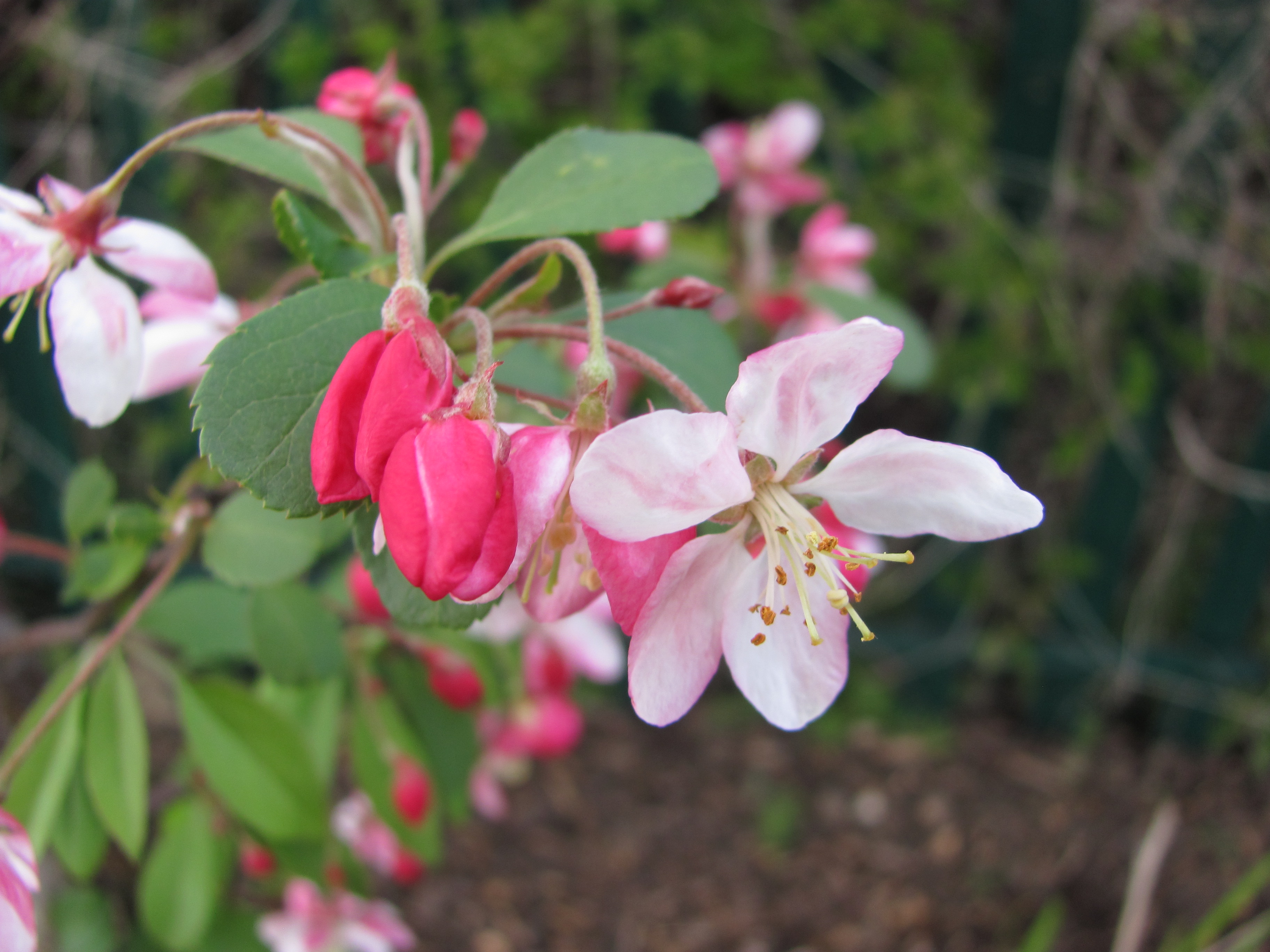
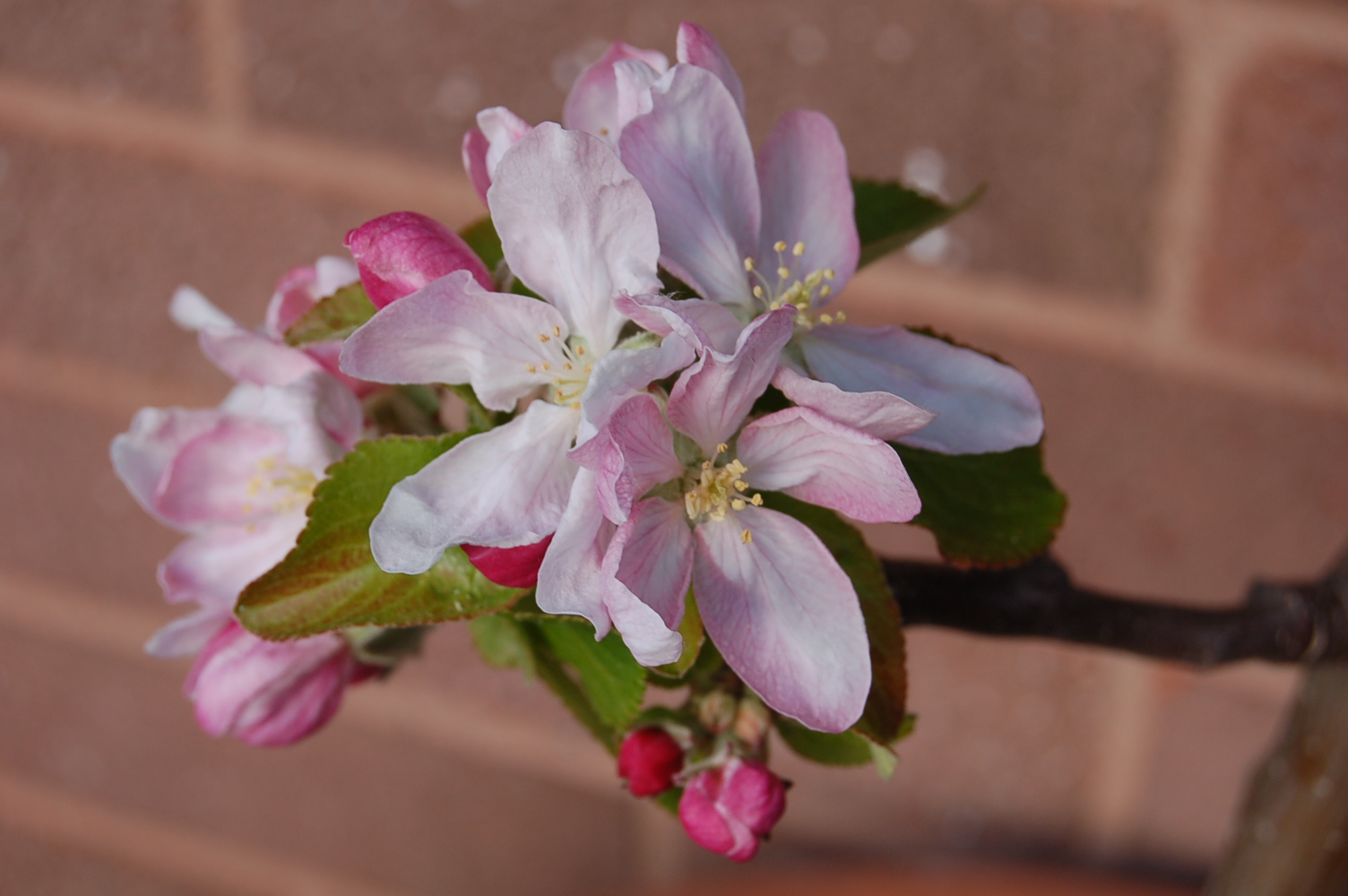
Our miniature apple trees welcome callers.Apple blossoms - pink beauties.Sparrow city.Alpine troughs protected from the cold winds.Unusual colour combination.
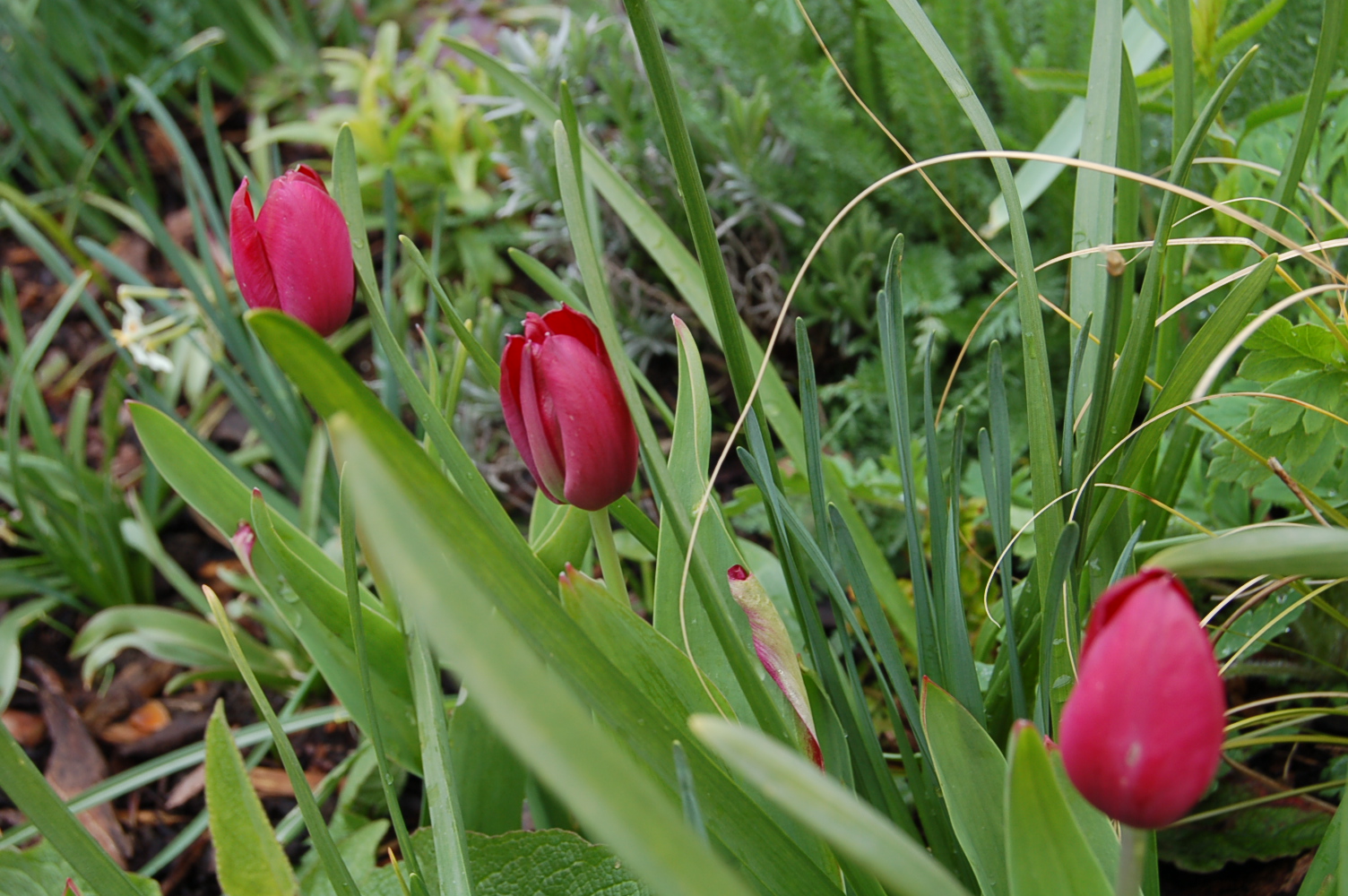
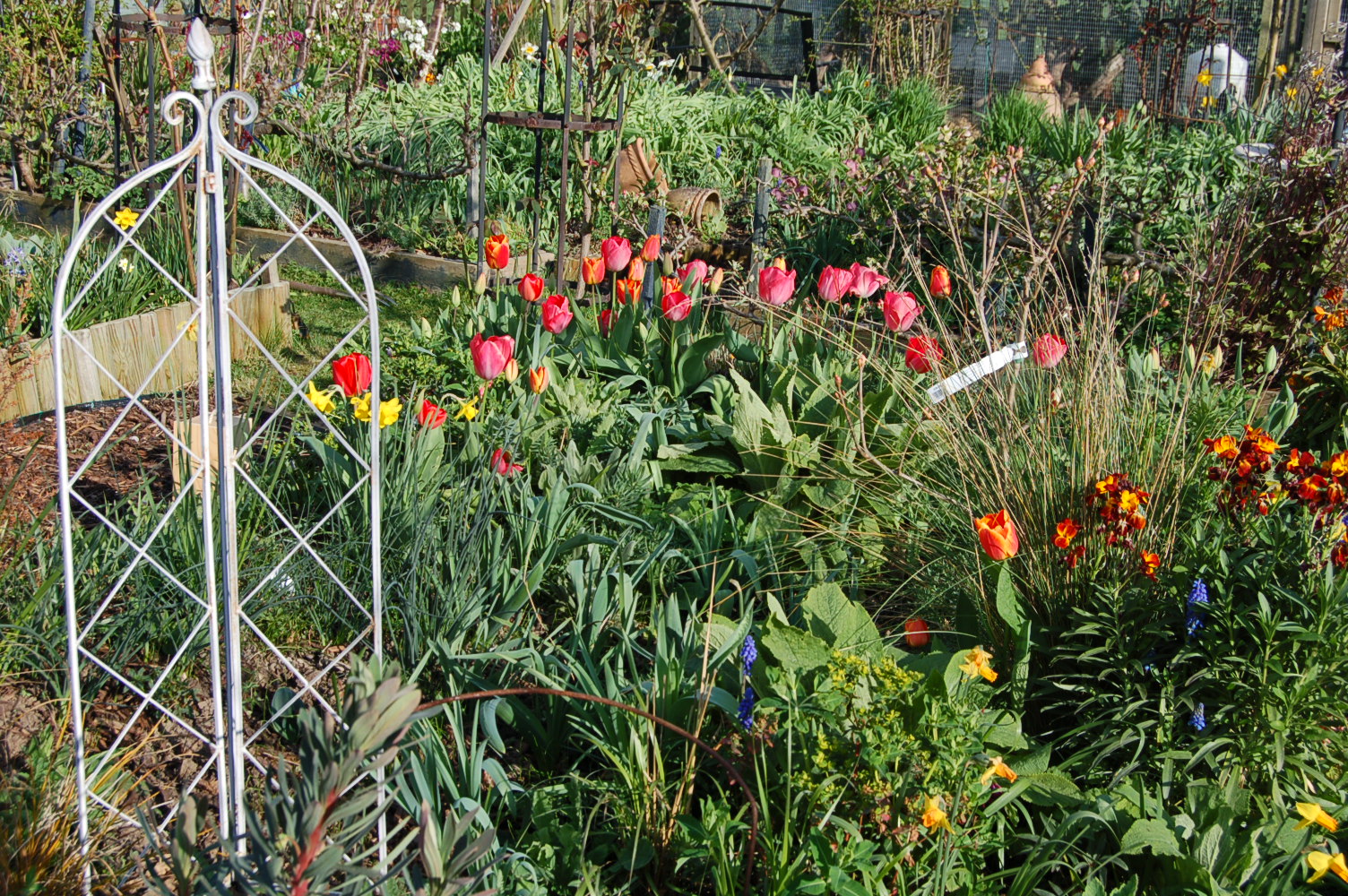
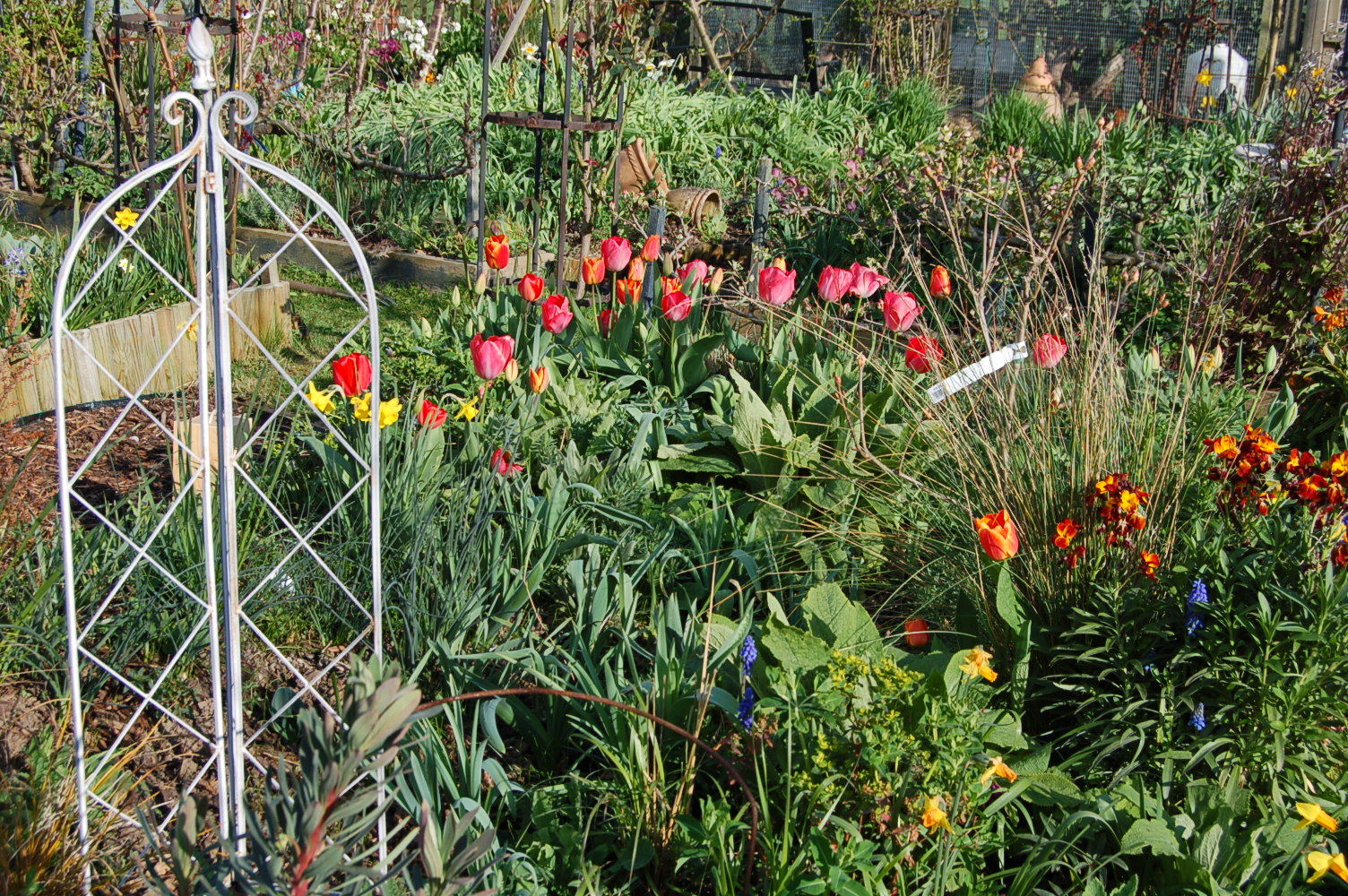
Wandering into the back garden it is hard to know where to point the lens first as so much is happening. The fruit trees are in blossom, tulips add their jewel colours in every border and new leaves are appearing on most shrubs and perennials.
A mass of Damson blossom against a blue sky.Jude, "The Undergardener" at work in the "Shed Bed".
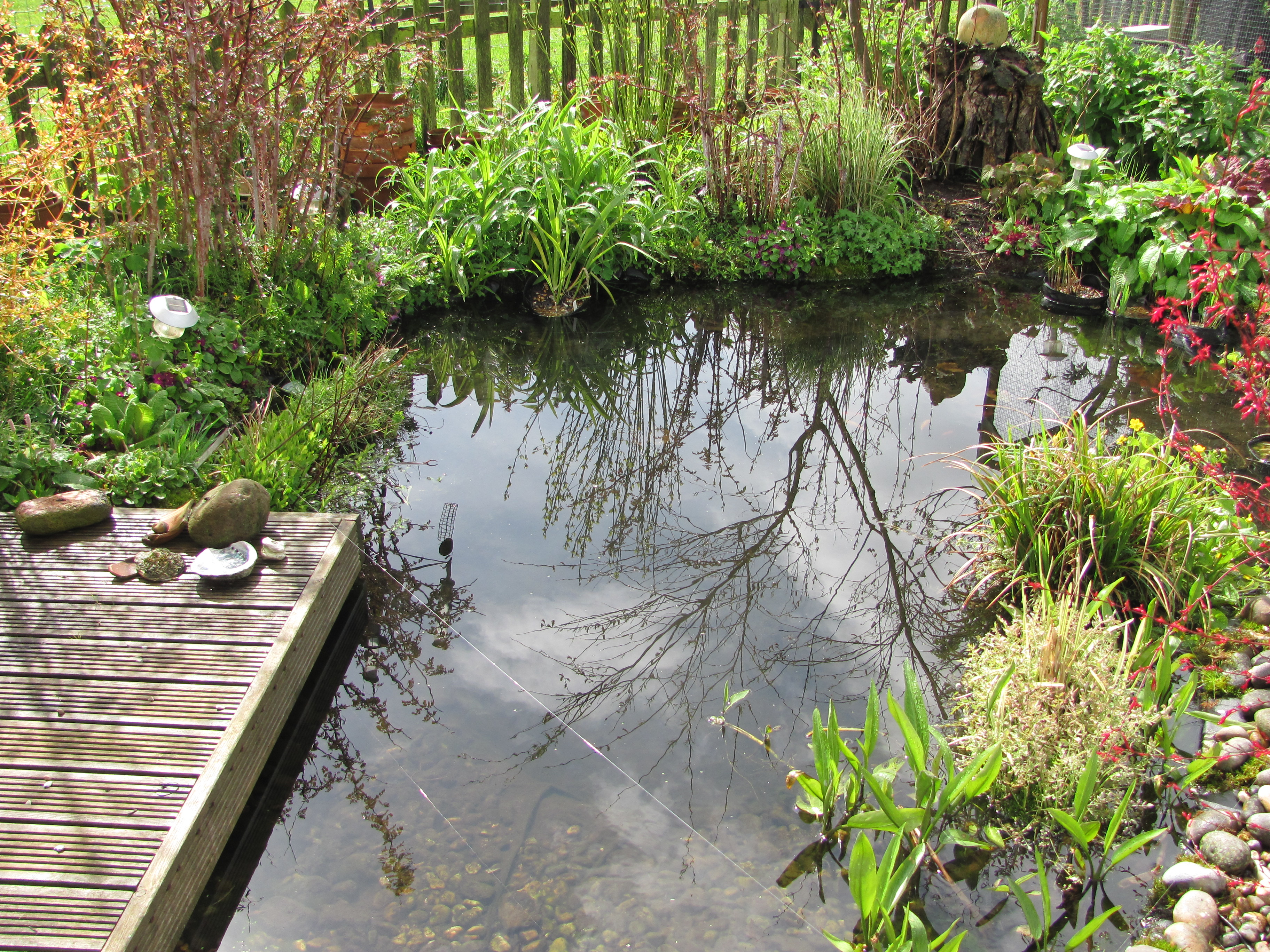
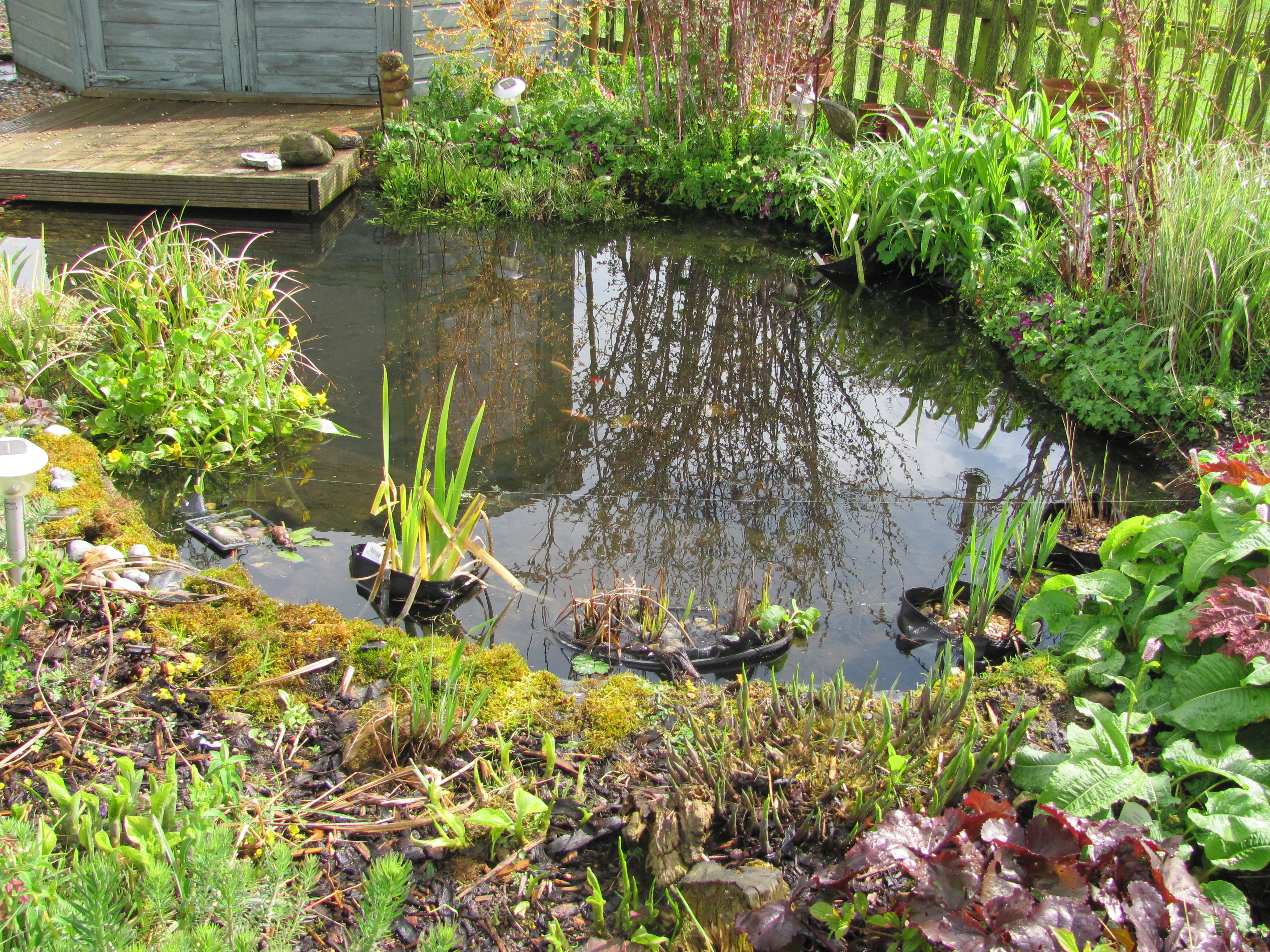
The garden is full of sound, scents and movement. In the pools Pond Skaters perform their dances on the surface and tadpoles wriggle in black masses in the shallow pebble bay. Around each flowering shrub bees and hoverflies flit and buzz. In nearby fields Skylarks sing their “high in the sky” songs and the haunting call of Curlews reach us from the damp land alongside the nearby fishery. But the strangest sound of all is the regular sound of Tawny Owls calling to each other – have they lost their biological clocks? The calling starts mid-afternoon on most days.
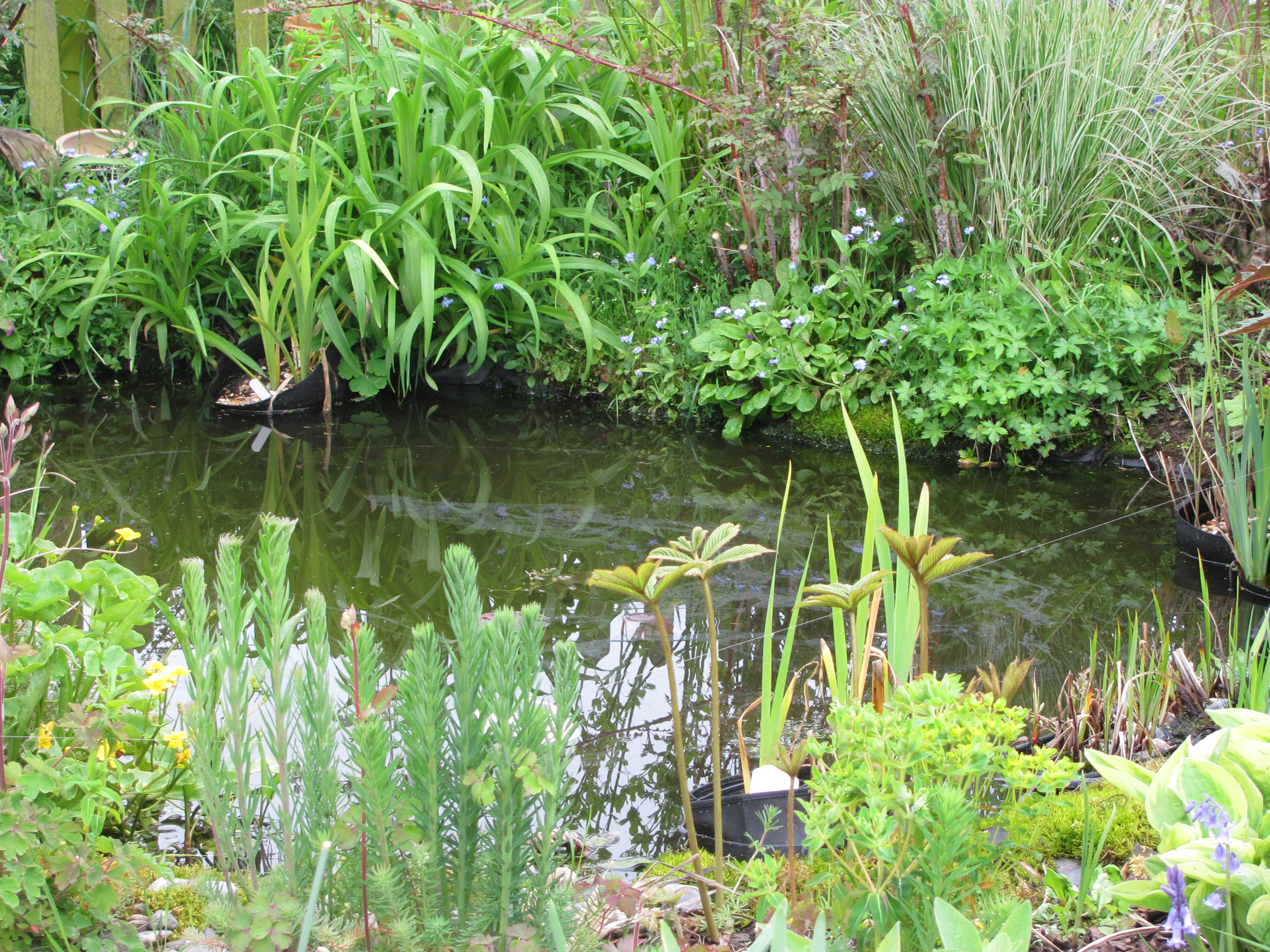
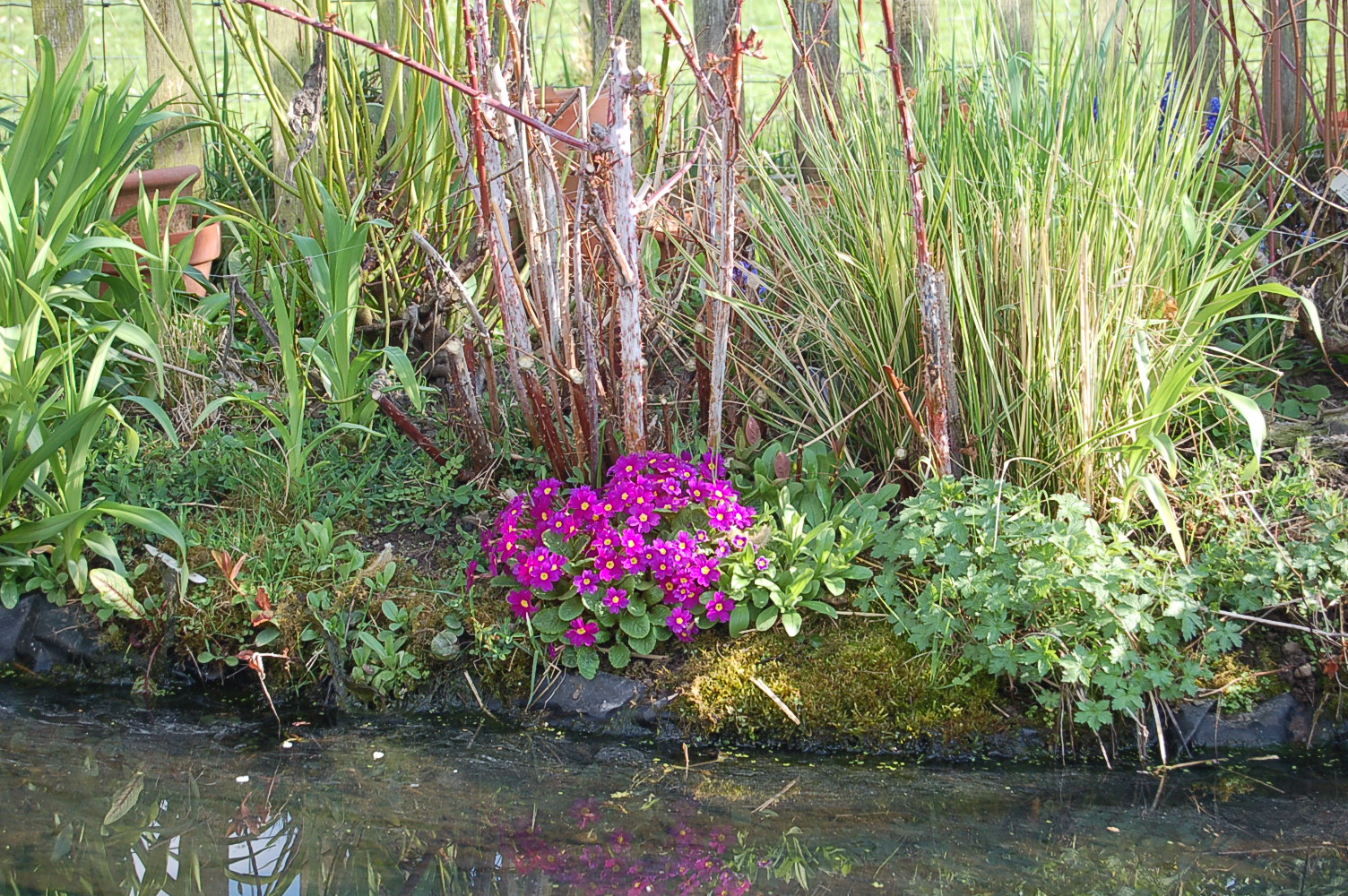
Lush growth at the pool side.
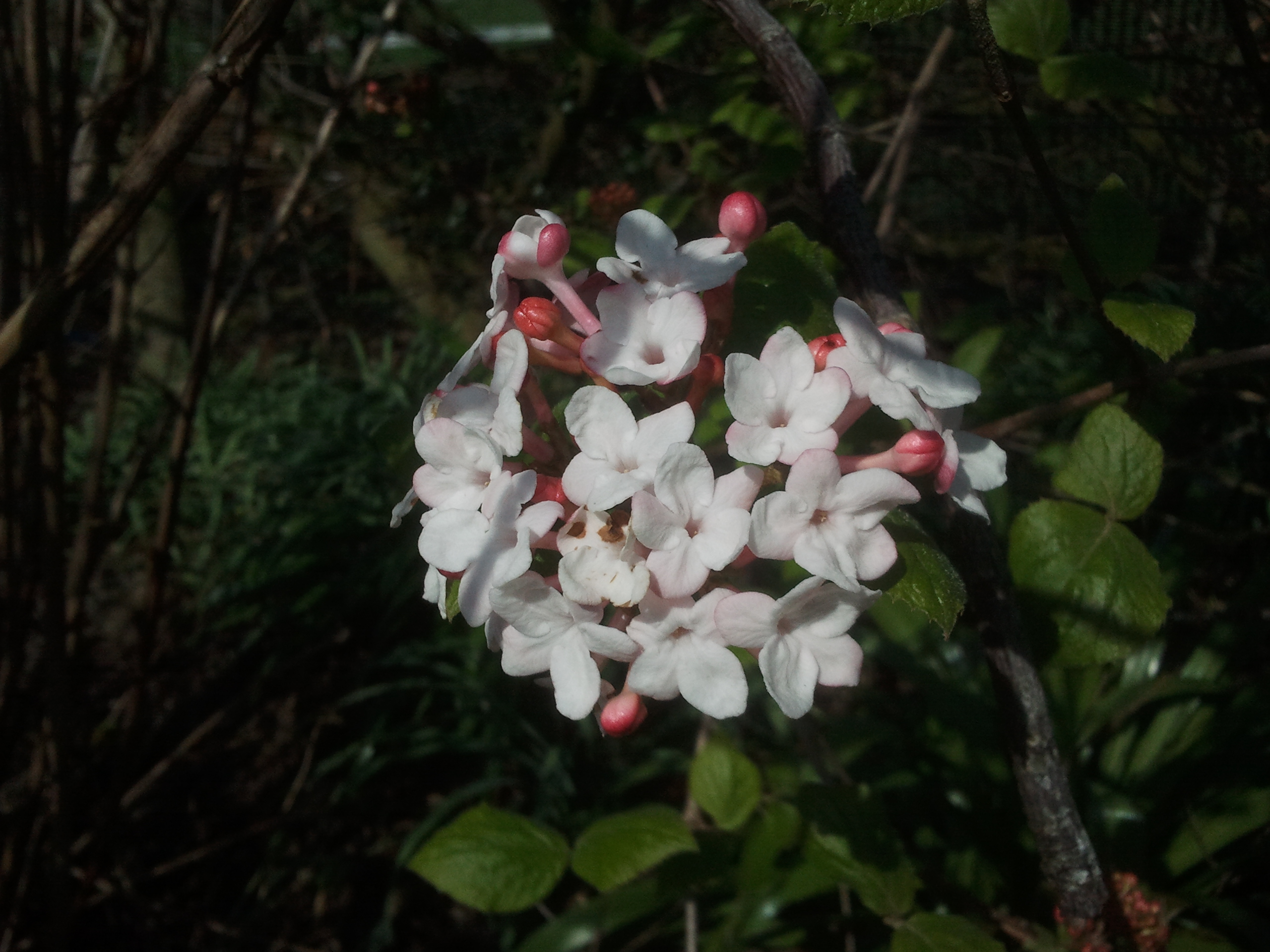
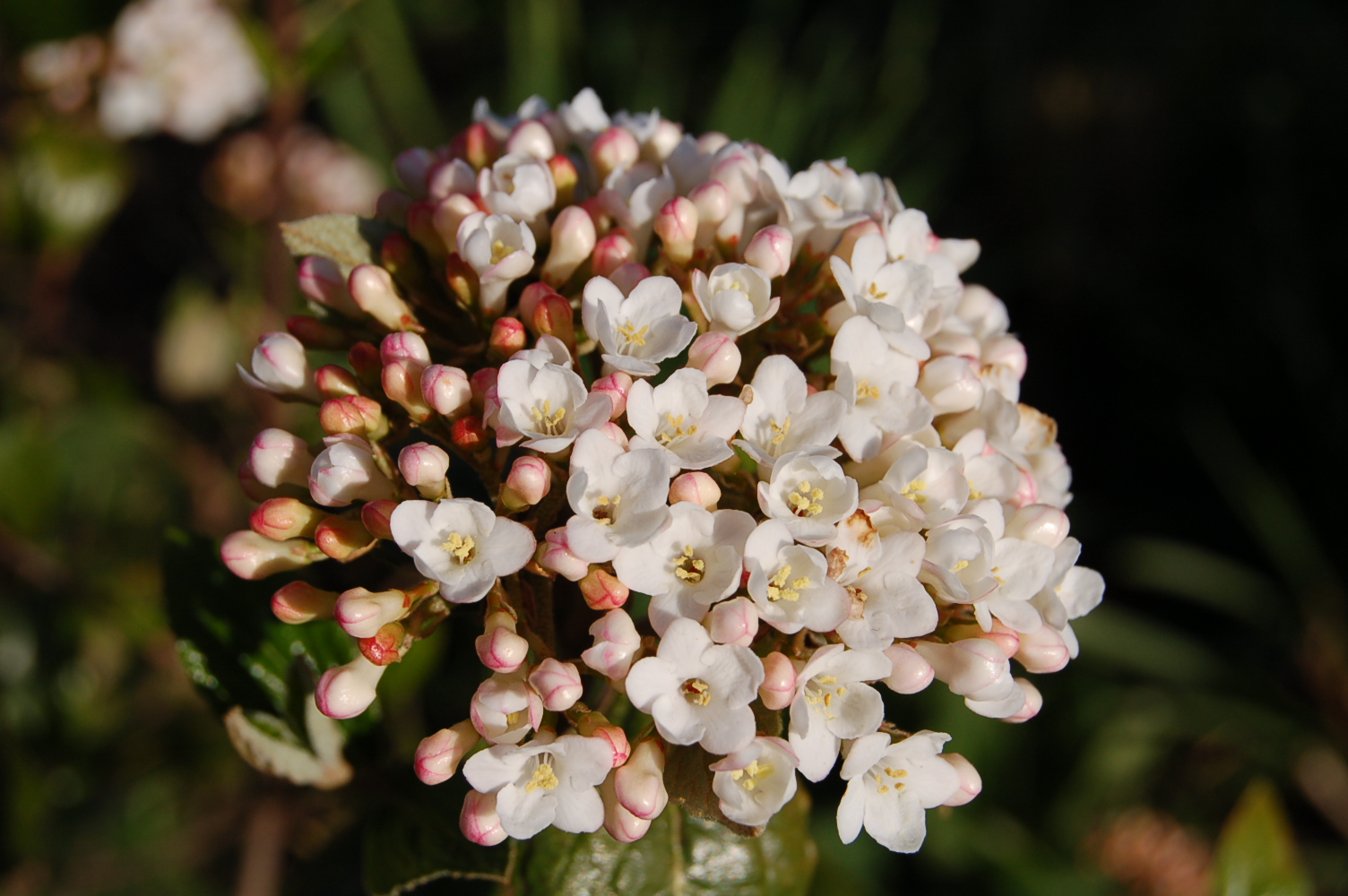
Scent is provided by Viburnum, Mahonias, Wallflowers, Flowering Currants, Hyancinths, Daffodils and the last of the flowers on the Daphnes. Herby scents come with the new fresh greens of the mints, thymes, marjorams and fennel.
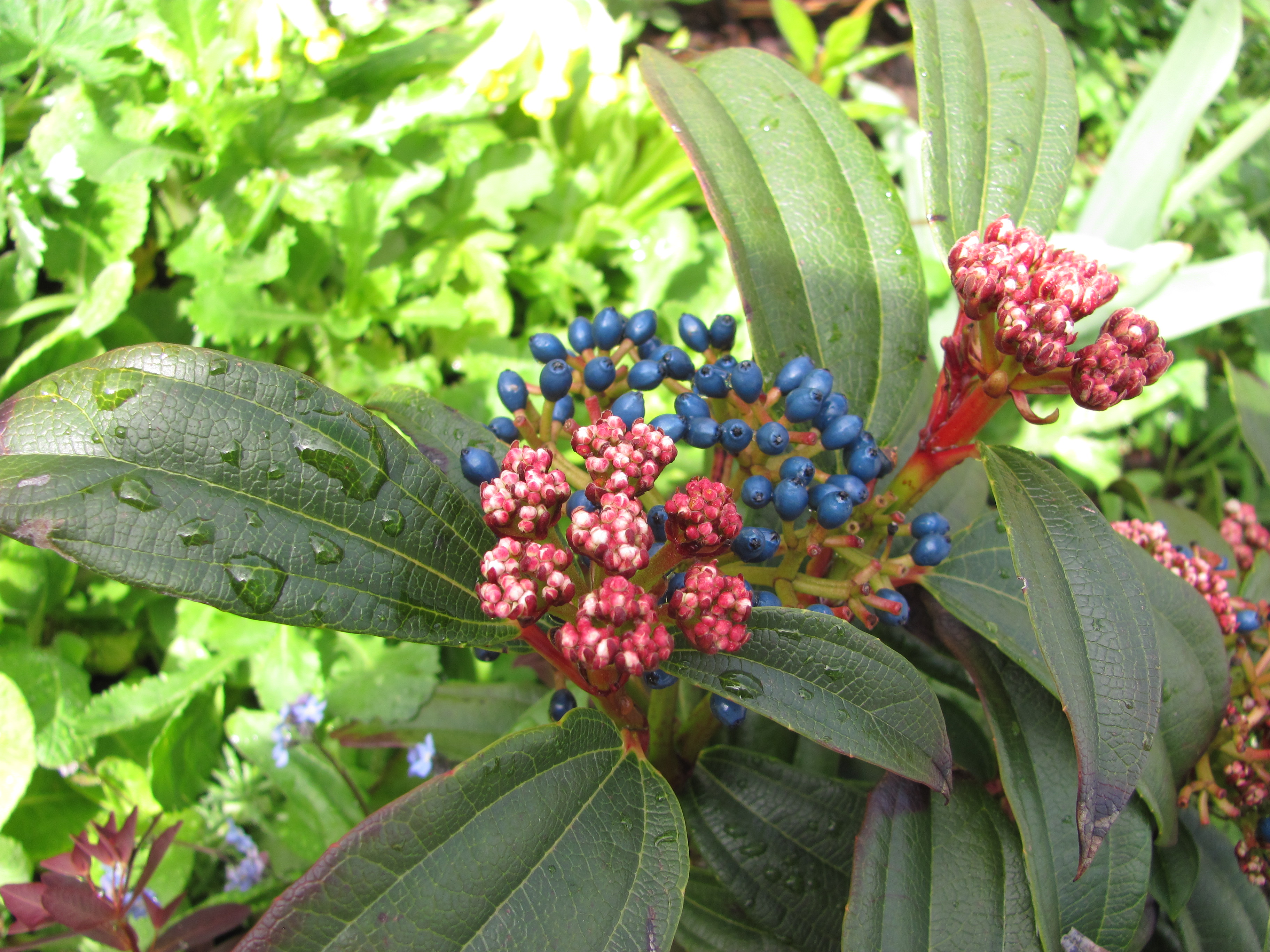
Strong in scent beautiful in colour, the last flowers on the Daphne.The complex flower head of a viburnum.
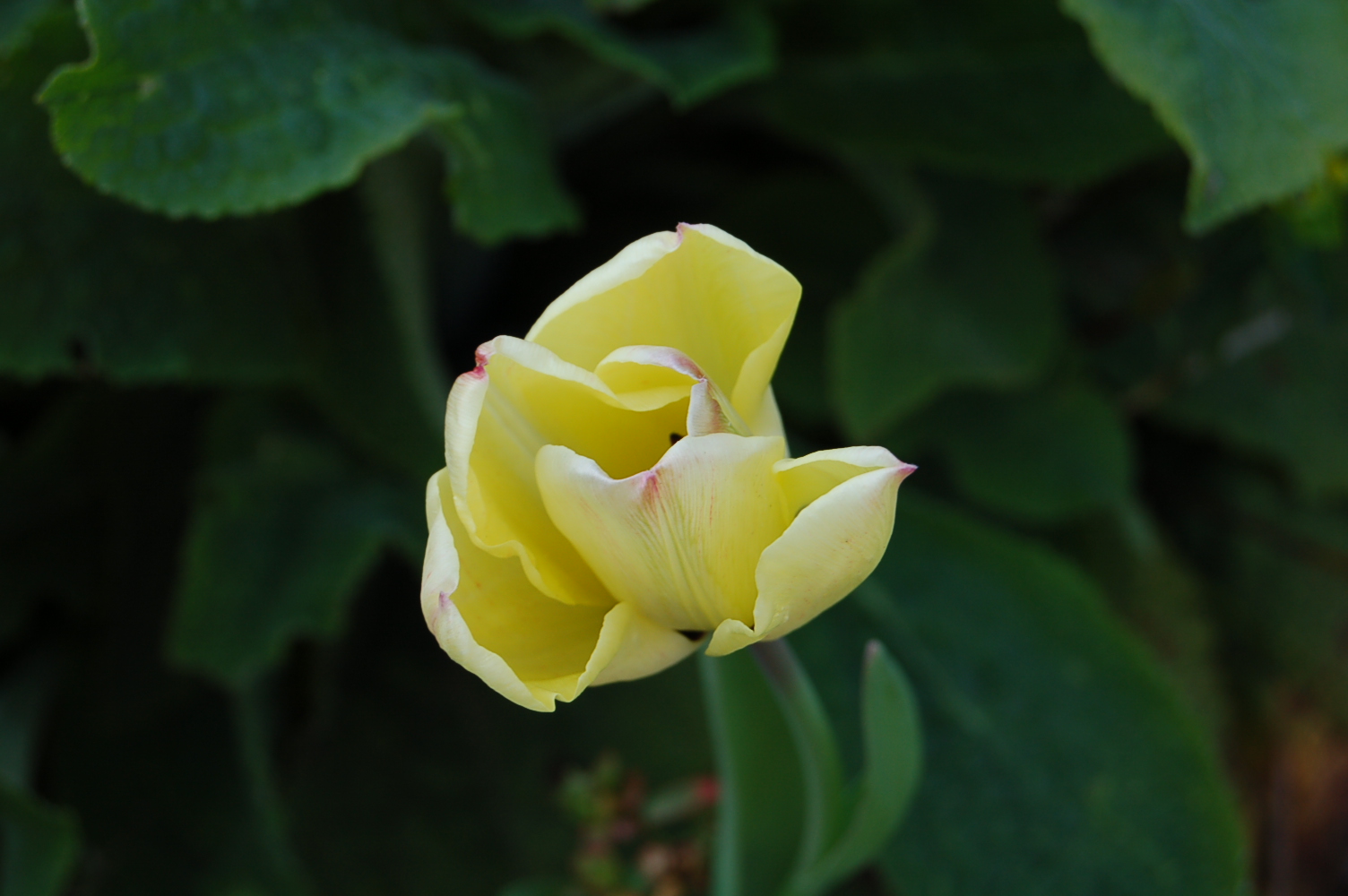
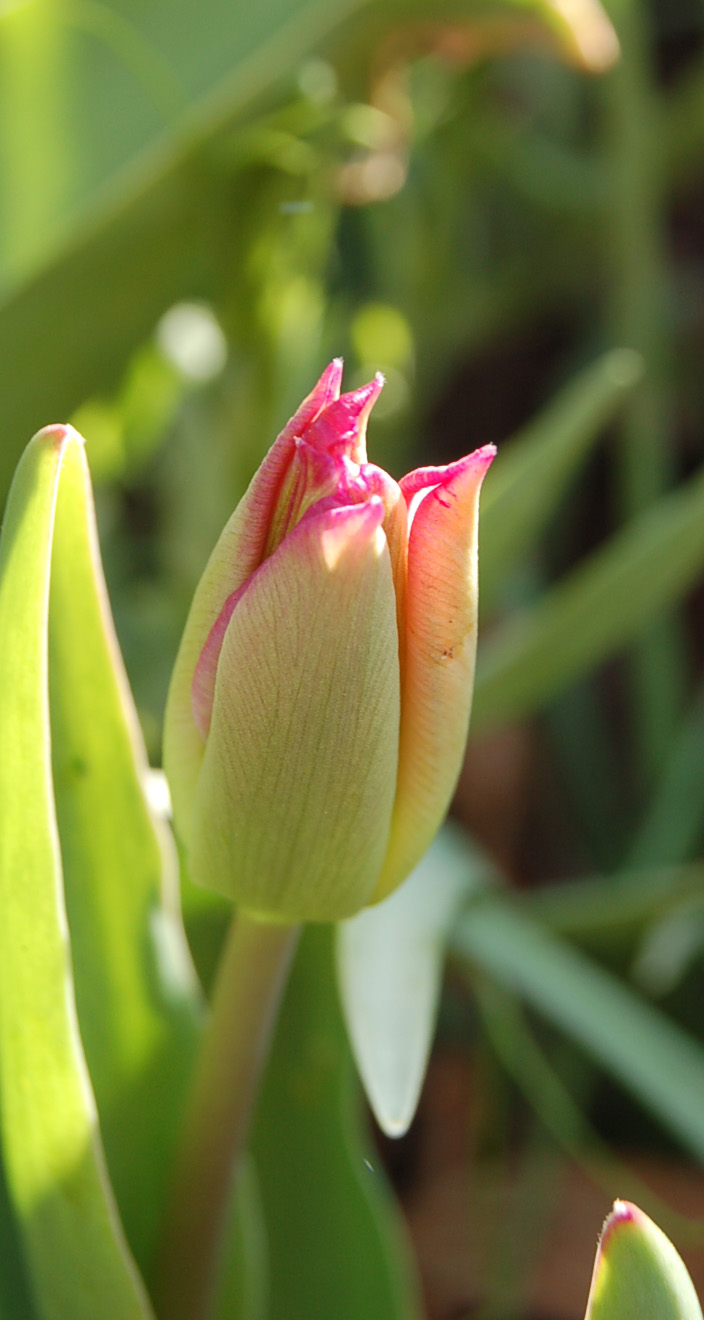
In the Secret Garden it is the tulips that take centre stage, in so many colours and shapes.
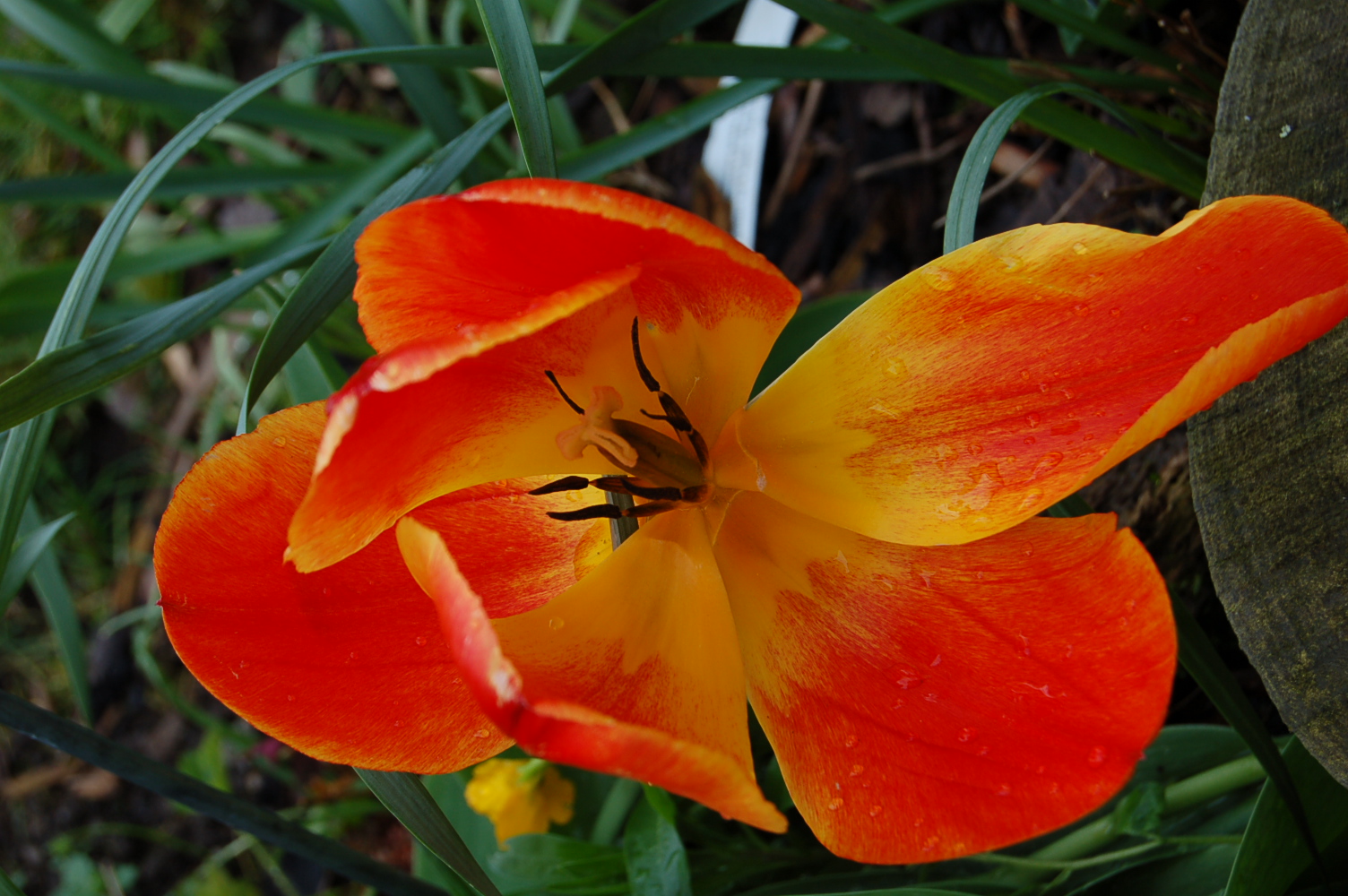
The Secret Garden awakens in Spring.The darkest orange tulip.
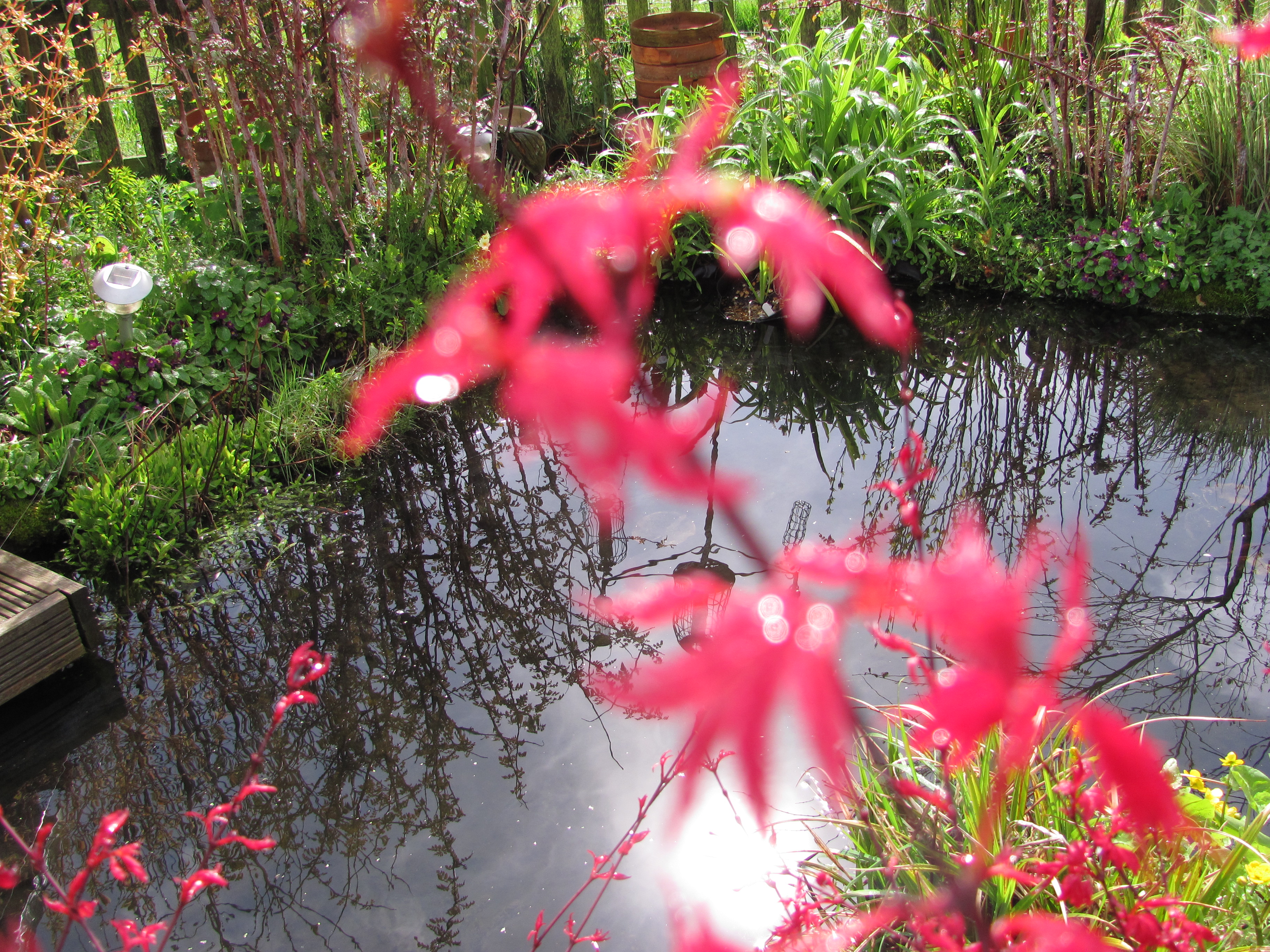
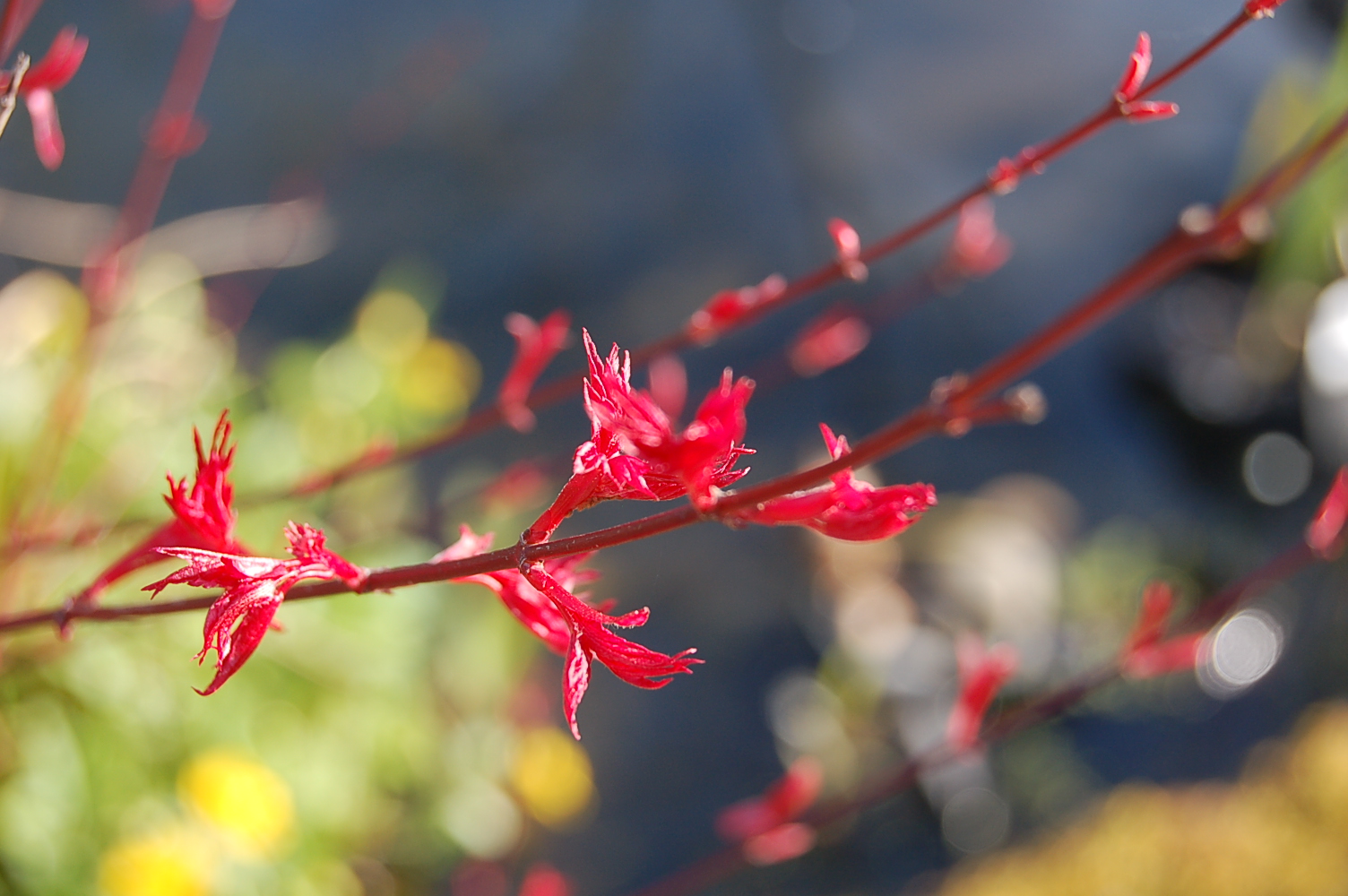
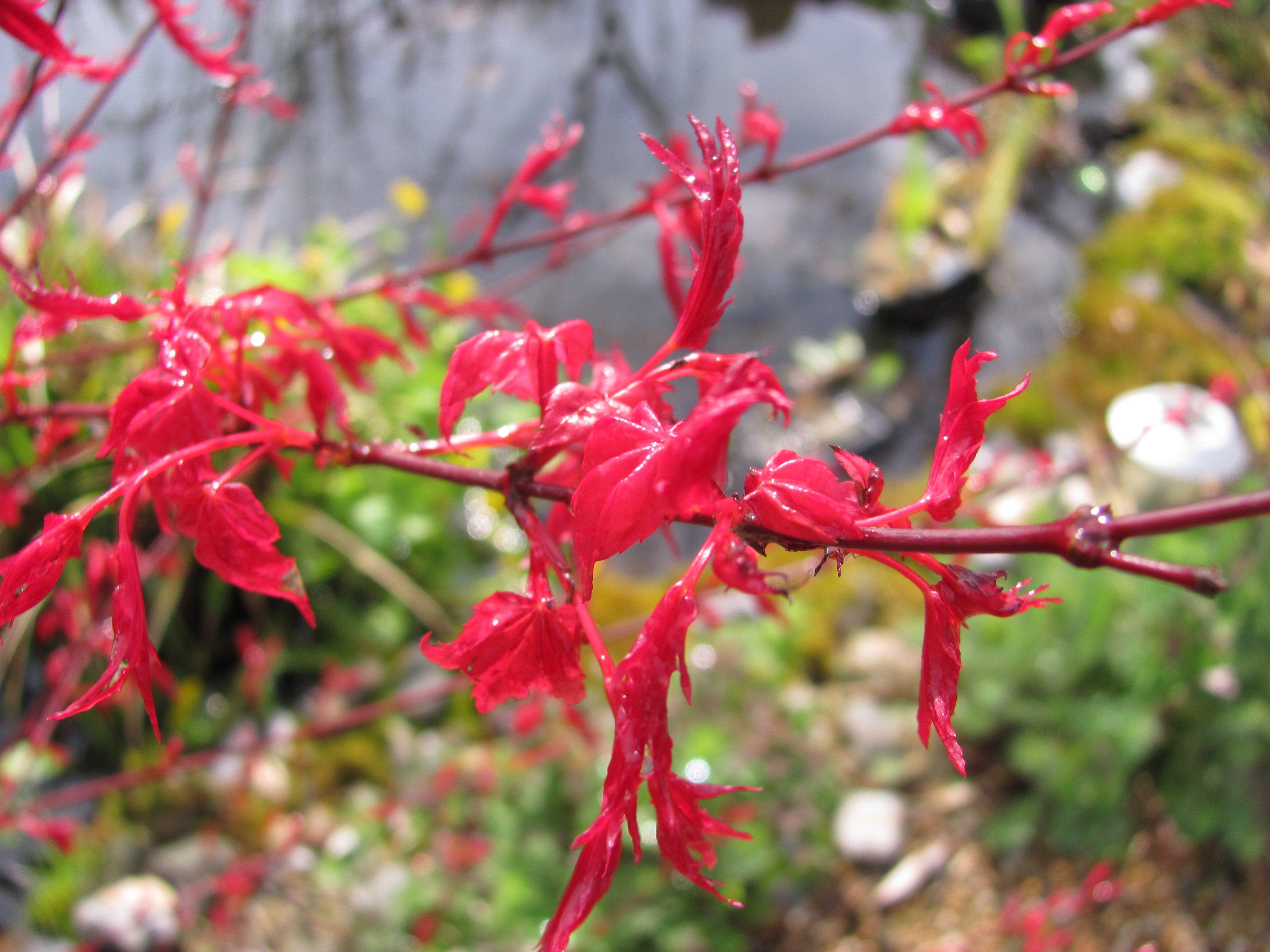
Some of the most impressive new foliage is to be found on our acers, growing under the trees we grow as a wind break, acid green, lemon yellow, flaming orange and salmon.
New brightly coloured foliage shines in mottled shade.Glowing red fresh, new leaves.
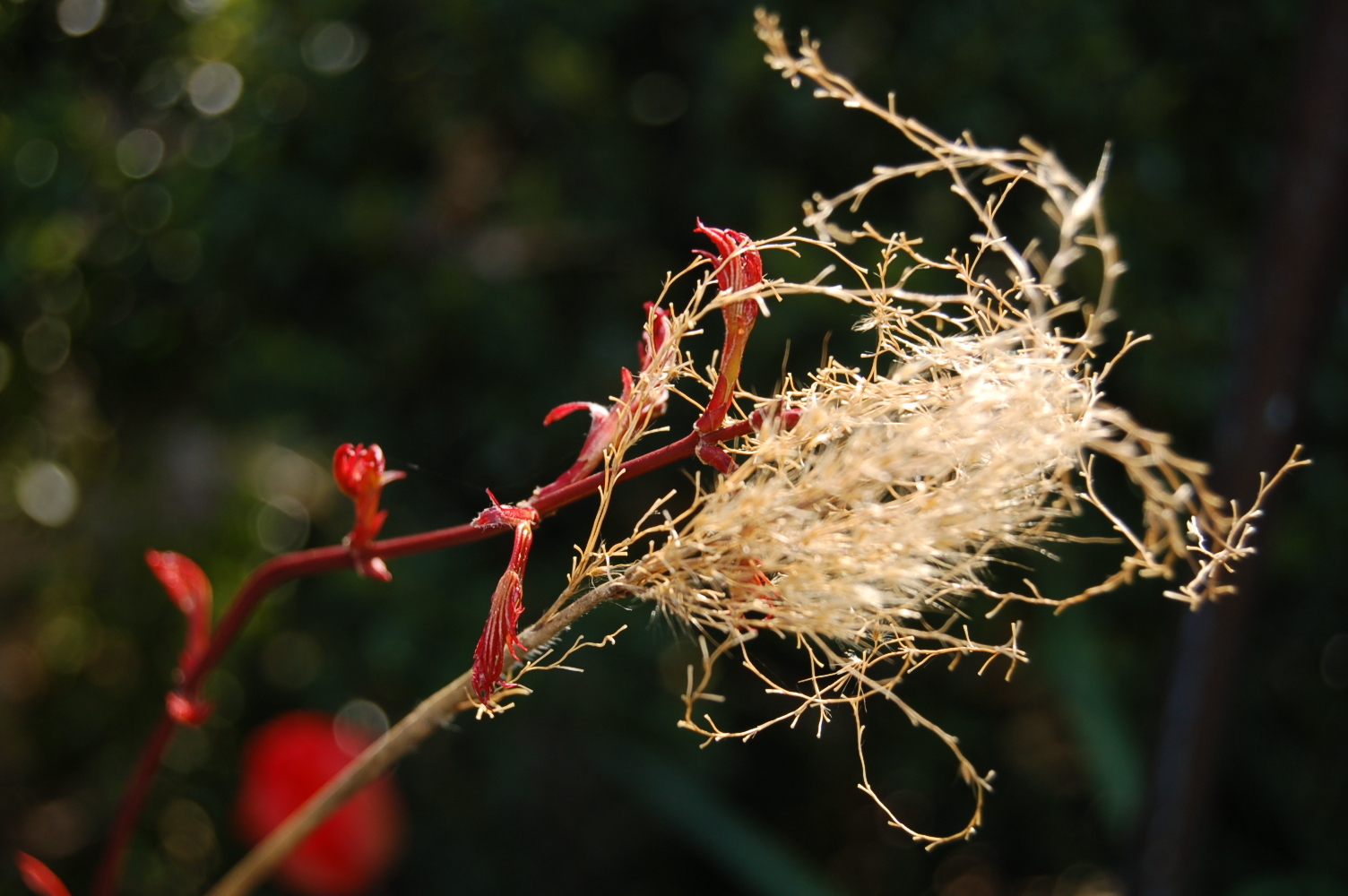
We have eventually relented and cut down the last of our many grasses. We leave them as late as possible and often leave some too late and end up cutting new growth coming up within the old. This Miscanthus napalensis was left until last, understandably.
Old grass and new acer.
Just to show how fickle the month of April can be, the day after I took the photos for this blog we woke to three inches of snow and large flakes continued to fall all morning. Many tulips and daffodils were flattened and our clump of Black Bamboo was pinned to the ground by the sheer weight of snow.
Iris swords piercing the snow.
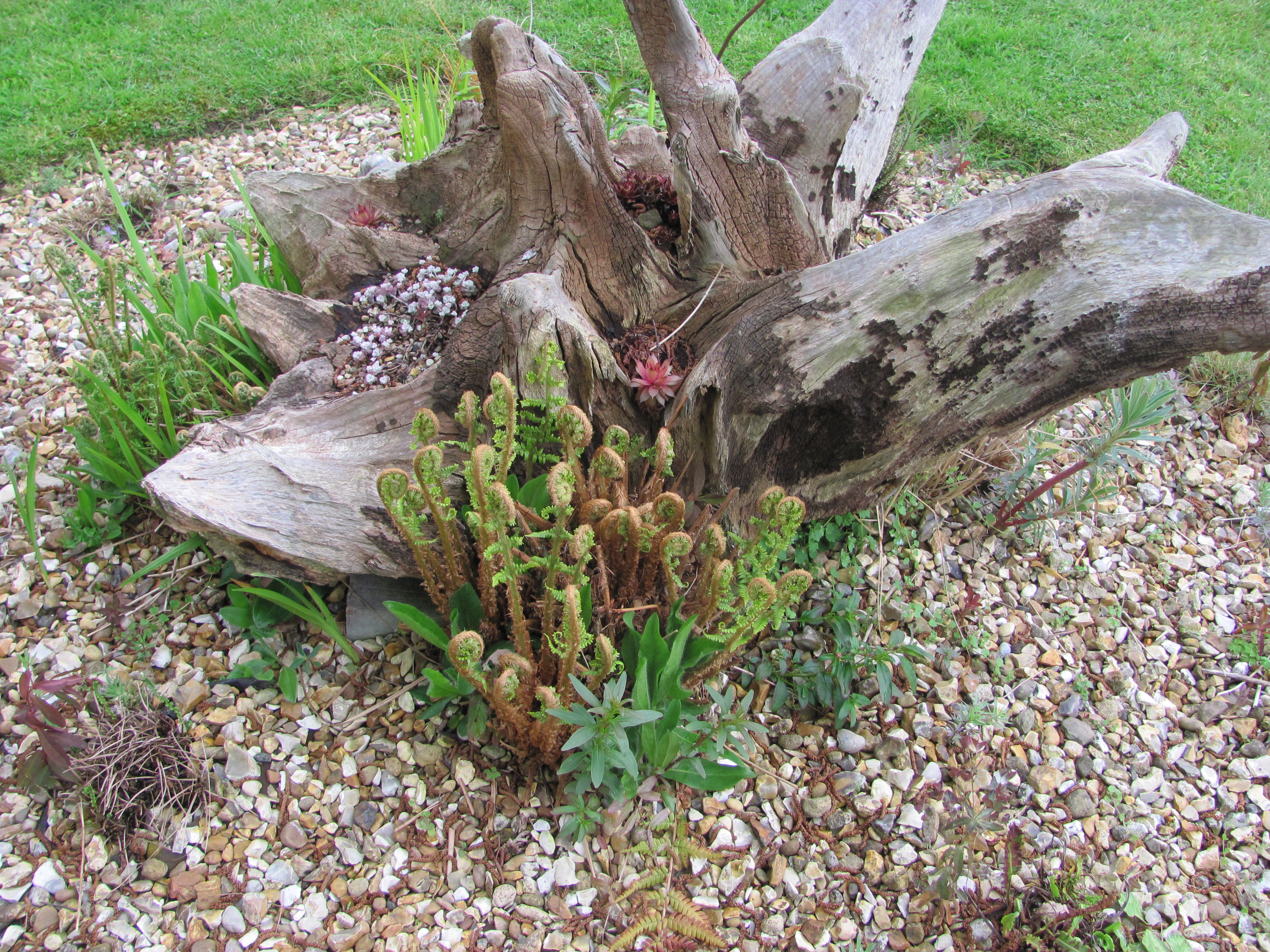
I shall finish with two shots – one before the snow and one after. This lovely old oak tree root is our miniature stumpery – all we have room for!
The Secret Hills visitors centre is situated in the small market town of Craven Arms a half hour drive from home. A Monday morning visit to the dentist took us to Church Stretton half way to Craven Arms, so to celebrate us both being given a clean bill of health we decided we deserved a coffee at the Secret Hills.
The visitor centre itself is an interestingly shaped building with a curving roof topped with greenery. It was one of the earliest green roofs. The inside features a library and coffee shop with occasional displays of art and crafts as well as exhibitions to celebrate all that make the South Shropshire Hills so special.
As well as a visitor centre the Secret Hills has wonderful, varied outside spaces which afford the local community and visitors the chance to explore meadows and copse and walk alongside a small river and a pool. but there are also surprises wherever one goes.
The Undergardener and I began our visit in our usual way by visiting the coffee shop to enjoy a cappuccino and latte respectively. But join us as we slowly amble around the acres outside.
We ambled slowly through a young sloping woodland of coppiced Hazels, whose leaf buds were bursting the tangiest green. The trail took us across a rough area of Teasles and tough grasses and led us to the River Onny, which in this section is a calm, slow moving stream.
Near a bridge carrying the road over the Onny, clumps of Daffodils were in the spotlight of the sun’s rays, affording them a see-through look.
We enjoyed the peaceful, slowly moving waters of the Onny with rashes of seedling Himalayan Balsam and the occasional glossy petaled Celandine growing within the dappled shade of the waterside trees.
After half an hour of gentle rambling, we left the Onny and wandered across a meadow where the sticky buds of recently planted Horse Chestnut trees were coming into leaf in one corner and as we were about to leave the field, in the opposite corner we came upon a community clay oven, looking like a giant pot. It’s domed clay top was carved with spiral patterns, like the shells of a Ramshorn Snail.
The huge sticky buds of the Chestnut Tree look and feel as if they are coated in treacle, and as they open the green of the fresh leaves is bright as a Golden Delicious Apple.
A bridge across a dried-up stream invited us into a wood of spindly trees.
We crossed the wooden bridge into the patch of woodland, and beyond it we were in for a surprise for we spotted two pieces of sculpture in the trees. so it really is true what the old children’s song said “If you go down to the woods today you are in for a big surprise”.
We looked at the details, the teazels and spirals of branches, and looked up inside the chimney shapes.
After exploring the sculpture and listening to the Great Tits, Chiffchaffs and Goldfinches calling in the tree tops, we made our way back to a bench on the riverside for a rest. A Dipper flew rapidly only inches above the water and passed just below our feet. These are beautiful birds like fat Blackbirds with white bibs. They feed around the rocks in shallow fast-moving streams where they watch from rocks constantly dipping up and down, but this one moved so fast and we didn’t see it stop to feed. On the opposite bank of the river tall trees grew thickly on a steep slope. Here we watched Nuthatches, Treecreepers and Great Spotted Woodpeckers feeding frantically and flying from tree to tree. But the real treat was the view of a Lesser Spotted Woodpecker, a very small black and white woodpecker which is now so scarce in the UK.
After resting our legs we aimed for the bridge that crosses the Onny where it becomes shallower and more rapid. Here the Onny took on the guise of a upland stream. From the bridge we spotted more Dippers and a Grey Wagtail, before moving on across the corner of a field where a stile showed us the way into the small Nature Reserve. We watched a pair of Red Kite soaring over the tops of the tallest trees. We made our way through the wood on narrow muddy tracks until we found the river once again. Following its banks we returned to the visitor centre dropping in on the community allotments on our way. Here tiny plots of land are available to local residents where they grow vegetables.
The Secret Hills is an amazing community resource for the market town of Craven Arms and a special day out for visitors.
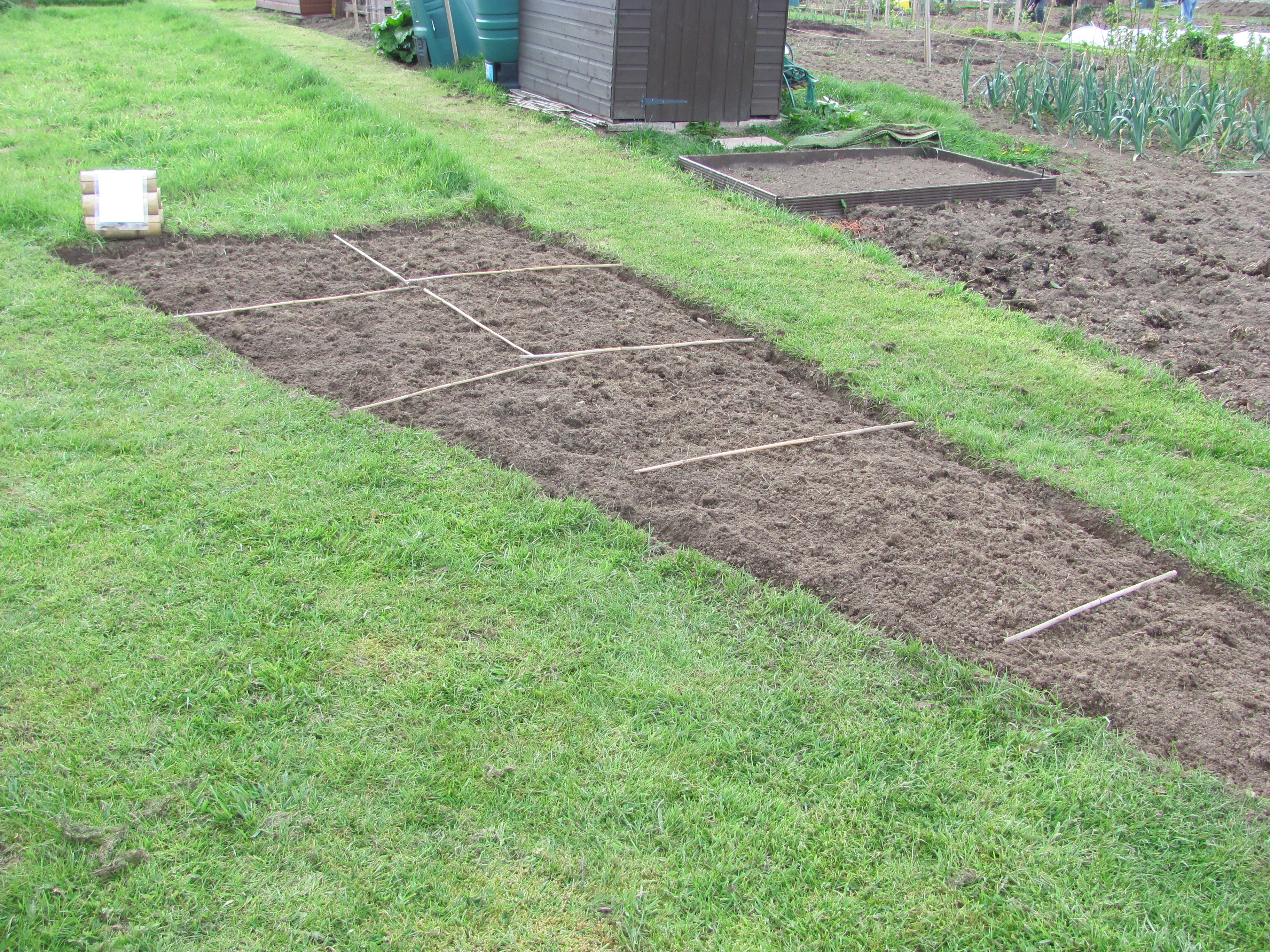
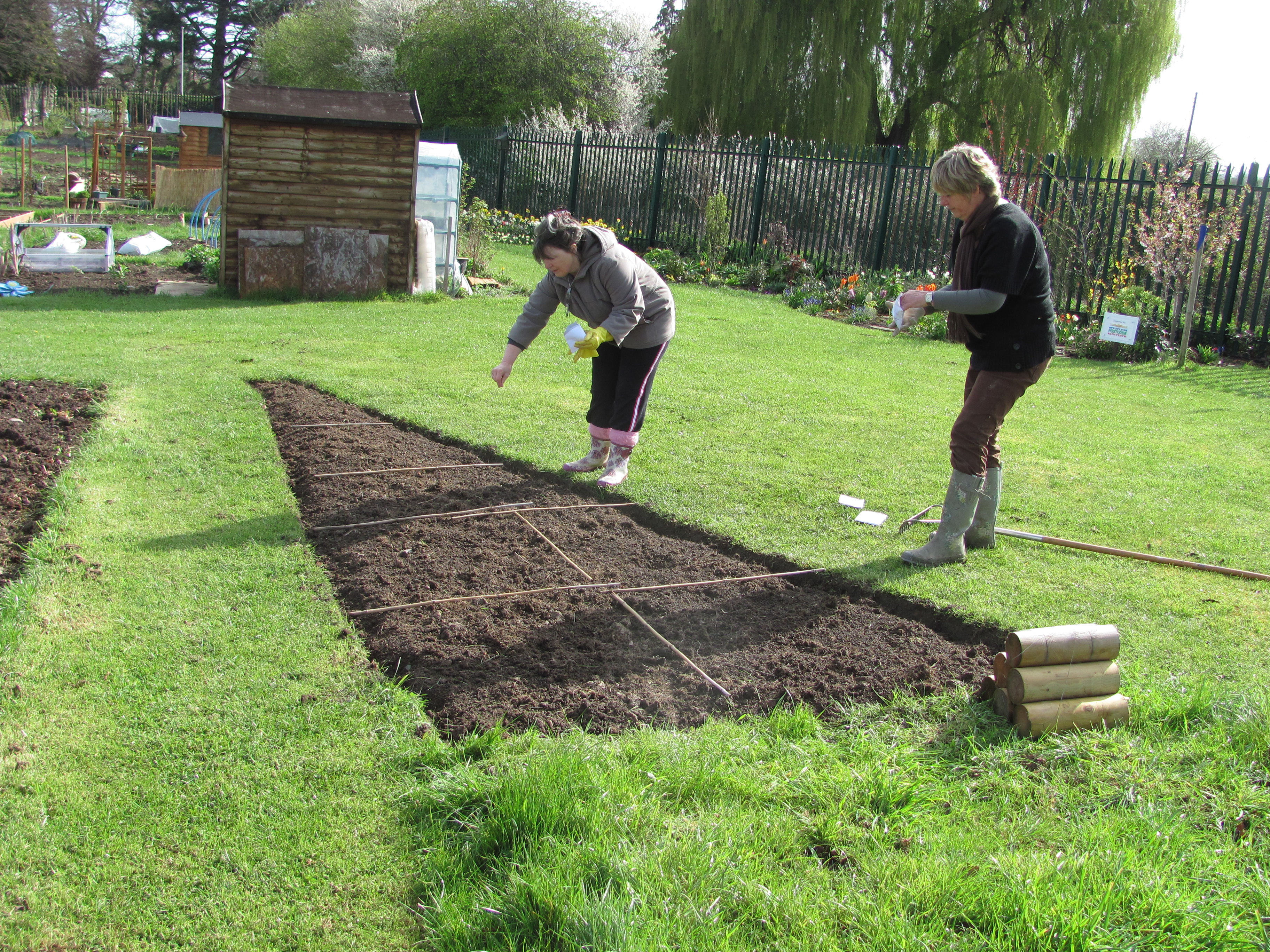
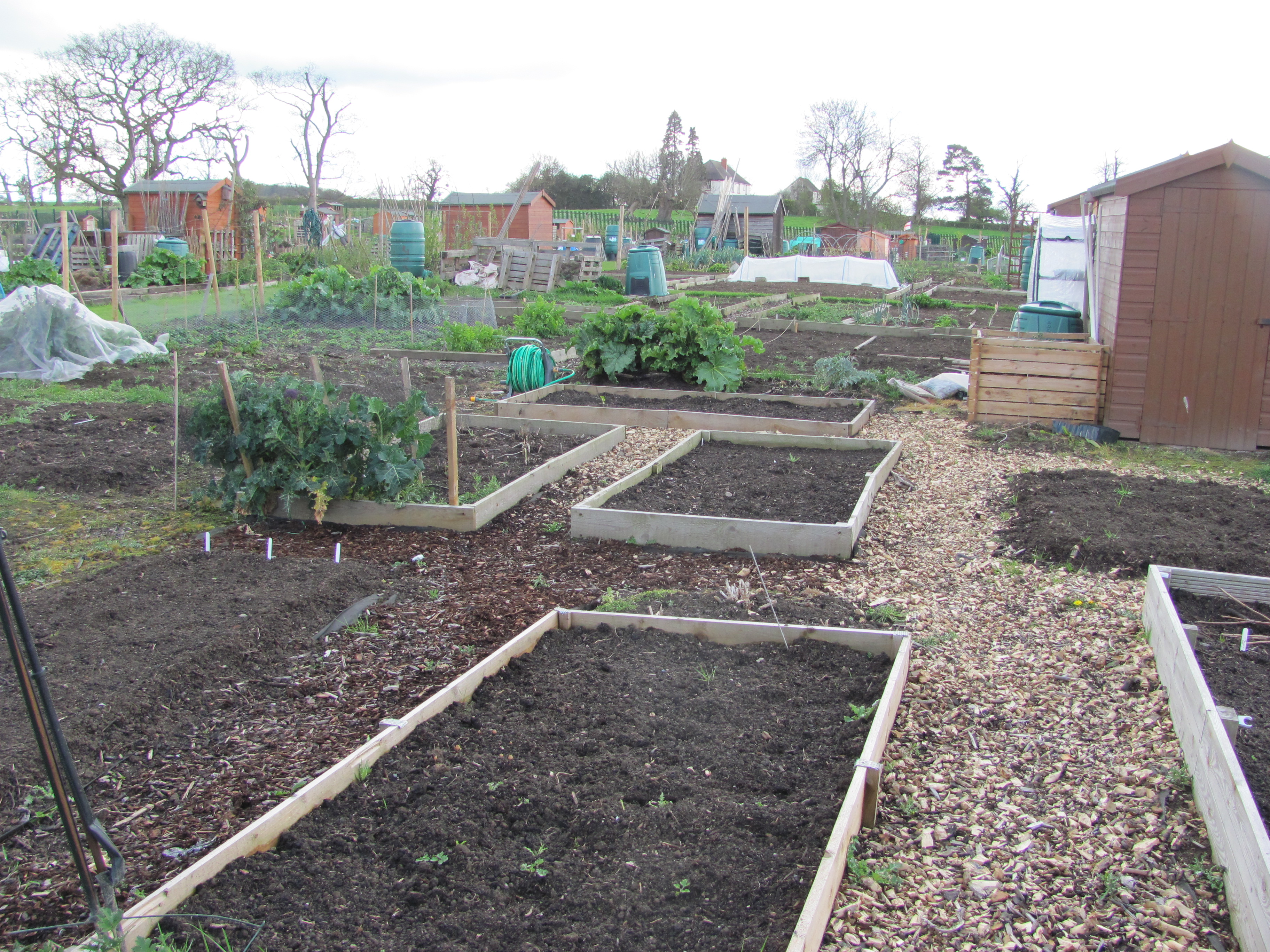
Yesterday we spent the day up at our allotment, with the aim of sowing mini-meadows and planting out Brassica plants. But firstly the grass paths separating the plot into its four beds needed a good cut. That done we prepared two narrow borders along one edge of the plot, raking the soil finely but adding no fertilisers or organic matter, for this is where we were creating our mini-meadows.
We sowed a mixture of 3 packets, a white cornflower called “Snowman” a native cornfield mixture and a Californian wildflower mixture. It seemed so strange to feel how light the seeds felt in my hand – a meadow in the palm of my hand.
We hope that our little strips of meadow will look good for us and fellow plotholders to enjoy, attract beneficial insects and bring in attractive butterflies. We particularly want bees to arrive to help with crop pollination. And of course they all entertain us while we are gardening.
After a quick coffee we scattered chicken muck pellets and fish, blood and bone fertiliser onto our brassica bed and raked them in well. I then trod over the area to firm the ground and raked again. Brassicas enjoy firm soil and they are less likely to bolt and help them fill out better.
We decided to plant the Brassica plants in trenches with raised sides to act as min-dikes. With all the talk of drought and possible hose pipe bans we are trying out ways of watering wisely. These trenches should ensure that any rain is directed towards the plants.
We packed away our tools and locked up the shed after a busy, productive couple of hours. Back to the community hut to collect one of the site mowers and the grass strimmer, and we were off to mow the grass around the community meadow area and the turf spiral. But we wandered around the site first and found three real little gems.
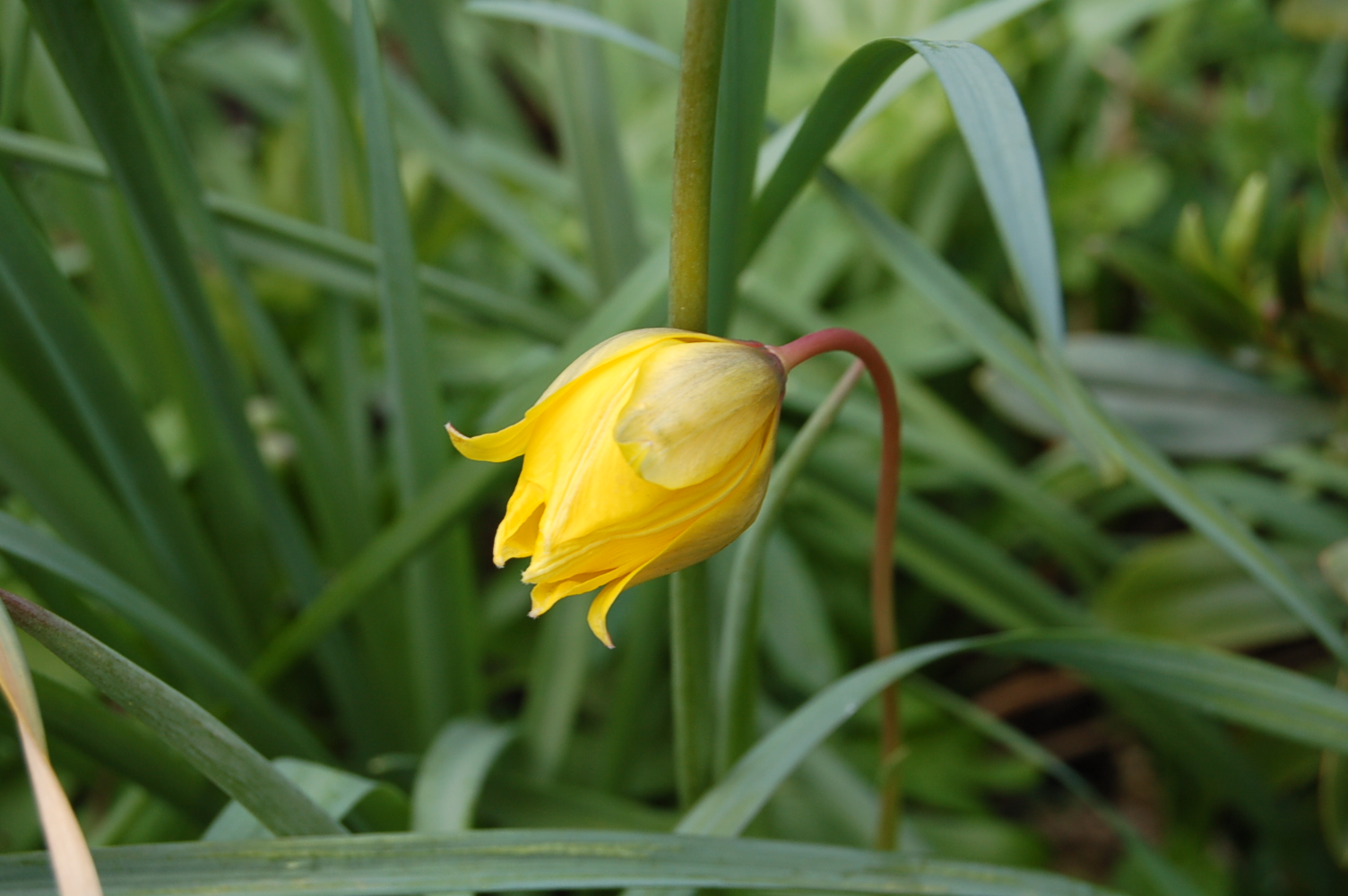
This first gem we found was a native fritillary growing in a batch in the first of the community orchards and the second, a more unusual fritillary, in a small patch in the Hazel Grove.
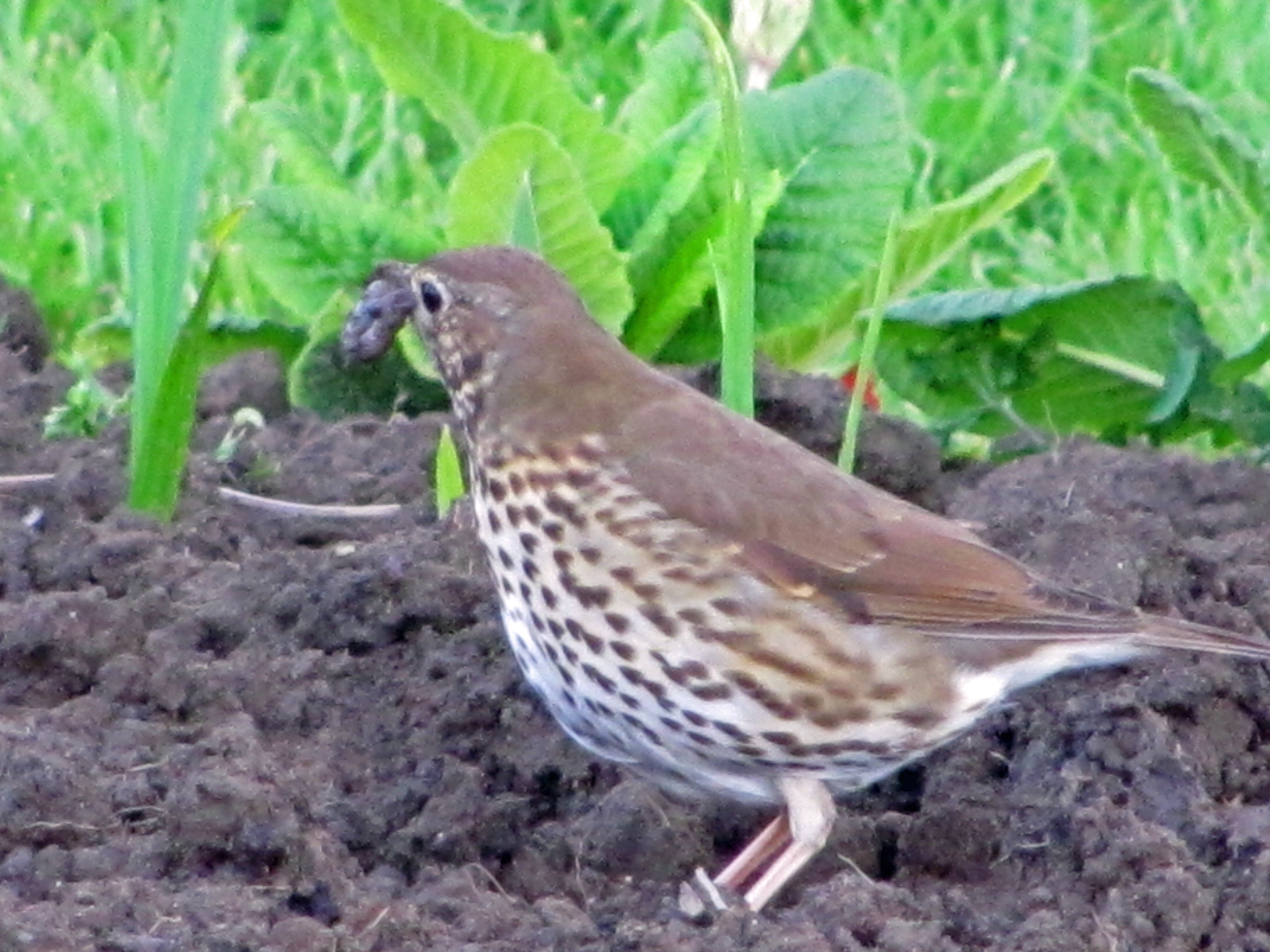
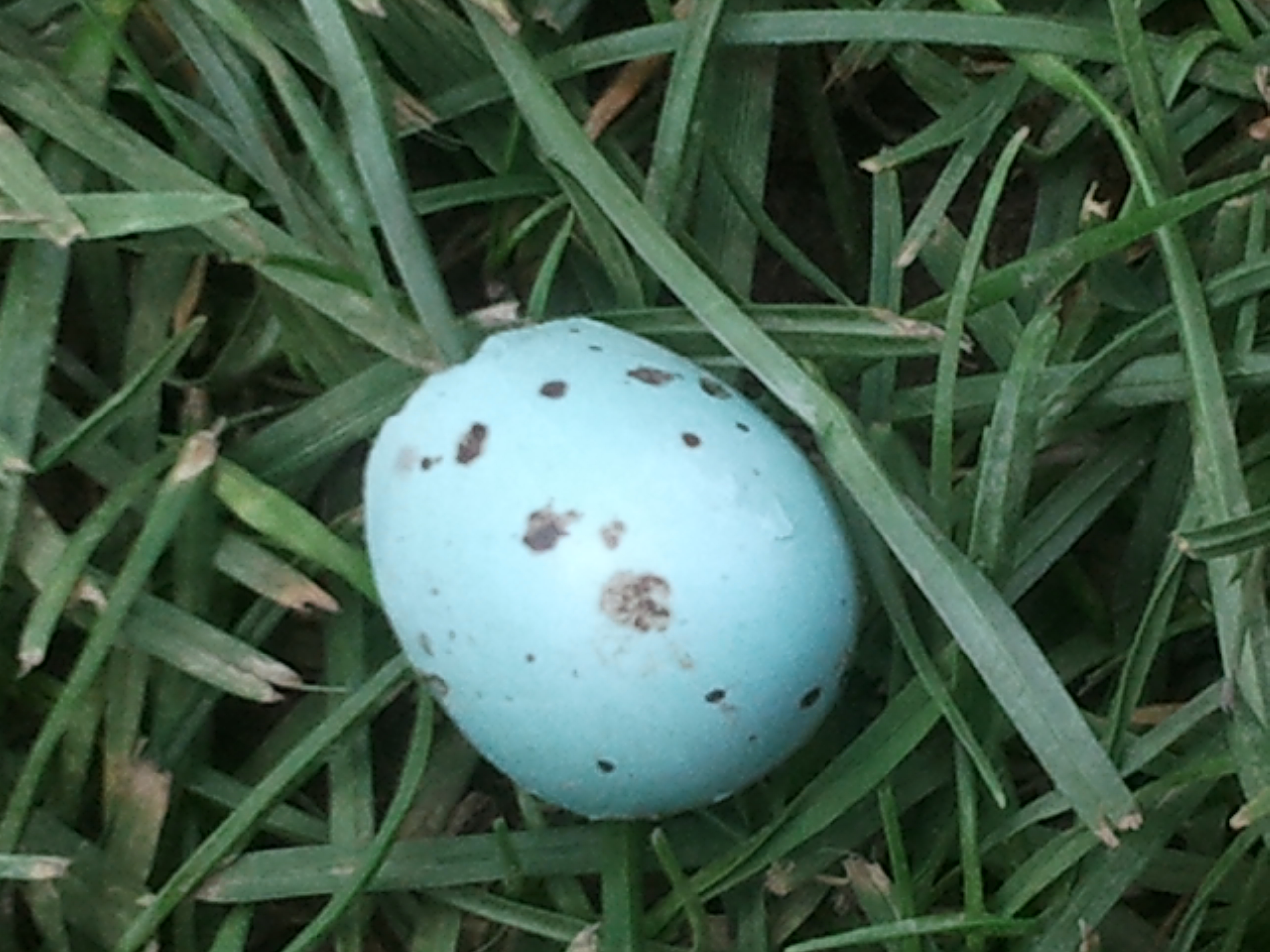
The third gem was a hatched shell near one of the native hedgerows. This little sky blue beauty is the egg of a Song Thrush, so we were delighted to find it. Thrushes are becoming more frequent on the site as our community wildlife areas are becoming more established. We often see them feeding under the feeding stations or rummaging in the leaf litter beneath the hedges.
We mowed and trimmed for a couple of hours before our backs shouted “Enough! Enough!”
The weather turned colder today, back to more normal temperatures for the time of year. Last week on some days we enjoyed 20 degrees celsius but it has dropped back to 9, and it felt cold. But we had planned to take a walk at Attingham Park, the weather failed to stop us. Walking through the woods towards the walled garden we were delighted to see splashes of colour from Primroses, Celandines, Rhodendrons and the first leaves of Horse Chestnut trees.
Occasionally a piece of sculpture surprised and entertained us. This piece hanging above us from the branches of a tree, enticed us to look up into its structure, where it captured our images in its circular mirrors. With me are son, Jamie and his girlfriend Sam.
The walled garden changes with the seasons but also as the gardeners and volunteers develop it. The big change which we were delighted to see as we passed through the gate into the protected growing area inside the walls – the pigs had returned.
Each time a new area of the old walled garden is due for re-development, pigs move in to prepare the planting areas. They clear the weeds, turn over the soil and add manure to improve soil structure and add some plant nutrients. Today the pigs we were mesmerised by were young Tamworths with their red bristles.
The veggie beds looked almost empty but the decorative borders were full of colour mostly from bulbs and wallflowers. A few veg had survived the winter and added their own colours. The stems of the chard contrast nicely with their leaves, making them most attractive plants.
In the very centre of the walled area is a large circular dipping pool, from where the old gardeners would collect water by dipping watering cans. Archaeologists have cleared it out and their explorations and excavations have left its beautiful brick interior for us to admire.
The beds lining the paths that lead from the dipping pool are lined with tulips, hyacinths and wallflowers to give colour and scent for visitors to enjoy.
The warming red brick walls that gave protection to the fruit and veg growing within them are lined with beautiful trained fruit trees. The espalliers are wonderfully trained and later in the spring blossom will clothe their limbs and in late summer and early autumn with fruit.
The garden enclosed in a wall inside the outer wall produces fruit and cut flowers and is home to renovated glasshouses and coldframes.
A border outside the gardeners’ bothy was bursting with hot colours. Polyanthas and Wallflowers in reds, oranges and reds shared the space with an impressive clump of Fritillary “Crown Imperials”.
On the return walk we passed through an area of woodland where fallen limbs from the old trees had been used by children to make wonderful dens. Let’s have a wander around and enjoy a few. We enjoyed admiring the children’s handiwork and Jamie and Sam had to try one out for size. Knowing that I would blog about our day out they decided that if they sneaked into a photo they could get themselves into my next posting.
The long-awaited and eagerly anticipated day arrives. First outdoor sowings on the lottie. A big flask of coffee, a bunch of bananas and half a dozen apples in the trug and we arrive at our plot with blue sky above and warmth of the sun making us feel good.
We began by tidying our paths, I mowed and Jude, “The Undergardener” trimmed the edges. Instantly the plot looked the business. We removed the cloches that had been warming the soil for a fortnight and discovered warm, moist soil below all raked to a fine tilth.
Cloches in place warming the soil ready for sowing.
The tools for the job collected from the shed, seed packets at the ready and the sun on our backs – ready for off! I use a range of tools by Wolf – three handles, short medium and long, and a range of inter-changeable heads. For today’s sowing I got ready a wide rake, narrow rake, cultivator, drill-maker, seed-sower and hoe.
Tools at the ready.
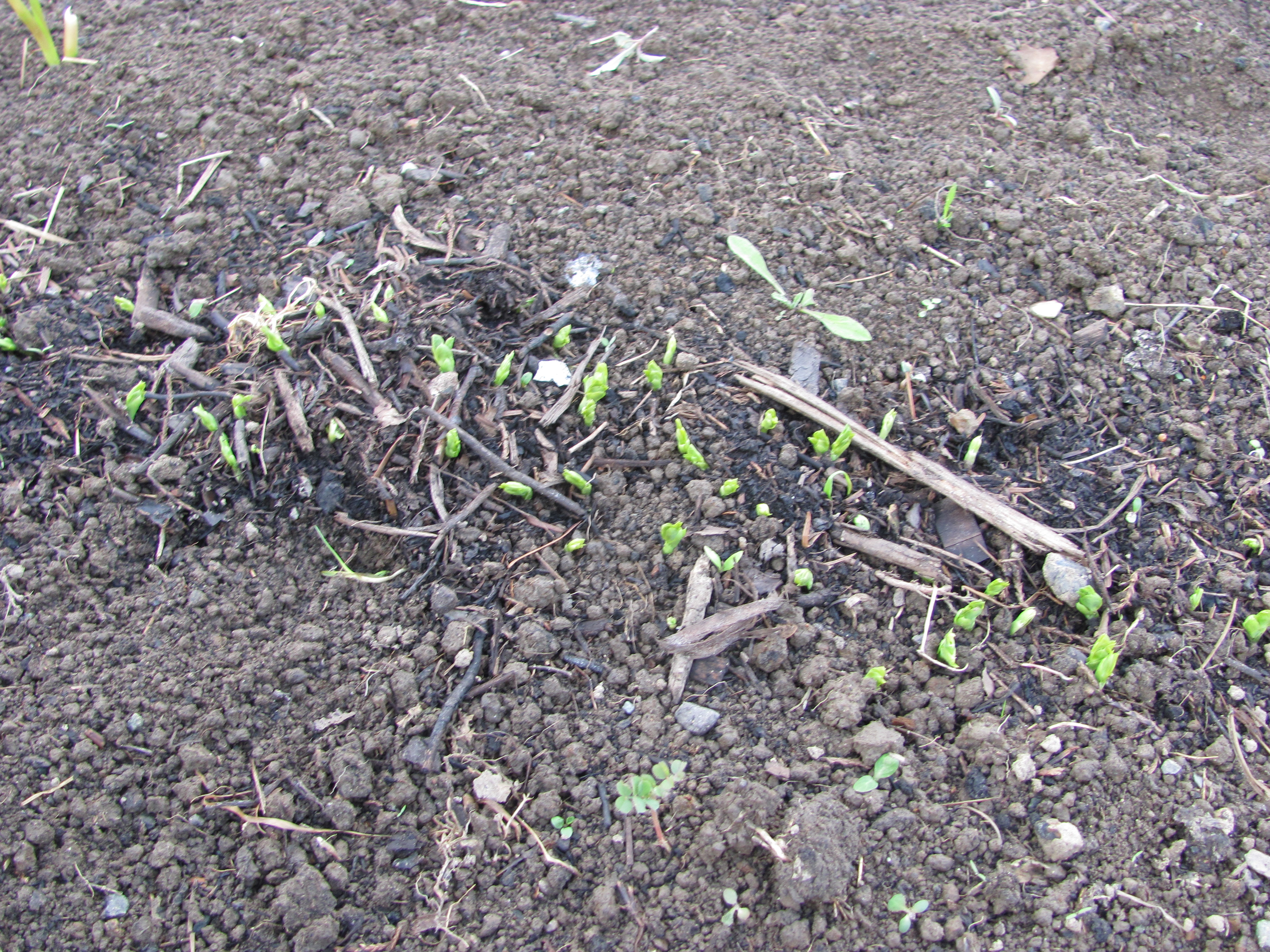
Where the soil had been warmed with a covering of cloches we sowed legumes, Broad Bean “Super Aqualdulce”, Pea “Sugar Ann” which we enjoy by eating the young pods whole, Pea “Oregon Sugarpod” a mange tout type. First job is to take out a 2 inch deep drill six inches wide with a draw hoe and then keep watering along it until the water stops draining away quickly. The seeds are then placed in the drills and covered with dry soil to keep in the moisture and a final topping of compost to act as mulch and to clearly mark where we have sown. Although we label our seeds as they are sown we take this second precaution against the Blackbirds who enjoy pulling our labels up and throwing them on the paths.
Waiting for the heavily watered drill to drain.Two rows of Broad Bean seeds neatly set out.The darker compost mulch marks the rows of peas and broad beans.
When we returned home we planted up our first batch of seed potatoes, Rocket and Kestrel. The Rocket will be ready first, hopefully within 11 weeks and the Kestrel a few weeks later. Kestrel looks good with its purple eyes and tastes good too.
Potatoes chitted ready to plant.We grow our potatoes in potato bags, using old compost as the growing medium.
Late Saturday night we were digging jazz at our jazz club. Early Sunday morning we were digging soil on an allotment. Double digging at its best! At Shrewsbury Jazz Network we enjoyed a brilliant young band called the JJ Wheeler Quintet. JJ the young drummer leads the band and composes and arranges their music. We had a great night.
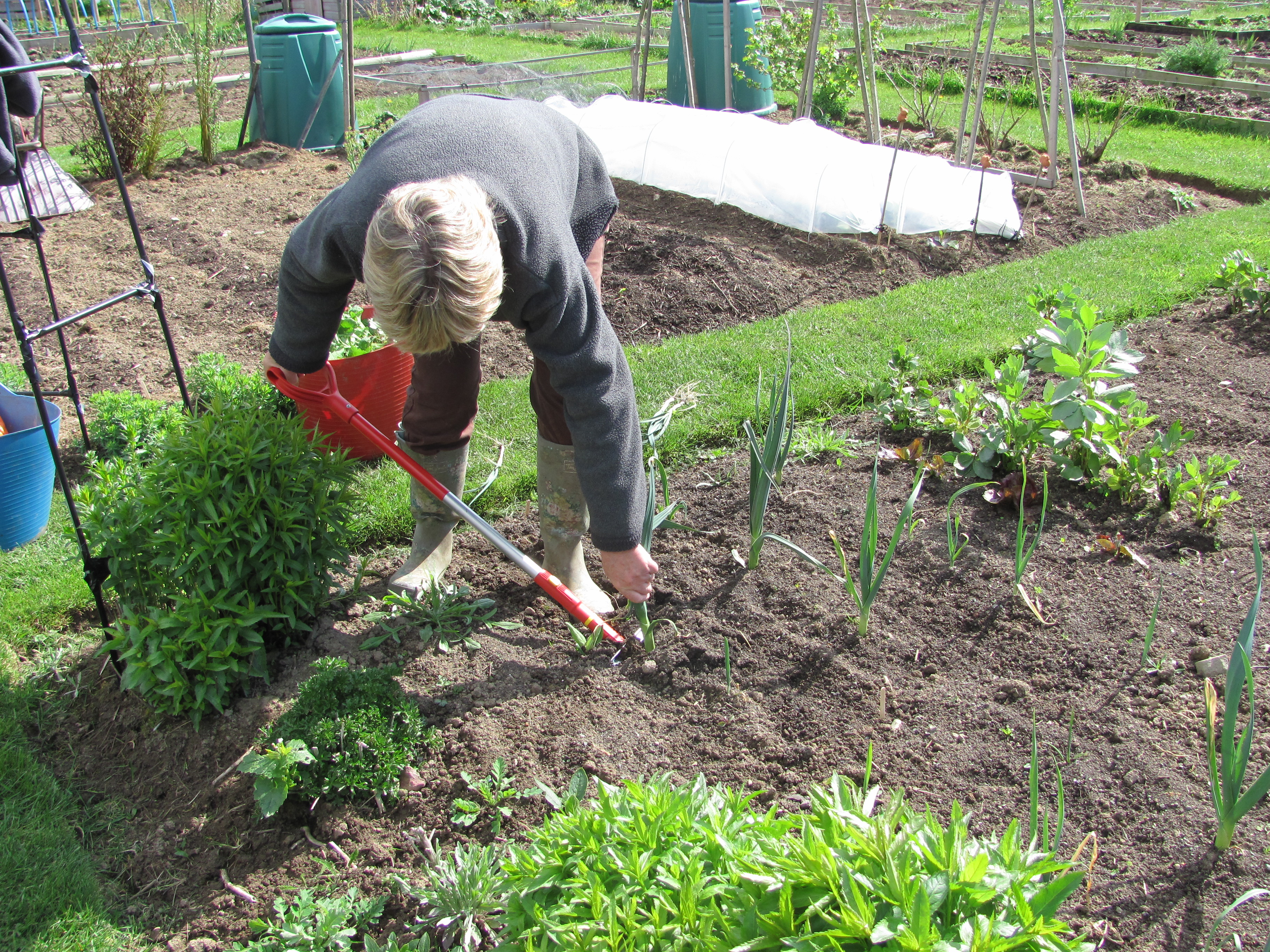
Sunday morning we, the Undergardener and I, woke early anticipating a mild sunny day, just right for helping out our Daughter, Jo and Son-in-Law, Rob on their allotment. After a short drive we arrived and Rob opened up the gate. Jo was elsewhere enjoying learning more about jewelry. The three of us aimed to finish preparing the plot for sowing and planting. Their plot is divided up into small beds divided by grass paths and we were determined to dig, rotovate, feed with poultry manure pellets and rake them all level.
Unfortunately I forgot that essential blogging gardener’s tool, my camera so I had to use my phone.
Jude, the Undergardener, and Rob weeding the onion bed (plus my shadow)Jude, the Undergardener helping sort the onions, without my shadow.Onions weeded and fed.We finished planting and putting up supports for the new cordon apples.We finished off the luxury insect hotel.Success! Paths cut, edges trimmed and all beds ready for the sowing and planting season.
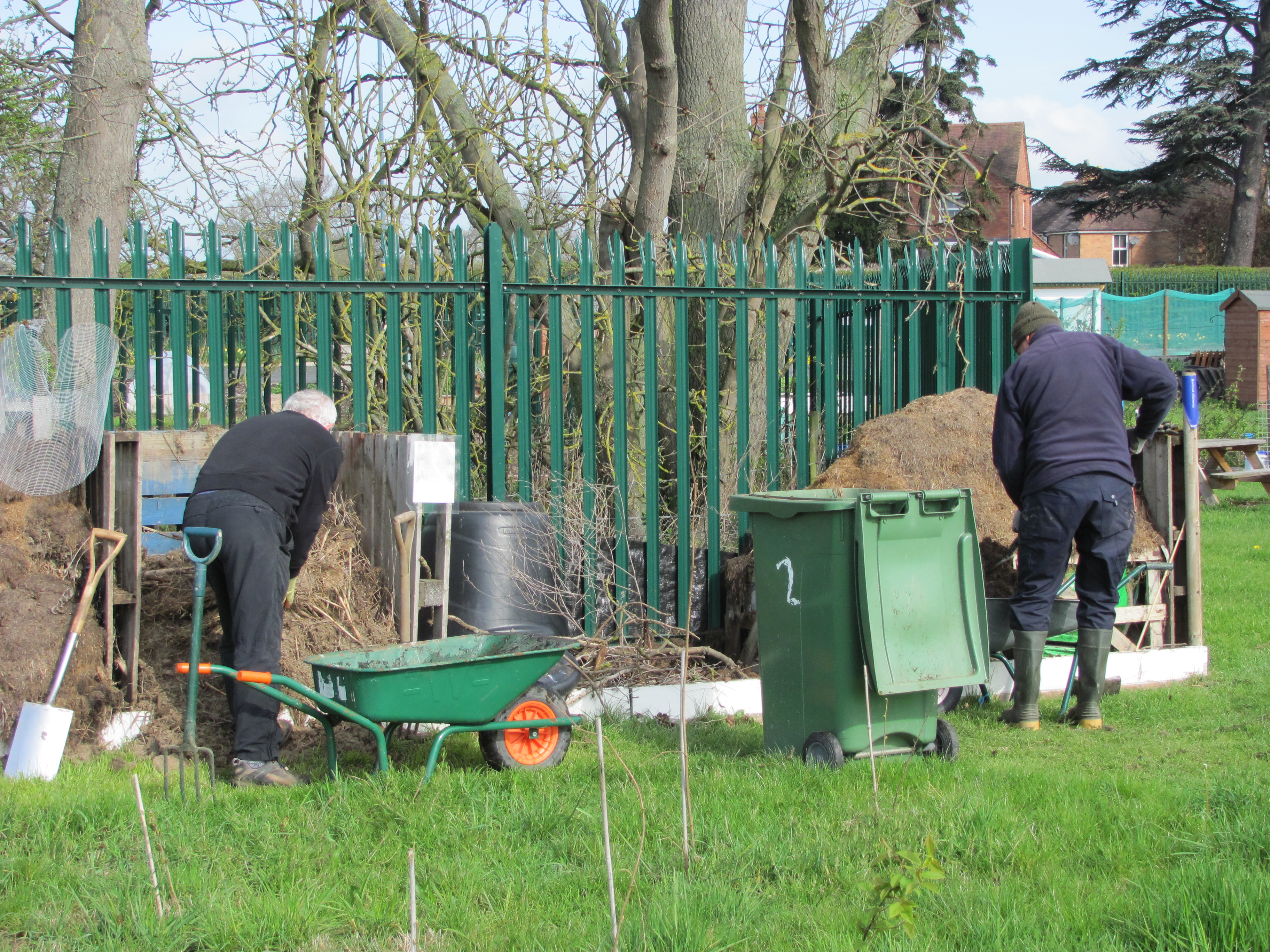
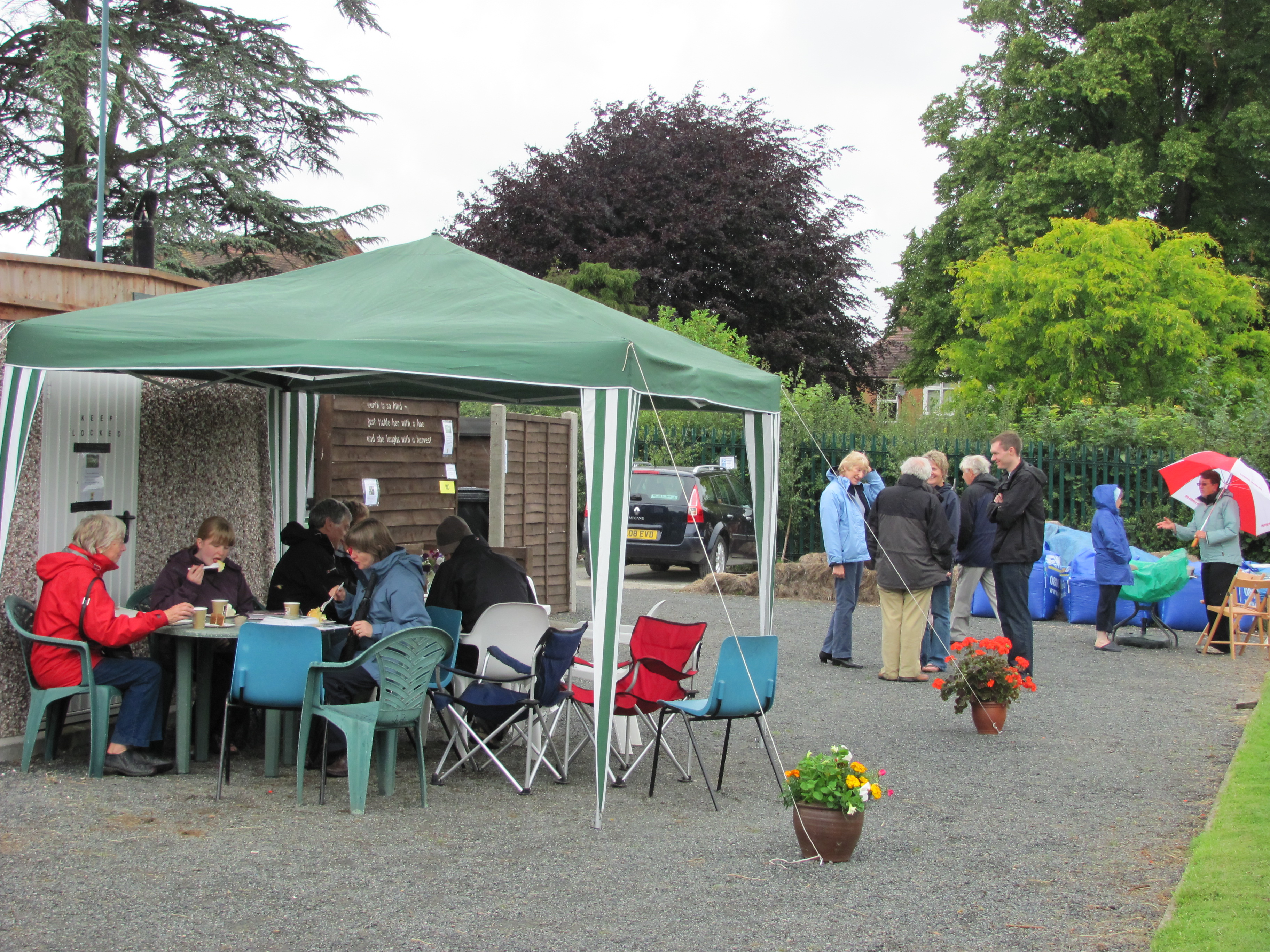
Today we held our first allotment working party of 2012. Once or twice a month throughout the year I organise working parties to develop and maintain the communal areas at our site, Bowbrook Allotment Community. These communal areas are for the enjoyment of our allotment holders, the local residents, school groups, nature and gardening clubs etc. We have a small sub-committee of the main allotments management committee which is responsible for these areas, The Green Spaces Committee. We invite volunteers to join us at our regular working parties.
At 9:00 am we opened up the site gates and collected up the tools and machinery we might need. The day started foggy and chilly, just 6 degrees bu the forecast was optimistic. fifteen volunteers turned up with trowels, forks, spades and flasks of coffee. The mowers and strimmers were fueled and readied for some hard work.
Plots and sheds engulfed in mist.Geoff on hands and knees planting in the mist.Ian popping plug plants out of their trays.Jude, Anthony and Dave preparing planting holes for the plug plants.
By coffee time the light had improved as the mist cleared. The sky turned blue and temperatures rose so jackets were removed as we retired to the picnic benches. The temperature rose to a hefty 20 degrees.
A well-earned rest and coffee for Ian and John.
After our coffee break we moved on to planting more plugs in other meadow areas, under the bushes in the Hazel Grove and on the Wildlife Banks.
Dee and John planting under the Sycamore tree.Jill and Dave plugging away.Dee, John and Tracy planting in the wetter meadow area.
After a mid-day break for lunch we moved over to the one of the orchards to plant more wildflowers amongst the trees.
Jude, still on hands and knees, in the orchard.
Finishing our day’s work planting in the orchard was extra rewarding as here we could appreciate the fruits of our labours. During working parties in the autumn we planted bulbs such as Fritilleries, Muscari, Narcissi and Alliums, and today many were in flower attracting bees and butterflies.
Native Daffodils flowering away under the apple trees.The star flower of the orchard, the Snakeshead Fritillery.Turn over, peer inside and find more magic.
So what could fifteen volunteers achieve on a sunny March day? We planted over 2500 wildflower plants to enhance our communal meadows! An amazing day!
The third wander around the allotments at Bowbrook already! We were expecting a warm bright day but it turned out misty with a chill in the air. So much work has been done to the plots with many allotmenteers all ready for the coming growing season. Tree surgeons have been to do a bit of work on our mature Sycamore tree and the resulting wood has been put to good. The shredded wood is being used by some plot holders to surface their paths, some branches have been used to create a brash pile and some logs used to create a big impressive log pile.
Our welcome message on the wall of our composting toilet.
To welcome visitors and plotholders to the site we have planted up two half-barrels outside the gateway and opposite the gate on the edge of a plot we have our posh main site sign which features a map of the site, our mission statement and photos of the main functions of the site.
Let’s begin the wander with a look at what is going on our own plot, number 37. We are just about ready for the 2012 season with soil dug over composted and raked. The kale which we have overwintered looks very healthy with its wonderfully coloured crinkle edged leaves of glaucous green, purple and pink.
The perennials in out “Bee and Bug Border” are producing new shoots. These plants are grown to attract beneficial insects both predators and pollinators, such as bees, hoverflies and lacewing.
Our bean poles, made from coppiced Hazel, are up ready for Runner Beans to climb when planted out in late May and behind them we have cloches warming the ground for early plantings of Carrots, Parsnips and Beetroot. If the weather is kind we shall sow these seeds at the end of this month.
This Ladybird sheltering near our shed lock is hoping for some sun to get warmed up a bit.
After a quick perusal of our site we began the wander around the whole allotment field, starting in the car park where Daffodils give a golden welcome as plotters arrive to work or enjoy the communal spaces. Each September we hold a “Donate a Daffodil Day” when members are asked to donate bulbs which are then planted around the site by volunteers on one of our working parties. In the first year alone we had over a thousand bulbs donated and planted several hundred in the car park border and on the grass verge alongside our entrance gates.
Moving on down towards the first communal orchard we spotted this insect hotel on Wendy’s plot and admired Tracy’s rhubarb which is well advanced.
The first of the community orchards is alongside Tracy’s lottie and she looks after its maintenance, mowing the grass paths, pruning the apples, pears, plums and damsons and generally keeping it neat and tidy. She also looks after the Fruit Avenue leading away from the orchard. She is a great asset! At the moment daffodils and crocuses are flowering between the fruit and in the avenue muscari are in flower. Bees are busy exploring these early flowers.
Our wander then took us through the Fruit Avenue with “super fruits” planted on both sides, out alongside Alan’s plot, affectionately known as “The Blue Plot”.
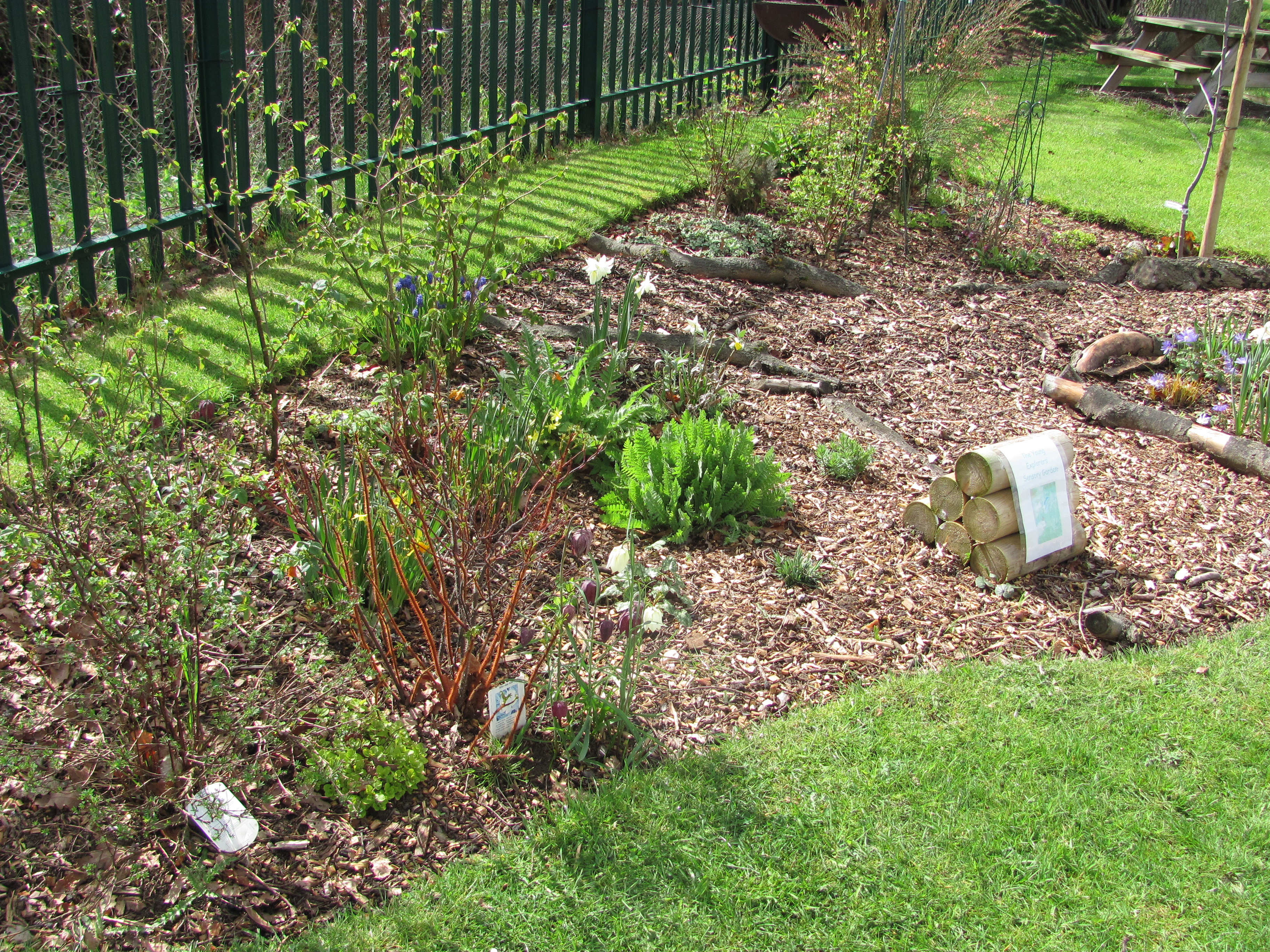
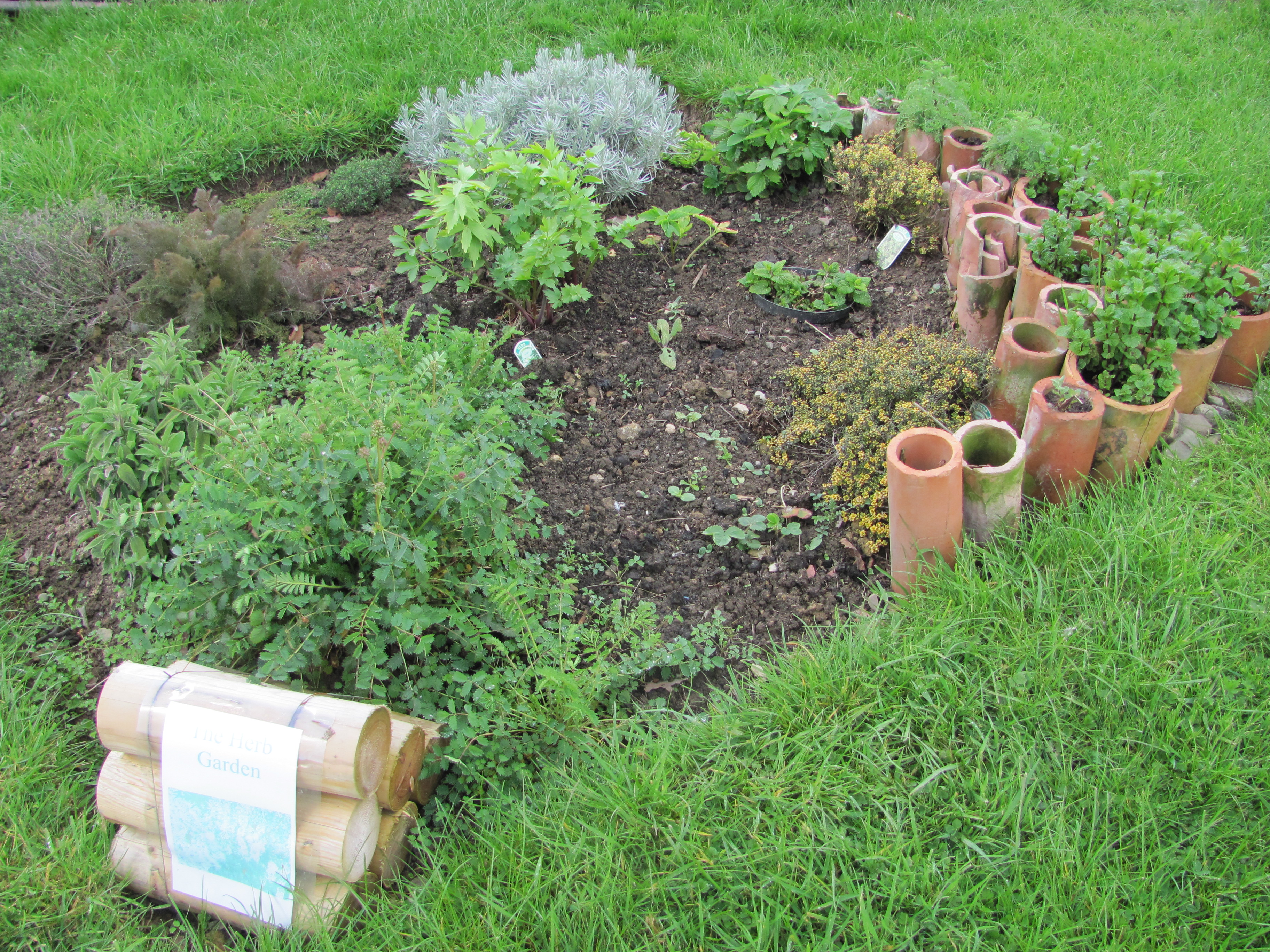
Blue alkathene water pipes are very popular around the site as effective ways of holding fleece or netting covers to protect crops. Wandering further on around the trail towards the Spring Garden we passed a plot that is always good to see as some interesting projects seem to on the go. Today we noticed that she had started to create a herb garden with tree stumps as seats and herbs in the ground around them and in a half-barrel planter. She is always building something – she seems very good at d.i.y. She made her raised beds which we saw have already got some early sowings in.
Behind this plot is the Spring Garden which is looked after by two other volunteers, Jill and Geoff, who keep it looking immaculate. Of course it is now beginning to reach its peak time. Bulbs are well up and some flowering, perennials are showing fresh green growth and the Violet Willow is covered in its sparkling white pussy willow buds.
Moving on from the Spring Garden, as we followed the trail, we noticed Blue Tits exploring the nest boxes. Beyond our big old Oak is the new log pile created with logs left by the tree surgeon after his safety work on our mature trees. The log pile will soon be home to Dunnock and Wren and as it begins to rot down insects, invertebrates and beetles will move in.
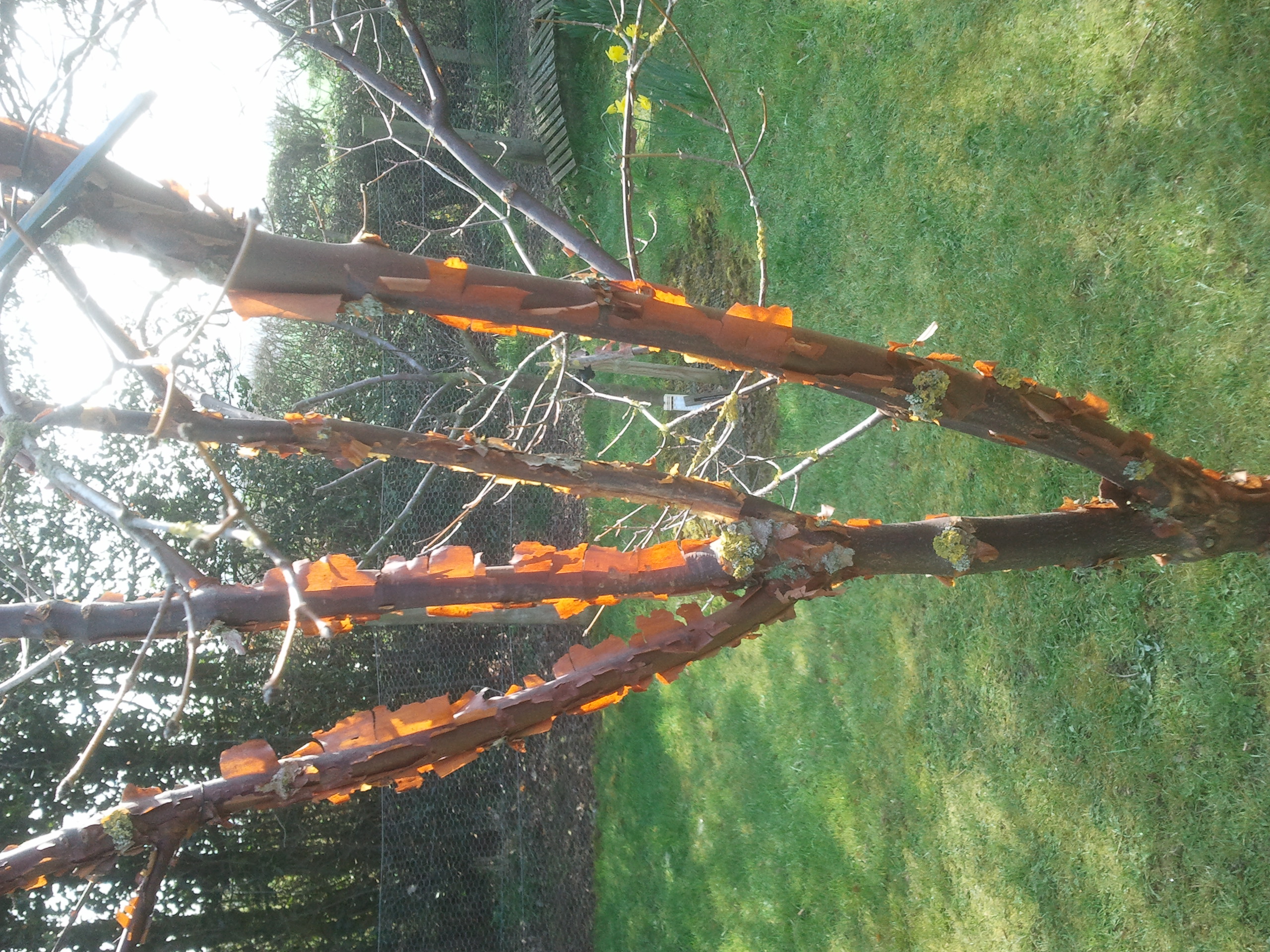
We soon reach the Winter Garden which continues to look impressive, full of interesting bark and stems on trees and shrubs and colourful flowers on bulbs and early herbaceous plants.
Some crops still look good after the winter and continue to give plot holders some good pickings. These brassicas, Purple Sprouting Broccoli and Cabbage look very healthy and appetising.
The beautifully coloured Red Veined Sorrel in the photo above is already putting on plenty of fresh leaves ready for harvesting, whereas the beautifully coloured flowers of Purple Sprouting Broccoli are now ready for enjoying after the plant has been standing through the winter.
Lots of our plot holders displays plaques with garden related sayings on for the amusement of all. How about this one to finish our March wanderings around the site?
we can enjoy a cup of coffee in the garden without jackets on, and from our special gardening mugs,
and when we prick out the first tomato seedlings,
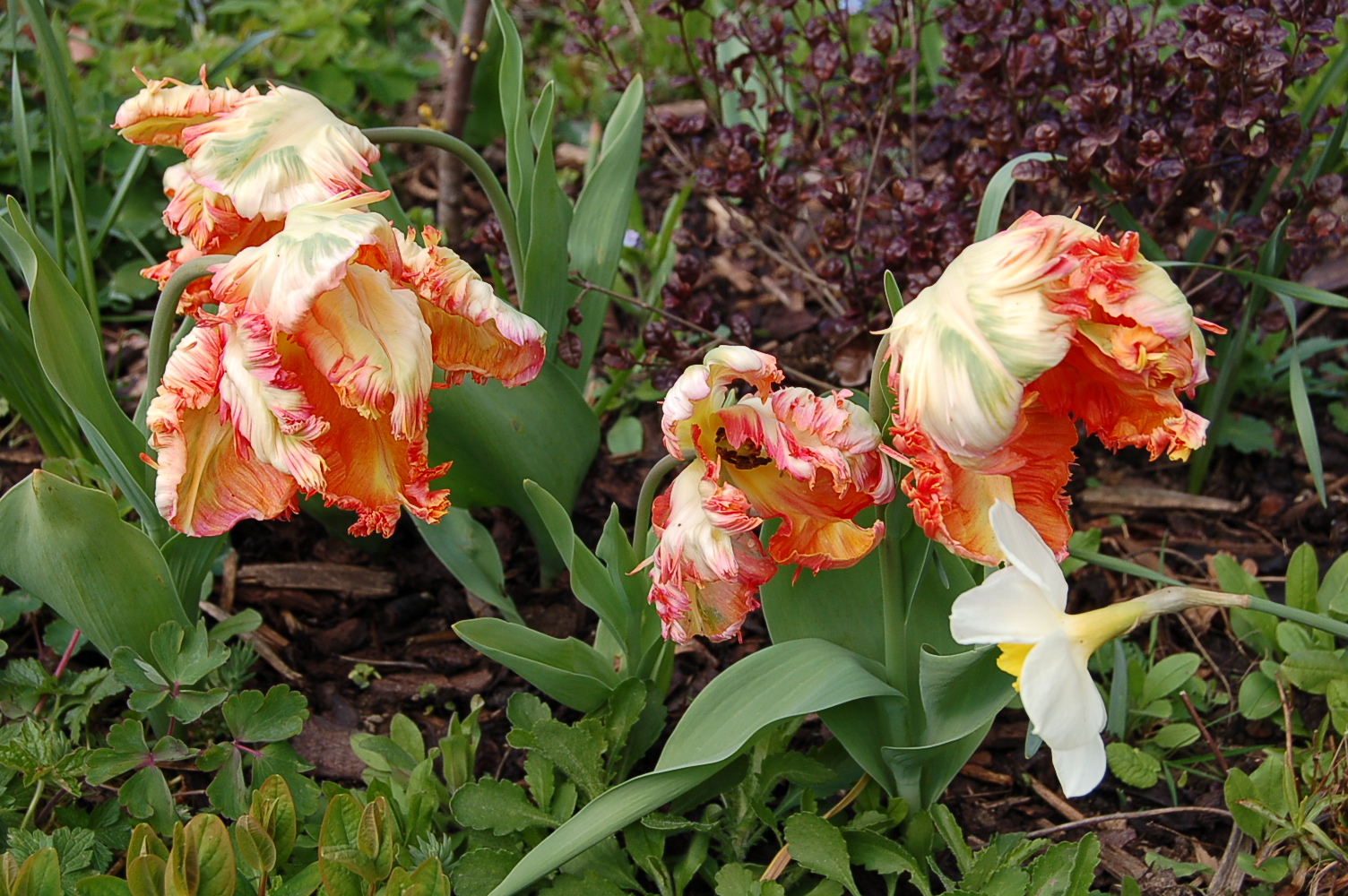
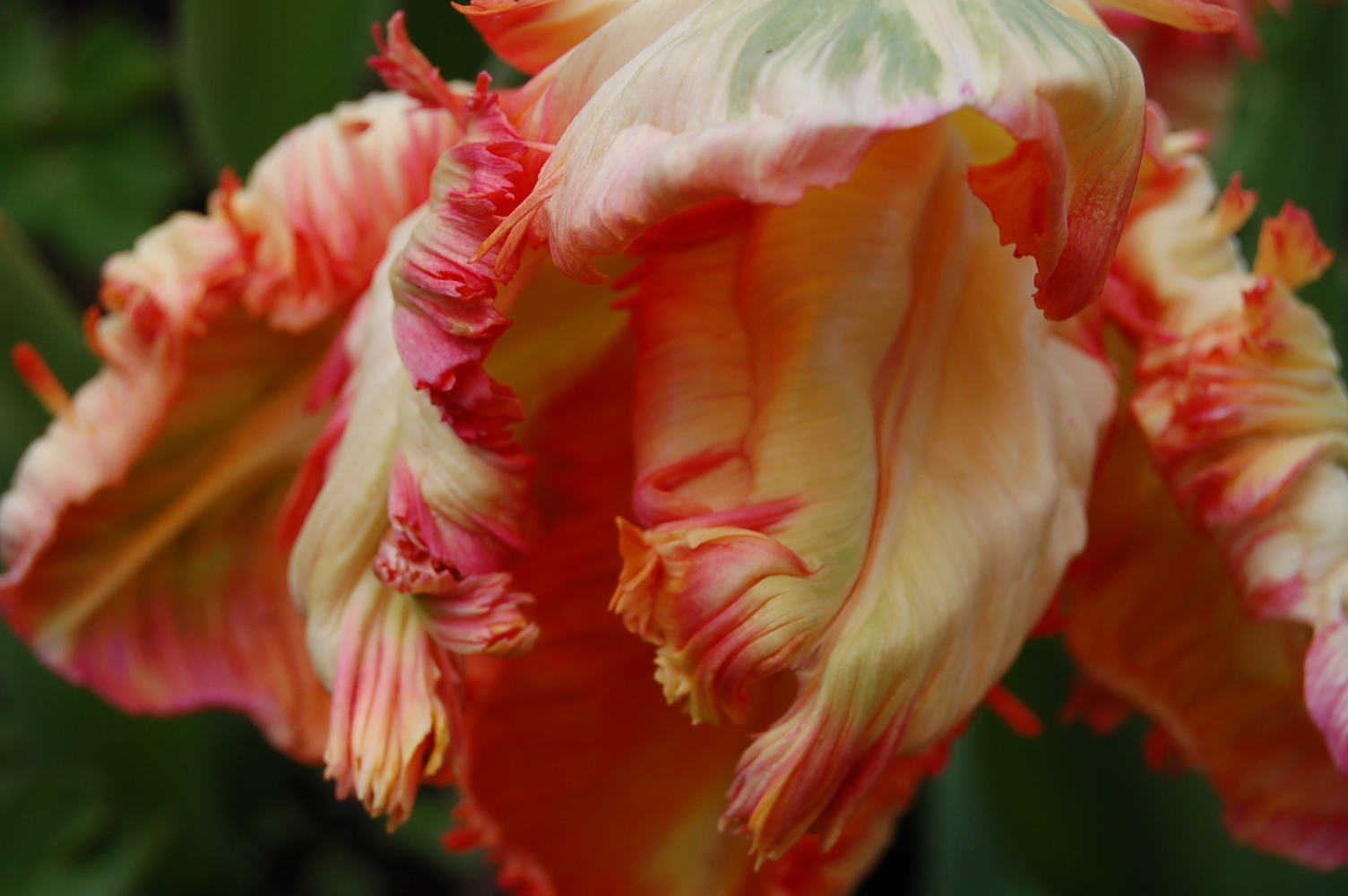
and when Tulips and Wallflowers flower side by side and clash,
and when all around us Blackbirds sing loudly proclaiming their territorial rights and the song of Goldfinches and Greenfinches fill the air,
and when the first fruit blossom opens,
and when you can finish the day off by making your first harvest of your “cut-and-come -again” salad and herb leaves, and then eat them with eggs produced by your own chickens.
'The most important and informative publication on wildlife of our times' - The Independent. This blog is a member of The UK & Ireland Natural History Bloggers group: www.uknhb.blogspot.com