Categories
garden design garden photography gardening grow your own meadows National Garden Scheme NGS ornamental trees and shrubs photography roses Shropshire The National Gardening Scheme"

The Garden at Ashley Farm – an NGS garden.

On a very wet weekend we decided we needed to get out whatever the weather so a quick check in the famous Yellow Book of gardens open under the auspices of the National Garden Scheme and we were off to visit a garden in the neighbouring county of Herefordshire.

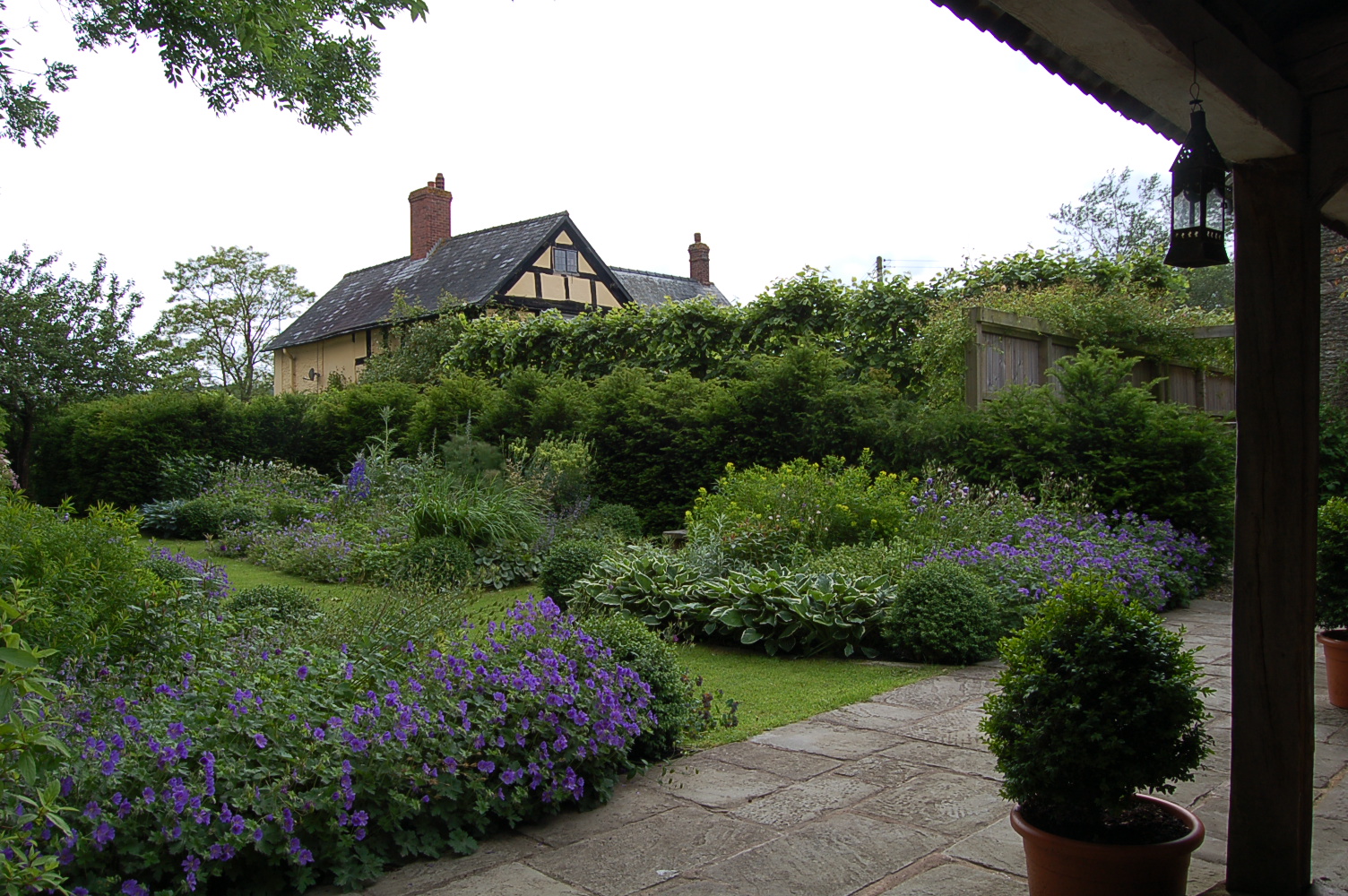
Herefordshire is a county of great gardens mostly created on rich red clay soils. Ashley Farm Gardens was described in the Yellow Book as a 5 acre garden designed as a series of formal rooms with the rooms getting less formal as the visitors move further from the house. We were presented with a plan as we entered the garden which showed a very formal layout. As we moved into the garden through farm buildings we could appreciate the way the gardeners had planted imaginatively and boisterously within the formal structures.

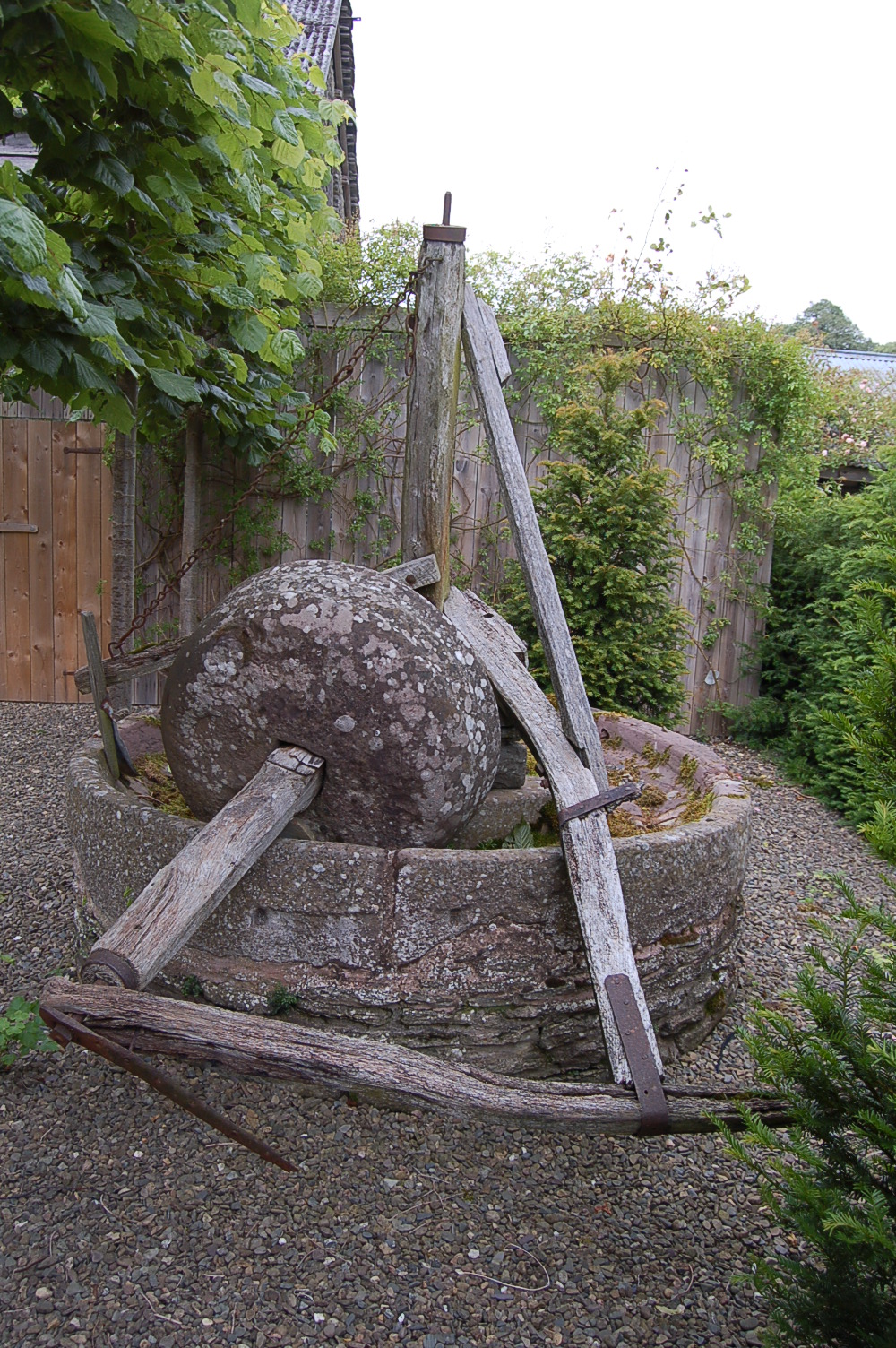
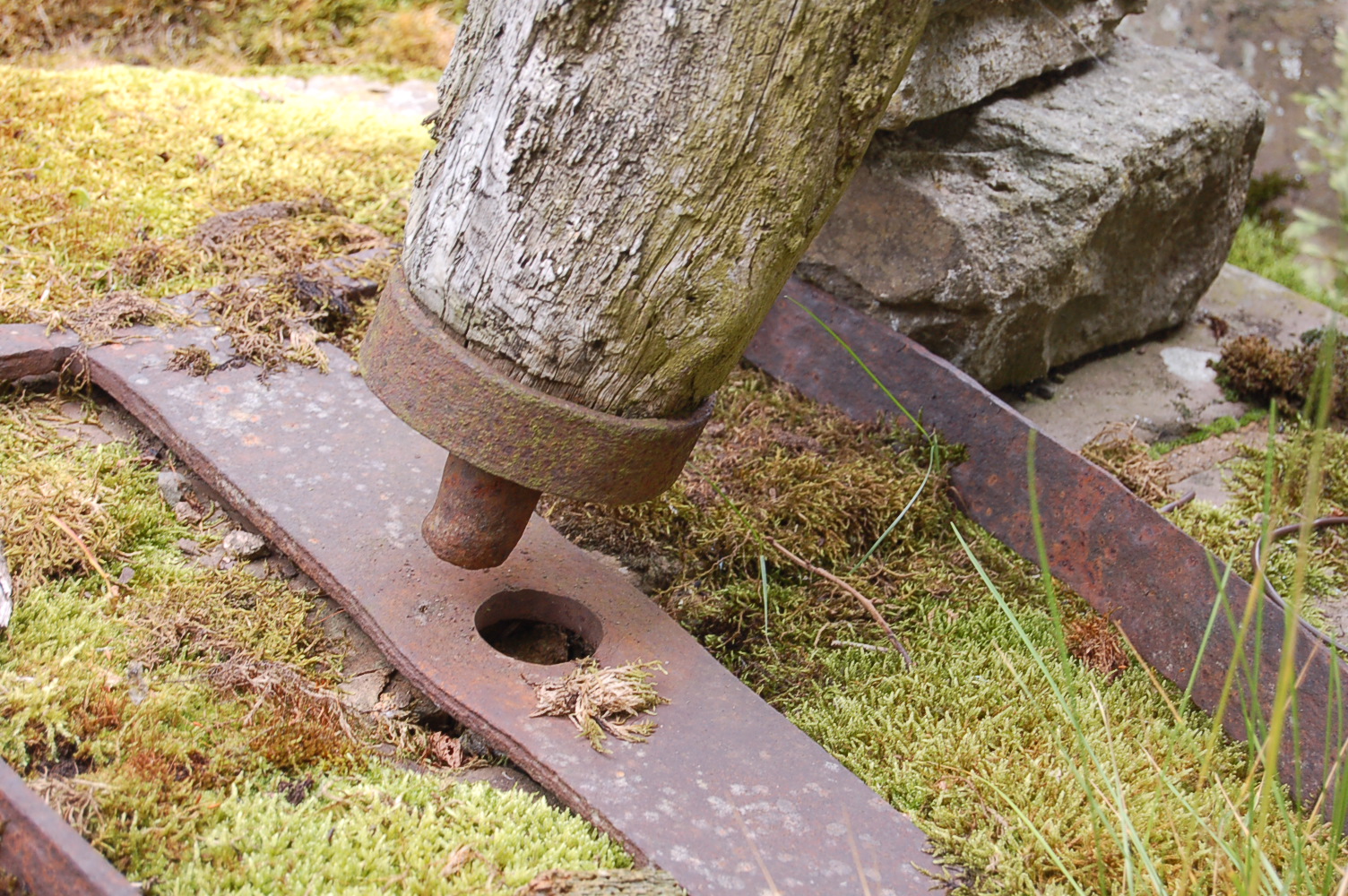
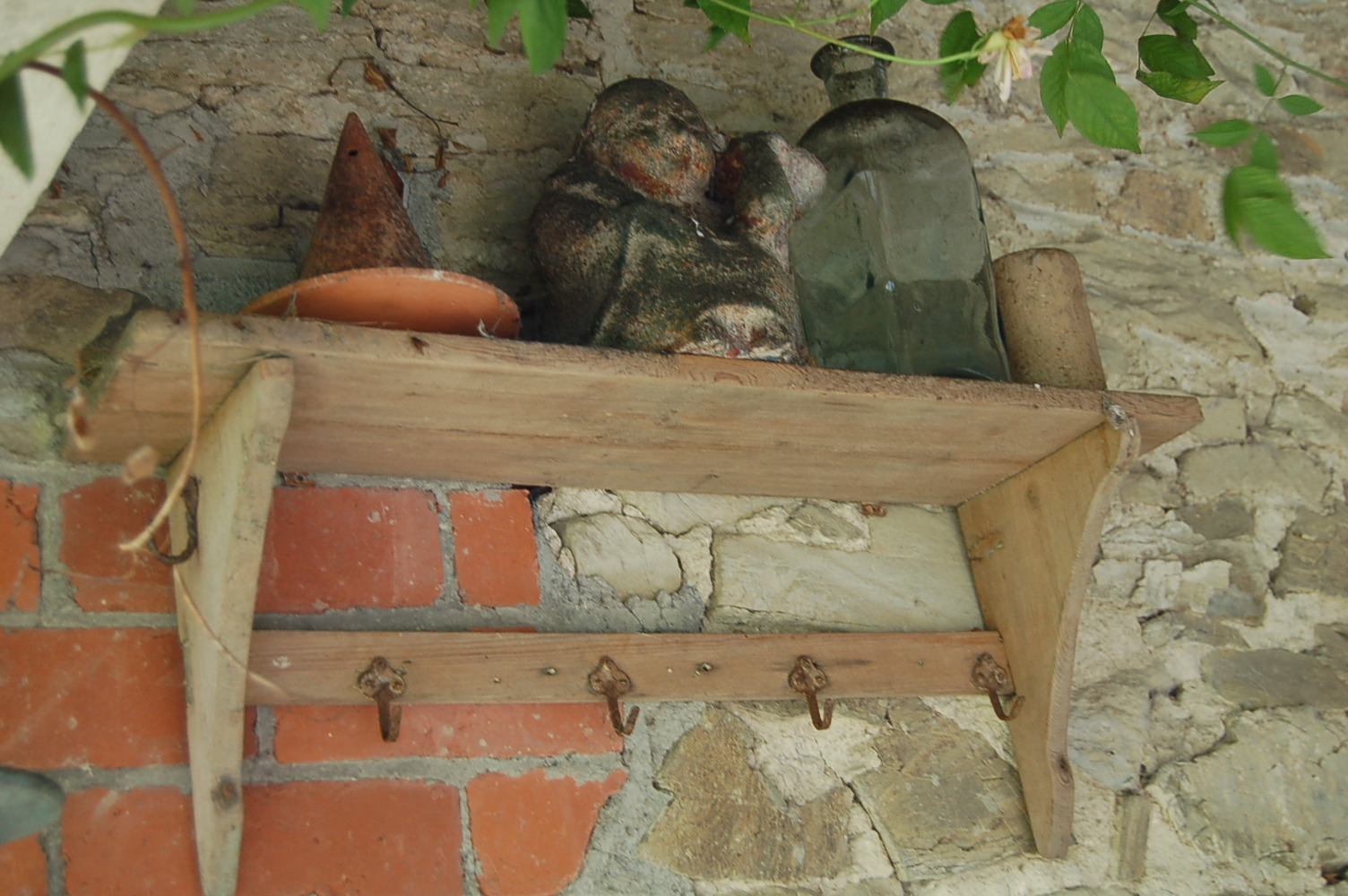
The old farm buildings were interesting and beautiful in themselves and featured some fascinating artifacts reminding us of the farm’s cider producing heritage. The buildings  are softened with plants and interesting collected and found objects.

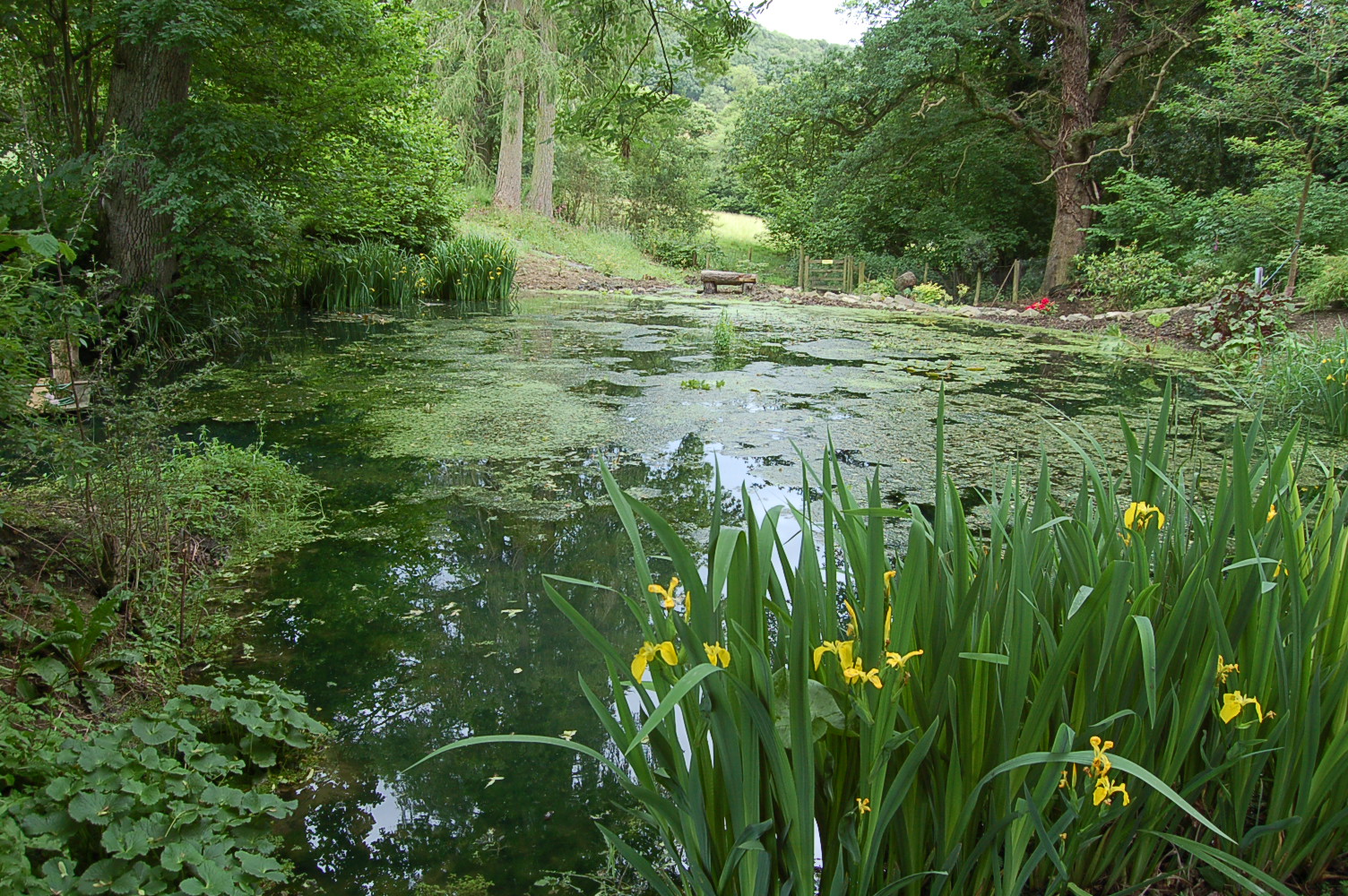
We made our way past the formal pool through blue borders and made our way towards a wildlife pool in woodland.

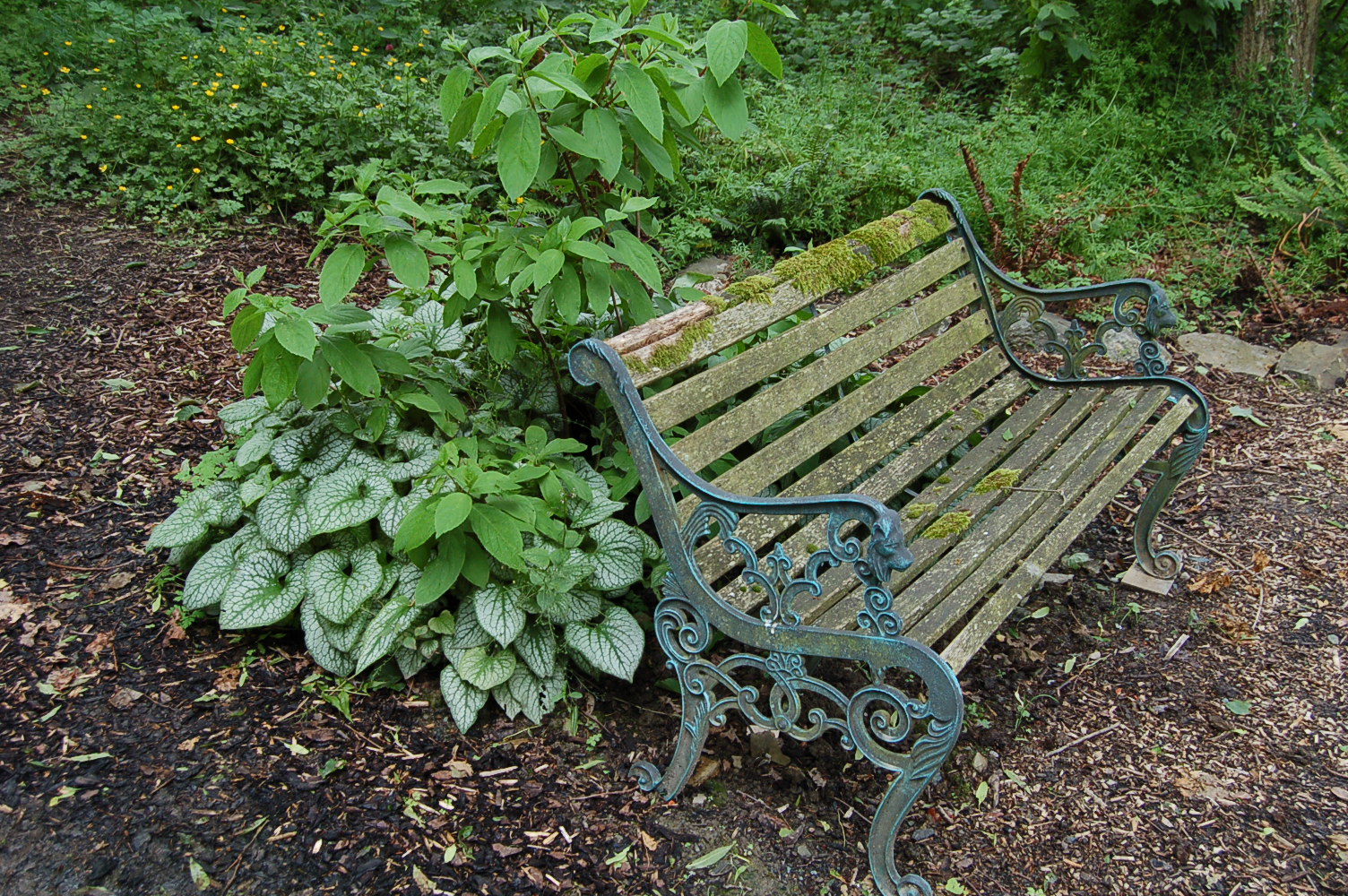
Seating around the pool encouraged us to sit, look and listen, although on closer inspection they looked a bit algae-covered and far too rickety to risk.

Through the trees along the edge of the wood the neat and tidy kitchen garden came into view.

The next stage of our garden wander took us through an interesting and very varied assortment of garden rooms.

Beyond the formal garden rooms we encountered meadows growing within orchards, a nuttery and unexpectedly a rose garden linked the garden to the countryside.

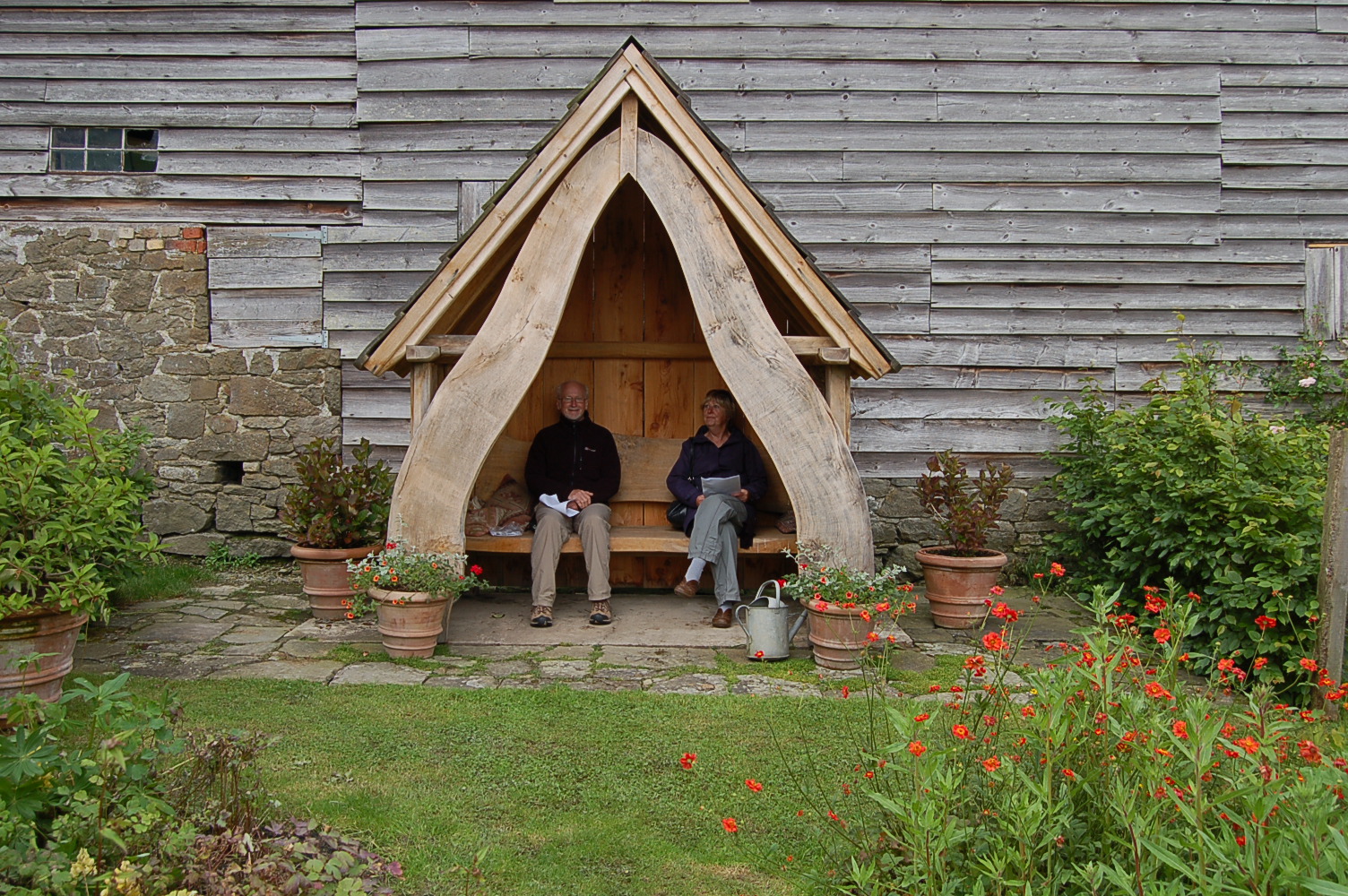
We moved back into the main garden where more rooms awaited us and a wonderful arbor made by a local craftsman in local oak. It was so tempting to have a seat and look in detail at the wood working skills.

Tea was served in an outbuilding constructed of wooden beams and stone. Inside were artifacts aplenty. The chocolate cake was excellent!

We explored the old farm buildings after our tea break before calling it a day – a really good day.

Categories
community gardening flower show fruit and veg garden design garden photography gardening grow your own half-hardy perennials hardy perennials July ornamental grasses ornamental trees and shrubs outdoor sculpture photography RHS town gardens

More from the Tatton Park Flower Show

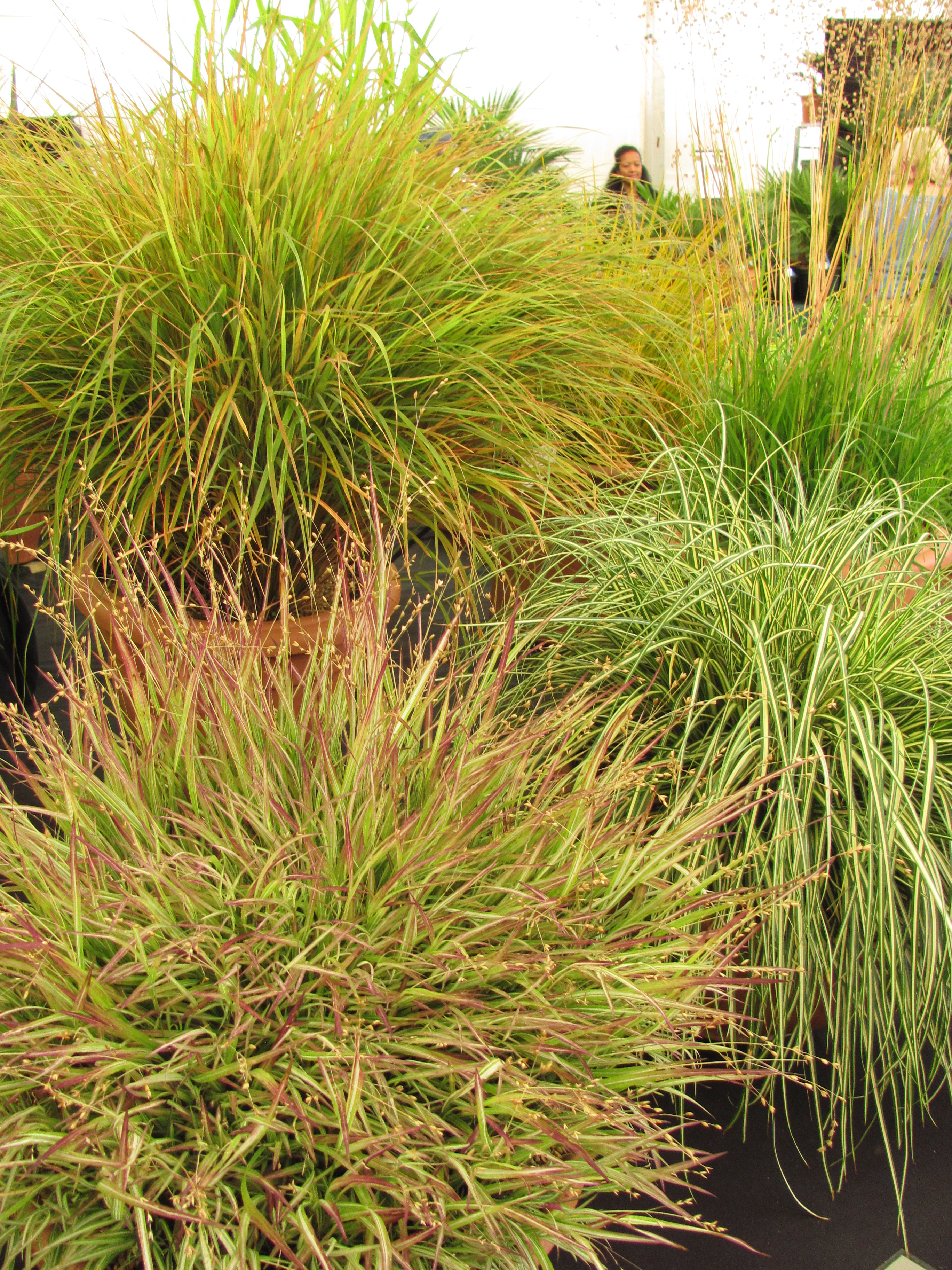
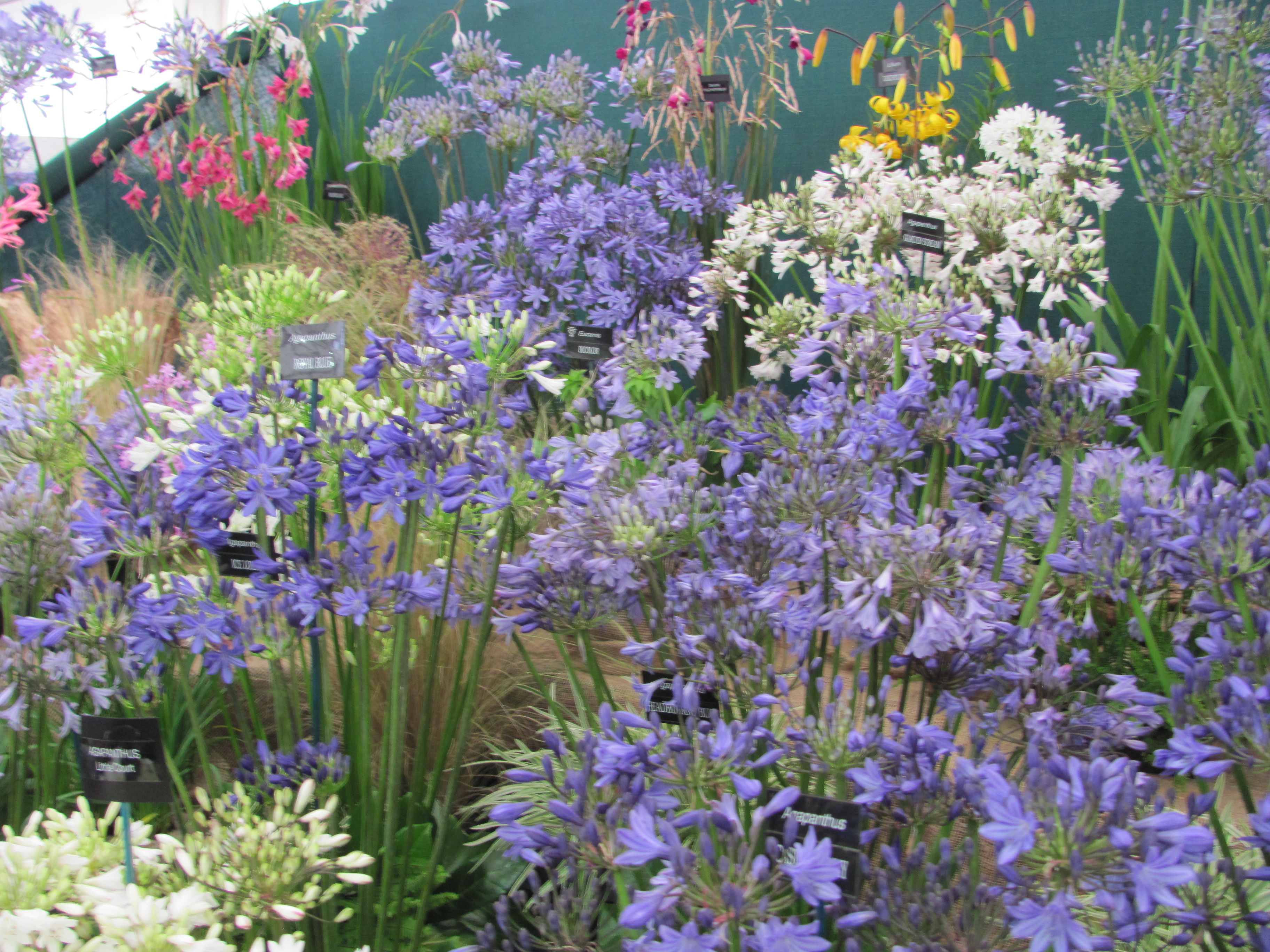
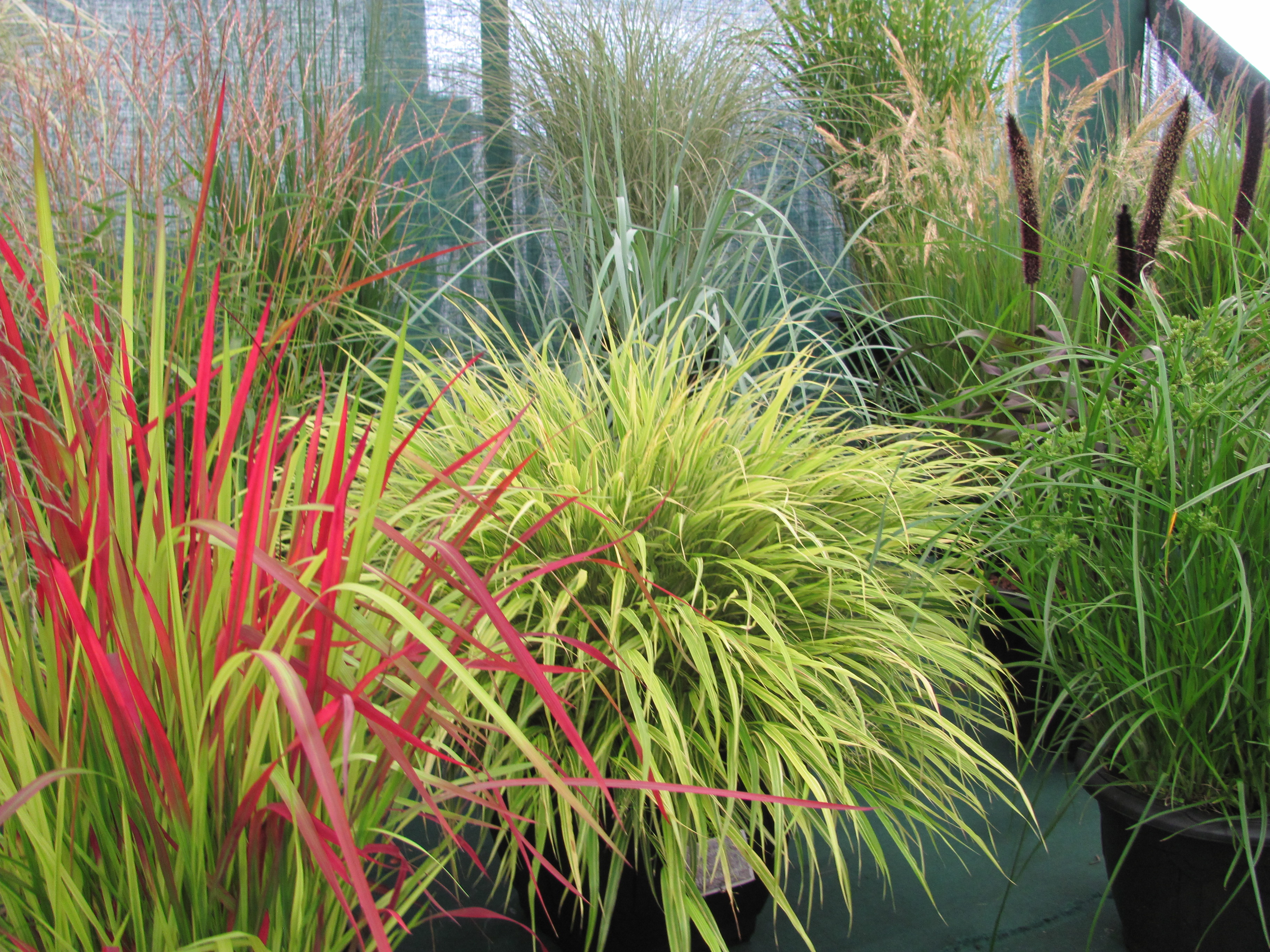
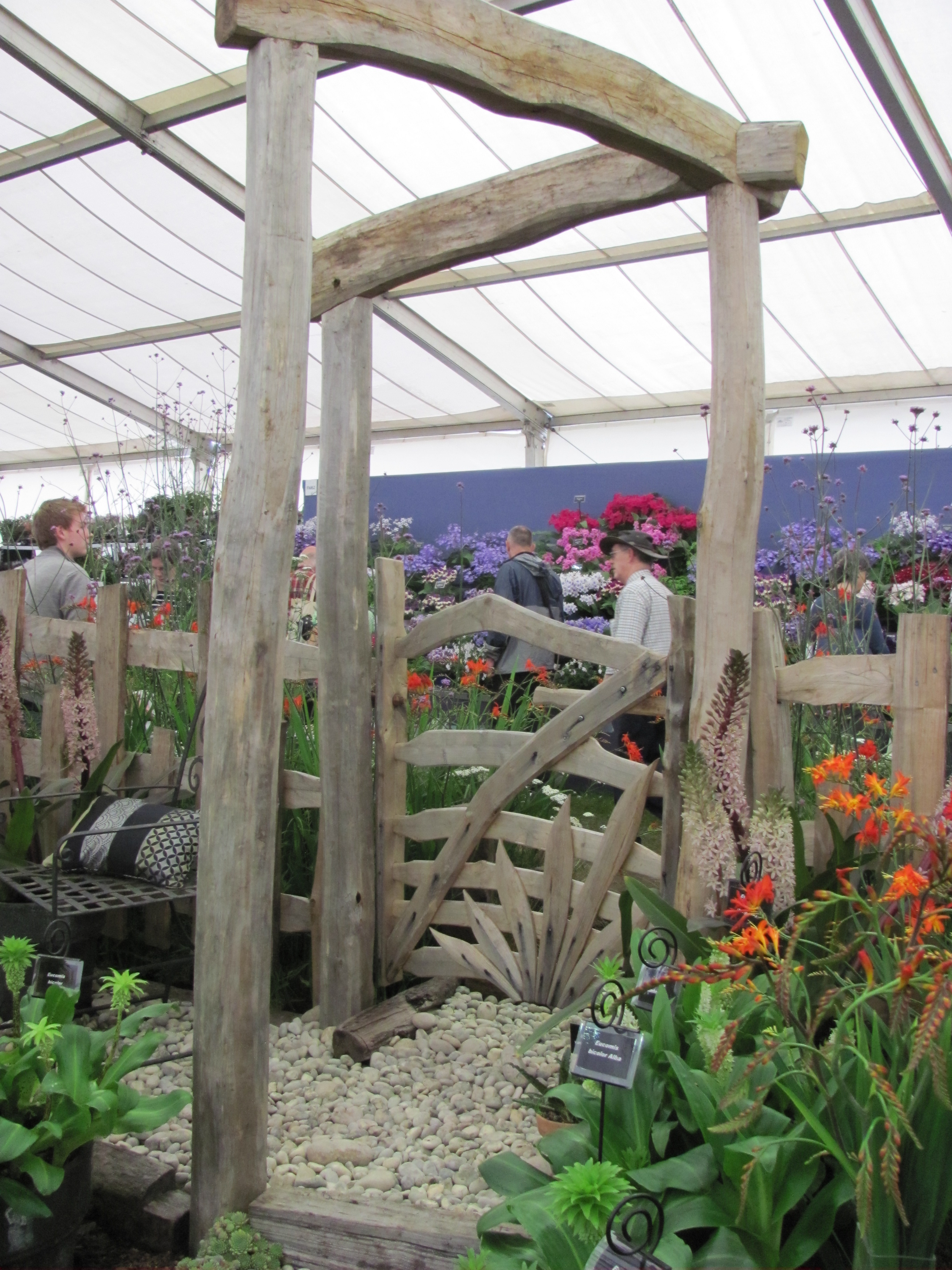
We always enjoy visiting the Floral Marquee at any RHS Show and try to sneak a good look around before they get too crowded. At Tatton Show we just made it as the crowds began to build. It was worth it as there were some wonderful plants to look at some of which were beautifully displayed. As usual our favourites were the grasses.

Within the plants on display there were some effective little details that drew out attention to have a closer look.

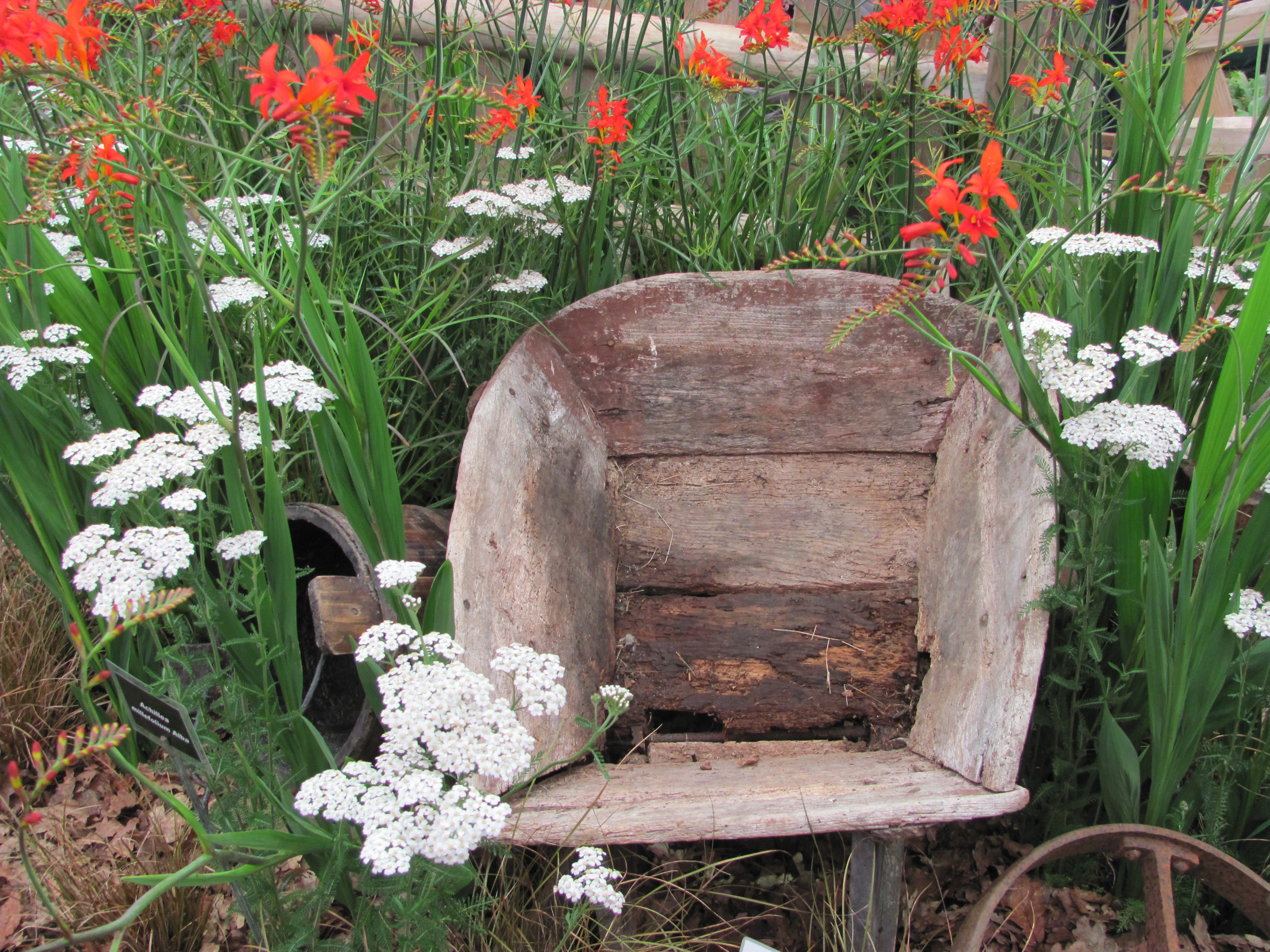
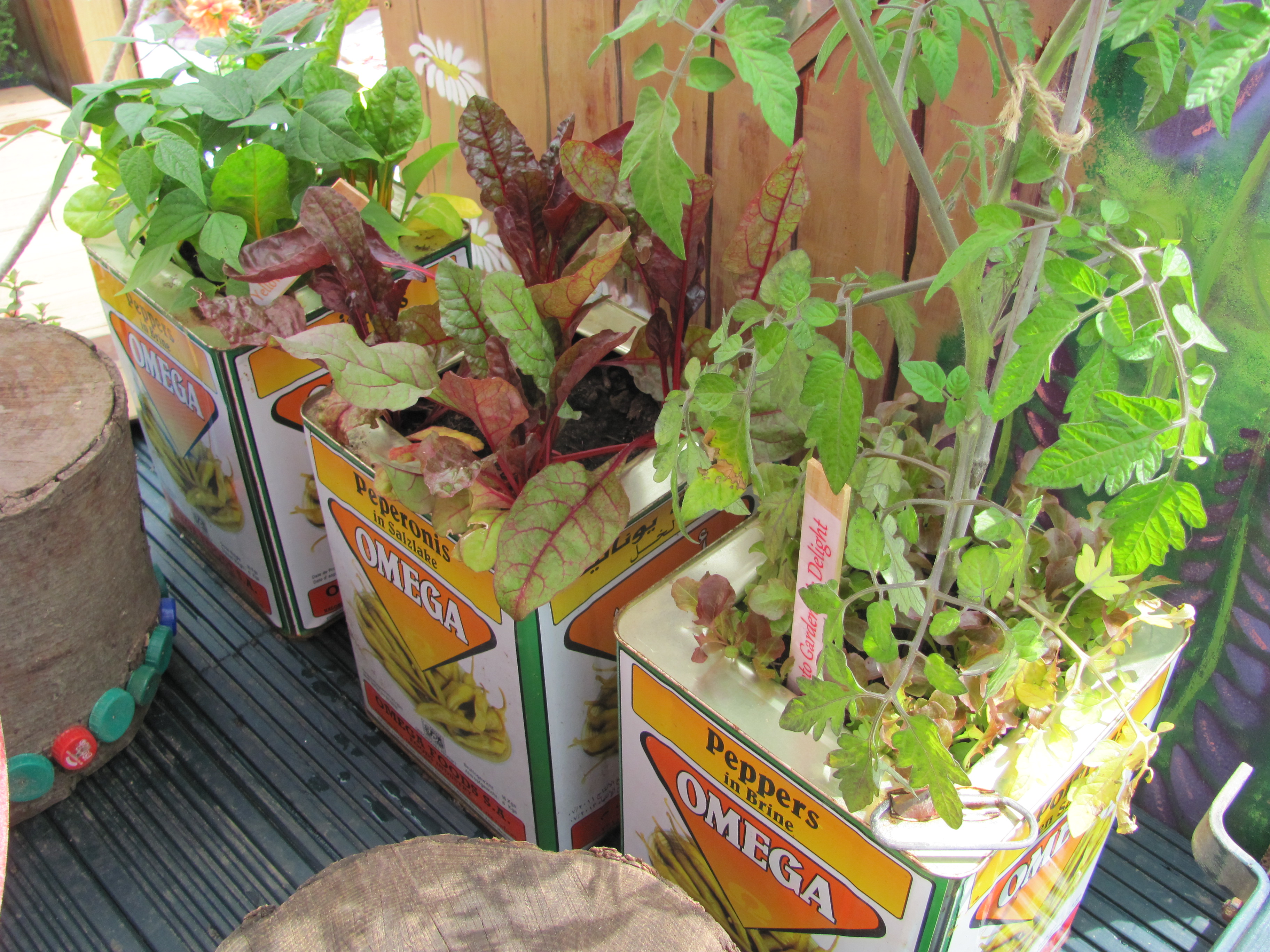
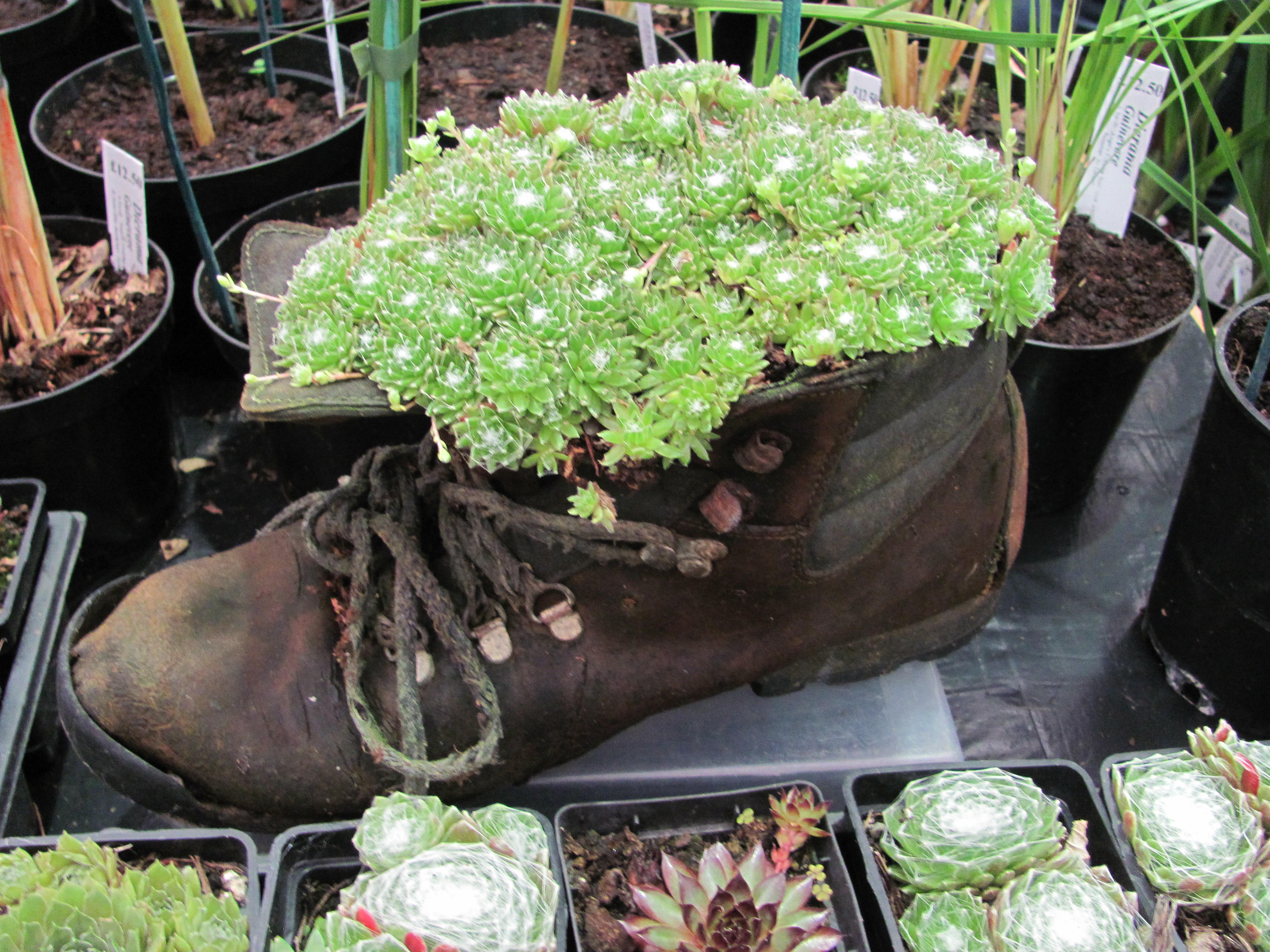
Throughout the showground were unusual containers used as planters from old boots to oil cans.

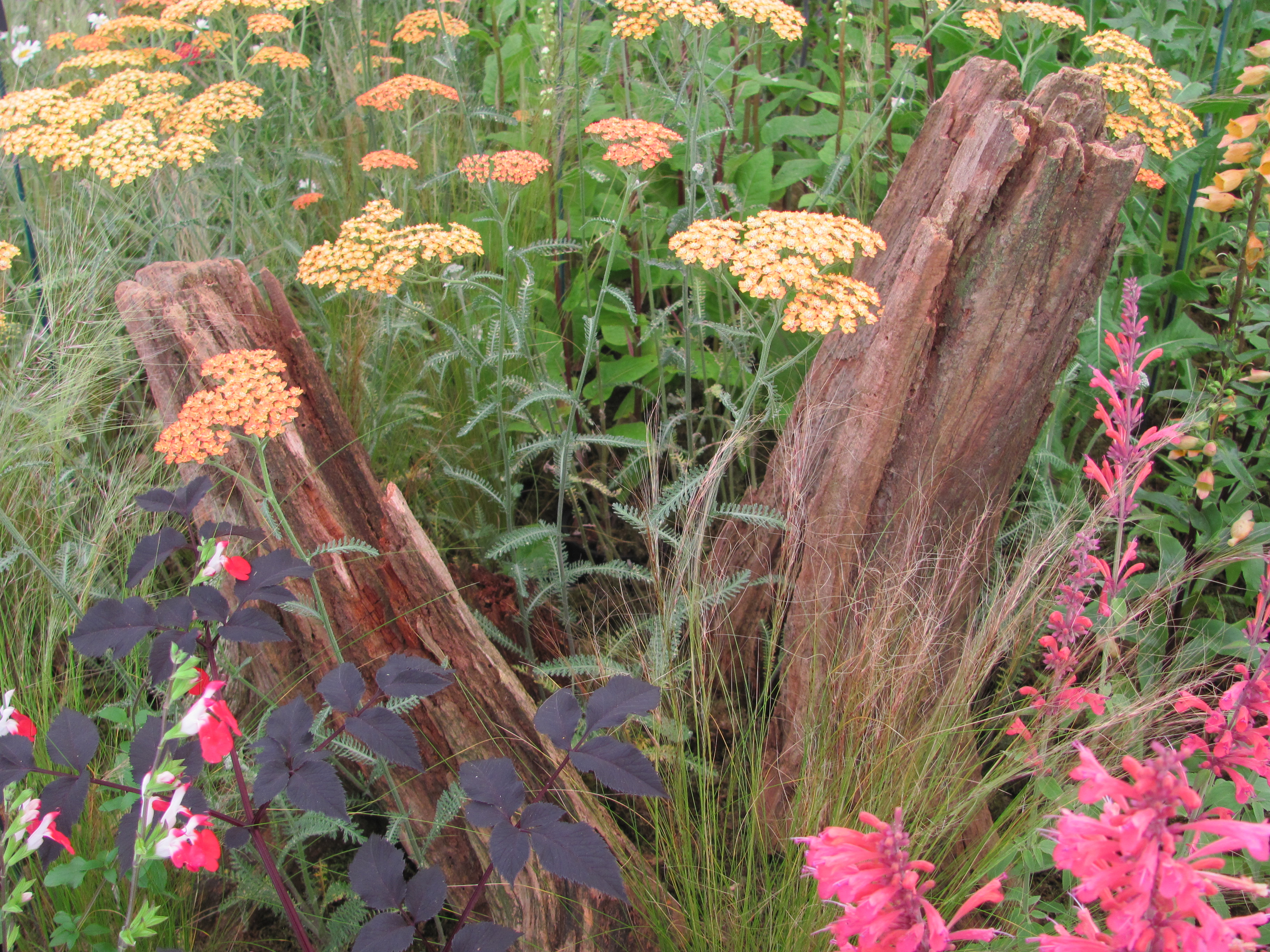
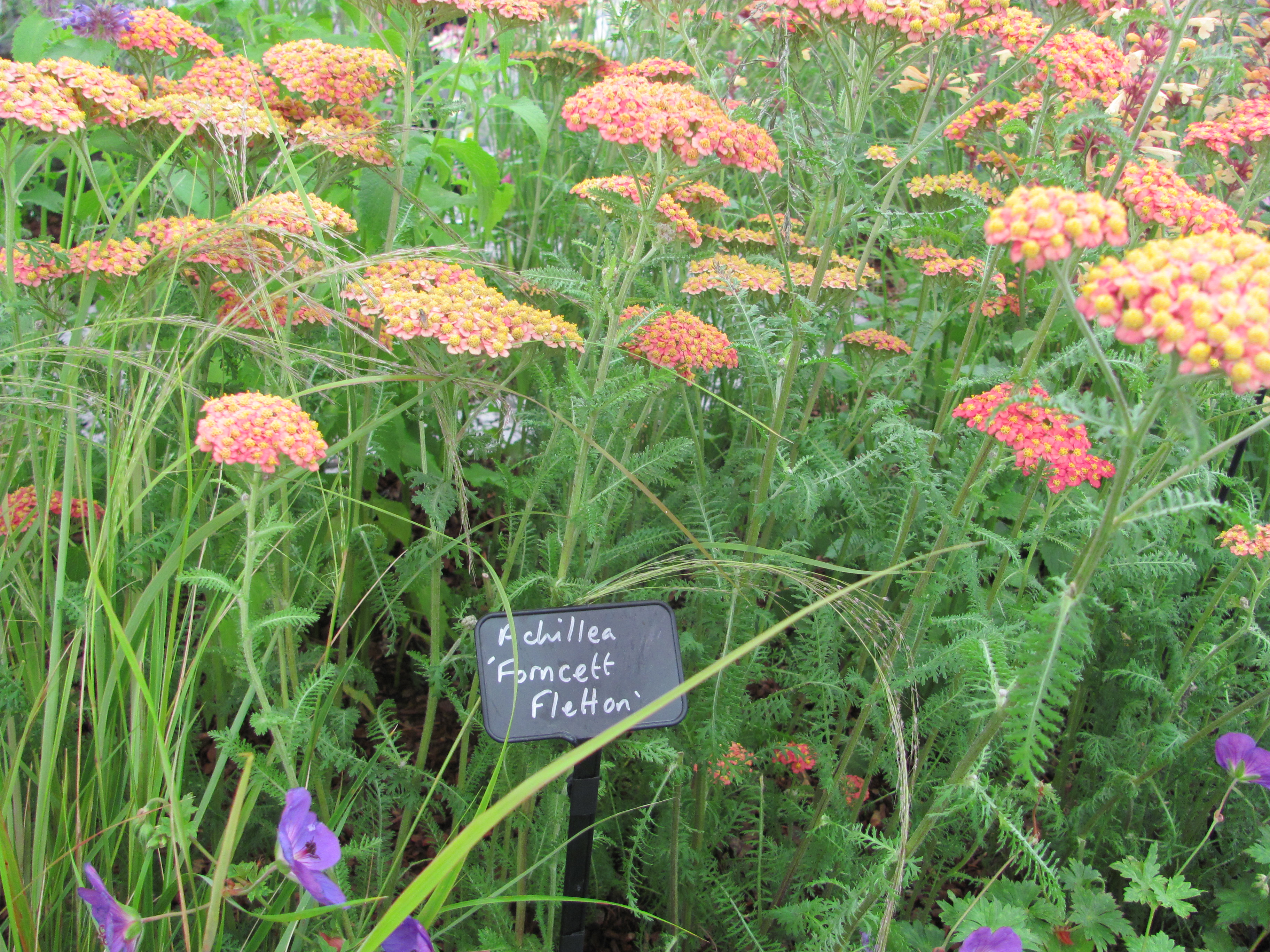
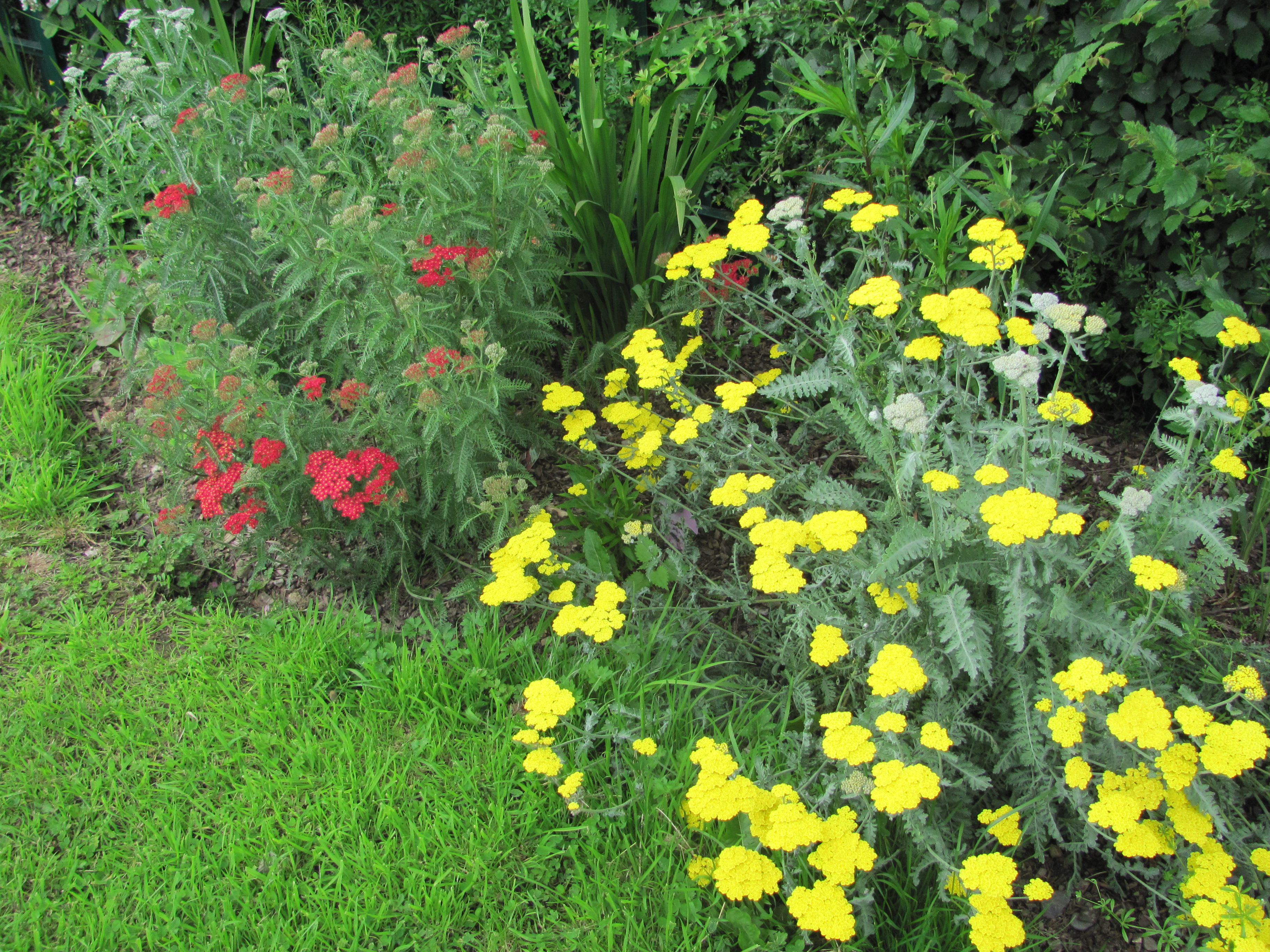
But as always the stars of the show were the plants. the trend in this show was for combining grasses with Achilleas particularly those with cream, russet and orange flowers.

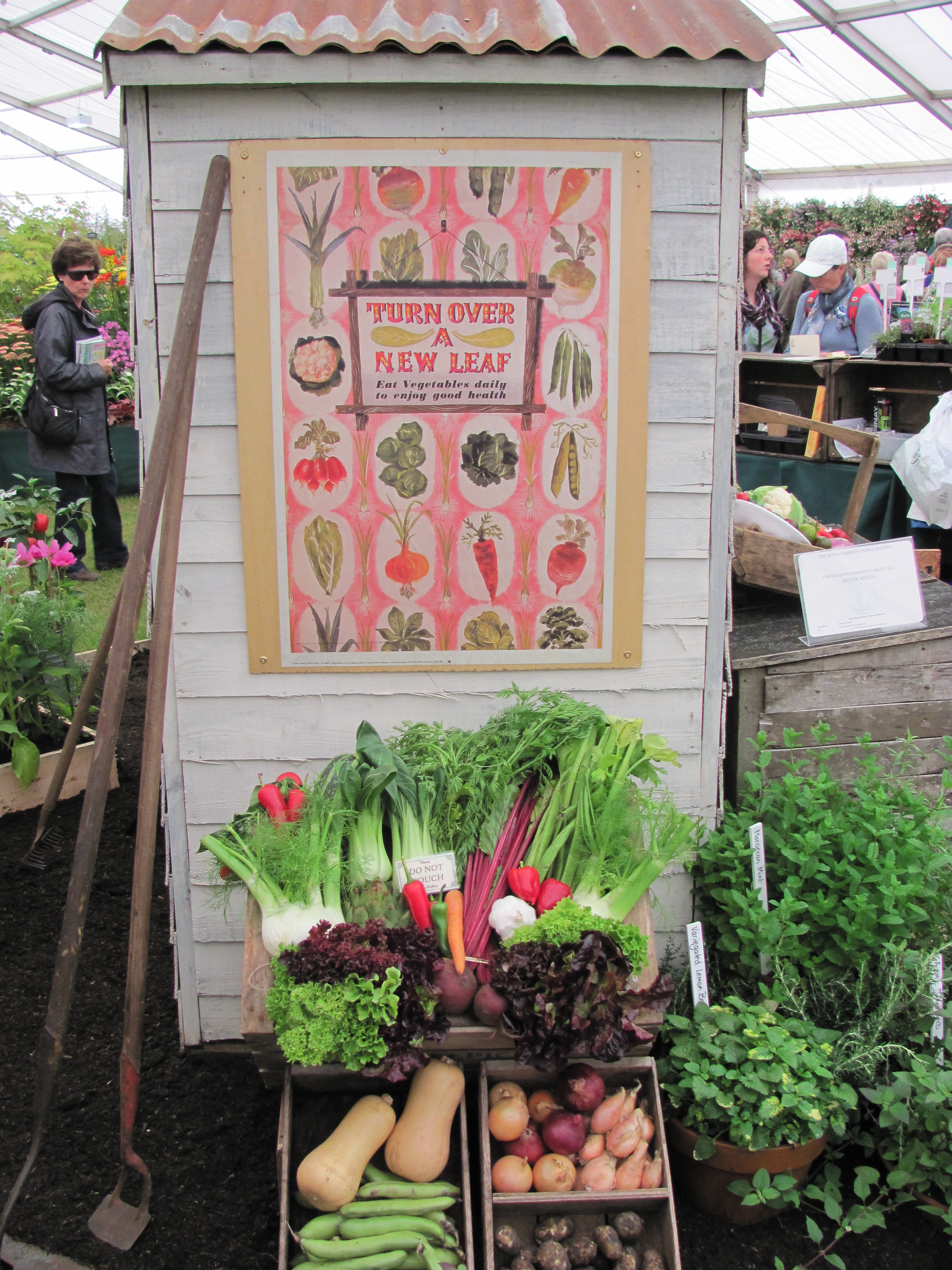
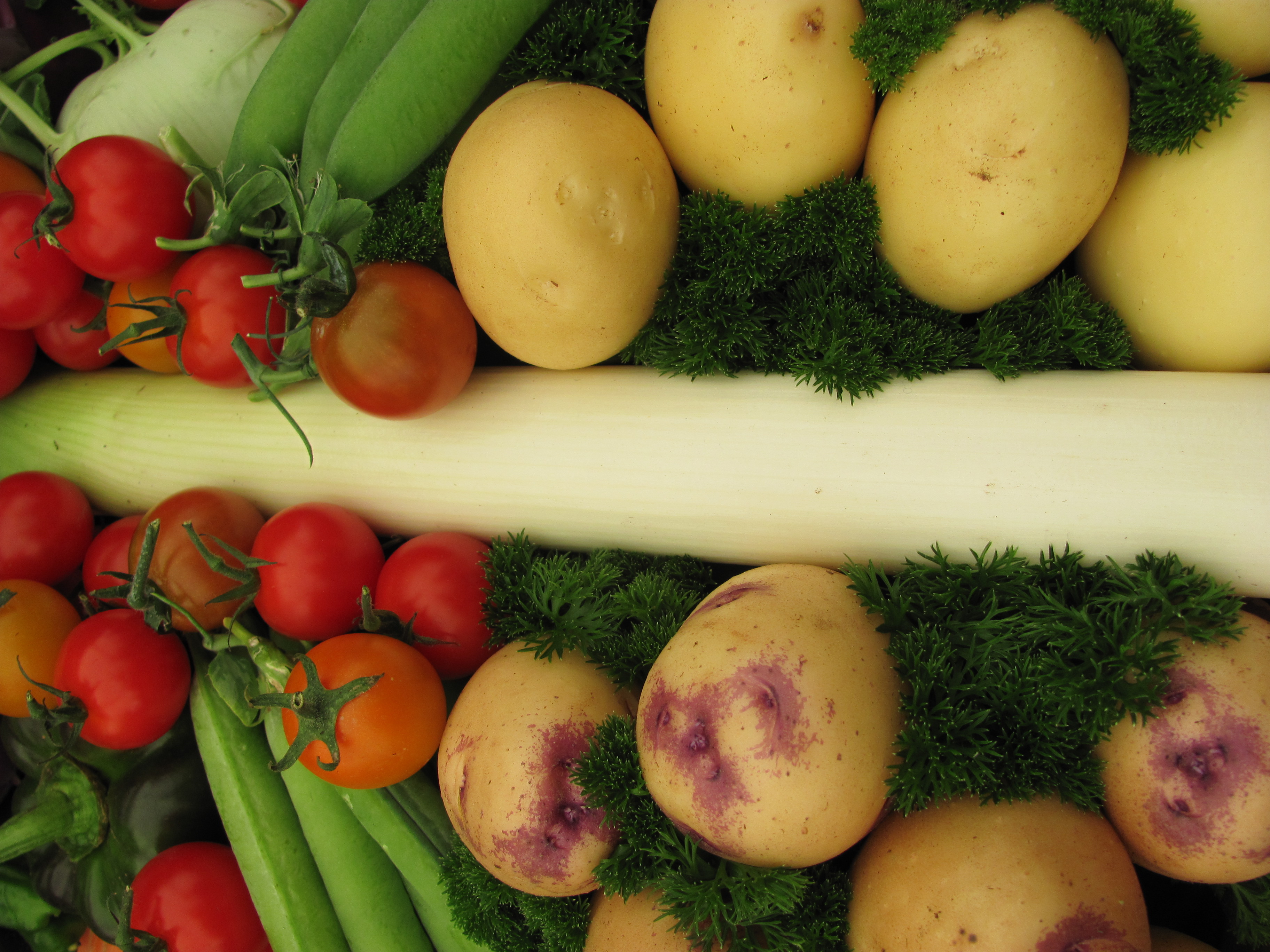
As with all RHS shows in recent years fruit and veggies starred alongside the flowers.

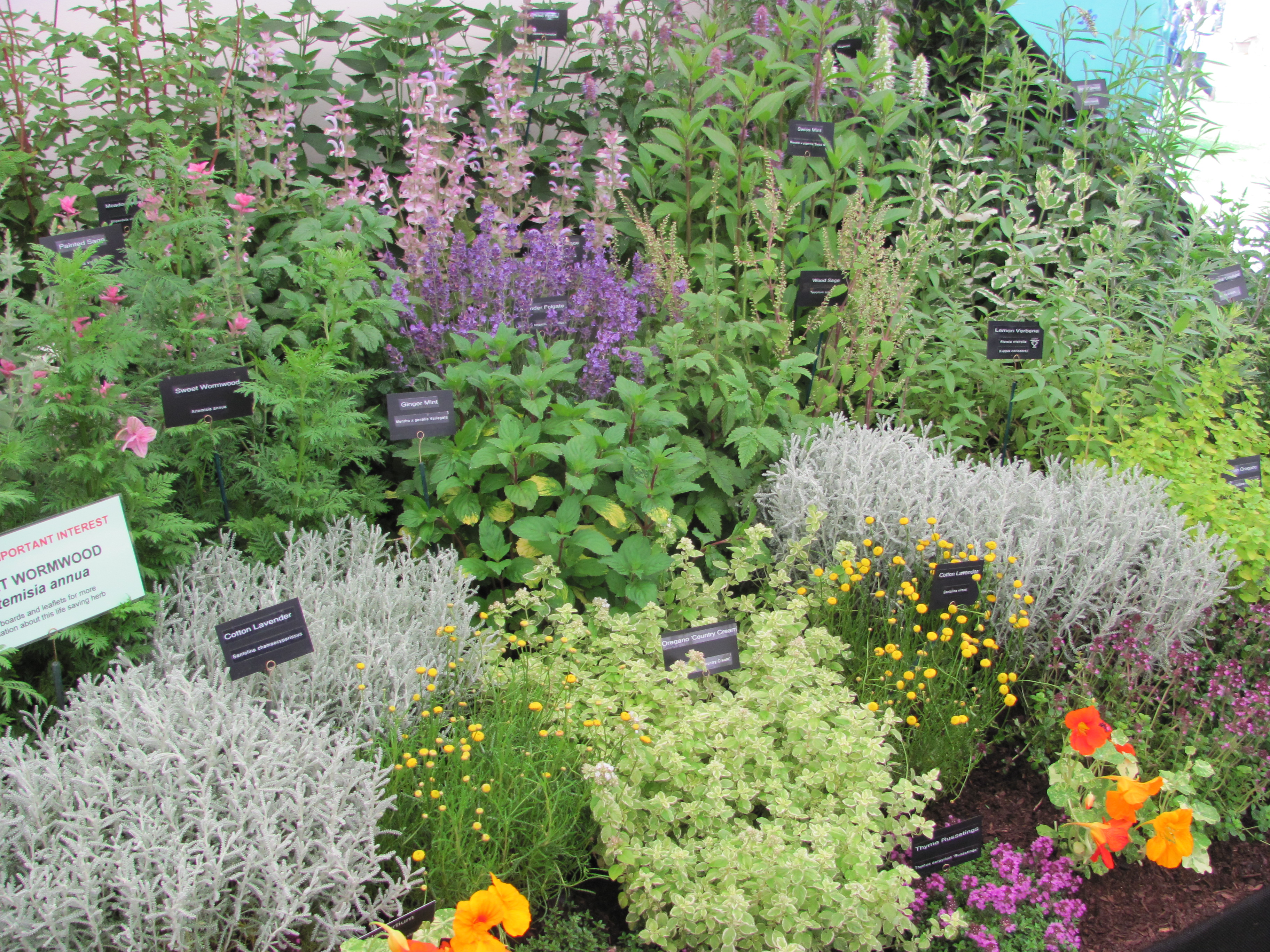
And we mustn’t forget the herbs.

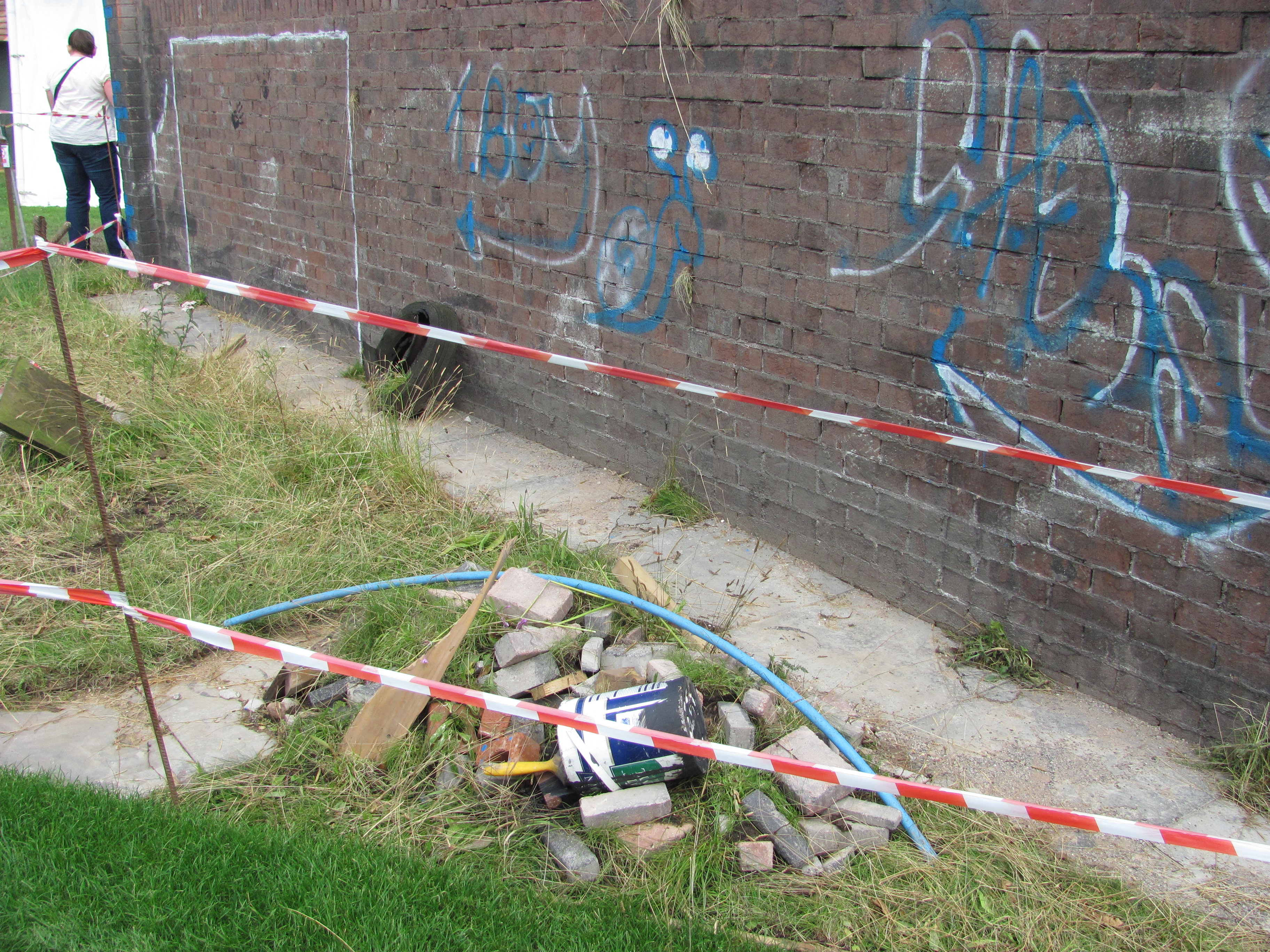
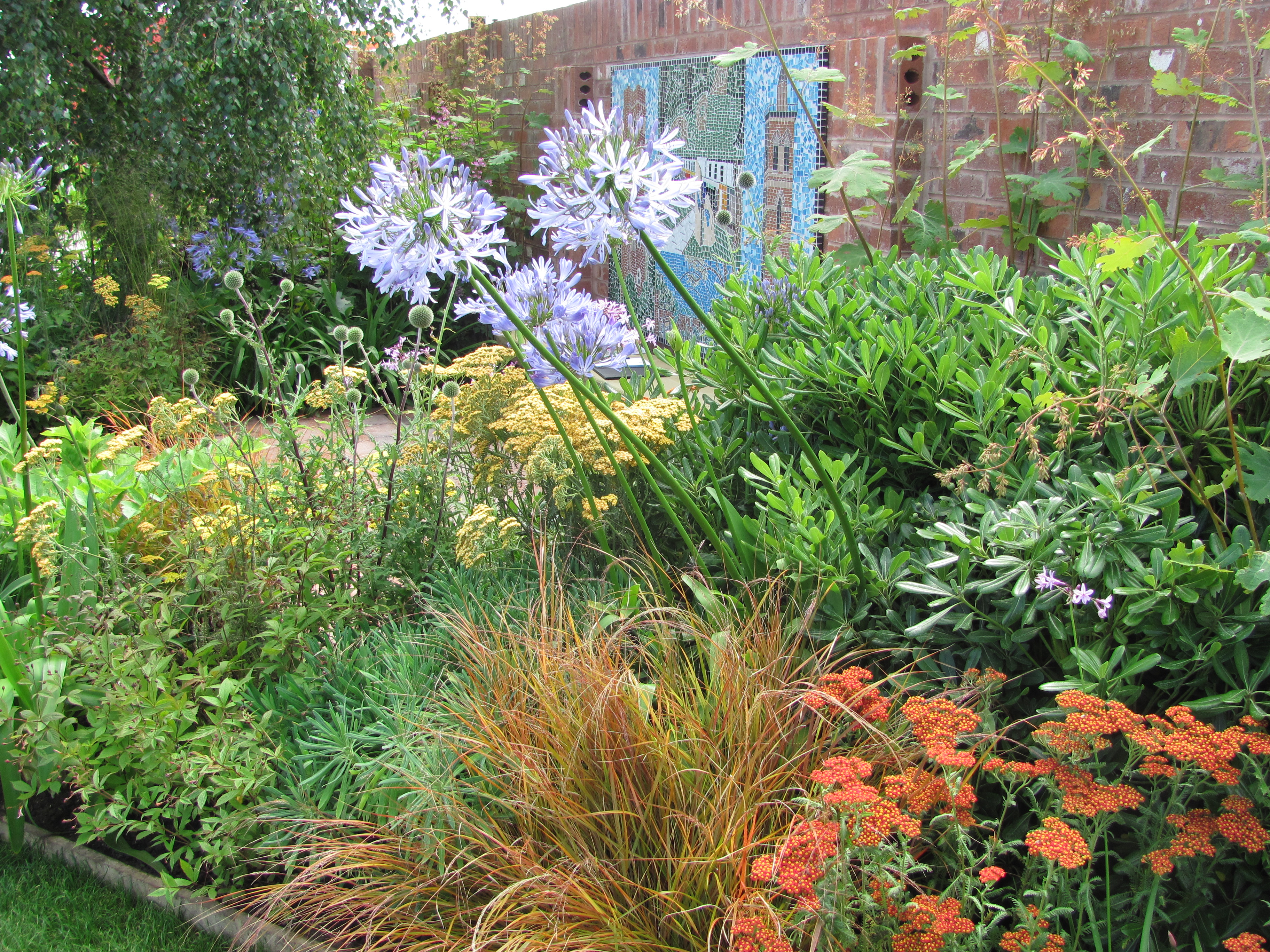
We were interested to see a garden devoted to the importance of community gardens and in particular the RHS “Its Your Neighbourhood” scheme as our allotment site is part of it. The before and after garden was designed by Chris Beardshaw one of the UK’s best garden designers as well as a writer and TV gardener. His garden showed how groups of volunteer gardeners can improve an urban derelict wasteland.

The before ……….

……….. and the after!

In the final report about Tatton Park RHS Show my post will be about the Conceptual Gardens, the Back-to-Back Gardens and the plant sale area.

Categories
allotments fruit and veg garden photography gardening grow your own hardy perennials July ornamental grasses photography

A July Harvest

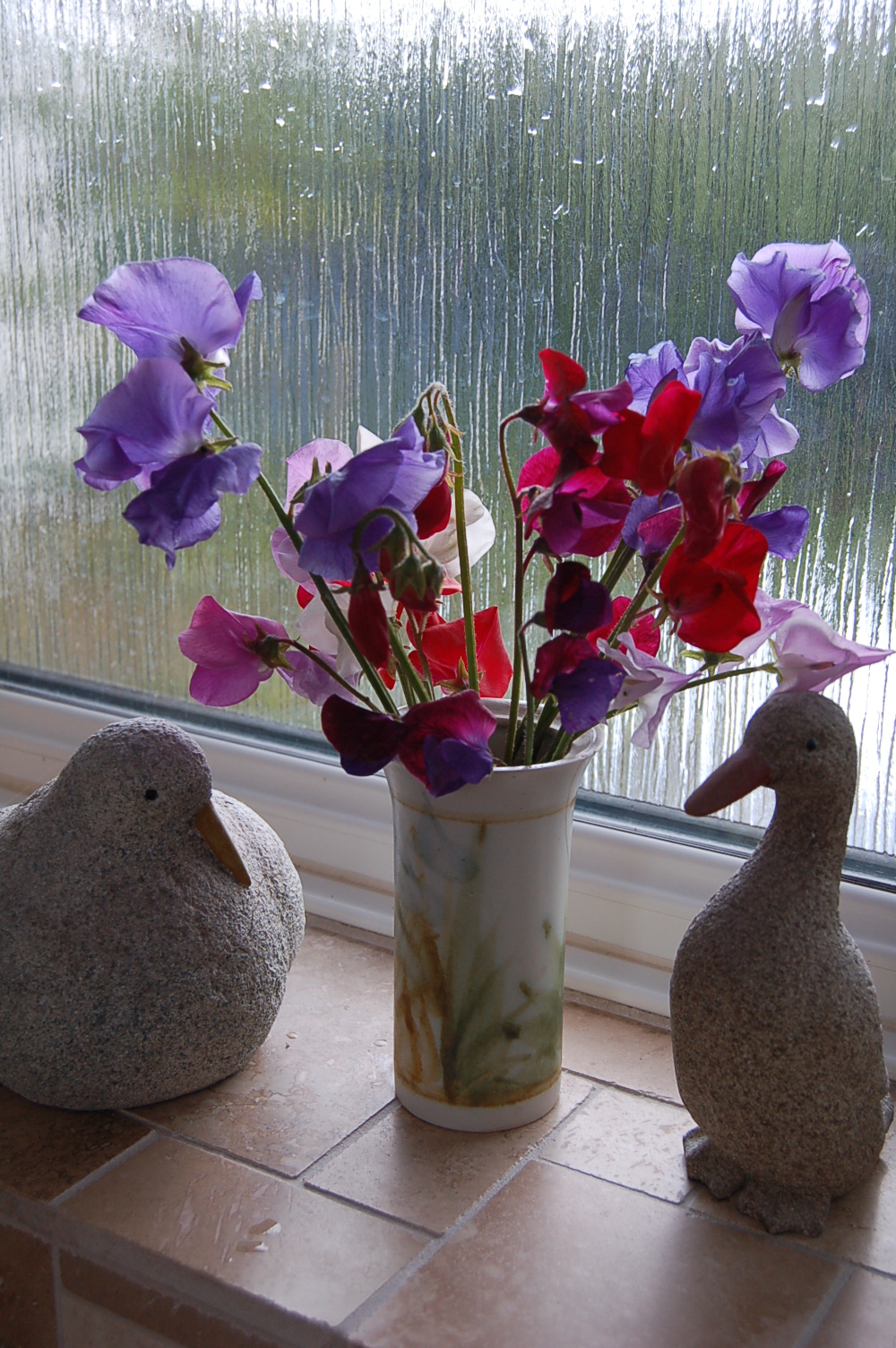
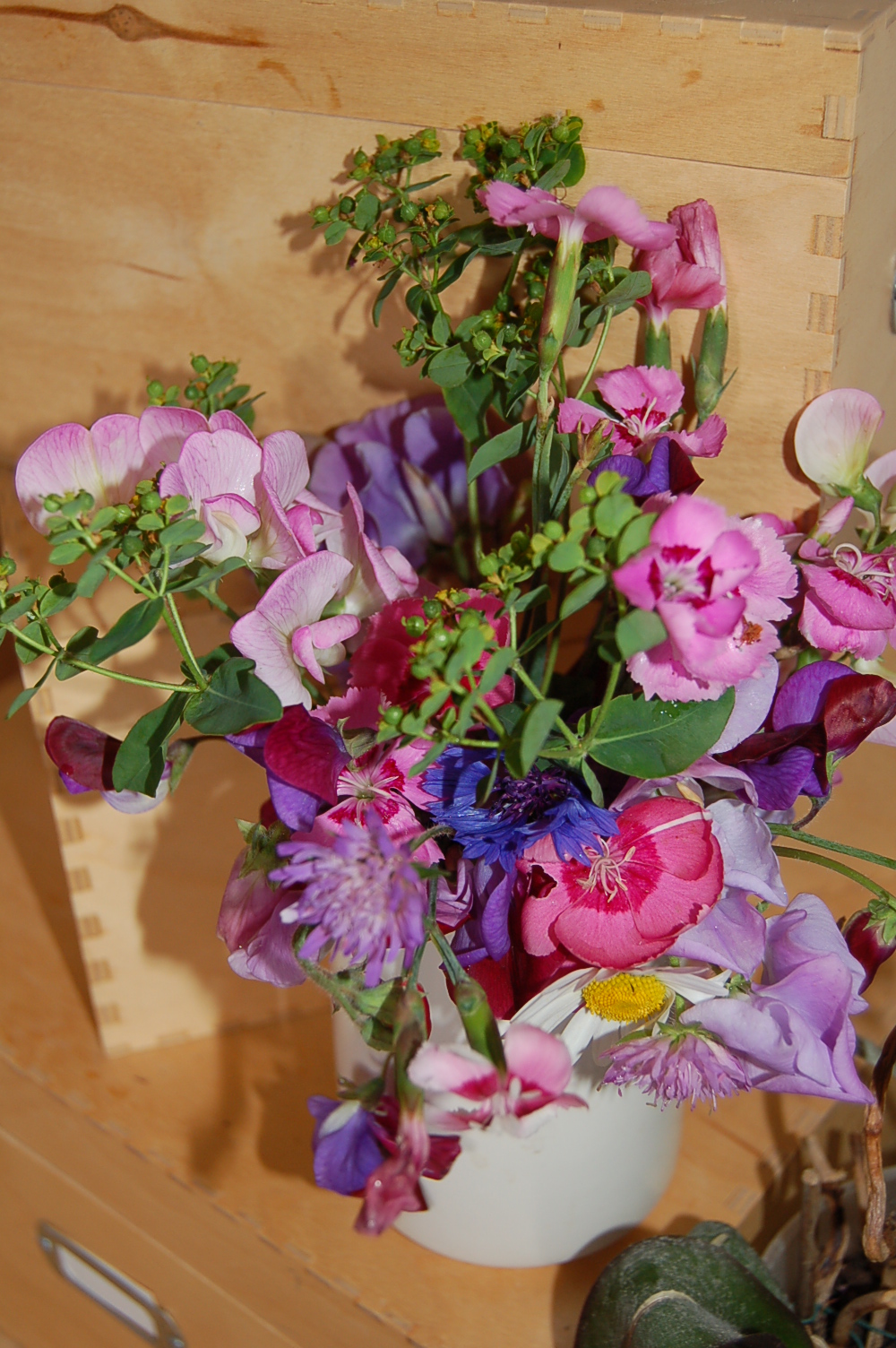
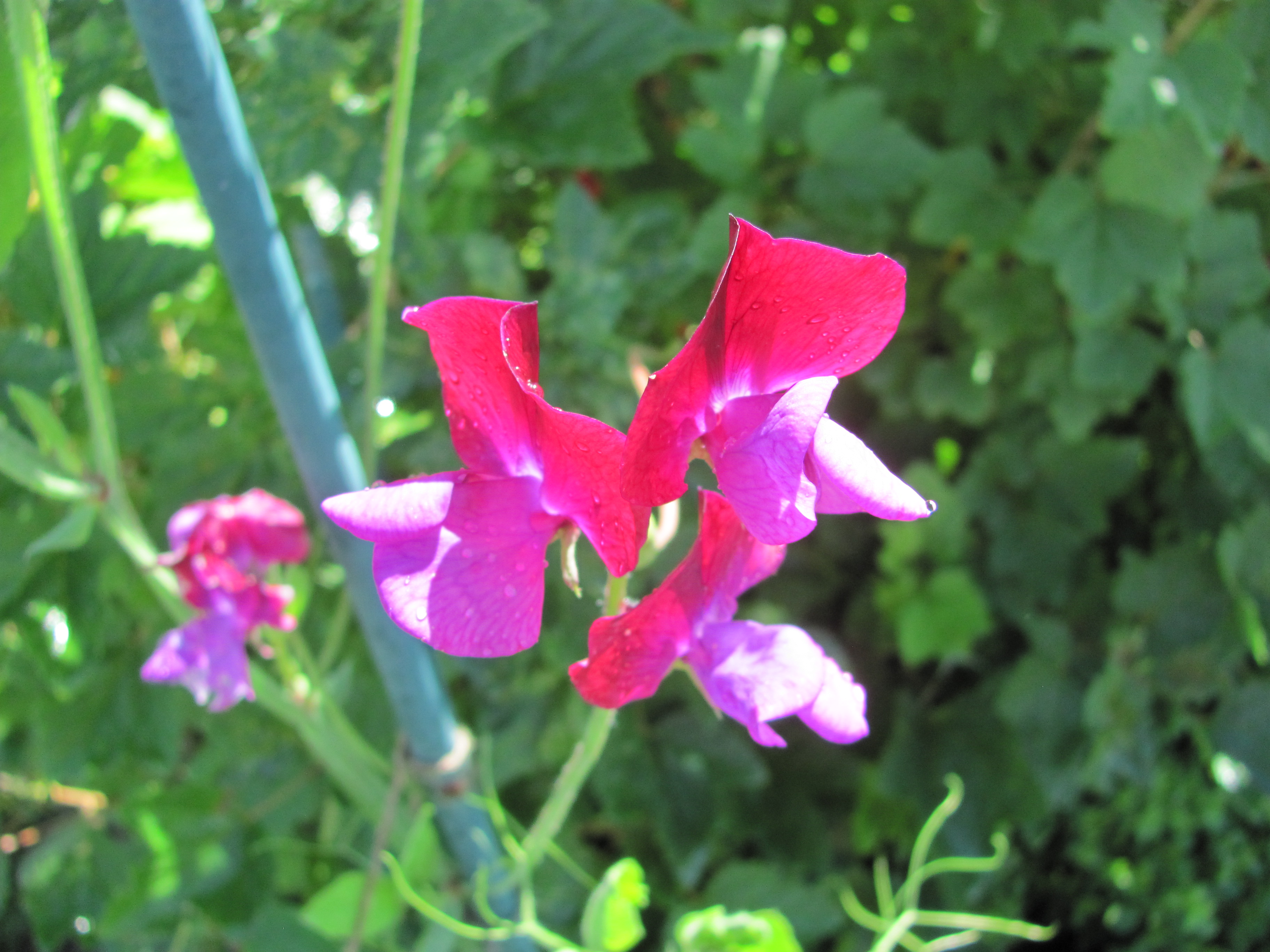
Today we visited the lottie to harvest veggies to use fresh and to store in the freezer for use in the less productive days of the winter and early spring, together with bunches of Sweet Peas and Dianthus.

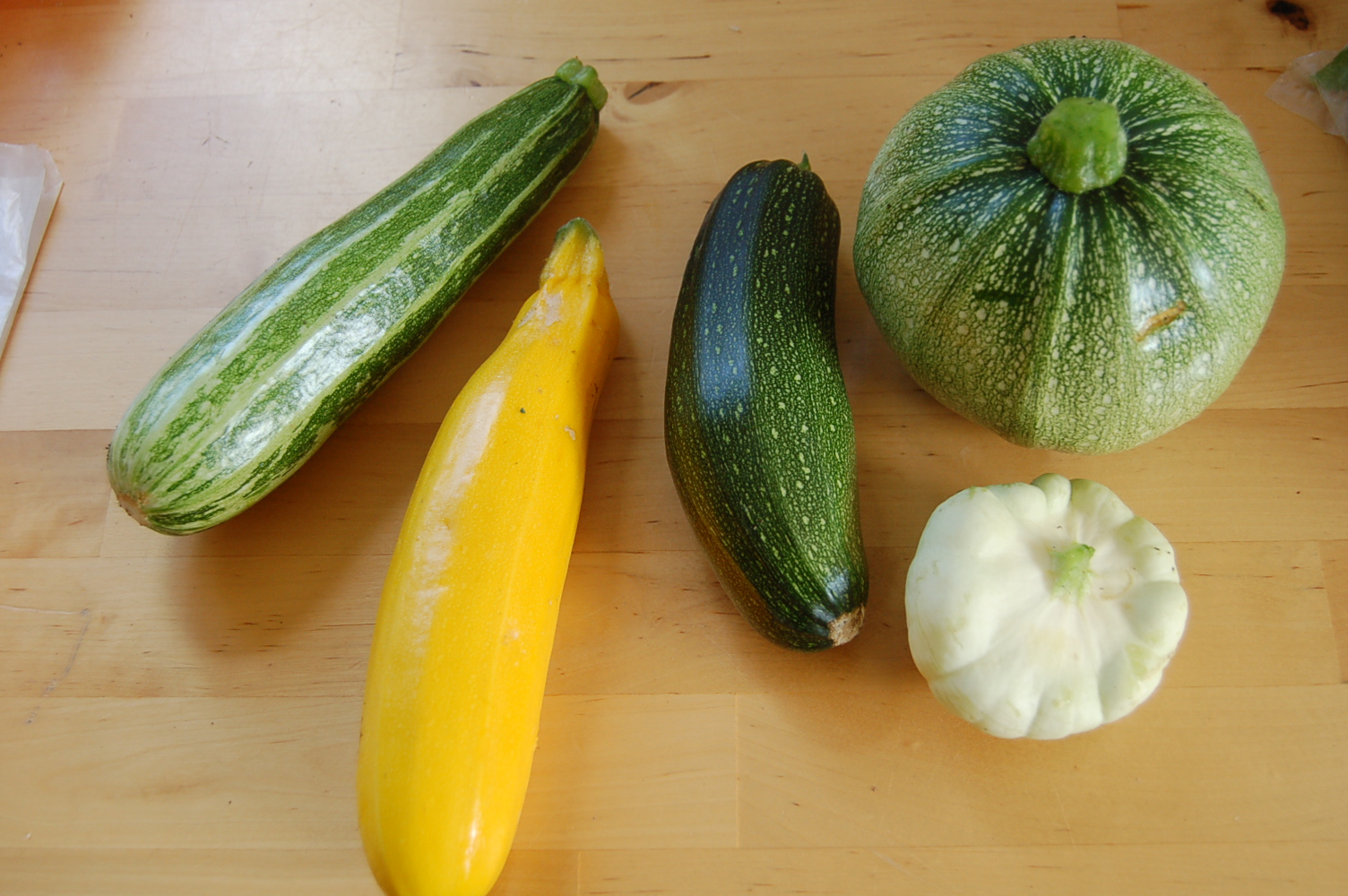
This year we have grown four different Courgettes including this round one, and little saucer-shaped patty pan squashes.

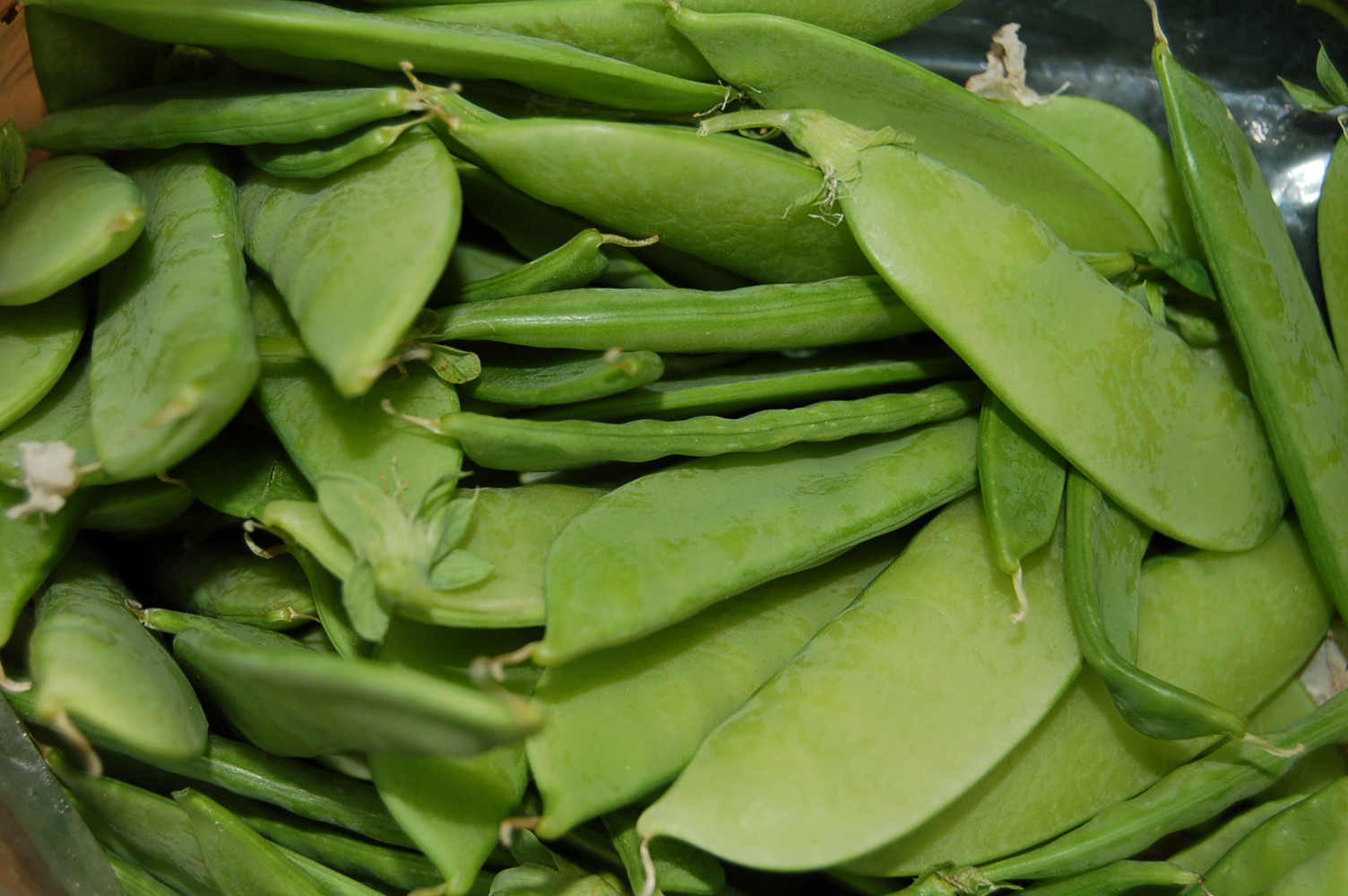
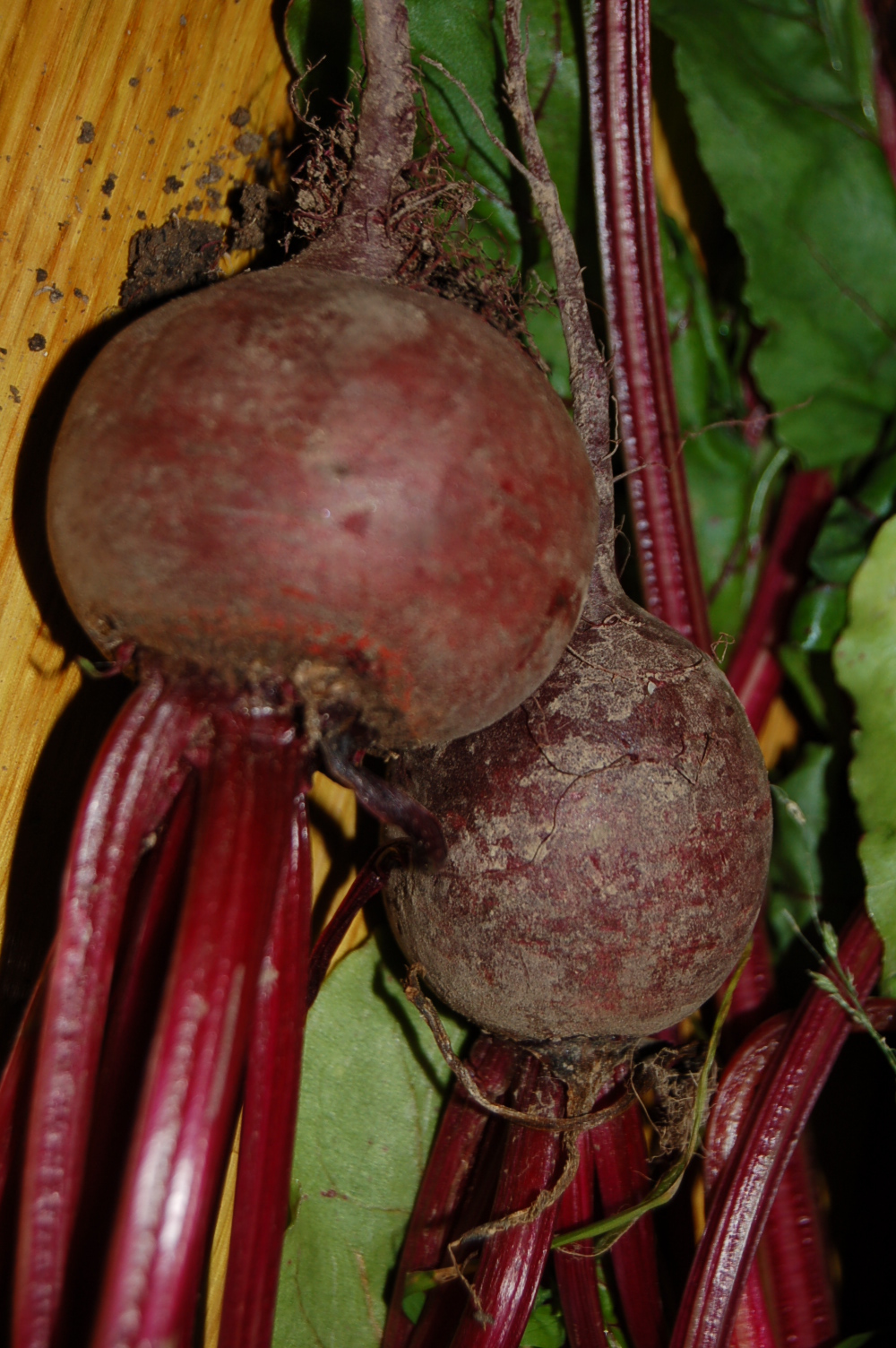
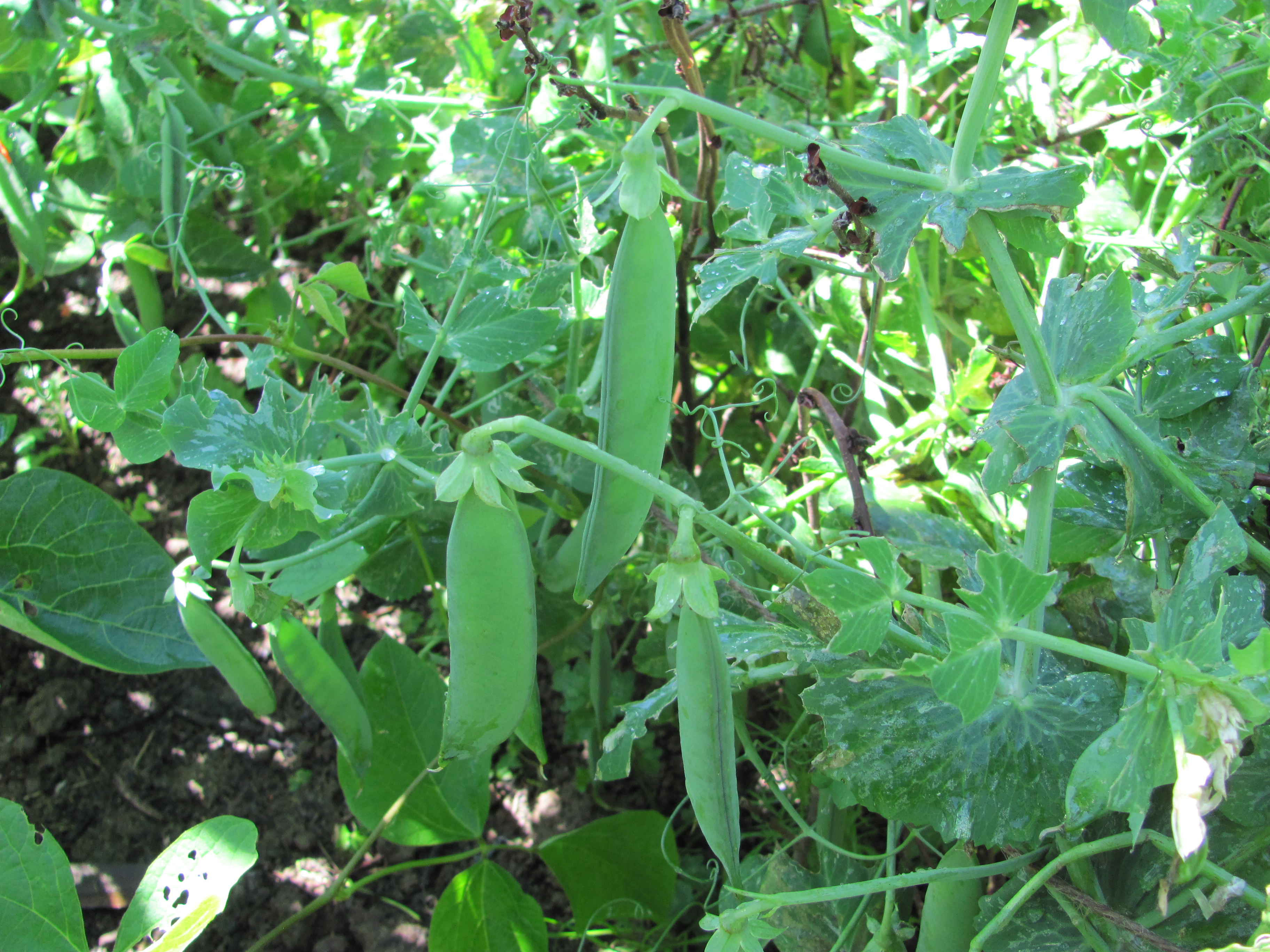
These sweet green peas are eaten in their pods and are wonderfully crunchy and juicy to eat raw or cooked. The dark purple roots of Beetroot are great boiled and used in salads or pickled to use in the winter. They are also ingredients for the sweetest of cakes and relishes. The Broad Beans are a variety called Green Windsor which gives green succulent beans to eat now or freeze for later.

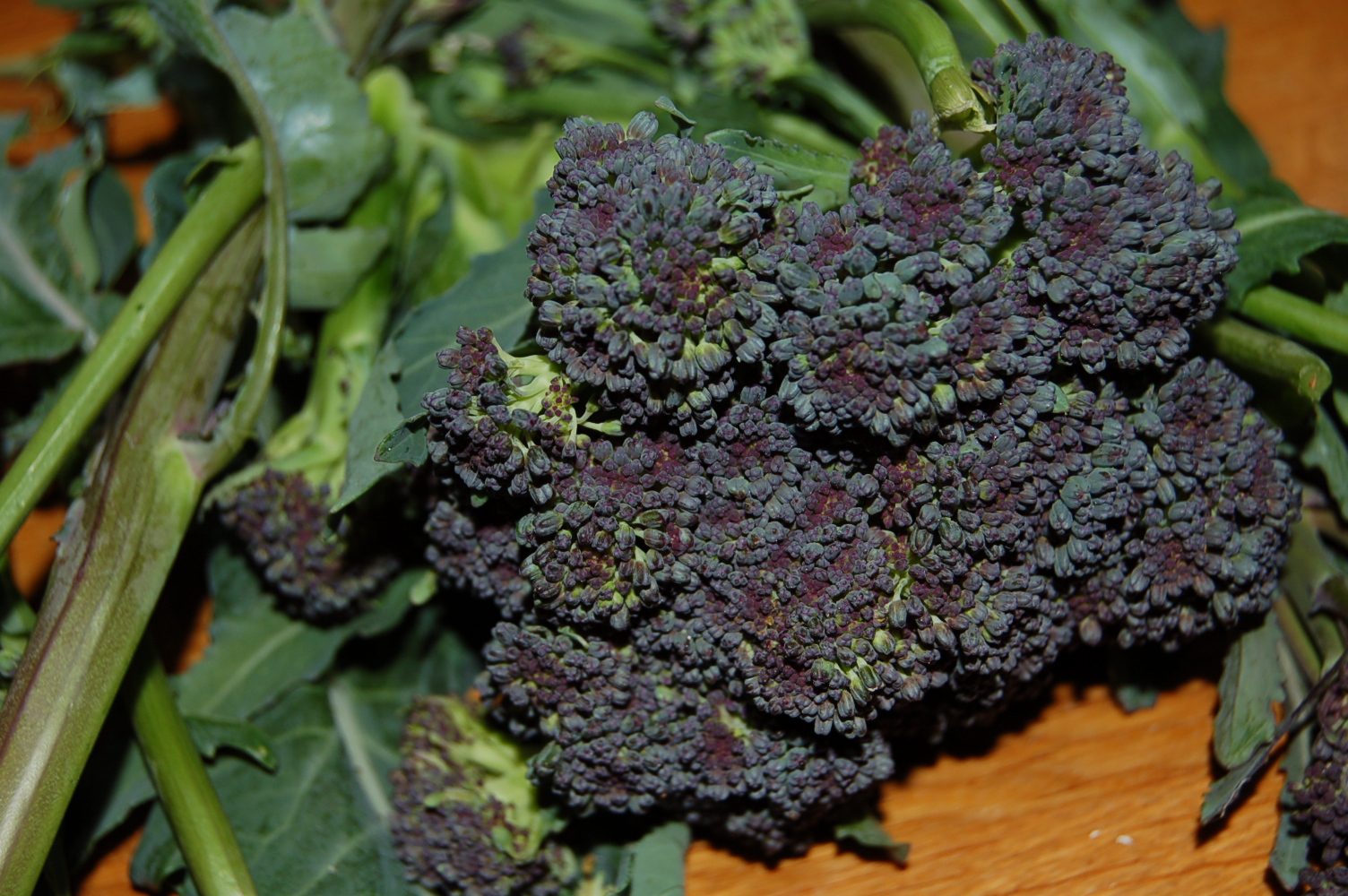
Purple Sprouting Brocolli is one of our favourite crops on the lottie but this year they are ready so early. We usually harvest them from December to April but have already been picking them for a month or so. Strange season!

The last harvest this year off our Rhubarb. The plants have served us well this year and we have enjoyed rhubarb pies and crumbles, and have lots in the freezer to make jam. We tend to freeze lots of our fruit to use in jams, relishes and chutneys, which we make when the weather deteriorates and we can’t get in the garden.

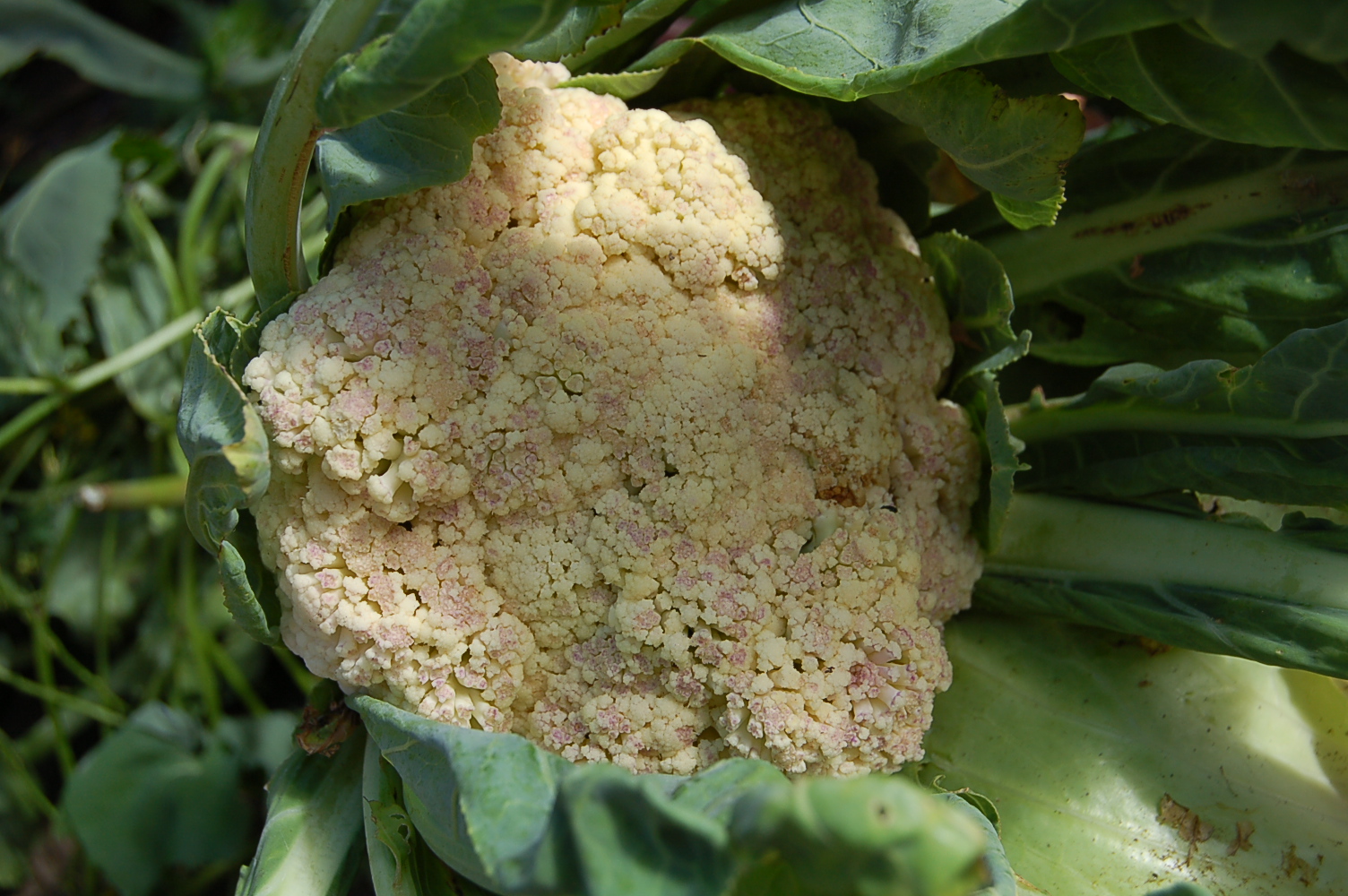
A lovely big, crunchy, sweet white cabbage and a failure of a cauliflower – a bit small and not very white!

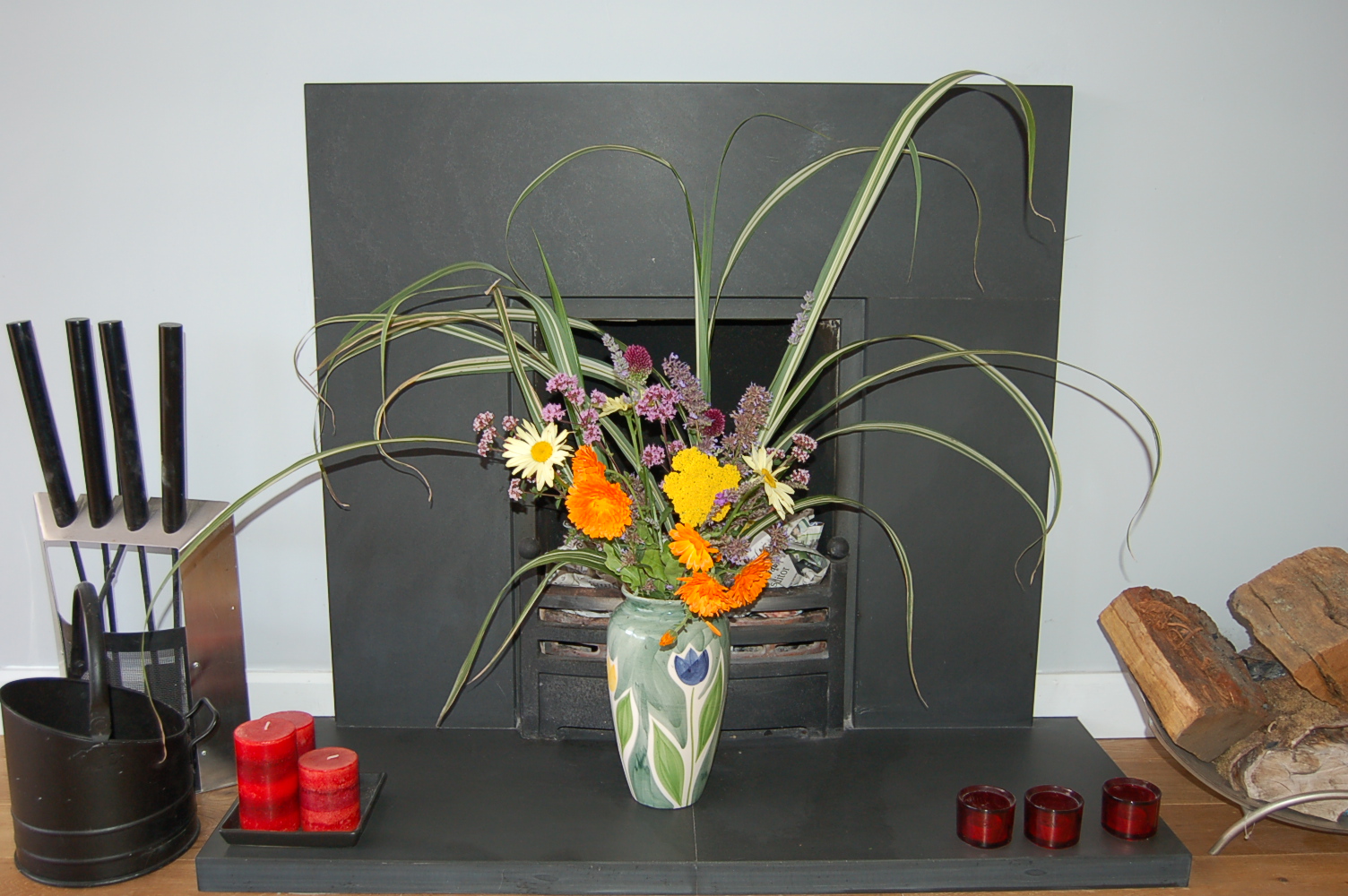
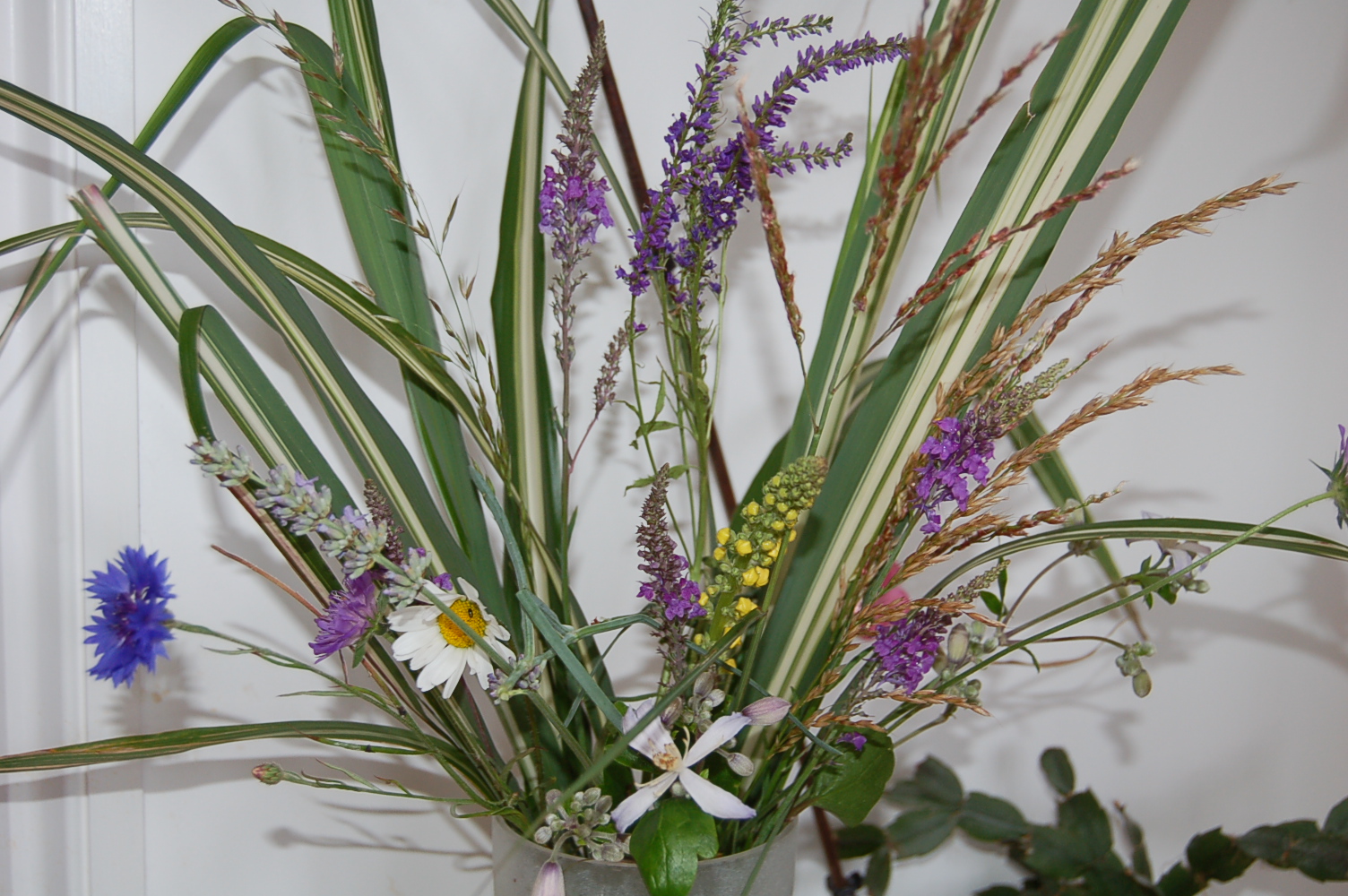
Once we returned home after a welcome refreshing cup of tea, and then took to the garden to pick a flowery harvest. Dramatic grasses and bright blooms of Calendula, Achillea and Anthemis mingle with purples of Alliums, Marjorams and Nepetas to give us a wonderful bouquet for our lounge fireplace.

Sweet Peas and Dianthus scent the house, their sweet and clove-like aromas permeating every nook and cranny.

This very natural soft display links the long leaves of grass, Arundo donax variegata, with Lavenders, Linarias, Verbascum, delicate smaller grasses and daisies.

Categories
allotments community gardening fruit and veg garden photography garden wildlife gardening grow your own July meadows natural pest control photography roses Shropshire

A Wander around the Allotments in July.

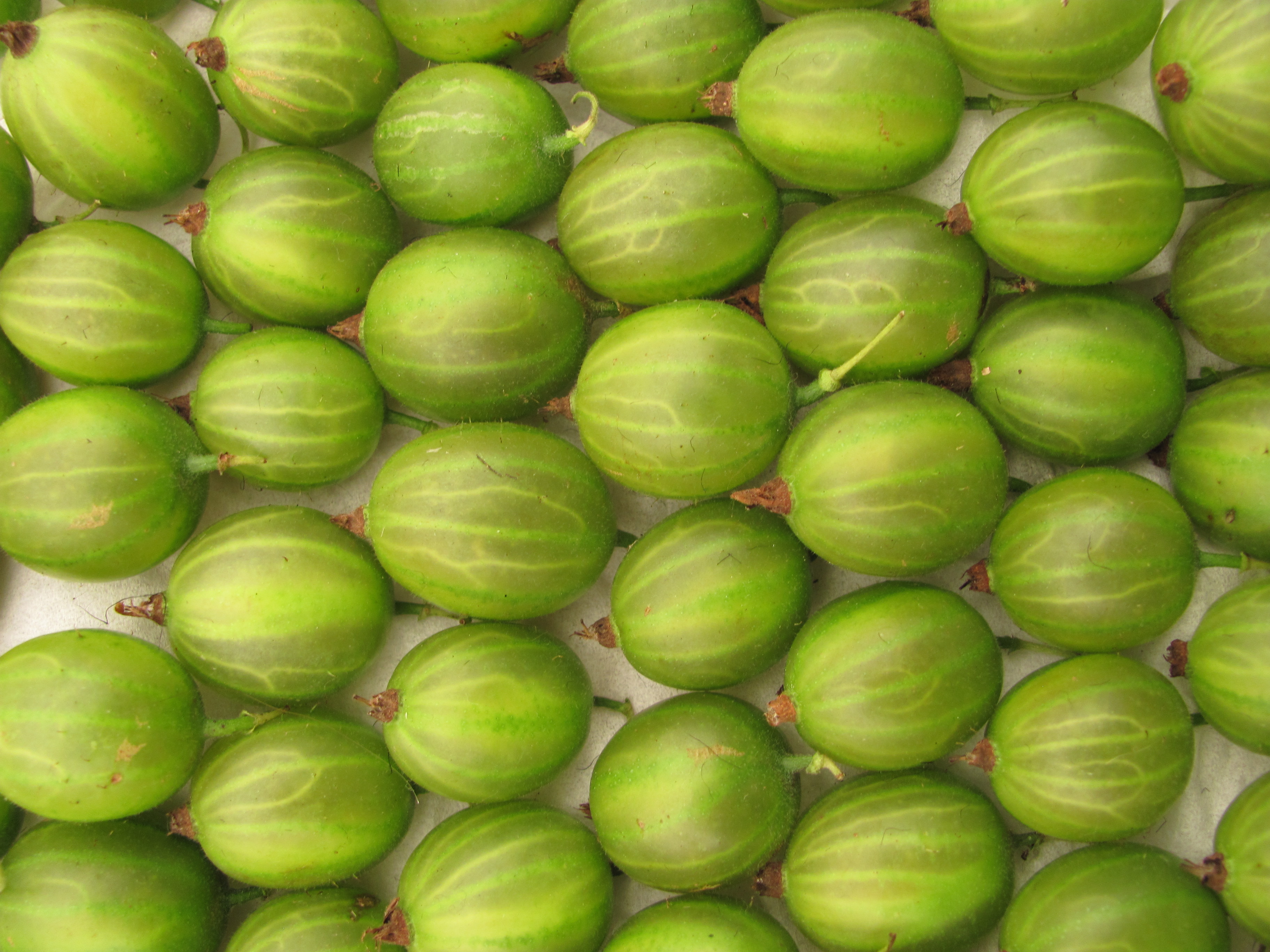
July on our allotment site has been a month of rain resulting in regular flooding. Now as the rain has disappeared for a while things are drying out. Amazingly potatoes are being dug up out of flooded plots and have given reasonable crops but on others crops have rotted below ground. On our own plot we have been harvesting good crops of carrots, beetroot, garlic, cabbages, broccoli, broad beans, peas and salad leaves. We regularly pick tayberries, rhubarb and gooseberries. Strawberries however are rotting before we get to pick them and even the blackbirds are missing out.

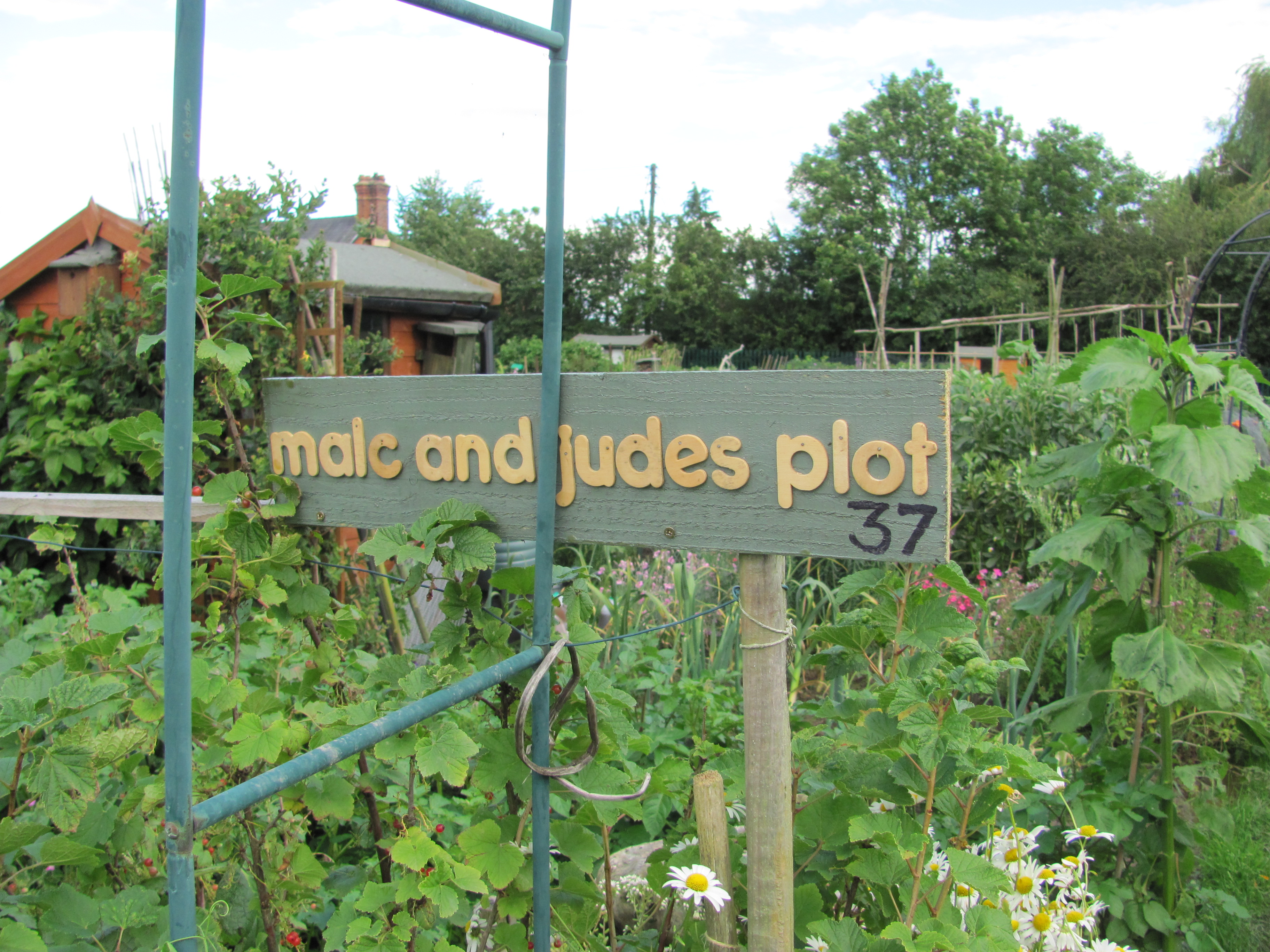
We shall as usual start our lottie wander on our own plot to see what is going on and with our new sign, the old one having fallen apart.

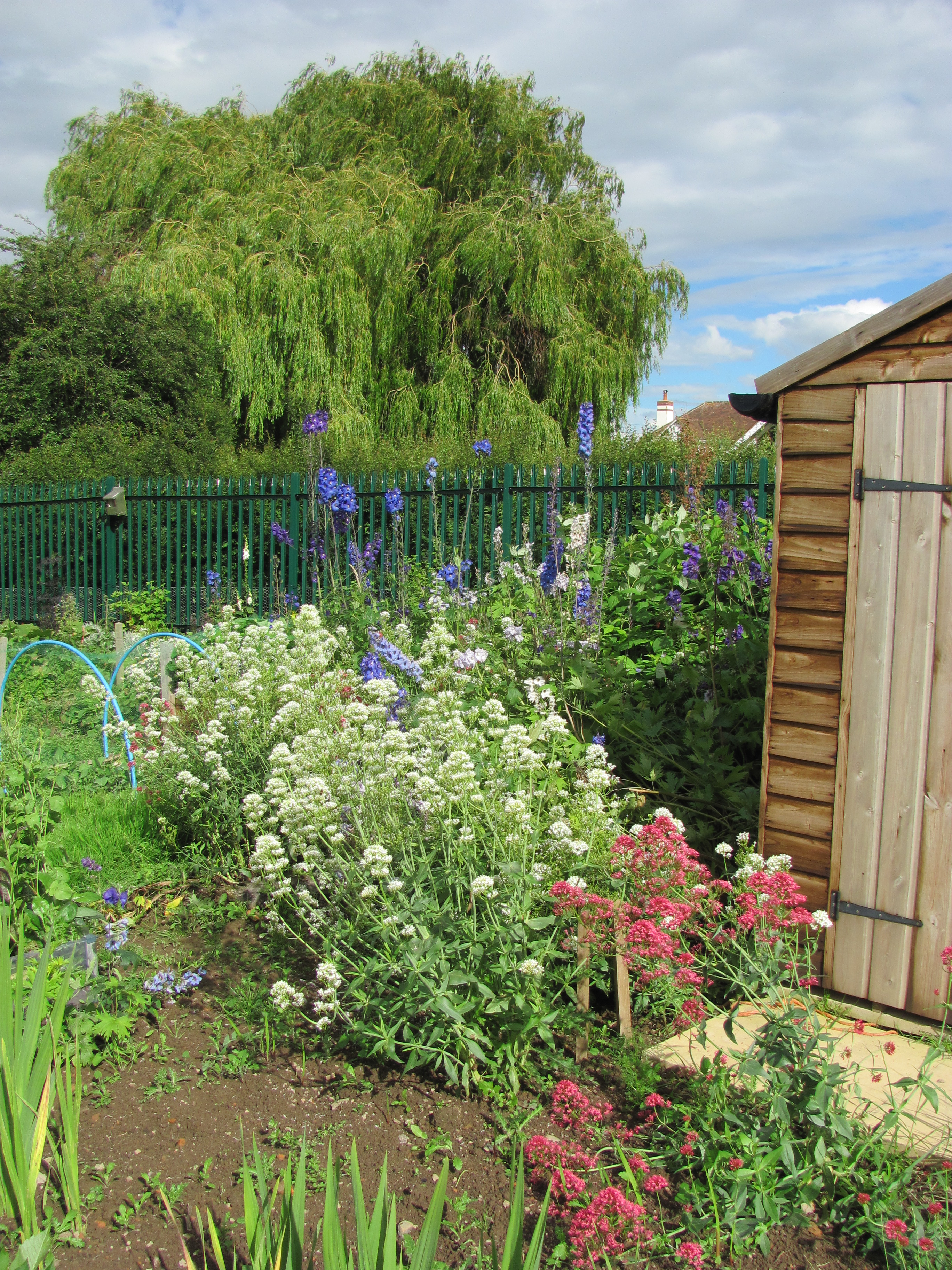
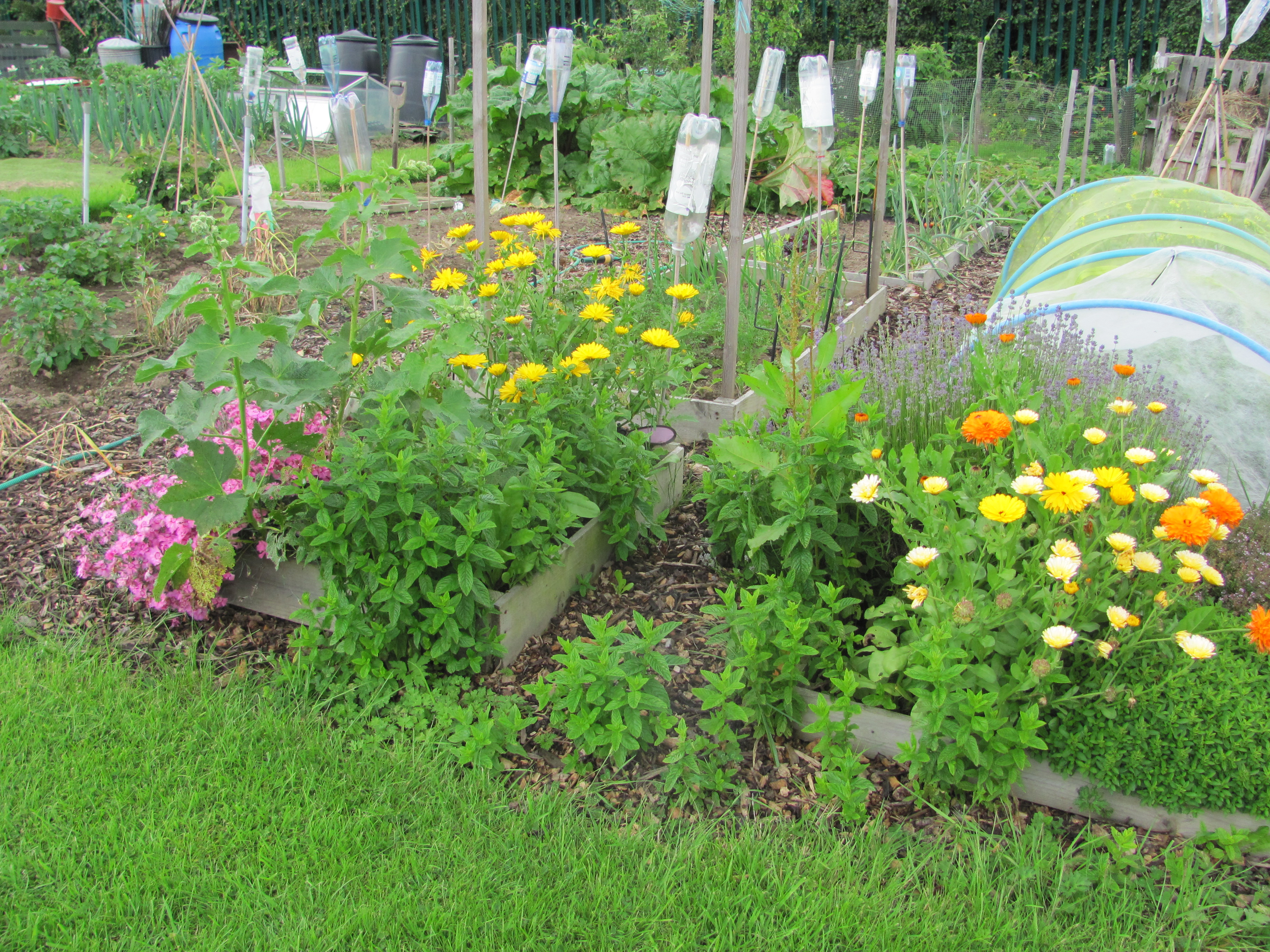
Our crops are mostly looking well and the “Bug Borders” bursting with colourful flowers, alive with bees, hoverflies and lots of other useful insects.

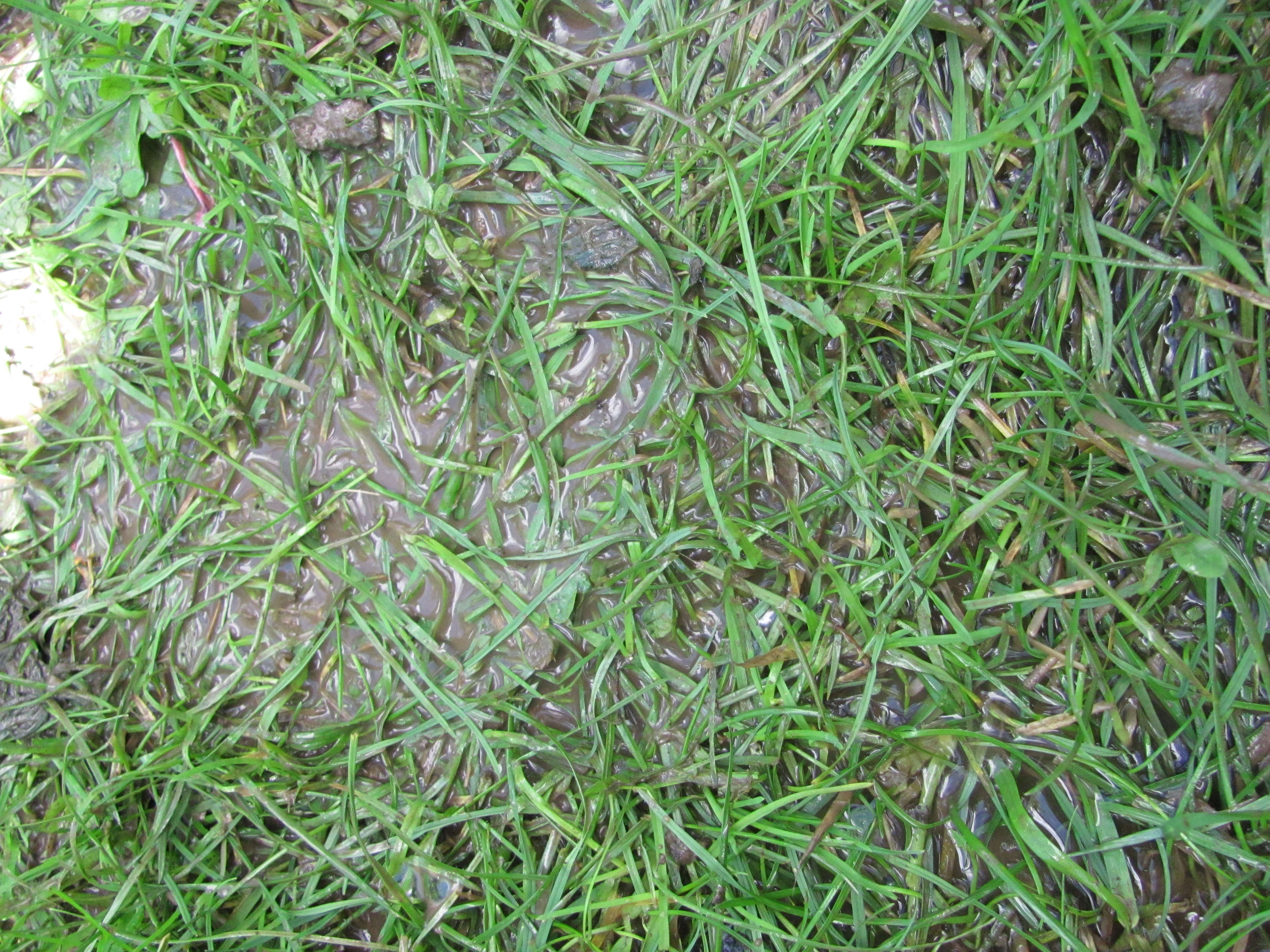
But in between the colourful lush plantings of veg, fruit and flowers standing water sat getting stagnant.

And this is our poor grass path.

Things are getting easier though and we have managed to get on the soil without damaging the structure too badly, so we cleared any weeds, loosened up the soil surface and sowed more crops such as beetroot and radish and planted out our seedling leeks.

Now we can start our wander around the site looking at what is happening on other plots and in the communal areas.

The Spring Garden and Summer Garden have come through the terrible weather with flying colours.

Of course the Willow features have enjoyed the wet around their feet and look so green and fresh, but they need a lot of pruning to keep them in trim shape.

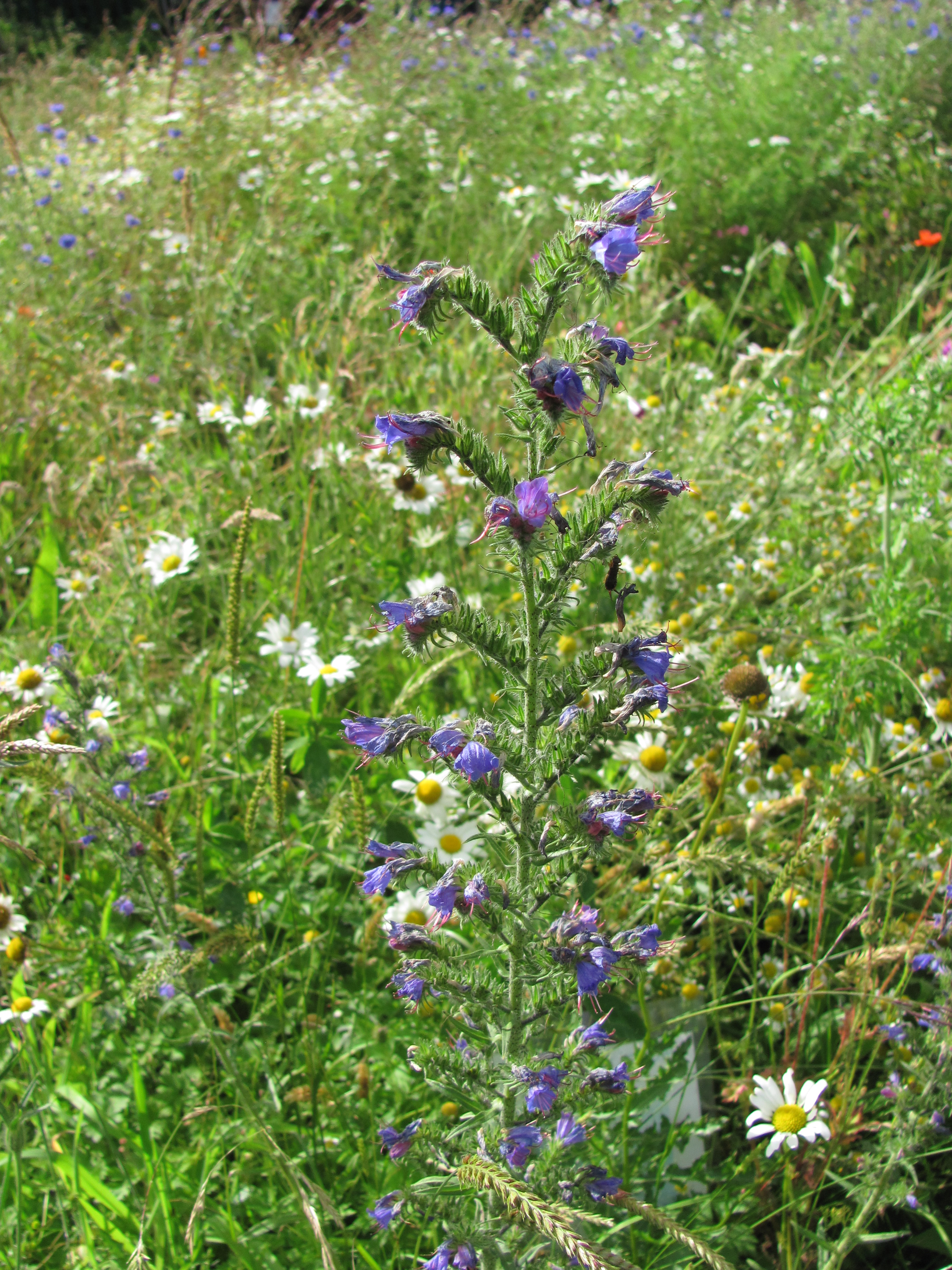
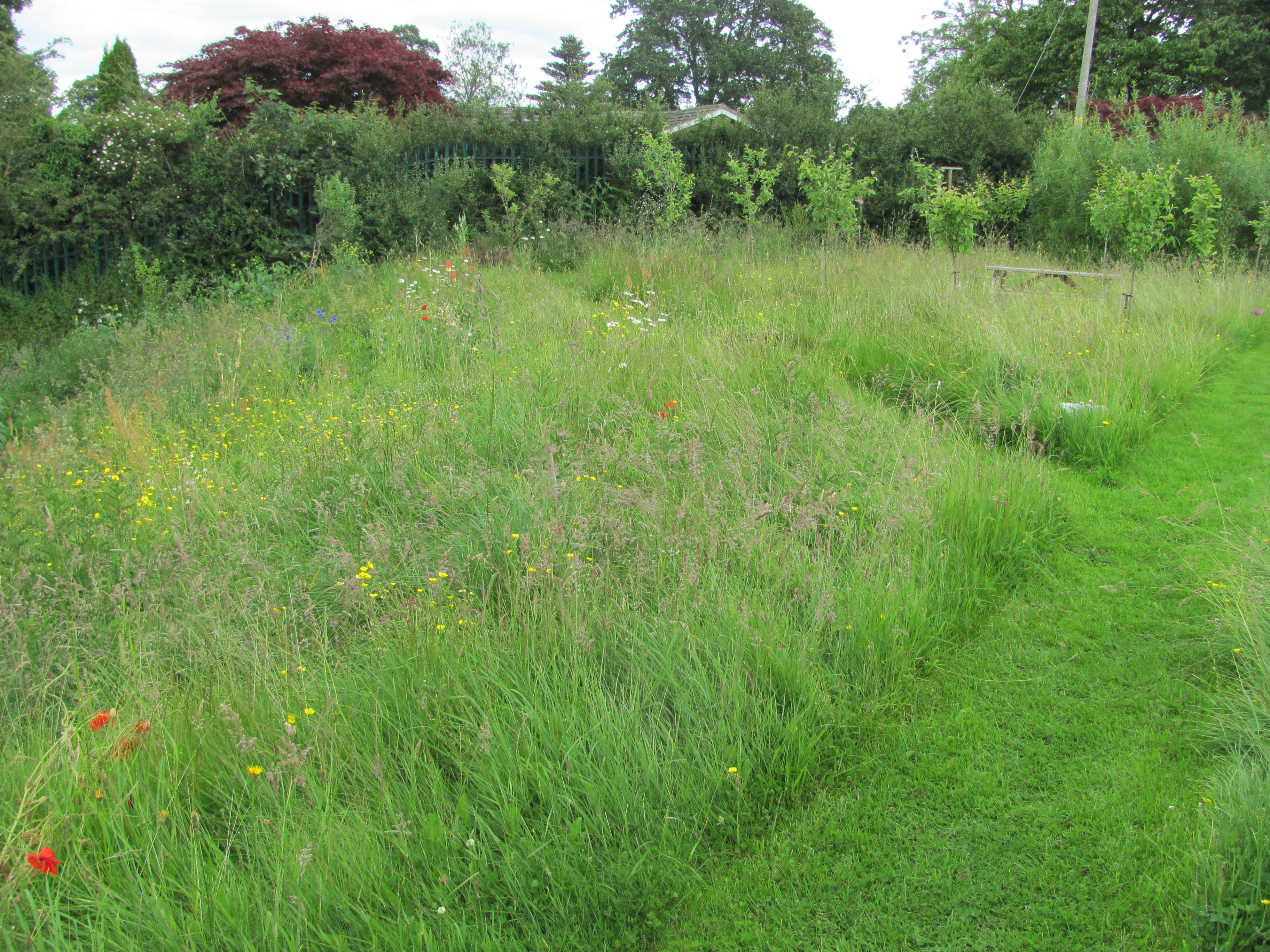
The meadows are flowering nicely now and flowers are giving colour on lots of the plots.

I shall finish this wander with a good idea. How about this for an idea for trying to foil the dreaded carrot rootfly – simply grow them up in the air hopefully above their maximum flight height.

Categories
allotments community gardening gardening grow your own National Garden Scheme natural pest control NGS

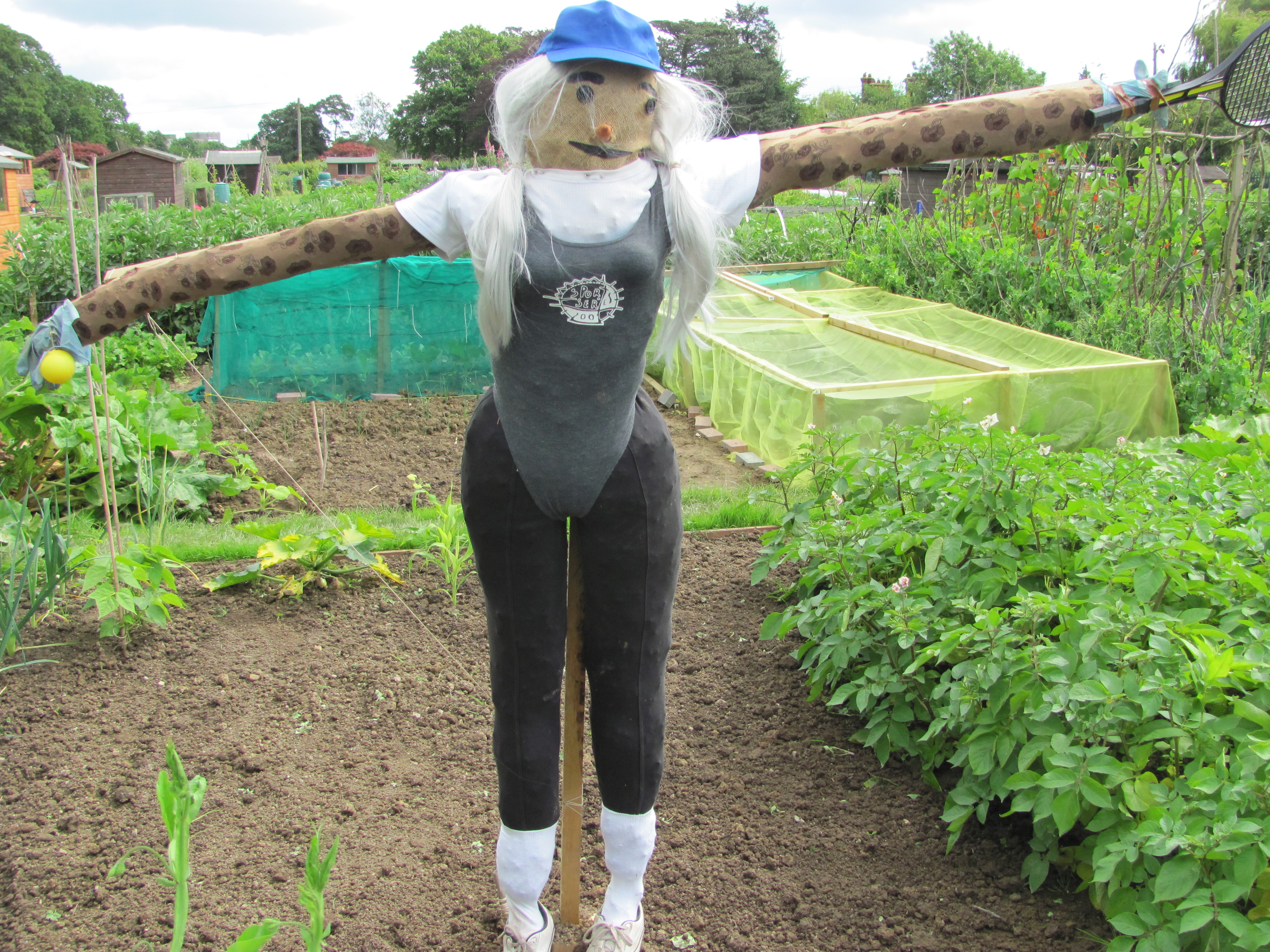
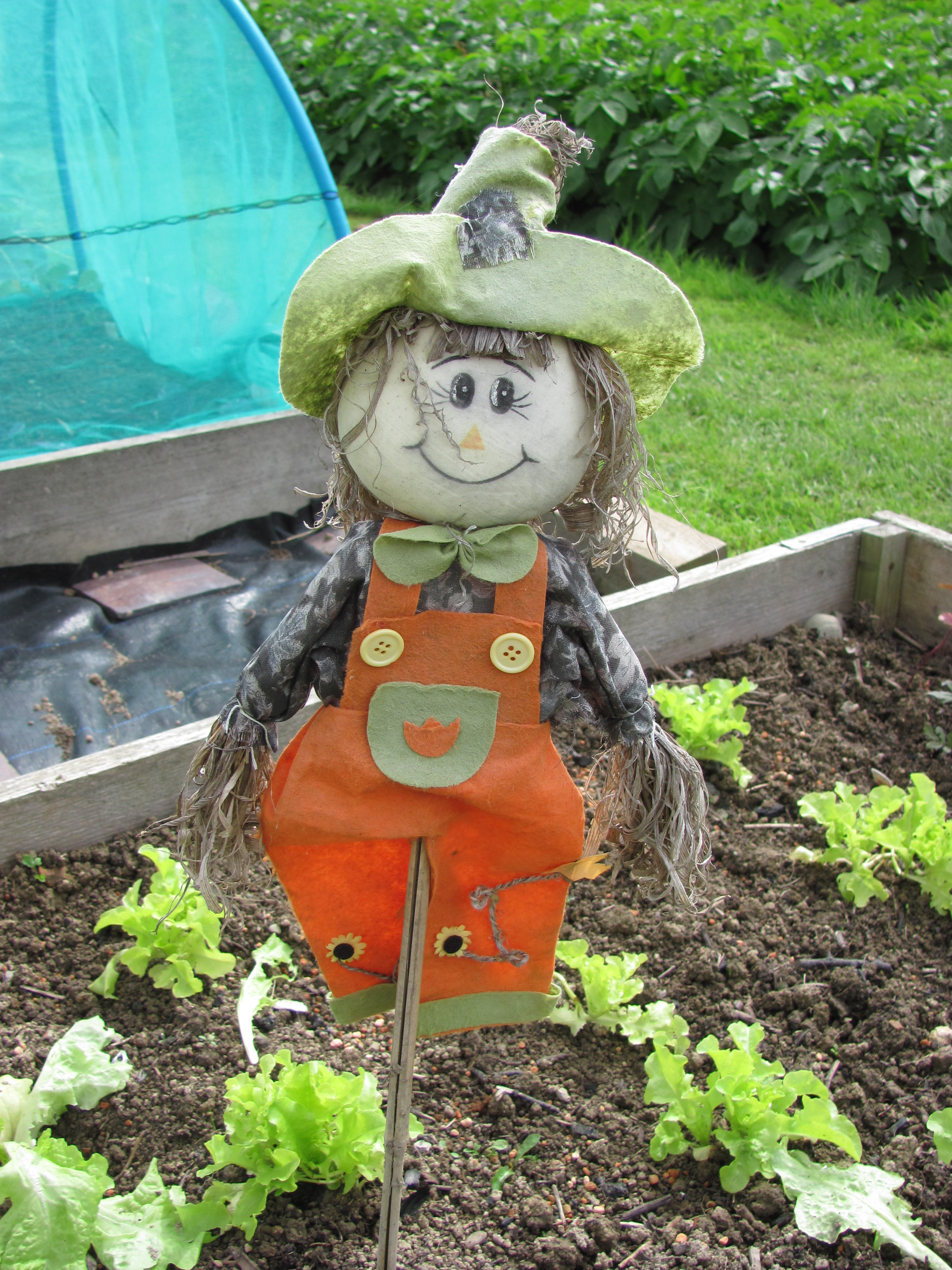
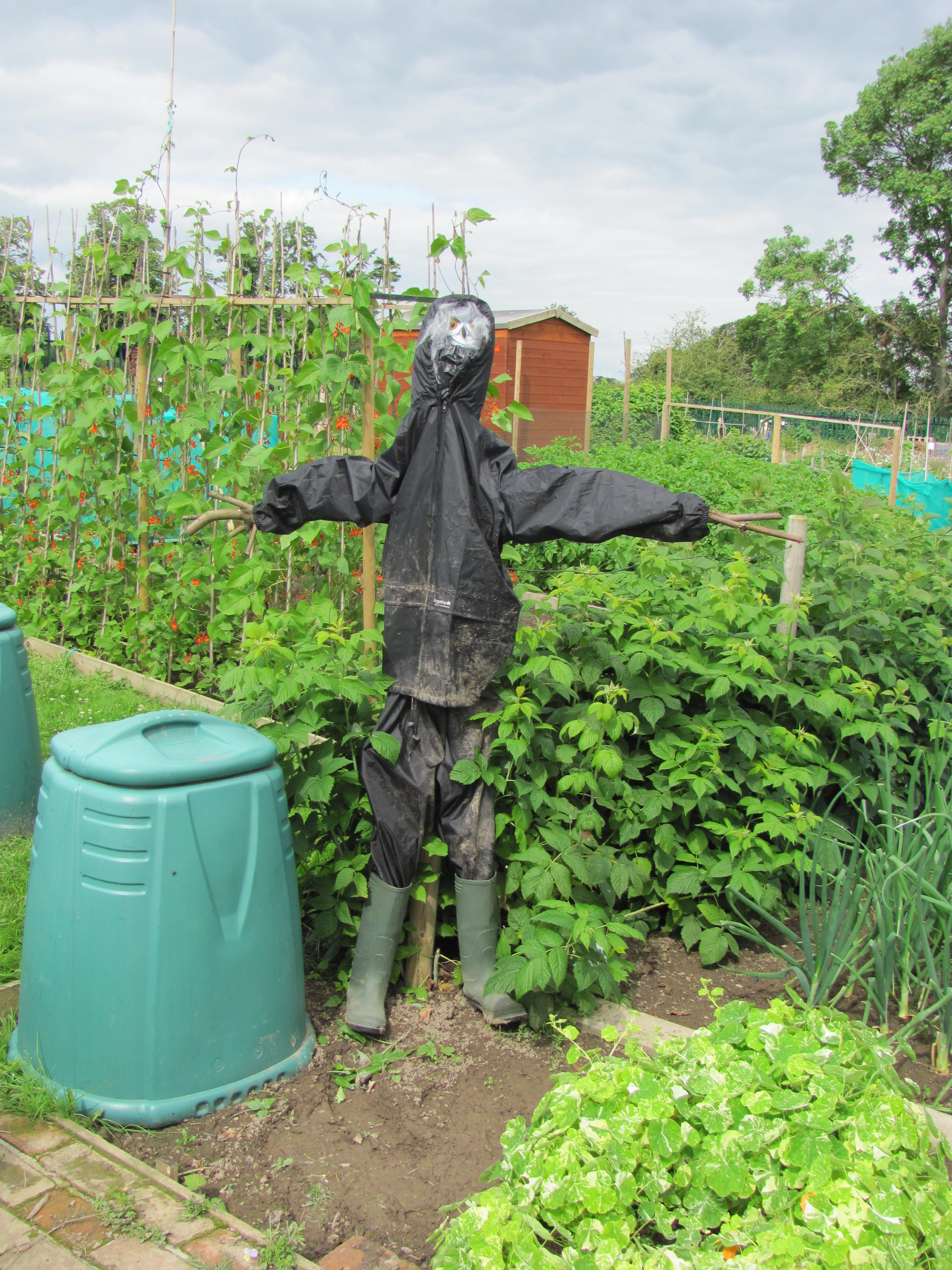
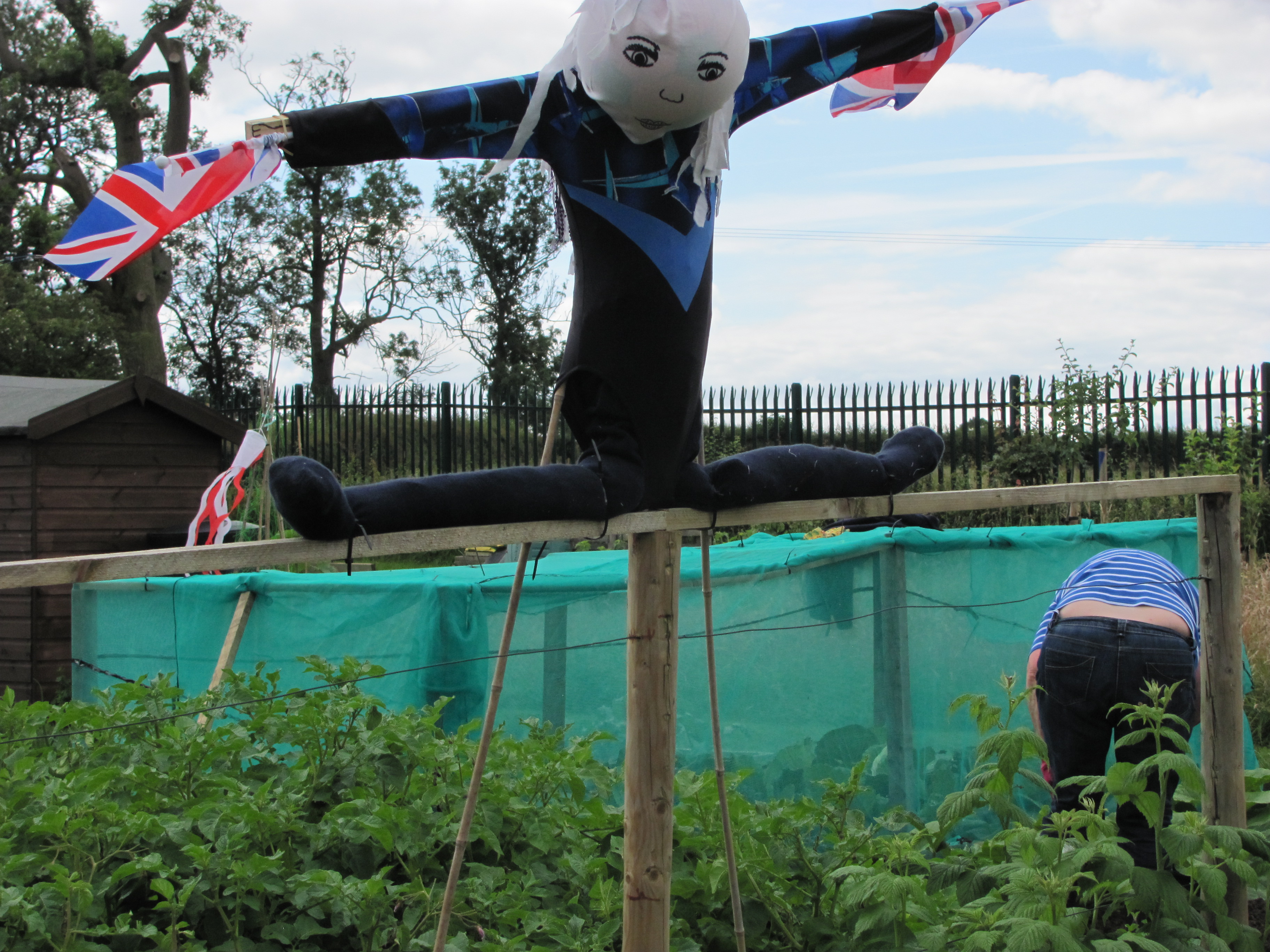
Our Allotment Scarecrow Competition 2012

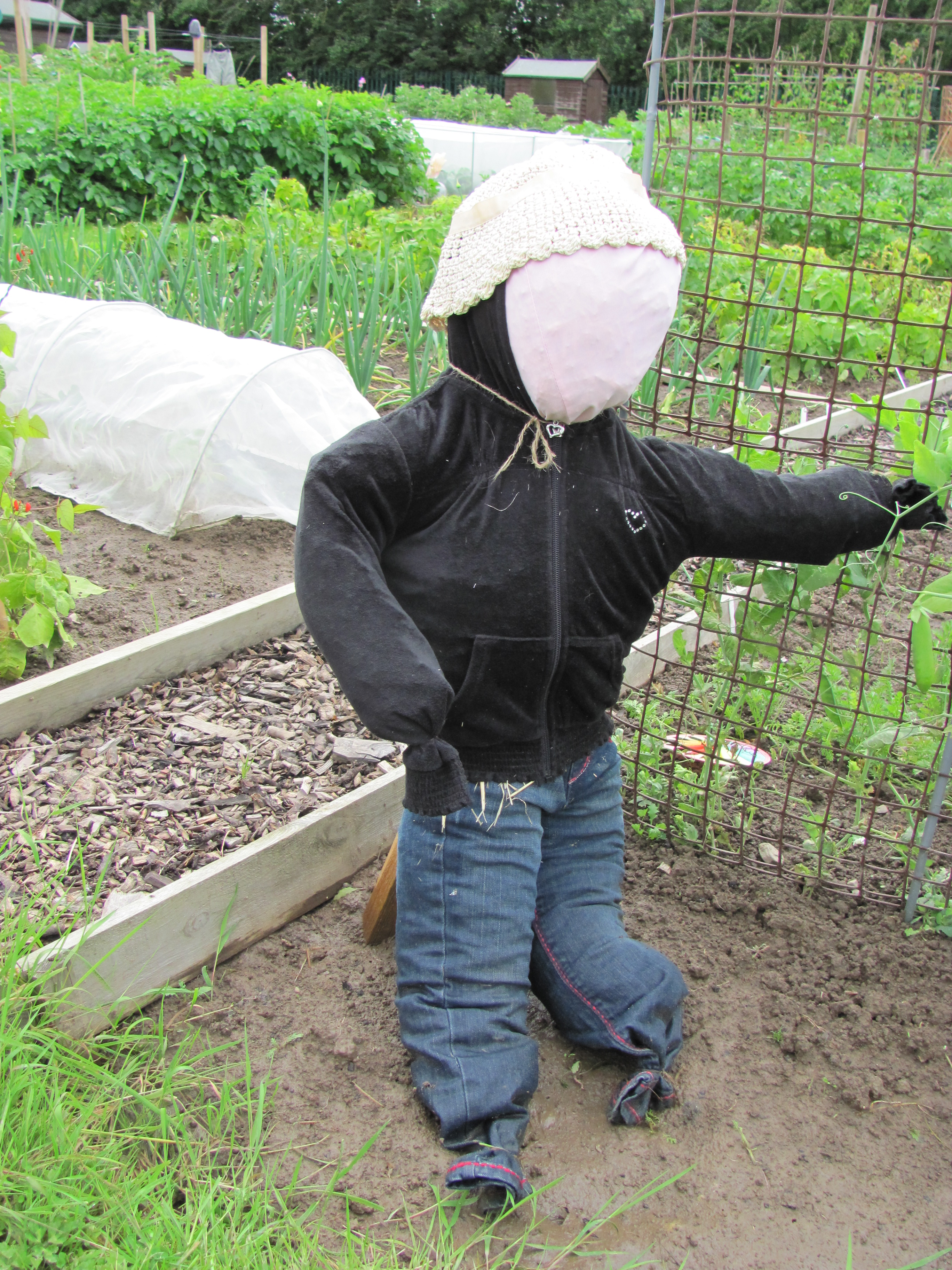
As promised in my recent post about our NGS Open Day this post will be a gallery of photos of some of the scarecrows made by our allotmenteers for our scarecrow competition. Our theme this year was the year’s celebrations, The Olympics and The Queen’s Jubilee. The first is the creation that won the competition. Enjoy the characters!

Categories
garden design garden photography gardening grow your own hardy perennials July ornamental grasses ornamental trees and shrubs photography poppies roses Shropshire shrubs succulents trees

A Wander around our Garden in July

July in the garden so far has carried on where June left off – rain! The grass paths squelch as you wander, trees drip on you and herbaceous plants soak your legs. The plants have loved it relishing in the warmth and dampness. They grow tall and lush too quickly and do so without gaining strength. As a result they get knocked over in windy spells and any heavy showers.

As rain persists each day from dawn till dusk a moment of light and dry gave me an opportunity to take photos for my July wander. After waiting all day I finally took the following pics just before 9:00 in the evening.

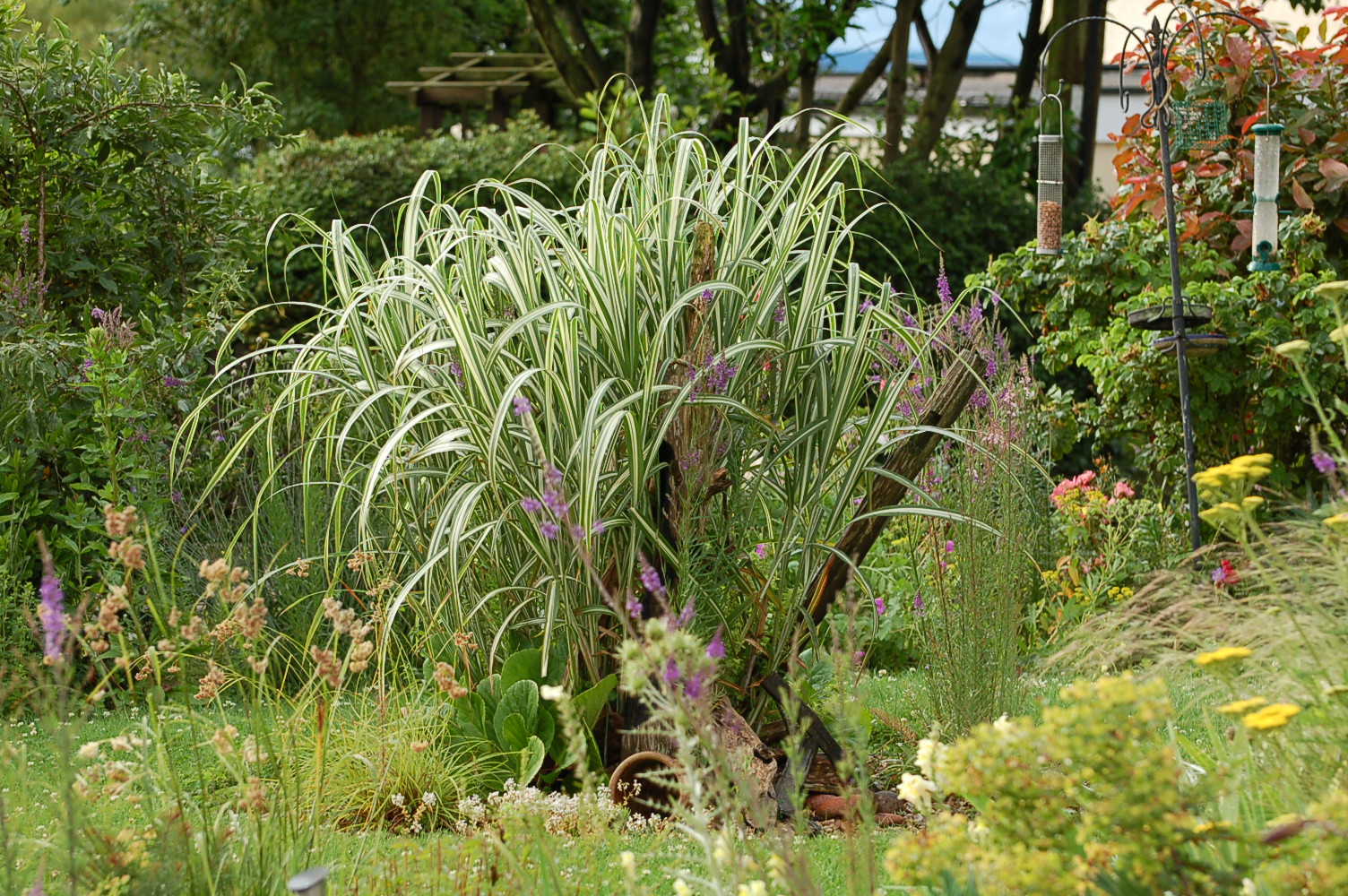
One plant that never fails is this wonderful tall grass with striped leaves. It is a good four foot tall and the long leaves are popular with the “Undergardener” to cut for flower arranging.

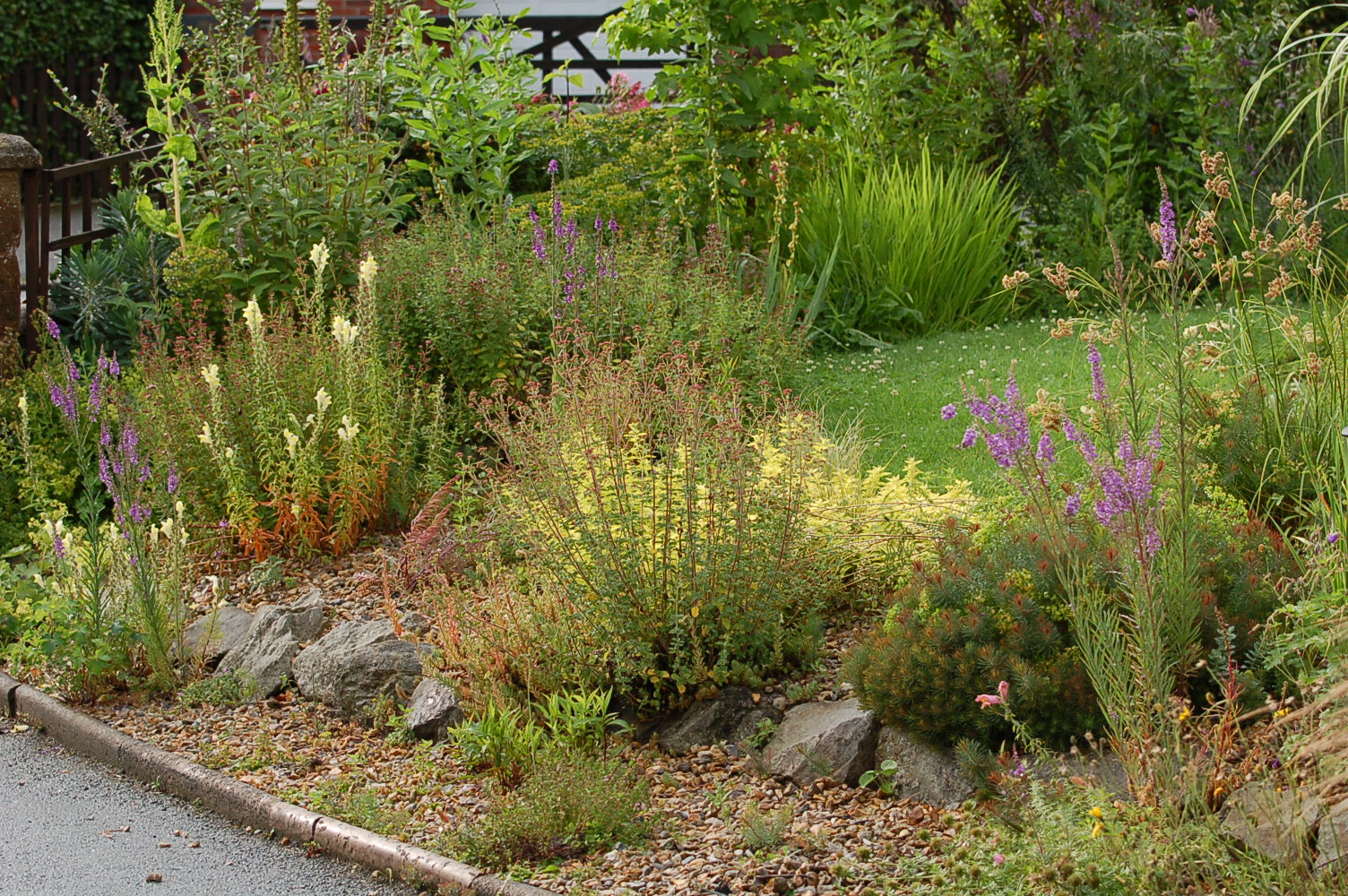
Our gravel garden, The Chatto Bed, is now full of colour, gentle yellows, pinks and purples. When the sun does come out for its short sessions the gravel bed is buzzing with bees. They are having a hard time this year with all this rain and wind.

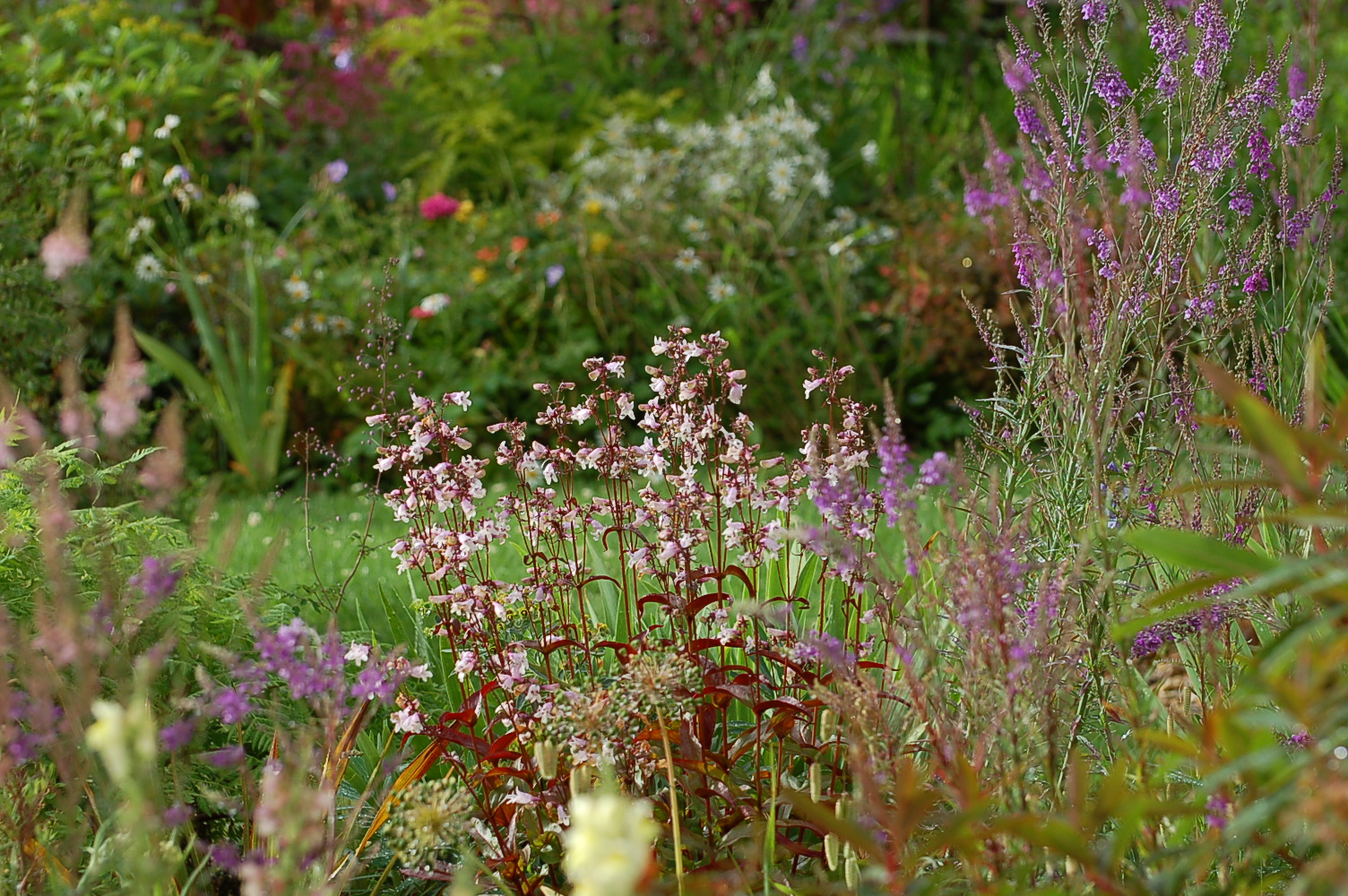
The Huskers Red Pentstemon is now at its best – what a beautiful plant it is – coloured foliage, dark stems and delicate contrasting pale flowers. Having grown this from seed sown a few years ago it feels good to see it looking so good.

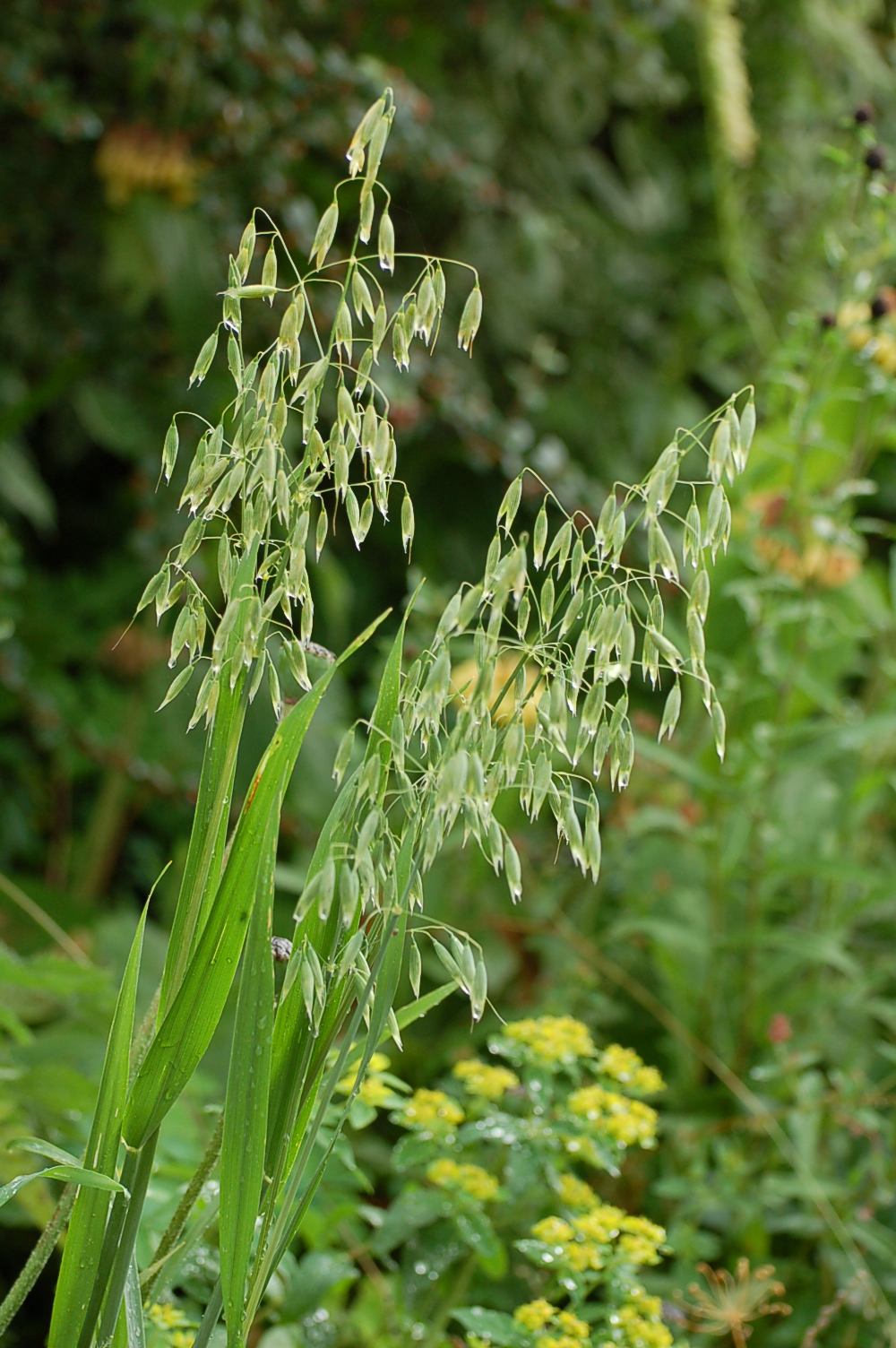
The Quaking Grass, Briza maxima is also known as Nodding Grass and Sparrow Grass, presumably because it simply can’t stay still in the slightest breeze.

Jude’s Border is a rich combination of purple-leaved shrubs and contrasting perennials.

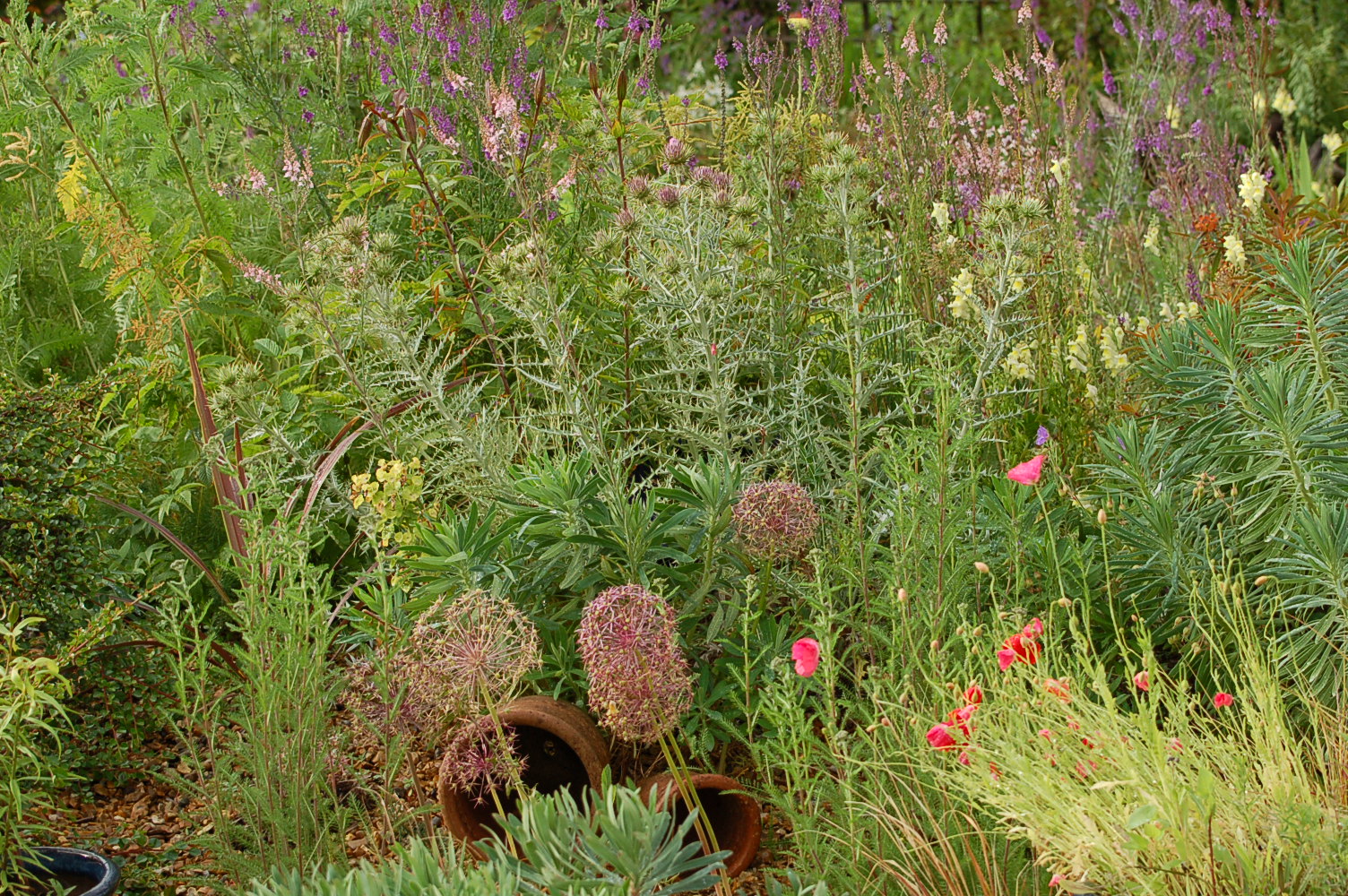
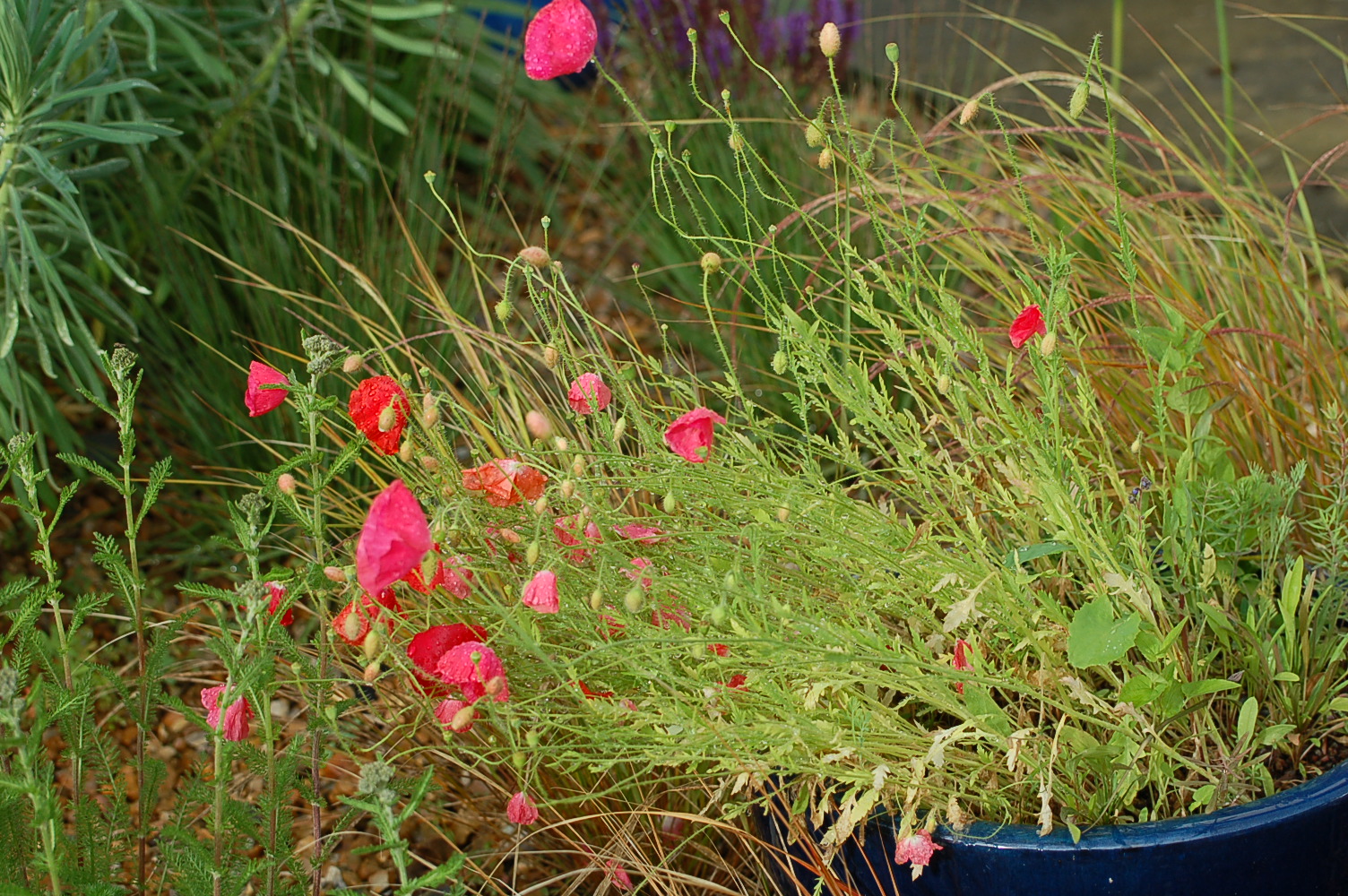
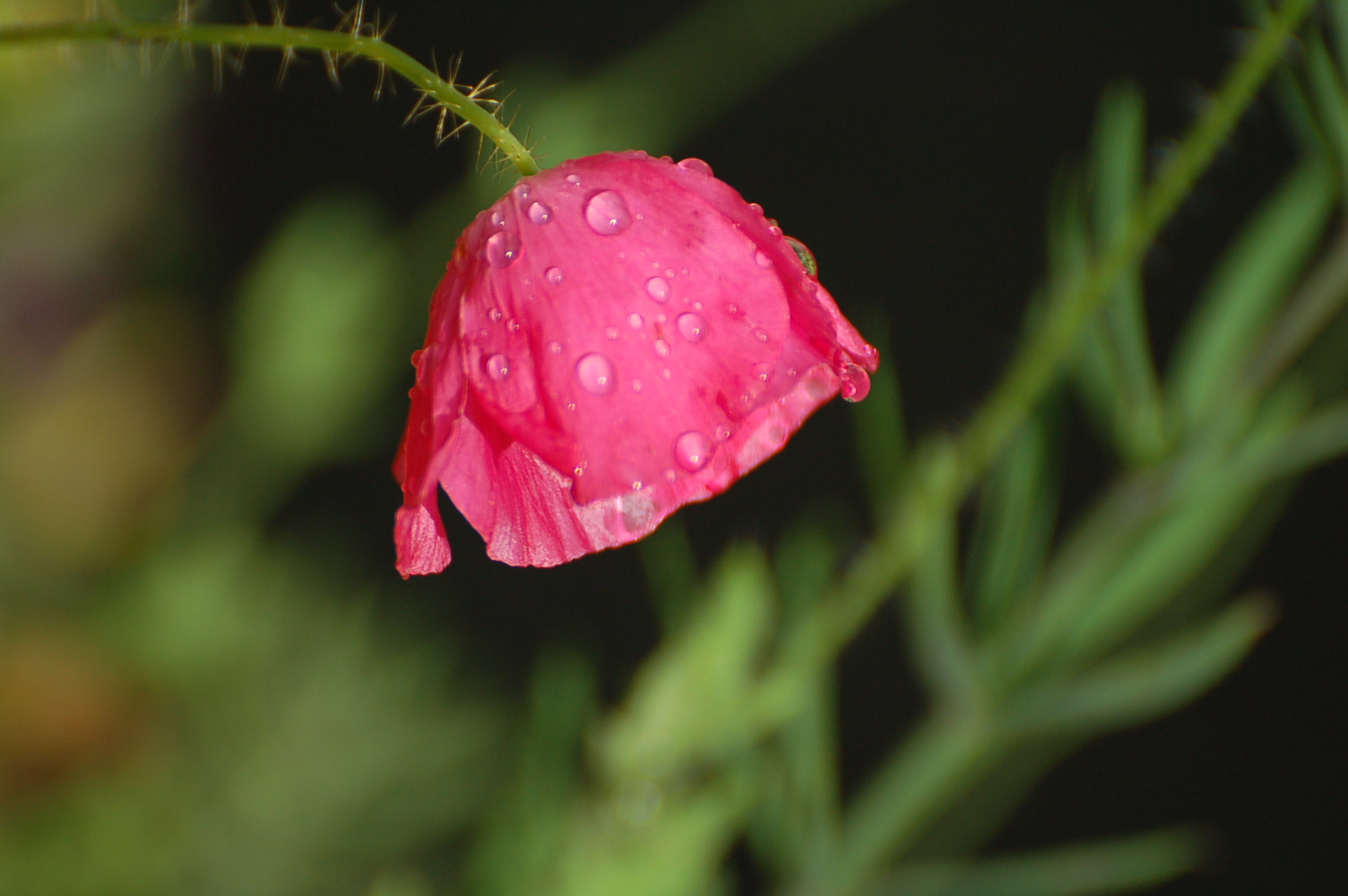
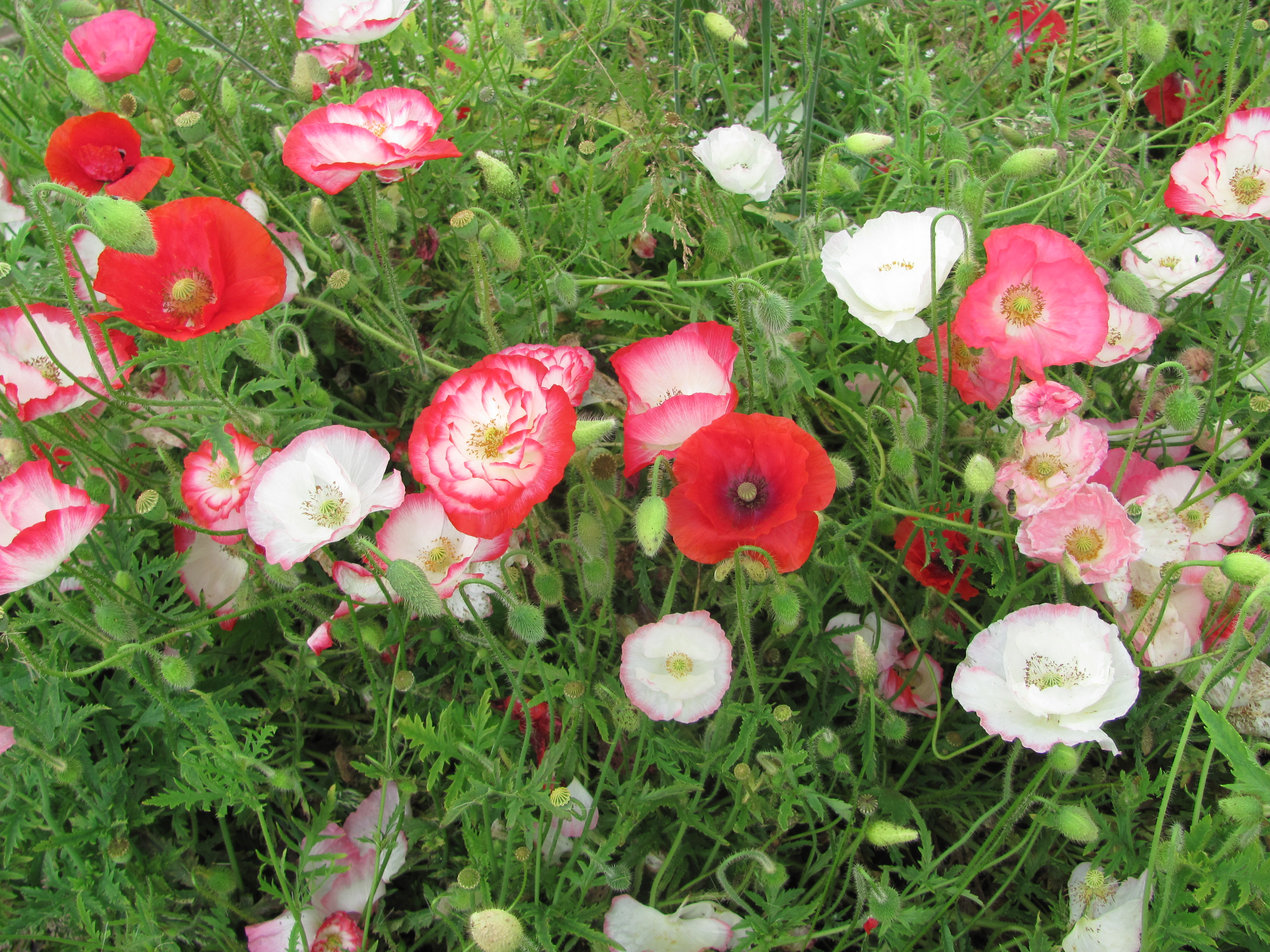
Our mini-meadows  sown in terra-cotta pots have been very successful. Different flowers appear each day. The pink poppy glows in the dullest of weather – a “dayglo” poppy.

By our front door the “Freda Border” continues to provide colour in the perennials and gentle variegated foliage in the shrubs.


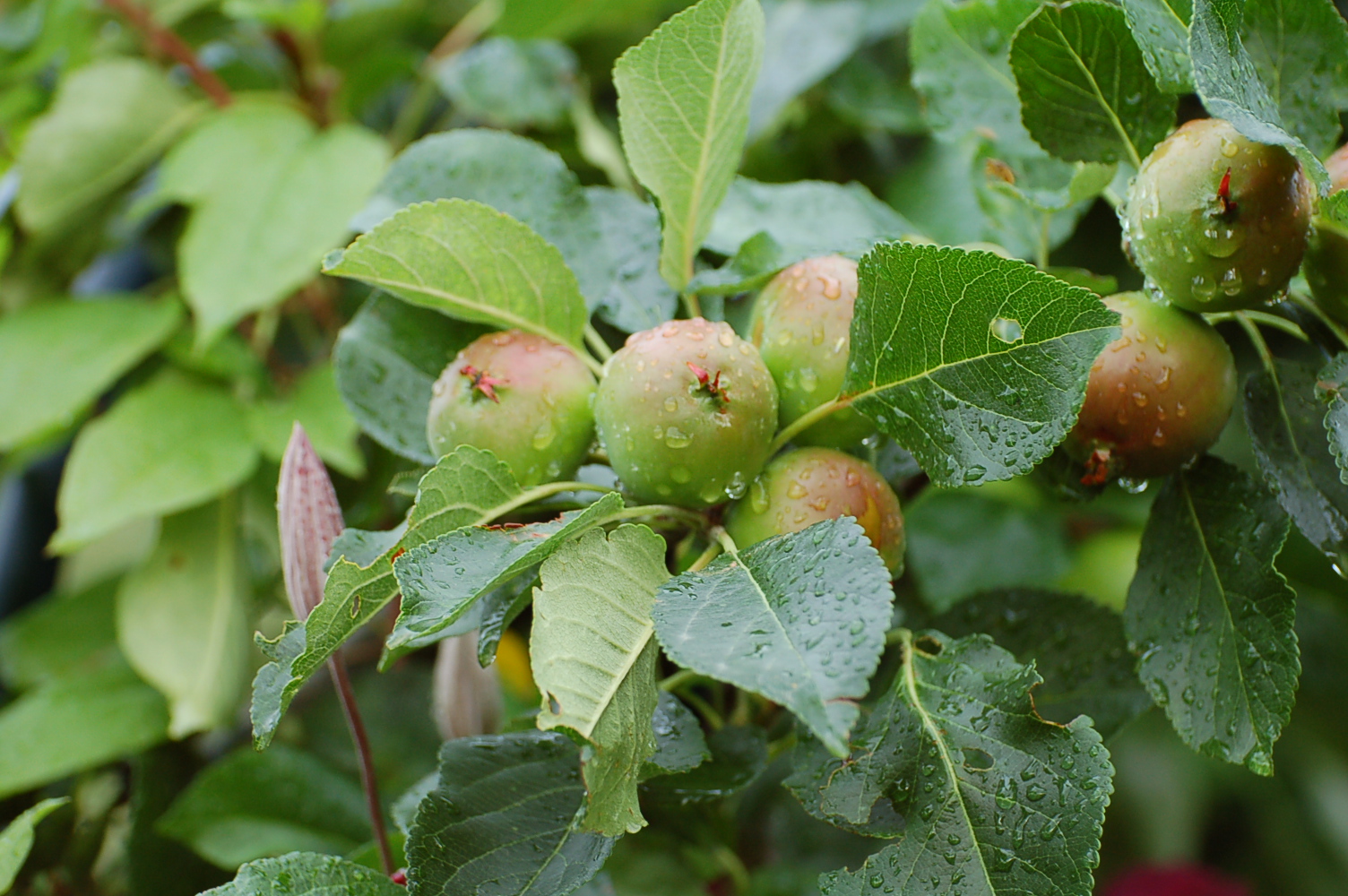
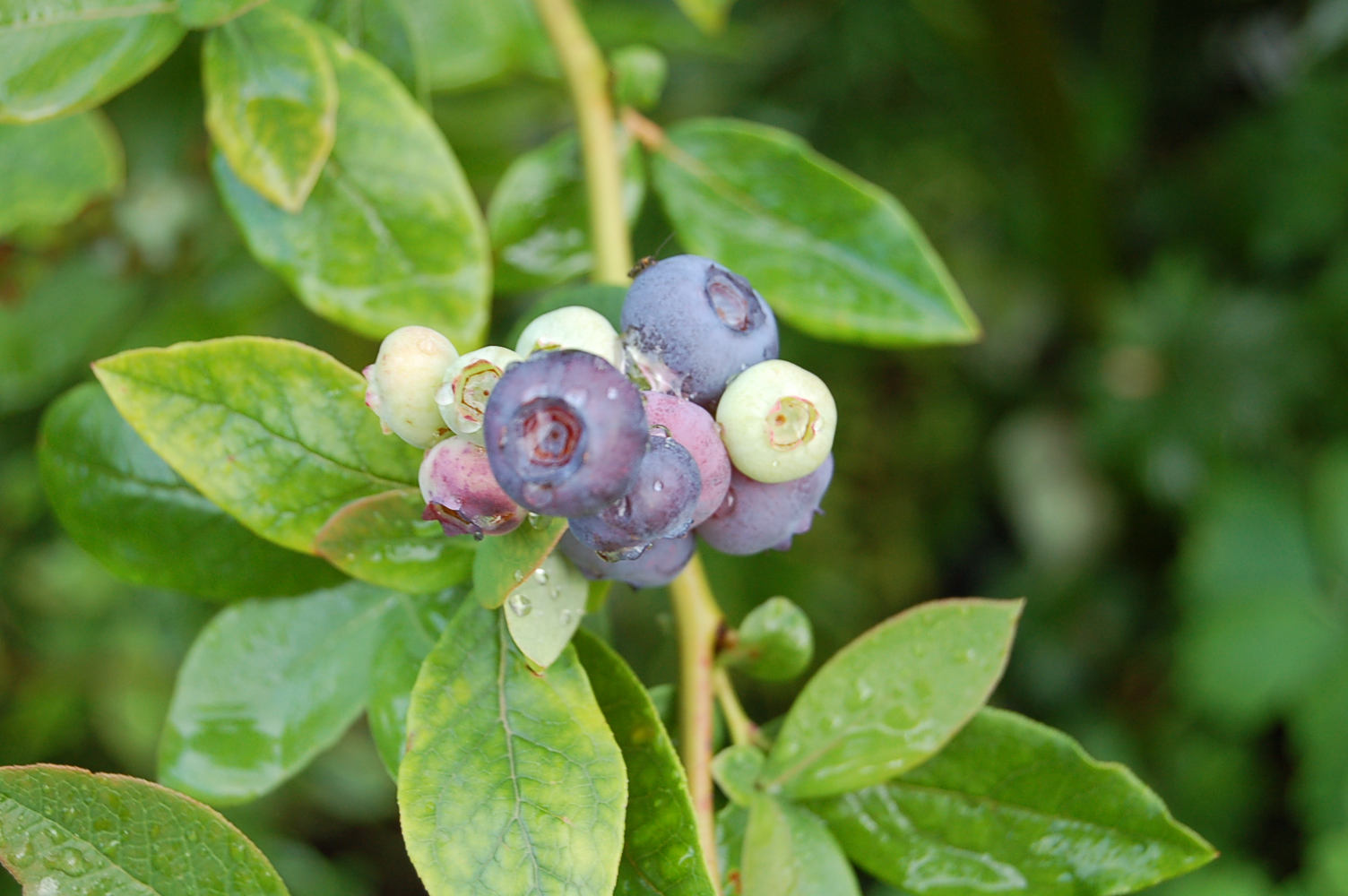
Let us now wander into the back garden and see what’s going on. Our apples are filling in nicely now and even getting a little rosiness as they start to ripen, while the Blueberries change from green to blue.

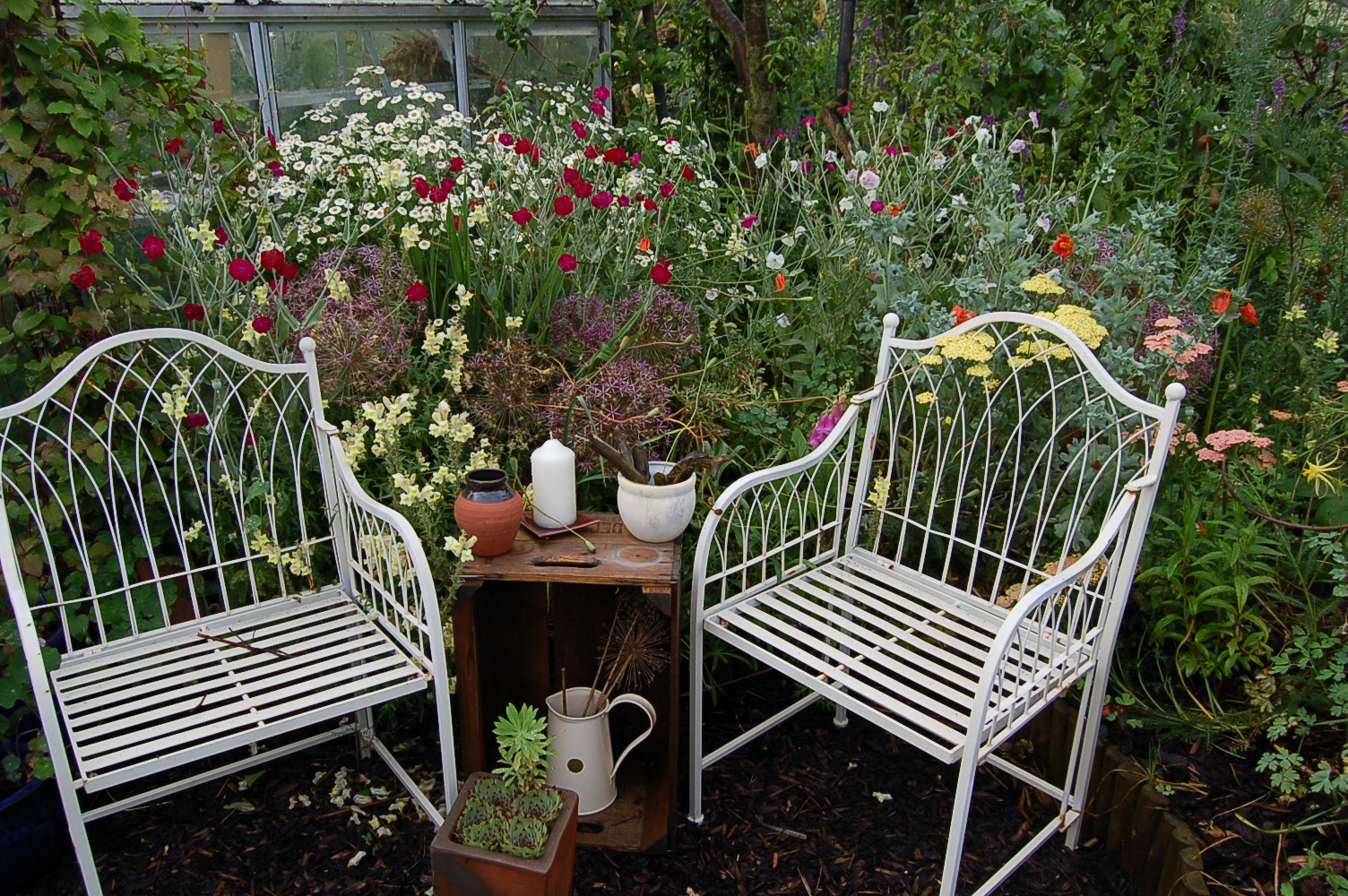
The secret garden is probably the most colourful patch at the moment.

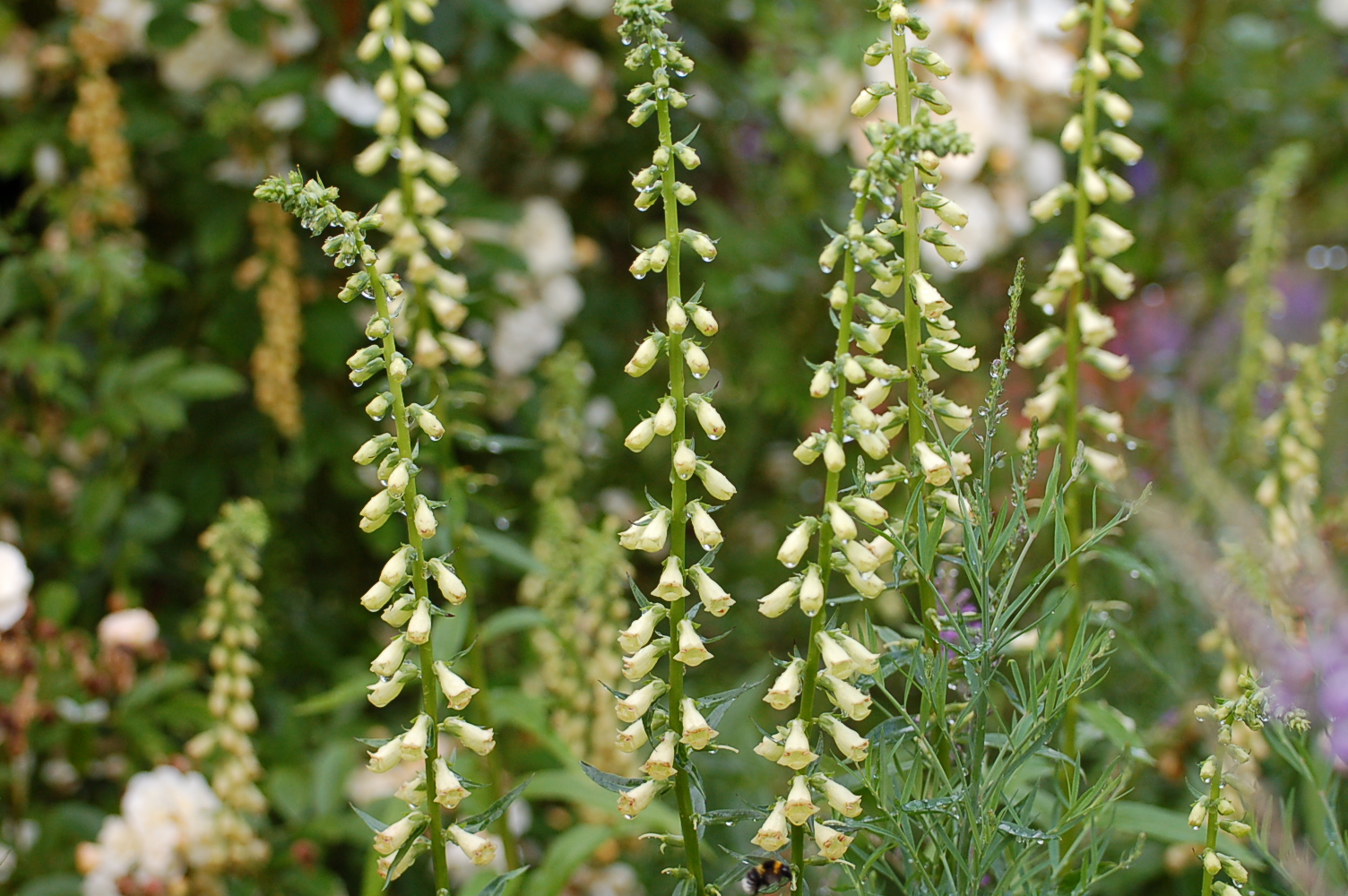
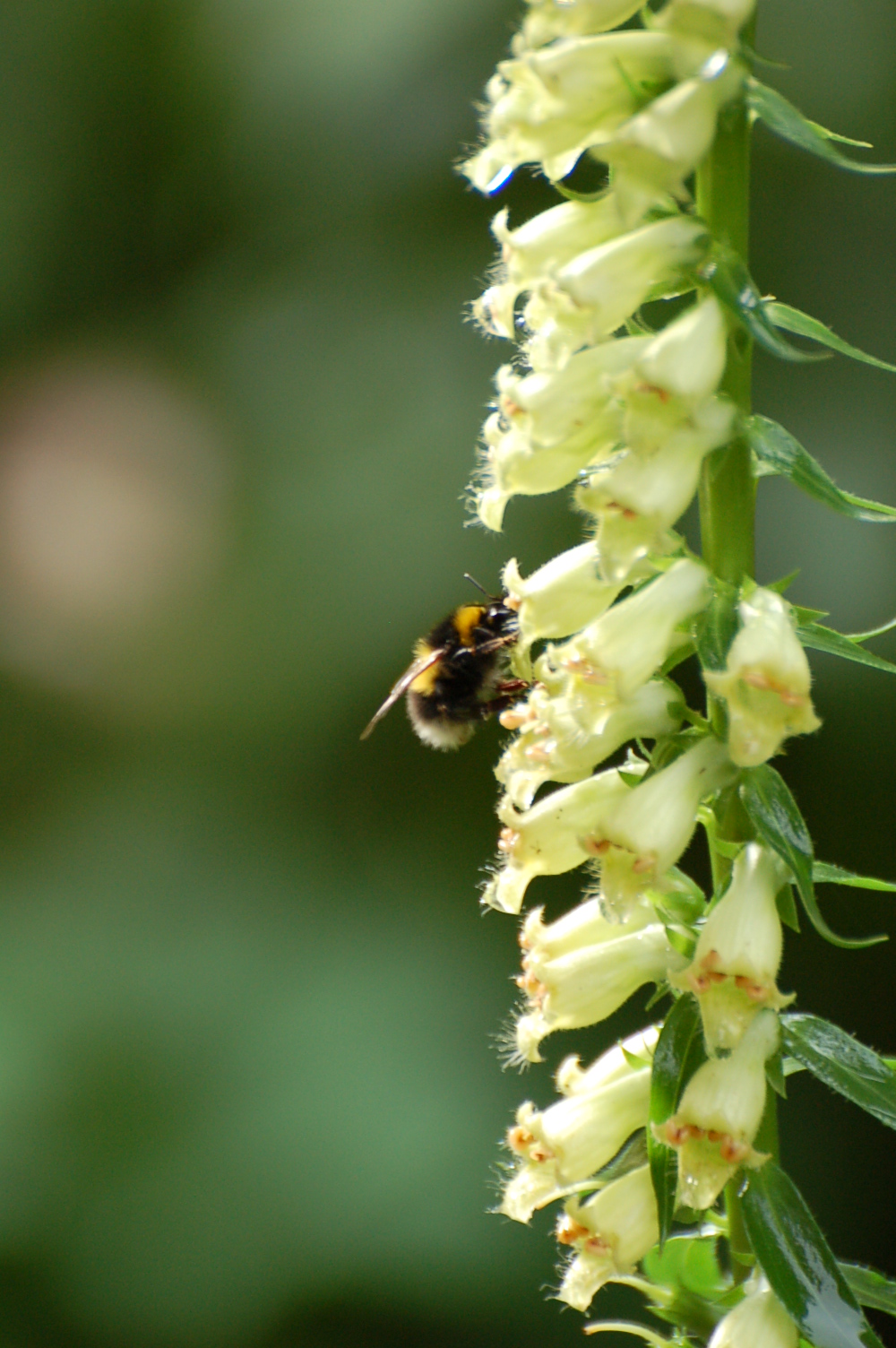
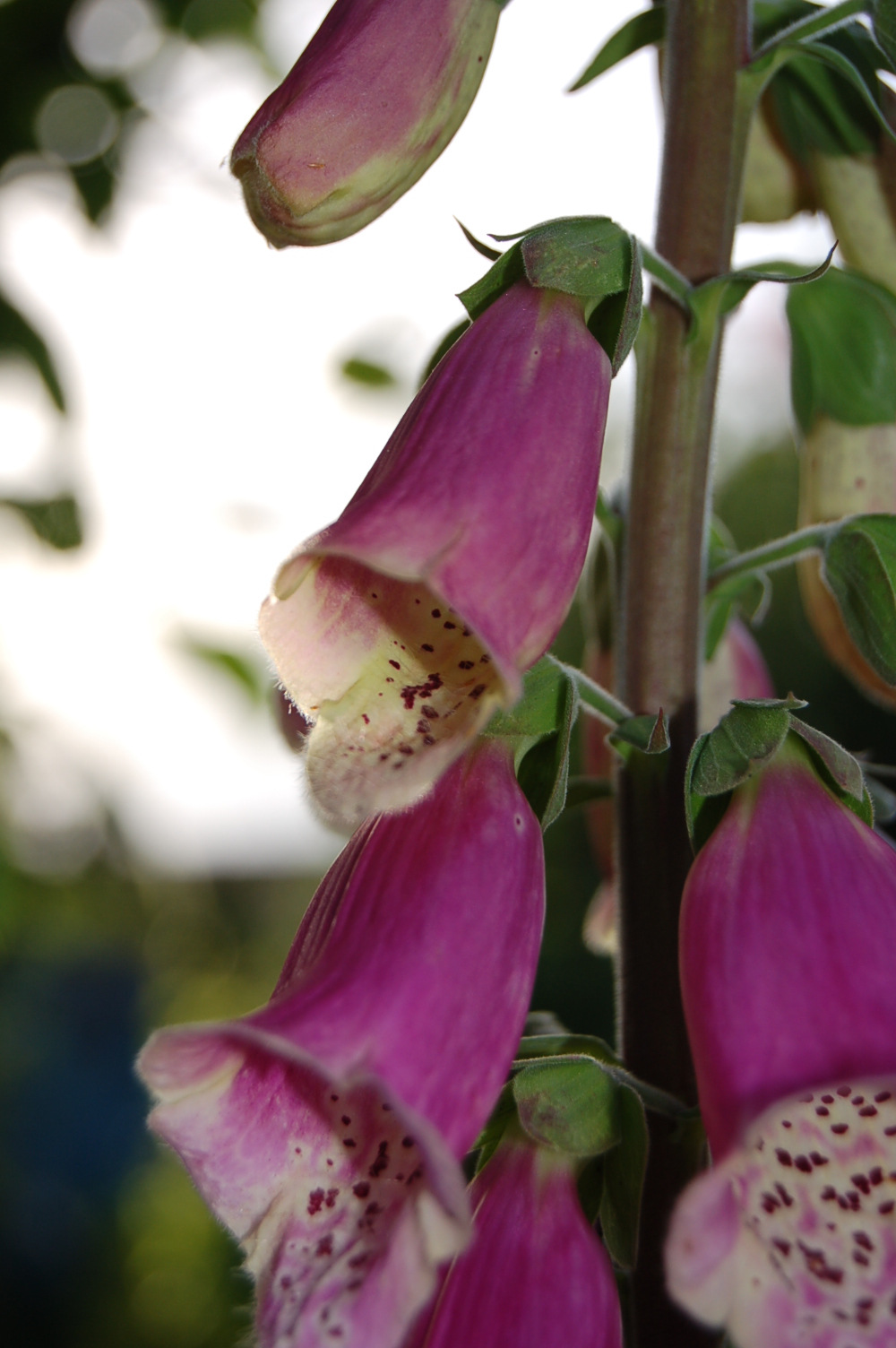
The “Chicken Garden” although less colourful at the moment as the alliums are losing their colour, has an impressive show of perennial foxgloves, favourites of the bees.

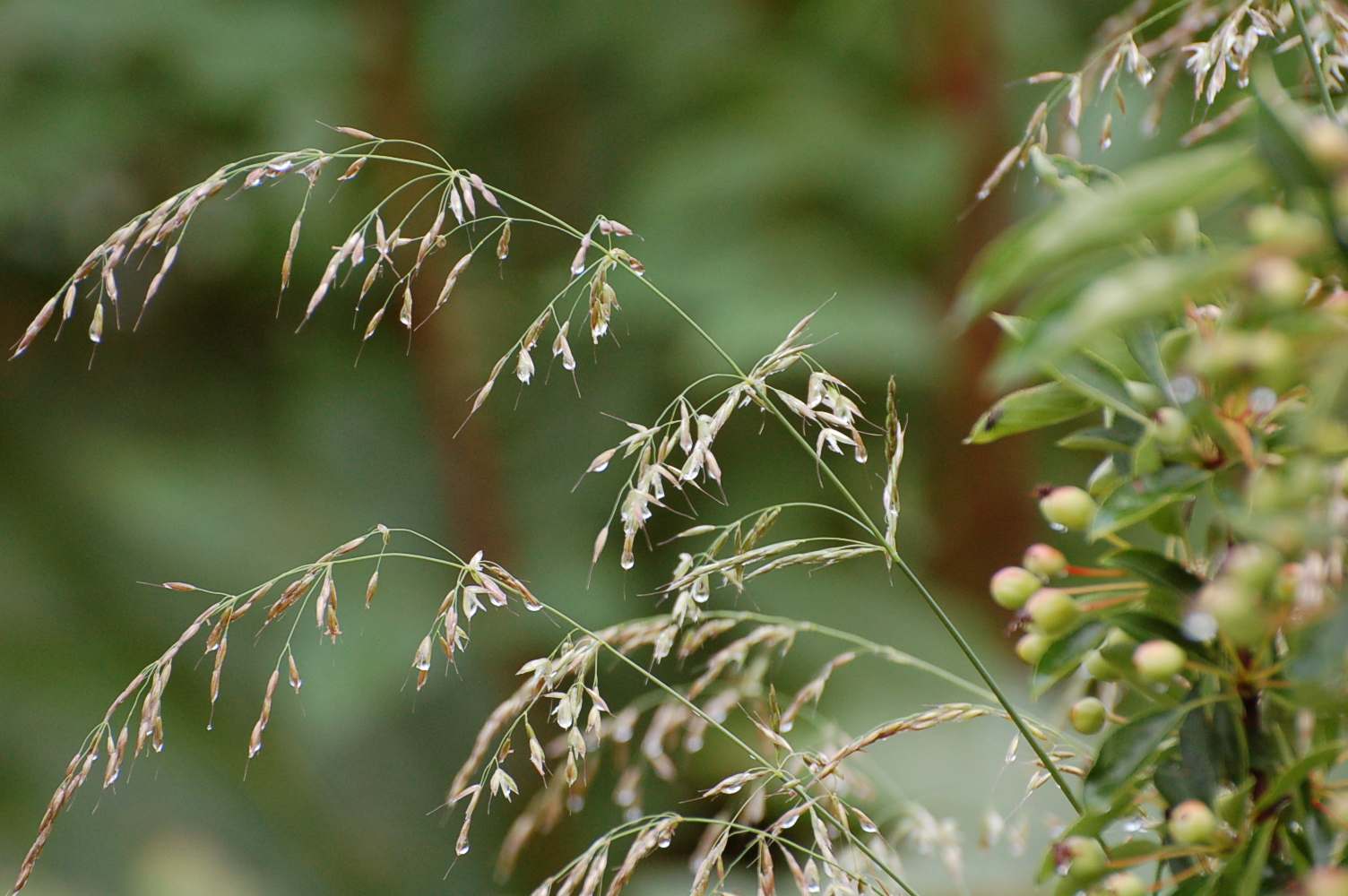
Grasses are flowering delicately in all the borders and often after a storm hold onto rain drops. The droplets of moisture act as prisms as light finds them.

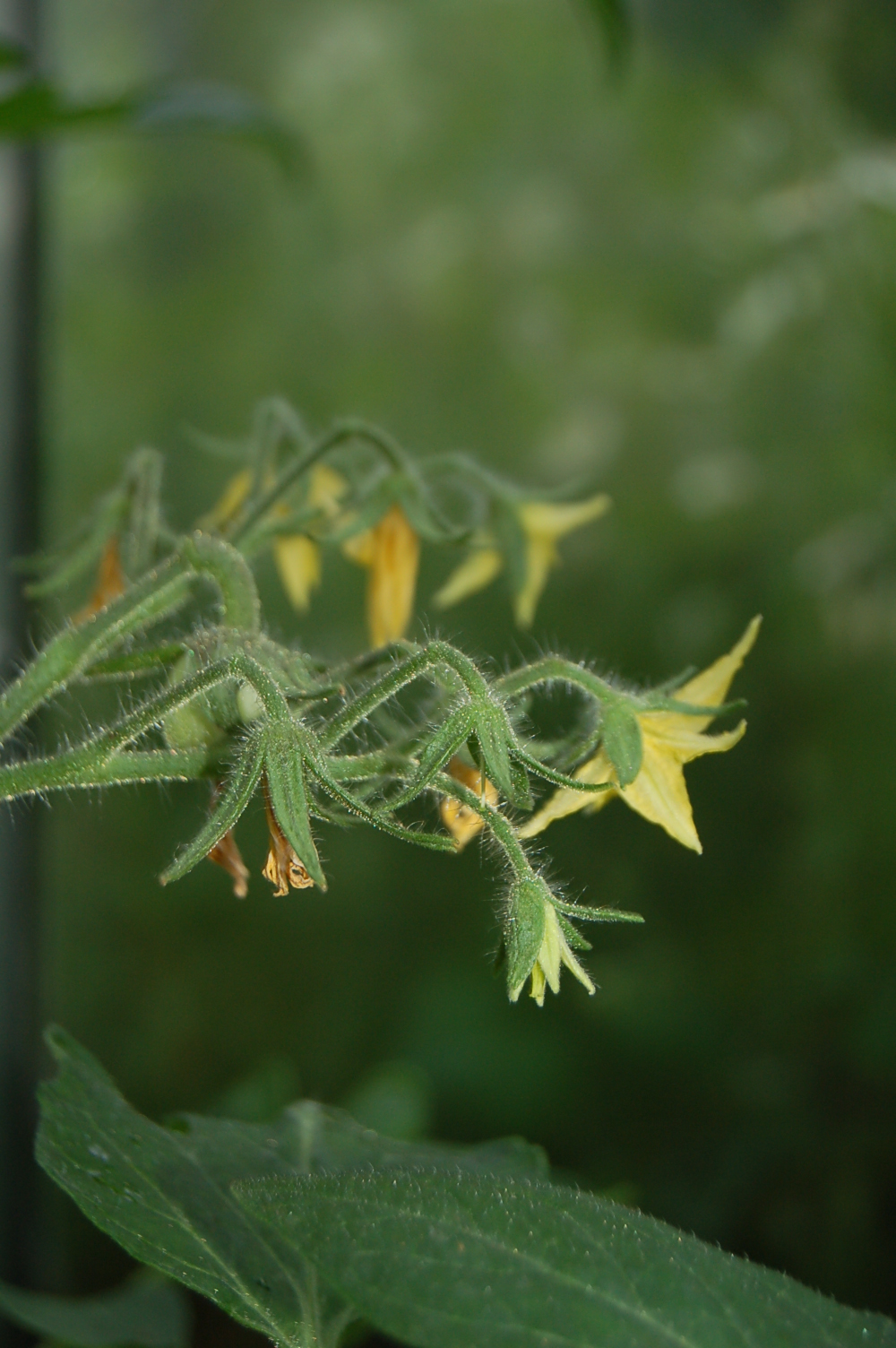
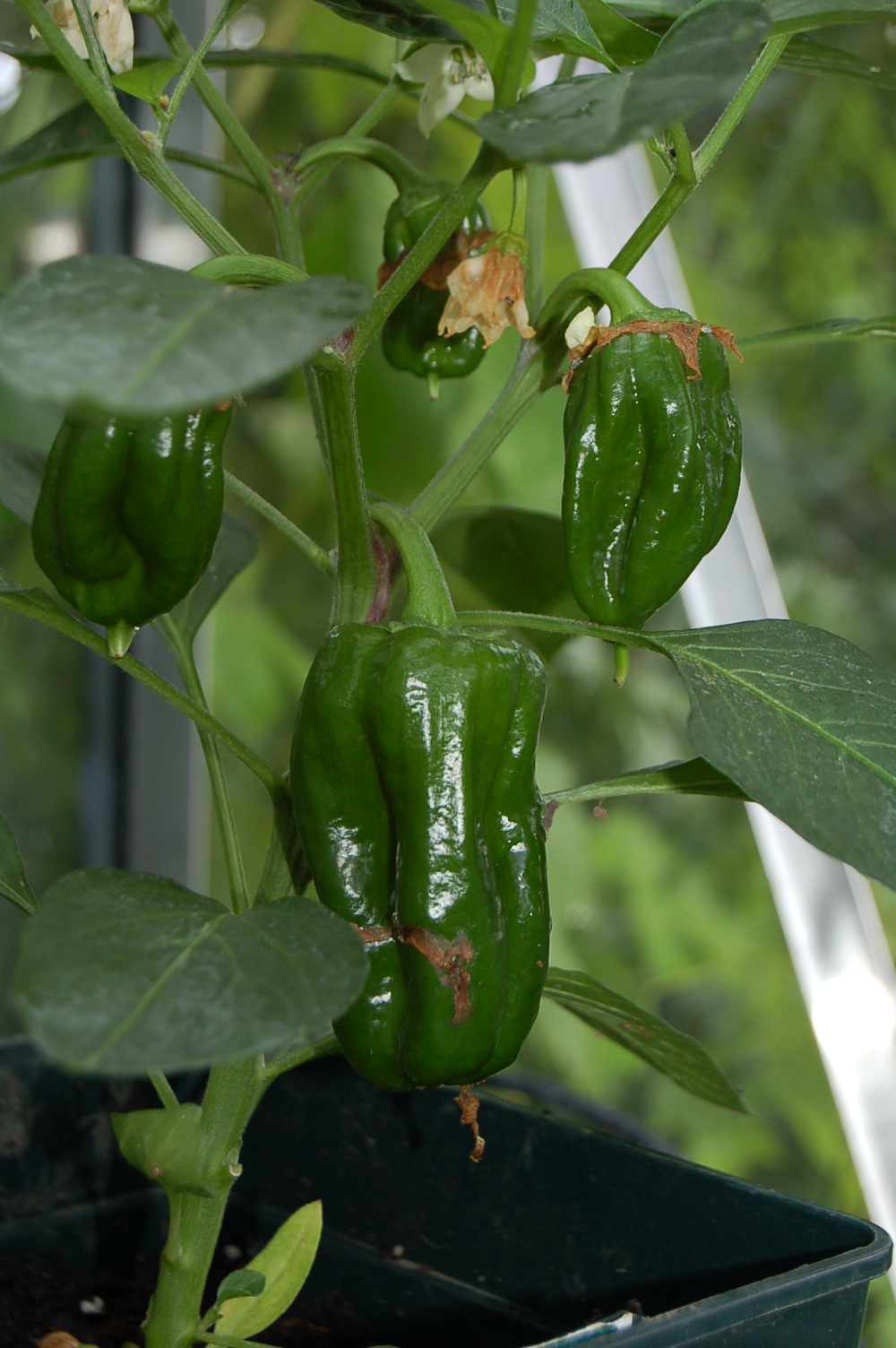
In the greenhouse tomatoes are forming on their trusses and further flowers open from their buds. Peppers like glossy green boxes promise sweetness to come.

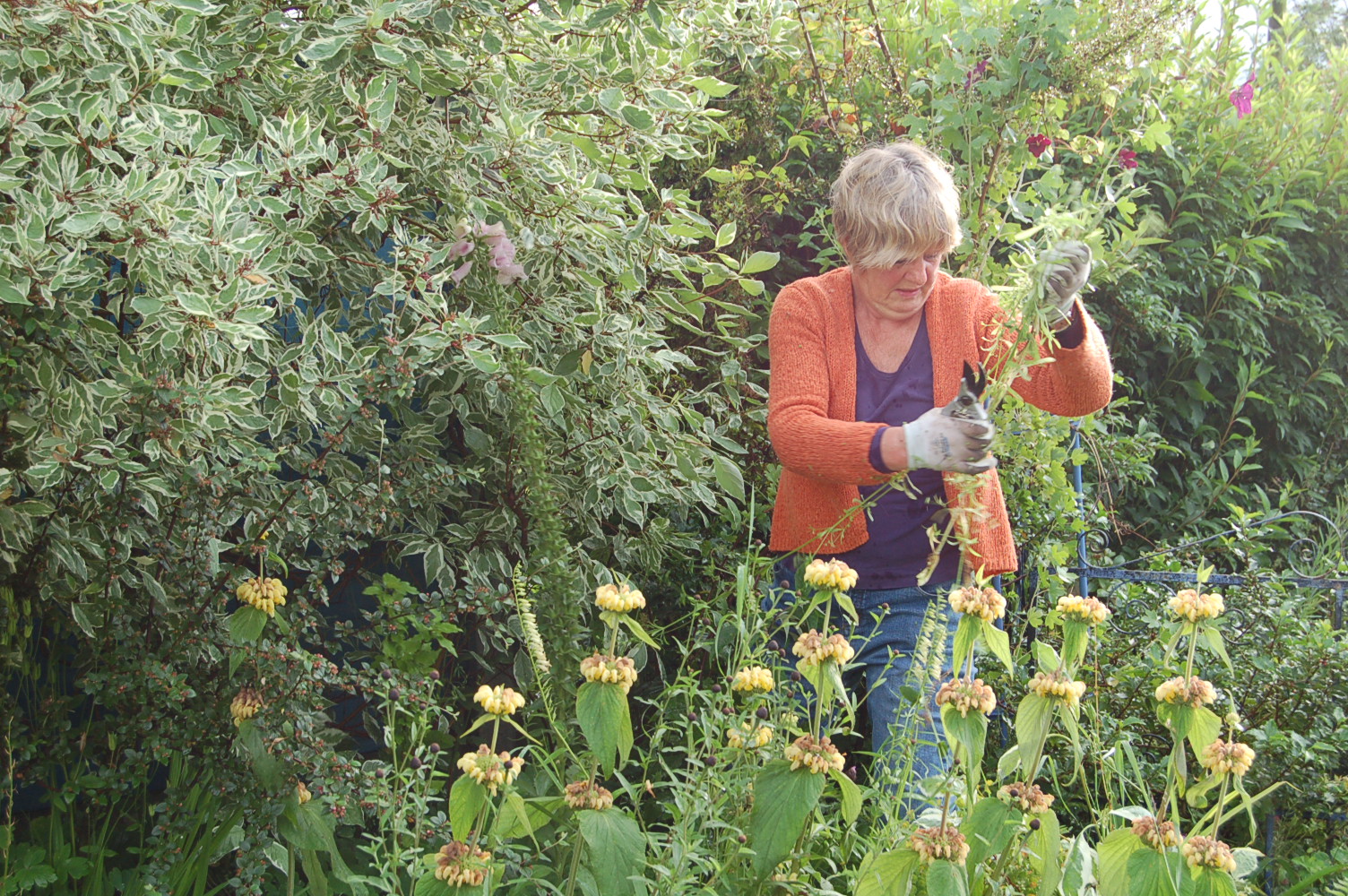
As we approach the middle of July we can but wonder what the rest of the summer can have in store for us. So far we have had the wettest summer months on record – it is hard to imagine that summer will truly arrive. It has been hard to keep up with maintenance in the garden this summer. There is so much growth that herbaceous plants need frequent deadheading and thinning and shrubs pruned to stop them overpowering the plants beneath. Jude, “The Undergardener” is pruning back the lower branches of the variegated dogwood to let light into the smaller plants below.

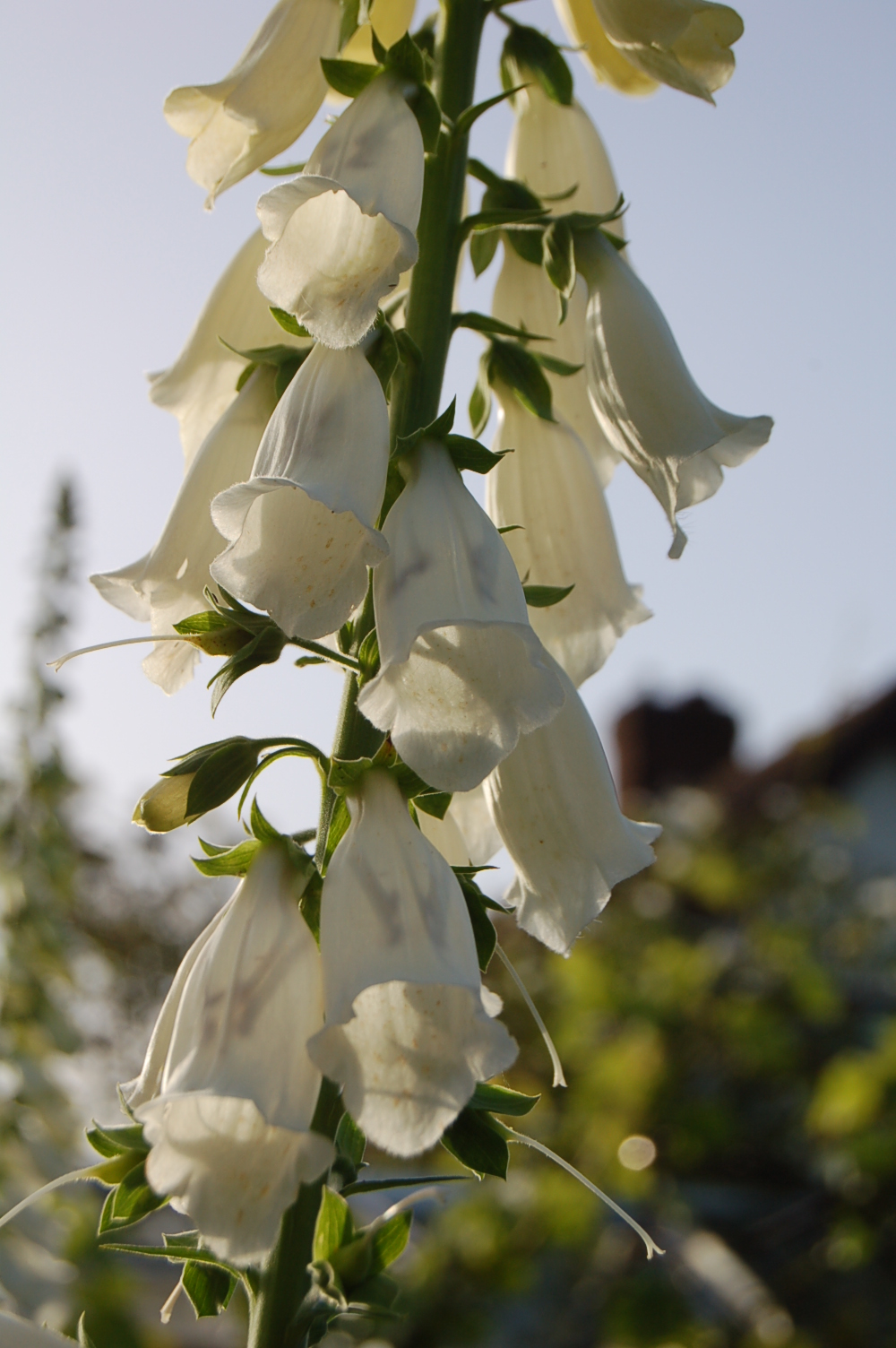
As the light began to fade I took a few photos to show it glowing through foxgloves.

Categories
allotments community gardening conservation drought fruit and veg gardening grow your own Shropshire

Our Wise Watering Campaign

On our allotment site this year the management committee are running a Wise Watering Campaign, with the aim of reducing the amount of water used by plot holders. We were ashamed to hear that our site uses more water than any other in Shrewsbury. When we looked into the situation we were amazed that only 18 of the 68 plots had guttering and water butts attached to their sheds to catch rainwater run-off. Many plot holders turned to their hose pipes too readily to water their crops. Something had to be done.

We had already fixed guttering, downpipes and butts to our communal buildings and we use this captured rain to water our communal gardens, so we began our campaign by encouraging members to follow that example. Jude, Mrs Greenbench aka the Undergardener, in her role as secretary to the committee has been trying to source grant money to help purchase more water butts. Amazingly our local water board did not even bother replying, but there are still a few irons in the fire.

I was asked to write an article for our newsletter, “Dig It!”, giving advice on how to water efficiently and a summary was sent to all plot holders. I wrote a much extended more detailed article which I posted on the allotments’ website. (see www.bowbrookallotments.co.uk and click on “Wise Watering”)

Our initial emphasis has been on using watering cans instead of hoses and encouraging members to add guttering and water butts to their sheds.

I thought I would give a few ideas here too, for your interest and wondered if anyone had any further ideas that we could use.

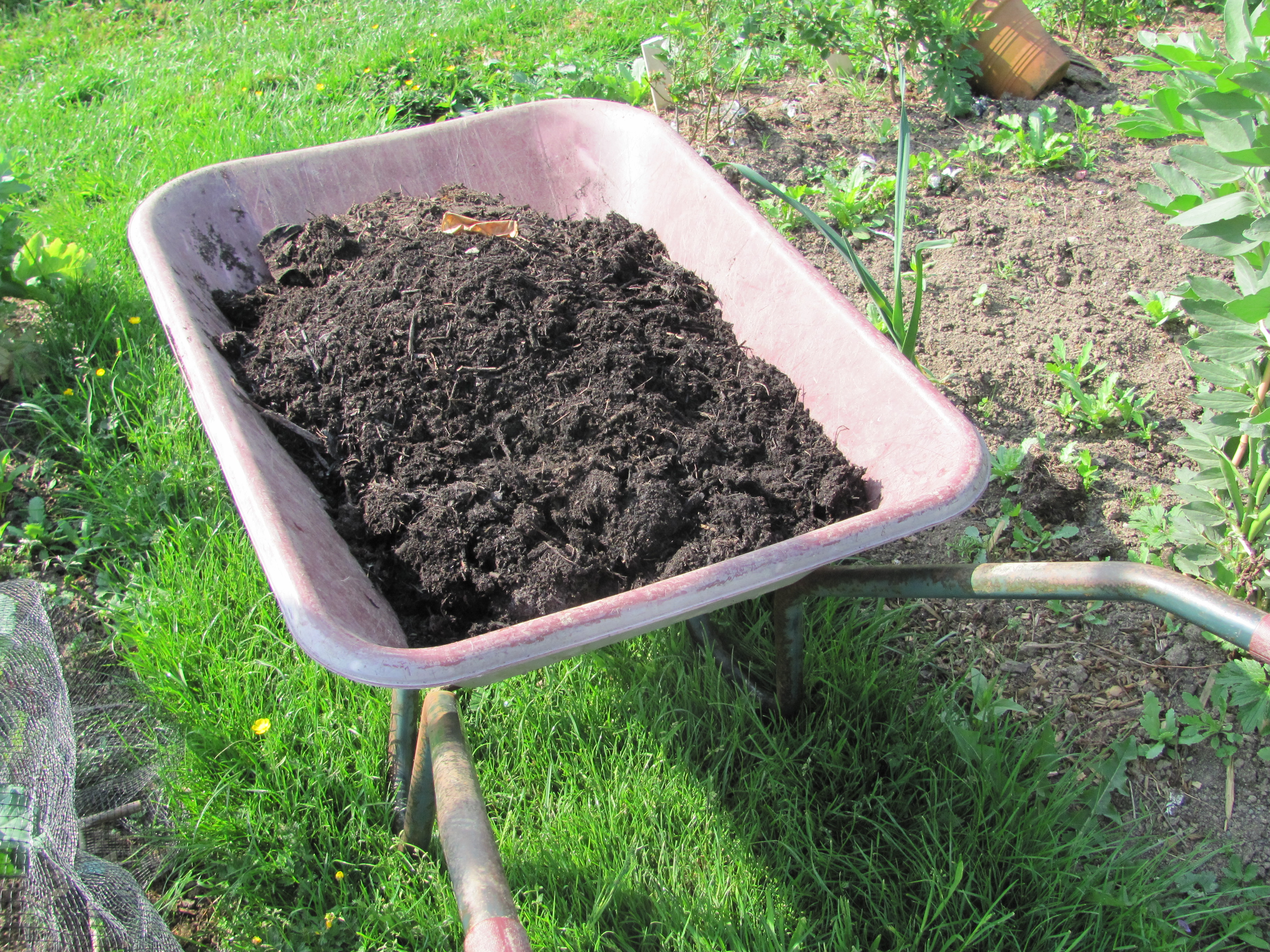
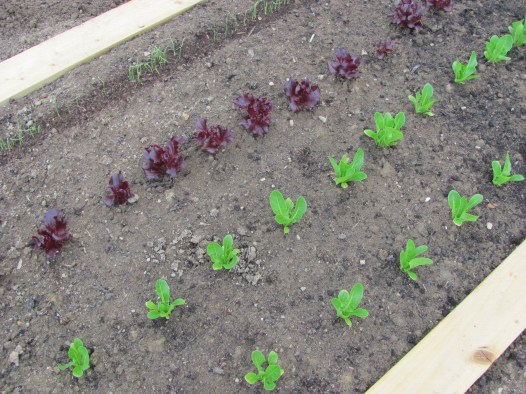
I emphasised the importance of improving soil quality and adding humus and fibrous material, which would help moisture retention after rain or watering, and allow the plants to take up moisture efficiently. We sell municipal compost and farmyard manure on site.
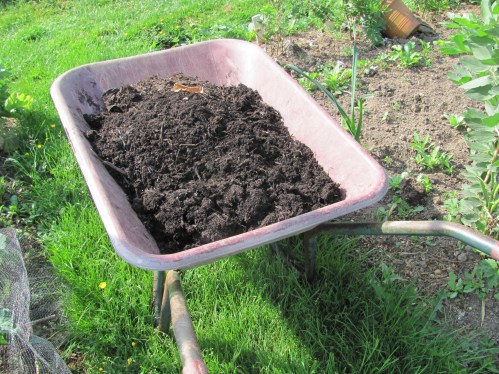
The best time to add manure is in late autumn or early winter and for compost early spring. I suggested also that compost should be used as a mulch after periods of rain to hold this natural moisture in.

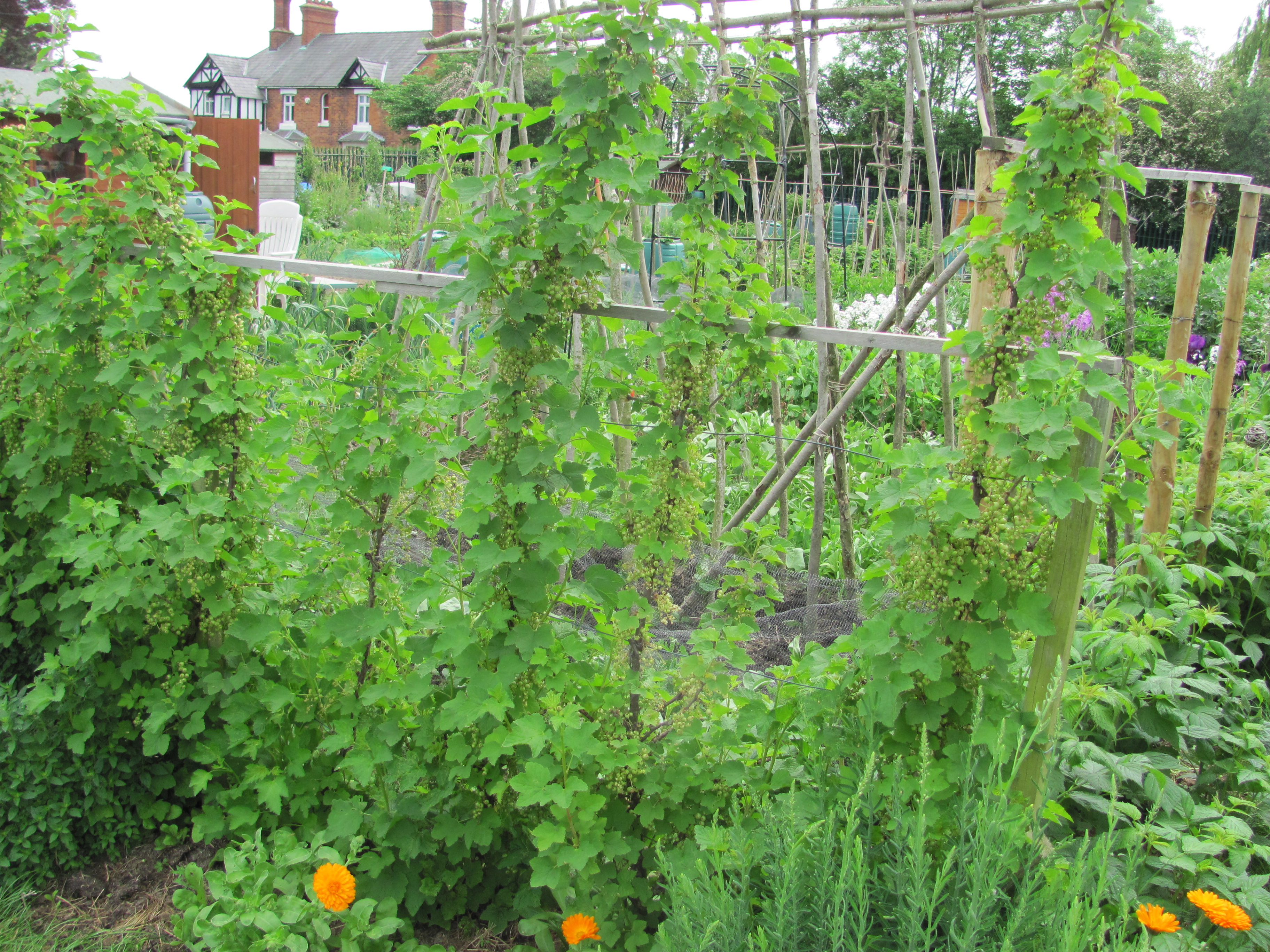
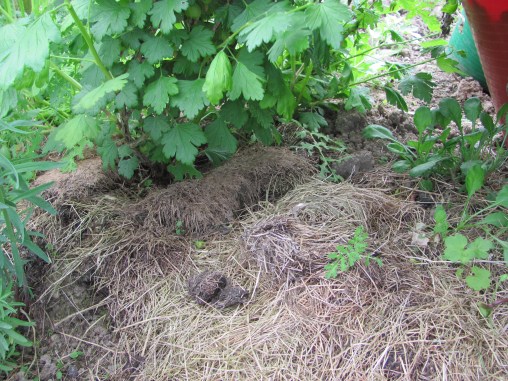
Mulching under fruit bushes is always useful as a lot of moisture is needed in the production of fruit. Old straw, hay or farmyard manure when added as a mulch will also slowly break down and feed the plants as well as improve soil texture.
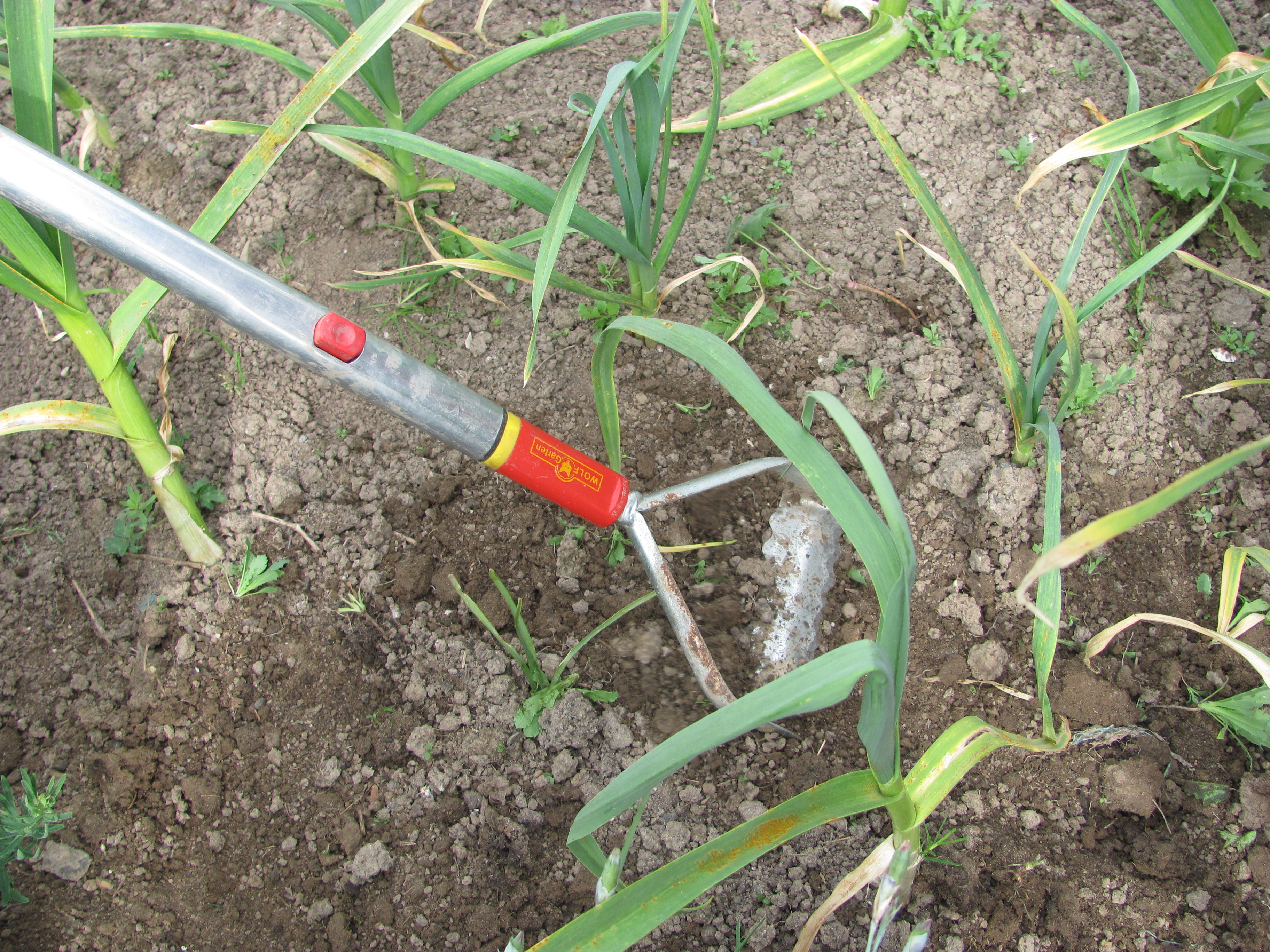
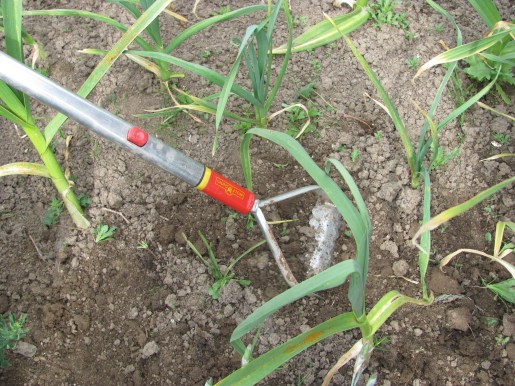
Another important way of managing the watering of your plot is to ensure it is always free of weed material. Weeds will use up moisture that would otherwise be available to crops. Using a hoe regularly is the best method to employ as keeping the surface loose helps rainwater get below the surface.
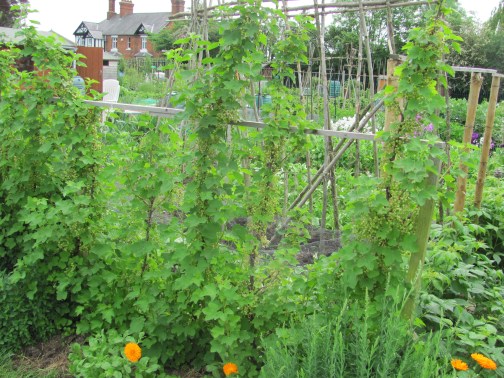
Growing your fruit trees as cordons on the windward side of your plot cuts down on evaporation. Alternatives are flower borders or a row of root artichokes.
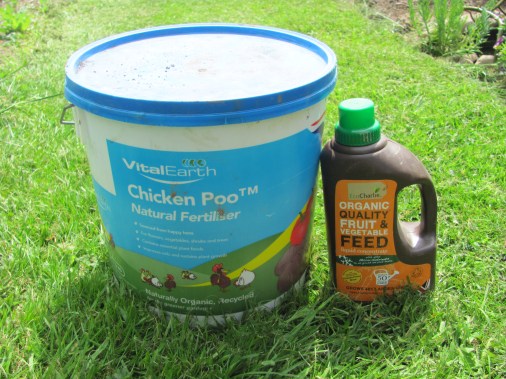
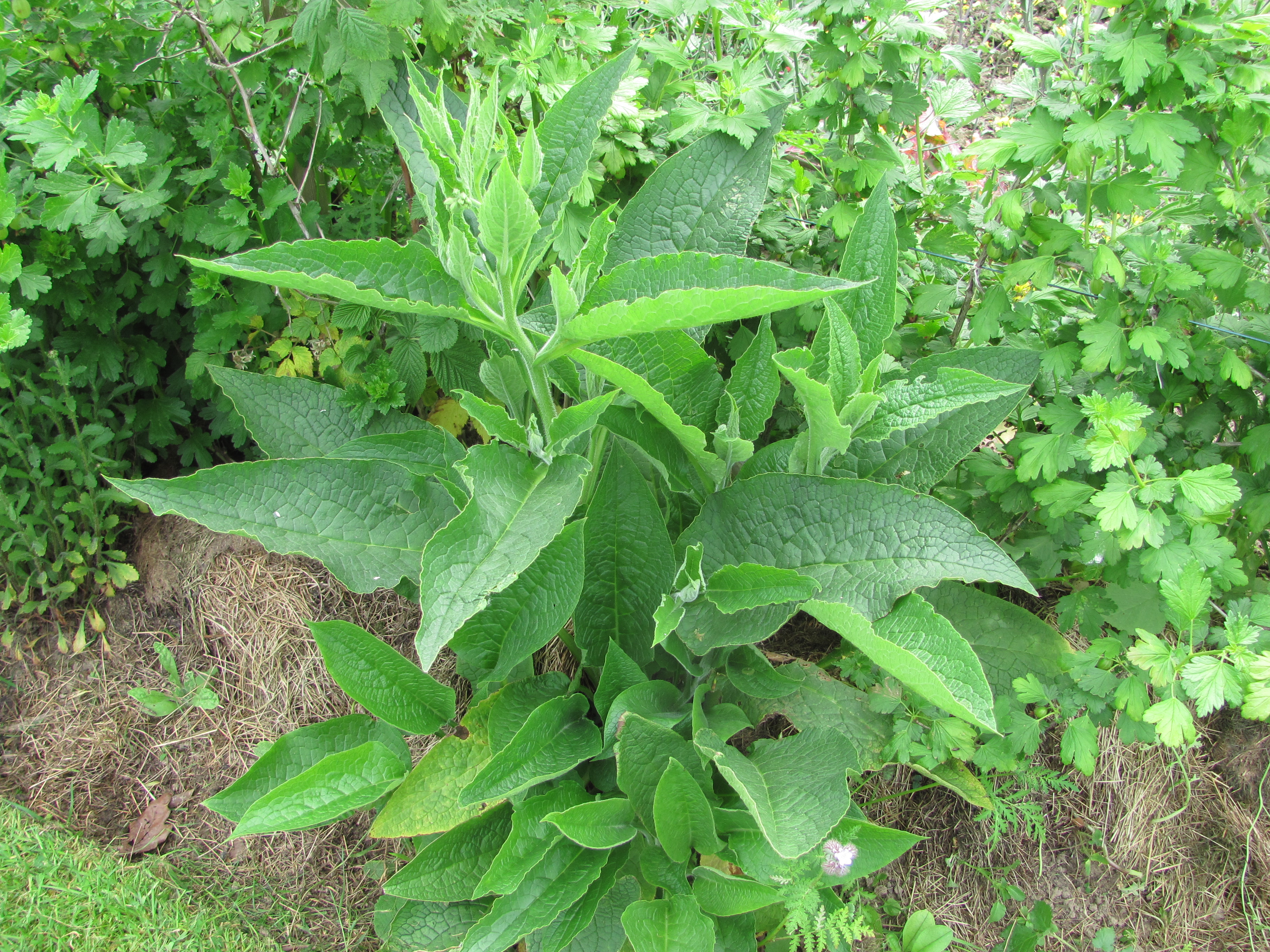
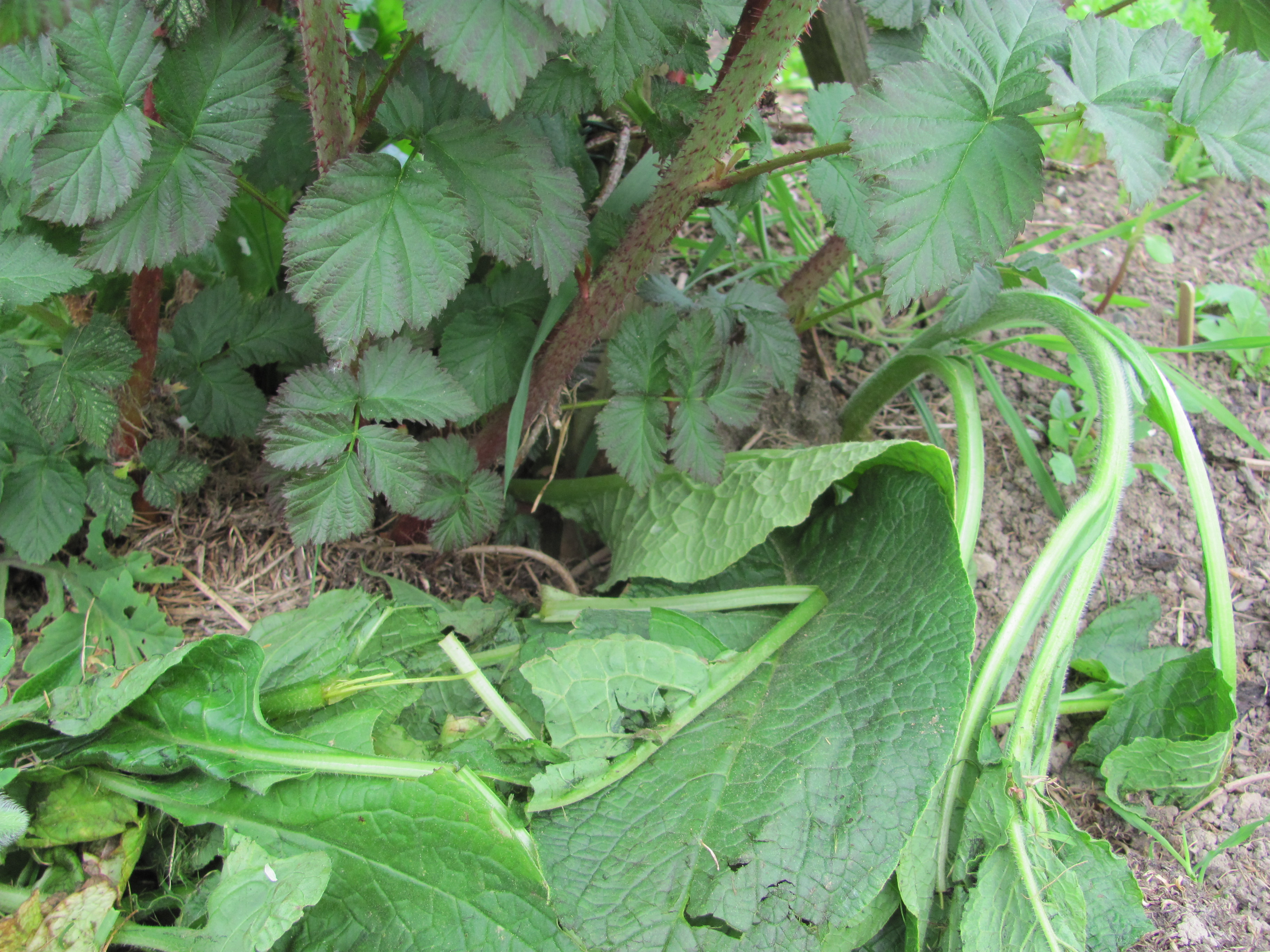
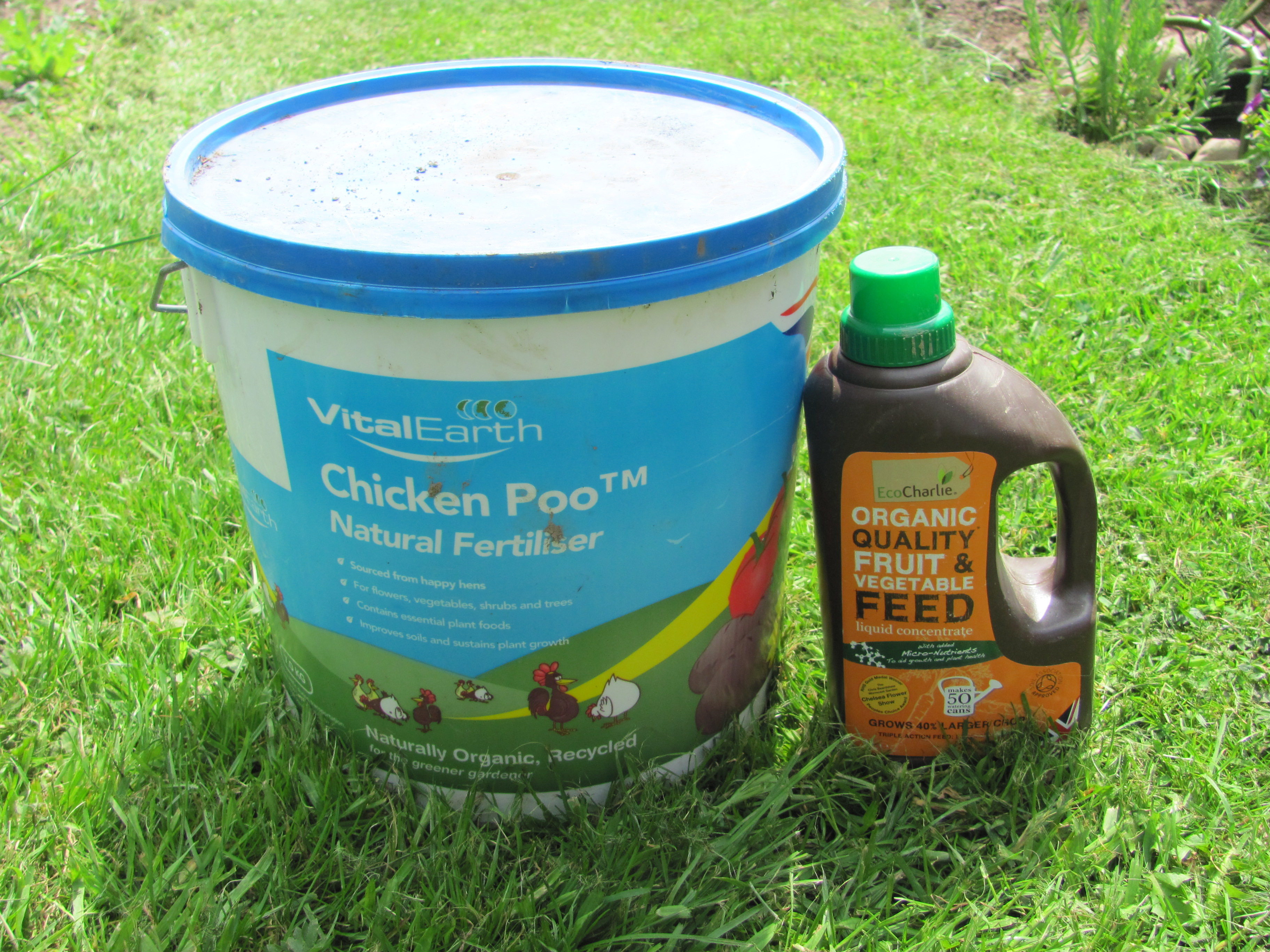
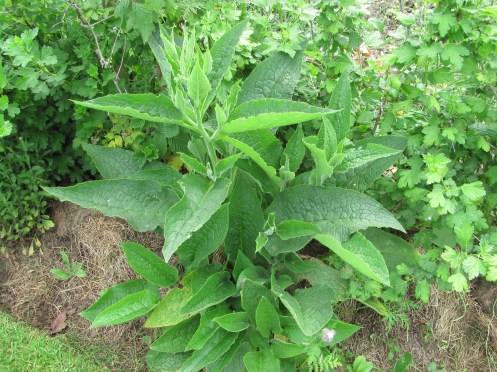
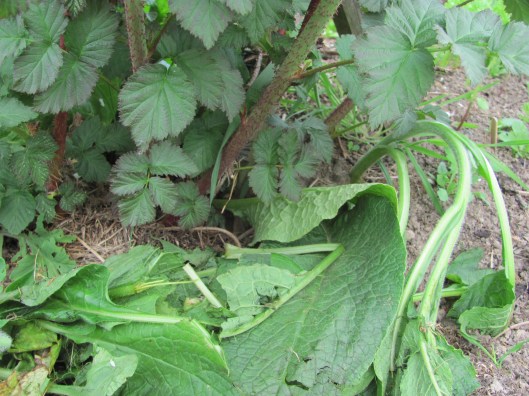
Strong, healthy plants will survive dry periods better and newly planted quality plants will establish without regular bouts of watering. To ensure plants are as healthy as possible feed them with natural, organic feeds rather than chemical based fertilisers. Growing your own fertilisers is even possible. Comfrey can be grown and regularly cut, soaking the leaves and stems in water for a few weeks produces a free and effective feed when watered down to the colour of weak tea. The leaves can also be utilised as a mulch placed directly below fruit trees and bushes.
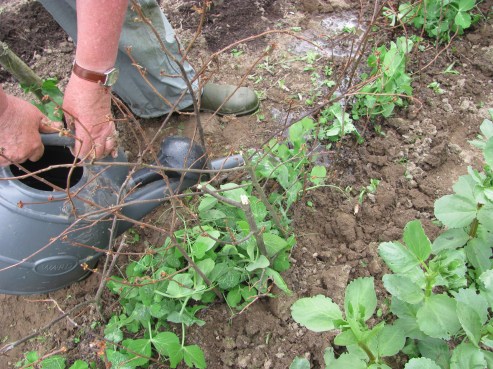
The way the plants are watered is also an important factor in determining how much water is used. Watering with a hose all around rows of plants is wasteful as most of the water lands on the bare soil and not where plants can use it. To ensure that plants can take up and use as much water as possible, it is best to water from a can without a rose and direct the flow of water towards the base of the plants.
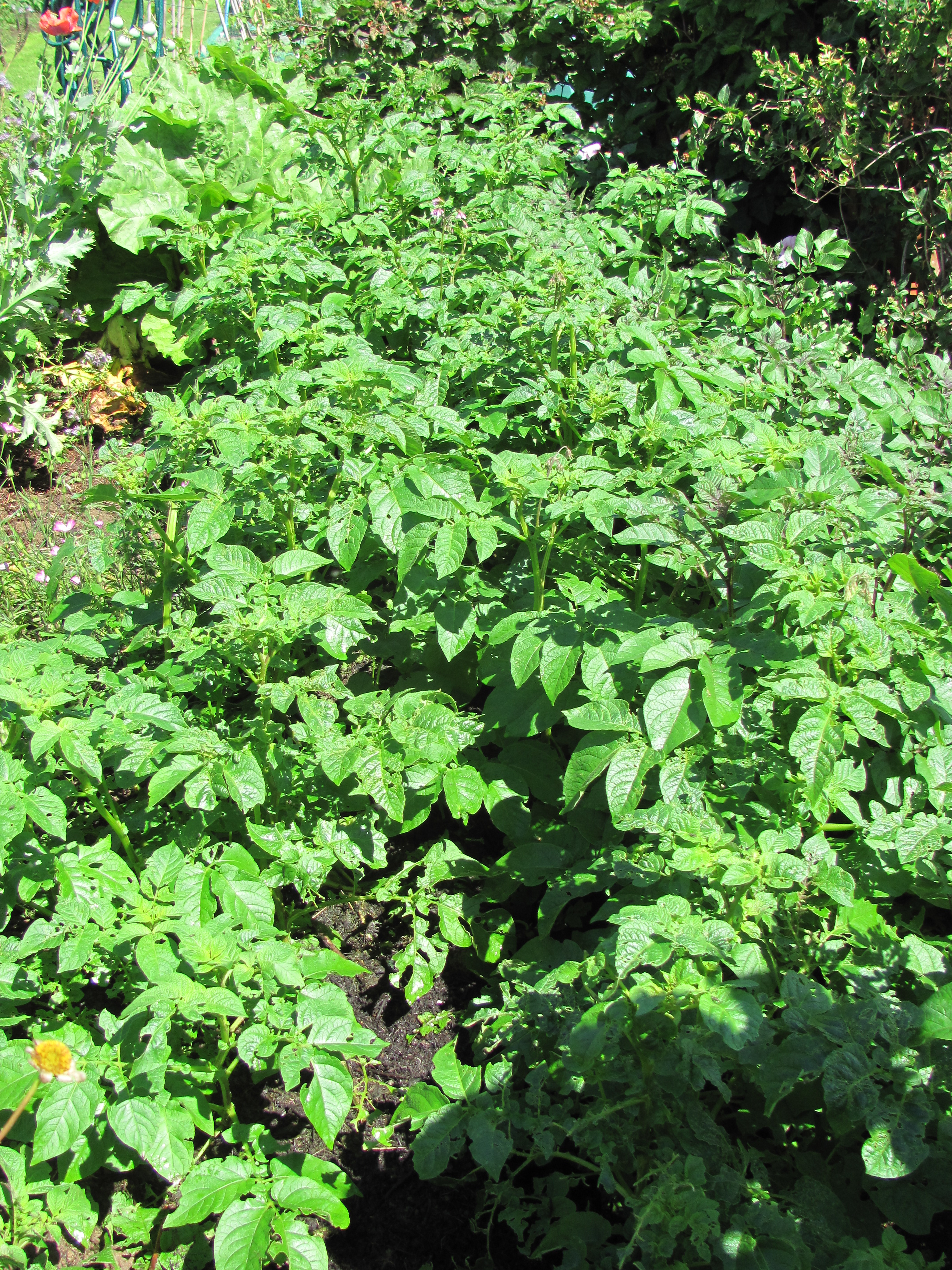
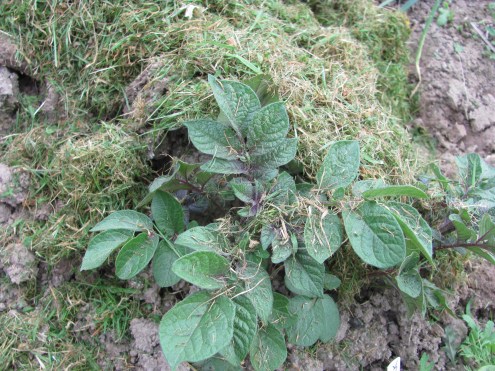
When your potatoes need earthing up, add a layer of fresh grass cuttings before the soil as this will help retain moisture as the potatoes are forming.
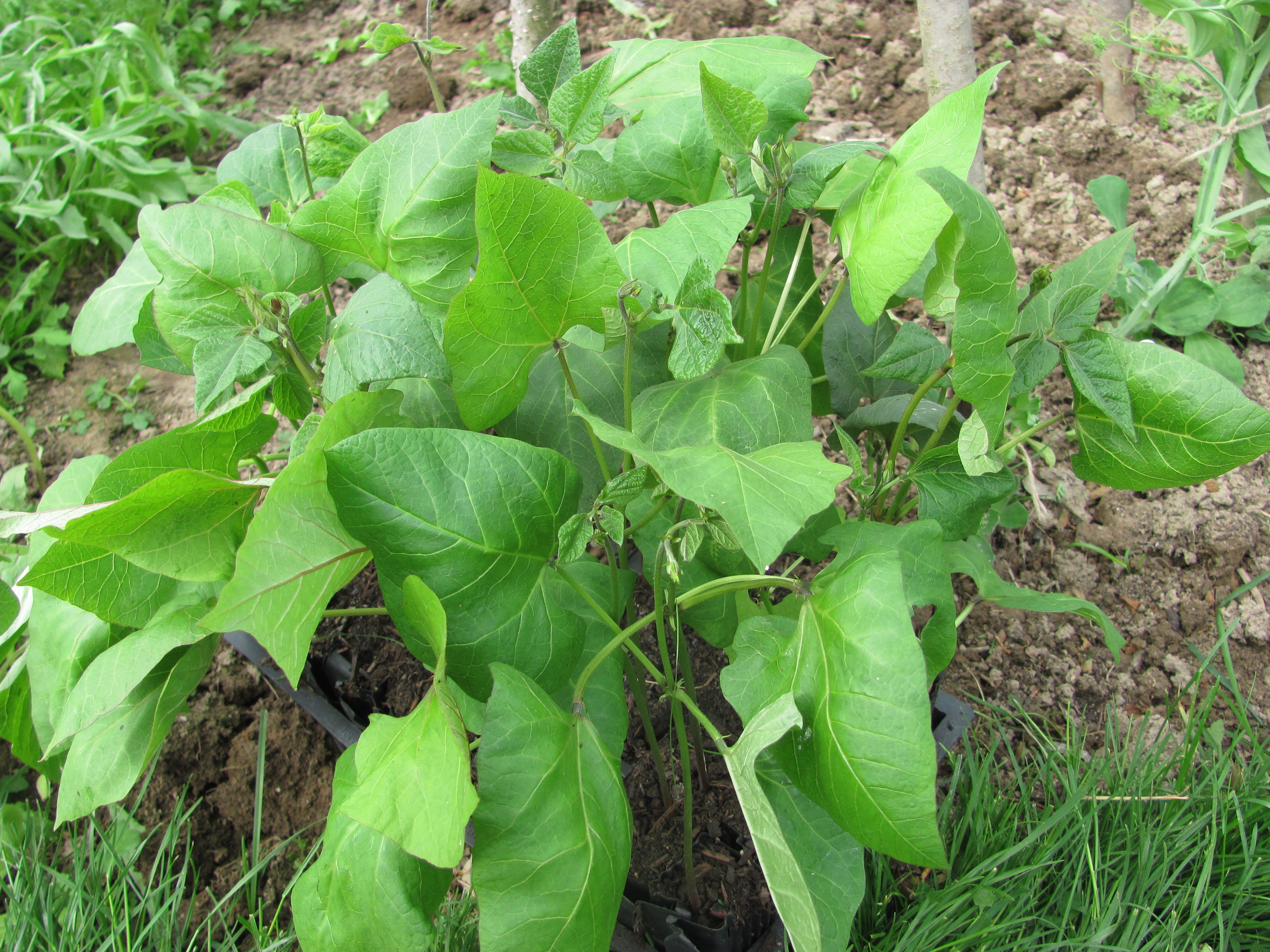
I tried to work out the most water-efficient way of planting out our vegetable plants and used runner beans as an example. The first point is to ensure your plants are strong and healthy.
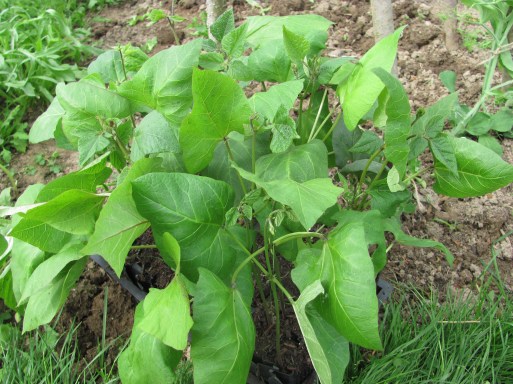
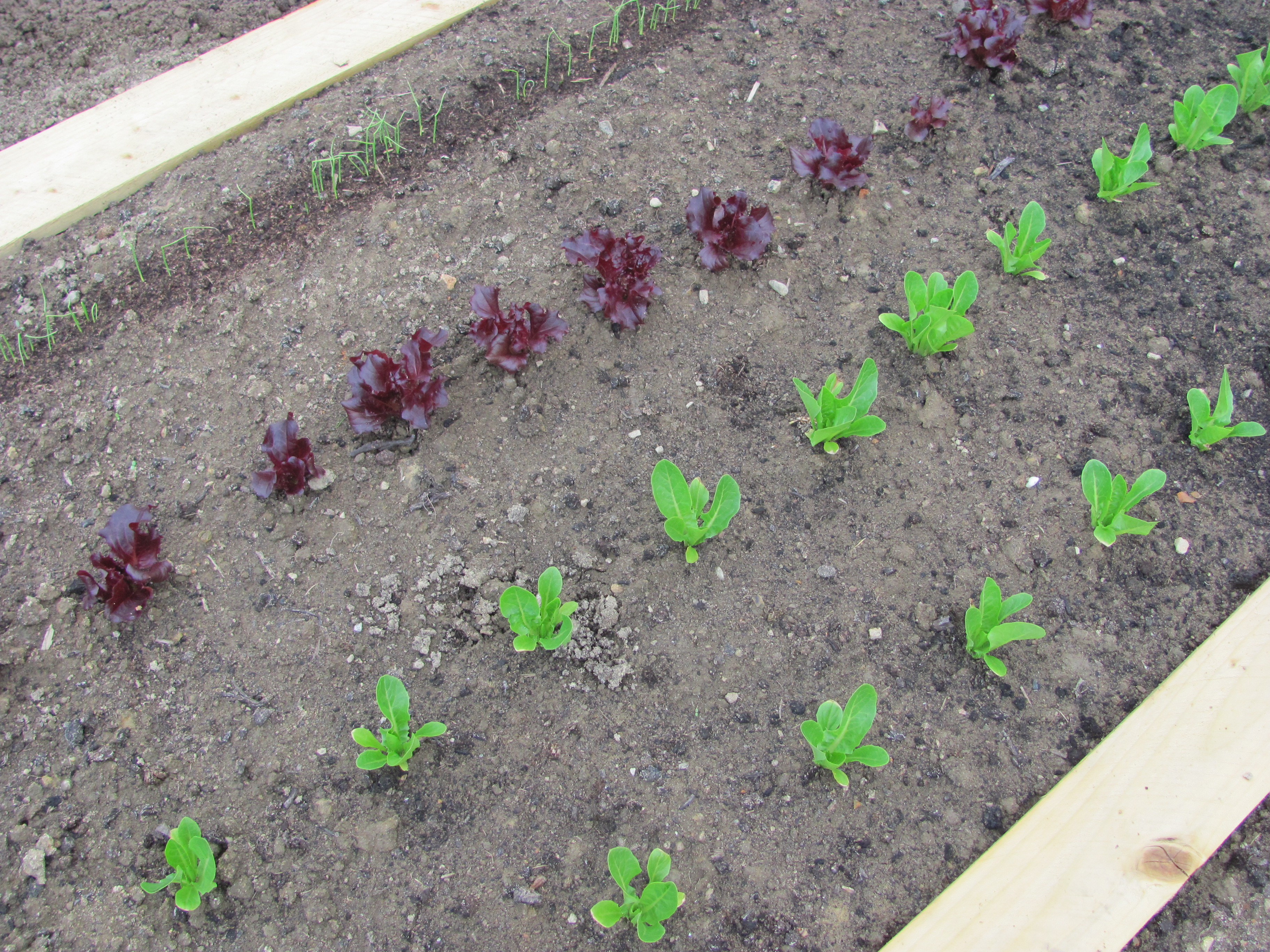
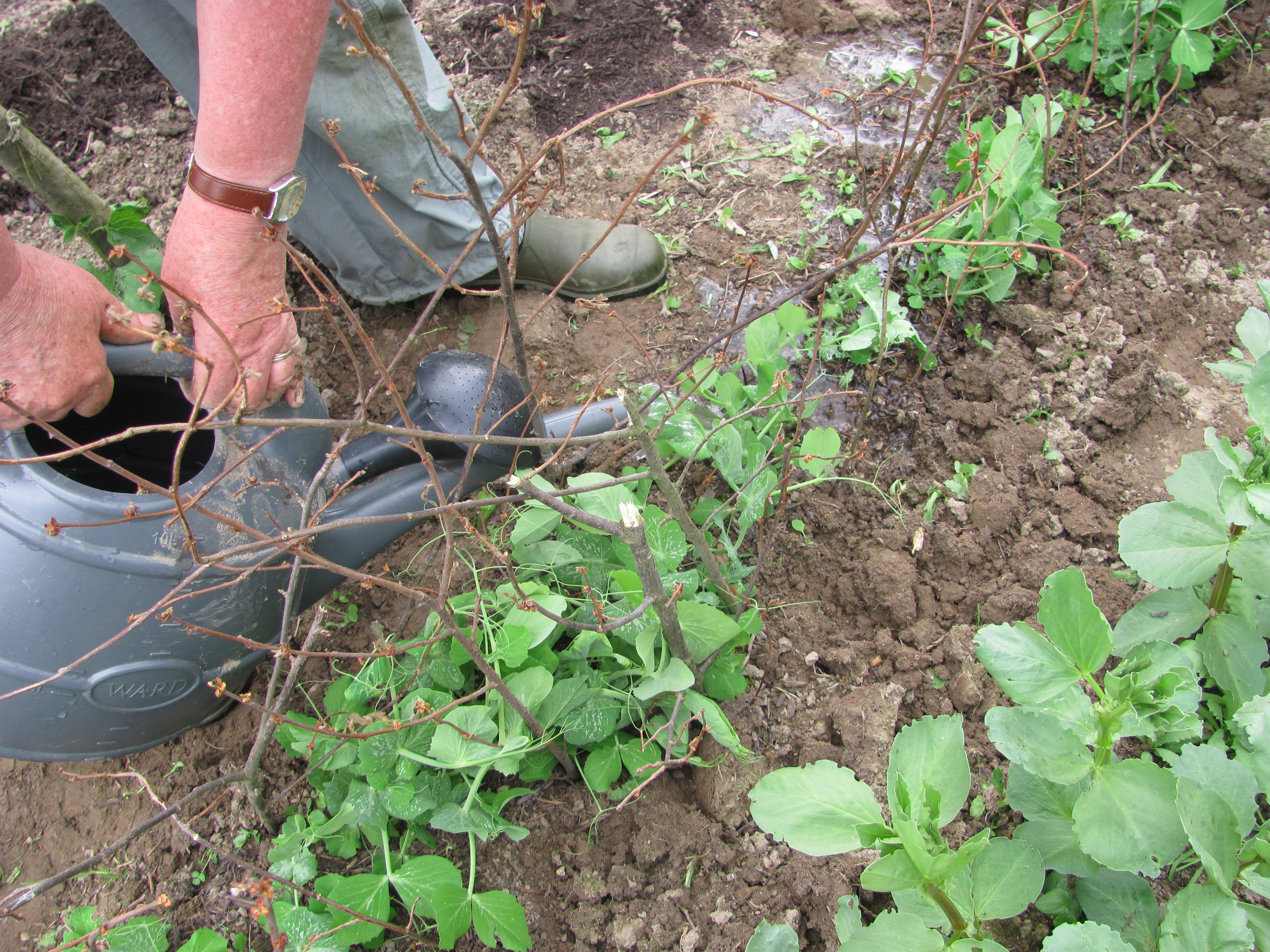
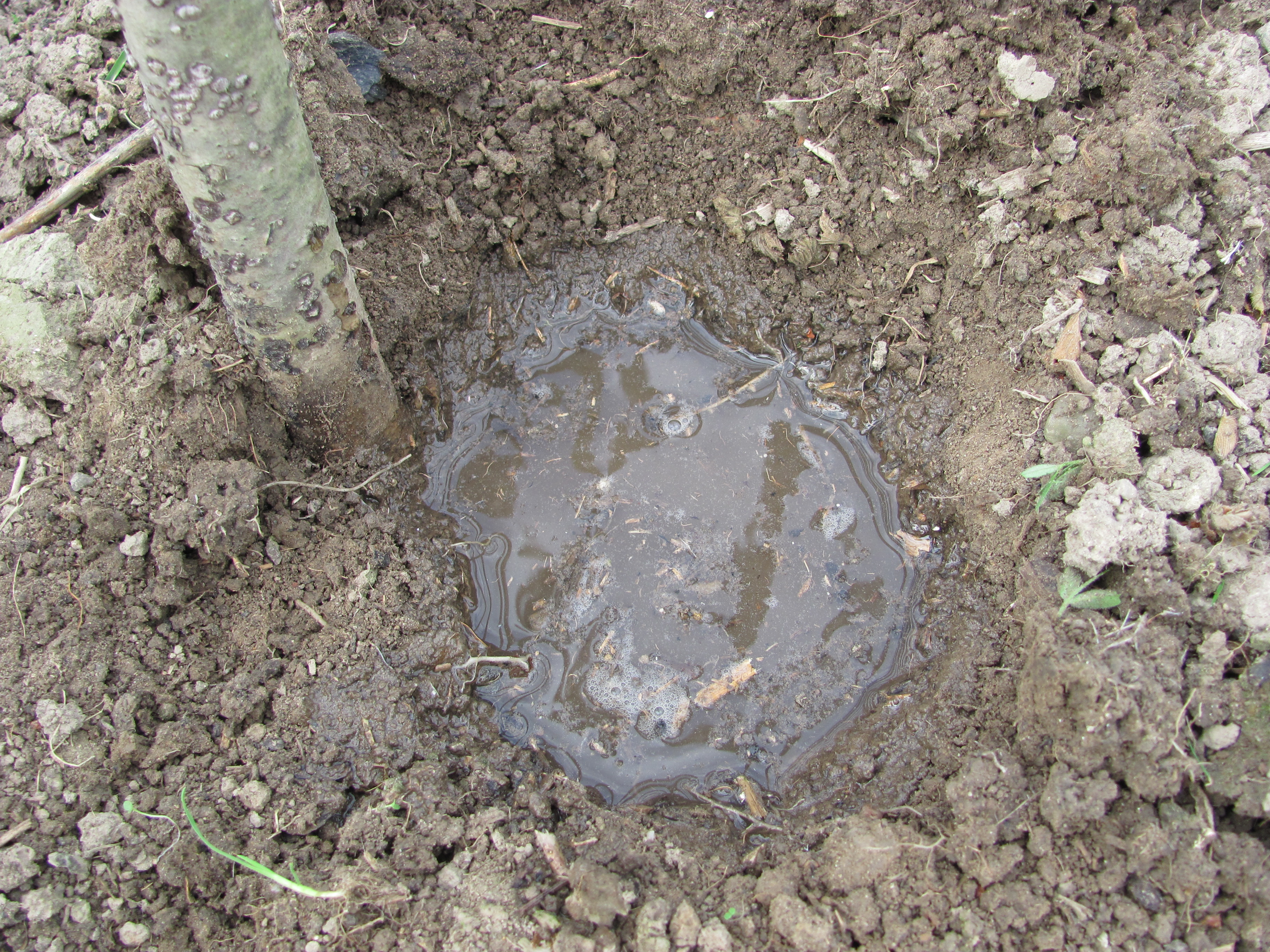
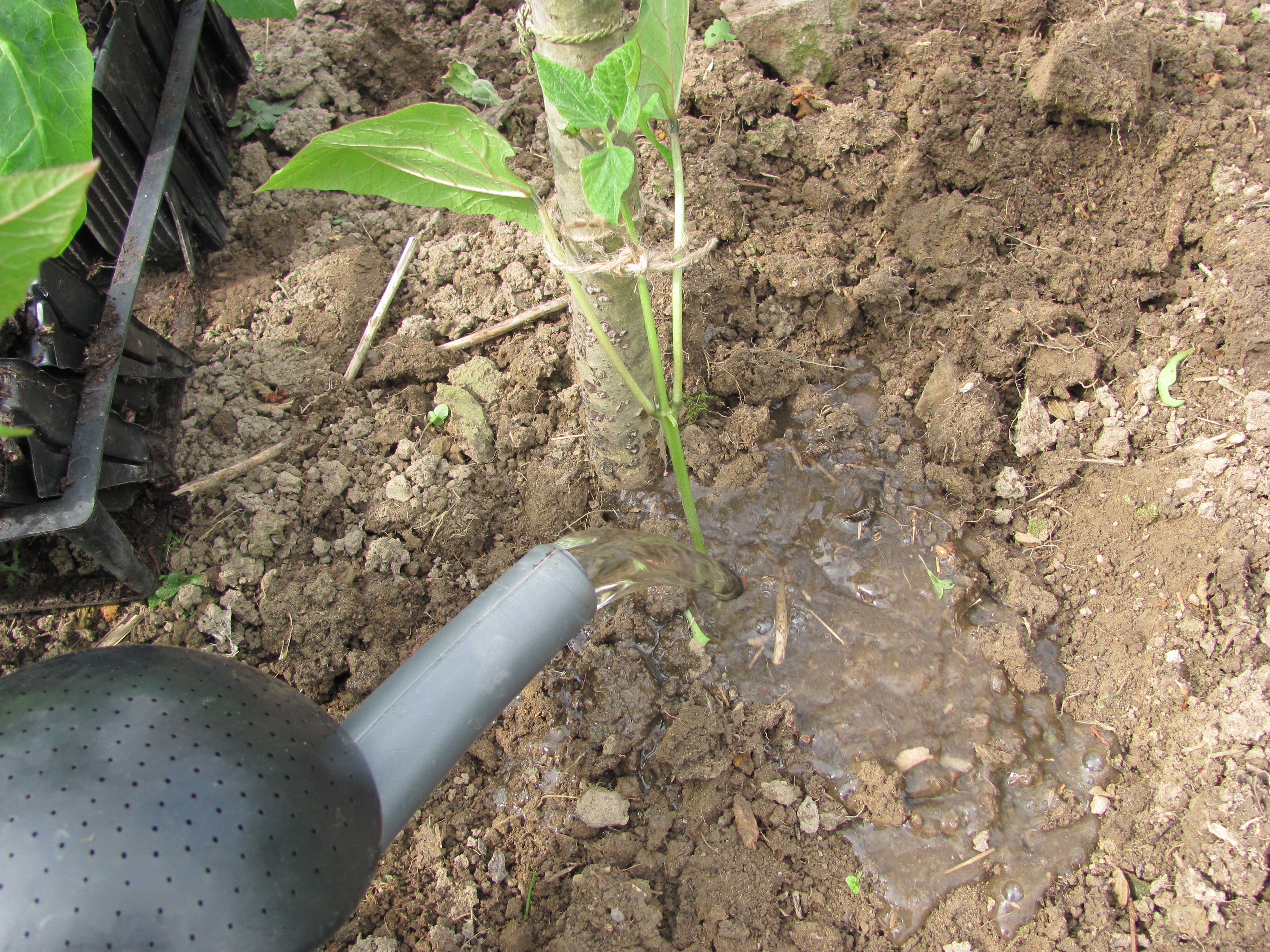
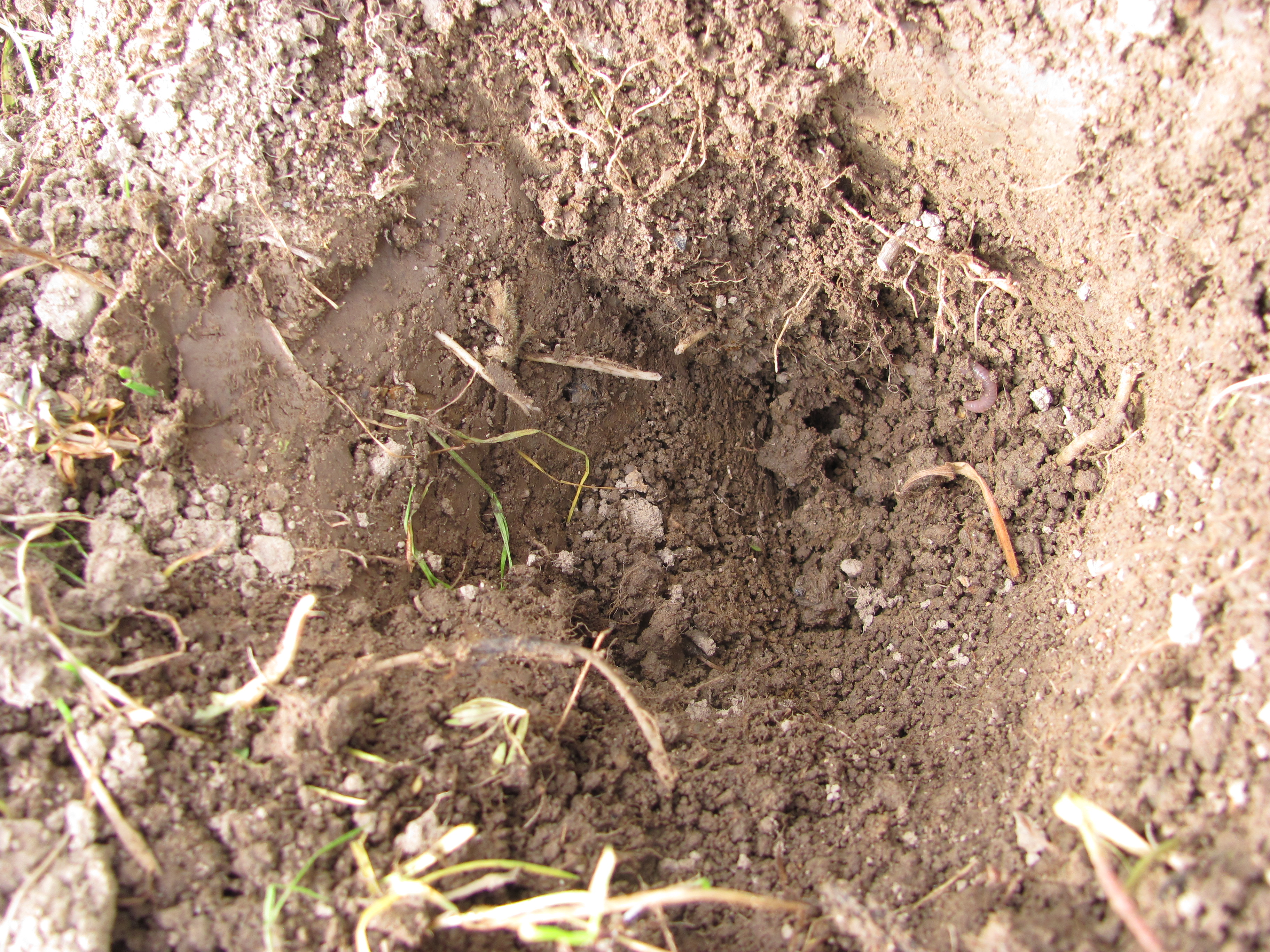
Take out your planting hole and fill with water from a watering can – I also add some comfrey feed to this. Let the water drain away and repeat the process.

Place the plant in the hole and water yet again after firming soil back in around it.

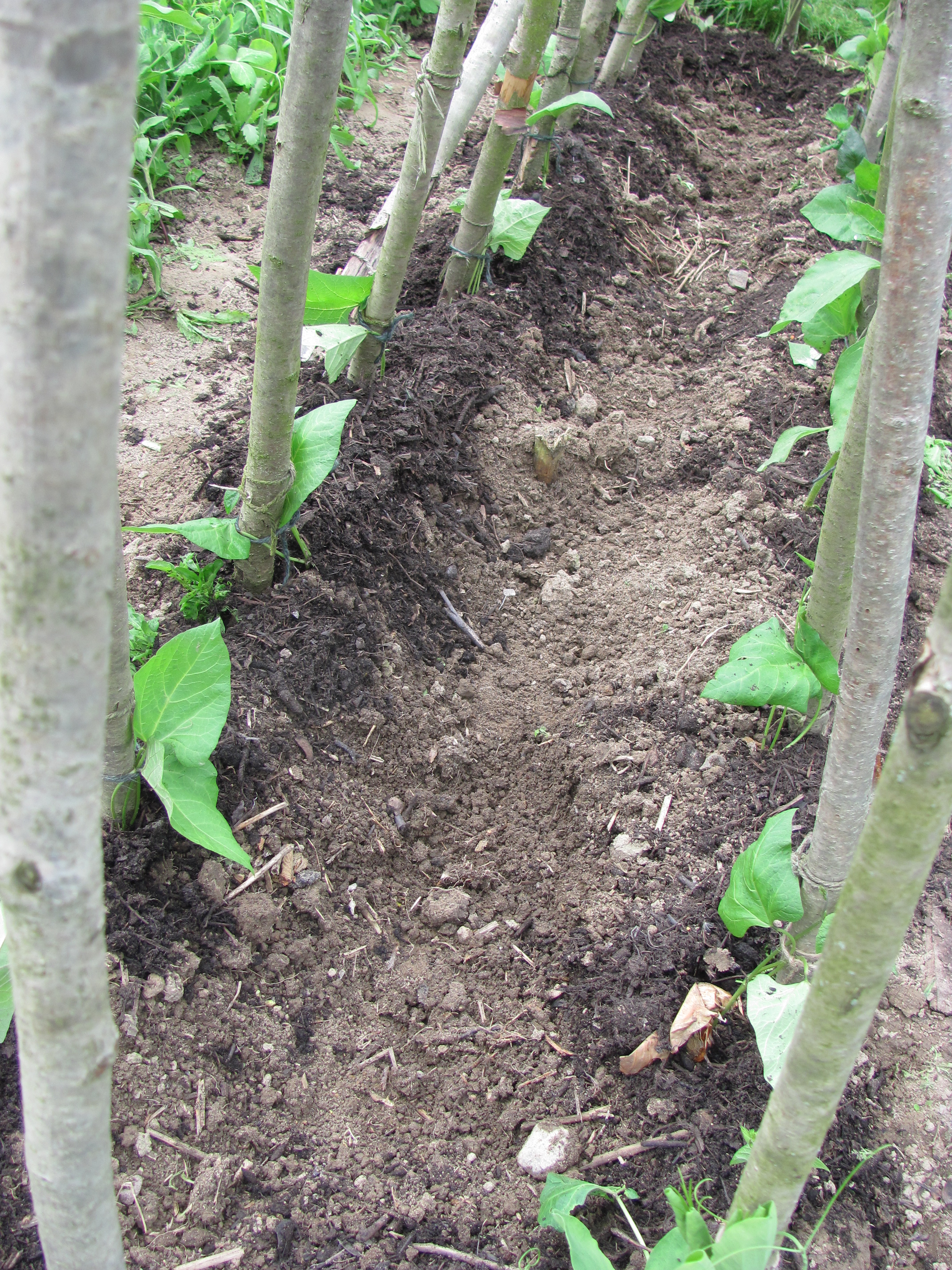
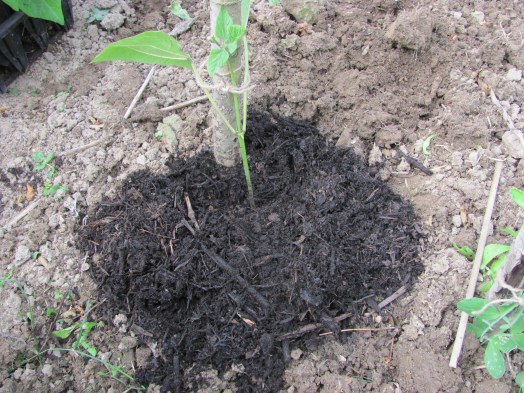
Add a good layer (at least 2 inches deep) of compost to keep the moisture in as the plant establishes. This helps the plants settle in as it is getting its roots down.
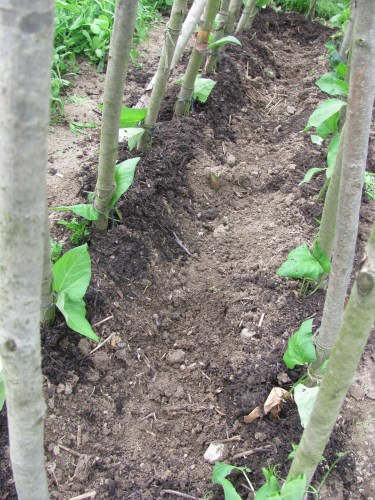
Form a trench alongside the row of plants to collect any rainfall and direct it towards the plants.
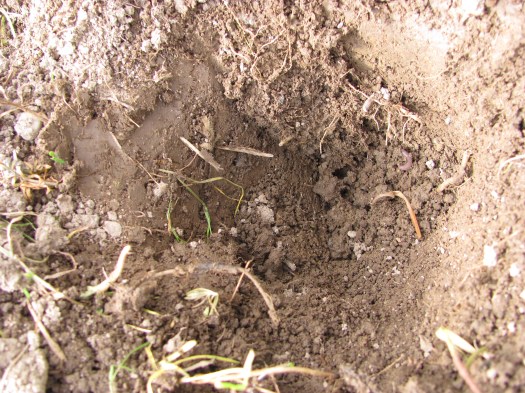
Before you decide to water your plants take out a trowel depth of soil close to your plants and see if it is moist below the surface. If it is then do not water. This water in the soil down to about 6 inches is the moisture that plants will be using. Conversely if you water the surface it will just attract roots upwards to search for it. Remember then that watering over the soil surface with a hose will make plants shallow rooting.
There are lots more ideas on the website. In this year of drought following last year’s almost desert levels of rain, our water table in this part of Shropshire around the allotments is about 2 feet lower than it should be so however much rain there appears to be falling we need lots more.

I would love to hear of more ideas that I can share with our allotmenteers!

Categories
allotments birds community gardening conservation fruit and veg garden design garden photography garden wildlife gardening grow your own hardy perennials Land Art meadows natural pest control ornamental grasses ornamental trees and shrubs outdoor sculpture photography poppies roses Shropshire shrubs spring gardening wildlife

A Wander around the Allotments in June

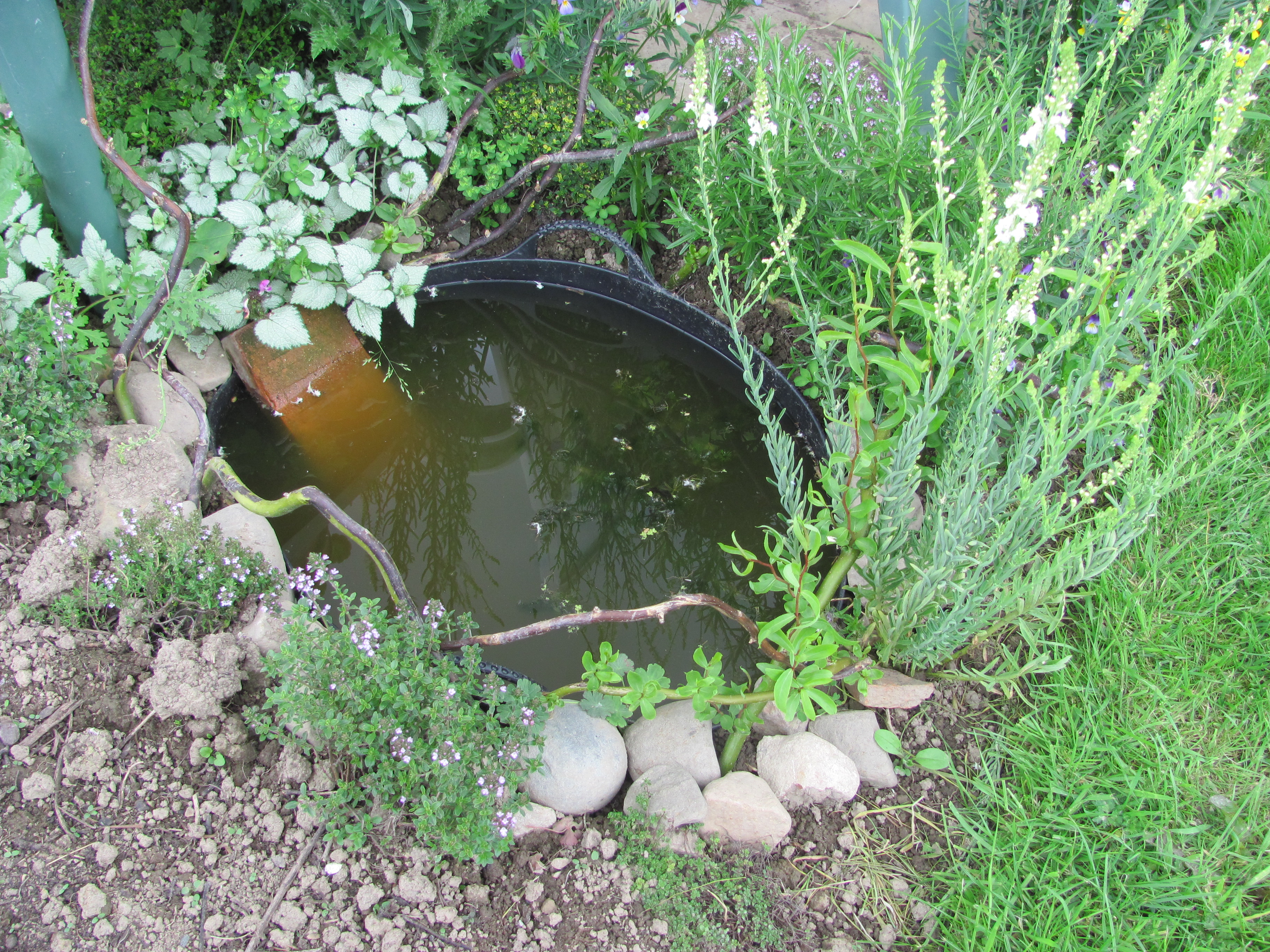
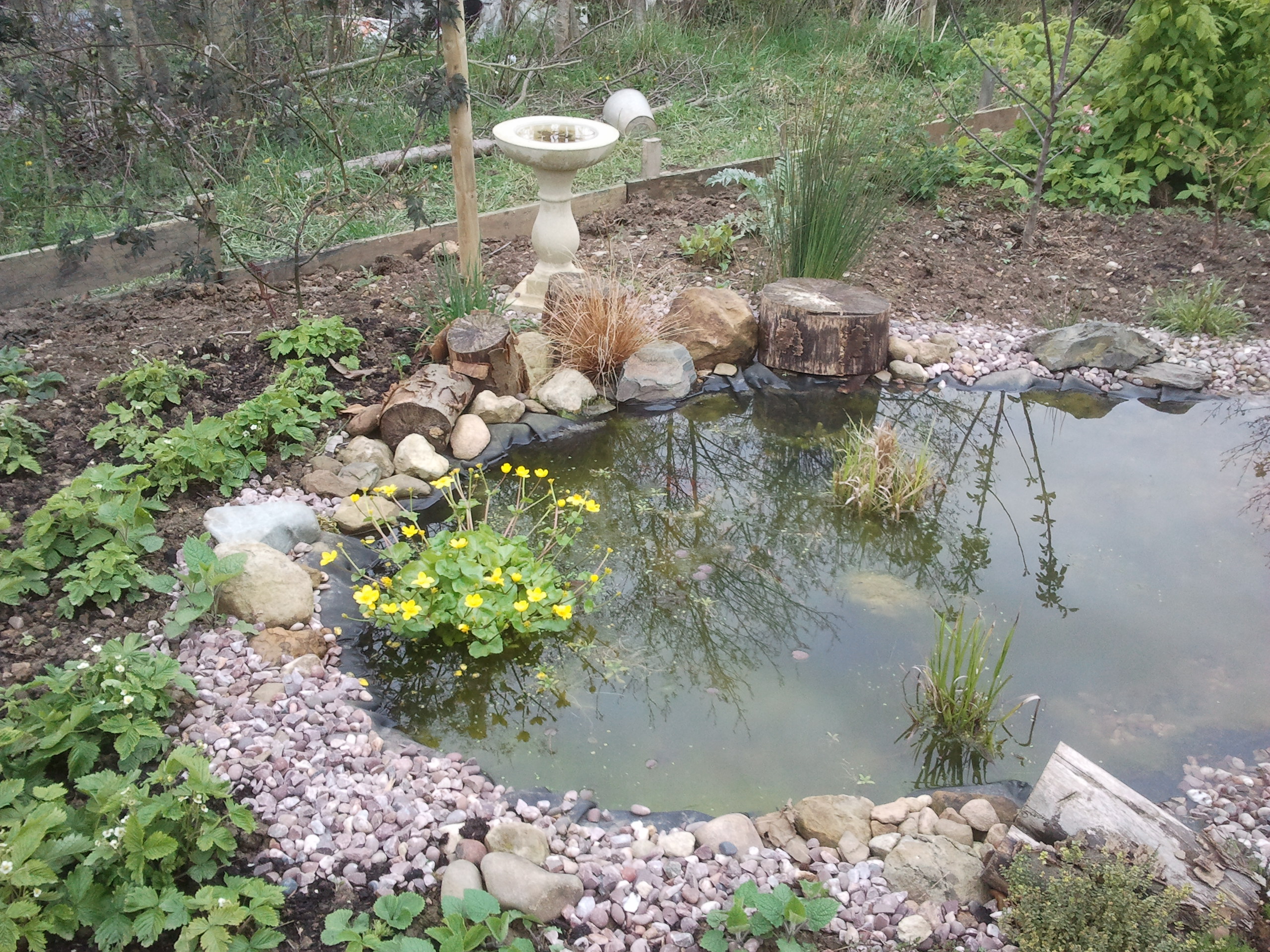
Here we are at the half way point of the year in the June allotment wanderings. As usual we shall start on our own plot to see what has been going on. Our little wildlife pond is beginning to look more established and the tadpoles are growing well. We hope the frogs stay on our plot and eat up all the slugs. As you can see we provided a little wooden ramp to help them get in and out of the water.

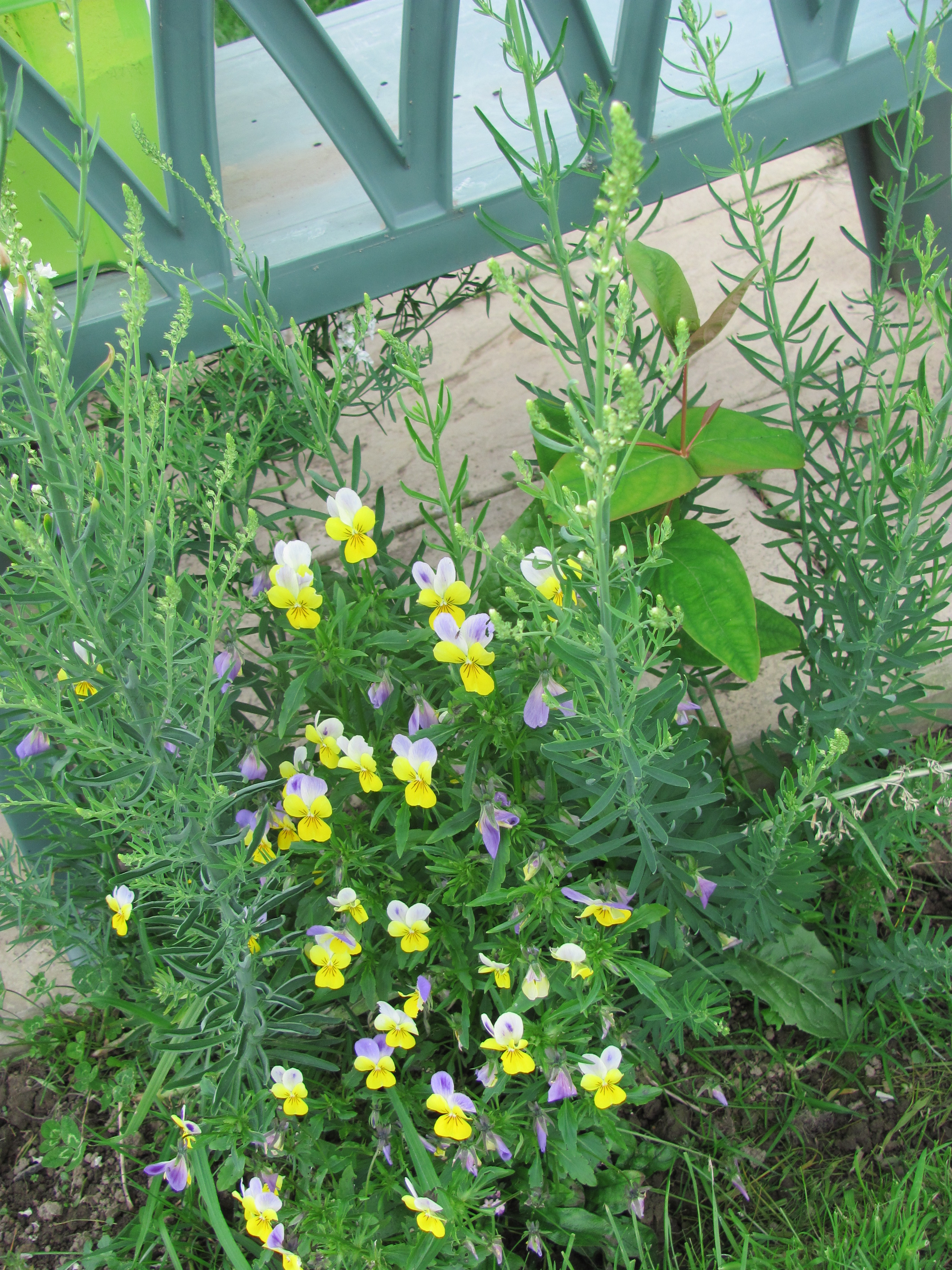
Heartsease self seed around the plot sometimes landing in suitable places arriving in a wide range of colours. This one seeded into the soil behind the green bench.

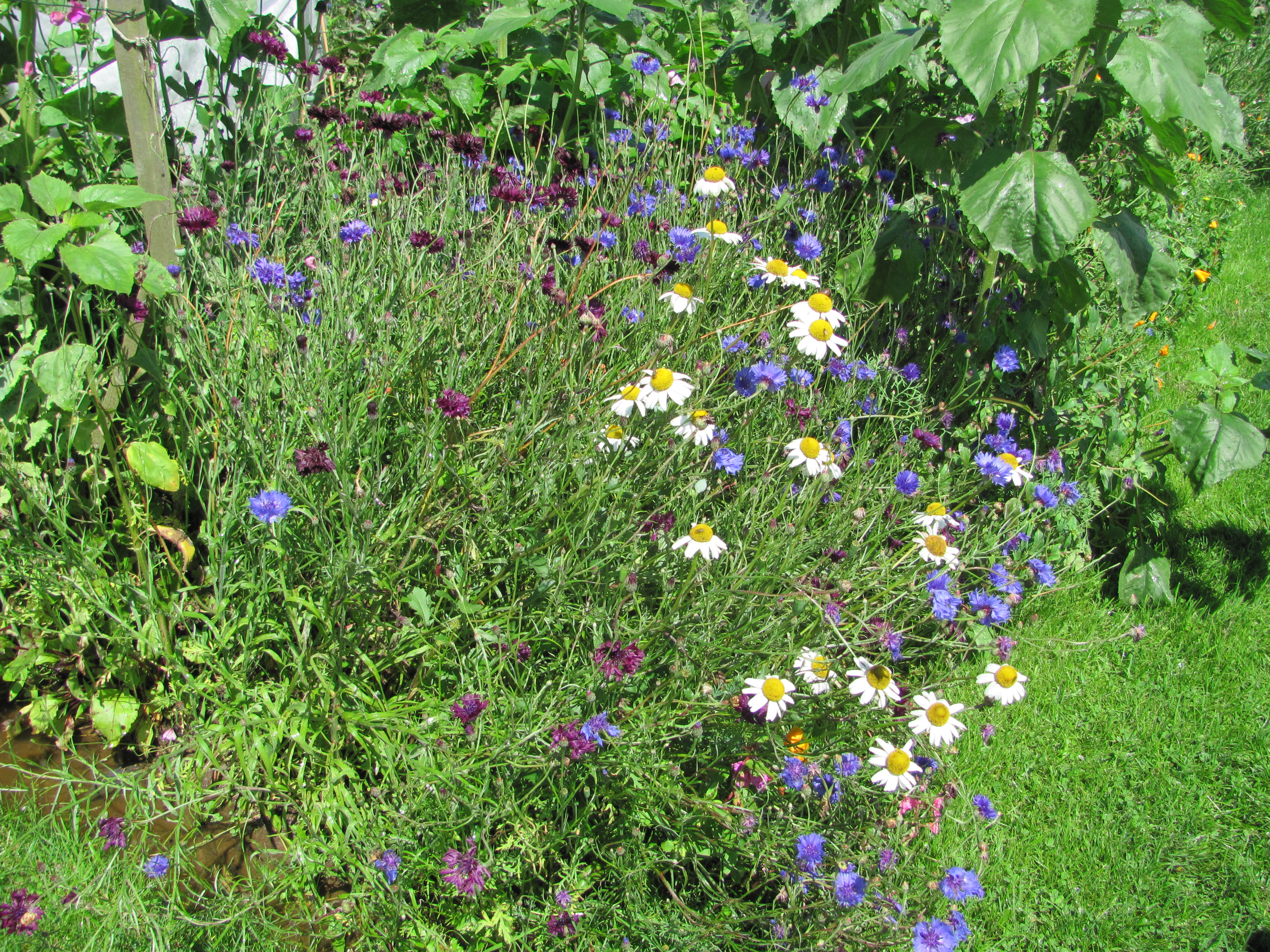
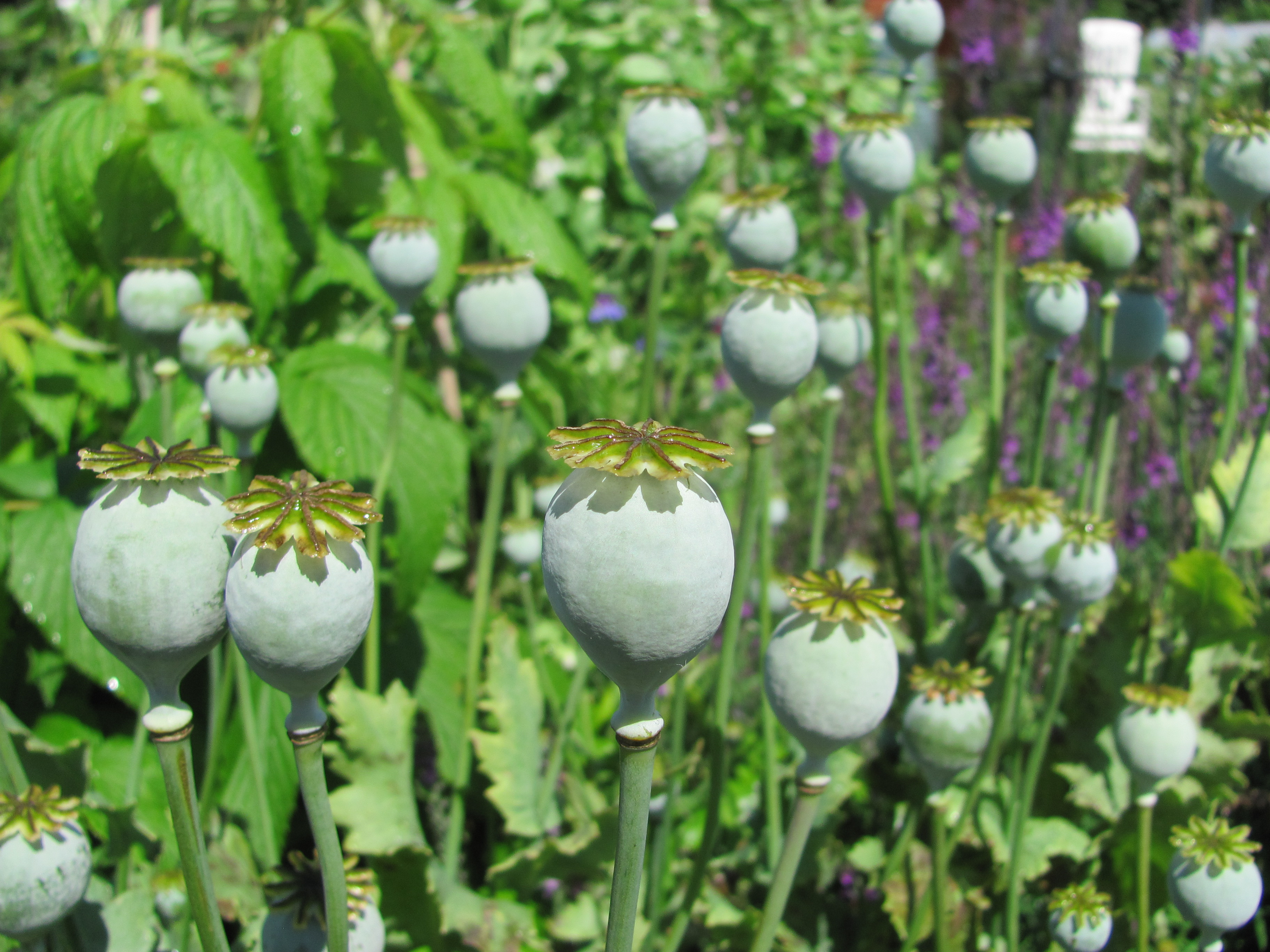
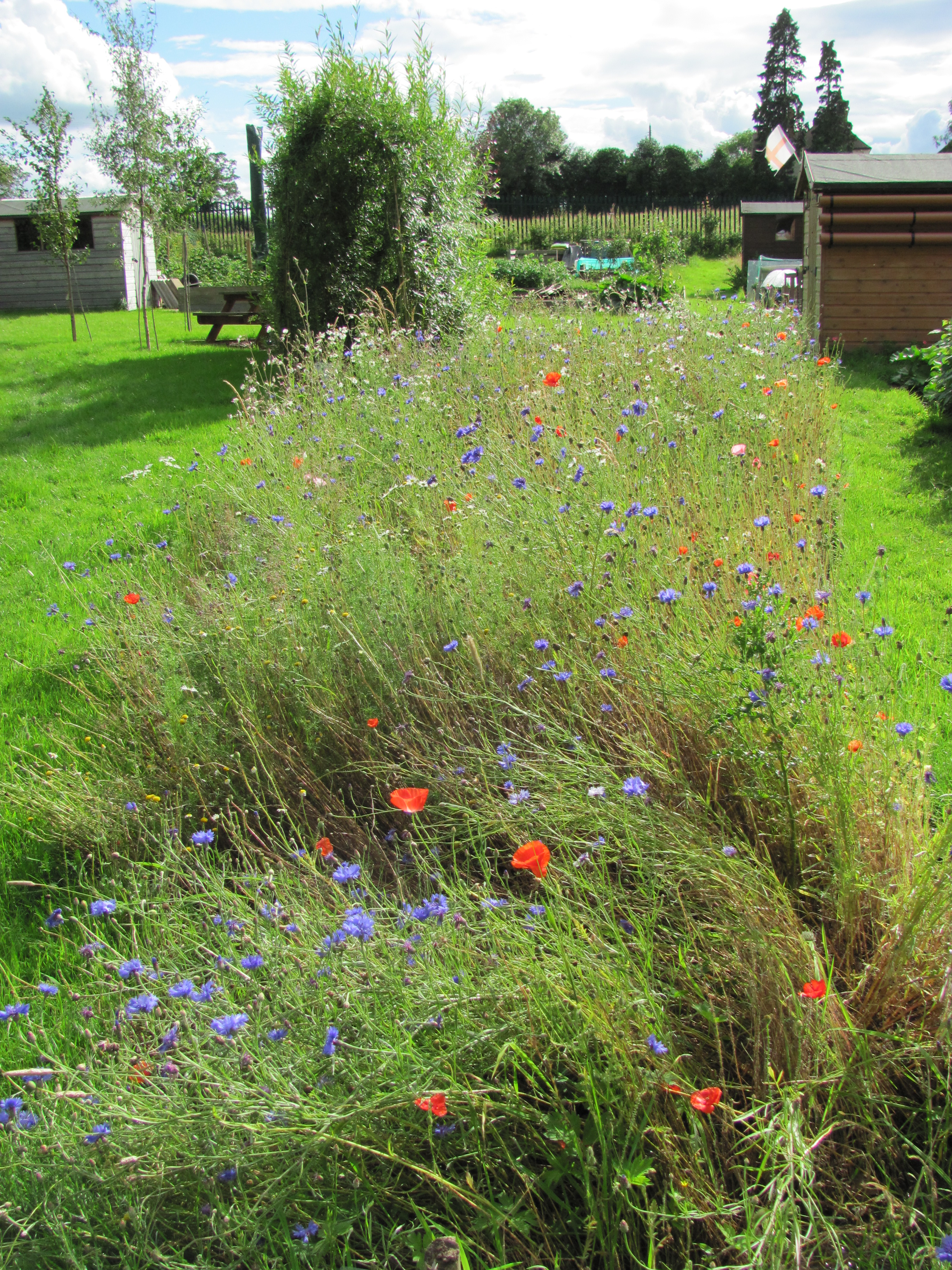
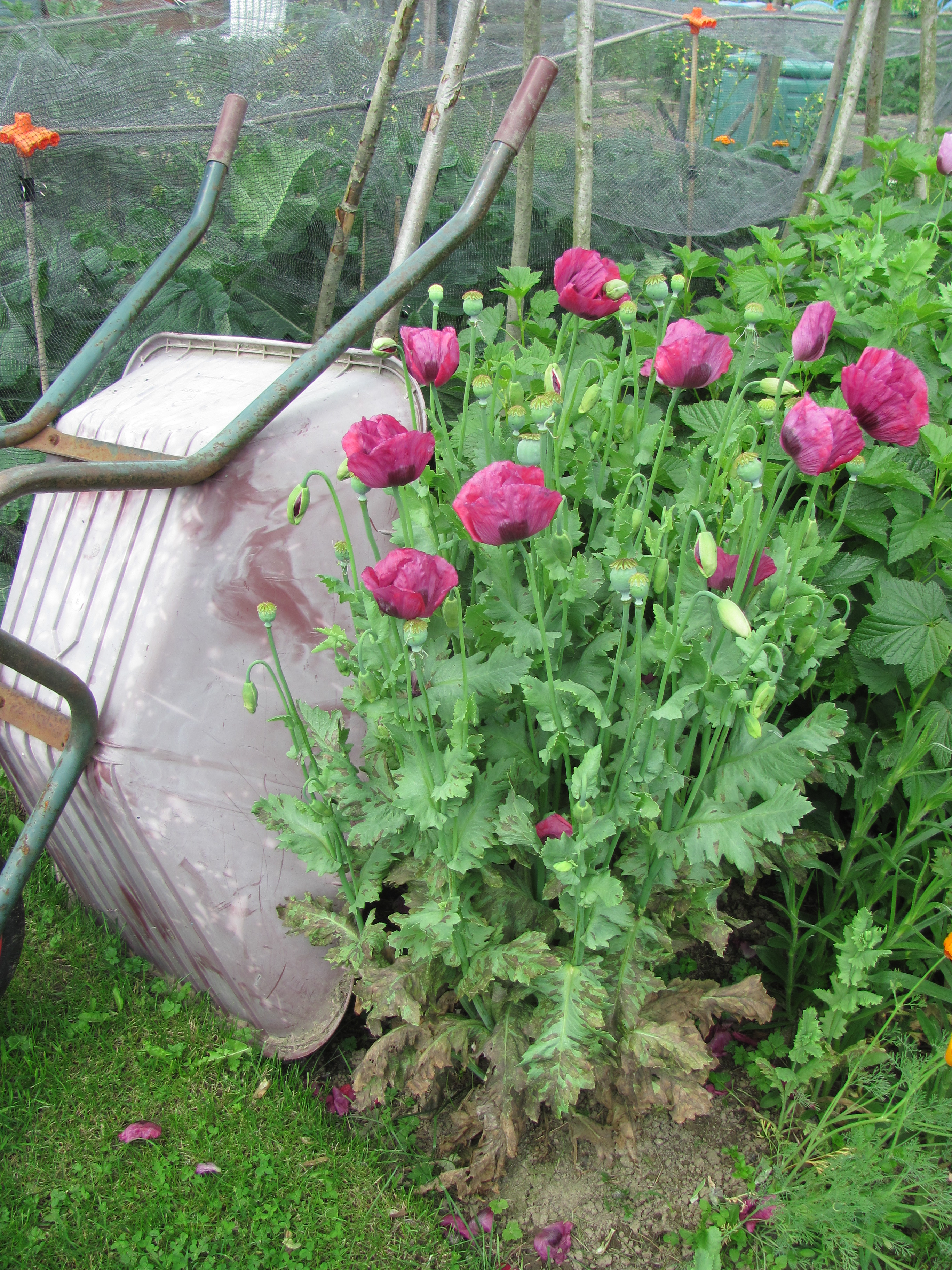
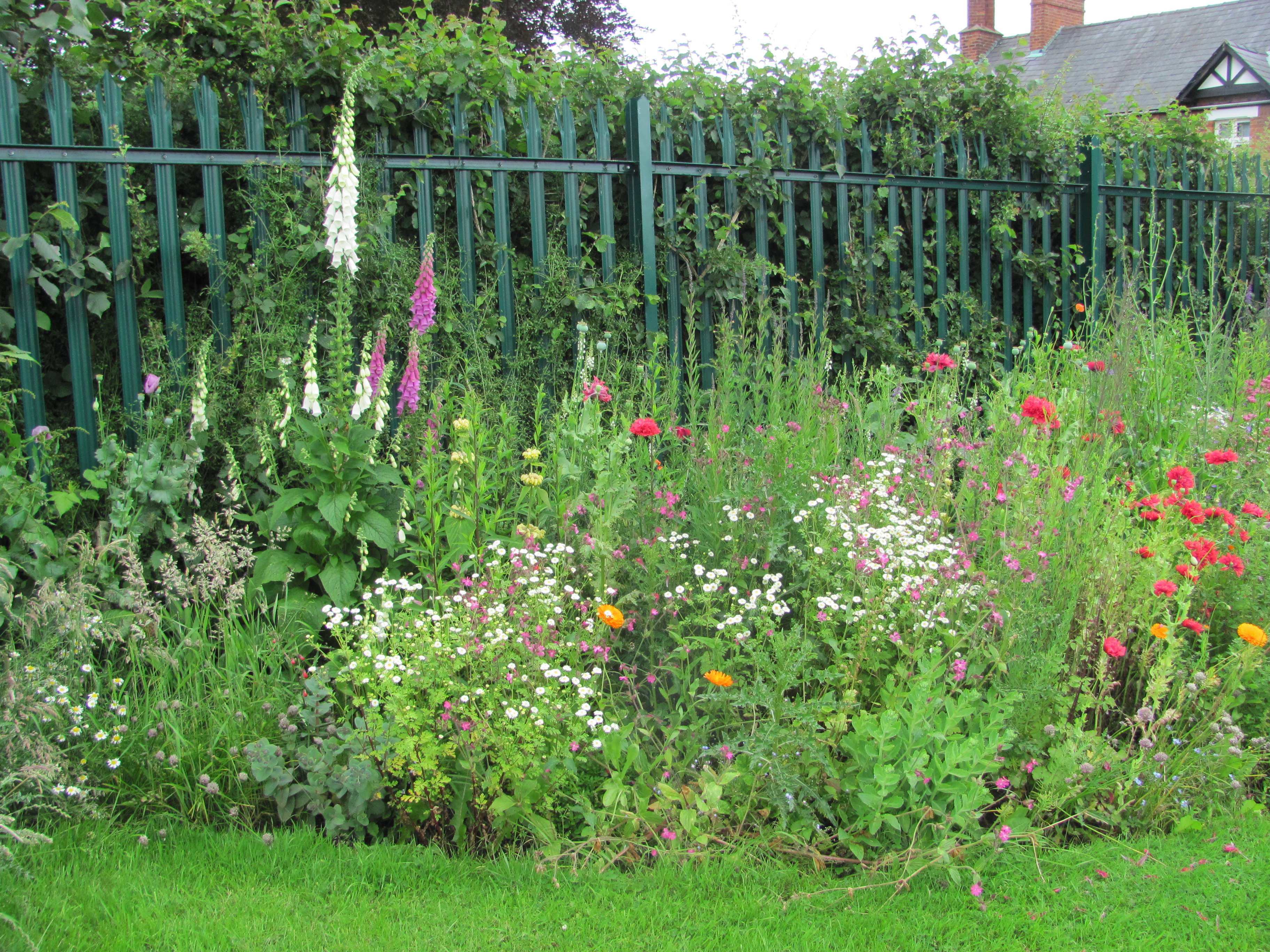
Our strip of wildflowers, a little piece of meadow, is beginning to flower. This Opium Poppy surprised us with its deep pink coloured petals.

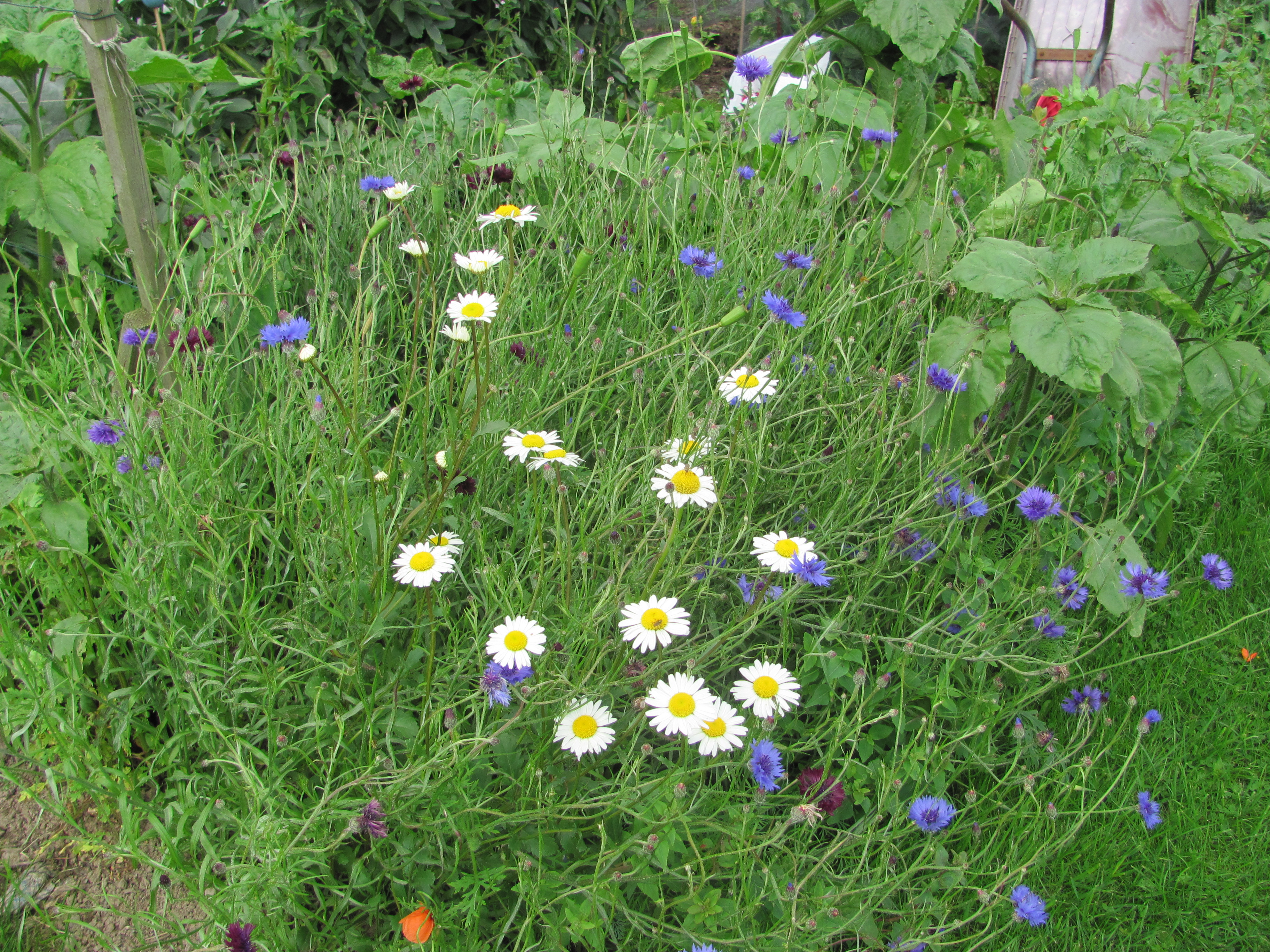
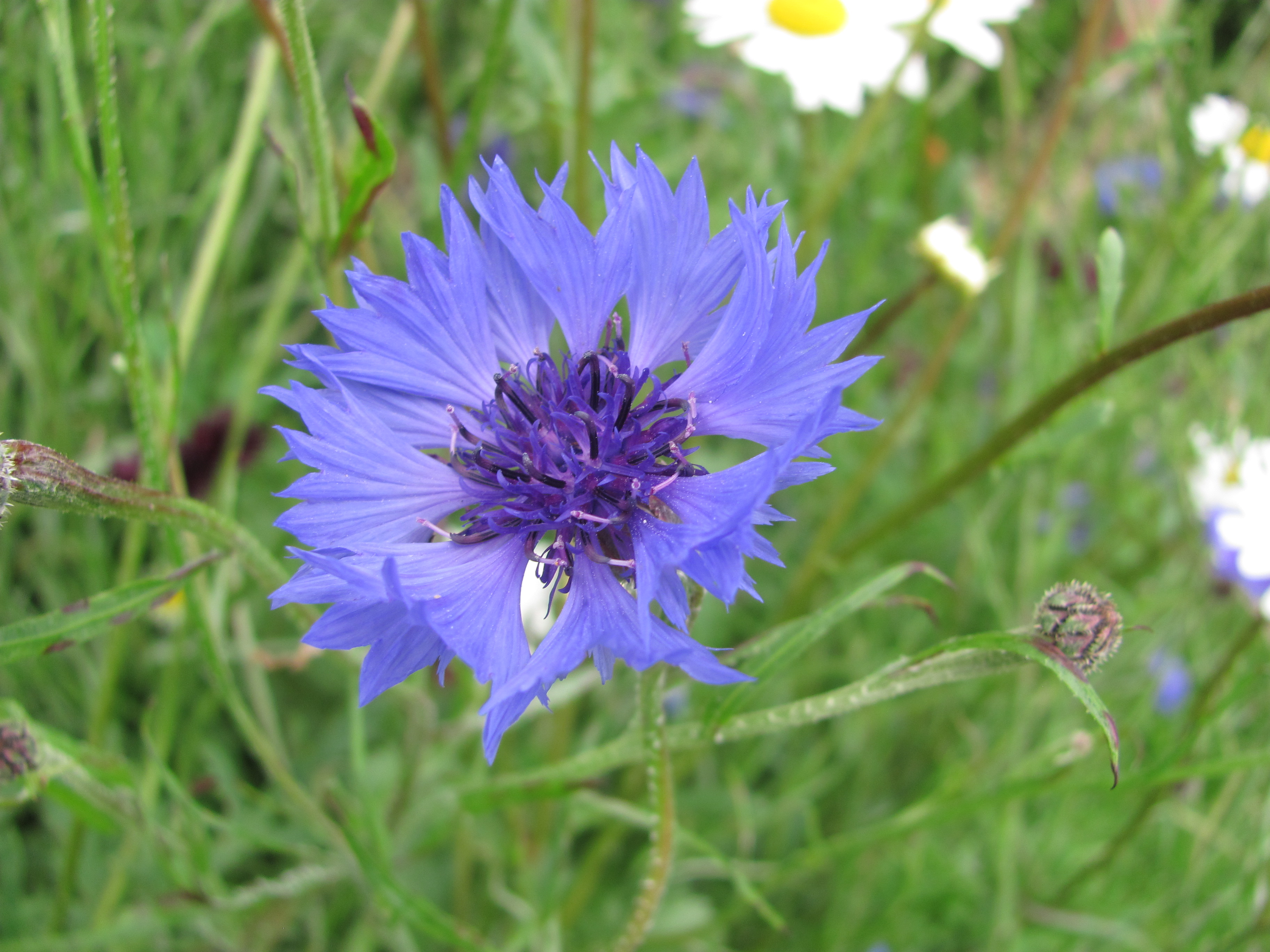
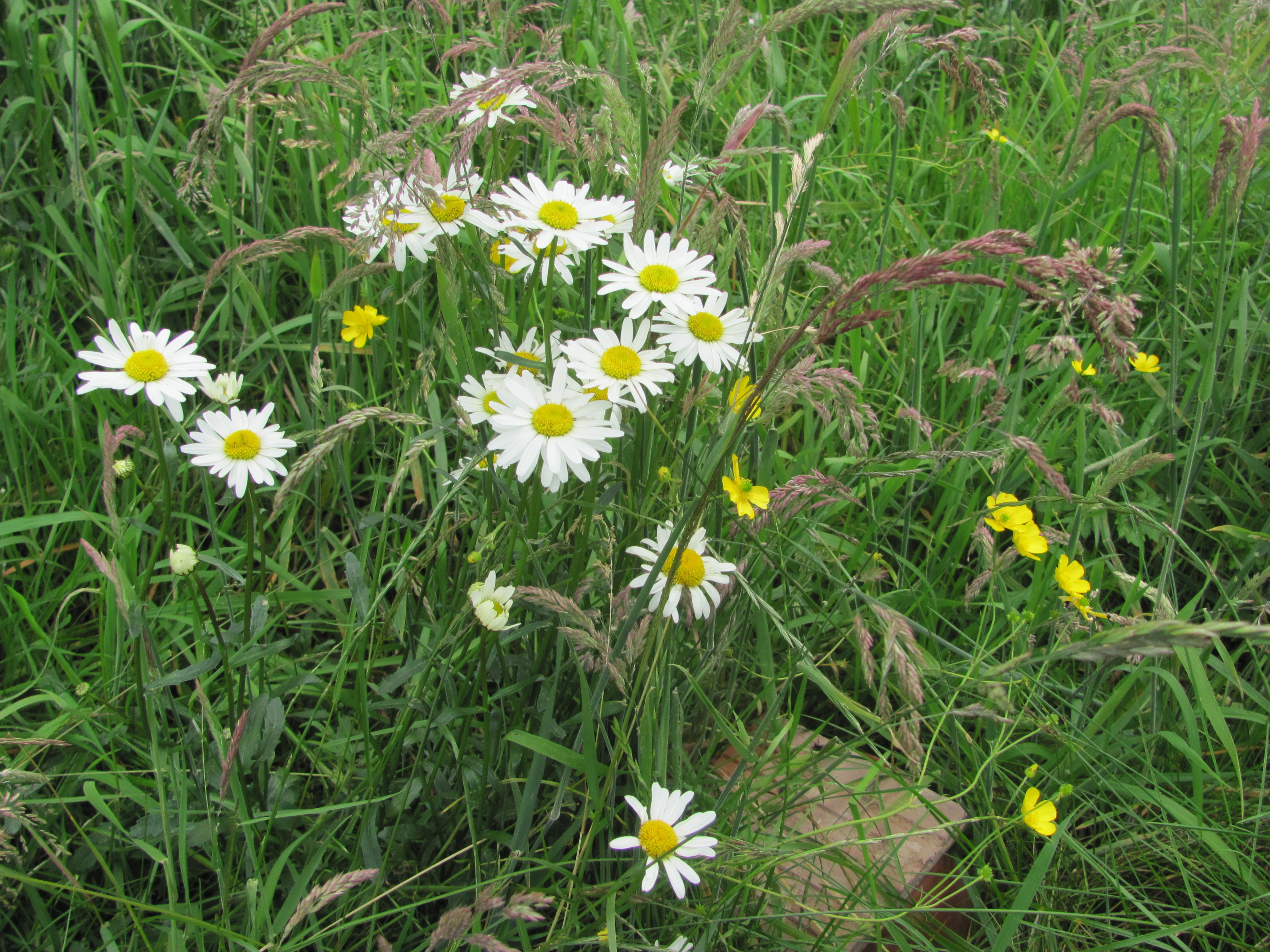
Moon Daisies and Cornflowers.

Just as flowers feature strongly on our own plot so they do on other members’ plots and in the Green Space borders. In the Autumn Garden Achilleas are the stars.

Calendulas feature on many plots as they look so good,  and work hard as part of companion planting helping to attract beneficial insects.

Our first “Buddleja Bed” planted to attract wildlife now looks colourful and full of life. After losing some of our Buddlejas in the dry last year when Shropshire experienced months of drought after two extremely cold winters, the name for these borders currently looks a little inappropriate.

Our wildflower bank sloping up towards one of our orchards is now looking more established as we have added plants that members have donated to add interest.

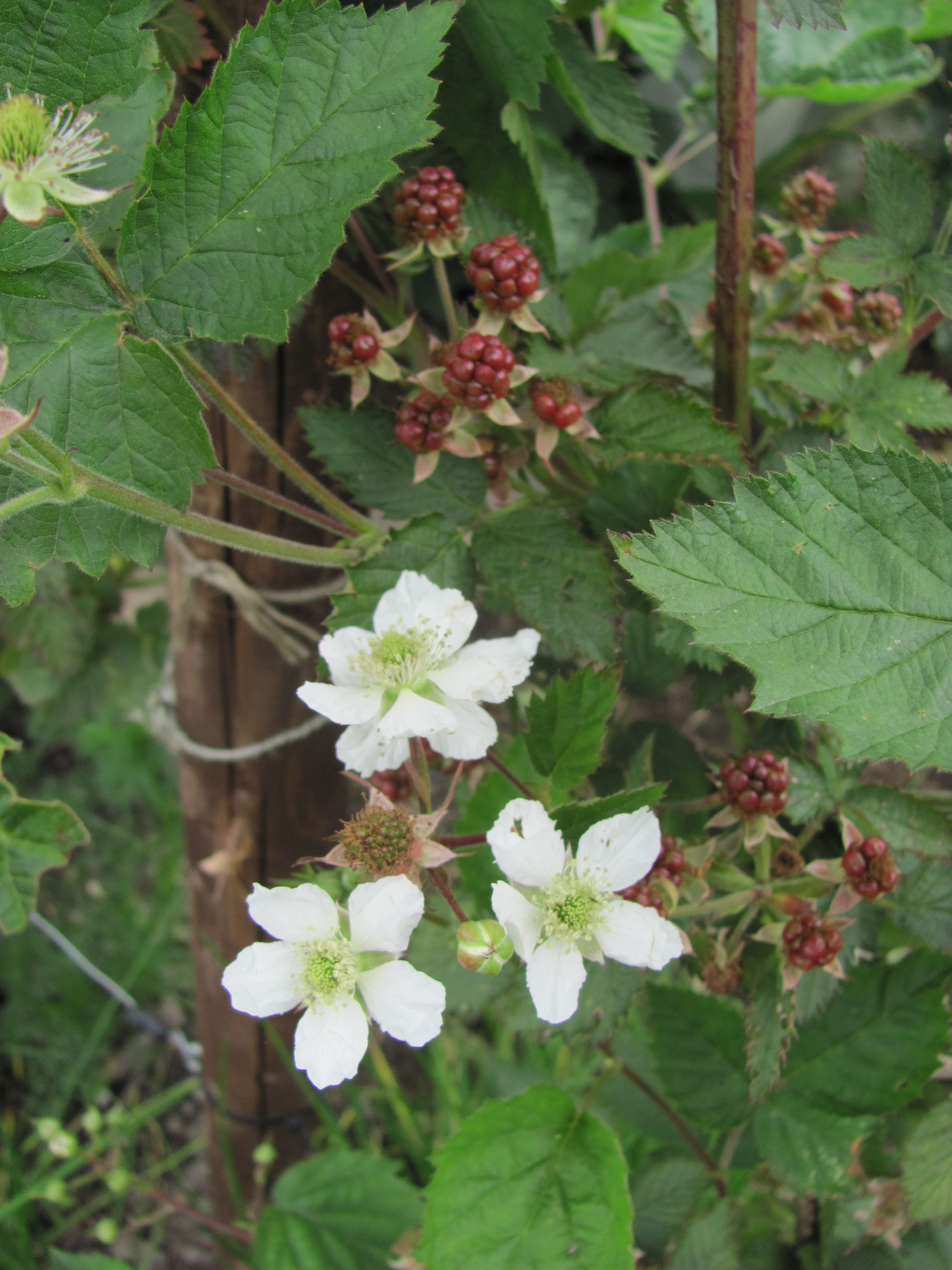
The Edible Hedge is now fruiting providing sustenance to birds and small mammals. Flowers in the borders at the base bring in bees, butterflies and beneficial insects. Beetles enjoy the long grass and we like them to be there as they feed on slugs.

The most colourful garden on site at the moment is the Spring Garden which still displays much interest as we move into the summer months. This garden is maintained by volunteers, Jill and Geoff who spend many an hour planting, dead heading and weeding.

Geoff and Jill’s plot is renown for its weed free neatness and precision planting.

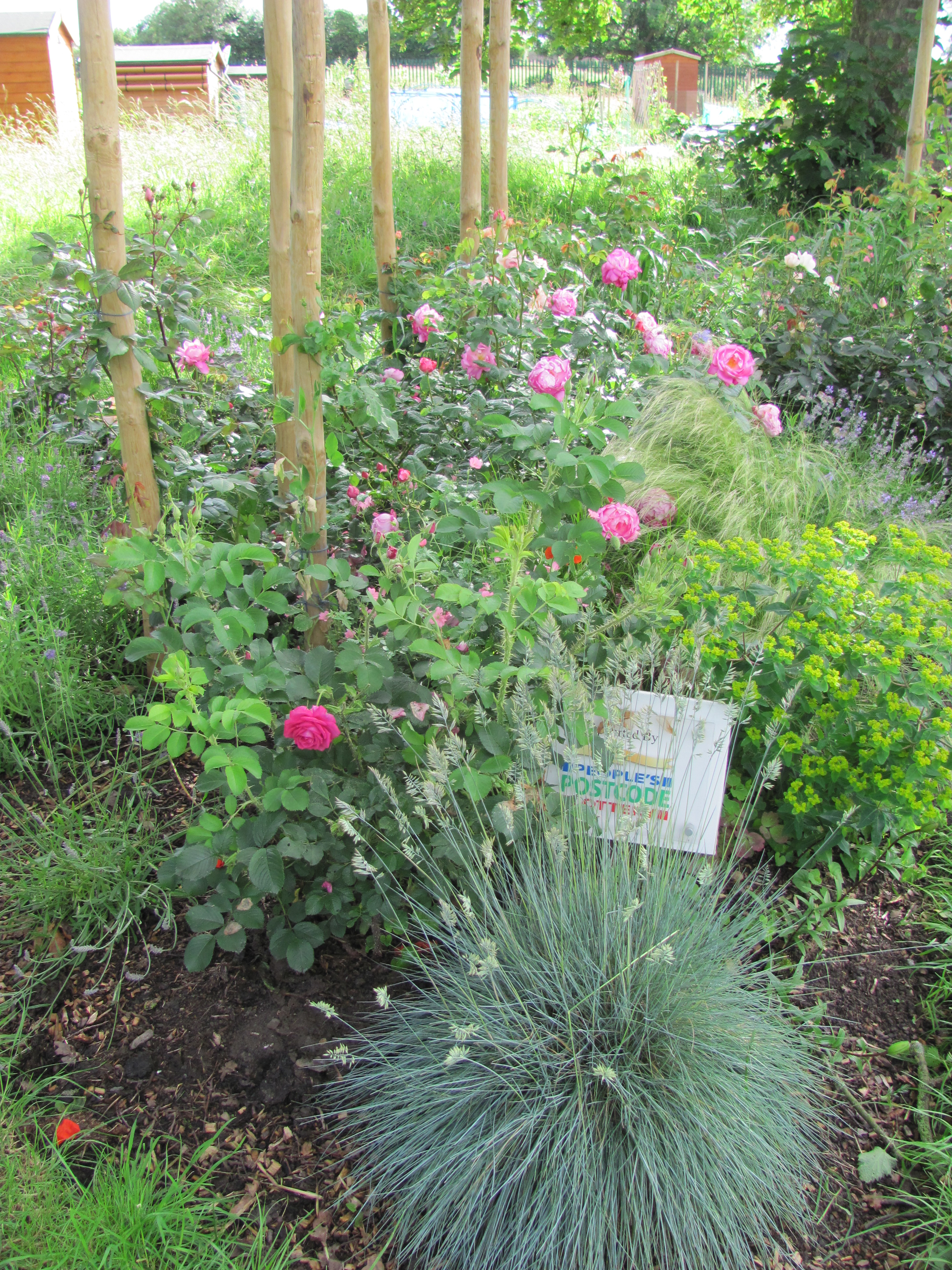
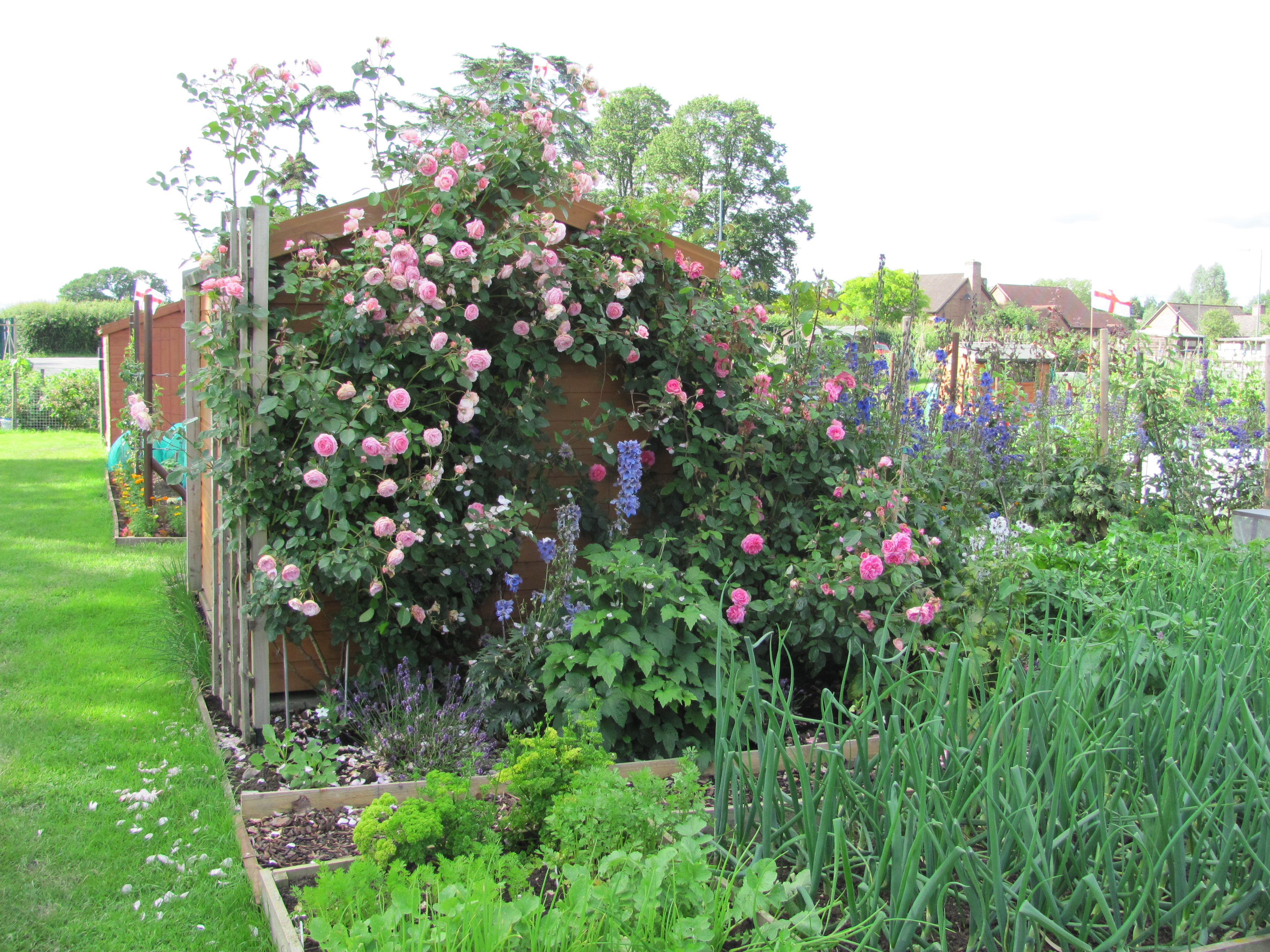
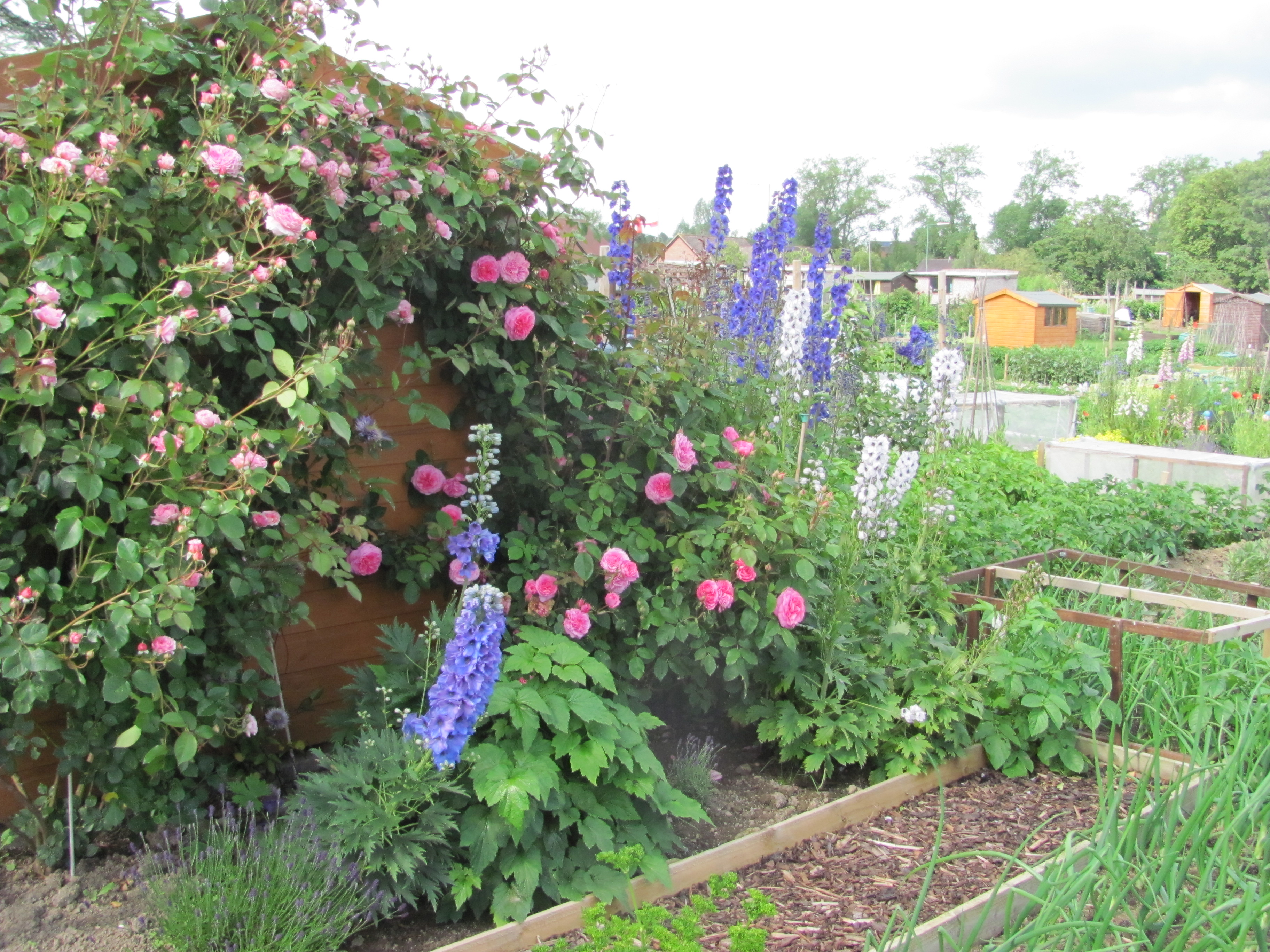
The Summer Garden  is not to be outdone though as the roses are coming into flower and beautiful scents greet us as we sit on the nearby picnic benches. The lavenders, geraniums and grasses planted between the roses add further interest and textures.

As June moves towards July our meadows really come into their own. Plot holders love to walk through them and a wide variety of birds, bees, butterflies, grass hoppers and every sort of mini-beast visit.

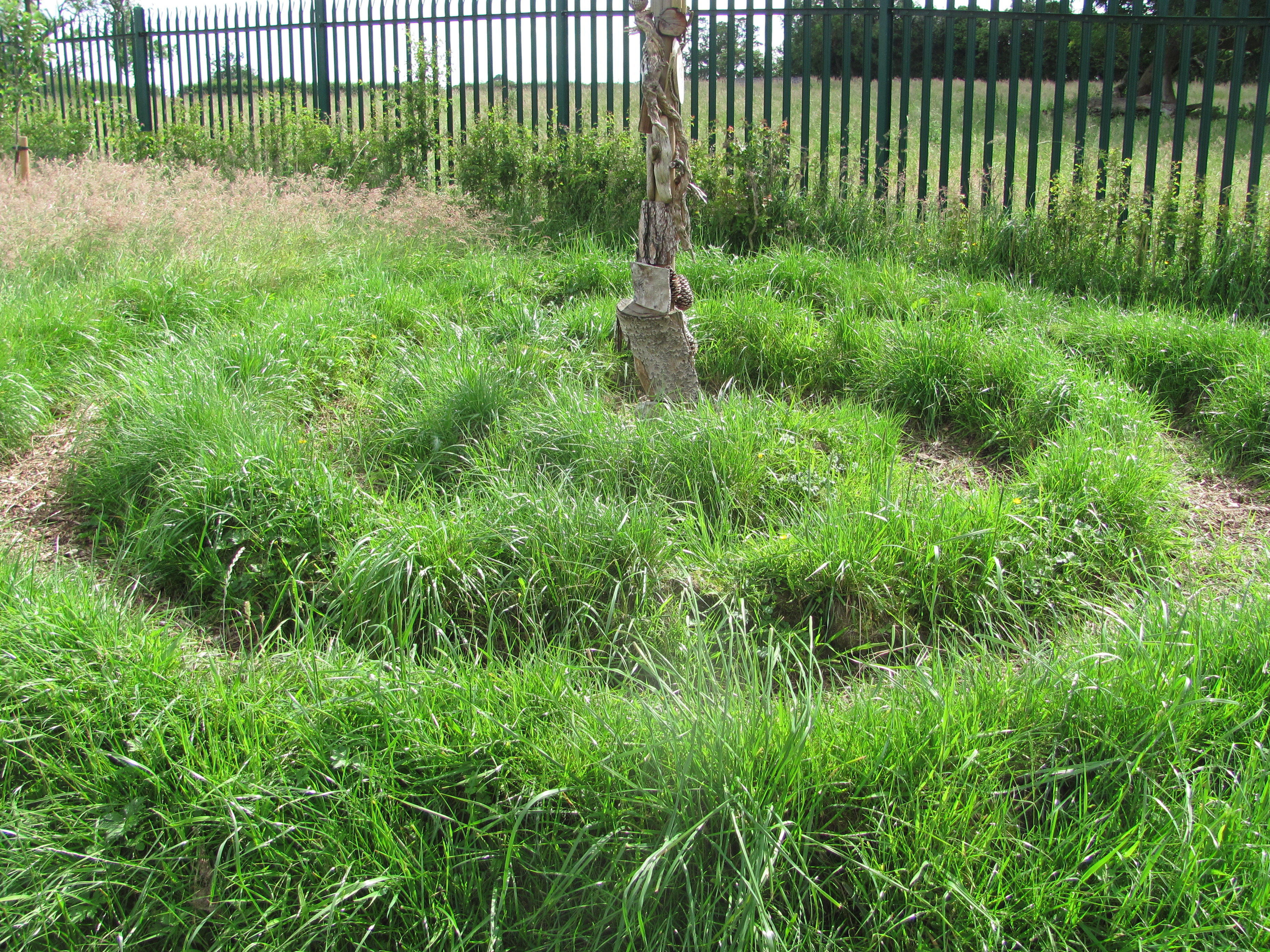
I shall finish with a shot of the plot we have nominated for this year’s Shrewsbury Town Allotment Competition and one of our grass spiral which currently looks most inviting.

Categories
allotments community gardening fruit and veg garden photography garden wildlife gardening grow your own photography wildlife

Allotment Oddities

Visiting allotments is always interesting and an excellent opportunity to glean ideas. Gardeners who cultivate allotments are imaginative and seem to have a penchant for experimenting and trying to find ways of using everyday objects in new ways. Recently we visited the allotment site where our daughter and son-in-law, Jo and Rob garden and finished the day with our usual wander around the site. Here are the oddities and ideas we found there.

One allotment boasted this wildlife pool surrounded by all sorts of herbs, soft fruits and fruit trees. The plot tenant proudly showed us around her plot, told us about her pond and introduced us to her chickens.

This supply of hoolahoops awaited their turn to be used to support netting that would protect crops from pests.

This wheelbarrow on a neglected plot had sprouted a lawn – a lawn in need of a trim.

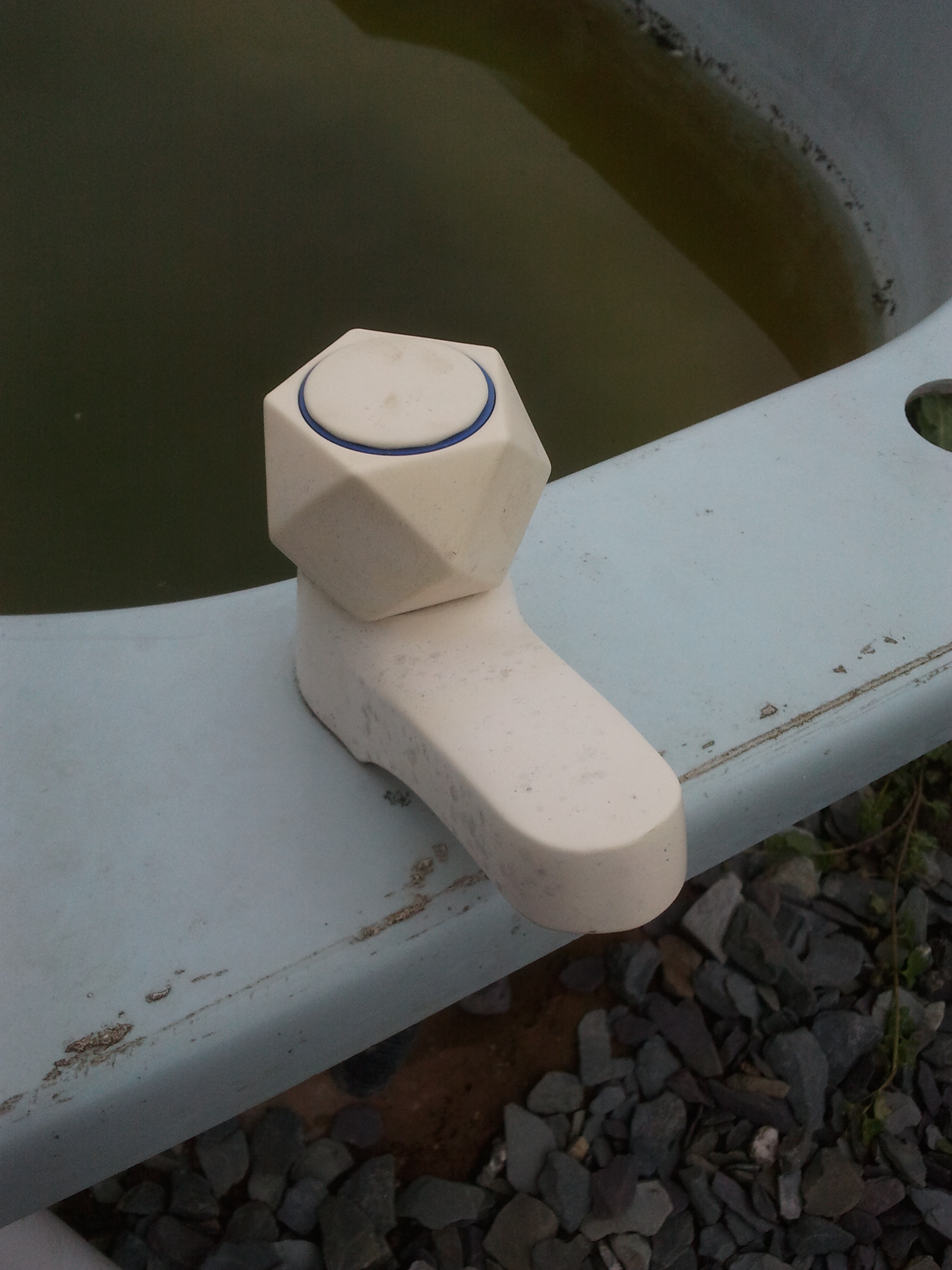
Baths featured on many plots for water storage, this one even retained its tap. Memories of the seventies came flooding back when we spotted the style of the tap.

Mad Jac wasn’t on his plot. Pity that because I bet he would have been great fun to talk with.

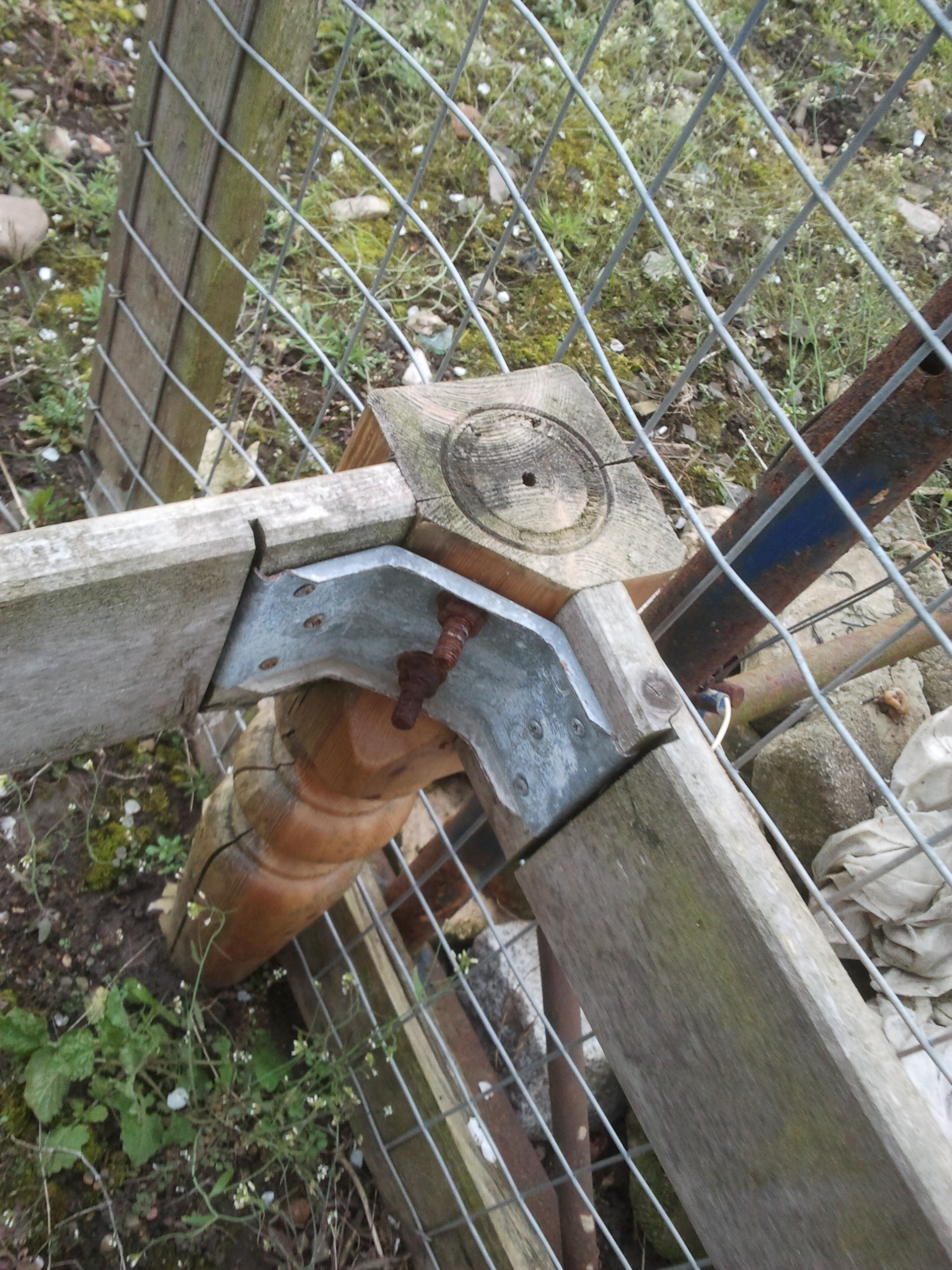
Now just what could the plot holder have intended for a table without a top?

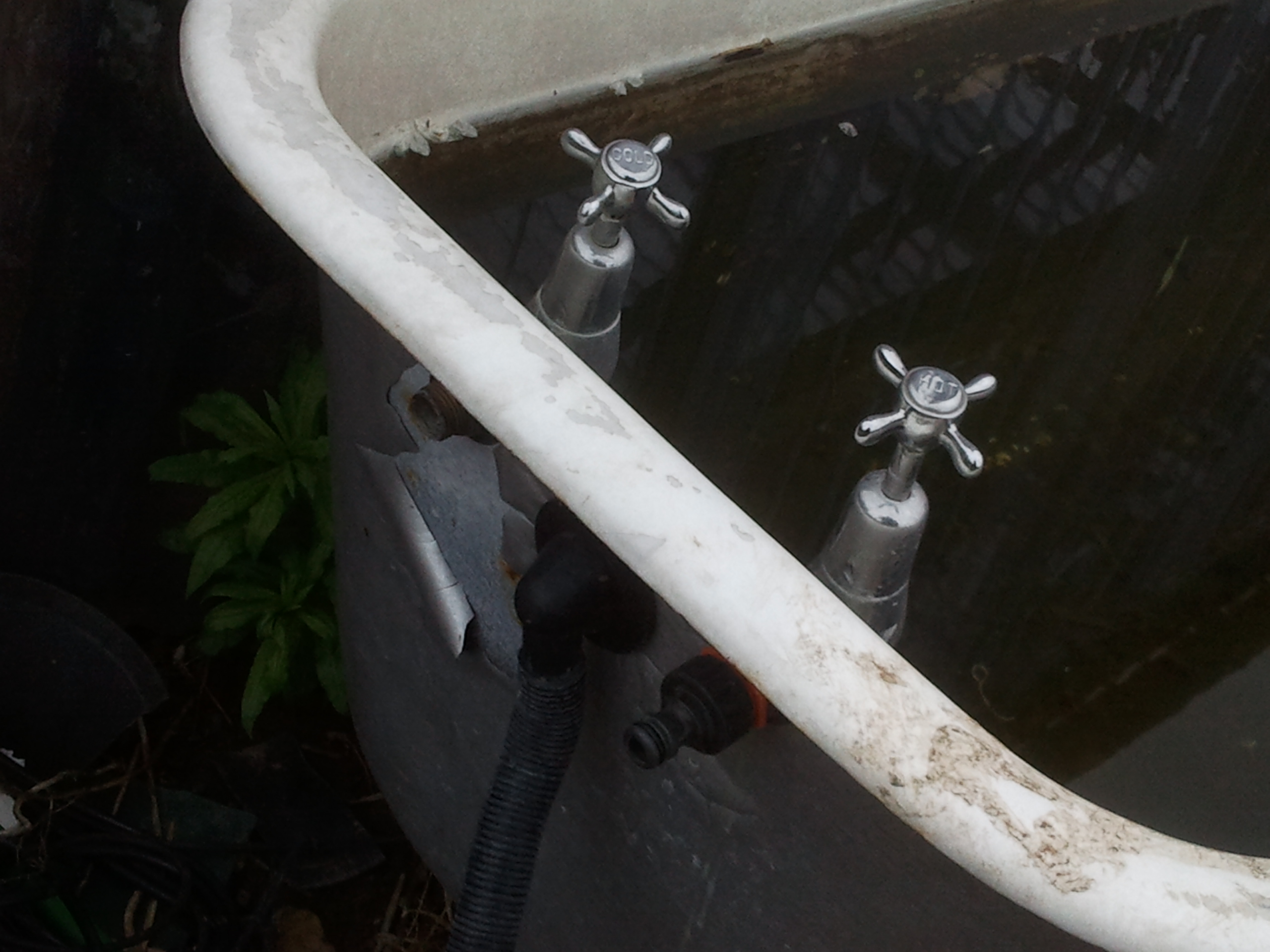
An upmarket bath on this plot. Two taps and chrome rather than plastic!

There must have been some very valuable crops on this plot. Or were they secret?

Categories
garden photography gardening grow your own National Trust The National Trust

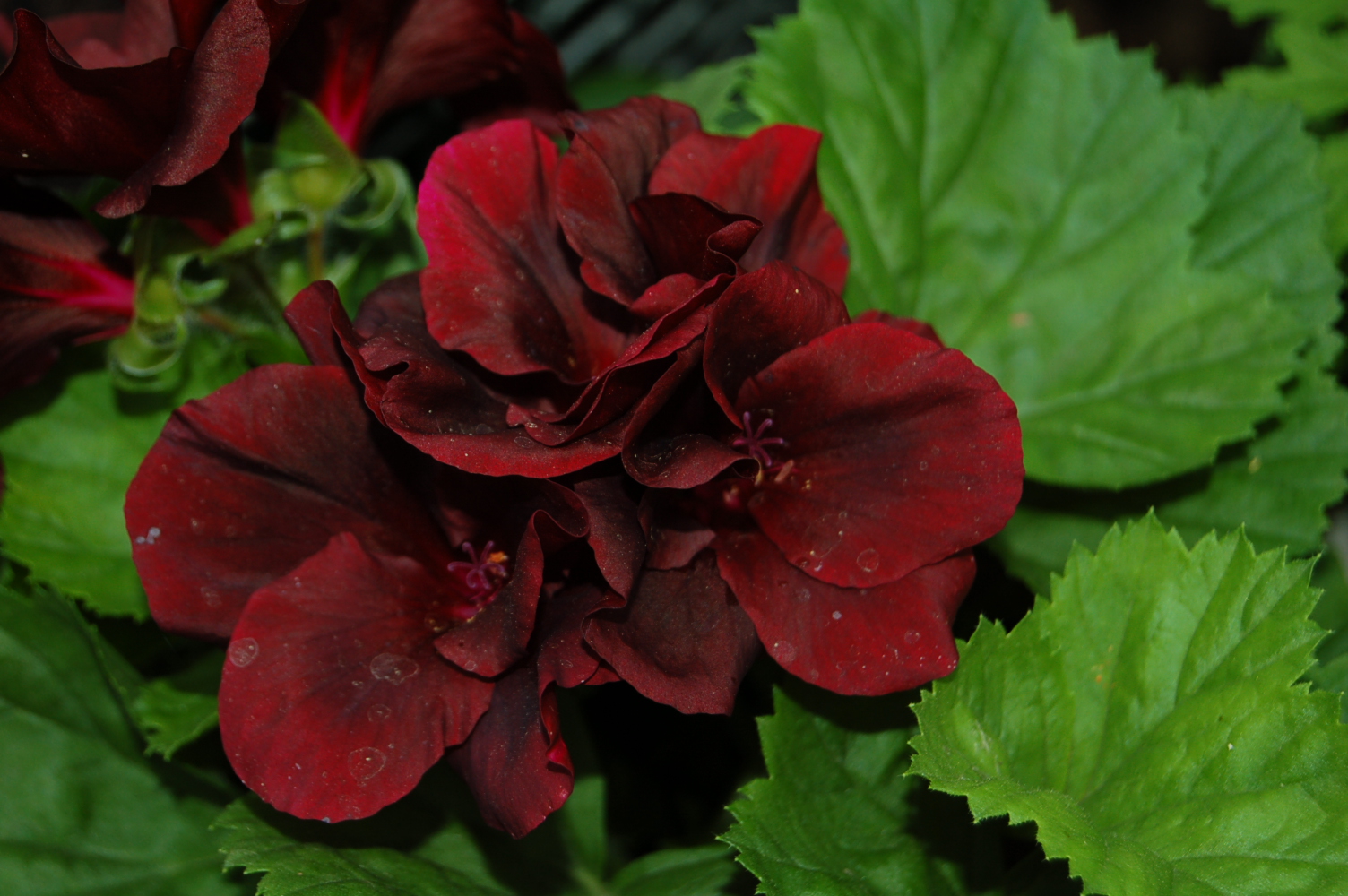
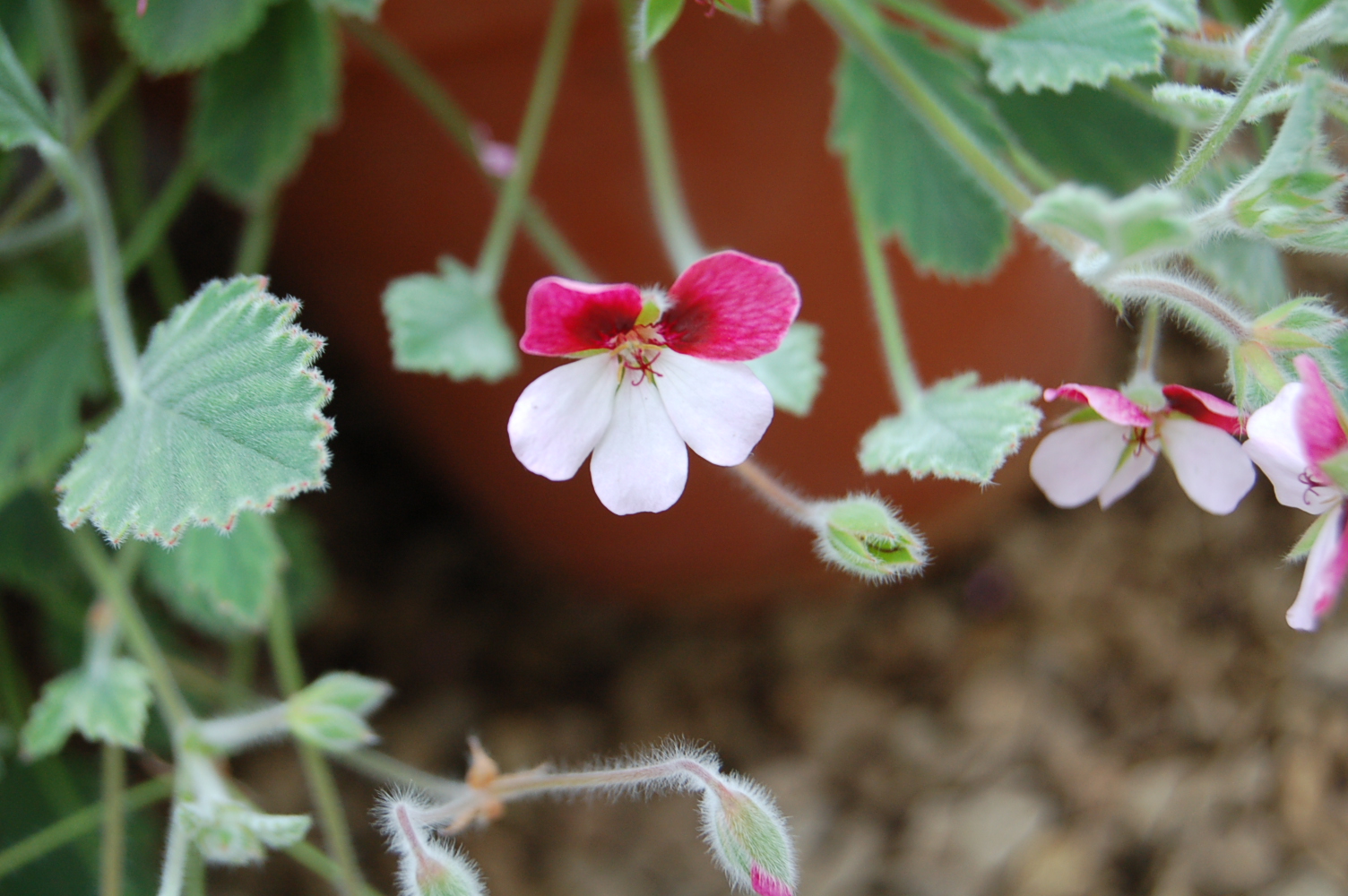
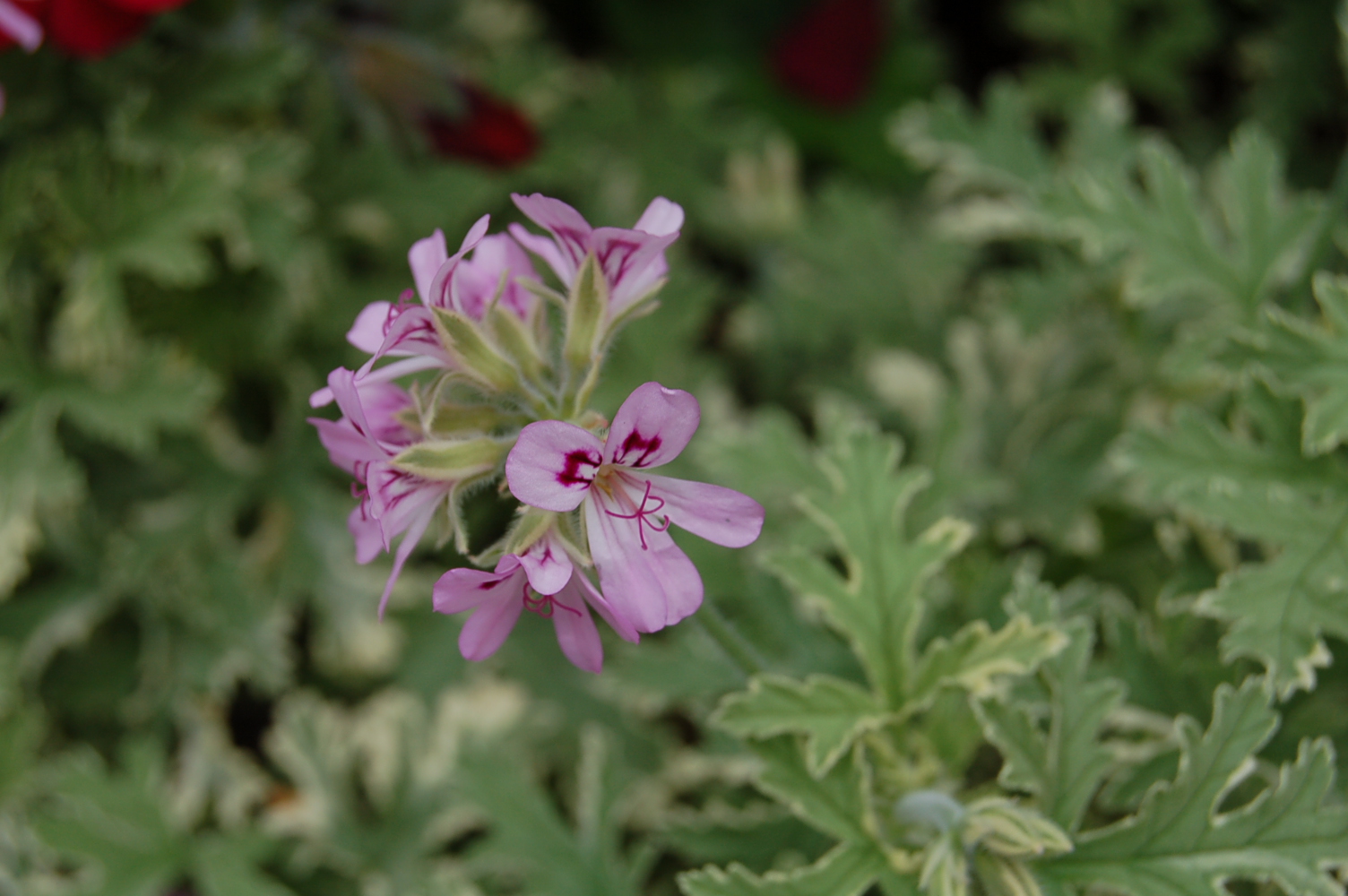
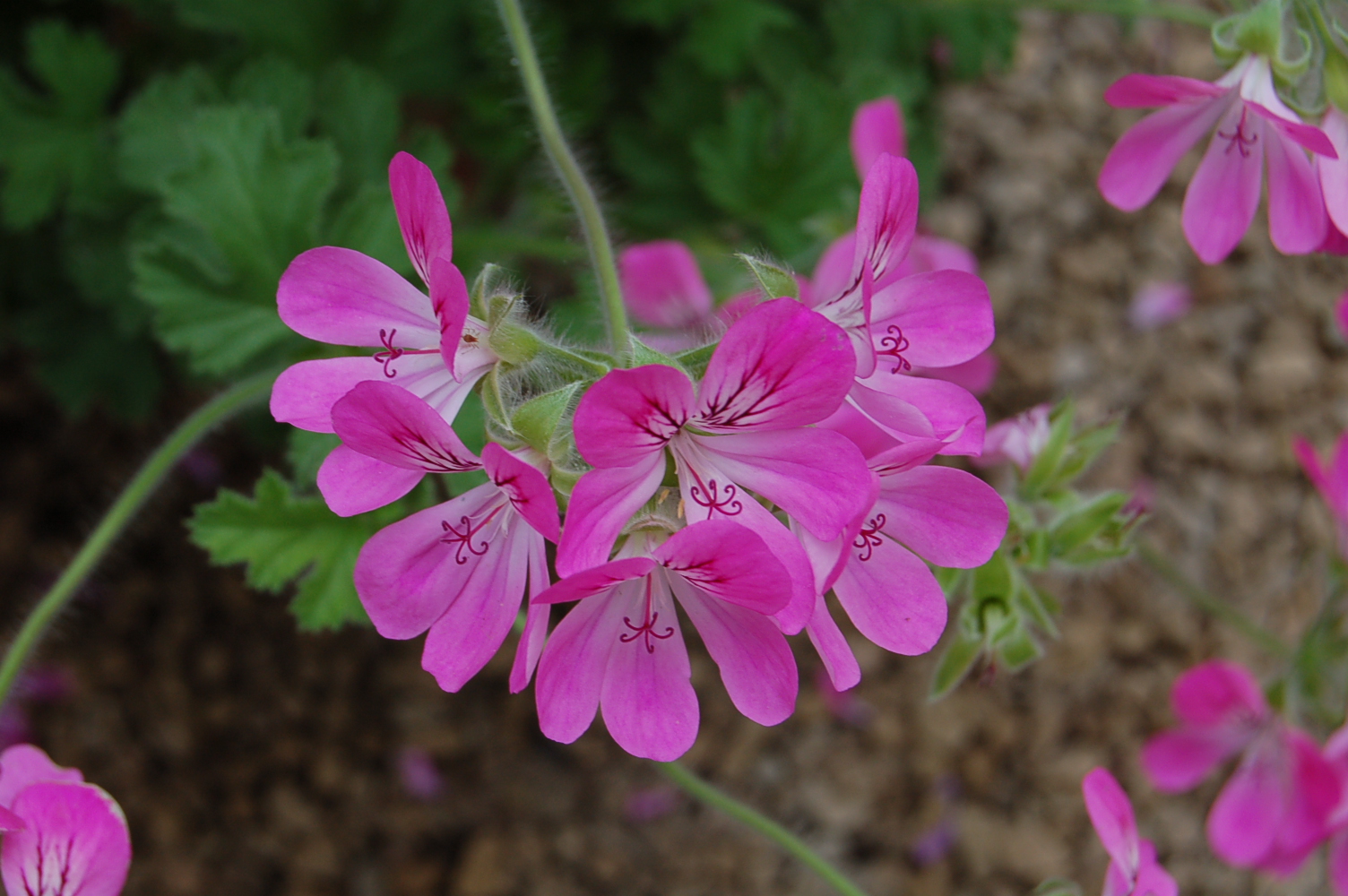
Pelargoniums at Clumber Park

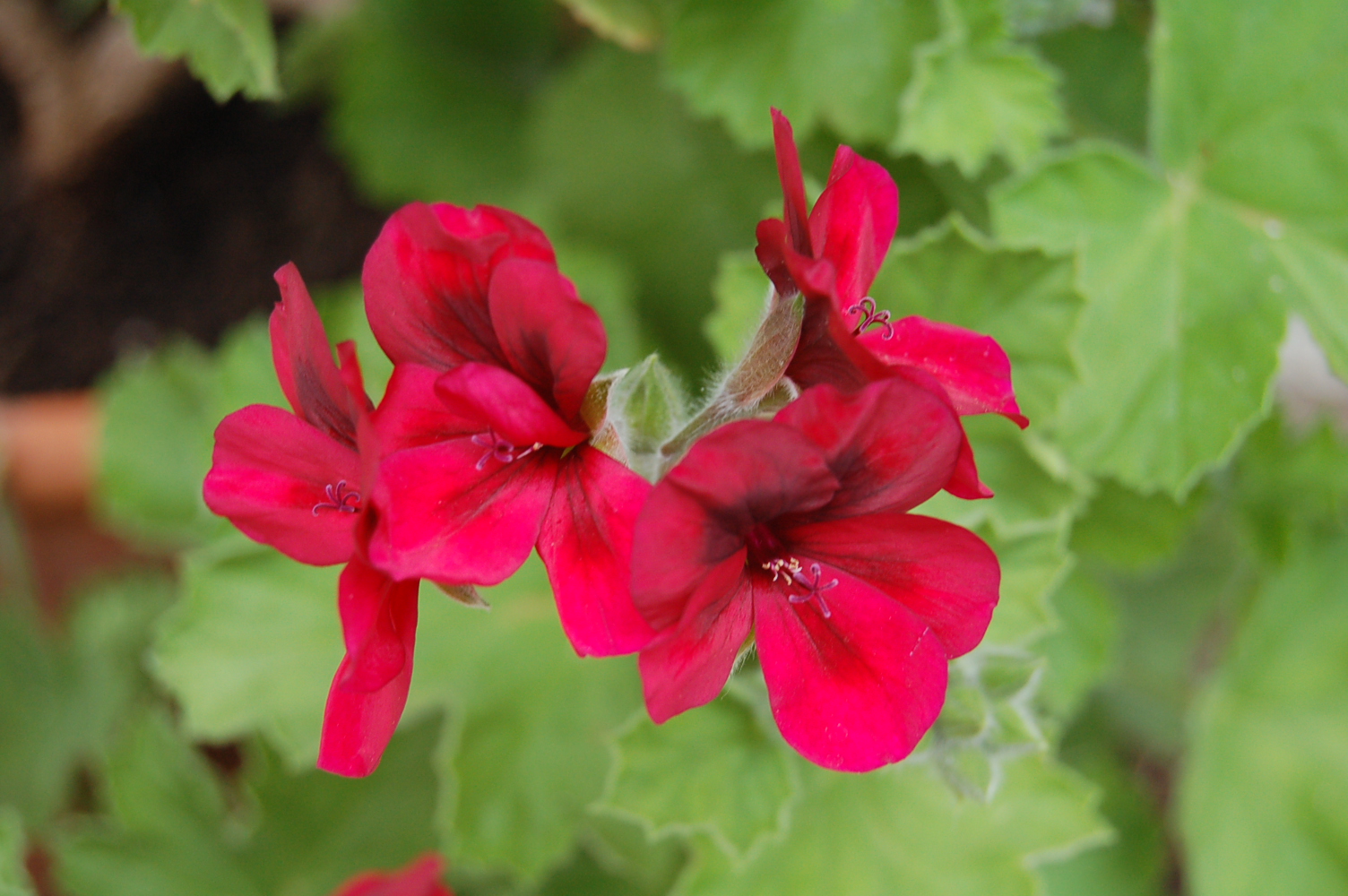
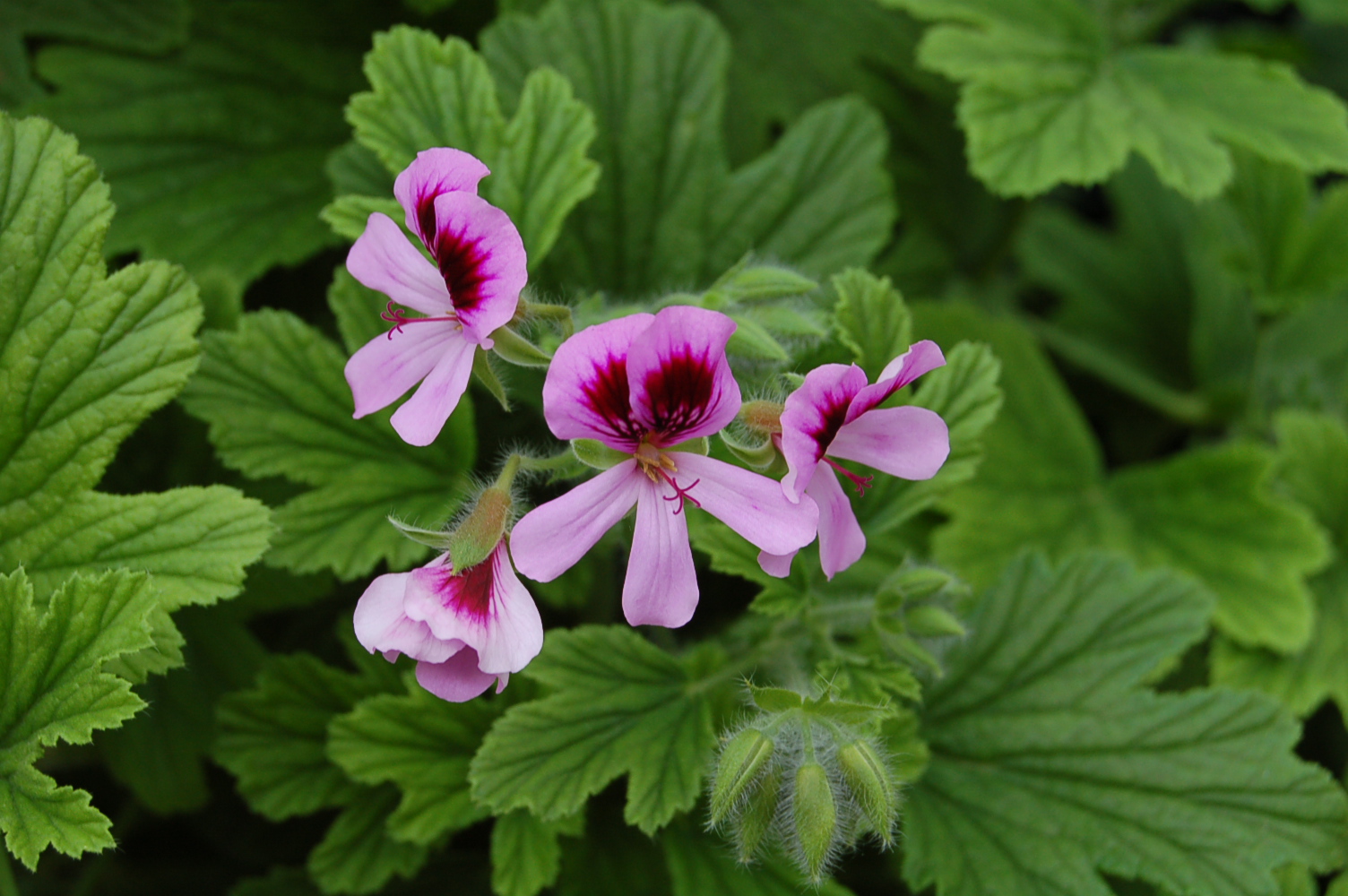
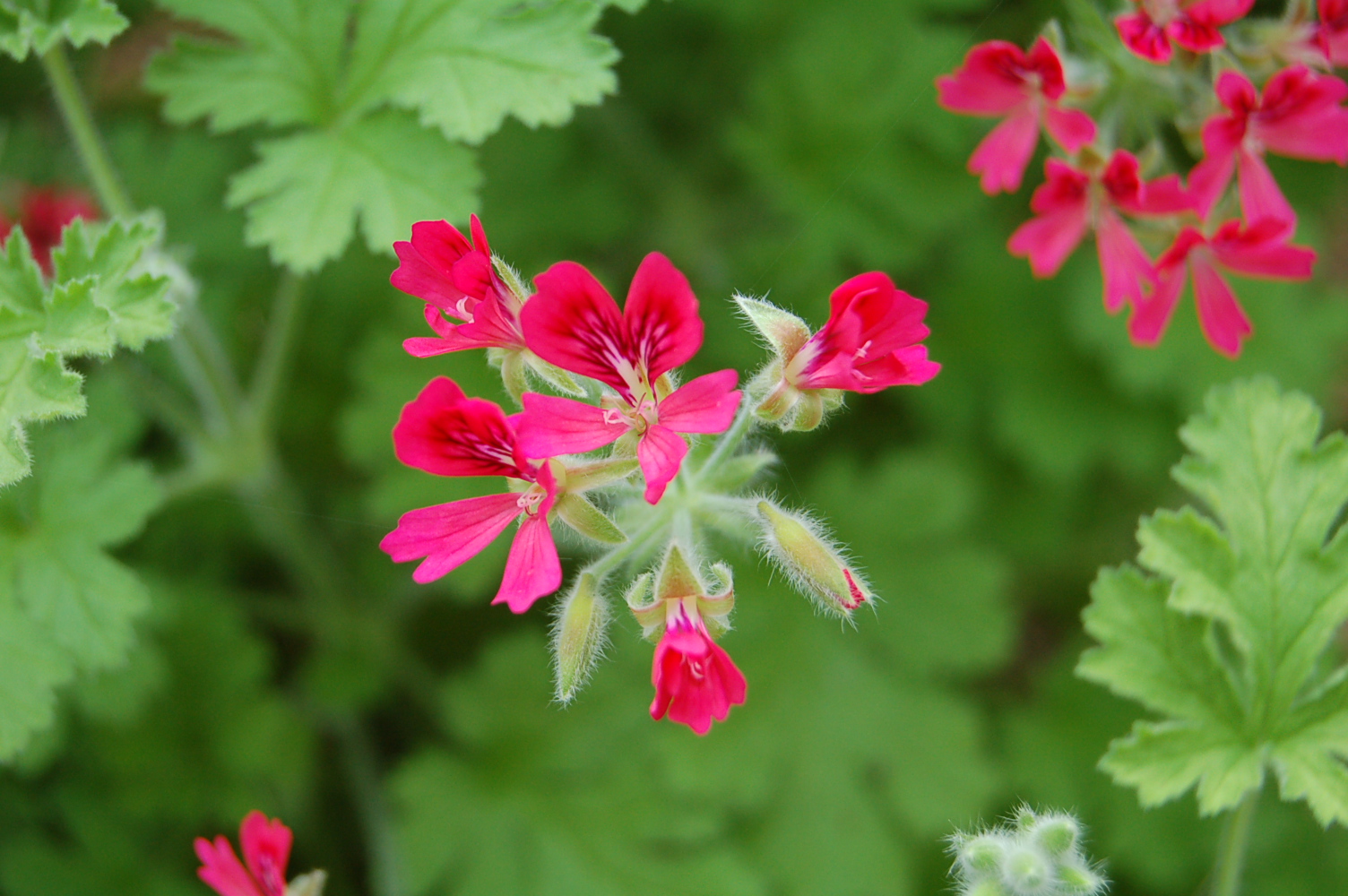
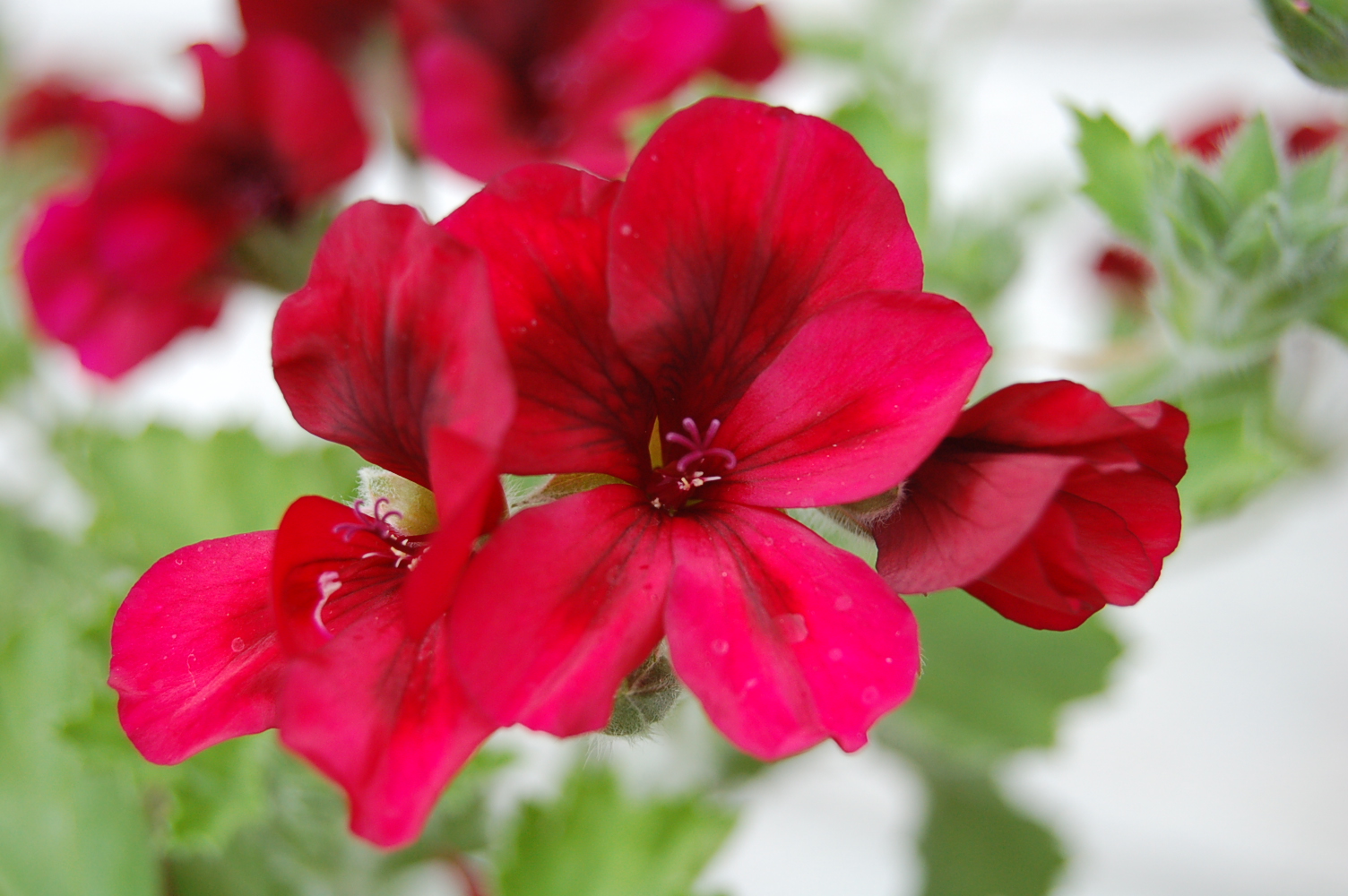
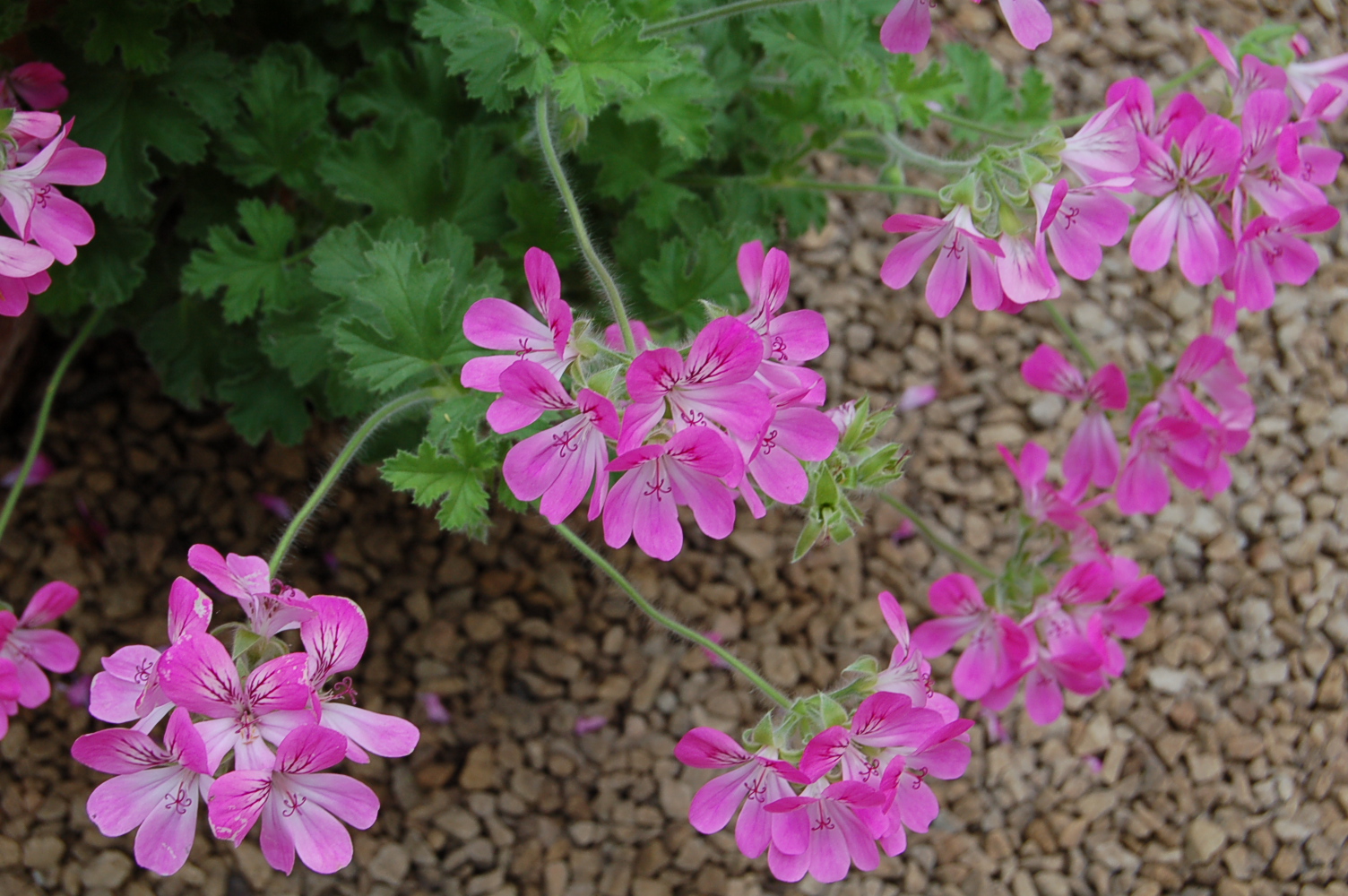
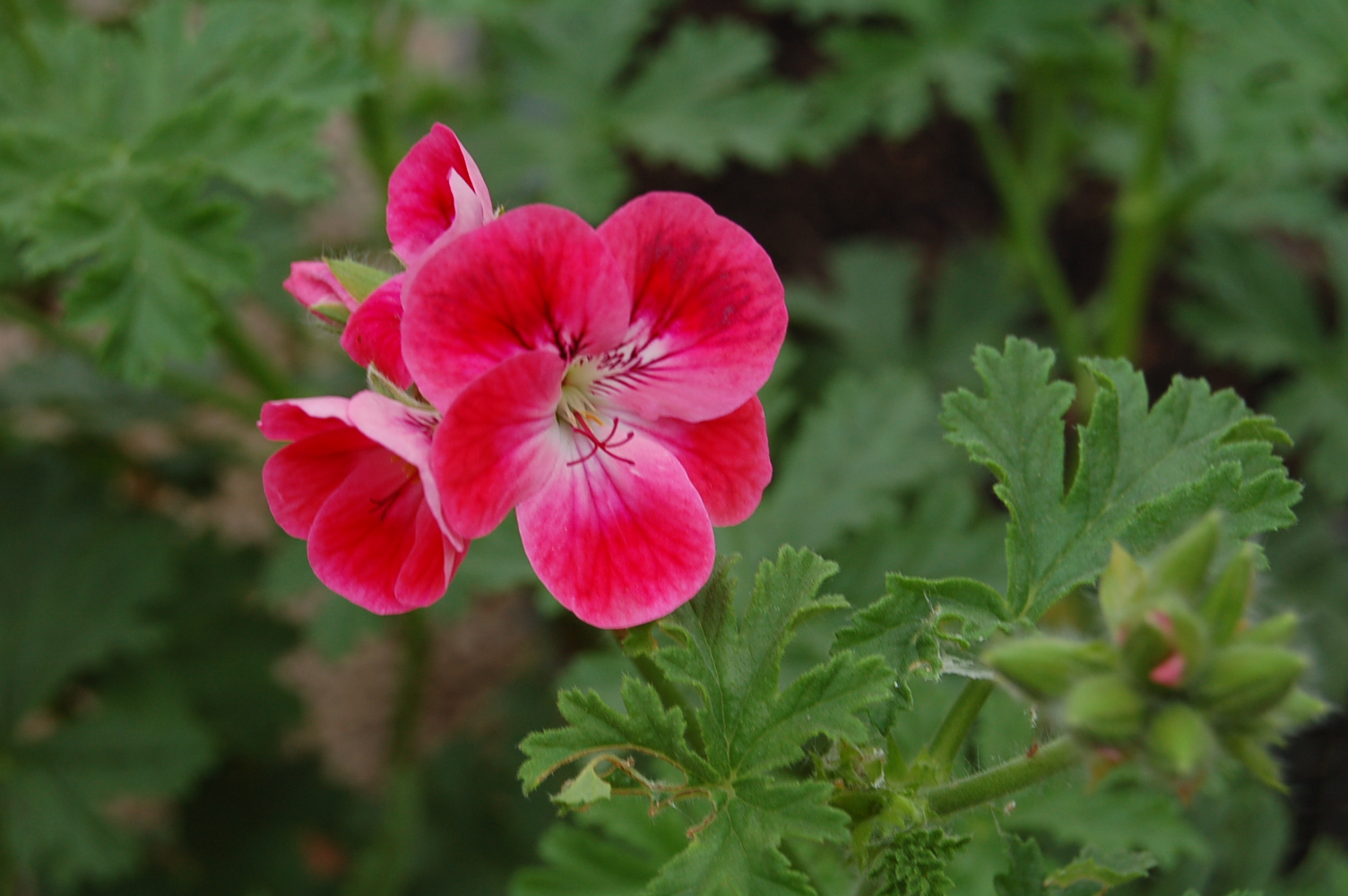
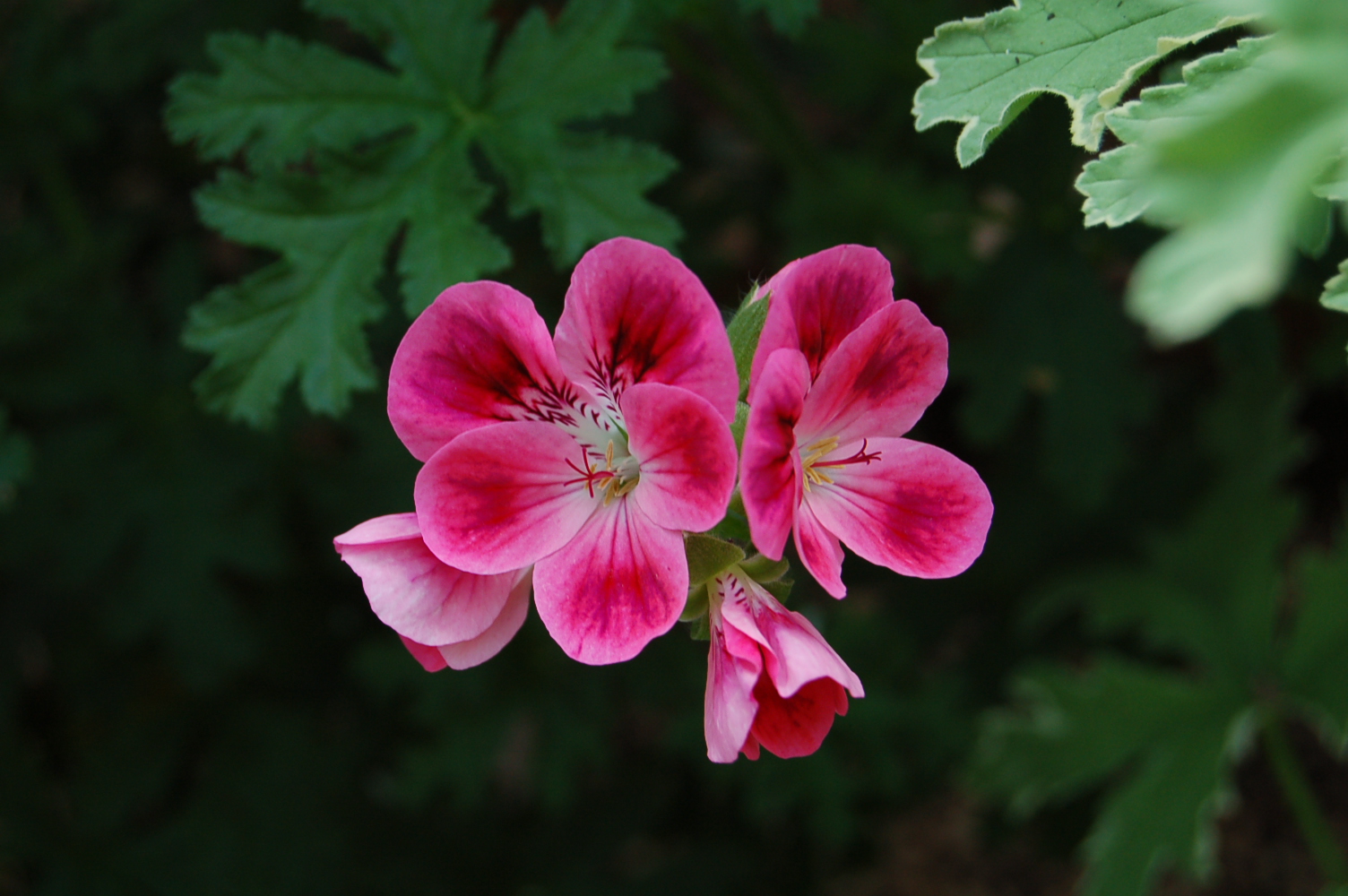
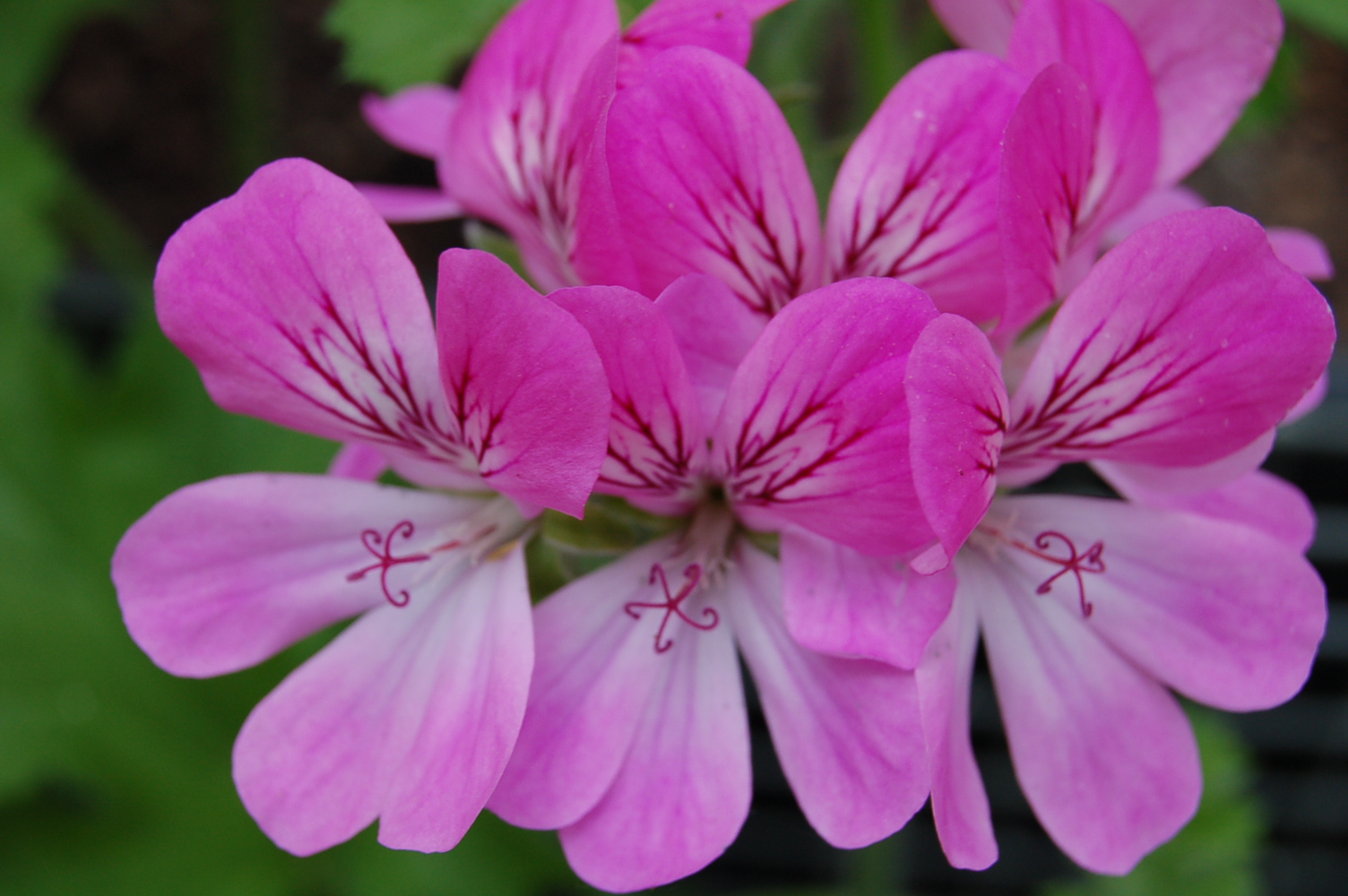
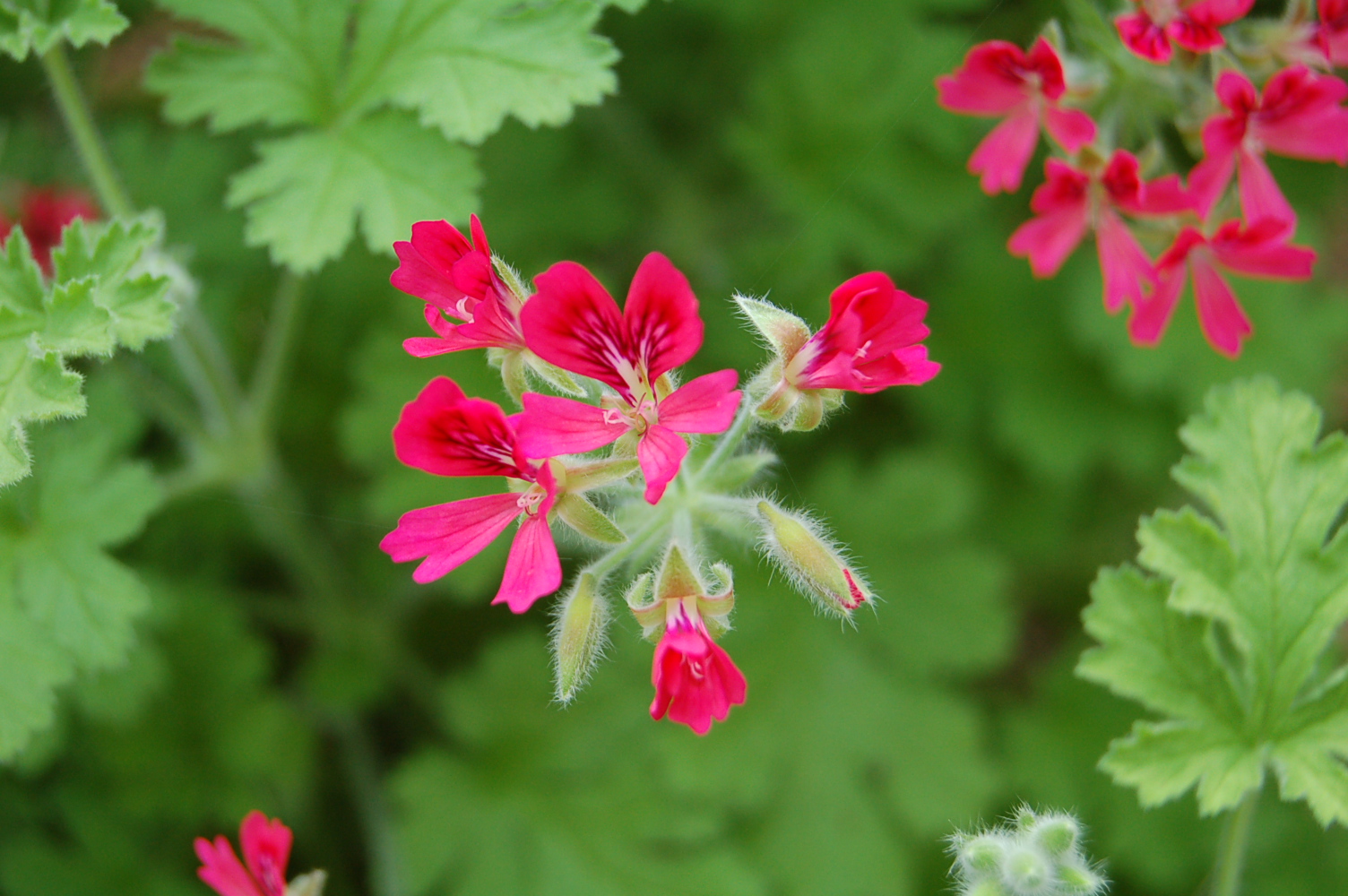
The beautiful, immensely long renovated Victorian greenhouse at Clumber Park never ceases to amaze. When we first visited Clumber the greenhouse looked sad and neglected but we discovered that plans were afoot to return it to its former glory. We were delighted to find one section which now housed an amazingly varied collection of Pelargoniums. Shades of pink. Fruity scents. Textured and patterned foliage. I can share these with you through my photographs.

A word of warning – if you have a total aversion to pink look no further!

This Veggie Life

A Vegetarian | Nature Lifestyle Blog

Rambling in the Garden

.....and nurturing my soul

The Arch City Gardener

Journeys In St. Louis Gardening and Beyond

Garden Dreaming at Châtillon

Consult the genius of the place

Storyshucker

A blog full of humorous and poignant observations.

gardeninacity

Notes from a wildlife-friendly cottage garden

PlayGroundology

...an emerging social science

The Official Blog of British Wildlife

'The most important and informative publication on wildlife of our times' - The Independent. This blog is a member of The UK & Ireland Natural History Bloggers group: www.uknhb.blogspot.com

iGrowHort

Inspire - Cultivate - Grow Native Plants - Restore Landscapes

Bishops Meadow Trust

To create and protect a semi-natural wild space for the people of Farnham to enjoy and experience an array of British wildlife in our town

Gardening with Children

The www.gardeningwithchildren.co.uk Blog

UKbirdingtimeline

birding through the seasons, why birds matter and how to conserve them

NATURE WALKER

with a camera in hand

Jardin

Transform your outdoor space

Eva's space

My allotment, cooking and other interests

Old School Garden

my gardening life through the year

LEANNE COLE

Trying to live a creative life

fromacountrycottage

trying to live as lightly as possible on our beautiful planet

Good Life Gardening

Nature lovers from Leicester living the good life.

mybeautfulthings

Finding the beautiful in the everyday

mawsonmichelle

Michelle's Allotment

In and Out of My Garden

thoughts from and about my garden

Greenhousing

Big plans for a small garden

The Scottish Country Garden

A Walled Country Garden in South East Scotland

The Fruity Chicken

Life at the fruity chicken

willowarchway

Off grid living. Self sufficient. "PERMAGANICS RULE".

St Anns Allotments

Nottingham's Grade 2* Listed Allotments and Community Orchard

Manifest Joy Harvests

a journey in suburban vegetable gardening

Allotmental

The madness of growing your own

Penny's Garden: a harvest beyond my front door

A novel approach to vegetable gardening

arignagardener

Sustainable living in the Irish countryside.

NewEnglandGardenAndThread

Master Gardener, amateur photographer, quilter, NH native, and sometimes SC snowbird

dianajhale

Recent work and work in progress and anything else that interests me

planthoarder

a chaotic cottage gardener

Lens and Pens by Sally

a weekly blog that creates a personal philosophy through photographs and words

Dewdrops and Sunshine

Stories from a sassy and classy Southern farmbelle.

The Pyjama Gardener

Simple Organic Gardening & Seasonal Living

gettin' fresh!

turning dirt into dinner

JOY...

today the world is created anew

Garden Birds

Notes from a Devon garden

ShootAbout

Life Through The Lens

Adapting Pixels

A photography blog showcasing the best photography pictures and videos on the internet

Wildlifegardening's Blog

Just another WordPress.com site

naturestimeline

personal observations from the natural world as the search continues for a new approach to conservation.

LATEBLOOMERBUDS

The Wonders of Life through my Eyes, my Heart, my Soul