Categories
colours garden design garden photography gardening hardy perennials ornamental trees and shrubs Yorkshire

Stillingfleet Lodge Gardens – a very special place.

DSC_0114m

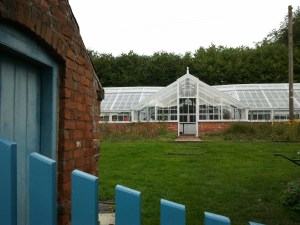
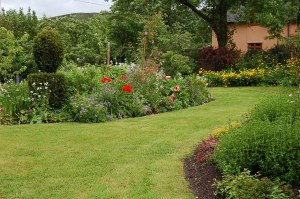
While in Yorkshire last summer we visited a small and very special garden, full of ideas to be taken home. Ideas on planting and design. This is a garden of many “rooms” each with its own character and atmosphere. Stillingfleet Lodge Gardens, just 6 miles south of the city of York, has been described by Alys Fowler as “One of the country’s finest cottage gardens.”

DSC_0142n

DSC_0130m DSC_0133n

It is a garden where the plantsmanship and passion of the owner is felt and can be touched. She works closely with nature and understands how caring for a garden and caring for wildlife should go hand-in-hand.

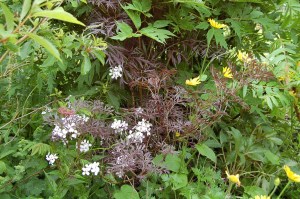
Look carefully at the picture below and see if you can spot a delicate iris.
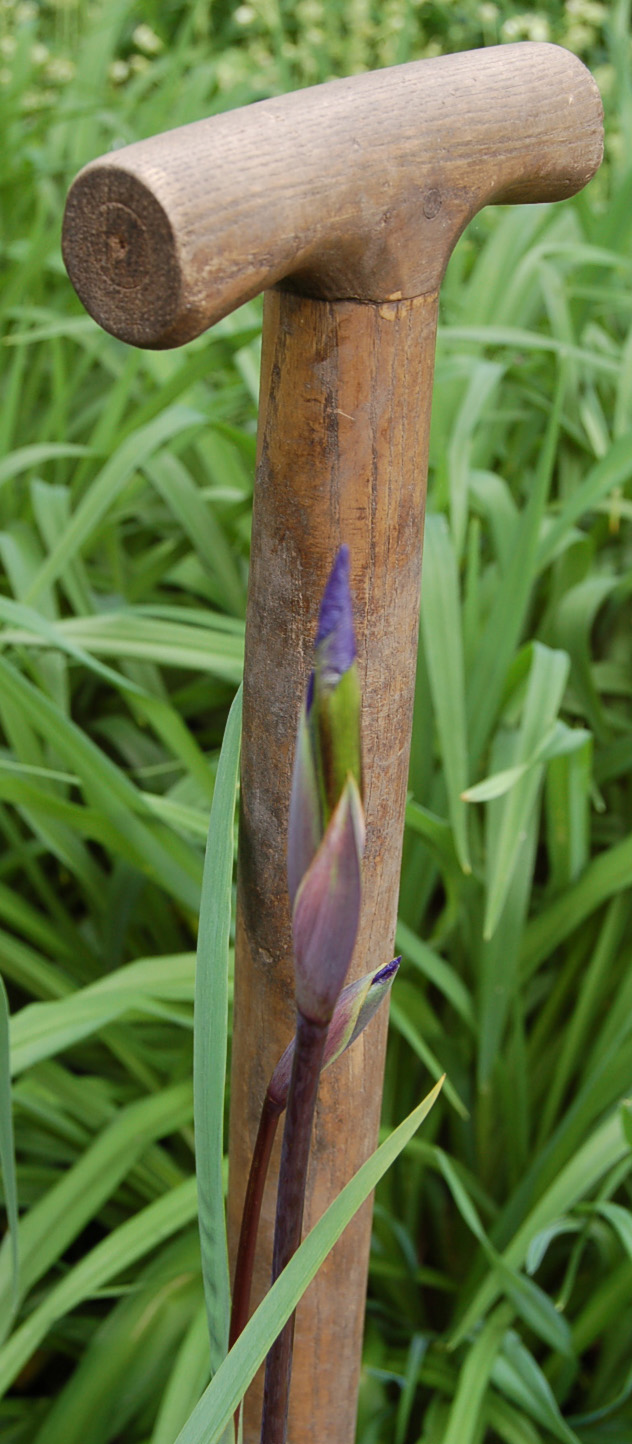
DSC_0136n

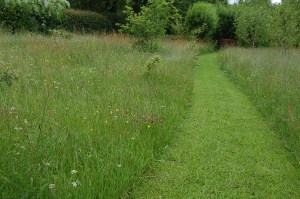
We were particularly taken with the meadows as they included some interesting additions beyond native species. At the time of our visit the last few flowers were left on the top of the flower stalks of Camassias in whites, creams and blues. We were interested to see that Rosa rugosa were planted in the meadows. When we spoke to the gardener she informed us that they were simply strimmed down along with the grasses and herbaceous materials and they re-grew each spring, flowering successfully every year.
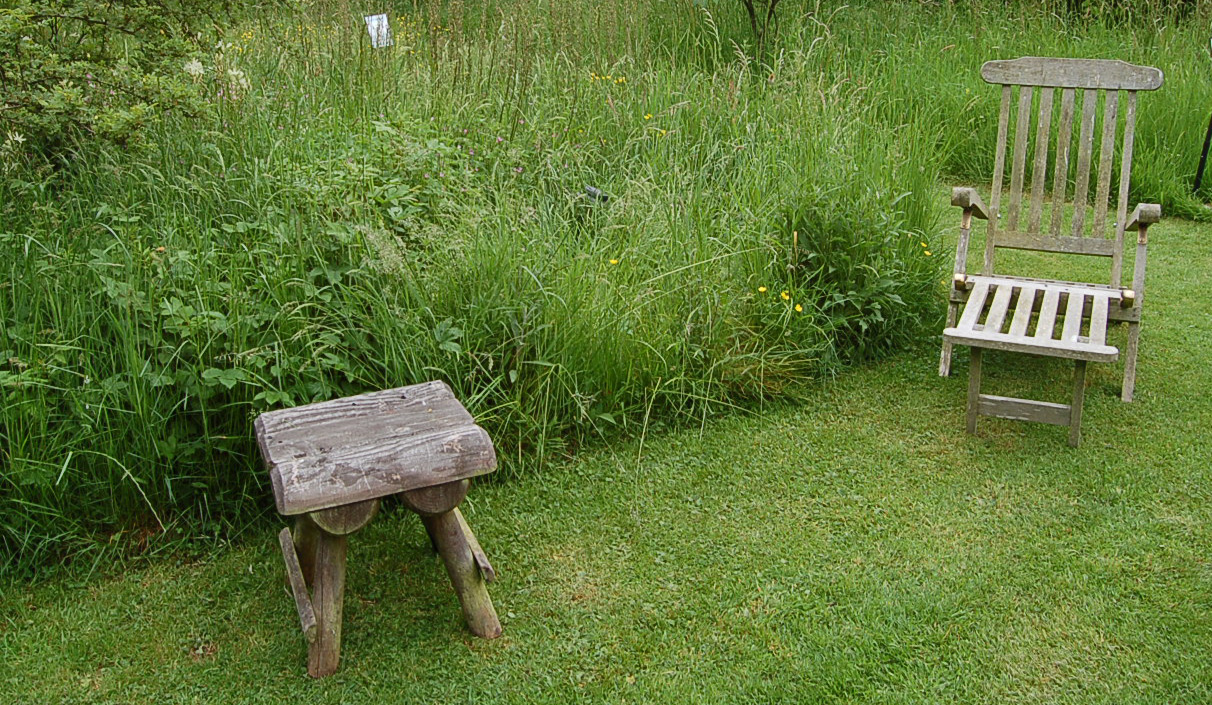
DSC_0087m

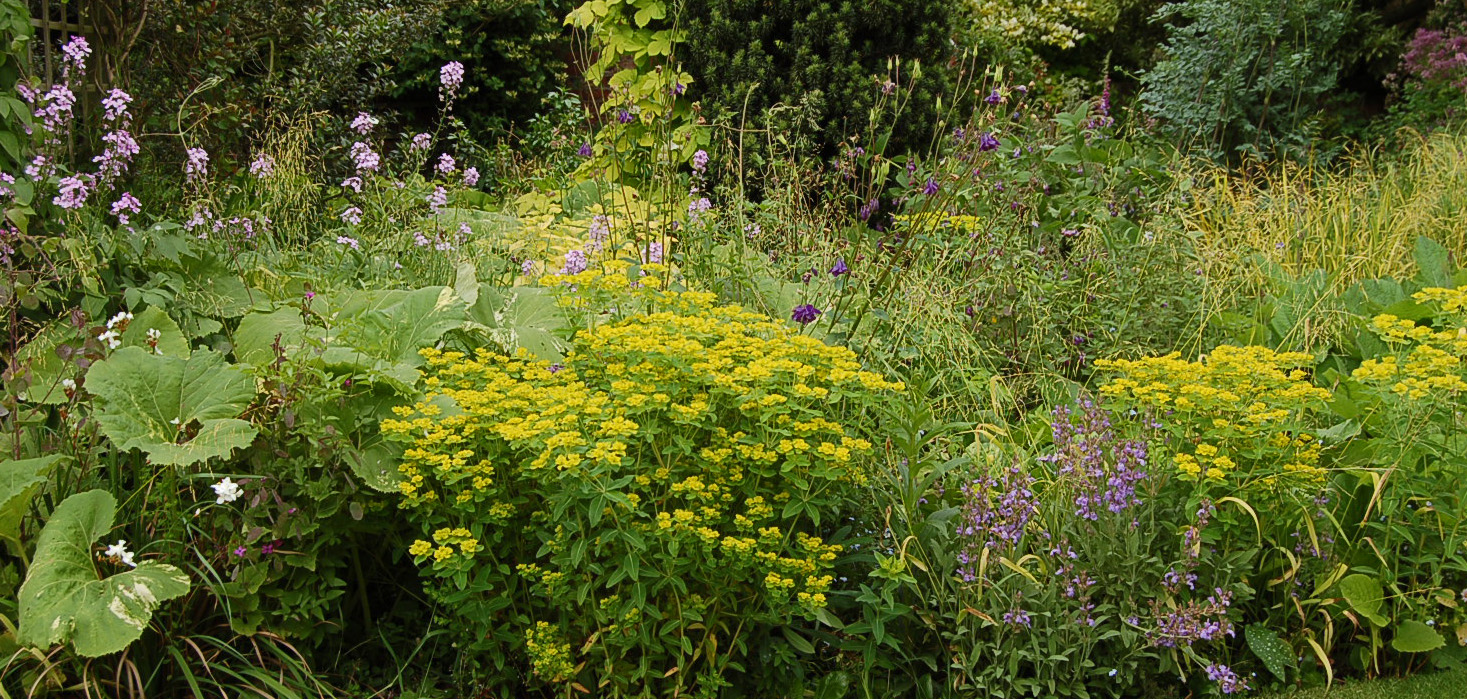
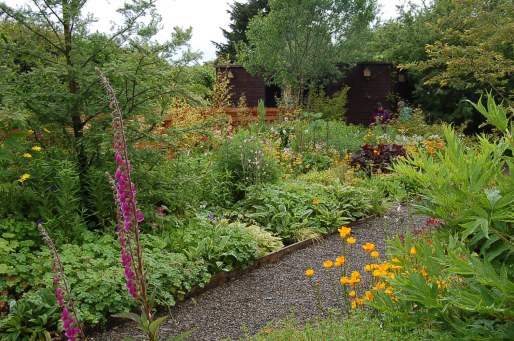
Of all the many garden rooms we discovered we particularly liked the yellow/golden garden full of bright foliage and yellow flowers. The overall feel was of being inside a chartreuse world glowing and warm.
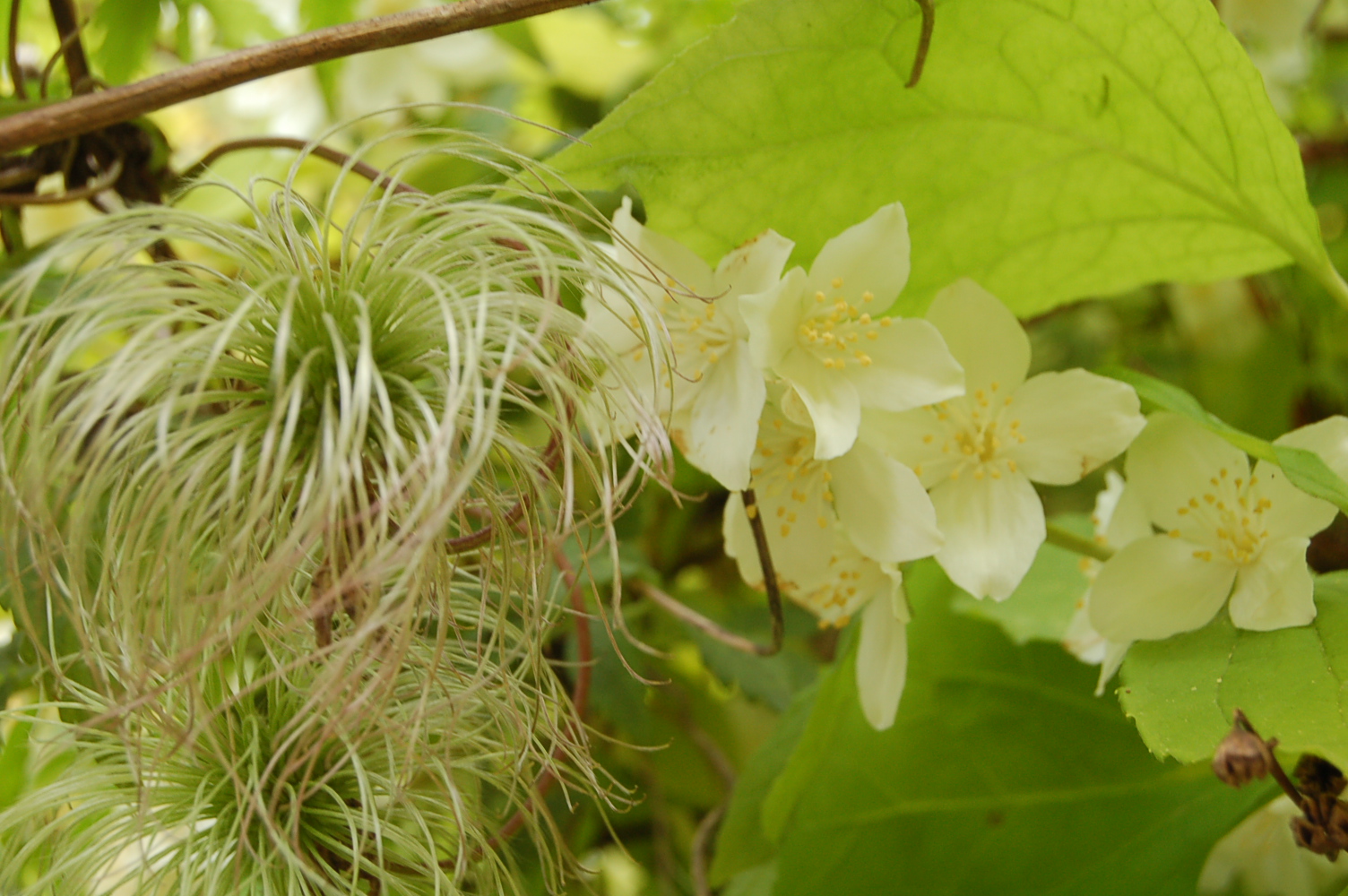
DSC_0158

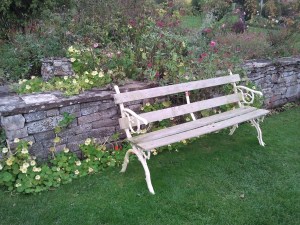
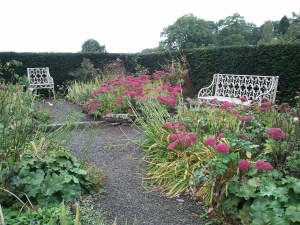
Other areas were more formal with cut box edging, neat lawns and rills. There was a veritable feast of seats of all descriptions on which to rest and absorb all the different atmospheres in these rooms. In complete contrast to the formal gardens were the informal pond and wildlife meadows.

As usual a particular favourite sitting place was the tea shop! Situated in a secluded courtyard with gentle sculptures and calming borders the teashop lived in a beautiful old outbuilding. To illustrate what a friendly place Stillingfleet Lodge is we only have to go into the teashop. Here there is all you need to make tea or coffee and plates of fresh, home baked cakes and biscuits and an honesty box with a price list alongside. True faith in the honest character of the visiting gardeners. Work by local crafts people was also beautifully displayed here.

n DSC_0169

DSC_0167n

Categories
allotments birds garden wildlife gardening natural pest control succulents Uncategorized wildlife

Growing up! Making a green roof.

We have created a new feature on our allotment this week – a green roof. We thought we would try to make up for the area of ground taken up by the footprint of our shed by making a garden on its roof. We have spent months at the planning stage, working out how to strengthen the roof, how to make sure we  could still collect rain water run-off to fill our butts and choosing plants that would look good and support wildlife. We would like the roof to entice more beneficial insects , pollinators and natural pest controllers to visit our plot. Spiders, beetles, hoverflies will also be welcomed as our little garden helpers and of course we want to attract butterflies too just to delight in watching them.

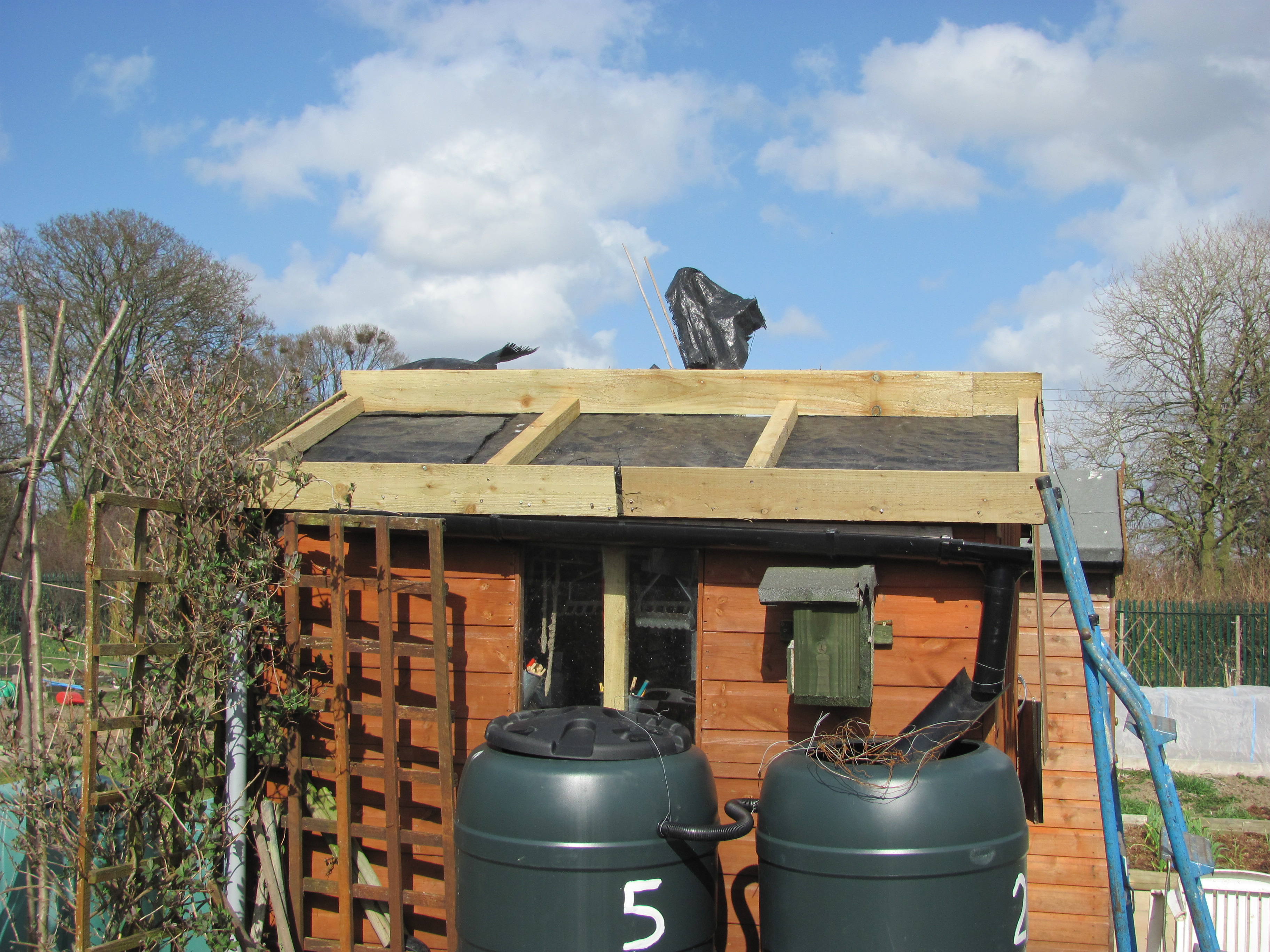
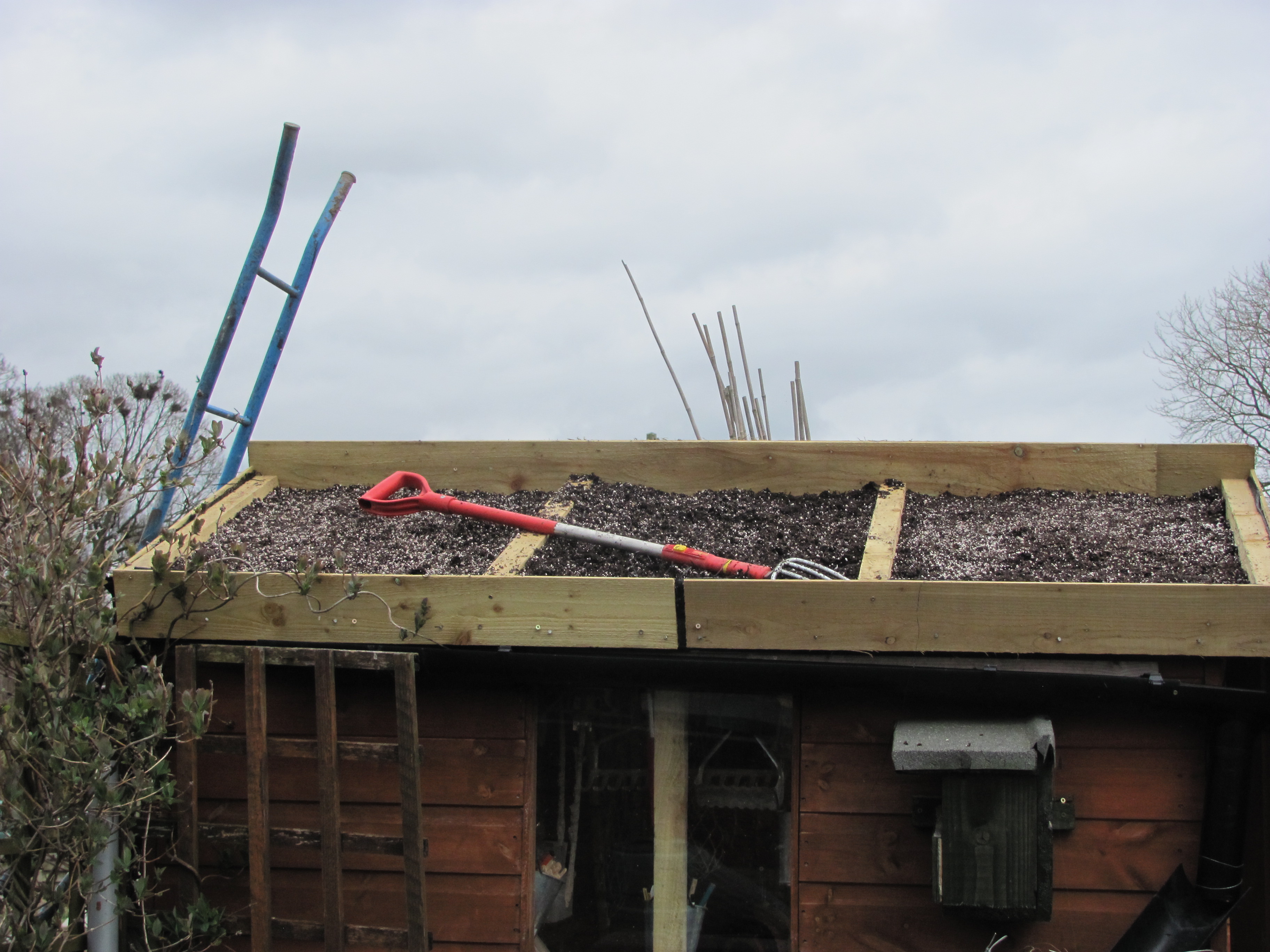
After strengthening the structure of the shed by building an internal framework of 2 x 2 inch lengths of wood, we added a second layer of roofing felt. Next we fitted the outside frame out of 6 inch deep feather edge and inside this stapled down a double layer of geo-textile membrane. We hope the membrane will allow rainwater to pass through it after permeating through the compost. The rainwater will then be caught in the guttering and can run into the butts.

IMG_5335 IMG_5336

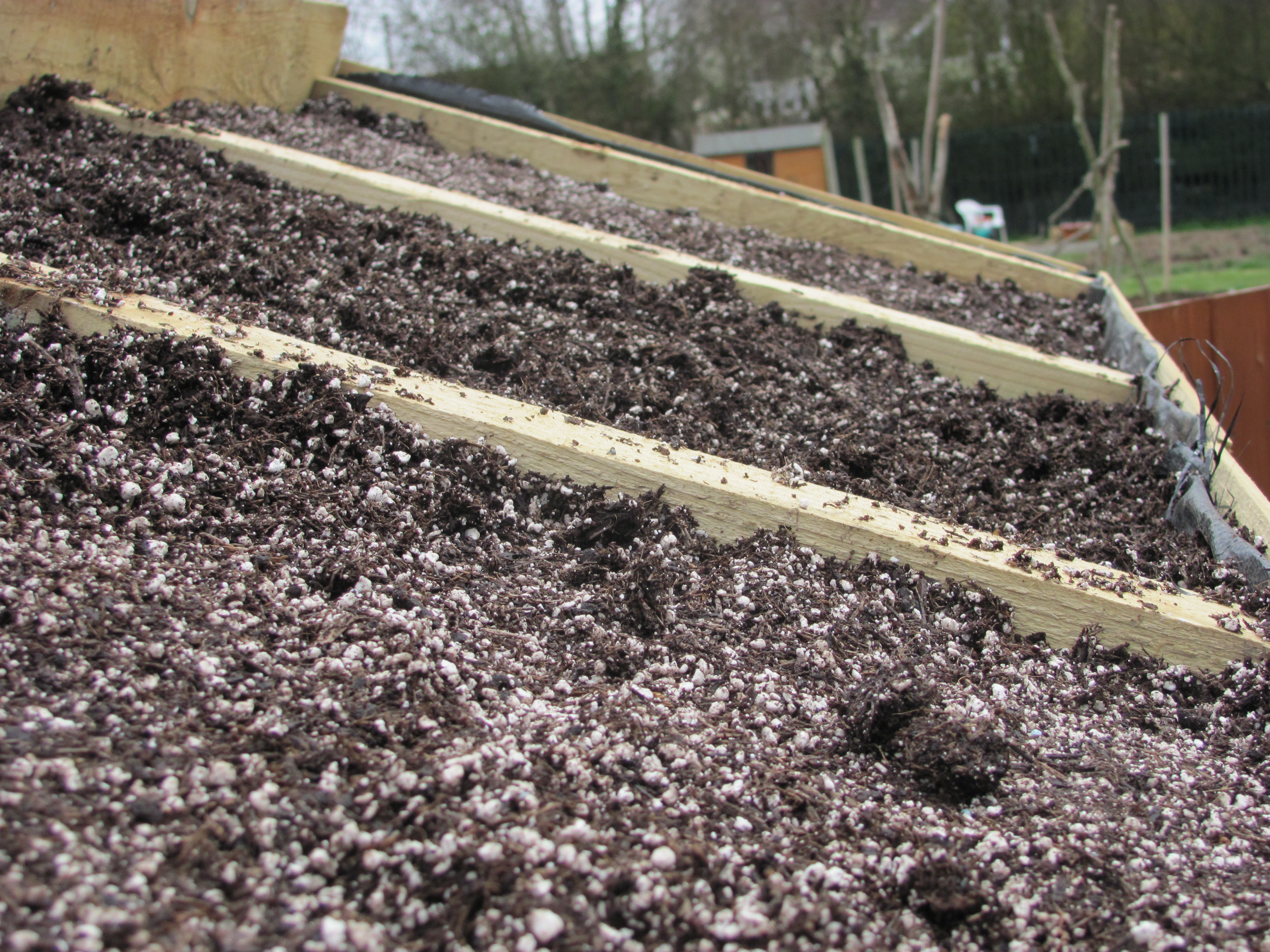
A structure of 2 x 2 inch lengths of wood was used to divide up the surface.

IMG_5337 IMG_5338

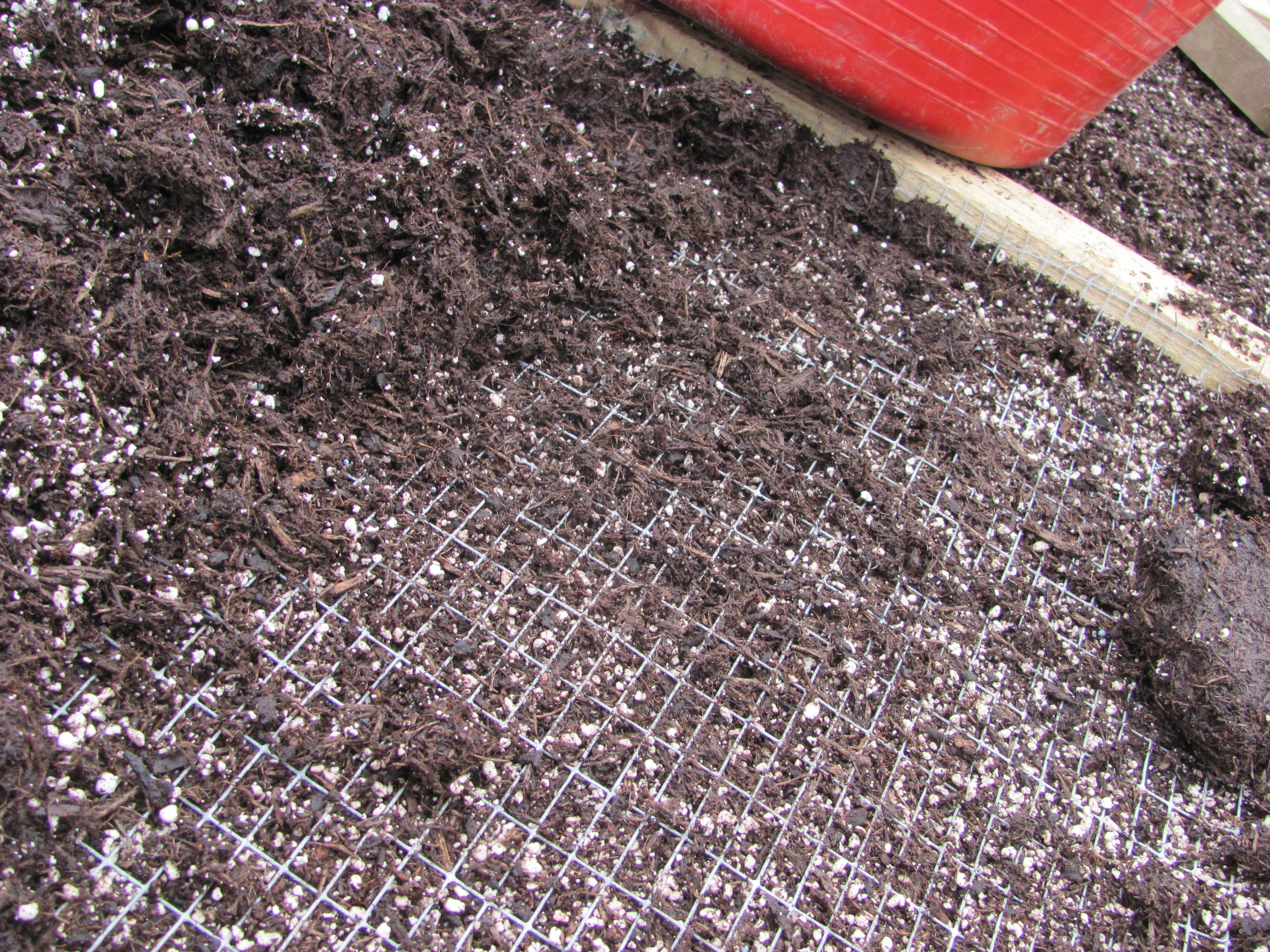
We next added the first layer of special compost to a depth of about an inch. This is a lightweight compost to which we added perlite to a ratio of 1 to 3 perlite to compost. Chicken wire was then laid over this first layer of compost and then a second one inch layer of our compost/perlite mixture was added. The wire should help hold the compost in place in times of heavy rain and we hope it will also give something for the roots to grow through and grip onto.

IMG_5341 IMG_5339

IMG_5340 IMG_5342

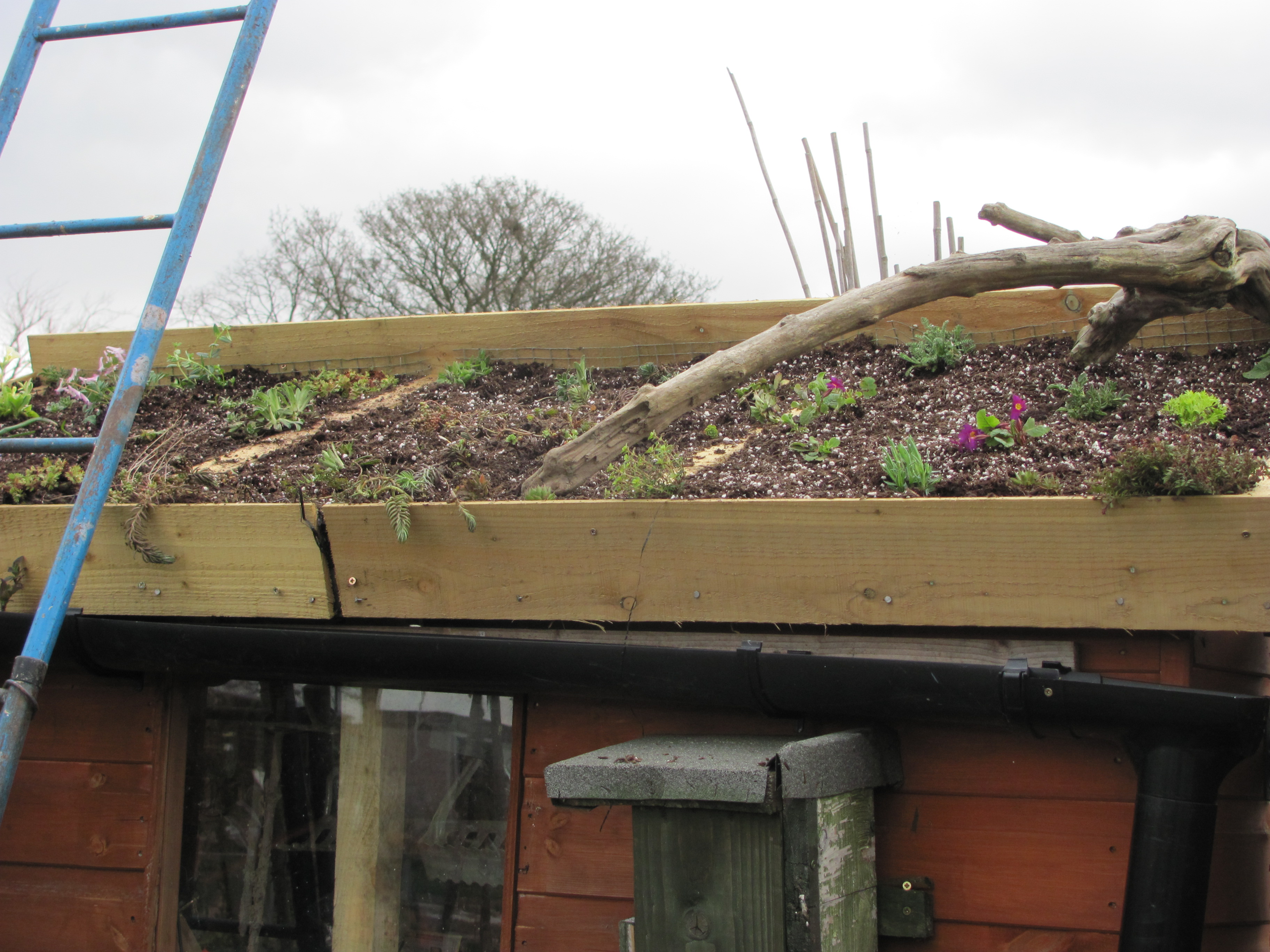
Finally the planting. Delicate alpines in some sections and mixed sedum and sempervivum in others. We added a driftwood feature for interest.

IMG_5347 IMG_5346

What we hope we have created is a little meadow in the air, a miniature garden that takes up no growing space that could otherwise be used for crop production. We will have the added benefit of an increase in insulation, giving us a cooler shed in the summer and a warmer space in the winter.

So now we are keeping our fingers crossed, hoping that we do not have any heavy downpours before the plants get their roots down, and hoping that Blackbirds do not find a way in. They have a habit of uprooting young plants in the hope of finding a tasty morsel.

IMG_5344

I shall keep you informed of progress.

Categories
bird watching birds garden photography garden wildlife natural pest control wildlife

Home Search

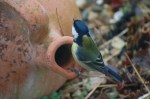
There seem to be too many members of the titmice family around this year looking for suitable nesting sites. All our nest boxes are occupied and being fought after. This little chap, a young male Great Tit is using his imagination and setting up home in one of our terracotta pots at ground level in the Beth Chatto Border, our gravel garden. He is just a few feet from our study window so is entertaining us as we work on the computer.

His family will provide us with natural pest control in return for our hospitality. Feeding a couple of nests of fledglings will dispose of thousands of aphids and caterpillars.

DSC_0045

He is such a star we thought he deserved a little photo gallery all of his own. Just click on any pic.

Categories
allotments colours community gardening garden photography gardening meadows winter gardens

Lottie Bulbs

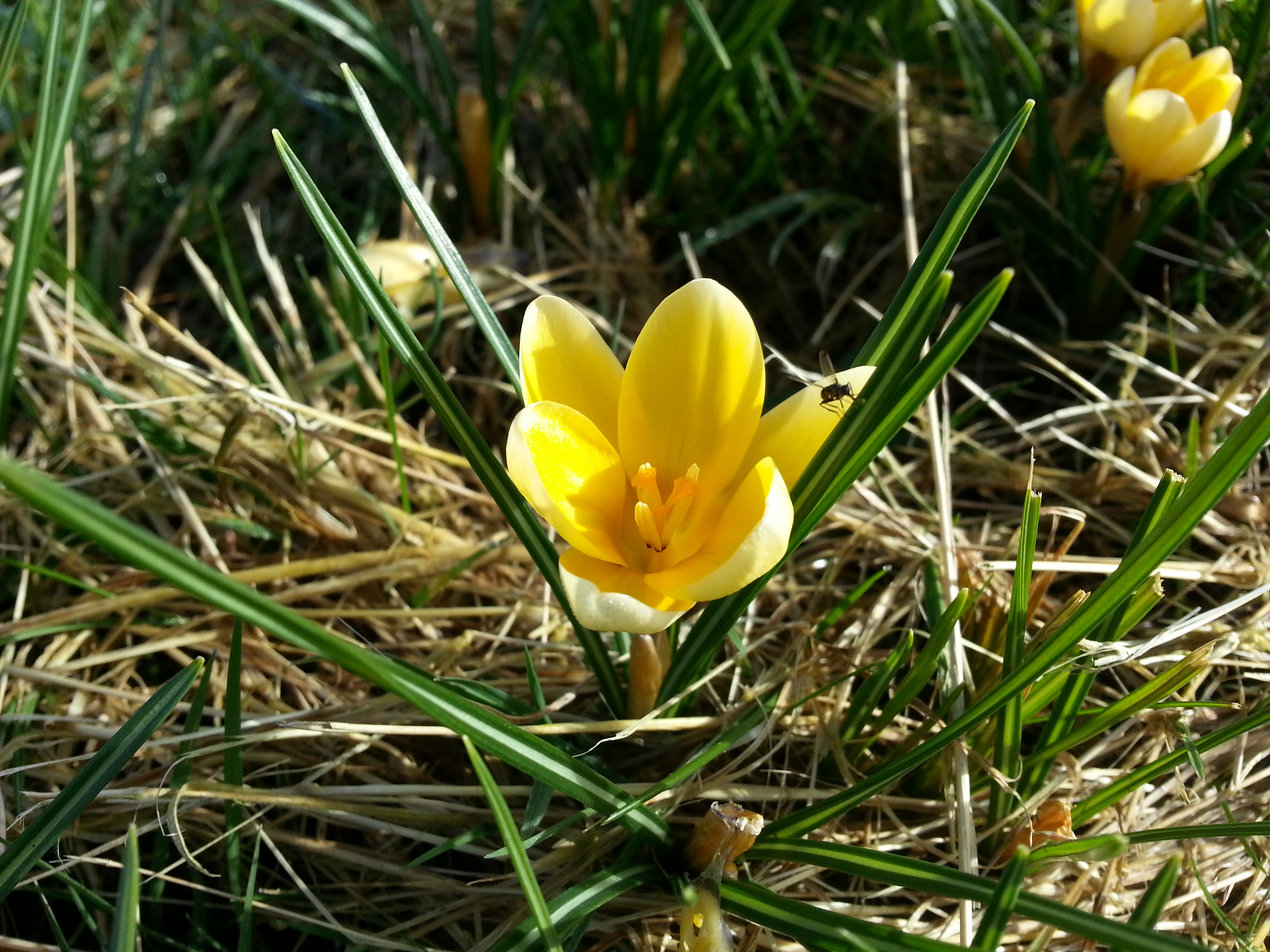
A mid-February walk around our lottie site on a dull grey day was much improved by the colour of the earliest bulbs. Each autumn we invite donations of bulbs from members and now we are seeing and appreciating the results of our members’ efforts.

We grow lots of these early bulbs as they provide very early pollen for any bees that come out on mild days. We need to look after our bee friends as they help pollinate our fruit, peas and beans and many more crops.

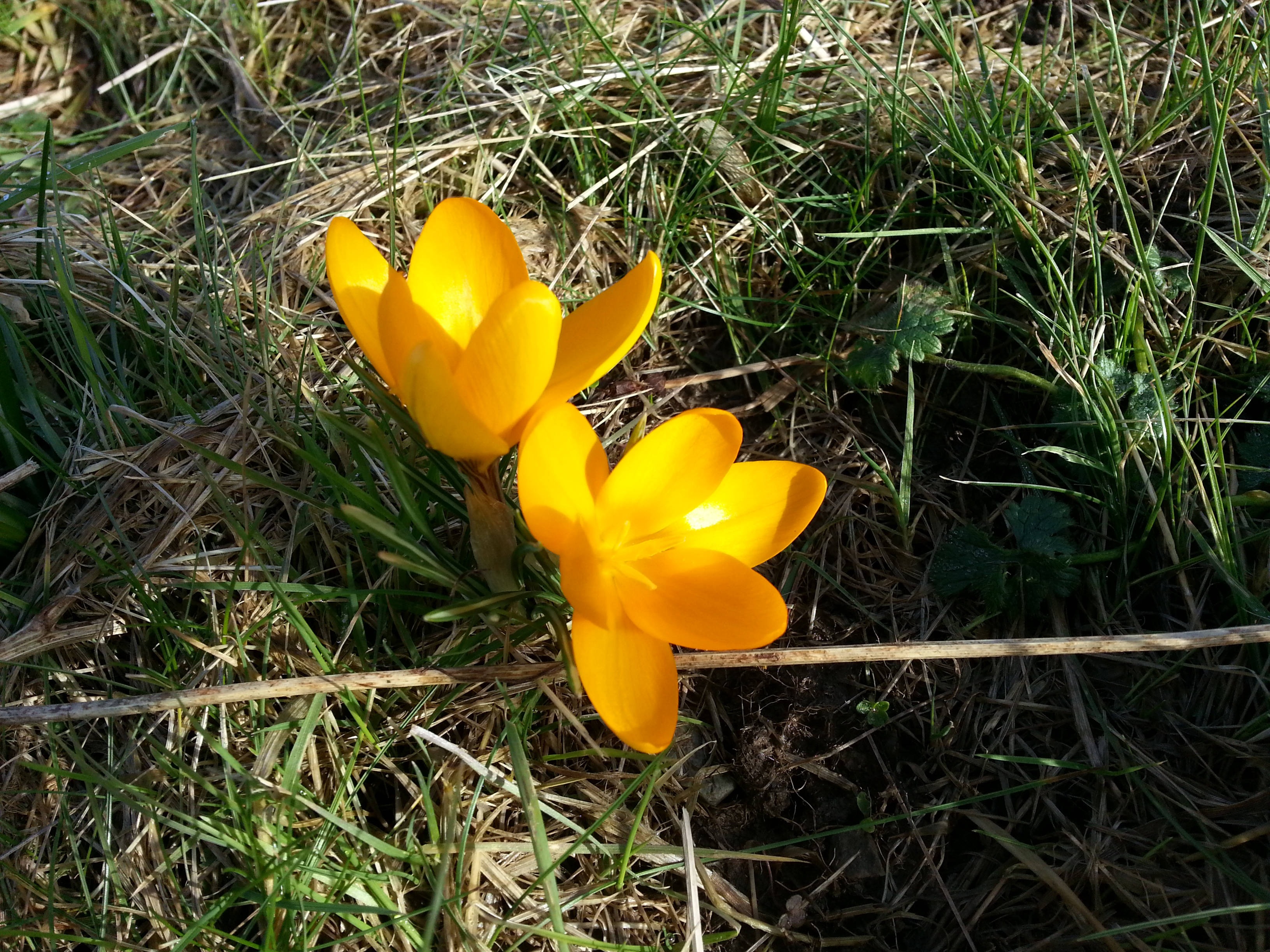
The gold of crocuses (or should that be croci or perhaps simply just crocus?) brightens the orchard meadow.

lottie bulbs 1 lottie bulbs 2 lottie bulbs 3 lottie bulbs 4 lottie bulbs 5

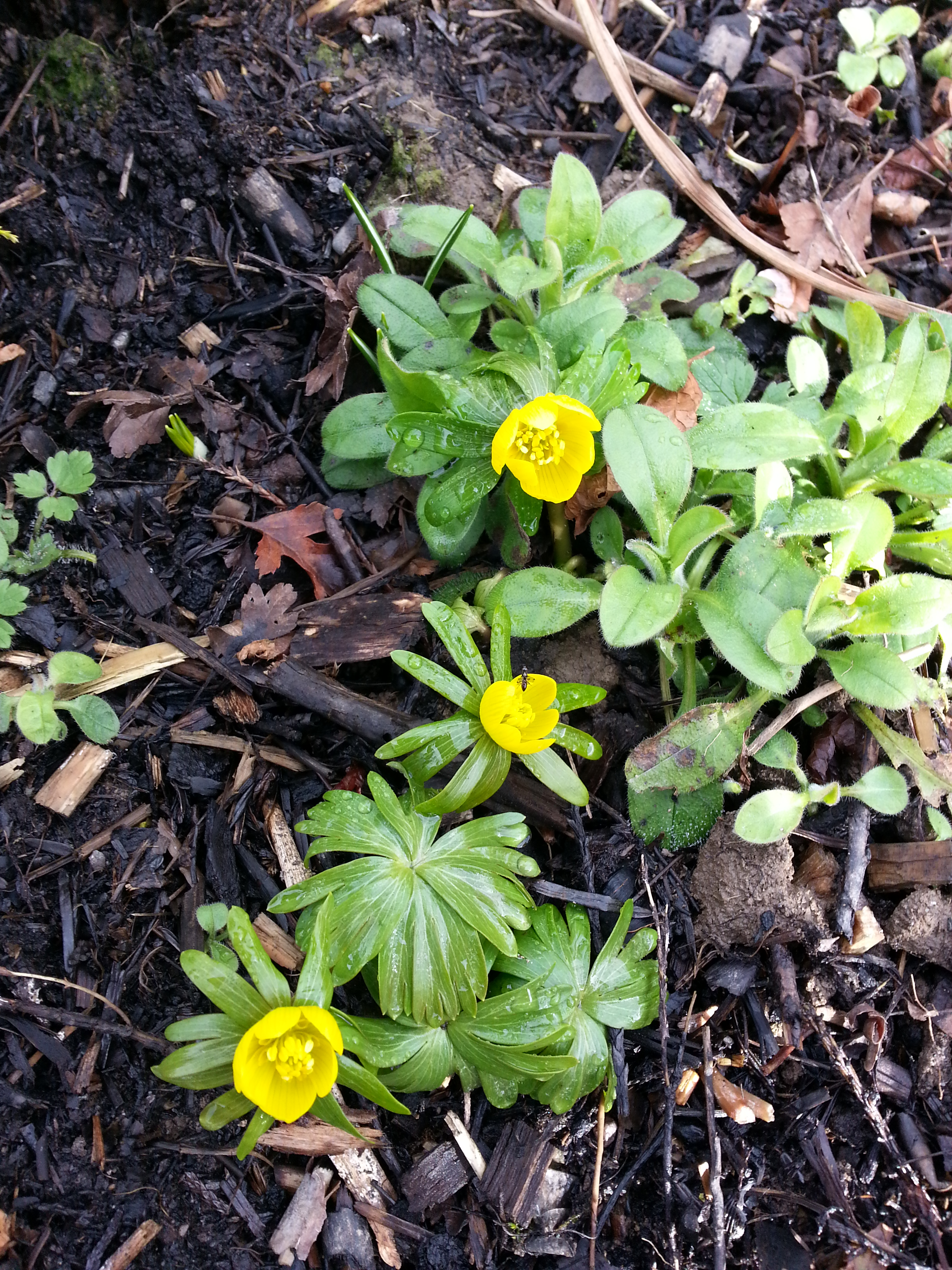
Snowdrops and Winter Aconites go together like chalk and cheese. Together they light up the Winter Garden.

lottie bulbs 7 lottie bulbs 12 lottie bulbs 13

Even in the Summer Garden spring bulbs have a place. These beautiful blue iris cheer everyone up as they pass by.

lottie bulb 20 lottie bulbs 21

The tiniest and most delicate flowers of February are those of the cyclamen which mingle with the bark and fallen leaves in the Sensory Garden. The leaves have fallen from the nearby old Oak tree.

lottie bulbs 22 lottie bulbs 23

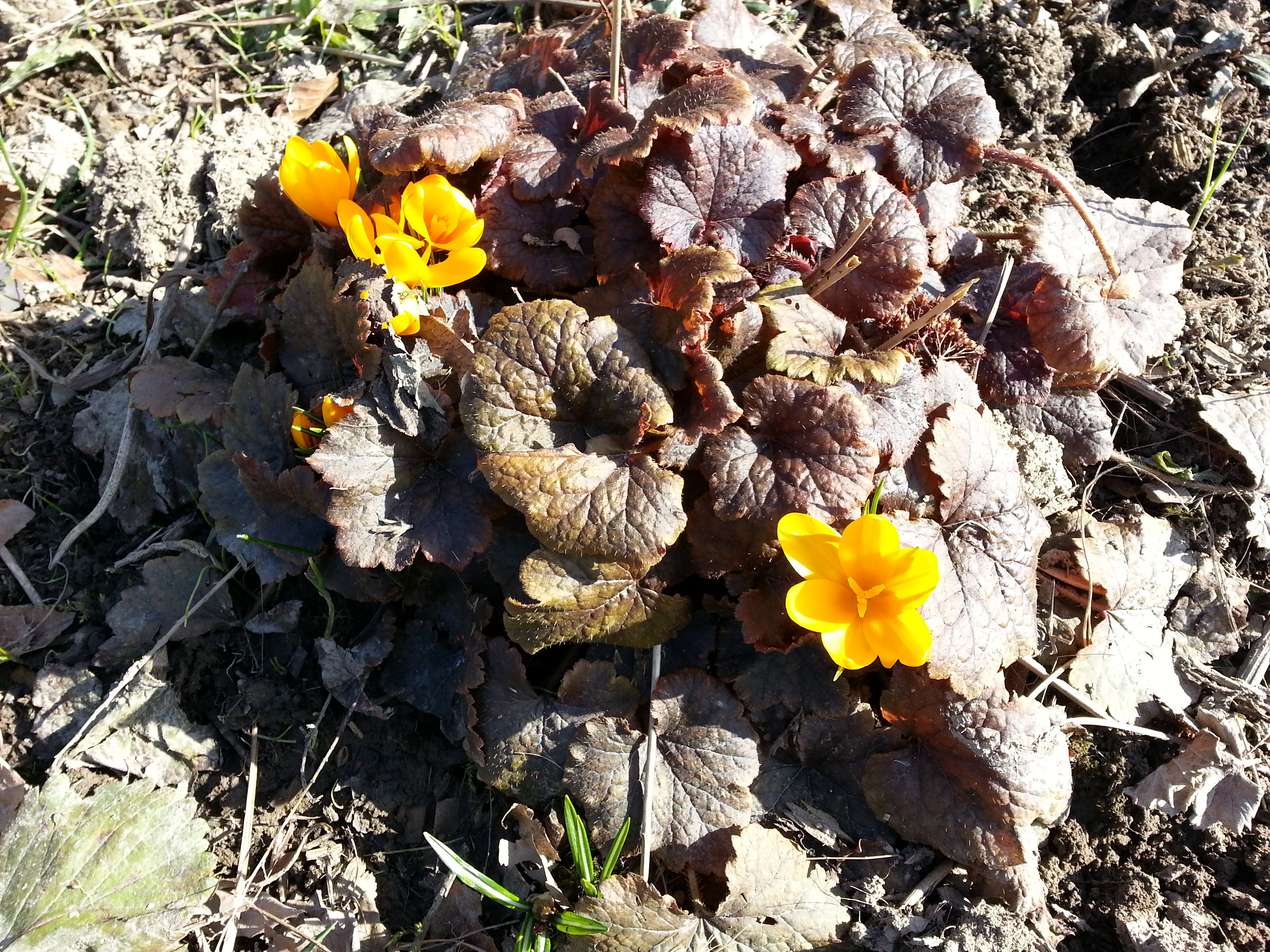
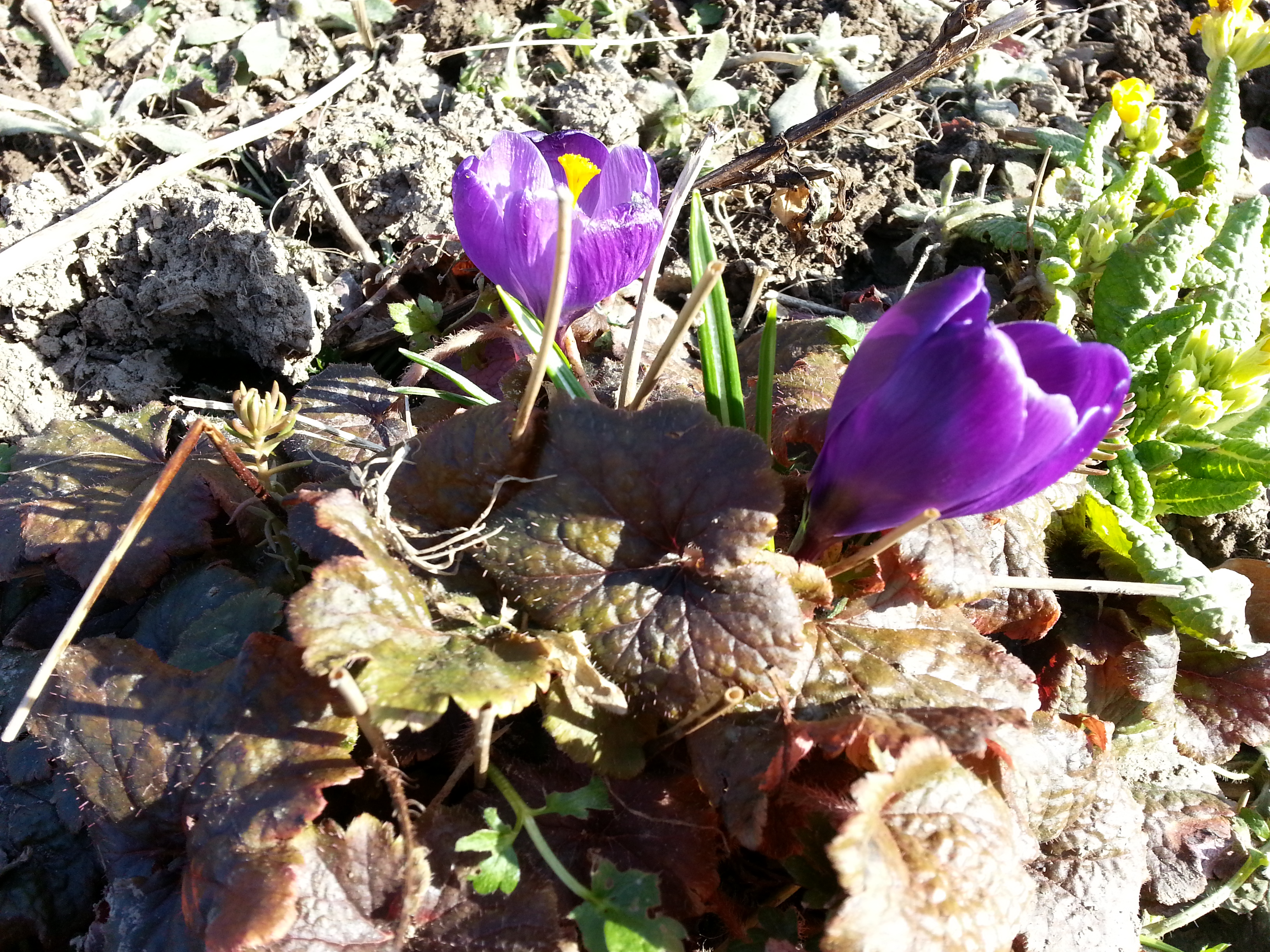
Accidental juxtaposition of plants often give the best combinations. These crocus surprised us when they chose to flower above the bronze leaves of a Saxifraga.

lottie bulbs 26 lottie bulbs 28

We now eagerly await the masses of Daffodils planted around the site and on the grass verges outside our gates. They will be closely followed by the Tulips in their myriad colours.

Categories
garden design garden photography gardening gardens open to the public National Trust NGS photography Shropshire South Shropshire The National Gardening Scheme" The National Trust trees

Looking Back One – An Hour at Croft Castle

This is the third in the series of posts looking back at garden visits we enjoyed last summer and autumn. Here we shall remember our autumn visit to the grounds of Croft Castle in South Shropshire.
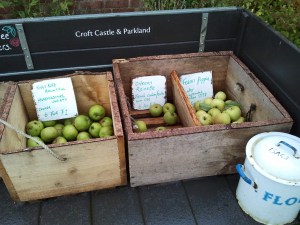
Croft Castle is a favourite National Trust property. We often visit to enjoy a walk around the gardens and take tea in the teashop. On this autumn day we only had a short time but still managed to do both!

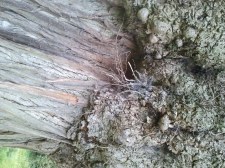
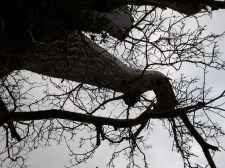
Croft is famous for its ancient avenue of Sweet Chestnut trees which are now sadly coming to the end of their lives. Their gnarled, pitted bark shows their great age and makes you imagine just what they would have seen going on under their boughs and all around them over the centuries. If only they could tell.

SAMSUNG

SAMSUNG  SAMSUNG SAMSUNG SAMSUNG SAMSUNG SAMSUNG SAMSUNG  Autumn was descending on the walled gardens. SAMSUNG SAMSUNG SAMSUNG SAMSUNG  SAMSUNG SAMSUNG SAMSUNG  SAMSUNG SAMSUNG SAMSUNG SAMSUNG SAMSUNG SAMSUNG SAMSUNG SAMSUNG SAMSUNG   SAMSUNG

Categories
arboreta birds fruit and veg garden design garden photography garden wildlife gardening grow your own hardy perennials Hardy Plant Society HPS meadows ornamental trees and shrubs Shropshire South Shropshire village gardens

Holly Cottage – another garden visit with the HPS

June 16th and we are visiting two gardens with fellow members of the Shropshire Hardy Plant Society. In my previous post I shared our morning visit to “Fairview” and now we move on to Holly Cottage just a few miles away for the afternoon. To get to the cottage we had to drive over a few fields dodging sheep and when we parked up the heavens opened and the temperature plummeted. Bravely we donned waterproofs – it was well worth it. The garden at Holly Cottage ran downhill from the cottage and within its two and a half acres formal and informal plantings of herbaceous plants mingled with mature trees, meadows, a pond and even a small stream.

DSC_0173

DSC_0179 DSC_0195 DSC_0178 DSC_0180

DSC_0168

Just as we were impressed by the veggie patch at Fairview in the morning, the fruit and veg garden at Holly Cottage impressed too. This veggie patch practised organic principles to produce quality harvests.

DSC_0182  DSC_0181 DSC_0185 DSC_0183

Part of following organic principles is to encourage wildlife to garden with you and here there were nest boxes and bird feeders in evidence as well as a meadow, a small arboretum featuring mostly native and wildlife attracting trees and shrubs. A comfy rustic bench was also positioned where we could appreciate it all.

DSC_0187 DSC_0189 DSC_0209 DSC_0207

We like to find original new ideas or twists on old favourites during our garden visits. At Holly Cottage we came across this wonderful example of high-rise living for plants.

DSC_0214

As with any garden the plants are the stars and on a dull, wet cold day such as this these stars are needed even more. Holly Cottage’s plants did not let us down. They lifted our spirits out of the gloom.

DSC_0175DSC_0169DSC_0199

Categories
bird watching birds garden wildlife wildlife

Garden Birds in the Snow

gardeb bird 4

Today the snow came! We had hoped for a snow-free winter but the weather defied us. We woke at 7:00 expecting a covering but we were gladdened to see not an iota of white stuff. Half an hour later it started and by mid-morning we were under a 3 inch layer.

The birds arrived in force queueing up at each feeding post. A flock of Fieldfare and Redwing dropped in as did the first Siskins of the winter.

garden birds 2

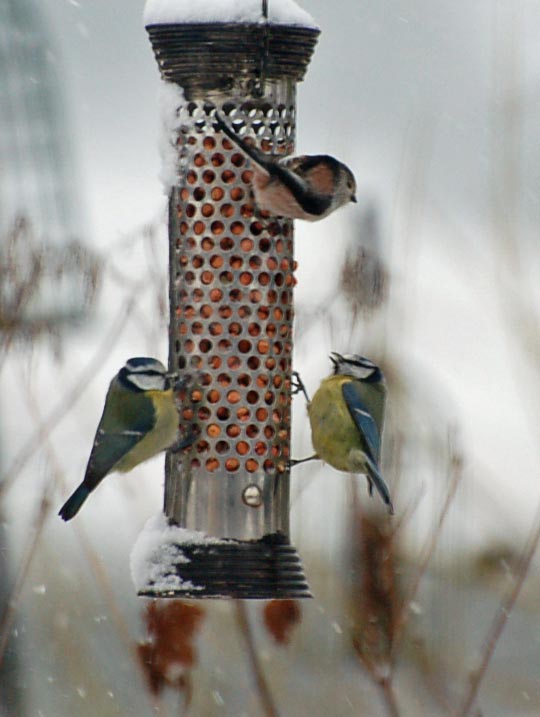
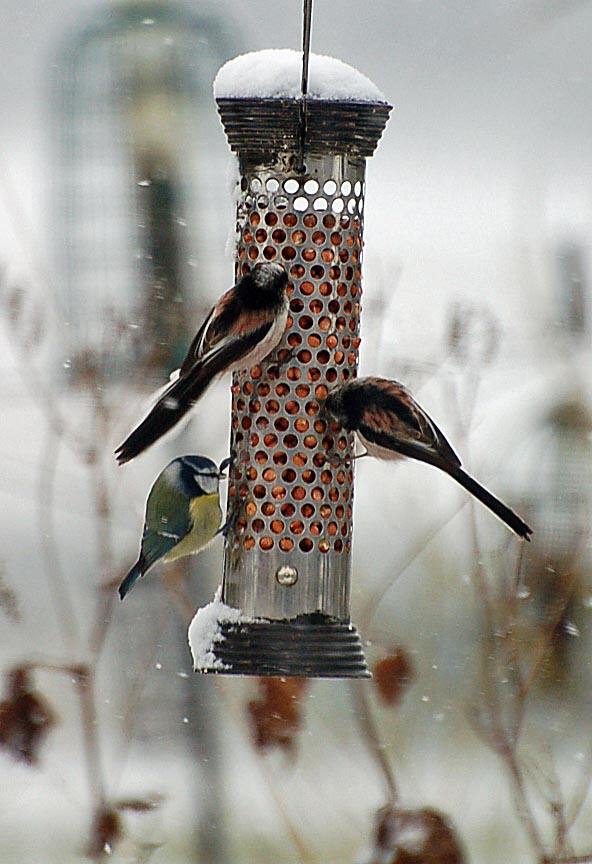
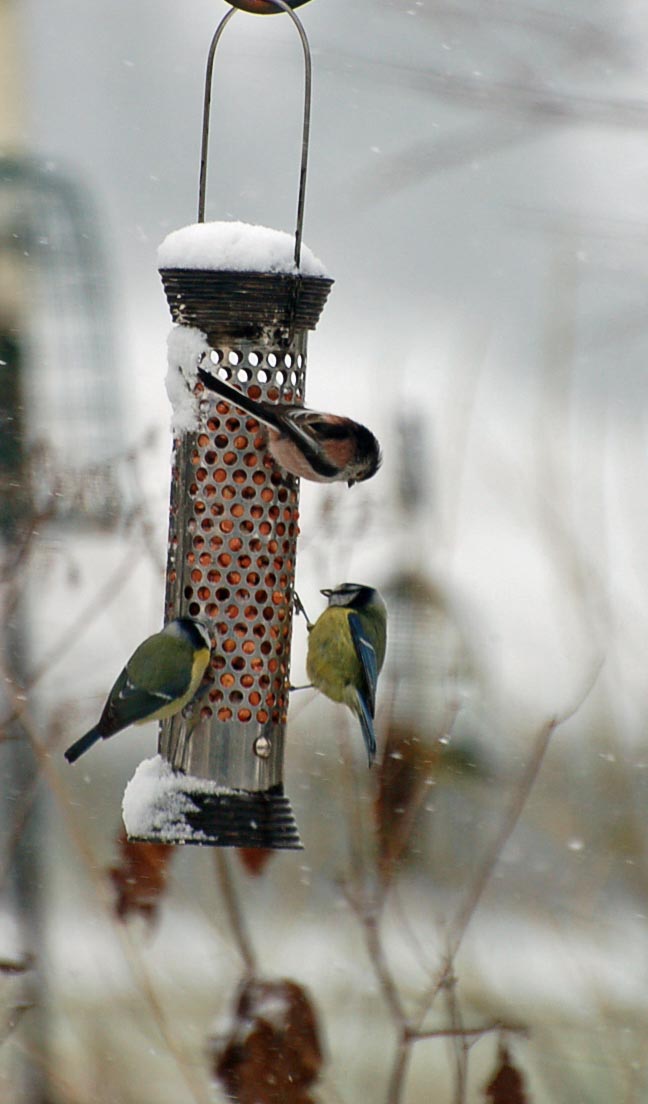
The garden was alive with Titmice, Blue, Great, Coal and Long Tailed and mixed flocks of finches, Green, Gold and Chaffinch. The Great Spotted Woodpeckers made regular forays from the old oak in the paddock onto our peanut feeders.

garden birds 7 garden birds 10 garden birds 9

garden birds 8 garden birds 11

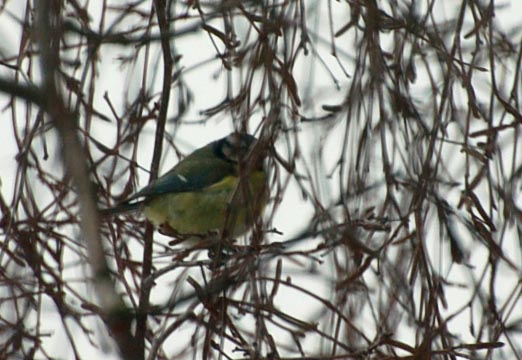
The picture below was the best of a bad bunch – I have decided that trying to take a photo of a Blue Tit within the fine filigree of Birch branches is not easy!

garden birds 3

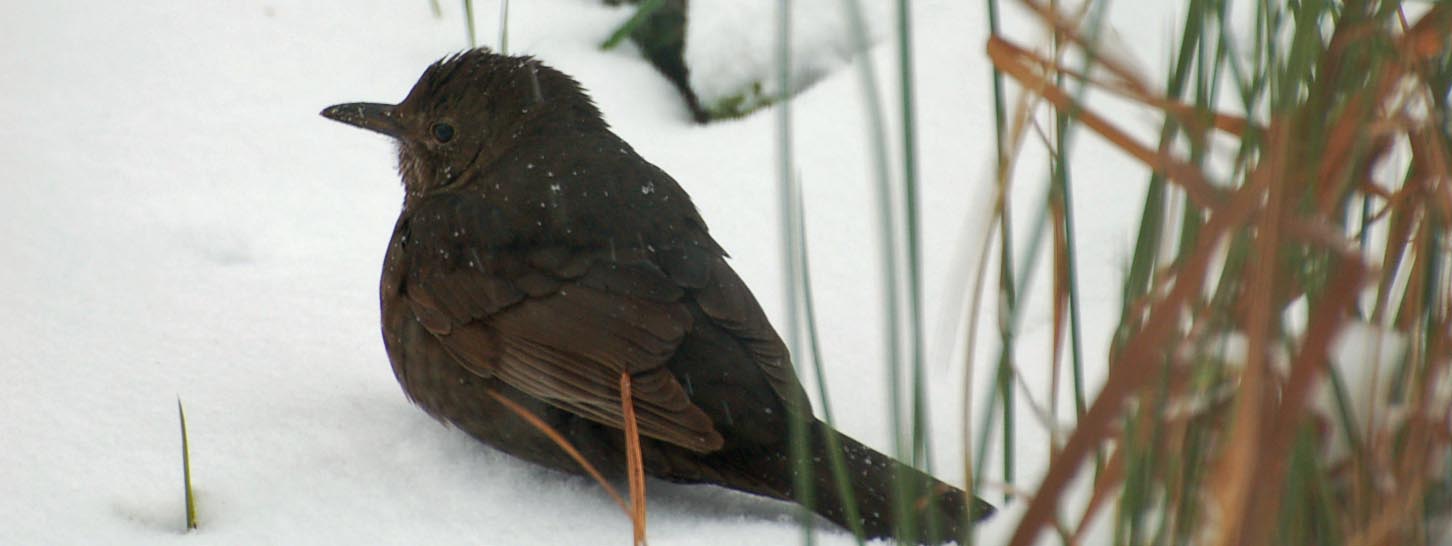
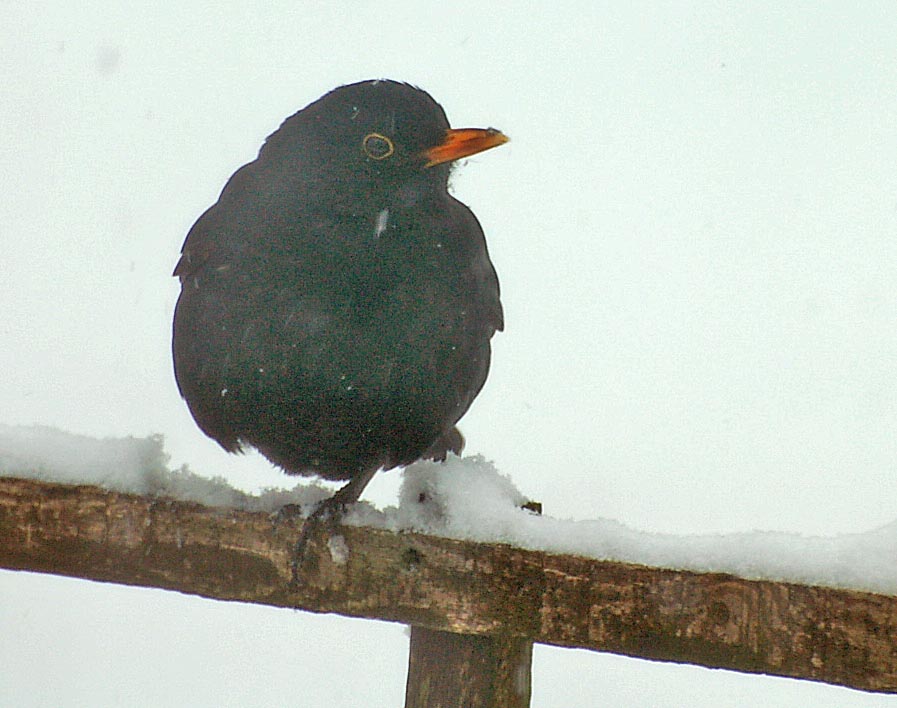
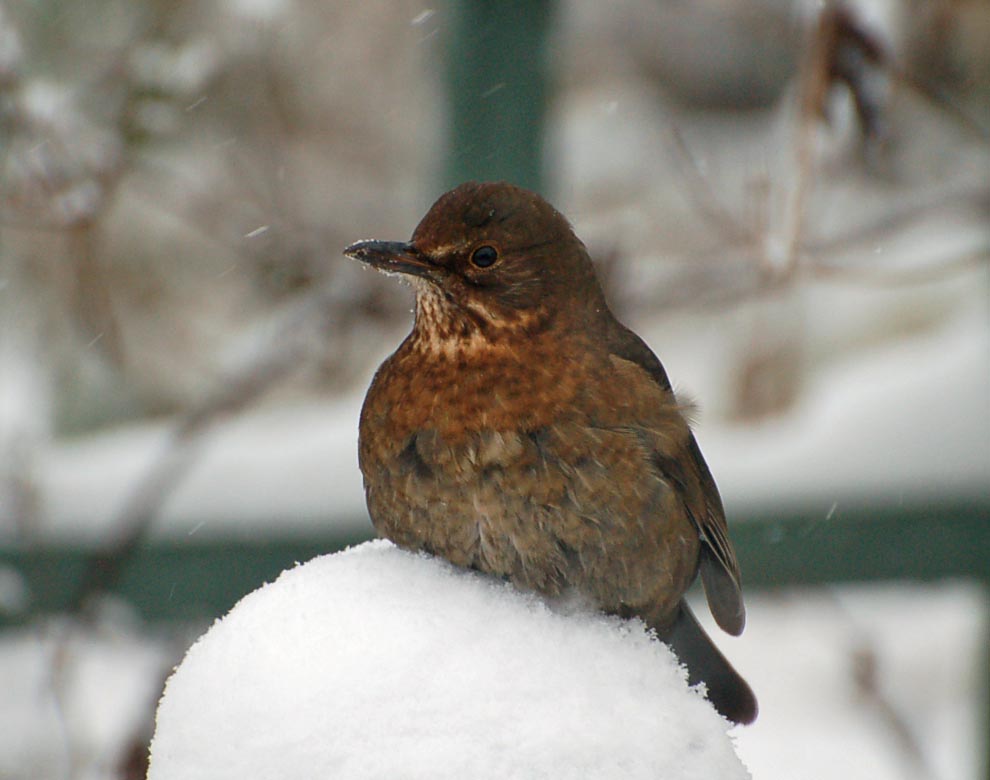
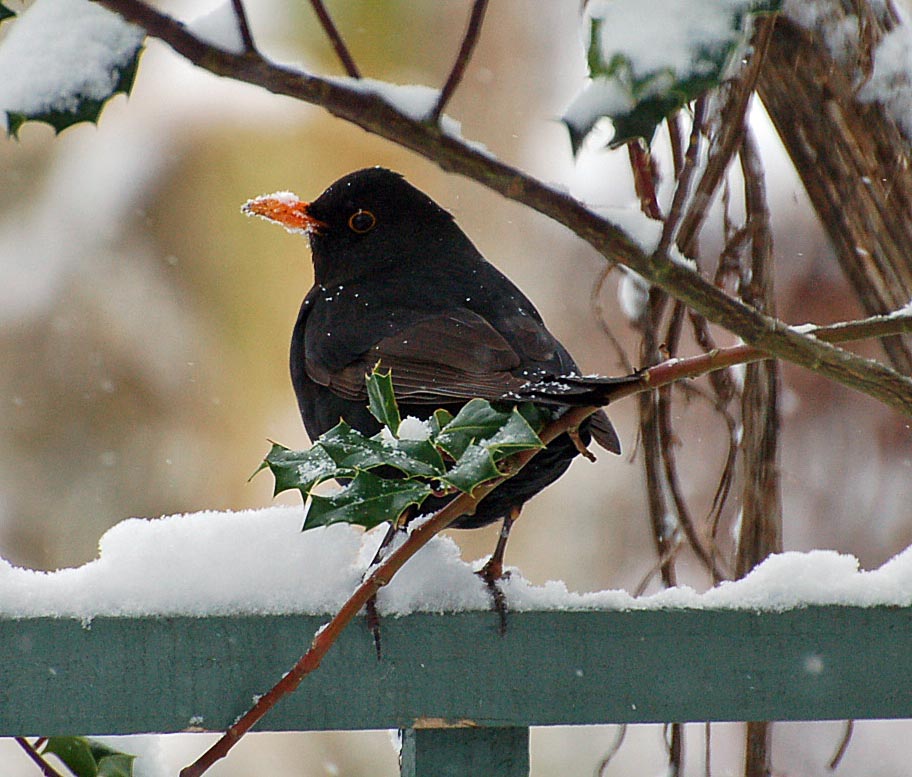
Blackbirds were far more amenable as they sat for longer and seemed to ignore this very amateur cameraman.

garden birds 4 garden birds 5 january birds 1 garden birds 12

The only time the garden was quiet today was just after the flypast of a Sparrowhawk, but hunger soon overcame fear. Back they all came.

It is essential that we all feed the birds throughout the year but even more so in the winter and provide fresh water. The birds benefit but so do our gardens as we help maintain the balance of nature. Some of the birds who use our feeding stations are also part of our balanced organic pest control.

Categories
birds colours garden photography garden wildlife gardening natural pest control outdoor sculpture photography Winter Gardening winter gardens

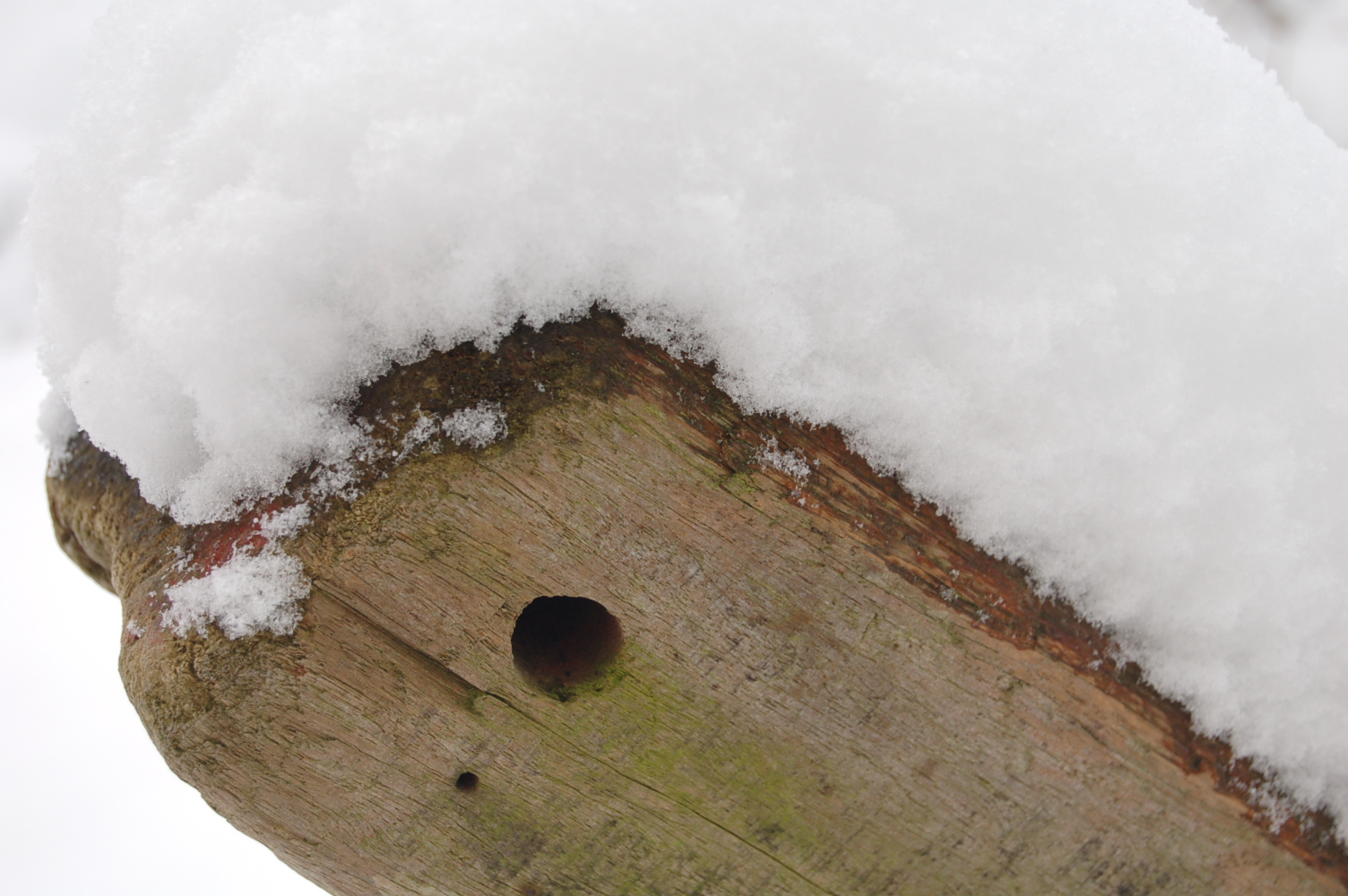
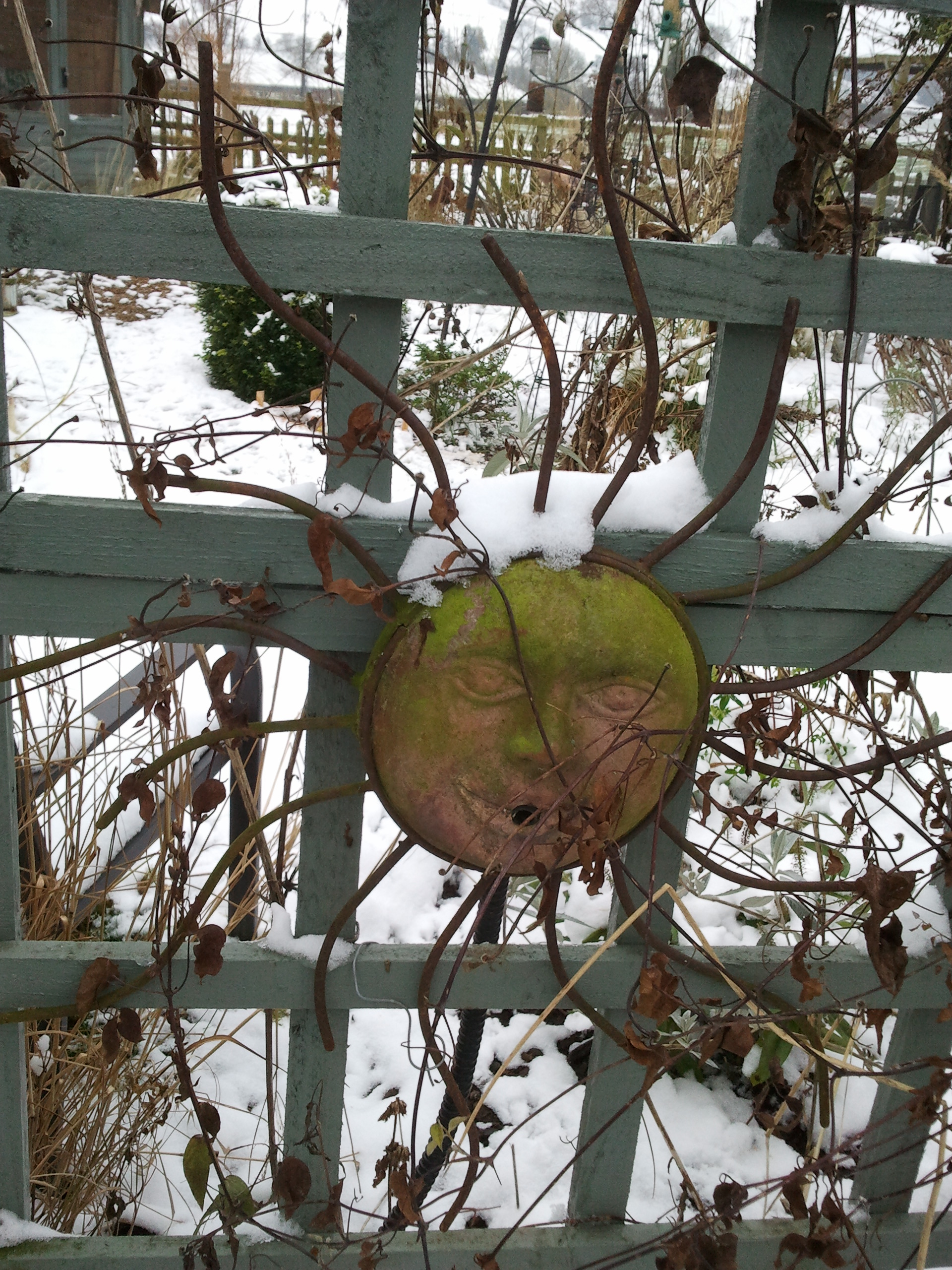
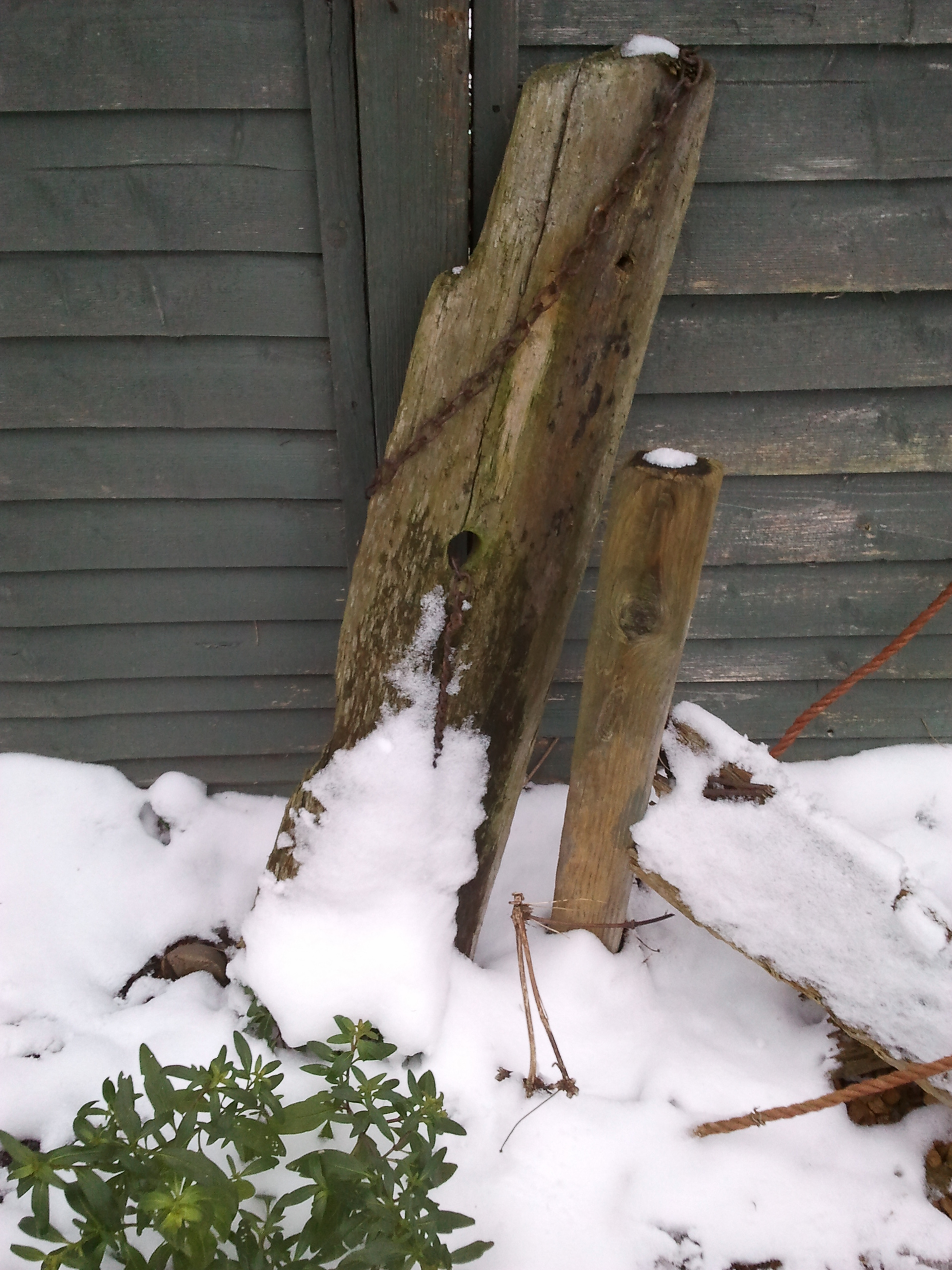
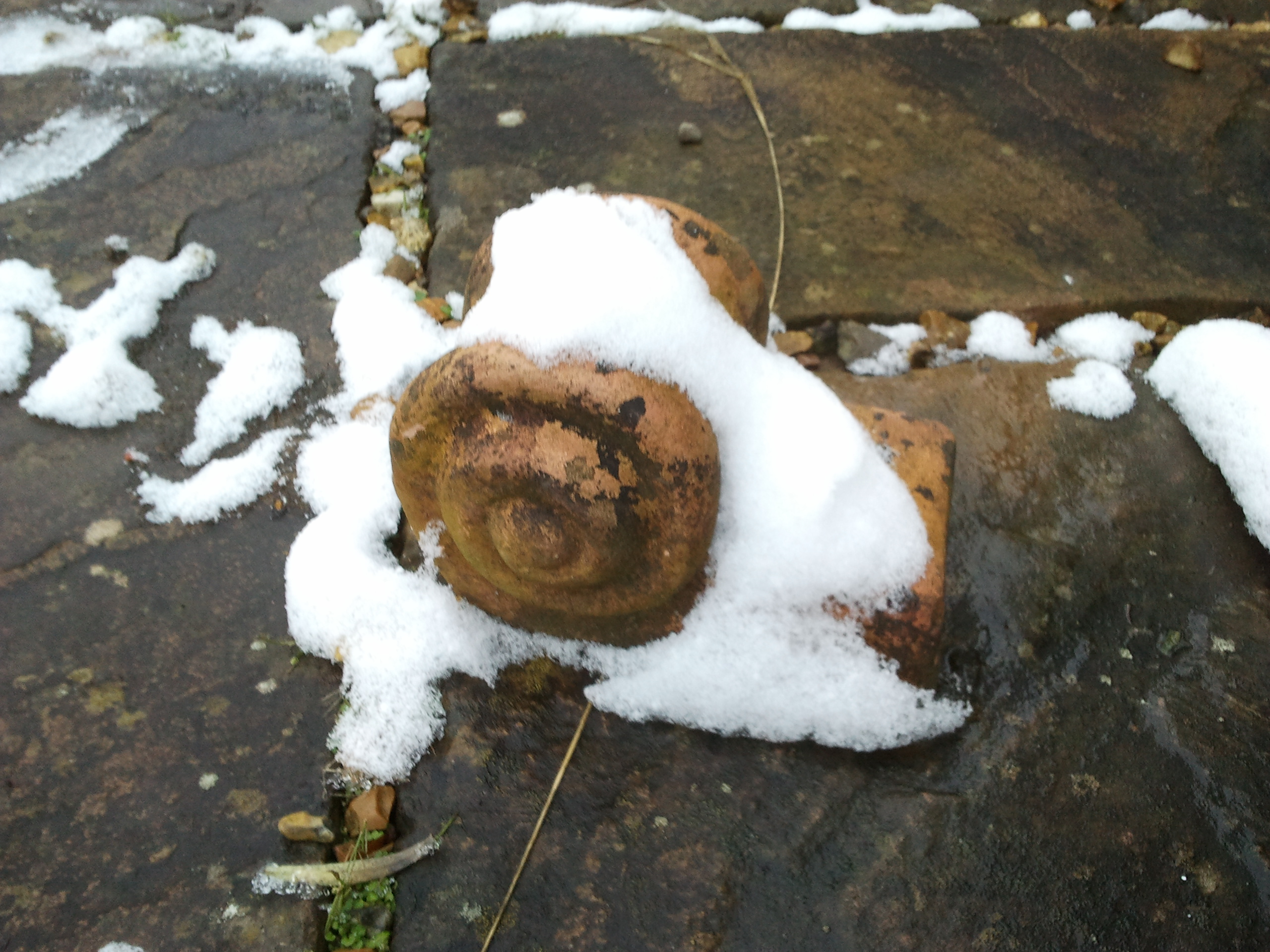
The Garden’s got its hat on, hip hip hip hooray ……

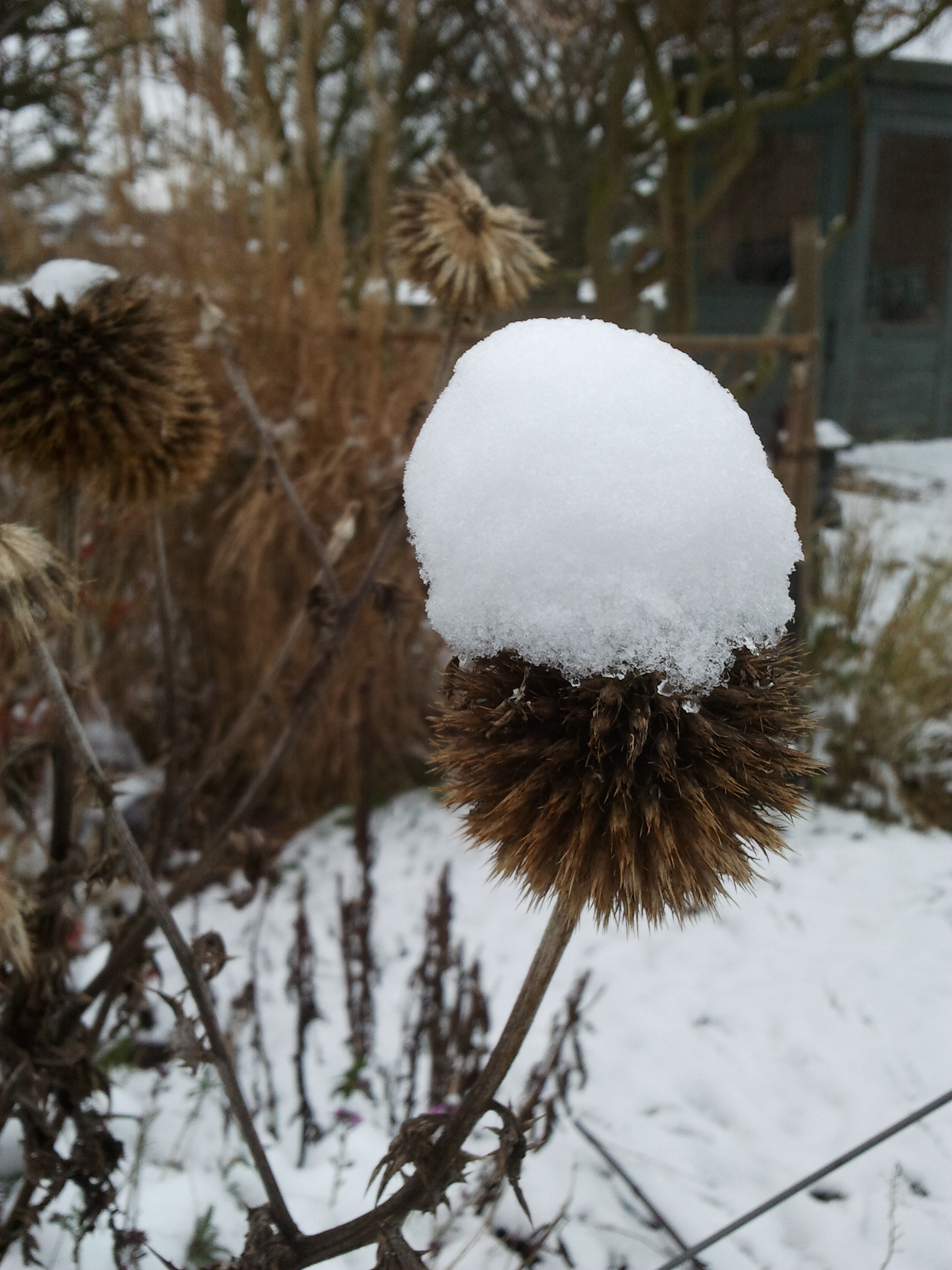
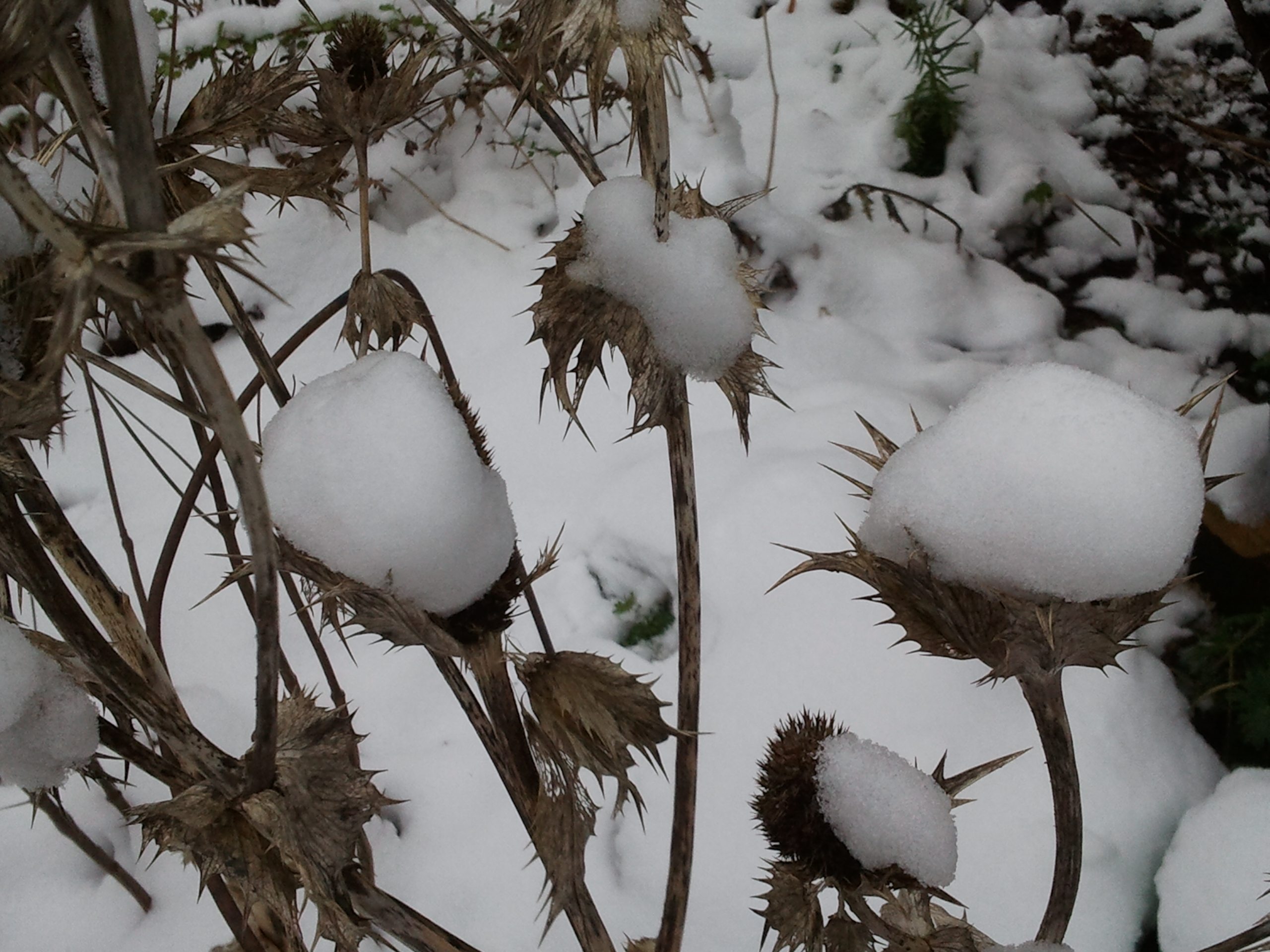
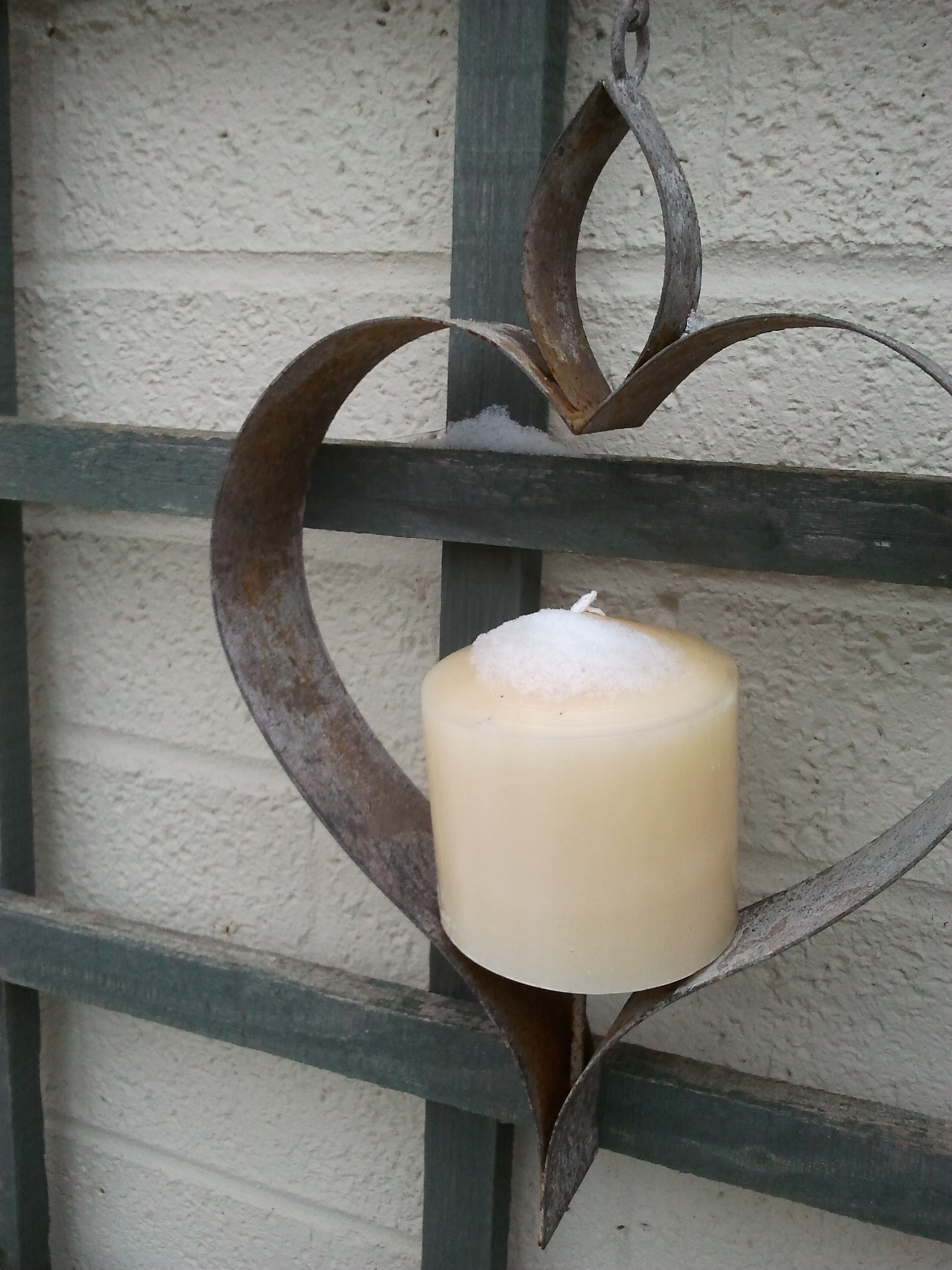
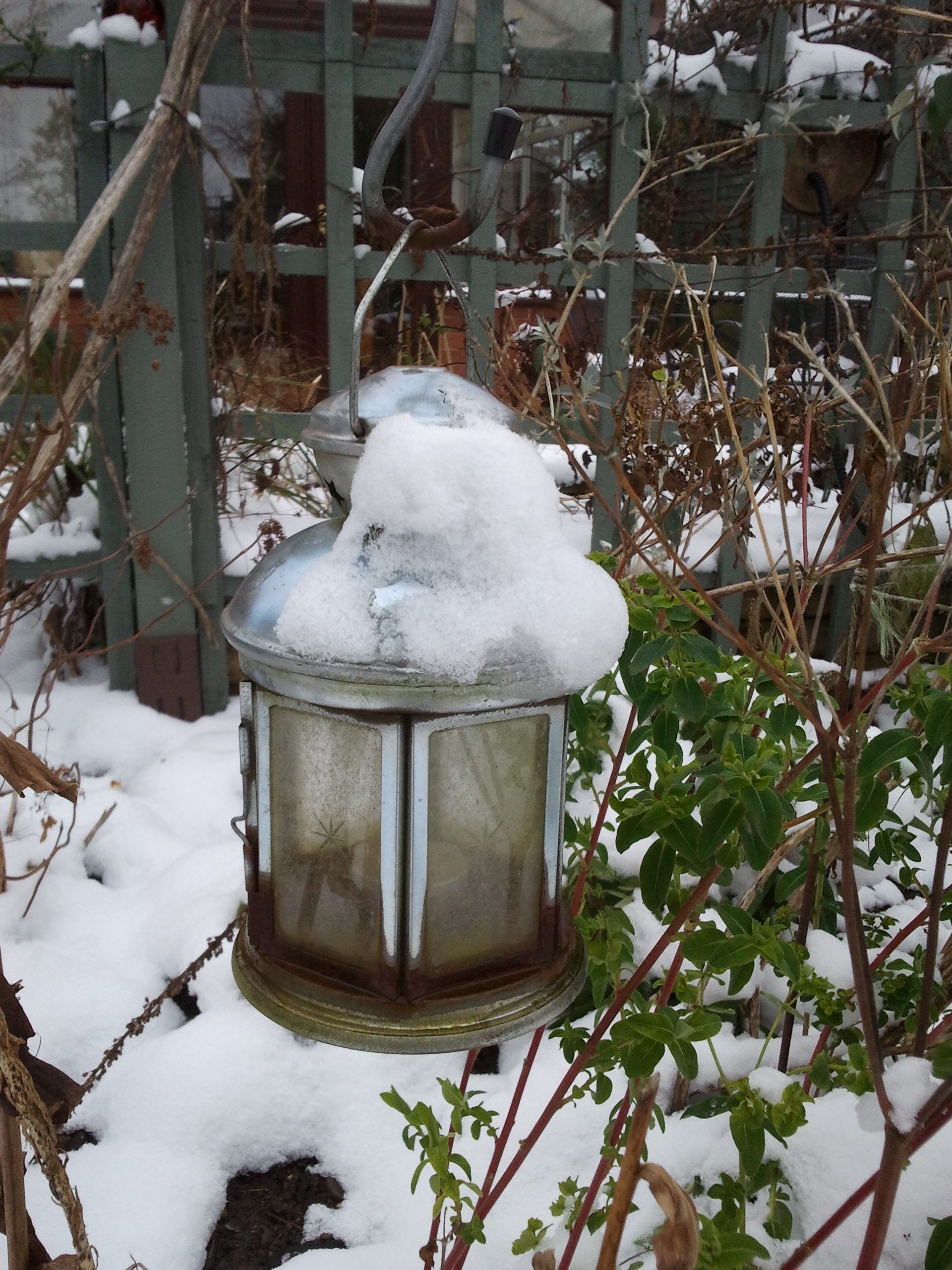
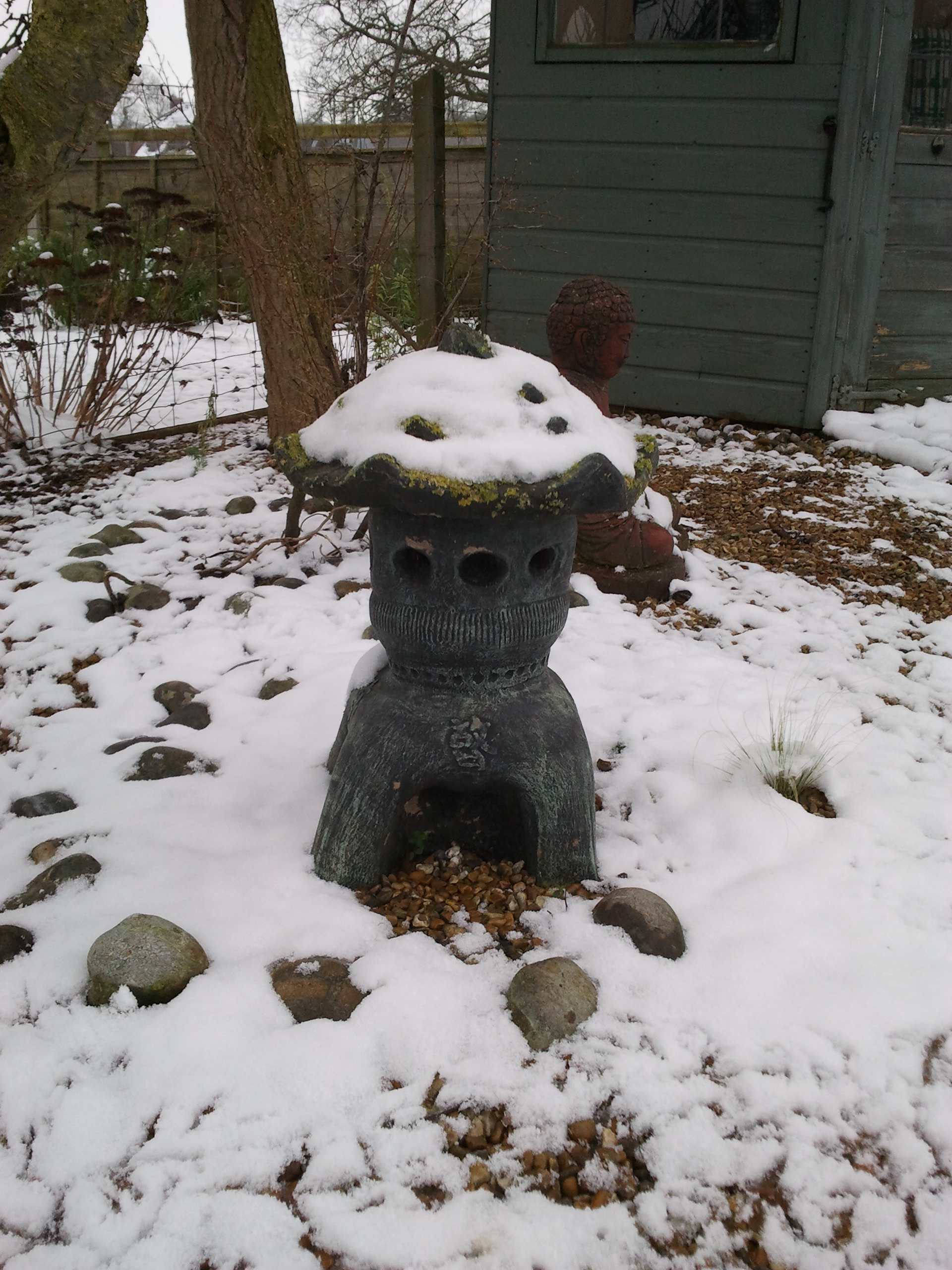
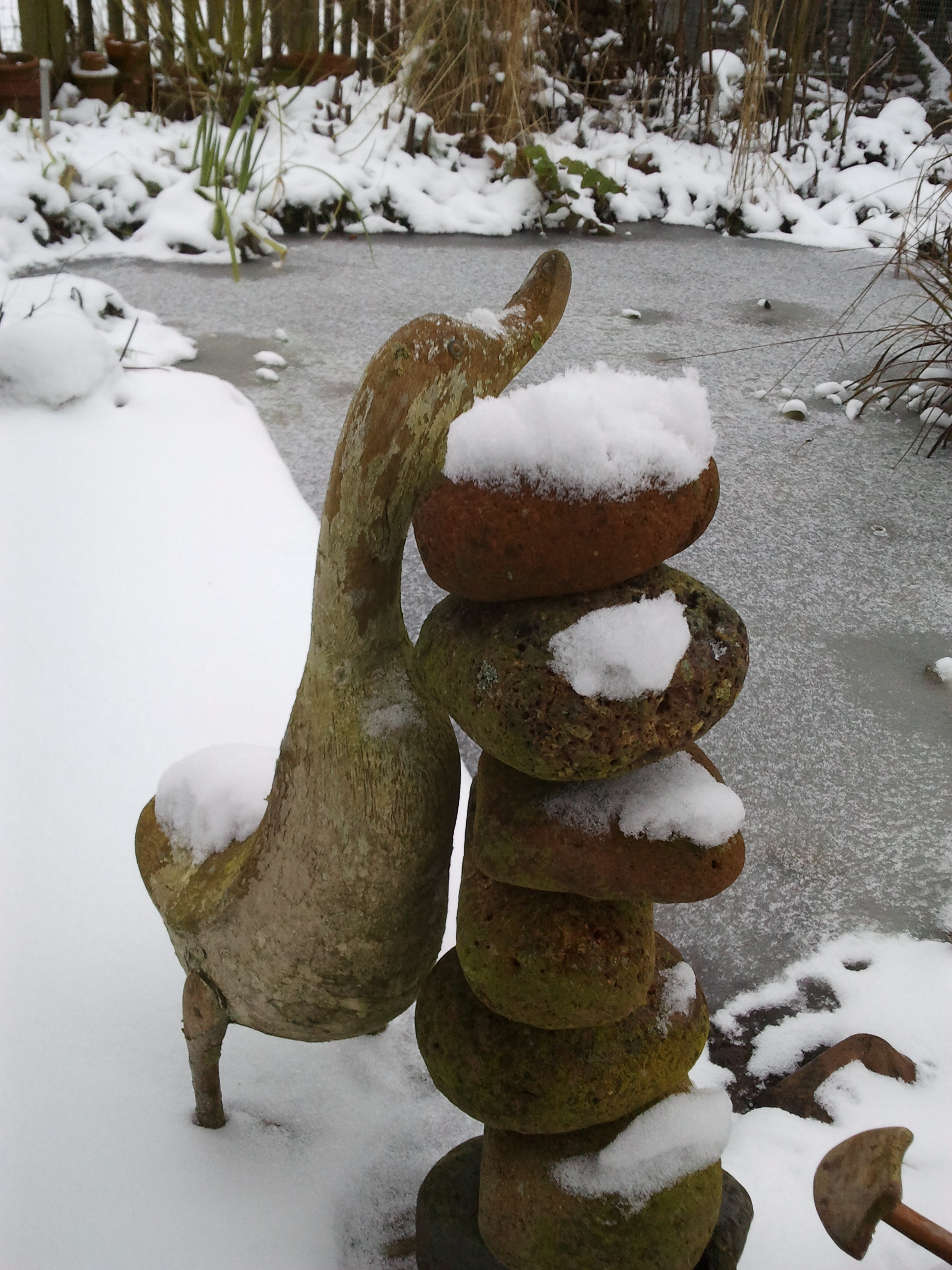
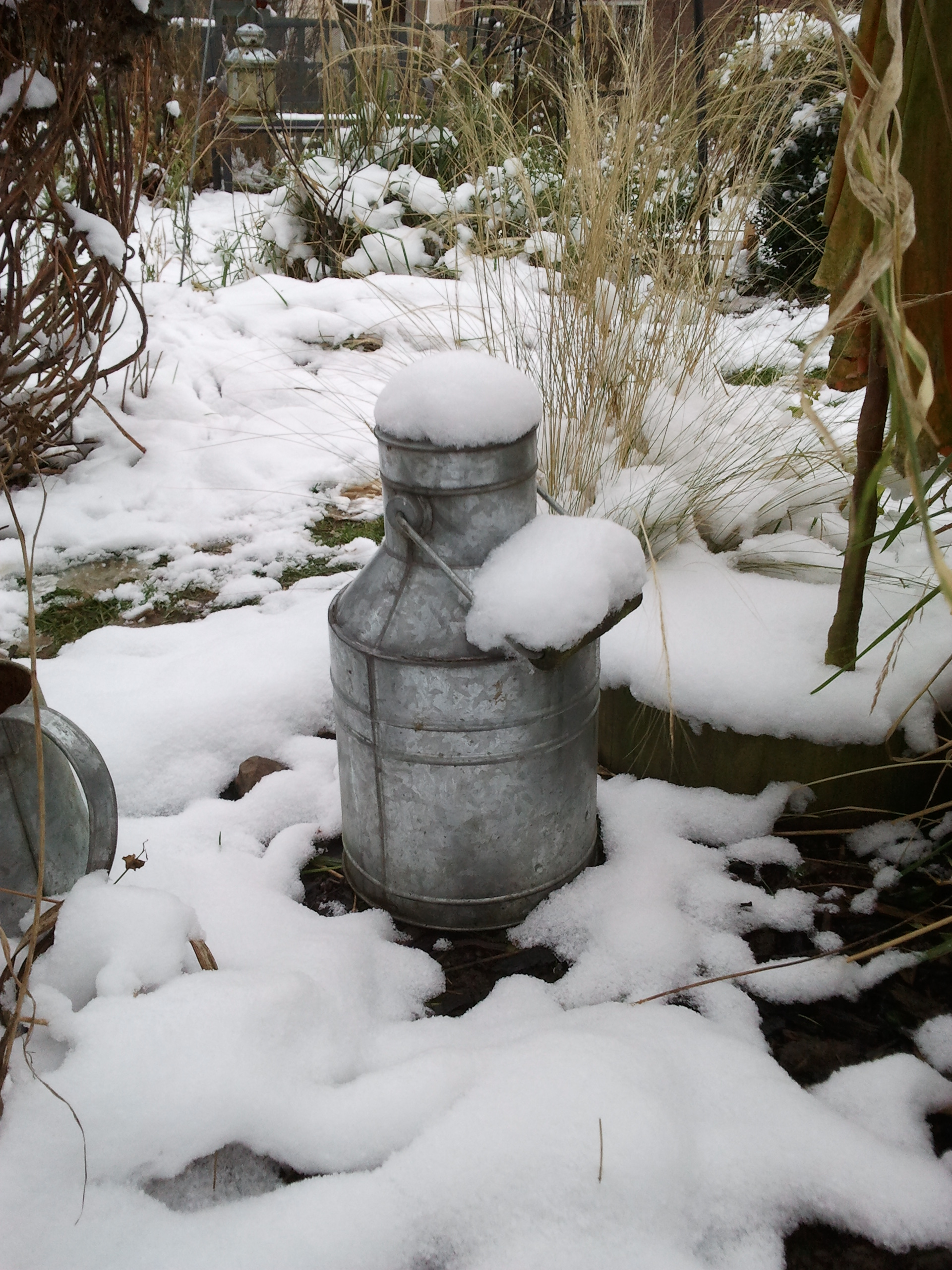
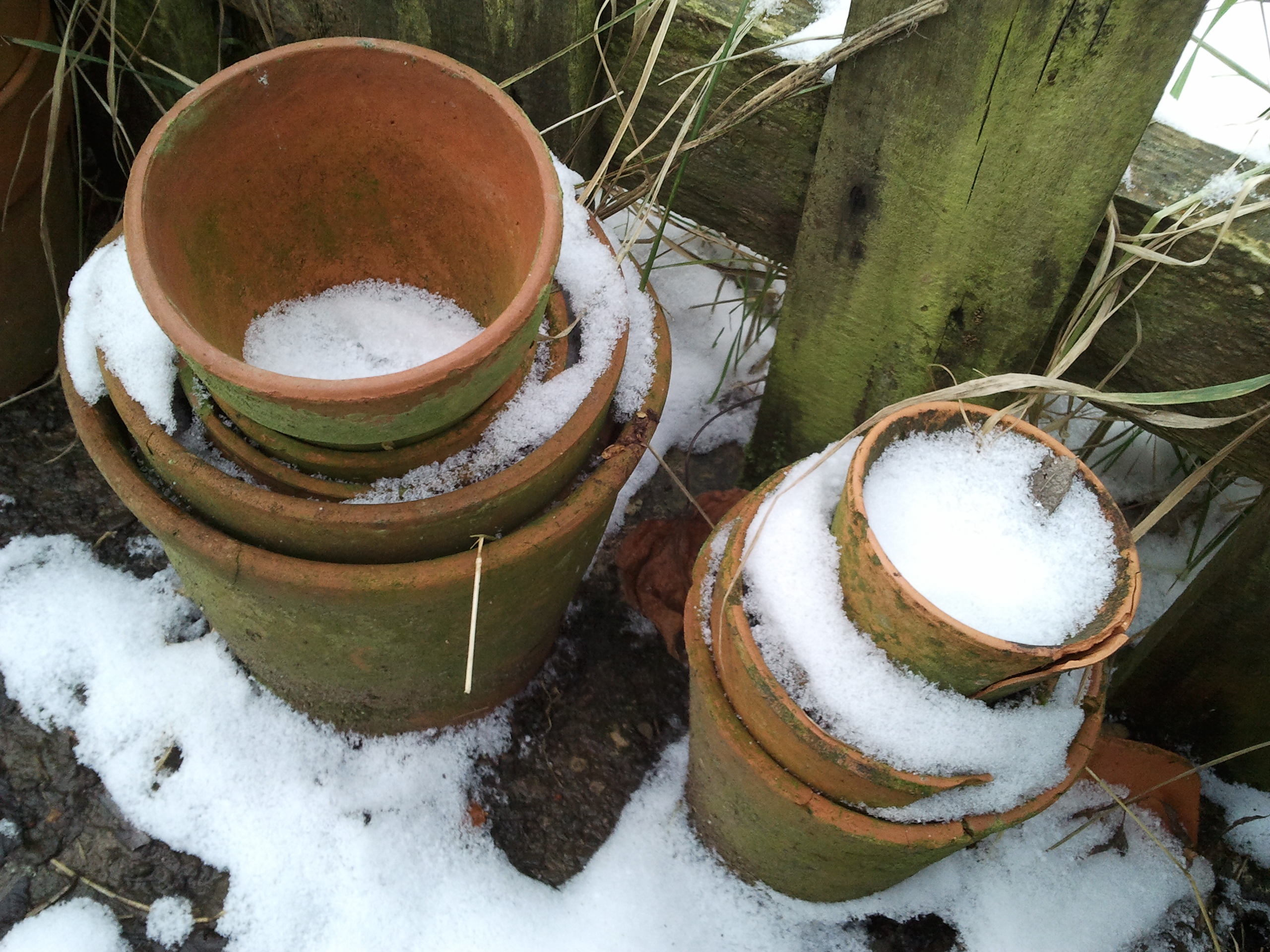
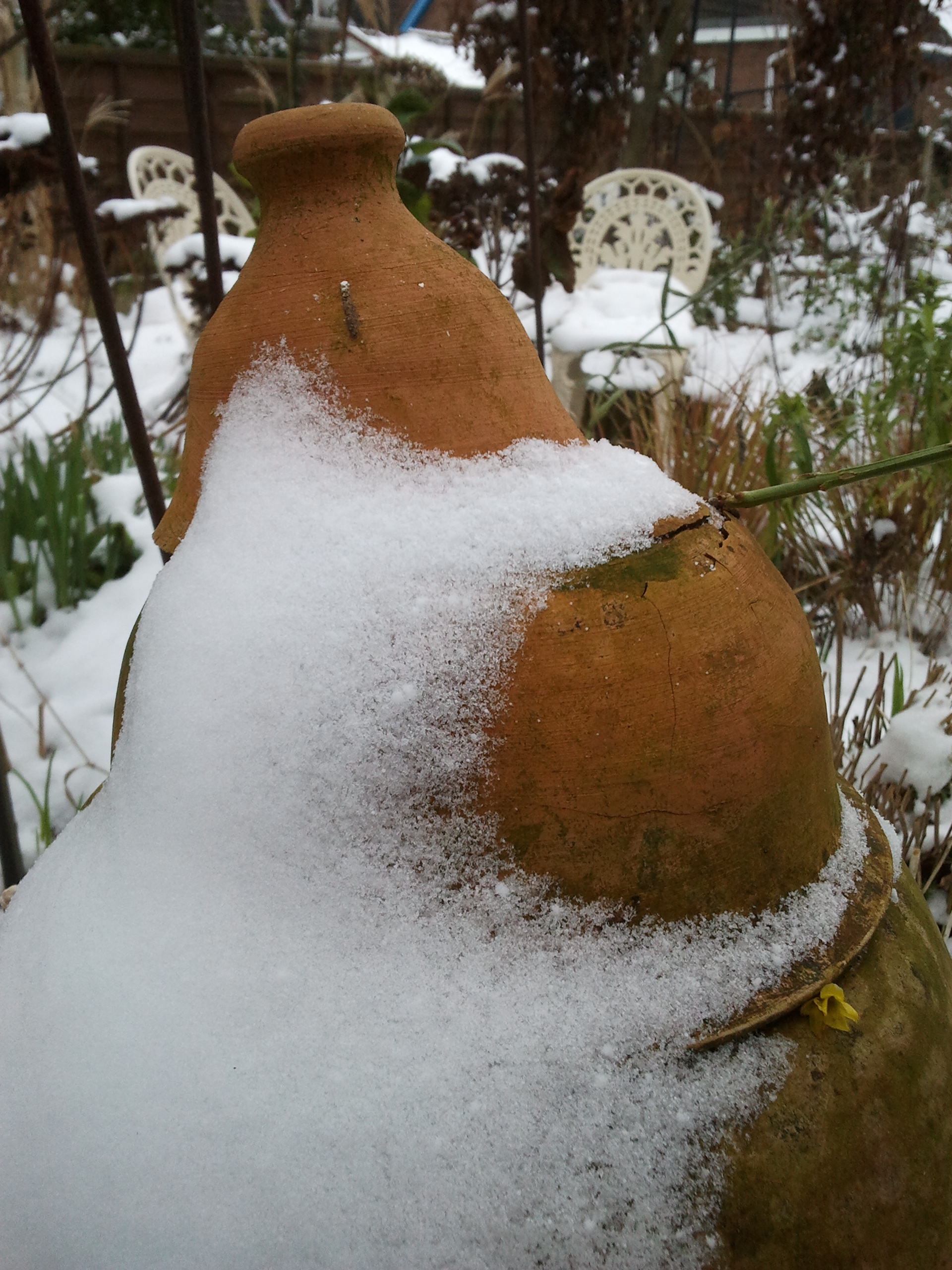
The garden has its hat on – a hat of snow.

Plants are sporting their new white headgear.

SAMSUNG SAMSUNG SAMSUNG SAMSUNG

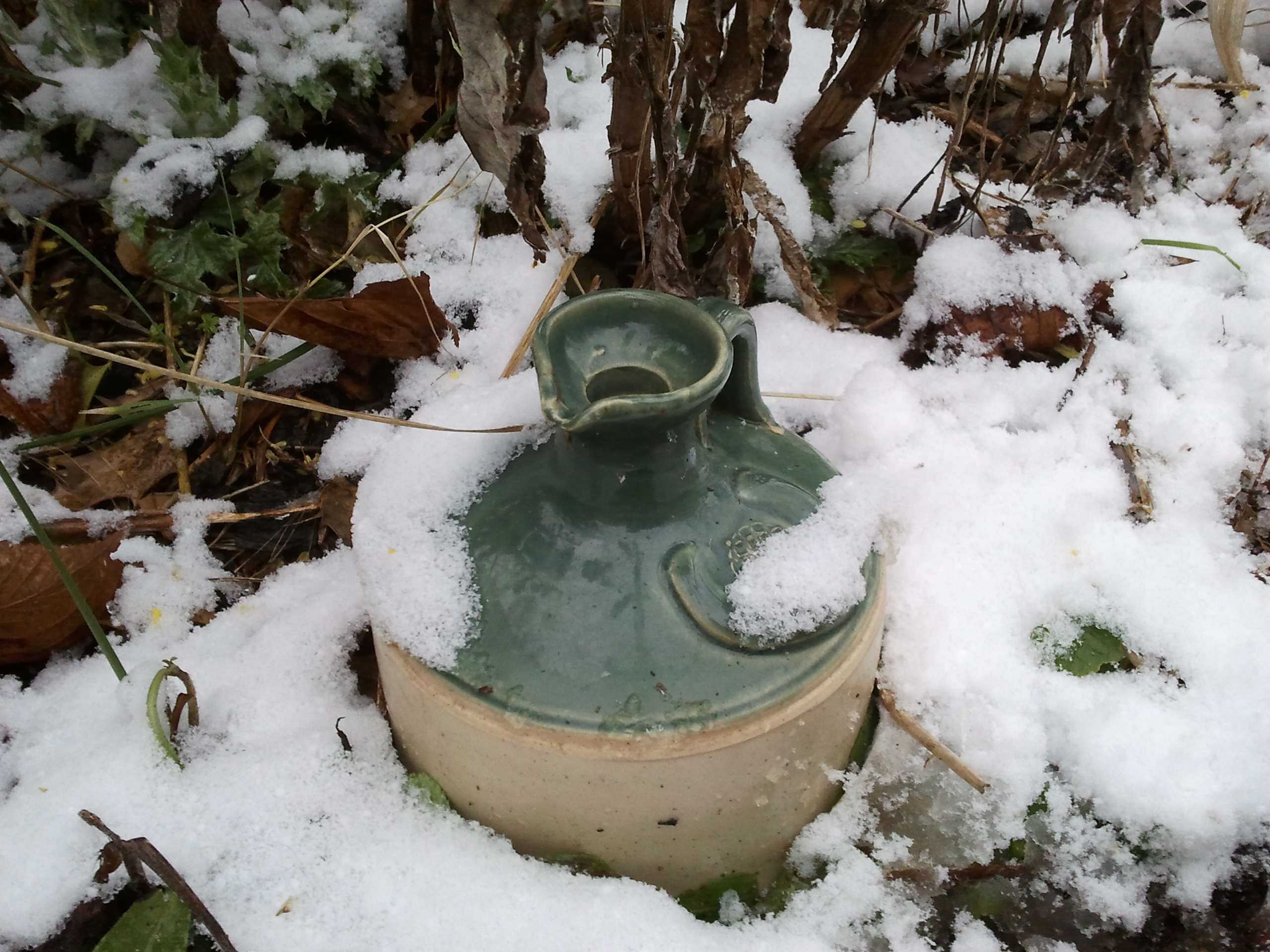
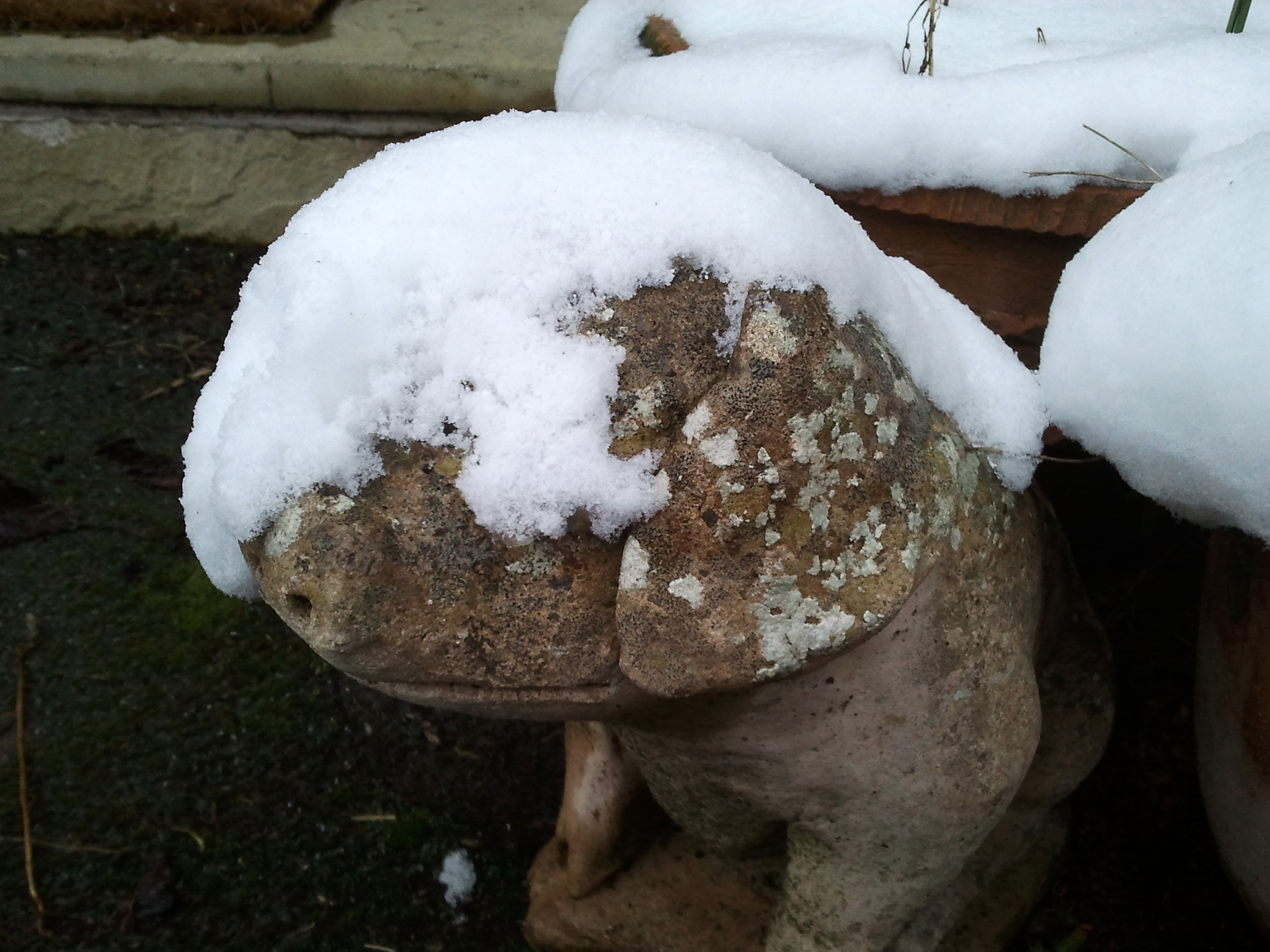
All sculptures and ornaments are wearing their ermine hats and coats.

SAMSUNG SAMSUNG SAMSUNG SAMSUNG SAMSUNG DSC_0001-17DSC_0003-18

SAMSUNG SAMSUNG SAMSUNG SAMSUNG SAMSUNG SAMSUNG SAMSUNG SAMSUNG SAMSUNG SAMSUNG SAMSUNG

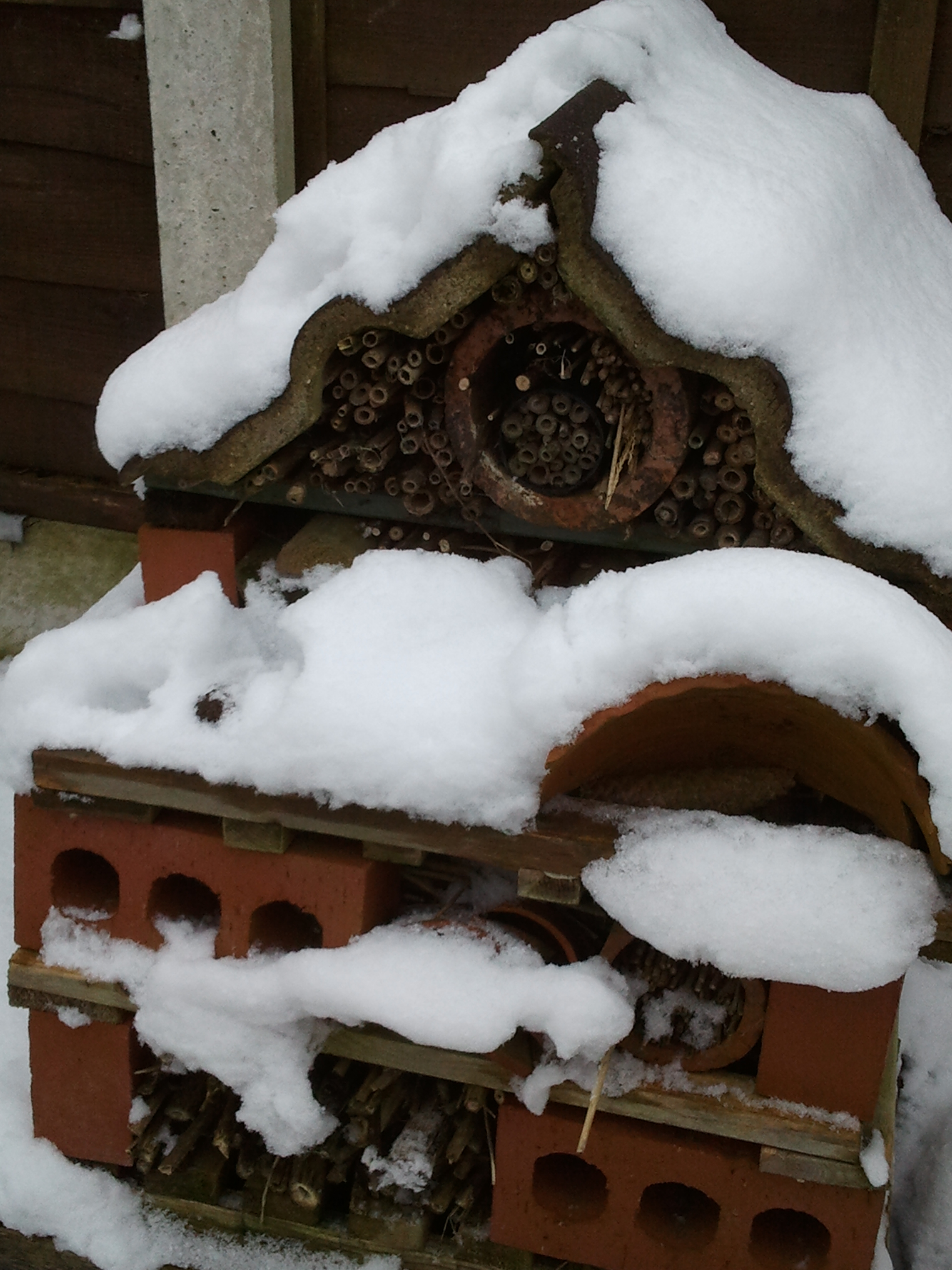
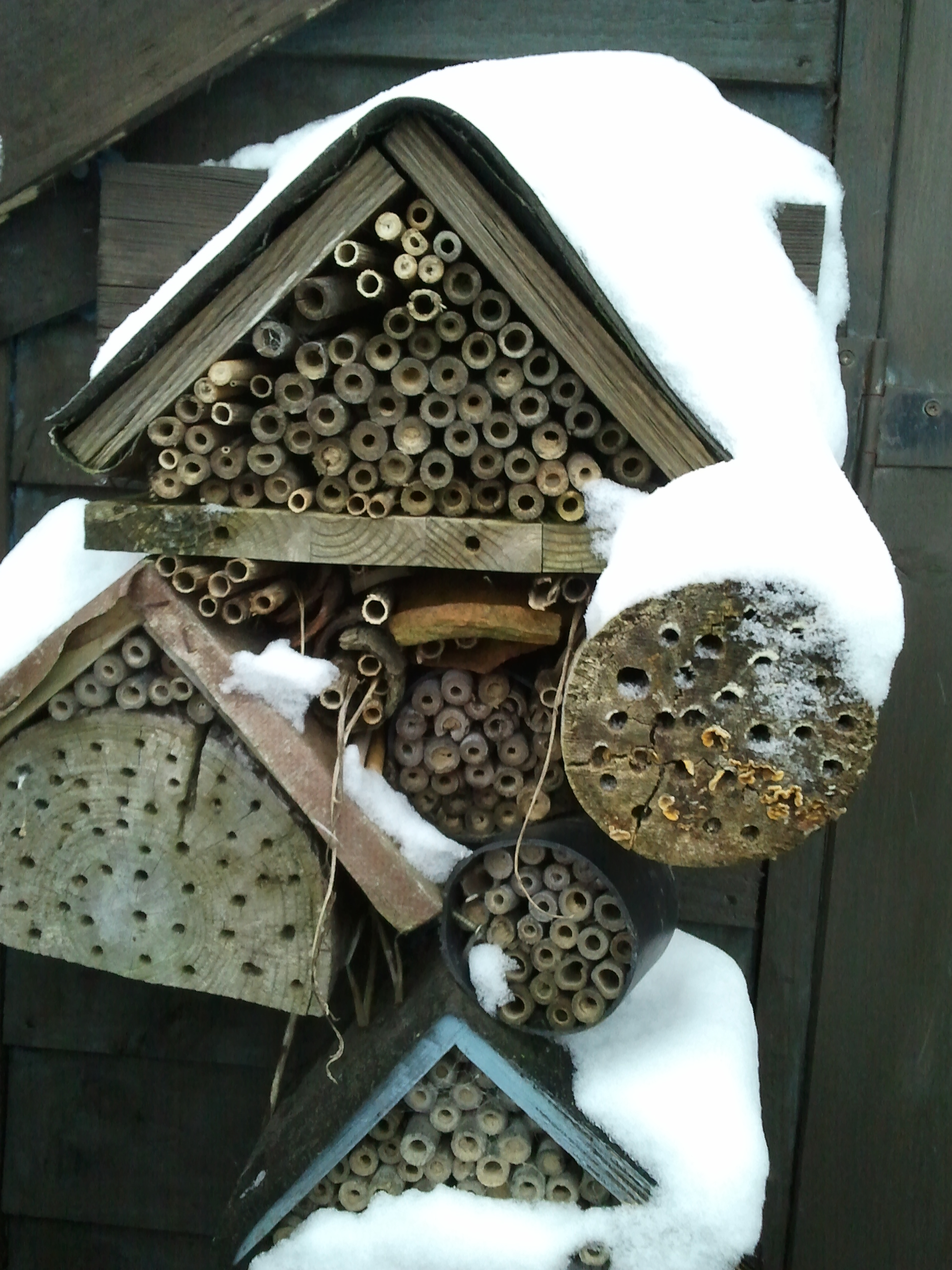
The insects are warm in their homes, hopefully hibernating safely, but we will not know until the spring. Each night the little Jenny Wrens queue up to roost in their wicker basket.

SAMSUNG SAMSUNG SAMSUNG

Categories
conservation fruit and veg gardening grow your own

Odd Harvests

In the last few weeks of last year we harvested two plants that we have rarely harvested before but for very different reasons.

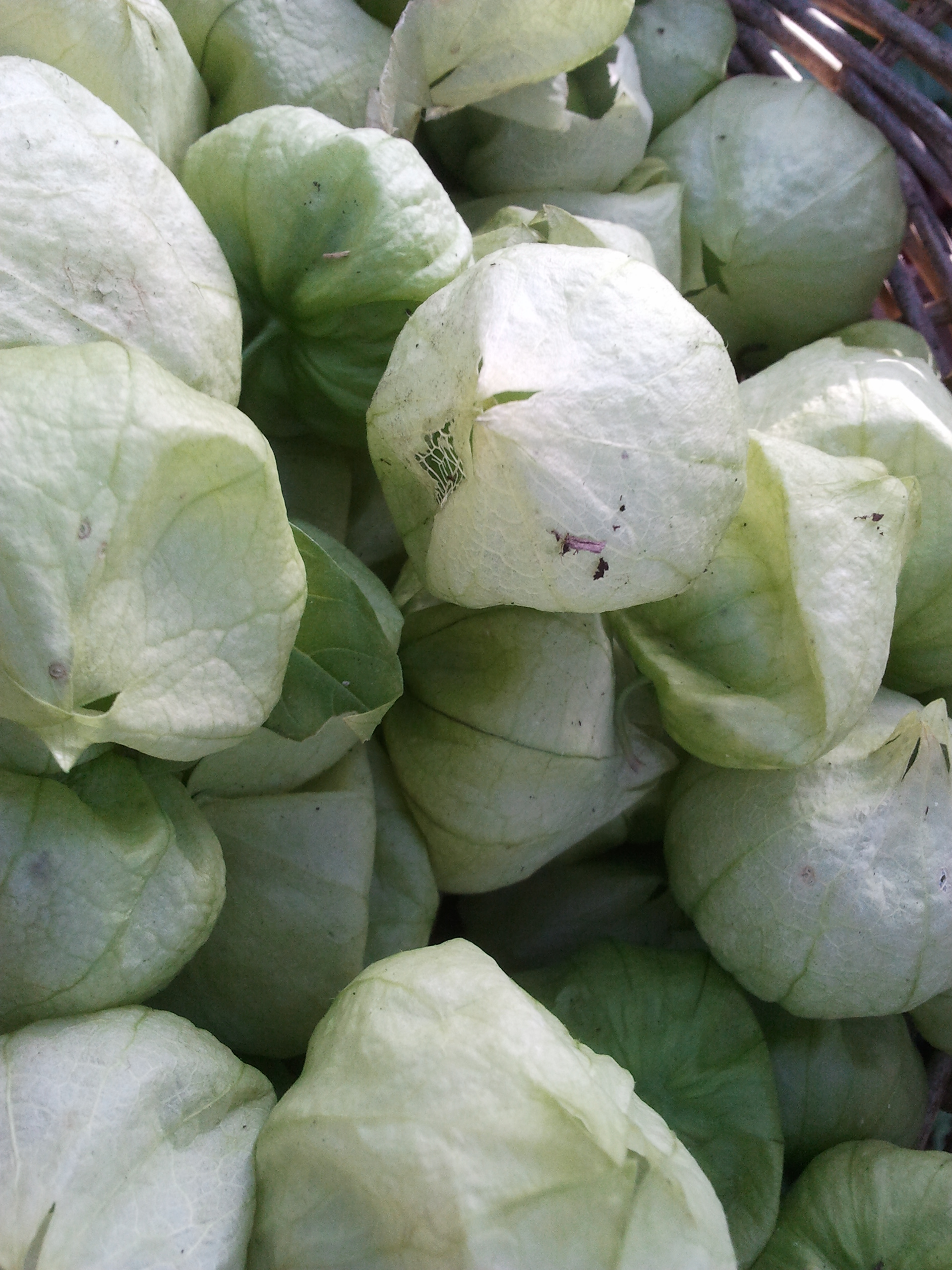
The first crop came from the greenhouse where the plants had been growing away all summer in growing bags after being sown in the propagator early in the spring. We were given the seeds and having never tried them before we decided to give them a go. Tomatillos – the name sounding somewhat like tomatoes and the plants and fruit ending up looking somewhat like cape gooseberries.

Here is the crop, now we had to decide what to do with them. Chutney seemed to be the only answer, but I decided to turn to Google for ideas and perhaps if we were lucky, recipes.

And here they are closer up, thin pale green papery sheaths around fruit like green tomatoes. They didn’t look ready to harvest but we had heard somewhere that this is the stage to pick them and as the plants were suffering as temperatures cooled down, we went ahead and plucked them from the stems.

O.K. Back from a Googling session and I now knew that the botanic name for tomatillo is Physalis philadelphica, which makes it a relative of the Cape Gooseberry and a member of the Nightshade family. It originates from South America. In Mexico it is a staple food of the diet and is often used to make green sauces. Here they are called “Tomate Verde” and are most appreciated for their green colouring and sharp taste.

I found recipes for soups, stews, salsas and yes, chutney.

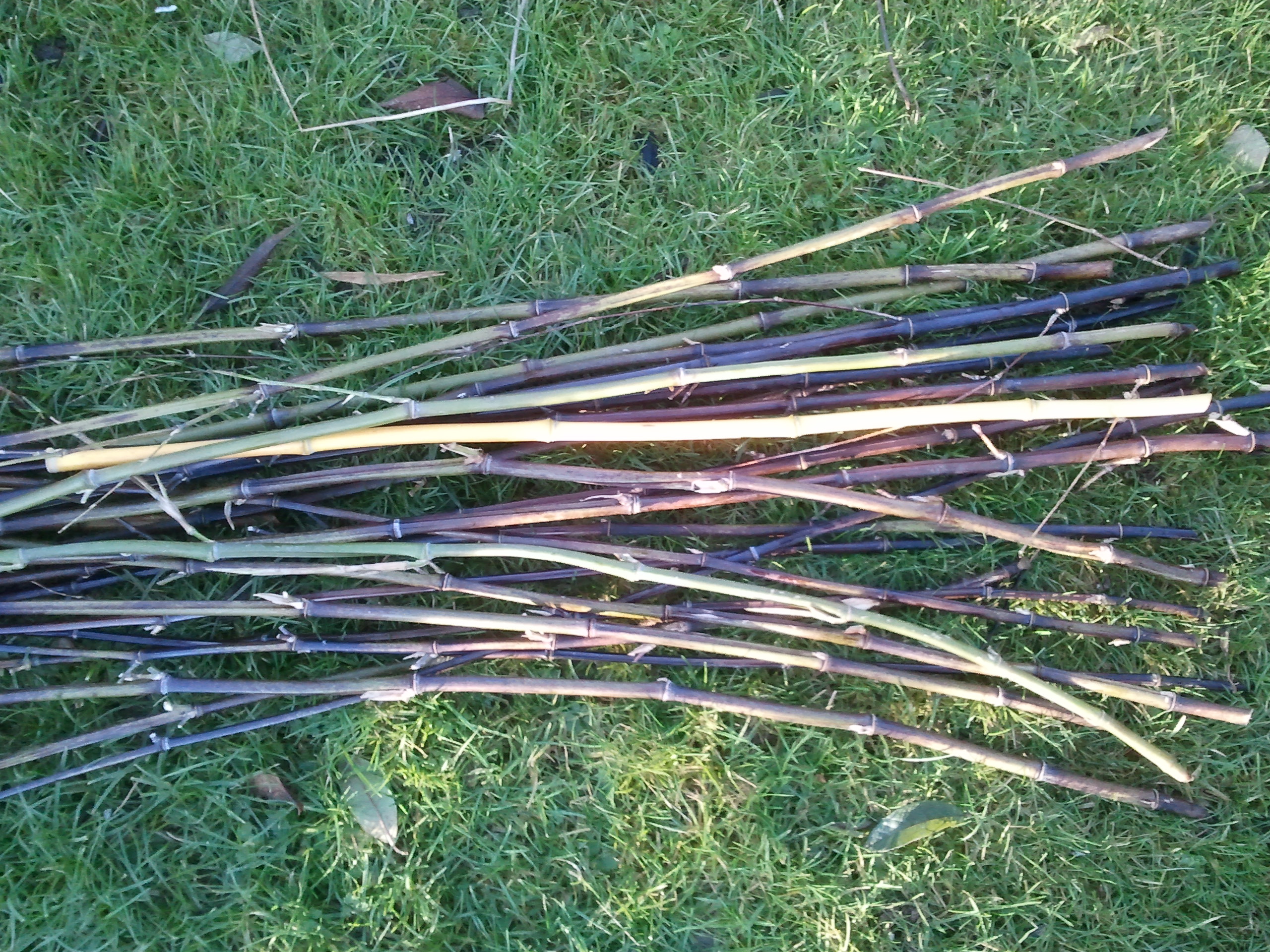
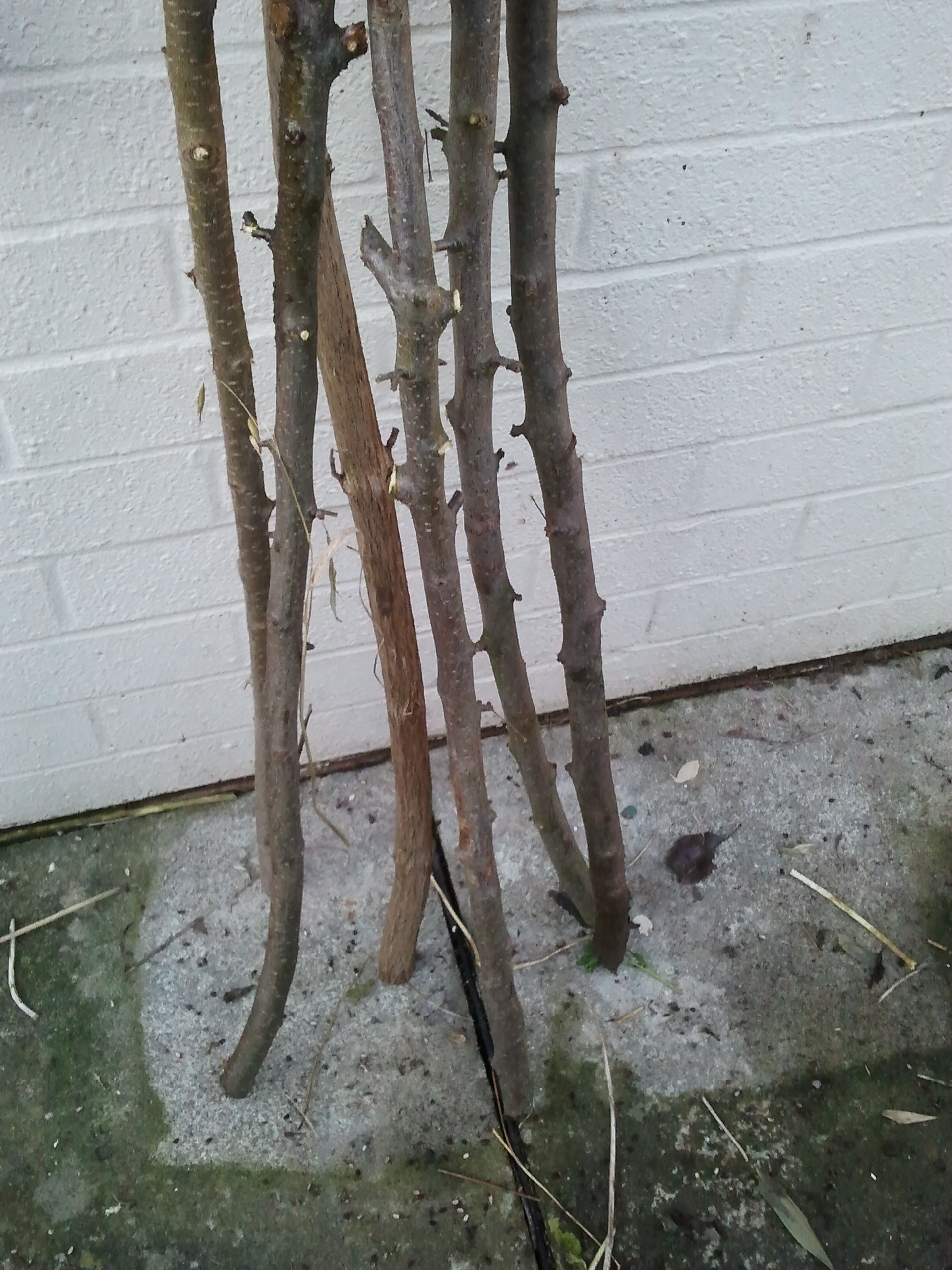
The second “odd” crop is bamboo, odd because it doesn’t often seem to be grown in the uk for anything but decorative reasons and because it is the first time we have seriously harvested our bamboo to use as garden canes. We grow three different bamboos for their different stem colours and originally planted them for their ornamental value, tall and graceful, moving gently adding sound to quiet days.

SAMSUNG

Growing your own garden canes is a good way of helping the environment. Importing them from China seems a terrible waste of resources.

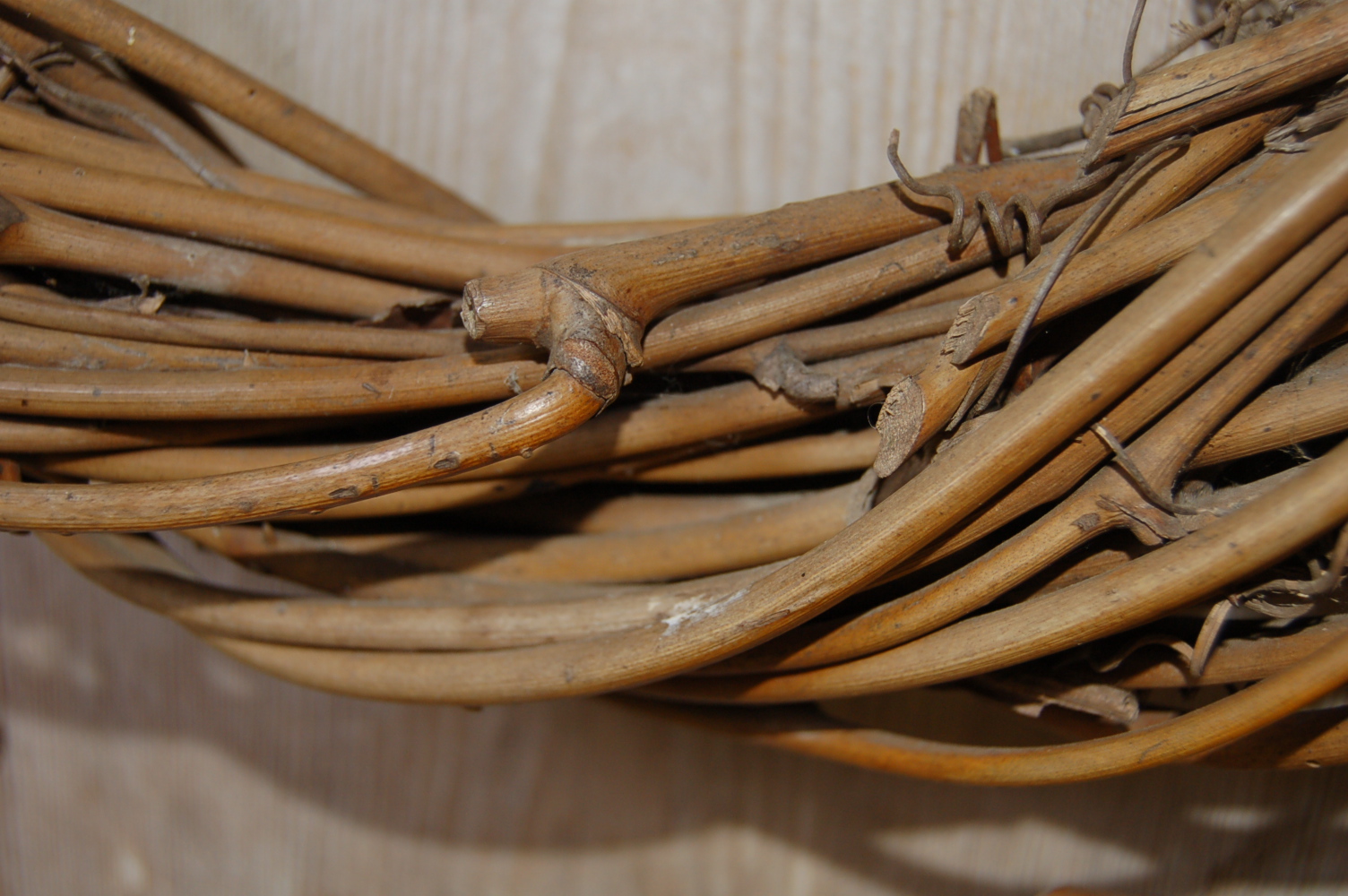
It was mostly the black stemmed variety that was ready this year. Their stems are tough so I struggled with secateurs before turning to a pair of nicely sharpened loppers and getting the job done. The range of colours is very wide as the photos below shows.

SAMSUNG

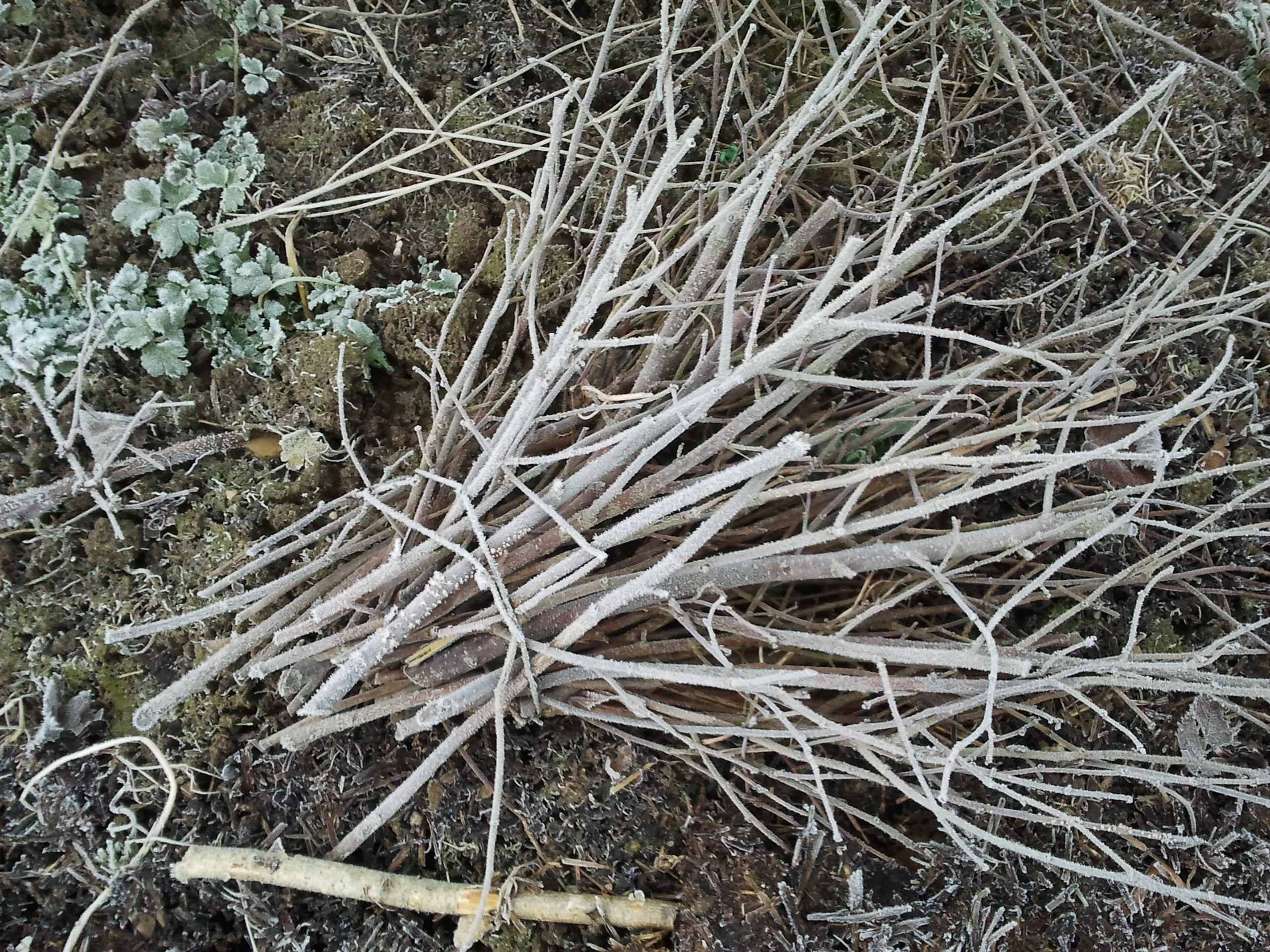
Similarly we harvest our prunings, utilising the large shrubby ones for beanpoles and the scrubbier smaller ones for beansticks. We started to harvest these last week and will continue as we sort out the garden in readiness for the coming growing season.

SAMSUNG

SAMSUNG

Peas and beans seem to like to twine themselves around these rougher sticks and poles in preference to the bamboos available in garden centres. And of course we must remember they are self-sustaining, so there is no cost to the environment.

Categories
allotments fruit and veg gardening grow your own

Big Parsnips etc.

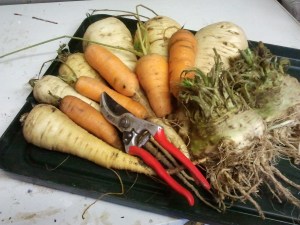
We are never very good at growing parsnips, but we have been getting better in recent years. With our allotment getting flooded six times this year we were not hopeful of success with our root crops. When the seedling carrots, beetroots and parsnips were just a centimetre or so tall and very delicate they found themselves underwater. When the water drained away the little seedlings just shrugged the experience off and carried on growing. The season carried on with the crops periodically under water. Imagine our surprise when we began harvesting healthy young roots of carrot and beetroot. Once frost had sweetened the parsnips and celeriac we began harvesting them too. By Christmas they were most impressive! I included my secateurs in the pictures to give an idea of scale.

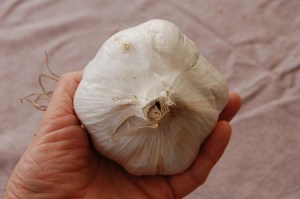
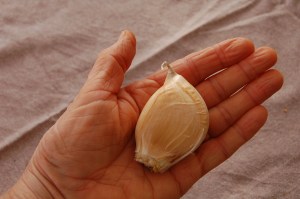
SAMSUNG SAMSUNG We haven’t used excessive amounts of fertiliser to get them to this size just simple organic gardening techniques. Lots of manure dug into the ground, deep mulches of garden compost and feeding with comfrey feed made from our own comfrey plants. Not root crops these but they did delight and surprise us with their size and flavour. Elephant Garlic is not garlic at all but more closely related to leeks. We eat them roasted when they taste of sweet, delicate garlic.

DSC_0001-16

DSC_0002

Now we definitely have something to live up to next year. Perhaps the weather will be nearer normal next year and we might even avoid the floods. Mind you of course, the crops above might have excelled because of the floods rather than in spite of them.

This Veggie Life

A Vegetarian | Nature Lifestyle Blog

Rambling in the Garden

.....and nurturing my soul

The Arch City Gardener

Journeys In St. Louis Gardening and Beyond

Garden Dreaming at Châtillon

Consult the genius of the place

Storyshucker

A blog full of humorous and poignant observations.

gardeninacity

Notes from a wildlife-friendly cottage garden

PlayGroundology

...an emerging social science

The Official Blog of British Wildlife

'The most important and informative publication on wildlife of our times' - The Independent. This blog is a member of The UK & Ireland Natural History Bloggers group: www.uknhb.blogspot.com

iGrowHort

Inspire - Cultivate - Grow Native Plants - Restore Landscapes

Bishops Meadow Trust

To create and protect a semi-natural wild space for the people of Farnham to enjoy and experience an array of British wildlife in our town

Gardening with Children

The www.gardeningwithchildren.co.uk Blog

UKbirdingtimeline

birding through the seasons, why birds matter and how to conserve them

NATURE WALKER

with a camera in hand

Jardin

Transform your outdoor space

Eva's space

My allotment, cooking and other interests

Old School Garden

my gardening life through the year

LEANNE COLE

Trying to live a creative life

fromacountrycottage

trying to live as lightly as possible on our beautiful planet

Good Life Gardening

Nature lovers from Leicester living the good life.

mybeautfulthings

Finding the beautiful in the everyday

mawsonmichelle

Michelle's Allotment

In and Out of My Garden

thoughts from and about my garden

Greenhousing

Big plans for a small garden

The Scottish Country Garden

A Walled Country Garden in South East Scotland

The Fruity Chicken

Life at the fruity chicken

willowarchway

Off grid living. Self sufficient. "PERMAGANICS RULE".

St Anns Allotments

Nottingham's Grade 2* Listed Allotments and Community Orchard

Manifest Joy Harvests

a journey in suburban vegetable gardening

Allotmental

The madness of growing your own

Penny's Garden: a harvest beyond my front door

A novel approach to vegetable gardening

arignagardener

Sustainable living in the Irish countryside.

NewEnglandGardenAndThread

Master Gardener, amateur photographer, quilter, NH native, and sometimes SC snowbird

dianajhale

Recent work and work in progress and anything else that interests me

planthoarder

a chaotic cottage gardener

Lens and Pens by Sally

a weekly blog that creates a personal philosophy through photographs and words

Dewdrops and Sunshine

Stories from a sassy and classy Southern farmbelle.

The Pyjama Gardener

Simple Organic Gardening & Seasonal Living

gettin' fresh!

turning dirt into dinner

JOY...

today the world is created anew

Garden Birds

Notes from a Devon garden

ShootAbout

Life Through The Lens

Adapting Pixels

A photography blog showcasing the best photography pictures and videos on the internet

Wildlifegardening's Blog

Just another WordPress.com site

naturestimeline

personal observations from the natural world as the search continues for a new approach to conservation.

LATEBLOOMERBUDS

The Wonders of Life through my Eyes, my Heart, my Soul