Categories
allotments colours flowering bulbs garden design garden photography gardening gardens hardy perennials ornamental trees and shrubs spring bulbs spring gardening trees village gardens Wales Winter Gardening

Anne’s Garden

It is always special to visit a friend’s garden for the first time. Today with fellow Shropshire Hardy Plant Society members we visited the garden of our group chairman, Anne. She lives just over the Welsh border so we had but a forty minute journey.
2014 04 17_8174

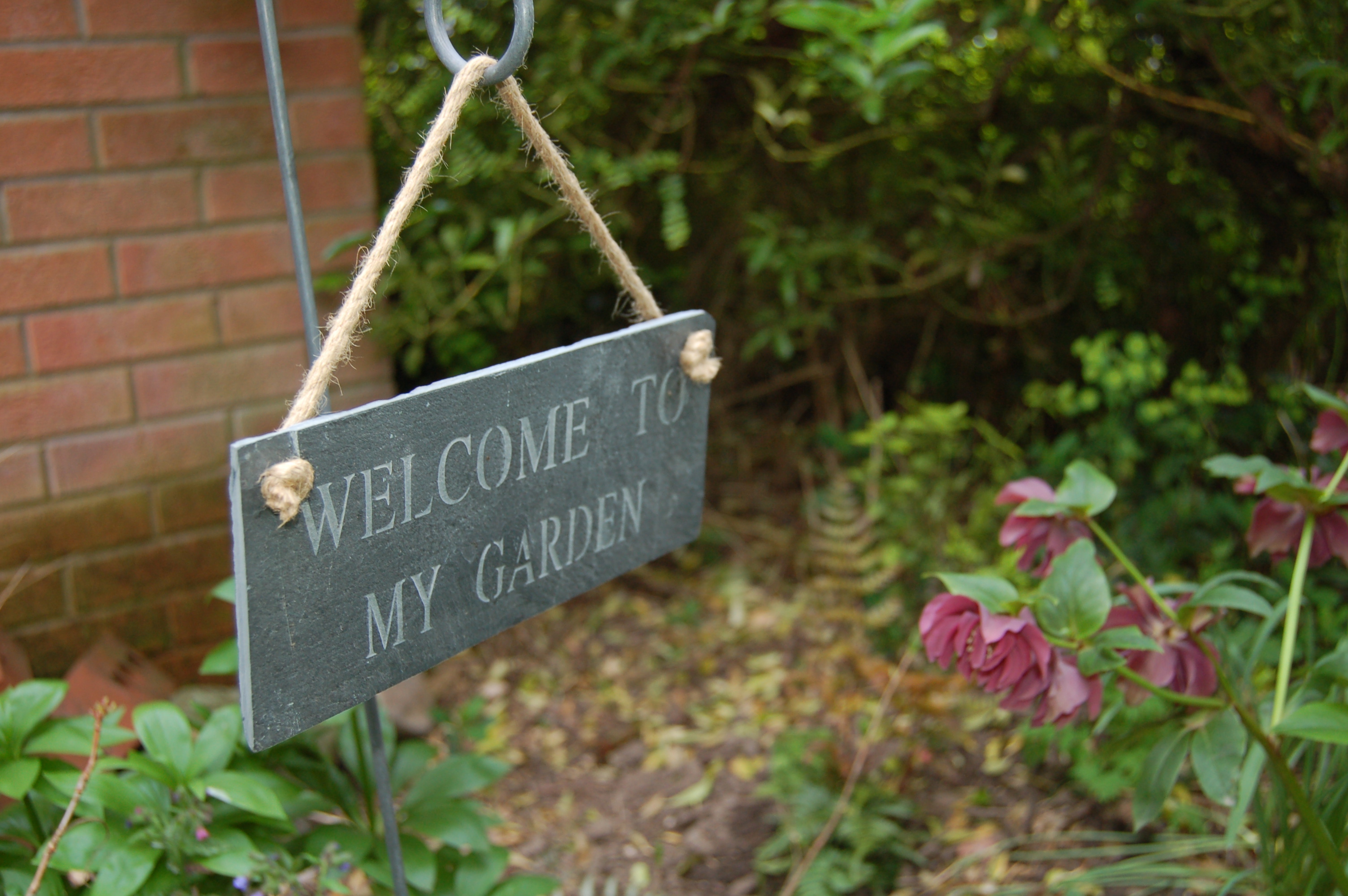
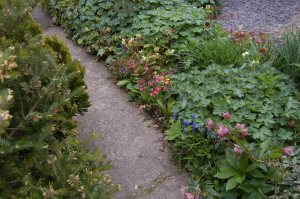
The pathway to the front door set the scene with plants jostling for position to make sure they were seen. I always believe this sort of way into a garden heightens the anticipation. You just know you are going to enjoy the garden and discover some real gems. This was just what happened.
2014 04 17_8151

Anne greeted us at her door and from then on we had a very enjoyable afternoon exploring her little garden, drinking tea and relishing cakes. The garden had pathways wriggling beneath trees and shrubs giving the atmosphere of a small copse.

Anne’s garden illustrated the importance of growing trees in small gardens. So many small gardens are full of small plants which just makes you look down. Anne’s patch had your eyes rushing around, upwards, downwards and seeking out the next corner to peer around.

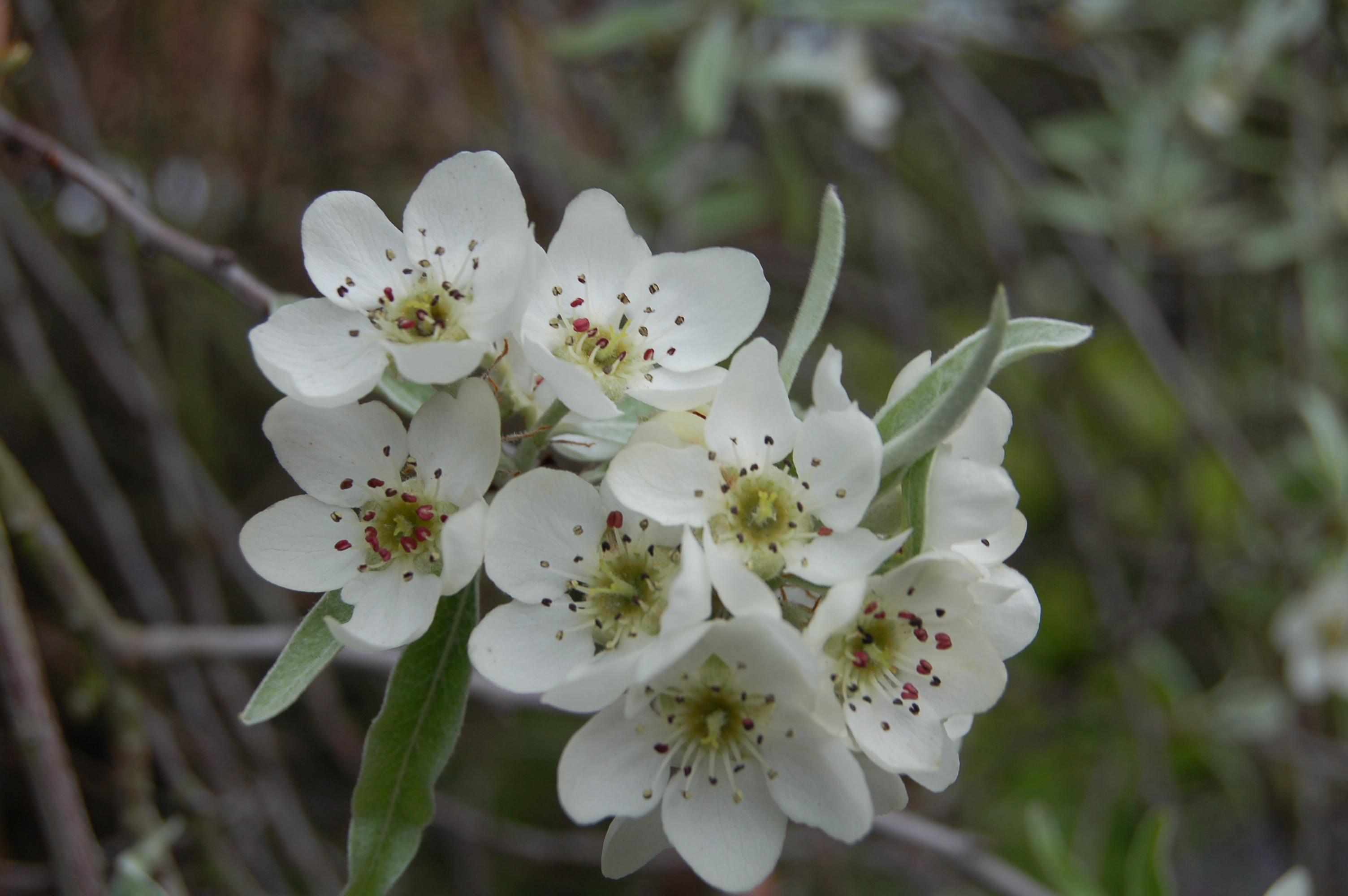
In the front garden Cercis “Forest Pansy”, Pyrus salifolius pendula and a splendid specimen of Cornus “Midwinter Fire” held the garden together.
2014 04 17_8146 2014 04 17_8143

2014 04 17_8144


The weeping pear’s leaves were fully out and its pure white blossom showed off its black stamens. The Forest Pansy was way behind ,its bare black stems just starting to show bursting purple buds.

2014 04 17_8142


I enjoyed the way so many different leaf shapes, colours and textures juxtaposed so happily.


2014 04 17_8141 2014 04 17_8158

2014 04 17_8163 2014 04 17_8170

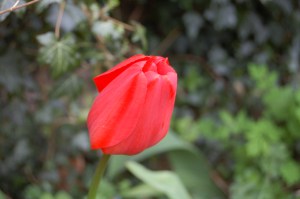
Being mid-April spring flowering bulbs added cheer to combat the grey skies of the day.
2014 04 17_8148 2014 04 17_8162

2014 04 17_8177 2014 04 17_8152

2014 04 17_8178 2014 04 17_8181

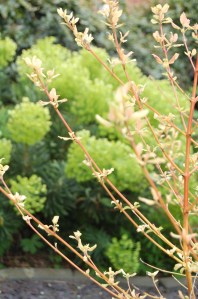
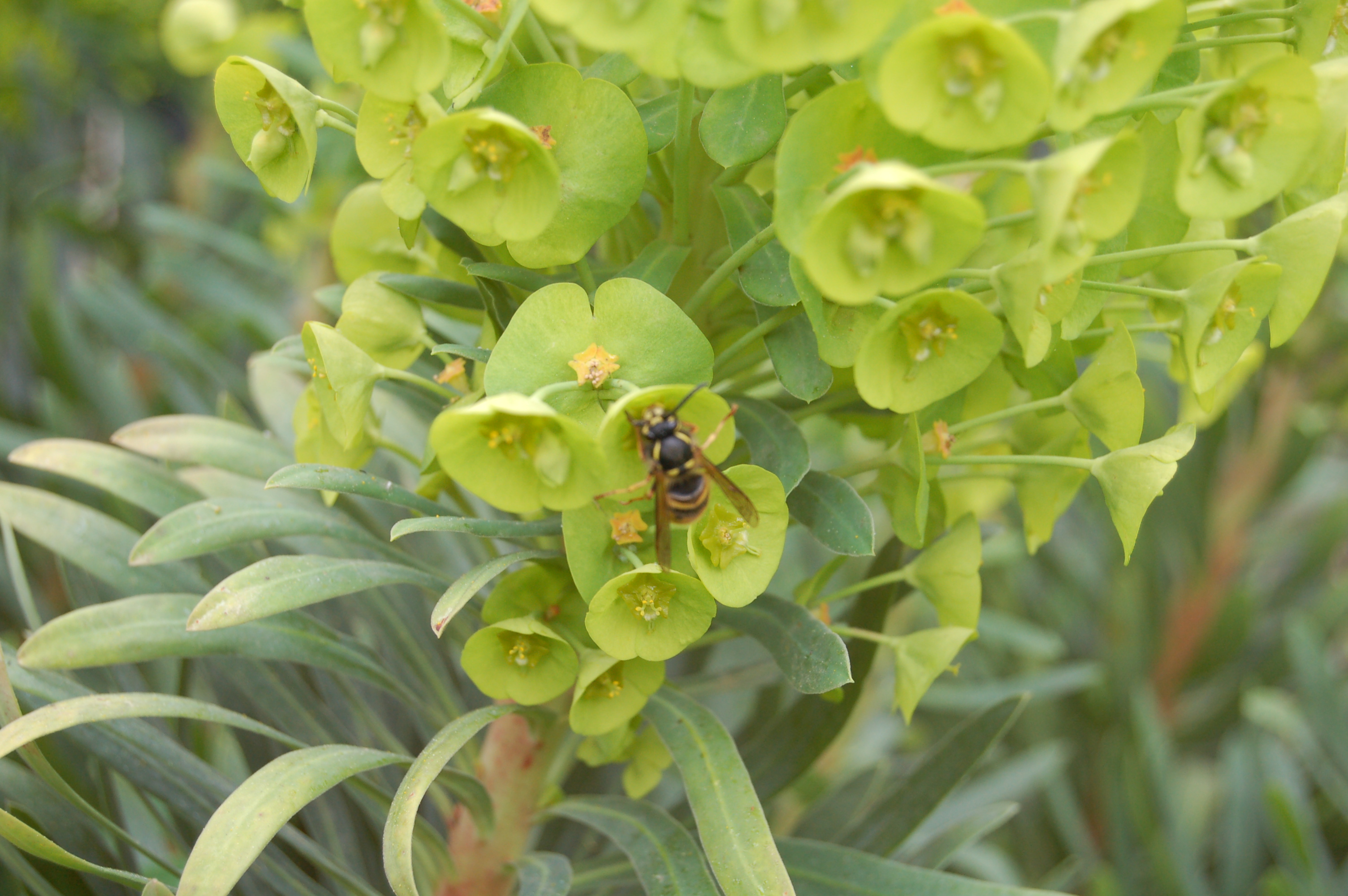
Whenever I visit a garden I spot one of my favourite families of plants, the euphorbias. Anne had some fine euphorbias including E. mellifera a variety that we grow but have to take in during the winter as it just couldn’t survive our winter weather. Anne’s happily lived outside all year.

2014 04 17_8145  2014 04 17_8149

2014 04 17_8182

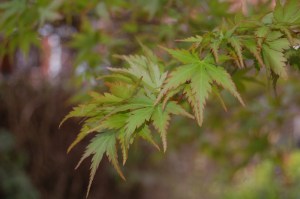
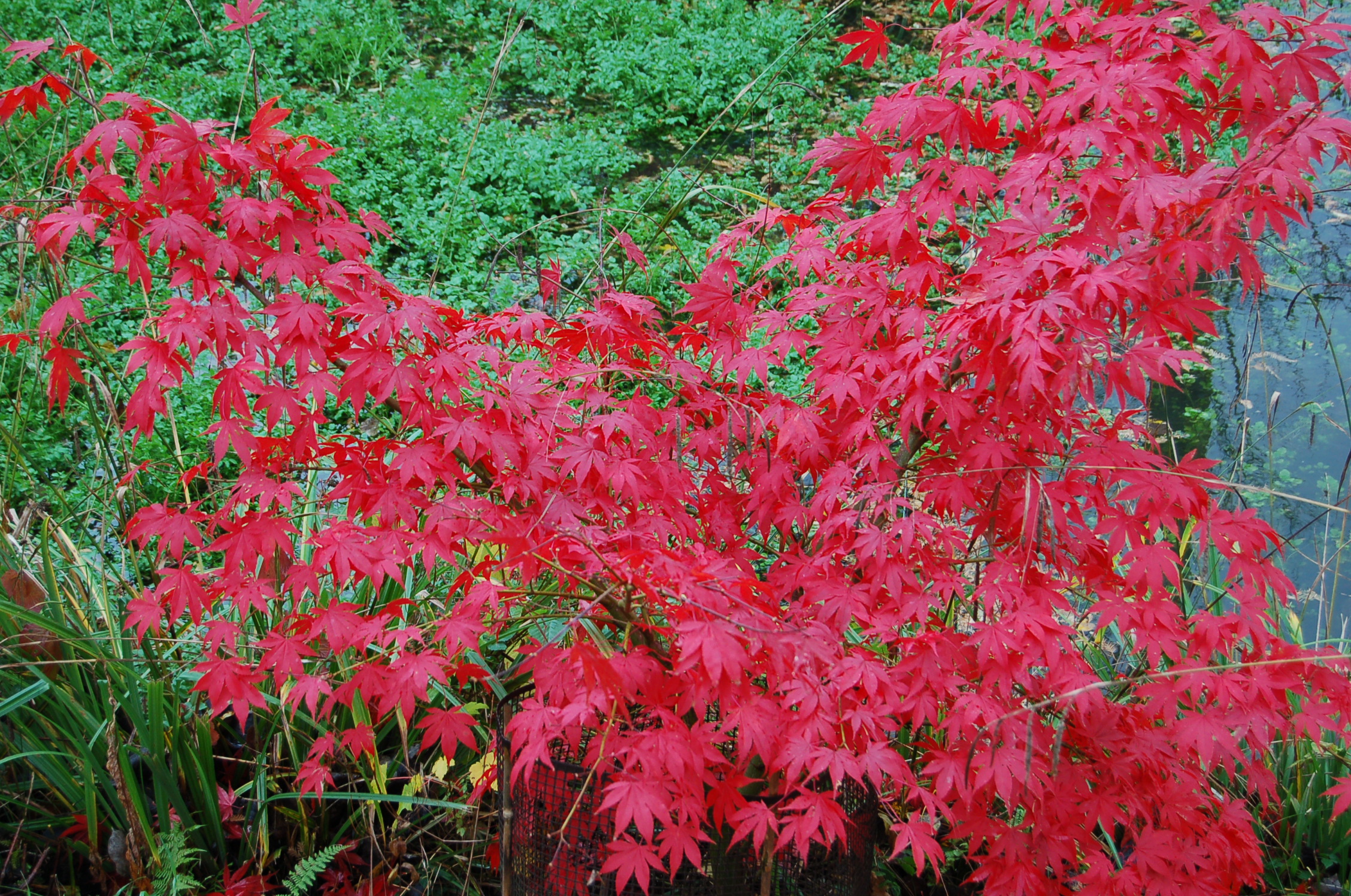
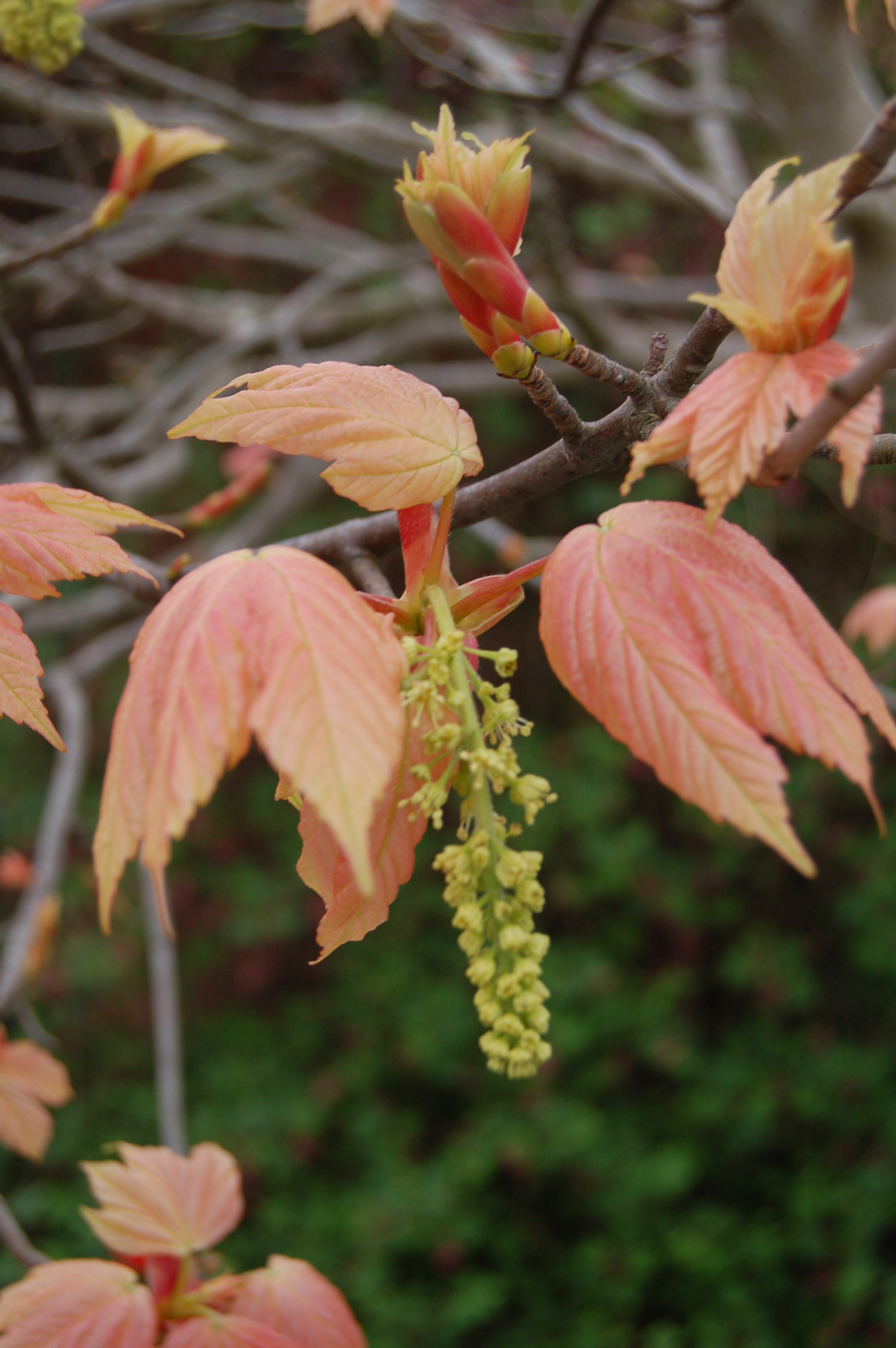
Acers feature here too and mid-April is a good time to enjoy their fresh subtly coloured new foliage bursting from their buds.
2014 04 17_8153 2014 04 17_8154

2014 04 17_8164 2014 04 17_8171

2014 04 17_8165

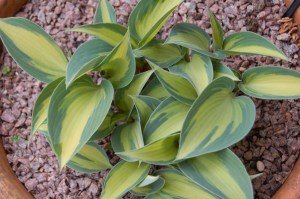
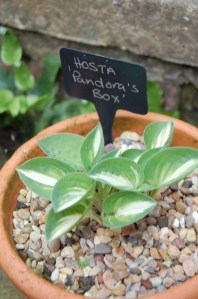
We have been looking for small Hostas recently to plant around a water feature situated close to a corner where two path meet. We were really taken with those we found growing in pots in a little shaded courtyard. Luckily they had labels on giving us ideas for our own planting.
2014 04 17_8150 2014 04 17_8166

2014 04 17_8167

Anne’s garden is small in size but it has a mighty big heart! As the last set of photographs below show it is a garden full of interesting individual plants, original plant combinations and many appealing features. We had a great afternoon – thanks Anne.

2014 04 17_8155 2014 04 17_8157           2014 04 17_8168 2014 04 17_8169   2014 04 17_8172 2014 04 17_8173 2014 04 17_8175 2014 04 17_81562014 04 17_8176   2014 04 17_8179 2014 04 17_8180  2014 04 17_8183

Categories
colours flowering bulbs garden design garden photography gardening gardens gardens open to the public grasses hardy perennials irises ornamental grasses ornamental trees and shrubs shrubs spring bulbs trees Winter Gardening winter gardens

Three Winter Gardens – Part Two – Cambridge Botanic Gardens

We had never been to Cambridge before. Lots of people told us it is just like Oxford its parallel university city. We decided to put things right and find out for ourselves so spent a few days there. One day we spent in the University Botanic Gardens where we were keen to explore the winter garden as we had heard good things about it.

We were pleased we decided to visit both Cambridge and its botanic garden as we enjoyed both immensely. The Botanic Garden was good enough to make us plan to return in different seasons. If a garden impresses in winter then it will at any time.

So for part two of my “Three Winter Gardens” we shine the spotlight on Cambridge. Look out for a post in the near future looking at the rest of the garden in winter too.

We knew we were in for a treat for within the first 20 yards of our walk after passing through the gate we were mystified by a couple of plants we did not know.

2014 03 17_7183 2014 03 17_7179

Luckily they were both labelled and I shall say what they are in my post about the gardens in general but first off to the Winter Garden. We were particularly keen to see this seasonal patch as it had been created in 1989 so now it is well established. Many gardens now boast winter borders or winter gardens and we have even created one on our allotment site in the communal areas, but these are mostly immature.

2014 03 17_7254

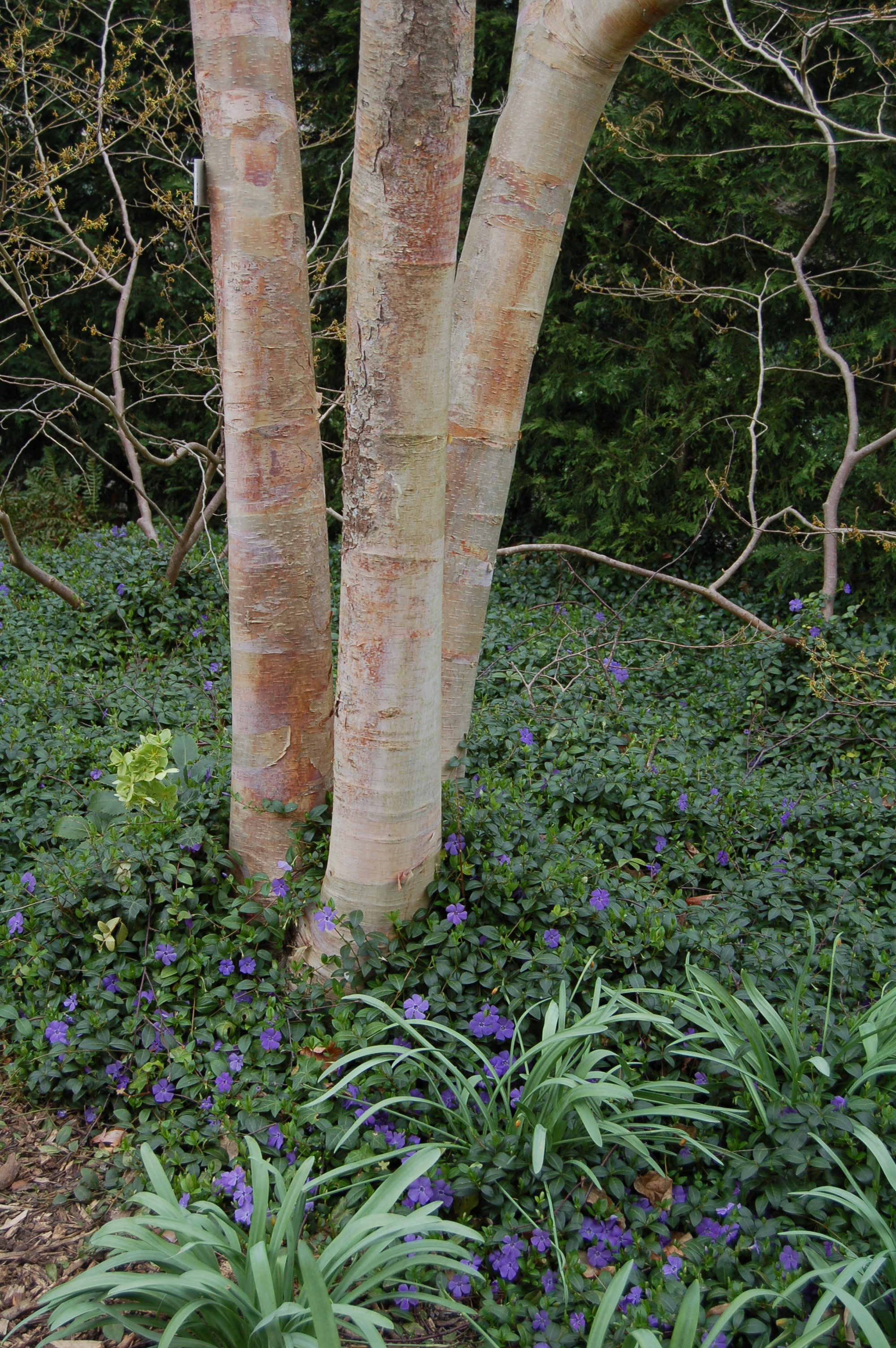
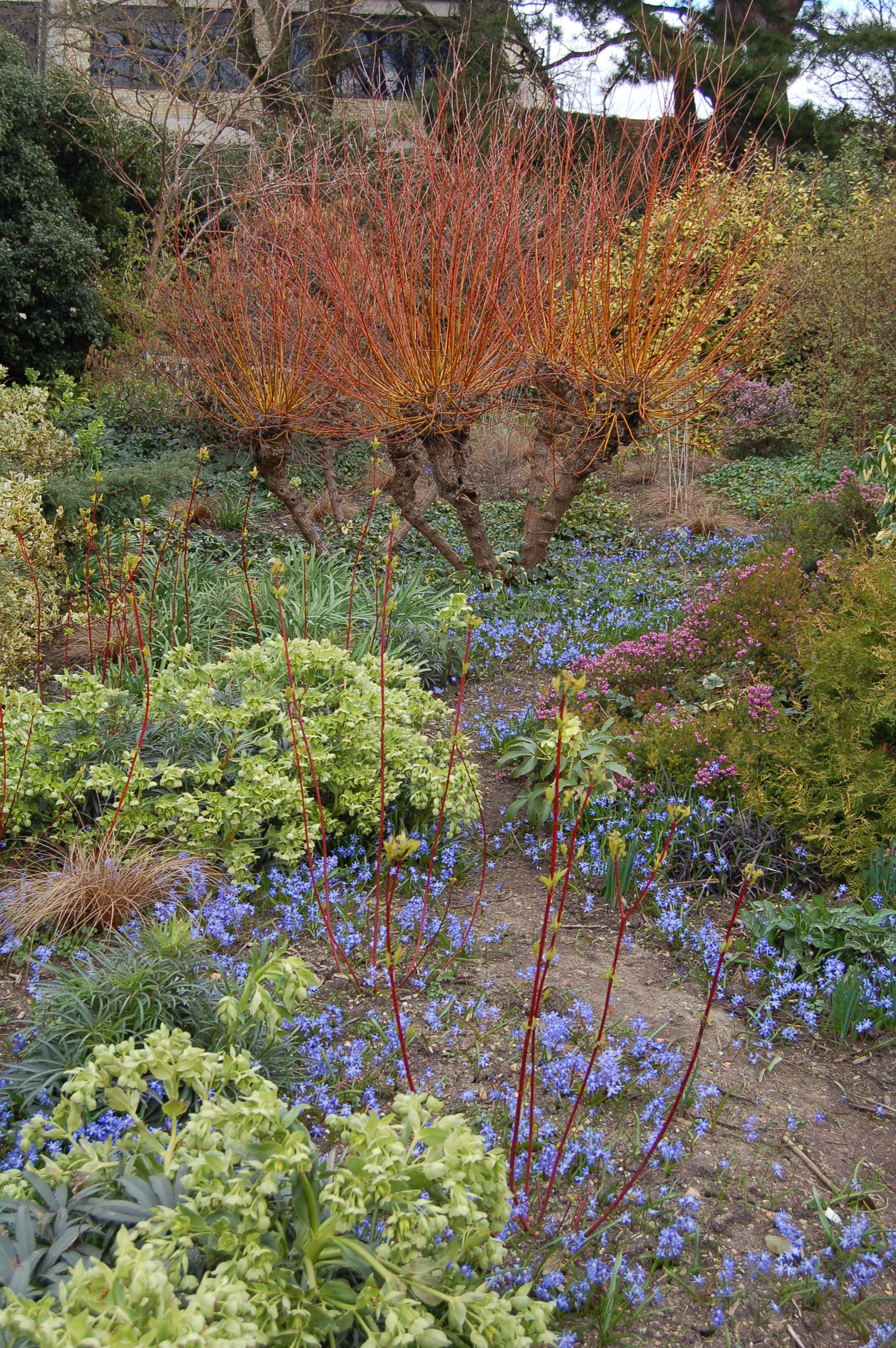
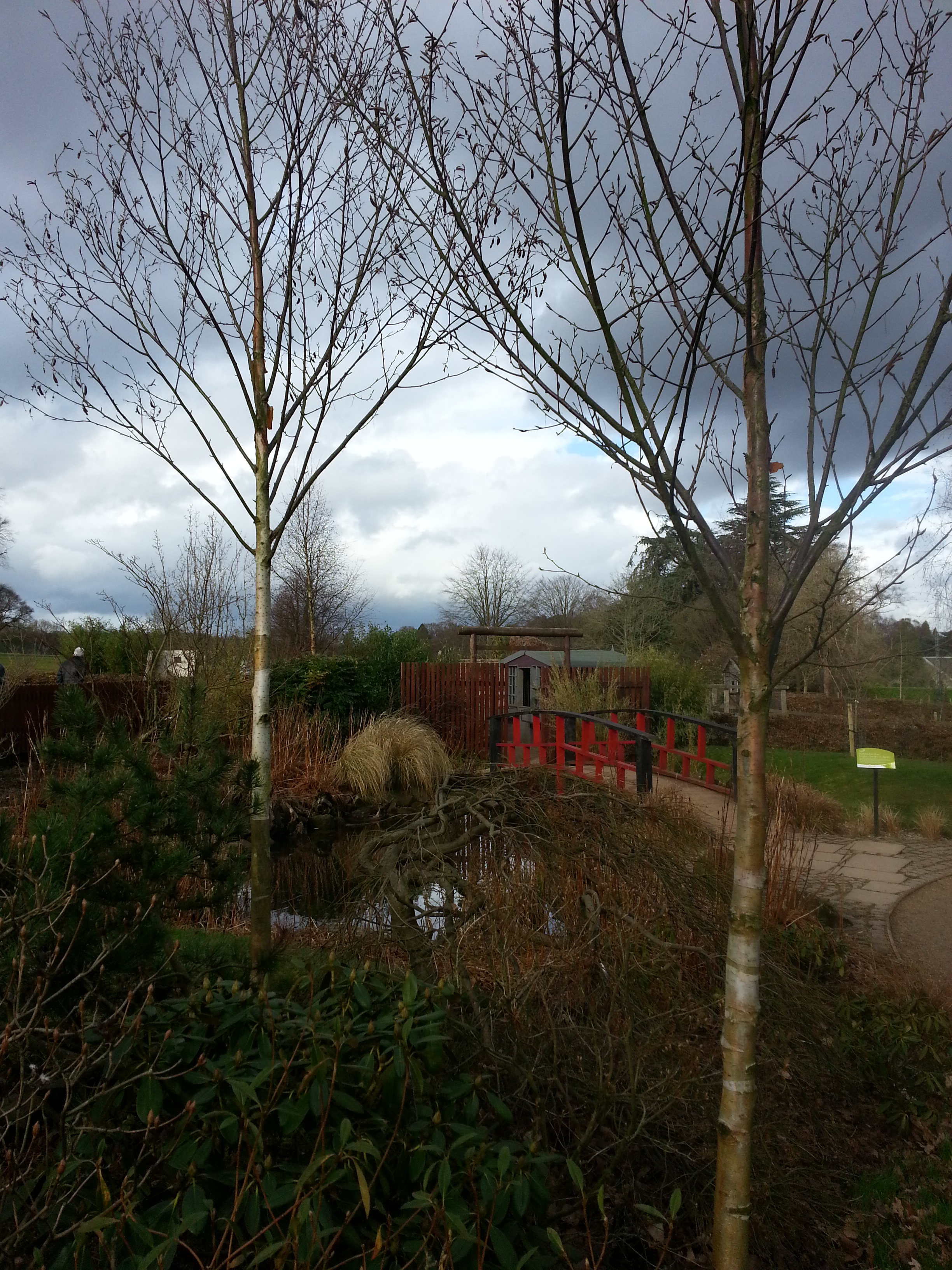
Trees and shrubs give the impact in any winter garden often as here at Cambridge they are birches and willows.

2014 03 17_7255 2014 03 17_7277

2014 03 17_7258

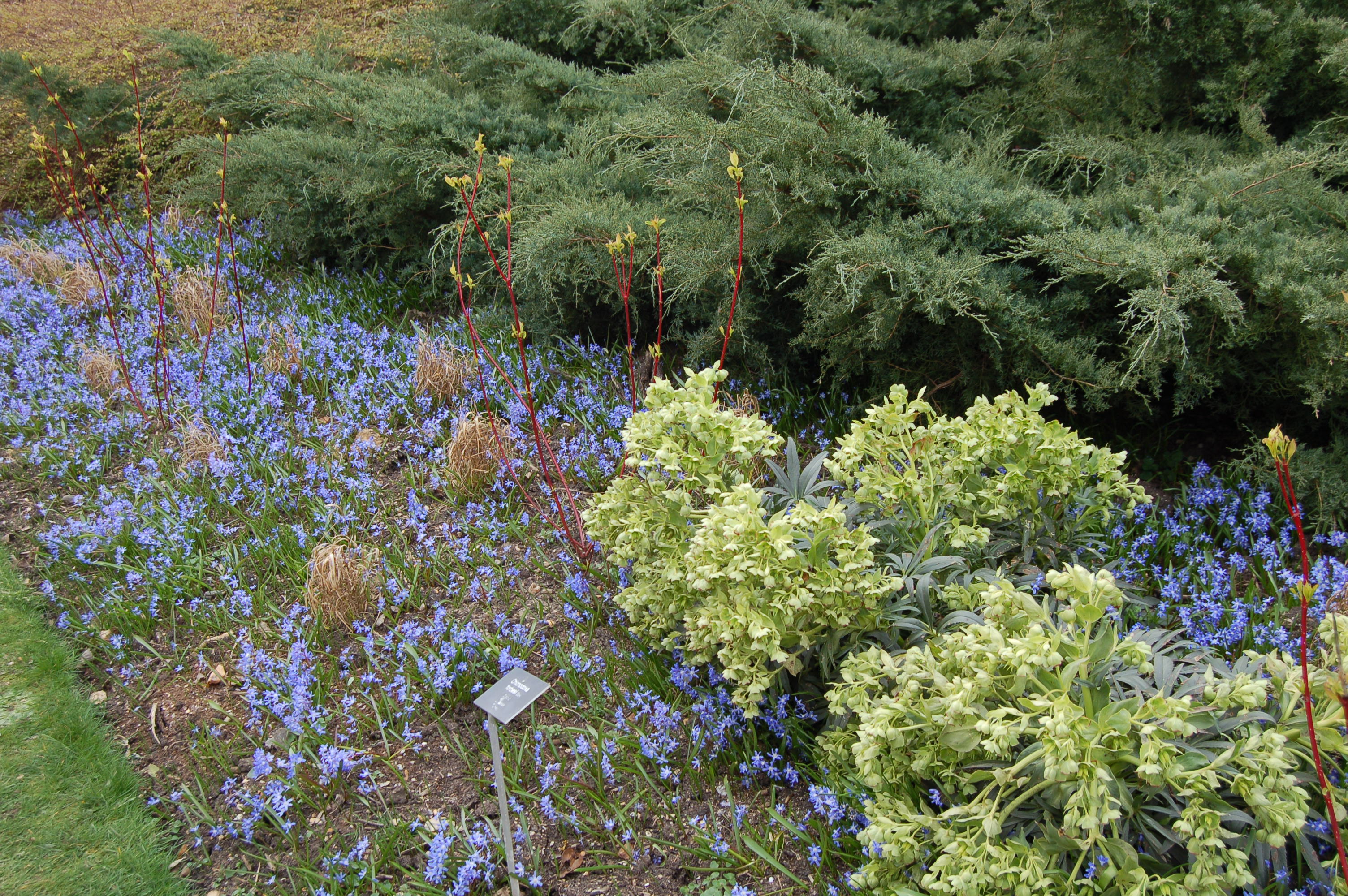
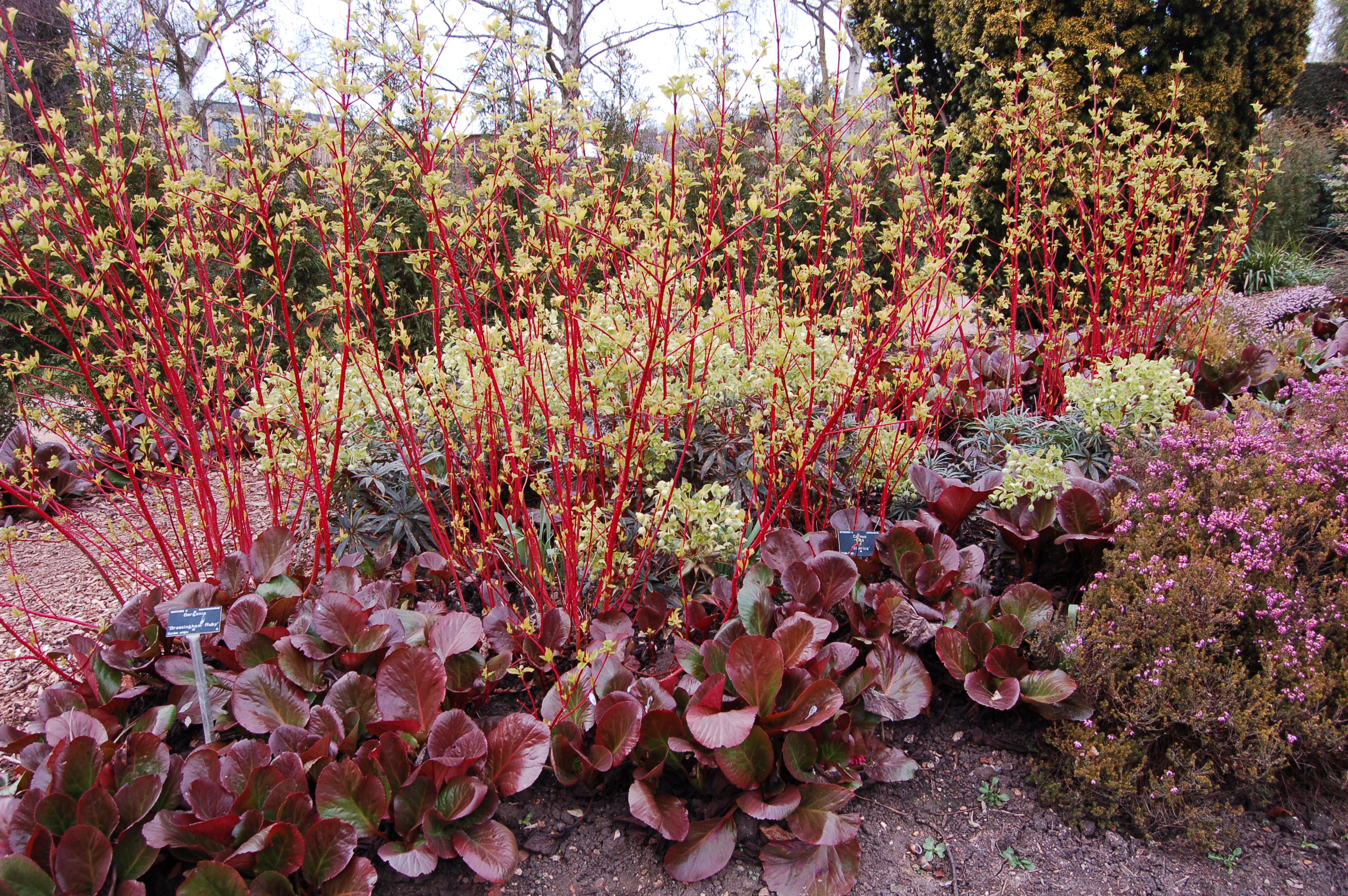
We were particularly impressed with the use of ground cover, an aspect we have not used very well in our allotment version. We were to learn so much and go home full of enthusiasm to develop effective ground cover in our allotment’s winter garden. Ivies, periwinkles and hellebores added so much. We already use hellebores but not ivies and periwinkles but they present so many opportunities, with all the varieties in leaf colour, variegation and shape in ivies and flower colours in the periwinkles. Bergenias and grasses together worked well in other places, because of their unusual foliage colours and contrasting leaf shape.

2014 03 17_7256  2014 03 17_7259 2014 03 17_7260 2014 03 17_7263

2014 03 17_7265

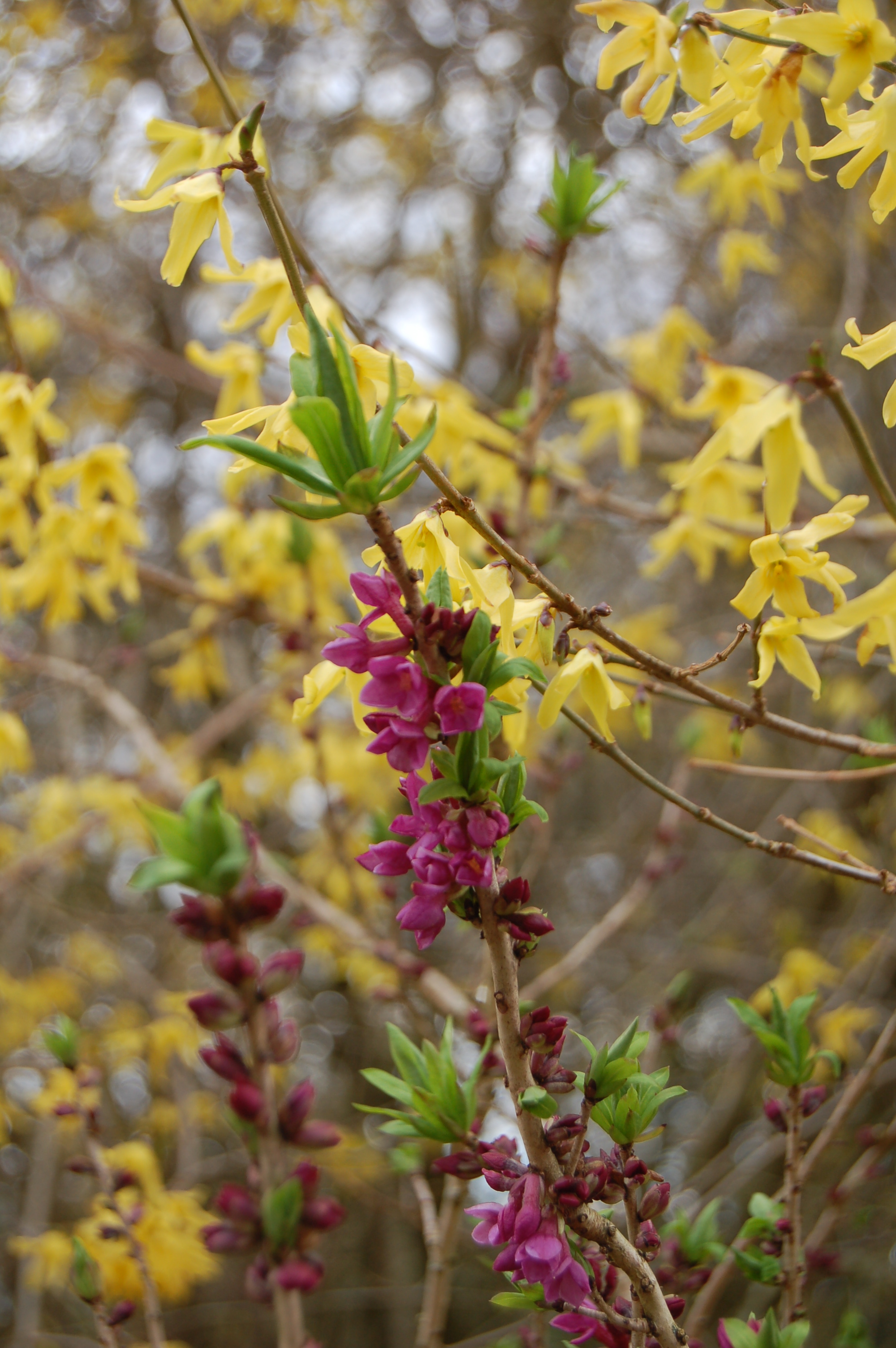
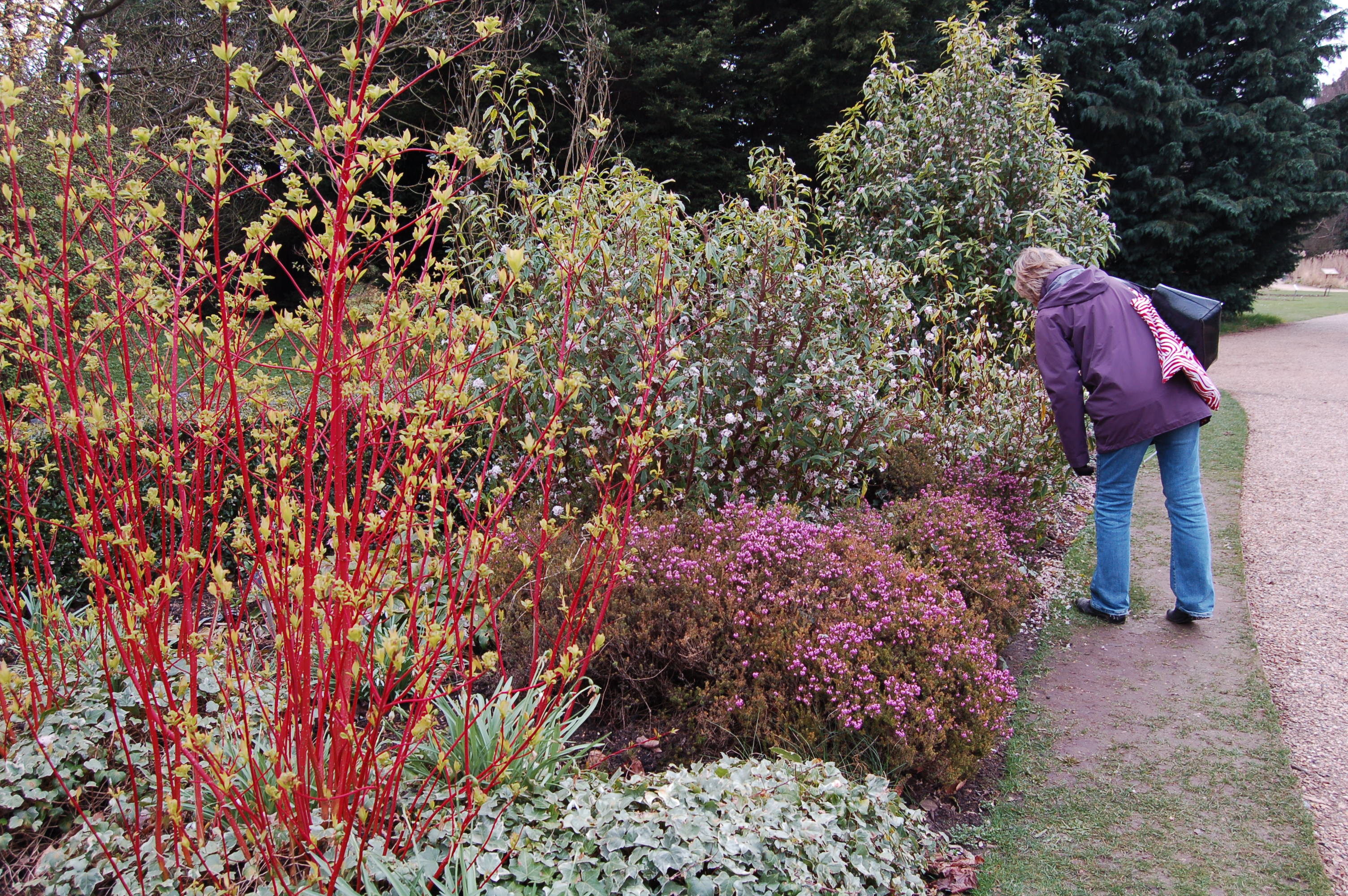
This was a very effective colour combination which in any other season probably wouldn’t have worked. Daphne mezereum and Forsythia Lynwood. Of course the daphne also provided that other essential of any winter border – sweet scent. The sweetest scent of all came from another Daphne, Jacquelin Postill.

2014 03 17_7261  2014 03 17_7262 2014 03 17_7272

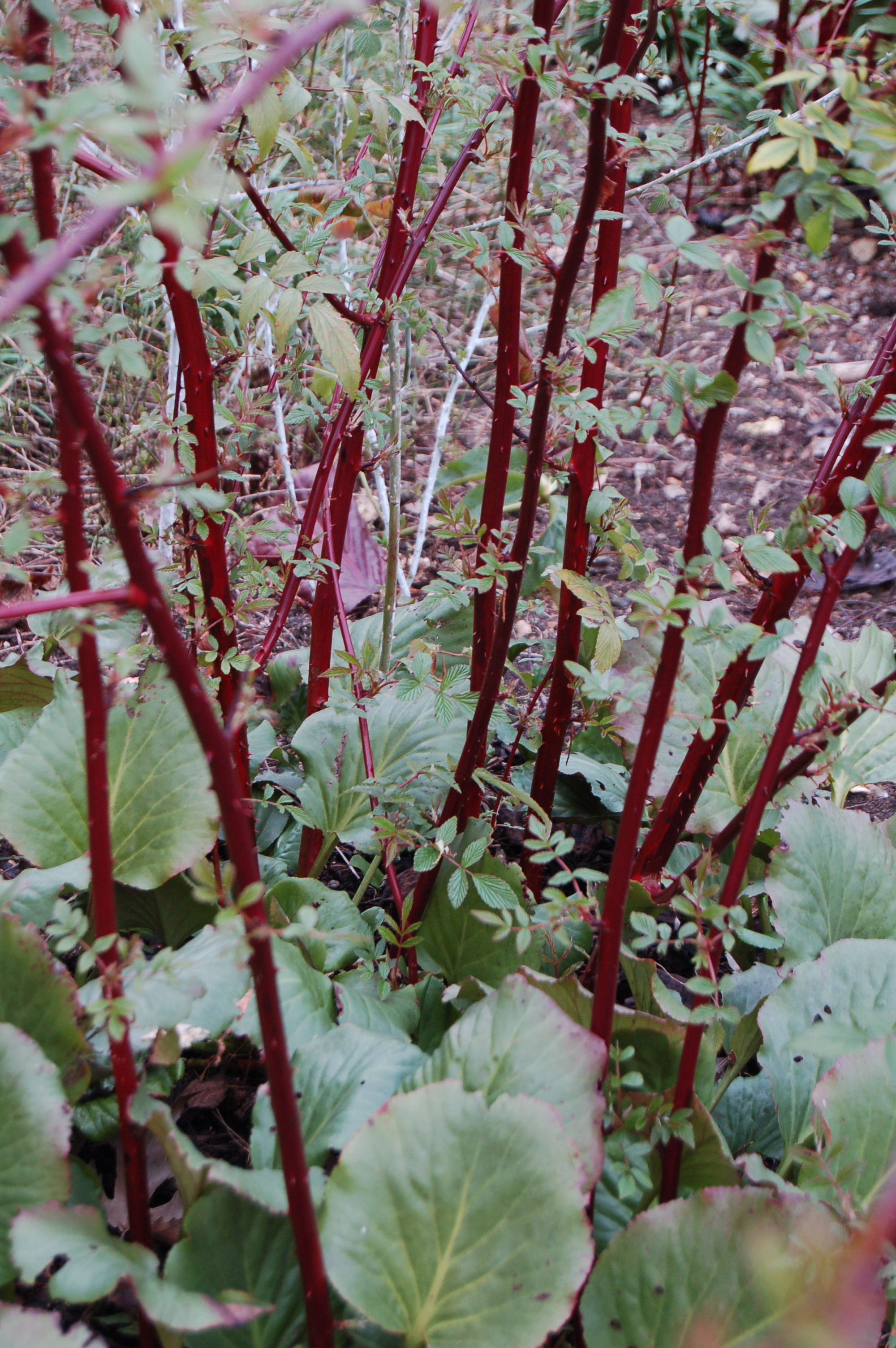
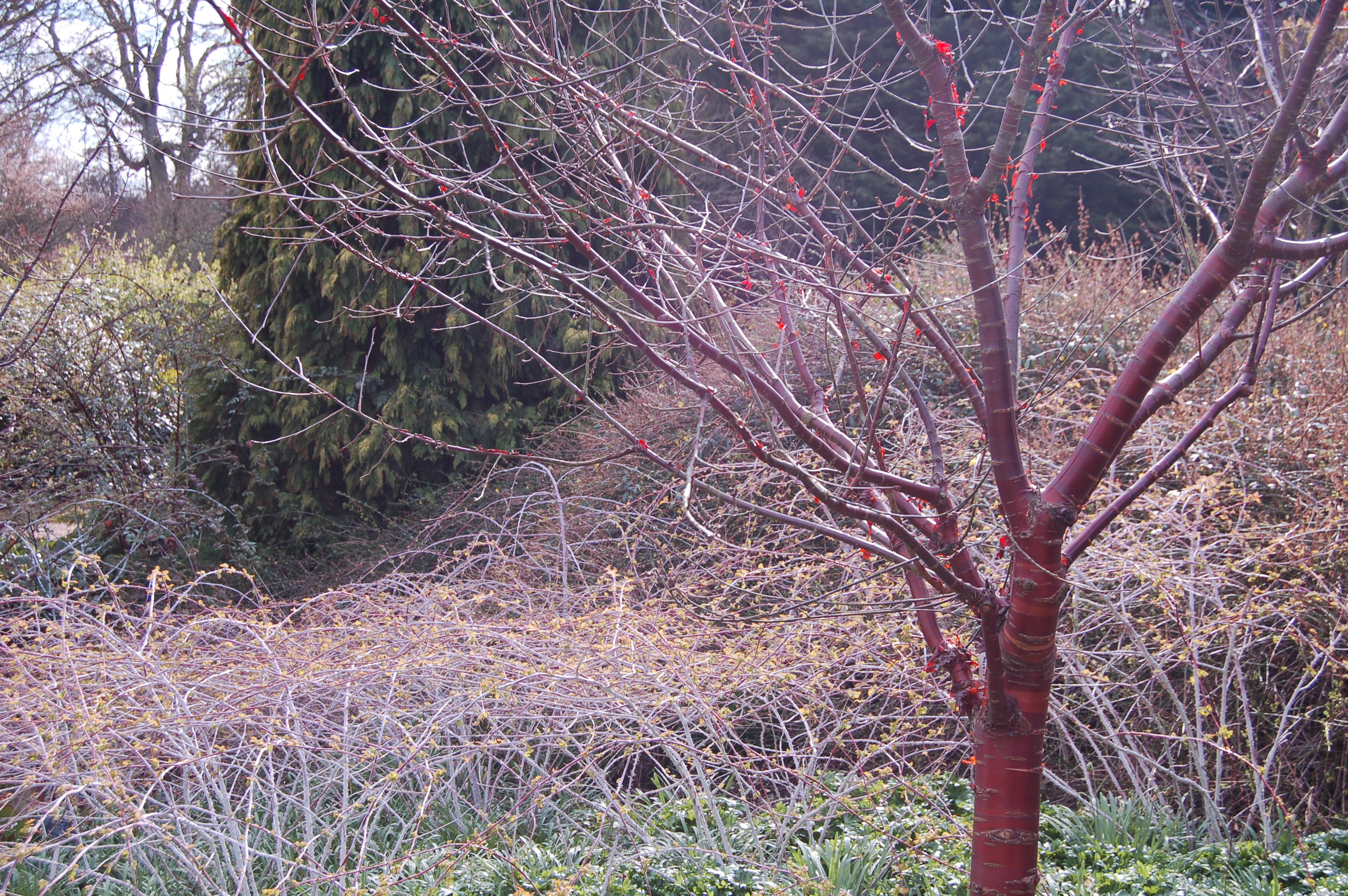
The coloured stems of coppiced and pollarded Cornus (dogwoods) and Salix (willows) have to star in any winter garden and they certainly did here along with Rubus.

2014 03 17_7264  2014 03 17_7266   2014 03 17_7269 2014 03 17_7270 2014 03 17_7271 2014 03 17_7274

2014 03 17_7273  2014 03 17_7275

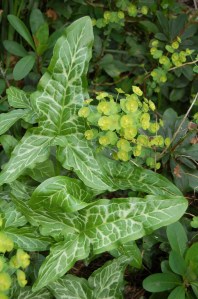
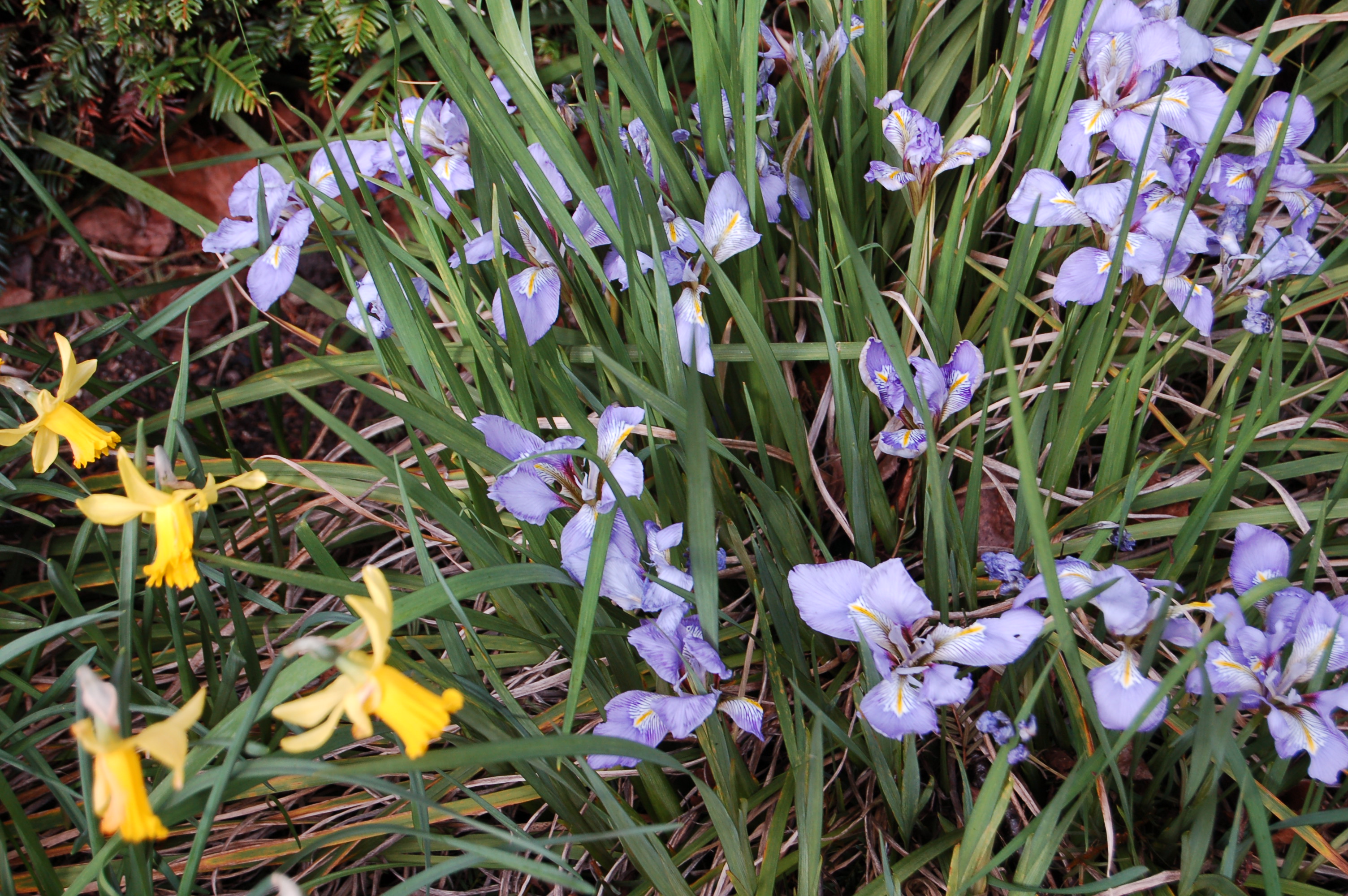
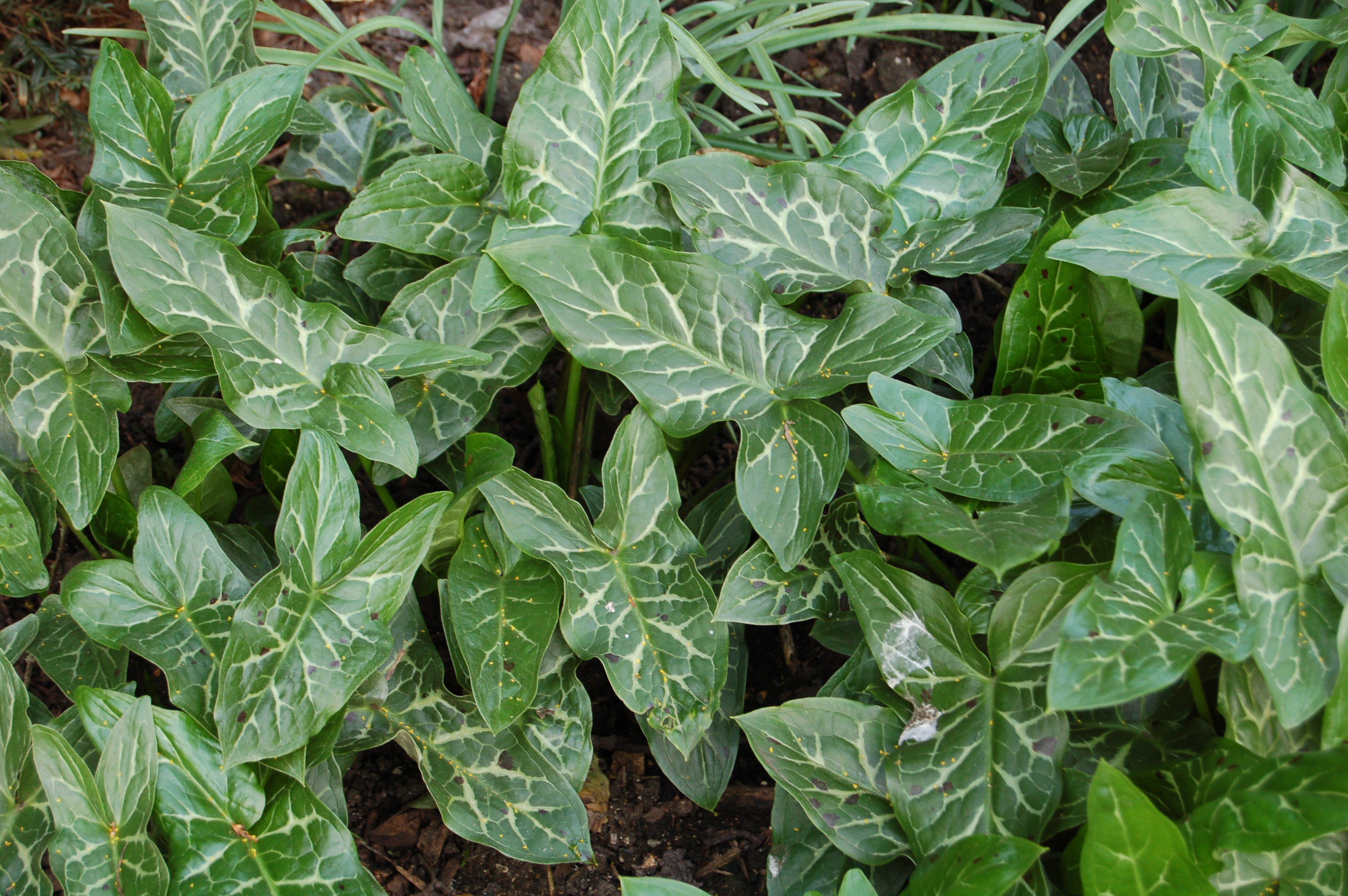
Two gems worth a special mention are the winter flowering iris and the wonderful leaves of Arum italicum marmoratum.

2014 03 17_7276  2014 03 17_7278

I shall finish with this photo looking back at the gently curving path through the winter border. The third of my winter garden visits will be to Anglesay Abbey, probably the best known and most polular of all the winter gardens in this country. We shall see if it deserves this accolade.

2014 03 17_7267

Categories
garden design garden photography gardening gardens gardens open to the public ornamental trees and shrubs trees

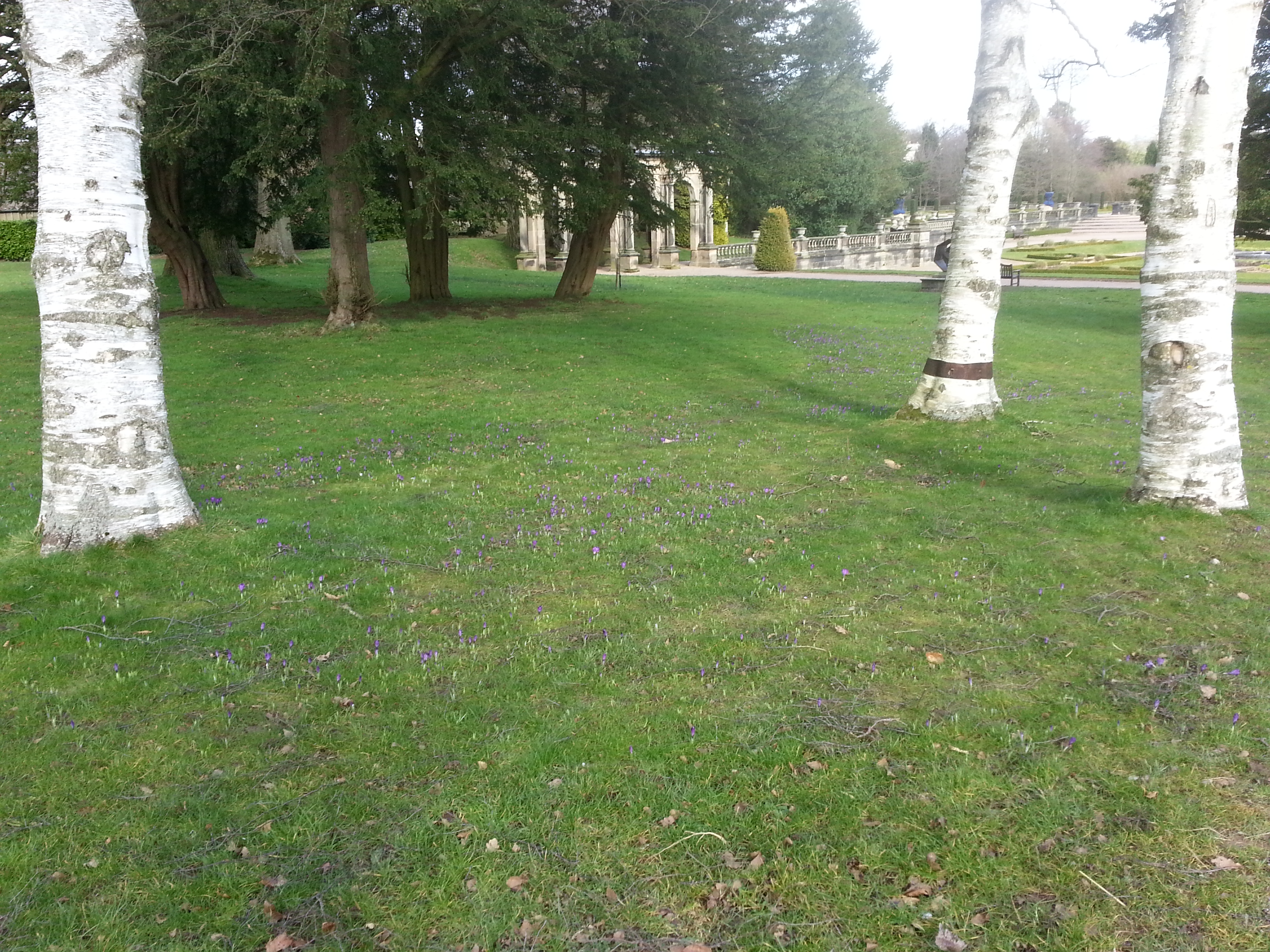
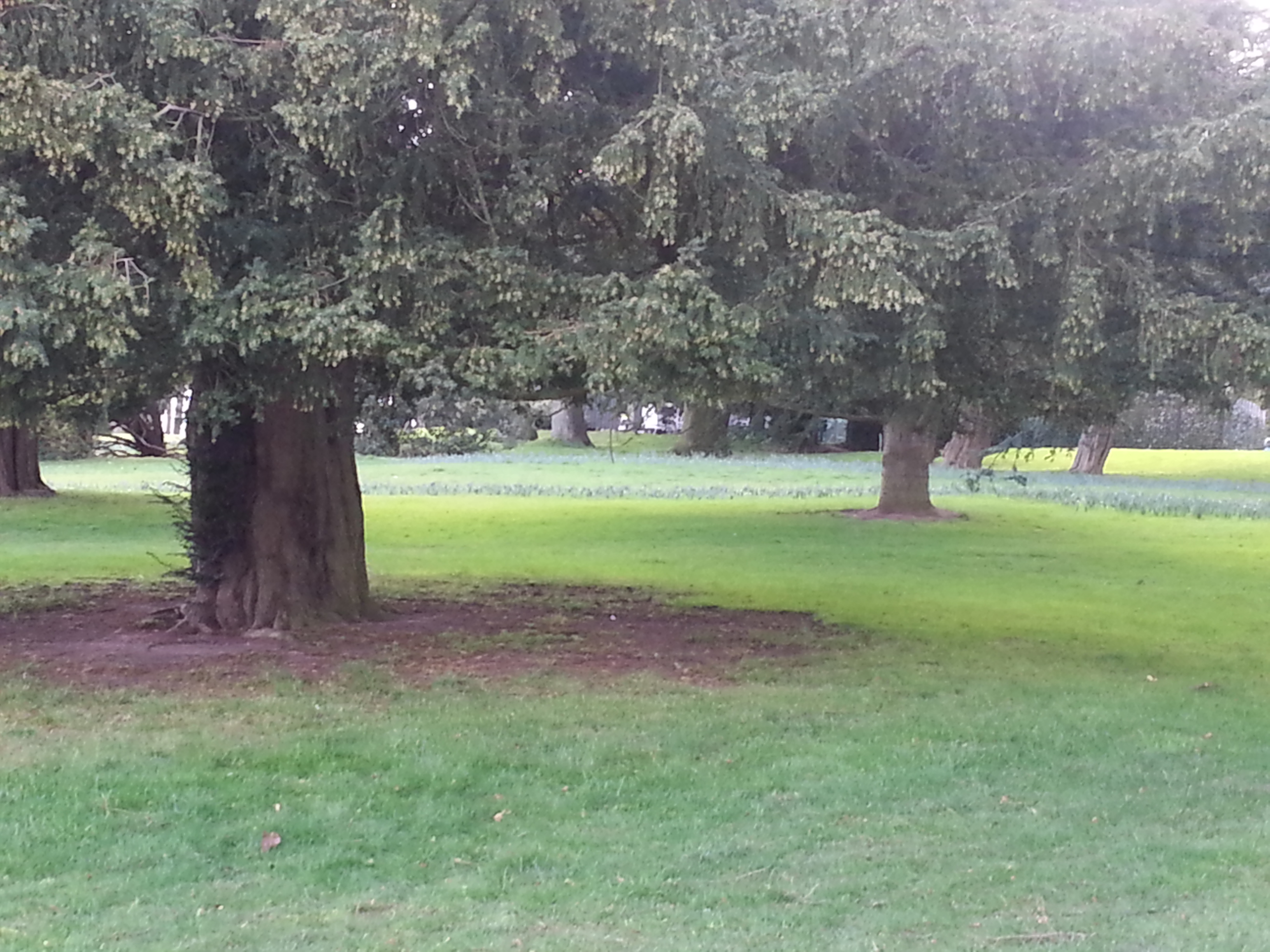
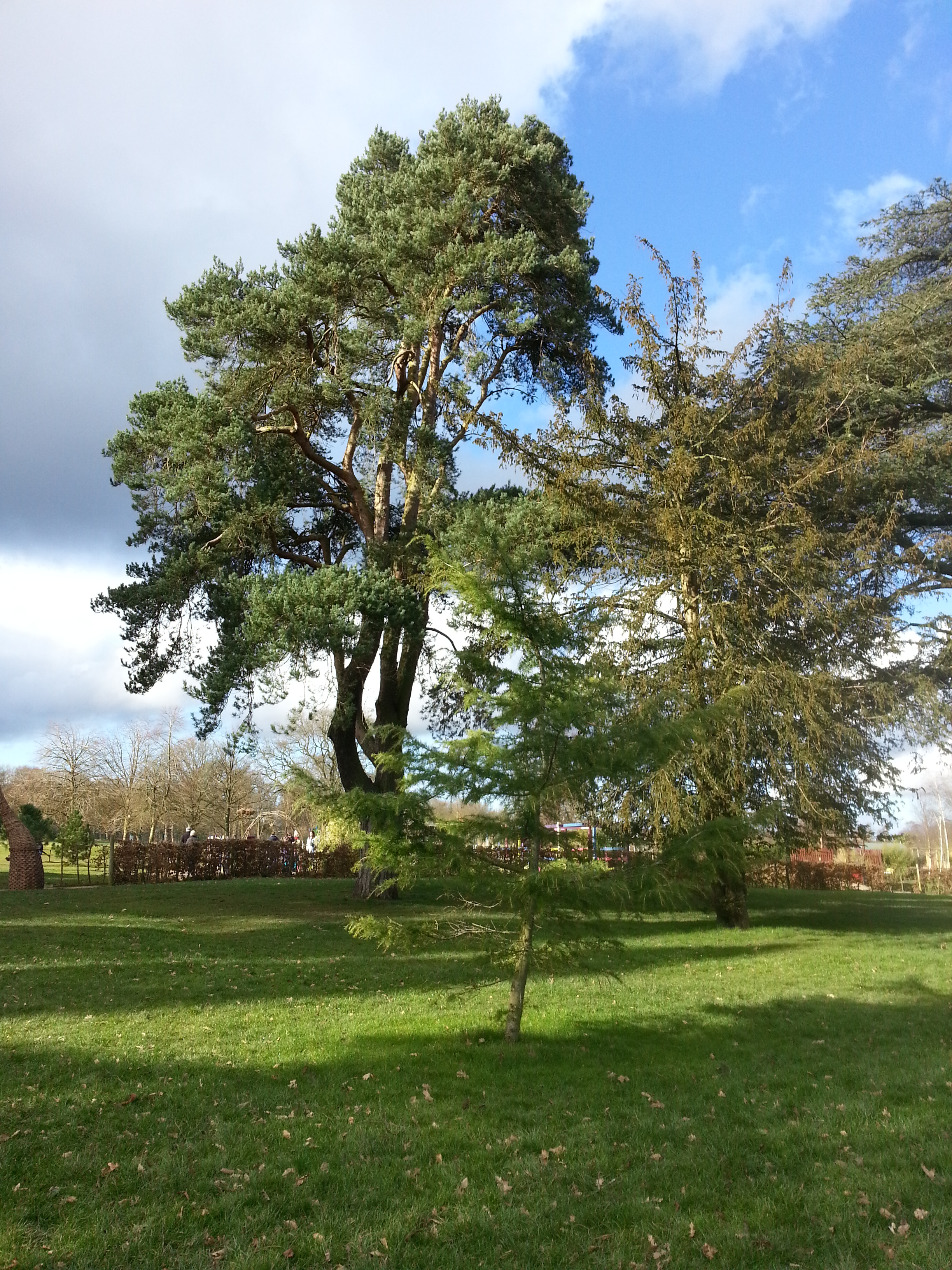
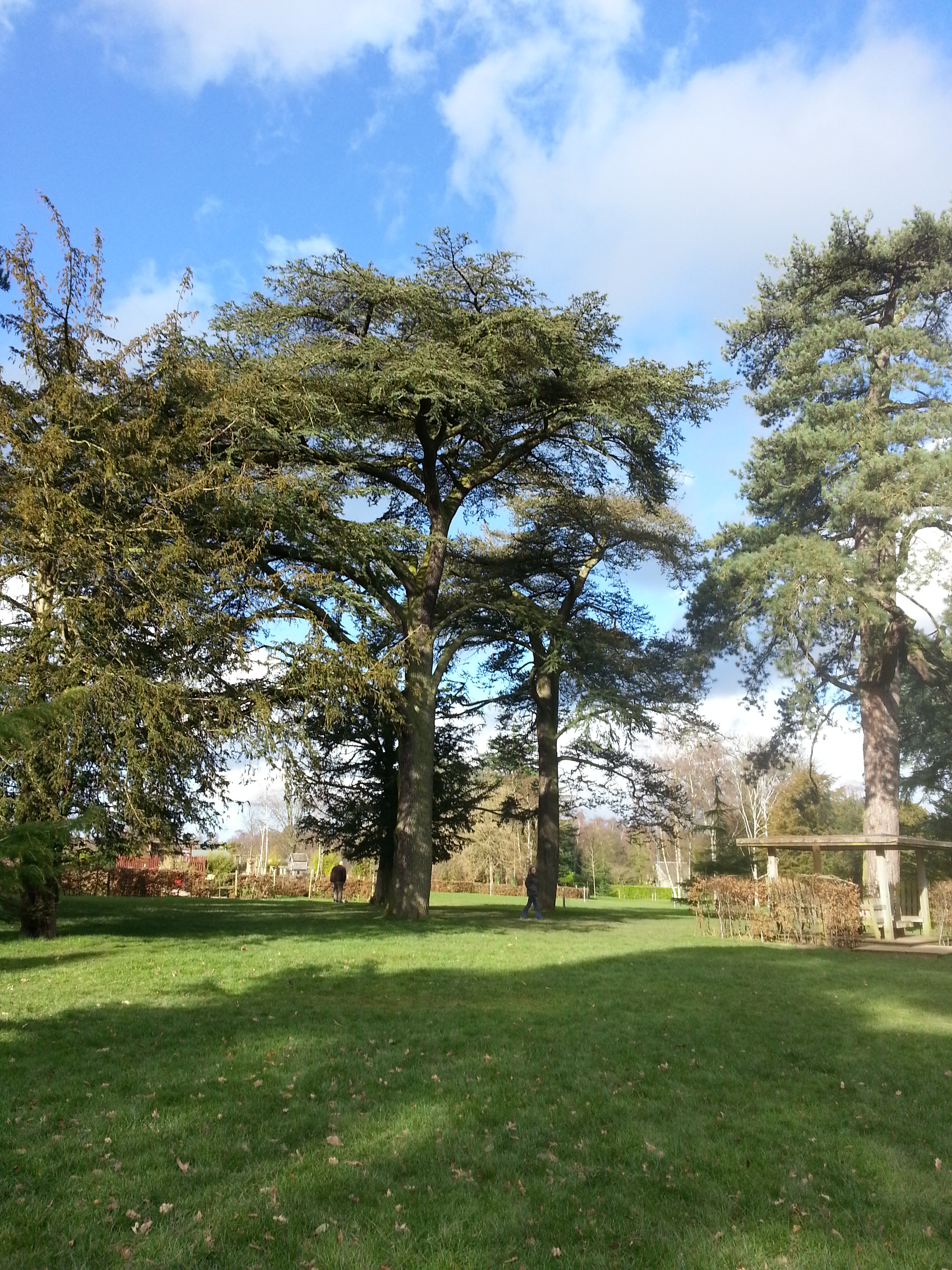
The Trees in Two Gardens

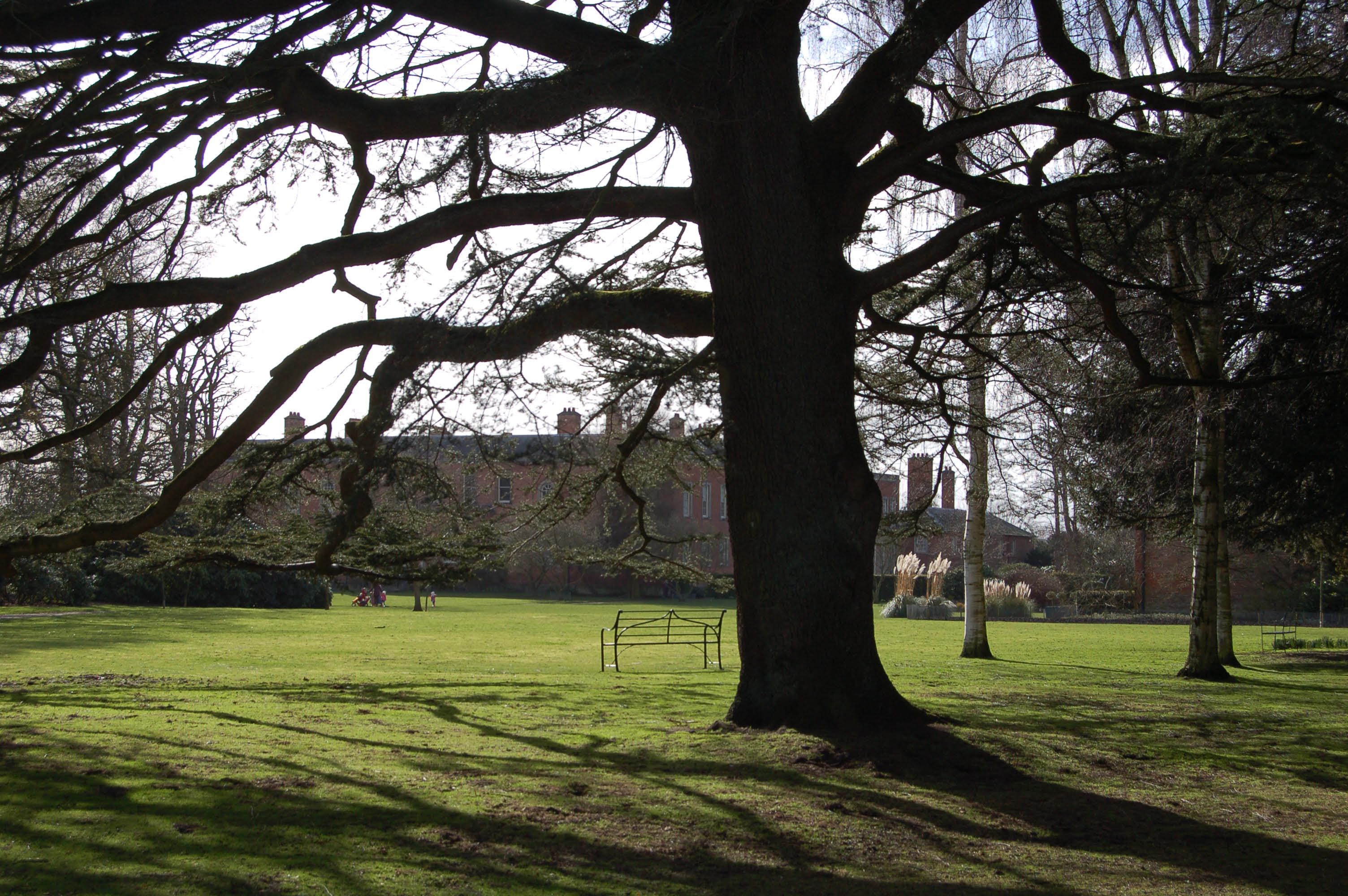
When we visit gardens I tend to concentrate on taking photographs of borders and flowering plants, and often ignore the wonderful silhouette of the trees.

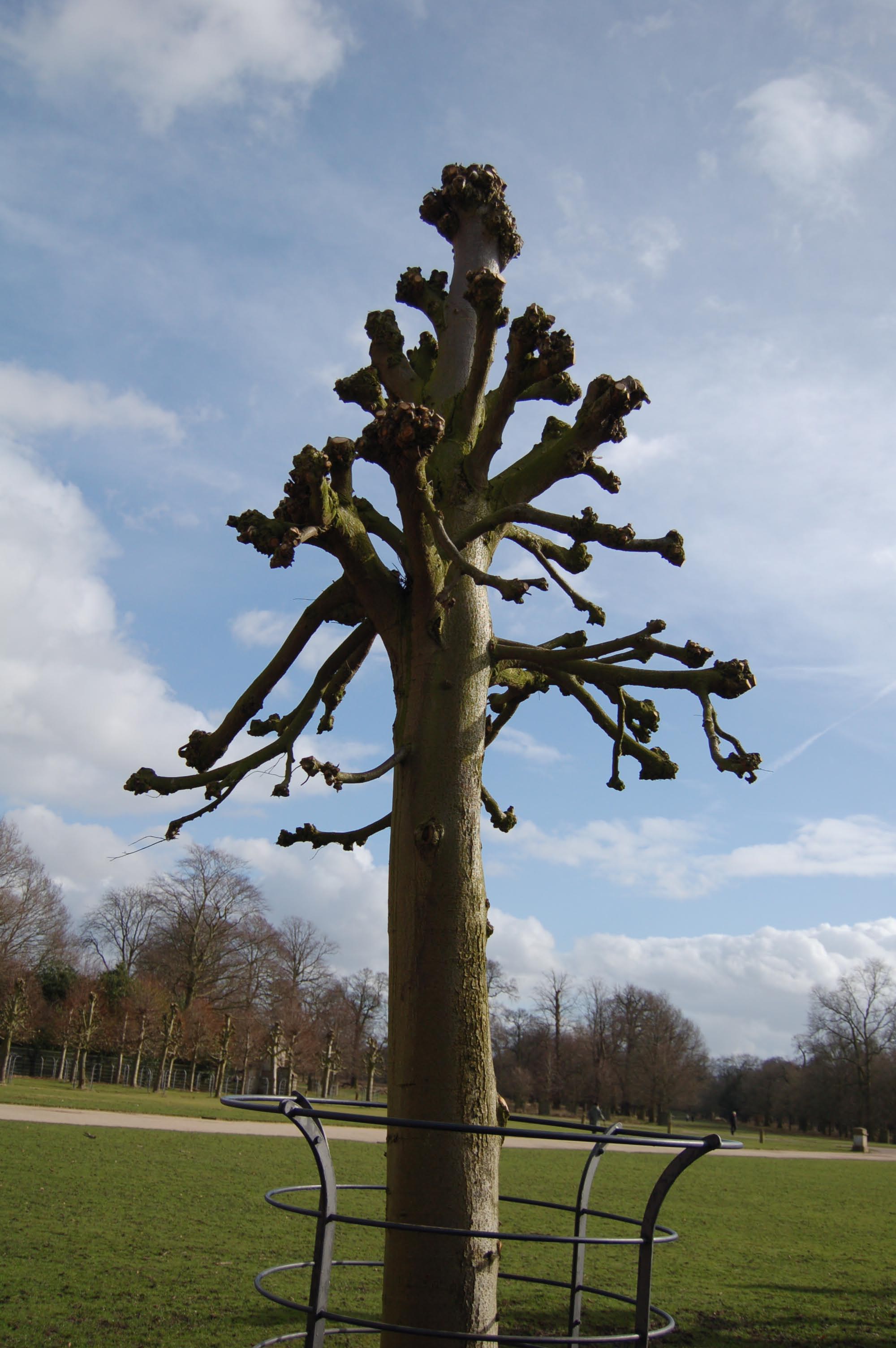
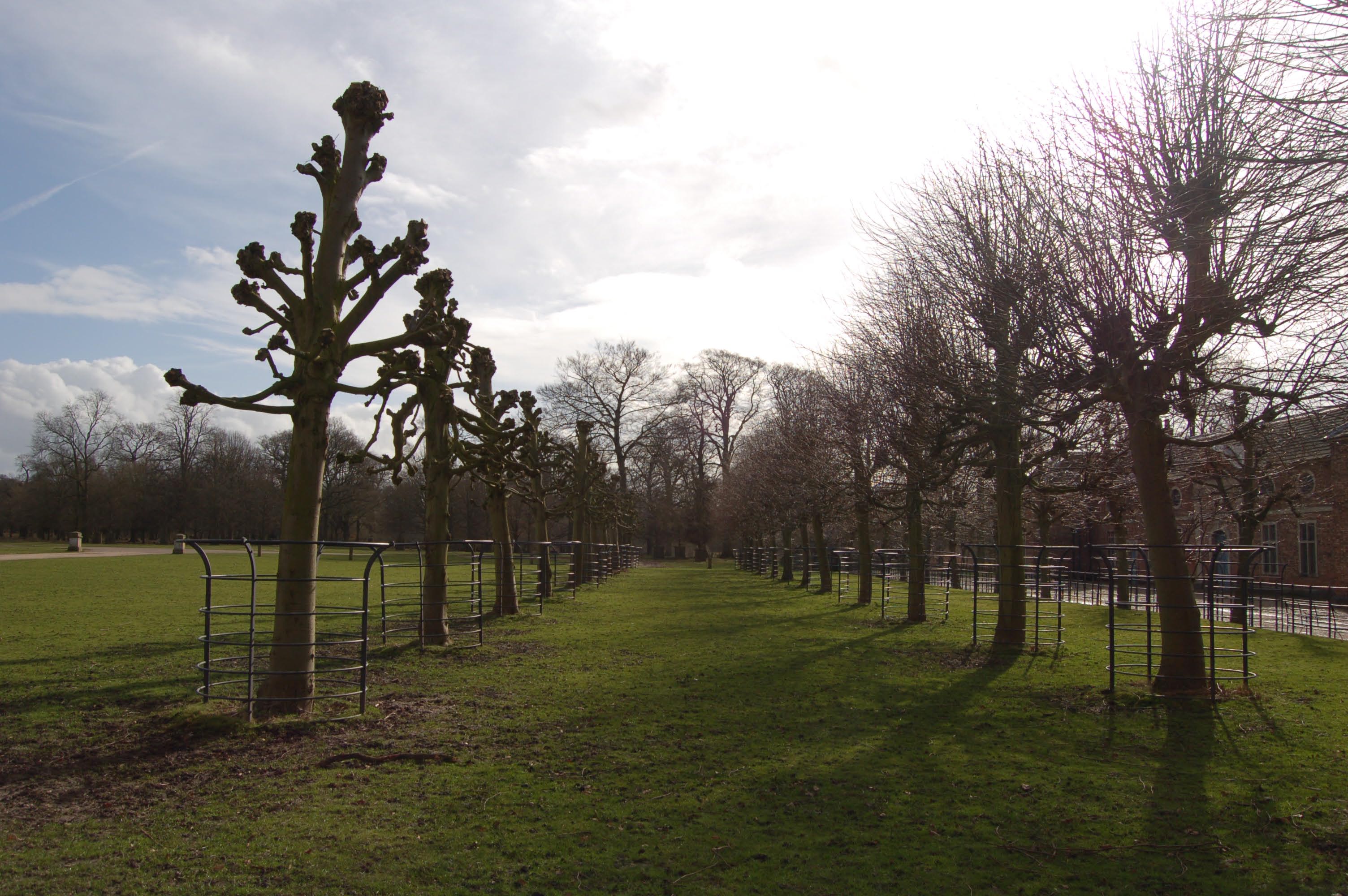
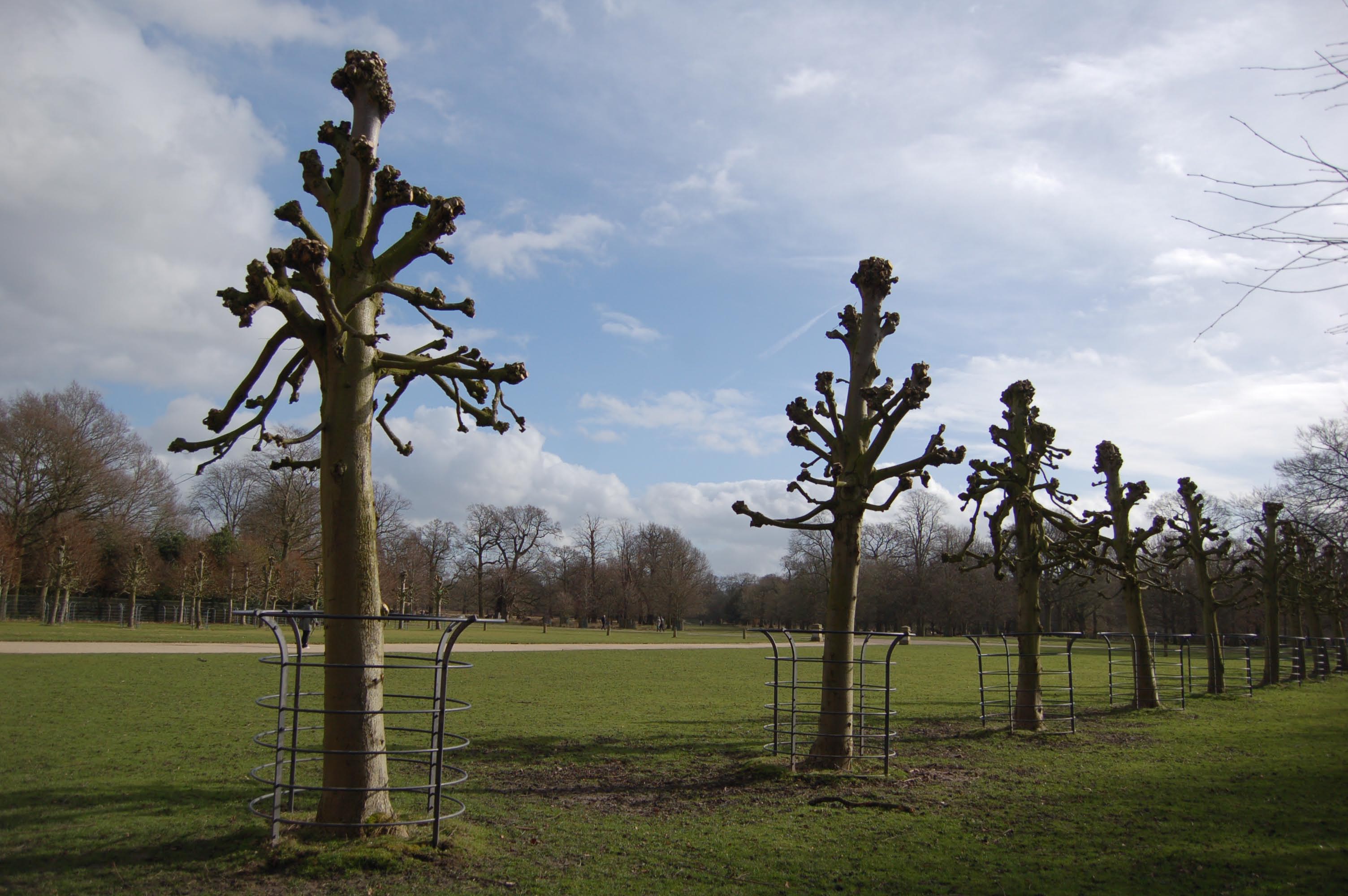
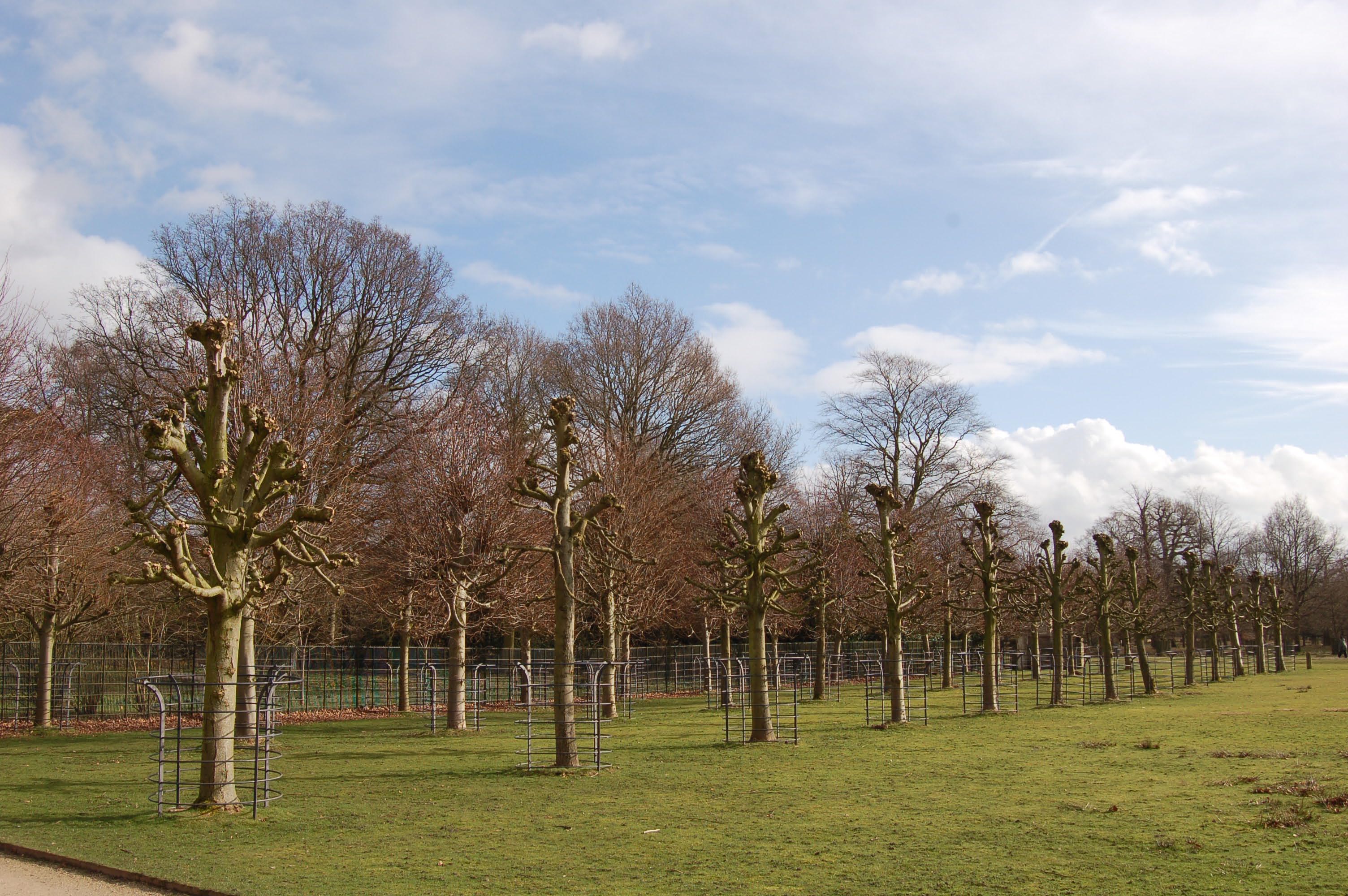
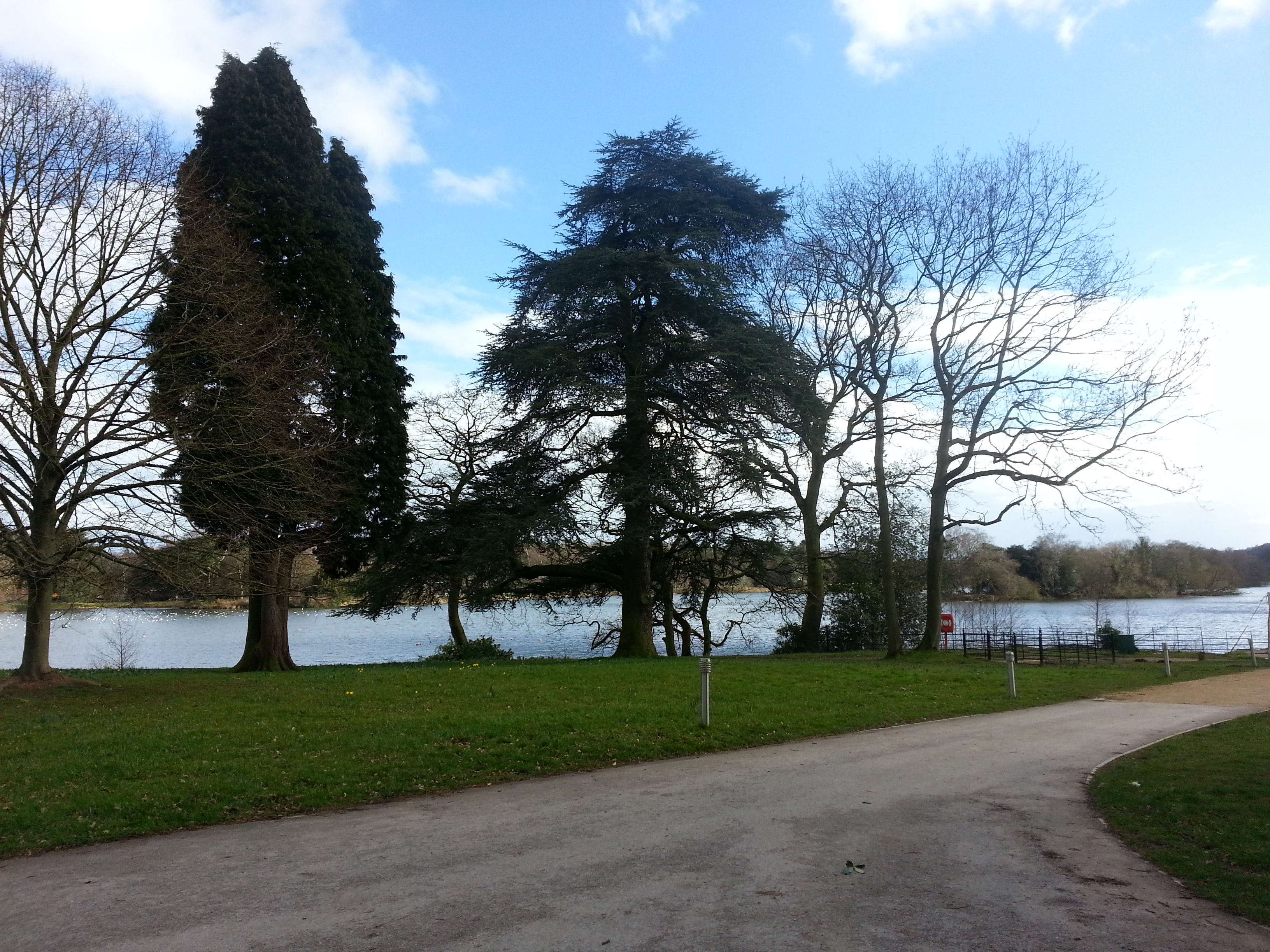
So when we went to Dunham Massey and Trentham in February I concentrated on their trees so just sit back and enjoy my photos. A tribute to trees.

Firstly enjoy the trees of Dunham Massey.

2014 02 20_6543 2014 02 25_6685 2014 02 25_6724 2014 02 25_6684 2014 02 25_6682 2014 02 26_6774-1 2014 02 25_6676-1 2014 02 25_6677-1 2014 02 25_6675-1 2014 02 25_6673-1 2014 02 25_6674-1 2014 02 25_6672-1 2014 02 25_6677

2014 02 25_6673 2014 02 26_6774

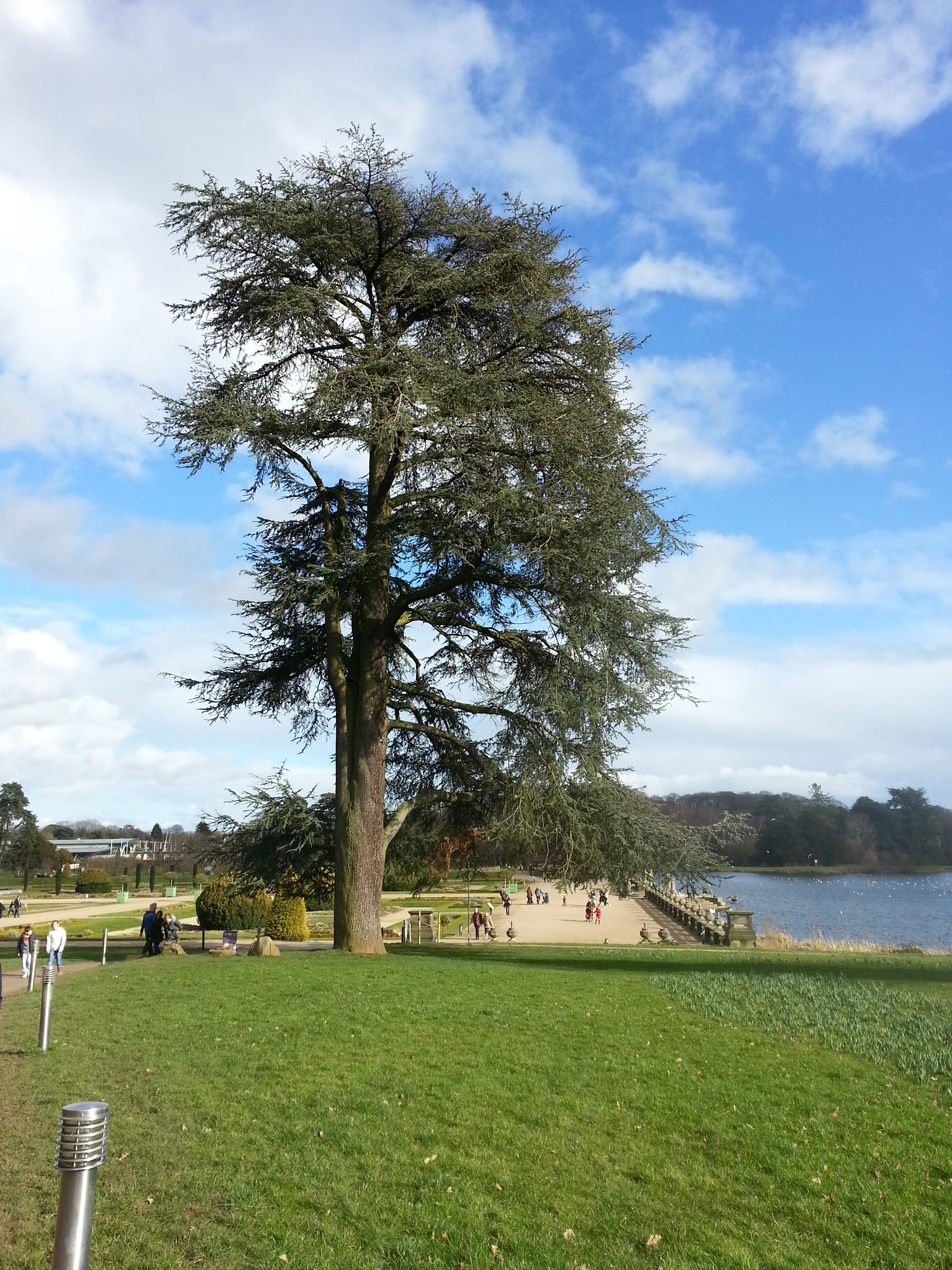
And now to Trentham and its trees. The first photos show trees planted during the recent renovation of the garden and the latter photos the mature trees from the original parkland.

2014 02 20_6499 2014 02 20_6541 2014 02 20_6543 2014 02 20_6567

2014 02 20_6552 2014 02 20_6554

2014 02 20_6556 2014 02 20_6555

2014 02 20_6557 2014 02 20_6558 2014 02 20_6559 2014 02 20_6560 2014 02 20_6561 2014 02 20_6562 2014 02 20_6563 2014 02 20_6564 2014 02 20_6565  2014 02 20_6578

Categories
garden photography gardening gardens open to the public grasses hardy perennials light light quality ornamental grasses ornamental trees and shrubs roses Winter Gardening winter gardens

A Garden in February – Trentham

As promised we made our promised return to the gardens at Trentham, near Newcastle-under-Lyme in Staffordshire, right on the edge of The Potteries.

The day promised good weather which would make a welcome change. On our last few visits to this garden we had been subjected to rain and often cold winds. For our February exploration the sky was blue and the car’s dashboard read out told us the temperature was 9 degrees. The aim of this return visit and indeed all the following monthly ones was to see how the garden had progressed, how things had changed, which plants were looking good and which ones were the stars.

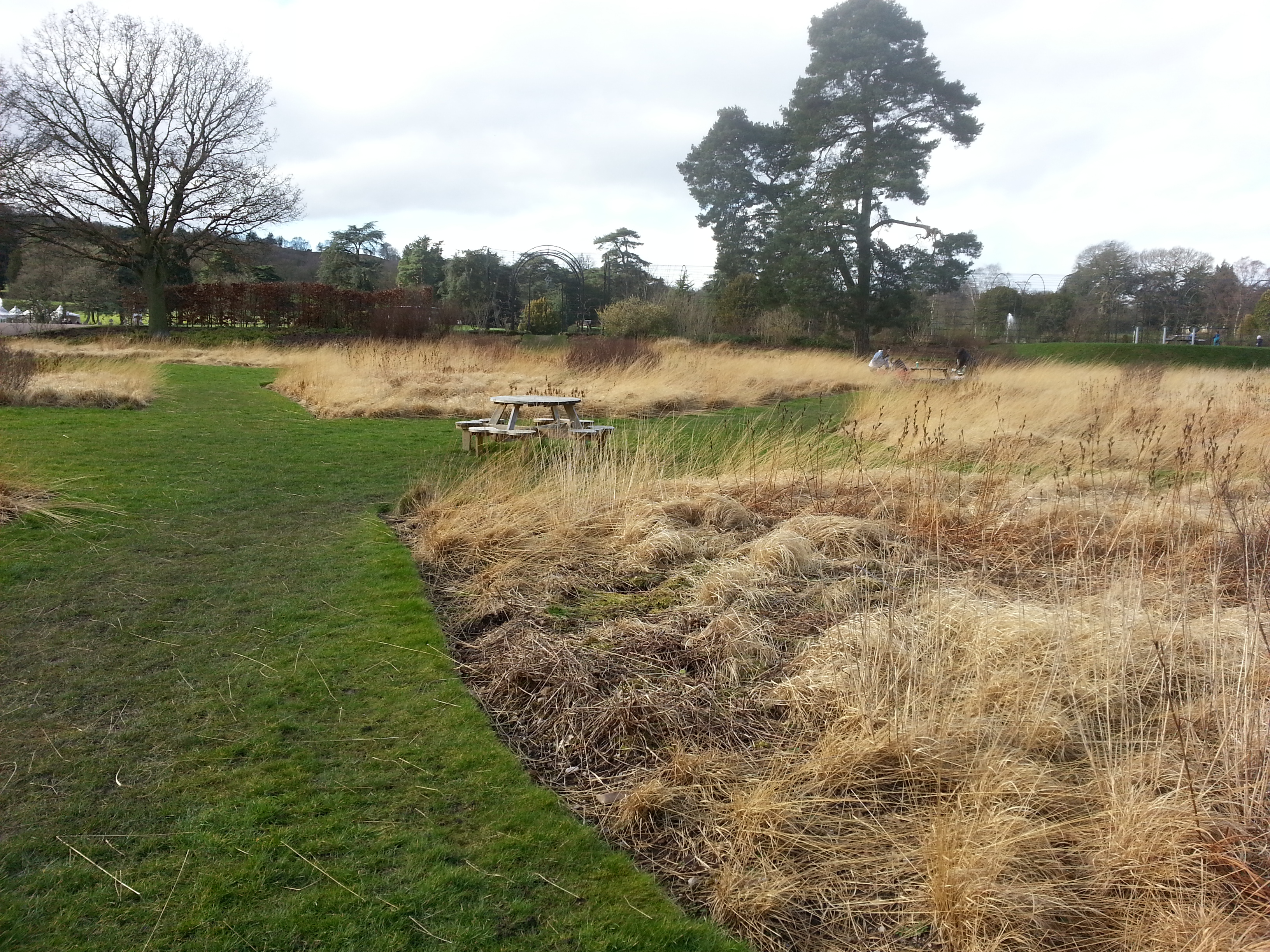
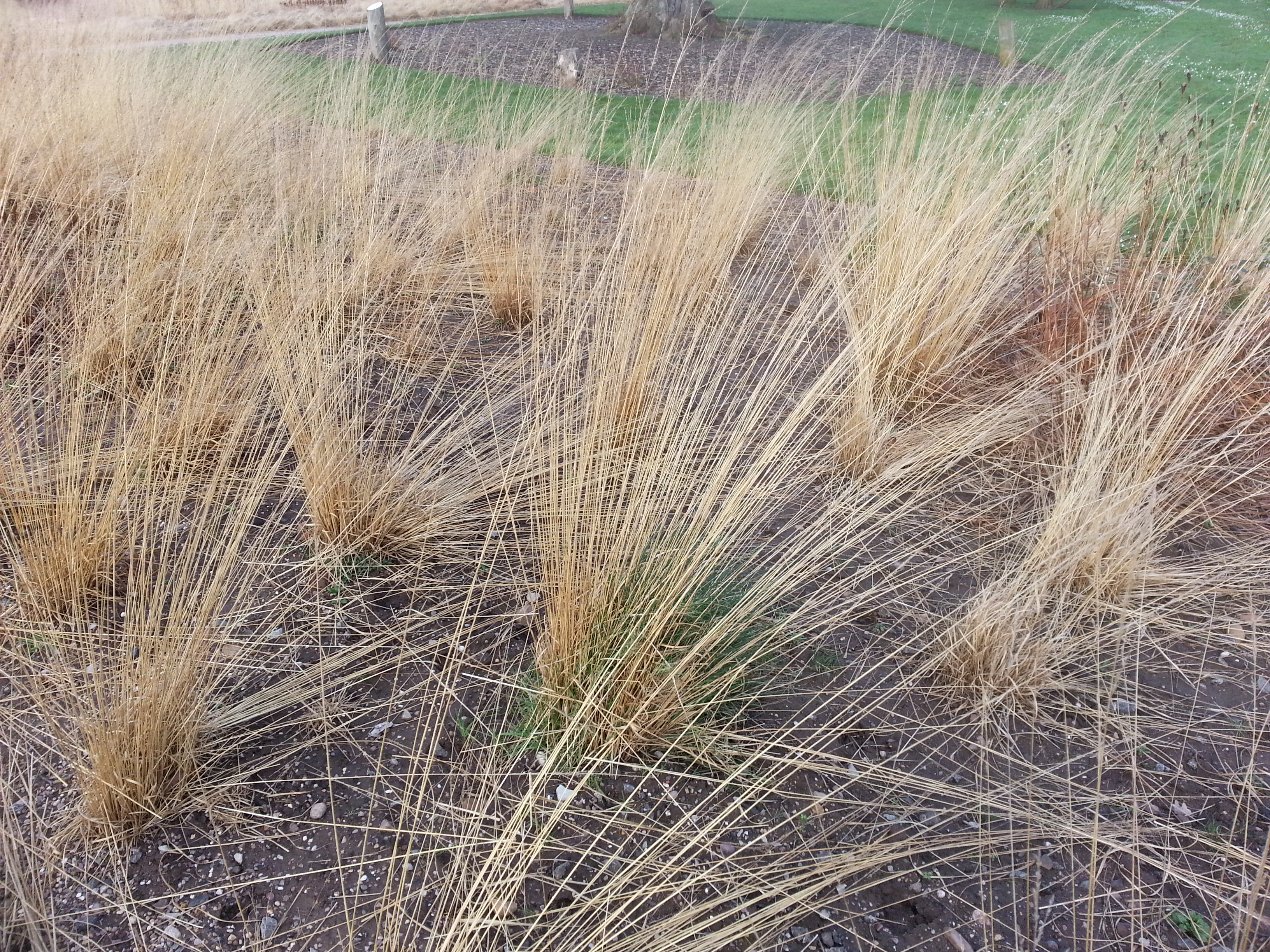
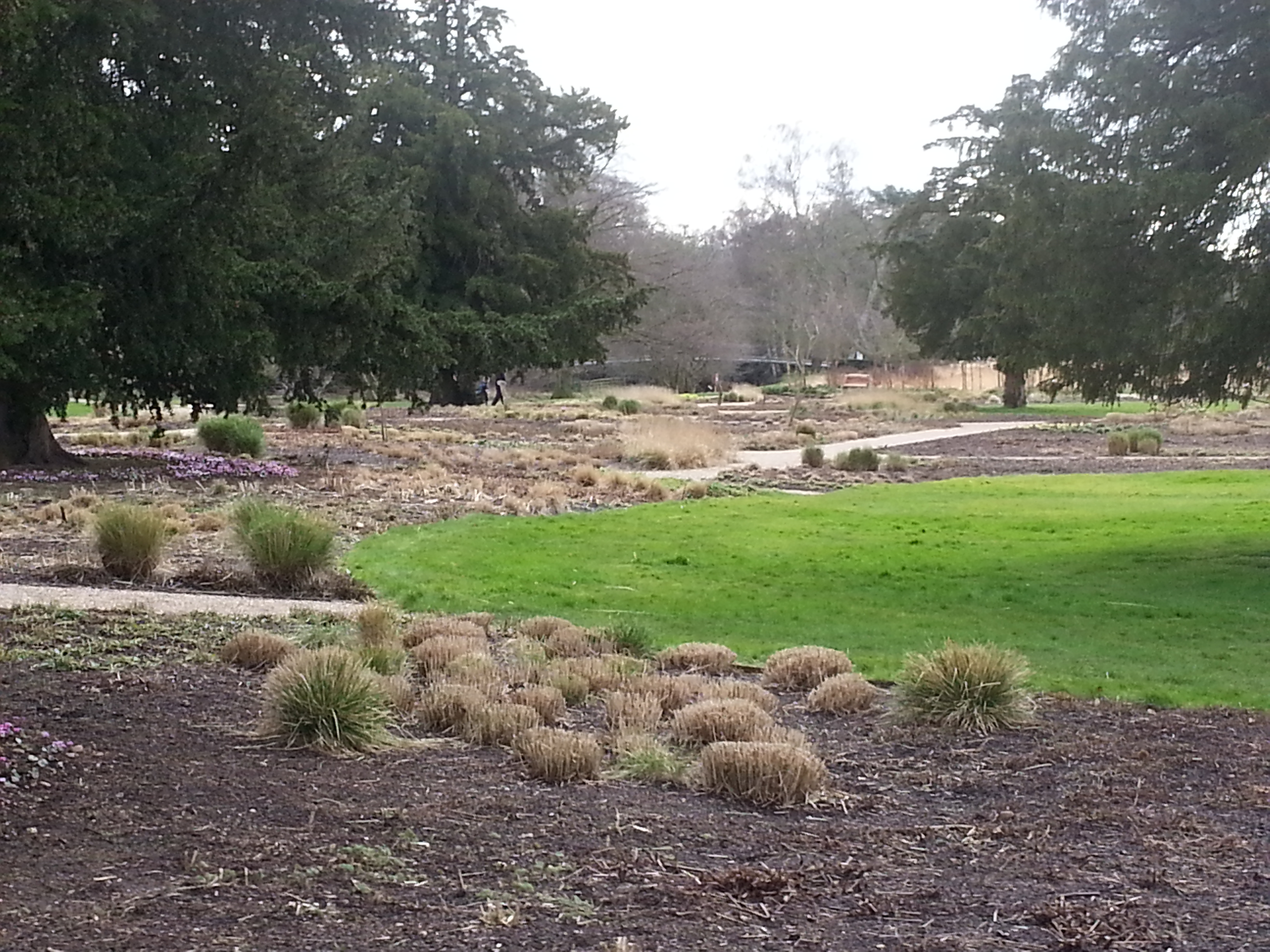
As we passed over the gentle arch of the suspension bridge we could see the “River of Grasses” with the golden stubble of the grasses which had been trimmed down low. In contrast the close mown grass areas along the riverside were bright green decorated with strips of sparkling white snowdrops. I realise the life buoy is a safety requirement and realise it has to be red so that it is easily spotted in an emergency but it is really distracting!

2014 02 20_6498 2014 02 20_6497 2014 02 20_6496

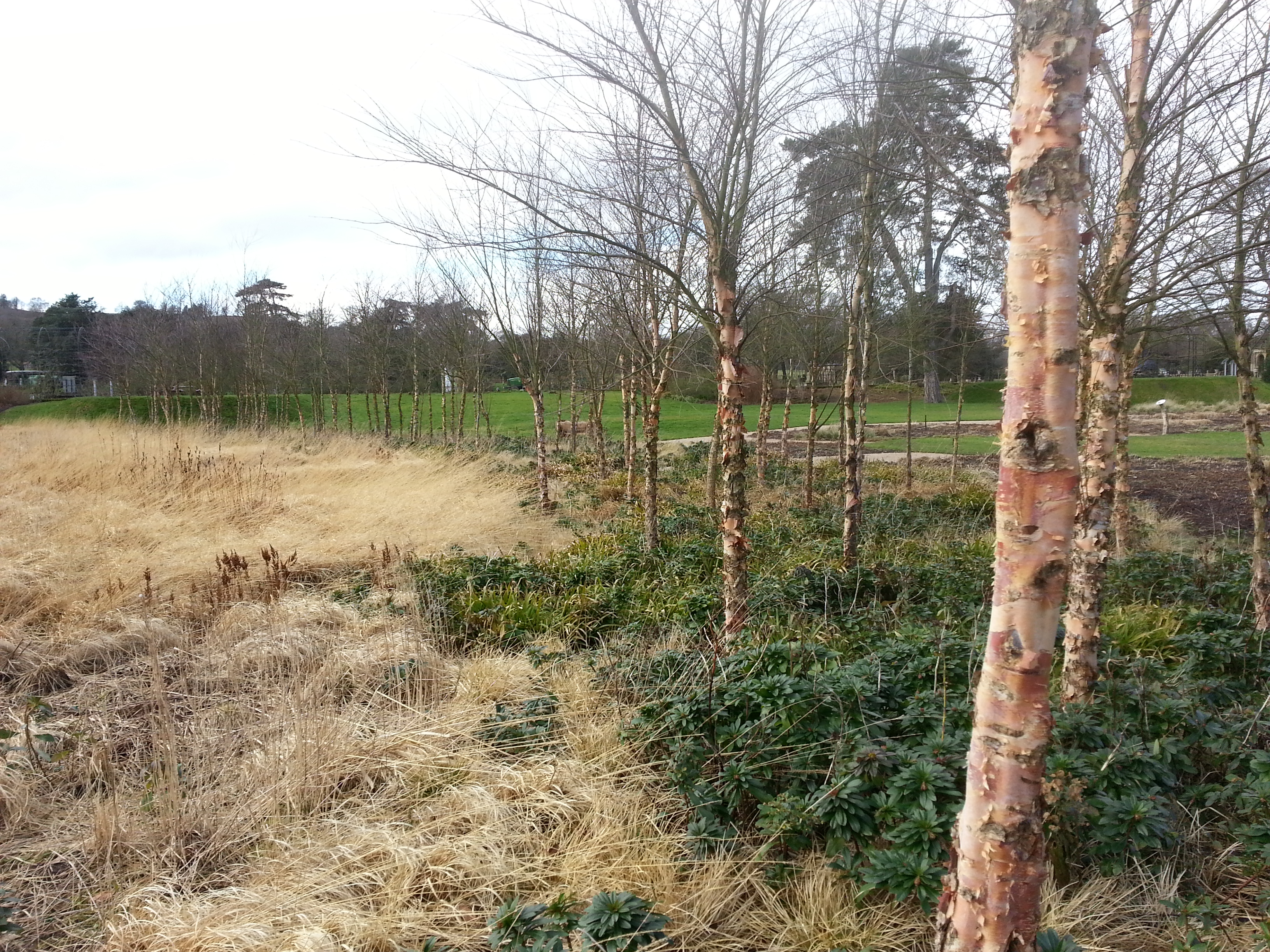
As always the gently curving line of River Birches looked wonderful, with the bark peeling more than when we saw them in January. I liked the meandering line where the dried grass area joins the deep green foliage of the evergreen Euphorbia robbiae with pale green highlights created by their flowering bracts.

2014 02 20_6500

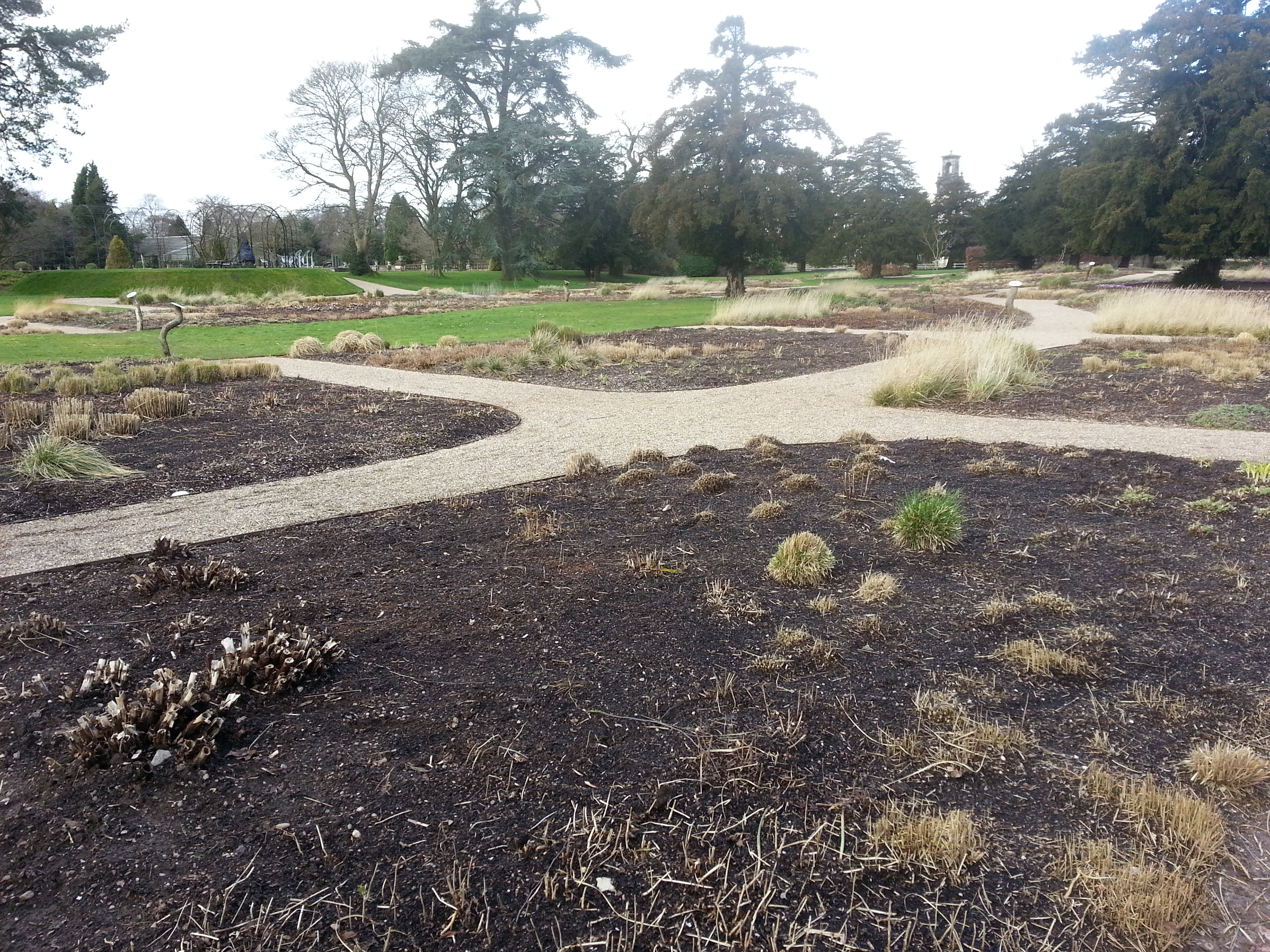
Once beyond the birches the perennial borders designed by Piet Oudolf looked very flat having been trimmed tight to the ground. This was in strong contrast to all the interesting seedheads and stems that decorated it in January. But with the clear view over the area we did spot this lovely wooden seat which we had totally missed in January. The bright green new growth of the Hemerocallis has progressed well since our January visit.

2014 02 20_6501 2014 02 20_6503

2014 02 20_6509 2014 02 20_6502

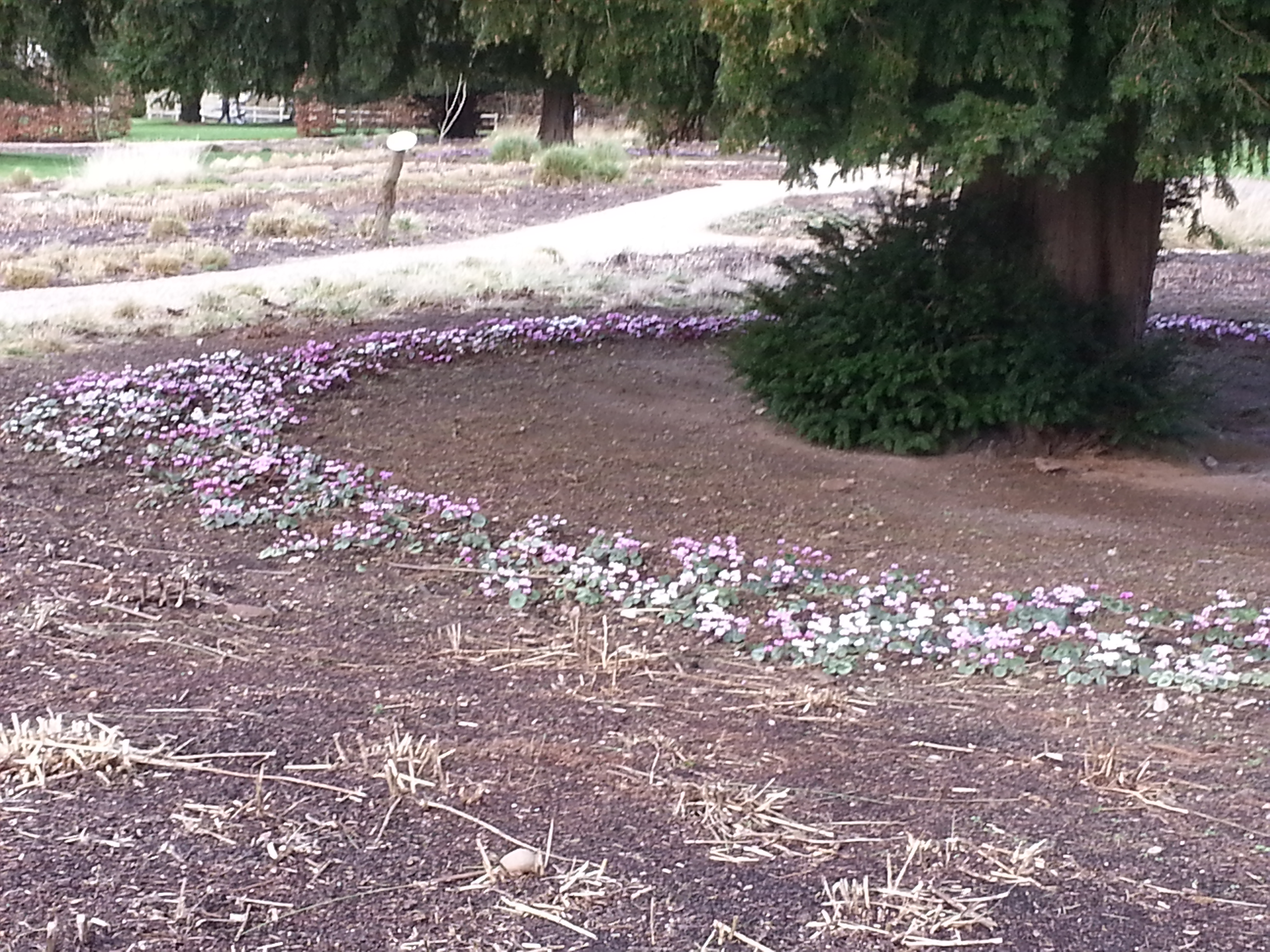
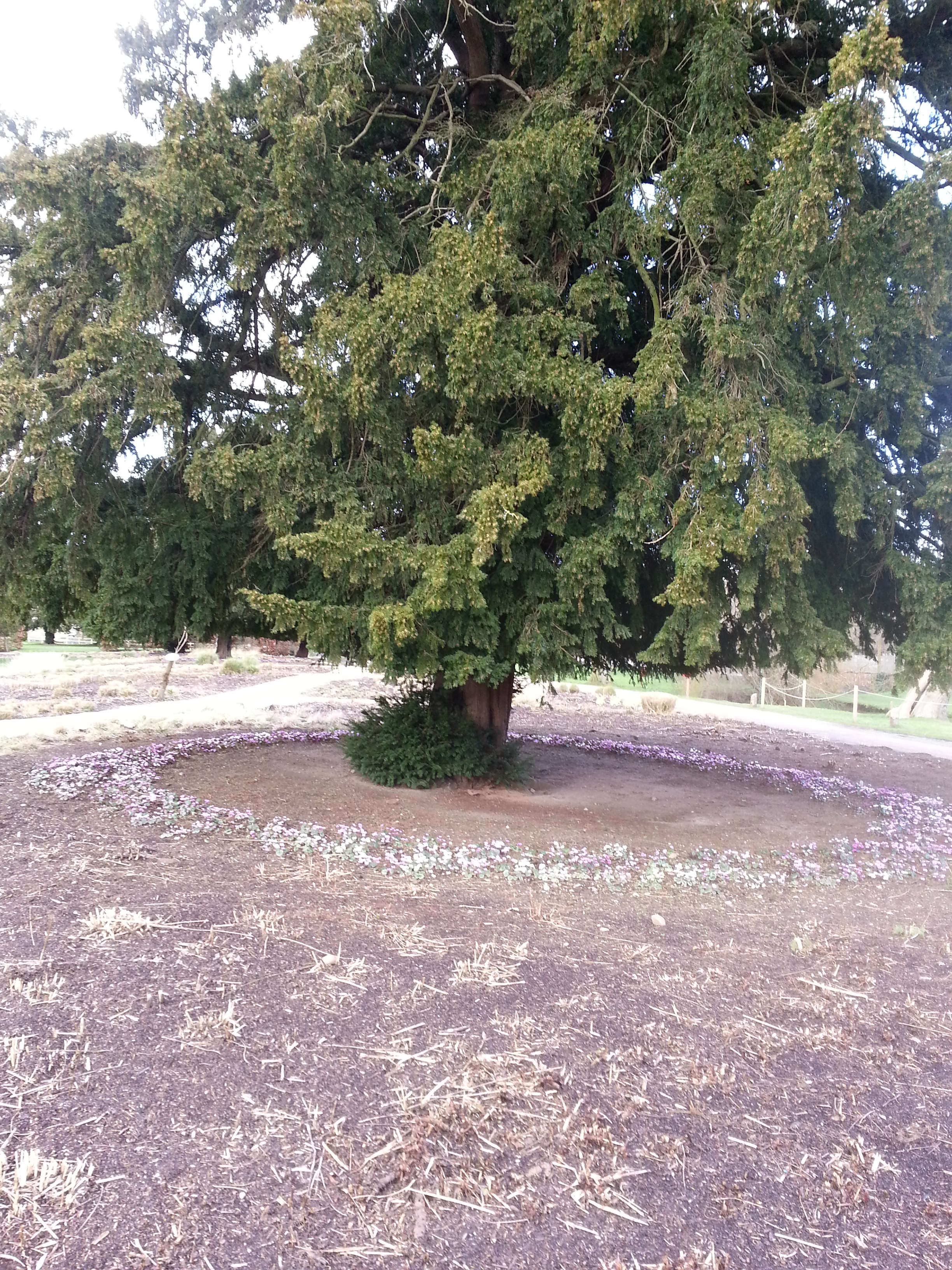
We enjoyed seeing that the rings of cyclamen were still flowering away happily beneath the Yews. They looked good in the sunshine, their colours seeming richer.

2014 02 20_6508   2014 02 20_6506 2014 02 20_6505 2014 02 20_6504

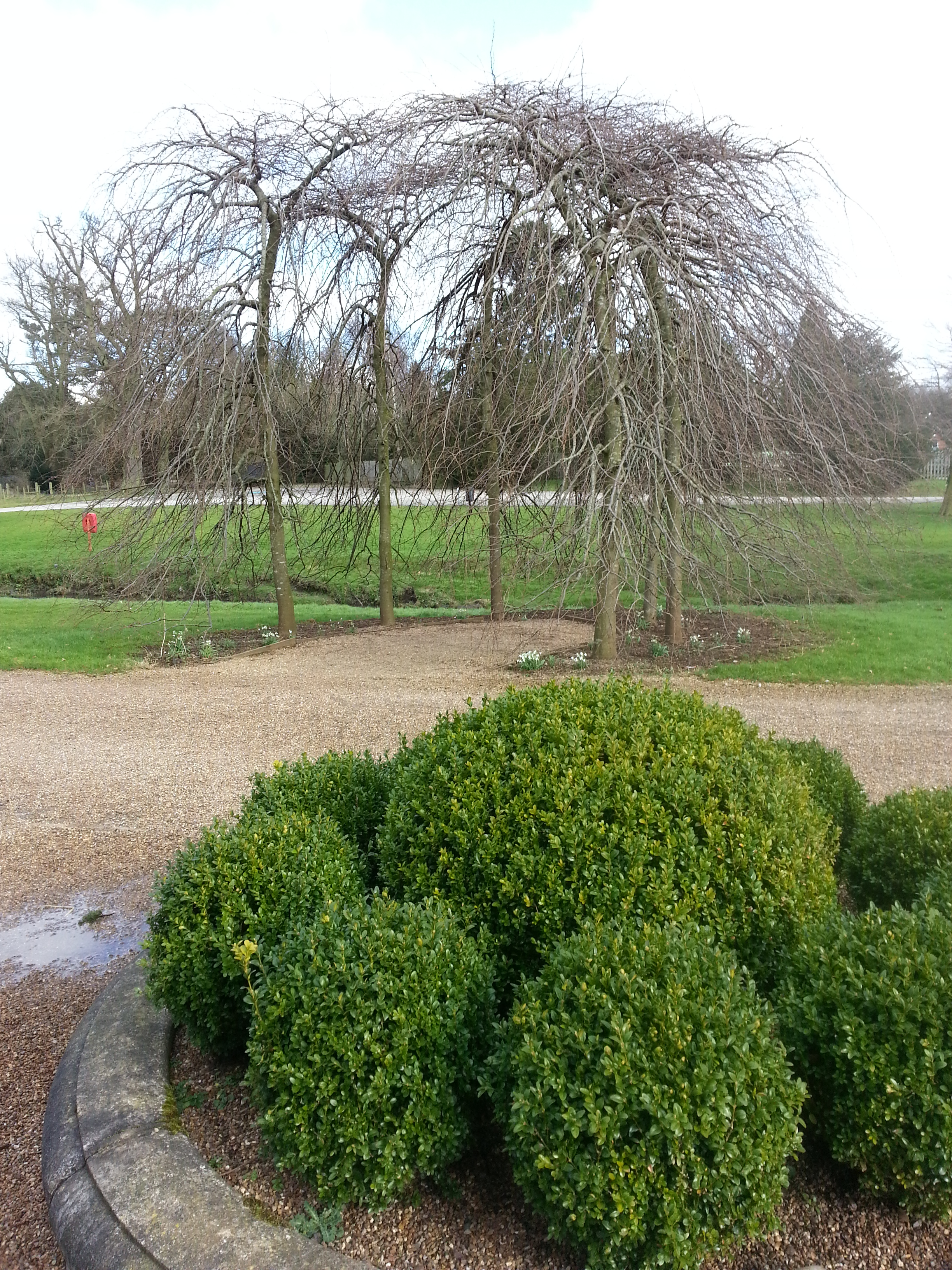
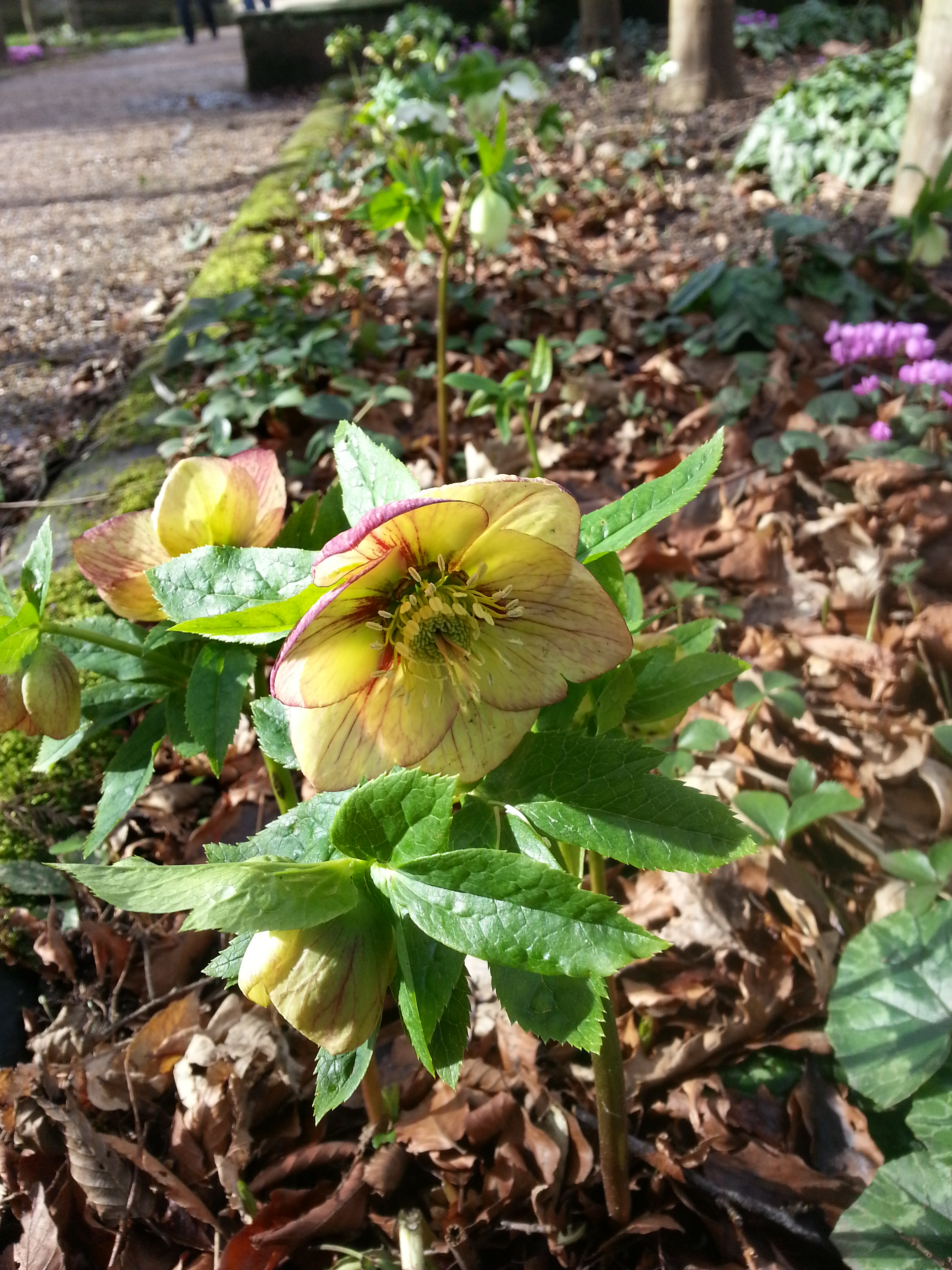
There was little change to be seen at the Hornbeam arbor but we did notice a few white sparkling Snowdrops around the base of their trunks. The trimmed box alongside is most noticeable at this time of year when such green sculptures become one of the stars of the garden. Some other stars of the Trentham gardens on this visit waited for us close by -Hellobores and Cyclamen in full colourful bloom. The Hellebores impressed with more than the colour range however, for they had really proud upright habit. They lit up the shade beneath an allee of Hornbeam.

2014 02 20_6510 2014 02 20_6520 2014 02 20_6515 2014 02 20_6516 2014 02 20_6513 2014 02 20_6517 2014 02 20_6518 2014 02 20_6519 2014 02 20_6521

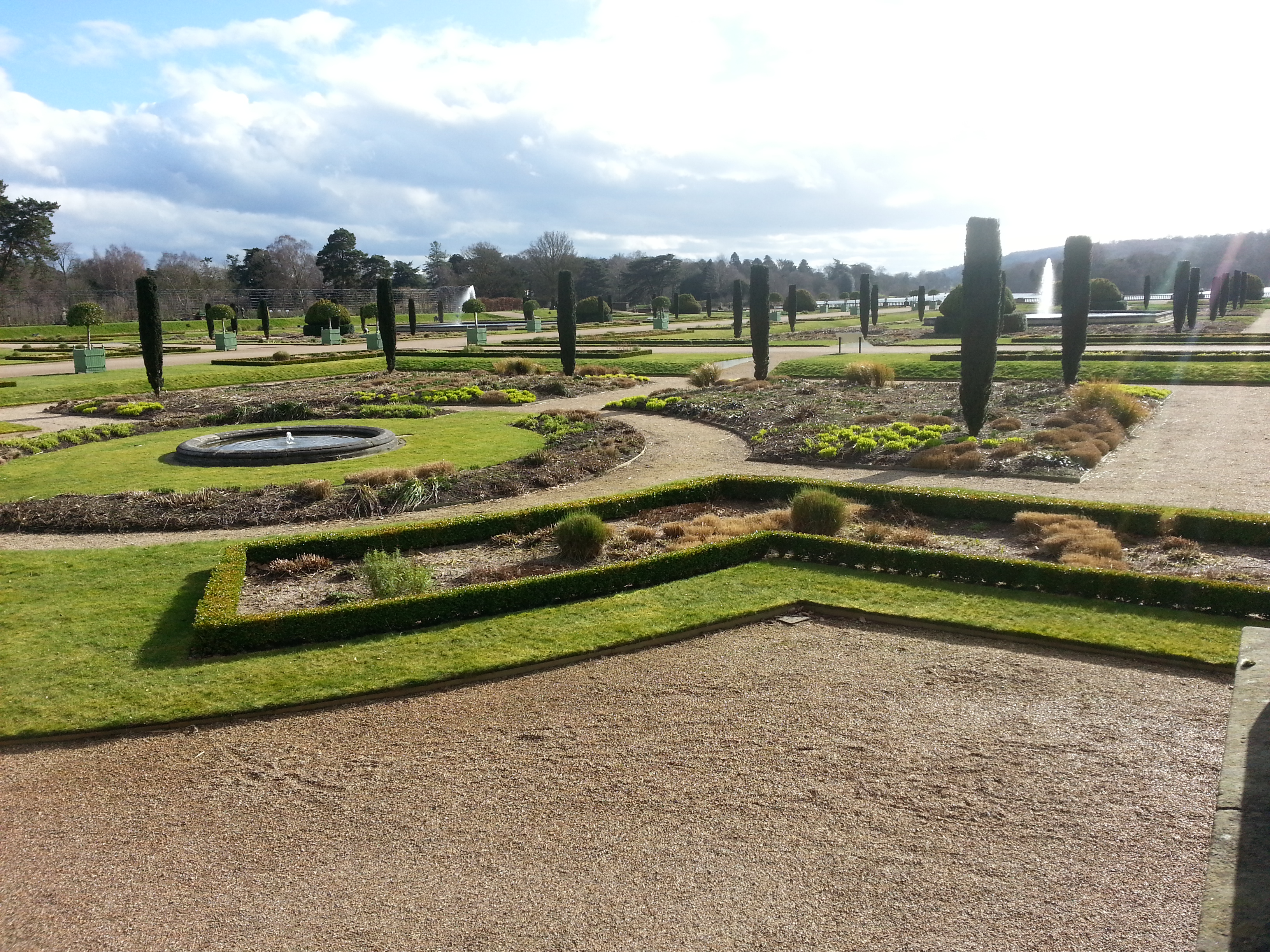
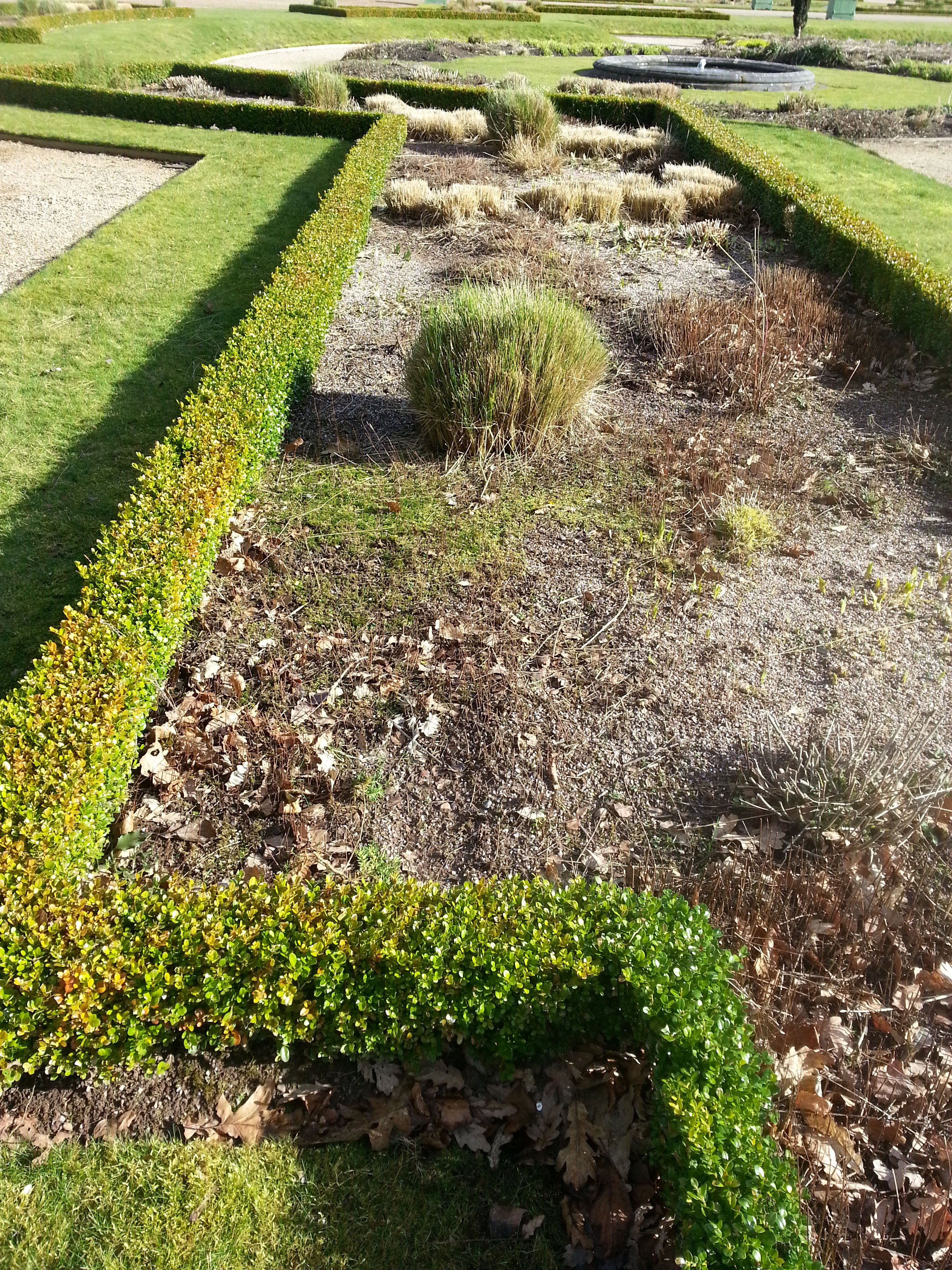
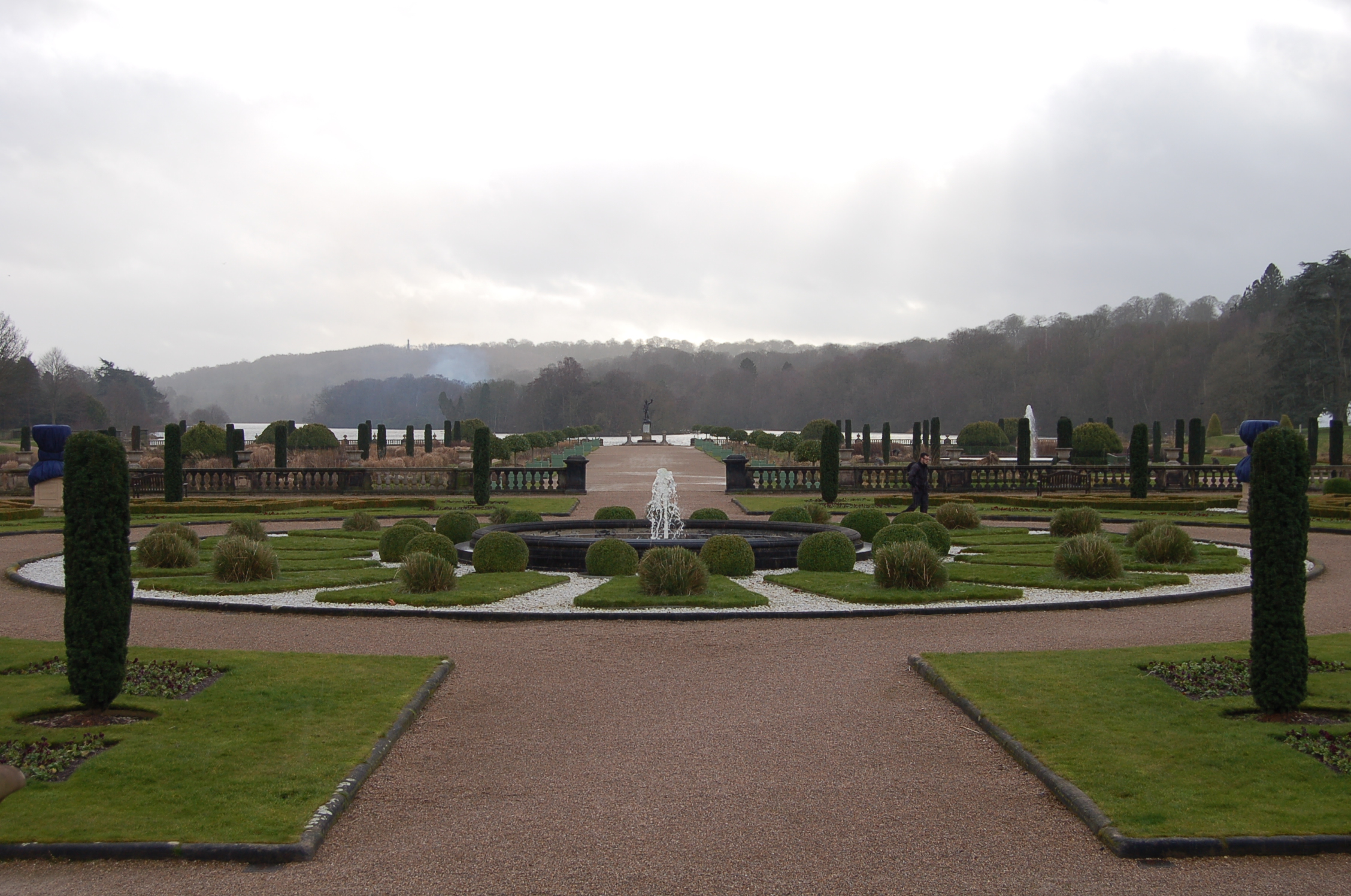
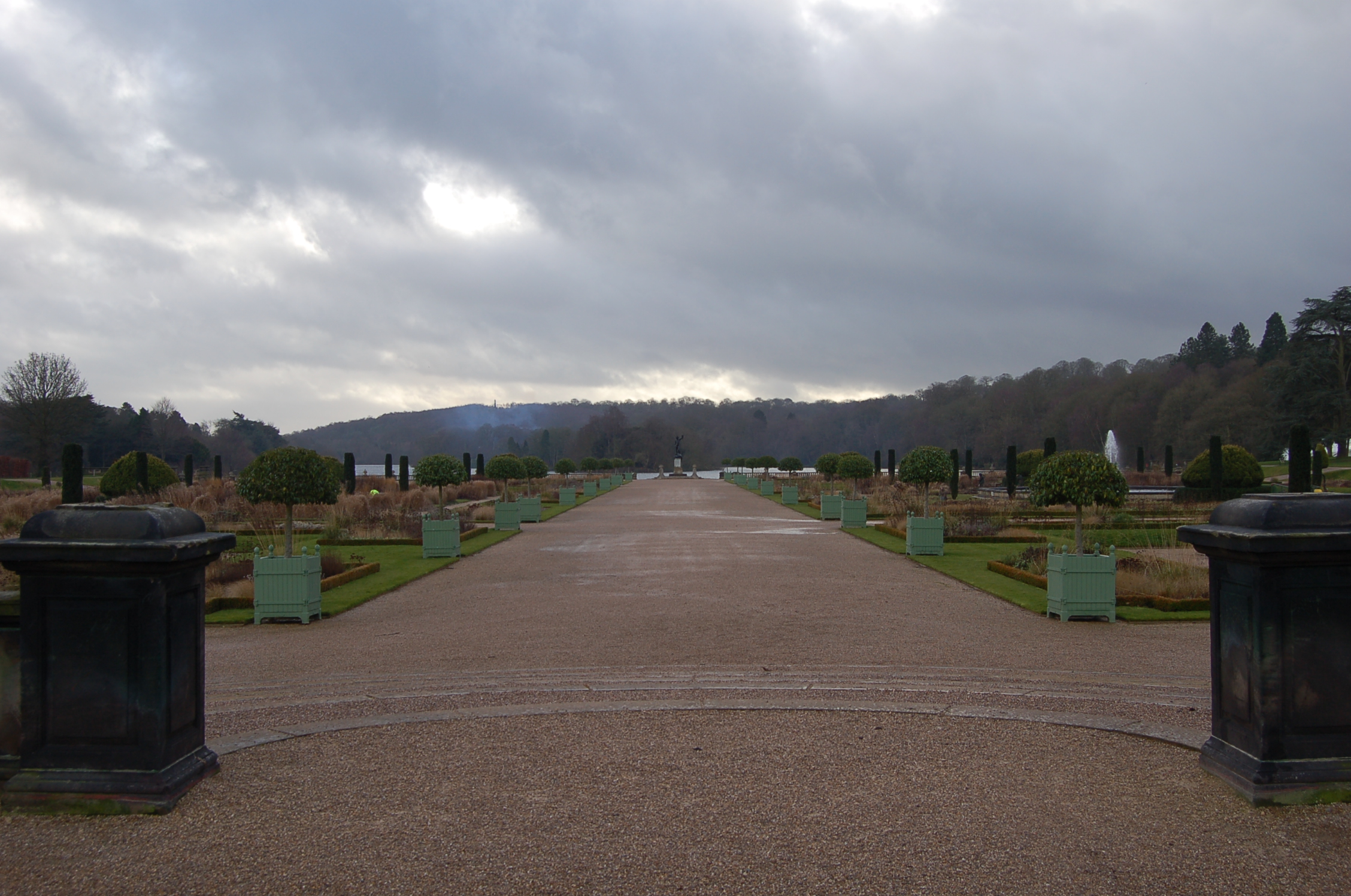
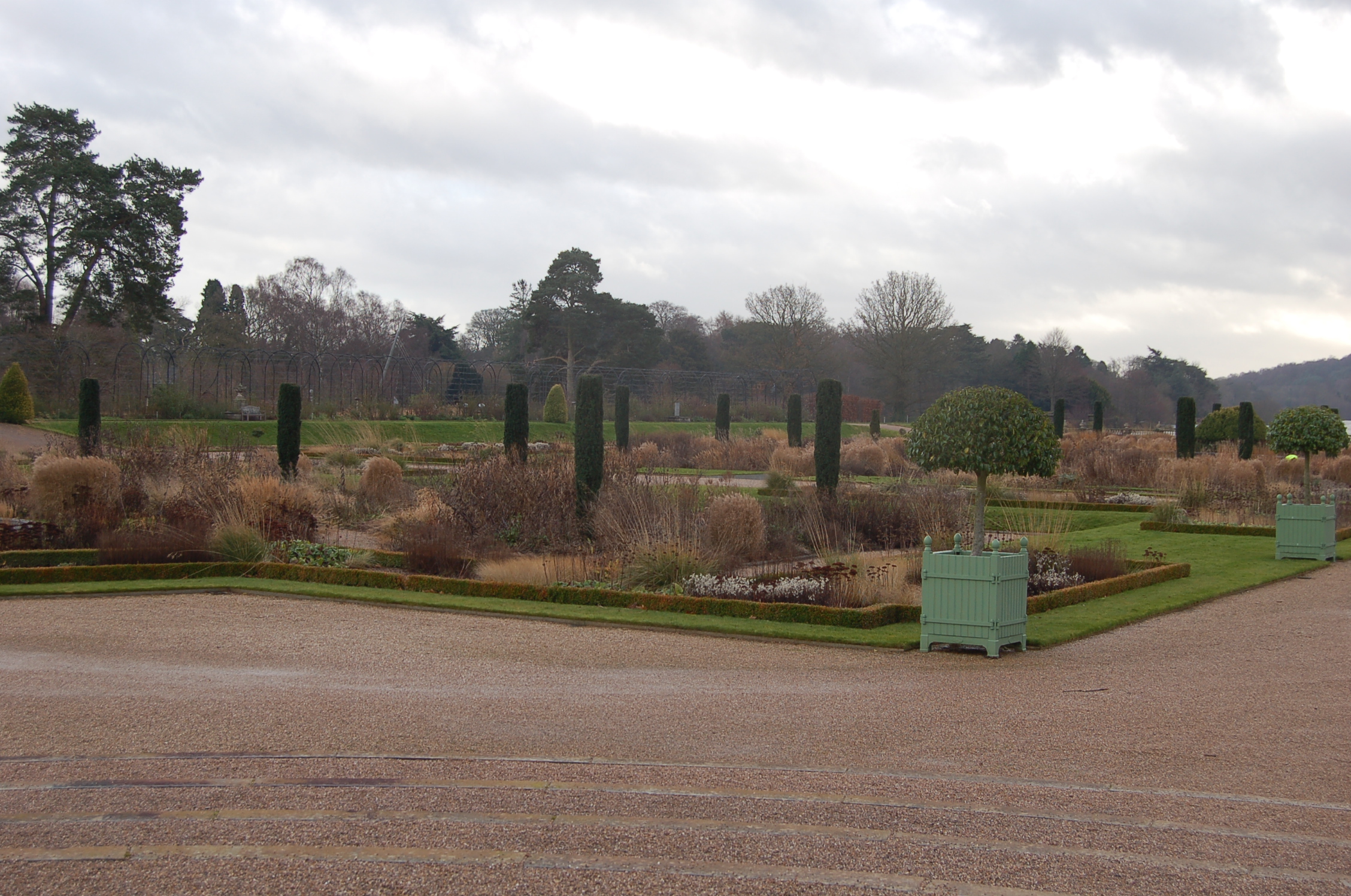
Leaving the Hornbeam allee we entered the old Italian Garden, with its rigidly symmetrical patterns of short cut grass, white chipping and smartly trimmed box edging. The low winter light emphasised this structure. It is not our favourite part of the garden but we always admire the skill taken to keep it looking so neat.

2014 02 20_6522

From here we could look out across the huge Italian Garden, re-designed by Tom Stuart-Smith. Since our last visit the perennials and grasses have been neatly and closely cut ready for the new growth that is sitting just below the soil surface ready to burst out.

2014 02 20_6523 2014 02 20_6524 2014 02 20_6525 2014 02 20_6526 2014 02 20_6527 2014 02 20_6529

Then after walking through these borders in waiting, we went off into the parkland where mature trees tower above the grassed slopes. Under the trees sits the coffee shop where we stopped for our statutory break. Some slopes appeared a bluer green than others and we discovered that the leaves here were of daffodils already with flower buds fit to burst.

Near the coffee house are areas for children and it was noticeable how busy they were. When here in January this area was deserted but on this visit there were lots of families with young children. It was the school half term holiday.

2014 02 20_6539 2014 02 20_6540

On the lake the swan sculptures presented sharp silhouettes taking off over the water.

2014 02 20_6538

Over in the display gardens the low bright light made the colours in foliage, flowers, stem and bark look extra bright.

2014 02 20_6541 2014 02 20_6542 2014 02 20_6543 2014 02 20_6547 2014 02 20_6548 2014 02 20_6550 2014 02 20_6551

We returned through the Tom Stuart-Smith gardens and walked along the rose pergola. The gardeners were busy pruning the roses, weeding and freshening up the soil surface.

2014 02 20_6566 2014 02 20_6568 2014 02 20_6569 2014 02 20_6571 2014 02 20_6573 2014 02 20_6575

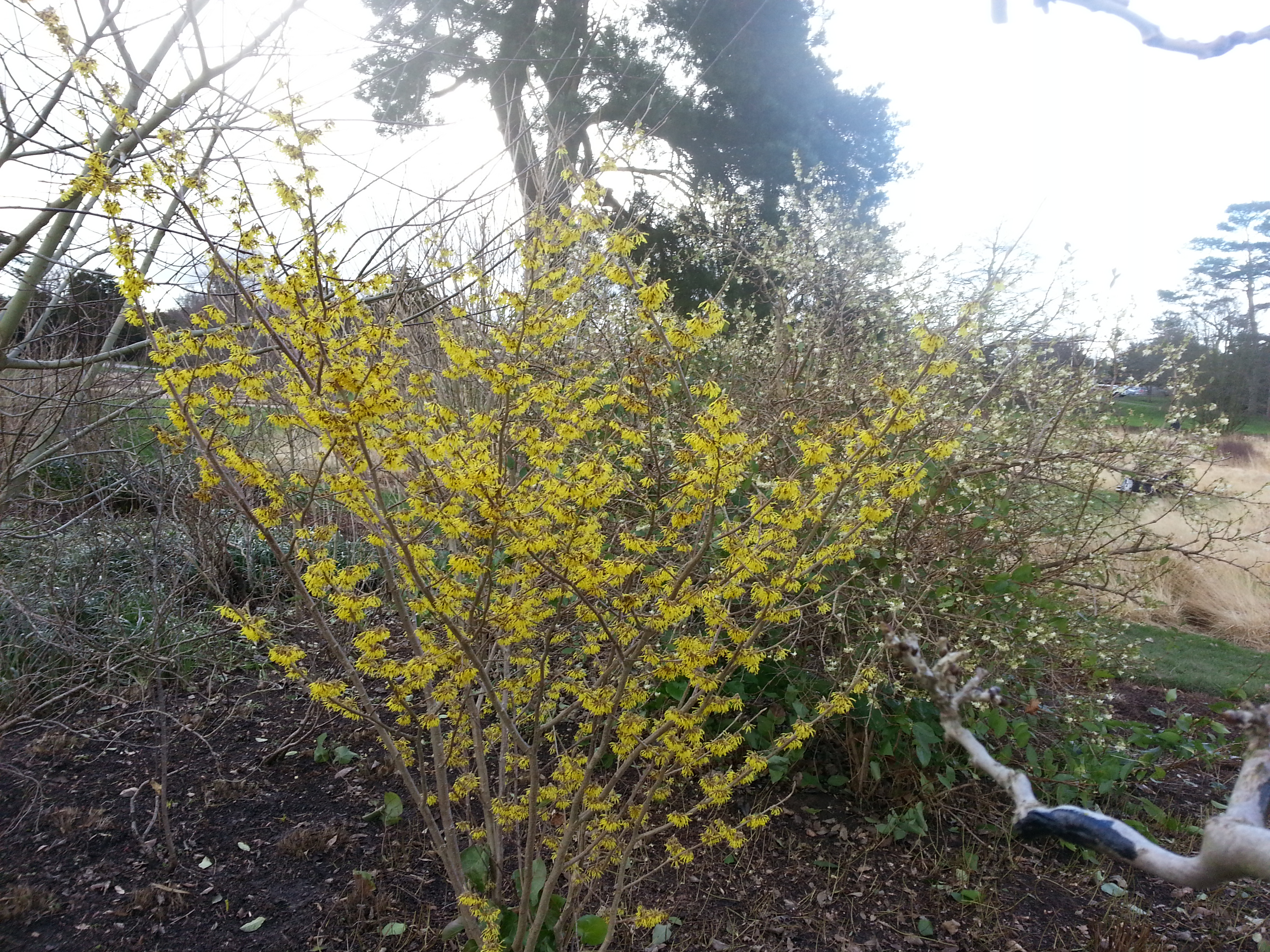
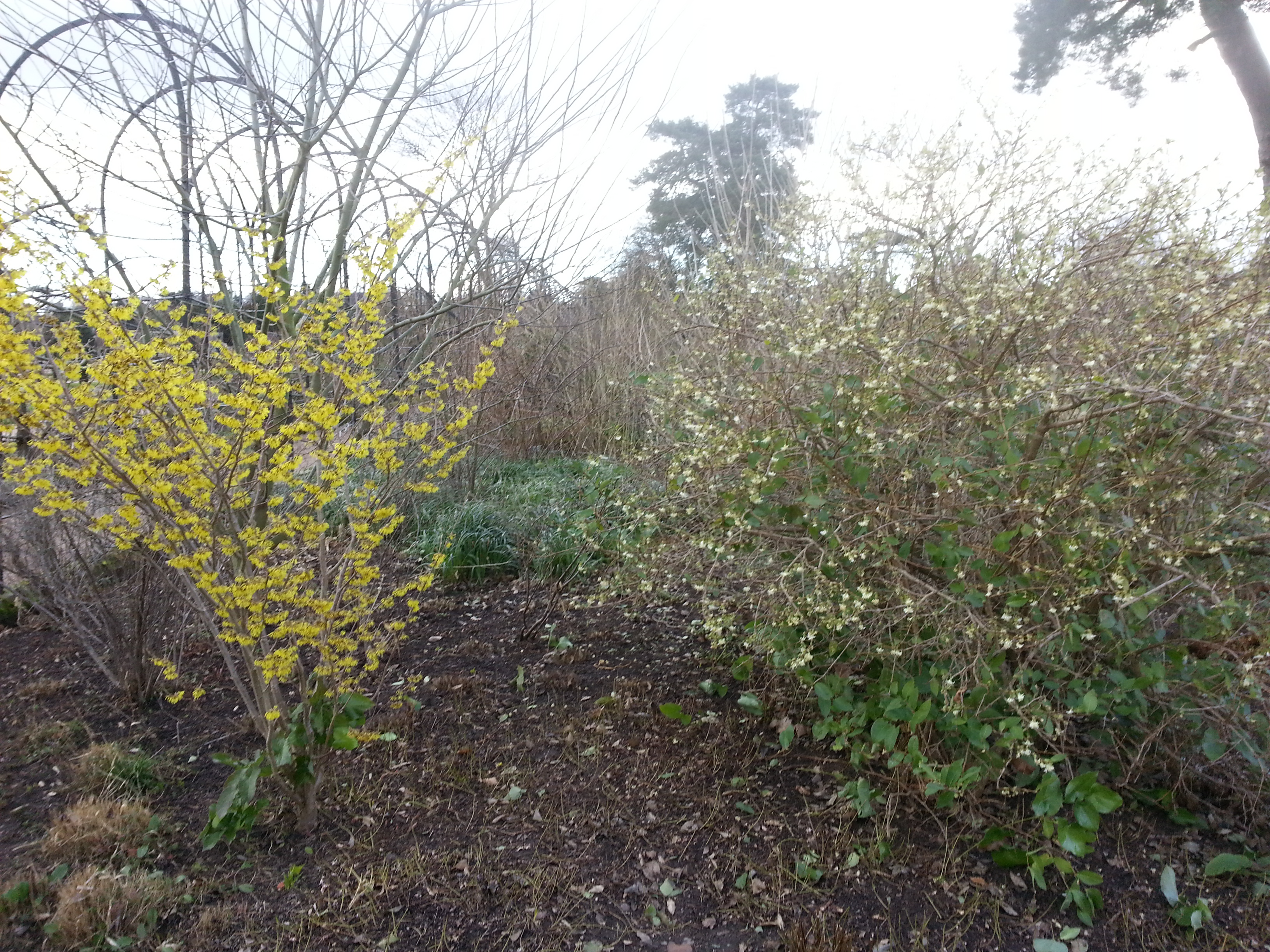
The shrub borders at the end of the rose pergola were showing signs of interesting things happening, the Witch Hazels were shining yellow and the scented but subtle winter flowering honeysuckle sitting along side it looked rather drab. So that finished our February visit to Trentham. The next blog in this monthly series will be in March. Things should be really livening up then.

2014 02 20_6576 2014 02 20_6577

Categories
garden design garden photography garden pools garden seating gardening gardens gardens open to the public grasses hardy perennials light light quality meadows natural pest control ornamental grasses outdoor sculpture trees water in the garden Winter Gardening winter gardens

A Garden in January – Trentham – Part Two

Welcome back to Trentham in January where we find ourselves in the part of the garden featuring the Italian Garden re-designed by Tom Stuart-Smith.

2014 01 07_5867_edited-1

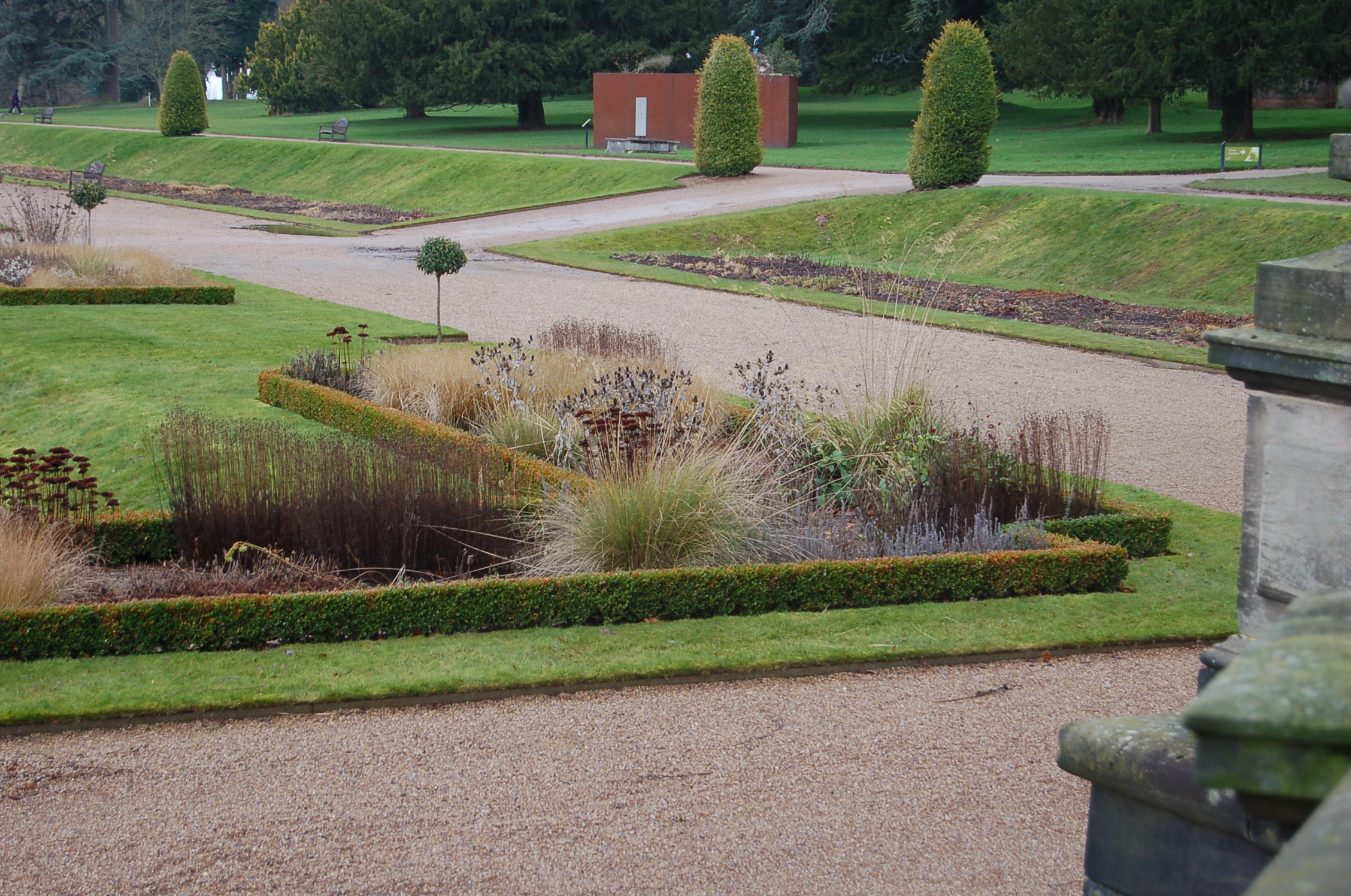
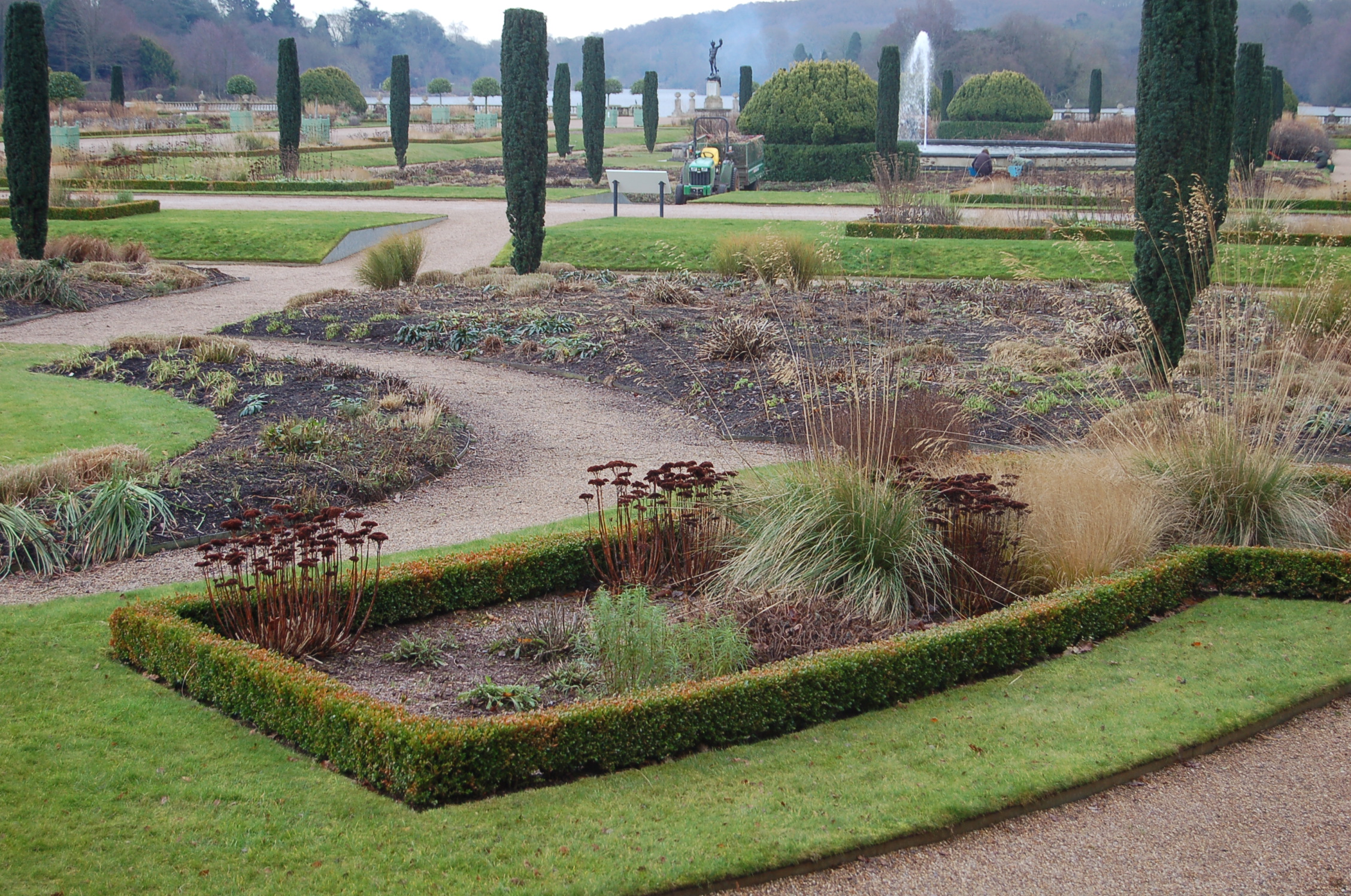
From the raised terraces of the Italian Parterre we can see how symmetrical and rigid the structure is. Tom Stuart-Smith has designed a brilliant garden within this structure using grasses and perennials similar to those used by Piet Oudolf. If anything the planting is more varied. The impressive thing about his design is the way soft flowing plant combinations can look so good in a formal setting.

2014 01 07_5835 2014 01 07_5836 2014 01 07_5837 2014 01 07_5838 2014 01 07_5839

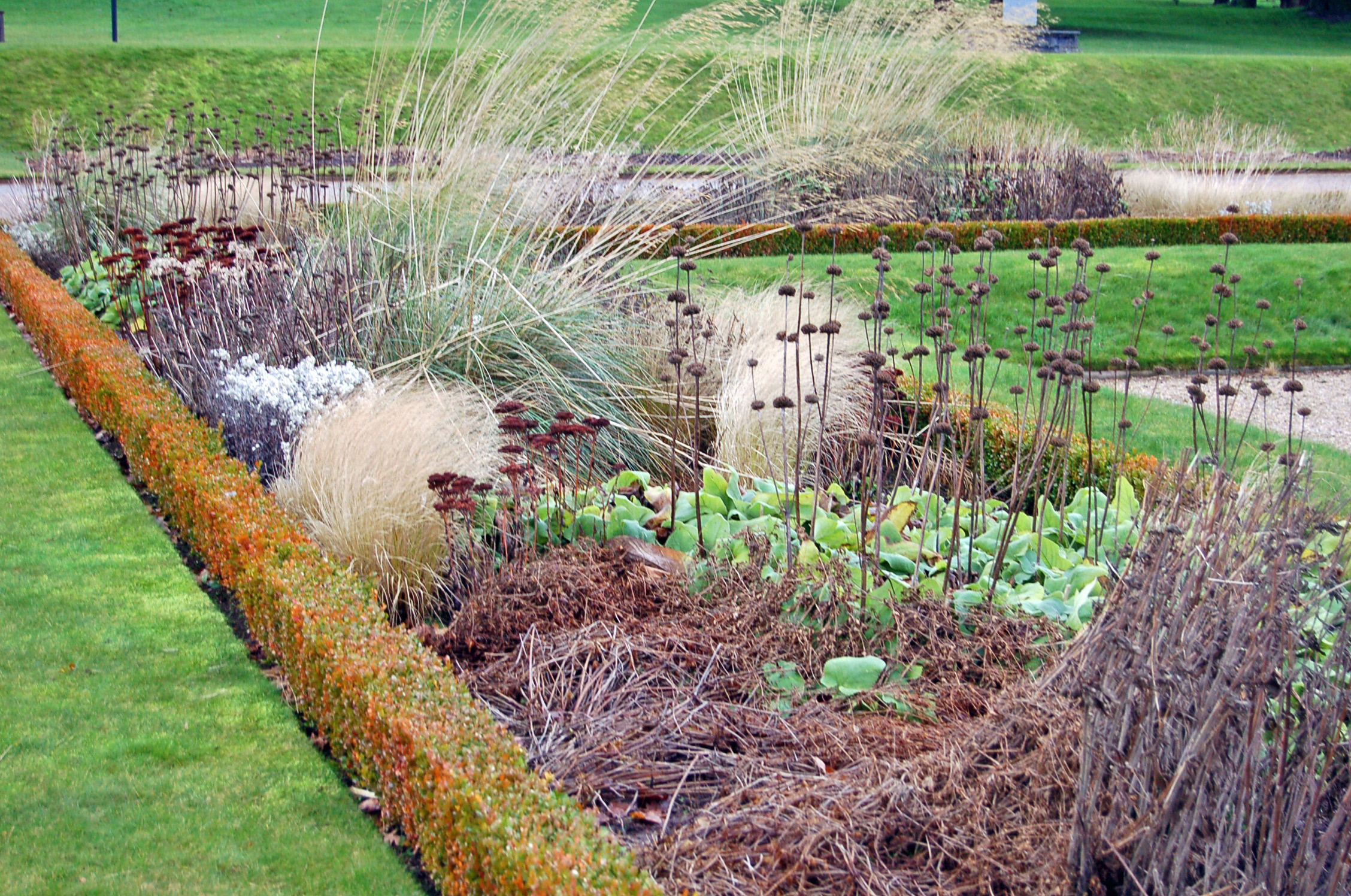
I always particularly like these corner beds with their plantings of low grasses, sedum, phlomis, marjoram and knautia. The little box edging is a most effective foil for the softness of the planting.

2014 01 07_5840 2014 01 07_5841

2014 01 07_5847_edited-1 2014 01 07_5848_edited-1 2014 01 07_5849_edited-1 2014 01 07_5850_edited-1

2014 01 07_5865_edited-1

Our walk around Tom Stuart-Smiths plantings was interrupted by a shower of freezing rain accompanied by cold winds. We sheltered in the loggia conveniently located nearby. This afforded us a good view over much of this area.

2014 01 07_5842_edited-1 2014 01 07_5851_edited-1

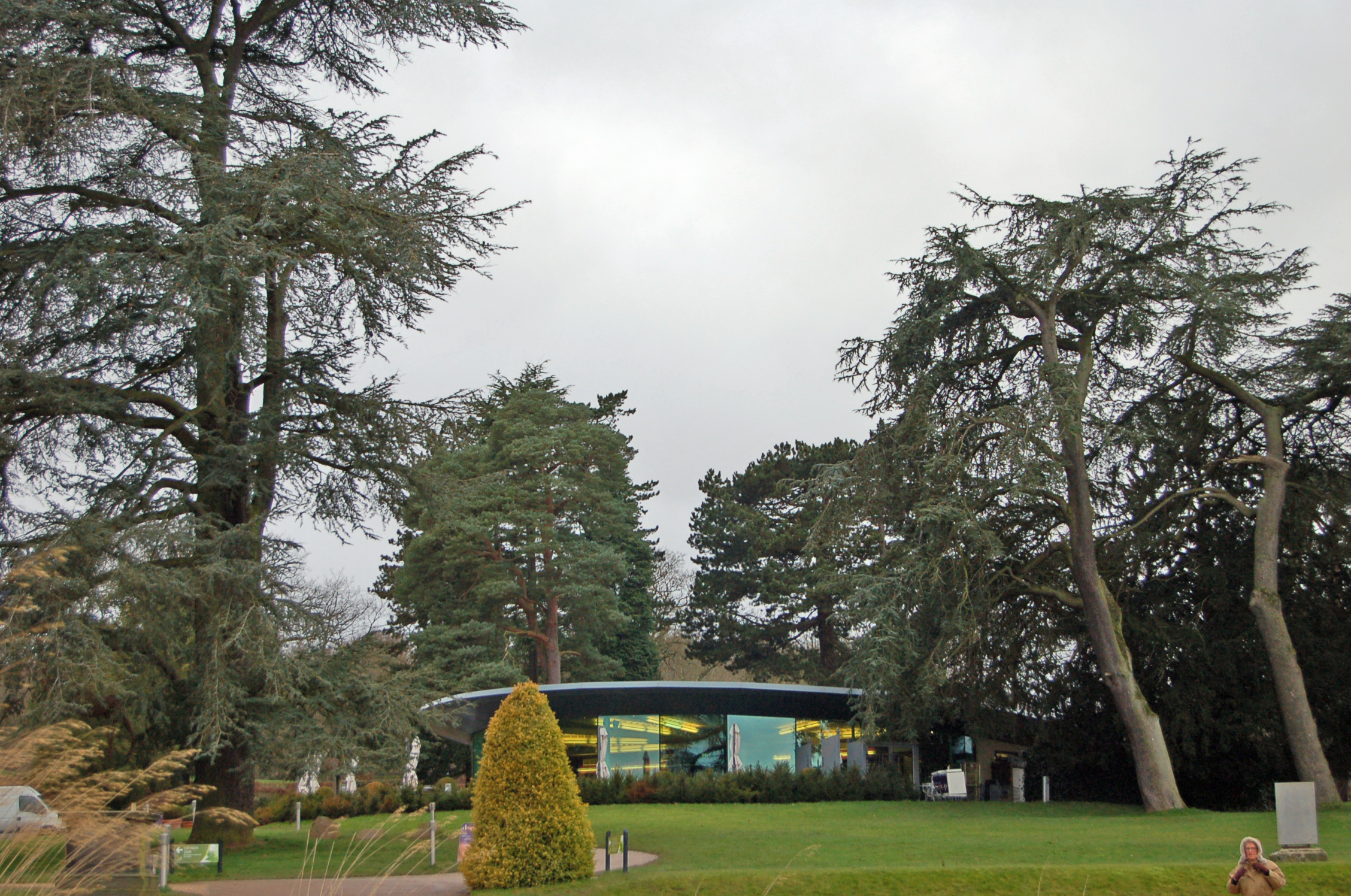
We managed another five minutes exploration of this garden when the heavens opened once again. Conveniently by this time we were close to the coffee shop which is always our half way stopping point so we retreated to enjoy a welcomed beverage and slice of something sweet. The cafe is housed in a beautifully designed modern building based on a semi-circle. It sits snuggly within a clump of trees. The seating fits all around the floor to ceiling windows giving great views over the Tom S-S gardens.

2014 01 07_5862_edited-1

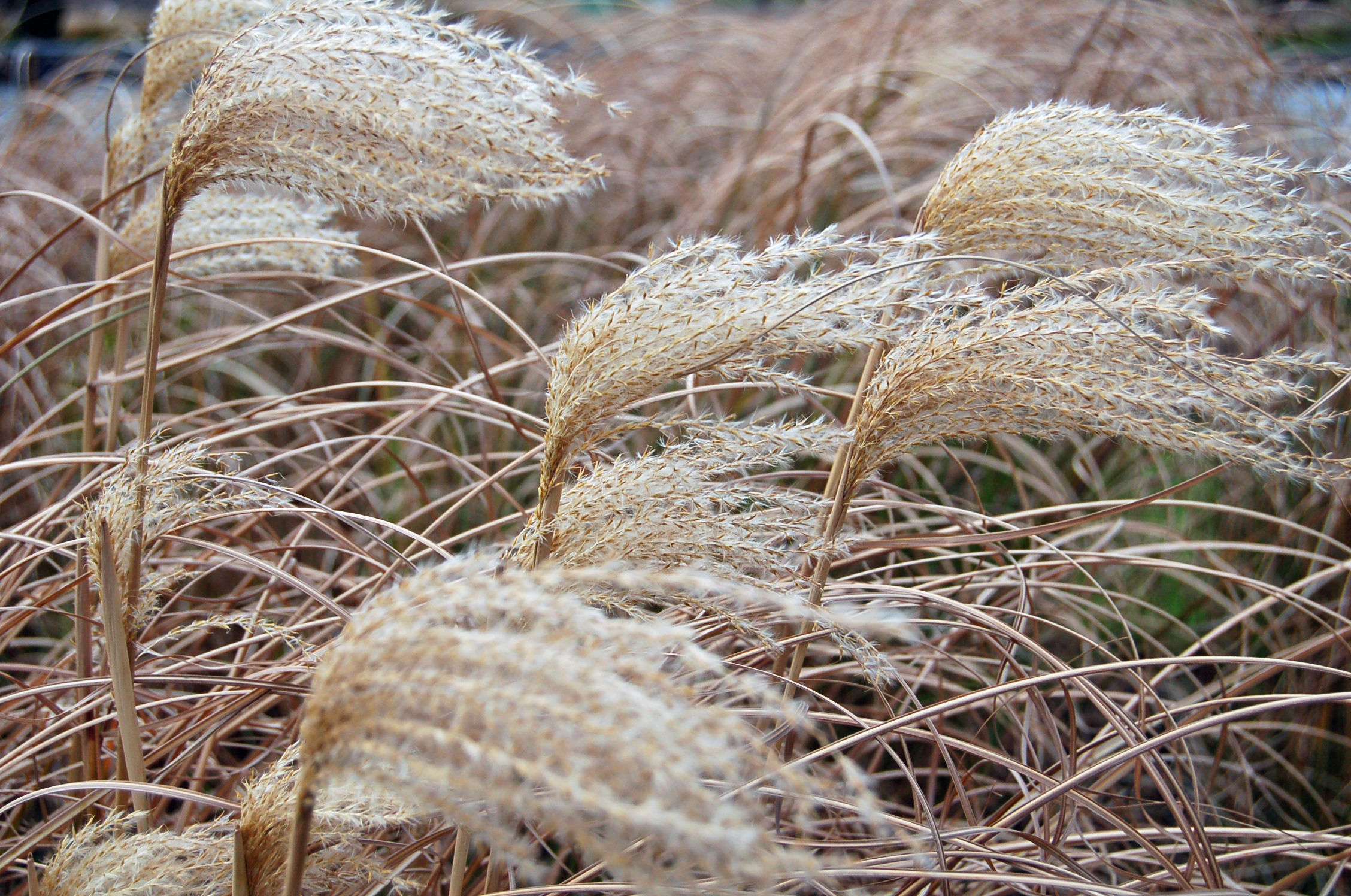
The wind was moving the grasses around and skewing the water in the fountains. It illustrated how important grasses can be in any garden, as even the slightest breeze sets them waving.

2014 01 07_5864_edited-1  2014 01 07_5873_edited-1

2014 01 07_5877_edited-1

Within the grasses the seedheads of the perennials were the stars of the show.

2014 01 07_5866_edited-1 2014 01 07_5872_edited-1

2014 01 07_5869_edited-1 2014 01 07_5870_edited-1 2014 01 07_5871_edited-1   2014 01 07_5874_edited-1 2014 01 07_5876_edited-1

The garden team were busy cutting down the perennials in the beds which had been worst effected by the winter weather. If you look carefully you may spot the one gardener’s amusing headgear! When she bent over it looked as if it was Yogi Bear doing the work!

2014 01 07_5868_edited-1

We made a diversion into the area beyond the cafe and tall trees where the show gardens are. We found a few new gardens including a “Stumpery” (a favourite garden feature of Mrs Greenbench) and this row of colourful dogwoods, Cornus Midwinter Fire.

2014 01 07_5854_edited-1 2014 01 07_5852_edited-1

The glass panels in one of the gardens looked brilliant alongside the russet coloured grasses.

2014 01 07_5855_edited-1

Close to the cafe is an area for children’s play with climbing frames, a maze, a bare foot walk, road ways for sit-on toys and these superb sandpits. Because of the poor weather they were sadly deserted today but they are usually very popular. It is so good to see children absorbed in play that does not involve screens or batteries!

2014 01 07_5861_edited-1

As we neared the end of our wander we walked beneath the metal archways of the “Trellis Walk” running alongside the David Roses border. Here there were roses still trying to bloom and others with hips on. The gardens are maintained organically so within these borders we found lovely insect shelters and clumps of Phacelia plants both designed to bring in beneficial insects. Four beautiful relief panels were spread out along the border depicting different garden movements  from the past. We could see through the trellis walkway back to the “River of Grasses” and in the ever-darkening late afternoon light the grasses really seemed to glow. We now look forward to re-visiting in February to see what is going on.

2014 01 07_5878_edited-1 2014 01 07_5880_edited-1 2014 01 07_5882_edited-1 2014 01 07_5884_edited-1

Categories
garden photography gardens grasses light light quality ornamental grasses ornamental trees and shrubs photography winter gardens

Looking a little closer.

Recently I purchased of a pack of close-up filters by Polaroid. I longed to use them but the weather thwarted me. After days of waiting the light was good enough so I rushed to attach them to the standard lens of my trusty Nikon DSLR.

2013 12 29_5628_edited-1

These are my first attempts, after the worst were deleted. My failures were mostly trouble with focus. It is difficult to get distance to subject right but trial and error resulted in the following shots. Let me know what you think. I need to do some research now and find out a bit more about using them effectively and efficiently. I shall dig into my photography books and copies of the wonderful “Outdoor Photography” magazines.

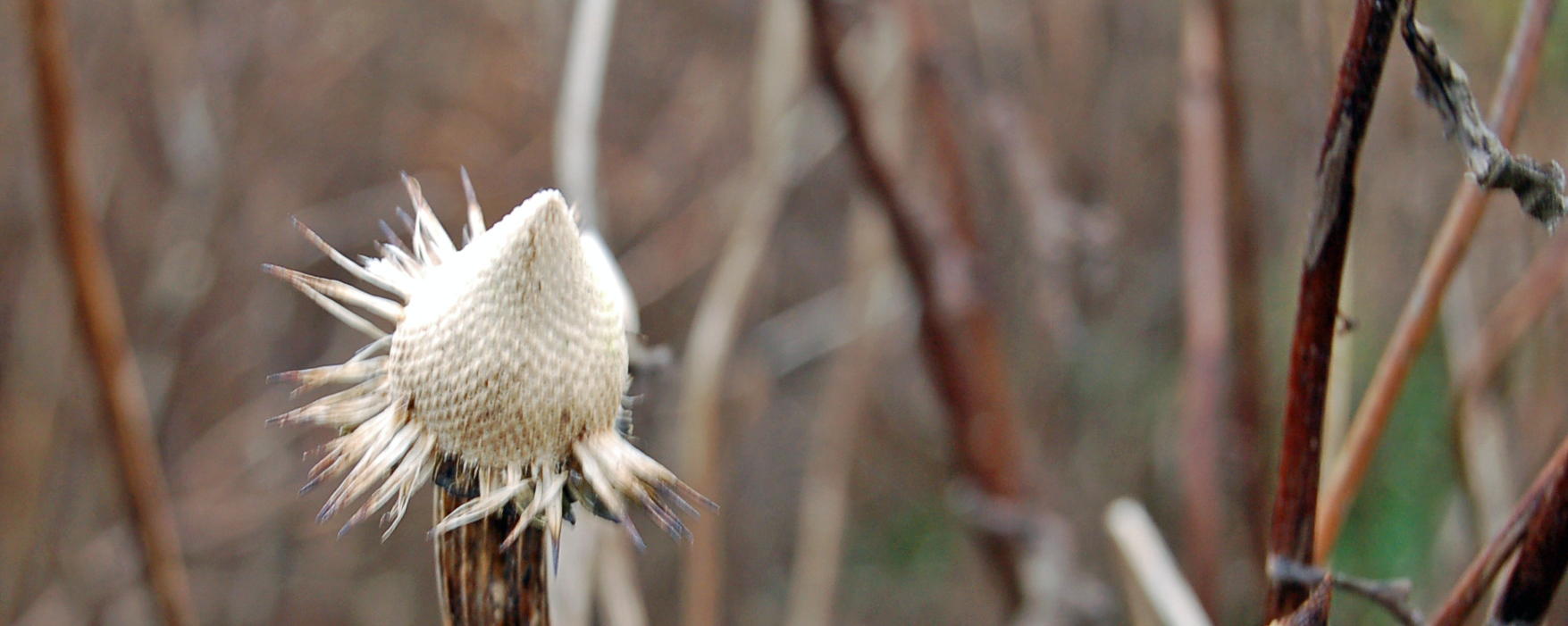
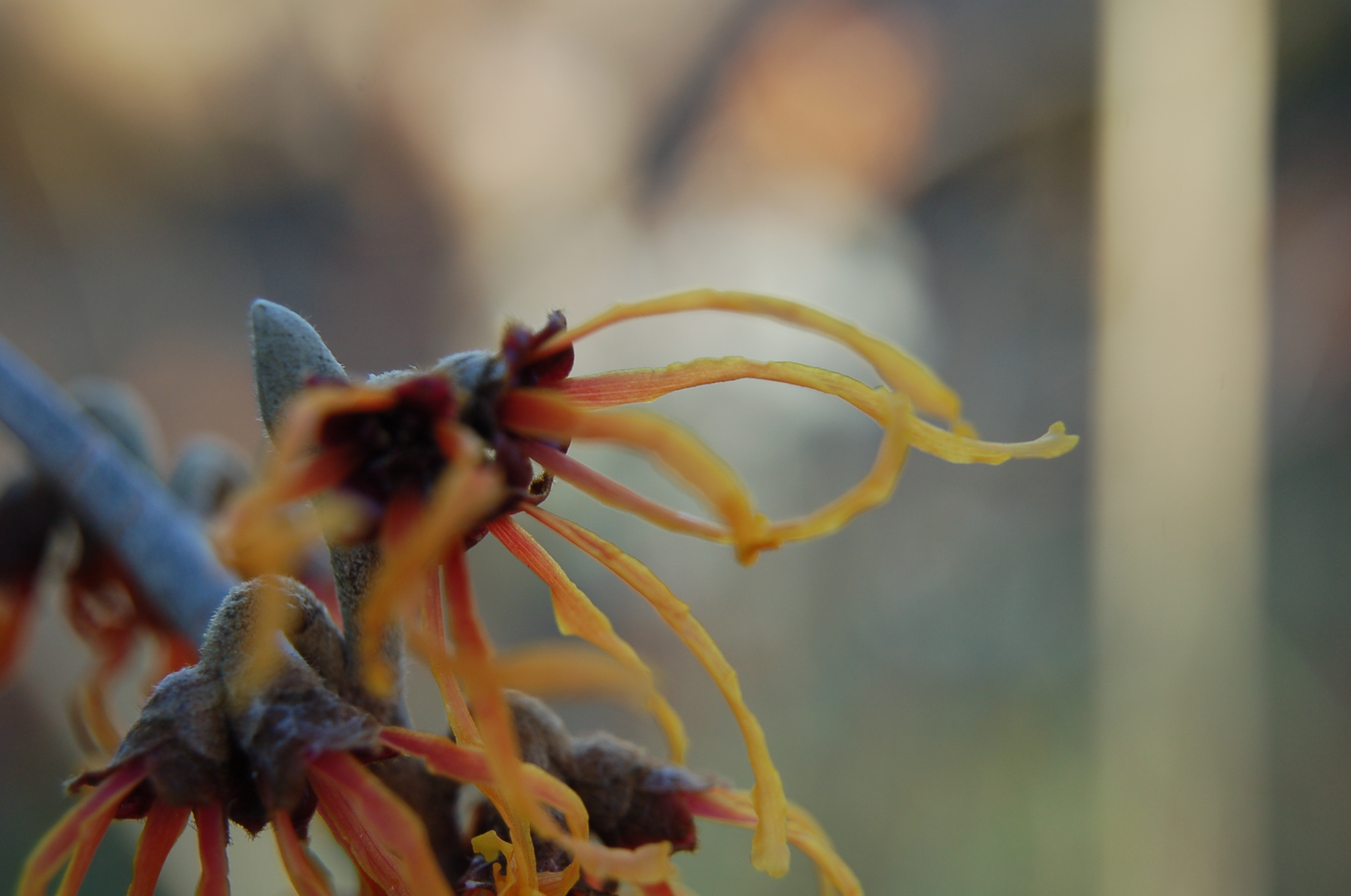
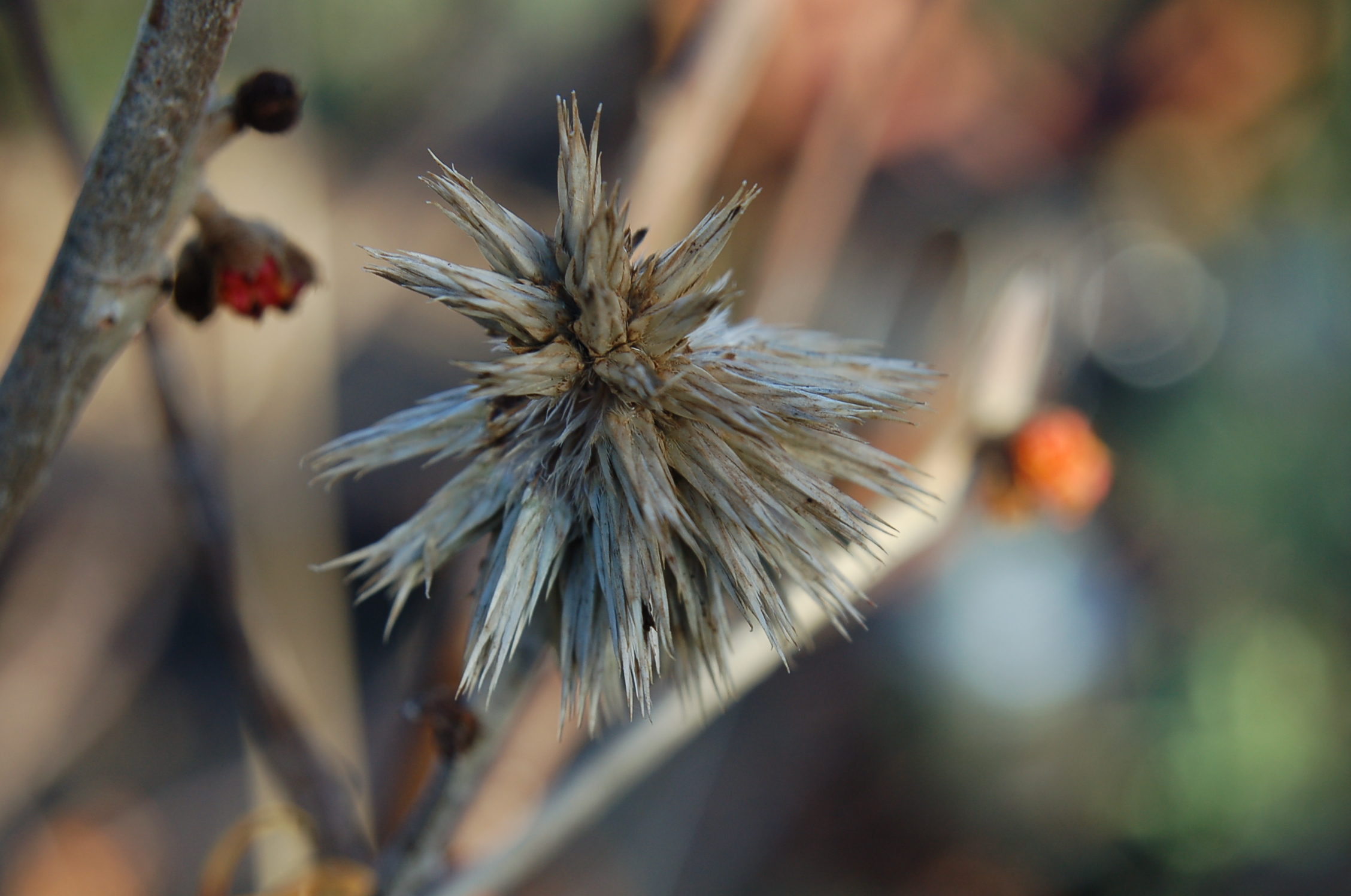
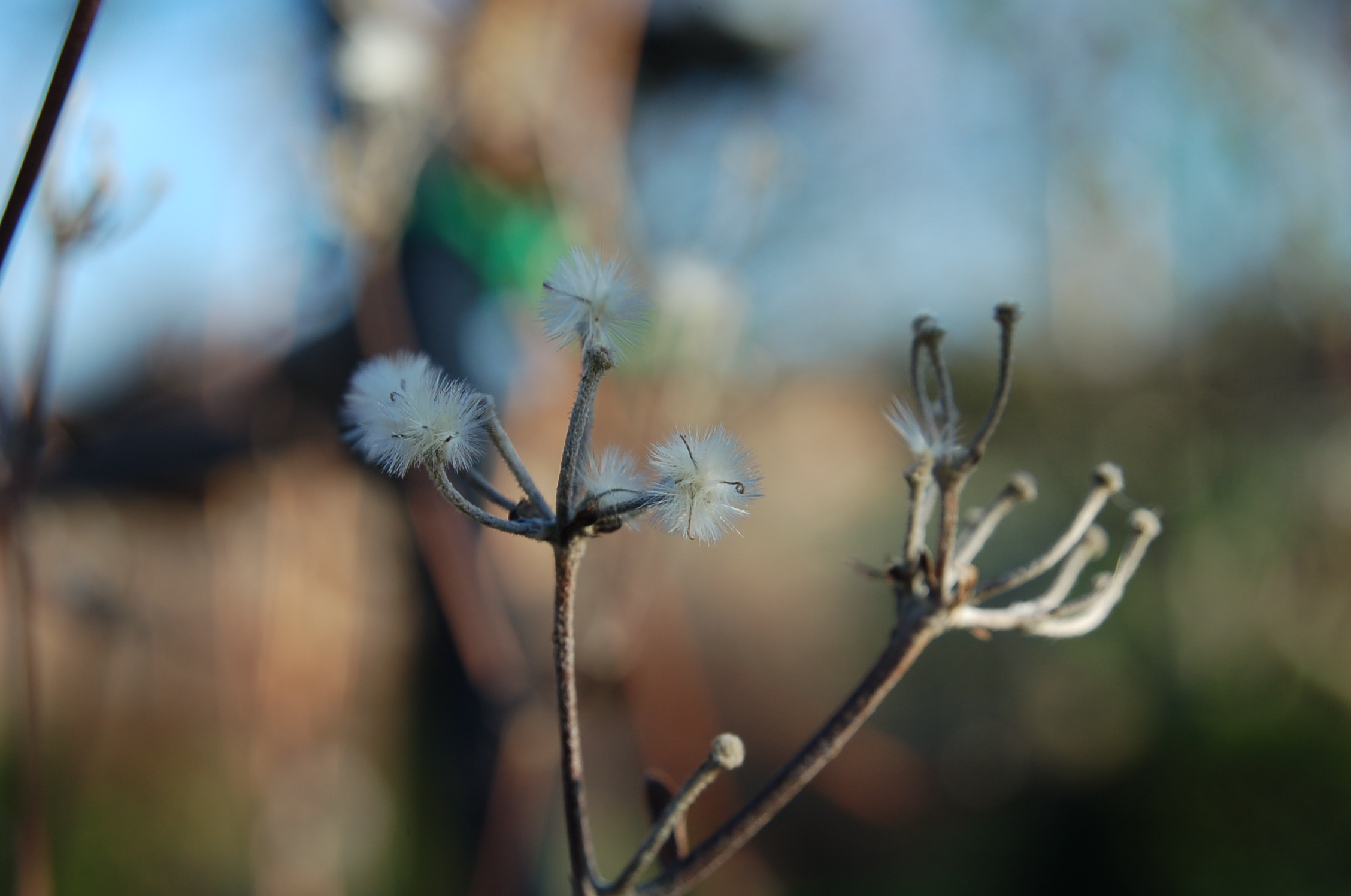
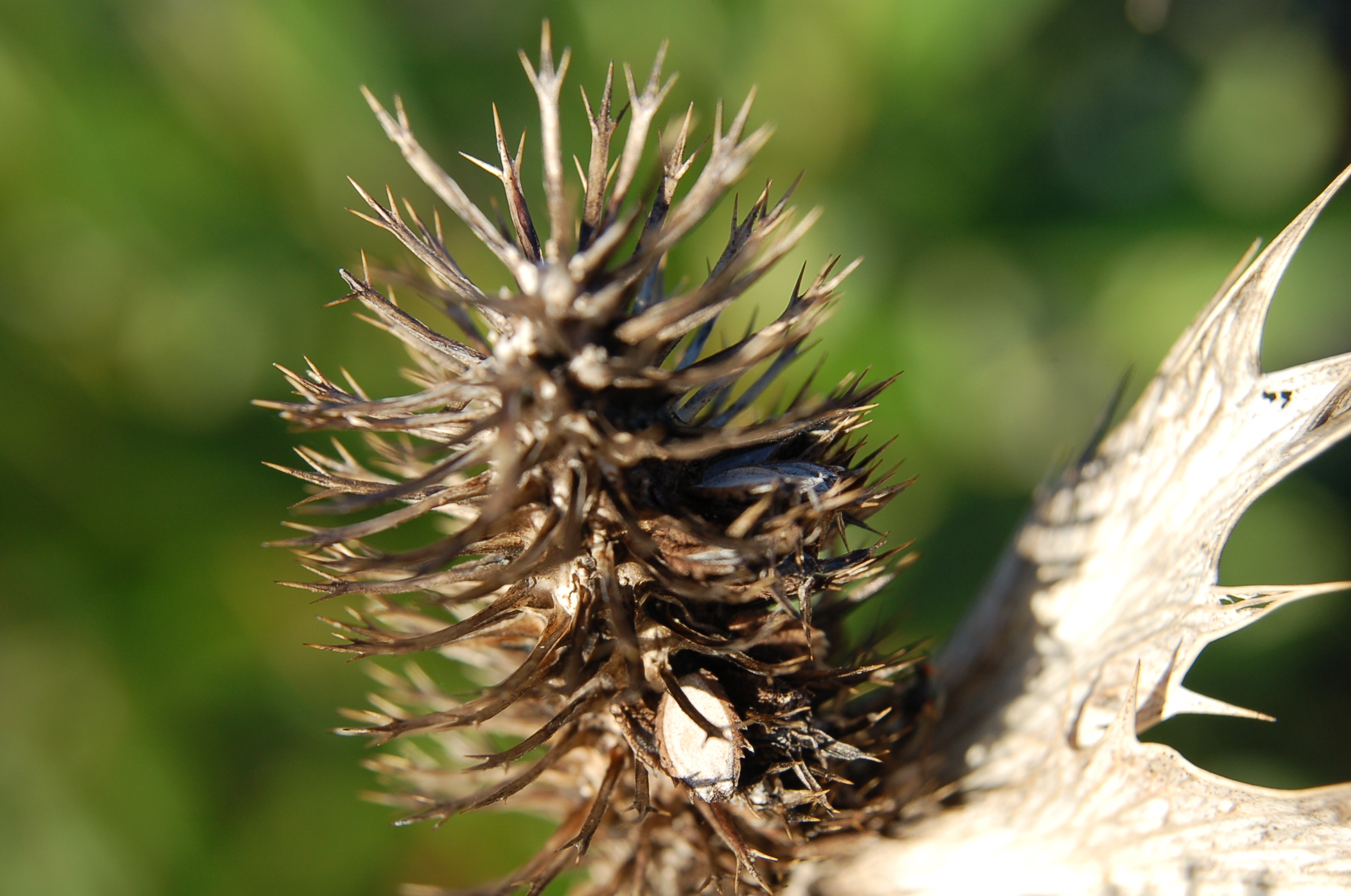
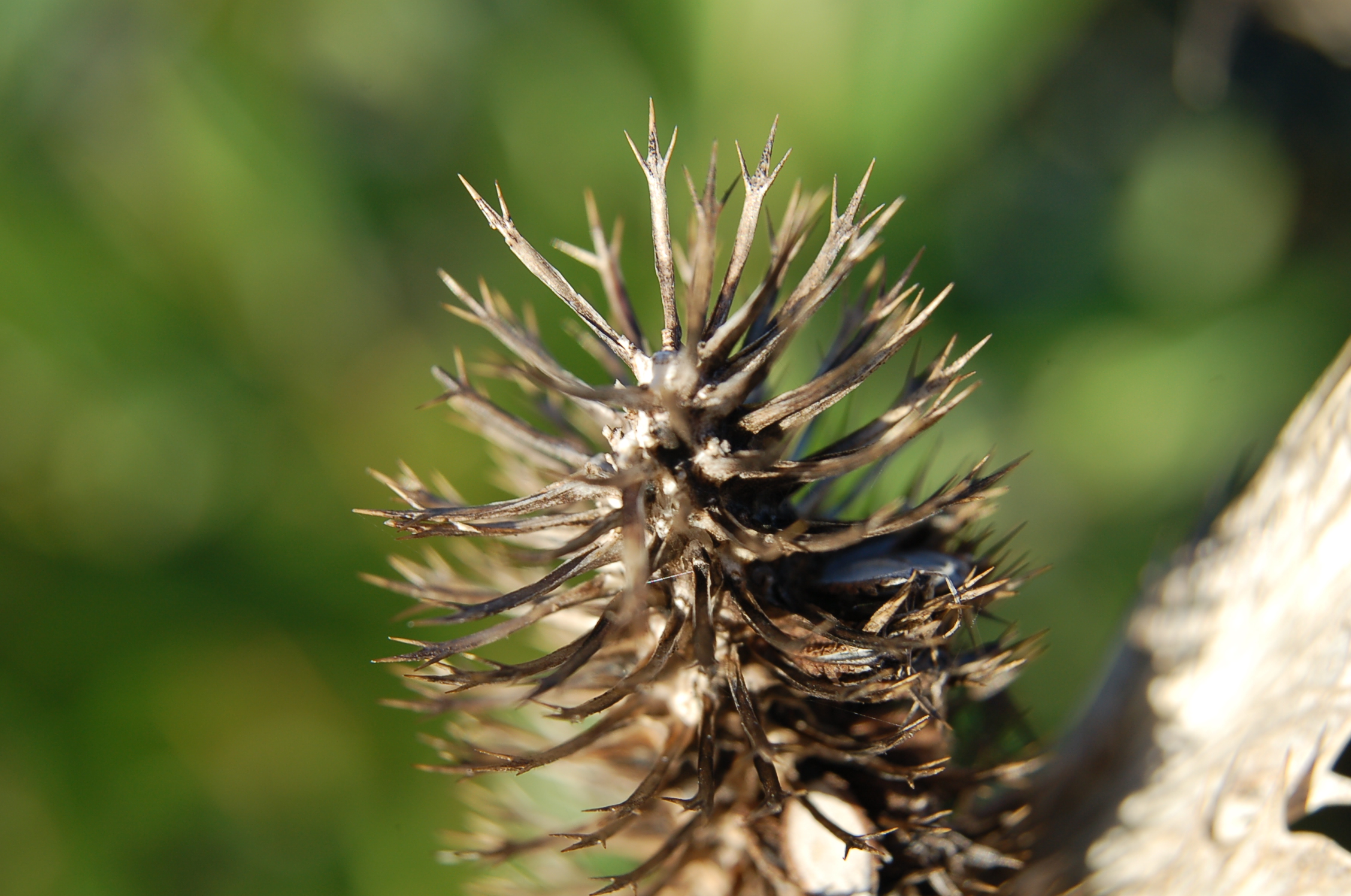
First a couple of shots of a Hamemelis “Jelena” followed by looking at the spent seed heads of Echinops, Clematis and Eryngium.

2013 12 29_5578 2013 12 29_5579

2013 12 29_5578_edited-1 2013 12 29_5608

2013 12 29_5580 2013 12 29_5581 2013 12 29_5582 2013 12 29_5583 2013 12 29_5584 2013 12 29_5585

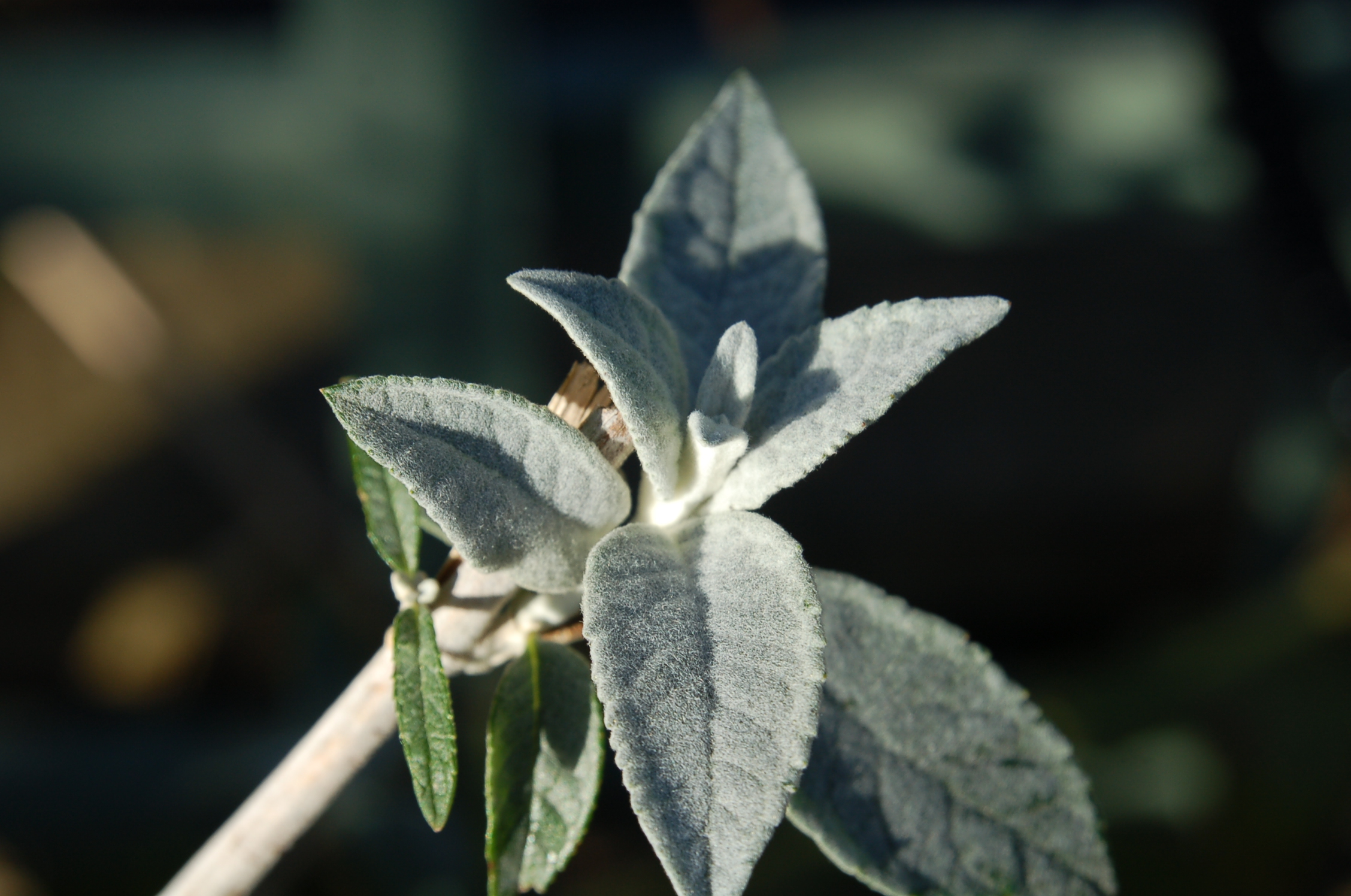
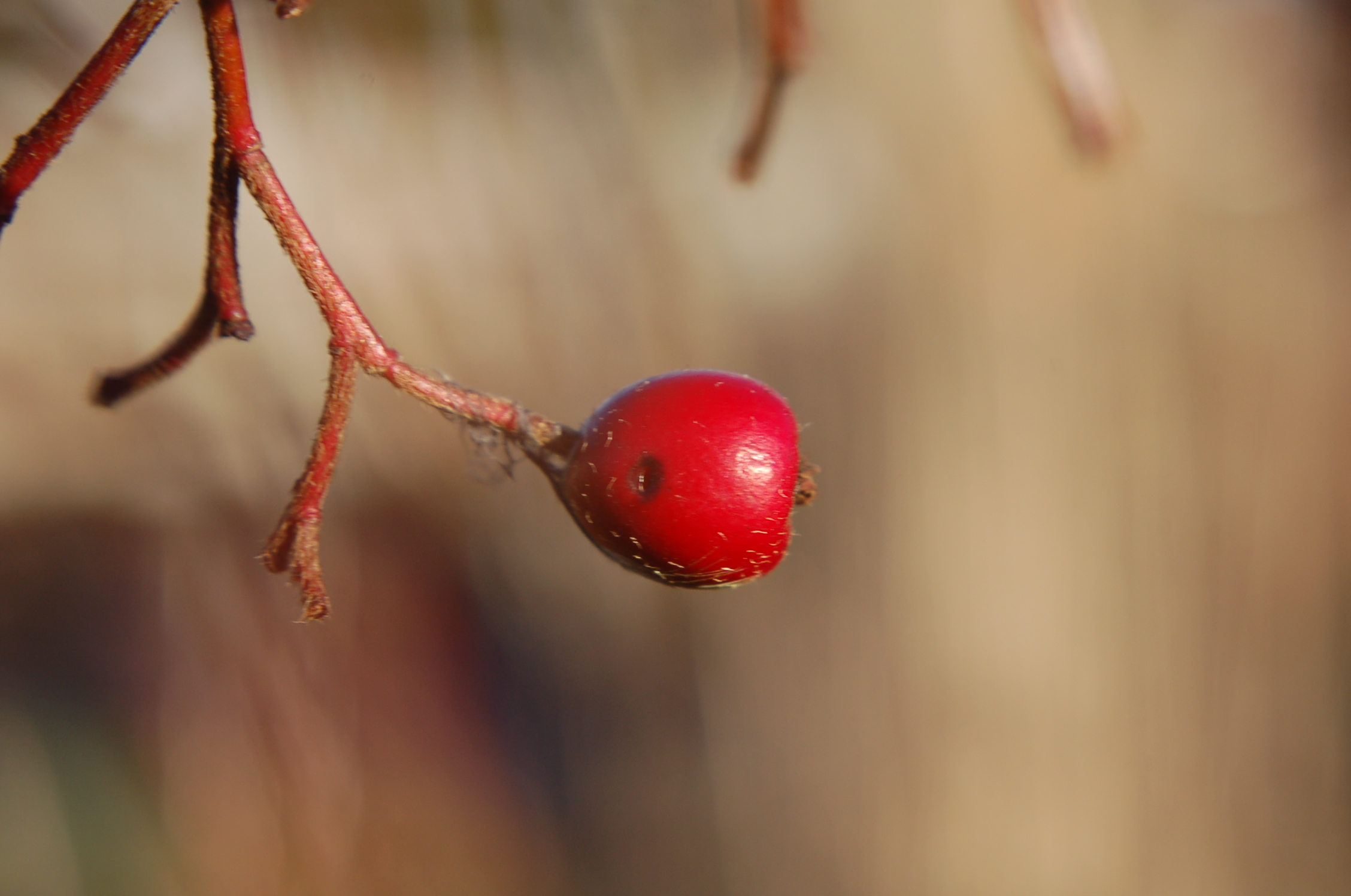
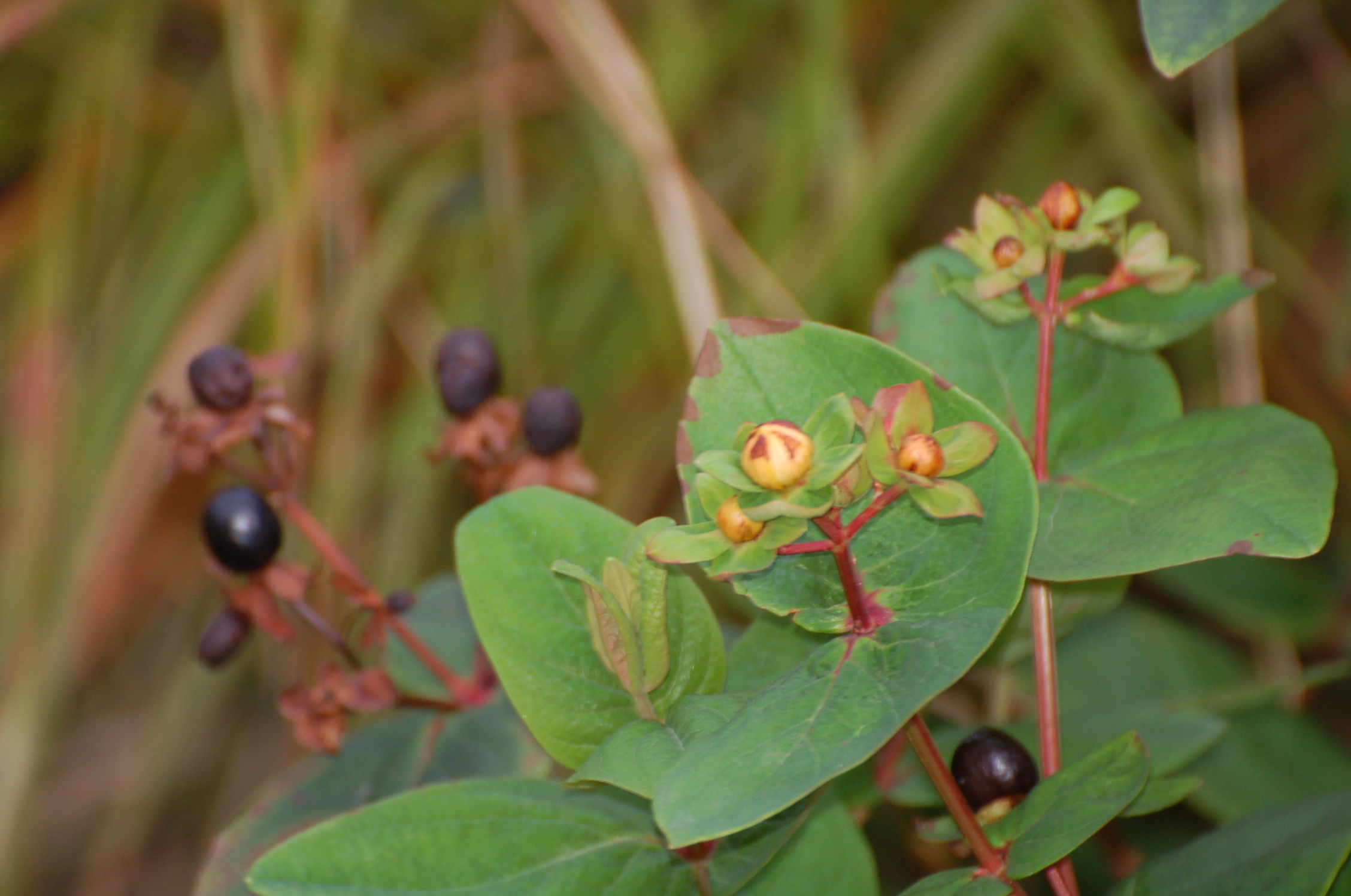
A close shot of this Buddleja illustrates the soft texture of the surface of the leaves. The texture of the Cotoneaster berry with its hard glossy red jacket is in strong contrast with the matt black berries of the Hypericum.

2013 12 29_5586 2013 12 29_5587

2013 12 29_5601 2013 12 29_5601_edited-1

2013 12 29_5637_edited-1

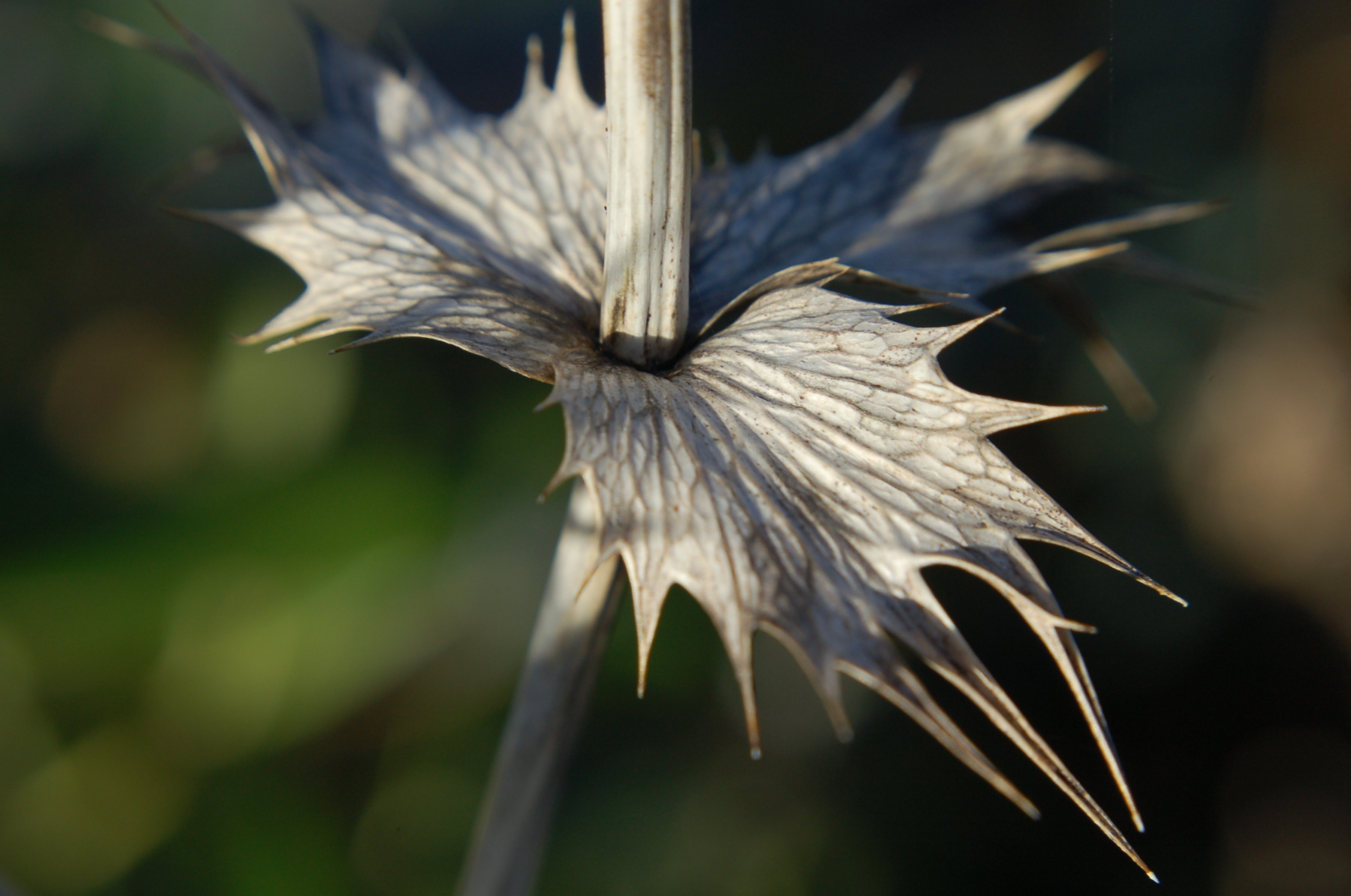
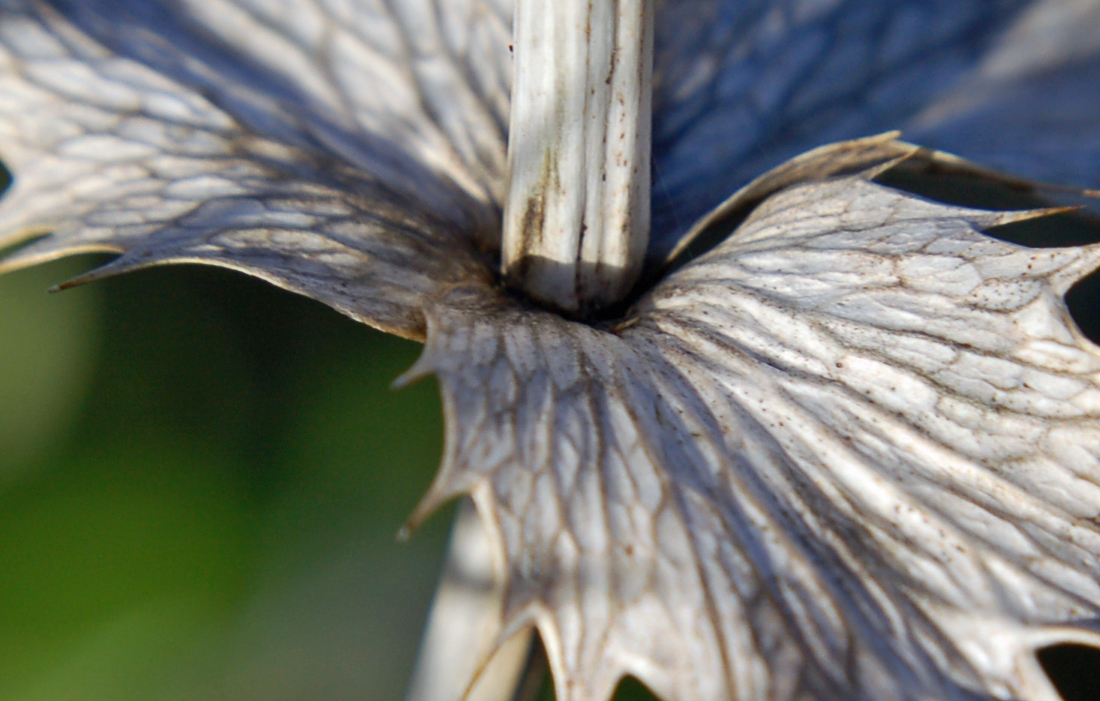
The leaves of the variegated Osmanthus are in every shade of yellow and bronzed green.   The similarly spiky edged leaves of Eryngium are dry and grey as old bone.
2013 12 29_5600 2013 12 29_5597

2013 12 29_5597_edited-1

The next few shots are of the old dessicated flowers of asters. They are so delicate – it makes you wonder how they stand up the strong winter winds.

2013 12 29_5605_edited-1 2013 12 29_5604_edited-1

2013 12 29_5588 2013 12 29_5589

2013 12 29_5606

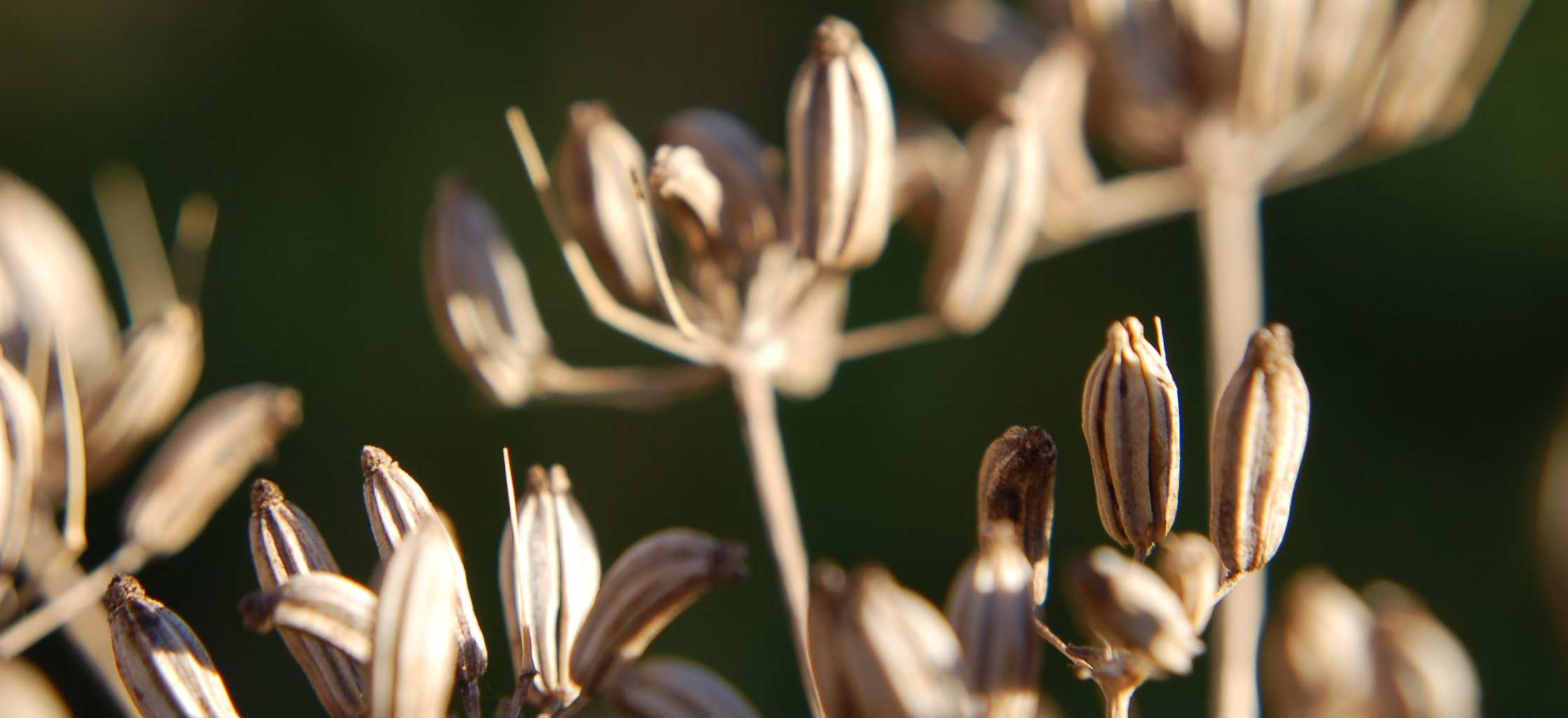
Taking close up shots of fennel seeds within their seed heads shows the restricted depth of field of the close up lenses. Look closely at the differences and you will find the subtle changes by altering slightly the central point of focus.

2013 12 29_5591_edited-1 2013 12 29_5590_edited-1

2013 12 29_5590 2013 12 29_5591

2013 12 29_5590_edited-1 2013 12 29_5616_edited-1

The flowers of Mahonia japonica are usually seen in long racemes but a close up lens lets us appreciate them as individuals. I had not realised until I looked at these pics that each little flower is a double form.

2013 12 29_5593 2013 12 29_5595

2013 12 29_5617 2013 12 29_5594_edited-1

We grow several trees for their interesting bark and in winter the low angle of the sun allows us to see golden light brightening it up.

2013 12 29_5612 2013 12 29_5613 2013 12 29_5614

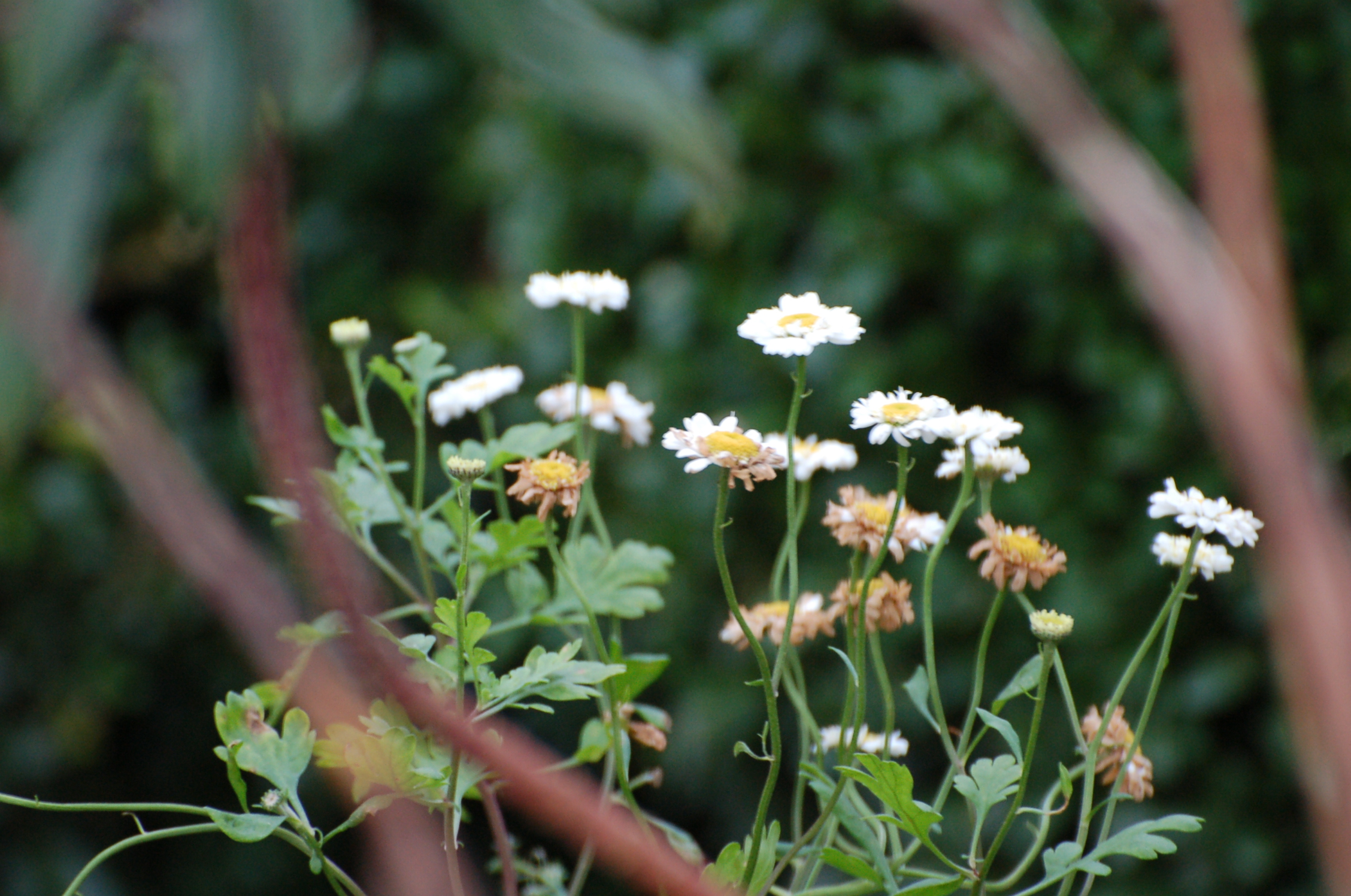
Tansy is such a common flower we rarely take time to have a close look and appreciate its beauty. I tried to show them at their best here but sadly not too well.

2013 12 29_5619 2013 12 29_5621

2013 12 29_5618 2013 12 29_5621_edited-1

Looking at the light playing on sticks and stems brings out their beautiful structure and delicate colours.

2013 12 29_5596 2013 12 29_5609

2013 12 29_5622 2013 12 29_5607_edited-1

Grasses look stunning in any bright light and when studied close up their beauty increases further.

2013 12 29_5602 2013 12 29_5603

2013 12 29_5627 2013 12 29_5602_edited-1

These little shaving brush flower heads expose their softness of texture when viewed in close up with each fine thread catching the light.

2013 12 29_5610 2013 12 29_5611

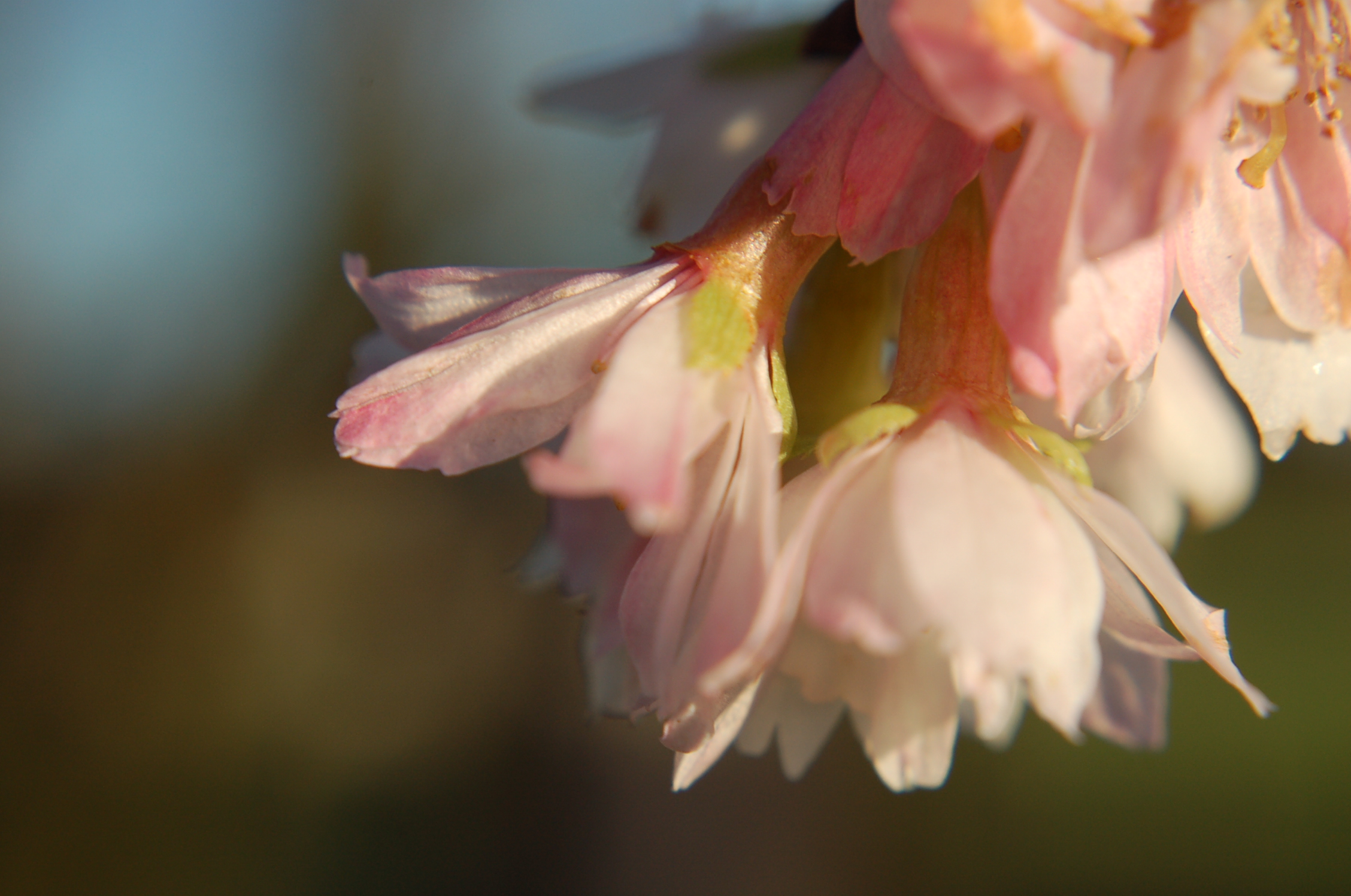
I shall finish this selection of my close up photos with the soft pink blooms of our Prunus subhirtella autumnalis. I shall keep trying and play around with the close ups and post again when I get more of a handle on them.

2013 12 29_5623 2013 12 29_5624  2013 12 29_5626

Categories
autumn autumn colours birds climbing plants colours garden photography garden wildlife gardening gardens grasses hardy perennials migration ornamental trees and shrubs poppies roses trees wildlife Winter Gardening

A Garden Bouquet for December

Already we are almost at the end of the year so here is my December bouquet from our garden,the final chapter in 2013.

2013 12 12_5469_edited-1

It is only mid-December and while in the garden we are treated to the beautiful repetitive piping call of a Song Thrush, already making his territorial proclamation. He must have found a mighty fine territory which he is making sure no-one else can take possession of.

The skies seem full of passing flocks of Redwing and their larger noisier cousins the Fieldfare on migration, escaping their cold food-less summer homes in central Europe. Below them exploring the trees and shrubs of our garden mixed foraging flocks of finches seek out the last of the seeds and berries while amongst them groups of Titmice, Great, Blue, Long-tailed and Coal arrive in hurried flight to explore every nook and cranny of dried stems, tree bark and shrub branches for insects especially spiders.
A few delicate looking soft coloured flowers still hang on determined to be the final blooms of the year. It seems amazing but the odd big bumbling Queen Bumble Bee appears to feed on them.

2013 12 12_5438 2013 12 12_5440

2013 12 12_5444 2013 12 12_5452

2013 12 12_5462 2013 12 12_5463

2013 12 12_5468 2013 12 12_5471

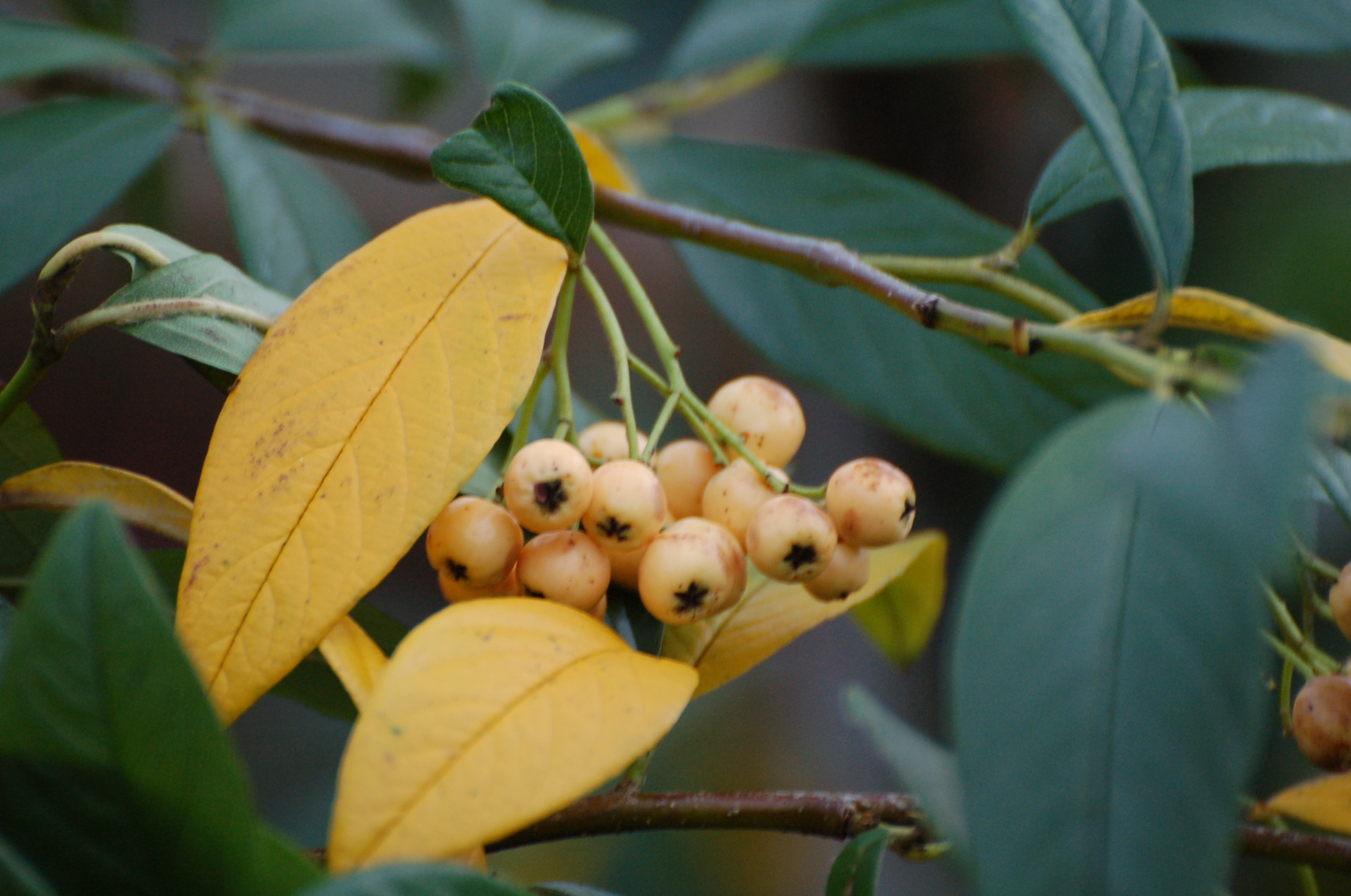
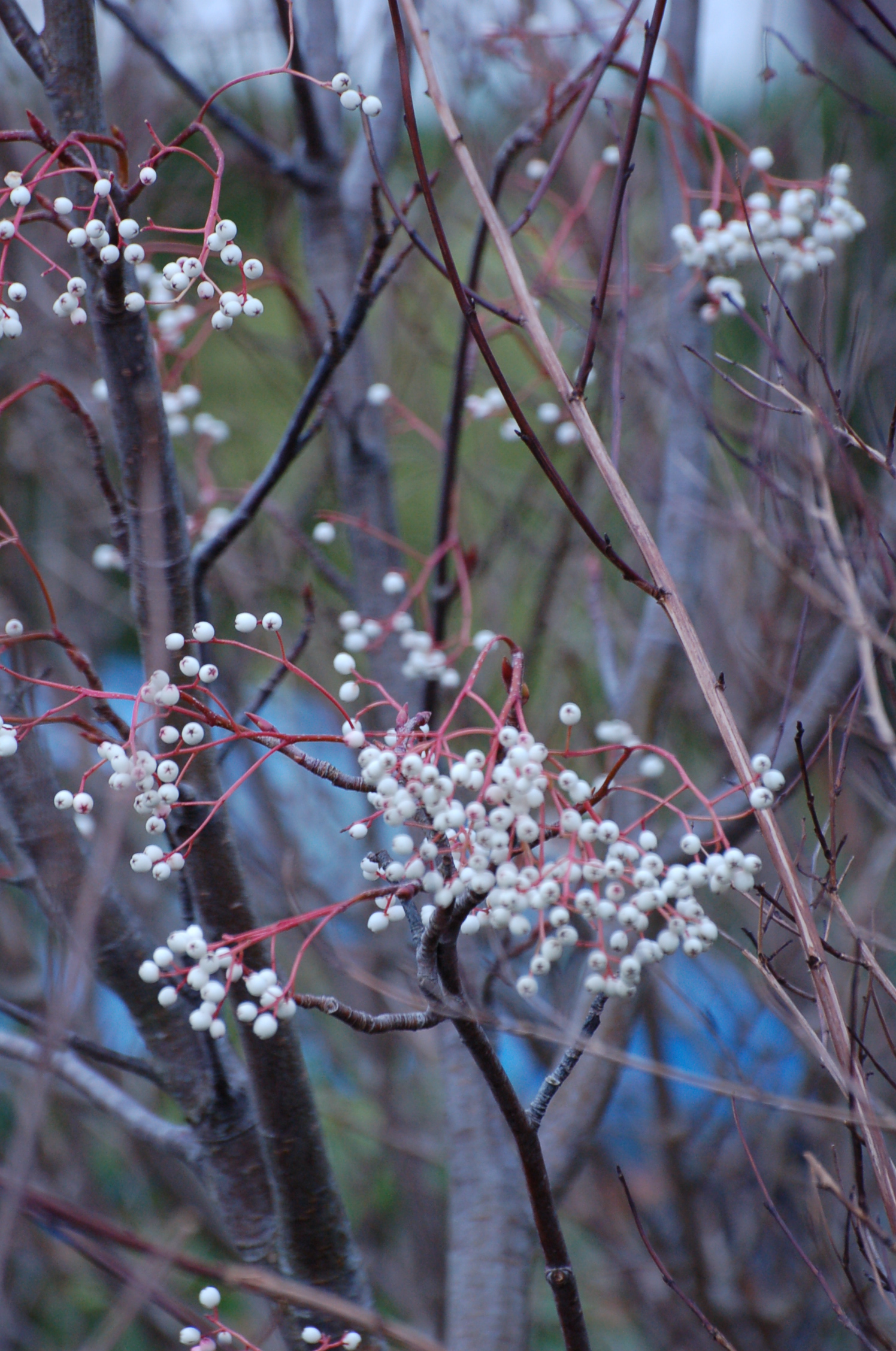
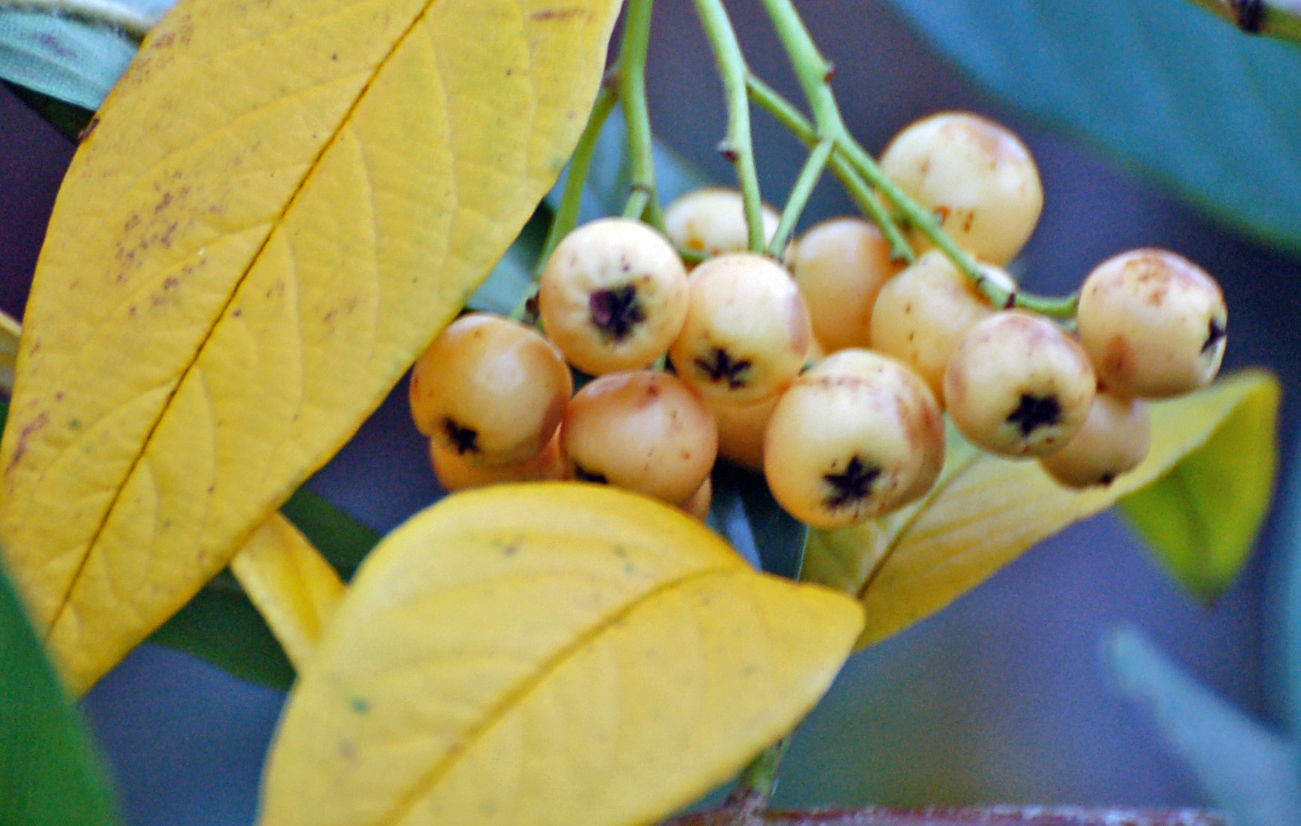
Berries on shrubs and small trees add extra sparkles of colour but the resident Mistle Thrushes guard them from the migrant thrushes. They are the larder for the colder days to come. The red fruit of the Cotoneasters, Hollies and Rowans will be eaten first and most will have been devoured by the thrushes and Blackbirds before the month is out. The creamy-yellow berries of the Cotoneaster rothschildiana will stay longer being mere second choices. The last to go without fail will be the white berries of the Sorbus, so we can get to enjoy them against dark winter storm clouds before the birds eat them.

2013 12 12_5445 2013 12 12_5446

2013 12 12_5454 2013 12 12_5472

2013 12 12_5479 2013 12 12_5445_edited-1

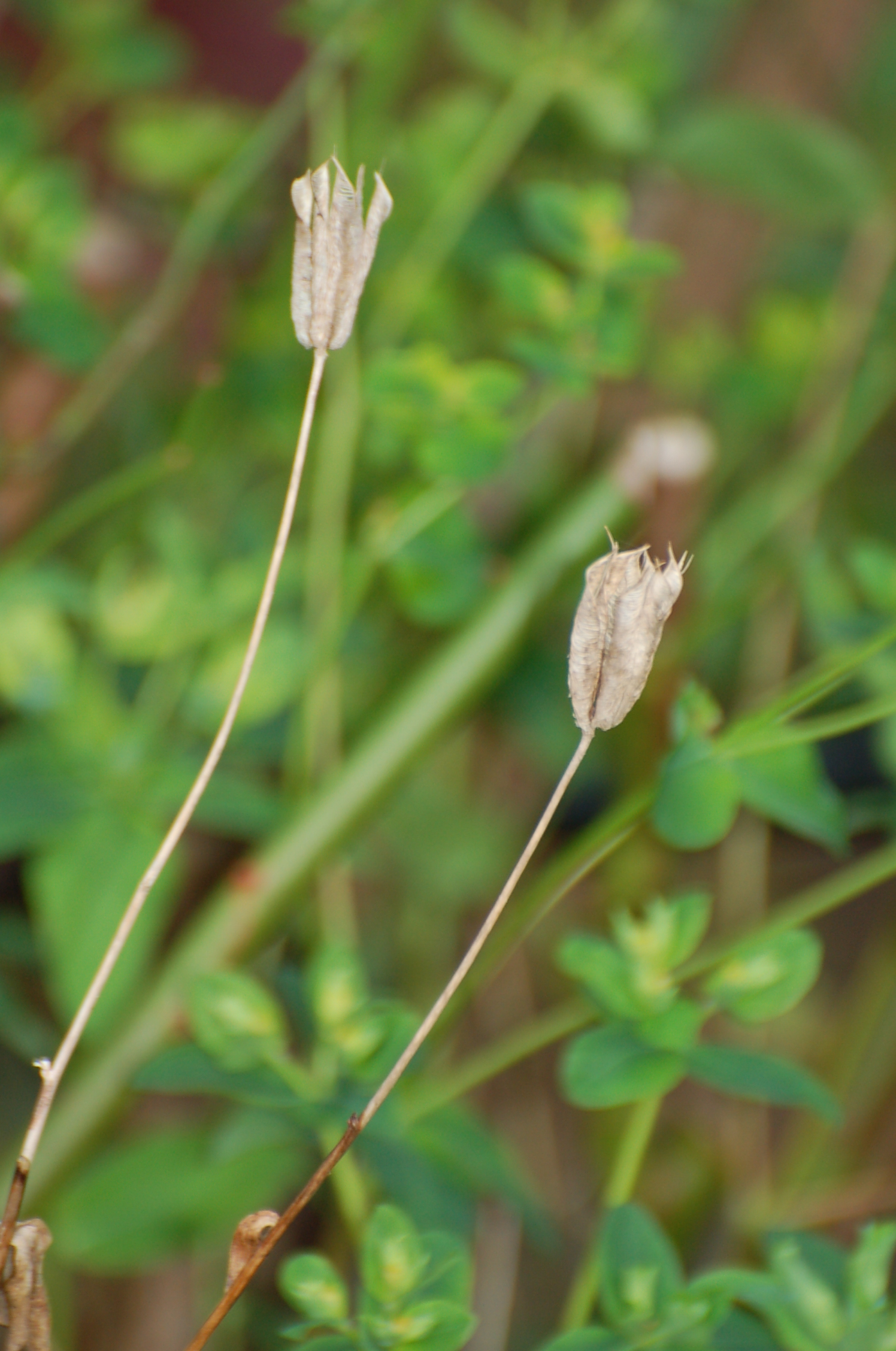
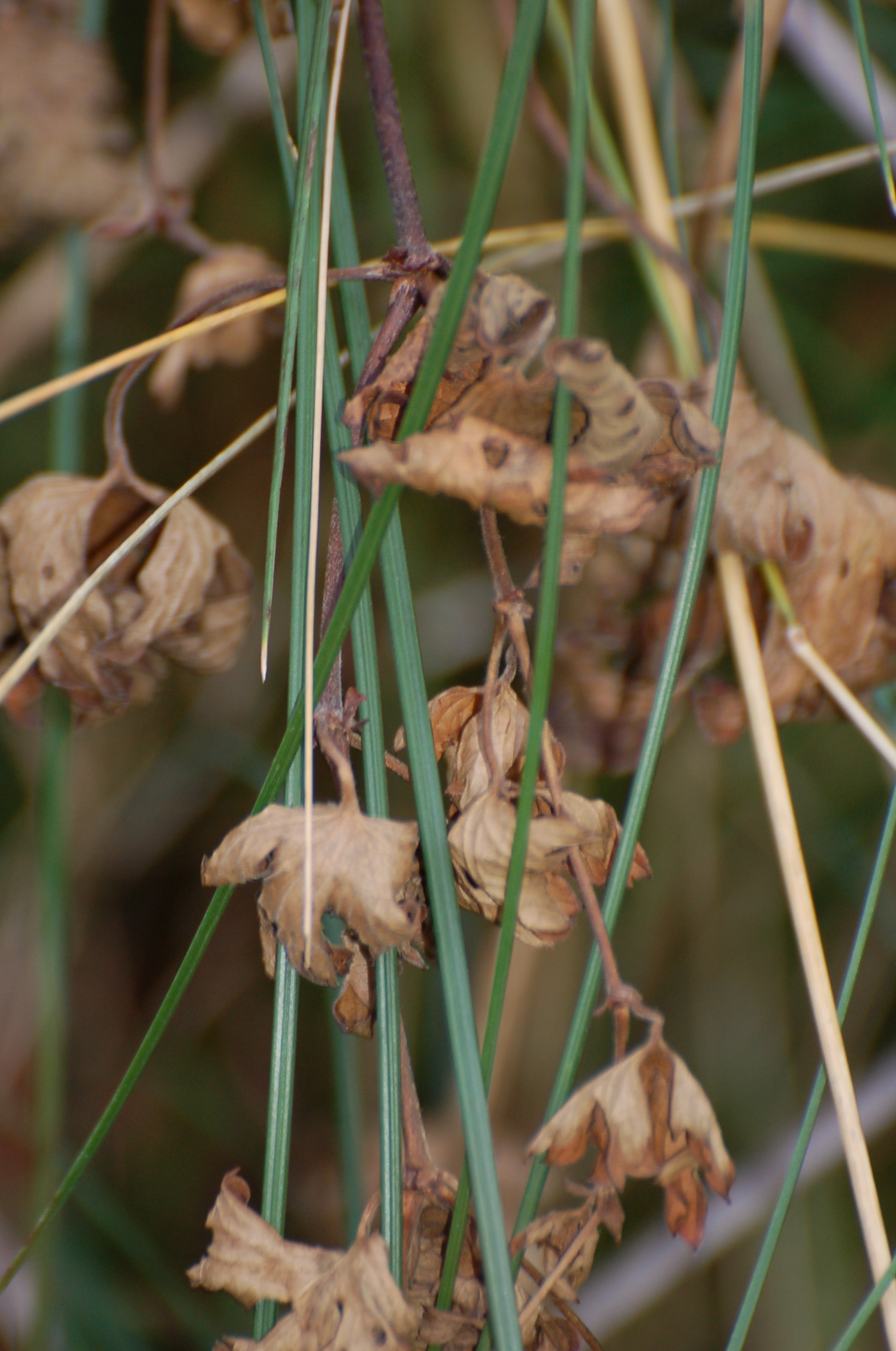
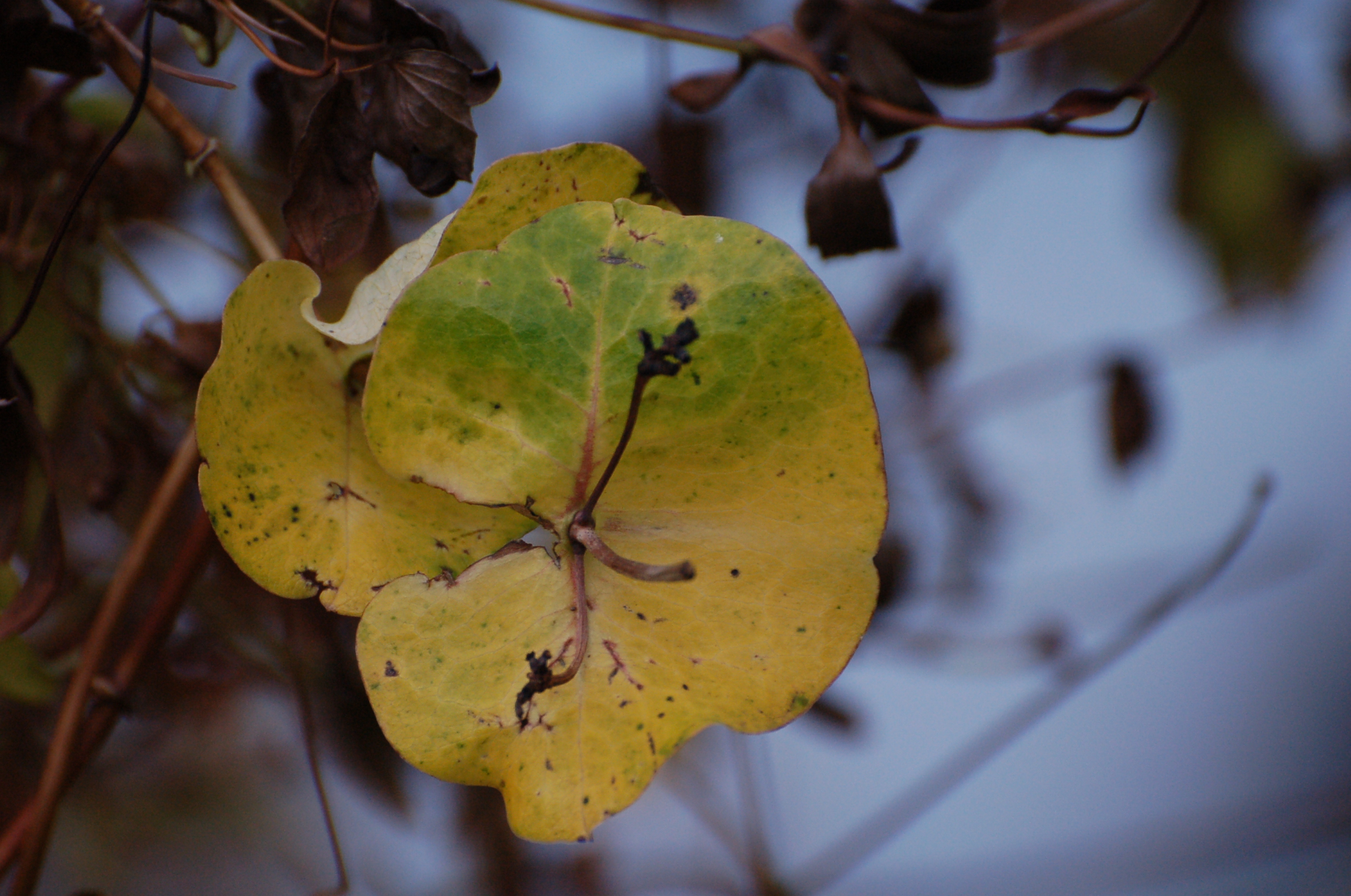
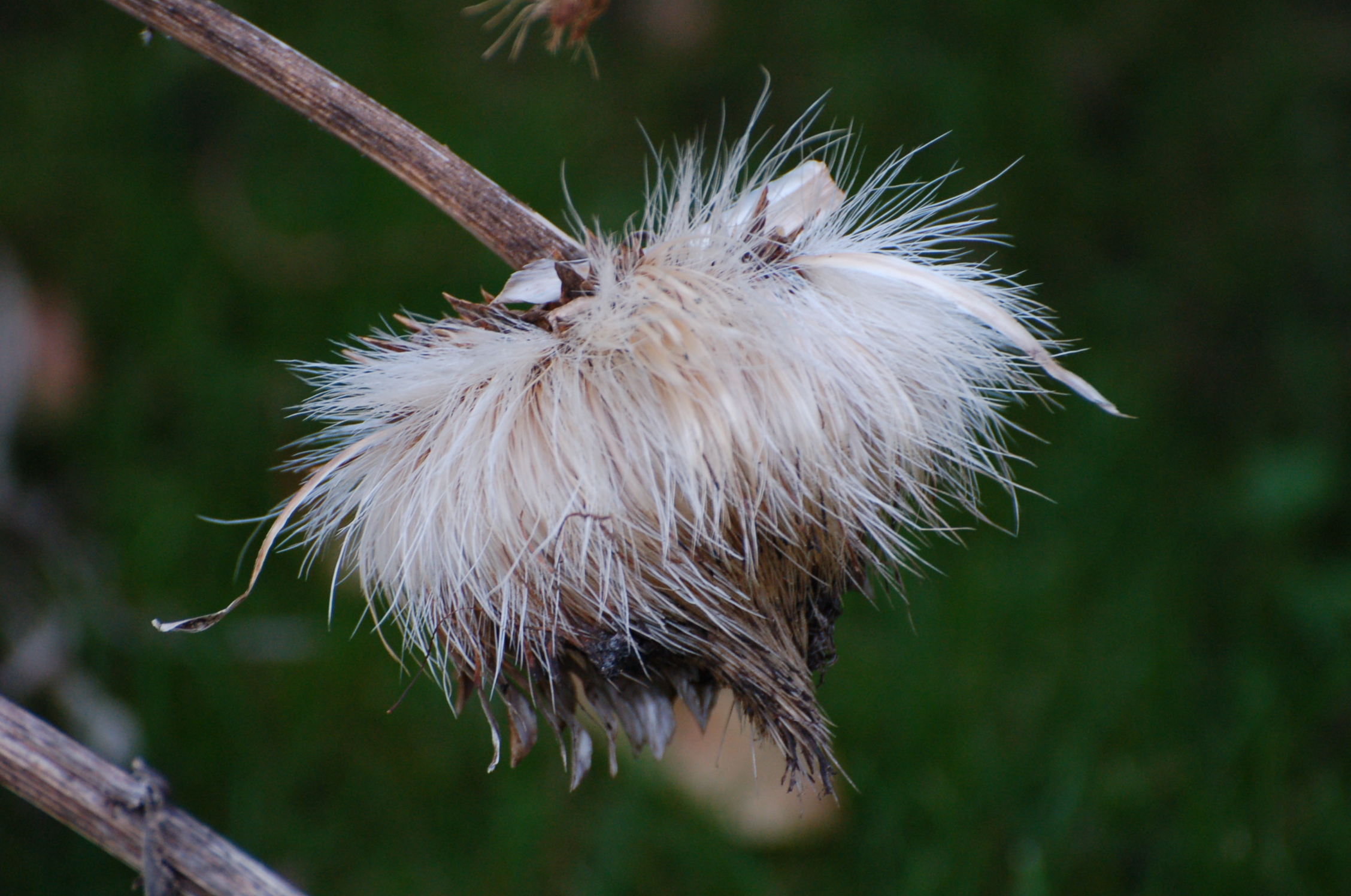
At this time of year we can enjoy the dessicated seed heads and old flower heads that have managed to survive the wet times that autumn invariably brings. This year has been so wet that we seem to have fewer still standing than ever before. But a few are putting on a display for us and when covered in a frosty layer or when donning a hat made of snow will look even better. Within them are the remnant autumn leaves as yet to be blown from their branches by blasts of wind.

2013 12 12_5439   2013 12 12_5442    2013 12 12_5447 2013 12 12_5448 2013 12 12_5449 2013 12 12_5450 2013 12 12_5451

2013 12 12_5453 2013 12 12_5457 2013 12 12_5459 2013 12 12_5460  2013 12 12_5465 2013 12 12_5466 2013 12 12_5467

2013 12 12_5469 2013 12 12_5470 2013 12 12_5475 2013 12 12_5474 2013 12 12_5473   2013 12 12_5477 2013 12 12_5478   2013 12 12_5448_edited-1

Signs of next year’s growth are already in evidence like this adventurous bud found on a clematis snuggled between stem and petioles.

2013 12 12_5441

Patterns become important in winter as they emerge from seasons hidden away behind plants. So that is the end of my year of garden bouquets for 2013. Perhaps they will return for 2014.

2013 12 12_5460_edited-1 2013 12 12_5459_edited-1 2013 12 12_5464_edited-1

Categories
arboreta autumn autumn colours gardens open to the public memorials ornamental trees and shrubs shrubs trees woodland

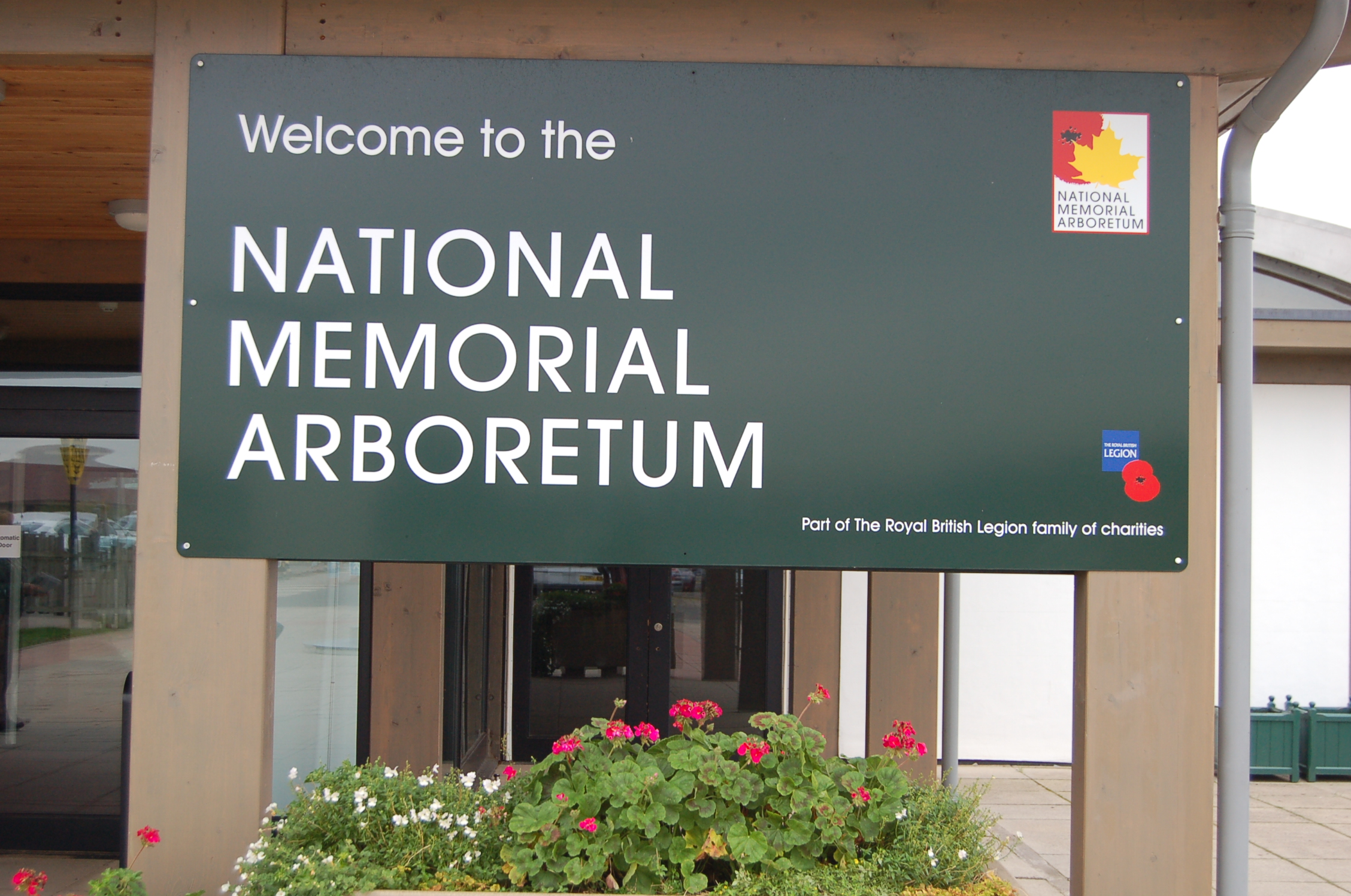
Trees to remember by – The National Memorial Arboretum – Part One

Wendy, one of our allotment friends, told us all about her visit to the National Memorial Arboretum near Lichfield and she thought we would like to visit too.

I arrived with expectations. I envisioned a collection of trees with large areas given over to formal memorials. These areas I thought would have a cold atmosphere like an empty church and I felt the whole place would possess the deep silence of a “Poppy Day” remembrance ceremony around a village war memorial.

I was so wrong.

2013 11 30_5292 2013 11 30_5347

It was an amazing place. But not a place to enjoy as such but a place with an atmosphere that you feel deeply. It was such an emotive and wonderful experience that emotions engulf you. It has a its own special atmosphere, an atmosphere that is hard to describe as the right words are impossible to find.

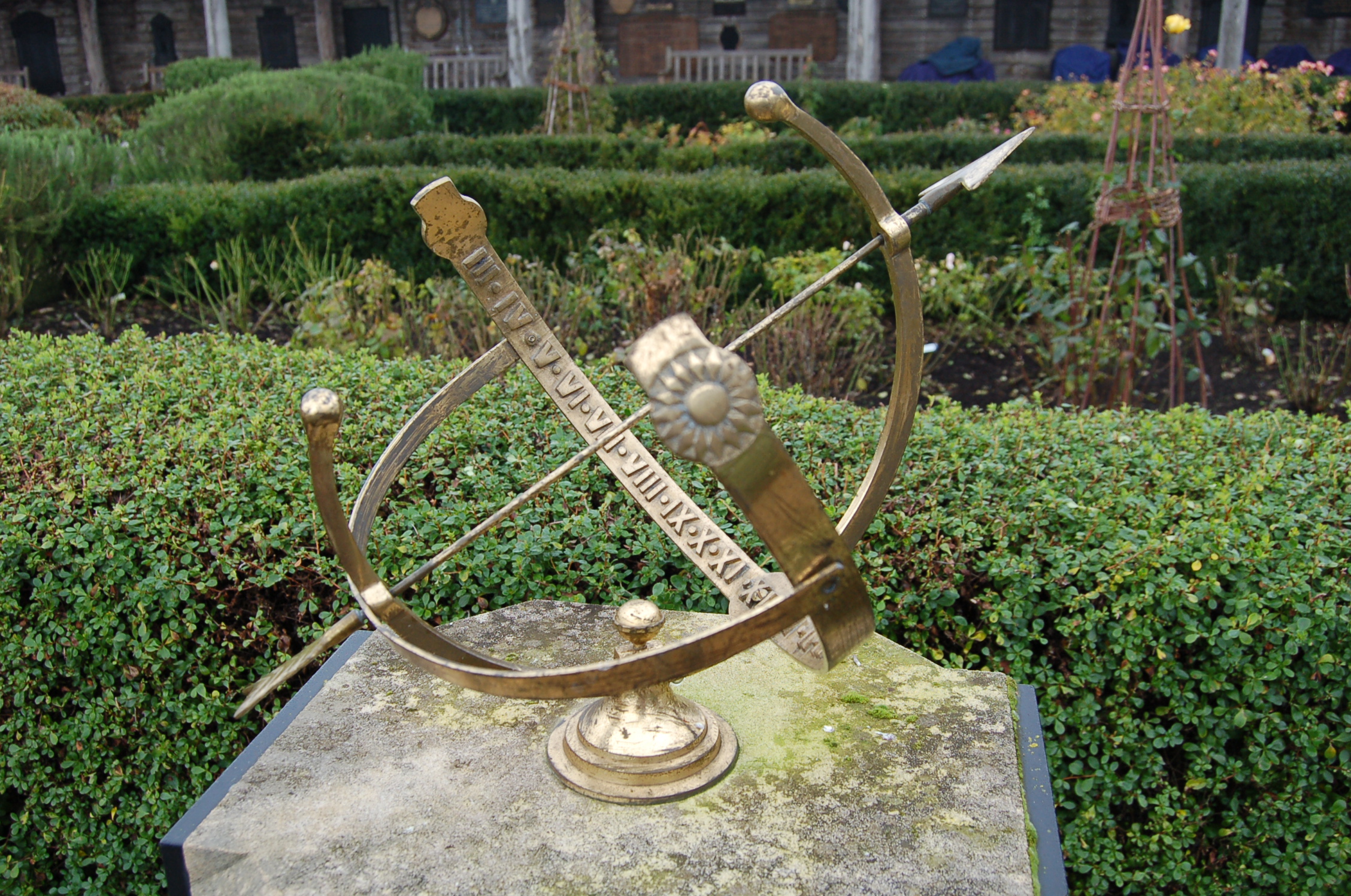
Close to the chapel near the entrance is a small garden with a beautiful armillary sundial at its centre, while the pillars holding up the covered entrance display a sense of homour in the carvings.

2013 11 30_5293 2013 11 30_5294 2013 11 30_5296 2013 11 30_5297

We explored the site following avenues of acers and cherries leading to small wooded areas and copses mostly of native deciduous trees. A simple arrangement of closely trimmed berberis spheres form the Garden of Innocents.

2013 11 30_5298 2013 11 30_5301 2013 11 30_5302 2013 11 30_5303

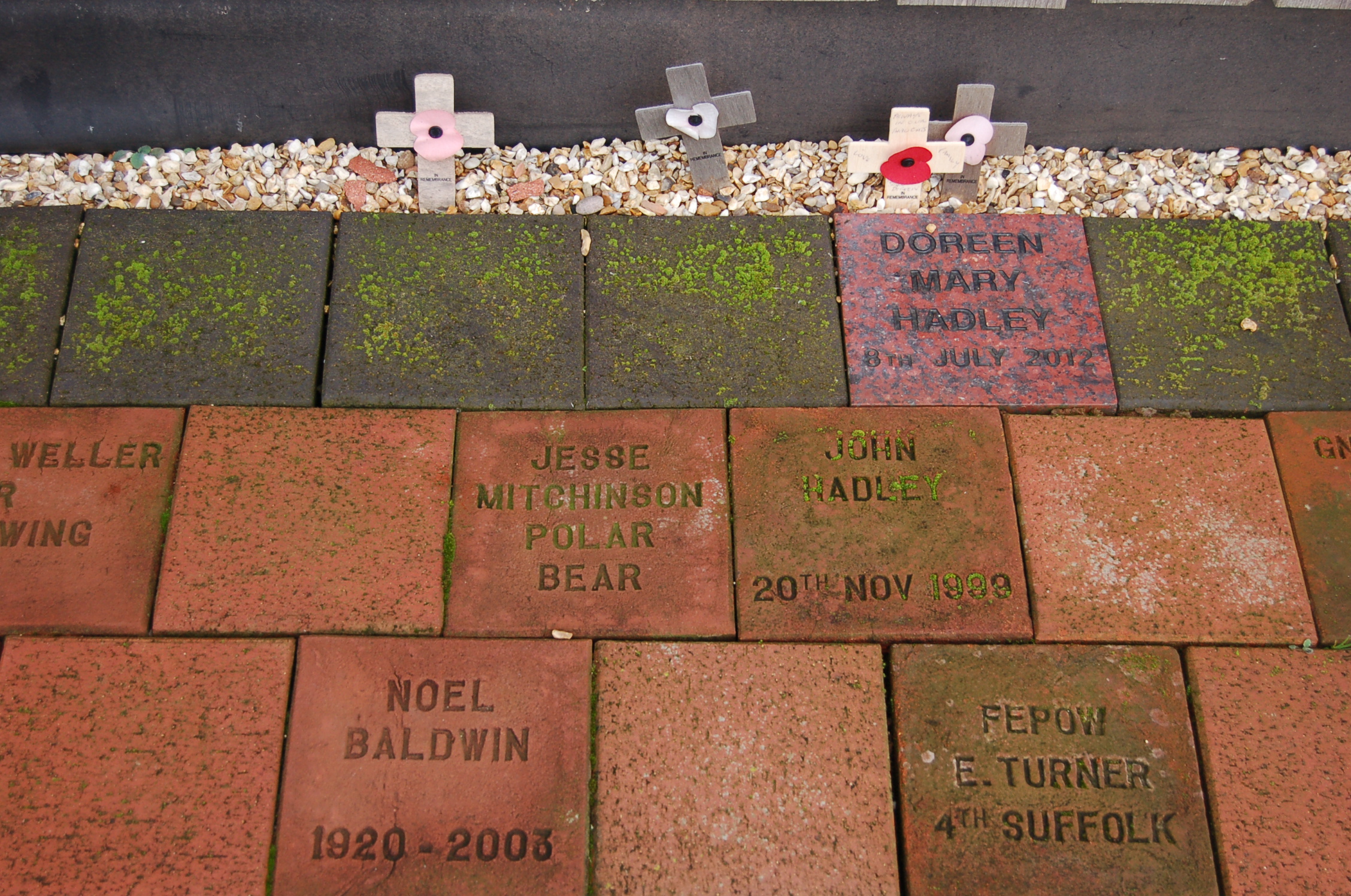
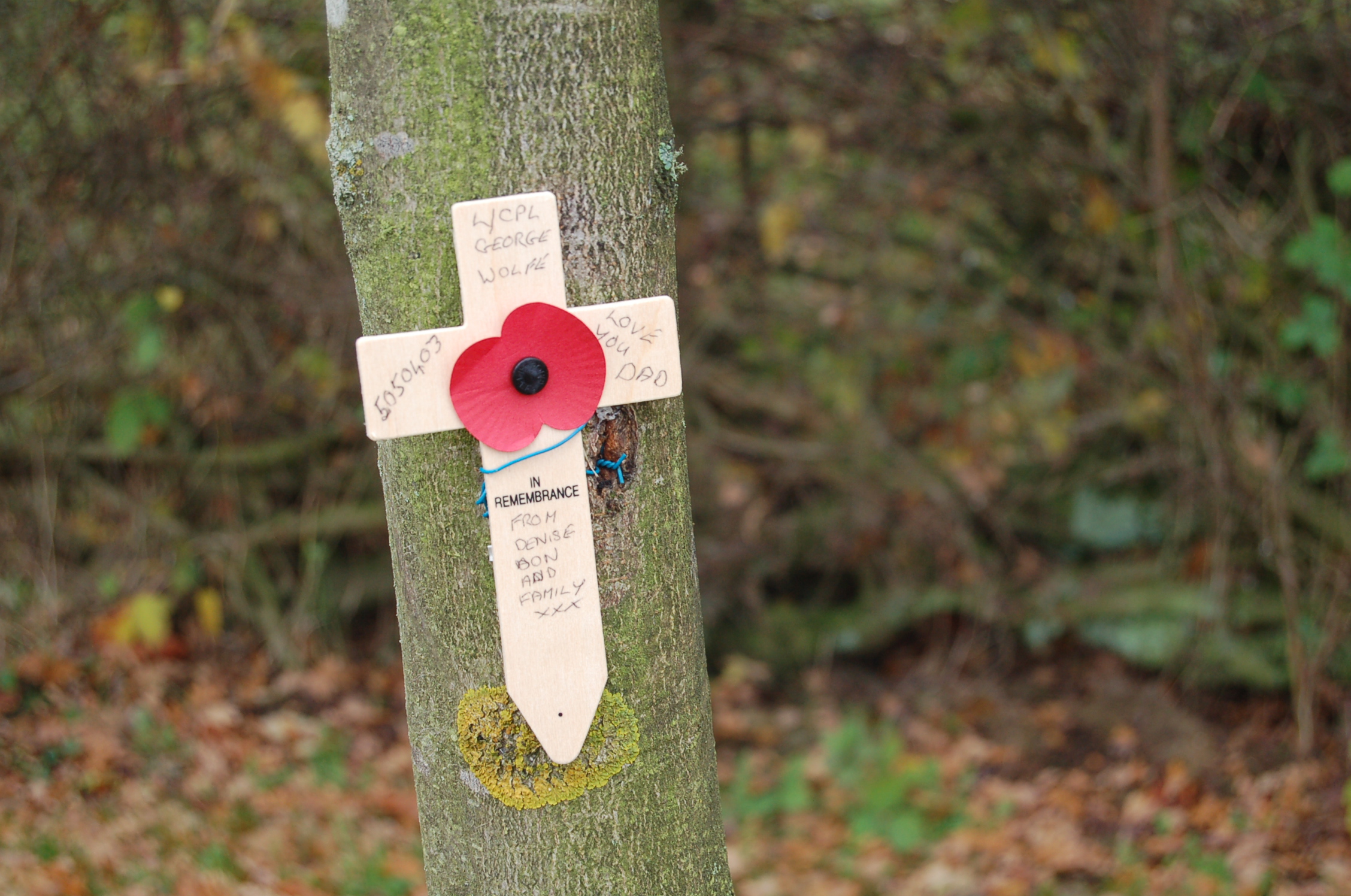
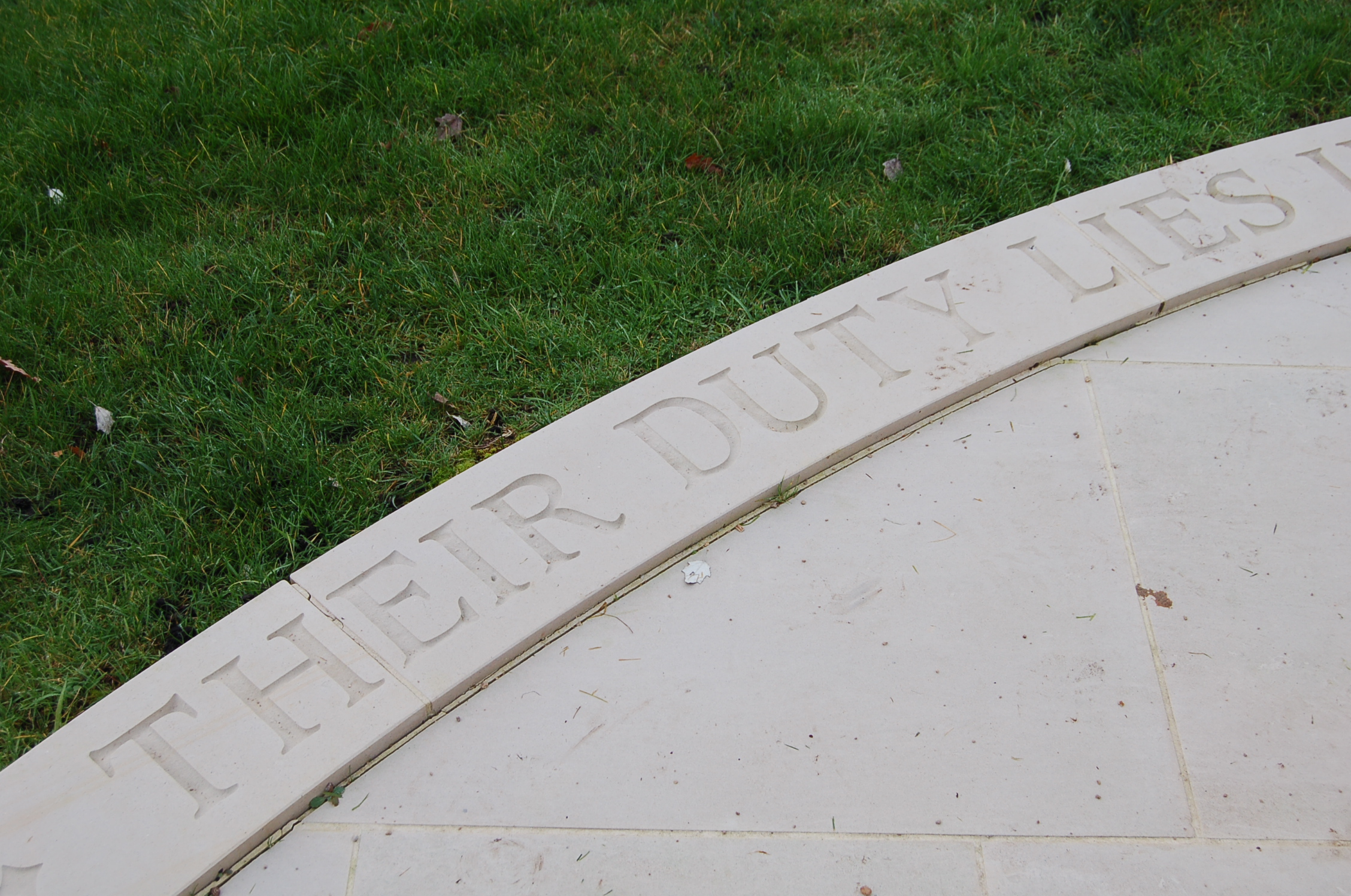
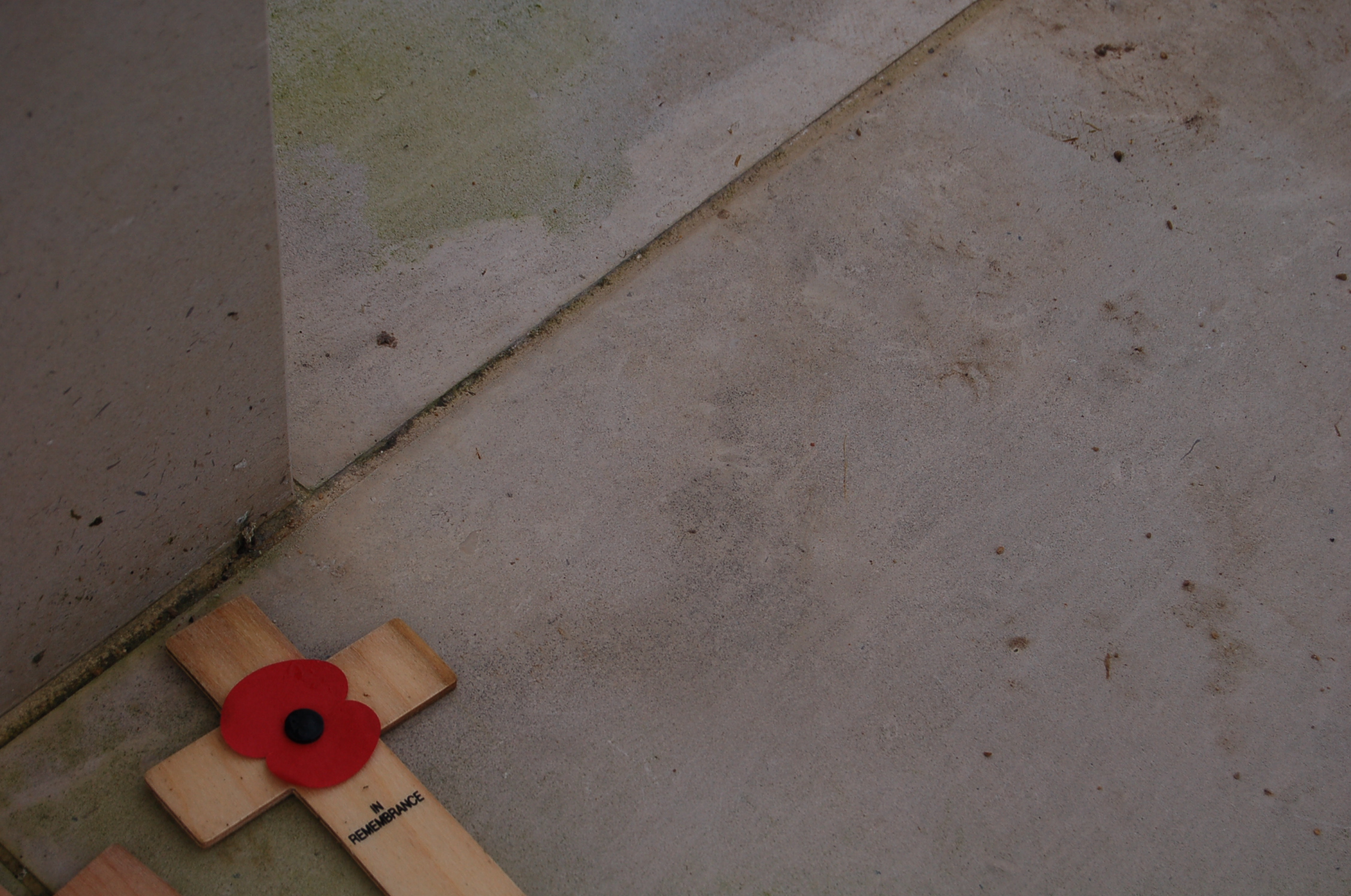
As we wander around please join us, as we appreciate the beauty of the trees and the calm of the spaces. There were signs of the recent Remembrance Day Ceremonies throughout the site, some at the base of memorials others blown into hedges and trees.

2013 11 30_5295  2013 11 30_5300 2013 11 30_5305 2013 11 30_5306 2013 11 30_5307 2013 11 30_5309

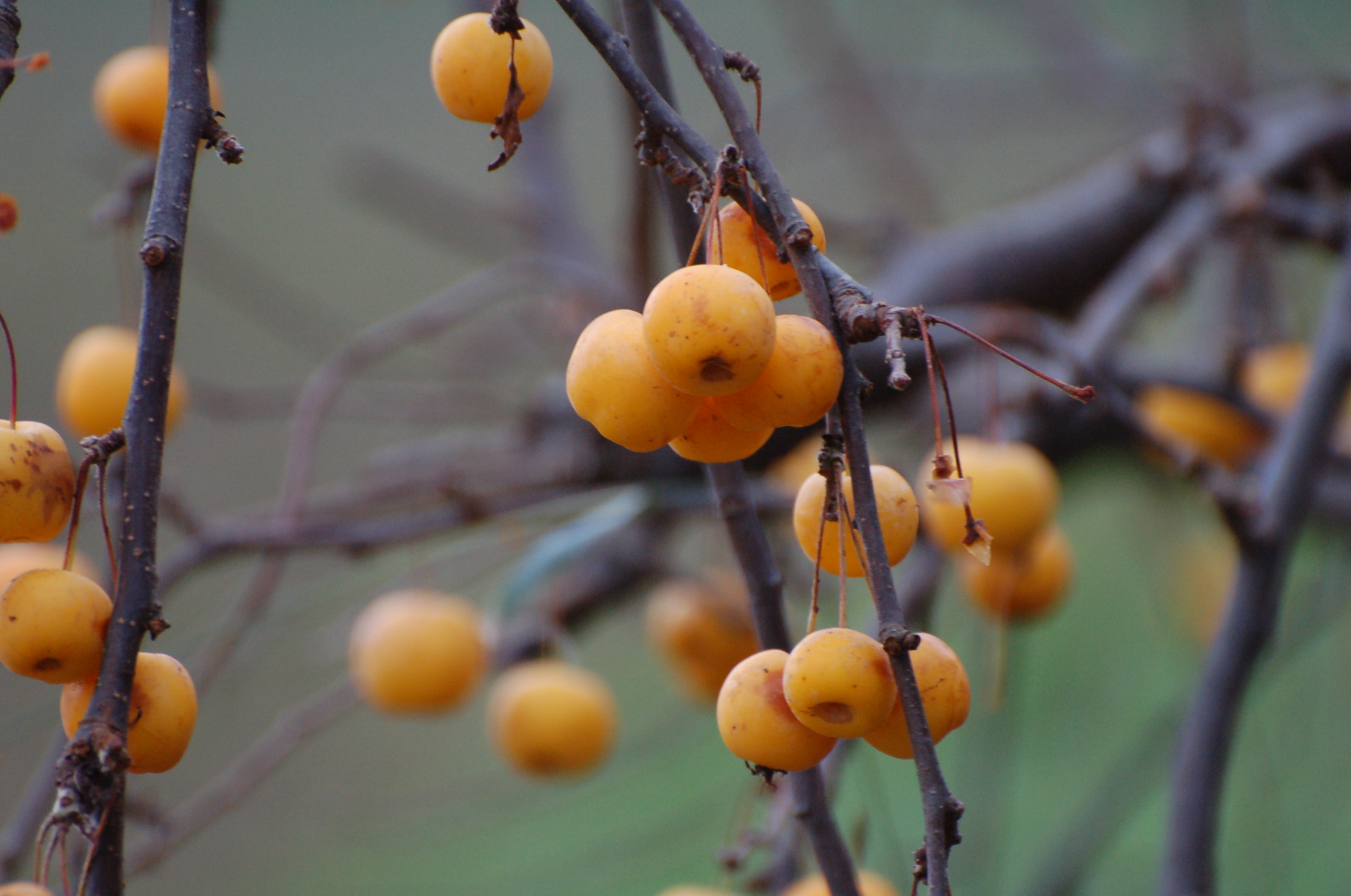
Amongst the memorials dedicated to various sections of the armed forces were other memorials or areas of celebration. The photos below are of a golden garden dedicated to couples who had celebrated their Golden Wedding Anniversaries. Trees had yellow fruit such as varieties of Malus or golden stems such as the Yellow Ash.

2013 11 30_5310 2013 11 30_5313 2013 11 30_5314 2013 11 30_5315

2013 11 30_5299

The next memorial was for Polish servicemen who had lost their lives fighting alongside British armed forces.

2013 11 30_5317 2013 11 30_5316

We moved on through woodlands showing autumn colouring interspersed with memorials until we came across a most disturbing area, called “Shot at Dawn”.

2013 11 30_5320 2013 11 30_5319 2013 11 30_5321 2013 11 30_5322 2013 11 30_5323 2013 11 30_5324 2013 11 30_5325 2013 11 30_5326 2013 11 30_5327

This area was to help us remember the men shot at dawn by their own comrades under orders from commanding officers. We were deeply moved here as the cruelty of man at war and the needless waste of young lives were clearly displayed. How could officers in the First World War believe they had the right to order soldiers to kill their fellow men? The “crime” that these young soldiers were found guilty of was “cowardice” – surely they could be forgiven for fear and for not being willing to kill. The true cowardice here lies with the officers who used their rank and “superiority” to make others kill colleagues. Each post represents a real person and each post holds a small sign. Each post a brother, a son, a father, a best friend ……………..

This was a sad place!

2013 11 30_5328 2013 11 30_5329 2013 11 30_5330

We left in silence and deep anger to find a way marker close by on a pathway crossing through the arboretum which acted as a reminder that we were in the National Forest.

2013 11 30_5331 2013 11 30_5333

This unusual garden was dedicated to members of the Fairground Entertainers hence the horse from a “Gallopers” fairground ride.

2013 11 30_5334

As we turned a corner I stopped in my tracks. We were facing a memorial with the badge I knew so well. As a child I remember seeing it on the front of my father’s army cap. My stomach felt empty and my heart skipped beats. Suddenly it seemed very close to home.

2013 11 30_5335 2013 11 30_5336 2013 11 30_5337 2013 11 30_5338

My father survived the war but its effects could be seen hanging over him, the shaking hands, the sudden bouts of anger, changing temperament, the hatred of loud noise and the dislike of time wasting.

Next was the memorial to the paratroopers, a beautiful sculpture displaying strength and bravery.

2013 11 30_5339 2013 11 30_5340 2013 11 30_5341 2013 11 30_5342 2013 11 30_5343 2013 11 30_5344

We shall continue our journey around the National Memorial Arboretum in my next post, but please share a few words we wrote as we sat quietly over coffee at lunchtime.

Peaceful place to celebrate waste

Lives wasted in war

Trees peacefully grow in lines 

Celebrating soldiers’ short lives

Trees giving hope for a future

Categories
arboreta autumn autumn colours garden design garden photography gardening gardens gardens open to the public ornamental trees and shrubs photography trees woodland

Another Day at Bodenham

We have shared a visit to the wonderful arboretum near Kidderminster in Worcestershire before but we visited again this autumn and were equally enthralled by the collection of trees, common, less well-known and even rare. So come back with us now on our return to Bodenham. Let us simply celebrate in photographs!

2013 11 16_5169 2013 11 16_5170 2013 11 16_5171 2013 11 16_5172 2013 11 16_5173 2013 11 16_5174 2013 11 16_5176 2013 11 16_5177 2013 11 16_5178 2013 11 16_5180 2013 11 16_5181

2013 11 16_5183 2013 11 16_5184 2013 11 16_5185 2013 11 16_5186 2013 11 16_5187 2013 11 16_5188 2013 11 16_5189 2013 11 16_5190 2013 11 16_5191 2013 11 16_5192 2013 11 16_5193 2013 11 16_5194  2013 11 16_5197

It is always good to find a tree you do not know, one you have not got the faintest idea what it might be. At Bodenham on this visit it was the Wingnut Tree.

2013 11 16_5195

Categories
autumn autumn colours garden design garden photography gardening gardens kitchen gardens Land Art ornamental trees and shrubs outdoor sculpture trees walled gardens walled kitchen gardens

The Gardens at Newport House

2013 10 24_4456 2013 10 24_4457

As promised we return to Newport House to concentrate more on the gardens. The pictures above show the enclosed courtyard gardens behind the cafe building. From there we moved on towards the gardens in front of the house.

2013 10 24_4460 2013 10 24_4461 2013 10 24_4465 2013 10 24_4466

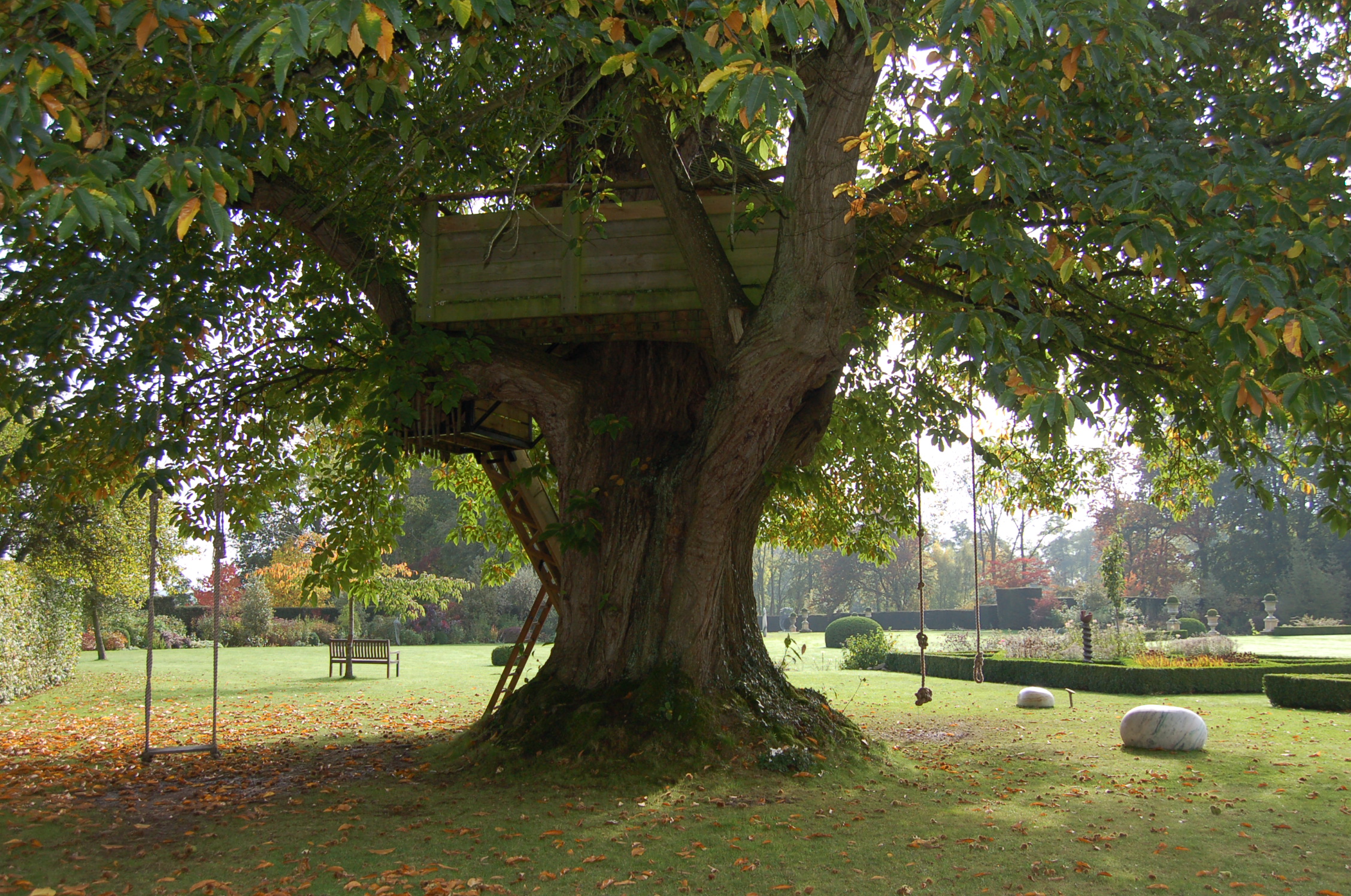
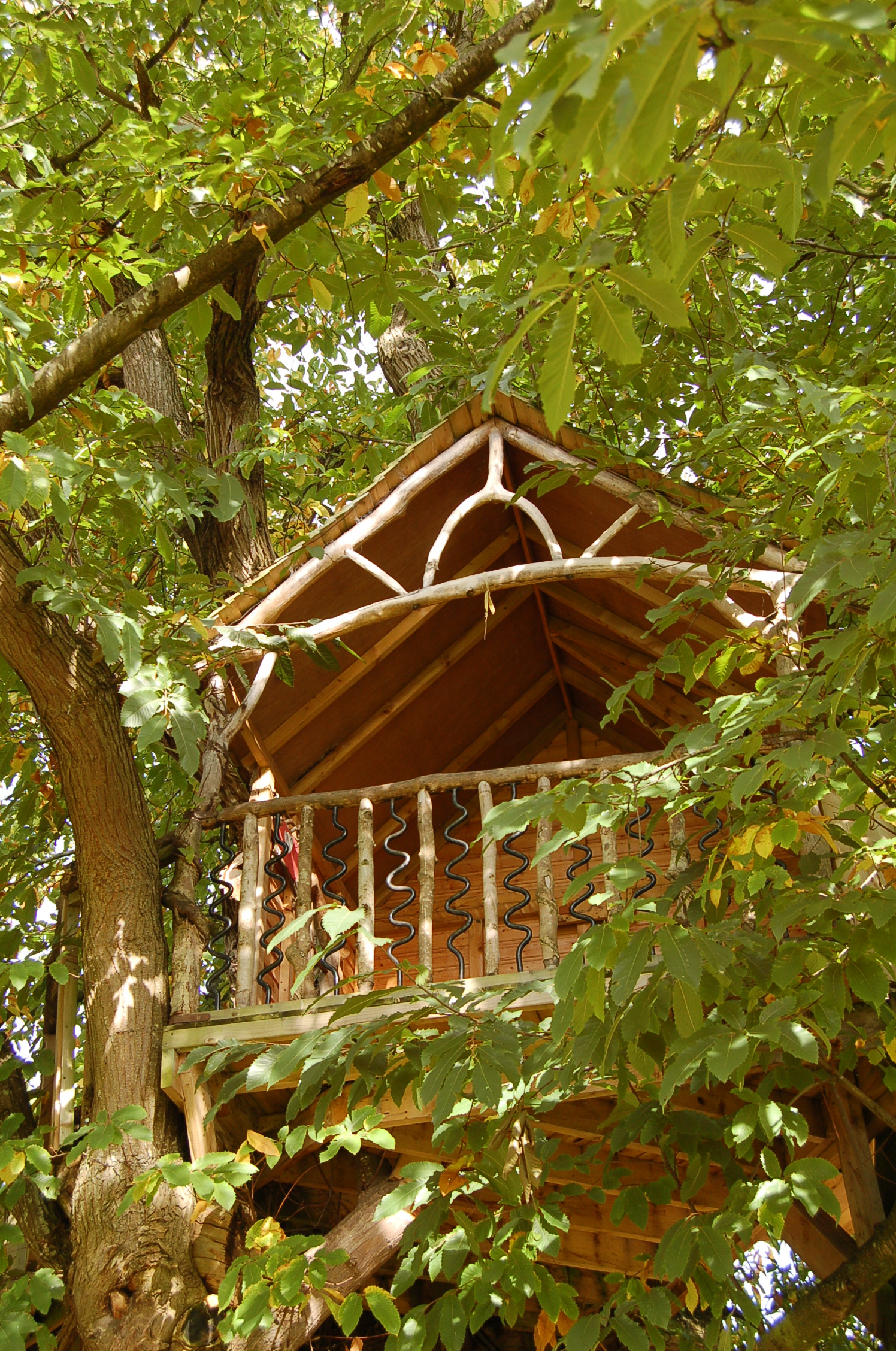
The view across open expanses of lawn was broken by the sight of this magnificent Sweet Chestnut which was made all the more magnificent by tree house lovingly crafted to embrace the trunks and main boughs.

2013 10 24_4467 2013 10 24_4470

2013 10 24_4474

Formal Italian styled gardens with frameworks of low box hedging were cut into the lawns but inside these box structures was soft herbaceous plantings.

 2013 10 24_4468 2013 10 24_4469   2013 10 24_4472  2013 10 24_4473  2013 10 24_4475 2013 10 24_4476

Further pieces of sculpture were positioned within these plantings and on the lawn itself.

2013 10 24_44772013 10 24_44792013 10 24_44812013 10 24_4482

A particular favourite piece of all four of us was positioned to frame the lake and woodlands beyond.

2013 10 24_4488 2013 10 24_4494

From the lower branches of trees hung other pieces such as these steel spheres.

   2013 10 24_4495

Mother Nature herself was not to be outdone, so she cut these gently curving lines into an old stump of a felled tree. Around the other side of the stump we found that it had been carved into a giant story telling chair with other small wooden seats scattered in front of it.

2013 10 24_44962013 10 24_4497

We were delighted to stumble across these pieces of Land Art created using pieces of natural materials found within the garden as part of a recent workshop.

2013 10 24_4508 2013 10 24_4507 2013 10 24_4506 2013 10 24_4505 2013 10 24_4509 2013 10 24_4510 2013 10 24_4511

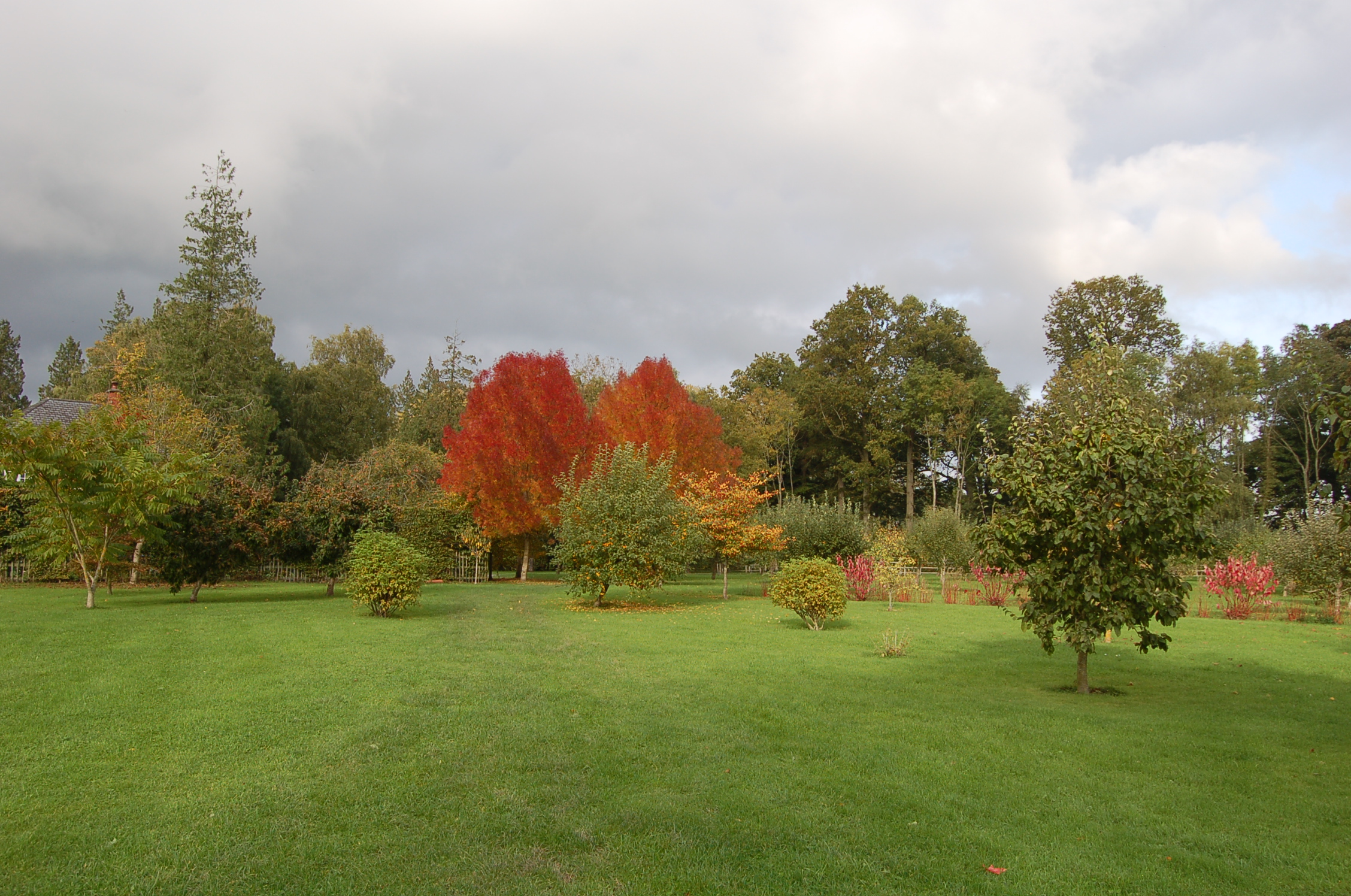
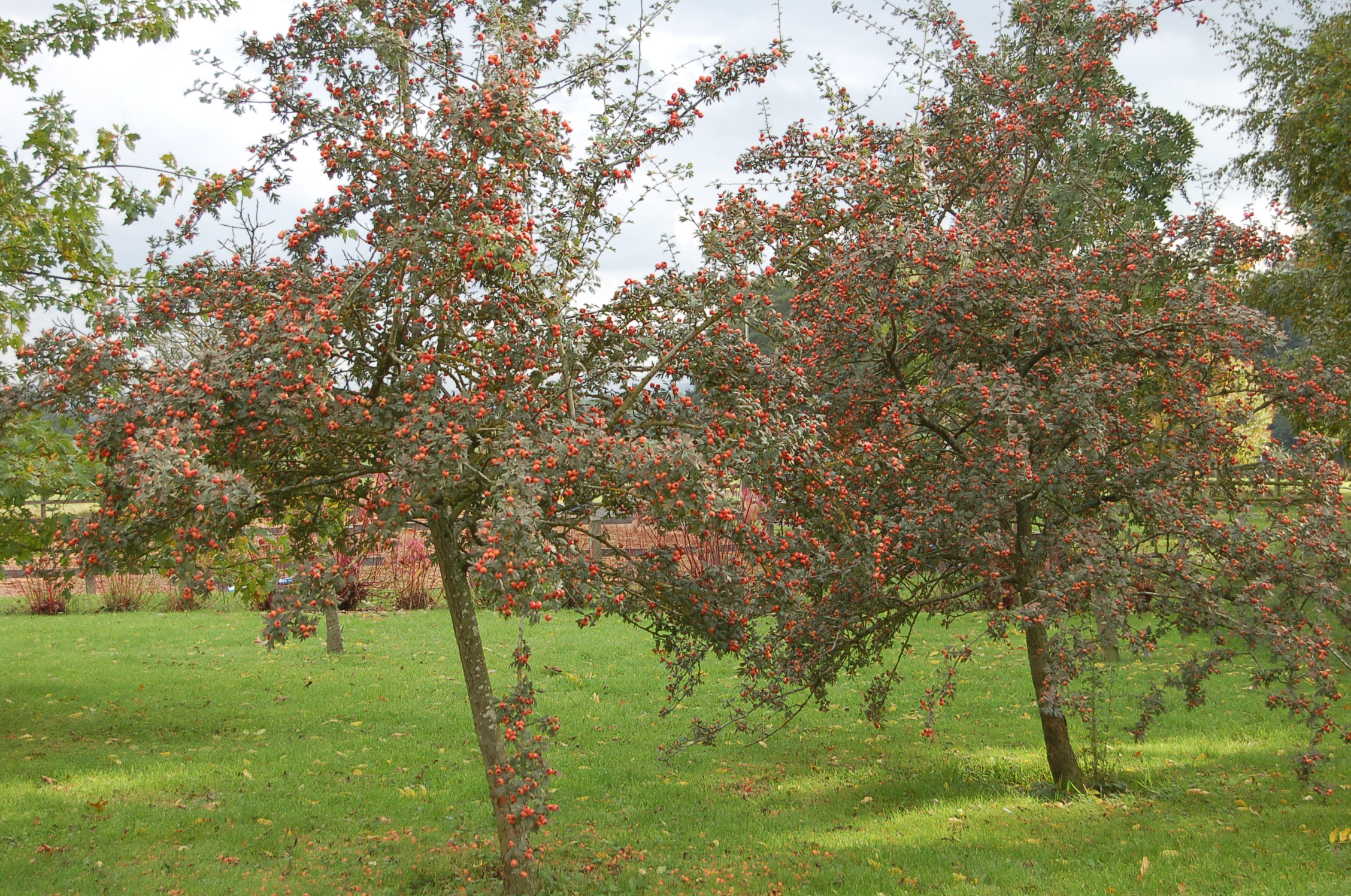
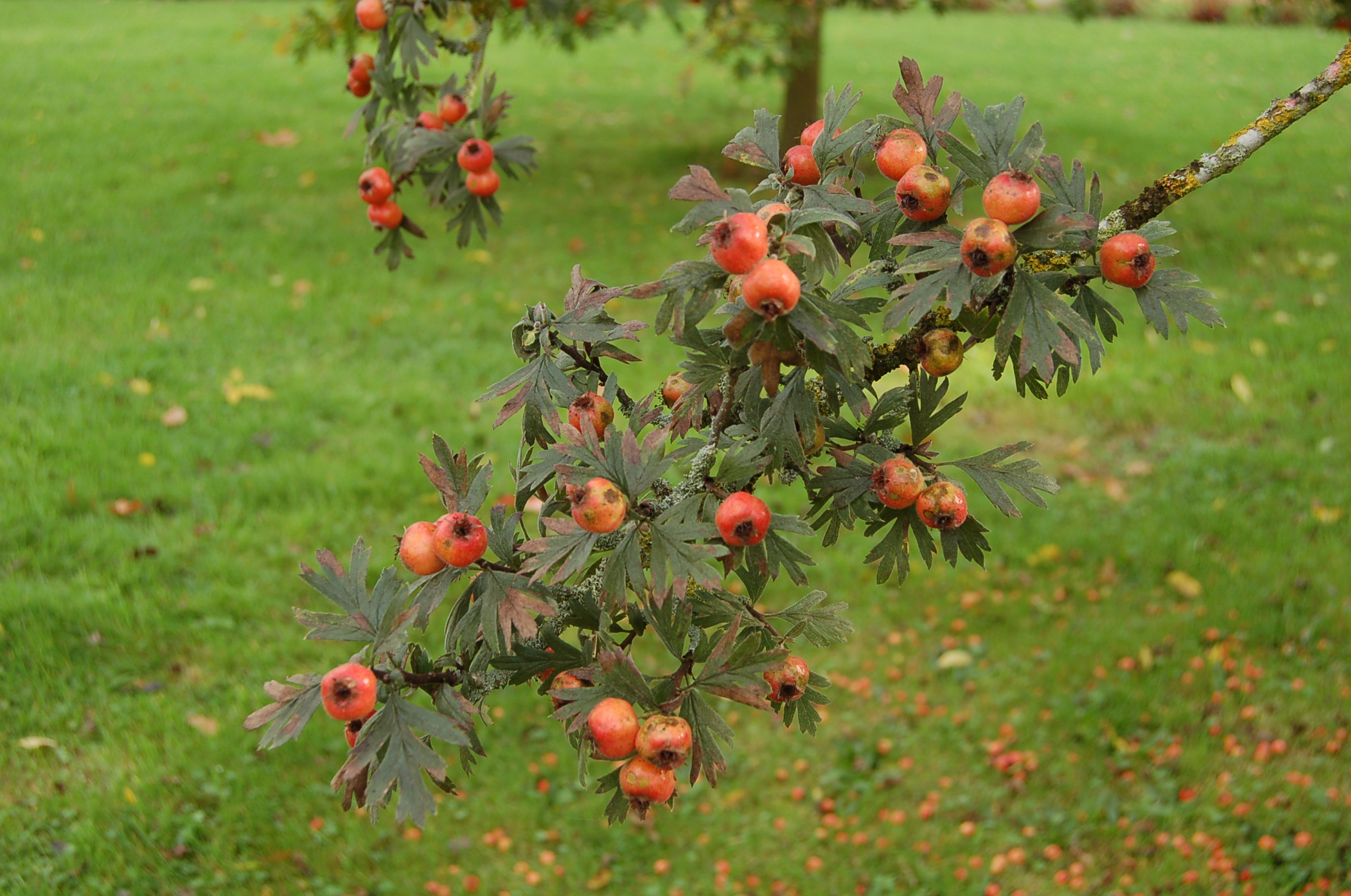
A small arboretum featured some interesting young trees which looked particularly good in their early autumn foliage colours. The tree below on the right was a stunning Crataegus and one that none of us recognised and the following two pics show the leaves and haws closer up. I have since found out it is Crataegus orientalis.

2013 10 24_4513 2013 10 24_4516 2013 10 24_4517 2013 10 24_4518

This tree in the following two pictures was another Crataegus  – prunifolia I think. After that the two photos following are of a tree with a neat habit, but again it was one we did not recognise. I thought it could possibly have been a Nyssa sylvatica but I shall have to check it out.

2013 10 24_4519 2013 10 24_4520

2013 10 24_4493 2013 10 24_4492

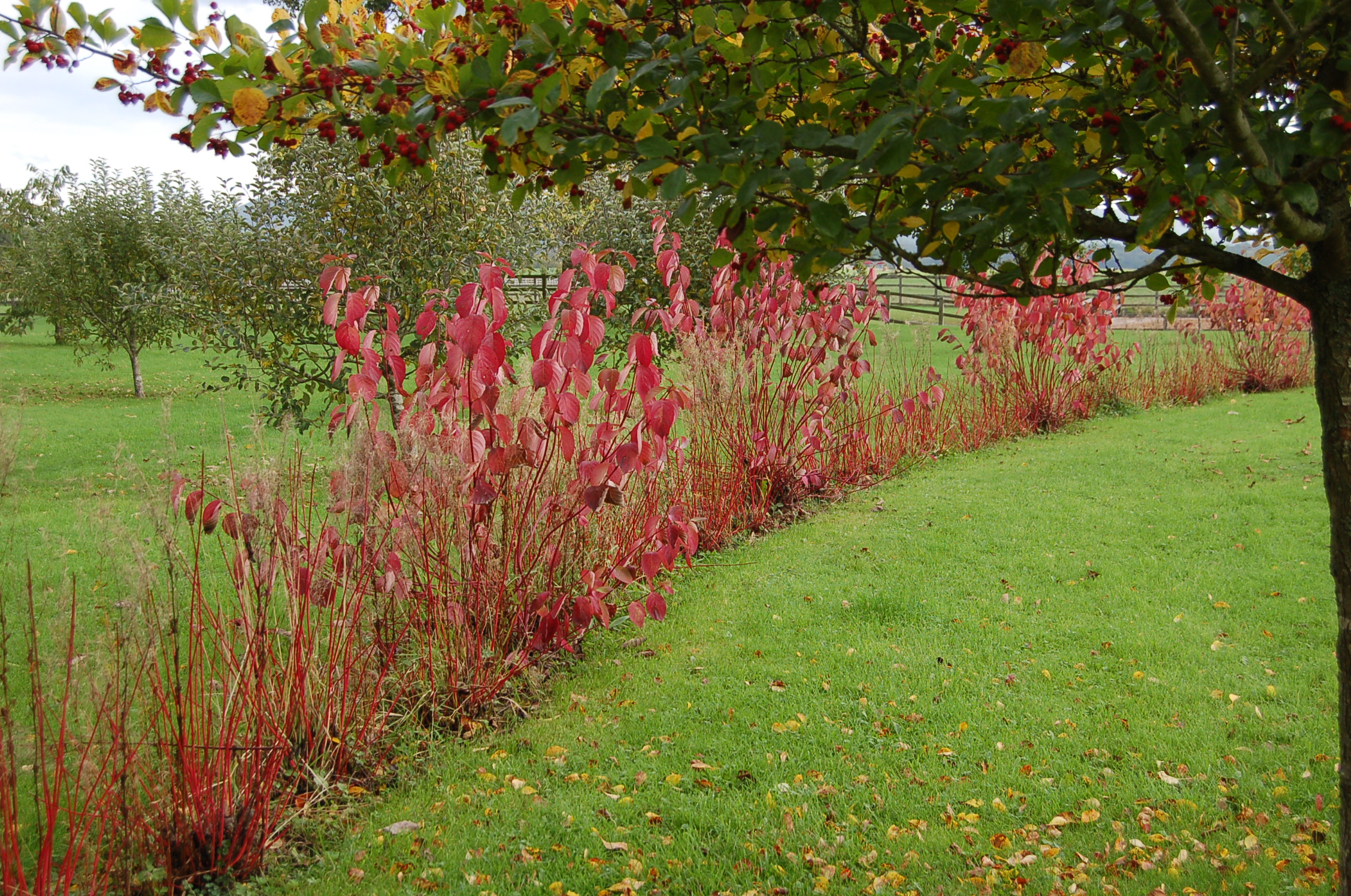
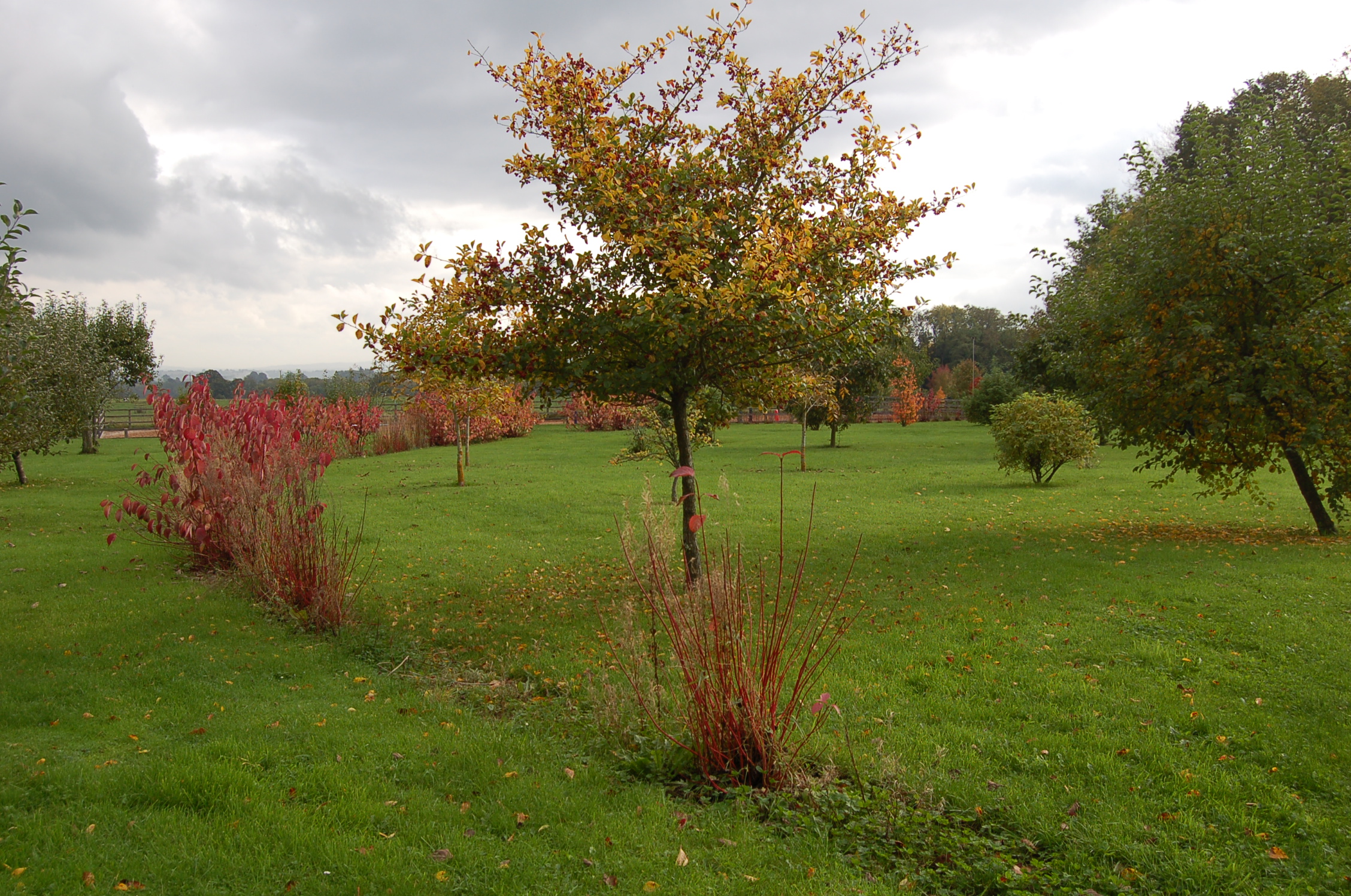
This lovely curved bed of coloured stemmed dogwoods acted as a boundary to the arboretum. The Cornus were displaying their rich red colours of autumn.

2013 10 24_4521 2013 10 24_4522  2013 10 24_4524

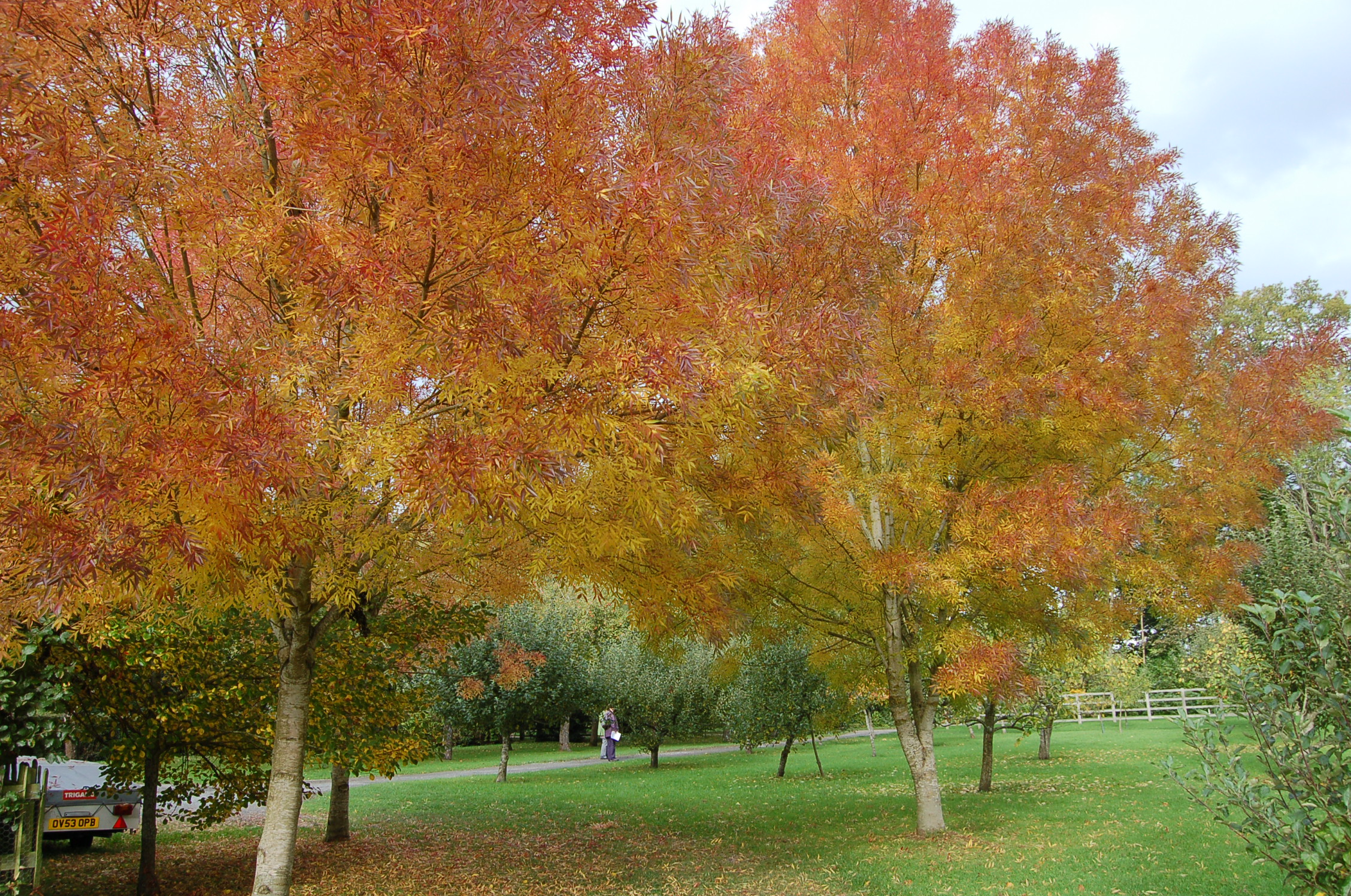
The next tree featured in the photos below is probably the best variety of Ash you can get, Fraxinus angustifolia “Raywood”, the Claret Ash.

2013 10 24_4523 2013 10 24_4533

2013 10 24_4532 2013 10 24_4534

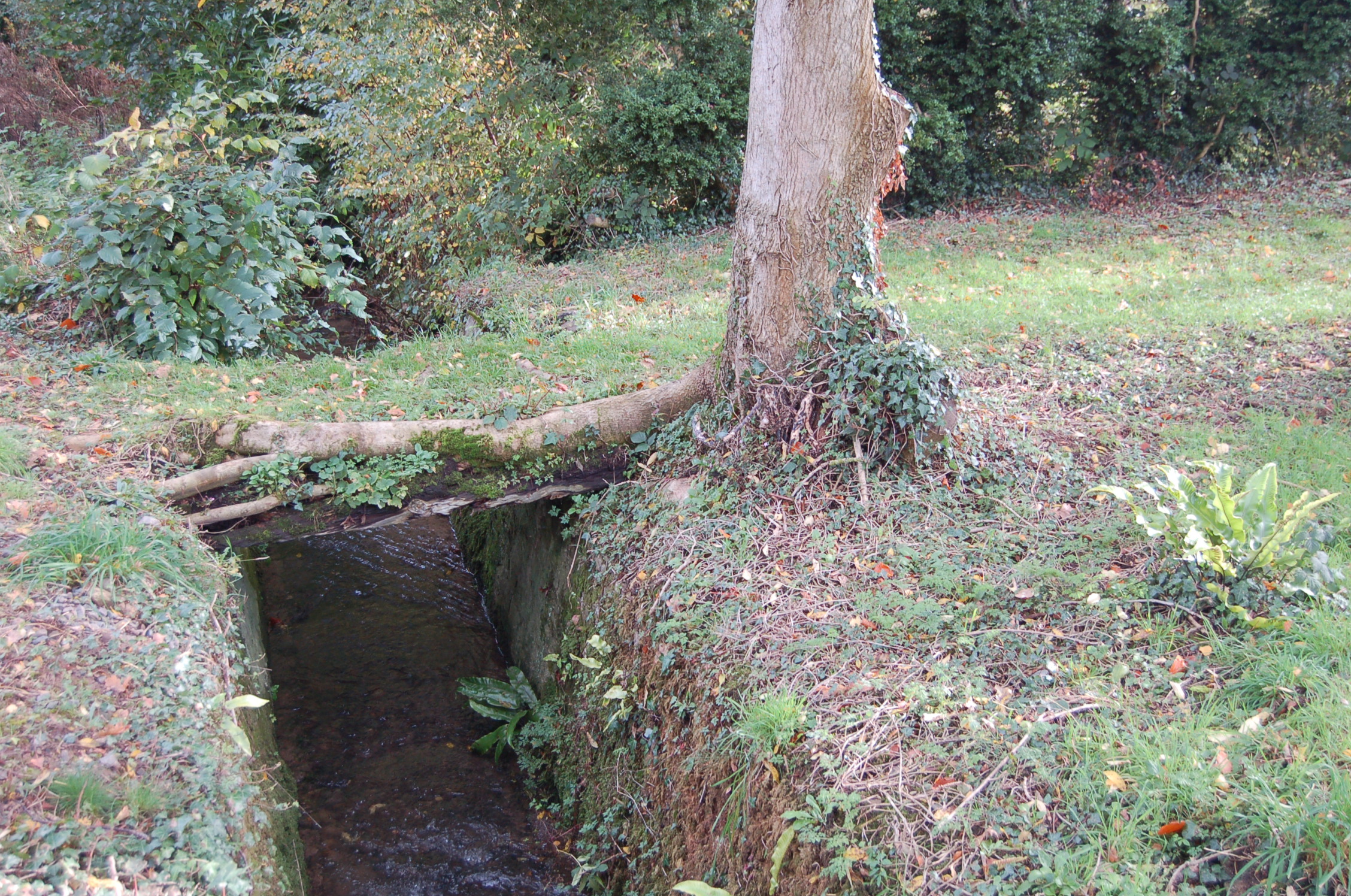
Leaving the arboretum, after enjoying studying the selection of interesting trees, we wandered off towards the walled garden, passing a ditch crossed by a bridge formed from the roots of the native Ash alongside.

2013 10 24_4535

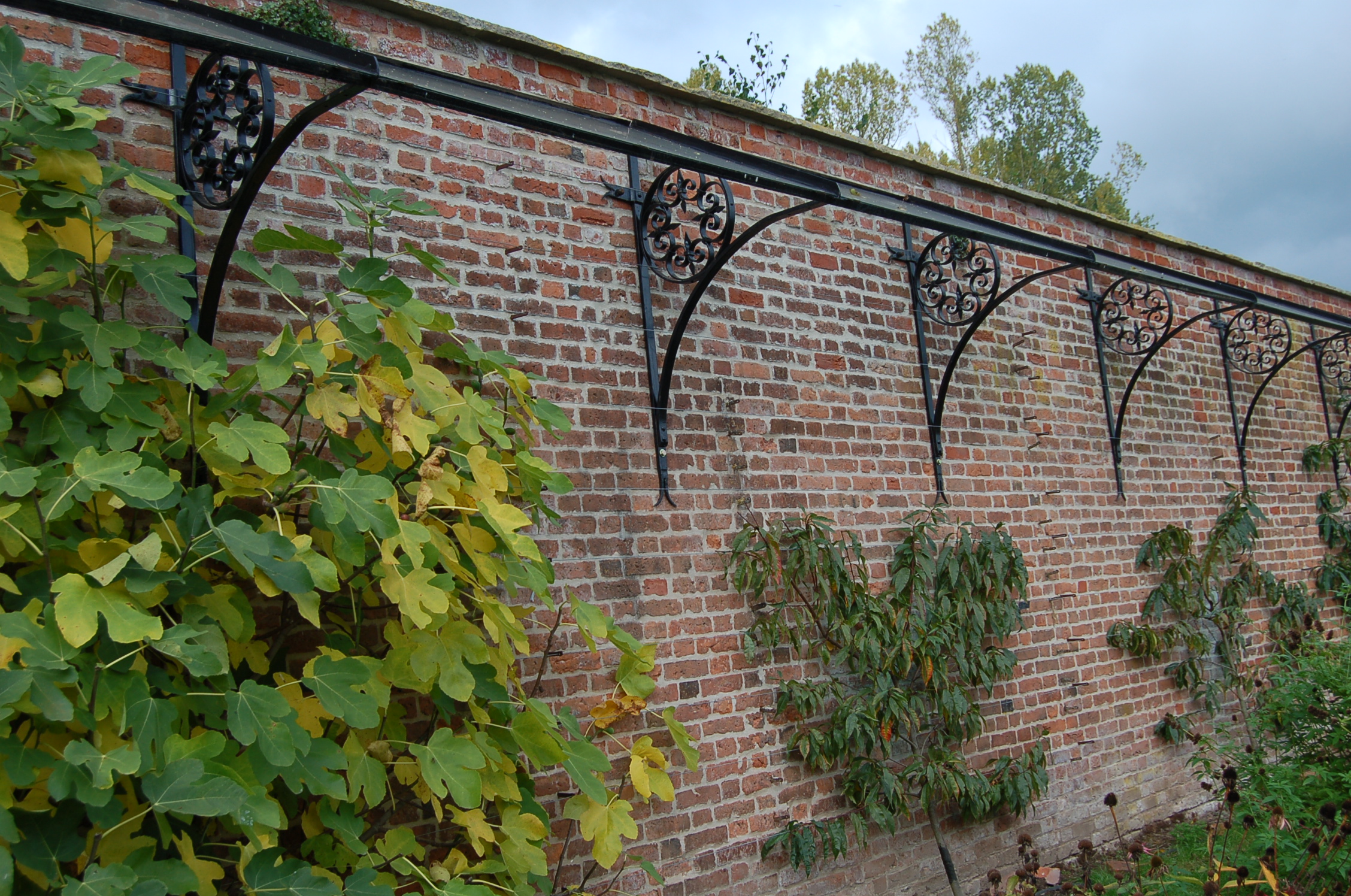
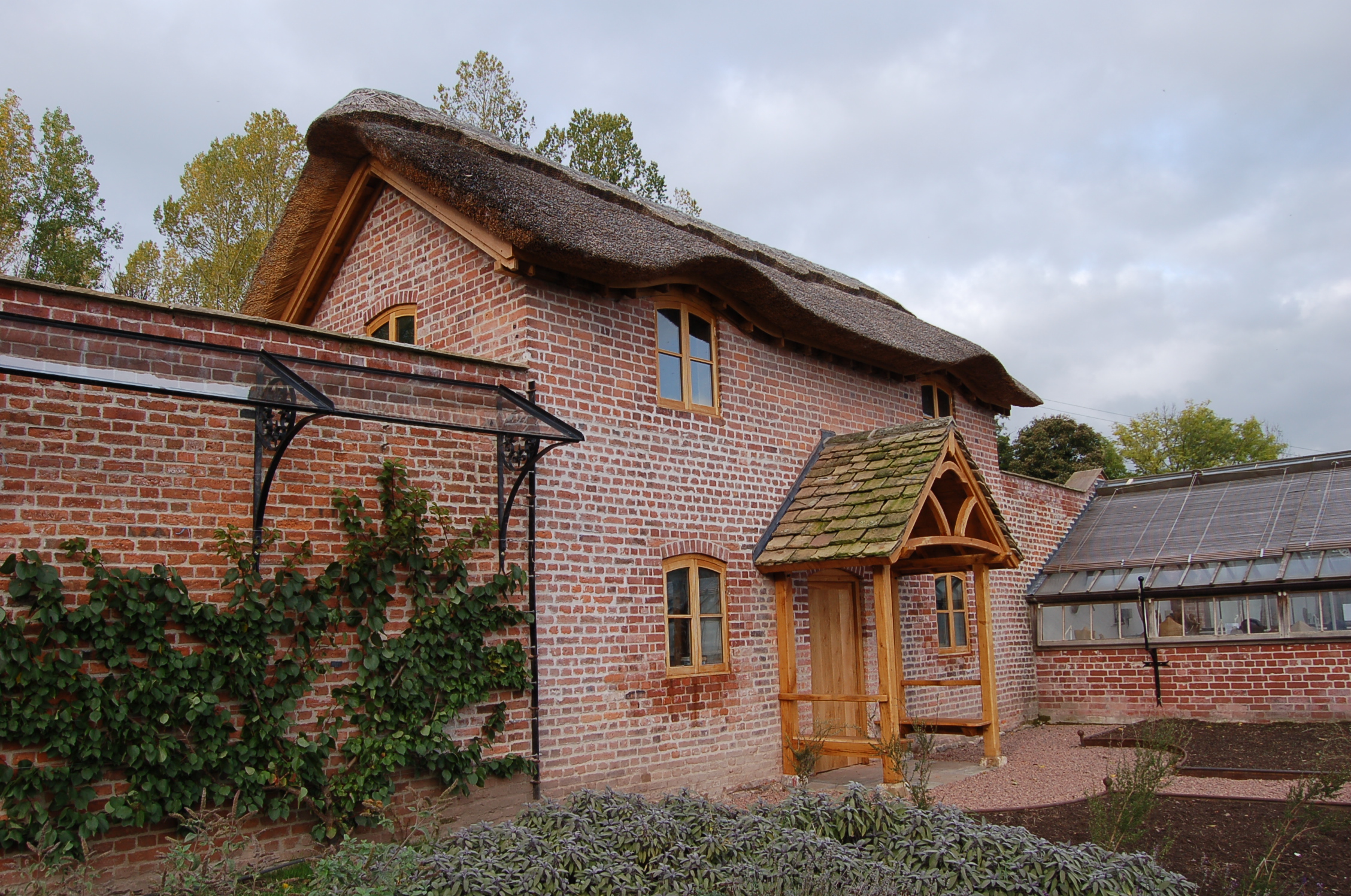
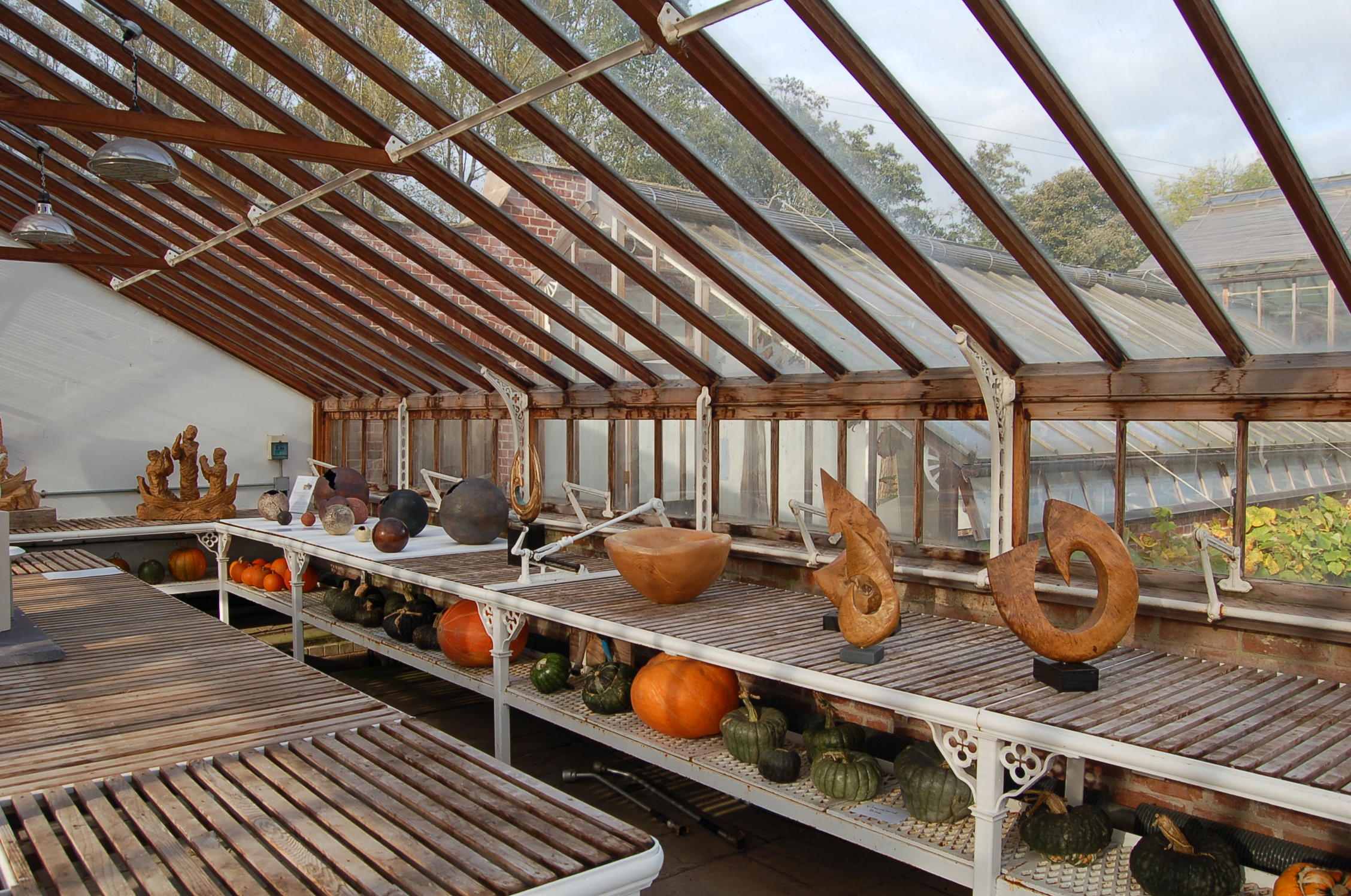
The walled garden itself was fascinating with unusual features to enjoy. The first photo below shows a peach canopy. The gardener’s cottage had been beautifully restored as had the greenhouses.

2013 10 24_4536 2013 10 24_4541 2013 10 24_4548 2013 10 24_4552 2013 10 24_4553 2013 10 24_4551 2013 10 24_4555

The pergolas which bridged the central paths was made of iron and were beautifully decorated.

2013 10 24_4558 2013 10 24_4559 2013 10 24_4560 2013 10 24_4561 2013 10 24_4563

So, although we came to Newport House to see the outdoor sculpture we found much to interest us in the gardens themselves.

This Veggie Life

A Vegetarian | Nature Lifestyle Blog

Rambling in the Garden

.....and nurturing my soul

The Arch City Gardener

Journeys In St. Louis Gardening and Beyond

Garden Dreaming at Châtillon

Consult the genius of the place

Storyshucker

A blog full of humorous and poignant observations.

gardeninacity

Notes from a wildlife-friendly cottage garden

PlayGroundology

...an emerging social science

The Official Blog of British Wildlife

'The most important and informative publication on wildlife of our times' - The Independent. This blog is a member of The UK & Ireland Natural History Bloggers group: www.uknhb.blogspot.com

iGrowHort

Inspire - Cultivate - Grow Native Plants - Restore Landscapes

Bishops Meadow Trust

To create and protect a semi-natural wild space for the people of Farnham to enjoy and experience an array of British wildlife in our town

Gardening with Children

The www.gardeningwithchildren.co.uk Blog

UKbirdingtimeline

birding through the seasons, why birds matter and how to conserve them

NATURE WALKER

with a camera in hand

Jardin

Transform your outdoor space

Eva's space

My allotment, cooking and other interests

Old School Garden

my gardening life through the year

LEANNE COLE

Trying to live a creative life

fromacountrycottage

trying to live as lightly as possible on our beautiful planet

Good Life Gardening

Nature lovers from Leicester living the good life.

mybeautfulthings

Finding the beautiful in the everyday

mawsonmichelle

Michelle's Allotment

In and Out of My Garden

thoughts from and about my garden

Greenhousing

Big plans for a small garden

The Scottish Country Garden

A Walled Country Garden in South East Scotland

The Fruity Chicken

Life at the fruity chicken

willowarchway

Off grid living. Self sufficient. "PERMAGANICS RULE".

St Anns Allotments

Nottingham's Grade 2* Listed Allotments and Community Orchard

Manifest Joy Harvests

a journey in suburban vegetable gardening

Allotmental

The madness of growing your own

Penny's Garden: a harvest beyond my front door

A novel approach to vegetable gardening

arignagardener

Sustainable living in the Irish countryside.

NewEnglandGardenAndThread

Master Gardener, amateur photographer, quilter, NH native, and sometimes SC snowbird

dianajhale

Recent work and work in progress and anything else that interests me

planthoarder

a chaotic cottage gardener

Lens and Pens by Sally

a weekly blog that creates a personal philosophy through photographs and words

Dewdrops and Sunshine

Stories from a sassy and classy Southern farmbelle.

The Pyjama Gardener

Simple Organic Gardening & Seasonal Living

gettin' fresh!

turning dirt into dinner

JOY...

today the world is created anew

Garden Birds

Notes from a Devon garden

ShootAbout

Life Through The Lens

Adapting Pixels

A photography blog showcasing the best photography pictures and videos on the internet

Wildlifegardening's Blog

Just another WordPress.com site

naturestimeline

personal observations from the natural world as the search continues for a new approach to conservation.

LATEBLOOMERBUDS

The Wonders of Life through my Eyes, my Heart, my Soul