Categories
climbing plants flowering bulbs garden photography gardening gardens hardy perennials ornamental trees and shrubs shrubs spring bulbs spring gardening trees

My Garden Journal 2017 – April

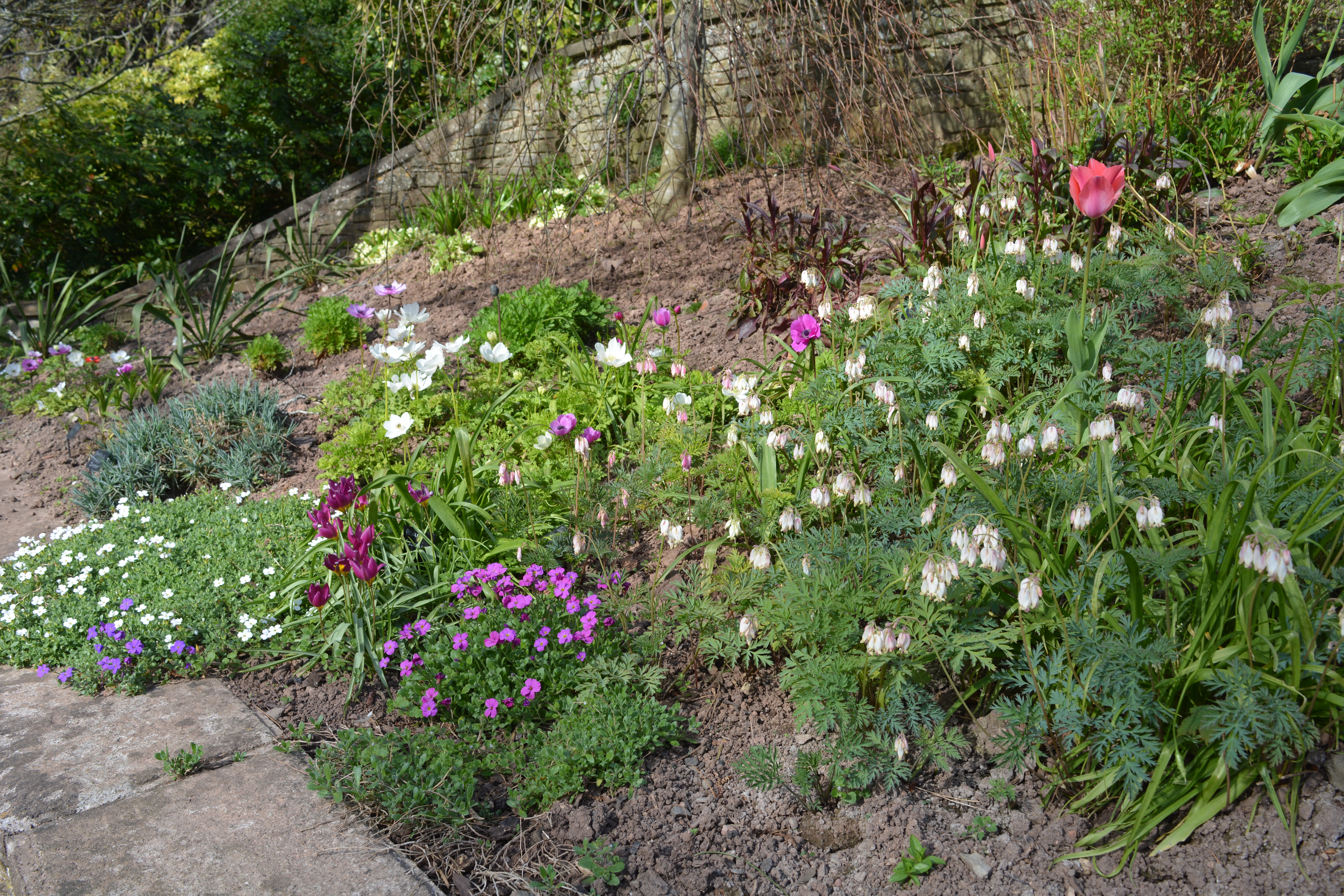
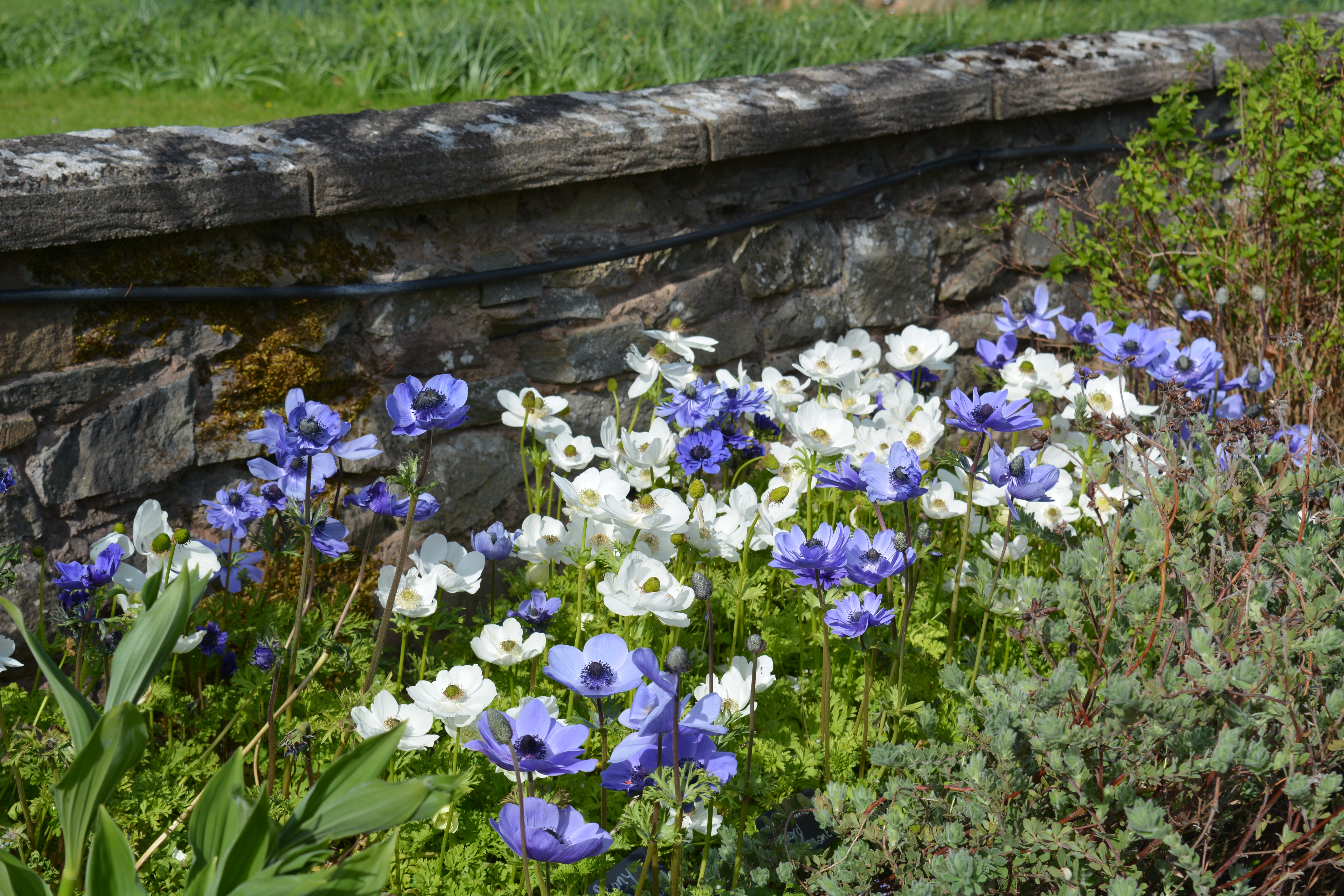
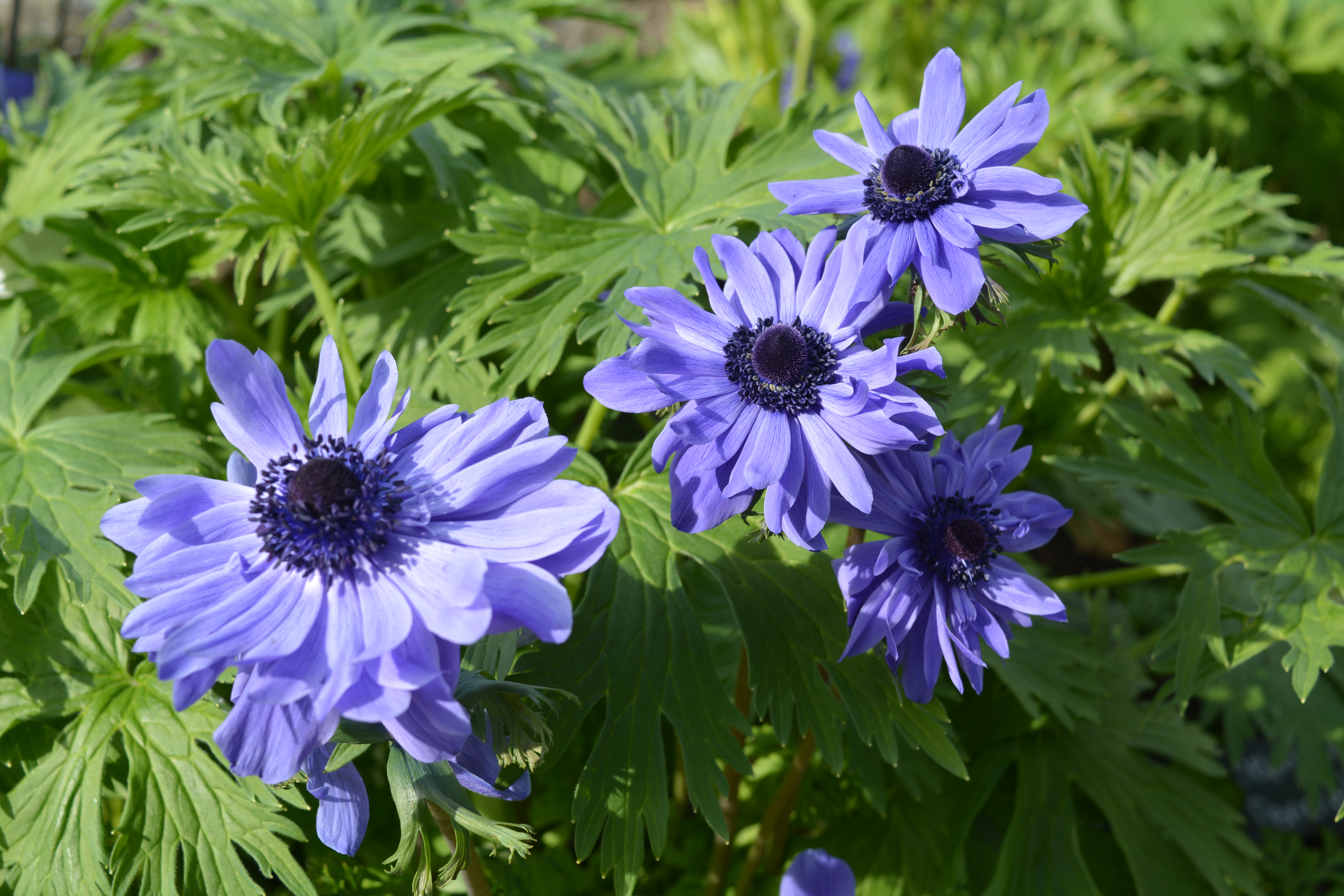
We are well into Spring now as I share my April journal with you and there has been lots going on. This April has been the most colourful ever in our Avocet Patch.

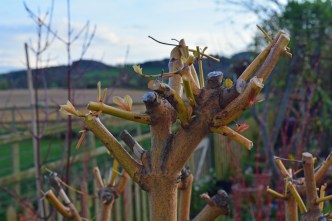
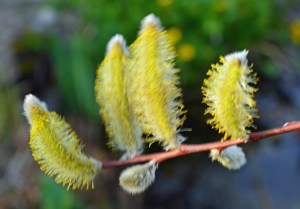
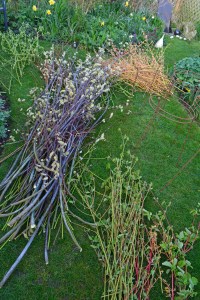
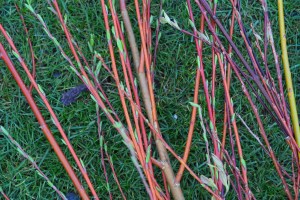
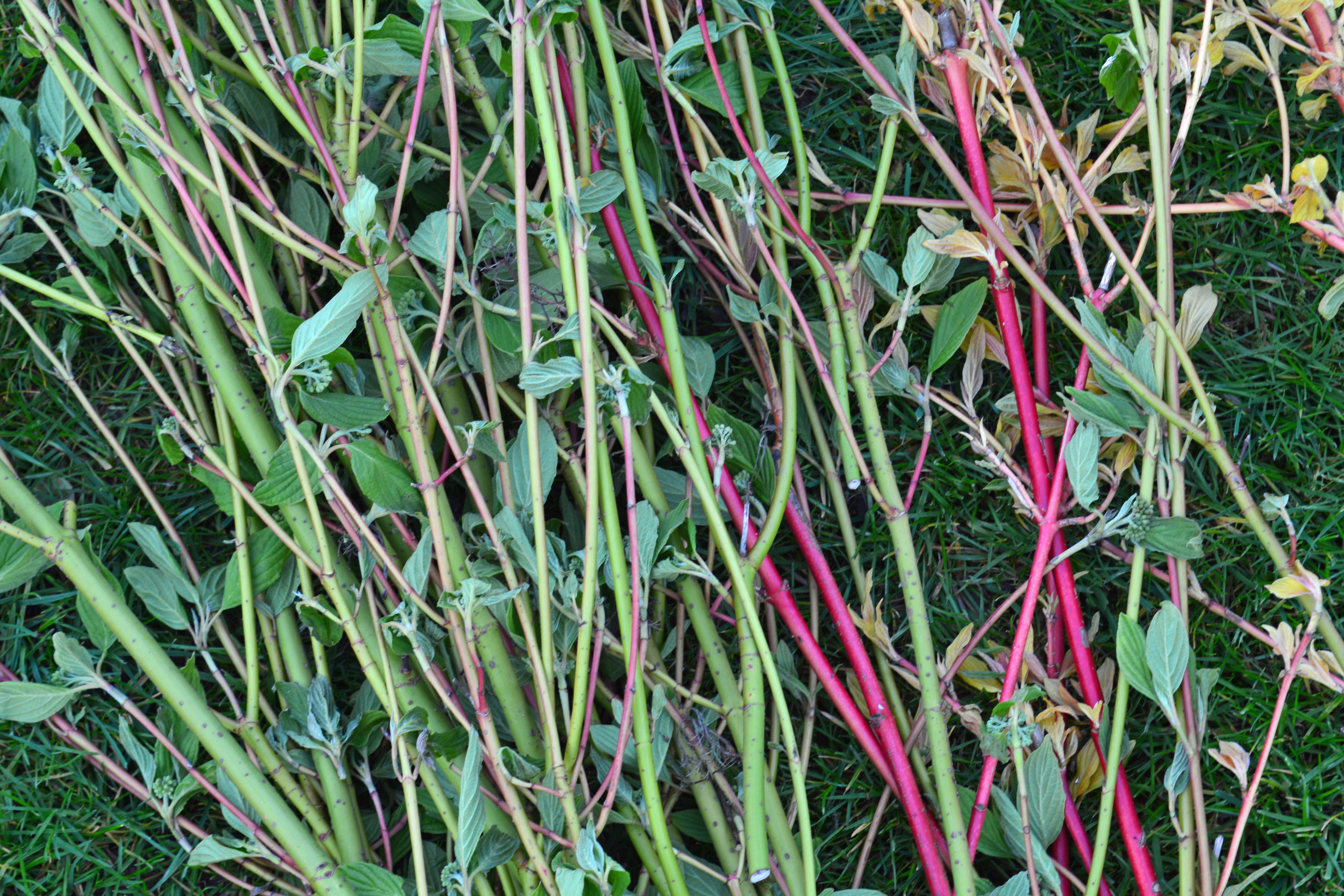
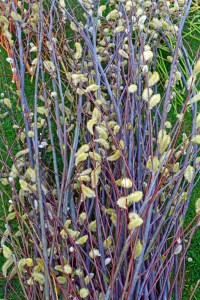
The last week in March or the first in April is the best time to cut down willows (Salix)  and dogwoods (Cornus). It is a careful balance between enjoying these shrubs’ beautifully coloured stems for as long as possible and cutting them down in time for fresh coloured stems to grow in time to enjoy next winter. I wrote, “Before taking the Dogwood and Willow stems to be made into community compost, I decided to attempt to draw them in fibre tip pens.” Collecting them together and then selecting a bunch to draw emphasises the wide variety in colours these shrubs produce.

In complete contrast we look at brightly coloured flowering bulbs over the next two pages.

I wrote, “Bulbs continue to give brightness and colour at ground level in the garden this month but above them trees and shrubs perform equally well.”

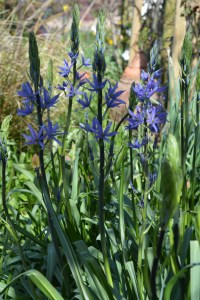
Below I shared photographs of small flowering bulbs all coloured blue, what I labelled “The “lbj’s” of the bulb world – the little blue jobs.”


“One of the most beautiful and brightest of all Spring bulbs is a native in the UK after becoming naturalised. It grows in the South, Central and Eastern parts of England and scattered thinly around Scotland. It must give flowers that are as bright as yellow can become and it is scented too. Tulipa sylvestris.”


Returning to the shrubs and trees I wrote on the next double page spread, So, what sort of performances are our trees and shrubs putting on above the bright flowering bulb?”

“Amelanchier lamarckii”


“Spiraea arguta”


“Viburnum in variety”


“Ribes odoratum”


“Mahonia aquifolium”


“Ribes sanguineum King Edward VII”

“Fruit blossom”


On the next turn of the page we notice two pages about my favourite tree, Betulas (Birches)

I began by writing, “As our Birch trees grow we have to occasionally prune off some lower branches to create a specimen clean-trunked tree. When I recently took off two branches of our Betula albosinensis septentronalis, I kept a few lengths for me to paint or draw.” I created a picture using fibre pens and watercolours.

I continued, “By mid-April our Betula are all at different stages of realisation that spring has arrived. Some are almost in full leaf while others still have tight buds, some have long catkins, others none at all.”


I then moved on to reveal my plant of the month for April and on the opposite page looked at some of our April flowering Clematis.

“Plant of the month, April, is Corylopsis spicata, a flowering shrub with a beautiful habit of growth and beautiful pale yellow flowers, almost lemon shades, which hang in racemes as light as a feather so shimmer and dance in the gentlest of Spring breezes. The flowers are gently, sweetly scented. Our shrub at 2 metres tall is probably fully grown. It grows with an open “airy” habit.”


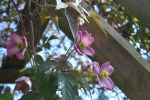
“April sees our early flowering Clematis putting on their show, with delicate hanging bells of calmness.”


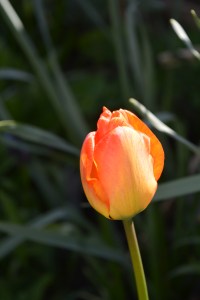
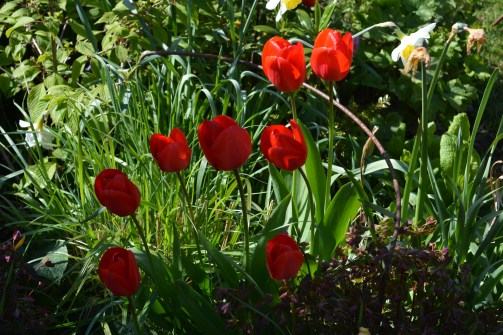
Tulips feature on the next double page spread, with photographs of a small selection of the many tulips we grow.

“Tulips are the powerhouse of the April borders here at our Avocet patch, giving bright, shining patches of colour from white, to pink and purple and from yellow through orange to the deepest reds. Some are plain, others striped, splashed or streaked for added interest. In Spring clashing colours seem not to matter. Tulips add colour to every border! Enjoy the show!”


The final two pages of my April entries in my journal feature Acers and a few very special plants.

“Acers spring to life during this month giving wild splashes of colour from their freshly opened buds. Every shade of green with the colours of fire!”


I shall finish my April entries with a look at a selection of a few of our special plants, those plants that are not often seen and in our garden demand a closer look.

“Akebia quinata”

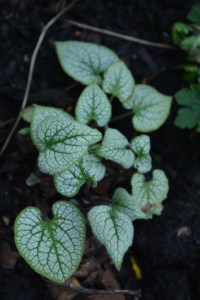
“Muckdenia Crimson Fans”

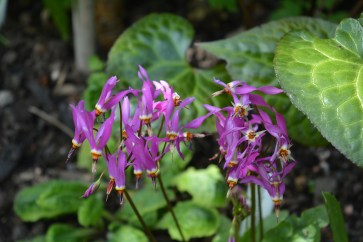
“Erythronium Pagoda”

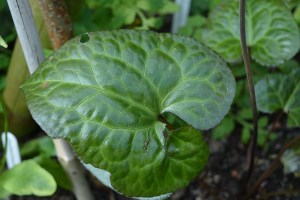
“Jeffersonia Dubia”

Categories
flowering bulbs garden buildings garden design garden photography garden wildlife gardening hardy perennials migration ornamental trees and shrubs Shropshire shrubs spring bulbs spring gardening trees Yellow Book Gardens

My Garden Journal 2017 – March

The weathermen tell us that March is the first month of Spring so in this our third look at my 2017 Garden Journal we shall see if our garden illustrates this idea at all.

As an introduction to the month I wrote,”March is the month that should come in like a lion and go out like a lamb”. This year it came in like a wet fish! Rain and wind dominated, interspersed with occasional bright cheerful days. In the first week we managed very few gardening moments. But the Avocet patch will not be beaten, with leaf and flower buds bursting on trees and shrubs, signs of colour waiting in the wings.”

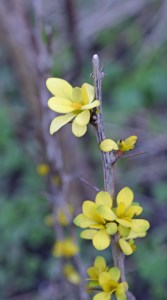
“Bursting blooms”! I continued by sharing photos of flowers bursting from buds.


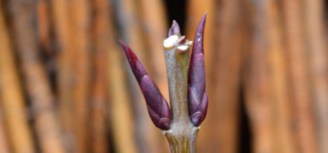
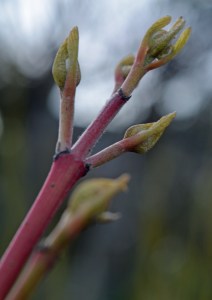
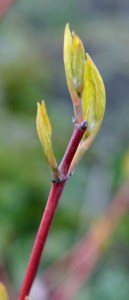
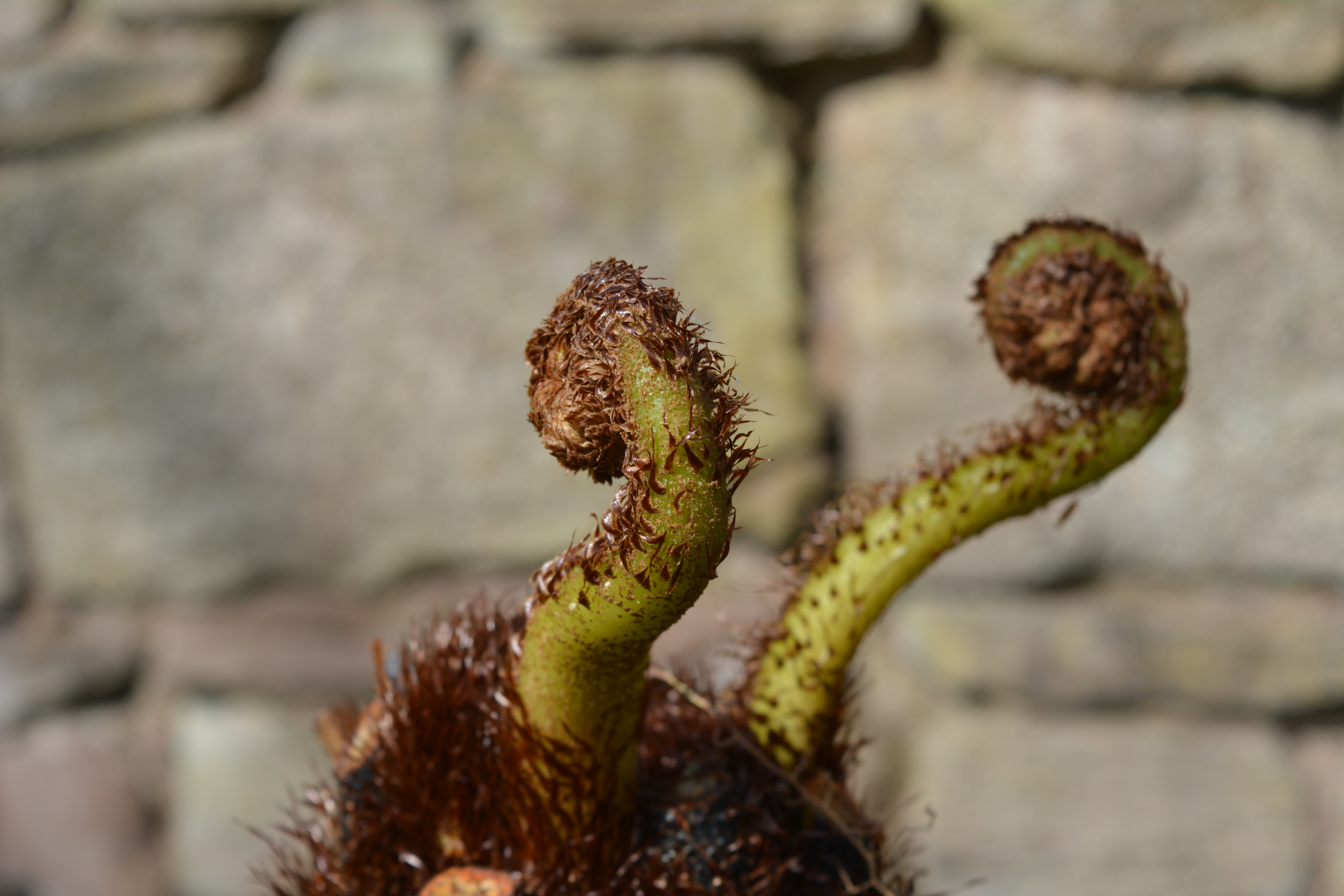
 “Unfurling foliage!” And more of foliage escaping their bursting buds.
       

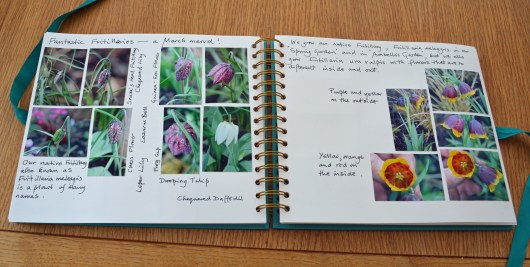
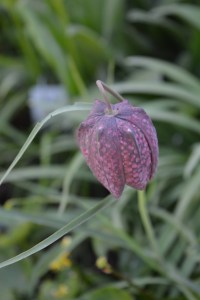
Turing over the page reveals a look at our Fritillaries, Fritillaria meleagris and Fritillaria uva vulpis which grow in our Spring Garden and in Arabella’s Garden.

I write among my  photos of Fritillaries,  “Fantastic Fritillaries – a March marvel! 

I looked for all the common local names for this Fritillary. “Our native Fritillary also known as Fritillaria meleagris is a plant of many names.”


“Snake’s Head Fritillary – Chequered Lily.”


“Chess Flower – Leper Lily” – Lazurus Bell”


“Guinea-Hen Flower” –  “Frog Cup”


“Drooping Tulip” – “Chequered Daffodil”

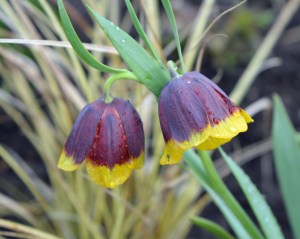
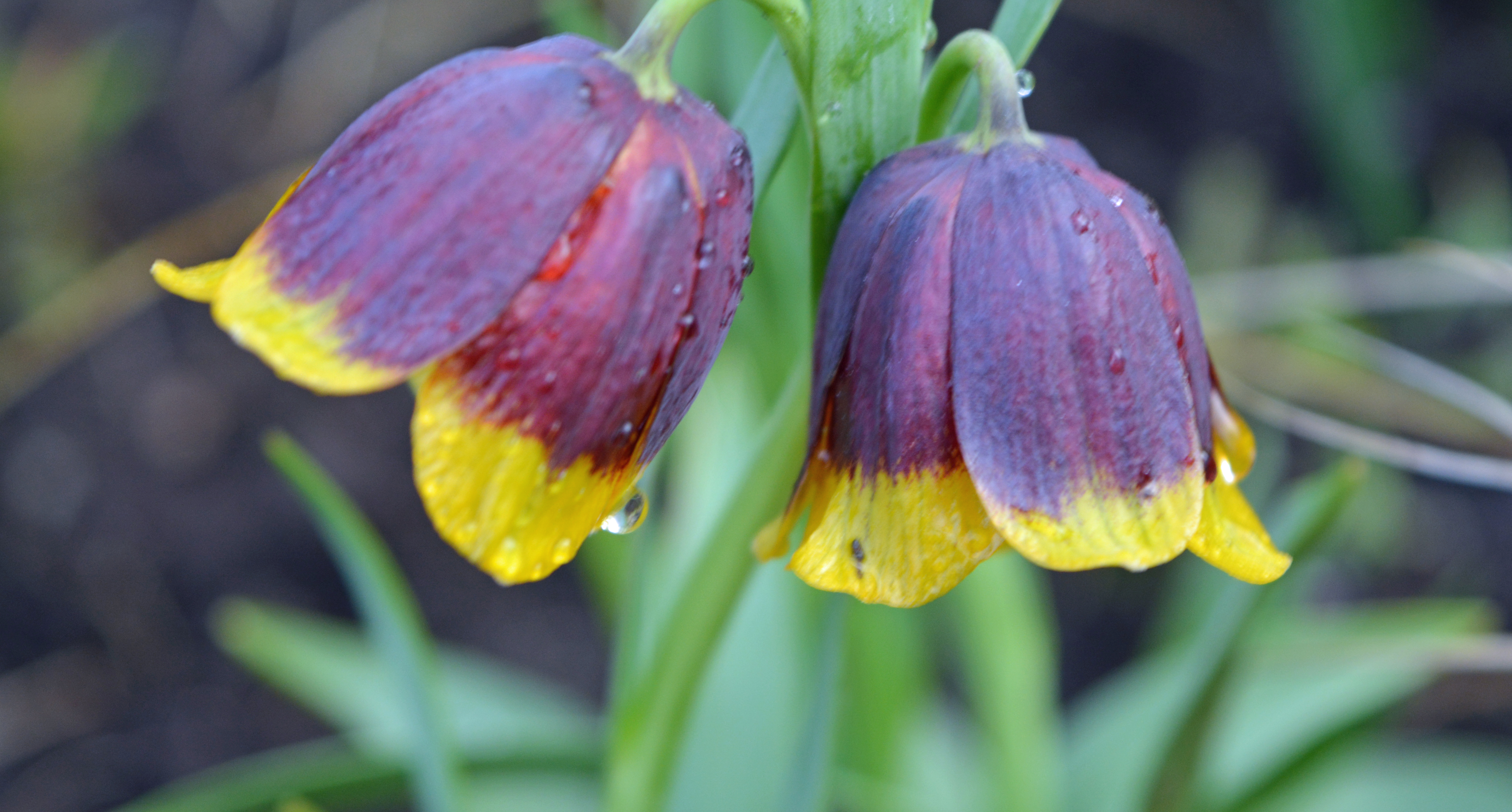
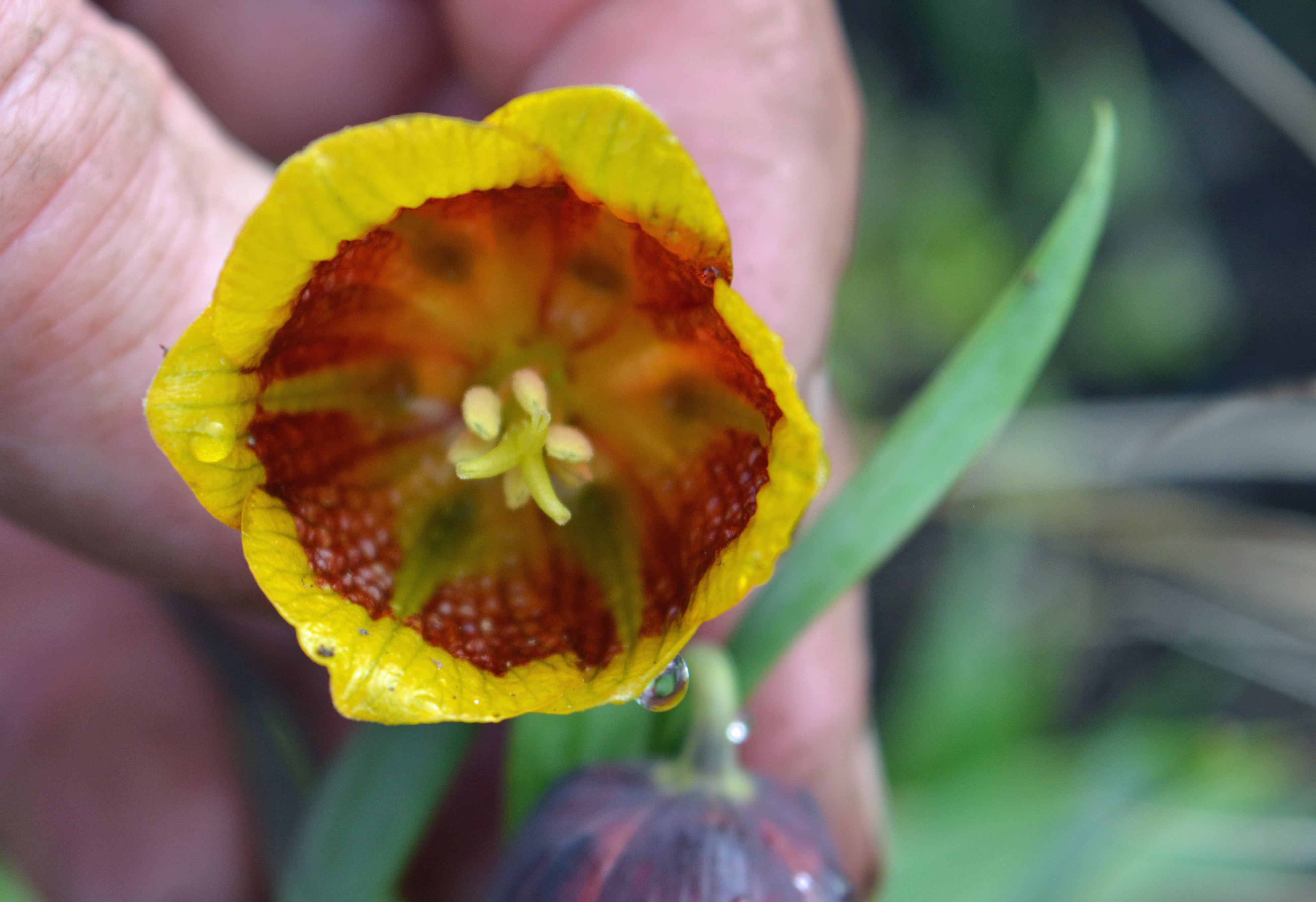
We grow our native Fritillary, Fritillaria meleagris in our “Spring Garden”, but we also grow Fritillaria uva vulpis with flowers that are so different inside and out.


“Purple and yellow on the outside.”

“Yellow, orange and red on the inside.”


Over onto the next double page spread and I take a look at a special rather subtle plant combination and some early tulips.

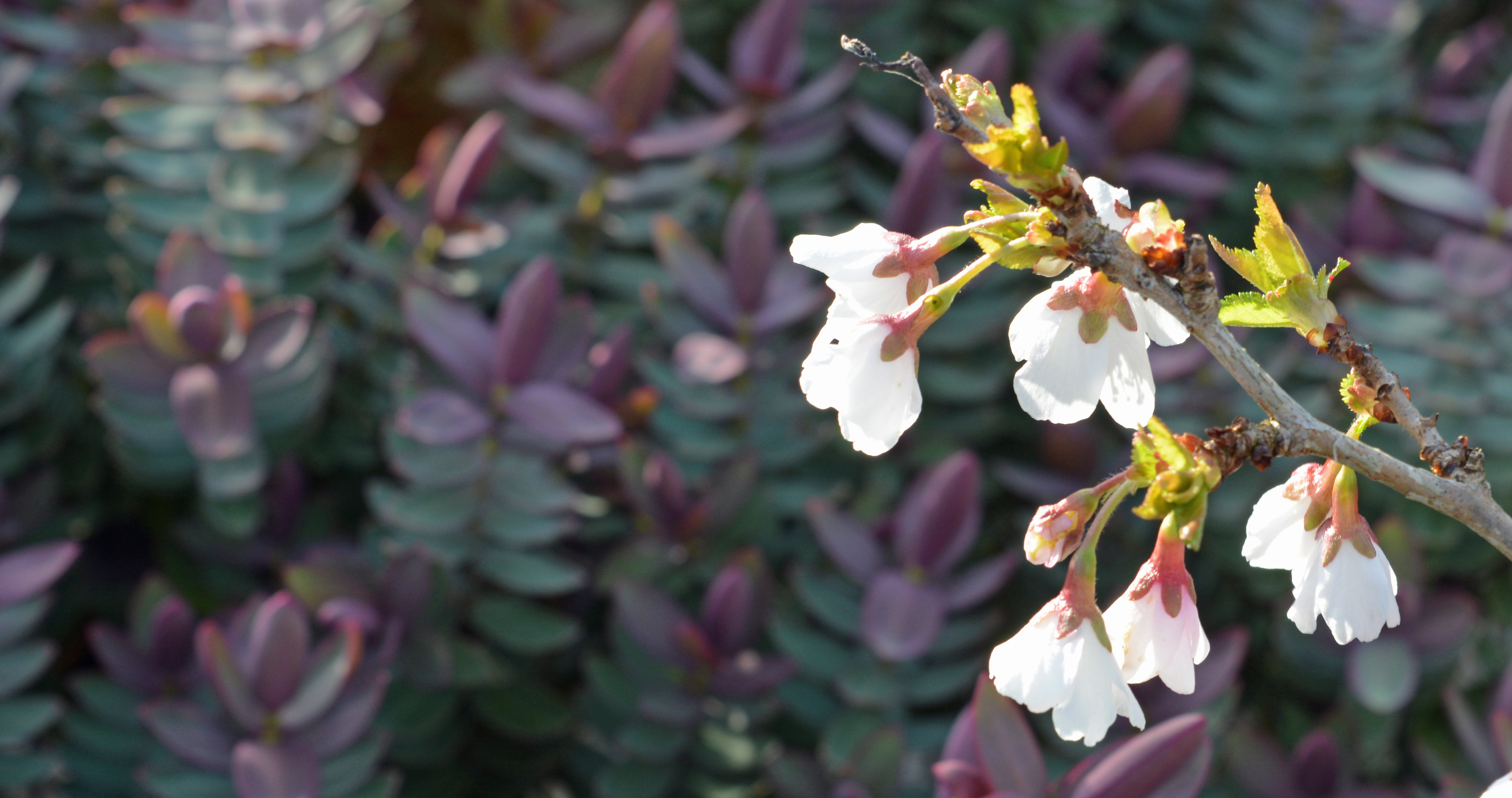
I wrote that “Good plant companions and communities are what lifts a garden above a collection of plants put on display. Sometimes two beautiful special plants with strong attributes of their own shine out even more when joined  together to produce a harmonious pairing, each enhancing the other. Here, I feature the combination of a Hebe “Red Edge” and a Prunus, P. “Kojo No Mai”. The blushing of the Hebe foliage is a perfect foil for the “washing powder white” of the Prunus’ petals.”


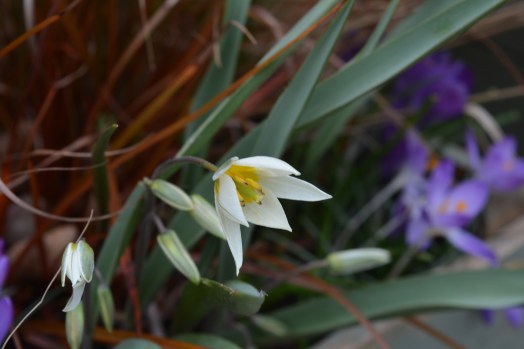
Moving on to look at some of our species tulips, I wrote, “The tiny flowers of our many species Tulips are now putting in an appearance, impressing with their delicacy and subtlety. The blooms open with the sun and close with its disappearance.”


Next we move on to my plant of the month for March. I wrote.

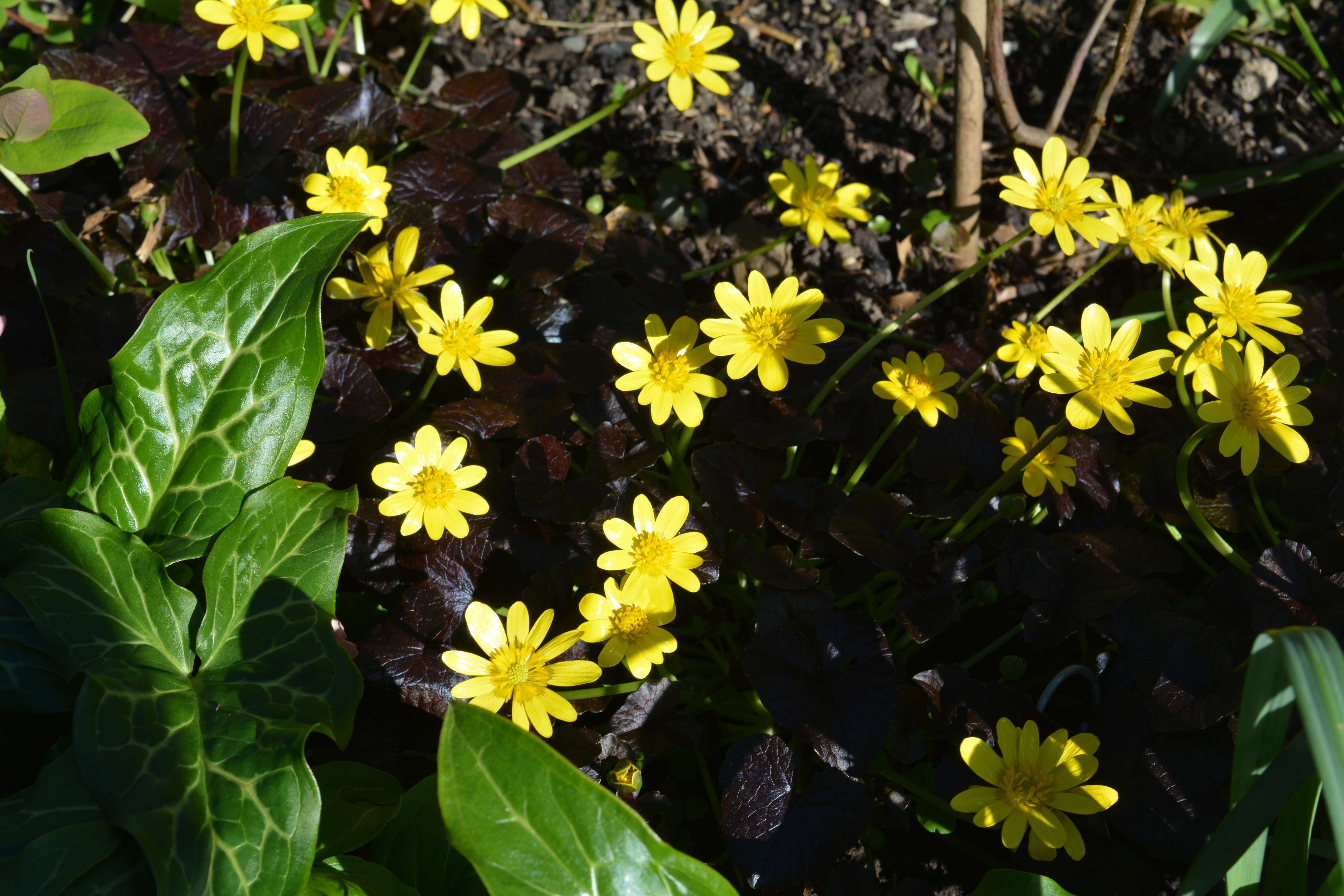
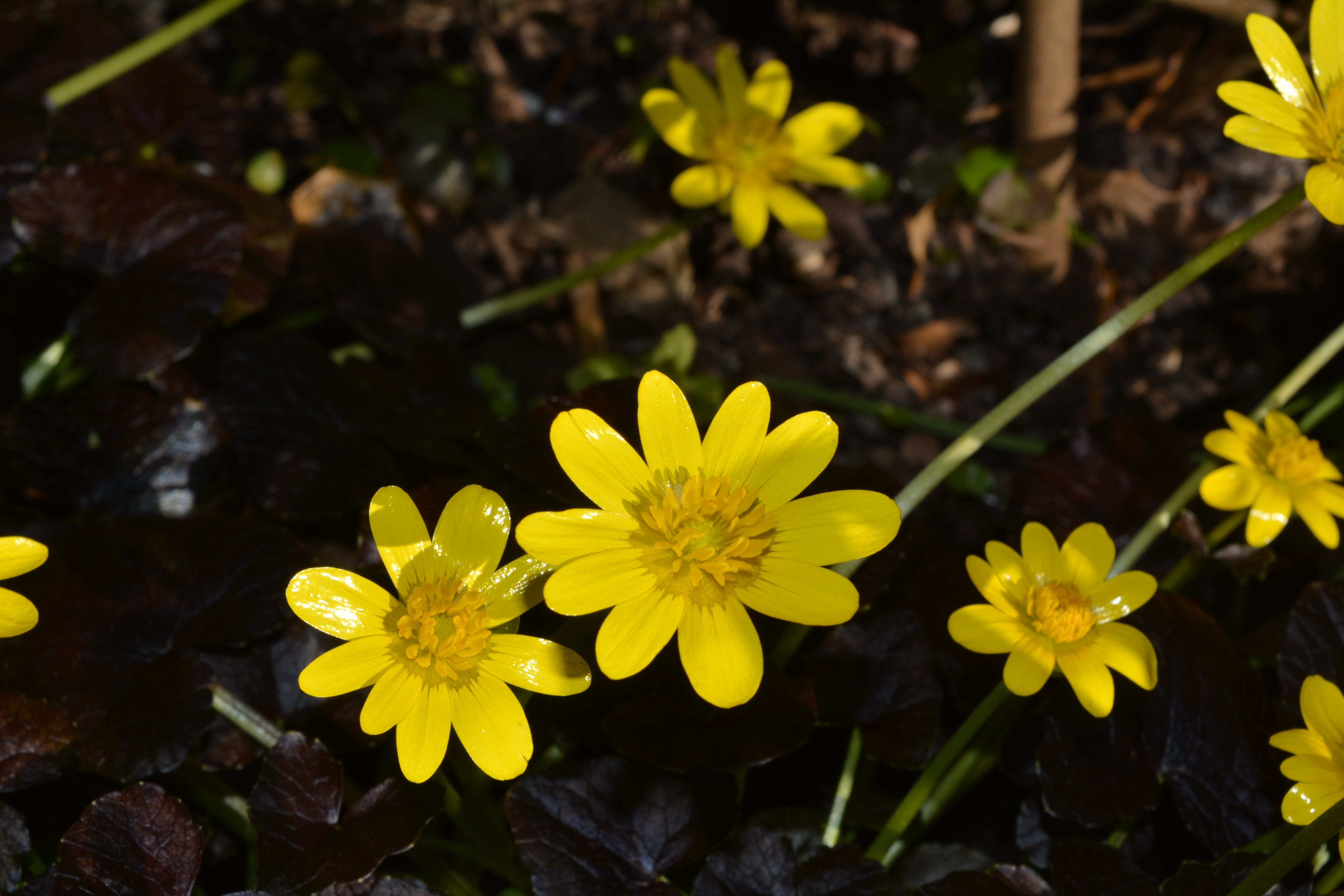
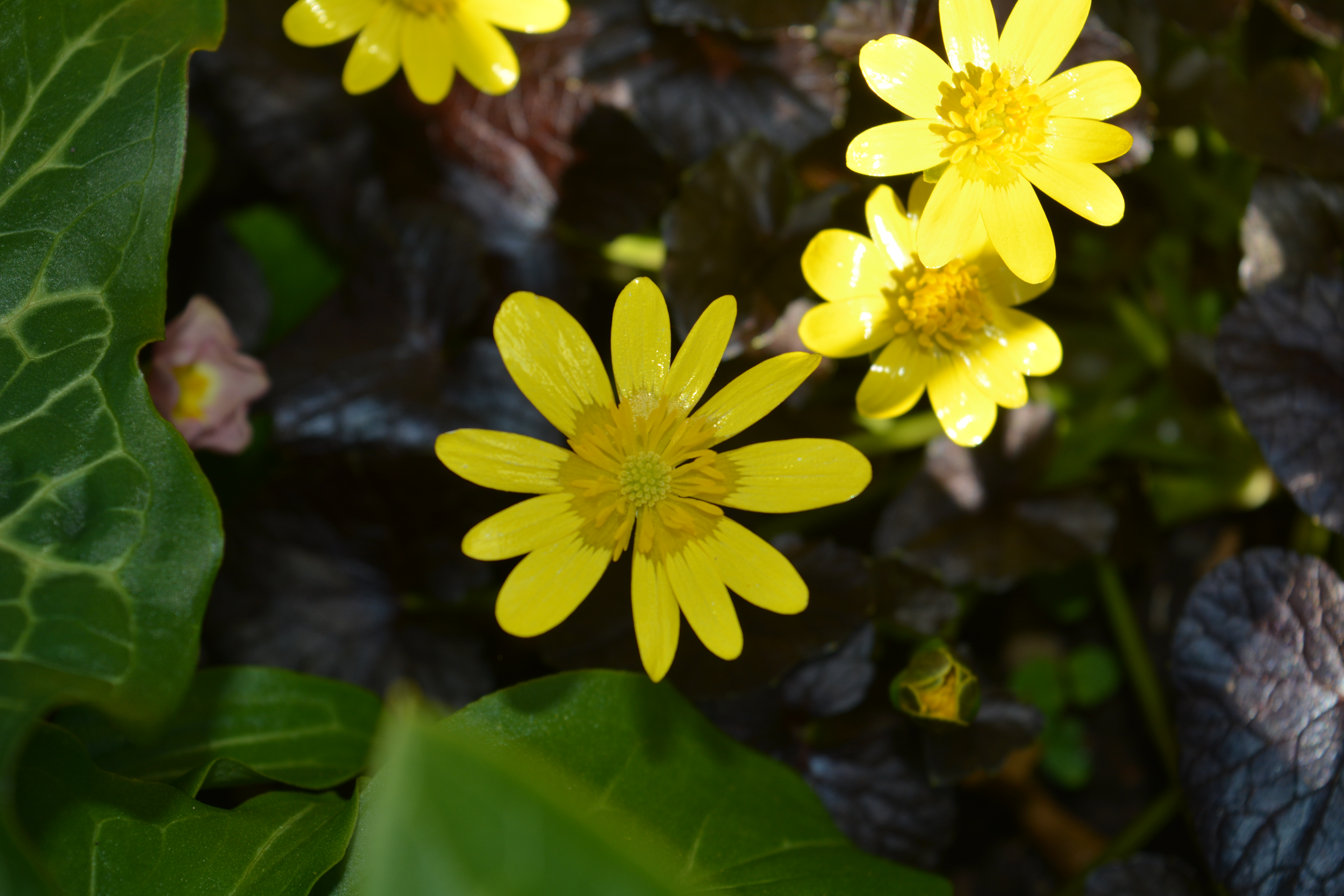
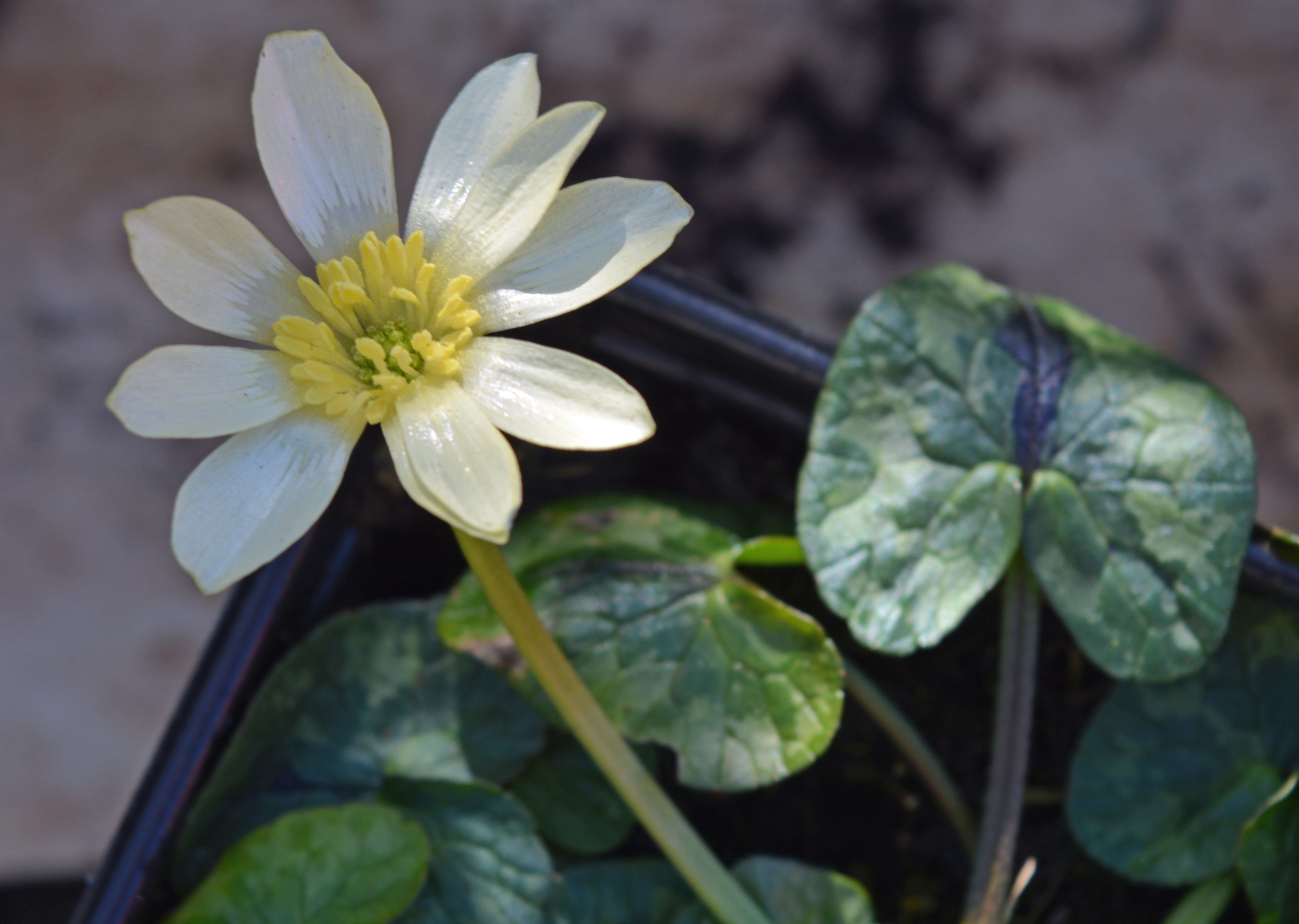
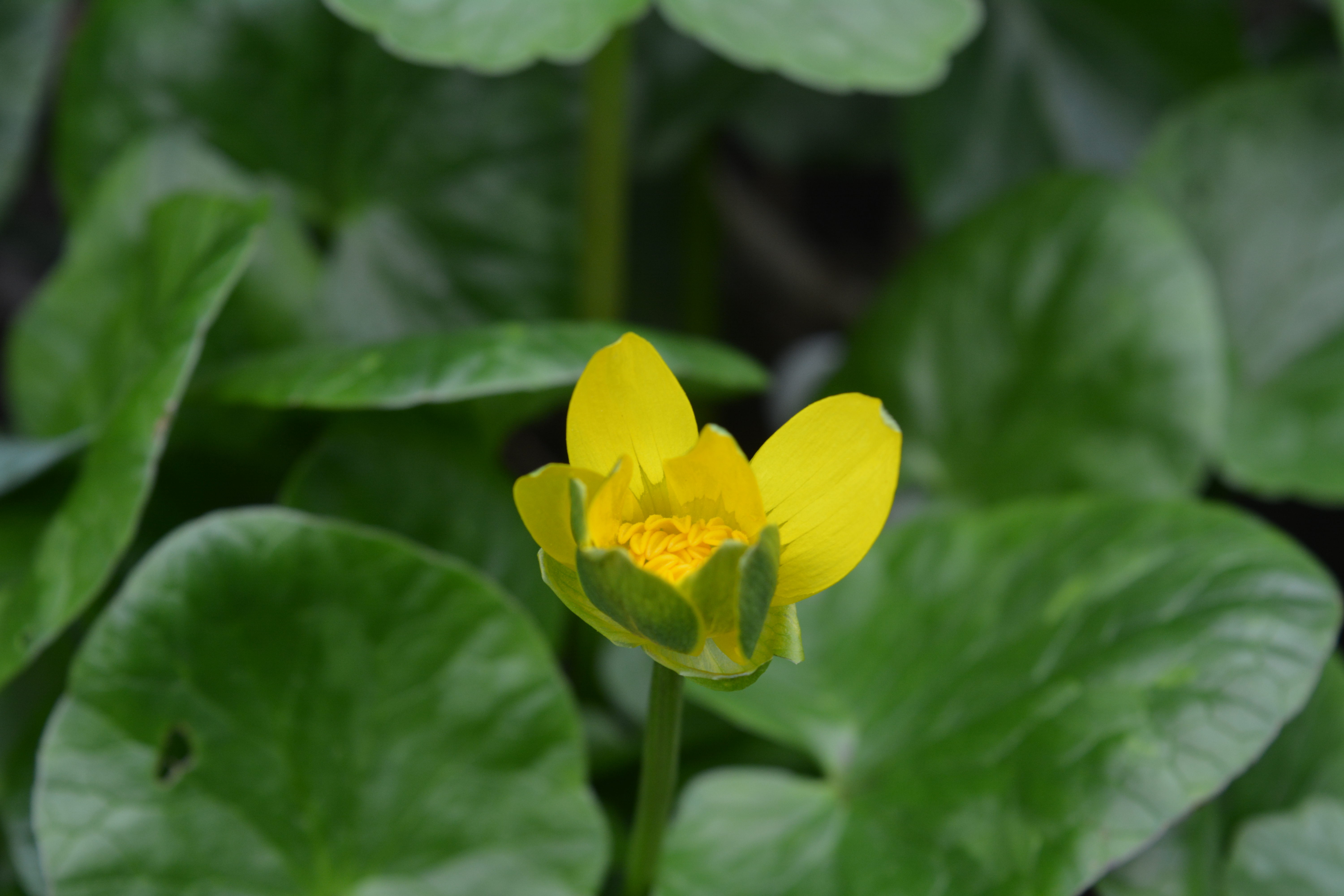
My plant of the month for March is a Celandine called “Brazen Hussey”, a chance find by Christopher Lloyd discovered in a clump of our native Celandine in a lane near his home. Our native Celandine, Ranunculus ficaria brightens up our hedgerows with its deeply glossy foliage and yellow “Buttercup” flowers, while “Brazen Hussey” sports glossy purple-black foliage. 


“We grow a small patch of our native Celandine but as it can become very invasive it has to be strictly controlled.”

“We grow several other Celandines too because they are such cheerful addictions to the Spring Garden, a white cultivar, Ranunculus fiscaria “Randall’s White …………….”

“….. a pale yellow flower against bronzed foliage ……”


“……. a Giant Celandine and a Green Celandine.”

On the next double page spread we look at our new summerhouse and a selection of special small flowers.

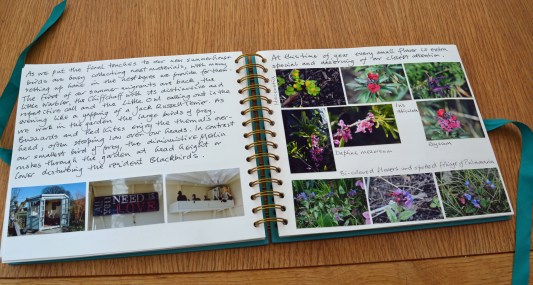
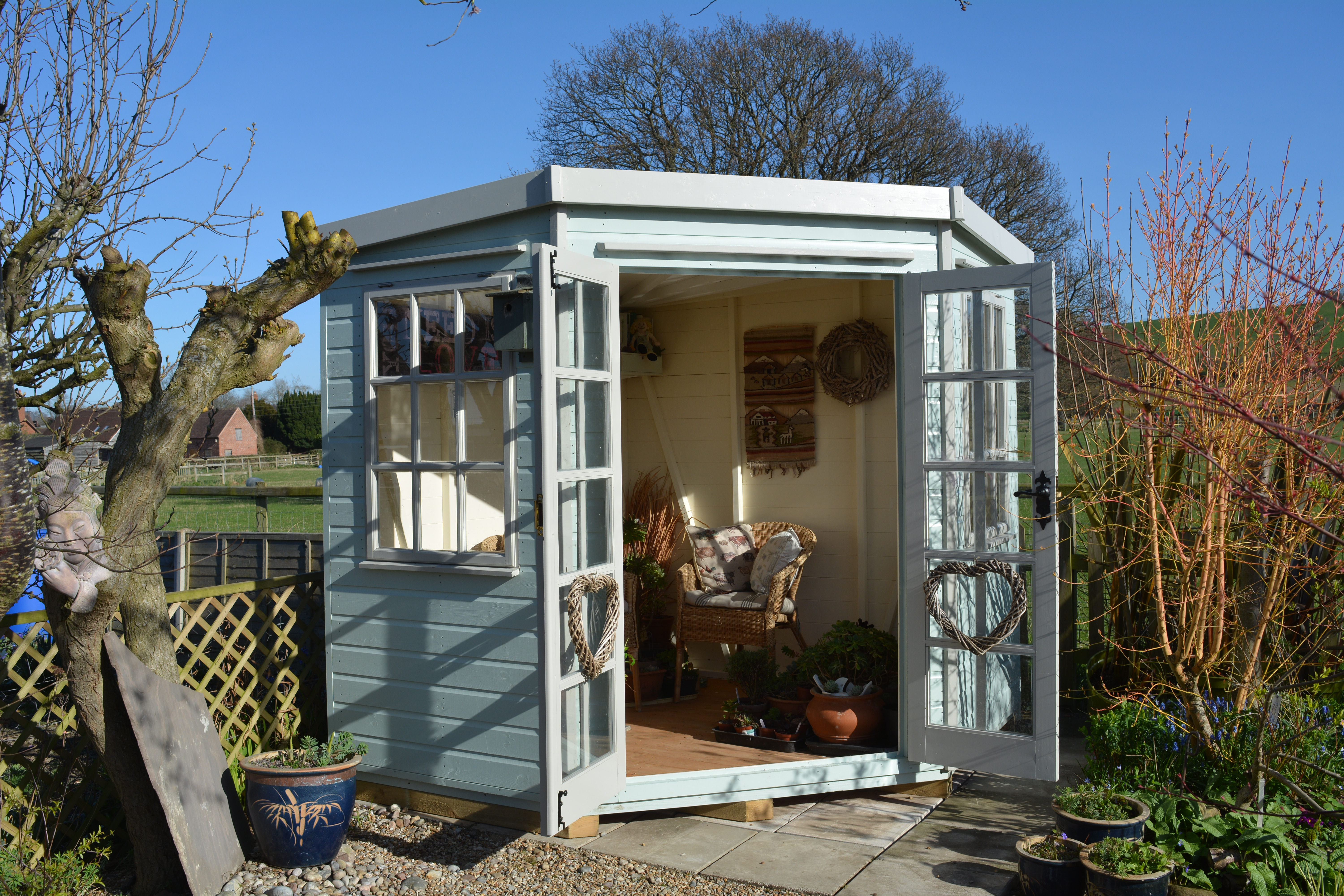
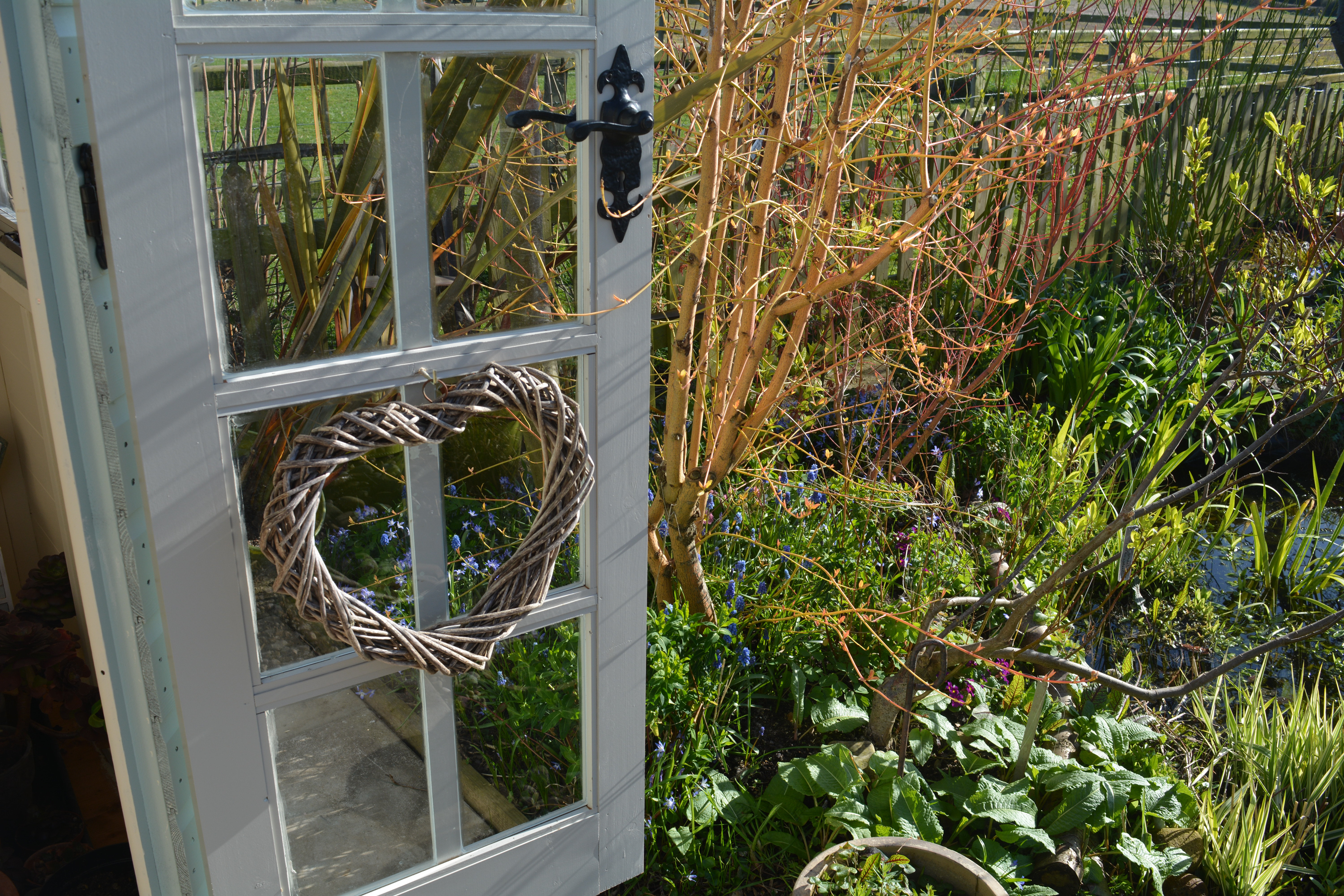
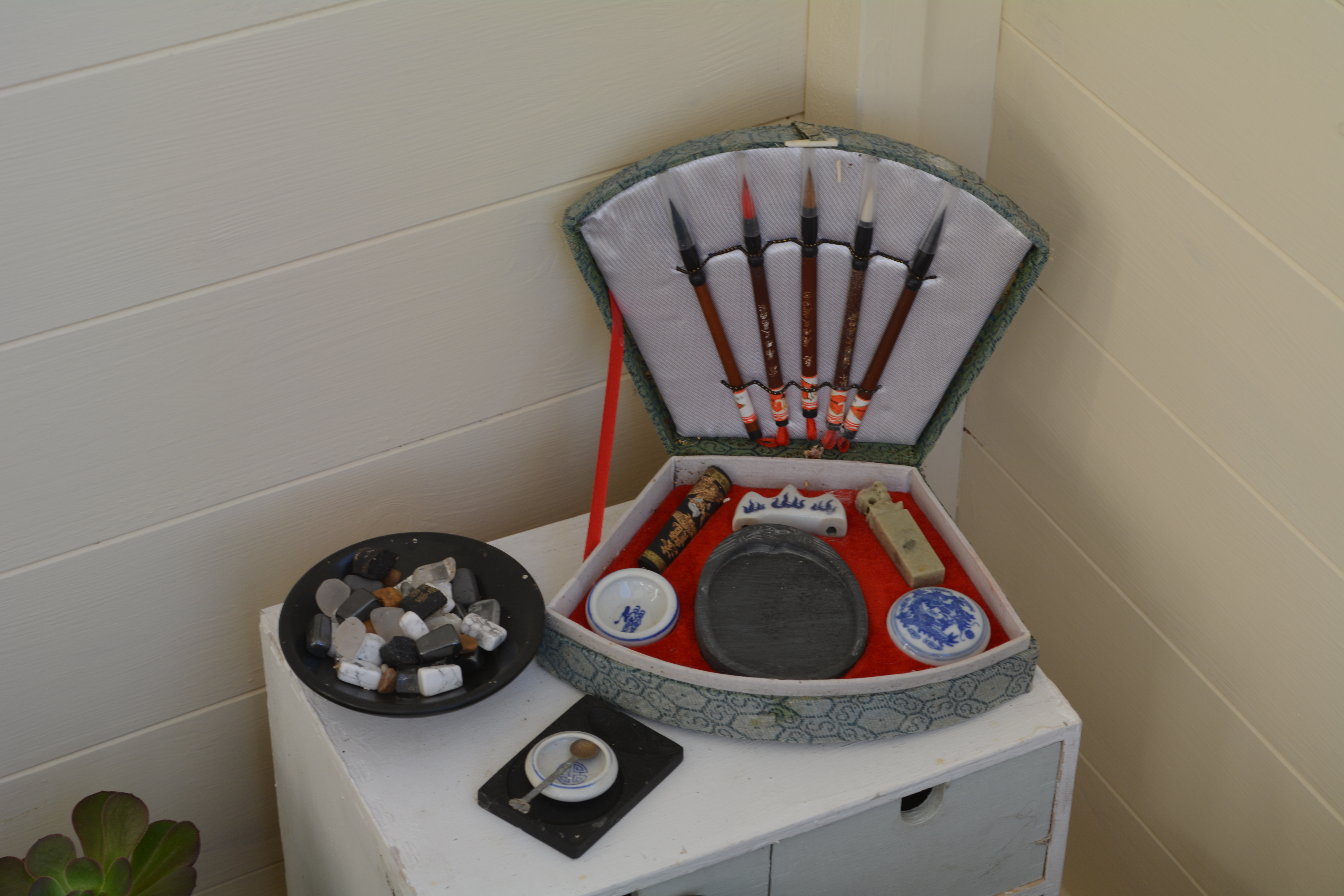
Concerning the summerhouse I wrote, “As we put the finishing touches to our new summerhouse birds are busy gathering nest materials, with many setting up home in the nestboxes we provide for them. The first of our summer migrants are back, the little warbler, the Chiffchaff with its distinctive and repetitive call and the Little Owl calling out in the evening like a yapping Jack Russell Terrier. As we work in the garden the larger of our birds of prey, Buzzards and Red Kites enjoy the thermals overhead, often stooping low over our heads. In contrast our smallest bird of prey, the diminutive Merlin rushes through the garden at head height or lower disturbing the resident Blackbirds.

On the opposite page I looked at those special little flowering plants that catch the gardener’s eye at this time of the gardening year. In other seasons when the garden is rich in flowers these special little gems may get overlooked in favour of the bigger, bolder and brighter cousins. I wrote, “At this time of year every small flower is extra special and deserving of our closest attention.”


Hacquetia epipactus and Iris reticulata “George”

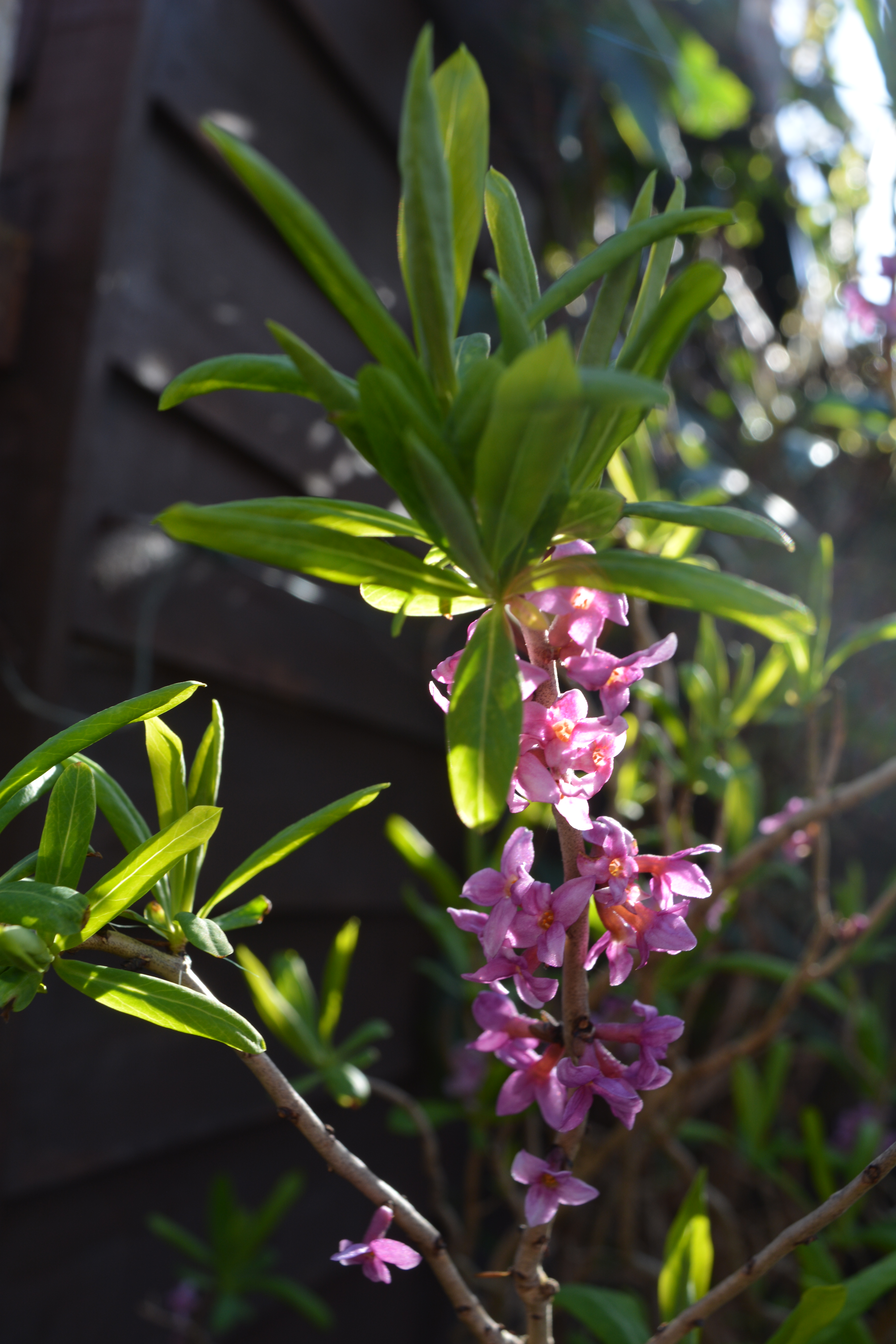
“Daphne mezerium.”


Erysimum Red Jep”

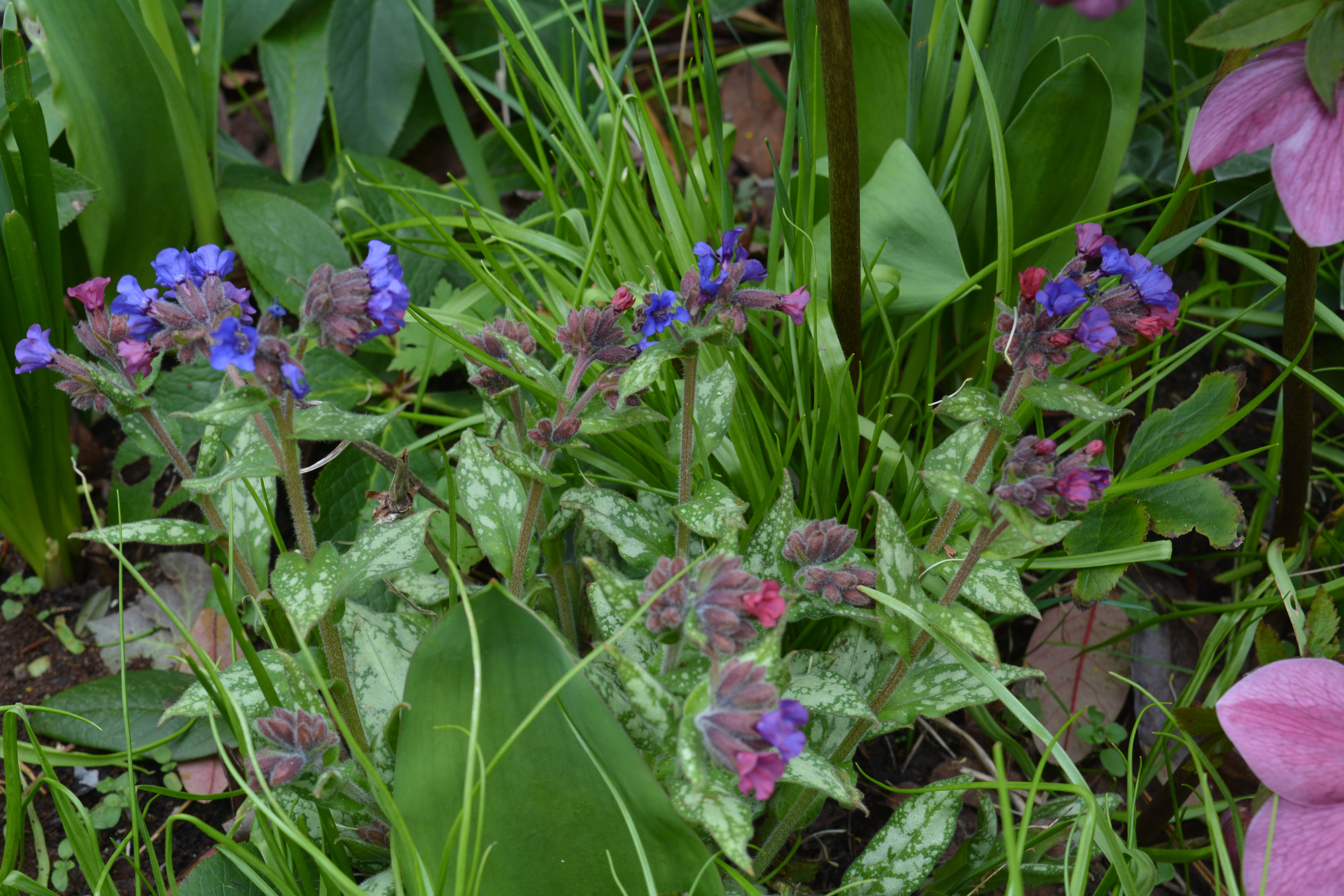
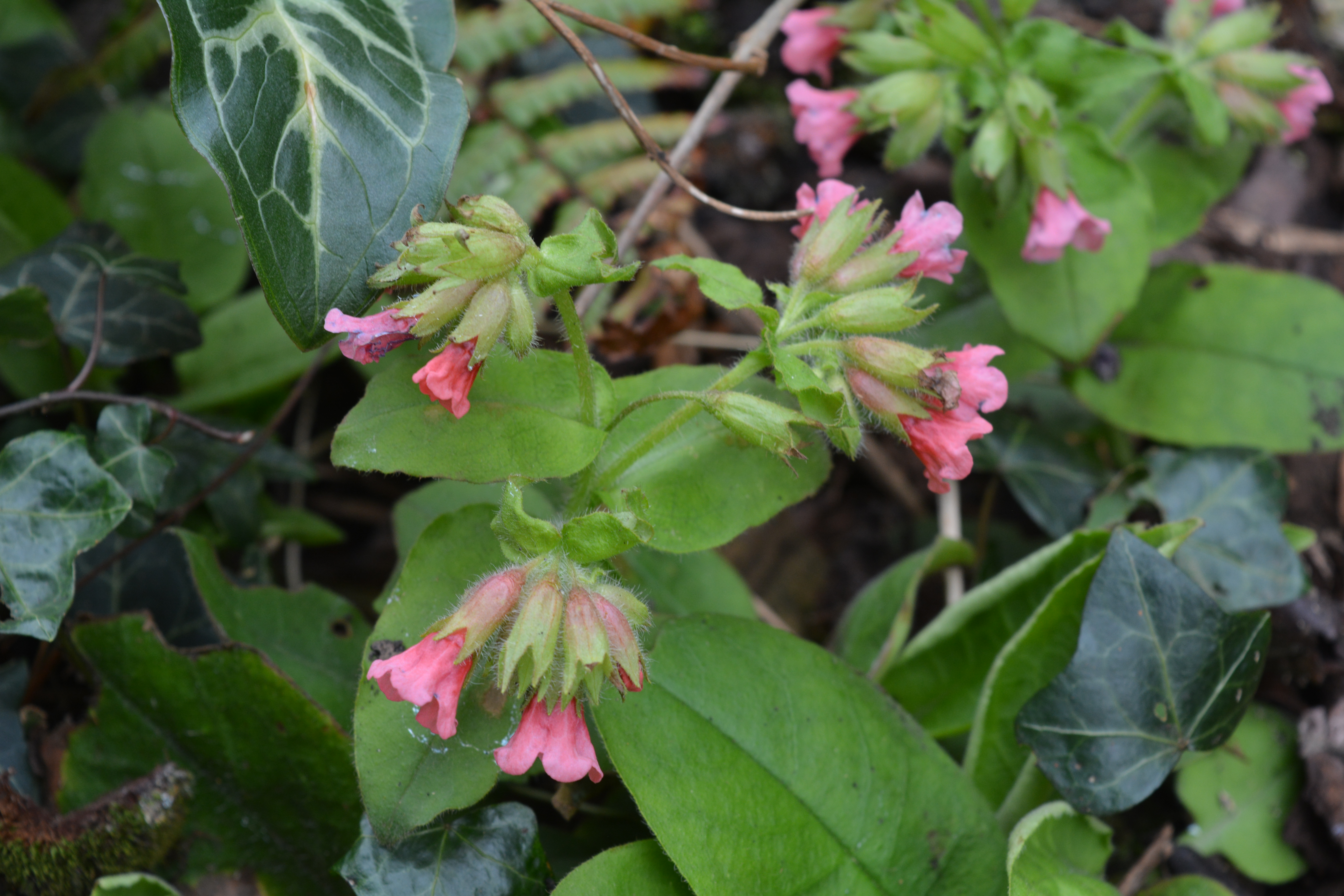
Assorted Pulmonaria.”

The next turn of the page reveals a page about Primulas and the next about pollarding willows and dogwoods.

I wrote,”In February I wrote about the first of our native Primroses coming into flower, but in March they flourish along with their relatives.The pictures below show the diversity that we grow and enjoy.”


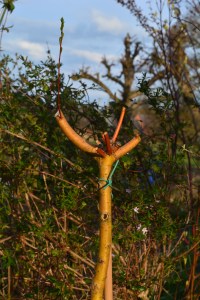
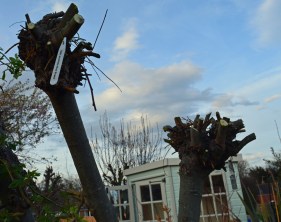
When I looked at pollarding and coppicing I wrote that, “The last week of March were mild and sometimes sunny so we took the opportunity to prune down our shrubs that we grow for their coloured stems, Cornus and Salix. We coppice some, pollard others.”


I continued to look at Salix and Cornus coloured stems on the last page of my entries for March, where I featured photographs of the bundles of cut stems.


So that was my garden journal for March. For the next month, April, we will see big changes as Spring becomes established.


Categories
flowering bulbs garden design garden ponds garden pools gardening gardens hardy perennials irises National Garden Scheme NGS ornamental trees and shrubs outdoor sculpture sculpture Shropshire spring bulbs Yellow Book Gardens

Another NGS Yellow Book Garden – visiting a friend’s garden.

Our friend Mary and her husband Bob open their garden for the National Garden Scheme just as we do, so we were determined to go and see her garden this year. A few weeks before her open garden she told us she hoped her tulips would still look good. She had no reason to worry – they were a treat for the eye and lifted the spirits!

marysgarden-08

It was a perfect day for garden visiting, bright, warm and so sunny.

marysgarden-39

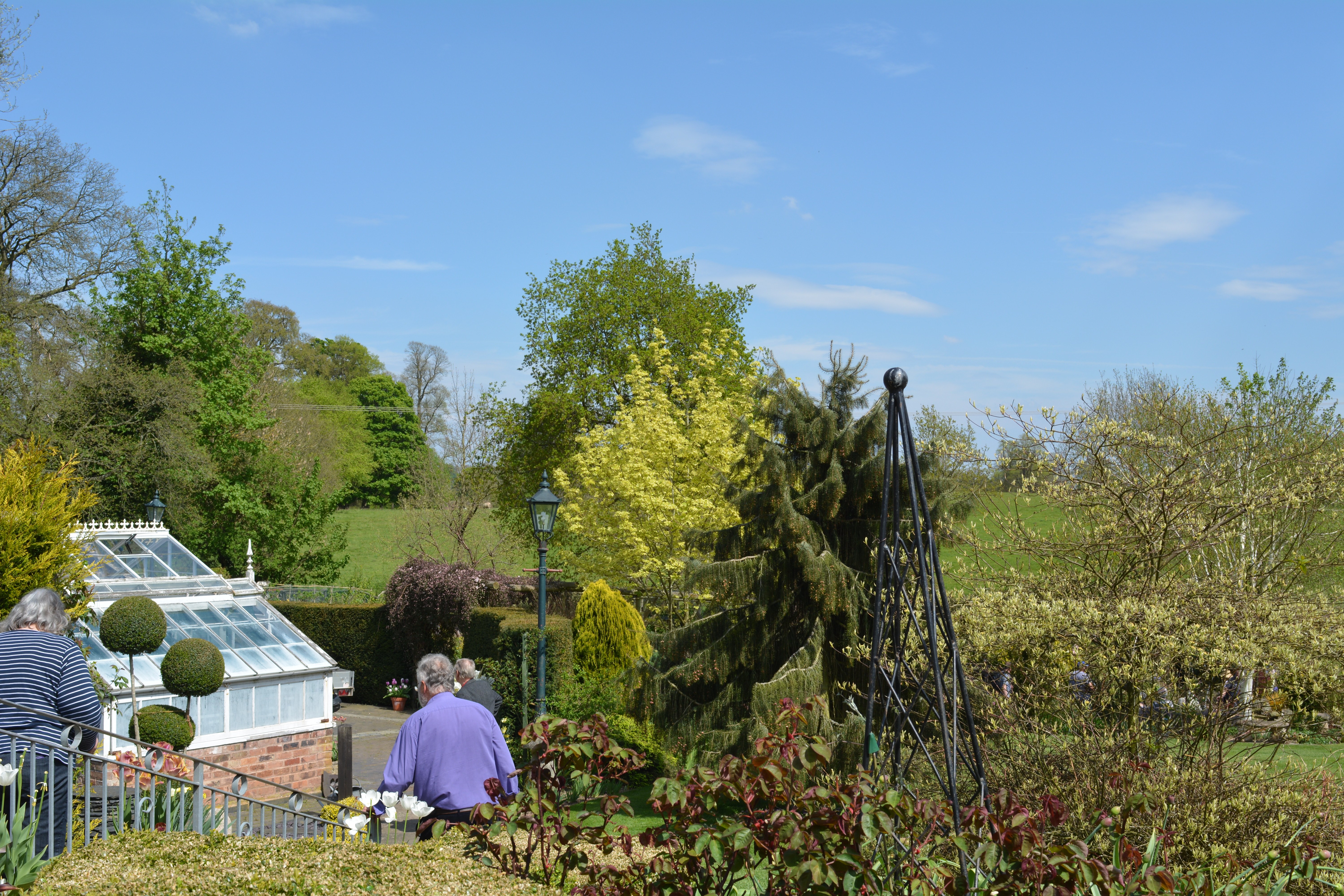
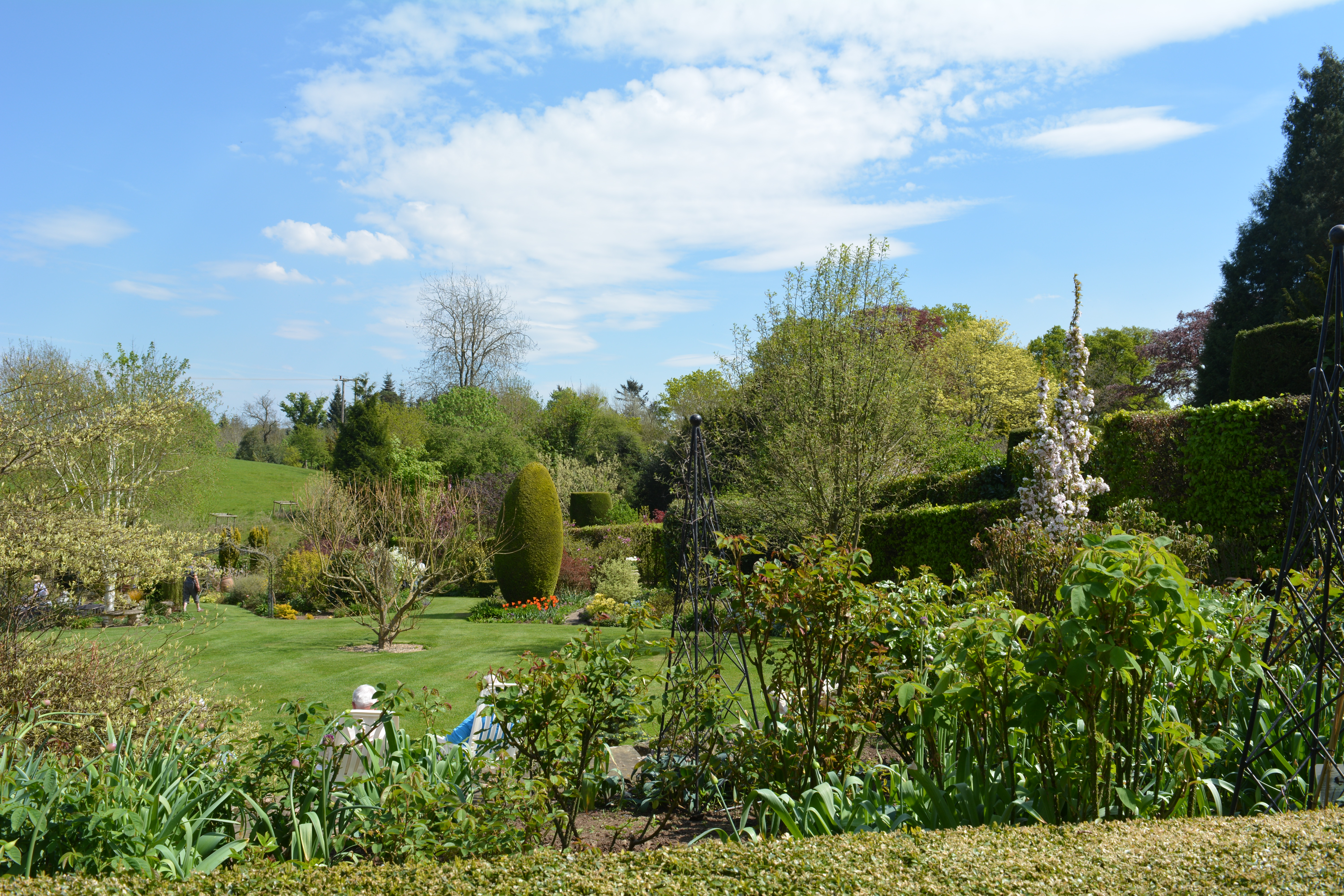
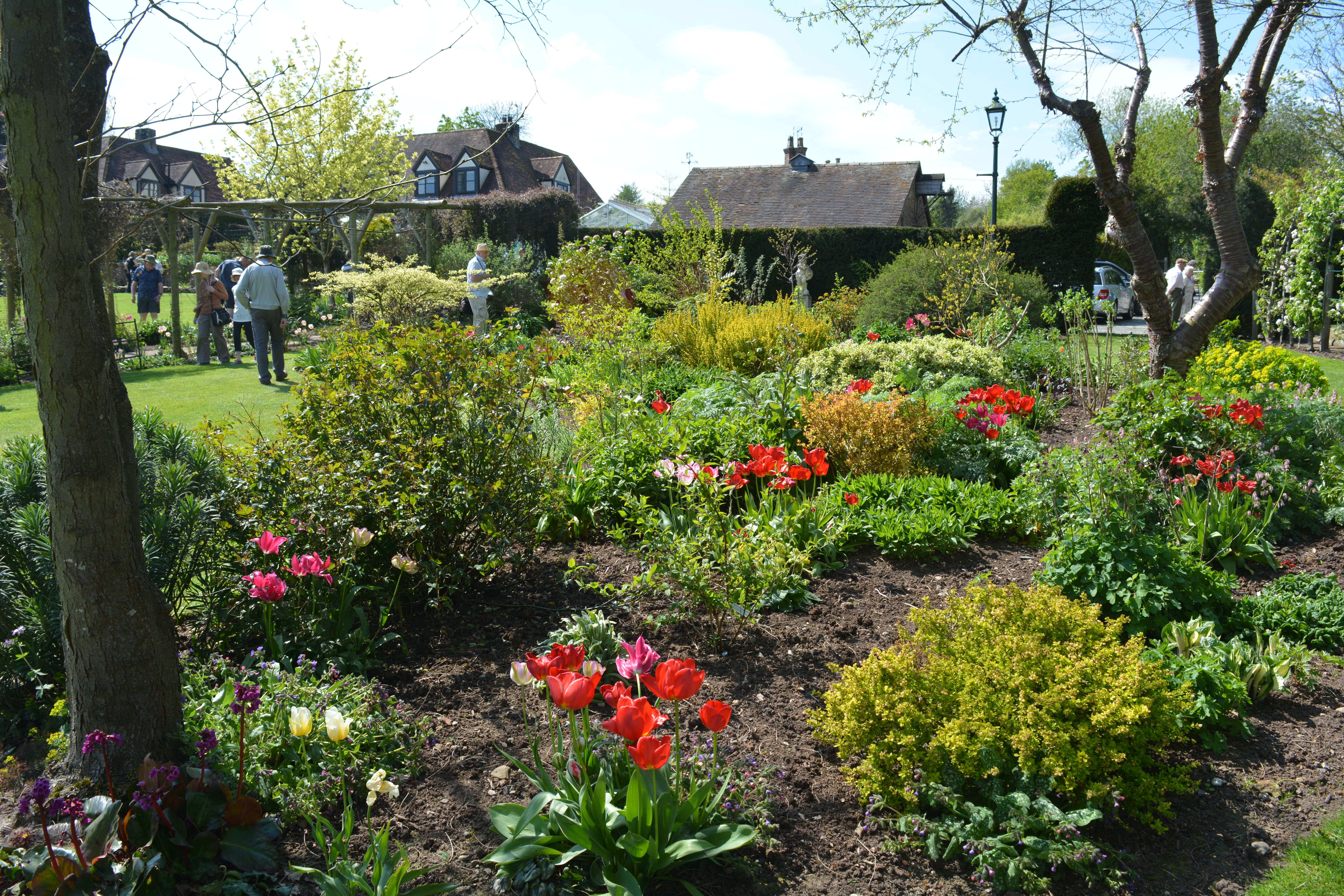
We began our visit with big hugs from Mary followed by our usual tea and cake and found a seat where we could enjoy views over Mary and Bob’s garden. From there we could see interesting plants that deserved a closer look and inviting winding paths and archways. We watched with interest the reactions of other visitors and which plants they made a beeline for. Once suitably refreshed we explored!

marysgarden-01  marysgarden-02 marysgarden-03 marysgarden-04

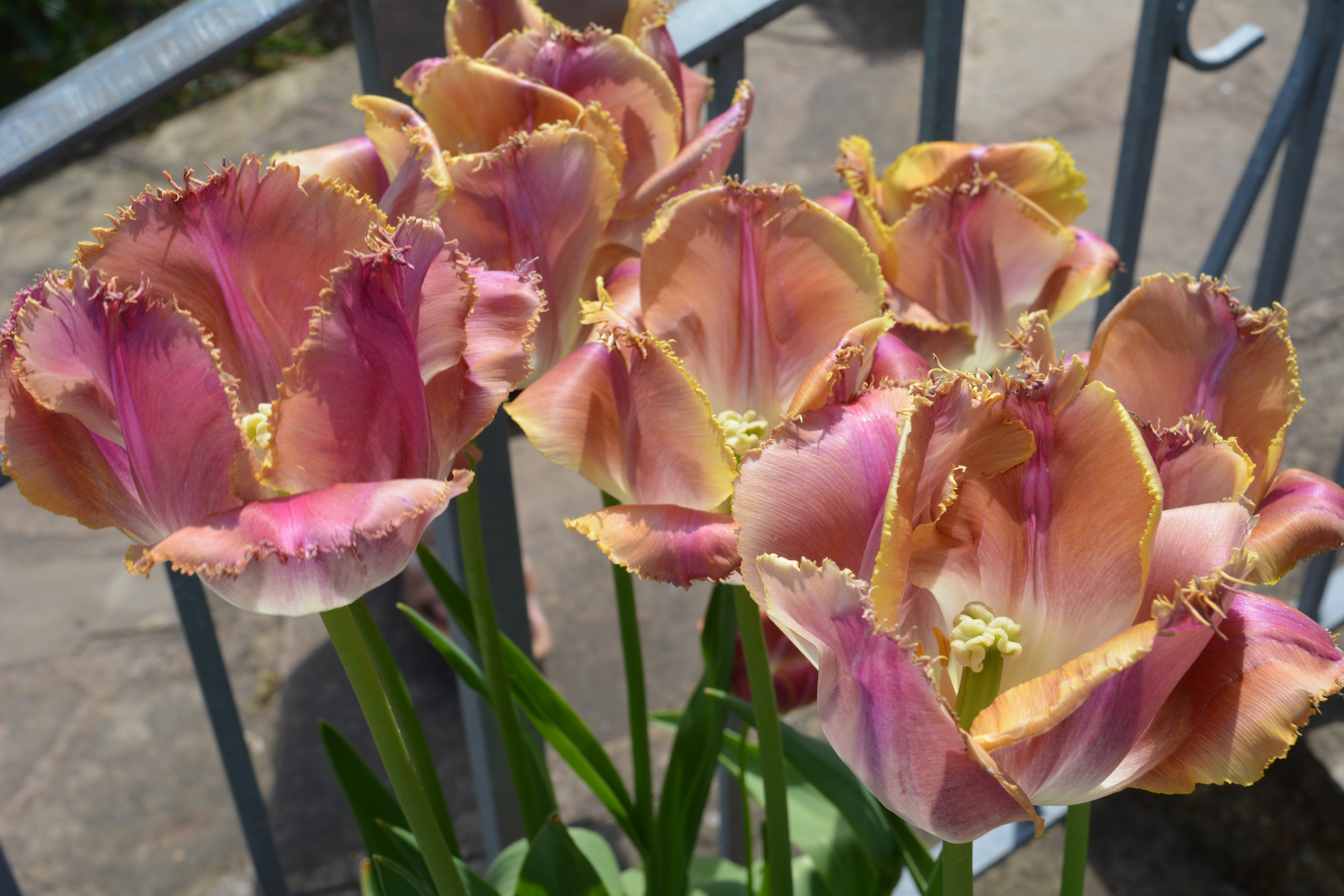
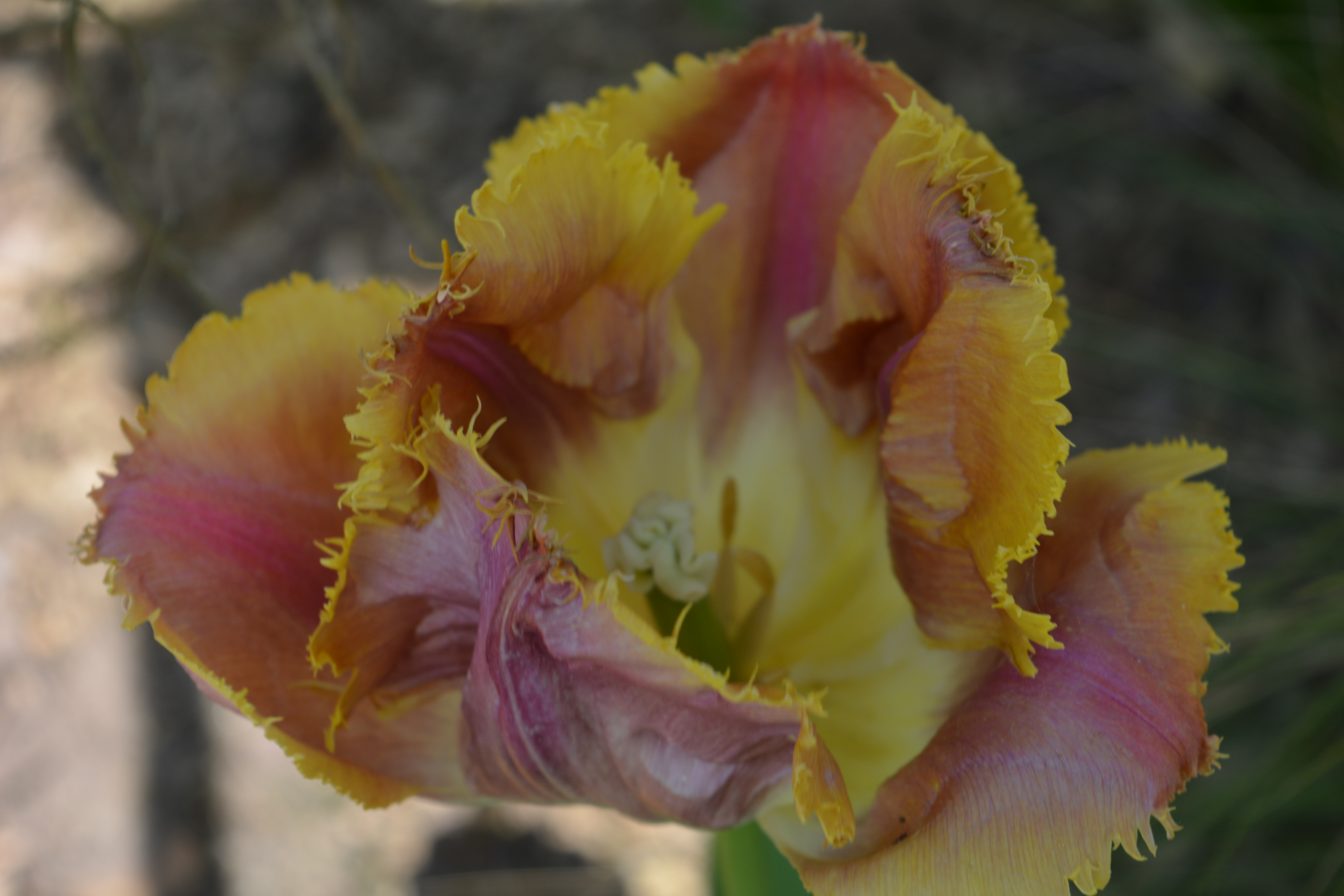
We found tulips throughout the borders some in exciting unusual colours. We enjoyed them all.

marysgarden-05 marysgarden-06   marysgarden-09 marysgarden-10 marysgarden-15 marysgarden-22 marysgarden-19 marysgarden-20marysgarden-12 marysgarden-13 marysgarden-14  marysgarden-16 marysgarden-18  marysgarden-21

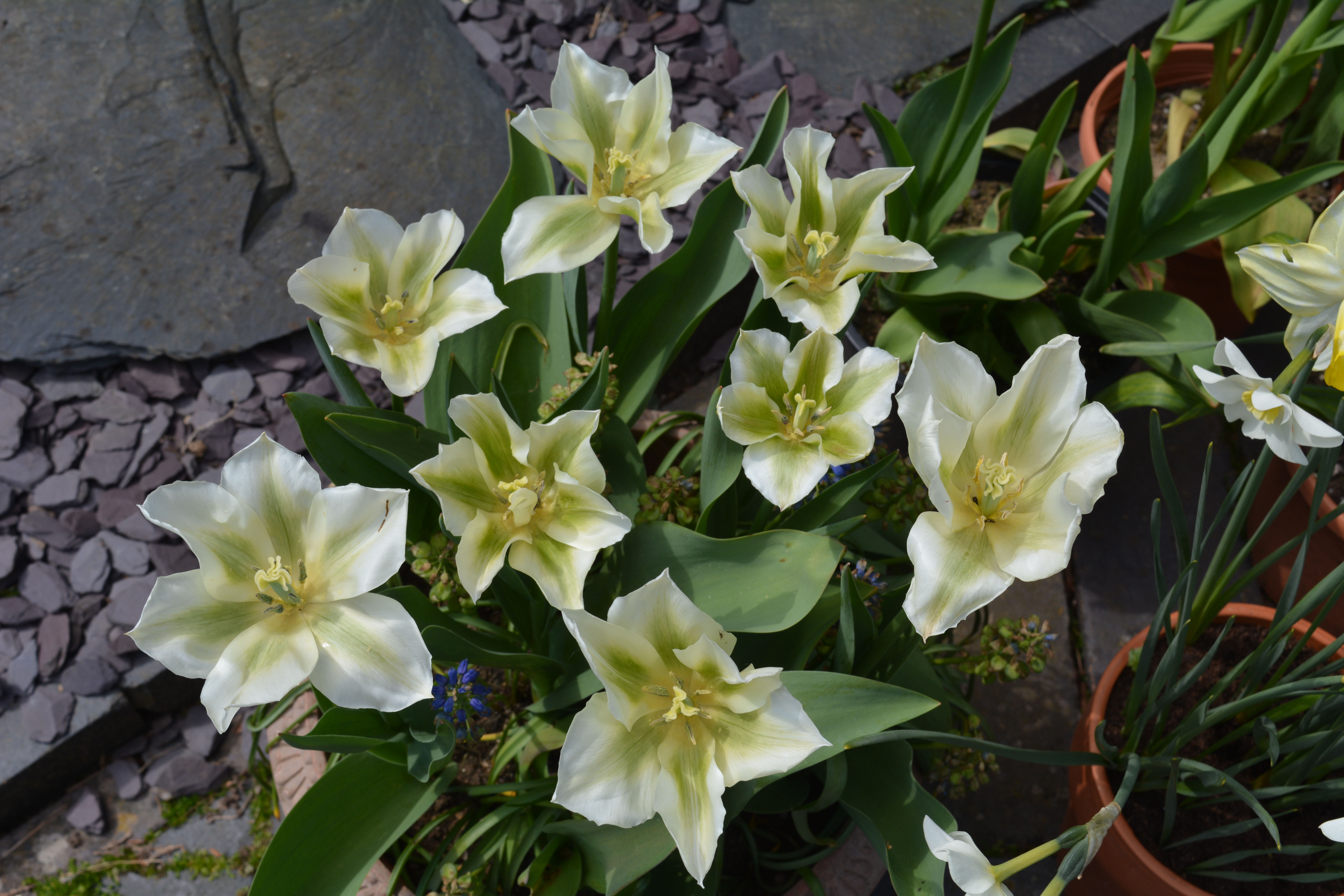
These purest of white tulips were beautifully displayed in their containers which raised them up and gave the afternoon sun the chance to light them up.

marysgarden-35 marysgarden-07

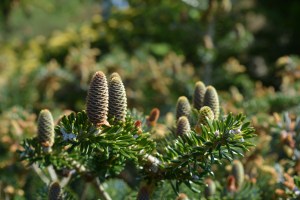
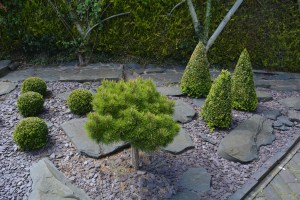
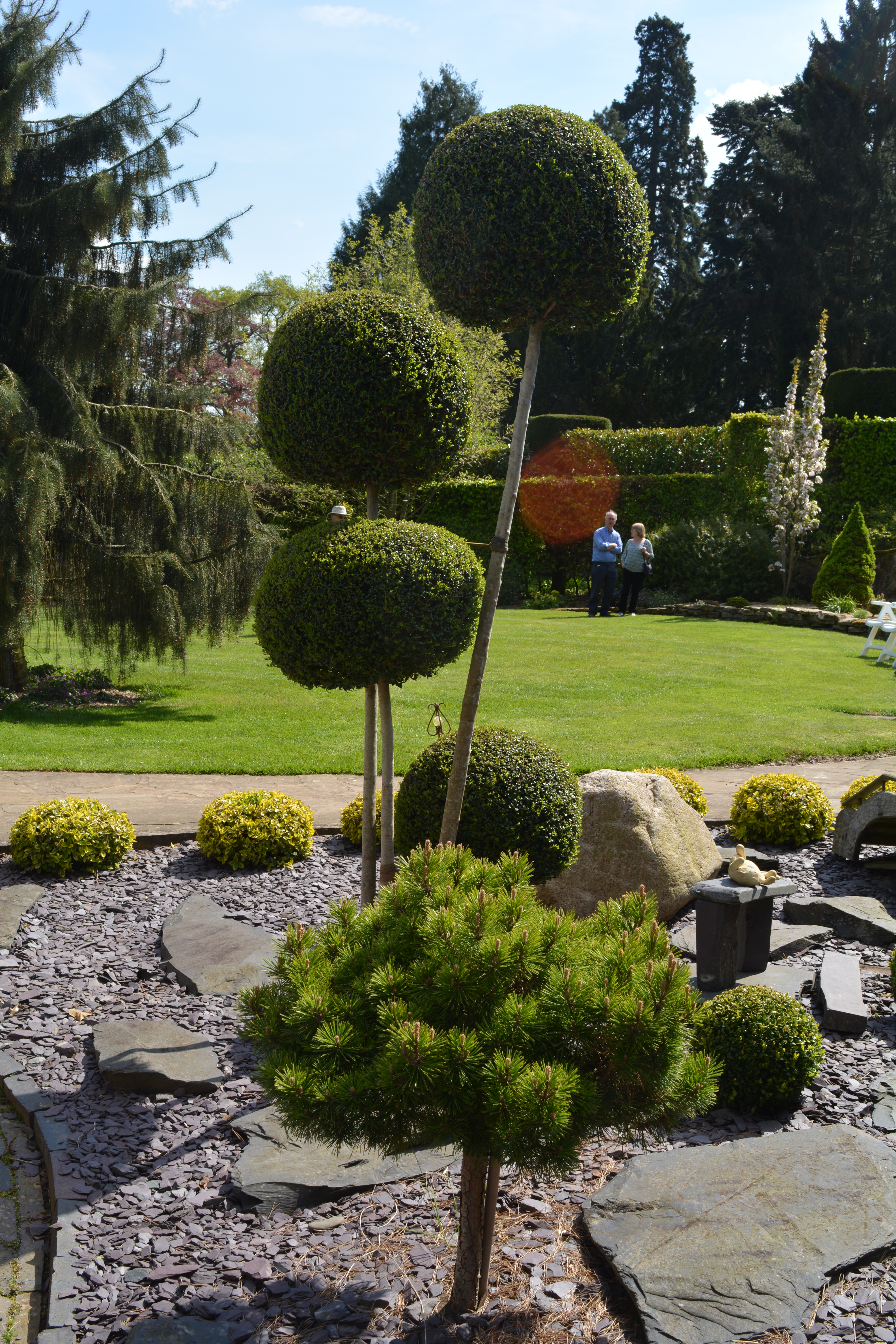
There was a lot more of interest here though than these beautiful tulips. Neither Jude the Undergardener or I are particular fans of evergreen coniferous plants and indeed have just a single alpine Pinus mugo “Mumpitz” in our patch, but the cones on Mary and Bob’s trees caught our attention.

marysgarden-24 marysgarden-05-1  marysgarden-07-2 marysgarden-49 marysgarden-34-1marysgarden-35-1  

I think the best way to see the rest of this lovely garden will be to enjoy the following gallery. As usual click on the first picture then navigate using the right hand arrow.


Categories
birds colours flowering bulbs garden design garden photography garden wildlife gardening gardens hardy perennials light light quality ornamental trees and shrubs Shropshire shrubs spring bulbs spring gardening trees

My Garden Journal 2016 – April

Here we are with my April look at my garden journal. I began as I often do with a look at the weather that was affecting our garden.

“April is known for its showery weather and we hope it is the first frost-free weeks of the year. This will allow us to begin hardening off our delicate plants that have hidden away in our greenhouse and summerhouse. Looking back at my first garden journal I notice that in early April birds were then showing signs of nest building. I wrote …Spring is here! Sometimes at least. Birds are collecting nesting materials, blackbirds, greenfinches and all the Titmice family.” This year birds are singing and calling well but we have seen no signs of nest building activities. The Titmice have given up their earlier explorations of our many birdboxes. We hope Spring will catch up and get wildlife stirring again.”

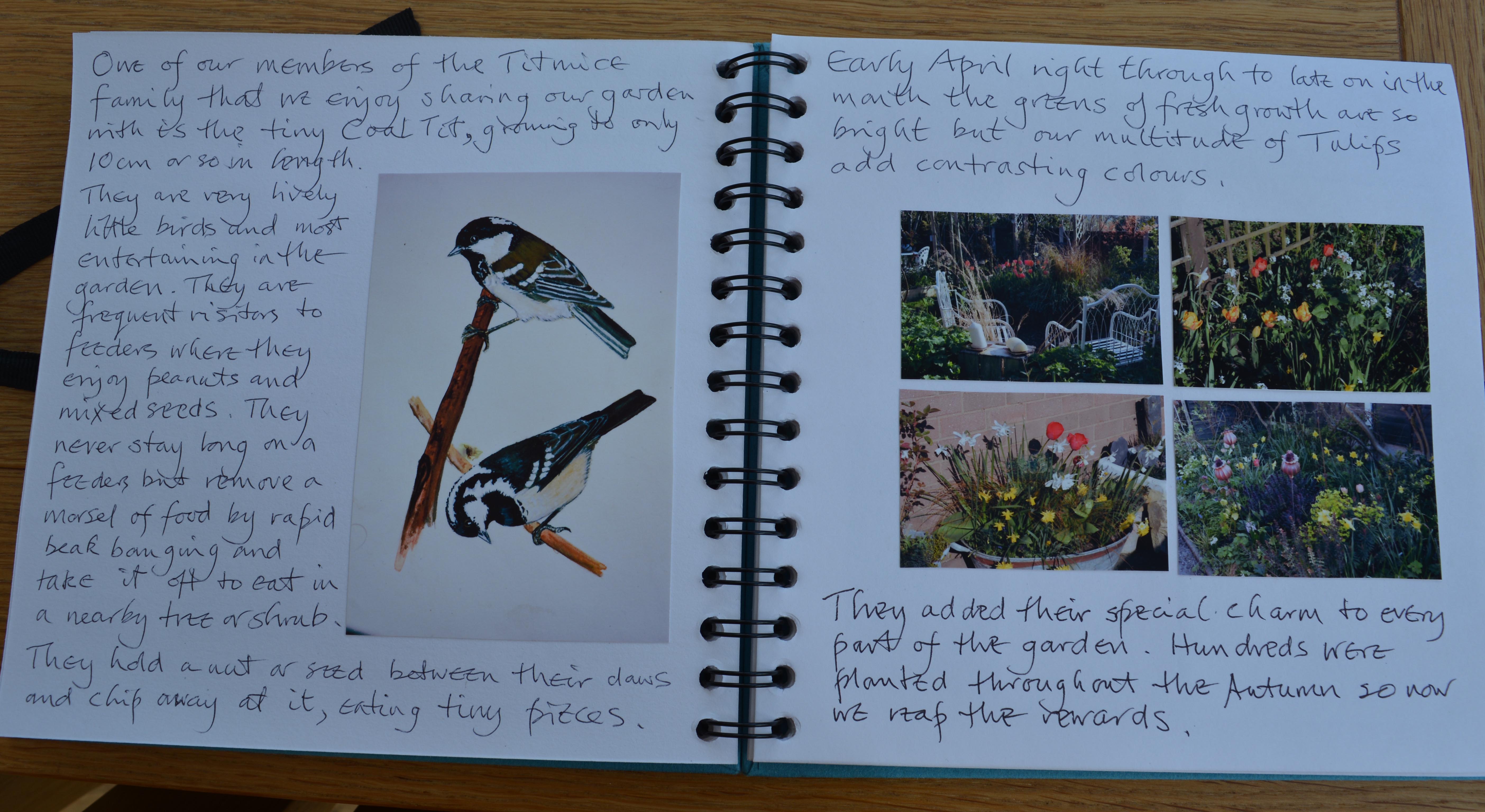
Over the page I continue by looking at one member of the Titmice family, the Coal Tit, and I included one of my gouache paintings of these active little birds.

apr-2

“One of our members of the Titmice family that we enjoy sharing our garden  with is the tiny Coal Tit, growing to only 10cm or so in length. They are very lively little birds and most entertaining in the garden. They are frequent visitors to feeders where they enjoy peanuts and mixed seeds. They never stay long on a feeder but remove a morsel of food by rapid beak banging and take it off to eat in a nearby tree or shrub. They hold a nut or seed between their claws and chip away at it, eating tiny pieces.”

coaltit-1

On the page opposite I take a look at the bright Tulips in our garden and what they add to it.

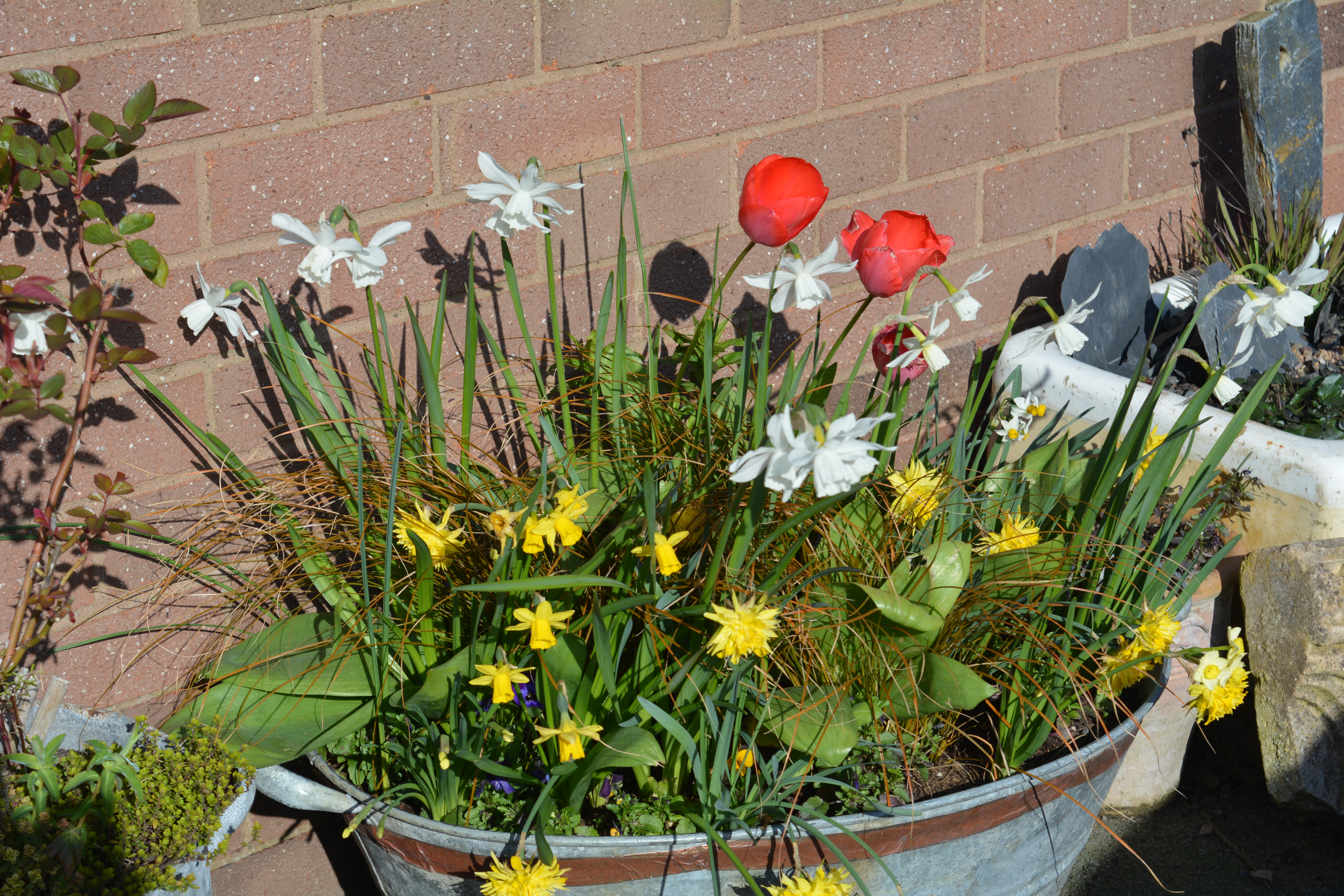
“Early April right through to late on in the month the greens of fresh growth are so bright but our multitude of Tulips add contrasting colours. They add their special charm to every part of the garden. Hundreds were planted throughout the Autumn so now we reap the rewards.”

aprilpics-22 aprilpics-17 aprilpics-29 aprilpics-30 aprilpics-14

Tulips and other bulbs continue to be featured on my next couple of pages.

apr-1

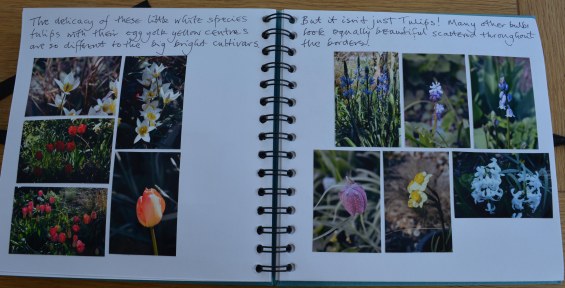
“The delicacy of these little white species Tulips with their egg yolk yellow centres are so different to the big bright cultivars.”

aprilpics-16 white tulip-1aprilpics-01 aprilpics-04aprilpics-10

“But it isn’t just Tulips! Many other bulbs look equally beautiful scattered throughout the borders.”

aprilpics-03 aprilpics-09 aprilpics-08aprilpics-15 aprilpics-27aprilpics-05 aprilpics-02

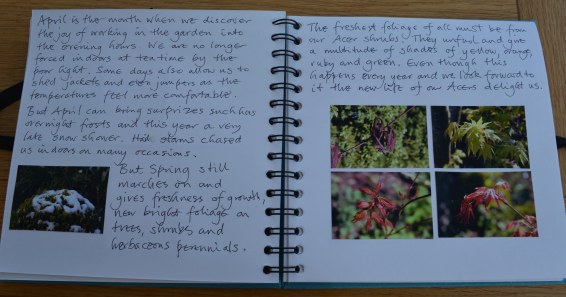
Turning the page we find a much wordier look with an odd photo to illustrate the words, followed by a look at some of our Acers.

apr-3

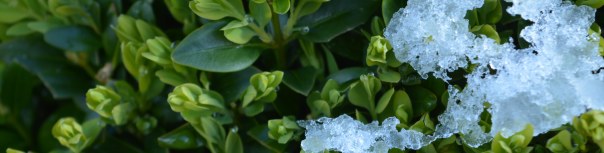
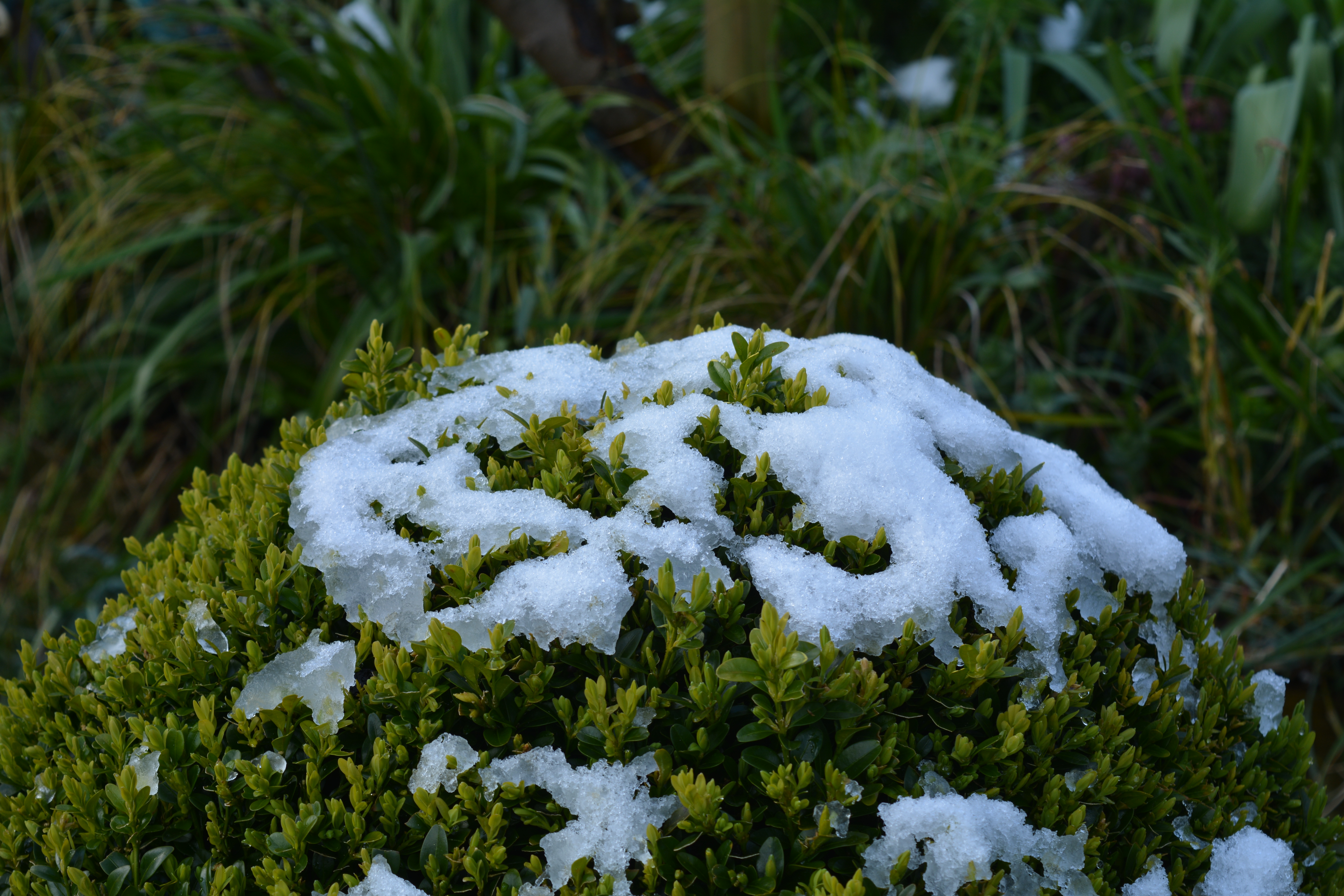
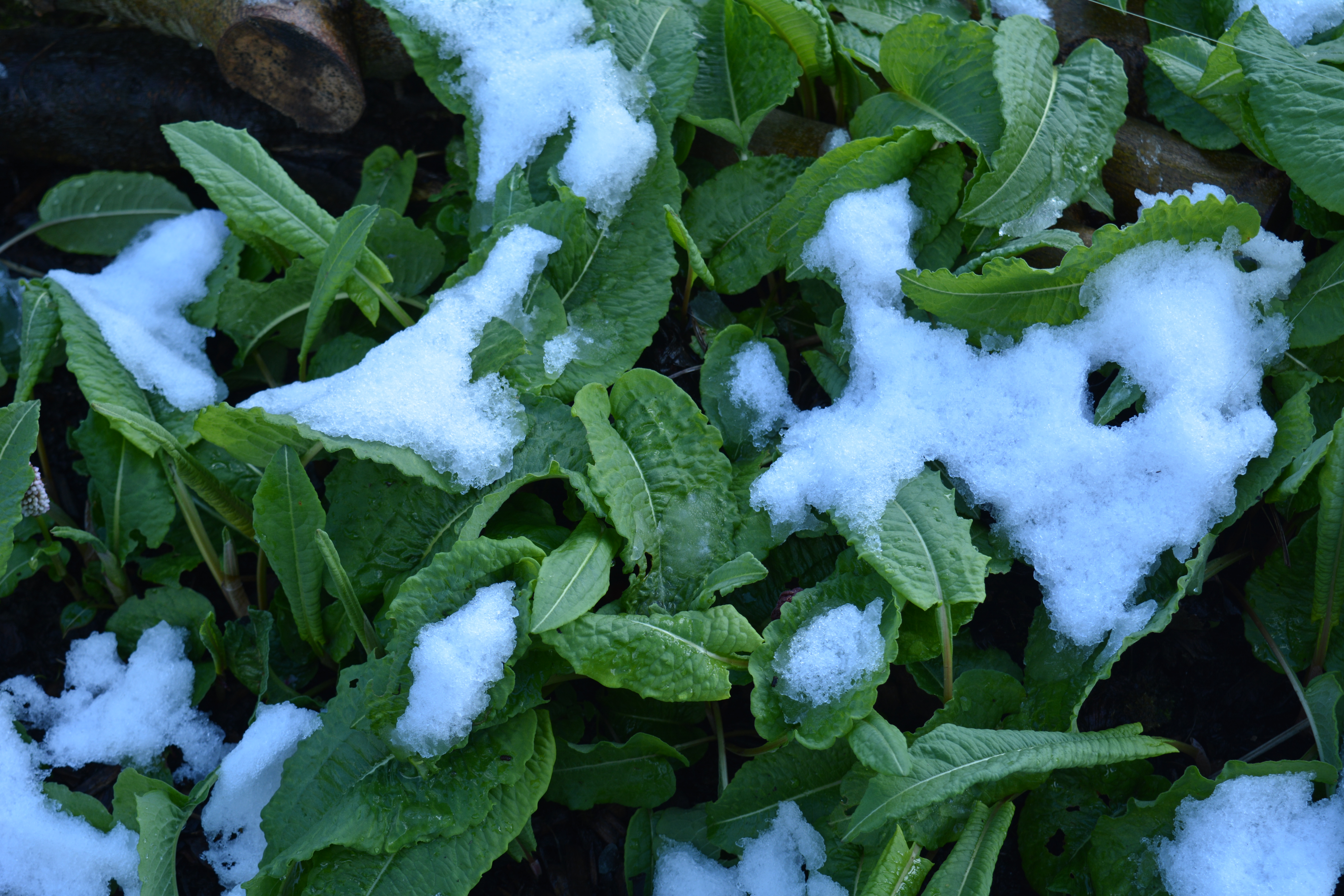
“April is the month  when we discover the joy of working in the garden into the evening hours. We are no longer forced indoors at teatime by the poor light. Some days also allow us to shed jackets and even jumpers as the temperatures feel more comfortable. But April can bring surprises such as overnight frosts and this year a very late snow shower. Hail storms chased us indoors on many occasions. But Spring still marches on and gives freshness of growth, new bright foliage on trees, shrubs and herbaceous perennials.”

snow box-8snow box-1 snow box-2 snow box-3 snow box-4

“The freshest foliage of all must be from our Acer shrubs. They unfurl their buds and give a multitude of shades of yellow, orange, ruby and green. Even though this happens every year and we look forward to it, the new life of our Acers delights us.”

aprilpics-13 aprilpics-07aprilpics-06 aprilpics-12

I then look at yellow in our garden.

april journal-4

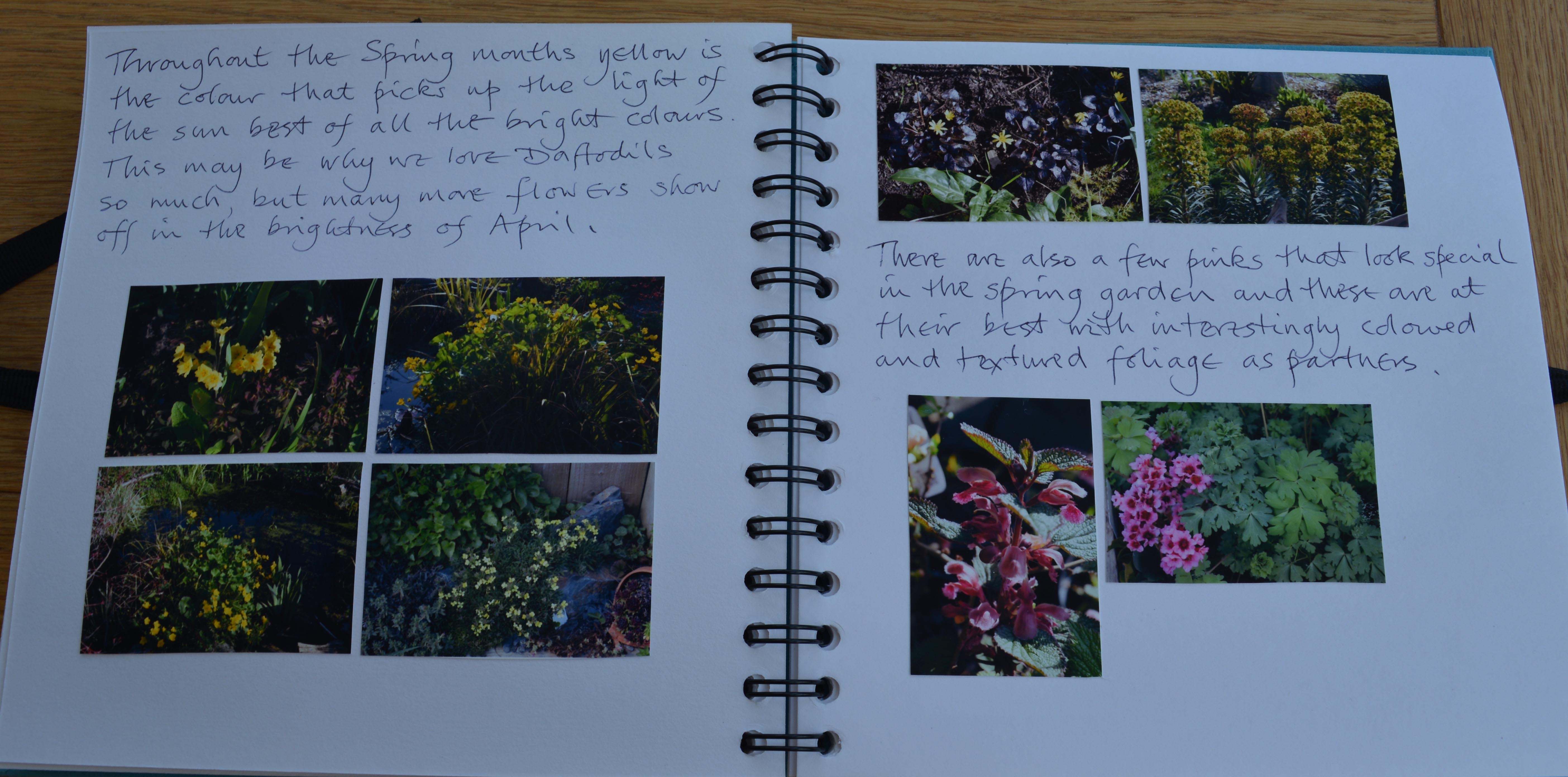
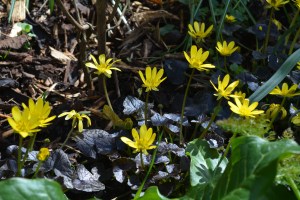
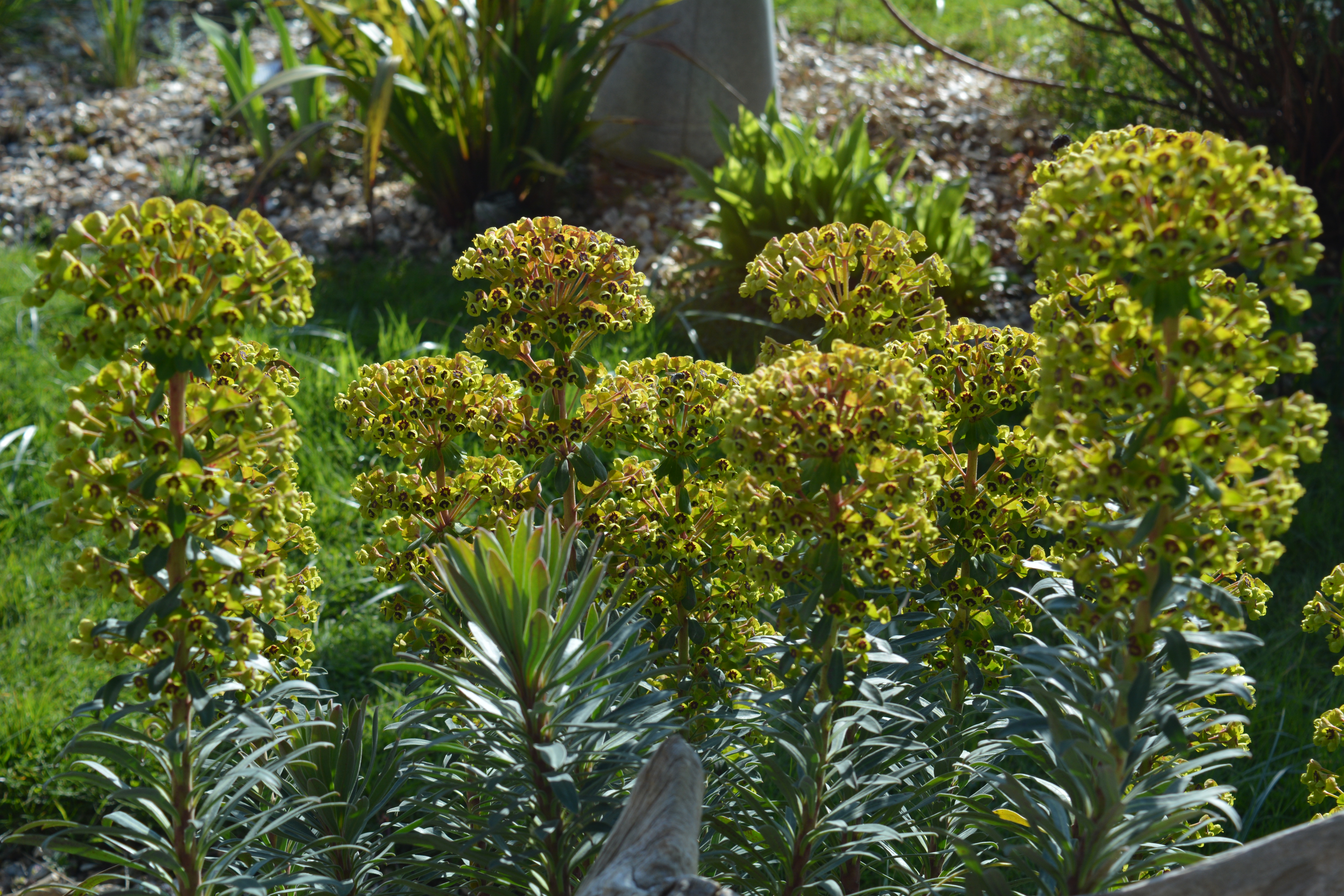
“Throughout the Spring months yellow is the colour that picks up the bright light of the sun best of all the bright colours. This may be why we love Daffodils so much, but many more flowers show off in the brightness of April.”    


aprilpics-20 yellow-4yellow-1 yellow-8aprilpics-18 yellow-9


“There are also a few pinks that look special in the Spring garden and these are at their best with interestingly coloured and textured foliage as partners.”

aprilpics-50 yellow-3

Blossom and the plants of cool shade appear on the final couple of my journal’s pages for April.

april journal-5

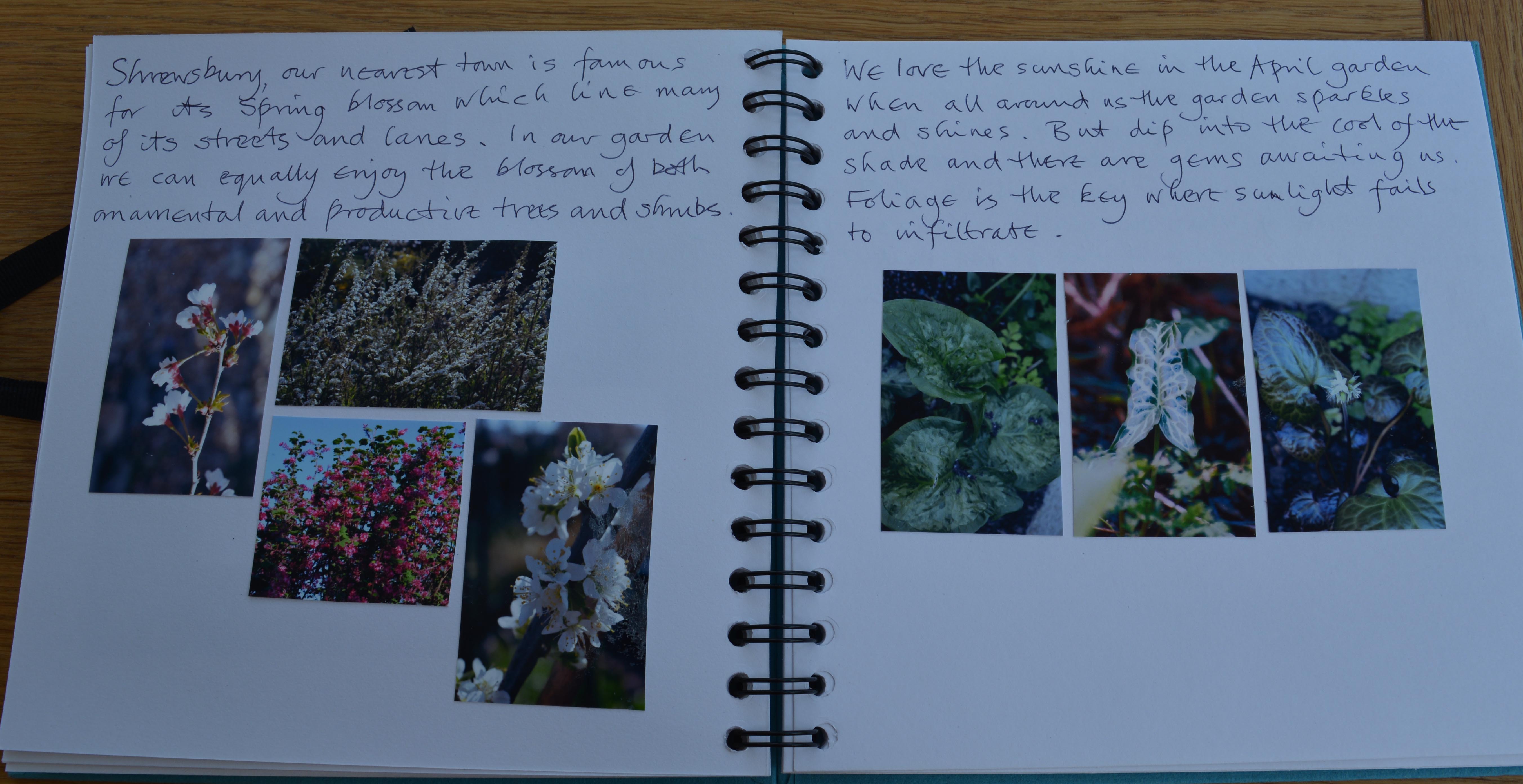
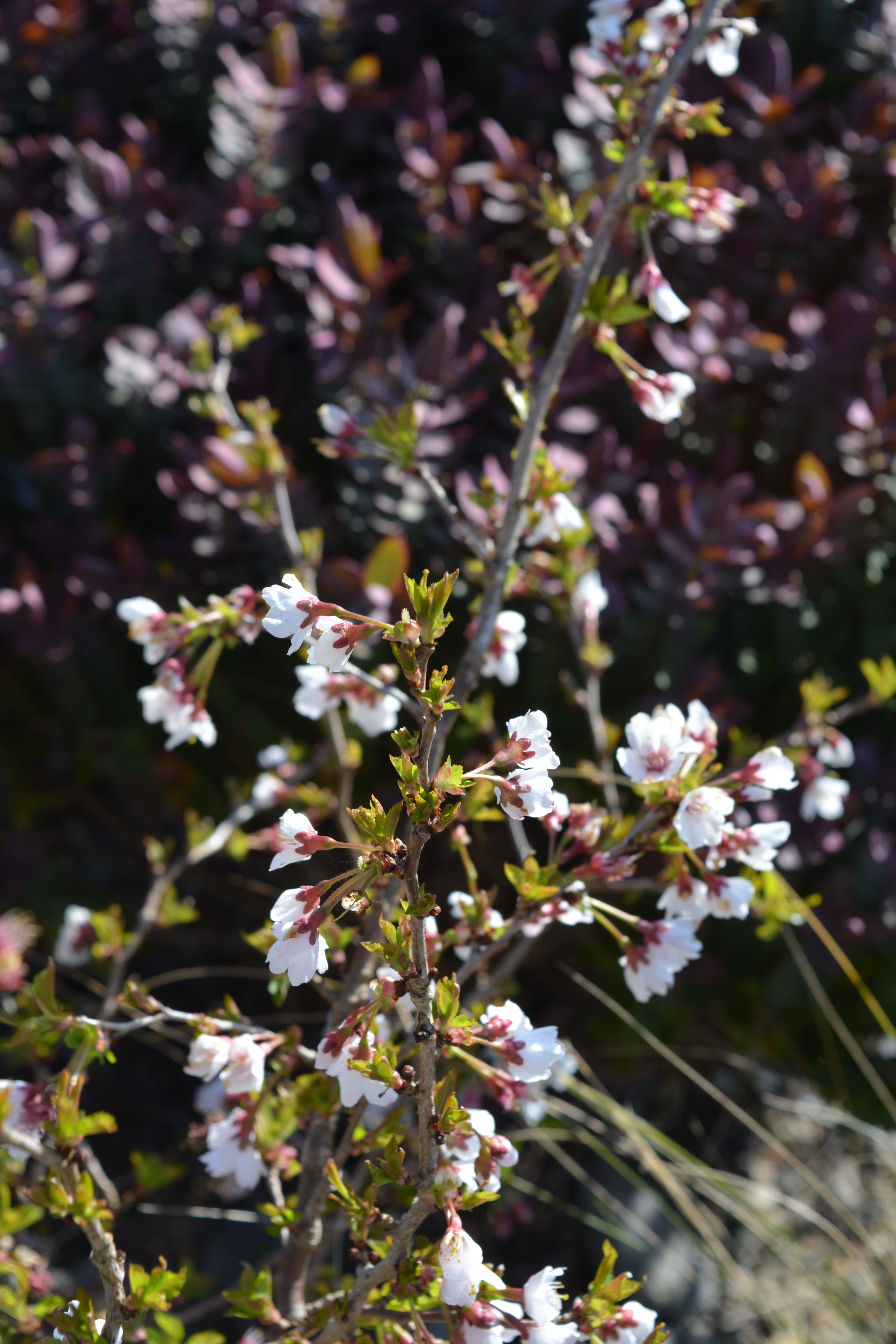
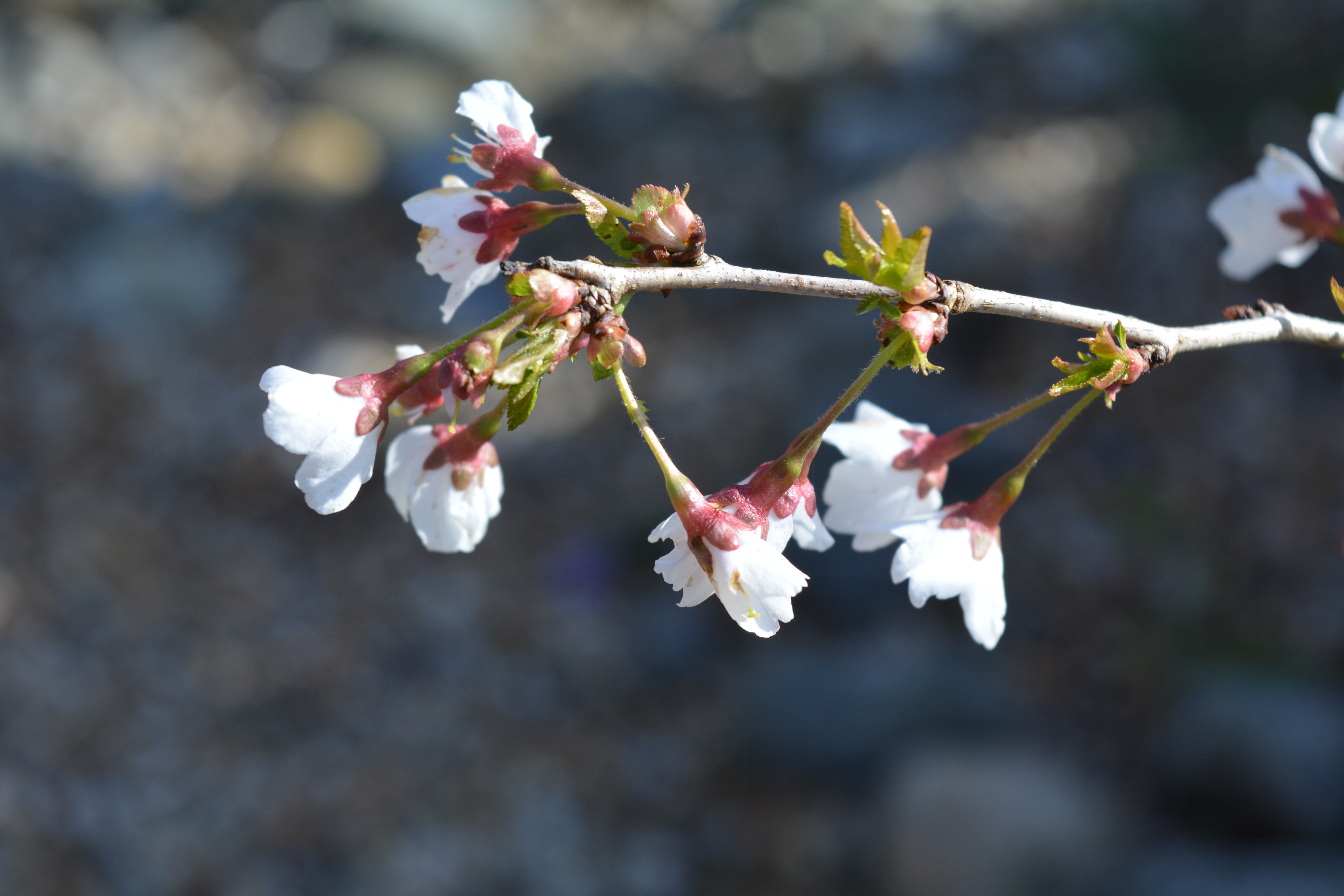
“Shrewsbury, our nearest town, is famous for its Spring blossom which lines many of its streets and lanes. In our garden we can equally enjoy the blossom of both ornamental and productive trees and shrubs.”

blossom-10aprilpics-19 ngs garden-104blossom-01 blossom-04 blossom-03 blossom-02 blossom-07


“We love the sunshine in the April garden when all around us the garden sparkles and shines. But dip into the cool of the shade and there are gems awaiting us. Foliage is the key where sunlight fails to infiltrate.”

ngs garden-102 blossom-11blossom-13 blossom-06

But any flowers that accompany this amazing foliage are tiny little star-like flowers.

ngs garden-100

ngs garden-103 ngs garden-101

So that is April in our garden. We now look forward to what May will bring!


Categories
colours flowering bulbs garden design garden photography garden ponds garden pools gardening gardens gardens open to the public hardy perennials National Garden Scheme NGS ornamental trees and shrubs spring bulbs spring gardening The National Gardening Scheme" trees walled gardens water garden water in the garden Yellow Book Gardens

Yellow Book Gardens – 3 – Brobury House Gardens

For our third Yellow Book Garden visit we found another garden set in our neighbouring county of Herefordshire, so we drove down through the beautiful countryside of South Shropshire and North Herefordshire. It was a sunny day with a sparkling blue sky. Brobury House Gardens are open for much of the year but on the day of our visit they were open for the NGS Yellow Book Scheme. Their website was enticing so we arrived with high expectations. The garden was situated alongside the River Wye so we were looking forward to views of the Wye, probably the most picturesque river in England.

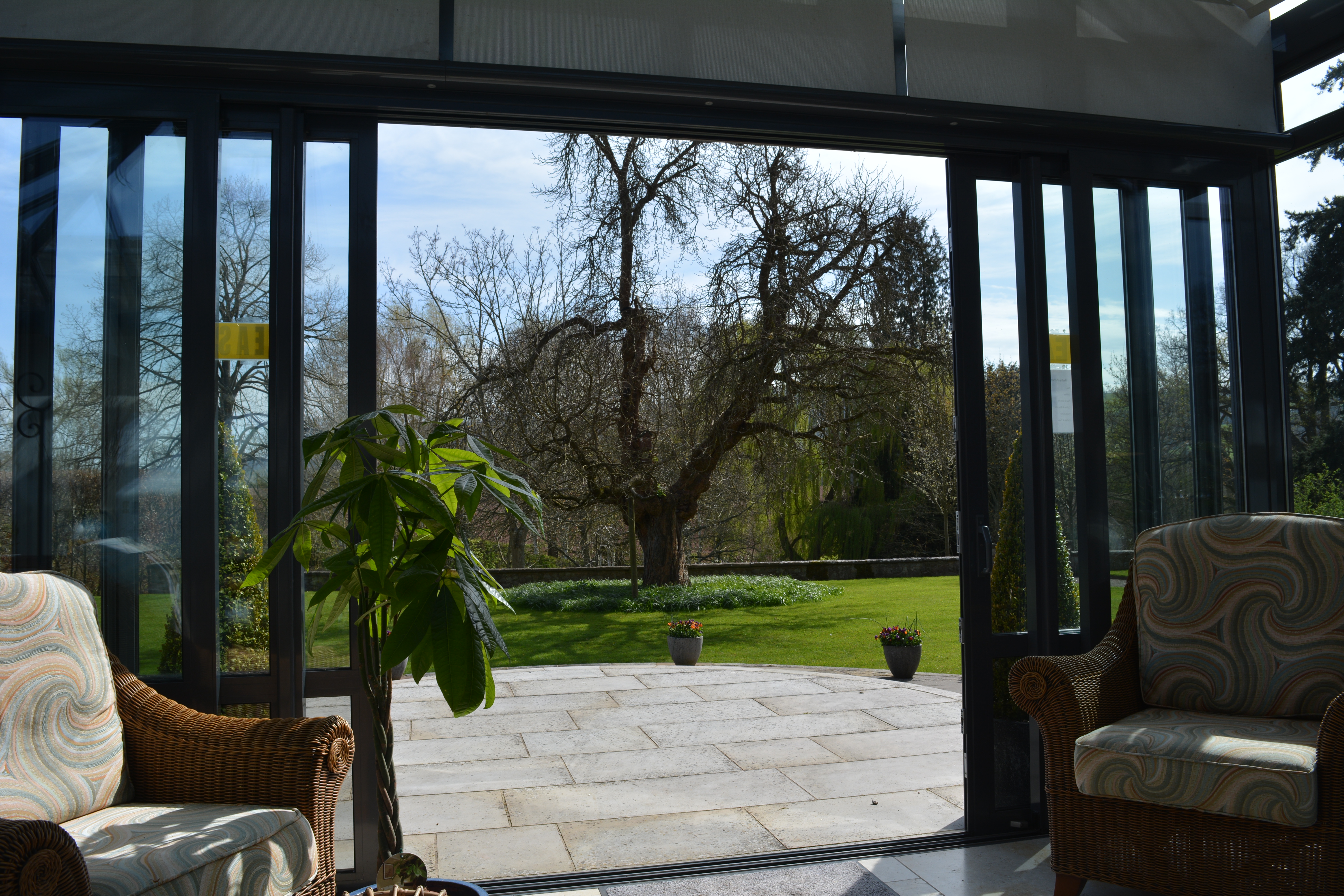
We began as usual with coffee and cake which was served in a beautiful conservatory with seating in and out. The view we enjoyed as we sat enjoying our refreshments increased our expectations. We were given a beautiful plan of the garden with some details of the garden and from this we learned that the garden was being redesigned and a lot of replanting had taken place.

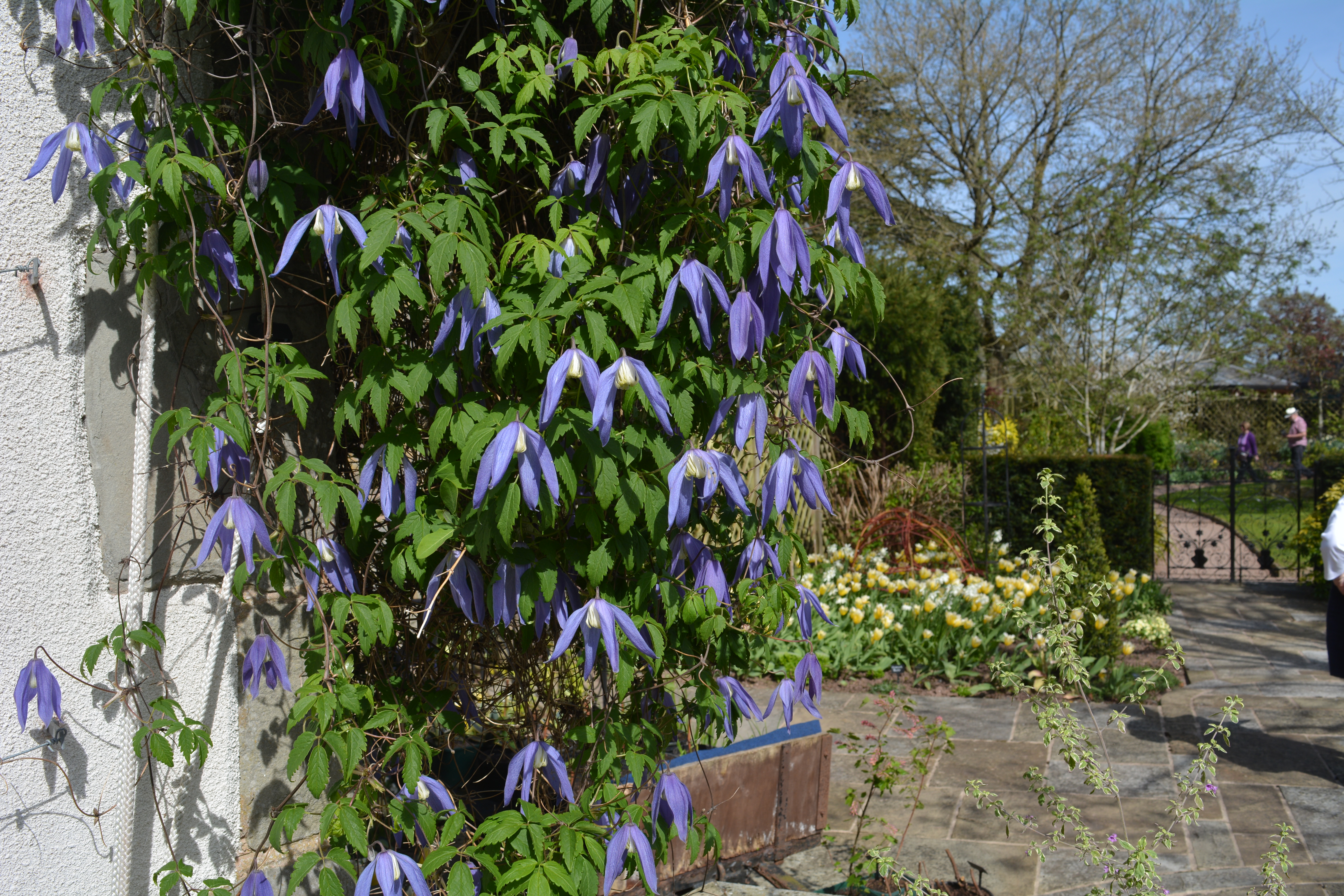
As we approached the conservatory we spotted this beautiful blue Clematis and a nice barrow of plants for sale. From the conservatory we admired this beautiful, gnarled Mulberry tree reputed to have been planted by the naturalist and diarist the Rev Francis Kilvert. Close by, yellow tulips lit up the borders.

2015 04 15_06912015 04 15_0690 2015 04 15_06982015 04 15_0692 2015 04 15_0693

Among the tulips we were pleased to see a Drimys showing its delicately scented yellow flowers. We have a couple of these evergreens in our Avocet garden but we have rarely seen them elsewhere.

2015 04 15_0694 2015 04 15_0696

From the pond, in the section of garden inspired by Lutyens, we got a wonderful view back to the house.

2015 04 15_0697  2015 04 15_0699 2015 04 15_0700 2015 04 15_07012015 04 15_0703

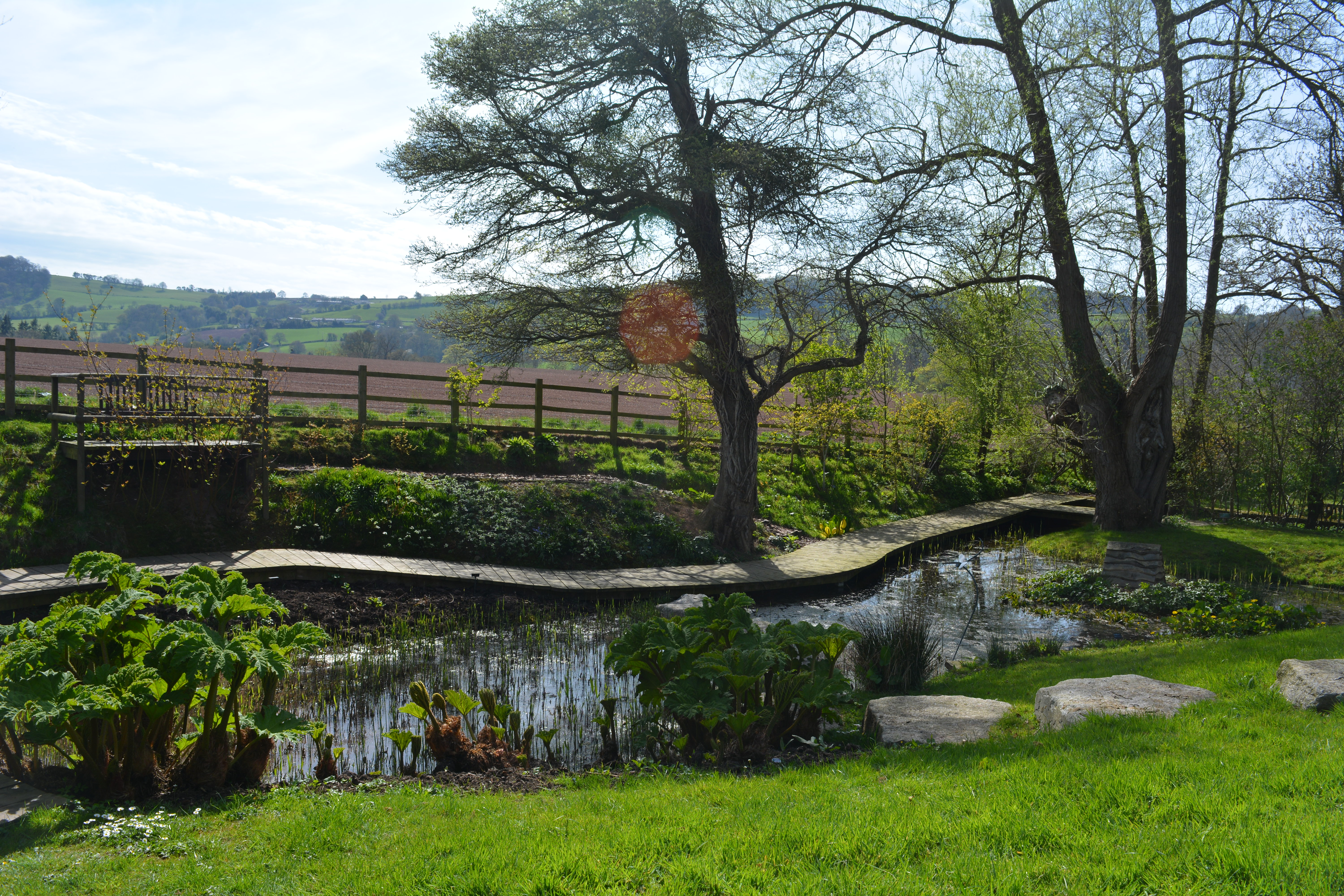
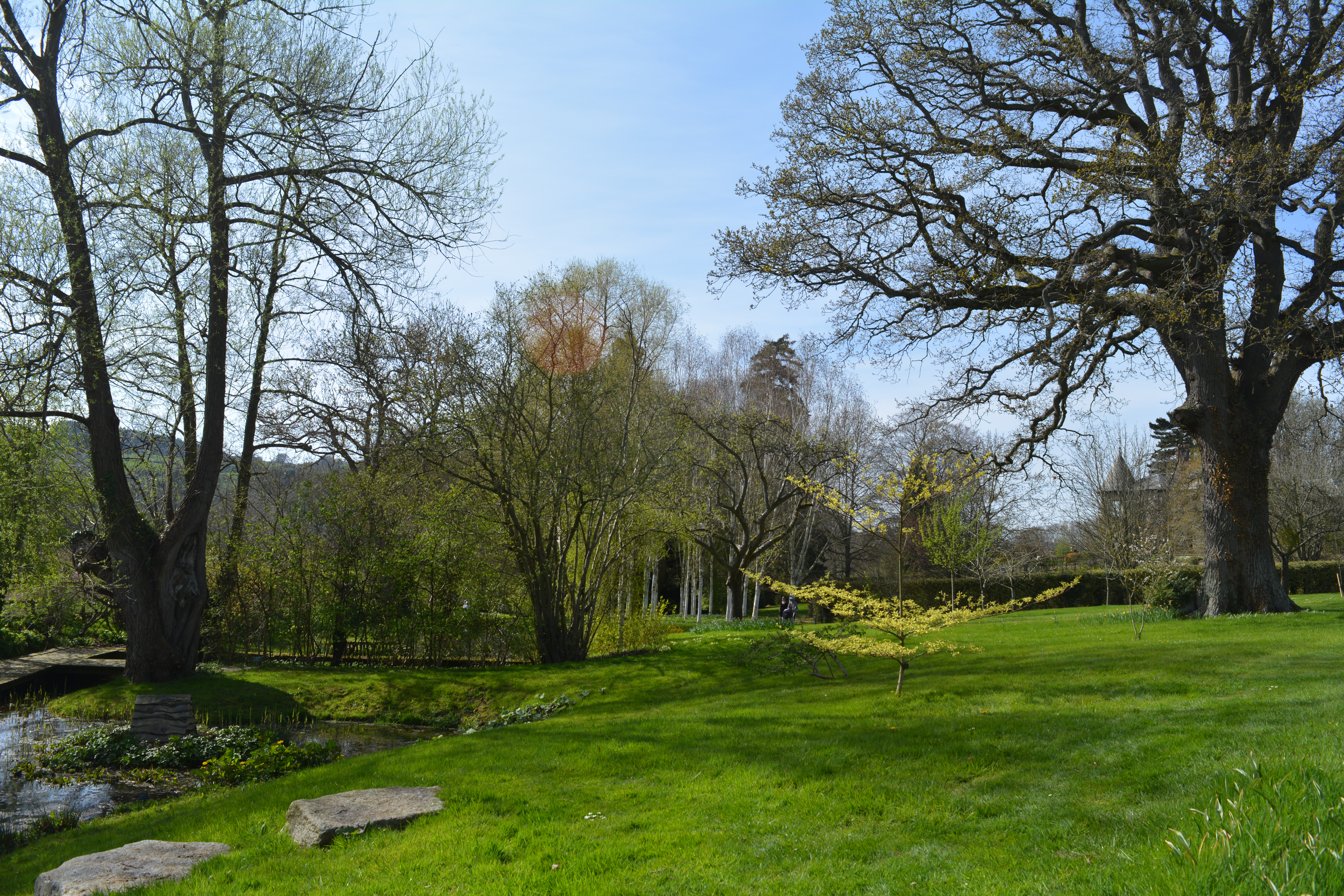
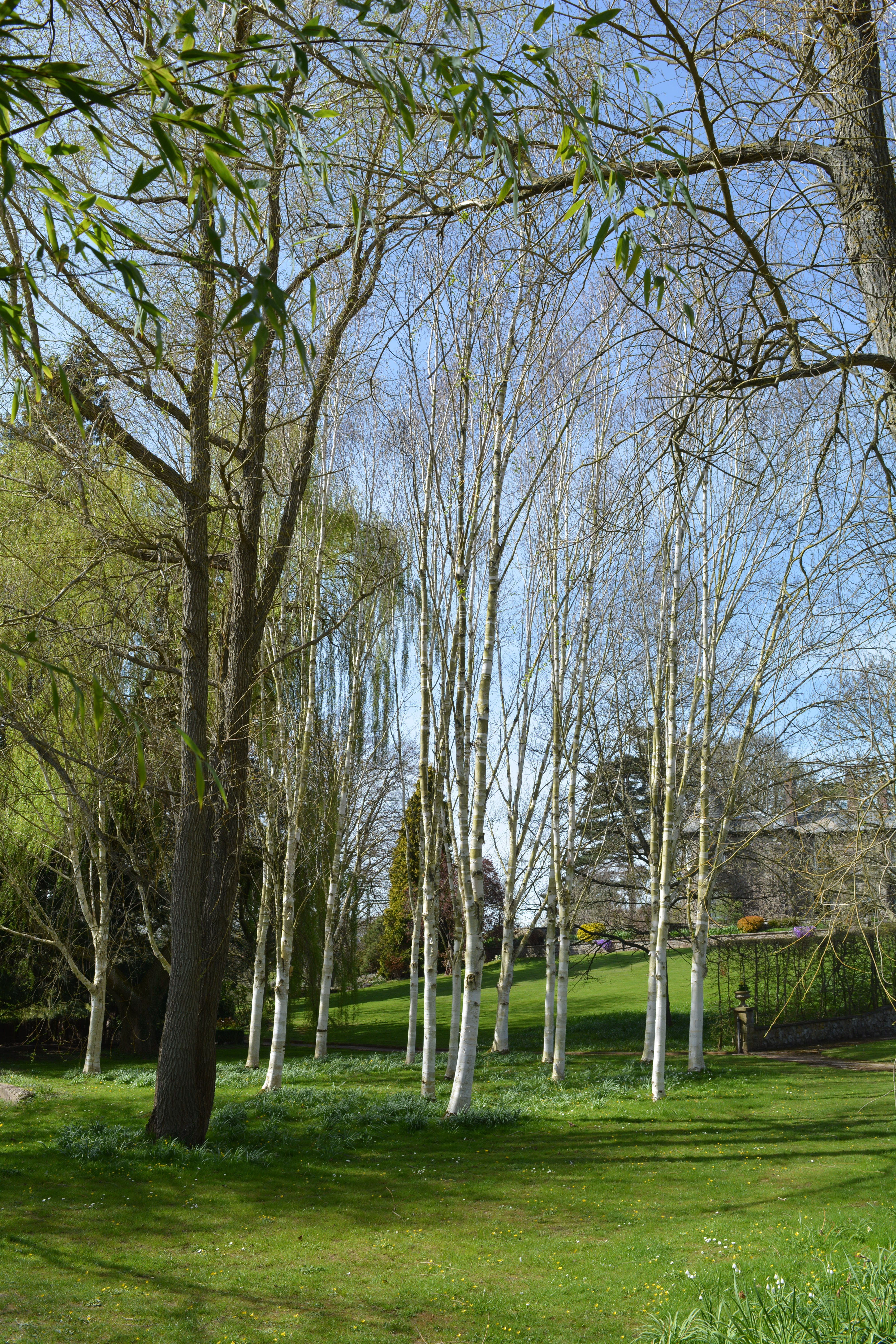
After the formality of the Lutyens styled garden we wandered down to the strongly contrasting stream and informal pools. Close by was a stand of mature white stemmed Birches, which glowed on this sunny afternoon.

2015 04 15_0706 2015 04 15_0707 2015 04 15_0708 2015 04 15_0709 2015 04 15_0710 2015 04 15_07112015 04 15_0713 2015 04 15_0714 2015 04 15_0715 2015 04 15_0716 2015 04 15_0717 2015 04 15_0718 2015 04 15_0720 2015 04 15_0721

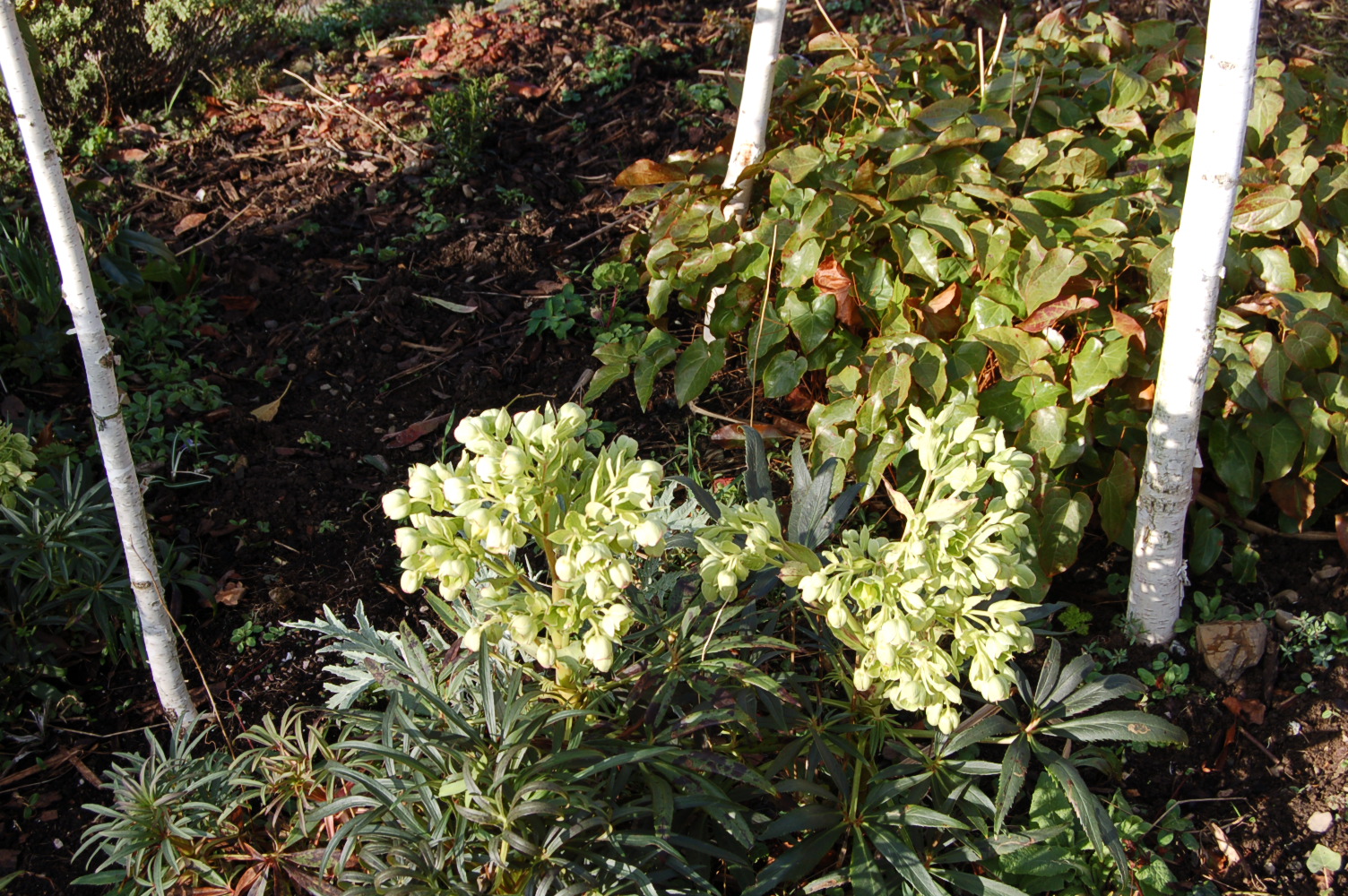
As we followed the narrow stream of clear water we found a border of Hellebores under the shade of tall native deciduous trees. The stars of this border were the Hellebores with flowers the colour of Primroses.

2015 04 15_0724 2015 04 15_0725

The stream continued its short journey to the River Wye through beautifully planted bog gardens.

2015 04 15_0726 2015 04 15_0730 2015 04 15_0731 2015 04 15_0732 2015 04 15_0733 2015 04 15_0734 2015 04 15_0735 2015 04 15_0736 2015 04 15_0737

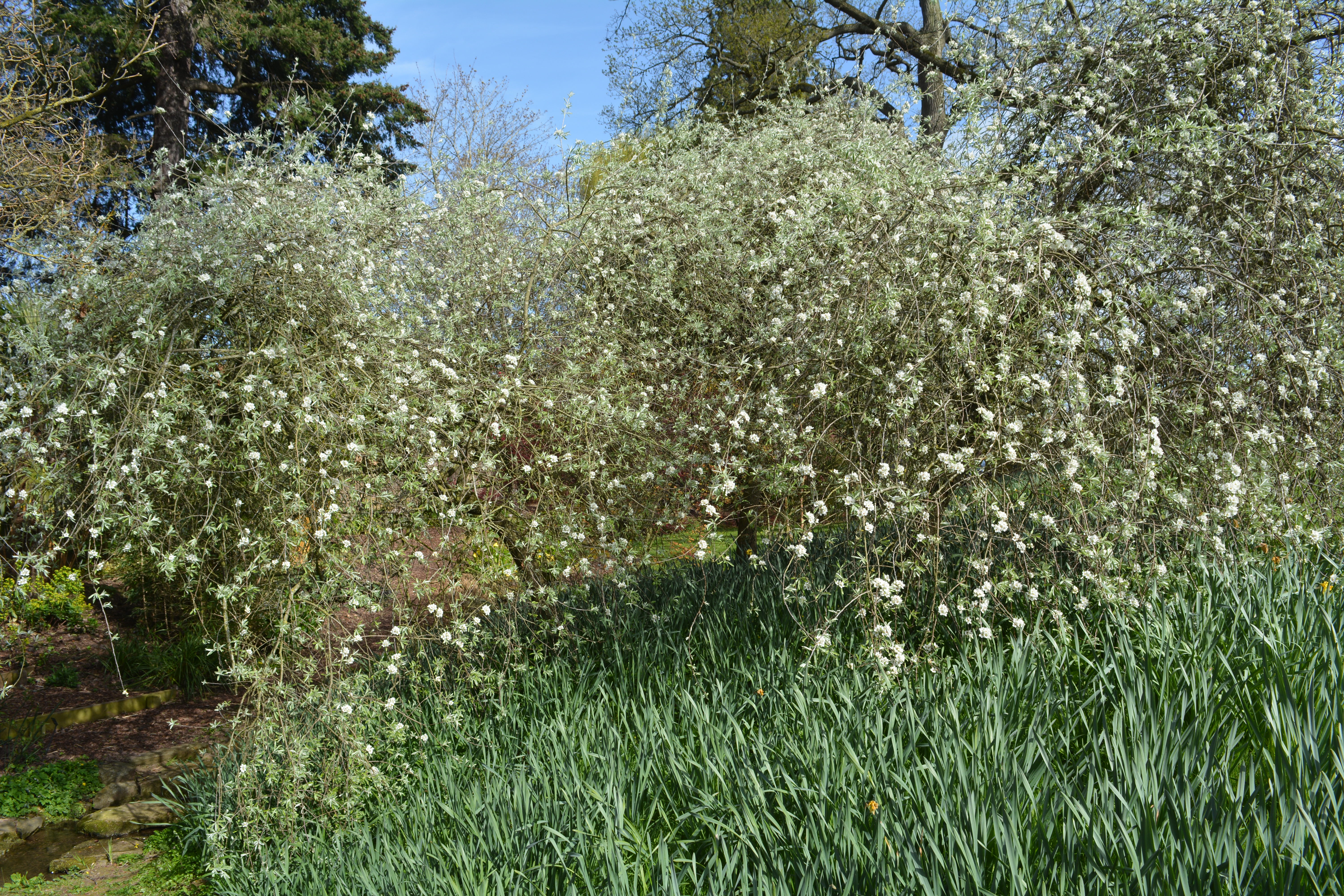
As we left the boggy areas we found a stand of Weeping Silver Pears covered in white blossom.

2015 04 15_0739 2015 04 15_0740

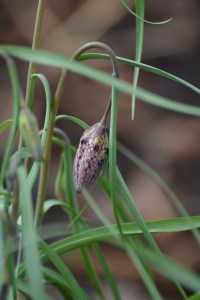
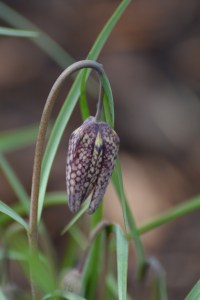
The stream beyond the boggy areas became narrower as it passed through sloping meadowland. Here our native Snakeshead Fritillaries graced its banks and among the purple flowers we discovered this white beauty with thin green lines on the outside of its petals.

2015 04 15_0741

Behind the coach house the walled kitchen garden has been renovated and redesigned. It still has peaches growing on the walls and the greenhouse range has been beautifully restored.

2015 04 15_0744 2015 04 15_0745 2015 04 15_0746 2015 04 15_0747 2015 04 15_0748 2015 04 15_0750

We were drawn by the varieties of Tulips in flower in this area, especially this stunning lily flowered orange bloom.

2015 04 15_0753 2015 04 15_0754 2015 04 15_0755

We had one border still to see, a long border against the wall below the house. Spring bulbs featured strongly here so it was a very colourful border.

2015 04 15_0756 2015 04 15_0757 2015 04 15_0758 2015 04 15_0759

And naturally we had a coffee before we made the journey home, this time we sat outside on the terrace as the weather had improved throughout our exploration of this interesting garden and the chill wind had lessened. We shall certainly recommend this garden to our friends.

2015 04 15_0760 2015 04 15_0761


Categories
garden photography gardening ornamental trees and shrubs RHS

The Tulip Tree

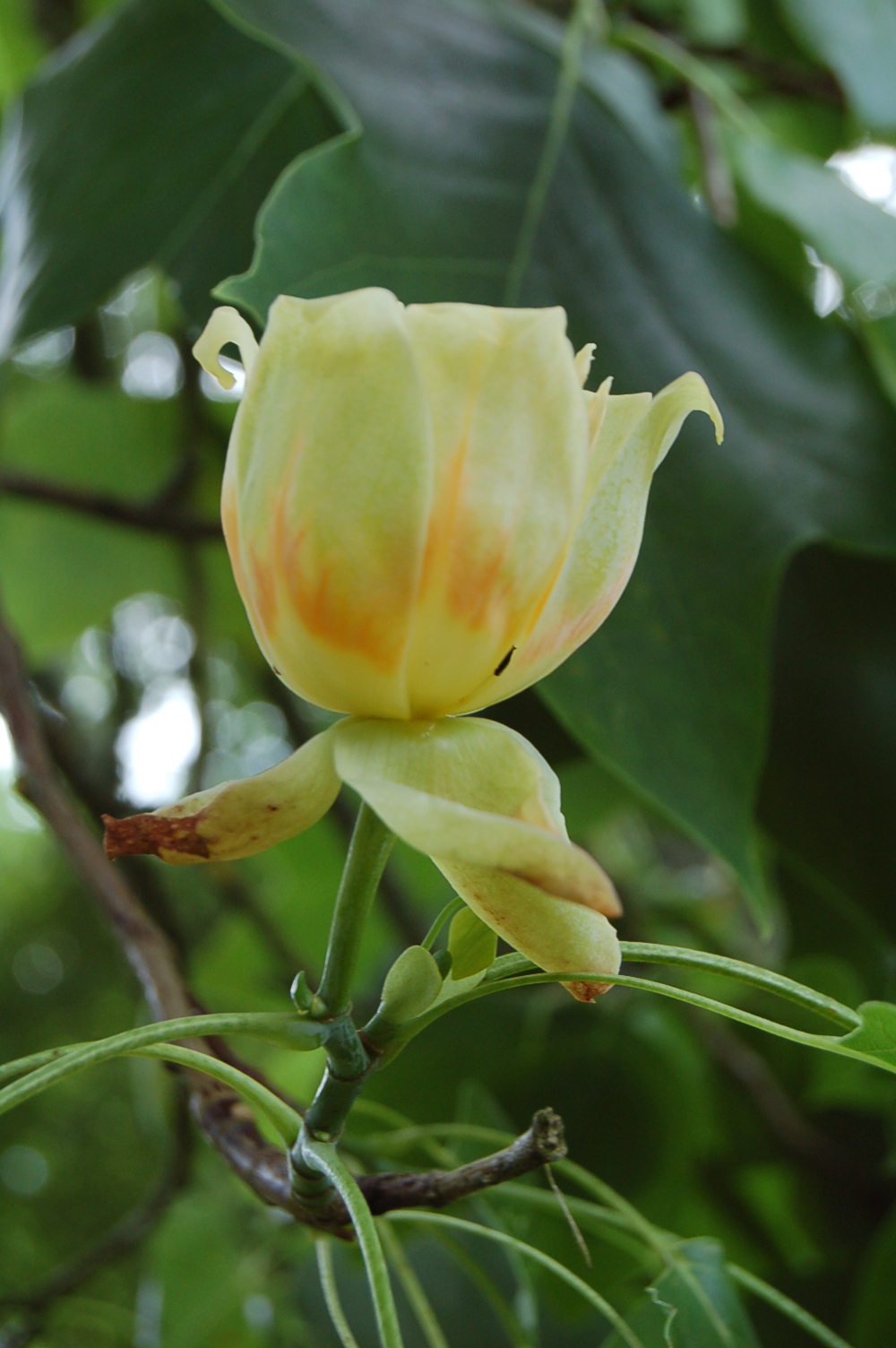
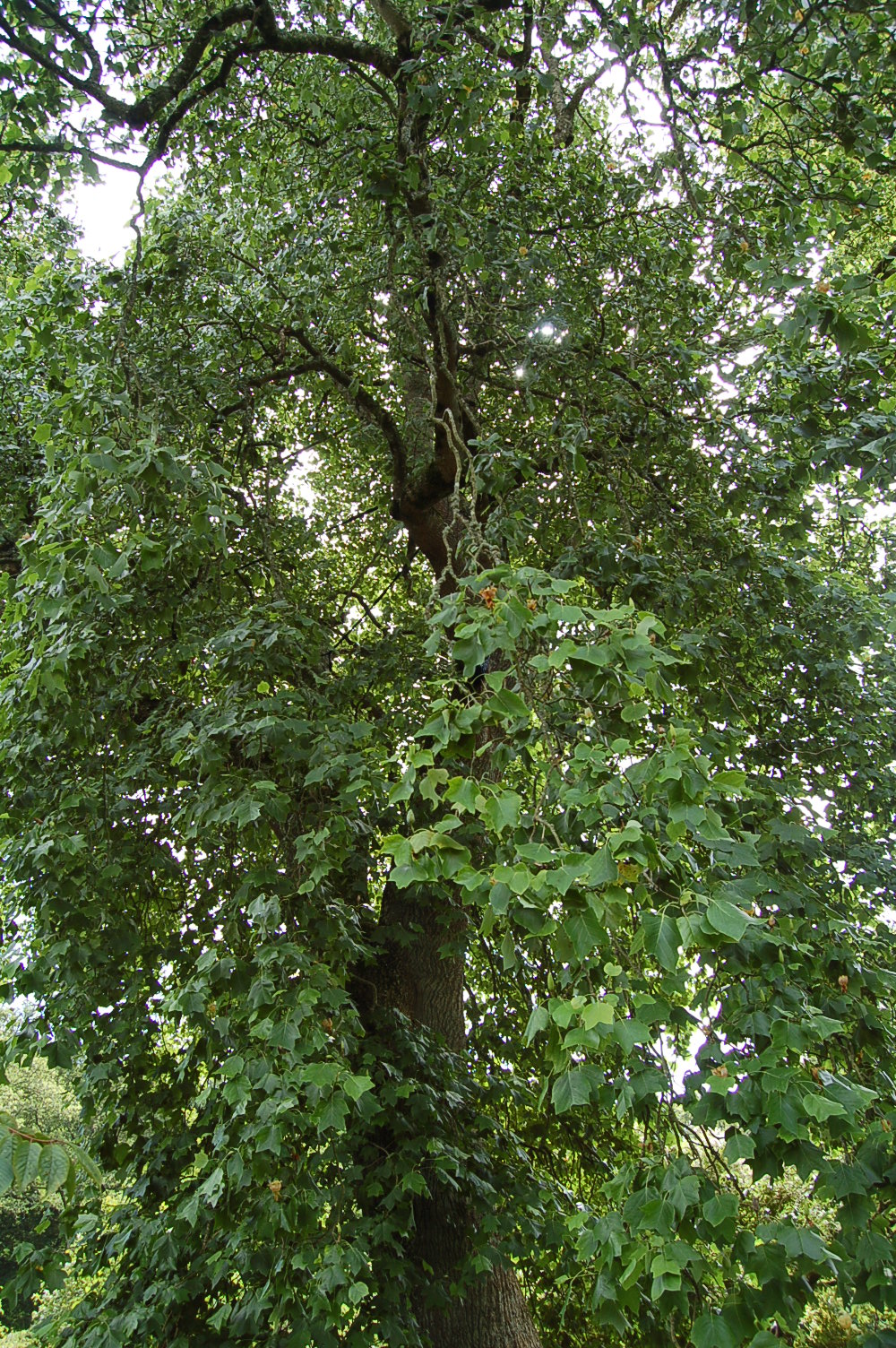
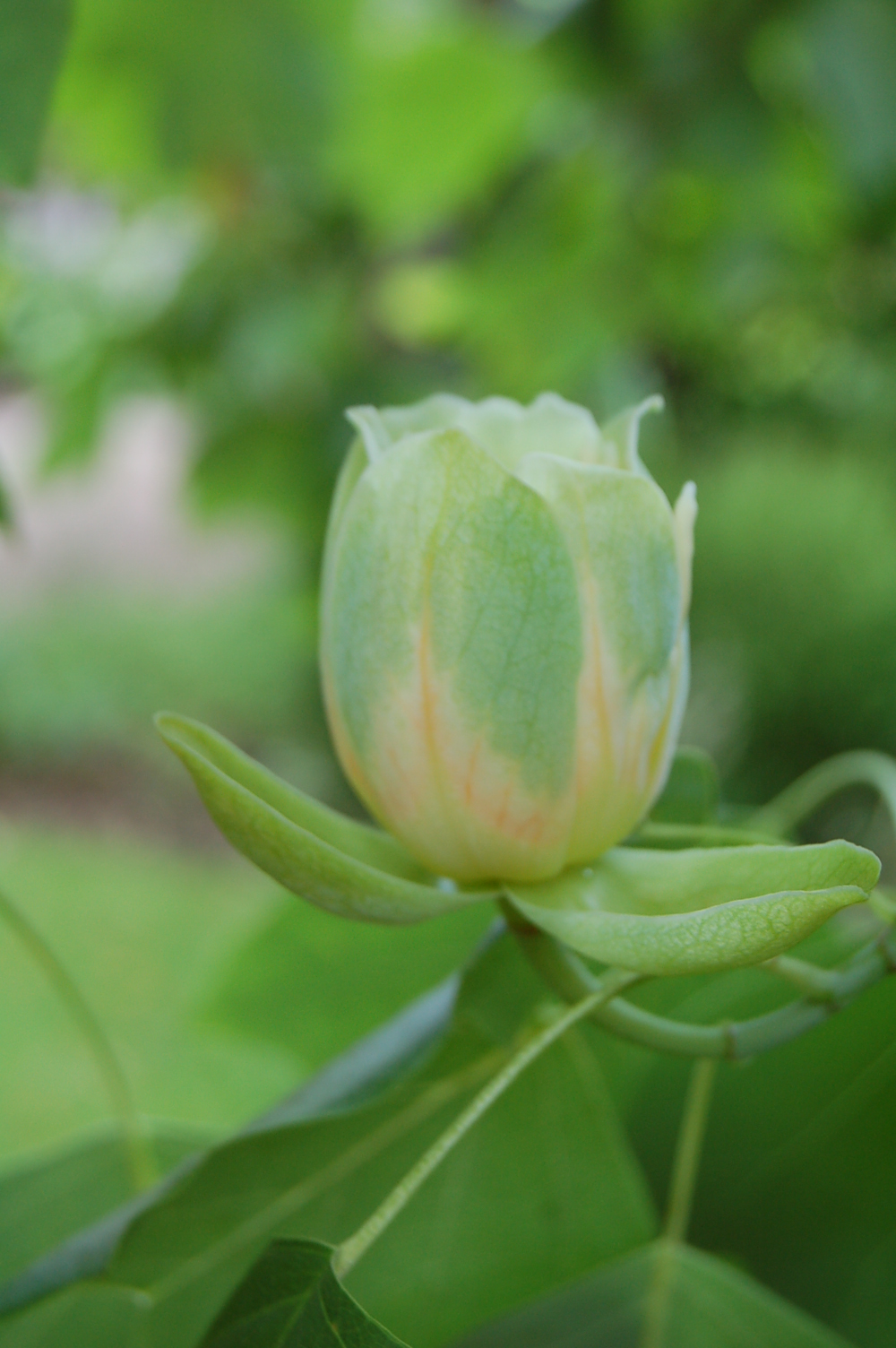
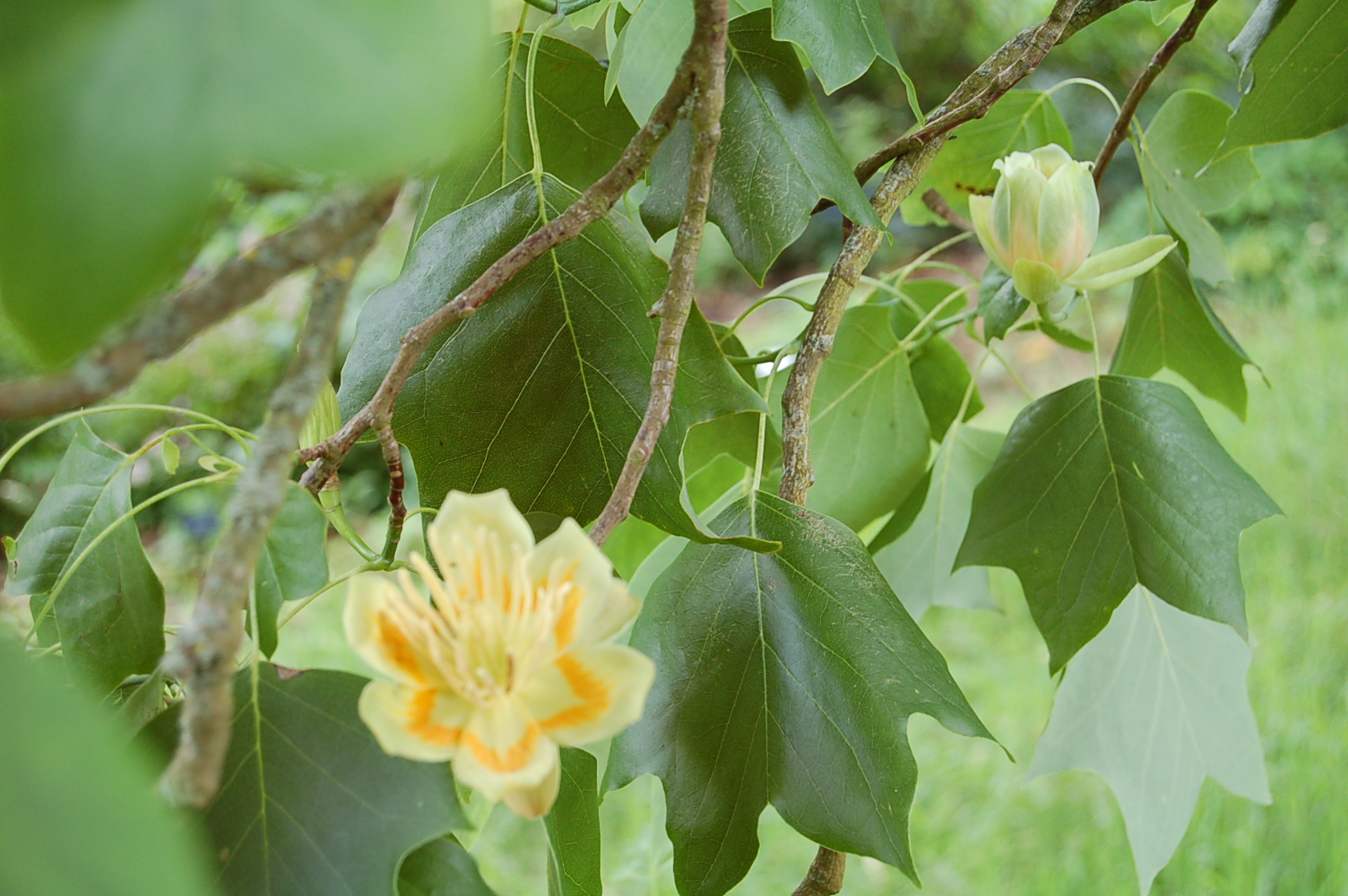
Over the years we have seen Tulip Trees with just a few flowers on them. Every time we see them we are amazed by them. How can a tree have flowers like tulips? But they are indeed just like big green, pale orange and lemon coloured tulip flowers.

On a summer visit to Devon’s RHS garden Rosemoor, we were astonished to come across the biggest Tulip Tree we had ever seen and it was covered in bloom from top to toe. It must have been near maturity as it was about 100 feet tall, which is its maximum size.

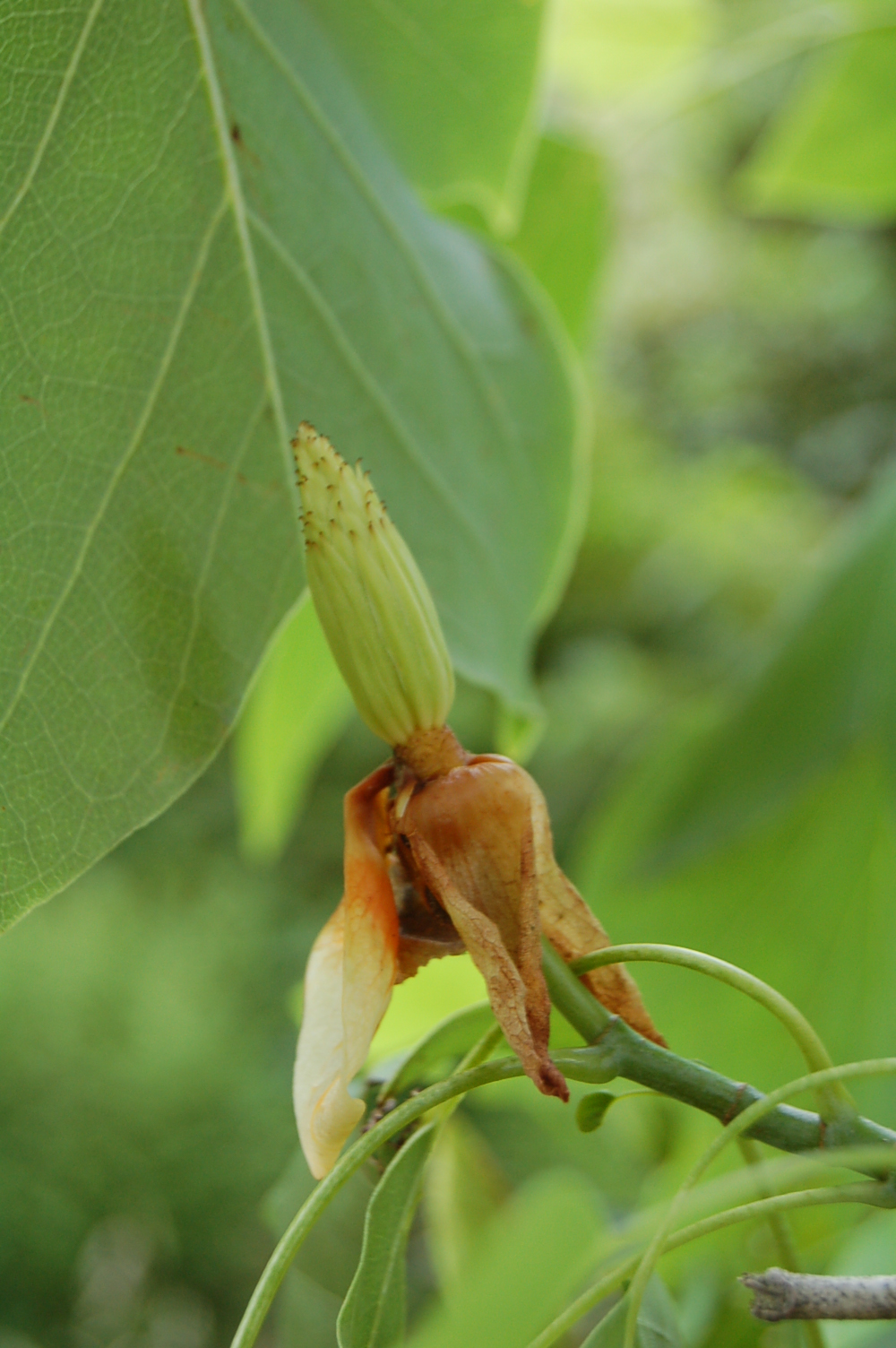
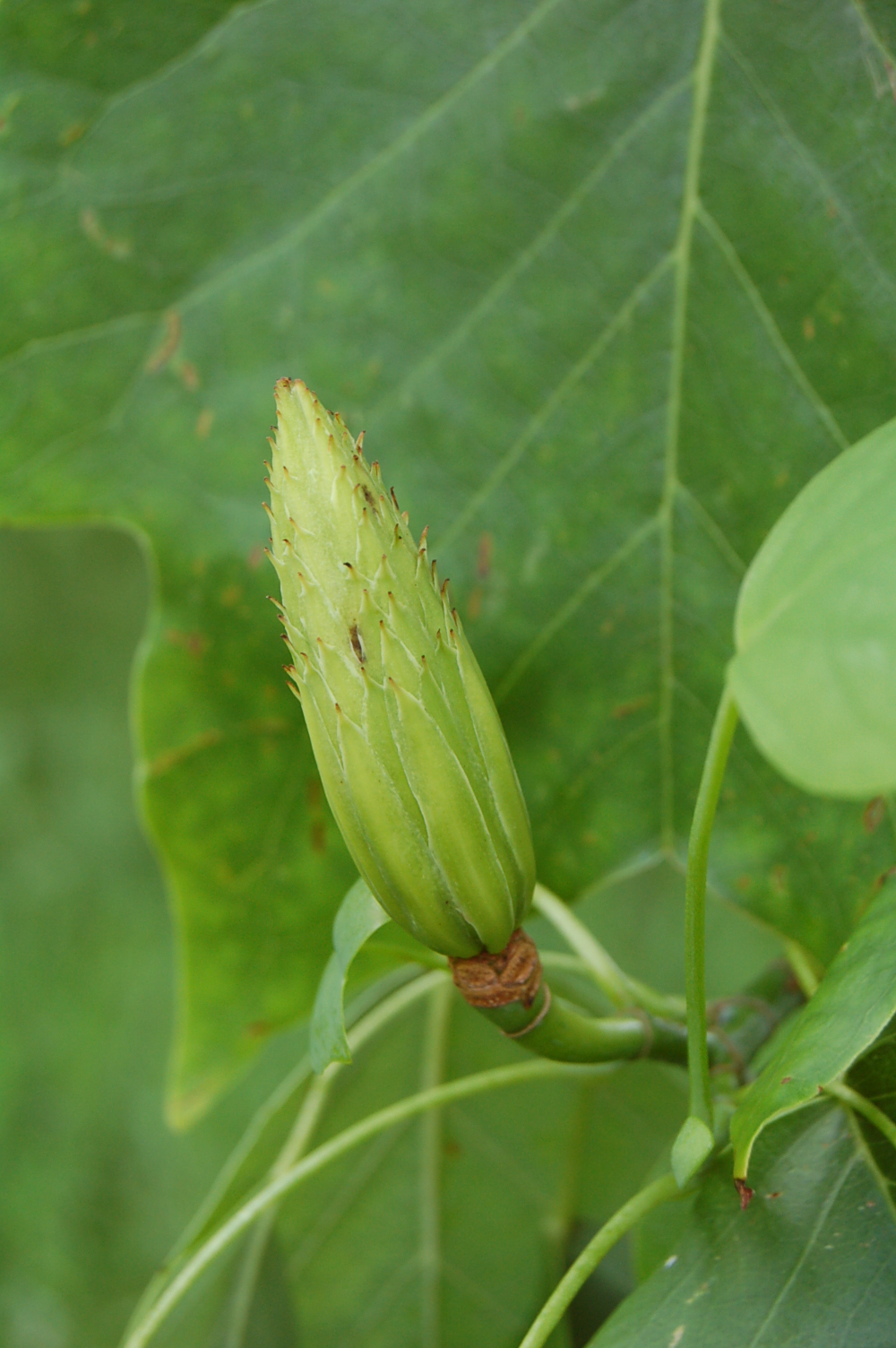
What made this tree particularly special at the time was that we could find the flowers from every stage of development from bud through to seed head.

Tulip Trees are also known as the Tulip Poplar and the Yellow Poplar. It has a lyrical botanic name – Liriodendron tulipifera. The photo above illustrates that it has leaves of an unusual shape, described by some as “saddle shaped” and these turn yellow and red in the autumn.

Categories
garden design garden photography gardening photography

Tulip Time – Extra Time

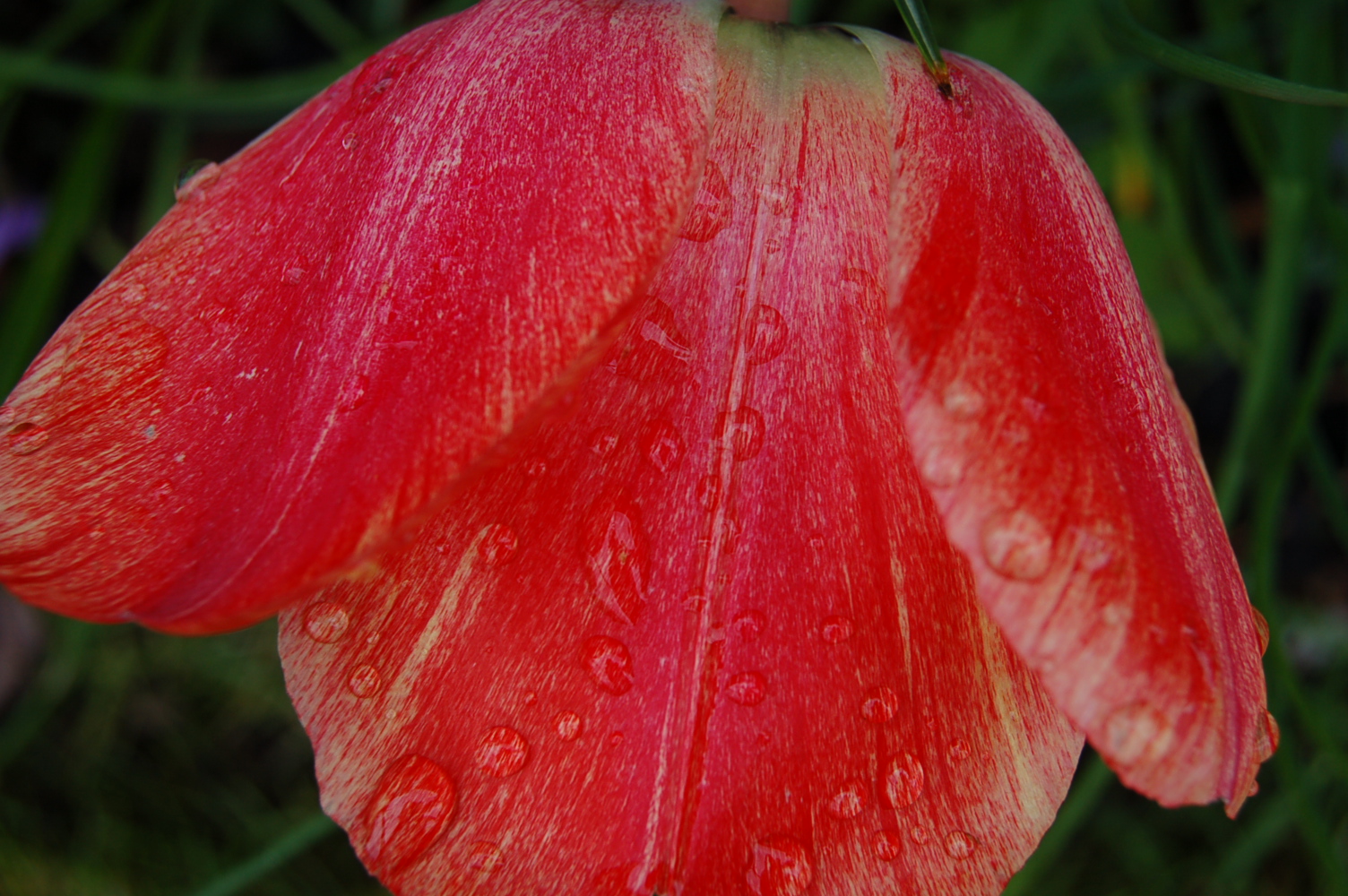
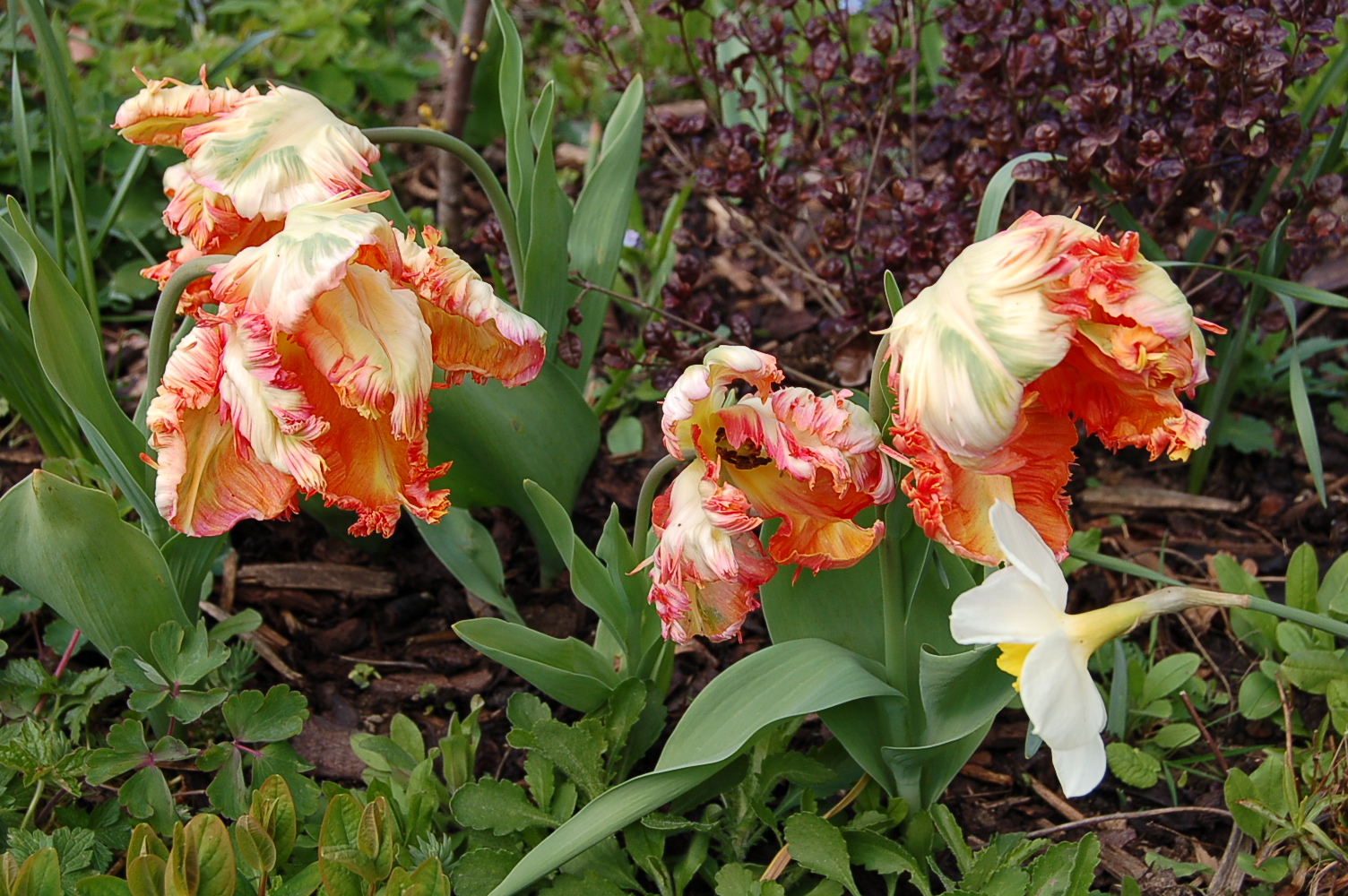
Let us continue around our garden in search of tulips and look at some very closely ………..

Categories
garden design garden photography gardening photography

Tulip Time

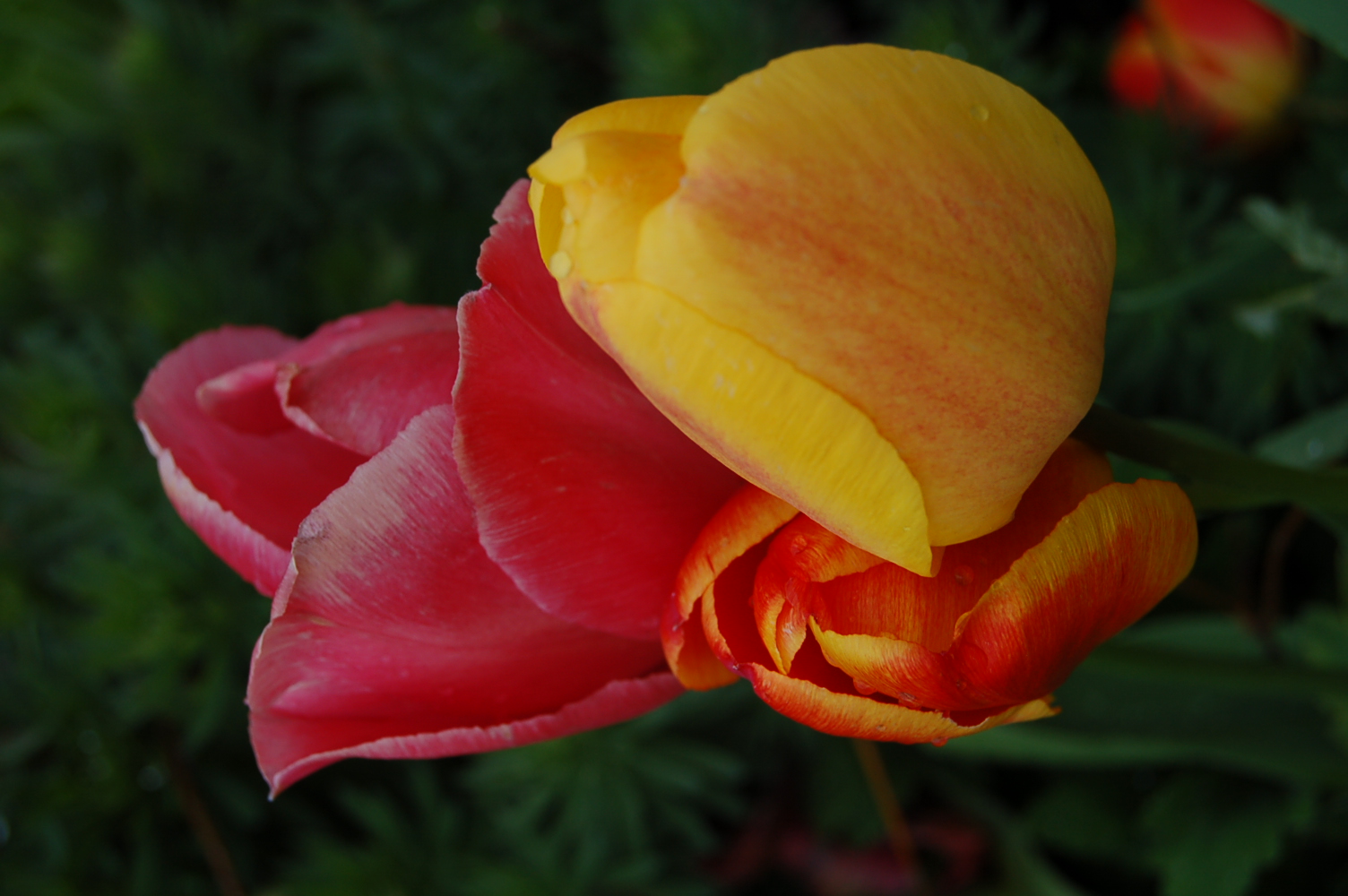
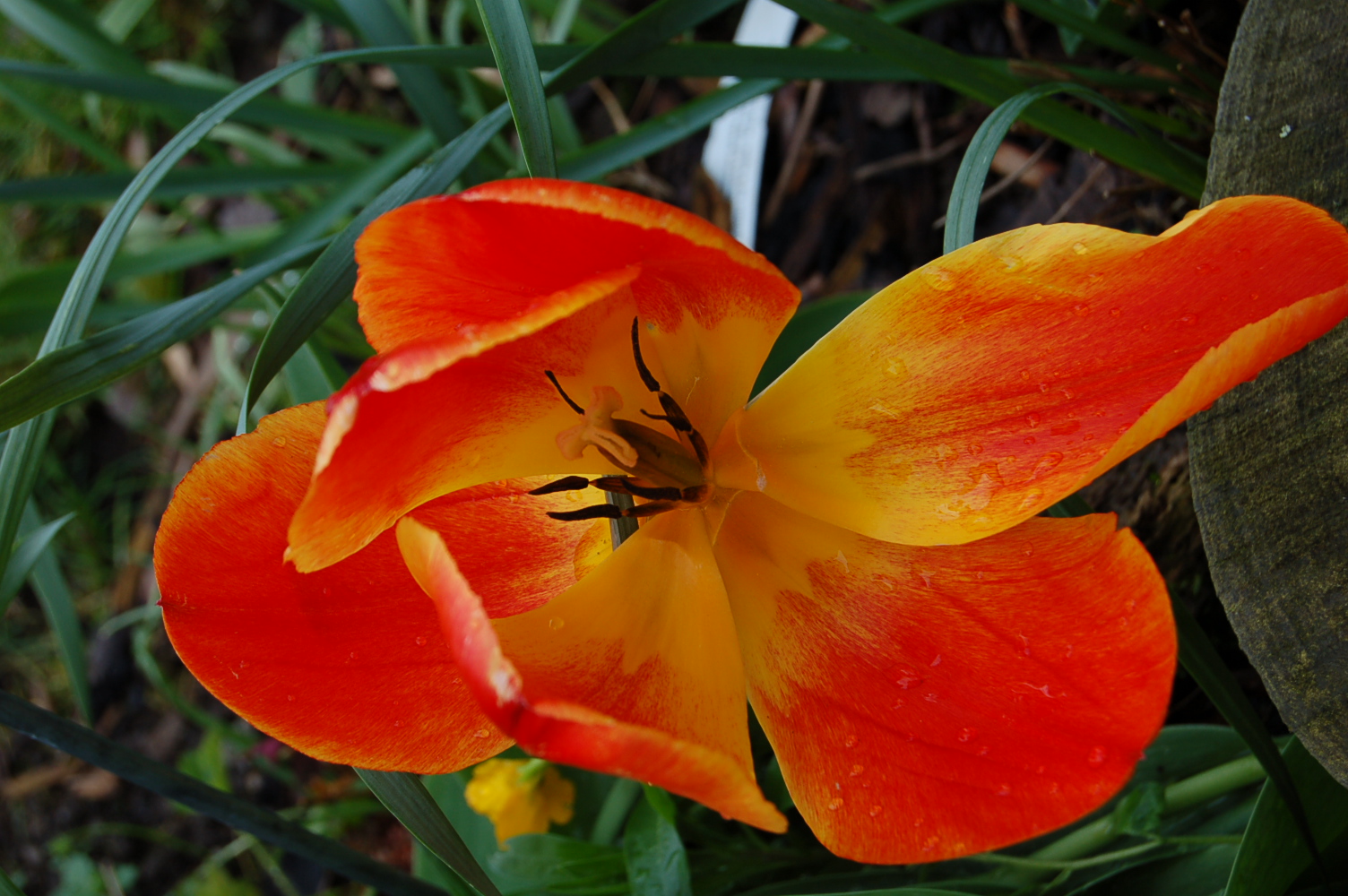
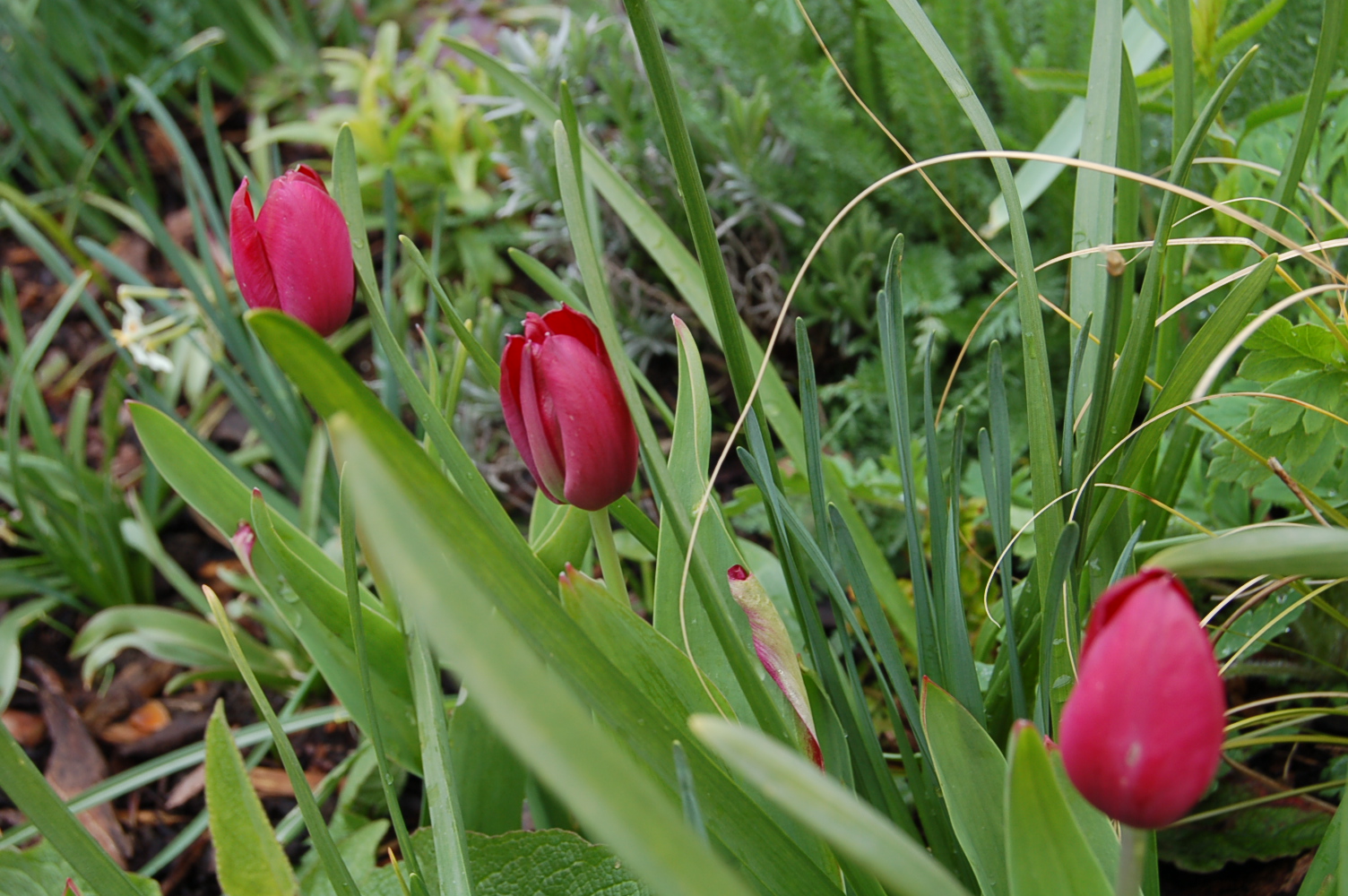
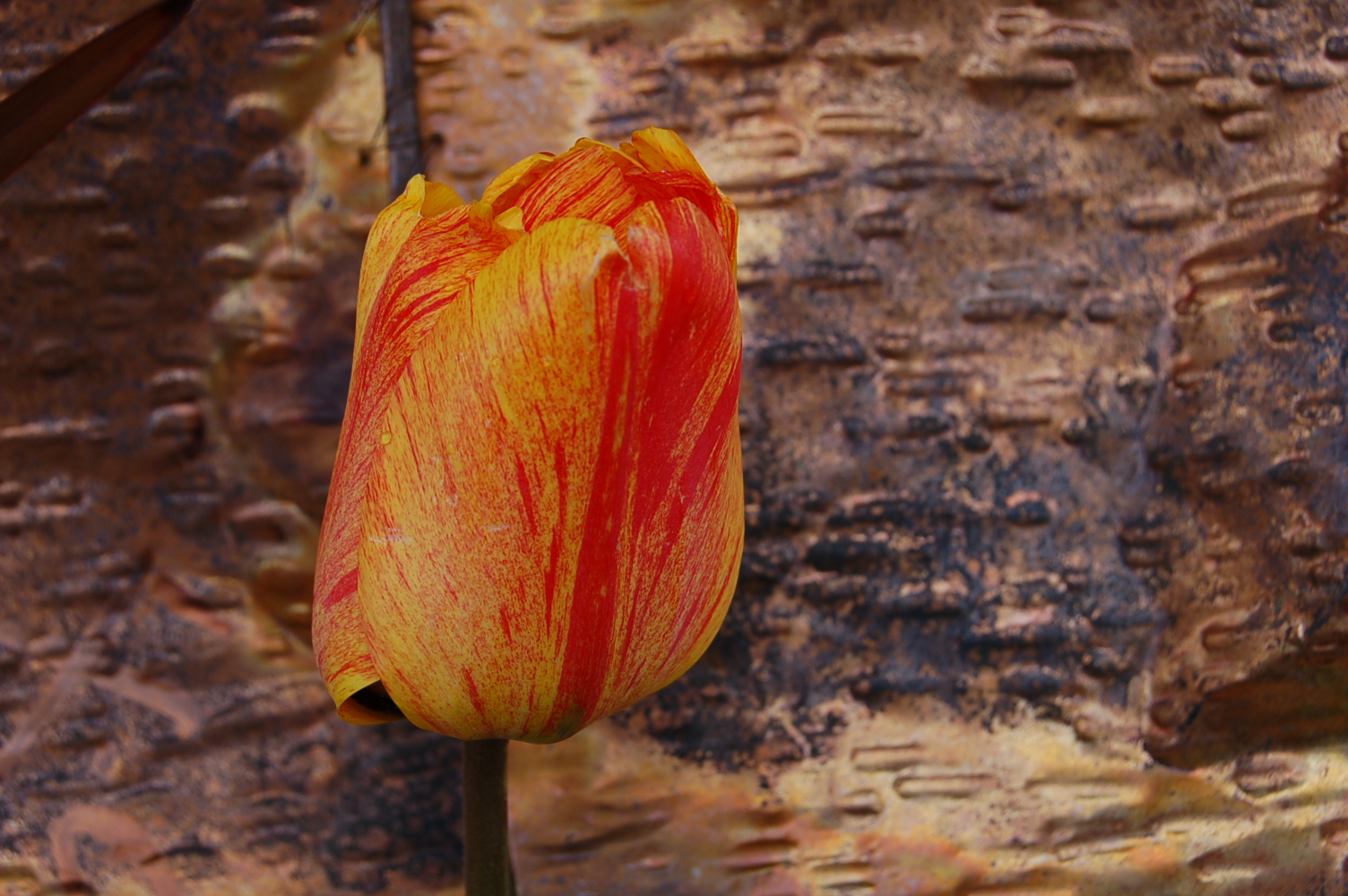
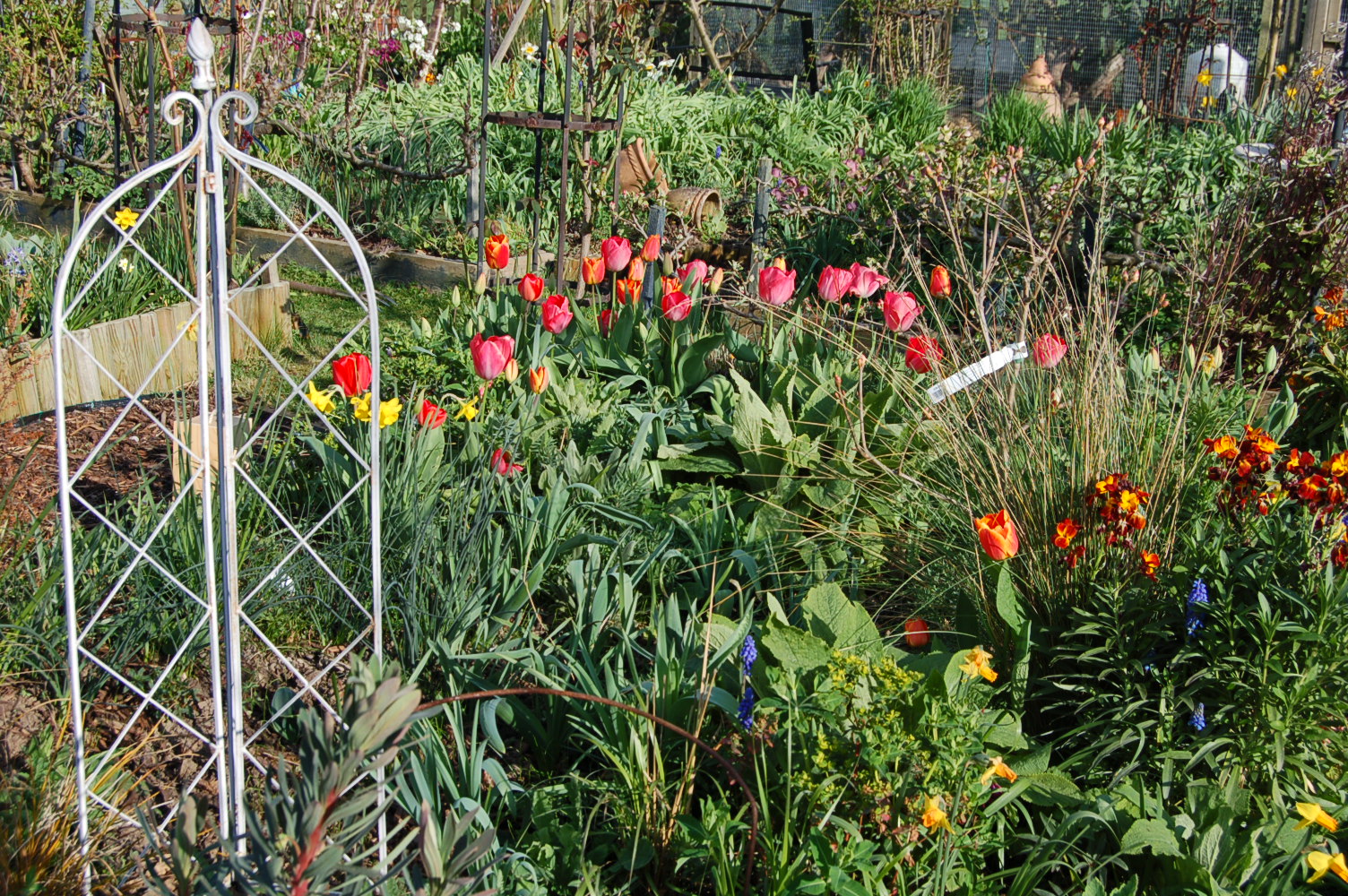
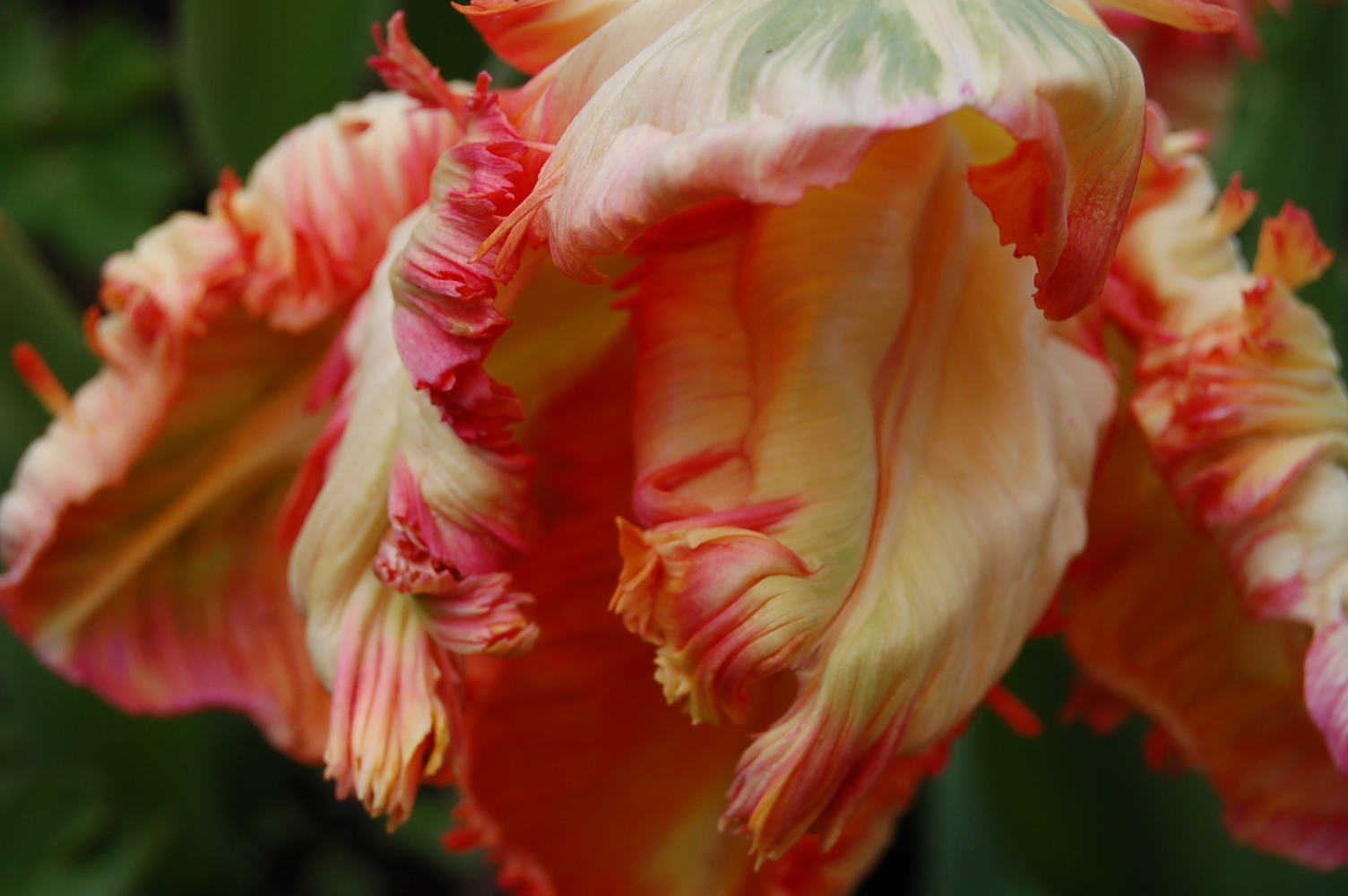
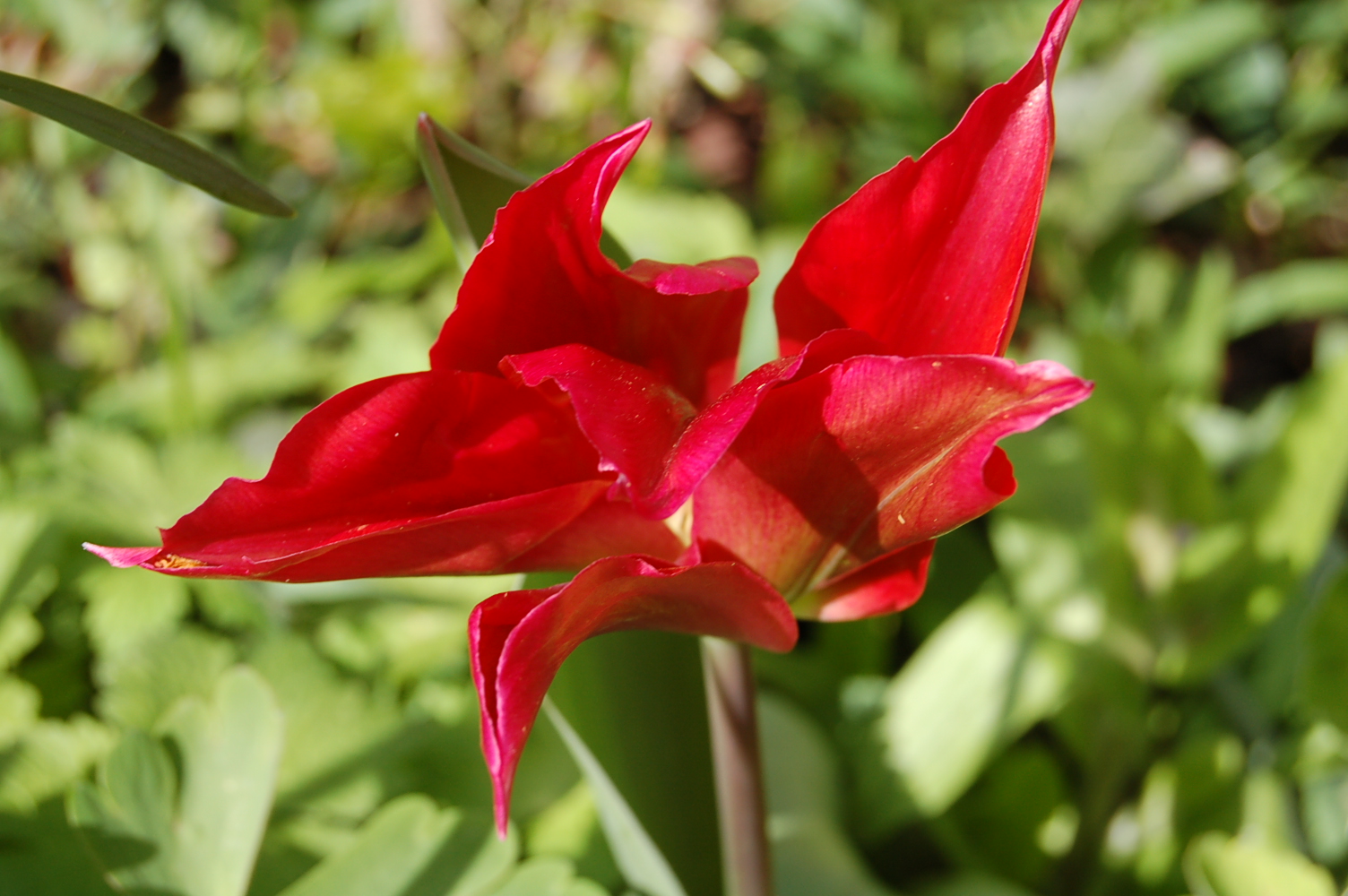
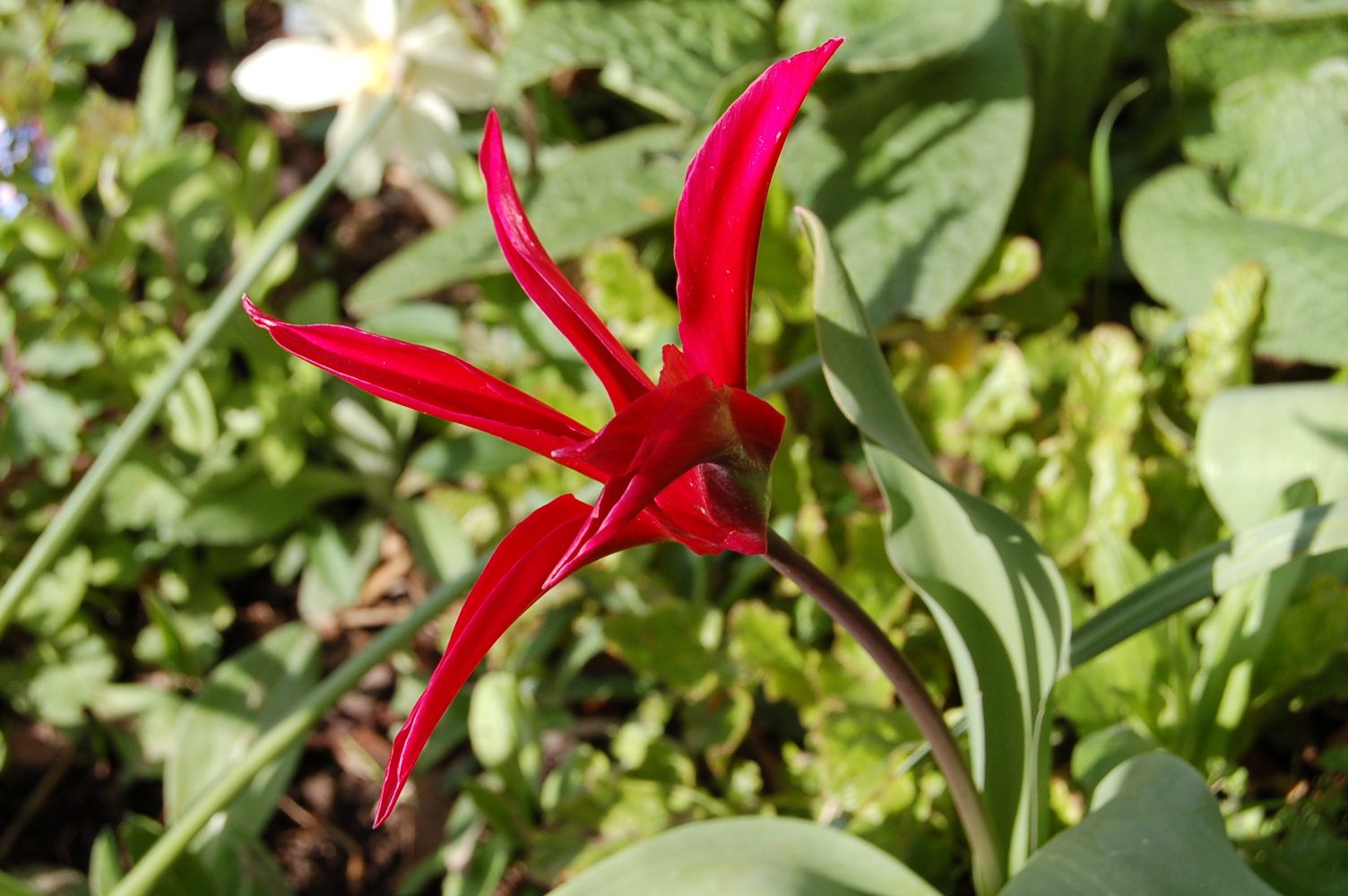
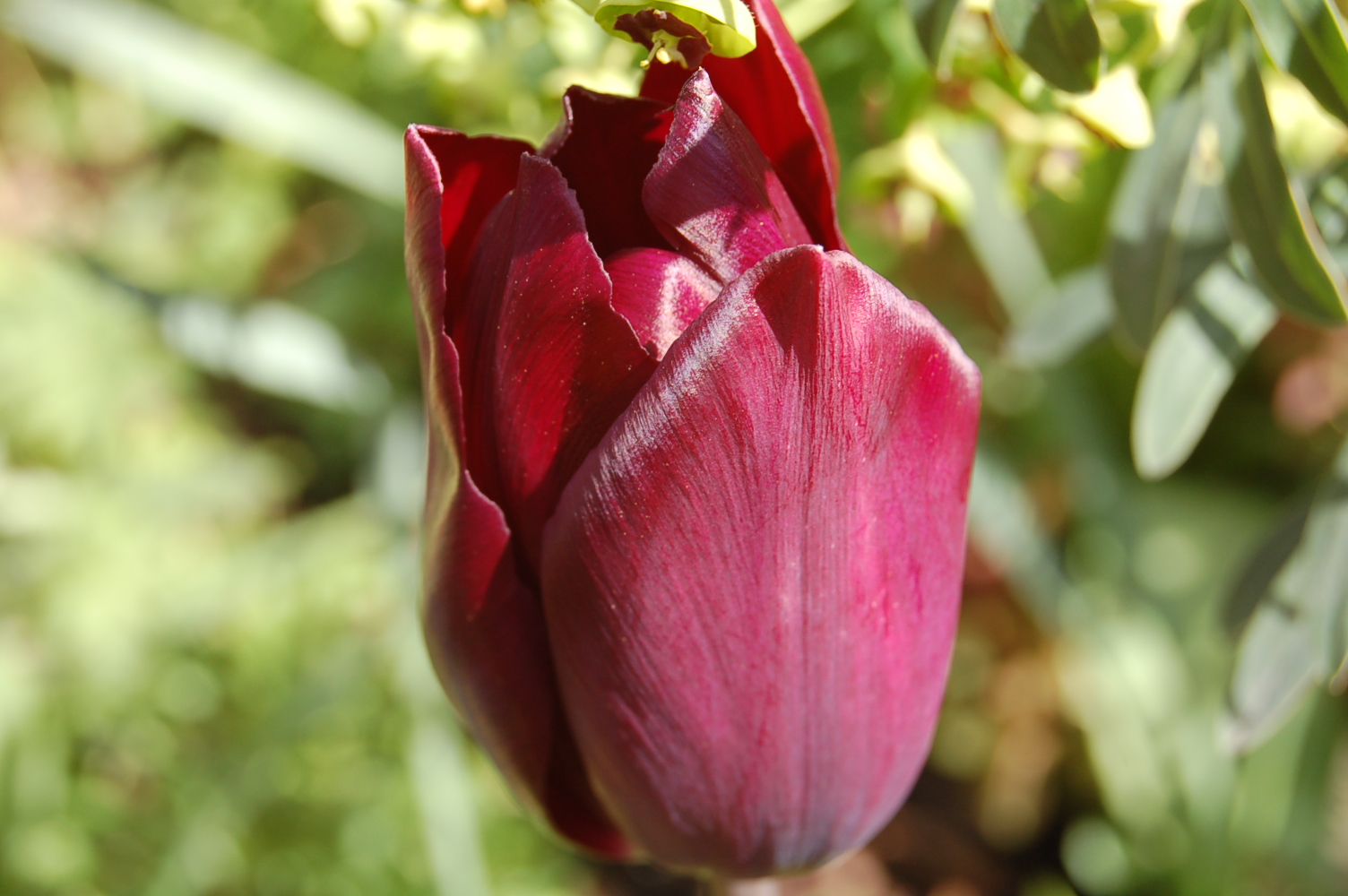
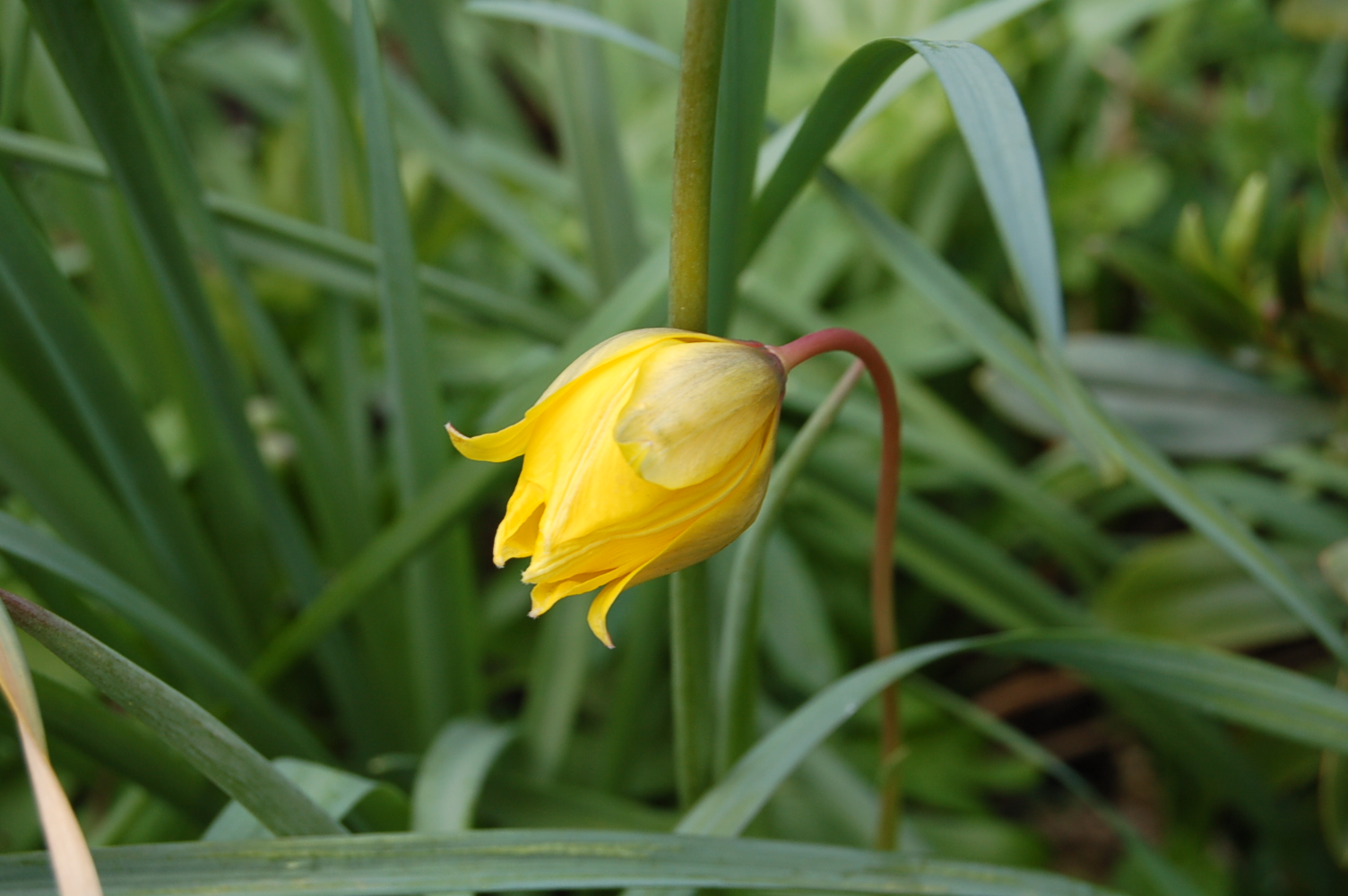
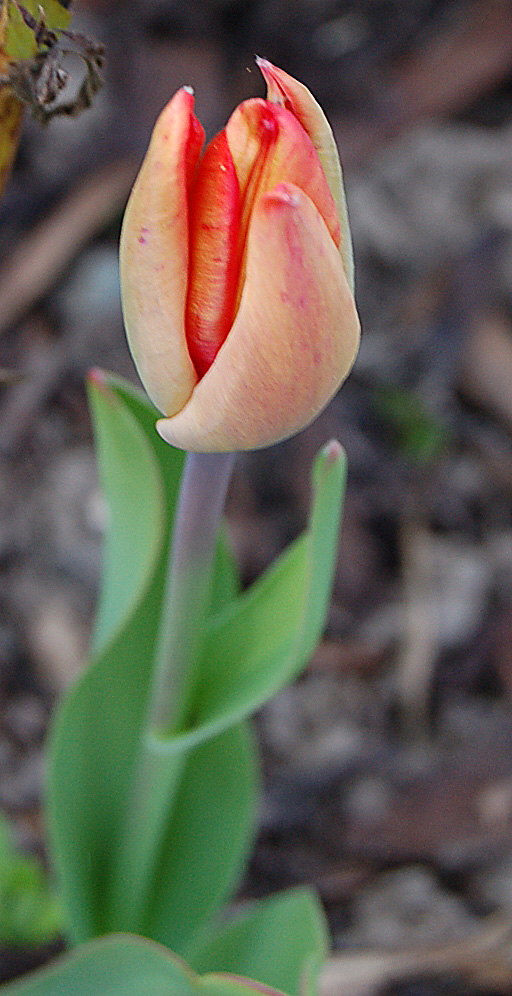
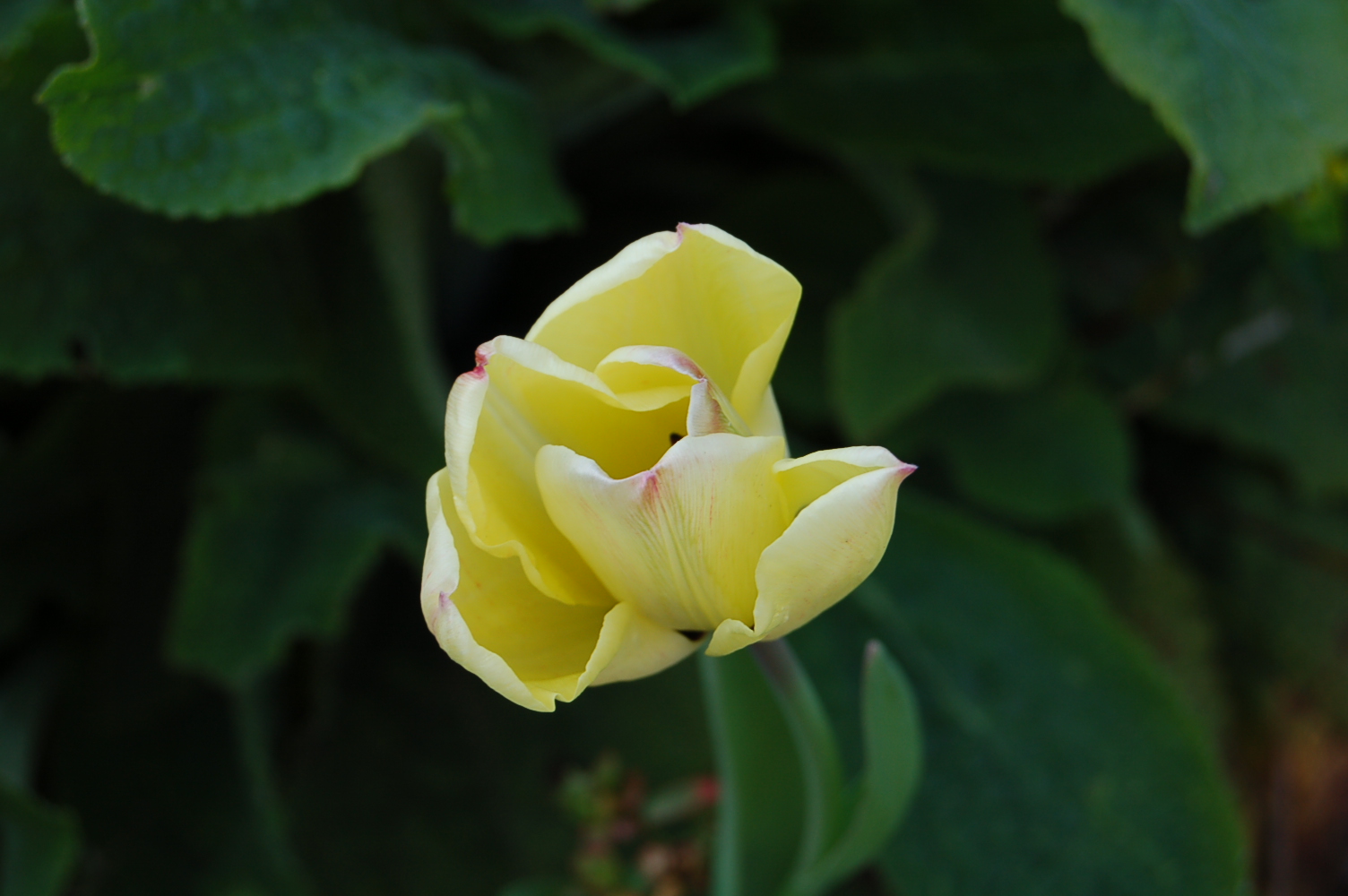
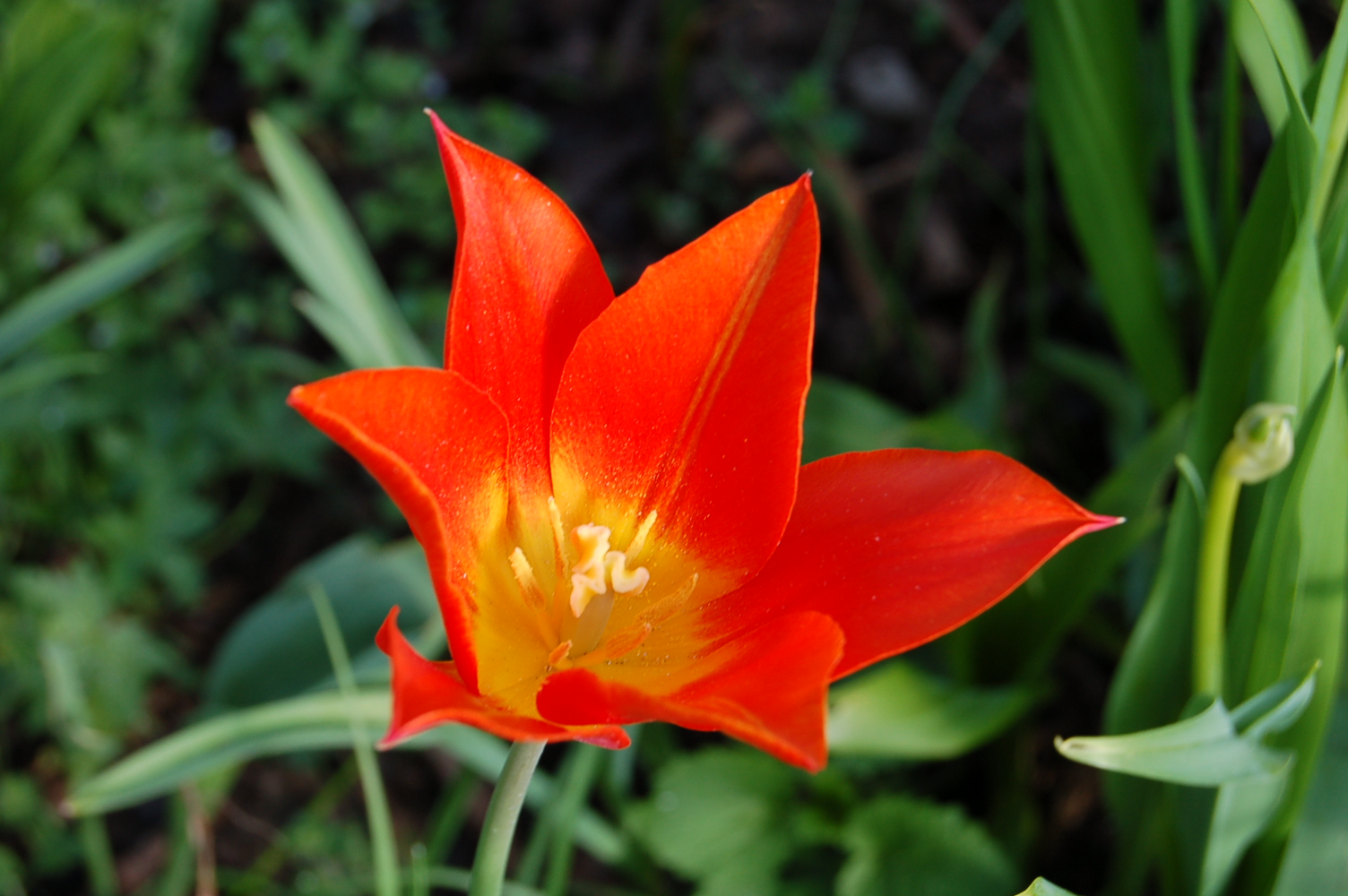
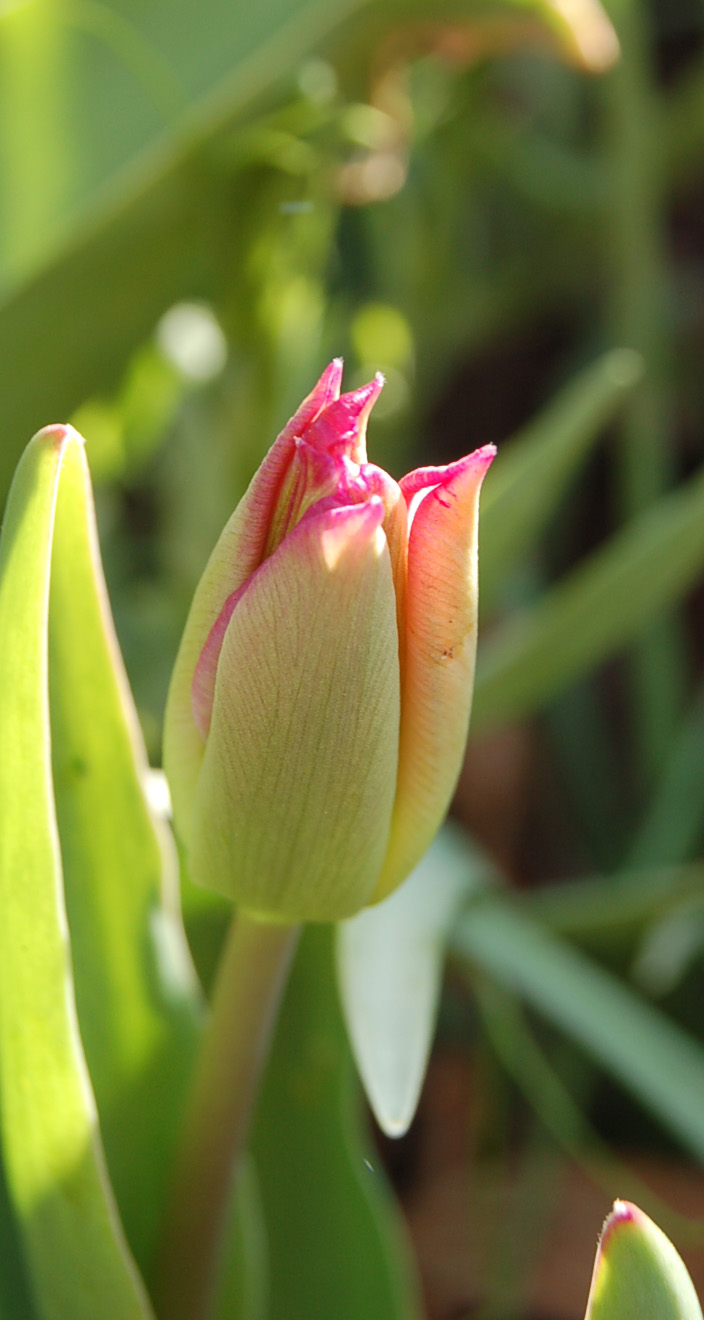
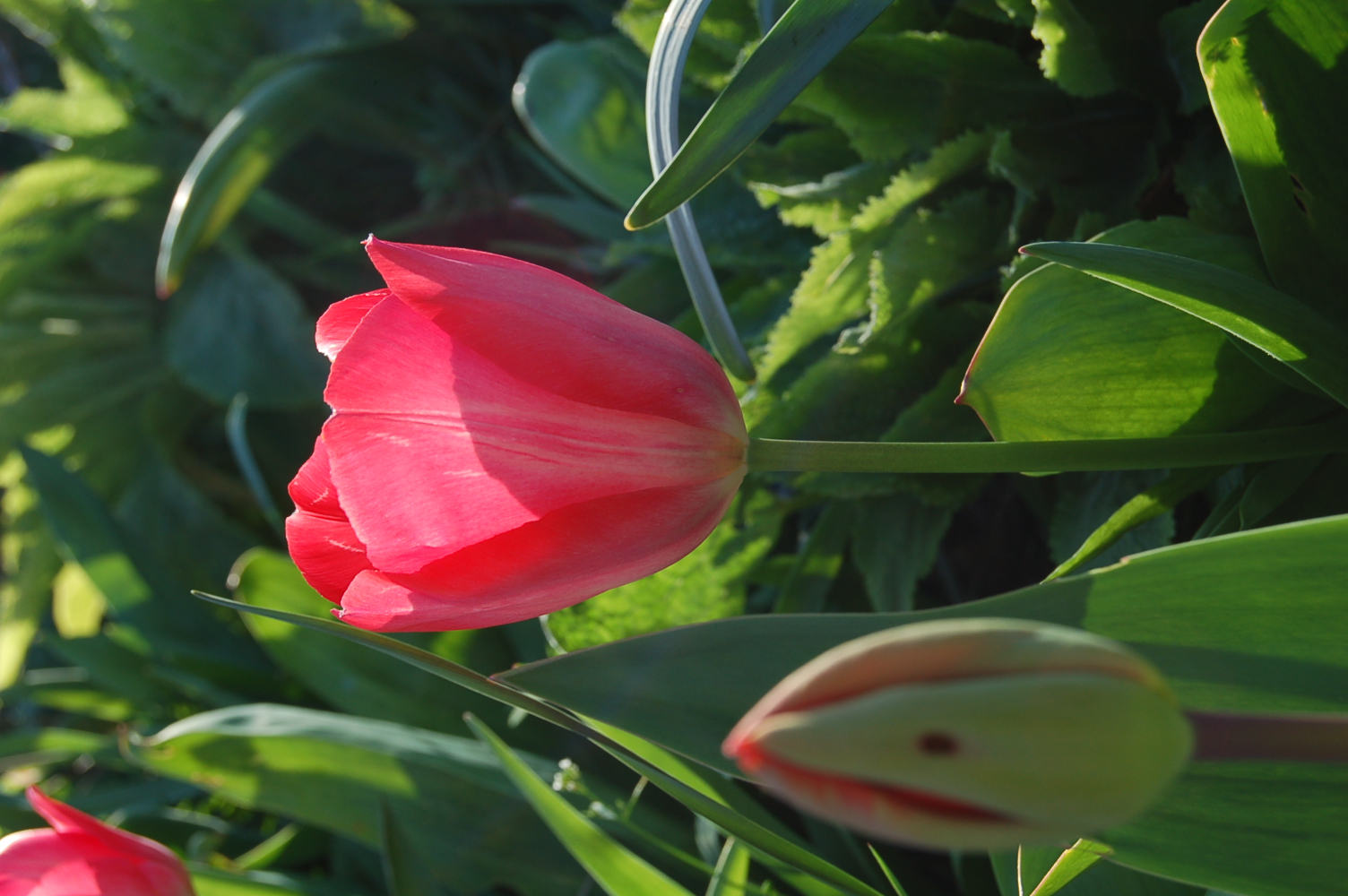
Every autumn we plant more tulip bulbs and inevitably by the spring we have forgotten what we planted and where we planted them. So when they start to flower we are always in for plenty of surprises.

The low light of a morning in early spring is a perfect time to photograph them. I am sure they grow just to be photographed, as they are such posers!

Let’s have a wander around and see what we have …………

And there are more where these came from! (Tulip Time – Extra Time)

Categories
birds garden design garden photography garden wildlife gardening hardy perennials ornamental grasses ornamental trees and shrubs photography shrubs trees

A Wander around our Garden in April.

Flowering Currant and Muscari.

It is already into the fourth month of the year and so this is the fourth in this monthly series of garden wandering posts. So much happens in April, so many plants start into growth, so many seeds are sown and the weather changes so often. Frost, hail, sun, mild, cold, windy, calm – everything comes randomly and we gardeners get caught out inappropriately clothed. Wildlife is equally confused, with bees, hoverflies, butterflies and wasps appearing on warmer days and disappearing as soon as it cools down again.

Taking advantage of some bonus sunshine.

Some spring bulbs are going over while others are in full swing, some tree blossoms are going over while others are just coming into flower. There is so much to do in the garden, productive or ornamental, and it feels good to be out there doing it.

How red can a flower be!

As soon as April arrives we know the garden will look and feel differently every day. Come around our garden with me and my camera and see what is going on.

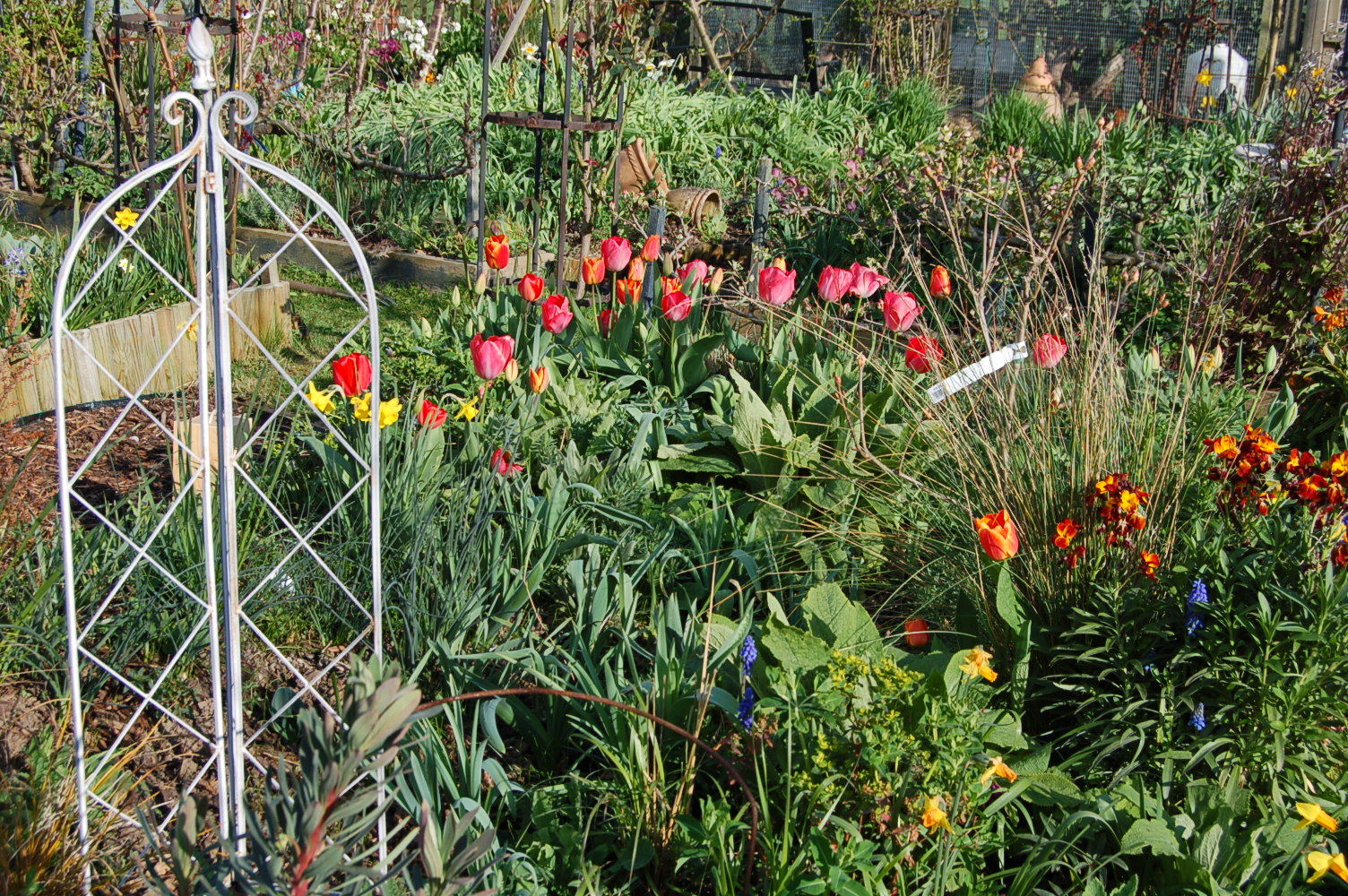
The front garden glows in the afternoon sunshine, with every shade of green in new herbaceous growth splattered with the many colours of bulbs.

The Hot Border.
Euphorbias below white-stemmed birches.

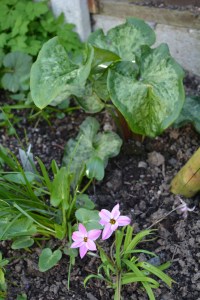
The Shade Garden is soon to reach its peak time, with its fresh leafy growth and the tiny, pale jewels of flowers. Pulmonarias, Dicentras, Anemones, Arums and Corydalis are all budding up and beginning to flower while the ferns are hardly showing any signs of awakening.

The Shade Garden bursting into life.
China blue pulmonaria.
Pale pink pulmonaria.
Silver splashed Arum leaves.
Primrose yellow Anemone.

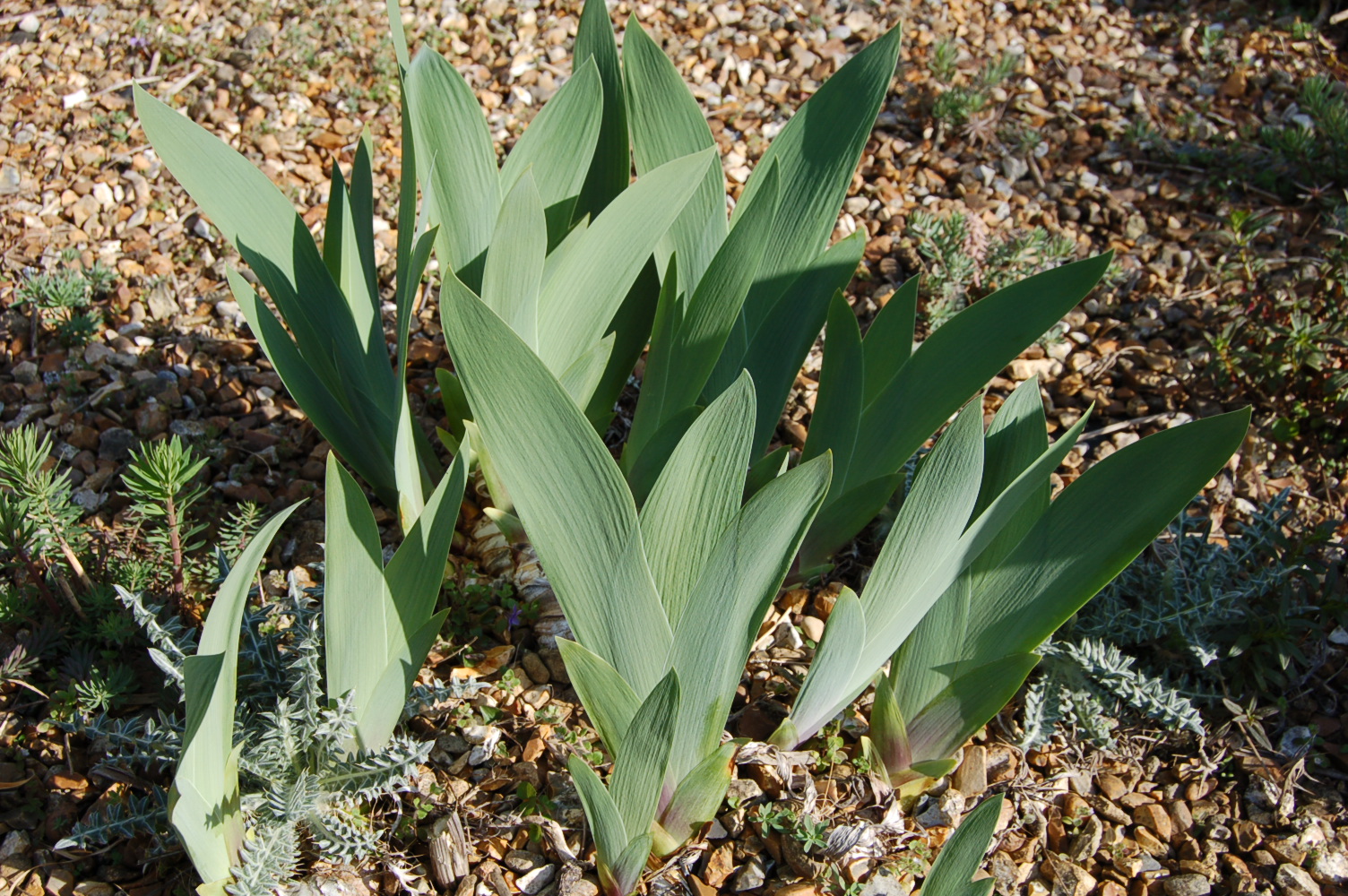
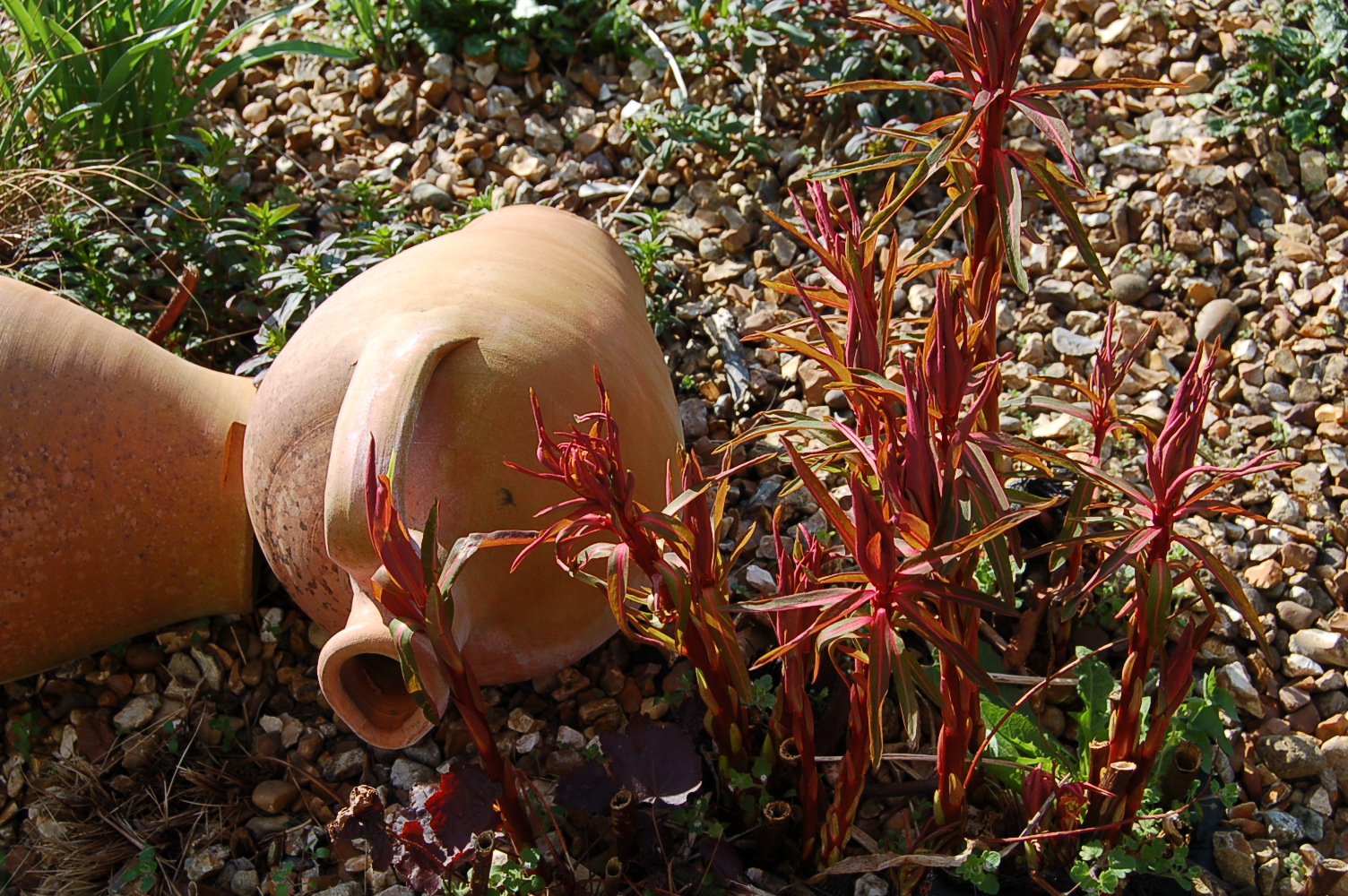
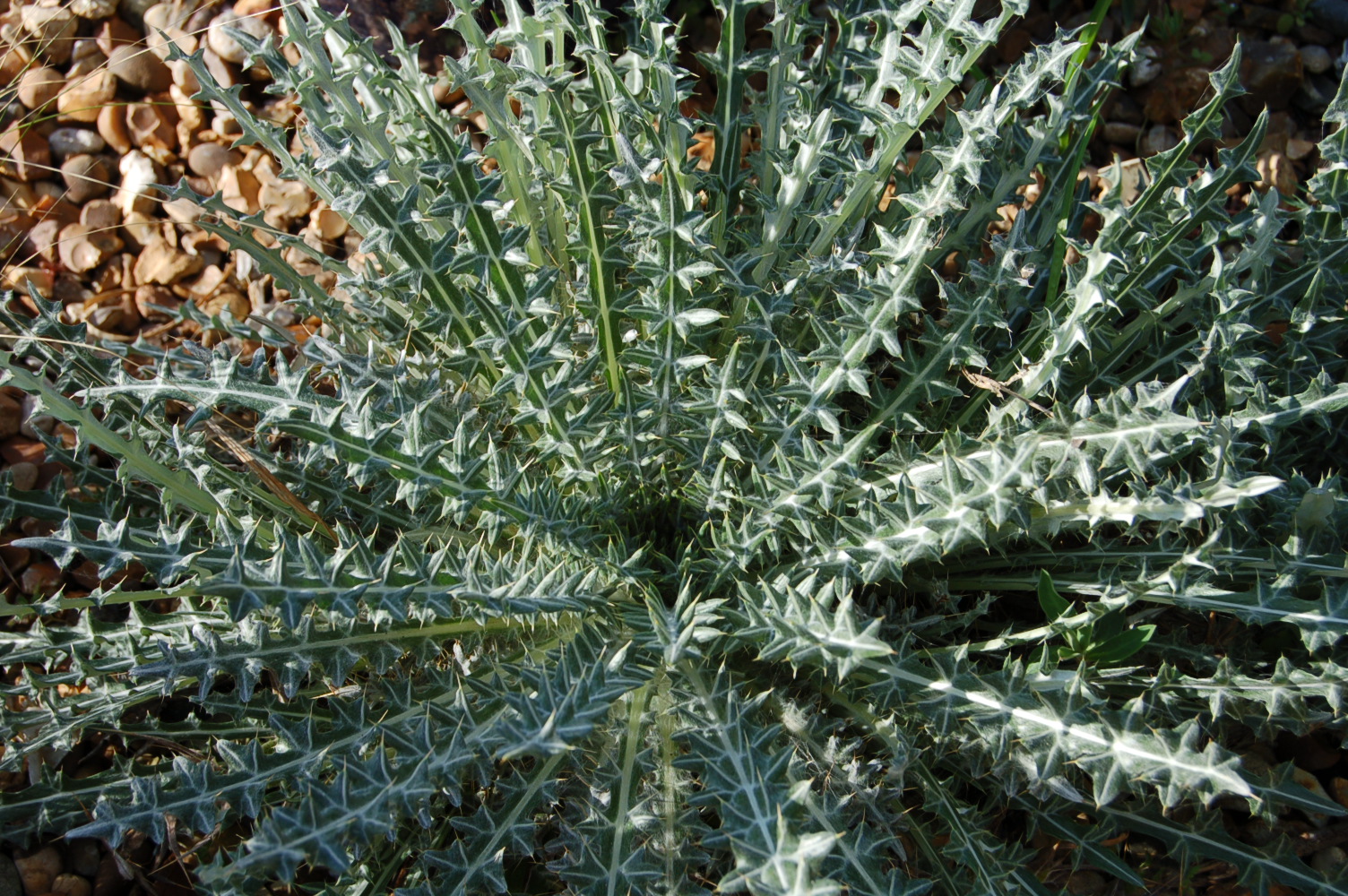
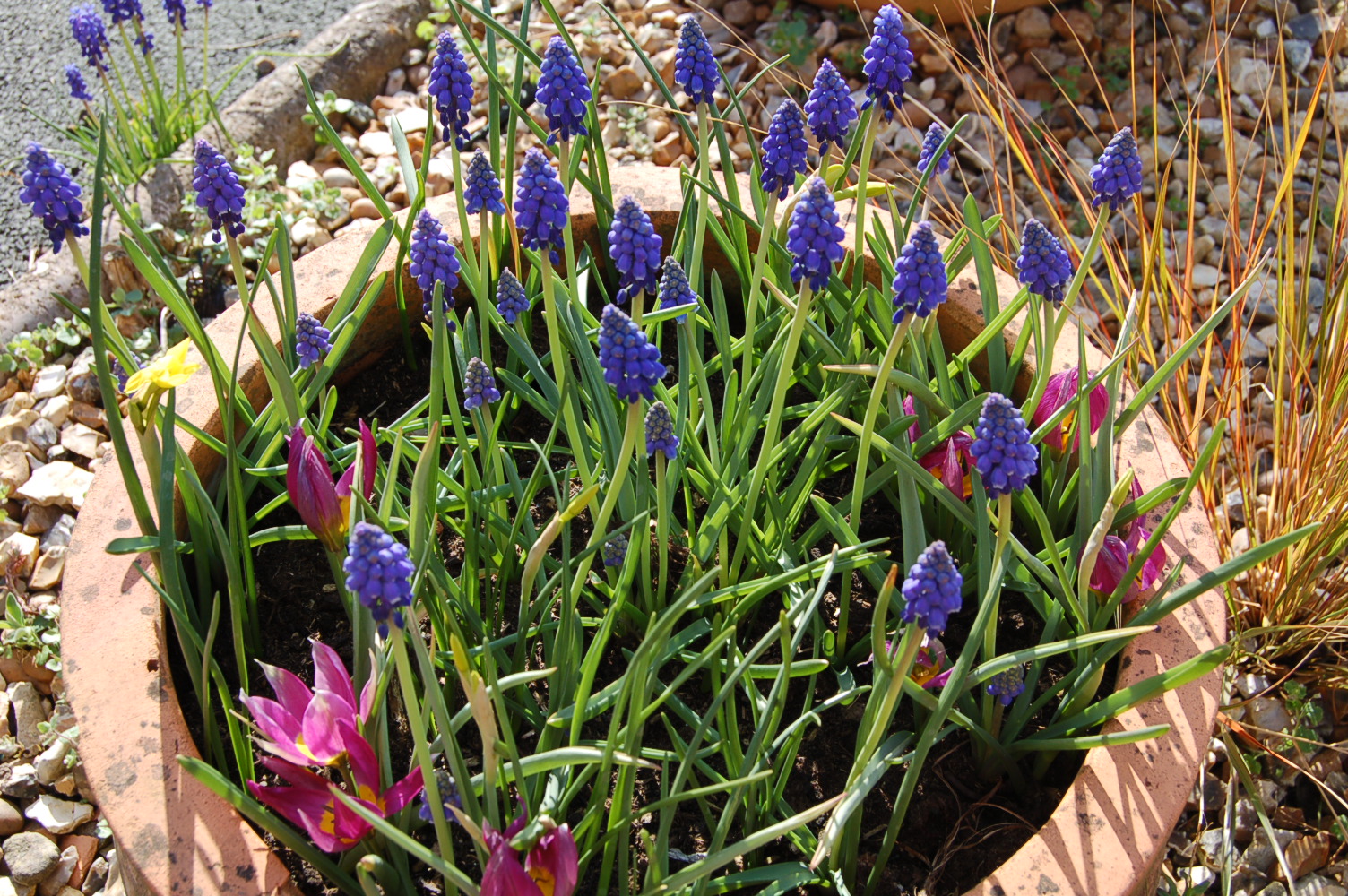
On the gravel patch, which we call our “Chatto Garden”, new foliage is bursting through. Irises, Euphorbias are starting into healthy growth. The large terra-cotta pot of bulbs is bubbling over with the blue of Muscari and a sprinkling of tiny mauve species Tulips.

The glaucous sword shaped iris leaves.
Spears of Euphorbia griffithii "Dixter" piercing the gravel.
The thistle like spiked and variegated Galactites tomentosa.
Muscari blue and tulip mauve give a gentle colourway to the big pot.
Bright welcome at the gate - yellow Mahonia and red Cydonia.

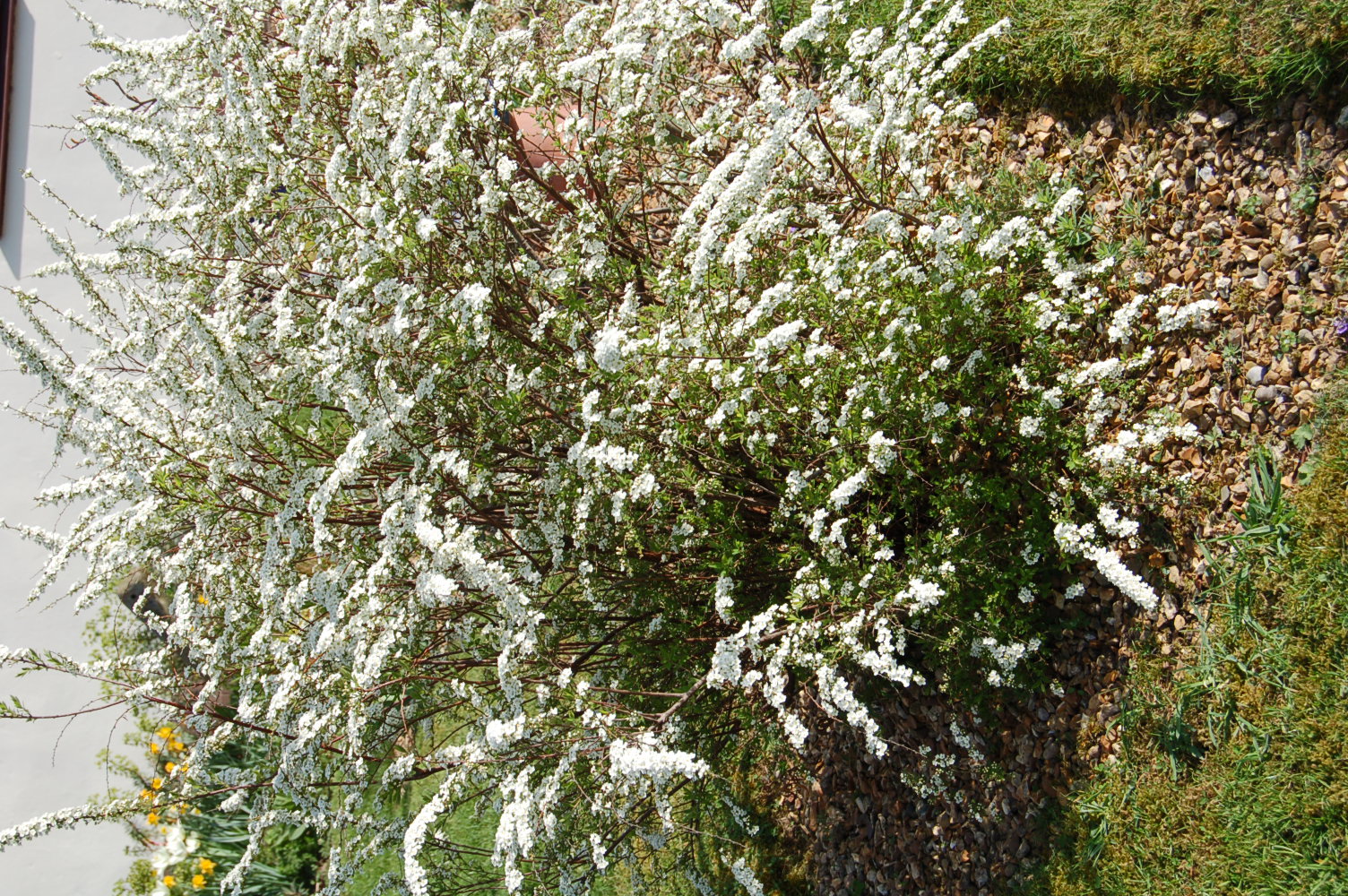
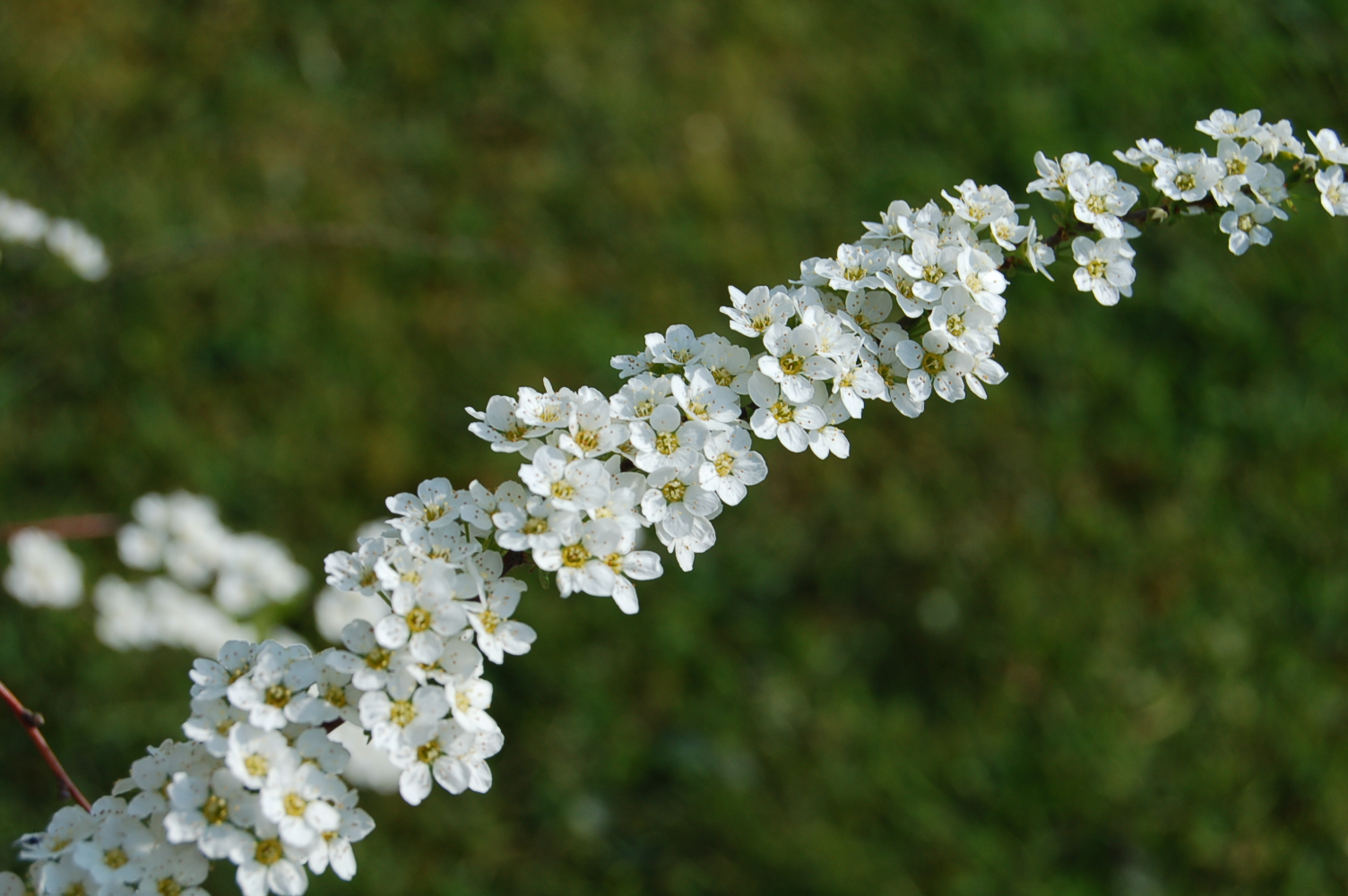
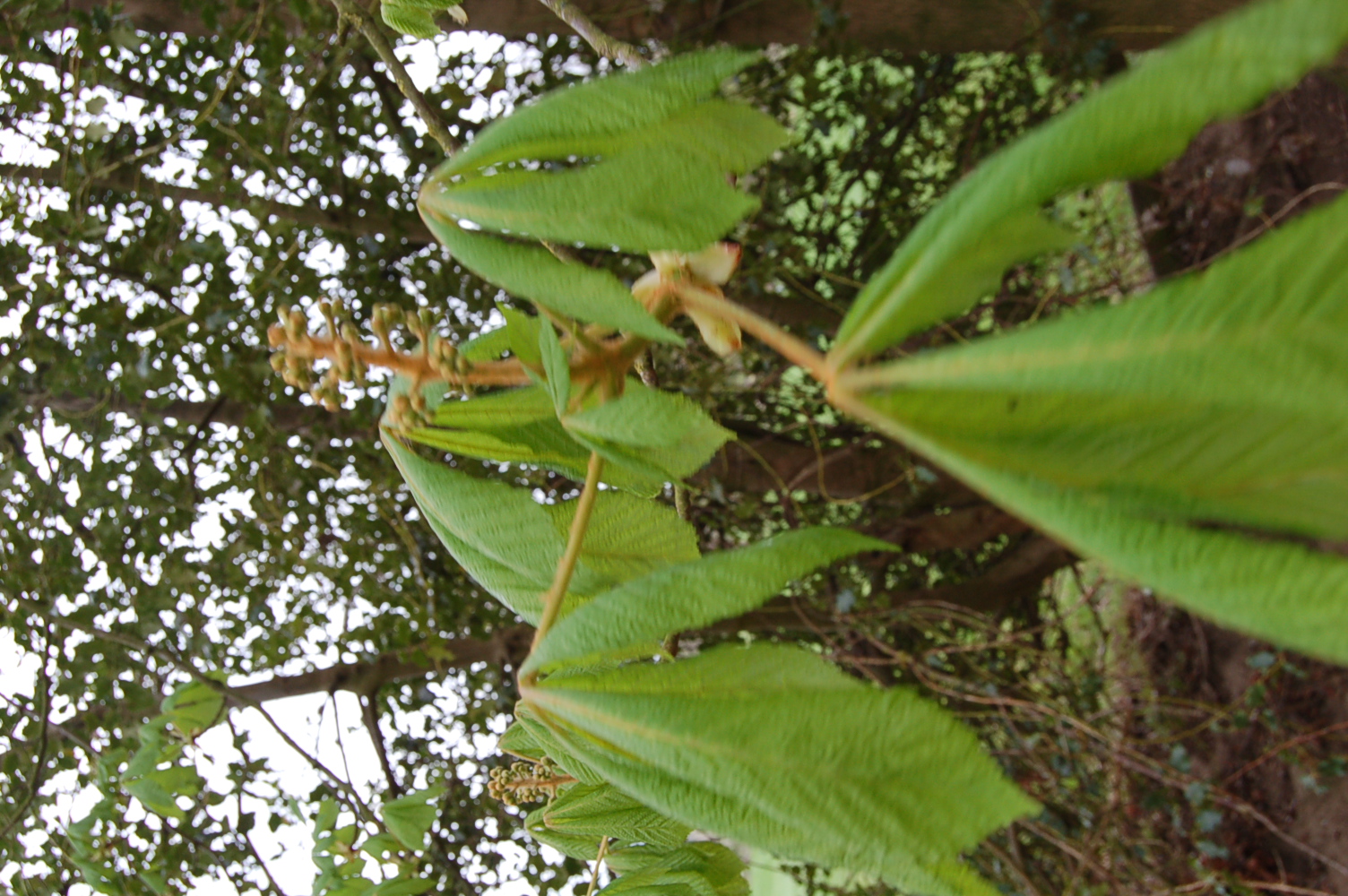
Trees and shrubs are a little later coming to life in the spring, the miniature Chestnut’ sticky buds are only just bursting while the Amelanchier lamarckii and Spiraea “The Bride” are in their full white ball gowns.

"The Bride" is always such a good arching shape.
The long arching raceme of Spiraea.
Amelanchier blossom like delicate stars.
Chestnut buds burst out in salmons, russets and reds.

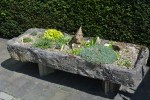
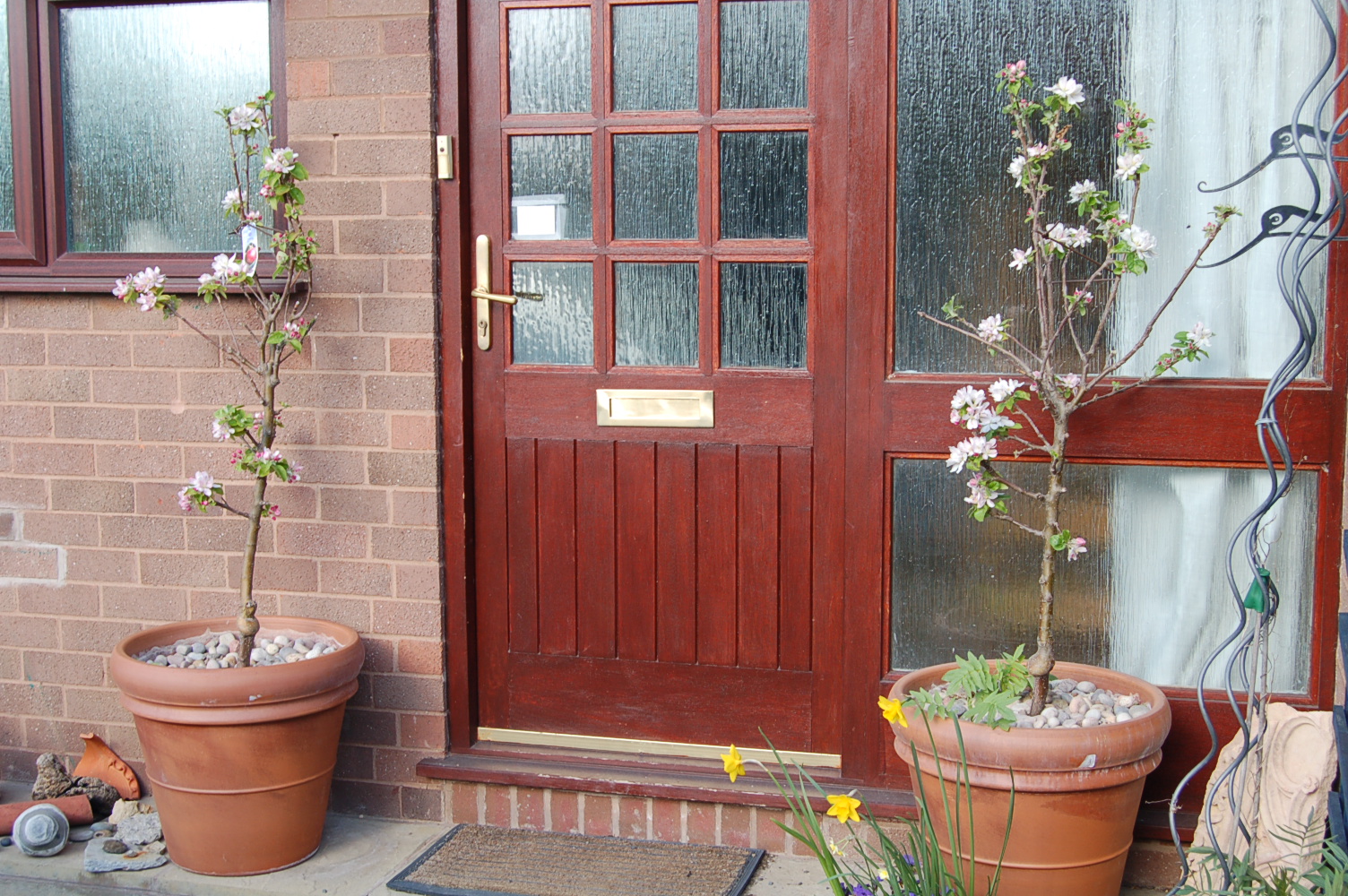
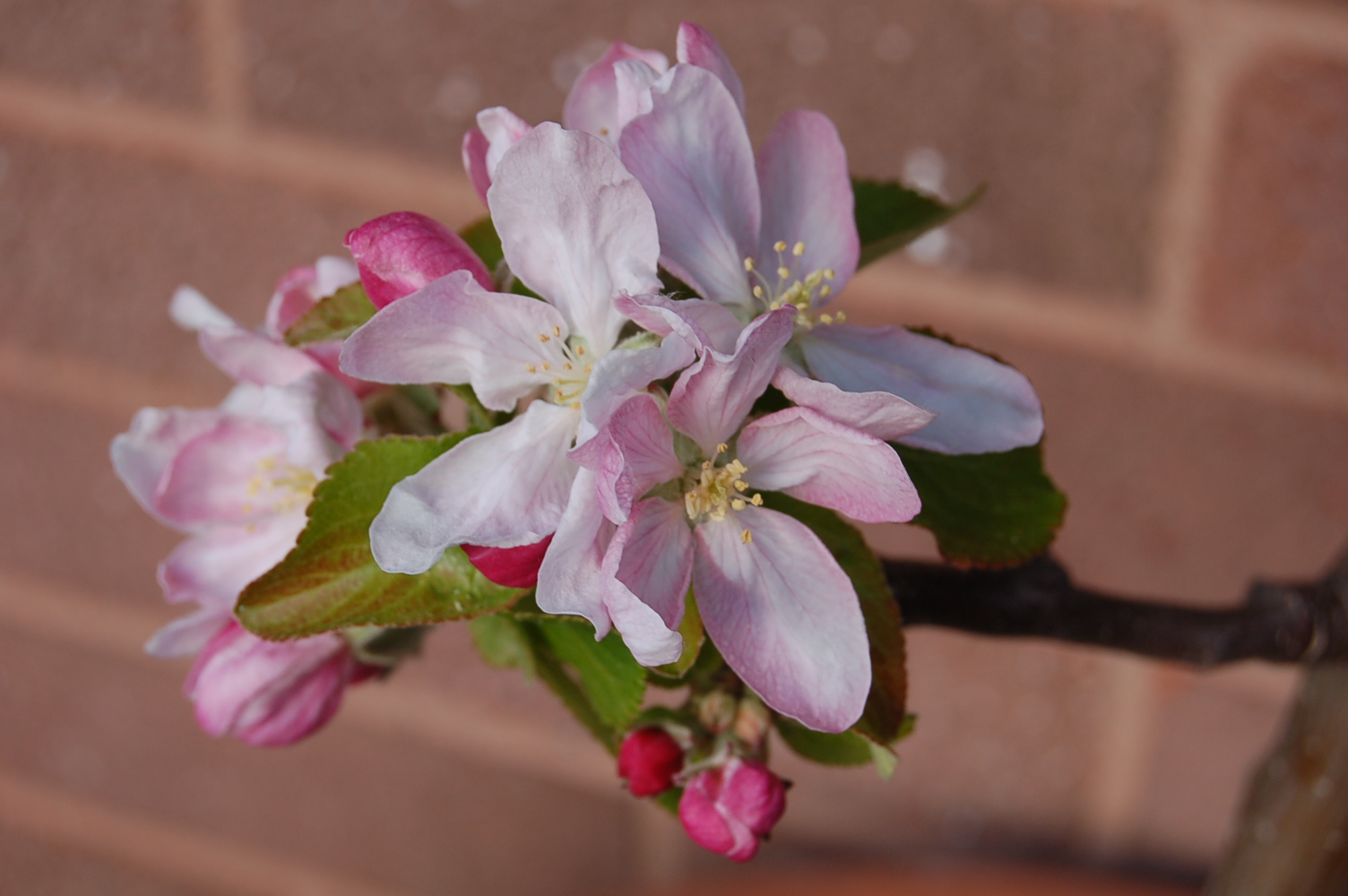
In the side garden by our main entrance the two potted apple trees are in full flower, with blossoms of many shades of pink, promising lots of juicy fruit to enjoy. We have added a second House Sparrow nesting box giving six nest holes altogether and hopefully a little less noisy bickering. The new box is apartment living as opposed to the terraced original. Right by our doorstep is a pot of violas in an unusual colour combination of  blue and brown. In front of the garage door our replanted alpine troughs are beginning to come to life.

Our miniature apple trees welcome callers.
Apple blossoms - pink beauties.
Sparrow city.
Alpine troughs protected from the cold winds.
Unusual colour combination.

Wandering into the back garden it is hard to know where to point the lens first as so much is happening. The fruit trees are in blossom, tulips add their jewel colours in every border and new leaves are appearing on most shrubs and perennials.

A mass of Damson blossom against a blue sky.
Jude, "The Undergardener" at work in the "Shed Bed".

The garden is full of sound, scents and movement. In the pools Pond Skaters perform their dances on the surface and tadpoles wriggle in black masses in the shallow pebble bay. Around each flowering shrub bees and hoverflies flit and buzz. In nearby fields Skylarks sing their “high in the sky” songs and the haunting call of Curlews reach us from the damp land alongside the nearby fishery. But the strangest sound of all is the regular sound of Tawny Owls calling to each other – have they lost their biological clocks? The calling starts mid-afternoon on most days.

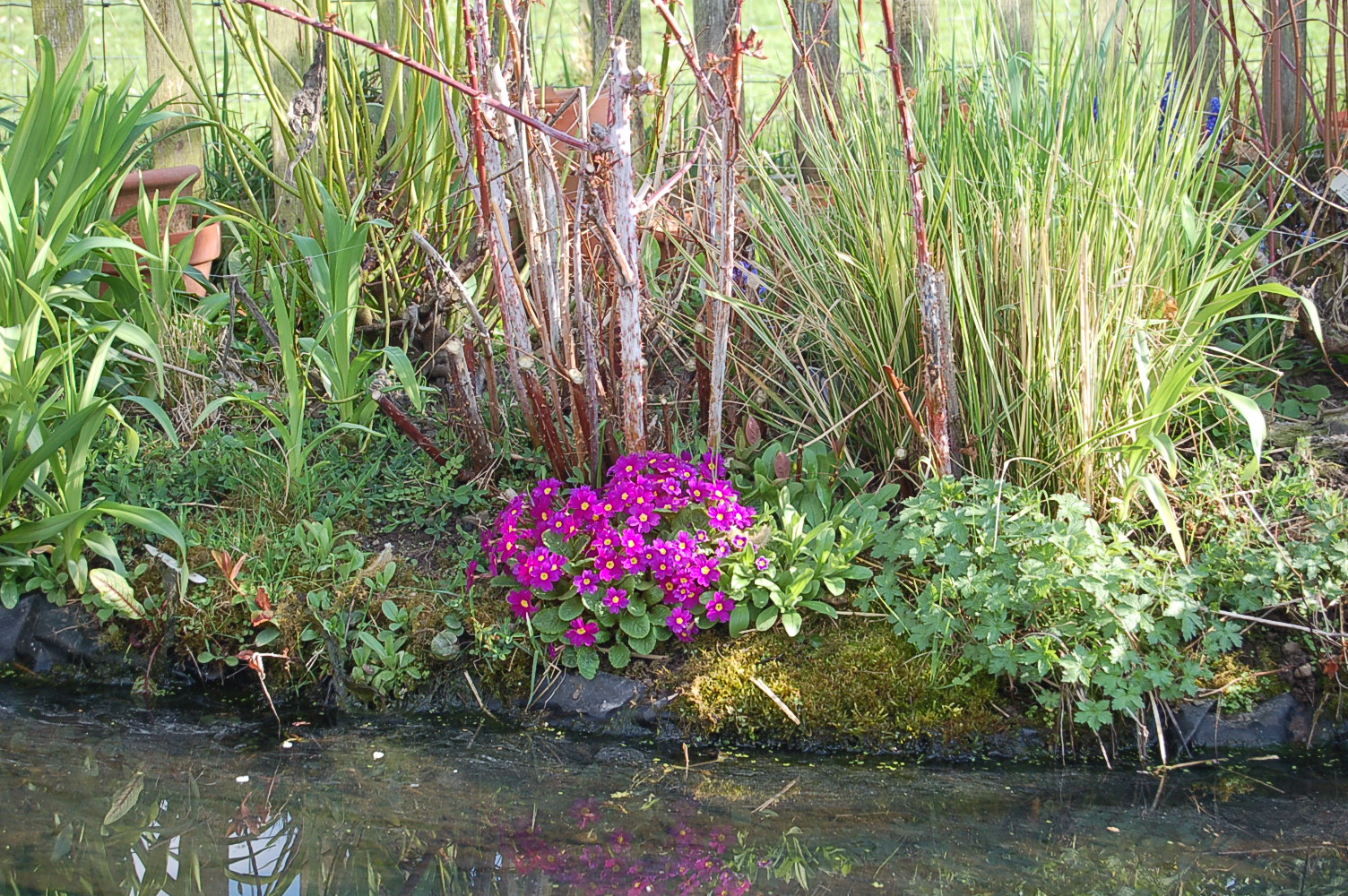
Lush growth at the pool side.

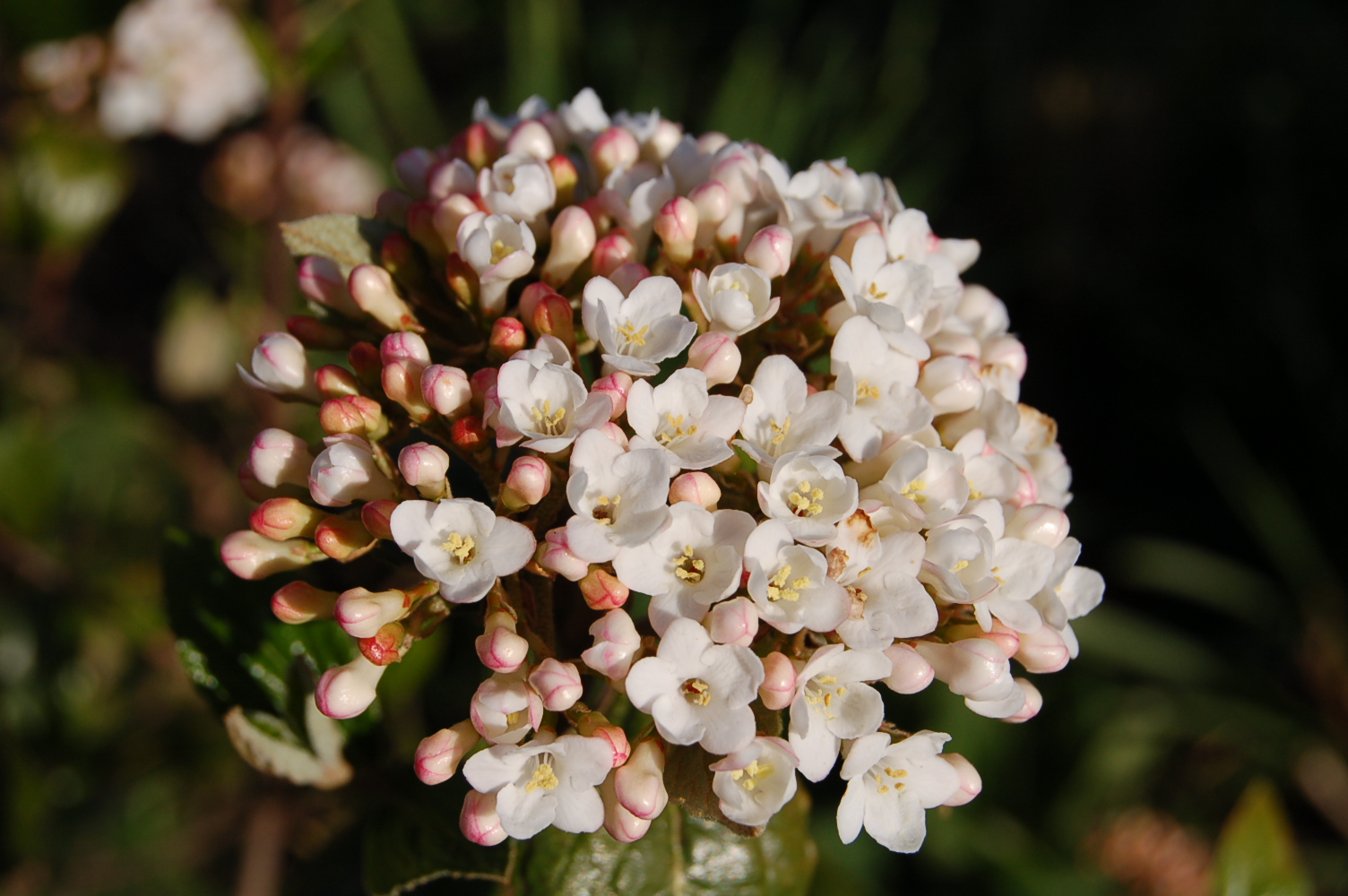
Scent is provided by Viburnum, Mahonias, Wallflowers, Flowering Currants, Hyancinths, Daffodils and the last of the flowers on the Daphnes. Herby scents come with the new fresh greens of the mints, thymes, marjorams and fennel.

Strong in scent beautiful in colour, the last flowers on the Daphne.
The complex flower head of a viburnum.

In the Secret Garden it is the tulips that take centre stage, in so many colours and shapes.

The Secret Garden awakens in Spring.
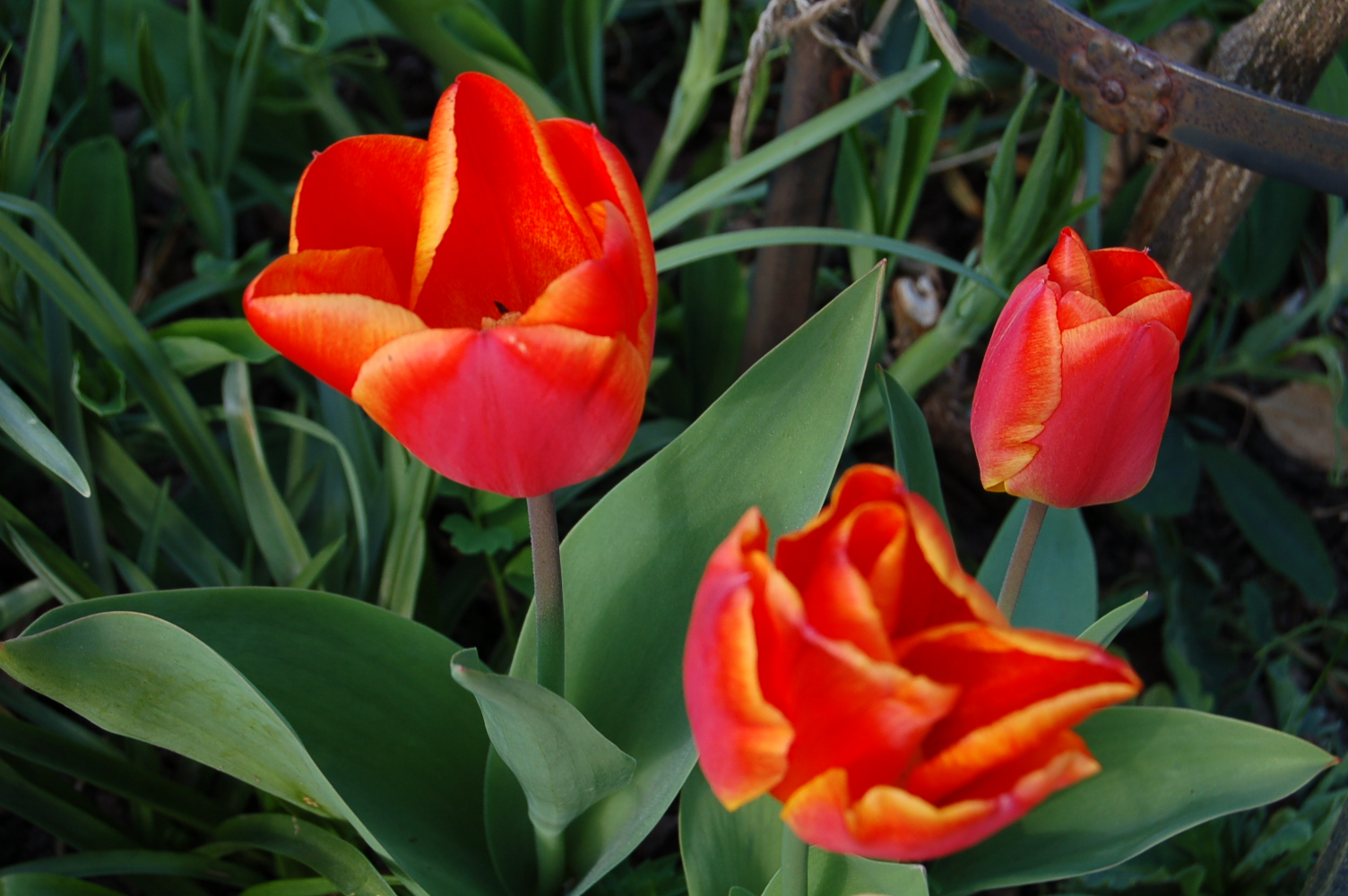
The darkest orange tulip.

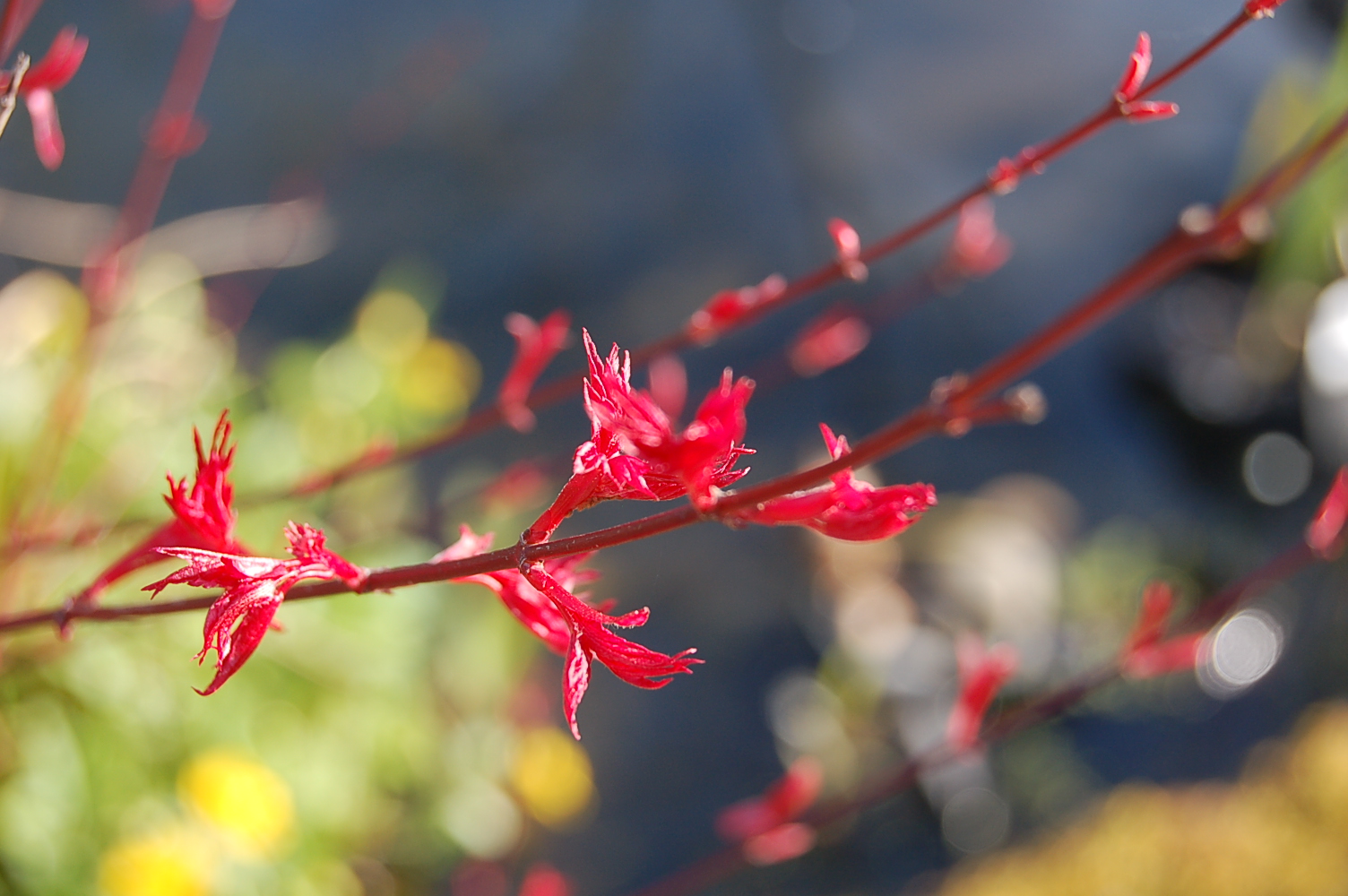
Some of the most impressive new foliage is to be found on our acers, growing under the trees we grow as a wind break, acid green, lemon yellow, flaming orange and salmon.

New brightly coloured foliage shines in mottled shade.
Glowing red fresh, new leaves.

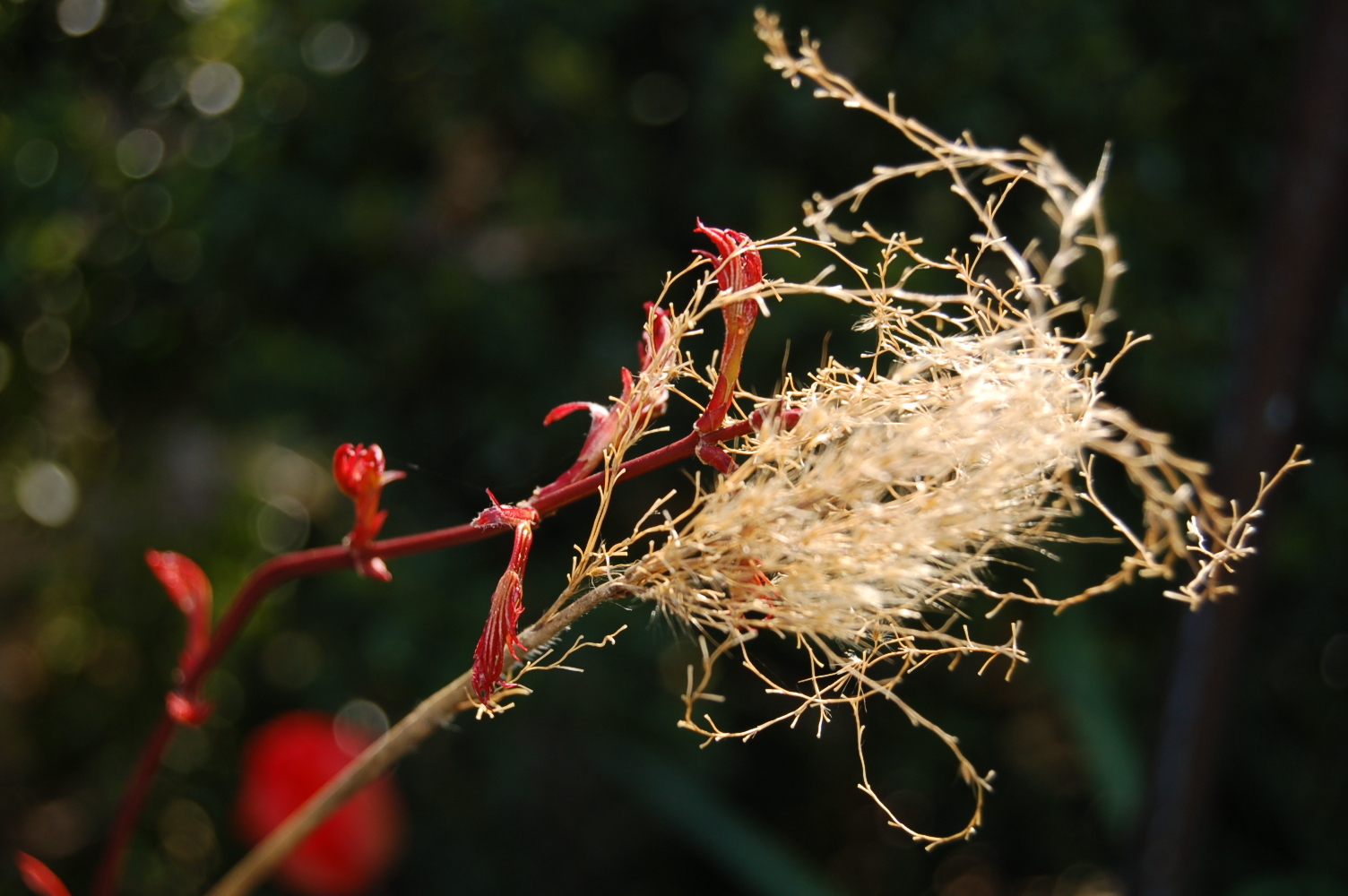
We have eventually relented and cut down the last of our many grasses. We leave them as late as possible and often leave some too late  and end up cutting new growth coming up within the old. This Miscanthus napalensis was left until last, understandably.

Old grass and new acer.

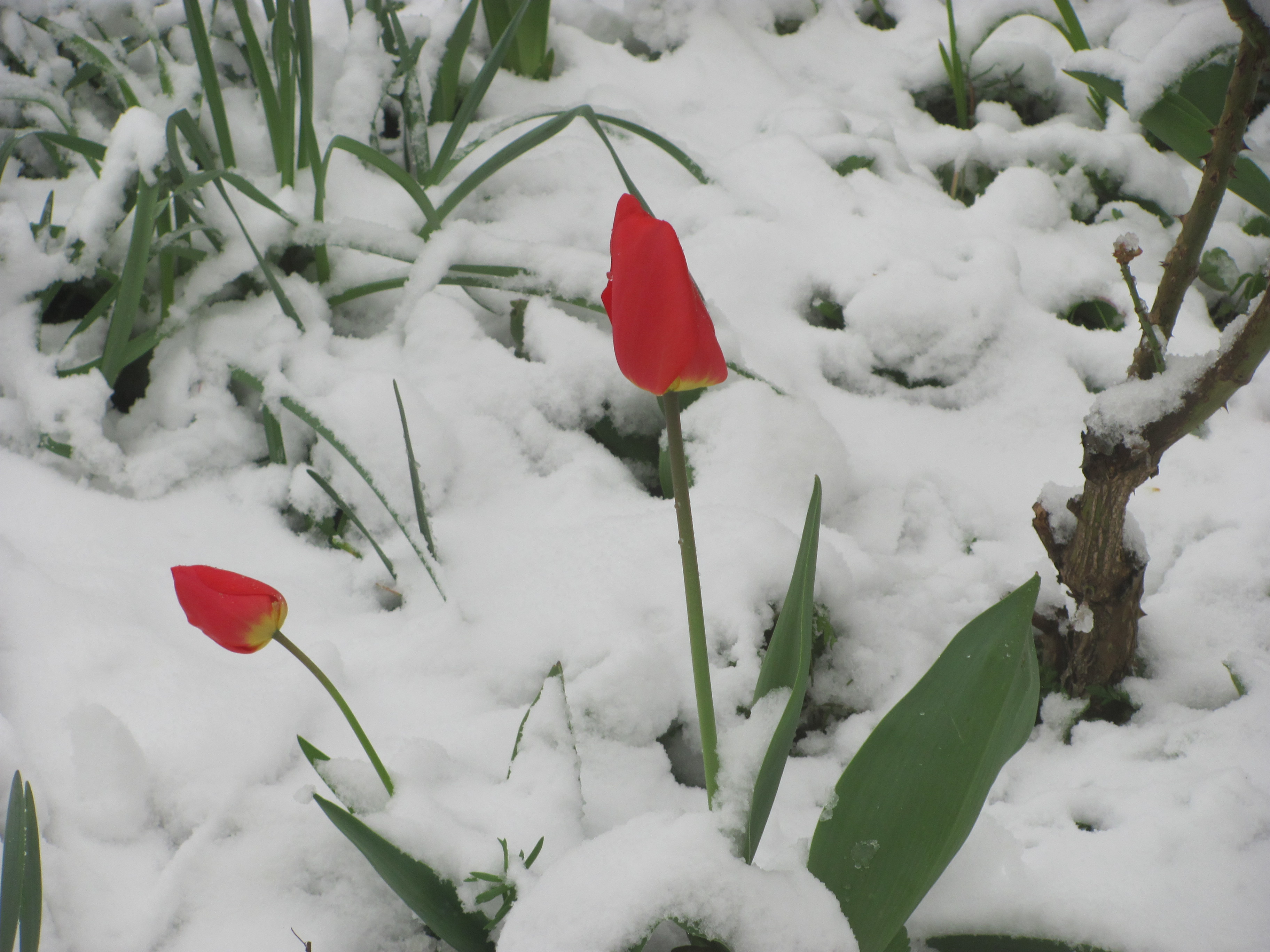
Just to show how fickle the month of April can be, the day after I took the photos for this blog we woke to three inches of snow and large flakes continued to fall all morning. Many tulips and daffodils were flattened and our clump of Black Bamboo was pinned to the ground by the sheer weight of snow.

Iris swords piercing the snow.

I shall finish with two shots – one before the snow and one after. This lovely old oak tree root is our miniature stumpery – all we have room for!

Categories
garden photography gardening Land Art National Trust outdoor sculpture Shropshire The National Trust trees

Walled Garden in April

The weather turned colder today, back to more normal temperatures for the time of year. Last week on some days we enjoyed 20 degrees celsius but it has dropped back to 9, and it felt cold. But we had planned to take a walk at Attingham Park, the weather failed to stop us. Walking through the woods towards the walled garden we were delighted to see splashes of colour from Primroses, Celandines, Rhodendrons and the first leaves of Horse Chestnut trees.

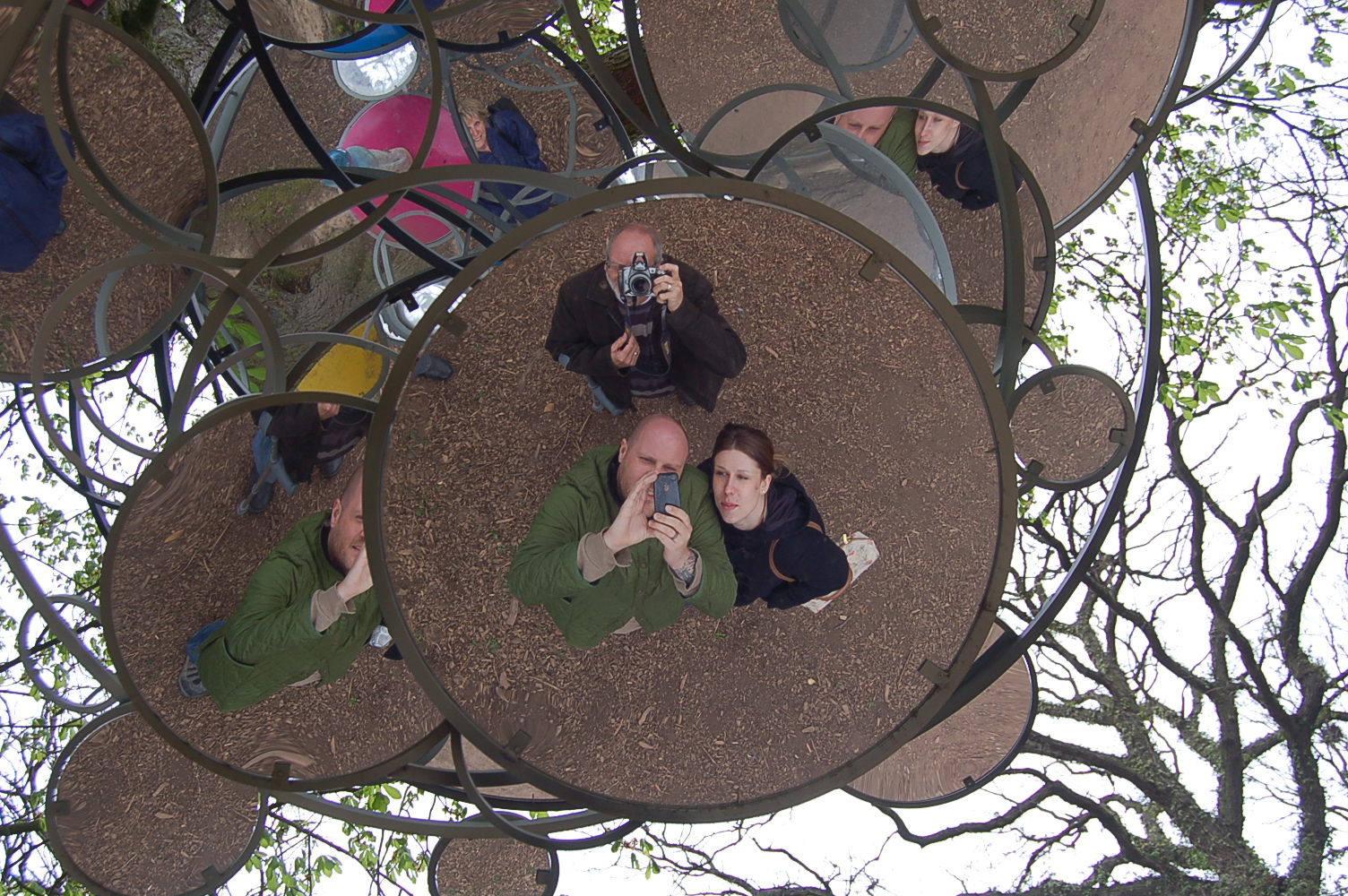
Occasionally a piece of sculpture surprised and entertained us. This piece hanging above us from the branches of a tree, enticed us to look up into its structure, where it captured our images in its circular mirrors. With me are son, Jamie and his girlfriend Sam.

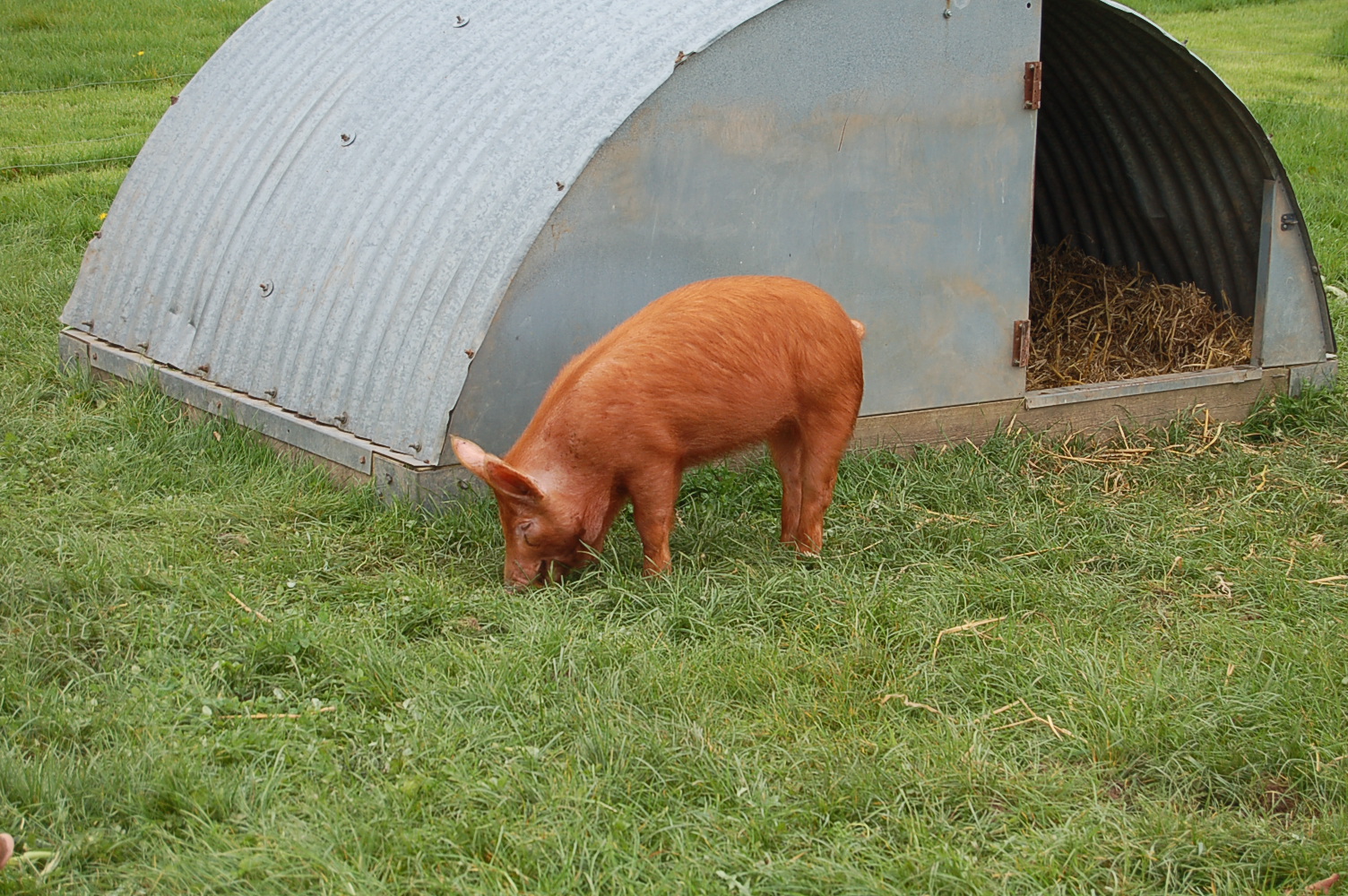
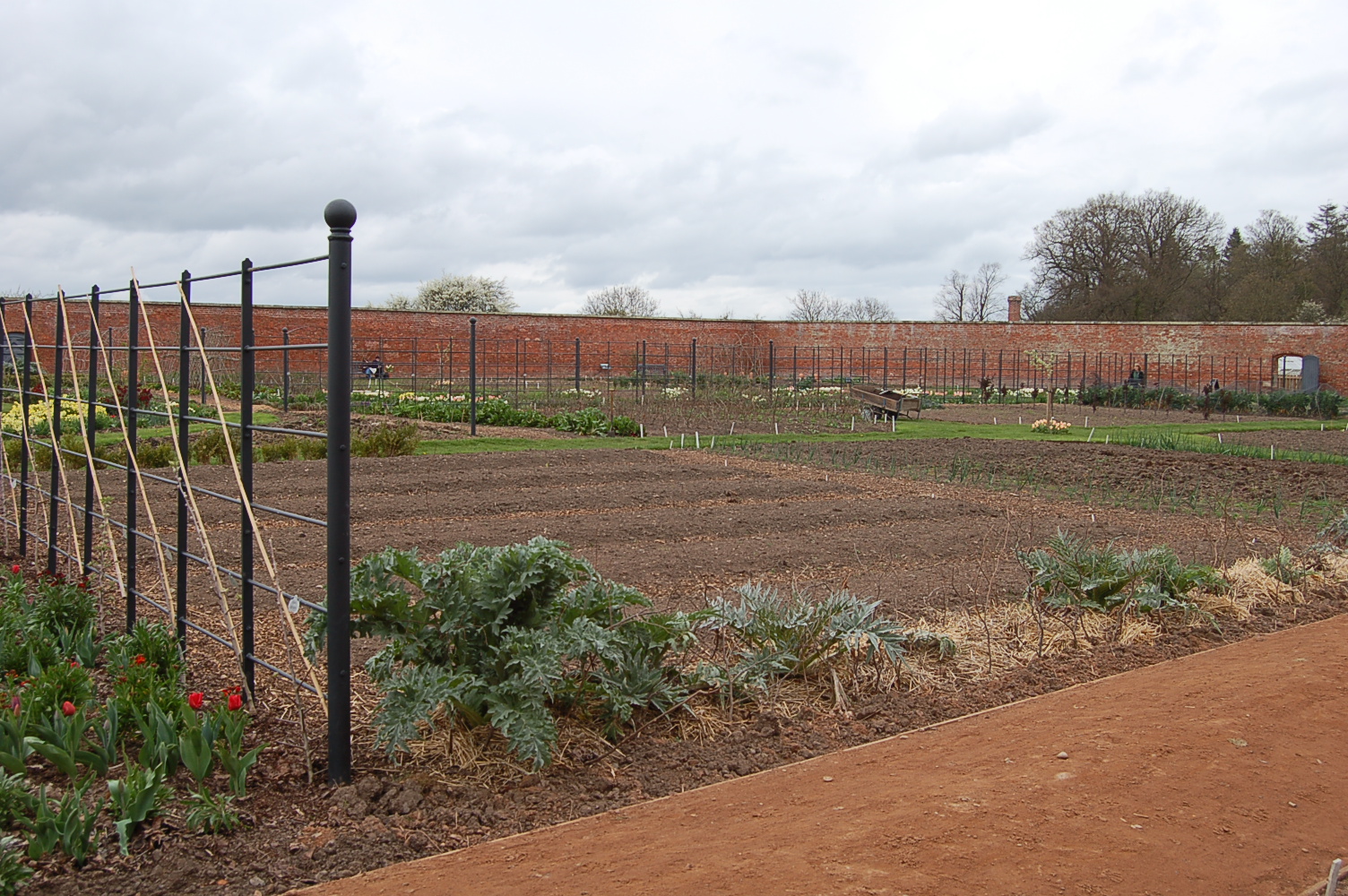
The walled garden changes with the seasons but also as the gardeners and volunteers develop it. The big change which we were delighted to see as we passed through the gate into the protected growing area inside the walls – the pigs had returned.

Each time a new area of the old walled garden is due for re-development, pigs move in to prepare the planting areas. They clear the weeds, turn over the soil and add manure to improve soil structure and add some plant nutrients. Today the pigs we were mesmerised by were young Tamworths with their red bristles.

The veggie beds looked almost empty but the decorative borders were full of colour mostly from bulbs and wallflowers. A few veg had survived the winter and added their own colours. The stems of the chard contrast nicely with their leaves, making them most attractive plants.

In the very centre of the walled area is a large circular dipping pool, from where the old gardeners would collect water by dipping watering cans. Archaeologists have cleared it out and their explorations and excavations have left its beautiful brick interior for us to admire.

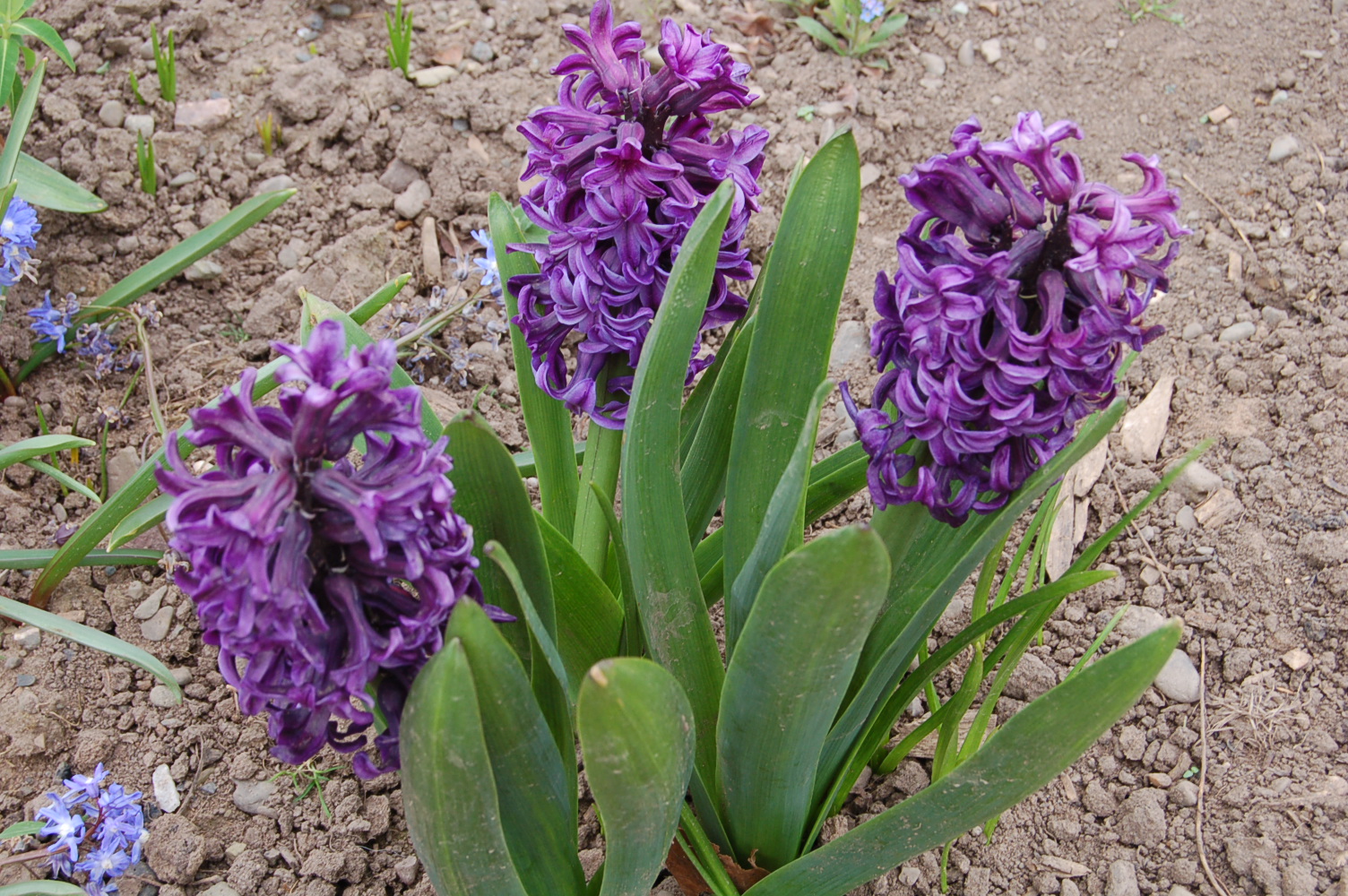
The beds lining the paths that lead from the dipping pool are lined with tulips, hyacinths and wallflowers to give colour and scent for visitors to enjoy.

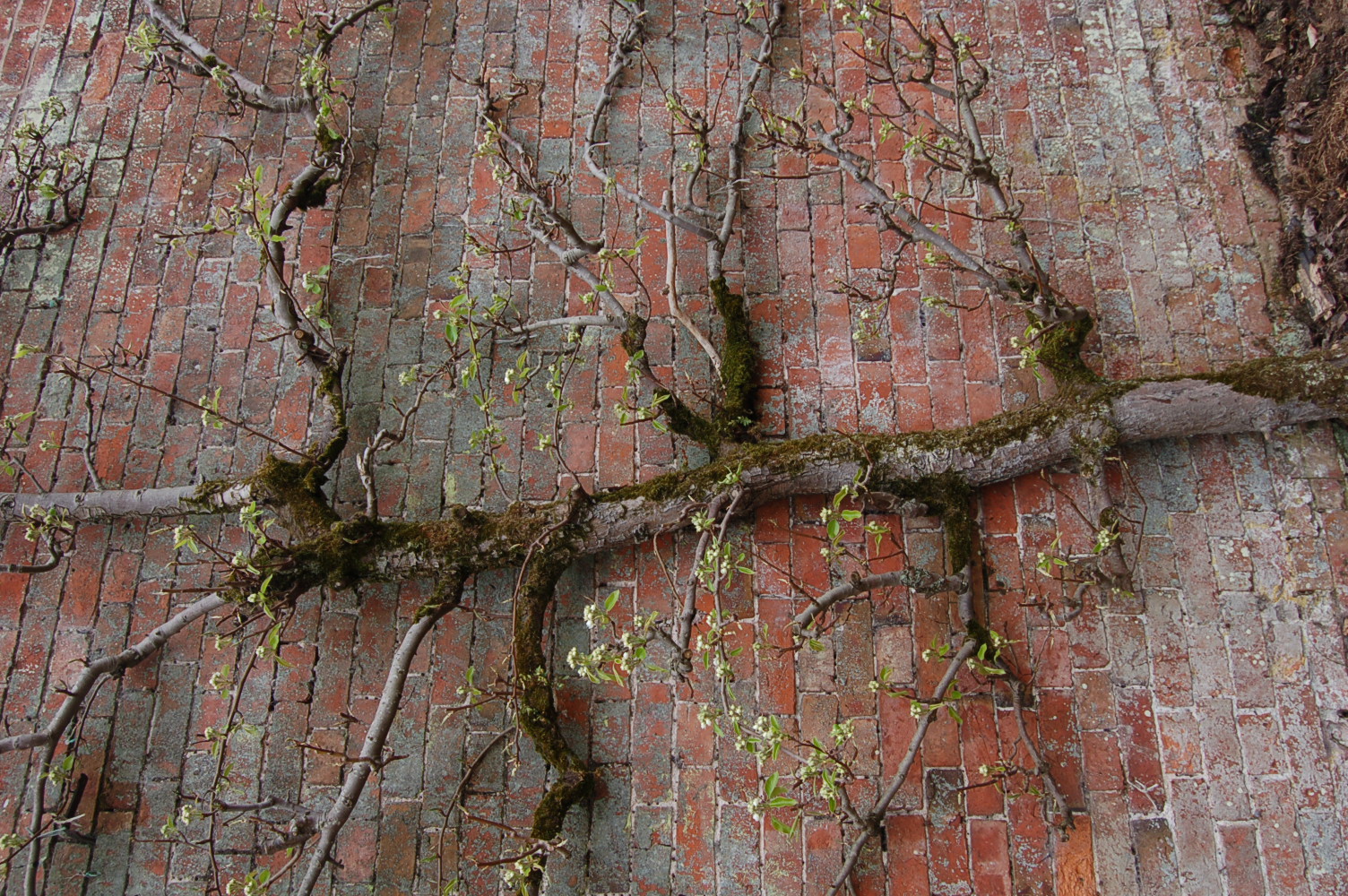
The warming red brick walls that gave protection to the fruit and veg growing within them are lined with beautiful trained fruit trees. The espalliers are wonderfully trained and later in the spring blossom will clothe their limbs and in late summer and early autumn with fruit.

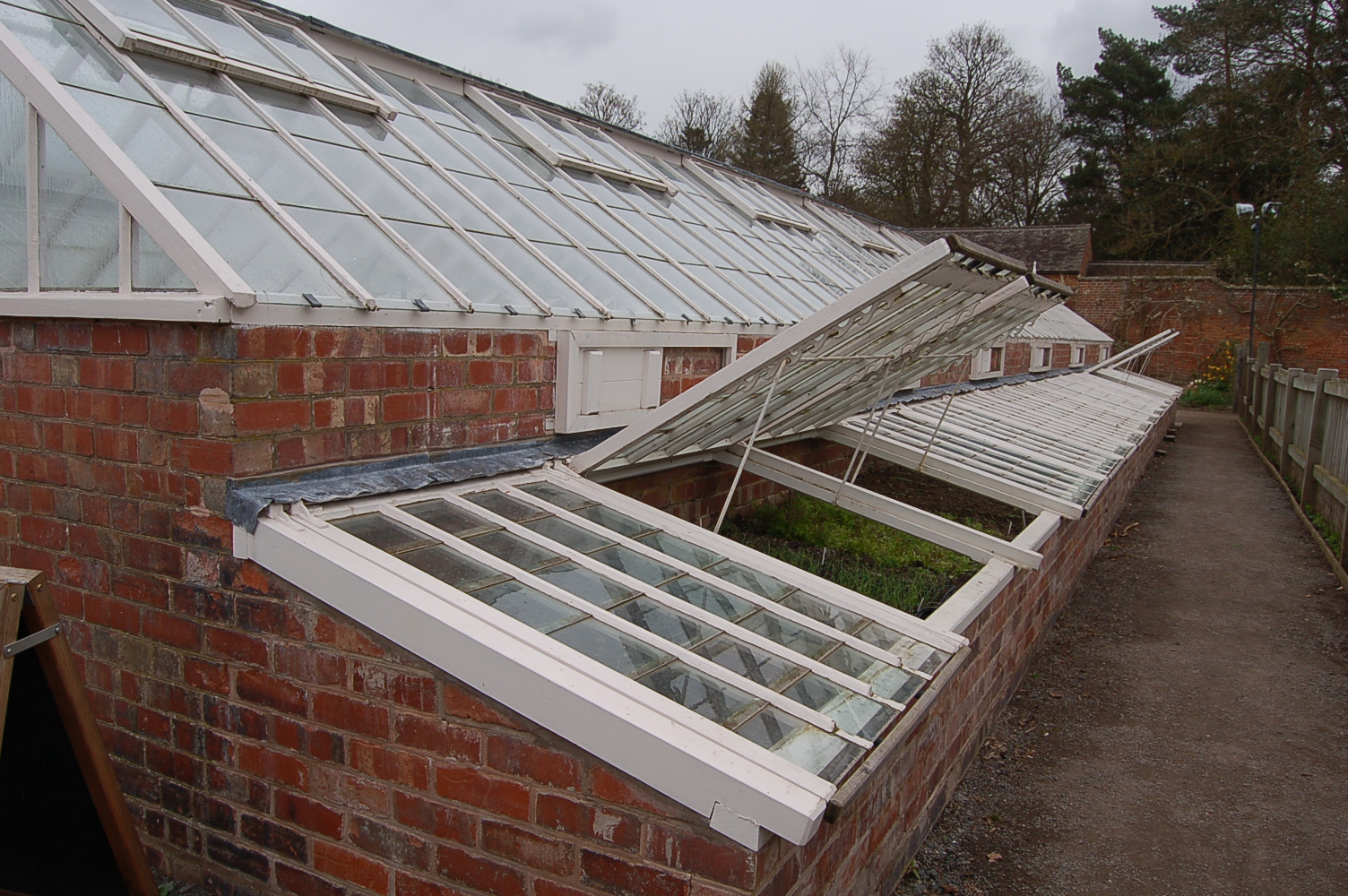
The garden enclosed in a wall inside the outer wall produces fruit and cut flowers and is home to renovated glasshouses and coldframes.

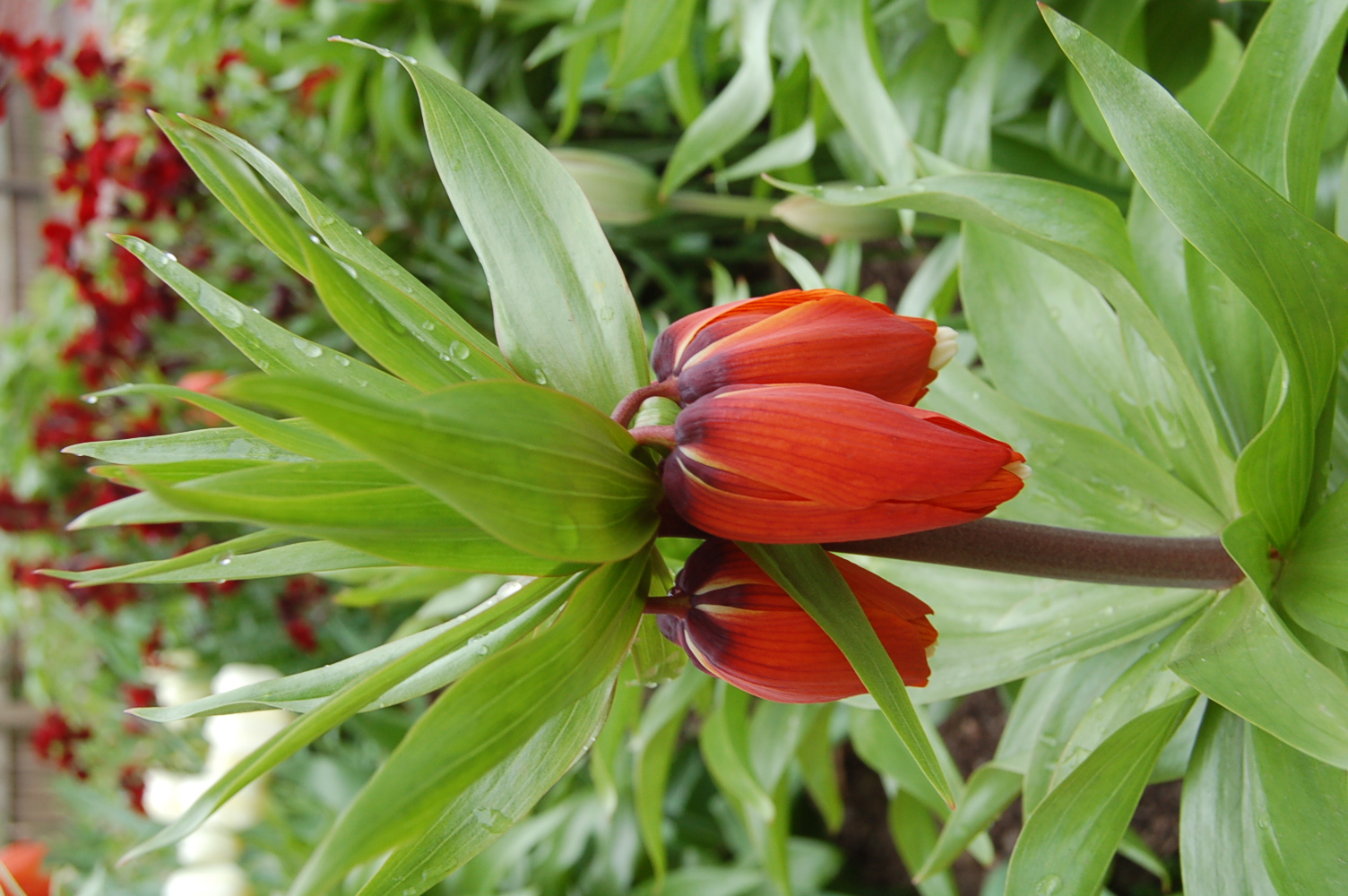
A border outside the gardeners’ bothy  was bursting with hot colours. Polyanthas and Wallflowers in reds, oranges and reds shared the space with an impressive clump of Fritillary “Crown Imperials”.

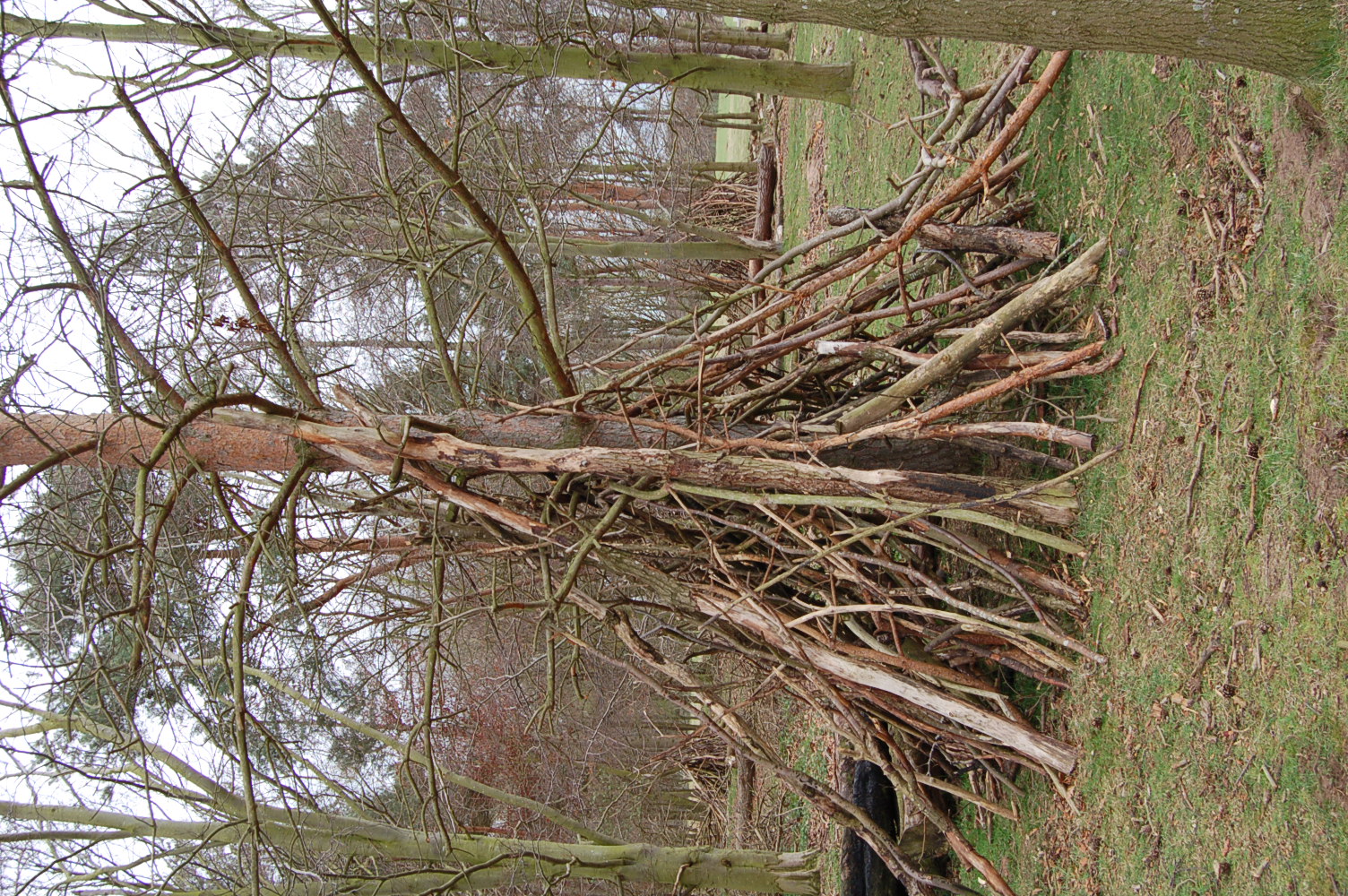
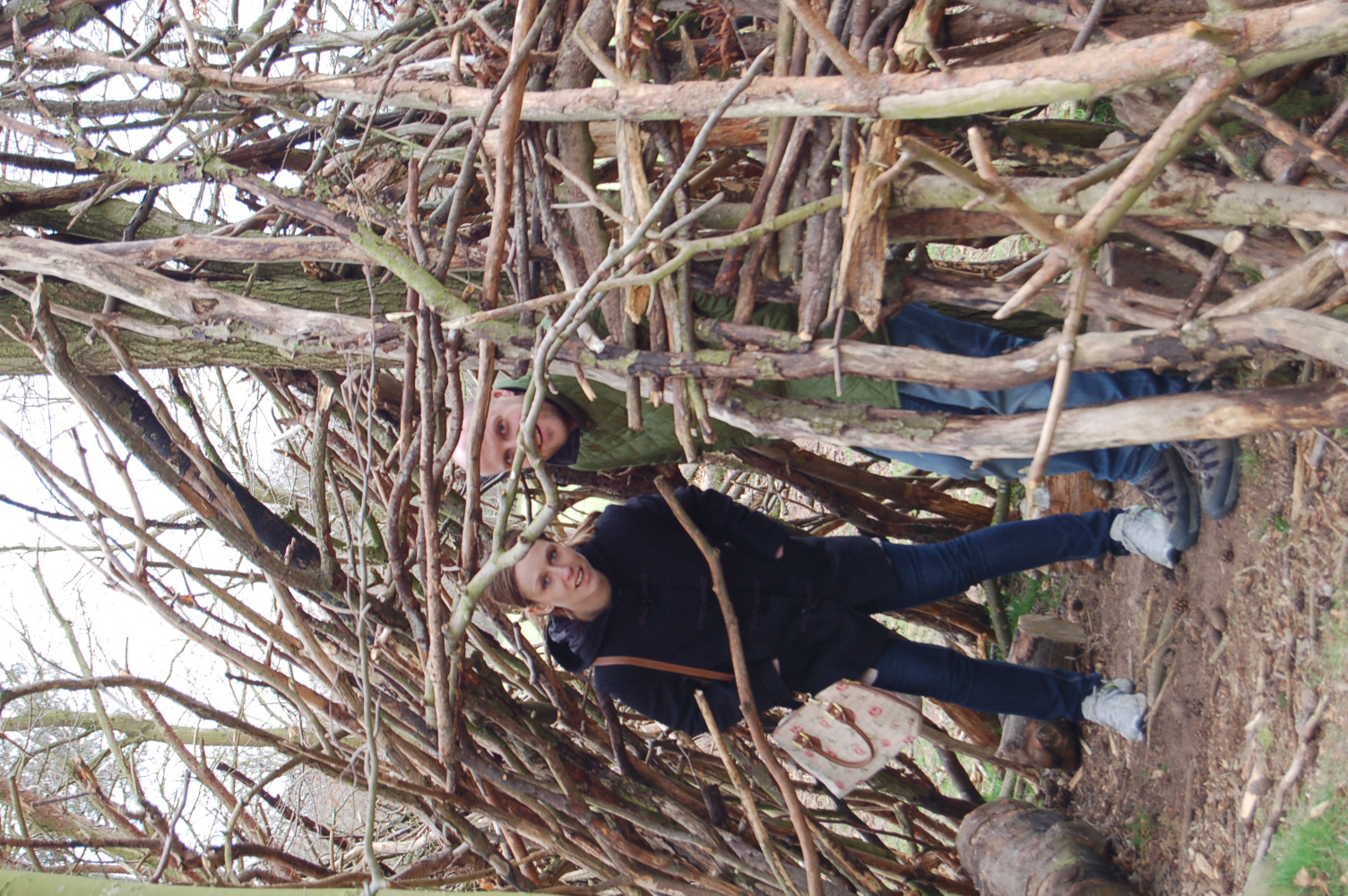
On the return walk we passed through an area of woodland where fallen limbs from the old trees had been used by children to make wonderful dens. Let’s have a wander around and enjoy a few. We enjoyed admiring the children’s handiwork and Jamie and Sam had to try one out for size. Knowing that I would blog about our day out they decided that if they sneaked into a photo they could get themselves into my next posting.

This Veggie Life

A Vegetarian | Nature Lifestyle Blog

Rambling in the Garden

.....and nurturing my soul

The Arch City Gardener

Journeys In St. Louis Gardening and Beyond

Garden Dreaming at Châtillon

Consult the genius of the place

Storyshucker

A blog full of humorous and poignant observations.

gardeninacity

Notes from a wildlife-friendly cottage garden

PlayGroundology

...an emerging social science

The Official Blog of British Wildlife

'The most important and informative publication on wildlife of our times' - The Independent. This blog is a member of The UK & Ireland Natural History Bloggers group: www.uknhb.blogspot.com

iGrowHort

Inspire - Cultivate - Grow Native Plants - Restore Landscapes

Bishops Meadow Trust

To create and protect a semi-natural wild space for the people of Farnham to enjoy and experience an array of British wildlife in our town

Gardening with Children

The www.gardeningwithchildren.co.uk Blog

UKbirdingtimeline

birding through the seasons, why birds matter and how to conserve them

NATURE WALKER

with a camera in hand

Jardin

Transform your outdoor space

Eva's space

My allotment, cooking and other interests

Old School Garden

my gardening life through the year

LEANNE COLE

Trying to live a creative life

fromacountrycottage

trying to live as lightly as possible on our beautiful planet

Good Life Gardening

Nature lovers from Leicester living the good life.

mybeautfulthings

Finding the beautiful in the everyday

mawsonmichelle

Michelle's Allotment

In and Out of My Garden

thoughts from and about my garden

Greenhousing

Big plans for a small garden

The Scottish Country Garden

A Walled Country Garden in South East Scotland

The Fruity Chicken

Life at the fruity chicken

willowarchway

Off grid living. Self sufficient. "PERMAGANICS RULE".

St Anns Allotments

Nottingham's Grade 2* Listed Allotments and Community Orchard

Manifest Joy Harvests

a journey in suburban vegetable gardening

Allotmental

The madness of growing your own

Penny's Garden: a harvest beyond my front door

A novel approach to vegetable gardening

arignagardener

Sustainable living in the Irish countryside.

NewEnglandGardenAndThread

Master Gardener, amateur photographer, quilter, NH native, and sometimes SC snowbird

dianajhale

Recent work and work in progress and anything else that interests me

planthoarder

a chaotic cottage gardener

Lens and Pens by Sally

a weekly blog that creates a personal philosophy through photographs and words

Dewdrops and Sunshine

Stories from a sassy and classy Southern farmbelle.

The Pyjama Gardener

Simple Organic Gardening & Seasonal Living

gettin' fresh!

turning dirt into dinner

JOY...

today the world is created anew

Garden Birds

Notes from a Devon garden

ShootAbout

Life Through The Lens

Adapting Pixels

A photography blog showcasing the best photography pictures and videos on the internet

Wildlifegardening's Blog

Just another WordPress.com site

naturestimeline

personal observations from the natural world as the search continues for a new approach to conservation.

LATEBLOOMERBUDS

The Wonders of Life through my Eyes, my Heart, my Soul