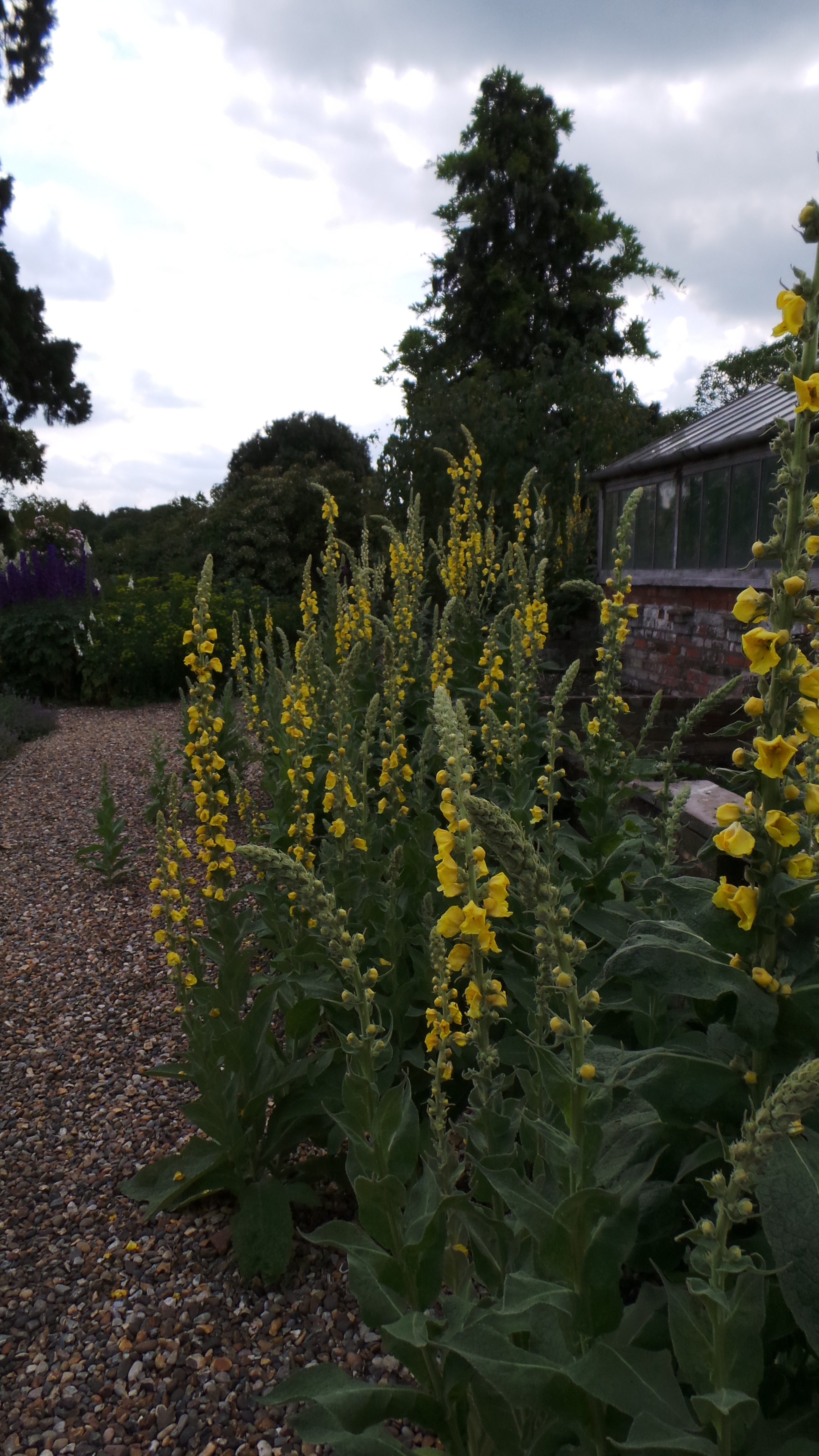
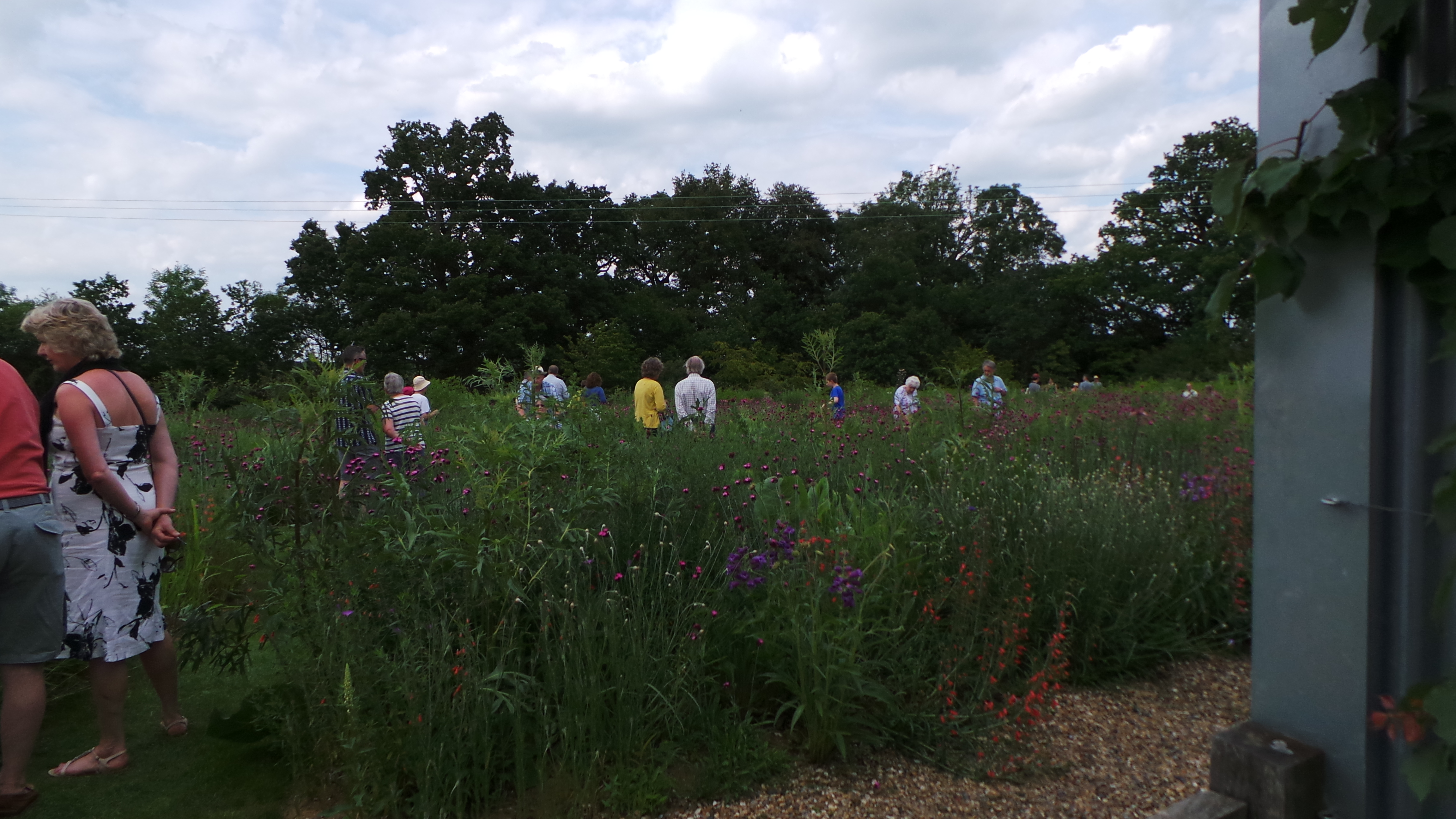
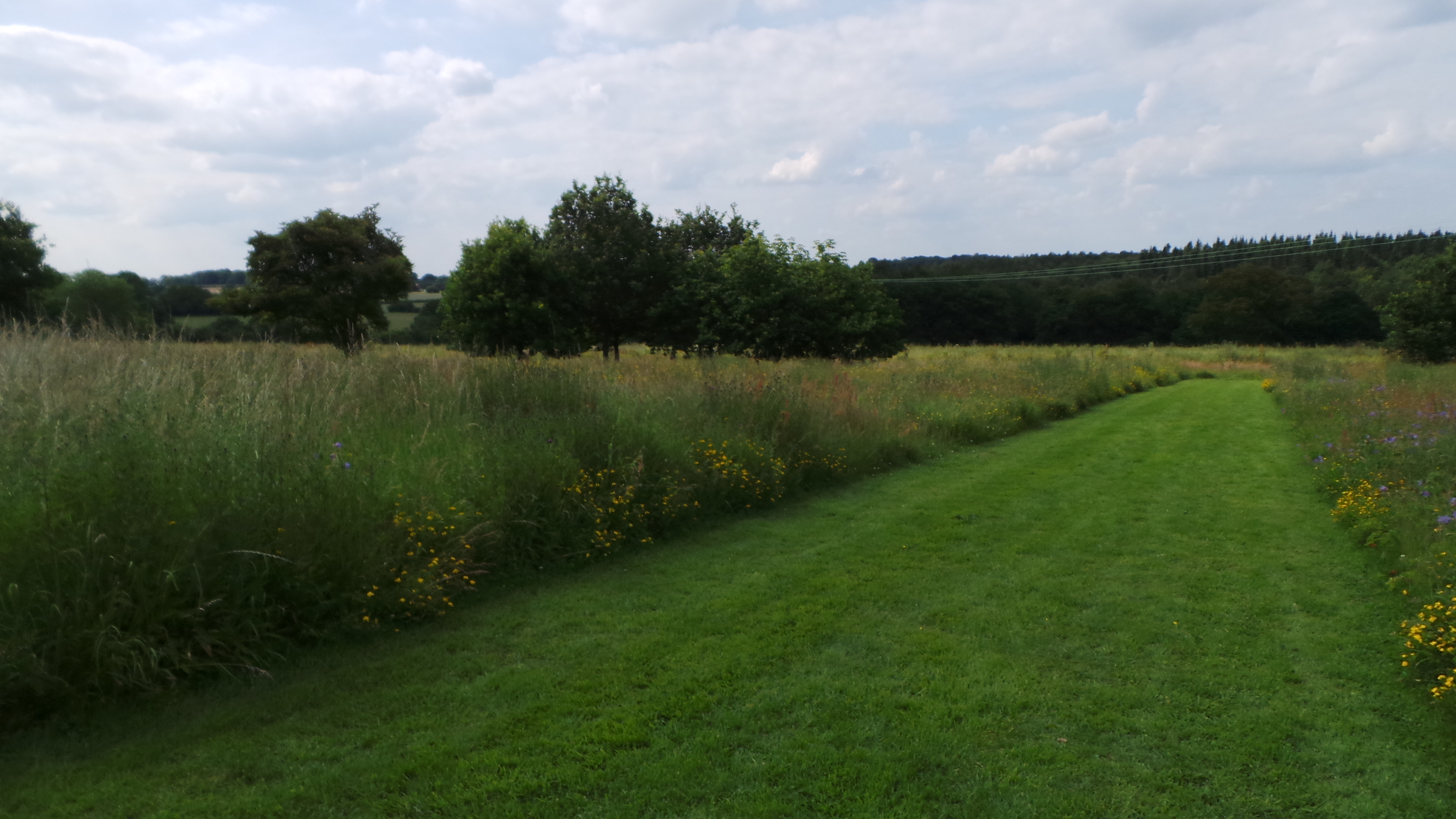
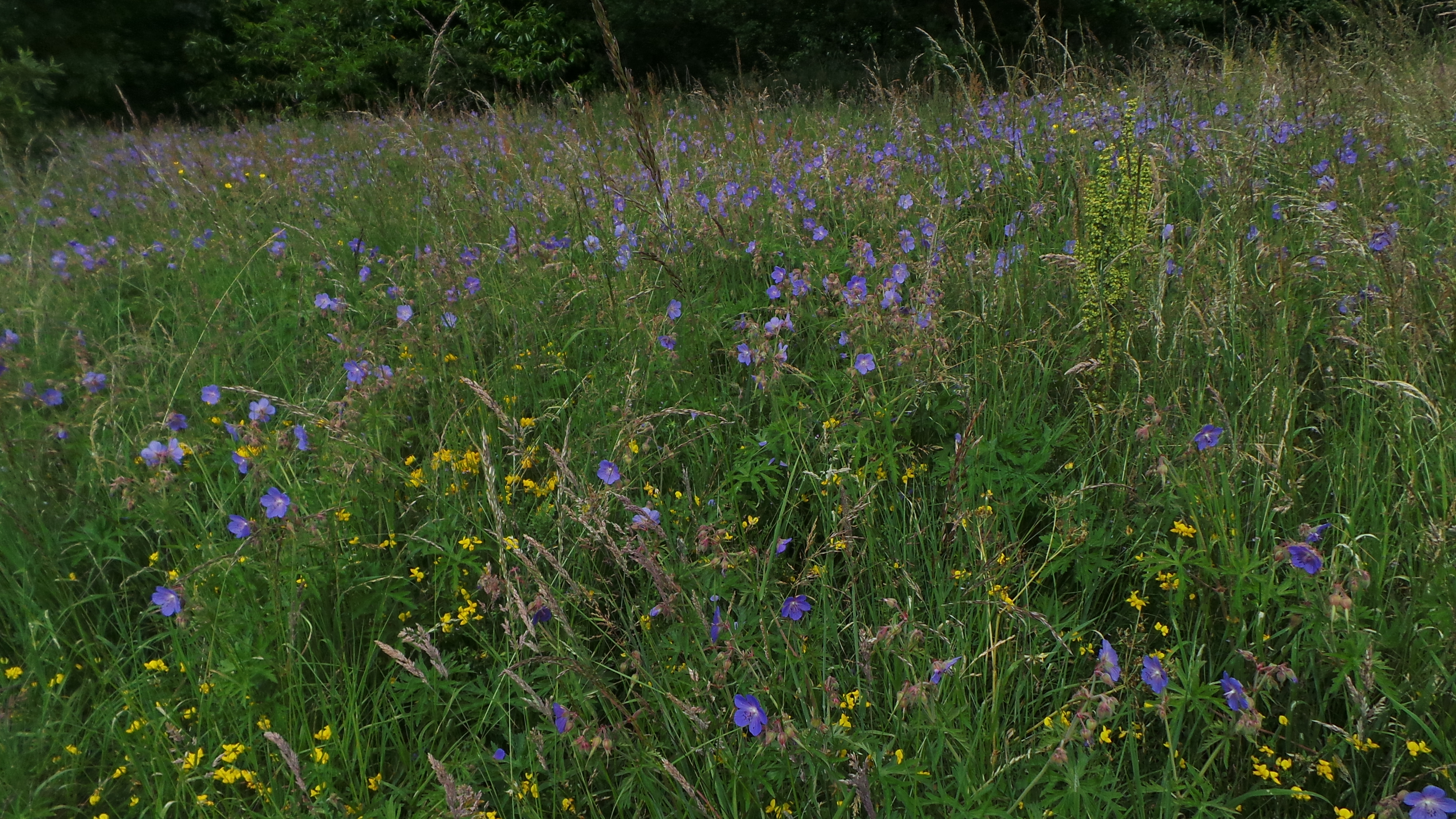
Categories
colours garden design garden designers garden photography gardens gardens open to the public meadows

Return to Trentham Gardens

In mid-September we made a return visit to the gardens at Trentham which I featured monthly during 2014. This time we visited not specifically to enjoy the gardens themselves but to meet friends from university, friends we had not met since the early 1970’s.

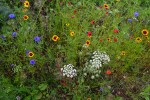
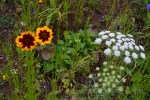
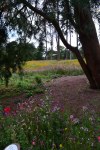
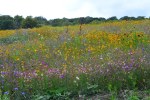
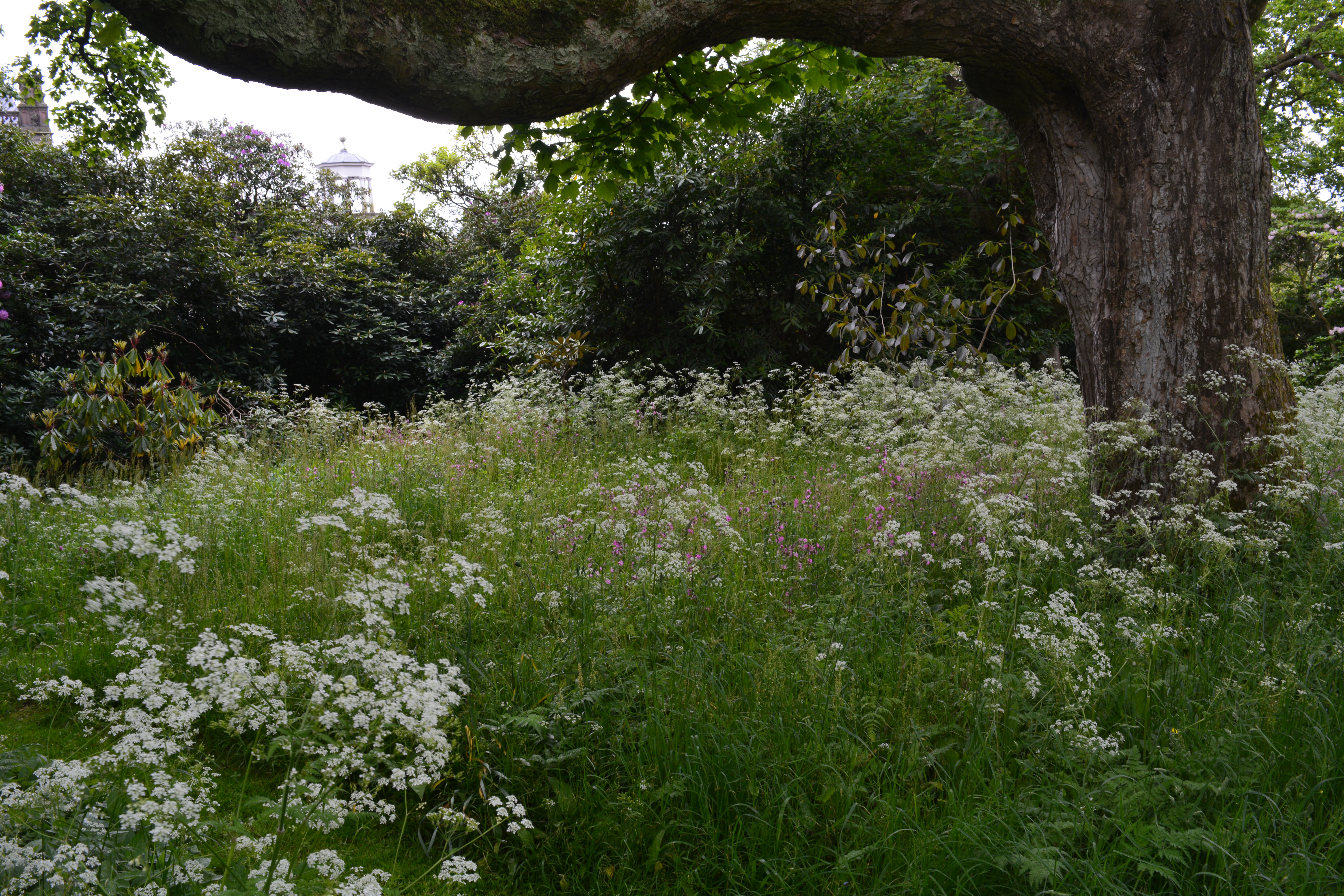
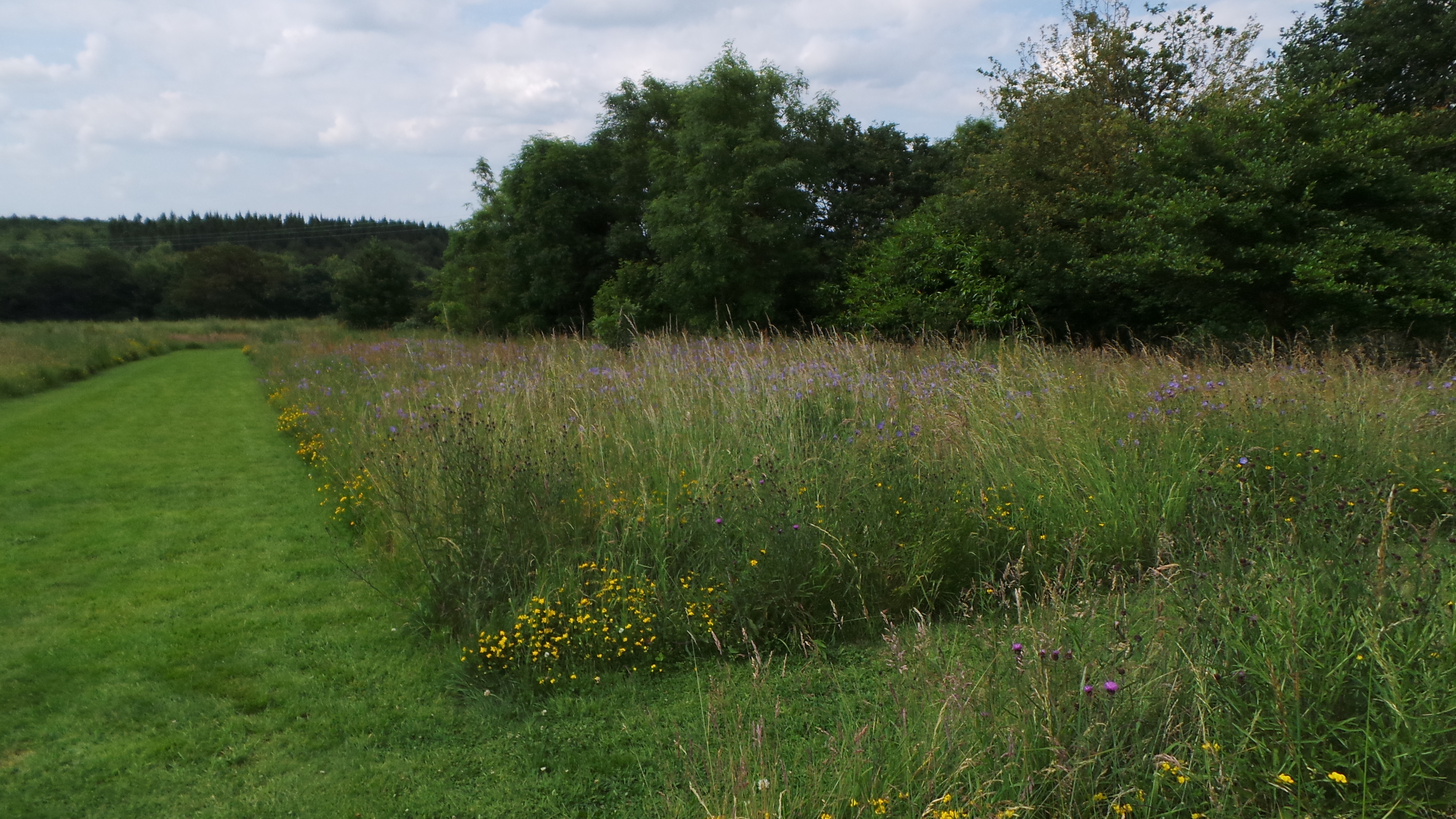
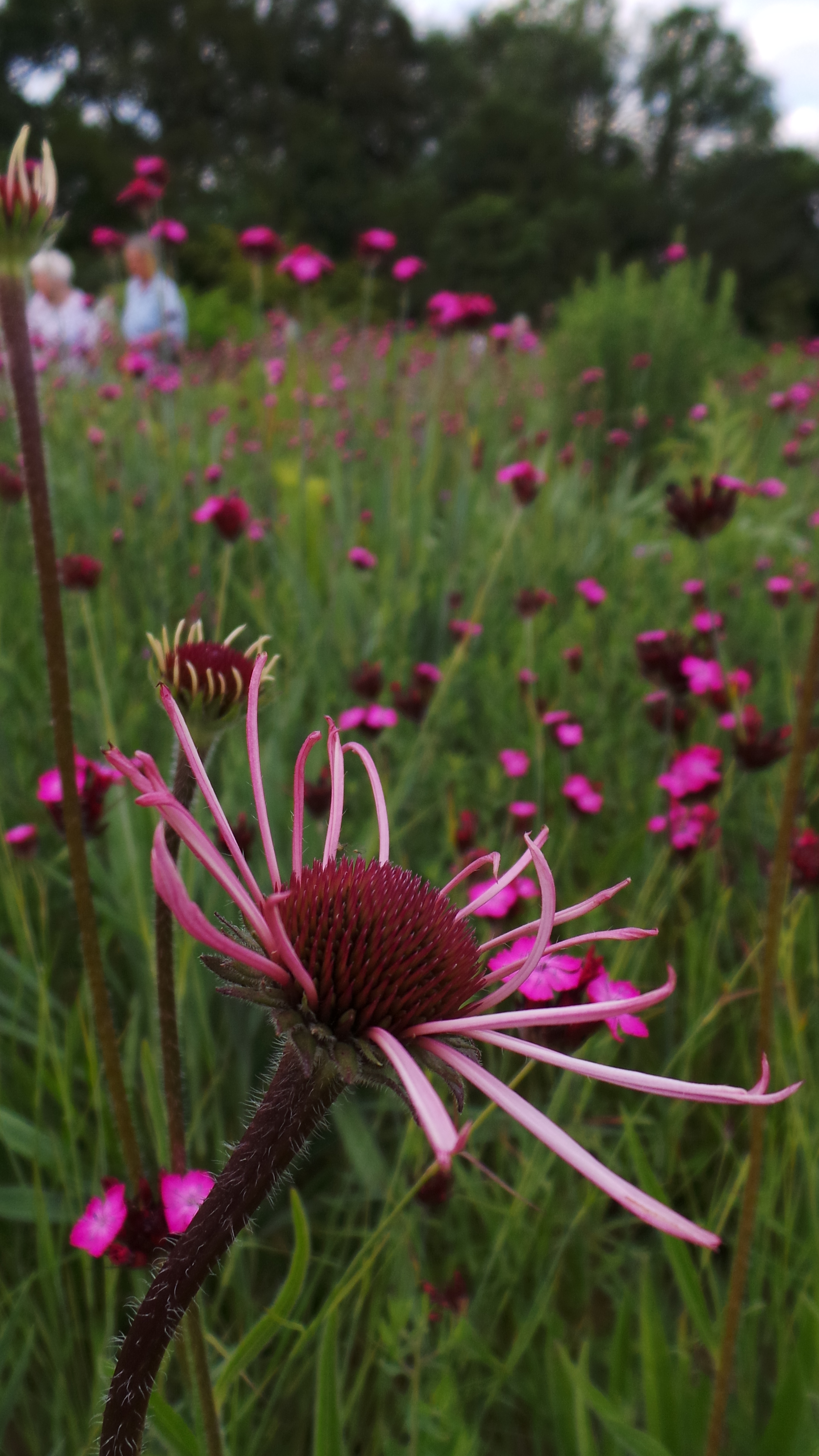
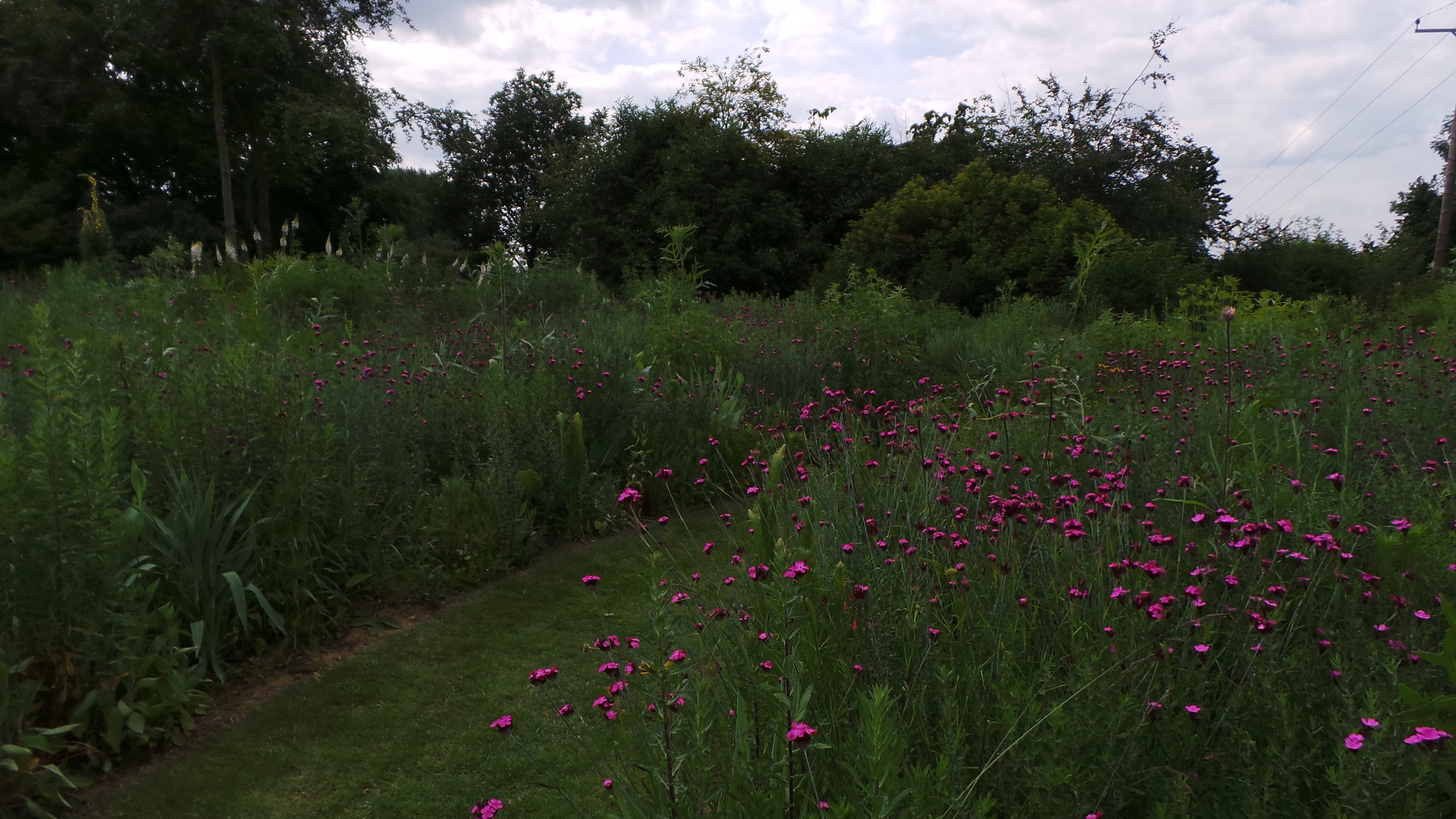
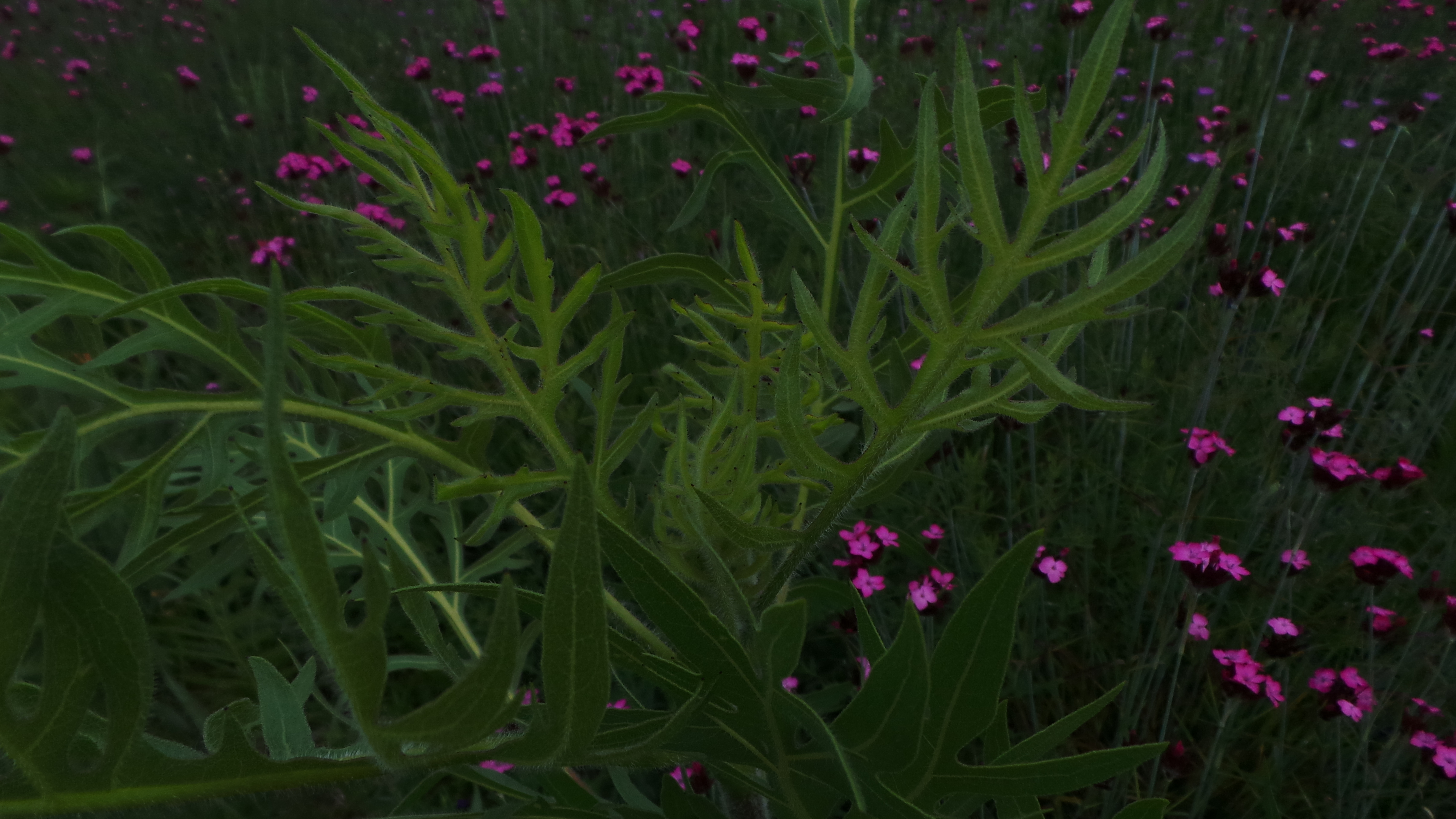
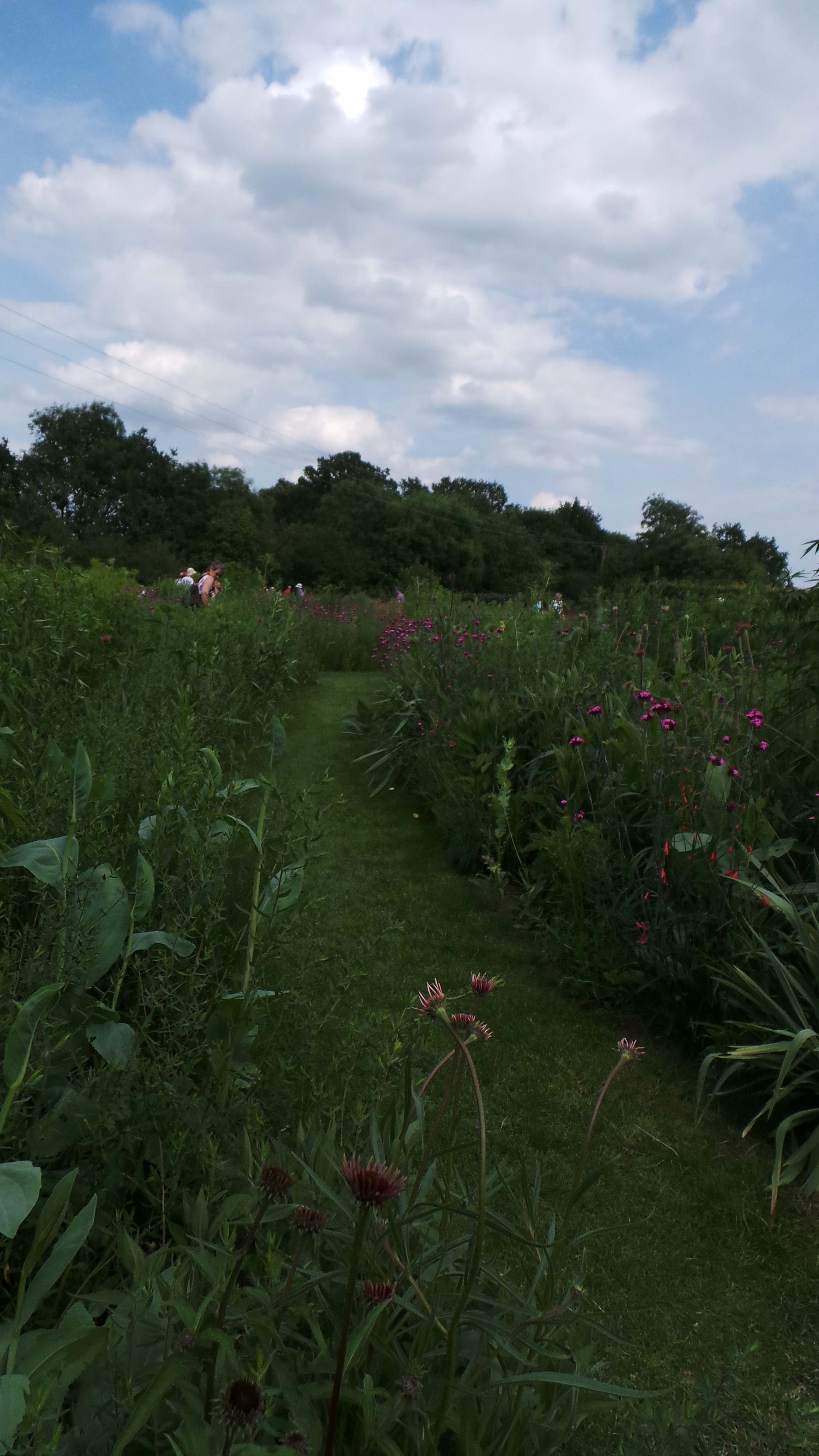
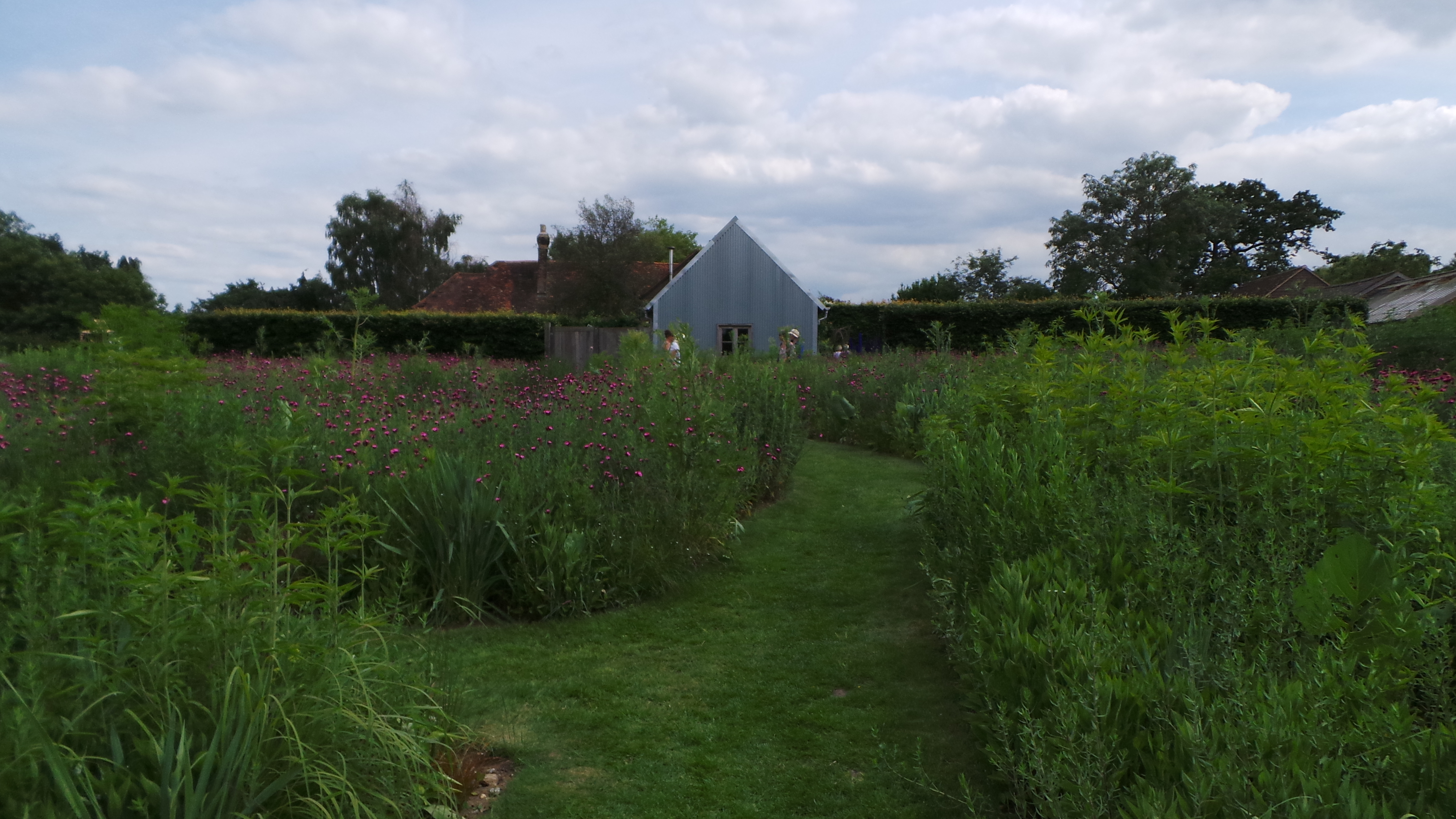
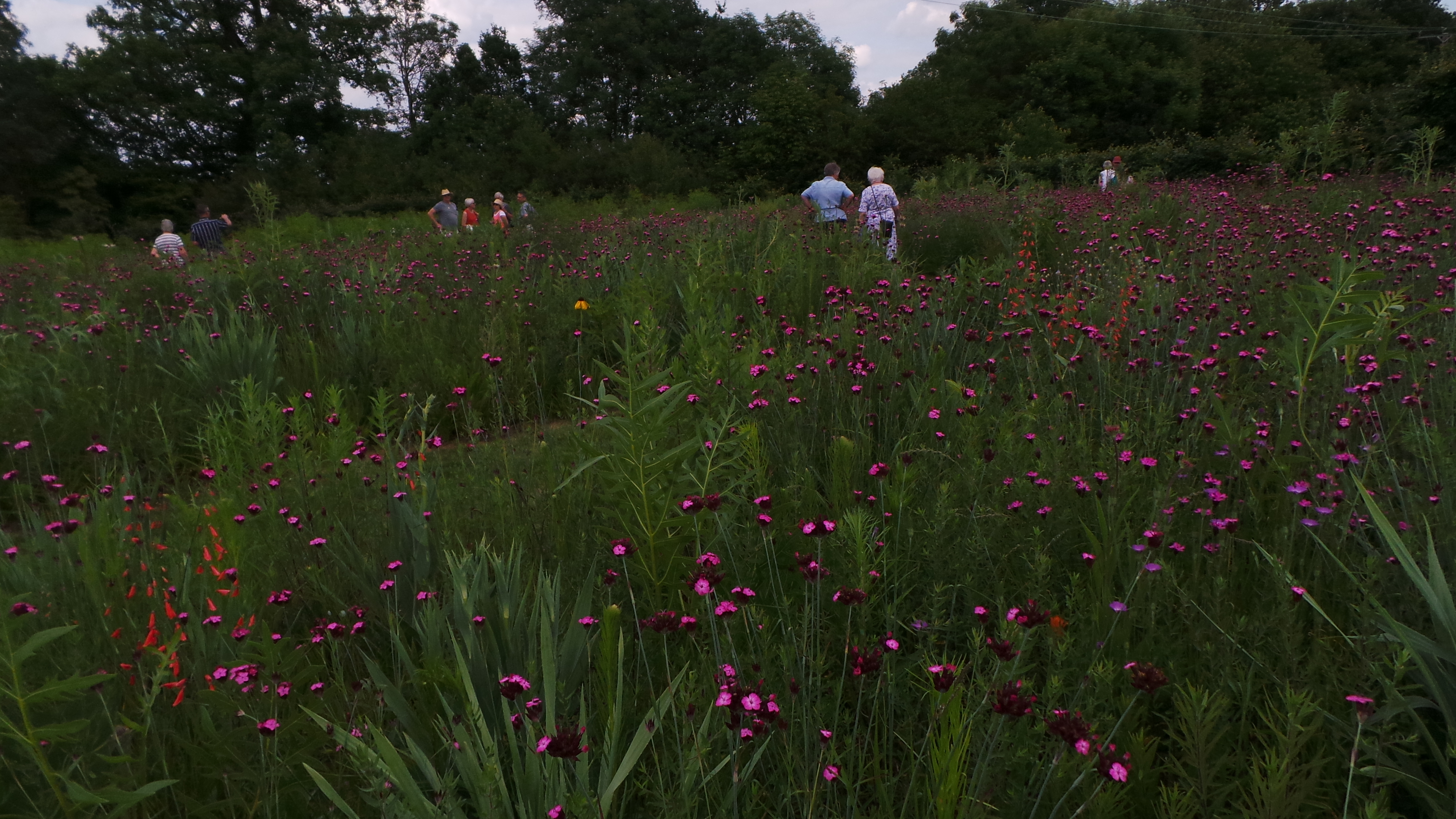
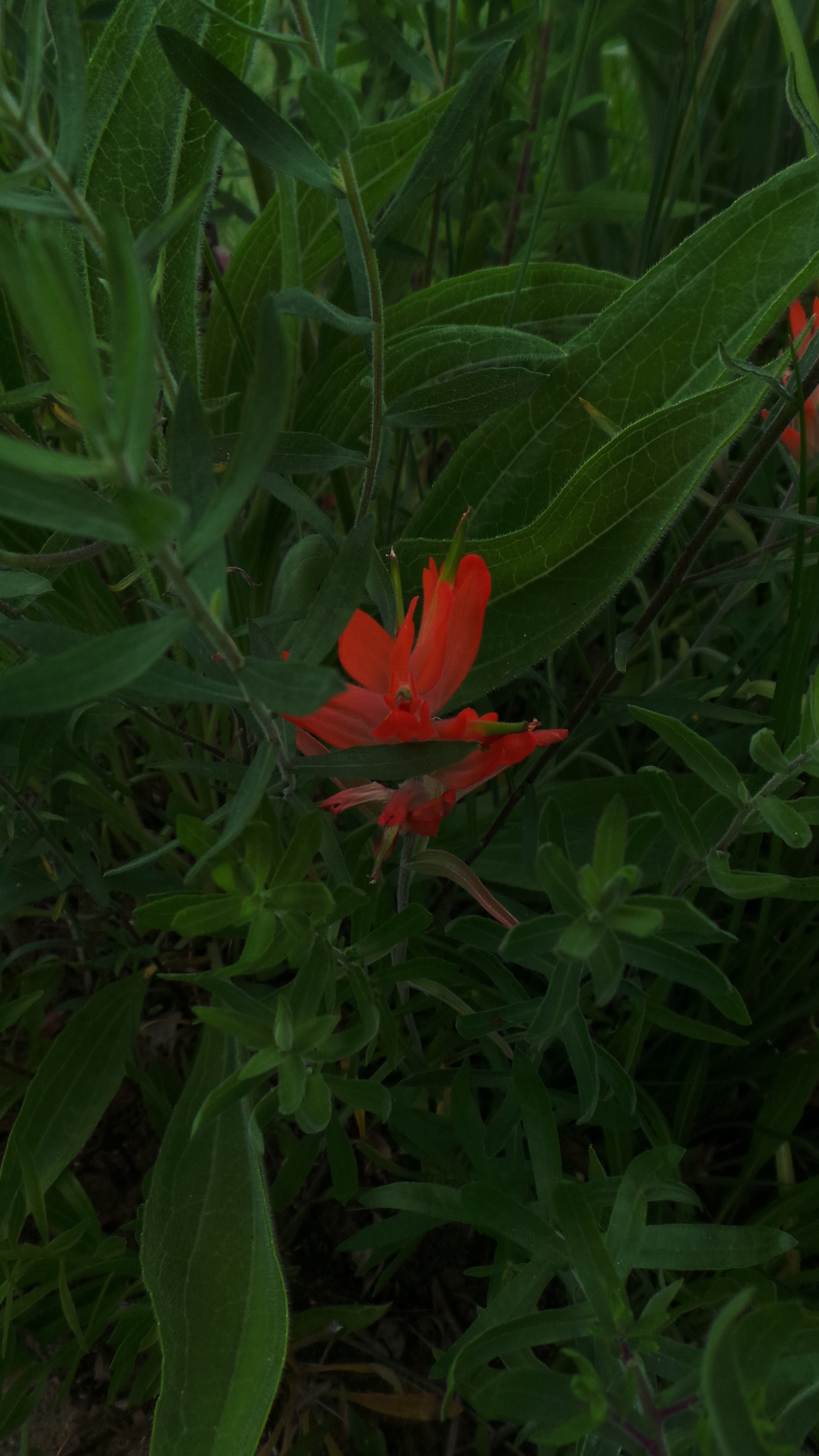
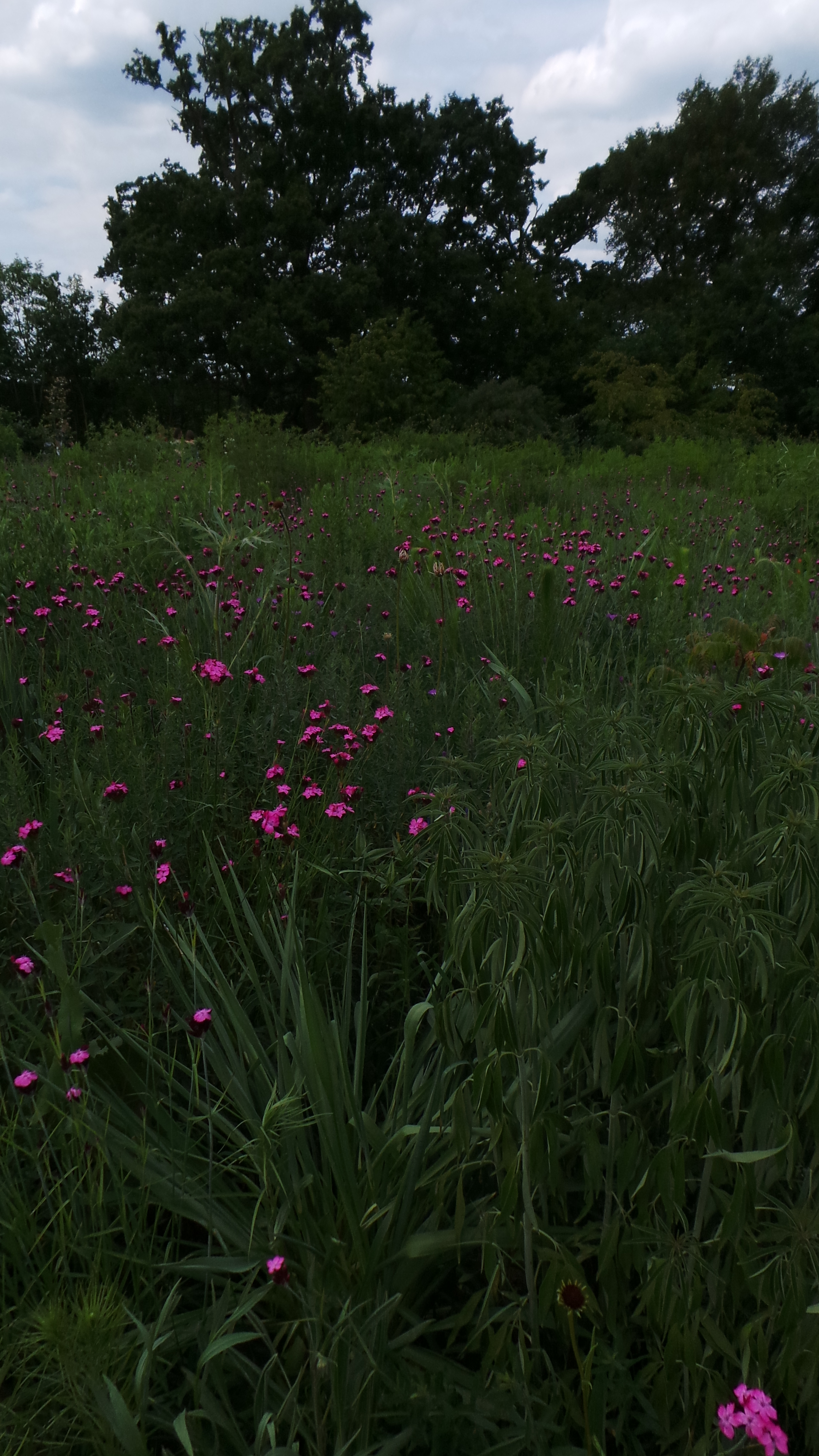
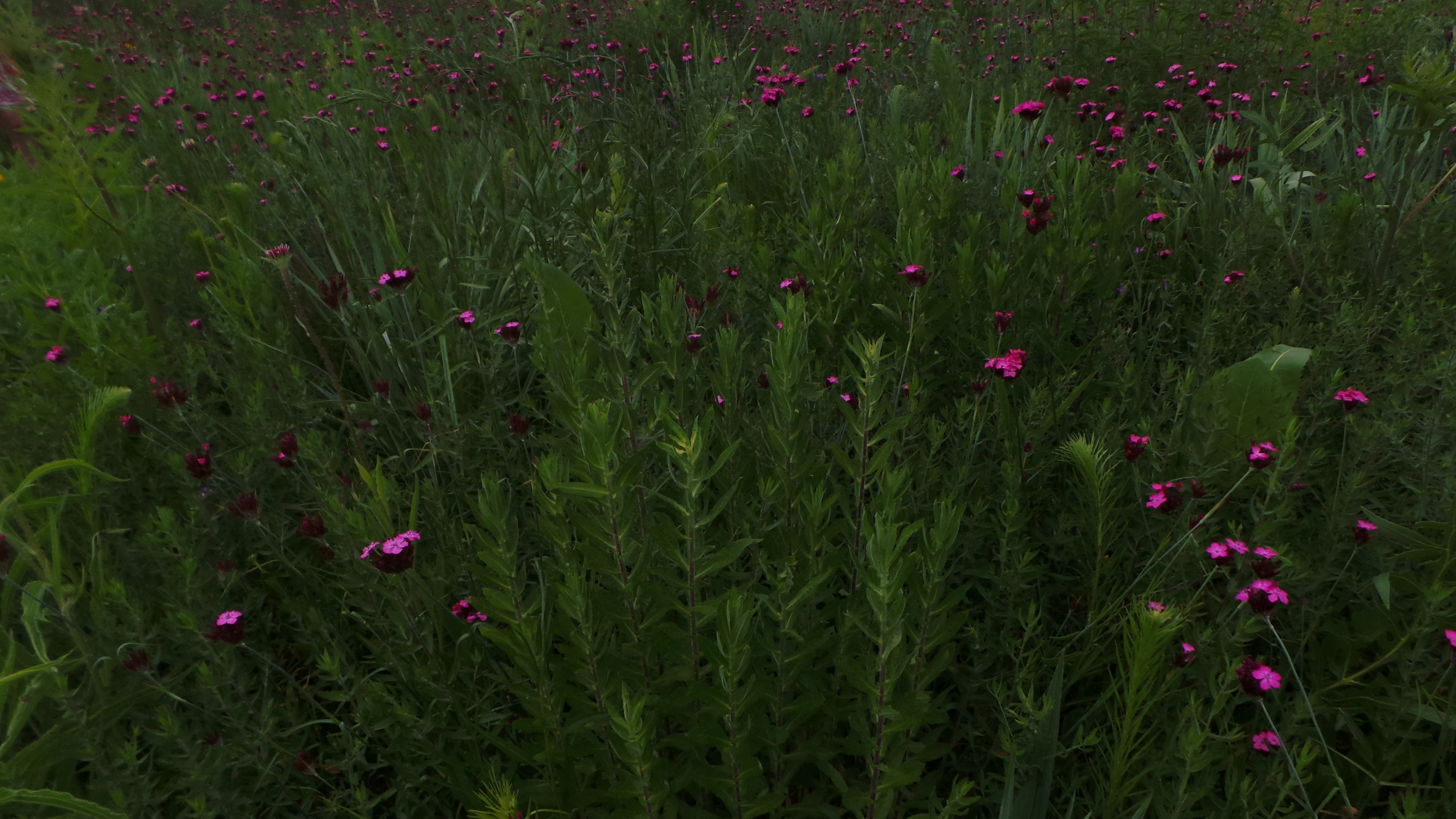
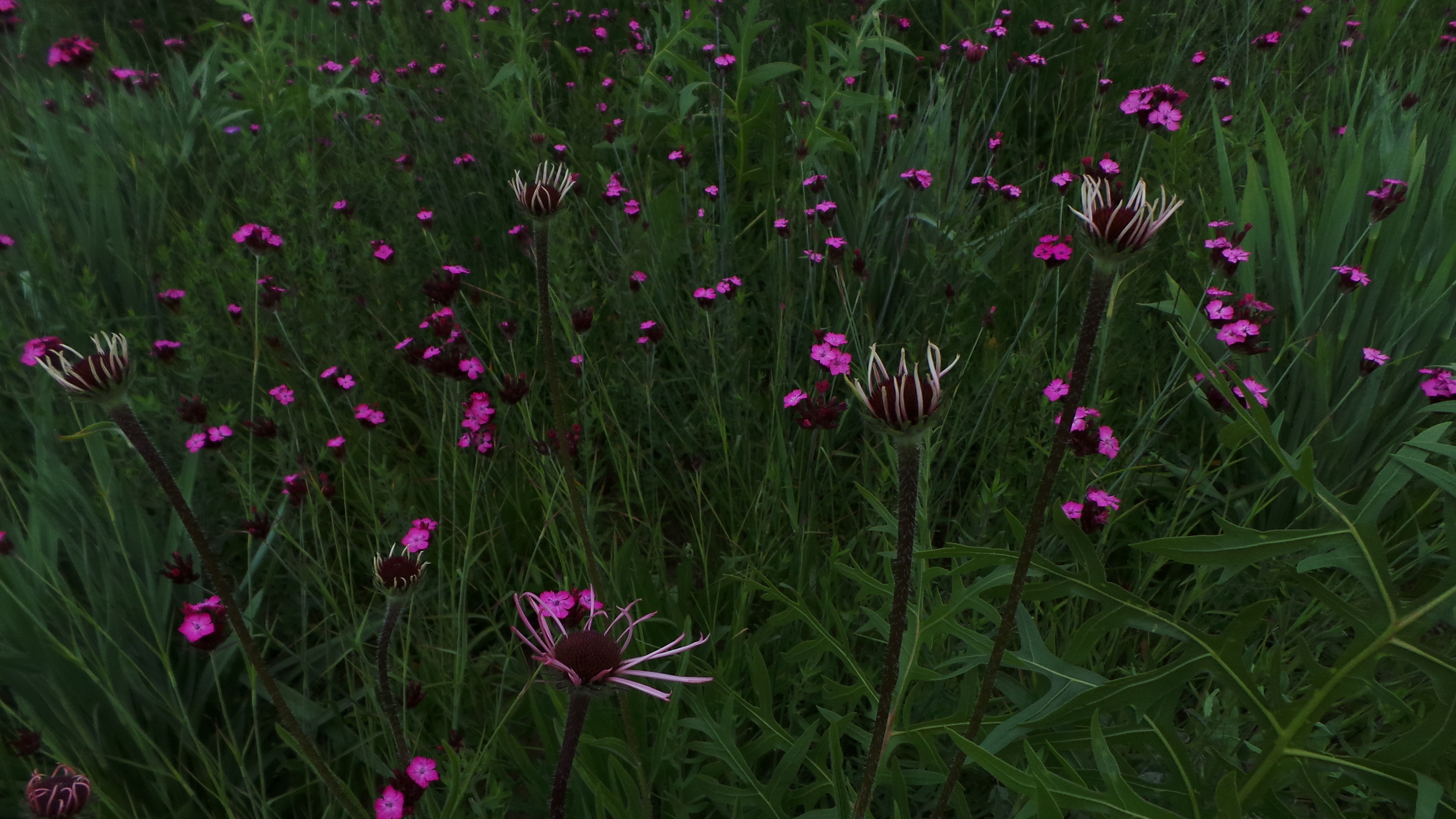
While there our reminiscences were interrupted by the sheer beauty of a new area of planting, a meadow designed by Nigel Dunnett. The meadow was sown on a slope alongside woodland and even at this time of the year was full of colour and surprises.

Come on a journey around the meadow with us in my gallery below. As usual simply click on the first photo and move on by clicking on the arrows. If this new meadow looked this good in mid-September I can’t wait to go back next spring and summer to see what pictures they paint then.

Categories
bird watching birds garden photography garden ponds garden pools garden wildlife gardening gardens hardy perennials meadows poppies

My Garden Journal – July

I can’t believe we are in the second half of the year but as this is the post about my garden journal in July then we most certainly are!

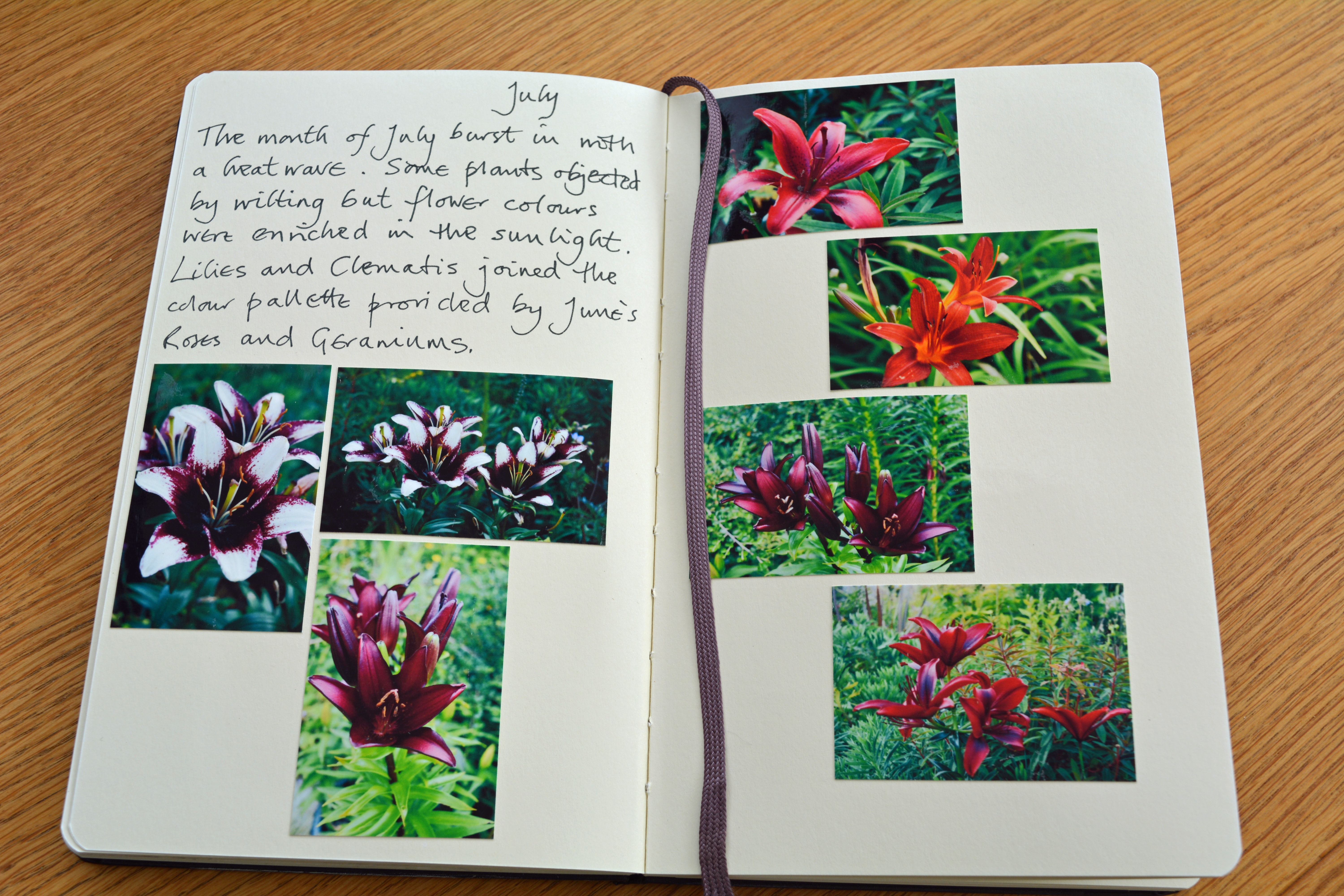
I began my July journal entry with a reference to the weather, the obsession of the British especially gardeners. “The month of July burst in with a heatwave. Some plants objected by wilting but flower colours were enriched in the sunlight. Lilies and Clematis joined the colour pallette provided by June’s Roses and Geraniums.”

2015 08 04_4461_edited-1

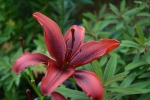
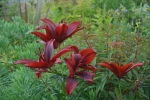
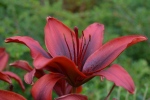
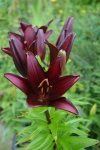
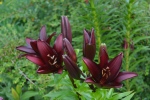
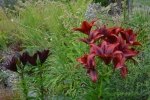
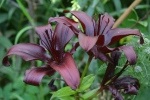
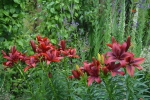
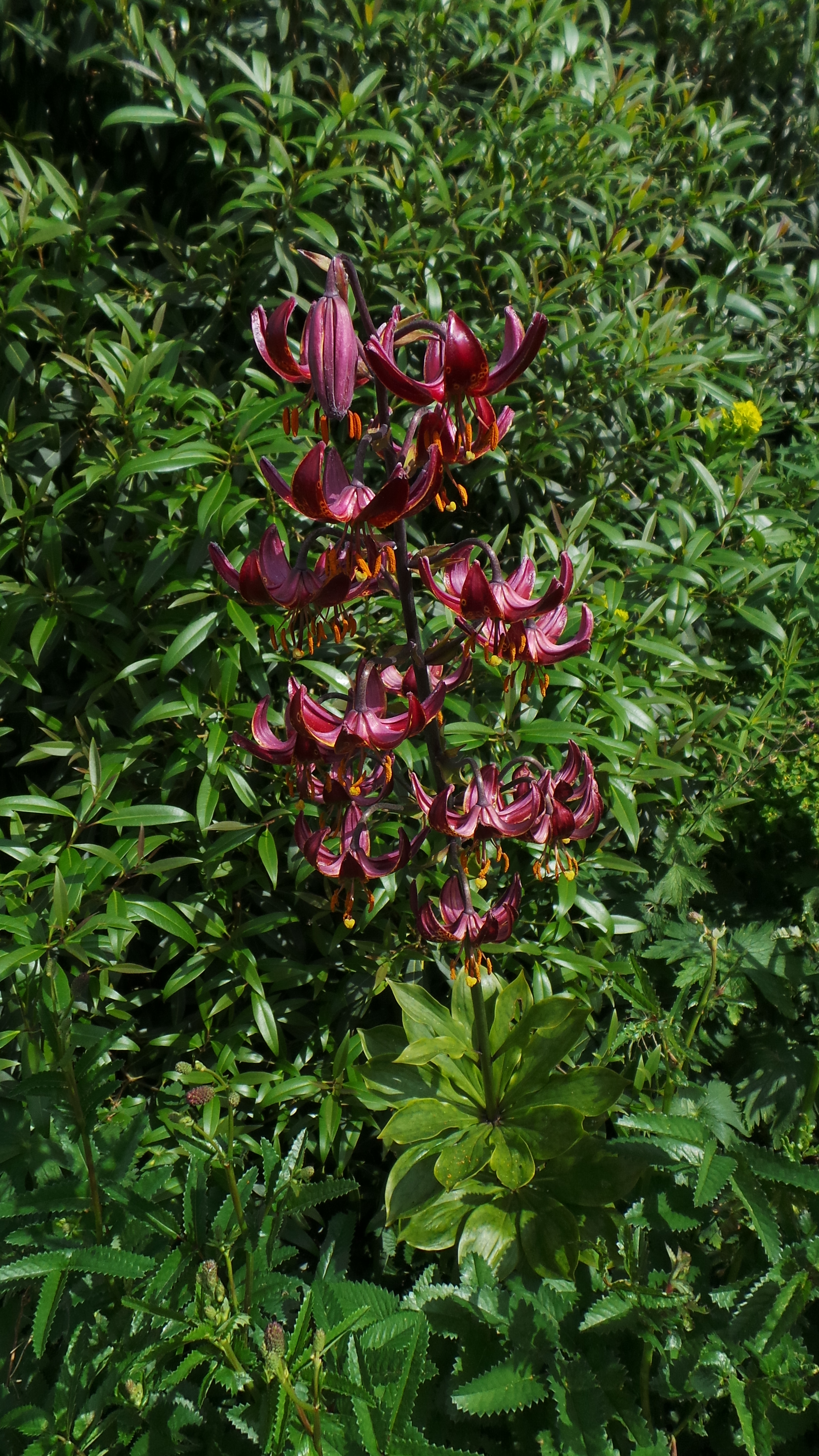
Our Oriental Lilies were the best we have ever had this July and we have been growing them for many years. We grow them in big pots so that we can simply drop them in where and when they are needed to add splashes of dramatic colour. Enjoy my little gallery of Lily photos. Just click on the first photo and then use the arrows.

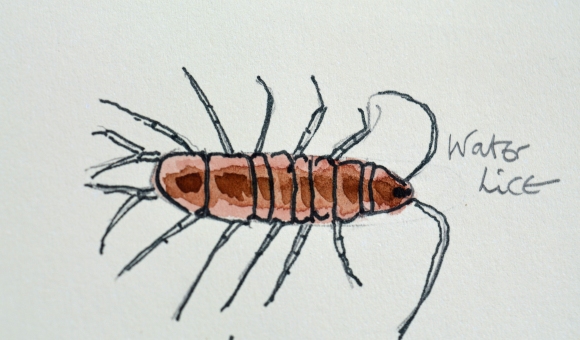
I then wrote about our July pond dipping adventure, “A pond dip early in the month showed young newts still present in abundance alongside nymphs of Dragons and Damsels. This little creature (painting below) caught my eye. At just over a centimetre in length the Water Lice, or Isopoda, is the wet equivalent of the more common Wood Lice. They cannot swim but simply scramble around devouring detritus and decaying plant material. They are common prey of the larvae of Damsels and Dragons.”

2015 08 04_4462_edited-12015 08 04_4466_edited-1

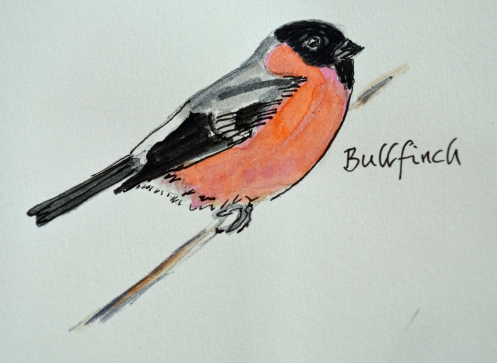
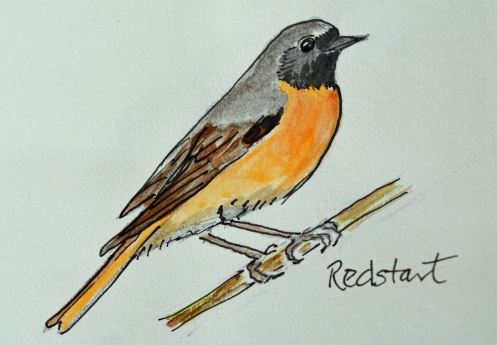
I moved on then from pondlife to birdlife and looked at two of the most beautiful birds that visit our garden. “We have been visited by two of our most colourful birds over the last few weeks, Bullfinches and Redstarts.” The Redstart made a fleeting visit on our last open day at our garden when it was full of visitors, which seemed a bit brazen for a normally shy woodland bird.


2015 08 04_4468_edited-12015 08 04_4469_edited-1

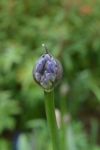
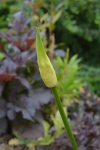
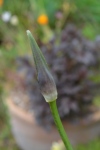
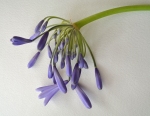
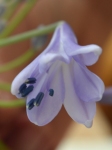
Agapanthus featured next in my July garden journal as our collection in our Beth Chatto garden were budding up nicely promising a beautiful display before too long. We have been building up our collection of favourite Agapanthus for a few years now and it is now coming along well. “Our collection of Agapanthus in our Beth Chatto Garden is slowly getting more colourful as flower buds burst. Surely these are the slowest of buds to become flowers!”

2015 08 04_4463_edited-1


To see some of our Agapanthus up close, some still in tight buds some opening up, please enjoy the little Agapanthus gallery below. As usual click on the first picture and use the arrows to move through. Next month promises to be a month of Agapanthus flowers rather then buds. Can’t wait!

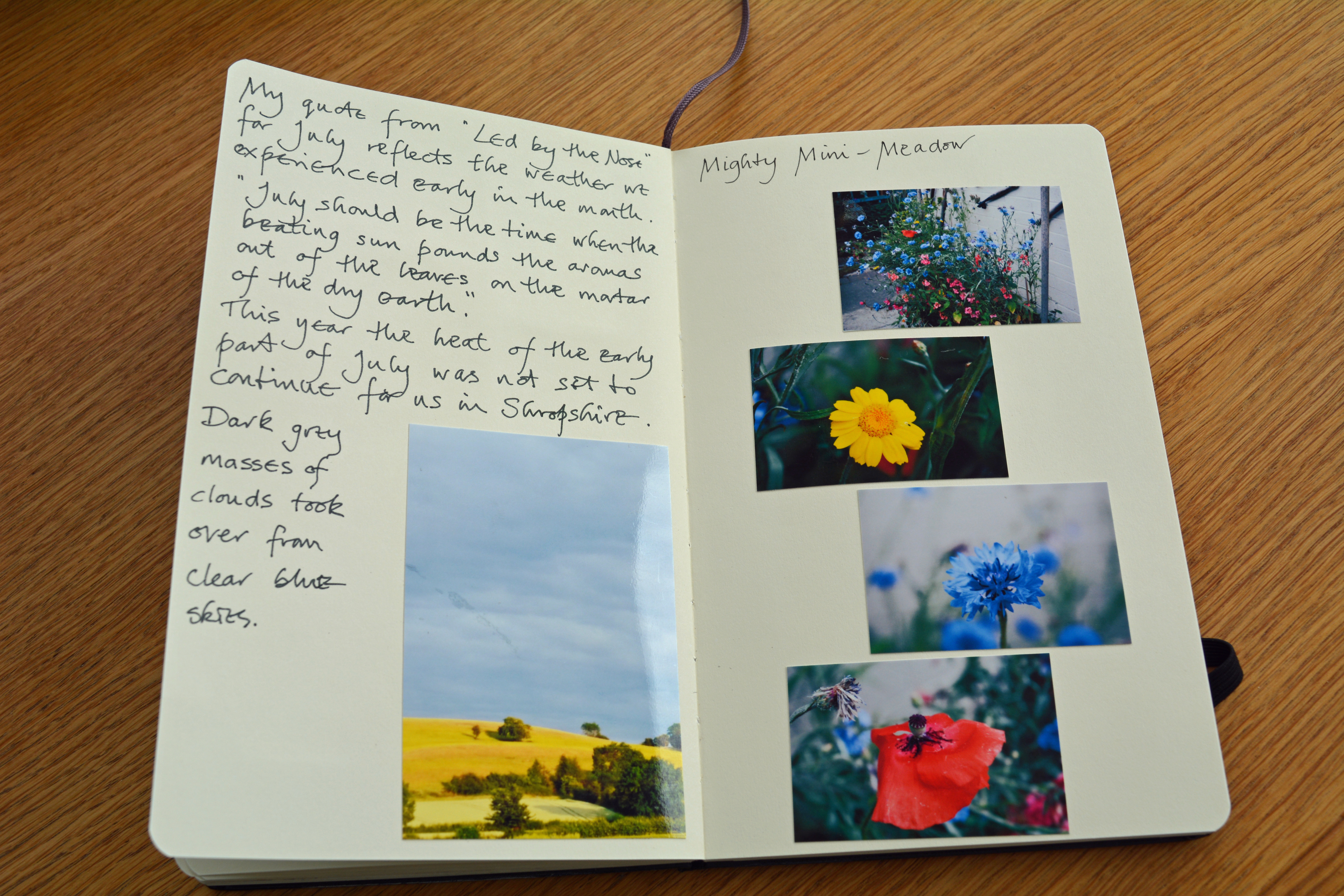
My next double page is about the weather and our min-meadows.

2015 08 04_4464_edited-1

My journal continues, “This year the heat of the early part of July was not set to continue for us in Shropshire. Dark grey masses of clouds took over from clear blue skies.”

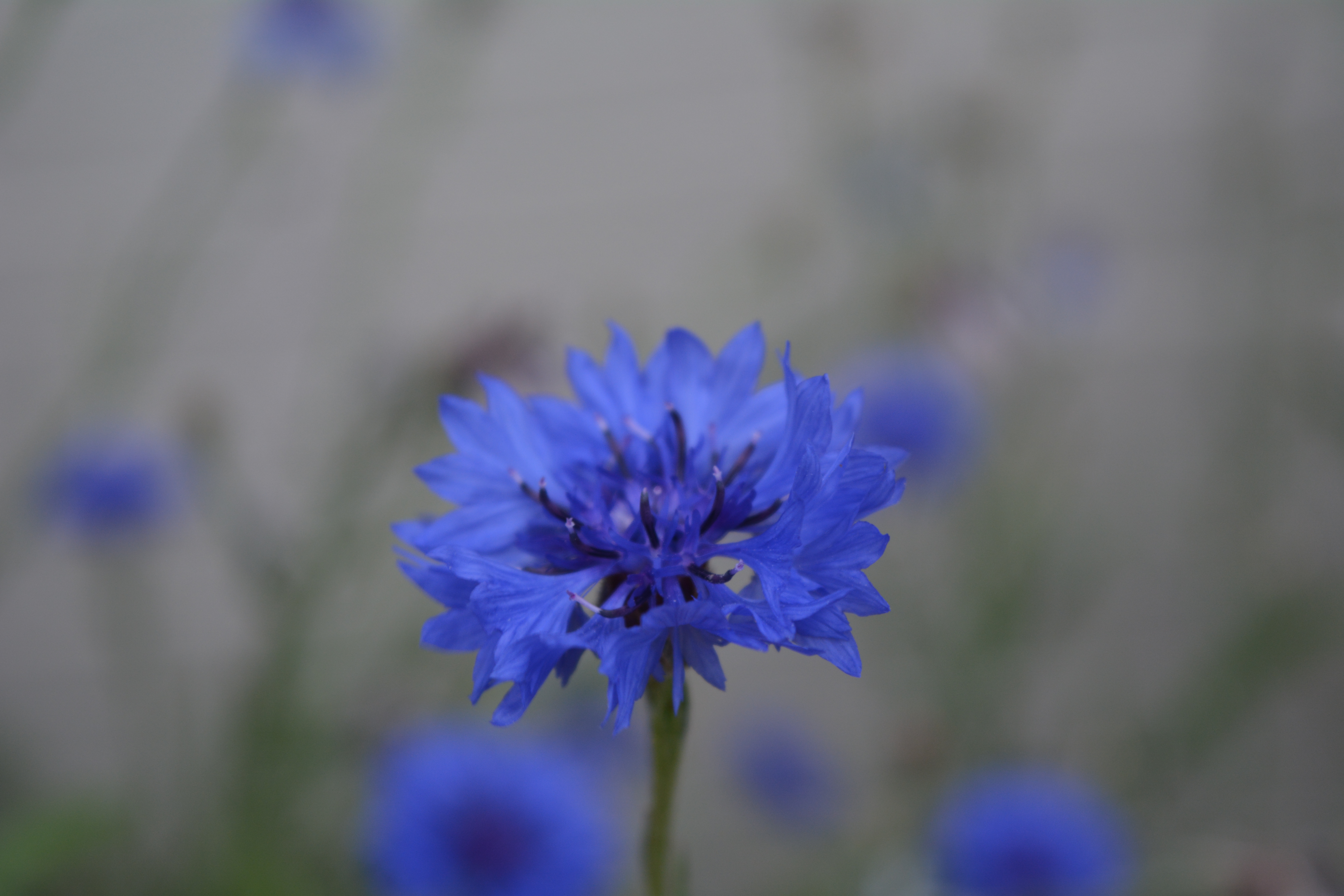
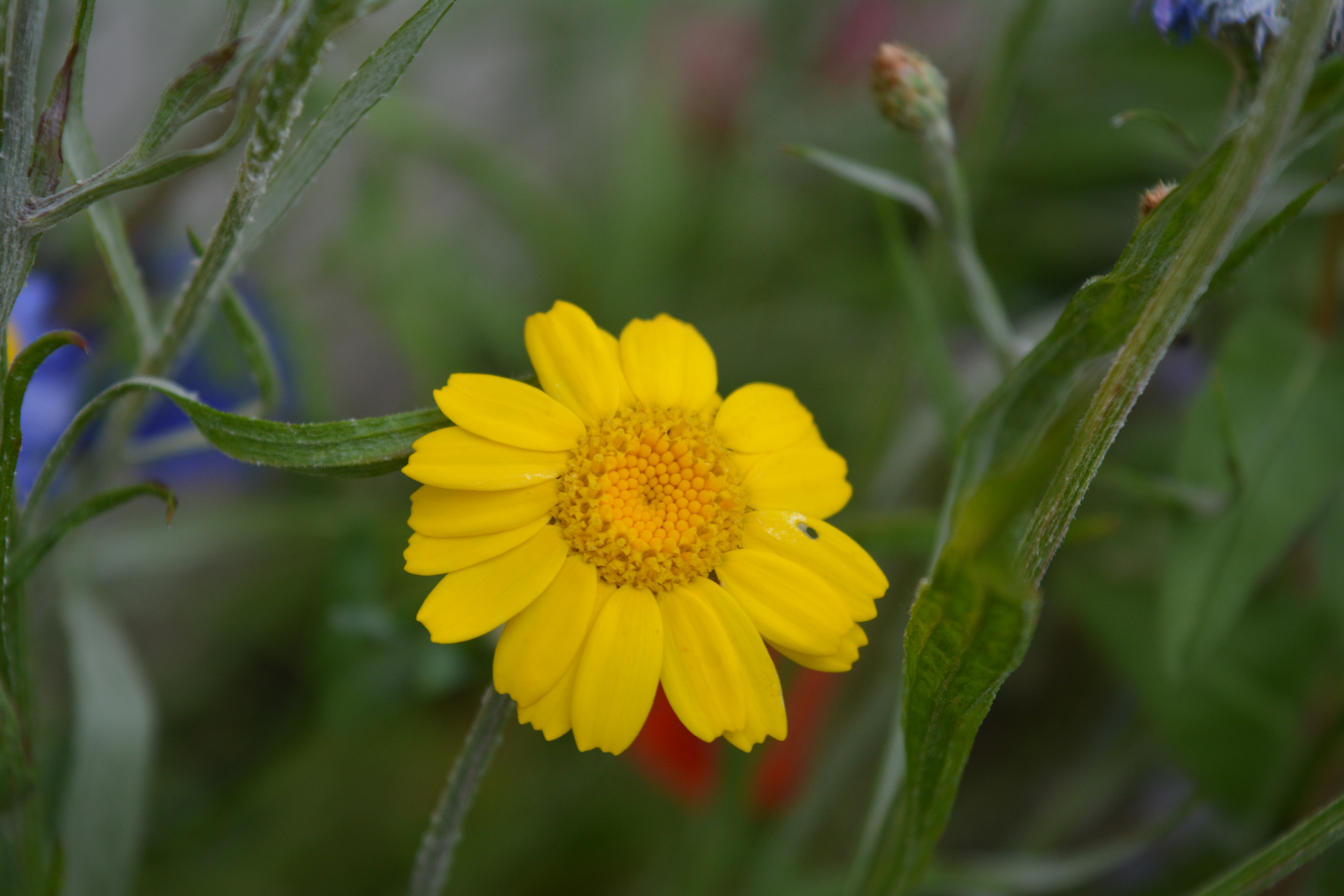
Mighty Mini-Meadow is the title of the next page of my journal which features photos of the little but very floriferous meadow we sowed in early May in vegetable bags. The seeds germinated so well that we have been treated to a mass of blooms reminiscent of a summer meadow from the days before intensive agriculture changed our countryside into huge barren fields of monoculture. It sits beneath my collection of antique garden tools. These native wildlflowers attract insects as if drawn in by distant memories, bees, hoverflies and butterflies.

2015 07 20_3783 2015 07 20_3788 2015 07 20_3784  2015 07 20_3786 2015 07 20_3785

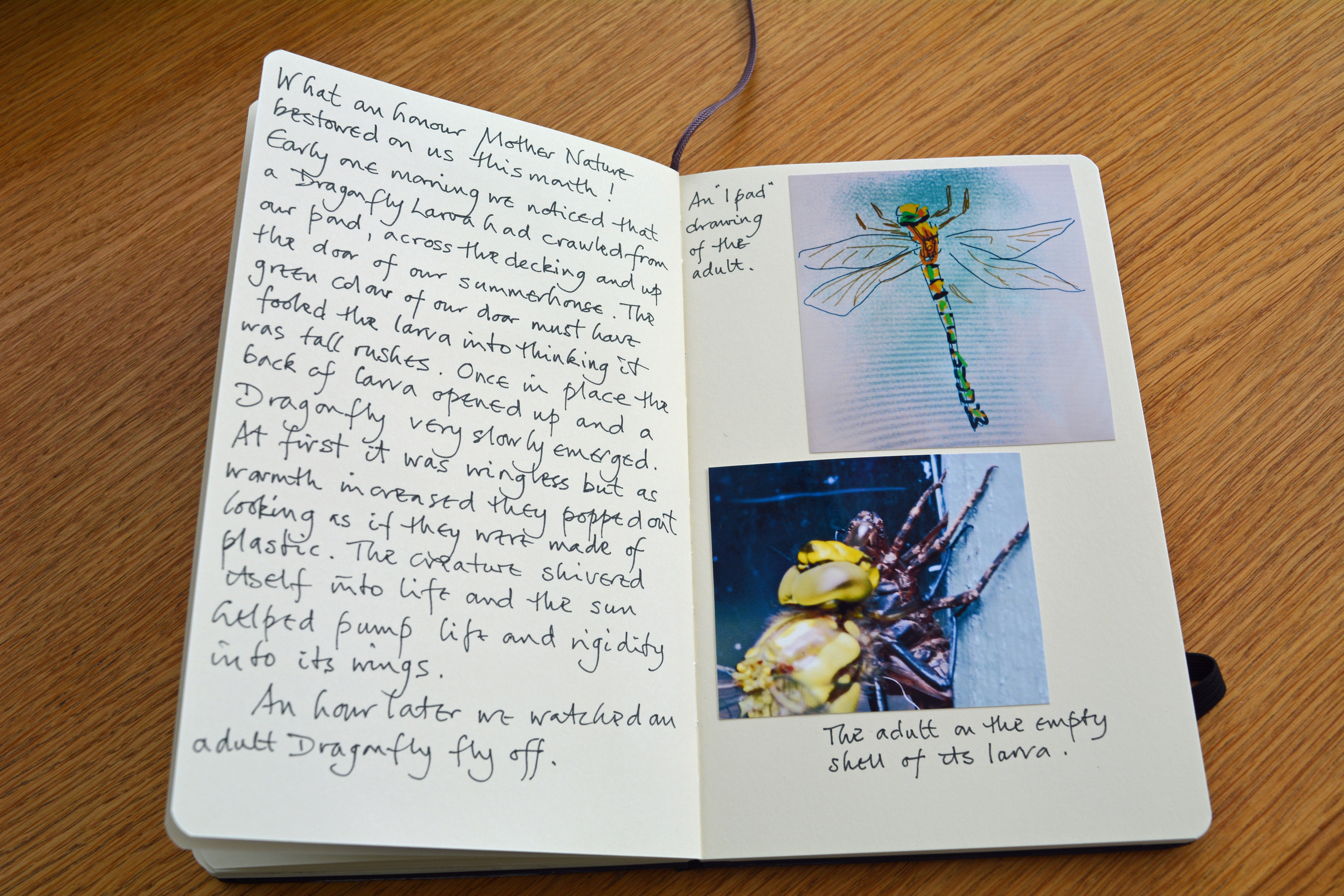
What an honour Mother Nature bestowed on us this month! This is how the next page of my journal begins. It is all about a special time in our garden, a moment we will never forget.

2015 08 04_4465_edited-1


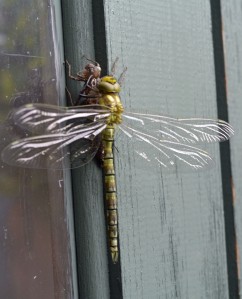
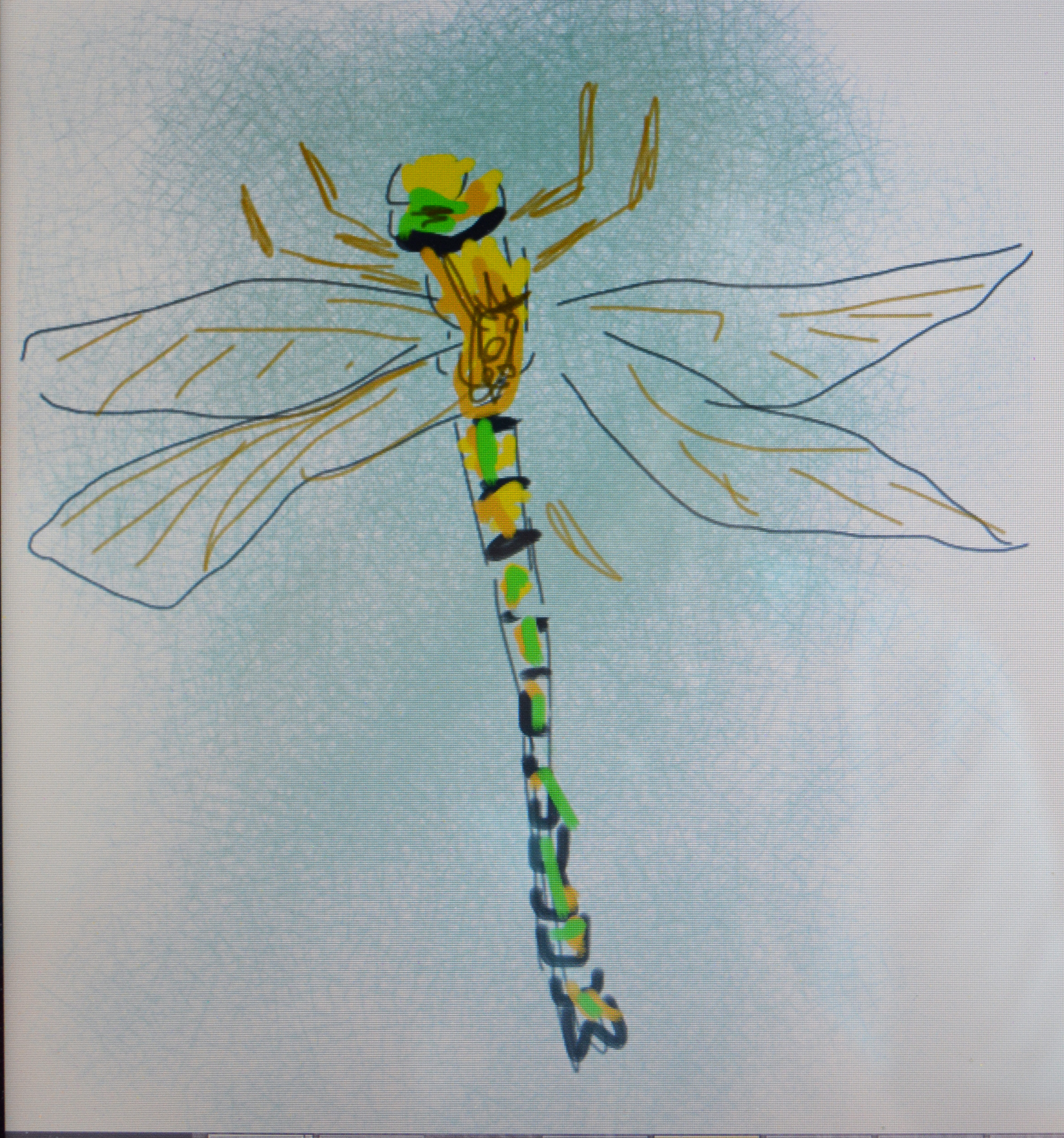
“Early one morning we noticed that a Dragon Fly larva had crawled from our pond, across the decking and up the door of our summerhouse. The green colour of the door must have fooled it into thinking it was tall rushes. Once in place the back of the larva opened up and a Dragonfly very slowly emerged. At first it was wingless but as warmth increased they popped out looking as if they were made of plastic. The creature shivered itself into life and the sun helped pump life and rigidity into its wings. An hour later we watched an adult Dragonfly off.”

2015 07 18_3717_edited-1

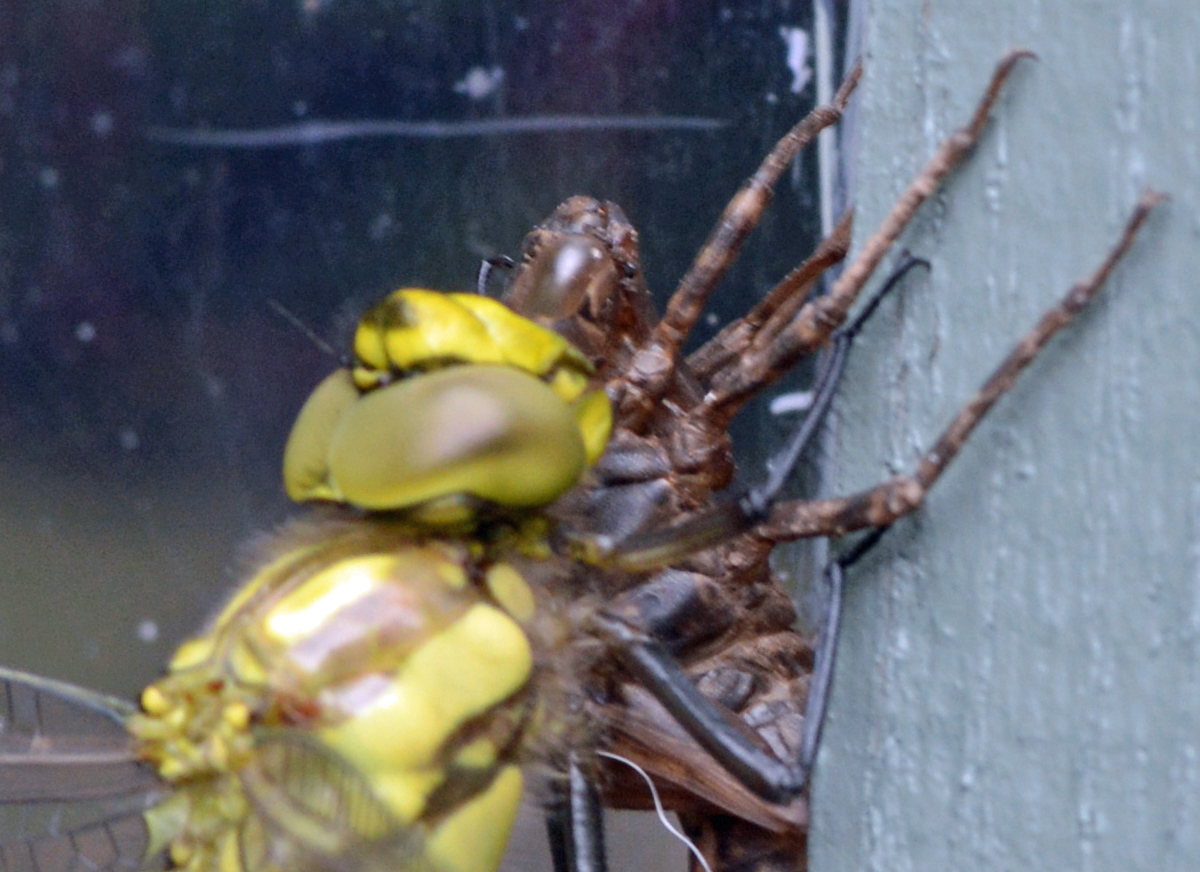
I illustrated this amazing spectacle with a simple i-pad drawing and a photo of the head of the Dragonfly gripping the empty shell of its former self.


2015 07 18_3719_edited-12015 08 03_4460_edited-1-1


So with this amazing experience my journal closed up for July and will soon re-open for August.


Categories
arboreta garden design garden photography garden ponds garden pools gardens gardens open to the public Italian style gardens meadows ornamental trees and shrubs shrubs trees water garden water in the garden

A Week in the Lake District – Part 7 – Holker Hall

I had recently read a book on the original creation and the more recent re-design of the gardens at Holker Hall so I was really looking forward to visiting it to see it for real. The book made mention of many rare and interesting trees being planted which made me extra keen to visit.

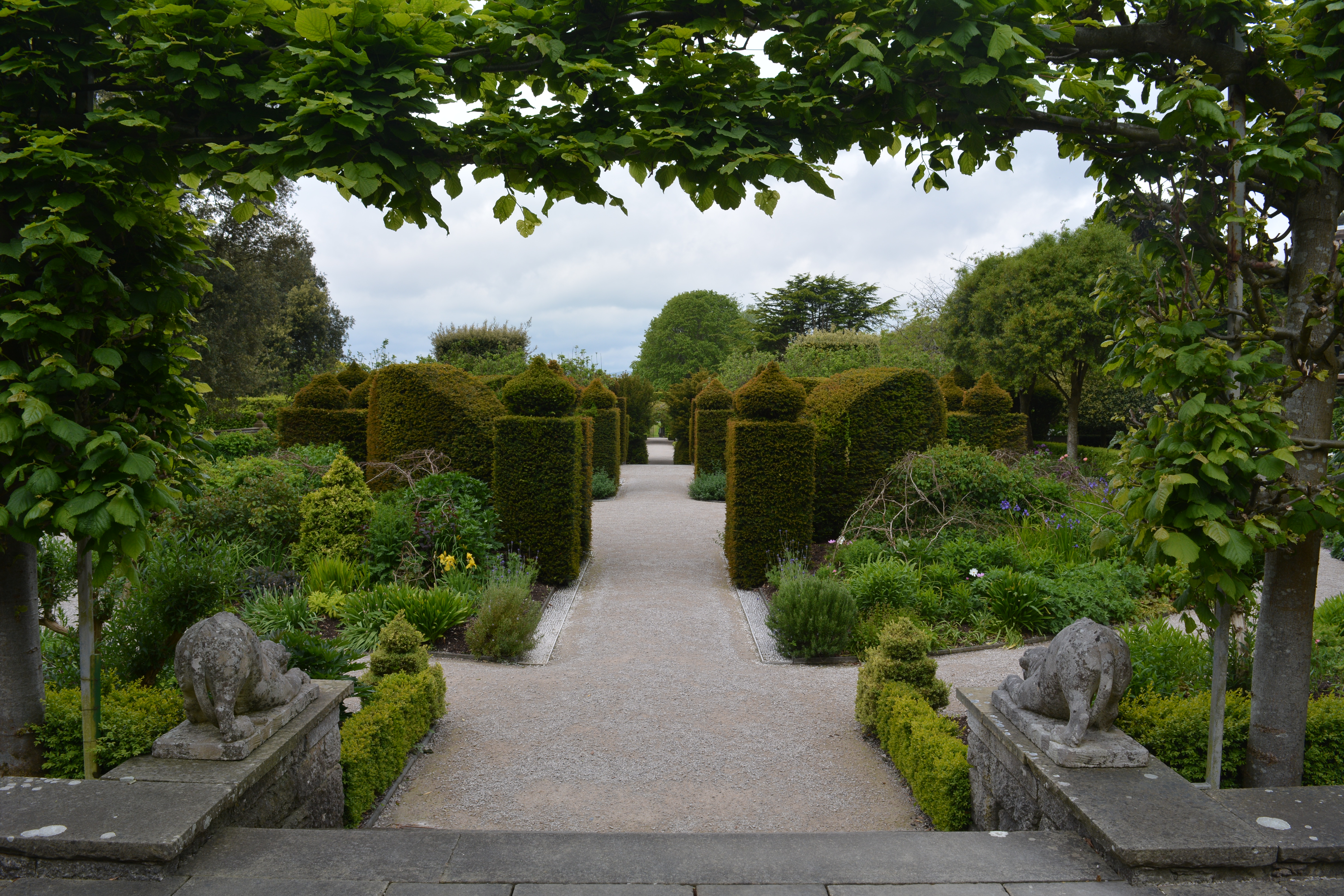
We hoped it would reach our expectations as it was the last day of our week in the Lake District. We looked forward to a gentle stroll around a peaceful, atmospheric garden. We were not disappointed in any way! Holker’s gardens were full of variety and surprises, with a careful balance of the formal and informal.

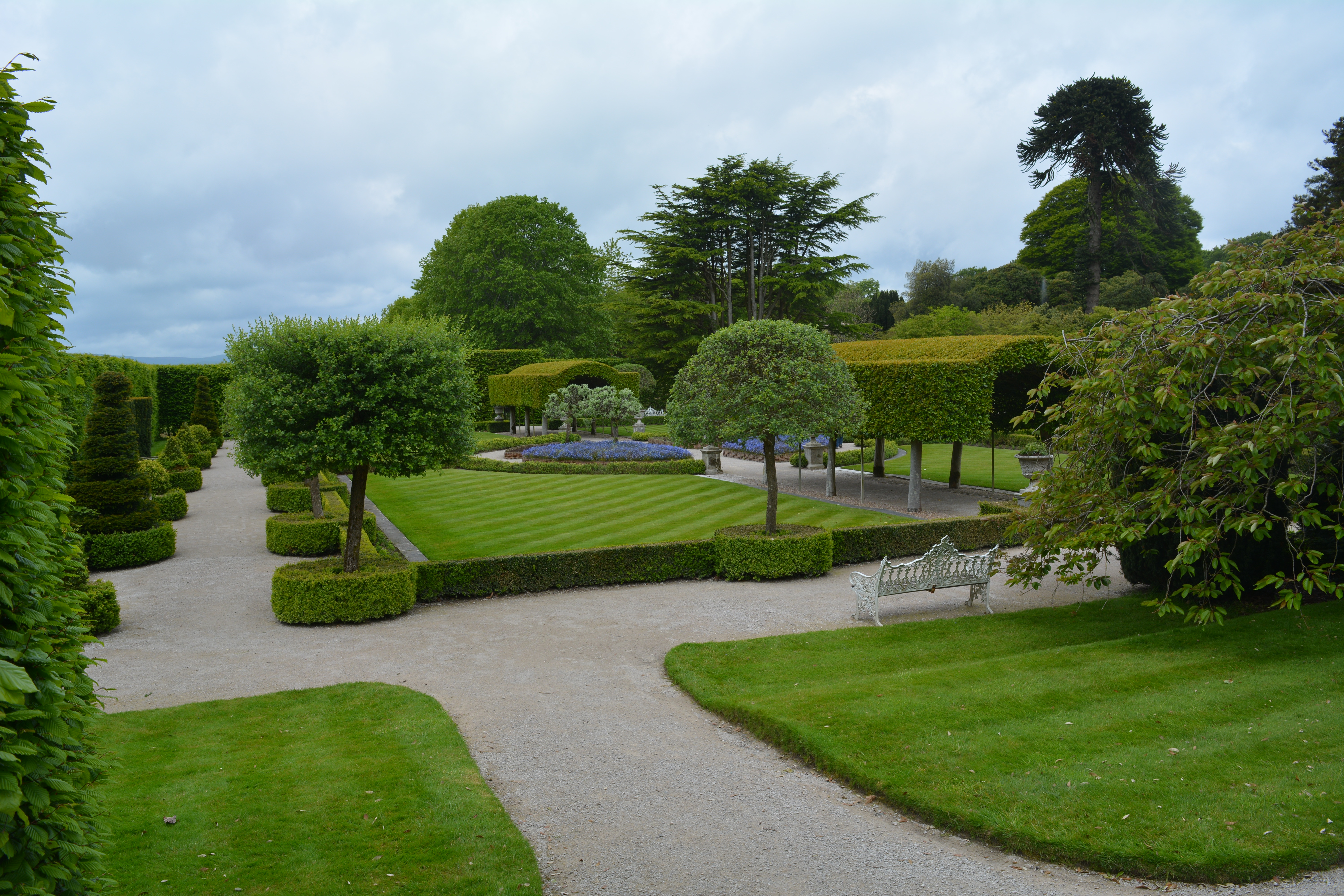
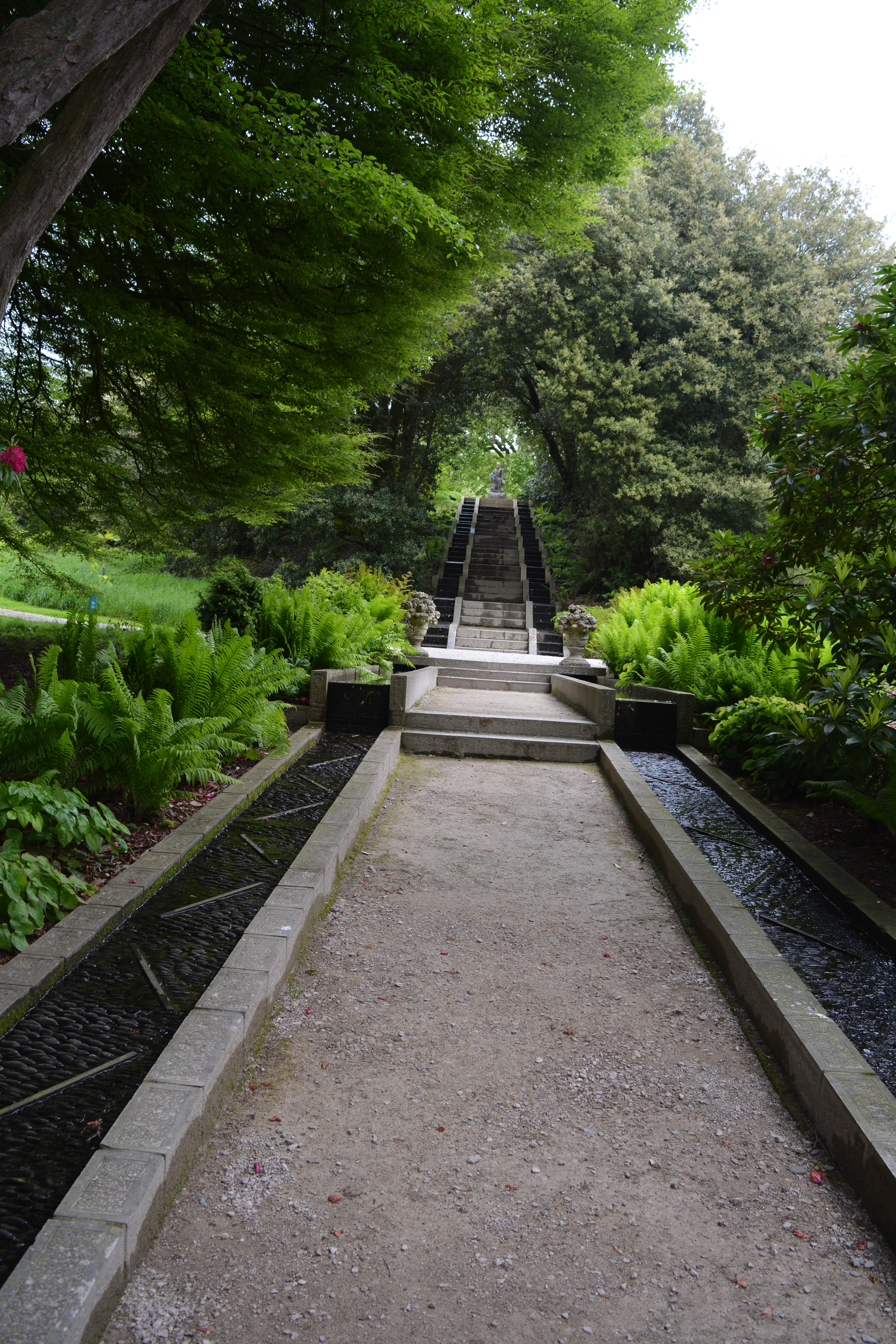
As we entered the garden we were presented with this vista, a vista full of promises to come.

2015 06 05_2629

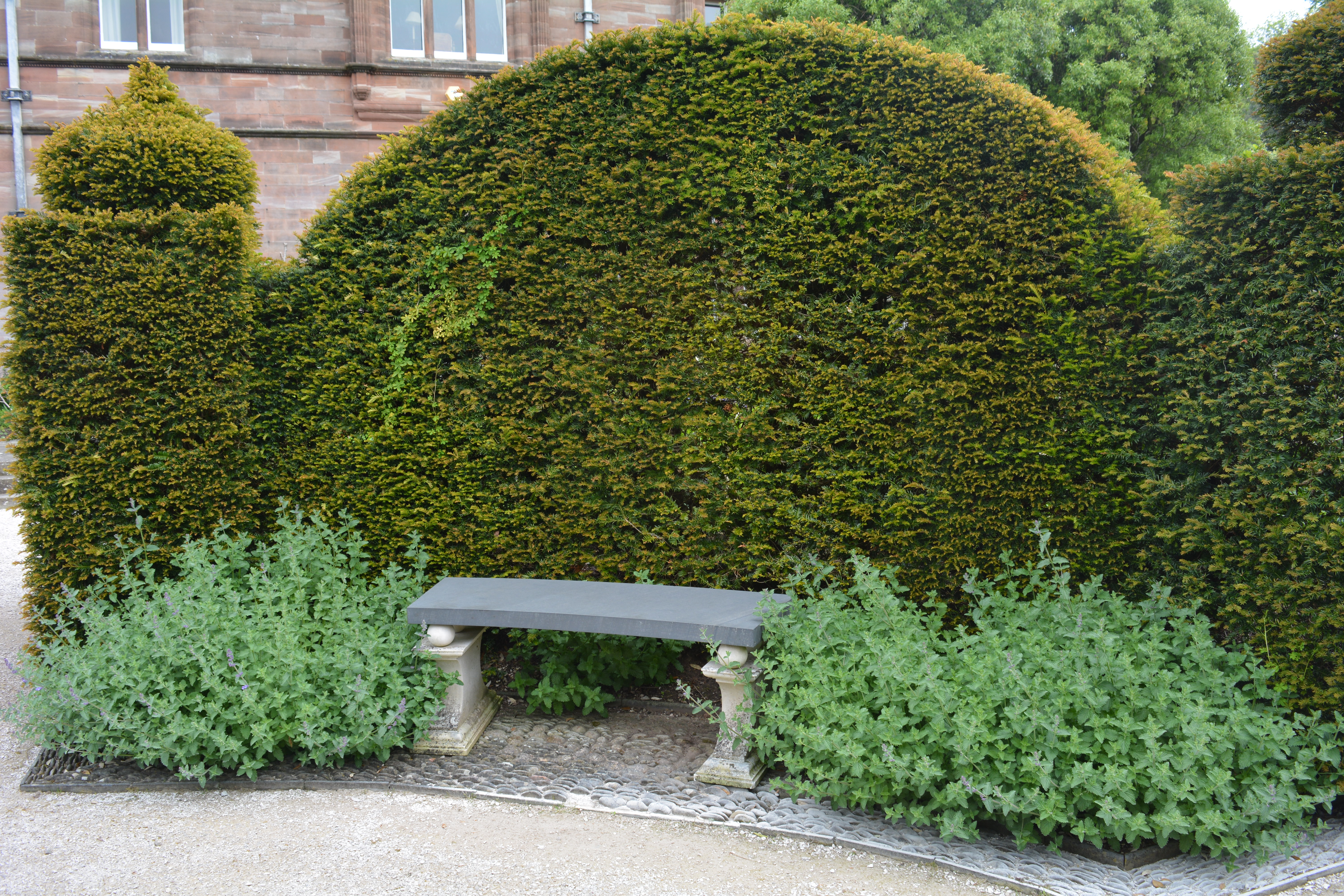
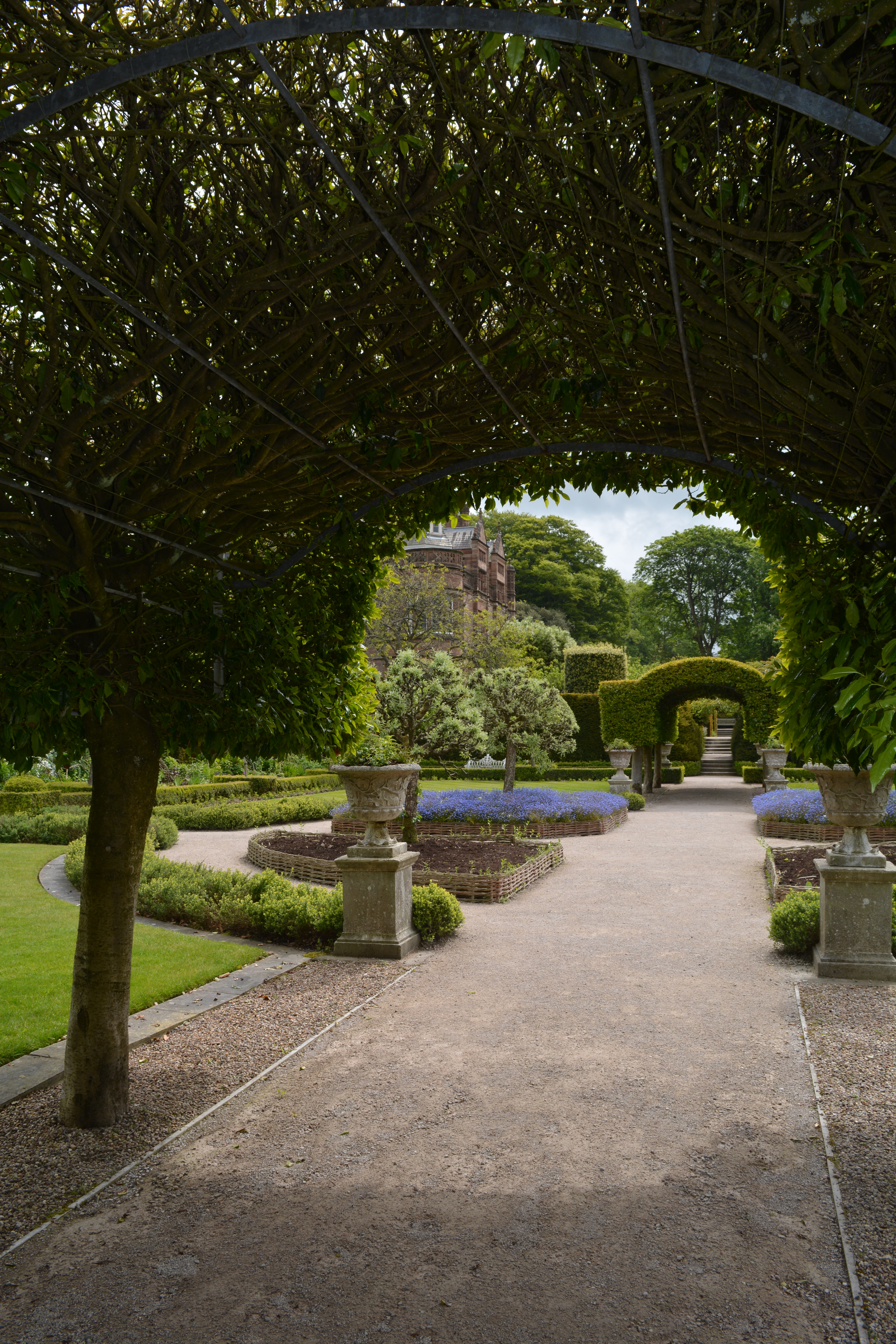
Taking each pathway off from the central path we discovered beautiful examples of formality, neatly cut grass, hedges carefully clipped and seats neatly tucked into niches.

2015 06 05_2632 2015 06 05_2633  2015 06 05_2635 2015 06 05_2636 2015 06 05_2637 2015 06 05_26382015 06 05_2669 2015 06 05_2670

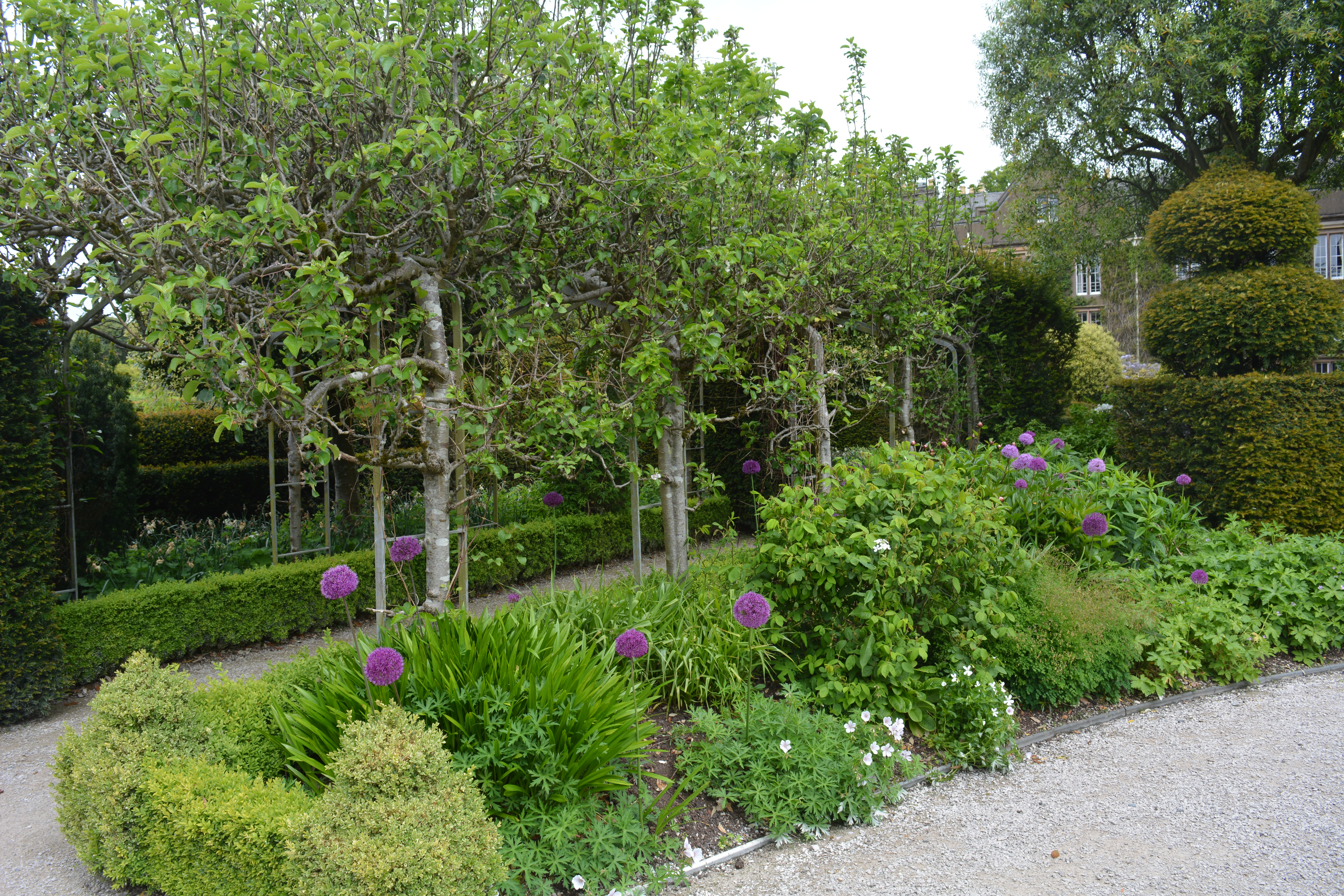
But formality cannot work without carefully chosen and well-grown plants.

2015 06 05_2631 2015 06 05_2634

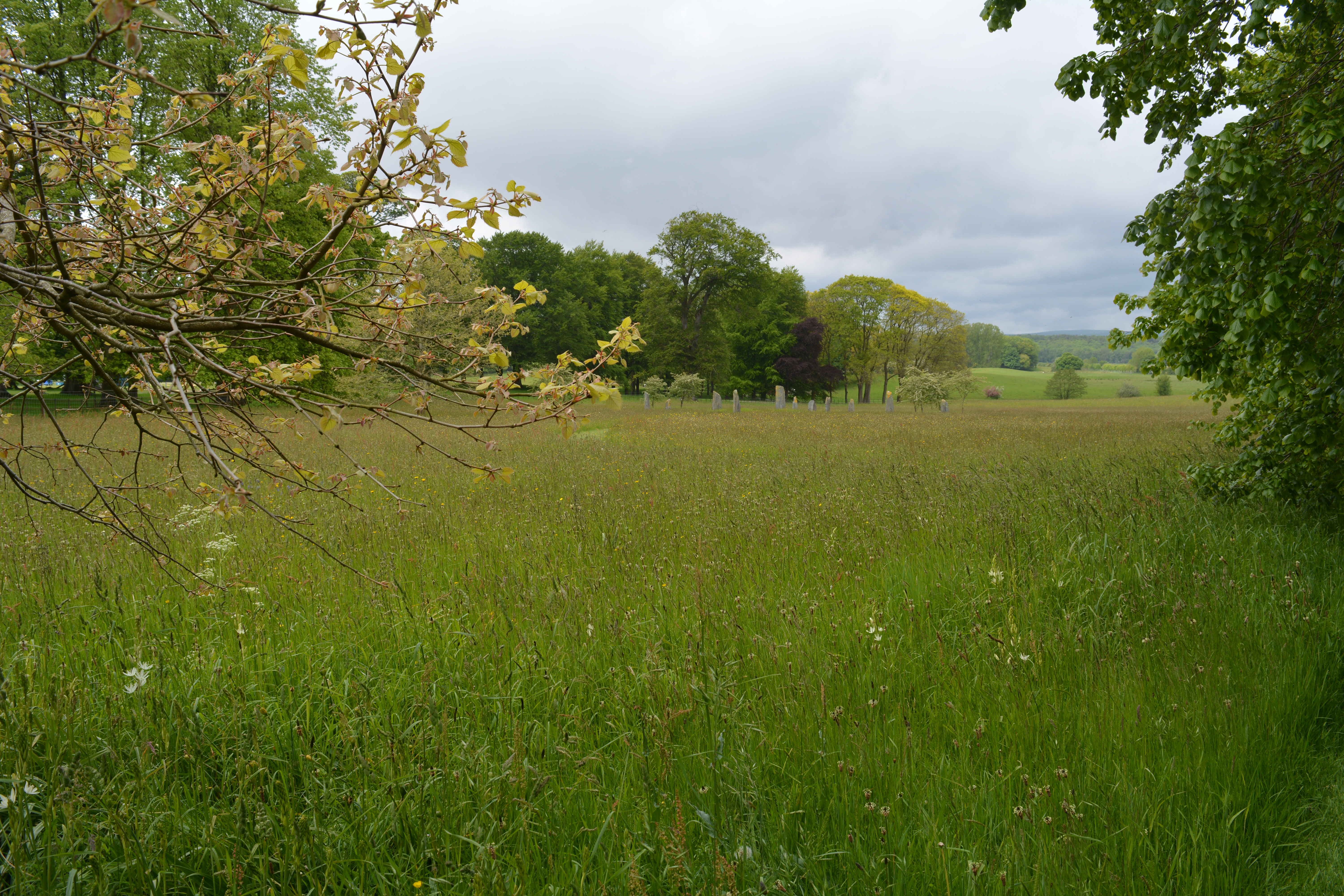
As we moved away from the formality of the first section of the garden we found gentle meadows which presented a complete contrast.

2015 06 05_2639 2015 06 05_26452015 06 05_2649

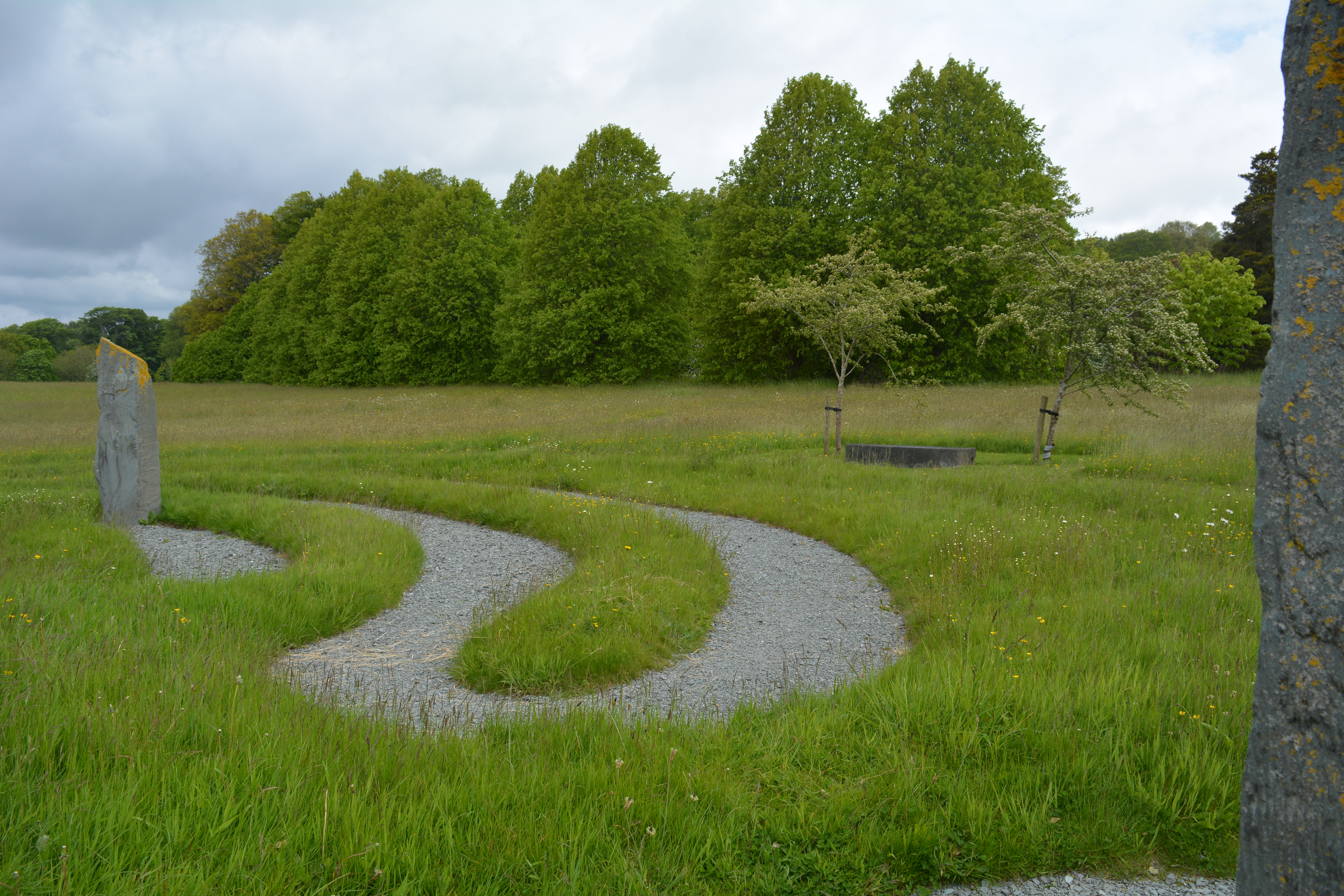
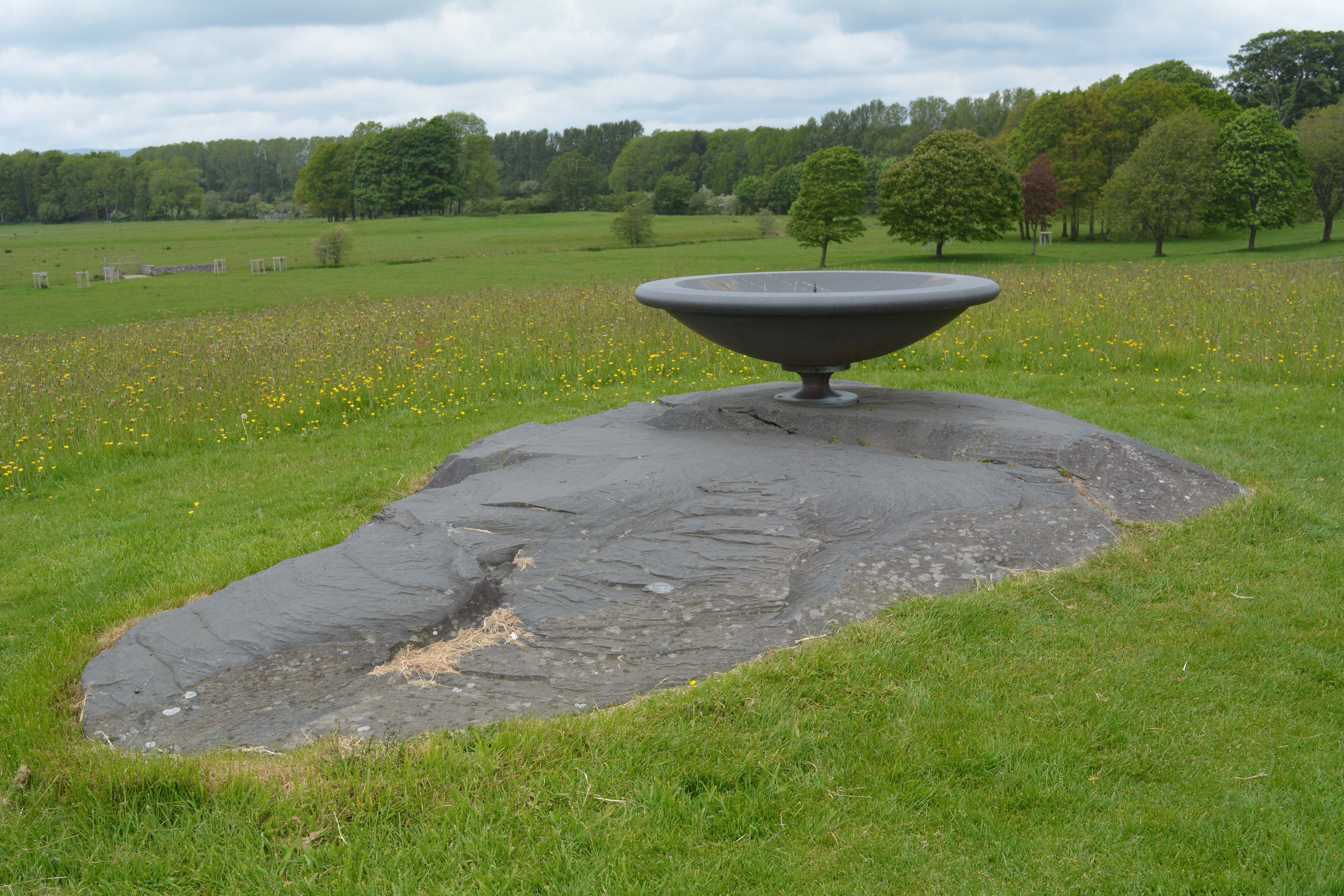
The meadows contained surprises, a stone circle, a maze, seats of single blocks of slate and the most beautiful sundial.


2015 06 05_2642 2015 06 05_2643 2015 06 05_2644 2015 06 05_2646 2015 06 05_2647 2015 06 05_2648

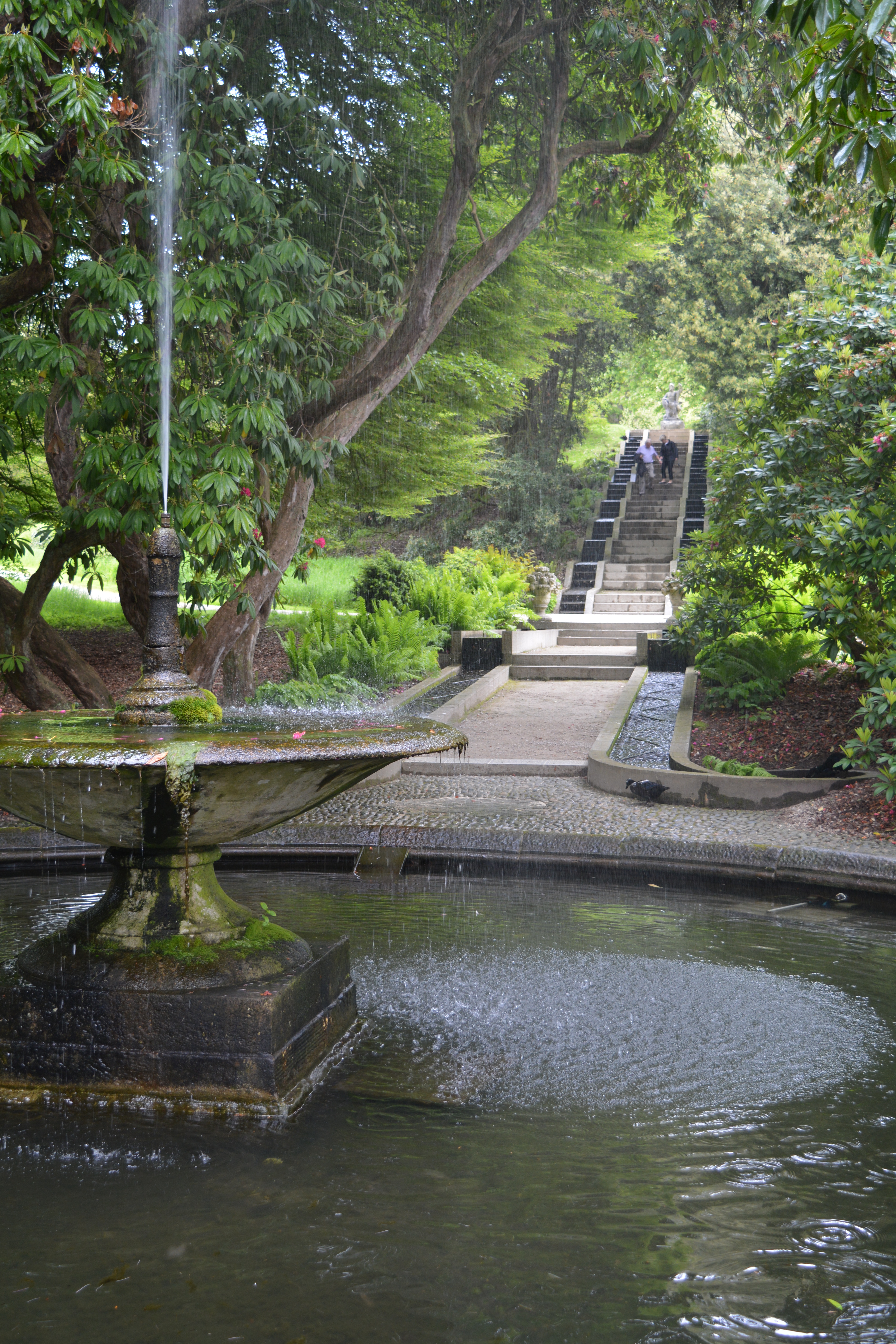
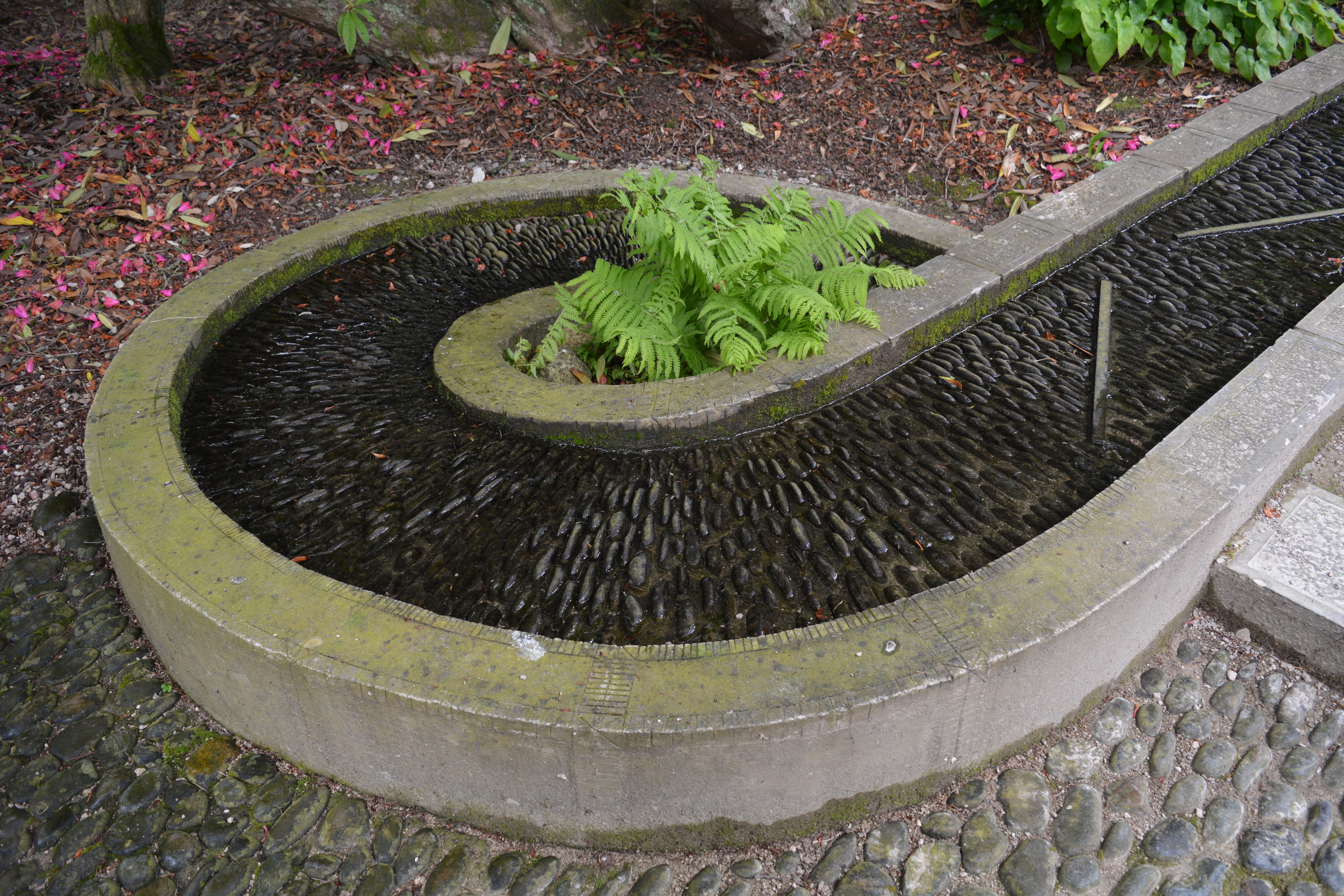
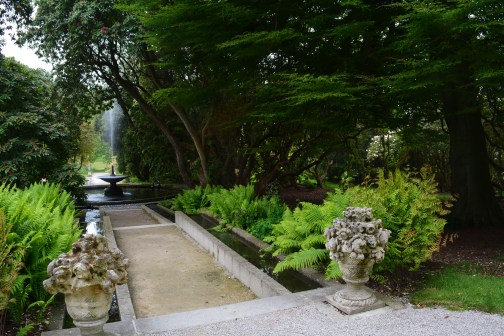
It was hot wandering out in the open space of the meadows so it felt good to wander around shaded areas and an Italianate water garden.

2015 06 05_2651 2015 06 05_2652 2015 06 05_2653 2015 06 05_26542015 06 05_2683

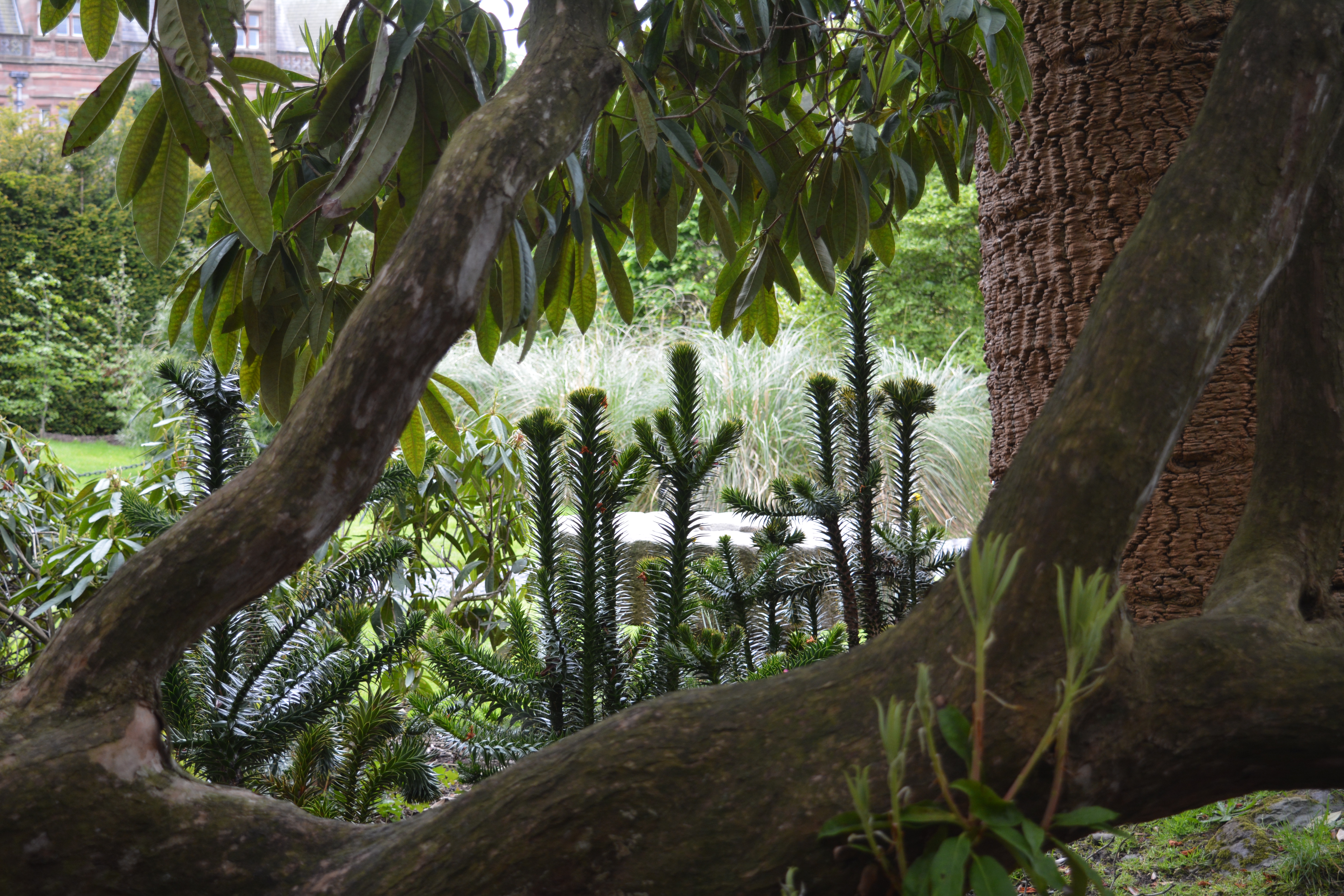
One of the reasons to visit Holker Hall is the collection of rare and unusual trees. They were underplanted with meadows of grasses and wildflowers which gave the wooded area the character of a real William Robinson styled wild garden

2015 06 05_2656  2015 06 05_2674 2015 06 05_26662015 06 05_2673 2015 06 05_2678 2015 06 05_2680 2015 06 05_2681 2015 06 05_2682 2015 06 05_2671 2015 06 05_2684

We were amazed by the number of interesting trees at Holker and enjoyed discovering several champion trees. There were so many special places throughout the gardens where shrubs and trees were sensitively grouped to set them off in the best light.

2015 06 05_2675

Categories
fruit and veg garden design garden photography garden ponds garden pools gardens gardens open to the public irises kitchen gardens lakes meadows National Trust ornamental trees and shrubs outdoor sculpture sculpture The National Trust water in the garden

A Week in the Lake District – Part One – Sizergh

We decided that it was about time we re-visited one of our favourite family holiday destinations from when our children were youngsters, the Lake District. So a week in early June saw us journeying northwards to re-find some old haunts.

The first place we visited was the National Trust property, Sizergh Castle, right at the southern end of the lakes, in an area described as the “gateway to the Lakes”. The National Trust is very much in evidence in this area owning many properties as well as lakes, hillsides, fells and farms. The Lake district was central to the Trust’s early development.

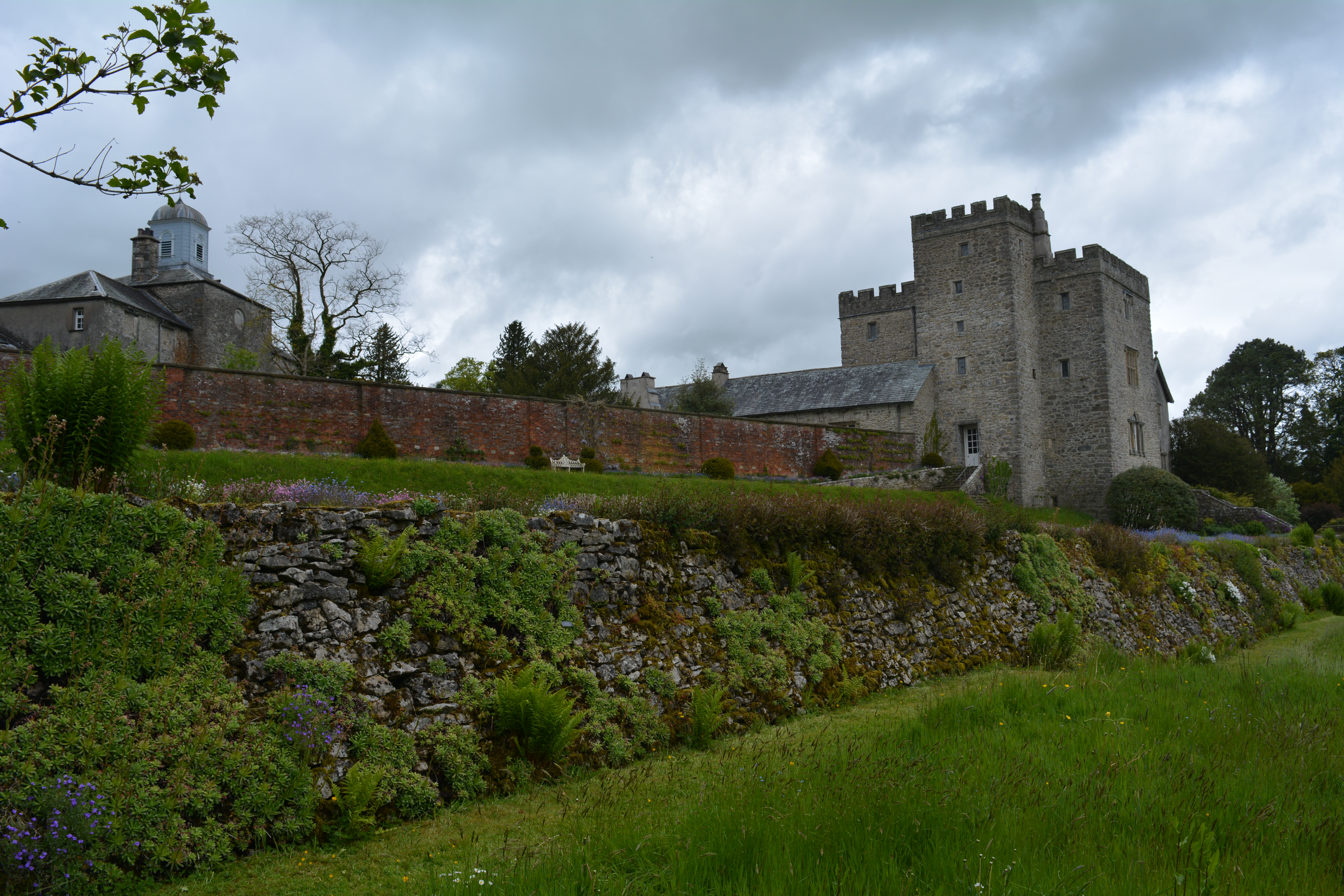
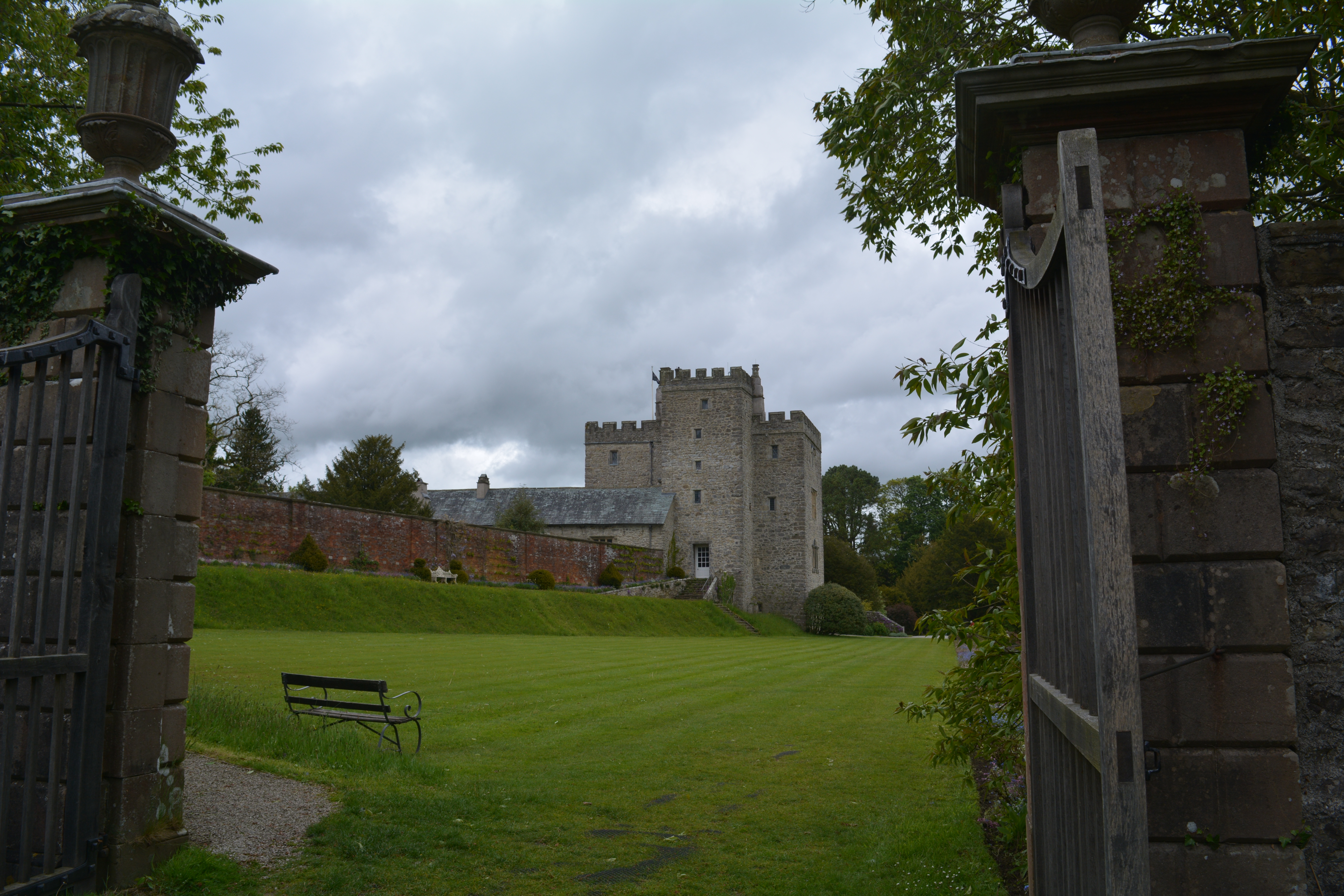
Sizergh Castle is a Medieval house with gardens, orchards, limestone pasture and semi-natural woodland. The garden features fern collections, a kitchen garden, a pond, lake and its main feature a massive rock garden.

We soon realised that this was going to be a place full of interesting plants which also looked after its wildlife.

2015 06 02_2223 2015 06 02_2224

2015 06 02_2225 2015 06 02_2226

The little wooden sign clearly showed us the way!

2015 06 02_2220 2015 06 02_2221

2015 06 02_2222 2015 06 02_2227

We followed the little wooden sign on a stone wall directing us to the garden and made our way towards the kitchen garden. On the way we stumbled across the “stumpery” where the garden’s fern collections are being re-homed. The variety of ferns was vast and we spotted many we had never seen before.

2015 06 02_2237 2015 06 02_2233

2015 06 02_2228 2015 06 02_2230 2015 06 02_2231

2015 06 02_2232 2015 06 02_2234

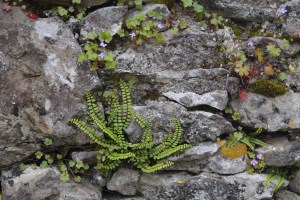
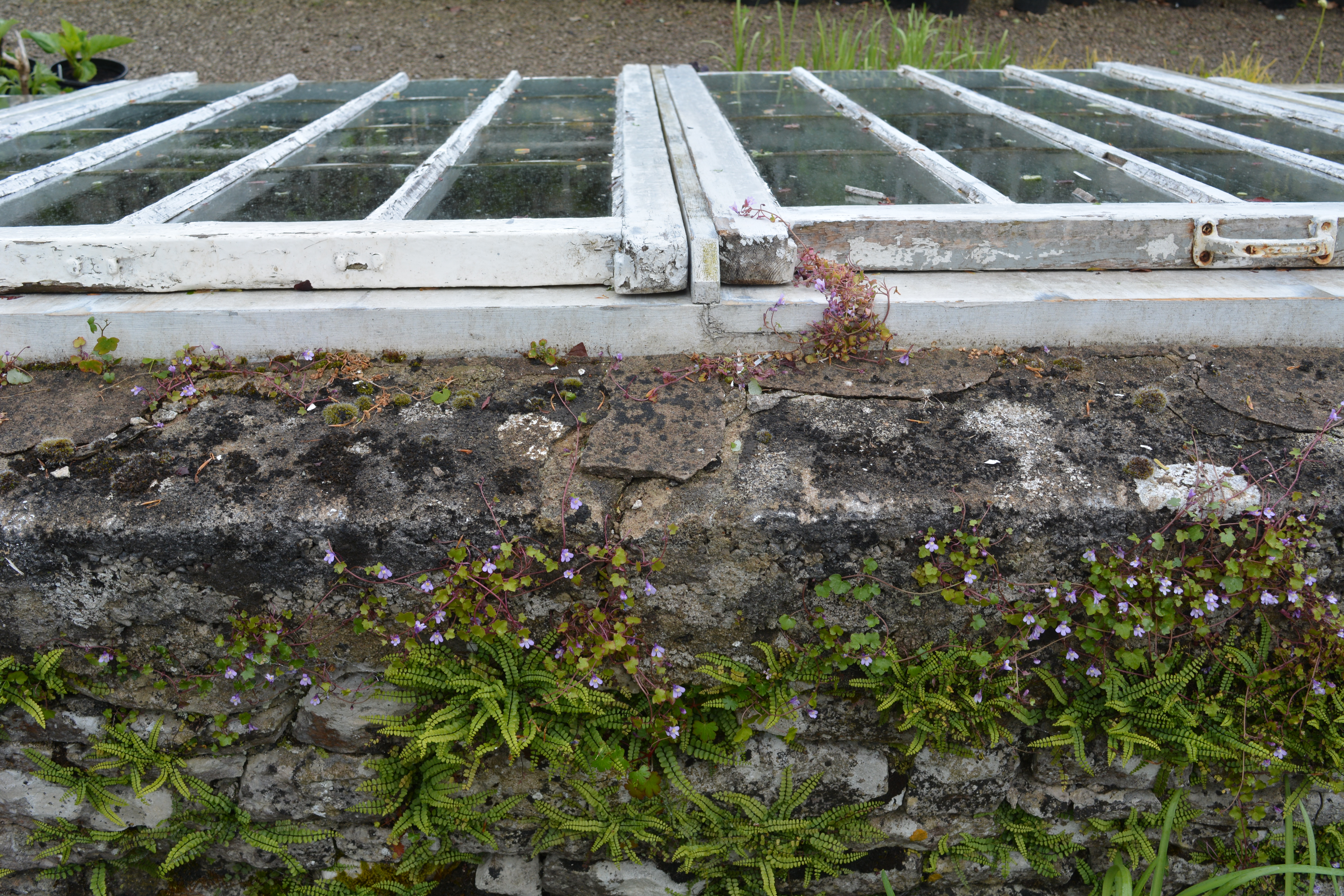
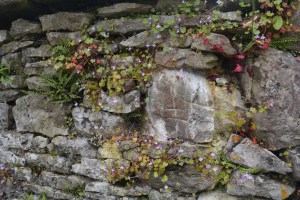
The walls in the fernery and walled garden were home to so many different tiny plants as well as just ferns. We were soon to discover that this was a feature of the walls throughout the gardens.
2015 06 02_2235 2015 06 02_2236

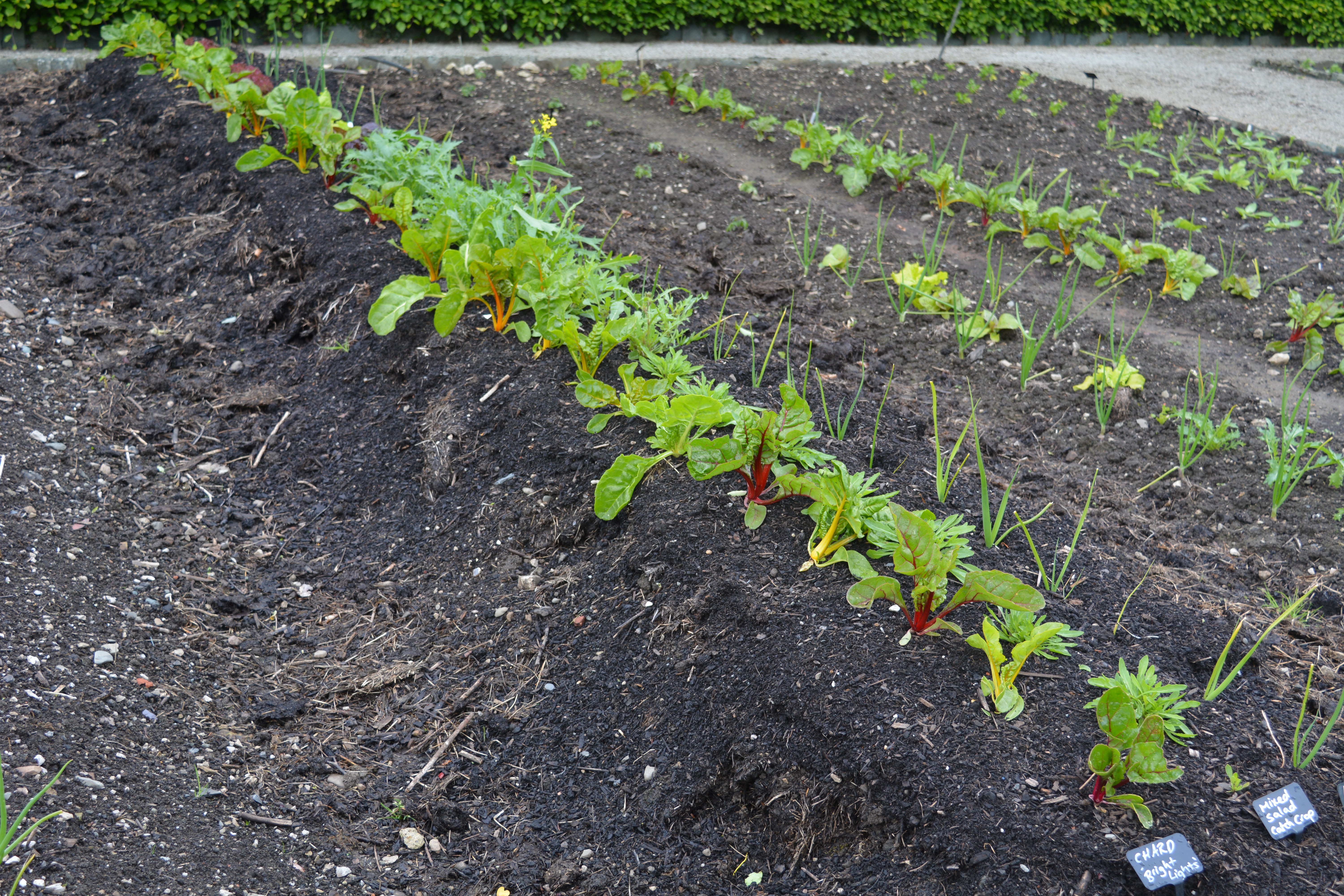
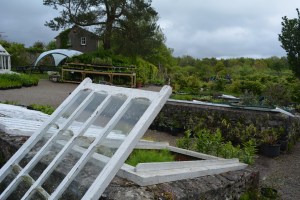
The kitchen garden was on a gentle slope and based on a strange shape somewhat like a long bent rectangle! The old wooden cold frames were still fully in use. We were fascinated by the raised hot beds where plants grew in soil covering heaped manure. This gave heat and later as it broke down fertility and structure to the soil.
2015 06 02_2238 2015 06 02_2239  2015 06 02_2241 2015 06 02_2242 2015 06 02_2243 2015 06 02_2245


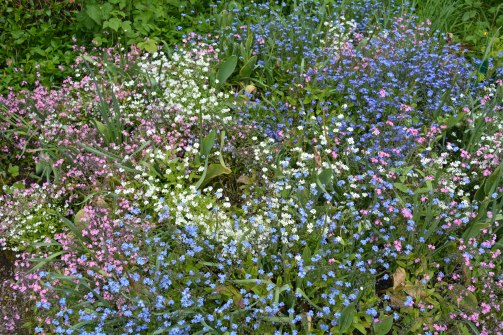
Within the kitchen garden we found a small patch of multi-coloured Forget-me-Nots. We found lots more throughout the gardens.
2015 06 02_2240

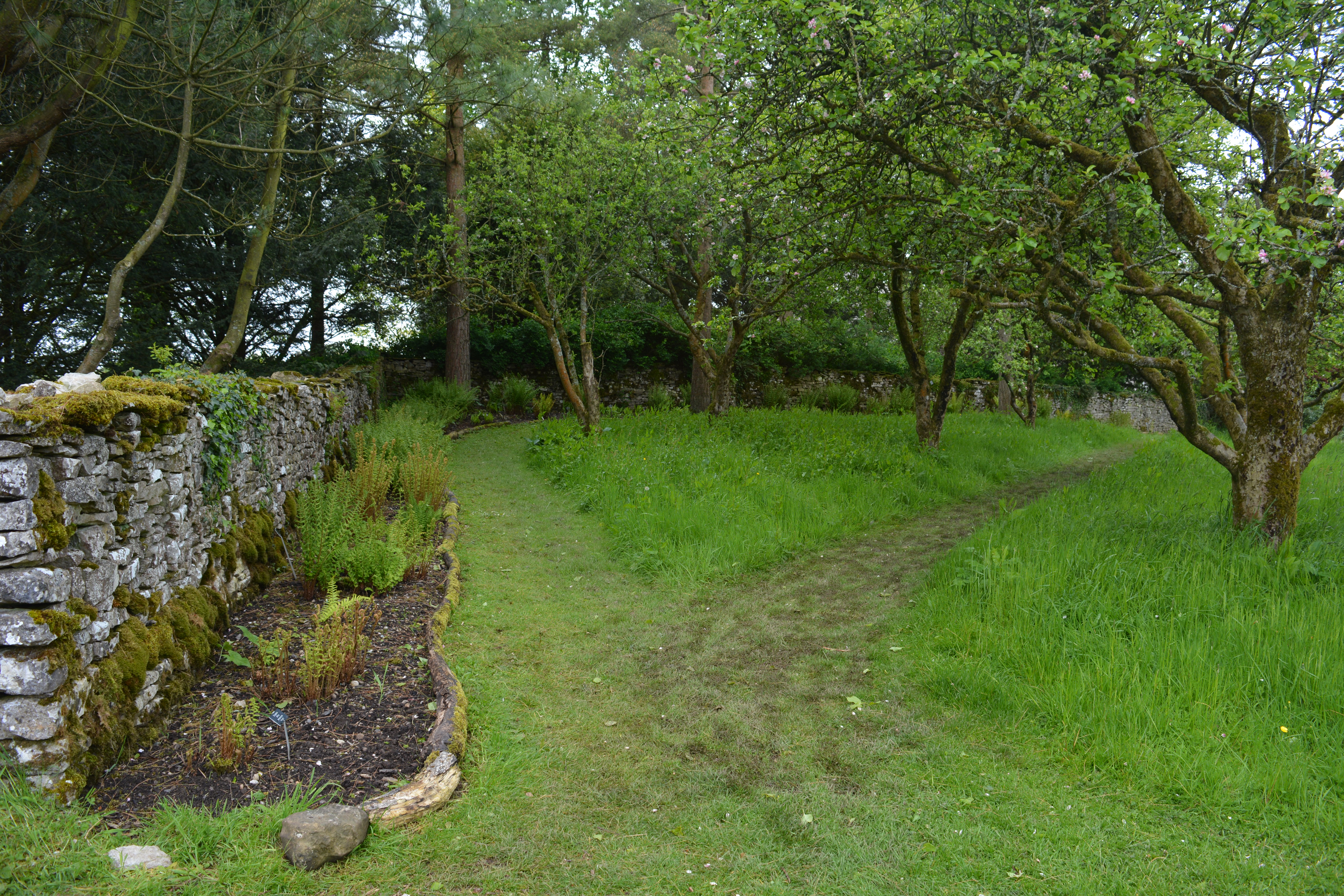
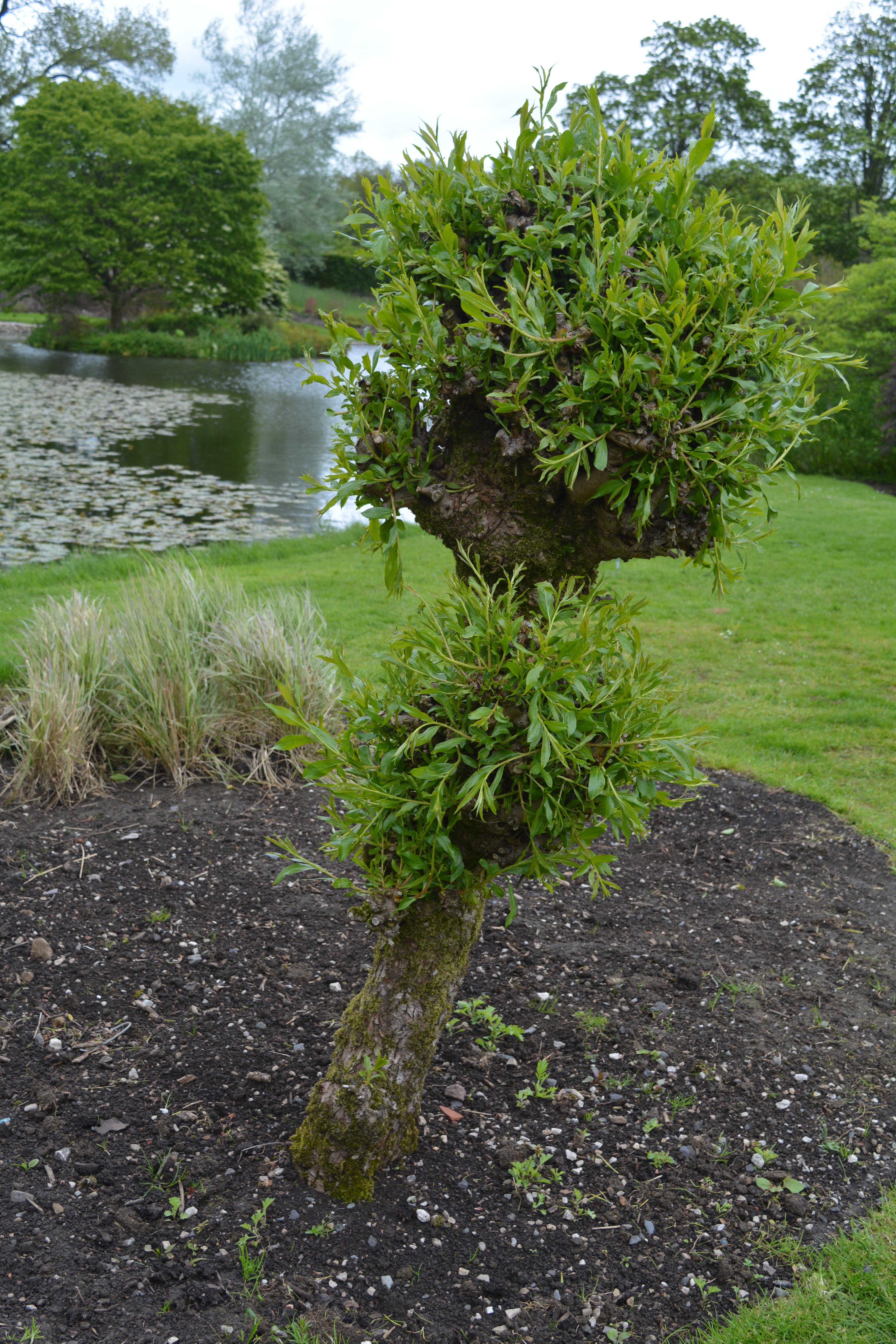
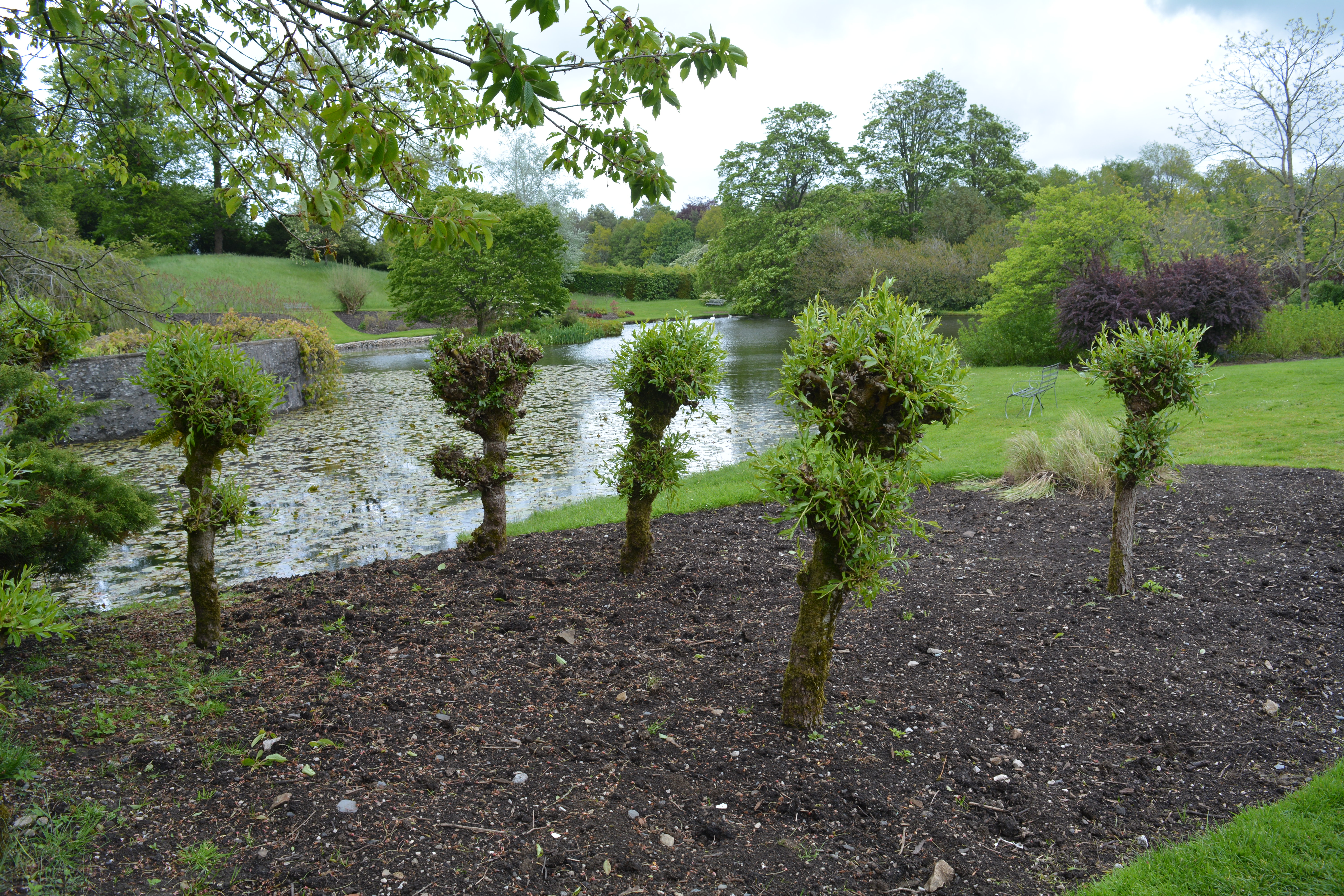
From the kitchen garden we wandered into the orchard with its bee hives, buzzing with activity. Beyond the orchard we came across a small lake. In the borders on the lake side were beautifully sculptural pollarded willows. They looked like a group of people meeting up for a chat.


2015 06 02_2246 2015 06 02_2247

2015 06 02_2248 2015 06 02_2249_edited-1

2015 06 02_2250  2015 06 02_2252 2015 06 02_2254 2015 06 02_2259 2015 06 02_2260


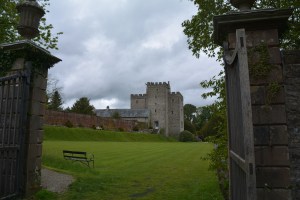
Wide open expanses of lawn opened up in front of us as we walked away from the lake. These afforded us views of the castle buildings themselves.

2015 06 02_2276 2015 06 02_2278 2015 06 02_2279


Where there was a change of level the grass banks were sown as narrow wild flower meadows. They were full of life.


2015 06 02_2309 2015 06 02_2310

2015 06 02_2315 2015 06 02_2318

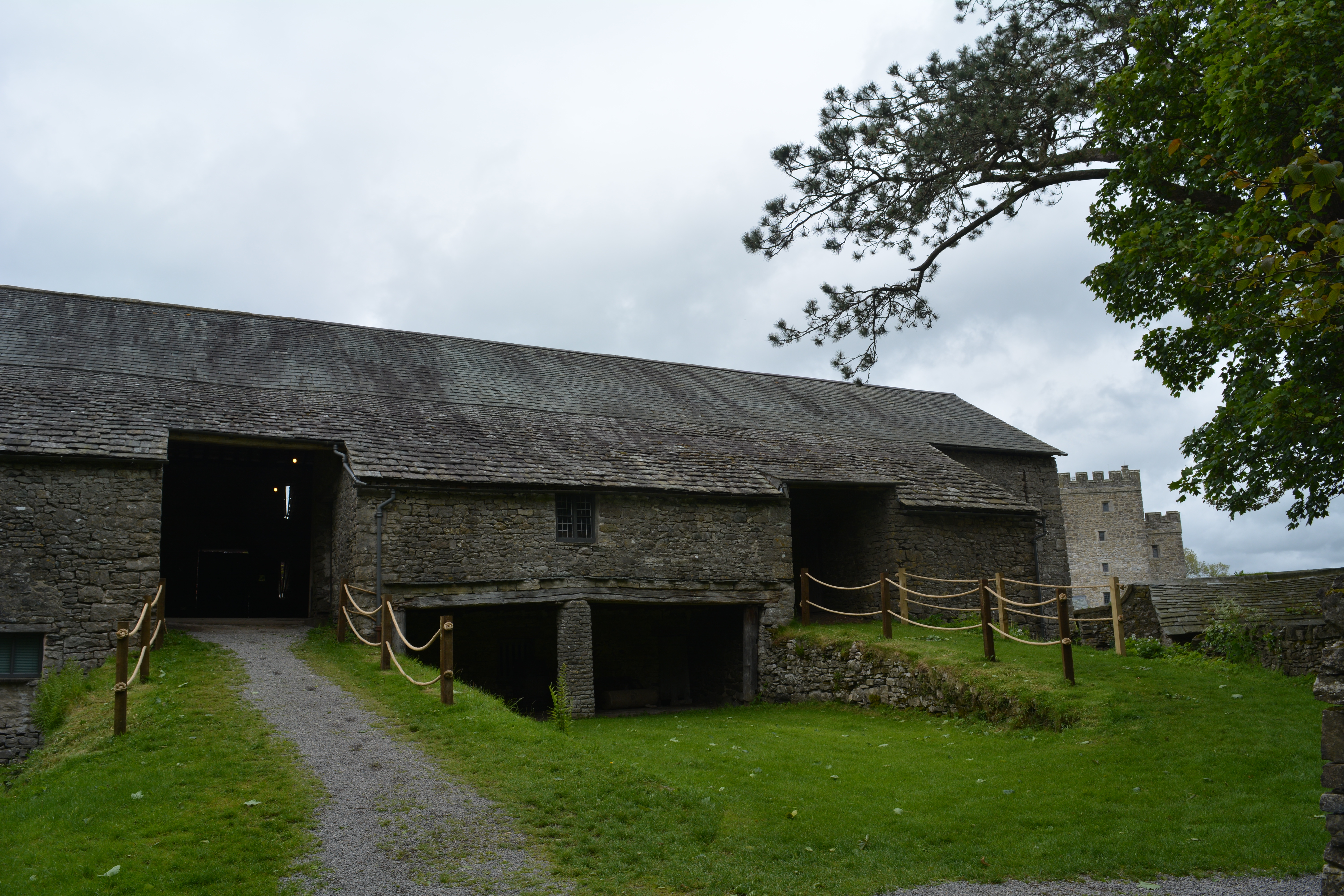
Behind the main buildings we found the “Great Barn”, an agricultural building of a type we had never seen before. The barn was raised up on a bank to create two levels. In the lower level the animals were housed while carts loaded with cereals drove up the grass covered gradients to the upper level.

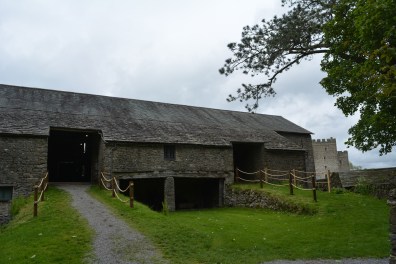
 

2015 06 02_2281 2015 06 02_2282

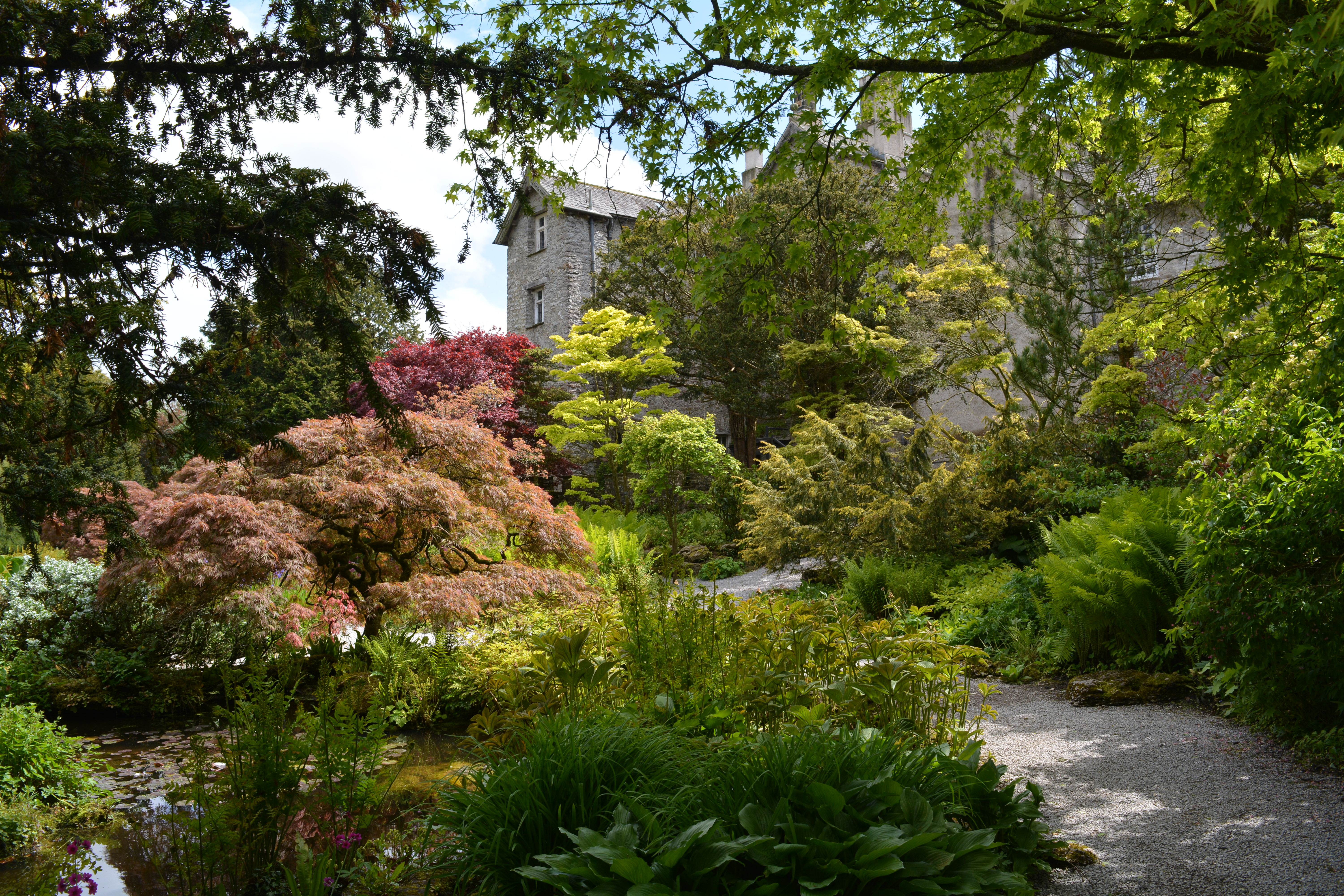
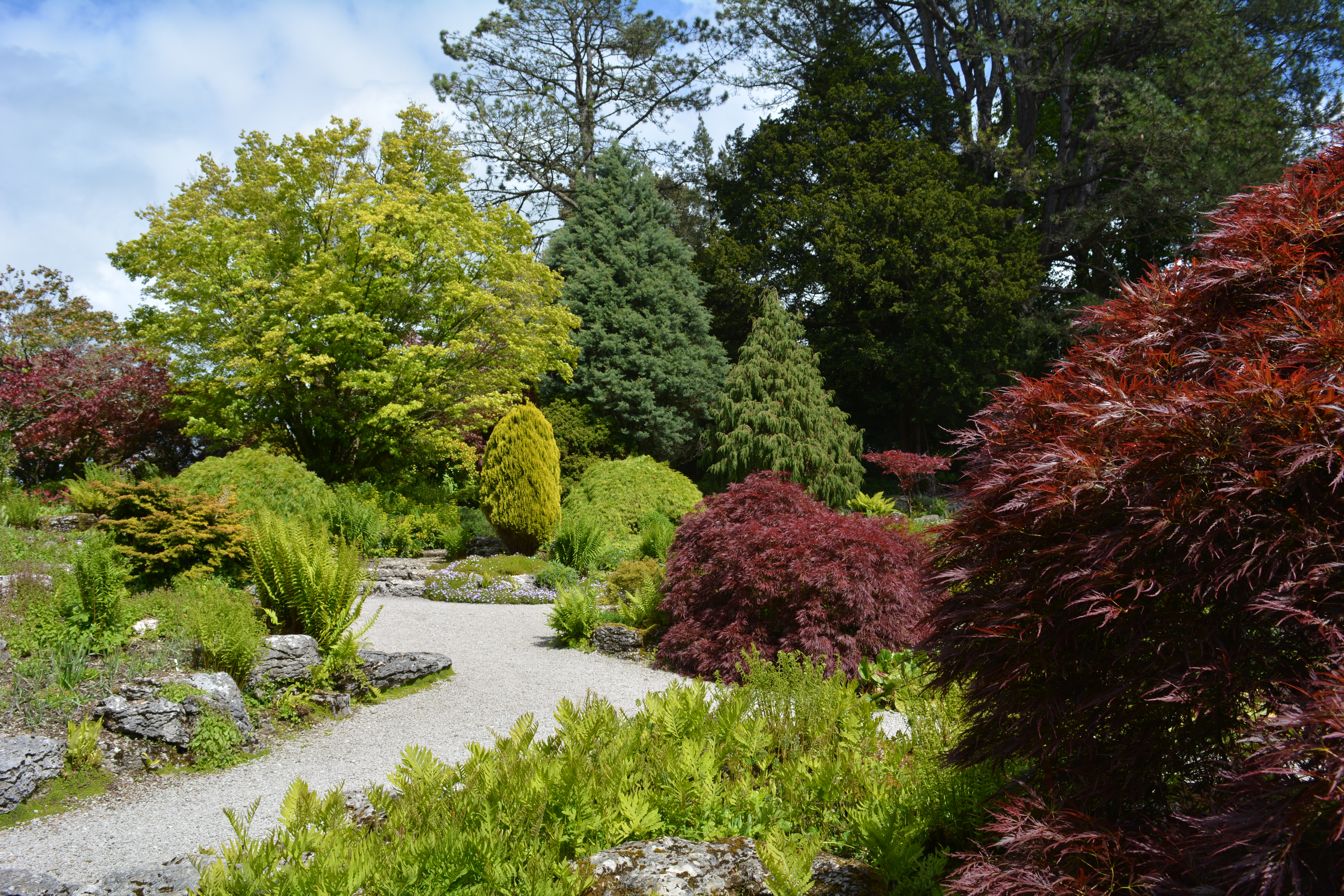
One of the most famous sections of the gardens was the vast rock garden.  Acers gave this area colour and texture and provided great views back to the castle itself. Tiny streams wound their way through the rocky outcrops ans areas of planting.

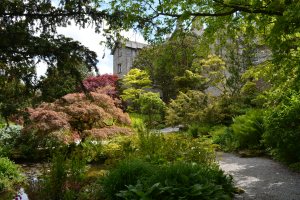
 

2015 06 02_2287 2015 06 02_2288 2015 06 02_2290 2015 06 02_2292 2015 06 02_2293 2015 06 02_2294

2015 06 02_2297 2015 06 02_2298 2015 06 02_2299 2015 06 02_2301     2015 06 02_2320 2015 06 02_2321 2015 06 02_2322 2015 06 02_2323 2015 06 02_2324 2015 06 02_2325

We found these appealing little carvings while we wandered around. The first was a yard high snail carved in wood while the second was a sculpture created by Mother Nature and again we thought it resembled a snail. The final piece was a wise old owl carved from wood.

Our first day in the Lake District was most enjoyable and we hoped our other days would be equally as inspiring.


2015 06 02_2251 2015 06 02_2326

2015 06 02_2285

Categories
colours conservation countryside landscapes meadows nature reserves the seaside the shore Wales

A coastal meadow – Anglesey

On a wet, cold March day it seems a good idea to look back and enjoy some blue sky.

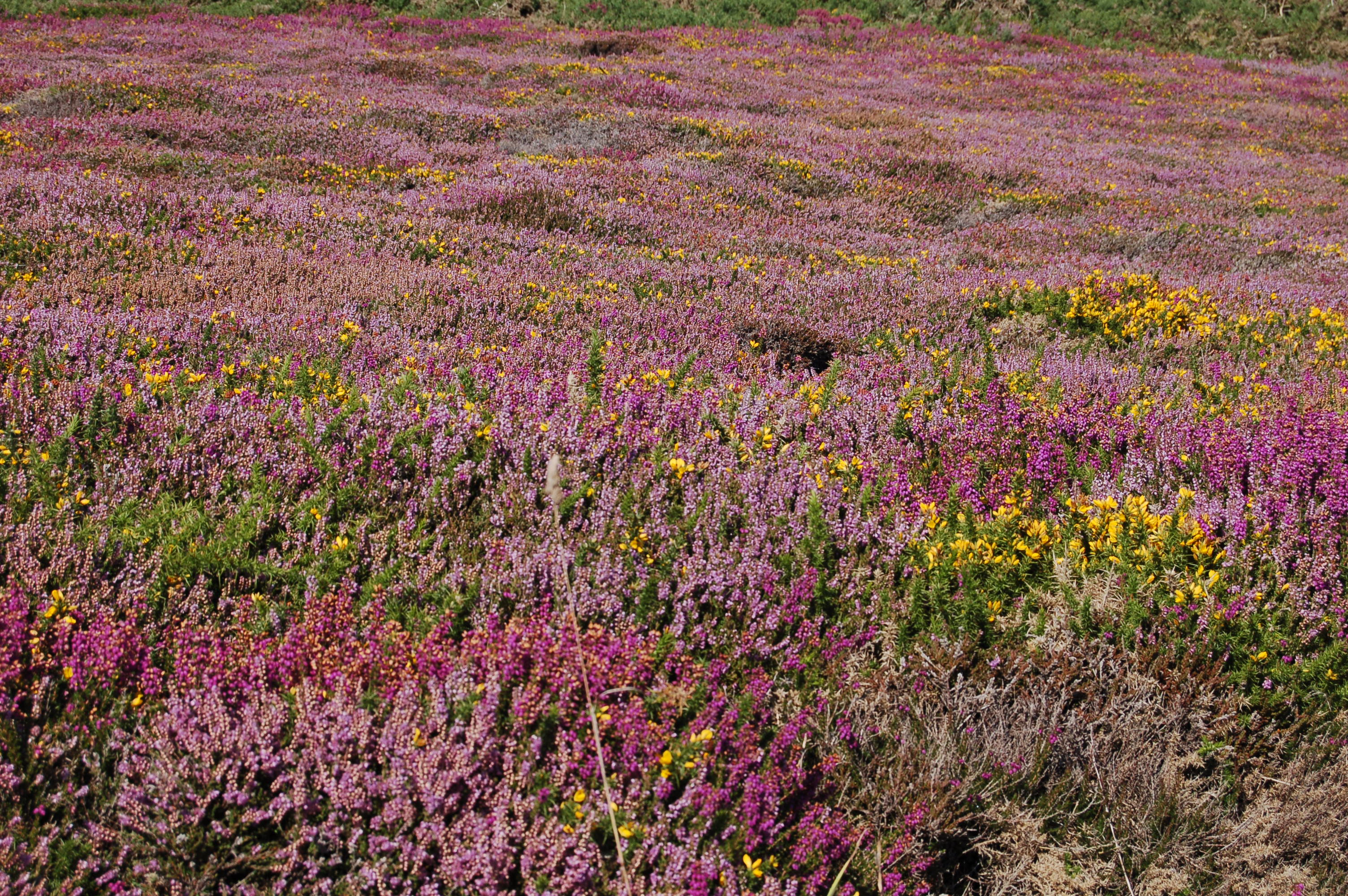
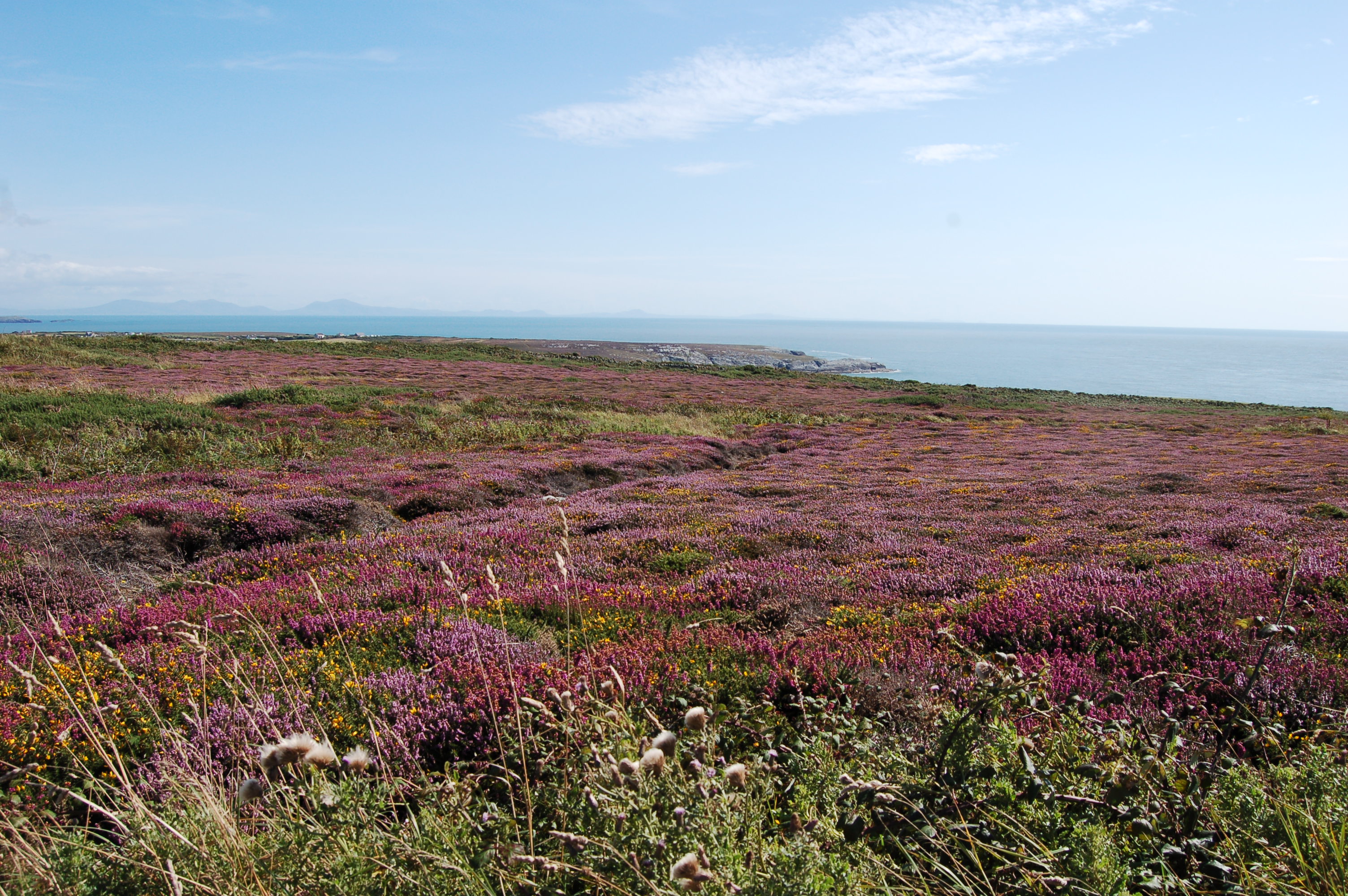
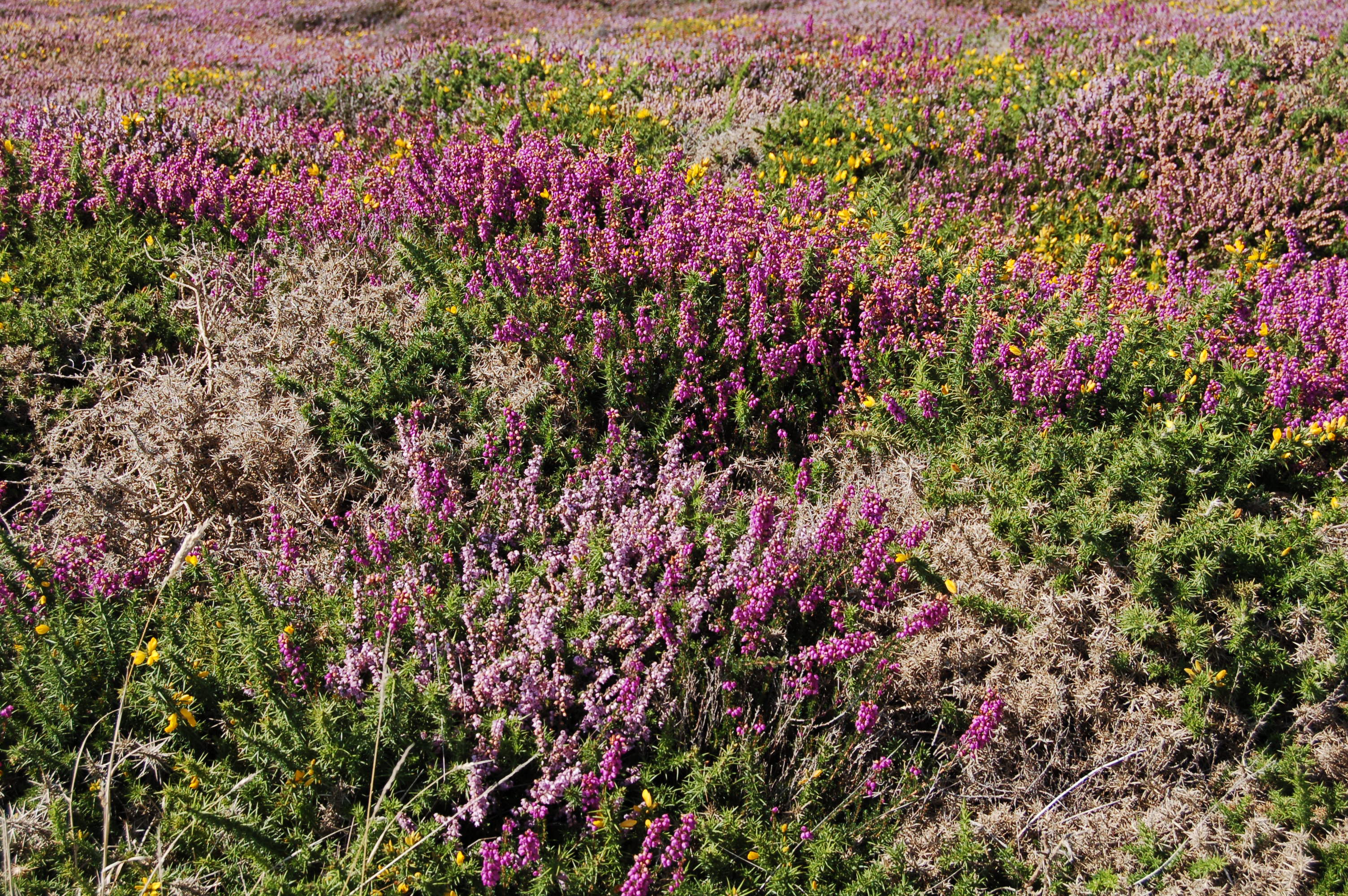
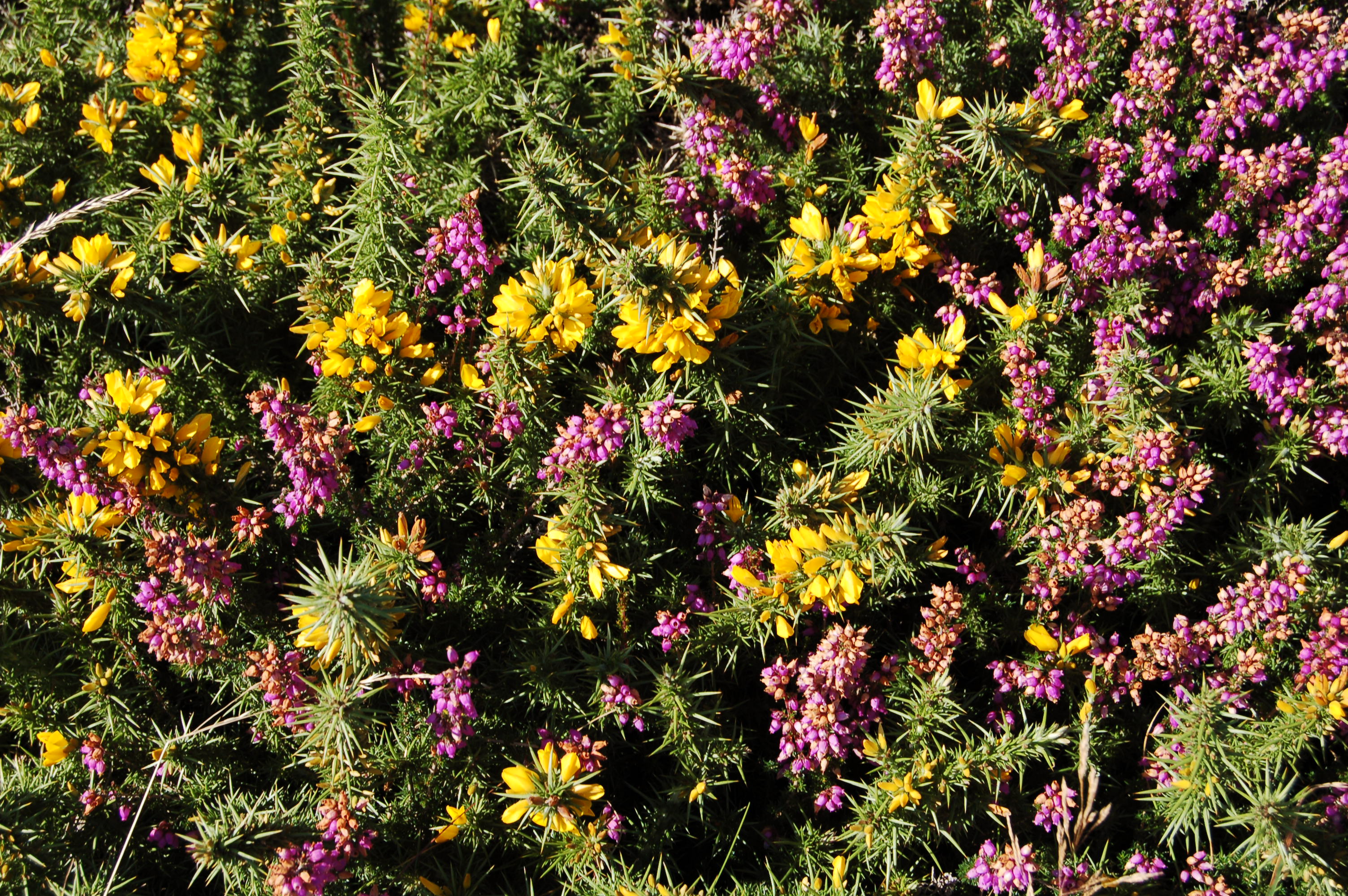
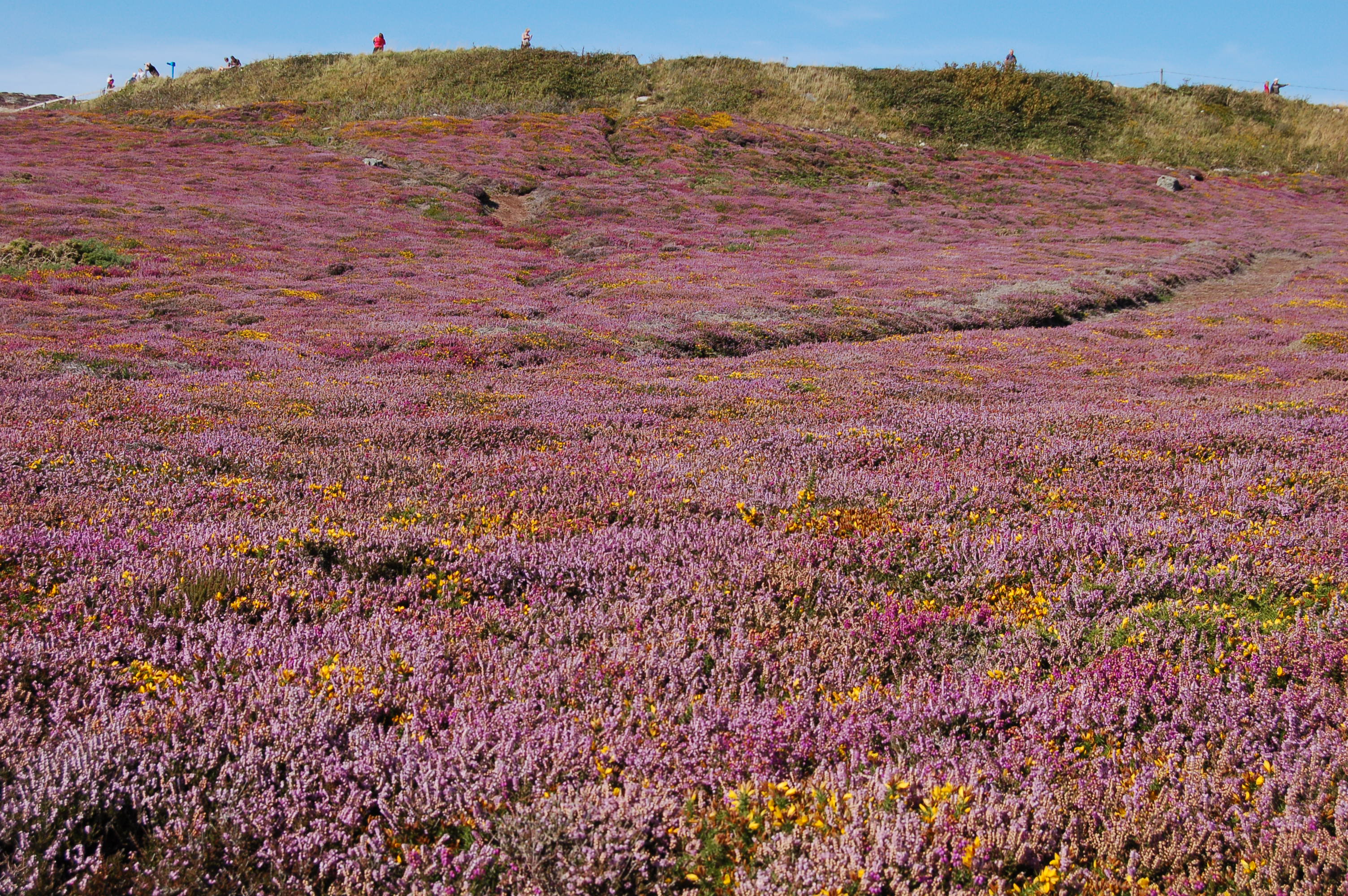
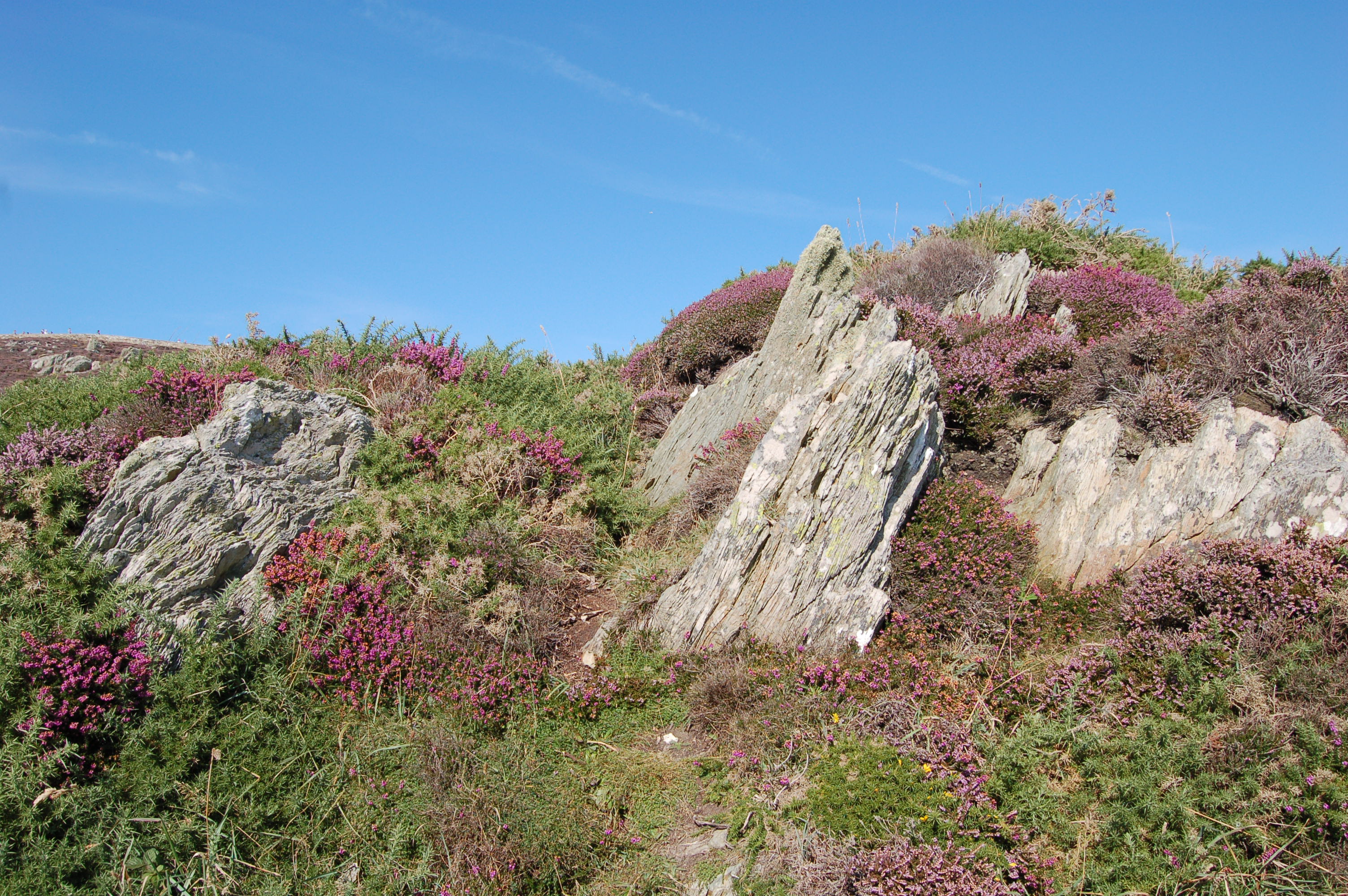
When we spend a few days on Anglesey, an island just off the north coast of Wales we always take a short walk through this colourful acidic meadow. Often it is a good place to see unusual birds such as Chats and Pipits, but on our latest wander along its narrow gravel track it was very quiet. There were no calls from birds, no buzzing from bees and no clicking of grasshoppers or crickets. But the flowers were performing their usual colourful display. As we began our walk we watched a single Chough flying along the horizon in its typically undulating flight. This is a strange bird, jet black like most of the corvids but with bright red legs and a slender curved black bill.

Come for a wander with us and the camera, enjoy the blue sky the sweet scent of gorse flowers and the gently undulating landscape.

2014 08 16_3735 2014 08 16_3736 2014 08 16_3737 2014 08 16_3738 2014 08 16_3739 2014 08 16_3741 2014 08 16_3742 2014 08 16_3743 2014 08 16_3744 2014 08 16_3745

We reached the look out tower where we stopped to look out over the sea which was coloured in constantly changing tones and blends of deep greens and blues with silver sparkles where the sun hit each breaking wave. As we turned to retrace our footsteps we heard the first sounds of Chats and scanning the top branches of the heather or rock outcrops we spotted several Stonechat perched bolt upright constantly calling to each other. Gulls wheeled over our heads as they made for their cliff face ledges.

2014 08 16_3746 2014 08 16_3747 2014 08 16_3748 2014 08 16_3749 2014 08 16_3750

This cliff top walk never fails to impress with its richly coloured meadows and views out over the Irish Sea. We have wandered this track so many times over the years and will keep returning to enjoy it over and over again.

Categories
garden design garden designers garden photography gardening gardens grasses hardy perennials meadows National Garden Scheme Tom Stuart-Smith Yellow Book Gardens

Post 500 – Tom Stuart-Smith at Serge Hill 2

As promised we return to Serge Hill for the final part of my Post 500 series, where we will discover the garden Tom Stuart-Smith designed for his sister and also take a look at his own meadow and prairie garden. (apologies for the poor quality of the photos but I was trying out a new camera for the first time)

His sister’s garden is designed to reflect her particular needs and interests, but it is easy to see his favourite plants and planting combinations throughout.

2014 06 22_0622-1 2014 06 22_0645-1 2014 06 22_0641-1 2014 06 22_0639-1 2014 06 22_0638-1 2014 06 22_0637-1 2014 06 22_0636-1 2014 06 22_0635-1 2014 06 22_0634-1 2014 06 22_0632-1 2014 06 22_0628-1 2014 06 22_0627-1 2014 06 22_0626-1 2014 06 22_0625-1 2014 06 22_0650-1 2014 06 22_0649-1

I could’t resist taking the shot below. It looks as if he gardener was caught out by the arrival of all those visitors, so made a hasty retreat.

2014 06 22_0631-1

The prairie garden was very popular, which made taking photos pretty difficult. In fact it was so busy when we arrived that we went off to explore the paths cut through the acres and acres of native wildflower meadows

2014 06 22_0714

2014 06 22_0743 2014 06 22_0742 2014 06 22_0741 2014 06 22_0740

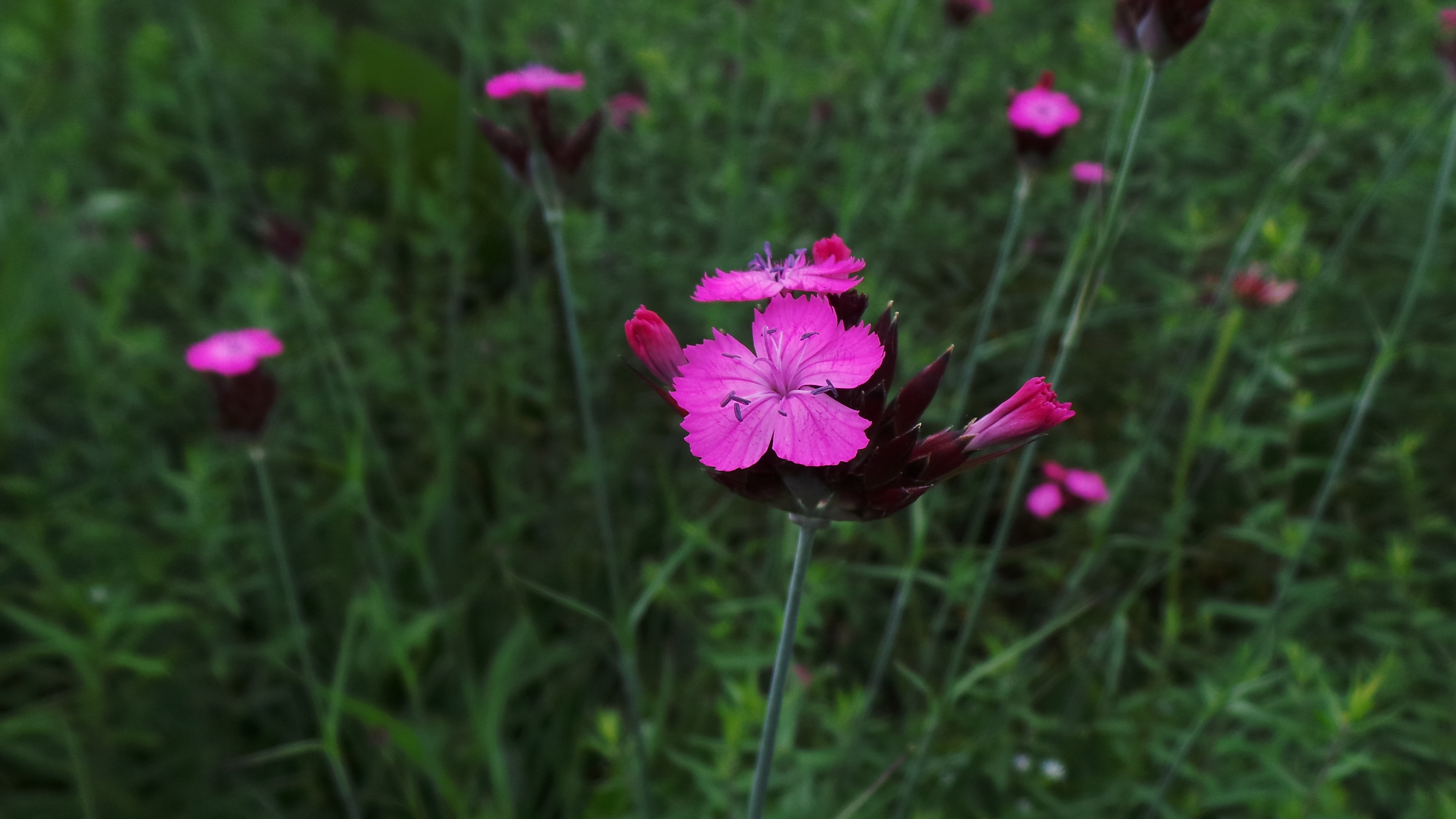
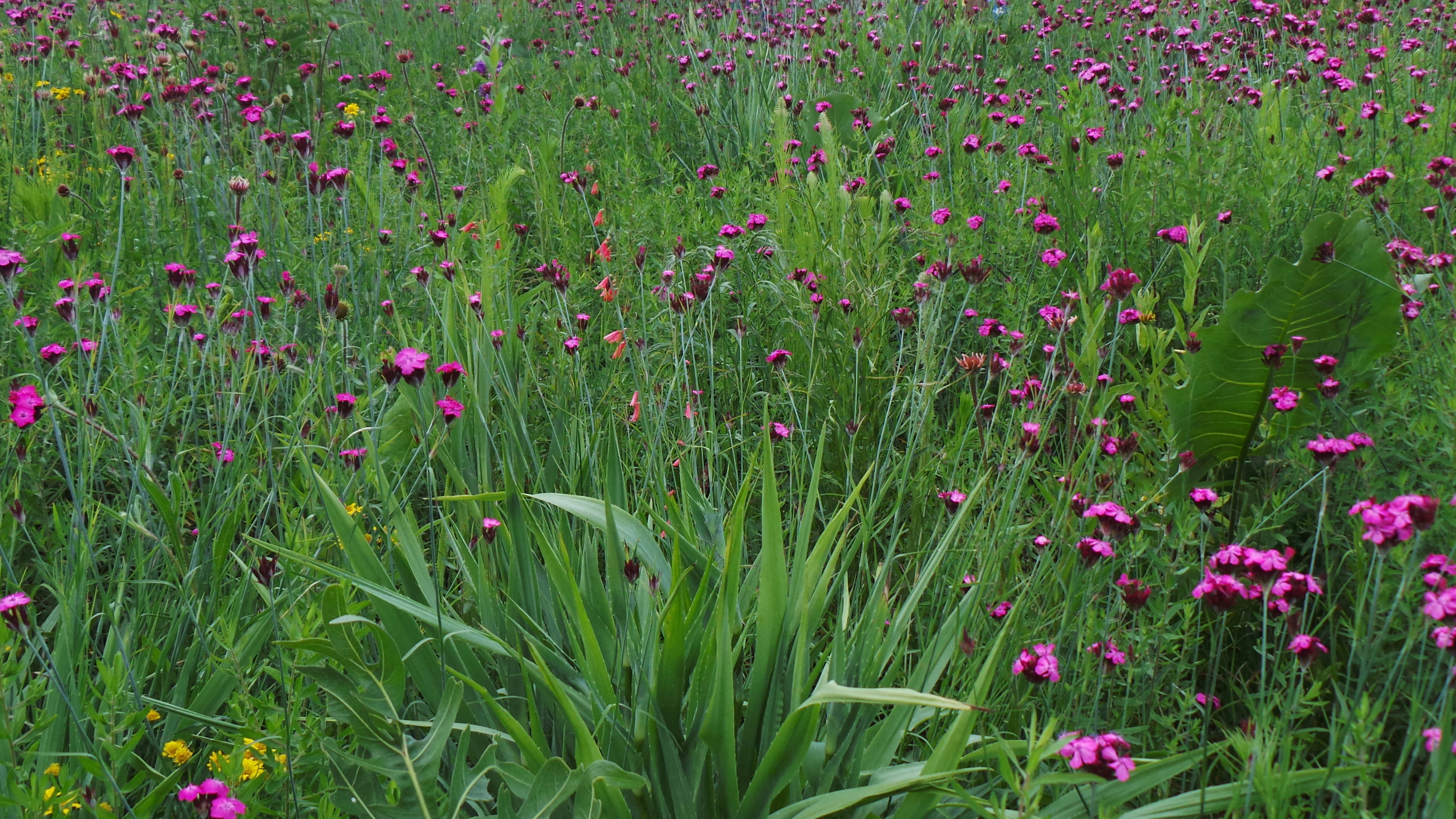
When we found a quieter moment in the Prairie we returned for a wander. It was a lovely contrast to the native meadows. I shall start with one of the favourite garden plants of both Jude the Undergardener and myself, Dianthus carthusianorum. We have a clump of three at home but here they were planted by the hundred. Incredible delicate looking wiry plant that moves in the slightest breeze.


2014 06 22_0733 2014 06 22_07312014 06 22_0739 2014 06 22_0723 2014 06 22_0722

2014 06 22_0734 2014 06 22_0727 2014 06 22_0738 2014 06 22_0737 2014 06 22_0744 2014 06 22_0736 2014 06 22_0725 2014 06 22_0717 2014 06 22_0730 2014 06 22_0729


2014 06 22_0735 2014 06 22_0716 2014 06 22_0728


2014 06 22_0724 2014 06 22_0726 2014 06 22_0721 2014 06 22_0720 2014 06 22_0718 2014 06 22_0717 2014 06 22_0715


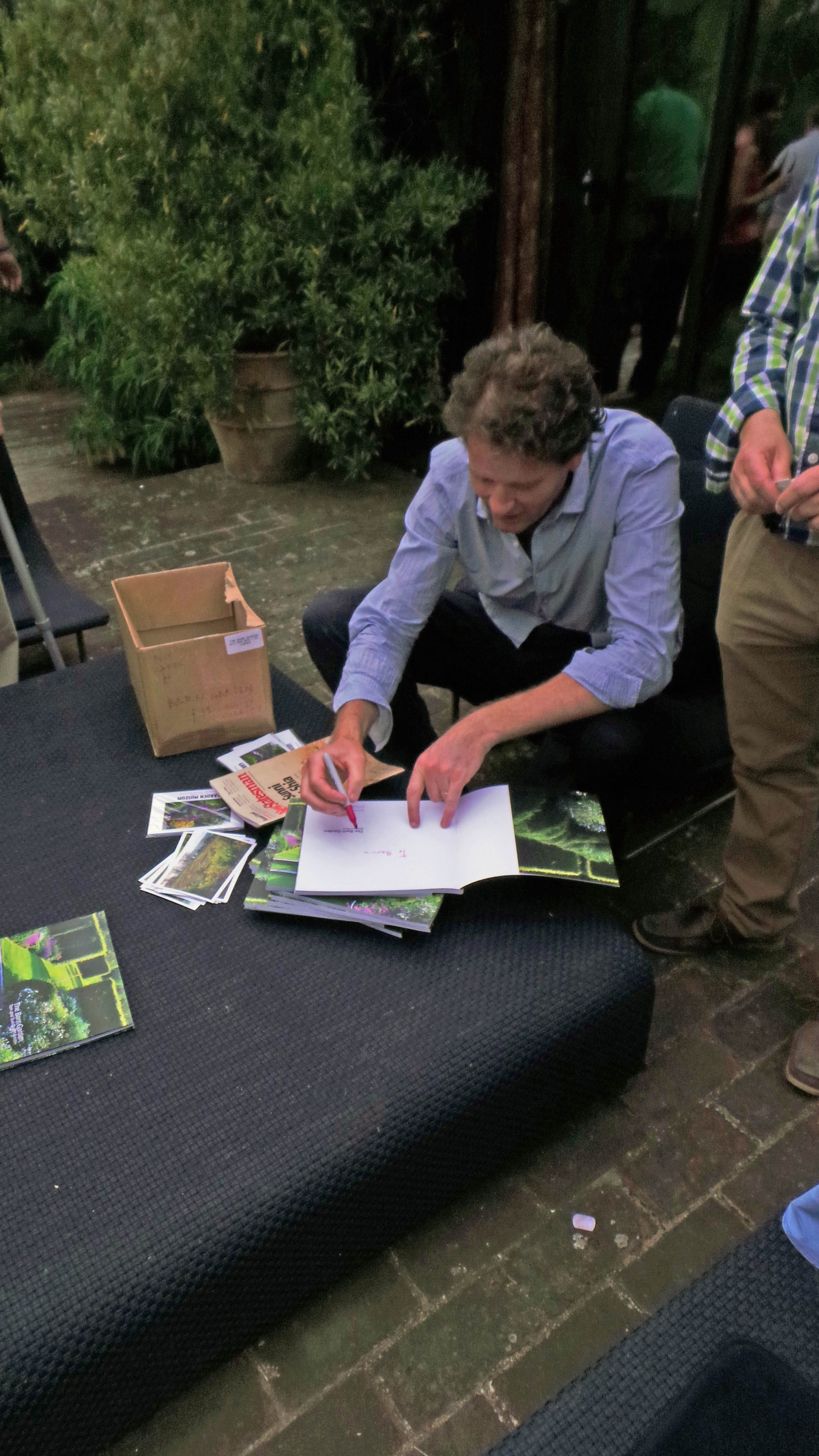
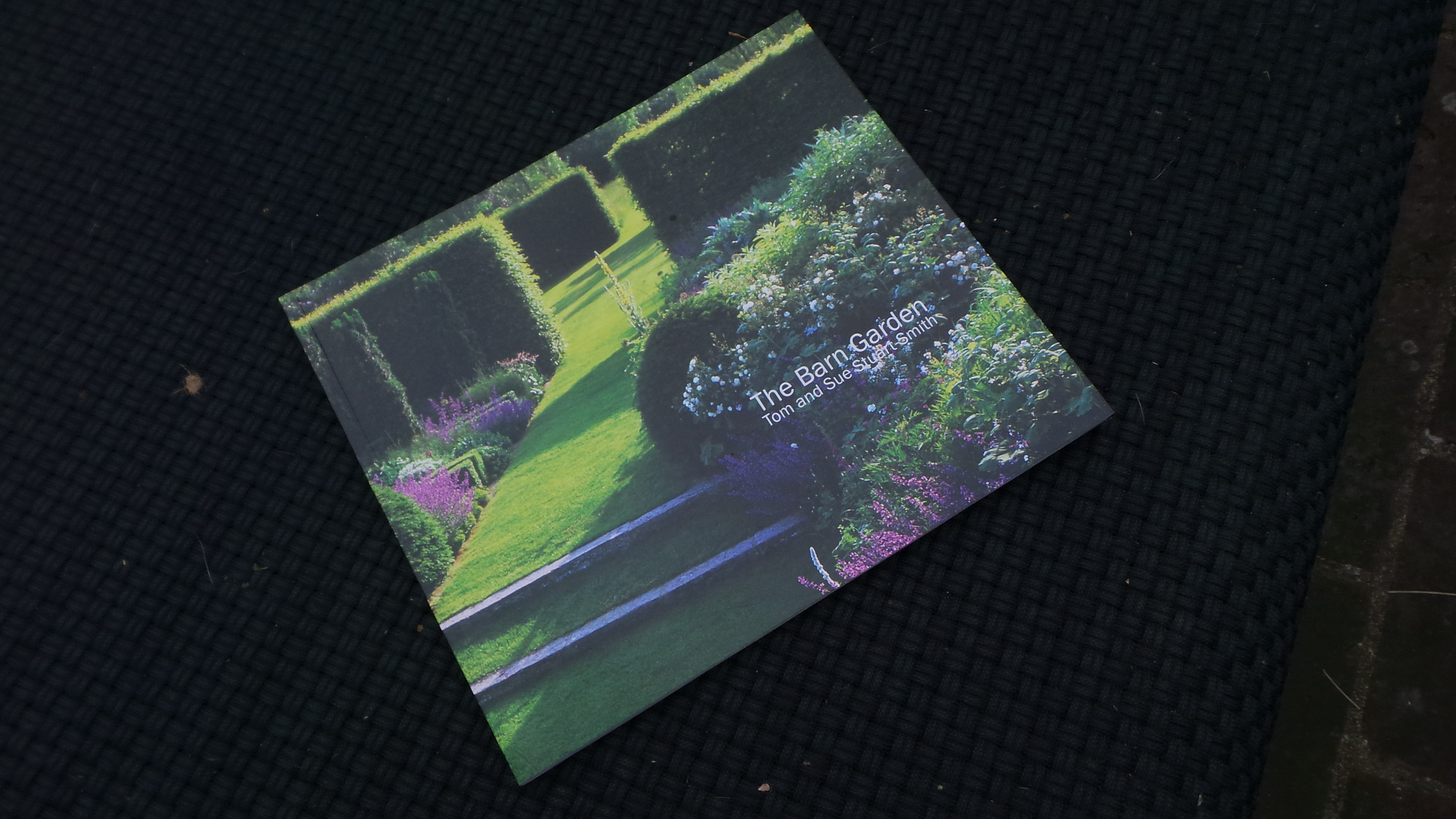
I had the pleasure of a quick talk with Tom Stuart-Smith himself and I proudly left his garden with a signed copy of his book under my arm, a book all about making his Barn Garden.

2014 06 22_0705_edited-1 2014 06 22_0702

Categories
garden design garden designers garden photography gardening gardens hardy perennials meadows National Garden Scheme ornamental grasses ornamental trees and shrubs The National Gardening Scheme" Tom Stuart-Smith Yellow Book Gardens

Post 500 – Tom Stuart-Smith at Serge Hill

As promised for the third in my week’s posts celebrating my 500th post we go down to Hertfordshire to explore Tom Stuart-Smith’s garden designs at his own home and the home of his sister. The family home at Serge Hill is surrounded by mature planting. The new gardens  designed by T S-S are within its grounds. When these gardens open they are very popular with thousands of visitors making an appearance. It looks very busy and taking photos is difficult as the gardens are only open for one day each year as part of the National Garden Scheme, so people find it in the famous Yellow Book. The friendly herd of Guernsey calves greeted every visitor. We wandered through the gardens around the house which had been there a long time but the influence of T S-S can be seen.

2014 06 22_0703-1 2014 06 22_0671-12014 06 22_0668-1 2014 06 22_0599-12014 06 22_0600-1   2014 06 22_0604-1 2014 06 22_0601-1 2014 06 22_0609-1 2014 06 22_0614-1 2014 06 22_0612-1 2014 06 22_0611-1 2014 06 22_0610-1

In the gardens at Tom’s and his sister’s, both designed to suit their particular needs, we felt we had found the nearest to perfection in meadow planting, prairie planting and courtyard planting. Come with us and see what you think.

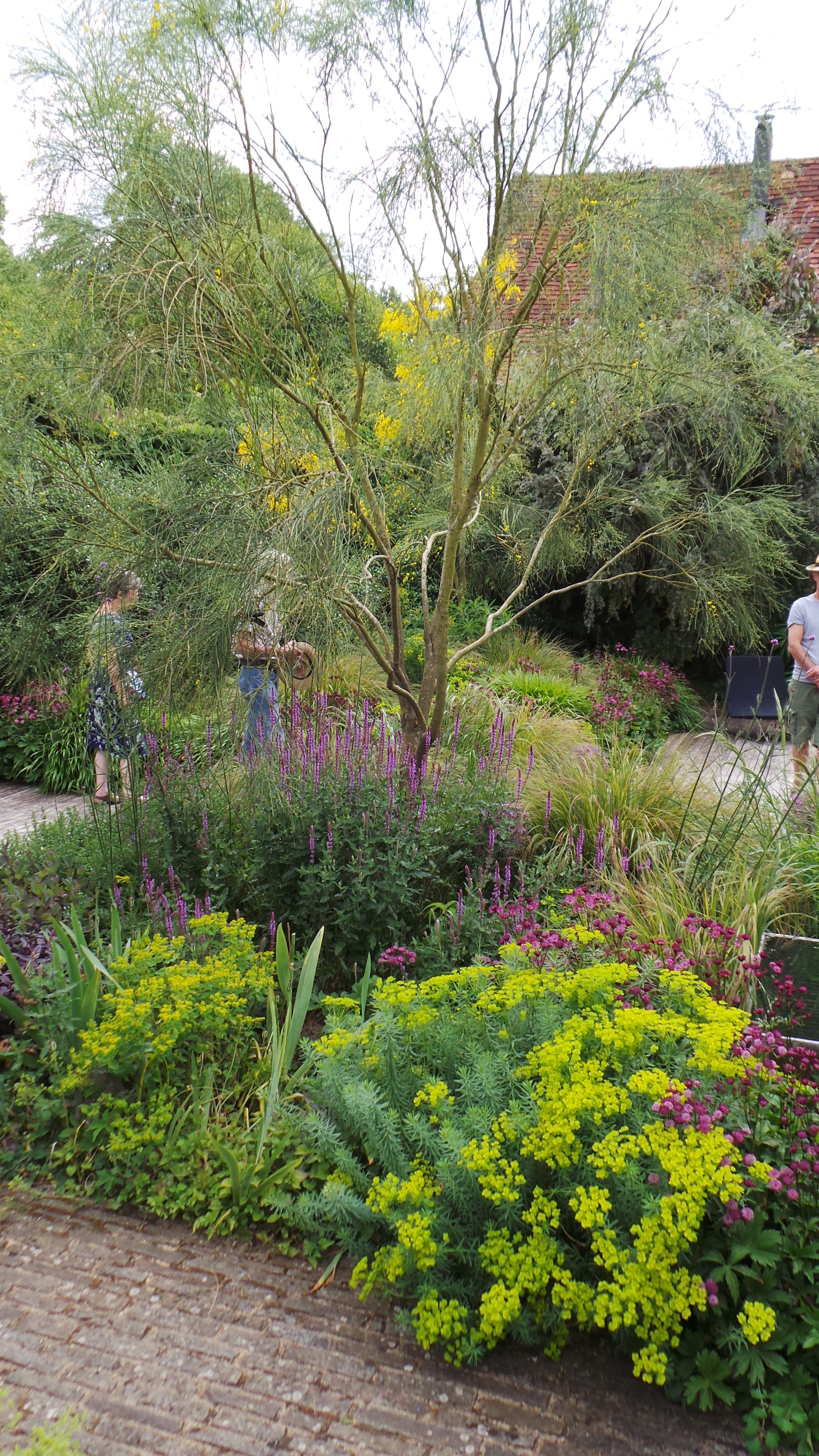
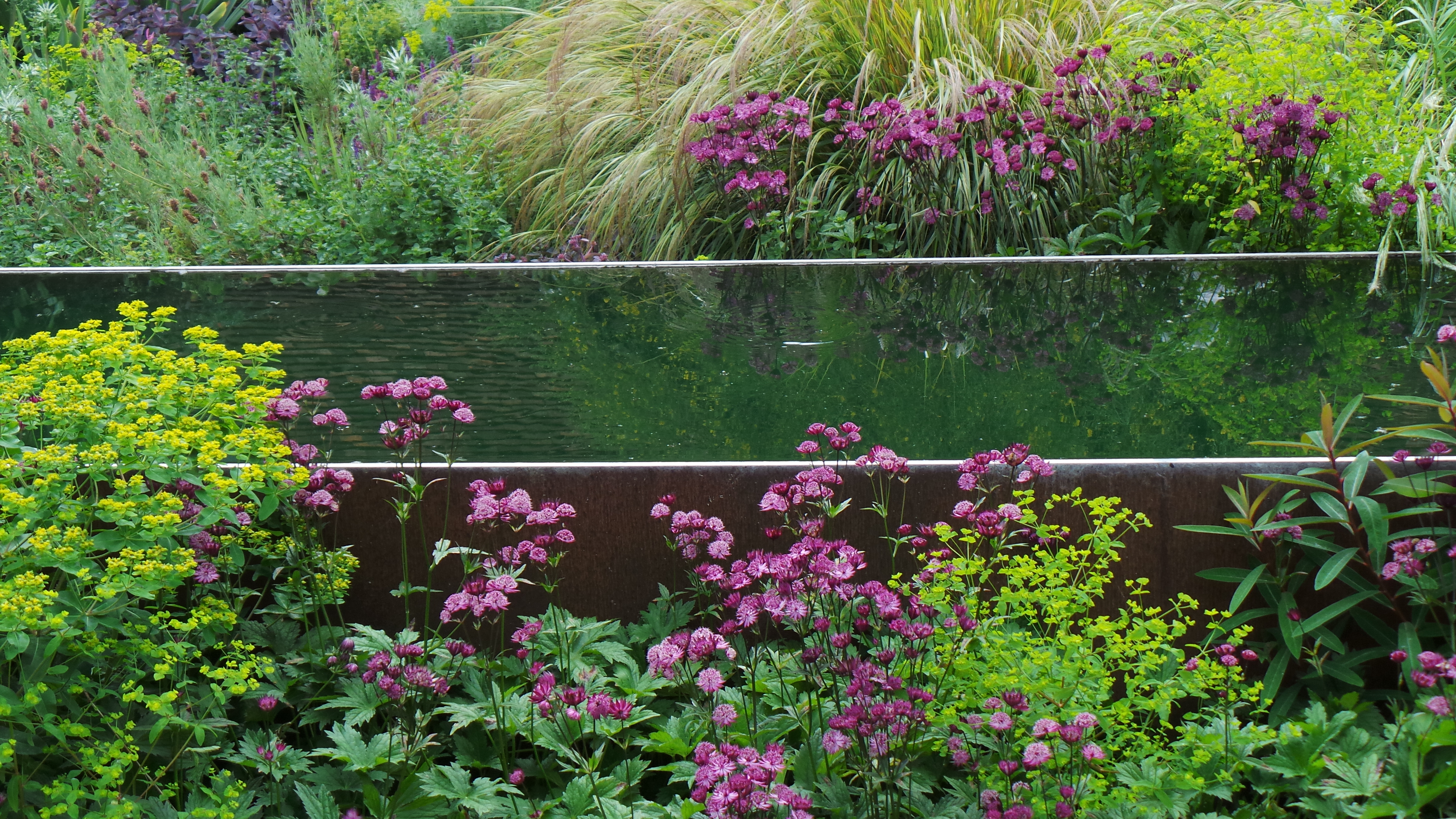
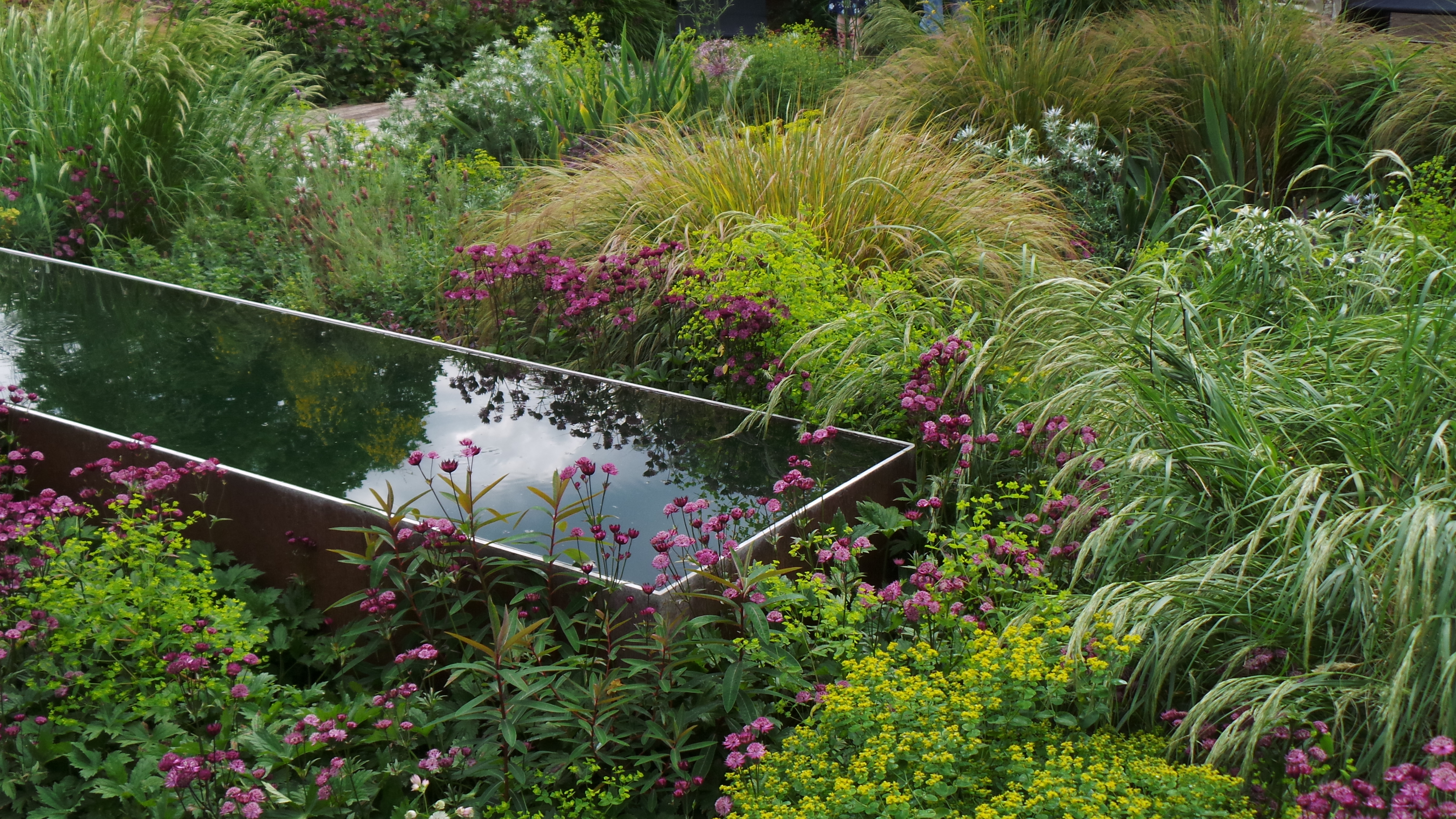
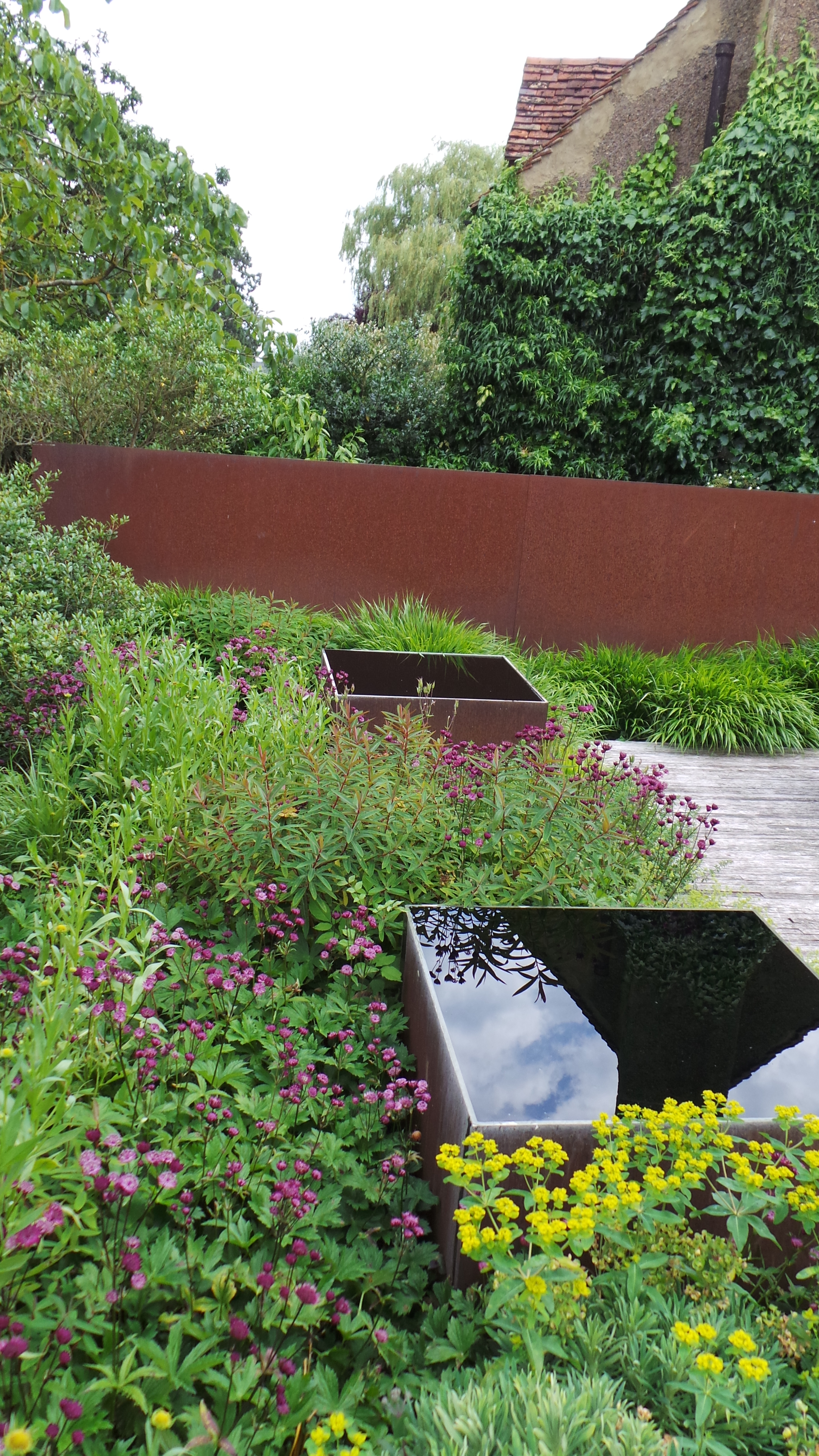
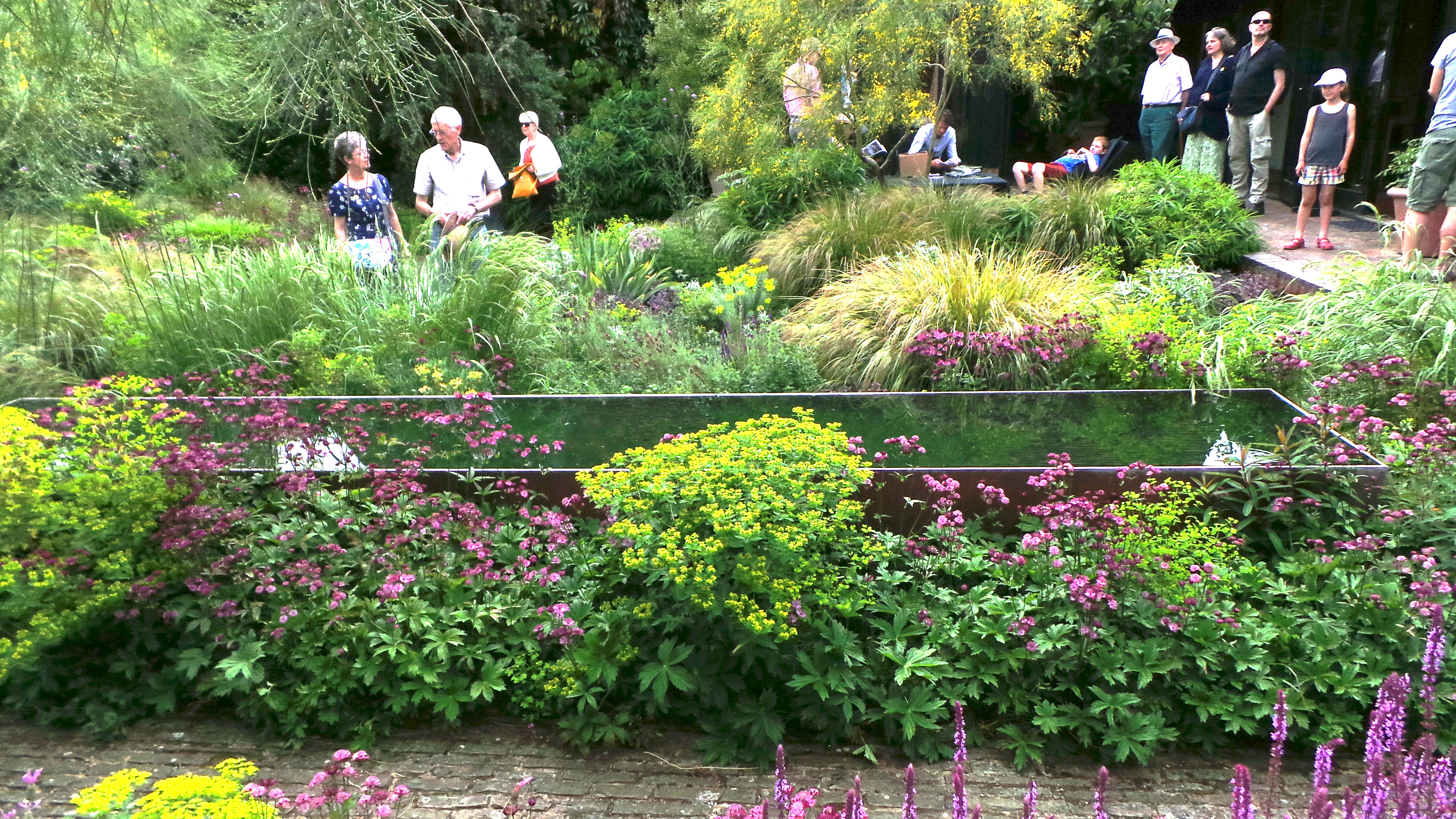
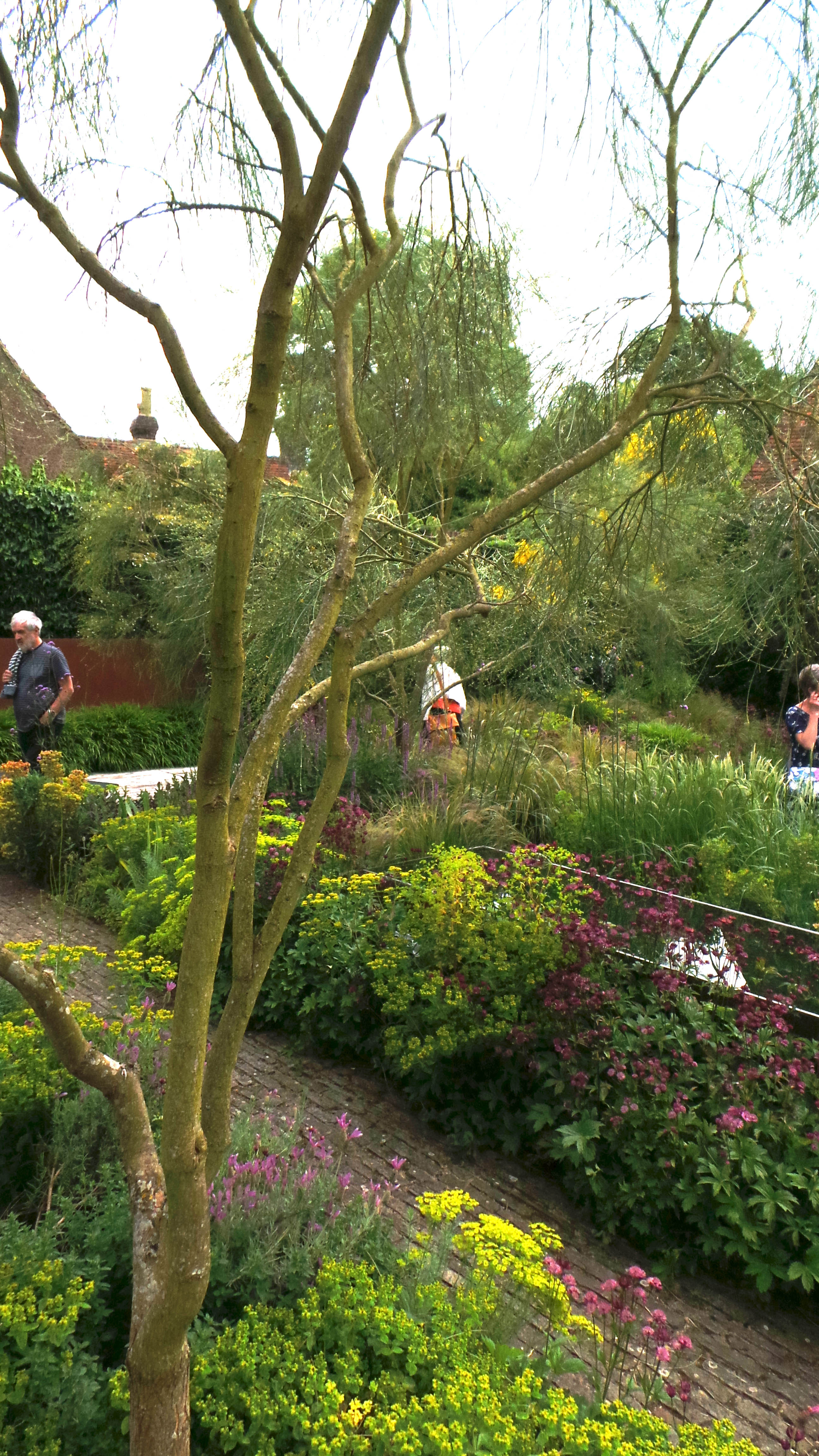
Firstly I shall share my photos of the courtyard at The Barn. It has an atmosphere of such calm. Those loungers must provide a wonderful place in which to relax and be content with the world. The rectangular corton steel pools with their sheets of water dyed black for extra reflection mirror so clearly the moving clouds and any overhanging plants. Looking into them it appears as if they are bottomless.

2014 06 22_0675-3 2014 06 22_0684-1

2014 06 22_0678-1 2014 06 22_0681-1


2014 06 22_0674-1 2014 06 22_0680-1

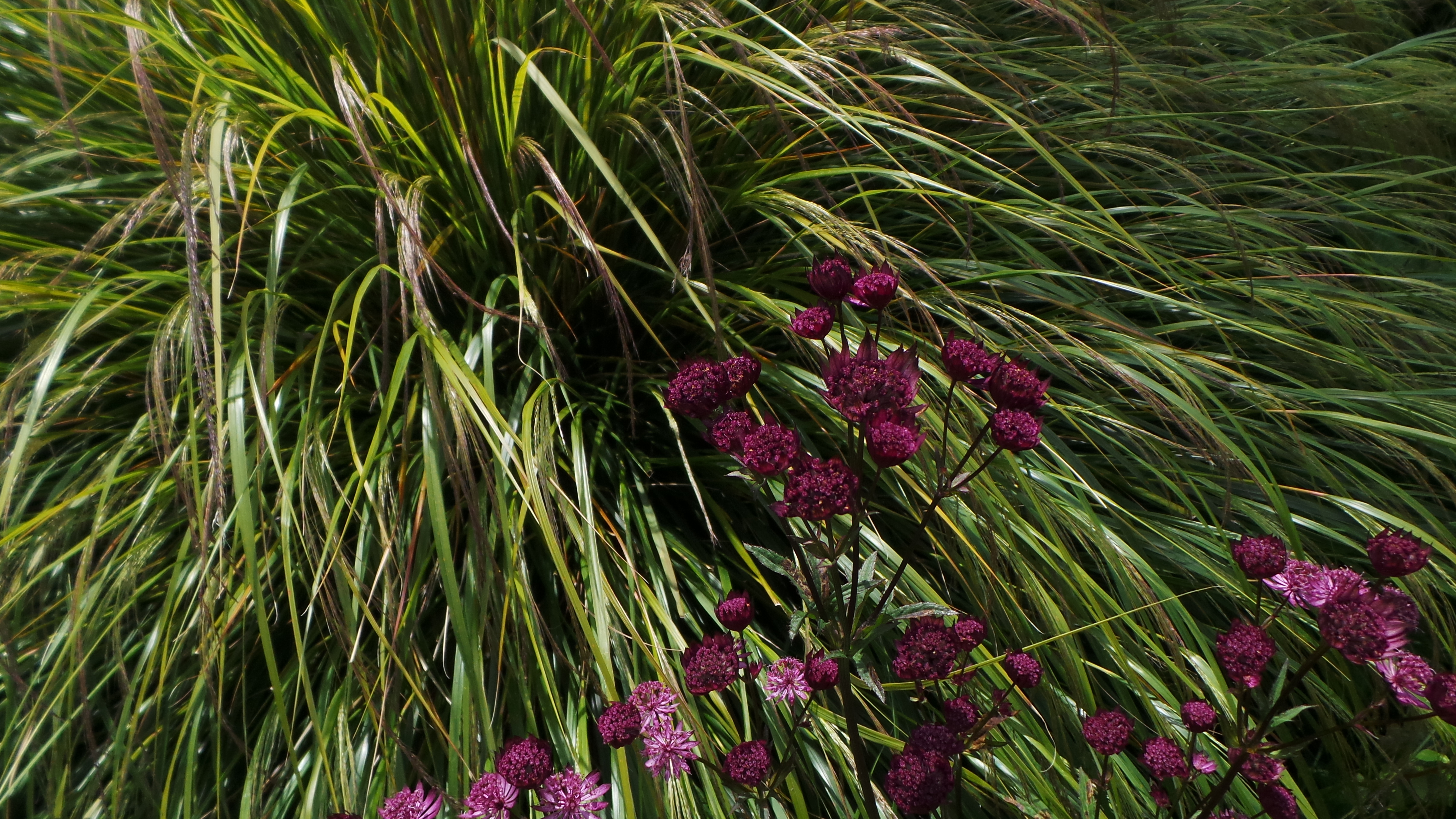
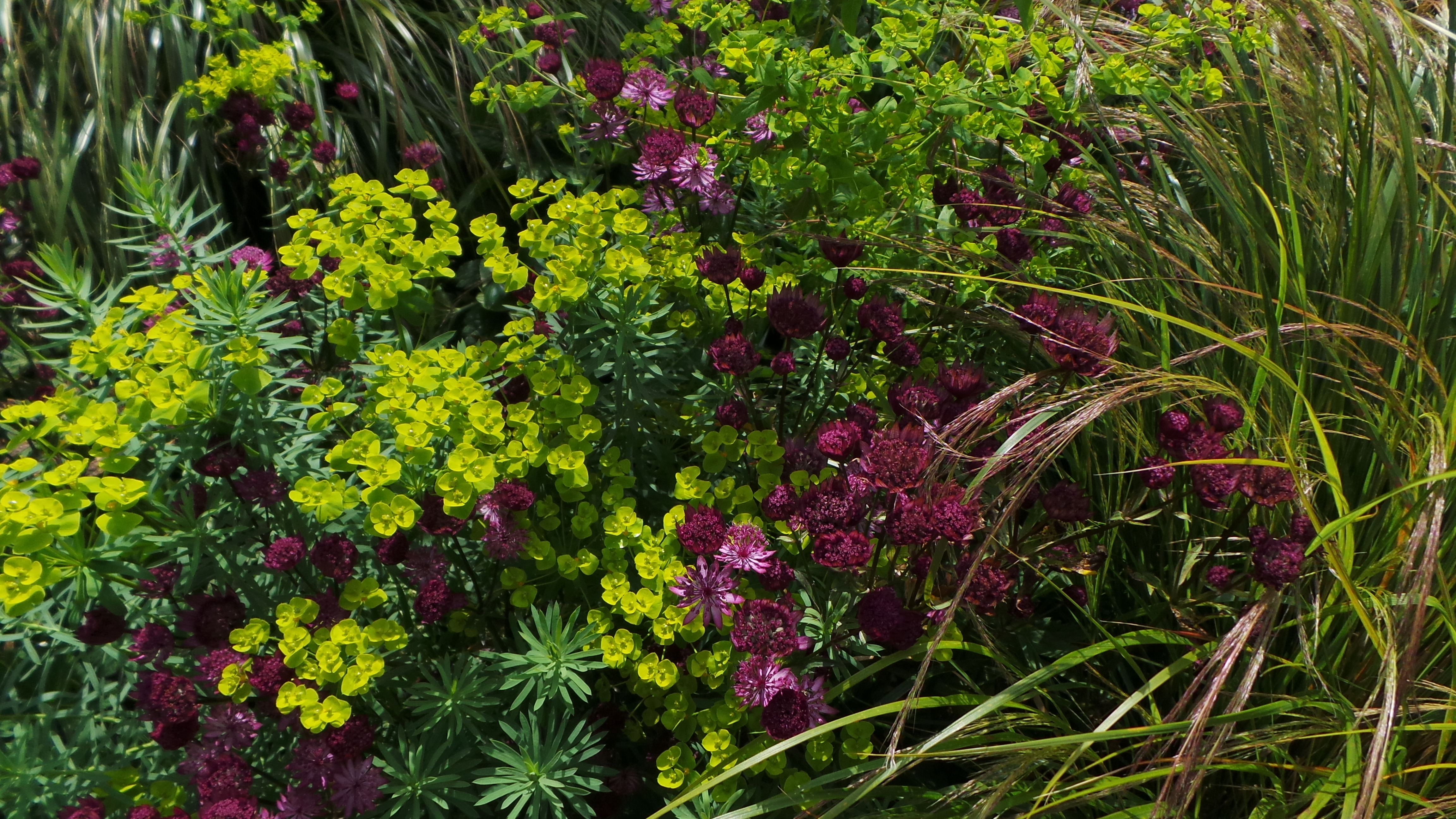
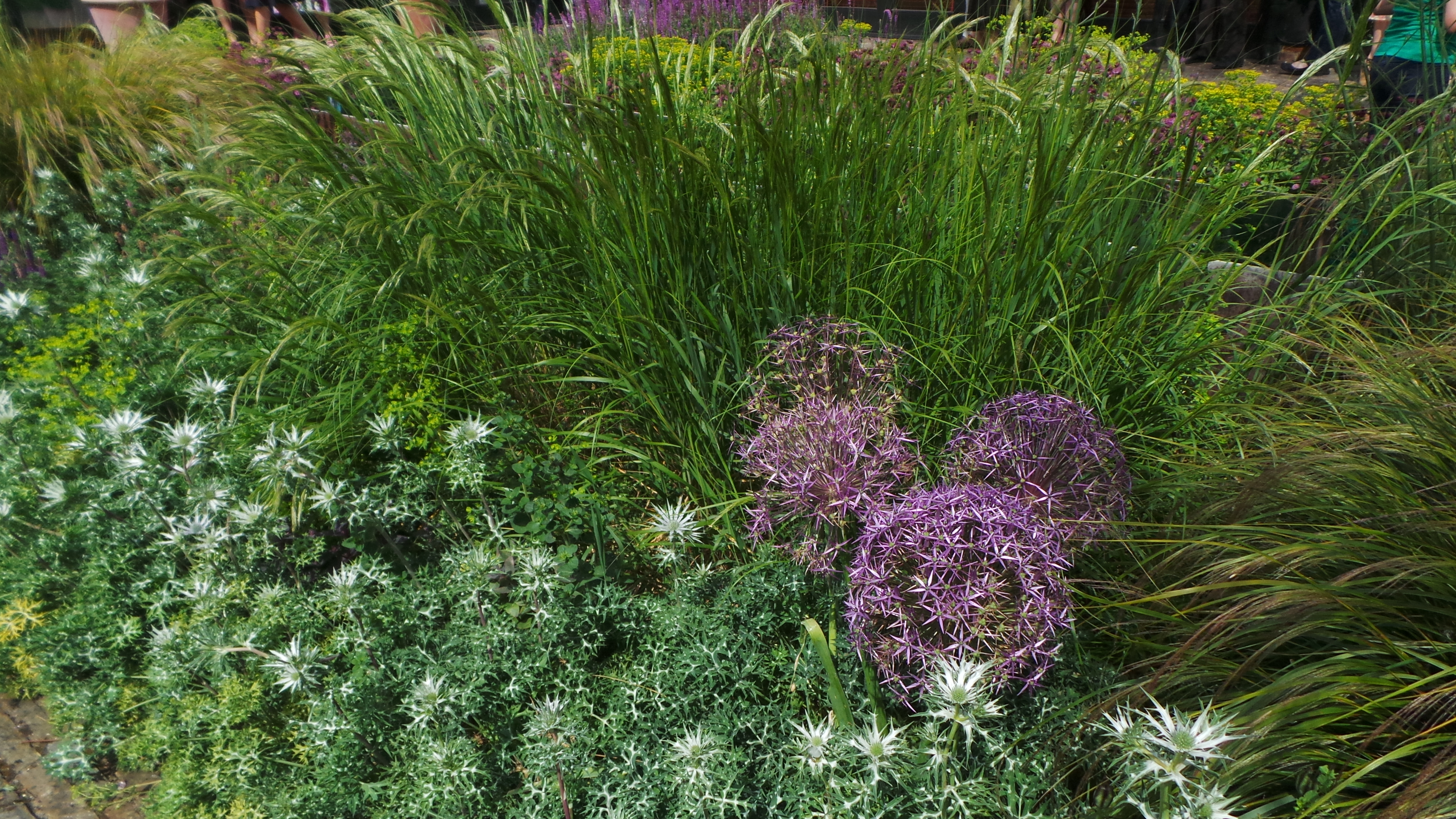
The planting is so simple but effective. Every plant has its place and complements its partners perfectly. Chartreuse and purple flowers and bracts work together so well against their background of grasses and coloured foliage.

2014 06 22_0676_edited-1 2014 06 22_0689-1

2014 06 22_0694-1 2014 06 22_0695-1

2014 06 22_0699-1 2014 06 22_0701-1


2014 06 22_0697-1 2014 06 22_0677_edited-1

Reaching the prairie we found fellow garden fellow visitors exploring every pathway that were winding throughout.

2014 06 22_0714-1

Close by a huge area had been planted as a native wildflower meadow which provided a wonderful contrast to the more vibrant prairie. We shall look in greater detail at the prairie and meadow as well as Tom Stuart-Smith’s sister’s garden in the next post.


Categories
conservation countryside flowering bulbs hedgerows landscapes light meadows nature reserves spring bulbs Wildlife Trusts

A Fritillary Meadow – North Meadow, Cricklade

We have a book at home where we list places we must go to, gardens we must visit and things we must do. A visit to the Fritillary Meadows in Wiltshire has been on our “Places to Visit” list for a few years now but we have been thwarted by the weather and the effect this has on these lovely flowering bulbs. This year we made it.

We drove down to Cricklade in Wiltshire and with great difficulty due to heavy downpours of rain making it hard to see, we found the first signs of where we were aiming for, The Fritillary Tearooms. The tearooms open each year when the Fritallaries are in full bloom and the proceeds go towards boosting the “Cricklade in Bloom” funds. Naturally we had to support them and so enjoyed a warming cup of coffee and a splendid cake before we embarked on our wet walk around the wet meadow. Apologies for the sloping photo of the tea shop but having one leg shorter than the other does sometimes result in strange sloping pics!

2014 04 21_8340 2014 04 21_8229

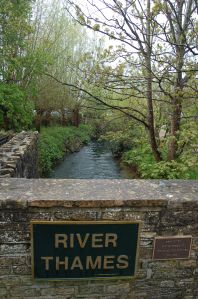
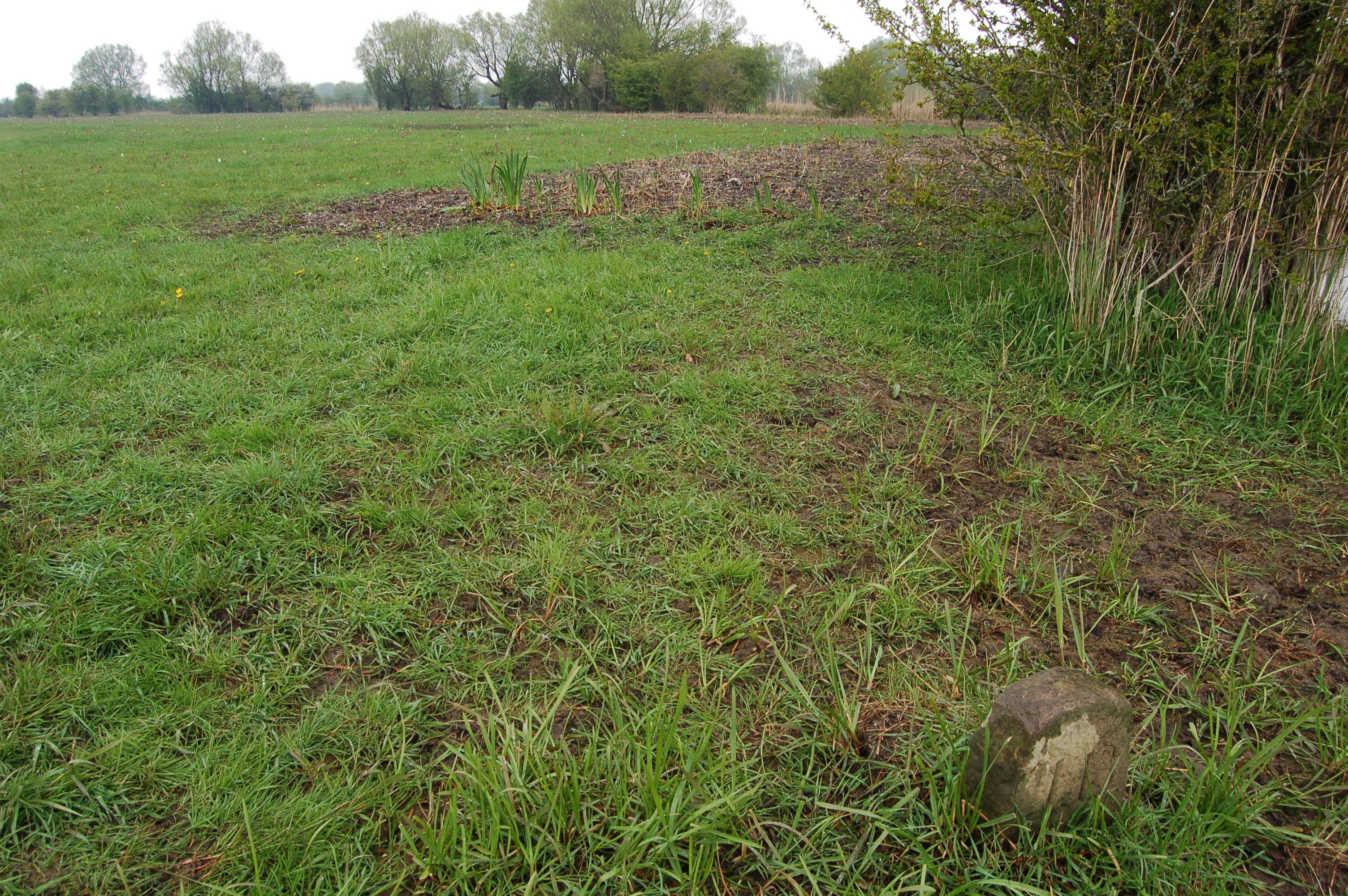
We entered the reserve, called North Meadow, run jointly by English Nature and the Wiltshire Wildlife Trust, via a bridge over the River Churn, one of the two rivers that skirt the wet meadow, the other being the Thames. In front of us lay an old, flower-rich hay meadow situated within the glacial flood plains of the two rivers. The meadow covers a vast area of 108 acres. It is designated a Special Area of Conservation and a Site of Scientific Interest and is an internationally important reserve.

2014 04 21_8314 2014 04 21_8316

2014 04 21_8315 2014 04 21_8230

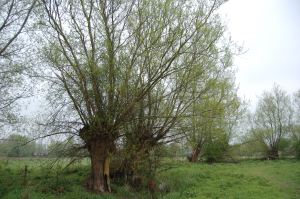
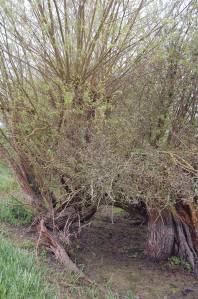
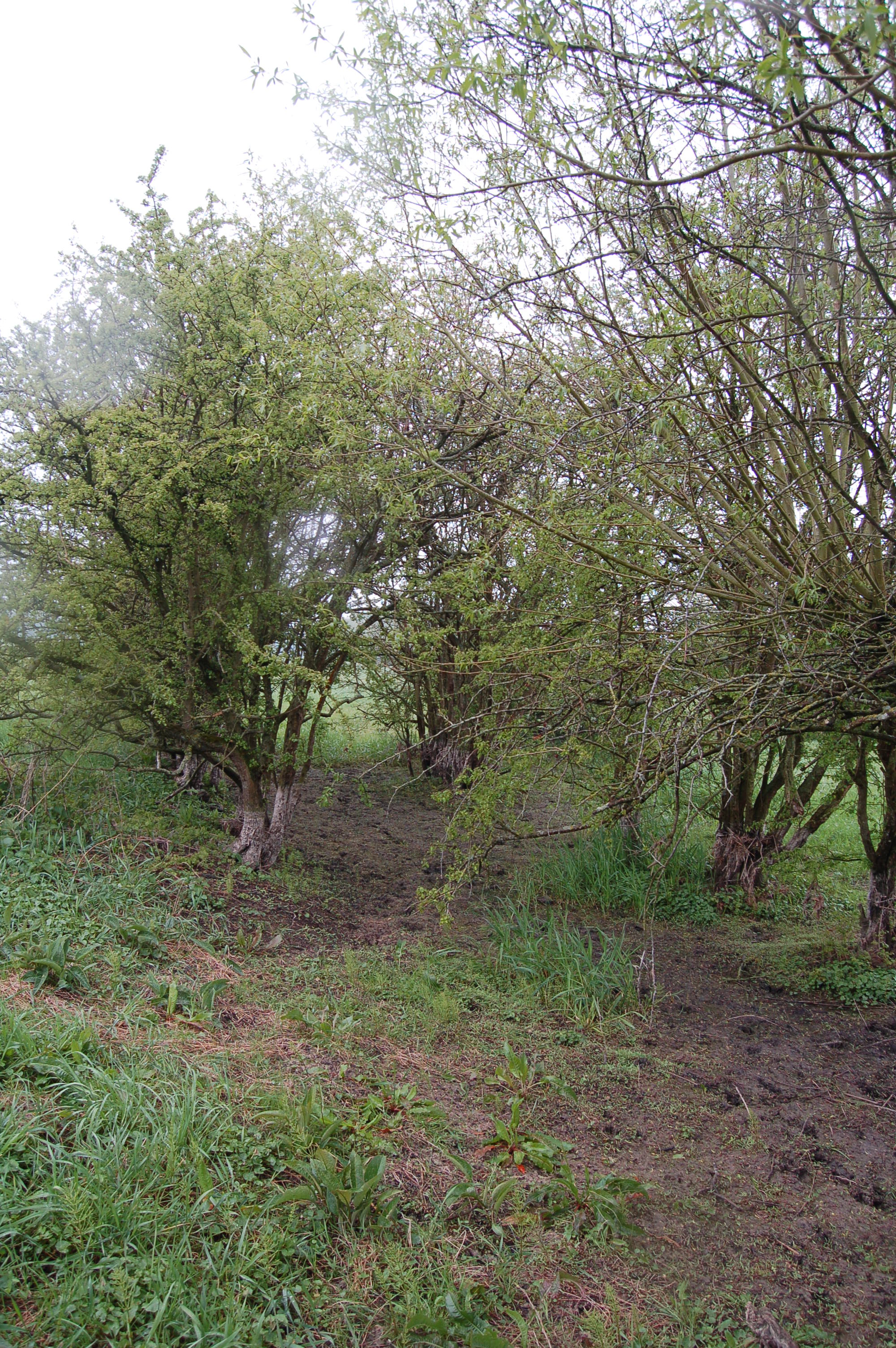
We were never far from one or other river as we walked the reserve margins. It was good to see beautiful ancient pollarded willows much in evidence aligning the banks of both. Seeing these brings back memories of my childhood fishing my local brook “The Carrant” whose banks were lined with them. We hid inside them as many were hollow and loved looking up inside them spotting wildlife mostly spiders and beetles but on special occasions a roosting Tawny Owl. The willows were pollarded which involved pruning them hard back to their main trunks every few years to harvest the stems for basket making and hurdle manufacture.

2014 04 21_8311 2014 04 21_8308

2014 04 21_8414 2014 04 21_8417

2014 04 21_8418 2014 04 21_8379

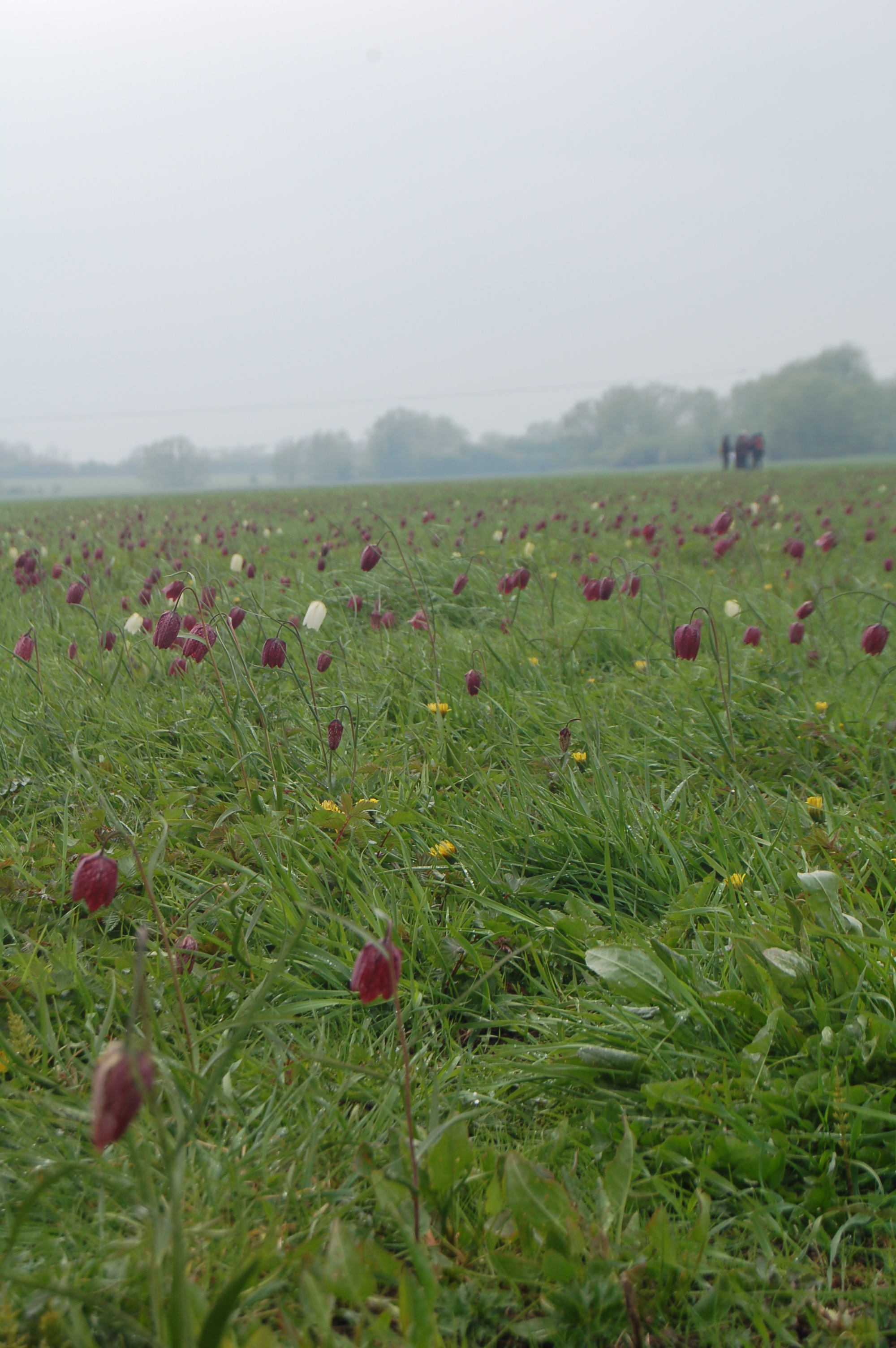
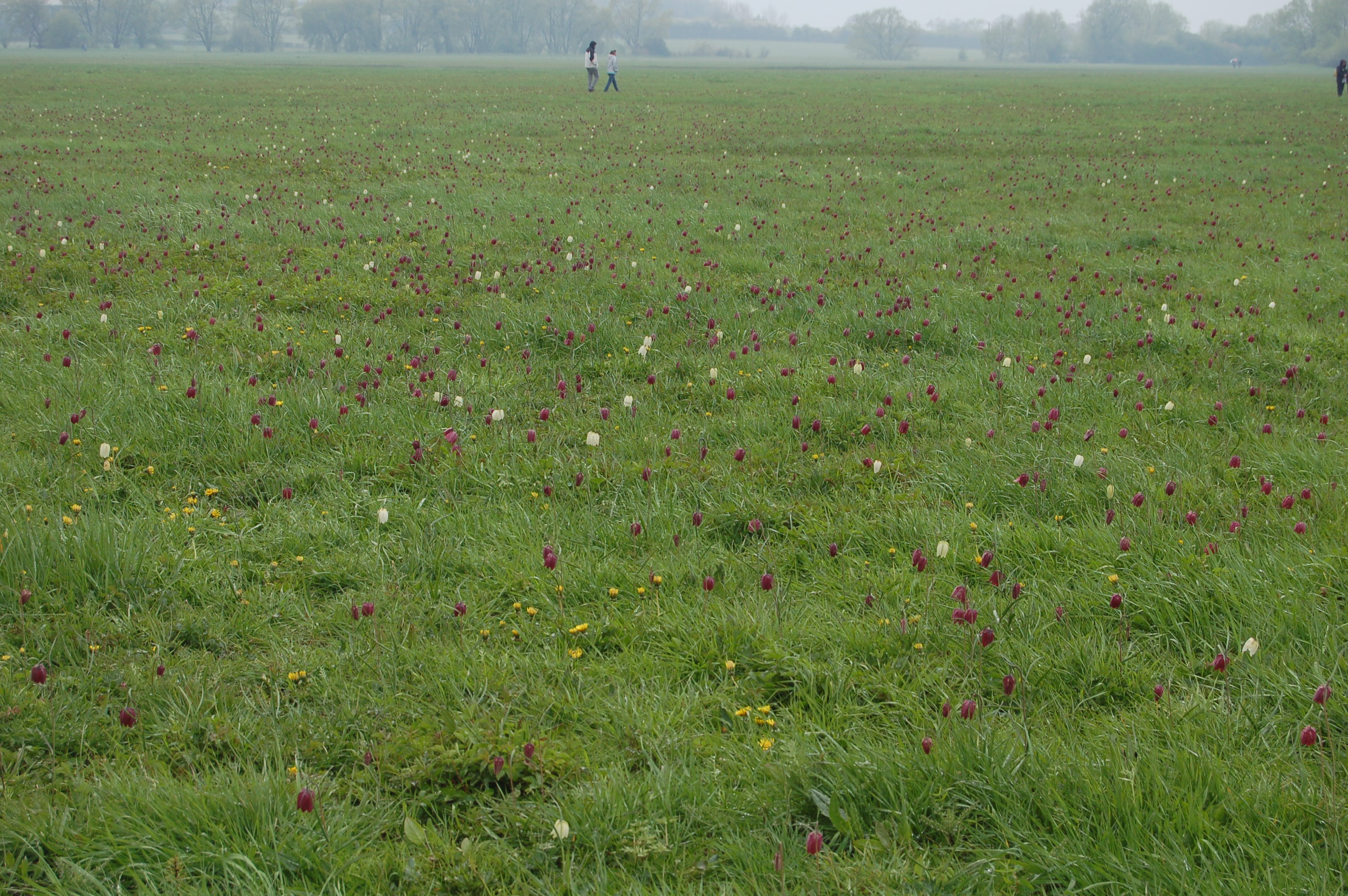
The reserve was one grand immense flat meadow which is flooded for a few months each year creating an unusual habitat for plants and all sorts of wildlife. At first glance we were amazed at the expanse of the meadow but somewhat disappointed at the relatively few numbers of Fritillaries visible. Seeing just one Fritillary is a treat though as it is such an unusual and beautiful flower. It is now sadly a “nationally scarce” plant.

2014 04 21_8232 2014 04 21_8234

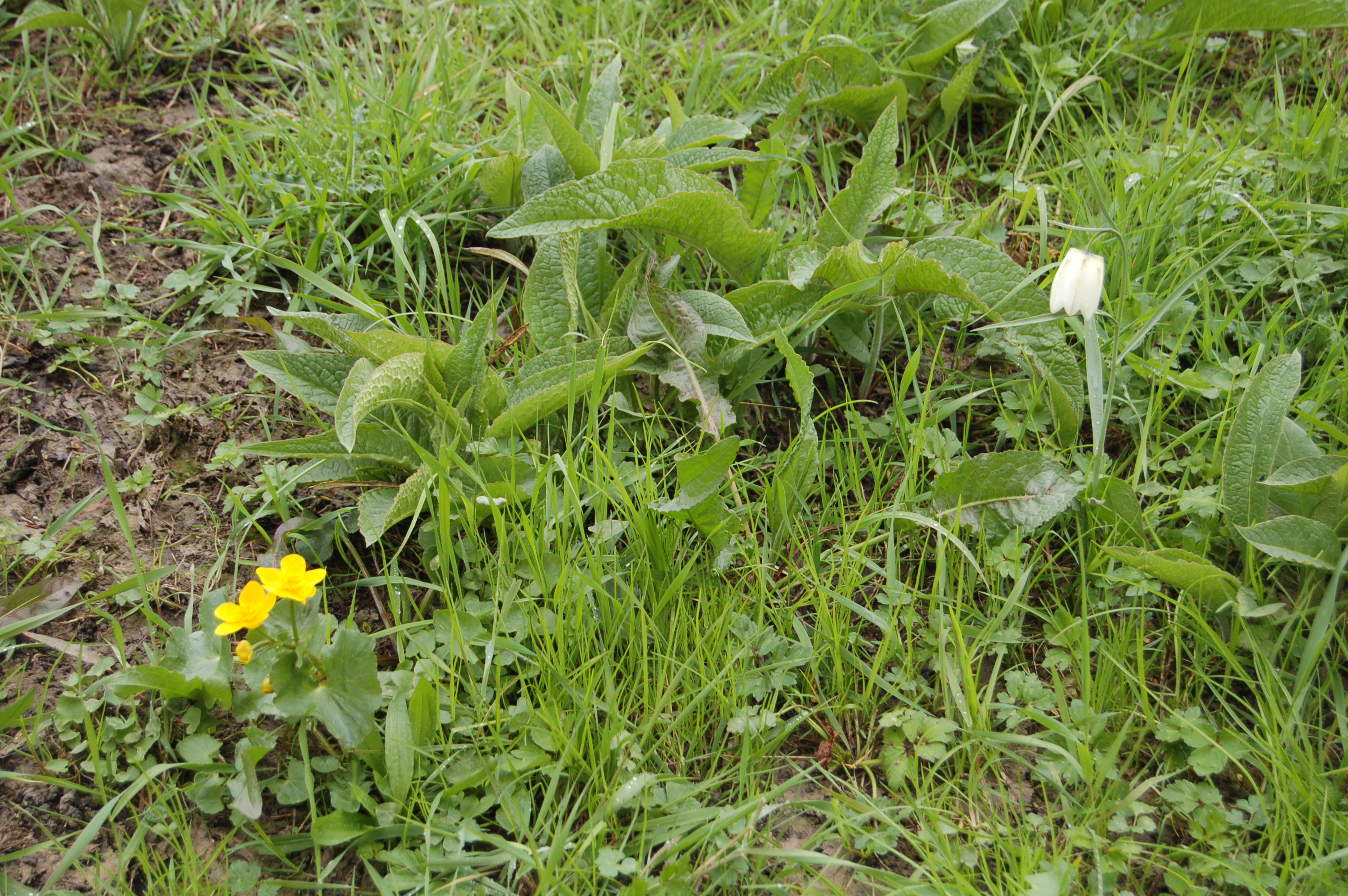
Even though the light was very dull we soon spotted more of the little beauties we had waited so long to see and realised that there were far more than we had first thought. We grow Fritillaria meleagris in our spring border at home and in the orchard meadows on the allotment communal gardens but we had never seen them growing in their true wild habitat, the wetland meadows. We wondered just how amazing they must look on a bright day. To begin with we found them in small clumps including the odd white flowers which although lacking the checkerboard patterning have a delicate beauty of their own.

2014 04 21_8231 2014 04 21_8235

2014 04 21_8424

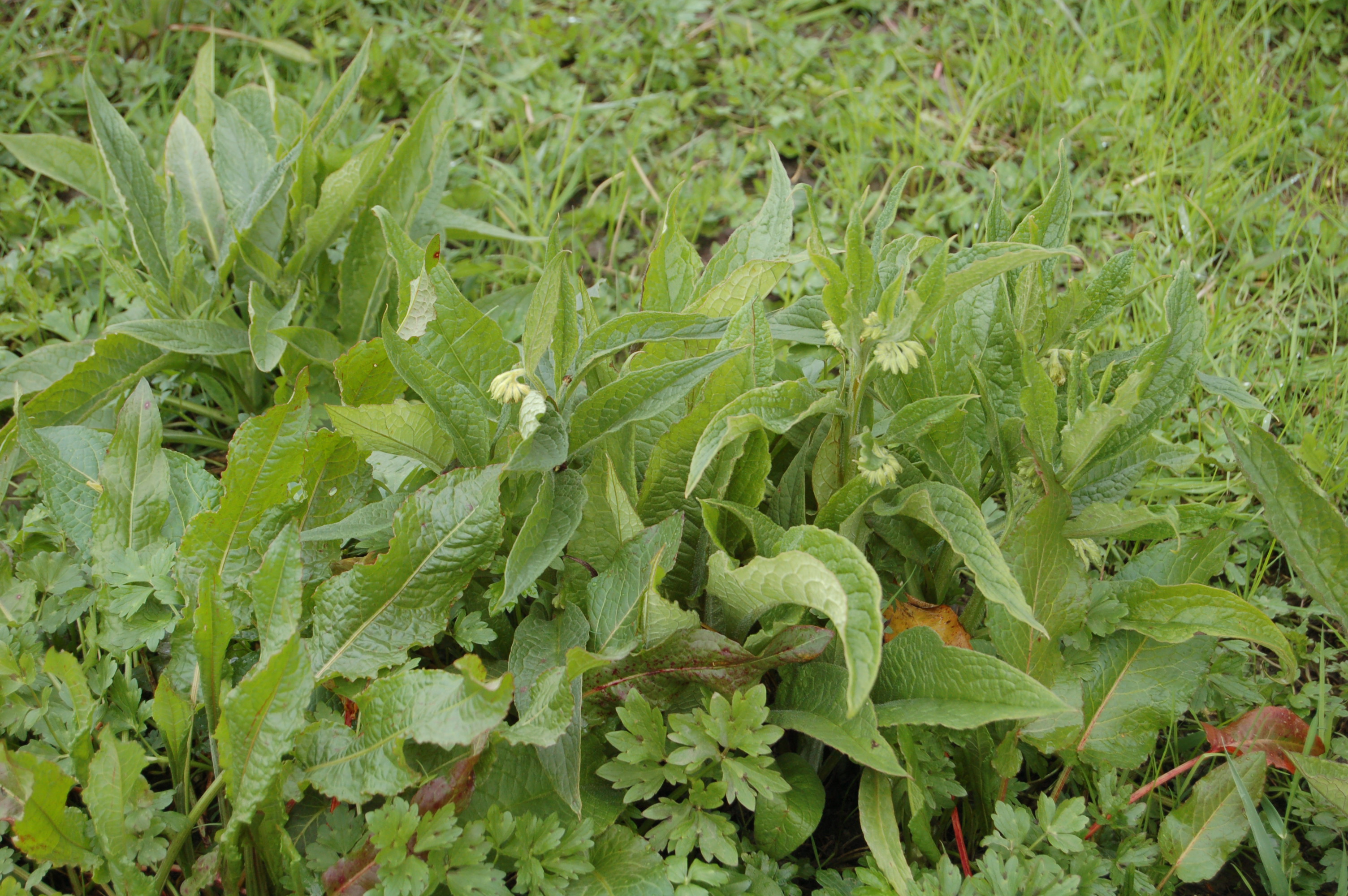
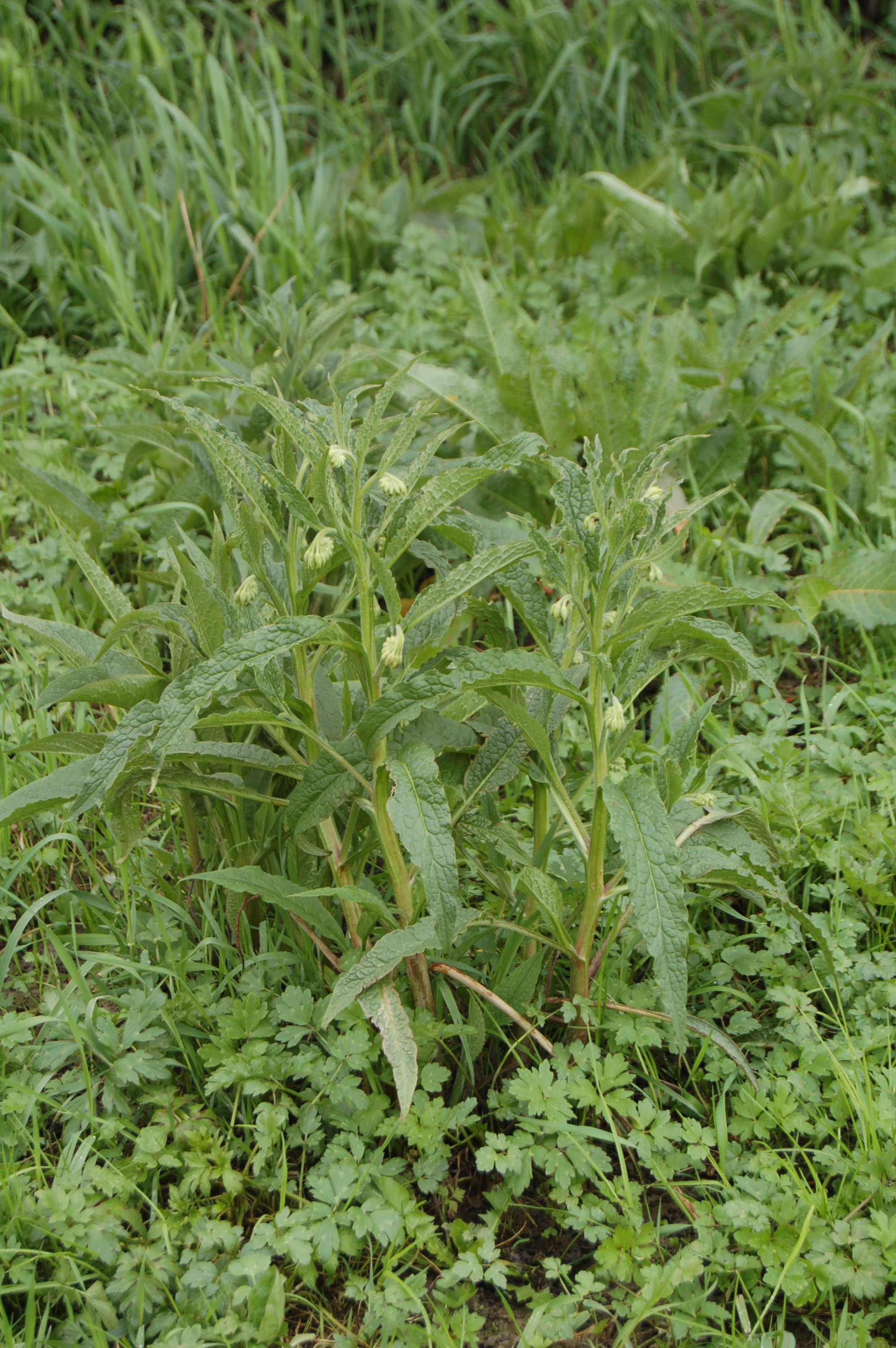
This wetland meadow habitat was home to other site specific species such as Comfrey and Kingcups, Lady’s Smock and Ragged Robin. Lovely old fashioned names for our native wildflowers. To maintain the special requirements of this collection of damp loving plants it is essential that the meadow is managed properly. It has to be grazed, used for hay and flooded for set periods.

2014 04 21_8415 2014 04 21_8416   2014 04 21_8419 2014 04 21_8420  2014 04 21_8422 2014 04 21_8309

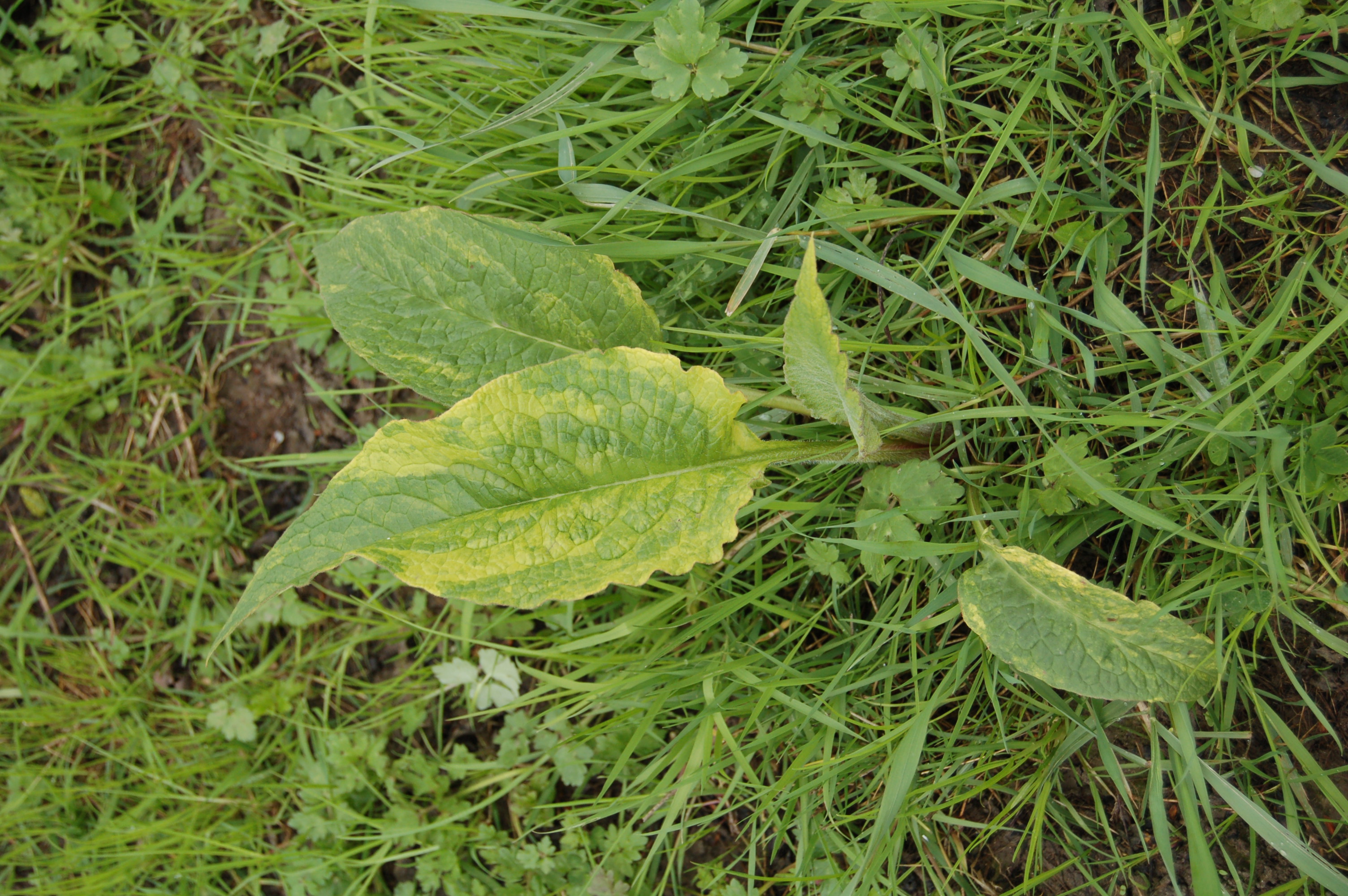
We were surprised to find one comfrey with yellow and green variegated foliage.

2014 04 21_8423

Along the margins of the meadow we stumbled upon these little carved stones, looking like miniature milestones. We later found out that they marked the plots allotted to individual “commoners” for haymaking.

2014 04 21_8313 2014 04 21_8312

As we reached about two-thirds of the way around the meadow the density of the fritillaries increased markedly and tall reeds grew on its margins.

2014 04 21_8310   2014 04 21_8306

2014 04 21_8396 2014 04 21_8394 2014 04 21_8304 2014 04 21_8303 2014 04 21_8302 2014 04 21_8301 2014 04 21_8389 2014 04 21_8299

2014 04 21_8294 2014 04 21_8293


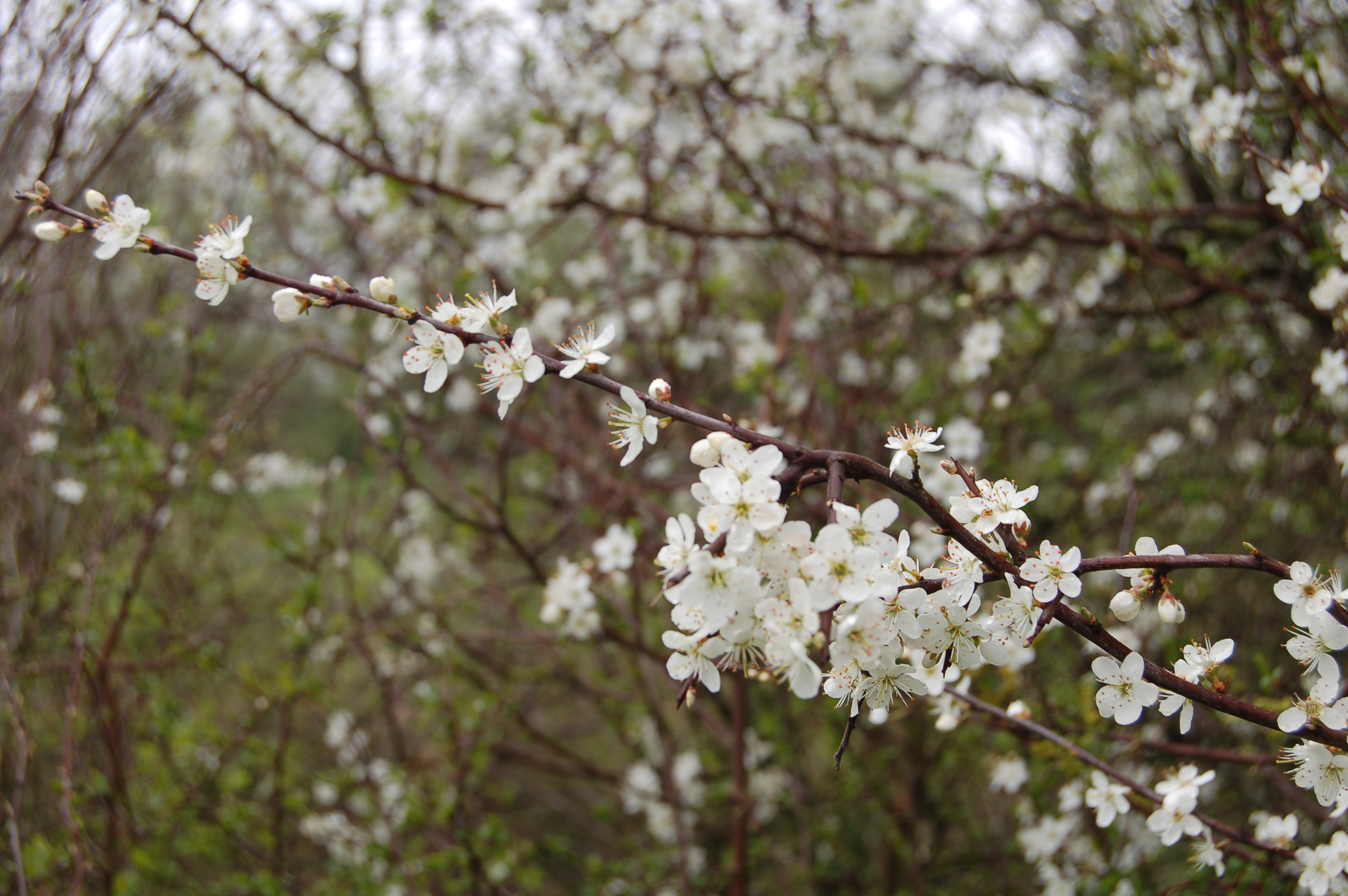
The last part of our wander around this wet meadow was alongside the river once again where Willow and Blackthorn trees grew happily in the damp soils.

2014 04 21_8298 2014 04 21_8297 2014 04 21_8296 2014 04 21_8421

2014 04 21_8295   2014 04 21_8292   2014 04 21_8288 2014 04 21_8465

2014 04 21_8278

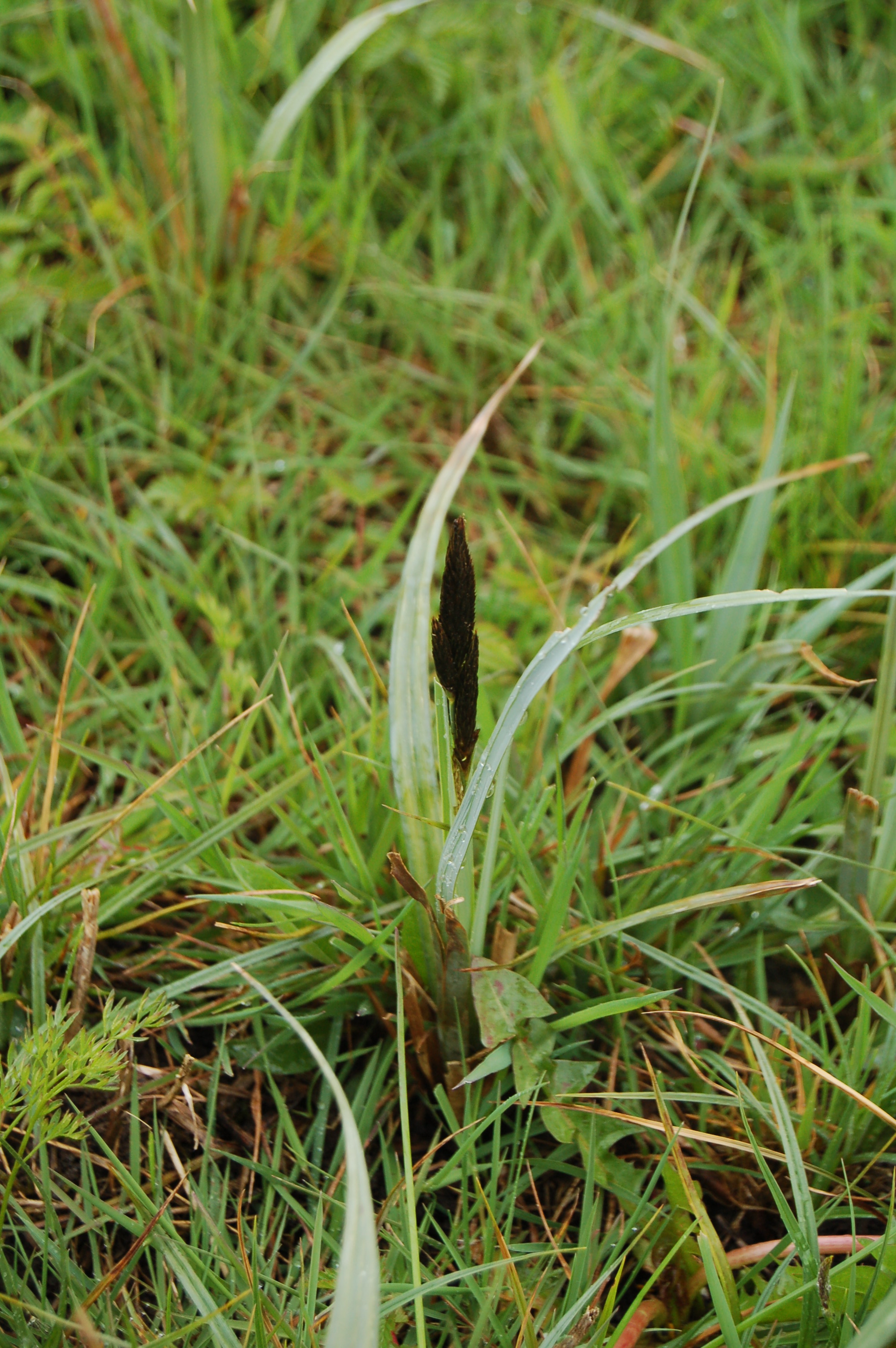
In a very damp patch we came across a clump of this very unusual looking sedge with its jet black flowers thus finishing off our visit to the field of Fritillaries with a mystery as we had no idea what it was.

2014 04 21_8286 2014 04 21_8285

As we left the reserve we just had to stop and admire this old and very unusual toll cottage.

2014 04 21_8495

Categories
allotments autumn community gardening garden wildlife gardening gardens meadows wildlife

Autumn Working Parties – sorting the meadows.

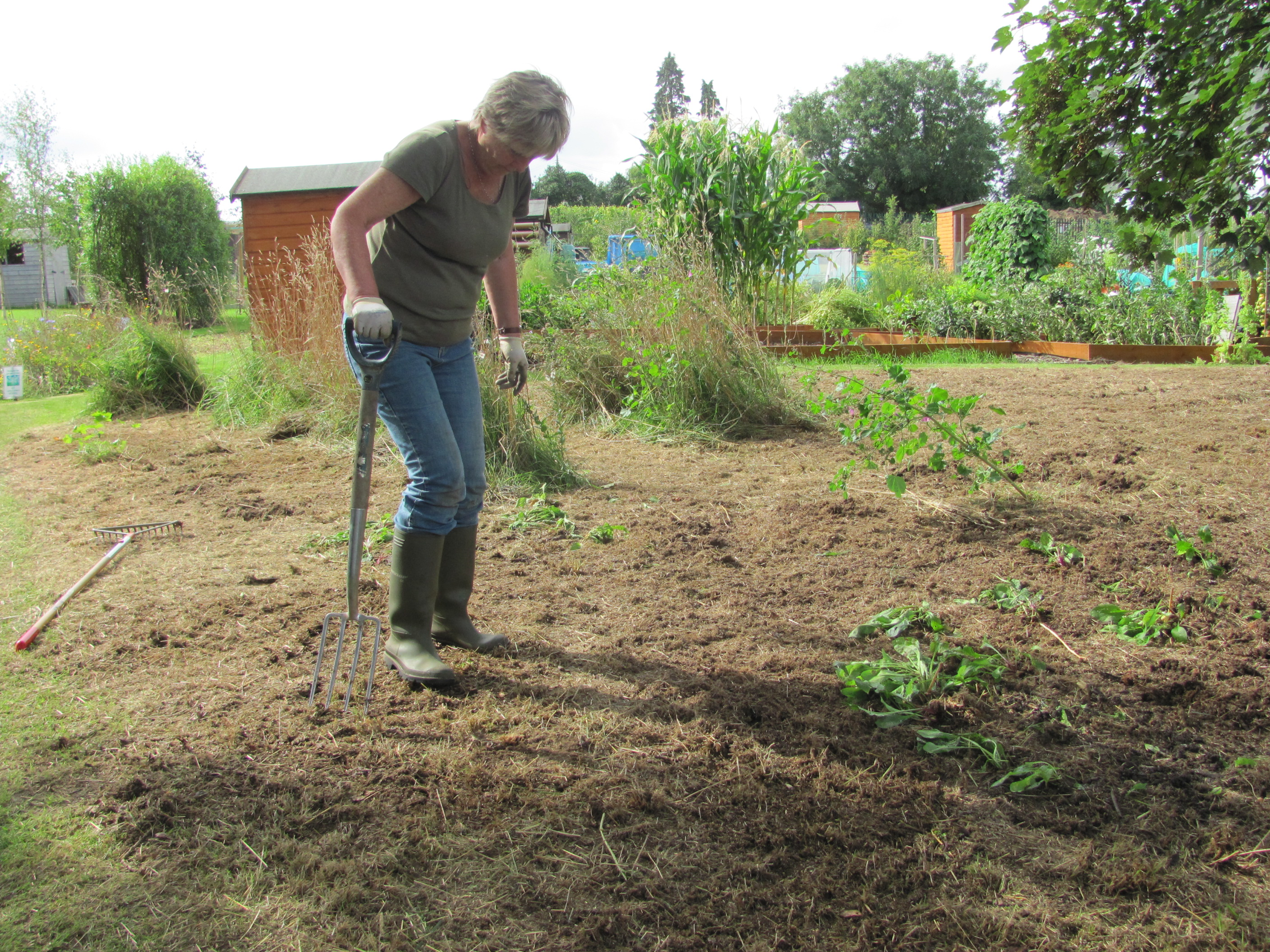
Our Autumn Working Parties at the allotments are mostly to do with treating our various meadows to their annual haircut, brush up and manicures. Last year we were badly held up by the wet weather and struggled late in the year to get our meadows sorted. This year we had no such problems and managed to get the ball rolling in mid-September. We did however have an audience who sat and watched us, three of the Mallard ducklings who live on site, eating our slugs and snails with raspberries for dessert. Now that is what you call organic pest control!

2013 09 25_3685

The main wildflower meadows need a lot of work to get the thick grass cut down low and to ensure the thatched grass layer is removed.

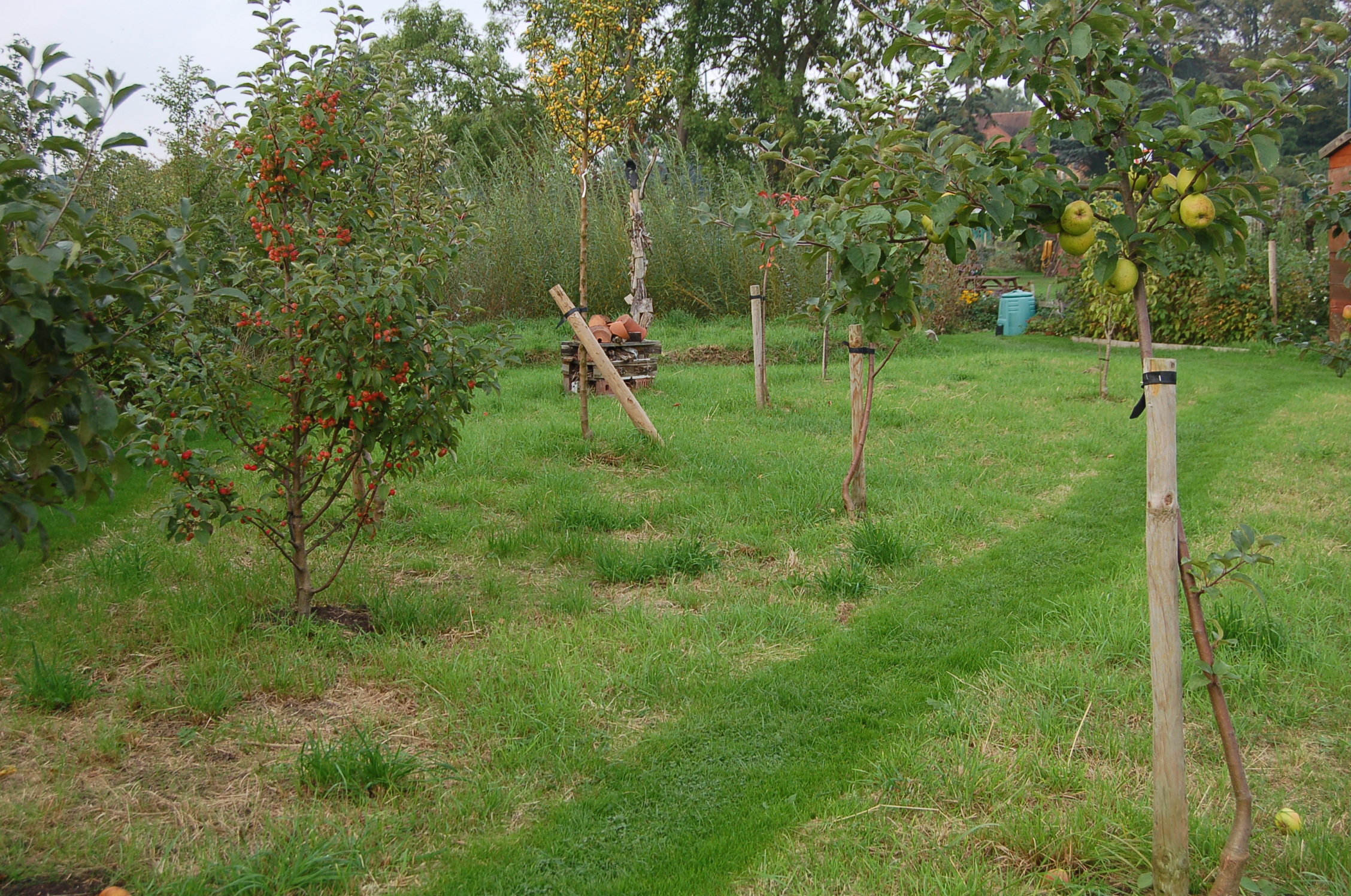
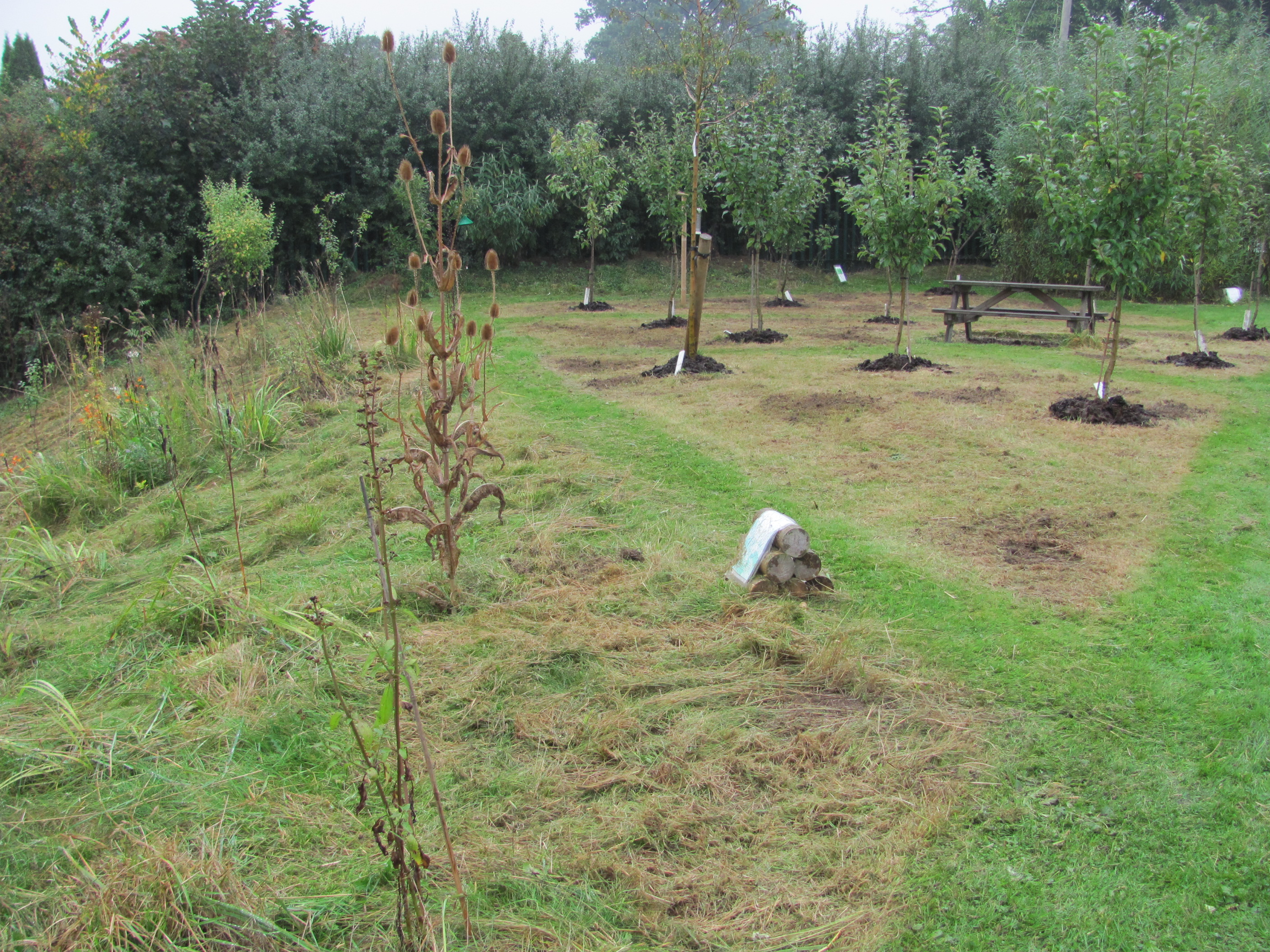
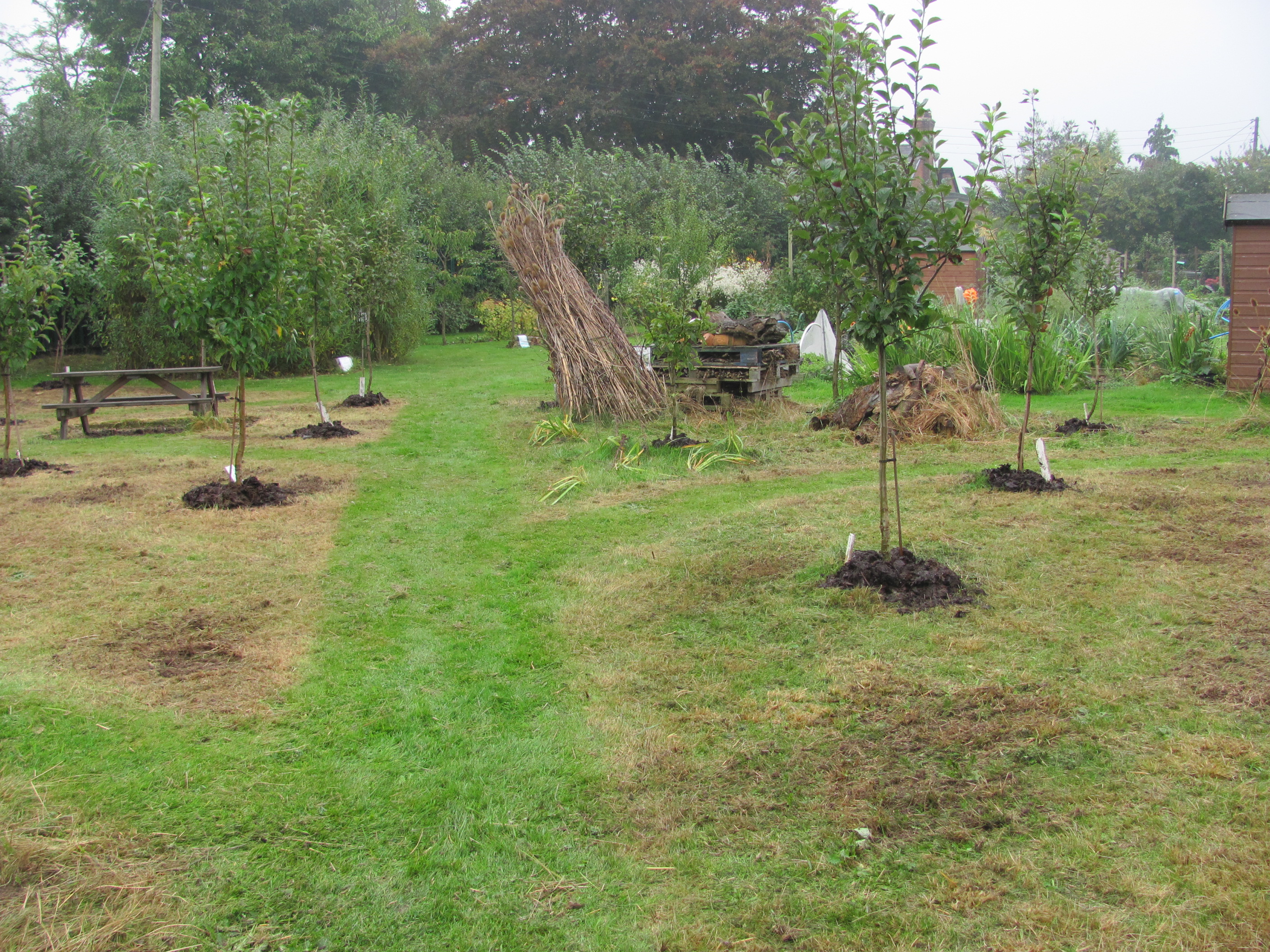
When we cut the meadows in the orchards we tidy up by clearing grass back form around each tree and top dress with a good deep mulch of manure. This will keep the area weed free and slowly feed the trees next year. We had given the orchards a quick trim over a few weeks earlier and as can be seen in the photo below the warm moist weather had encouraged fresh growth.

2013 09 25_3692

They looked very neat when we had finished. We can now wait for the first bright green spikes of the bulbs that will give us colour early in the year.

2013 10 01_4027 2013 10 01_4026 2013 10 01_4025

When the meadows are cut very low and well raked, some patches are scarified to allow us to sow seeds of Yellow Rattle, a wild flower which parasitises on the roots of strong growing grass. This weakens the growth of the grass and allows the wild flowers to get better established. It is also good at attracting beneficial insects and bees. So on an allotment site this helps with pest control and pollinating of crops. We spend a lot of time keeping an eye on the meadows to see when the seeds of wild flowers ripen so that we can collect them for re-sowing in the spring.
2013 09 13_3384 2013 09 13_3383 2013 09 13_3386 2013 09 13_3385

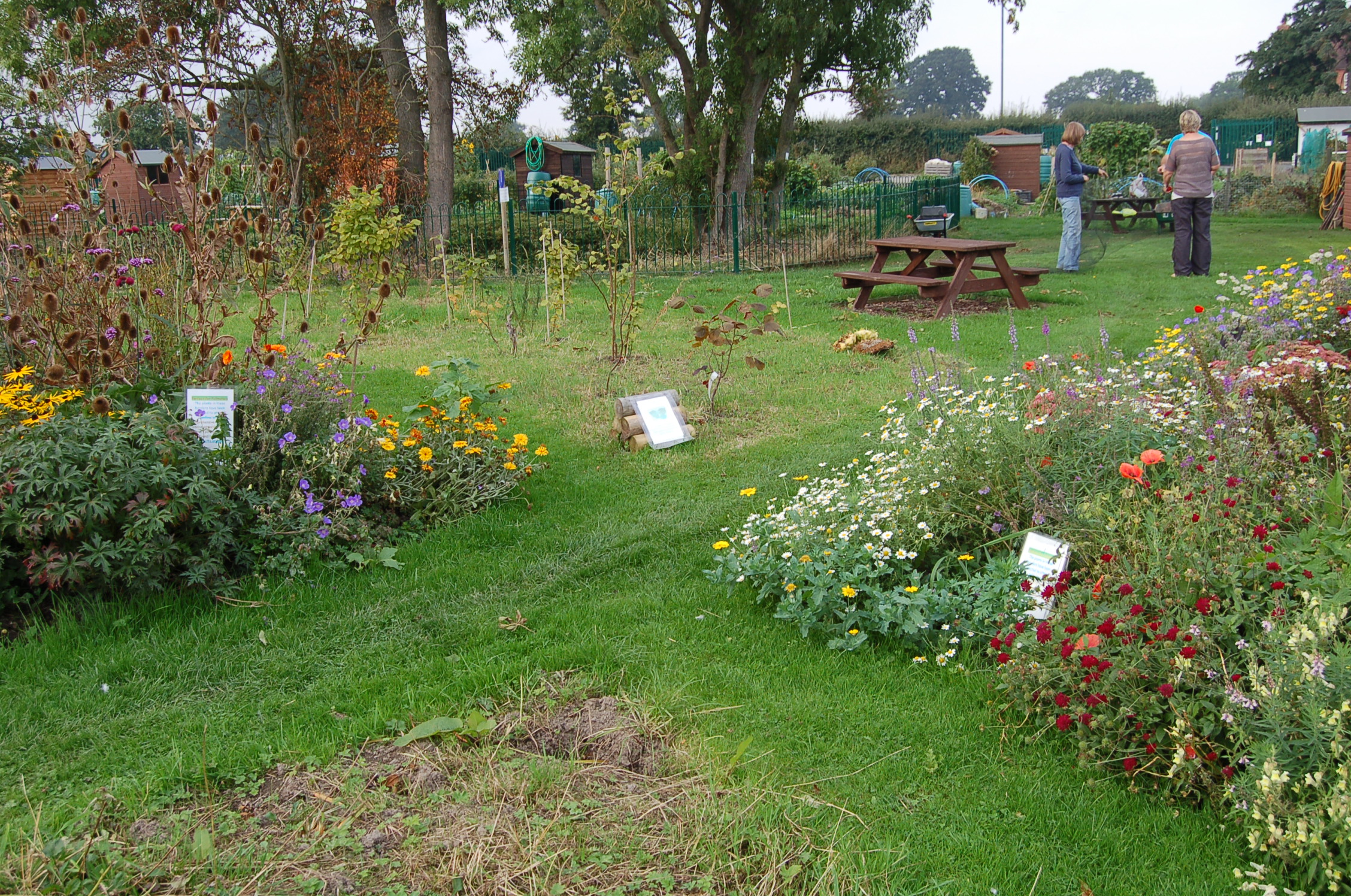
One area will not be getting much attention yet though, the three beds that make up the “Perfect for Pollinators” garden. As the photo illustrates one of these is planted up with garden plants, one with a mix of native and garden plants and the third (at the bottom edge of the photo) is seeded each year with annual wildflowers. This annual bed will be cleared completely and then sown afresh in the spring.
2013 09 25_3701

Categories
allotments community gardening meadows Uncategorized

Mini Flower Meadow

This year we created a new meadow from scratch on the Bowbrook Allotment Community green spaces. The area was cleared of turf which we used on our loam pile and dug over removing as many roots of pernicious weeds as possible as we went along. We then rotavated the area and left it to let weed seedlings appear. As they did so we hoed them off.
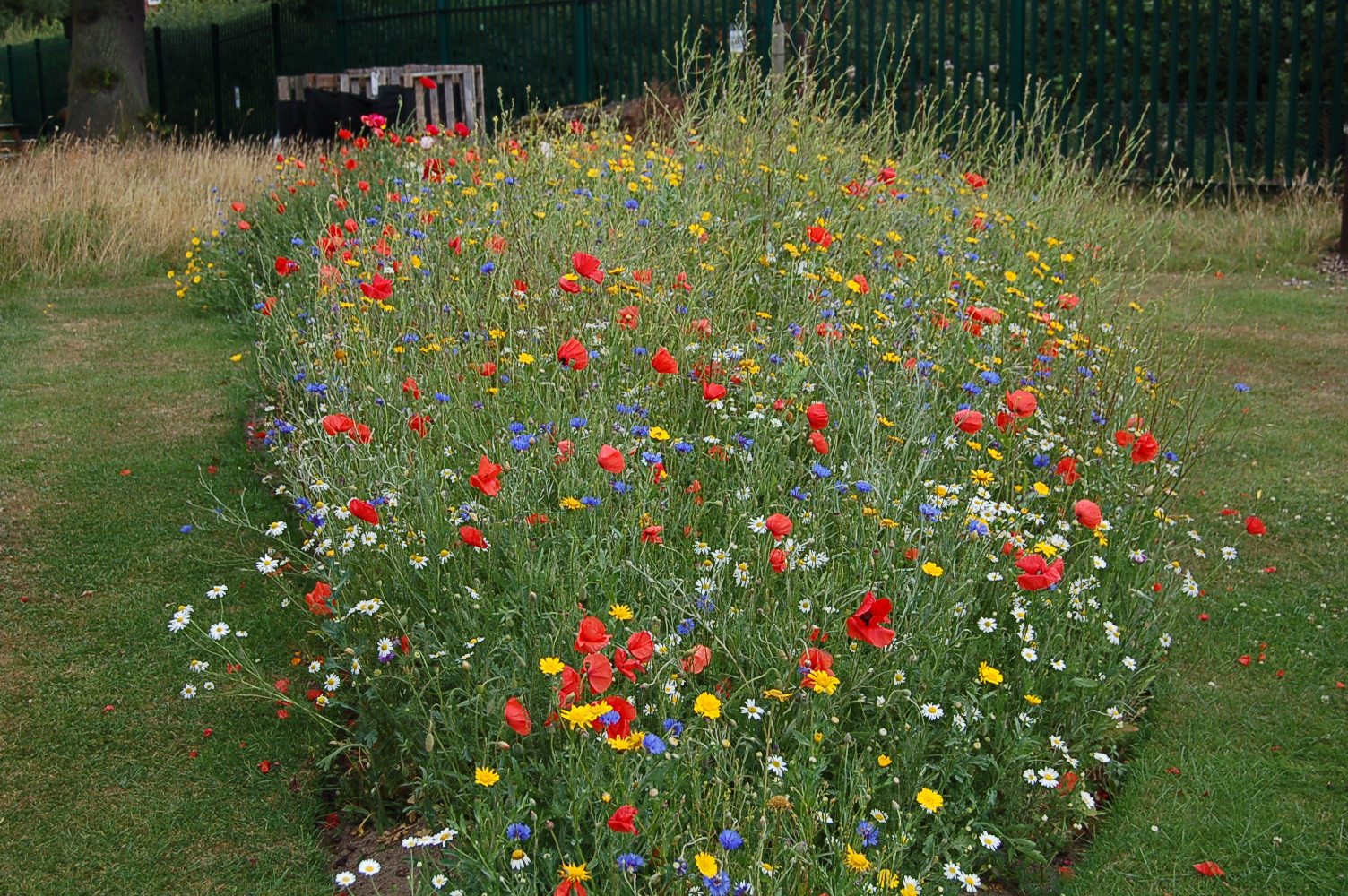
We sowed with a mixture called “Pictorial Mix” which included annuals, biennials and perennials which were mostly British natives but we added other wildflowers were included to extend the season and add extra colour. The result can be seen below, but it did keep us on tenterhooks as the seeds germinated very slowly in the dry weather we have experienced here in Shropshire all year.

We have been so pleased with the result! It is the most photographed border on the site. Now in late September it is still showing some flower.

This Veggie Life

A Vegetarian | Nature Lifestyle Blog

Rambling in the Garden

.....and nurturing my soul

The Arch City Gardener

Journeys In St. Louis Gardening and Beyond

Garden Dreaming at Châtillon

Consult the genius of the place

Storyshucker

A blog full of humorous and poignant observations.

gardeninacity

Notes from a wildlife-friendly cottage garden

PlayGroundology

...an emerging social science

The Official Blog of British Wildlife

'The most important and informative publication on wildlife of our times' - The Independent. This blog is a member of The UK & Ireland Natural History Bloggers group: www.uknhb.blogspot.com

iGrowHort

Inspire - Cultivate - Grow Native Plants - Restore Landscapes

Bishops Meadow Trust

To create and protect a semi-natural wild space for the people of Farnham to enjoy and experience an array of British wildlife in our town

Gardening with Children

The www.gardeningwithchildren.co.uk Blog

UKbirdingtimeline

birding through the seasons, why birds matter and how to conserve them

NATURE WALKER

with a camera in hand

Jardin

Transform your outdoor space

Eva's space

My allotment, cooking and other interests

Old School Garden

my gardening life through the year

LEANNE COLE

Trying to live a creative life

fromacountrycottage

trying to live as lightly as possible on our beautiful planet

Good Life Gardening

Nature lovers from Leicester living the good life.

mybeautfulthings

Finding the beautiful in the everyday

mawsonmichelle

Michelle's Allotment

In and Out of My Garden

thoughts from and about my garden

Greenhousing

Big plans for a small garden

The Scottish Country Garden

A Walled Country Garden in South East Scotland

The Fruity Chicken

Life at the fruity chicken

willowarchway

Off grid living. Self sufficient. "PERMAGANICS RULE".
St Anns Allotments

Nottingham's Grade 2* Listed Allotments and Community Orchard

Manifest Joy Harvests

a journey in suburban vegetable gardening

Allotmental

The madness of growing your own

Penny's Garden: a harvest beyond my front door

A novel approach to vegetable gardening

arignagardener

Sustainable living in the Irish countryside.

NewEnglandGardenAndThread

Master Gardener, amateur photographer, quilter, NH native, and sometimes SC snowbird

dianajhale

Recent work and work in progress and anything else that interests me

planthoarder

a chaotic cottage gardener

Lens and Pens by Sally

a weekly blog that creates a personal philosophy through photographs and words

Dewdrops and Sunshine

Stories from a sassy and classy Southern farmbelle.

The Pyjama Gardener

Simple Organic Gardening & Seasonal Living

gettin' fresh!

turning dirt into dinner

JOY...

today the world is created anew

Garden Birds

Notes from a Devon garden

ShootAbout

Life Through The Lens

Adapting Pixels

A photography blog showcasing the best photography pictures and videos on the internet

Wildlifegardening's Blog

Just another WordPress.com site

naturestimeline

personal observations from the natural world as the search continues for a new approach to conservation.

LATEBLOOMERBUDS

The Wonders of Life through my Eyes, my Heart, my Soul