Categories
log piles logs National Trust outdoor sculpture The National Trust trees woodland woodlands

Tree Trunks at Attingham

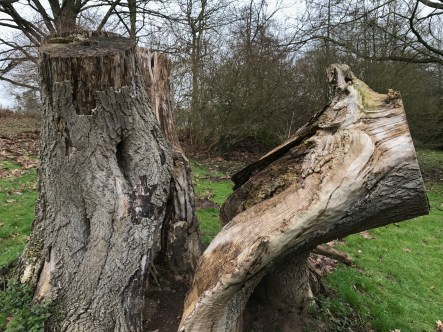
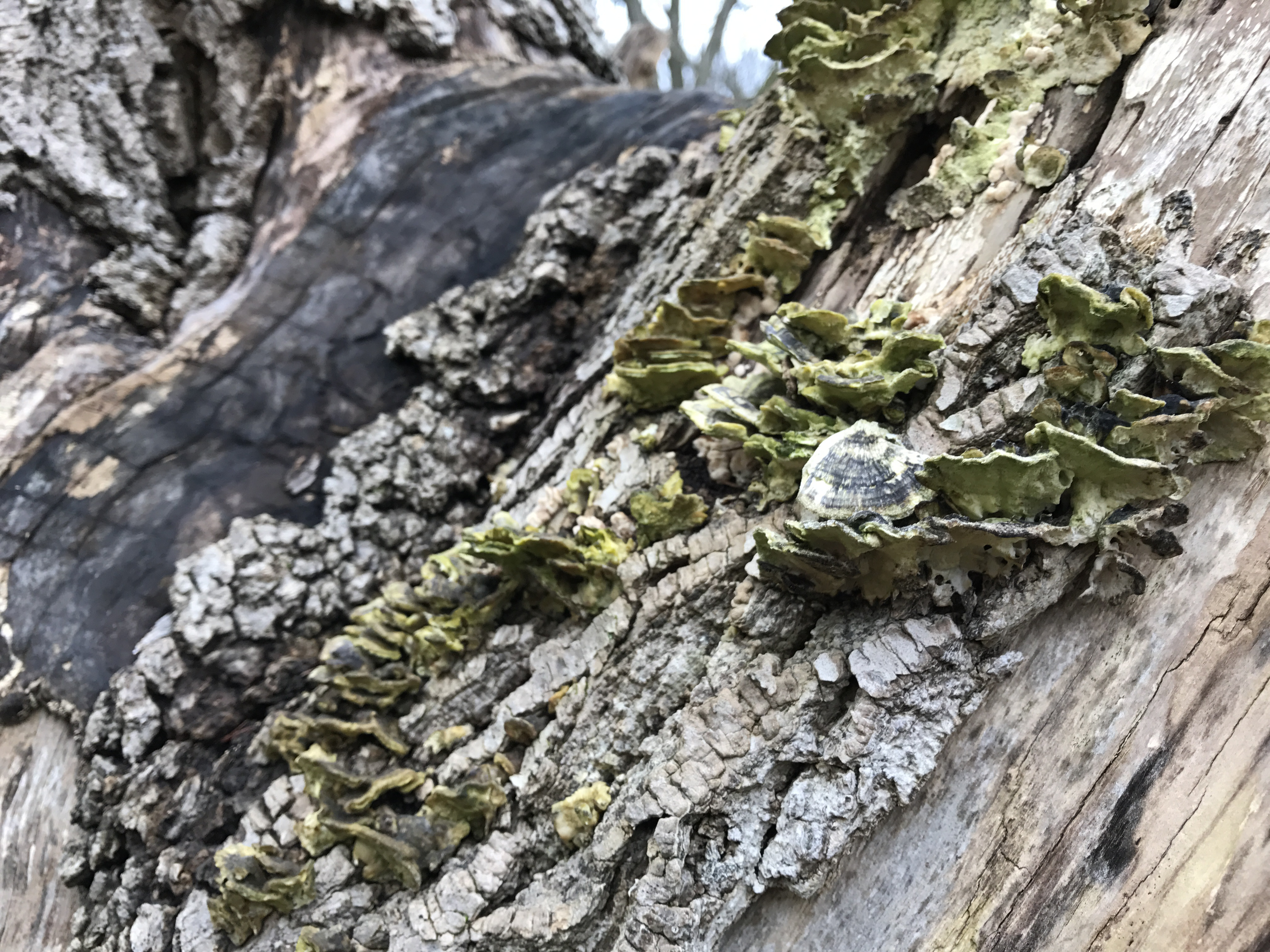
On our monthly wanders through the parkland at Attingham Park, the closest National Trust property to us here in Plealey, we spot many dead trees left standing to benefit wildlife, insects and birds in particular. But we simply enj0y their shapes as they decay and the textures created as fungi and small creatures eat them and erode them away.

a13-05 a13-03a13-04

We came across a pair of old diseased beech trees both of which had been worked on by tree surgeons. One looked as if it had been made safe to be left for the wildlife of the woods but the other treated in a manner that would save it for years to come.

a13-06 a13-07

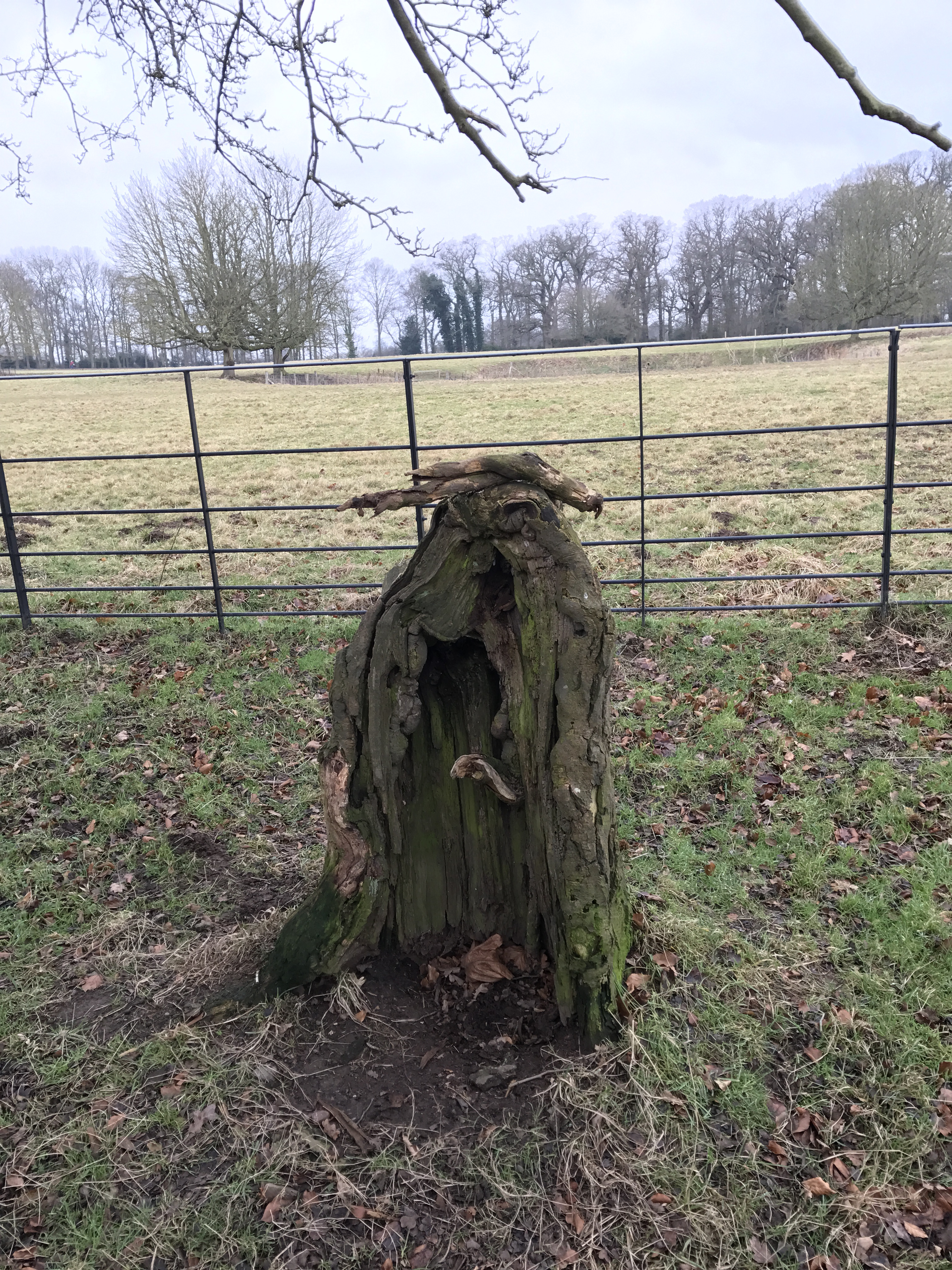
When we went closer to look at this stump of an old rotting tree we noticed that someone who has passed before us had added a few pieces of wood creating a piece of outdoor sculpture. A surprise for us and other visitors lucky enough to spot it. And a little humour!

a13-09 a13-10

Trees that have to be felled when they are in a dangerous place are felled, cut into logs which are stacked to create log piles for wildilfe.

a13-01 a13-02

The slow decay and death of trees keeps the woodland changing for ever. They support many forms of wildlife before rotting away beneath the power of fungi to return to the woodland floor adding nutrients and humus to the soil.

Categories
colours garden photography gardening gardens gardens open to the public National Trust ornamental trees and shrubs Shrewsbury Shropshire shrubs The National Trust trees Winter Gardening winter gardens woodland woodlands

A Walk in the Park – February at Attingham Park – Part 2

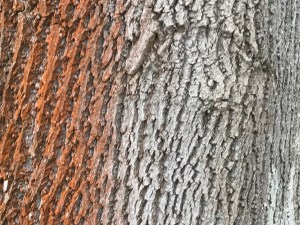
After enjoying time exploring the walled garden and its outbuildings we continued our wanderings towards the beginning of “The Mile Walk”, passing along the way this tree half covered by orange lichen, which looked so colourful on this dull day.

a9-16 a10-5

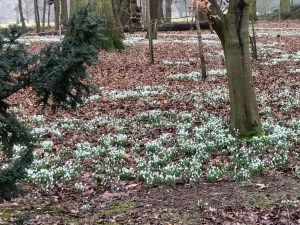
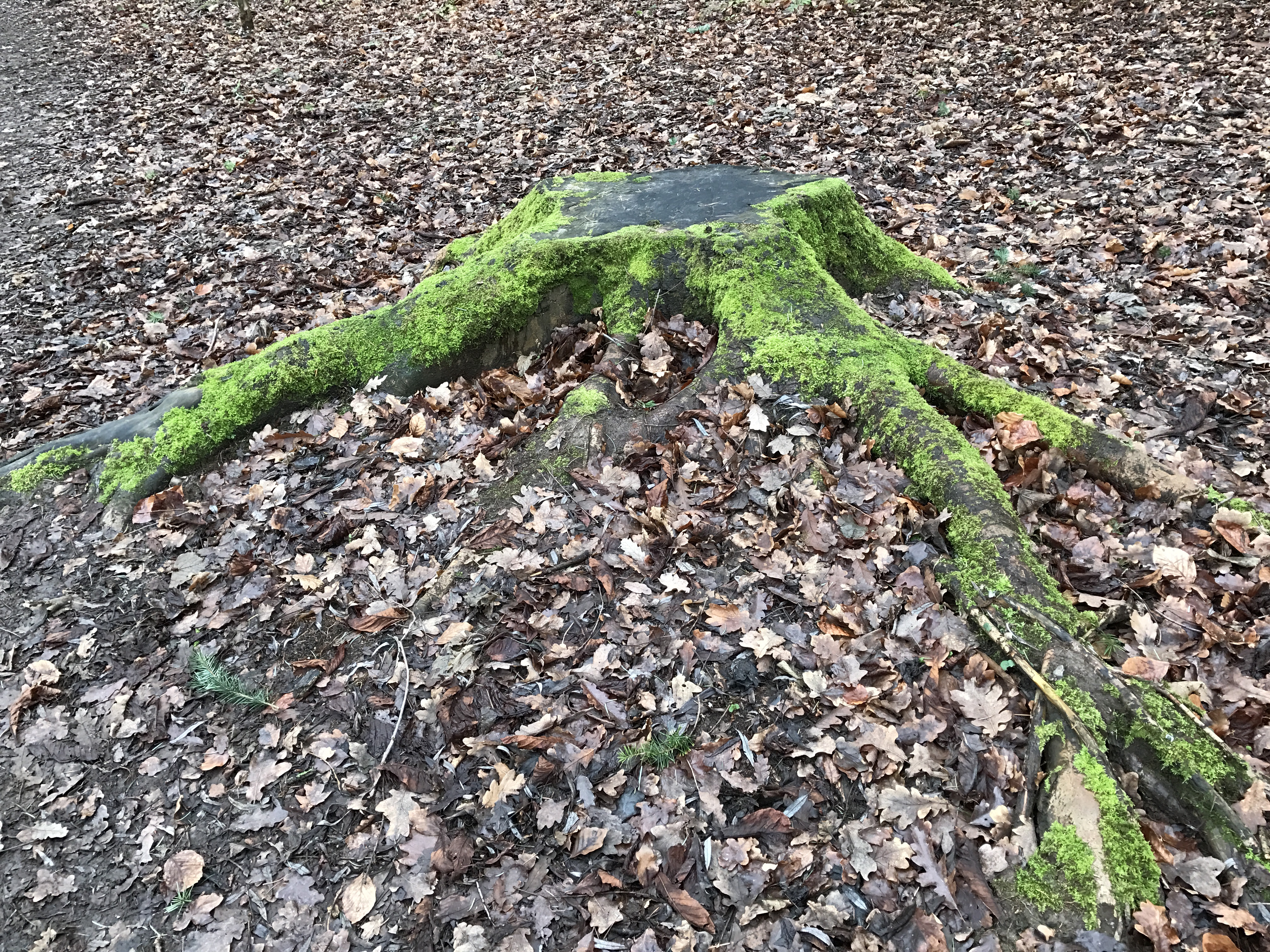
On the way we noticed how much moss was growing at the bases of the mature trees and how bright their green colours were. Of course we enjoyed the white sparkles of snowdrops on the way.

a9-01 a9-04a9-06 a9-14a9-11 a9-03a9-05 a9-02

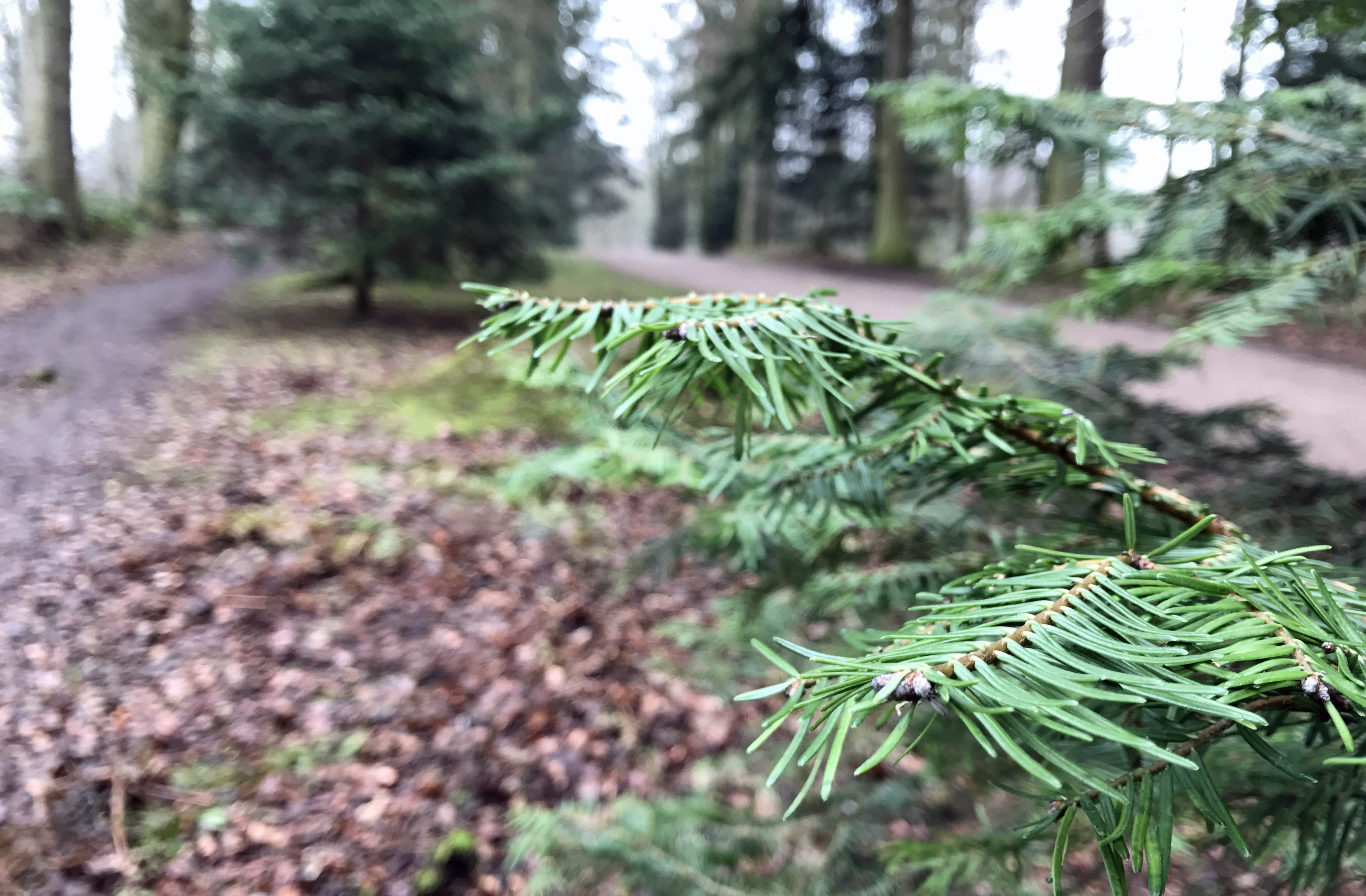
There is a wide variety of coniferous evergreens growing close to the path, collected centuries ago under the guidance of Lord Berwick, a keen tree and shrub collector. We looked closely at the freshest of branches to compare colours and shapes.

a9-07 a9-10a9-18 a9-17

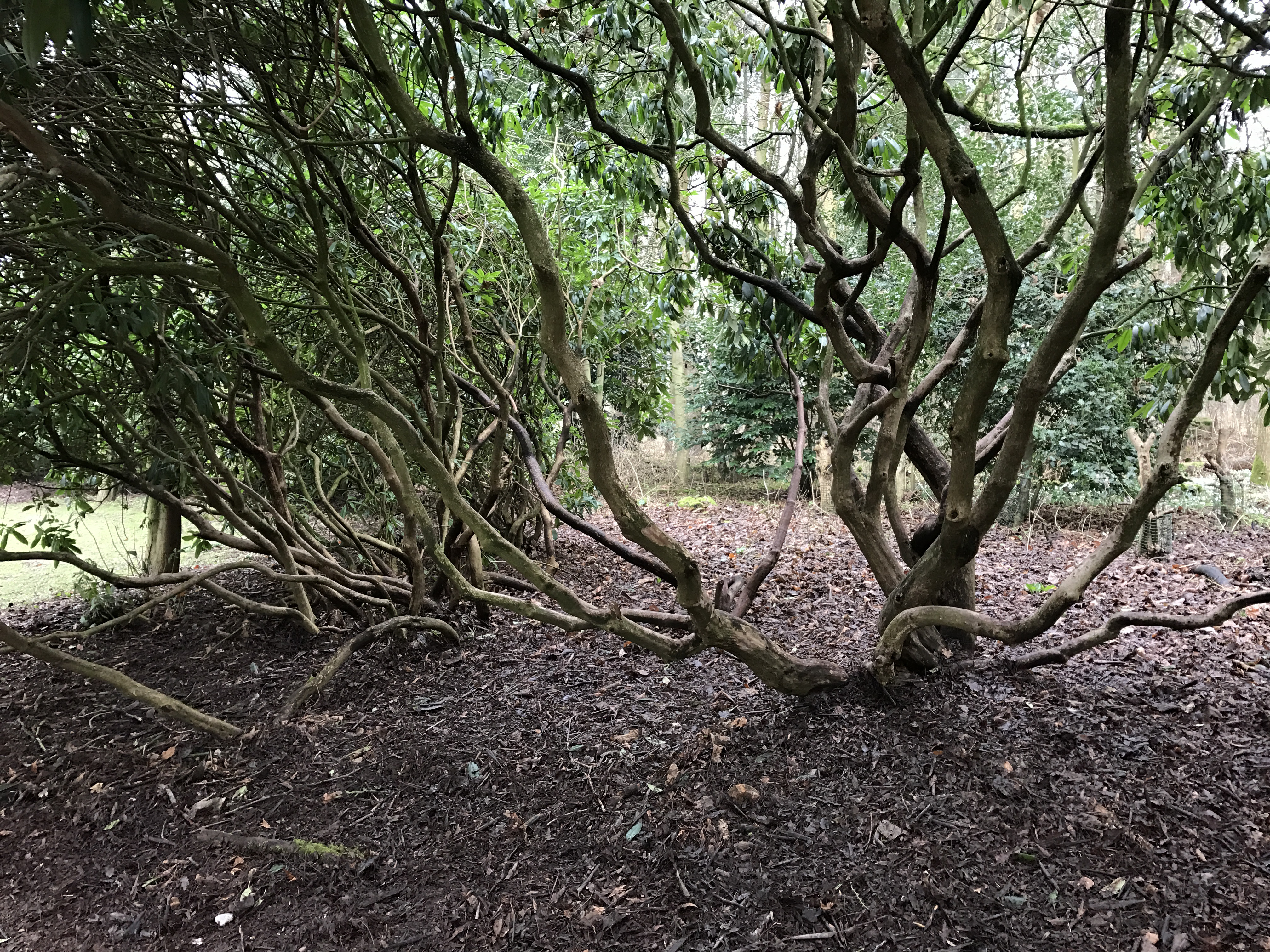
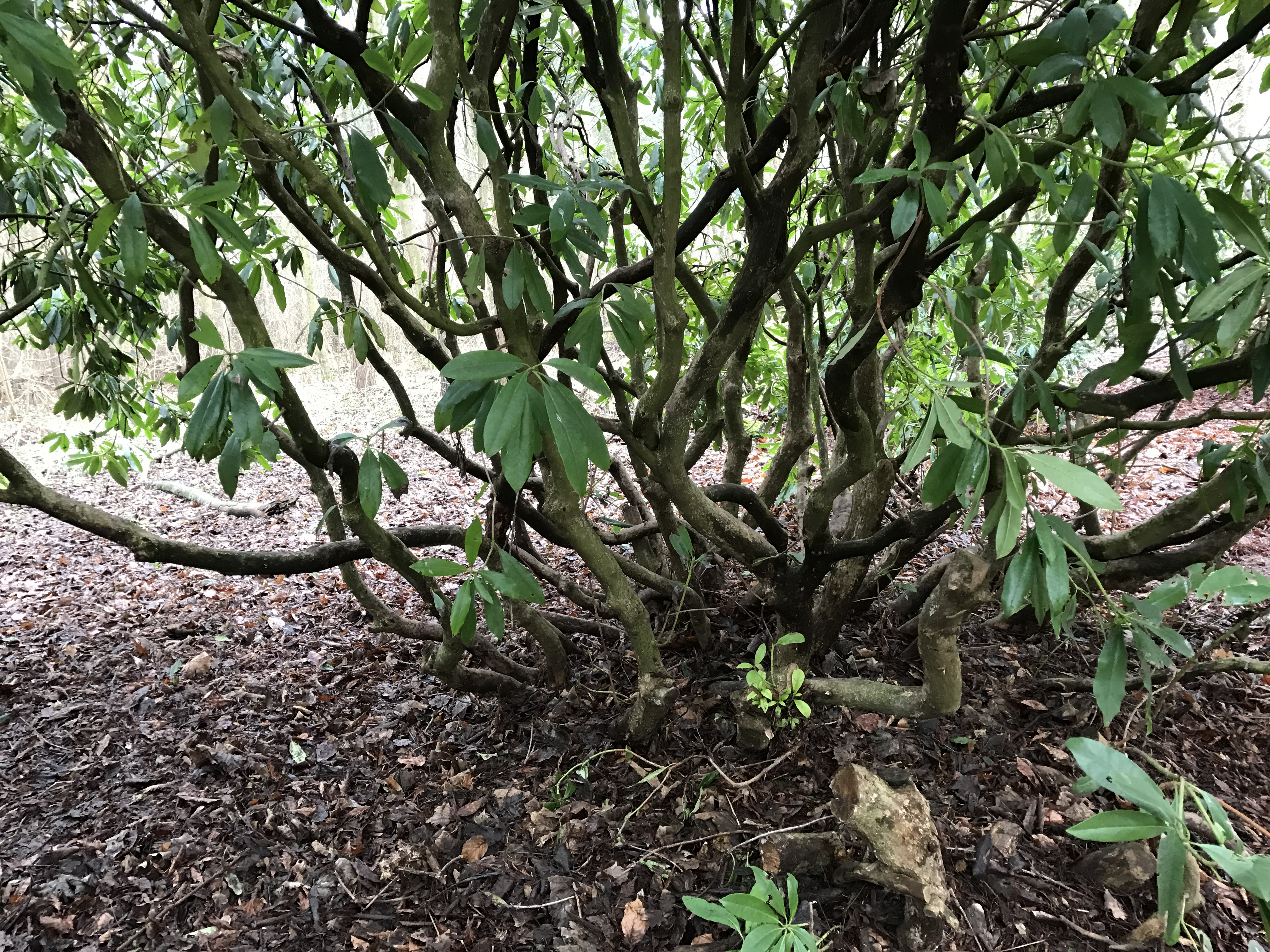
It is only in the depth of winter that we can really appreciate the beautifully gnarled lower stem structure of rhododendron bushes.

a9-12 a9-13

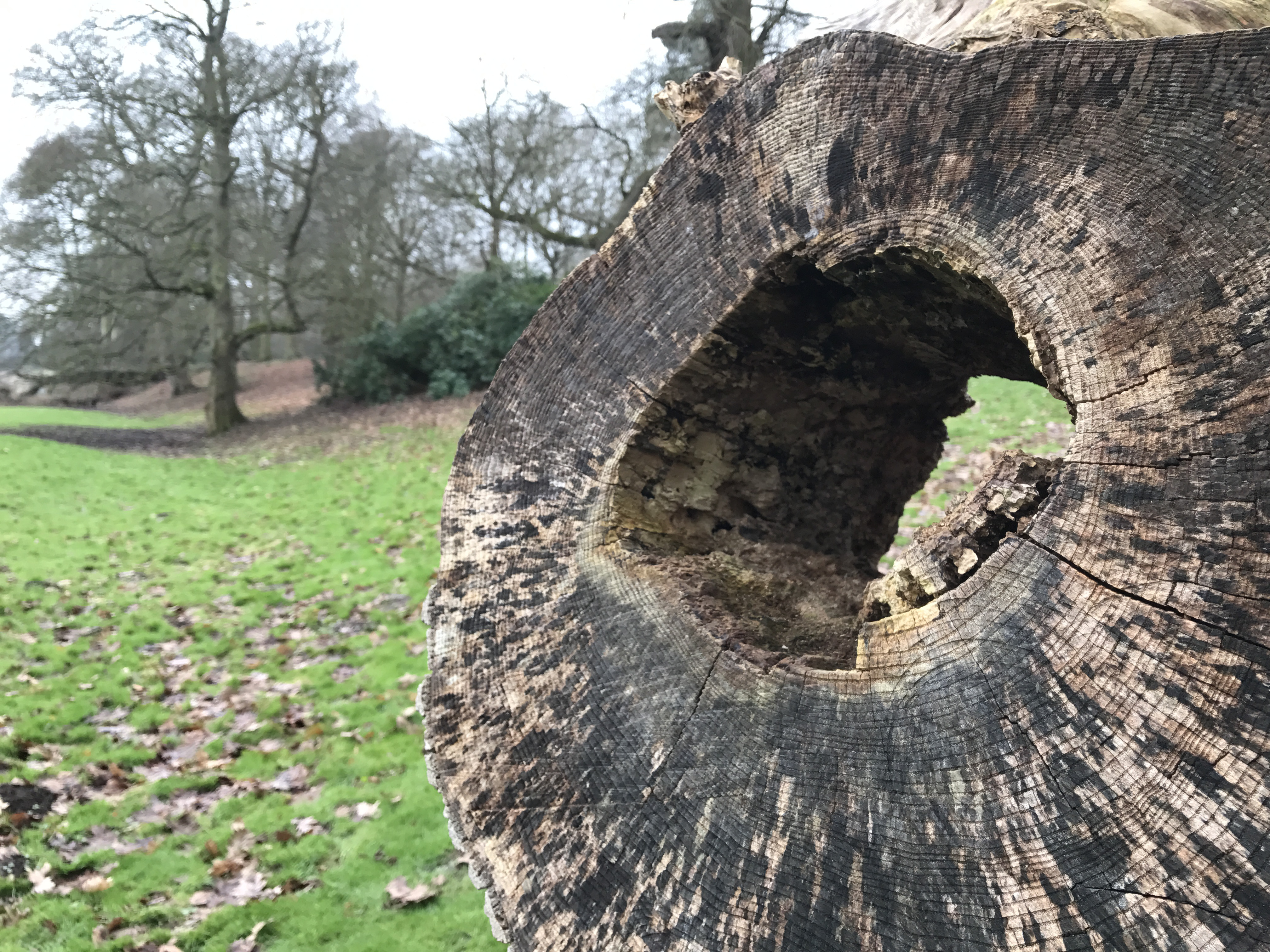
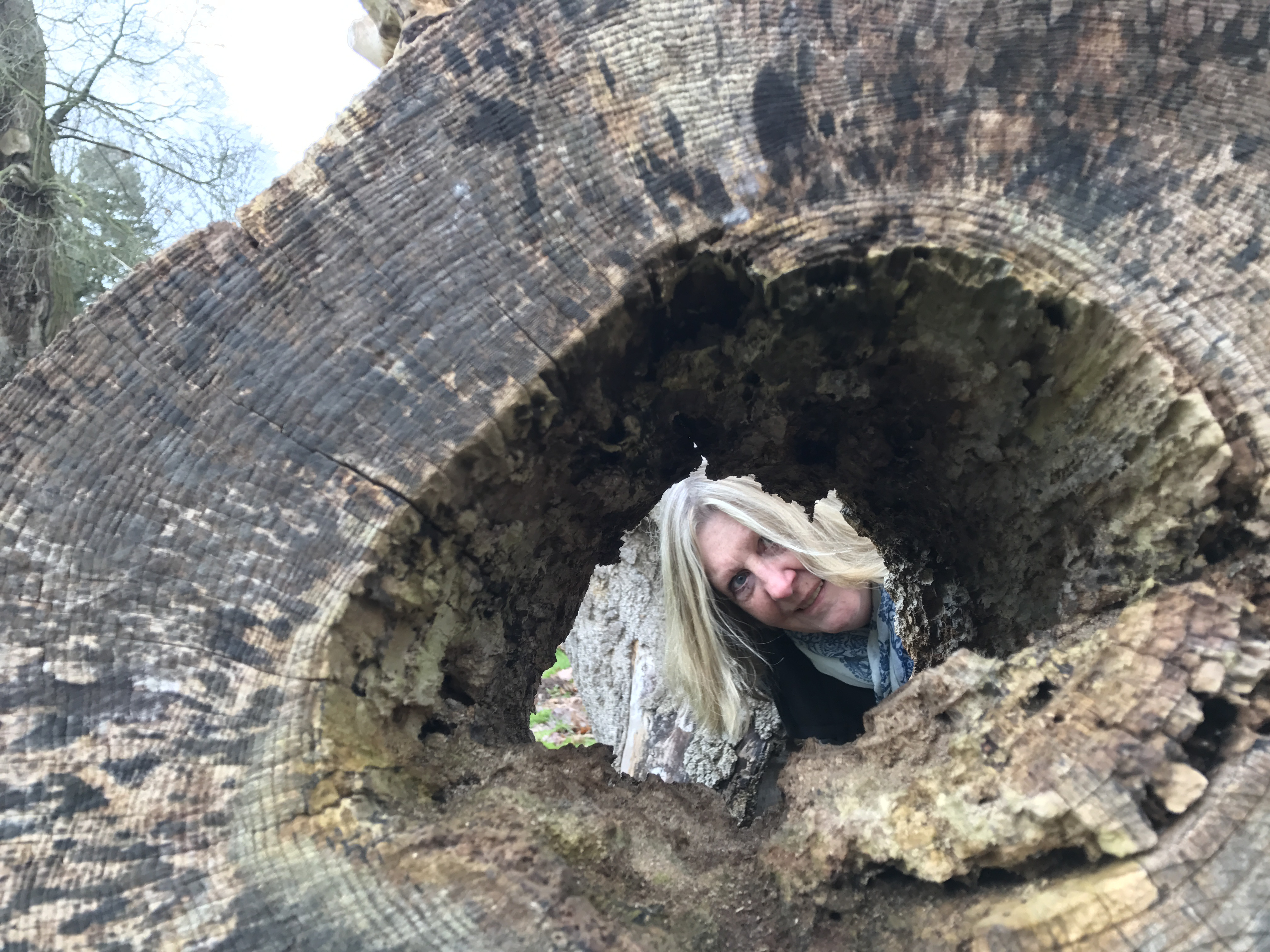
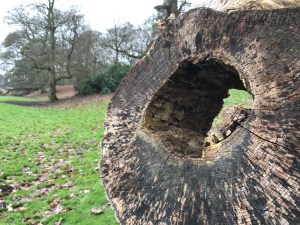
Old tree trunks hollowed out over centuries always bring the child out in us. We were drawn to it as soon as we spotted it along the riverbank.

a10-4 a9-21 a9-22 a9-23 a9-24

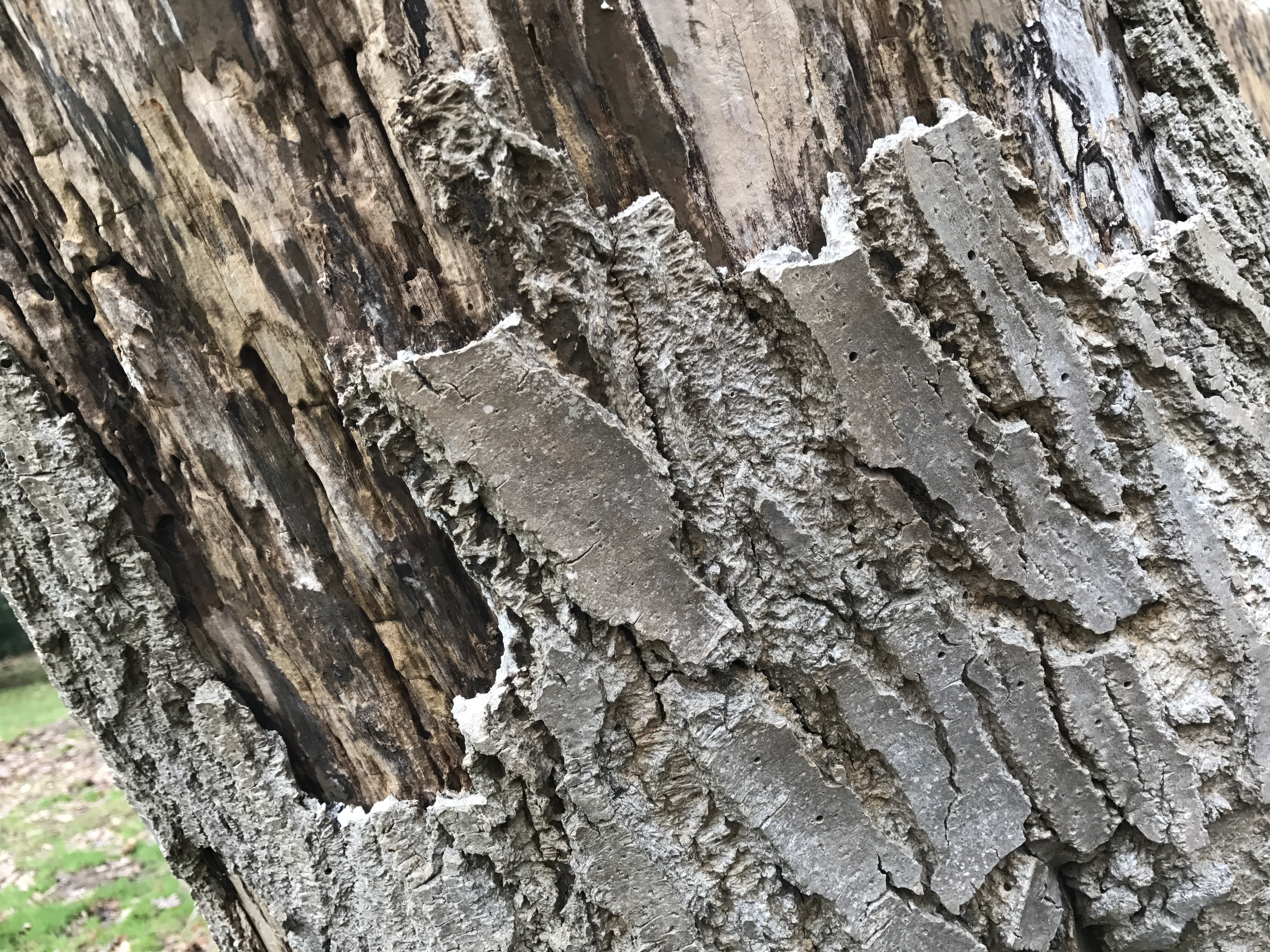
Closer study revealed wide varieties of texture and pattern.

a9-25 a9-26 a9-27 a9-28 a9-29 a9-30

It is always good to find a little humour in gardens and parks. This worm was enjoying nibbling away at the big apple. What a great way to take advantage of an old uprooted tree stump. The final photo shows a seat which we imagines was rarely used particularly as it was just a few feet from the river!

a2-51 a2-50   a9-19

Our next visit to Attingham Park will be in March so we are already looking forward to searching for changes. Of course we will be full of anticipation knowing that the new coffee shop is getting close to its opening date!

a10-6 a10-7


Categories
birds flowering bulbs fruit and veg garden buildings garden photography gardening gardens gardens open to the public kitchen gardens National Trust Shrewsbury Shropshire spring bulbs The National Trust walled gardens walled kitchen gardens winter gardens woodland woodlands

A Walk in the Park – February at Attingham Park – Part 1

It is mid-February and time for our second visit to Attingham Park, our nearest National Trust property. We awoke on the day of our planned visit to a dark overcast sky and light rain hanging in the air, but we set off nonetheless, determined that the weather would not spoil our plans. We started with a quick coffee break but the rain had not improved when we set off on the actual walk to the walled garden and onwards along “The Mile Walk”.

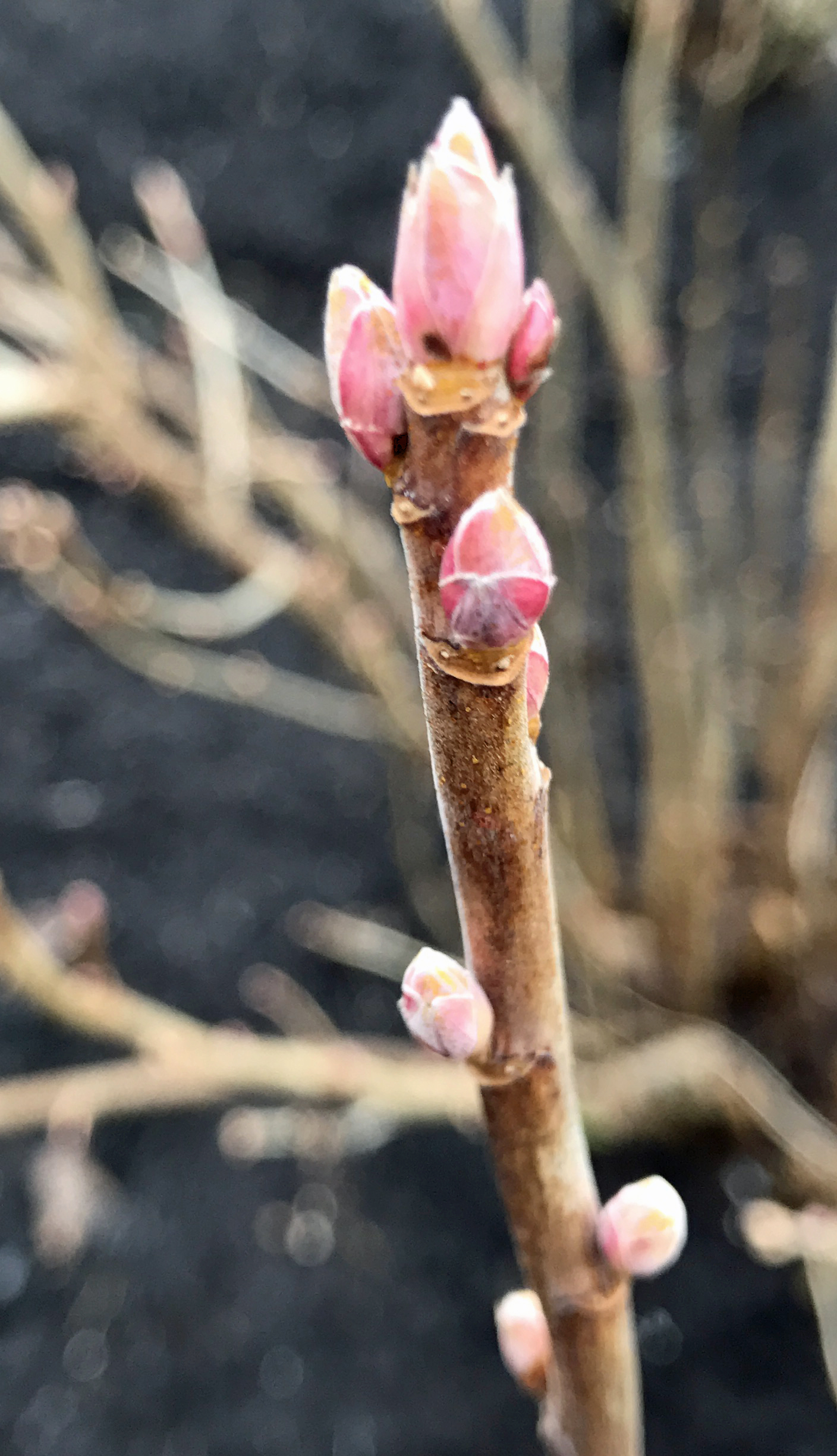
We were on the look out for signs of fresh growth and early signs of wildlife activity. We were not expecting to find much change in the walled garden. Leaf buds were opening on several trees and shrubs, the first signs of fresh growth, as well as a few very early flowers on shrubs.

a1-1 a1-6 a1-2 a1-7

As we left the coffee shop in the courtyard we made our way towards the walled garden following the soft bark path beneath extremely tall trees, where odd leaves brown from autumn were still caught in their lower branches. Up above in the uppermost branches Jackdaws were busy tidying up their nests from last year and noisily chattering away as they did so.

a1-4 a1-3a2-01 a2-05

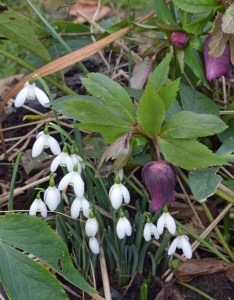
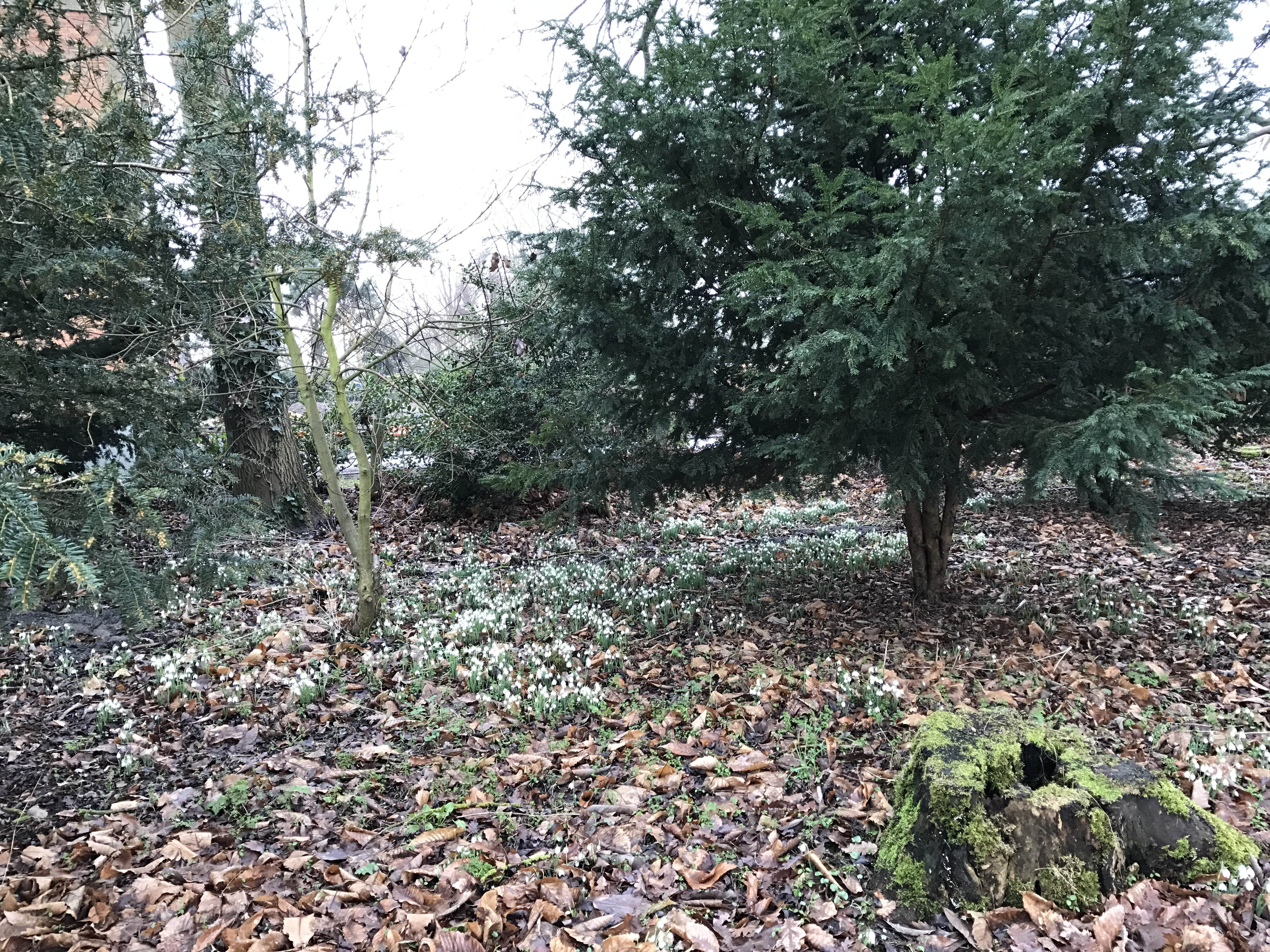
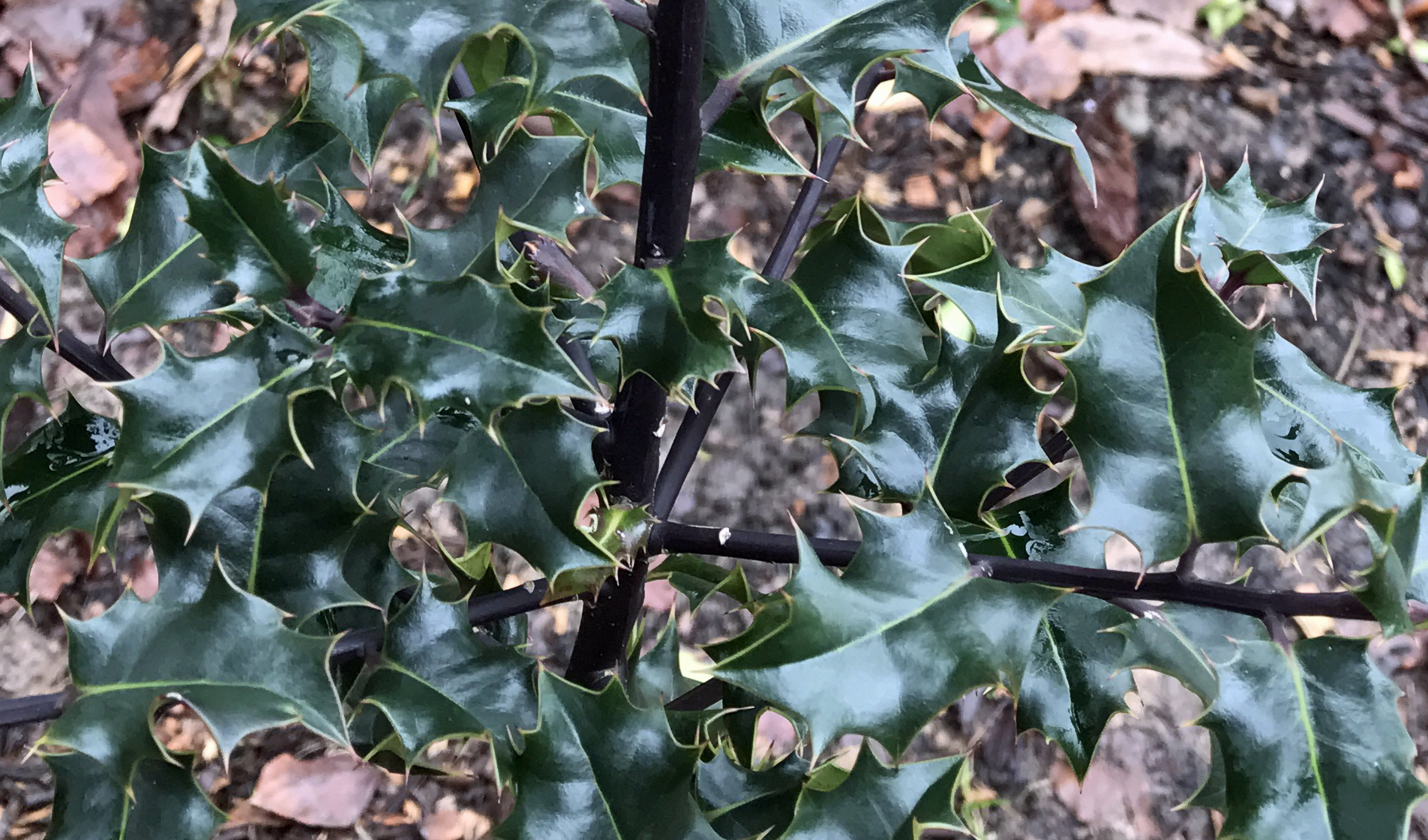
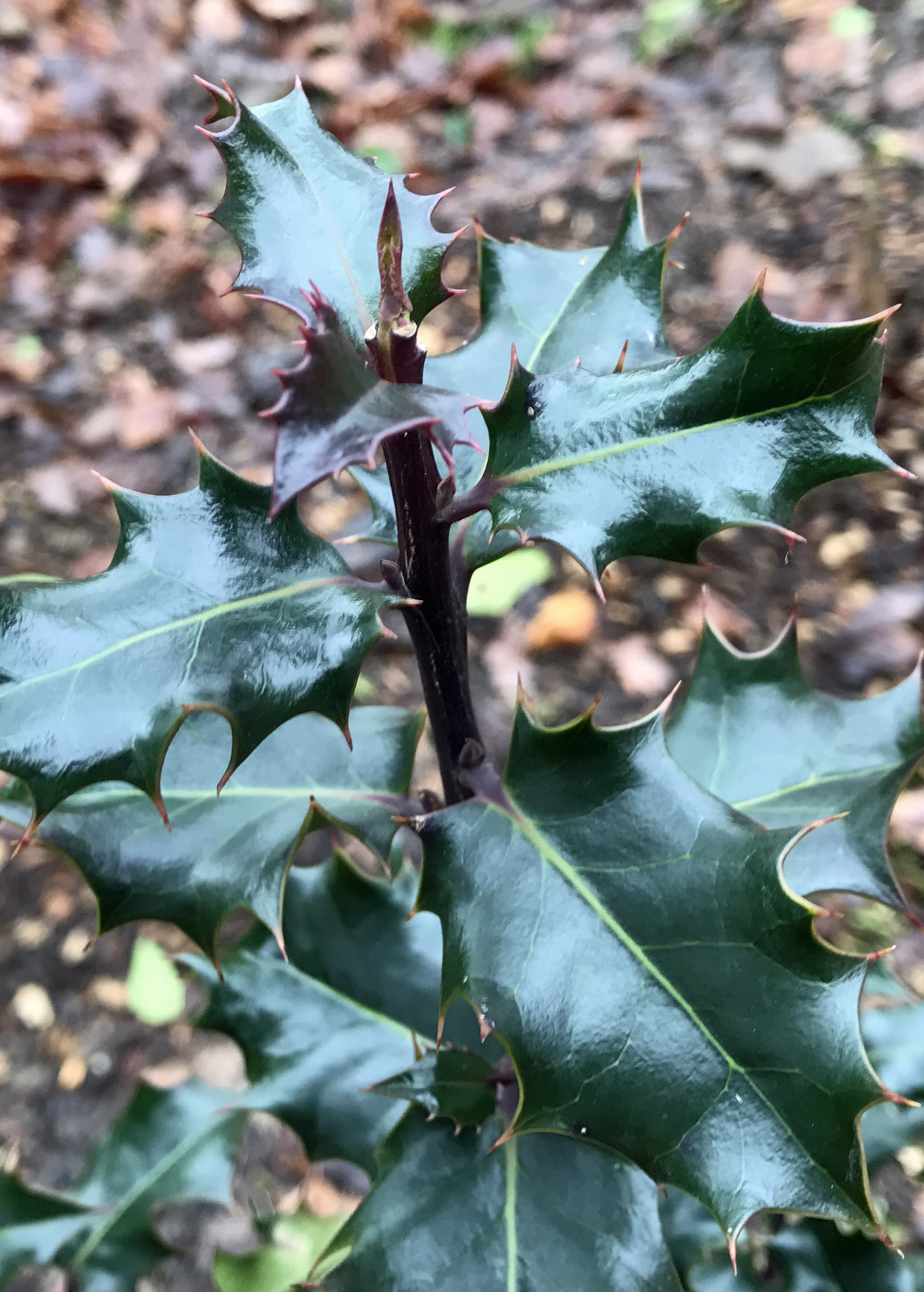
Snowdrops carpeted the floor beneath tall trees looking at their brightest in the shade of hollies which are a feature of the woodland garden here. After enjoying the snowdrops and the variety of hollies we soon found ourselves in the protection of the Walled Garden.

a2-02 a2-09 a2-06 a2-07 a2-08 a2-10  a2-11 a2-12 a2-13

The volunteer gardeners had been working hard skillfully pruning the fruit and we really enjoyed appreciating their skills. A neat layer of compost provided a warm protective mulch and gave an extra level of neatness.

a2-14 a2-15 a2-16 a2-17 a2-18 a2-19a2-22 a2-23

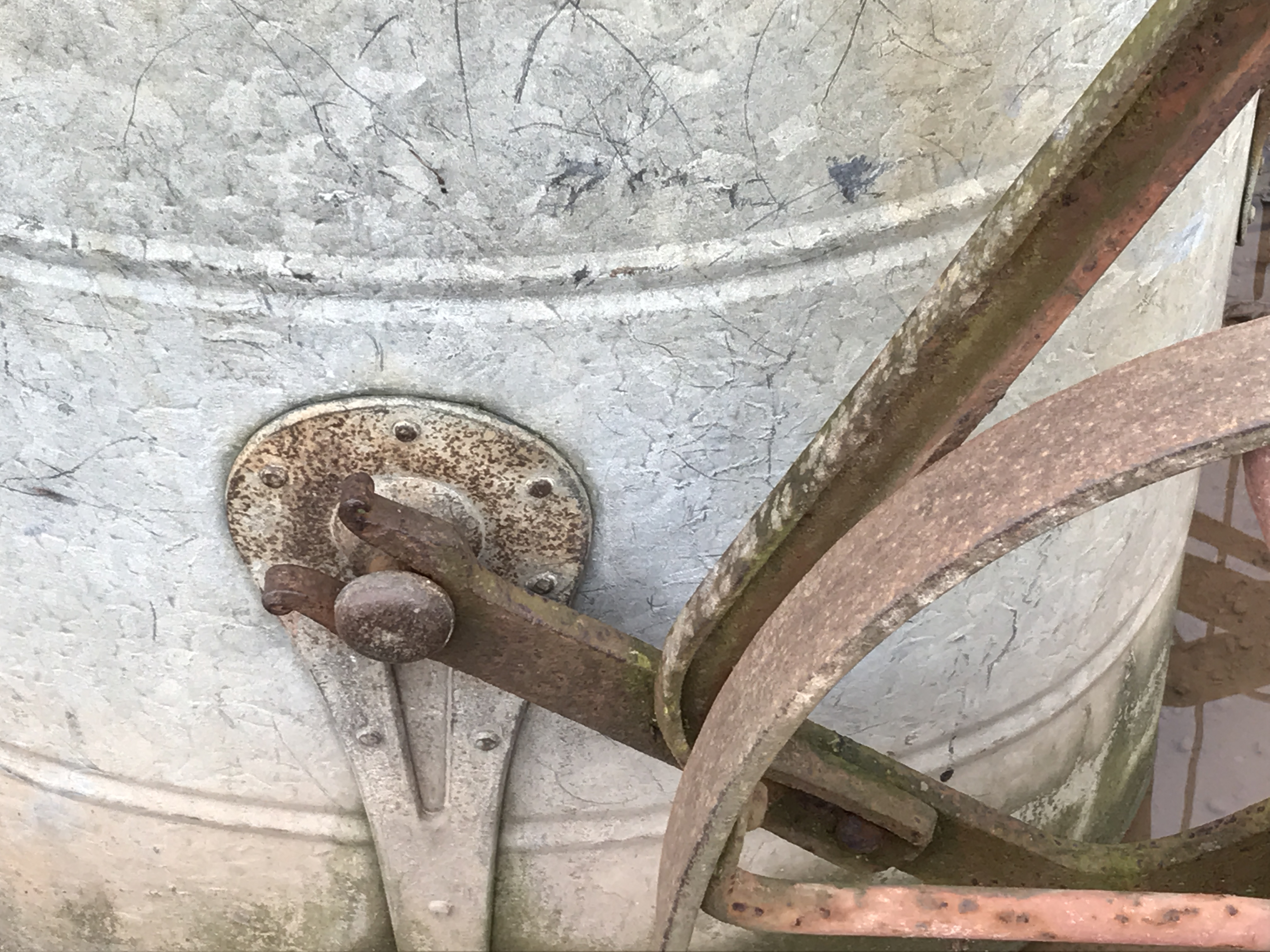
In the very centre of the four segments of the walled garden a dipping well is conveniently placed. Alongside waits an old wheeled water bucket cart beautifully crafted in iron and galvanised metal. Today it is more decorative then functional.

a2-20 a2-21

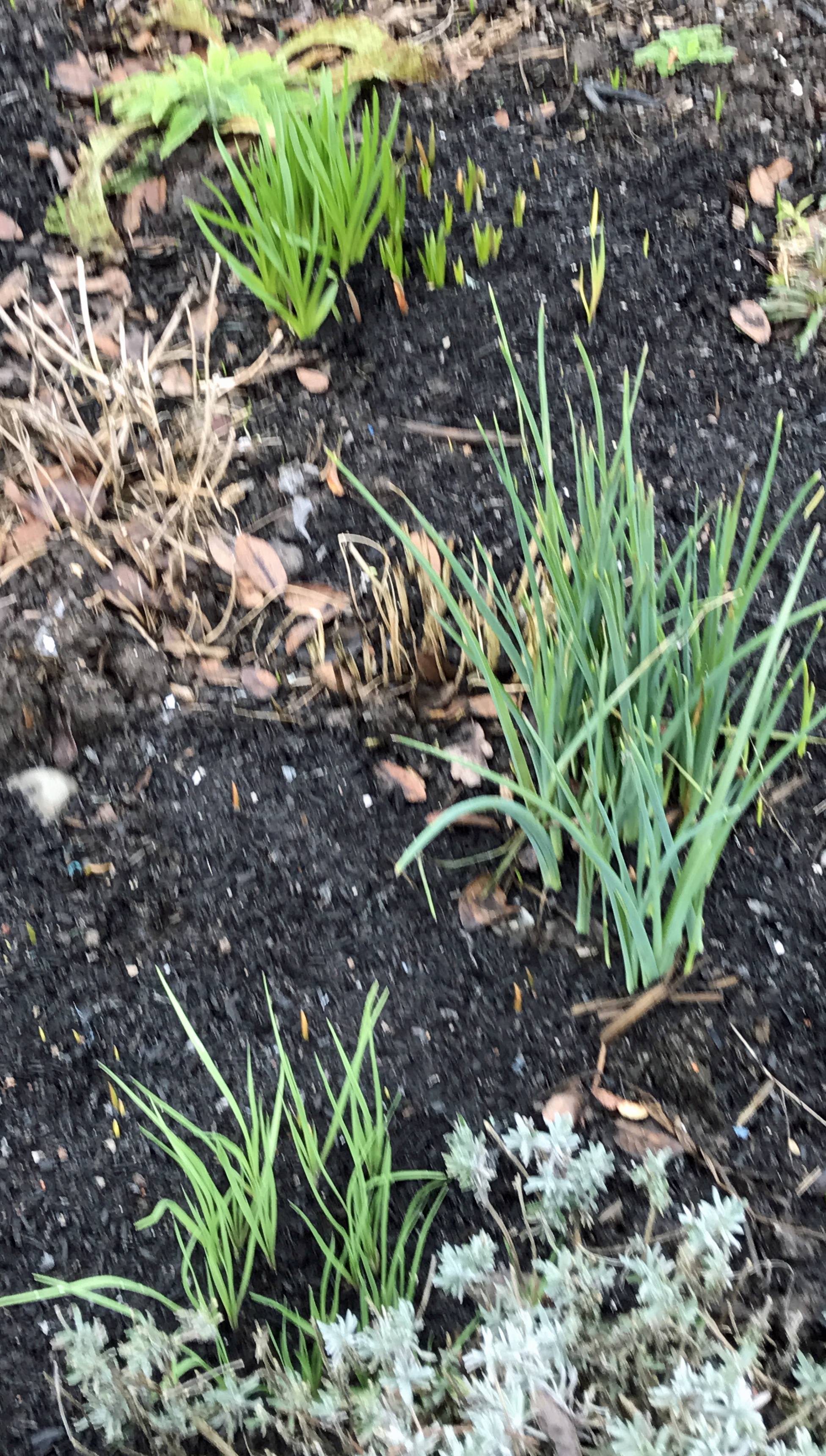
New life was showing in the herbaceous borders running along both sides of the main centre path.

a2-24 a2-25 a2-27  a2-29  a2-31

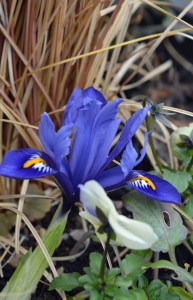
As we moved into the glasshouse yard bright blue splashes of colour showed strongly in the borders and in pots, diminutive Iris reticulata.

a2-35 a2-32a2-34 a2-37

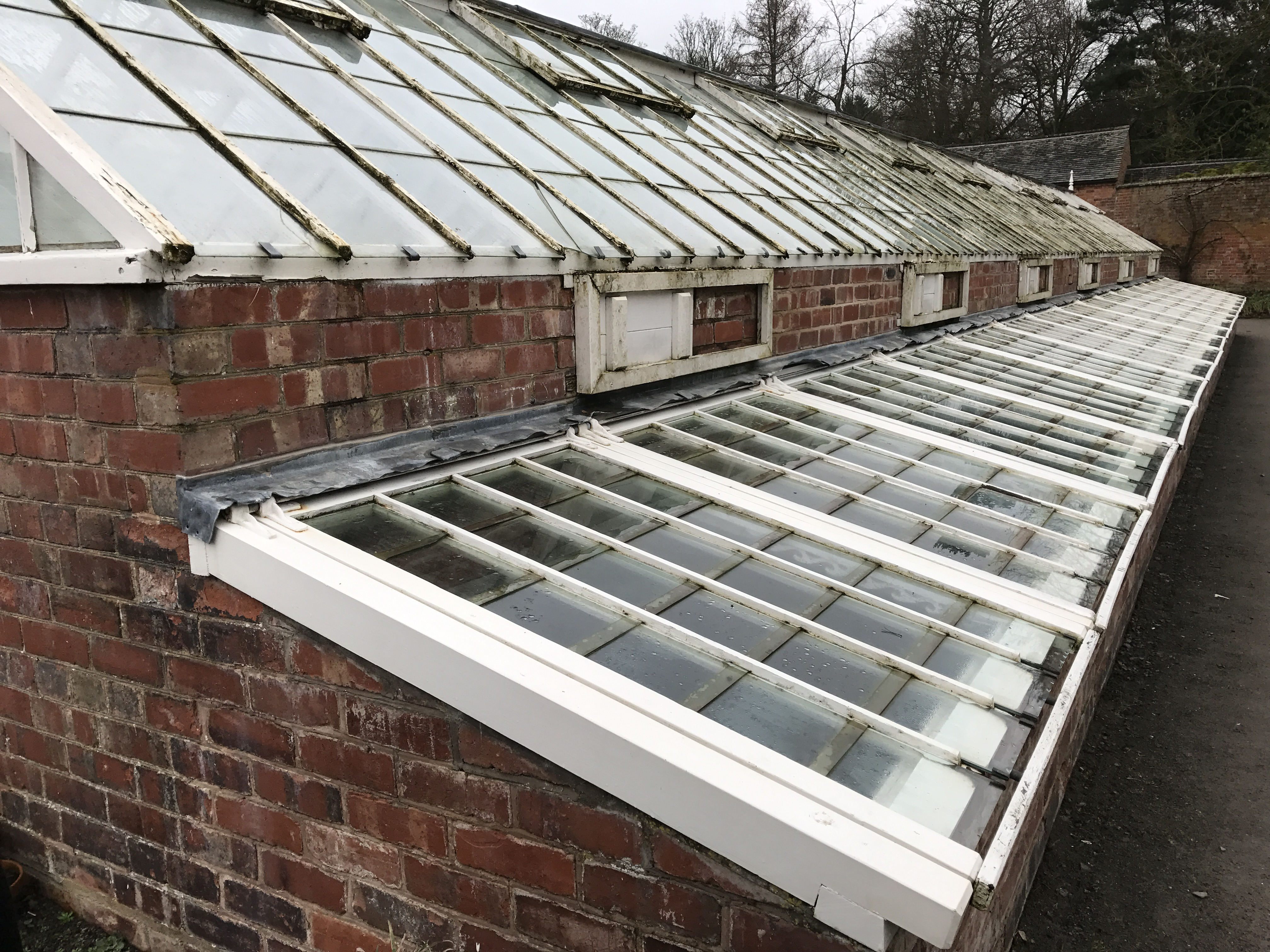
We never fail to be impressed by the workmanship evident wherever old glasshouses have been restored to their former glory.


a2-39 a2-40

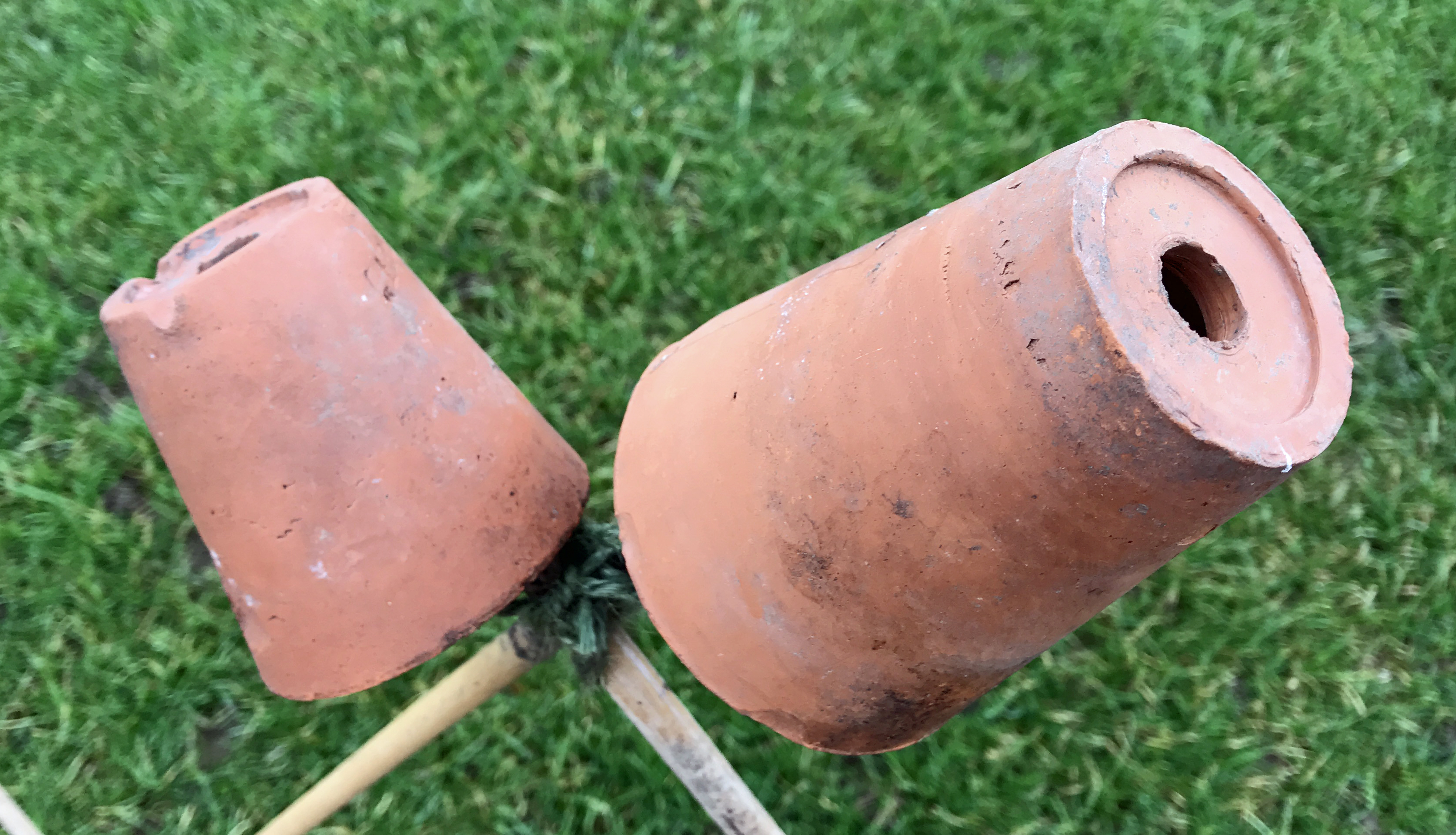
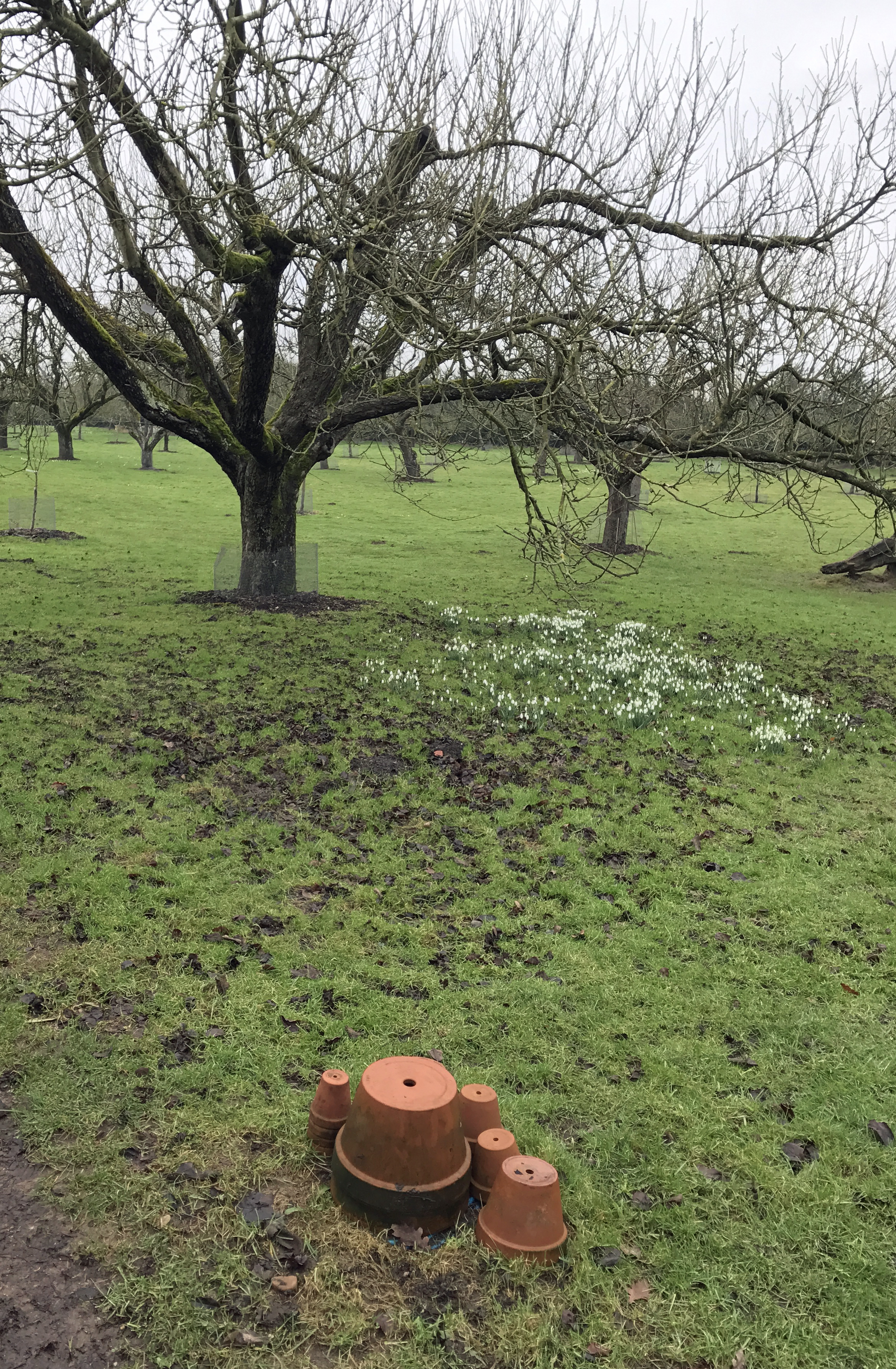
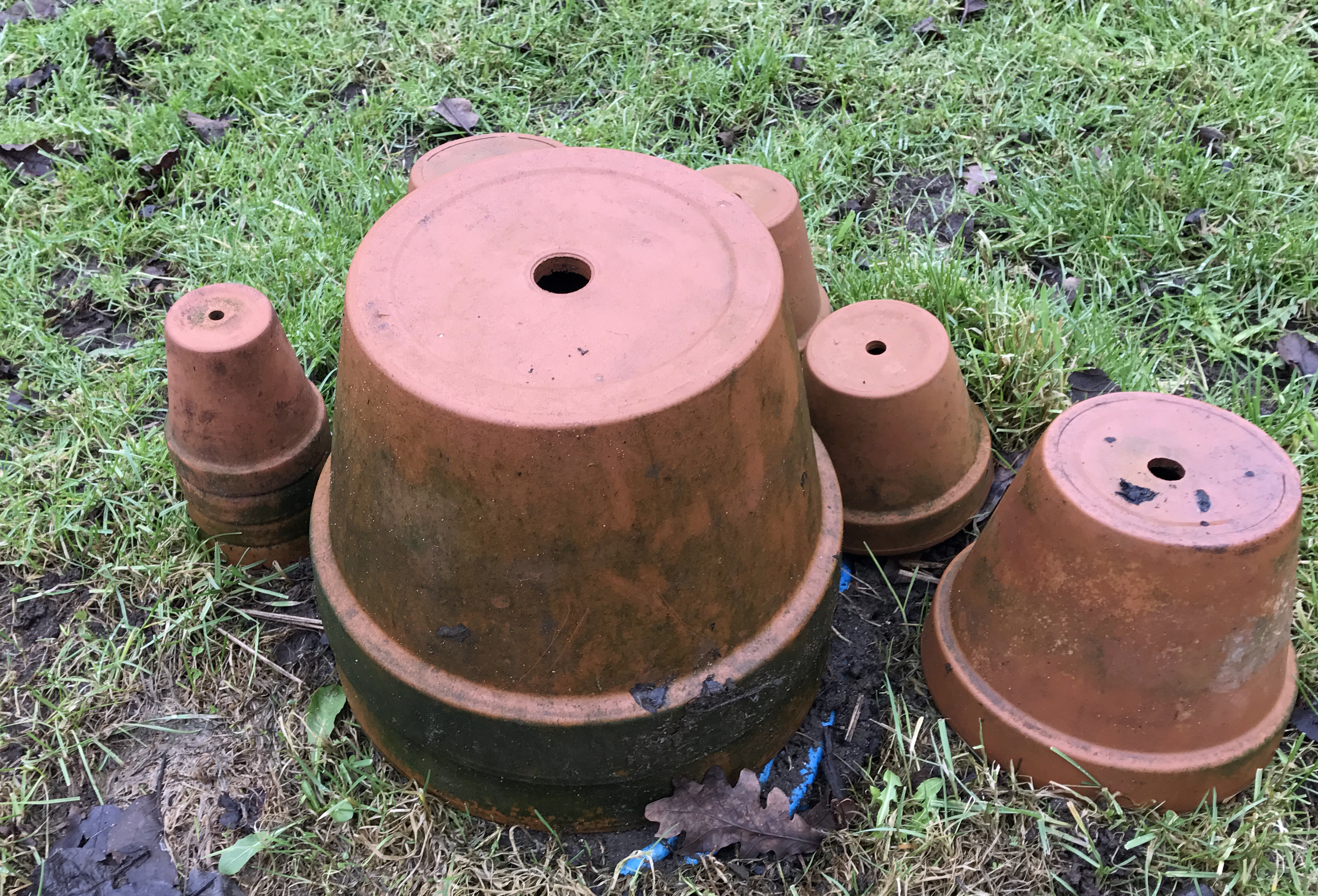
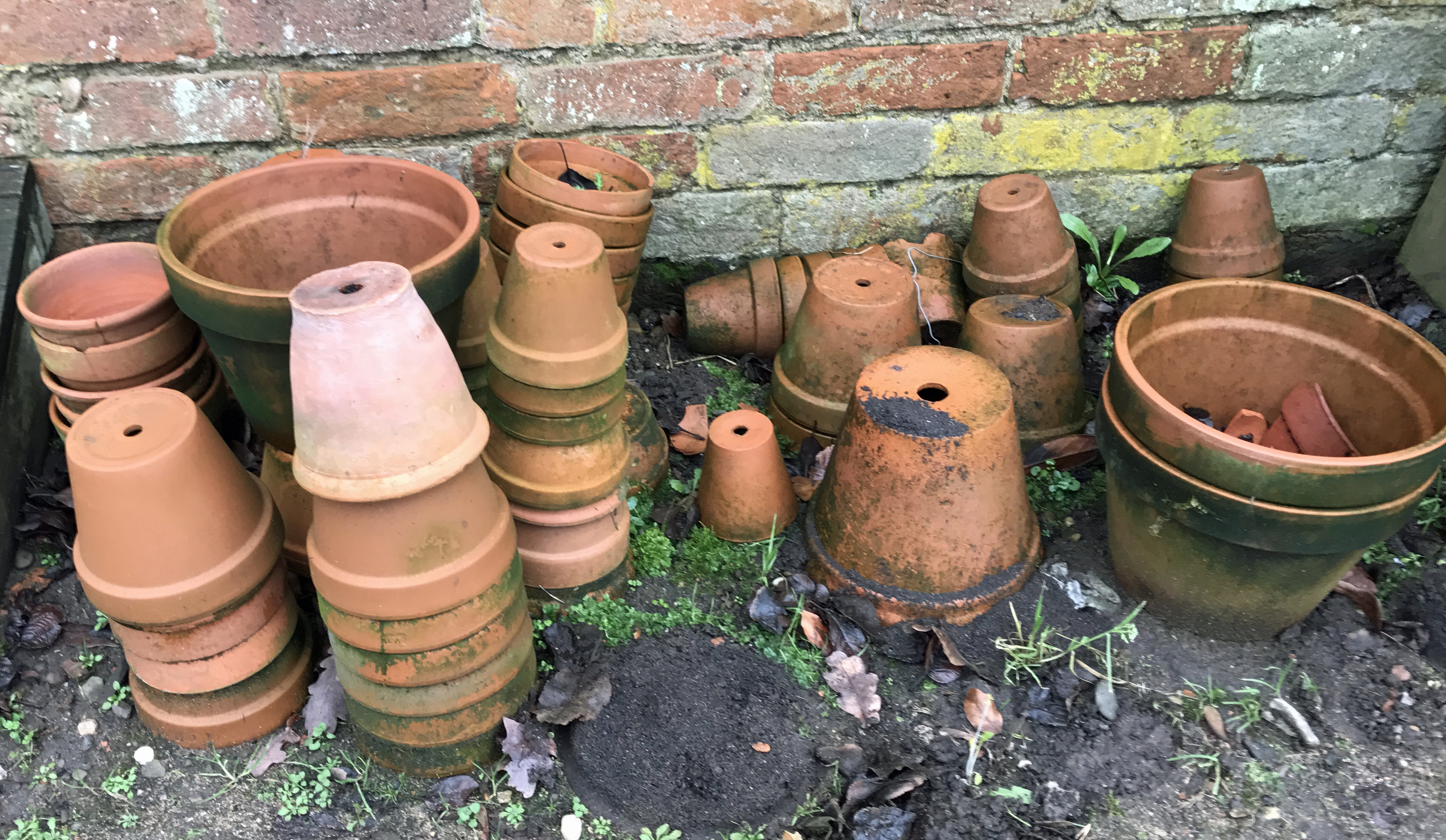
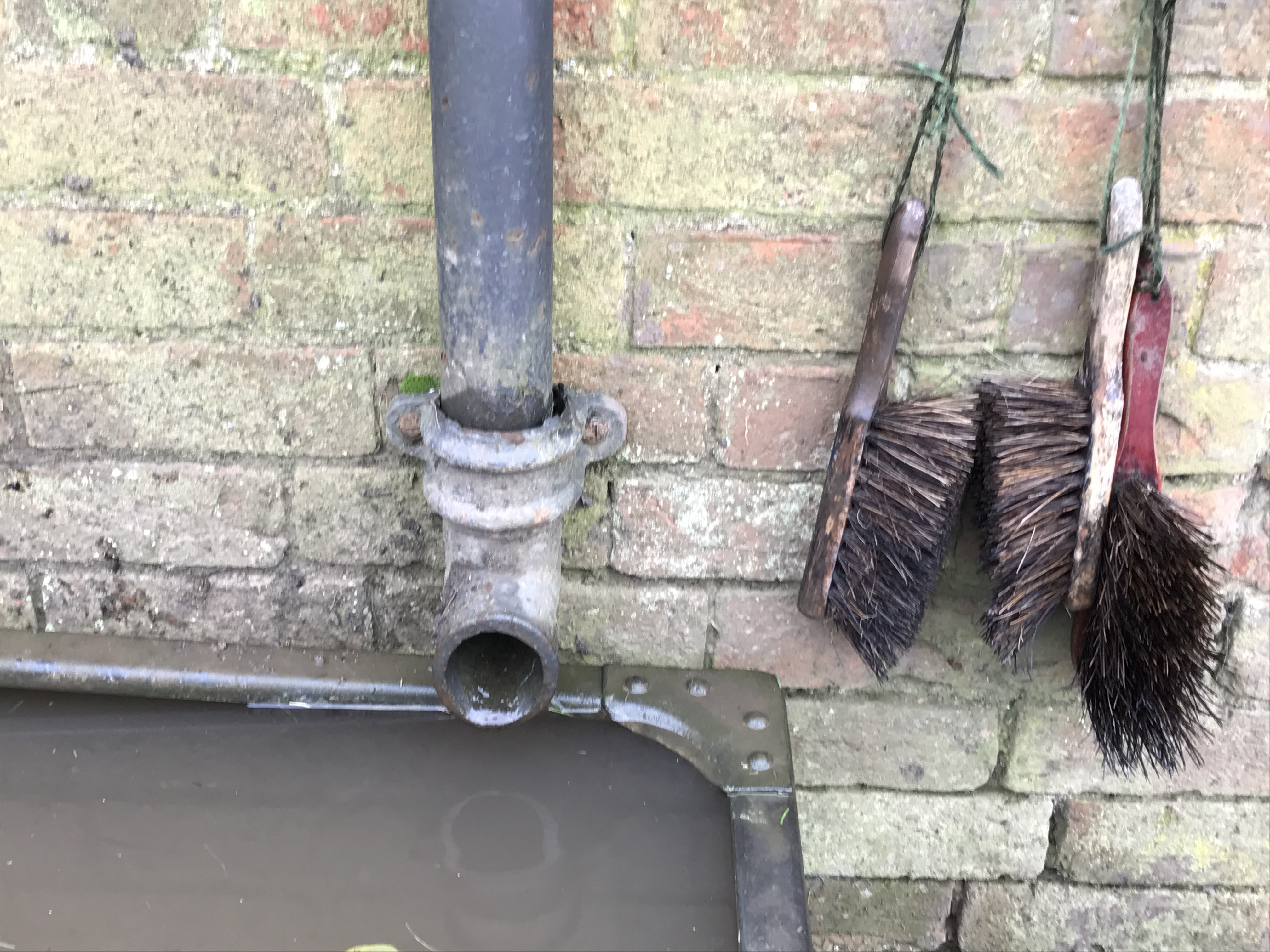
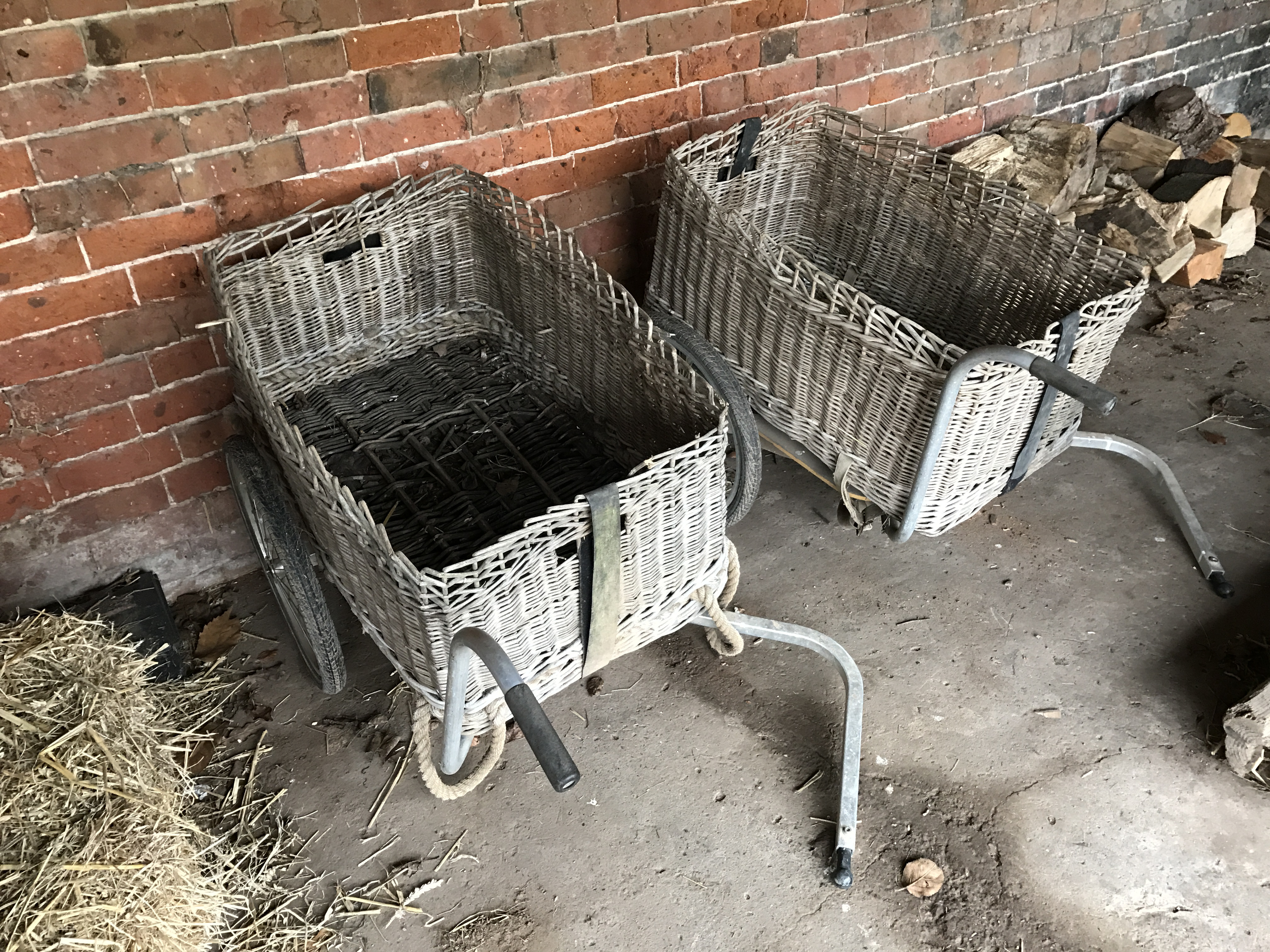
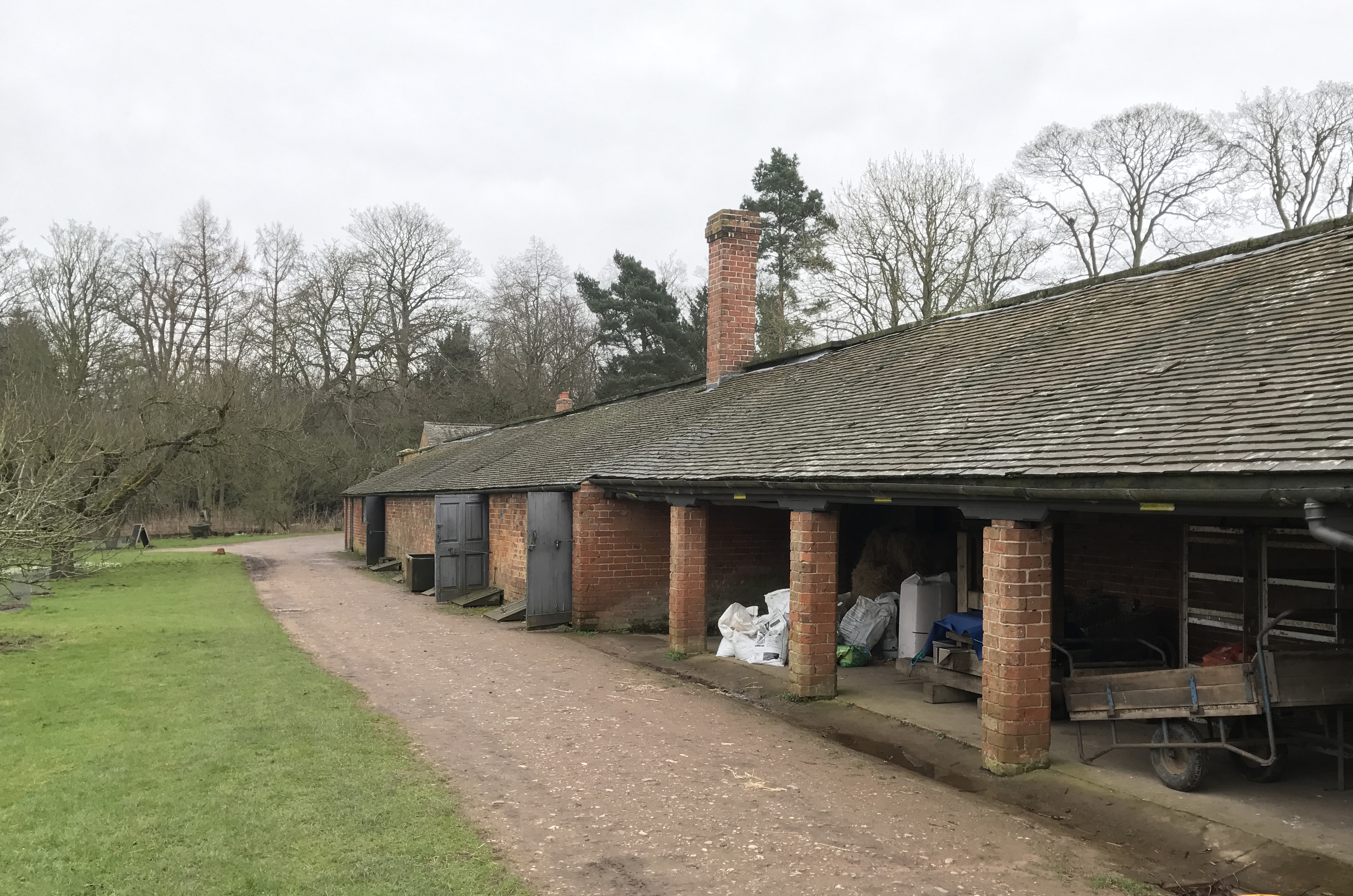
We exited the walled garden via the doorway leading to the orchard, which also gave us access to the lean-to buildings outside the walls themselves. We explored each building and recess to discover old clay pots, the old boiler and an apple store.

a2-42 a2-41 a2-43 a2-44 a2-45 a2-46 a2-47 a2-48 a2-49 a2-50 a2-51 a2-52

So leaving the warmer atmosphere found within the walled garden, we returned to the path that would take us to The Mile Walk. That will be the subject of my Attingham Park February walk part two.

Categories
birds flowering bulbs garden design garden photography garden wildlife gardening gardens hardy perennials ornamental trees and shrubs Shropshire shrubs spring bulbs wildlife Winter Gardening winter gardens

My 2017 Garden Journal – February

Here is the second time in 2017 when I share with you my Garden Journal, so please enjoy my February pages.

fj-1

On the first double page spread I look at Snowdrops and some early plants of interest. I wrote, “February, the month when gardeners’ working hours increase and the light values improve strongly. The snow white of the humble Snowdrop intensifies in the special brightness.”

fj1-03 fj1-06fj1-01 fj1-05 fj1-02 fj1-04

On the opposite page I wrote, “Our native Primroses, Primula vulgaris, begin to flower in February ready to be at their peak in early Spring. Pink “rogue” Primroses appear as self-seeders. Foliage of Primula vulgaris is beautifully textured and patterned.”

fj1-07 fj1-08

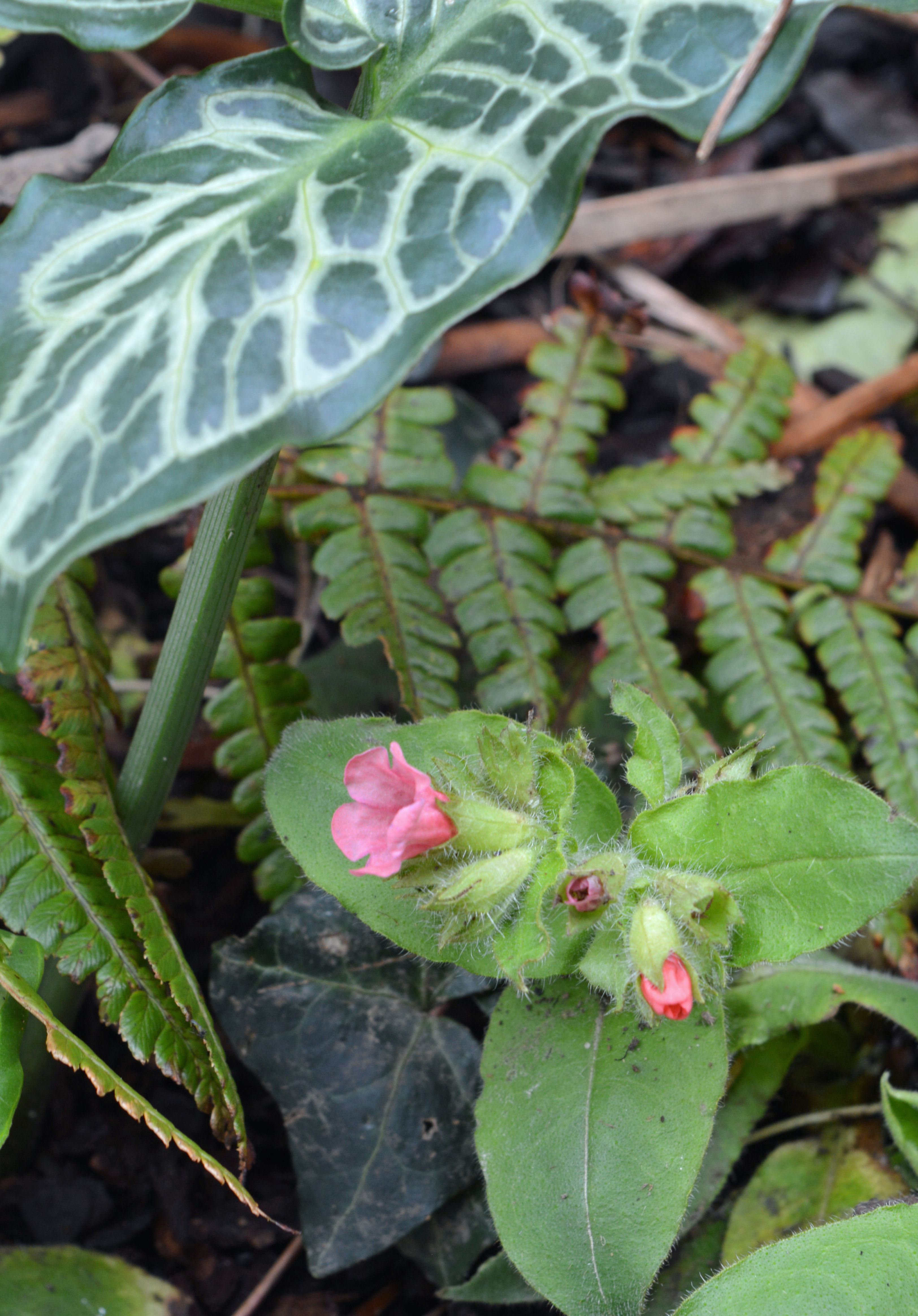
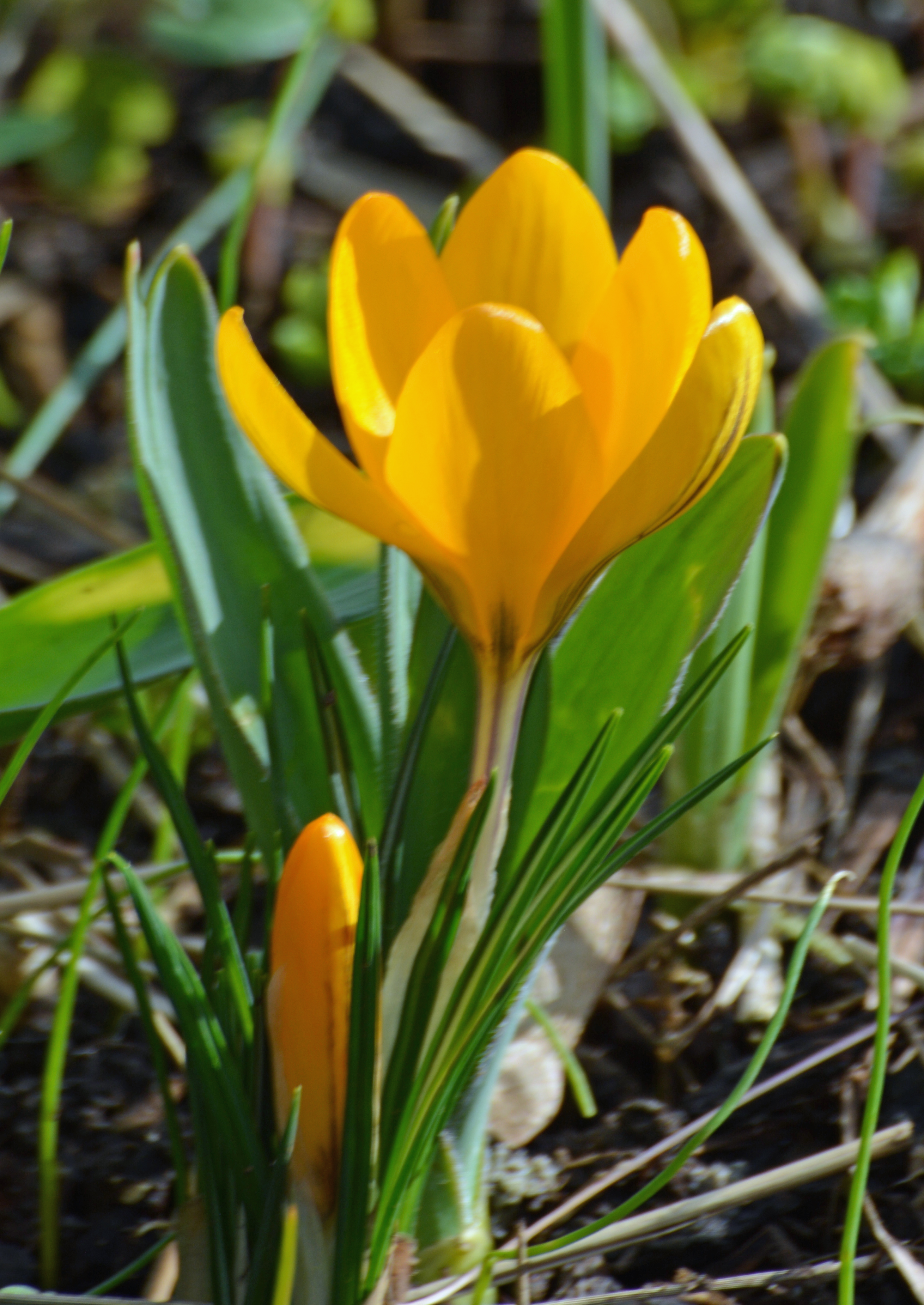
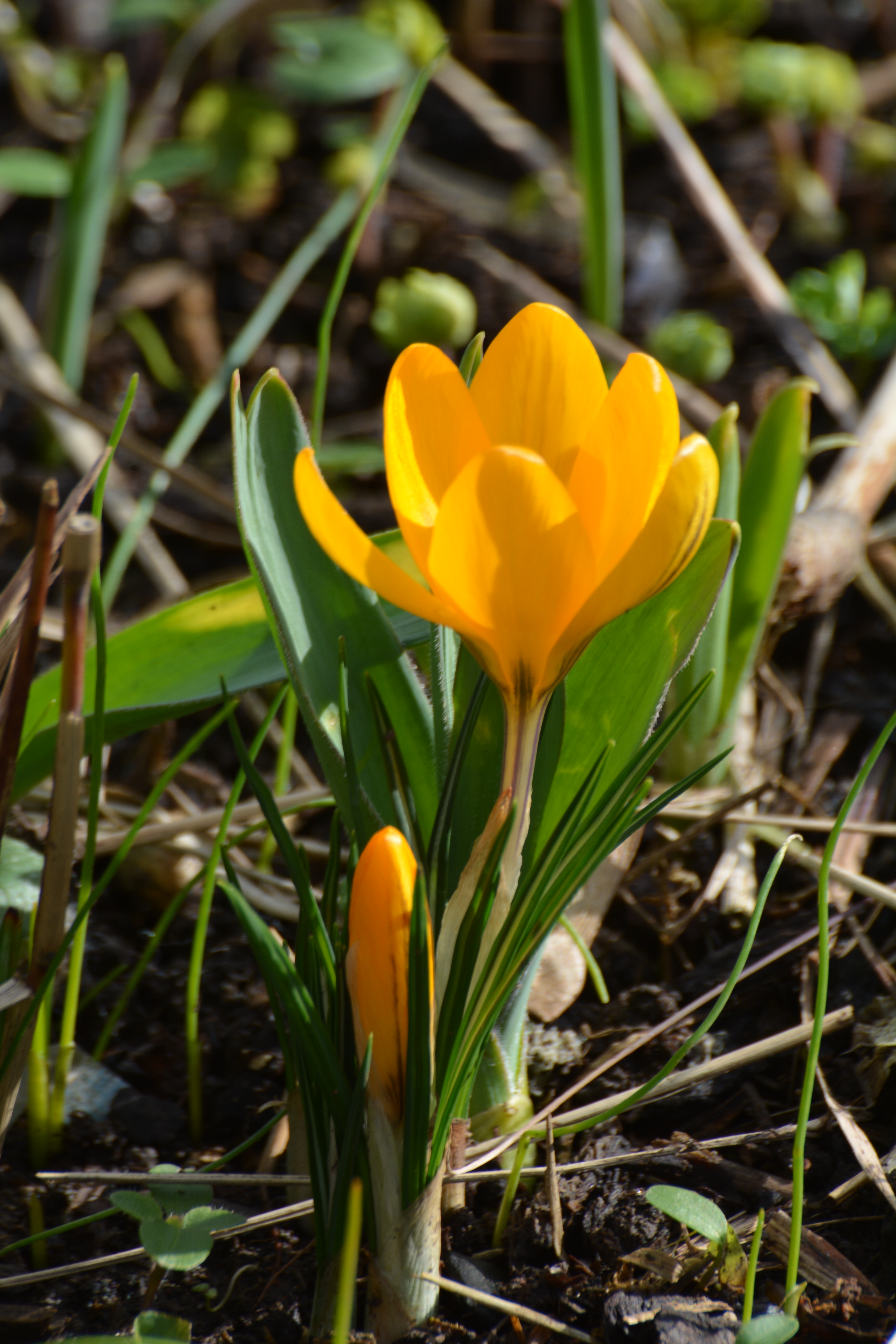
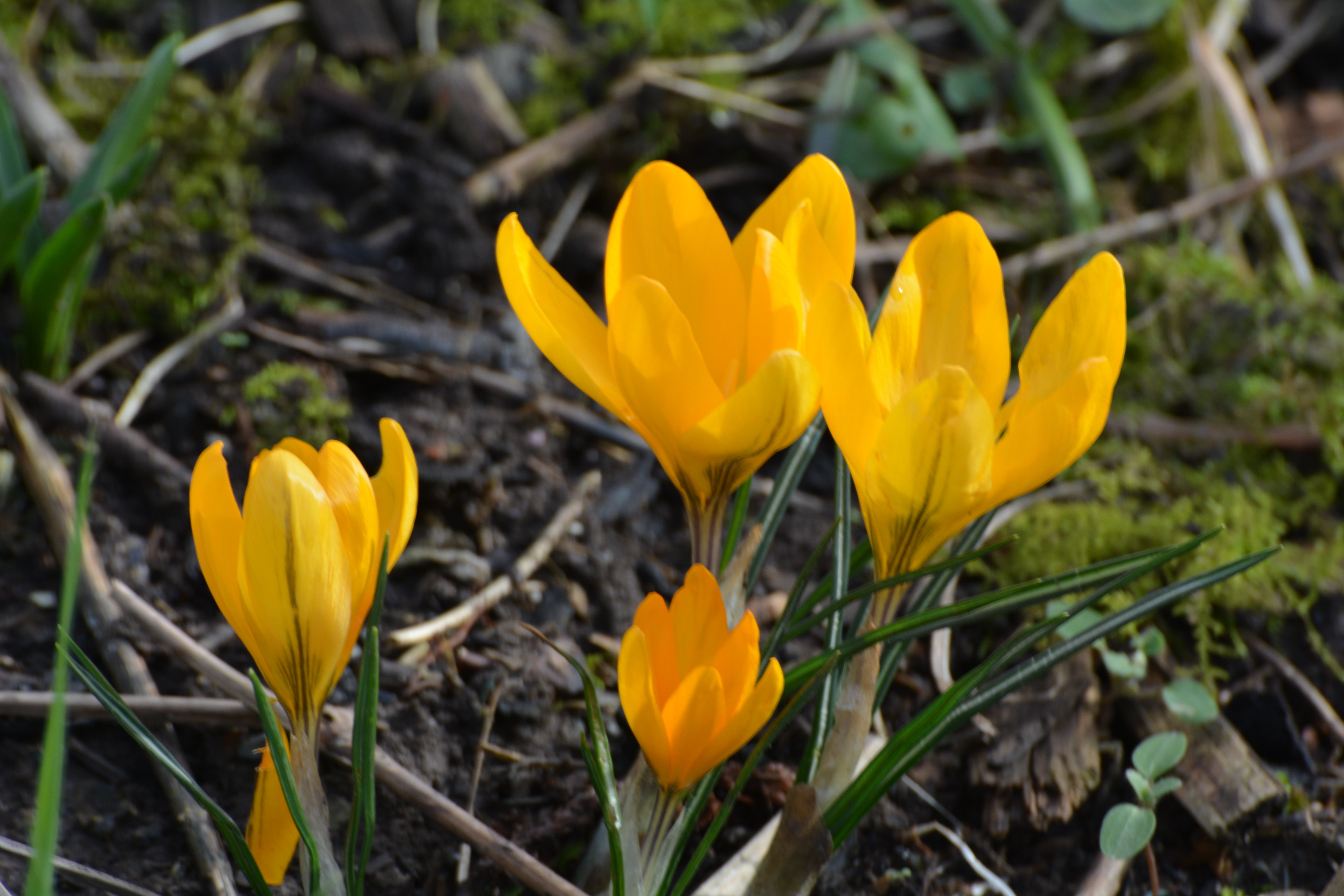
Other early flowering plants giving bright spots in our borders include Crocus and Pulmonaria. This golden Crocus has a bright green Pittosporum as its partner. The pink Pulmonaria is partnering a fern and an Arum, A. italicum “Marmoratum”.

fj1-09 fj1-10 fj1-11

A February flowering shrub features on the next double-page spread along with Hellebores.

fj-2

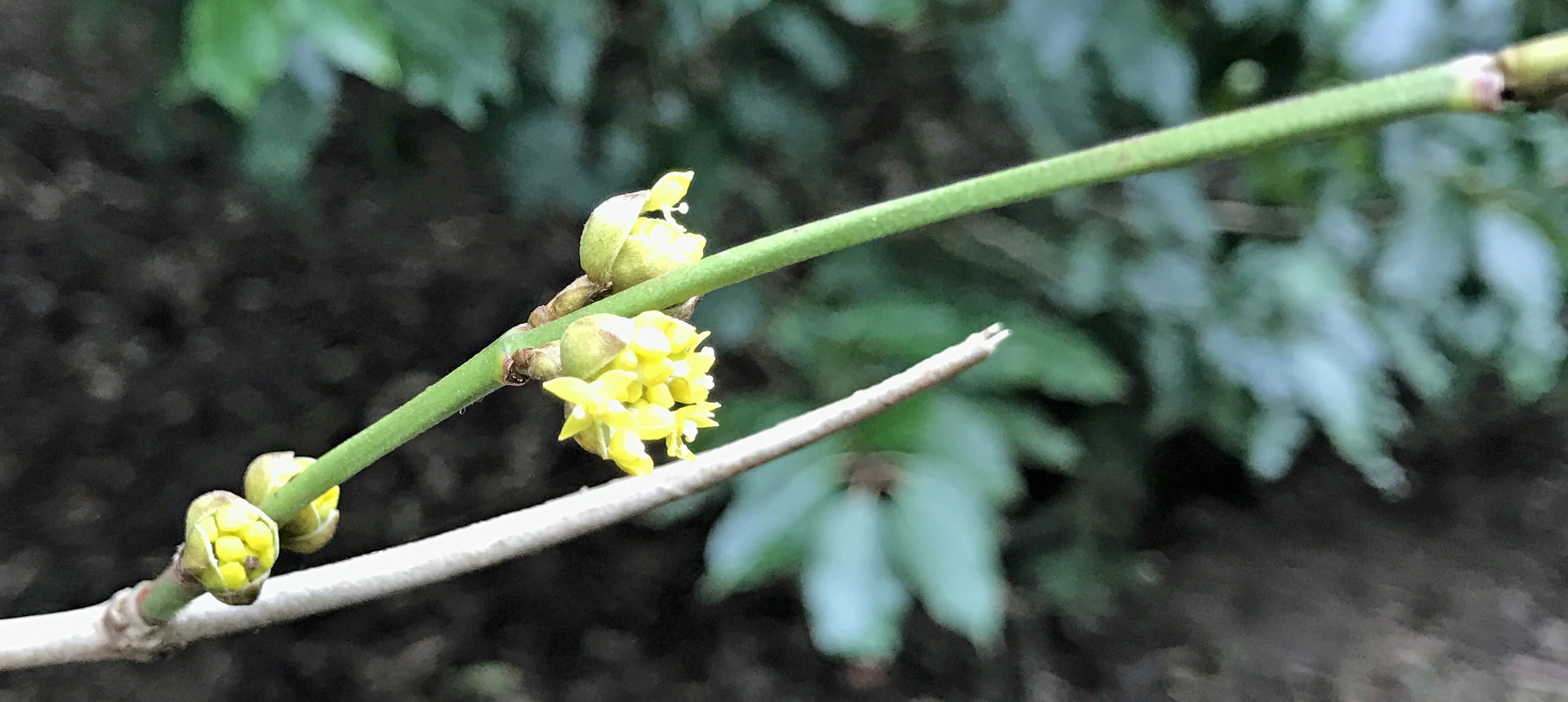
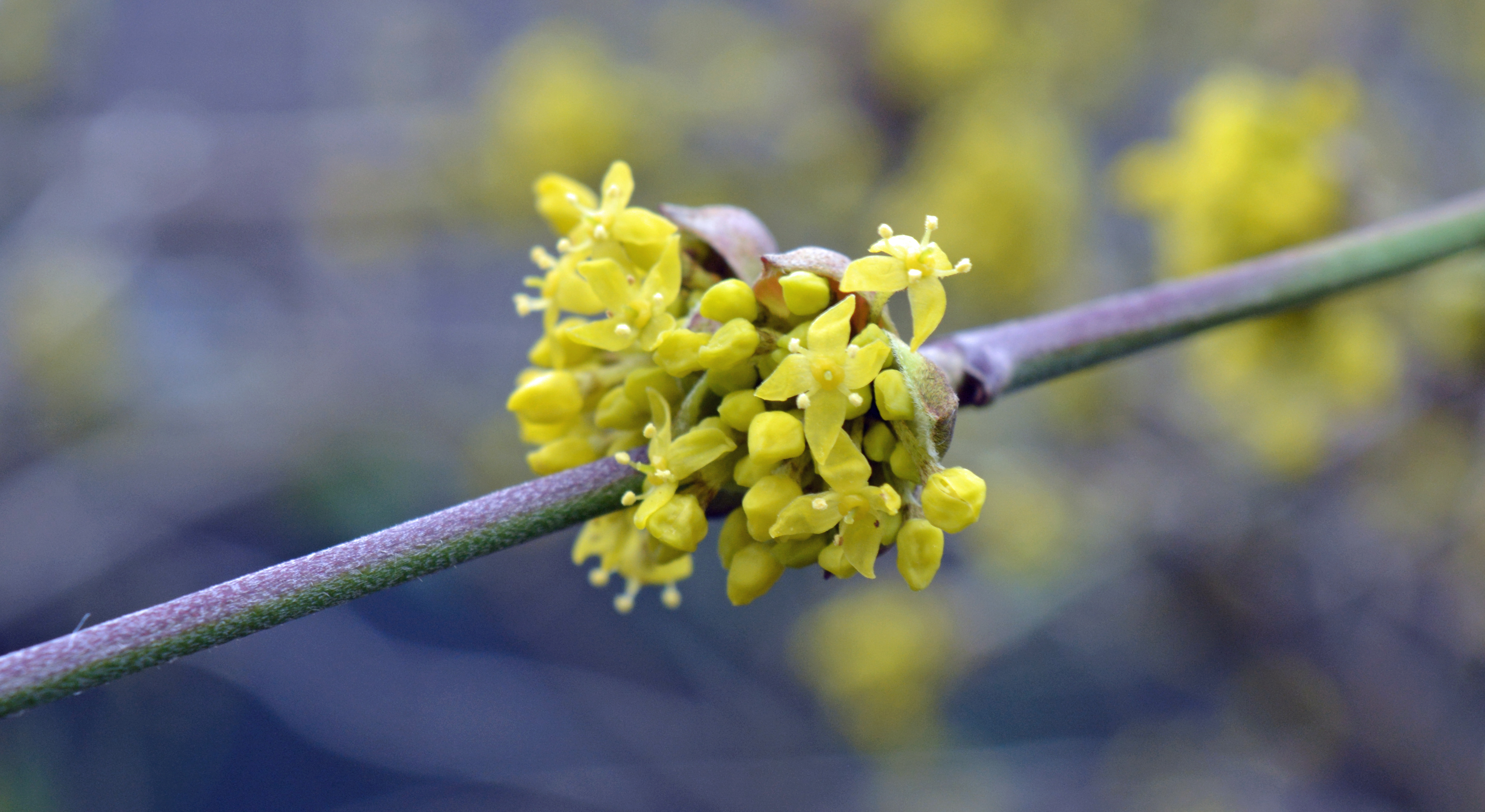
The flowering shrub is Cornus mas, which reliably flowers profusely early every year. I  have selected it as my “Plant of the Month” for February. I wrote, “The star of our garden this month has to be Cornus mas, the Cornelian Cherry, with its bright yellow flowers with just a hint of green. We prune off the lower branches and select main boughs to improve the structure of our’s and this also exposes the texture of the bark on the lowest boughs.”

fj2-01 fj2-07 fj2-05fj2-03 fj2-06fj2-04

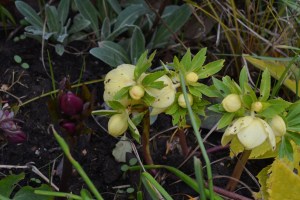
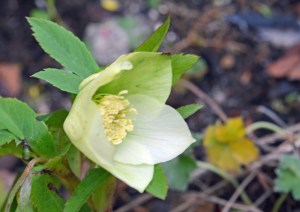
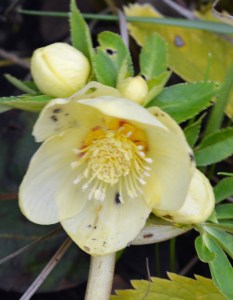
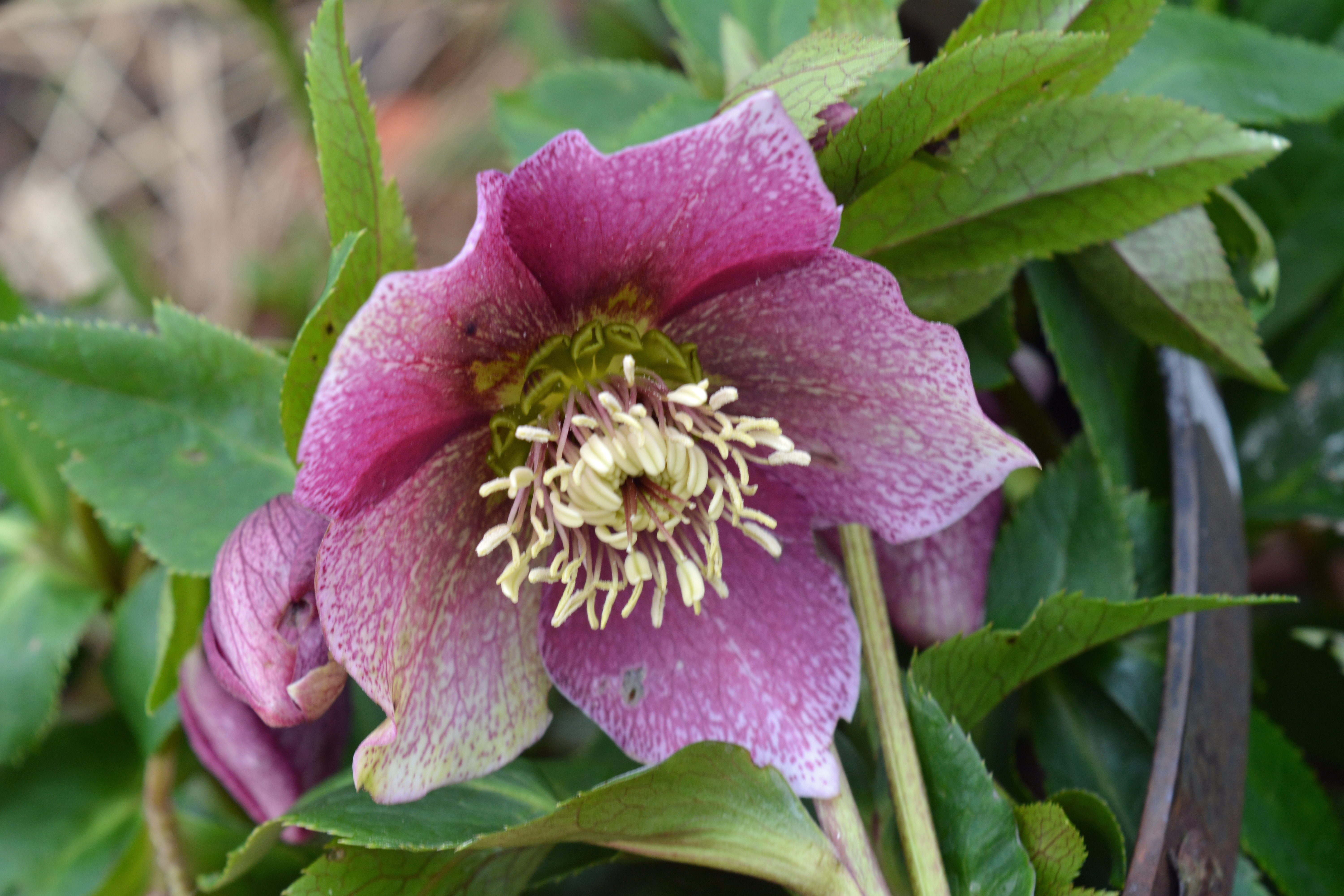
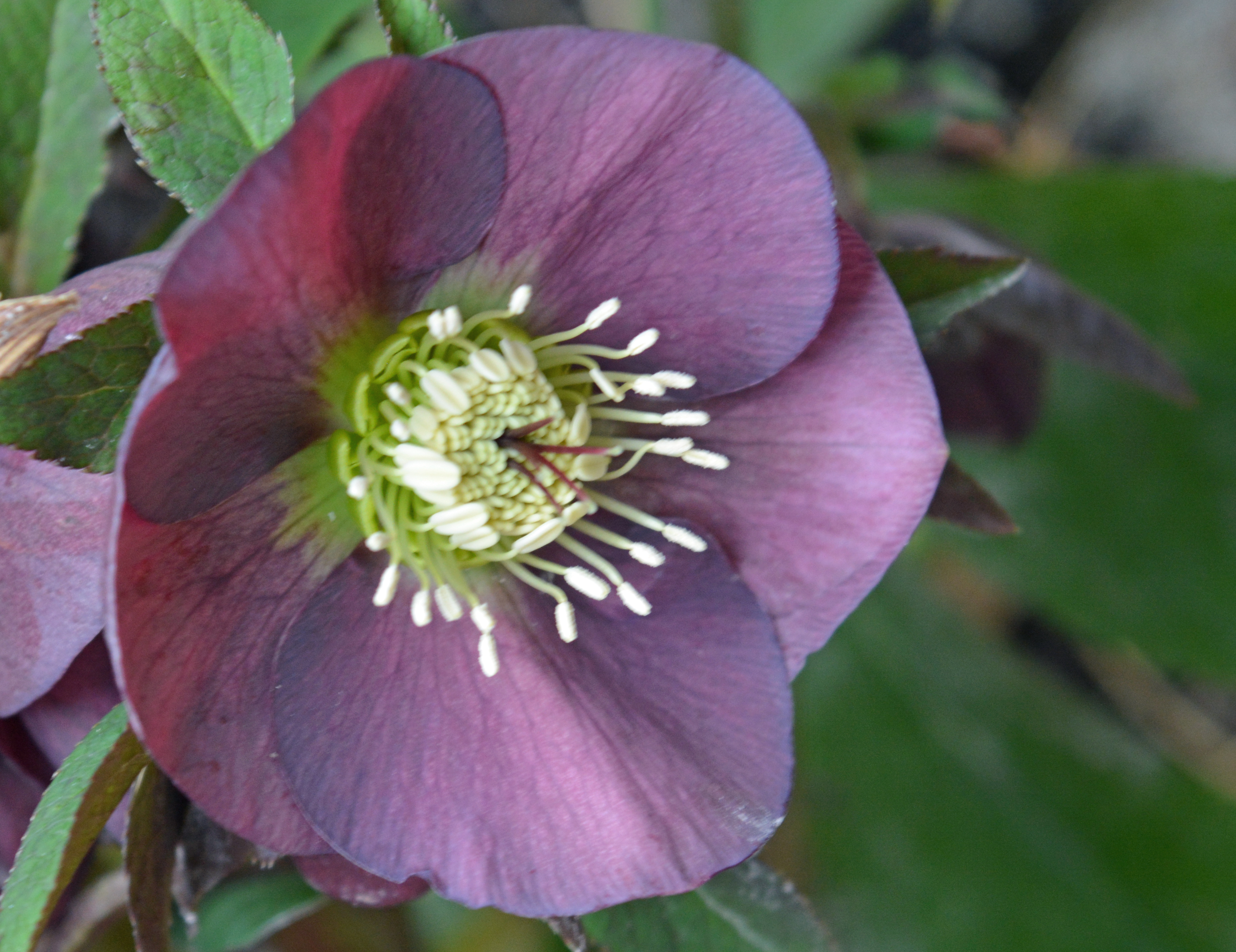
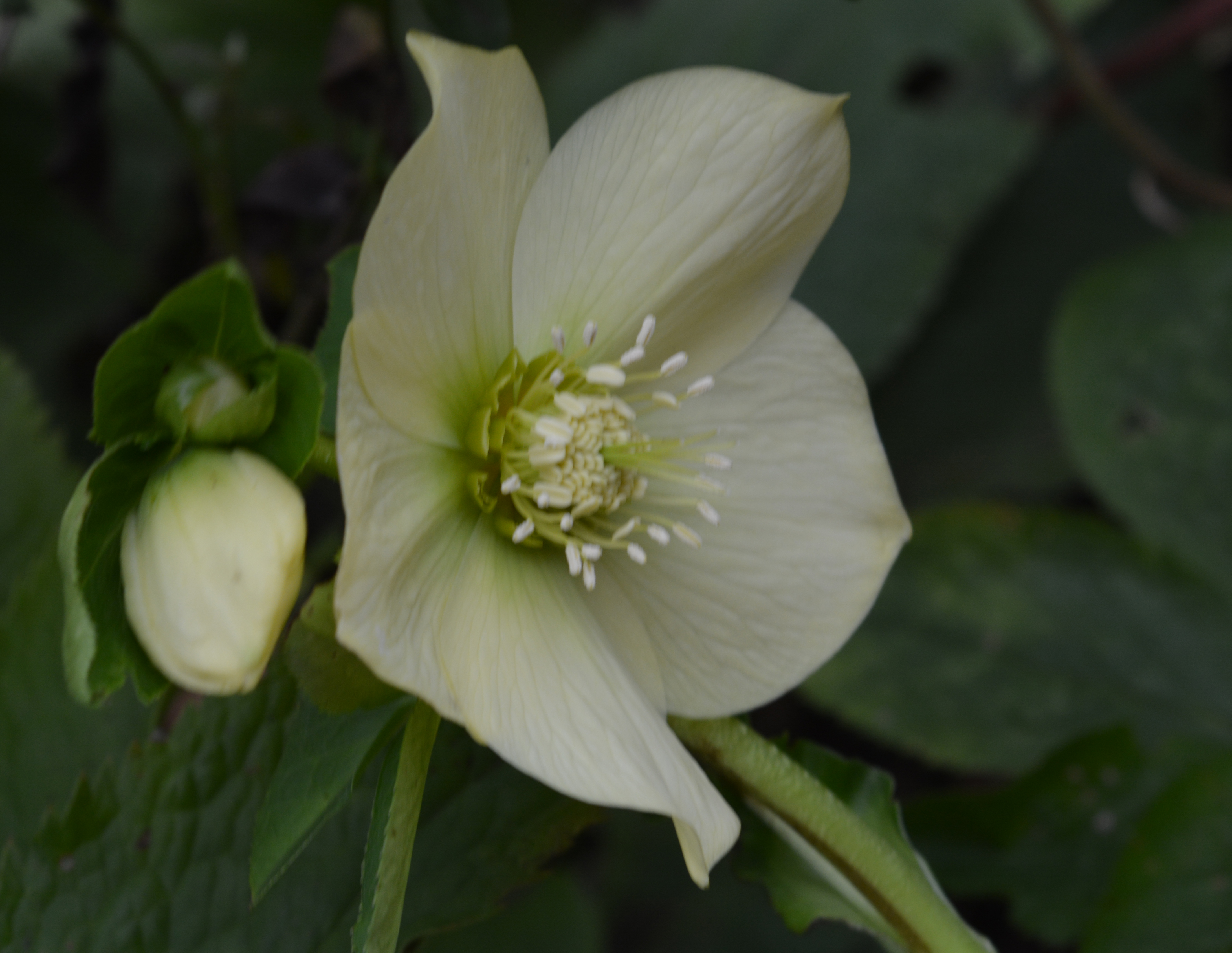
I moved on to show a few of our many Hellebore hybrids and wrote, “Hellebore hybrids start to put on a colourful show from green to yellow and from red to purple. Lots more will come into flower throughout the coming weeks.”

fj2-10 fj2-12fj2-09 fj2-11  fj2-13 fj2-08

The last photo is not a hybrid Hellebore like the others but our native Helleborus foetidus with its pale green flowers, a subtle beauty with an upright habit.

On the turning of the page we discover my account of re-developing an old border, the Shade Garden”.

fj-3

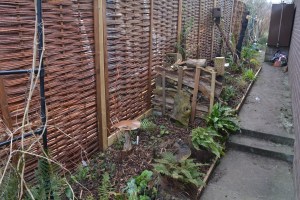
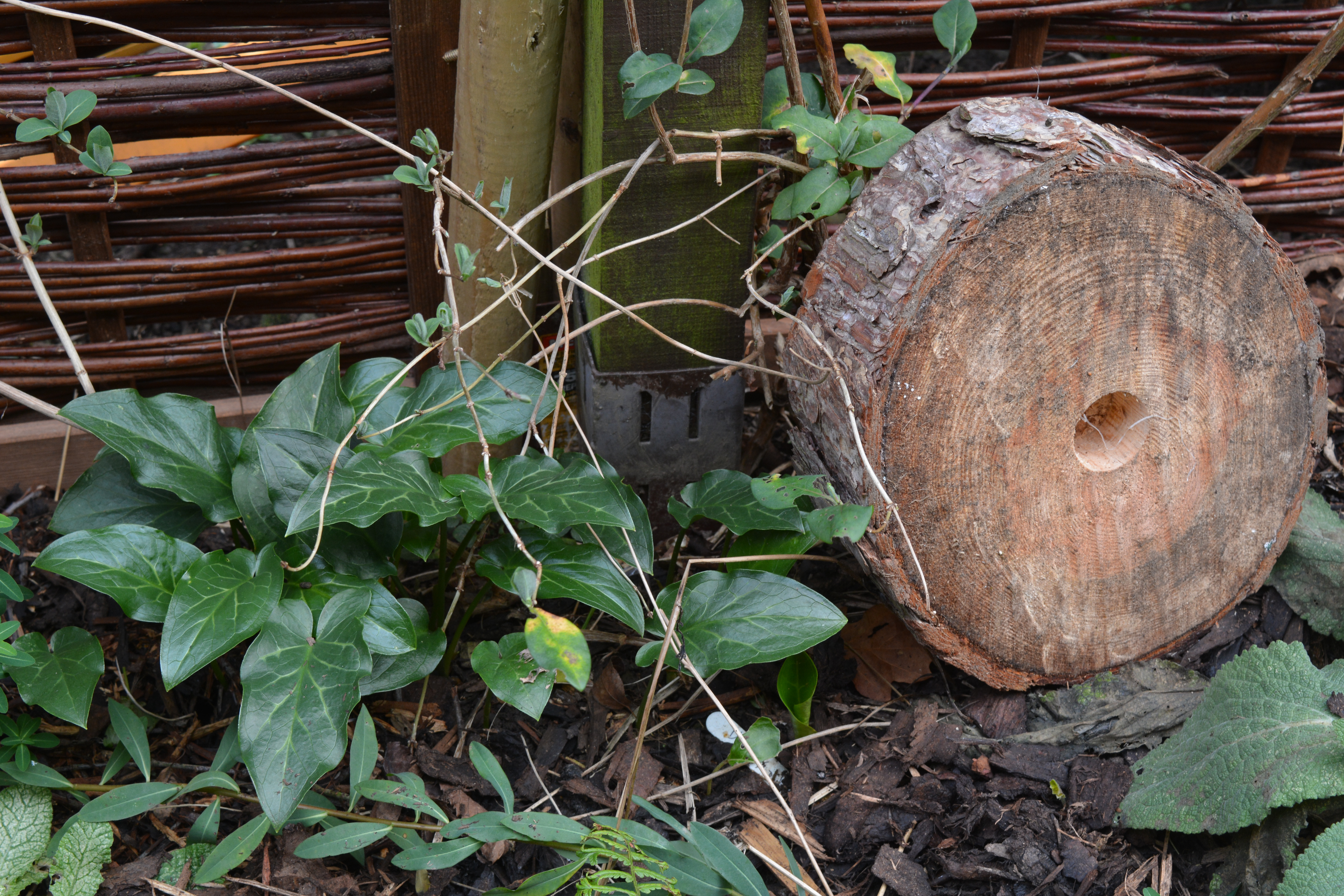
I wrote that “By mid-February we had finished re-vamping our “Shade Garden”, an opportunity that arose when we moved a shed that was situated part way along it. The shed was just 6ft by 3ft but the space released by its removal seemed far more significant that that. Its removal opened up the border. We decided to add a couple of Maples, Acer palmatum “Koto-no-ito” and Acer palmatum “Eddisbury”, and increase the variety and number of ferns and grasses, We liked the idea of mixing ferns and grasses, a new plant combination for us.”

fj3-08 fj3-02fj3-07 fj3-09fj3-11

“Mr and Mrs Green Man”

fj3-03 fj3-05

Rotting wood pile, Acer and Ivy, Ivy and Fern.”

fj3-06 fj3-01 fj3-12

New growth appearing in the Shade Garden”

fj3-04 fj3-10

Ivy is the feature plant over the next pair of pages.

fj-4

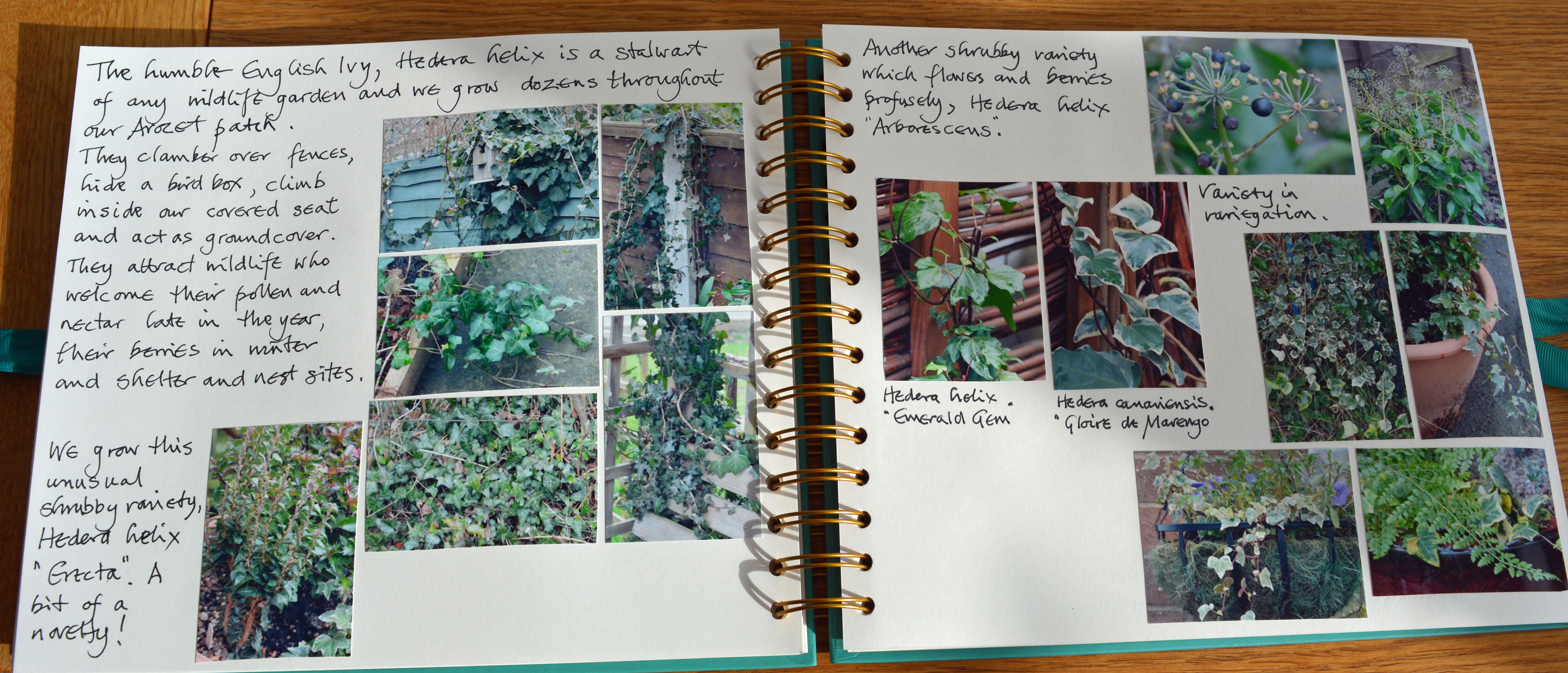
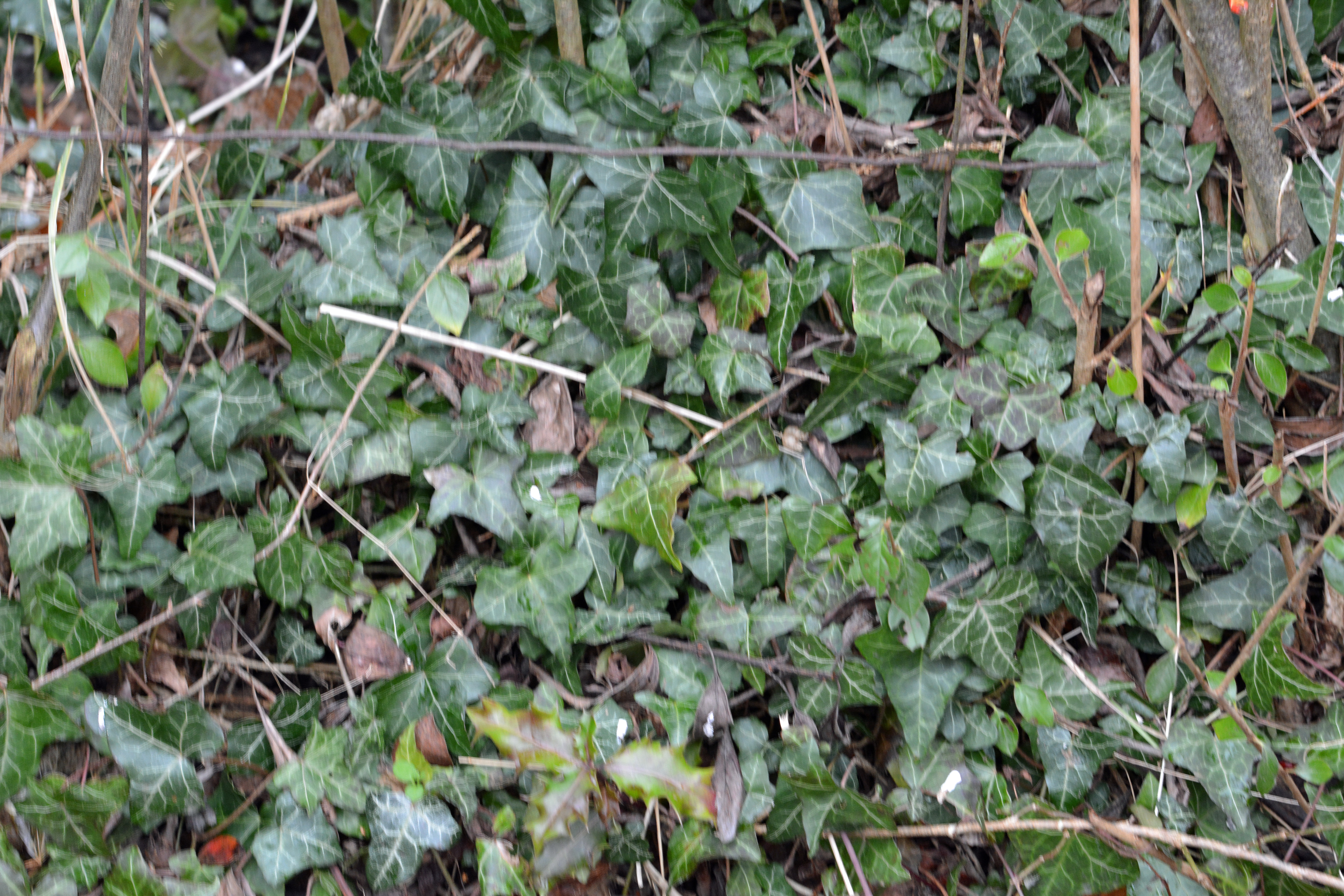
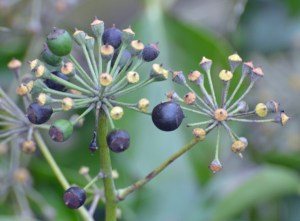
I wrote of the ivy, “The humble English Ivy, Hedera helix is a stalwart of any wildlife garden and we grow dozens throughout our Avocet patch. They clamber over fences, climb inside our covered seat and act as ground-cover. They attract wildlife who welcome their pollen and nectar late in the year, their berries in winter and shelter and nest sites.”

fj4-15 fj4-11fj4-03 fj4-10 fj4-09

We grow this unusual shrubby variety, Hedera helix “Erecta”, a bit of a novelty!”

fj4-05 fj4-07

Another shrubby variety which flowers and berries profusely, Hedera helix “Arborescens.”

fj4-02 fj4-01

Variety in variegation.”

fj4-08 fj4-06fj4-04 fj4-16

Finally two climbing ivies growing in our Shade Garden.

fj4-12 fj4-13 fj4-14

“Hedera helix “Emerald Gem”                         “Hedera canariensis “Gloire de Marengo.”

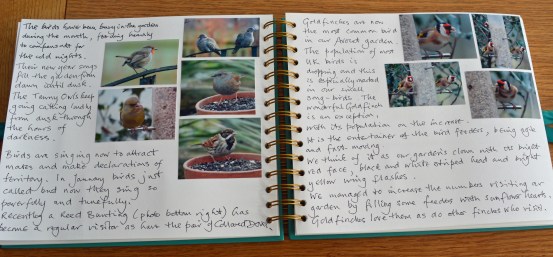
Next I featured the birds that share our garden with us, particularly the ones who take advantage of our feeding stations.

fj-7

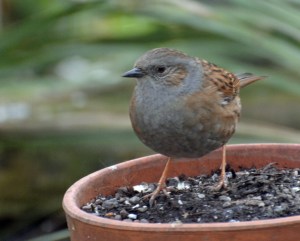
“The birds have been busy in the garden during the month, feeding heavily to compensate for the cold nights. Their new year songs fill the garden from dawn until dusk. The Tawny Owls keep going, calling loudly from dusk through the hours of darkness.”

“Birds are singing now to attract mates and make declarations of territory. In January birds just called but now they sing so powerfully and tunefully. Recently a Reed Bunting (photo bottom right) has become a regular visitor as have the pair of Collared Doves.”

fj5-4-1 fj5-9-1fj5-7-1 fj5-8-1fj5-6-1

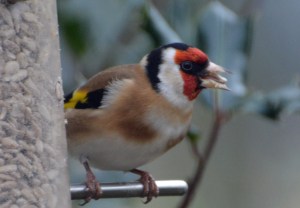
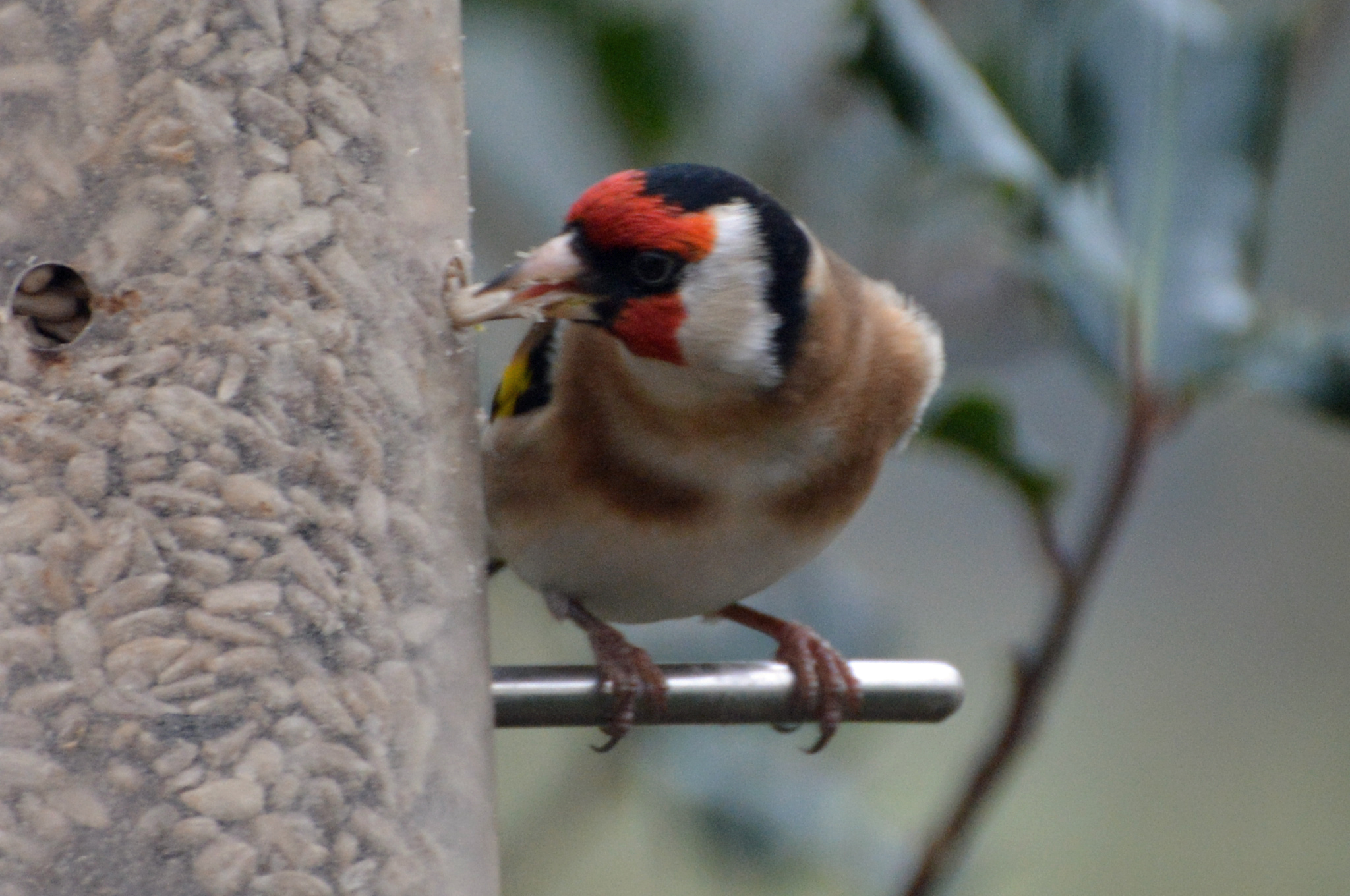
“Goldfinches are now the most common bird in our Avocet garden. The population of most UK birds is dropping and this is especially marked in our song-birds. The wonderful Goldfinch is an exception, with its population on the increase. It is the entertainer of the bird feeders, being agile and fast-moving.

We think of it as our garden’s clown with its bright red face, black and white striped head and bright yellow wing flashes. We managed to increase the numbers visiting our garden by filling some feeders with sunflower hearts. Goldfinches love them as do other finches who visit.”

fj5-3-1 fj5-2-1fj5-1-1 fj5-5-1

We next turn over to a double page spread all about early flowers and a plant that displays amazing unusual foliage.

fj-6

I wrote, “The variety of bulbs that flower in the period when Winter becomes Spring, increases greatly in February. Snowdrops dominated the January borders in our Avocet garden but in February they get new flowering partners, Crocuses, Cyclamen, Muscari and the golden-petaled Winter Aconites.

Sunny days see these flowers open wide to greedily absorb the new light quality that February brings.”

fj6-18 fj6-15fj6-17 fj6-19 fj6-16fj6-01 fj6-02 fj6-03  fj6-05 fj6-06 fj6-07 fj6-14fj6-04 fj6-09

Concerning the unusual Arums we grow I continued, “Arum italicum ssp. italicum “Marmoratum” formerly known simply as Arum italicum “Marmoratum”. This is a tuberous perennial which we grow in our Shade Garden and beneath the shade of small trees. We like them for their foliage, arrow-shaped, extremely glossy and varied in its leaf patterns. Leaves are best described as being “marbled” with white, silver, ivory or cream markings. It flowers in Spring, producing cream spathes and in Autumn vertical columns of bright red berries shoot up to a foot tall. In addition to those attributes, wildlife loves the Arum Lily, bees, butterflies, moths and lots of beneficial predatory insects.” 

fj6-11 fj6-10fj6-13 fj6-12

We are so pleased to have established a clump of the rare Arum Lily called “Arum italicum Chameleon”, seen in photo below.

fj6-08

More foliage features over on the following pages, the newly emerging foliage of perennials.


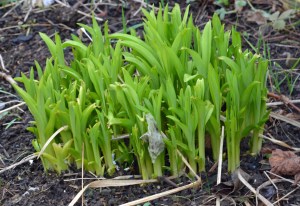
I wrote, “In the second half of the month we had a special treat in store, a few days of heatwave with daytime temperatures reaching 15 C in Plealey. This resulted in rush of new growth from the perennials that had died down after their display last year. The photos show perennial growth with new leaf growth penetrating the soil like the blades of swords.

fj7-11 fj7-09fj7-12 fj7-04fj7-10 fj7-07

This final picture of new growth illustrates how new growth of Pulmonarias shows both foliage and flower bud shooting together.

fj7-06

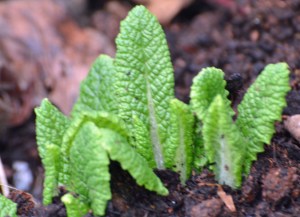
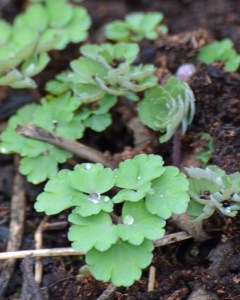
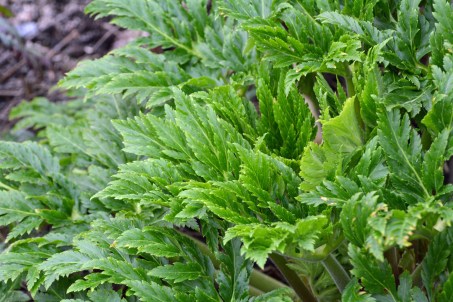
Opposite I share photos of broad-leaved perennials displaying their new growth, where I wrote, “Elsewhere broad-leaved herbaceous perennials were unfurling their fresh foliage ready for the new year. Here we have new leaves of Primula vulgaris, Sedum, Aquilegia, Polemonium, Centaurea, Fennel and Geranium palmatum. More growth appears daily as February comes to an end. It all bodes well for Spring and Summer.”

fj7-02 fj7-13fj7-03 fj7-05fj7-01 fj7-08fj7-14

And so that is my February report from my Garden Journal. We will visit again in March.


Categories
bird watching birds garden wildlife natural pest control wildlife

Nest Box Cam

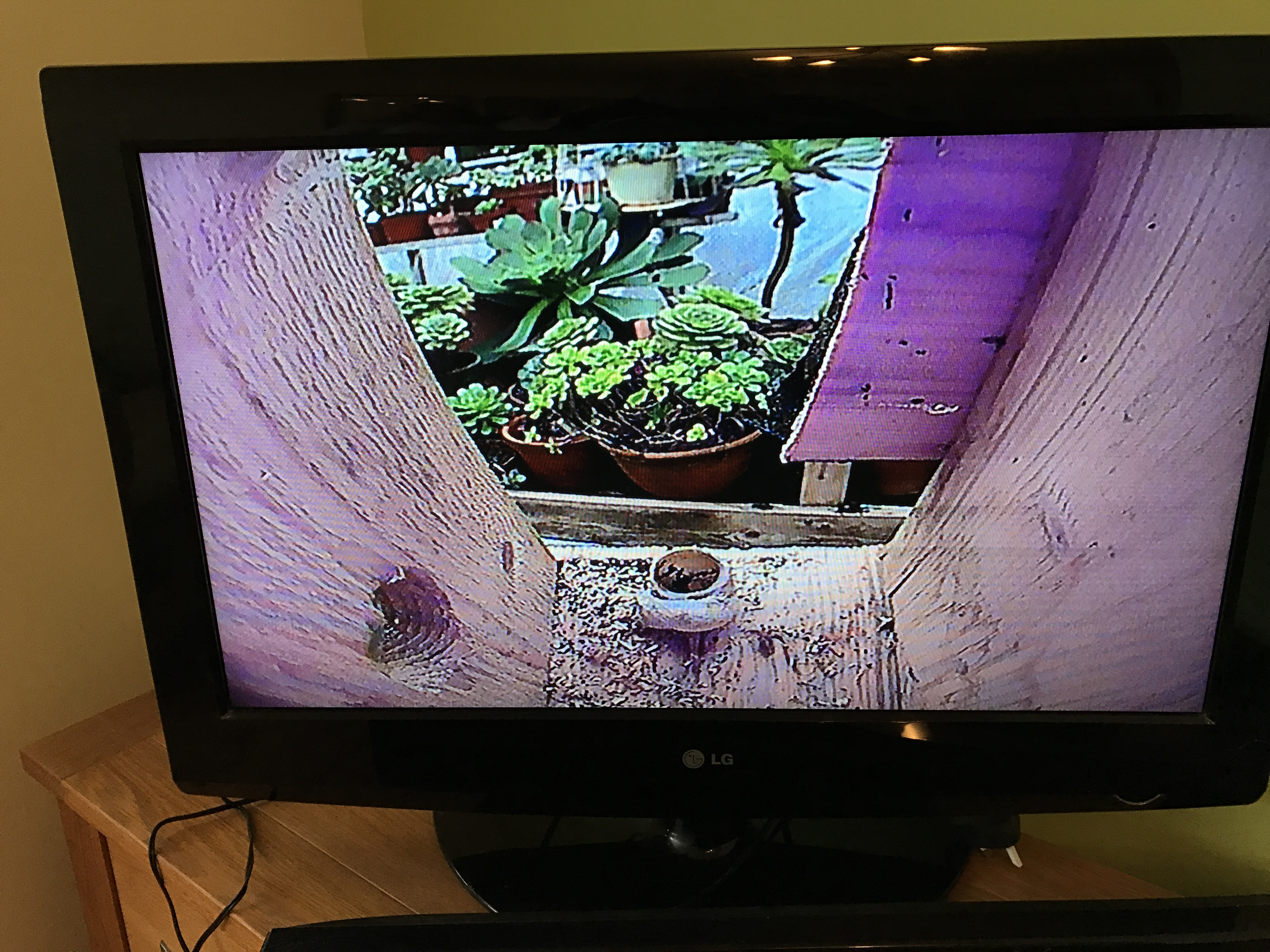
During the early Winter I made a special nest box for Blue Tits, one designed to house a wireless camera. To finish the project son-in-law Rob fixed  the tiny “spy” camera inside and linked it up to our television. So now that it is fixed up, partly hidden in our grape vine, we patiently wait to see if a pair take up residence to raise a brood. Exciting!

bb-7 bb-5 bb-6

You can see the second hole on the side, covered in a sheet of scratched perspex placed to let some light in.

It felt so good to see our first images of the empty box appear on our TV screen. Just how excited will we become if we spot a Blue Tit entering! Watch this space! It will be so good if they do nest because not only will we love watching them but we will know that they will be acting as great natural pest controllers, devouring thousands of insects especially aphids and thousands of caterpillars as they raise their young. Now that is real natural gardening!

bb-2 bb-3


Categories
arboreta colours garden design garden photography gardening gardens gardens open to the public hardy perennials ornamental trees and shrubs outdoor sculpture sculpture shrubs trees

The Place for Plants – East Bergholt Place Gardens

As we move towards the end of February it seems a good time to share with you a visit we made to a beautiful garden in the summer.

The gardens at East Bergholt Place, otherwise known as “The Place for Plants” was one of our chosen gardens to visit when we spent a few days down in Suffolk. It is situated in the Stour valley on the border between the counties of Suffolk and Essex. We had high expectations of the gardens as they are affiliated to the Royal Horticultural Society, usually a guarantee of a garden well worth a visit. The garden includes an arboretum and the National Collection of deciduous Euonymus, my favourite family of shrubs.

eb-01 wp-07

East Bergholt is a garden with a calm atmosphere full of peacefulness and contentment. Just to walk its grass paths seeking out specimen trees and shrubs makes the visitor feel calm.

eb-64 eb-37 eb-44 eb-22eb-53 eb-30

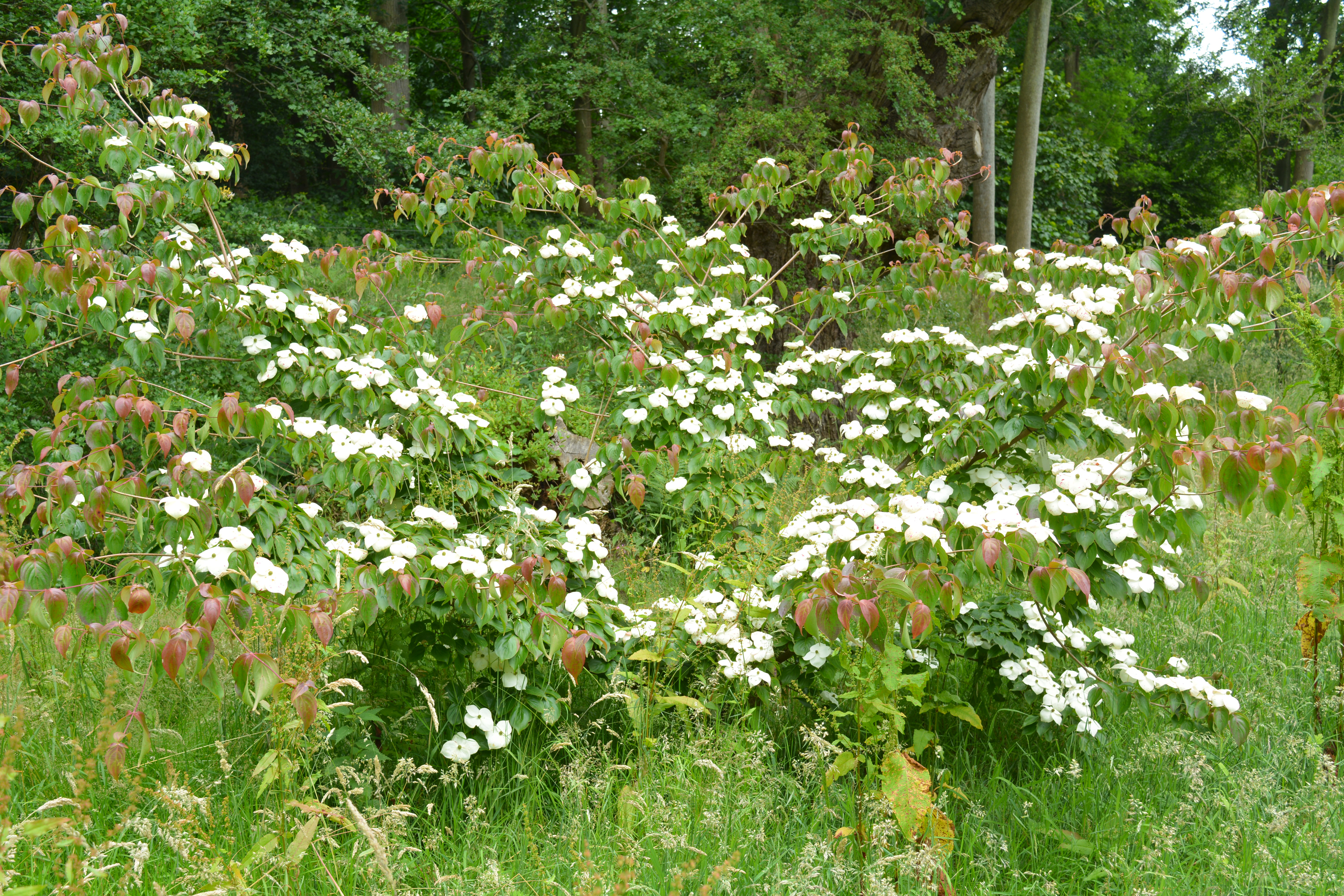
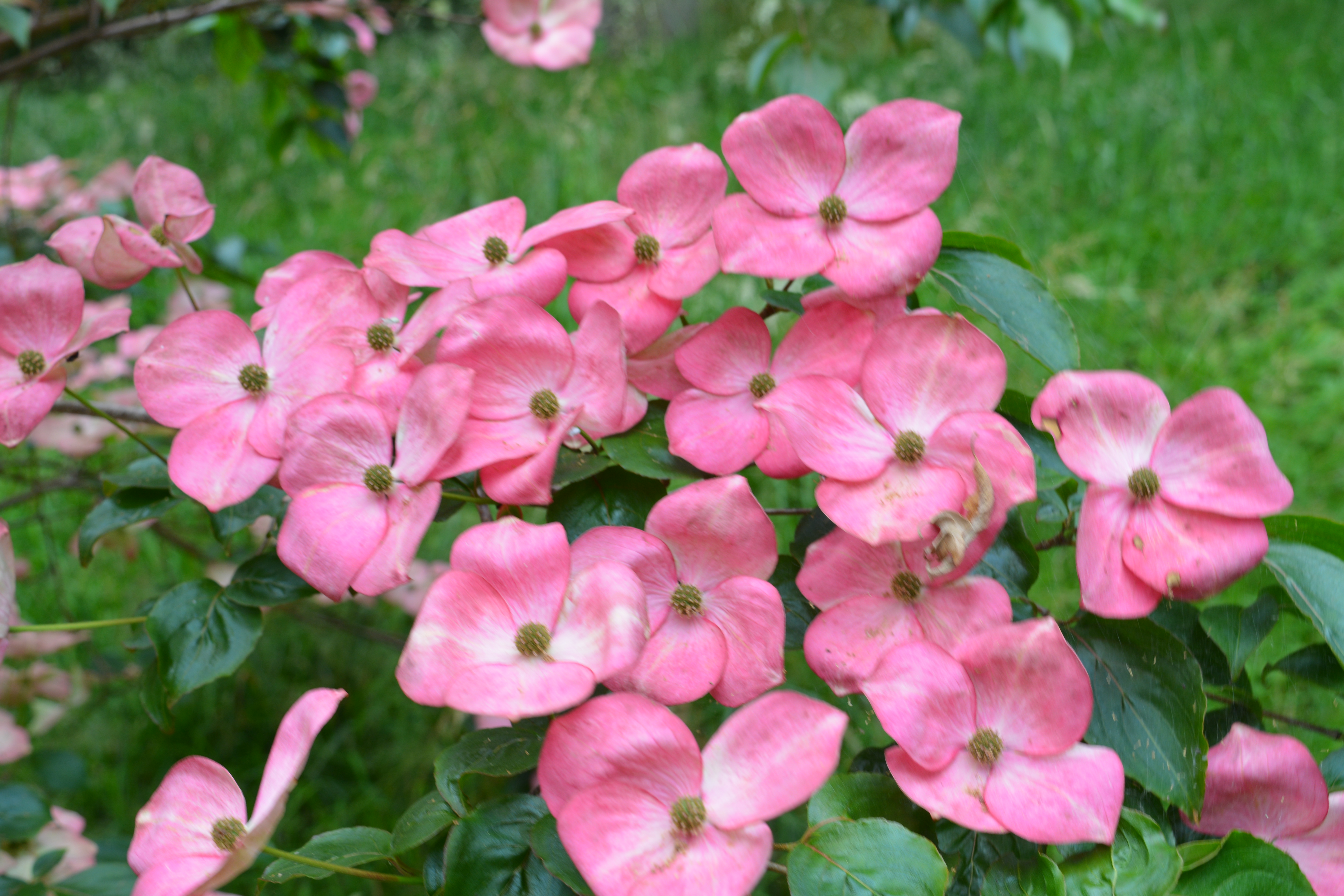
Varieties of Cornus kousa with their showy bracts add patches of colour beneath the collection of unusual mature trees.

Cornus kousa “White Dusted”

eb-31 eb-27eb-35

Cornus kousa “Satomi” with its pink bracts.

eb-15 eb-14 eb-03 

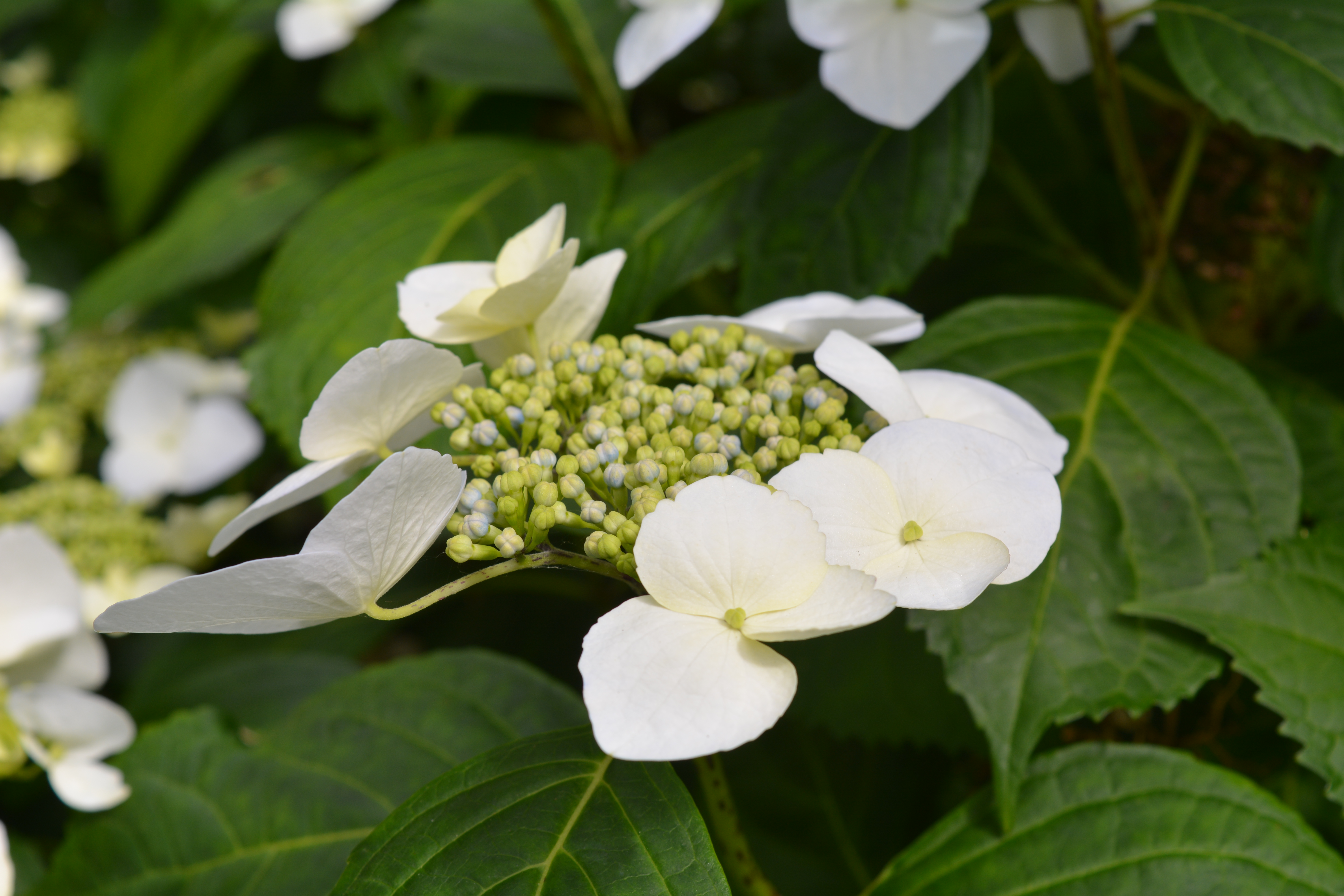
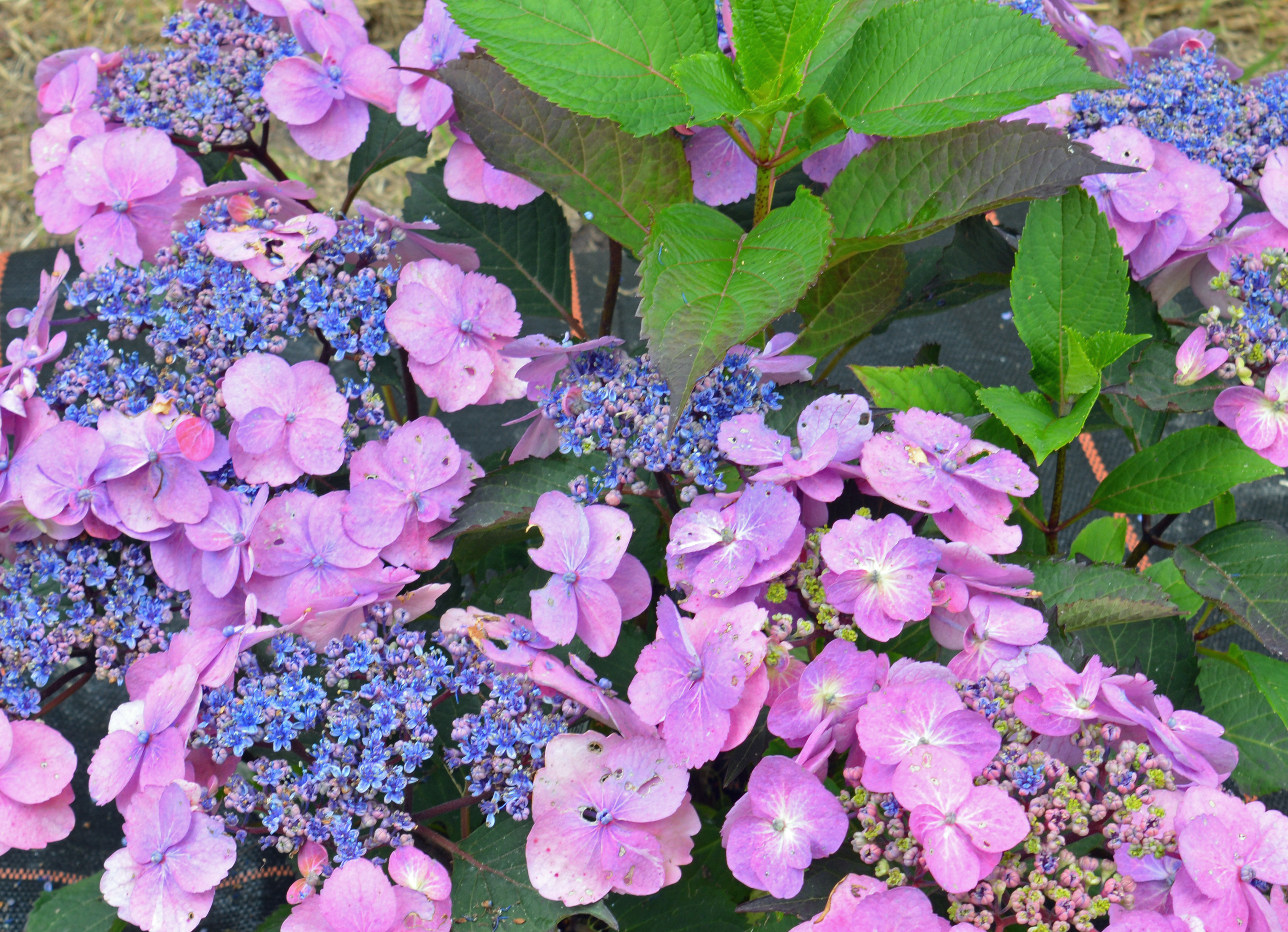
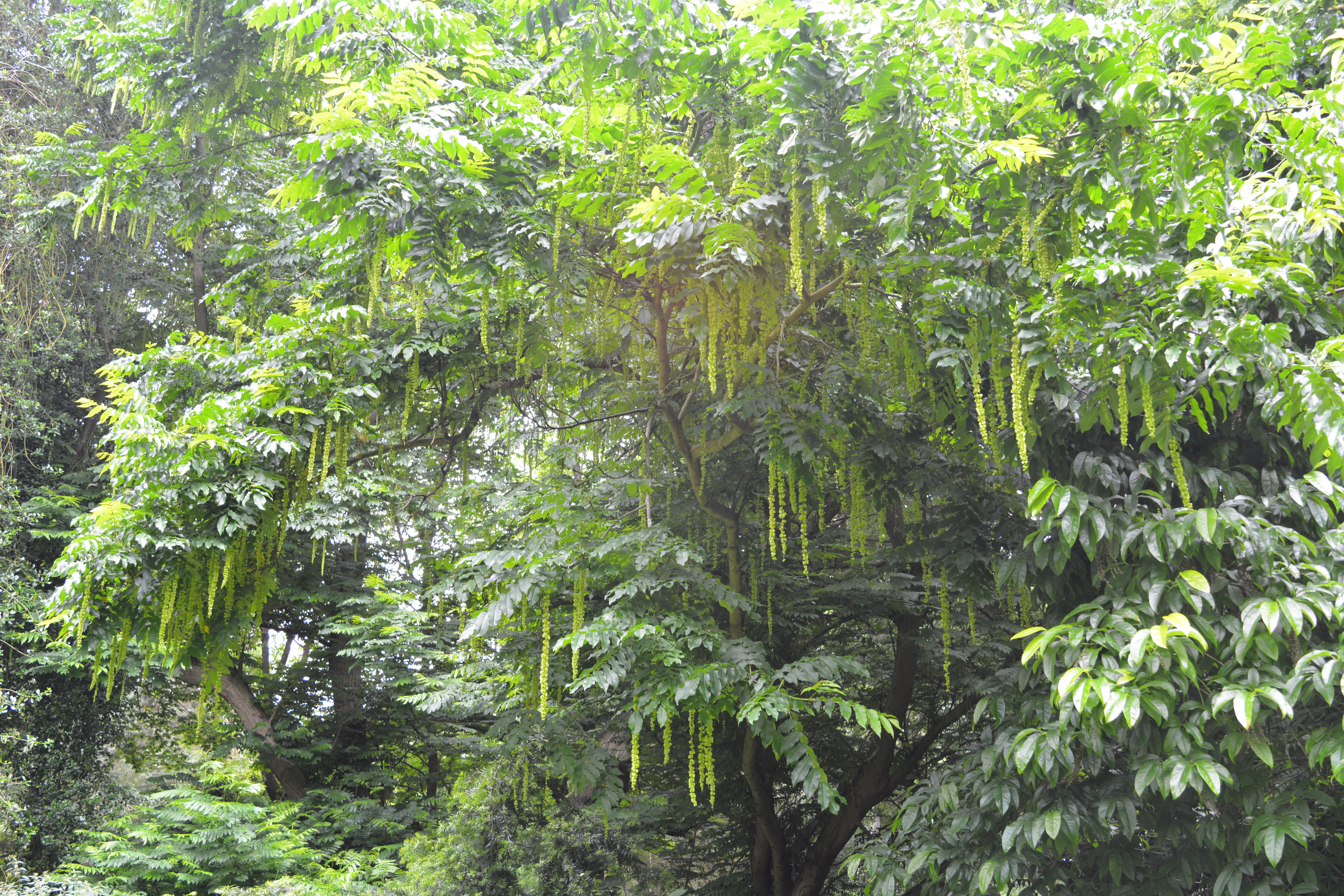
Down in the valley bottom a string of  small lakes provided good habitats for a collection of Hydrangeas which grew beneath a large specimen of the Wing Nut Tree, Pterocarya fraxinifolia, a member of the Walnut family, with its long green “catkins” growing up to 60cm long.

eb-36  eb-34eb-20 eb-19eb-33 eb-28 eb-26 eb-25 eb-24 eb-23eb-16 eb-17

Wandering back towards the nursery and cafe we came across a lush valley with a stream winding its way through, its richly planted banks.

eb-63 eb-62 eb-61 eb-60 eb-59 eb-54

We always enjoy finding quality pieces of sculpture placed carefully and shown to their best advantage and this figure was situated close to the stream in the short-mown grass.

eb-58 eb-56 eb-55 eb-57

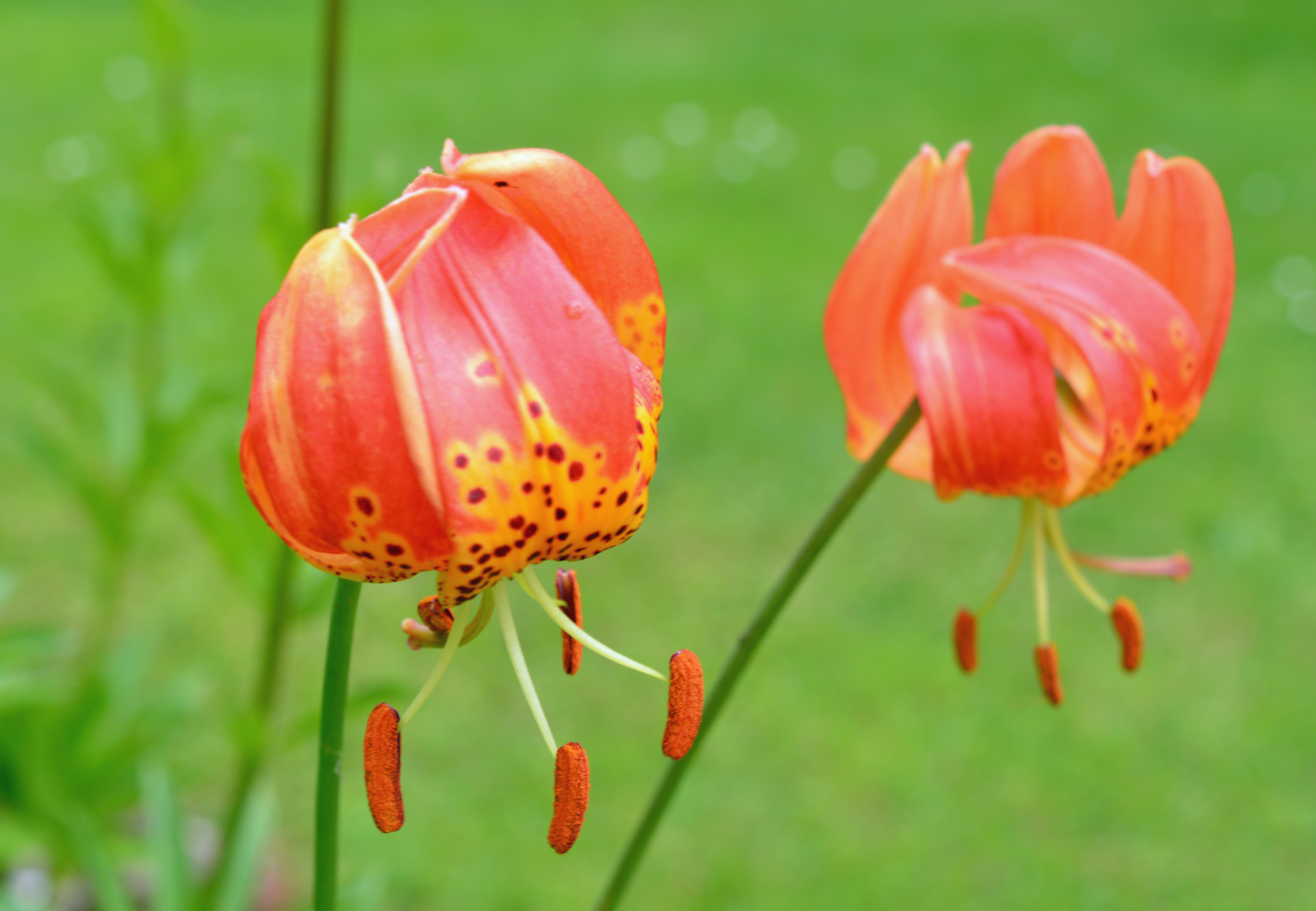
The brightest plant of all was this orange Tiger Lily, looking so fresh amongst the lush rich greens of the trees and shrubs.

eb-50 eb-49 eb-47 eb-46 eb-48

I would like to finish off with a selection of photos illustrating the variety of plants beginning with a couple of interesting trees followed by other flowering plants found throughout the Place for Plants at East Bergholt.

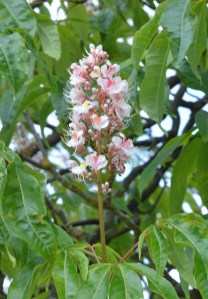
An Aesculus in full flower,

eb-41 eb-42


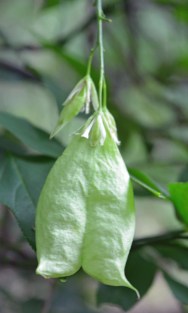
Staphylea pinnata,

eb-11 eb-10

eb-13 eb-12

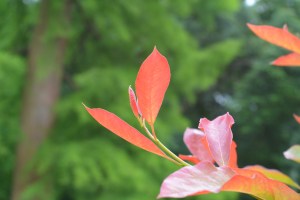
and Nyssa sylvatica “Wildfire”.

eb-04 eb-05

Definitely a place for plants!

eb-43 eb-07eb-40 eb-39 eb-30 eb-08


Categories
climbing plants garden design garden wildlife gardening grasses hardy perennials natural pest control ornamental grasses ornamental trees and shrubs Shropshire

Developing 3 spaces in our garden – part 3

The second new area we were able to develop this winter was a very small border created when we rationalised our sheds. The bed was originally used for a selection of mints which we used for cooking so the soil had to be removed and very bit of mint root removed. Some is bound to come back though as it seems impossible to rid yourself of mint in one go. We will have to keep our eyes peeled. As yet we have not named this little patch but I guess it may end up being something akin to “The Old Mint Patch”.

ng1-1

We began by erecting a screen wrapping around behind the bed and one end and we chose willow hurdle panels for this as it lets some wind through but gives some protection. We also love the natural rural look of it, and have used it effectively elsewhere in our garden. To match the natural look of the fencing we added a border edge of log-roll.

ng1-2ng-01

We planned our planting in three layers. First plantings were climbers, followed by shrubs and finally herbaceous perennials including grasses. The first climber we planted was Trachelospermum asiaticum, chosen for its flowers which are creamy coloured and scented in strong contrast to its dark green glossy foliage. We partnered this climber with a Honeysuckle and a Clematis. Clematis Fragrant Auberon has creamy-white, heavily scented flowers in spring contrasting strongly with its evergreen foliage. The Honeysuckle was Lonicera Spring Purple, where the purple refers to its foliage.

The shrubs we selected were favourites of ours which had graced our wishlist for a few years now so this new, unexpected planting opportunity meant they could now leave their place in the wish list and grace the new border instead. Firstly we planted a Hydrangea aspera, a summer flowering shrub called H. a. “Hot Chocolate”, so we look forward to its lacecap flowers consisting of pink florets surrounding violet florets in the summer, and of course its foliage which is a chocolate colour above and wine-red velvety textured below.

We are always pleased to find space for another deciduous, so we planted a specimen of Euonymus planipes in this new border. We put it in when it was leafless and we spotted its beautiful mahogany long thin leaf buds. Later it will boast bright pink fruits with vivid orange seeds hanging from within, an incredible colour combination.

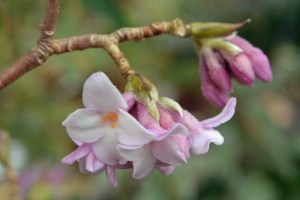
Our third shrub was an Abeliophyllum distichum, which was showing its gently scented pale pink almost white flowers. We look forward to its foliage turning rich purple in autumn.

fj1-1

The final planting later to put in place was the herbaceous layer where we selected plants mostly for their unusual foliage but a few will flower. Thus we planted three Saxifrages – S. stolonifera called “Hime”, S. fortunei “Blackberry and Apple Pie” and S. stolonifera “Maroon Beauty”, strongly textured, coloured foliage and unusual shaped flowers. We planted a fern too to link across to the one in the container which I write about later. We chose Dryopteris erythrosora “Prolifica” which features copper foliage each spring. Three Libertias join in to give spikes of foliage some with coloured stripes and white flowers in the summer and autumn. These Libertia are L. ixioides “Taupo Sunset”, L. peregrinans “Gold Leaf” and a third is an unknown species we grew from seed. We finished with our usual grasses, essential in every border, so we placed between the other perennials three Uncinia rubra,

We also had space adjacent to the new bed for a large stoneware pot which matched the  one at the far end of the path close by. We planted this up with a Gaultheria mucronata “Sneeuwwiyje” which I think translates as “Snowdrop”. It sports red stems and shiny dark green foliage and in summer white flowers with hints of soft pink followed by white berries later. Beneath this shrub we planted a fern and a couple of trailing ivies for year long foliage colour and texture. The ivies Hedera “Golden Kolibri” and Hedera “White Wonder”, the names reflecting the colour of the leaf variegation. The fern was Polystichum setiferum “Plumosum”, with soft textured foliage.

ng-03 ng-06ng-08 ng-07ng-05 ng-04

The final flourish was installing a wildlife “village” of varied insect homes, some coming from the old garden shed others newly made.

ng-16 ng1-3ng1-4

A few weeks later we added spring flowering bulbs from pots, a few more grasses and a third Saxafraga, S. Blackberry and Apple Pie.

ag2-05 ag2-04 ag2-03 ag2-02 ag2-01

We then had to sit back, let Mother Nature and all her soil workers and the weather do their best and watch the new patch develop. Maybe it will develop well enough to appear in my garden journal later in the year.

Categories
light light quality National Trust Shrewsbury Shropshire The National Trust wildlife

Simply Beautiful – 7 – Fallow Deer

While walking around our local National Trust parklands, Attingham Park, we usually finish our regular wanderings by walking along the wide paths mown and nibbled short and neat by the teeth of the parkland sheep. This is the deer park and we do indeed regularly enjoy watching the large herd of Fallow Deer who wander confidently close to the many visitors walking their territory.

sb7-6

The low December sunbeams give them coats of gold. Their mottled, spotted and dashed patterning is beautiful but developed to be functional, as camouflage against their habitat background.

sb7-7 sb7-4 sb7-5 sb7-2 sb7-3

Categories
light light quality trees woodland

Simply Beautiful – 6 – Beech Shadows

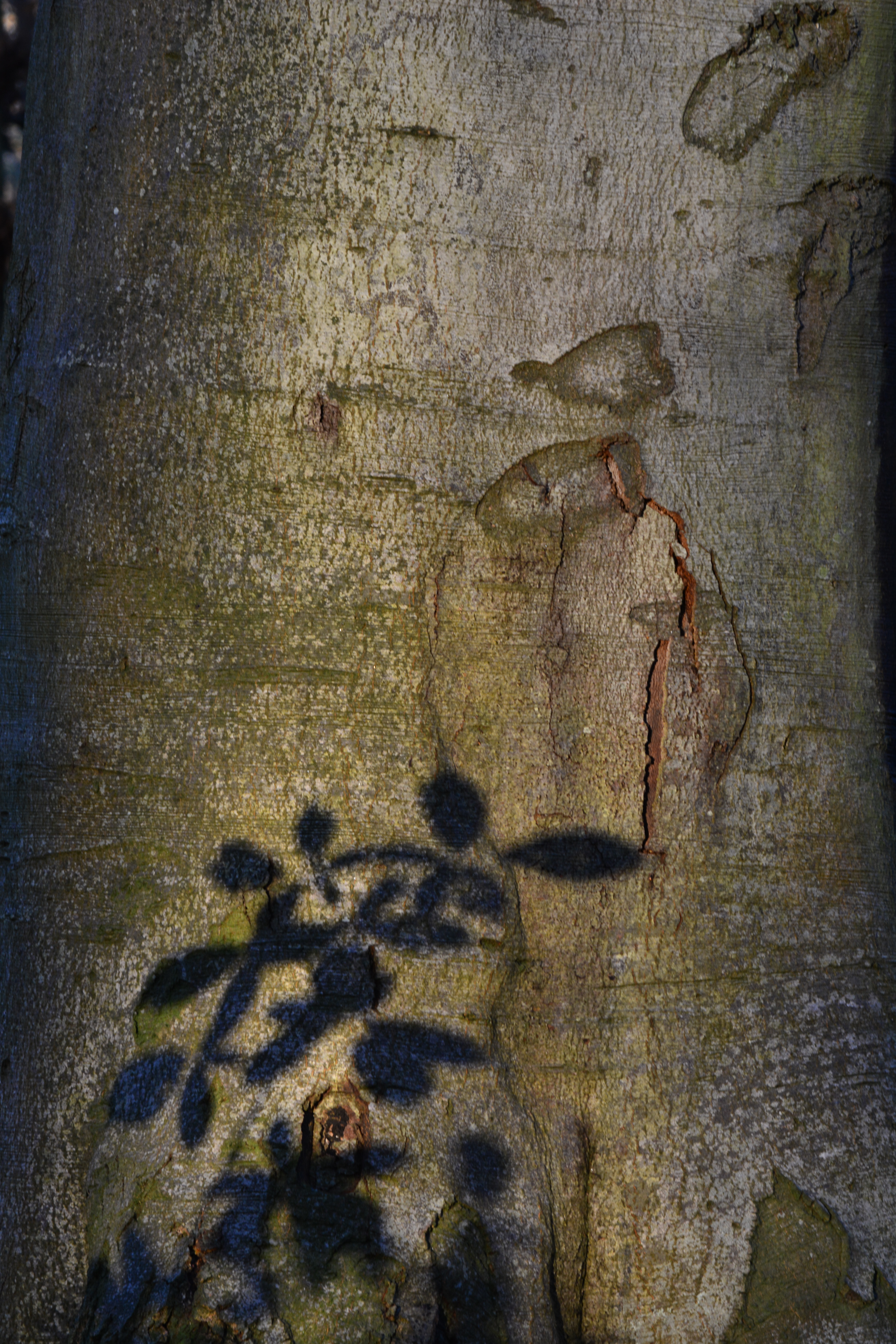
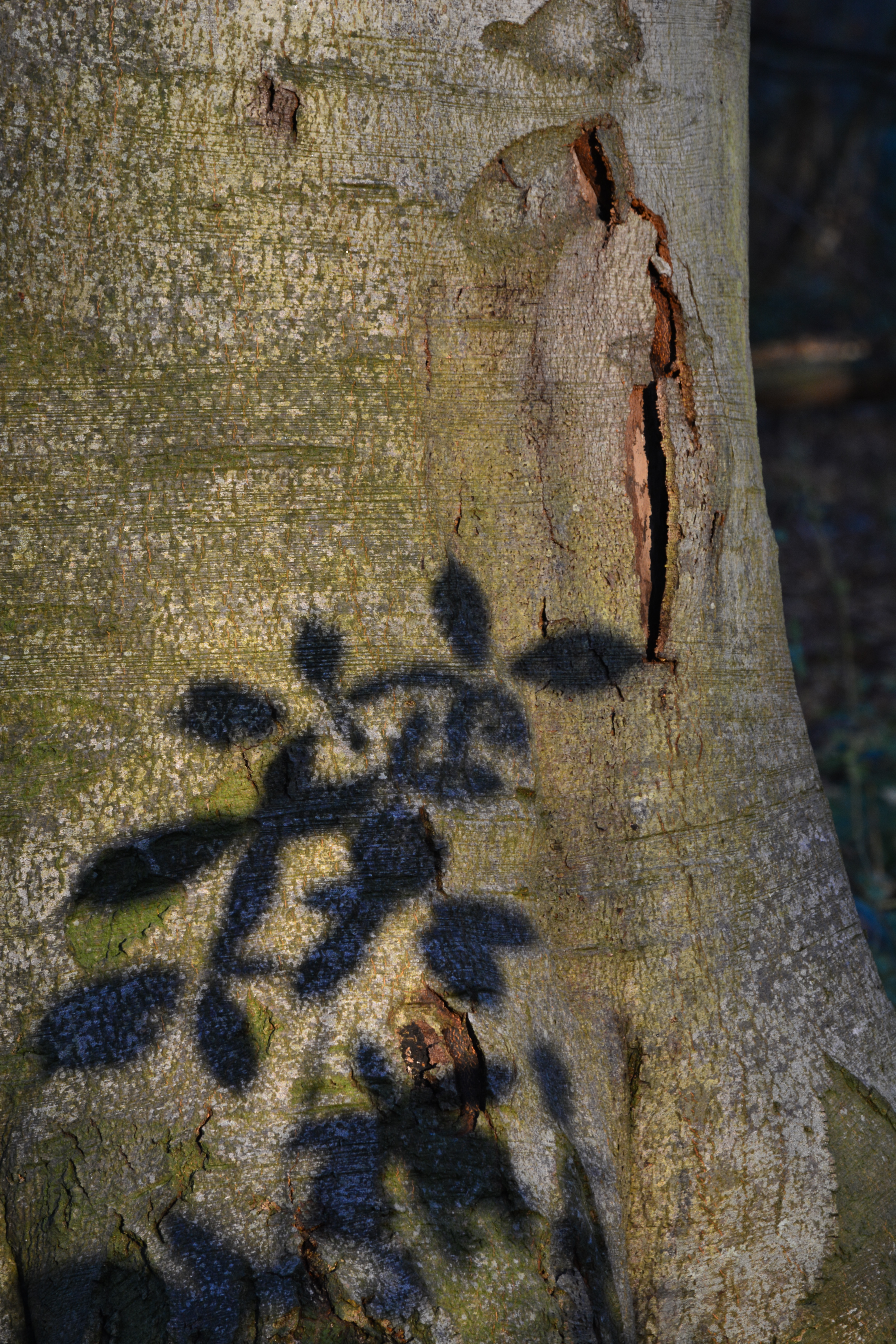
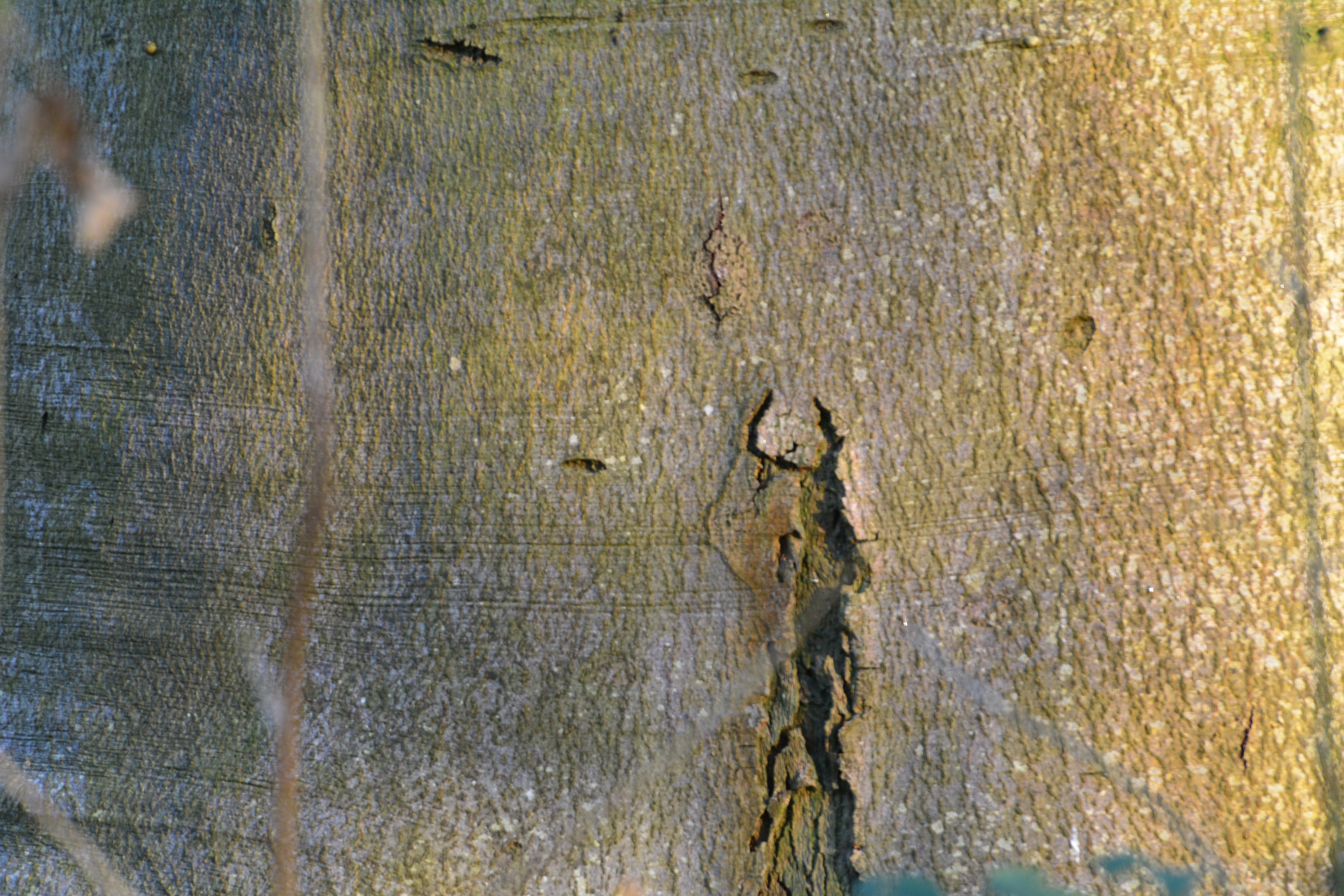
When out walking in woodlands sometimes the light surprises and plays around on the trunks of the trees. Light plays with the shadows it creates and paints onto the bark of smooth skinned Beech trees. It deepens fissures with shadows too.

sb6-4 sb6-3 sb6-2 sb6-1

Categories
birds colours flowering bulbs garden photography garden wildlife gardening gardens hardy perennials ornamental trees and shrubs outdoor sculpture Shropshire shrubs spring bulbs trees Winter Gardening winter gardens

My 2017 Garden Journal – January

It feels good to be back sharing my Garden Journal with you once again. So here is the first for 2017, my report on what was going on in our Avocet garden in January.

For 2017 I will share the beauty, the happenings and the stars of our Avocet garden month by month. I will consider the wildlife that visits and shares our garden with us and see what it is up to. I aim to record the birds we spot, the creatures which live in our pond and the mini-beasts who appreciate our plants in our borders.

I hope to set up my moth live-trap and carry out a pond dip regularly. I will record using words, photographs, paintings and drawings.
jan-03

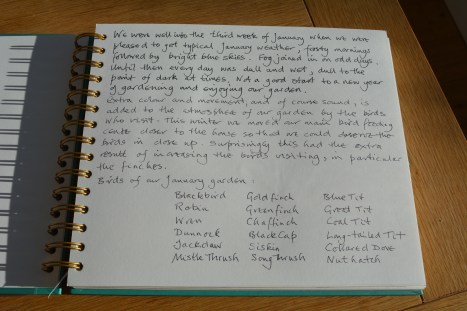
My 2017 Garden Journal opened with a comment about the weather, the favourite subject of the English and particularly English gardeners, “We were well into the third week of January when we were pleased to get typical January weather, frosty mornings followed by bright glue skies. Fog joined in on odd days. Until then every day was dull and wet, dull to the point of darkness at times. Not a good start to a new year of gardening and enjoying our garden.

Extra colour and movement, and of course sound, is added to the atmosphere of our garden by the birds who visit. This winter we moved our main bird feeding centre closer to the house so that we could observe the birds in close up. Surprisingly this had the extra bonus of increasing the birds visiting, in particular the finches.

Birds of our January garden: 

Blackbird                    Goldfinch                    Blue Tit

Robin                           Greenfinch                  Great Tit

Wren                            Chaffinch                    Coal Tit

Dunnock                      Blackcap                      Long-tailed Tit

Jackdaw                       Siskin                            Collared Dove

Mistle Thrush             Song Thrush                Nuthatch

Turning the page finds me discussing scented shrubs starring in our January garden.

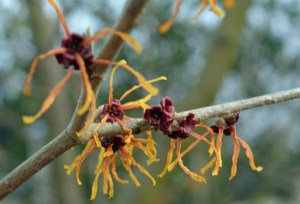
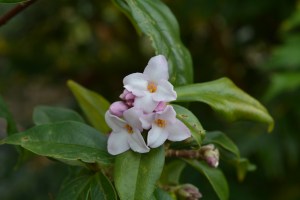
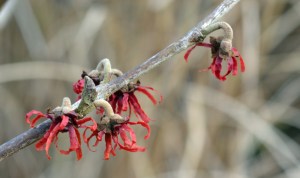
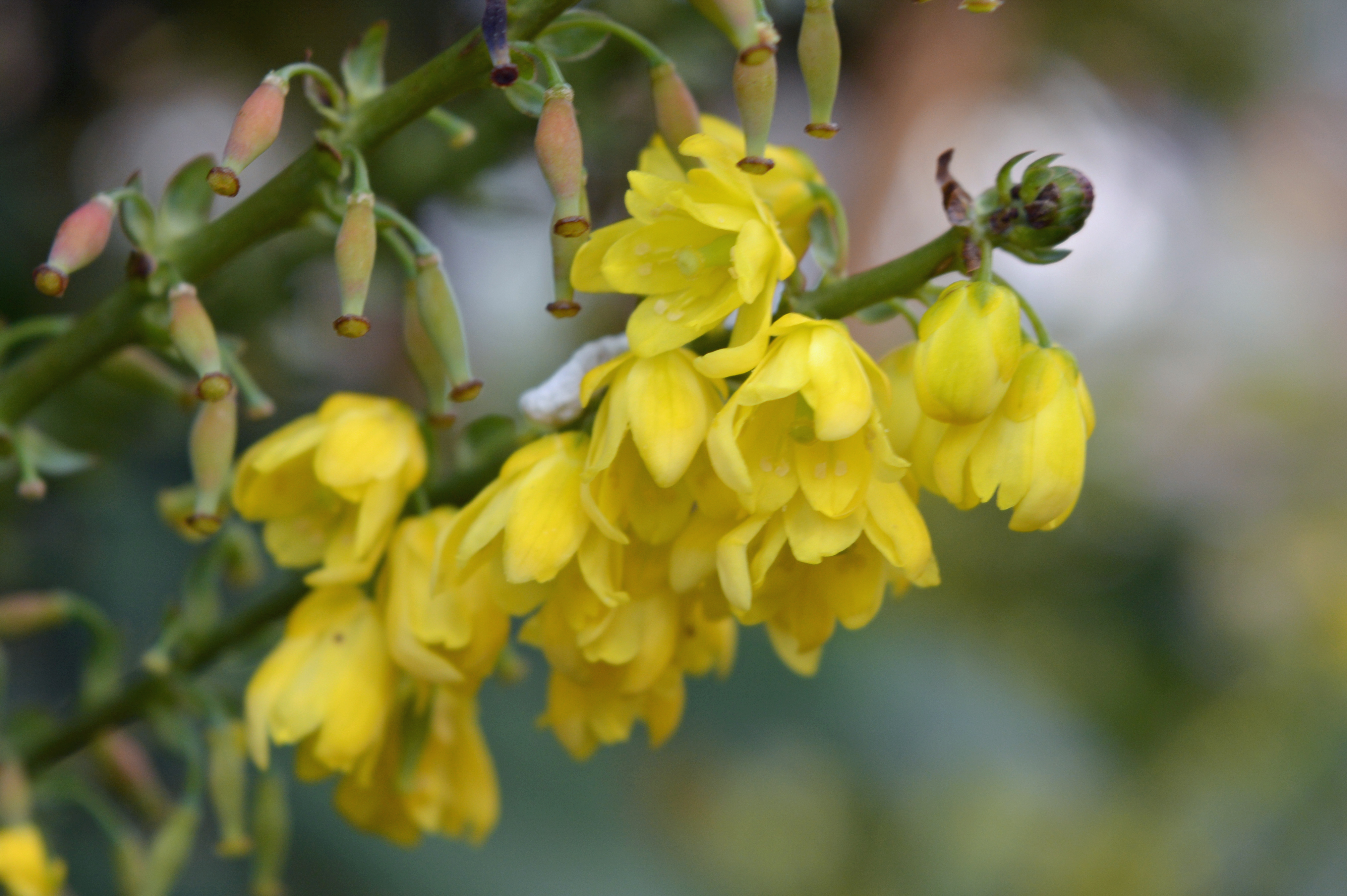
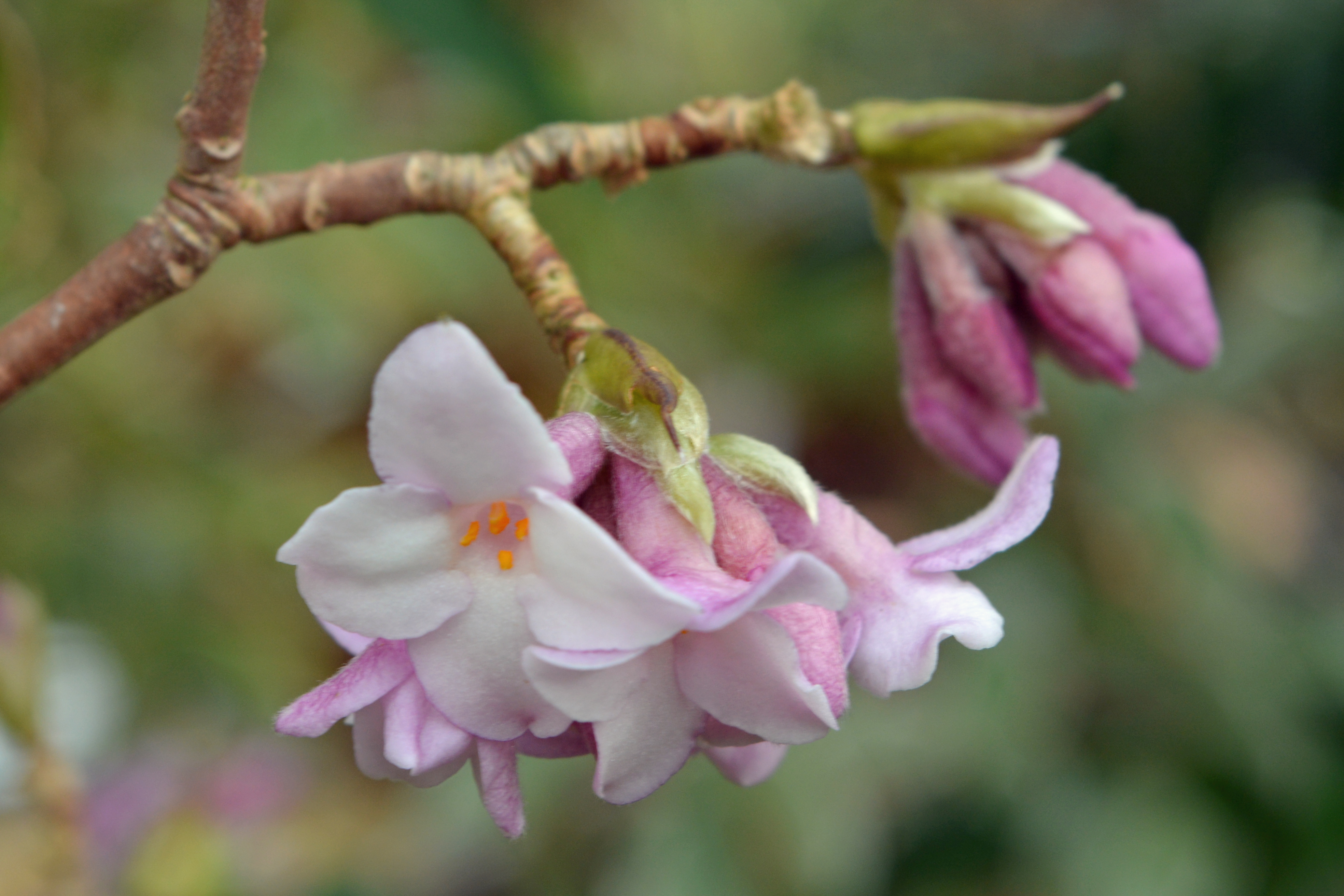
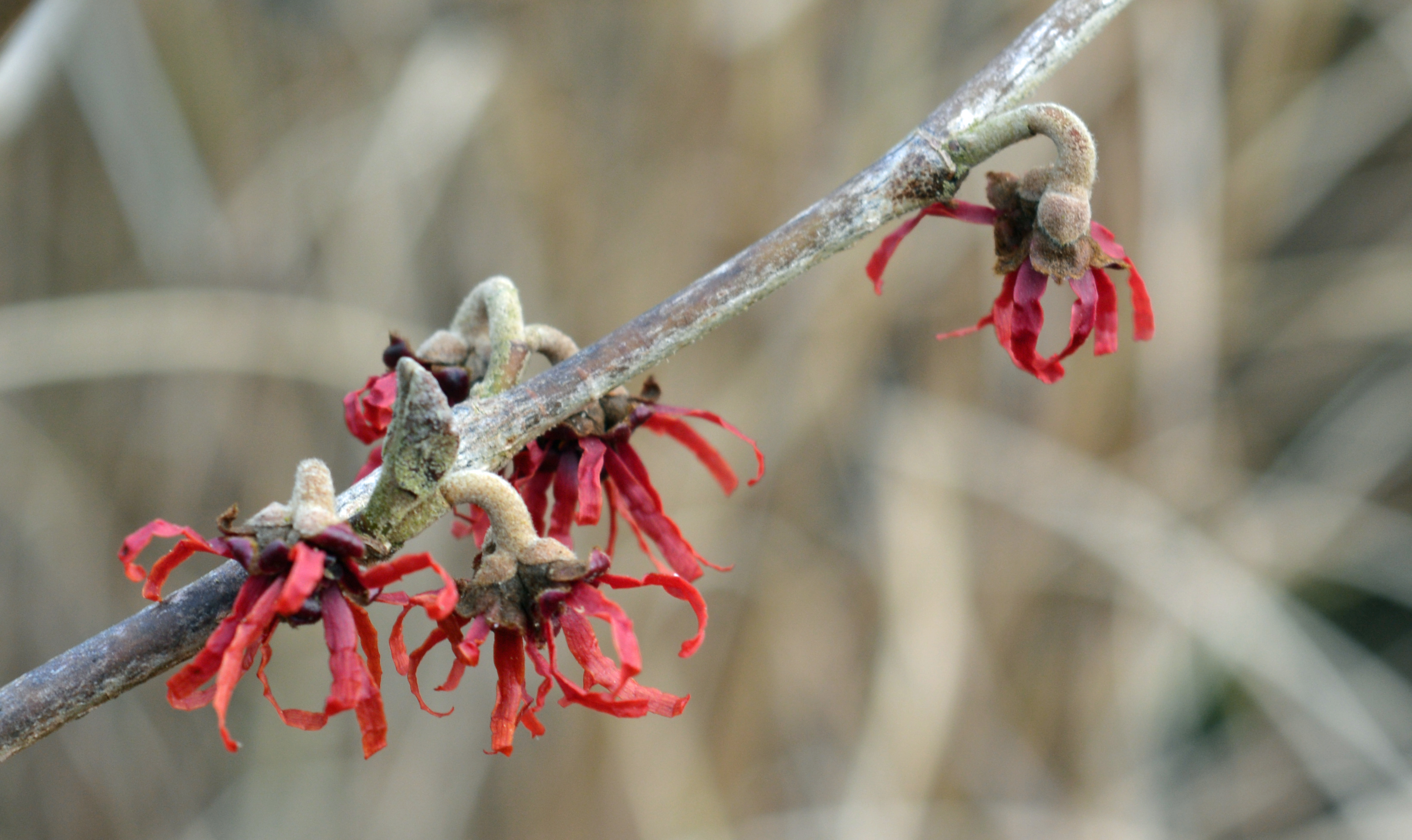
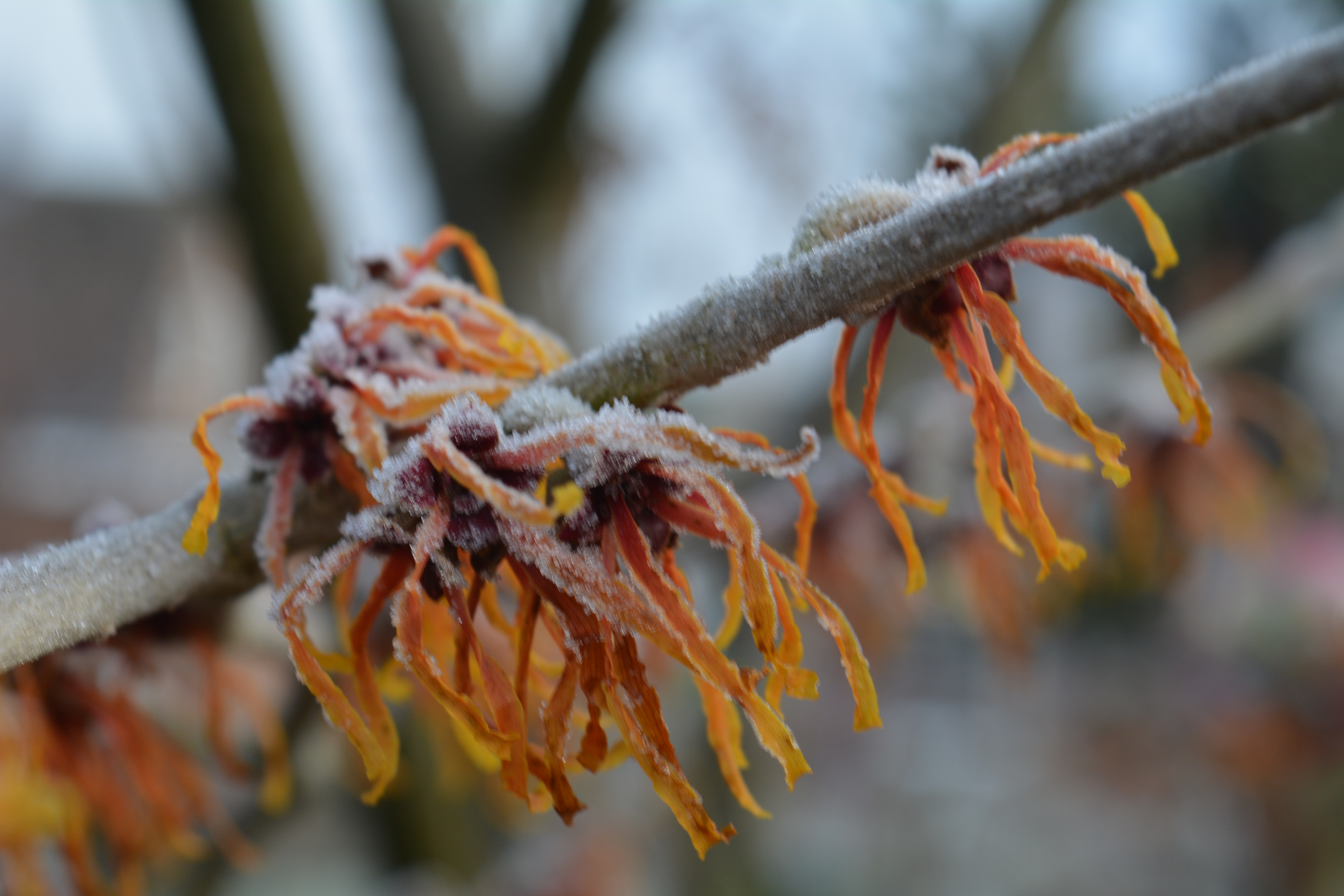
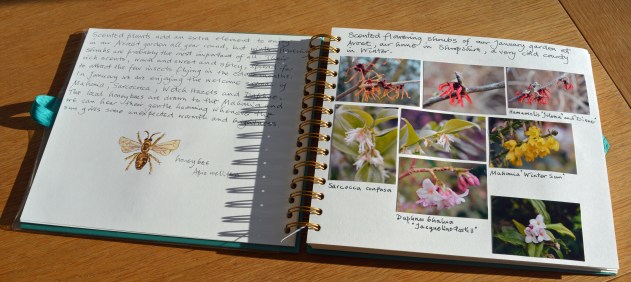
Scented shrubs add an extra element to enjoy in our Avocet garden all  year round, but winter-flowering shrubs are probably the most important of all. Their rich scents, warm and sweet and spicy, spread far to attract the few insects flying in the colder months. In January we are enjoying the welcome aromas of Mahonia, Sarcococca, Witch Hazels and Daphne. The local honey bees are drawn to the Mahonia and we can hear their gentle humming whenever the sun gives some unexpected warmth and brightness.

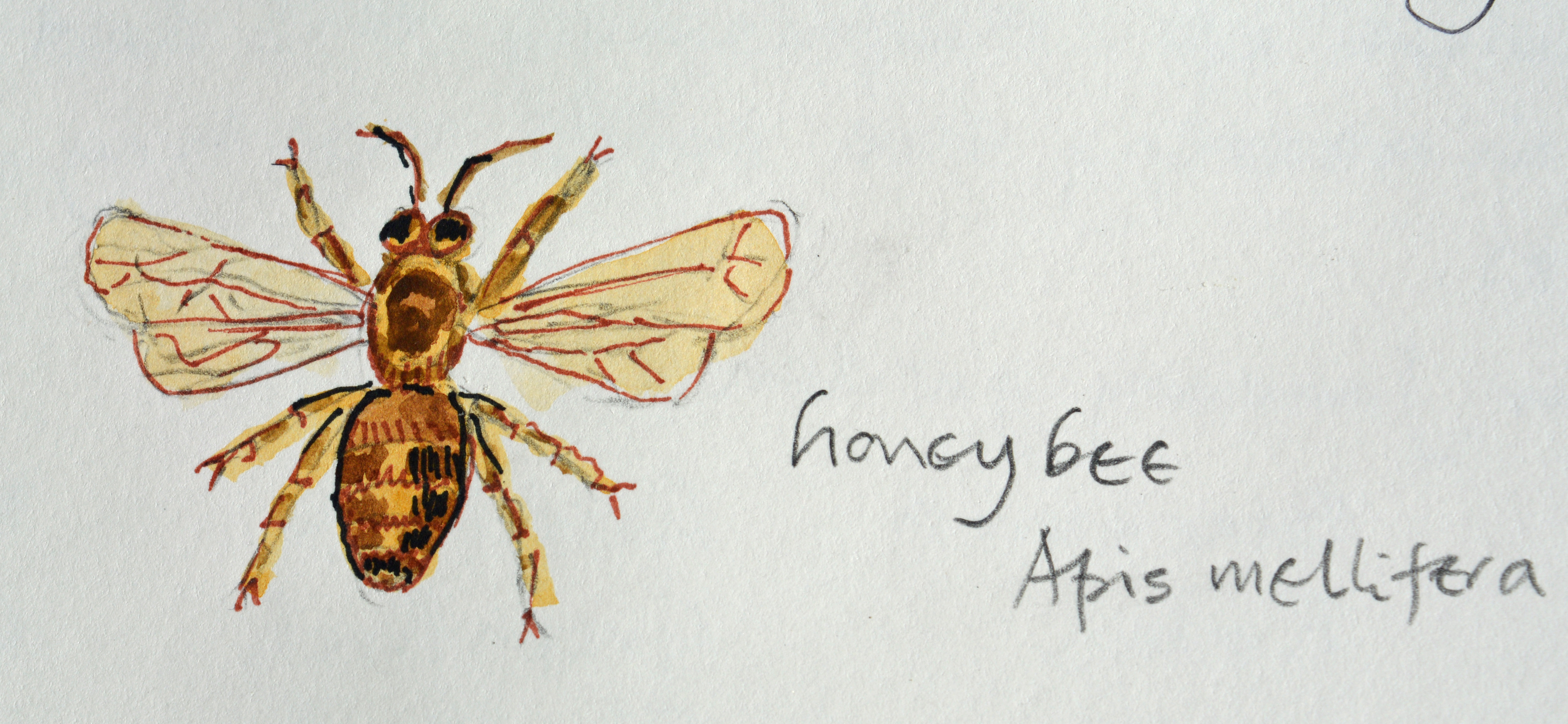
I used my watercolours to create a painting of a Honey Bee, Apis mellifera, and it was a very difficult painting to do.
jan-04jan-05 jan-06

On the page opposite my bee painting, I included photos of the “Scented flowering shrubs of our January garden at Avocet, our home in Shropshire, a very cold county in winter.”, Sarcococca confusa, Daphne bholua “Jacqueline Postill”, Hamamelis Jelena and Diane and Mahonia “Winter Sun”.

j1-1 j1-2 j1-3 j1-4 j1-5 j1-6 j1-7 j1-8

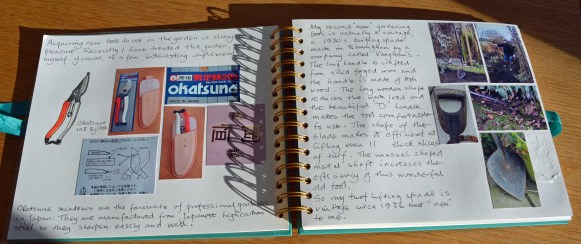
Over the page we look at “new” gardening tools, one brand new and one new to me which is a vintage tool.
jan-07

“Acquiring new tools to use in the garden is always a pleasure. Recently I have treated the garden, and myself of course, to a few interesting implements”. 

Firstly a pair of Japanese secateurs, with the unusual problem of instructions written in Japanese. As I had ordered them from Japan I should not have been surprised really!

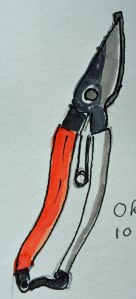
I painted a picture of my new Japanese secateurs, which was a lot harder that it looks.
jan-01 j2-1 j2-4

“Okatsune secateurs are the favourite of  professional gardeners in Japan. They are manufactured from Japanese high carbon steel so they sharpen easily and well.”

j2-2 j2-3  j2-5 j2-6

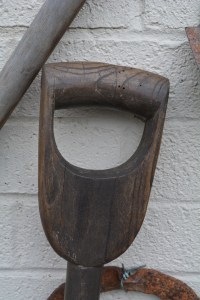
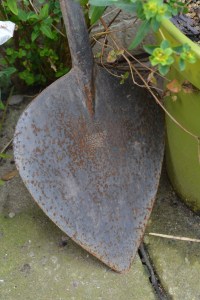
“My second “new” gardening tool is actually a vintage piece, a 1930’s turfing spade made in Birmingham by a company called Vaughan’s. The long handle is crafted from solid forged iron and the handle is made from Ash wood. The long wooden shaft reduces the workload and the beautiful “D” handle makes the tool comfortable to use. The shape of the blade makes it efficient at even lifting an even 1 inch thick slices of turf. The unusual shaped metal shaft increases the efficiency of this wonderful old tool. So my turf lifting spade is vintage circa 1936 but “new” to me.

j3-07 j3-11

j3-01 j3-02 j3-09 j3-08

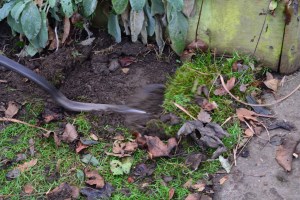
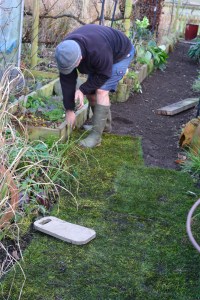
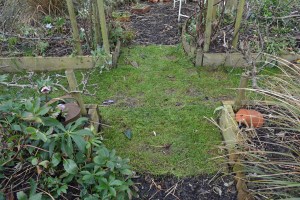
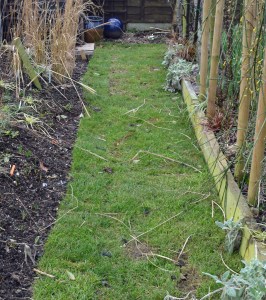
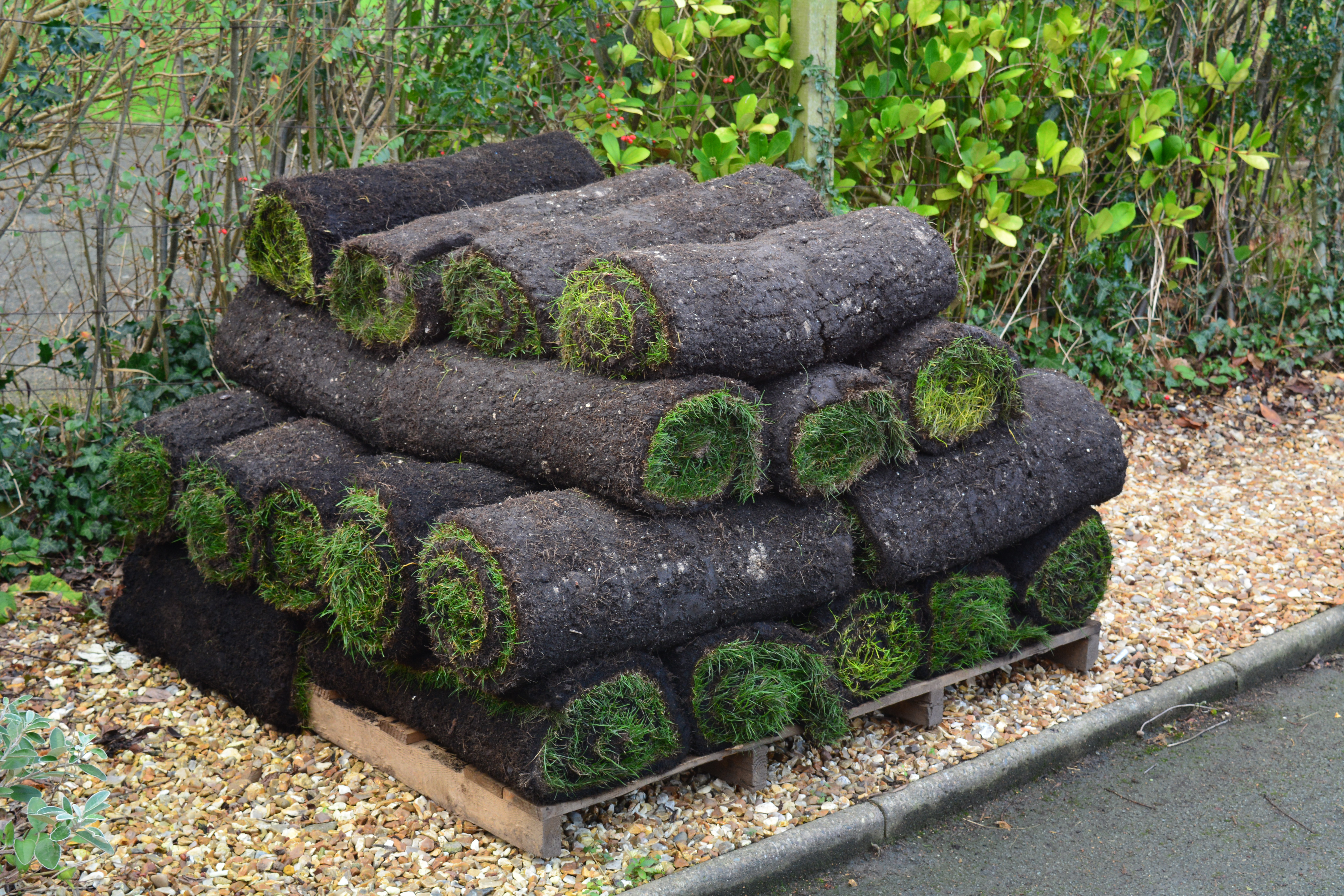
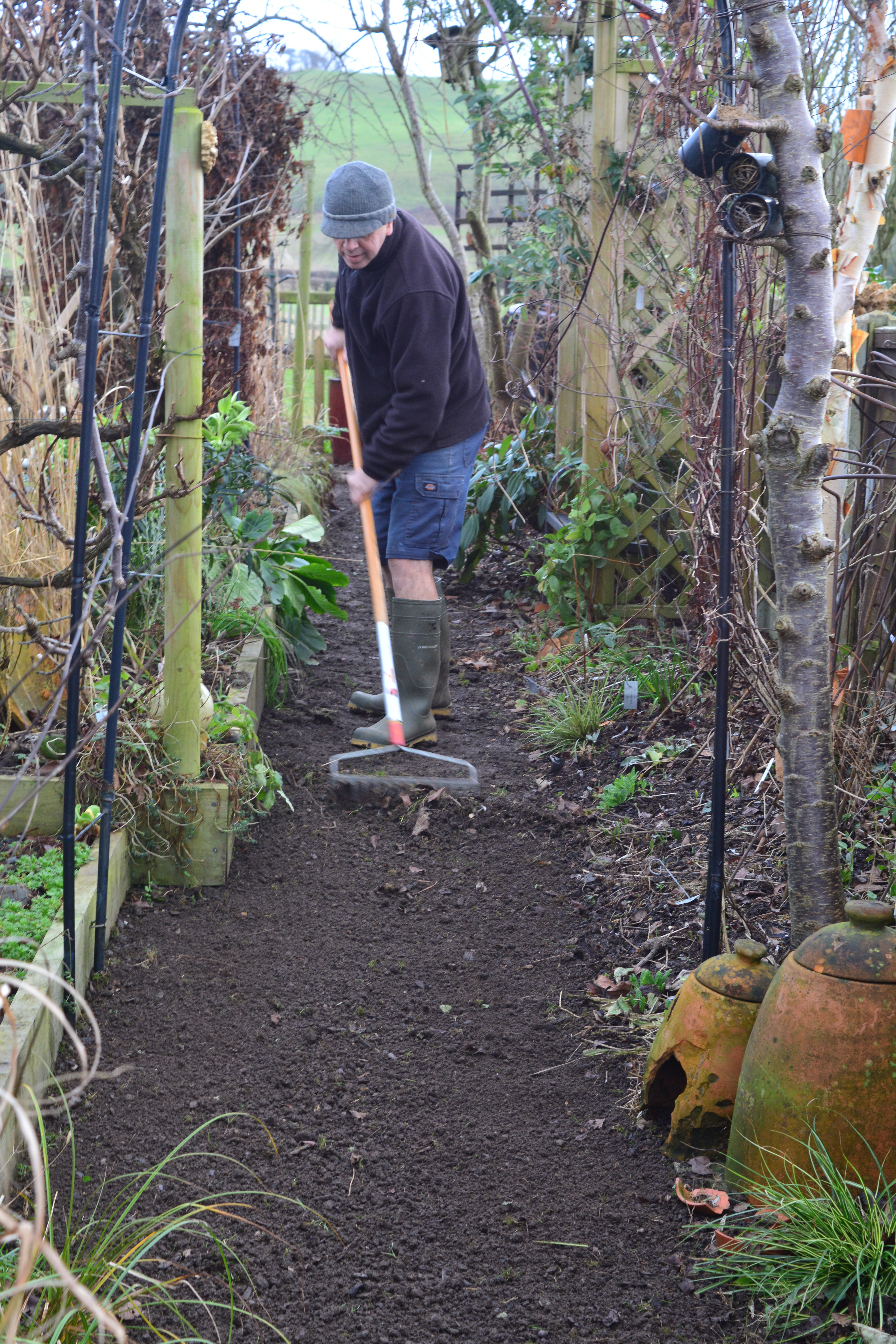
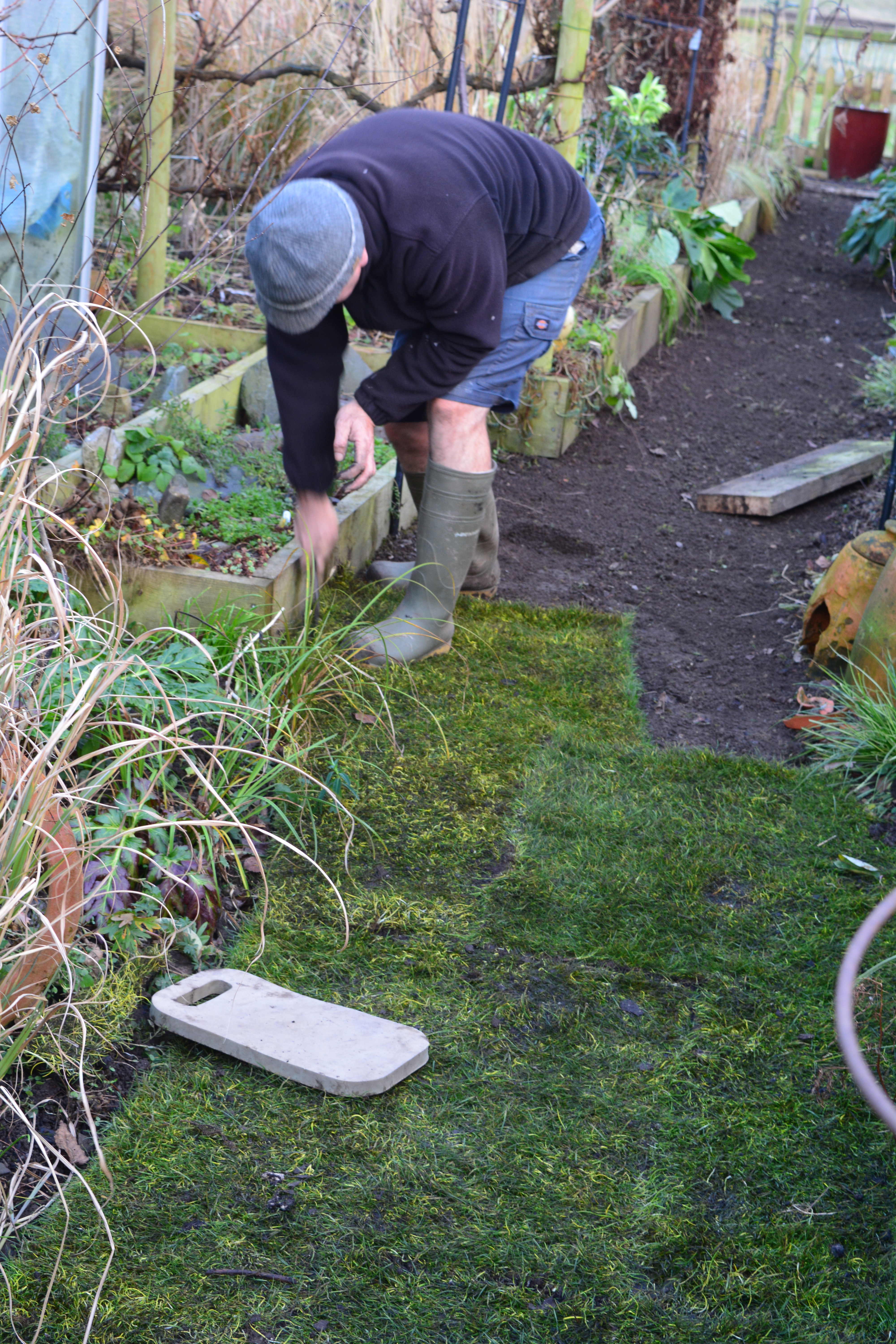
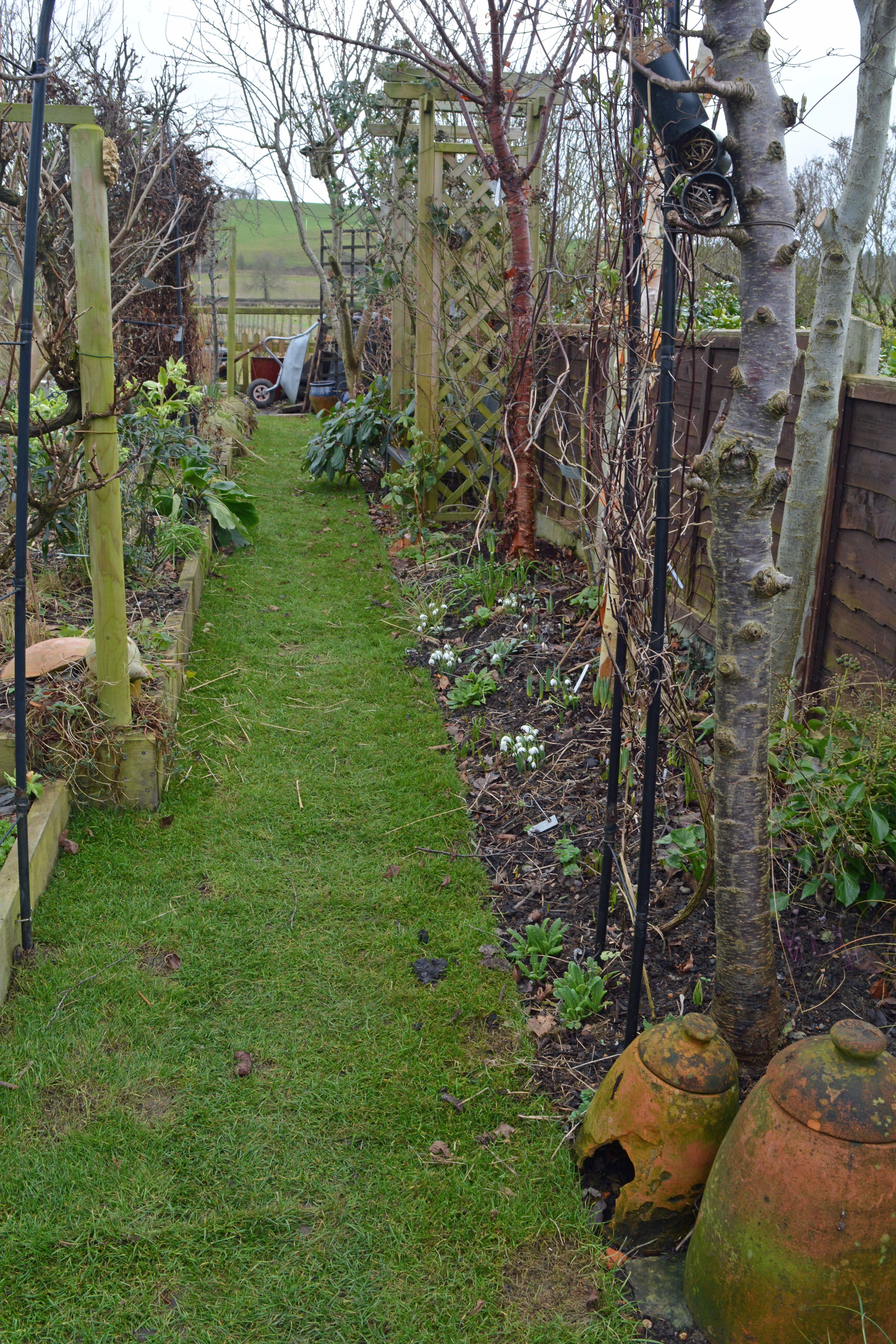
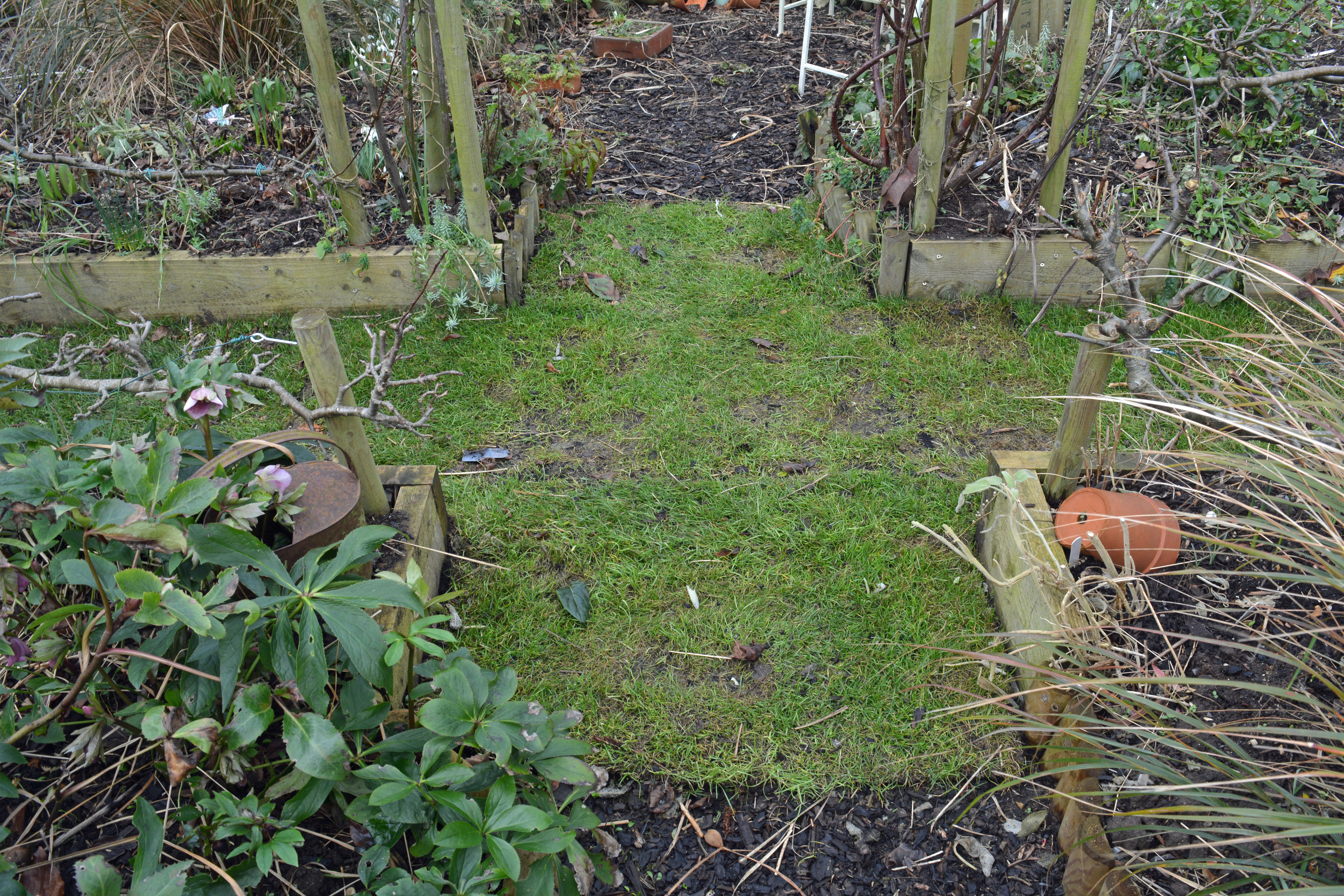
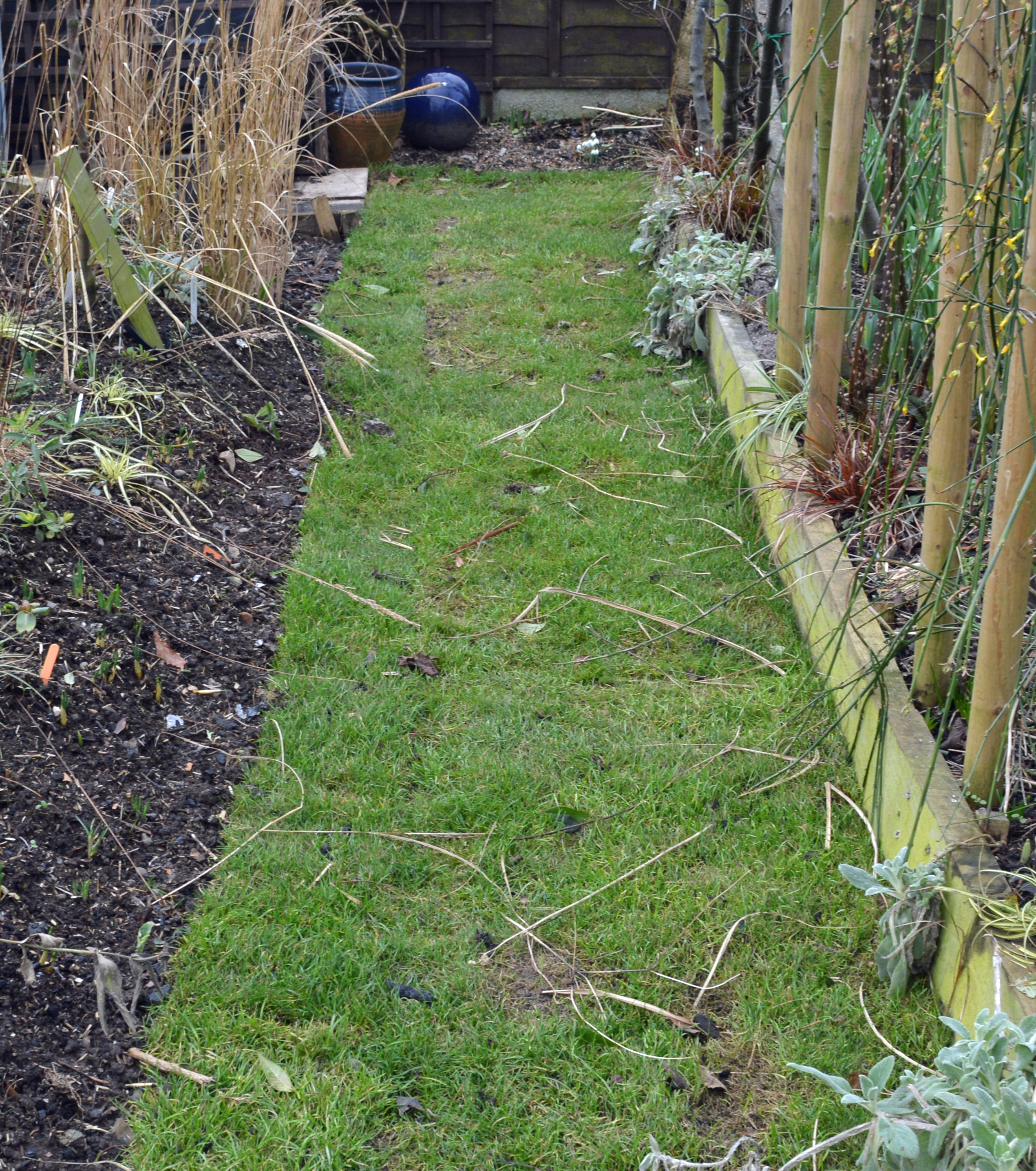
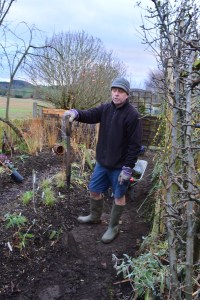
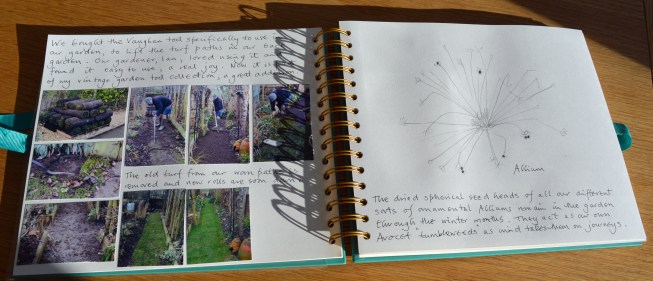
I moved on to show how Ian, our gardener, used the vintage turfing spade to replace the grass on some of our paths.
jan-08

“We bought the Vaughan tool specifically to use in our garden, to lift the turf paths in our back garden. Our gardener, Ian, loved using it and found it easy to use, a real joy. Now it is part of my vintage garden tool collection, a great addition.”

j3-03 j3-06

“The old turf from our worn paths is soon removed and new rolls are soon down.”

j3-10 j4-1j3-04 j3-05 j5-1  j5-2 j5-3

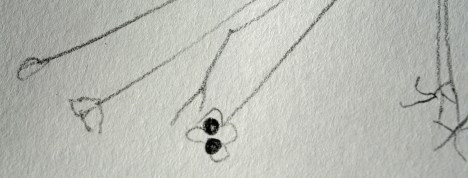
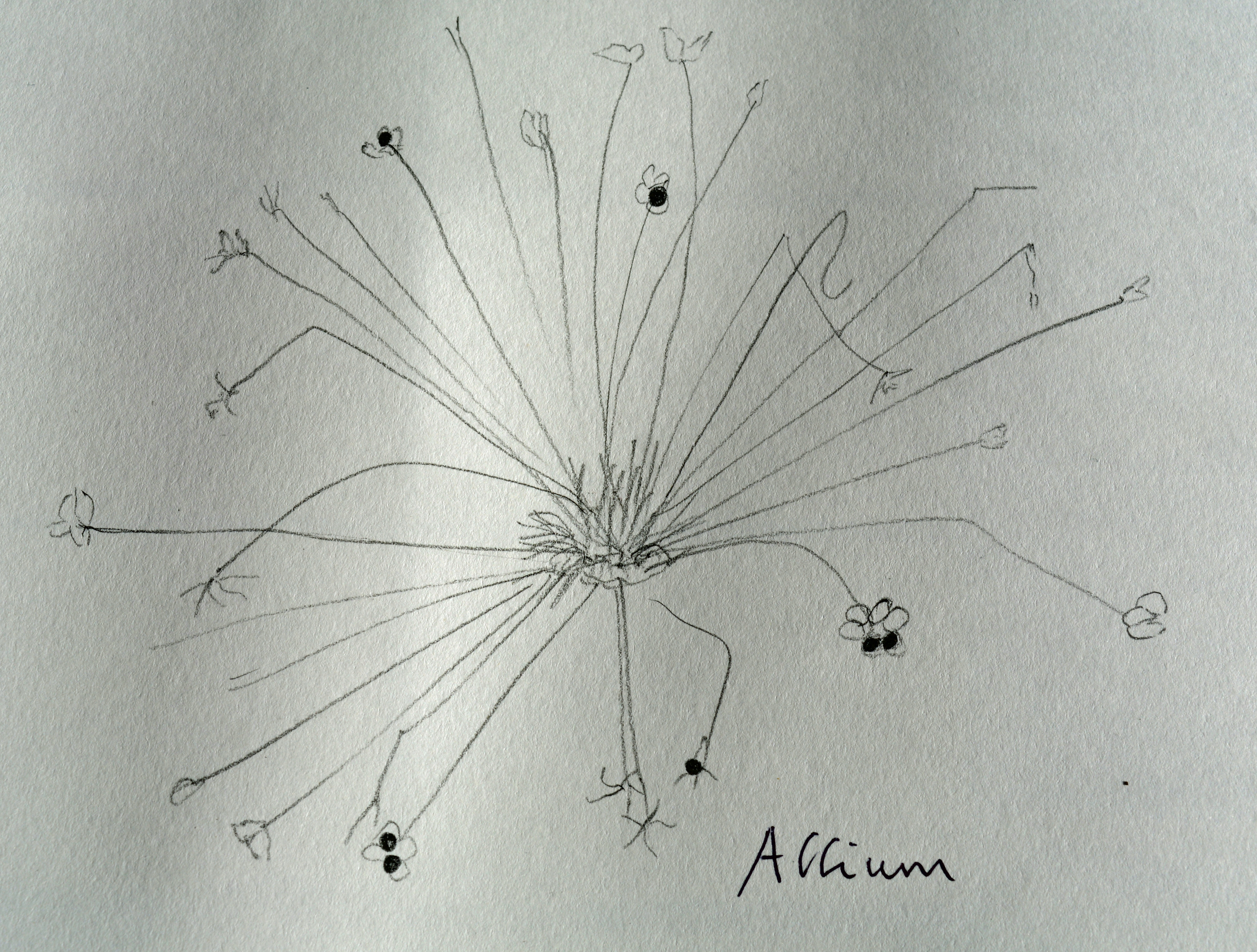
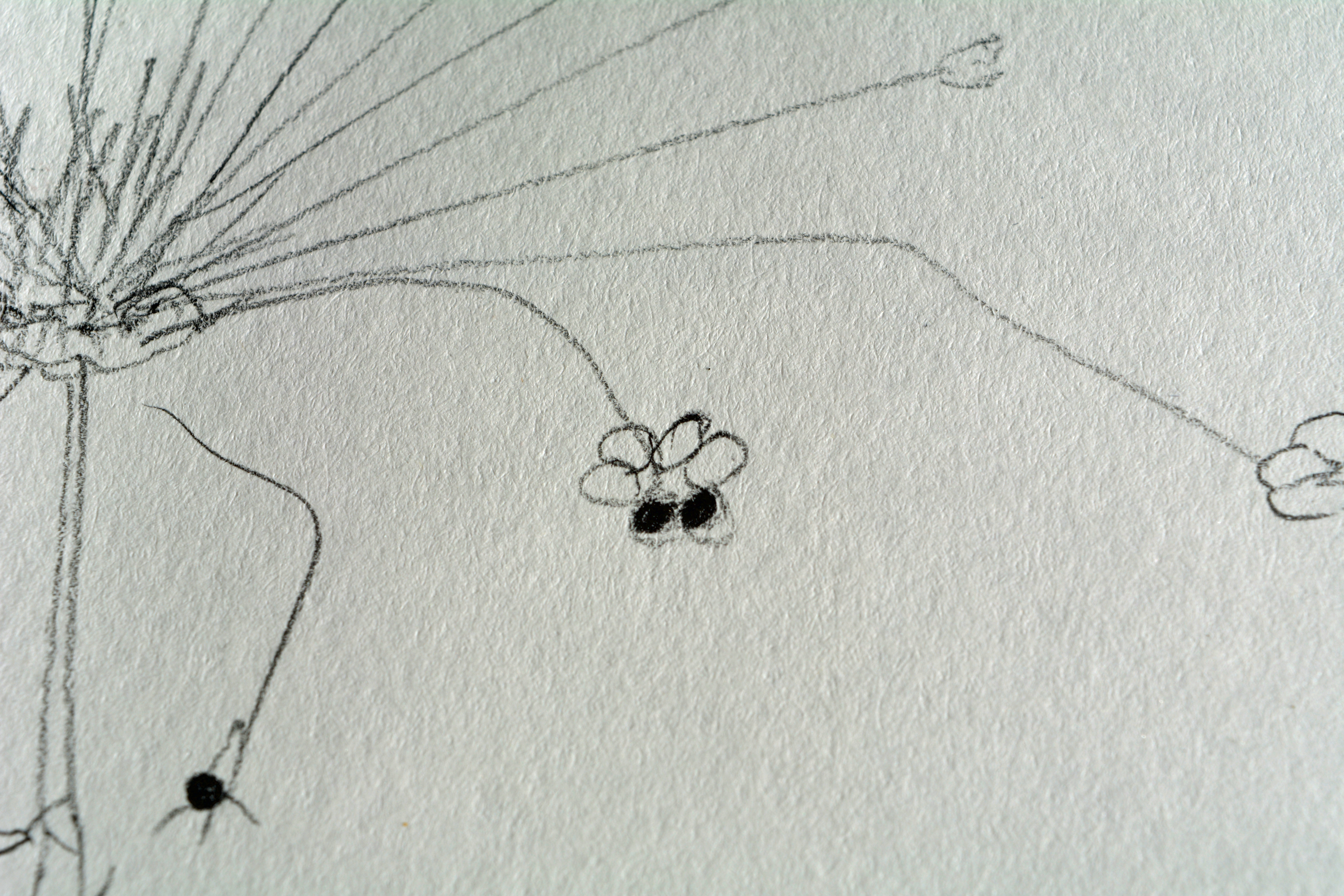
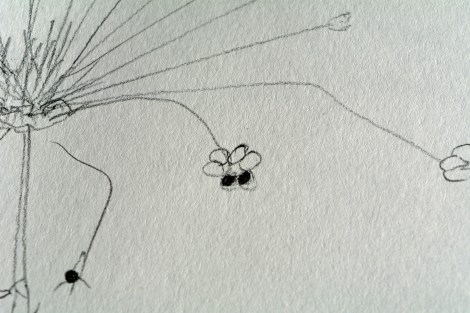
I next looked at a beautiful totally dried seed head of an Allium, which, with its spherical shape, tends to get blown around the garden with several others. We meet them at random times and places all overthe garden. We are always surprised by their simple beauty. I drew the Allium seed head using just a pencil. Looking and studying the Allium took much longer than the time spent with pencil moving on paper.

jan-09

“The dried spherical seed heads of all our different sorts of ornamental Alliums remain in the garden through the winter months. They act as our own Avocet “tumbleweeds” as wind takes them on journeys.”

I hope you enjoy the close ups of my drawing below.
jan-10 jan-11 jan-12

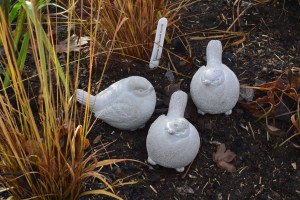
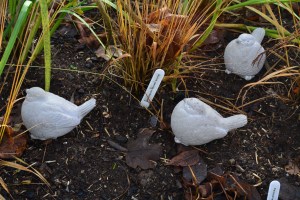
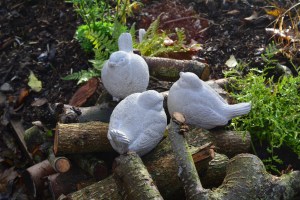
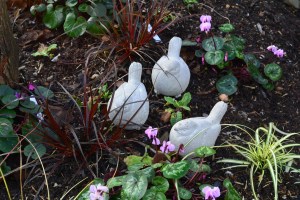
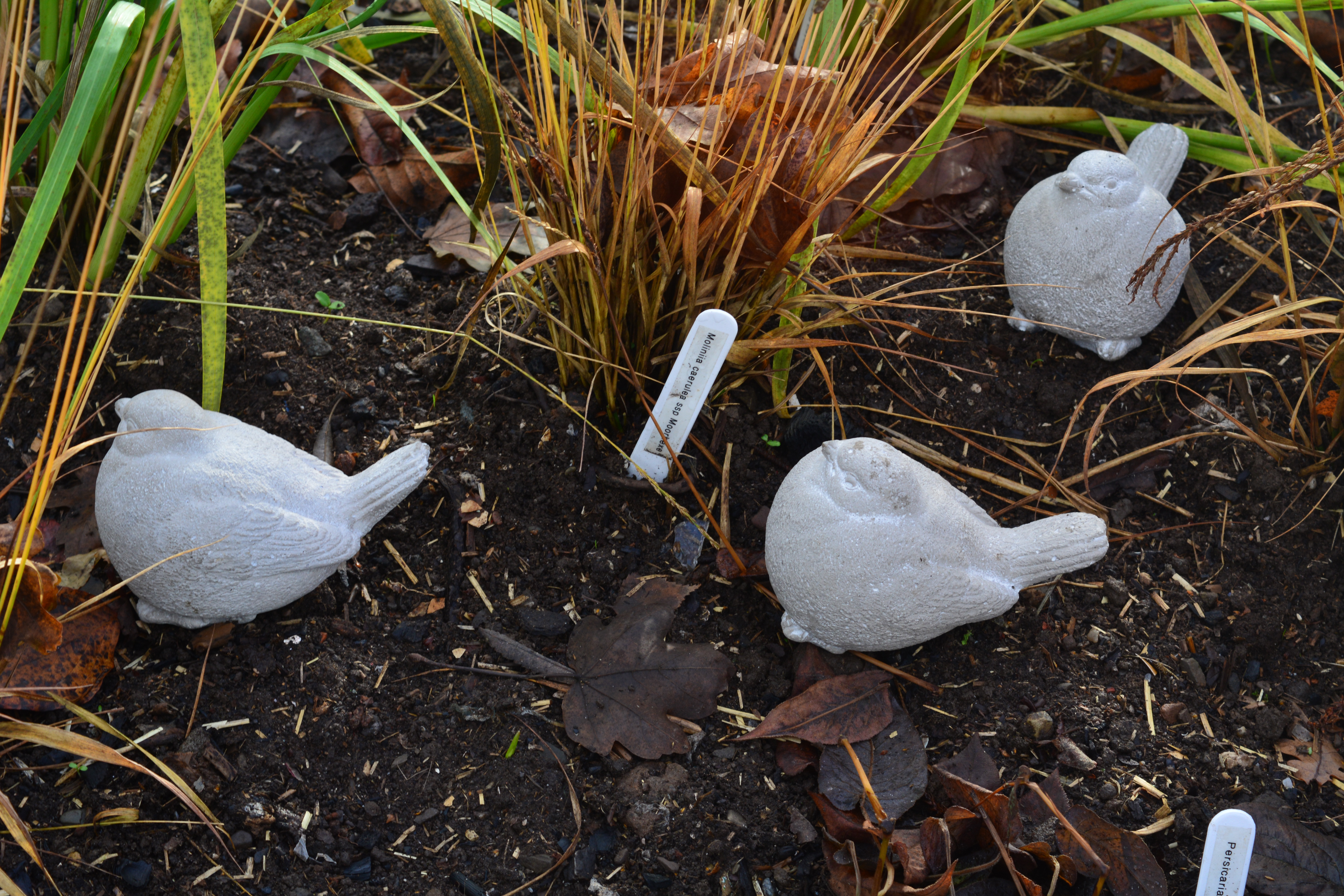
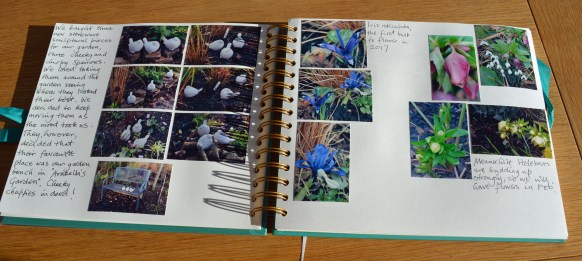
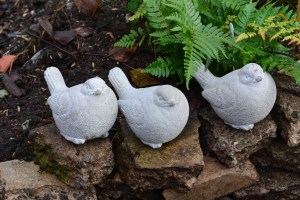
By turning the page we see little white birds and colourful bulb flowers. I wrote: “We bought three new stoneware sculptural pieces for our garden, three cheeky and chirpy Sparrows. We loved taking them around the garden seeing where they looked their best. We decided to keep moving them around as the mood took us. They, however, decided that their favourite place was our garden bench in “Arabella’s Garden”. Cheeky chappies indeed!
jan-13

j7-3 j7-4j7-2 j7-5j7-1 j7-7 j7-8

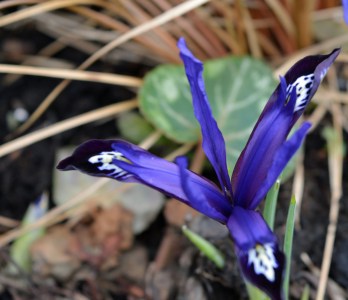
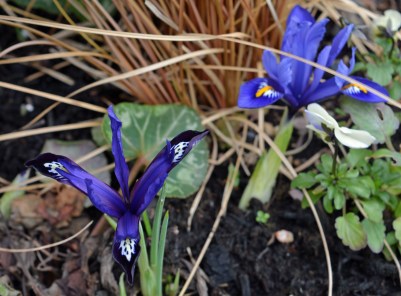
Opposite the photos of the sculpture birds are photos of early flowers, Irises and Hellebores.

“Iris reticula, the first bulb to flower in 2017.”
j6-3 j6-4 j6-5

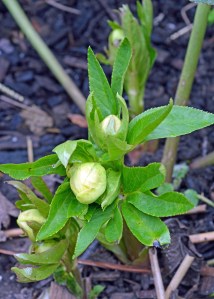
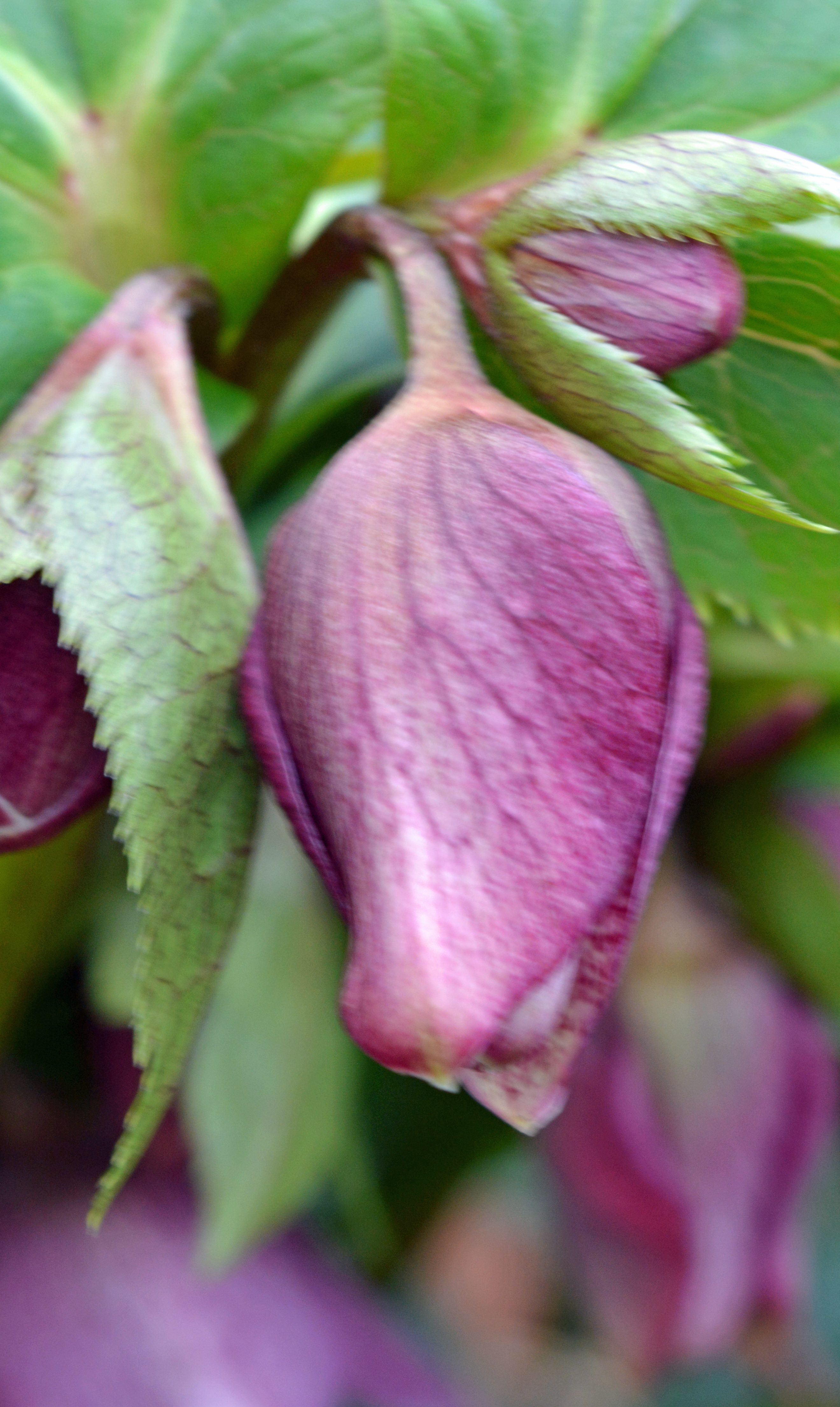
“Meanwhile Hellebores are budding up strongly, so we will have flowers in Feb.”

j6-2    j6-1j6-6 j6-7

January frosts feature on the next double page spread.

jan-14

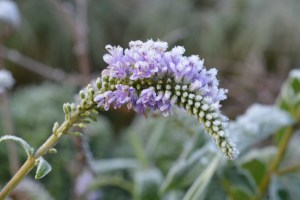
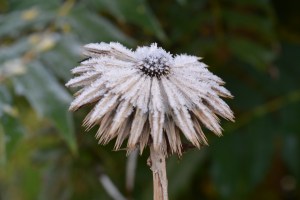
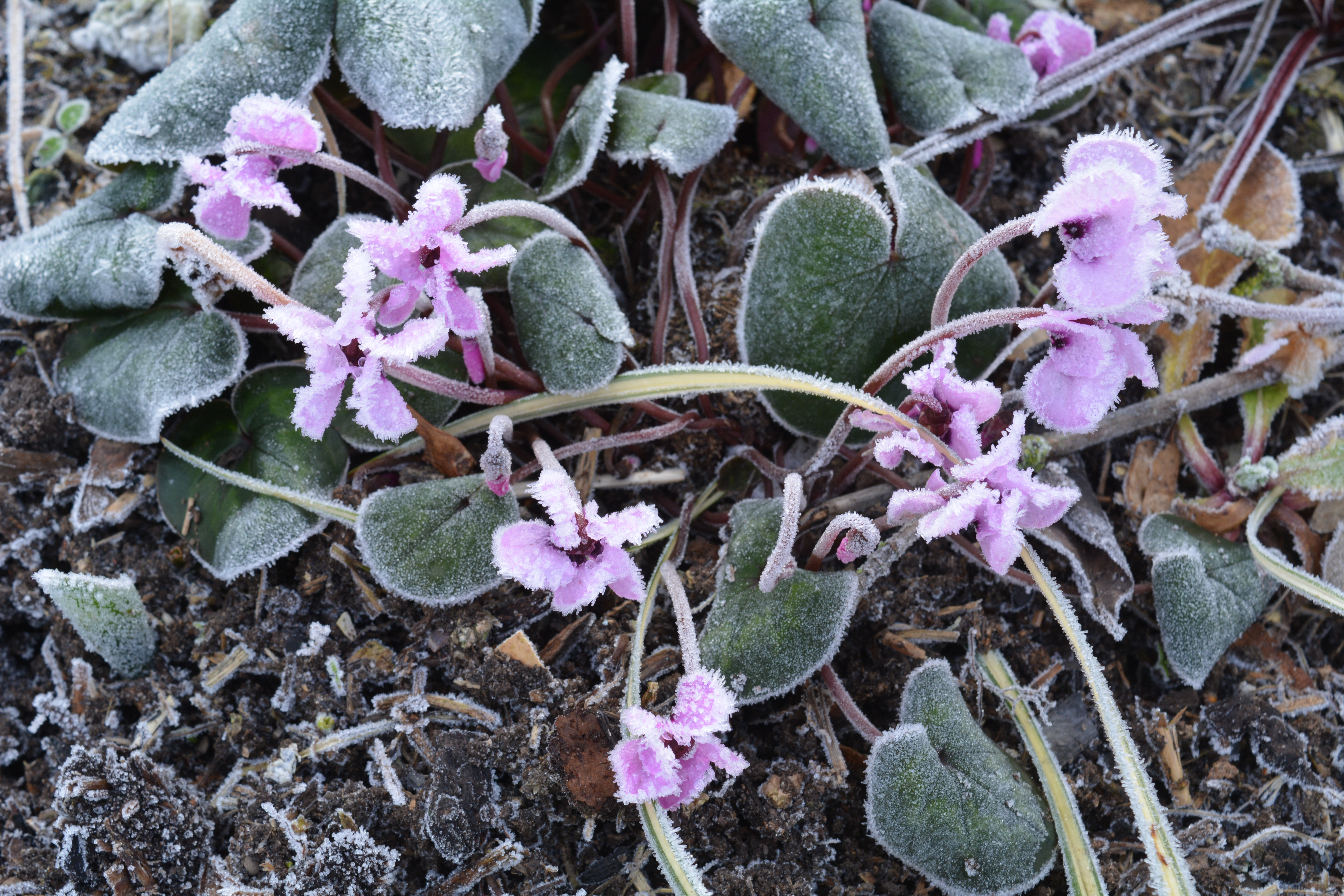
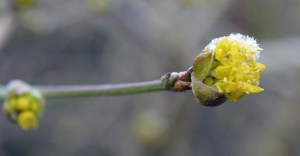
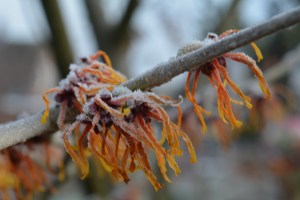
“On the early hours of the days following cold frosty nights, the flowers which give colour to our January garden, were topped off with cold, icy halos.”
j7-13 j7-03 j7-04 j7-07

“Cold nights also gave our sculpture pieces a thin layer of icing sugar.”

j7-16 j7-17

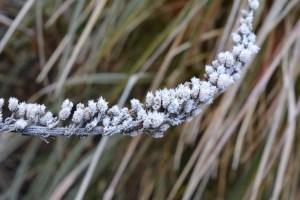
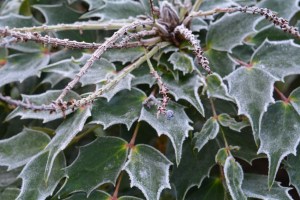
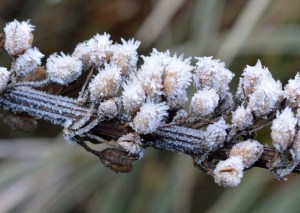
My next page was titled simply “January Frosts” and featured a series of photographs of foliage and seedheads covered in a thin covering of frost and icy crystals.

j7-12 j7-10j7-02 j7-06j7-08 j7-11j7-01 j7-14j7-18 j7-15j7-05 j7-09

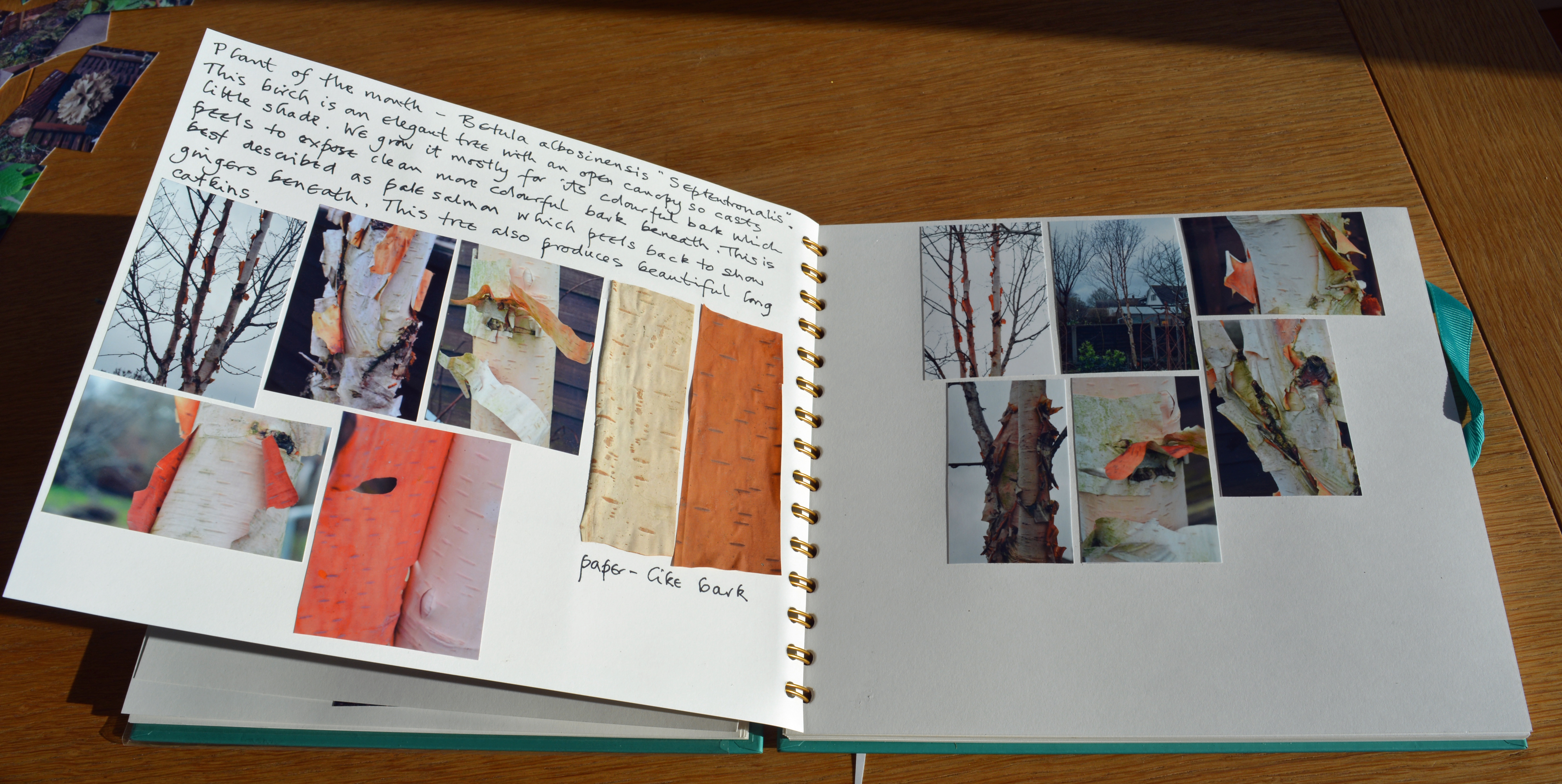
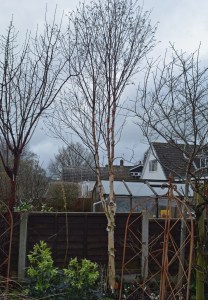
Turn over to the next page and we leave the frost behind and take a look at one of our Birches, Betula albosinensis “Septentronalis”, one of the best Betulas around.

jan-15

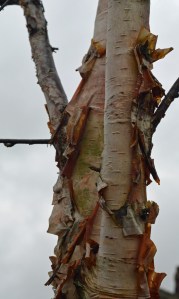
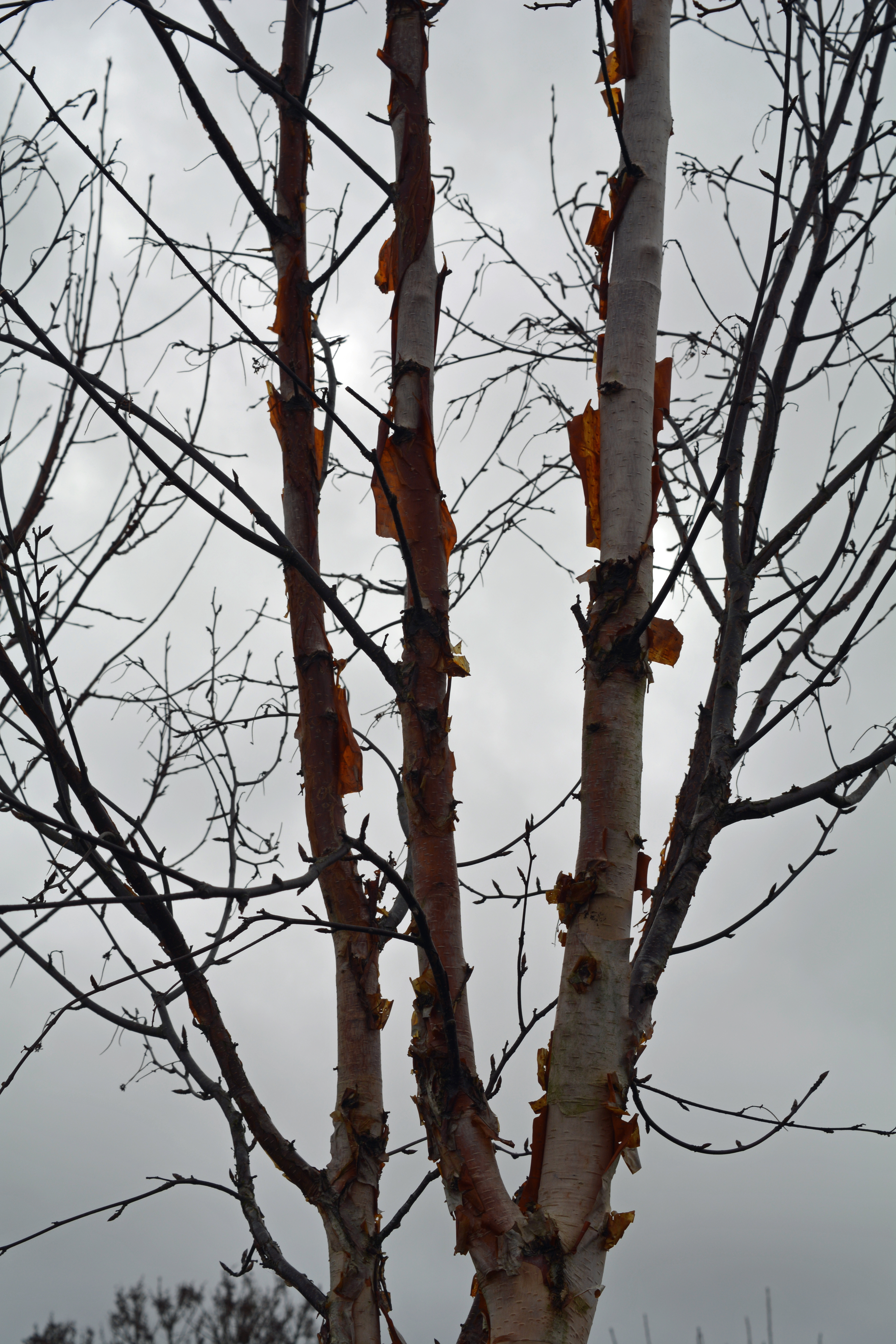
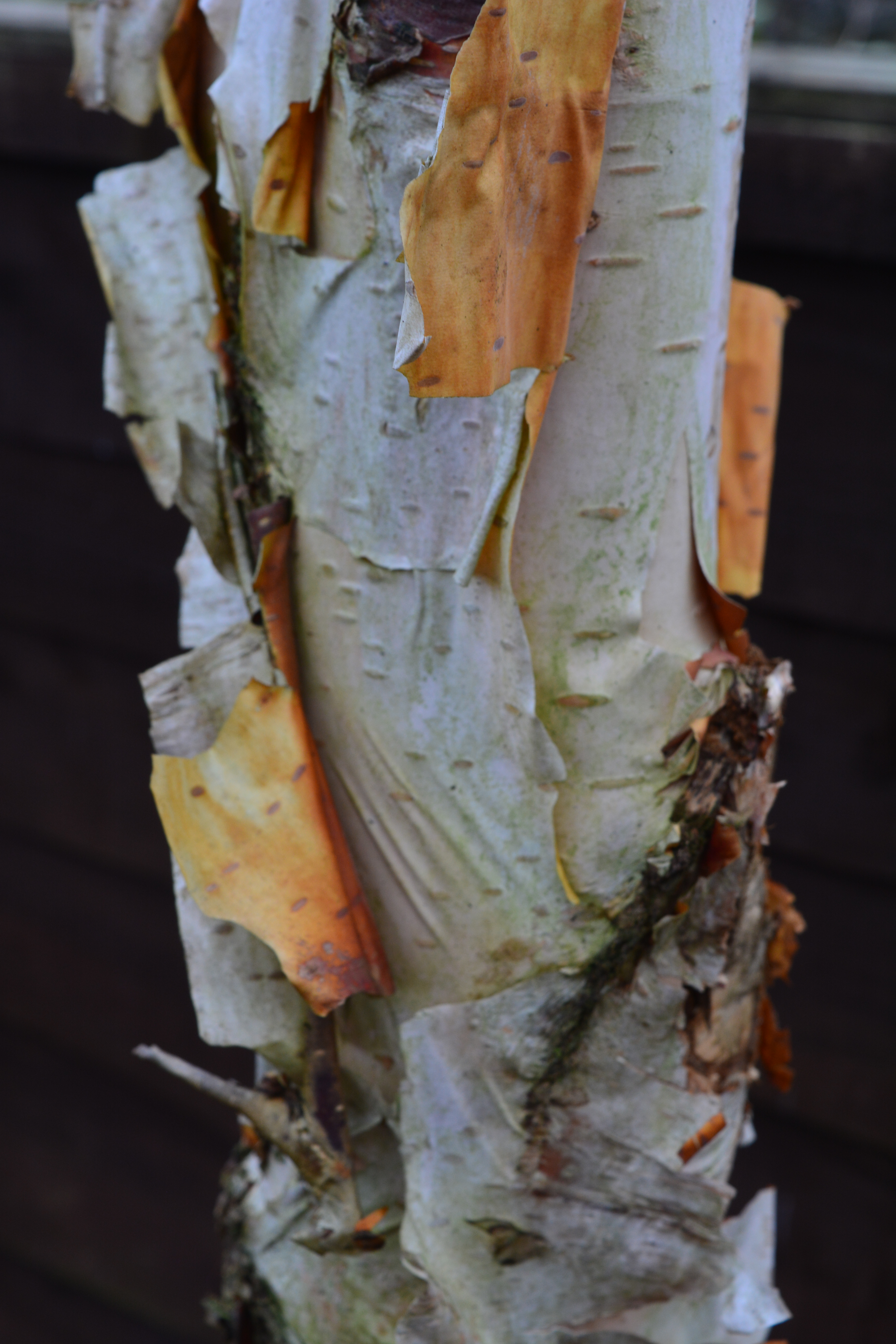
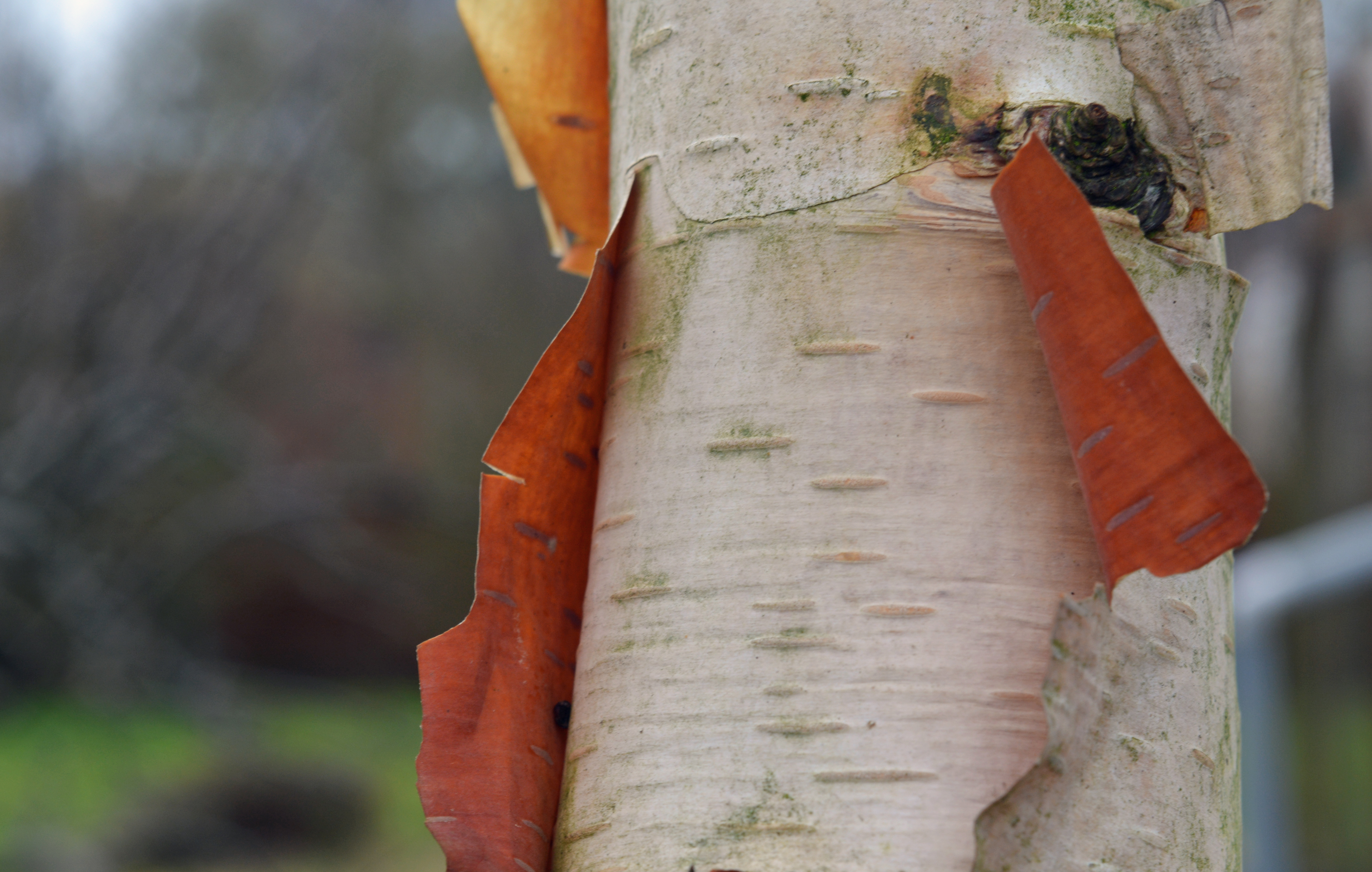
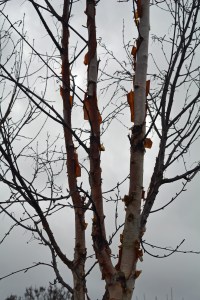
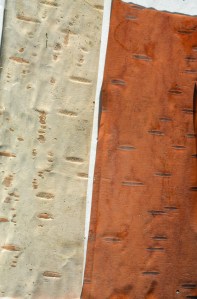
“Plant of the month – Betula albosinensis “Septentronalis”. This Birch is an elegant tree with an open canopy so casts little shade. We grow it mostly for its colourful bark which peels to expose clean, more colourful bark beneath. This is best described as pale salmon coloured which peels back to show gingers beneath. This tree also produces beautiful long catkins.”
j8-1 j9-2 j8-3  j8-5 j9-3

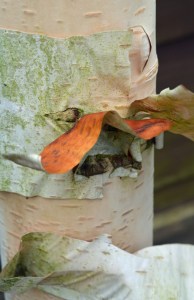
I collected up some peeled bark from the tree and glued two pieces side by side to illustrate how different the layers of bark can be.
jan-16

Betula albosinensis “Septentronalis” is probably one of the best trees for the small garden and no garden should be without one. Larger gardens can host a trio of them!

j8-2 j8-6 j8-8j8-9j8-7 j8-4

And that is it for my Garden Journal in January. Perhaps in February winter may be biting deeper or we may be experiencing one of our occasional February heatwaves when temperatures can reach 17 celsius.

This Veggie Life

A Vegetarian | Nature Lifestyle Blog

Rambling in the Garden

.....and nurturing my soul

The Arch City Gardener

Journeys In St. Louis Gardening and Beyond

Garden Dreaming at Châtillon

Consult the genius of the place

Storyshucker

A blog full of humorous and poignant observations.

gardeninacity

Notes from a wildlife-friendly cottage garden

PlayGroundology

...an emerging social science

The Official Blog of British Wildlife

'The most important and informative publication on wildlife of our times' - The Independent. This blog is a member of The UK & Ireland Natural History Bloggers group: www.uknhb.blogspot.com

iGrowHort

Inspire - Cultivate - Grow Native Plants - Restore Landscapes

Bishops Meadow Trust

To create and protect a semi-natural wild space for the people of Farnham to enjoy and experience an array of British wildlife in our town

Gardening with Children

The www.gardeningwithchildren.co.uk Blog

UKbirdingtimeline

birding through the seasons, why birds matter and how to conserve them

NATURE WALKER

with a camera in hand

Jardin

Transform your outdoor space

Eva's space

My allotment, cooking and other interests

Old School Garden

my gardening life through the year

LEANNE COLE

Trying to live a creative life

fromacountrycottage

trying to live as lightly as possible on our beautiful planet

Good Life Gardening

Nature lovers from Leicester living the good life.

mybeautfulthings

Finding the beautiful in the everyday

mawsonmichelle

Michelle's Allotment

In and Out of My Garden

thoughts from and about my garden

Greenhousing

Big plans for a small garden

The Scottish Country Garden

A Walled Country Garden in South East Scotland

The Fruity Chicken

Life at the fruity chicken

willowarchway

Off grid living. Self sufficient. "PERMAGANICS RULE".

St Anns Allotments

Nottingham's Grade 2* Listed Allotments and Community Orchard

Manifest Joy Harvests

a journey in suburban vegetable gardening

Allotmental

The madness of growing your own

Penny's Garden: a harvest beyond my front door

A novel approach to vegetable gardening

arignagardener

Sustainable living in the Irish countryside.

NewEnglandGardenAndThread

Master Gardener, amateur photographer, quilter, NH native, and sometimes SC snowbird

dianajhale

Recent work and work in progress and anything else that interests me

planthoarder

a chaotic cottage gardener

Lens and Pens by Sally

a weekly blog that creates a personal philosophy through photographs and words

Dewdrops and Sunshine

Stories from a sassy and classy Southern farmbelle.

The Pyjama Gardener

Simple Organic Gardening & Seasonal Living

gettin' fresh!

turning dirt into dinner

JOY...

today the world is created anew

Garden Birds

Notes from a Devon garden

ShootAbout

Life Through The Lens

Adapting Pixels

A photography blog showcasing the best photography pictures and videos on the internet

Wildlifegardening's Blog

Just another WordPress.com site

naturestimeline

personal observations from the natural world as the search continues for a new approach to conservation.

LATEBLOOMERBUDS

The Wonders of Life through my Eyes, my Heart, my Soul