Categories
architecture birds gardens gardens open to the public grasses hardy perennials lakes landscapes meadows National Trust ornamental trees and shrubs outdoor sculpture renovation shrubs The National Trust trees water in the garden

A Walk in the Park – Croome

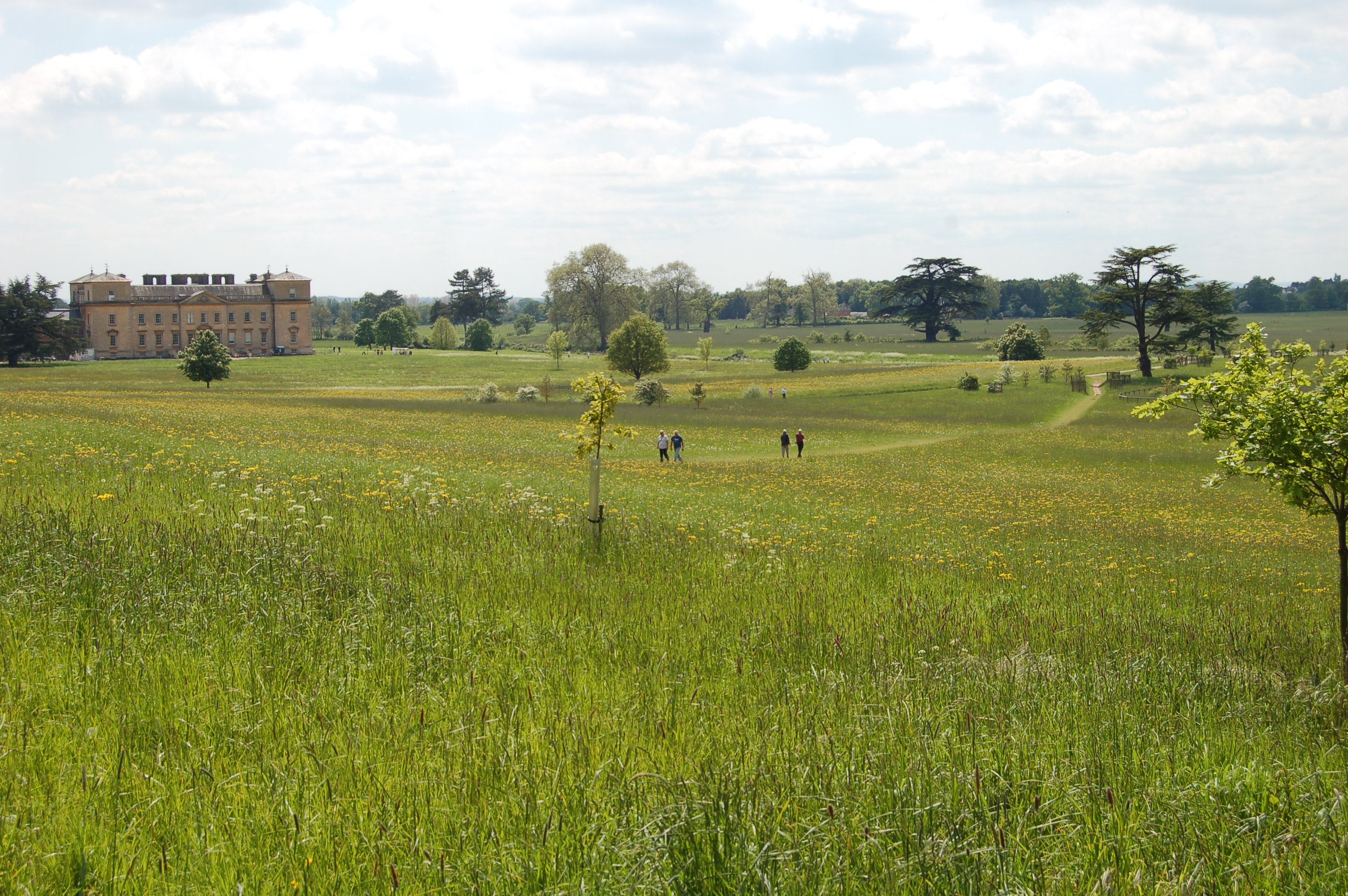
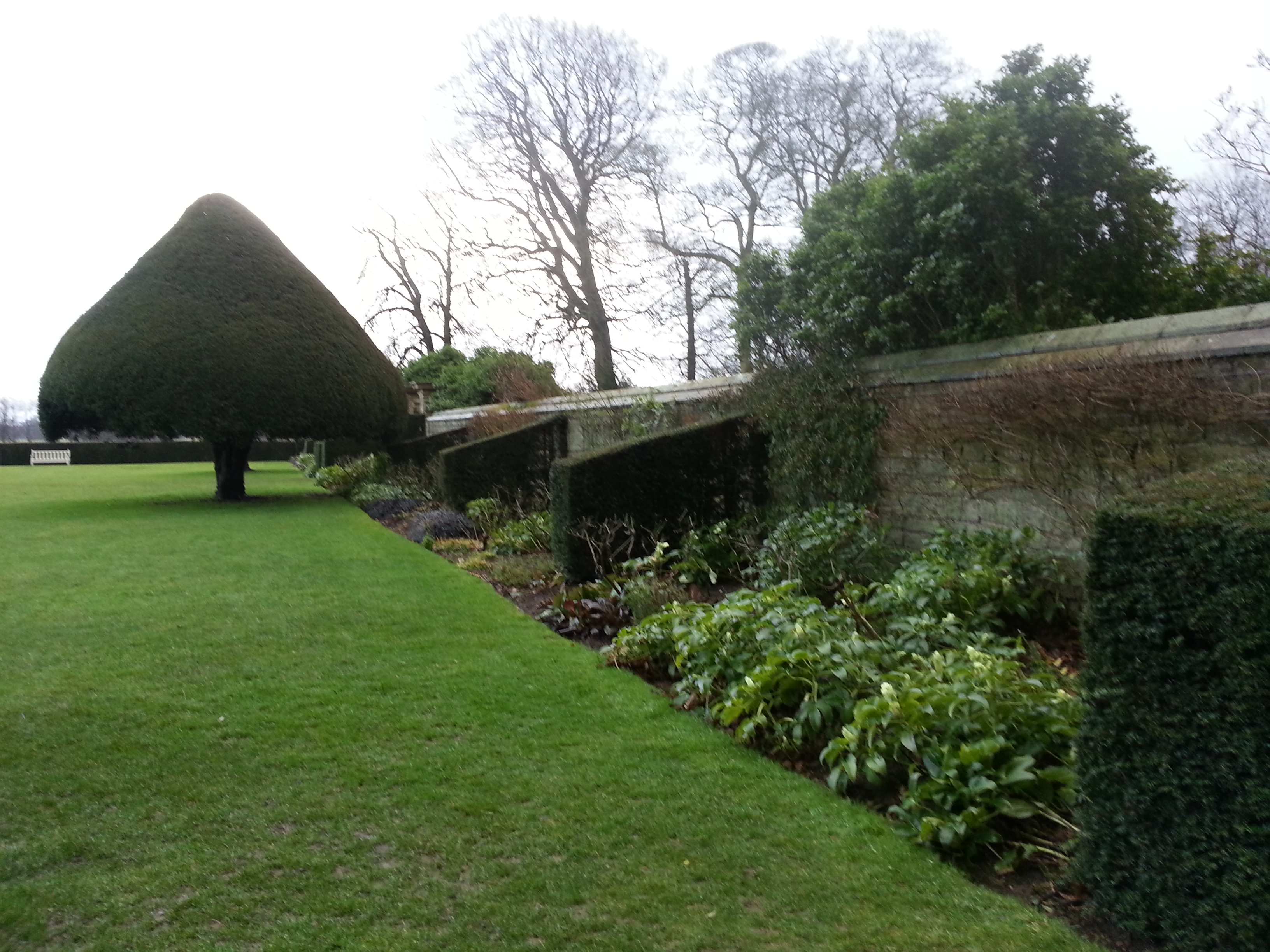
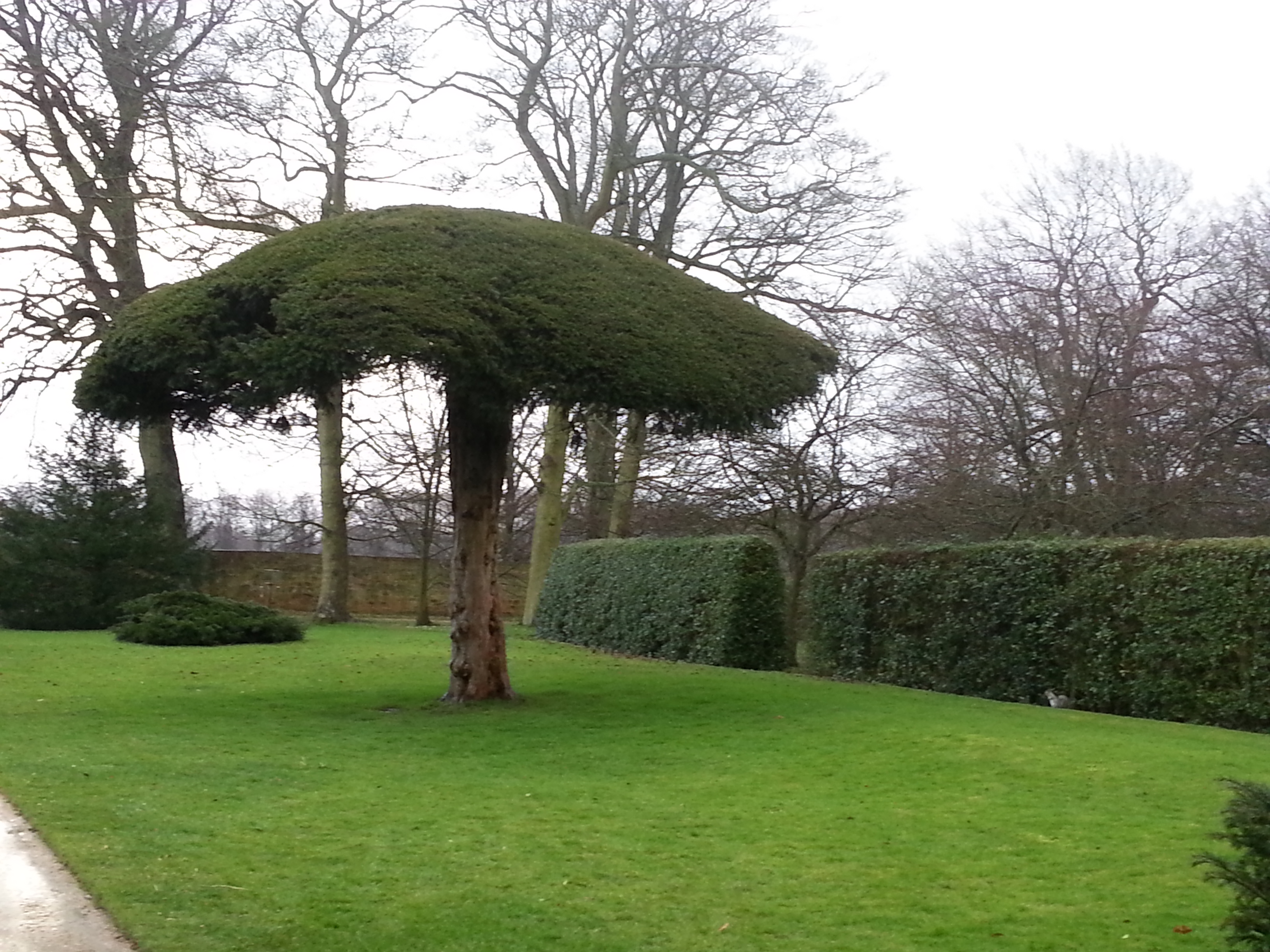
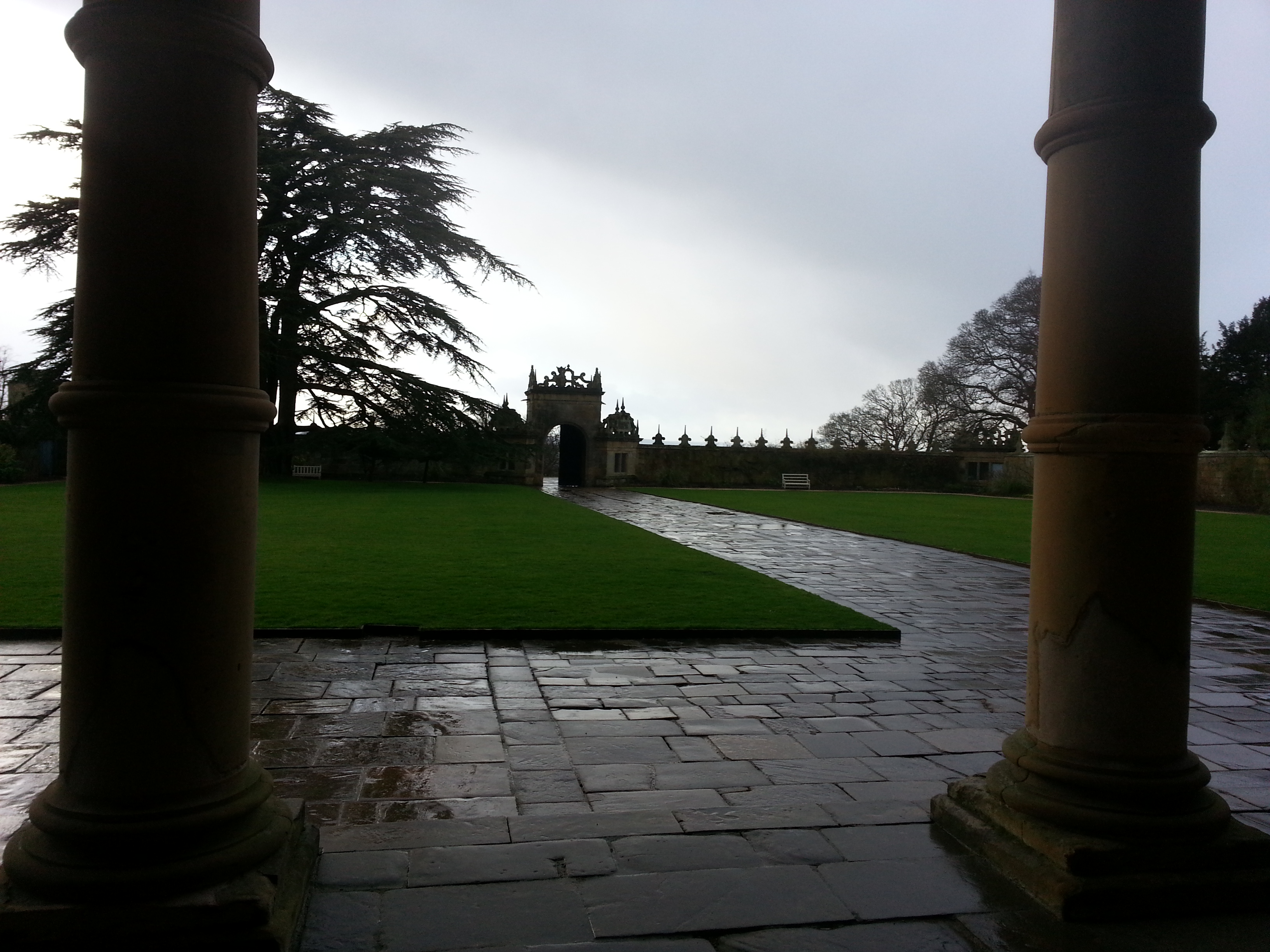
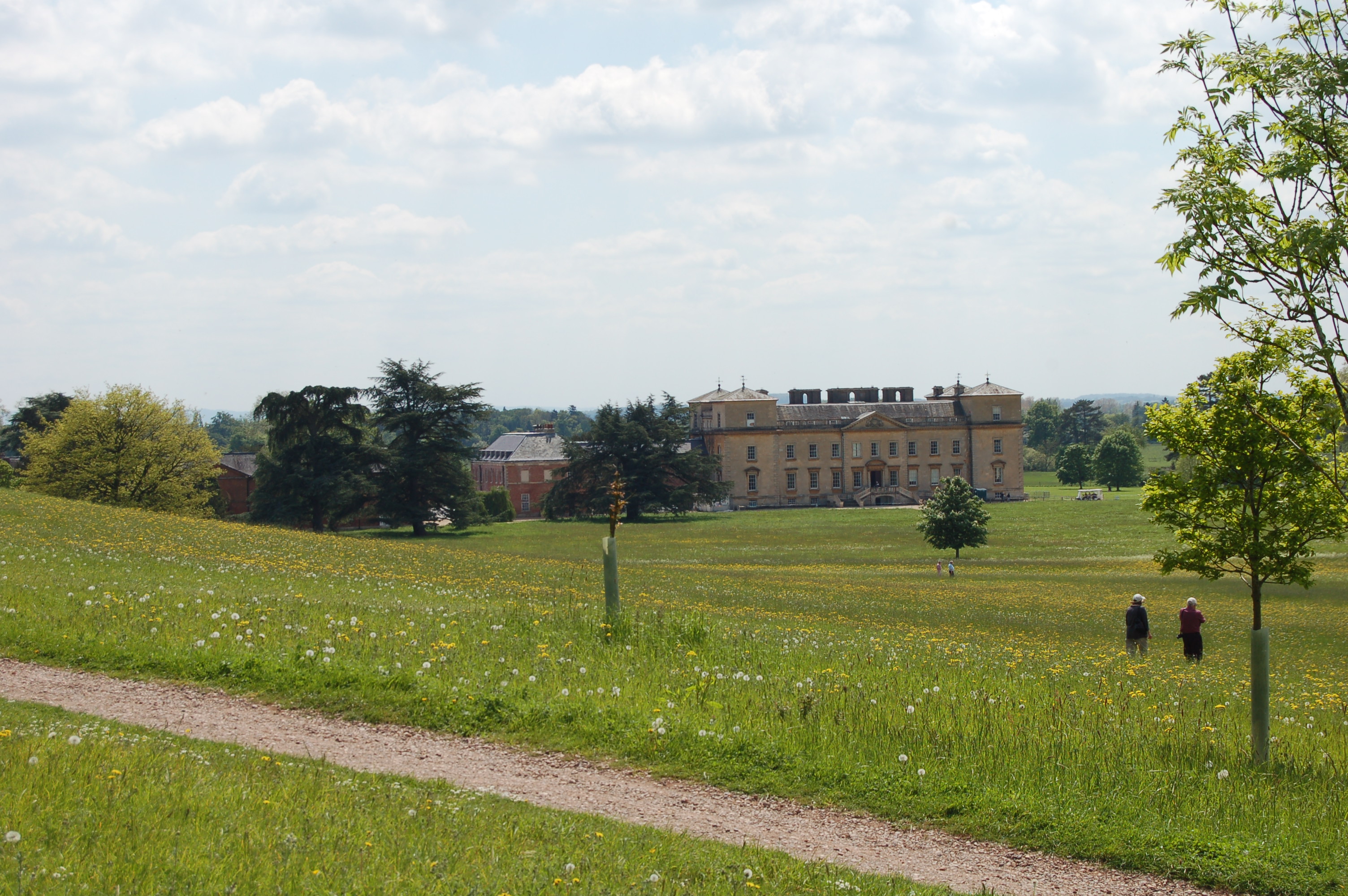
A a rare warm day in May we met my sister, Penny and husband Tony, for a walk in the park near their home. But this is no ordinary park – it was Croome a National Trust property near the village of Pershore in Worcestershire. The park and house are undergoing a huge long-term restoration programme. We were pleased to get a chance to enjoy it part way through its rebirth.

2014 05 16_9307 2014 05 16_9308

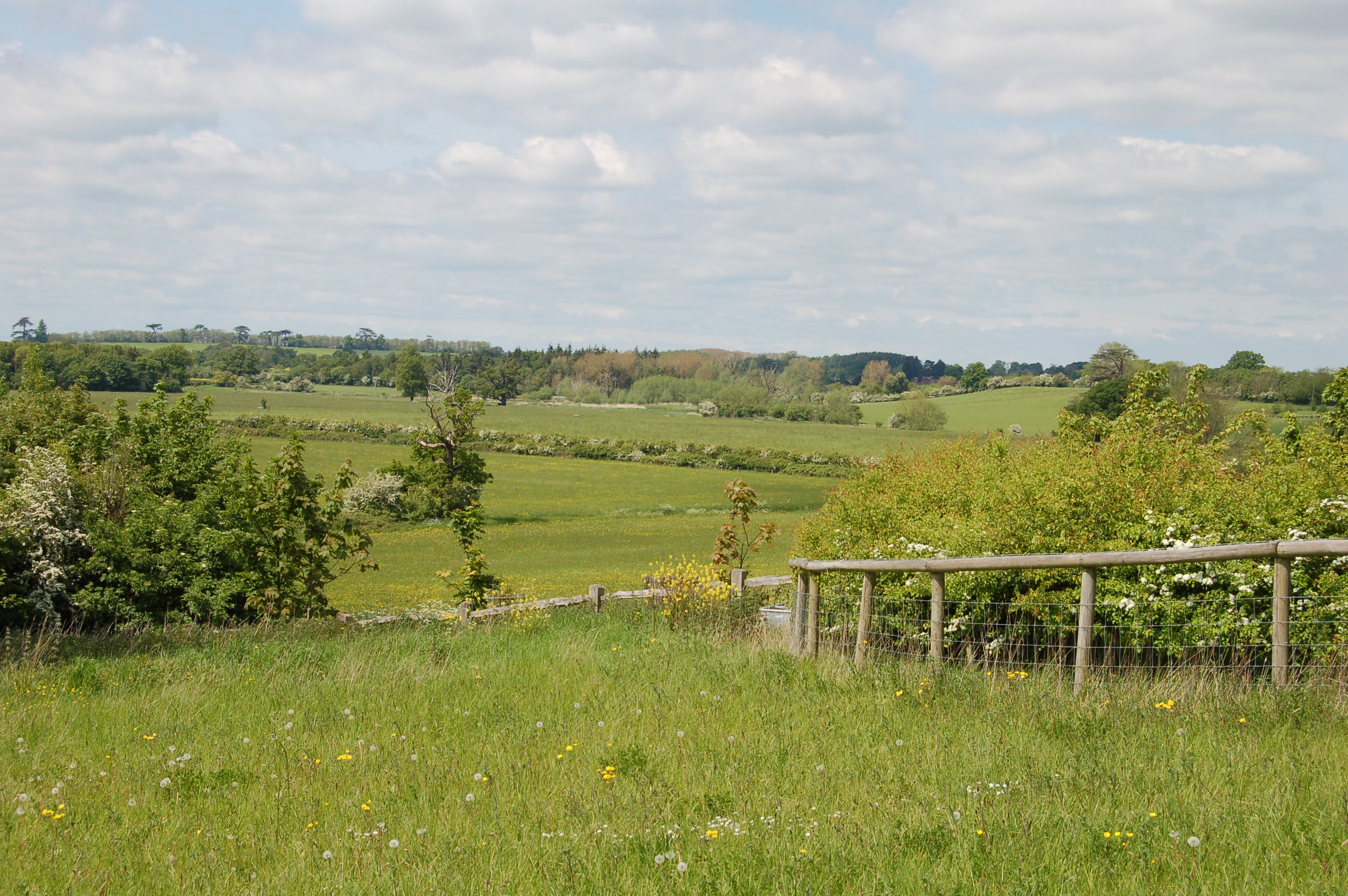
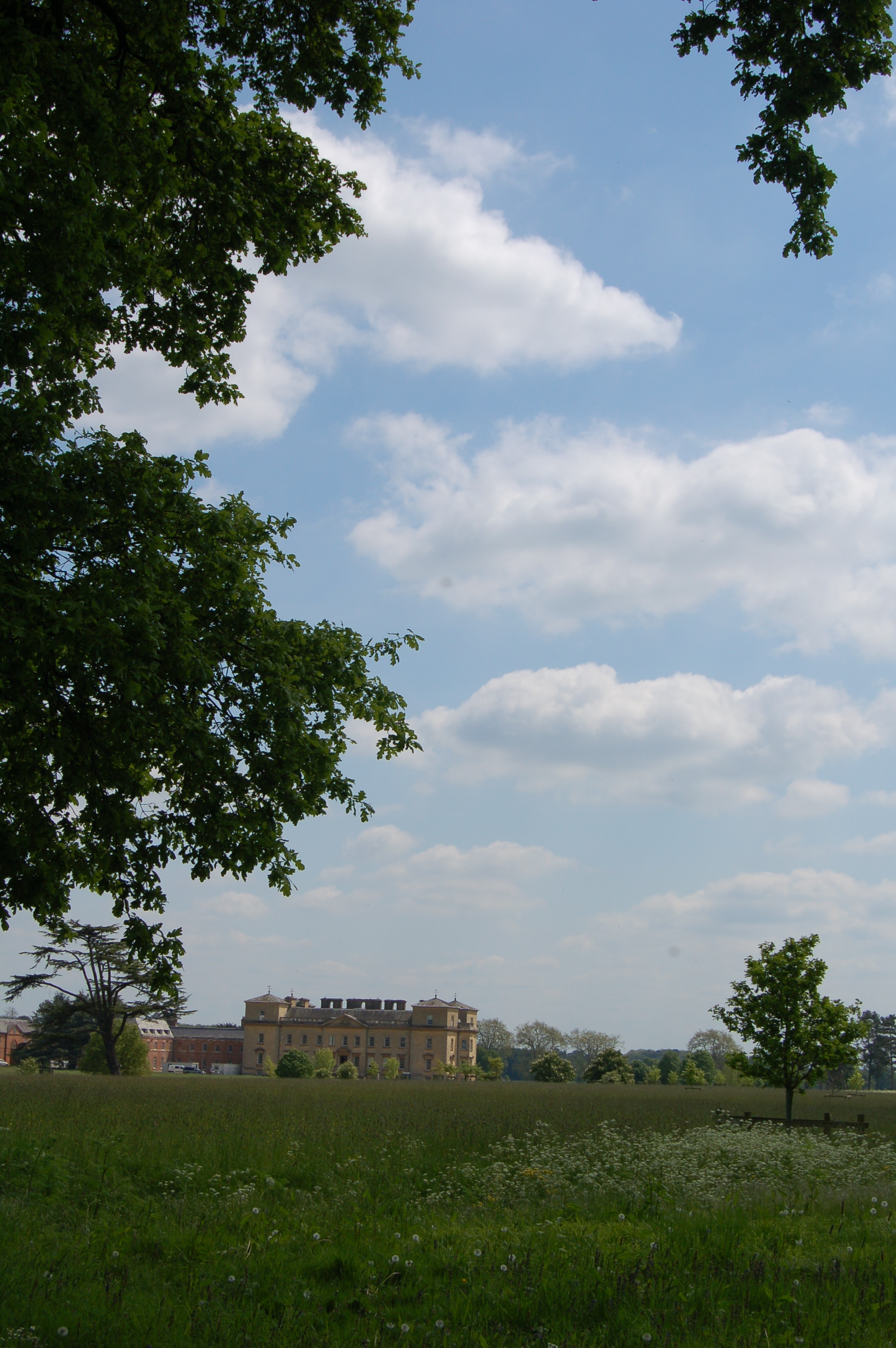
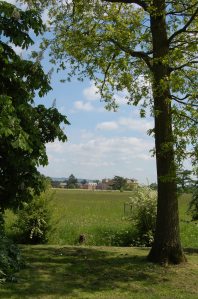
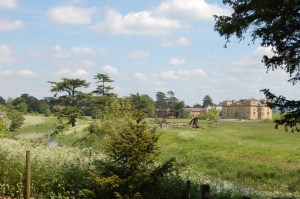
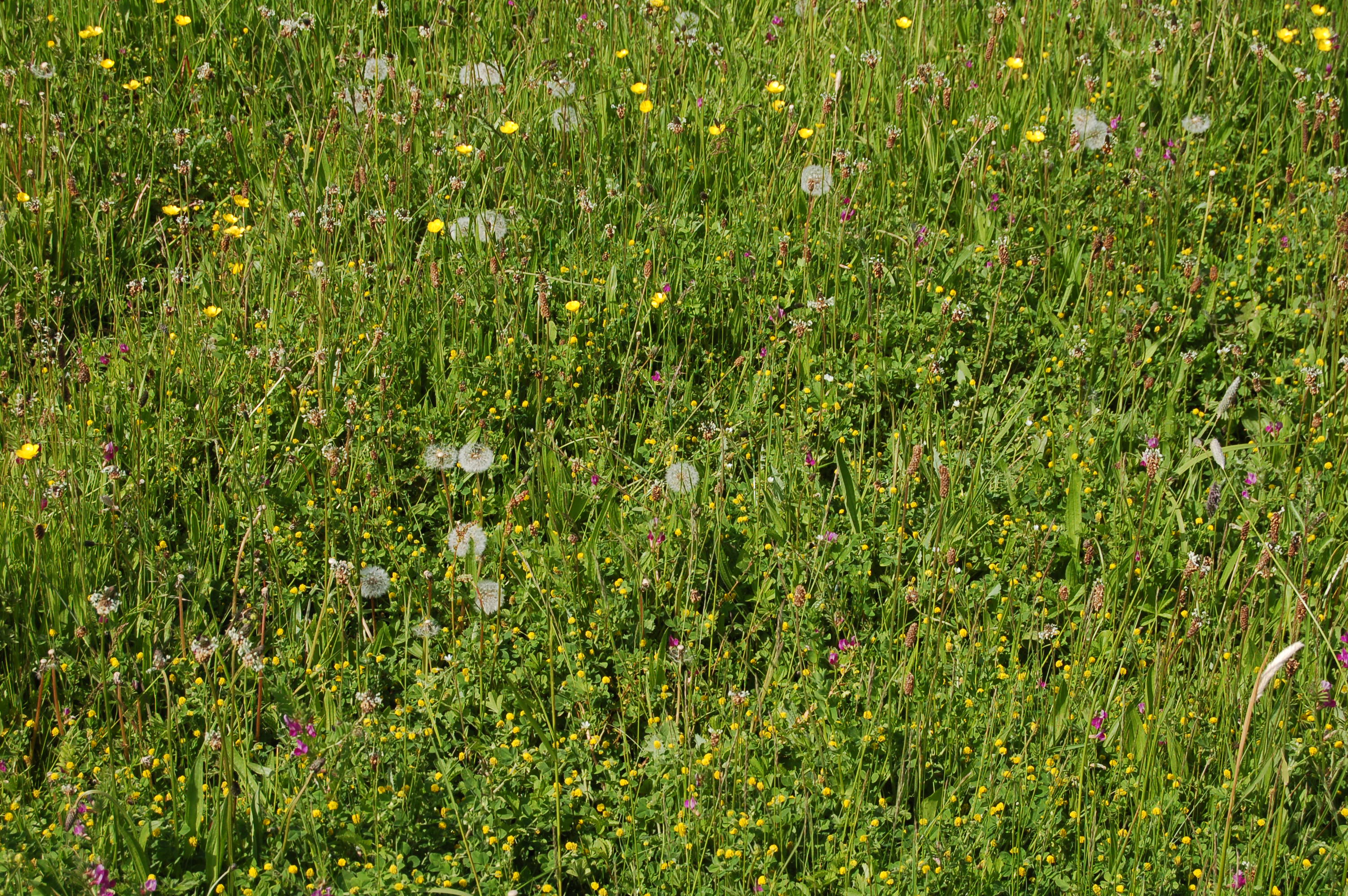
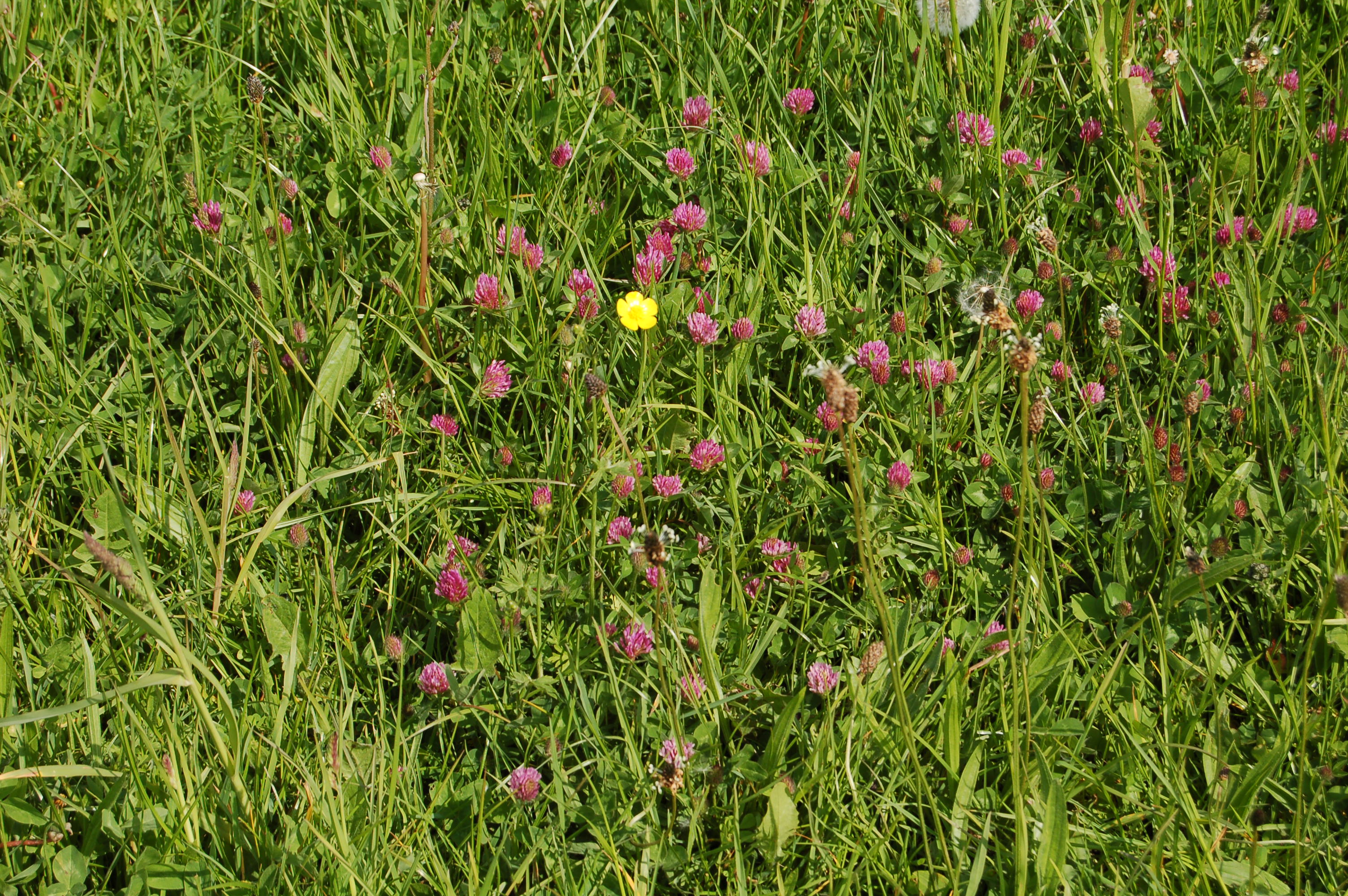
The parkland was originally designed by Capability Brown and it is beginning to come back to life after decades of neglect. Sweeping wildflower meadows were punctuated with newly planted trees. From the slightly elevated parts of the park we enjoyed distant views of the Worcestershire countryside.

2014 05 16_9309 2014 05 16_9310 2014 05 16_9311

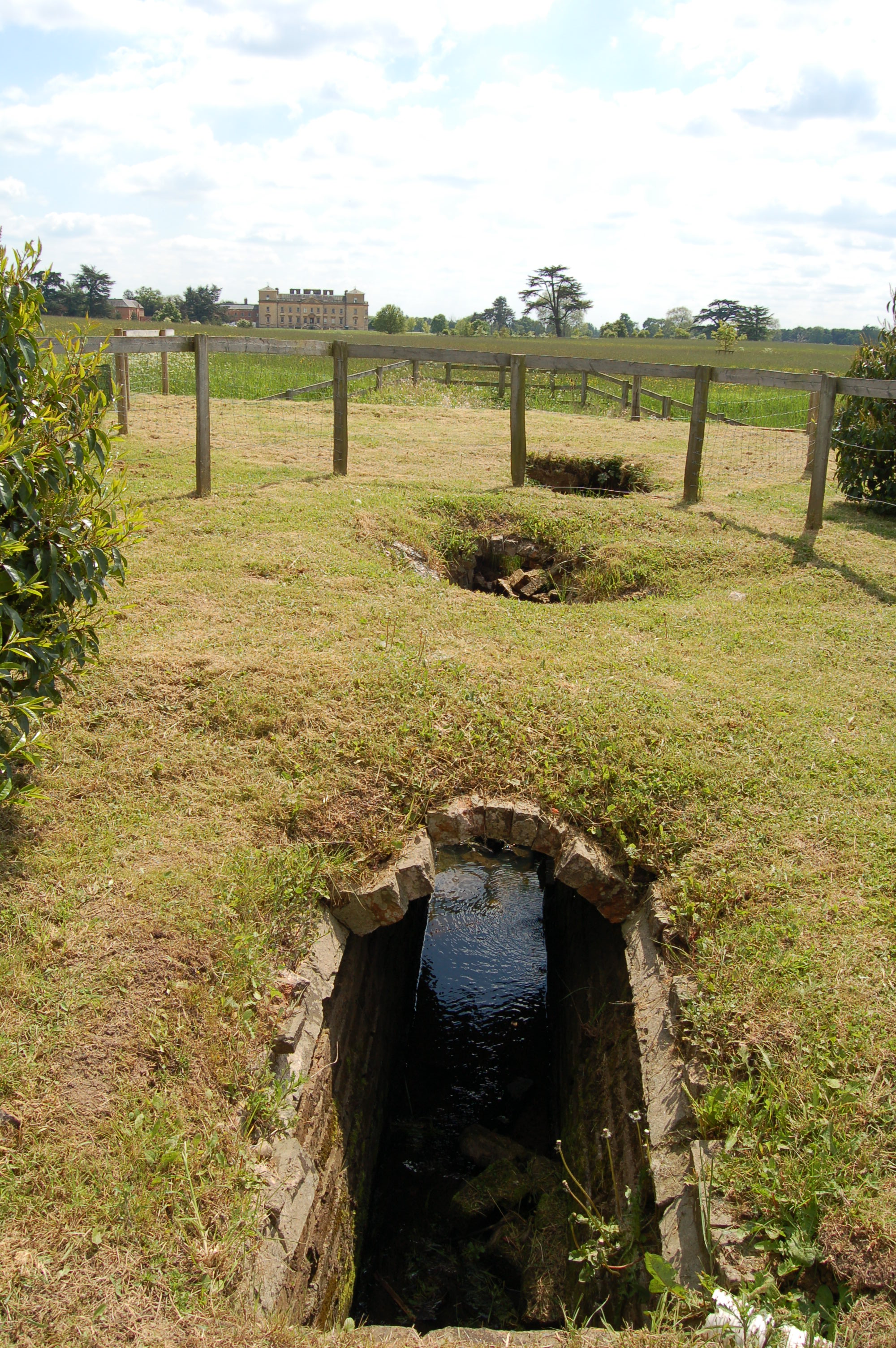
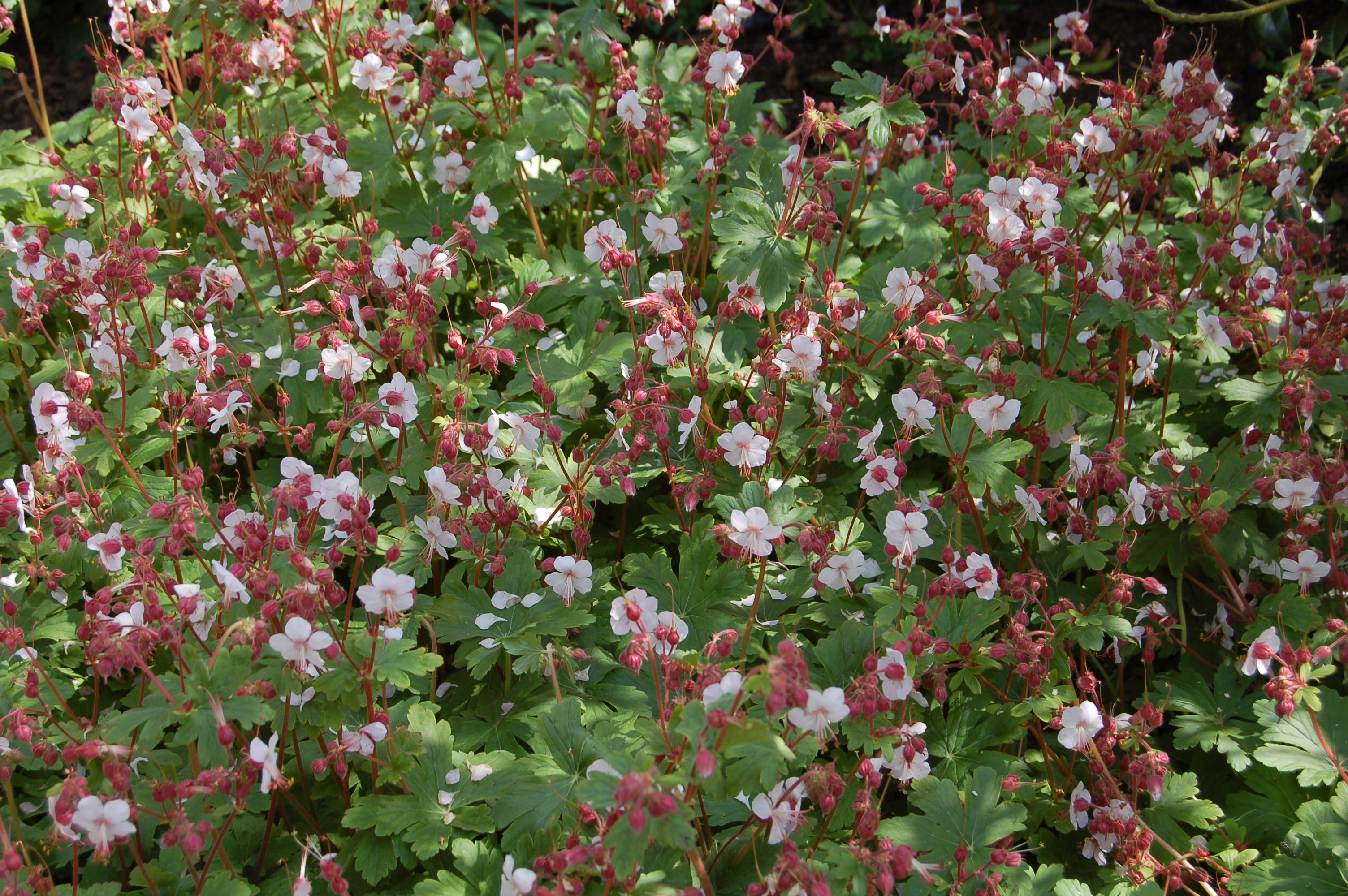
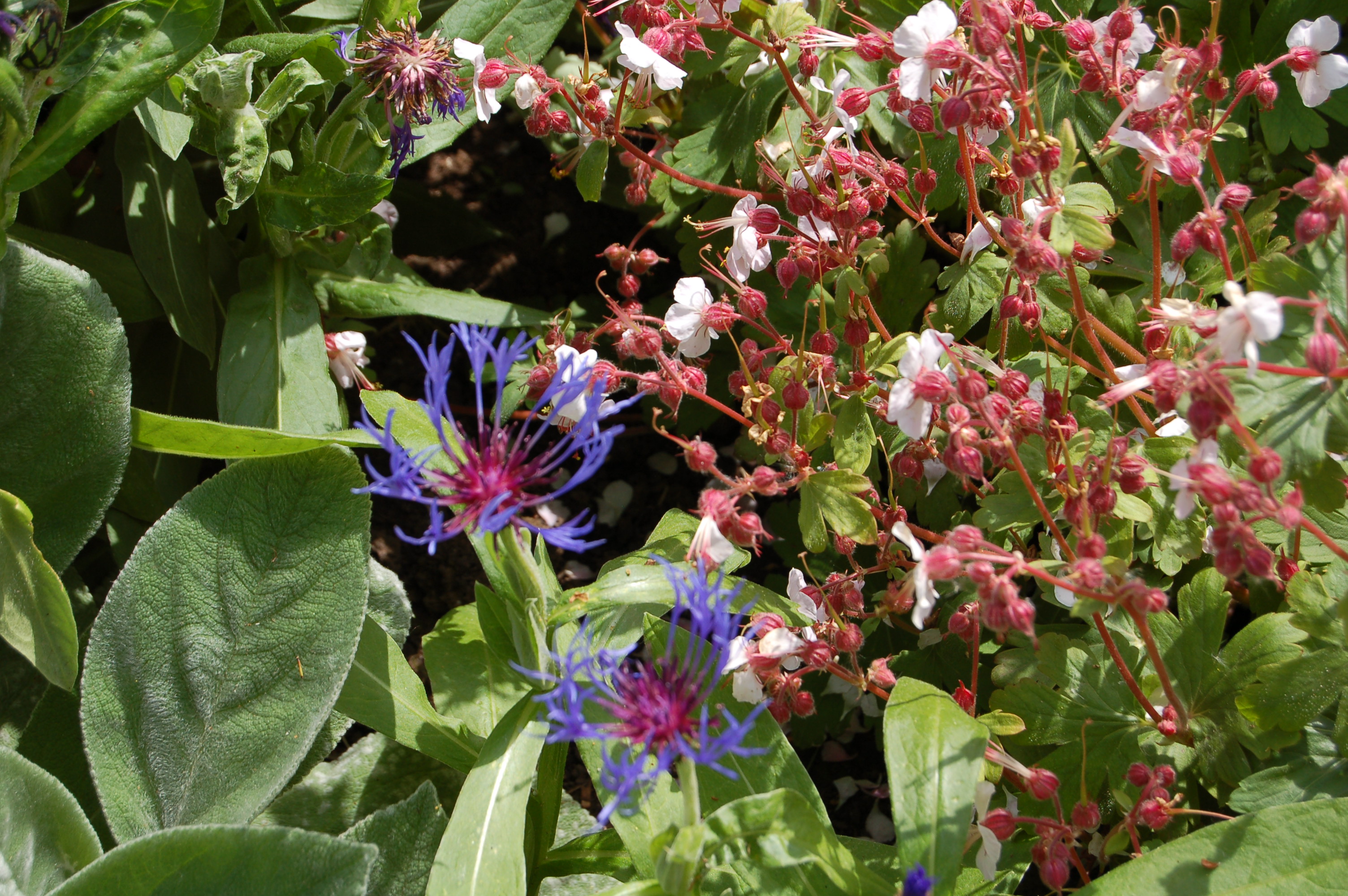
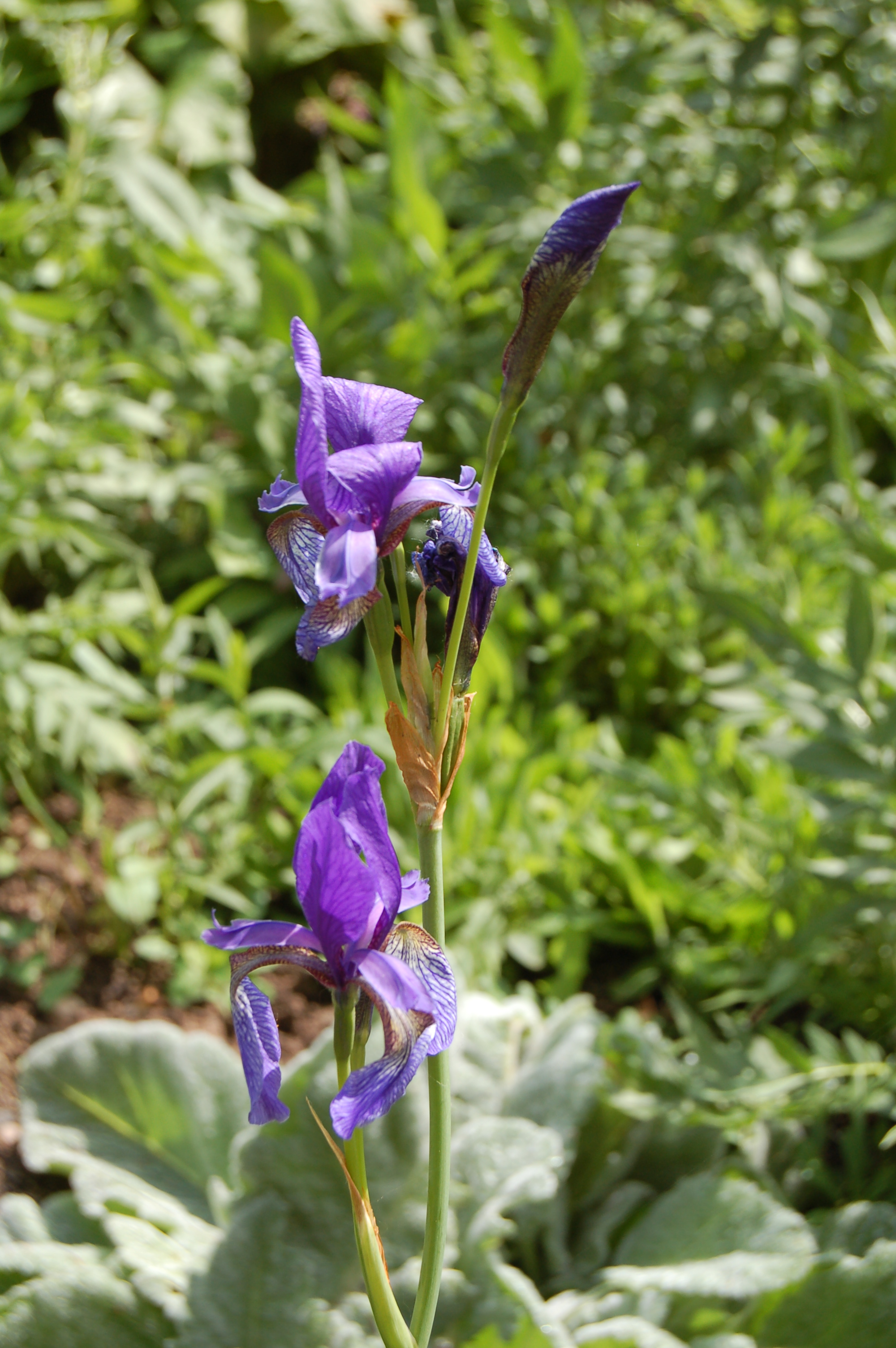
As we walked along the highest ridge in the park through newly planted shrubs and trees we were amazed to see that one section of the original underground water system had been exposed by a landslip. A glimpse into the genius of those water feature engineers. In places small areas of herbaceous planting had been established. It was refreshing to look at colour close to and in detail as the parkland here is mostly about large-scale views.

2014 05 16_9312 2014 05 16_9313 2014 05 16_9314 2014 05 16_9316

2014 05 16_9317 2014 05 16_9318

2014 05 16_9324 2014 05 16_9325

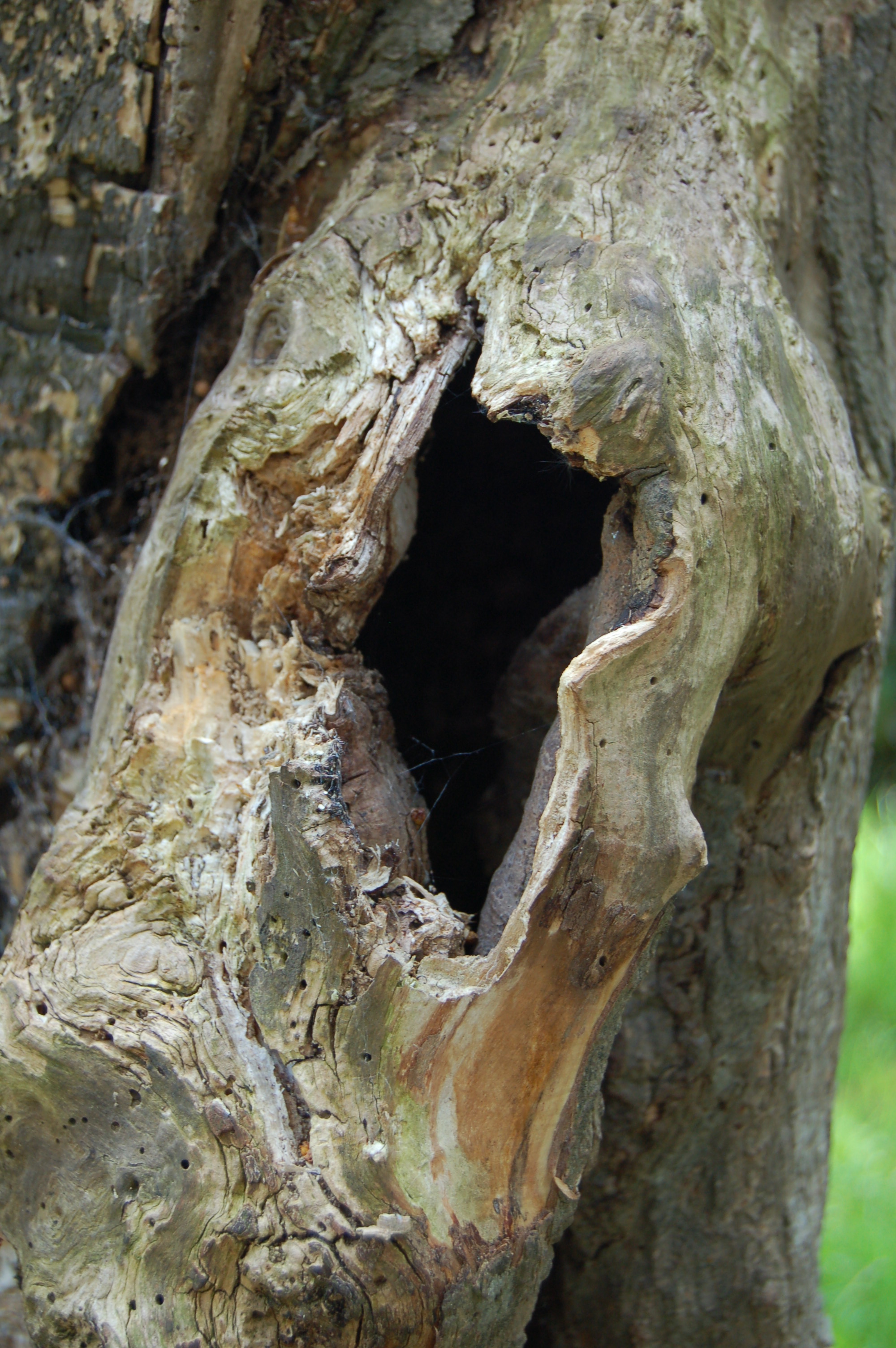
A few old specimen trees have survived and their gnarled twisted trunks were a stark contrast to the newly planted shrubs and trees. Beyond them glimpses of the house and church were revealed.

2014 05 16_9320 2014 05 16_9321 2014 05 16_9322 2014 05 16_9323  2014 05 16_9329 2014 05 16_93512014 05 16_9333 2014 05 16_9328

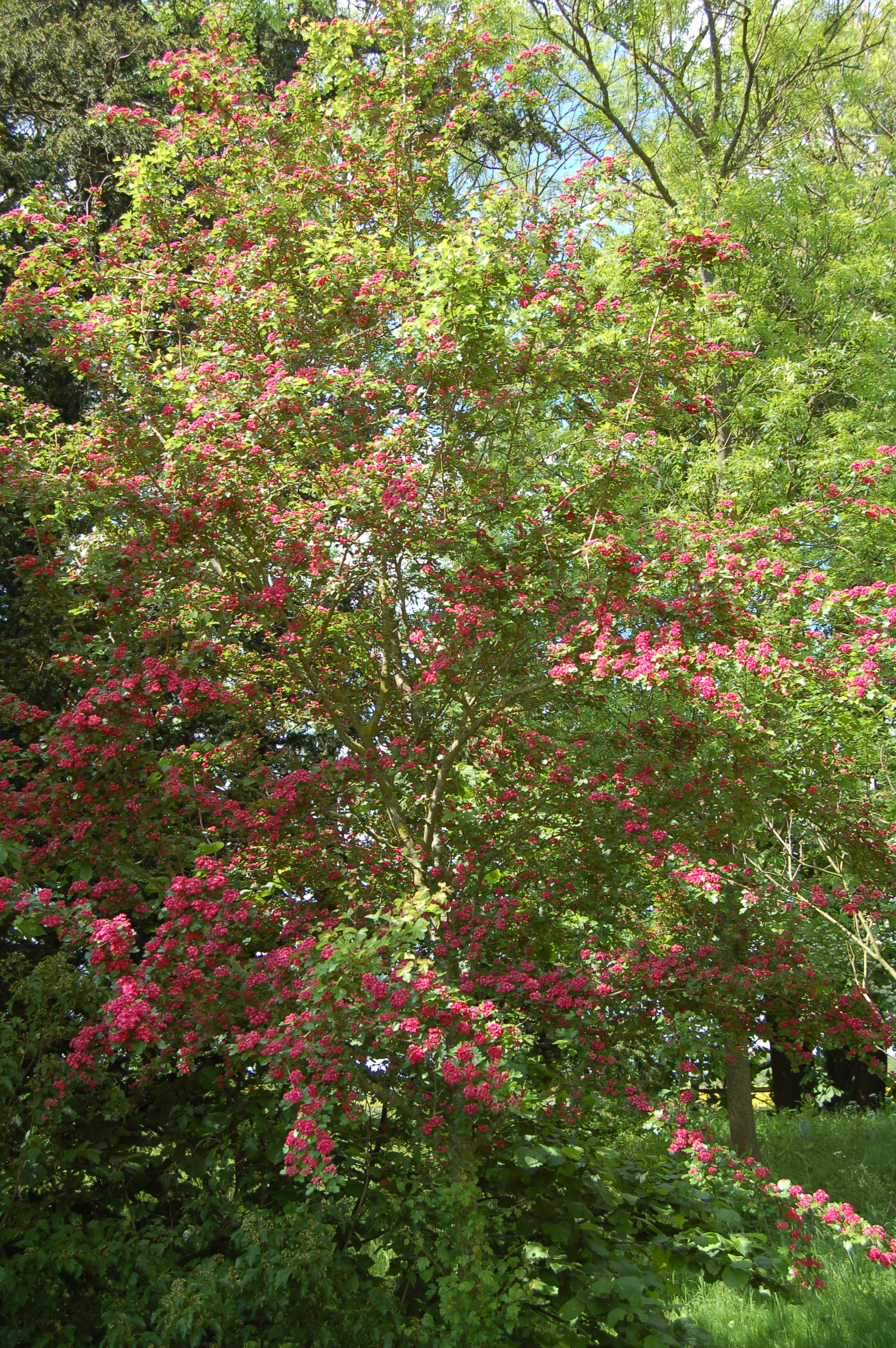
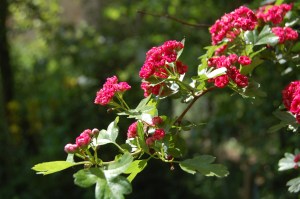
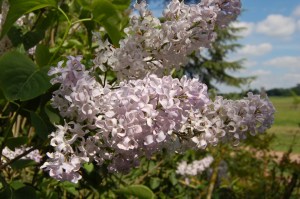
Flowering shrubs seemed particularly happy here with fine examples of sweetly scented Lilac and Hawthorn with their rather unpleasant aroma.

2014 05 16_9326  2014 05 16_9327 2014 05 16_9330 2014 05 16_9319

As we left the shrubberies we moved back out into the open passing over an old stone-built bridge over the River Croome where it had been widened out to form a lake. This was typical of the way Capability Brown manipulated the landscape. The fence on the bridge was constructed from the wood of chestnut. This wood makes unusual looking fencing which lasts for centuries without maintenance. (see another post, coming soon, concerning Chestnut trees and fences constructed from their wood)

2014 05 16_9340 2014 05 16_9341

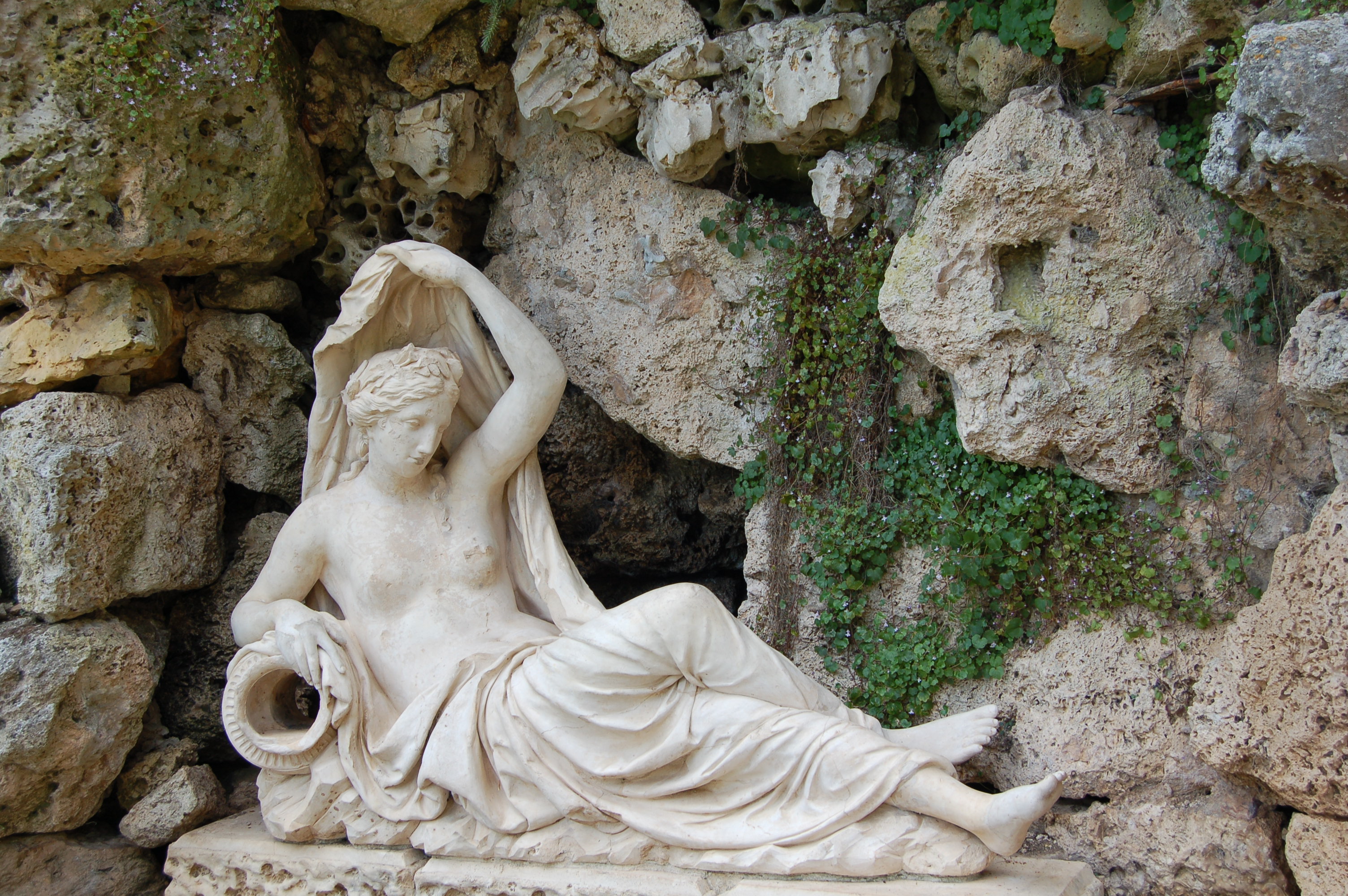
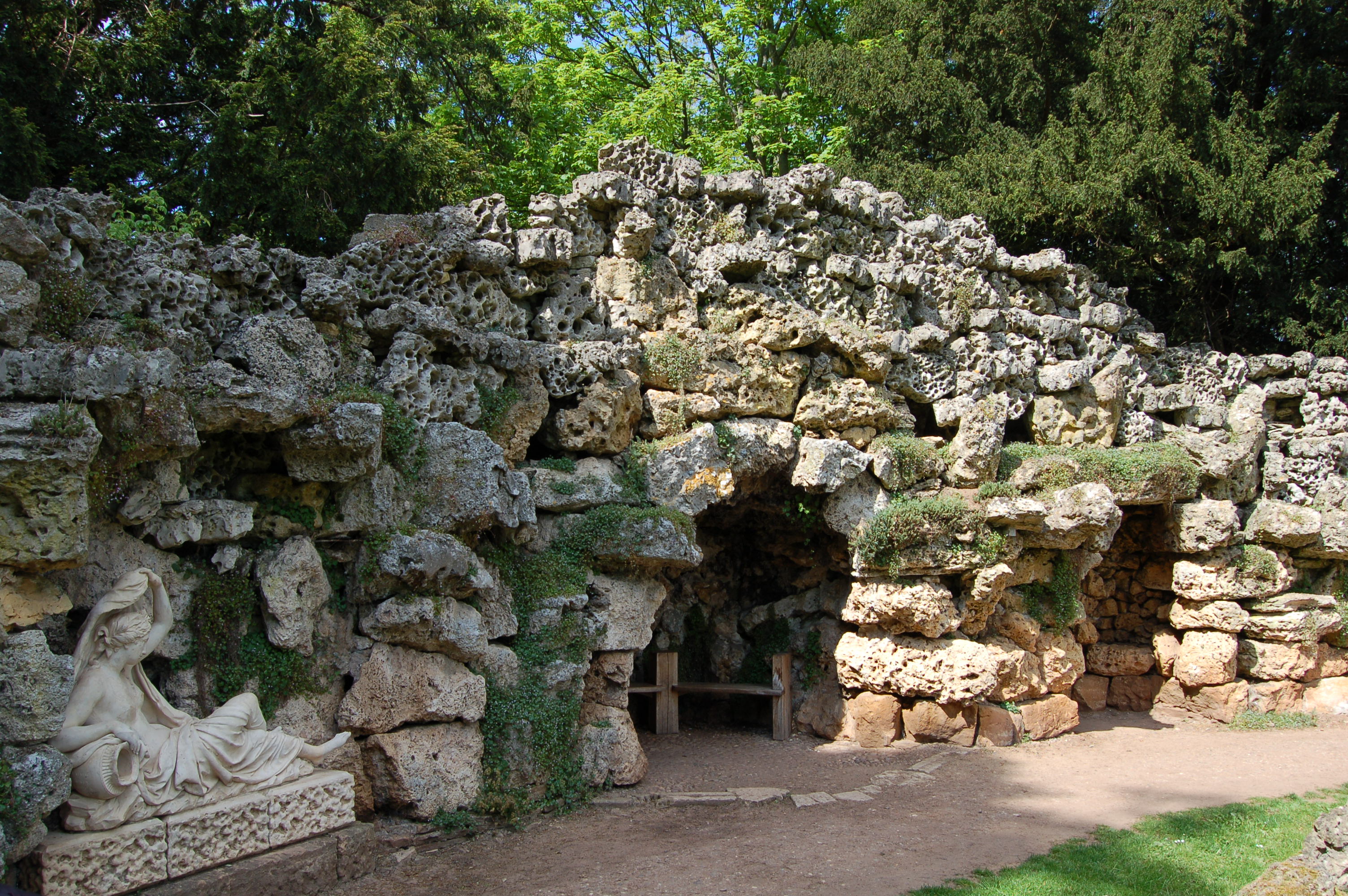
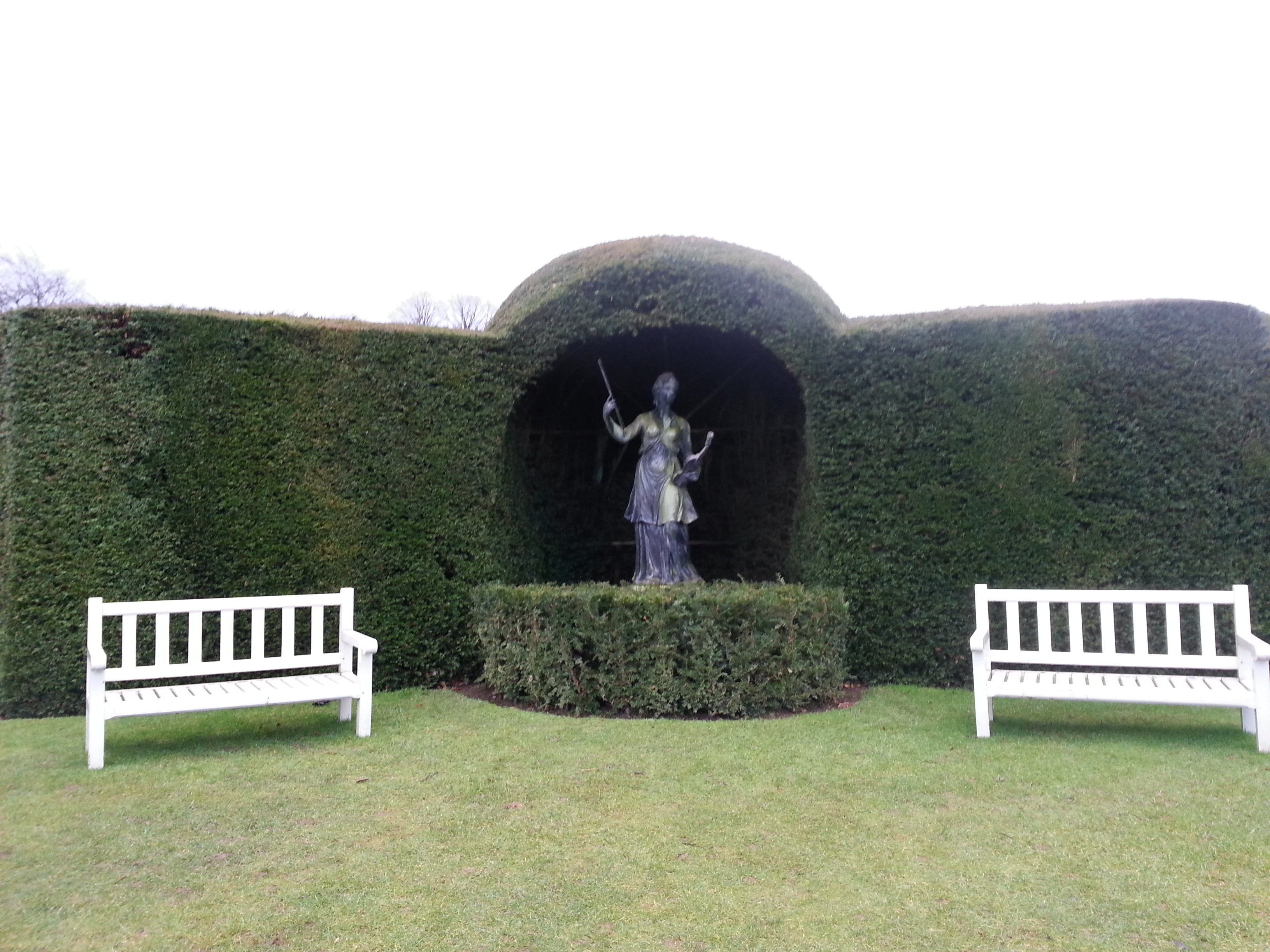
Overlooking the lake was a grotto which had been lovingly restored and on this extremely hot and humid day it provided some much appreciated shade and cool air. The fissures and cracks within it afforded the local small birds with safe, secret nesting sites. We spotted Wrens, Blue Tits and Coal Tits while we sat and rested a short while. A statue here was dedicated to Sabrina the Goddess of the River Severn. Sabrina is well known to us as our home town, Shrewsbury, huddles within a loop of the River Severn. The goddess lends her name to many a boat and building in the town.

2014 05 16_9342 2014 05 16_9343 2014 05 16_9344 2014 05 16_9345

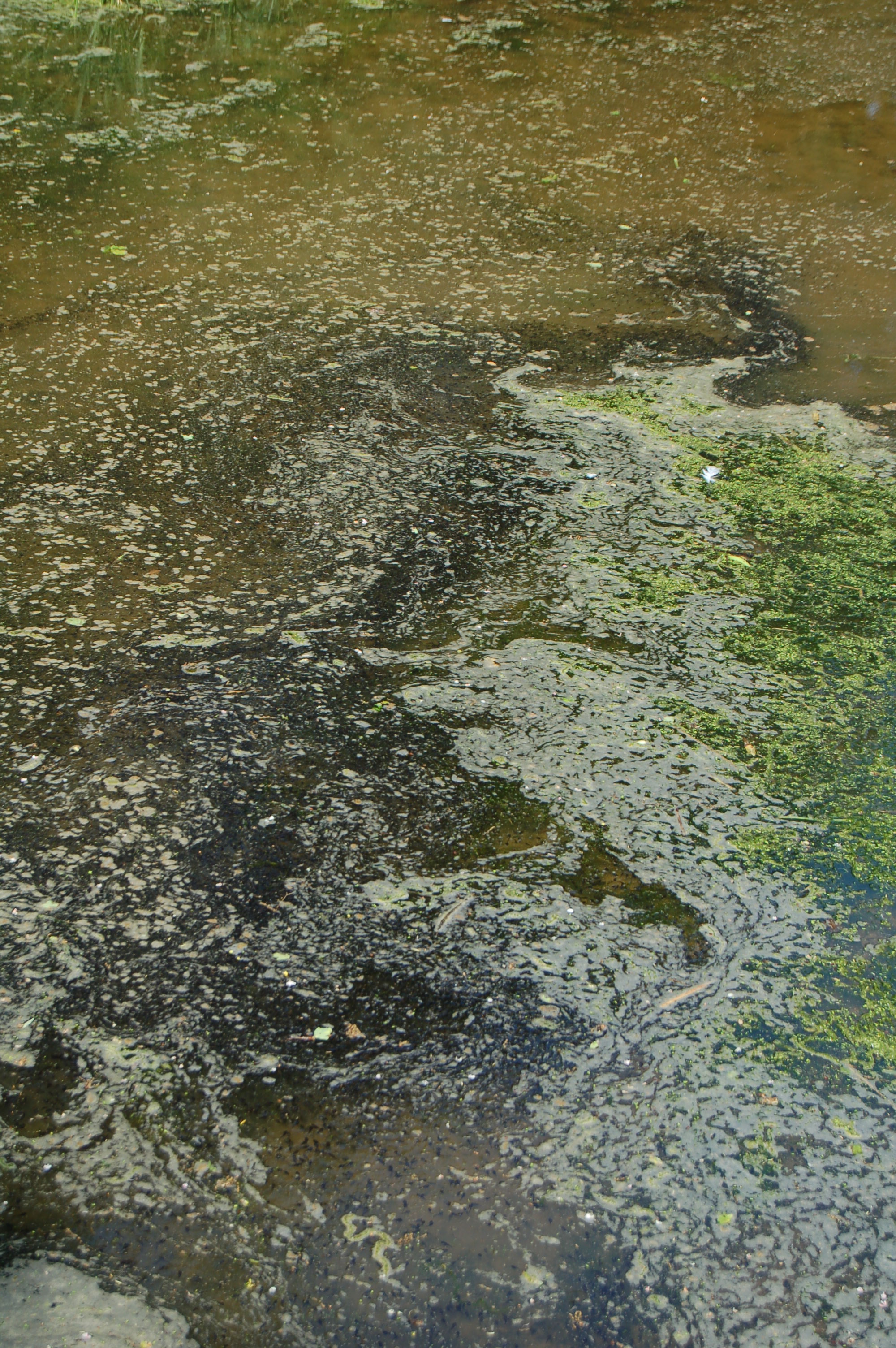
In places the lake’s surface bubbled and frothed with a seething black mass of tadpoles. Amazing!

2014 05 16_9346


Our wanderings back to the car park took us along the banks of the River Croome where we were entertained by Sedge Warblers in full song atop waterside plants, through more flower rich meadows.

2014 05 16_9347 2014 05 16_9348 2014 05 16_9349 2014 05 16_9350


Categories
architecture buildings canals light light quality photography reflections

A Canalside Walk in the City Centre

A canalside walk in the city centre! It just has to be Birmingham. You may remember a recent post about the new library in the great city of Birmingham. To those of us who live in the centre of the UK and not in the South and who know the city well, then it is obvious that Birmingham should be the Capital of England and not London. Being in the middle of the country it could represent the whole nation properly without the dreadful North-south divide that having the capital in the south has created.

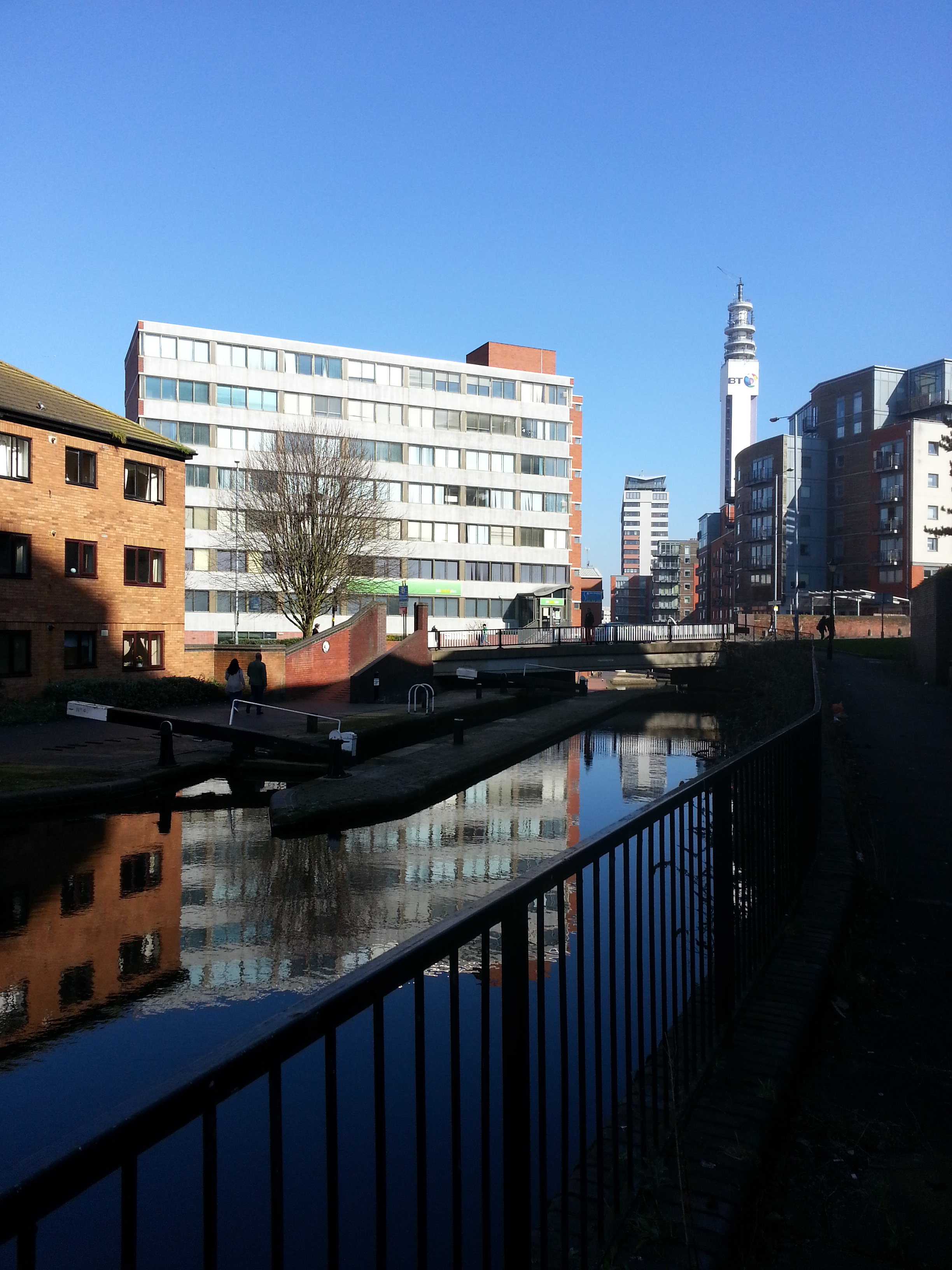
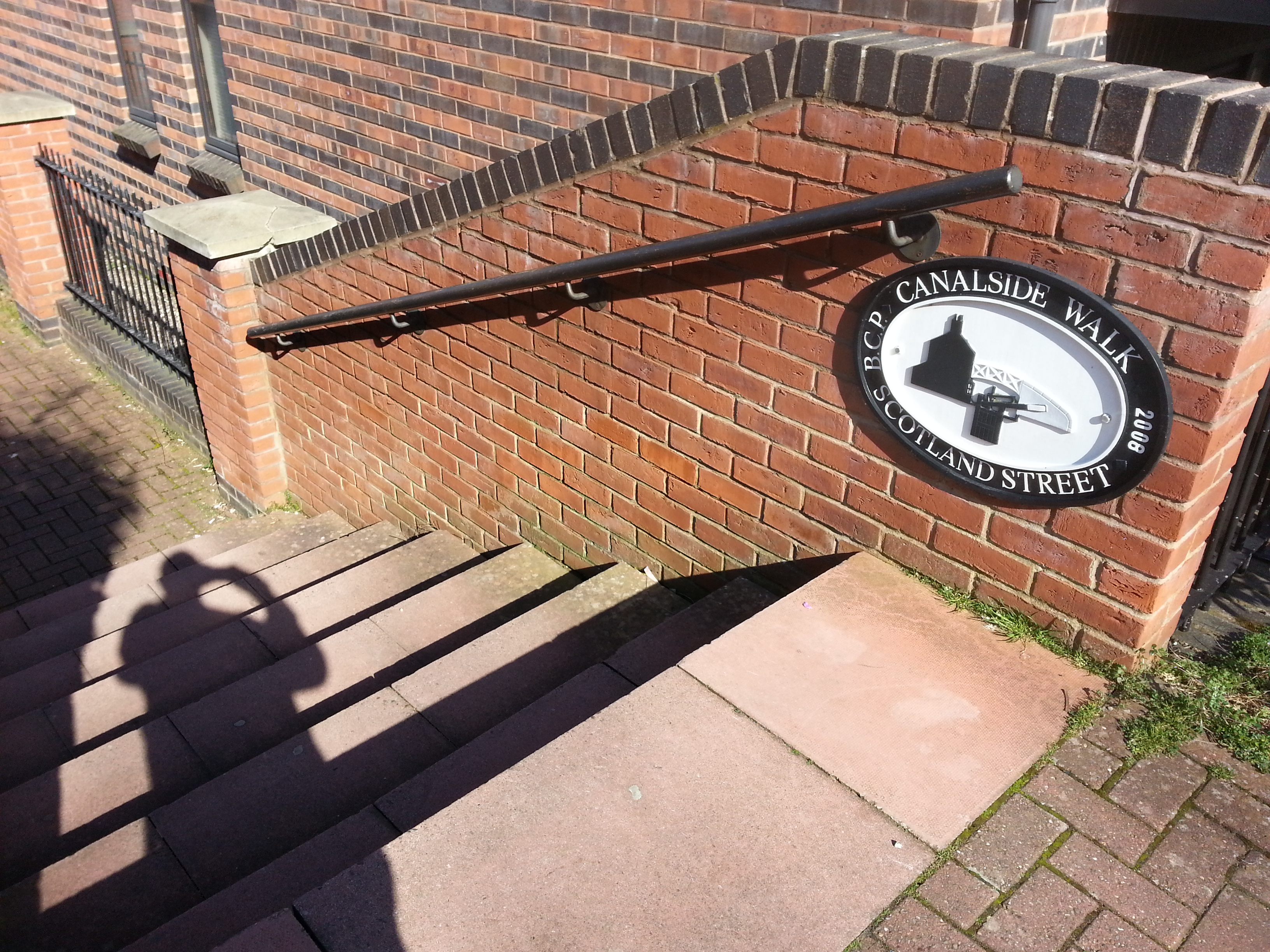
The first photo is a self portrait and also sets the scene. The following batch illustrates the quality of light available for me to use that day. All the photos were taken on my Galaxy Phone’s camera – great little camera to use on the streets when you don’t want to be noticed. People remain at ease if you have a phone in your hand rather than a camera.

2014 03 09_7023

2014 03 09_7024 2014 03 09_7028

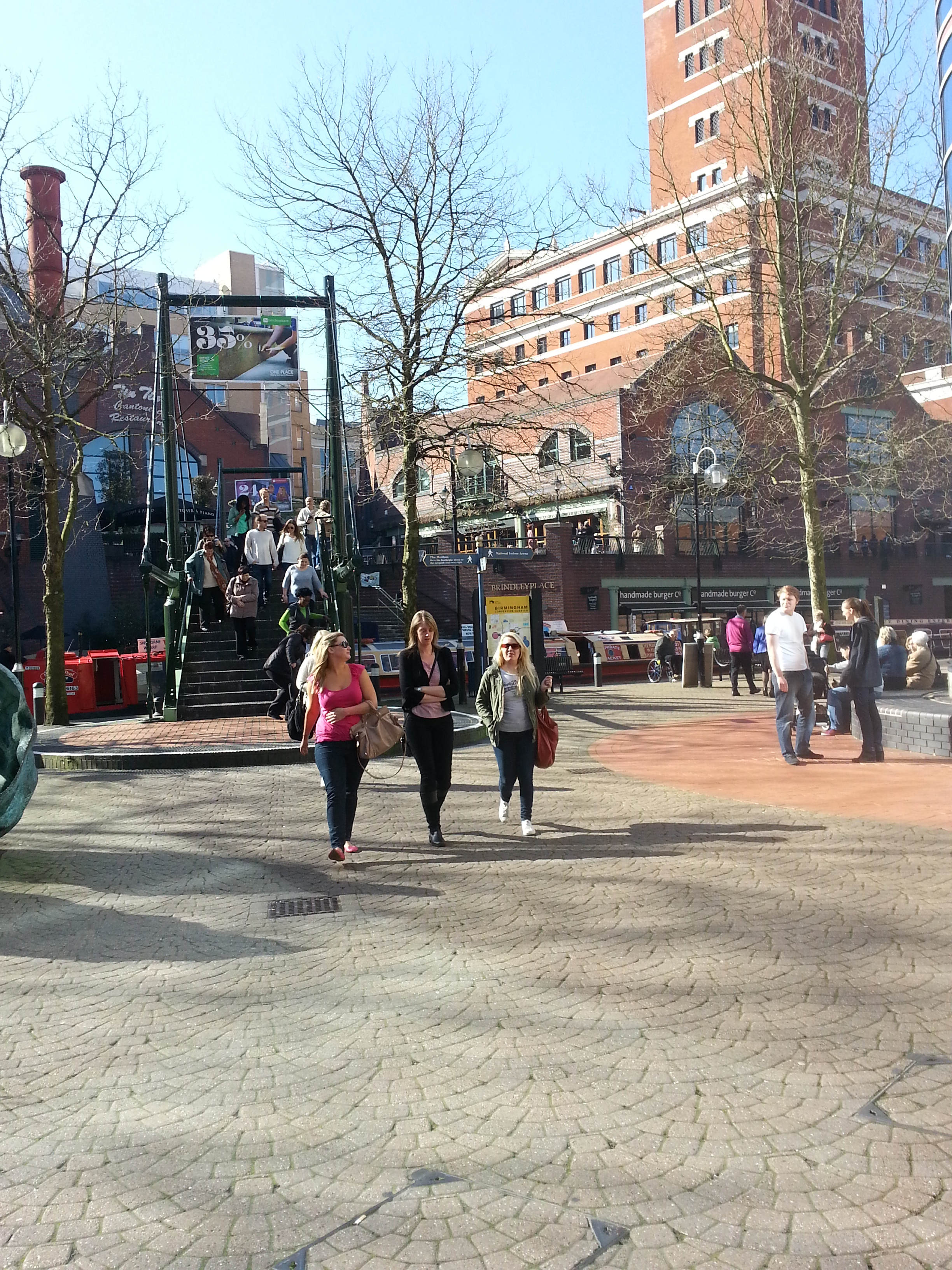
The new library proved what a vibrant, forward thinking city Birmingham is. This post will feature a part of the city’s past that has been brought back to life. Its canals. Here small business thrive, cafes and bars are full of life and people just wander looking contented.

2014 03 09_7038 2014 03 09_7039


2014 03 09_7034

We soon discovered that there is such an array of buildings of all shapes, sizes, functions and ages to be viewed from the canal towpath.

2014 03 09_7017  2014 03 09_7020  2014 03 09_7022   2014 03 09_7025 2014 03 09_7026 2014 03 09_7033

2014 03 09_7035 2014 03 09_7050

2014 03 09_7036 2014 03 09_7071

2014 03 09_7053

It was hard to imagine as we walked the towpaths that this thin strip of water was a hub of transport a few centuries ago, the equivalent of the clogged M6 motorway we had traveled on to get to it. This little tug barge was one of the few signs of the canal’s previous importance.

2014 03 09_7027


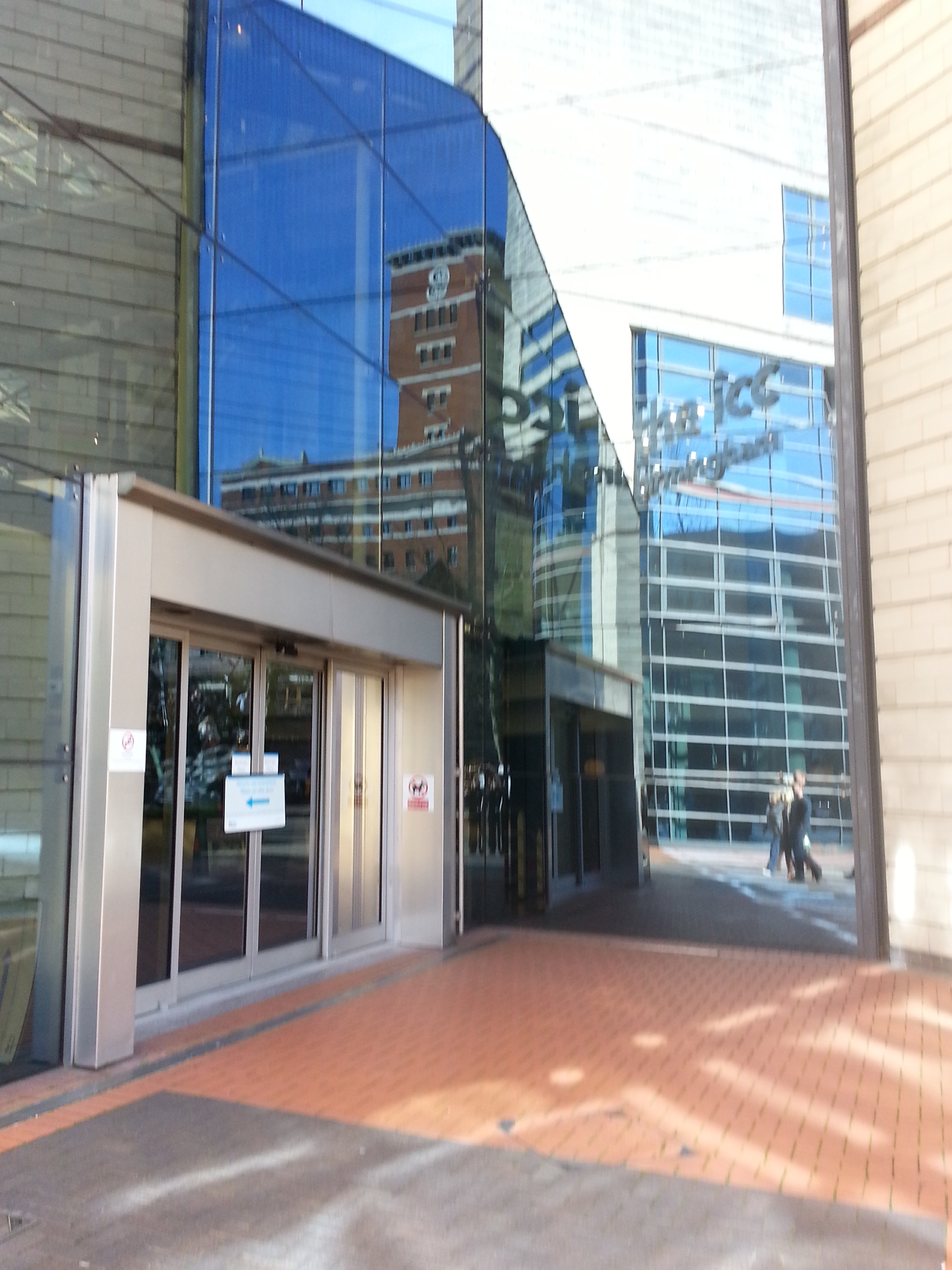
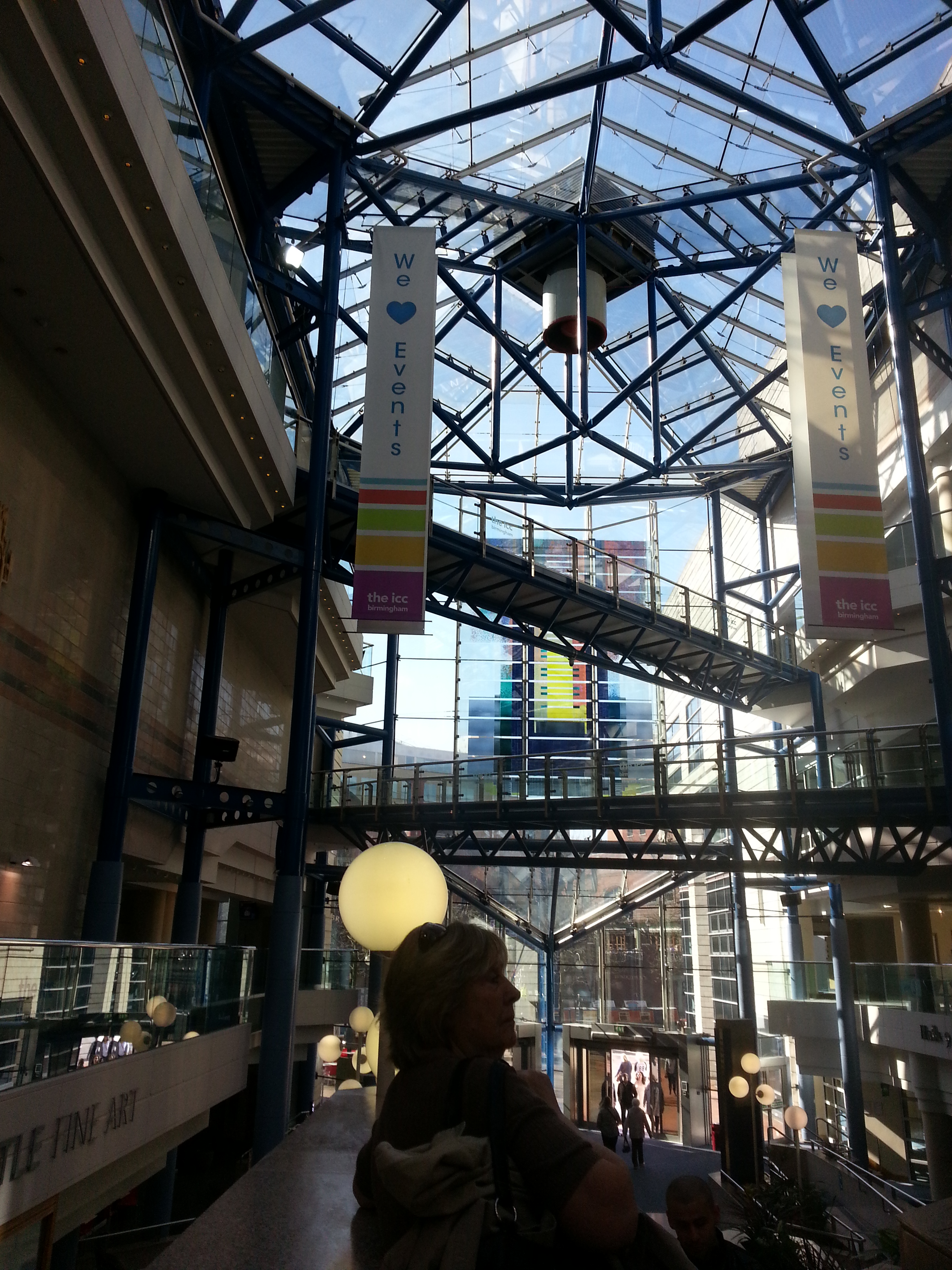
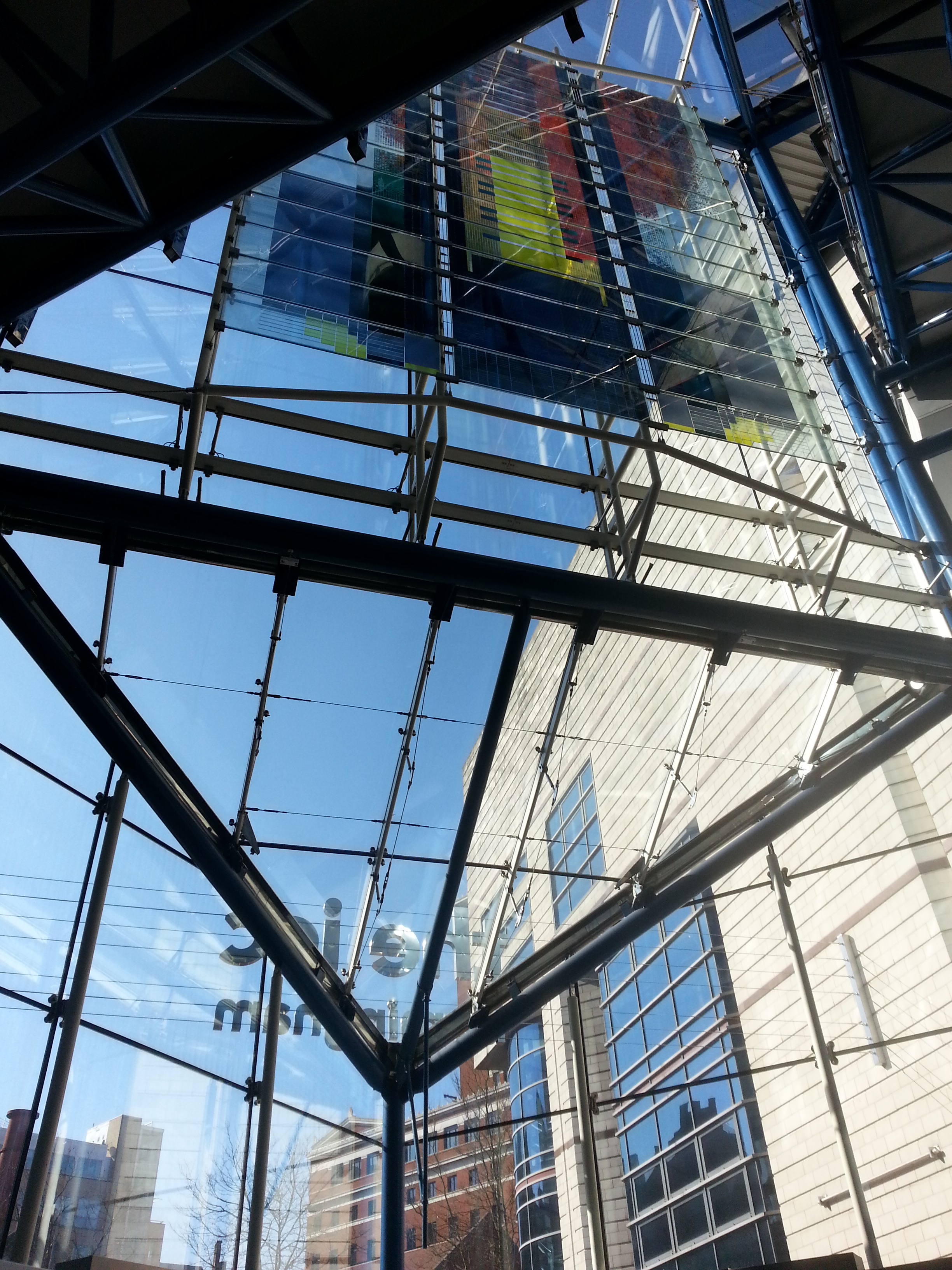
Our usual coffee break was taken within the comfort of one the National Convention Centre cafes. One of our favourite concert venues, the Symphony Hall is integrated with this building. There are some wonderful features here both inside and out.

2014 03 09_7037   2014 03 09_7040 2014 03 09_7041 2014 03 09_7042 2014 03 09_7043  2014 03 09_7044

2014 03 09_7045 2014 03 09_7046

2014 03 09_7048

As we progressed around our canal-side ramble we got occasional glimpses of the New Library. Can you spot it in the picture below?

2014 03 09_7073

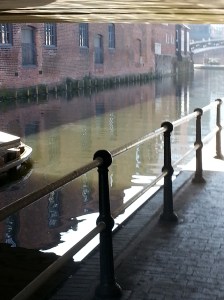
No canal wandering can be complete though without a few reflections to enjoy, and not forgetting a nice old curvy bridge!

2014 03 09_7072 2014 03 09_7032

2014 03 09_7018 2014 03 09_7069


I keep trying to get a good picture of shadows created by benches and am never very pleased with the results. The one below I was actually quite pleased with. I then finish off with a pic of patterns found beneath our feet and my favourite photo of the day, the glass globe against a filigree of delicate branches.

2014 03 09_7052 2014 03 09_7021

2014 03 09_7049

Categories
architecture canals outdoor sculpture Yorkshire

A Week of Culture – Part 4 – The Hepworth Wakefield Gallery

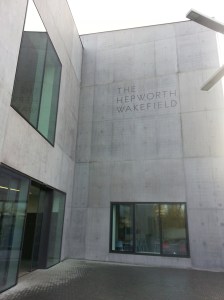
Part Four of our culture week sees us visiting the new Hepworth Wakefield Gallery within the city of Wakefield in Yorkshire. Wakefield has been graced with a new gallery partly dedicated to the work of Barbara Hepworth as it was the city of her birth.

2014 01 26_6119

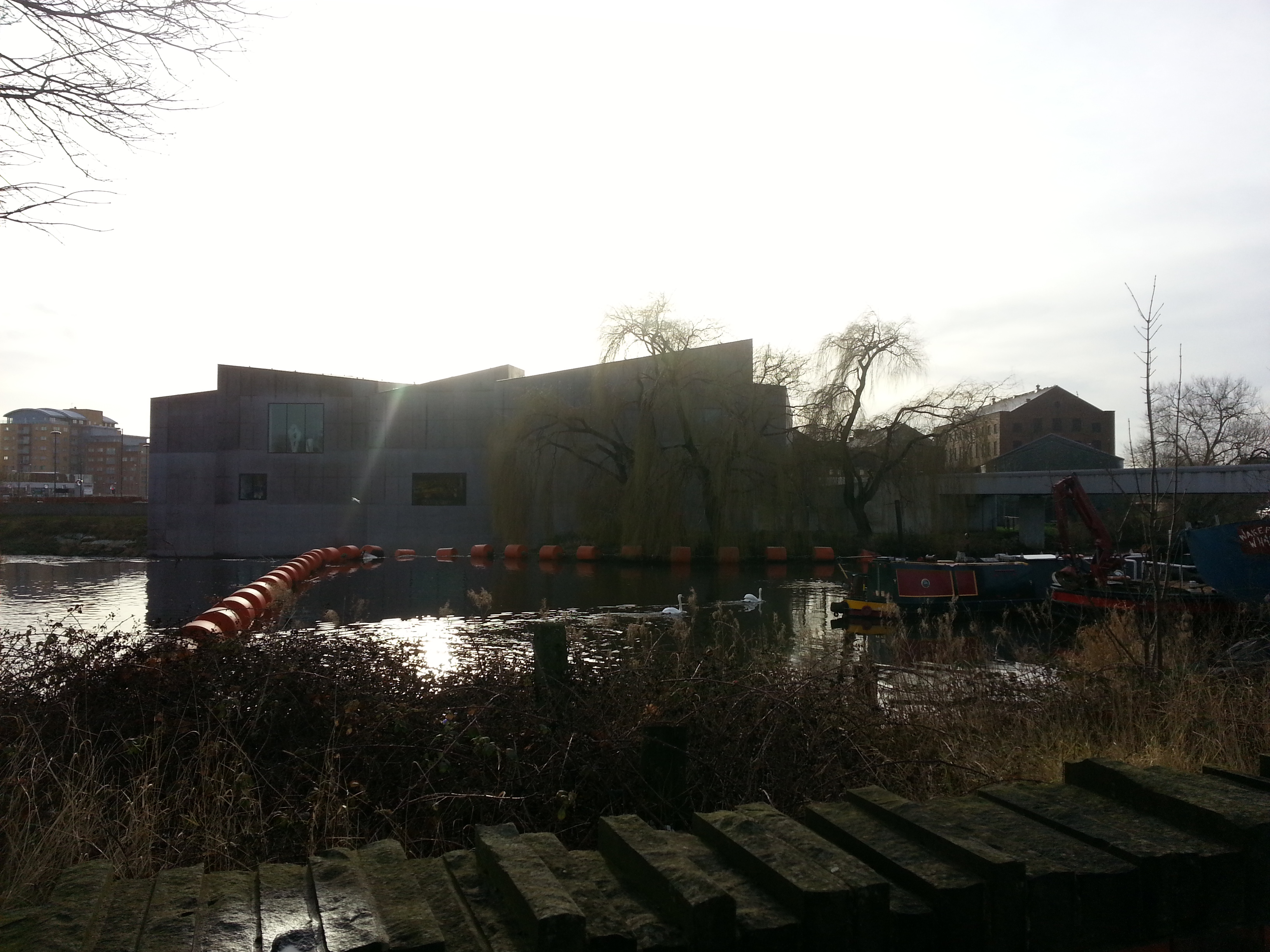
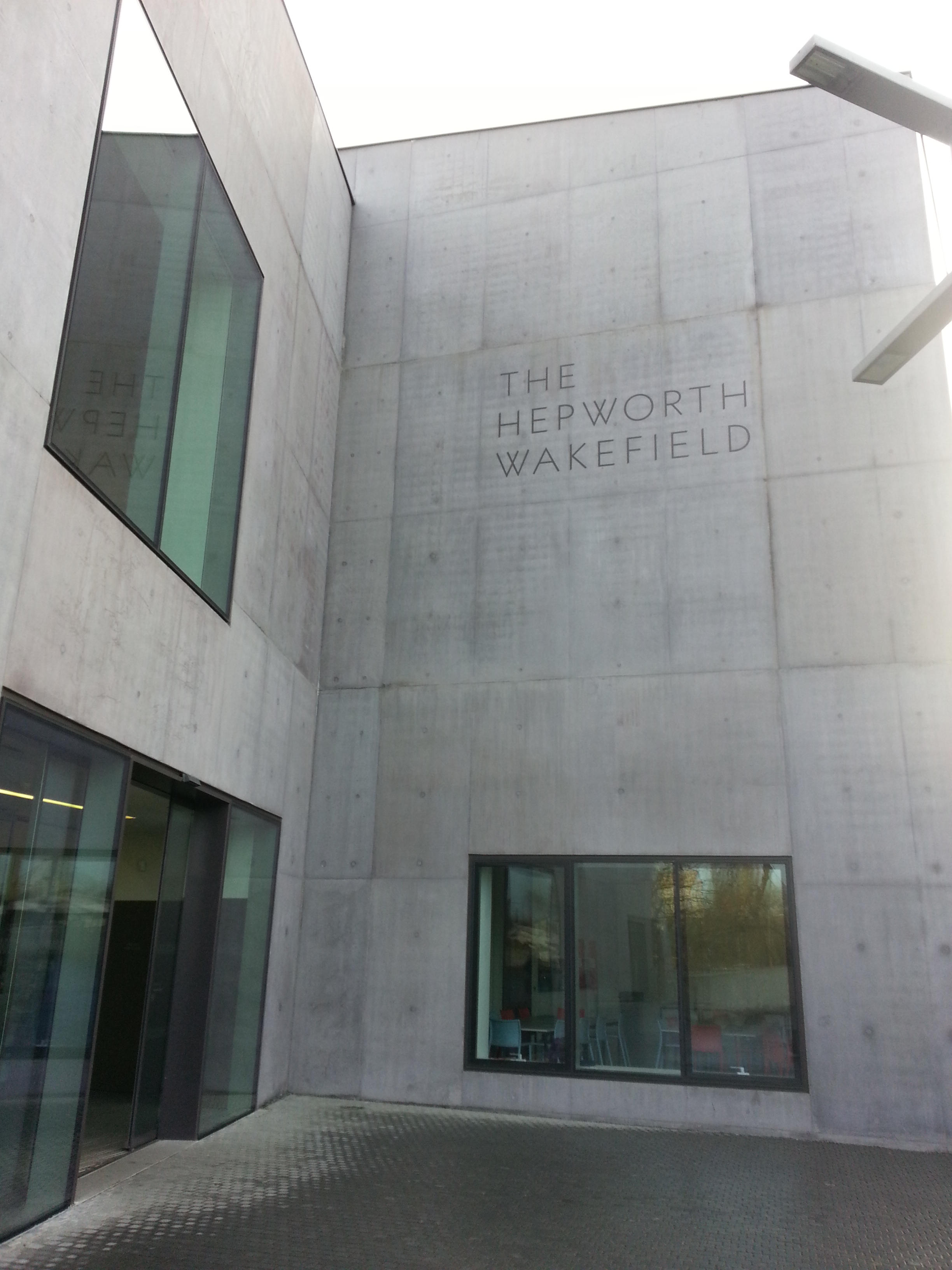
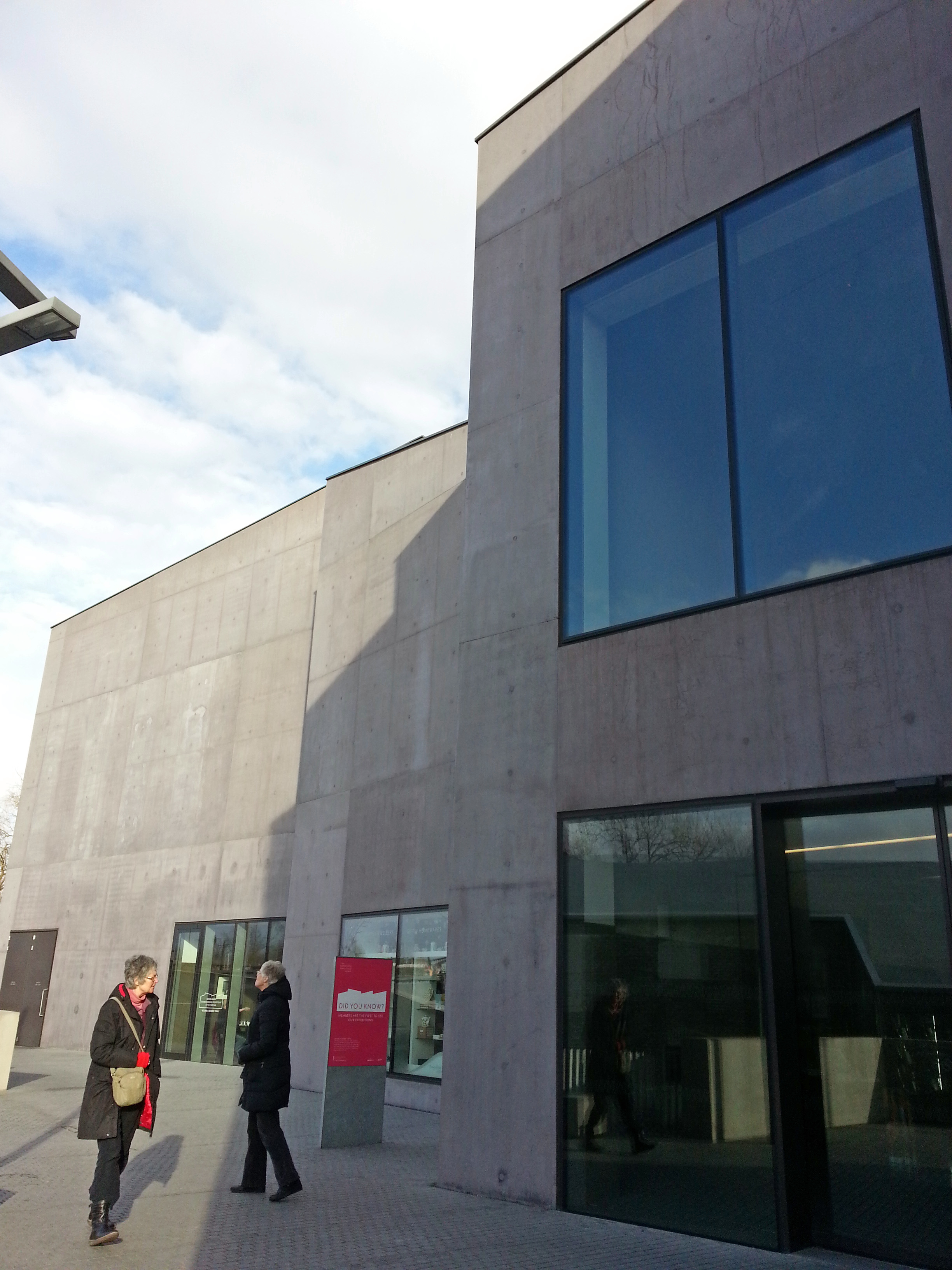
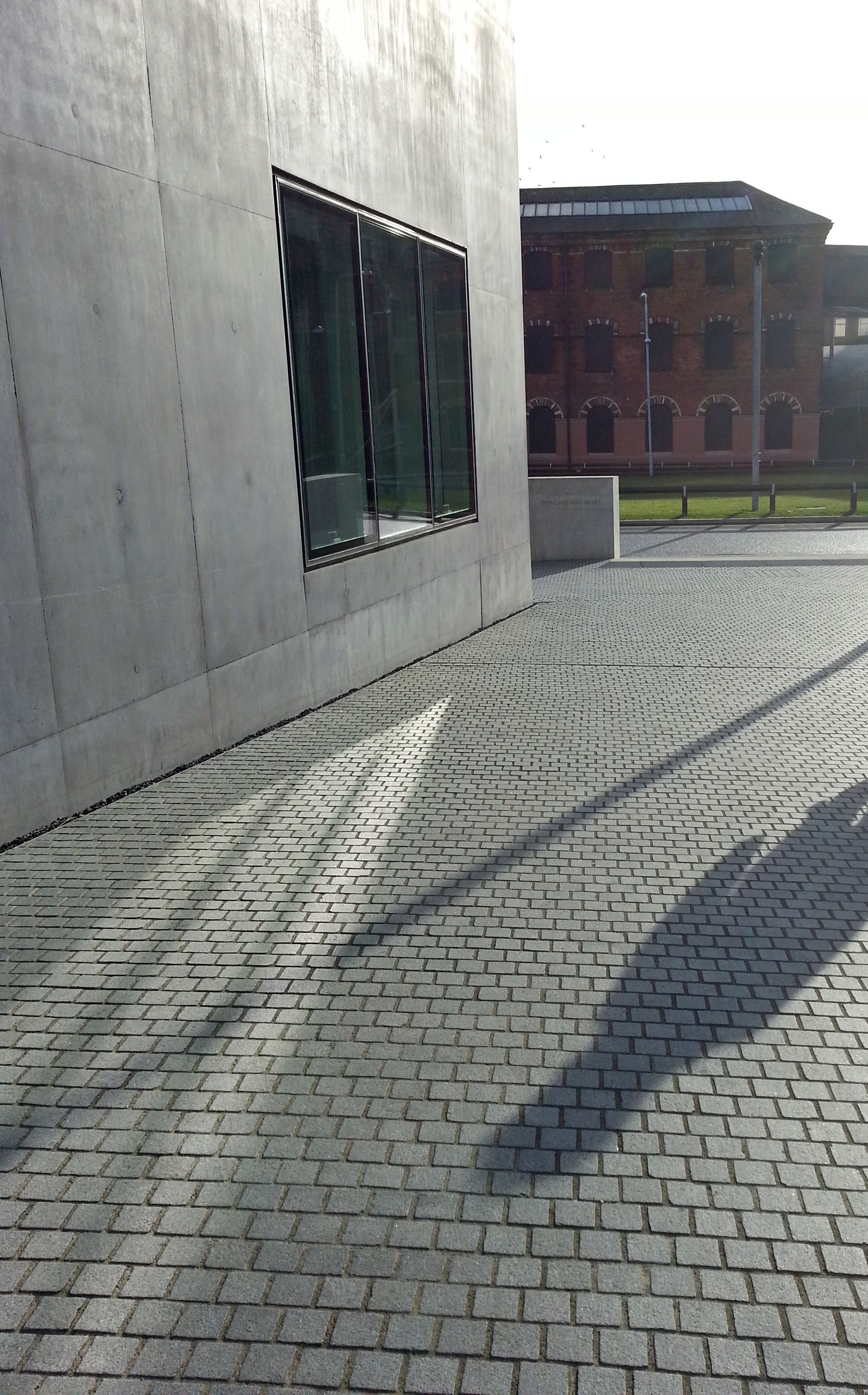
We had seen photographs of this newly constructed gallery and had wanteded to visit since its opening. The building itself is an imposing grey structure based on slightly irregular cubes and cuboids. A long dramatic walkway over the canal took us over moored barges with their wood fires adding the aroma of burning wood to the misty damp atmosphere.
2014 01 26_6120 2014 01 26_6121

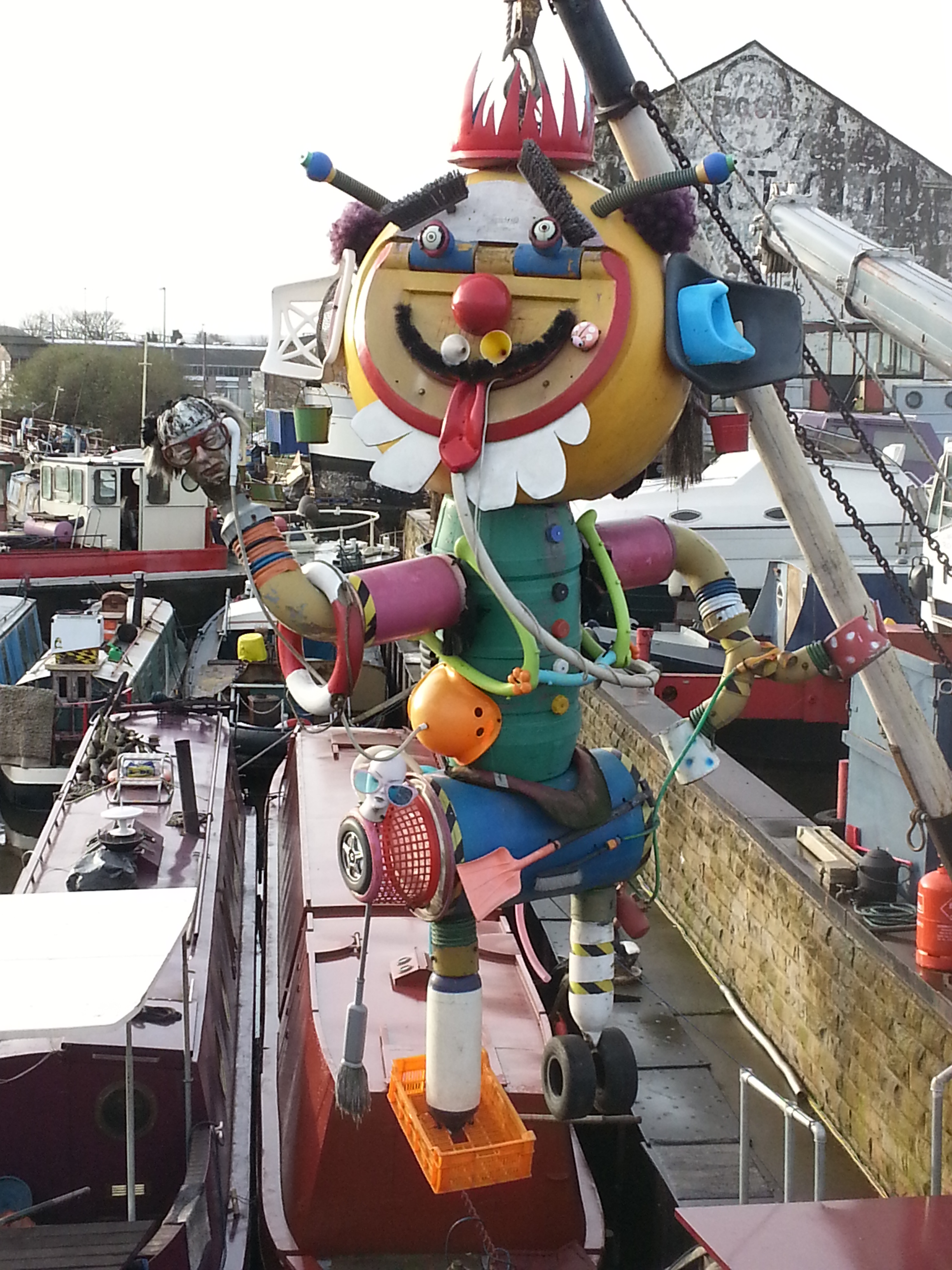
From the walkway we spied this character hanging from a crane in the metal reclamation yard alongside the canal. He is made up of all sorts of scrap materials and from a distance he looks as if he is made of huge sweets – liquorice allsorts.
2014 01 26_6122 2014 01 26_6123

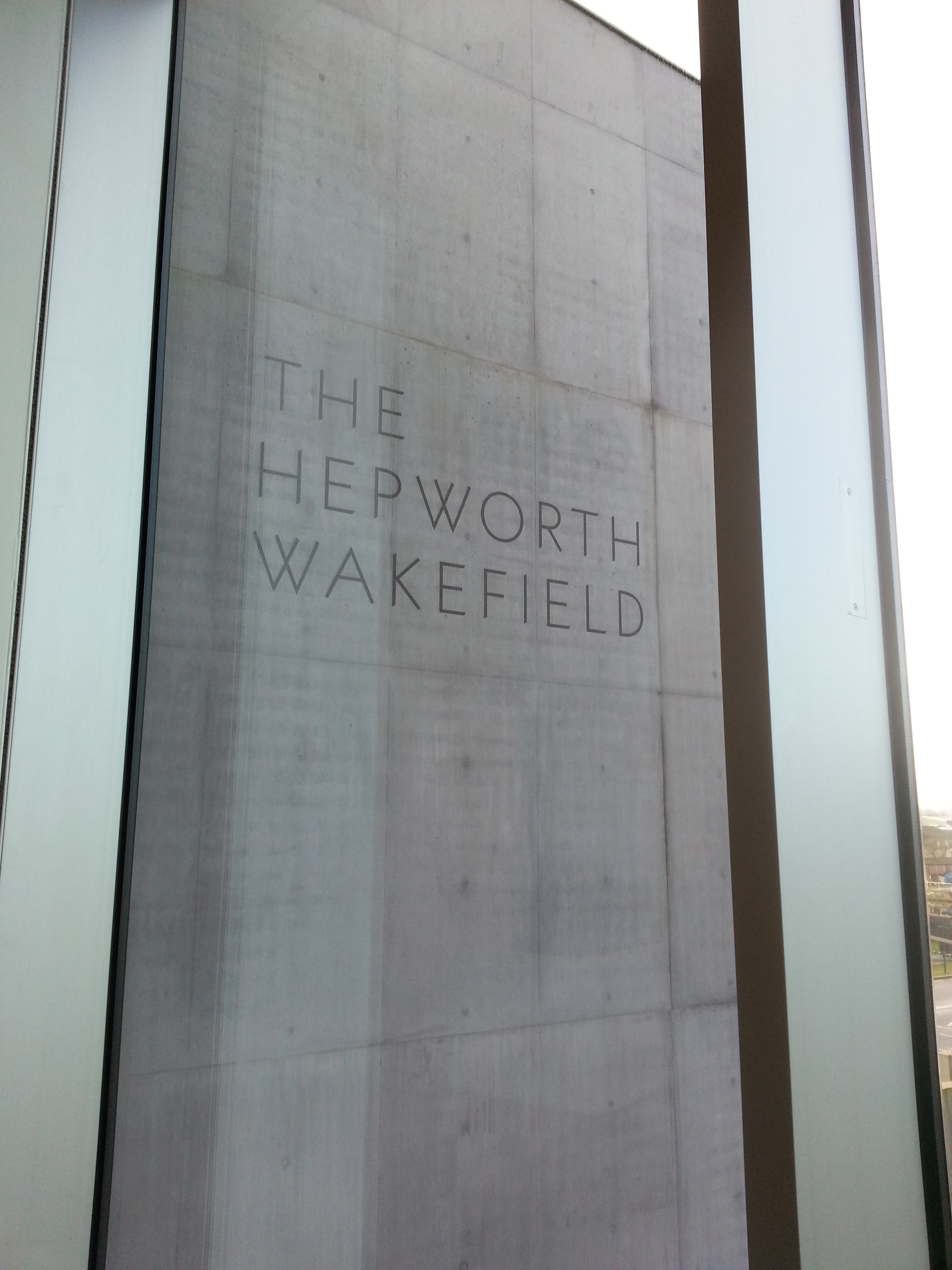
As we got close to the entrance we realised just how vast this gallery is with its grey slabbed sides rising up above us.
2014 01 26_6124   2014 01 26_6127

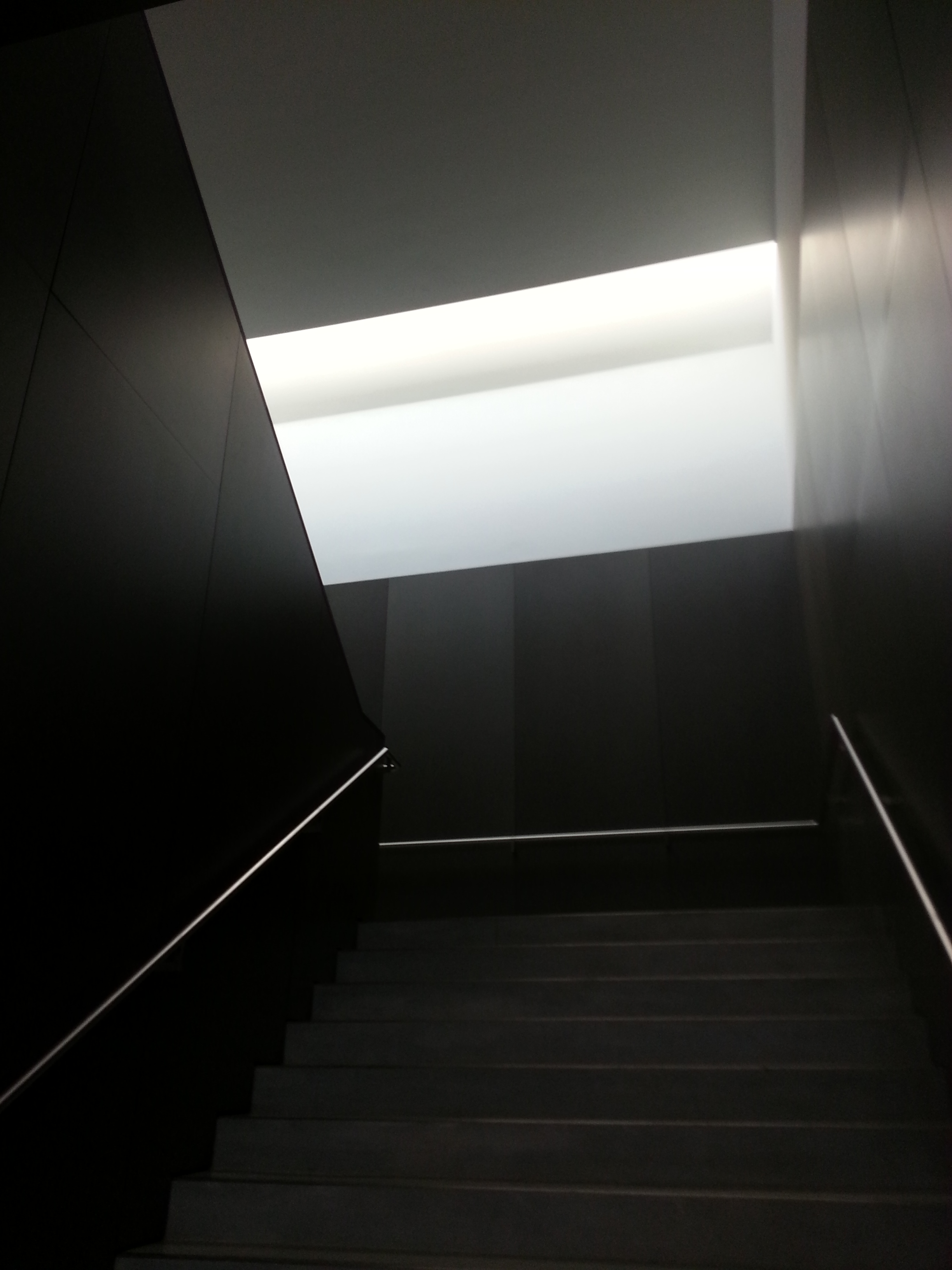
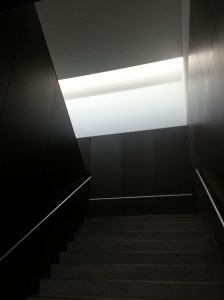
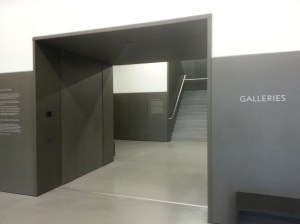
Inside, the building is equally dramatic with deeper greys and black being the dominant colours in the spaces outside the gallery rooms themselves, which as expected are all of a stark white. The outside surfaces are matt in sharp contrast with the shining interiors.
2014 01 26_6126 2014 01 26_6125

With all these straight lines and monochrome surfaces that constitute the fabric of the buiding the art work on show would need to be good and well displayed to brighten the visitors’ experience along with some comfortable seating on which to sit and appreciate the art works. People also make a difference and we received a warm welcome from the smiling face behind the reception desk.

The first gallery contained a couple of pieces by British sculptor Henry Moore – Reclining Figures. They looked good with plenty of space around them and with bright even lighting. But our warm welcome from the receptionist was somewhat negated by the steward in this room who called across at me “You are not allowed to touch them!” when I was pointing out a particularly nice curved line. Sadly because of this we didn’t stay so I failed to photograph Moore’s work. We put it down to bad training and moved on quickly to the next gallery where a delightful surprise awaited us.

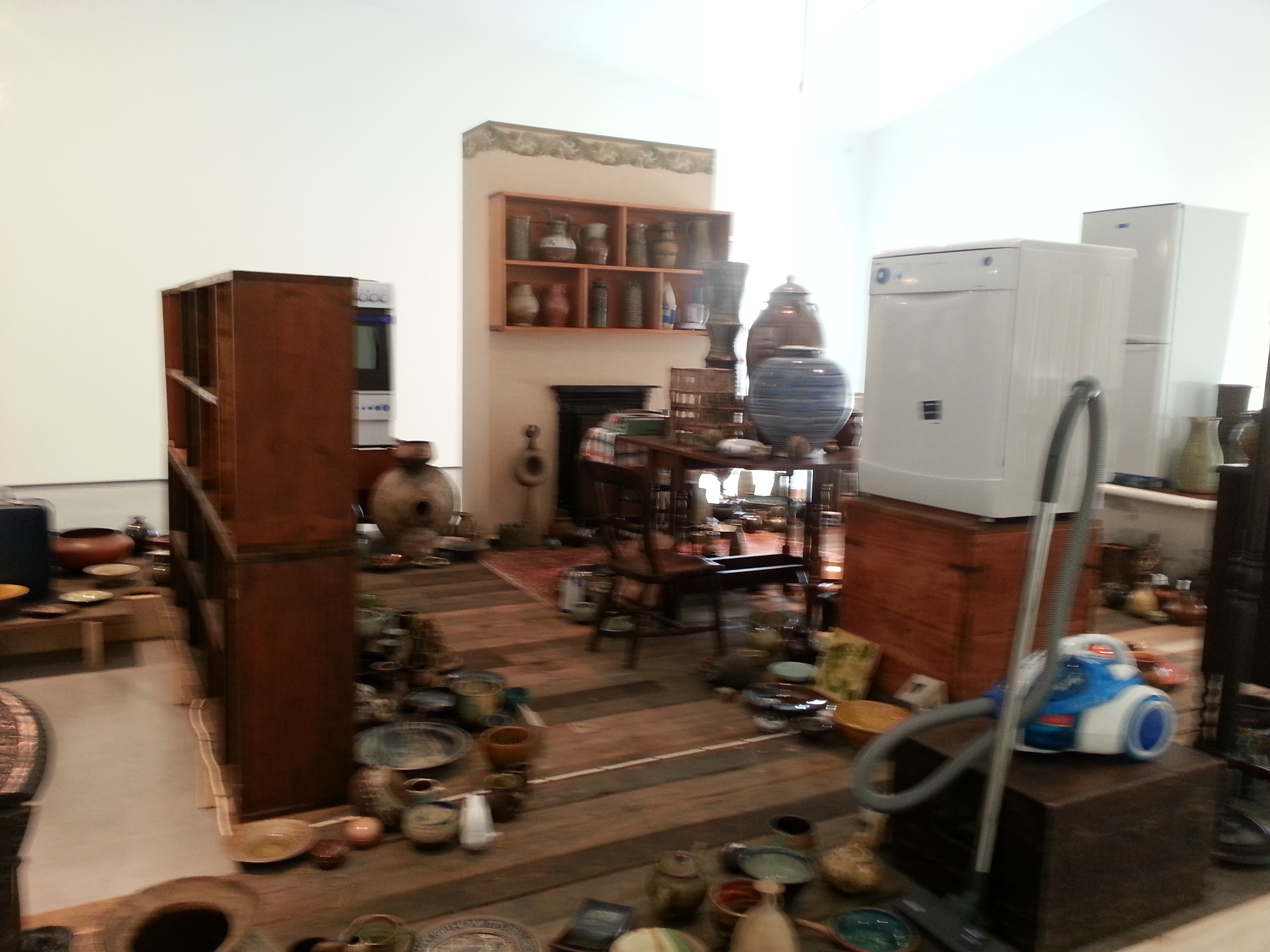
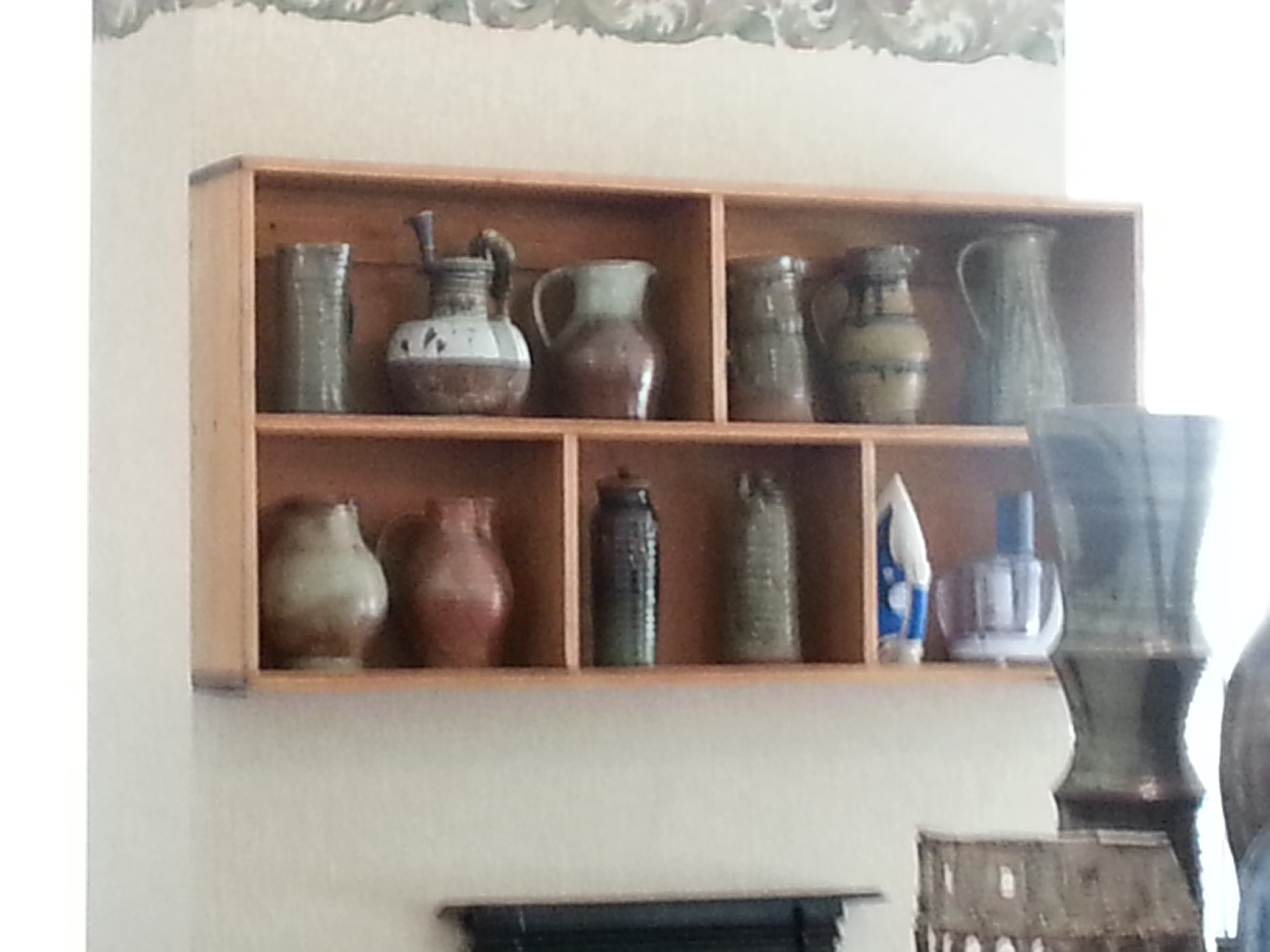
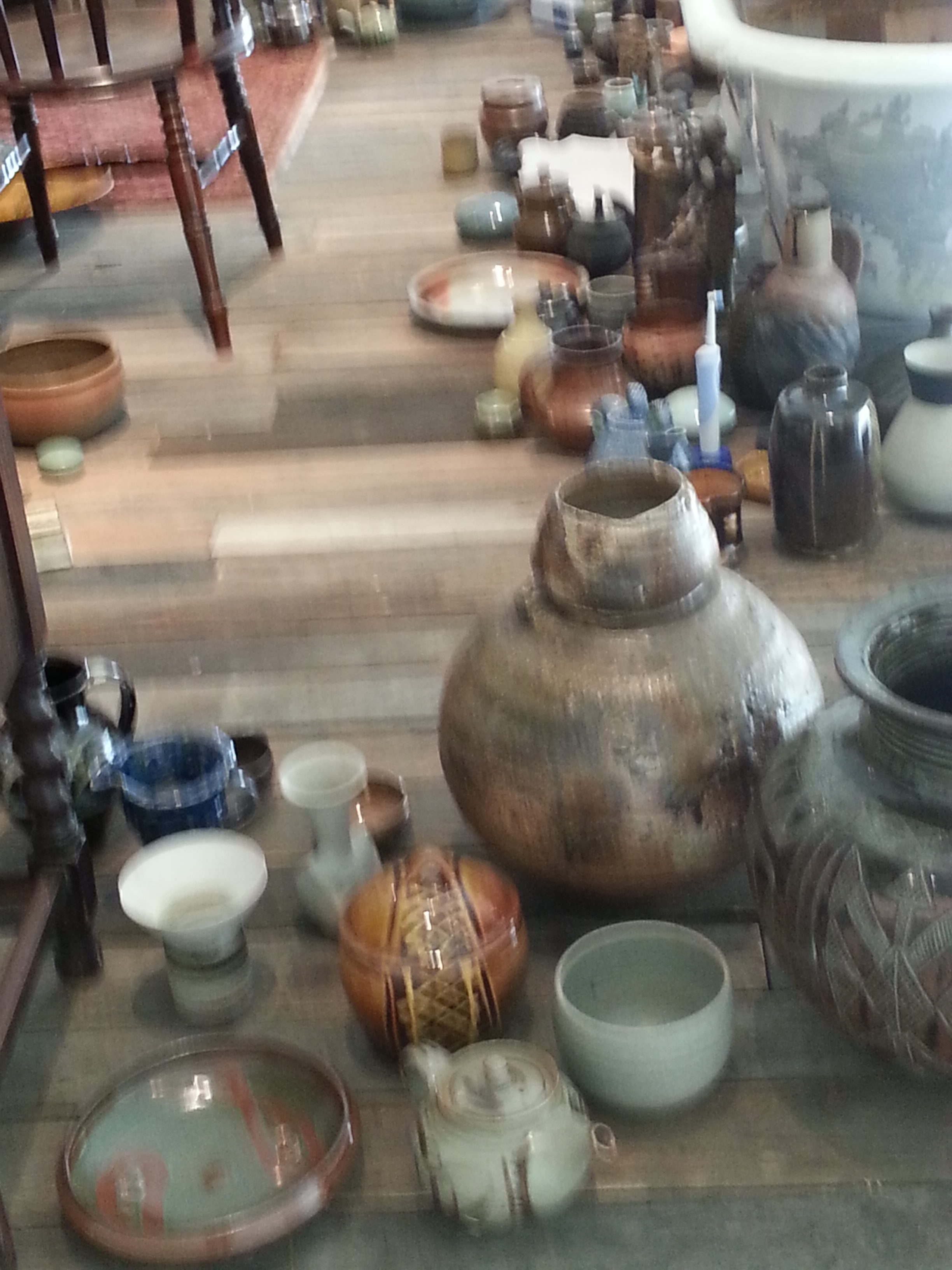
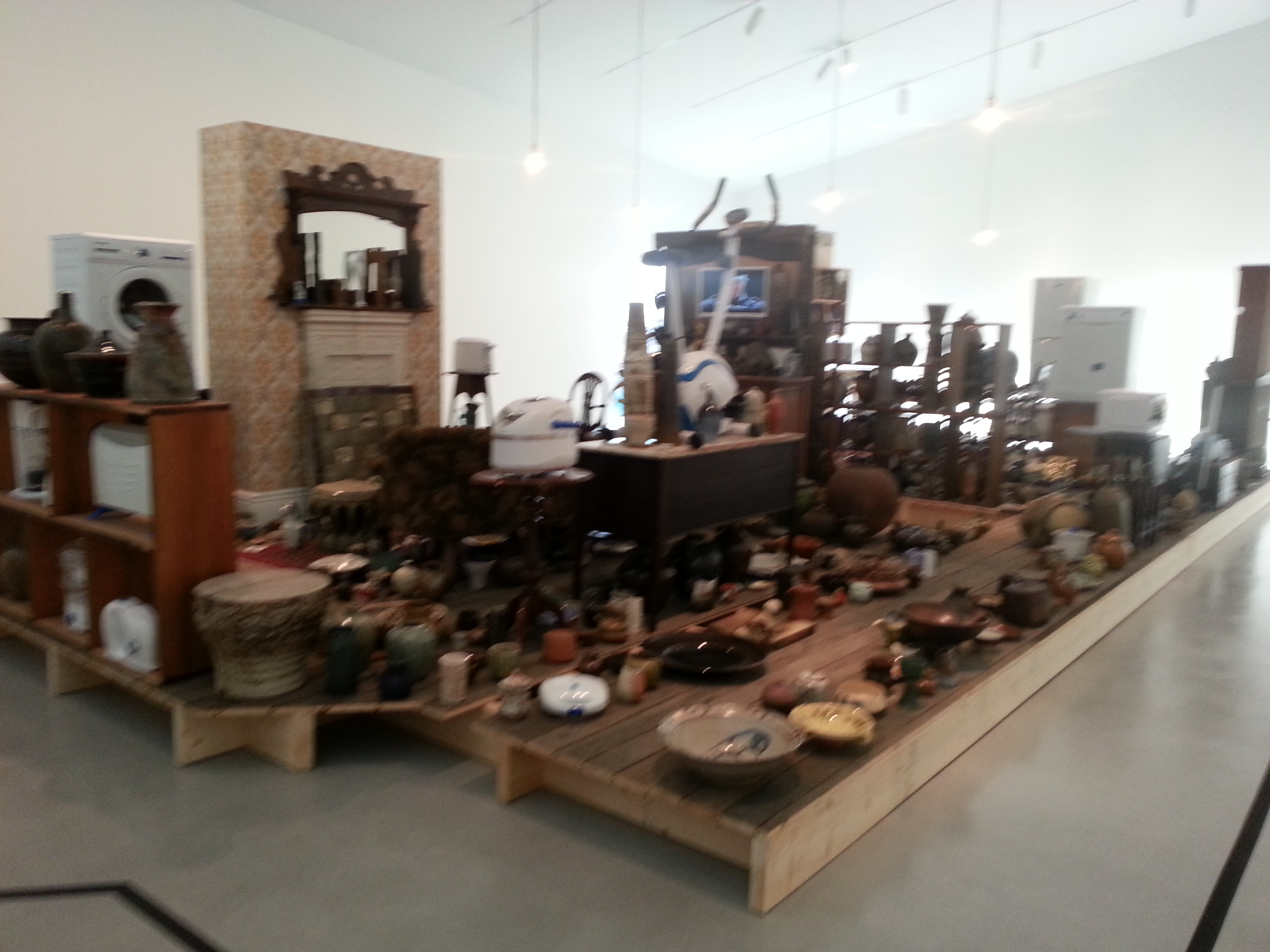
We were taken aback as we were confronted by a crazily overcrowded room set. This was the collection of William Alfred Ismay. At first it looked a jumble of worthless pieces of junk thrown together in what is often put forward by some artists as sculpture. We once saw a garden shed in a gallery  full of old dusty tools looking as if it had been lifted from a vegetable patch and dropped in the gallery – it even had a radio playing. The gallery presented it as an important installation and went on to propound its value as a work of art. We didn’t buy into that and we had a feeling we might be in for a similar experience here. But no! Here was a collection accumulated over decades by a local Wakefield librarian who became an obsessive collector of quality ceramics. His home became filled to the brim with them covering every surface even the table at which he ate his meals, leaving a little gap just big enough for his plate! A close look among the jumble of items led us to discover pieces from potters whose work we recognised. Most of the well-known 20th century potters and ceramists were in fact represented. Wandering around the room set became a voyage of discovery picking out beautiful pieces from amongt the cheap white goods of his era. The pieces were displayed on pieces of Ismay’s furniture and the whole set up was like looking into his house with the walls stripped away.

2014 01 26_6128 2014 01 26_6129 2014 01 26_6130 2014 01 26_6131 2014 01 26_6132

In the gallery where Ismays collection was displayed we were again made to feel uncomfortable. A black line surrounded the display and a sign asked visitors not to step over it. Sadly as we walked around the young room stewards followed our every move keeping a close eye on our feet. This must again reflect their training because when we engaged them in conversation they were very pleasant, knowledgeable and enthusiastic.

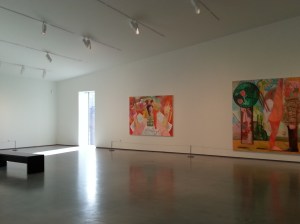
The third gallery we entered was spotlighting the work of American artist Dana Schutz. This is the New York based painter’s first UK exhibition. Her large extremely colourful work did not appeal to either myself or Jude as we found them disturbing in an unpleasant way. This gallery though did give them the space needed to appreciate them coupled with excellent lighting. If you were a Schulz fan you would have appreciated how good they looked in this setting. You can see the hard surface of the bench here. It didn’t invite you to sit and peruse the paintings and did nothing to soften the hard lines of the building and whiteness of the room. Comfortable benches which invite the visitor to sit and consider a piece in more depth are sadly lacking throughout the gallery.
2014 01 26_6136

We moved through galleries displaying the work of Albert Wainwright whose work varied a great deal, from simple book and magazine illustrations to landscapes of Northern England and the occasional poster. Photography was not permitted in this room.

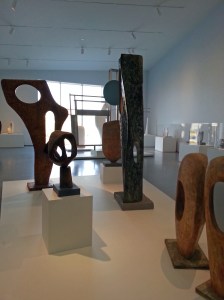
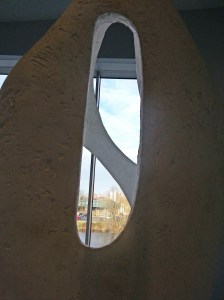
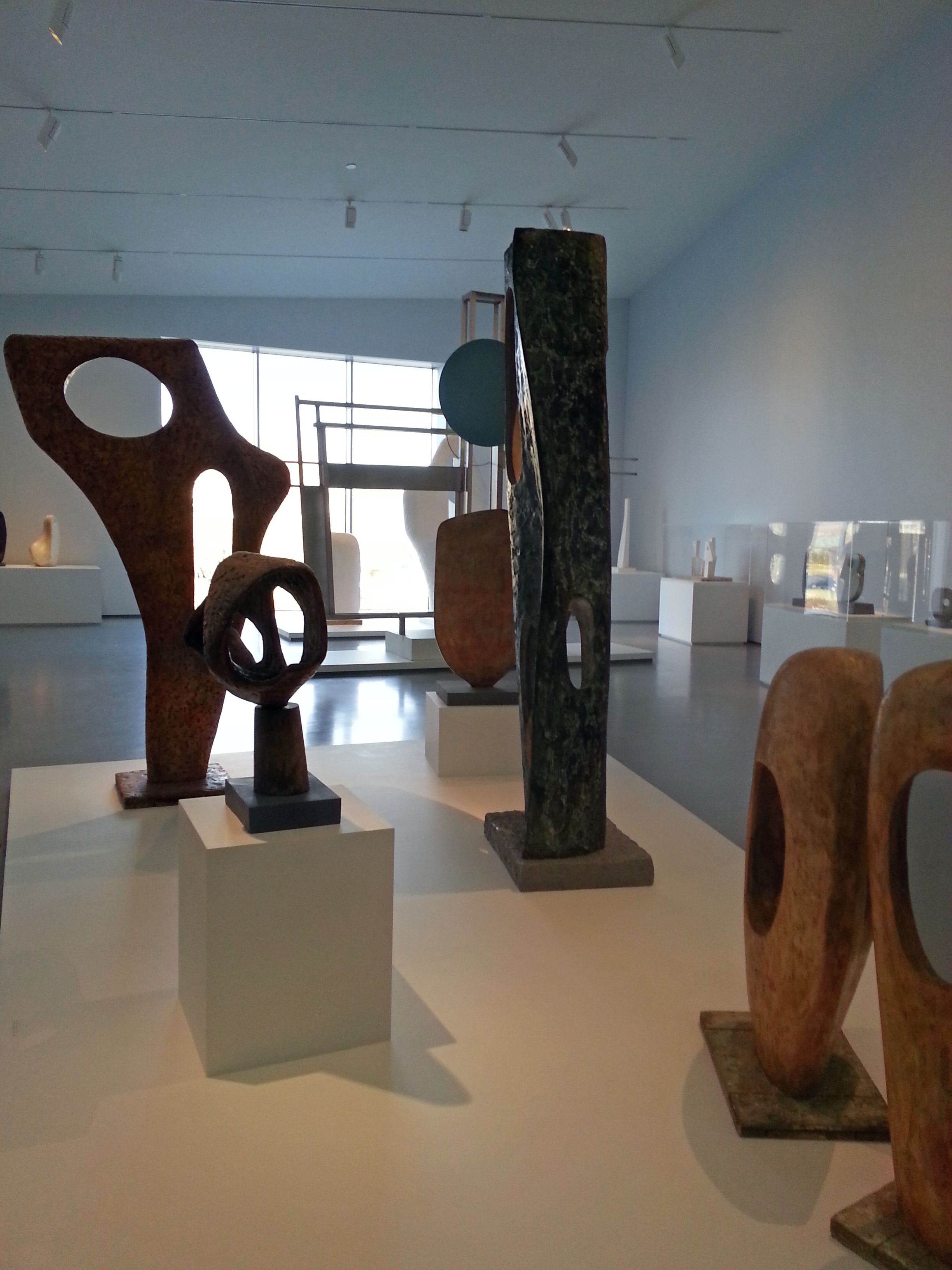
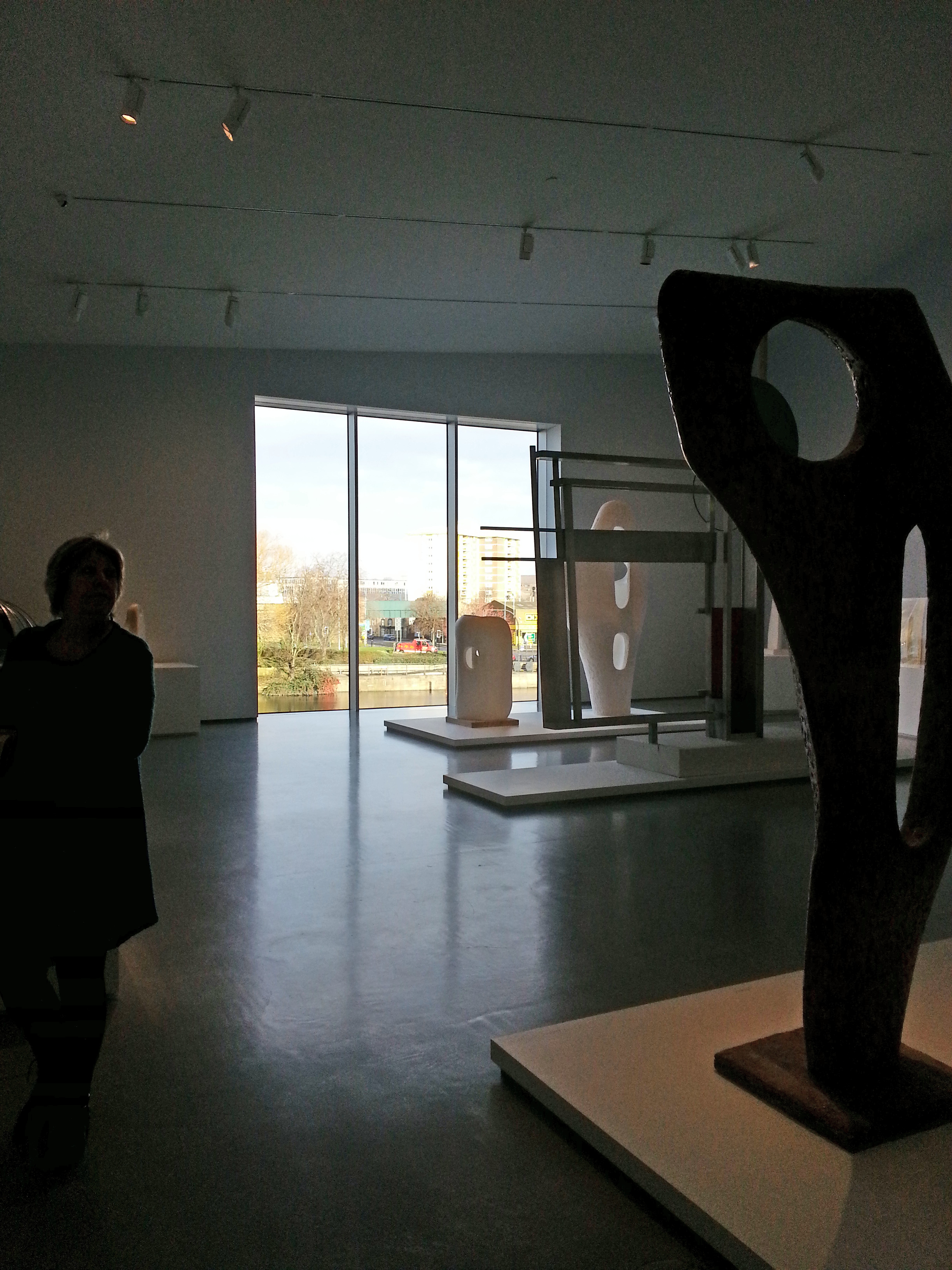
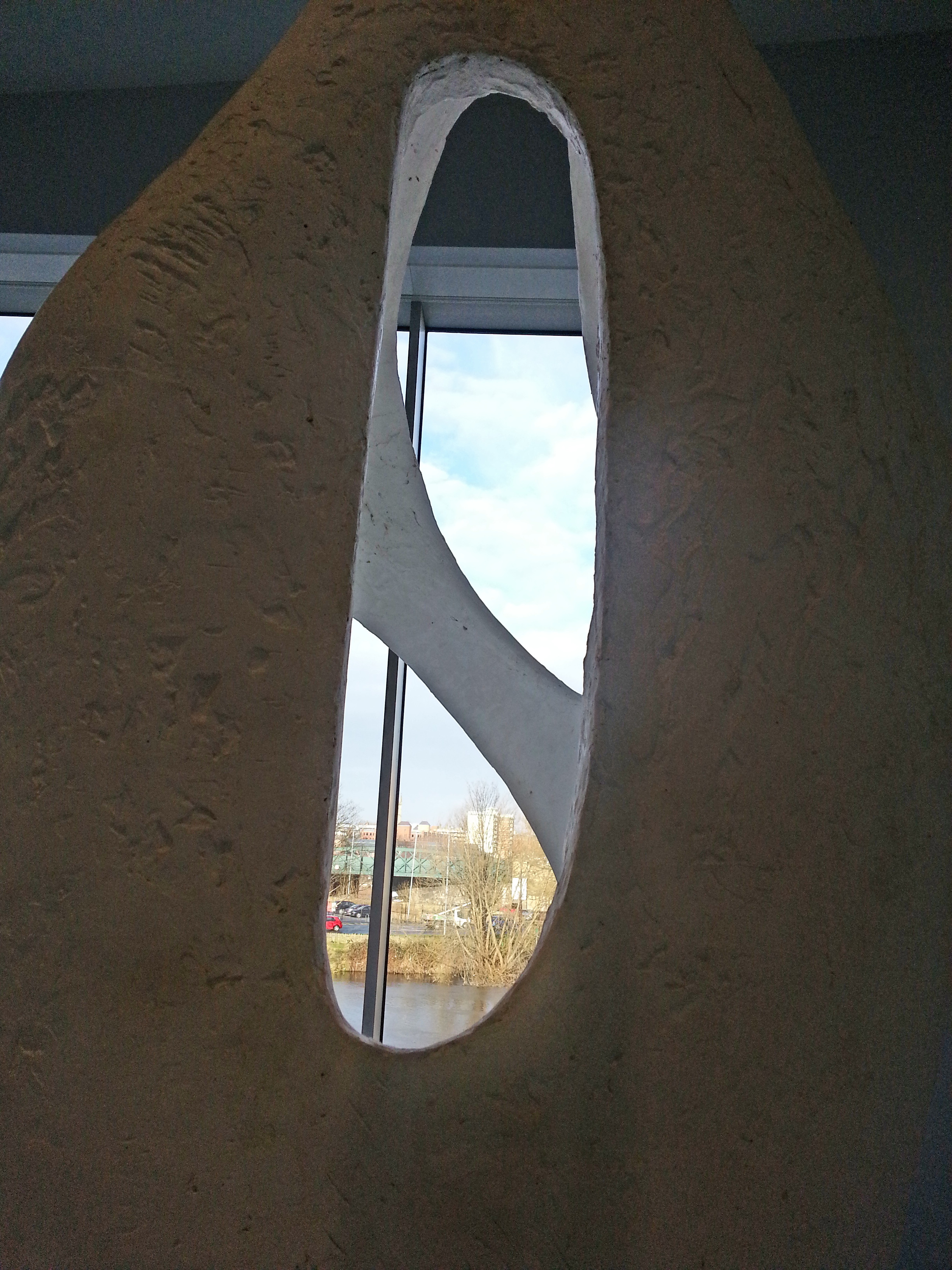
We moved on to Galleries 4,5 and 6 where the work of Barbara Hepworth was on show. Her work suited the style of gallery with their huge walls of glass which let the light stream in. The views out of these windows were out over the river towards the city.
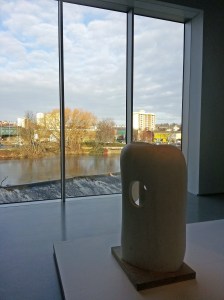
2014 01 26_6152_edited-1 2014 01 26_6148_edited-1 2014 01 26_6142_edited-1 2014 01 26_6139_edited-1

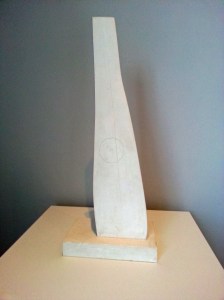
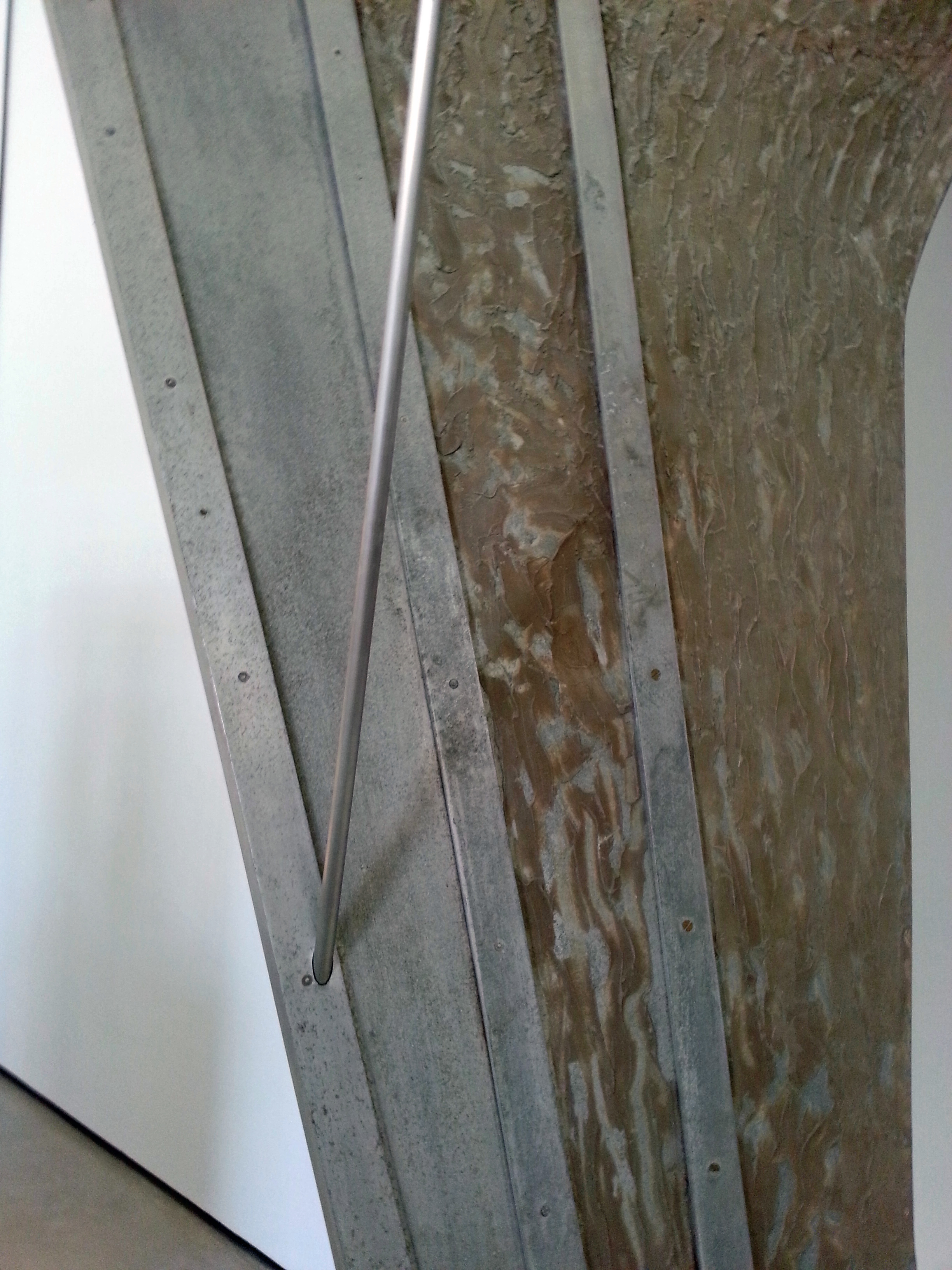
We were pleased to see a full sized prototype of the well known piece “Winged Figure” which was designed to grace the John Lewis store in Oxford Street. We think of Hepworth as being just a sculptor so it was interesting to see some of her 2-D graphic works. It was a great privilege to get really close to this iconic piece and see the variety of textured surfaces.
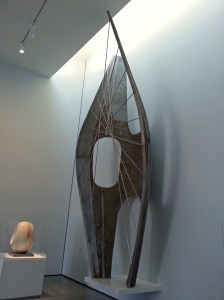
2014 01 26_6140_edited-1

2014 01 26_6143_edited-1 2014 01 26_6144_edited-1 2014 01 26_6146_edited-1 2014 01 26_6145_edited-1

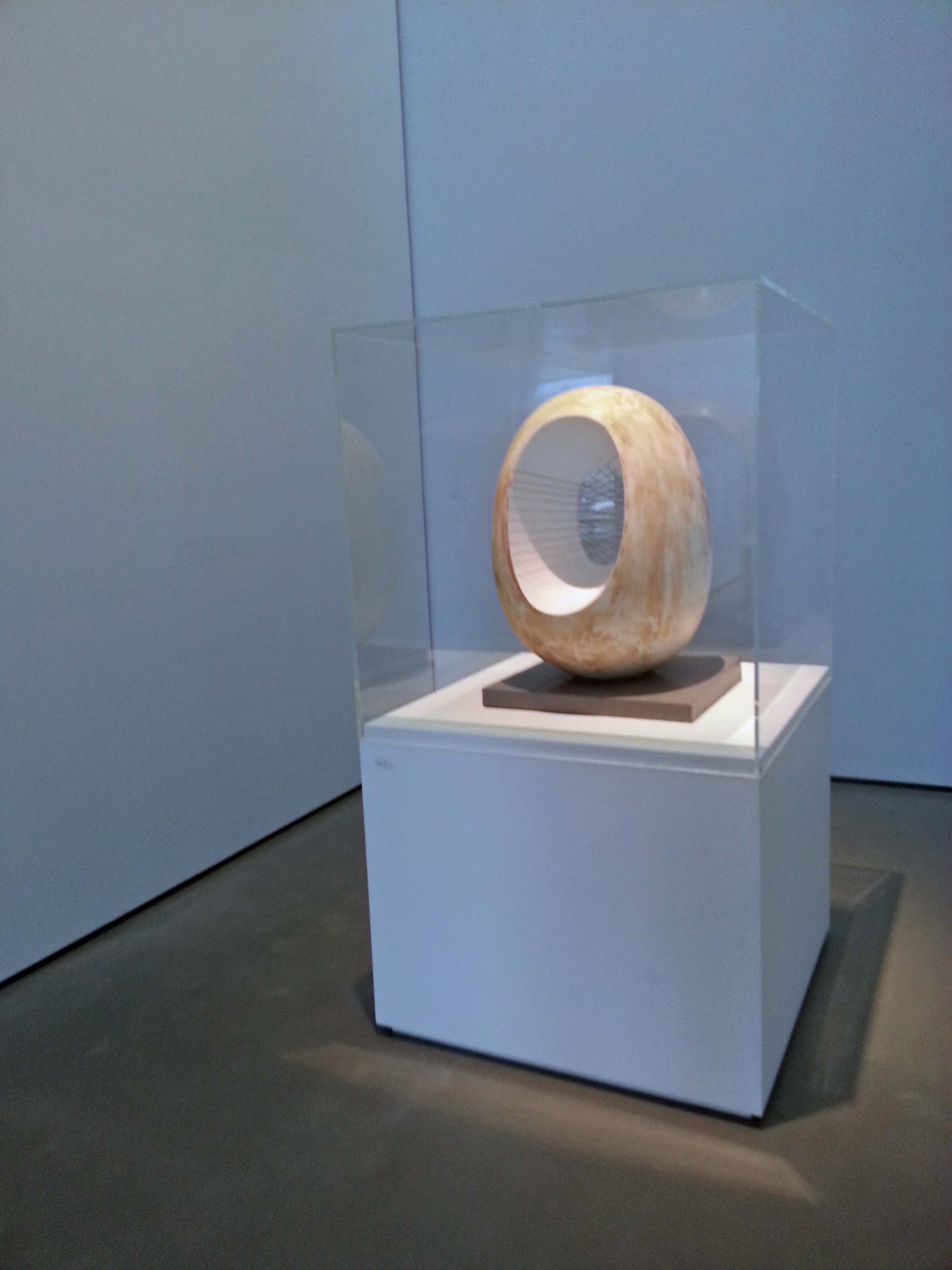
It was strange to see some of her work in glass cases but I can appreciate that these particular pieces are delicate.

2014 01 26_6156_edited-1 2014 01 26_6157_edited-1

Enjoy this set of photos showing the variety of Hepworth’s work.
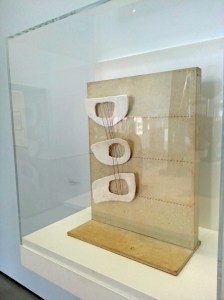
2014 01 26_6141_edited-1 2014 01 26_6151_edited-1 2014 01 26_6153_edited-1 2014 01 26_6154_edited-1

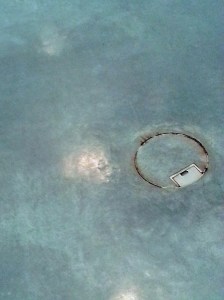
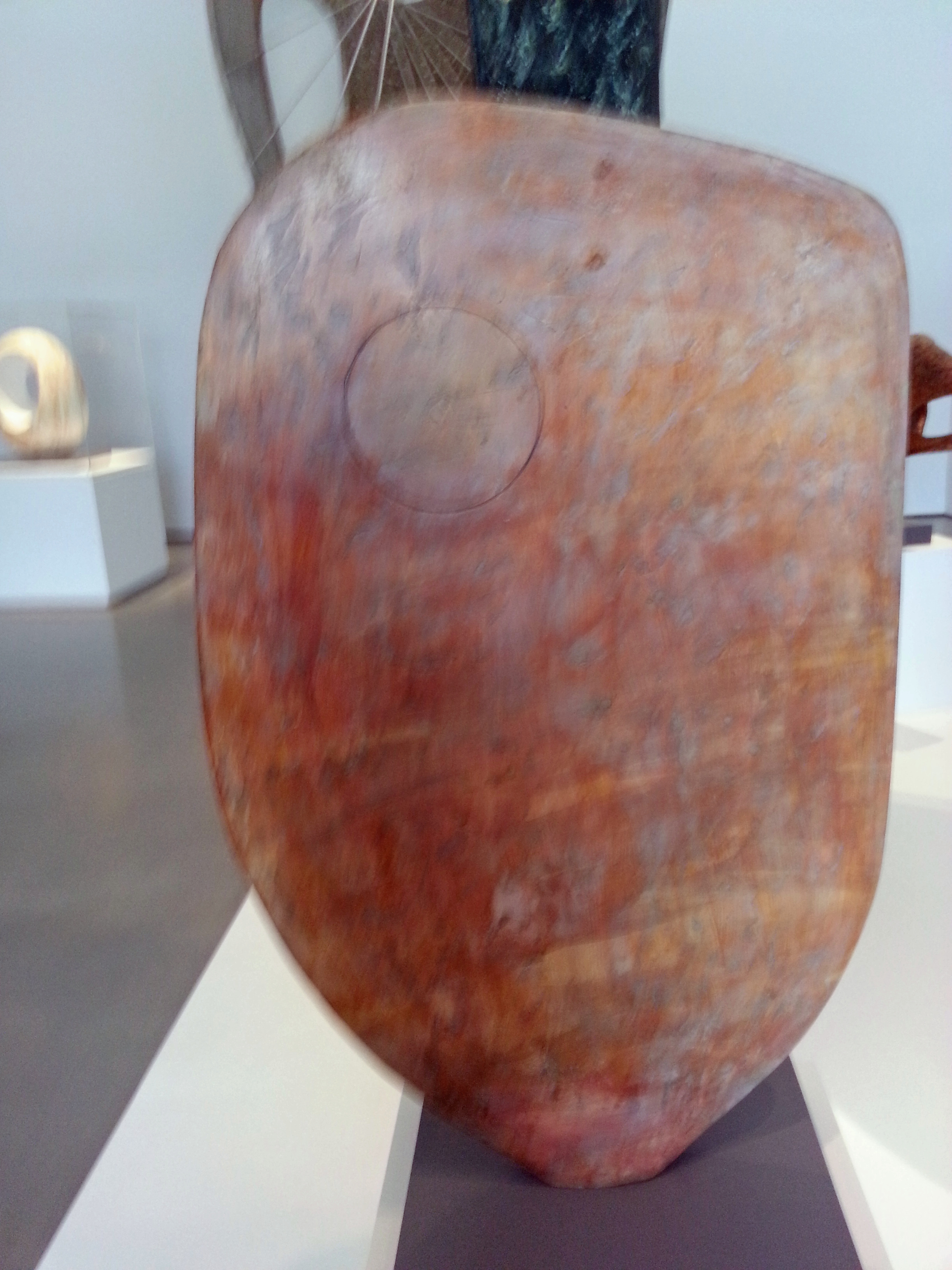
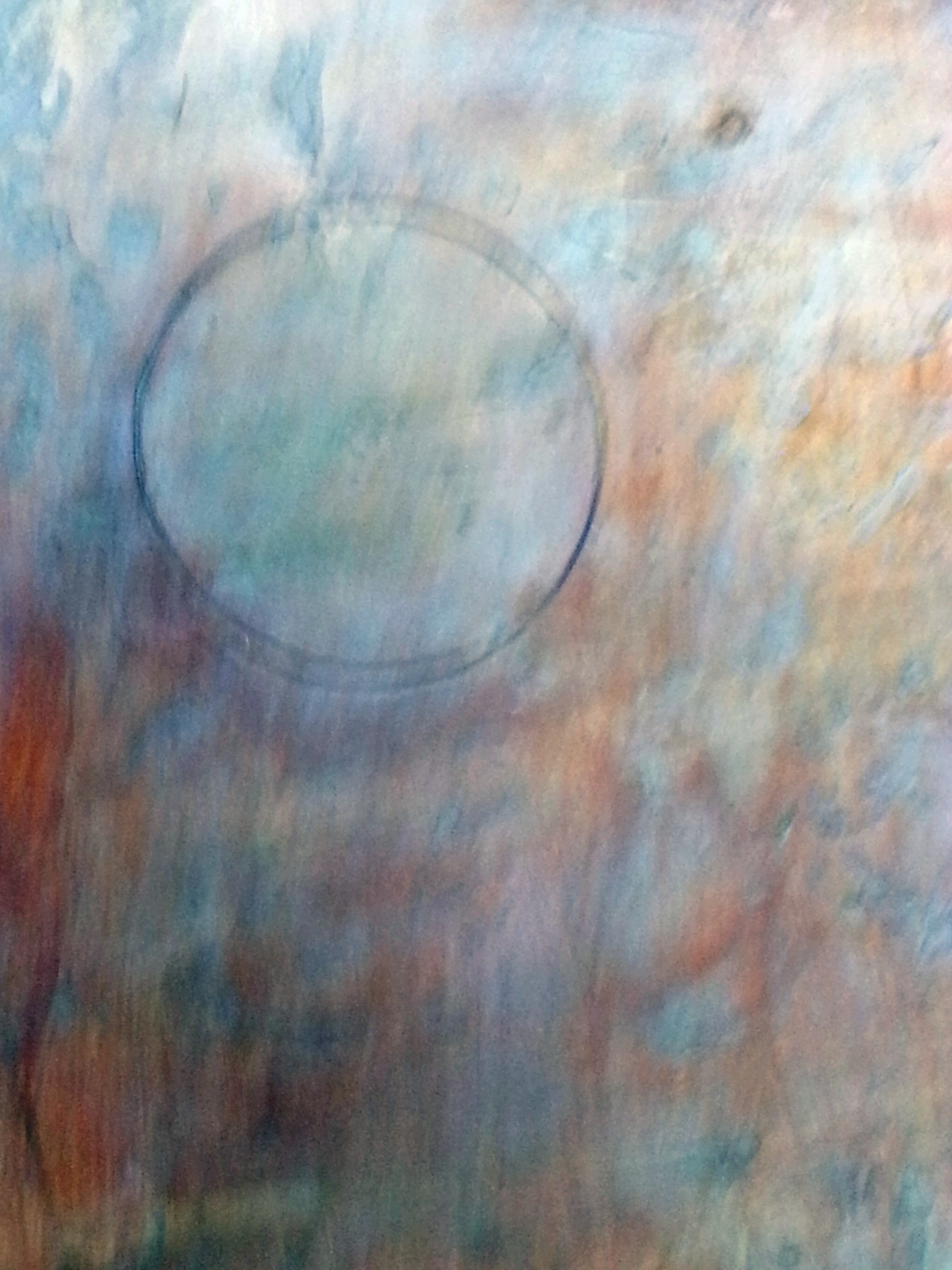
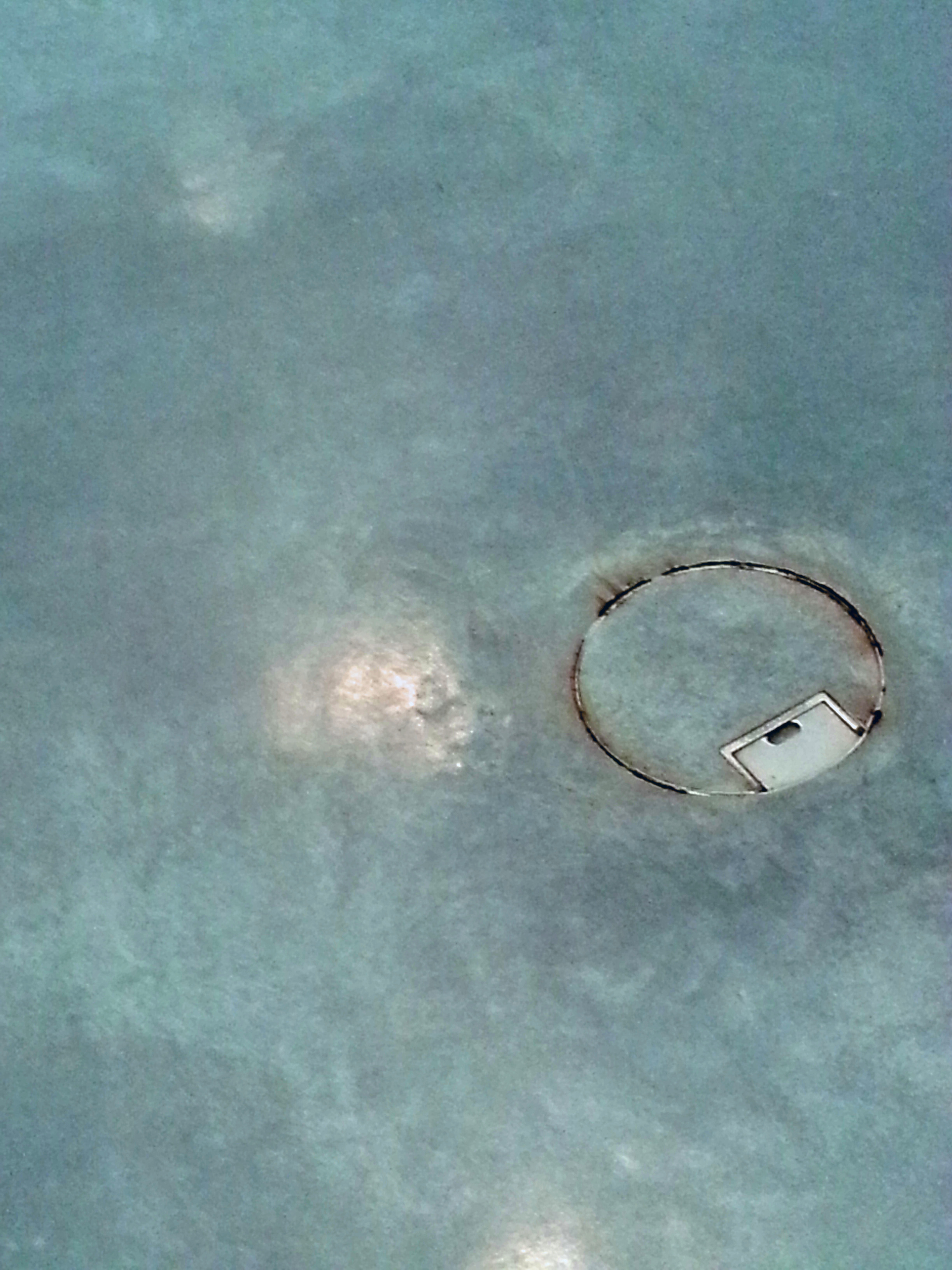
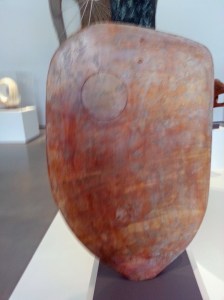
If we look at the following set of 5 photos we can see they feature a similar simple circle. The first photo is a close up of the last piece in the set of photos above, then we have a photo of the whole of a different piece of work followed by a close up of it. The final shot looks as if it fits with them but all it is is a shot I took accidentally as I walked through the gallery. I was carrying the phone set on camera mode facing down and inadvertently took a photo of the floor with a circle of an electric socket cover. Strangely in keeping!
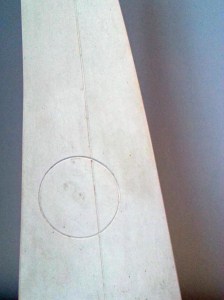
2014 01 26_6155_edited-1 2014 01 26_6149_edited-1 2014 01 26_6150_edited-1 2014 01 26_6135_edited-1

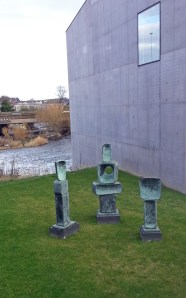
We finished our visit by going back outside to look at the rest of the building itself and a few pieces displayed on the grassed areas alongside, including more of the Barbara Hepworth “Family of Man” pieces some of which we had already enjoyed at the sculpture park.

2014 01 26_6163_edited-1 2014 01 26_6164_edited-1 2014 01 26_6165_edited-1 2014 01 26_6168_edited-1 2014 01 26_6169_edited-1    2014 01 26_6185_edited-1

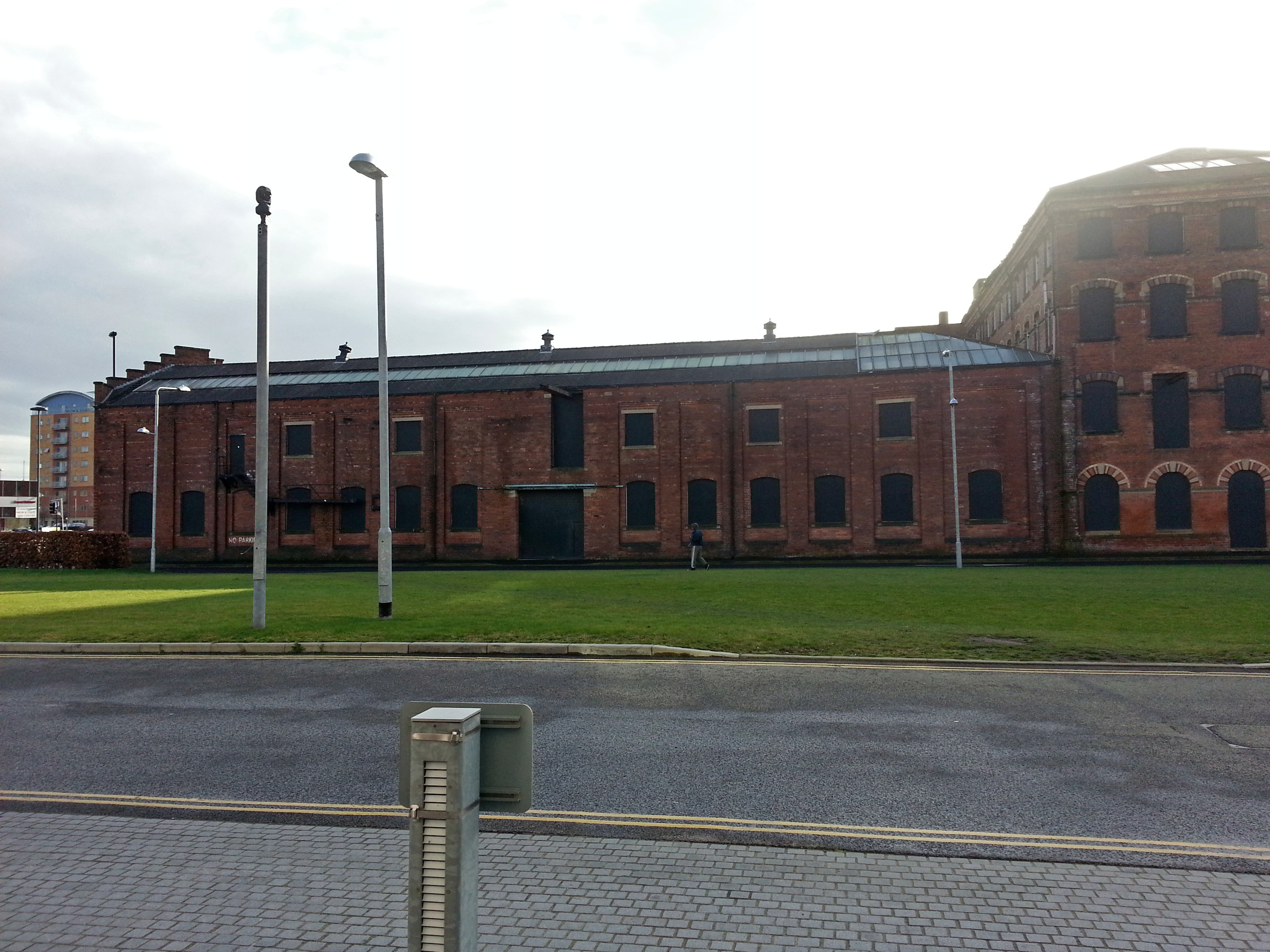
We were also able to view the old mill building, The Calder, which will hold exhibitions in conjunction with the Hepworth Wakefield. These old warehouses present a stark contrast to the modern geometric architecture of the new gallery close by.

2014 01 26_6171_edited-1 2014 01 26_6172_edited-1

So that is two parts of the Yorkshire Sculpture Triangle visited which just leaves the venues in Leeds, The Henry Moore Institute and the Leeds Art Gallery, to discover sometime in the future.

Categories
architecture gardens gardens open to the public National Trust ornamental trees and shrubs outdoor sculpture recycling The National Trust

A Week of Culture – Part One – Hardwick Hall

We spent a few cold January days up in Derbyshire and Yorkshire for a culture fix. It was extremely cold and occasional rain and hail storms lashed us but we did not give in. We bravely went onward defying whatever the weather threw at us and enjoyed every moment. Day one of our winter adventure found us stopping off in Derbyshire at Hardwick Hall for a spot of architecture appreciation.

Although the day was a memorable one, not all the memories were happy ones as my trusty friend my Nikon DSLR packed up and it did not allow me to focus or use flash so it is now being looked at in the camera hospital at Nikon UK. Fingers crossed for a speedy recovery. Isn’t it devastating when your camera goes awry? So all the pics following are taken on my Samsung Galaxy Phone, which does have a quality camera, thank goodness.

2014 01 26_6255 2014 01 26_6259

2014 01 26_6267 2014 01 26_6271

2014 01 26_6269

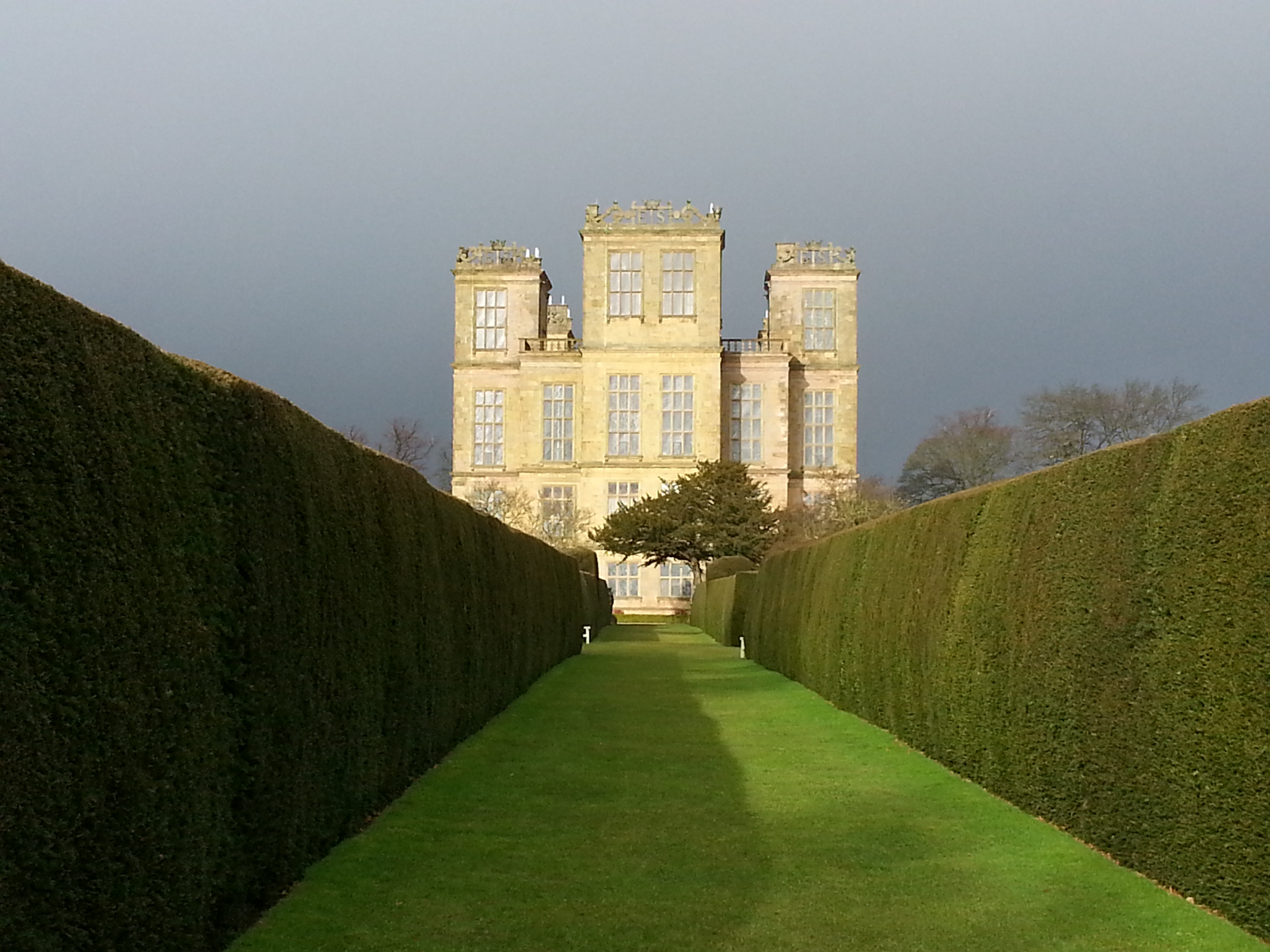
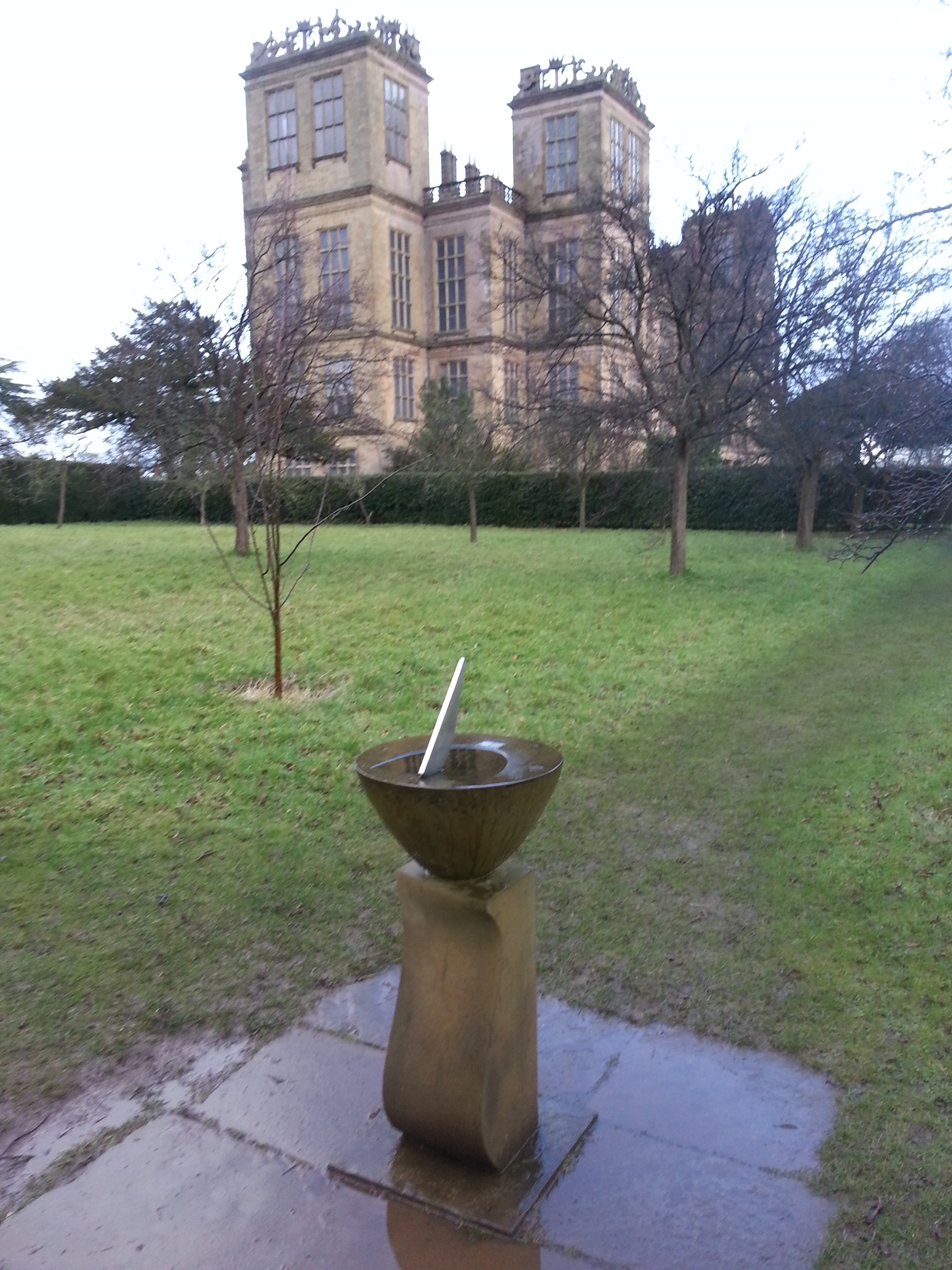
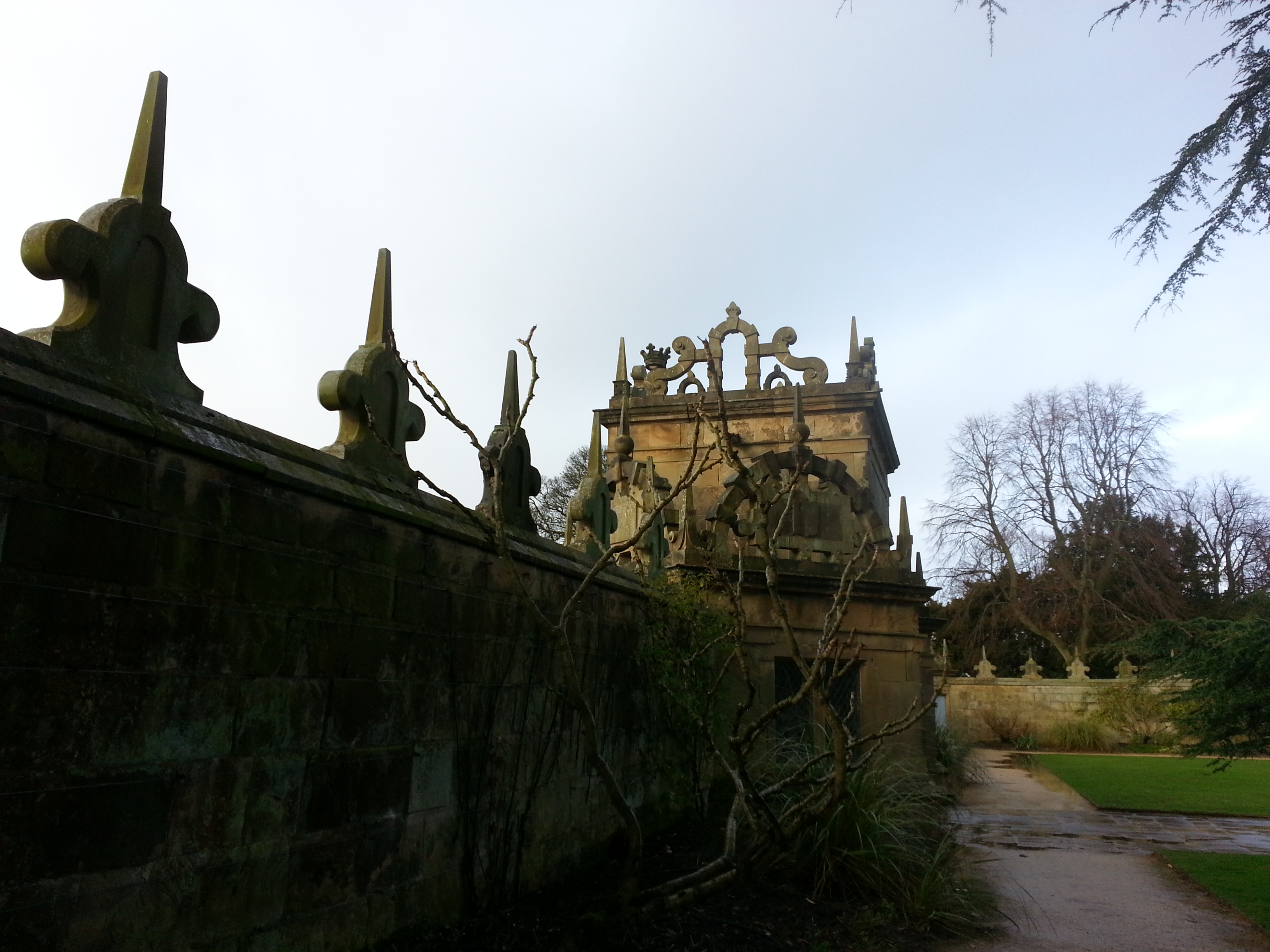
The grounds of Hardwick Hall , now under the auspices of the National Trust, is unusual in having two “big houses”. The newer hall was built in the late 1500’s by Bess of Hardwick, a powerful woman at a time when powerful women were few and far between.  She wanted everyone to now how important she was hence the size of Hardwick. She features her initials all over the building including huge letters along the top of the building The letter E refers  to her name Elizabeth and the S refers to Shrewsbury. She married George Talbot who was the Earl of Shrewsbury at the time making Bess Countess of Shrewsbury. No-one could have visited this place when she was there without knowing how powerful she was.

2014 01 26_6274

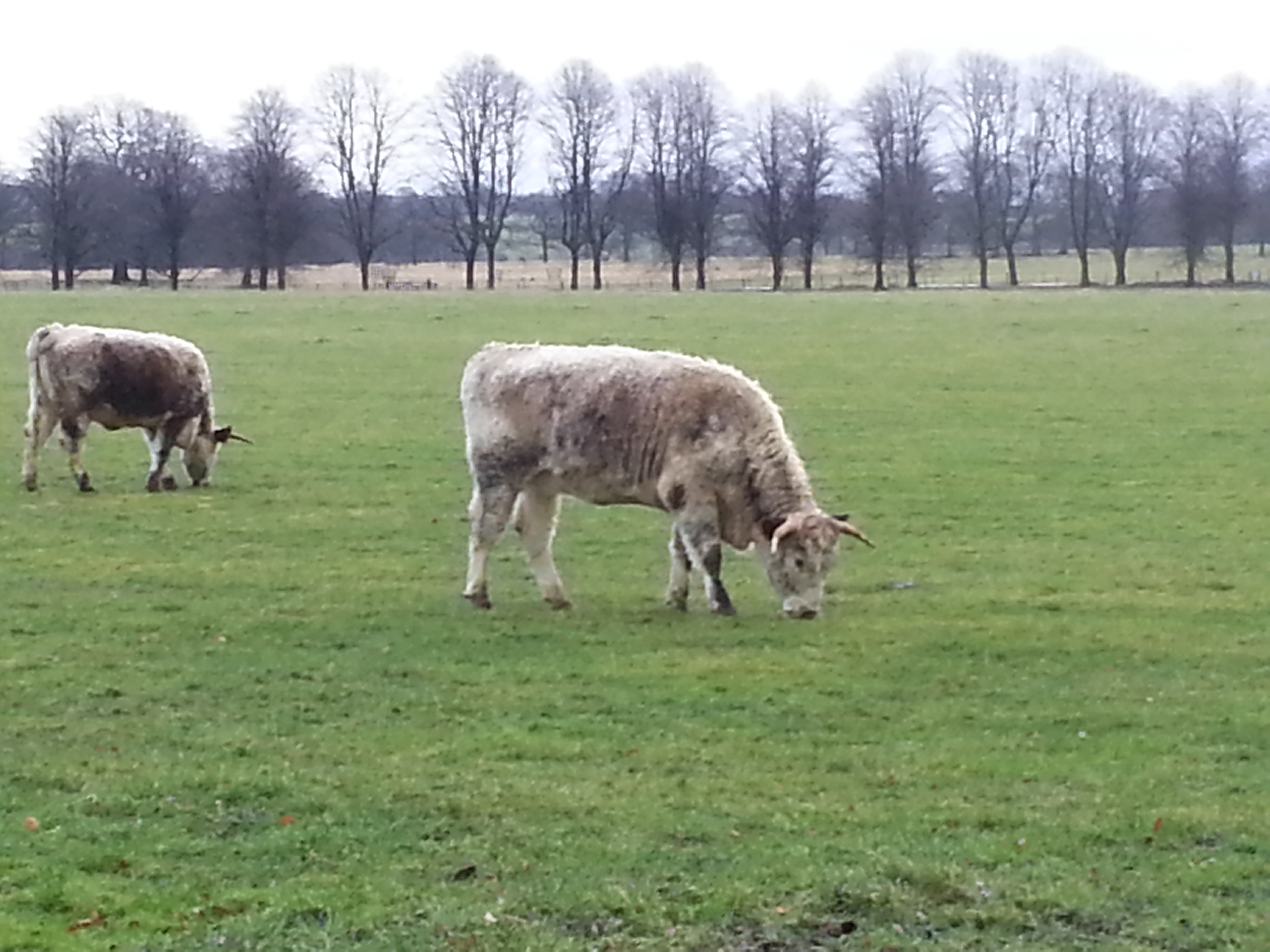
From the rear gardens we were able to appreciate close views of the heritage cattle, the Shorthorns.

2014 01 26_6272

The gardens are small but the parklands are impressive and extensive. A range of buildings once stable blocks, workers’ cottages and workshops have been lovingly restored and put to good use as holiday cottages, shop, restaurant etc.

2014 01 26_6315 2014 01 26_6316

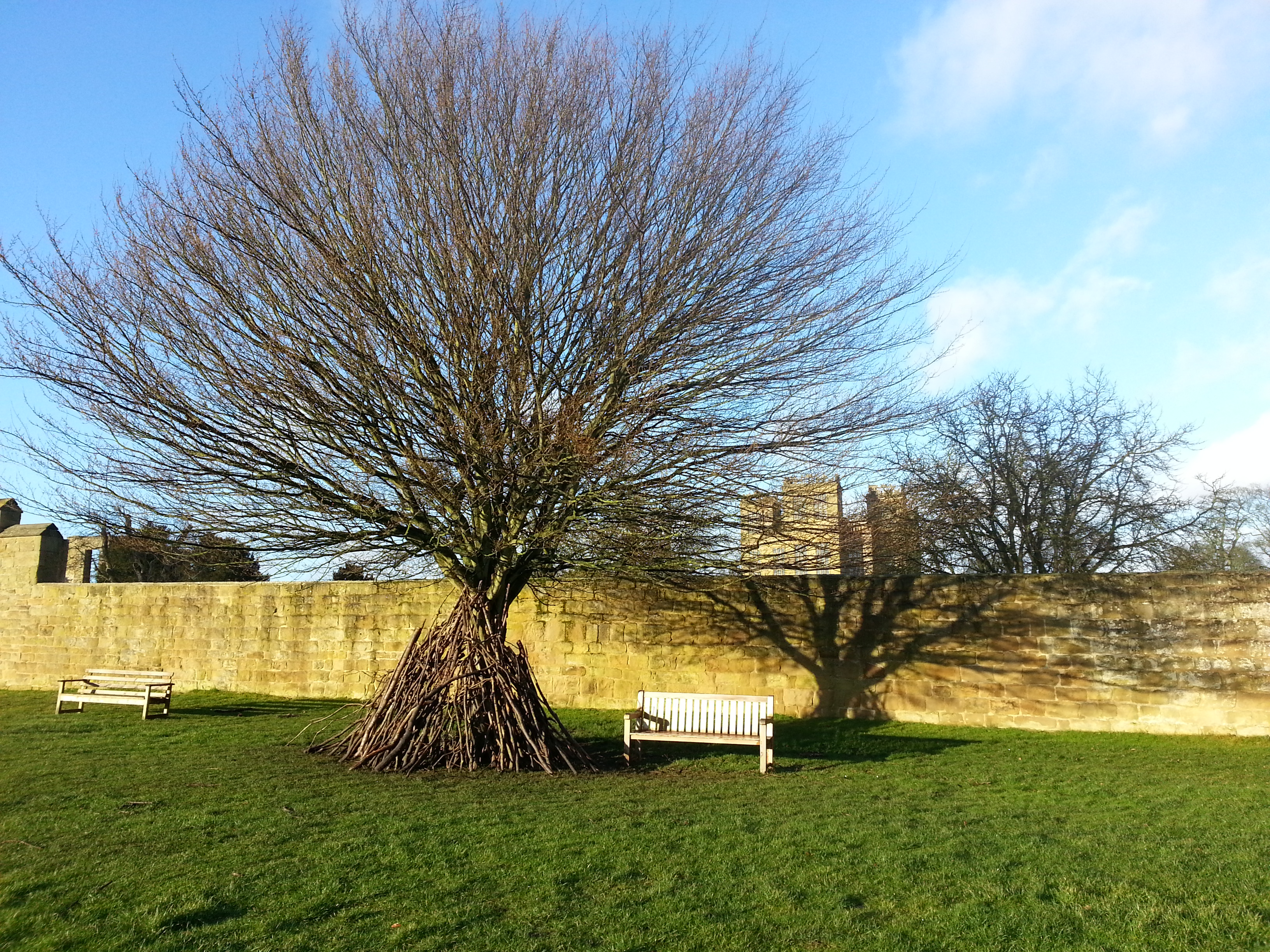
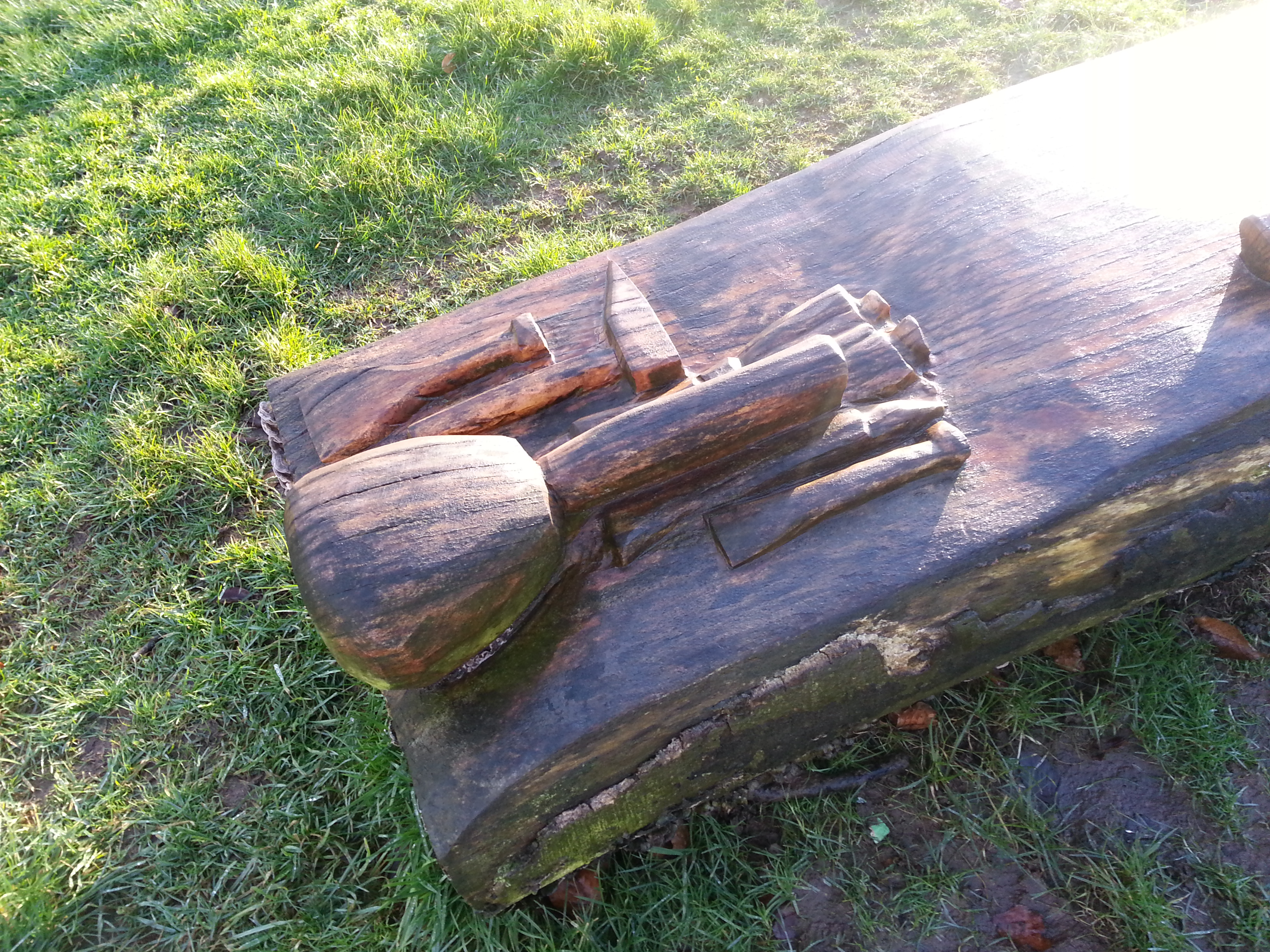
Signs of a recent den building activity day for children were in evidence in the grassed area enclosed by the stable block buildings, as were wood sculptures celebrating the skills of the craftsmen who would have helped to maintain the grounds at Hardwick. The carvings were created from trees that had been felled due to disease. Even the tables and chairs in one of the buildings celebrated the work of the estate millers.

2014 01 26_6319 2014 01 26_6320

2014 01 26_6321 2014 01 26_6322

2014 01 26_6323 2014 01 26_6324

We were highly impressed by the “green credentials” of the building revamp and felt it needed celebrating. Well done to the National Trust! As well as excellent insulation there are several innovative ideas in action. Water collected from the roofs is used to flush toilets, solar panels on the roofs pre-heats water to be used in the kitchen, heat generated by the condensers of the fridges and freezers is collected and the boiler is of a bio-mass type.

The more formal gardens are enclosed areas snuggly fitted close to the house surrounded by tall hedges so that each area is a surprise to the visitor. Some beautiful coppicing work in “The Nuttery” was evidence of the skilled gardeners here now. The trees here are Hazels, their prunings providing brash stacks for wildlife shelters.

2014 01 26_6257

2014 01 26_6261 2014 01 26_6262 2014 01 26_6264 2014 01 26_6265 2014 01 26_6263 2014 01 26_6266

We discovered some beautifully and skillfully trained and pruned plants, a rose and some Yew which brought a smile to our faces. It was cold day so a smile was most welcome! Just after taking these photos the sky turned black with heavy storm clouds, the temperature dropped, the wind speed increased and we were attacked by a ferocious hail storm. We took shelter in the entrance to the hall where I took these photos some showing the wet glossy paths to illustrate how wet it was.

2014 01 26_6270          2014 01 26_62812014 01 26_6282

2014 01 26_6286 2014 01 26_6287

2014 01 26_6285 2014 01 26_6288

     2014 01 26_6289

After sheltering out the time of the storm we looked for architectural details of the building and discovered these gems.

2014 01 26_6283 2014 01 26_6284

2014 01 26_6293 2014 01 26_6294

2014 01 26_6295

So let us have a look at a few shots of the “new” hall before we explore the old hall.

2014 01 26_6290 2014 01 26_6291 2014 01 26_6292

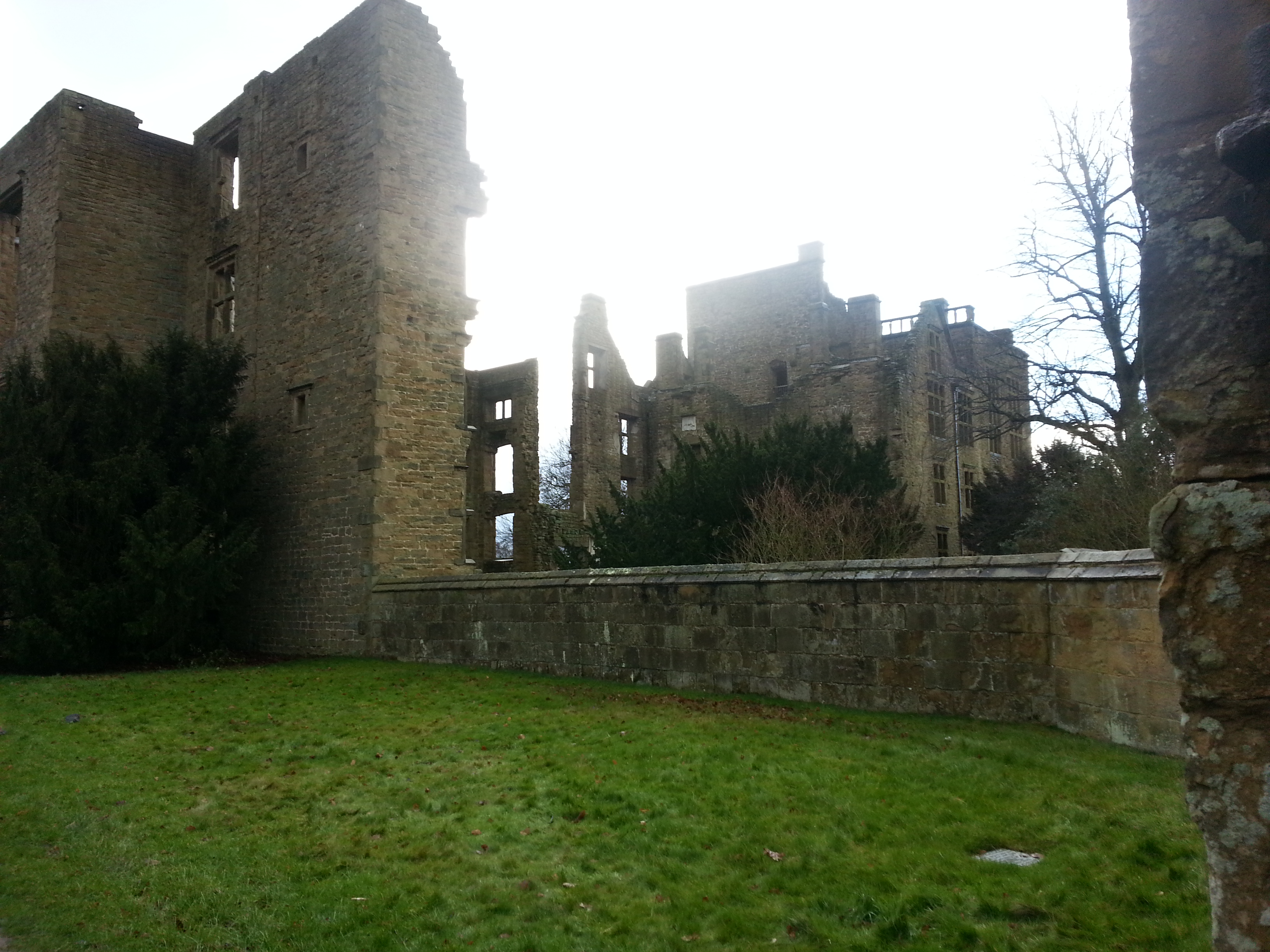
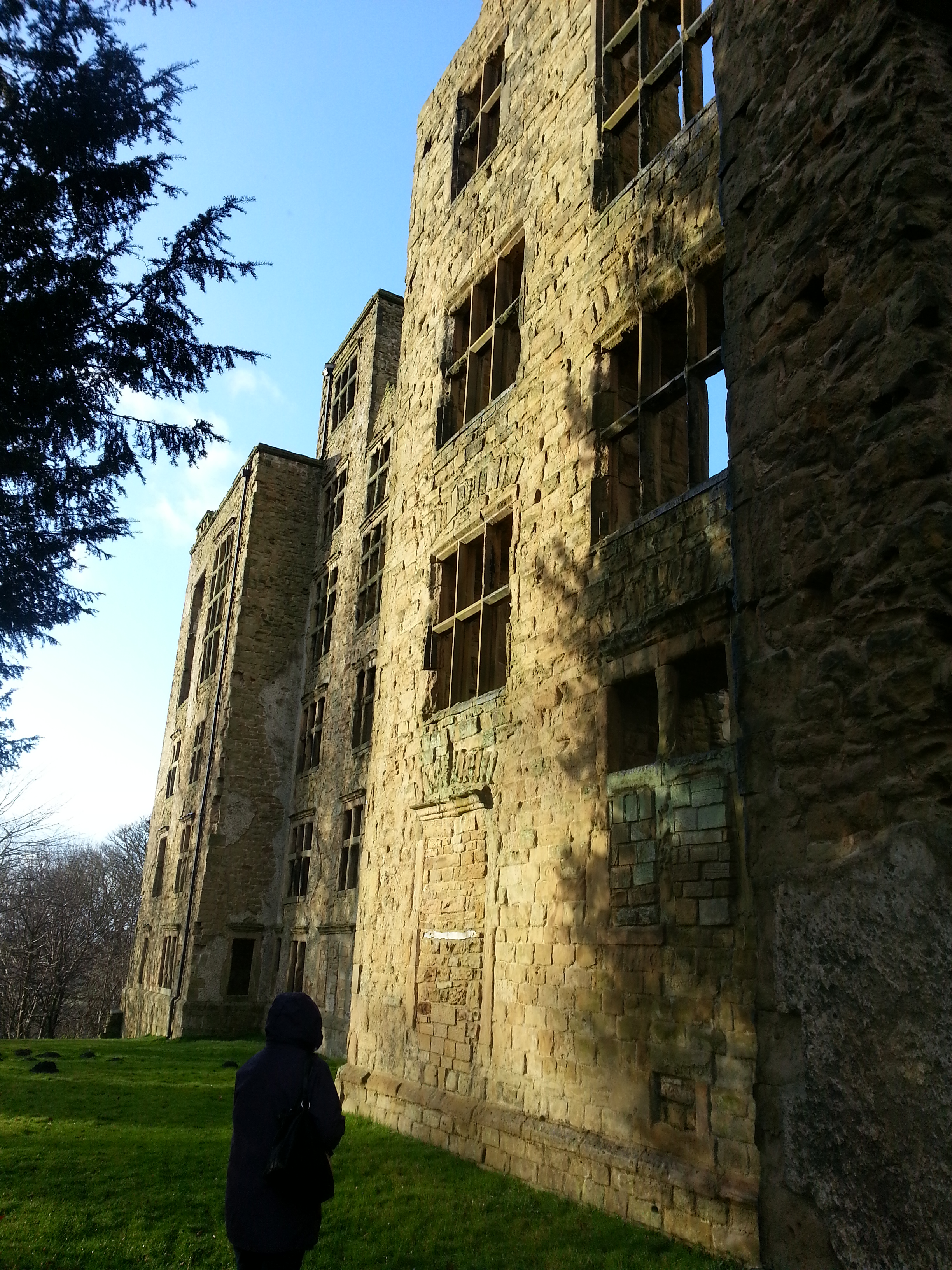
As we approached the old hall, which was the family home of Bess, our first view was in silhouette. As we moved around the building the detail revealed itself.

2014 01 26_6296 2014 01 26_6297

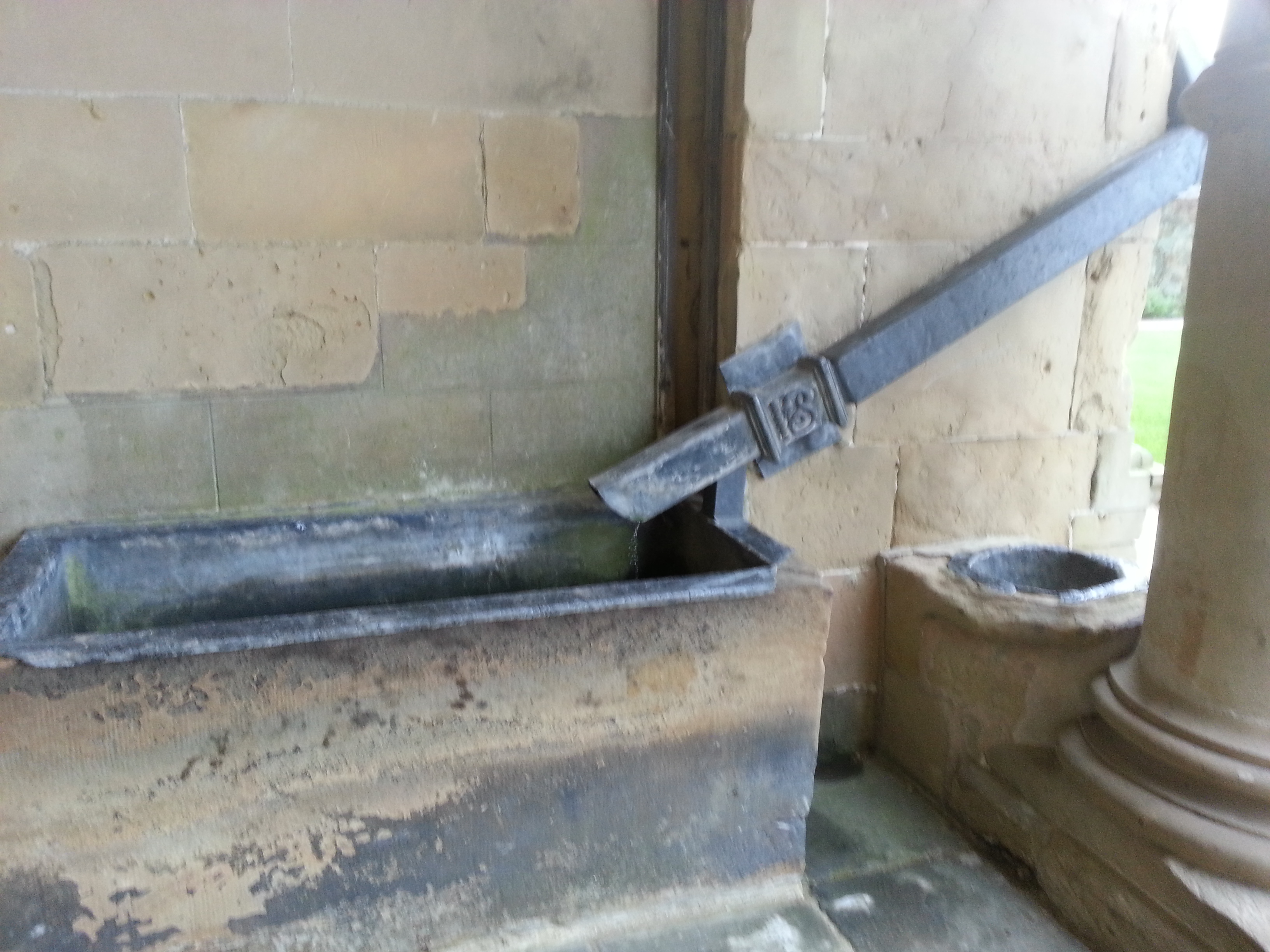
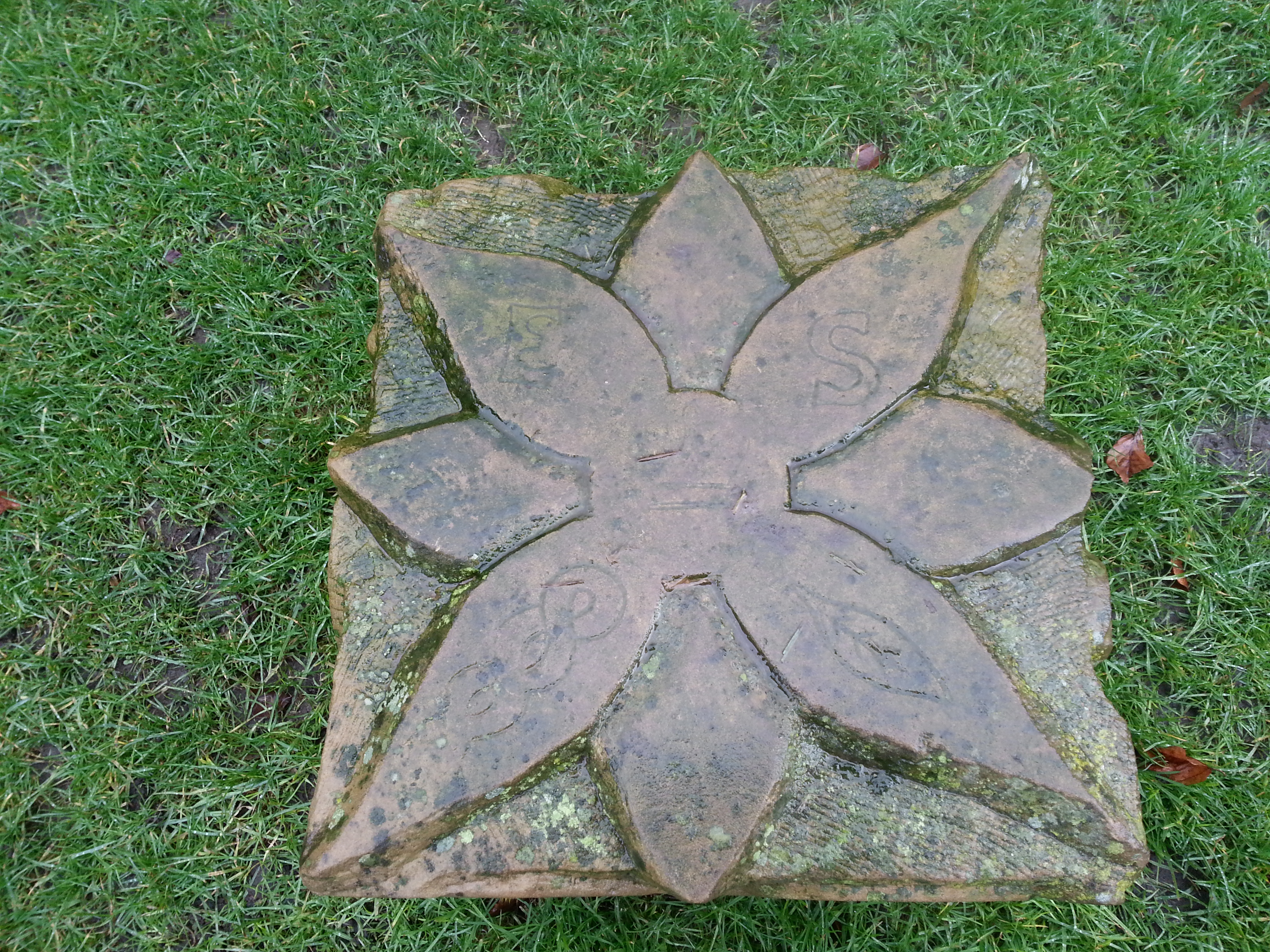
As we passed through the gateway we came across this piece of stonework. We had no idea what it was but were interested to find another set of Bess’ initials. You can just about see them if you look really carefully.

2014 01 26_6298 2014 01 26_6299

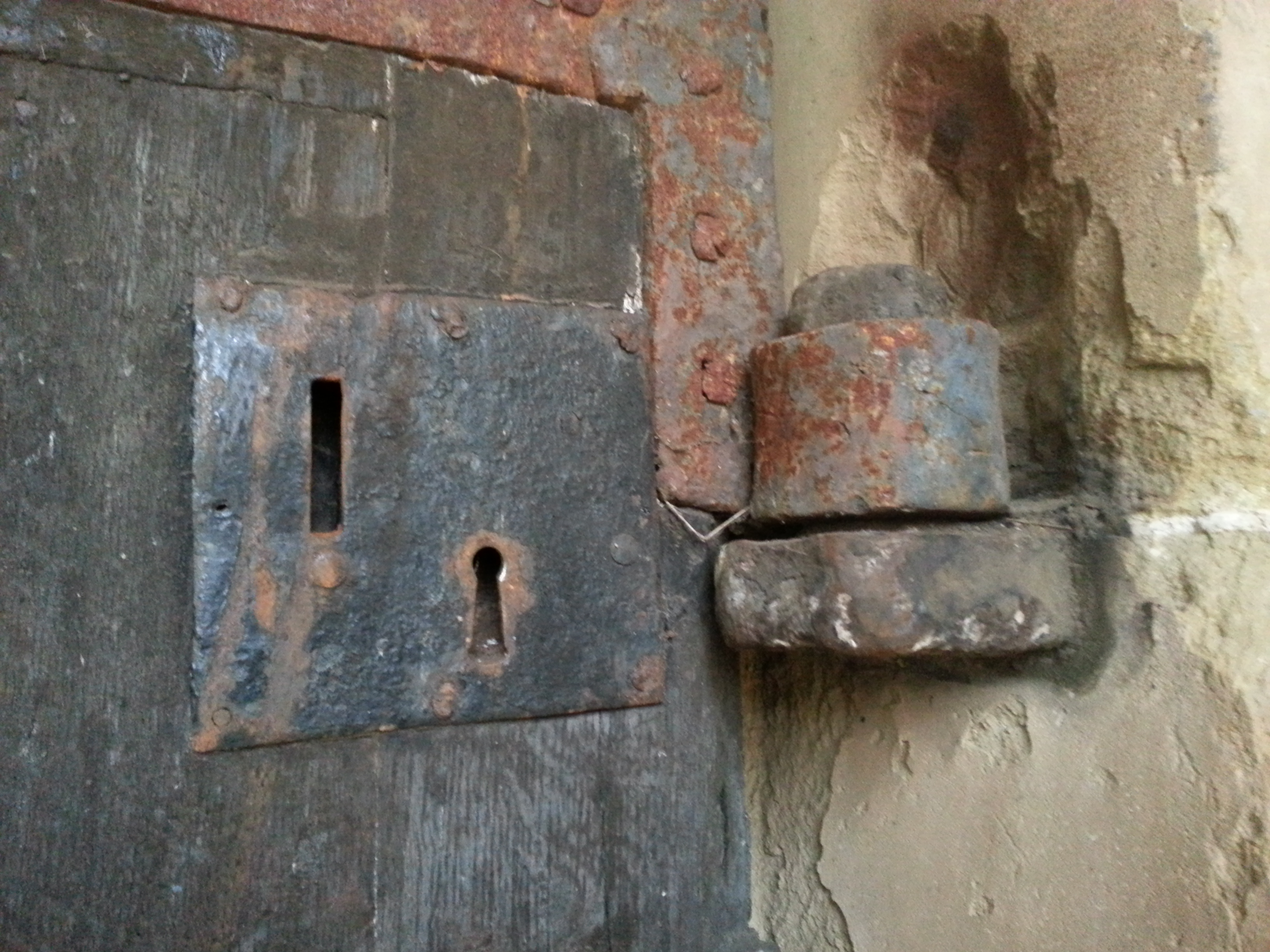
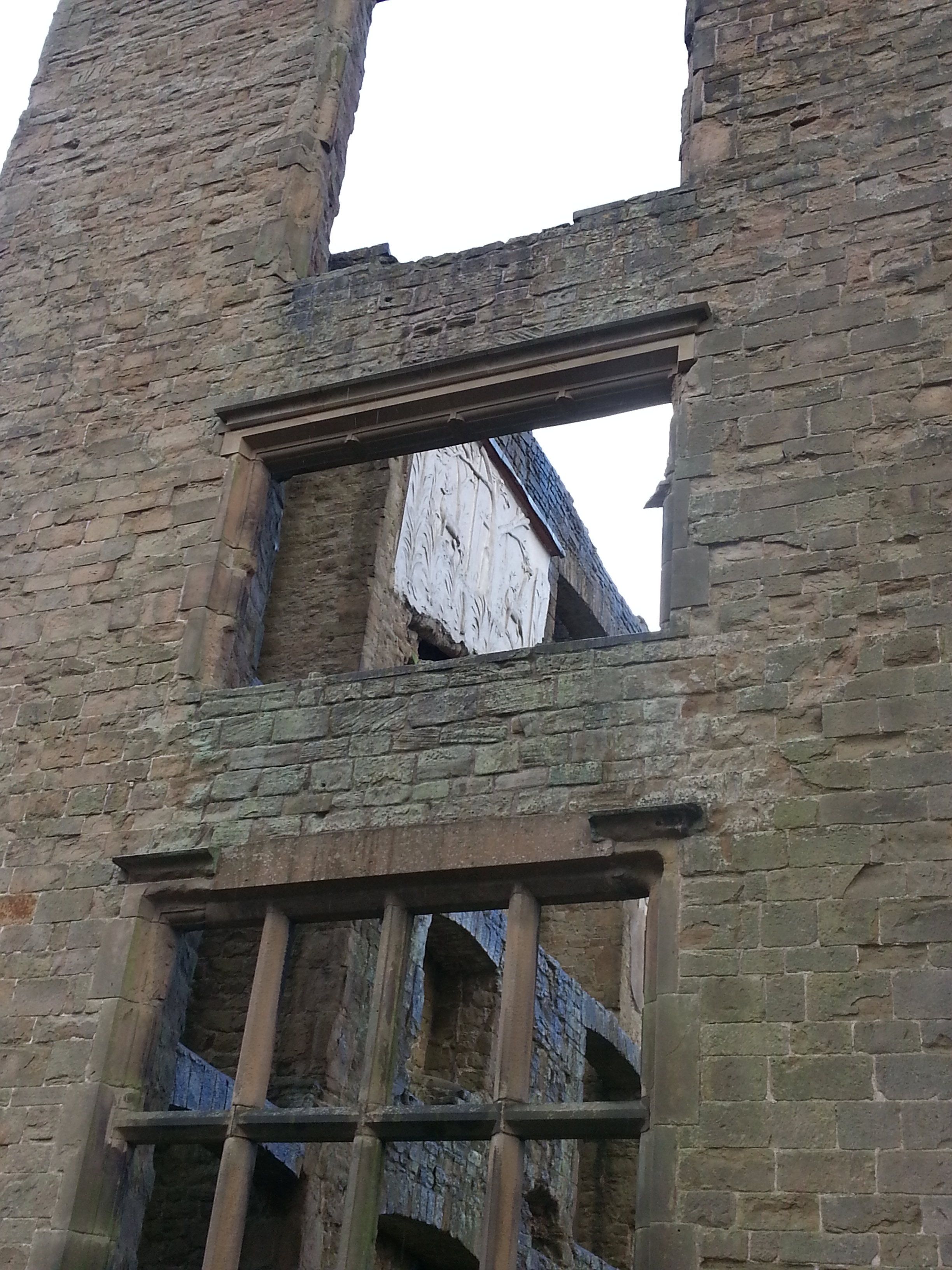
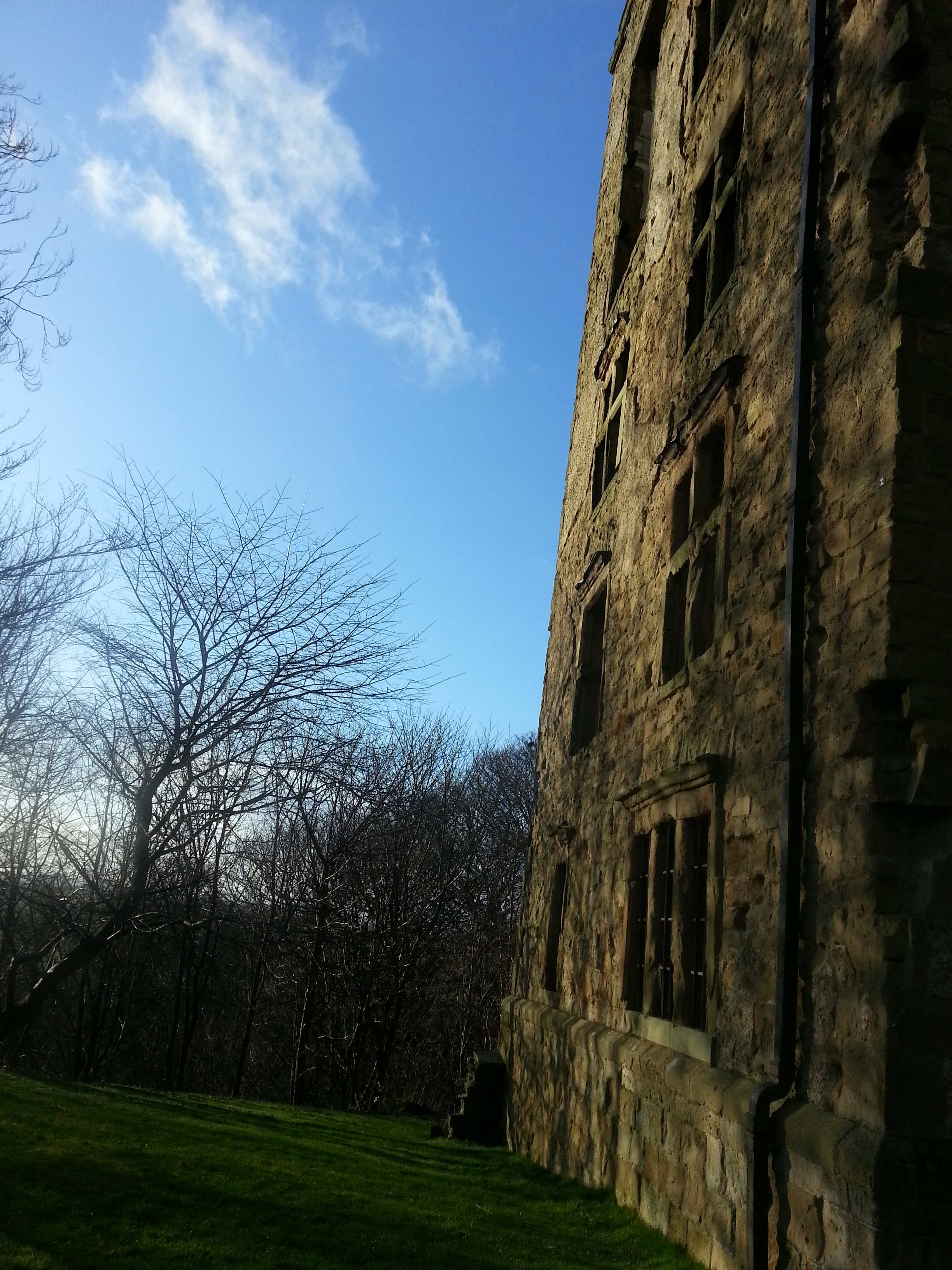
A close up look around the tall walls of the old hall showed how beautiful it must have been. It had a certain beauty even in decay.

2014 01 26_6300    2014 01 26_6304 2014 01 26_6305   2014 01 26_6308  2014 01 26_6310 2014 01 26_6311

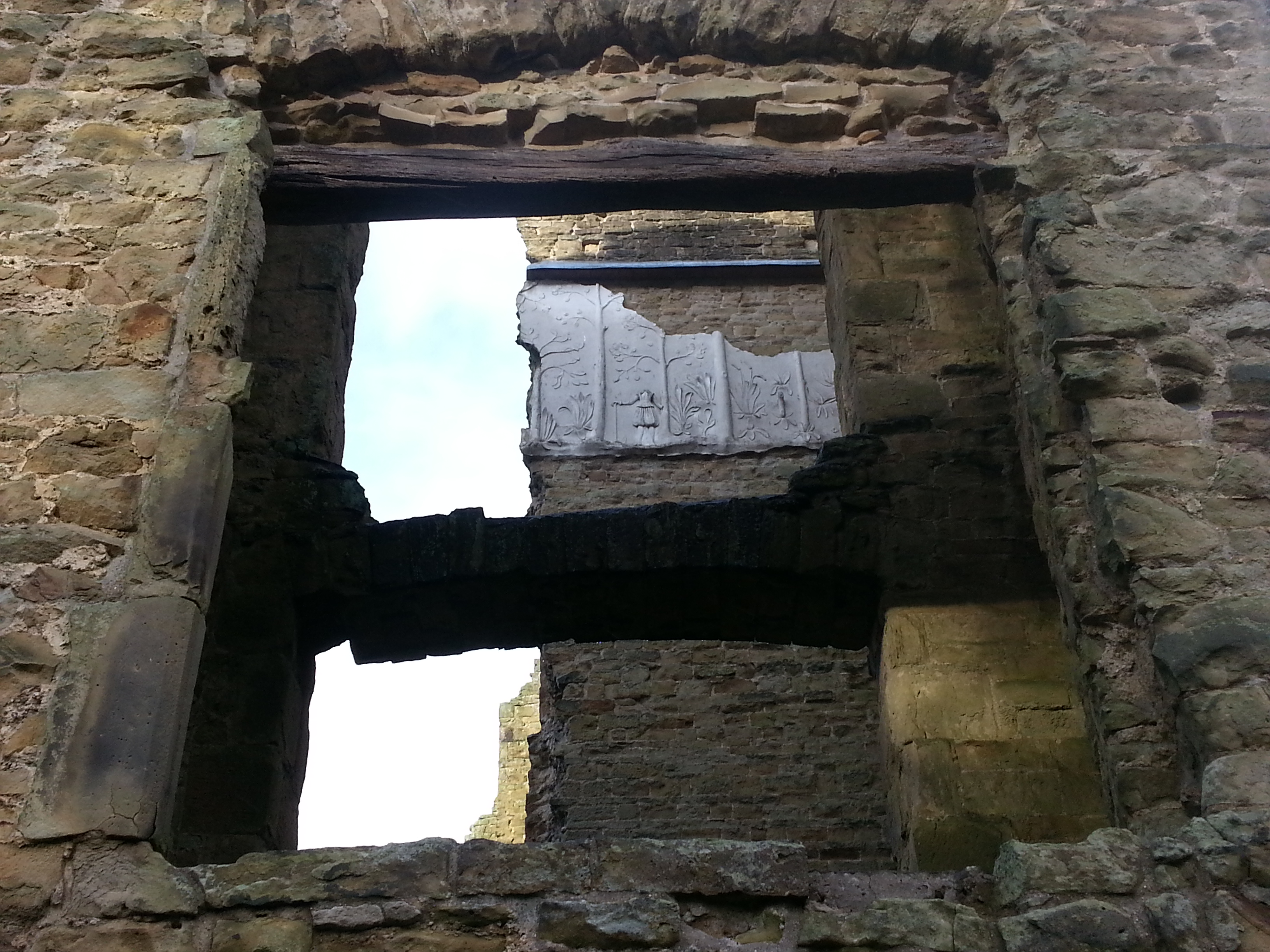
We were drawn to the signs of old plaster work hanging on the inside walls.

2014 01 26_6312 2014 01 26_6302

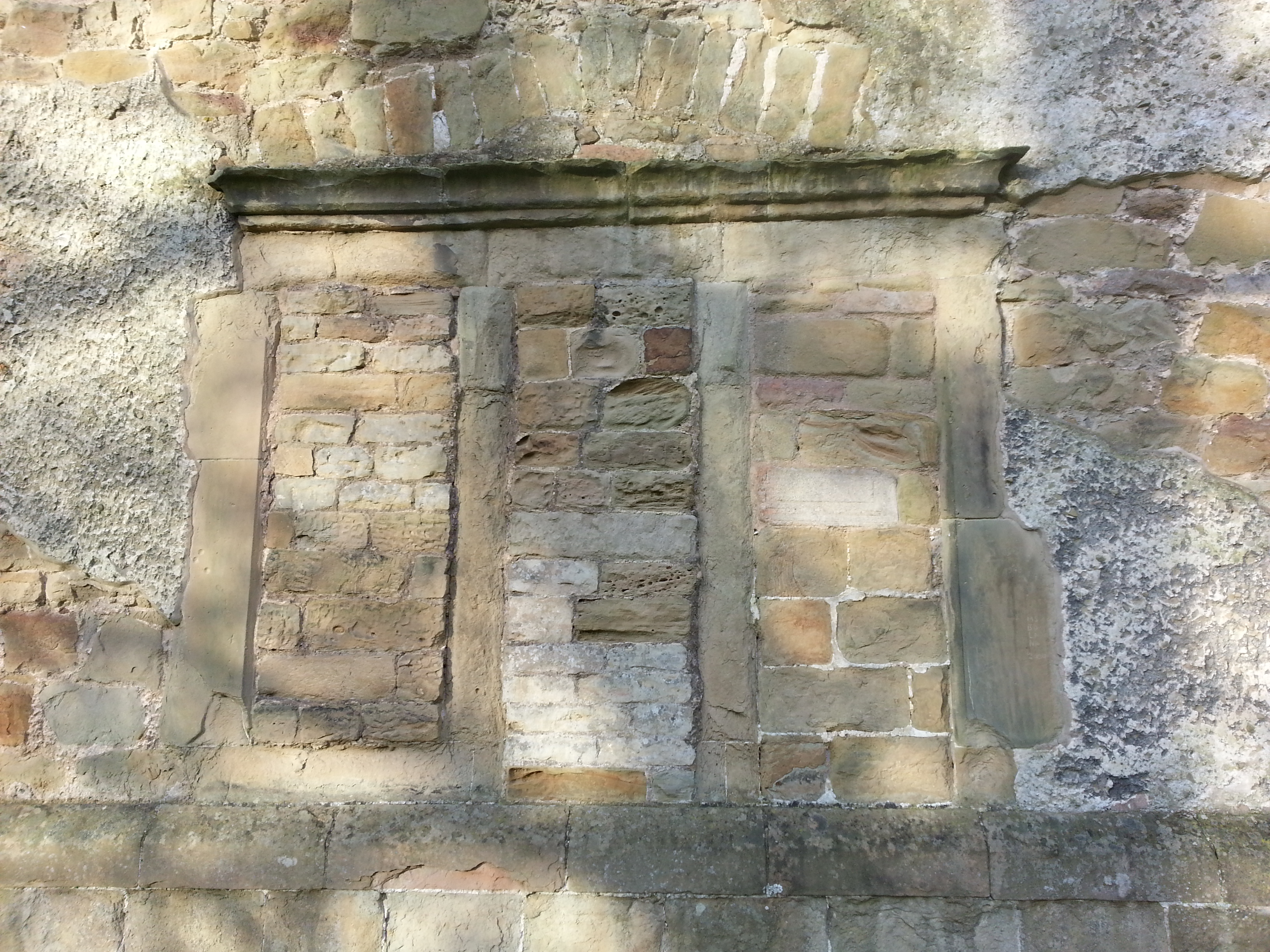
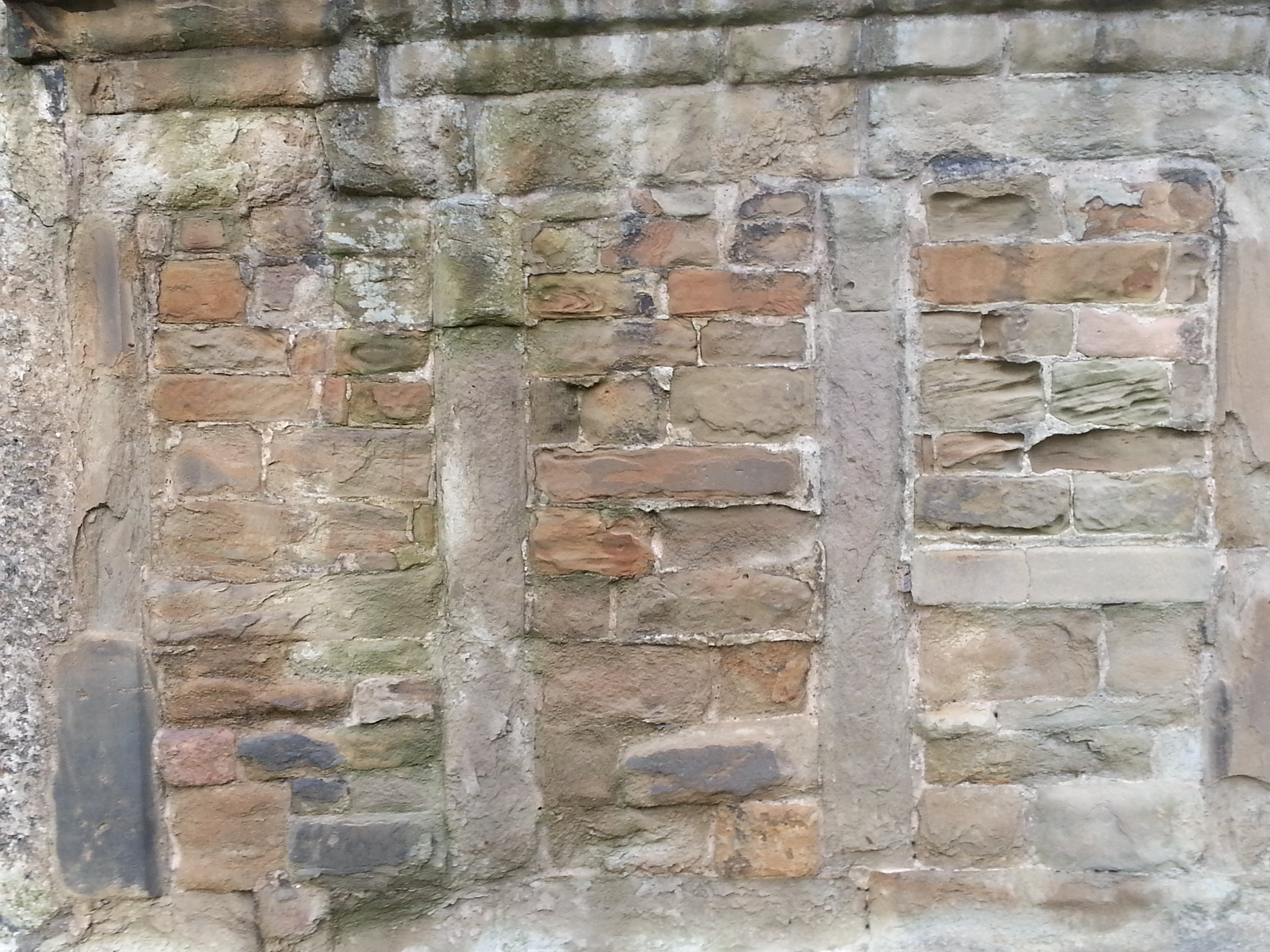
Many old windows and doors had been filled in at various times and this resulted in what appeared as framed textured paintings. Beautiful!

2014 01 26_6309 2014 01 26_6307

2014 01 26_6301 2014 01 26_6306

As we walked away from the old hall I looked back and took this shot of it as the sky cleared and the sun returned.

2014 01 26_6314

As we returned to the car park the sun was setting behind the tall trees alongside the path showing just how long we had been discovering the delights of the old halls at Hardwick. We also came across this stone sculpture based on seeds found in the grounds.

2014 01 26_6330 2014 01 26_6329

We travelled further North and made our way out of Derbyshire into Yorkshire where we stayed a few days in Wakefield. Here we would experience more of our culture fixes.

Categories
architecture buildings gardens photography townscapes

The New Birmingham Library

It has been many months since I last wrote about architecture so I very much hope you enjoy this one. Firstly a few letterbox taster shots.

2014 01 20_6029_edited-1

2014 01 20_6031_edited-1

2014 01 20_6033_edited-1

2014 01 20_6003_edited-1

2014 01 20_6026_edited-1

2014 01 20_5999_edited-1

2014 01 20_6029_edited-1

2014 01 20_6000_edited-1

2014 01 20_6013_edited-1

On Sunday Jude and I plus our two children, Jamie and Jodie, and their respective “other halves”, Sammi and Rob, met up to visit an amazing new building in Birmingham, the new library. We have been watching it under construction for several years as it developed upwards from the place where we used to park the cars when we went to the Symphony Hall. We were full of anticipation as we walked the short distance from the car park. When you have such high expectations of any visit you are fully aware of the likelihood of disappointment. But we were not to be disappointed in the slightest – the library looked amazing from the first glimpse between buildings until we finished exploring outside and in.

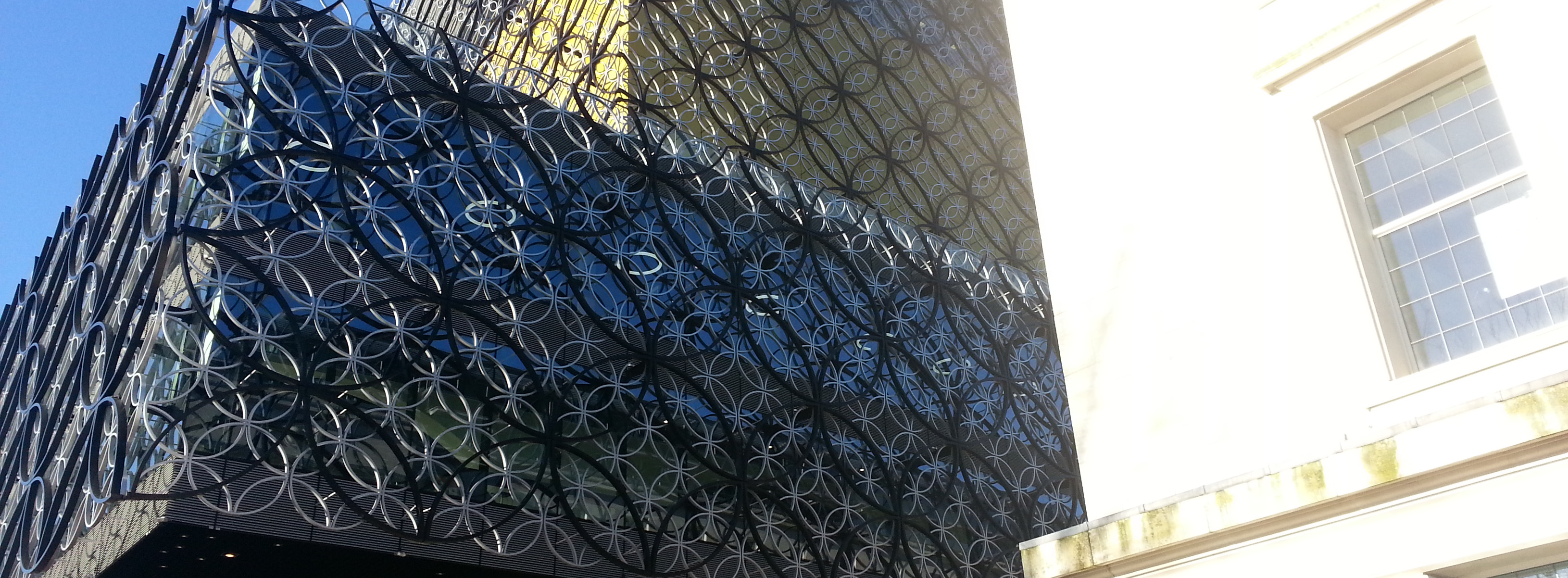
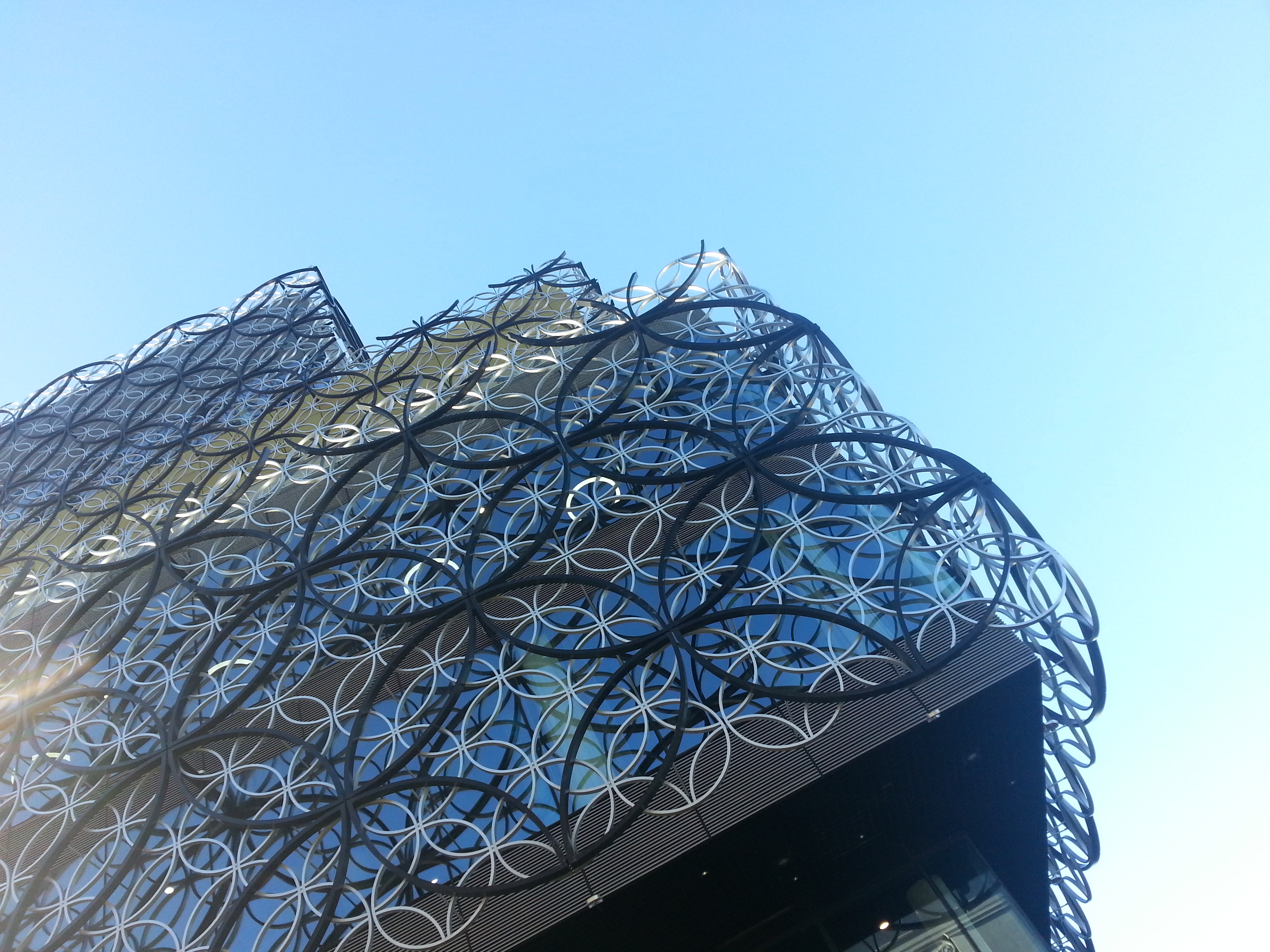
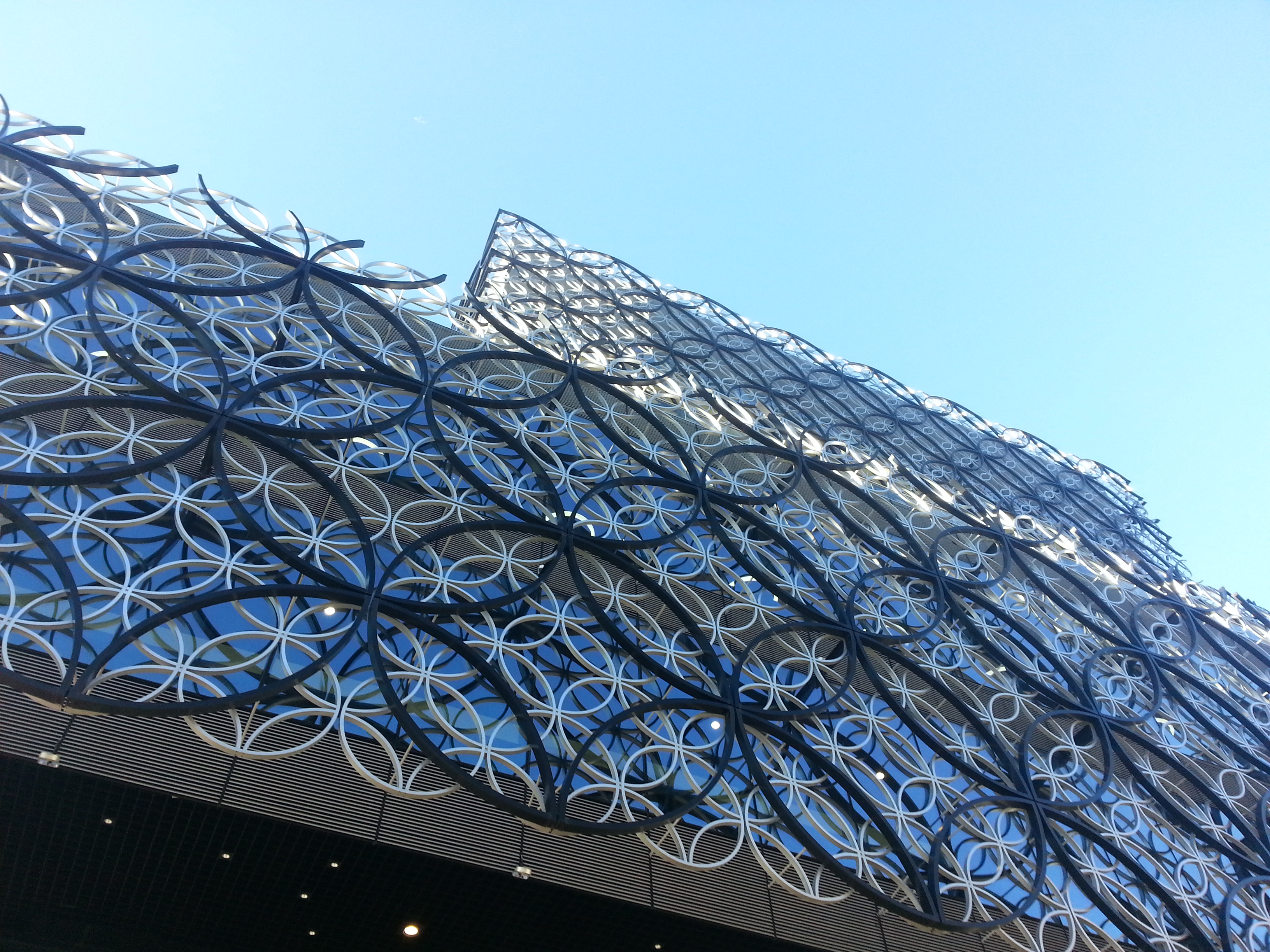
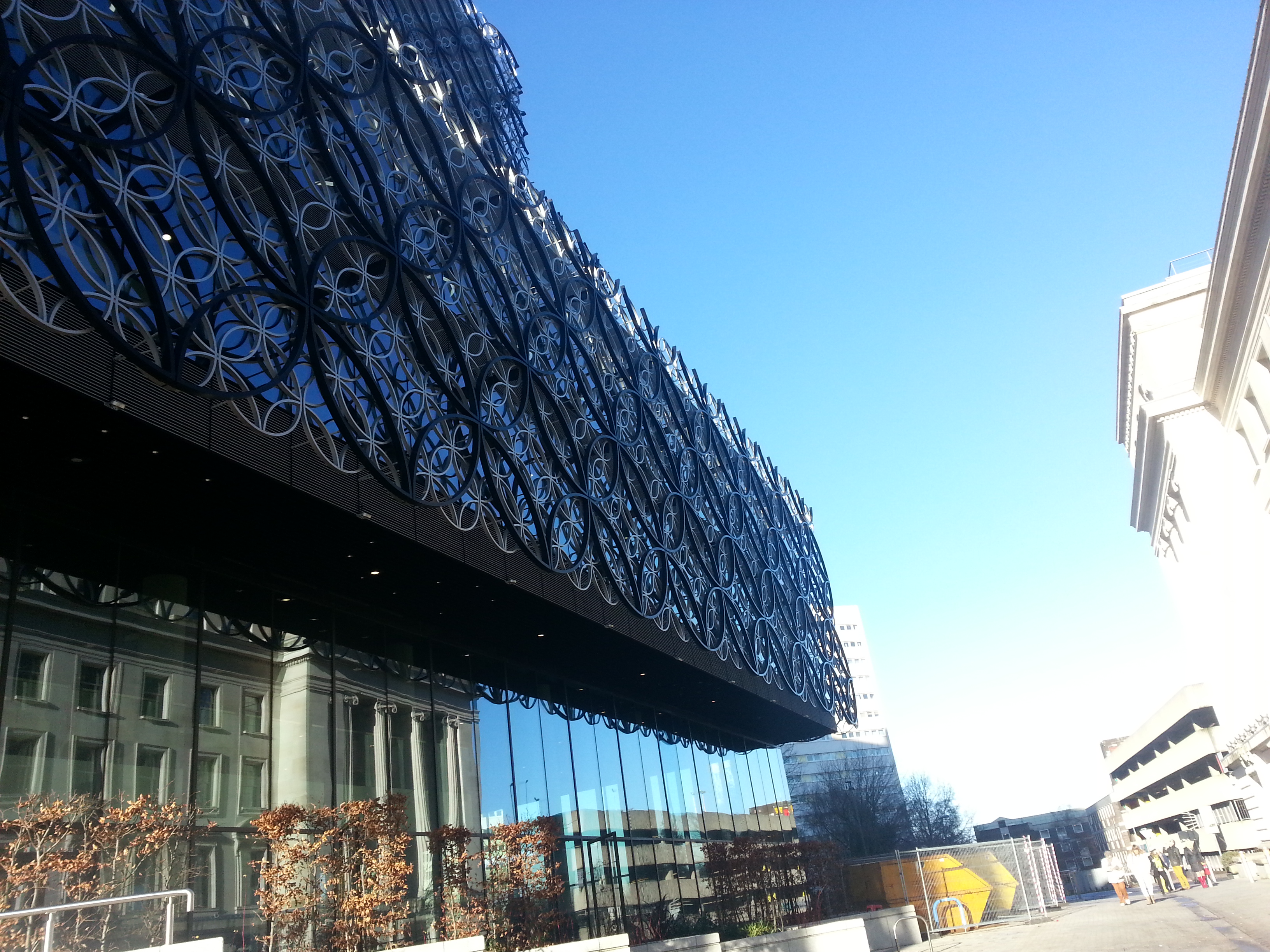
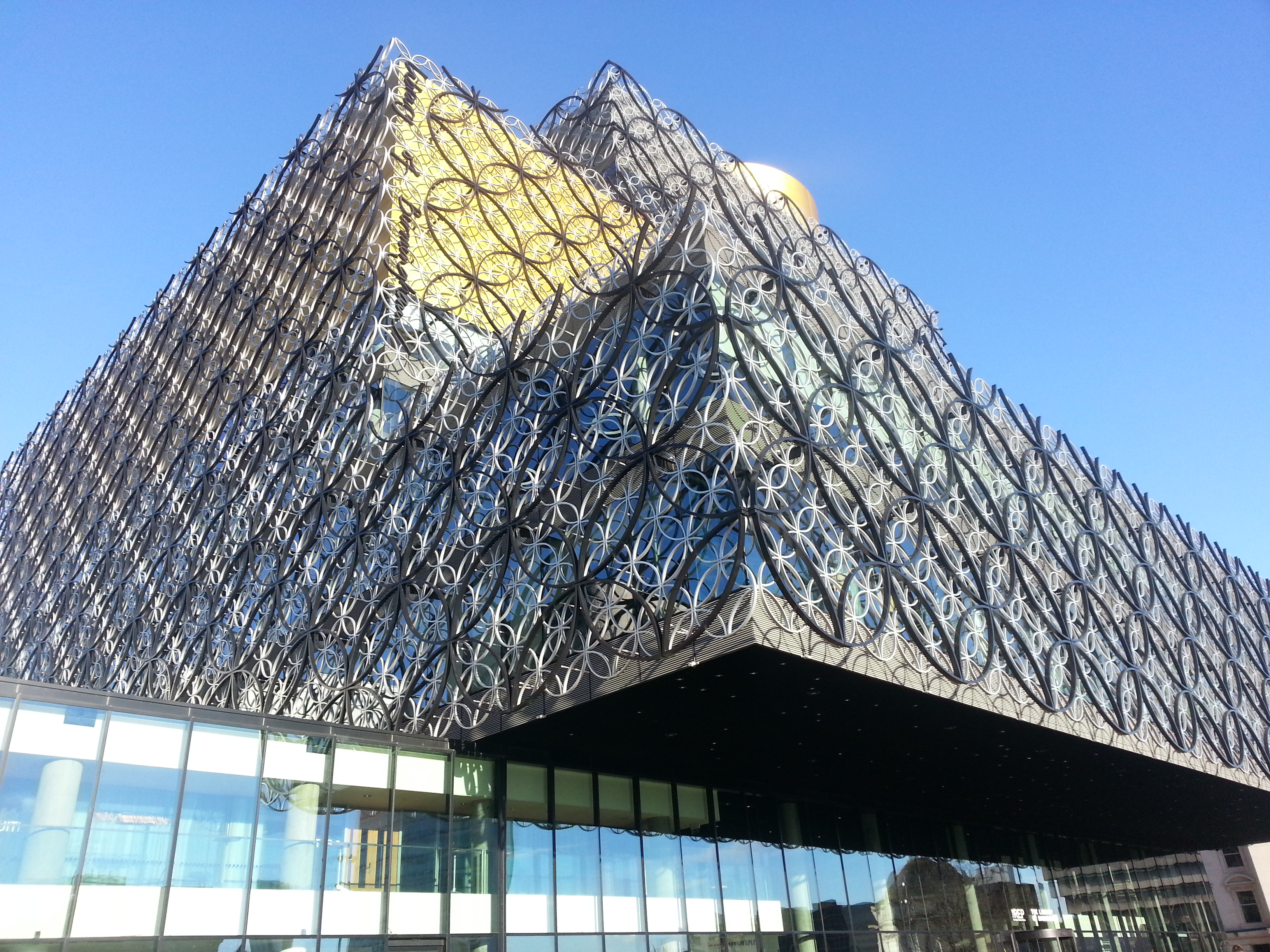
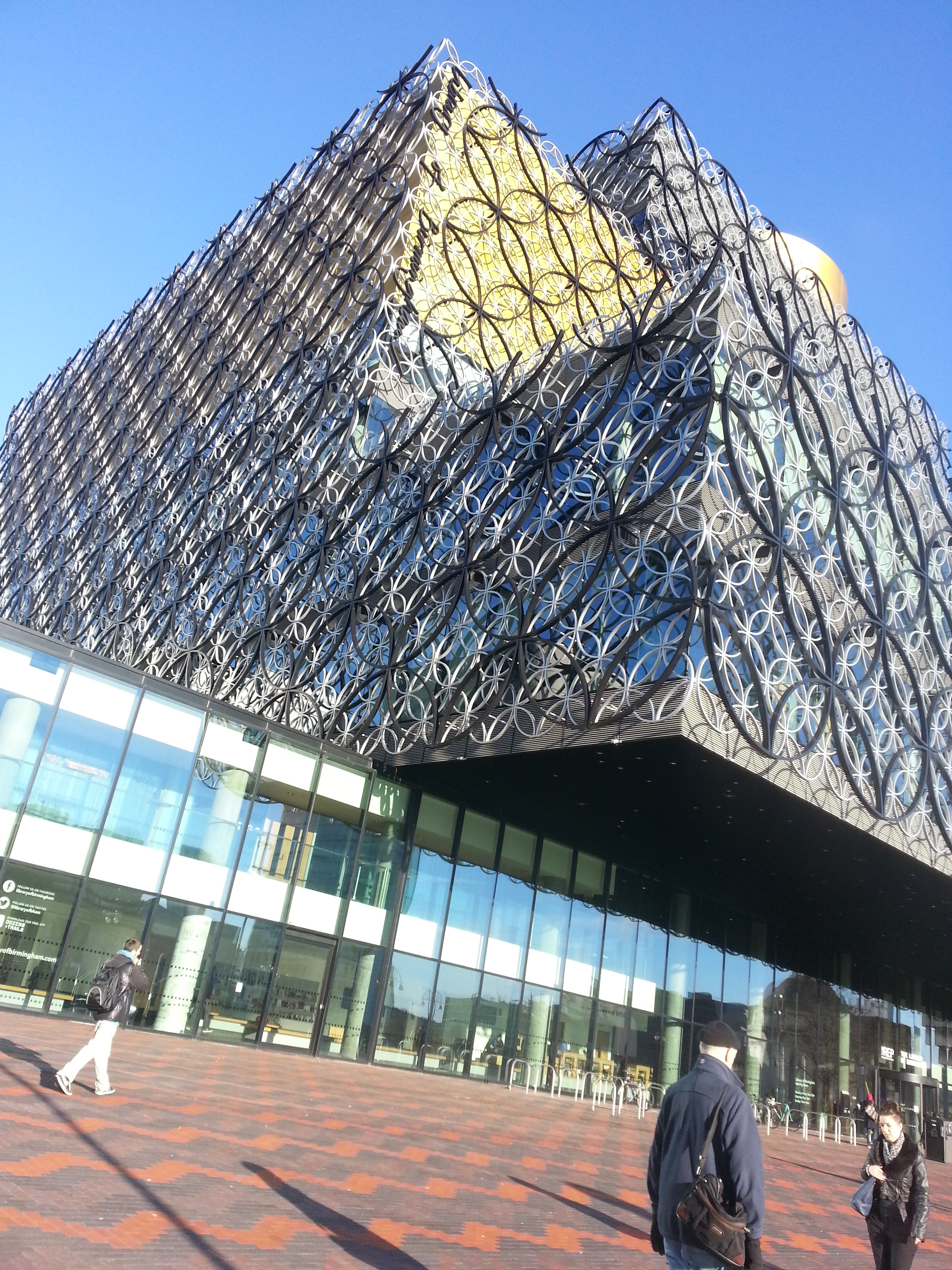
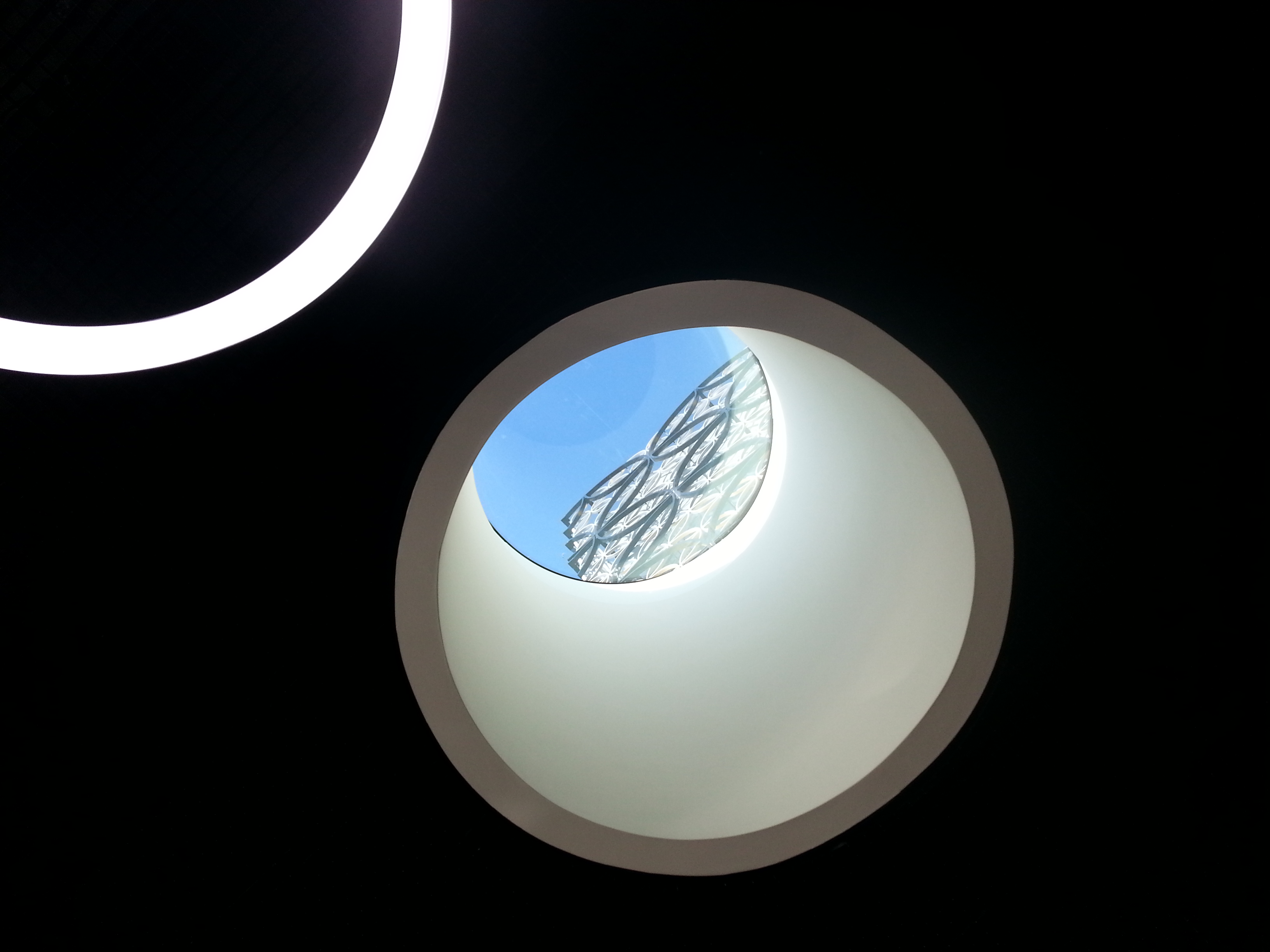
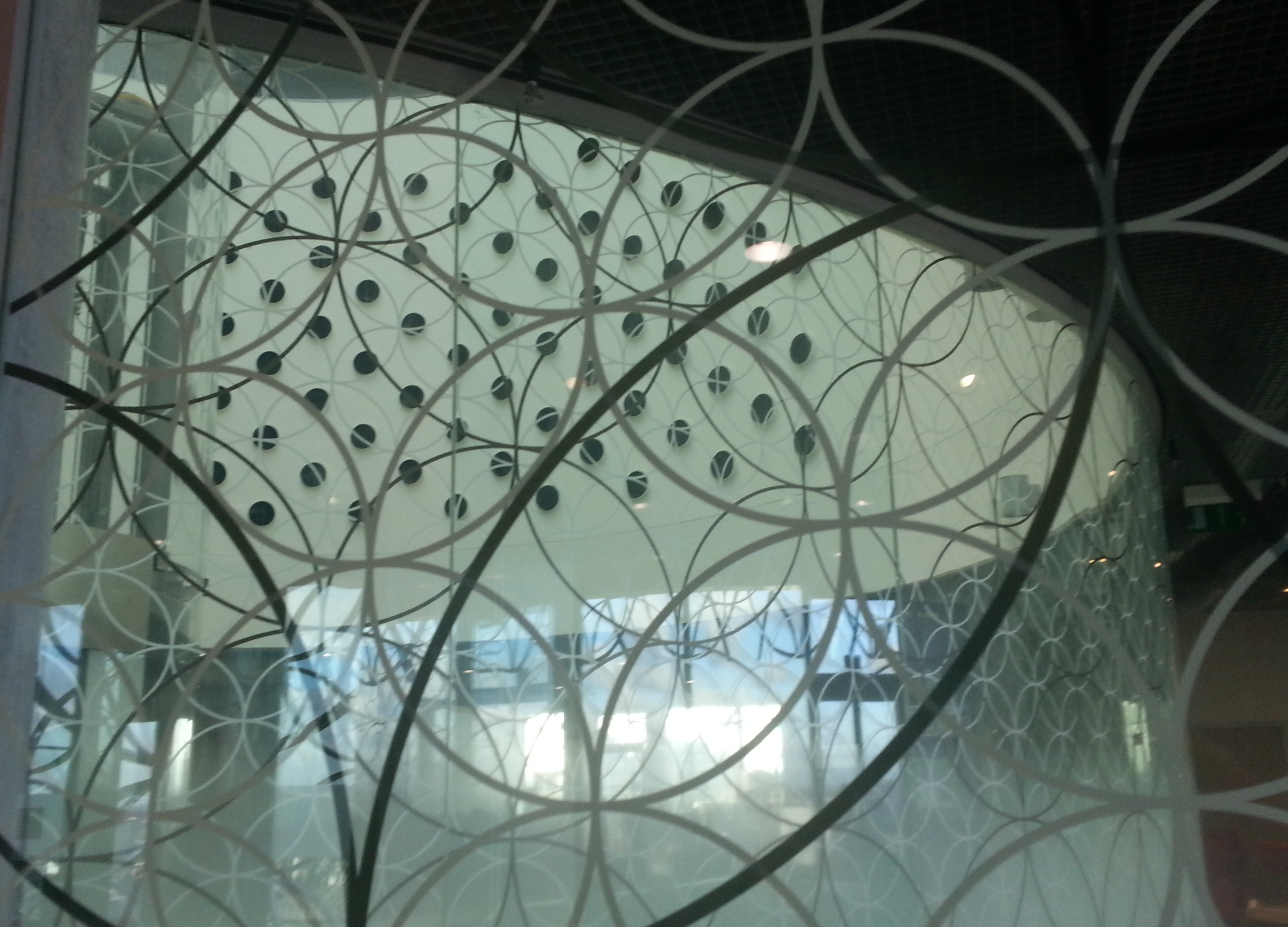
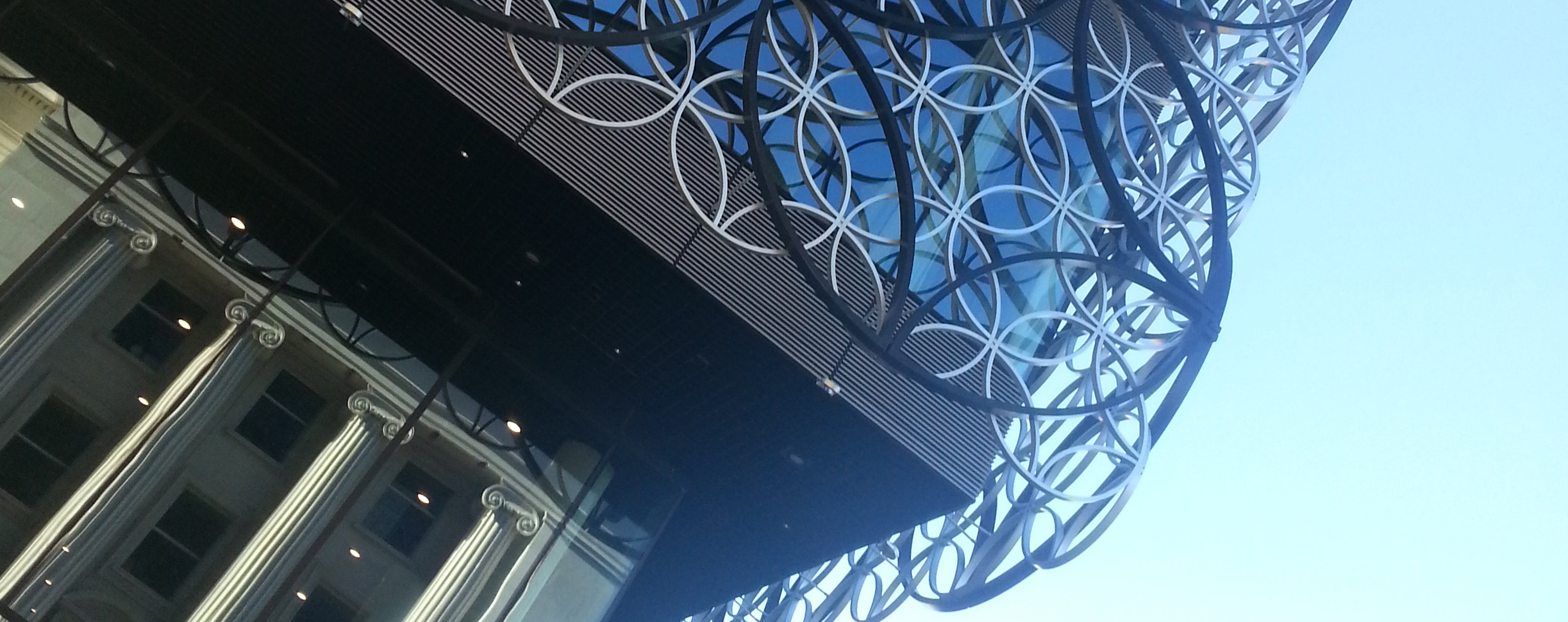
The design features based on circles hugged the outside walls and caught the light beautifully. The interplay of shape and light felt so powerful. Our eyes just would not stay still. The reflections that painted the glass a deep blue stood out against the watery blue of the January sky.

2014 01 20_5991 2014 01 20_5993

2014 01 20_5994 2014 01 20_5995

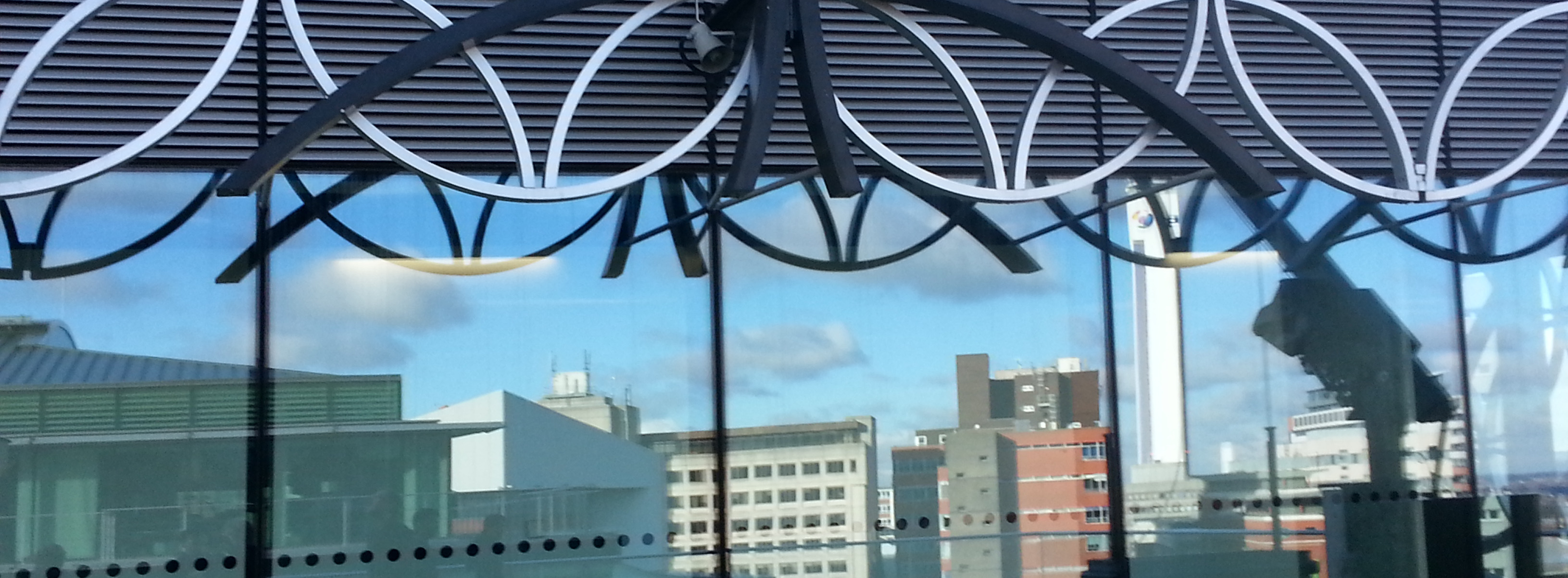
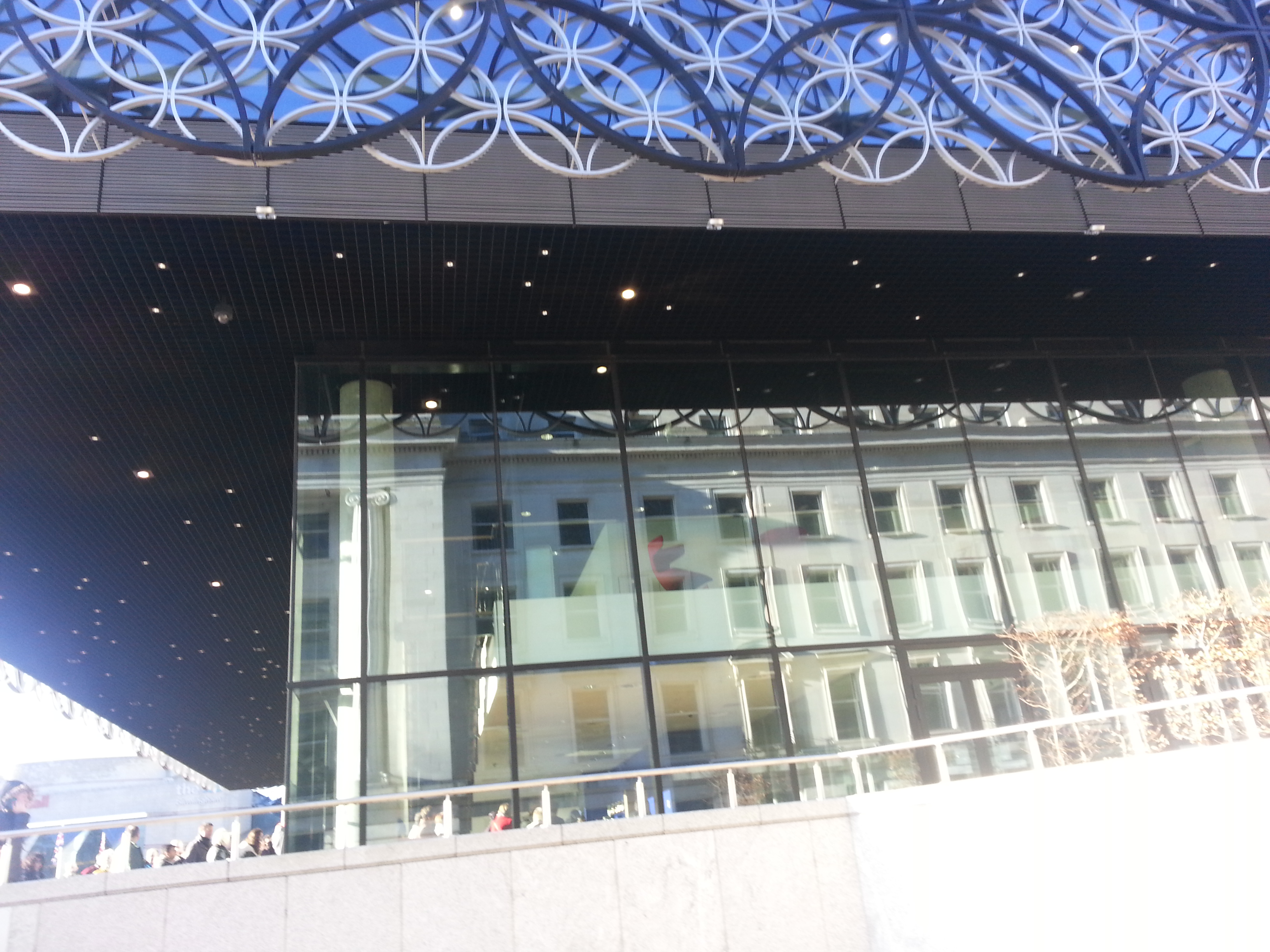
The smoothness of the huge sheets of glass at the bottom of the building reflected the surrounding buildings in such clarity.

2014 01 20_5996 2014 01 20_5997

For such a modern building it sits so happily with its neighbours whatever their ages. This is a sign of quality design. I just love old and new architecture sitting side by side like old friends, looking contented and comfortable.

2014 01 20_5998 2014 01 20_5999

So far we had only looked at the side of the library so we were looking forward to turning the corner.

2014 01 20_6002 2014 01 20_6003

We found a revolving door to afford us entrance to explore inside. We were greeted by the warm aroma of coffee beans being ground and water seeping through them. We had to take a seat and give it a taste.

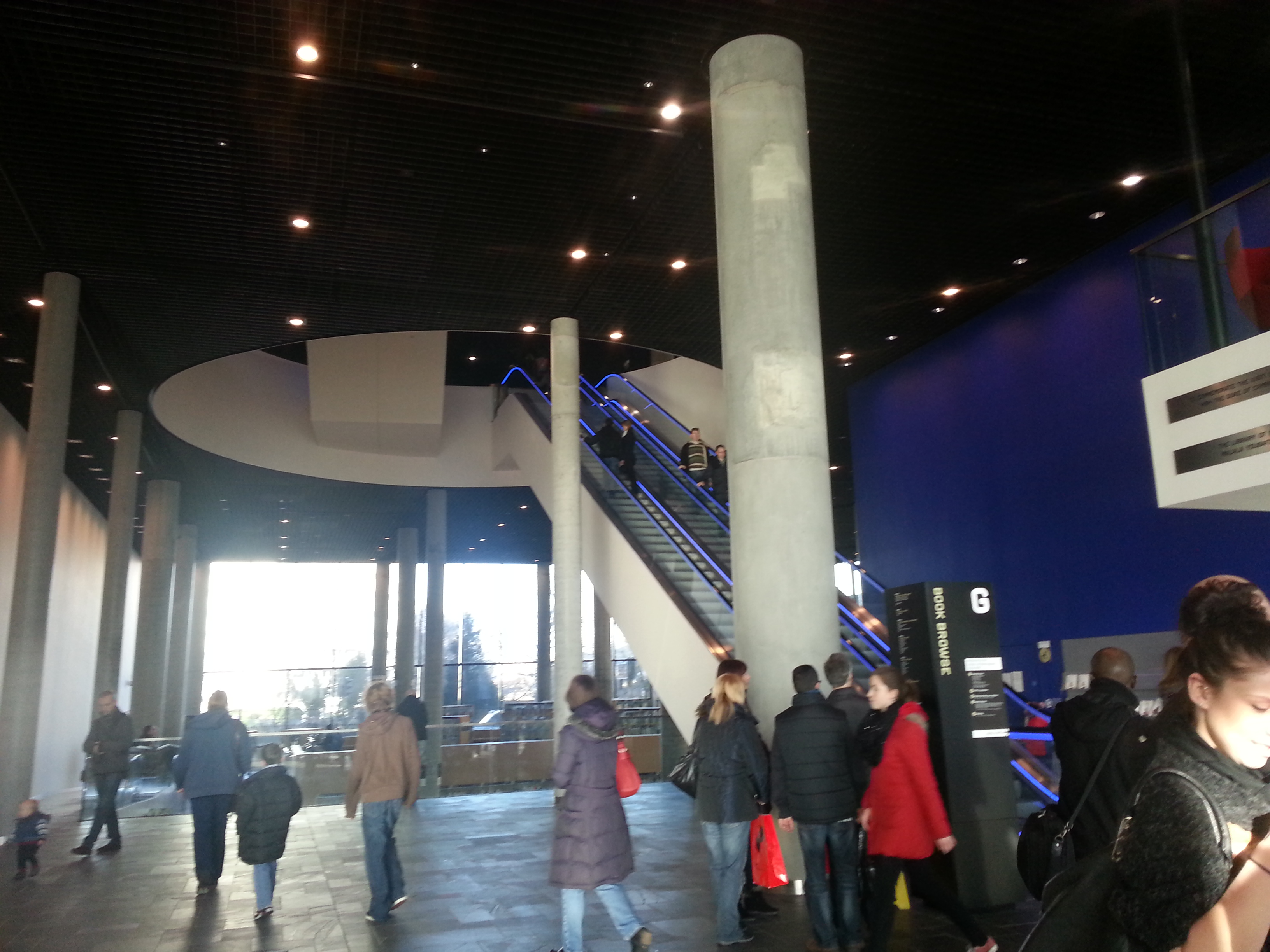
Inside is just as satisfying, everything perfectly designed and sitting comfortably. Everywhere we looked people, mainly students, were studying or browsing the book shelves. Many stared at computer monitors which lined the inside of the windows.

2014 01 20_6004 2014 01 20_6005

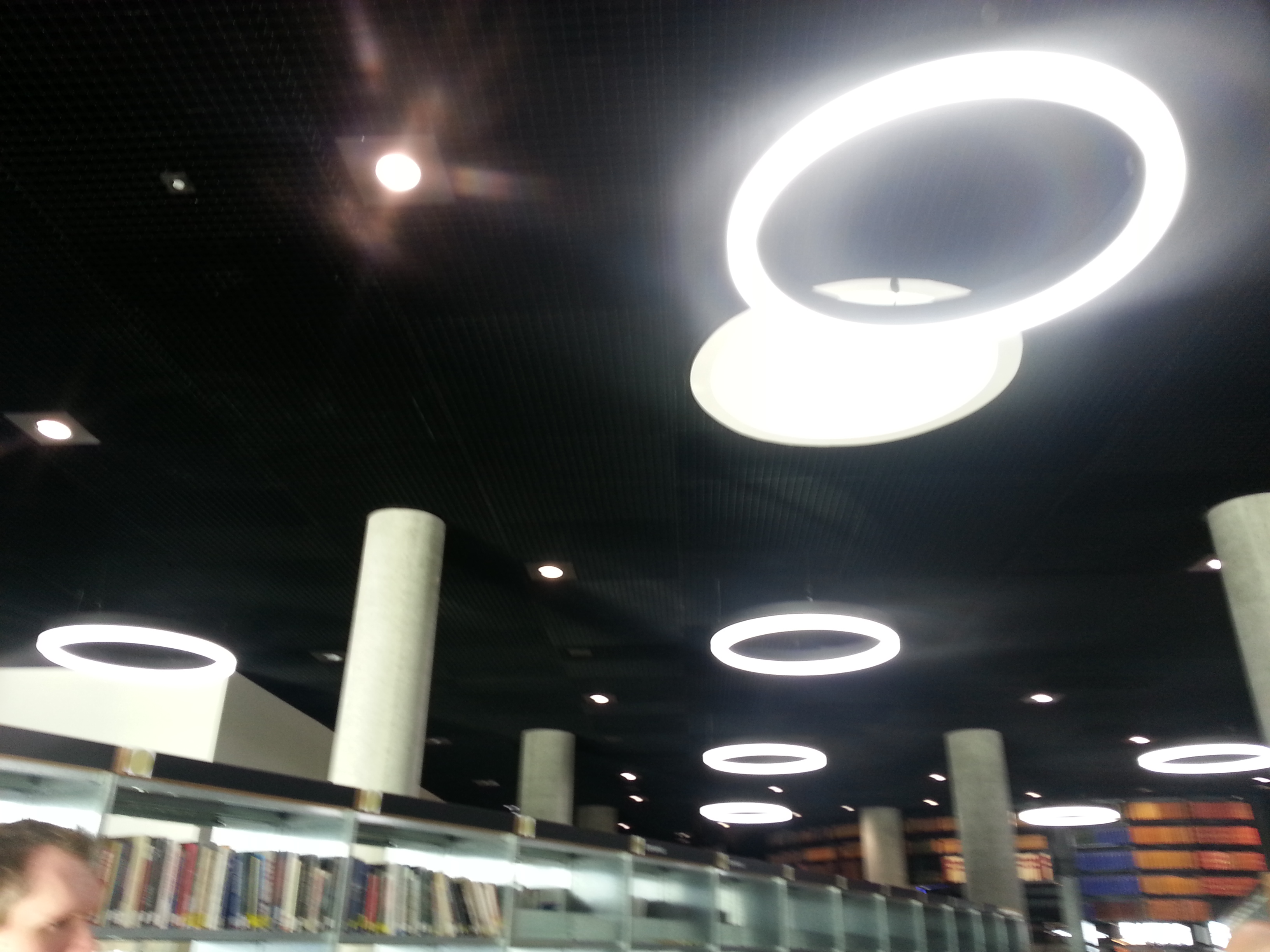
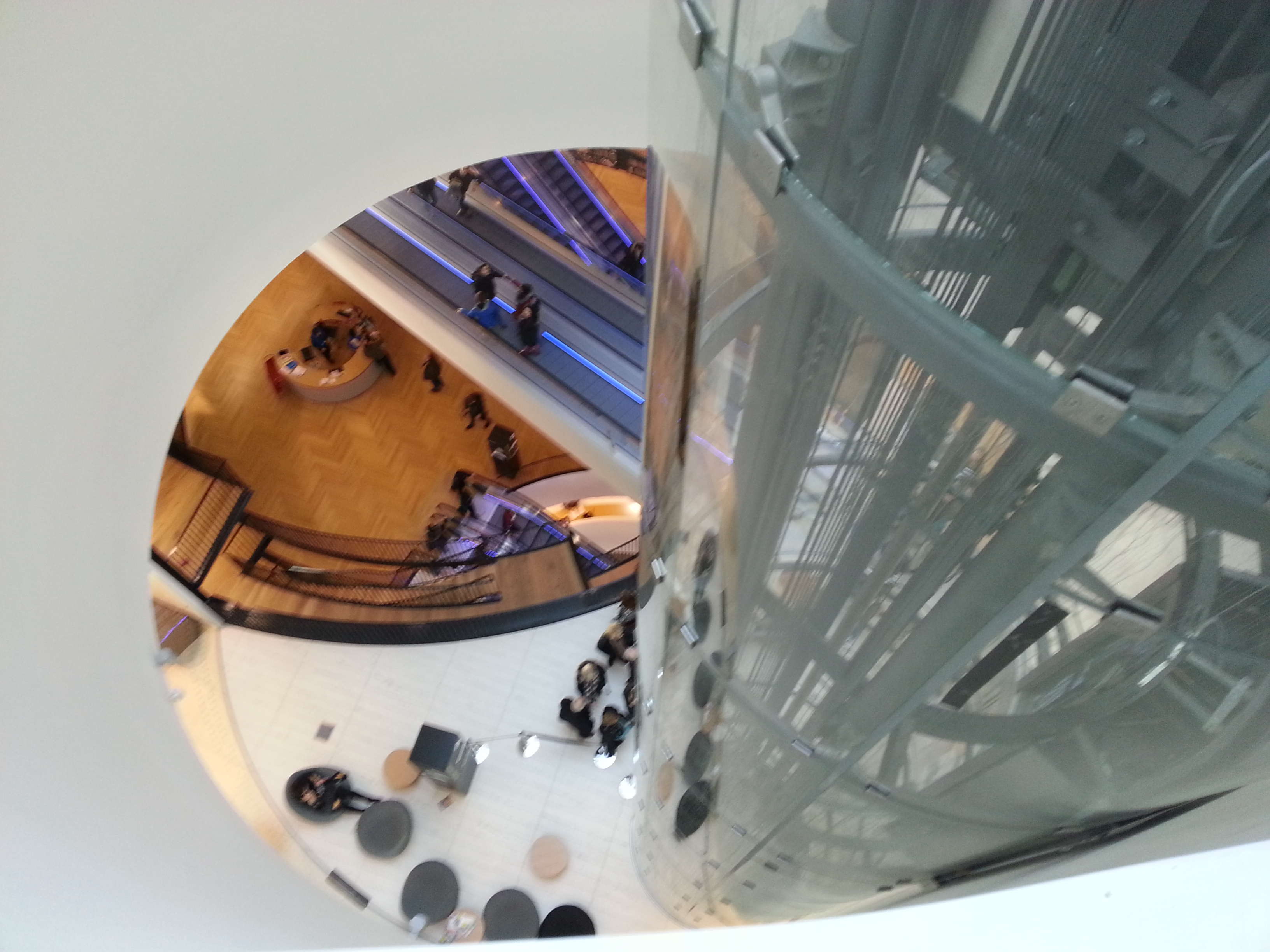
Many of the interior fittings and features are based around circles, such as the lighting fittings and the light tubes. The interior lift to the very top few storeys was a cylinder shape which ran in a long circular tube of glass.

2014 01 20_6006 2014 01 20_6007

2014 01 20_6008 2014 01 20_6030

2014 01 20_6031 2014 01 20_6032

2014 01 20_6028 2014 01 20_6035_edited-1

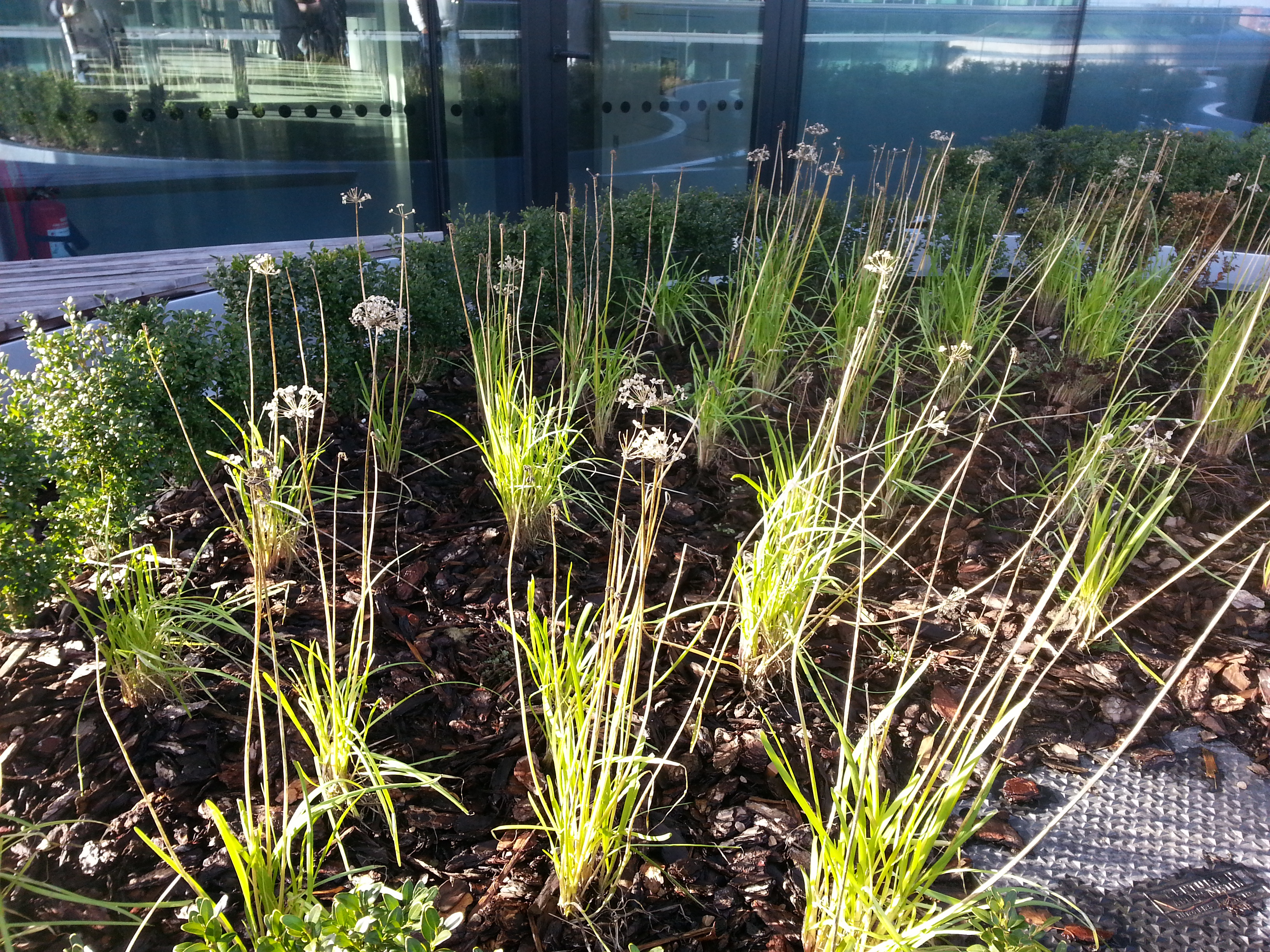
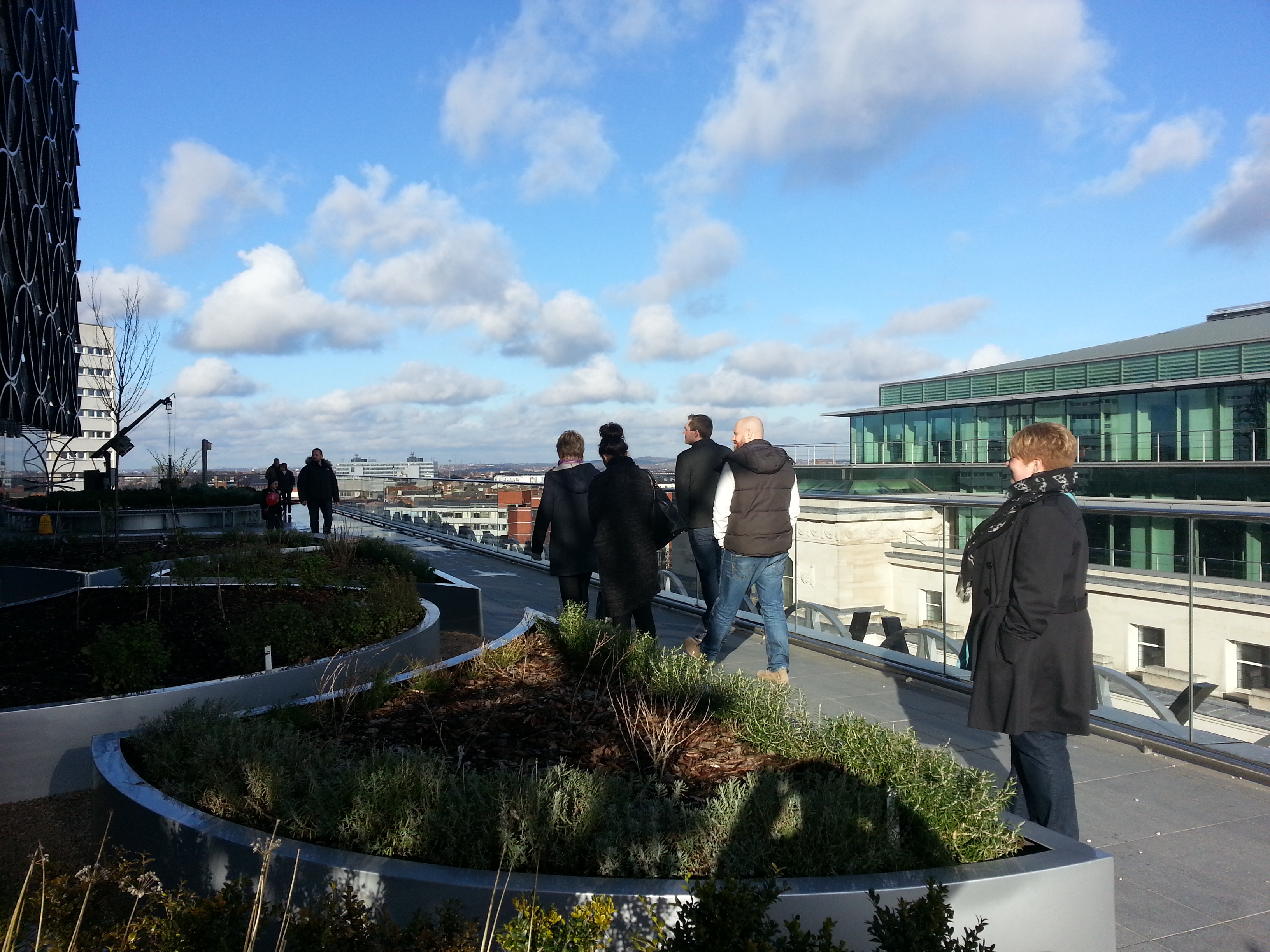
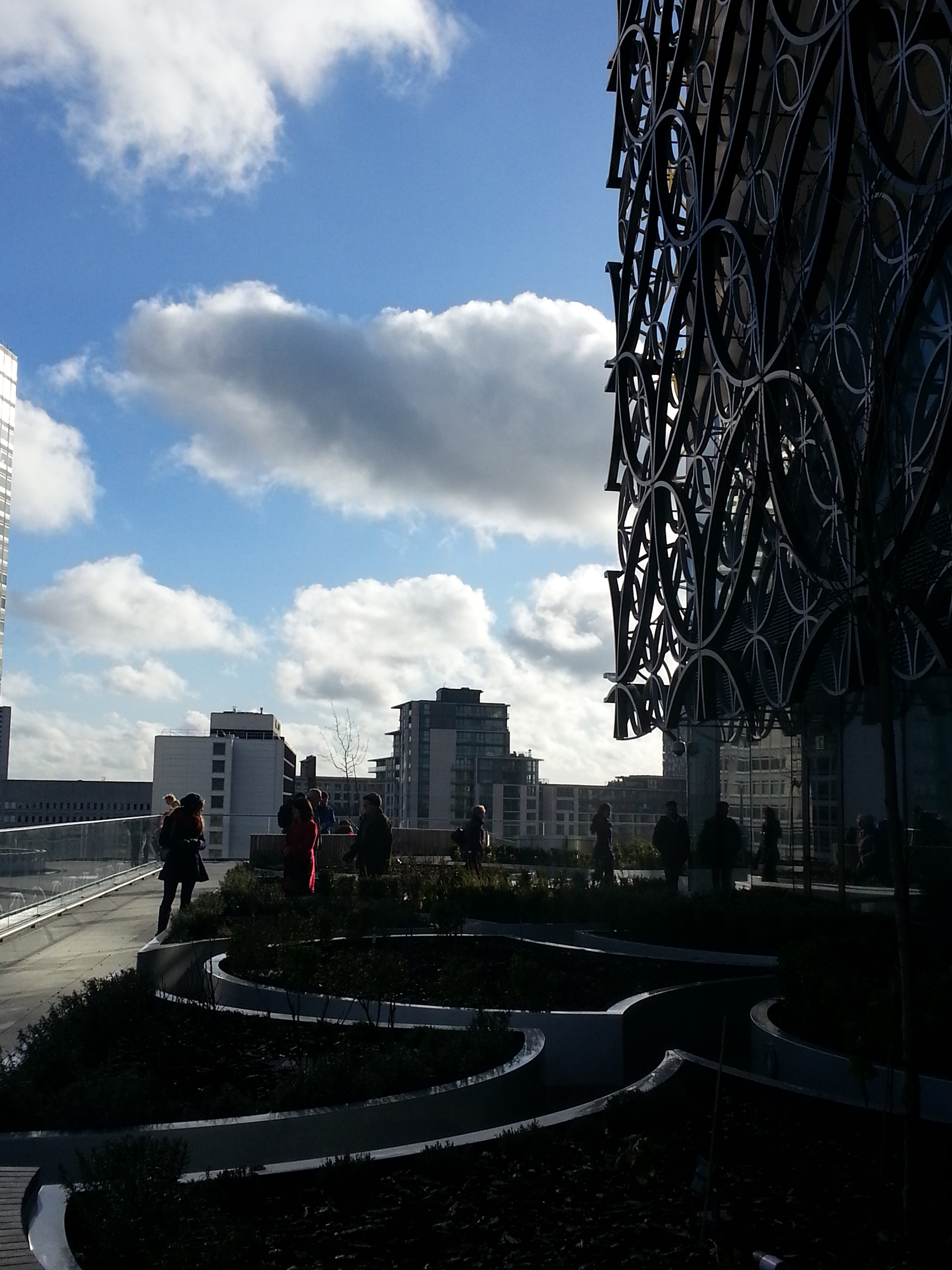
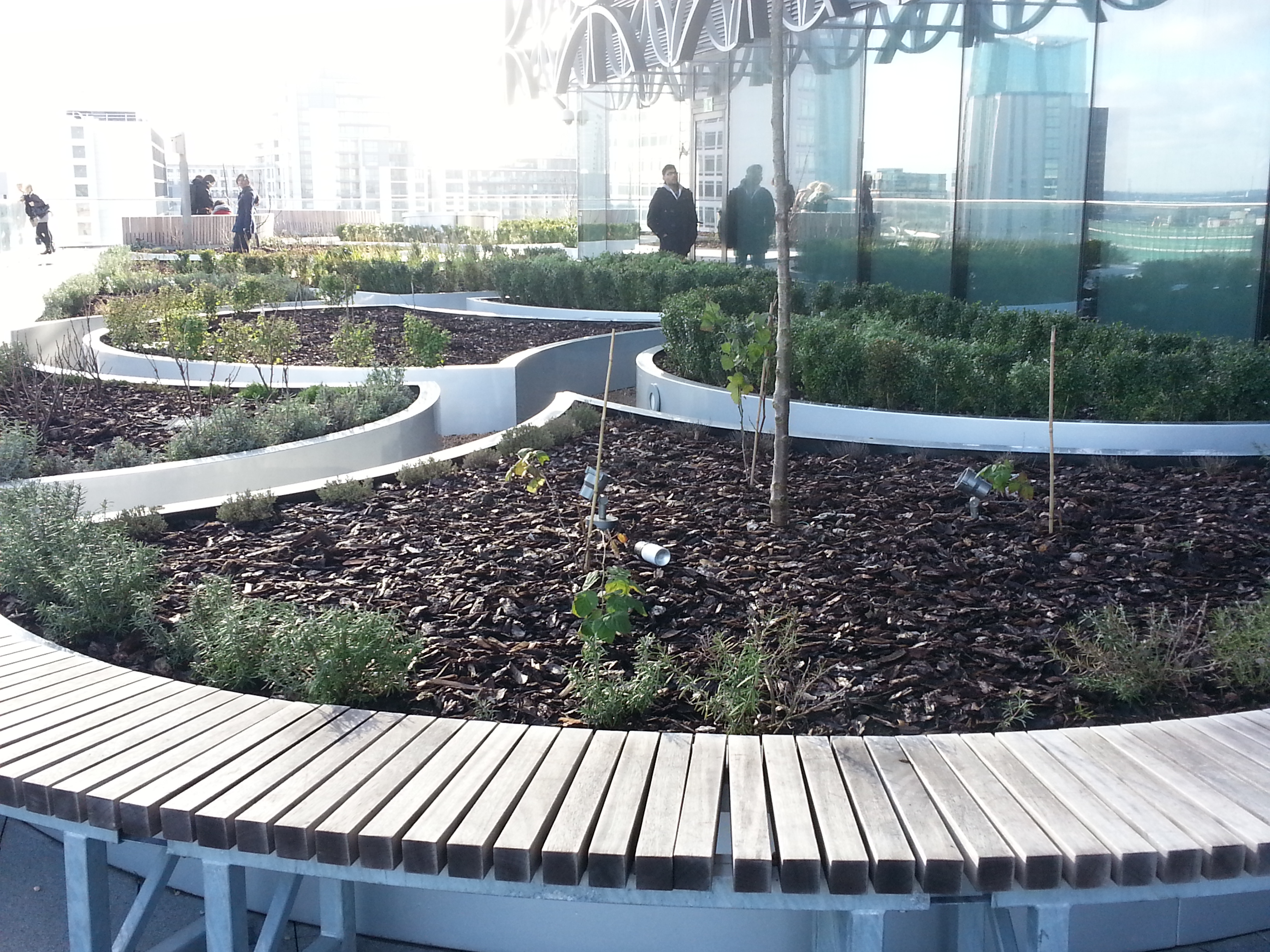
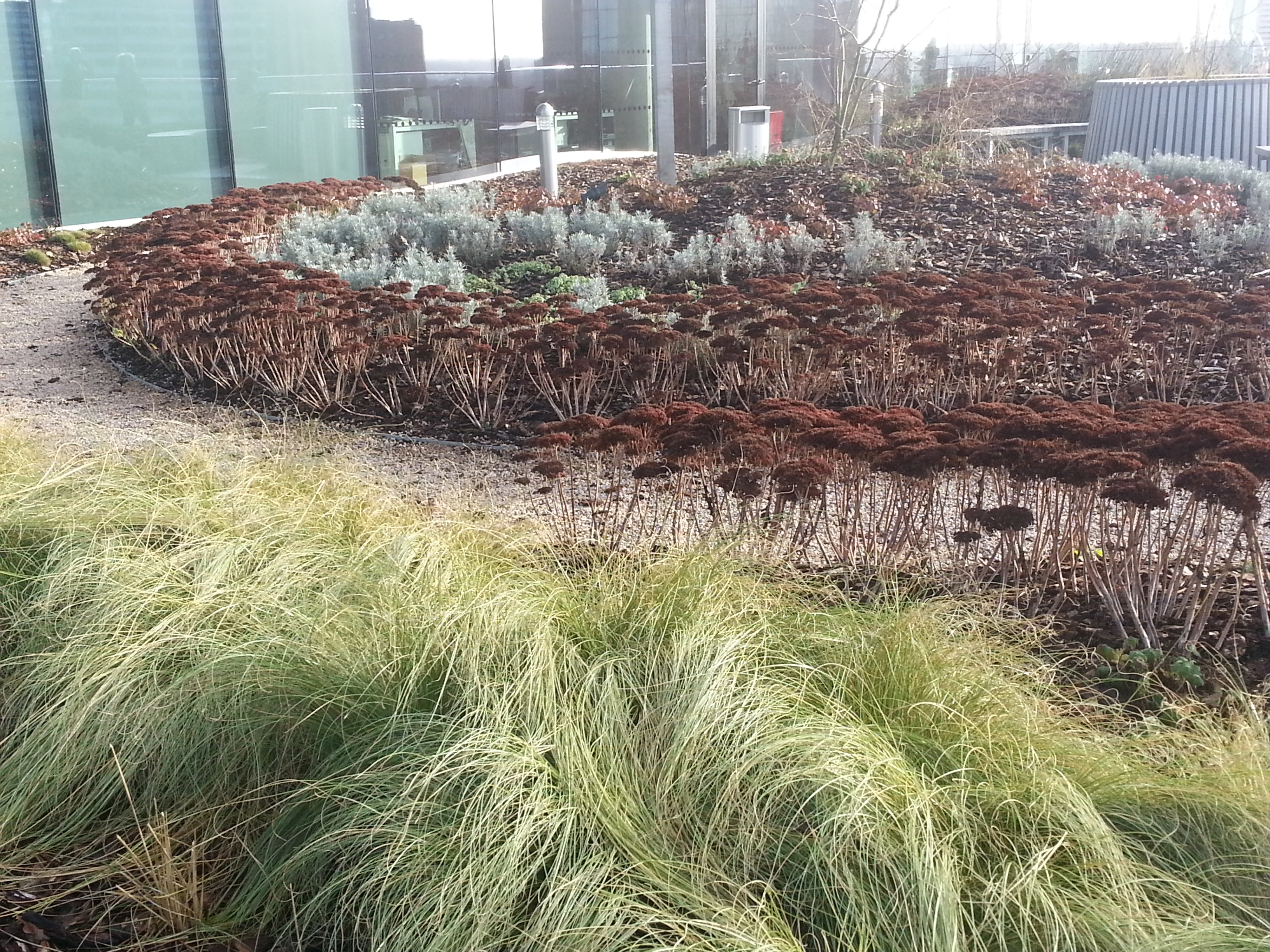
On several levels there was access to the outside onto terraces. These were full of seating built into raised metal planters, featuring interesting plantings and even nest  boxes on poles. Here you can gain different views of the building itself and see its structure in detail.

2014 01 20_6009 2014 01 20_6010

2014 01 20_6013 2014 01 20_6021

2014 01 20_6022 2014 01 20_6023

2014 01 20_6024 2014 01 20_6042

Part way around our tour of the top floor we found this little sculpture in one of the terrace gardens.

2014 01 20_6039 2014 01 20_6040

From here you also gain close up views of the building itself and get the chance to study the structure itself.

2014 01 20_6025 2014 01 20_6020

2014 01 20_6011 2014 01 20_6012

2014 01 20_6027 2014 01 20_6034

2014 01 20_6037 2014 01 20_6038

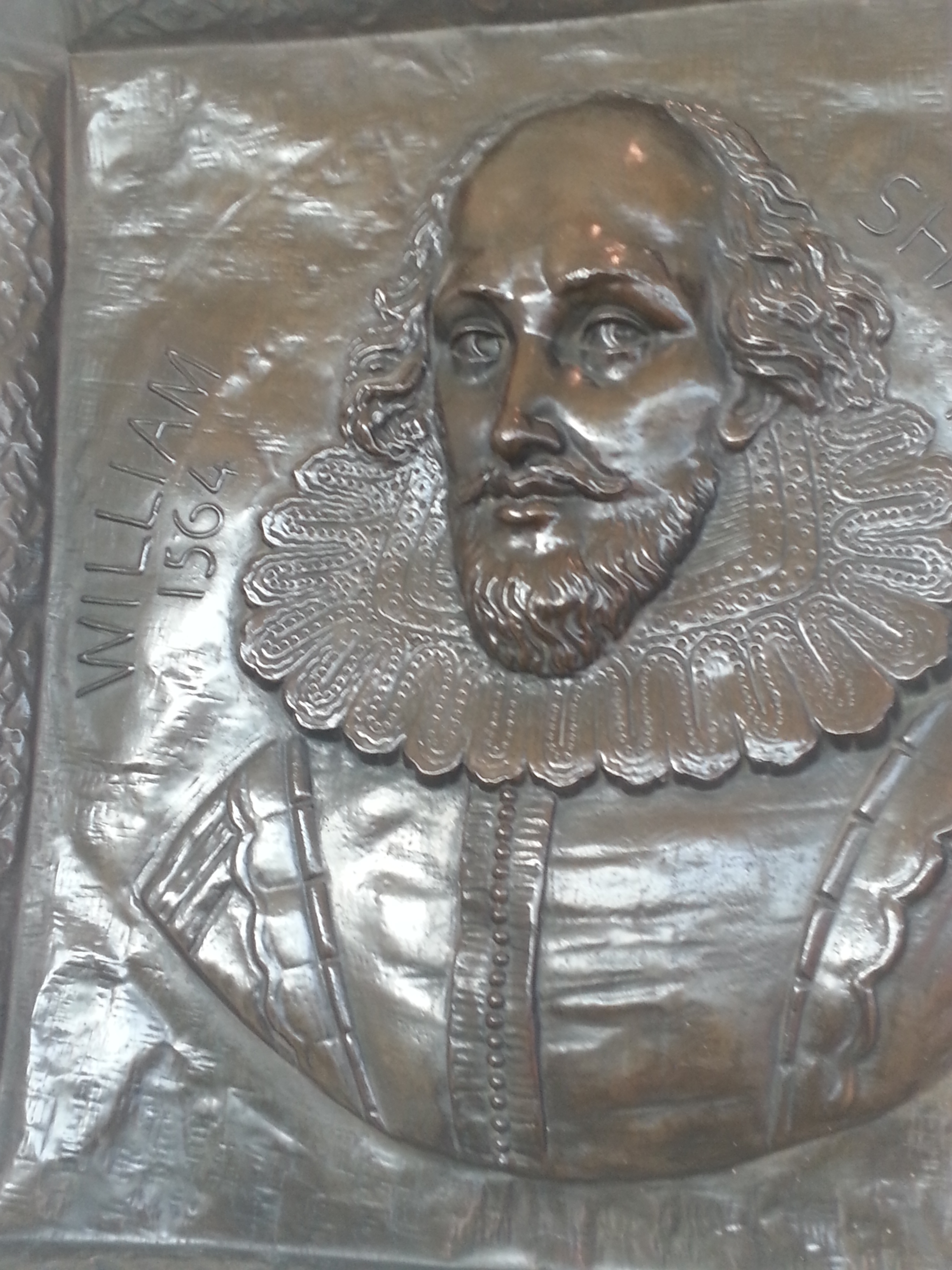
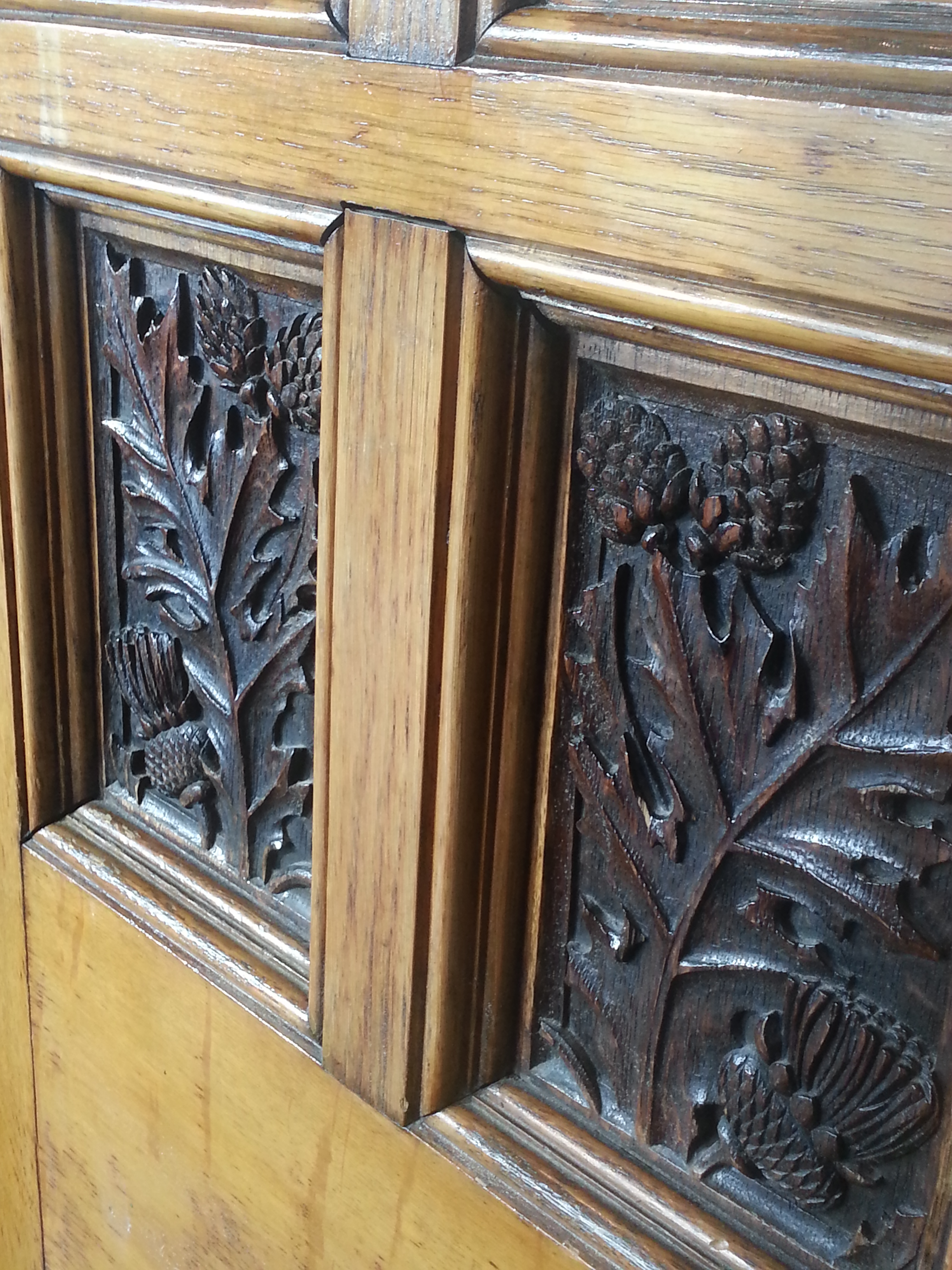
On one level we finished exploring the terraces and went back in a different entrance to discover a room dedicated to the works of one William Shakespeare. A room from the original Birmingham Library had been dismantled and re-assembled in the new building. The intricate detailing included the book shelves, the wooden wall panels and engravings on the door. The books lined the shelves which were full to capacity.
2014 01 20_6043 2014 01 20_6044

2014 01 20_6045 2014 01 20_6047

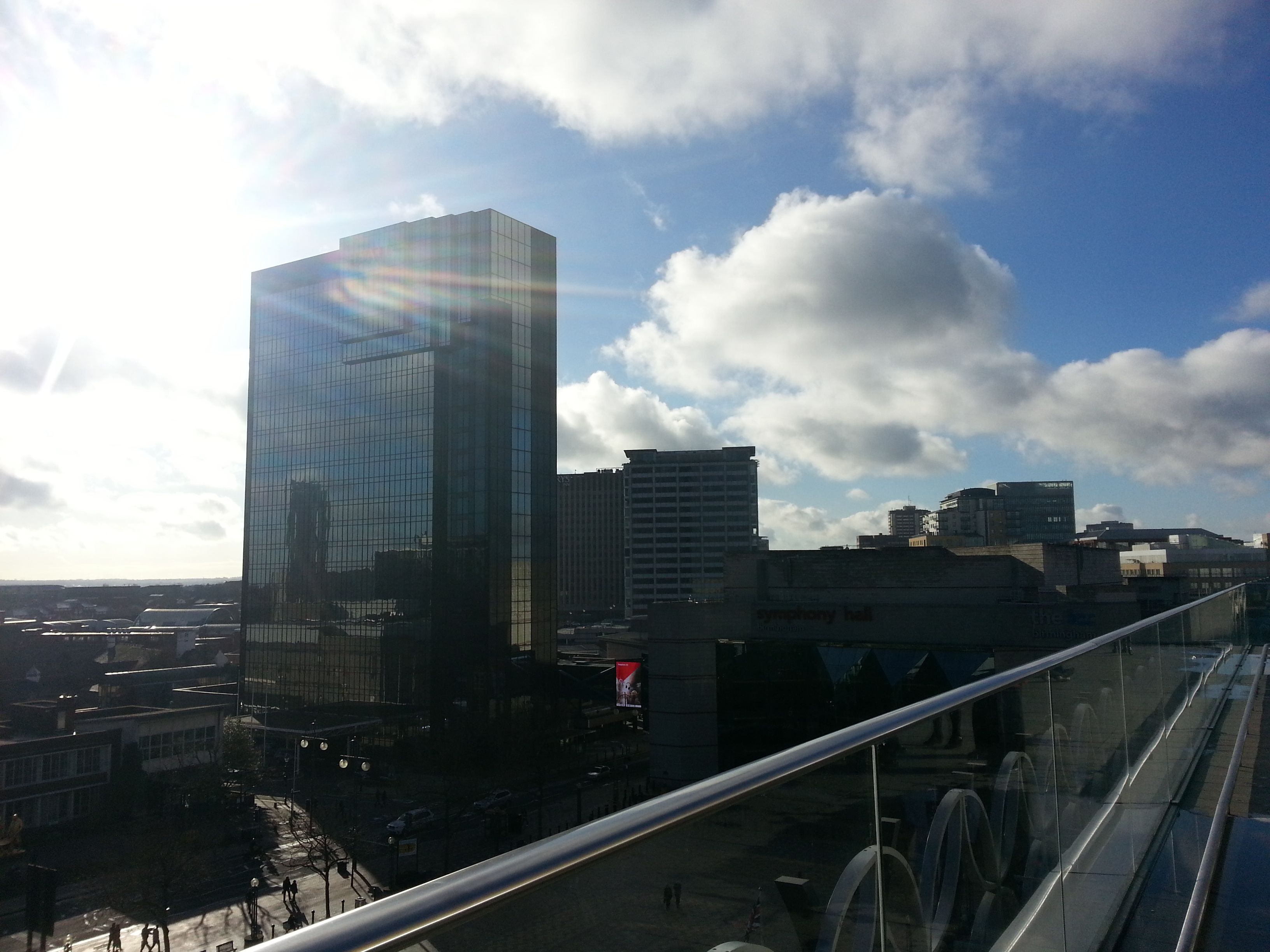
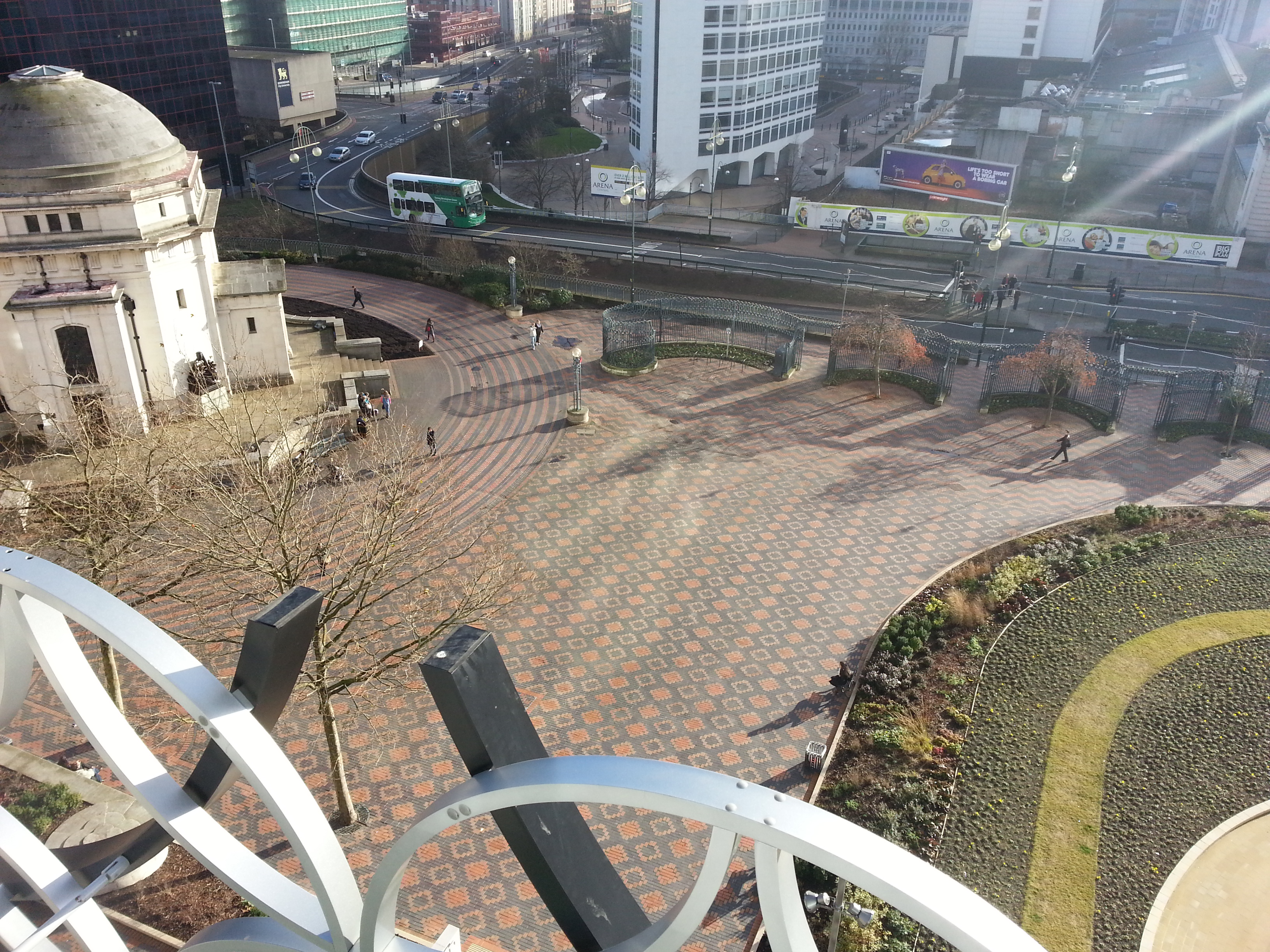
The views over the city were stunning! Not everyone seemed happy getting close enough to the edge to appreciate this though!

2014 01 20_6014 2014 01 20_6015

2014 01 20_6017 2014 01 20_6018

2014 01 20_6019

Well done to Birmingham! A building to be proud of! We will soon be back.

2014 01 20_6049_edited-1 2014 01 20_6051_edited-1 2014 01 20_5990_edited-1

Categories
arboreta architecture buildings Cheshire gardens open to the public ornamental trees and shrubs photography

Telescopes and Trees – part two

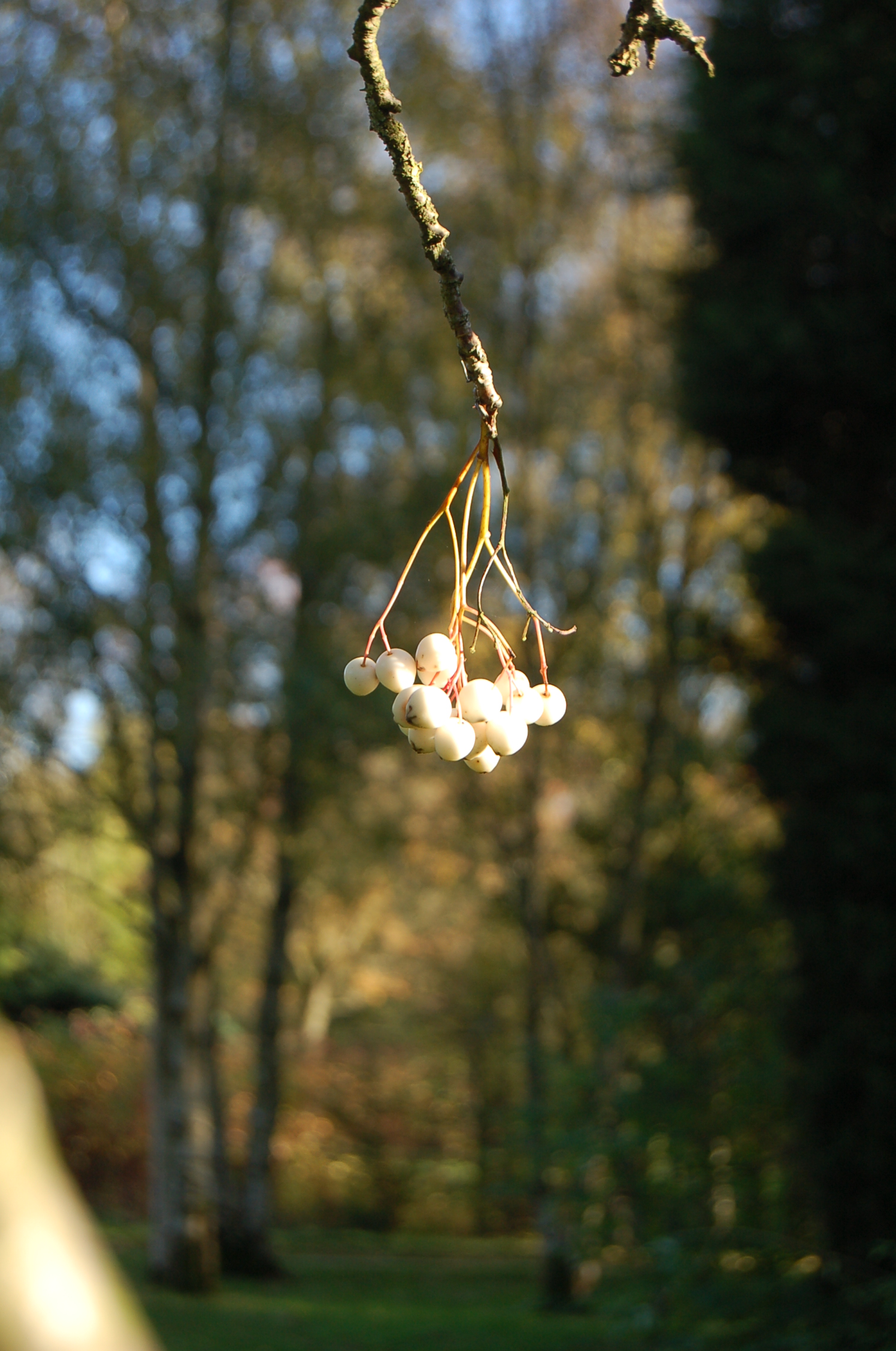
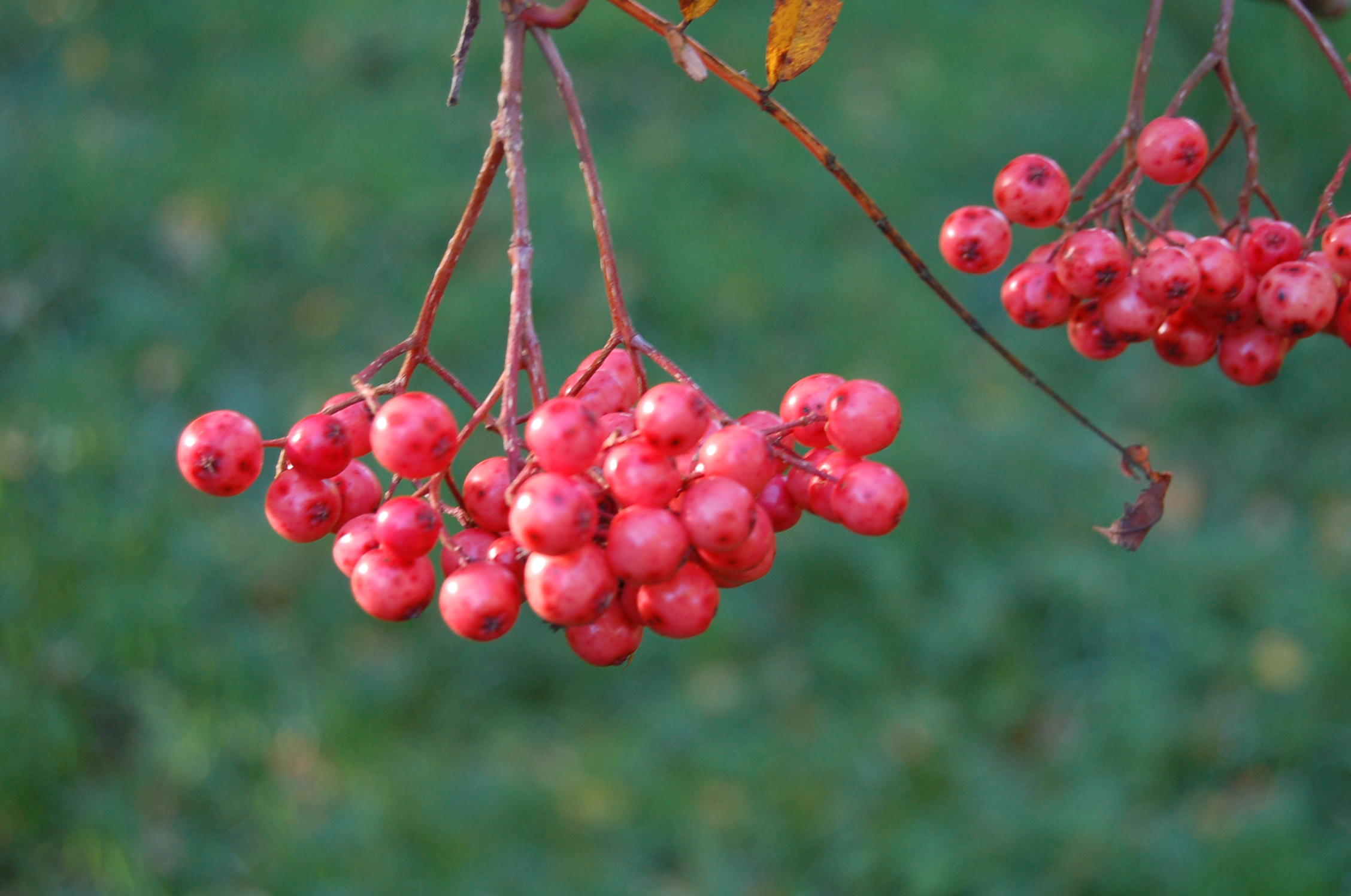
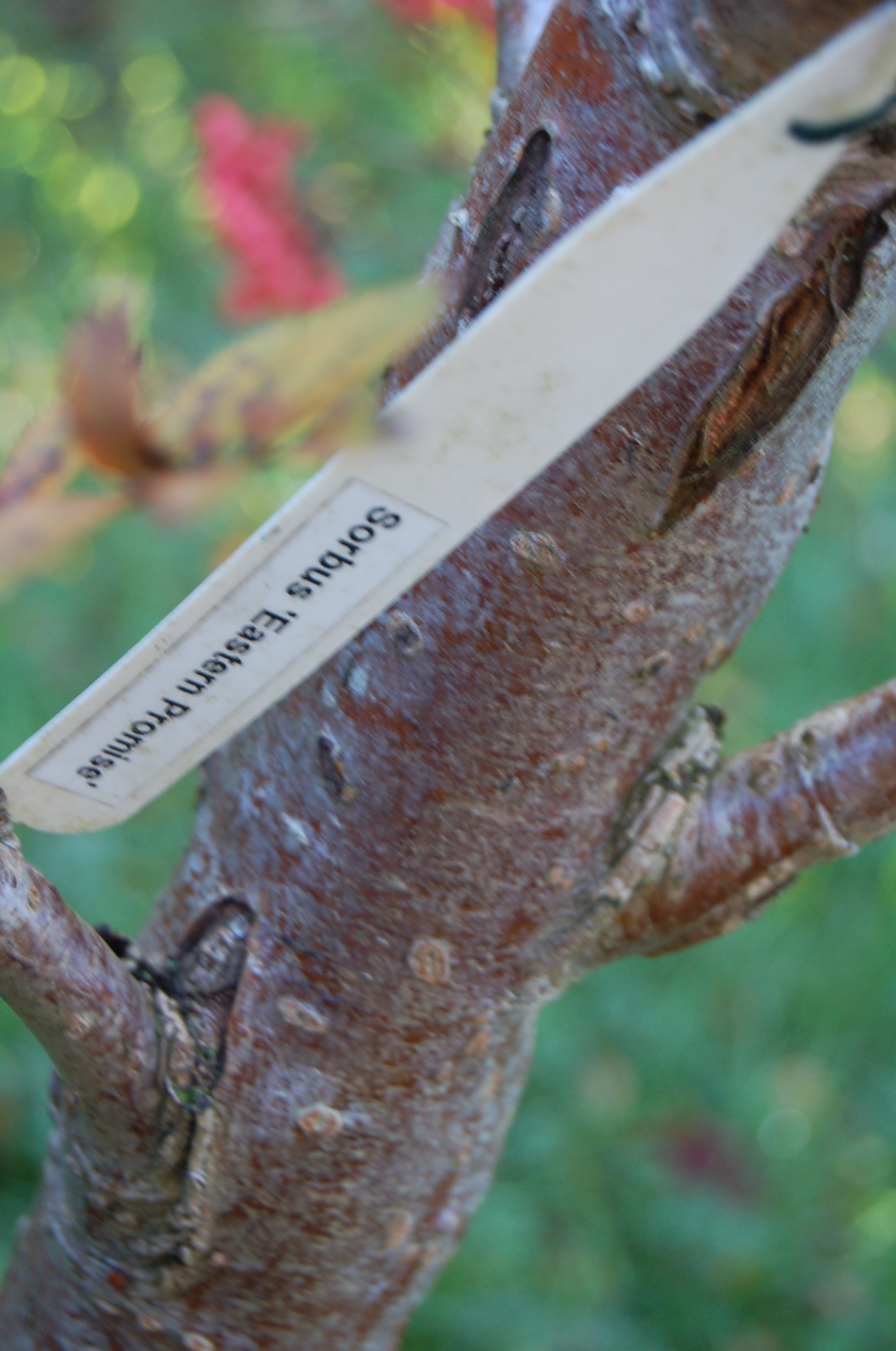
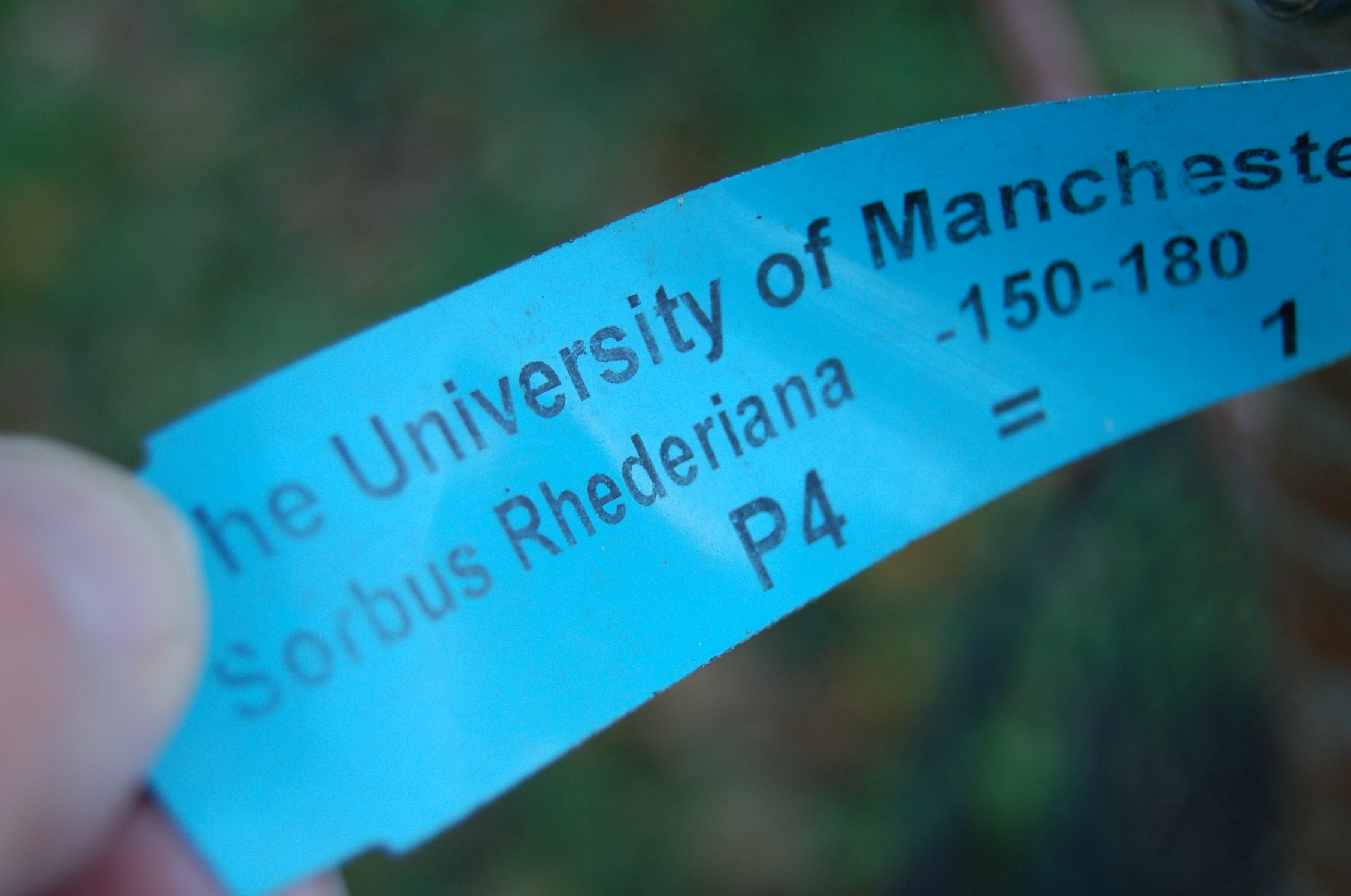
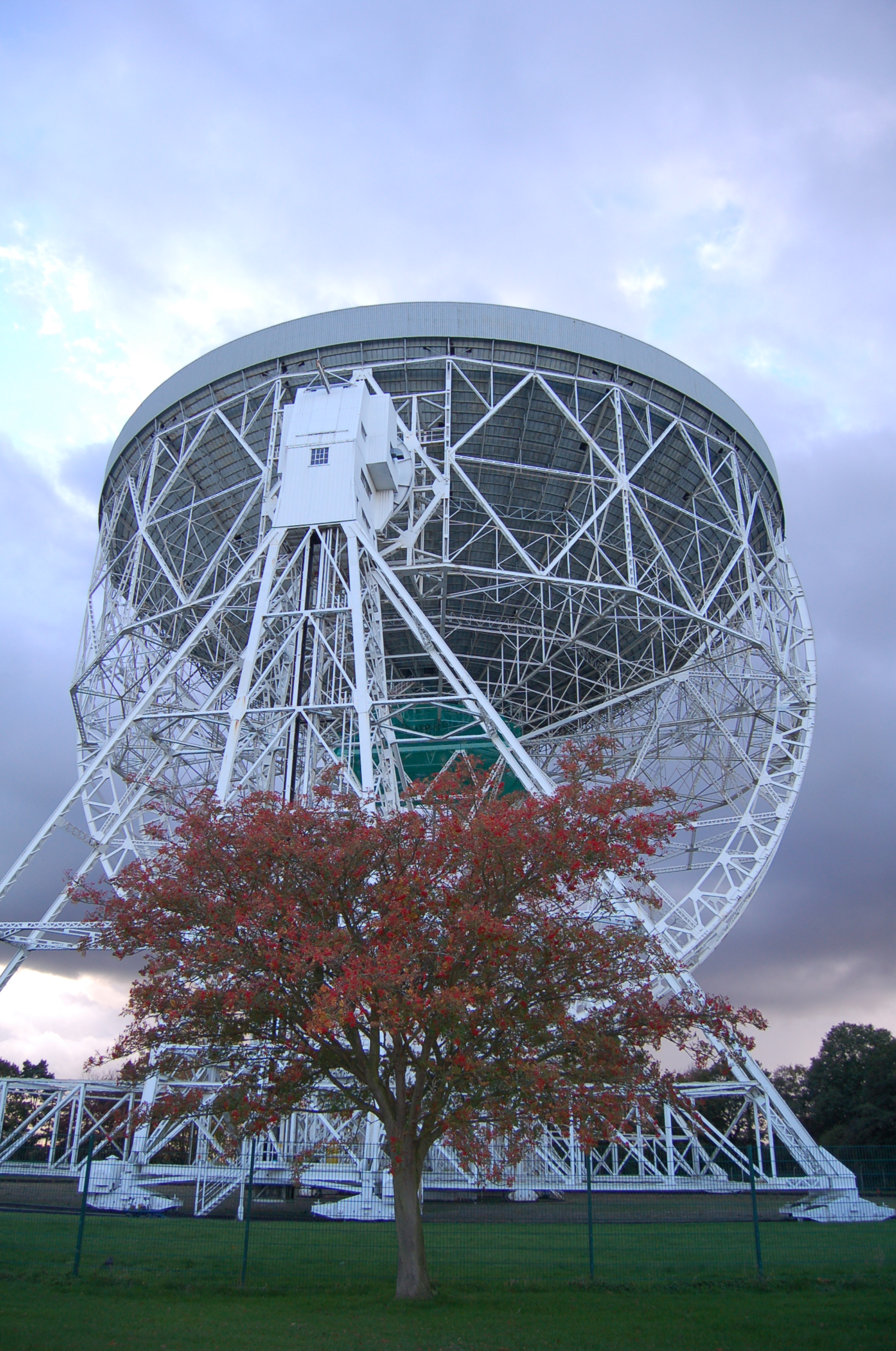
Back at Jodrell Bank as we explored the arboretum nestled amidst natural woodlands, we looked forward to finding our first Sorbus. We were surprised upon finding them that several had already lost all their foliage and some had dropped all their berries too. Luckily the majority still looked good.

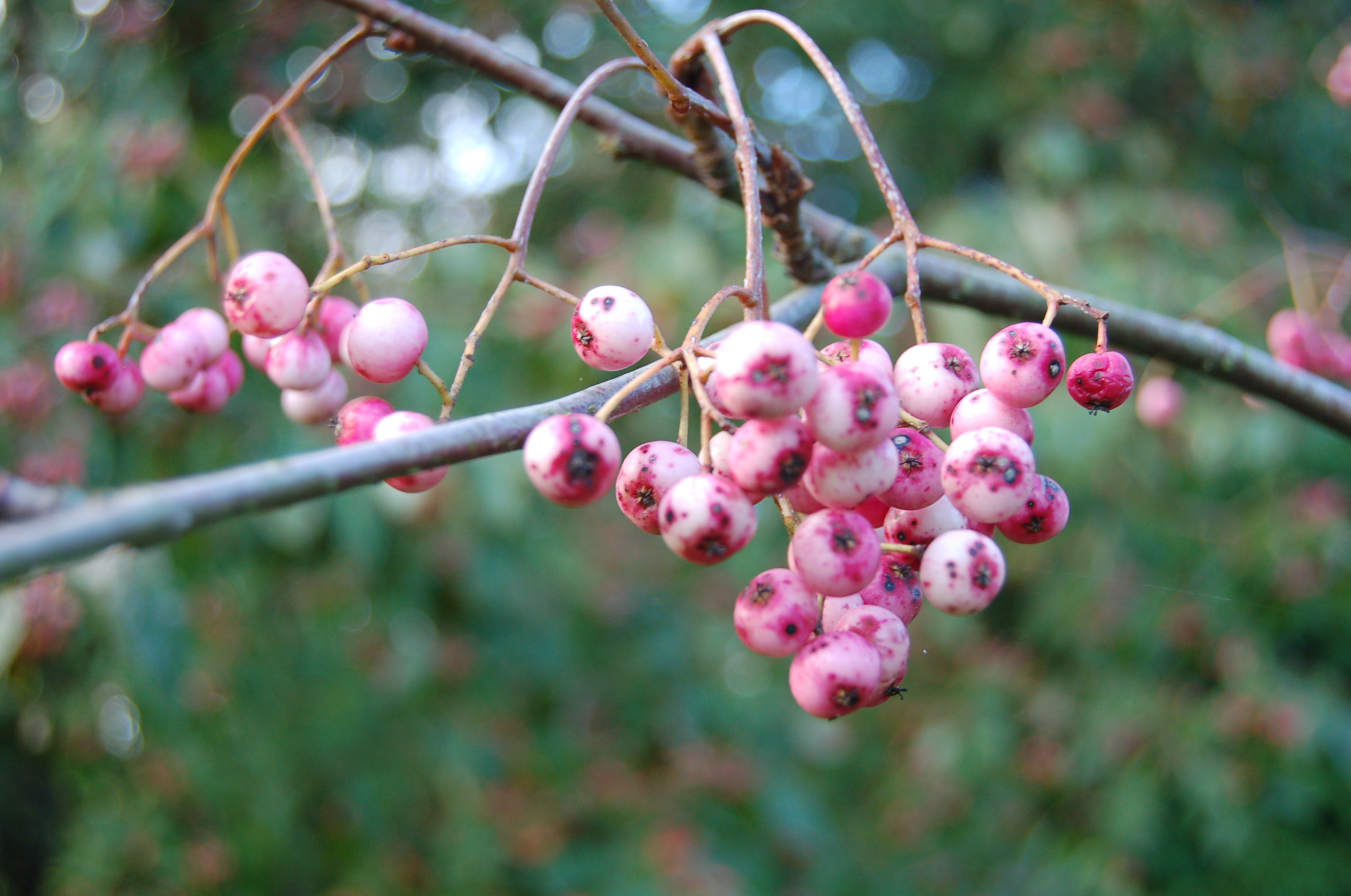
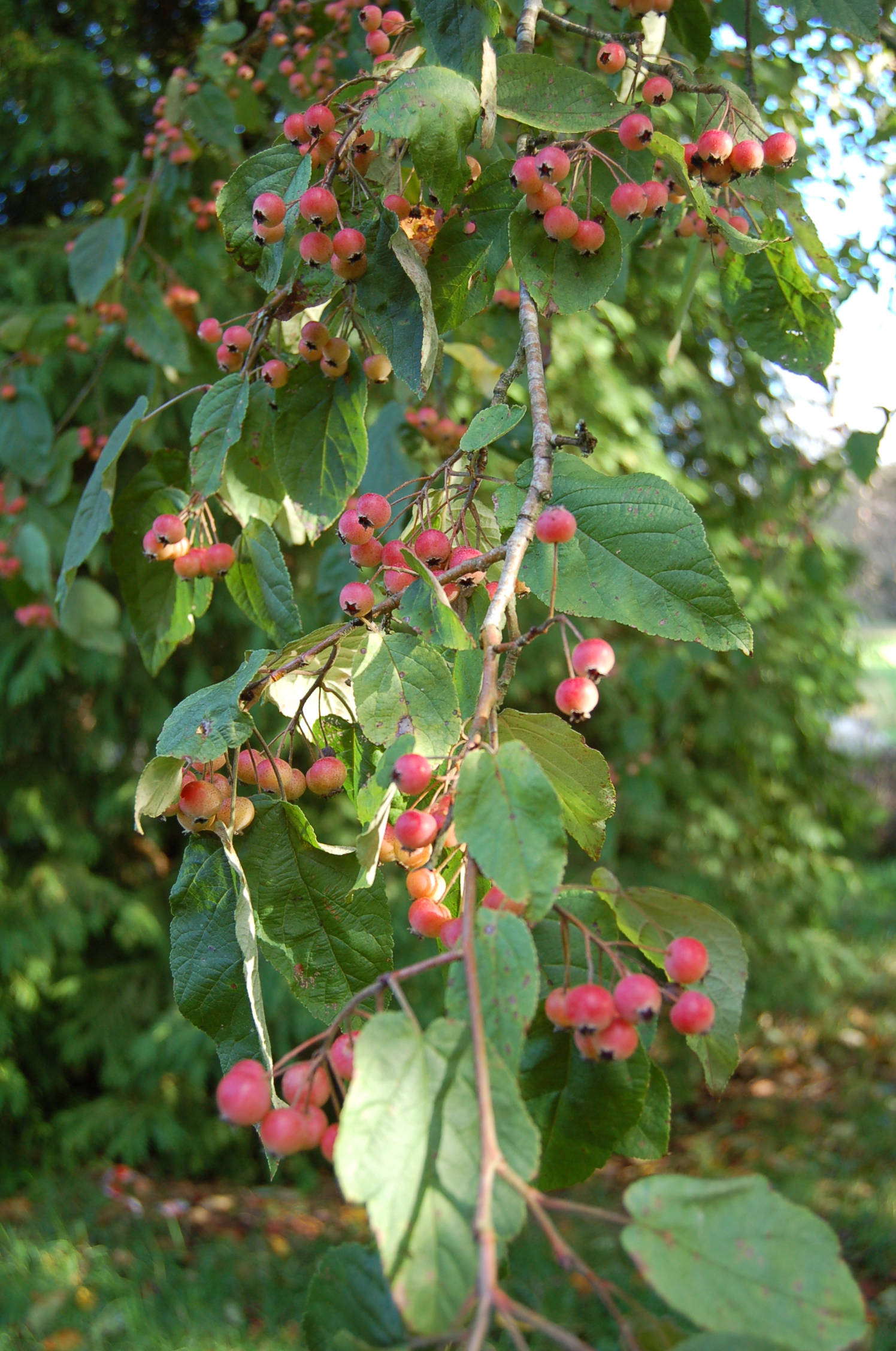
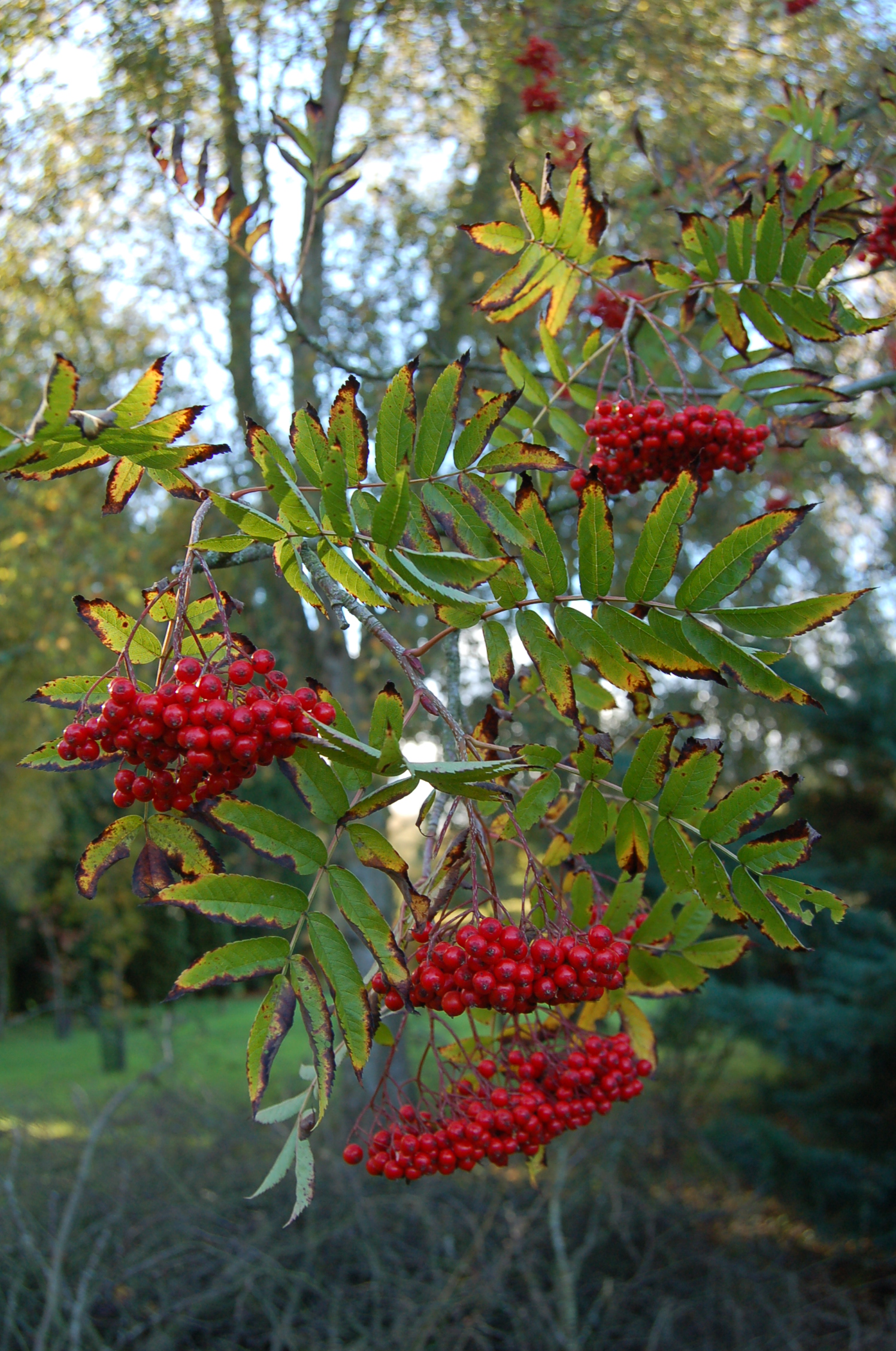
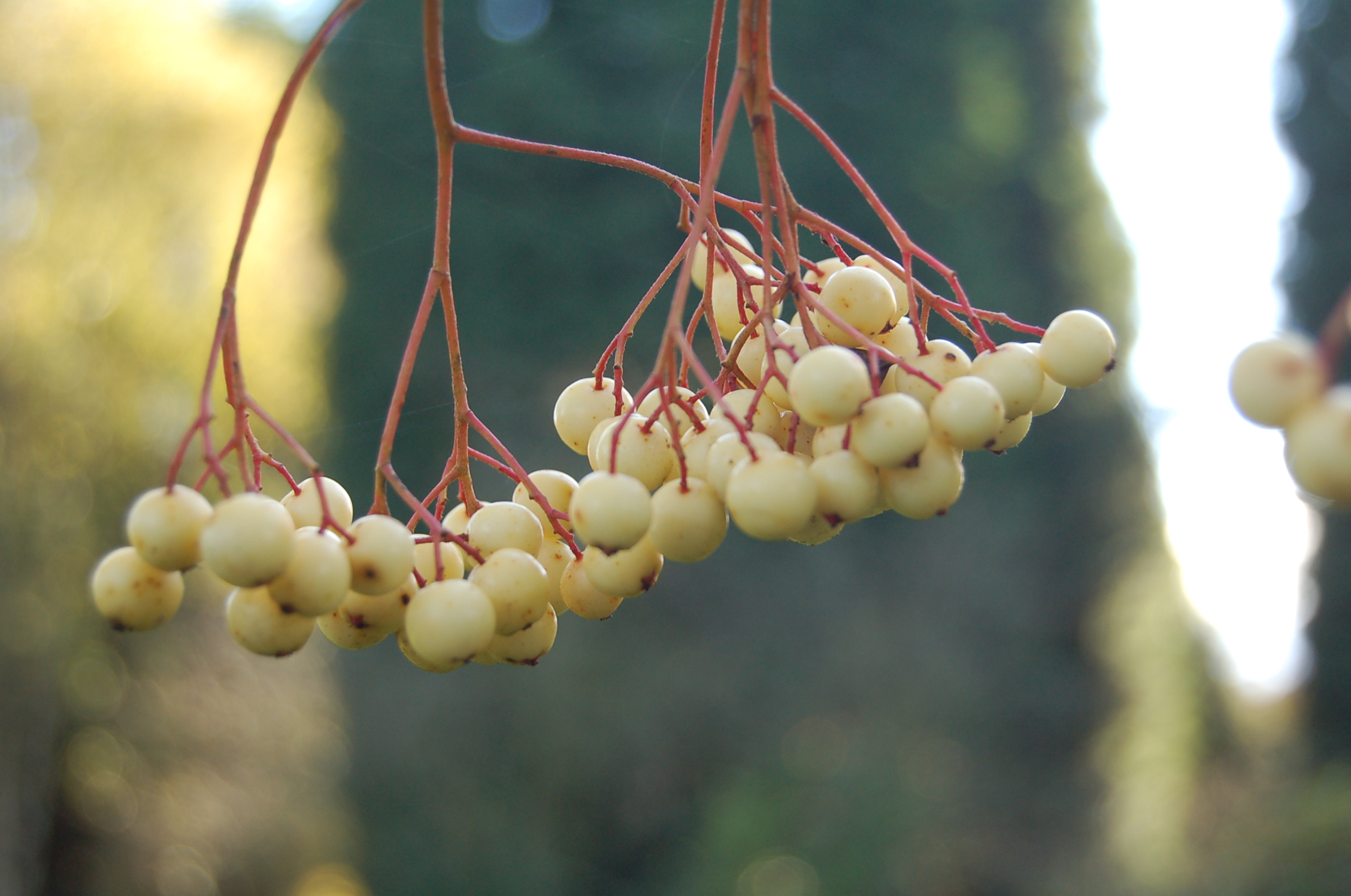
Sorbus “Leonard Messell” was a good one to start off with. Its berries were the palest of pink with a deep blush and they were enhanced by finely cut foliage.

2013 11 04_4925 2013 11 04_4926

With larger berries in a coral pink Sorbus yunanensis looked a distant relative. Its leaves were much larger and far less divided.
2013 11 04_4928

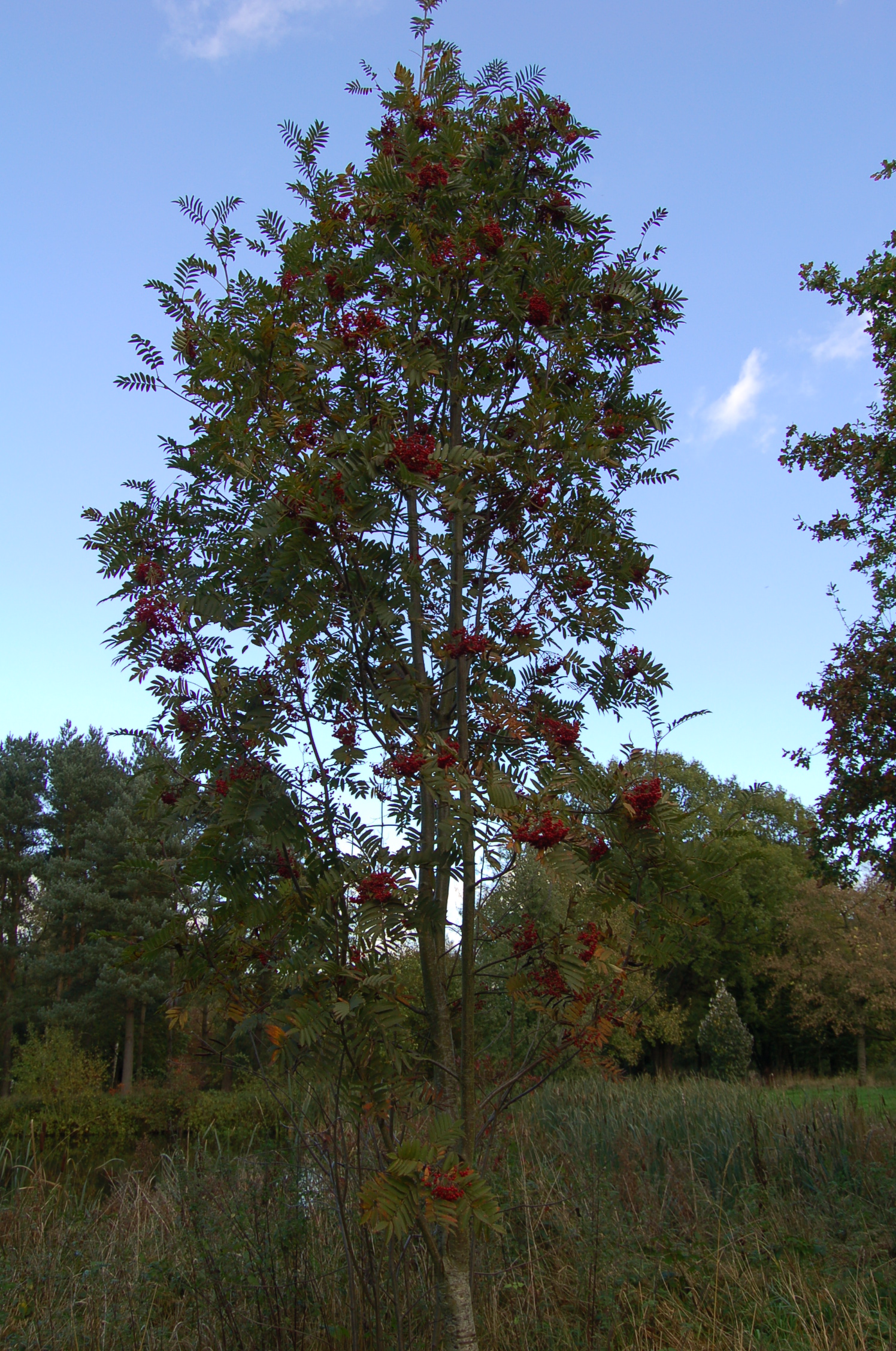
Sorbus kewensis was a tall stately specimen of a tree.

2013 11 04_4930 2013 11 04_4931

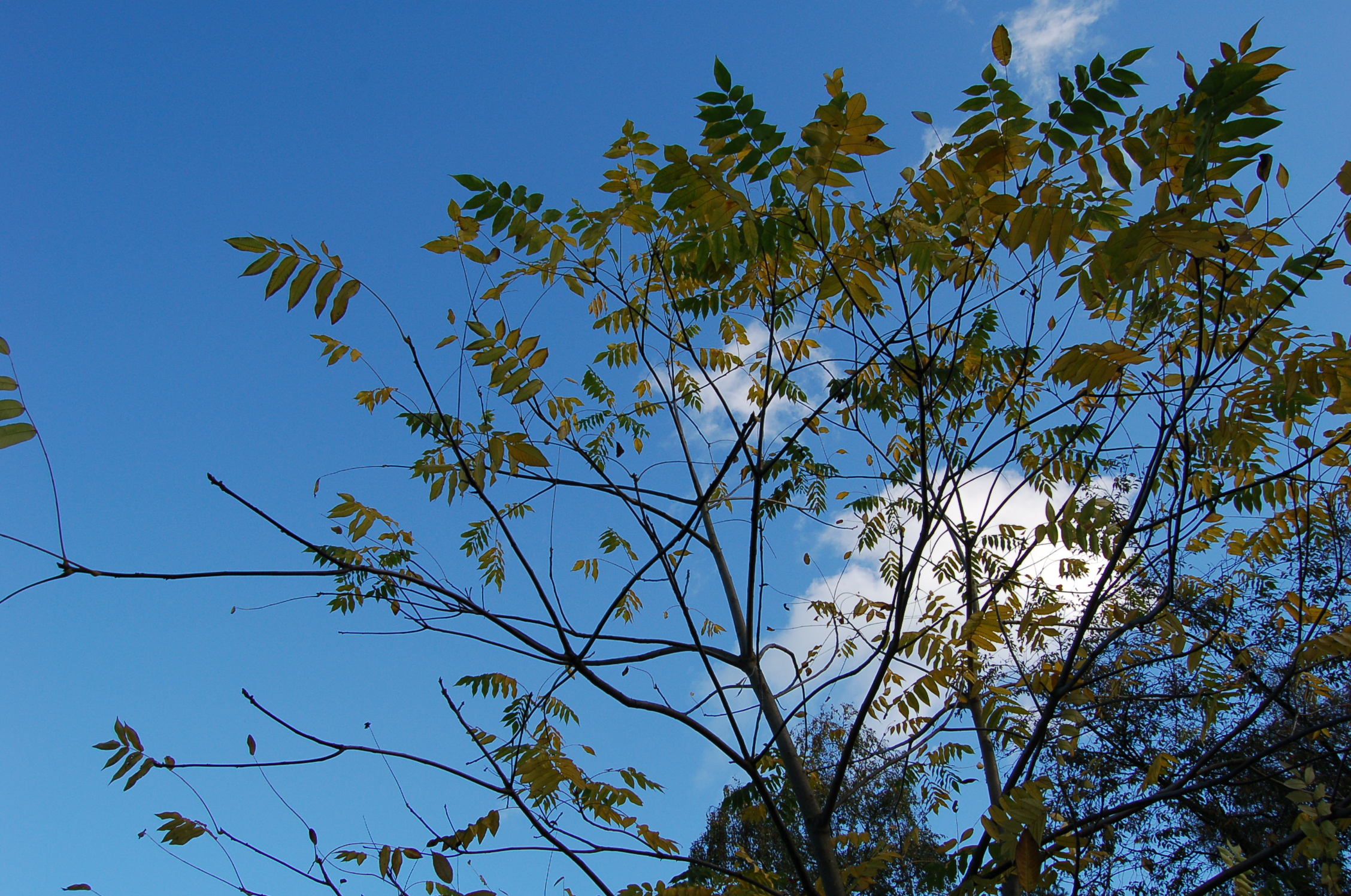
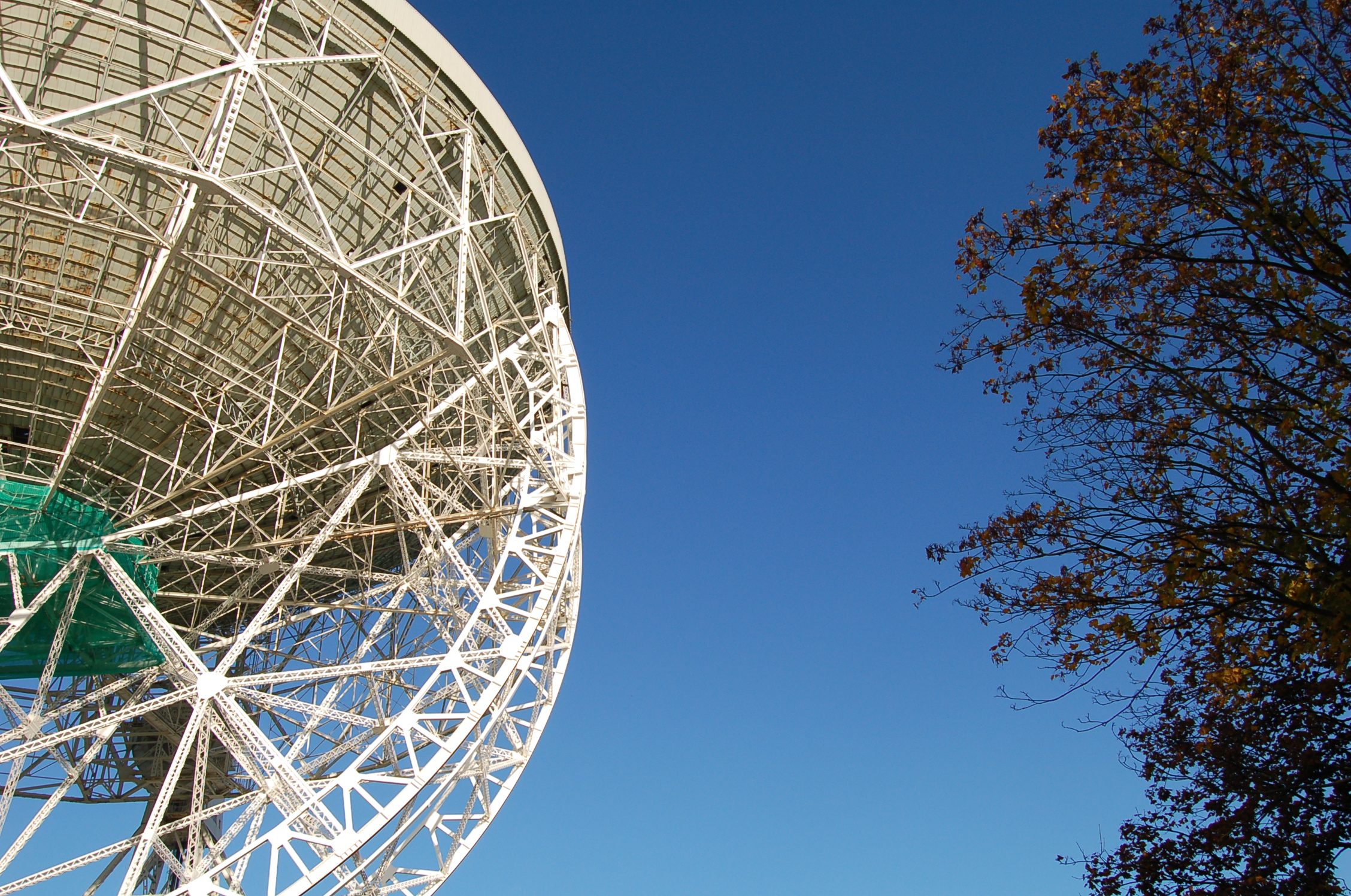
Where trees had lost all foliage and their berries hung on bare branches they looked very stark against the clear blue autumn sky.

2013 11 04_4933

There were more to be found around each corner as the path took a turn, each with its own special colour, size and shape of berry.

2013 11 04_4935 2013 11 04_4937 2013 11 04_4938 2013 11 04_4939 2013 11 04_4940 2013 11 04_4942 2013 11 04_4943 2013 11 04_4944 2013 11 04_4945 2013 11 04_4946 2013 11 04_4947 2013 11 04_4948 2013 11 04_4949 2013 11 04_4950 2013 11 04_4951 2013 11 04_4952 2013 11 04_4953 2013 11 04_4954 2013 11 04_4955 2013 11 04_4956 2013 11 04_4957 2013 11 04_4958 2013 11 04_4959 2013 11 04_4960 2013 11 04_4961 2013 11 04_4962 2013 11 04_4963 2013 11 04_4964 2013 11 04_4965 2013 11 04_4967 2013 11 04_4968 2013 11 04_4969 2013 11 04_4970 2013 11 04_4972 2013 11 04_4973 2013 11 04_4974 2013 11 04_4975 2013 11 04_4976 2013 11 04_4977

After enjoying so many wonderful berried trees we left the arboretum and spent the last hour left to us while the site remained open enjoying a closer look at the telescopes and the parkland in which they sat. These massive creations of man certainly lacked the delicacy and wonderful colours of Mother Nature’s creations but they did have an attraction of their own when set against the clear blue sky.

2013 11 04_4980 2013 11 04_4981 2013 11 04_4982 2013 11 04_4983 2013 11 04_4984 2013 11 04_4985 2013 11 04_4987 2013 11 04_4988 2013 11 04_4989  2013 11 04_4990

Categories
architecture buildings garden design garden photography gardening gardens open to the public National Trust The National Trust

Waddeston – not my style of garden but …….

We went to Waddeston by default! We were planning to visit another garden in Oxfordshire, but as we got close we decided to check the details of the garden, especially how to find it. The trouble was the garden details also showed that we were visiting on a day when it was closed. Oops!!

Plan B quick! Luckily we found another garden literally a mile from where we had parked up to get directions to our original destination. From the description in our book, the garden at Waddeston did not sound my style of gardening but the architecture of the house itself sounded interesting. So we decided to go and have a look.

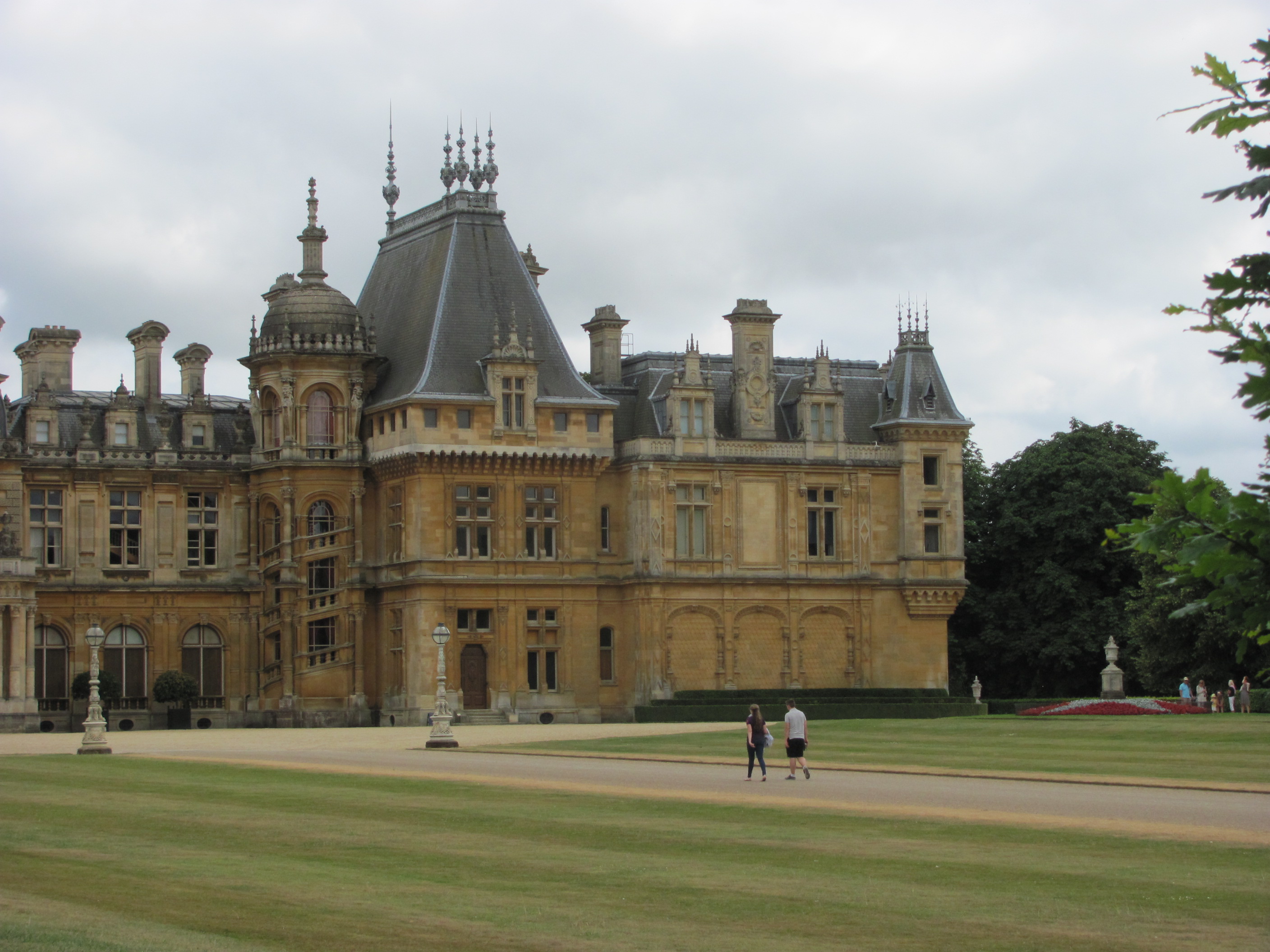
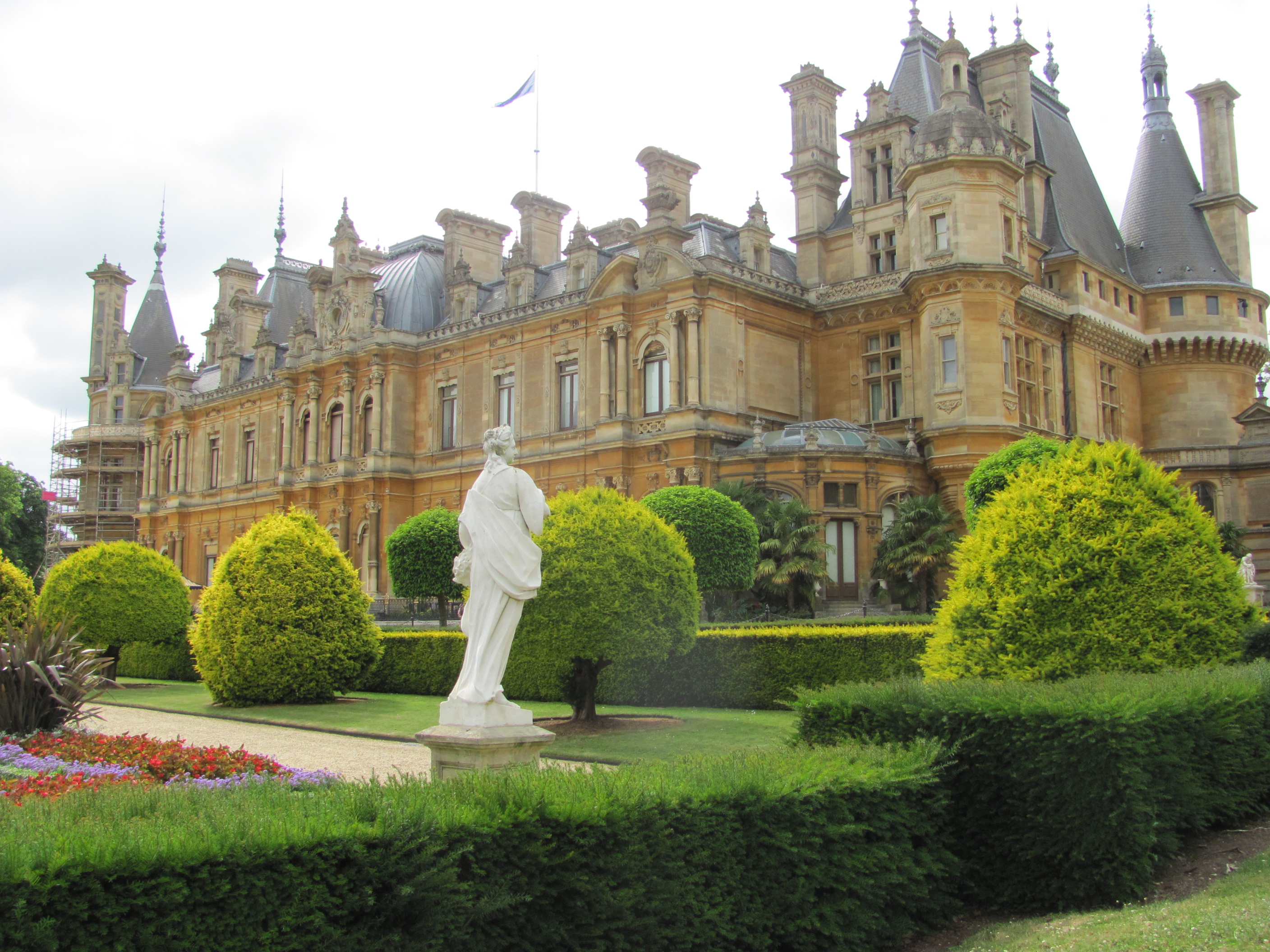
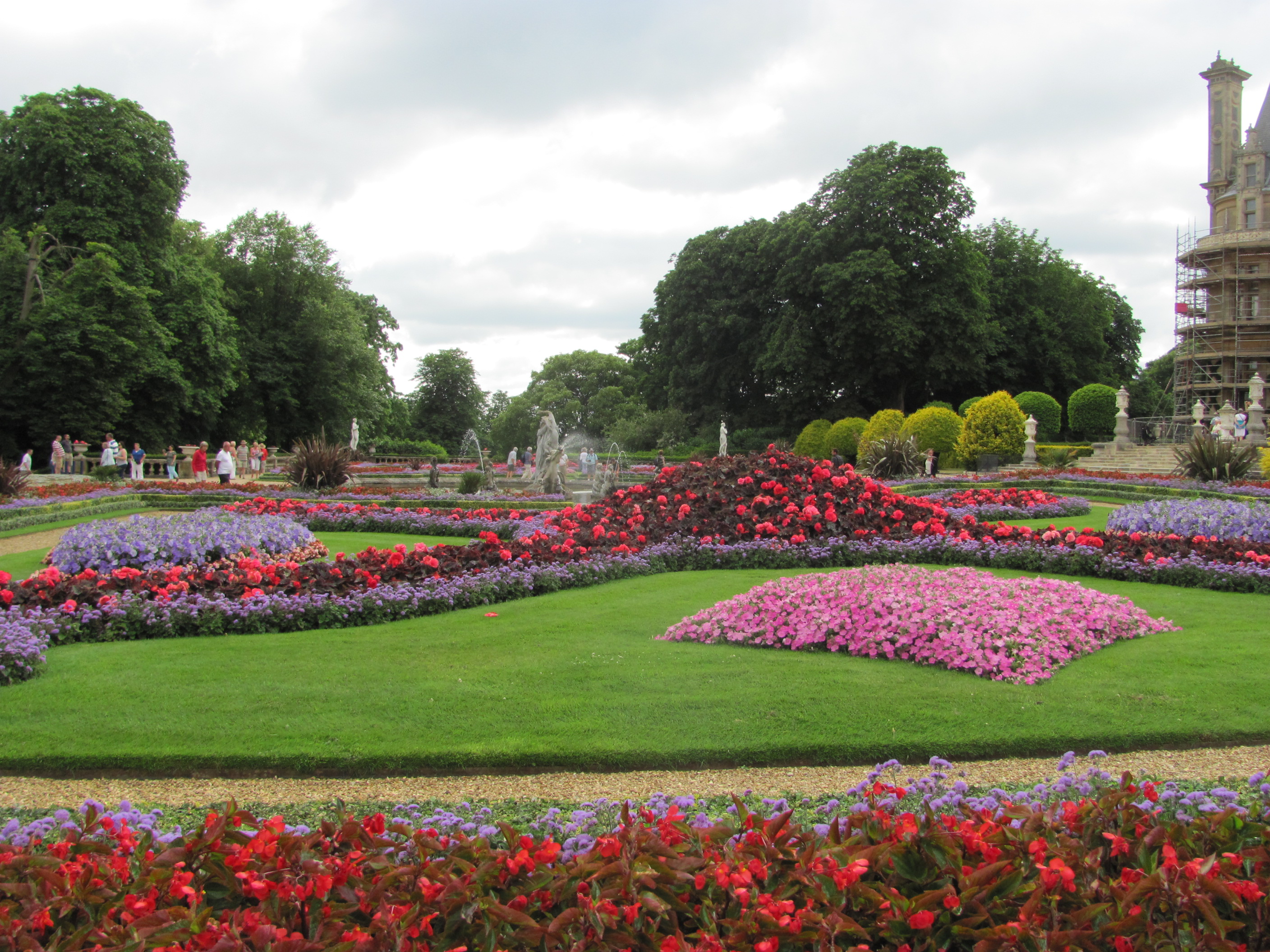
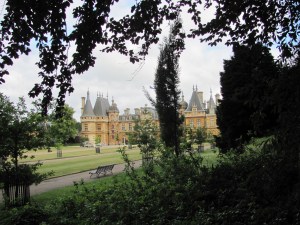
We arrived to discover Waddestonto be an architecturally fussy building in the style of a French chateau. I admired it but didn’t like it. Jude, the Undergardener liked it a lot.

2013 07 24_2046 2013 07 24_2047

2013 07 24_2058

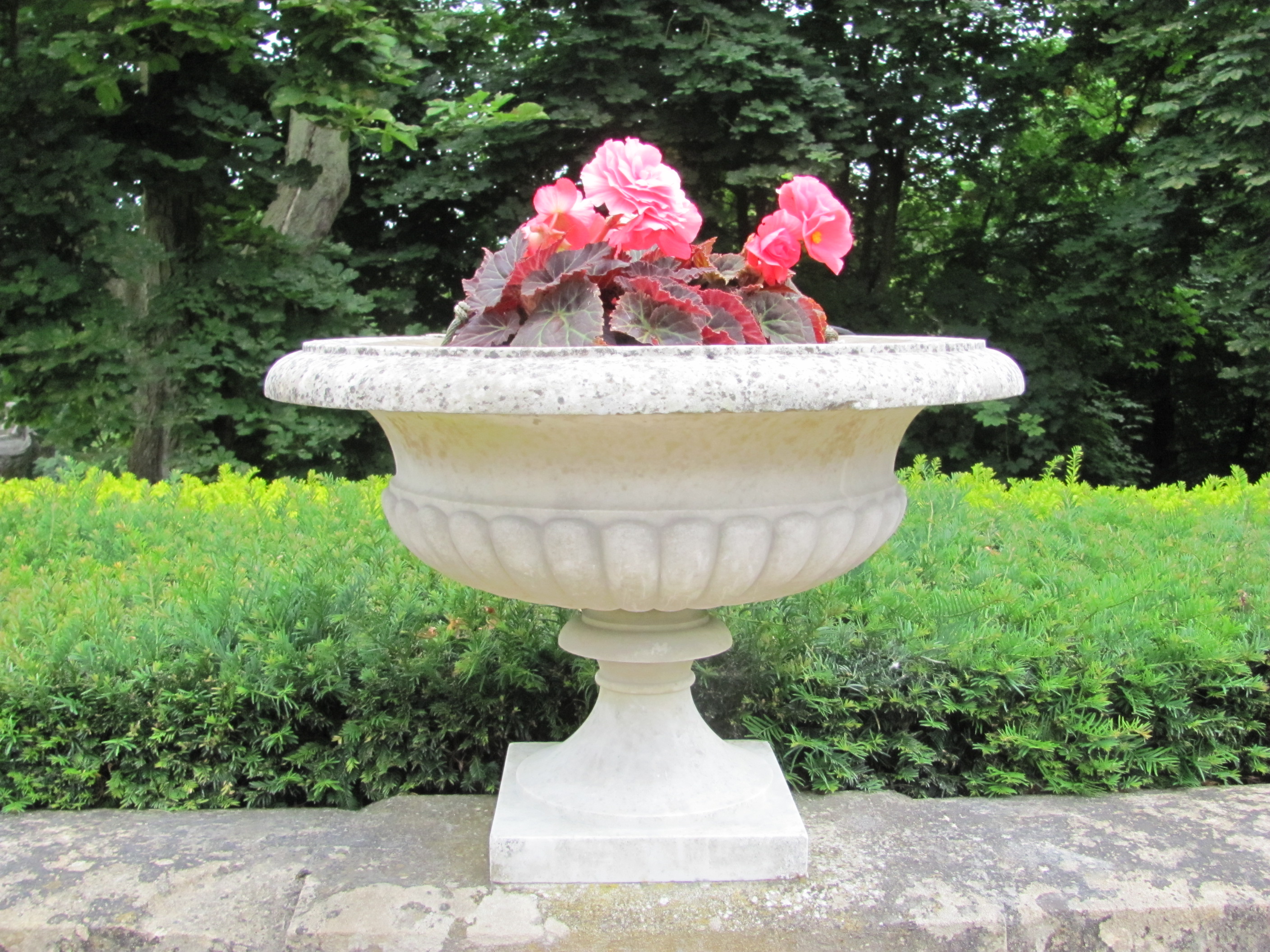
There were lots of fussy little details in the building, such as this ornate gate post.

2013 07 24_2057

The gardens close to the house were very formal similar to the bedding schemes found in our town parks. Too bright and again too fussy for my liking.

2013 07 24_2051 2013 07 24_2052 2013 07 24_2053 2013 07 24_2056 2013 07 24_2055

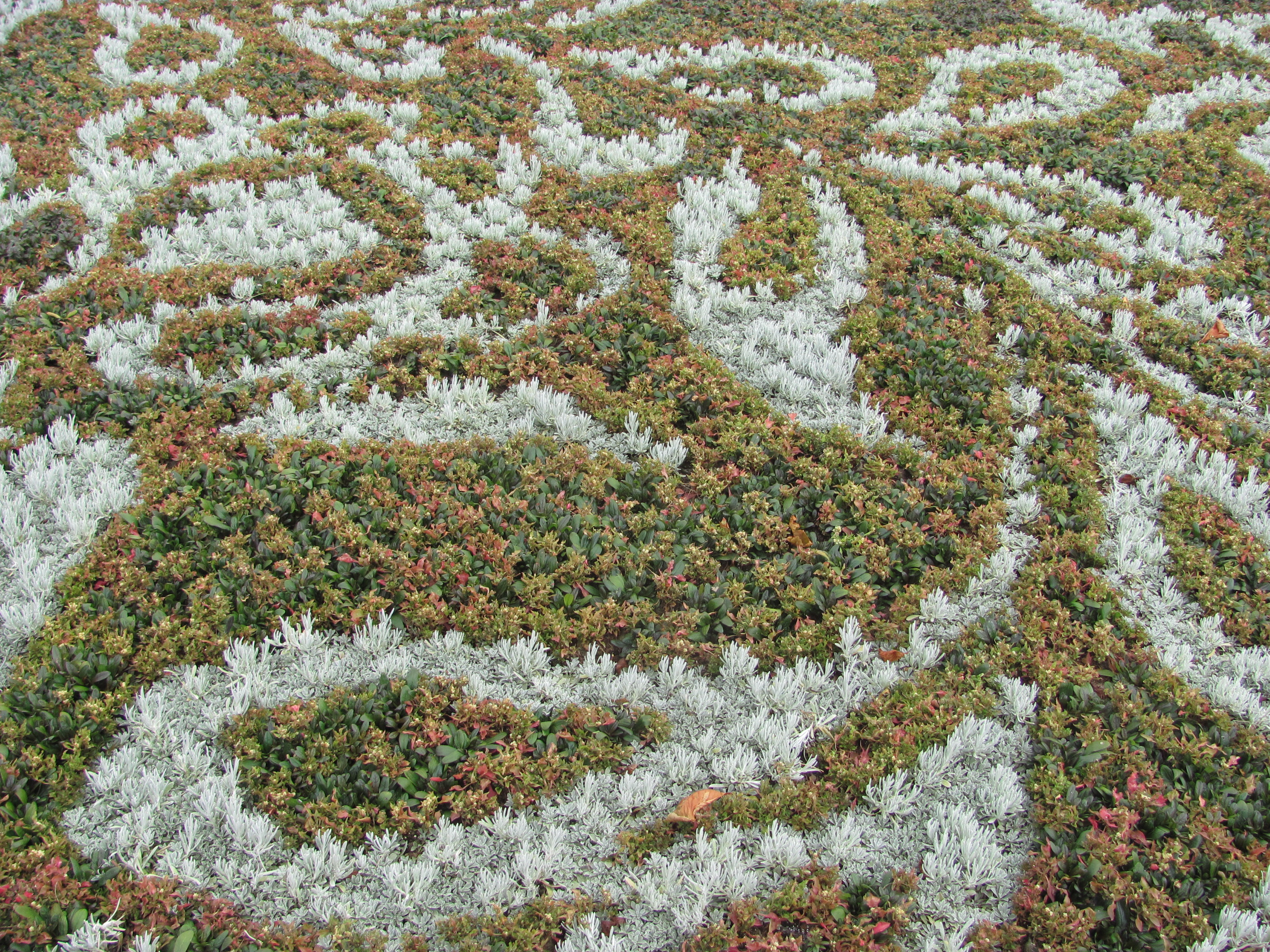
But this one bed was interesting as the colours were far more subtle. It turned out that this border was based on ancient lace work from the house.

2013 07 24_2054

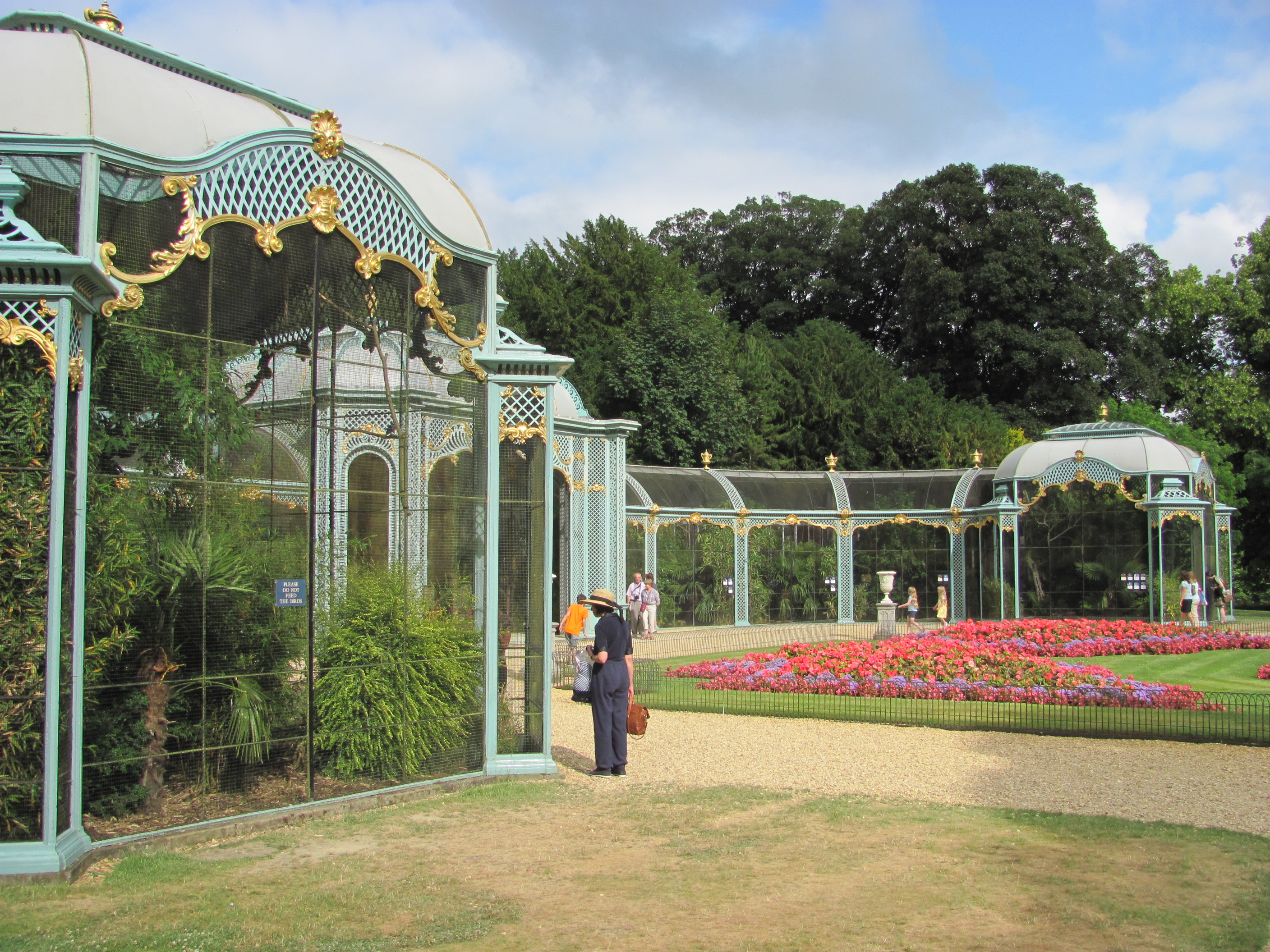
Walking a few minutes from the house into the more informal areas of the garden we came across a real surprise, a very ornate terrace of aviaries housing rare birds. These birds were being bred with the intention of building up species numbers and reintroducing them back into their natural habitats.

2013 07 24_2061 2013 07 24_2062

Further from the house away from the formal gardens there were small cameos which interested me more.

2013 07 24_2065 2013 07 24_2064 2013 07 24_2063 2013 07 24_2060  2013 07 24_2067 2013 07 24_2066

So, although I was unsure when we arrived at Waddeston, I will now admit that I did enjoy the visit. Even though I found the rigidity of the formal bedding schemes with their gaudy colours unpleasant, I can see that they were well executed here.

Categories
architecture garden design garden photography gardening gardens open to the public Land Art landscapes ornamental trees and shrubs outdoor sculpture

A Sculpted Landscape – Boughton House

We were planning our journey to the North Norfolk coast to visit a couple of RSPB nature reserves and were seeking somewhere to visit on the way. We came across Boughton House marked on our map so googled it to find our more. We were so glad we did! The buildings were of a beautiful simple architectural style with French influences. Even the stable blocks impressed. Soft gentle lines and delicate grey-brown coloured stone.
2013 08 23_2979 2013 08 23_2978

We discovered that the grounds around the house were sculpted in the C18 in an unusual manner and recently more landforms were added by Kim Wilkie, a modern landscape architect and one of our favourites.

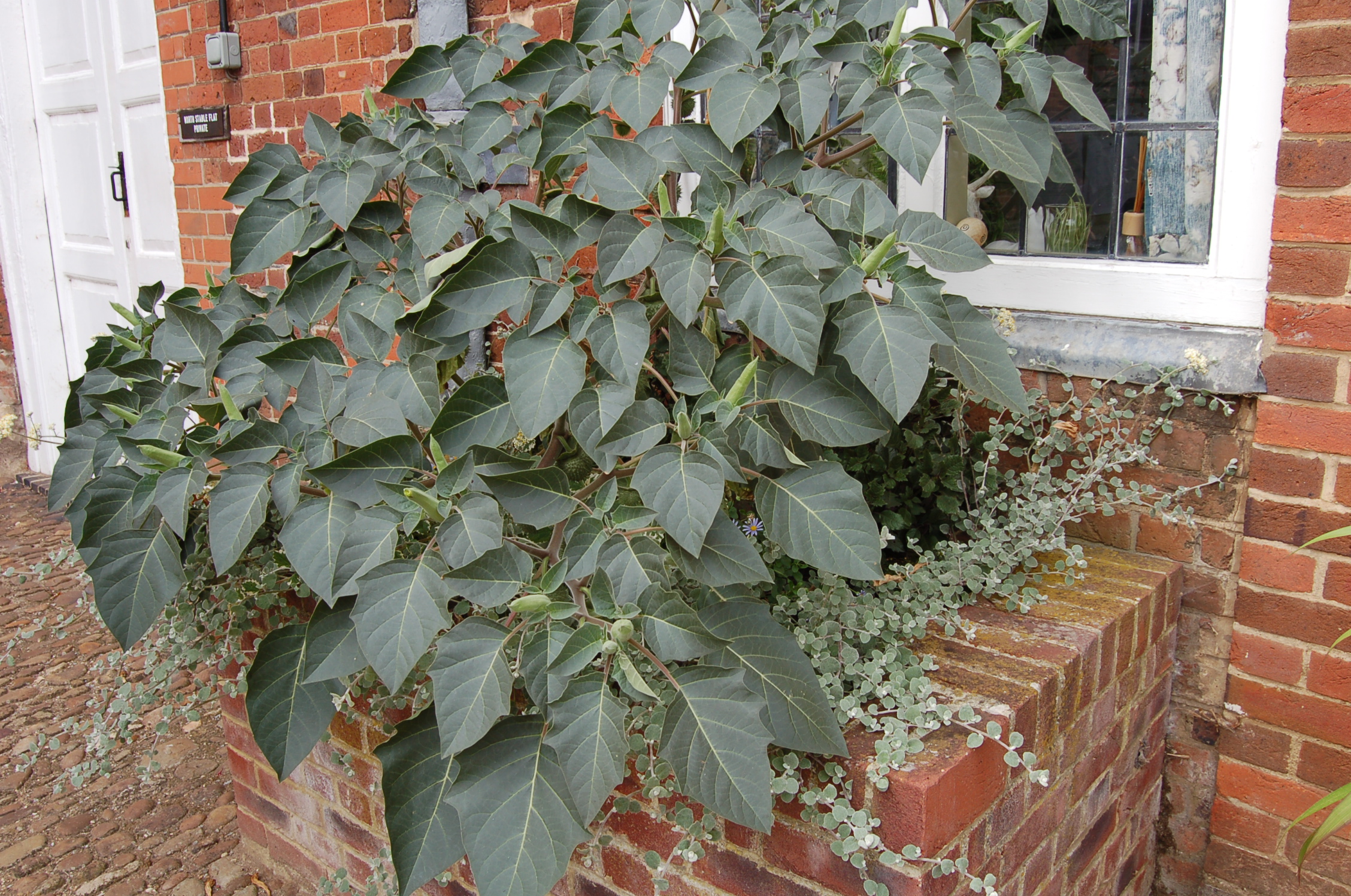
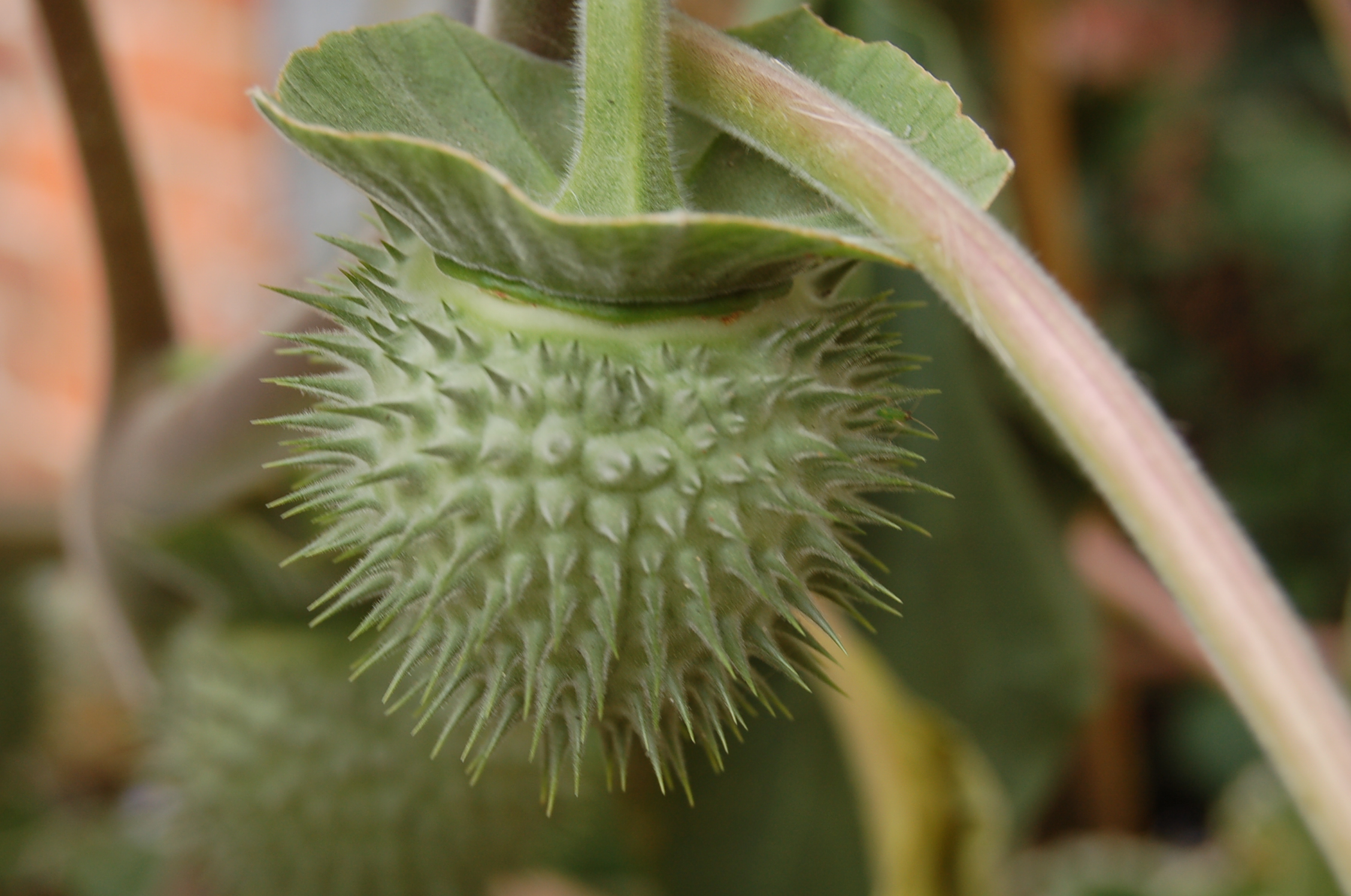
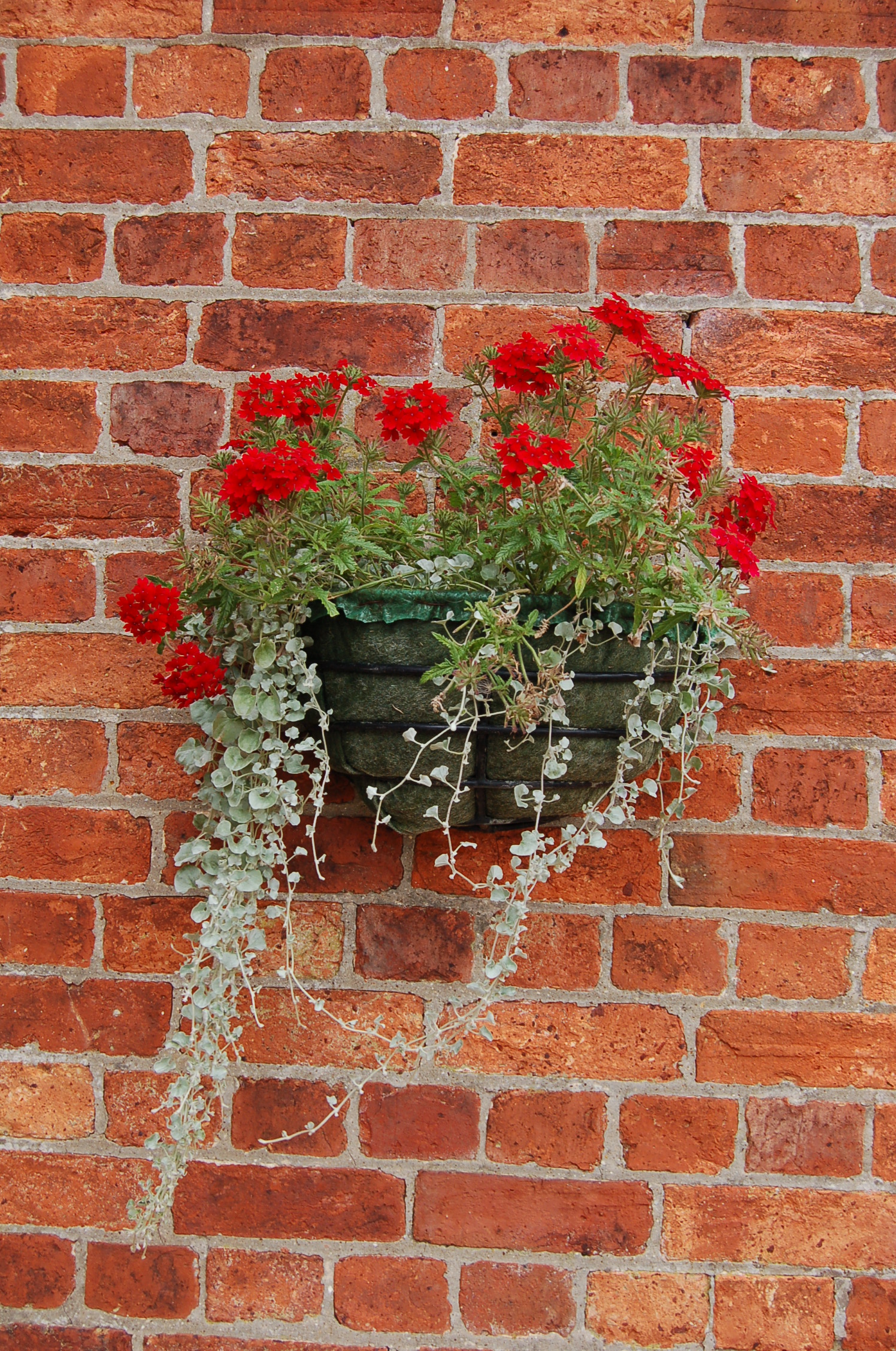
But to get to the grounds we passed through a courtyard of cobbles and gravel which featured some subtle planting combinations in containers. The strange alien-like fruits belong to the grey leaved plant, which was completely unknown to us.

2013 08 23_2972 2013 08 23_2973 2013 08 23_2975 2013 08 23_2976 2013 08 23_3106 2013 08 23_3105

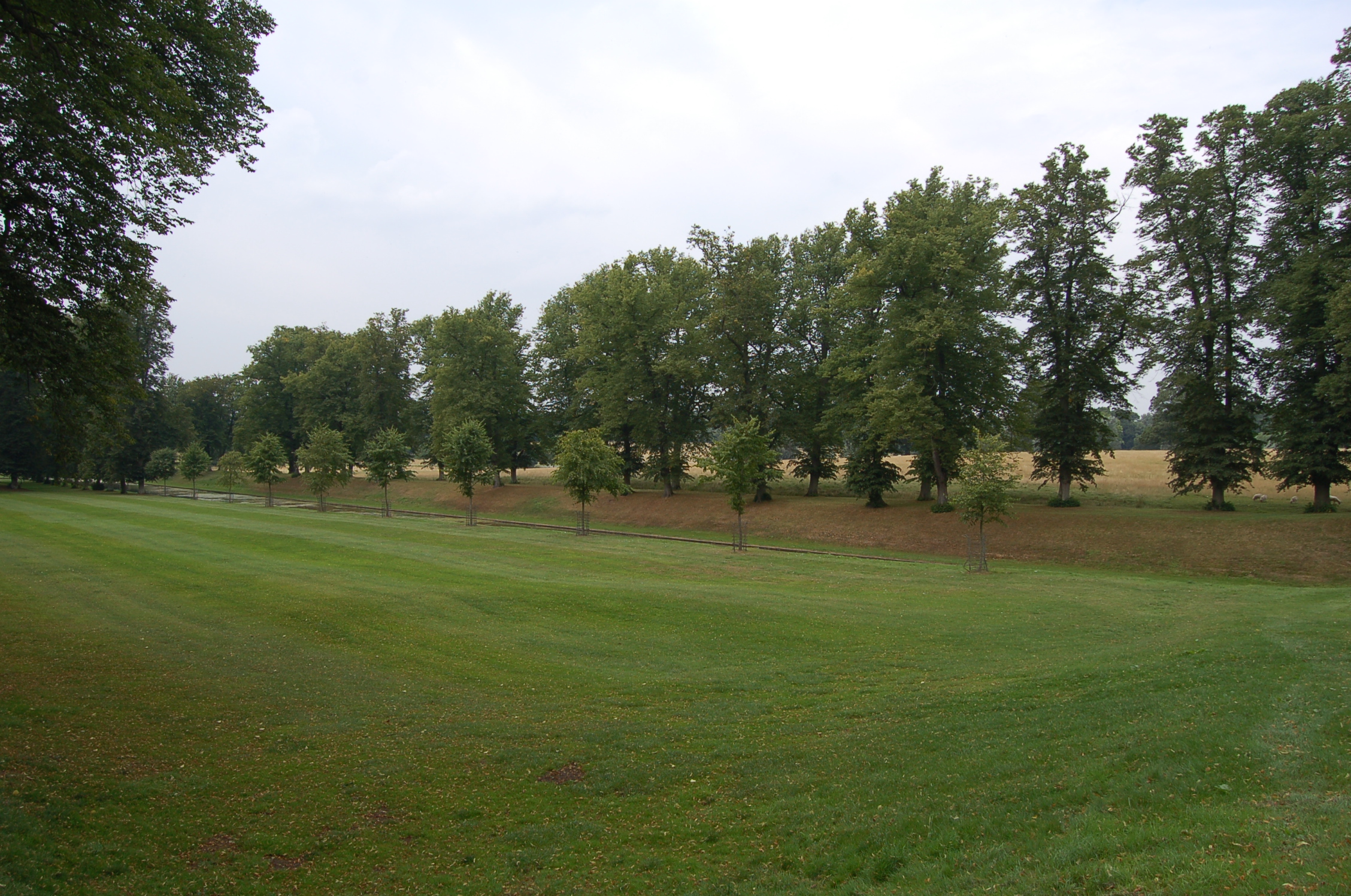
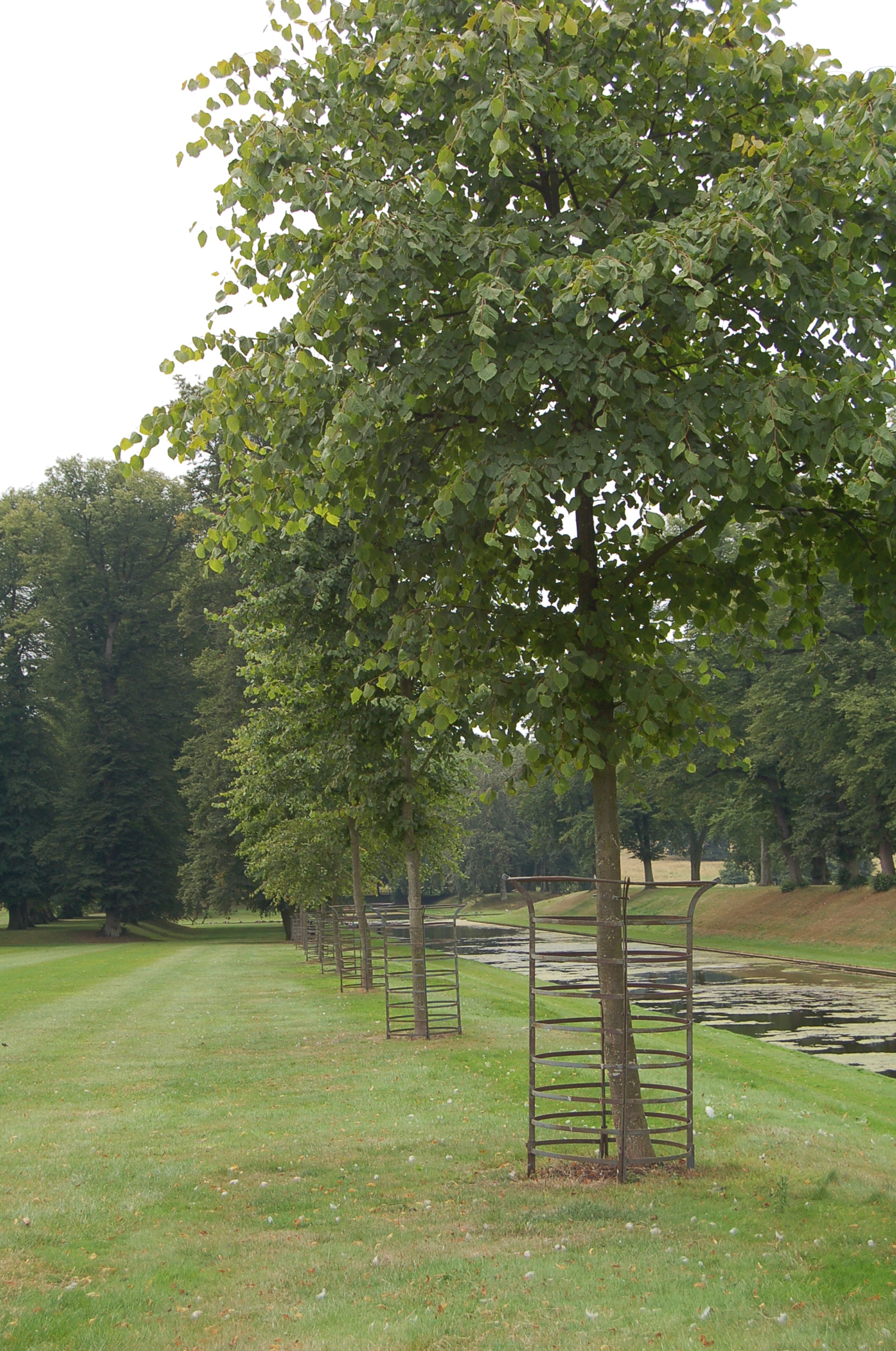
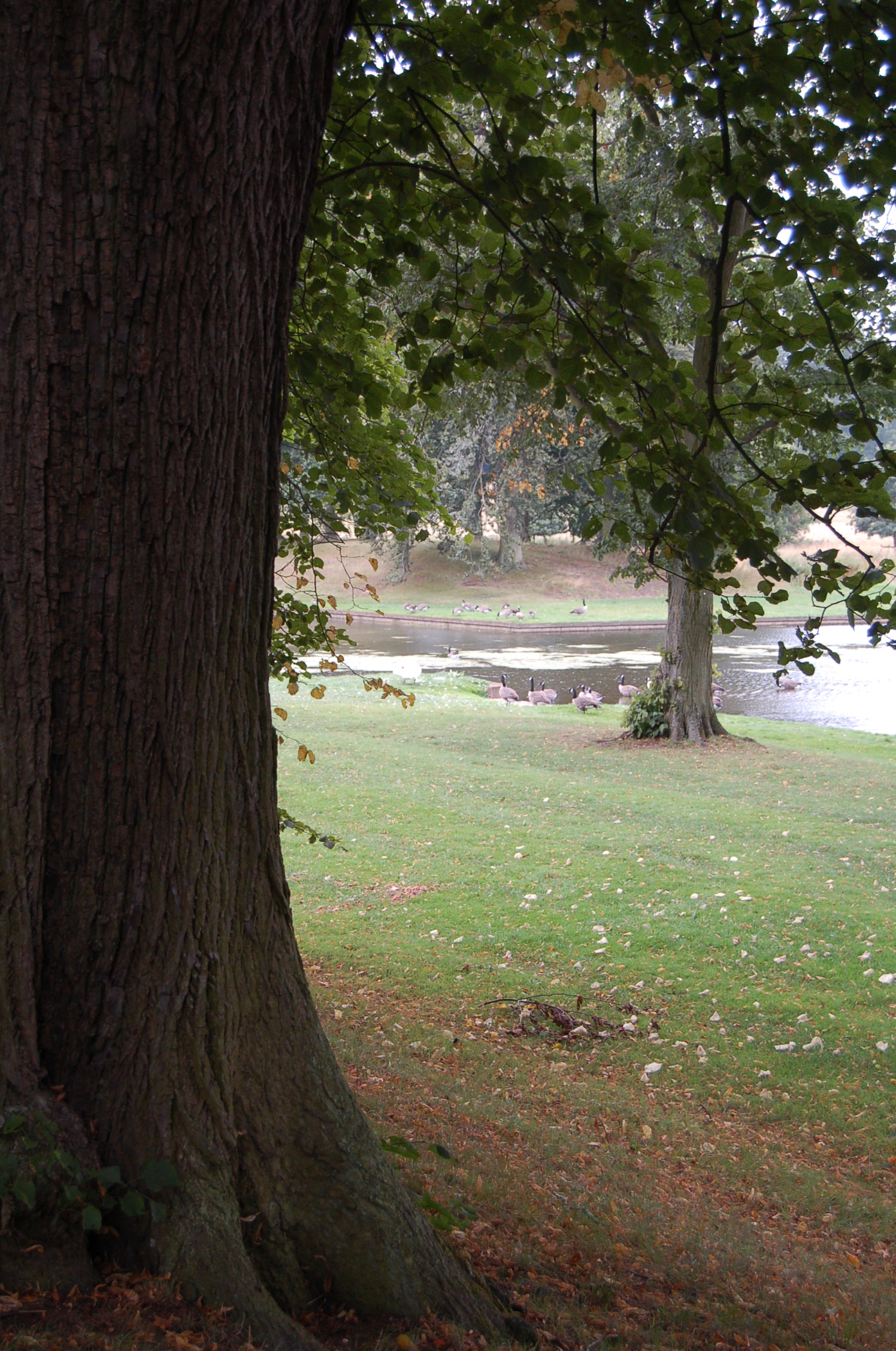
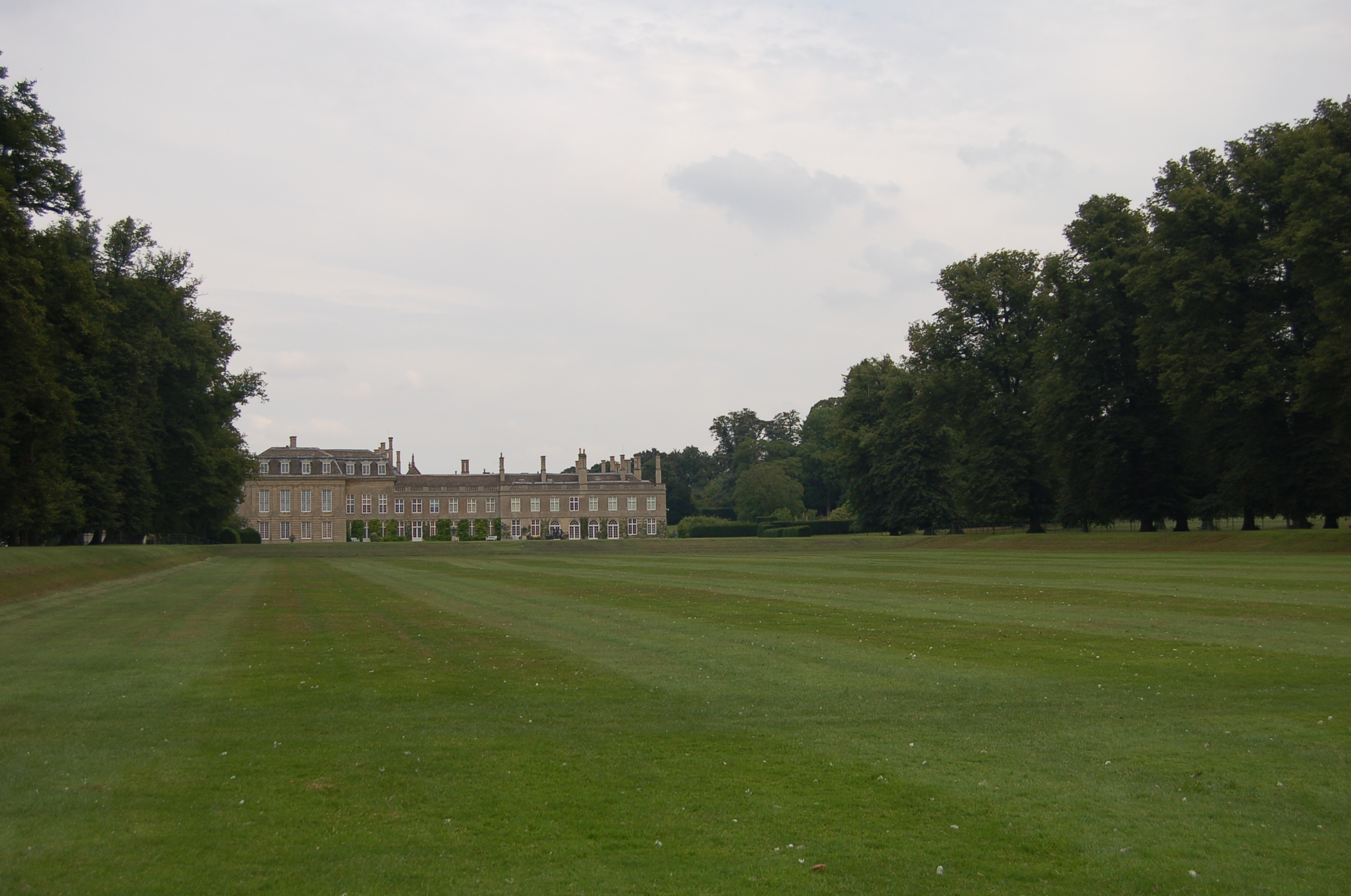
Off into the parkland and we came across long avenues of lime trees and huge canal features, constructed way back in the C18. These original features were supposed to have been inspired by Versailles.

2013 08 23_2981 2013 08 23_2982 2013 08 23_2983 2013 08 23_2984 2013 08 23_2986 2013 08 23_2987 2013 08 23_2988 2013 08 23_2989 2013 08 23_2990

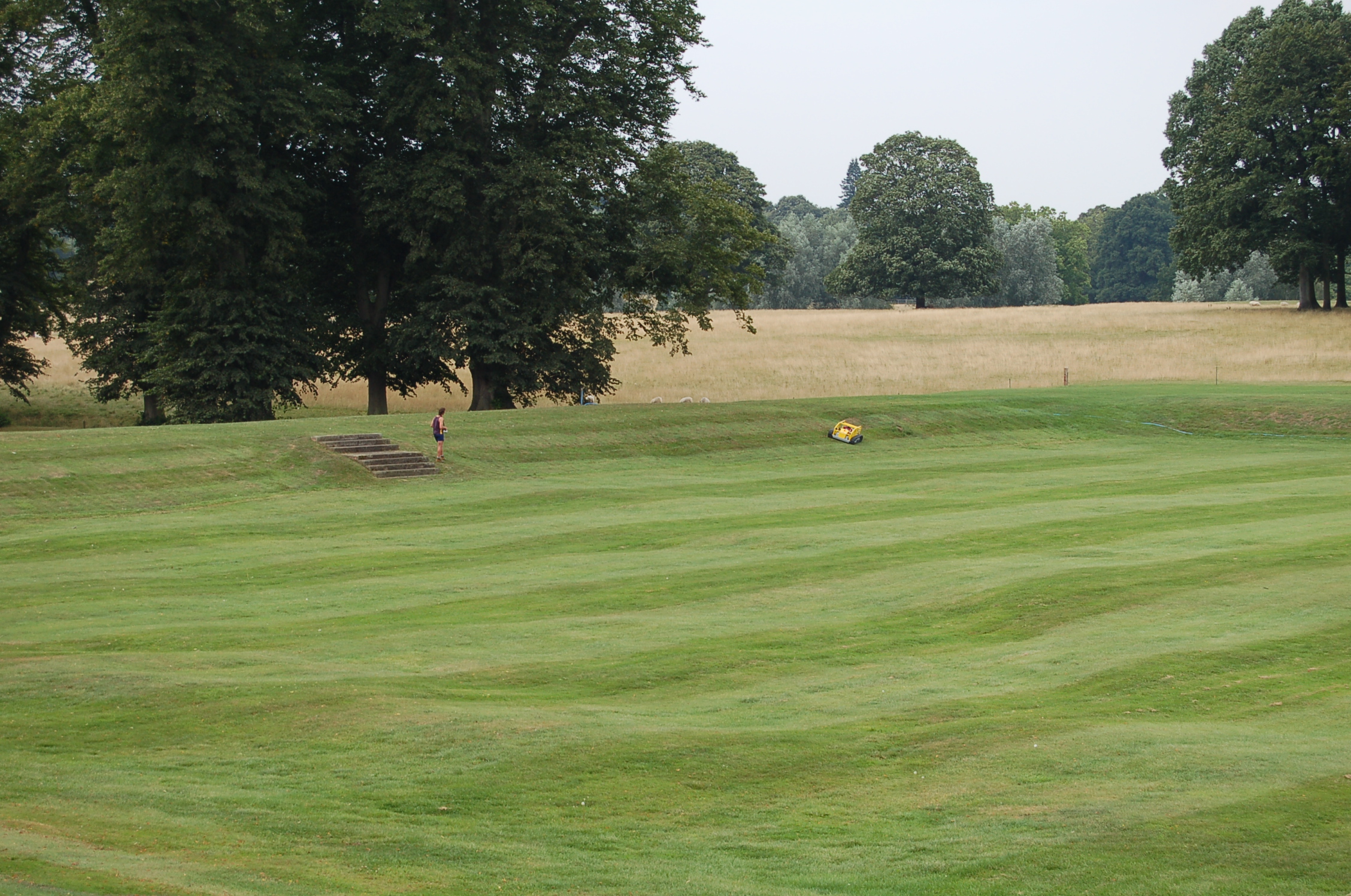
Of course the problem with all these sloping areas of grass is mowing them. When originally conceived the landowners would not have required their grass to be cut as short as modern gardeners want. So their scythes were perfectly up to the job. The gardeners at Boughton today use ingenious remote-controlled mowers with caterpillar tracks instead of wheels to give extra grip on the steep gradients.

2013 08 23_2985

As we reached the far end of these long canals we passed a larger lake and gained views of the house at the far end of a vast expanse of lawn.

2013 08 23_2989 2013 08 23_2991 2013 08 23_2992 2013 08 23_2993 2013 08 23_2994 2013 08 23_2995

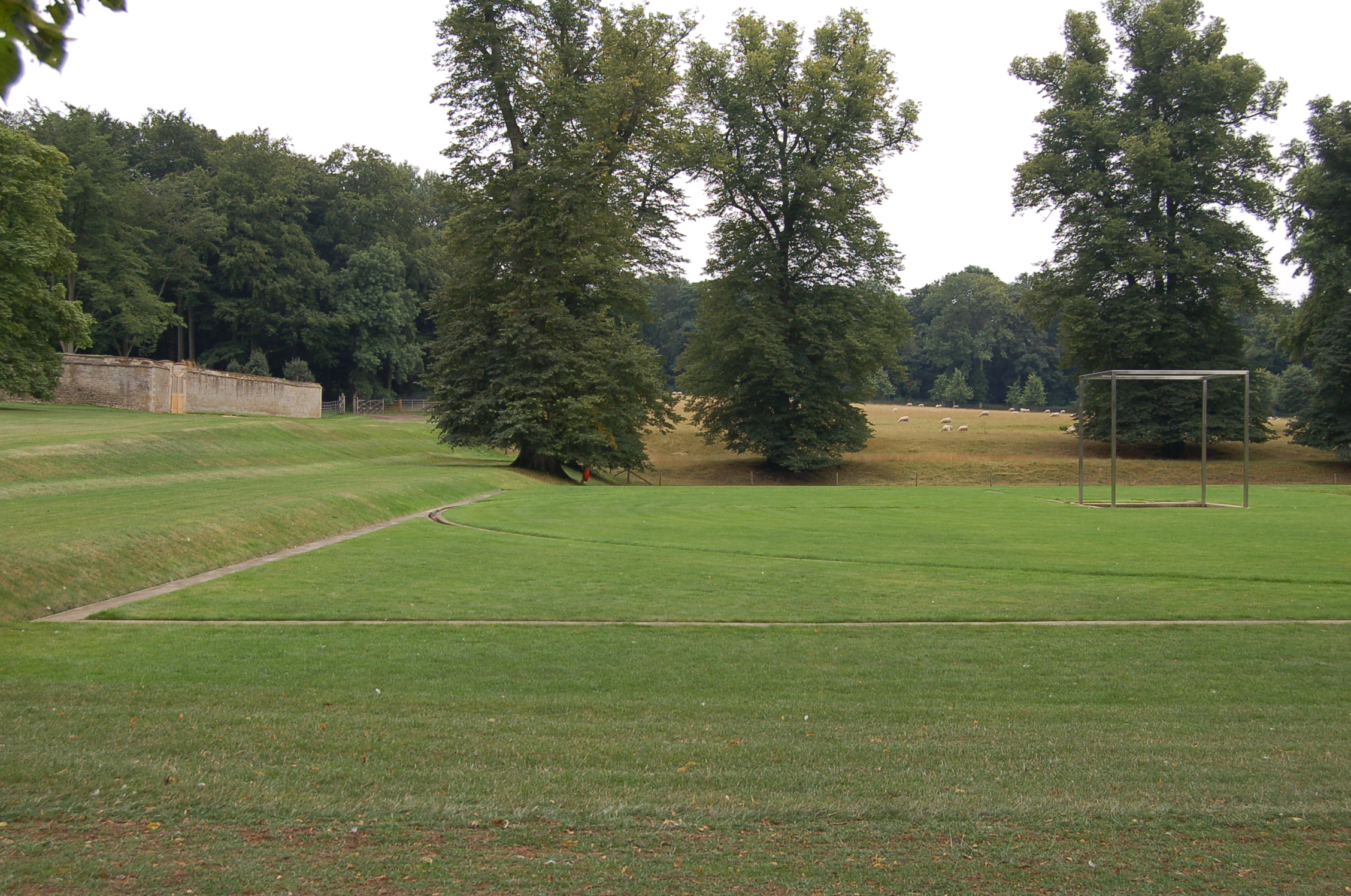
The modern landforms fitted so well into the original landscapes that it was hard to see identify where one finished and another started.

This stimulating piece of land art was based on the structure of the spiral in nature such as the framework that gives sea shells their strength. It gave us a feeling of satisfaction as it seemed so settled into the landscape and invited exploration.

2013 08 23_3009 2013 08 23_3008 2013 08 23_3007 2013 08 23_3006 2013 08 23_3005 2013 08 23_3004 2013 08 23_3003 2013 08 23_3002

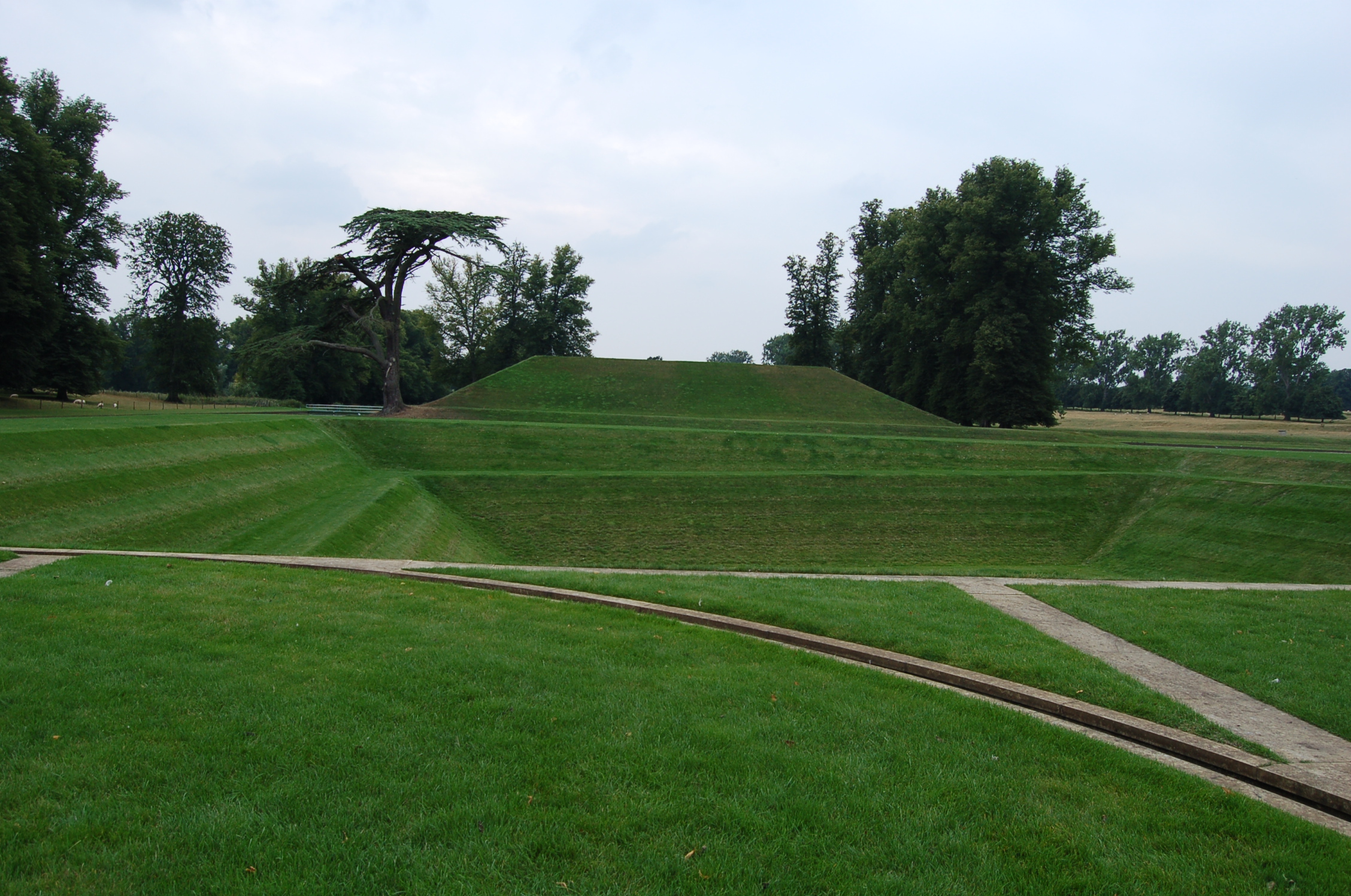
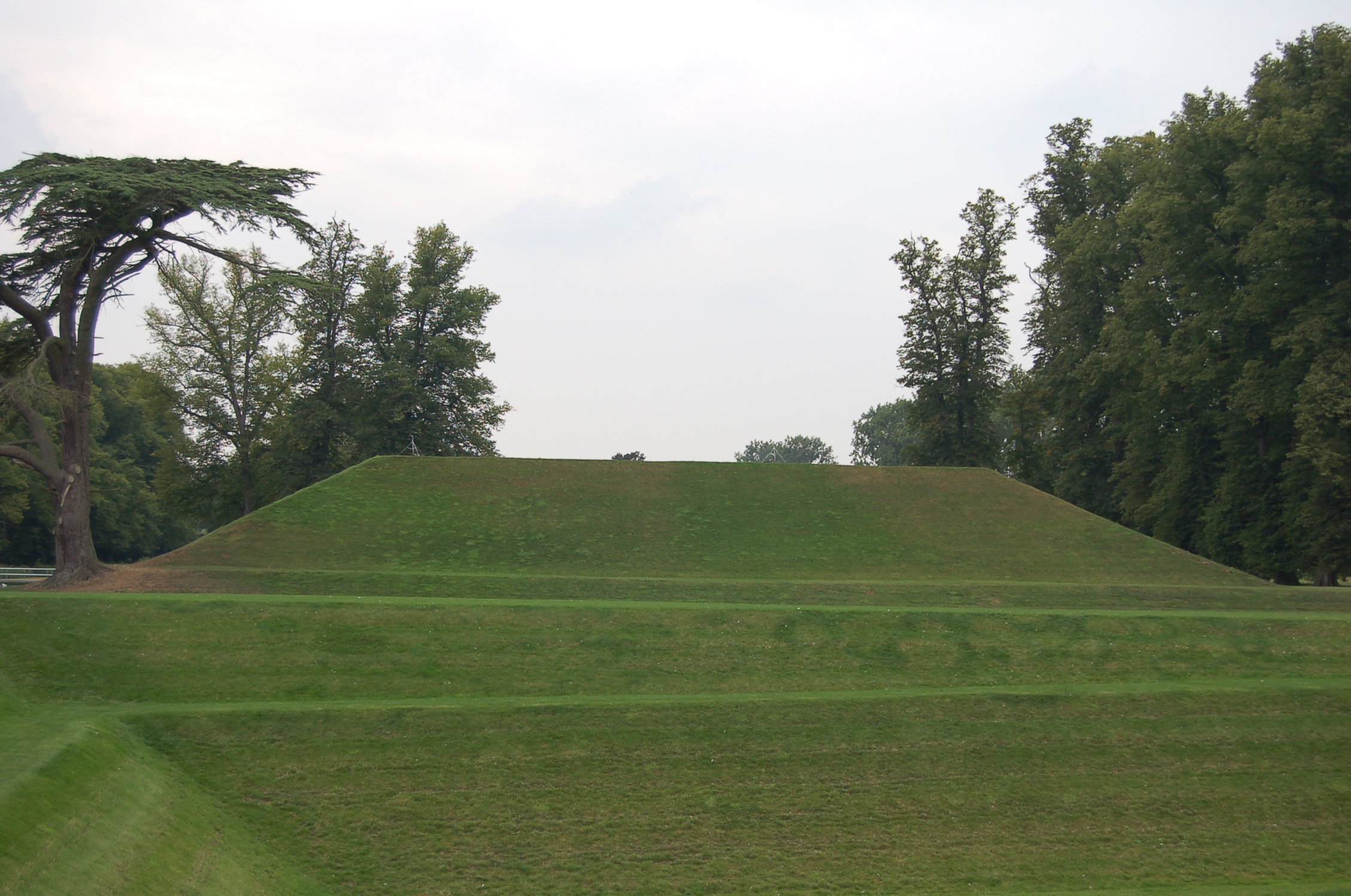
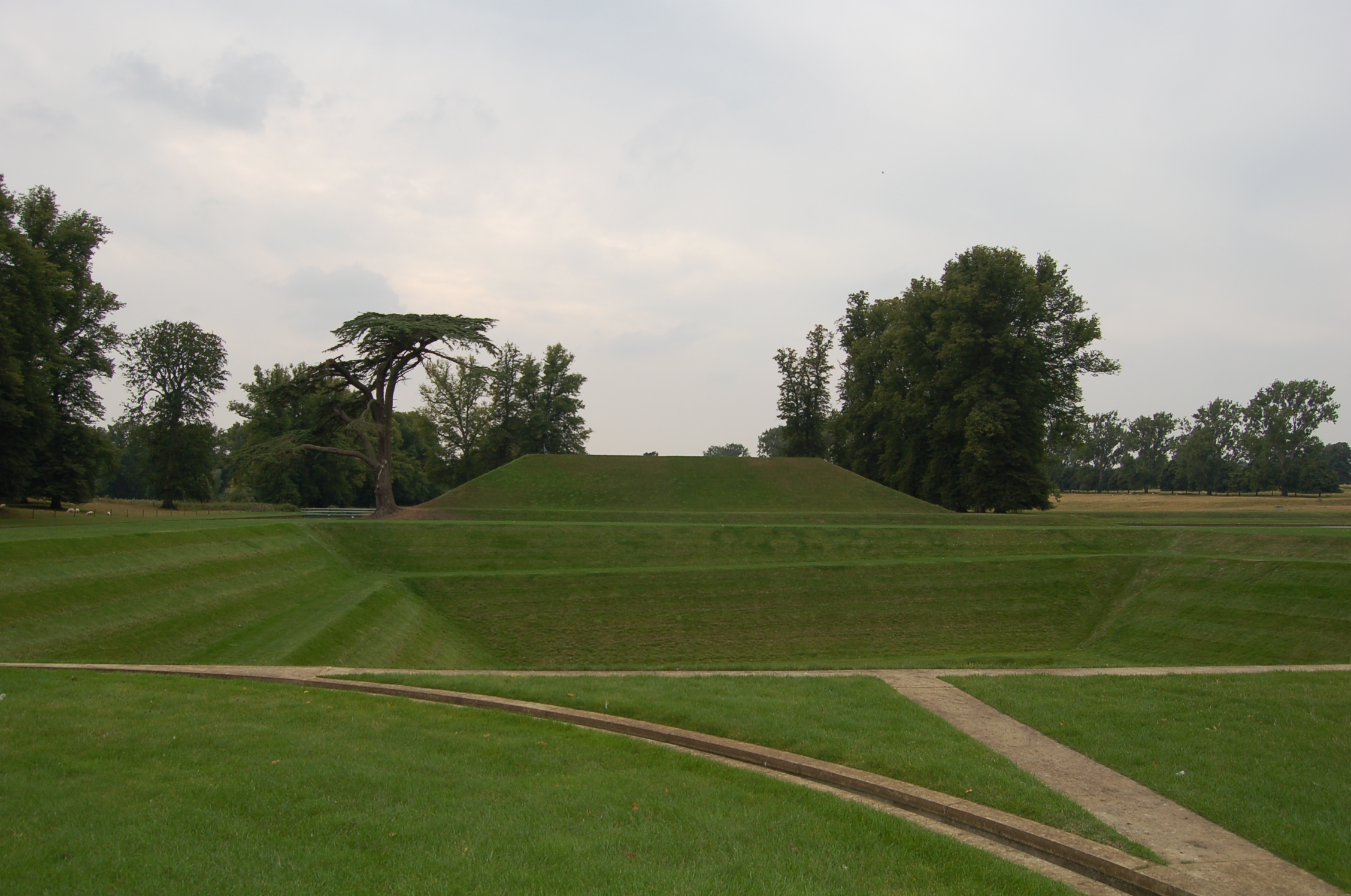
Sitting together nearby were “The Mount” and “Orpheus”, two landforms that matched, were based on the same pyramidal shape, juxtaposed perfectly but were conceived and constructed 3 centuries apart.

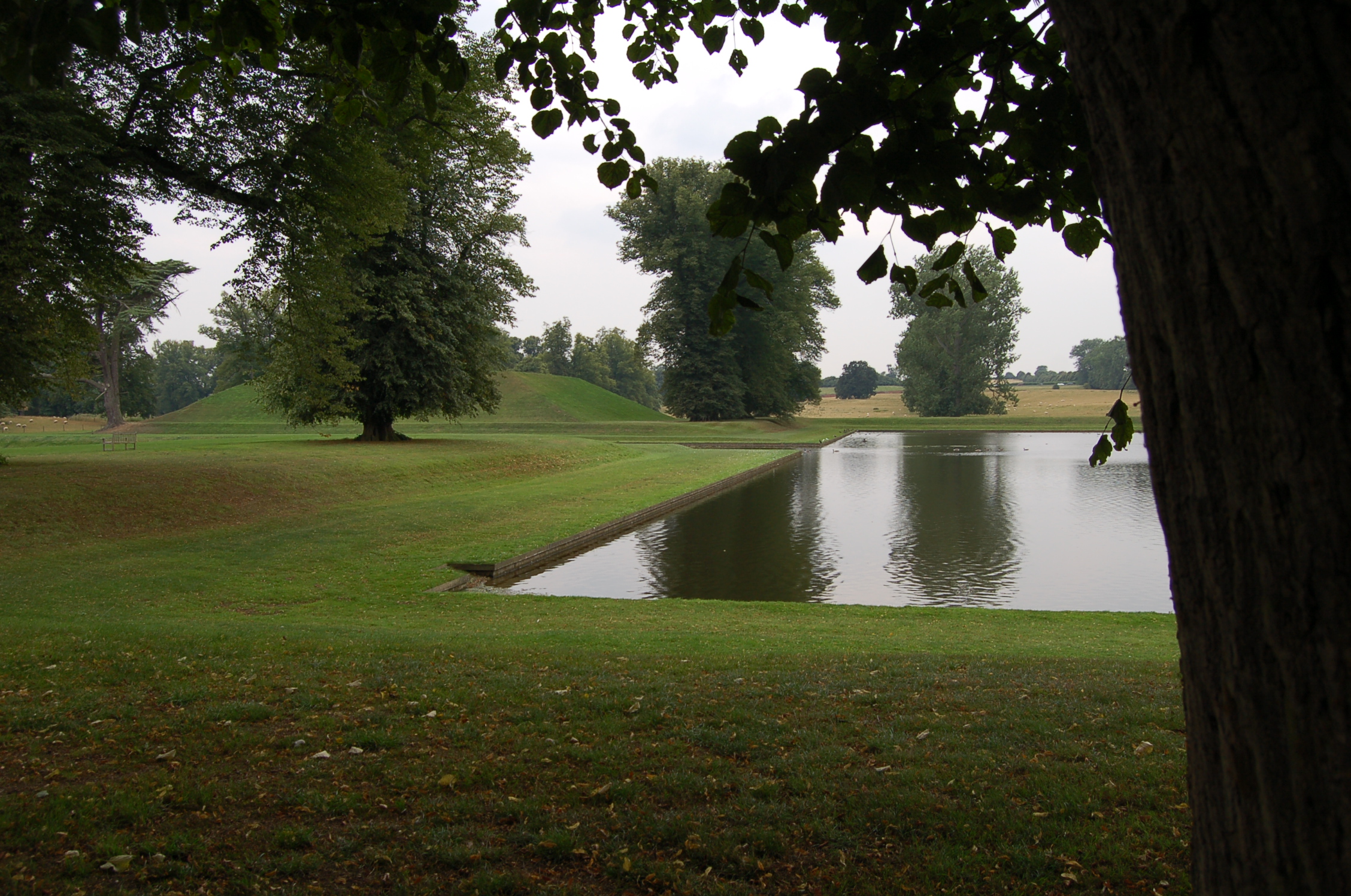
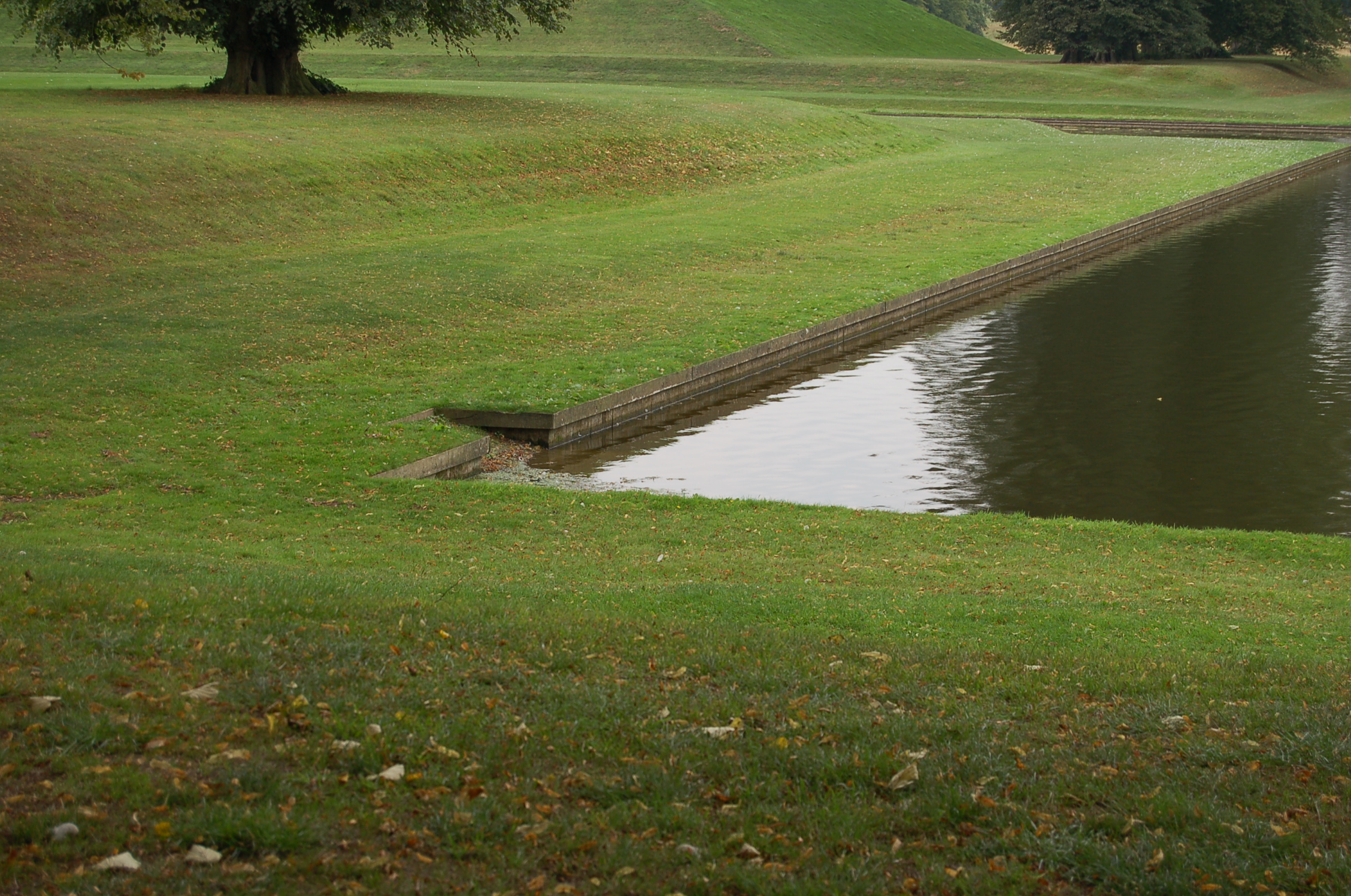
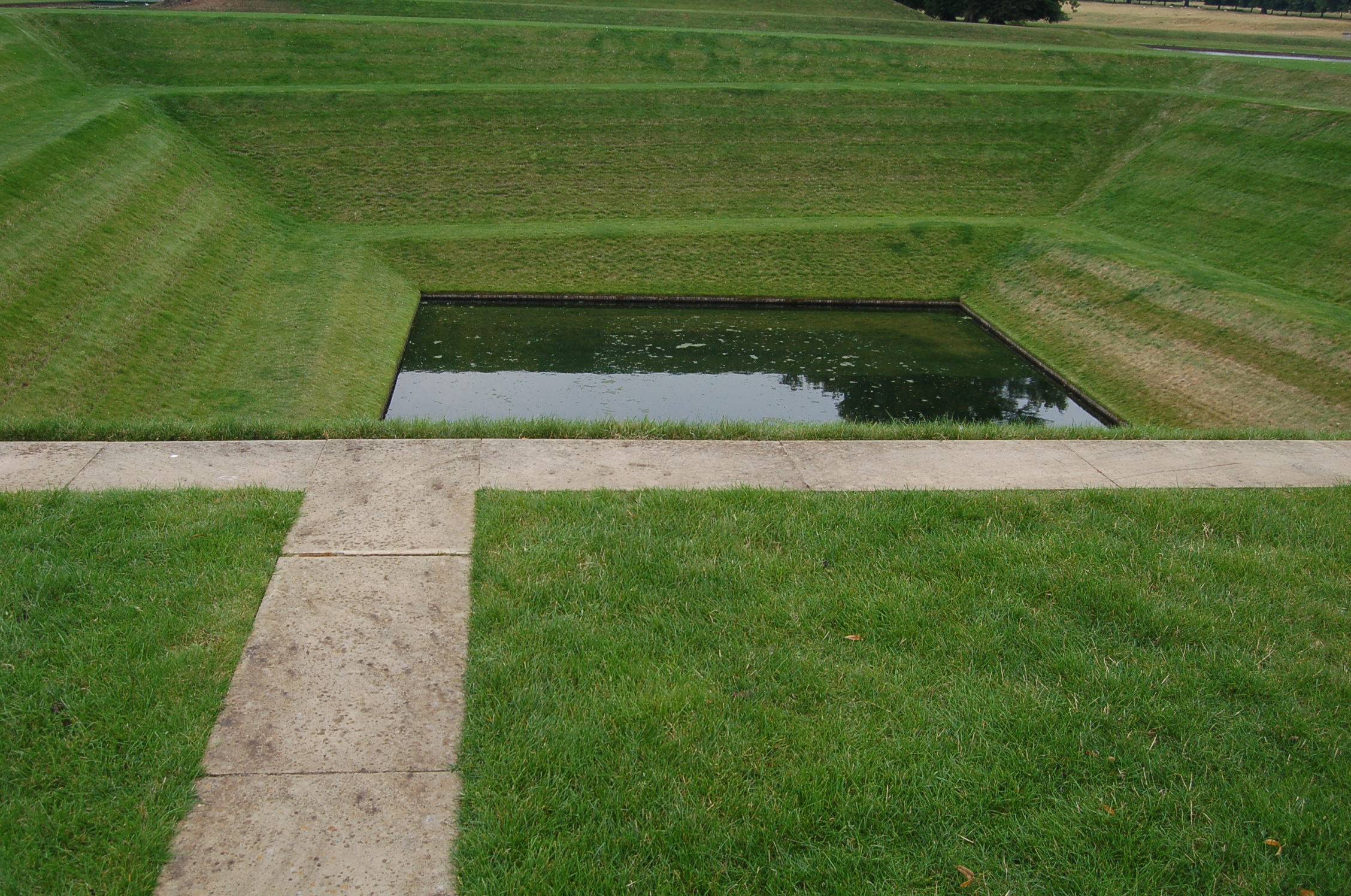
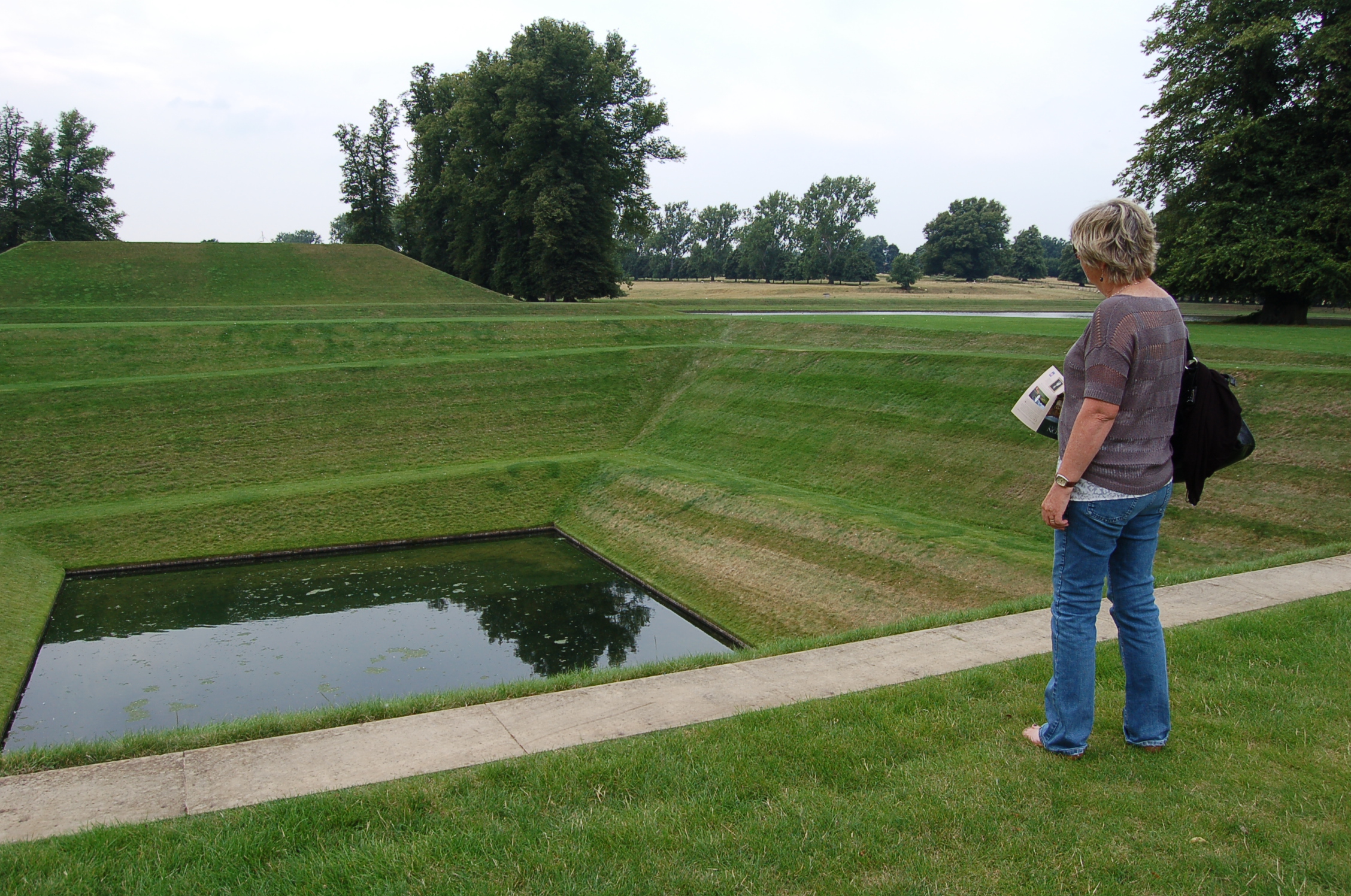
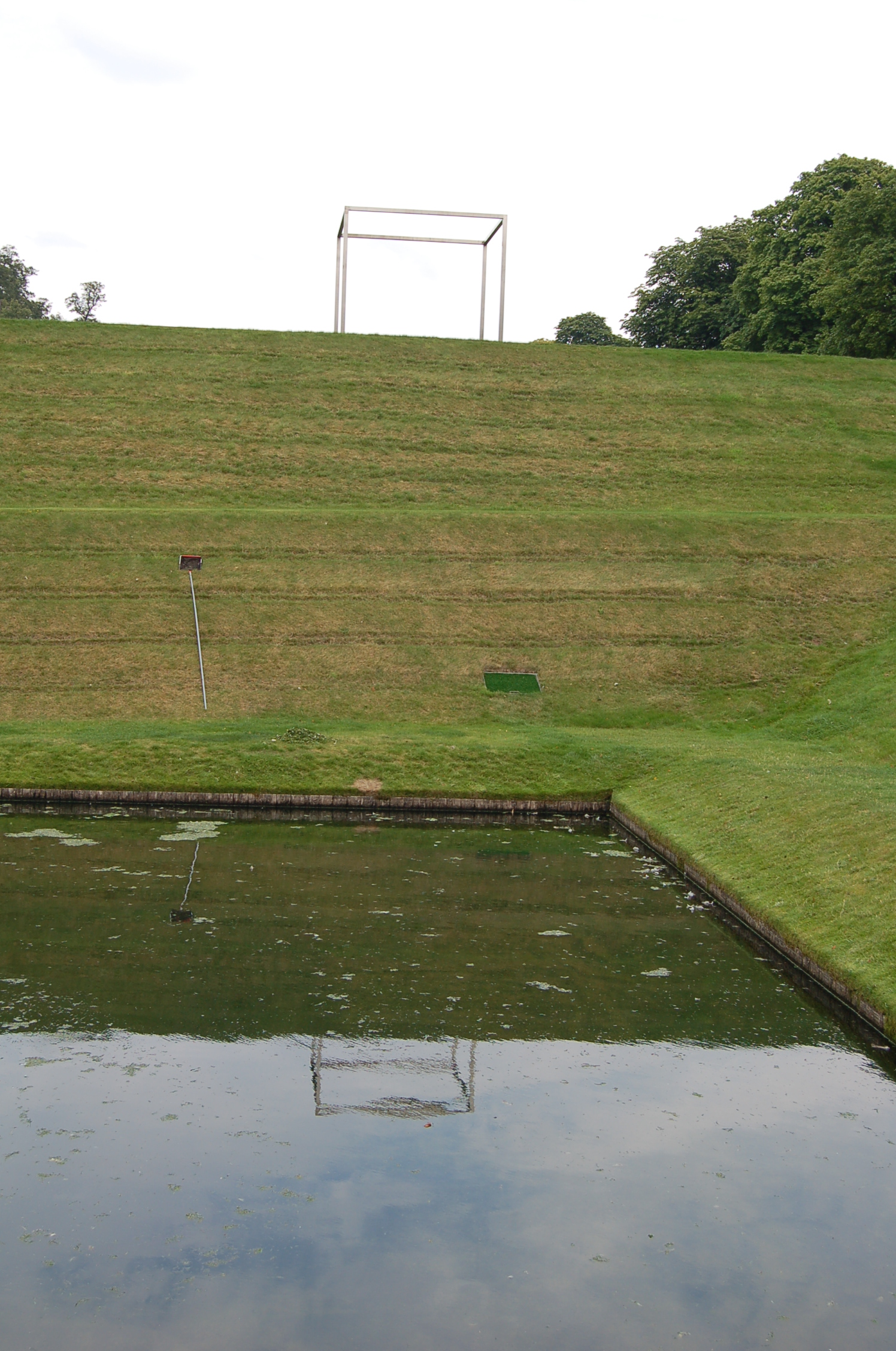
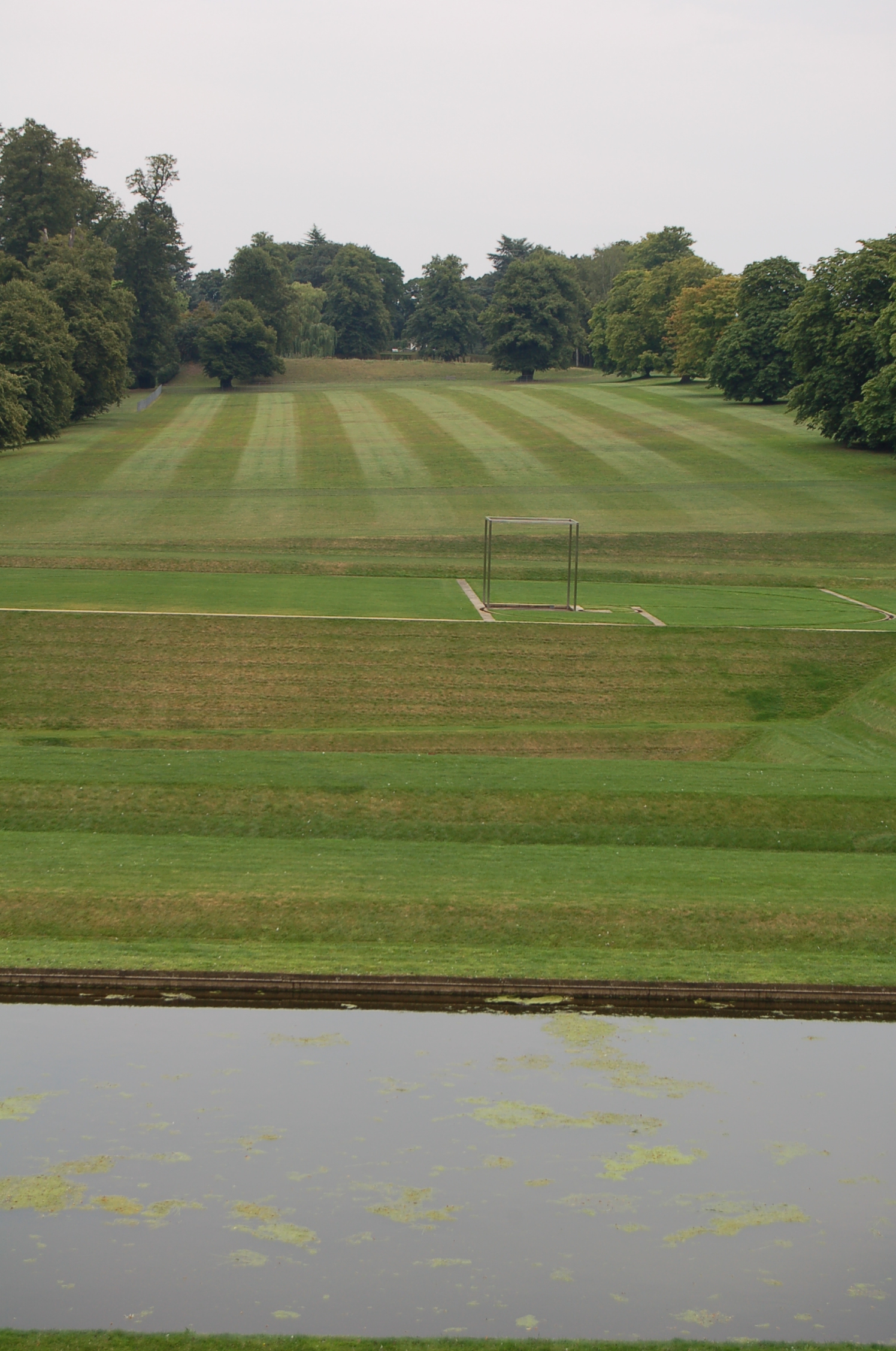
Kim Wilkie’s “Orpheus” is a hole in the ground which mirrors “The Mount” in both shape and dimensions.

2013 08 23_3011 2013 08 23_3012 2013 08 23_3013 2013 08 23_3015 2013 08 23_3016 2013 08 23_3017 2013 08 23_3018 2013 08 23_3019 2013 08 23_3020

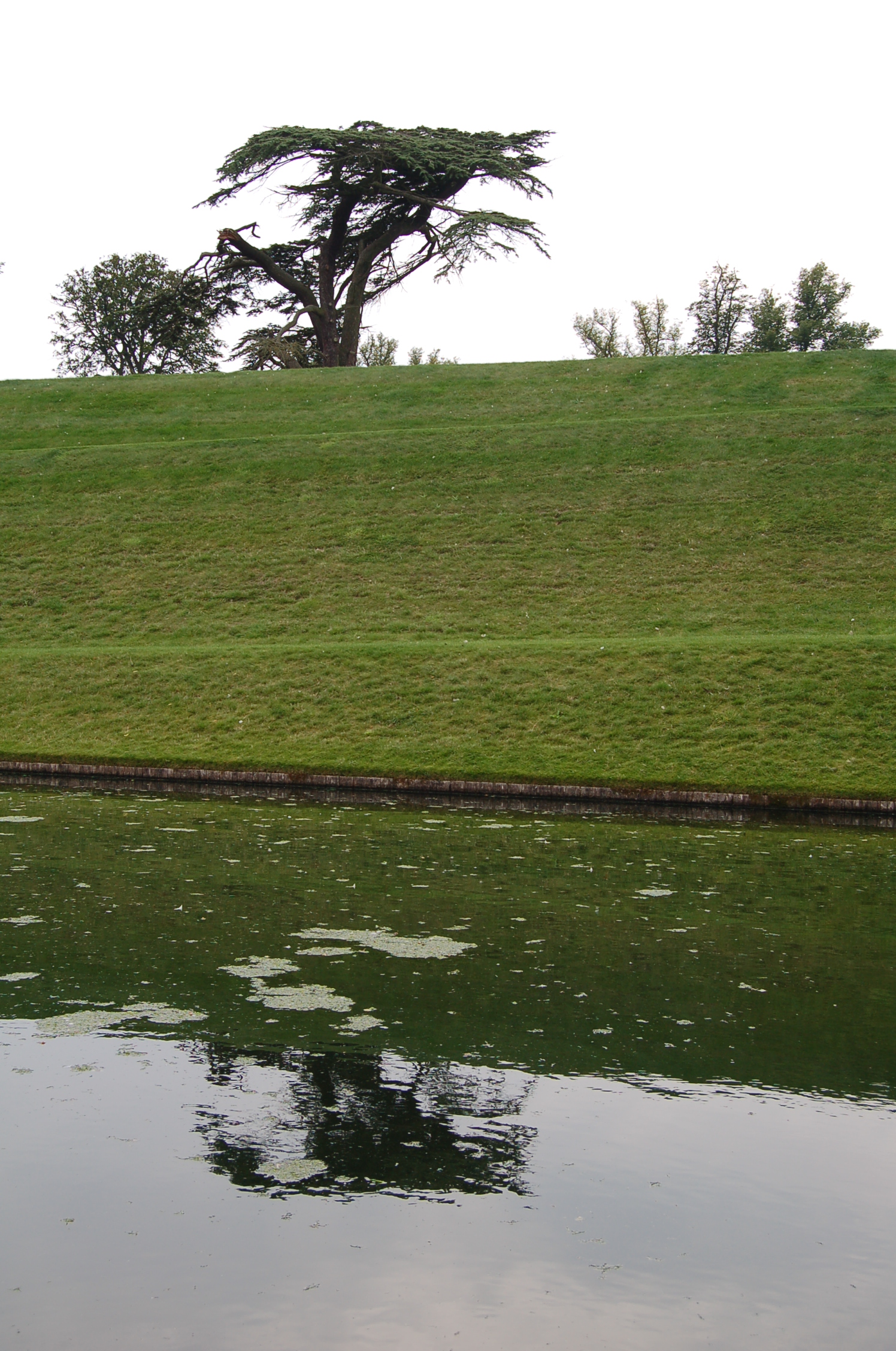
Although it was along way down to the bottom of Orpheus the path that led you there was very gentle and seemed almost level. Without effort we easily found ourselves at the bottom looking into the black water of the square pool.

2013 08 23_3024 2013 08 23_3023 2013 08 23_3028 2013 08 23_3029 2013 08 23_3030

To understand the scale of the landform, see if you can spot Jude, The Undergardener in the two photos below. Clue – she has a blue-grey jumper on.

2013 08 23_3033 2013 08 23_3035

Next we climbed “The Mount” which was the exact opposite experience. It afforded us a different perspective on the landscape through which we had walked.

2013 08 23_3043 2013 08 23_3048 2013 08 23_3049

Boughton though had more to offer. After a quick coffee break, with cake as well of course, we explored the more intimate gardens closer to the house. But that is another story for my next posting.

Categories
architecture buildings renovation Shropshire

Exhibition in The Old Flax Mill

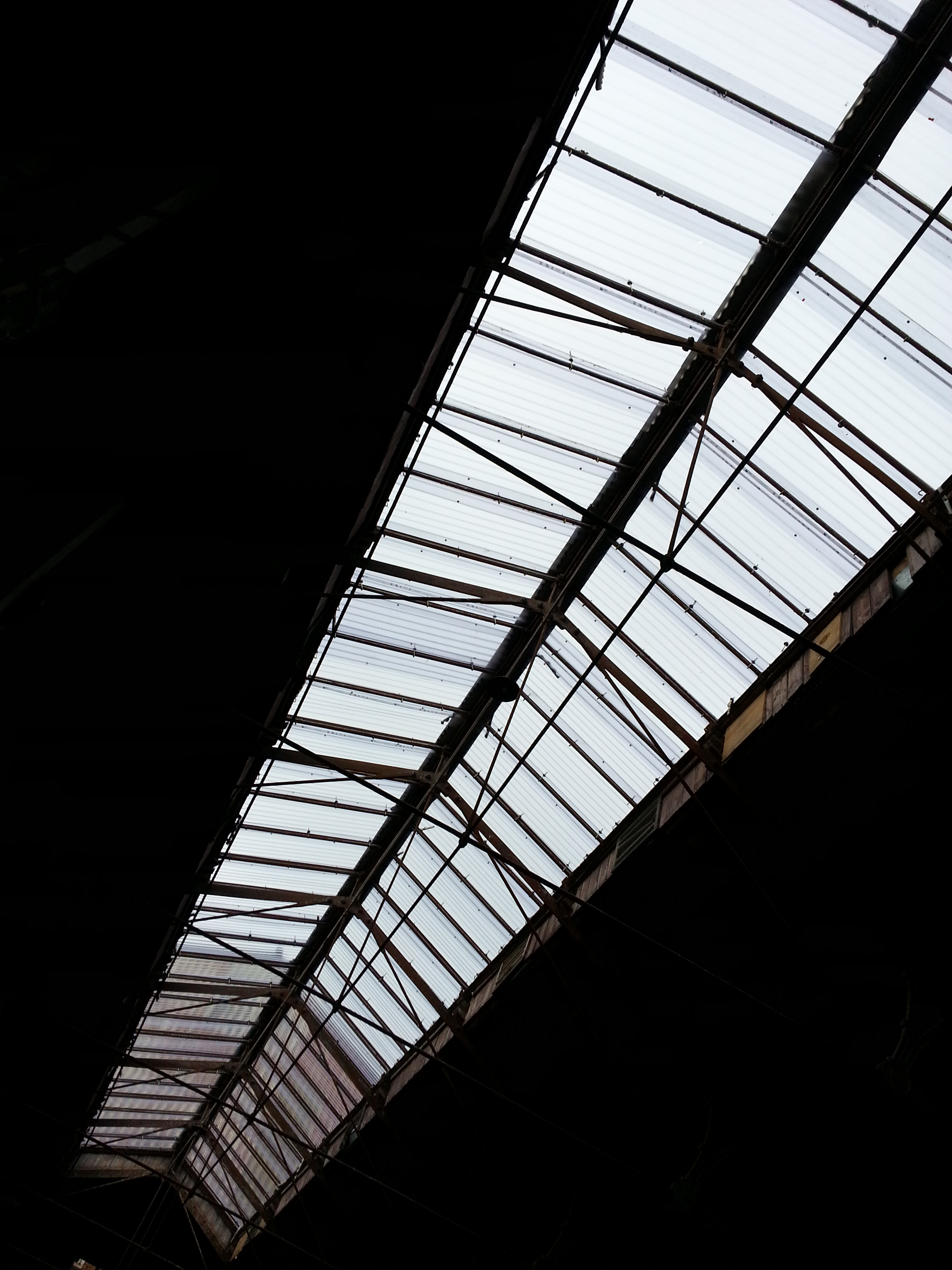
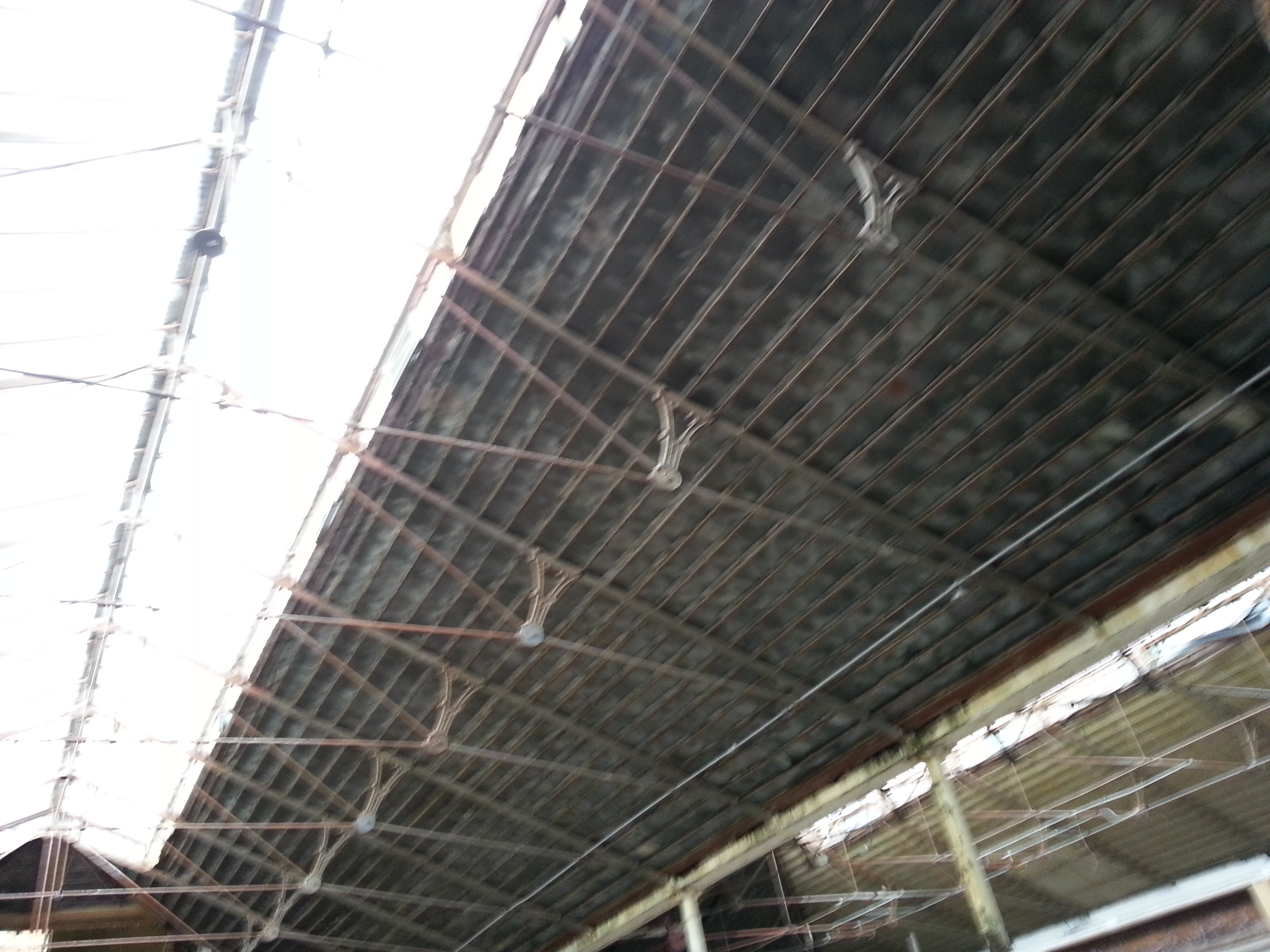
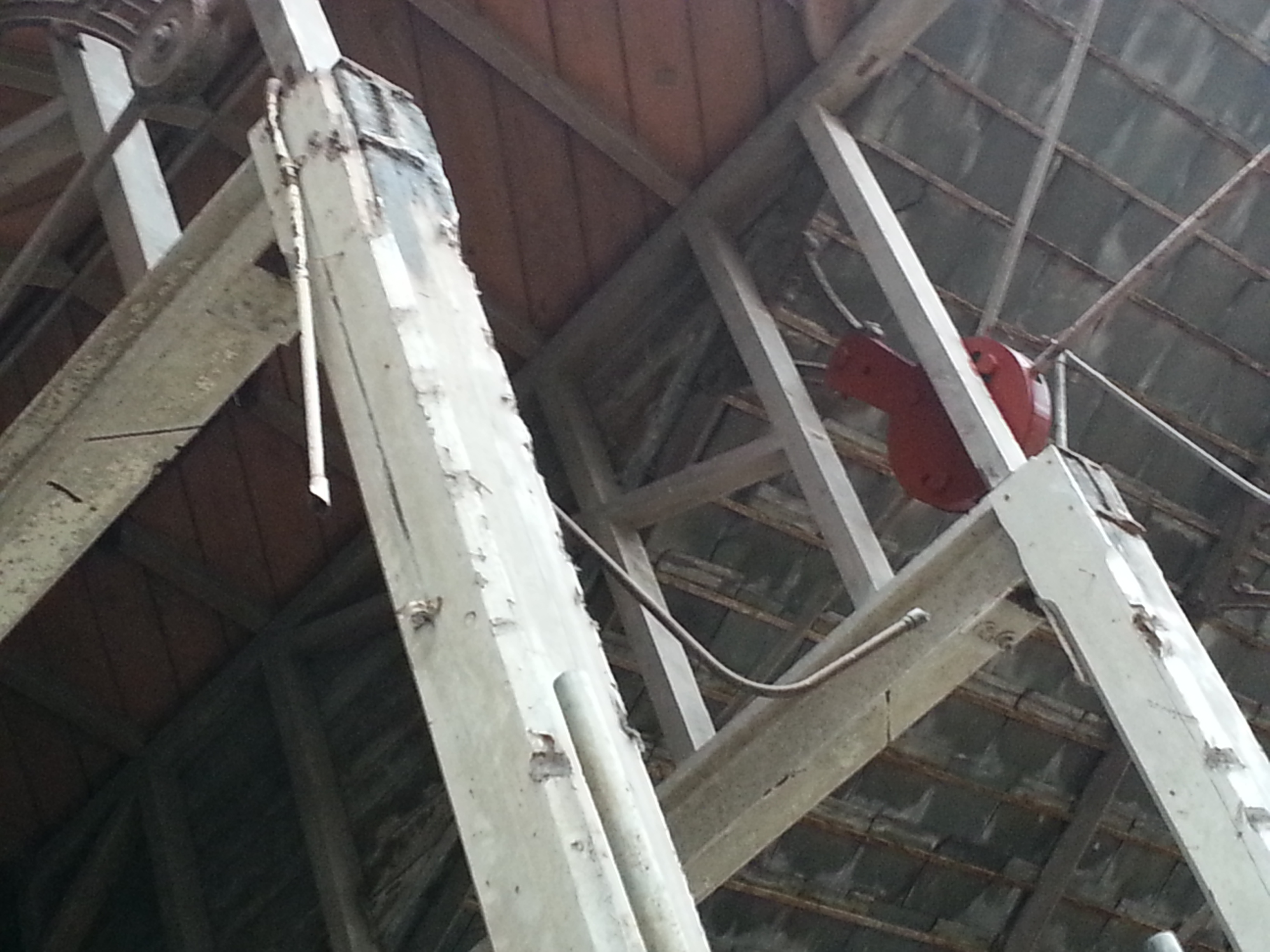
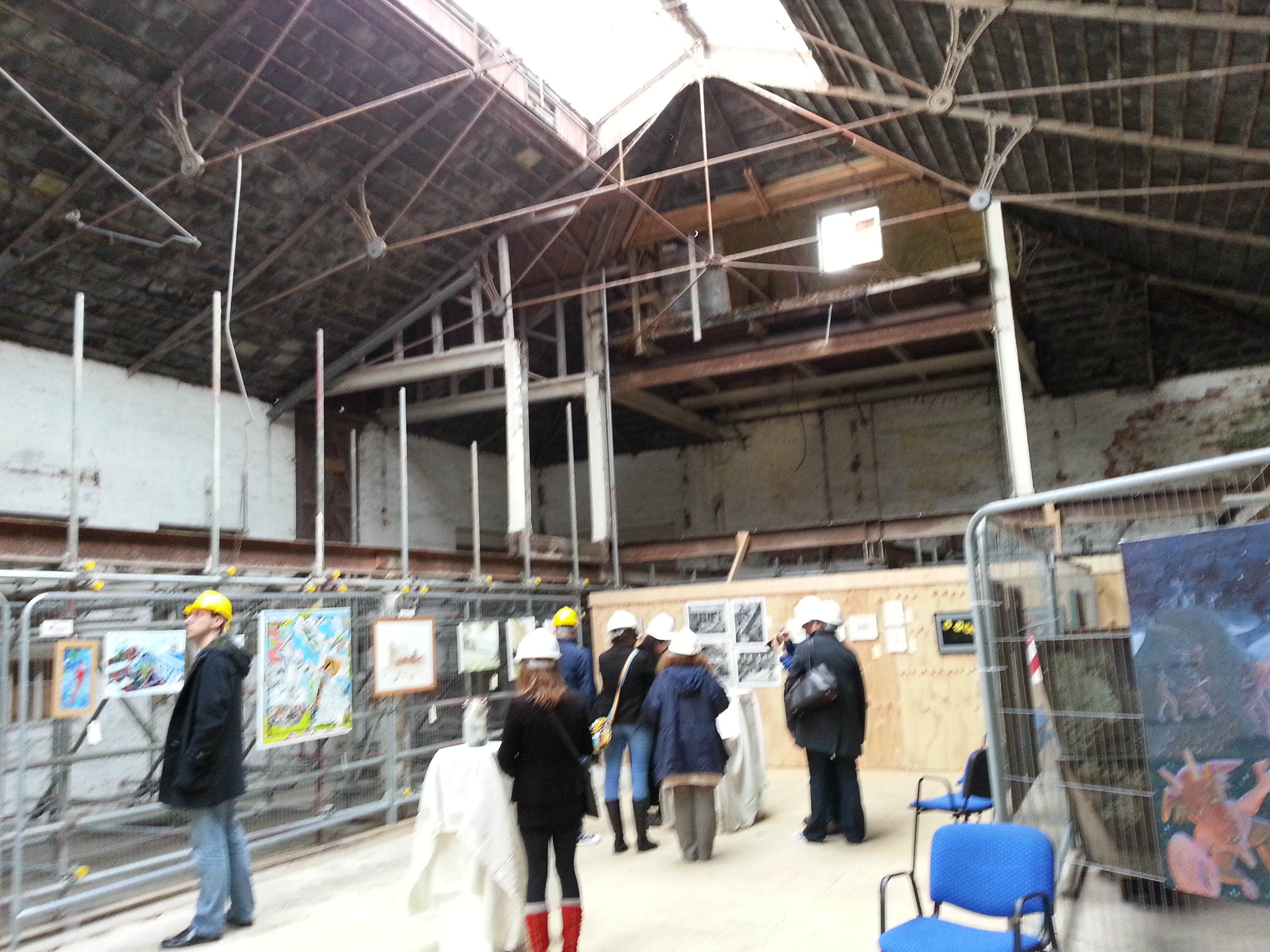
Our daughter, Jo, occasionally shows some of her jewellery at exhibitions. The latest was in an amazing venue, an old and unique building in Shrewsbury, the Flax Mill.

Sadly this special building is little more than a wreck but at last it is being renovated and given a chance of a new life. What makes it unique is that it is the first ever skyscraper in the world. All the earliest skyscrapers in Chicago were based on the construction used here. It is hard to comprehend how the current state of this building has been allowed to happen.

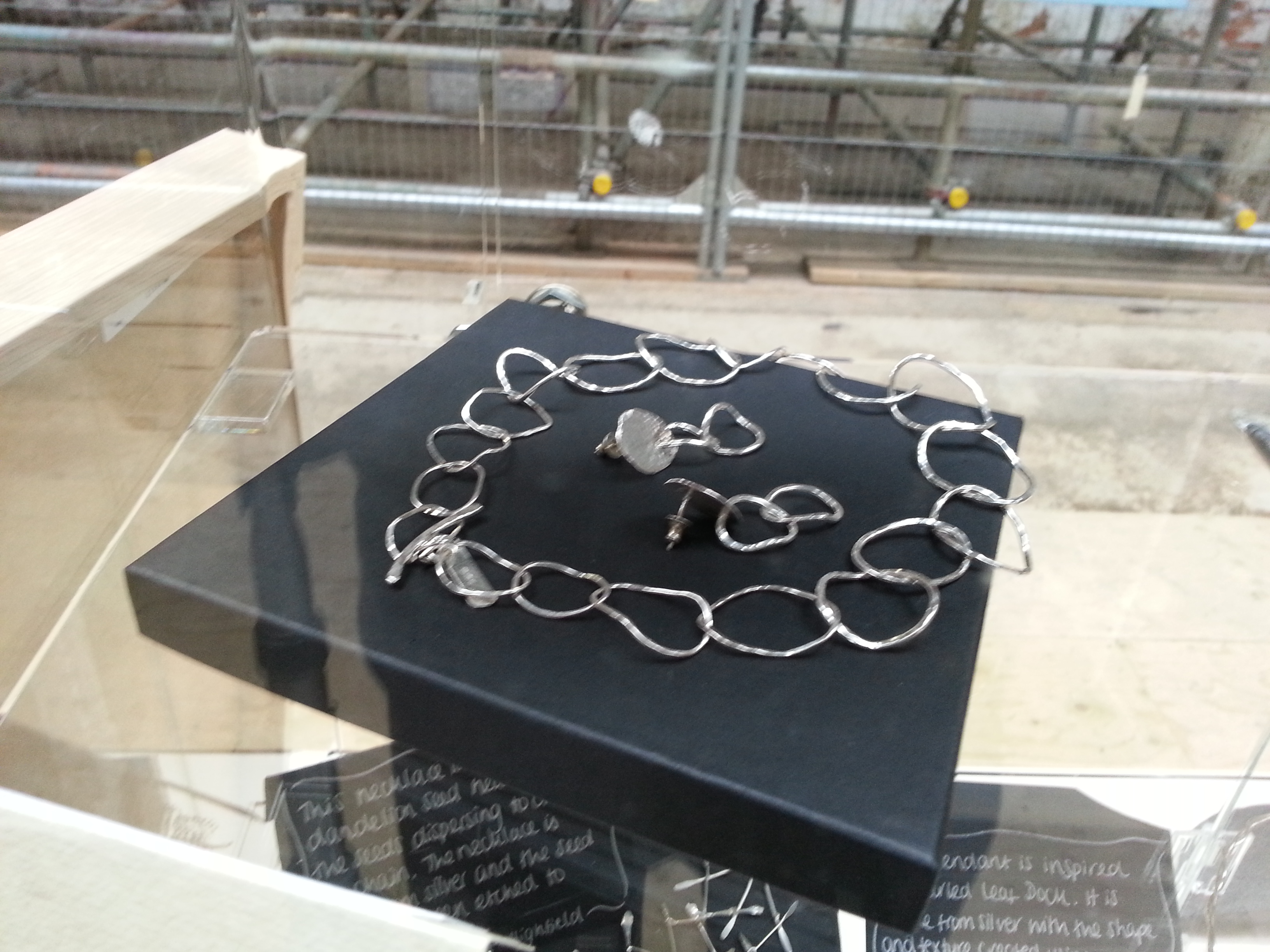
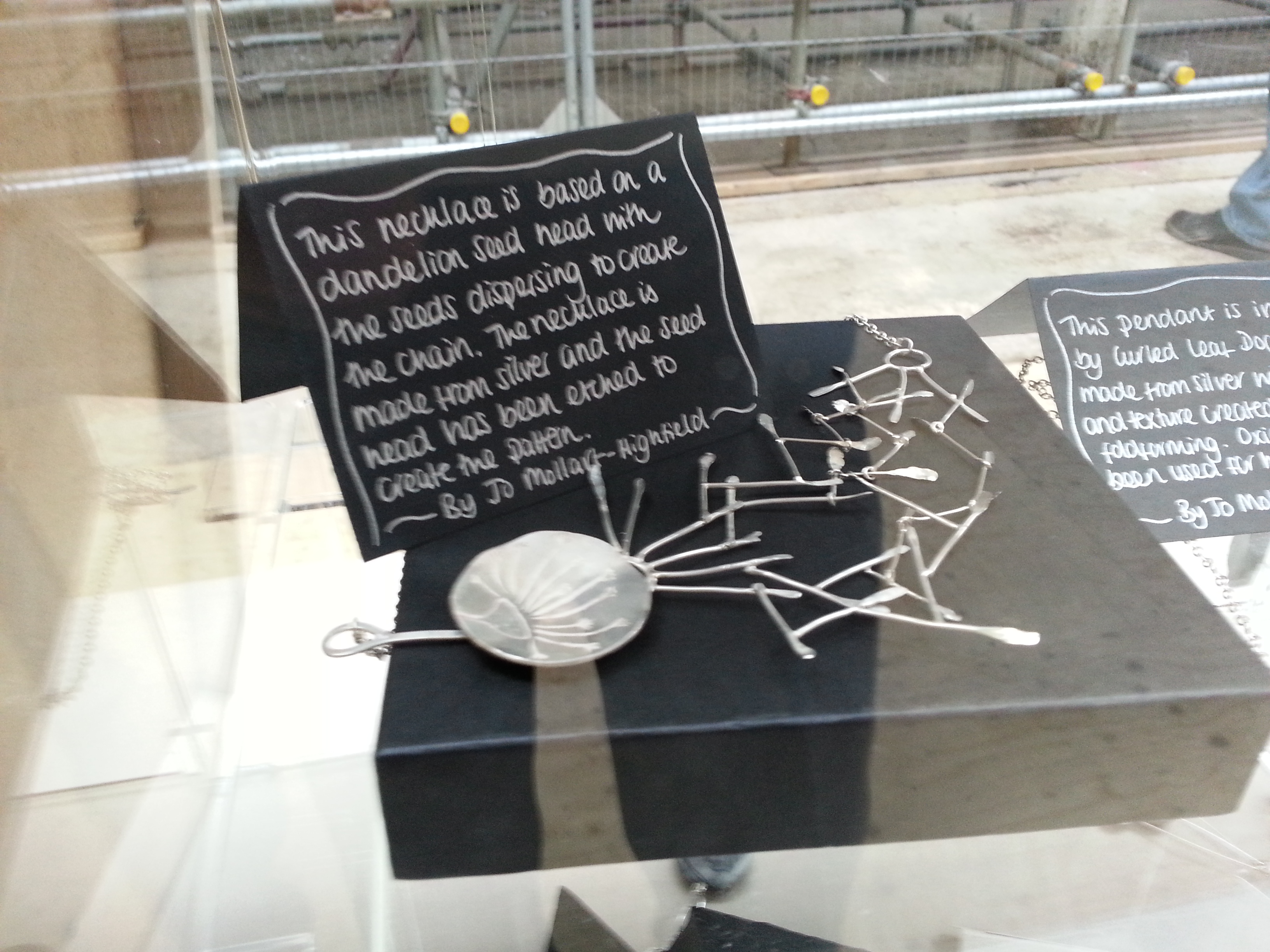
Anyway at last things are looking up. To help launch the redevelopment local artists and craftspeople were invited to exhibit some of their work based on the theme of “regeneration”. Jo showed some of her silver jewellery designed around the theme of the structure of plants that first regenerate a destroyed habitat.

The photos can only give a clue as to their quality as I had to photograph them through the glass of the show case.

116 117 118 119

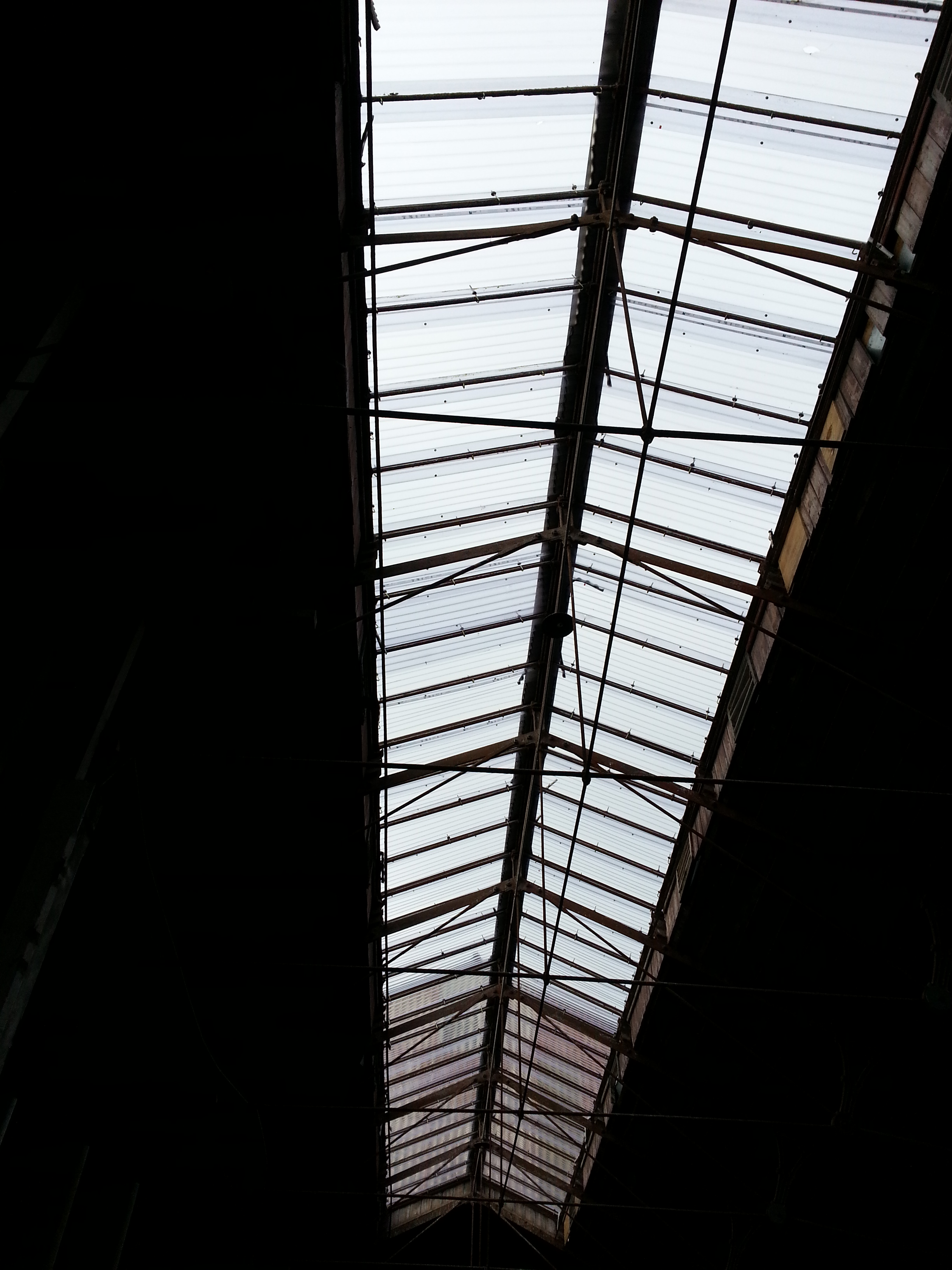
The exhibition gave a rare chance to see inside this building prior to the builders moving in. Signs of old energy supply and structural materials gave glimpses into the previous lives of the building as a flax mill and as a malt house.

121 122 123 125 126 127 128 129 130 131 132 134 135

This unusual venue for art works to be shown presented strange juxtapositions.

112 114 115 151

There wereinteresting textures, shapes and colours wherever the camera lens roamed. Click on the “Flax Mill” photo and then follow me and my camera around using the arrows. I hope this helps you experience the strange atmosphere this building evokes.

Categories
architecture buildings Shropshire townscapes

The Architectural Heritage of Shrewsbury – Shuts and Passages

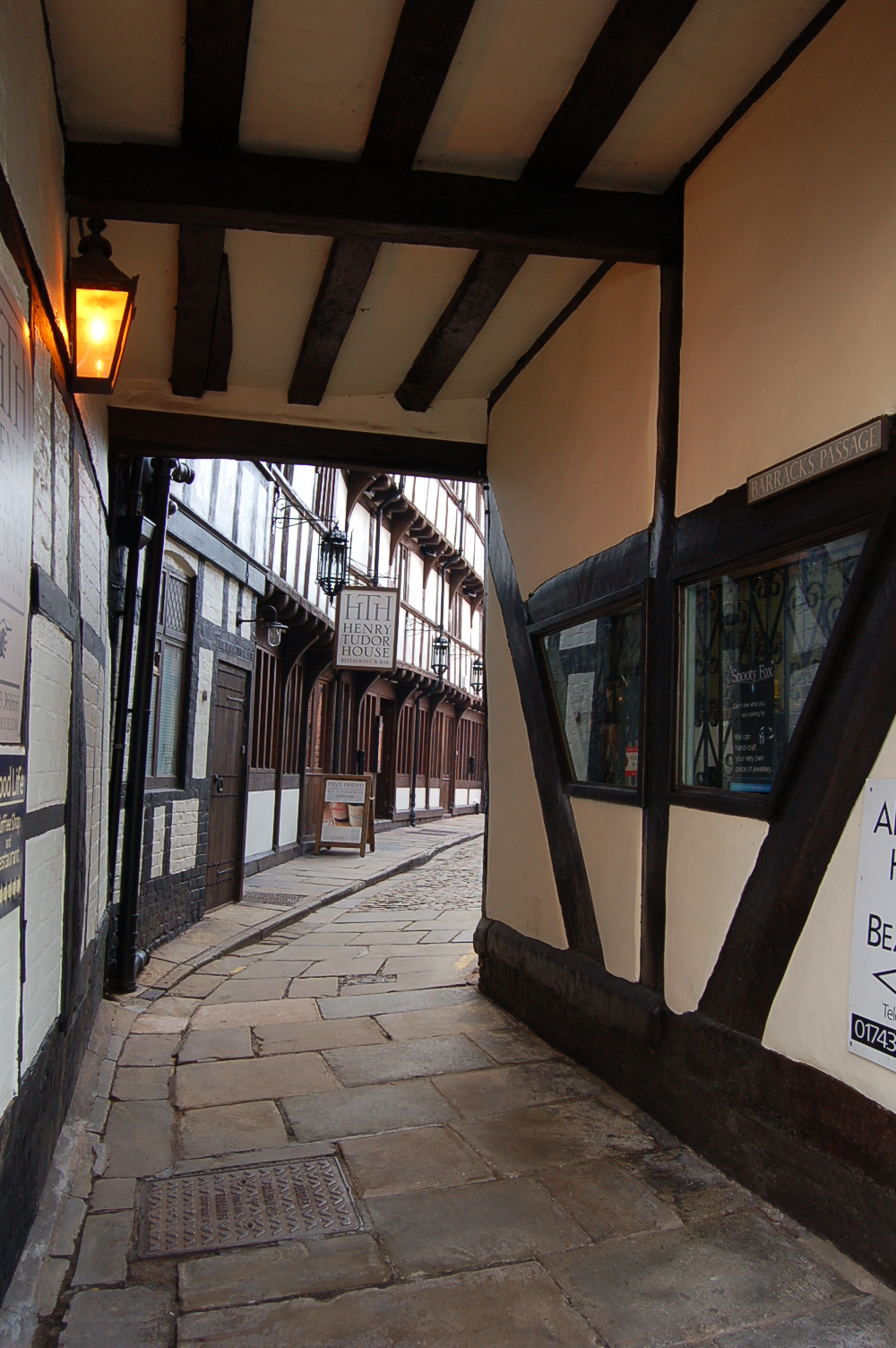
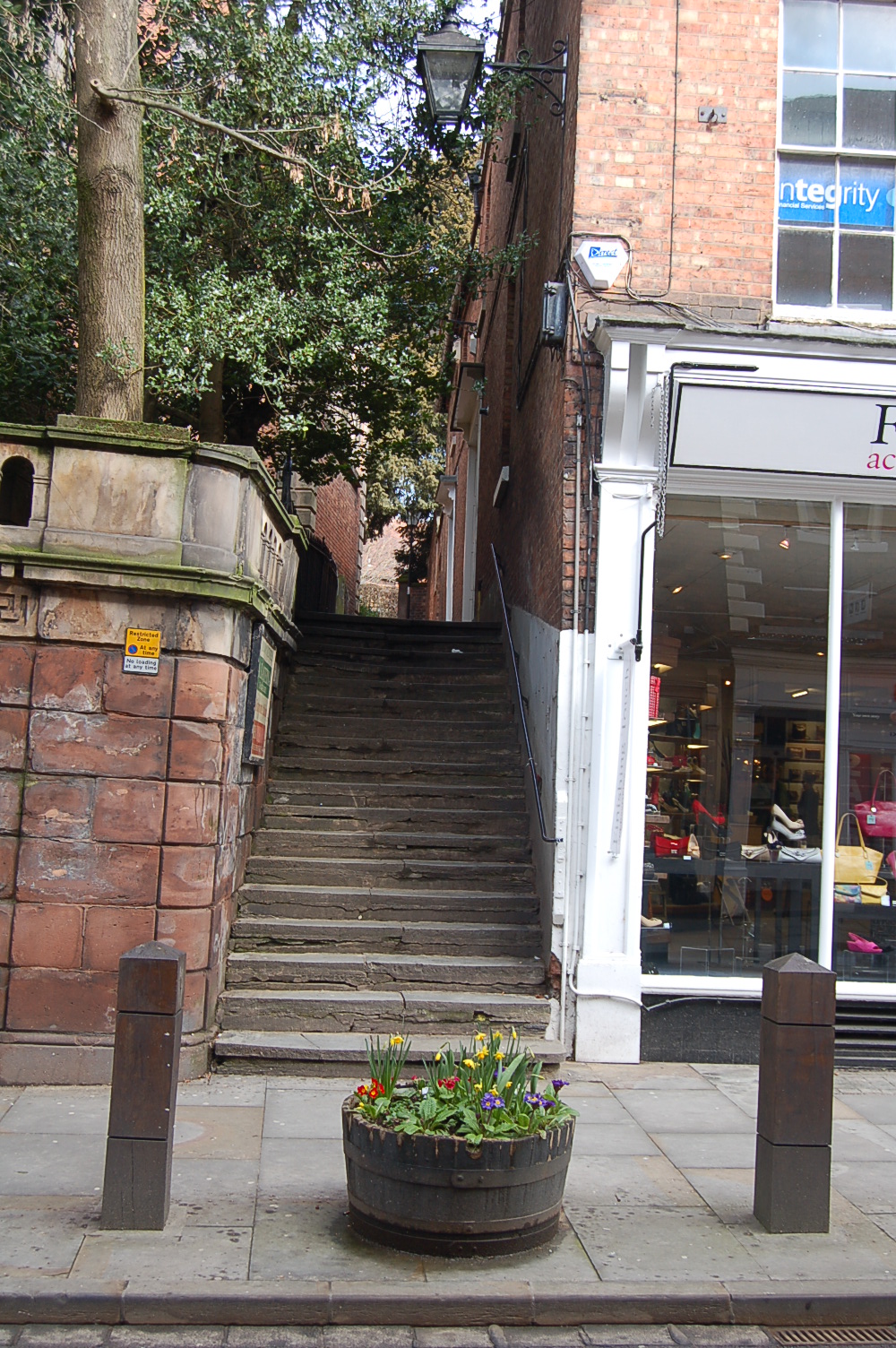
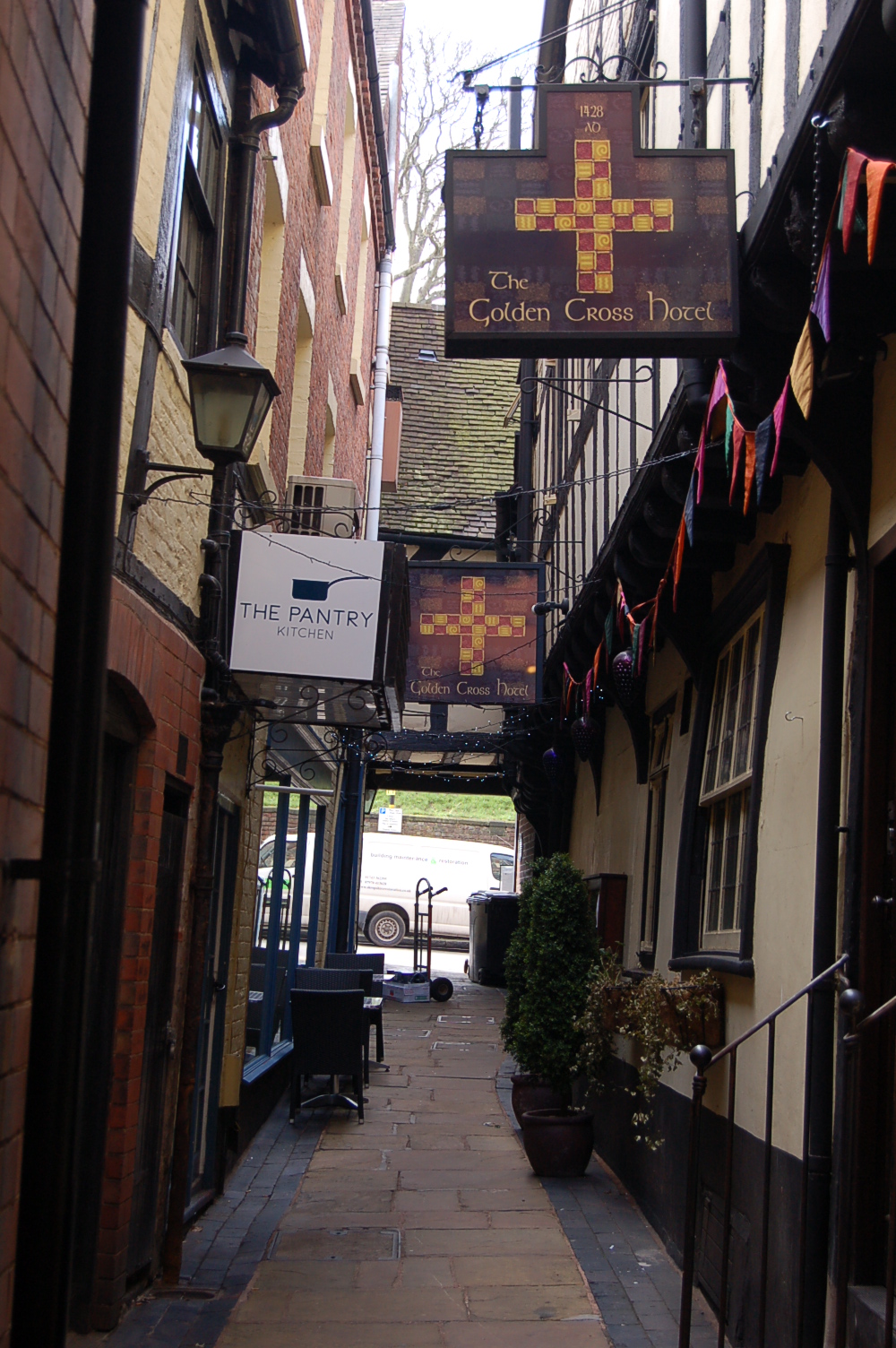
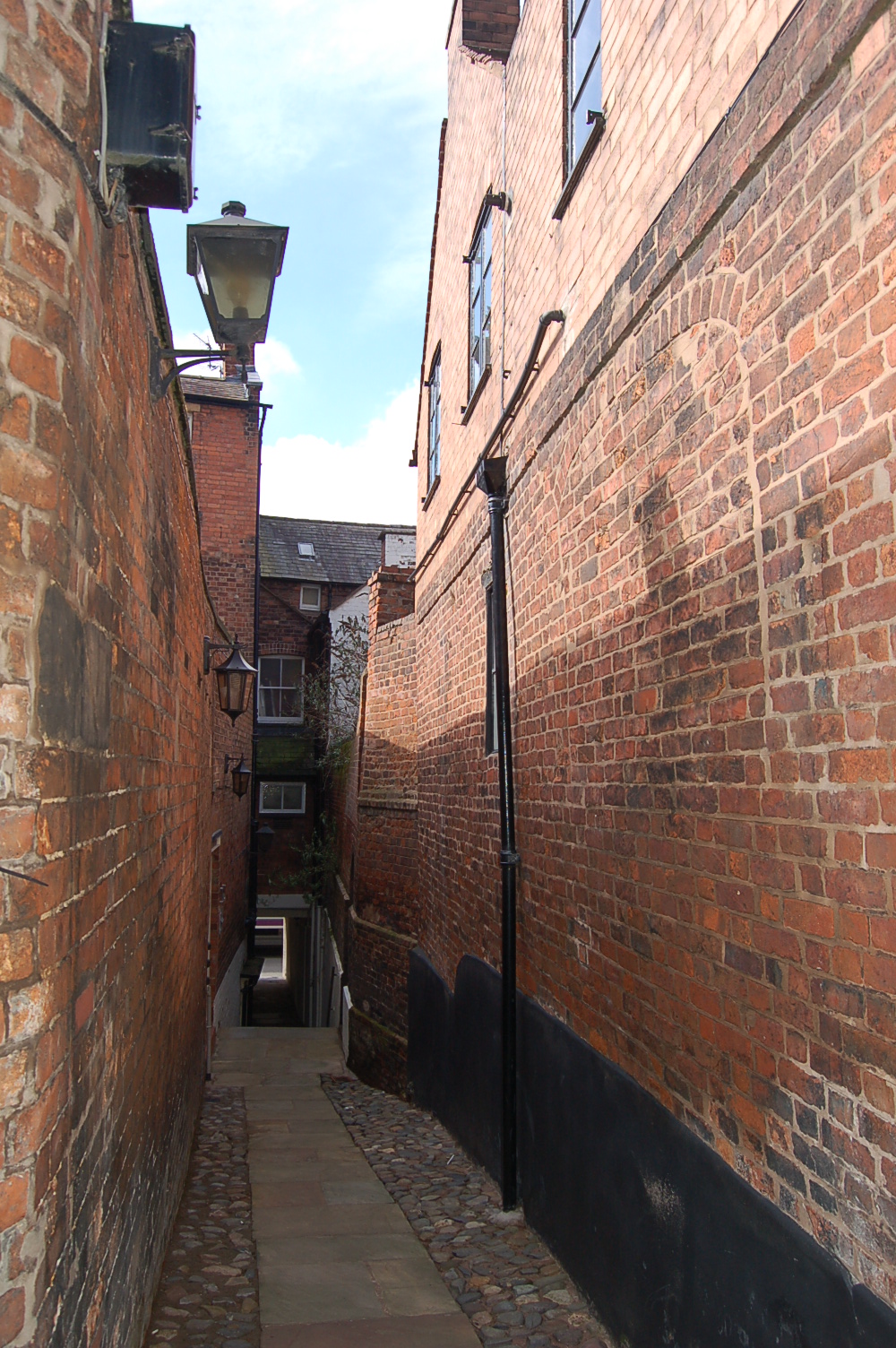
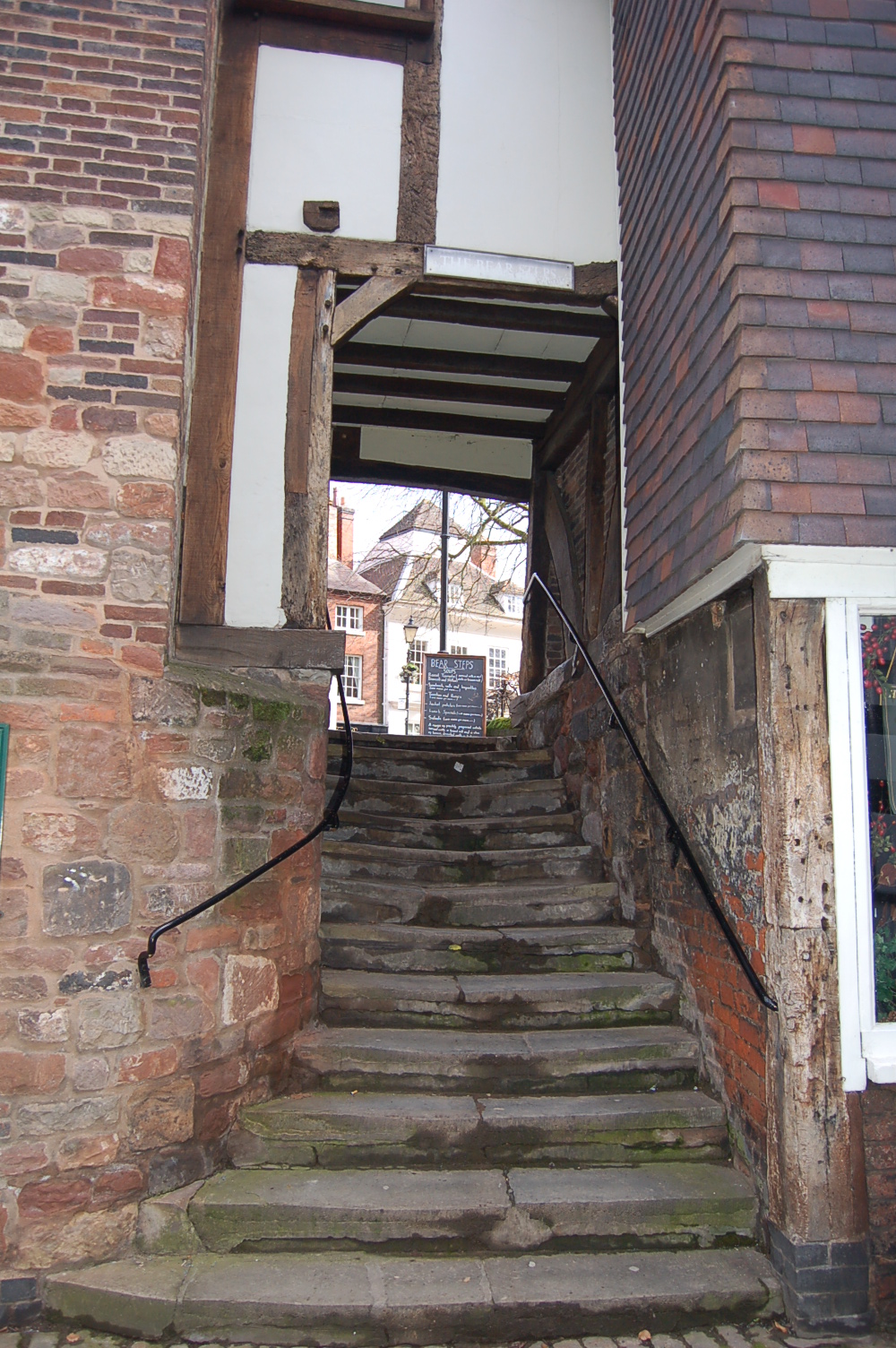
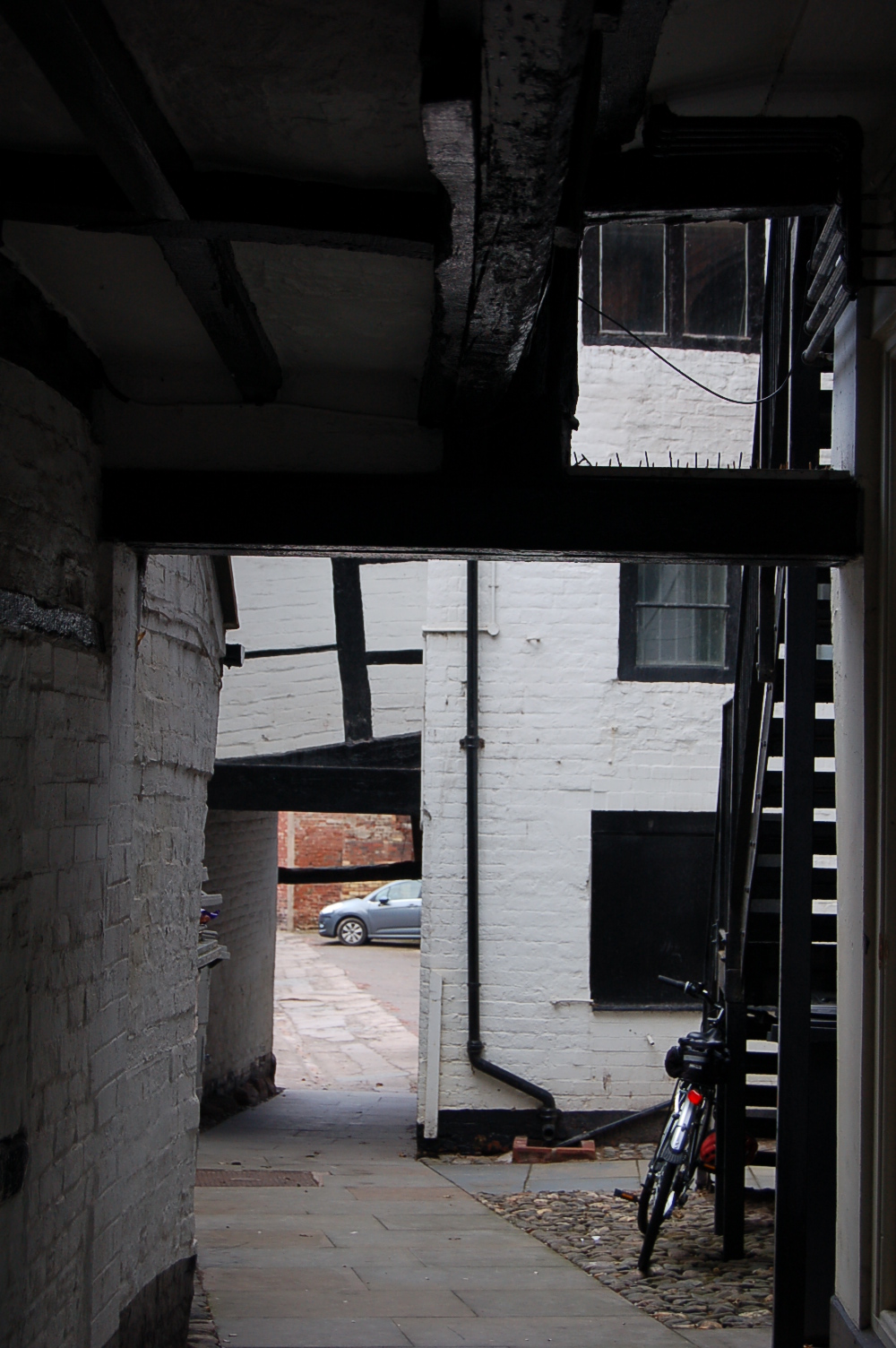
Shrewsbury is well known for the variety of its architecture and fine examples can be found of many eras and styles within the loop of the River Severn in which the town lies. With locals and visitors alike there is a certain affection for the shuts and passages that sneak between them.

They give you sneak previews of streets you have not yet found, they let you take short cuts, smokers use them to escape the wind when they want to light a match, lovers use them for secret cuddles, and sadly the homeless have to use them for shelter from the cold wind that howls around the tall buildings of Shrewsbury. There shouldn’t be homeless anywhere in the world and in so-called civilised countries like ours there should be none. Sadly homelessness is on the increase. At least our county town has some shelter in the shuts and passages.

DSC_0003

We took a wander around the centre of town and took photos of these little alleyways, the good and the bad, the attractive and the ugly. Visiting on the day that the recycling bins were due for collection spoilt many a photo opportunity, but I suppose this juxtaposition of the heritage and beauty from the town’s past should be presented alongside the reality of today’s world. We need everything recycled that can possibly be recycled after all.

DSC_0004 DSC_0005

This beautiful gate marked the entrance to one of the few private alleyways.

DSC_0006 DSC_0007

Enjoy a peak into a variety of our shuts and passages.

DSC_0008 DSC_0009 DSC_0011

DSC_0012 DSC_0013 DSC_0014

DSC_0015 DSC_0016 DSC_0017

DSC_0068 DSC_0023 DSC_0069

This Veggie Life

A Vegetarian | Nature Lifestyle Blog

Rambling in the Garden

.....and nurturing my soul

The Arch City Gardener

Journeys In St. Louis Gardening and Beyond

Garden Dreaming at Châtillon

Consult the genius of the place

Storyshucker

A blog full of humorous and poignant observations.

gardeninacity

Notes from a wildlife-friendly cottage garden

PlayGroundology

...an emerging social science

The Official Blog of British Wildlife

'The most important and informative publication on wildlife of our times' - The Independent. This blog is a member of The UK & Ireland Natural History Bloggers group: www.uknhb.blogspot.com

iGrowHort

Inspire - Cultivate - Grow Native Plants - Restore Landscapes

Bishops Meadow Trust

To create and protect a semi-natural wild space for the people of Farnham to enjoy and experience an array of British wildlife in our town

Gardening with Children

The www.gardeningwithchildren.co.uk Blog

UKbirdingtimeline

birding through the seasons, why birds matter and how to conserve them

NATURE WALKER

with a camera in hand

Jardin

Transform your outdoor space

Eva's space

My allotment, cooking and other interests

Old School Garden

my gardening life through the year

LEANNE COLE

Trying to live a creative life

fromacountrycottage

trying to live as lightly as possible on our beautiful planet

Good Life Gardening

Nature lovers from Leicester living the good life.

mybeautfulthings

Finding the beautiful in the everyday

mawsonmichelle

Michelle's Allotment

In and Out of My Garden

thoughts from and about my garden

Greenhousing

Big plans for a small garden

The Scottish Country Garden

A Walled Country Garden in South East Scotland

The Fruity Chicken

Life at the fruity chicken

willowarchway

Off grid living. Self sufficient. "PERMAGANICS RULE".

St Anns Allotments

Nottingham's Grade 2* Listed Allotments and Community Orchard

Manifest Joy Harvests

a journey in suburban vegetable gardening

Allotmental

The madness of growing your own

Penny's Garden: a harvest beyond my front door

A novel approach to vegetable gardening

arignagardener

Sustainable living in the Irish countryside.

NewEnglandGardenAndThread

Master Gardener, amateur photographer, quilter, NH native, and sometimes SC snowbird

dianajhale

Recent work and work in progress and anything else that interests me

planthoarder

a chaotic cottage gardener

Lens and Pens by Sally

a weekly blog that creates a personal philosophy through photographs and words

Dewdrops and Sunshine

Stories from a sassy and classy Southern farmbelle.

The Pyjama Gardener

Simple Organic Gardening & Seasonal Living

gettin' fresh!

turning dirt into dinner

JOY...

today the world is created anew

Garden Birds

Notes from a Devon garden

ShootAbout

Life Through The Lens

Adapting Pixels

A photography blog showcasing the best photography pictures and videos on the internet

Wildlifegardening's Blog

Just another WordPress.com site

naturestimeline

personal observations from the natural world as the search continues for a new approach to conservation.

LATEBLOOMERBUDS

The Wonders of Life through my Eyes, my Heart, my Soul