Categories
birds flowering bulbs fruit and veg garden buildings garden photography gardening gardens gardens open to the public kitchen gardens National Trust Shrewsbury Shropshire spring bulbs The National Trust walled gardens walled kitchen gardens winter gardens woodland woodlands

A Walk in the Park – February at Attingham Park – Part 1

It is mid-February and time for our second visit to Attingham Park, our nearest National Trust property. We awoke on the day of our planned visit to a dark overcast sky and light rain hanging in the air, but we set off nonetheless, determined that the weather would not spoil our plans. We started with a quick coffee break but the rain had not improved when we set off on the actual walk to the walled garden and onwards along “The Mile Walk”.

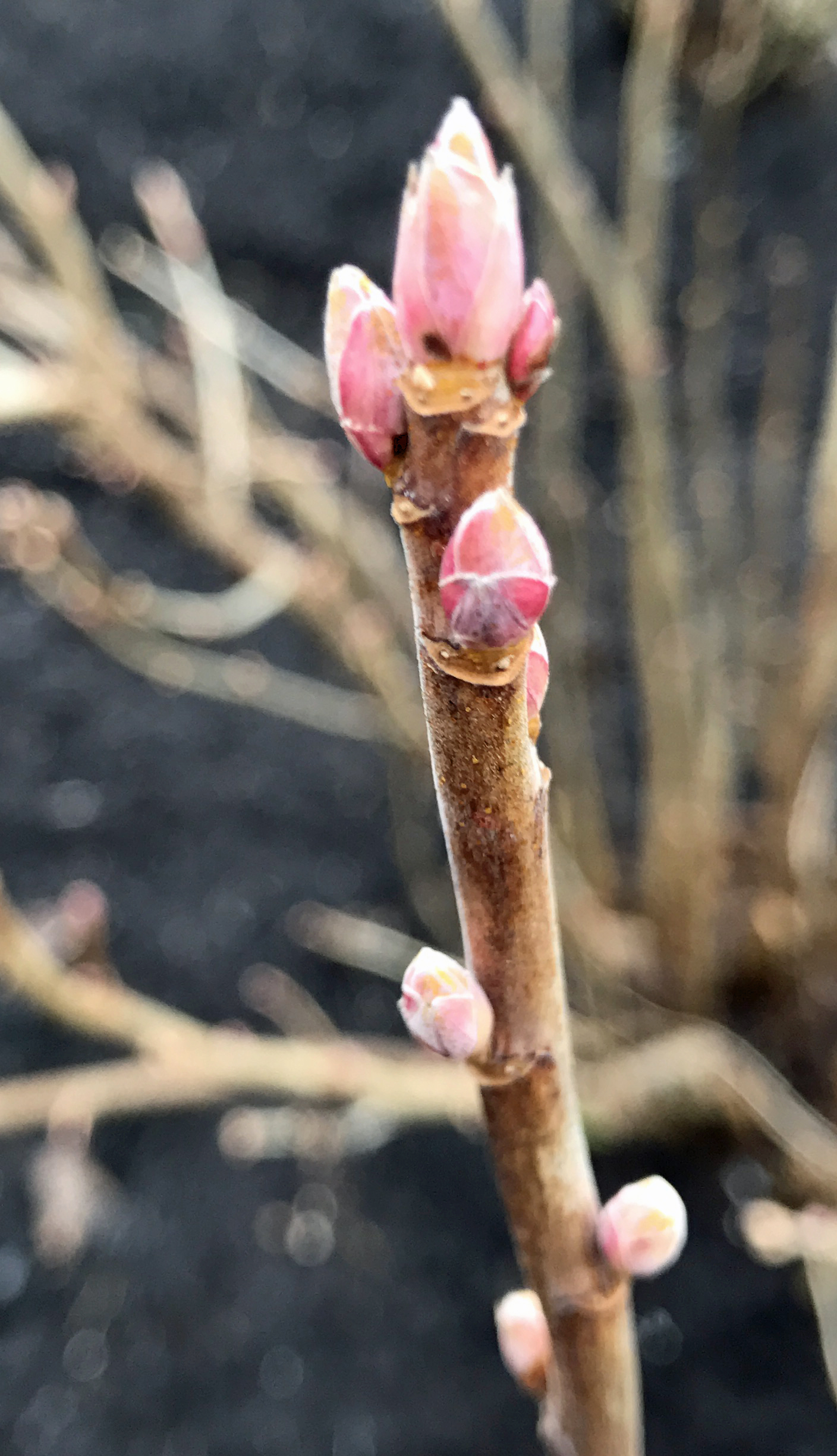
We were on the look out for signs of fresh growth and early signs of wildlife activity. We were not expecting to find much change in the walled garden. Leaf buds were opening on several trees and shrubs, the first signs of fresh growth, as well as a few very early flowers on shrubs.

a1-1 a1-6 a1-2 a1-7

As we left the coffee shop in the courtyard we made our way towards the walled garden following the soft bark path beneath extremely tall trees, where odd leaves brown from autumn were still caught in their lower branches. Up above in the uppermost branches Jackdaws were busy tidying up their nests from last year and noisily chattering away as they did so.

a1-4 a1-3a2-01 a2-05

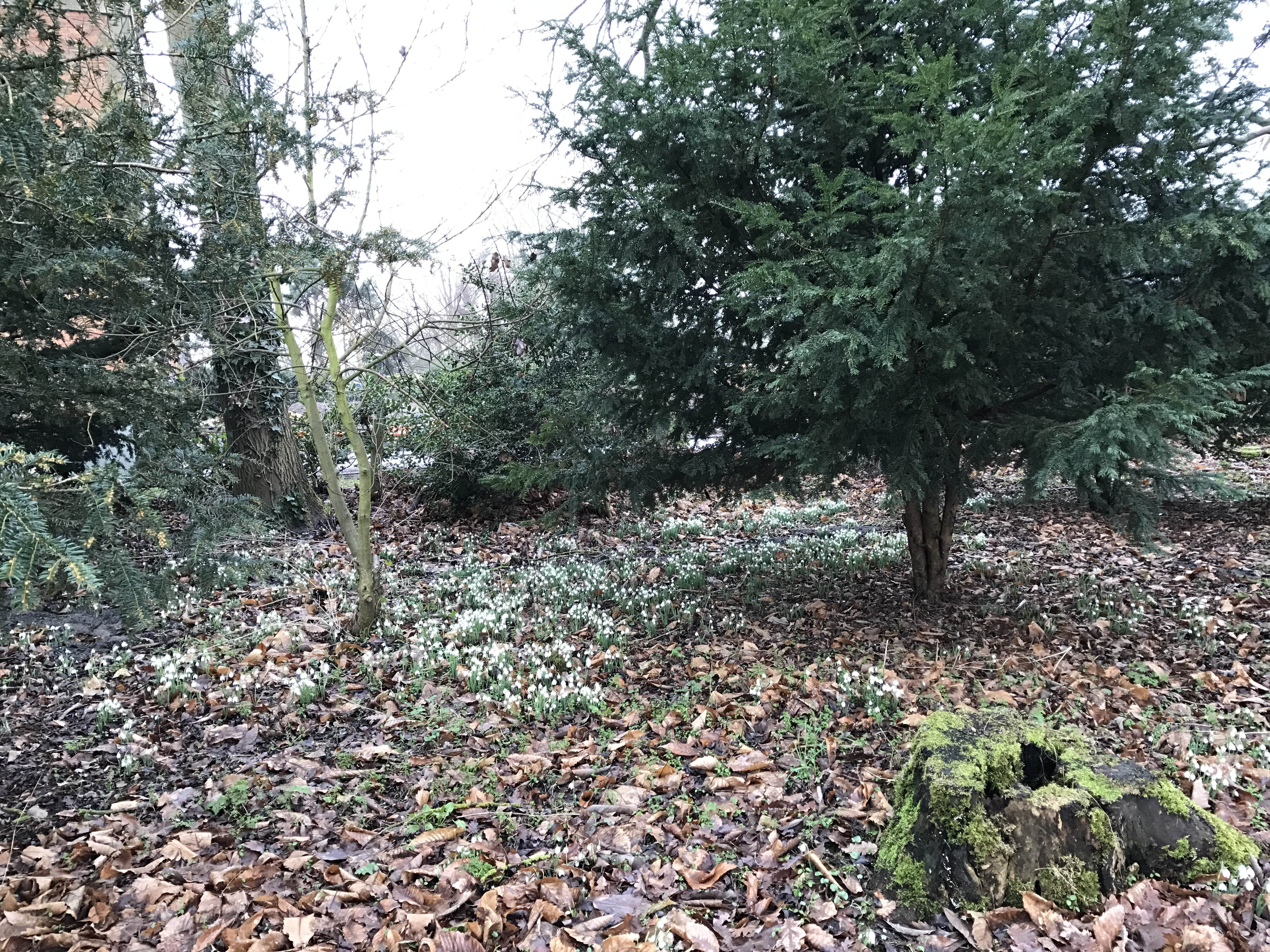
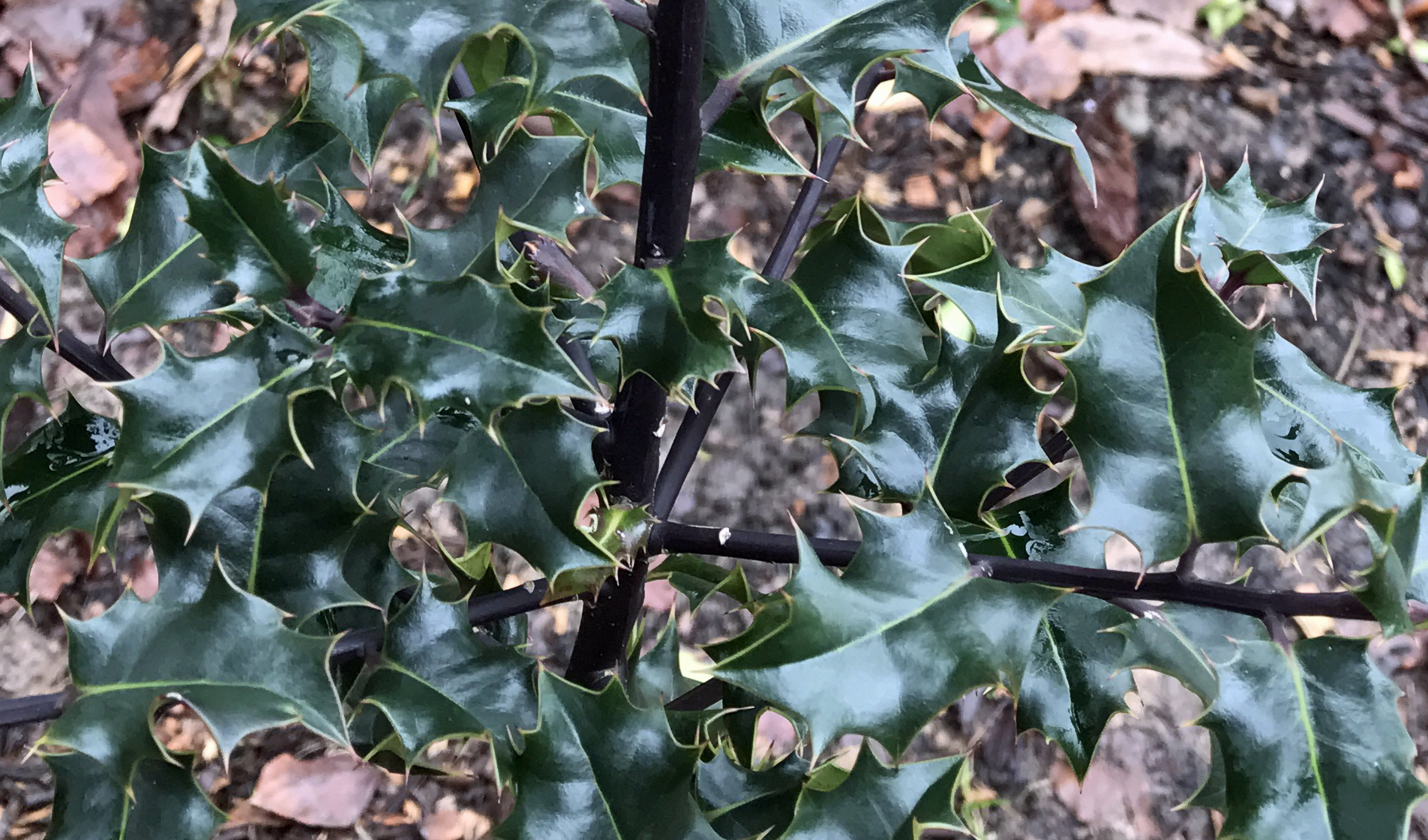
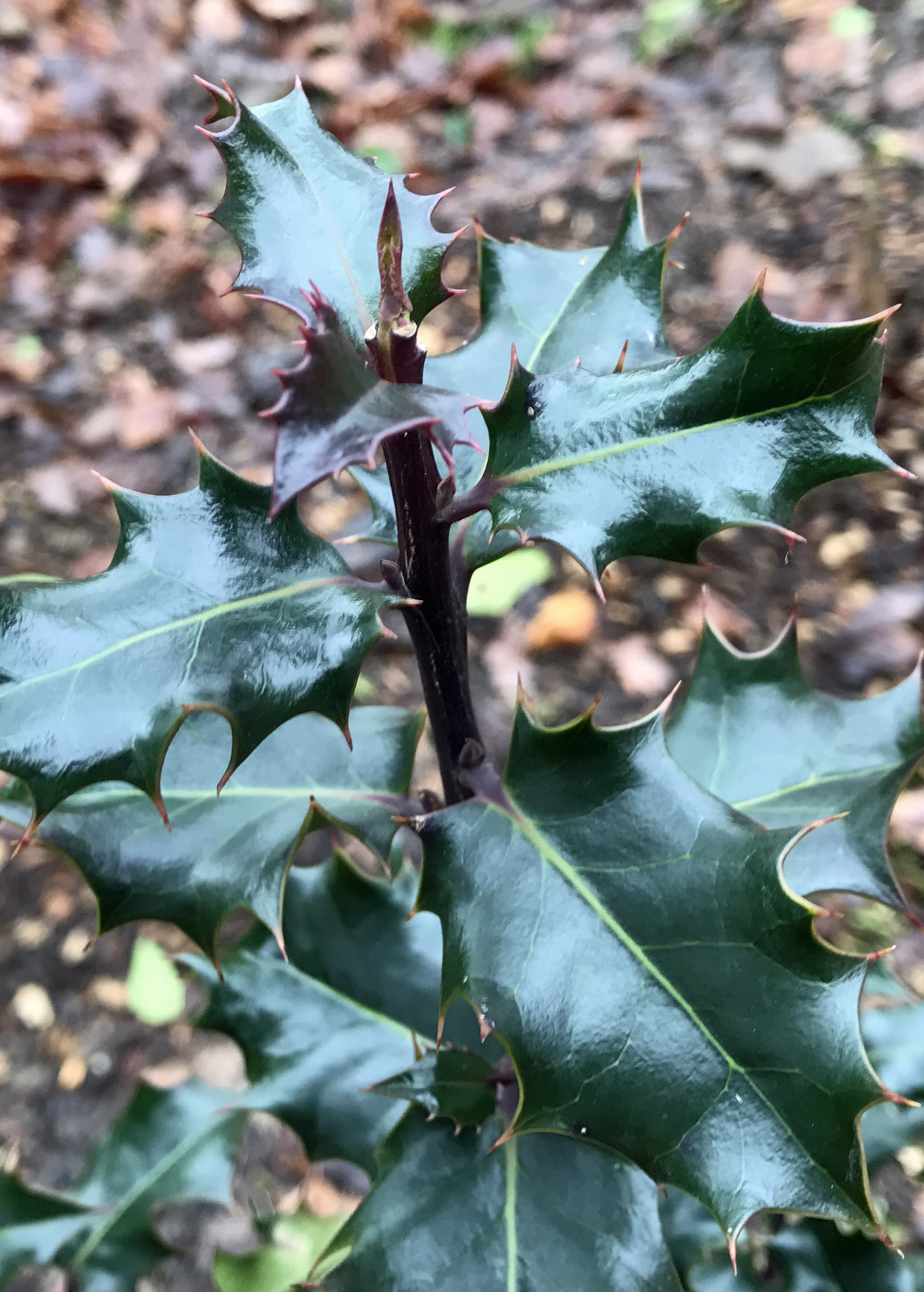
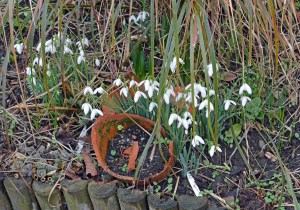
Snowdrops carpeted the floor beneath tall trees looking at their brightest in the shade of hollies which are a feature of the woodland garden here. After enjoying the snowdrops and the variety of hollies we soon found ourselves in the protection of the Walled Garden.

a2-02 a2-09 a2-06 a2-07 a2-08 a2-10  a2-11 a2-12 a2-13

The volunteer gardeners had been working hard skillfully pruning the fruit and we really enjoyed appreciating their skills. A neat layer of compost provided a warm protective mulch and gave an extra level of neatness.

a2-14 a2-15 a2-16 a2-17 a2-18 a2-19a2-22 a2-23

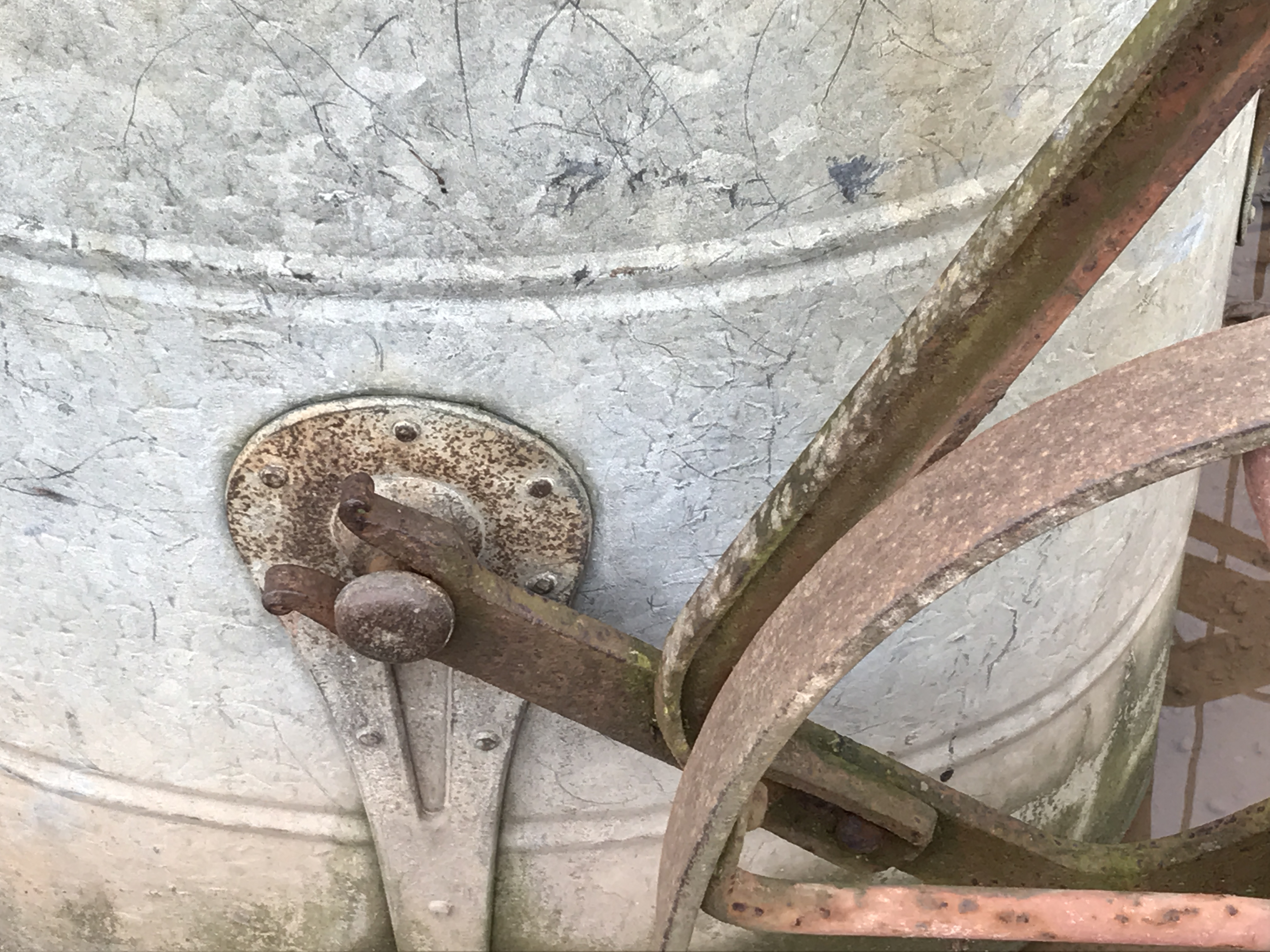
In the very centre of the four segments of the walled garden a dipping well is conveniently placed. Alongside waits an old wheeled water bucket cart beautifully crafted in iron and galvanised metal. Today it is more decorative then functional.

a2-20 a2-21

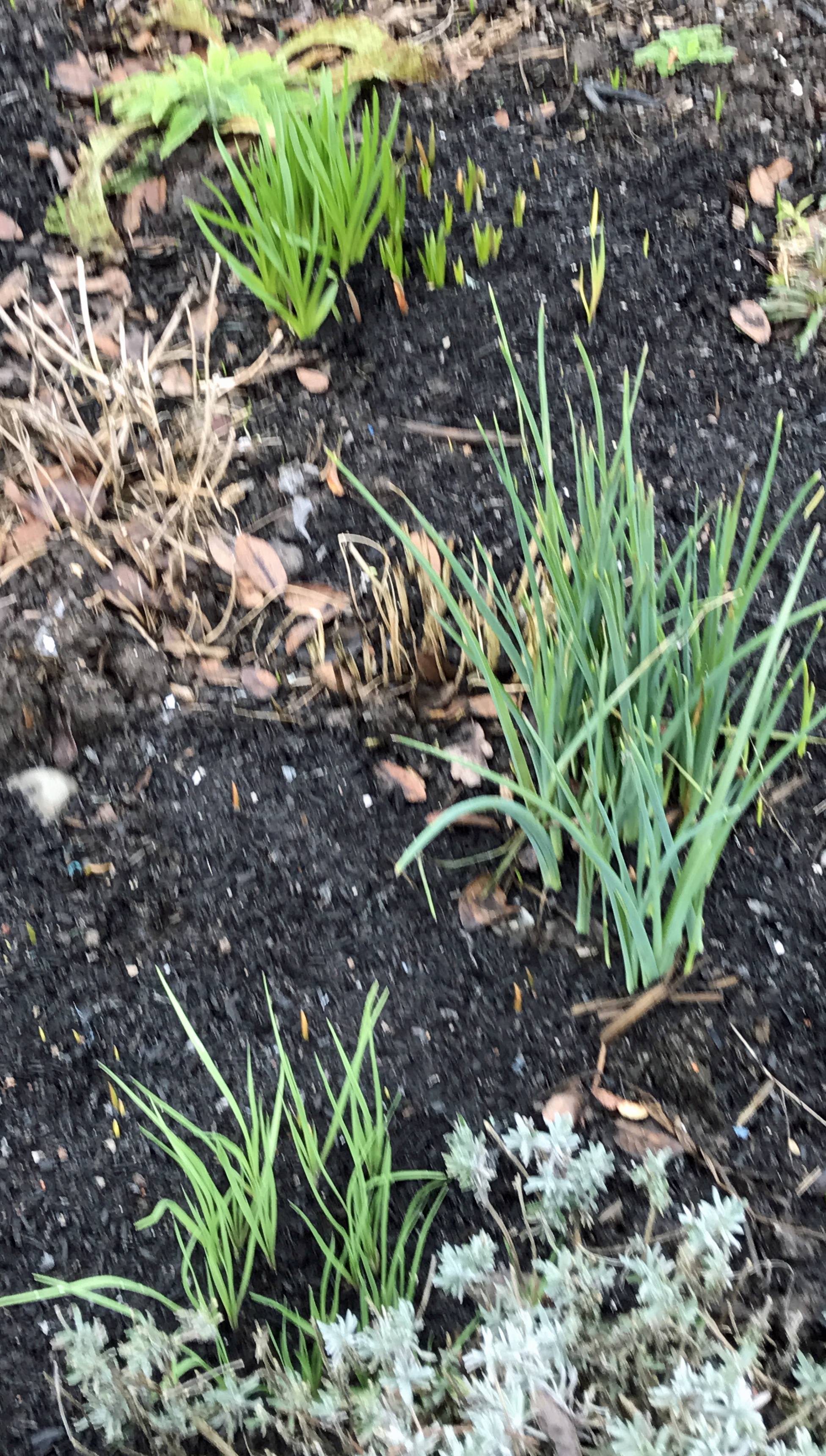
New life was showing in the herbaceous borders running along both sides of the main centre path.

a2-24 a2-25 a2-27  a2-29  a2-31

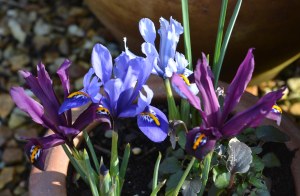
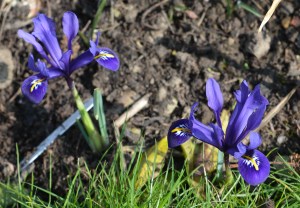
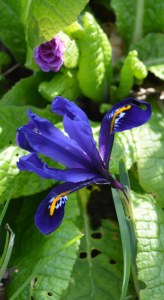
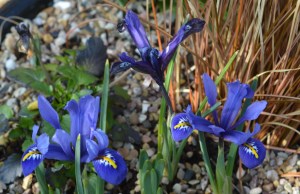
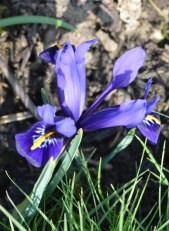
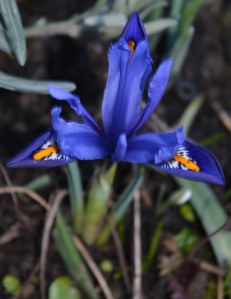
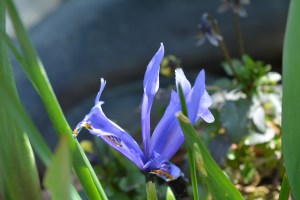
As we moved into the glasshouse yard bright blue splashes of colour showed strongly in the borders and in pots, diminutive Iris reticulata.

a2-35 a2-32a2-34 a2-37

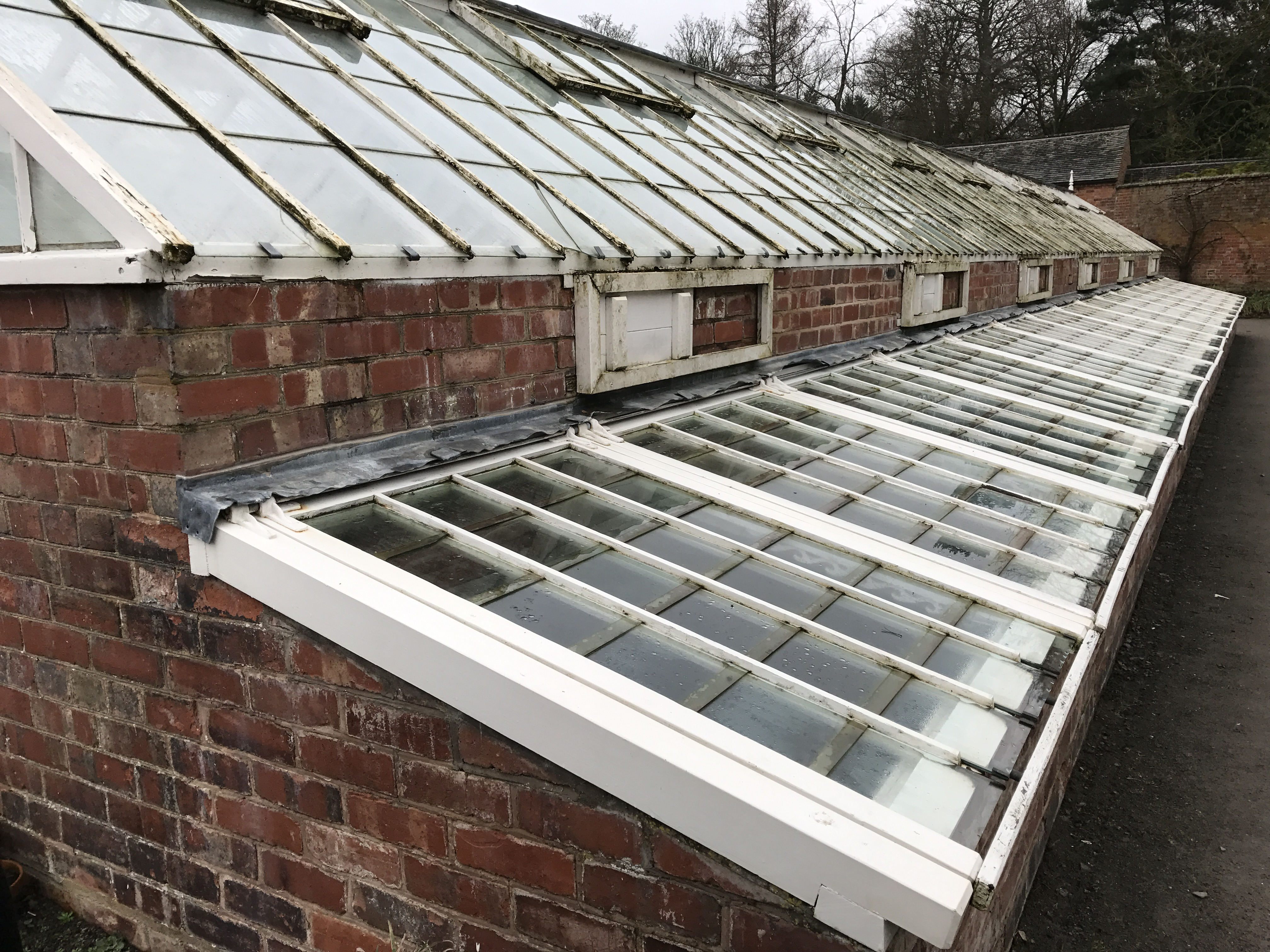
We never fail to be impressed by the workmanship evident wherever old glasshouses have been restored to their former glory.


a2-39 a2-40

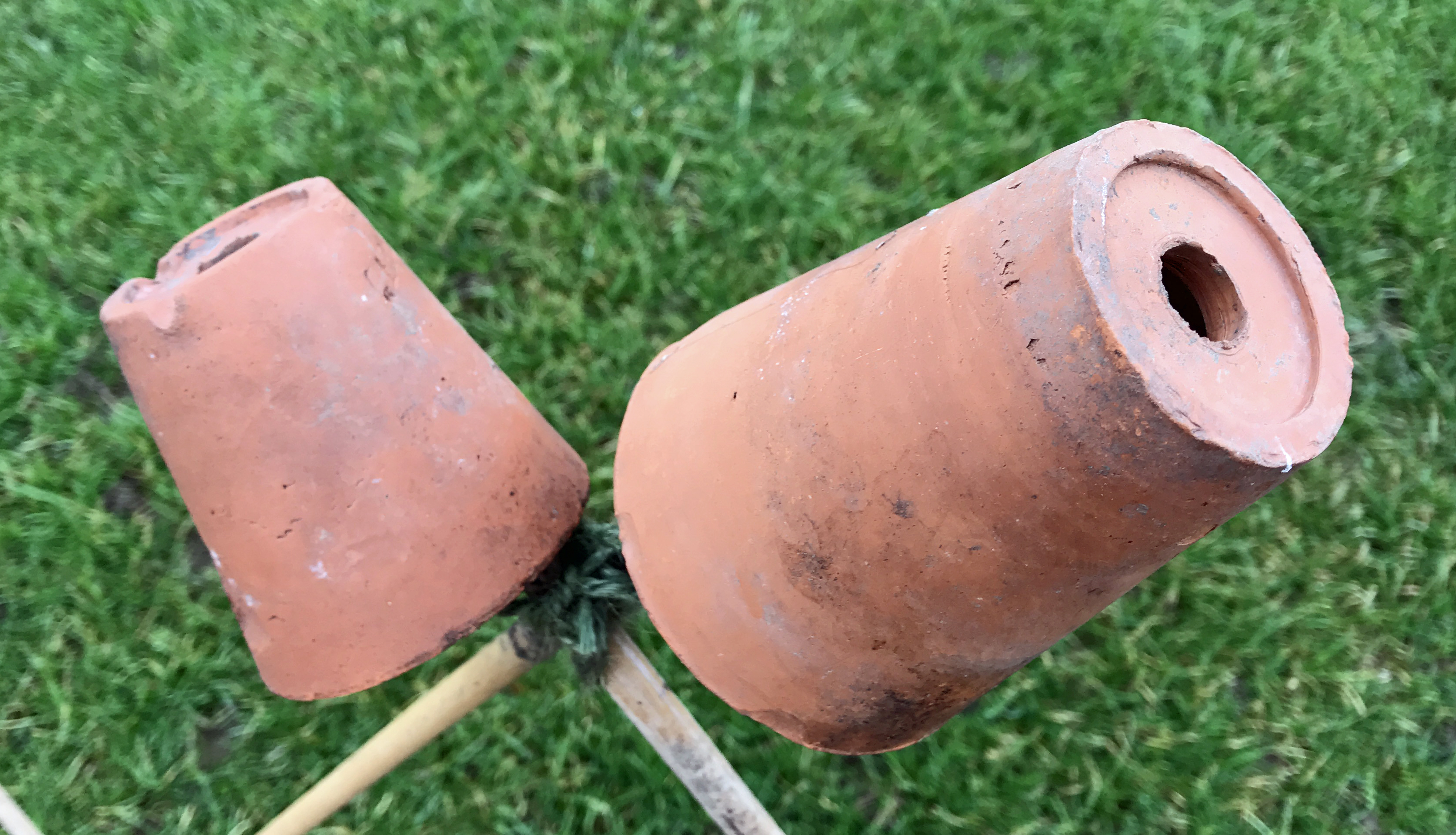
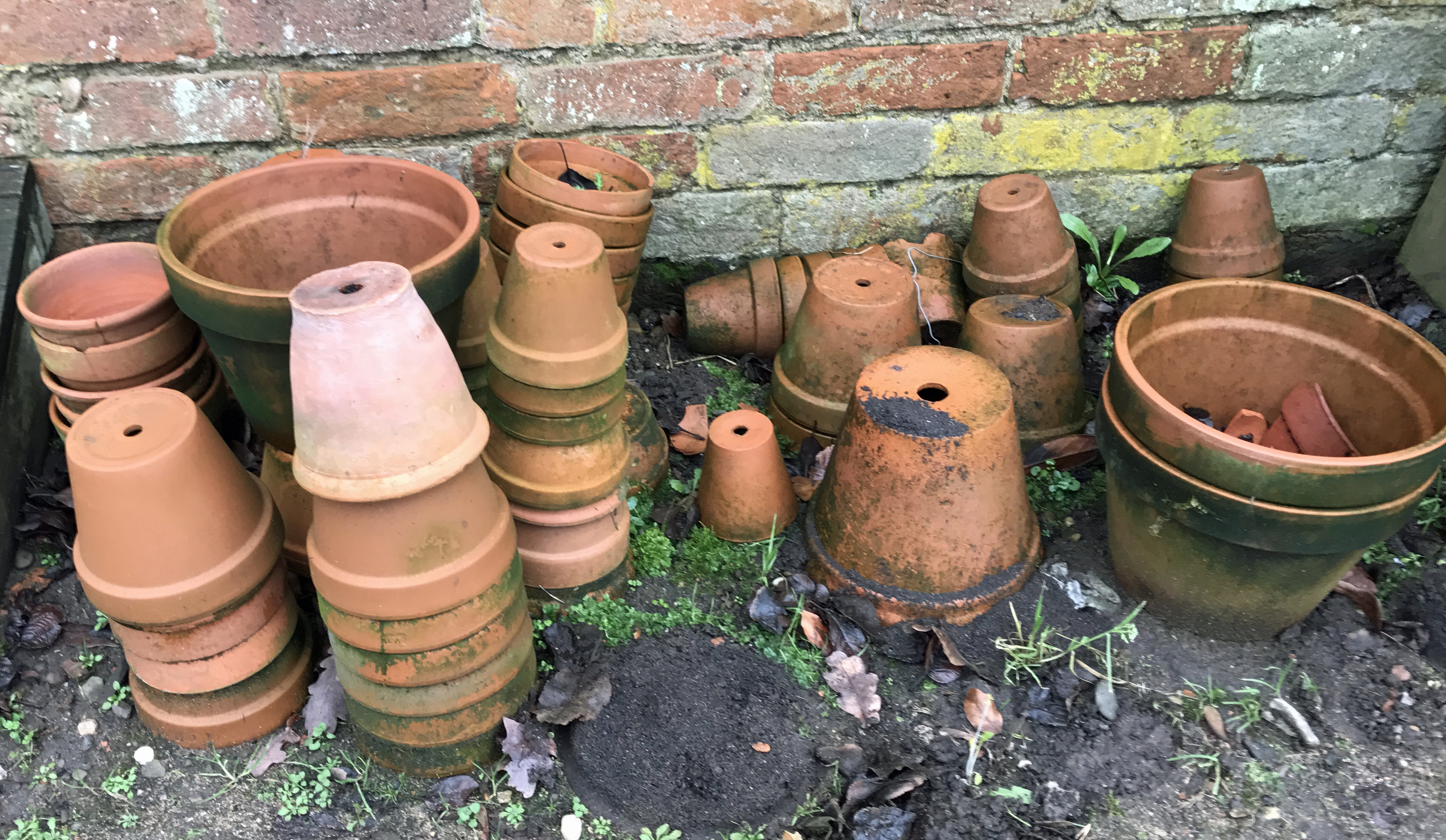
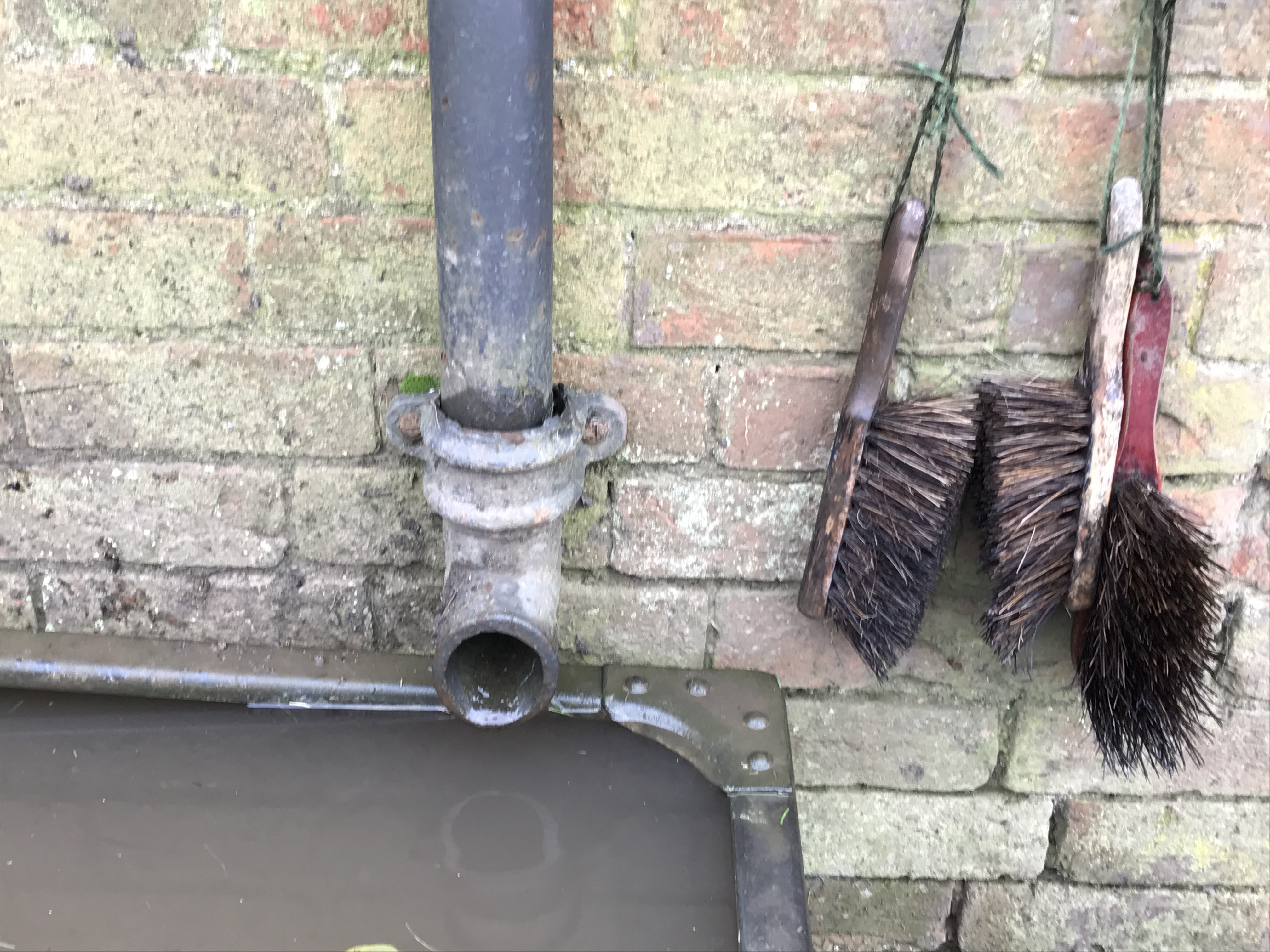
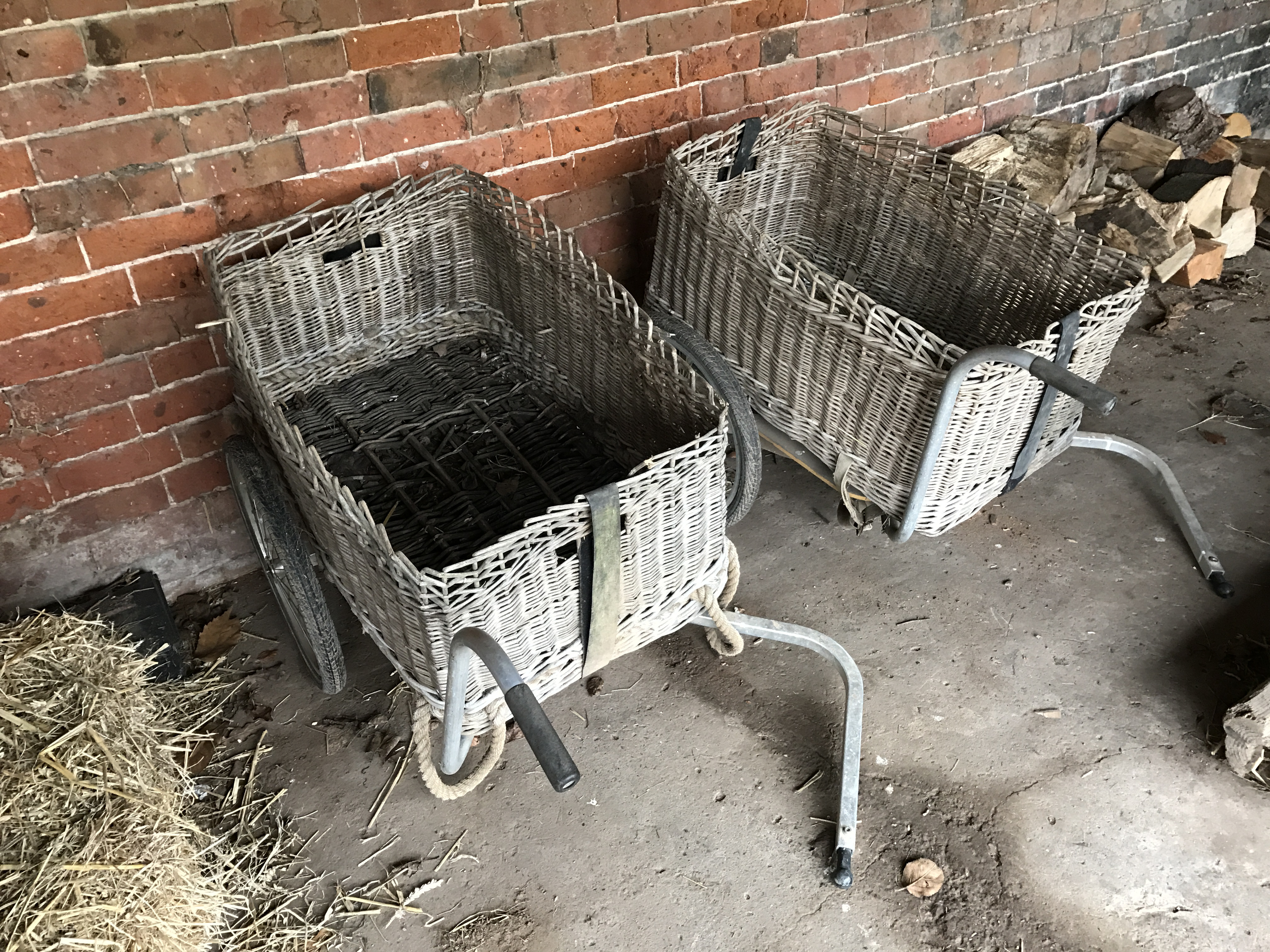
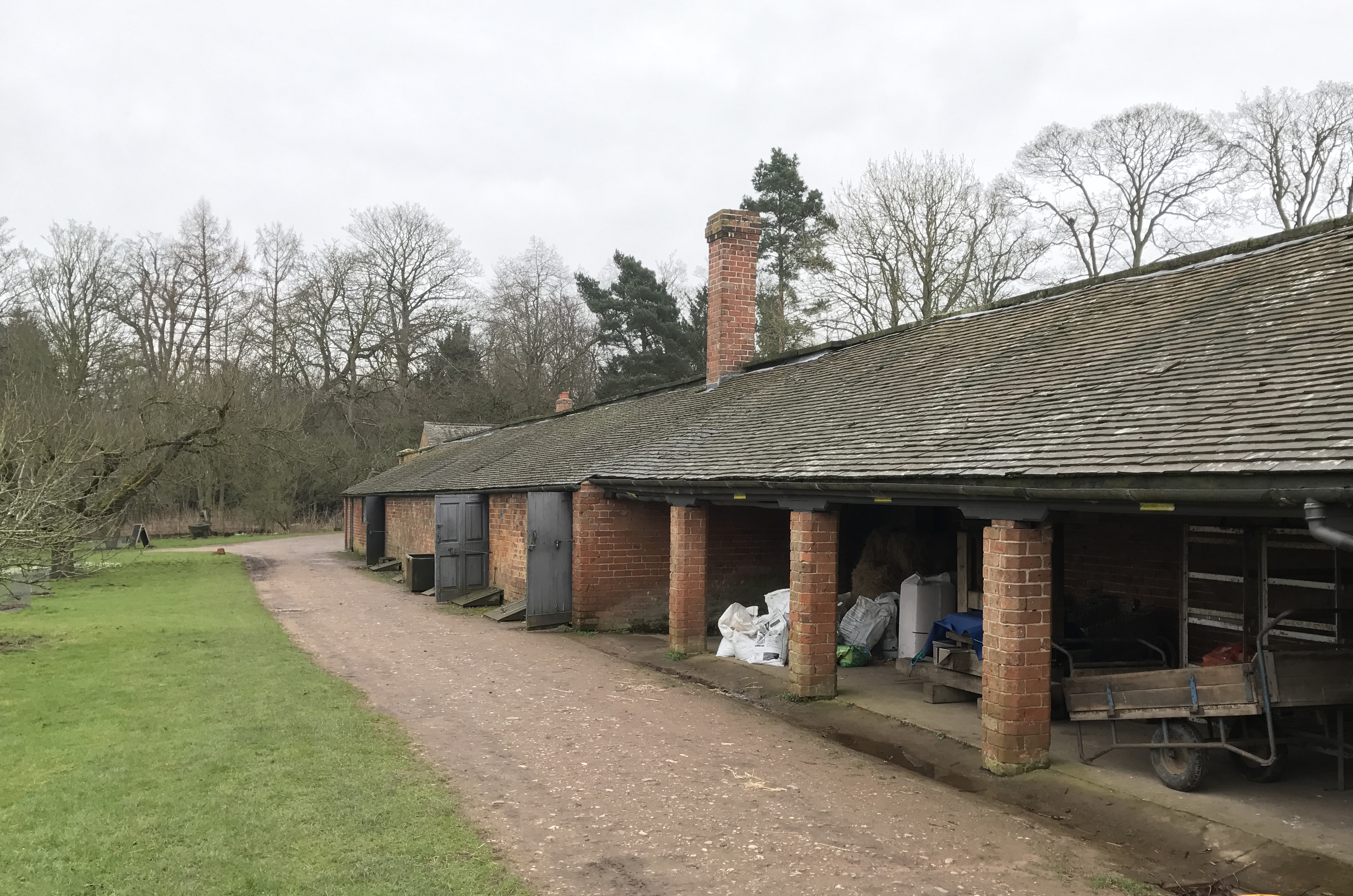
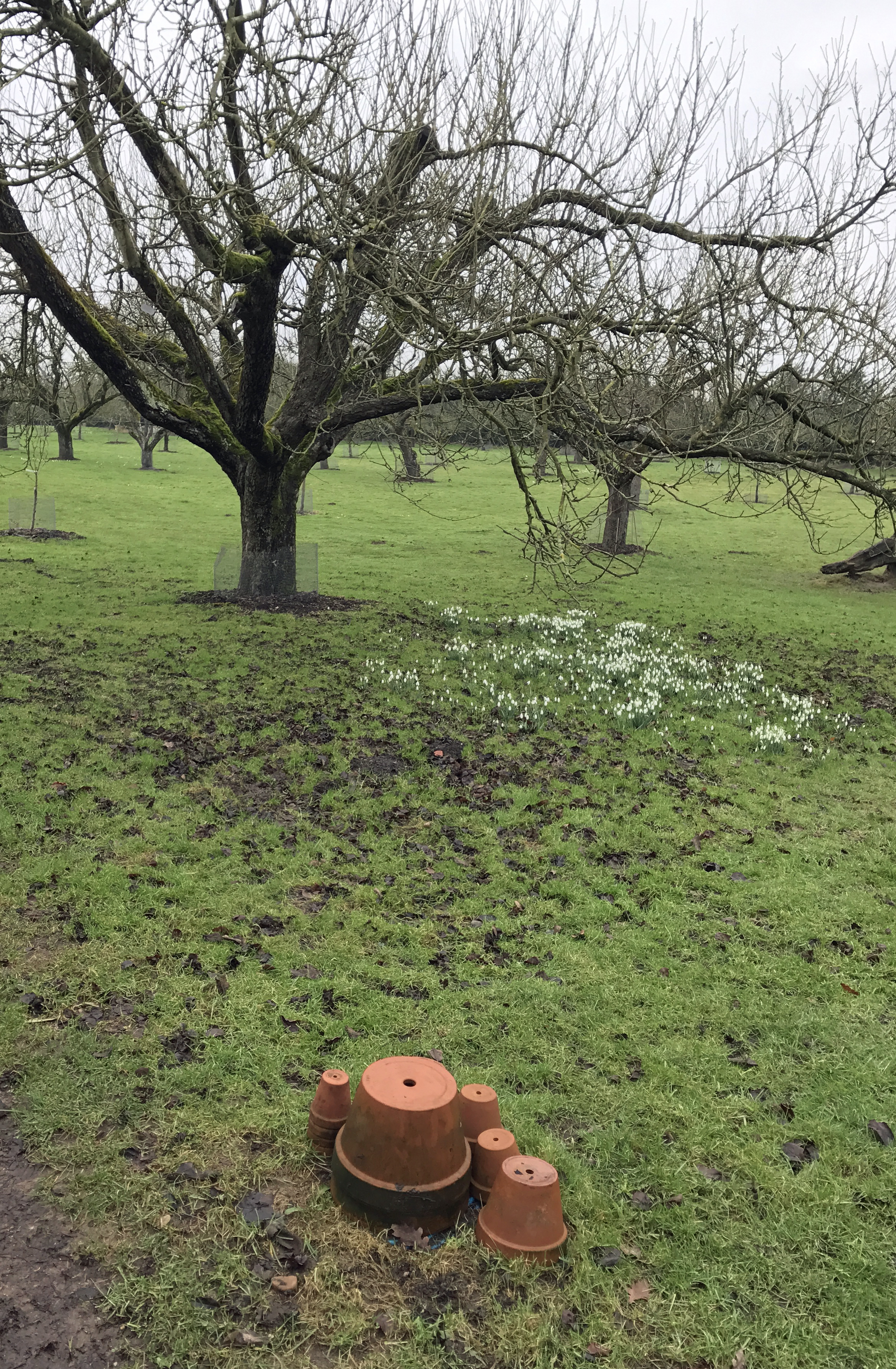
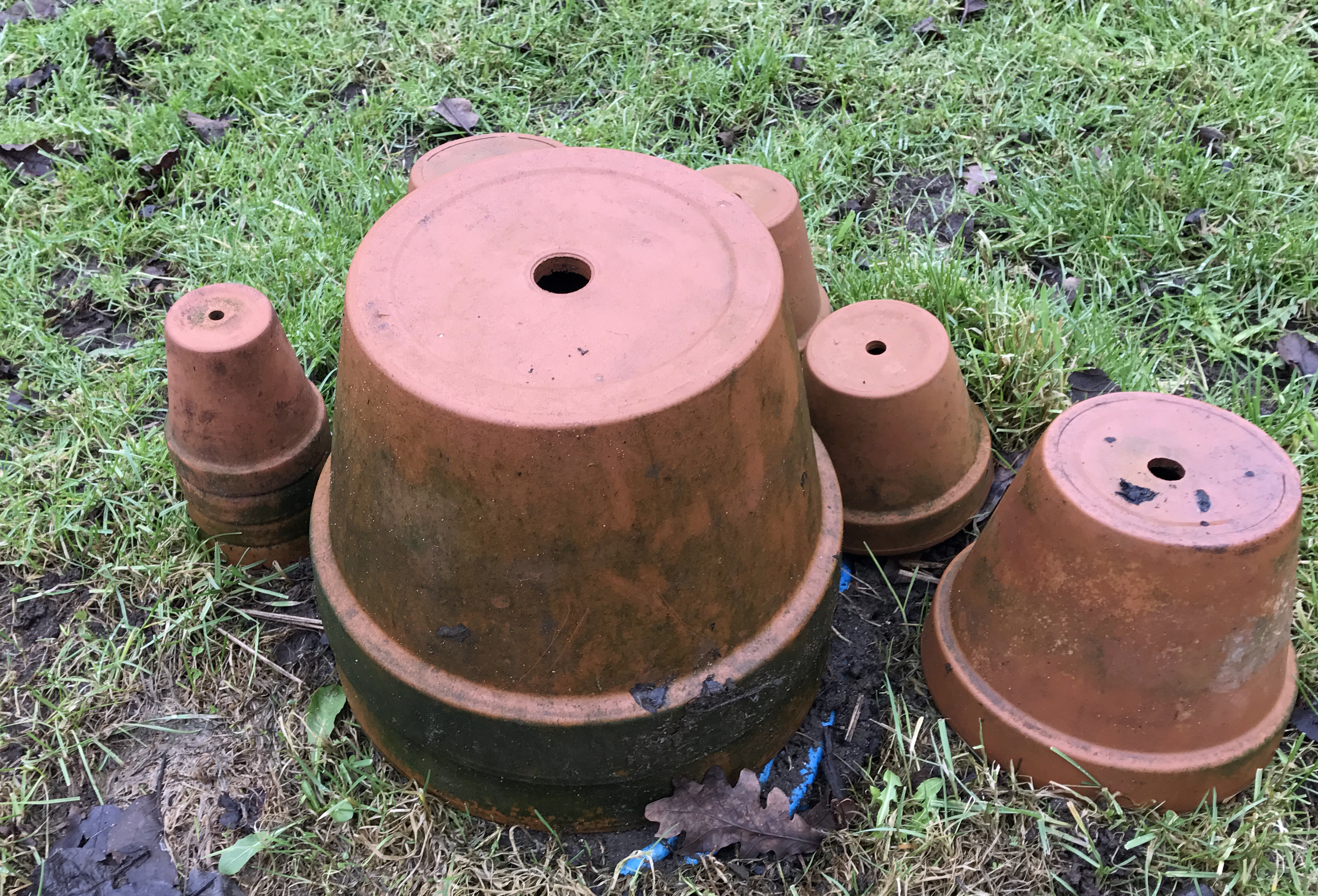
We exited the walled garden via the doorway leading to the orchard, which also gave us access to the lean-to buildings outside the walls themselves. We explored each building and recess to discover old clay pots, the old boiler and an apple store.

a2-42 a2-41 a2-43 a2-44 a2-45 a2-46 a2-47 a2-48 a2-49 a2-50 a2-51 a2-52

So leaving the warmer atmosphere found within the walled garden, we returned to the path that would take us to The Mile Walk. That will be the subject of my Attingham Park February walk part two.

Categories
birds flowering bulbs garden design garden photography garden wildlife gardening gardens hardy perennials ornamental trees and shrubs Shropshire shrubs spring bulbs wildlife Winter Gardening winter gardens

My 2017 Garden Journal – February

Here is the second time in 2017 when I share with you my Garden Journal, so please enjoy my February pages.

fj-1

On the first double page spread I look at Snowdrops and some early plants of interest. I wrote, “February, the month when gardeners’ working hours increase and the light values improve strongly. The snow white of the humble Snowdrop intensifies in the special brightness.”

fj1-03 fj1-06fj1-01 fj1-05 fj1-02 fj1-04

On the opposite page I wrote, “Our native Primroses, Primula vulgaris, begin to flower in February ready to be at their peak in early Spring. Pink “rogue” Primroses appear as self-seeders. Foliage of Primula vulgaris is beautifully textured and patterned.”

fj1-07 fj1-08

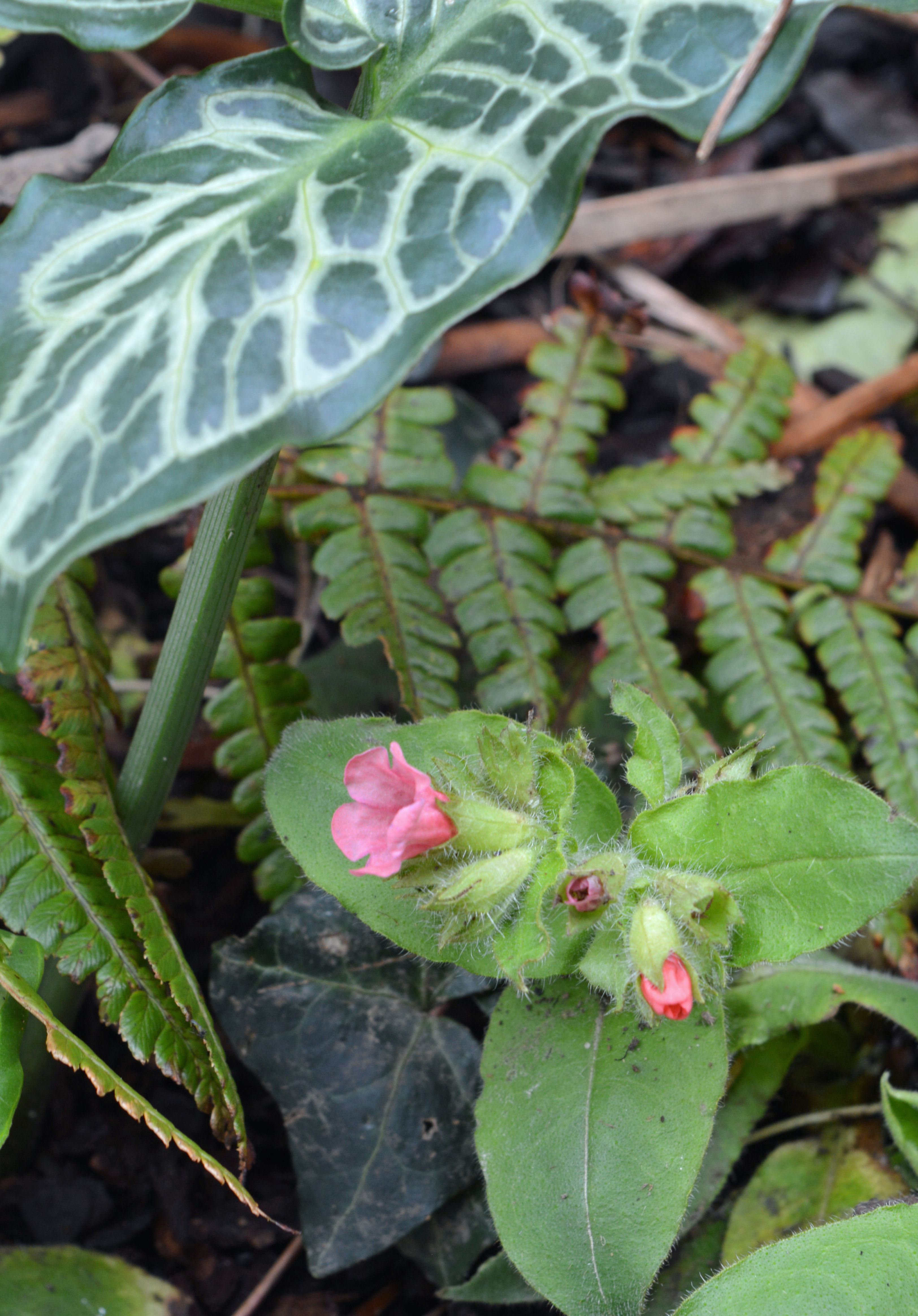
Other early flowering plants giving bright spots in our borders include Crocus and Pulmonaria. This golden Crocus has a bright green Pittosporum as its partner. The pink Pulmonaria is partnering a fern and an Arum, A. italicum “Marmoratum”.

fj1-09 fj1-10 fj1-11

A February flowering shrub features on the next double-page spread along with Hellebores.

fj-2

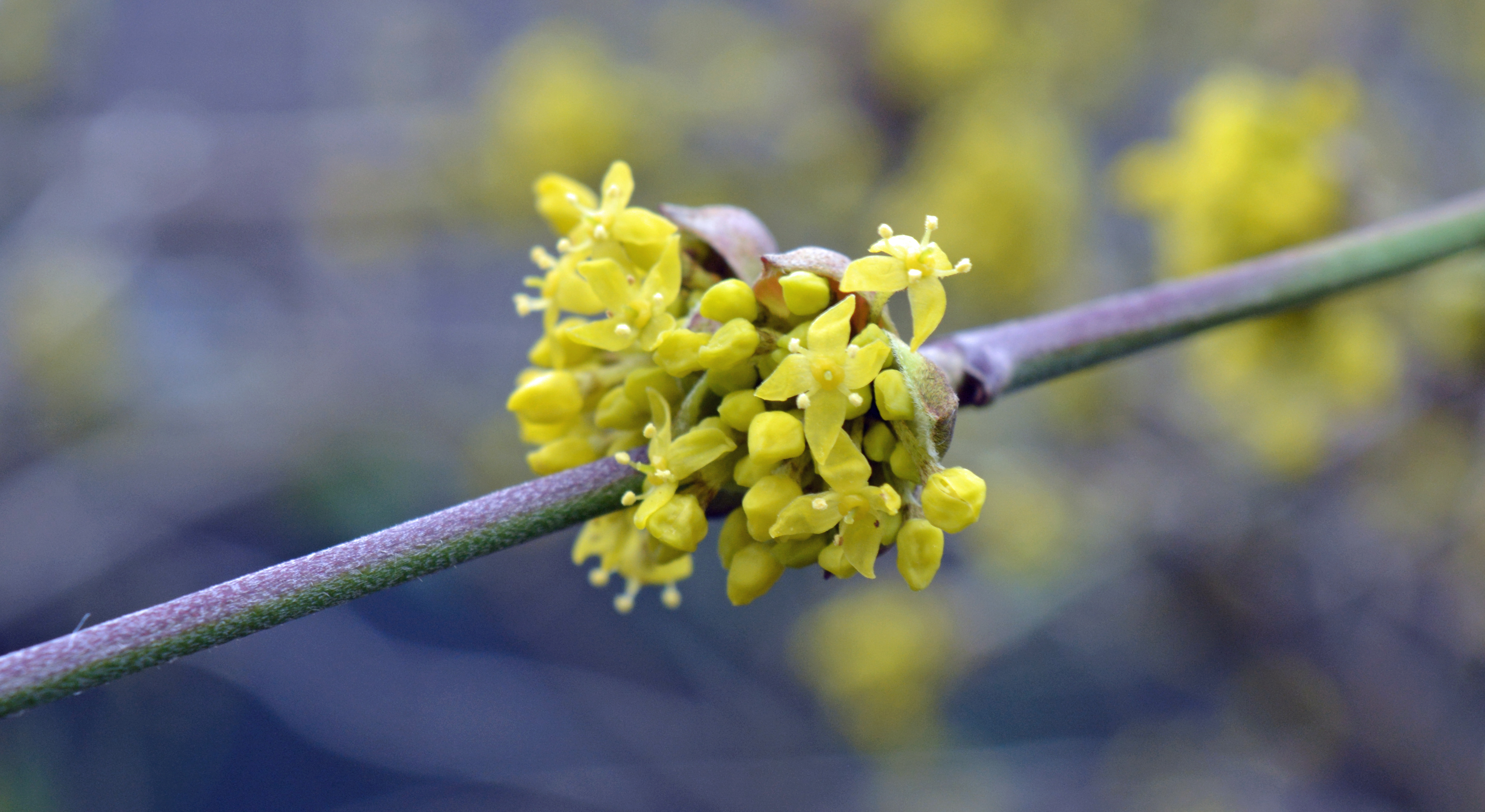
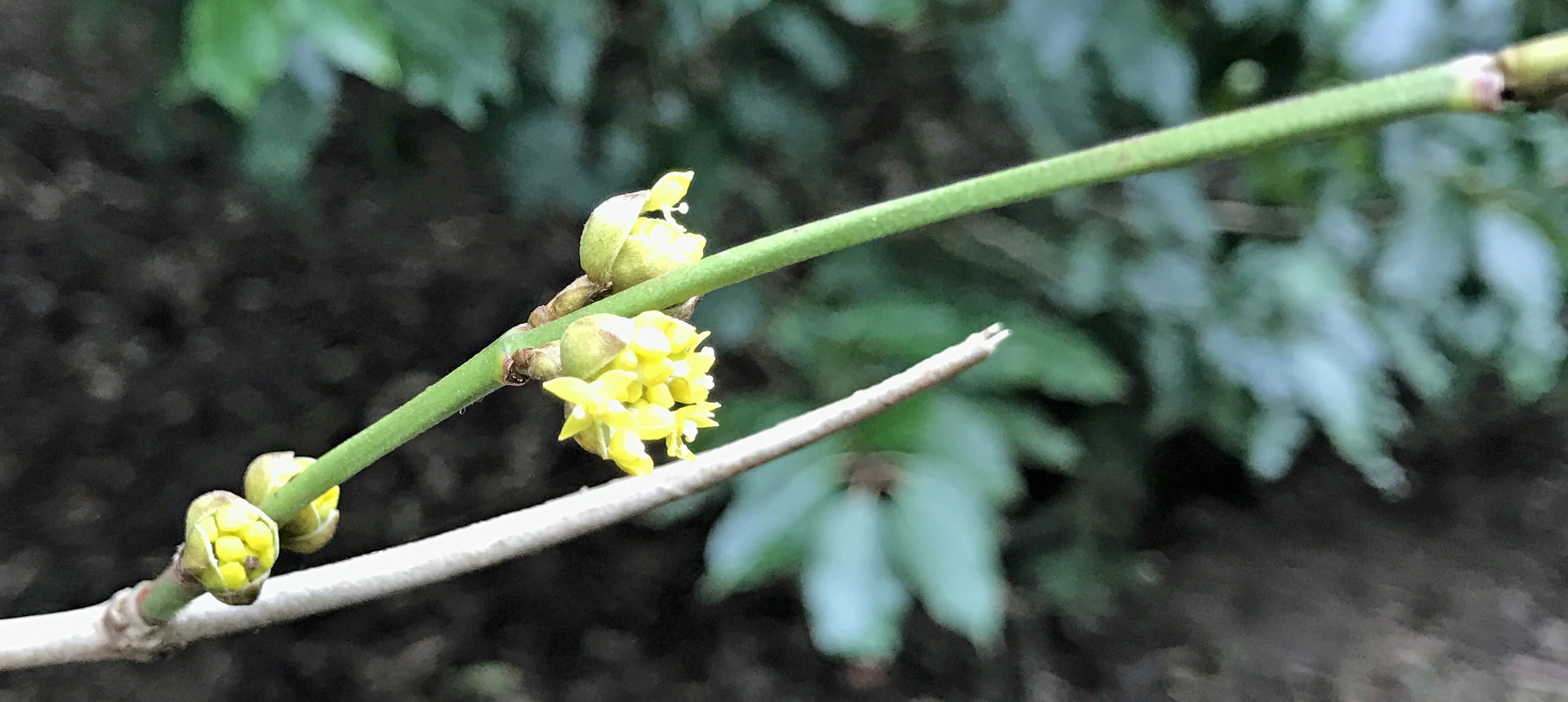
The flowering shrub is Cornus mas, which reliably flowers profusely early every year. I  have selected it as my “Plant of the Month” for February. I wrote, “The star of our garden this month has to be Cornus mas, the Cornelian Cherry, with its bright yellow flowers with just a hint of green. We prune off the lower branches and select main boughs to improve the structure of our’s and this also exposes the texture of the bark on the lowest boughs.”

fj2-01 fj2-07 fj2-05fj2-03 fj2-06fj2-04

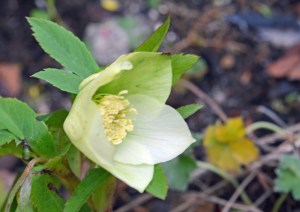
I moved on to show a few of our many Hellebore hybrids and wrote, “Hellebore hybrids start to put on a colourful show from green to yellow and from red to purple. Lots more will come into flower throughout the coming weeks.”

fj2-10 fj2-12fj2-09 fj2-11  fj2-13 fj2-08

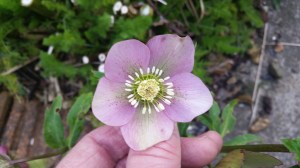
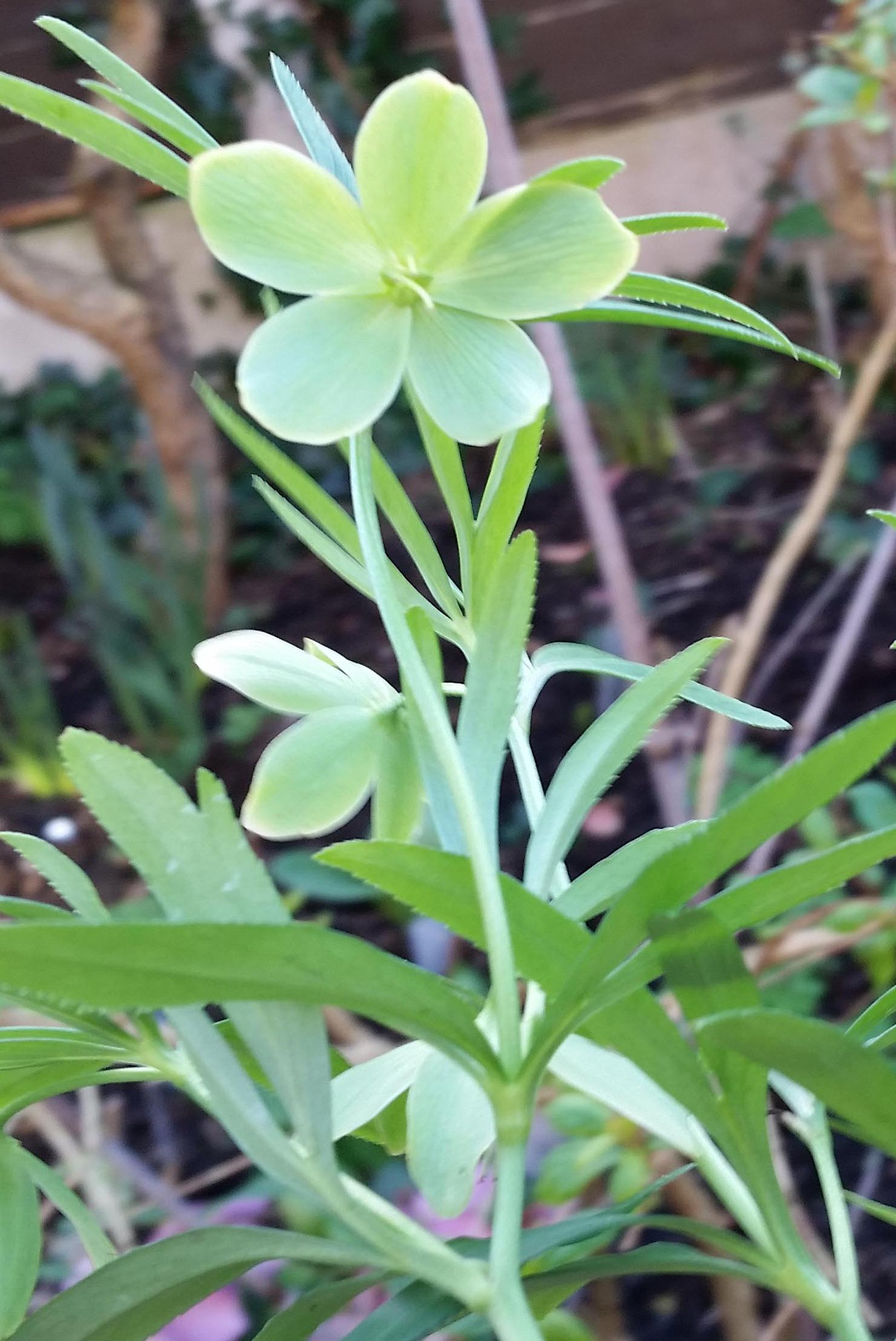
The last photo is not a hybrid Hellebore like the others but our native Helleborus foetidus with its pale green flowers, a subtle beauty with an upright habit.

On the turning of the page we discover my account of re-developing an old border, the Shade Garden”.

fj-3

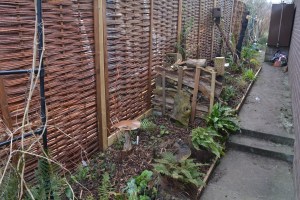
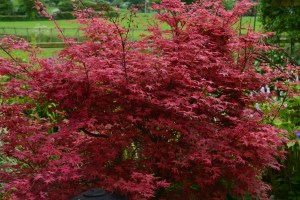
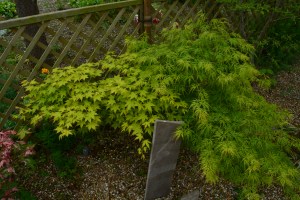
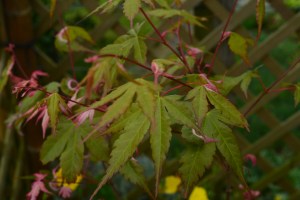
I wrote that “By mid-February we had finished re-vamping our “Shade Garden”, an opportunity that arose when we moved a shed that was situated part way along it. The shed was just 6ft by 3ft but the space released by its removal seemed far more significant that that. Its removal opened up the border. We decided to add a couple of Maples, Acer palmatum “Koto-no-ito” and Acer palmatum “Eddisbury”, and increase the variety and number of ferns and grasses, We liked the idea of mixing ferns and grasses, a new plant combination for us.”

fj3-08 fj3-02fj3-07 fj3-09fj3-11

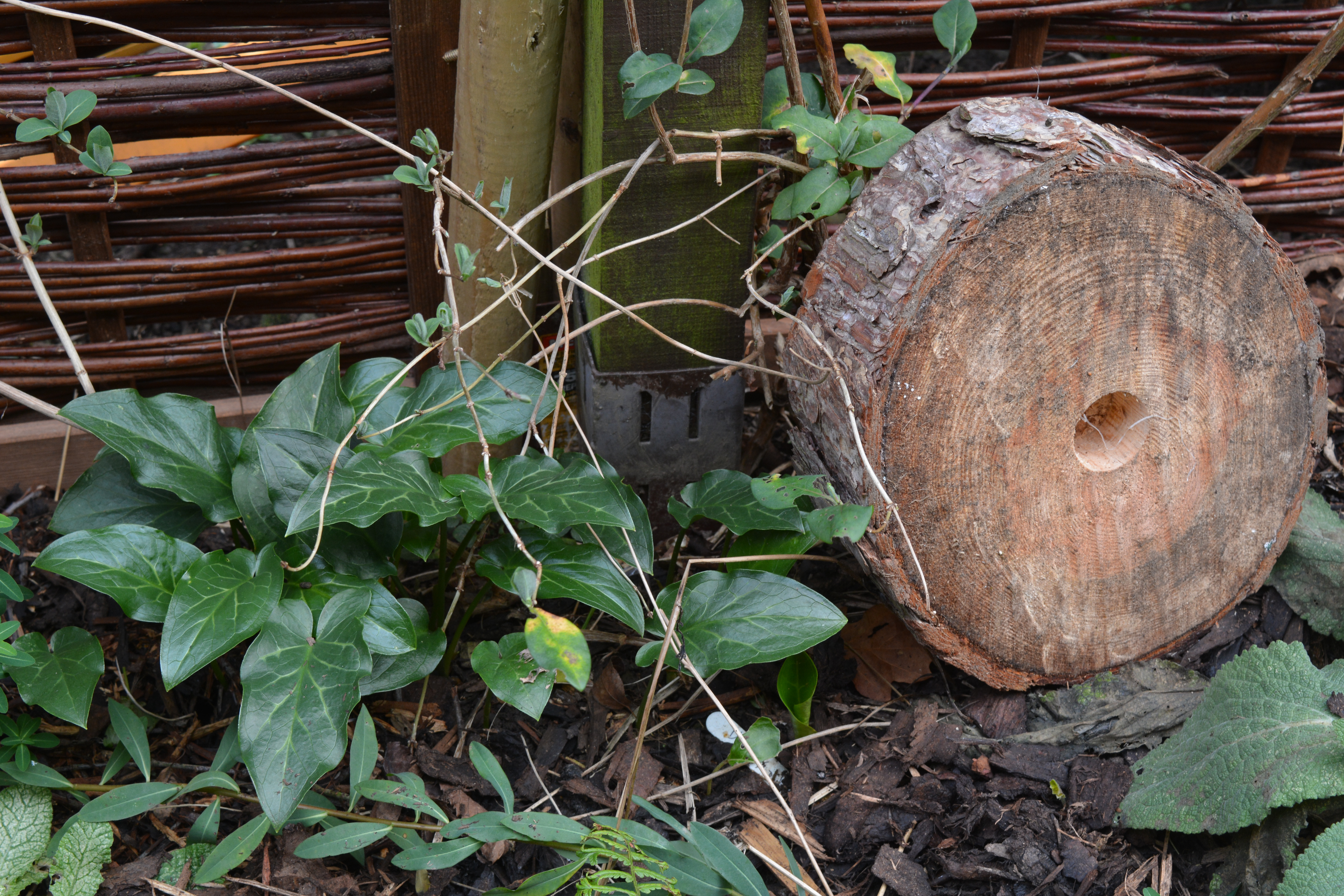
“Mr and Mrs Green Man”

fj3-03 fj3-05

Rotting wood pile, Acer and Ivy, Ivy and Fern.”

fj3-06 fj3-01 fj3-12

New growth appearing in the Shade Garden”

fj3-04 fj3-10

Ivy is the feature plant over the next pair of pages.

fj-4

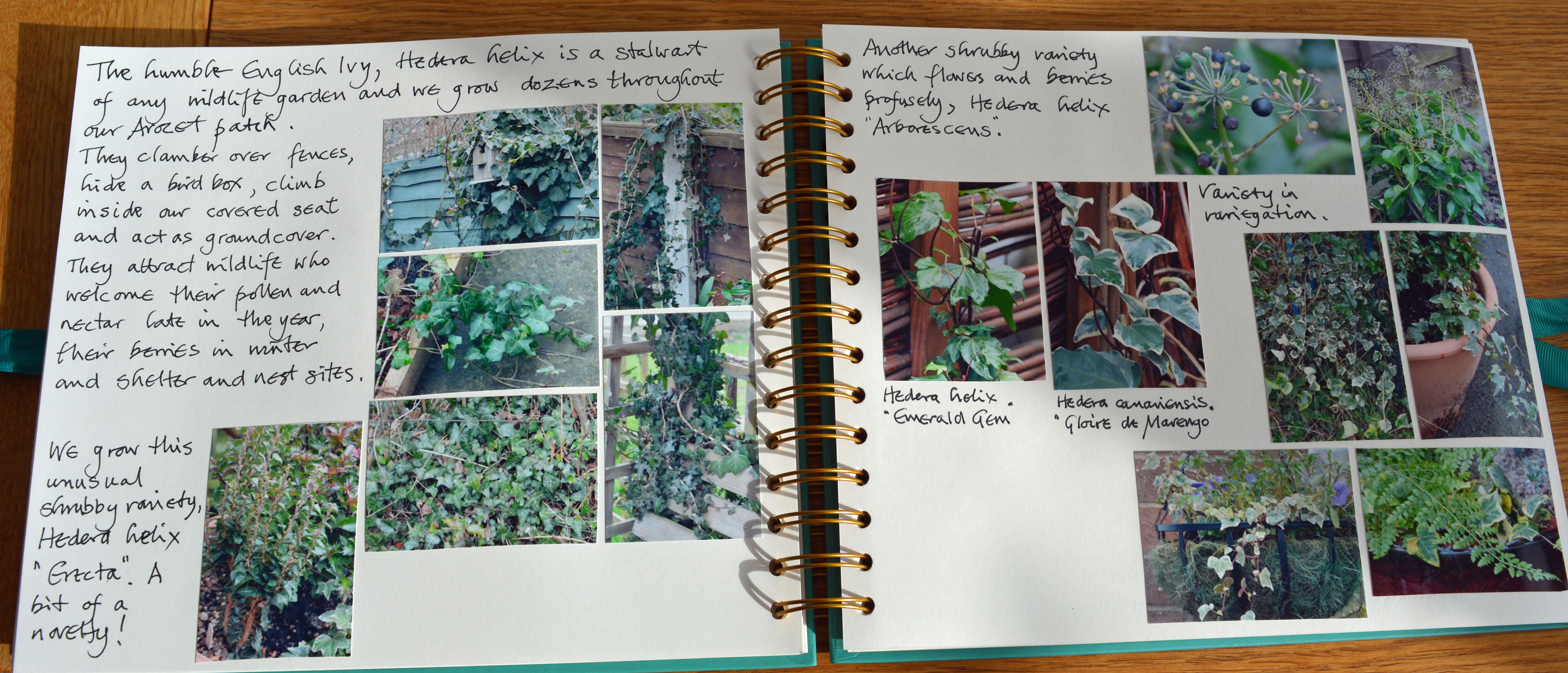
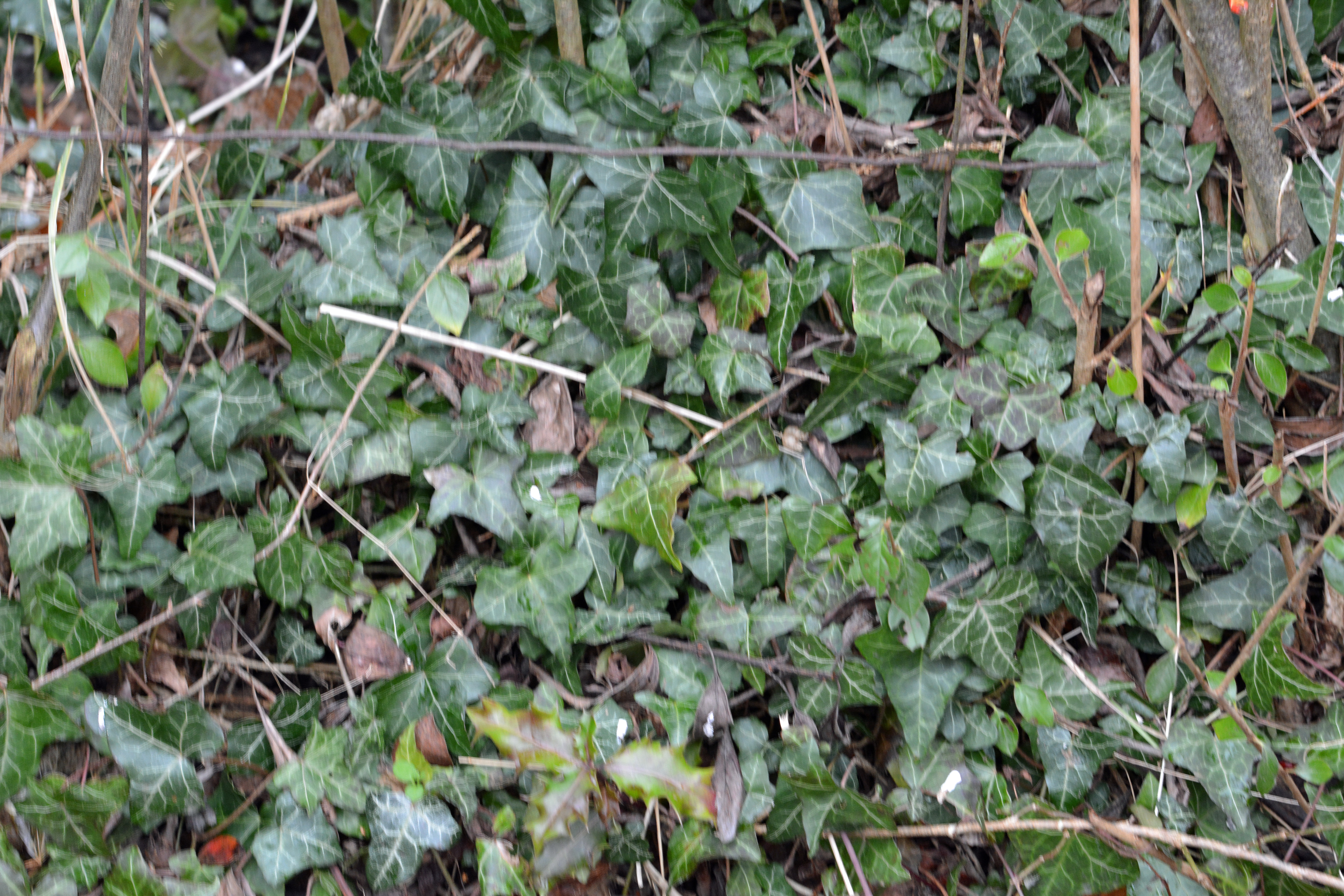
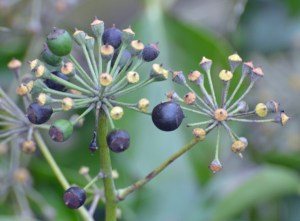
I wrote of the ivy, “The humble English Ivy, Hedera helix is a stalwart of any wildlife garden and we grow dozens throughout our Avocet patch. They clamber over fences, climb inside our covered seat and act as ground-cover. They attract wildlife who welcome their pollen and nectar late in the year, their berries in winter and shelter and nest sites.”

fj4-15 fj4-11fj4-03 fj4-10 fj4-09

We grow this unusual shrubby variety, Hedera helix “Erecta”, a bit of a novelty!”

fj4-05 fj4-07

Another shrubby variety which flowers and berries profusely, Hedera helix “Arborescens.”

fj4-02 fj4-01

Variety in variegation.”

fj4-08 fj4-06fj4-04 fj4-16

Finally two climbing ivies growing in our Shade Garden.

fj4-12 fj4-13 fj4-14

“Hedera helix “Emerald Gem”                         “Hedera canariensis “Gloire de Marengo.”

Next I featured the birds that share our garden with us, particularly the ones who take advantage of our feeding stations.

fj-7

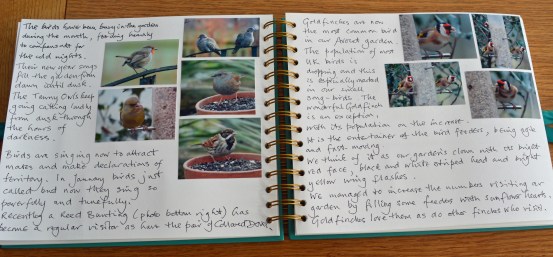
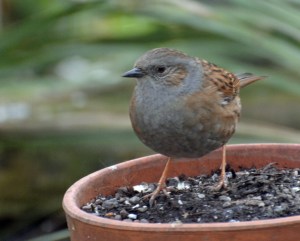
“The birds have been busy in the garden during the month, feeding heavily to compensate for the cold nights. Their new year songs fill the garden from dawn until dusk. The Tawny Owls keep going, calling loudly from dusk through the hours of darkness.”

“Birds are singing now to attract mates and make declarations of territory. In January birds just called but now they sing so powerfully and tunefully. Recently a Reed Bunting (photo bottom right) has become a regular visitor as have the pair of Collared Doves.”

fj5-4-1 fj5-9-1fj5-7-1 fj5-8-1fj5-6-1

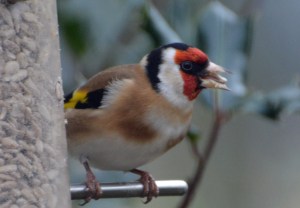
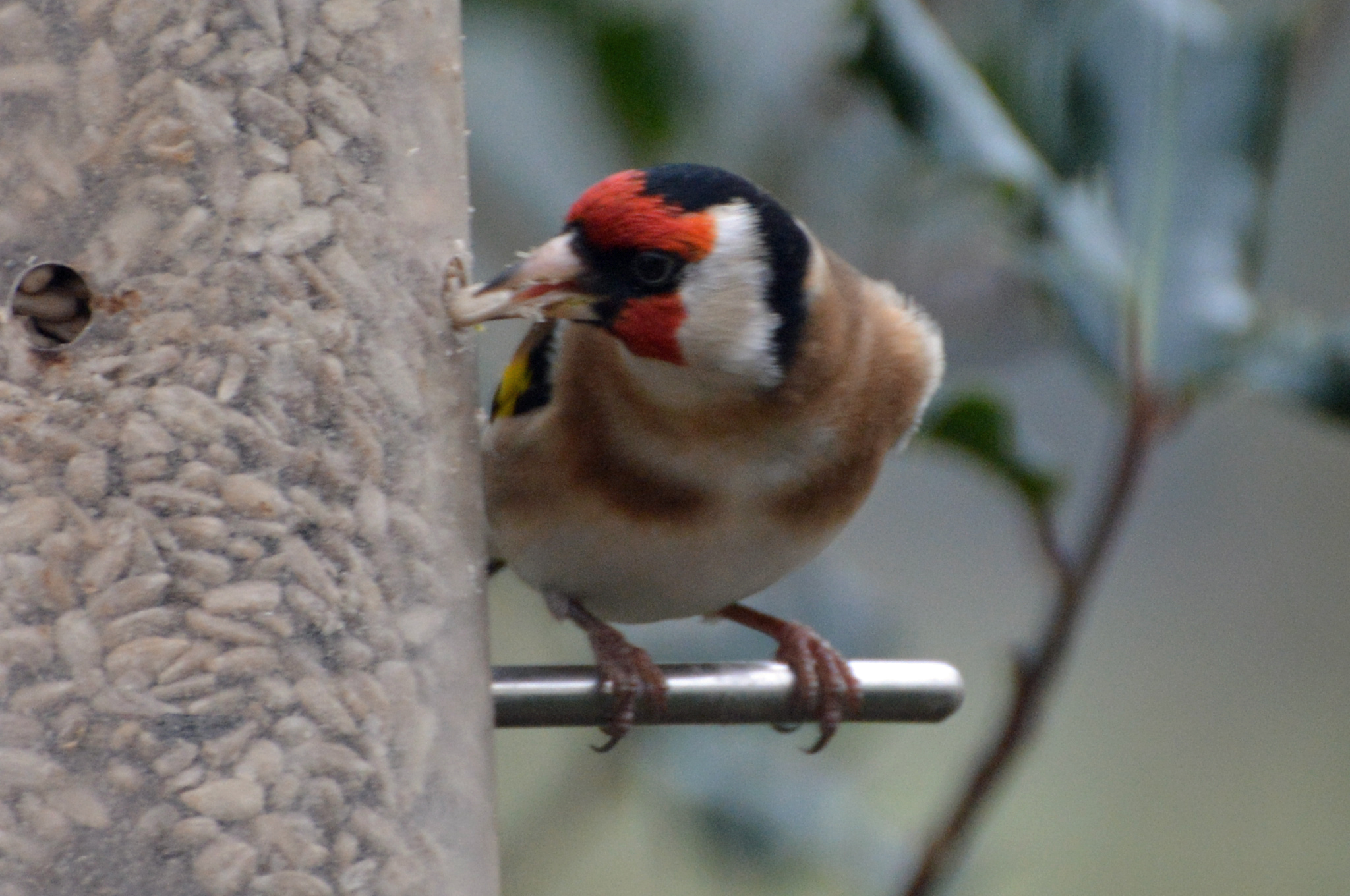
“Goldfinches are now the most common bird in our Avocet garden. The population of most UK birds is dropping and this is especially marked in our song-birds. The wonderful Goldfinch is an exception, with its population on the increase. It is the entertainer of the bird feeders, being agile and fast-moving.

We think of it as our garden’s clown with its bright red face, black and white striped head and bright yellow wing flashes. We managed to increase the numbers visiting our garden by filling some feeders with sunflower hearts. Goldfinches love them as do other finches who visit.”

fj5-3-1 fj5-2-1fj5-1-1 fj5-5-1

We next turn over to a double page spread all about early flowers and a plant that displays amazing unusual foliage.

fj-6

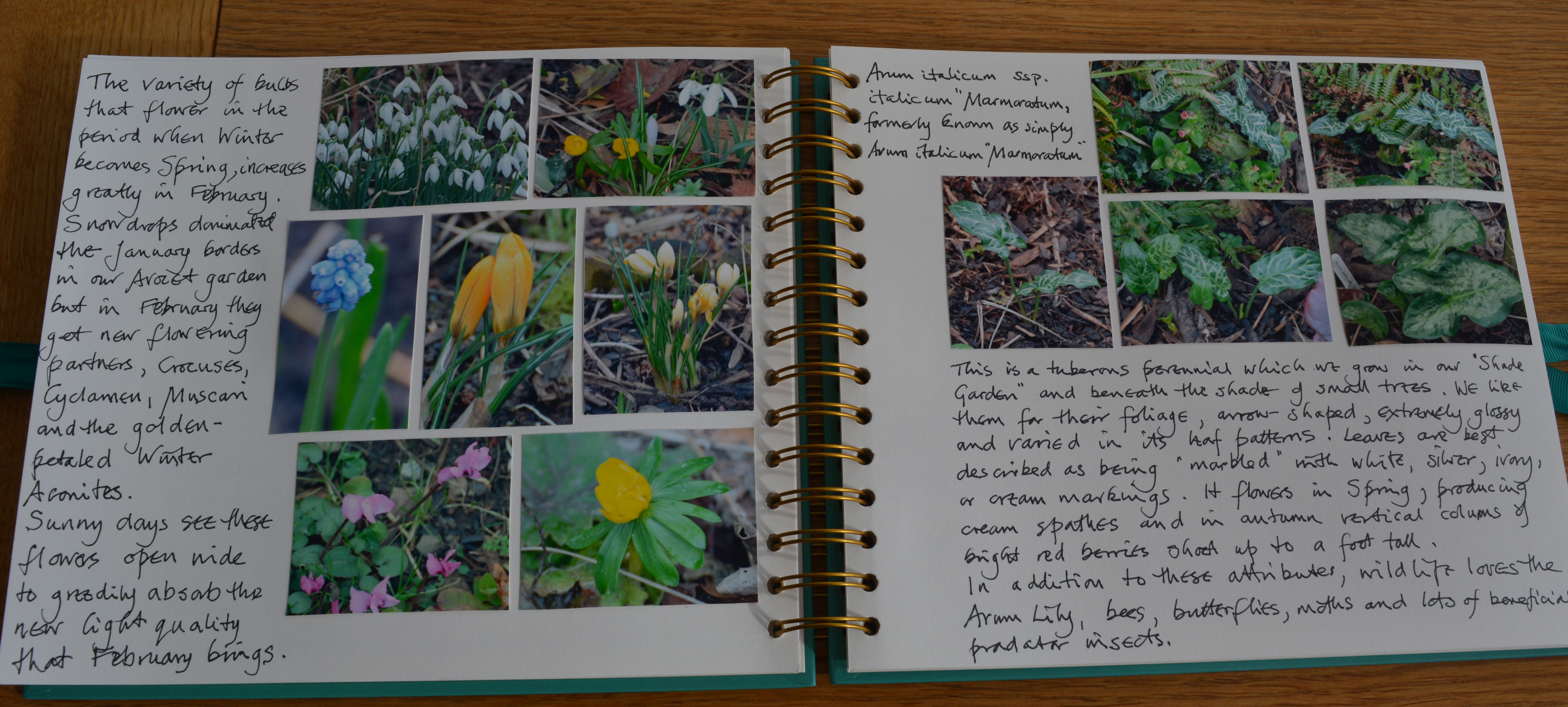
I wrote, “The variety of bulbs that flower in the period when Winter becomes Spring, increases greatly in February. Snowdrops dominated the January borders in our Avocet garden but in February they get new flowering partners, Crocuses, Cyclamen, Muscari and the golden-petaled Winter Aconites.

Sunny days see these flowers open wide to greedily absorb the new light quality that February brings.”

fj6-18 fj6-15fj6-17 fj6-19 fj6-16fj6-01 fj6-02 fj6-03  fj6-05 fj6-06 fj6-07 fj6-14fj6-04 fj6-09

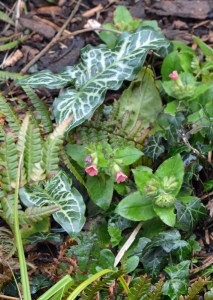
Concerning the unusual Arums we grow I continued, “Arum italicum ssp. italicum “Marmoratum” formerly known simply as Arum italicum “Marmoratum”. This is a tuberous perennial which we grow in our Shade Garden and beneath the shade of small trees. We like them for their foliage, arrow-shaped, extremely glossy and varied in its leaf patterns. Leaves are best described as being “marbled” with white, silver, ivory or cream markings. It flowers in Spring, producing cream spathes and in Autumn vertical columns of bright red berries shoot up to a foot tall. In addition to those attributes, wildlife loves the Arum Lily, bees, butterflies, moths and lots of beneficial predatory insects.” 

fj6-11 fj6-10fj6-13 fj6-12

We are so pleased to have established a clump of the rare Arum Lily called “Arum italicum Chameleon”, seen in photo below.

fj6-08

More foliage features over on the following pages, the newly emerging foliage of perennials.


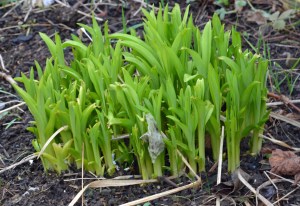
I wrote, “In the second half of the month we had a special treat in store, a few days of heatwave with daytime temperatures reaching 15 C in Plealey. This resulted in rush of new growth from the perennials that had died down after their display last year. The photos show perennial growth with new leaf growth penetrating the soil like the blades of swords.

fj7-11 fj7-09fj7-12 fj7-04fj7-10 fj7-07

This final picture of new growth illustrates how new growth of Pulmonarias shows both foliage and flower bud shooting together.

fj7-06

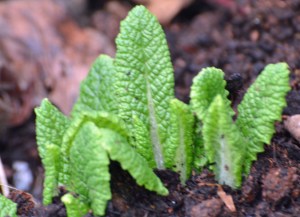
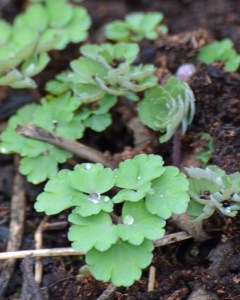
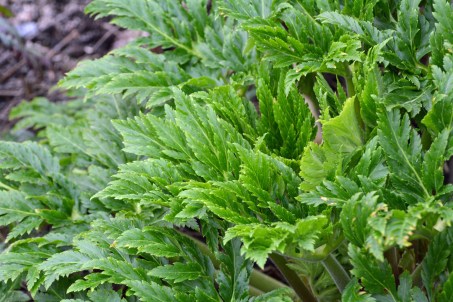
Opposite I share photos of broad-leaved perennials displaying their new growth, where I wrote, “Elsewhere broad-leaved herbaceous perennials were unfurling their fresh foliage ready for the new year. Here we have new leaves of Primula vulgaris, Sedum, Aquilegia, Polemonium, Centaurea, Fennel and Geranium palmatum. More growth appears daily as February comes to an end. It all bodes well for Spring and Summer.”

fj7-02 fj7-13fj7-03 fj7-05fj7-01 fj7-08fj7-14

And so that is my February report from my Garden Journal. We will visit again in March.


Categories
bird watching birds garden wildlife natural pest control wildlife

Nest Box Cam

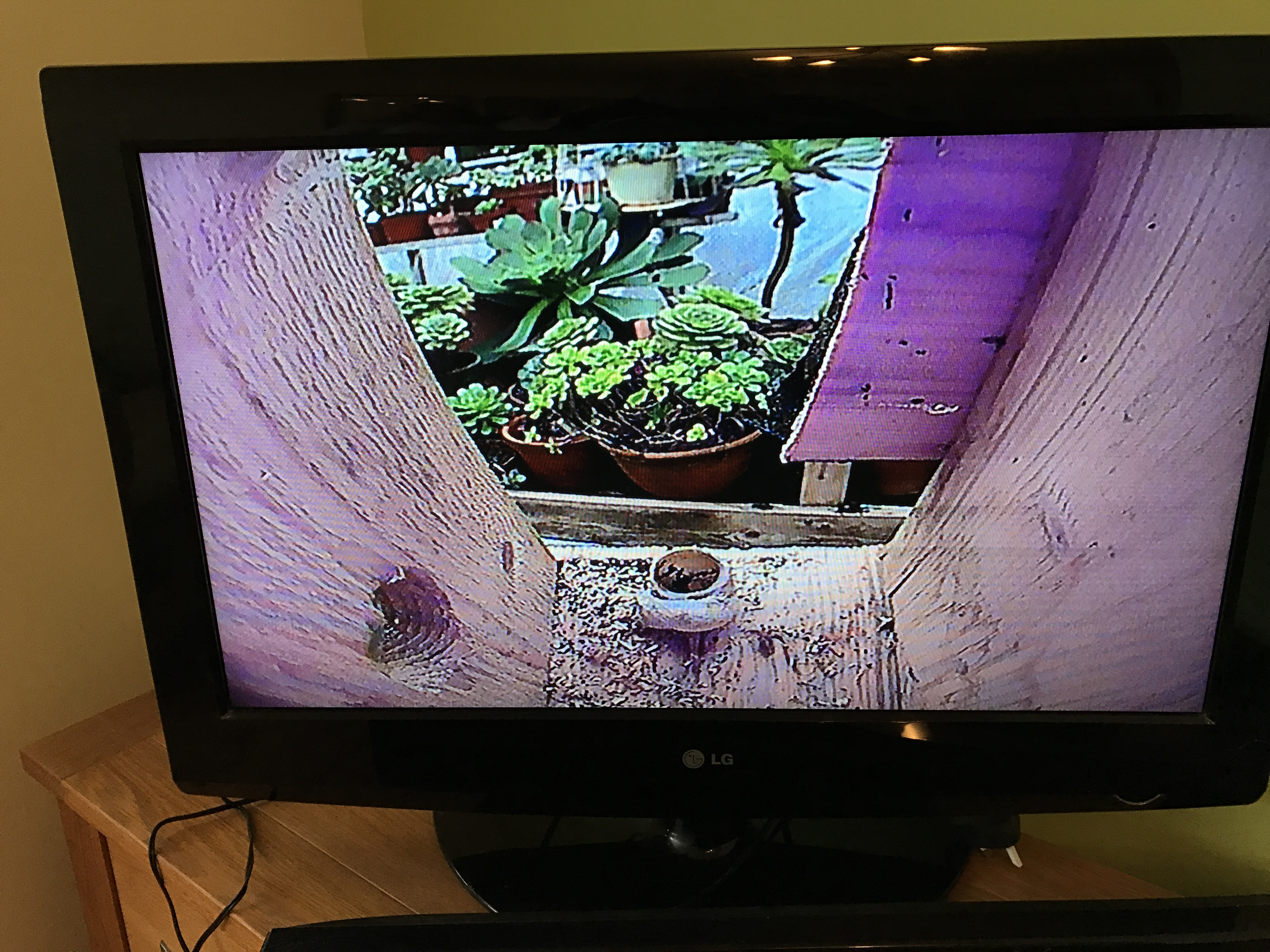
During the early Winter I made a special nest box for Blue Tits, one designed to house a wireless camera. To finish the project son-in-law Rob fixed  the tiny “spy” camera inside and linked it up to our television. So now that it is fixed up, partly hidden in our grape vine, we patiently wait to see if a pair take up residence to raise a brood. Exciting!

bb-7 bb-5 bb-6

You can see the second hole on the side, covered in a sheet of scratched perspex placed to let some light in.

It felt so good to see our first images of the empty box appear on our TV screen. Just how excited will we become if we spot a Blue Tit entering! Watch this space! It will be so good if they do nest because not only will we love watching them but we will know that they will be acting as great natural pest controllers, devouring thousands of insects especially aphids and thousands of caterpillars as they raise their young. Now that is real natural gardening!

bb-2 bb-3


Categories
birds colours flowering bulbs garden photography garden wildlife gardening gardens hardy perennials ornamental trees and shrubs outdoor sculpture Shropshire shrubs spring bulbs trees Winter Gardening winter gardens

My 2017 Garden Journal – January

It feels good to be back sharing my Garden Journal with you once again. So here is the first for 2017, my report on what was going on in our Avocet garden in January.

For 2017 I will share the beauty, the happenings and the stars of our Avocet garden month by month. I will consider the wildlife that visits and shares our garden with us and see what it is up to. I aim to record the birds we spot, the creatures which live in our pond and the mini-beasts who appreciate our plants in our borders.

I hope to set up my moth live-trap and carry out a pond dip regularly. I will record using words, photographs, paintings and drawings.
jan-03

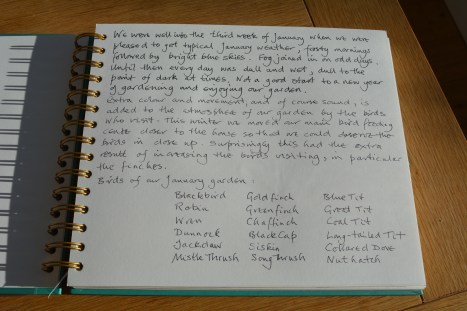
My 2017 Garden Journal opened with a comment about the weather, the favourite subject of the English and particularly English gardeners, “We were well into the third week of January when we were pleased to get typical January weather, frosty mornings followed by bright glue skies. Fog joined in on odd days. Until then every day was dull and wet, dull to the point of darkness at times. Not a good start to a new year of gardening and enjoying our garden.

Extra colour and movement, and of course sound, is added to the atmosphere of our garden by the birds who visit. This winter we moved our main bird feeding centre closer to the house so that we could observe the birds in close up. Surprisingly this had the extra bonus of increasing the birds visiting, in particular the finches.

Birds of our January garden: 

Blackbird                    Goldfinch                    Blue Tit

Robin                           Greenfinch                  Great Tit

Wren                            Chaffinch                    Coal Tit

Dunnock                      Blackcap                      Long-tailed Tit

Jackdaw                       Siskin                            Collared Dove

Mistle Thrush             Song Thrush                Nuthatch

Turning the page finds me discussing scented shrubs starring in our January garden.

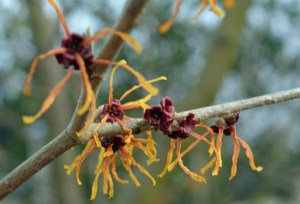
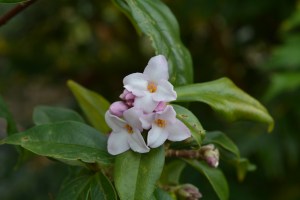
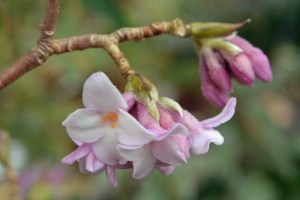
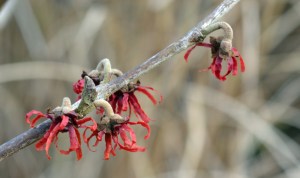
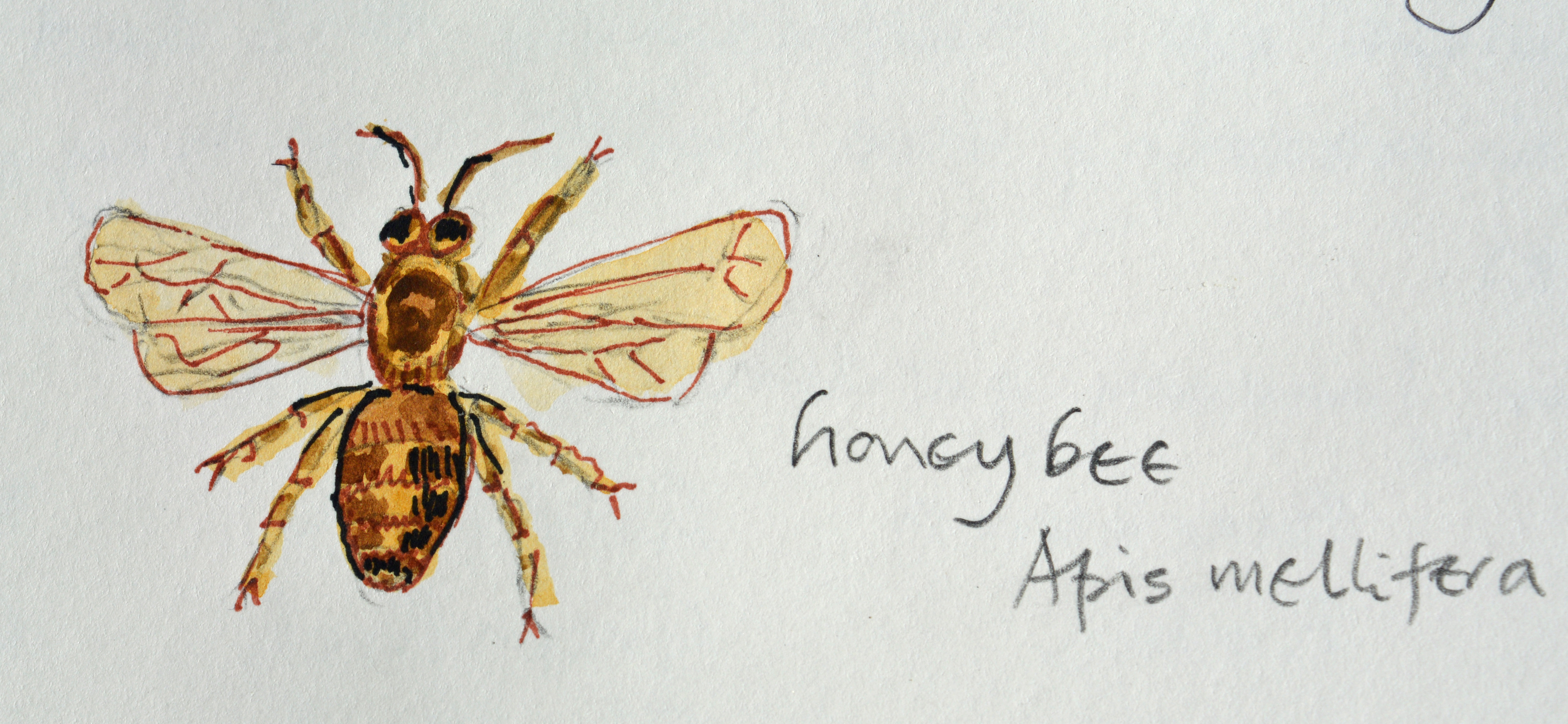
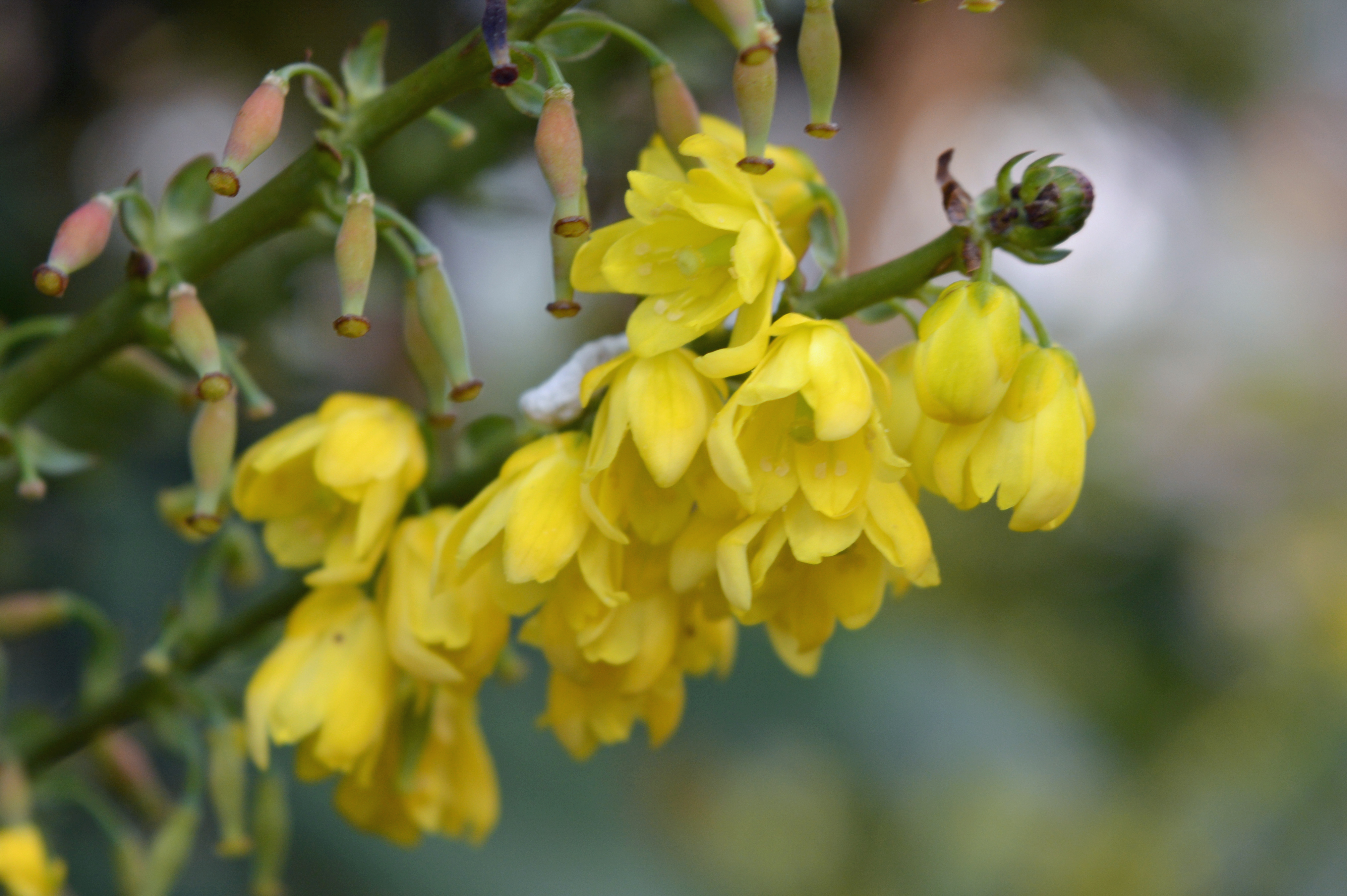
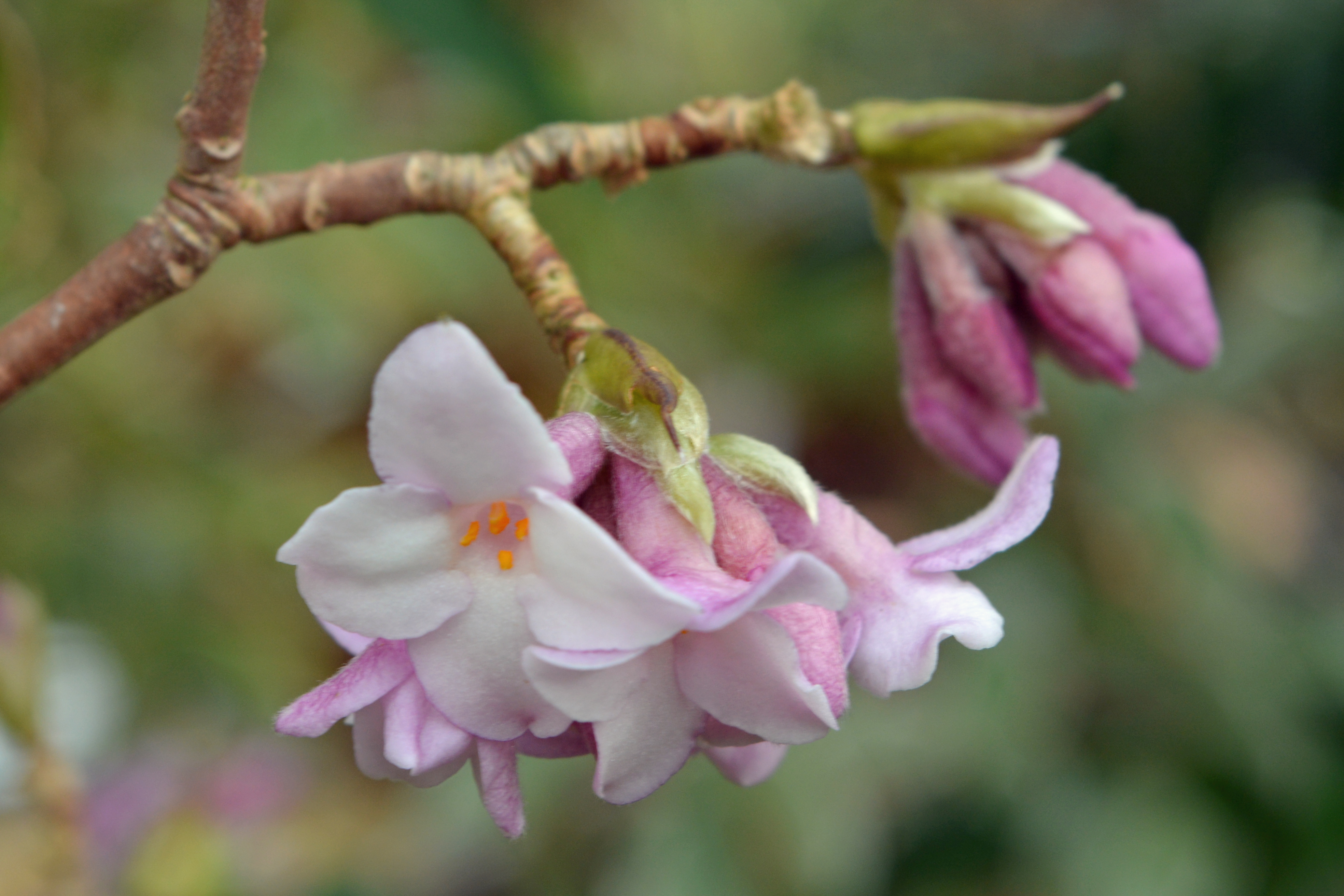
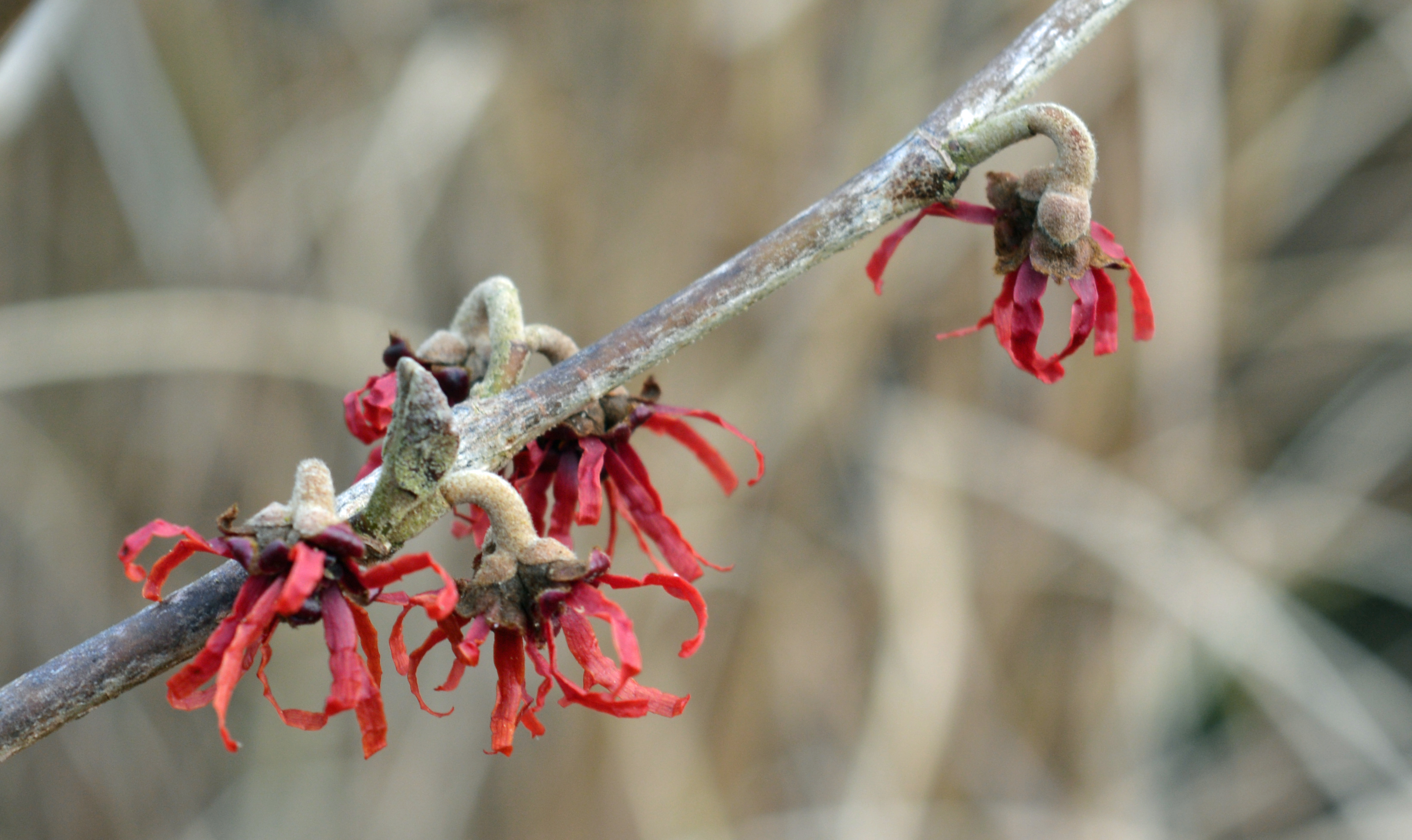
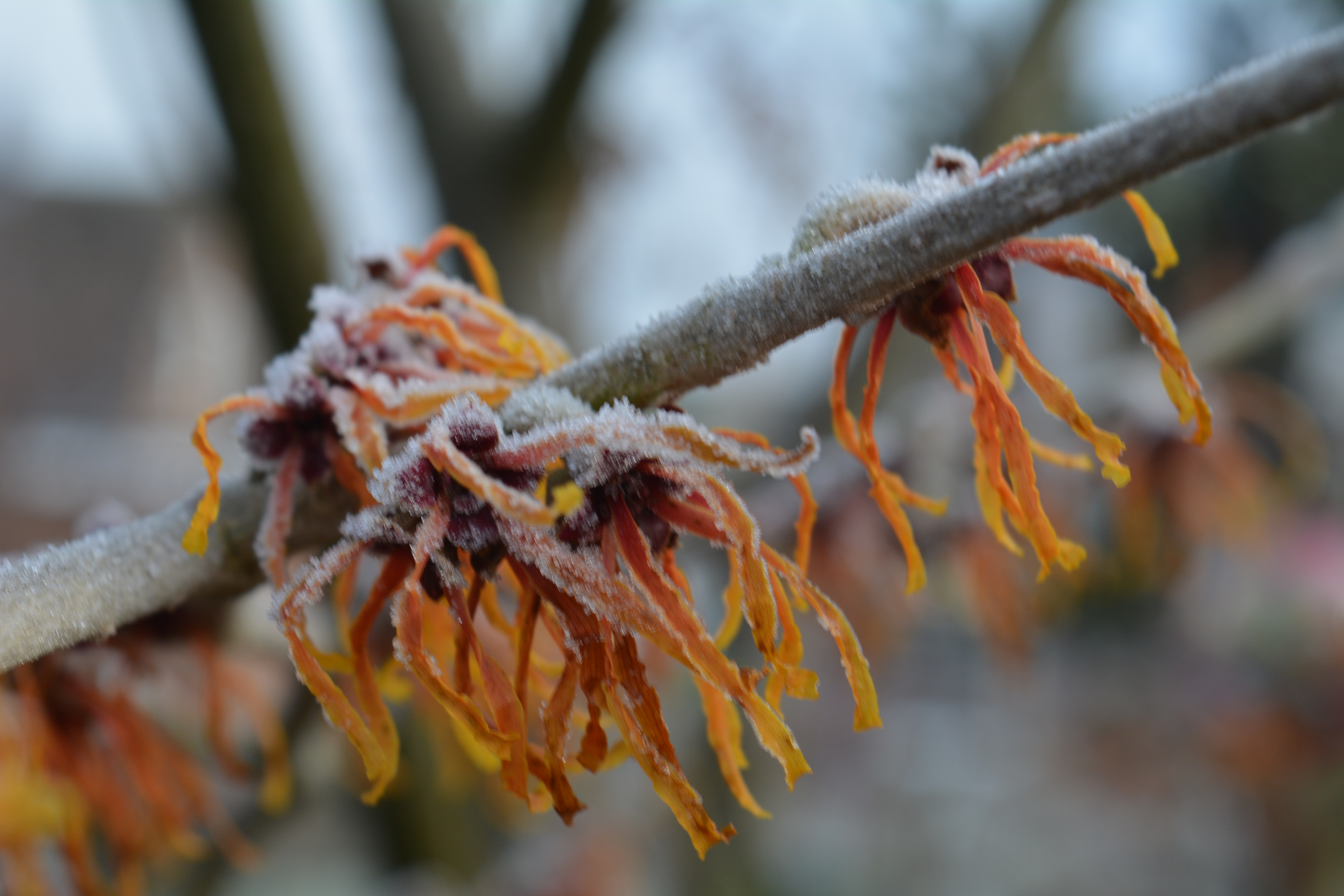
Scented shrubs add an extra element to enjoy in our Avocet garden all  year round, but winter-flowering shrubs are probably the most important of all. Their rich scents, warm and sweet and spicy, spread far to attract the few insects flying in the colder months. In January we are enjoying the welcome aromas of Mahonia, Sarcococca, Witch Hazels and Daphne. The local honey bees are drawn to the Mahonia and we can hear their gentle humming whenever the sun gives some unexpected warmth and brightness.

I used my watercolours to create a painting of a Honey Bee, Apis mellifera, and it was a very difficult painting to do.
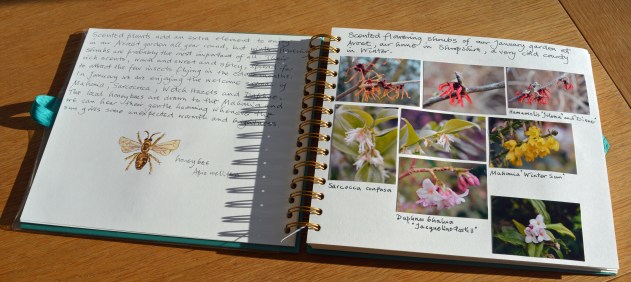
jan-04jan-05 jan-06

On the page opposite my bee painting, I included photos of the “Scented flowering shrubs of our January garden at Avocet, our home in Shropshire, a very cold county in winter.”, Sarcococca confusa, Daphne bholua “Jacqueline Postill”, Hamamelis Jelena and Diane and Mahonia “Winter Sun”.

j1-1 j1-2 j1-3 j1-4 j1-5 j1-6 j1-7 j1-8

Over the page we look at “new” gardening tools, one brand new and one new to me which is a vintage tool.
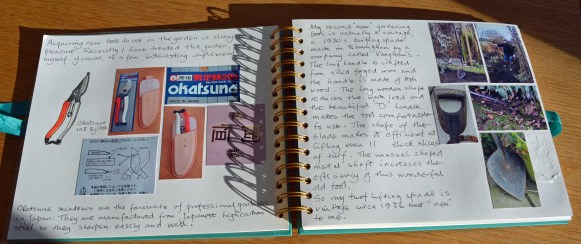
jan-07

“Acquiring new tools to use in the garden is always a pleasure. Recently I have treated the garden, and myself of course, to a few interesting implements”. 

Firstly a pair of Japanese secateurs, with the unusual problem of instructions written in Japanese. As I had ordered them from Japan I should not have been surprised really!

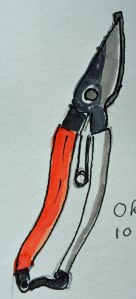
I painted a picture of my new Japanese secateurs, which was a lot harder that it looks.
jan-01 j2-1 j2-4

“Okatsune secateurs are the favourite of  professional gardeners in Japan. They are manufactured from Japanese high carbon steel so they sharpen easily and well.”

j2-2 j2-3  j2-5 j2-6

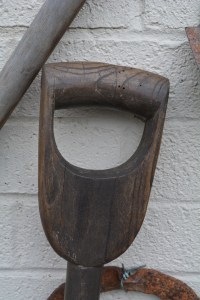
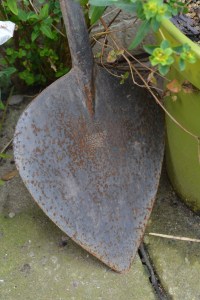
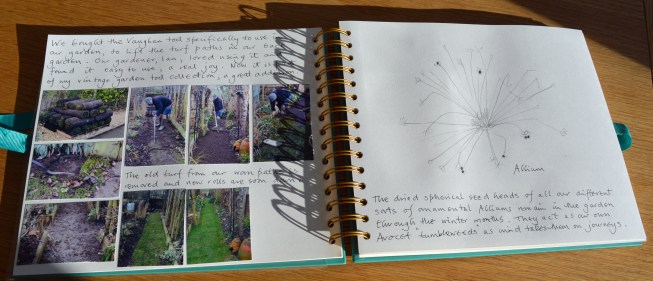
“My second “new” gardening tool is actually a vintage piece, a 1930’s turfing spade made in Birmingham by a company called Vaughan’s. The long handle is crafted from solid forged iron and the handle is made from Ash wood. The long wooden shaft reduces the workload and the beautiful “D” handle makes the tool comfortable to use. The shape of the blade makes it efficient at even lifting an even 1 inch thick slices of turf. The unusual shaped metal shaft increases the efficiency of this wonderful old tool. So my turf lifting spade is vintage circa 1936 but “new” to me.

j3-07 j3-11

j3-01 j3-02 j3-09 j3-08

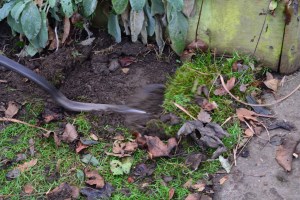
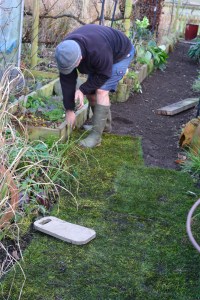
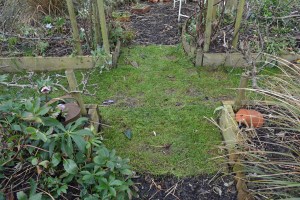
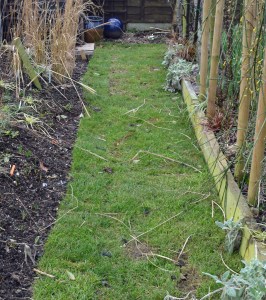
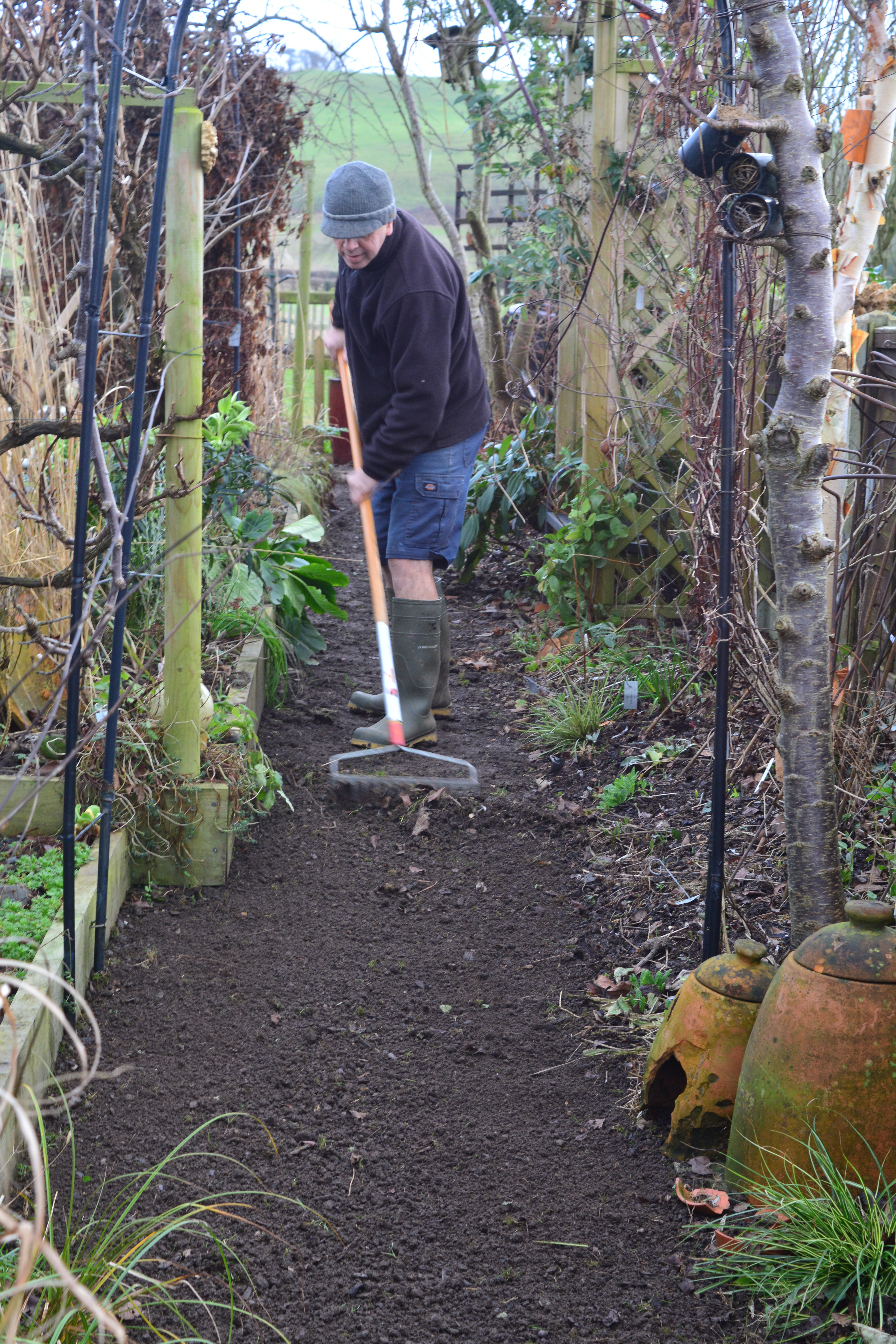
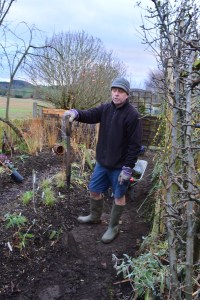
I moved on to show how Ian, our gardener, used the vintage turfing spade to replace the grass on some of our paths.
jan-08

“We bought the Vaughan tool specifically to use in our garden, to lift the turf paths in our back garden. Our gardener, Ian, loved using it and found it easy to use, a real joy. Now it is part of my vintage garden tool collection, a great addition.”

j3-03 j3-06

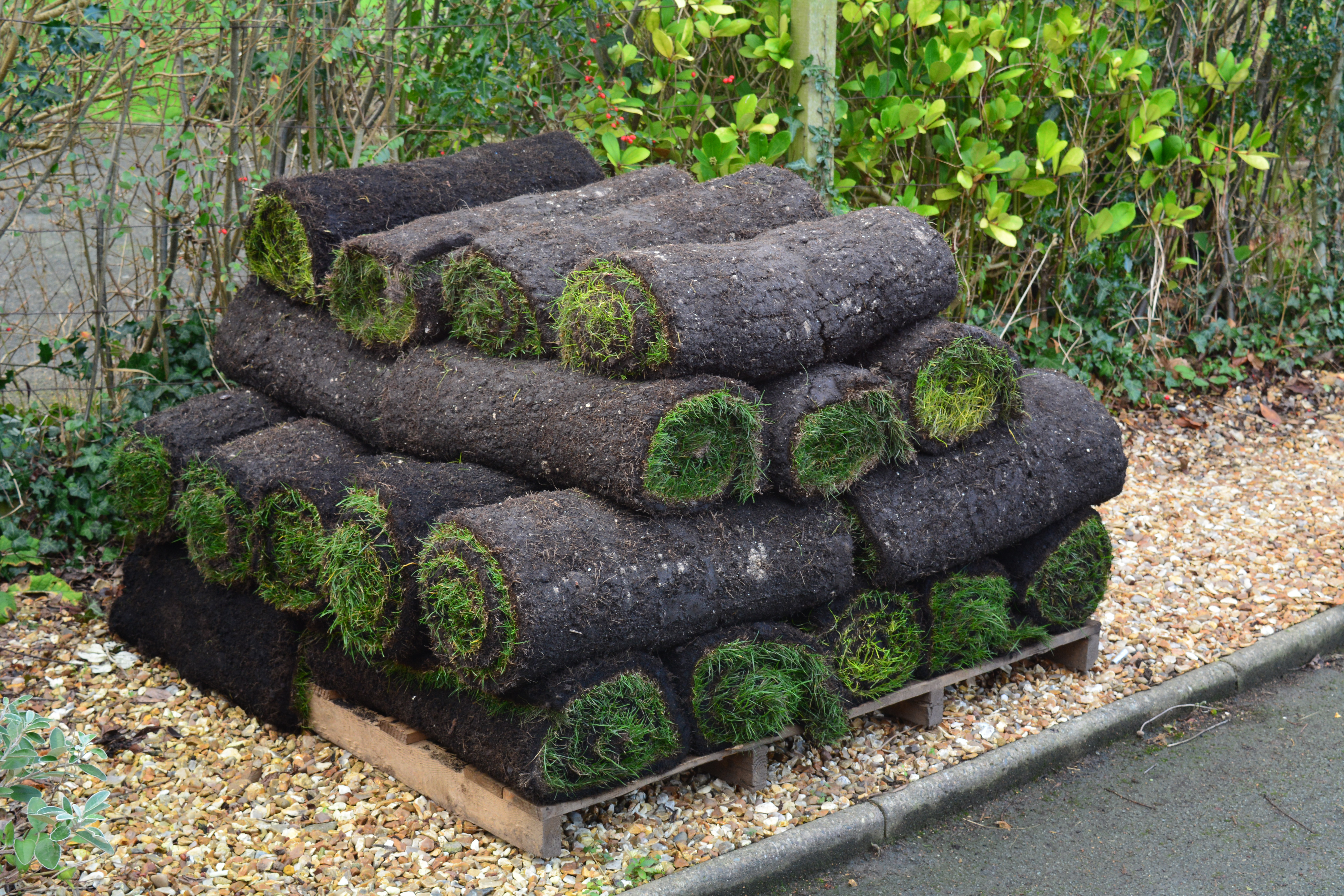
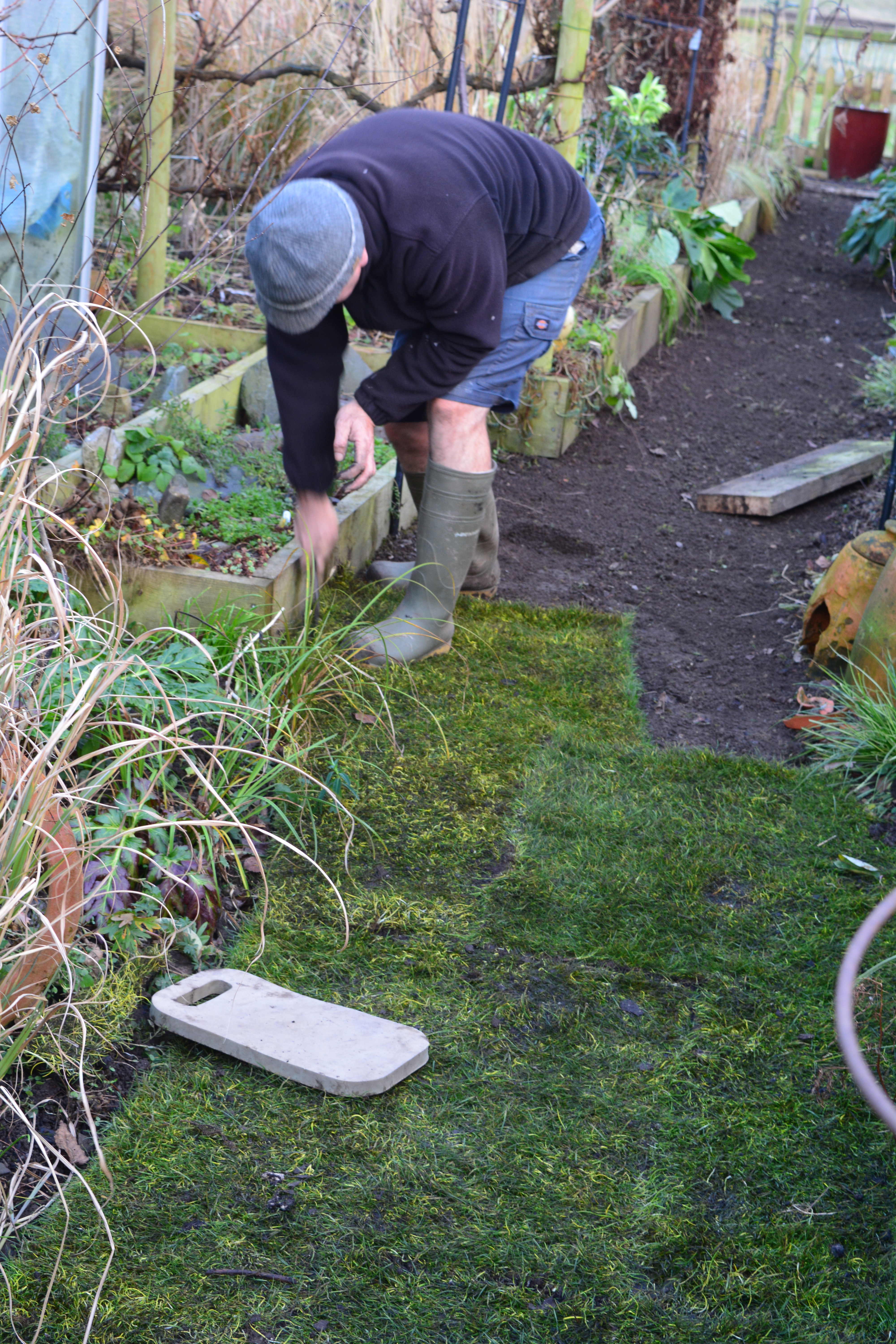
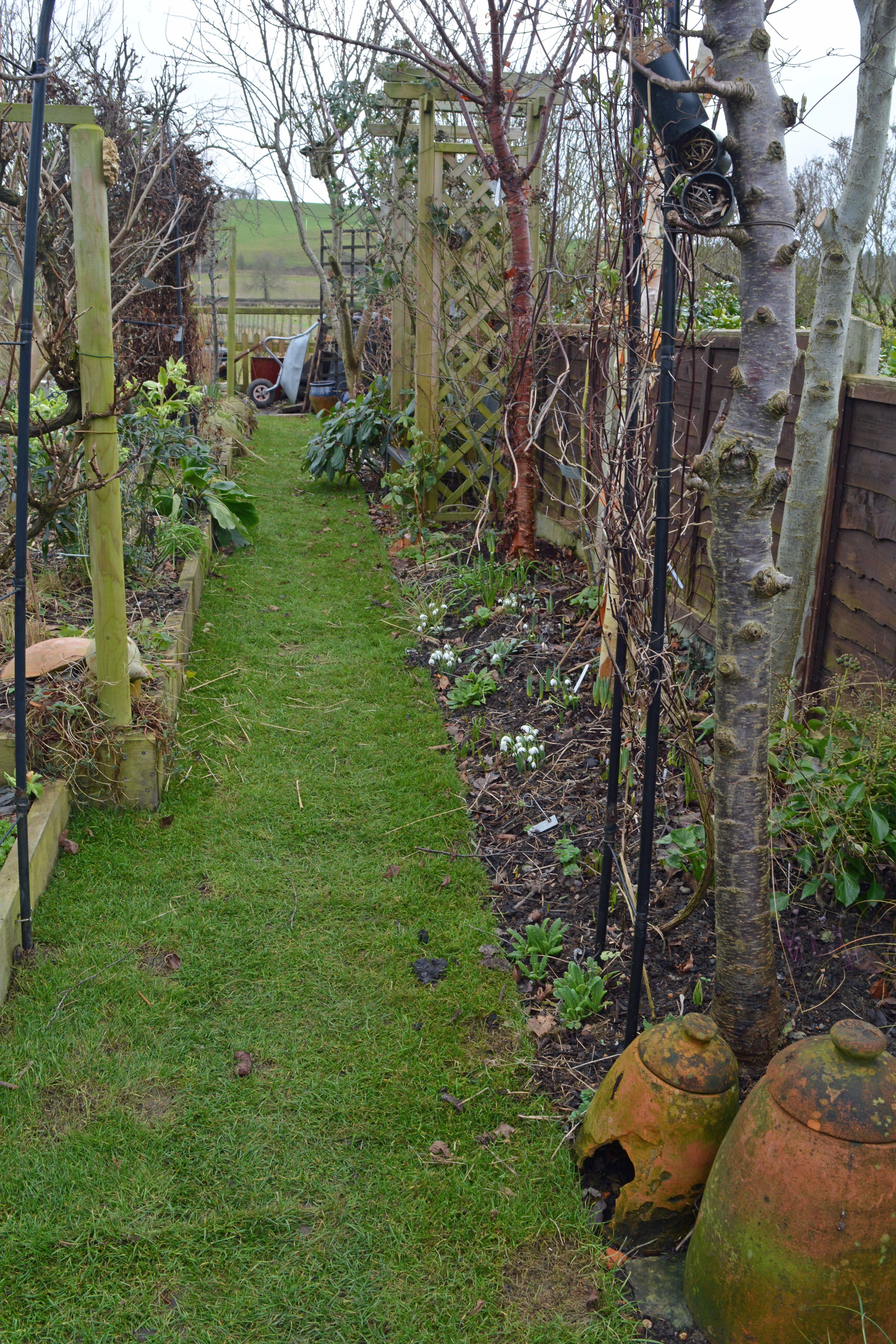
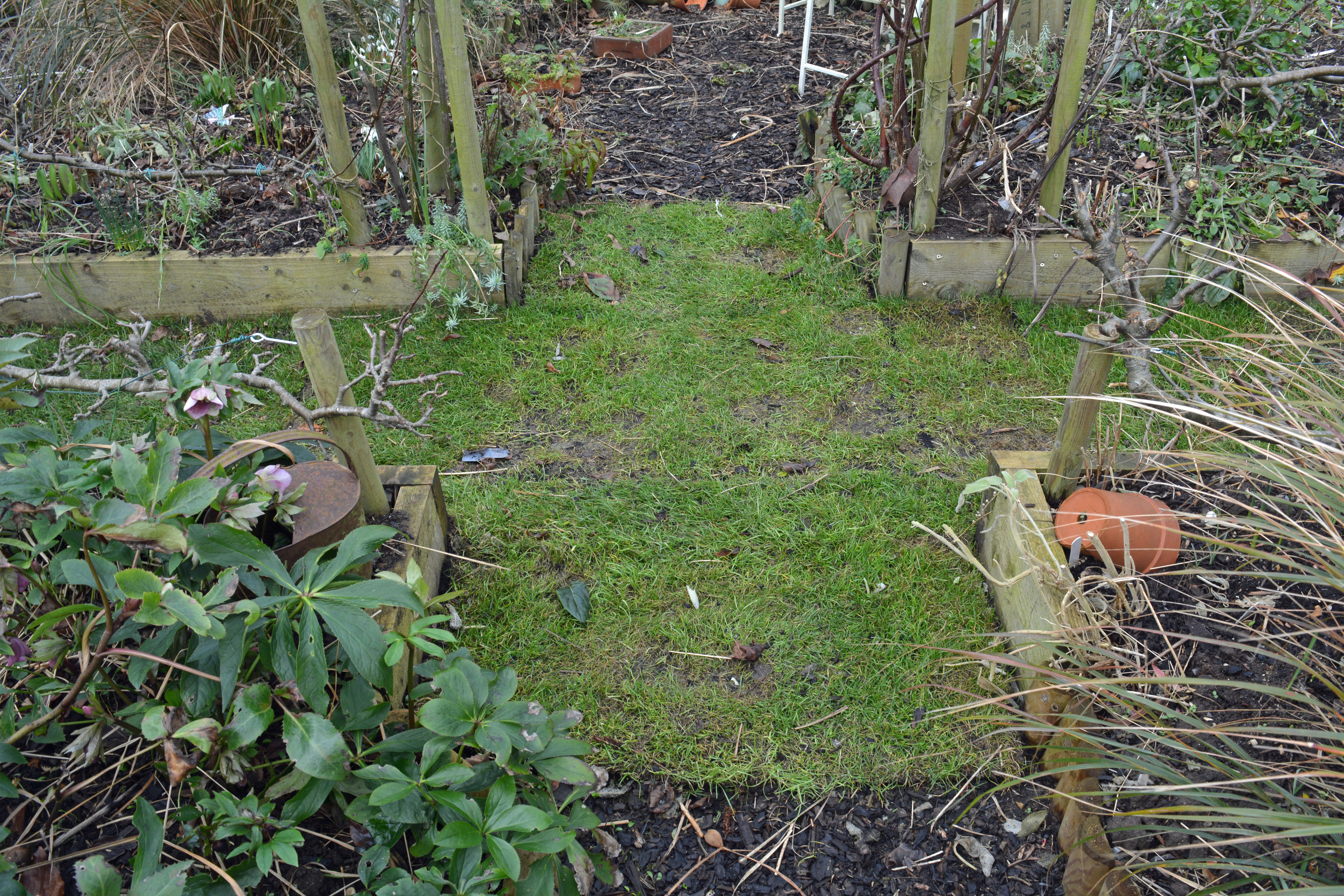
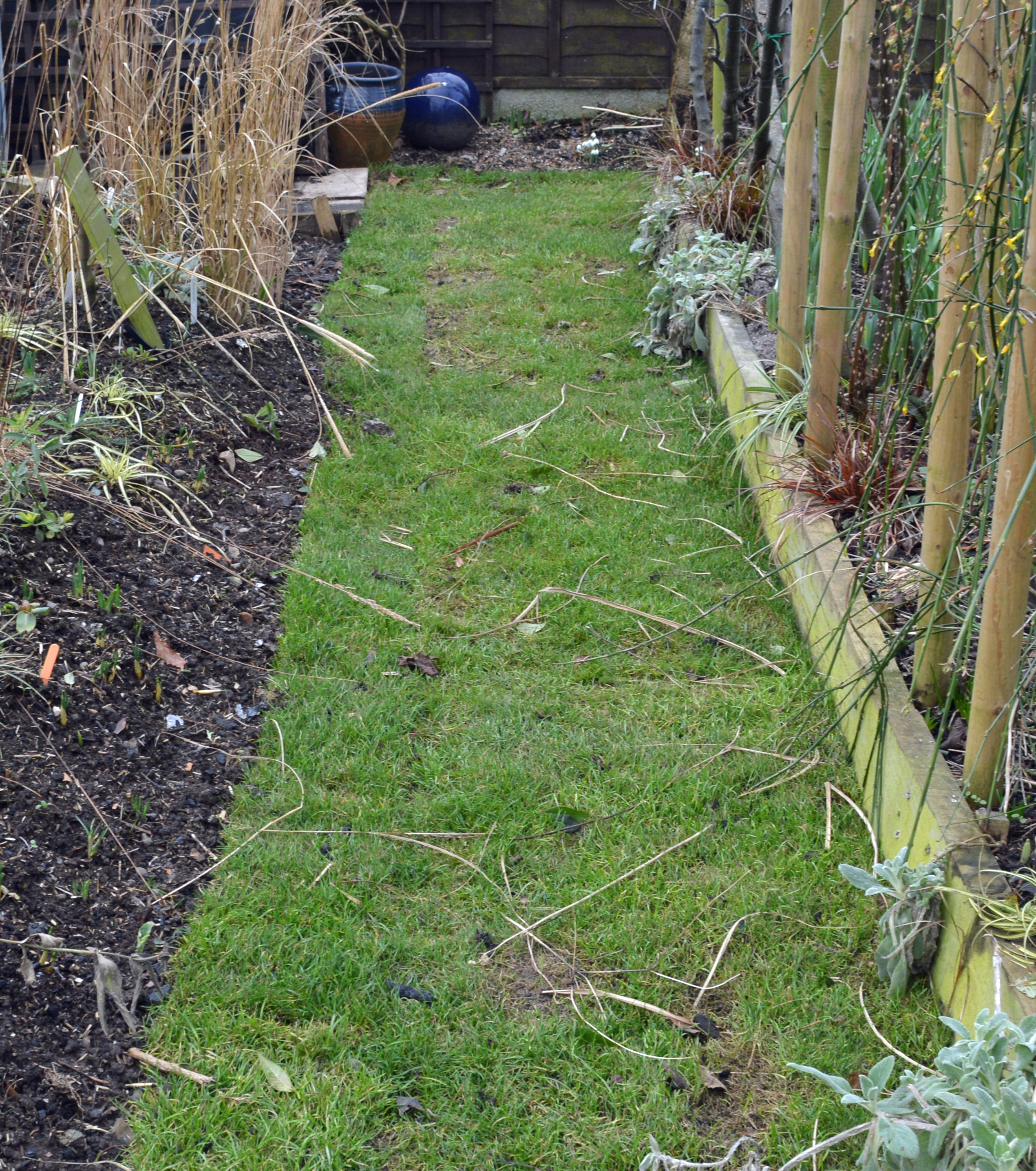
“The old turf from our worn paths is soon removed and new rolls are soon down.”

j3-10 j4-1j3-04 j3-05 j5-1  j5-2 j5-3

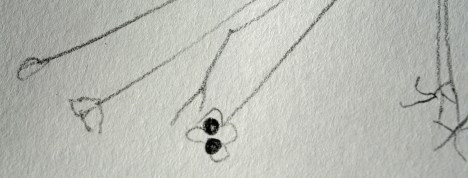
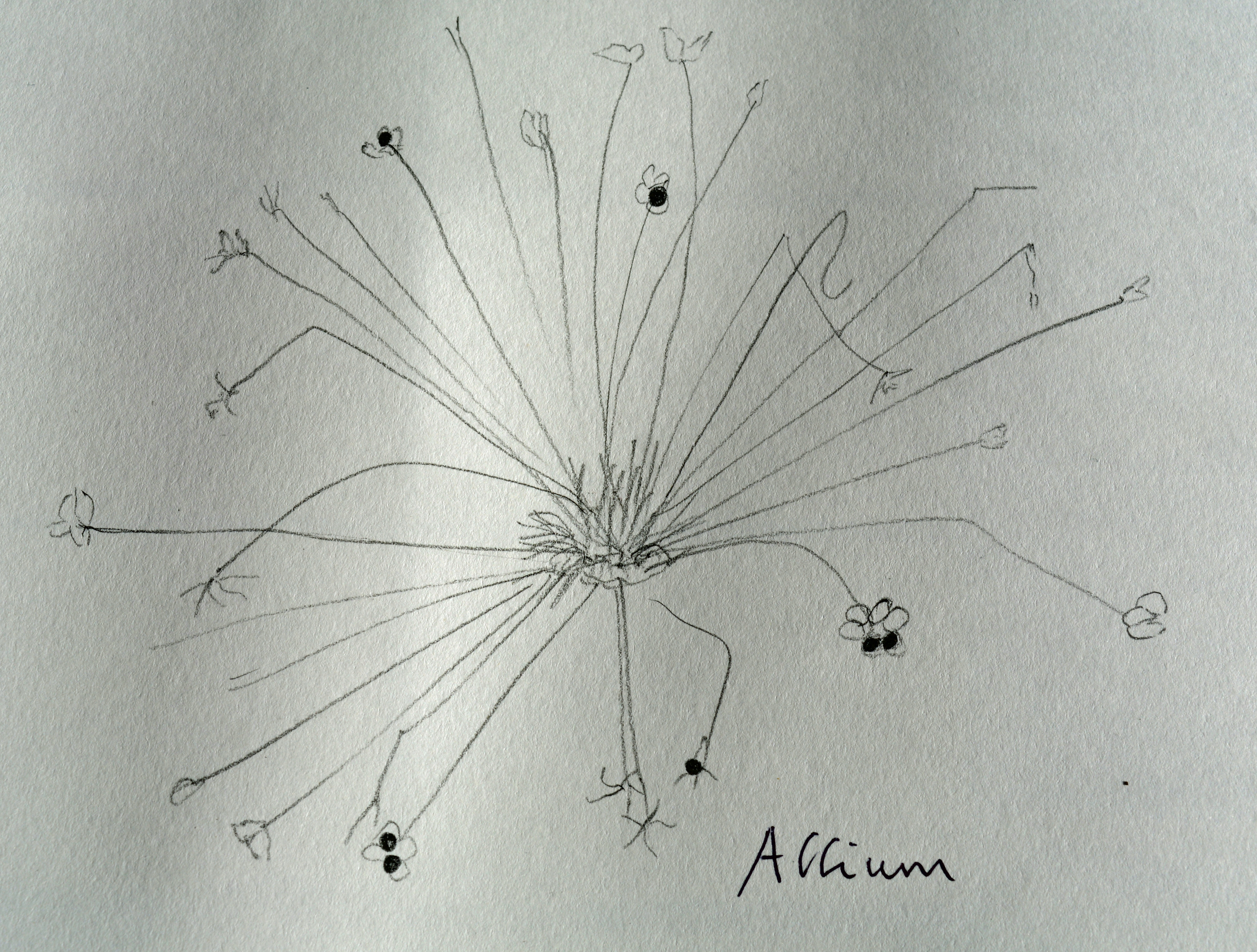
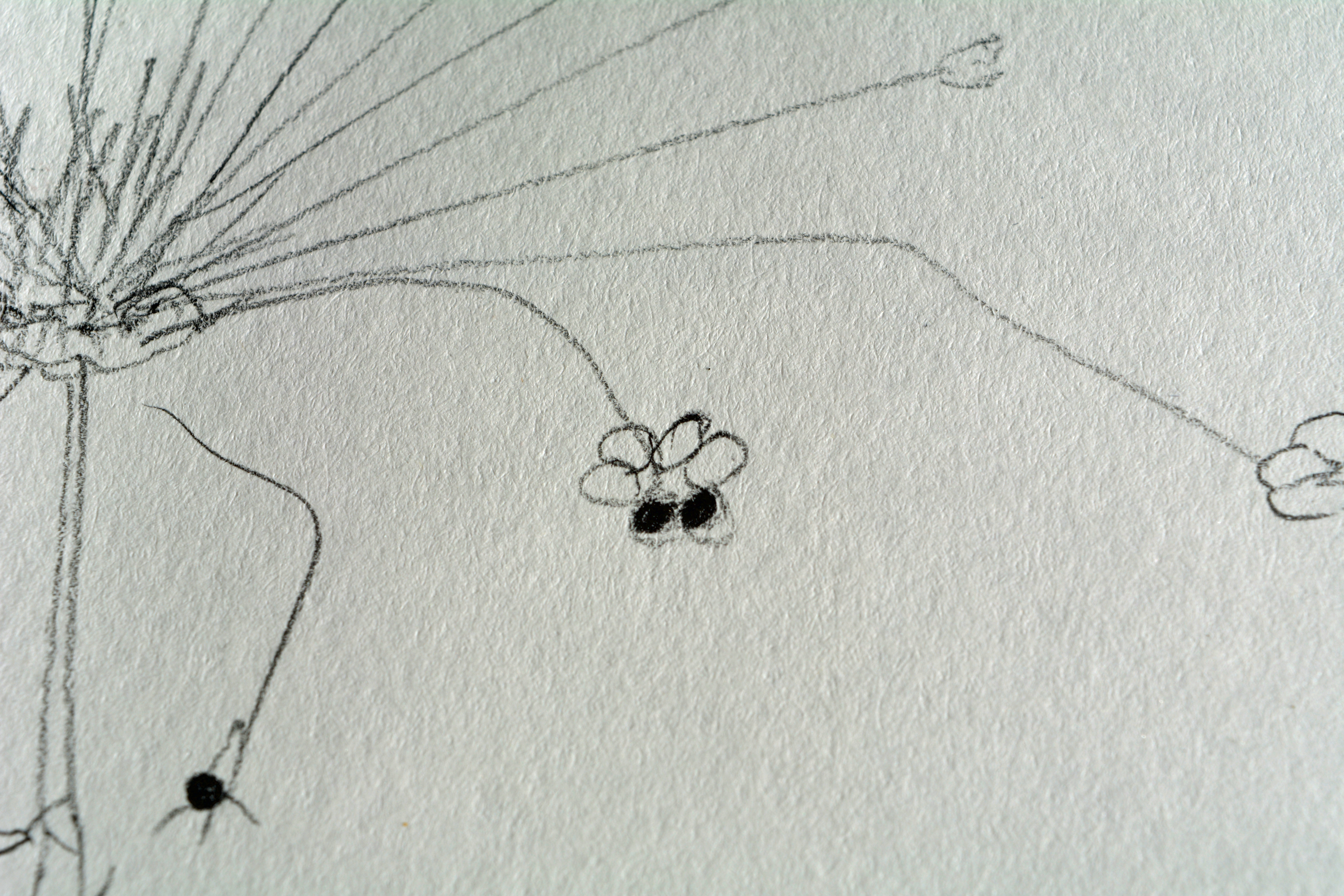
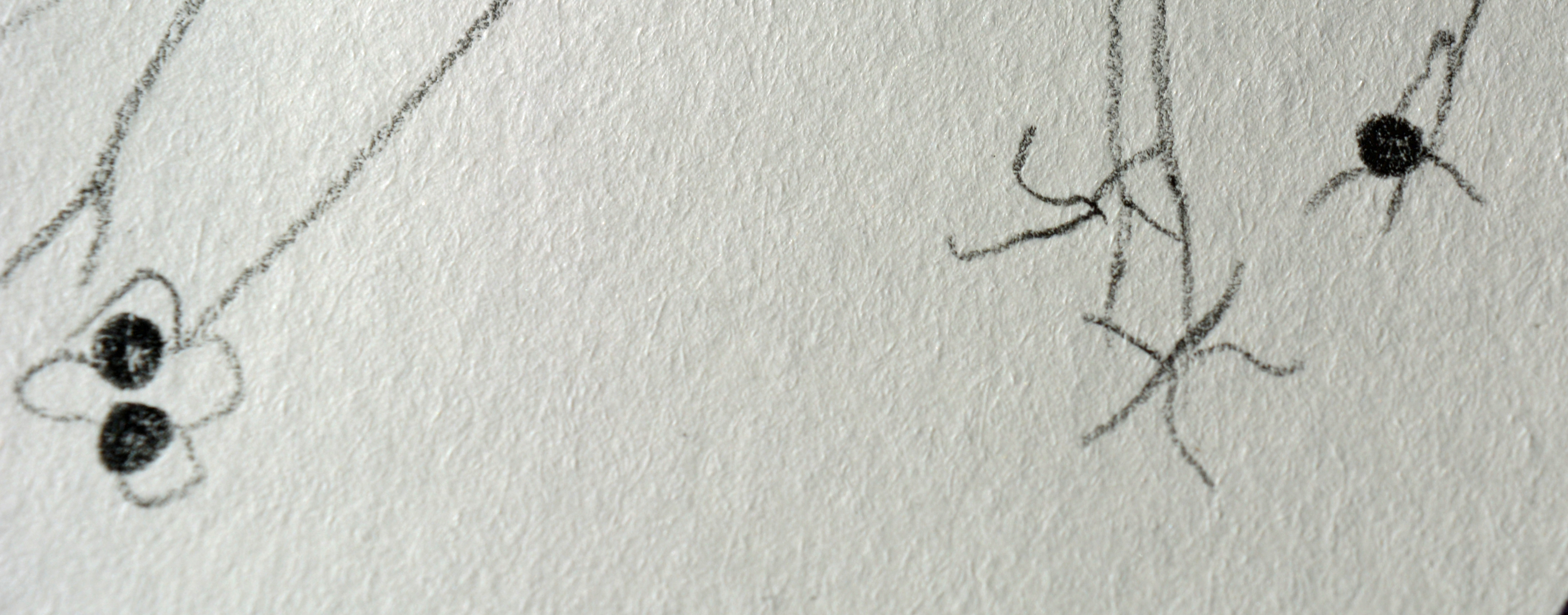
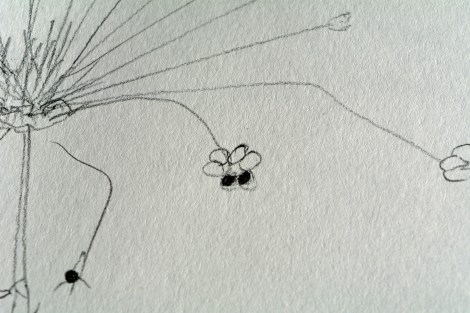
I next looked at a beautiful totally dried seed head of an Allium, which, with its spherical shape, tends to get blown around the garden with several others. We meet them at random times and places all overthe garden. We are always surprised by their simple beauty. I drew the Allium seed head using just a pencil. Looking and studying the Allium took much longer than the time spent with pencil moving on paper.

jan-09

“The dried spherical seed heads of all our different sorts of ornamental Alliums remain in the garden through the winter months. They act as our own Avocet “tumbleweeds” as wind takes them on journeys.”

I hope you enjoy the close ups of my drawing below.
jan-10 jan-11 jan-12

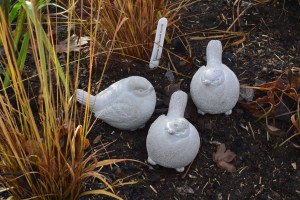
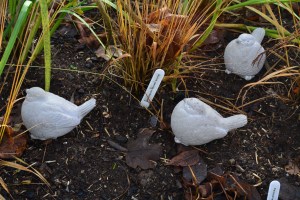
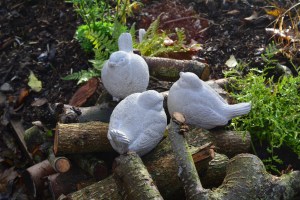
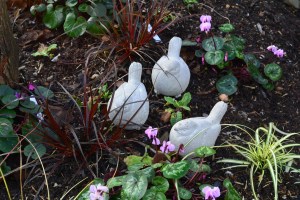
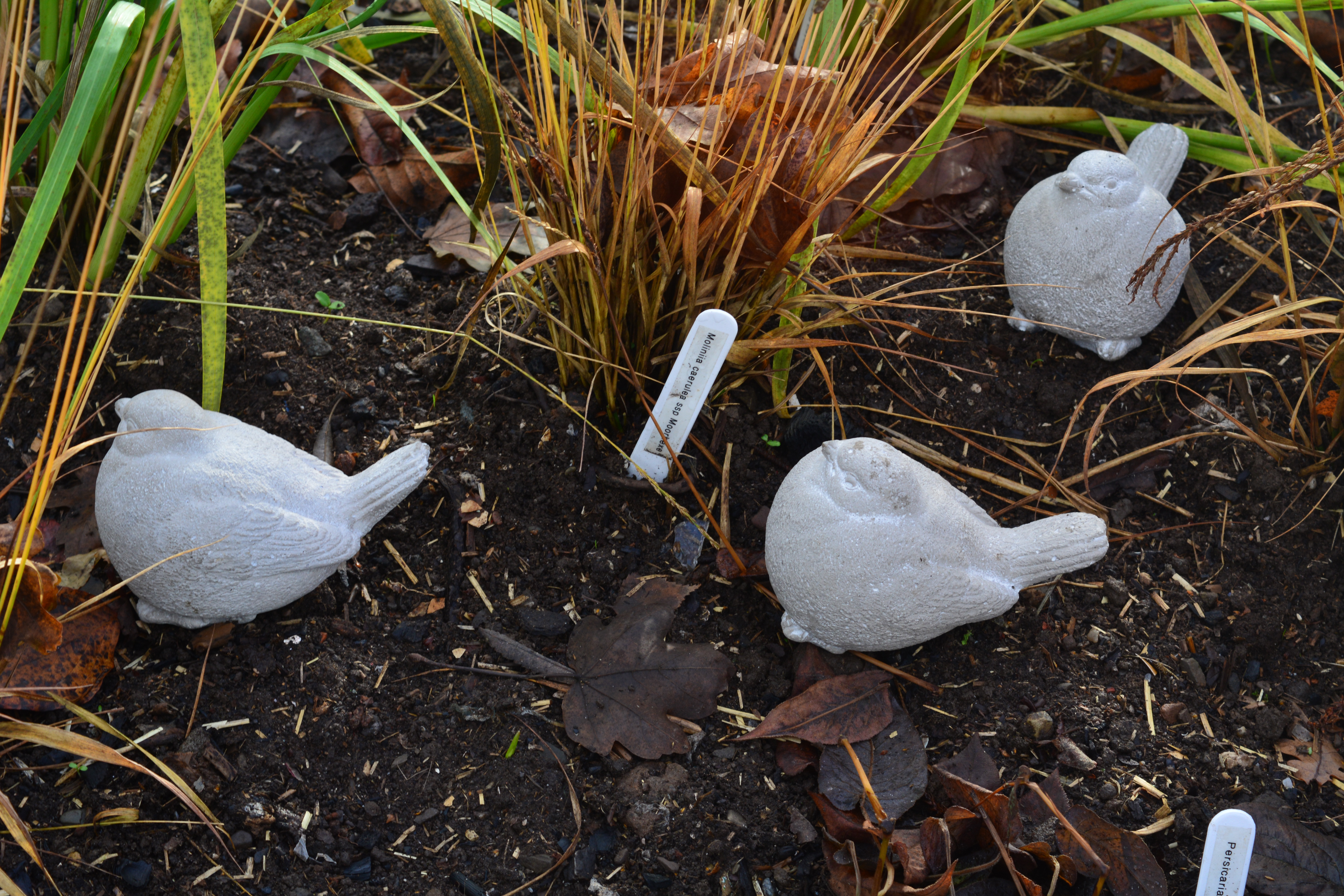
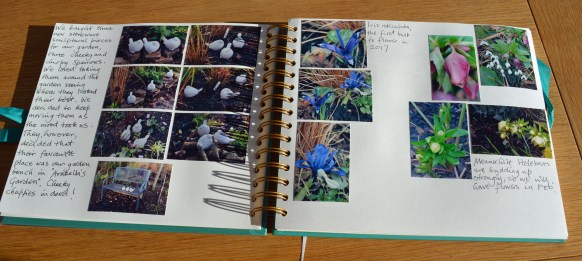
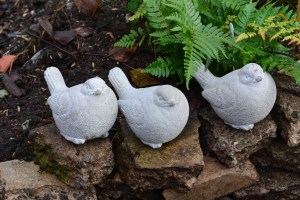
By turning the page we see little white birds and colourful bulb flowers. I wrote: “We bought three new stoneware sculptural pieces for our garden, three cheeky and chirpy Sparrows. We loved taking them around the garden seeing where they looked their best. We decided to keep moving them around as the mood took us. They, however, decided that their favourite place was our garden bench in “Arabella’s Garden”. Cheeky chappies indeed!
jan-13

j7-3 j7-4j7-2 j7-5j7-1 j7-7 j7-8

Opposite the photos of the sculpture birds are photos of early flowers, Irises and Hellebores.

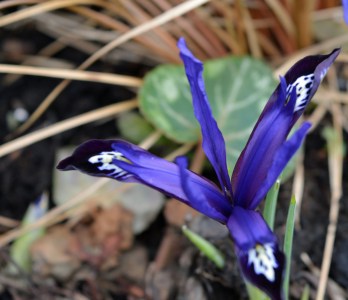
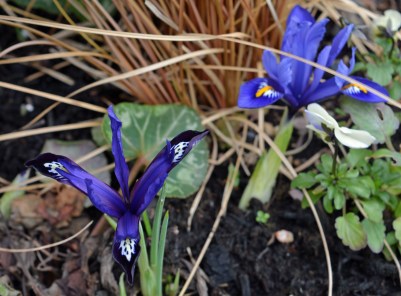
“Iris reticula, the first bulb to flower in 2017.”
j6-3 j6-4 j6-5

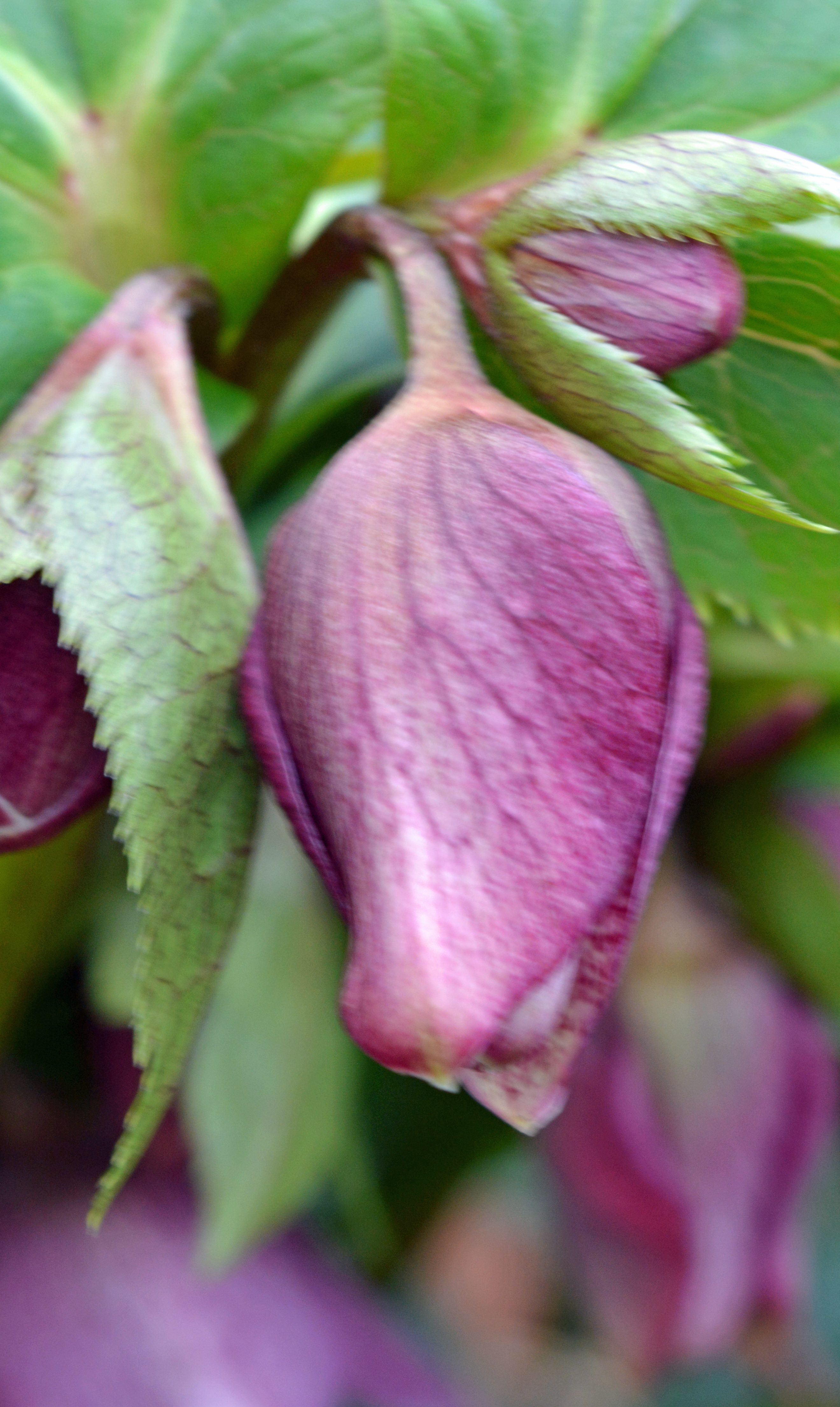
“Meanwhile Hellebores are budding up strongly, so we will have flowers in Feb.”

j6-2    j6-1j6-6 j6-7

January frosts feature on the next double page spread.

jan-14

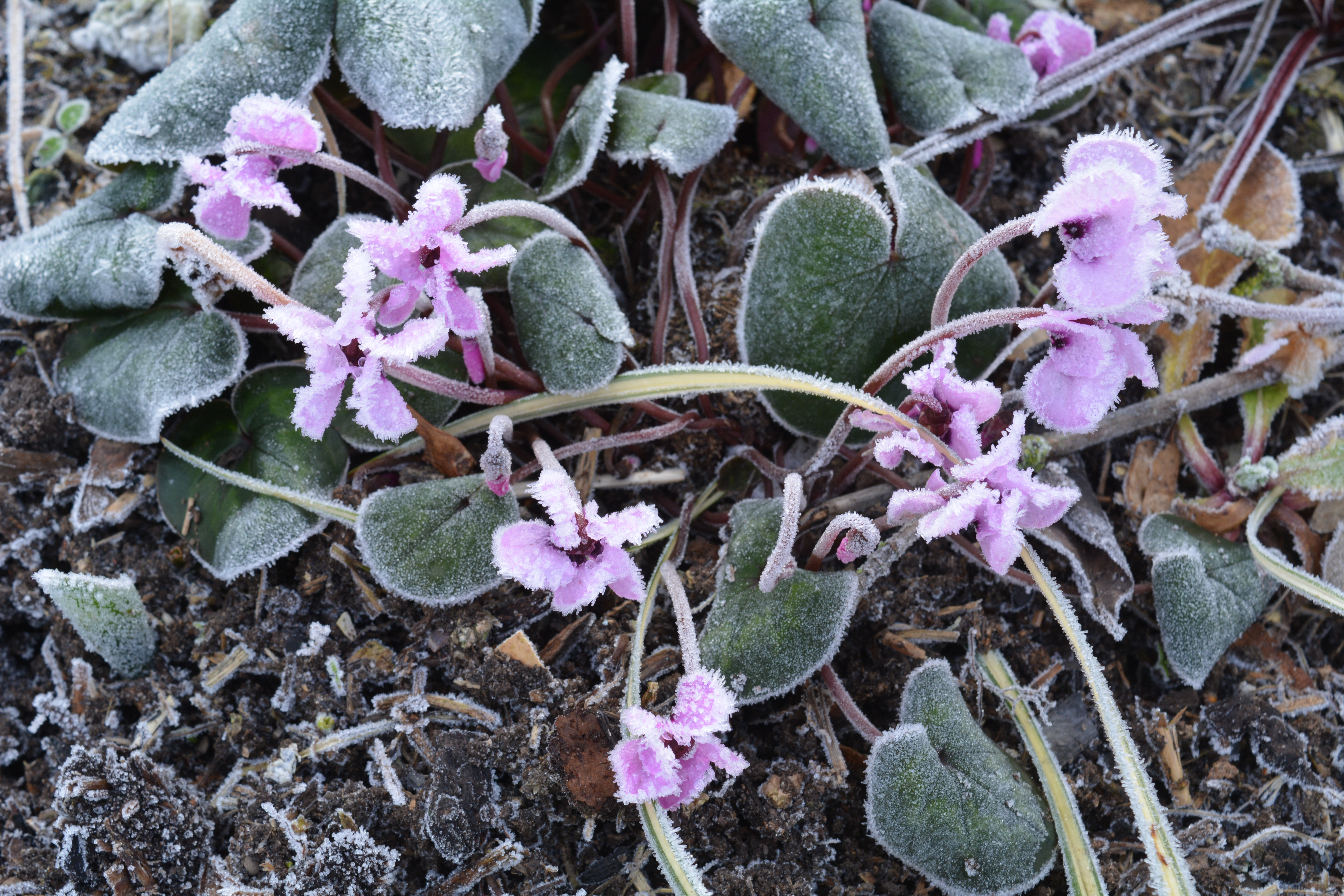
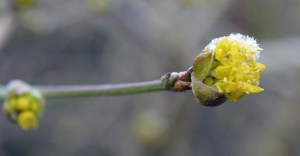
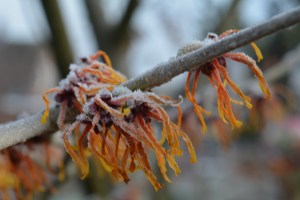
“On the early hours of the days following cold frosty nights, the flowers which give colour to our January garden, were topped off with cold, icy halos.”
j7-13 j7-03 j7-04 j7-07

“Cold nights also gave our sculpture pieces a thin layer of icing sugar.”

j7-16 j7-17

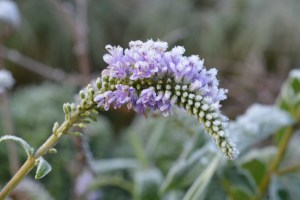
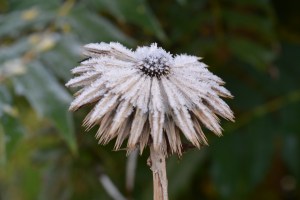
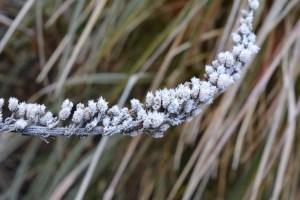
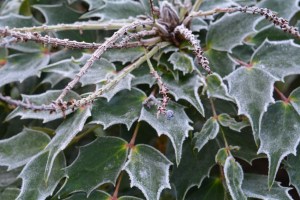
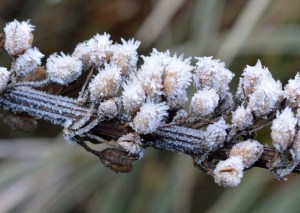
My next page was titled simply “January Frosts” and featured a series of photographs of foliage and seedheads covered in a thin covering of frost and icy crystals.

j7-12 j7-10j7-02 j7-06j7-08 j7-11j7-01 j7-14j7-18 j7-15j7-05 j7-09

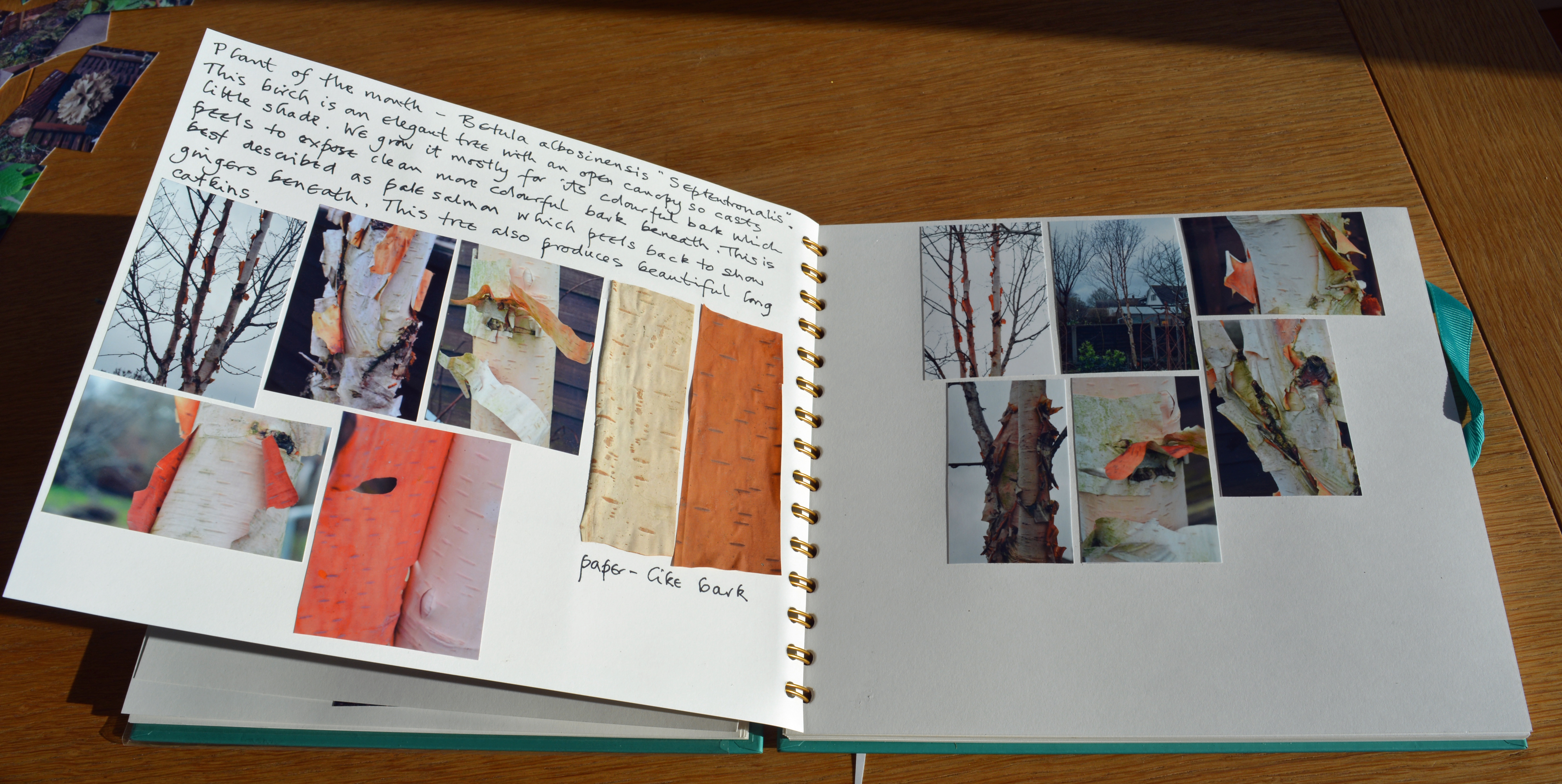
Turn over to the next page and we leave the frost behind and take a look at one of our Birches, Betula albosinensis “Septentronalis”, one of the best Betulas around.

jan-15

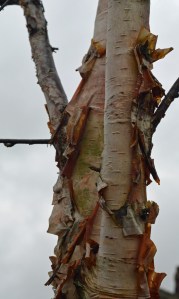
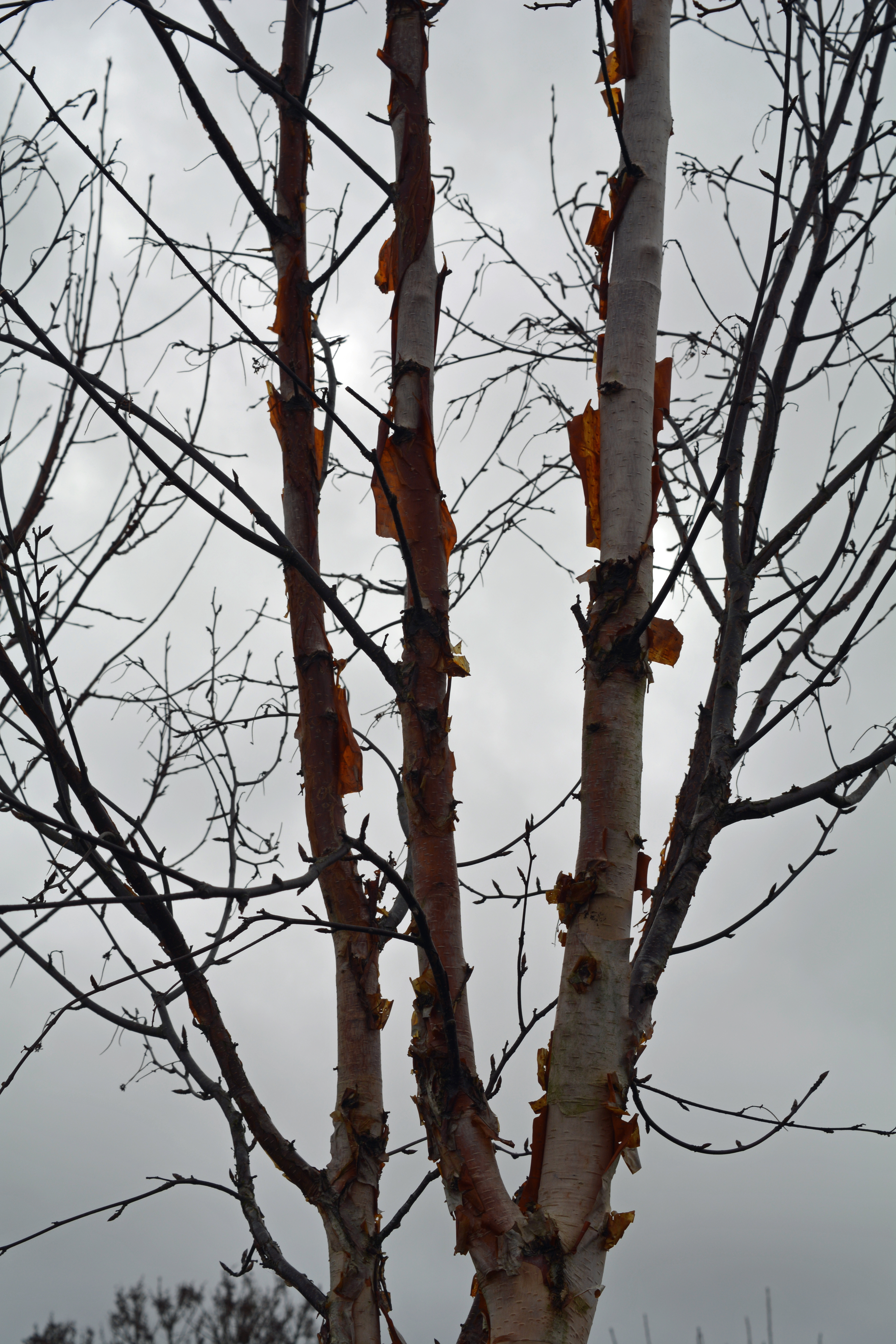
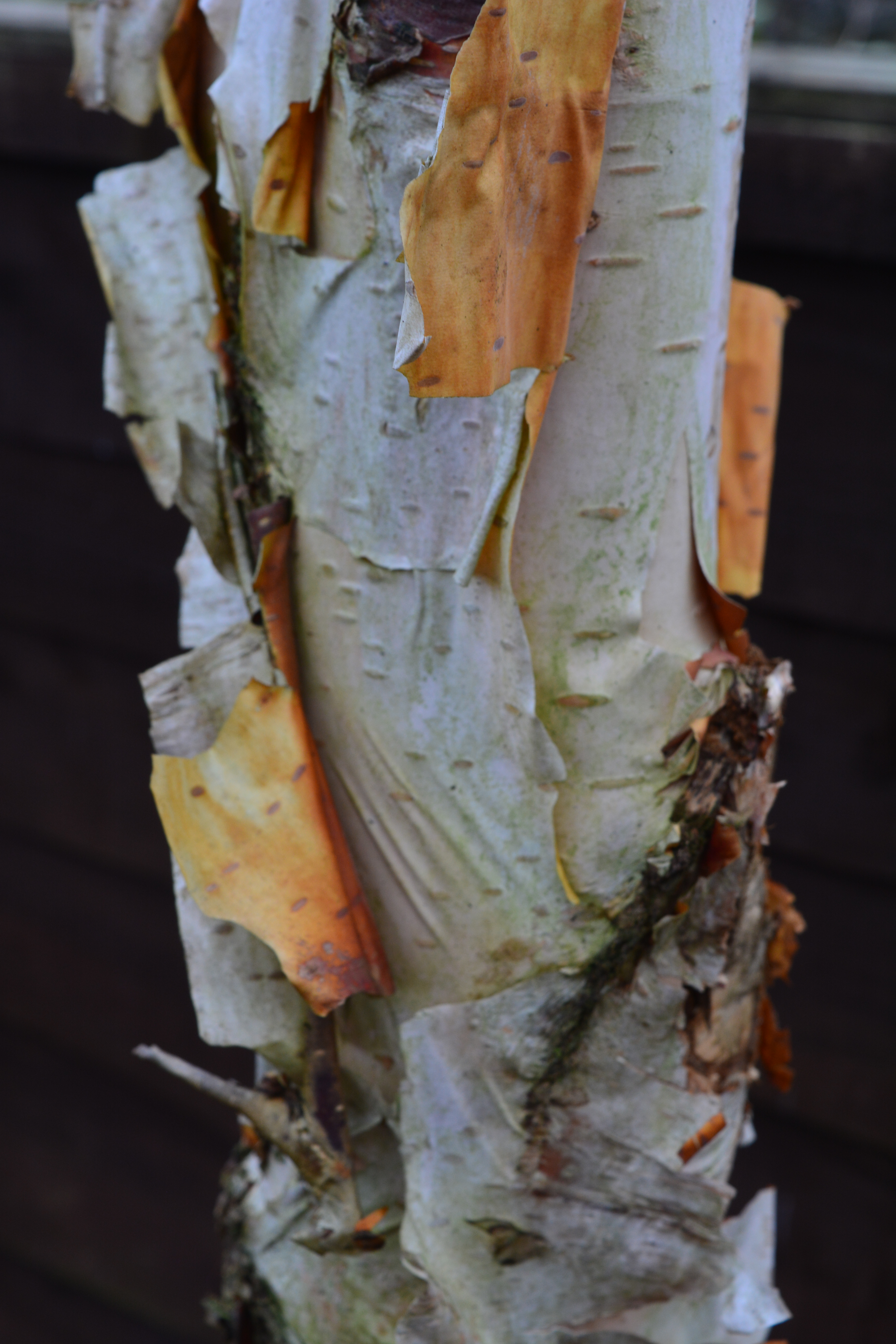
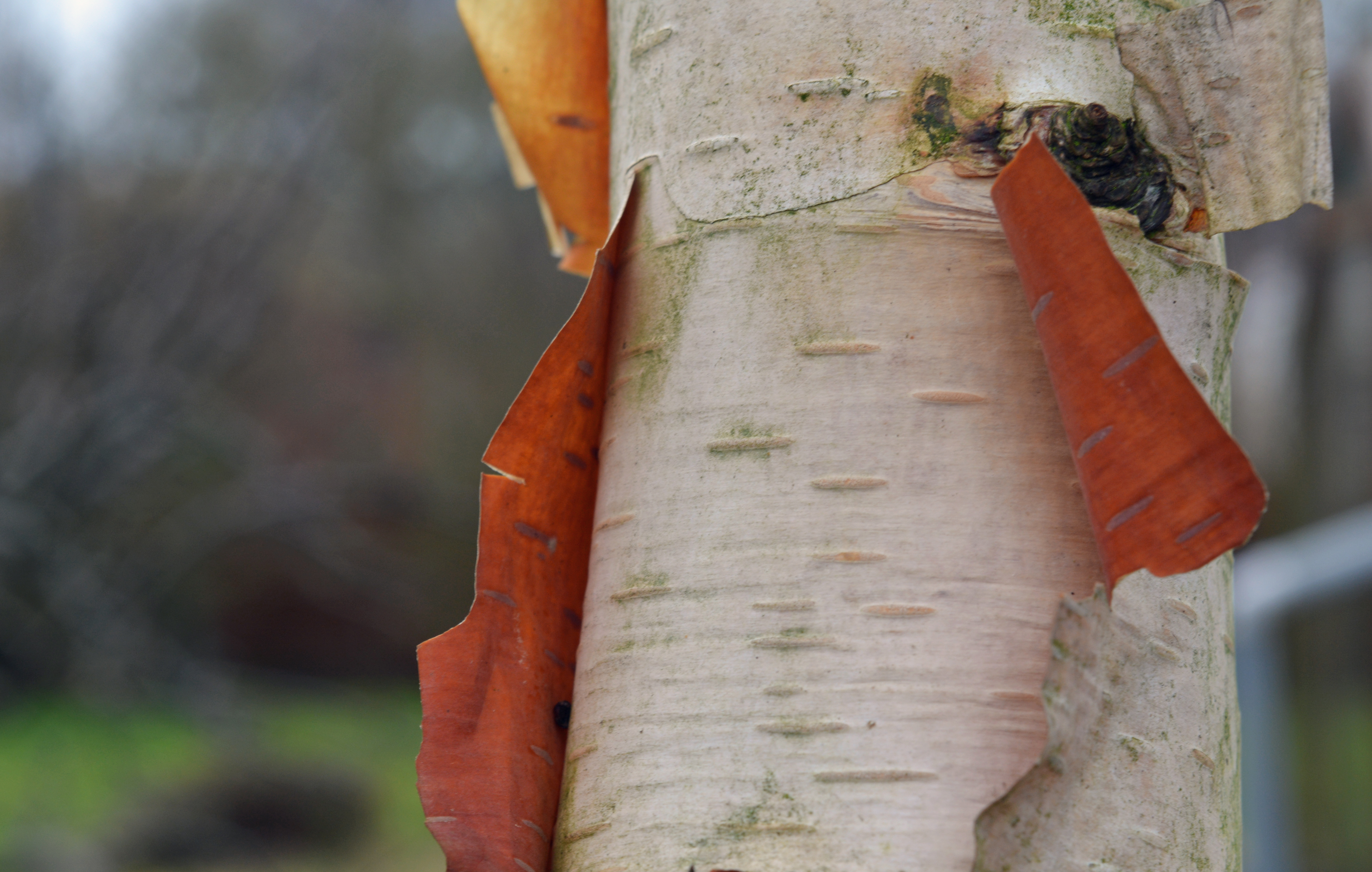
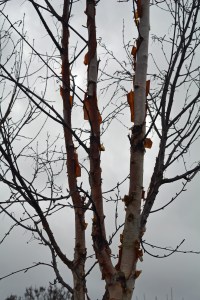
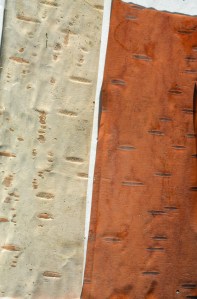
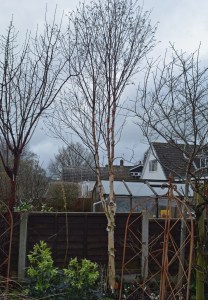
“Plant of the month – Betula albosinensis “Septentronalis”. This Birch is an elegant tree with an open canopy so casts little shade. We grow it mostly for its colourful bark which peels to expose clean, more colourful bark beneath. This is best described as pale salmon coloured which peels back to show gingers beneath. This tree also produces beautiful long catkins.”
j8-1 j9-2 j8-3  j8-5 j9-3

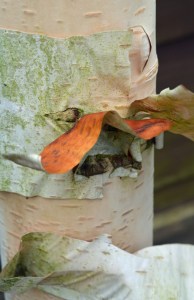
I collected up some peeled bark from the tree and glued two pieces side by side to illustrate how different the layers of bark can be.
jan-16

Betula albosinensis “Septentronalis” is probably one of the best trees for the small garden and no garden should be without one. Larger gardens can host a trio of them!

j8-2 j8-6 j8-8j8-9j8-7 j8-4

And that is it for my Garden Journal in January. Perhaps in February winter may be biting deeper or we may be experiencing one of our occasional February heatwaves when temperatures can reach 17 celsius.

Categories
birds climbing plants colours garden design garden furniture garden photography gardening gardens gardens open to the public half-hardy perennials hardy perennials ornamental trees and shrubs poppies water in the garden

Coton Manor – an atmospheric gem.

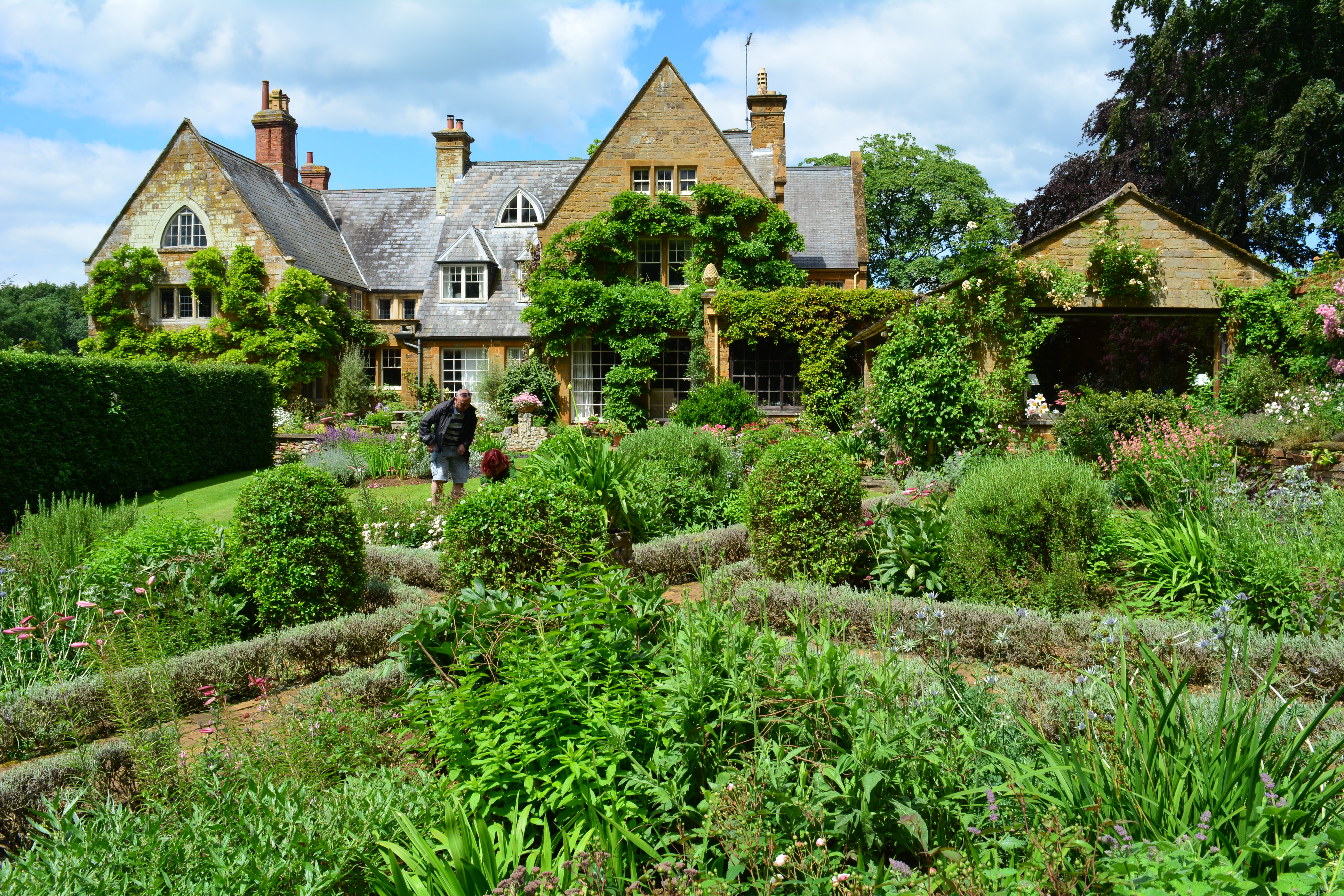
Coton Manor Gardens are so full of atmosphere. Ten acres of hillside gardens are landscaped to give variety throughout the year on this Northamptonshire estate. There are streams, fountains and ponds, a bluebell wood and meadows. We have visited this romantic garden a few times already but decided to visit again in July of 2016.

cm-1 cm-1-1

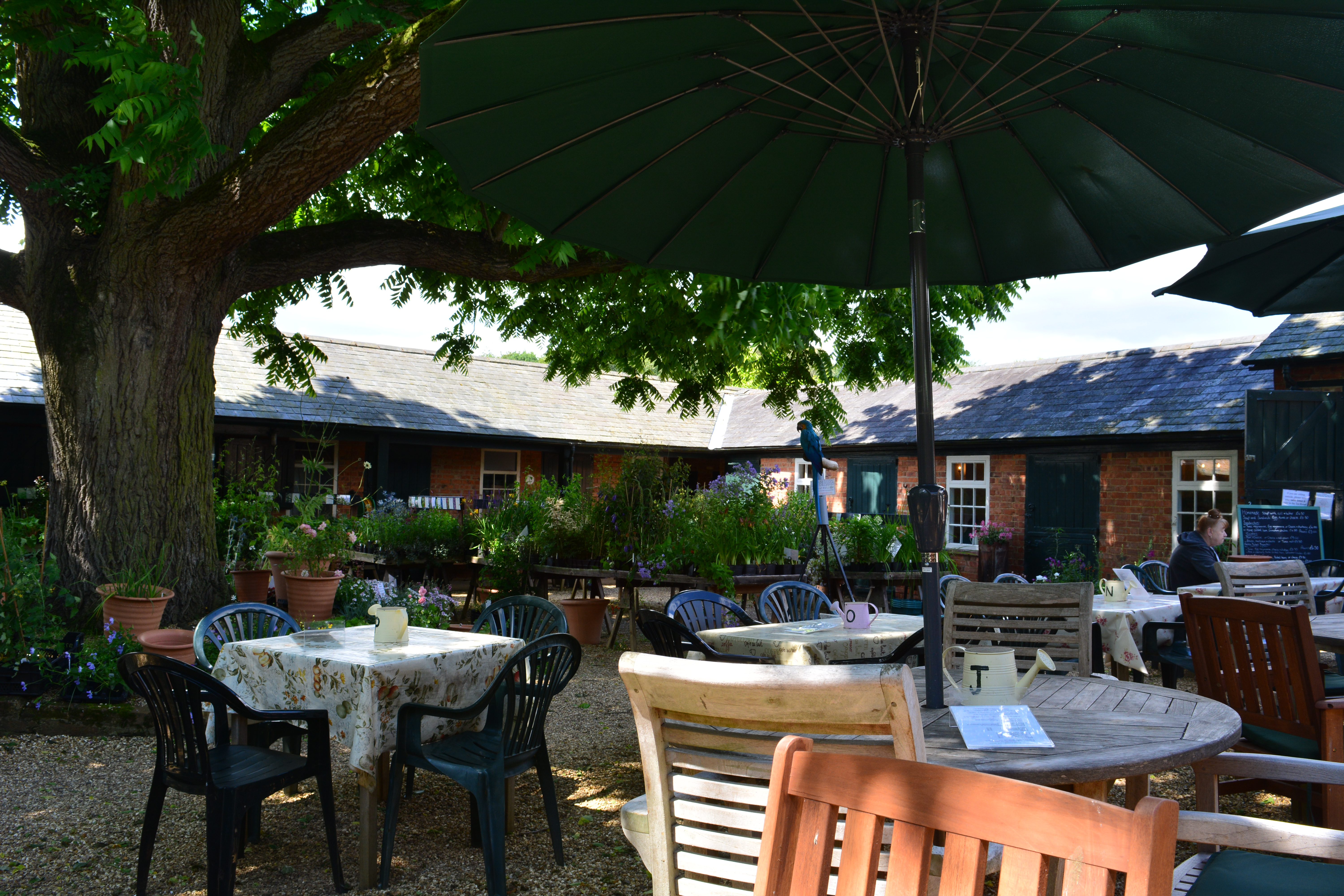
Honey coloured stonework make the buildings look warm and welcoming and entering the drive after a short walk from the car park we noticed climbers covering every wall. We entered a cosy courtyard on our right which gave us the chance of refreshments and a peruse of the nursery tables. A surprise here for everyone was the resident Hyacinth Macaw who greets each visitor on arrival with a loud screech!

cm-1-2

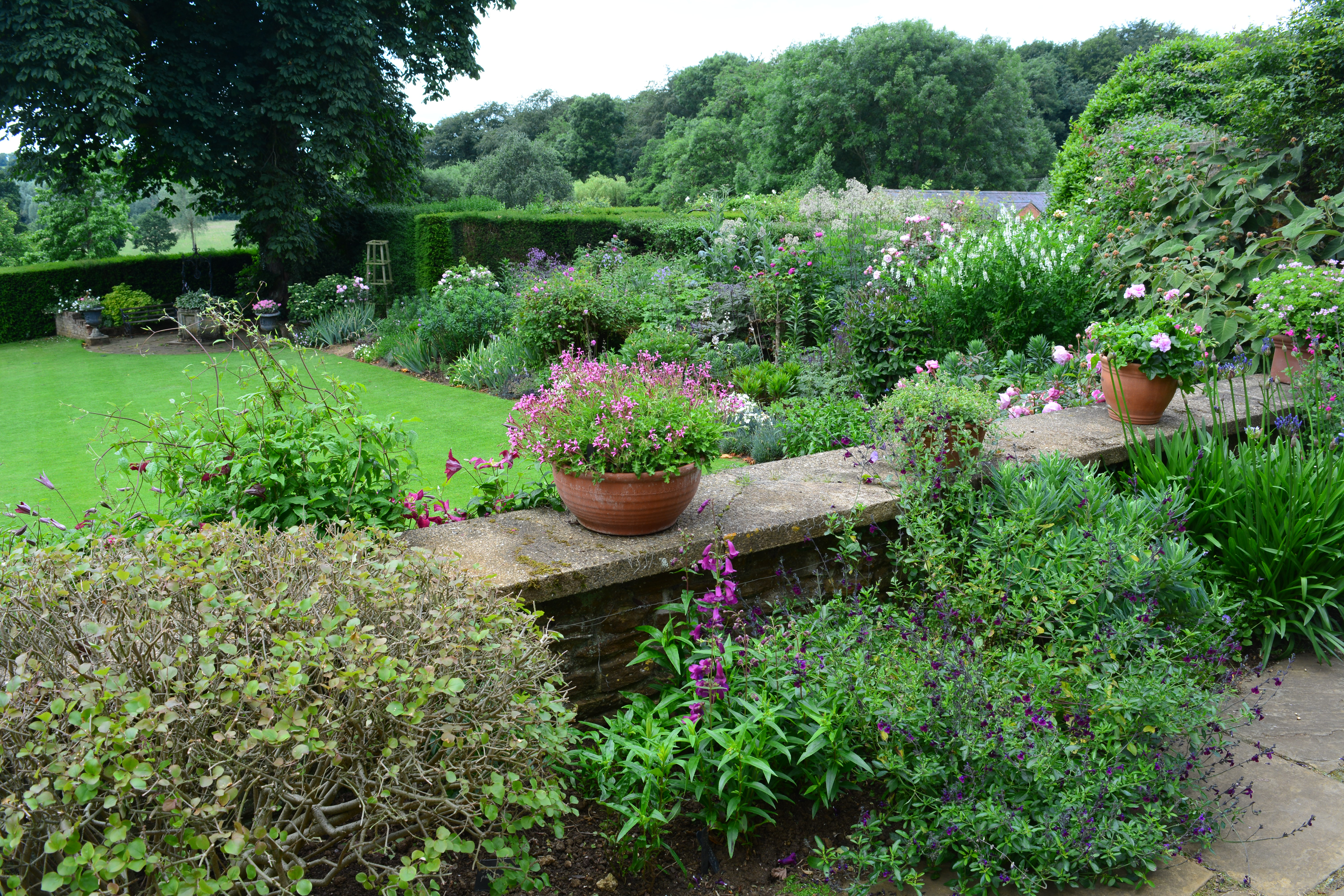
The garden itself is designed around a series of garden rooms separated by yew and holly hedges, and each room has its own special character and atmosphere, which makes for a refreshing garden walkabout. Leaving one room you don’t know what to expect next. Close to the house courtyards featuring half-hardy plants such as Pelargonium and Salvia make for a colourful start to our wanderings. Share our wanderings through these areas by following the gallery below. (click on the first photo and navigate through by clicking on right hand arrow)


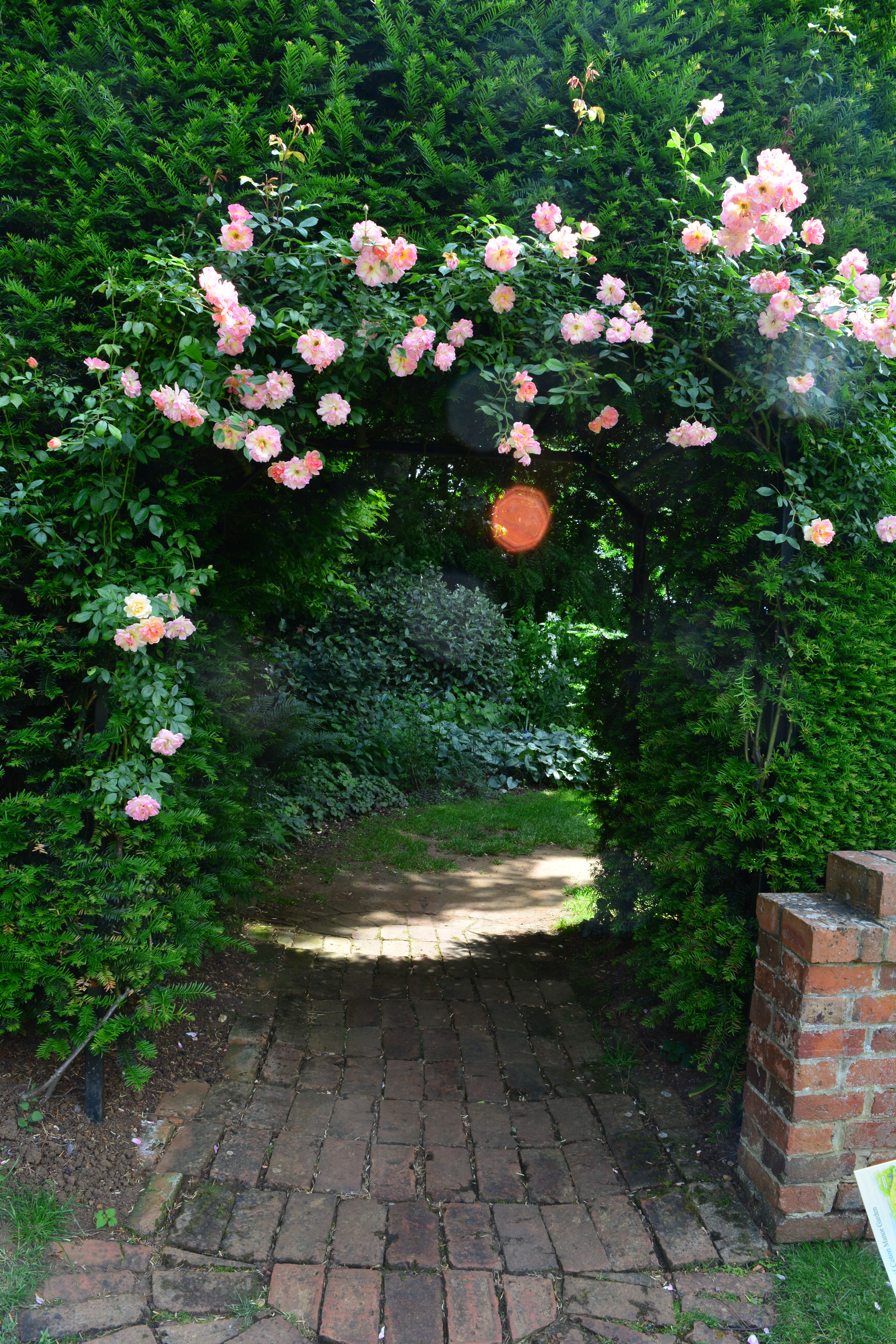
We passed through an archway surrounded by scented pink roses and from there moved on to the Rose Garden and then wandered into an area of woodland shade garden complete with a small stream.

cm2-01 cm2-14 cm2-26cm2-03 cm2-12 cm2-15 cm2-13 cm2-24 cm2-28  cm2-27 cm2-17cm2-19 cm2-18cm2-20 cm2-22cm2-21

Some very unusual and interesting plants came to our attention in the wooded and streamside gardens, all beautifully lit by the rays of the sun penetrating the tree canopy.

cm2-04 cm2-25 cm2-05 cm2-06 cm2-07 cm2-23cm2-02

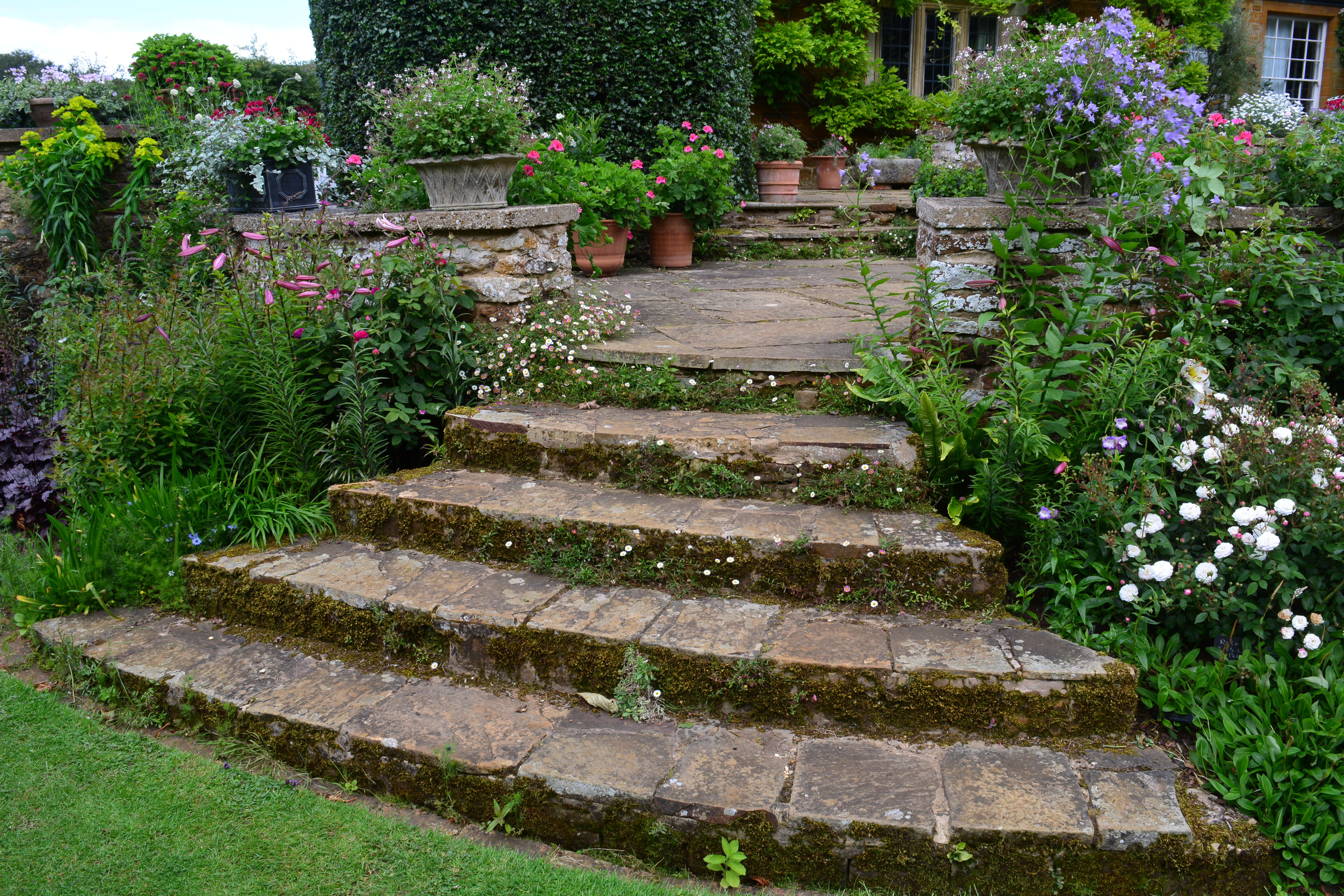
Steps, paving and walls of warm limestone appeared throughout the garden affording ideal places for wall plants to get a hold.

cm2-09 cm2-10 cm2-11 cm3-30 cm3-29 cm3-28

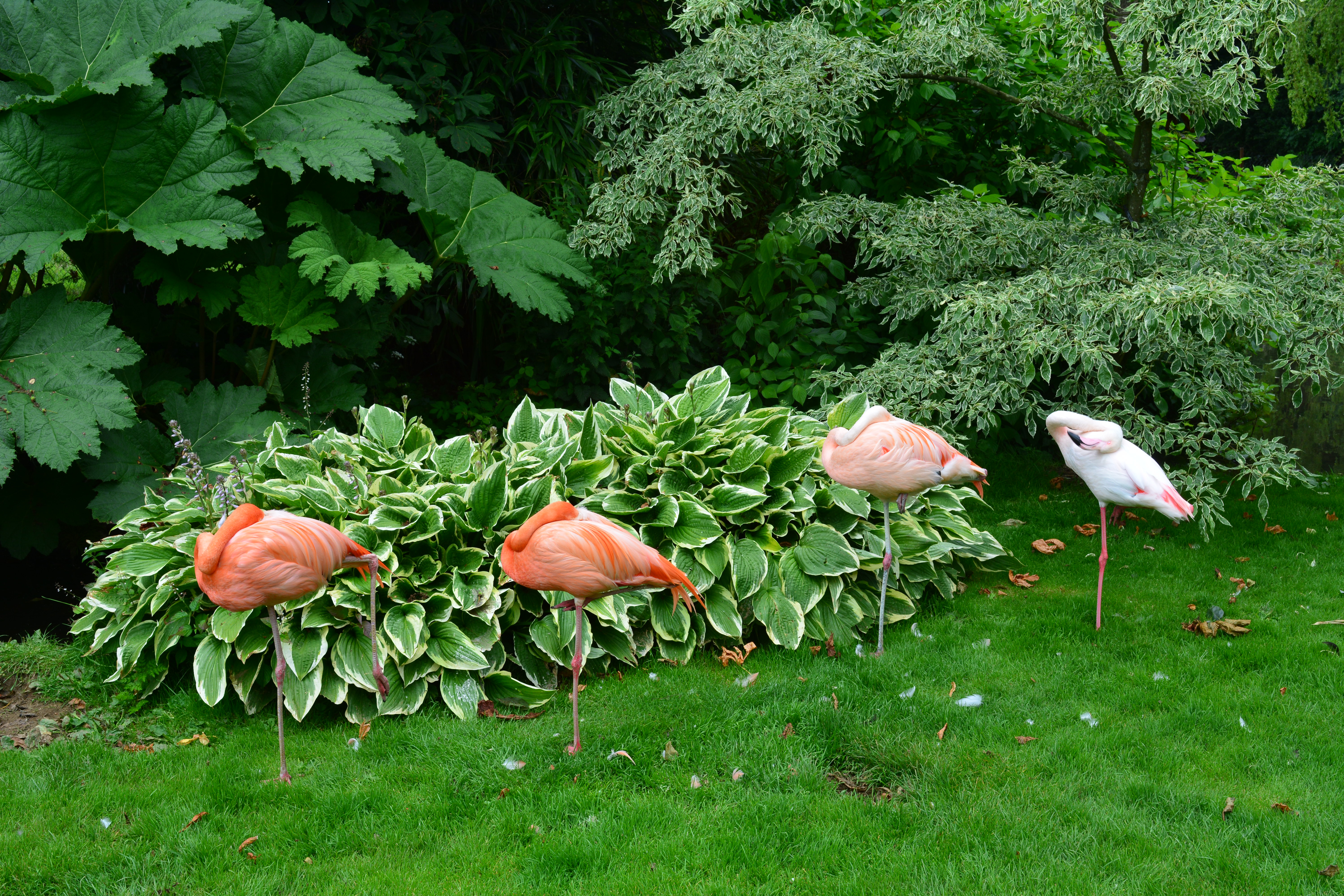
I will finish this report on our visit to the romantic garden at Coton Manor with a few more photos which I particularly enjoyed taking. I hope you like the salmon pink plumaged flamingoes which had free range of the garden but mostly seemed to enjoy sleeping with their head hidden beneath their wings,

cm3-31 cm3-25 cm3-26 cm3-21 cm3-07 cm3-12

Categories
bird watching birds canals climbing plants colours conservation countryside hedgerows landscapes nature reserves photography Shropshire Shropshire Wildlife Trust wildlife Wildlife Trusts

A return visit to the Prees Branch Line – a canal nature reserve.

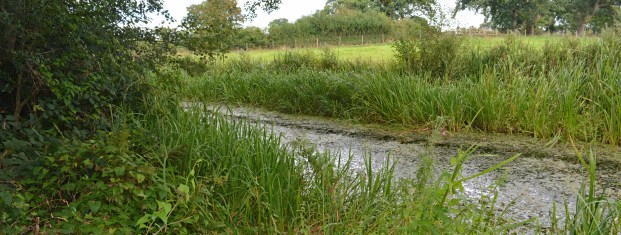
My brother Graham and his wife Vicky came to stay with us in early September and we went for some good days out, one of which was to the Prees Branch Line, a disused canal branch that never actually opened but now is a rich nature reserve, the longest wildlife pond in Shropshire. We have visited several times in the past at different seasons and enjoyed every walk along the old abandoned canal, as there is always so much wildlife to observe, encounter and surprise.

pbl-07

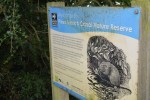
The site sign hints strongly at its main wildlife star, the Water Vole with a lovely illustration, but this is a star who is a real secretive creature and visitors have to be very lucky to spot one. It is more likely to find stems of reeds nibbled down in the vole’s distinctive style, or hear the plop as it enters the water again a very distinctive sound. We have heard them plop and seen signs of their nibblings at this reserve but never as yet spotted one.

pbl-01

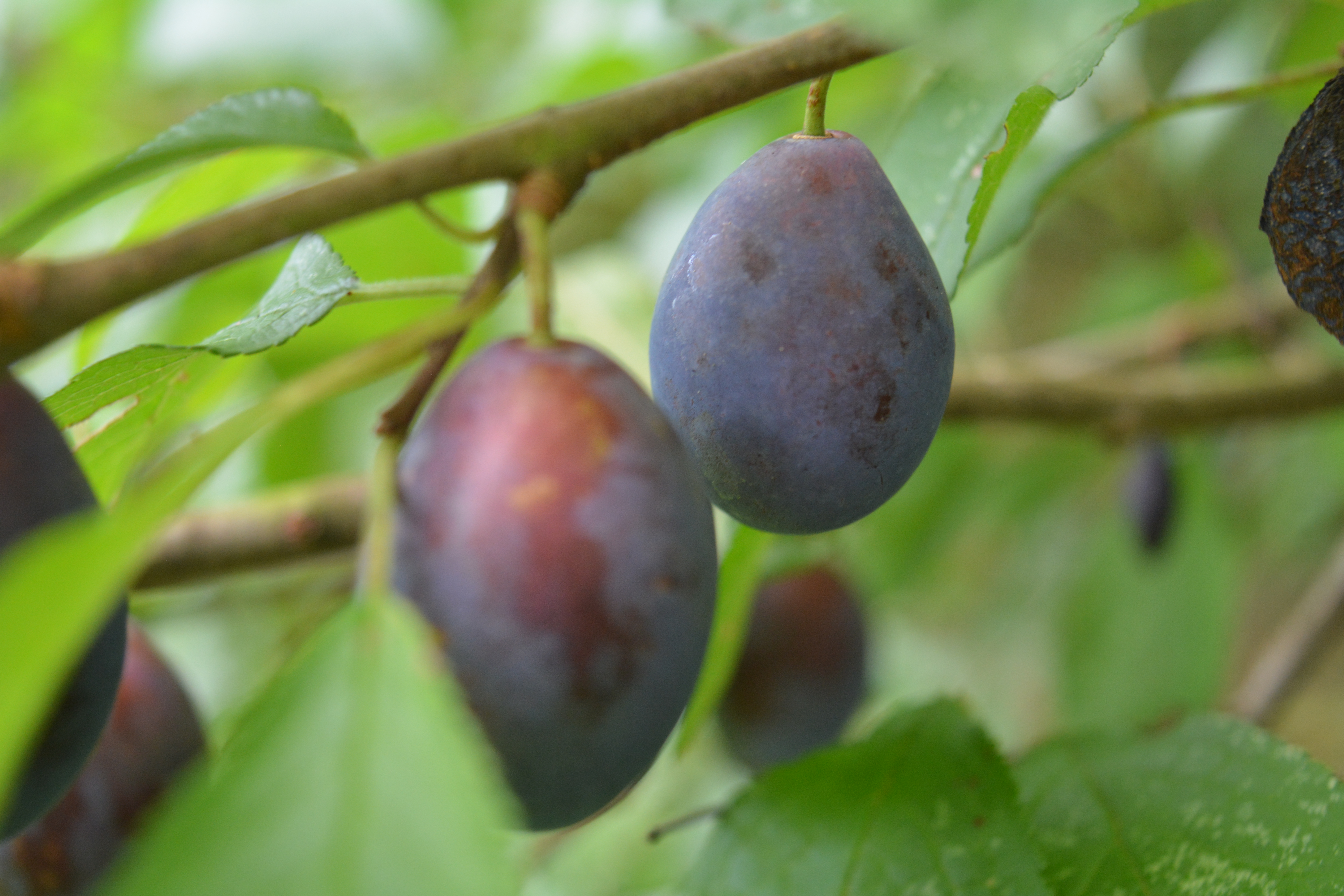
We began our walk enjoying a coffee as we put on our walking boots and luckily spotted some fruit trees close by, the native Shropshire Damson otherwise known as the Shropshire Prune. This tree is a feature of Shropshire’s hedgerows and we have enjoyed many while on walks. These however were the sweetest we have ever tasted, the nectar of the gods.

pbl-02 pb-1

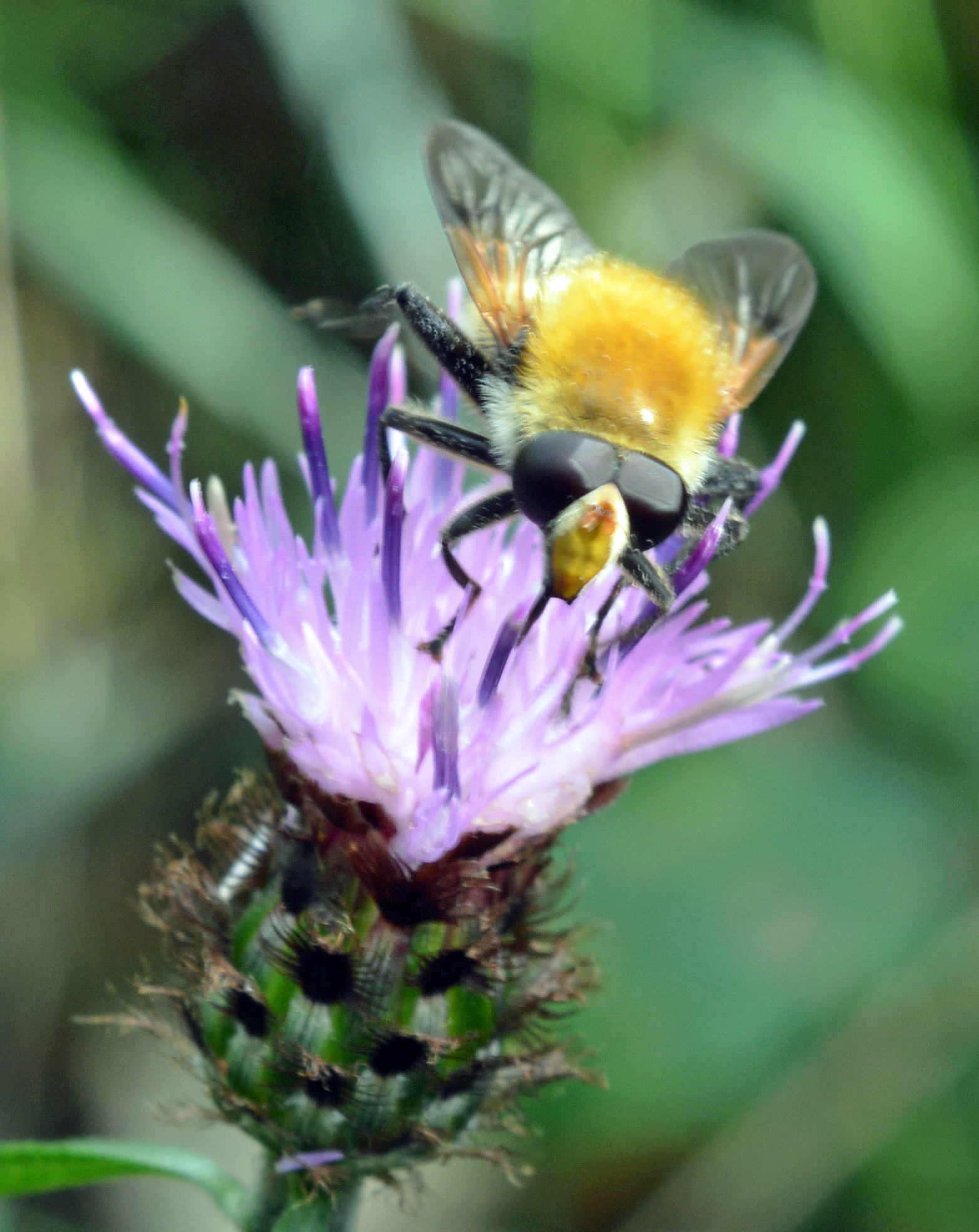
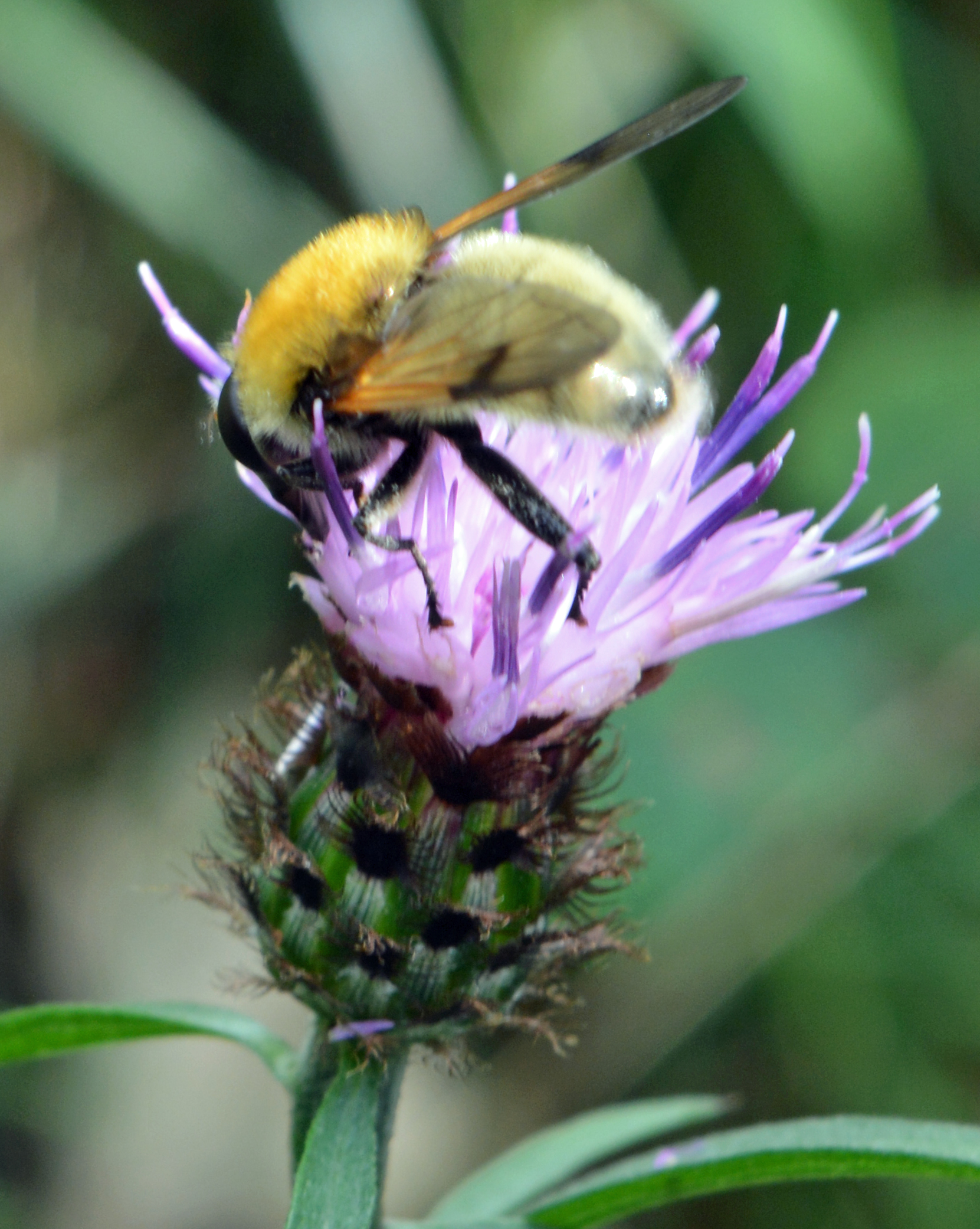
On this latest visit we were lucky to spot and watch for a long while a rare bee, the Moss Carder Bee which was a first for us. It appeared right in front of me as I was taking a photograph of a plant so I had the rare chance of taking photographs so effortlessly. The bee really just posed for me. Graham and I watched it for a while and got very close, close enough to appreciate the beauty of its delicate colouring and the subtlety of its markings.
pb-2 pb-3 pb-4

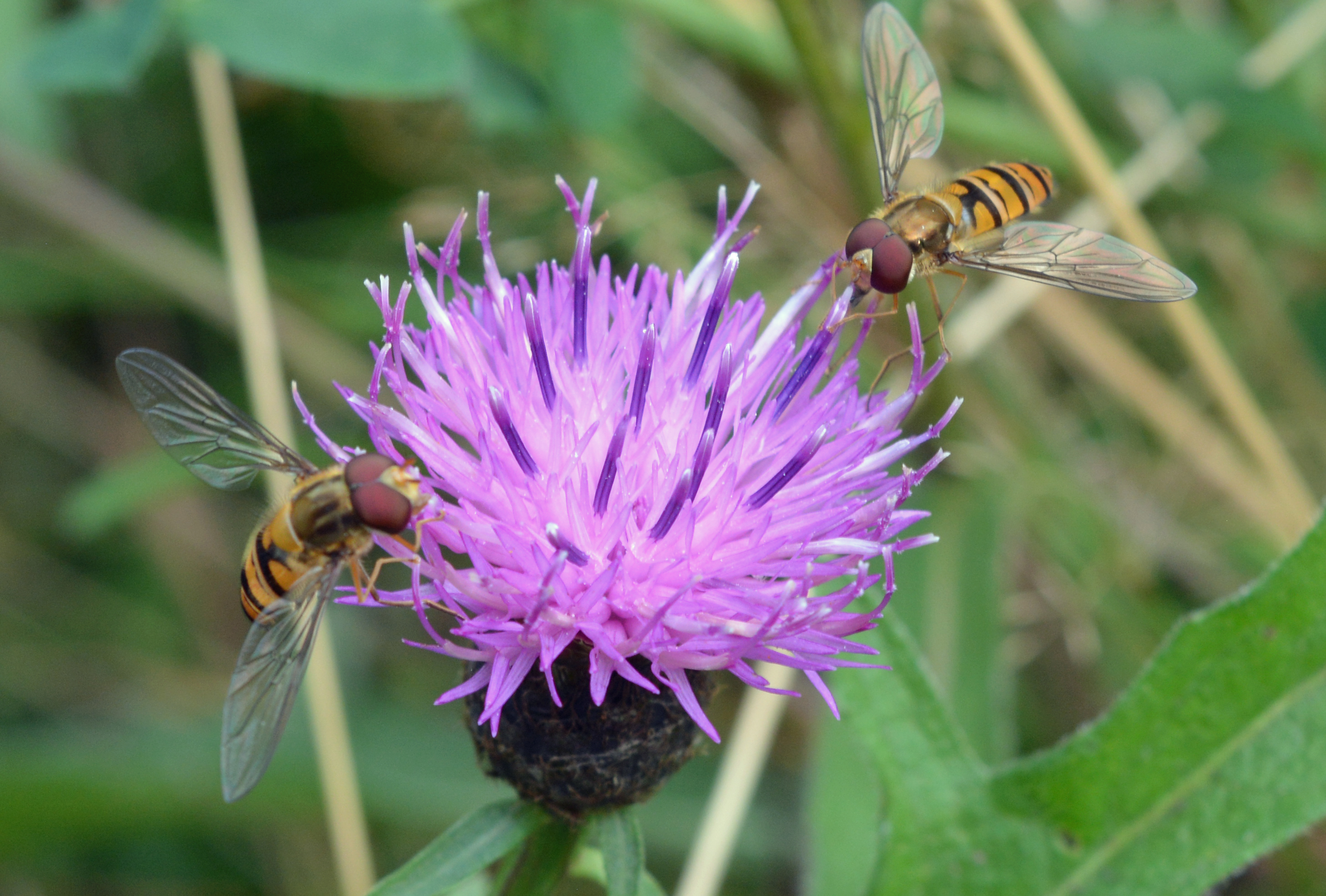
Not so long after this a similar thing happened. Again I was taking a close up photograph of a plant when a hoverfly firstly came into view above the flower, then landed on it closely followed by a second identical one allowing me to get these shots. Twins! Identical twins!
pbl-44 pbl-45pbl-22

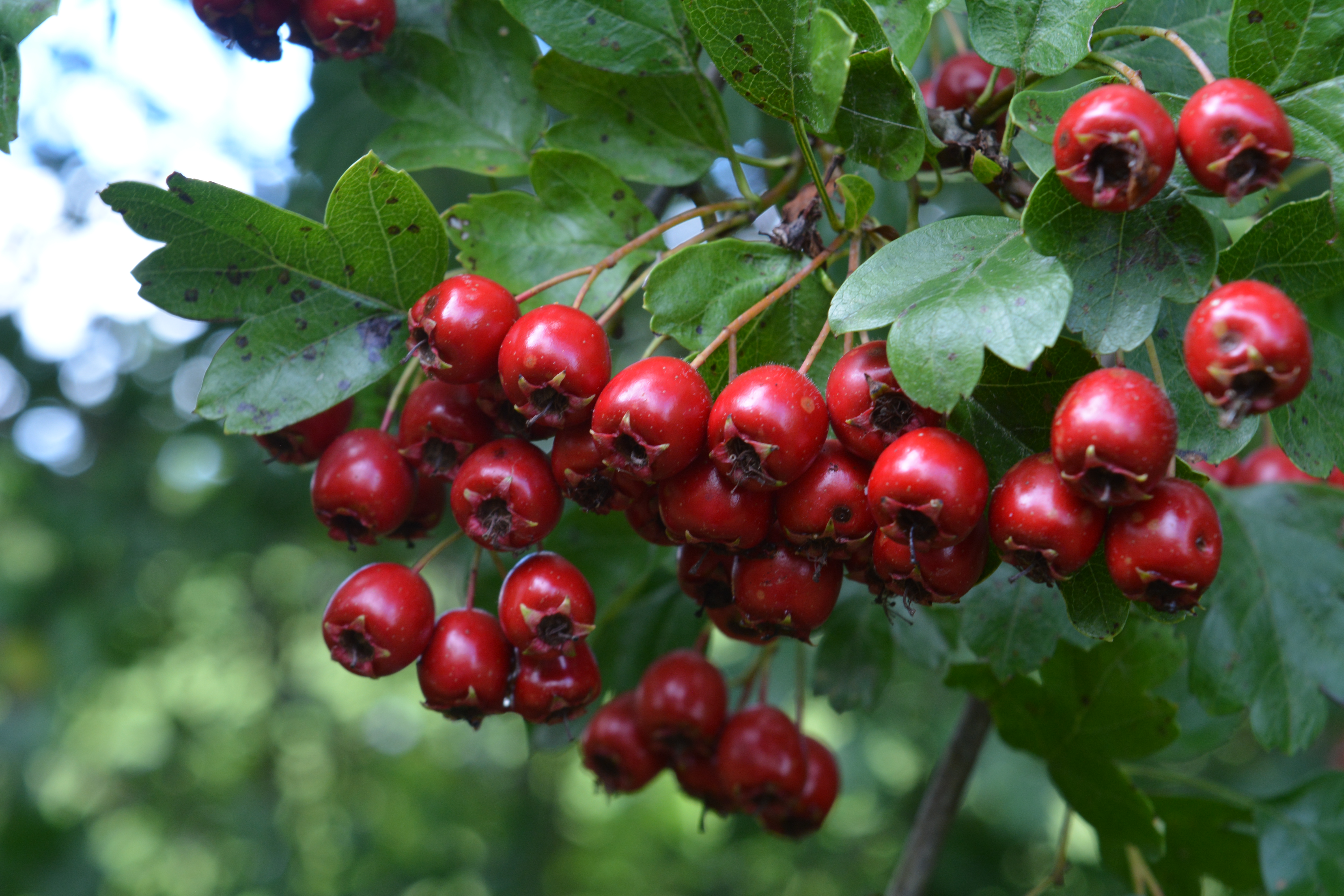
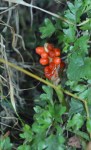
Berries were at various stages of ripeness from hard green to the darkest of ruby red.

pbl-31 pbl-32

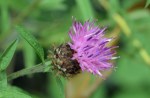
And wild flowers added spots of colour to the impressionist painting that is the bank of the canal.

pbl-23pbl-05 pbl-38

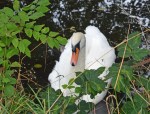
There was so much to see as we ambled along the narrow track along the towpath of the canal branch line that never opened to barges just to wildlife. Rather than narrow-boats plying the waters it is Swans, Mallards and Water Voles instead! We barely moved forward a few steps before something caught our eyes and stopped us in our tracks. I took so many photos that I thought I could invite you to join us as we followed our canal side path “there and back again”. Enjoy!

As usual just click on the first photo and then navigate with the arrows.


Categories
birds climbing plants colours flowering bulbs garden design garden photography garden ponds garden pools garden wildlife gardening gardens grasses hardy perennials house martins light light quality ornamental grasses ornamental trees and shrubs roses Shropshire shrubs spring bulbs spring gardening succulents swallows water in the garden wildlife

My Garden Journal in May

Just as I completed my journal for June I realised that I had not yet posted “My Garden Journal for May”, so here it is now for you to enjoy! The June journal report won’t be far behind!

Summer creeping in can only mean that our May garden is changing by the day. Exuberance in every border with things growing before your eyes. A month of excitement! I began my May entry in my garden journal by writing,

“May means exuberance! It is the month when our garden shows us the ability it has to surprise. It shows off its strength and its artistic talents. Growth is so rapid and colour so exciting, that we are aware of what our garden means to us and also aware of its power that Mother Nature possesses and uses with pride and to excess!”

maygarden-14 maygarden-13maygarden-12 maygarden-39maygarden-57 maygarden-72

I then turn to looking back at my original garden journey recording the first few years that we have lived and gardened at Avocet.

“Looking back in my garden journal that recorded the early years at Avocet, I read a paragraph that shows just how similar May is now. 

“The garden is bursting with life – butterflies including Holly Blues, bees and so many birds. Suddenly the garden is alive with birds giving extra colour, sound and movement. There seems to be so many finches – Goldfinches, Chaffinches and Greenfinches. Swifts, Swallows and House Martins swoop overhead especially in the evening.”

Sadly though there are far fewer Swifts, Swallows and House Martins overhead. So many have not survived their long migrations. What does the future hold for these beautiful acrobats?”

Turning over the page of my journal and we see the next two pages feature Acers and Roses.

“Acers are one of the many stars of the May garden, a month when their foliage and stems are delicate and colourful.”

maygarden-24 maygarden-30maygarden-26 maygarden-27 maygarden-32 maygarden-35maygarden-33 maygarden-34maygarden-36 maygarden-37maygarden-38 maygarden-63 maygarden-69 maygarden-70 maygarden-71 maygarden-62

“May means Roses and by the middle of the month we have many buds and pioneer blooms. Reds and pinks dominate at the moment. Yellows and oranges are still to come.”

maygarden-03 maygarden-11 maygarden-22 maygarden-60 maygarden-23

I moved on to look at one of the climbers we enjoy in our garden and at the grasses that have now started to grow rapidly.

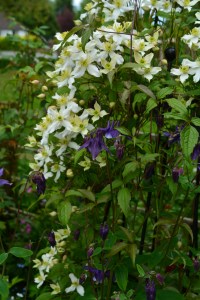
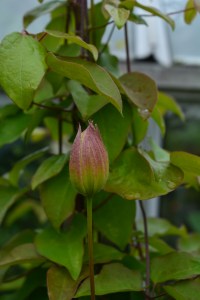
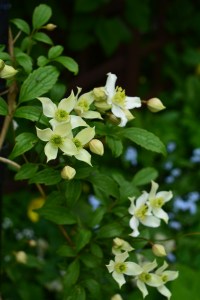
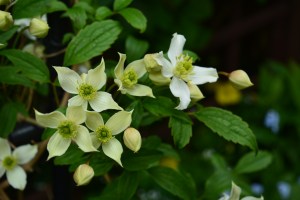
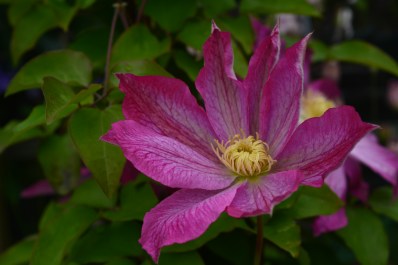
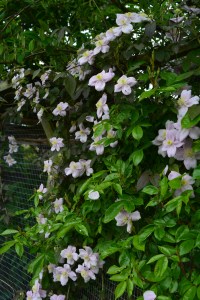
“Think of climbers early in the summer garden and Clematis is the first plant to spring to mind.”

maygarden-04 maygarden-59 maygarden-05maygarden-06 maygarden-53maygarden-16 maygarden-15 maygarden-58 maygarden-52

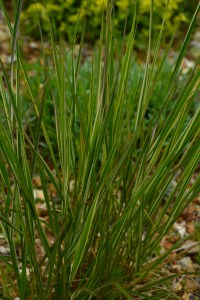
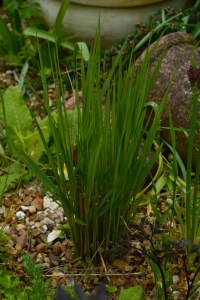
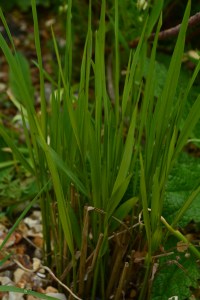
“Grasses are growing quickly now and the myriad shades of green move skyward in our borders.”

maygarden-07 maygarden-09 maygarden-07maygarden-08 maygarden-50 maygarden-49maygarden-51 maygarden-61 maygarden-68

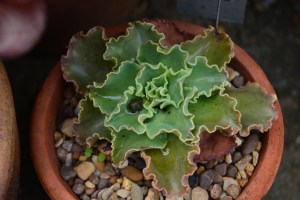
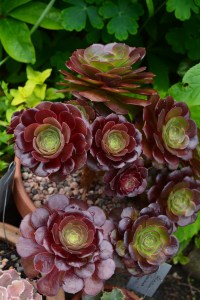
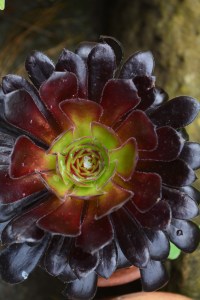
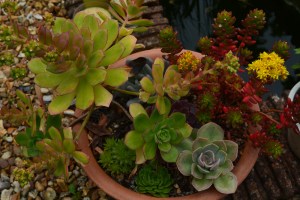
Turning over again and succulents are discussed. These are a recent interest and I have only been growing them and propagating them for a few years.

Succulent plants are an interest that has grown over the last few years. Beginning with Aeoniums and Echeverias I soon branched out.”

maygarden-79 maygarden-80maygarden-19 maygarden-77 maygarden-78

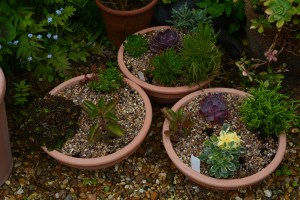
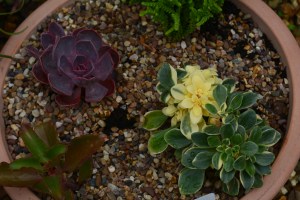
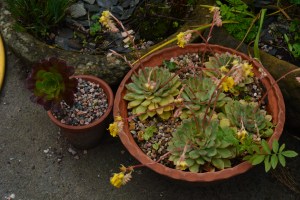
“Troughs of succulents grace the Rill Garden in May and on into October when the risk of frost mean that they retreat to the warmth of our greenhouse.”

maygarden-17 maygarden-20maygarden-18 maygarden-21maygarden-76 maygarden-75

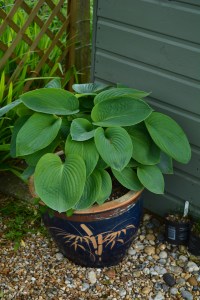
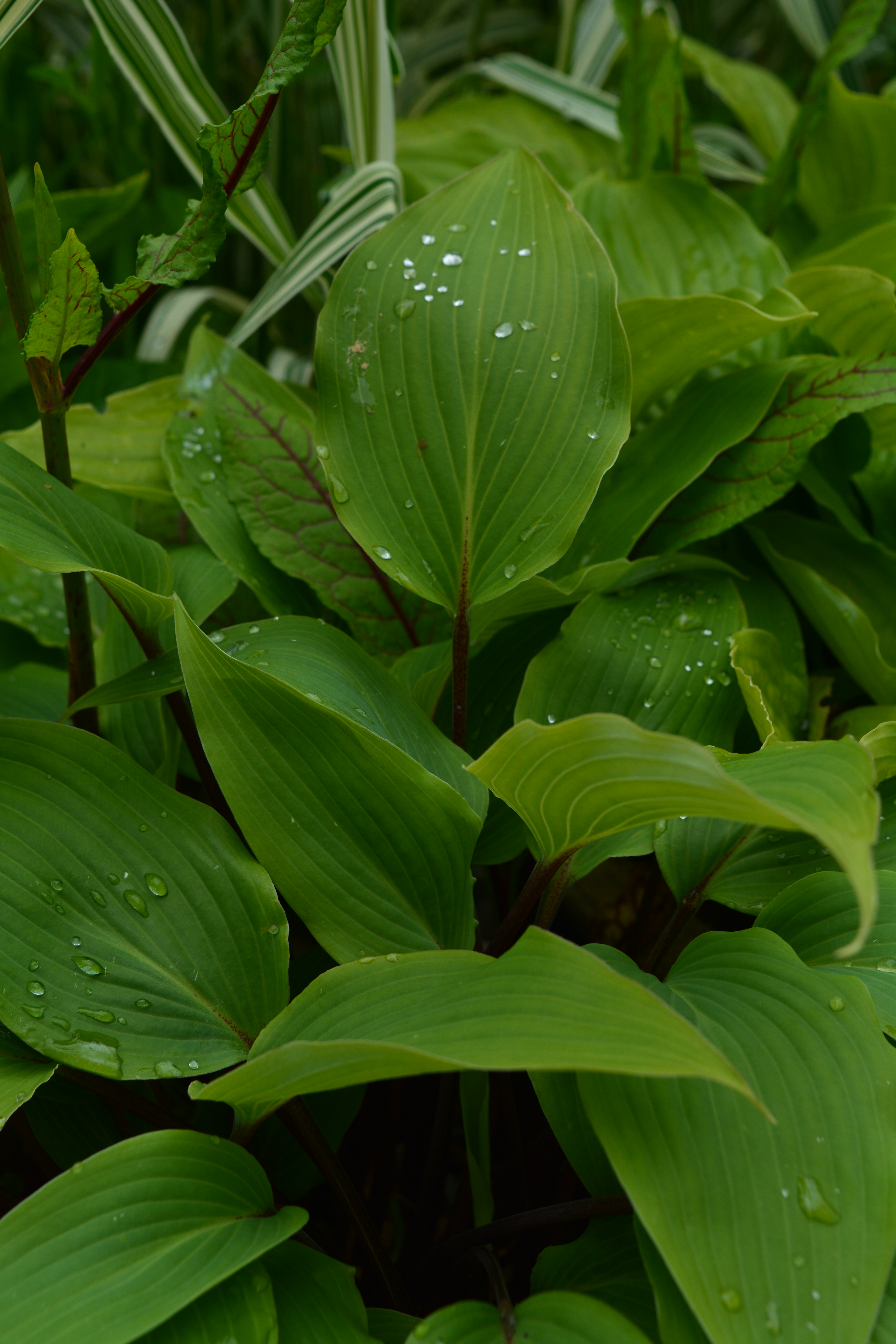
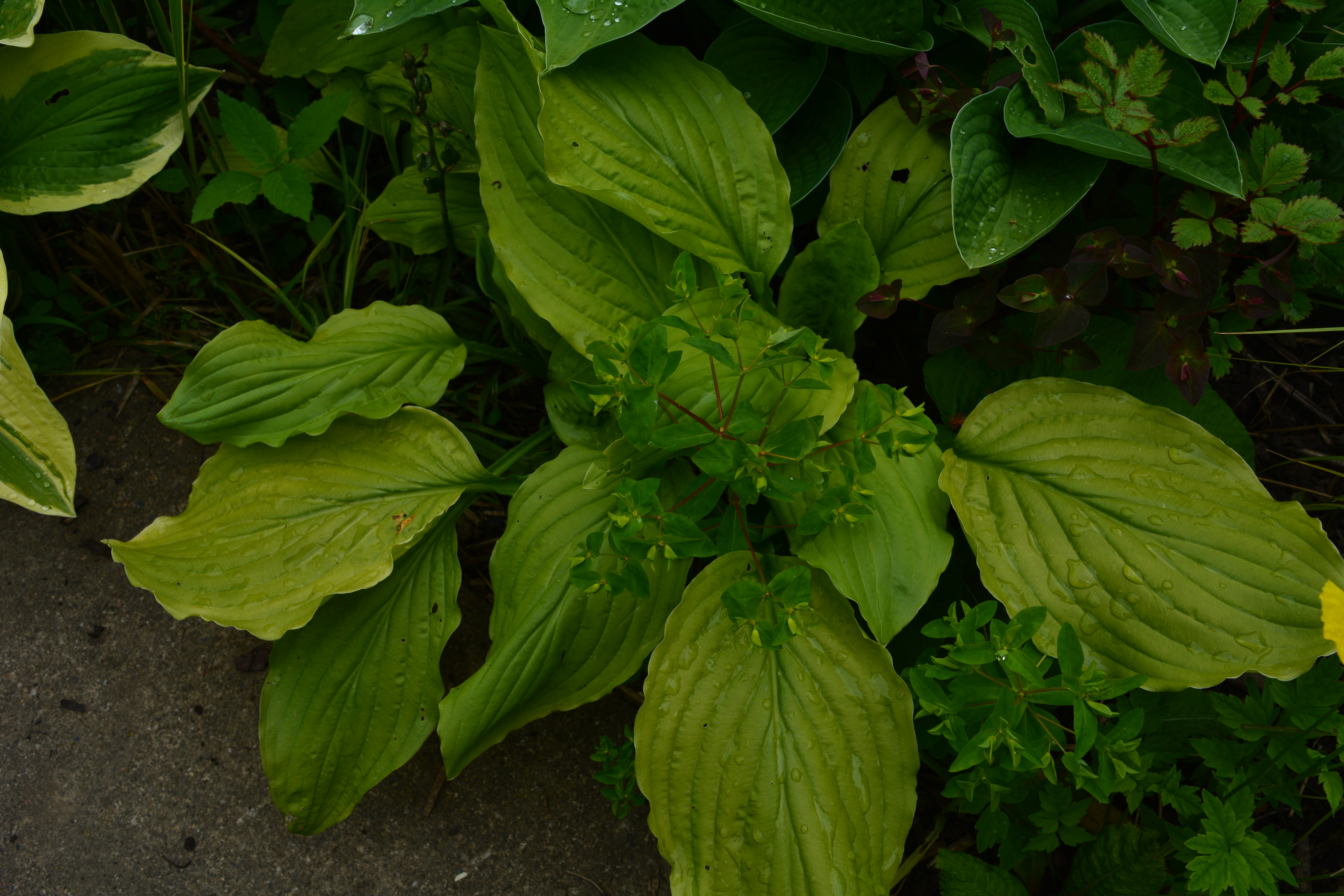
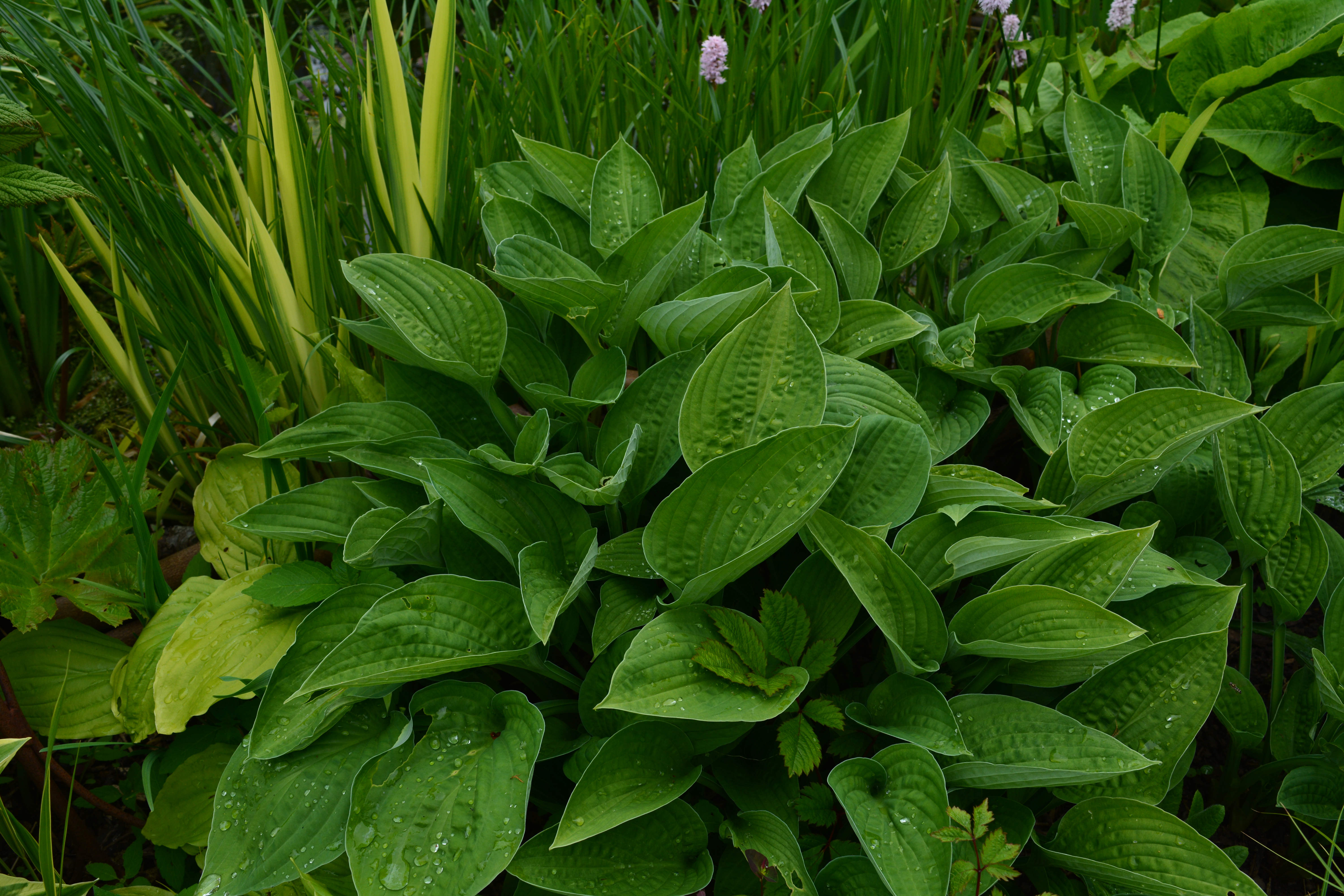
When we turn over next we see that I talk of Hostas and in particular those growing in our Bog Garden. The bog garden is so full of life at the moment with plants growing appreciably by the day.

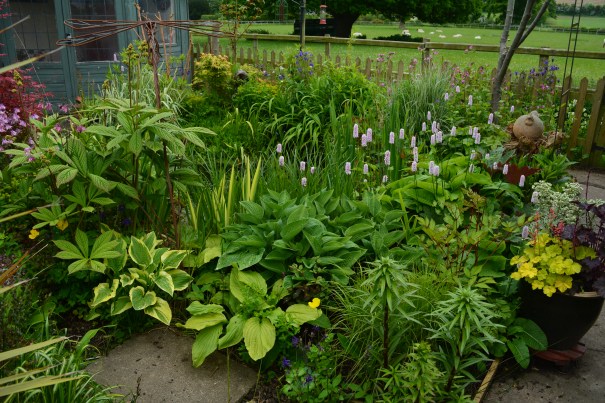
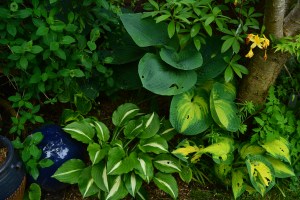
“Hostas are one of the more subtle of our garden favourites both their foliage and later in the year their flowers. The Bog Garden next to our Wildlife Pond and snuggled up to it is a place of rapid growth in May.”

maygarden-45maygarden-40 maygarden-41 maygarden-42 maygarden-43 maygarden-65maygarden-47 maygarden-48  maygarden-46 maygarden-64 maygarden-66 maygarden-67

White is not a colour I particularly appreciate in the garden and as a result I do not use it much.

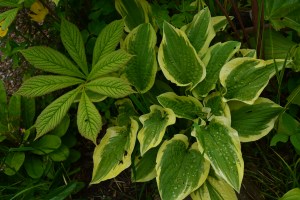
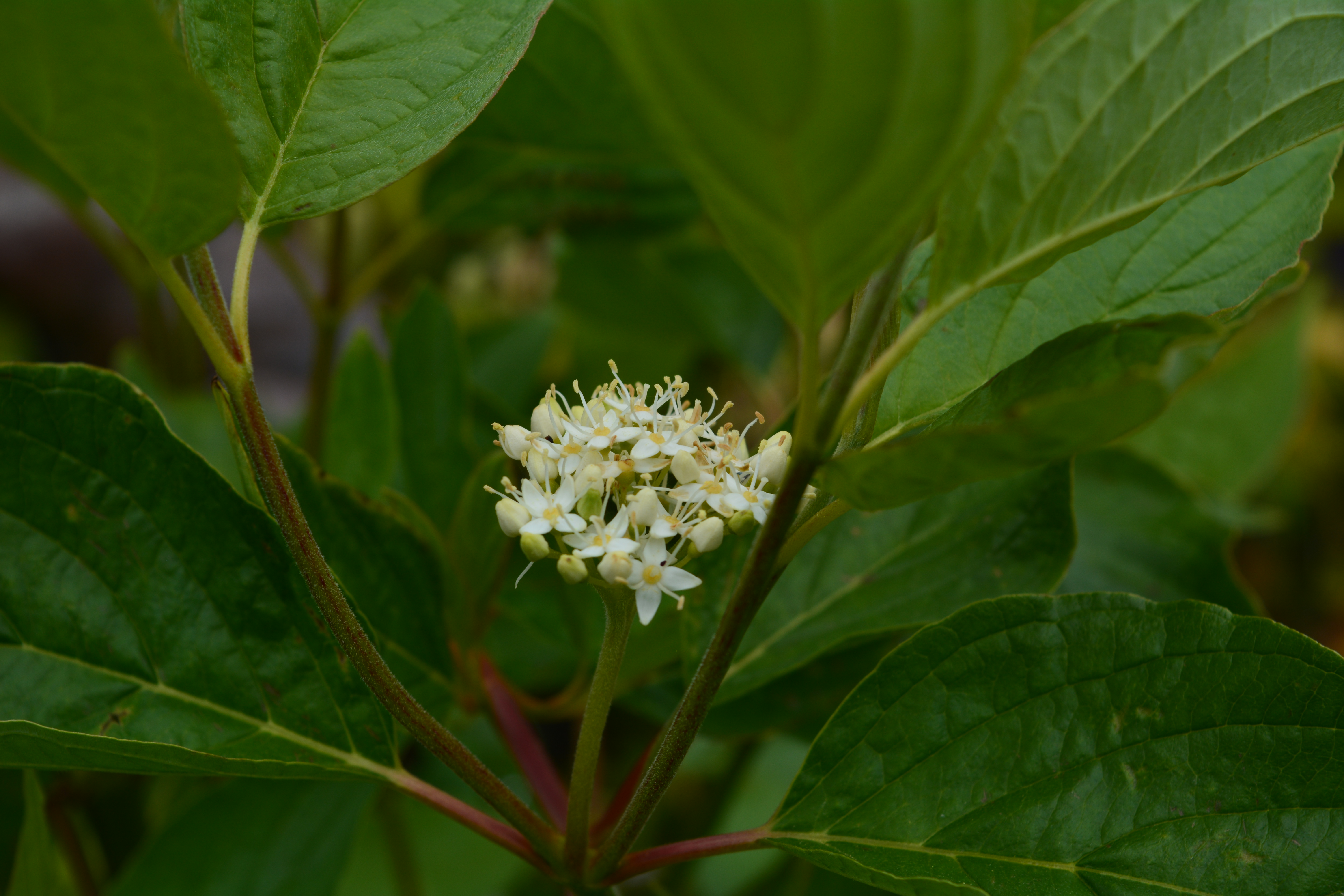
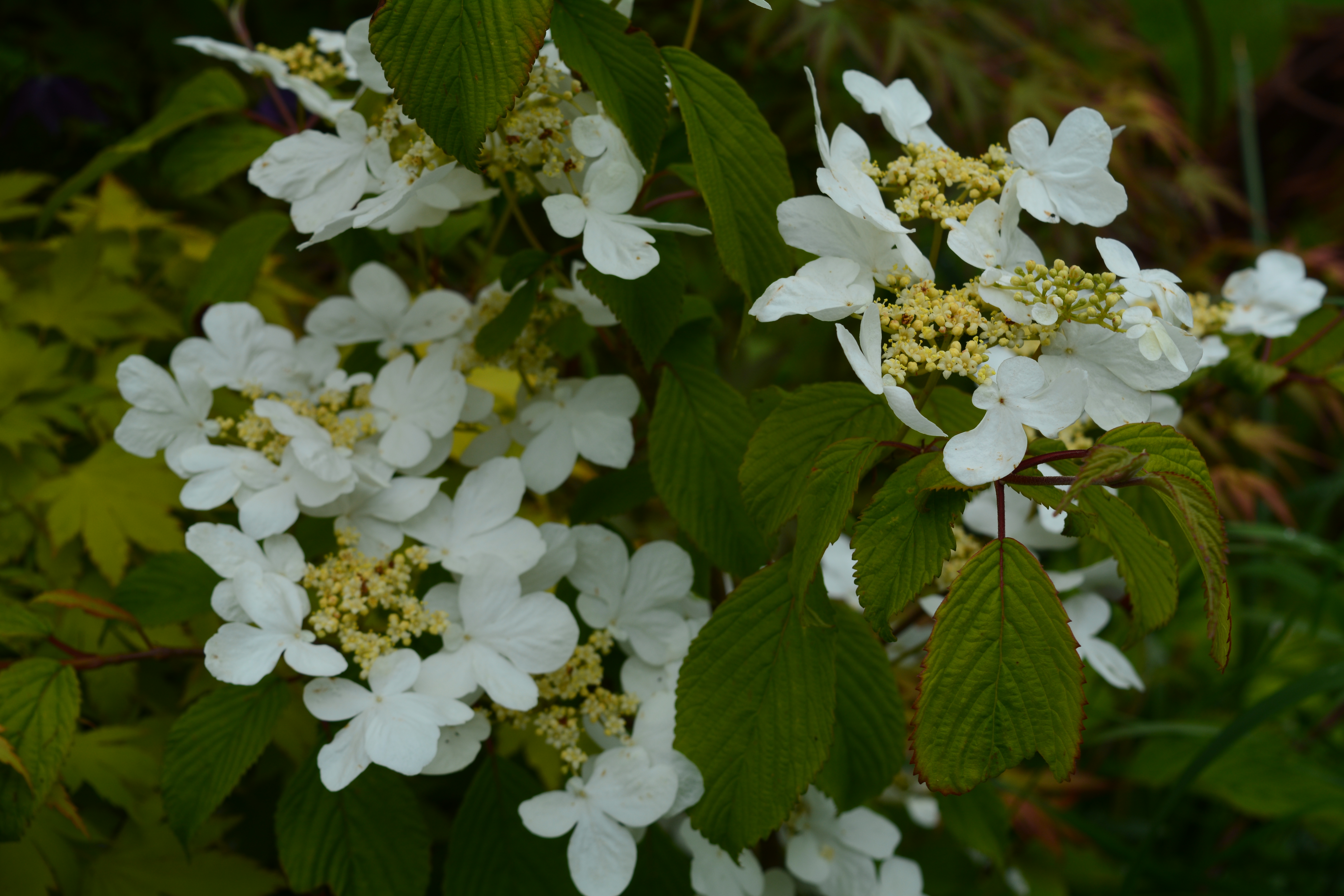
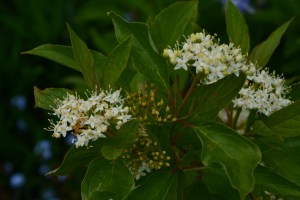
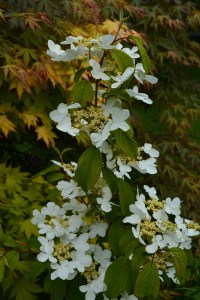
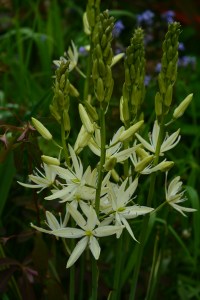
“White is not my favourite colour in the garden. I particularly do not like white painted garden furniture or white painted fences, trellises or walls. We tend to paint our seats in ivory or cream which are much softer colours particularly on bright sunny days. Our fences we paint in browns and trellis work in gentle shades of green which acts as a great foil for our plants. I think this dislike of white is to do with our weather as it can work so well in other countries. Where flowers are concerned I appreciate them most in May when white can look good with the brightness of fresh foliage. Below are photos of a few particularly good white flowers, Viburnums, Cornus, white Bluebells, Iberis and Camassias. Some of these are the purest of white where others have gentle hints of colour. The Camassia has a green tint to it and the Iberis the gentlest hint of pink.”

maygarden-54 maygarden-56maygarden-10 maygarden-73maygarden-25 maygarden-44 maygarden-74

As we leave May behind we can look forward to the longest day, the time when day and night share equal number of hours.

Categories
birds colours flowering bulbs garden design garden photography garden wildlife gardening gardens hardy perennials light light quality ornamental trees and shrubs Shropshire shrubs spring bulbs spring gardening trees

My Garden Journal 2016 – April

Here we are with my April look at my garden journal. I began as I often do with a look at the weather that was affecting our garden.

“April is known for its showery weather and we hope it is the first frost-free weeks of the year. This will allow us to begin hardening off our delicate plants that have hidden away in our greenhouse and summerhouse. Looking back at my first garden journal I notice that in early April birds were then showing signs of nest building. I wrote …Spring is here! Sometimes at least. Birds are collecting nesting materials, blackbirds, greenfinches and all the Titmice family.” This year birds are singing and calling well but we have seen no signs of nest building activities. The Titmice have given up their earlier explorations of our many birdboxes. We hope Spring will catch up and get wildlife stirring again.”

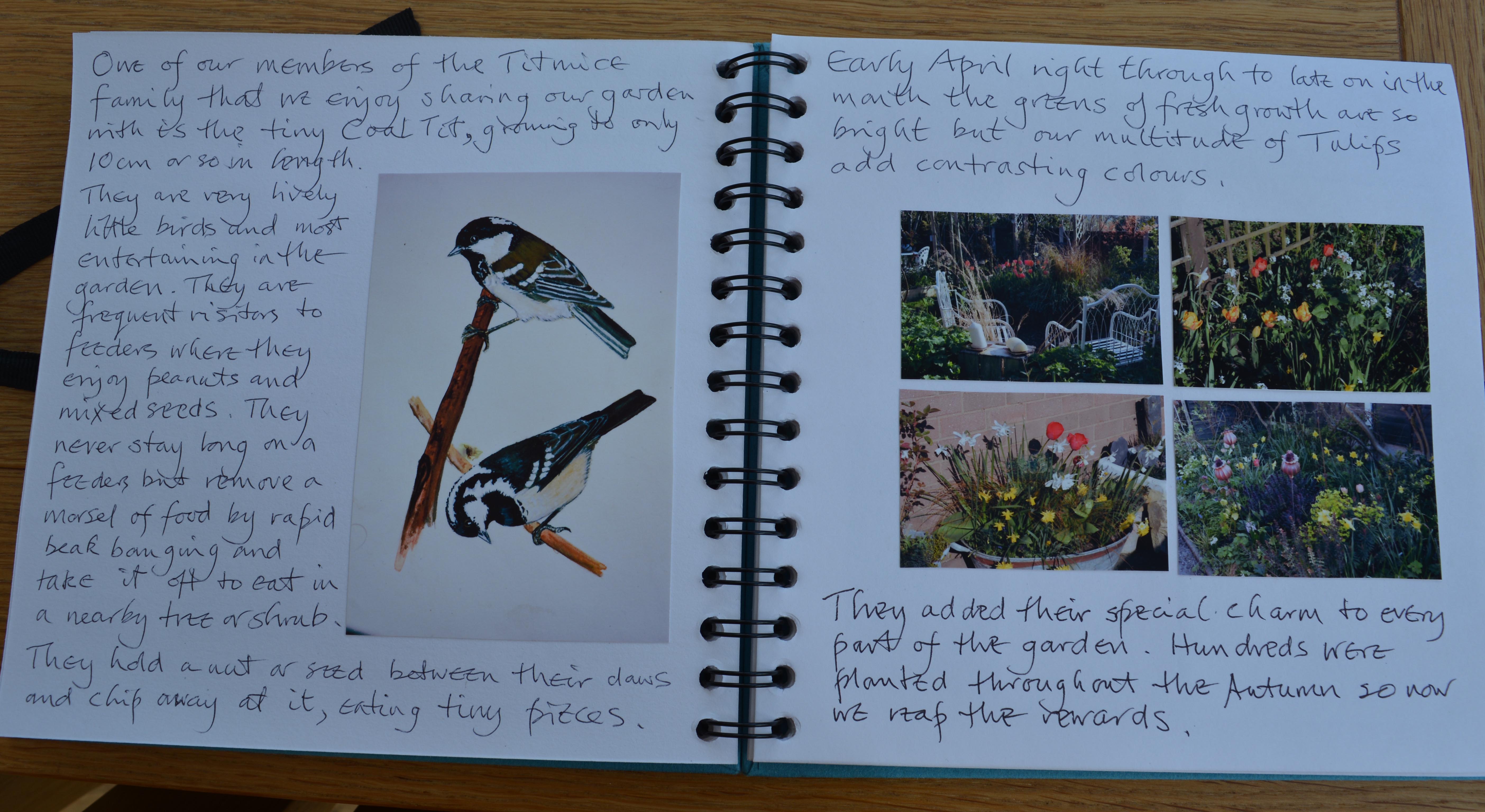
Over the page I continue by looking at one member of the Titmice family, the Coal Tit, and I included one of my gouache paintings of these active little birds.

apr-2

“One of our members of the Titmice family that we enjoy sharing our garden  with is the tiny Coal Tit, growing to only 10cm or so in length. They are very lively little birds and most entertaining in the garden. They are frequent visitors to feeders where they enjoy peanuts and mixed seeds. They never stay long on a feeder but remove a morsel of food by rapid beak banging and take it off to eat in a nearby tree or shrub. They hold a nut or seed between their claws and chip away at it, eating tiny pieces.”

coaltit-1

On the page opposite I take a look at the bright Tulips in our garden and what they add to it.

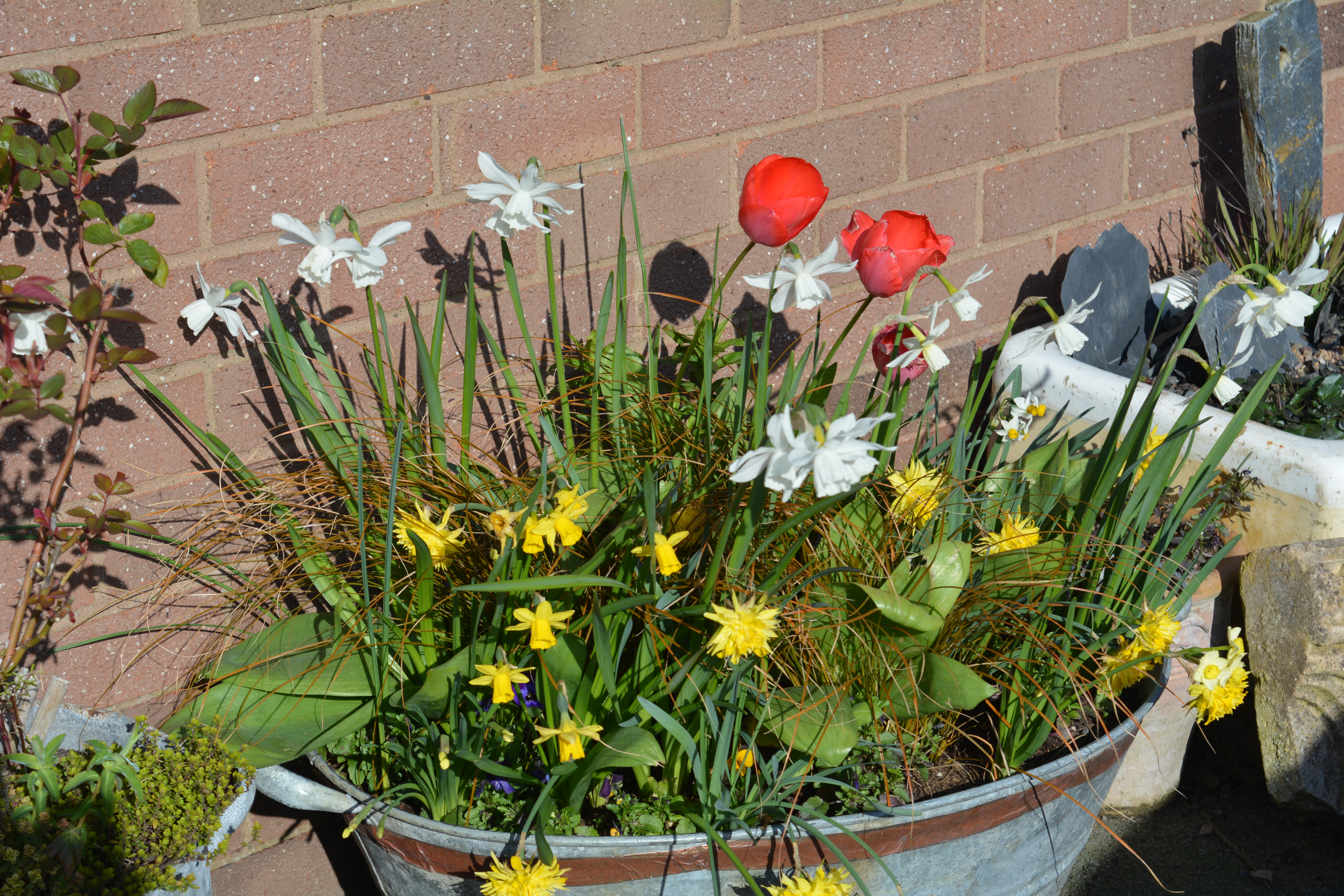
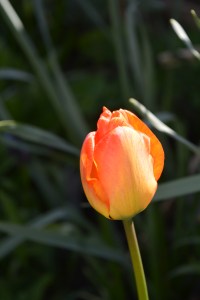
“Early April right through to late on in the month the greens of fresh growth are so bright but our multitude of Tulips add contrasting colours. They add their special charm to every part of the garden. Hundreds were planted throughout the Autumn so now we reap the rewards.”

aprilpics-22 aprilpics-17 aprilpics-29 aprilpics-30 aprilpics-14

Tulips and other bulbs continue to be featured on my next couple of pages.

apr-1

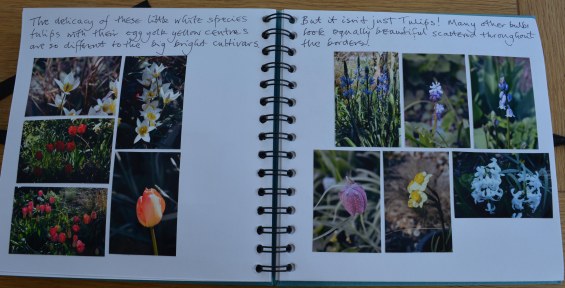
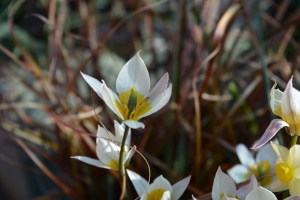
“The delicacy of these little white species Tulips with their egg yolk yellow centres are so different to the big bright cultivars.”

aprilpics-16 white tulip-1aprilpics-01 aprilpics-04aprilpics-10

“But it isn’t just Tulips! Many other bulbs look equally beautiful scattered throughout the borders.”

aprilpics-03 aprilpics-09 aprilpics-08aprilpics-15 aprilpics-27aprilpics-05 aprilpics-02

Turning the page we find a much wordier look with an odd photo to illustrate the words, followed by a look at some of our Acers.

apr-3

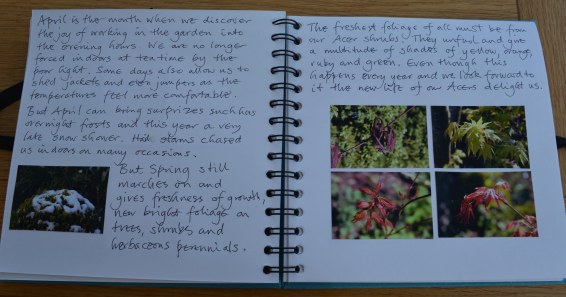
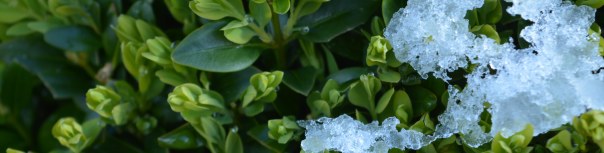
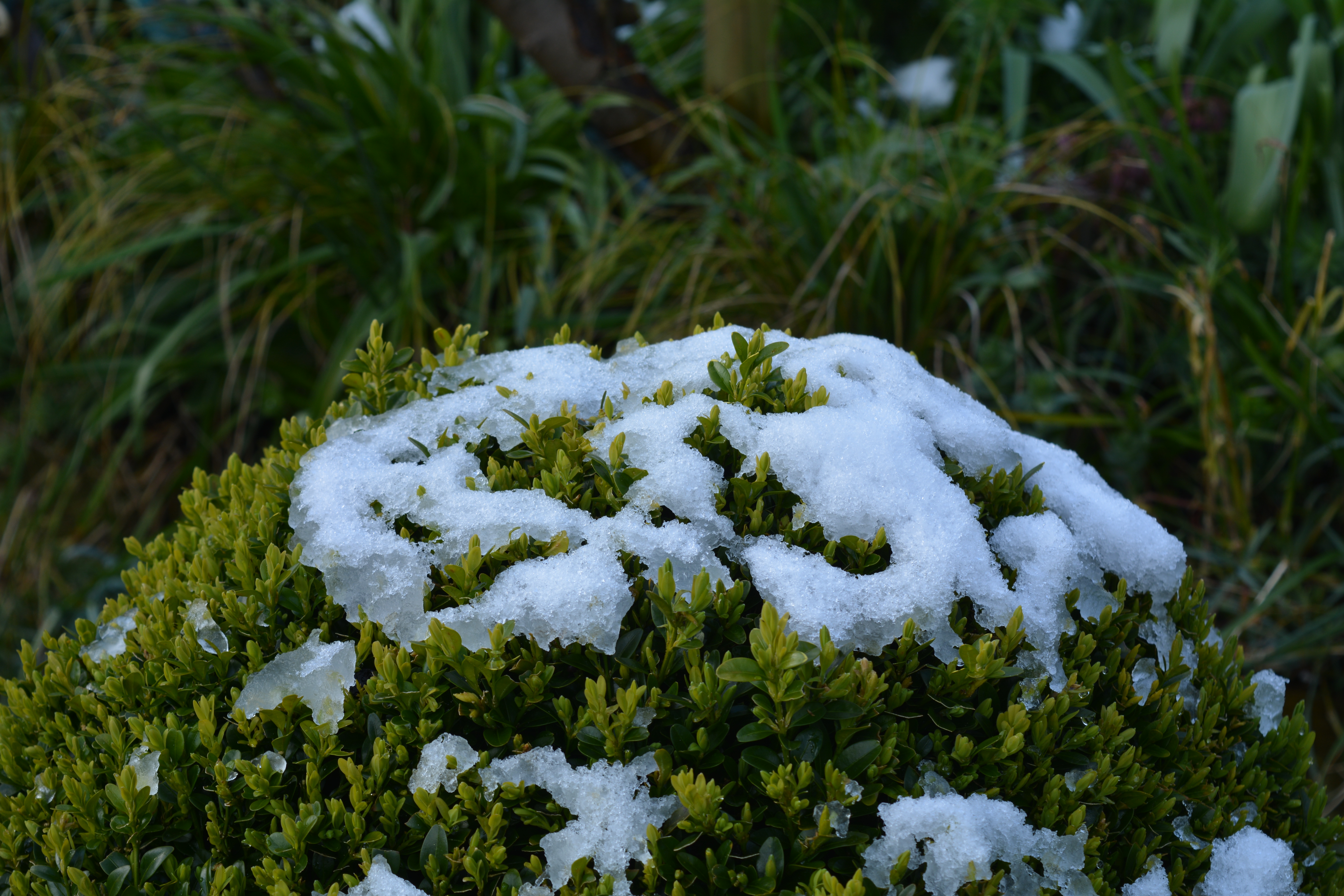
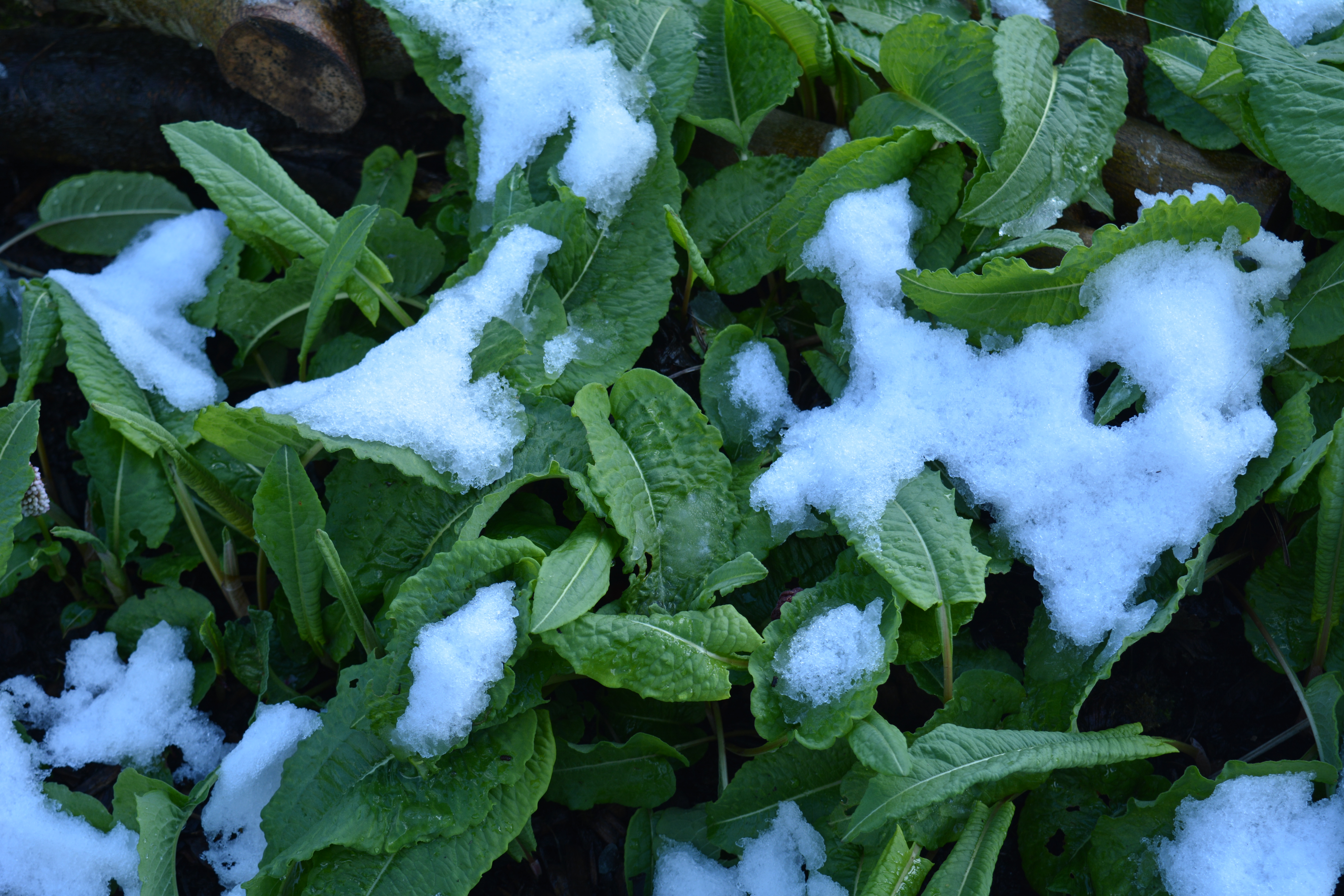
“April is the month  when we discover the joy of working in the garden into the evening hours. We are no longer forced indoors at teatime by the poor light. Some days also allow us to shed jackets and even jumpers as the temperatures feel more comfortable. But April can bring surprises such as overnight frosts and this year a very late snow shower. Hail storms chased us indoors on many occasions. But Spring still marches on and gives freshness of growth, new bright foliage on trees, shrubs and herbaceous perennials.”

snow box-8snow box-1 snow box-2 snow box-3 snow box-4

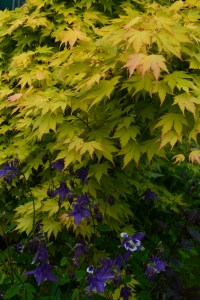
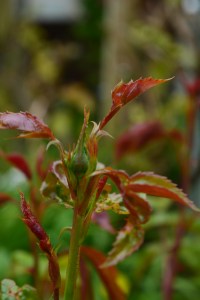
“The freshest foliage of all must be from our Acer shrubs. They unfurl their buds and give a multitude of shades of yellow, orange, ruby and green. Even though this happens every year and we look forward to it, the new life of our Acers delights us.”

aprilpics-13 aprilpics-07aprilpics-06 aprilpics-12

I then look at yellow in our garden.

april journal-4

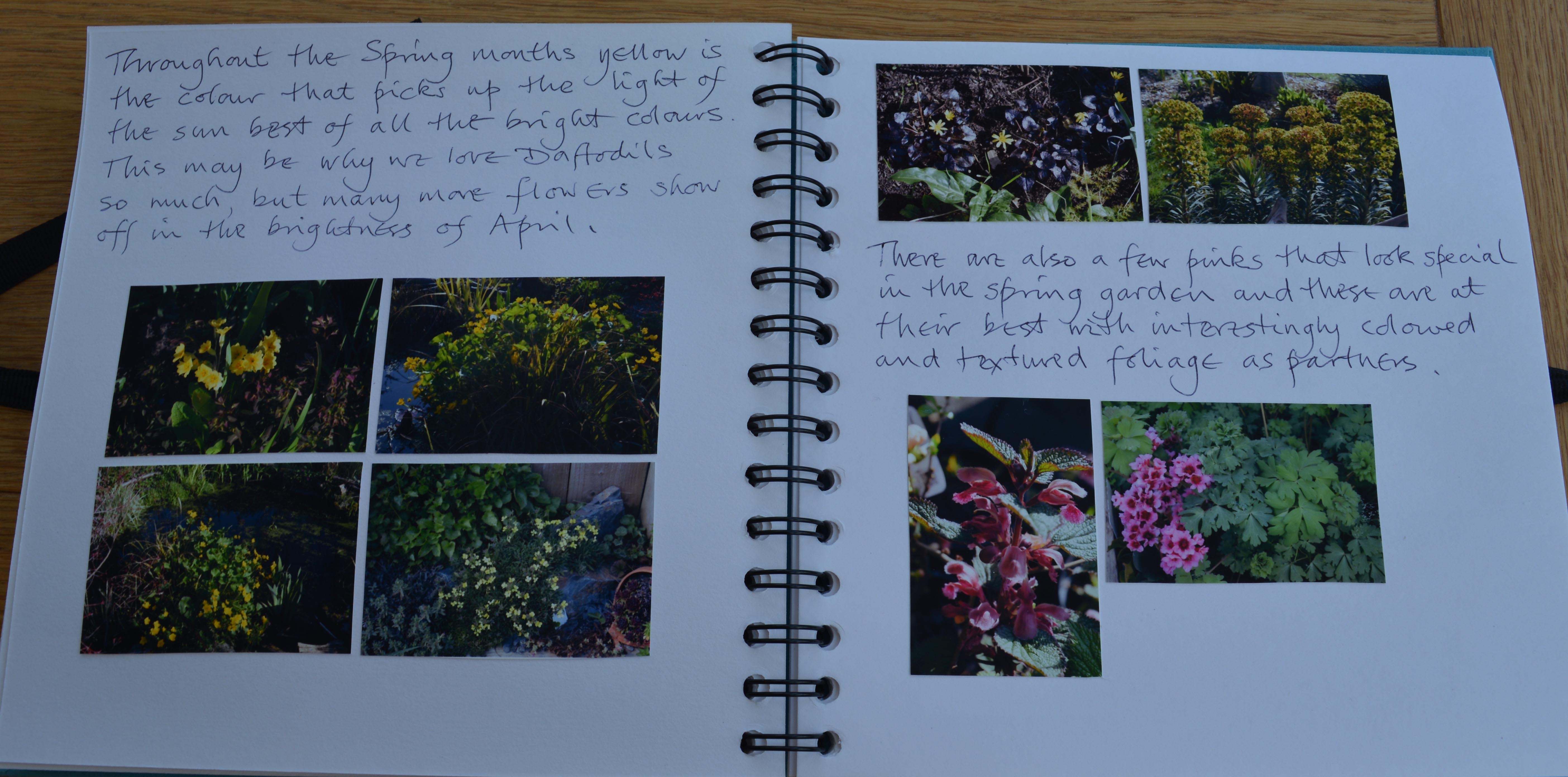
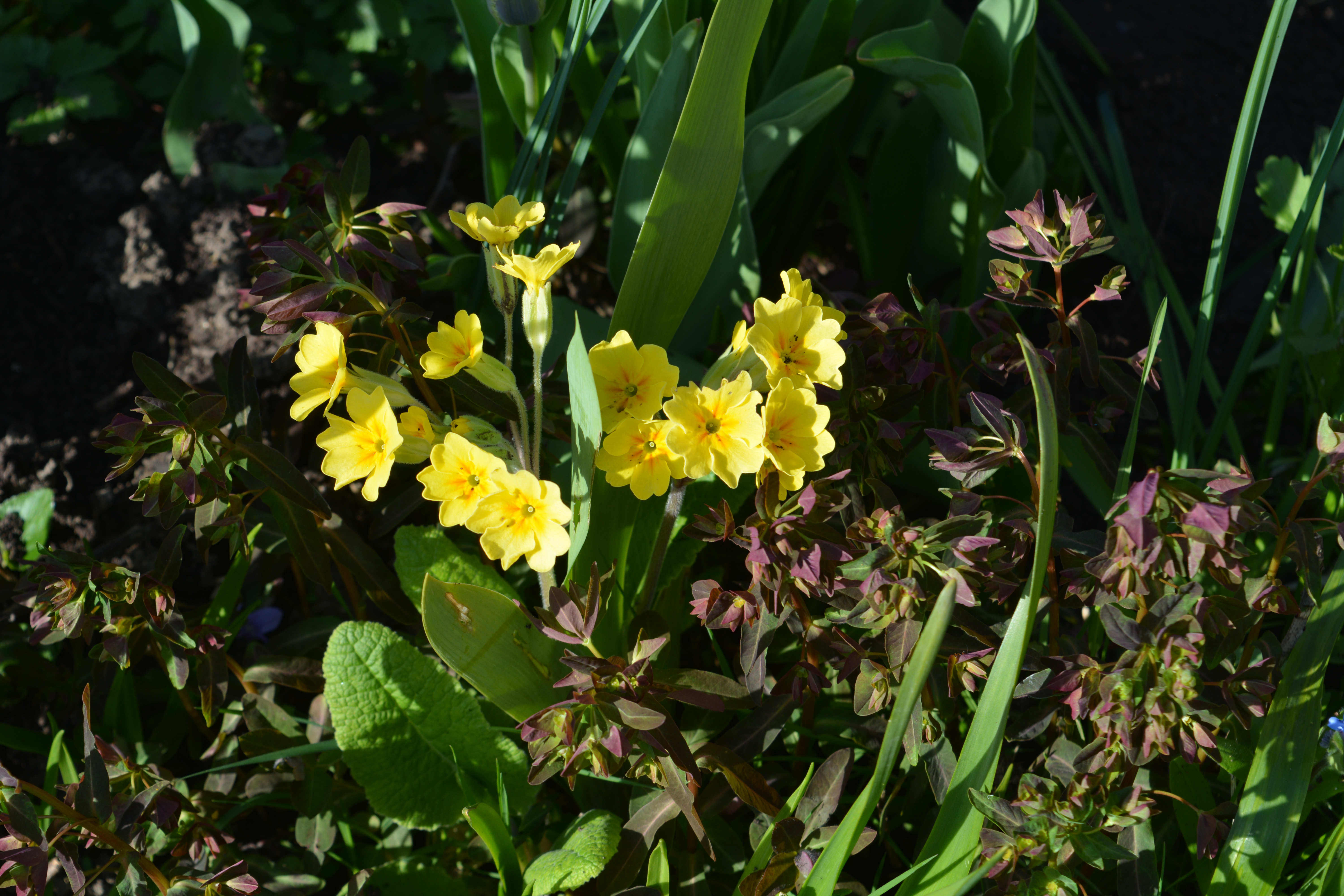
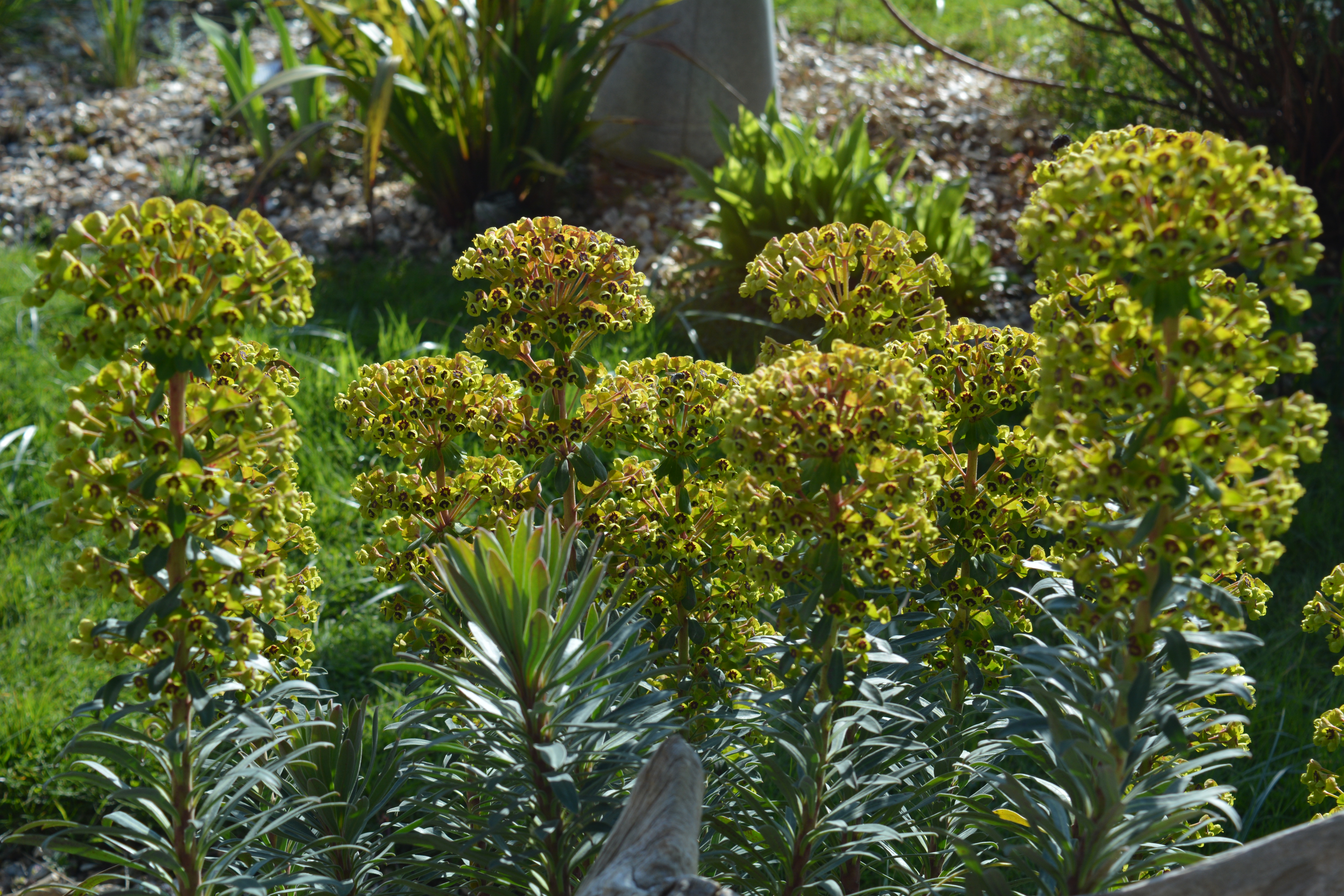
“Throughout the Spring months yellow is the colour that picks up the bright light of the sun best of all the bright colours. This may be why we love Daffodils so much, but many more flowers show off in the brightness of April.”    


aprilpics-20 yellow-4yellow-1 yellow-8aprilpics-18 yellow-9


“There are also a few pinks that look special in the Spring garden and these are at their best with interestingly coloured and textured foliage as partners.”

aprilpics-50 yellow-3

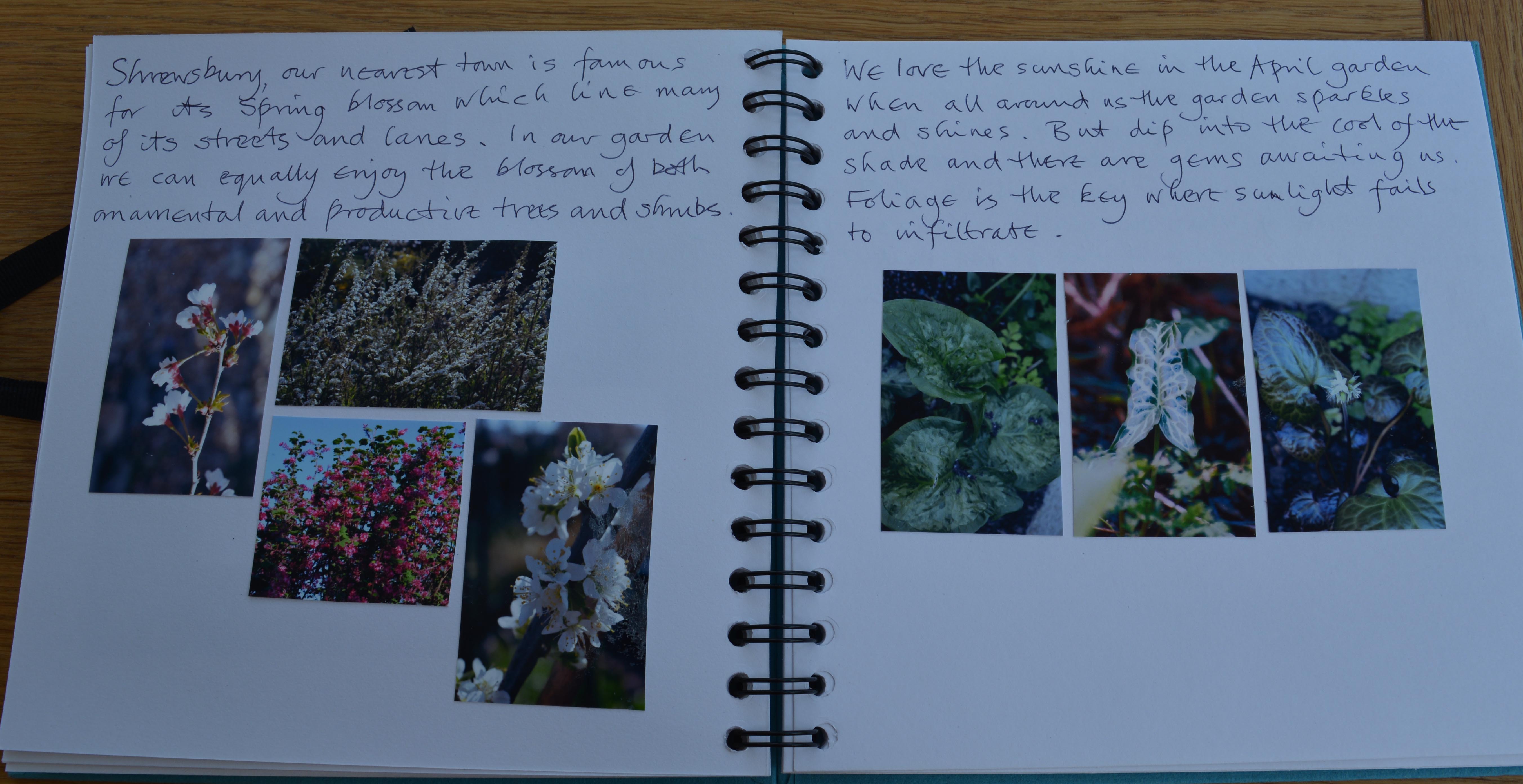
Blossom and the plants of cool shade appear on the final couple of my journal’s pages for April.

april journal-5

“Shrewsbury, our nearest town, is famous for its Spring blossom which lines many of its streets and lanes. In our garden we can equally enjoy the blossom of both ornamental and productive trees and shrubs.”

blossom-10aprilpics-19 ngs garden-104blossom-01 blossom-04 blossom-03 blossom-02 blossom-07


“We love the sunshine in the April garden when all around us the garden sparkles and shines. But dip into the cool of the shade and there are gems awaiting us. Foliage is the key where sunlight fails to infiltrate.”
ngs garden-102 blossom-11blossom-13 blossom-06

But any flowers that accompany this amazing foliage are tiny little star-like flowers.
ngs garden-100

ngs garden-103 ngs garden-101

So that is April in our garden. We now look forward to what May will bring!


Categories
birds colours flowering bulbs garden photography garden ponds garden pools garden wildlife gardening gardens irises log piles natural pest control ornamental trees and shrubs Shropshire spring bulbs spring gardening village gardens water garden water in the garden wildlife

My Garden Journal in 2016 – March

We were expecting March to bring some signs of spring but really our seasons remained confused and muddled. March has brought us warm sunny days, days with cold biting winds, days with heavy persistent rain and many combinations of these.

winchester-04

My March report started with references to the weather as it controlled when we gardenened and days when it prevented us from getting out in the garden.

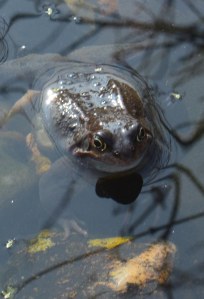
“During the first 2 days, March had delivered so many different types of weather, clear skies, sunshine, dark heavy cloud cover, rain and sleet. I wonder what else this month might have in store. This unseasonal weather delayed the arrival of our frogs until March whereas February is more usual a time. They soon added large clumps of spawn down one side of the wildlife pond.”

winchester-19 winchester-20winchester-21 winchester-22

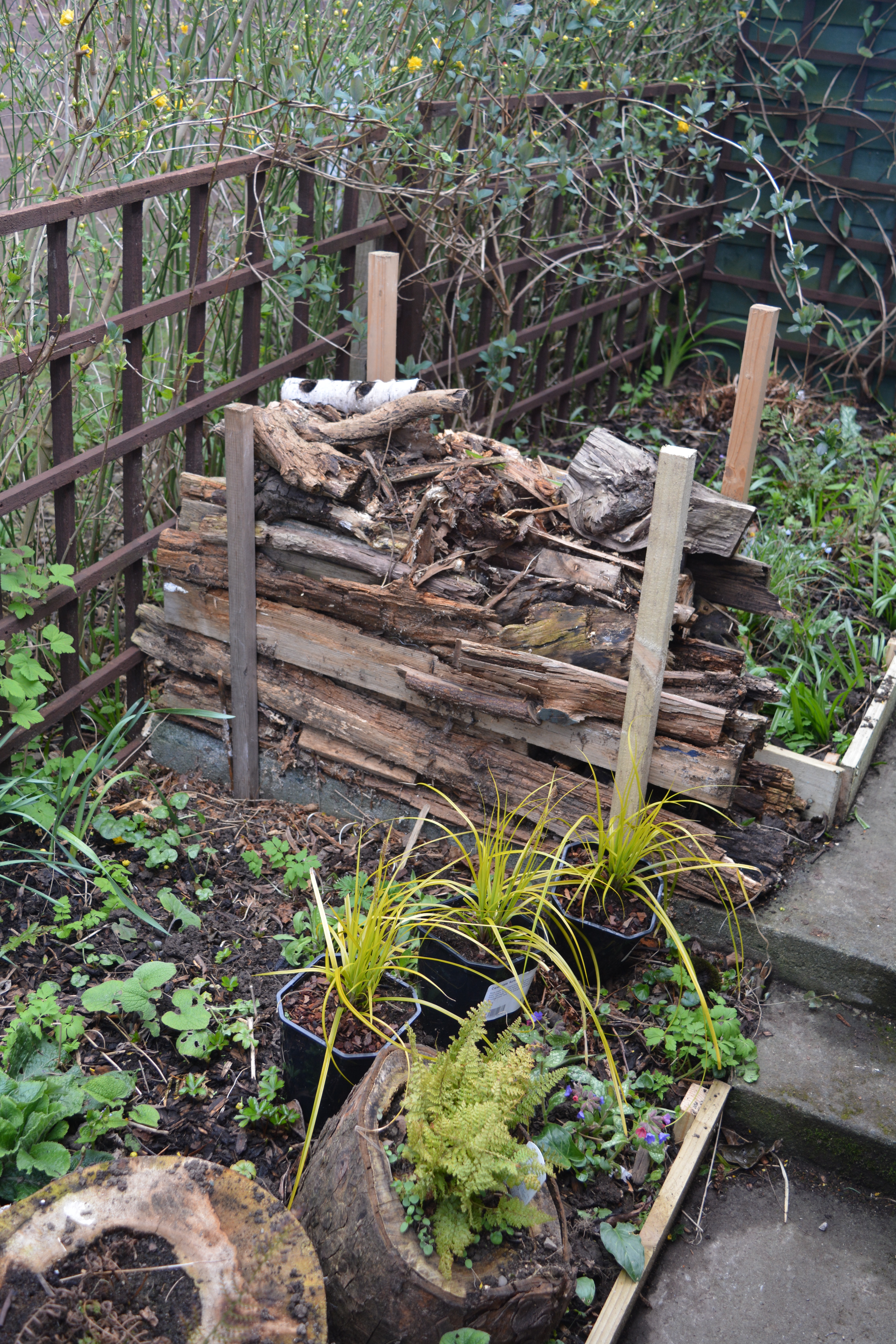
To help the smaller creatures that share our garden with us and help with pest control and pollination of our fruit we had great fun creating a new habitat for them, in the form of a log pile. The log pile is aimed specifically at beetles who are great pest controllers. We particularly appreciate their love of slug eggs!

winchester-01 winchester-02

On the page opposite my frog photos I feature some of our large collection of Hellebore.

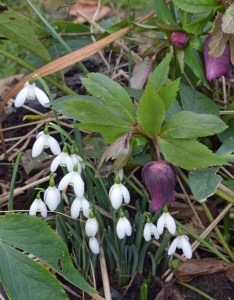
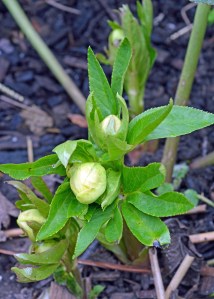
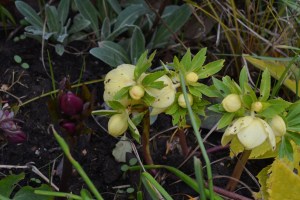
“Each year we add a few more Hellebores to our collection. This year is no exception! We are also getting a few interesting seedlings appearing, and some are worth keeping.”

winchester-47 winchester-11-2 winchester-14-1 winchester-10-2winchester-12-2

Turning the page I moved on to looking at the bird life we enjoyed in March, where I featured a gouache painting of a pair of Chaffinches and wrote about them.

winchester-05

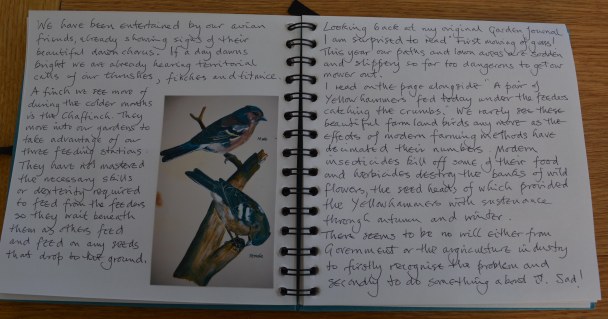
“We have been entertained by our avian friends, already showing signs of their beautiful dawn chorus. If a day dawns bright we are already hearing territorial calls of our thrushes, finches and titmice. A finch we see more of during the colder months is the Chaffinch. They move into our garden to take advantage of our three feeding stations. They have not mastered the necessary skills or dexterity required to feed from the feeders so they wait beneath them as others feed and feed on any seeds that drop to the ground.”

B0000195

I then moved on to look back at previous garden journals from a decade or so ago.

“Looking  back at my original Garden Journal I am surprised to read “First mowing of grass! This year our paths and lawn areas are sodden and slippery so far too dangerous to get our mower out.

I read a page alongside, “A pair of Yellowhammers fed today under the feeders catching the crumbs.” We rarely see these beautiful farmland birds any more as the effects of modern farming methods have decimated their numbers. Modern insecticides kill off some of their food and herbicides destroy the banks of wild flowers, the seed heads of which provided the Yellowhammers with sustenance through autumn and winter. There seems to be no will either from Government or the agriculture industry to firstly recognise the problem and secondly to do something about it. Sad!”

I then reported on progress we had made with our recently constructed propagation bench.

winchester-06

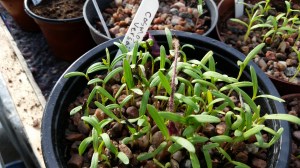
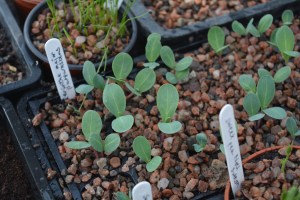
In my January entries to my journal I wrote about making a propagating bench in the greenhouse and then in February I looked at how we had prepared the greenhouse in readiness for seed sowing. Now in March we have seedlings showing well.”

winchester-45 winchester-46 winchester-36 winchester-35

Flowering shrubs feature over the next few pages, looking at those that flower and provide scent, starting off with the shrubs in the Ribes family.

winchester-06

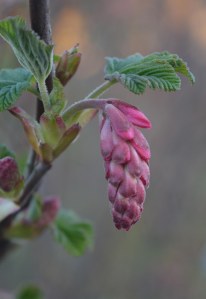
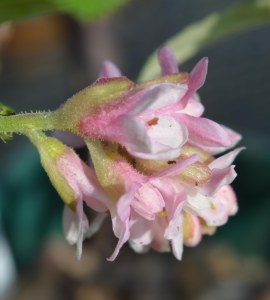
“The genus Ribes is a family of some 150 species of shrubs, mainly deciduous with just a few evergreens. We grow 3 species on our allotment to give us Redcurrants, Blackcurrants and Gooseberries. In the ornamental garden at home we grow 5 species and 4 of these are flowering in March, Ribes sanguineum “King Edward VII” and Ribes s. “Elkington White”.

winchester-40 winchester-41winchester-31 winchester-33 winchester-32

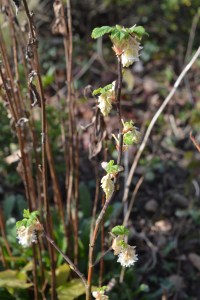
The other two March flowering Ribes are very different to the Ribes sanguineums. Ribes laurifolium has thick evergreen foliage, each leaf shaped and textured just like those oa a Laurel, hence its name. The flowers at first glance appear white but close up they are pale cream with a hint of green – absolutely beautiful! Beautiful and scented! The final Ribes to flower in March is Ribes speciosum with crimson flowers. To be fair though this Ribes species shows flowers on and off all year. It is generally evergreen for us as we planted it in a sheltered spot. Its flowers are like tiny Fuschias hanging along most of its branches. The downside? Every inch of every stem is covered in thin spines, so pruning can be difficult. On our open days so many visitors ask about Ribes speciosum.”

winchester-27 winchester-28winchester-02-2

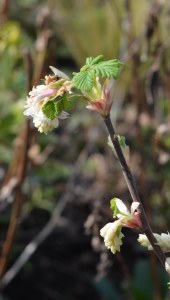
“In the autumn we took cuttings of Ribes s. King Edward VII. What a surprise we had when one of them produced these pale gentle pink flowers. One more shrub of the Ribes family still has not yet flowered, Ribes odorarum.”

winchester-09-1

My journal then tells of other unusual flowering shrubs we grow here at Avocet.

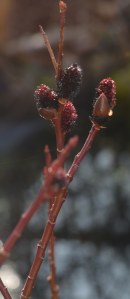
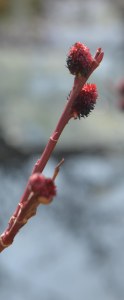
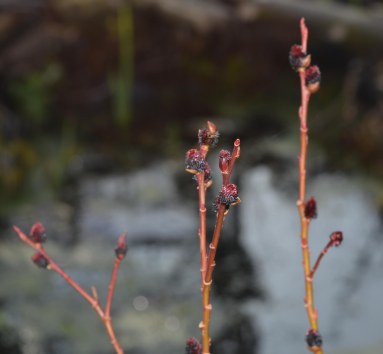
“Abnother unusual shrub we grow for March interest is a special willow. Salix gracilistyla melanostachyla has amazing flowers, red and black catkins. Early flying bees love them.”

winchester-08

winchester-23 winchester-24 winchester-25winchester-26

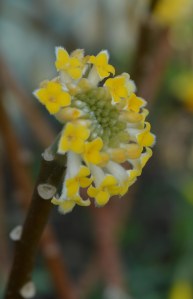
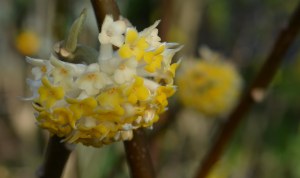
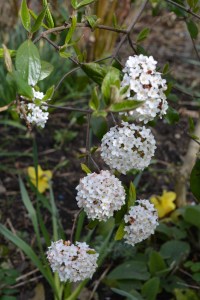
“Two other March flowering shrubs are grown for their large umbels of flowers but also their scent. The first, Edgeworthia chrysantha grandiflora, has unusual bright yellow flowers which add scent to the late winter and early spring garden. Their second is a Viburnum, Viburnum x burkwoodii, which does not open its flower buds until late March.”

winchester-11-1 winchester-10-1winchester-11 winchester-12

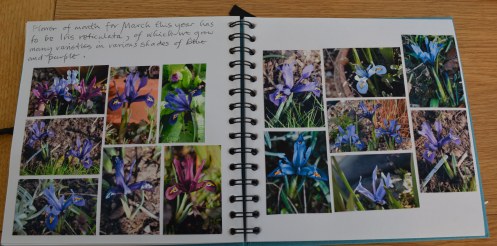
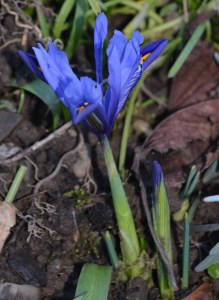
Turn over the page of my journal and you will be delighted by photos of Iris reticulata in all their glorious shades of blue and purple.

winchester-09

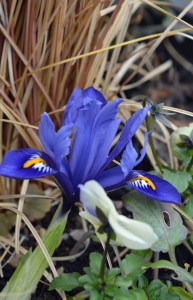
“Flower of the month for March has to be Iris reticulata, of which we grow many varieties in various shades of blue and purple.”

winchester-04-1 winchester-14winchester-29 winchester-12-1 winchester-39winchester-30 winchester-38 winchester-15winchester-03-1 winchester-05-1winchester-07-1 winchester-08-1winchester-13 winchester-17 winchester-16winchester-37 winchester-06-1

My final page for March takes another look at what is going on in the greenhouse as the month comes to an end.

winchester-10

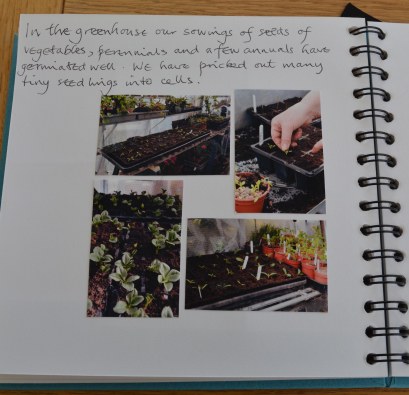
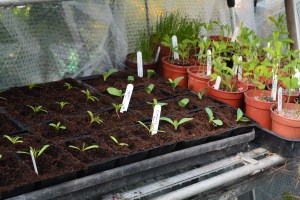
“In our greenhouse our sowings of seeds of vegetables, perennials and a few annuals have continued to germinate well and grow strongly. We have pricked out many tiny seedlings into cells.”winchester-03-2 winchester-06-2

winchester-05-2 winchester-04-2

Our next visit to my garden journal will report on what will be happening in our garden at Avocet in April, the month traditionally associated with showers.

Categories
birds diy garden photography garden wildlife gardening gardens grasses hardy perennials ornamental grasses ornamental trees and shrubs roses Shropshire shrubs

My Garden Journal 2016 – January

I will once again be keeping my garden journal during 2016 recording my thoughts on our own garden here at Avocet in the tiny hamlet of Plealey situated just inside the Area of Outstanding Natural Beauty, the South Shropshire Hills. I will share the sounds, sights and aromas of our garden and make mention of the wildlife that shares the garden with us. In 2015 I found a quote every month from a little book, ” Led by the Nose” written by Jenny Joseph. In 2016 I will look back at what I recorded in my first garden journal which I began in the first full year of living in Plealey. Although we moved here in August 2004 my journal began in January 2005. It will be interesting to compare 2005 with 2016.

So, welcome to our “Avocet” garden in 2016. I hope you enjoy the journey through the months with me.

2016 02 02_8154_edited-1

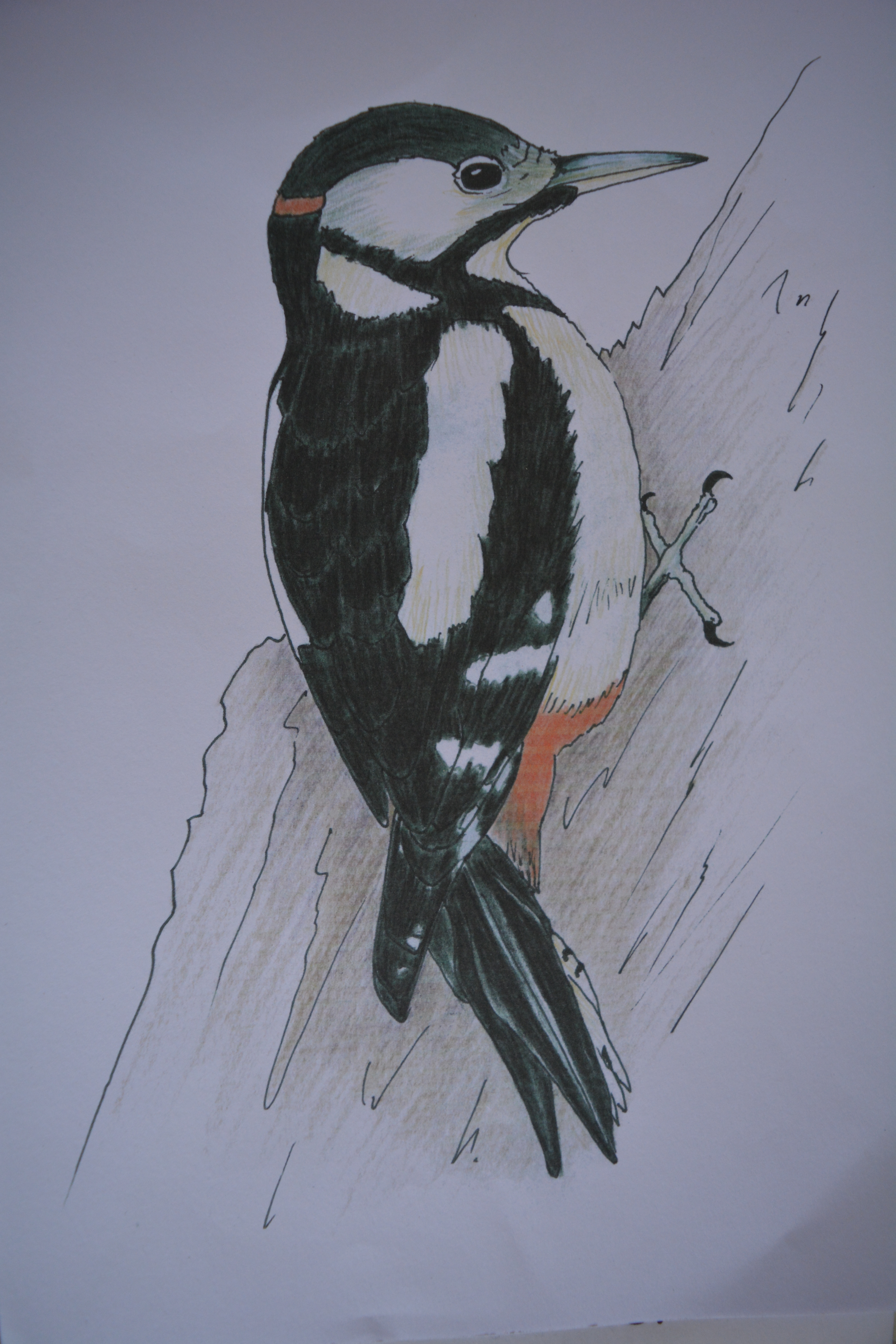
My first page for 2016 features my gouache painting of a Great Spotted Woodpecker and a few words about this charismatic garden visitor.

2016 02 02_8156_edited-1

“The Great Spotted Woodpecker makes its presence felt in our garden. It is black and white with splashes of bright red. It announces its arrival with a loud call as it flies in with its undulating flight. It hits the bird feeders hard so they swing around. These hungry birds stay feeding for far longer then any other bird.”

2014 12 21_8978

On the opposite page I write “Gardeners often pose the question“What is your favourite season in the garden?” It is easier for some to answer this question and they quickly give a definitive answer, while others find the choice impossible to make. For me? Well, I admit  I always answer “The one we are in.” Not many gardeners will say “winter” viewing it as a “non-time” in their gardens. Many put their gardens to bed for the winter by chopping a huge percentage of the plants to the ground. Their interest only returns when spring bulbs burst into flower. I absolutely love the winter garden!”

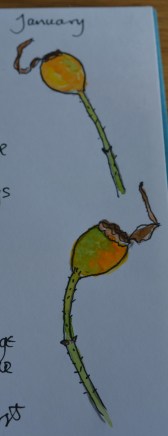
I illustrate the page with my watercolour painting of two hips from Rosa “Graham Thomas”, a David Austin New English Rose which we grow as a climber. It gives joy to the gardener for many months of the year with its profuse golden sunny yellow blooms and when it finally gives up in December it begins to produce its green hips which quickly turn to yellow then orange.

2016 02 02_8157_edited-1

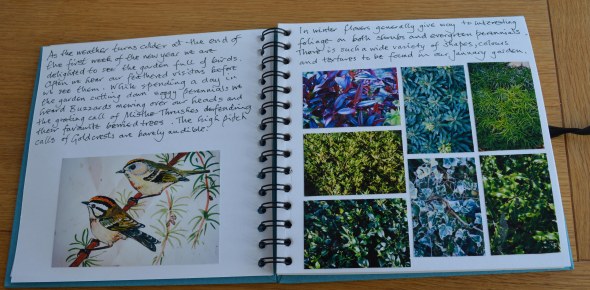
Turning the page over I write “As the weather turns colder at the end of the first week of the new year we are delighted to see the garden full of birds. Often we hear our feathered visitors before we see them. While spending a day in the garden cutting down soggy perennials we heard the Buzzards mewing over our heads and the grating call of Mistle Thrushes defending their favourite berried trees. The high pitch calls of Goldcrests are barely audible” Below these words we find my gouache painting of a pair of Goldcrests.

2014 12 21_8970_edited-12016 02 02_8158_edited-1

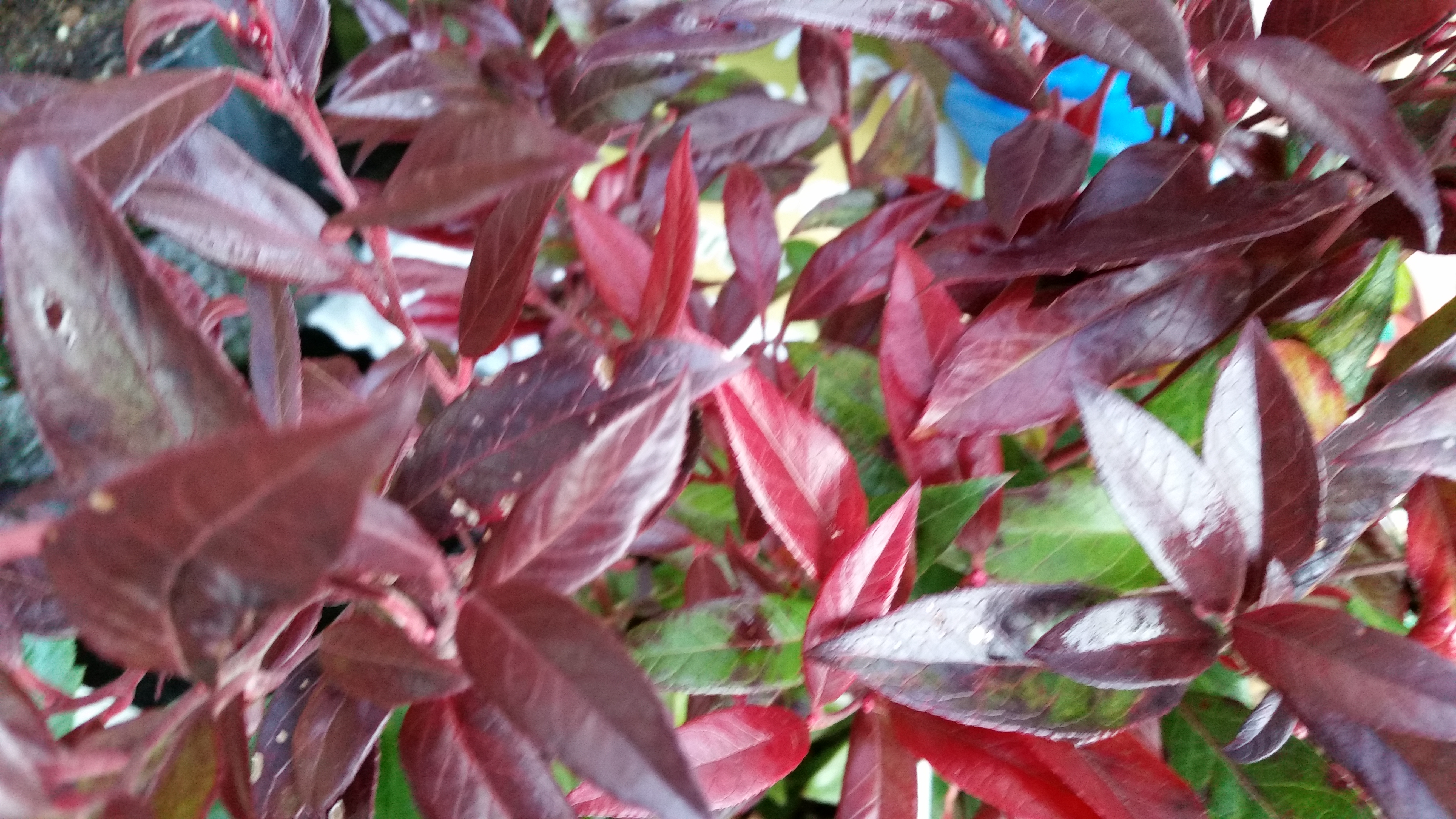
Foliage features on the opposite page where I write “In winter flowers generally give way to interesting foliage on both shrubs and evergreen perennials. There is such a wide variety of shapes, colours and textures to be found in our January garden”.

A selection of photographs which I took in the garden on the same morning follows.

2016 01 26_8079 2016 01 22_79952016 01 22_7997 2016 01 22_80262016 01 22_8001 2016 01 22_7994       2016 01 22_8010 2016 01 22_8009

Turning the next page my text is all about the scents of winter flowering shrubs.

2016 02 02_8159_edited-1

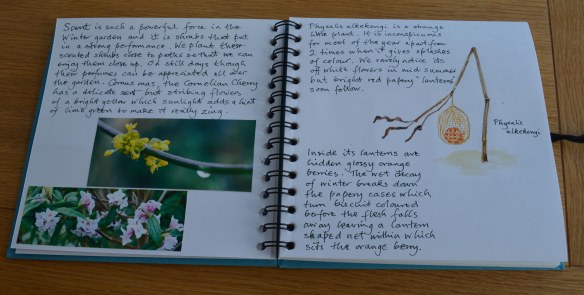
“Scent is such a powerful force in the winter garden and it is shrubs that put in a strong performance. We plant these scented shrubs close to paths so that we can enjoy them close up. On still days though their perfumes can be appreciated all over the garden. Cornus mas, the Cornelian Cherry, has a delicate scent but striking flowers of a bright yellow to which sunlight adds a hint of lime green to make it really zing.” 

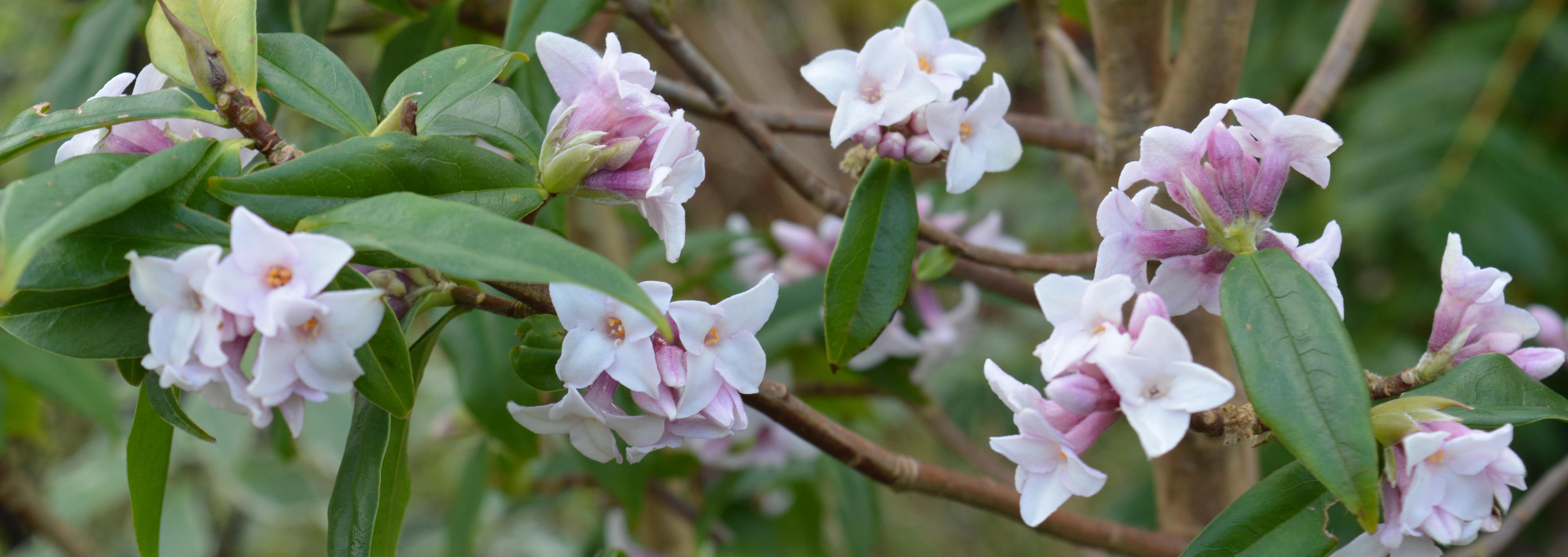
A much more strongly scented winter flowering shrub grows close to the main path in our back garden and is generous with its scent spreading it all over nearby borders, is Daphne bhuloa “Jacquiline Postill”.

2016 01 04_7675_edited-1 2016 01 05_7740_edited-1

On the page opposite I put the spotlight on a plant called “Physalis alkenengi” as I had come across the skeletal remains of its fruiting head while gardening in the Hot Garden.

2016 02 02_8162

I write “Physalis alkekengi is a strange little plant. It is inconspicuous for most of the year apart for twice when it gives splashes of colour. We rarely notice its off-white flowers in mid-summer but bright red papery “lanterns” soon follow. Inside its lanterns are hidden glossy orange berries. The wet decay of winter breaks down the papery cases which turn biscuit coloured before the flesh falls away leaving a lantern shaped net within which sits the orange berry.”

I illustrated this page with a watercolour painting of this little garden treasure. It was a great challenge!

2016 02 02_8161

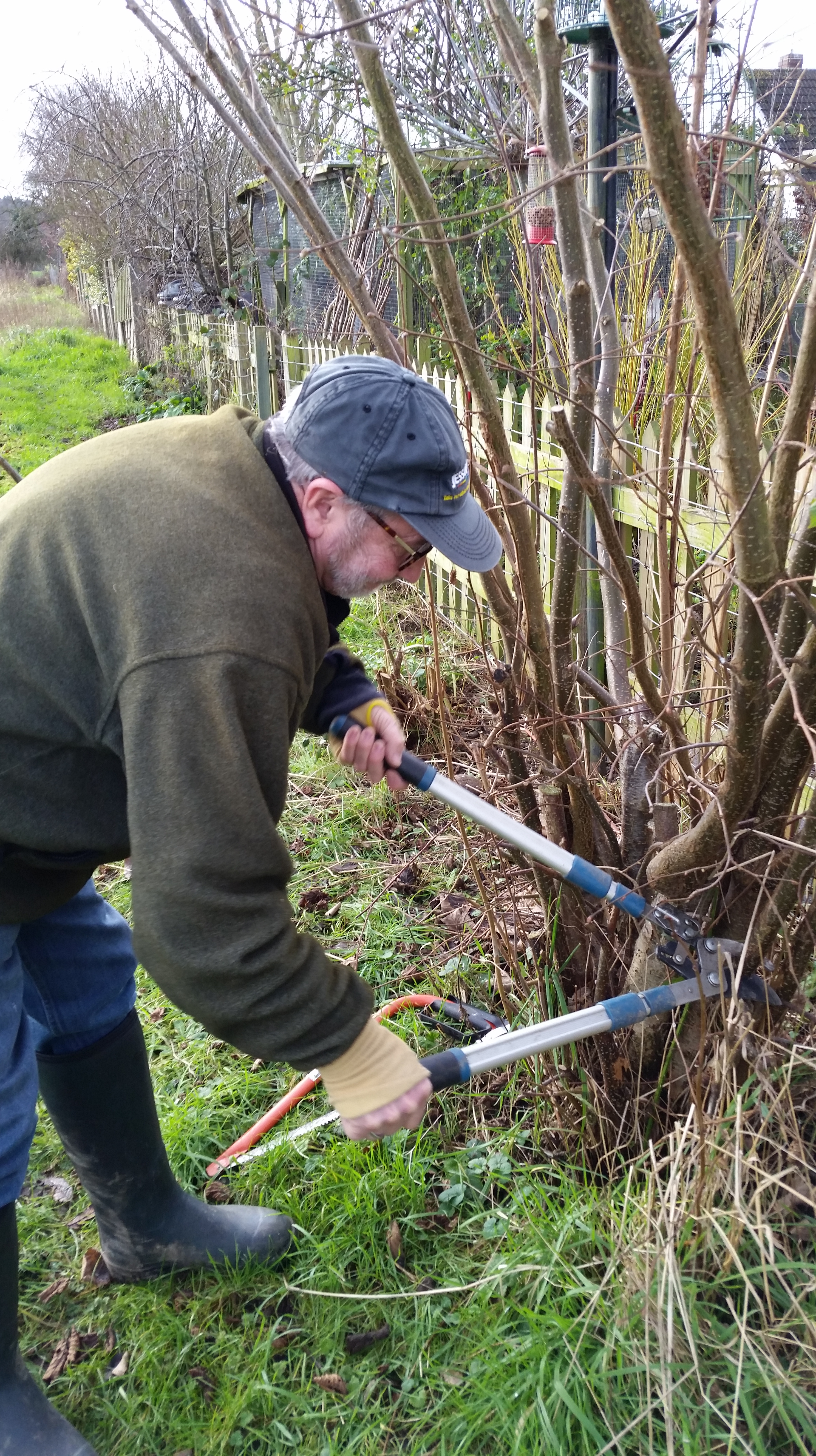
My next page is about two gardeners at work. Jude the Undergardener and I produce our own bean poles and pea sticks to use on our crops which we grow on our allotment plot.

2016 02 02_8163_edited-1

“Bean Poles and Pea Sticks

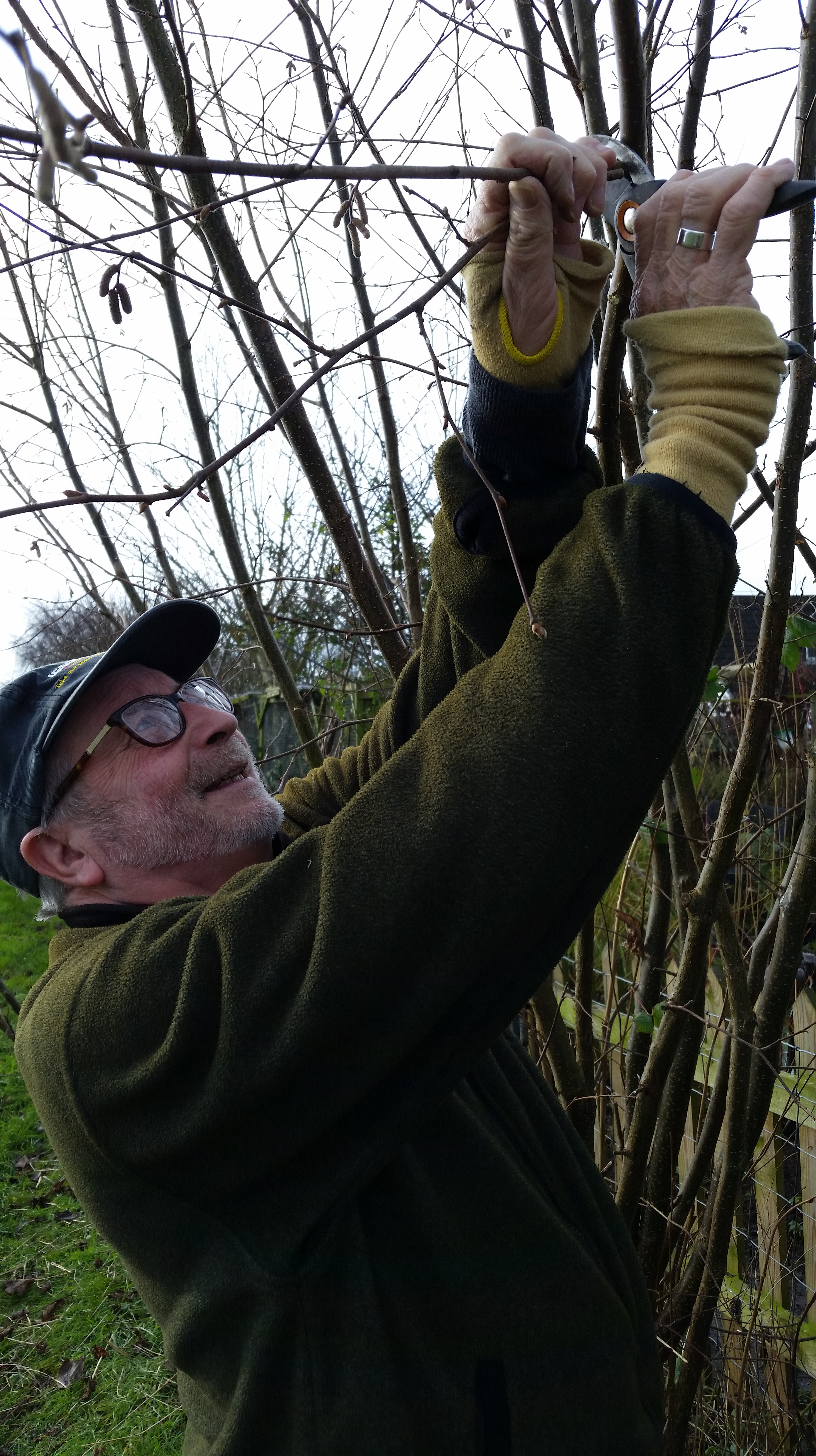
We have reached the stage now where our garden has matured enough to allow us to produce our own bean poles and pea sticks to use on our allotment. Our two Hazels provide us with the majority, but other shrubs add to our stash when we prune them.”

2016 01 26_8041 2016 01 26_8040 2016 01 26_8038 2016 01 26_8044 2016 01 26_8054 2016 01 26_8049

On the page opposite I share my photos of the first frost of 2016.

“The first frost of the year arrived in the third week of January. It added a new white dimension to foliage which sported rims of tiny white crystals.”

2016 01 17_7925-1 2016 01 17_7928-12016 01 17_7915-1 2016 01 17_7923-12016 01 22_8011 2016 01 17_7927-1

My final words and pictures in my January entry in my garden journal look back at my 2005 garden journal and a current garden project.

“Looking back at my January entries in my garden journal of 2005, I notice that I was then building a heated propagator in our new 14 foot by 8 foot greenhouse. This has served us well over the years making seed germination so much easier. This year I am making a much bigger propagating bench. For this version I will need support of my Undergardener, Jude.”

I hope you enjoy my photographic journey through this most enjoyable two day project. It was a good task to do while the weather outside was too cold, windy and wet to get any outdoor gardening done. The greenhouse was warm and snug so a good place to be working.  When describing our efforts I used short captions for each photograph.

2016 02 02_8150 2016 02 02_8151

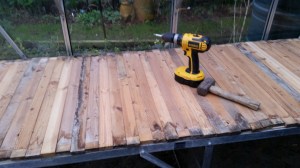
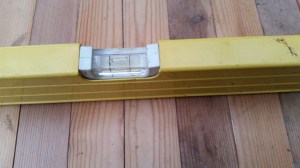
Using recycled wood we made a new bench. We checked it was perfectly level.”

2016 02 02_8136 2016 02 02_8137

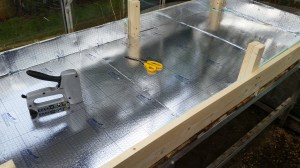
“We fixed in a double layer of insulation boards after adding an edge of 6 inch board. Then we fixed on a layer of plastic sheet.”

2016 02 02_8142 2016 02 02_8133

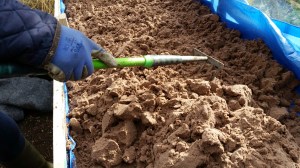
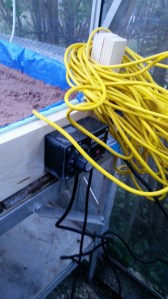
“We added a 2 inch layer of soft sand. The control box, thermostat and probe were fixed to the box.”

2016 02 02_8127 2016 02 02_8128

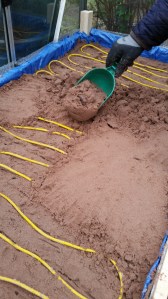
“Then we laid out our heating cable carefully. The cable had to be covered in soft sand.”

2016 02 02_8129 2016 02 02_8118

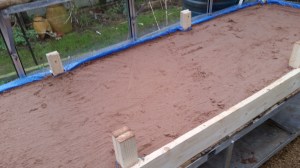
A second layer of soft sand was added to a depth of 2 inches. We carefully made it level. The final touch – a layer of capillary matting”.

Here ends the entries from the first monthly entry into my Garden Journal for 2016. See you in February when we will start to use our newly constructed heated propagation bench.


This Veggie Life

A Vegetarian | Nature Lifestyle Blog

Rambling in the Garden

.....and nurturing my soul

The Arch City Gardener

Journeys In St. Louis Gardening and Beyond

Garden Dreaming at Châtillon

Consult the genius of the place

Storyshucker

A blog full of humorous and poignant observations.

gardeninacity

Notes from a wildlife-friendly cottage garden

PlayGroundology

...an emerging social science

The Official Blog of British Wildlife

'The most important and informative publication on wildlife of our times' - The Independent. This blog is a member of The UK & Ireland Natural History Bloggers group: www.uknhb.blogspot.com

iGrowHort

Inspire - Cultivate - Grow Native Plants - Restore Landscapes

Bishops Meadow Trust

To create and protect a semi-natural wild space for the people of Farnham to enjoy and experience an array of British wildlife in our town

Gardening with Children

The www.gardeningwithchildren.co.uk Blog

UKbirdingtimeline

birding through the seasons, why birds matter and how to conserve them

NATURE WALKER

with a camera in hand

Jardin

Transform your outdoor space

Eva's space

My allotment, cooking and other interests

Old School Garden

my gardening life through the year

LEANNE COLE

Trying to live a creative life

fromacountrycottage

trying to live as lightly as possible on our beautiful planet

Good Life Gardening

Nature lovers from Leicester living the good life.

mybeautfulthings

Finding the beautiful in the everyday

mawsonmichelle

Michelle's Allotment

In and Out of My Garden

thoughts from and about my garden

Greenhousing

Big plans for a small garden

The Scottish Country Garden

A Walled Country Garden in South East Scotland

The Fruity Chicken

Life at the fruity chicken

willowarchway

Off grid living. Self sufficient. "PERMAGANICS RULE".

St Anns Allotments

Nottingham's Grade 2* Listed Allotments and Community Orchard

Manifest Joy Harvests

a journey in suburban vegetable gardening

Allotmental

The madness of growing your own

Penny's Garden: a harvest beyond my front door

A novel approach to vegetable gardening

arignagardener

Sustainable living in the Irish countryside.

NewEnglandGardenAndThread

Master Gardener, amateur photographer, quilter, NH native, and sometimes SC snowbird

dianajhale

Recent work and work in progress and anything else that interests me

planthoarder

a chaotic cottage gardener

Lens and Pens by Sally

a weekly blog that creates a personal philosophy through photographs and words

Dewdrops and Sunshine

Stories from a sassy and classy Southern farmbelle.

The Pyjama Gardener

Simple Organic Gardening & Seasonal Living

gettin' fresh!

turning dirt into dinner

JOY...

today the world is created anew

Garden Birds

Notes from a Devon garden

ShootAbout

Life Through The Lens

Adapting Pixels

A photography blog showcasing the best photography pictures and videos on the internet

Wildlifegardening's Blog

Just another WordPress.com site

naturestimeline

personal observations from the natural world as the search continues for a new approach to conservation.

LATEBLOOMERBUDS

The Wonders of Life through my Eyes, my Heart, my Soul