Categories
allotments community gardening fruit and veg garden wildlife gardening grow your own National Garden Scheme NGS Shropshire The National Gardening Scheme" wildlife

The Allotments Open Day

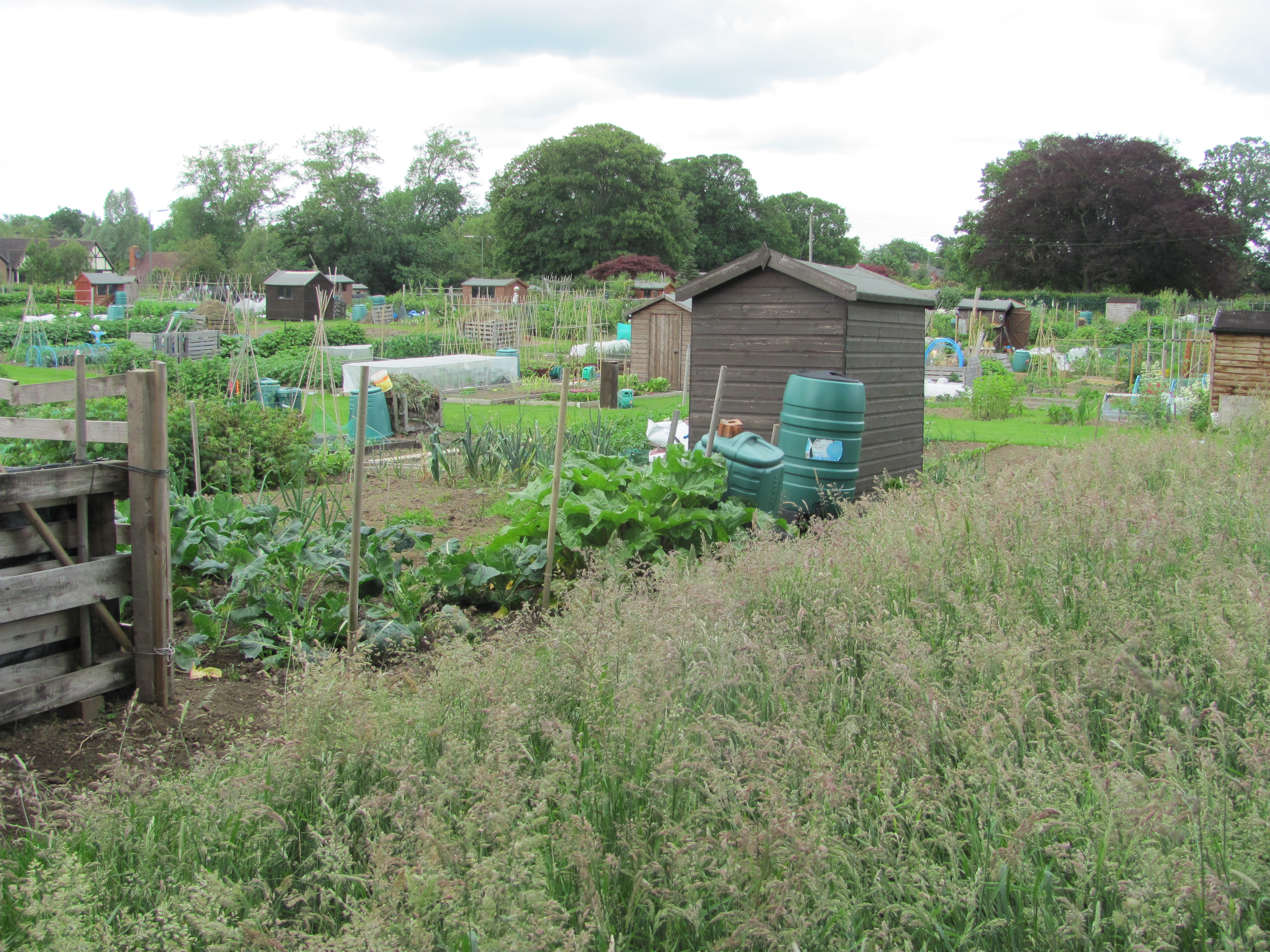
For one day each year, in the middle of July, we open our allotment site, Bowbrook Allotment Community, for charity. We open under the auspices of the National Garden Scheme so are proud to be in the famous Yellow Book. The choice was made to join the NGS because they raise money for caring charities, such as the Macmillan Nurses and Marie Curie. This is our second year of opening – in the first year in gale force winds and rain we raised £415 and this year on a dry day in the middle of the wettest of summers we raised £815 – so we feel a little proud! This means we have now sent the NGS £1230.

We chose July as the month to open as it seemed to be a month when we would be most guaranteed to have a spell of good weather to encourage visitors to come along. Last year we opened in heavy rain and gale force winds.

This year however after weeks of rain, we had two dry days coinciding with the day when we planned to spruce up and prepare the site and the open day itself. Although the whole area was very wet underfoot, plots themselves too wet to get on, some paths unusable and standing water in places, we felt the site looked as good as it could.

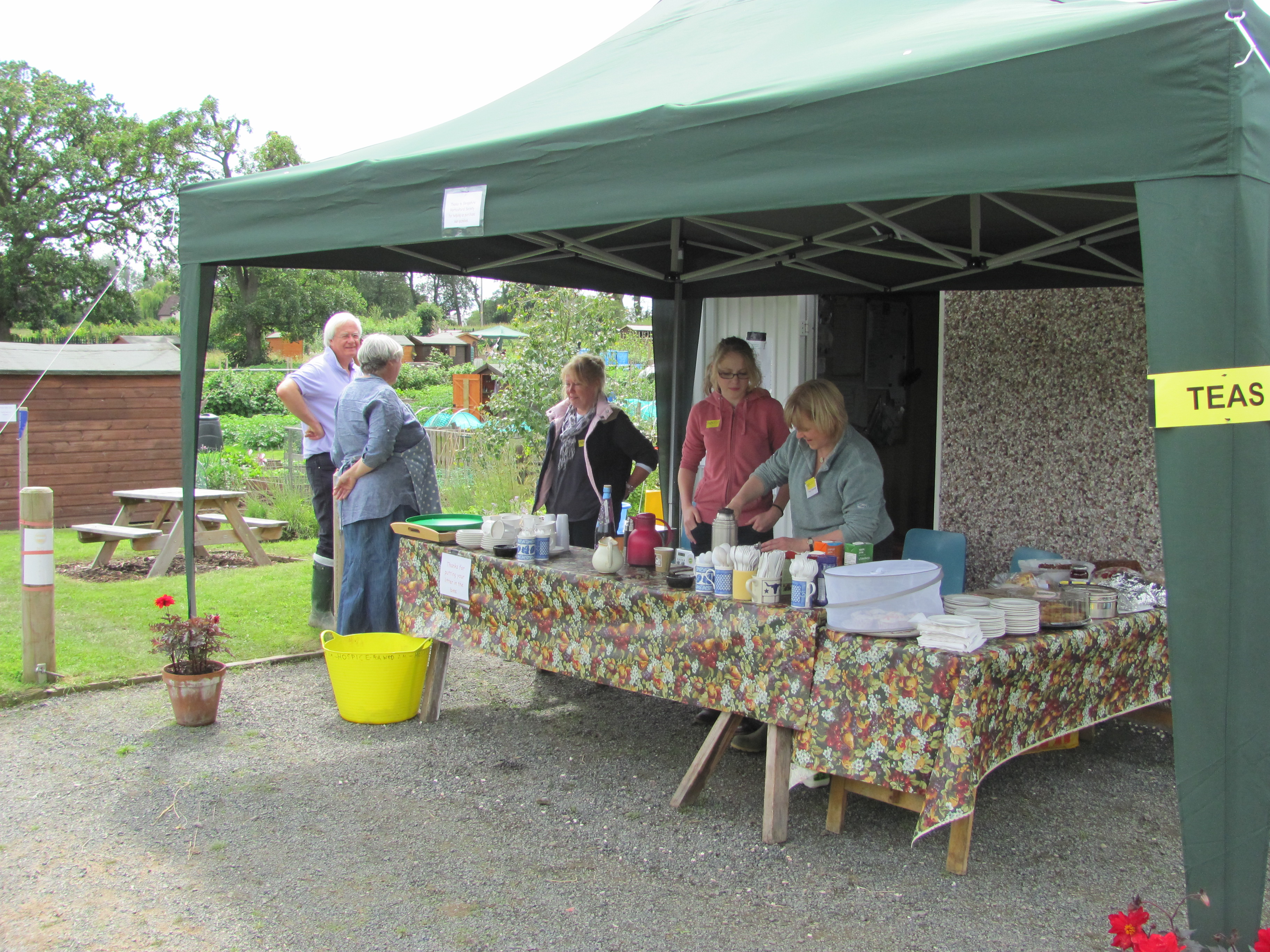
The day of the opening dawned bright and dry. The sun was shining and it felt warm. As we arrived early in the morning the car park was full and the site crawled with members working away. Soon the signs were in place, the gazebos up, the tea shop readied and the quiz pictures in place. We felt ready!

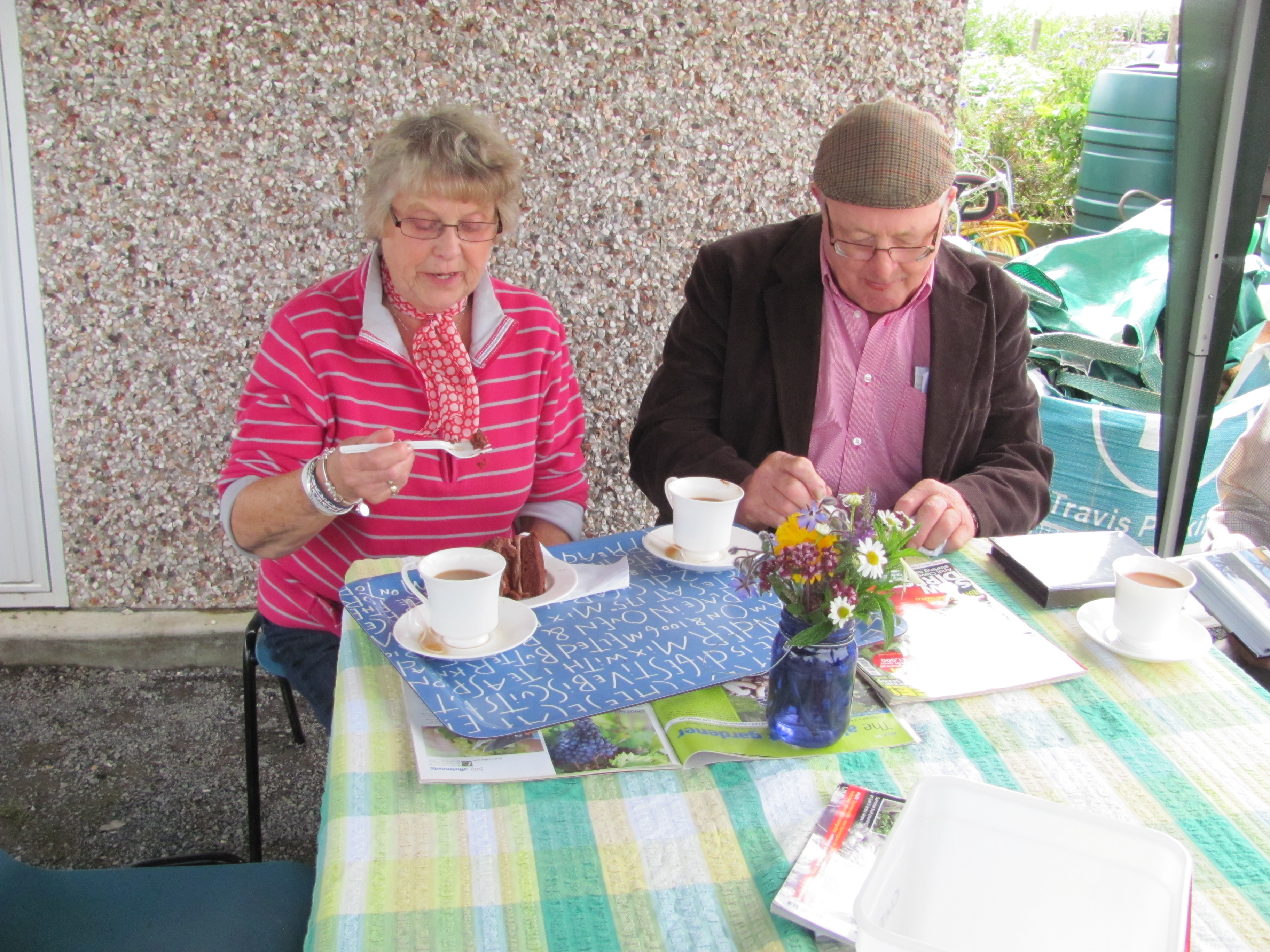
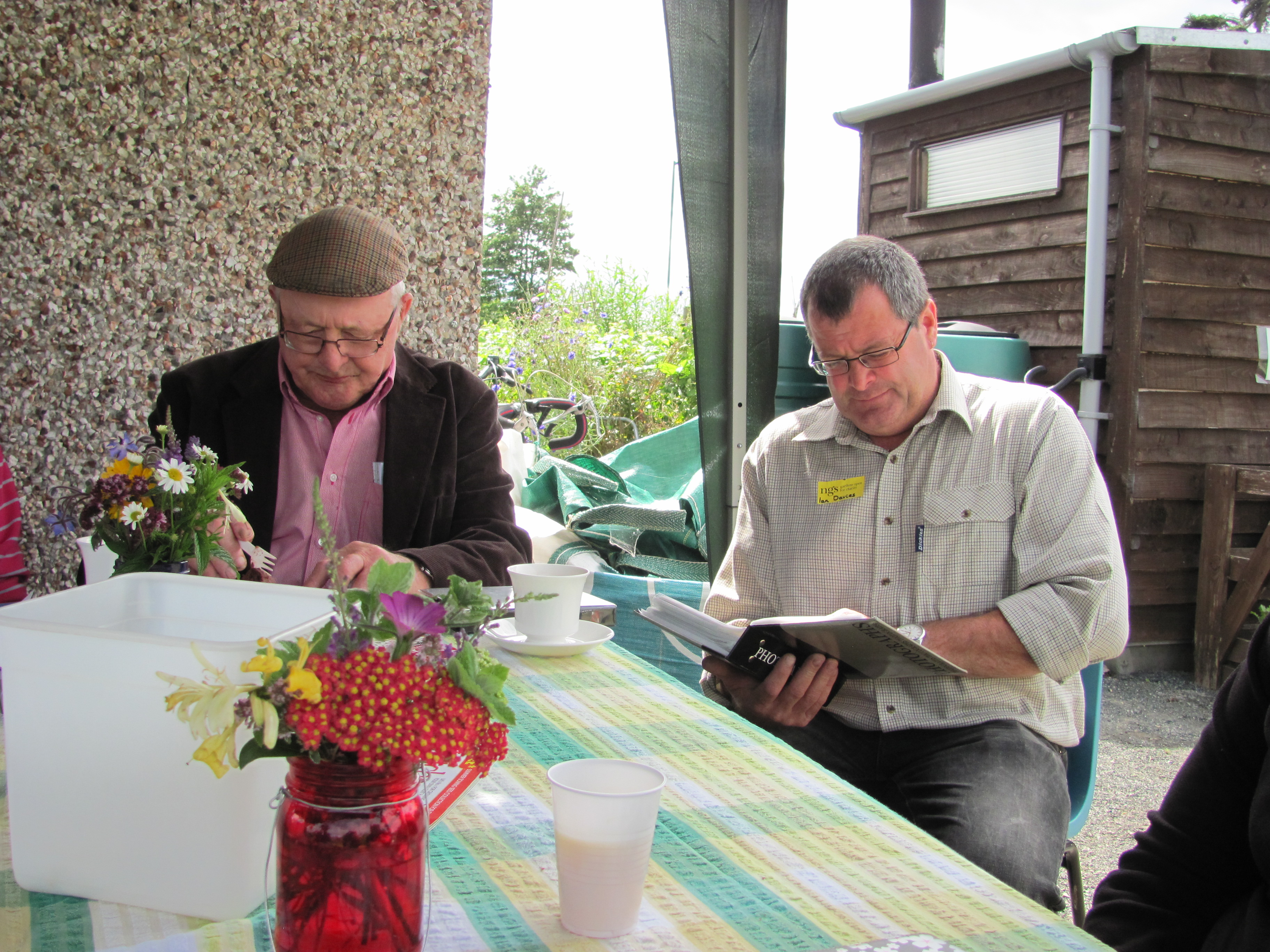
We were so pleased to see so many plot holders helping out in so many ways – true community spirit! The tea shop was stocked with dozens of cakes baked by members and the table under the gazebos were made attractive and welcoming after one member, Shirlie, created beautiful table centre posies, magazines were placed on them for visitors to read and our photo albums made available for their enjoyment.
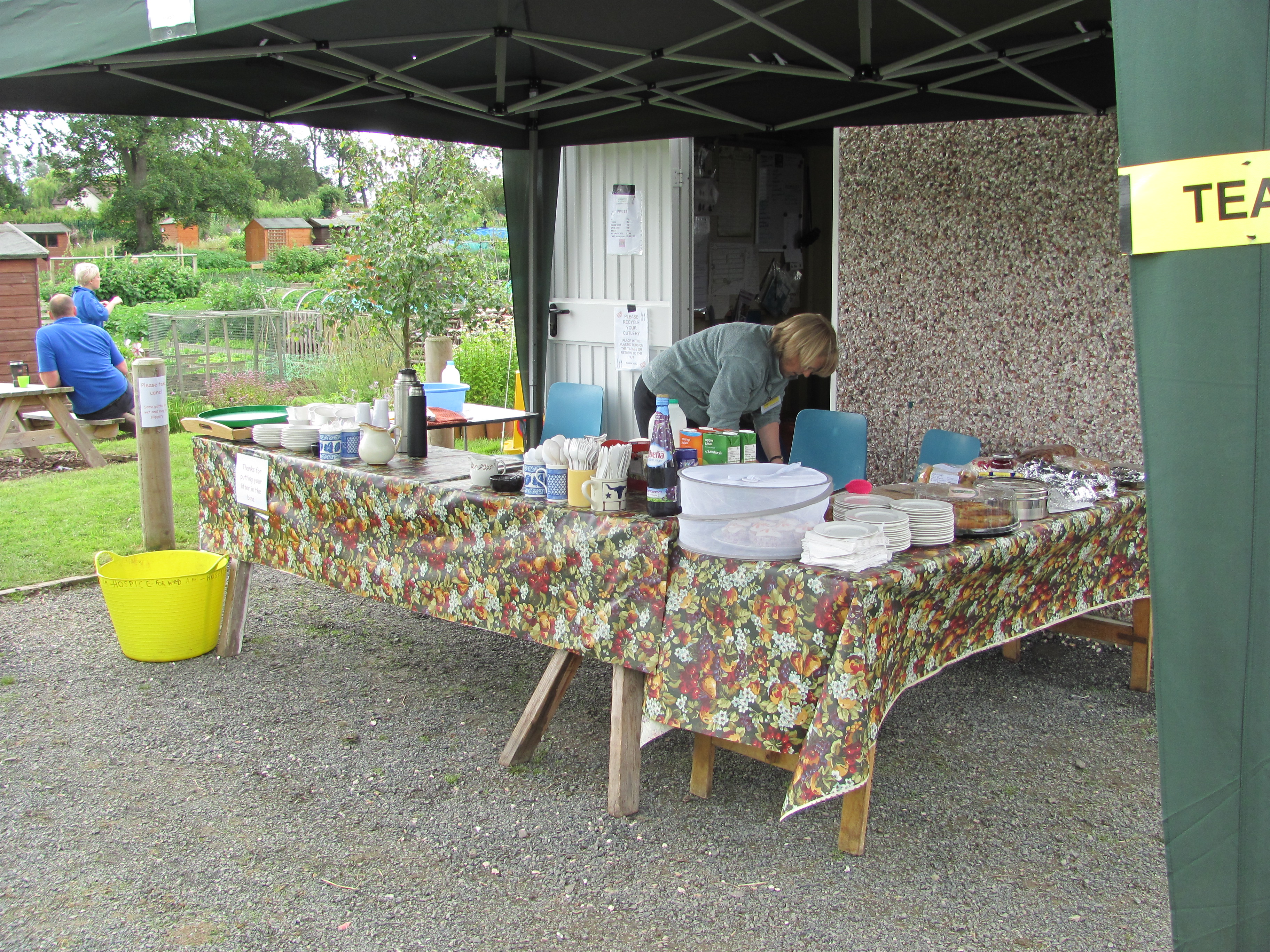
Tracy getting the tea shop sorted.
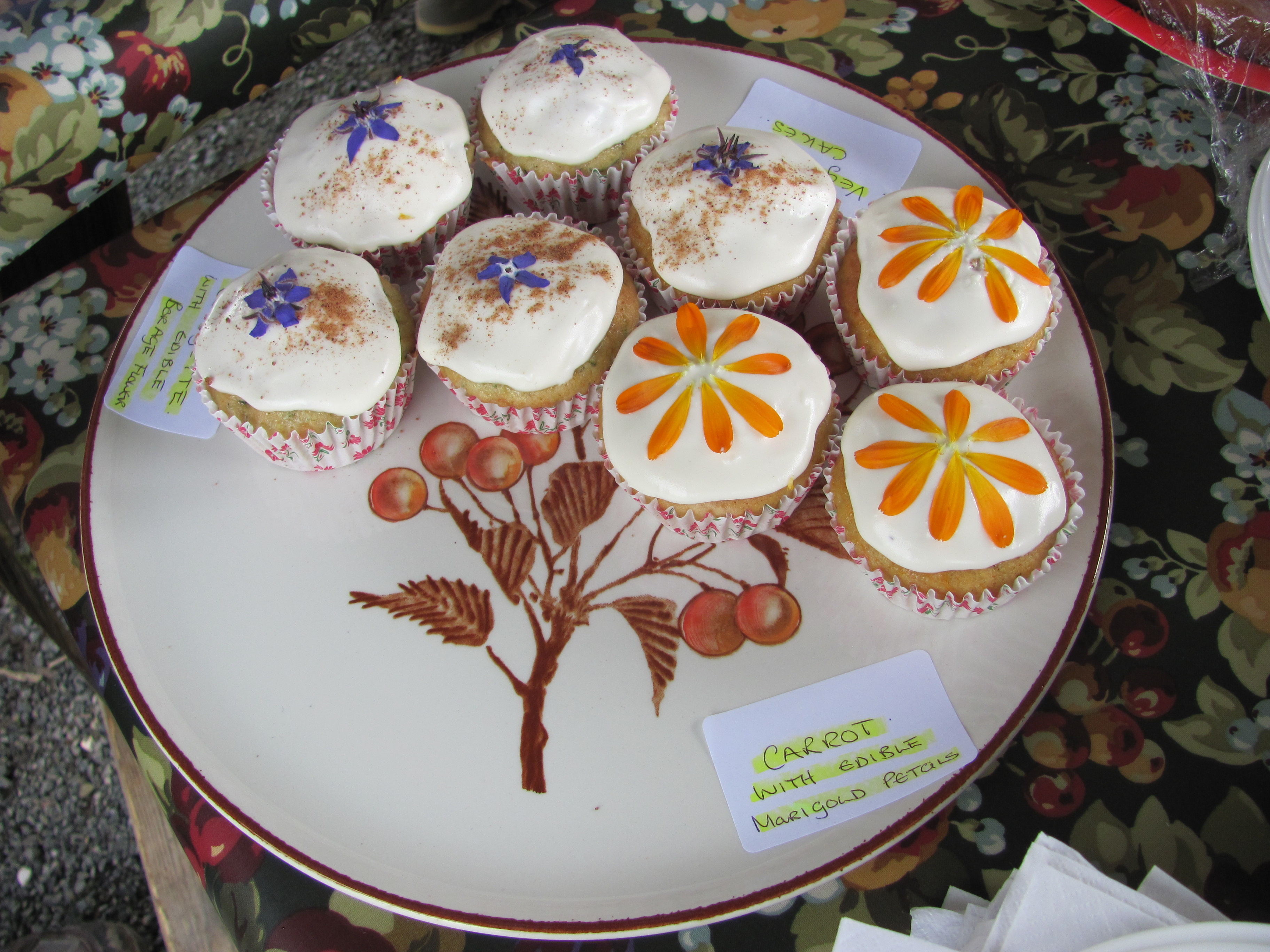
Special “Allotment Cakes” carrot cakes decorated with petals of Calendula and Borage.
Tea shop all ready for action and in plenty of time.
Di and Jill prepare their “meet and greet” table.
Warning signs in place.
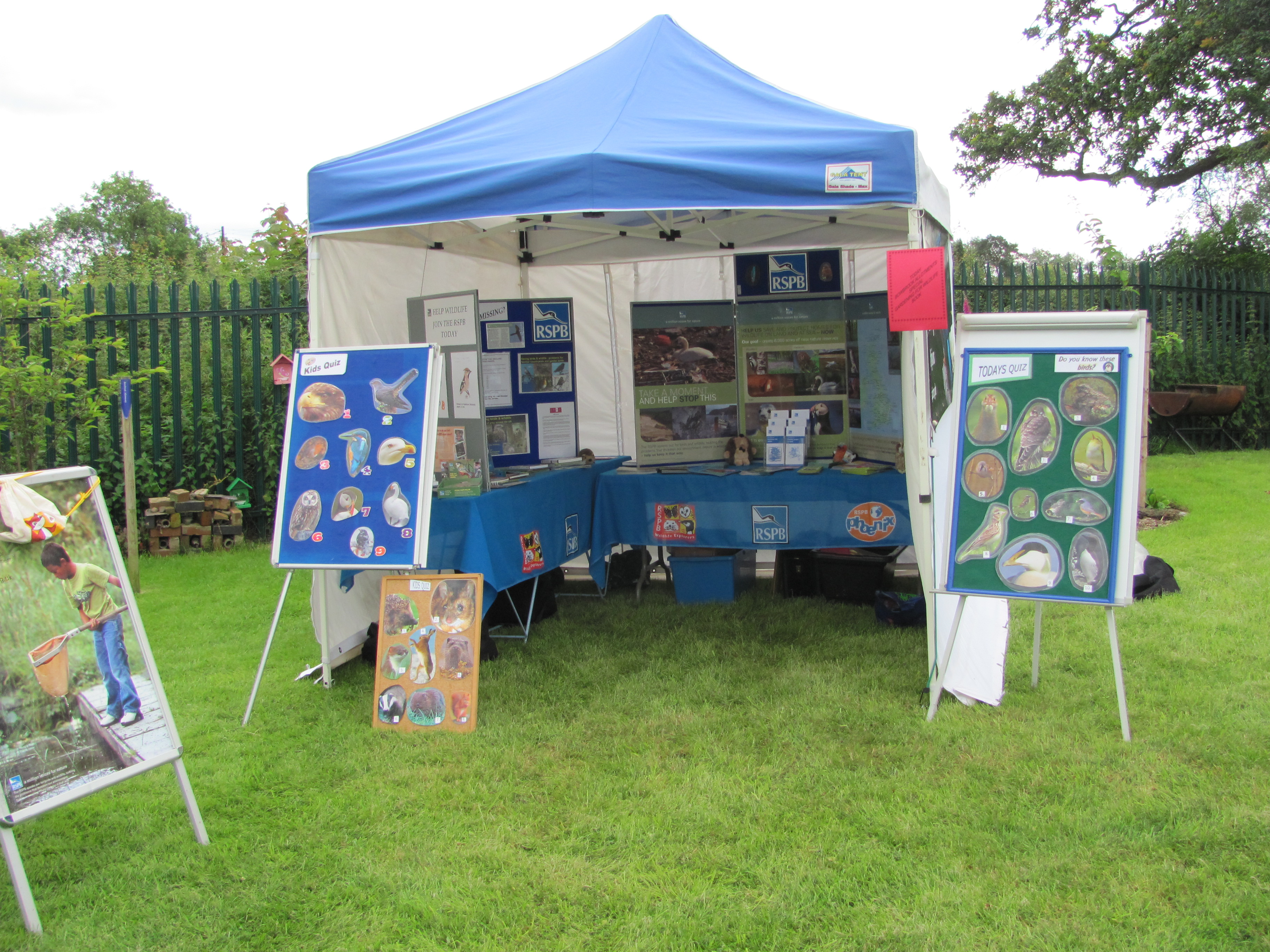
The volunteers from the RSPB (Royal Society for the Protection of Birds) take a break once their display is set up in readiness.
Pete and Sherlie all ready and togged up in fluorescent safety to do car park control.

As soon as the clock showed 1:00 our visited started arriving – it is always a relief when the first one comes through the gate. Each visitor was handed a map and suggested route, competition details. Children were given a quiz sheet requesting they find pictures of some of our wildlife hidden around the site, matched to their favourite habitats.
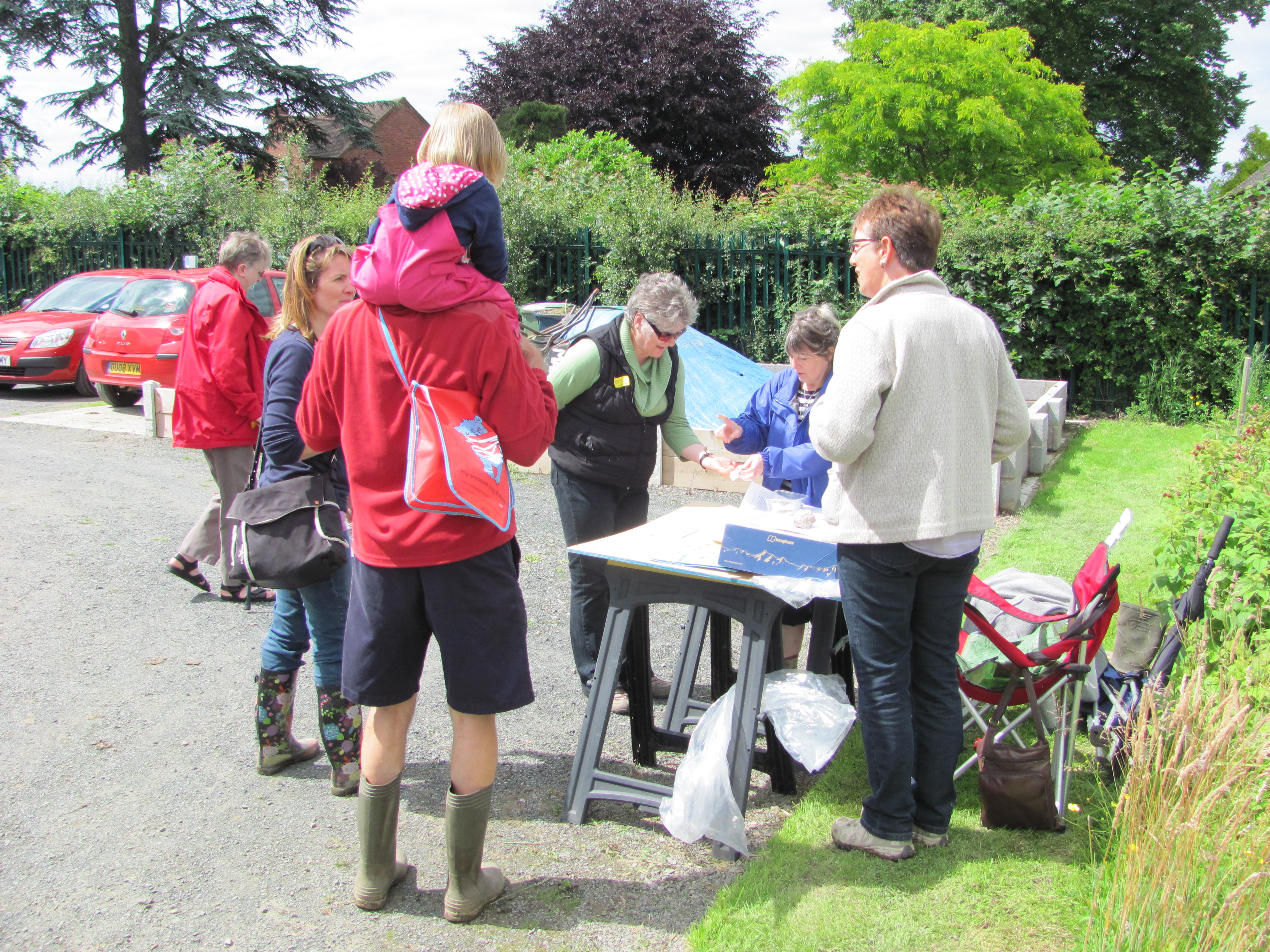
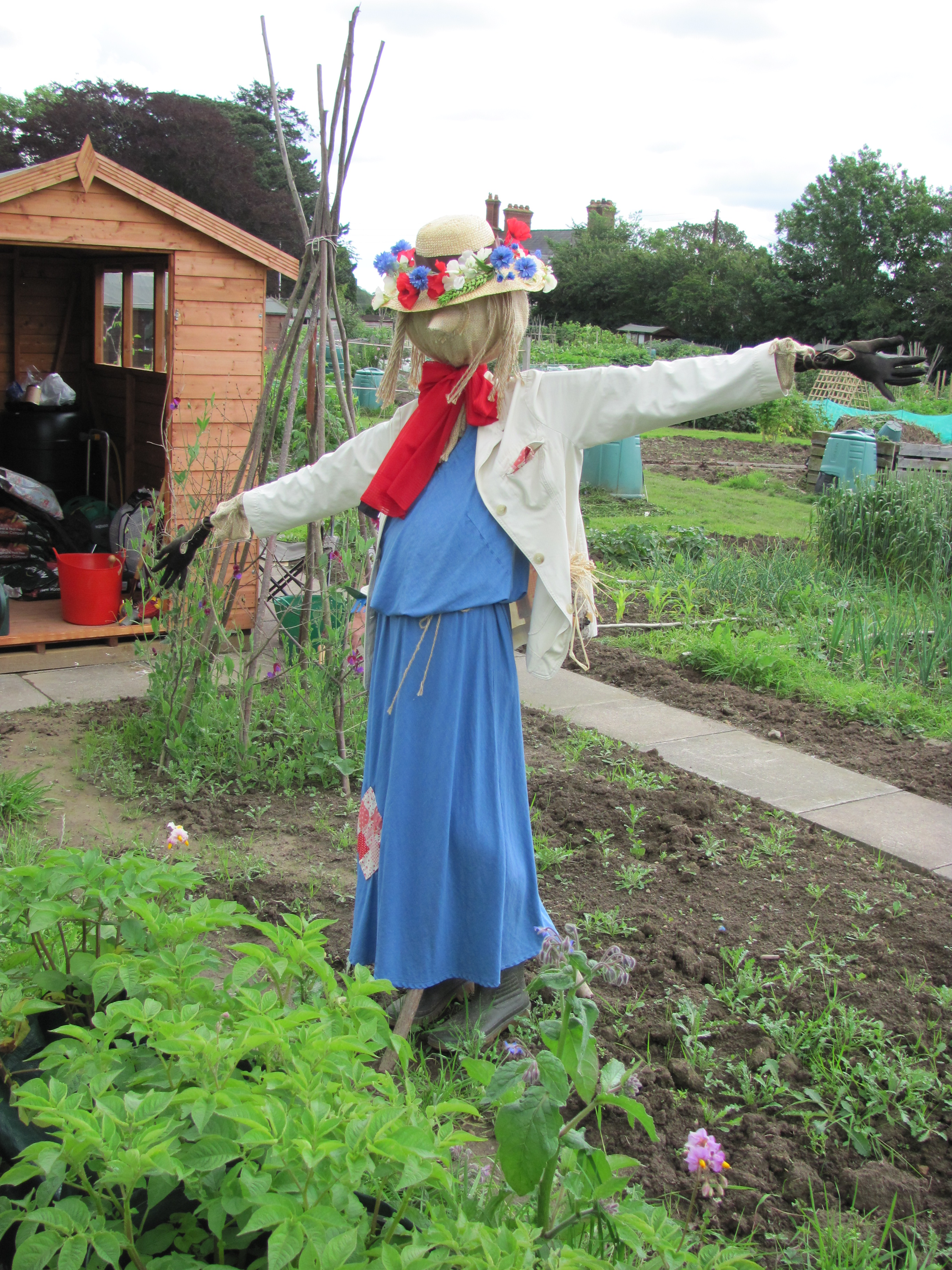
We invited our visitors to judge two competitions for us during their amblings, The Best Scarecrow and The Favourite Plot. The two following pictures show the winning plot and the winning scarecrow.

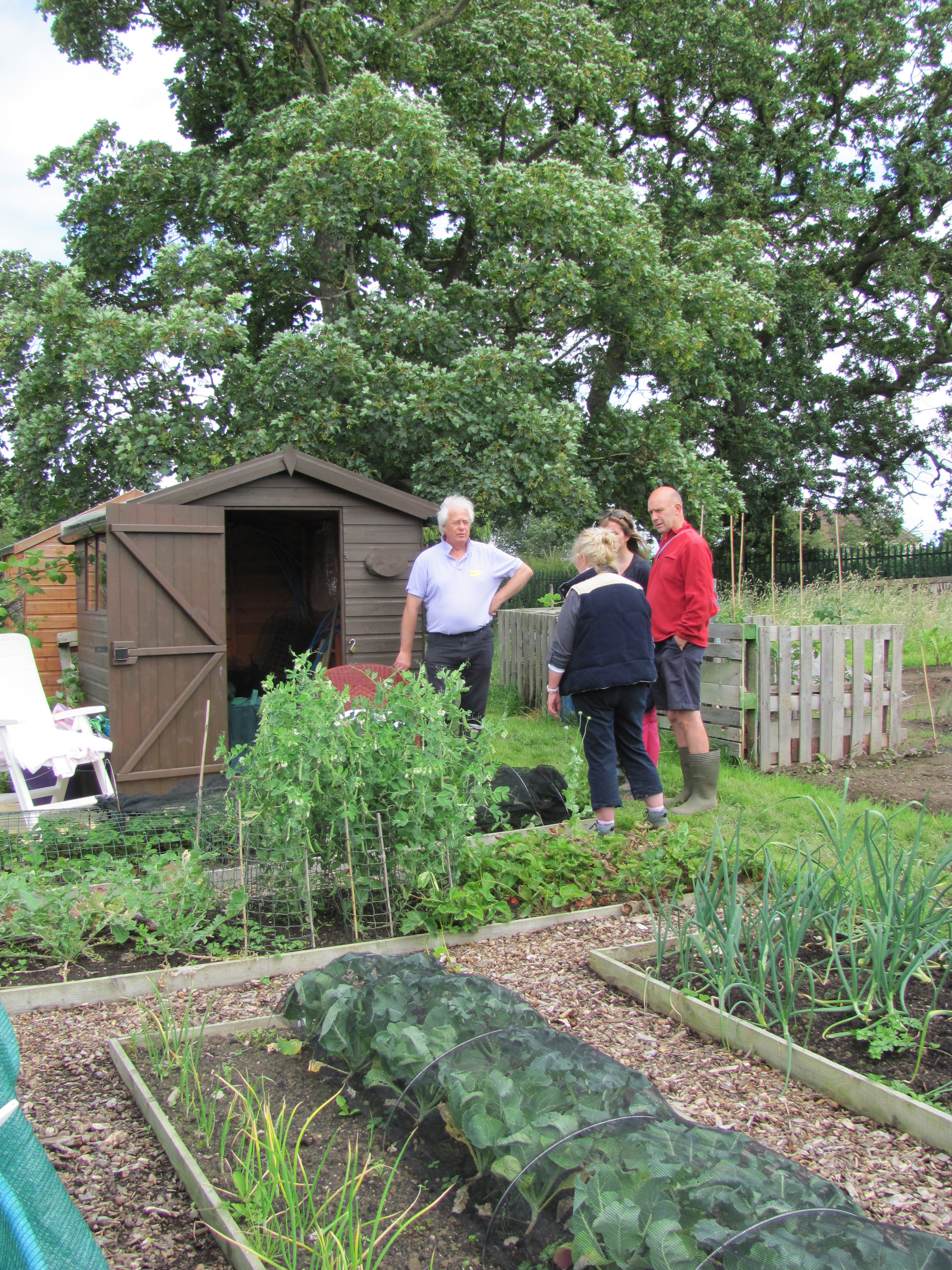
The plots are all neat and ready for the perusal of our guests including Jill’s pink plot.
Ken and Lesley’s very beautifully designed scarecrow.

As we pride ourselves in designing our site and interest trail to be accessible to all we were pleased to see so many young families with toddlers or youngsters in push-chairs and people with mobility problems some using sticks or crutches, others wheelchairs or mobility scooters. We were delighted how easily they accessed the site and we received many compliments.

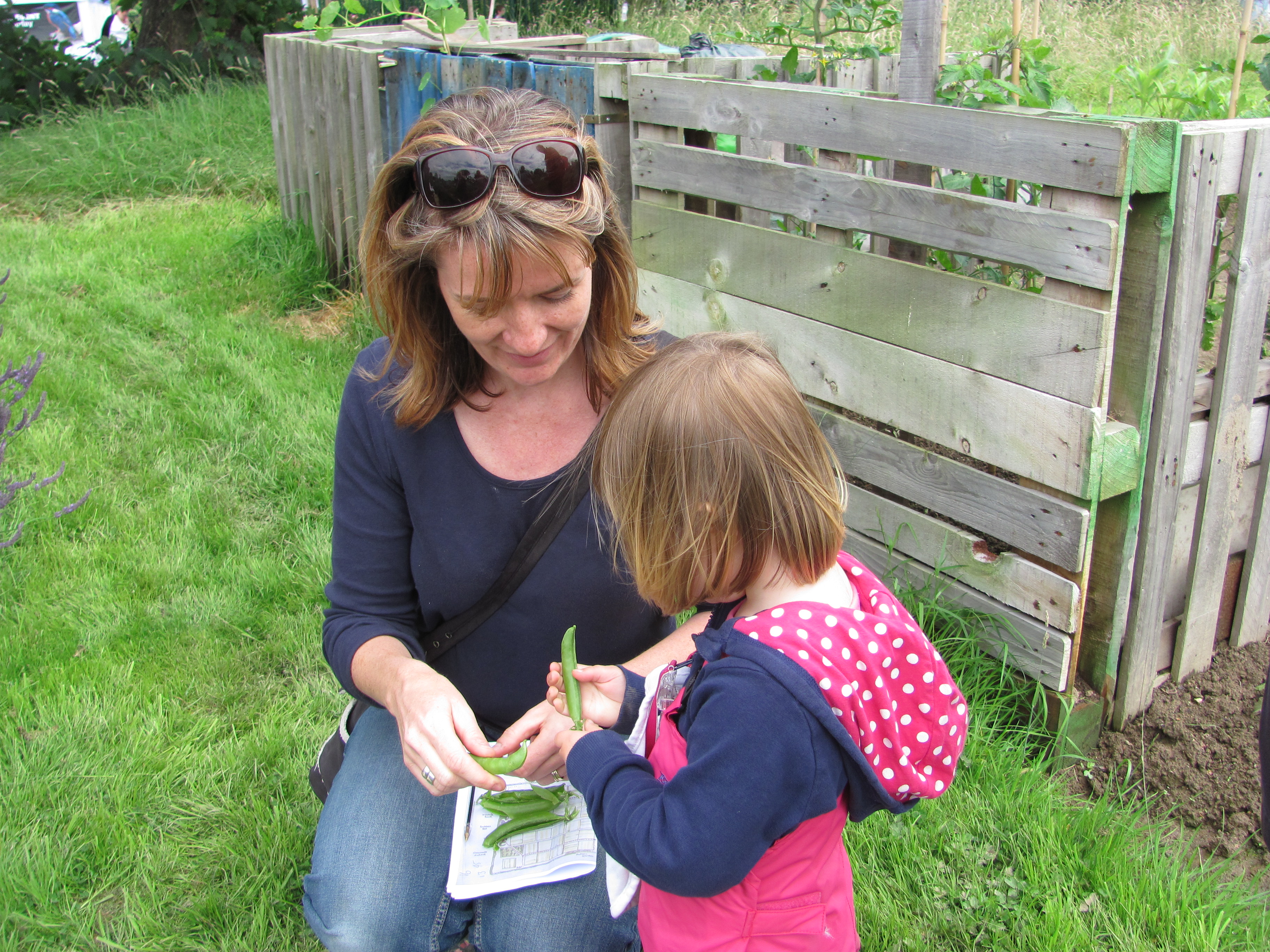
Our visitors enjoyed lots of free advice and even free strawberries and fresh peas straight off the plots. I spent most of my day as a mobile “Gardeners Question Time”, answering queries about pests, diseases and how to grow certain crops and identifying plants. I was handed a cabbage leaf with pests attached and a drawing of a “nasty, looking insect which looked like a dragon and was mostly black with bits of red”. I managed to identify the dragon insect as the larvae of a ladybird and the cabbage dwelling ones as whitefly. I suggested that the ladybirds should be encouraged to stay and informed the gardeners that they were very lucky to have them, but had to tell the cabbage growers that they were not lucky and advised them to get rid of their pests quickly.

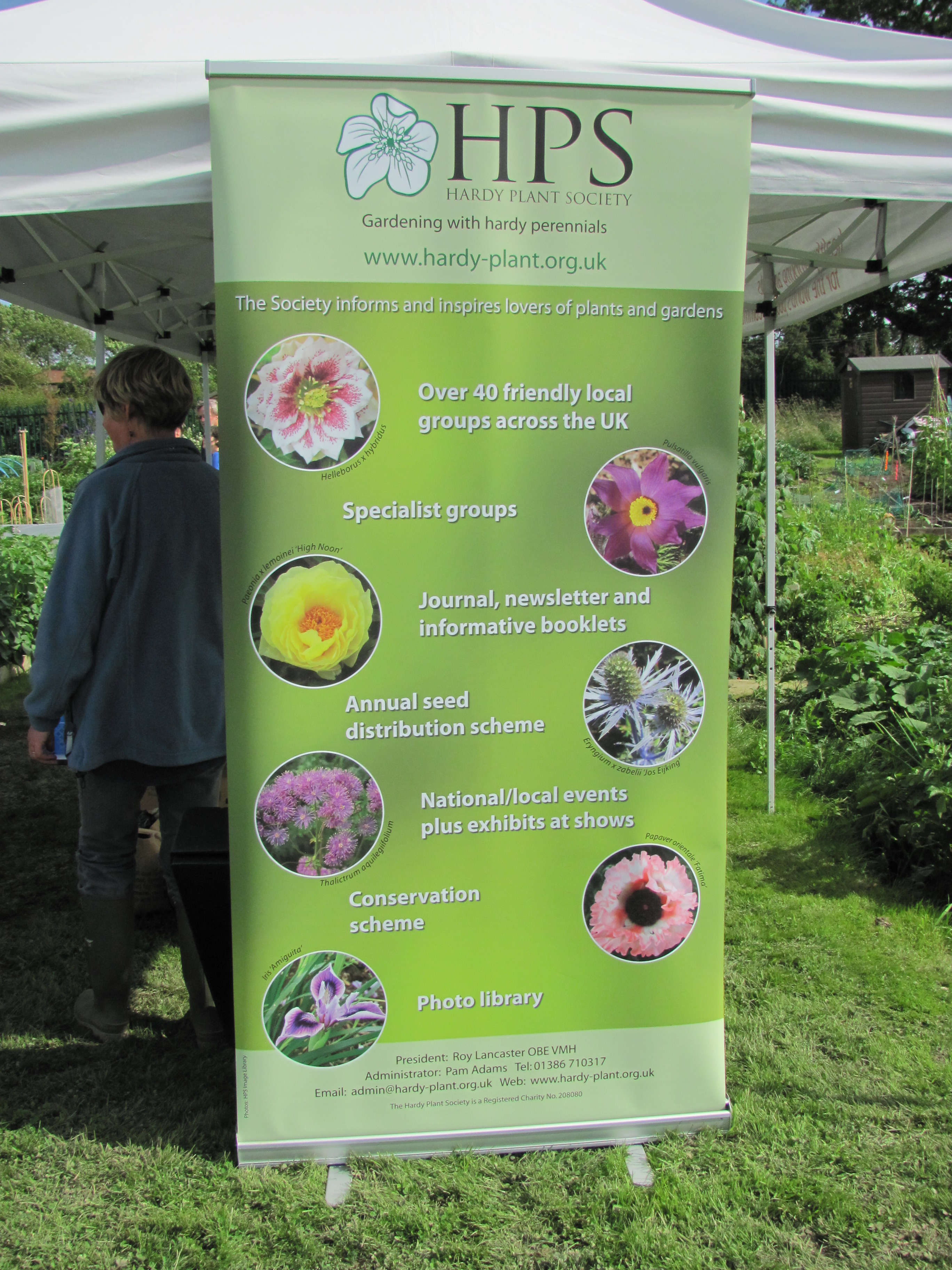
Some of our friends from the Shropshire Hardy Plant Society organised a plant sale and many guests left happy with their bags or boxes of unusual plants.
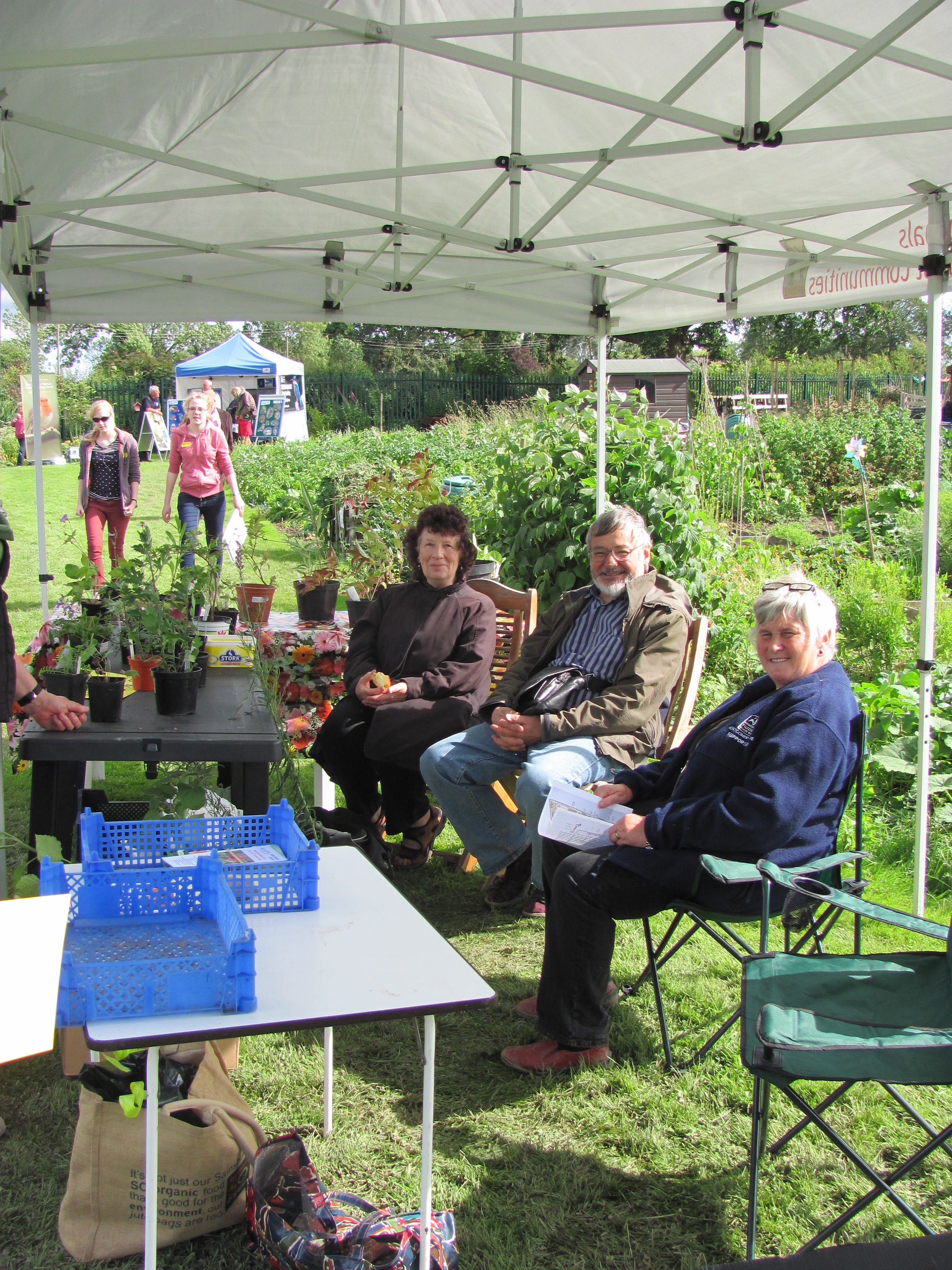
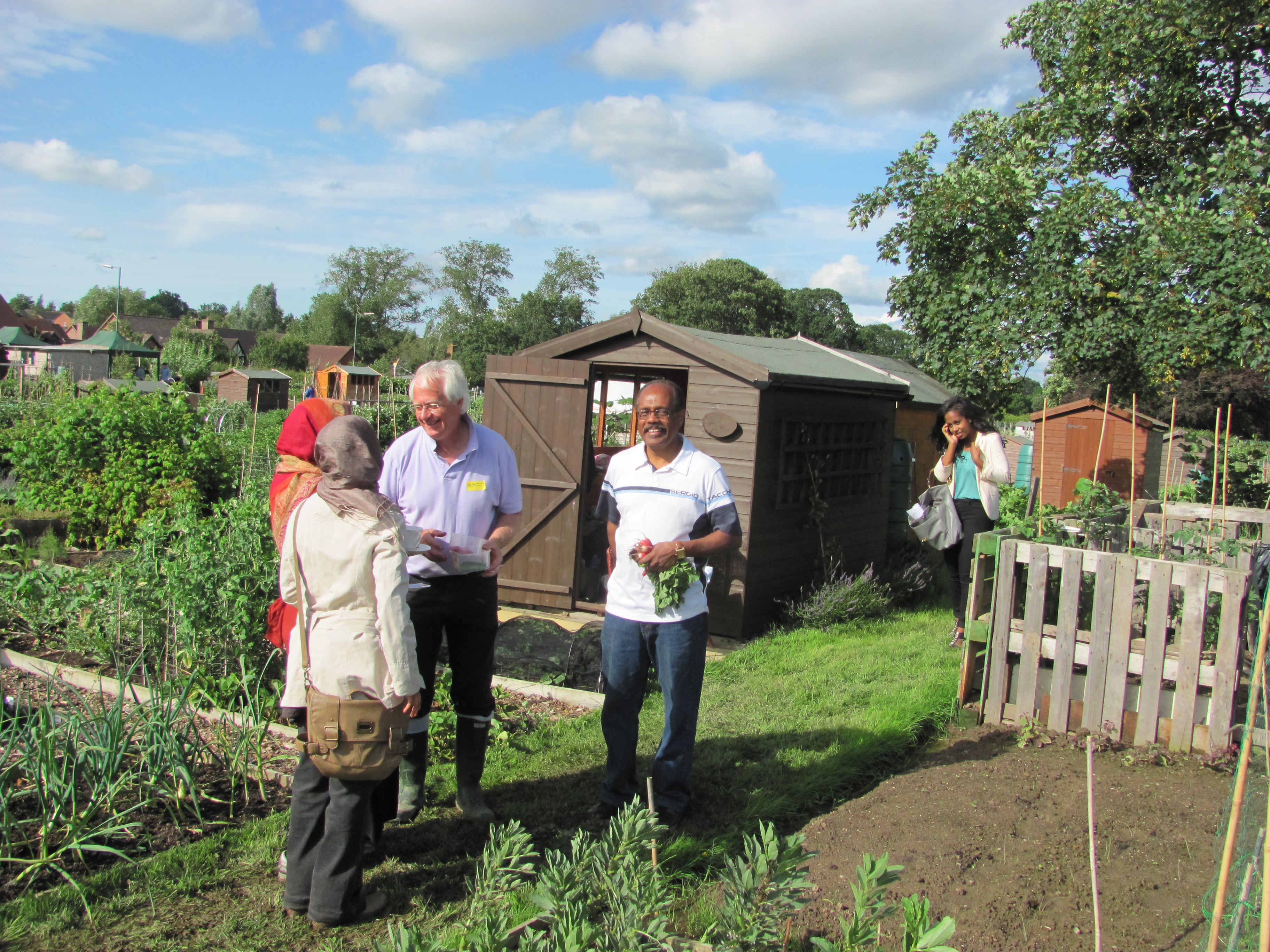
Most visitors who came spent several hours looking around with occasional breaks for a sit while enjoying a tea and cake, with some staying for the whole four hours we were open.
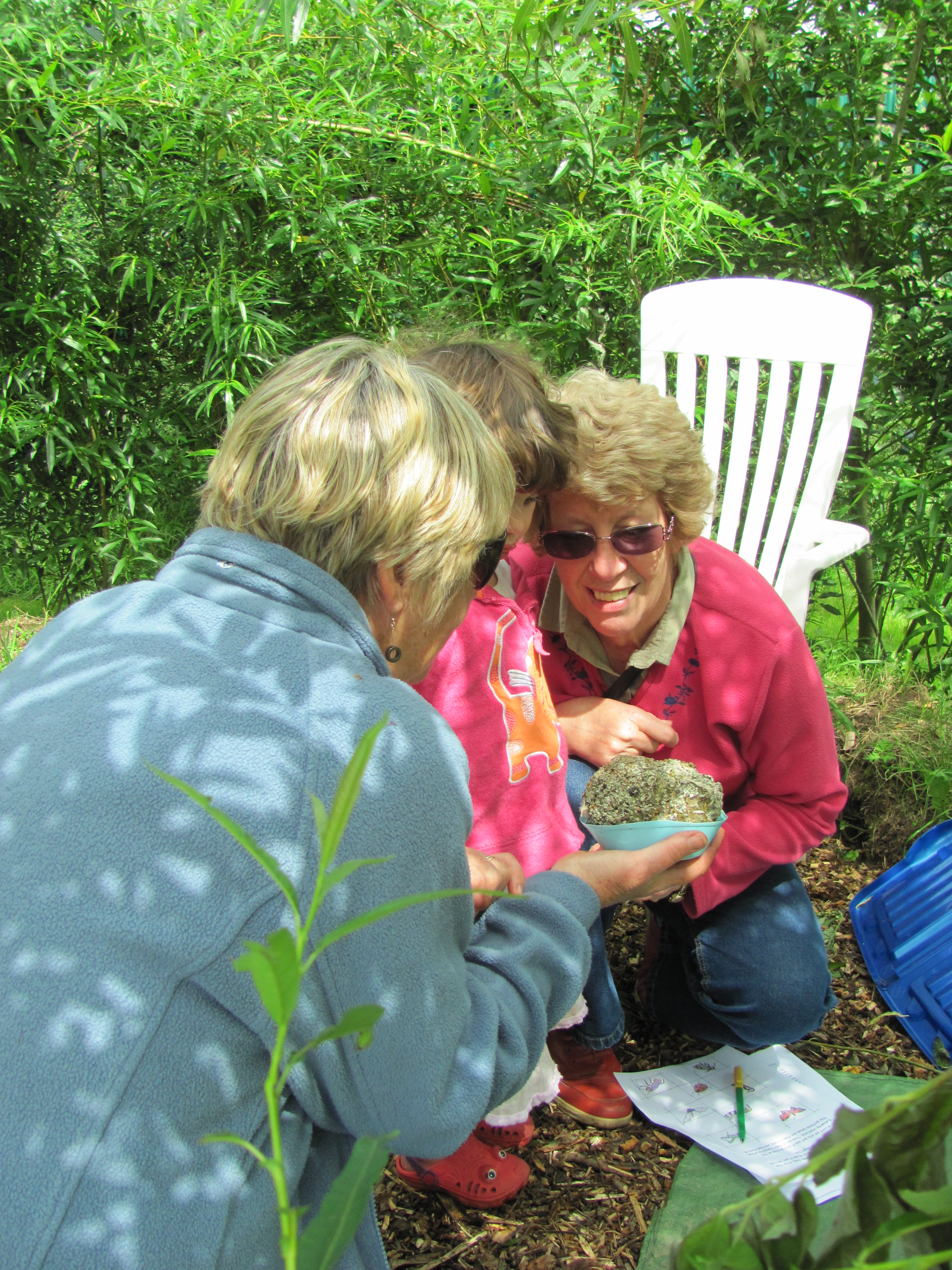
“The Undergardener”, Jude used her teaching experience to good purpose showing young visitors interesting artifacts found by plot holders such as an old Wren’s nest and an aborted Wasp nest.
Several plot holders worked on their plots so that our visitors could ask them questions, others sat on picnic benches around the site to greet visitors and make them welcome.
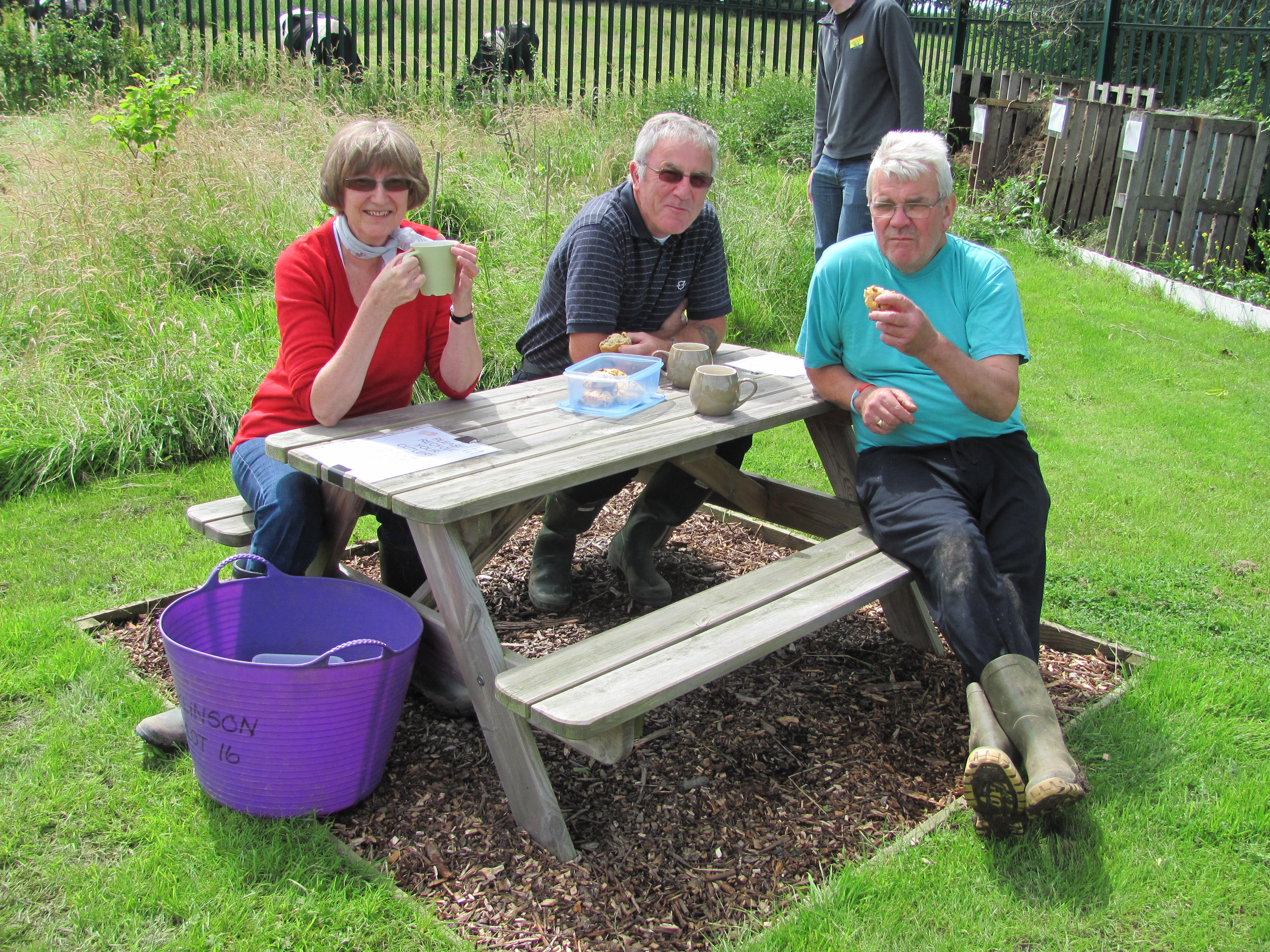
When we closed and the last of our guests had left members rallied around and returned the site back to its former state. The tea shop returned to its function as a community hut, the gazebos were taken down and returned to their boxes, signs along the local roads were pulled up and put back into store. The RSPB and HPS volunteers packed up their goods and gazebos and said their goodbyes, and said they looked forward to our open day in 2013.

The last visitors to leave were these two characters who had spent the day sat comfortably in their thrones under the trees and greeted their subjects.

It had been a great day! Our visitors book contained some complimentary comments. We enjoyed reading them as they help show that we are achieving our aims. Here are some to examples to share.

“Fantastic, so much to see, great kids trail, thank you.”

Completely lost in the interesting ideas. What a wonderful time I’ve had!”

A truly inspiring place, wonderful for wildlife and kids.”

Beautiful plots and welcoming tea and cake.”

“Inspirational model for all allotments.”

Friendly, knowledgable gardeners.”

Inspiring and clever ideas to encourage wildlife whilst giving plenty of space for produce. So much done in three years.”

A great community space!”
Categories
allotments community gardening conservation drought fruit and veg gardening grow your own Shropshire

Our Wise Watering Campaign

On our allotment site this year the management committee are running a Wise Watering Campaign, with the aim of reducing the amount of water used by plot holders. We were ashamed to hear that our site uses more water than any other in Shrewsbury. When we looked into the situation we were amazed that only 18 of the 68 plots had guttering and water butts attached to their sheds to catch rainwater run-off. Many plot holders turned to their hose pipes too readily to water their crops. Something had to be done.

We had already fixed guttering, downpipes and butts to our communal buildings and we use this captured rain to water our communal gardens, so we began our campaign by encouraging members to follow that example. Jude, Mrs Greenbench aka the Undergardener, in her role as secretary to the committee has been trying to source grant money to help purchase more water butts. Amazingly our local water board did not even bother replying, but there are still a few irons in the fire.

I was asked to write an article for our newsletter, “Dig It!”, giving advice on how to water efficiently and a summary was sent to all plot holders. I wrote a much extended more detailed article which I posted on the allotments’ website. (see www.bowbrookallotments.co.uk and click on “Wise Watering”)

Our initial emphasis has been on using watering cans instead of hoses and encouraging members to add guttering and water butts to their sheds.

I thought I would give a few ideas here too, for your interest and wondered if anyone had any further ideas that we could use.

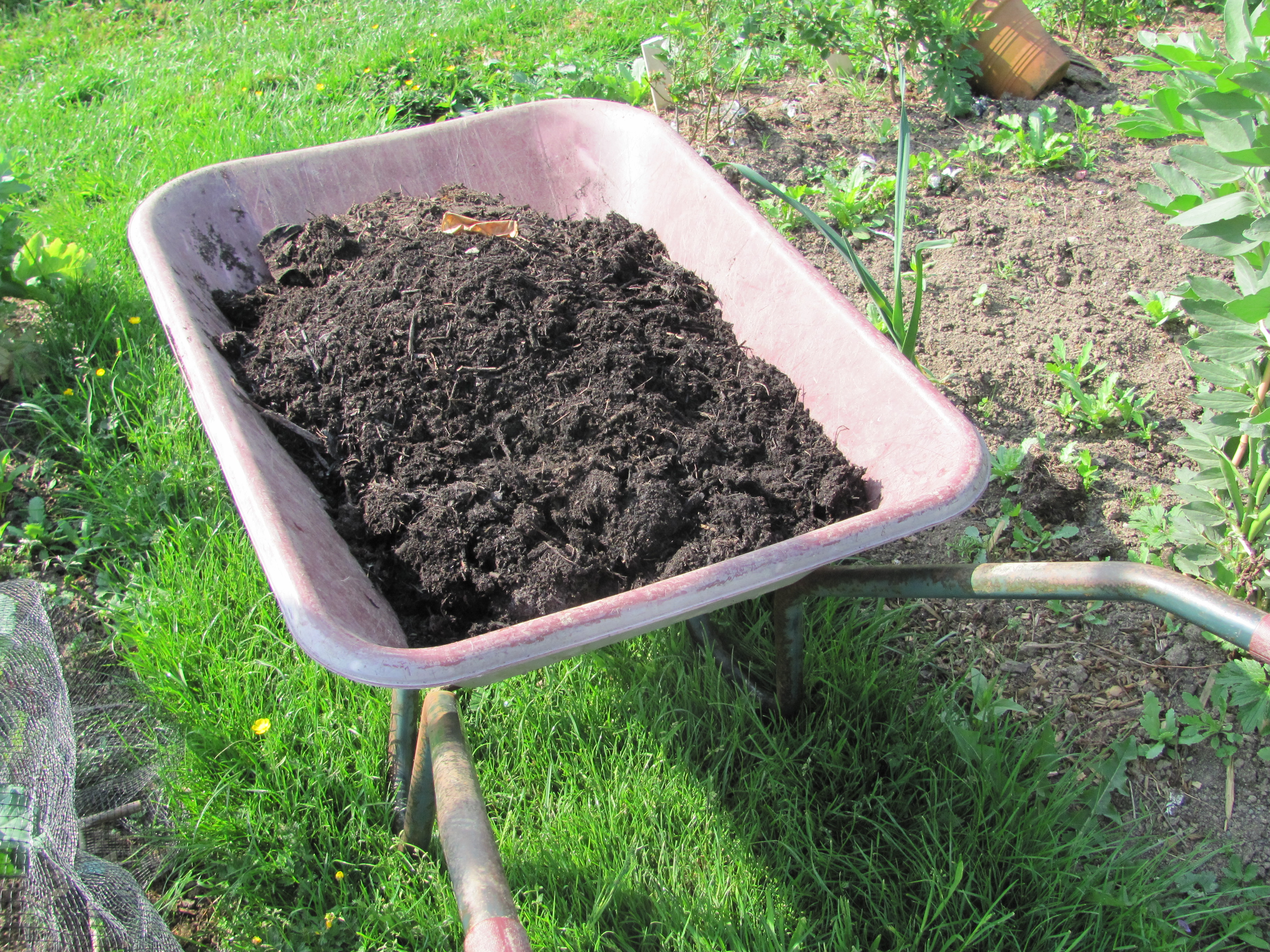
I emphasised the importance of improving soil quality and adding humus and fibrous material, which would help moisture retention after rain or watering, and allow the plants to take up moisture efficiently. We sell municipal compost and farmyard manure on site.

The best time to add manure is in late autumn or early winter and for compost early spring. I suggested also that compost should be used as a mulch after periods of rain to hold this natural moisture in.

Mulching under fruit bushes is always useful as a lot of moisture is needed in the production of fruit. Old straw, hay or farmyard manure when added as a mulch will also slowly break down and feed the plants as well as improve soil texture.

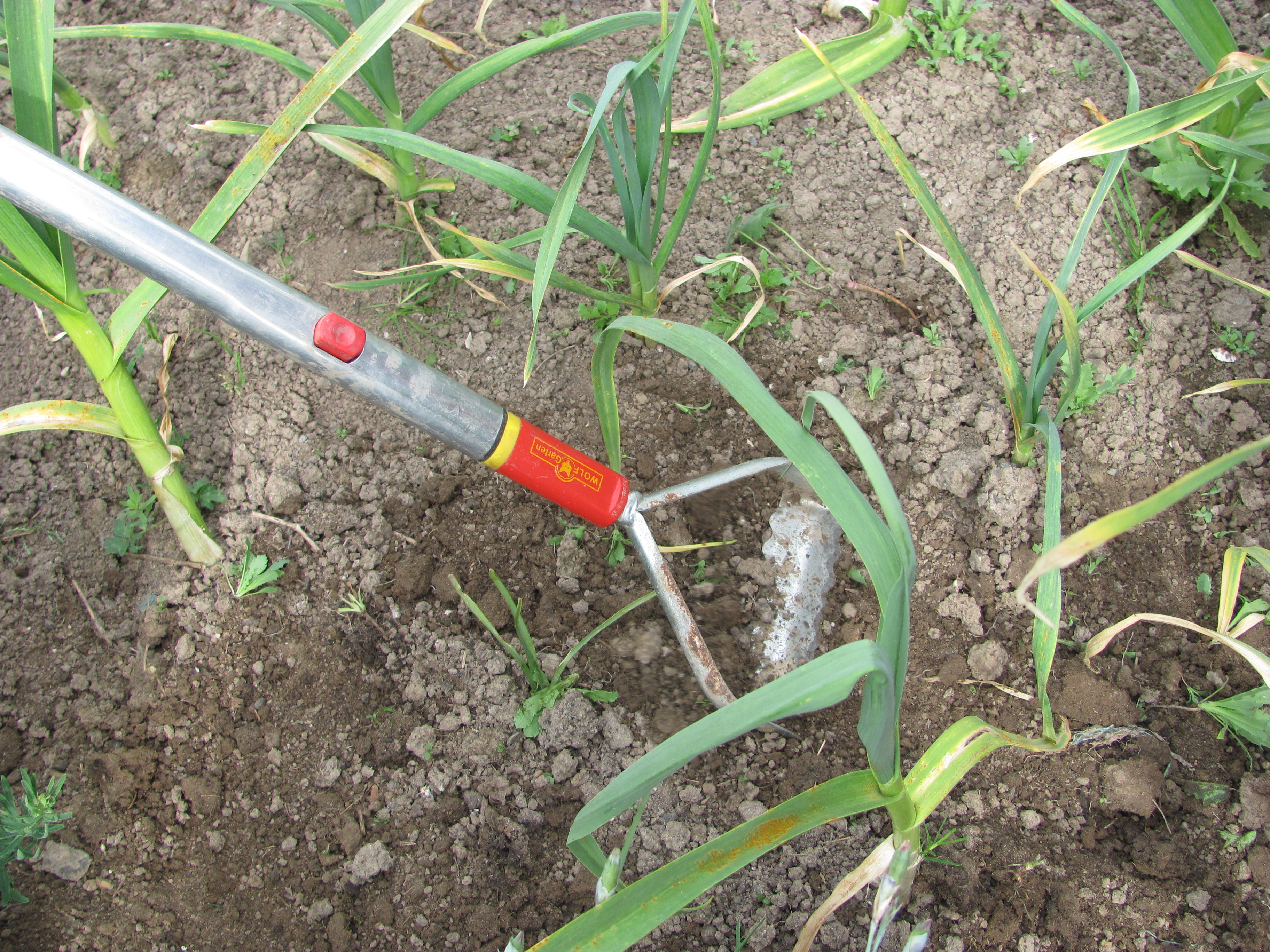
Another important way of managing the watering of your plot is to ensure it is always free of weed material. Weeds will use up moisture that would otherwise be available to crops. Using a hoe regularly is the best method to employ as keeping the surface loose helps rainwater get below the surface.

Growing your fruit trees as cordons on the windward side of your plot cuts down on evaporation. Alternatives are flower borders or a row of root artichokes.

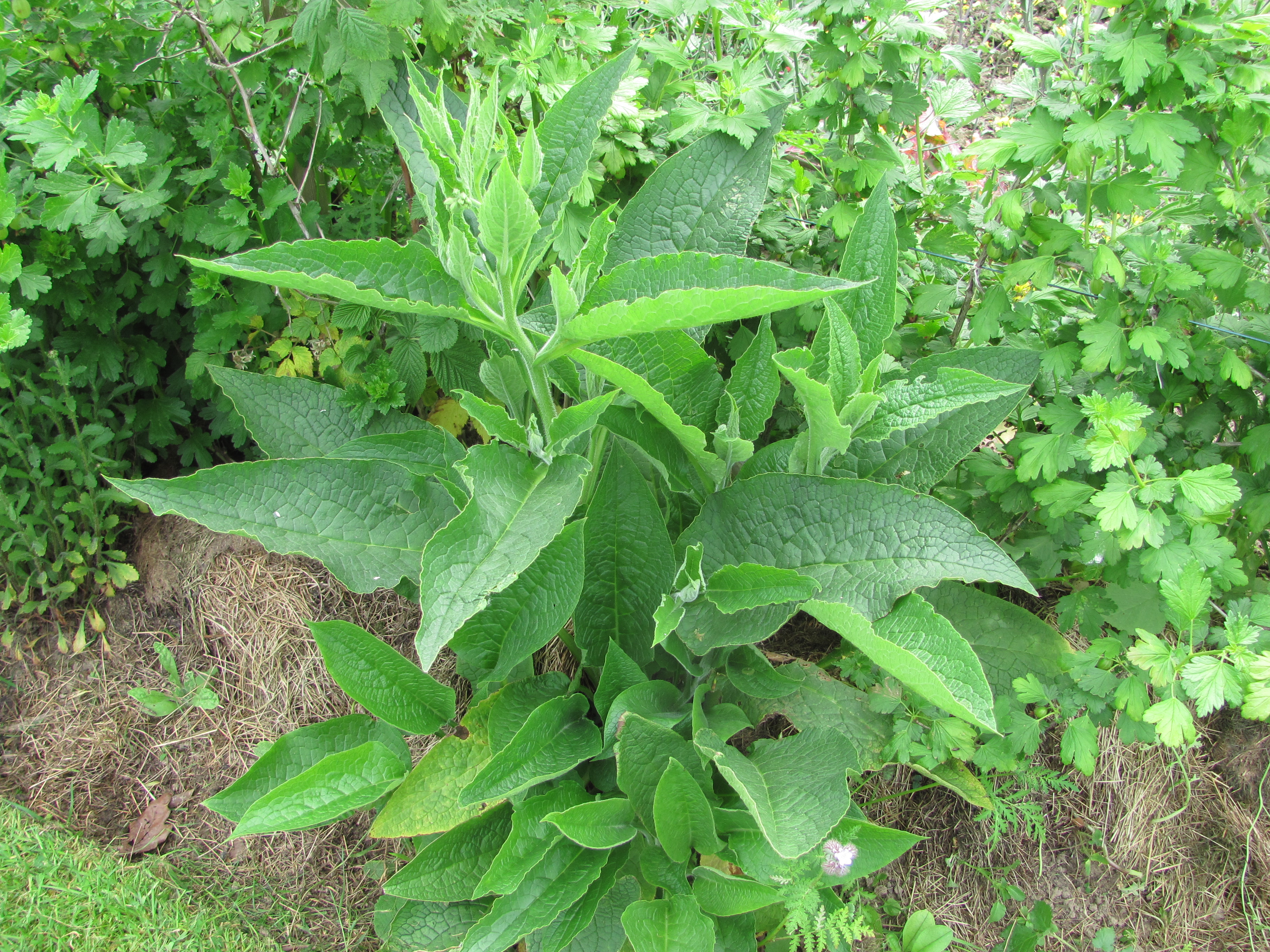
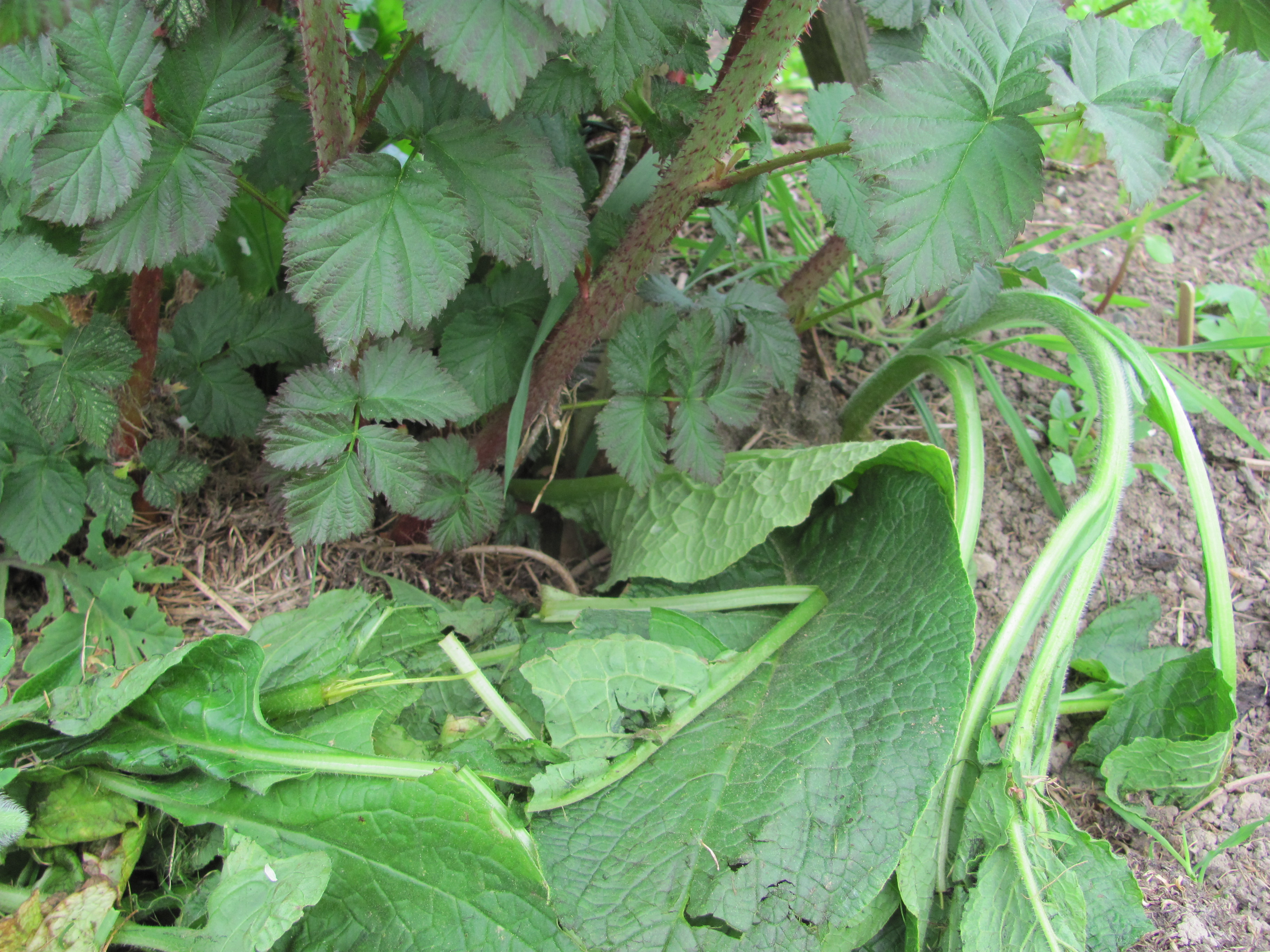
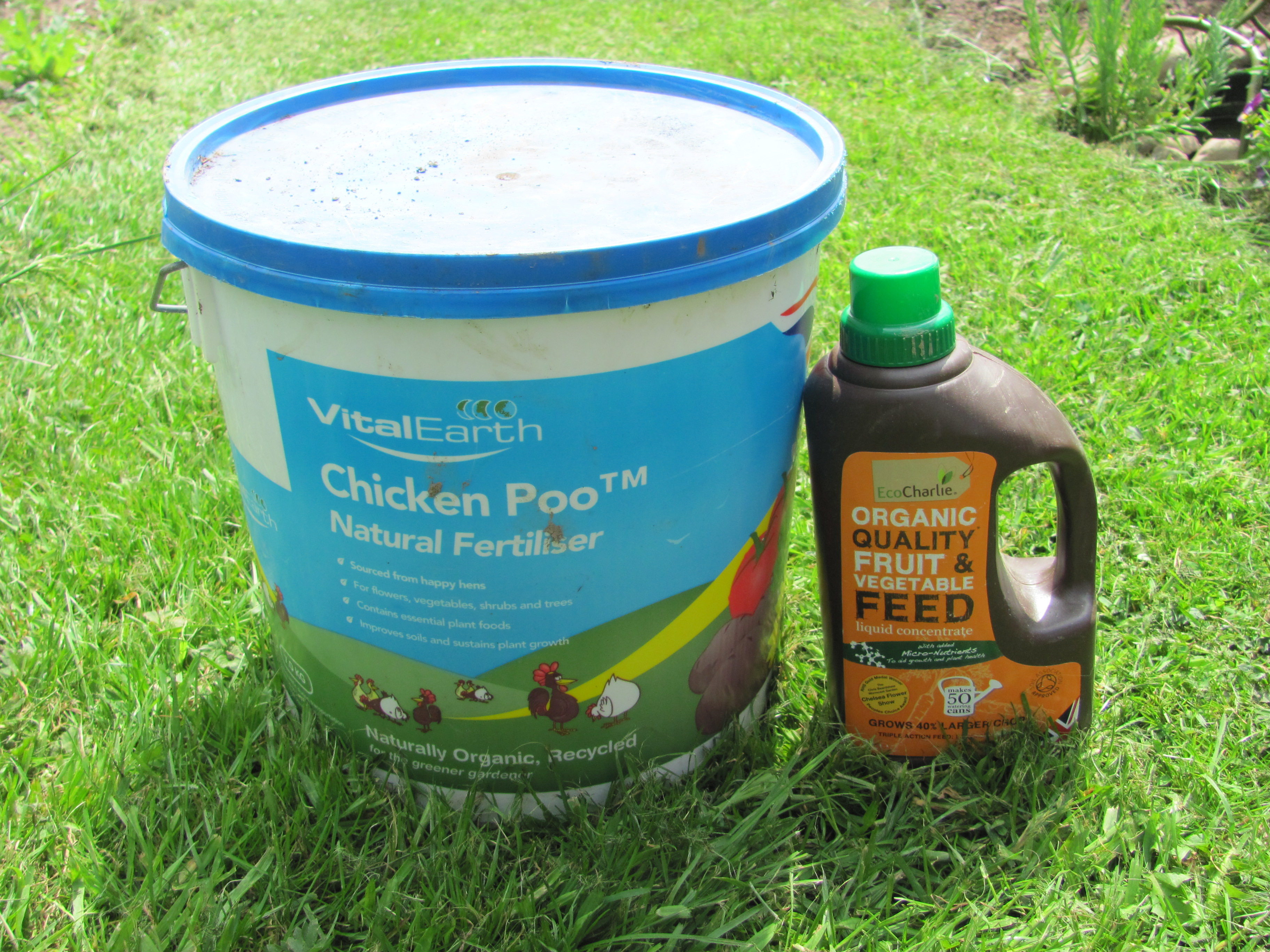
Strong, healthy plants will survive dry periods better and newly planted quality plants will establish without regular bouts of watering. To ensure plants are as healthy as possible feed them with natural, organic feeds rather than chemical based fertilisers. Growing your own fertilisers is even possible. Comfrey can be grown and regularly cut, soaking the leaves and stems in water for a few weeks produces a free and effective feed when watered down to the colour of weak tea. The leaves can also be utilised as a mulch placed directly below fruit trees and bushes.

The way the plants are watered is also an important factor in determining how much water is used. Watering with a hose all around rows of plants is wasteful as most of the water lands on the bare soil and not where plants can use it. To ensure that plants can take up and use as much water as possible, it is best to water from a can without a rose and direct the flow of water towards the base of the plants.

When your potatoes need earthing up, add a layer of fresh grass cuttings before the soil as this will help retain moisture as the potatoes are forming.

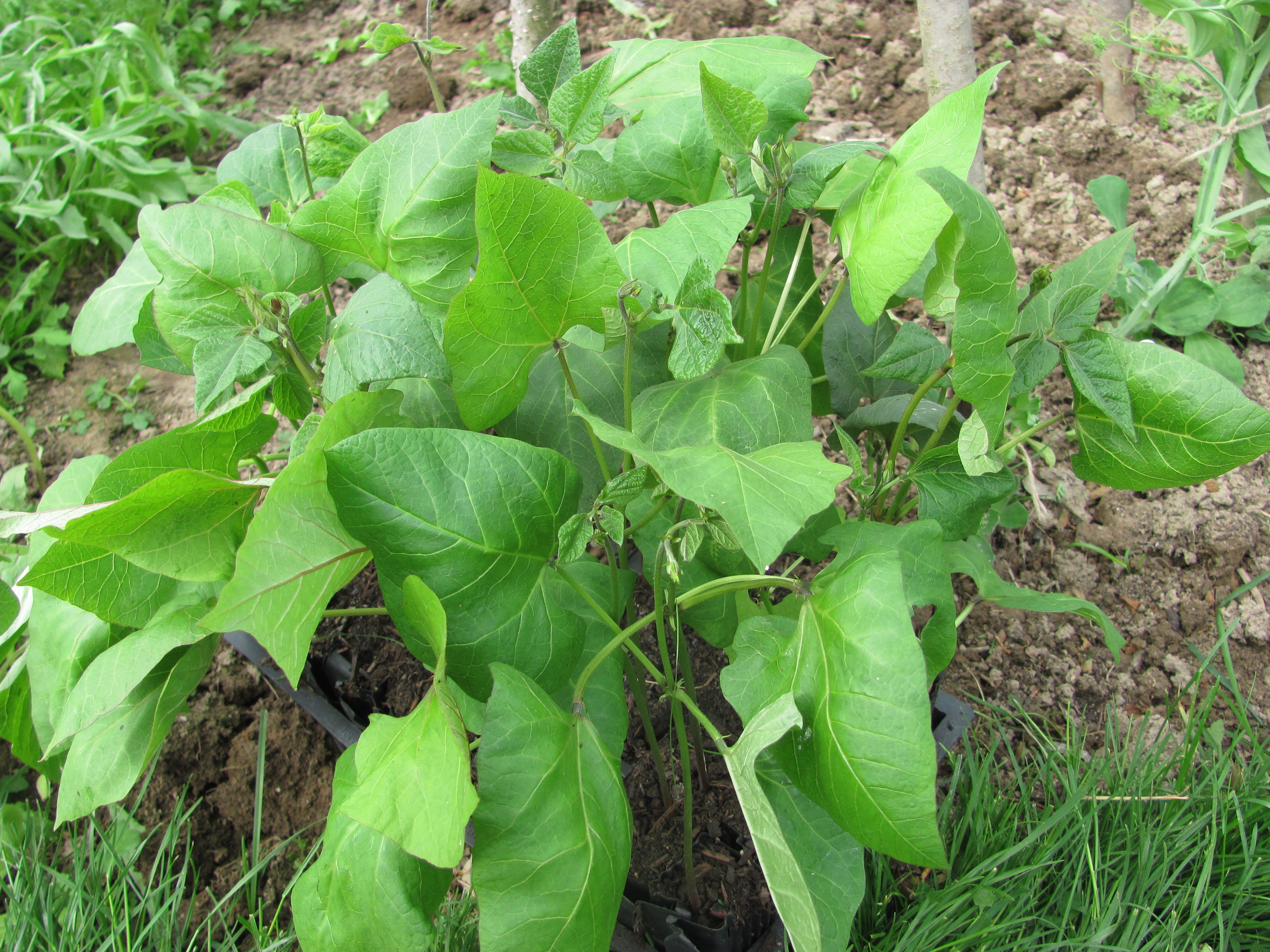
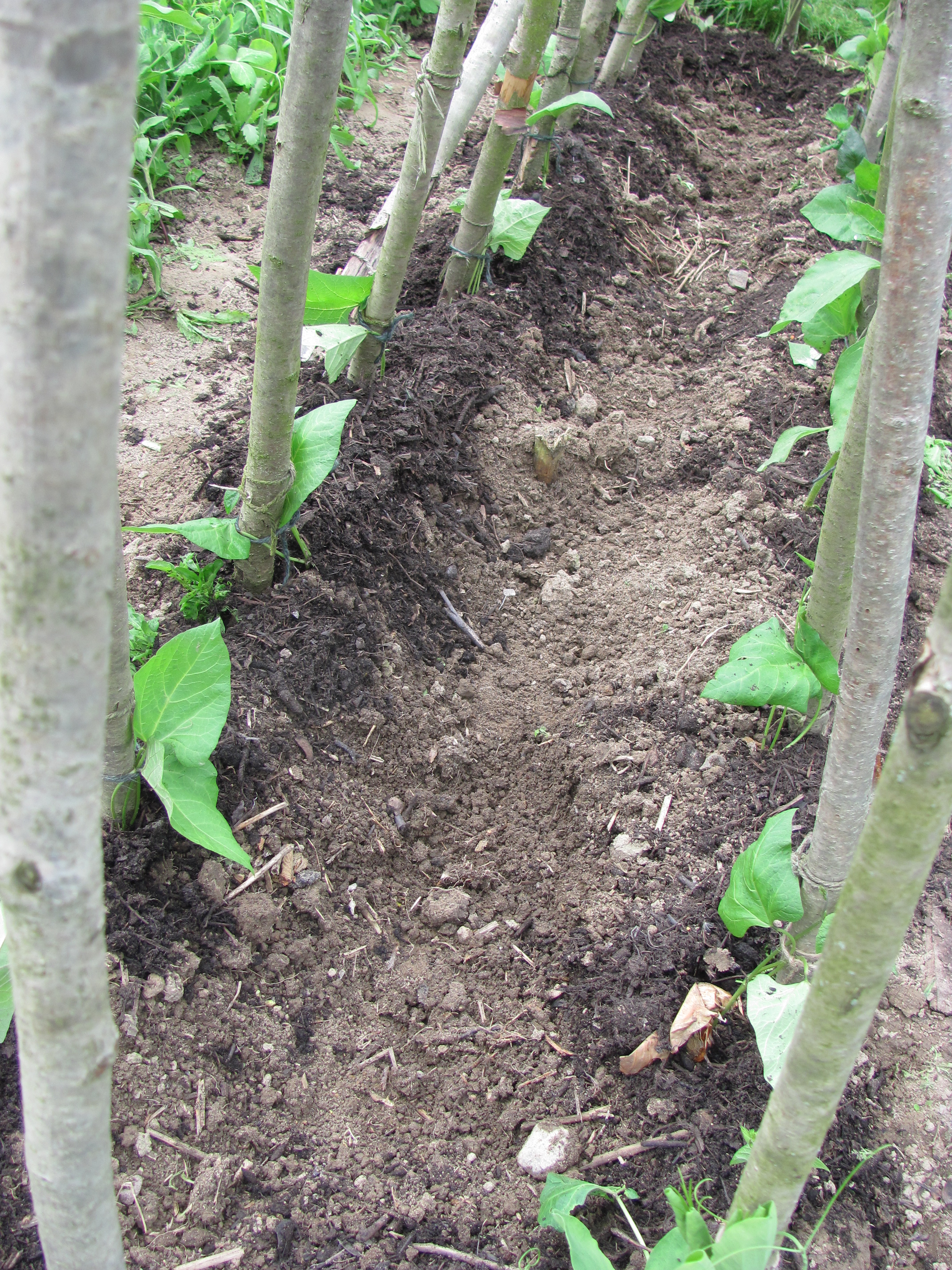
I tried to work out the most water-efficient way of planting out our vegetable plants and used runner beans as an example. The first point is to ensure your plants are strong and healthy.

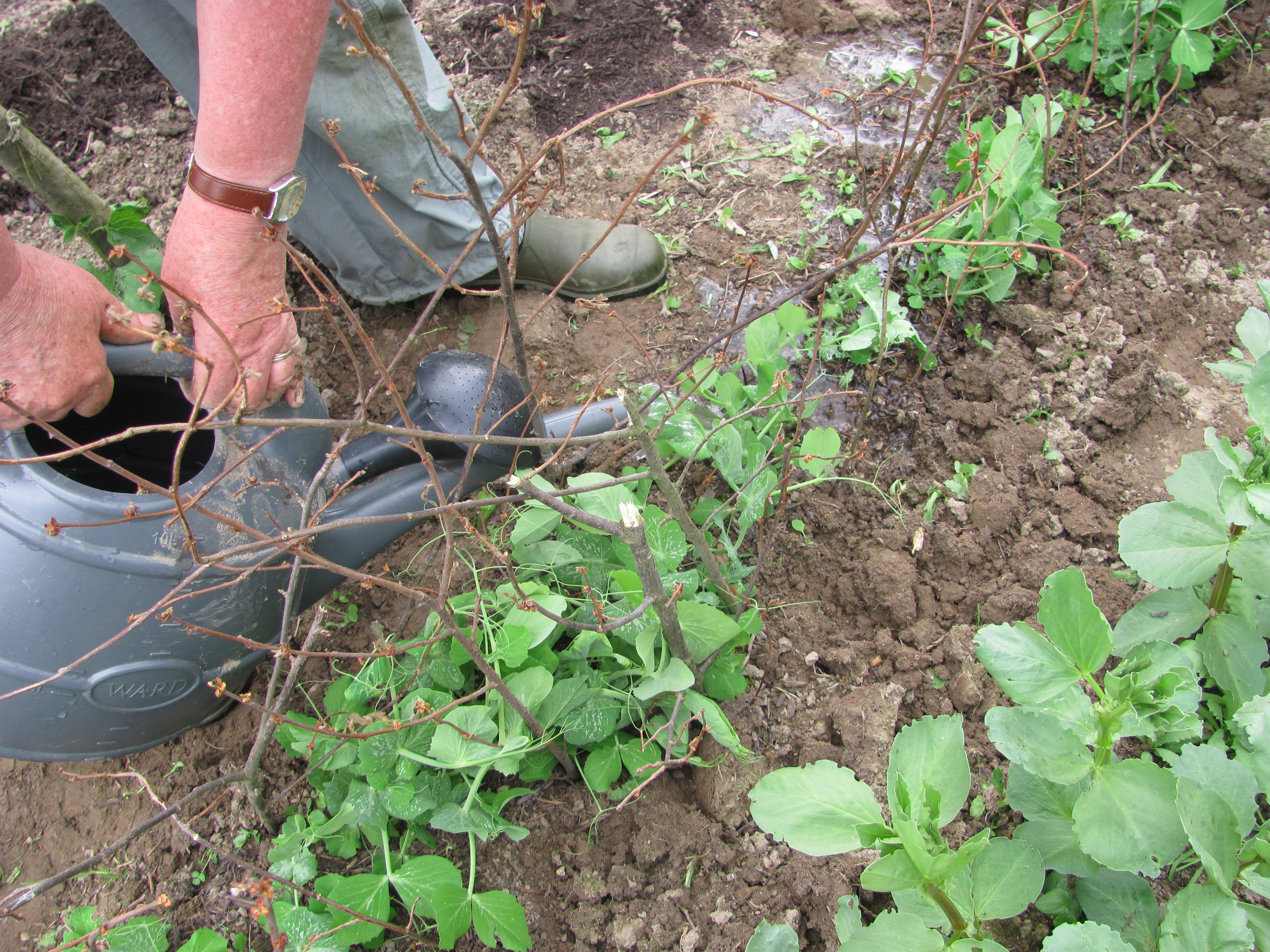
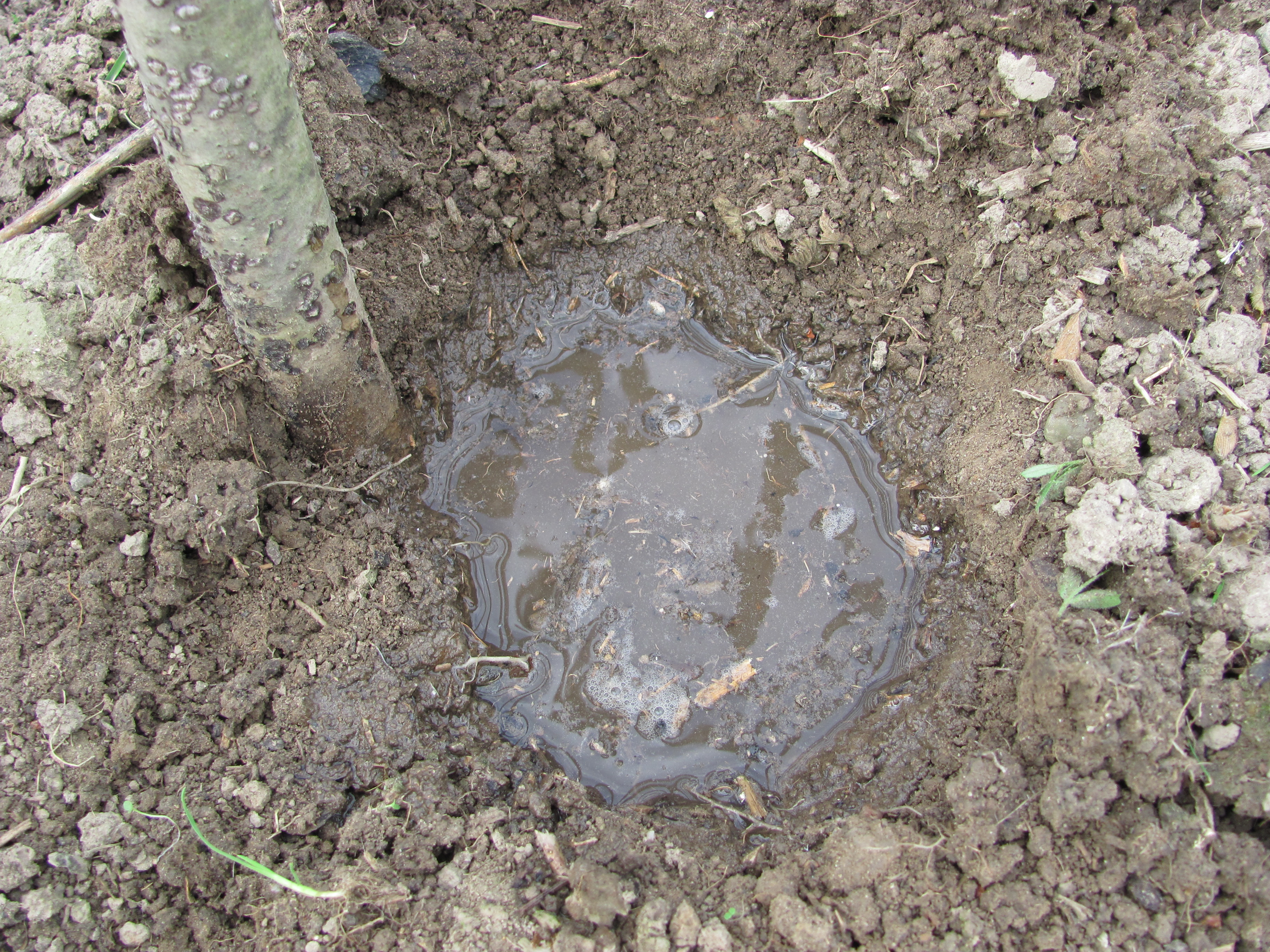
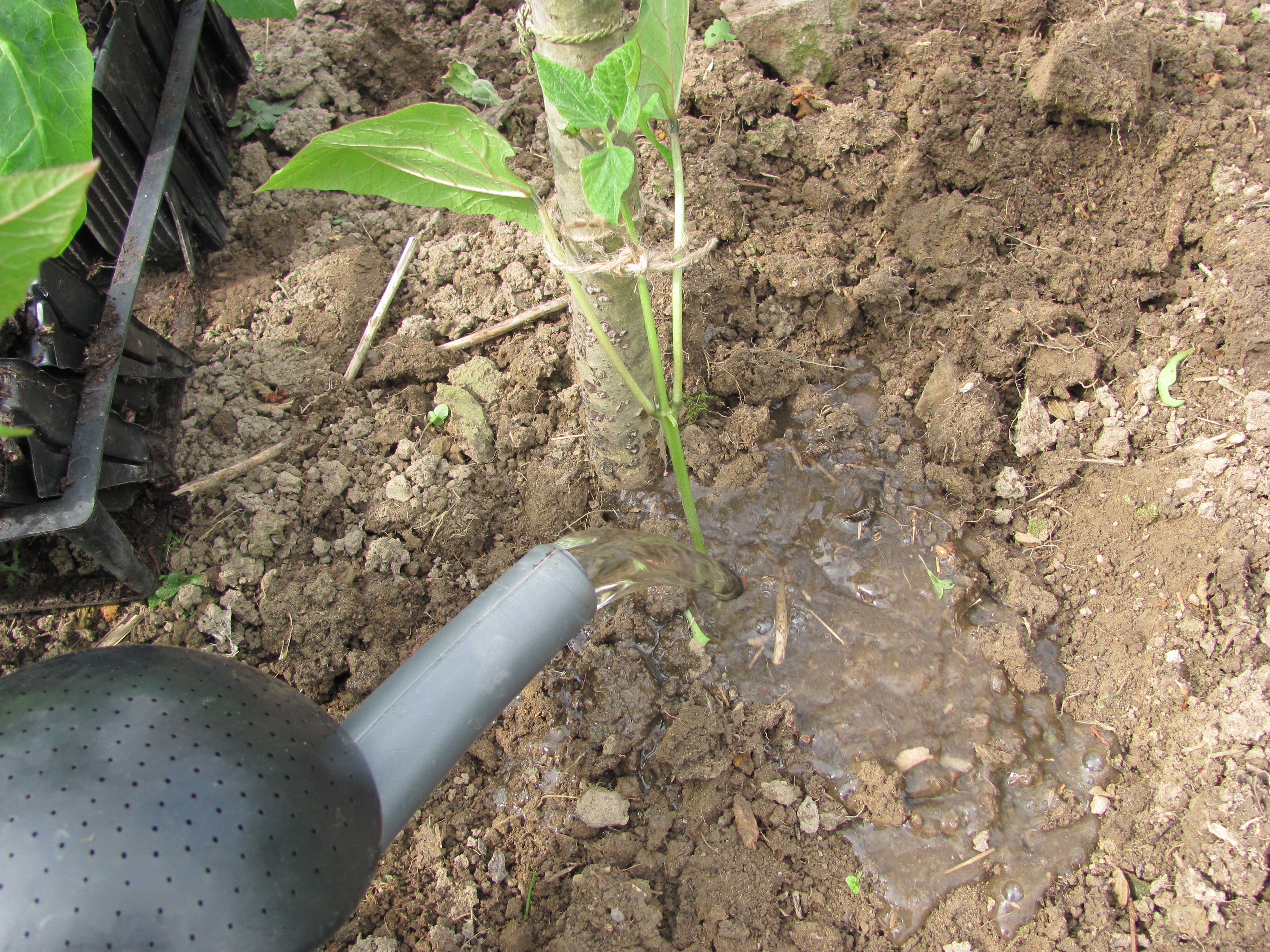
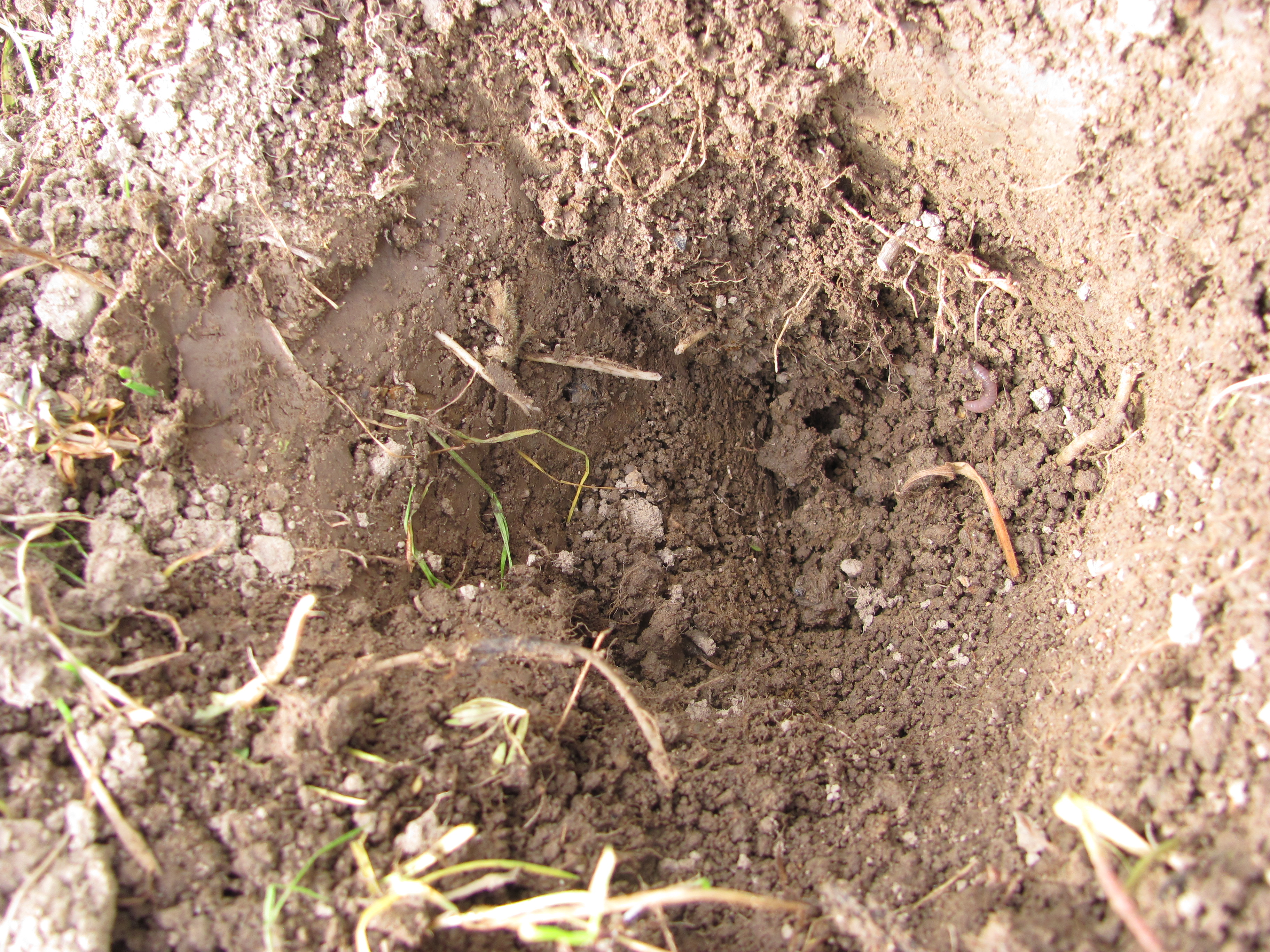
Take out your planting hole and fill with water from a watering can – I also add some comfrey feed to this. Let the water drain away and repeat the process.

Place the plant in the hole and water yet again after firming soil back in around it.

Add a good layer (at least 2 inches deep) of compost to keep the moisture in as the plant establishes. This helps the plants settle in as it is getting its roots down.

Form a trench alongside the row of plants to collect any rainfall and direct it towards the plants.

Before you decide to water your plants take out a trowel depth of soil close to your plants and see if it is moist below the surface. If it is then do not water. This water in the soil down to about 6 inches is the moisture that plants will be using. Conversely if you water the surface it will just attract roots upwards to search for it. Remember then that watering over the soil surface with a hose will make plants shallow rooting.

There are lots more ideas on the website. In this year of drought following last year’s almost desert levels of rain, our water table in this part of Shropshire around the allotments is about 2 feet lower than it should be so however much rain there appears to be falling we need lots more.

I would love to hear of more ideas that I can share with our allotmenteers!

Categories
allotments birds community gardening conservation fruit and veg garden design garden photography garden wildlife gardening grow your own hardy perennials Land Art meadows natural pest control ornamental grasses ornamental trees and shrubs outdoor sculpture photography poppies roses Shropshire shrubs spring gardening wildlife

A Wander around the Allotments in June

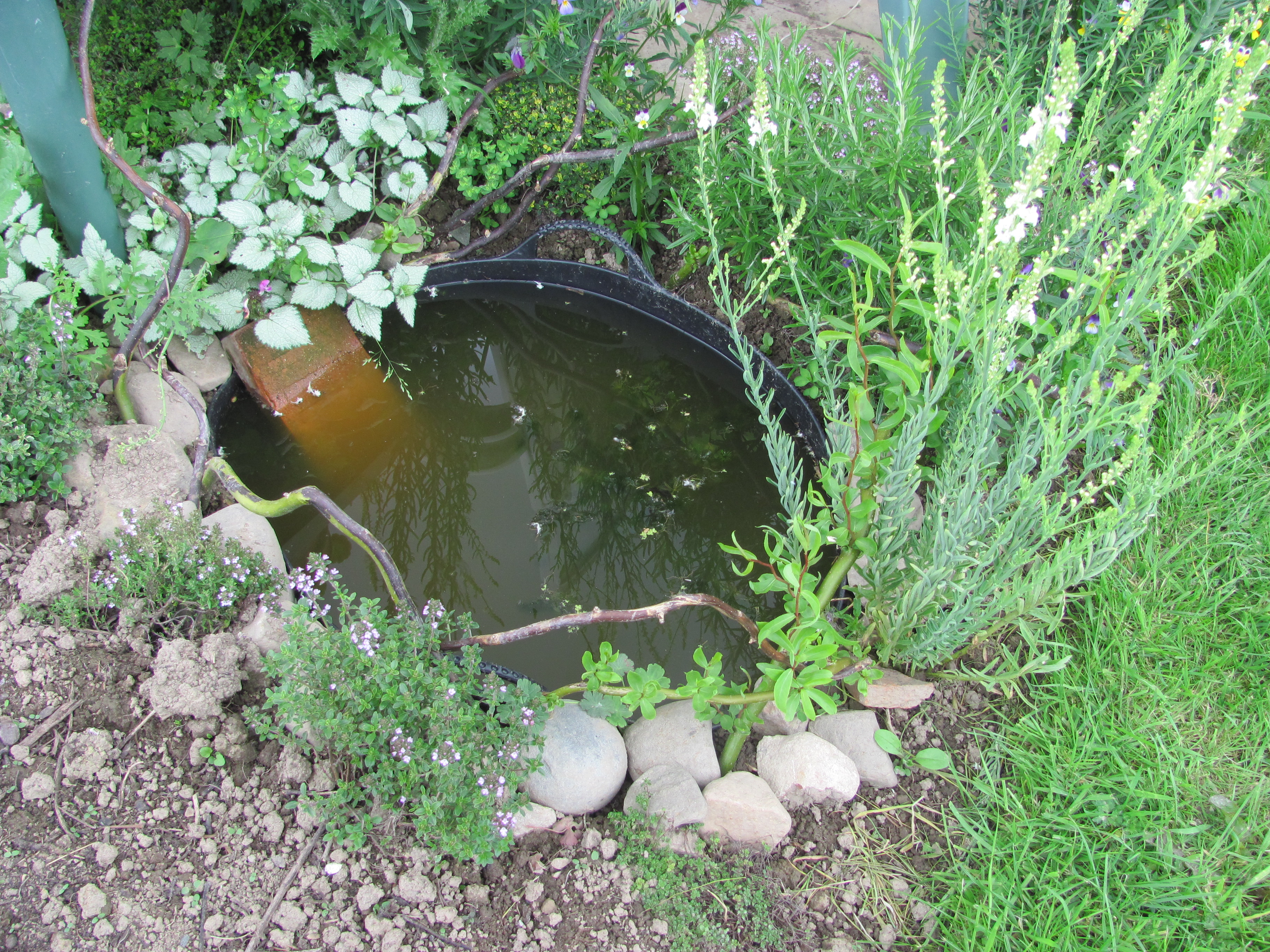
Here we are at the half way point of the year in the June allotment wanderings. As usual we shall start on our own plot to see what has been going on. Our little wildlife pond is beginning to look more established and the tadpoles are growing well. We hope the frogs stay on our plot and eat up all the slugs. As you can see we provided a little wooden ramp to help them get in and out of the water.

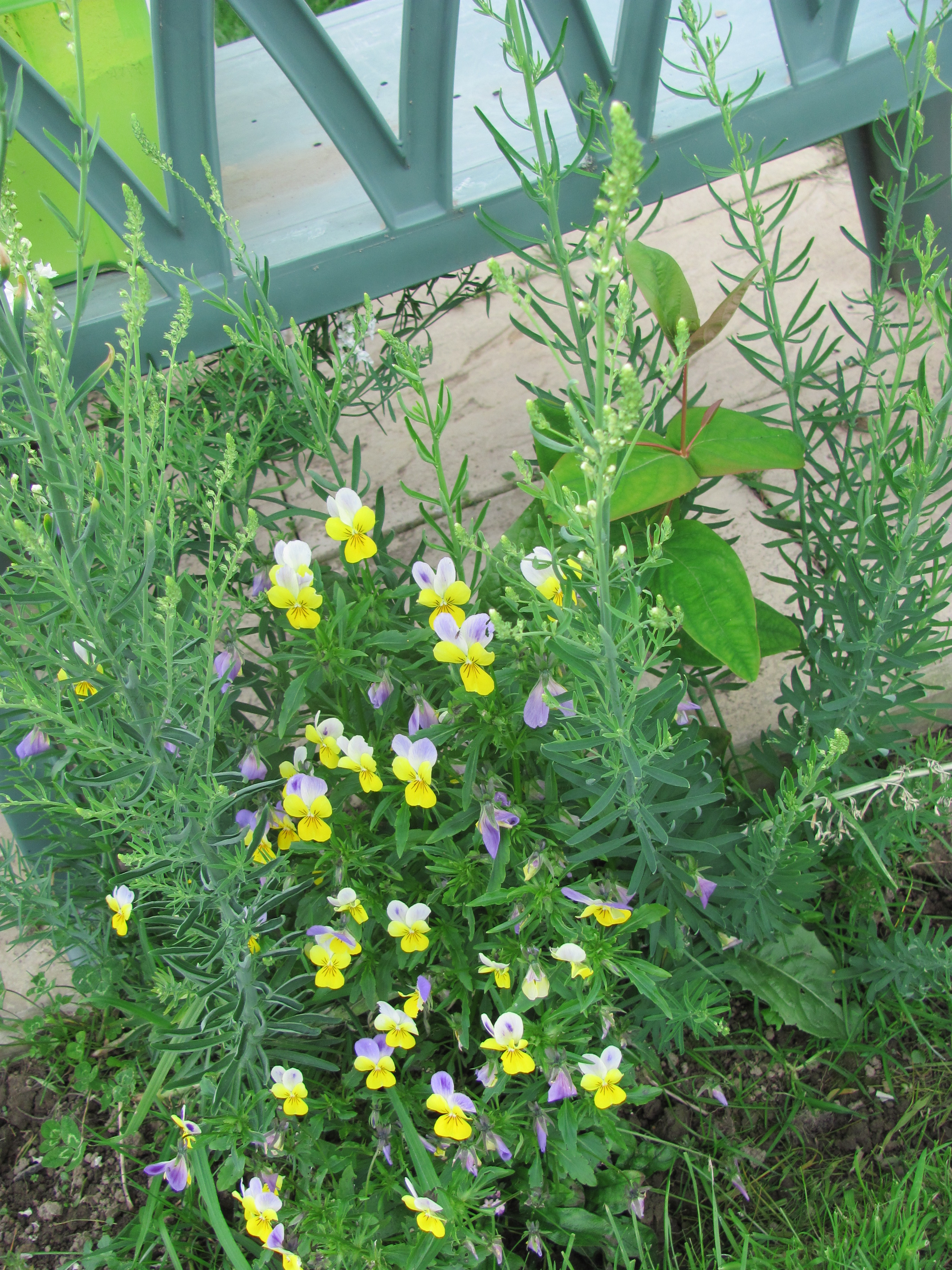
Heartsease self seed around the plot sometimes landing in suitable places arriving in a wide range of colours. This one seeded into the soil behind the green bench.

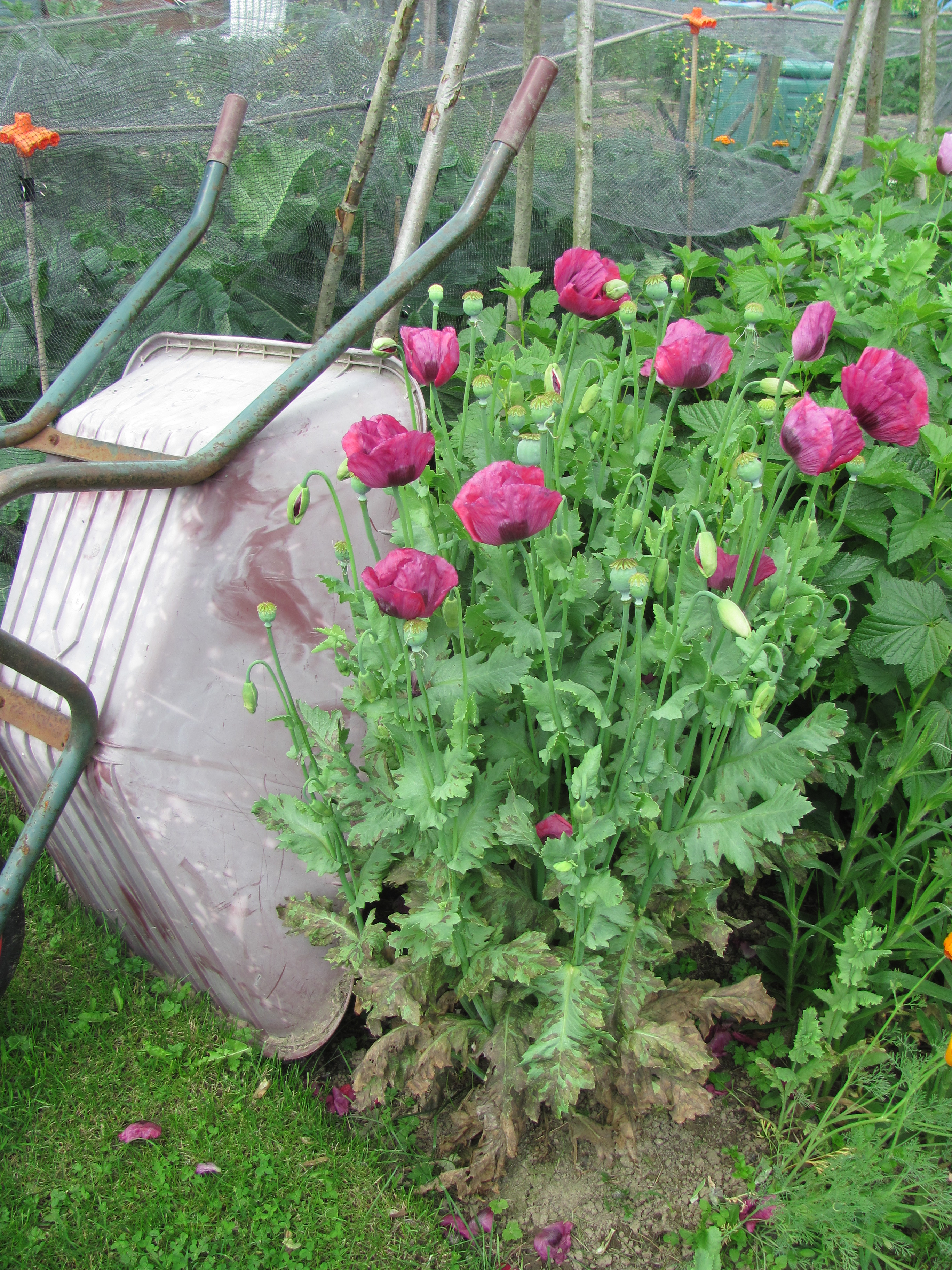
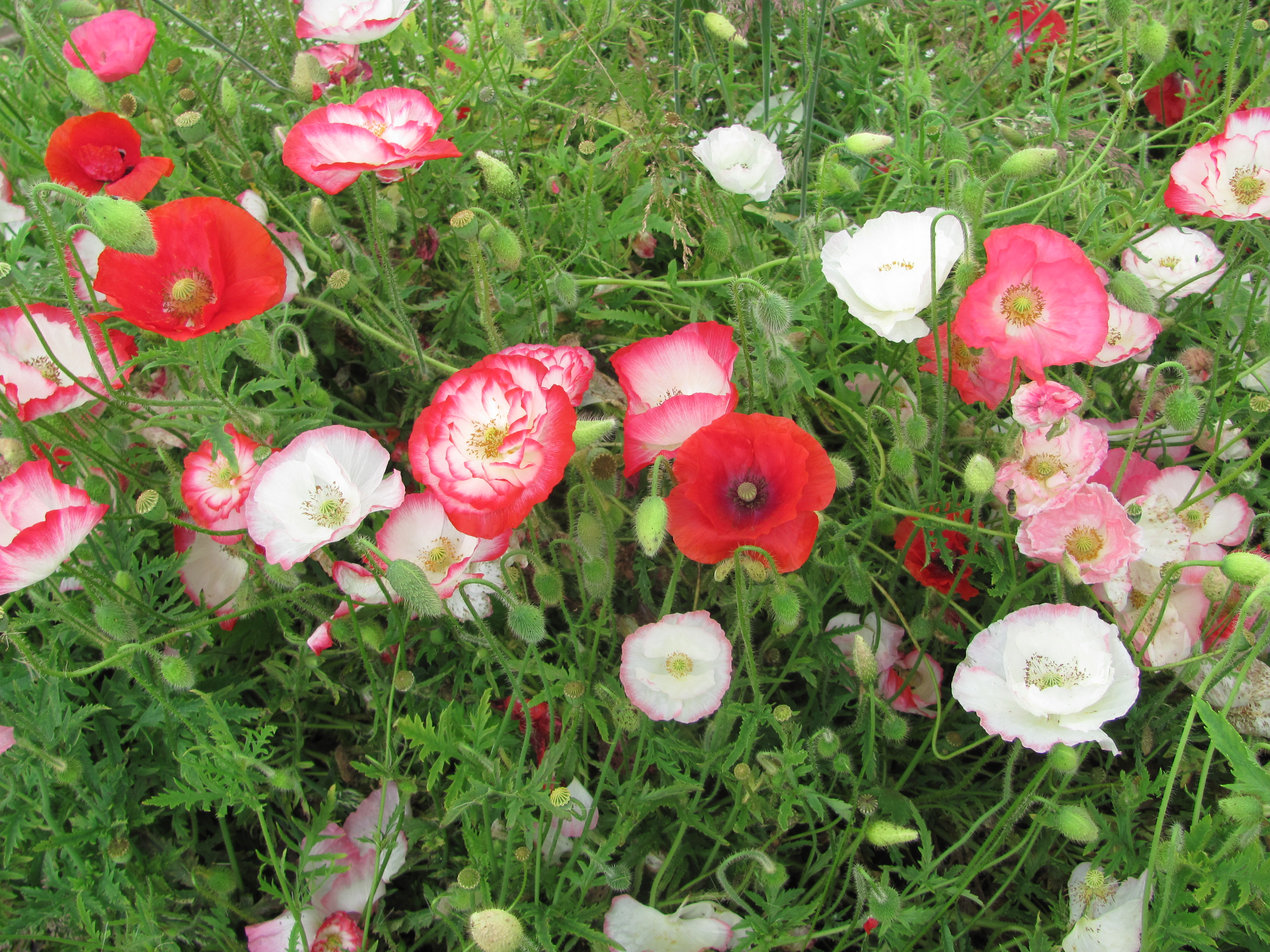
Our strip of wildflowers, a little piece of meadow, is beginning to flower. This Opium Poppy surprised us with its deep pink coloured petals.

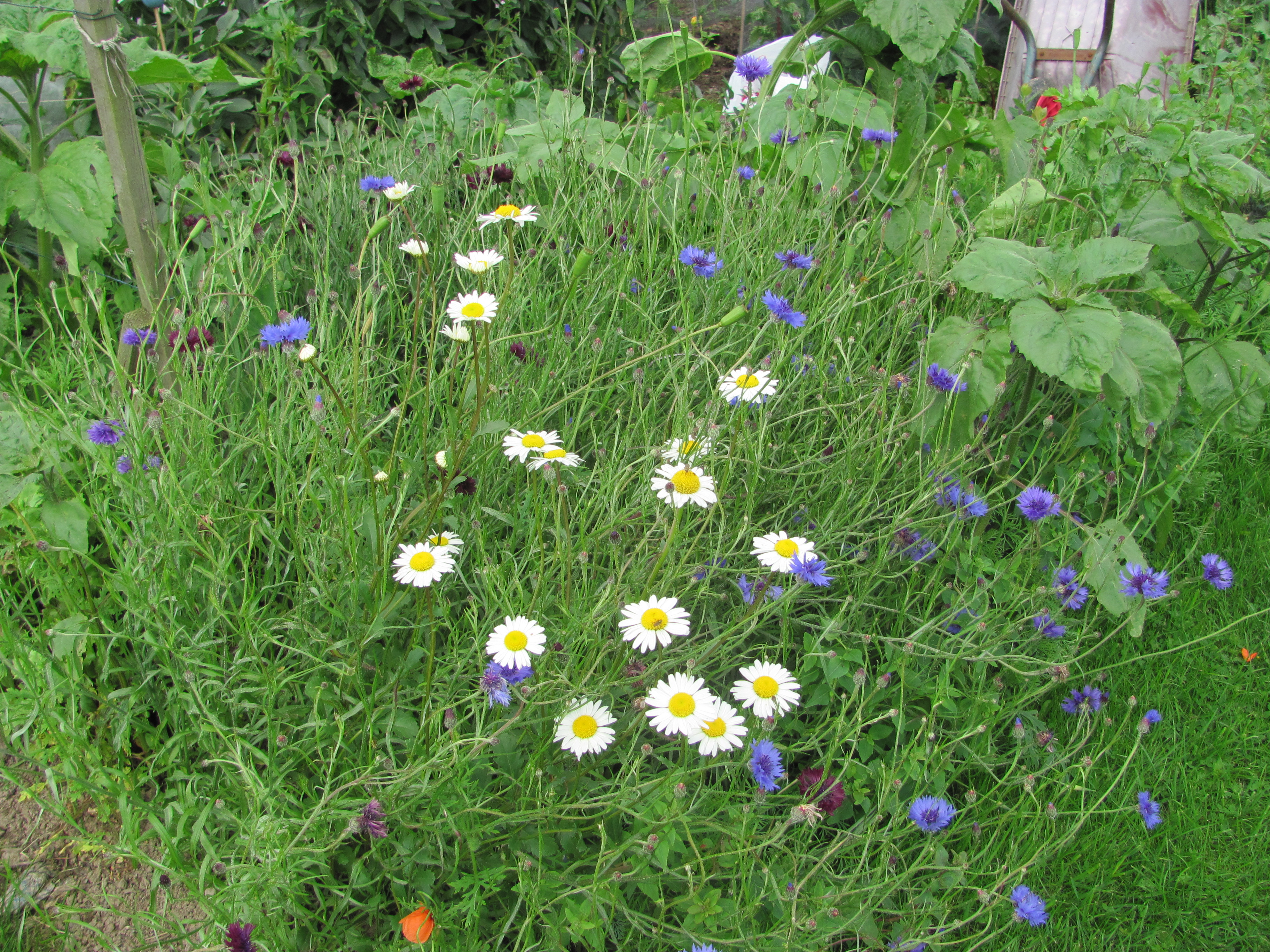
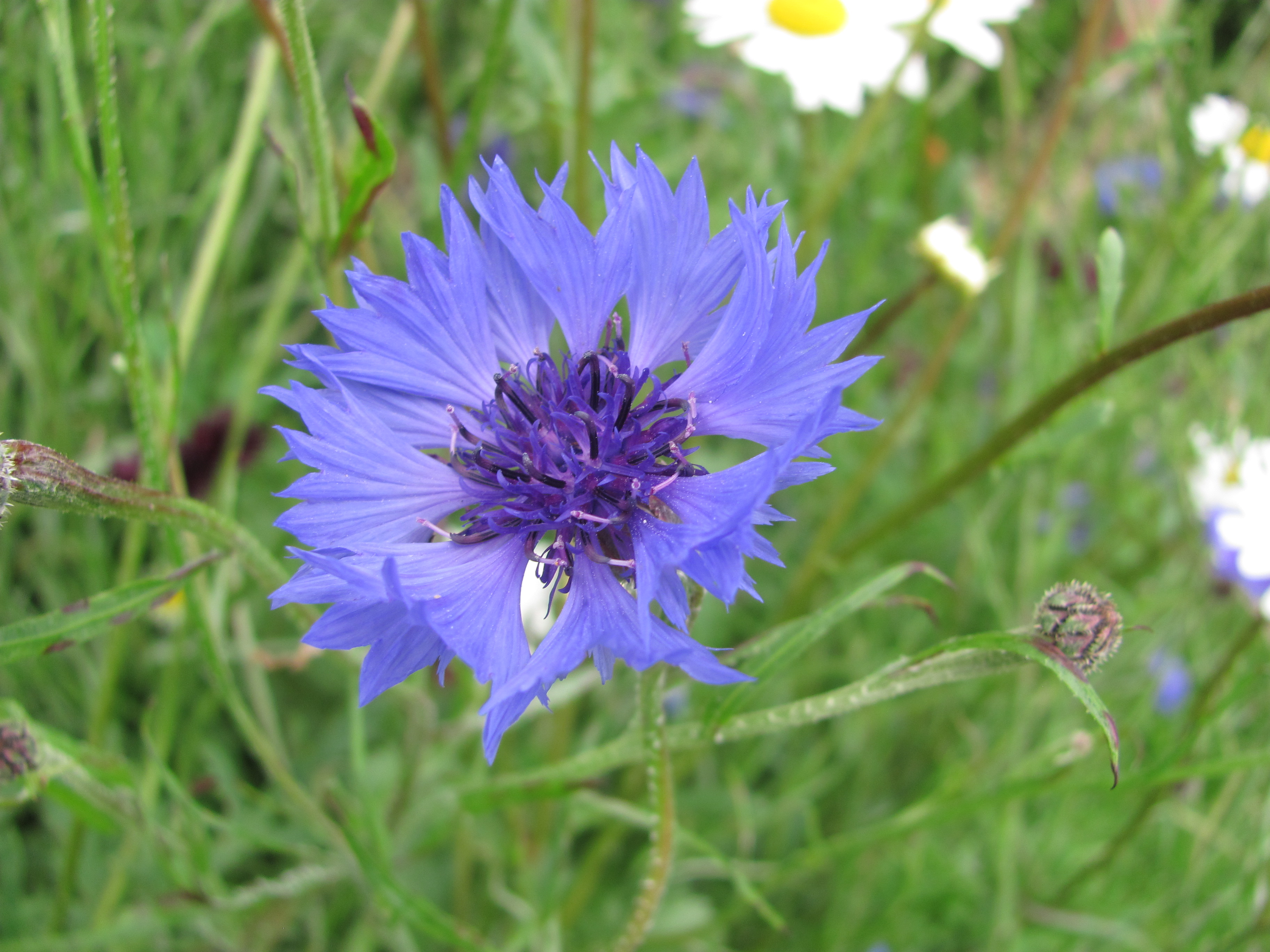
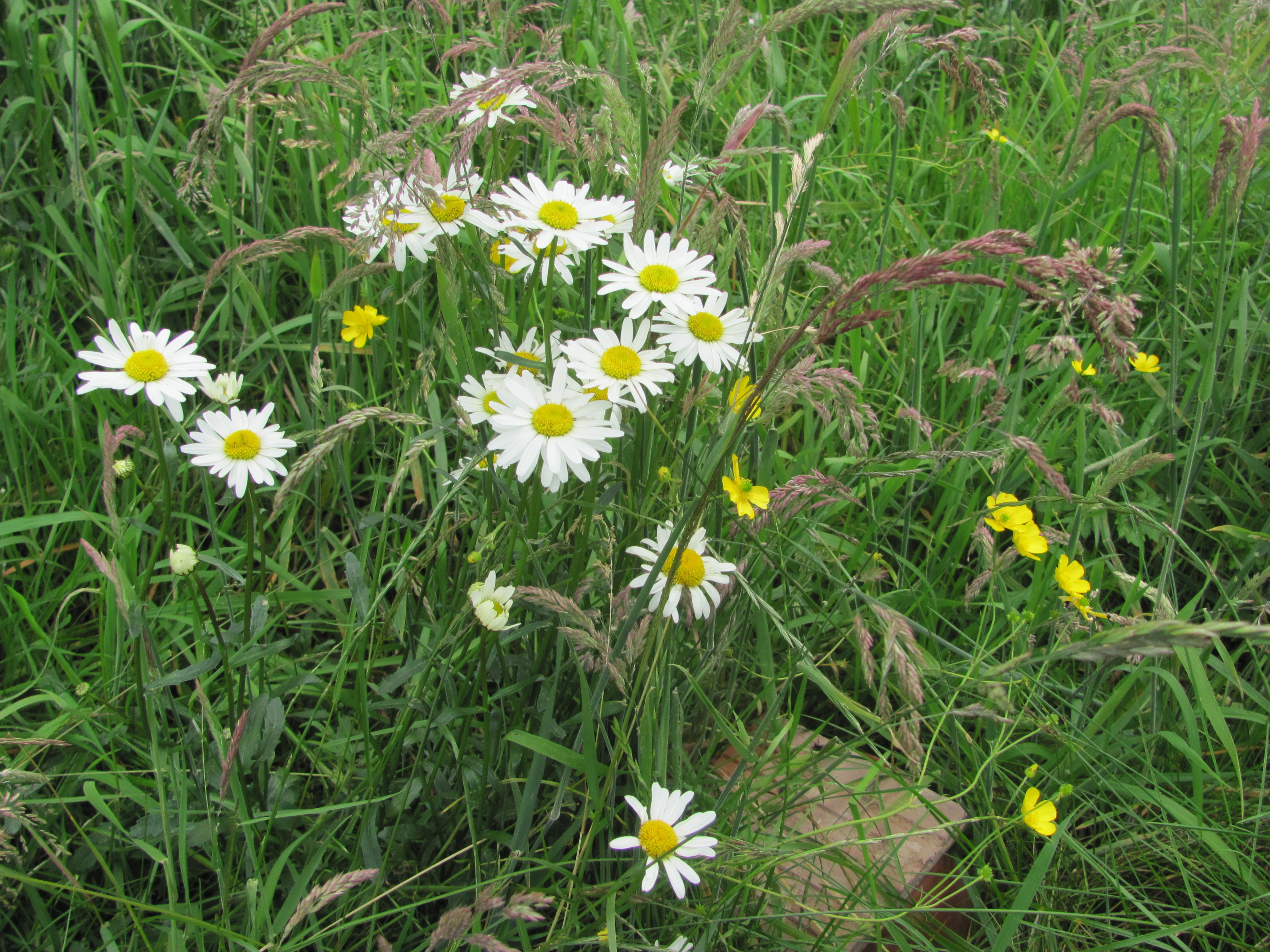
Moon Daisies and Cornflowers.

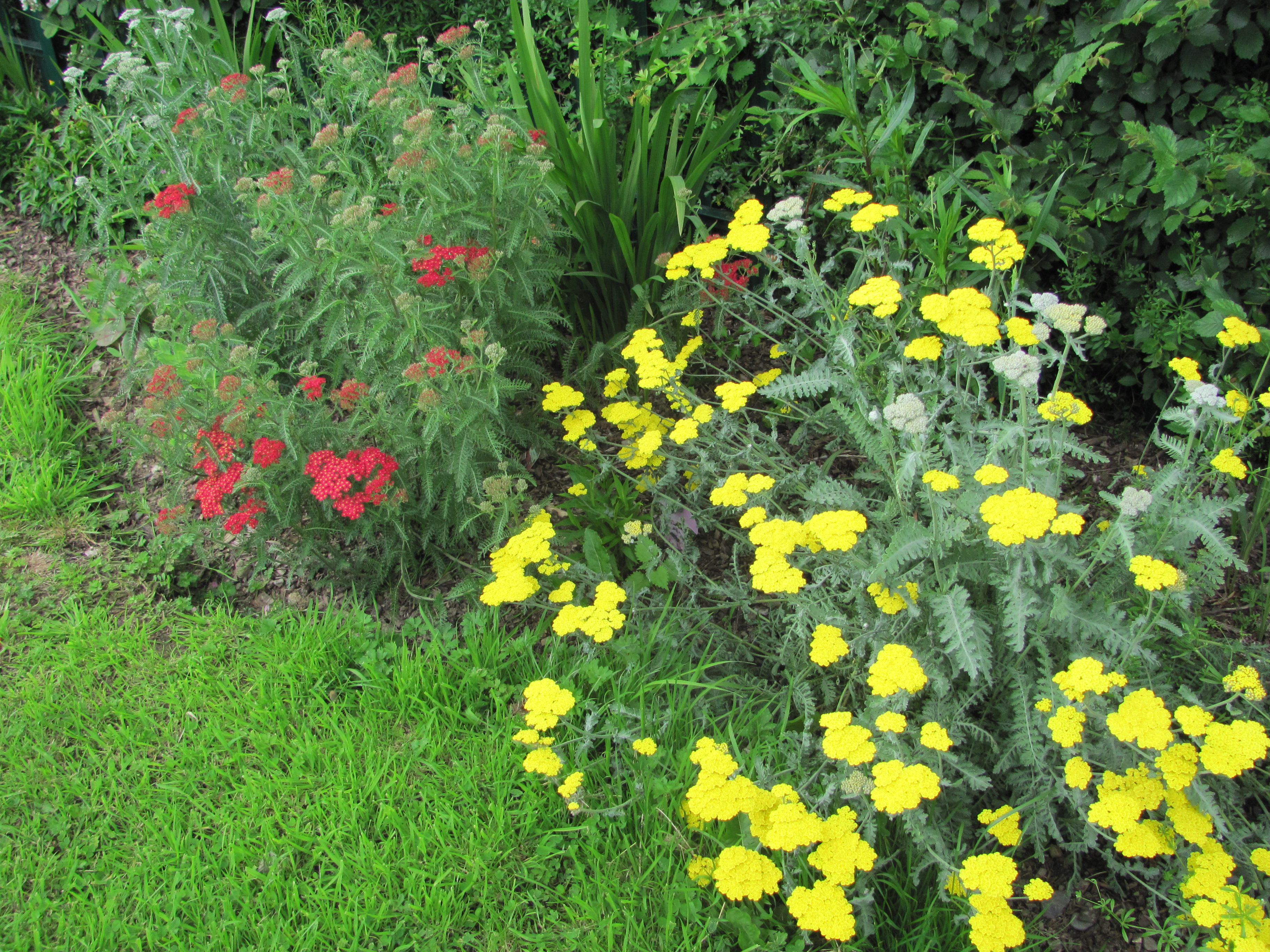
Just as flowers feature strongly on our own plot so they do on other members’ plots and in the Green Space borders. In the Autumn Garden Achilleas are the stars.

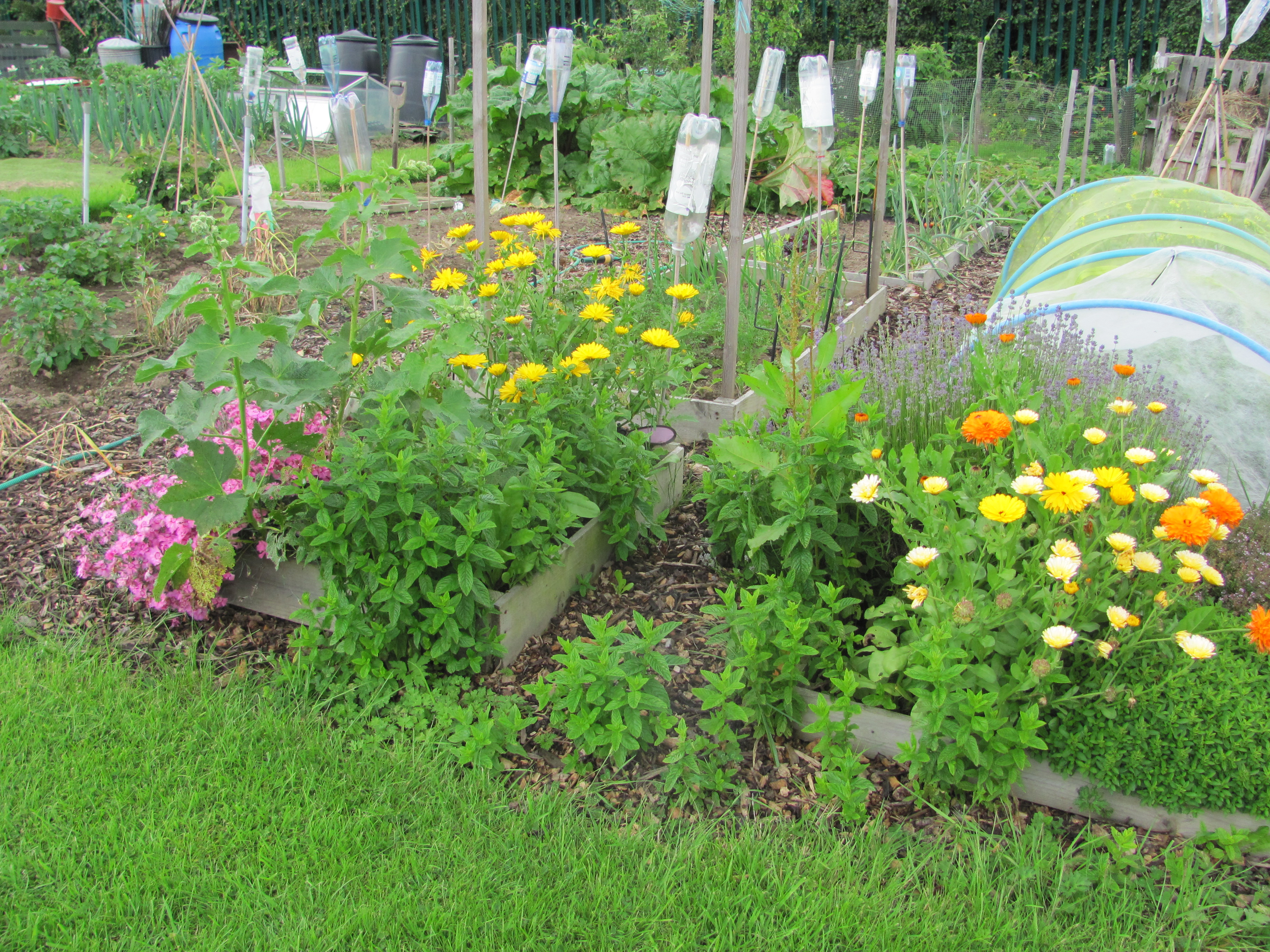
Calendulas feature on many plots as they look so good,  and work hard as part of companion planting helping to attract beneficial insects.

Our first “Buddleja Bed” planted to attract wildlife now looks colourful and full of life. After losing some of our Buddlejas in the dry last year when Shropshire experienced months of drought after two extremely cold winters, the name for these borders currently looks a little inappropriate.

Our wildflower bank sloping up towards one of our orchards is now looking more established as we have added plants that members have donated to add interest.

The Edible Hedge is now fruiting providing sustenance to birds and small mammals. Flowers in the borders at the base bring in bees, butterflies and beneficial insects. Beetles enjoy the long grass and we like them to be there as they feed on slugs.

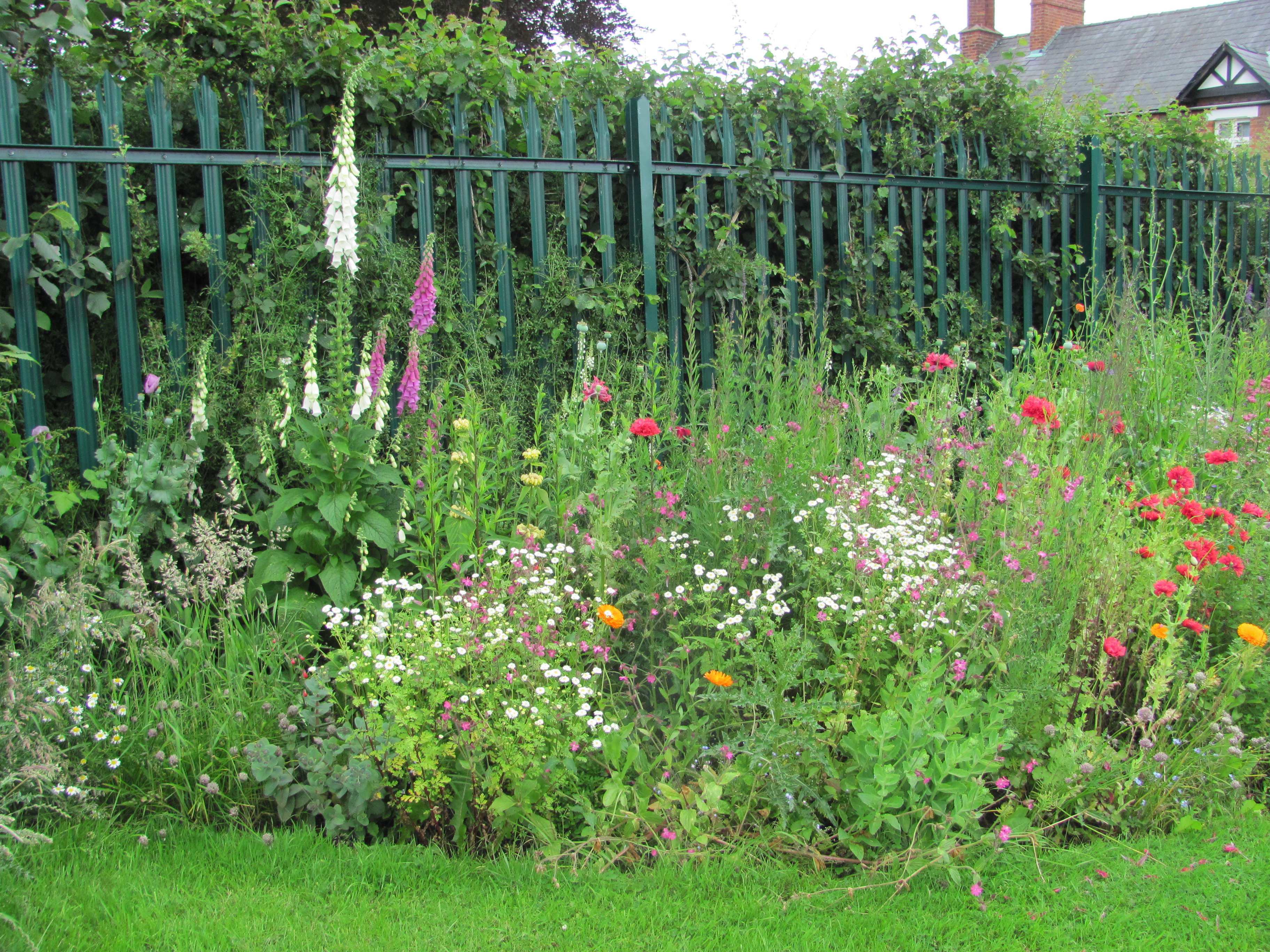
The most colourful garden on site at the moment is the Spring Garden which still displays much interest as we move into the summer months. This garden is maintained by volunteers, Jill and Geoff who spend many an hour planting, dead heading and weeding.

Geoff and Jill’s plot is renown for its weed free neatness and precision planting.

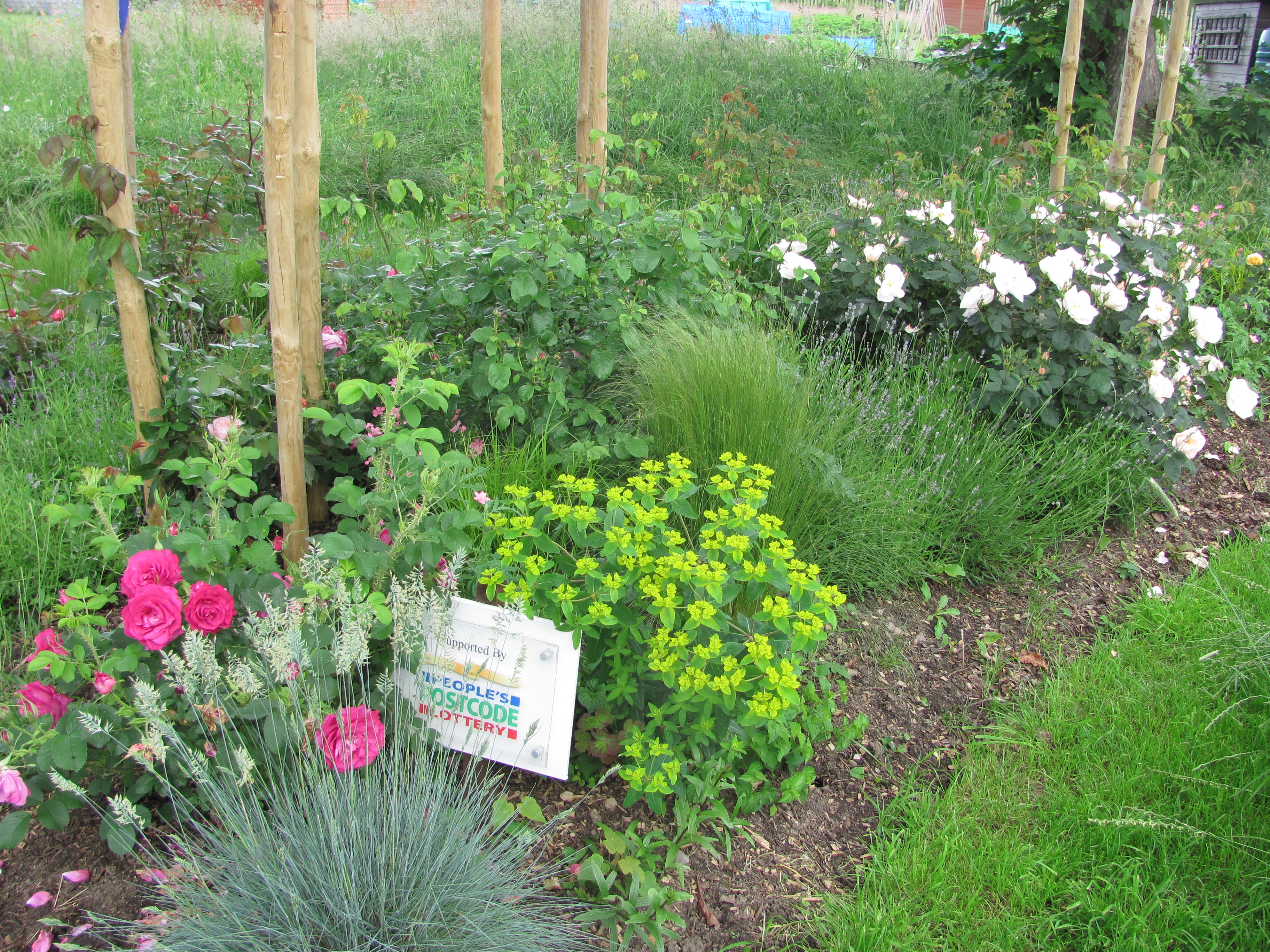
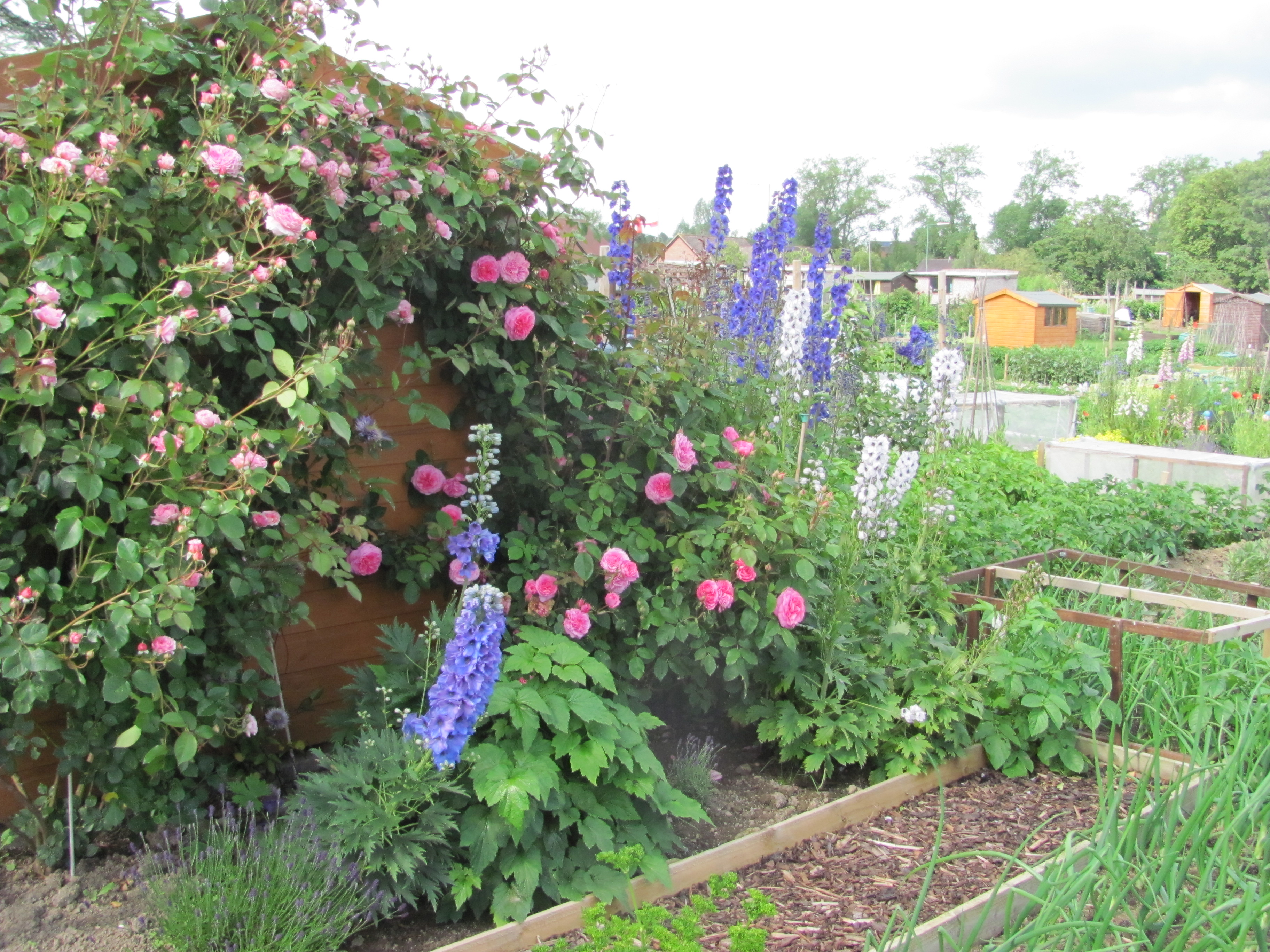
The Summer Garden  is not to be outdone though as the roses are coming into flower and beautiful scents greet us as we sit on the nearby picnic benches. The lavenders, geraniums and grasses planted between the roses add further interest and textures.

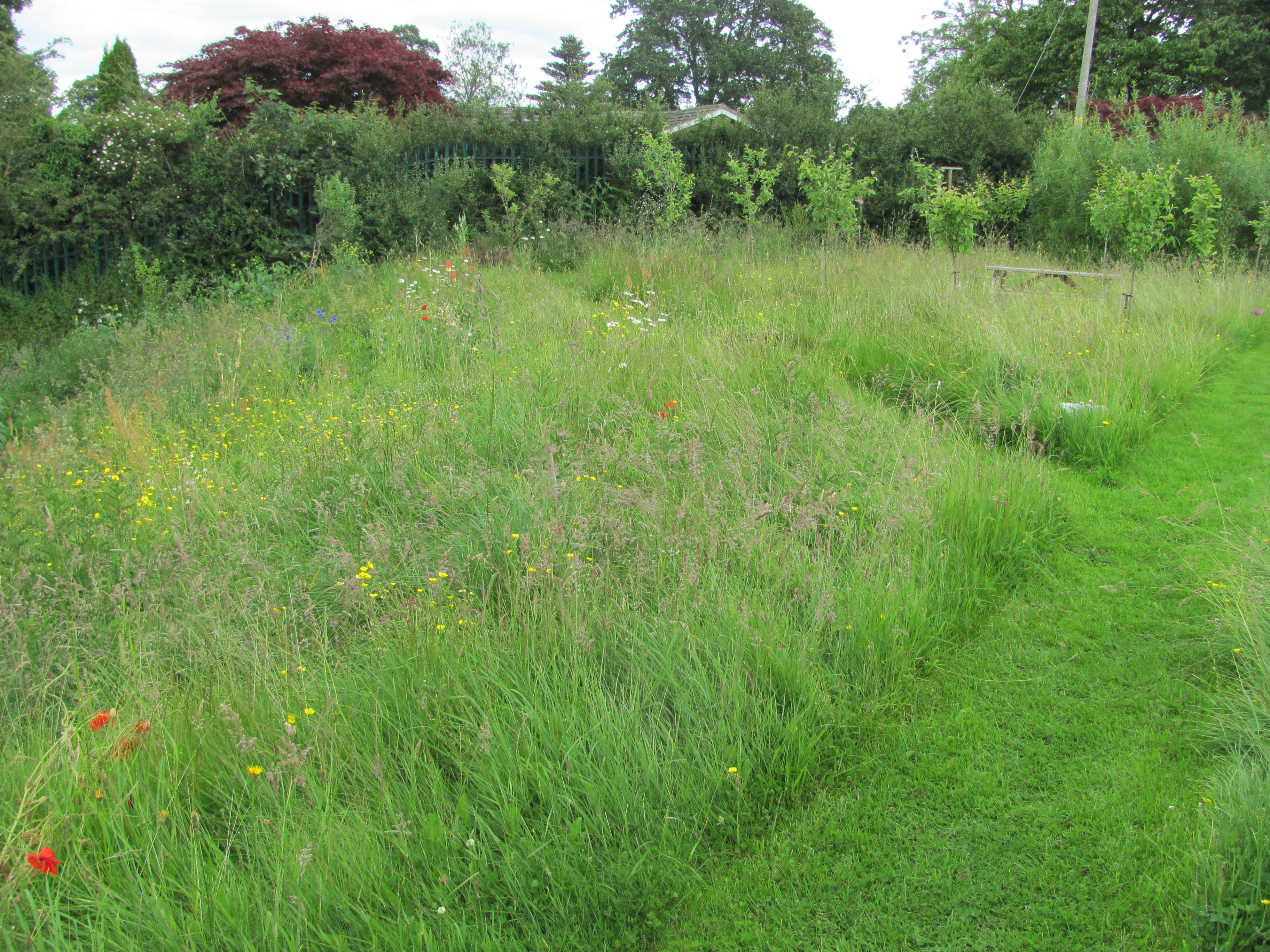
As June moves towards July our meadows really come into their own. Plot holders love to walk through them and a wide variety of birds, bees, butterflies, grass hoppers and every sort of mini-beast visit.

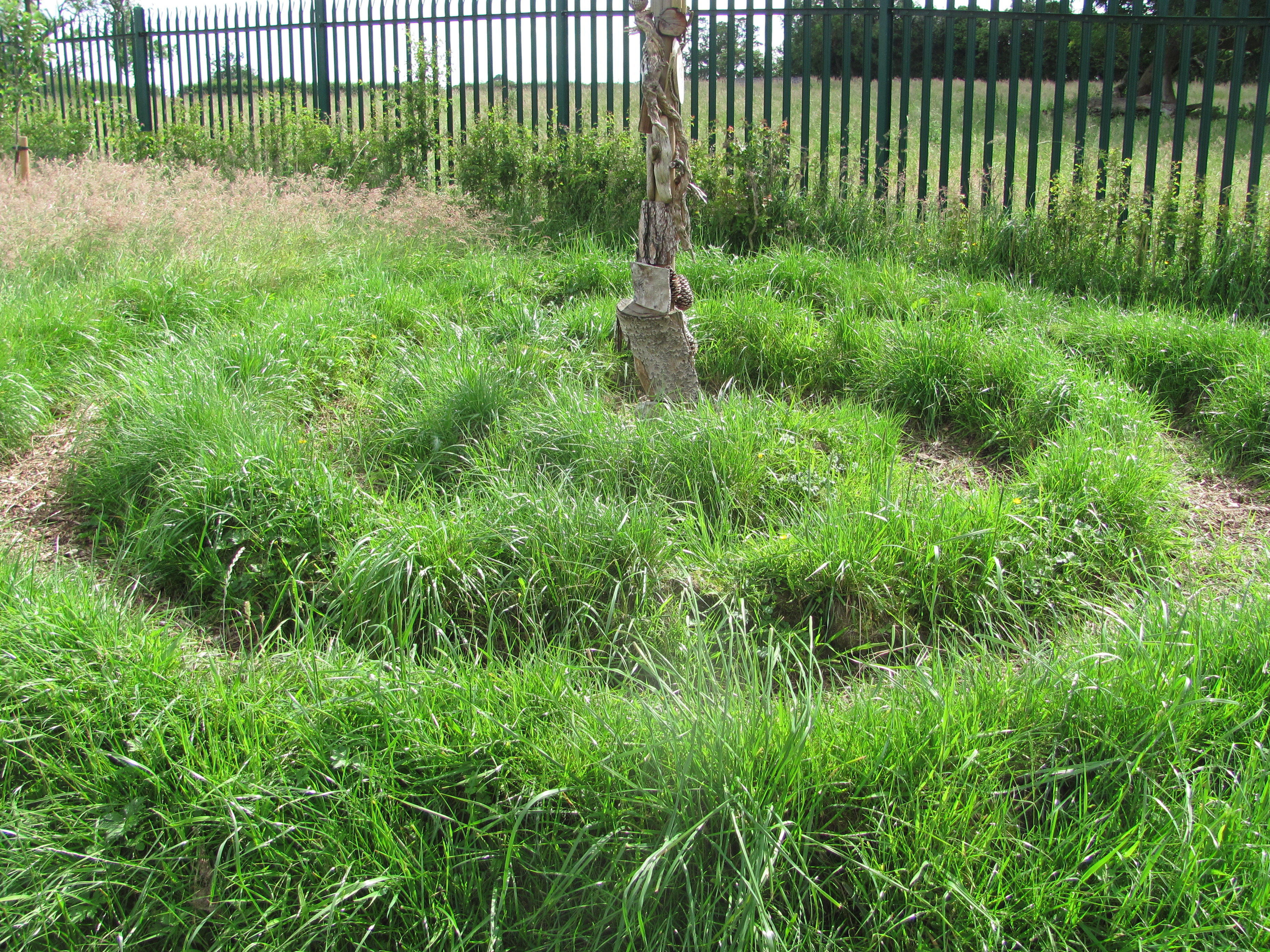
I shall finish with a shot of the plot we have nominated for this year’s Shrewsbury Town Allotment Competition and one of our grass spiral which currently looks most inviting.

Categories
allotments community gardening fruit and veg garden photography garden wildlife gardening grow your own photography wildlife

Allotment Oddities

Visiting allotments is always interesting and an excellent opportunity to glean ideas. Gardeners who cultivate allotments are imaginative and seem to have a penchant for experimenting and trying to find ways of using everyday objects in new ways. Recently we visited the allotment site where our daughter and son-in-law, Jo and Rob garden and finished the day with our usual wander around the site. Here are the oddities and ideas we found there.

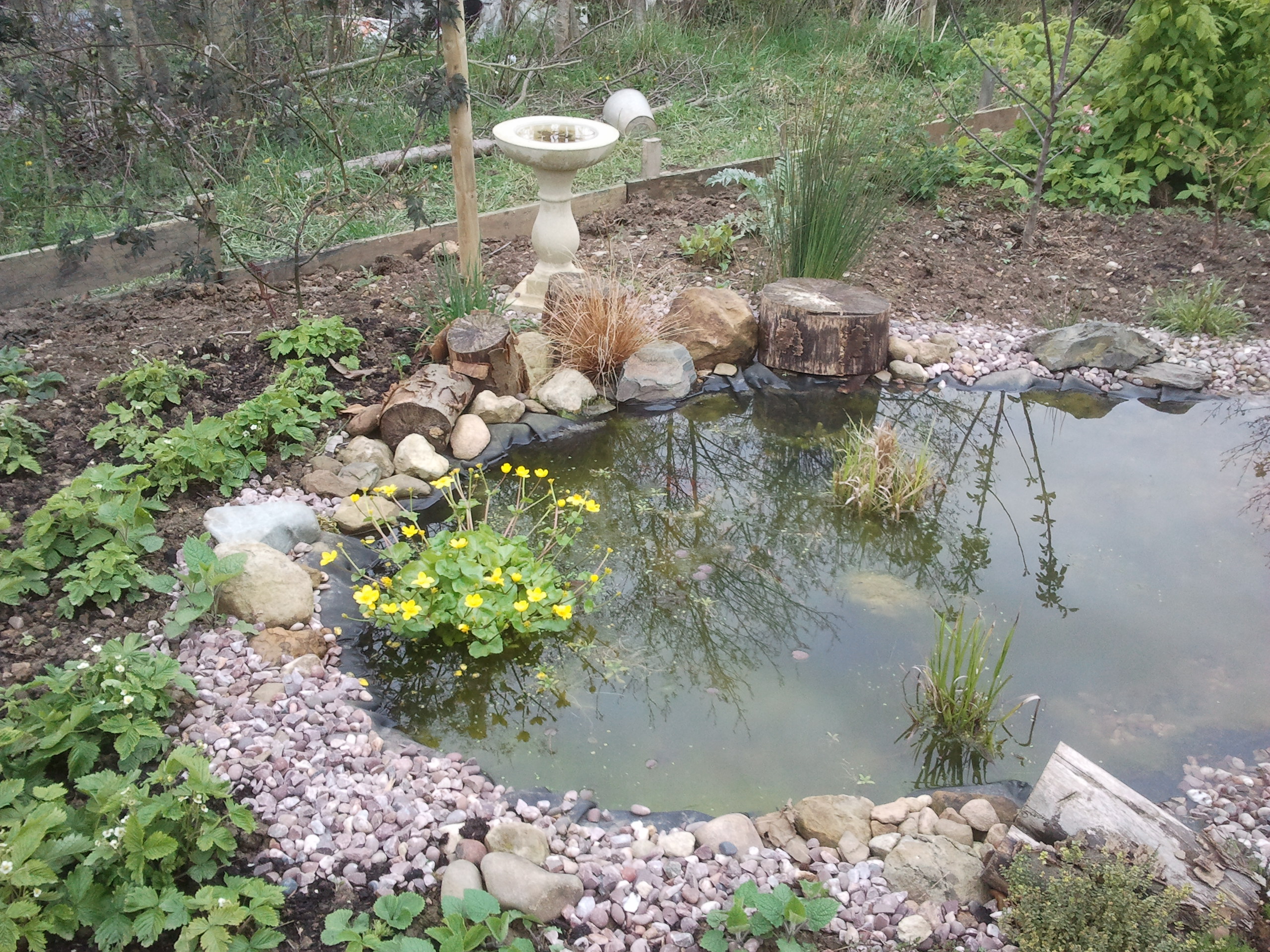
One allotment boasted this wildlife pool surrounded by all sorts of herbs, soft fruits and fruit trees. The plot tenant proudly showed us around her plot, told us about her pond and introduced us to her chickens.

This supply of hoolahoops awaited their turn to be used to support netting that would protect crops from pests.

This wheelbarrow on a neglected plot had sprouted a lawn – a lawn in need of a trim.

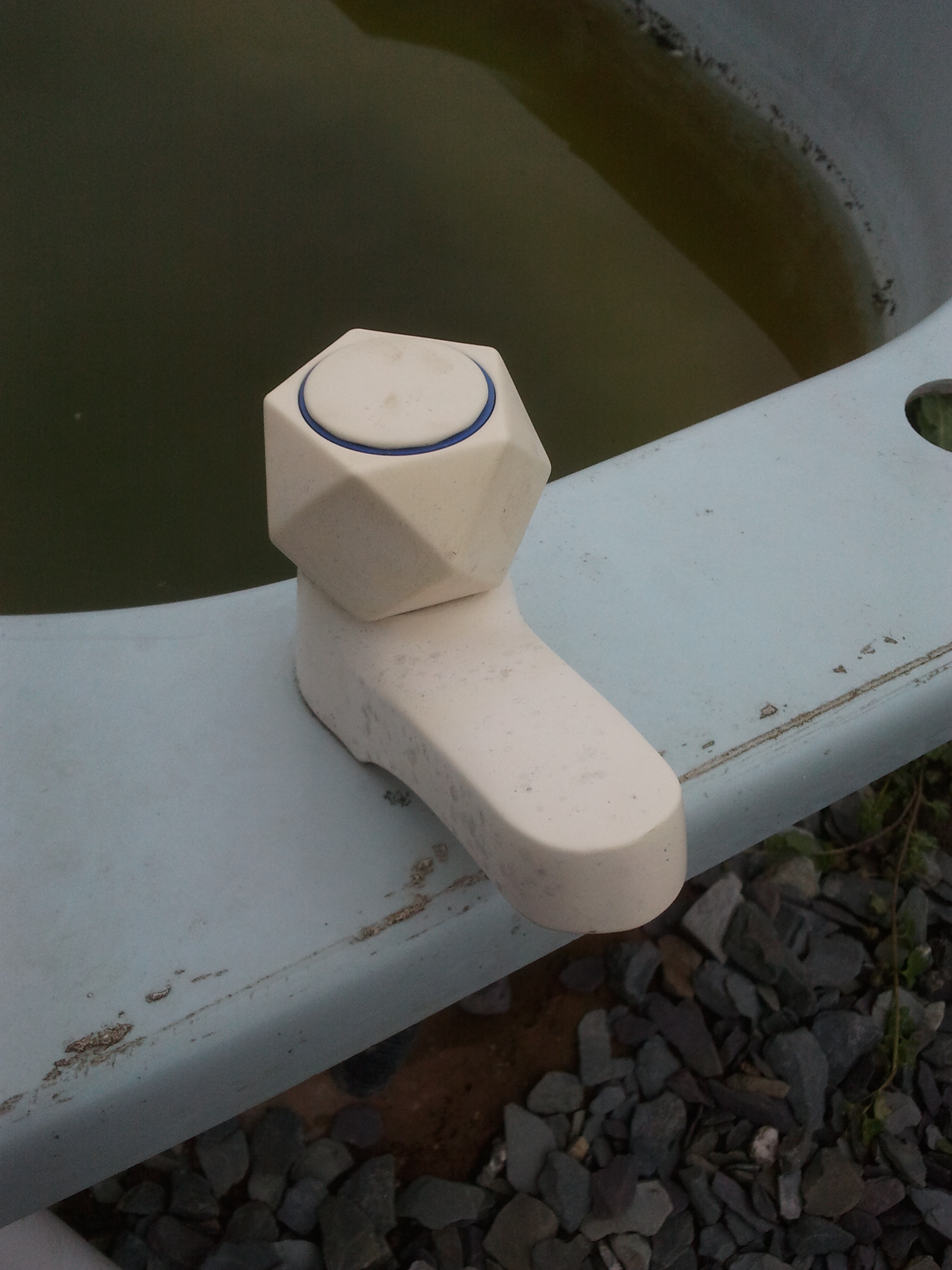
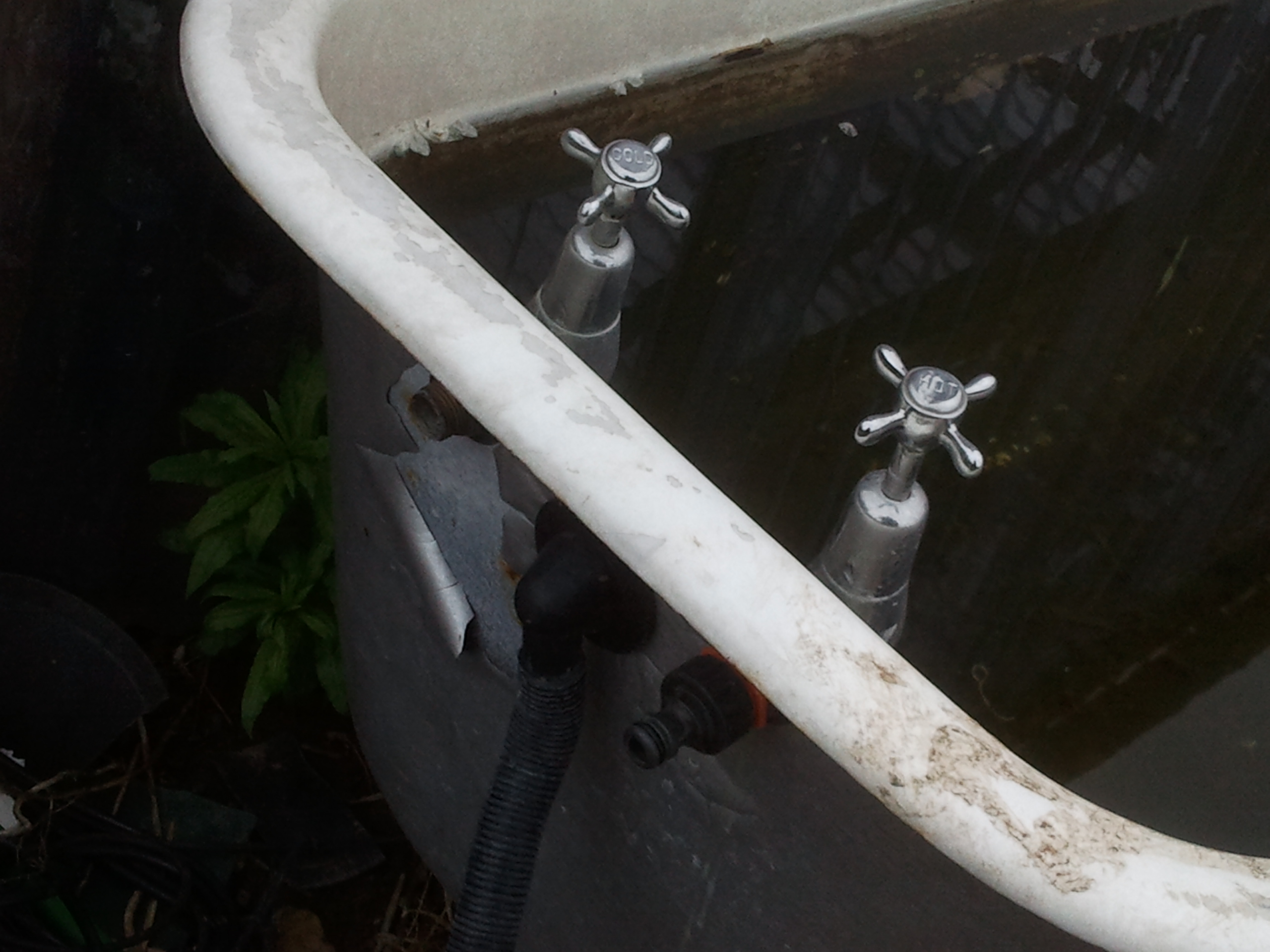
Baths featured on many plots for water storage, this one even retained its tap. Memories of the seventies came flooding back when we spotted the style of the tap.

Mad Jac wasn’t on his plot. Pity that because I bet he would have been great fun to talk with.

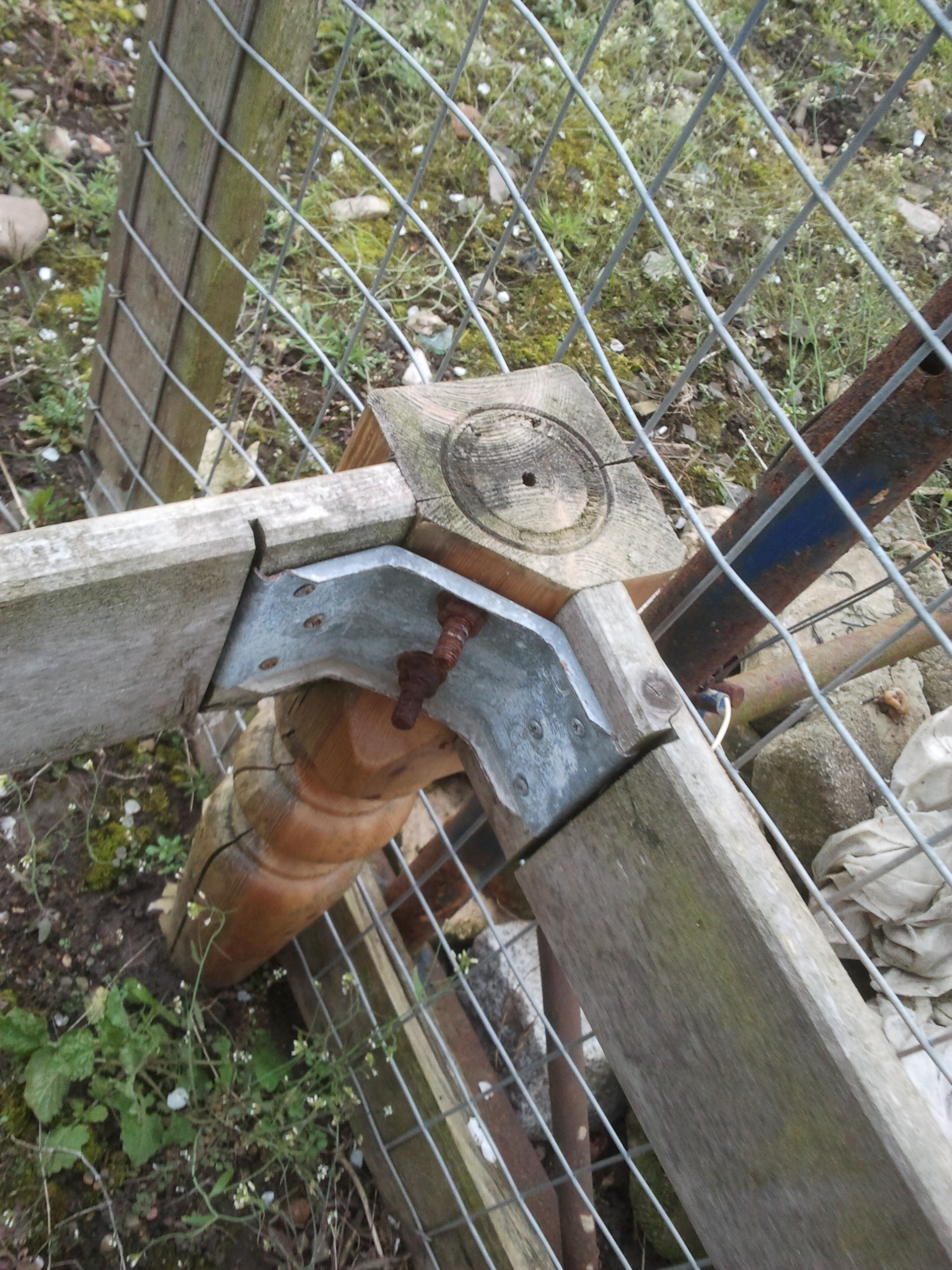
Now just what could the plot holder have intended for a table without a top?

An upmarket bath on this plot. Two taps and chrome rather than plastic!

There must have been some very valuable crops on this plot. Or were they secret?

Categories
allotments community gardening fruit and veg garden photography garden wildlife gardening grow your own hardy perennials meadows National Trust natural pest control photography The National Trust wildlife

Clumber Park – The Walled Garden

We have watched over the last few years how the walled garden at Clumber Park has been brought back to life. Although it is a few hours from home we visit at least once a year.

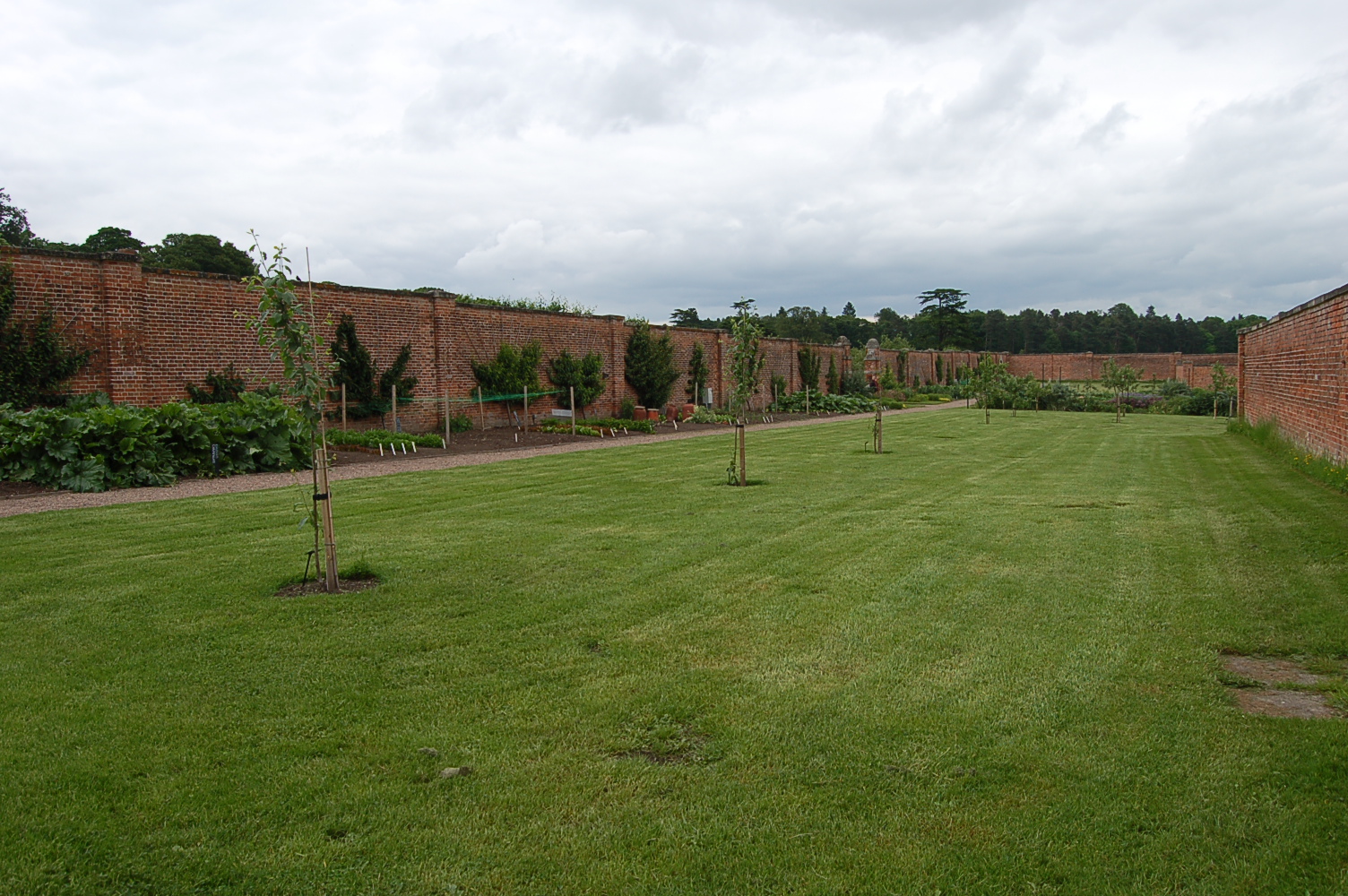
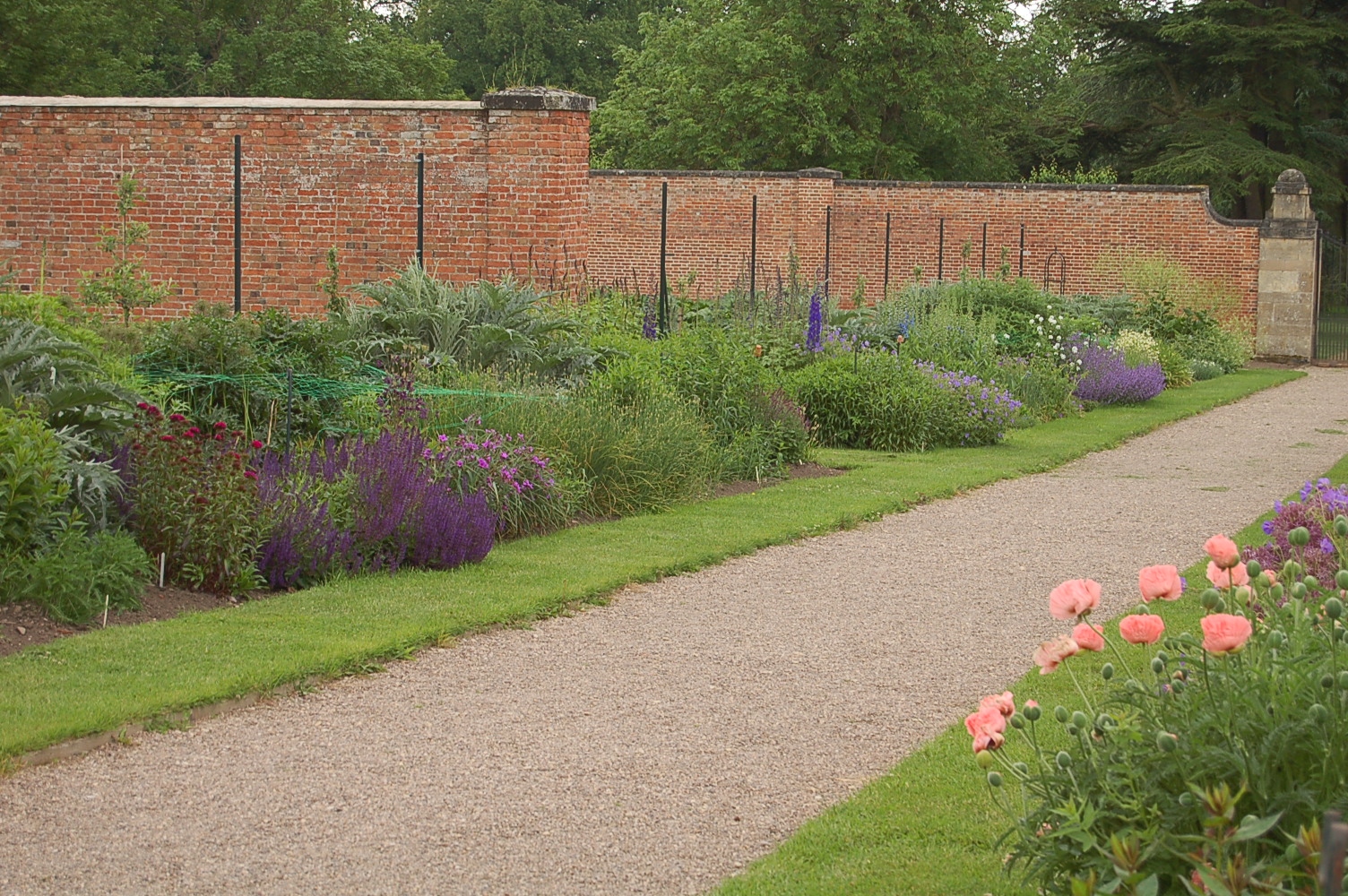
Now it is a peaceful place to wander around admiring the vegetable growing techniques, the orchards and the meadows beneath, the long flower borders, the trained fruit on the walls themselves and the national collection of rhubarb.

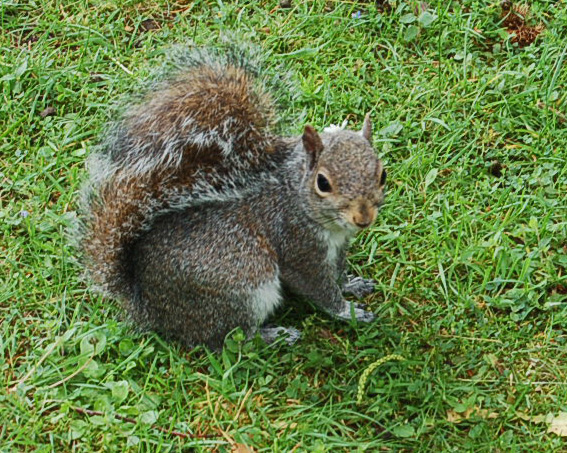
We were very lucky on this recent visit as we had our own personal guide who came around with us. He was grey haired and didn’t say a lot but he didn’t mind when I took his portrait.

We like to approach it along the dramatic avenue of cedars where the enticing view of the distant old gates within the warm red of the tall brick walls draws us in. The cedars themselves have such sculptural qualities and an air of mystery pervades the shadows under their glaucous sweeping branches some scooping down to touch the grass below.

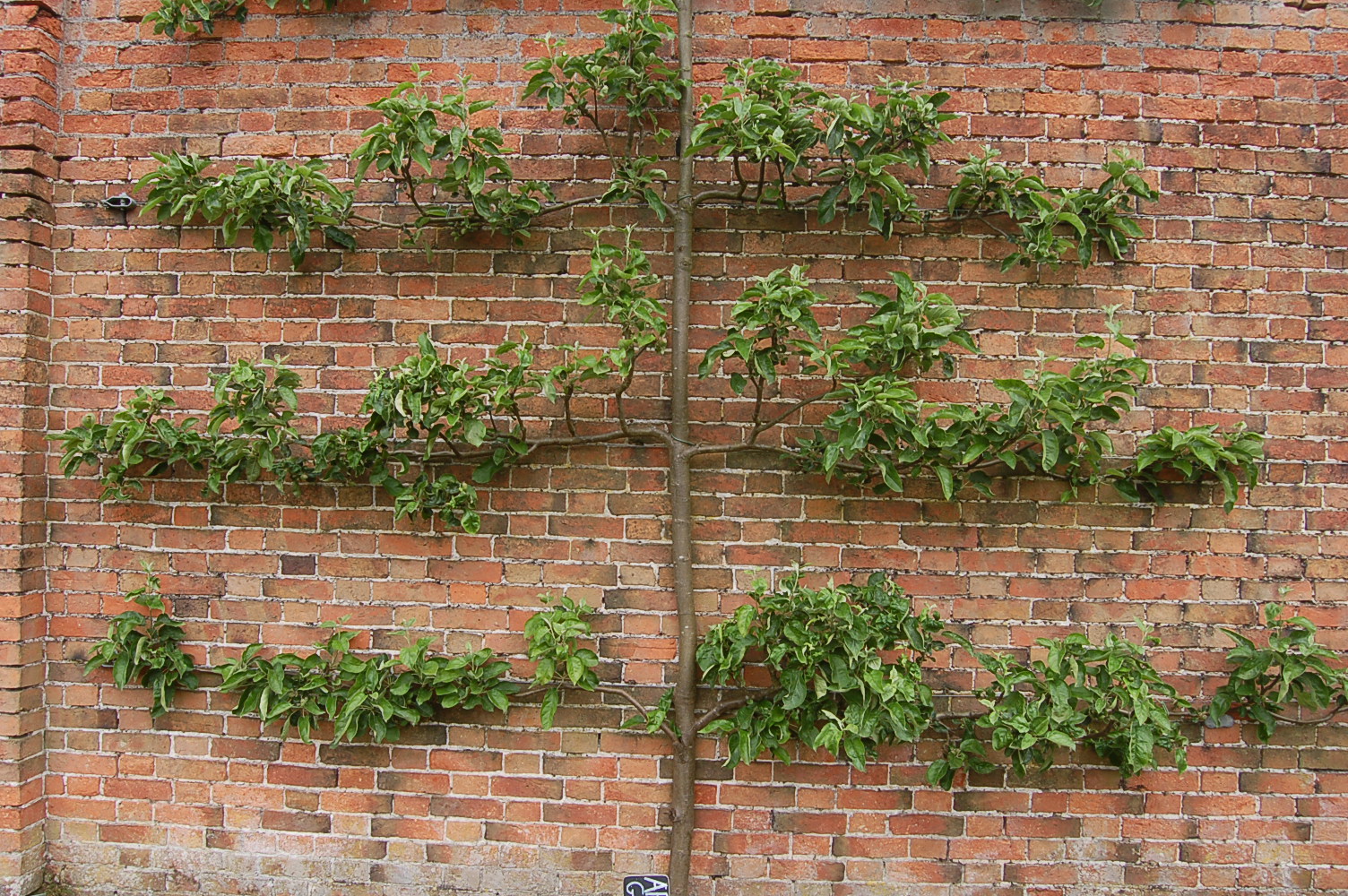
The tall warm bricked walls are now protecting skilfully trained apples, pears, peaches, cherries and figs. In the open a collection local varieties of fruit are being established and in the borders below the walls herbaceous plants, herbs and the National Collection of Rhubarb varieties flourish.

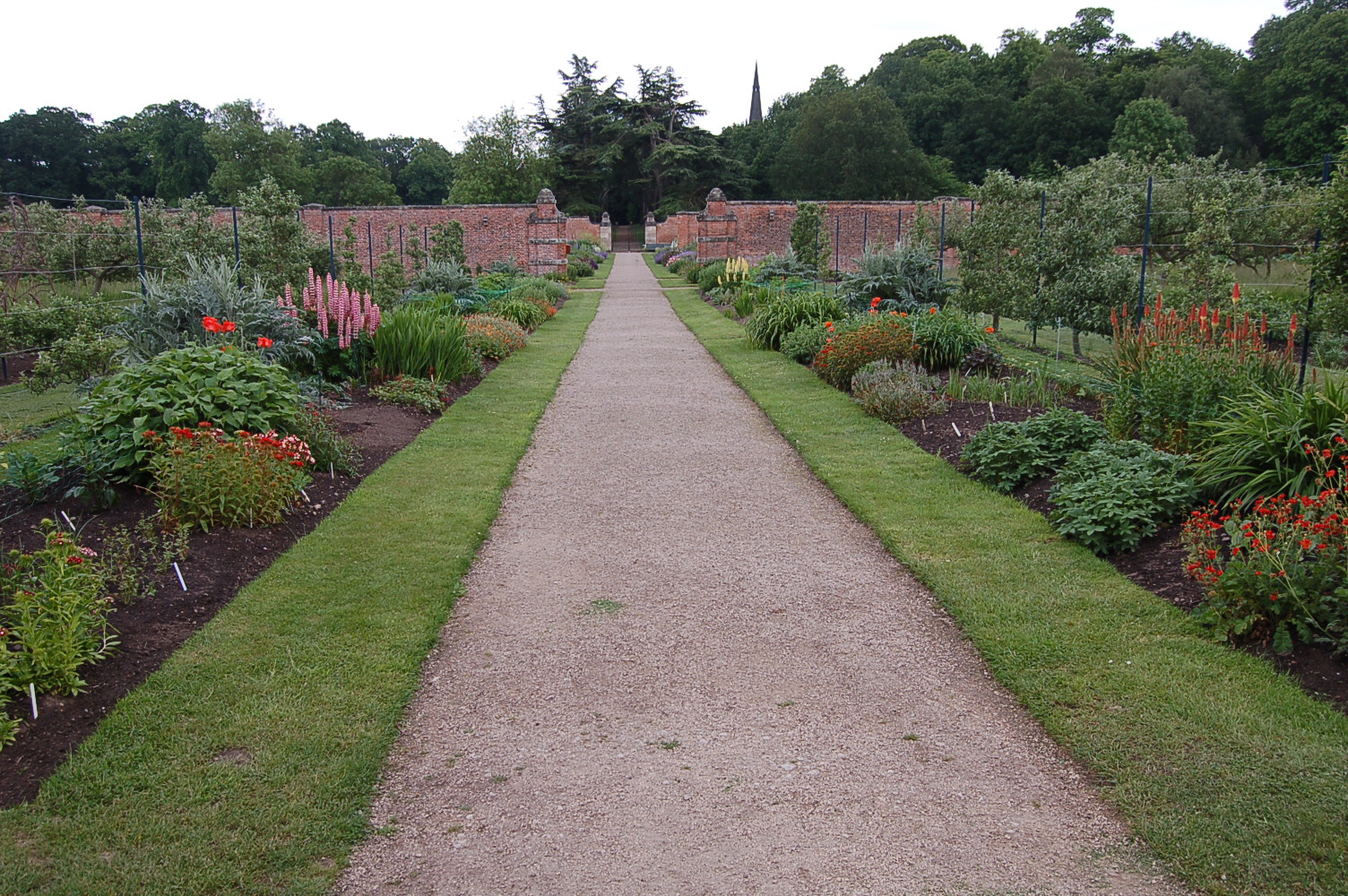
The wide central gravel path that bisects the walled garden runs from the main gates to the greenhouse. It runs between a colourful  double herbaceous border.

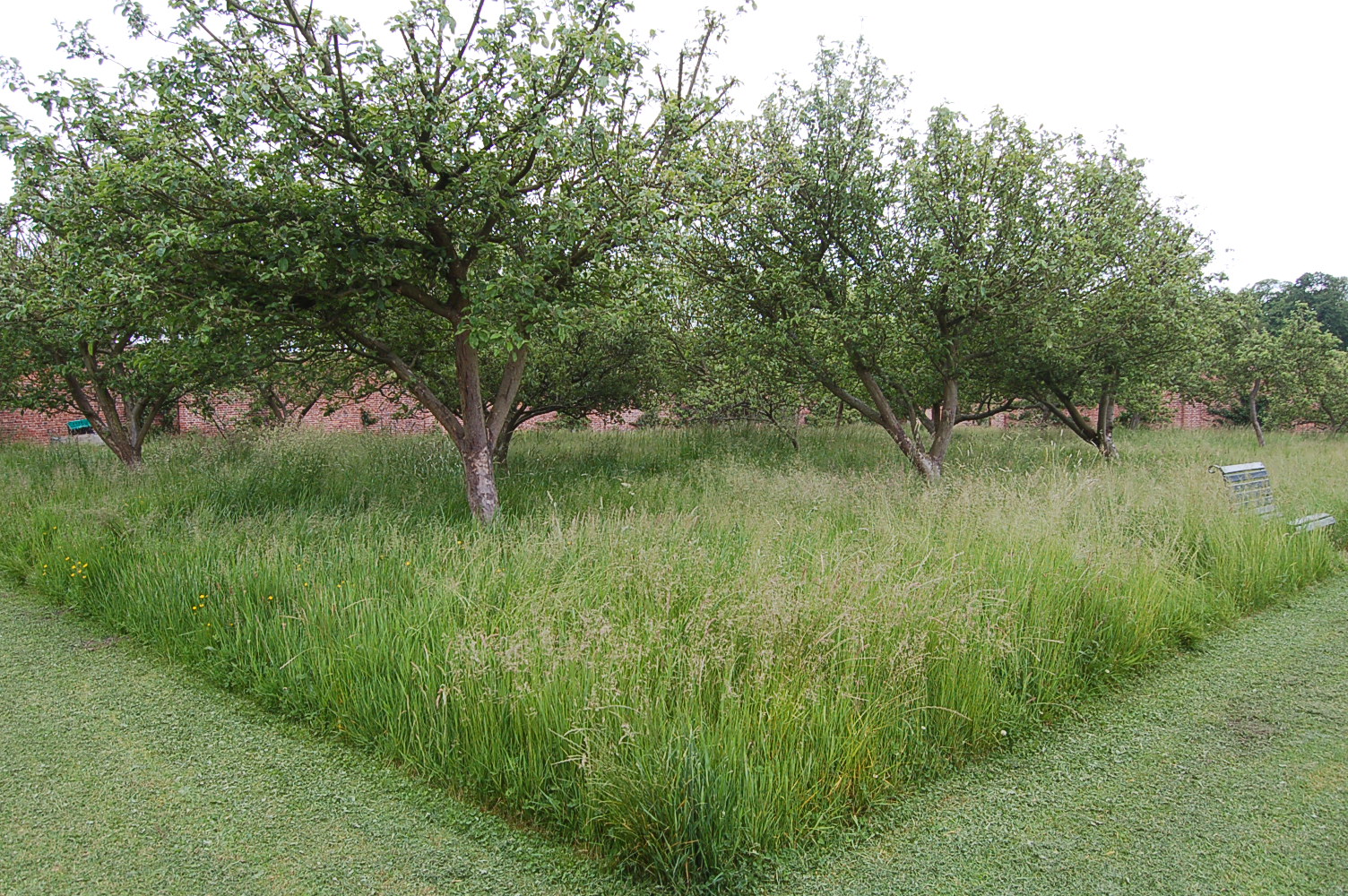
Old fruit trees remain to give a sense of continuity and sit comfortably amongst gently swaying meadows. We were delighted to see a Medlar in flower.

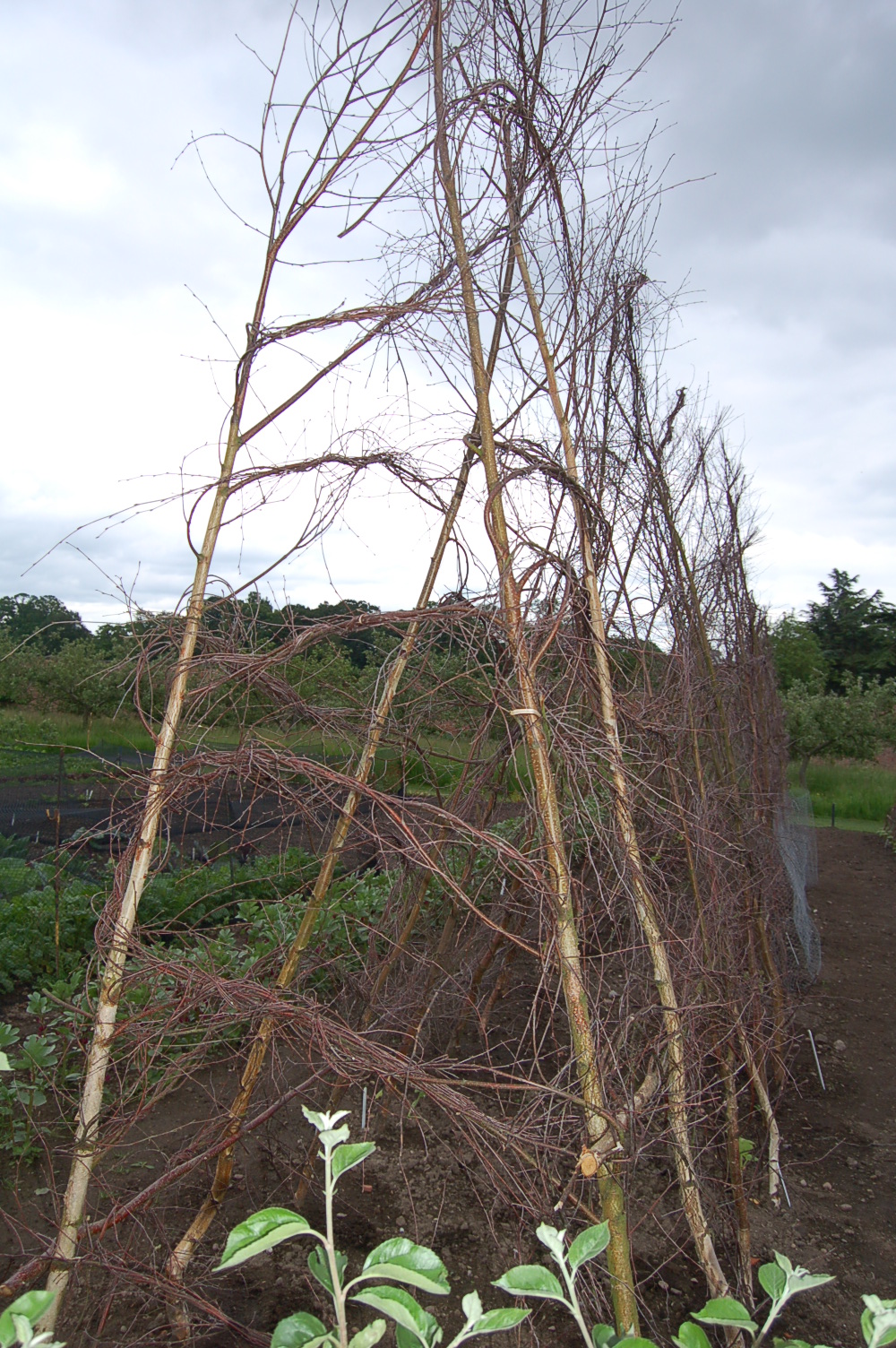
We enjoyed discovering ideas to take home with us as we moved within the vegetable growing areas, such these rustic supports for peas and sweetpeas made from birch prunings. Much of the productive planting was done in neat, long and impressively straight lines.

Being run along totally organic lines the walled garden was well-provided with bird nesting boxes and insect shelters to attract beneficial insects.

As we wandered around we noticed amongst the productive rows of veggies, this beautiful Victorian glass and metal cloche still in regular use.  It performed as well now as it always has done just like the walled garden itself.

As we prepared for our journey back to Shropshire, our helpful little cheery guide waved a small wave and wandered off.

Categories
climbing plants fruit and veg garden design garden photography gardening half-hardy perennials hardy perennials meadows ornamental grasses ornamental trees and shrubs photography poppies roses Shropshire shrubs succulents trees

Another Wander around our Garden in June

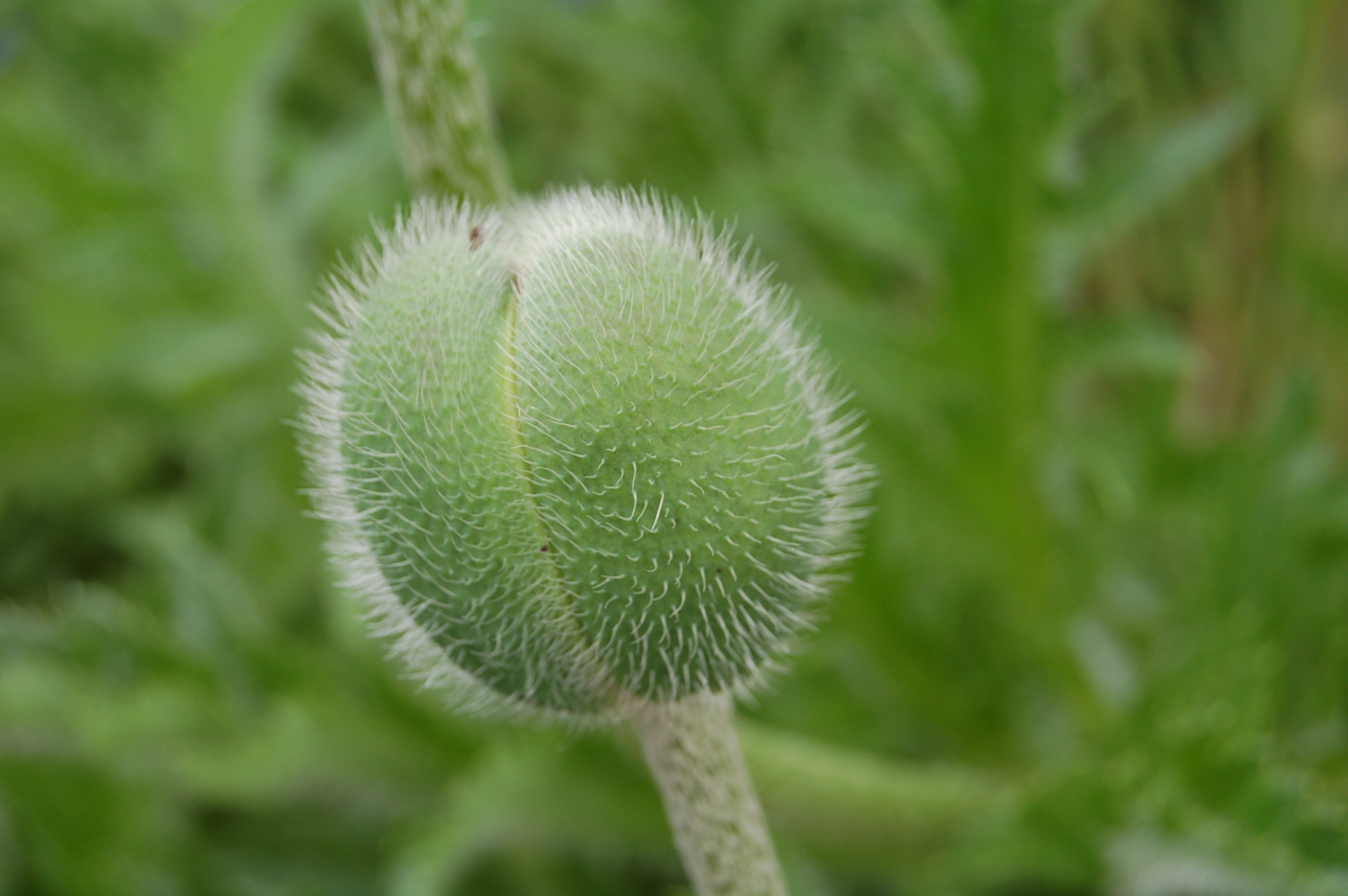
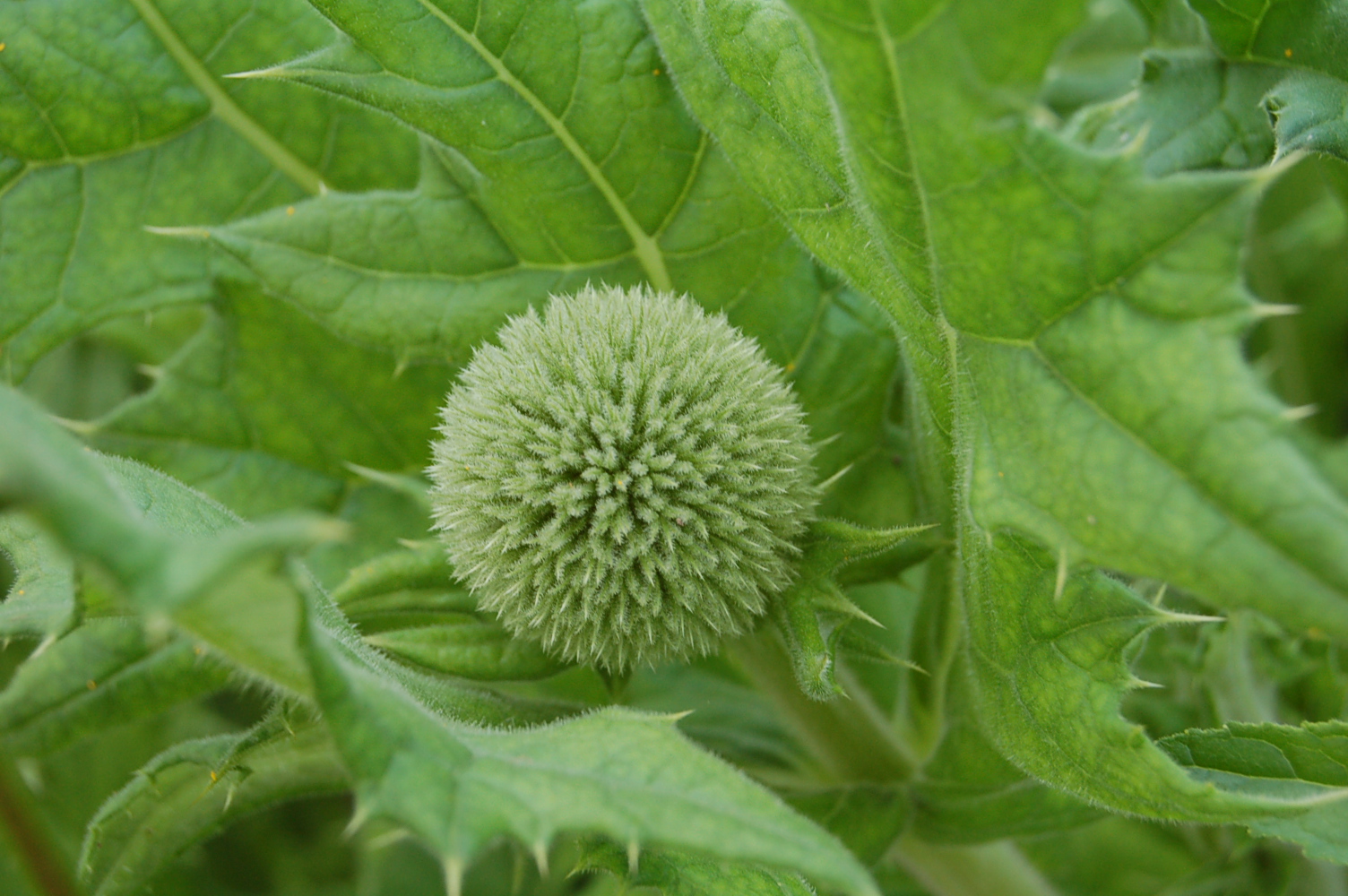
We can start the second part of our wander by looking again at the front garden. Buds give us hints of blooms to come in midsummer, Phlomis, Oriental Poppies, Erygiums and Echinops. Promises of yellows, reds and steely blues.

Foliage colour and texture can be as striking as the most colourful of flowers.

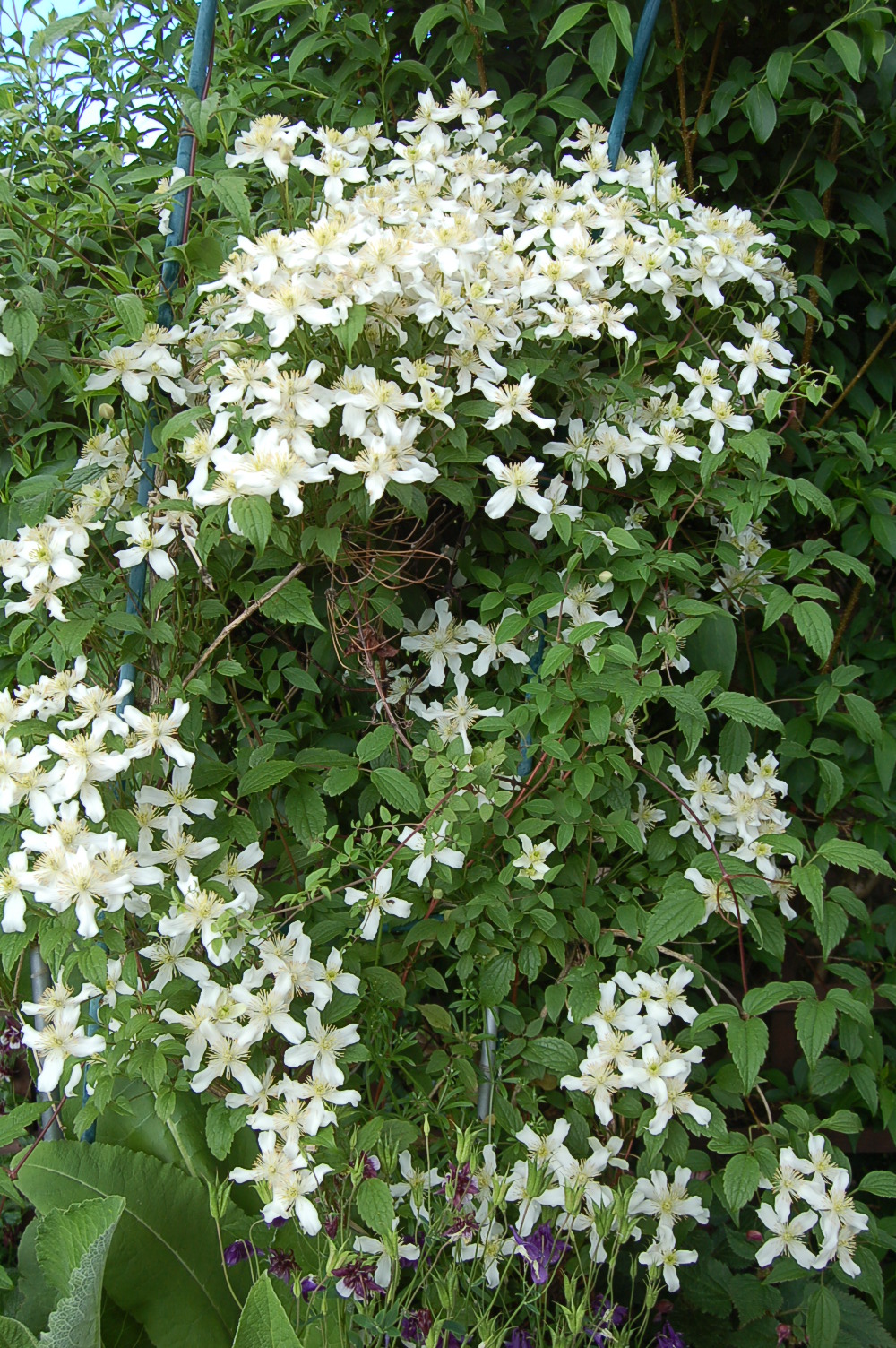
Our collection of Clematis are beginning to flower and others are covered in robust buds.

Flower colours have been so important during the first few weeks of this month simply as an antidote to dull days and dark skies. It matters not whether it is a gaudy cerise beauty or a subtle green or white.

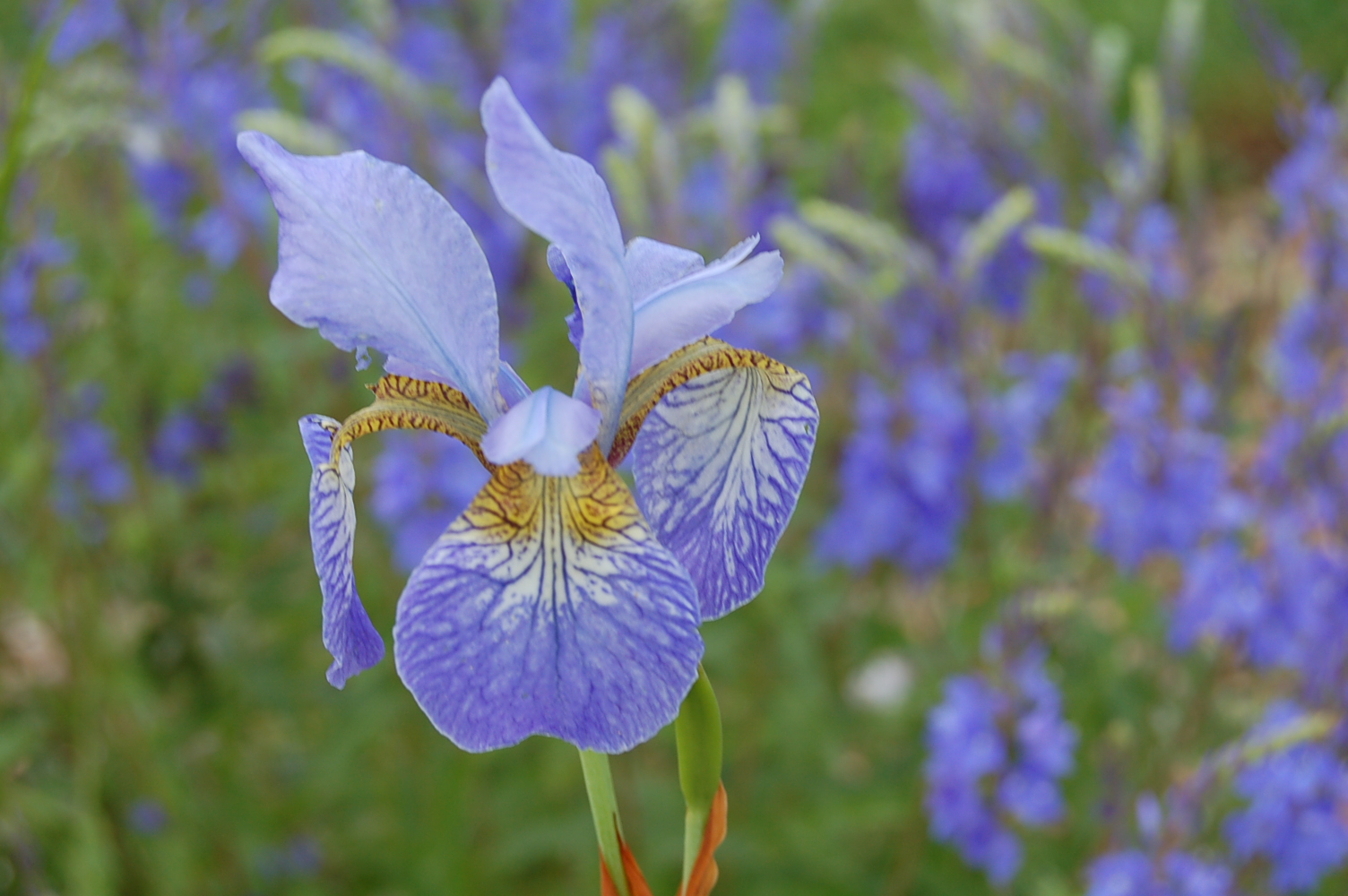
Blue on blue.

Another view of our Freda Border.

Our mini-meadows in their pots are developing well. We think we may be onto a winner.

The Shed Bed created on the site of an old shed which we demolished when we moved in, is really pleasing as below the shed we found just rubble, gravel, broken pots and sand. We added wheelbarrows of compost to improve it and now every little flower is a true gem.

A vine grows over one end of the greenhouse acting as a natural shading agent as well as feeding the gardeners. The startlingly red flowering currant has hitched a lift along it so the vine drips with red droplets.

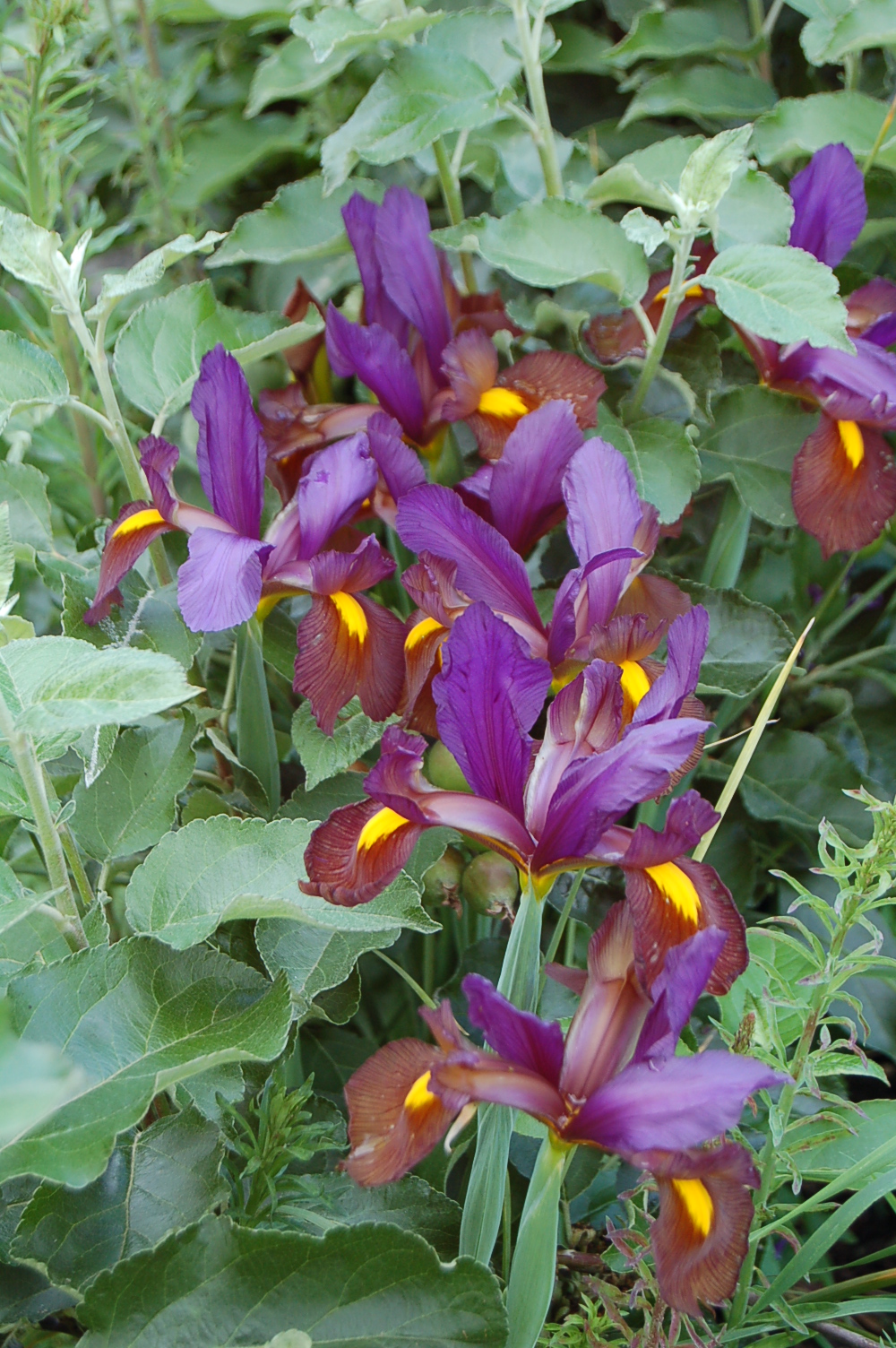
We enjoy these irises as cut flowers but bees take advantage of them before we pick them. This clump is growing through our stepover apples. Double harvesting – cut flowers followed by apples.

The planting around the pool has closed in and made it an intimate area. Nearby the Prairie Garden is bursting with fresh blooms.

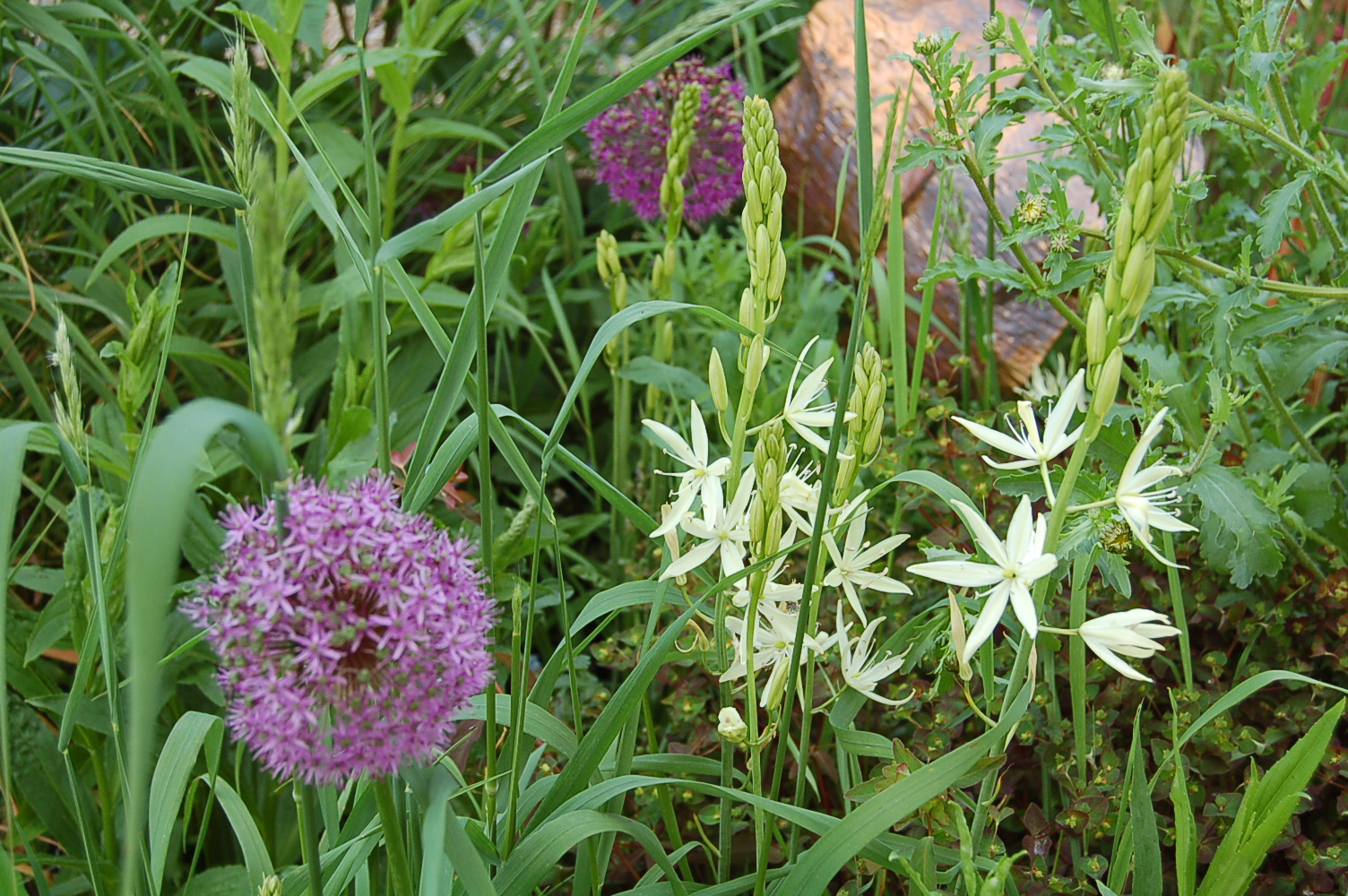
In the Secret Garden Aquilegias and Alliums look good alongside the purple foliage of Pentstemon Huskers Red.

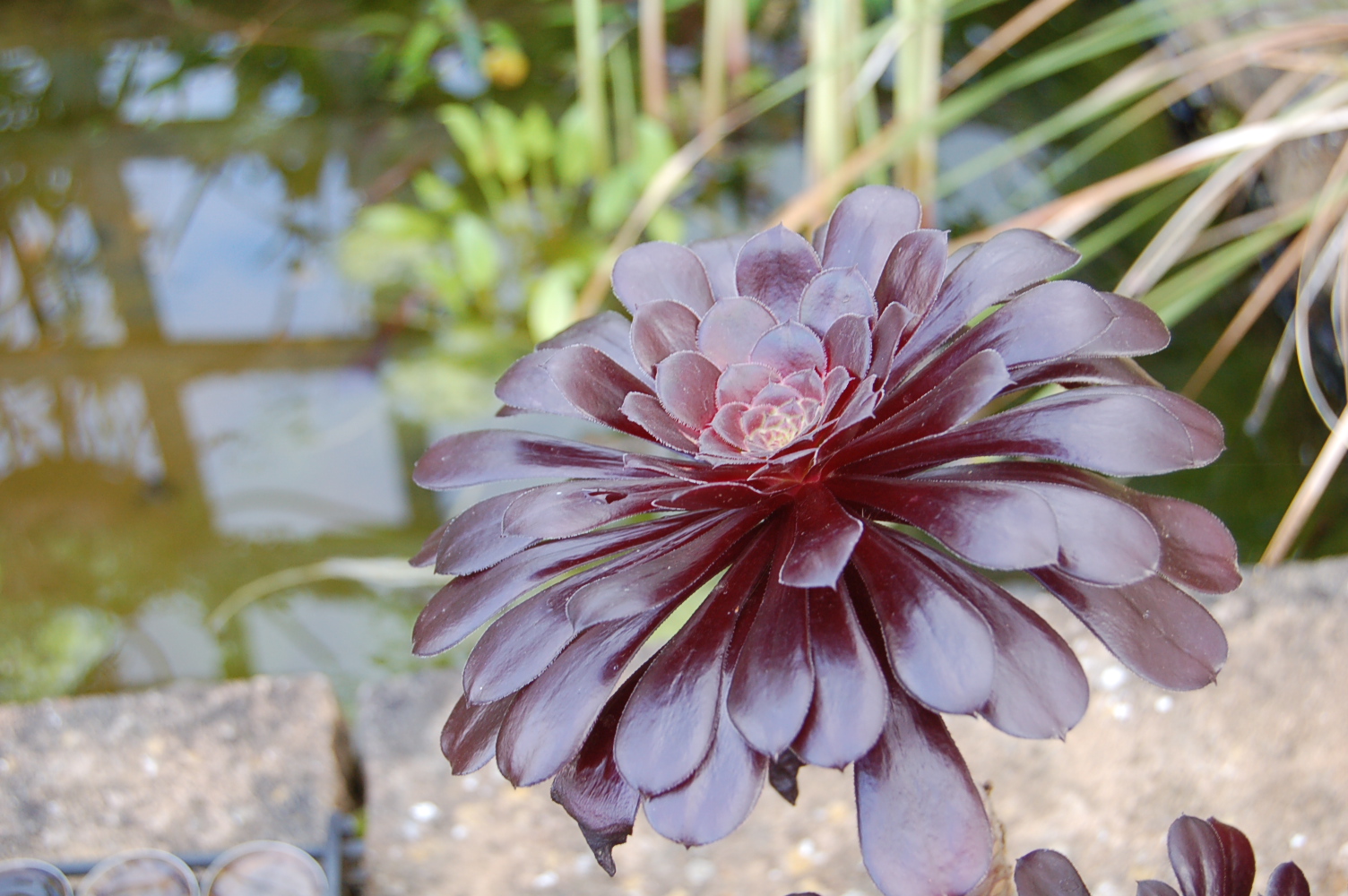
These aeonium enjoy the hottest part of the garden, the Rill Garden.

To one side of the rill we grow a snake bark maple, with silver and green striped bark, cream and red seed capsules and in autumn it has amazing rich red foliage. A wonderful specimen tree to finish this garden wander underneath.

Categories
allotments birds community gardening conservation fruit and veg garden photography garden wildlife gardening grow your own hardy perennials meadows natural pest control Shropshire wildlife

A Wander around the Allotments in May

May is a busy month on the allotment, seeds need sowing, seedlings need thinning, weeds need hoeing and early crops reward us with early harvests. And of course our grass paths separating the four areas of the plot need regular mowing.

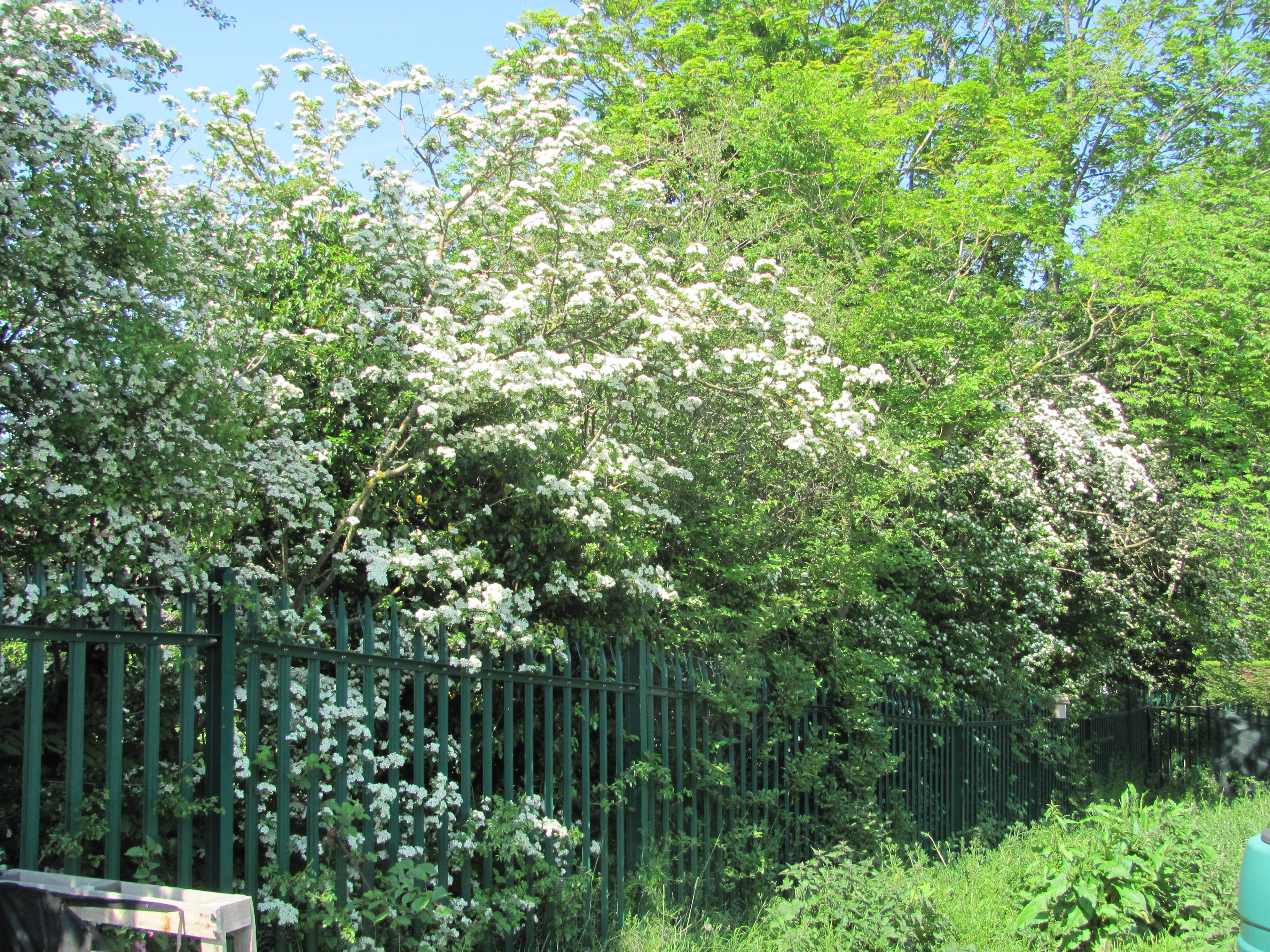
The Hawthorns in native hedges around the site are smelling good and looking good.

The wildlife all around is equally busy, seriously going about the business of breeding with all its inherited trials and tribulations. The weather, predators, prey availability and the search for food for both adults and nests full their young all contrive to make their lives difficult.

We shall begin our May lottie wander on our own plot to see what is going on. The soil is now easily worked so using the hoe to remove seedlings is easy so the plot is looking tidy.

Our brassicas are coming along well underneath their protective cover.
The perennial bug borders are looking good.
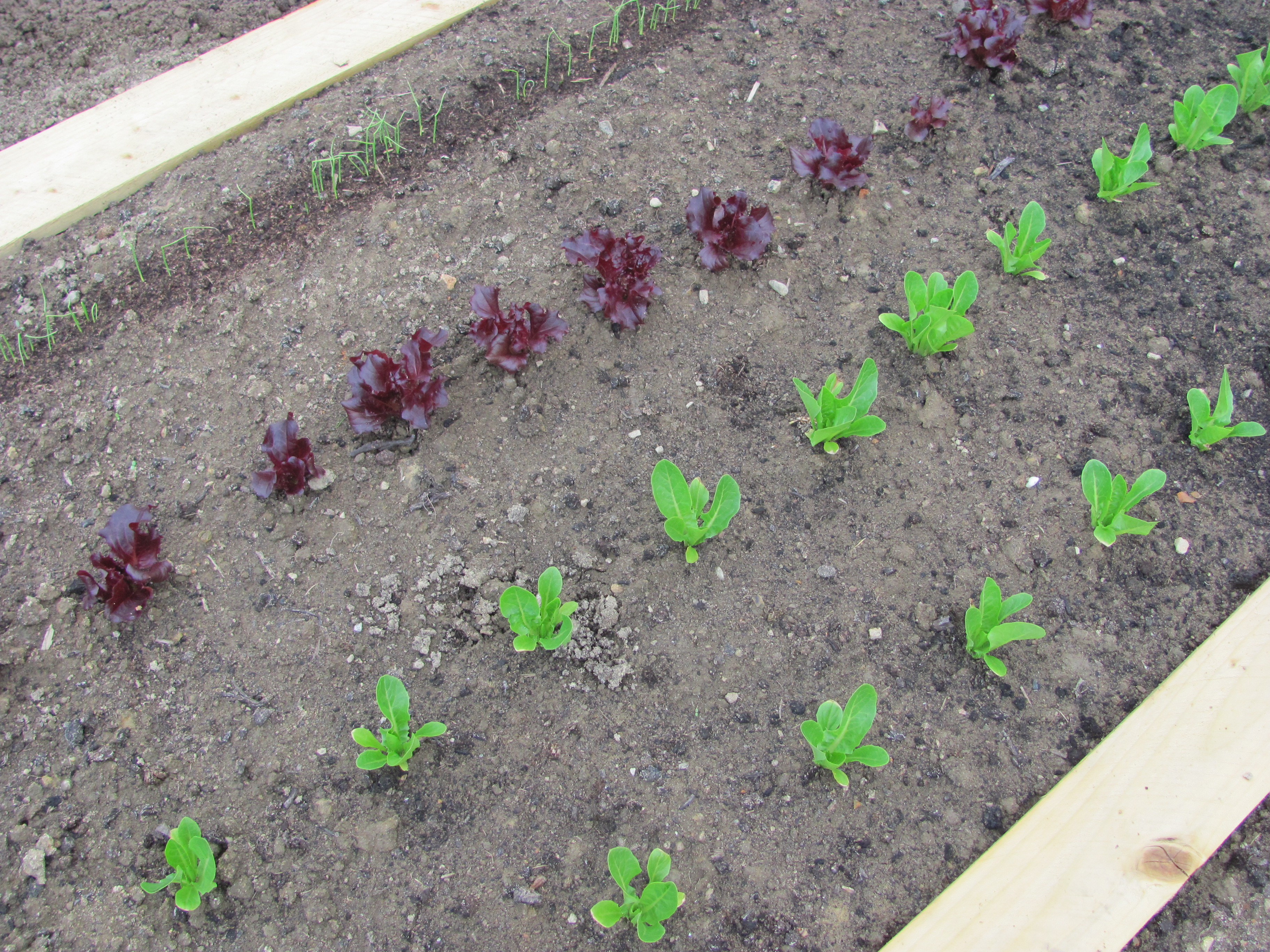
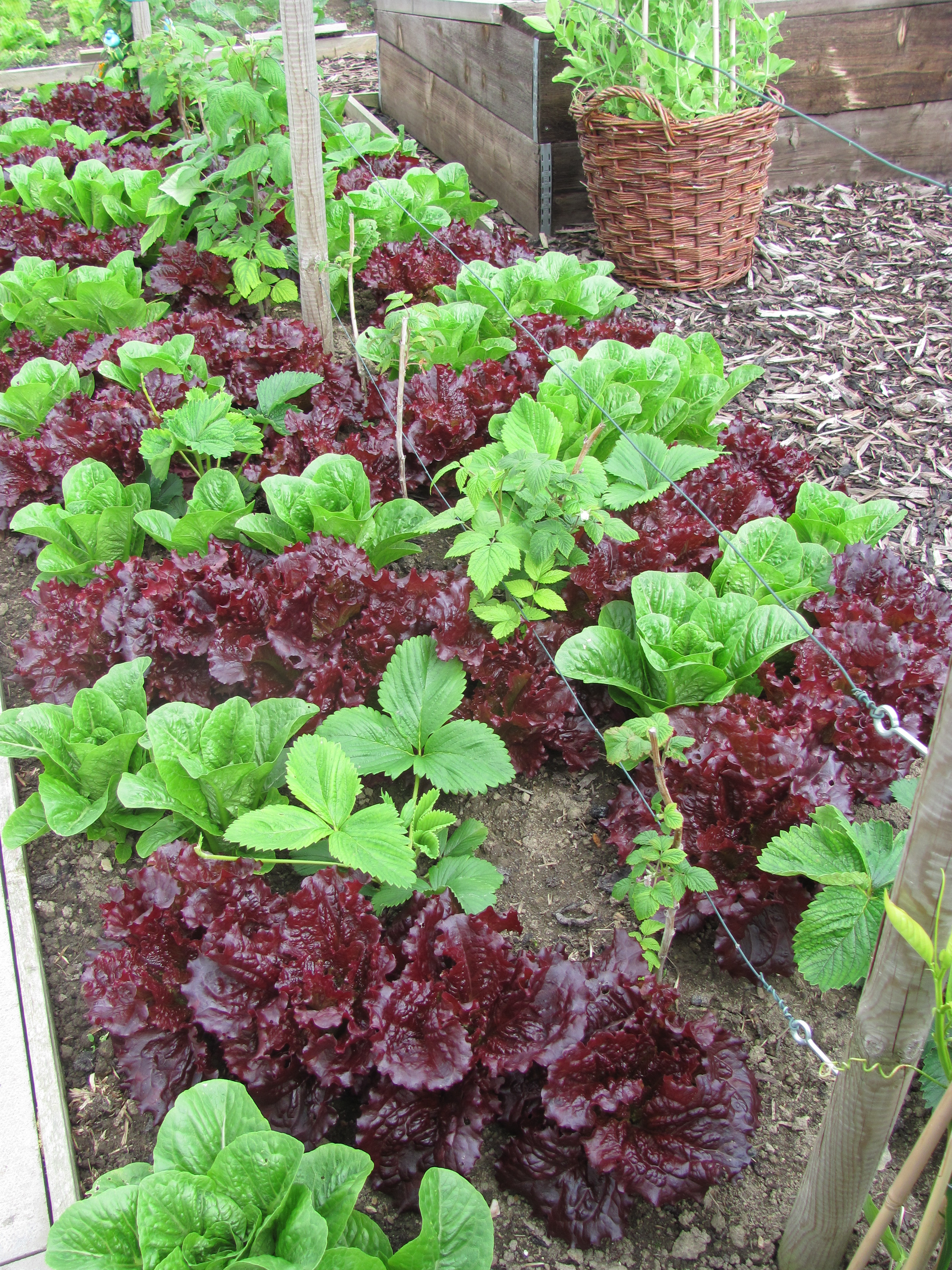
Multi-coloured radiccio.

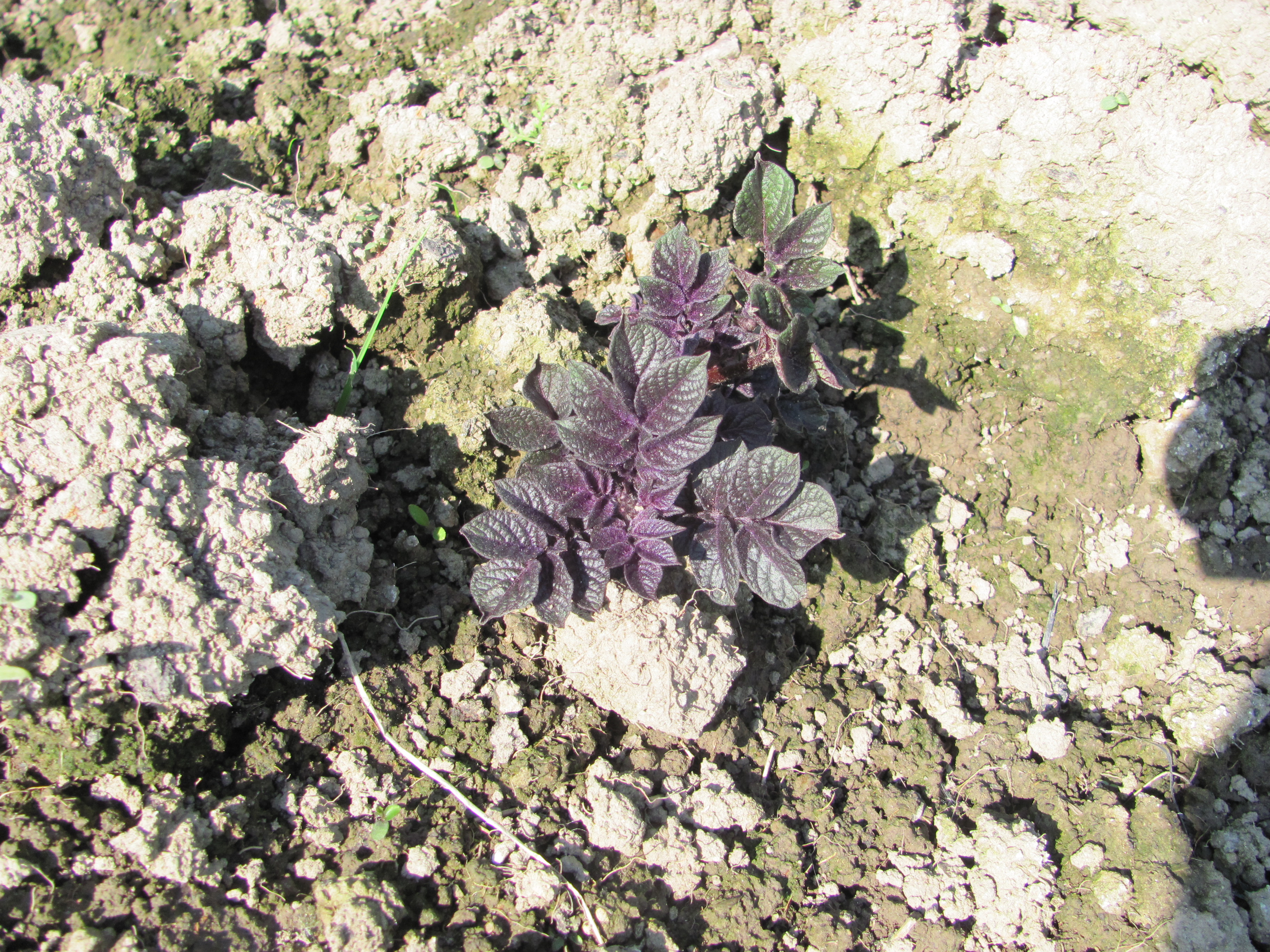
Whenever we are working our plot or helping maintain the green spaces around the site, we are entertained by birds of prey, Buzzards and Kestrels soaring or hovering over our heads and around our feet Robins, Blackbirds, Blue and Great Tits, and Song Thrushes search for food for their young hoping we disturb grubs and bugs with our digging, raking and hoeing. More secretive in their search for fodder for young are the Black Caps, Woodpeckers and Nuthatches. Overhead the hirondelles, (Swallows, Swifts and House Martins), having recently returned from their winter haunts greedily scoop up insects on the wing.Although the weather has been warm and dry for a few days now the end of our plot where the clay comes nearest the surface and the topsoil is very thin, water still saturates the land, making working it impossible. But in this wetness in the ridged soil our Red Duke of York potatoes are pushing their purple tinted foliage out towards the sunshine.

Red Duke of York appearing above the algae tinted soil.
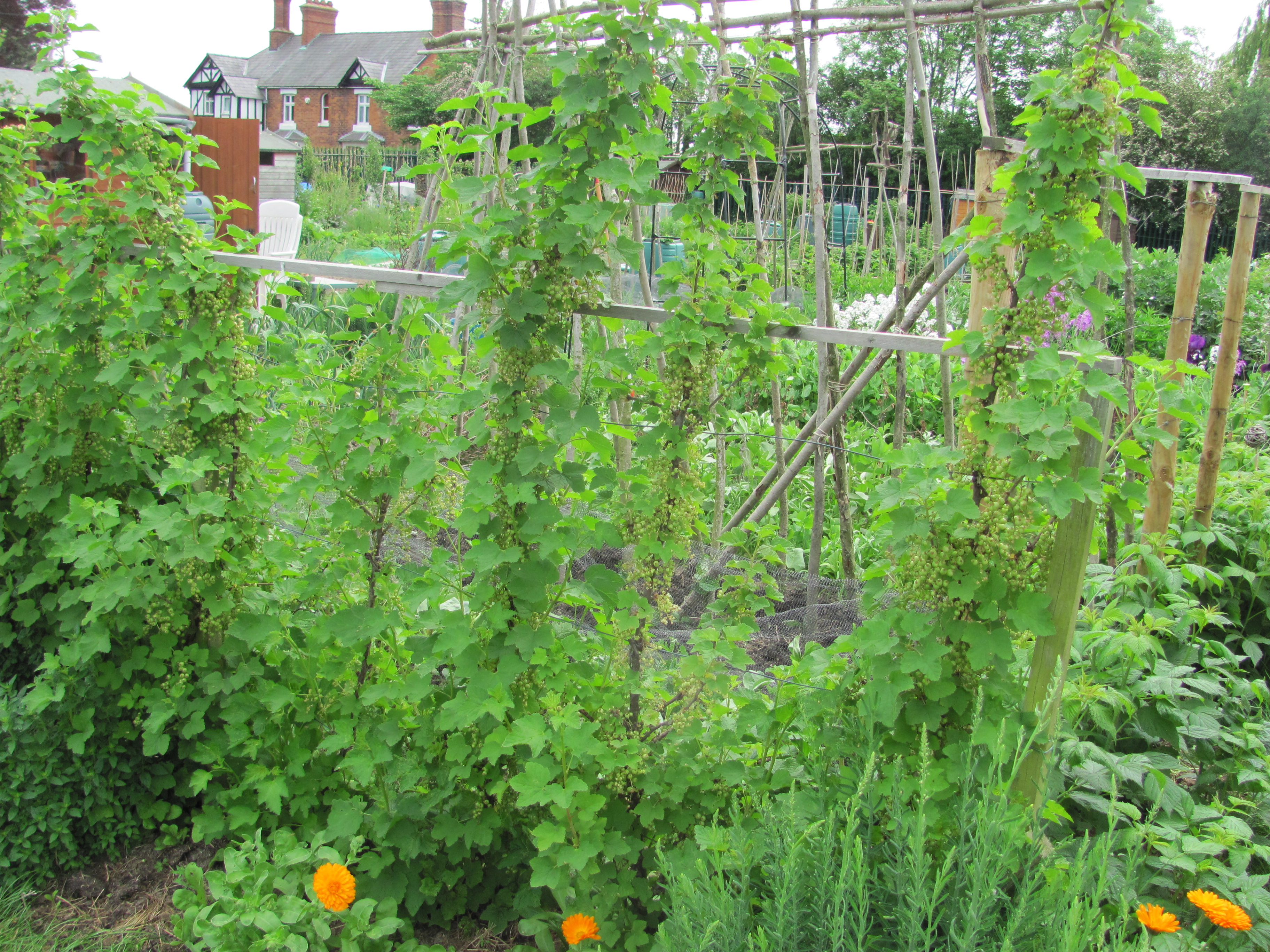
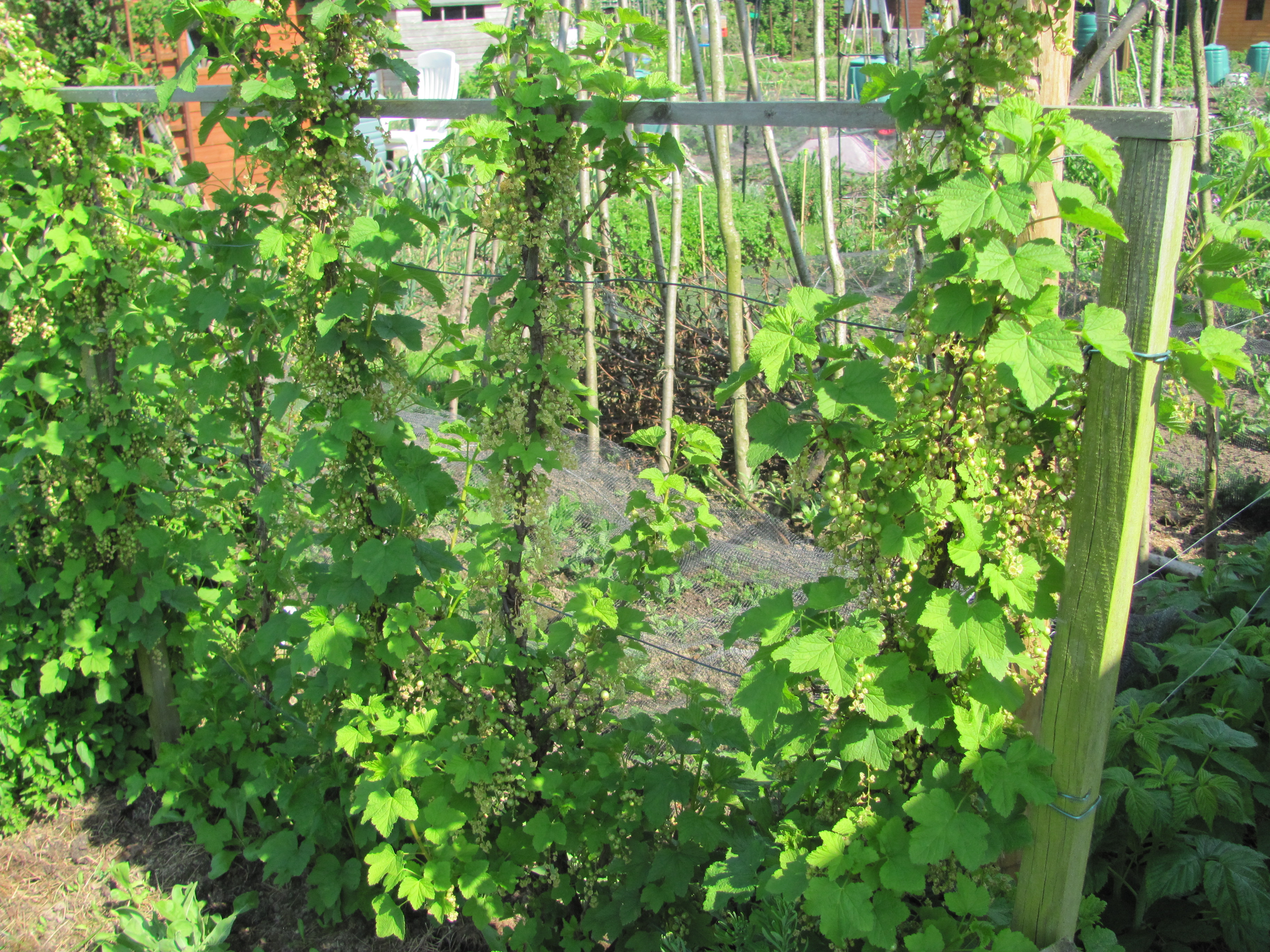
Our cordon Red Currants are flowering heartily and starting to set fruit.

In the orchards and over the meadows wildflowers are blooming alongside naturalised ornamental bulbs, attracting butterflies, the crinkle winged Commas, the Orange Tips with orange tips to their wings and the wonderful ethereal Holly Blues.

Bulbs and Buttercups under the fruit trees in the orchard.
We attract predator insects into the orchards with these insect homes. They are a wildlife friendly pesticide.

The Buddleia Borders are coming to life now and the Spring Garden remains very colourful.

Two plot holders, Phil and Doreen, have created a new bed in a shaded area near their plot and made it accessible for all to enjoy.

Most plots are ready for sowing and planting or partly planted up and sown.

Our May Working Party jobs were decided upon by where the shade was, as it was too hot to work in the full sunshine. We managed to get most of our tasks completed though.

Heads down for weeding the meadows.
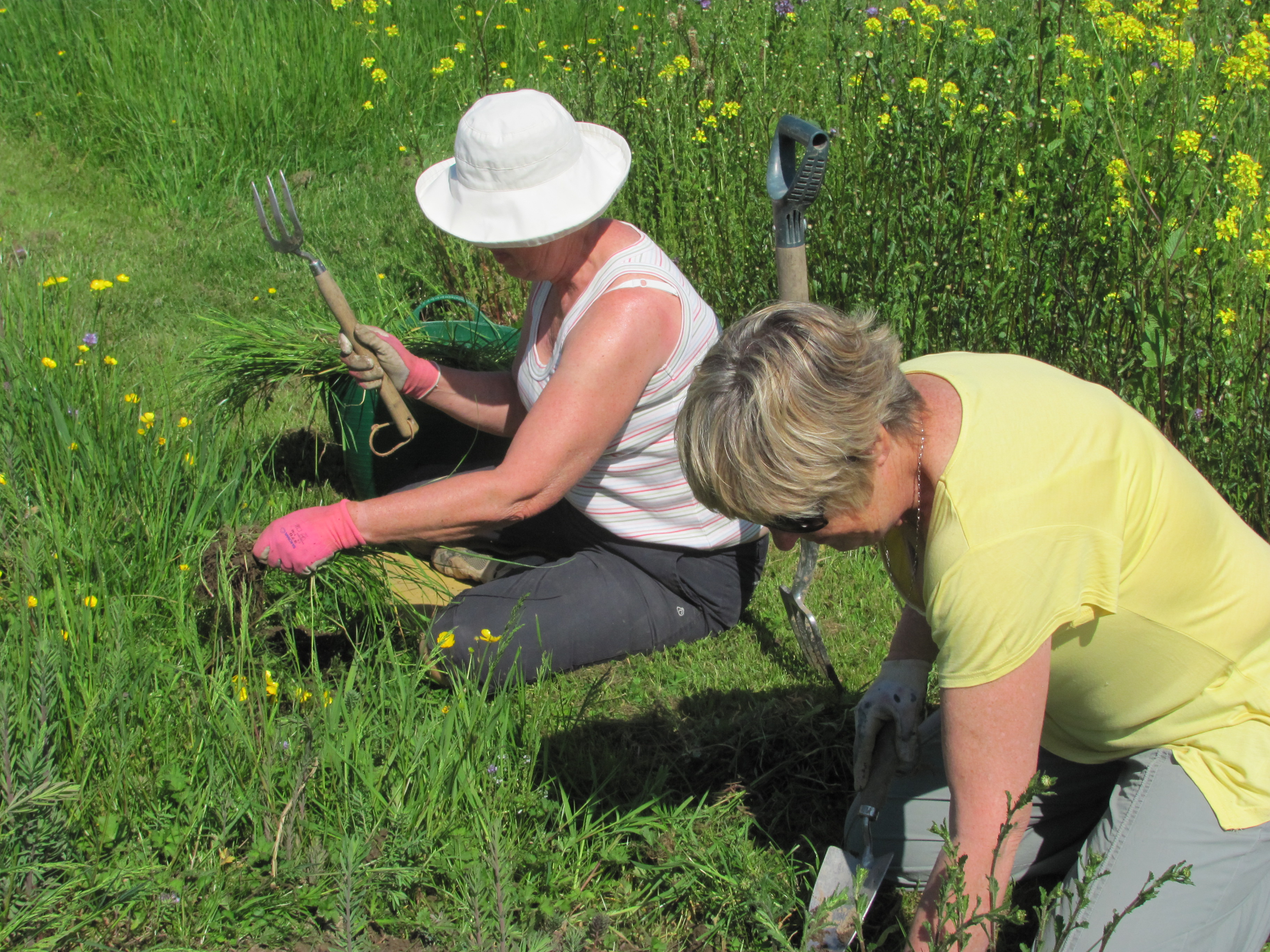
Kneeling down on the job attacking those pernicious weeds that creep into the meadows.

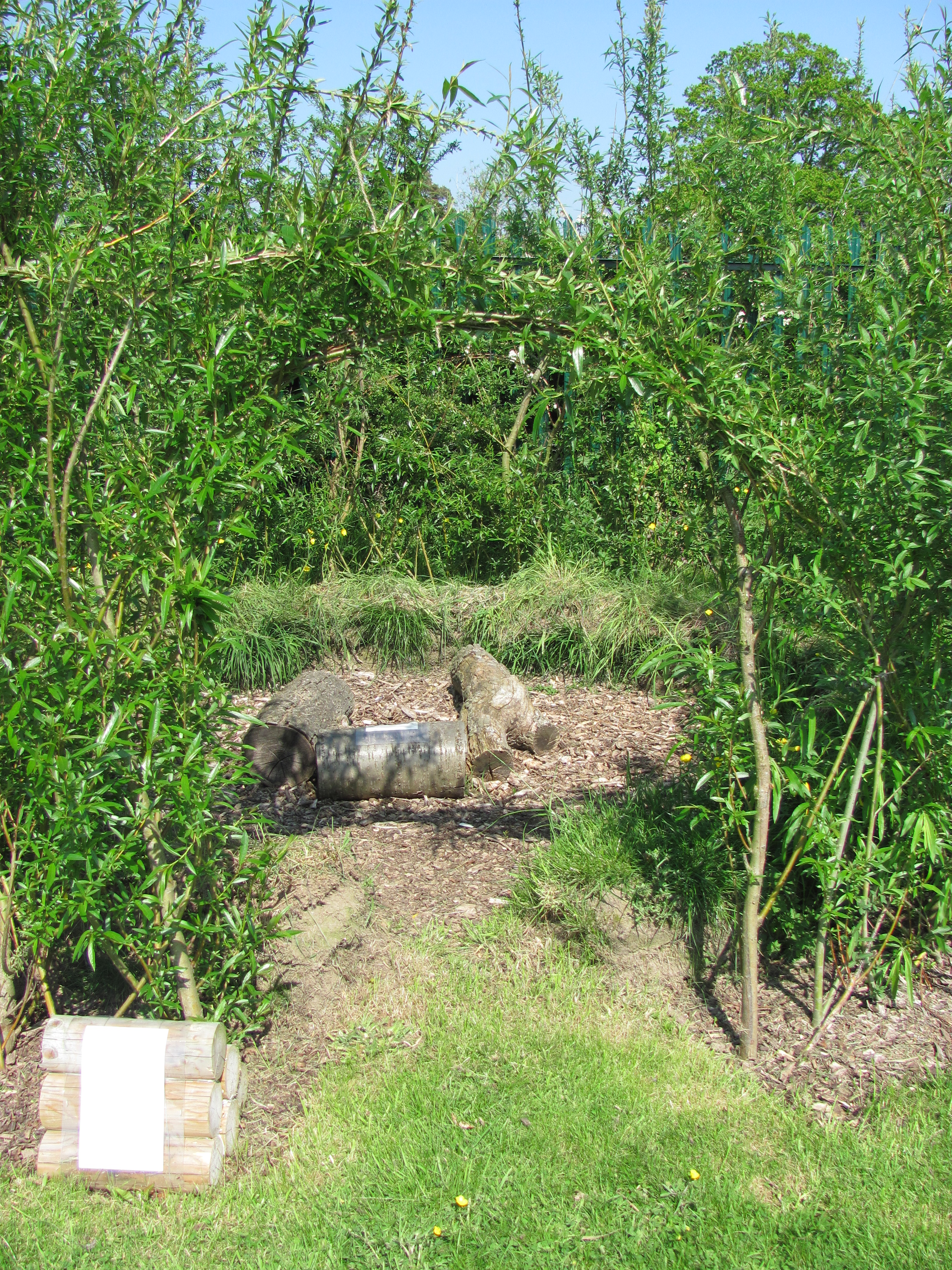
Our Willow Dome has had its doorway and windows woven and neatened up and the sides pruned and woven. It is a favourite feature with children as somewhere to listen to a story, or as a play den, and as adults for somewhere to escape to at coffee time from the heat of the day.

As we have recently launched our site’s Wise Watering Campaign it is heartening to see guttering and butts appearing on several sheds.

Categories
fruit and veg garden design garden photography gardening outdoor sculpture photography RHS

The RHS Spring Show Malvern – Patterns.

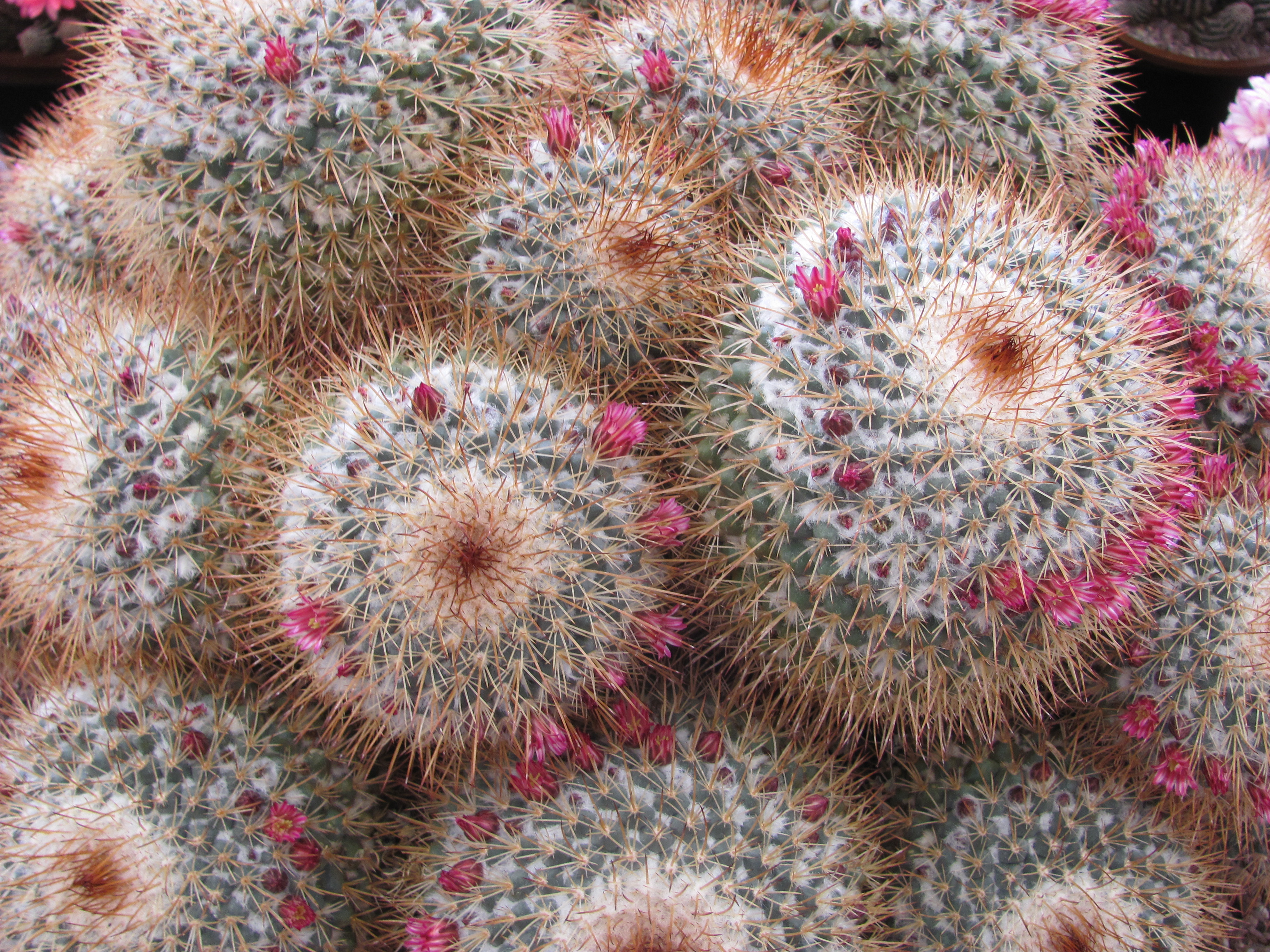
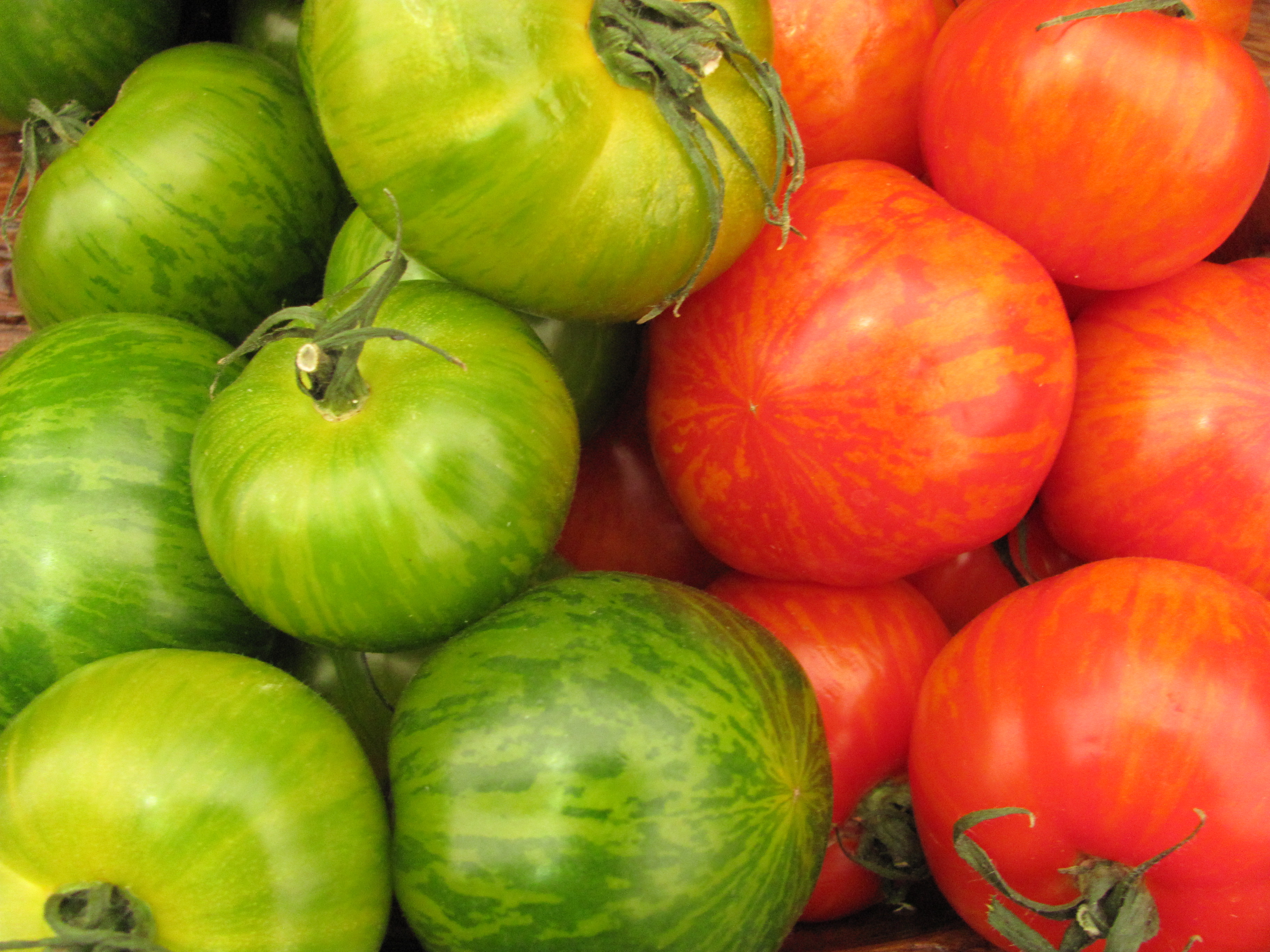
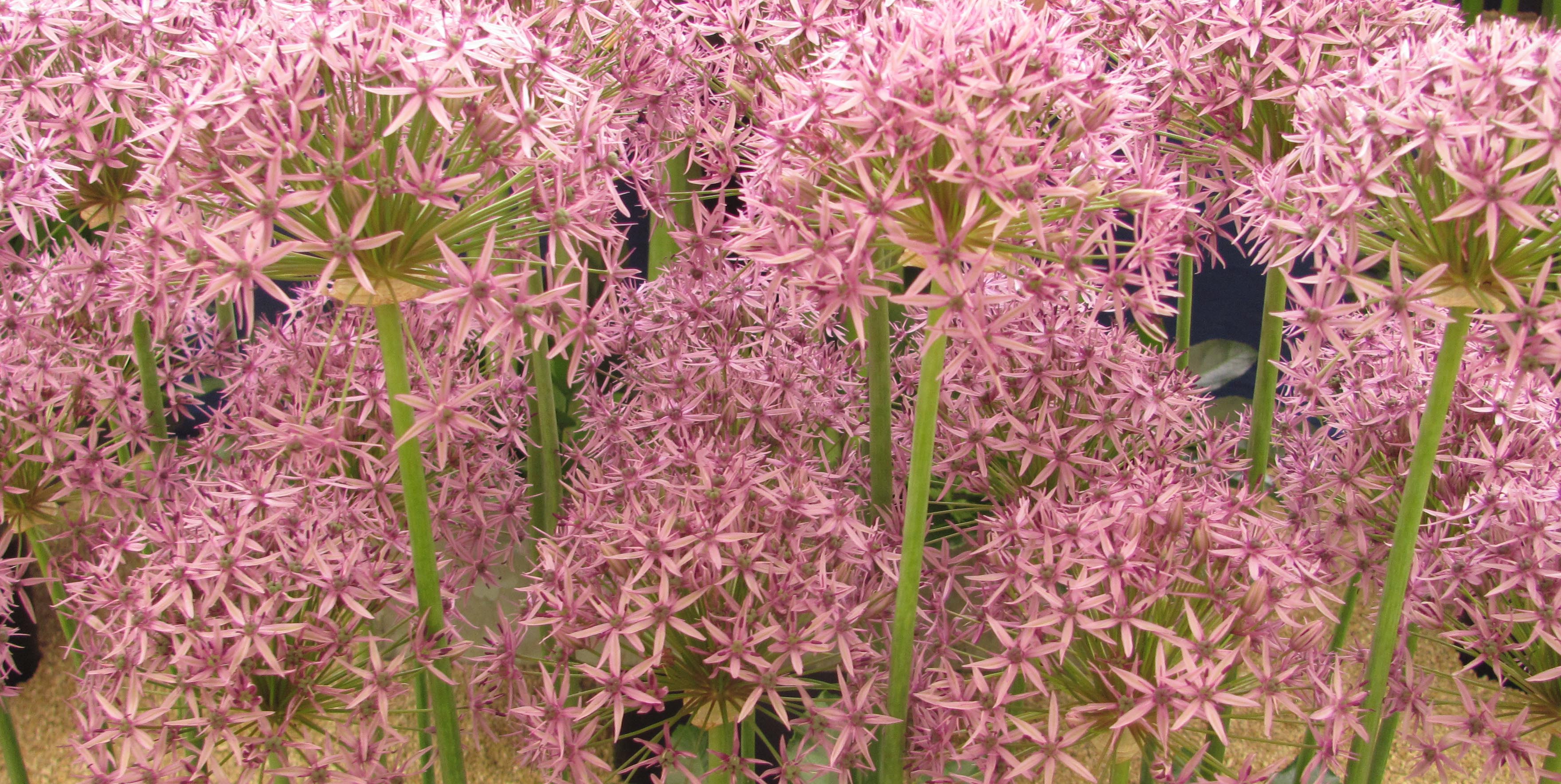
For our second blog about the Malvern Spring Gardening Show we shall explore the plants in the Floral Marquee and the gardening sundries in the trade stands looking for patterns to photograph.

Categories
fruit and veg garden design garden wildlife gardening RHS

The RHS Malvern Spring Gardening Show

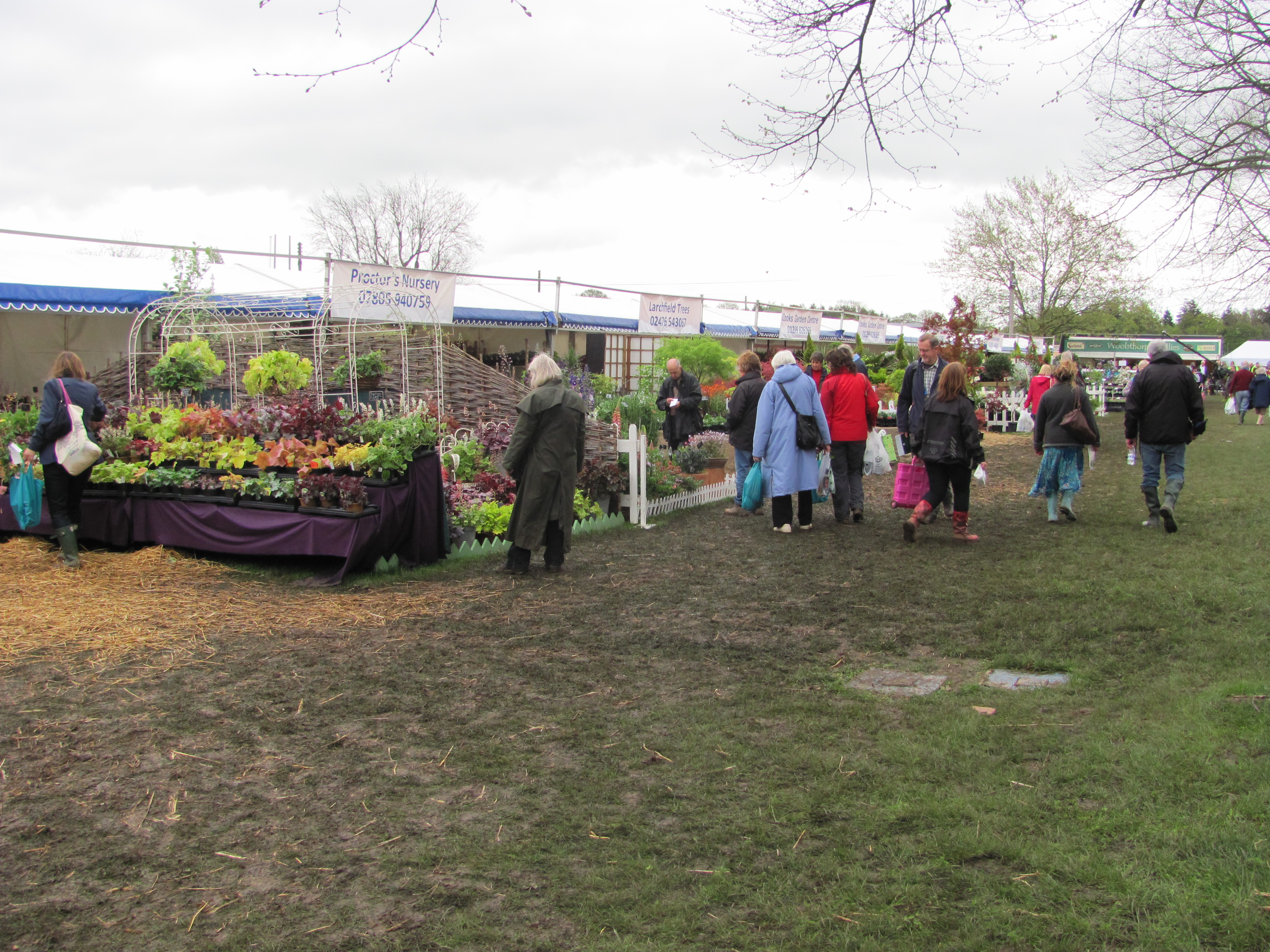
We had a great day out at the RHS Spring Gardening Show at Malvern but we did wonder why it was called a “Spring” show, as on the day of our excursion it felt far from spring-like. Drizzle, strong bursts of cold wind and very little in the way of sunshine. As we wandered around dark threatening clouds rumbled over dark threatening hills. Underfoot the effects of the recent relentless rain could be felt. The paths got muddier and muddier as the day wore on and the groundsmen raced to put down straw and bark chip.They were just about winning the battle.
Shoppers looking out for unusual and special plants in the rows of nursery stands braved the mud underfoot and filled bags and boxes with their booty.

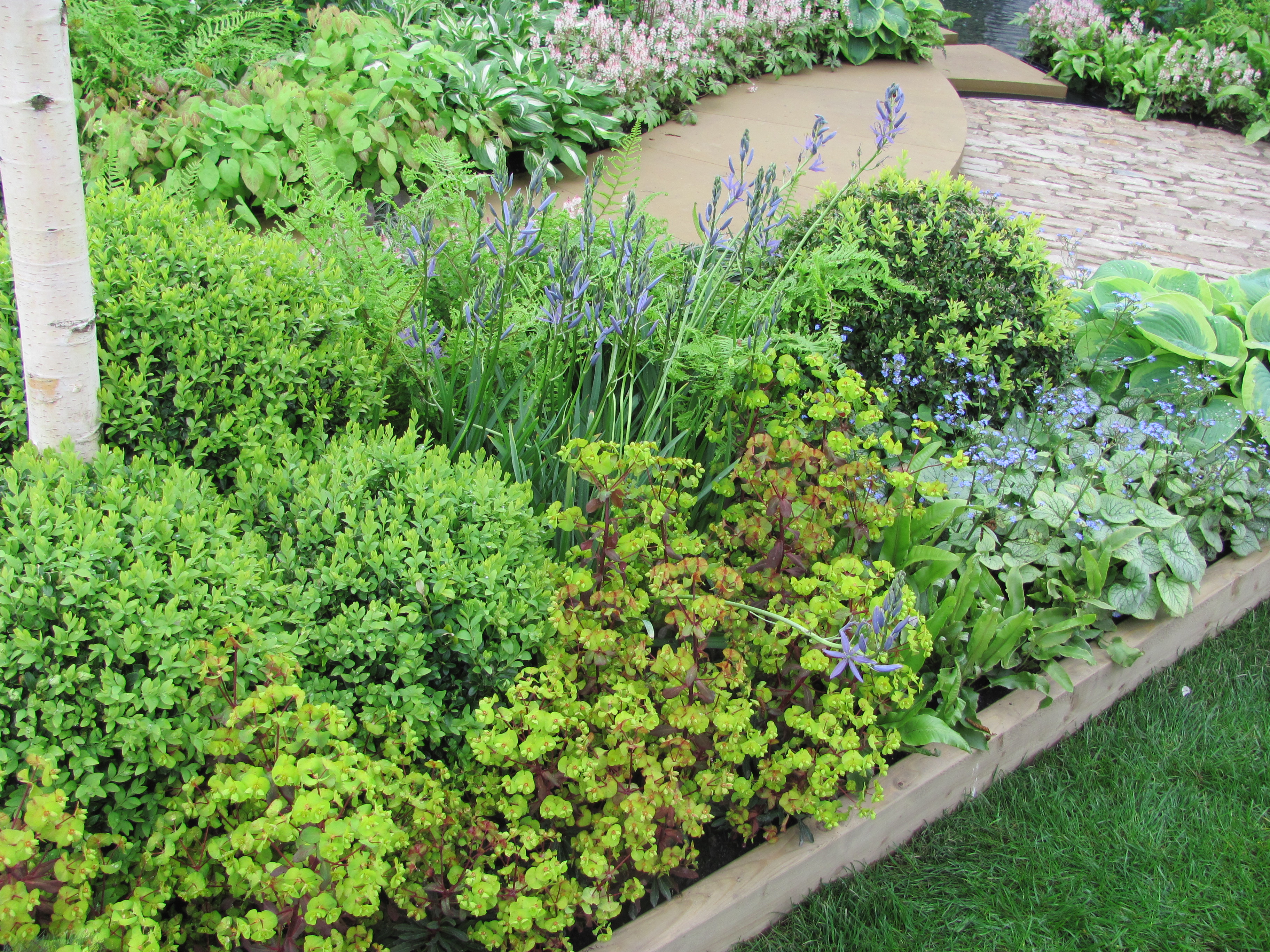
We were disappointed with the show gardens – we only liked parts of each one. The team responsible for the garden which was awarded the much-coveted “Best in Show” card sat at the back of their garden surrounded by empty champagne bottles and looked absolutely exhausted. We could only guess at what time they had finished their build, probably at some hour in the early morning. The planting in their garden was lush and densely packed in displaying the true spirit of the spring garden.

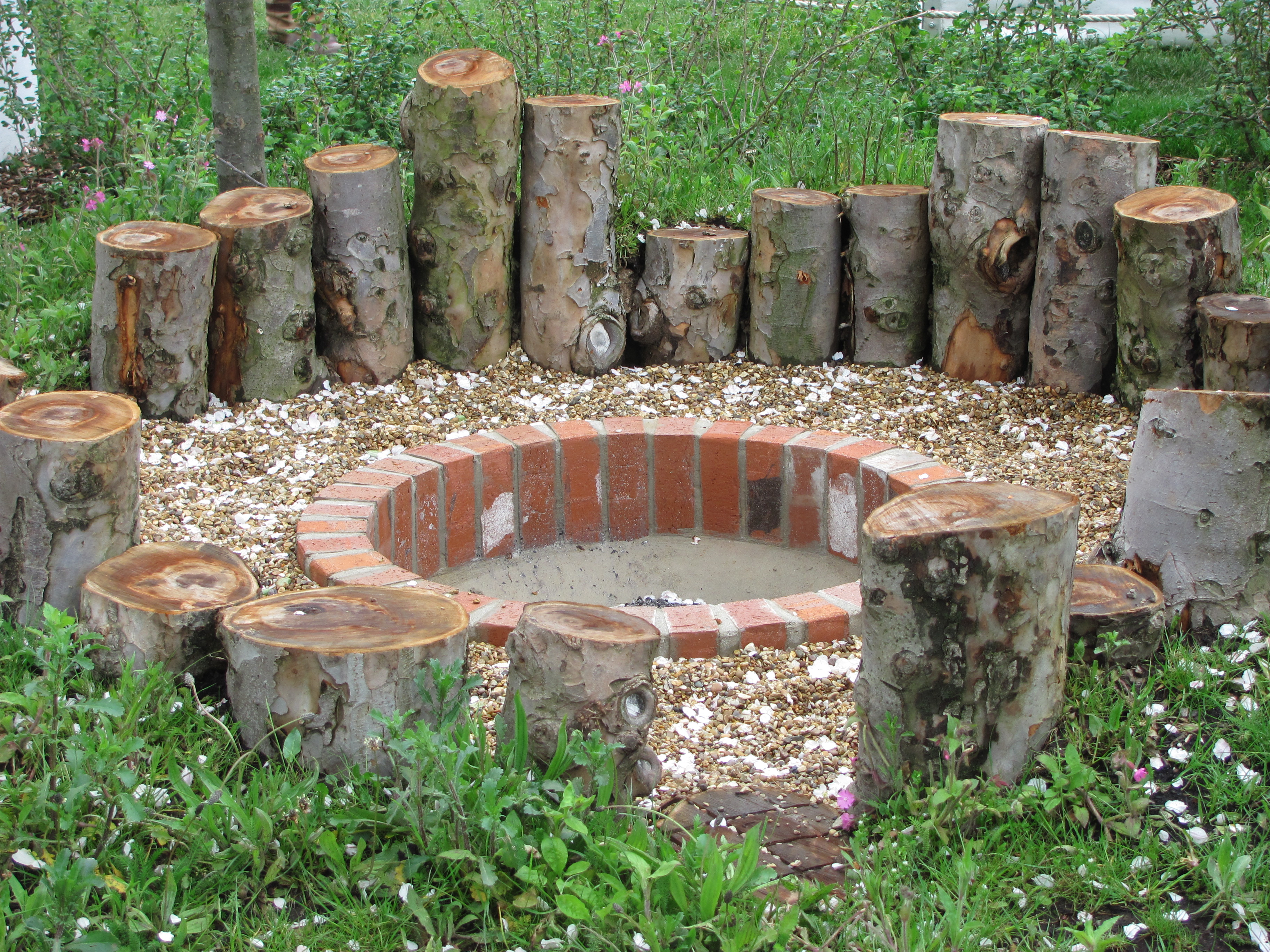
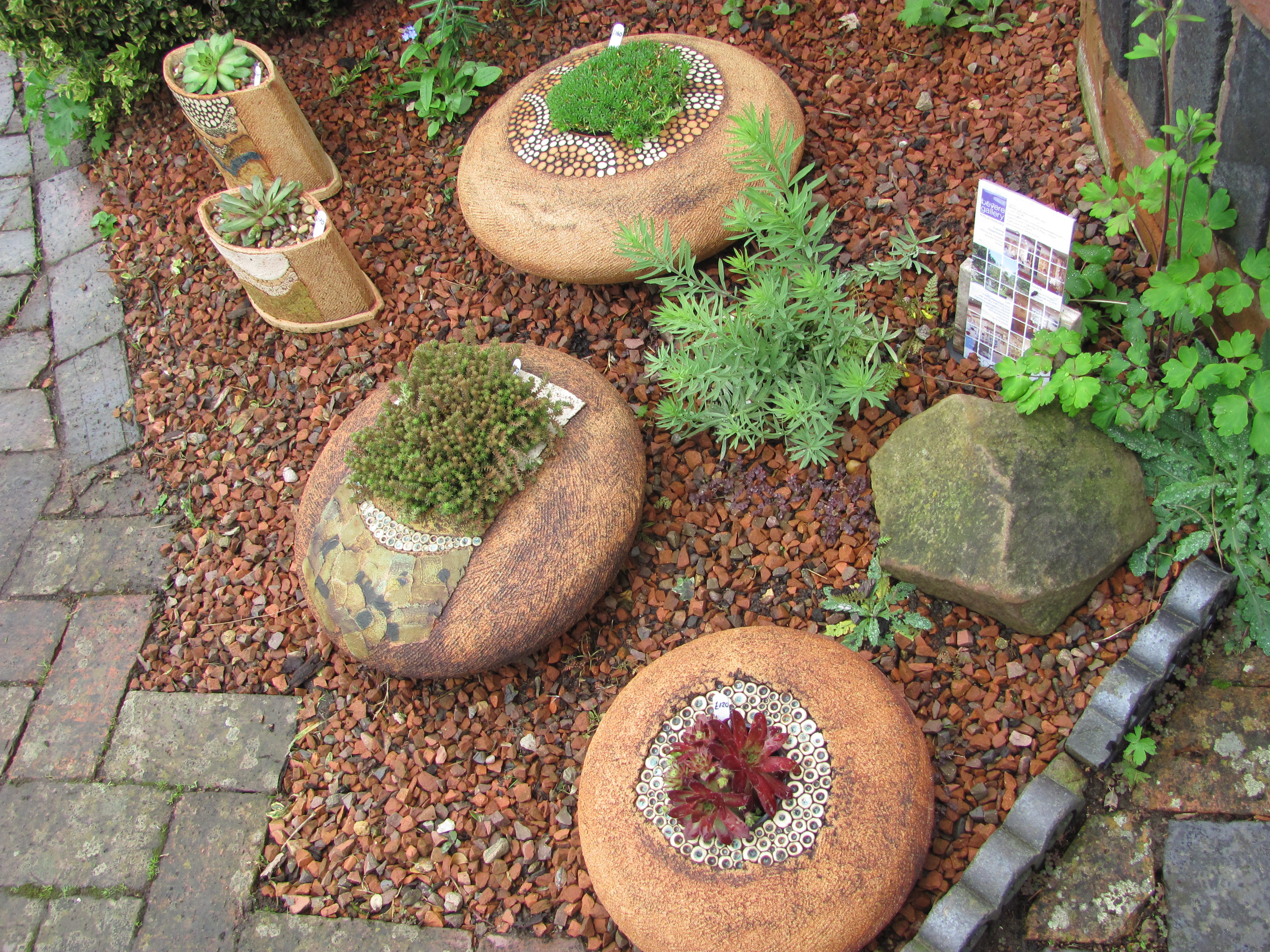
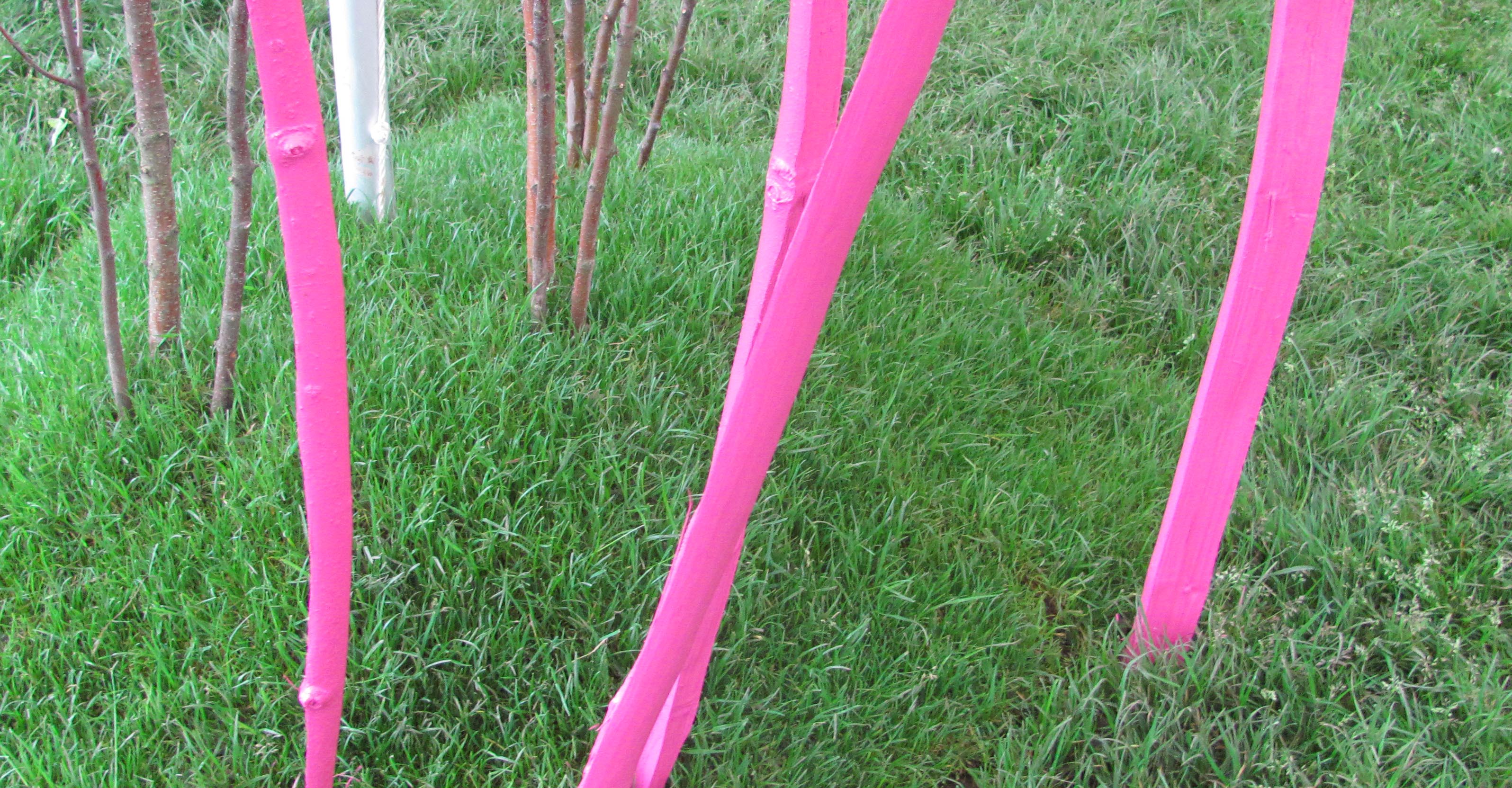
In other show gardens there were ideas to glean – the fire pit with wooden poles, the pink-painted sticks, beautifully planted original pots and a hollowed out tree trunk as a seat.

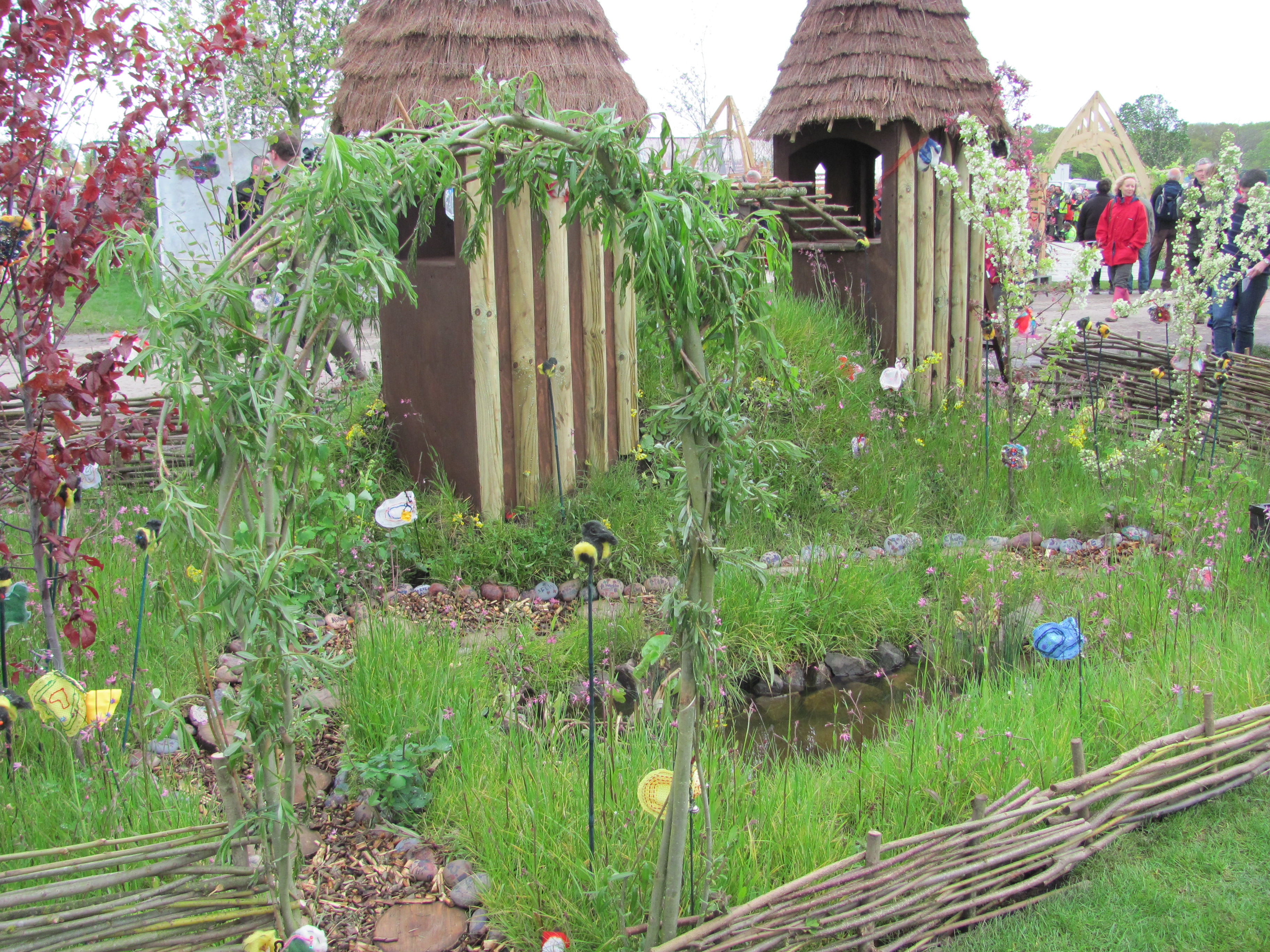
However the smaller gardens designed and built by school children were so impressive. We spoke to the youngsters who had created these gardens based on the theme “Sustainability for All”, and were so impressed with their knowledge and skills of communication.

This garden called “Yesterday’s Garden” was based on the post-war era when gardens were designed to provide food.

Wildlife was welcomed in this garden.

The pupils who created this unusual garden looked at how nature reclaimed places abandoned by man.

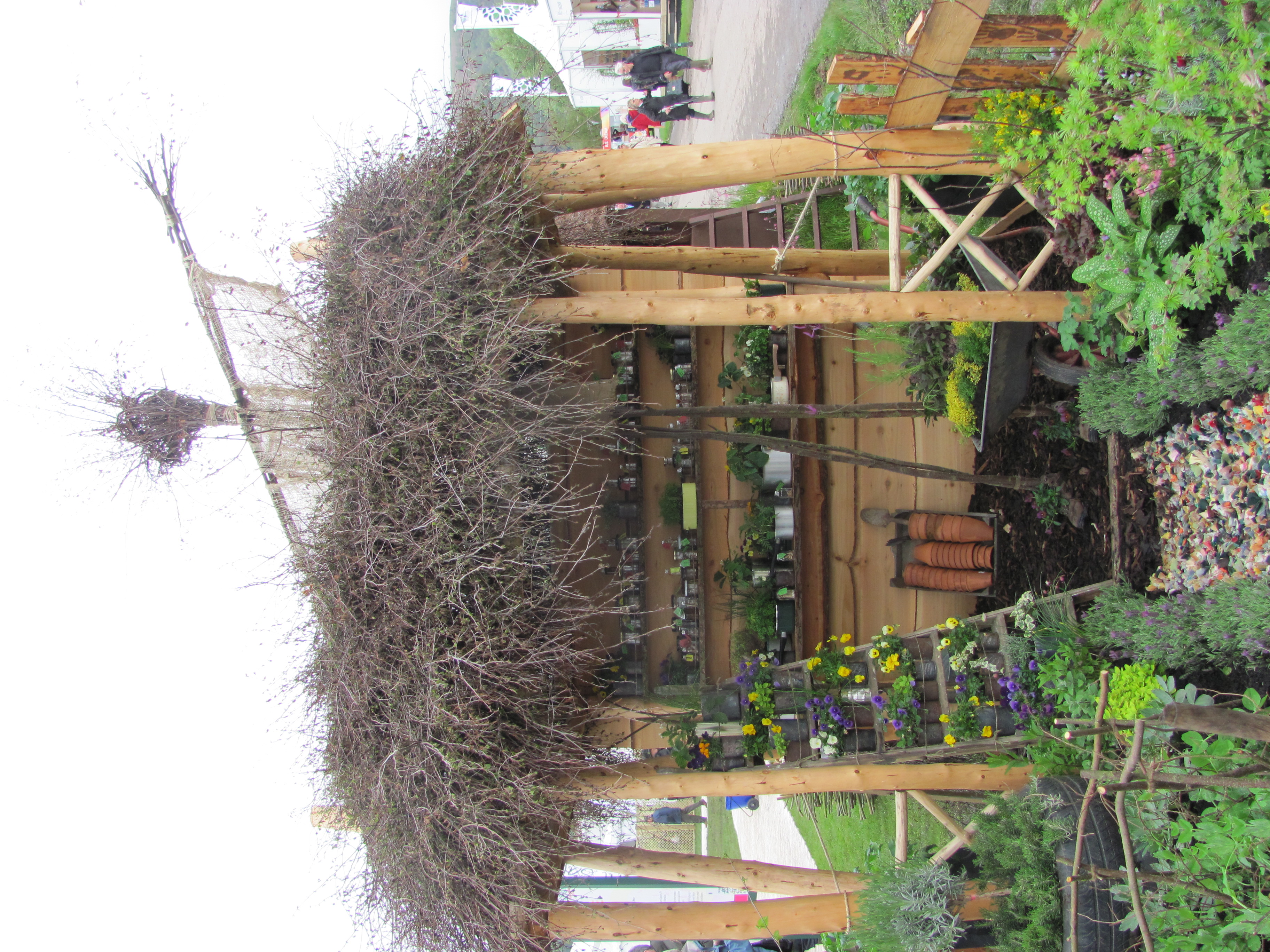
The following garden was designed and created by pupils from  a middle school and featured this green roof on a shed which the pupils also built. There was a vegetable plot and other borders contained plants chosen to attract wildlife.

 On top of the shed in this garden was a stick scarecrow looking down admiring the planting.

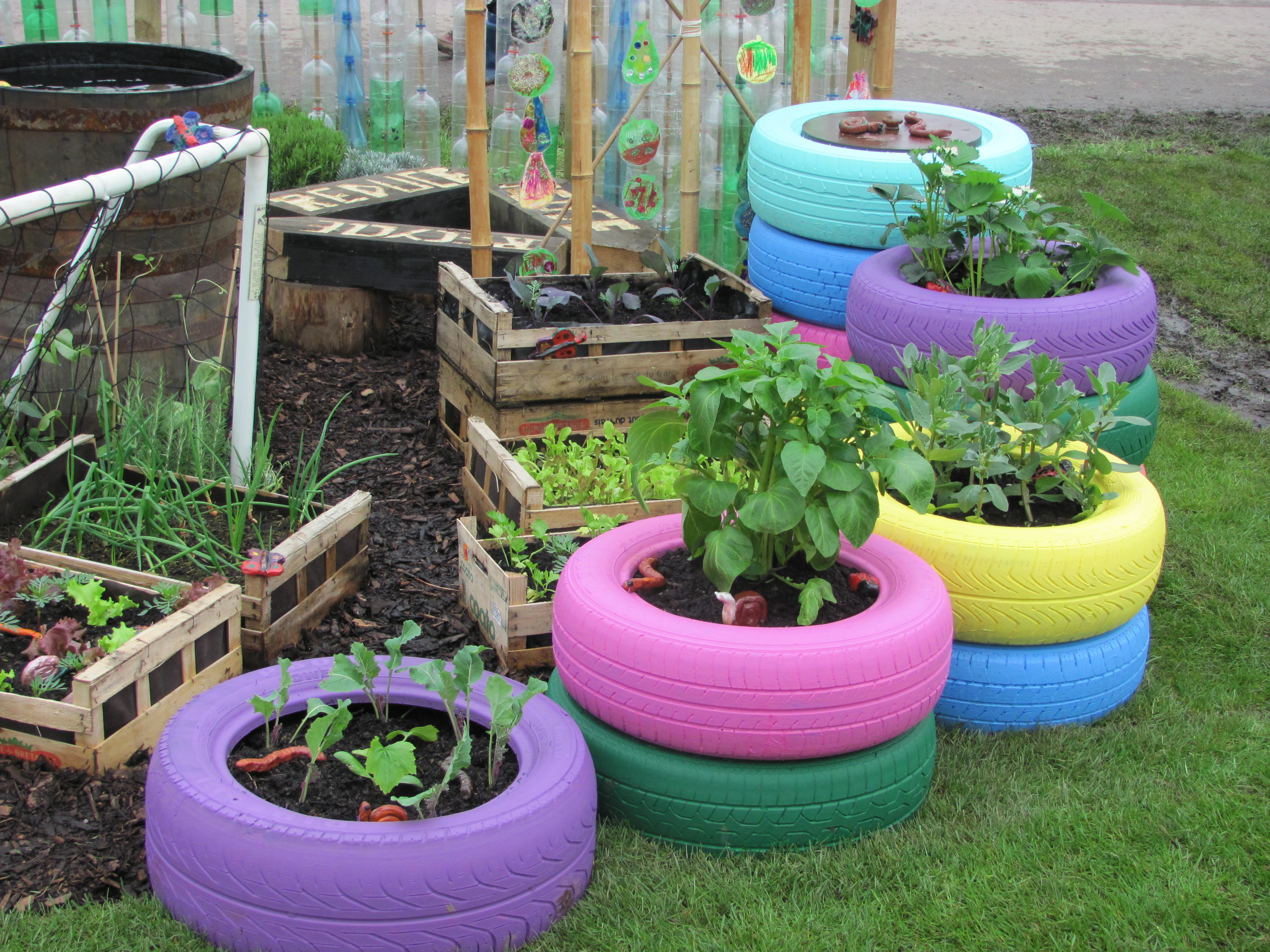
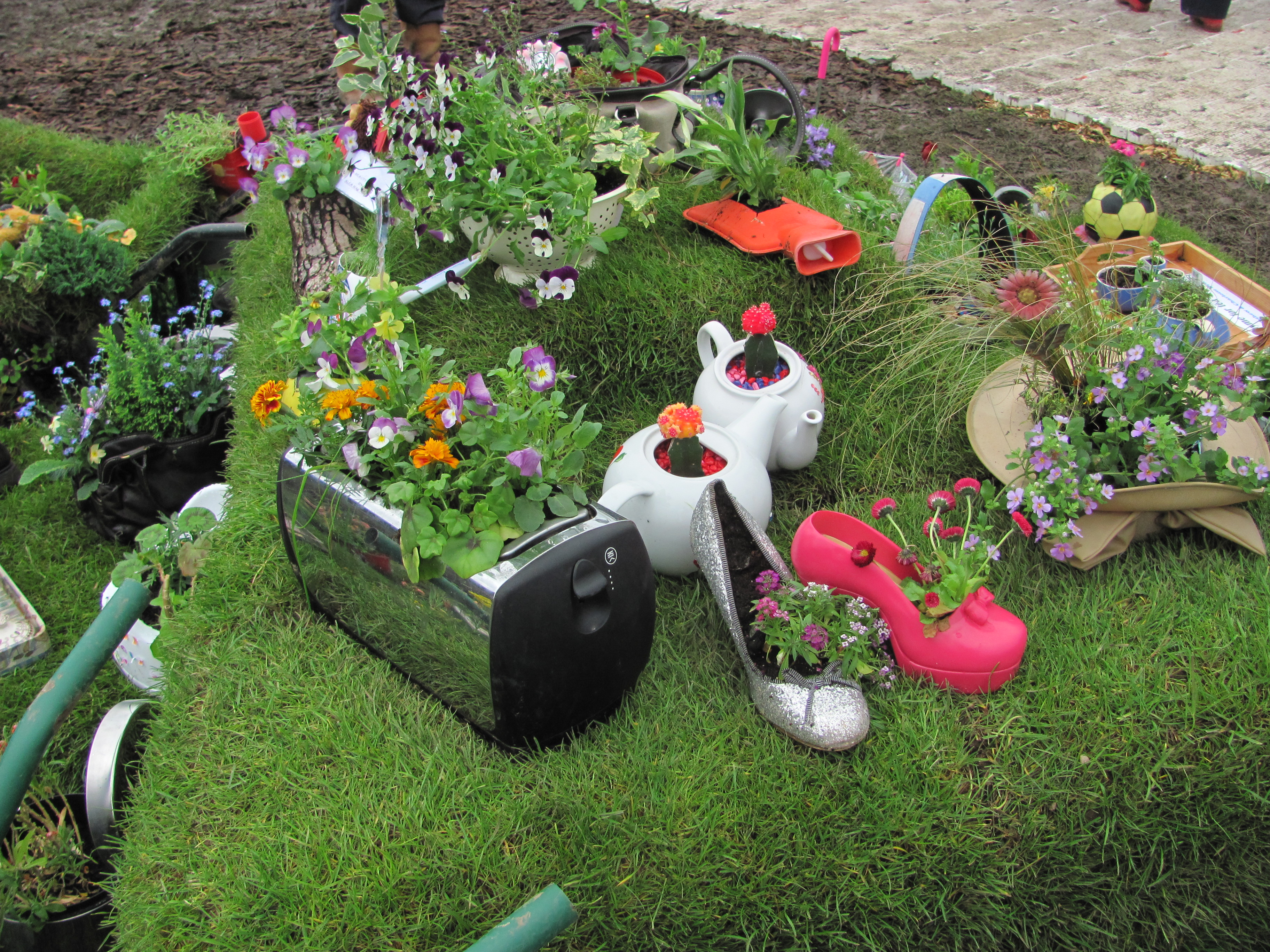
Recycling was paramount in the minds of many of the young designers. Here raised beds are made from old tyres and the far tower of tyres is a composter.

One group of pupils challenges other local schools to find recycled materials to use as planters.

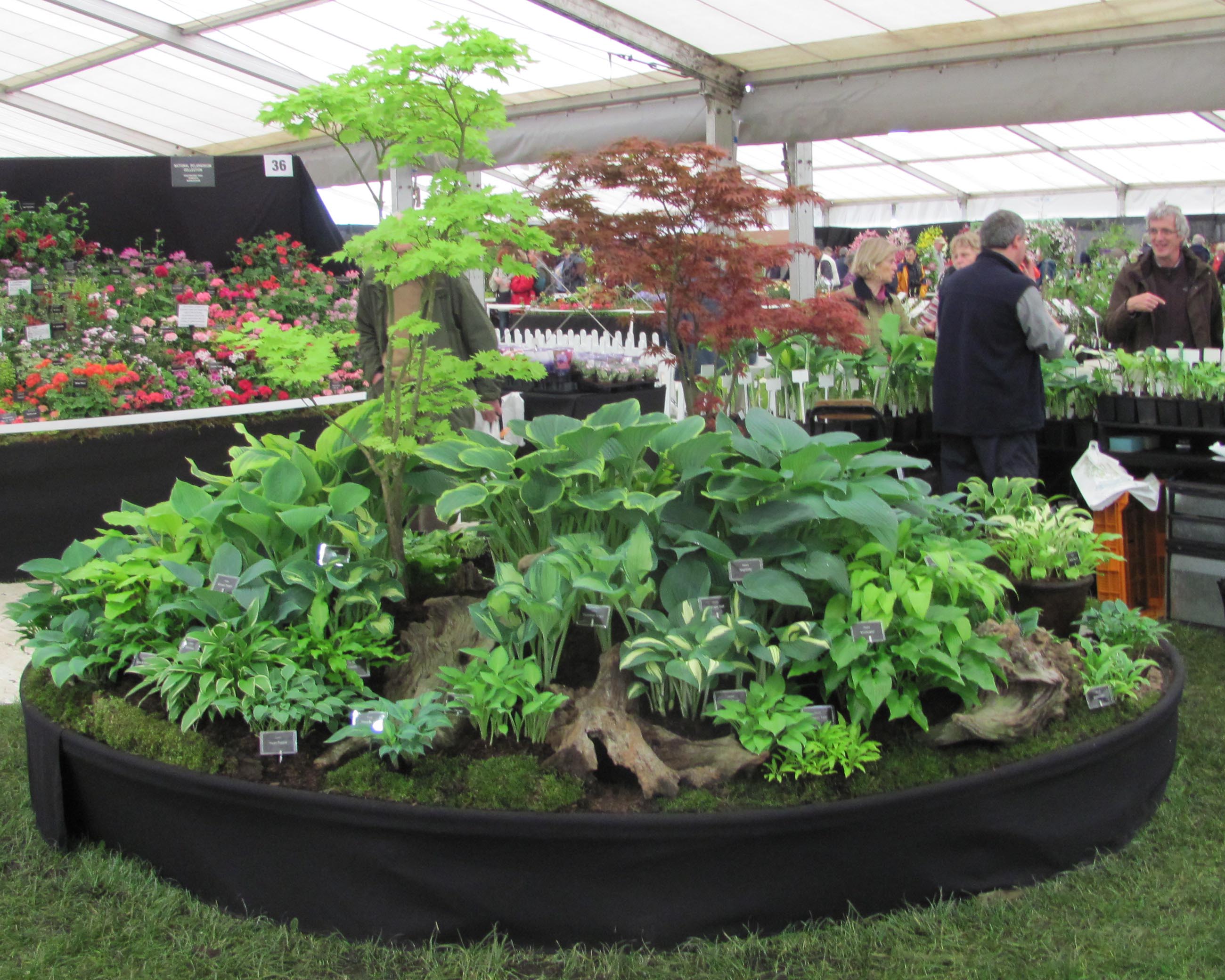
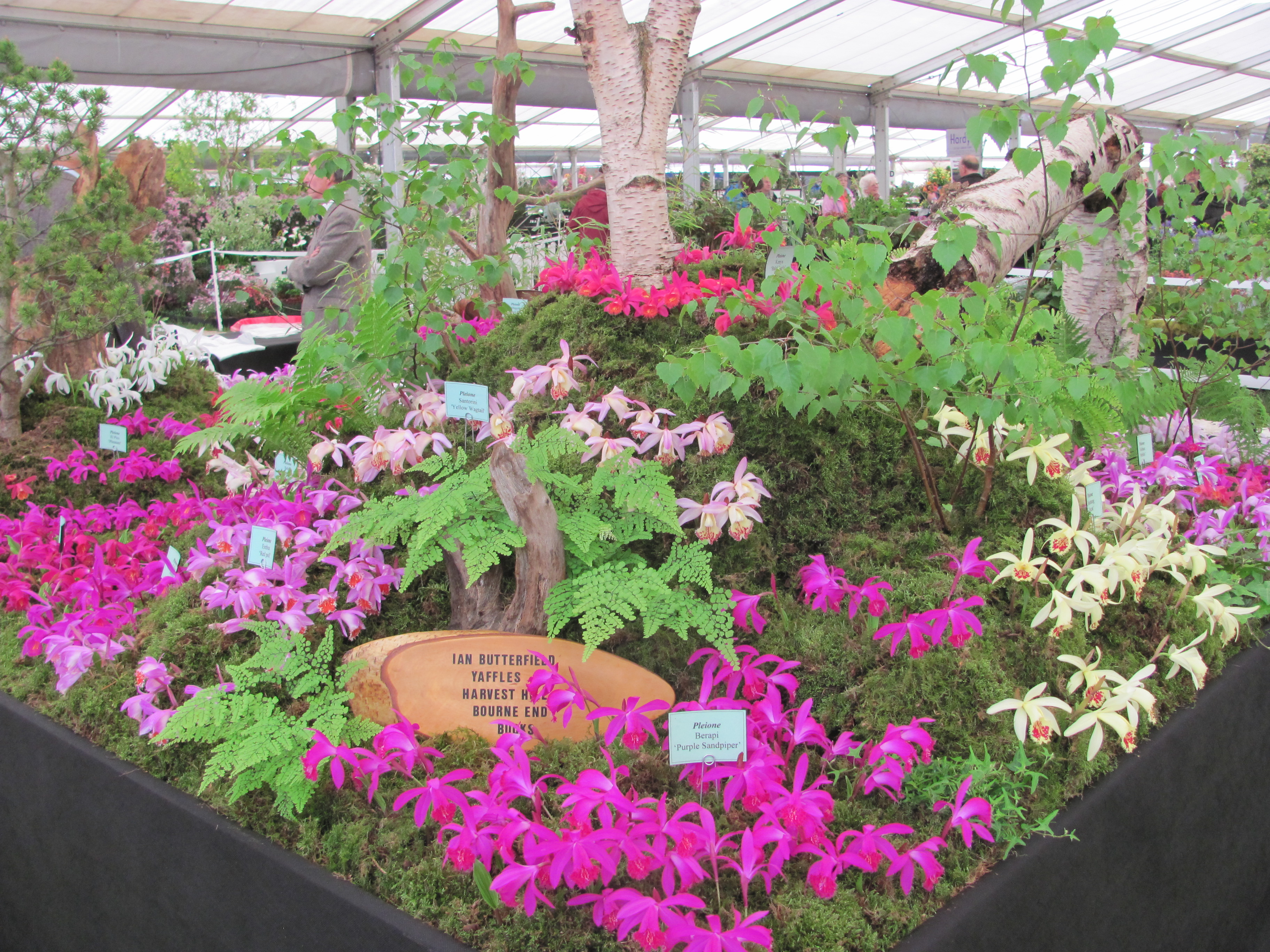
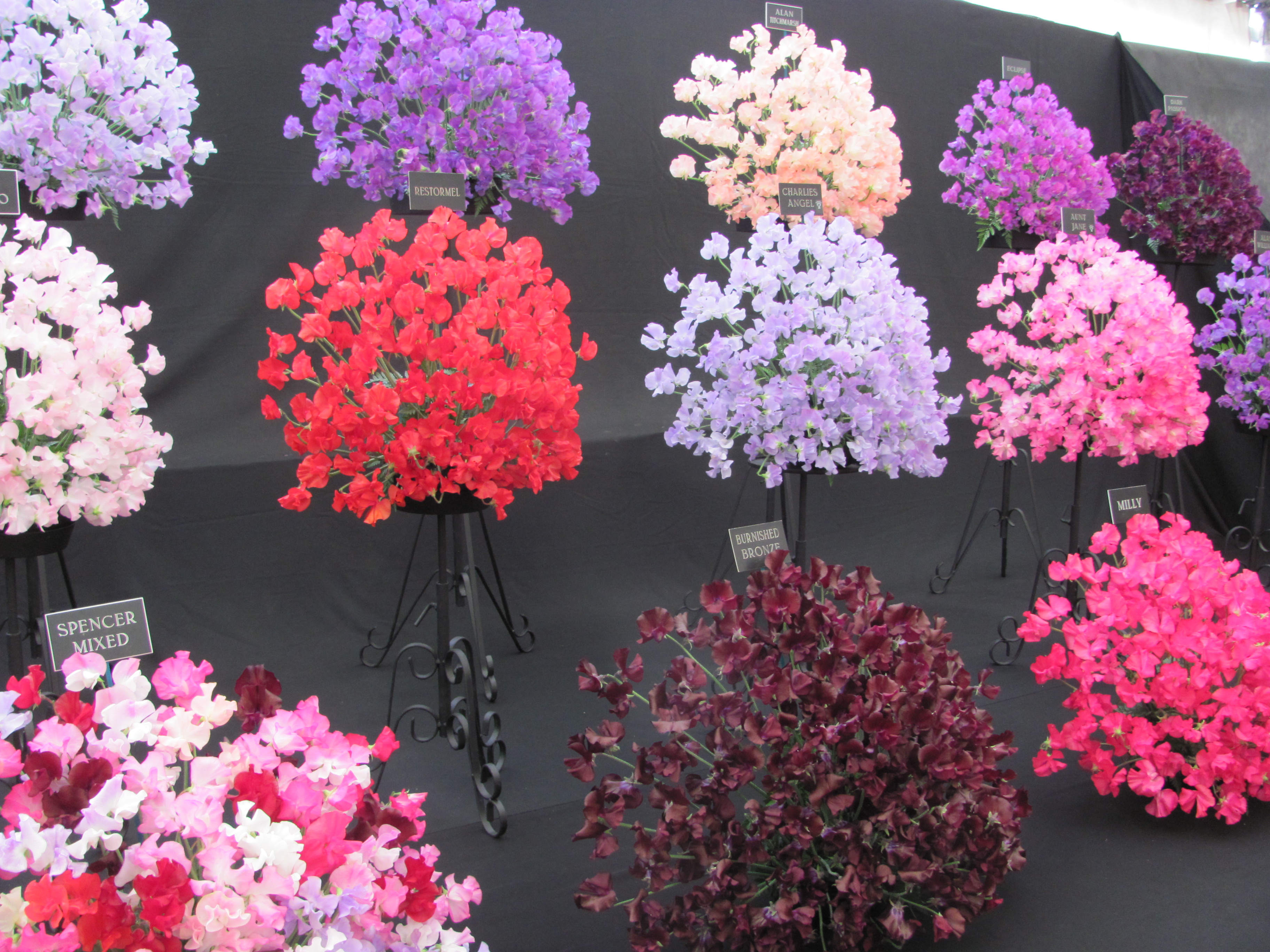
As soon as we entered the floral marquee the senses were aroused, scents, sights and sounds, and we turned into two kids in a candy shop. Familiar nurseries displayed their wares alongside excited but nervous new-comers but every one was special in its own way. We were particularly taken with the acers, meconopsis, hostas, orchids, sweetpeas and insect-eating plant displays.

As usual we were on the search for new ideas for attracting wildlife to our garden and allotment – we were not to be disappointed.

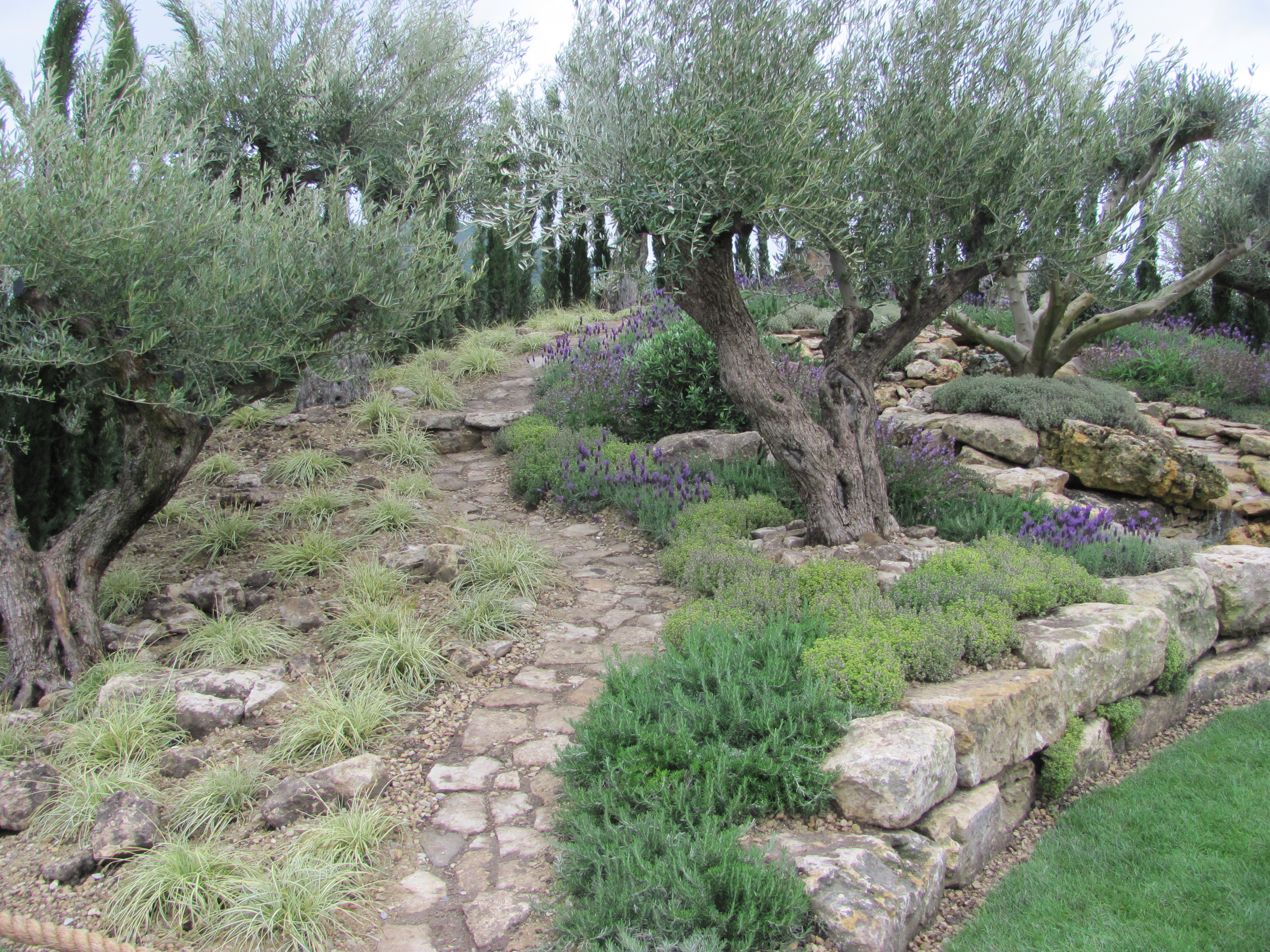
One garden that seemed to be defying the wet weather was based on a dry hillside dotted with ancient olive trees and lavenders.

In my next blog we return to our day at the RHS Malvern Spring Show and look at patterns we found in plants and in gardening sundries.

Categories
fruit and veg garden photography gardening grow your own hardy perennials ornamental trees and shrubs photography roses shrubs spring gardening trees

May’s Burst of Growth

A week into May the rain stopped, the temperature rose a little and the skies cleared, bird song increased in volume and in response the garden had a burst of growth. Fledgling Robins, although only hours out of the nest began to follow us around the garden as we worked as if they had an inbuilt knowledge of the link between gardeners and Robin food.

Variations in foliage colour is strong in early May light.

Leaf buds on trees and shrubs started to unfurl and herbaceous plants looked greener and fresher with the new leafy growth. Flower buds fattened ready to open in the next few days.

New seedlings of mixed salad leaves.
Fresh growth on Bowles Golden.
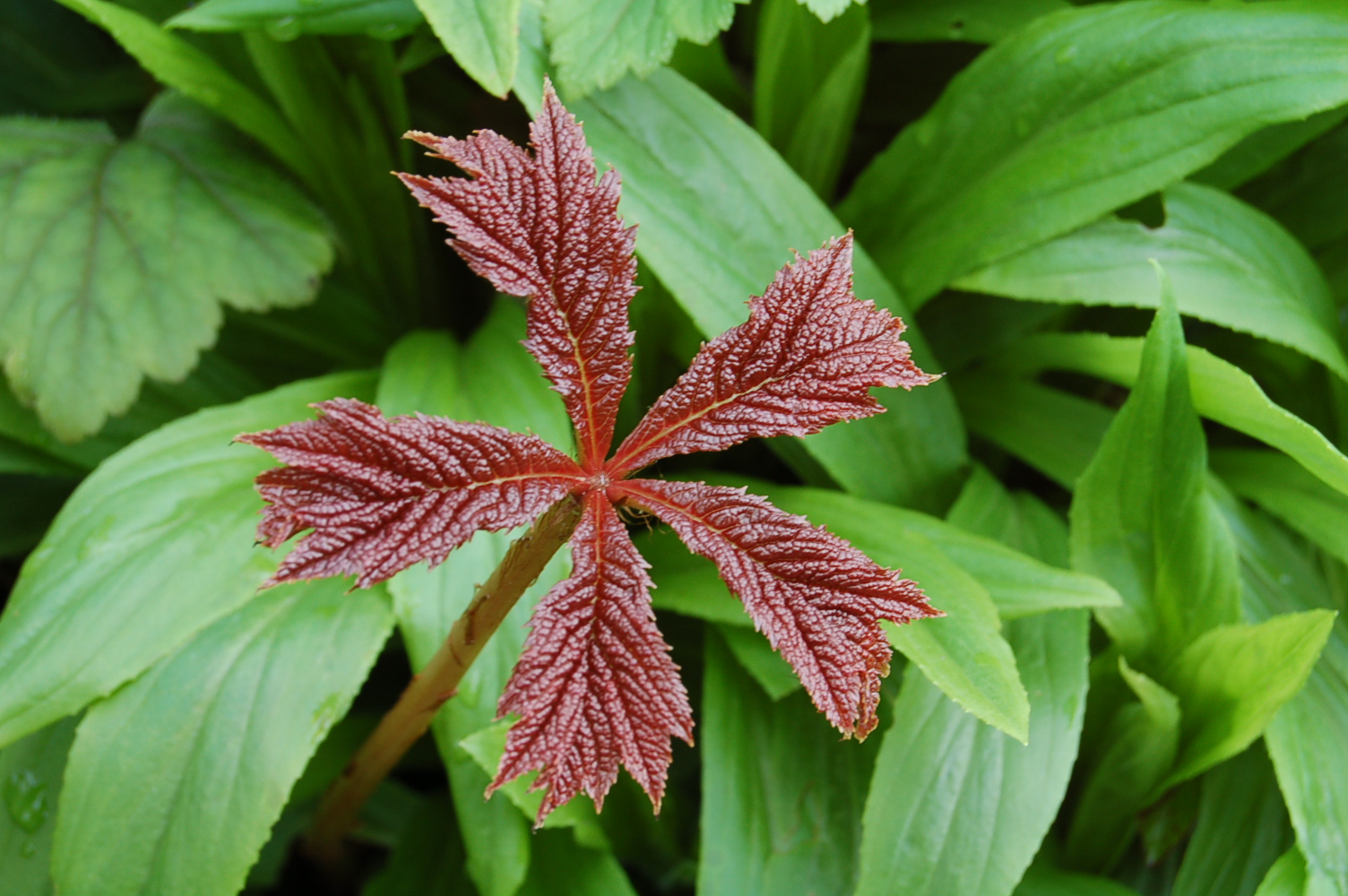
The deep reddish bronze foliage of this Rogersia contrasts beautifully with its green-leaved neighbours.
Aquilegias are about to flower in every border. Can’t wait!
Grey Hosta spear soaring skyward.
This herb valerian self seeds throughout the garden and its scent is welcomed wherever it blooms.

The surge of growth will hopefully allow Mother Nature to catch up a little. The rose bushes are often clothed in fat buds a few of which burst before the end of the month, but at the moment their leaves are still not fully out. Similarly the flowers of the Cercis are usually out now flowering on the bare stems and trunk but their buds are tight shut while the foliage is bursting into life.

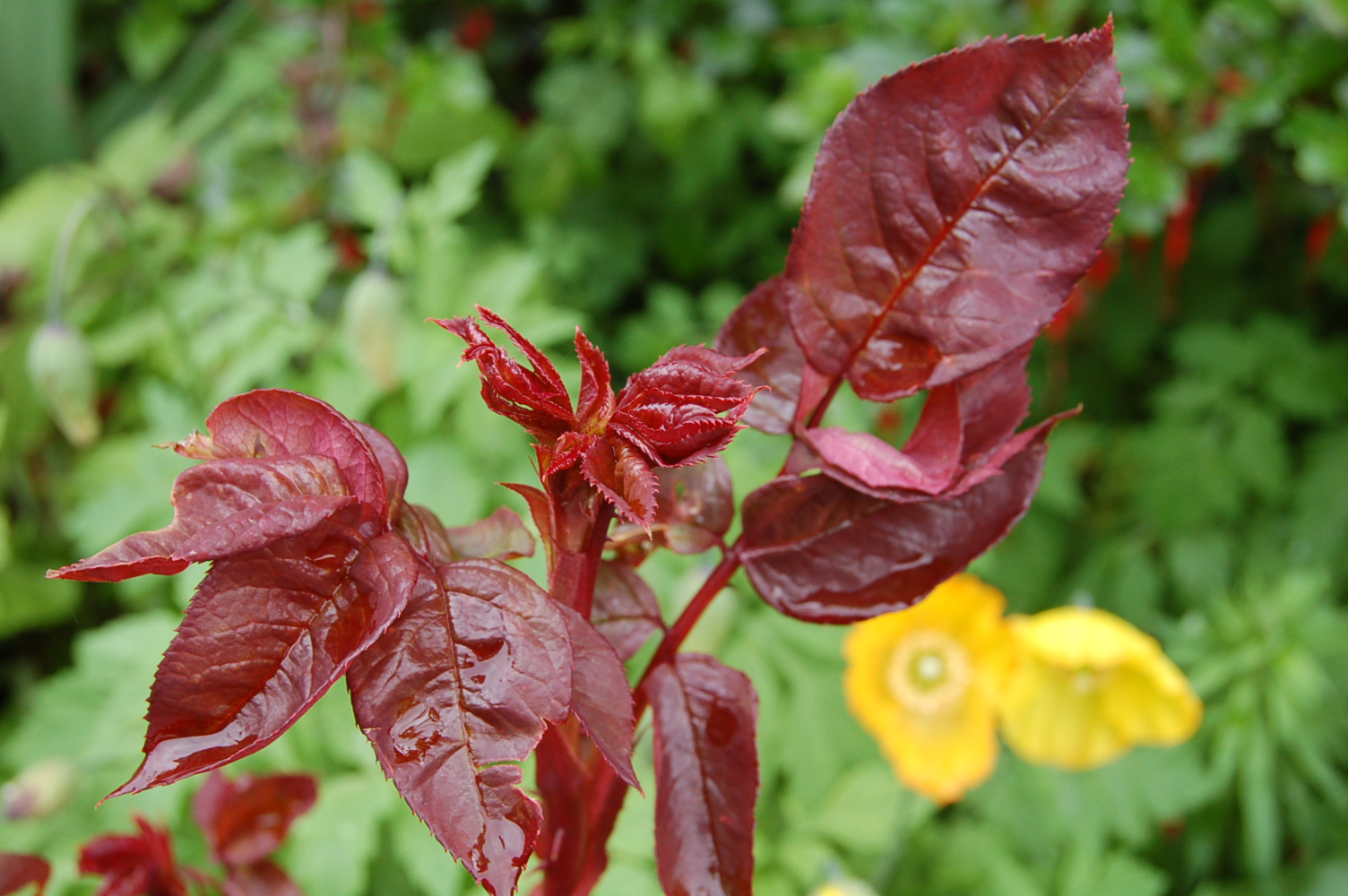
Rose foliage emerges a deep shade of red.
The new fresh leaves of Cercis display a deep bronze colour.

Our fruit trees do not want to miss the fun – their leaf and blossom buds burst into life.

Apple blossom gives us so many shades of pink to enjoy.
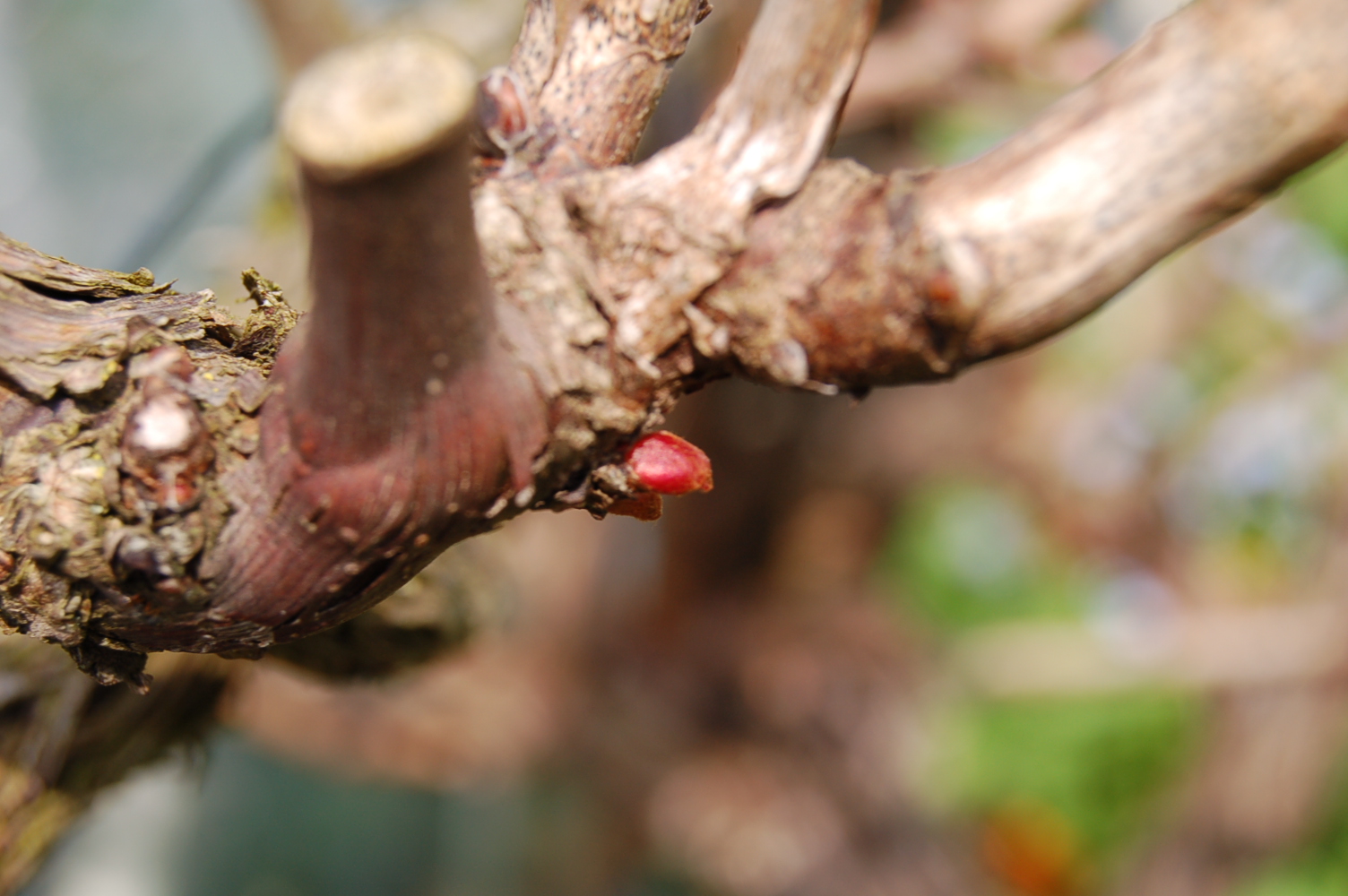
Very late emerging bud on our Hampton Court vine.

Flower buds are bursting – they do not want to be left out!

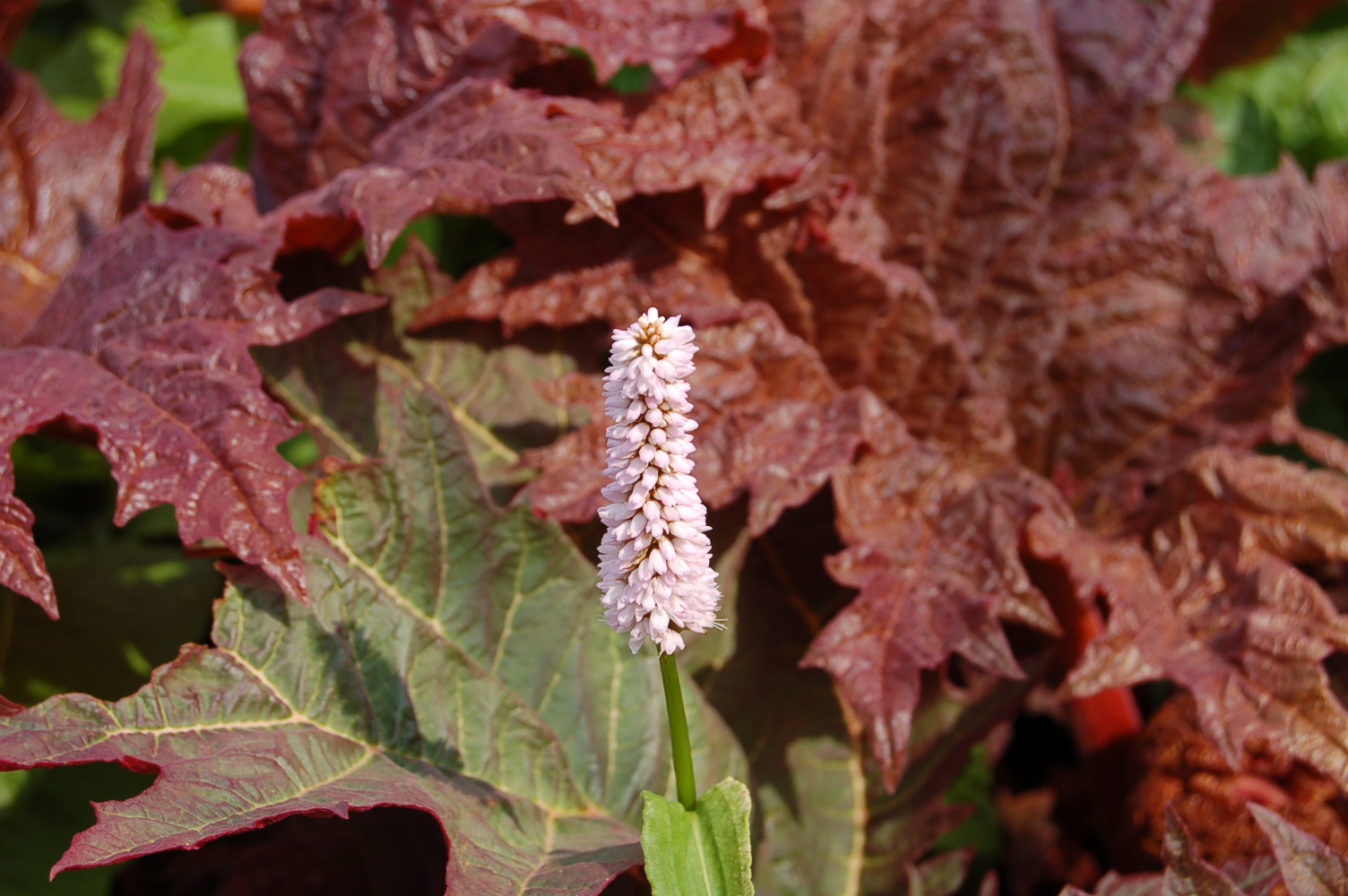
The first flower of the Persicaria bistorta stands alone in the lush foliage of the Bog Garden.
The yellow scented flower of this deciduous rhododendron are nearly with us.
Misty blue Cammasia buds opening.
Fat Allium bud rising from the whorl of leaves.
Red Campion buds ready to burst cluster atop their stem.

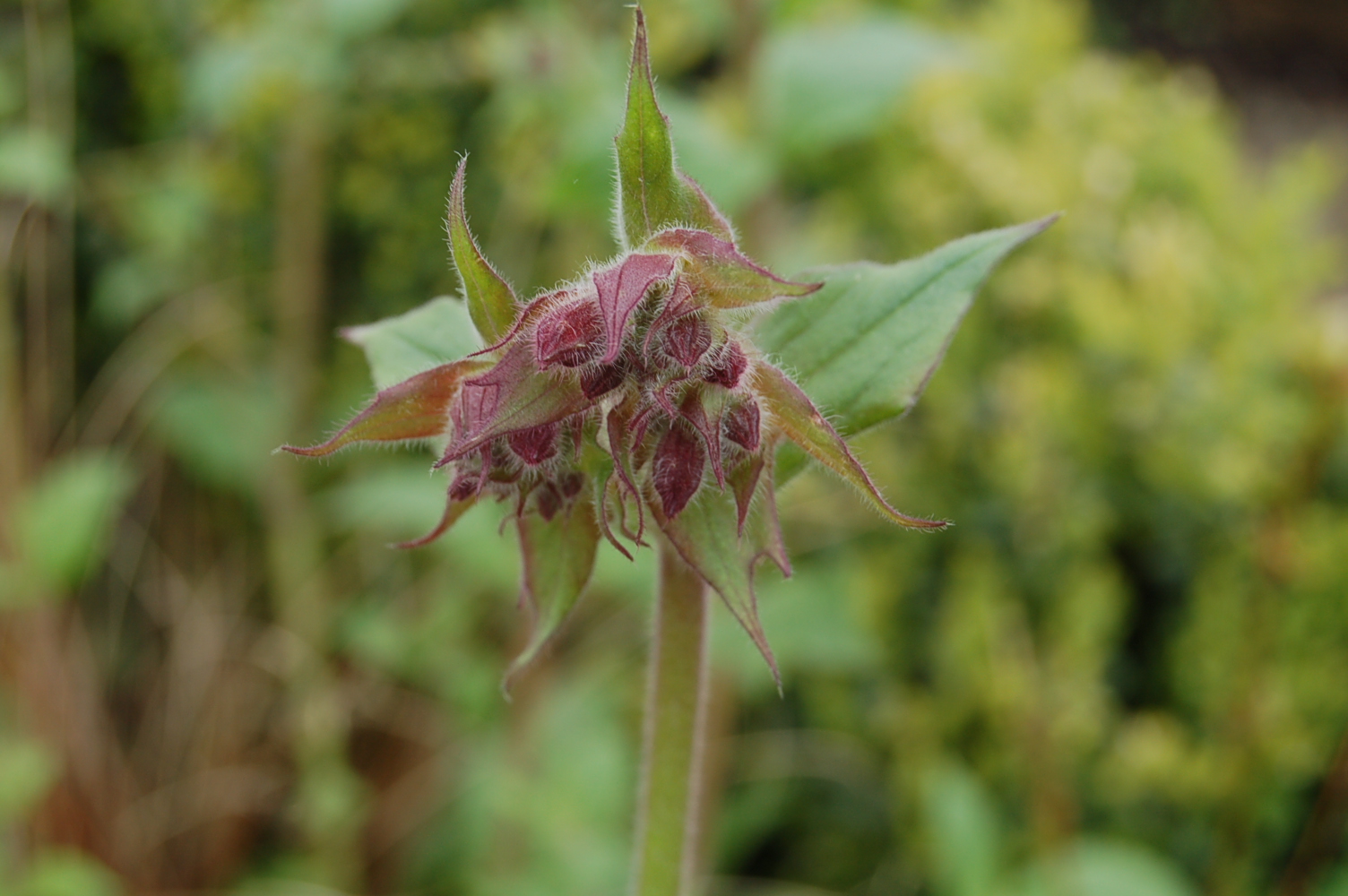
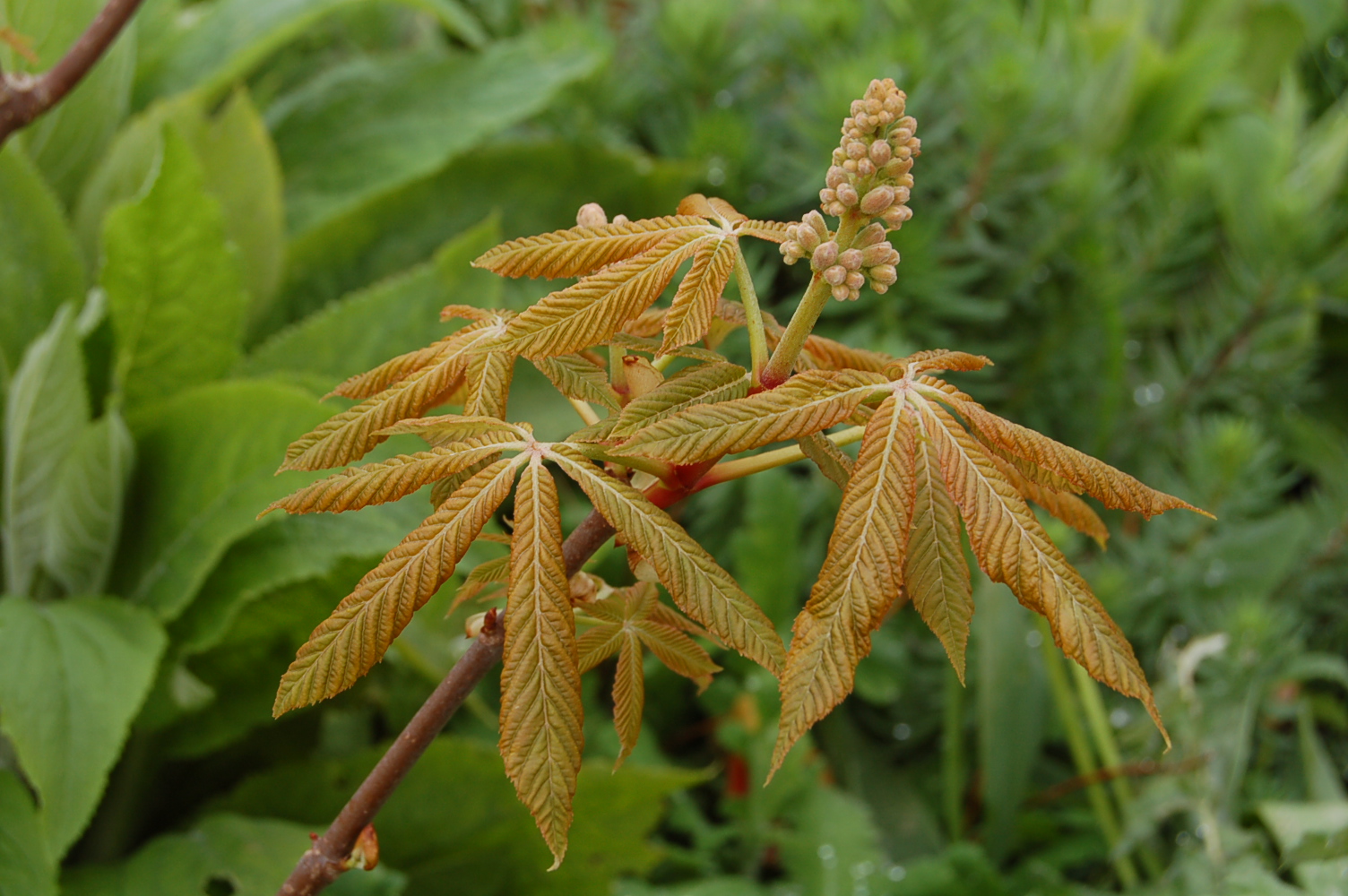
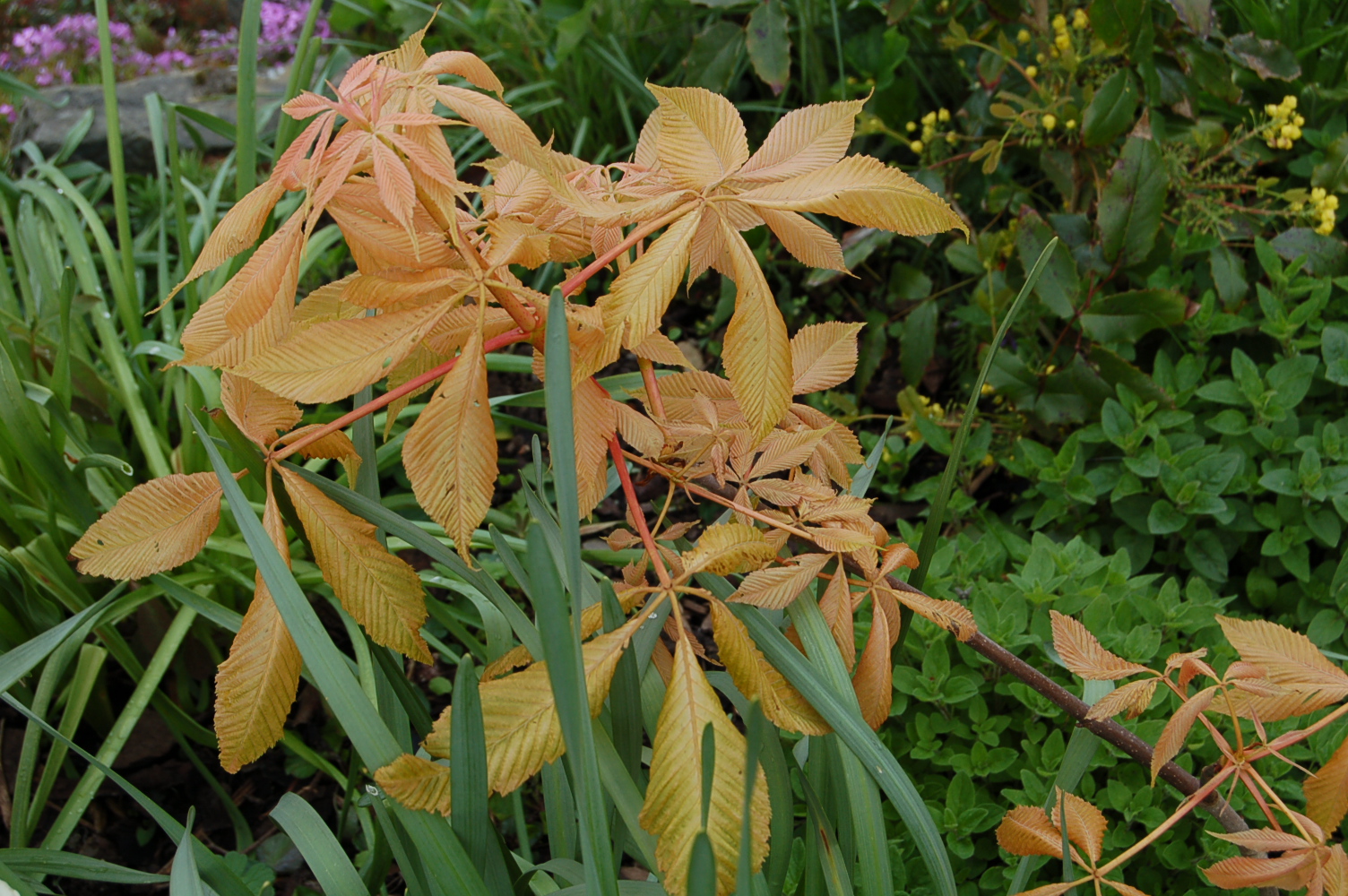
The most unusual coloured new buds appear on our two miniature Horse Chestnuts.

Delicate pale bronze new hands of chestnut leaves.
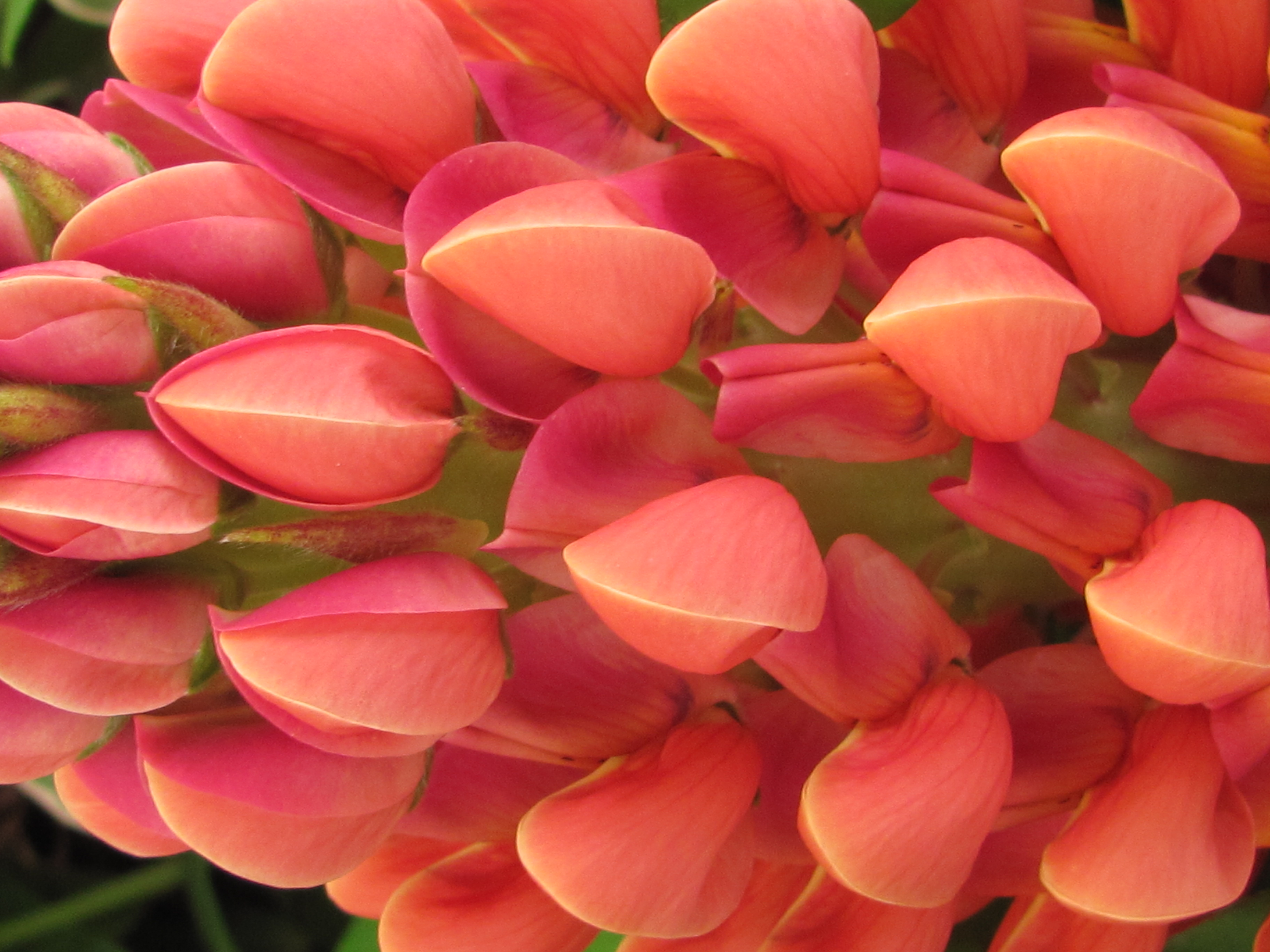
Salmon pinky orange?
This Veggie Life

A Vegetarian | Nature Lifestyle Blog

Rambling in the Garden

.....and nurturing my soul

The Arch City Gardener

Journeys In St. Louis Gardening and Beyond

Garden Dreaming at Châtillon

Consult the genius of the place

Storyshucker

A blog full of humorous and poignant observations.

gardeninacity

Notes from a wildlife-friendly cottage garden

PlayGroundology

...an emerging social science

The Official Blog of British Wildlife

'The most important and informative publication on wildlife of our times' - The Independent. This blog is a member of The UK & Ireland Natural History Bloggers group: www.uknhb.blogspot.com

iGrowHort

Inspire - Cultivate - Grow Native Plants - Restore Landscapes

Bishops Meadow Trust

To create and protect a semi-natural wild space for the people of Farnham to enjoy and experience an array of British wildlife in our town

Gardening with Children

The www.gardeningwithchildren.co.uk Blog

UKbirdingtimeline

birding through the seasons, why birds matter and how to conserve them

NATURE WALKER

with a camera in hand

Jardin

Transform your outdoor space

Eva's space

My allotment, cooking and other interests

Old School Garden

my gardening life through the year

LEANNE COLE

Trying to live a creative life

fromacountrycottage

trying to live as lightly as possible on our beautiful planet

Good Life Gardening

Nature lovers from Leicester living the good life.

mybeautfulthings

Finding the beautiful in the everyday

mawsonmichelle

Michelle's Allotment

In and Out of My Garden

thoughts from and about my garden

Greenhousing

Big plans for a small garden

The Scottish Country Garden

A Walled Country Garden in South East Scotland

The Fruity Chicken

Life at the fruity chicken

willowarchway

Off grid living. Self sufficient. "PERMAGANICS RULE".

St Anns Allotments

Nottingham's Grade 2* Listed Allotments and Community Orchard

Manifest Joy Harvests

a journey in suburban vegetable gardening

Allotmental

The madness of growing your own

Penny's Garden: a harvest beyond my front door

A novel approach to vegetable gardening

arignagardener

Sustainable living in the Irish countryside.

NewEnglandGardenAndThread

Master Gardener, amateur photographer, quilter, NH native, and sometimes SC snowbird

dianajhale

Recent work and work in progress and anything else that interests me

planthoarder

a chaotic cottage gardener

Lens and Pens by Sally

a weekly blog that creates a personal philosophy through photographs and words

Dewdrops and Sunshine

Stories from a sassy and classy Southern farmbelle.

The Pyjama Gardener

Simple Organic Gardening & Seasonal Living

gettin' fresh!

turning dirt into dinner

JOY...

today the world is created anew

Garden Birds

Notes from a Devon garden

ShootAbout

Life Through The Lens

Adapting Pixels

A photography blog showcasing the best photography pictures and videos on the internet

Wildlifegardening's Blog

Just another WordPress.com site

naturestimeline

personal observations from the natural world as the search continues for a new approach to conservation.

LATEBLOOMERBUDS

The Wonders of Life through my Eyes, my Heart, my Soul