Categories
autumn autumn colours countryside landscapes light light quality nature reserves photography Powis Powys reflections reservoirs trees wildlife woodland

Our First Woodland Walk of Autumn – Part Two

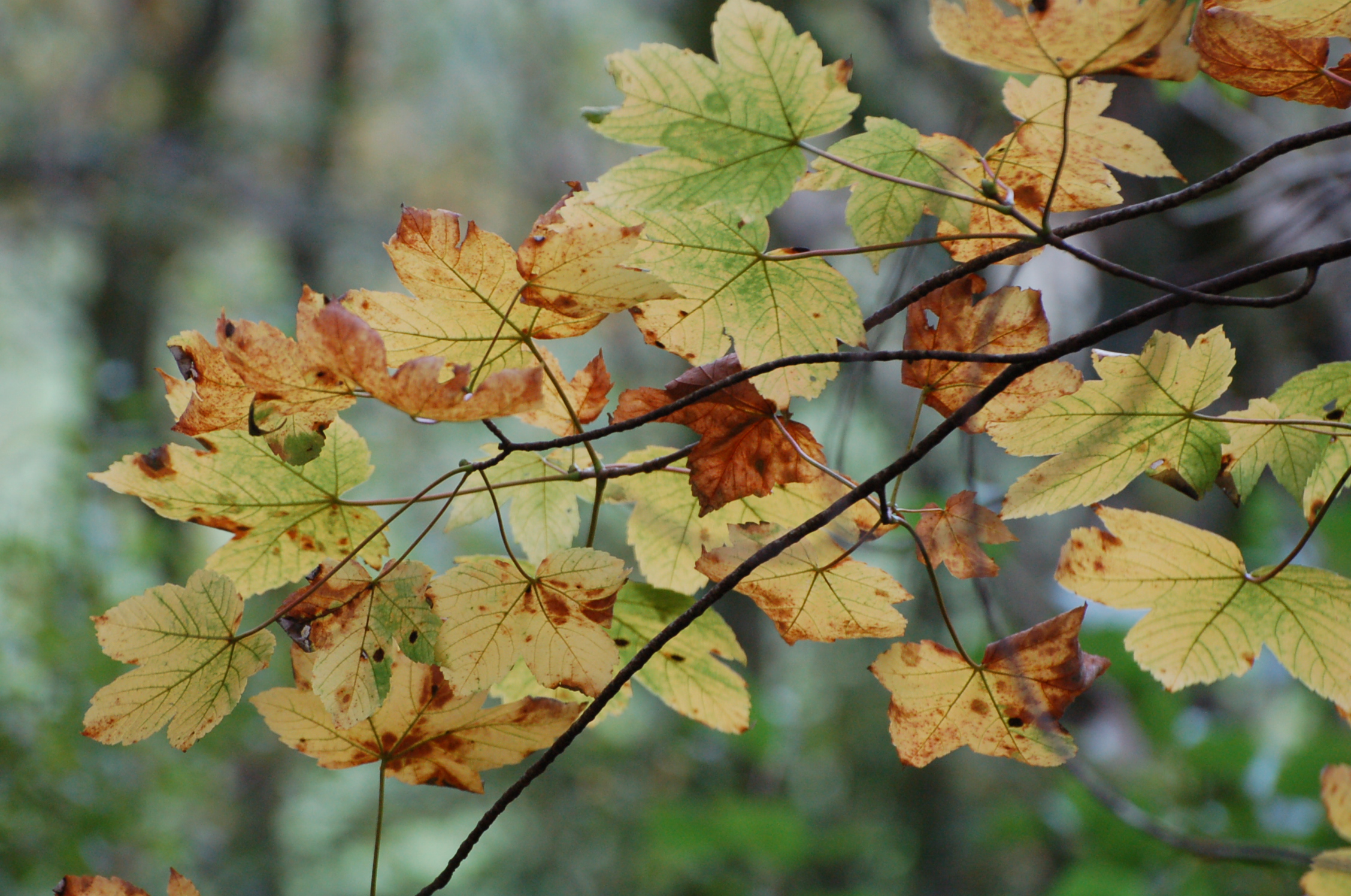
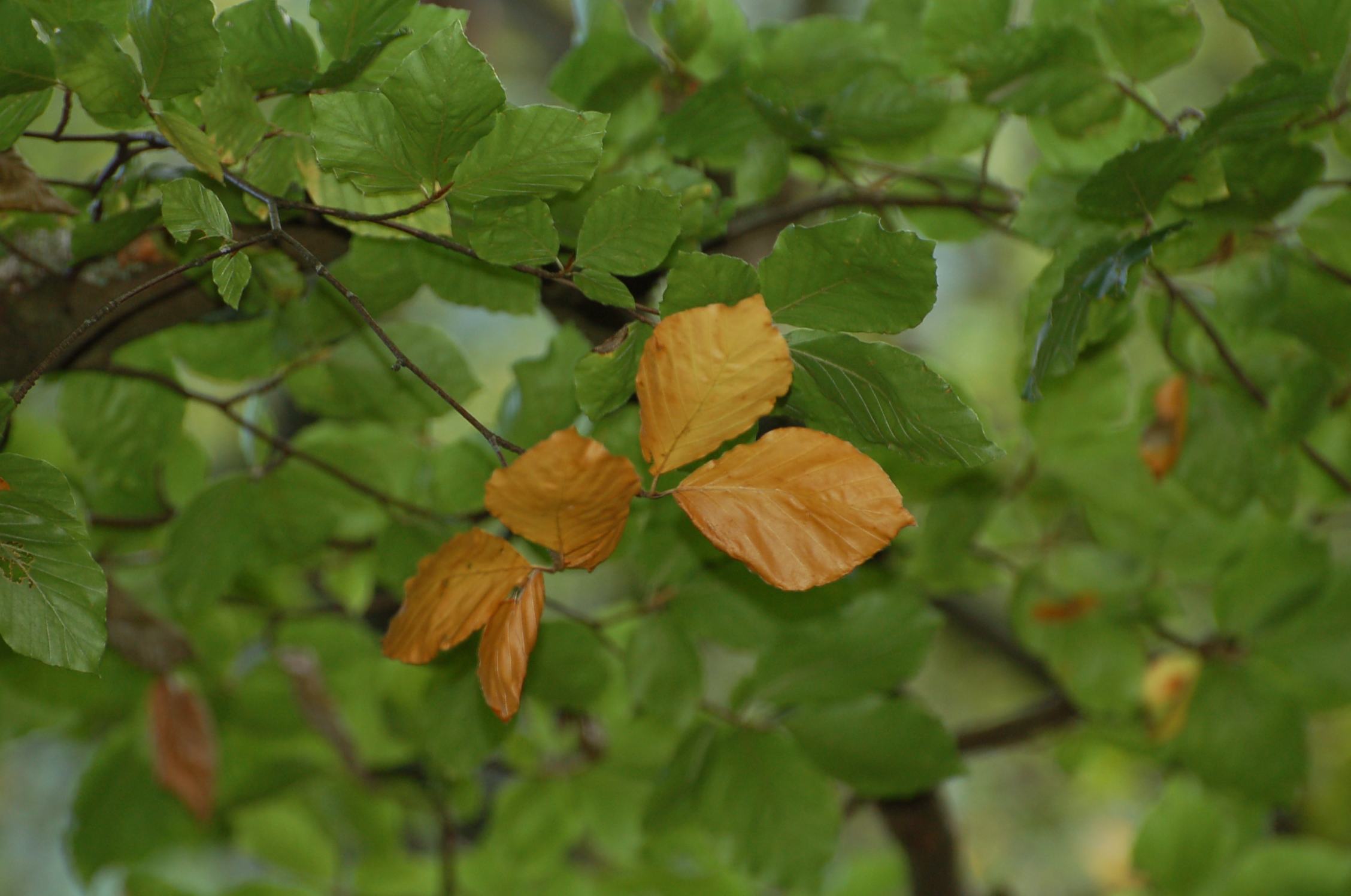
Back to Vyrnwy the woodland nature reserve of the RSPB based around a huge reservoir, where we continue our walk enjoying the sights, scents and sounds of an autumn wood.

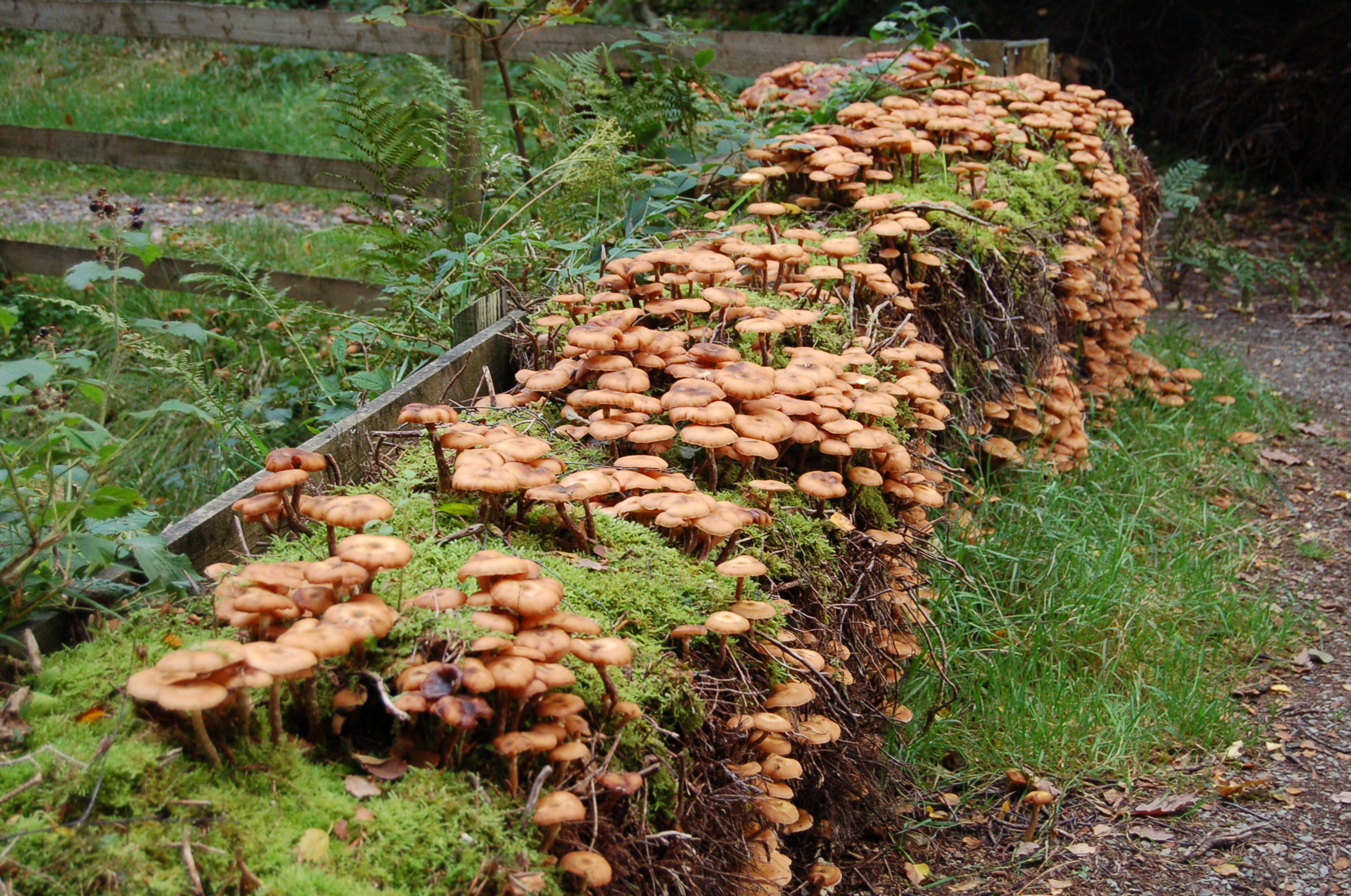
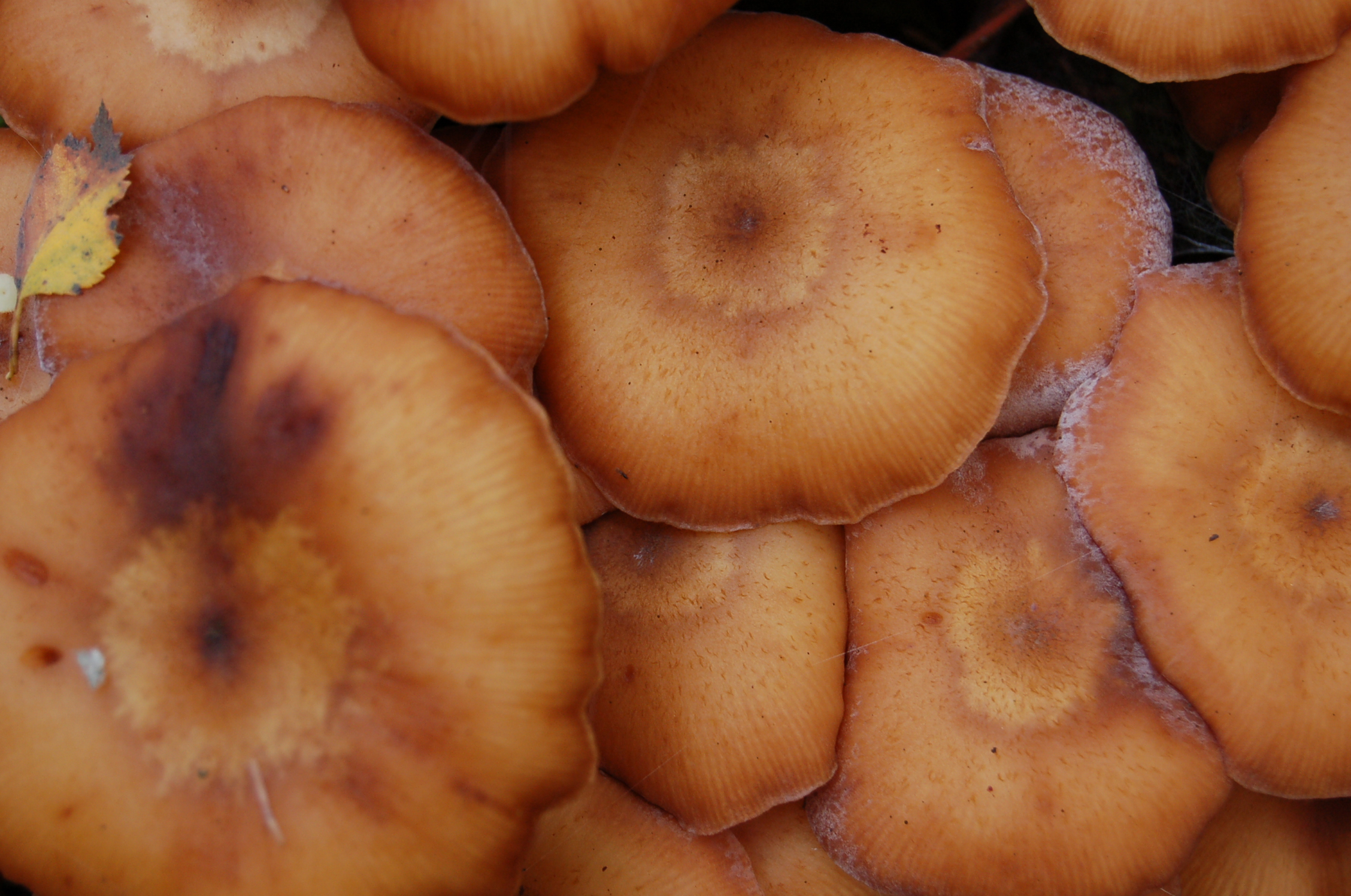
We moved on to where the path turns a corner and we cross a tiny stream over a wooden bridge. Today the bridge looked very different. Each side was covered in a growth of ginger brown fungi. We were literally stopped in our tracks in amazement! We had never before seen such a sight and probably never will again.

2013 10 06_4128 2013 10 06_4127 2013 10 06_4129 2013 10 06_4130 2013 10 06_4131 2013 10 06_4132 2013 10 06_4133 2013 10 06_4136

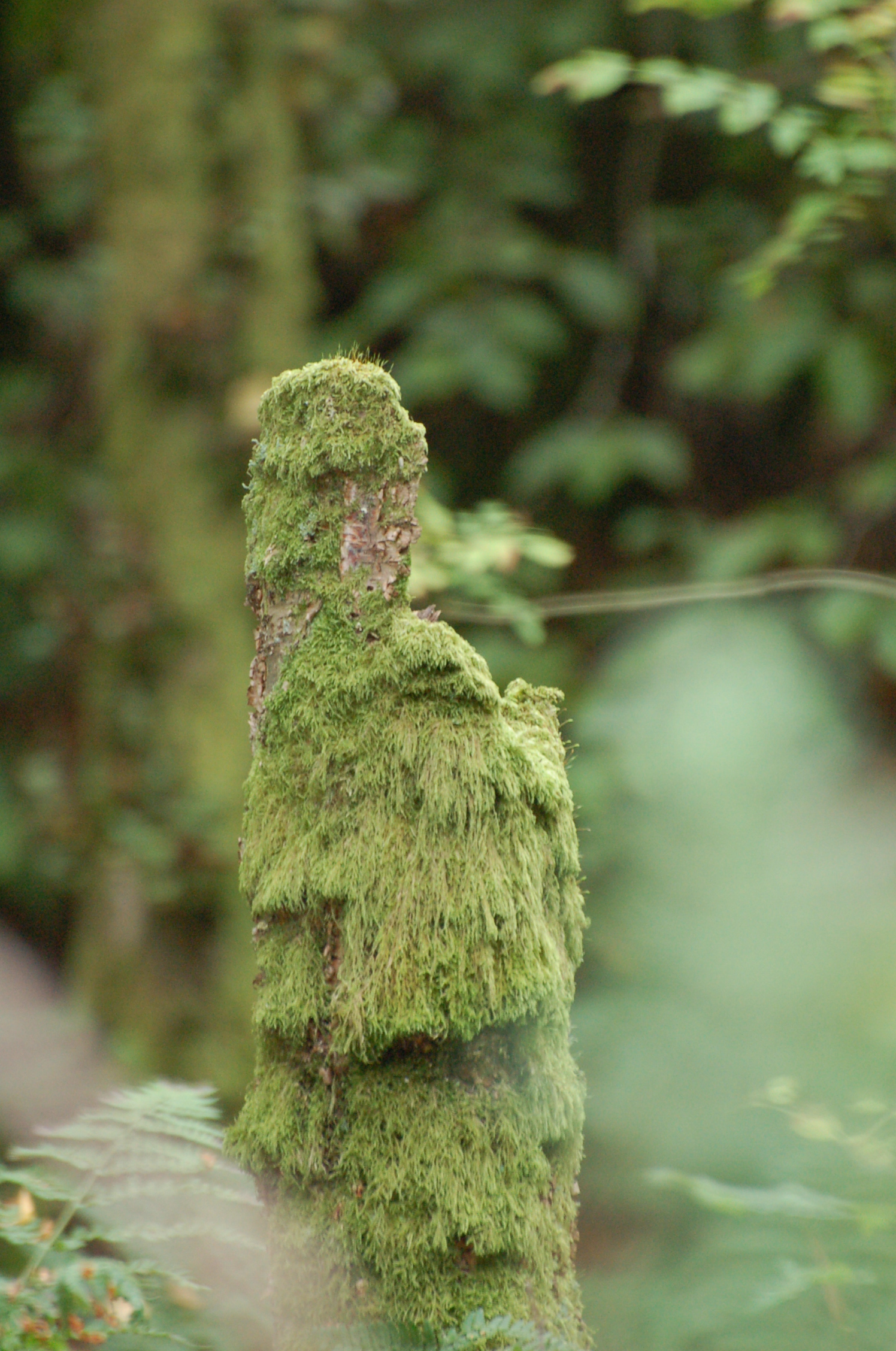
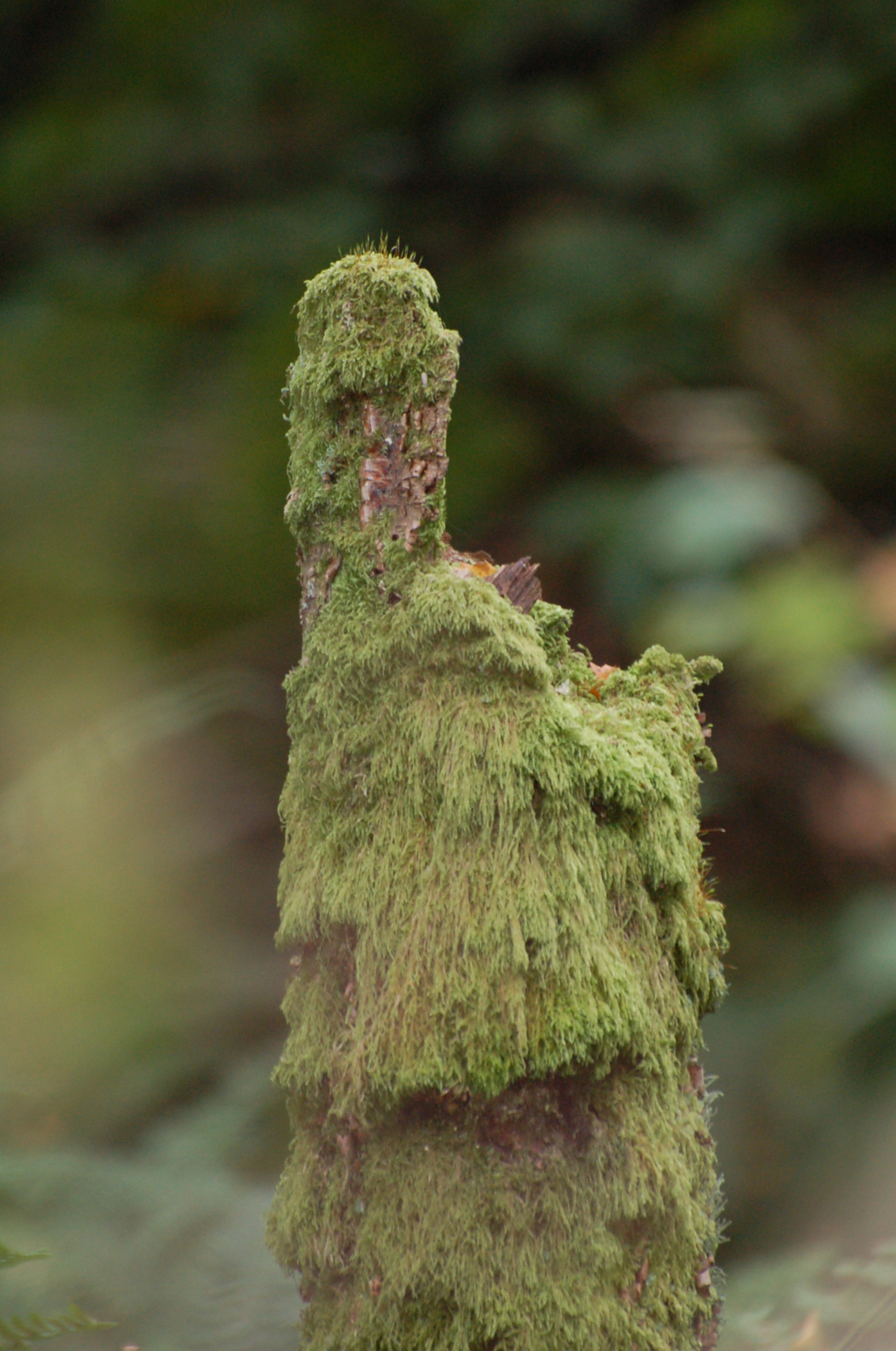
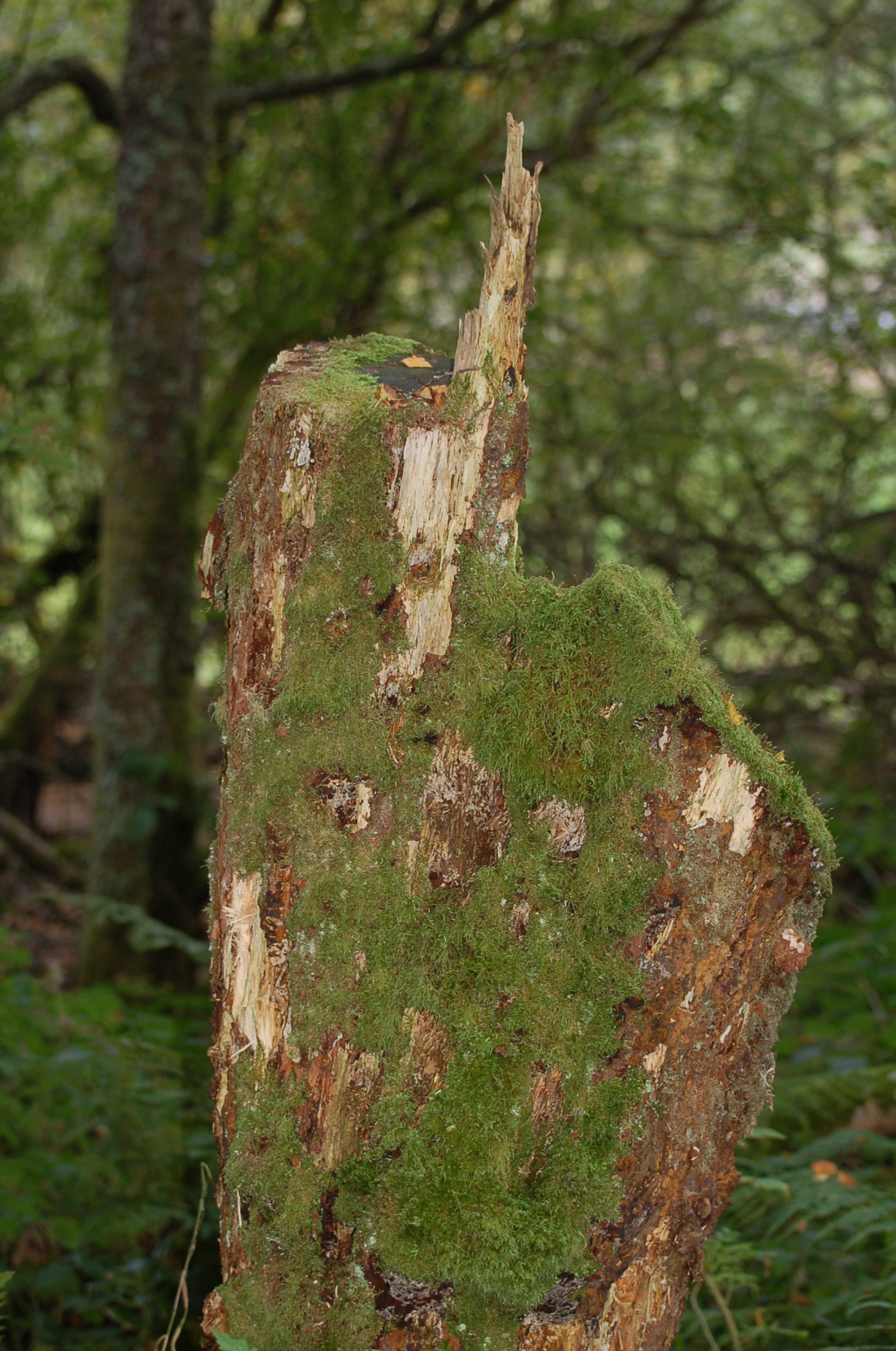
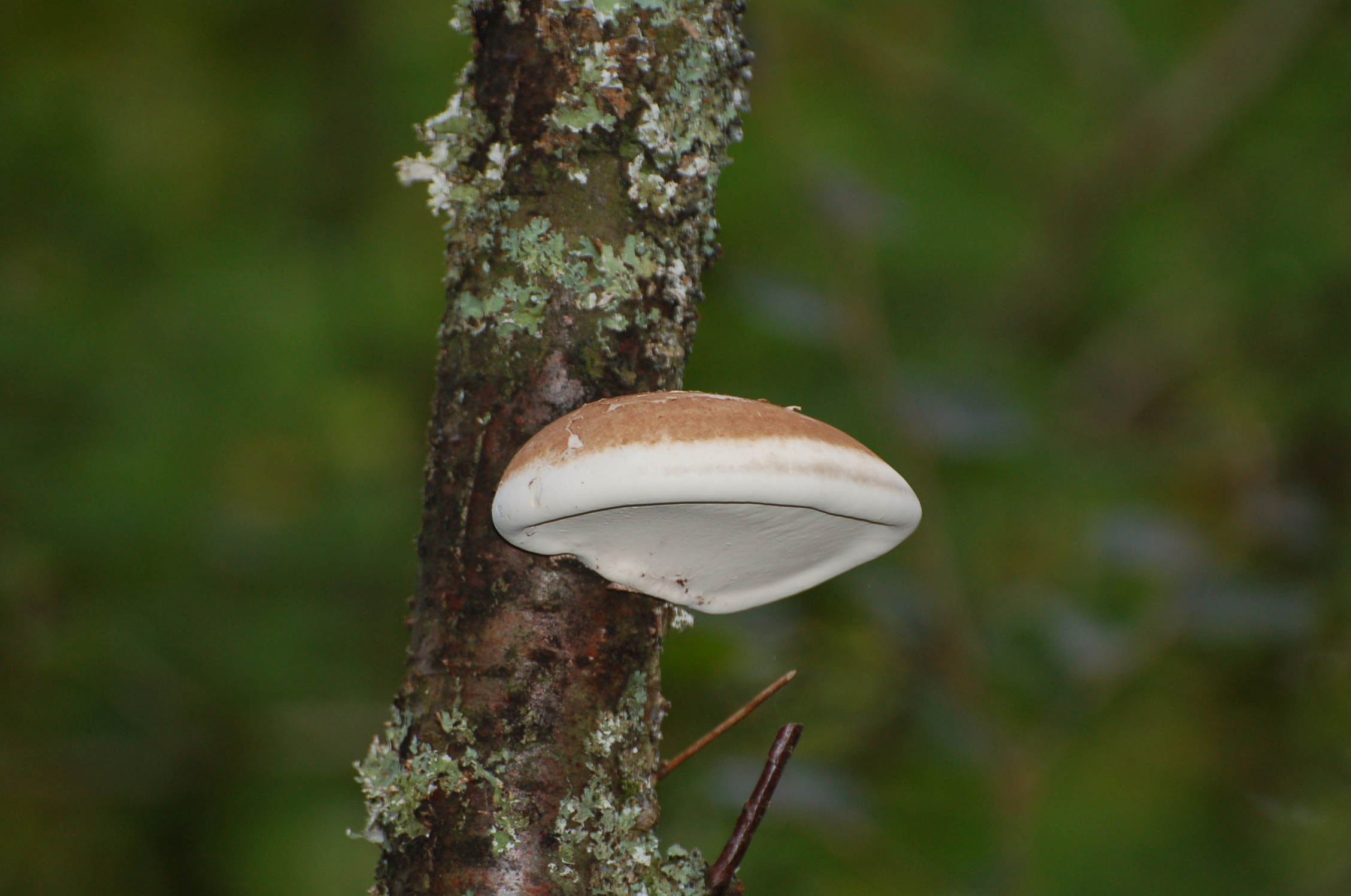
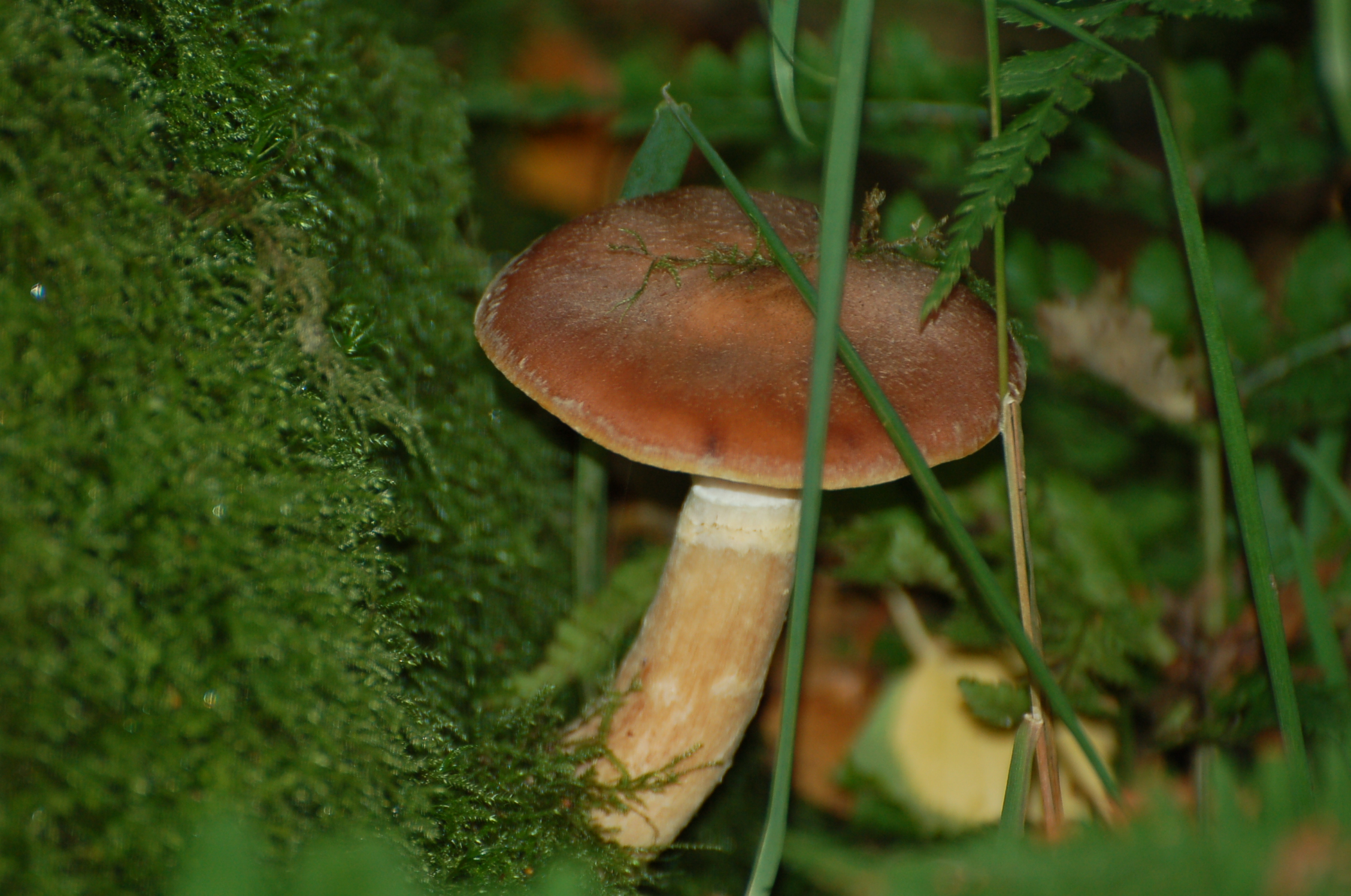
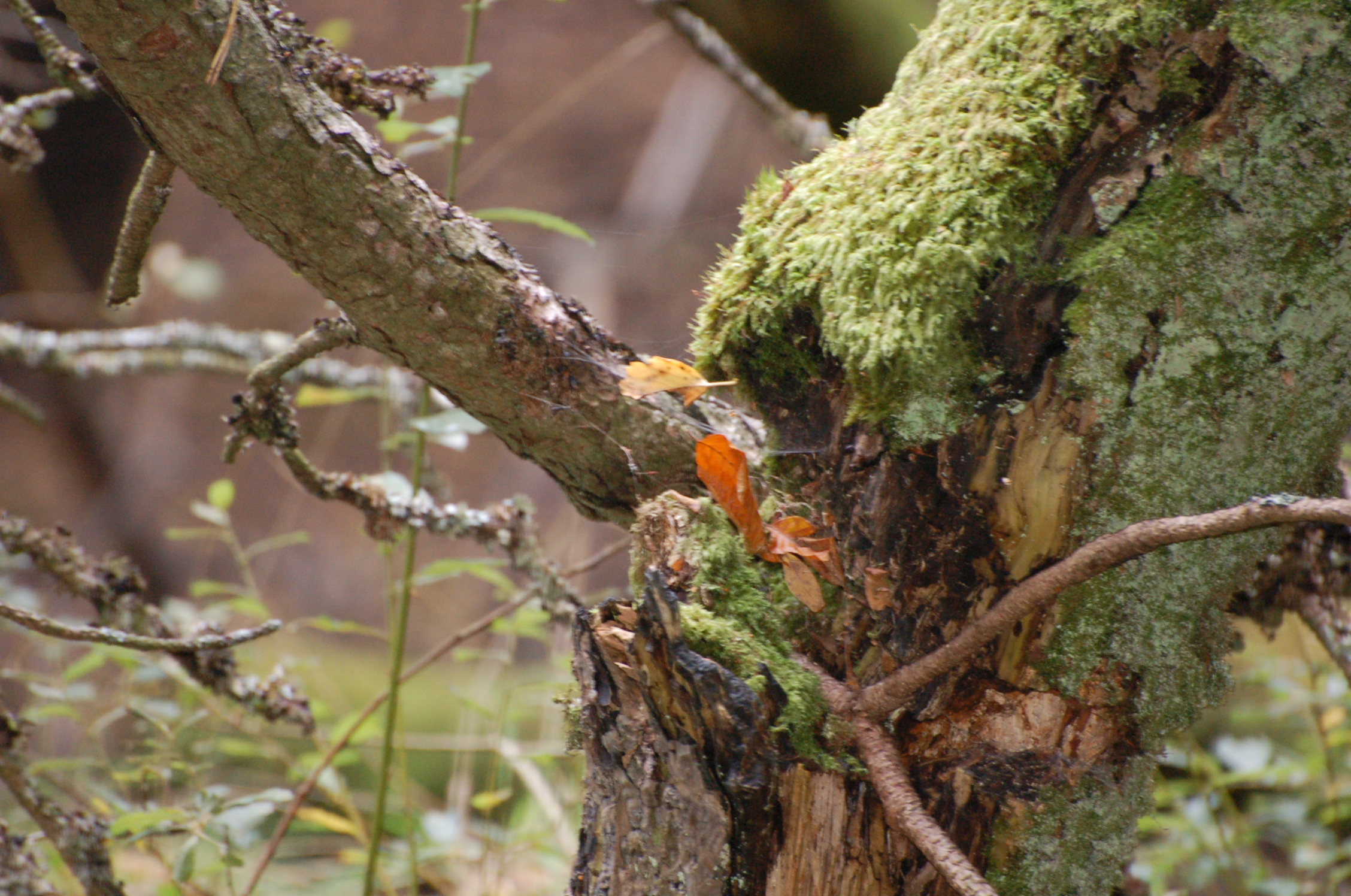
In the close vicinity the atmosphere was so humid that you could feel the dampness in the air. Moss enjoyed the sauna-like conditions and grew on tree trunks. The trunks dripped with the moss, making them look like little green figures beneath the trees. We continued to find a variety of fungi some of which grew high off the ground. One in particular looked as if a frisbee had been thrown so fiercely that it had dug deep into the tree trunk.

2013 10 06_4134 2013 10 06_4135 2013 10 06_4143

2013 10 06_4146 2013 10 06_4145

2013 10 06_4137 2013 10 06_4138

The humidity here, partnered with the bright light creeping through the branches, made the shades of greens and brown glow richly.

2013 10 06_4139 2013 10 06_4140 2013 10 06_4141 2013 10 06_4142  2013 10 06_4144   2013 10 06_4147 2013 10 06_4148 2013 10 06_4149 2013 10 06_4150 2013 10 06_4152 2013 10 06_4153

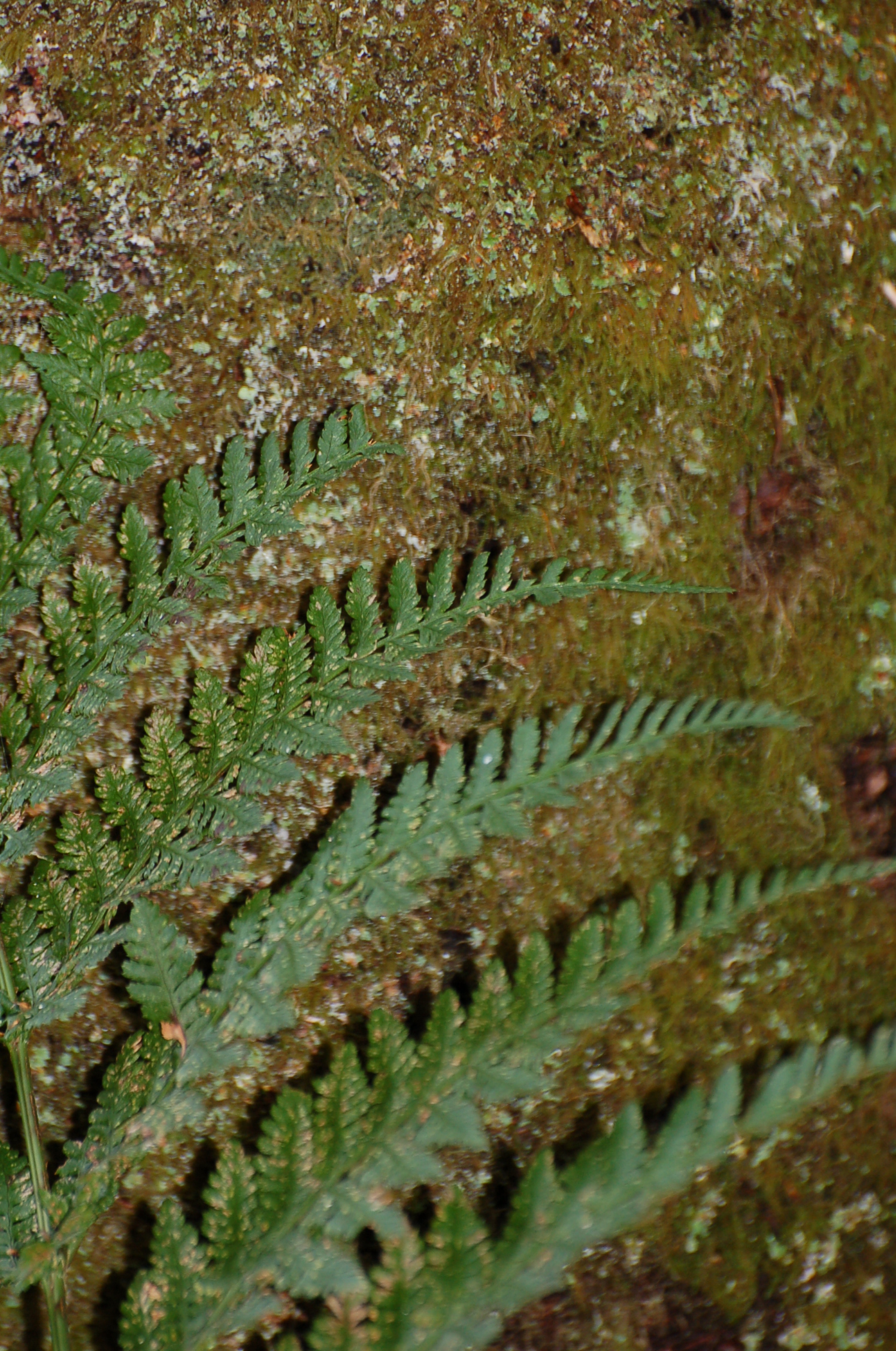
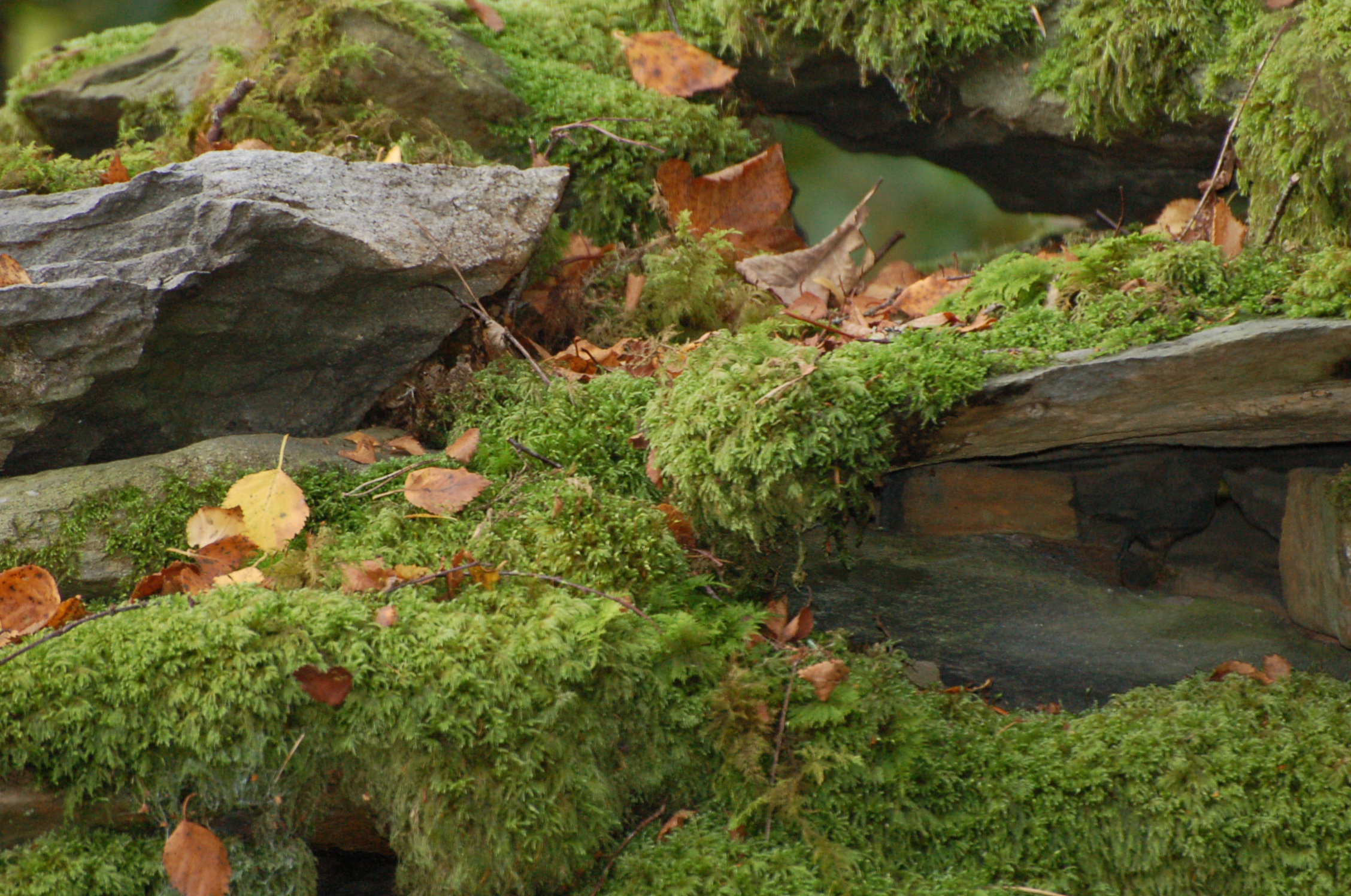
The air got damper and the shafts of sunlight lower as we passed this old moss-covered stone wall and reached the lake. We shall find the lake in the third and final part of my First Woodland Walk of Autumn – Part Three.

Categories
Gwyndd landscapes light light quality photography the sea the seaside the shore townscapes Wales

Closed for Winter but not Deserted – Barmouth – Part Two

2014 01 03_5766_edited-1

Back in one of our favourite Welsh seaside town of Barmouth we crossed the dunes and discovered the debris of the storms.

2014 01 03_5763_edited-1

2014 01 03_5741_edited-1 2014 01 03_5750_edited-1 2014 01 03_5752_edited-1 2014 01 03_5753_edited-1

We came across seaweed wrenched by the roots from its sea floor home, an empty shell of a Cuttlefish, some twisted driftwood and fishermen’s debris.

2014 01 03_5757_edited-1 2014 01 03_5758_edited-1 2014 01 03_5759_edited-1 2014 01 03_5761

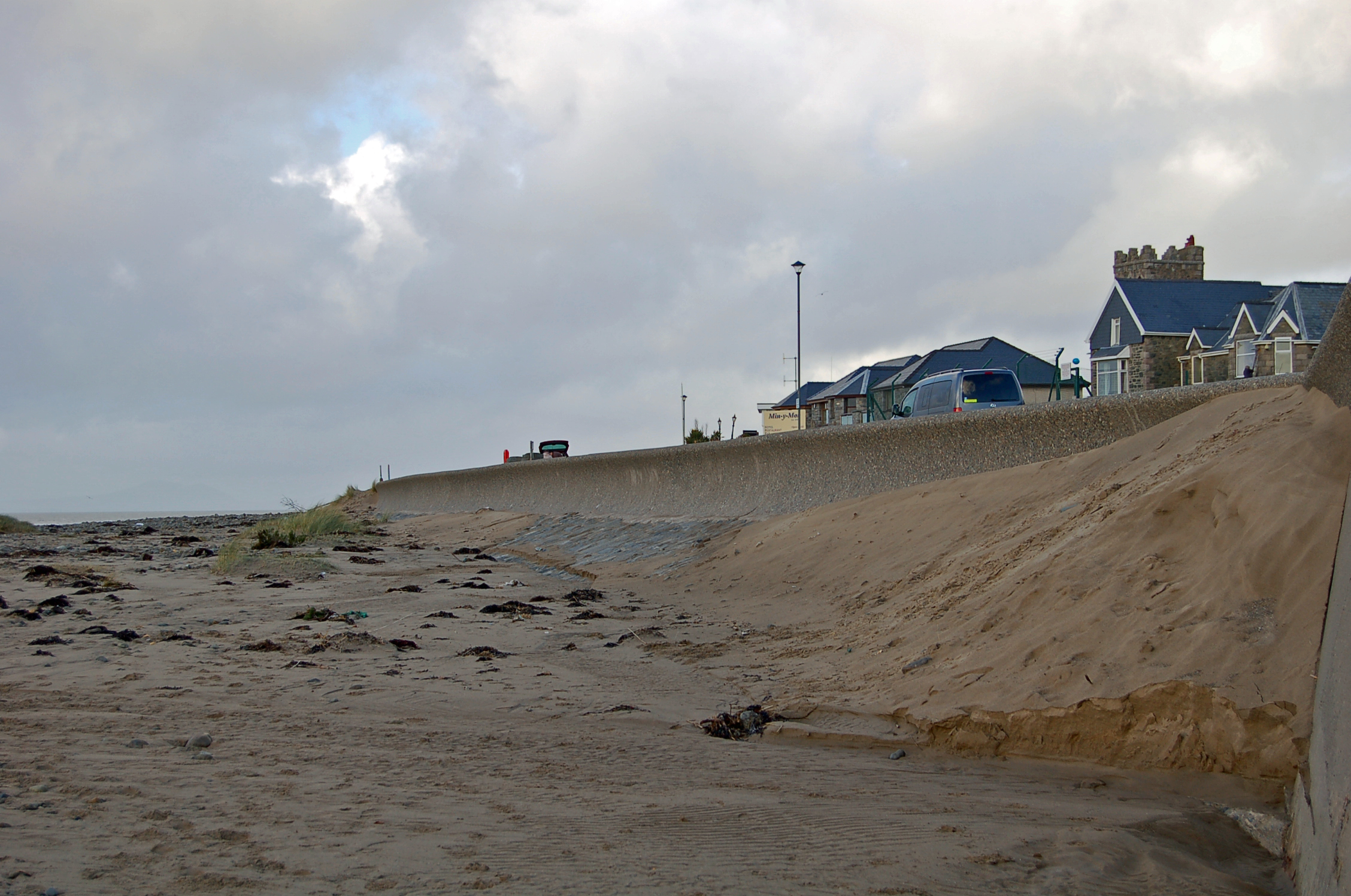
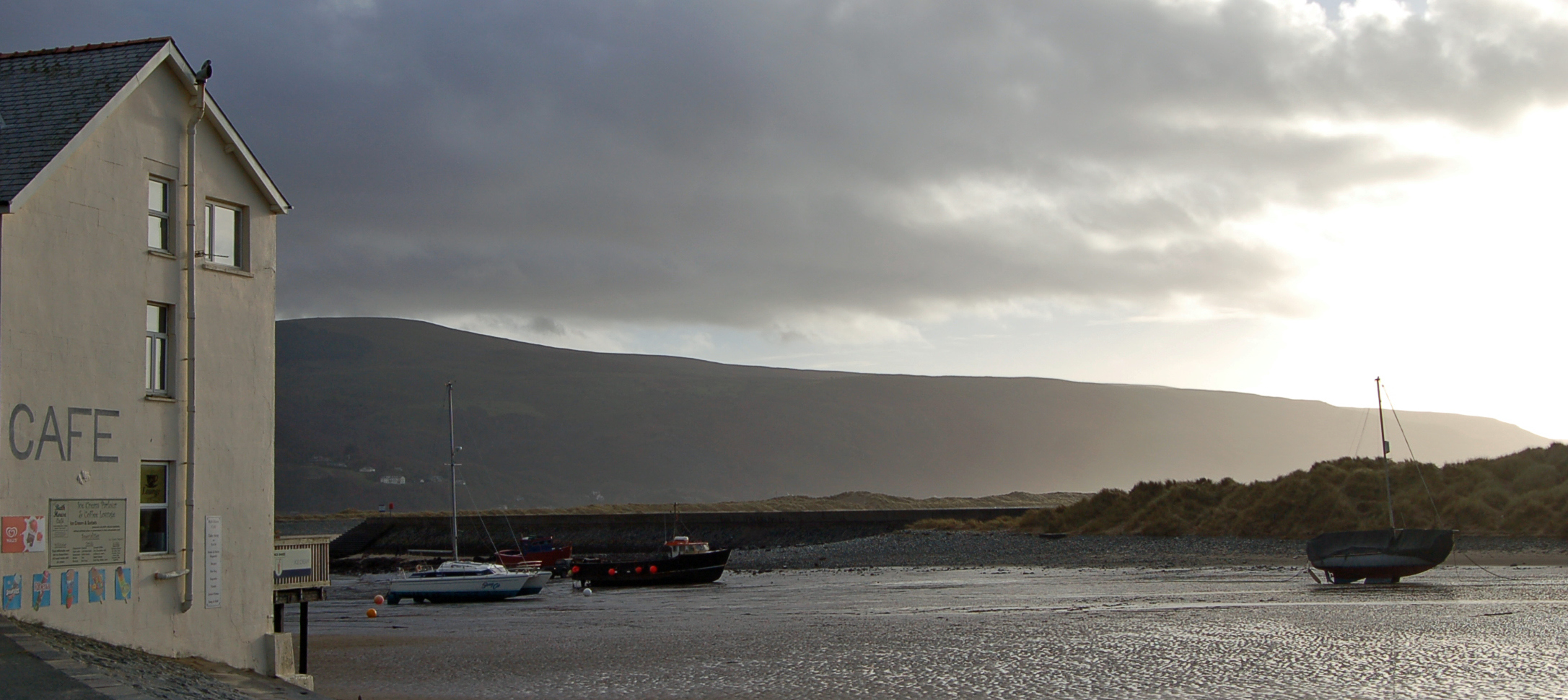
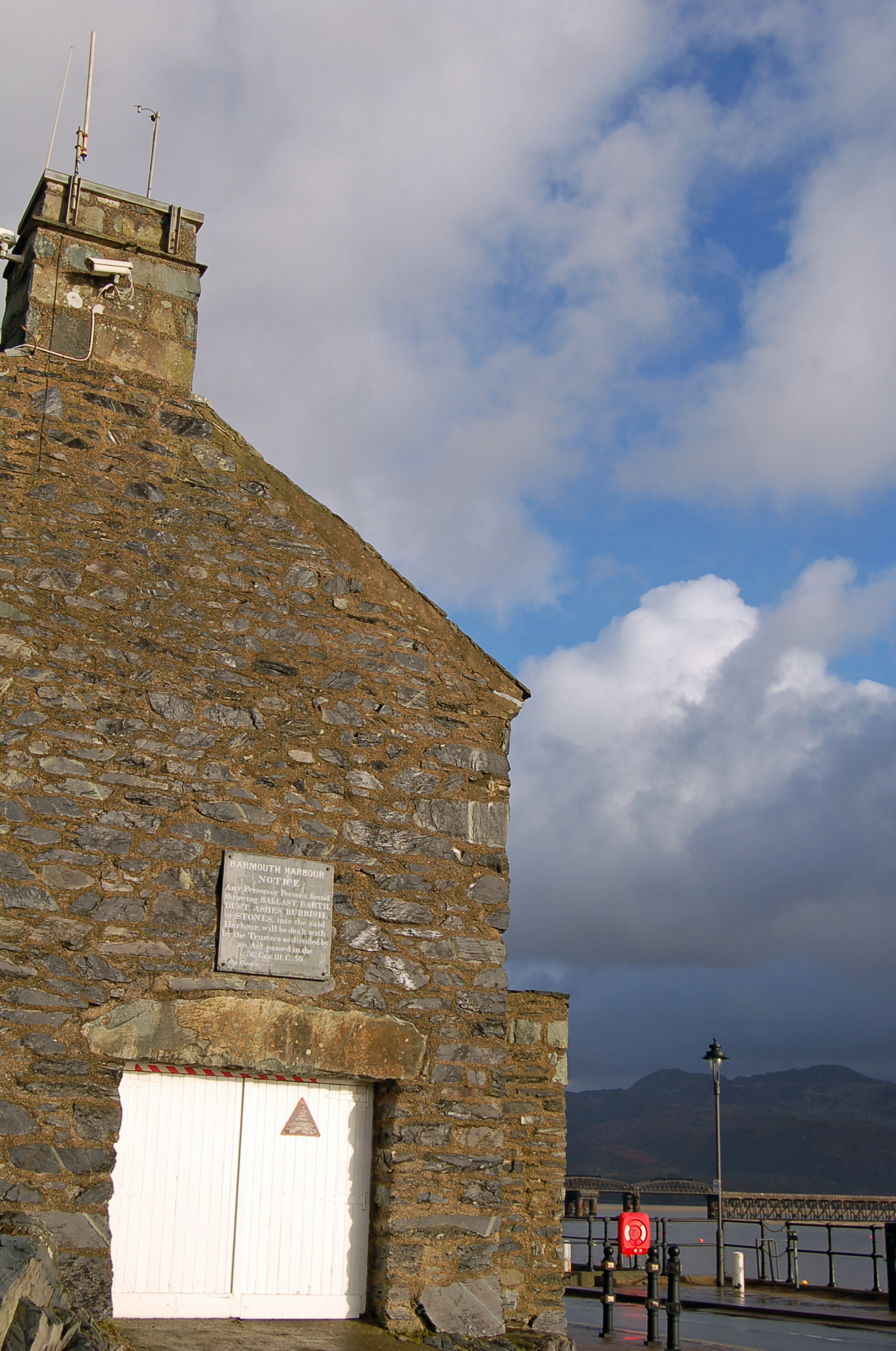
As we left the dunes we found ourselves out in the open on the wide expanse of the beach itself. Here we gained views of the sea front hotels and guest houses and the yachts in their winter compound lit up by winter sunlight. The sand had risen piled high in drifts against the sea walls.

2014 01 03_5756_edited-1 2014 01 03_5751_edited-1 2014 01 03_5764_edited-1 2014 01 03_5765_edited-1

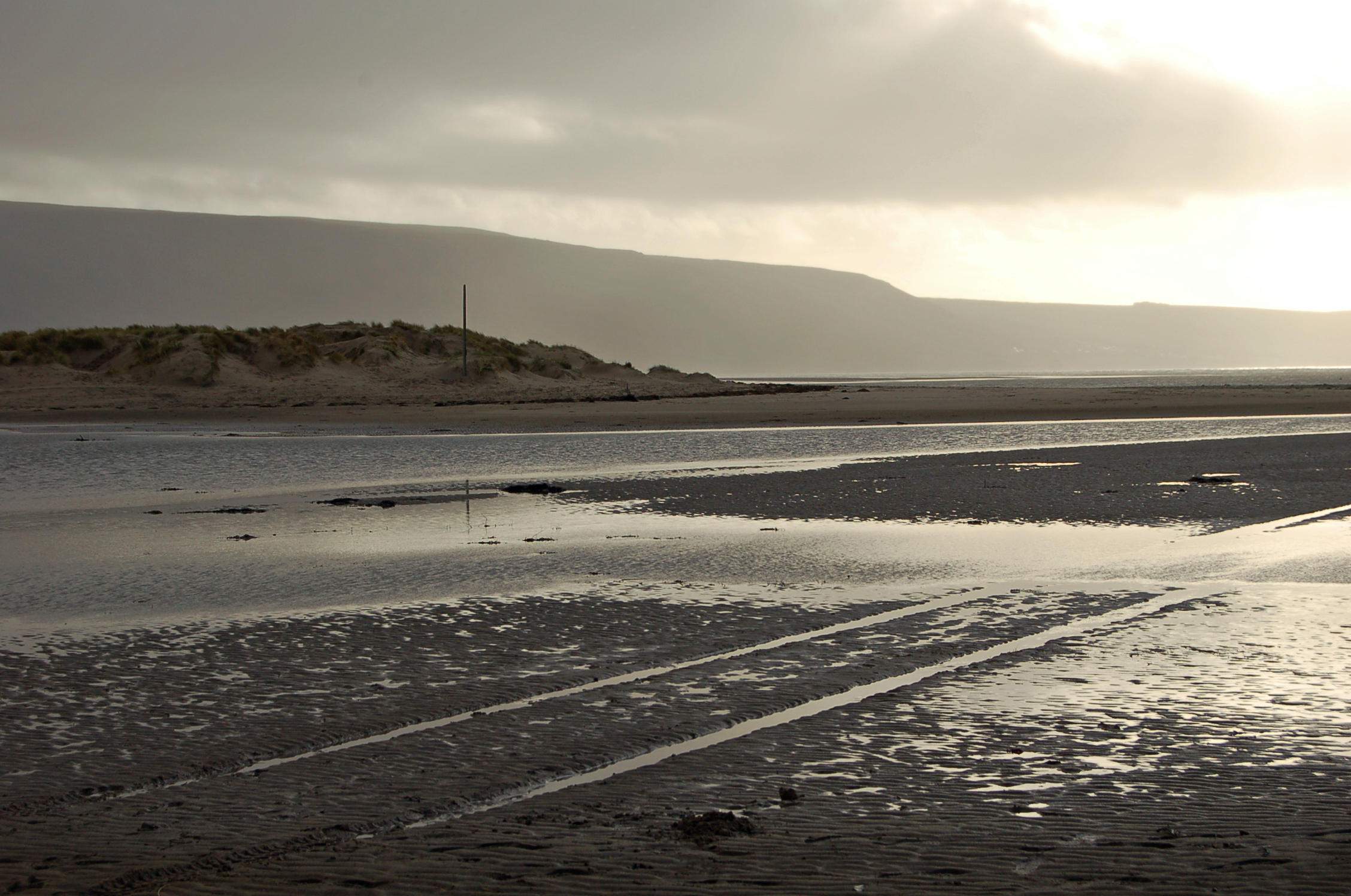
The peace we were enjoying as we listened to the gentle lapping of the waves and the wind lifting and moving the sand, was suddenly shattered as the sky darkened and a hail storm arrived. At the same time our peace was also shattered by the sound of raised alarms. Someone was in trouble out at sea, the coast guards arrived with flashing green lights on the roofs of their cars, followed by police with their blue lights  flashing out of sync. The rapid response inflatable life-boat launched after being drawn across the sands by a tractor with caterpillar tracks gouging deep ruts cutting across the smooth surface of the sandy beach. Within minutes just the tracks were left and the life-boat disappeared out to sea on its mission.

2014 01 03_5769_edited-1  2014 01 03_5767_edited-1

The storm passed as quickly as it had arrived. The sun burst back through the thinning clouds, lower now and with a golden hue. It bathed buildings and yacht masts with golden light.

2014 01 03_5773_edited-1 2014 01 03_5774_edited-1 2014 01 03_5775_edited-1 2014 01 03_5776_edited-1 2014 01 03_5777_edited-1

As we reached the end of the town we heard behind us the deep throated diesel engines of a big caterpillar-tracked vehicleas it dragged the big life boat across the beach and out to sea. the situation was a serious one!

As we left after a good day at the seaside blue patches began to appear in the cloudy skies.

2014 01 03_5778_edited-1 2014 01 03_5779_edited-1 2014 01 03_5781_edited-1 2014 01 03_5780_edited-1 2014 01 03_5782

Categories
countryside Gwyndd landscapes light light quality photography the seaside Wales

Over the hills to the sea – part two.

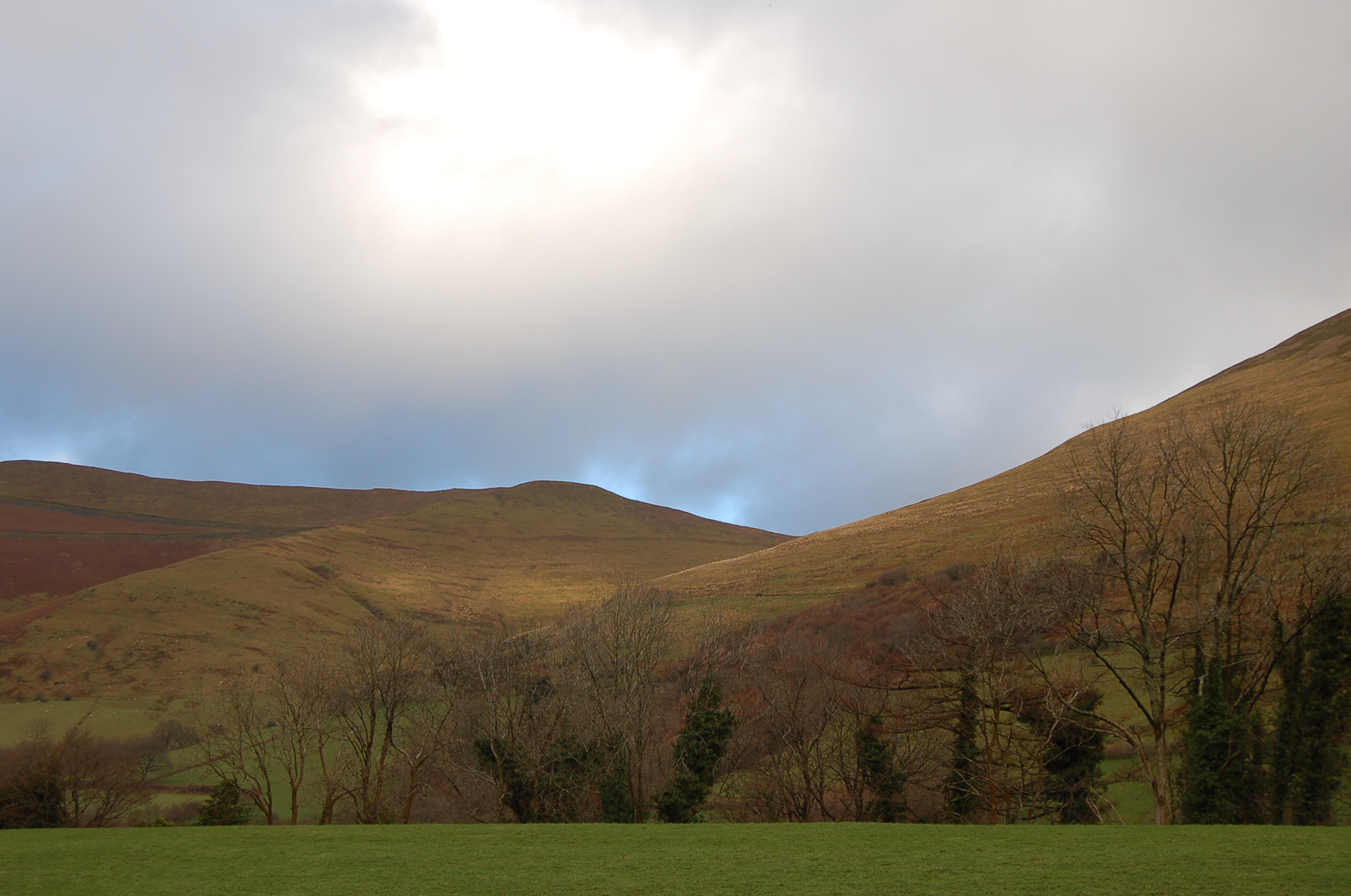
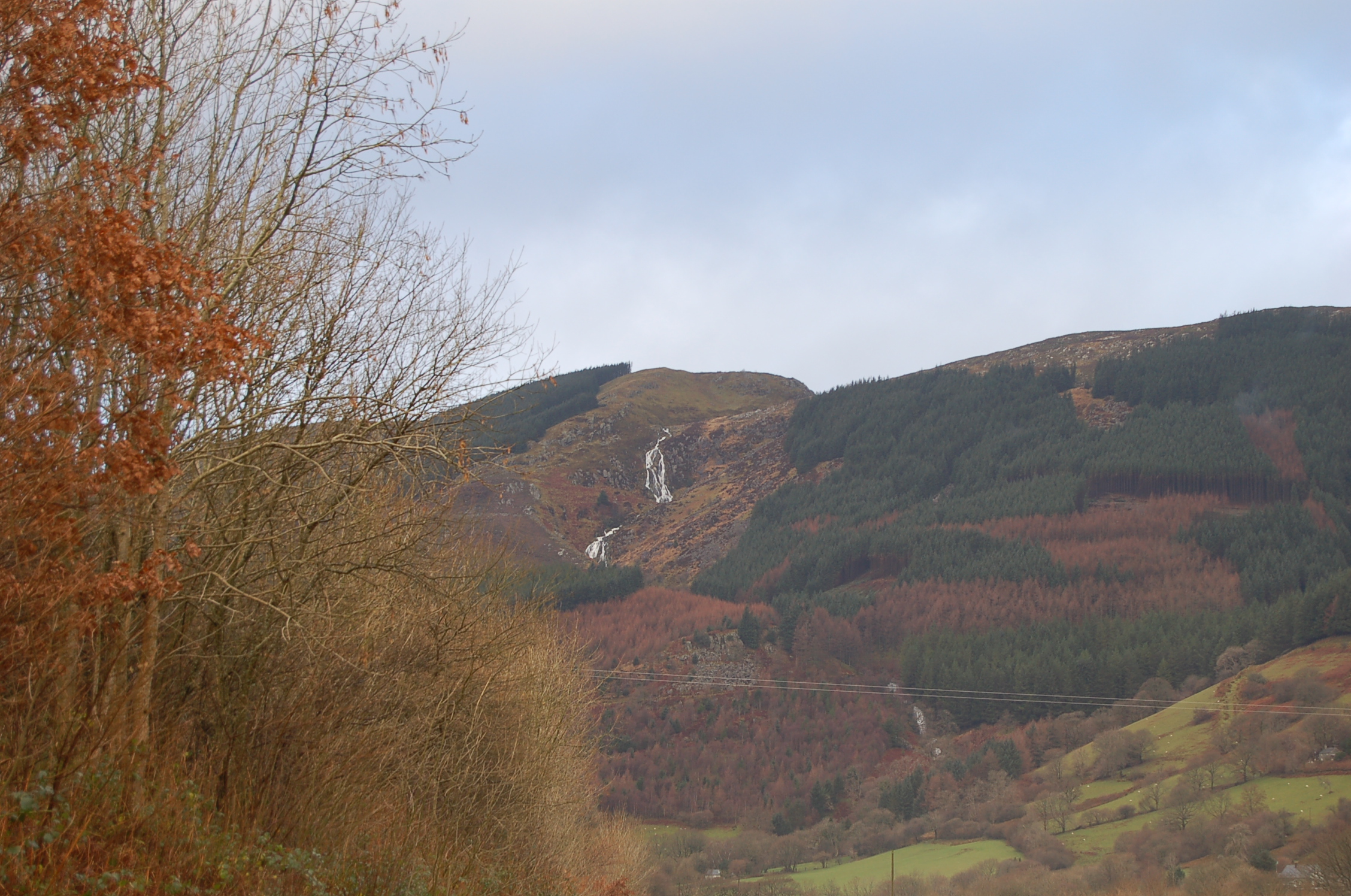
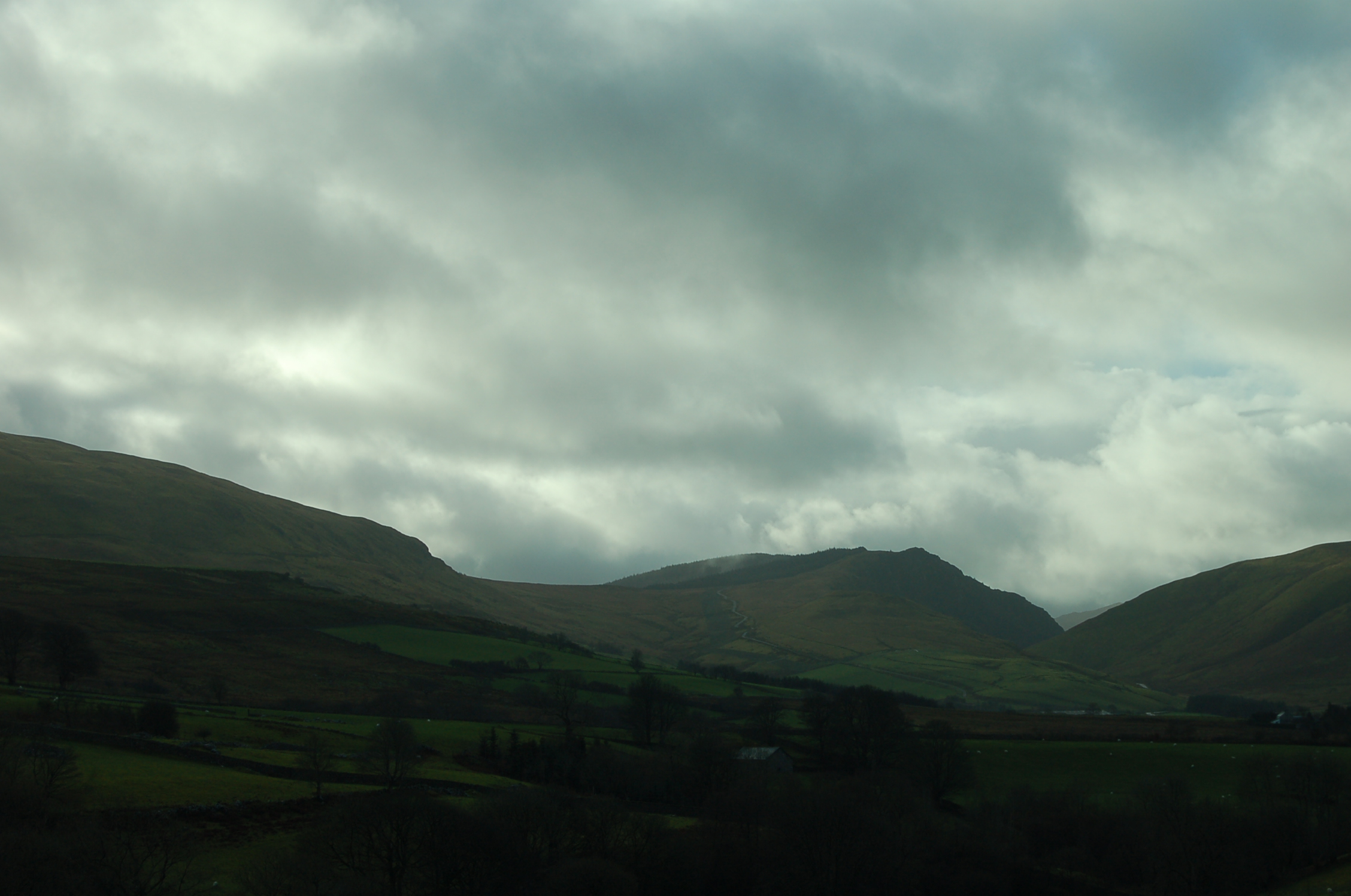
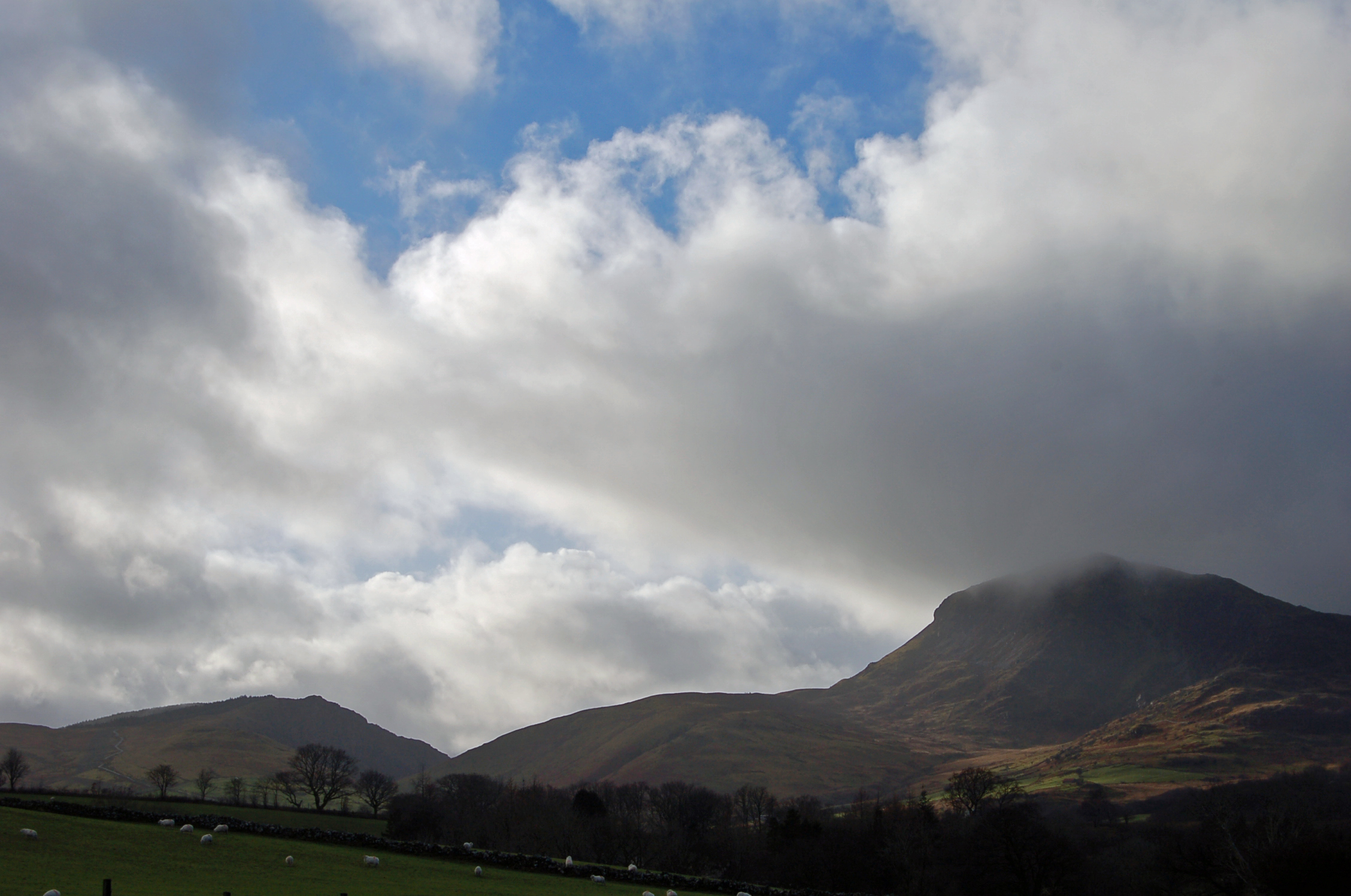
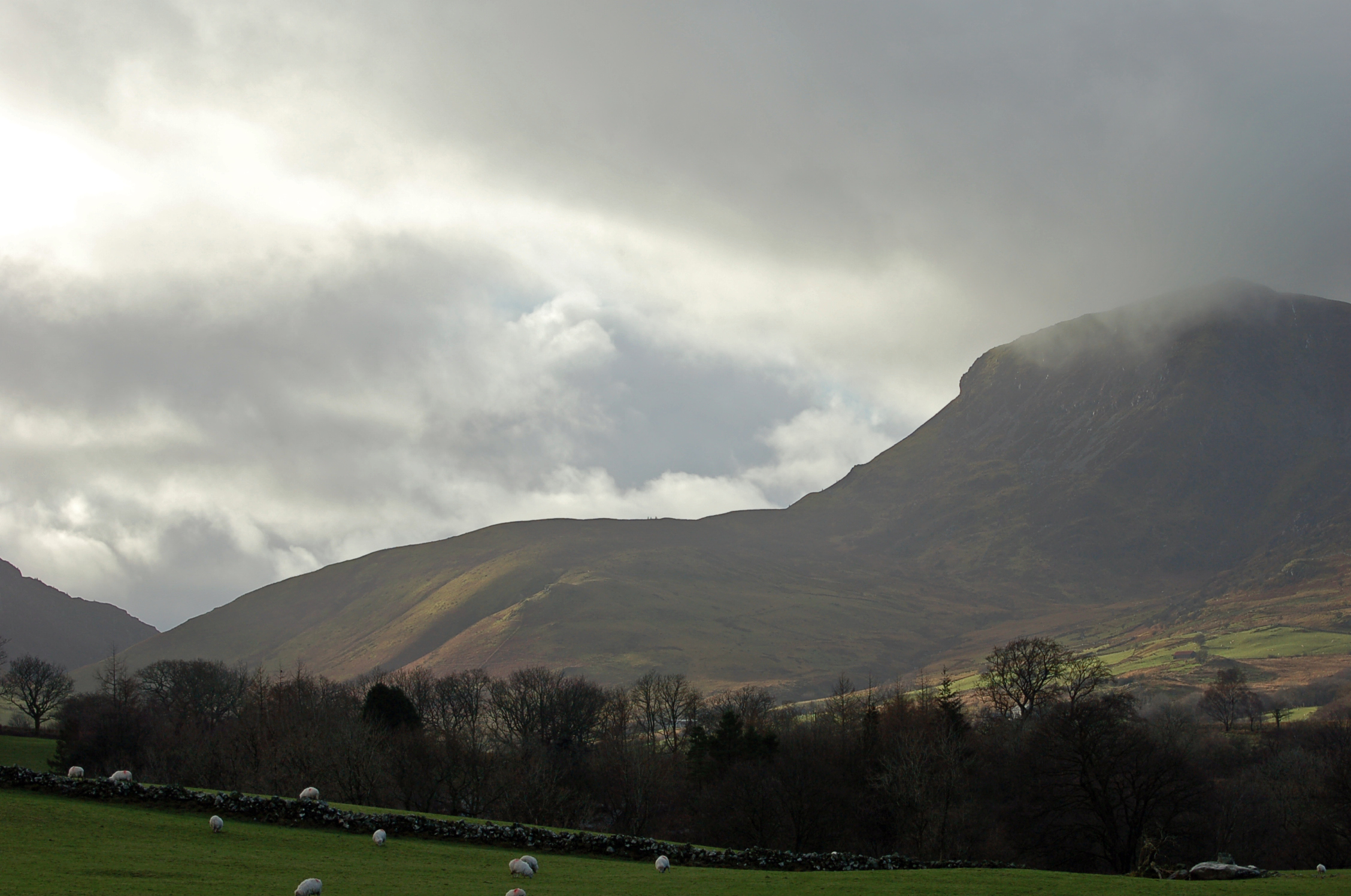
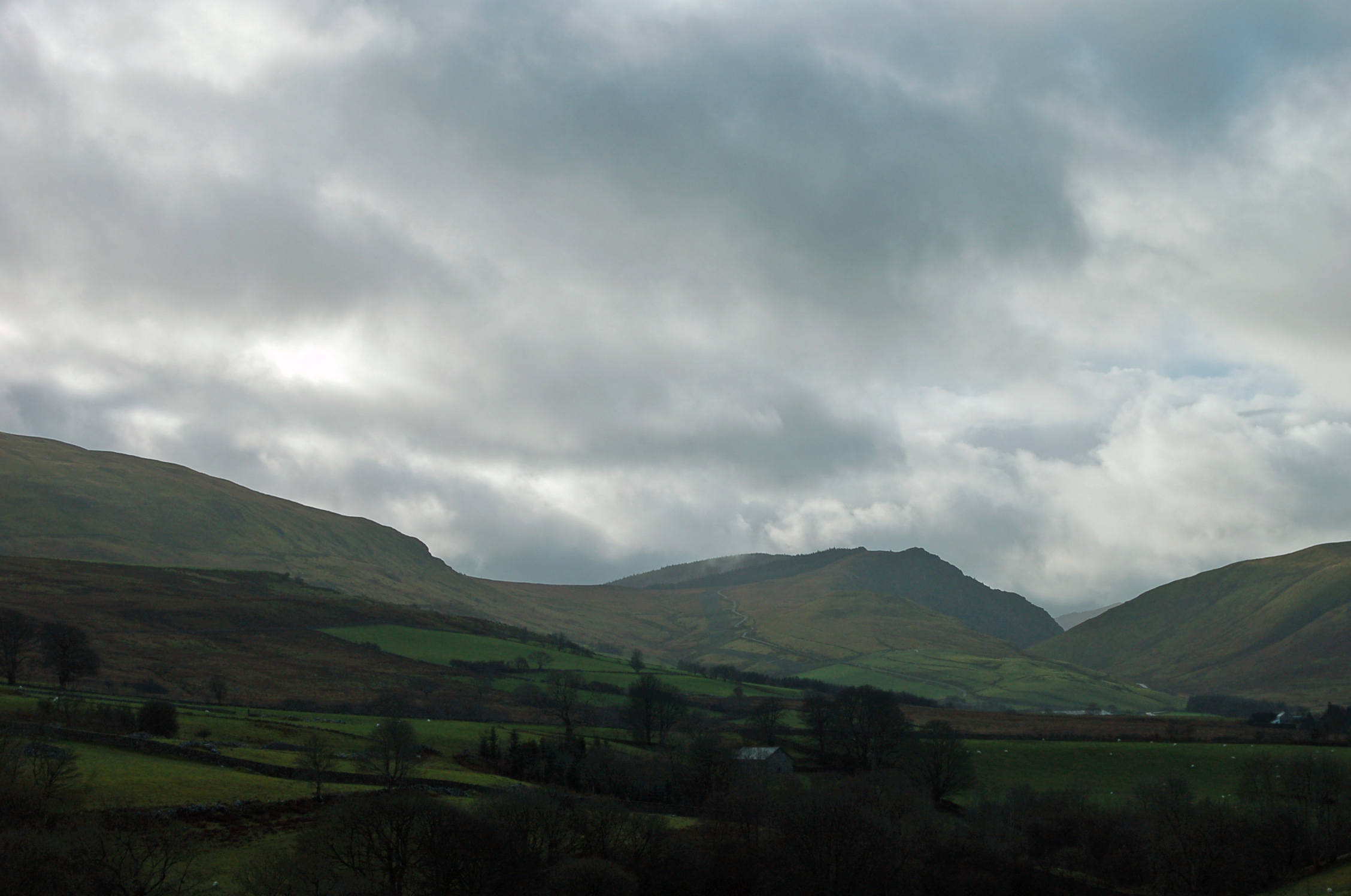
Continuing our journey from home across the Welsh mountains to the sea, we turned more to the north and climbed up steeply into far more rugged countryside. Each corner revealed new startling views of deeply cut glacial valleys and ridges eroded by the grinding action of glaciers in the last ice age. Few trees grow on these steep slopes with their shallow soils. We were now out of the county of Powys and travelling through Gwynedd.

2014 01 03_5686 2014 01 03_5687 2014 01 03_5688 2014 01 03_5689

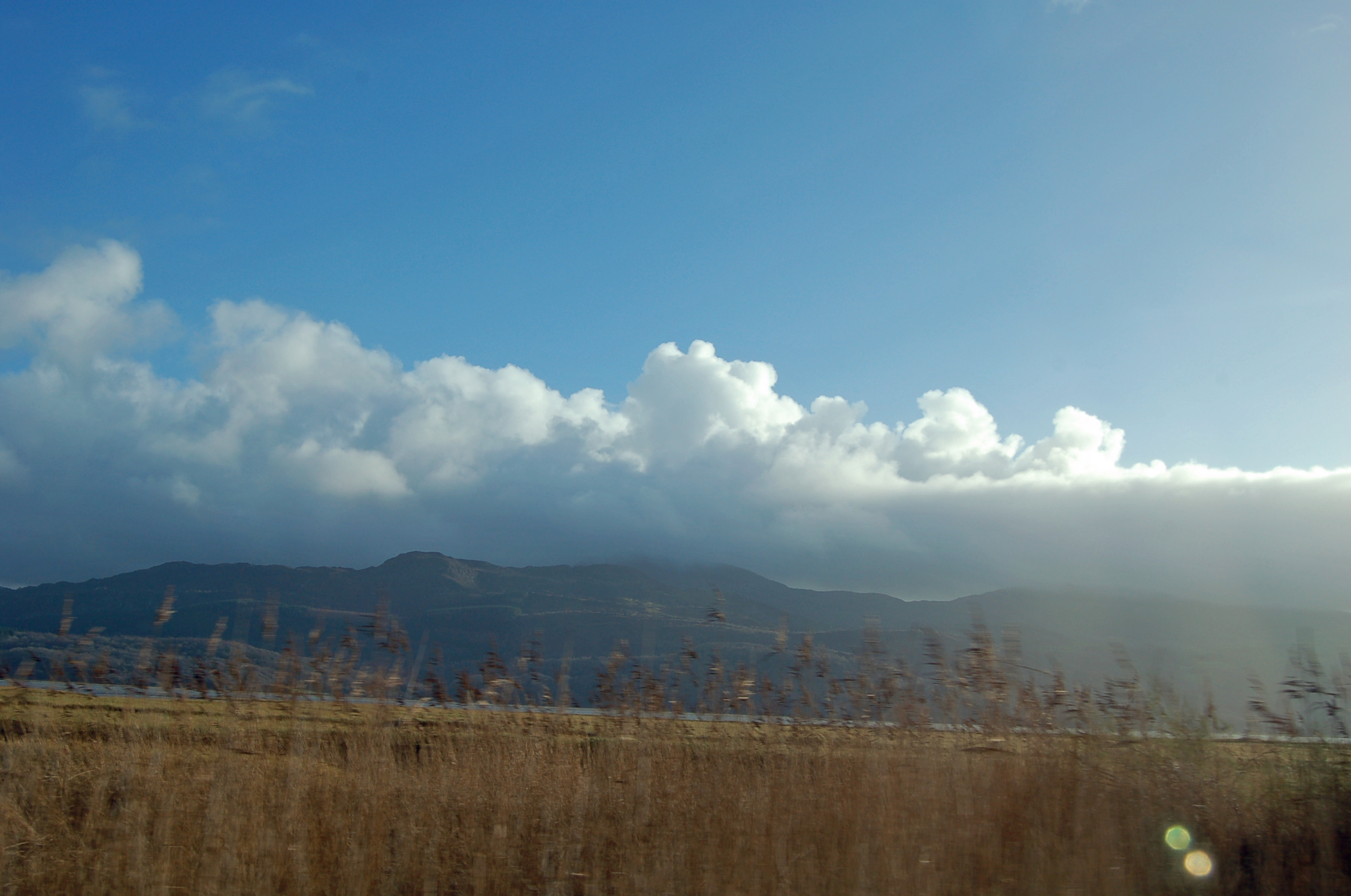
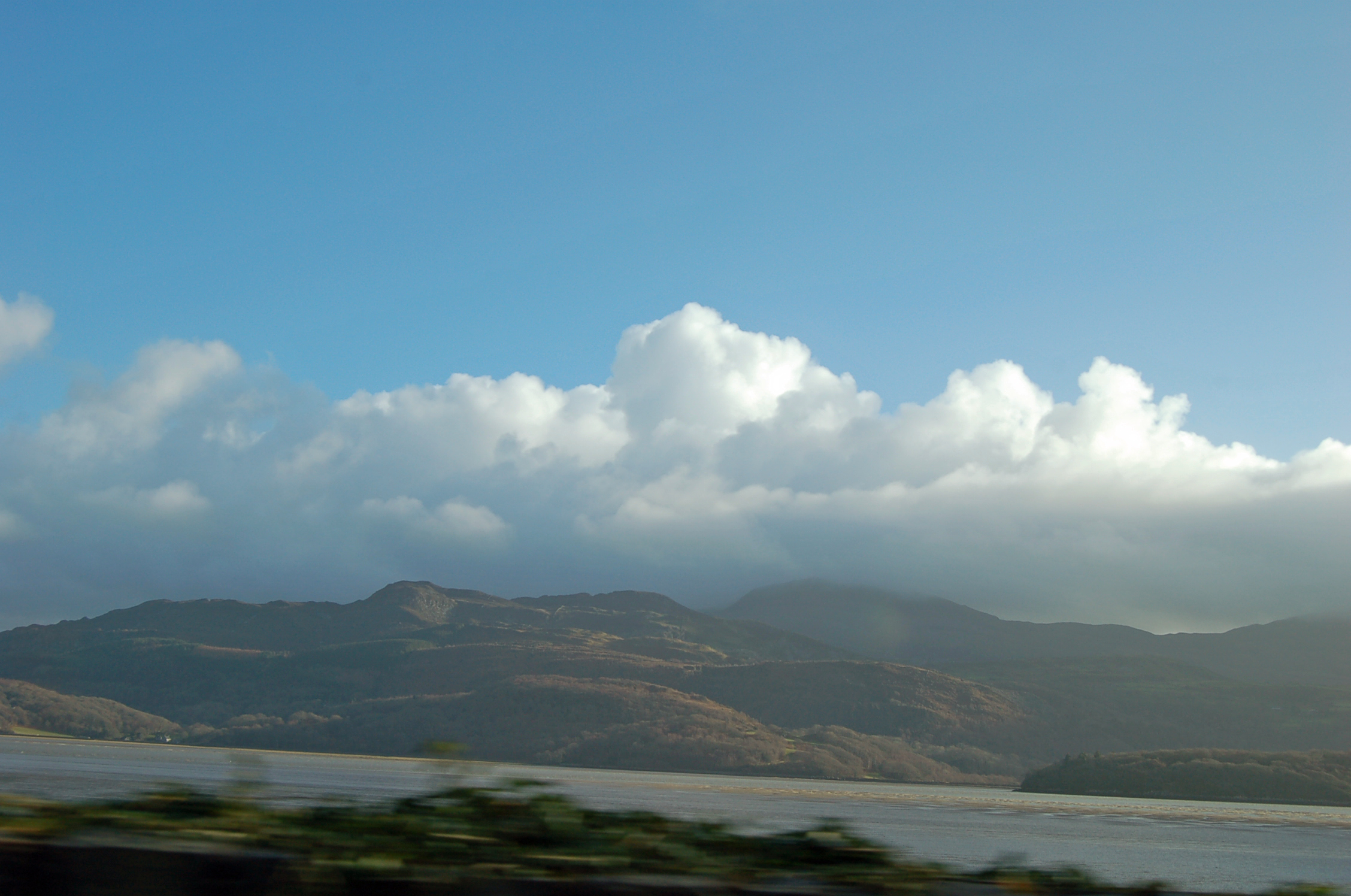
We drove into a pass that took us up Dinas Mawddry where steep rugged mountains rose up on either side. This is notoriously difficult stretch of road often made impassable by deep drifts of snow. Back in the seventies when we first drove through this pass when cars were less powerful than today cars were often beaten by the steepness and the sharp bends. At the bottom drivers took a deep breath, crossed their fingers and put their foot down. Today’s cars take it in their stride and drivers can instead appreciate the beauty of the place. Some of the following shots were taken through the car windows so are less clear, but it was at times impossible to stop safely.

2014 01 03_5690 2014 01 03_5691 2014 01 03_5692 2014 01 03_5693 2014 01 03_5694 2014 01 03_5695 2014 01 03_5696 2014 01 03_5697 2014 01 03_5698 2014 01 03_5699 2014 01 03_5700

2014 01 03_5701 2014 01 03_5702 2014 01 03_5703 2014 01 03_5705 2014 01 03_5706 2014 01 03_5707 2014 01 03_5708 2014 01 03_5709 2014 01 03_5710

As we bypassed Dolgellau the valley widened out and in places rich pastureland spread out either side of the road.

2014 01 03_5711_edited-1 2014 01 03_5712_edited-1 2014 01 03_5713_edited-1 2014 01 03_5714_edited-1 2014 01 03_5710_edited-1 2014 01 03_5715_edited-1 2014 01 03_5716_edited-1 2014 01 03_5717_edited-1 2014 01 03_5718_edited-1 2014 01 03_5719_edited-1 2014 01 03_5720_edited-1

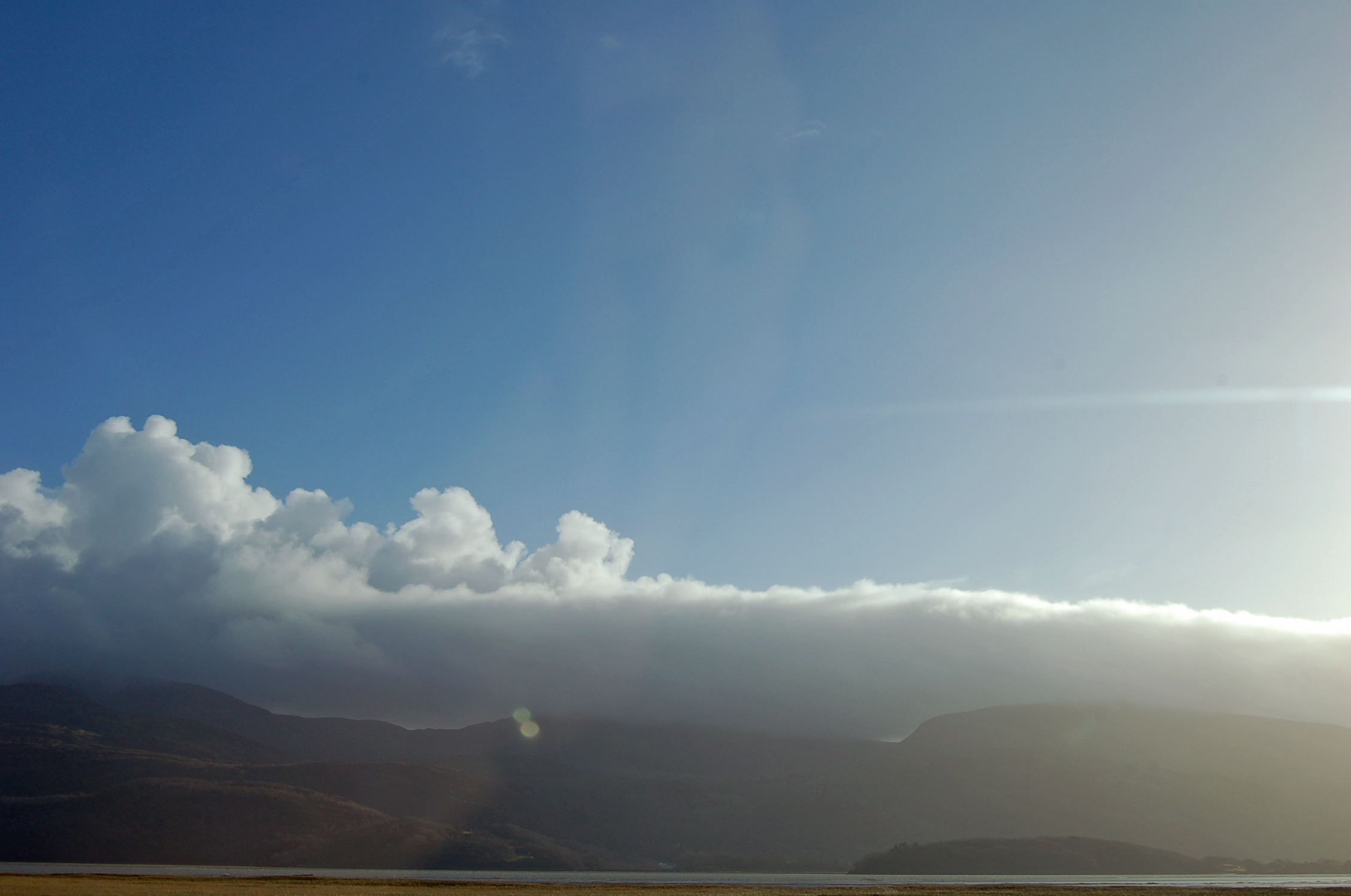
We turned into a wide valley and the road passed through marshland and muddy areas of the Mawdach estate. Clouds hung low here. The view became hidden and the hill tops disappeared in their mistiness. The road ran through stone walls and the bends slowed the traffic.

2014 01 03_5721_edited-1 2014 01 03_5722_edited-1 2014 01 03_5723_edited-1 2014 01 03_5724_edited-1

We were now close to our day’s destination the seaside at Barmouth. My next post will be all about our day there.

Categories
countryside landscapes light light quality photography Powis Powys trees Wales woodland

Over the hills to the sea.

To see in the new year we intended to go to the sea simply to walk along the beach and enjoy the fresh sea air. But it was not to be, for 1st January 2014 was a day of storms and strong winds so we delayed for a day.

We woke on the 2nd to a far finer dawn. So we set off out of Shropshire and over the Welsh hills to the coast at the little old seaside town of Barmouth. A favourite place to visit, Barmouth is where we have spent so many days as our children grew up and indeed many on our own after they left home. When with the kids we collected pebbles and shells and built sand castles with occasional trips across the sands to paddle in the sea. These days we still collect pebbles and shells and Jude is still tempted to paddle a little.

The journey involved following just two main “A” roads once we left the Shrewsbury bypass behind, the A458 and the A470. After leaving our home county of Shropshire behind we crossed into Wales and traveled east to west right across the counties of Powys and Gwynedd. Along the way we regularly stopped to take shots of the landscape. It is amazing how varied the landscape can be in such a short journey.

The A458 main road from Shrewsbury to Welshpool cuts through rich lowland dairy cattle farmland before reaching the hills called the Breiddens.

2014 01 03_5651 2014 01 03_5652 2014 01 03_5653 2014 01 03_5654

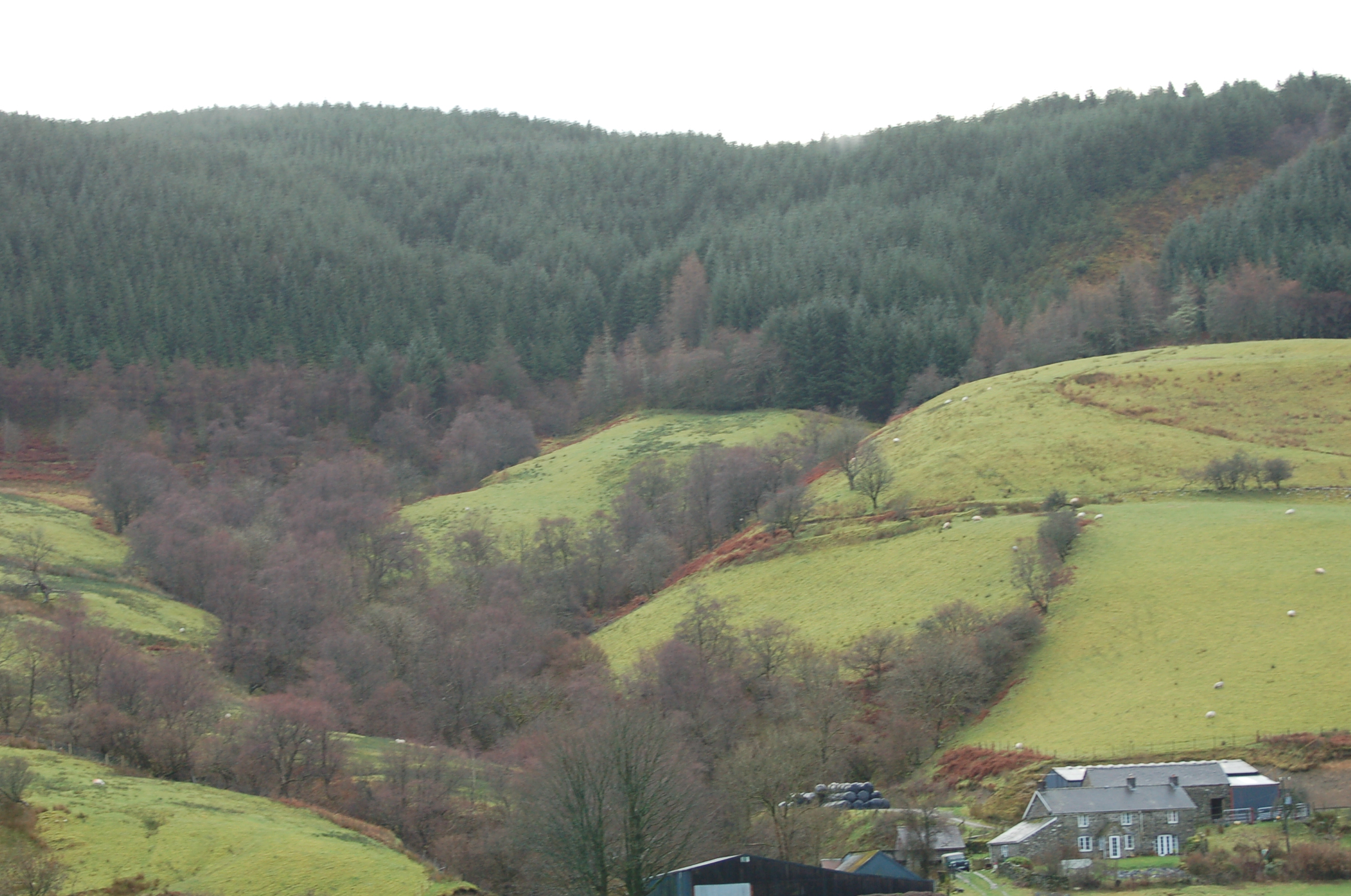
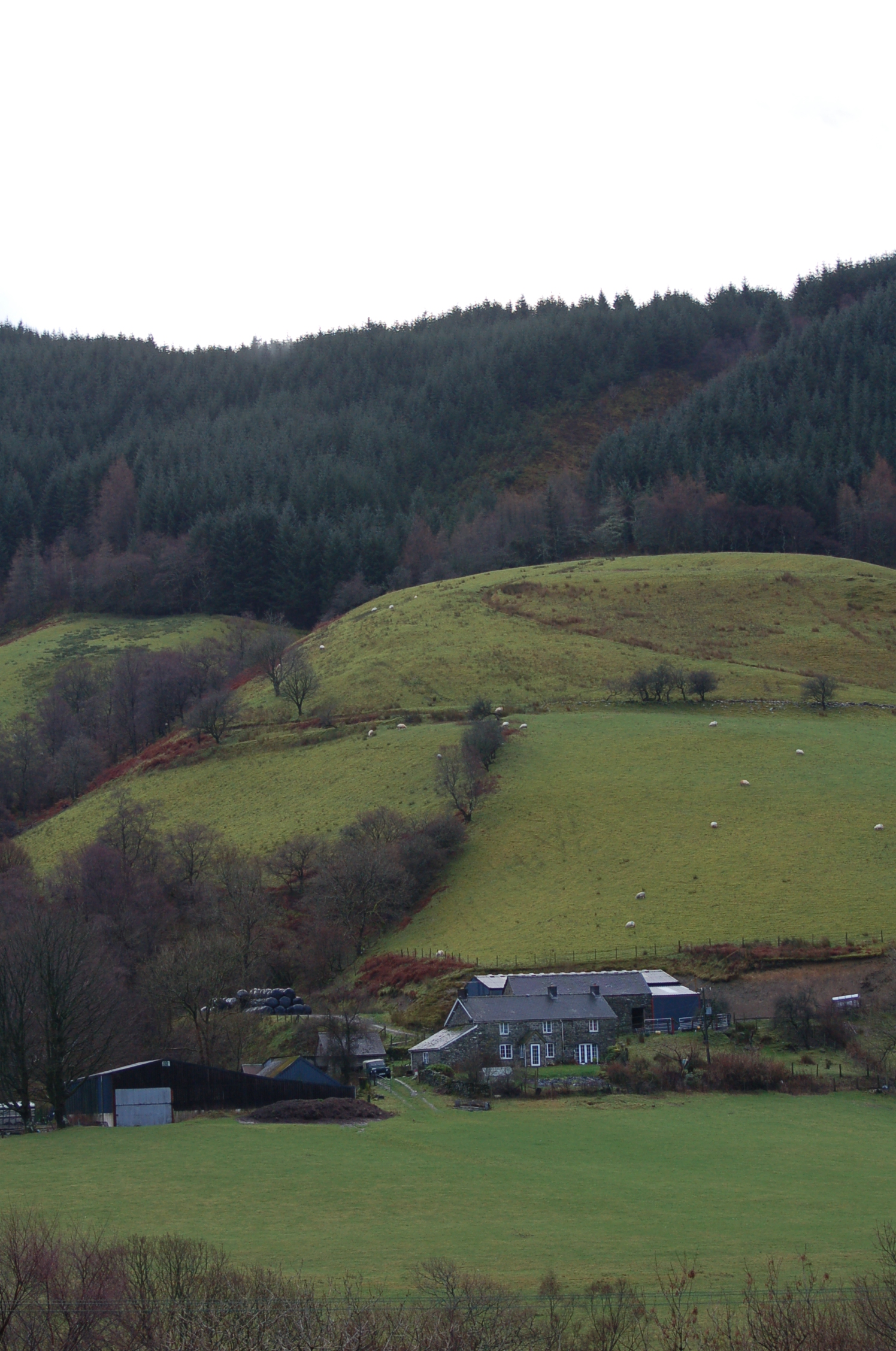
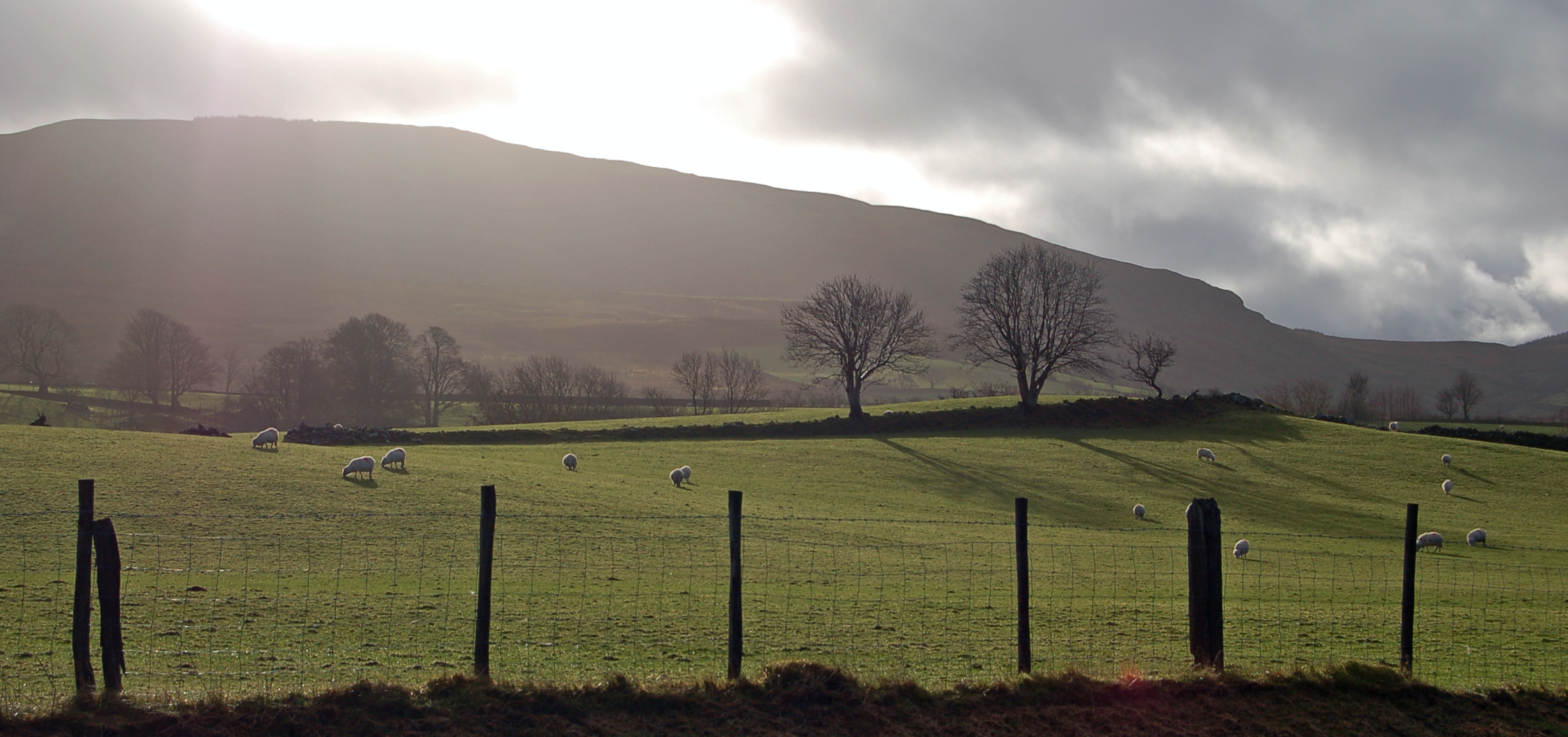
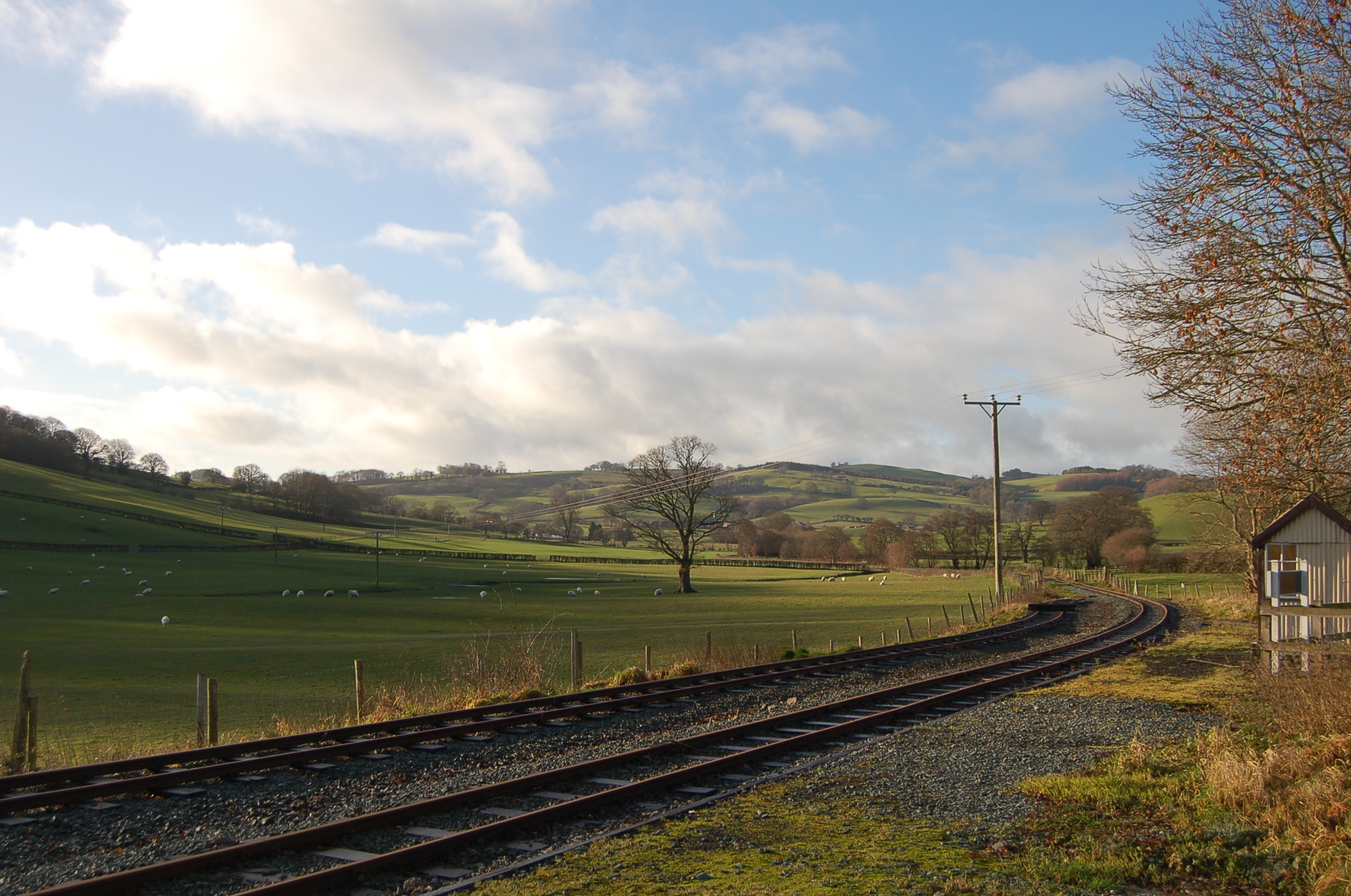
We passed through the market town of Welshpool and followed the road down a valley which the road shared with a narrow guage steam railway, a favourite of tourists. Farms appeared to snuggle into the valley bottoms where water lay in many fields after so much winter rain. High bare rounded mountains began to rear up each side of the valley. The mountains were dotted with clumps of woodland some of natural broadleaf trees while others were of the coniferous commercial forest plantings. The winter time leaves the broadleaf trees bare showing their skeletons. White branches like bones of many trees were broken up by the colourful branches of birches, which looked  like soft hanging purple mist. In places along ancient hedgerows black skeletons of oak broke up the horizon. The conifer plantations just looked like unfriendly, unnatural solid black blocks, scars on the landscape.

Clouds moved quickly and rain came and went with them lit up on odd special occasions by a rainbow.

2014 01 03_5656 2014 01 03_5657 2014 01 03_5658 2014 01 03_5659 2014 01 03_5660 2014 01 03_5661 2014 01 03_5662 2014 01 03_5663 2014 01 03_5664 2014 01 03_5665

2014 01 03_5666 2014 01 03_5667

As we progressed further into the mountains of mid-Wales the sky turned a deep grey-blue but shafts of sunlight still penetrated to light up green fields and the occasional grey stone farmhouses.

2014 01 03_5668 2014 01 03_5670 2014 01 03_5671 2014 01 03_5672 2014 01 03_5674 2014 01 03_5675 2014 01 03_5673 2014 01 03_5676 2014 01 03_5677 2014 01 03_5678 2014 01 03_5679 2014 01 03_5680

2014 01 03_5681 2014 01 03_5682 2014 01 03_5683 2014 01 03_5685

After crossing mid-Wales westward we neared the coast and our journey took us more in a northerly direction for the final section. See “Over the hills to the sea. Part Two” for the next stage of the journey.

Categories
colours landscapes light light quality outdoor sculpture photography the sea the seaside the shore

Strands – Discovering a Beach – Part One

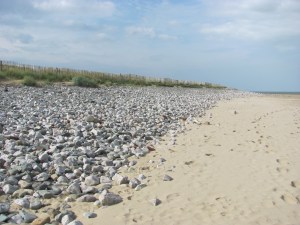
To help us forget the winter and escape the winter blues I will write a series about a day at a beach in North Wales. We spent the day on a lovely windswept stretch of beach near Conwy. We are big beach lovers and this has been favourite for decades. It is so different every single time we visit it. We have loved walks here on hot sunny days under bright blue skies, freezing cold days wrapped in thick coats, scarves and hats under clear thin blue winter skies, windswept days under heavy grey clouds and wet days when we walk heads down and hoods up.
2013 09 27_3789 2013 09 27_3797

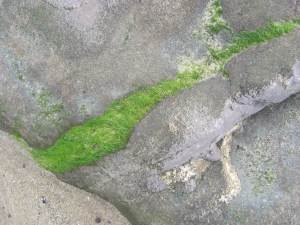
We never know what to expect, how much sand there will be, whether the sand will be smooth or deeply rippled, whether the strandline will be full of feathers, driftwood and seaweed and whether the boulders and pebbles will be exposed. We love discovering driftwood of whatever size or shape, but always of course smooth as velvet, ground down by the power of the sea. We have found tiny curly bits of heather roots, old sections of telegraph poles, bits of boats of all sizes and parts of trees from who knows where. We often find sections of buildings, clumps of bricks or stone, some locked together by twisted lengths of metal red with rust. Sea Gull feathers stick out of the strandline debris at all angles, all grey, white or black. Sadly we find lots of plastic, the worse type of the debris of man and his throw away society. On 26th September 2013 we came to our beach to celebrate Jude, aka Mrs Greenbench, aka The Undergardener’s birthday. We usually celebrate each other’s birthdays by having special days out. This special day was a cold one, so we were wrapped up well against the cold wind. It is invariably cold here, just some days it is a lot windier than others. I have recently read a book called “Strands. A Year of Discoveries on the Beach” by poet Jean Sprackland, which featured her own favourite stretch of beach. In it she describes those little clumps of artefacts, the miscellany of collected objects that the wind brings together and deposits on the strandline where an obstacle takes it from the clutches of the wind. “The sea itself makes its own strange artefacts, combining rope and wood and miscellaneous plant material into eclectic tangles known as “mare’s nests”, a name which describes their muddle and untidiness as well as their illusory and paradoxical nature.”

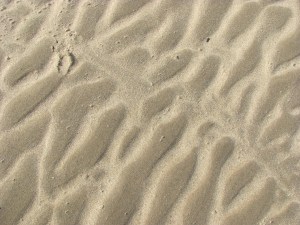
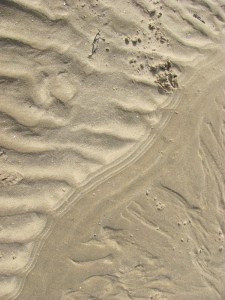
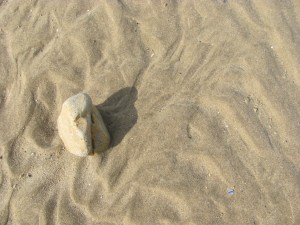
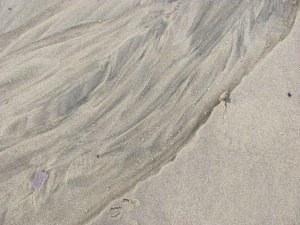
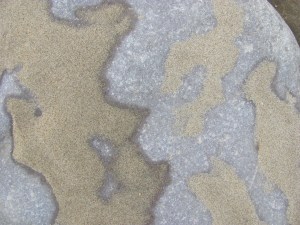
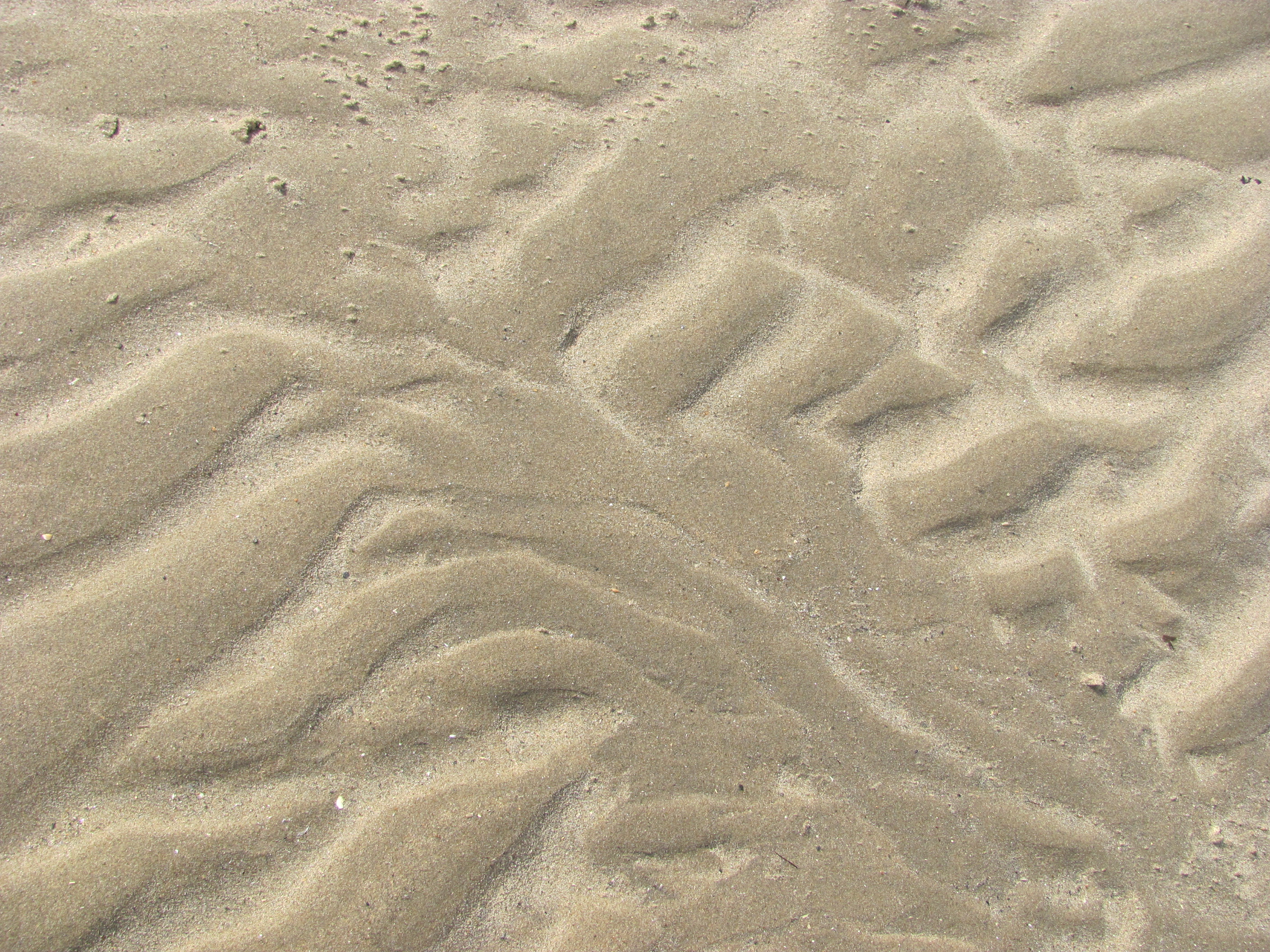
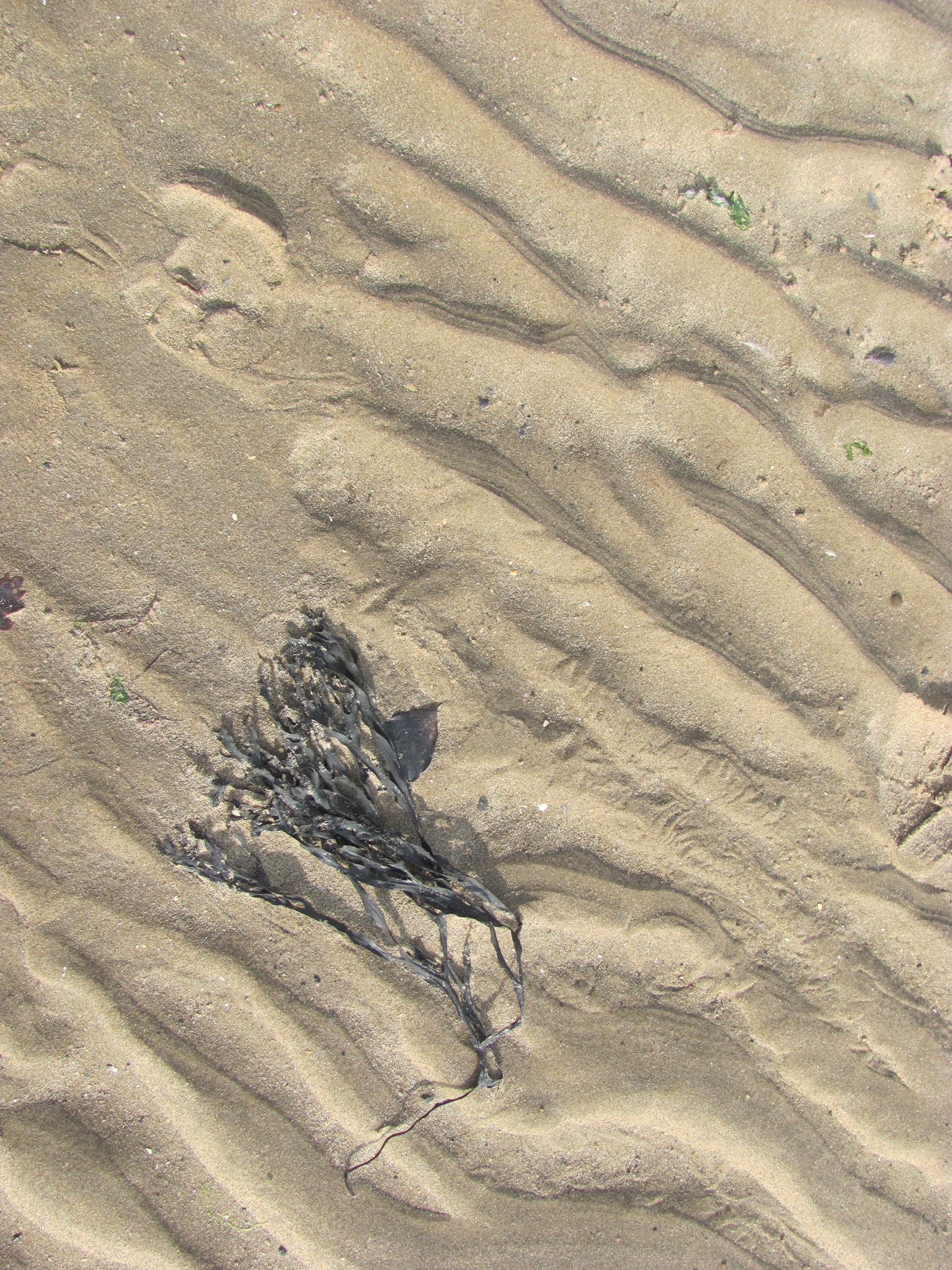
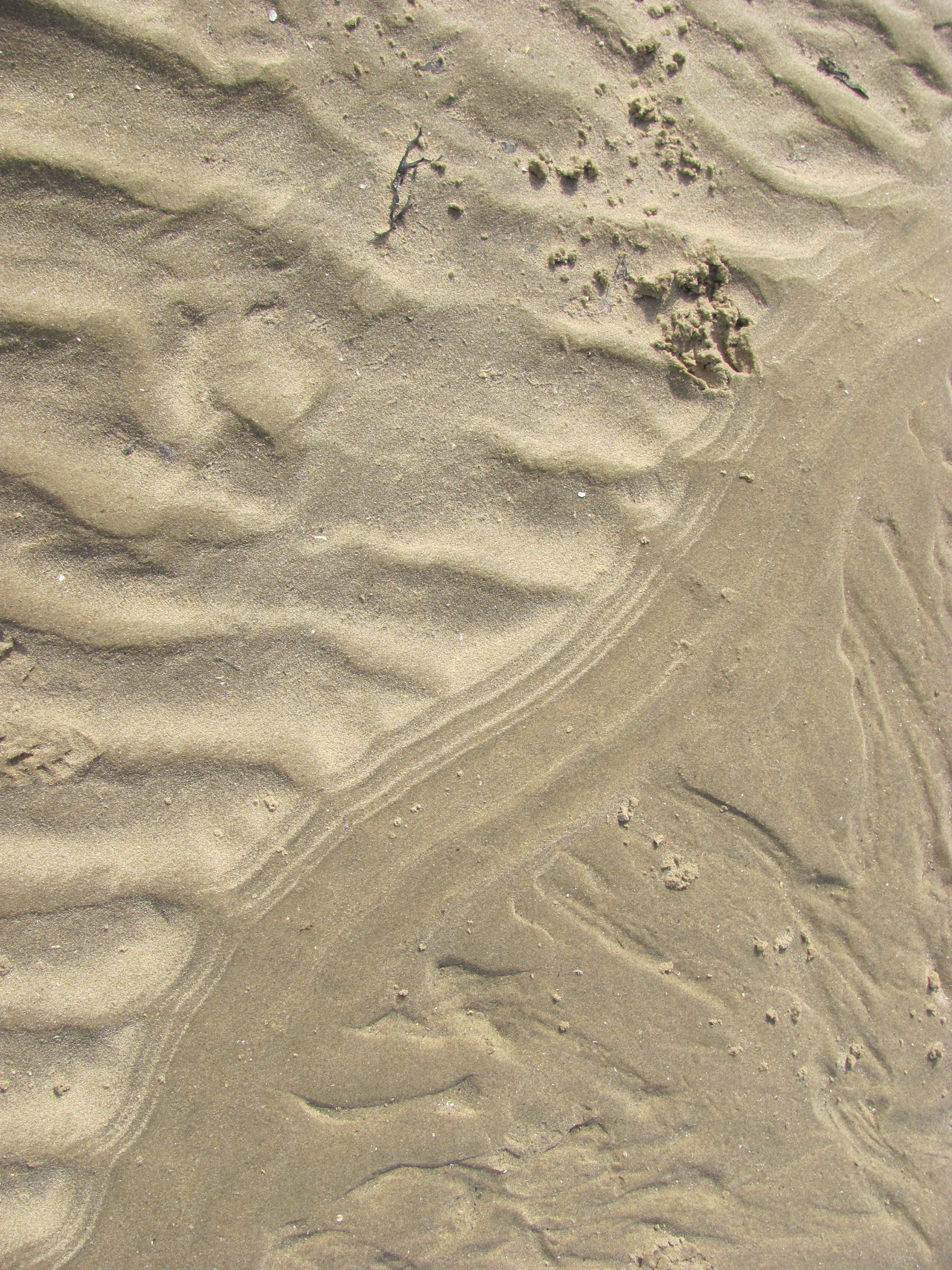
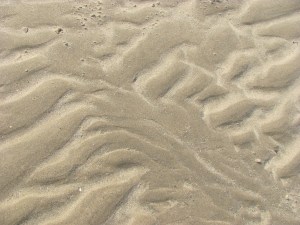
An artist has been at work creating pictures in the sand, the sea itself. The receding tide becomes its paintbrush leaving patterns of light and shade.

As we move along the beach the colour of the sand varies sometimes a purer silver as in the last photo in this batch but at other times it is more of a buff colour as in the first pic.

2013 09 27_3790 2013 09 27_3791 2013 09 27_3792 2013 09 27_3793 2013 09 27_3794 2013 09 27_3795 2013 09 27_3796 2013 09 27_3819

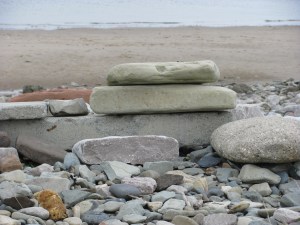
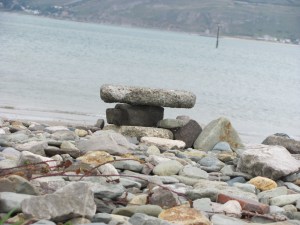
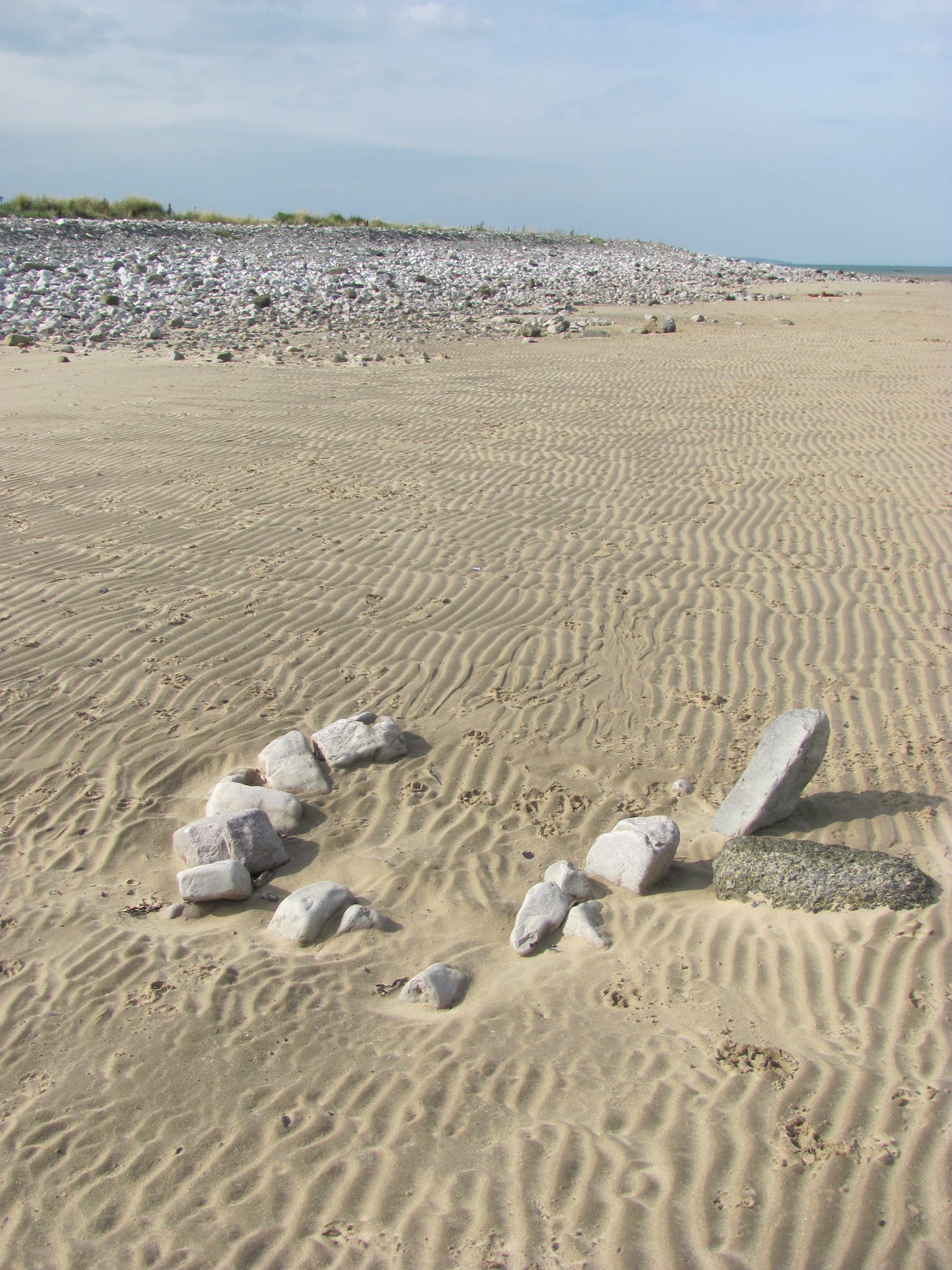
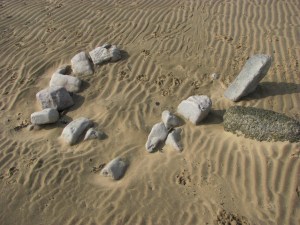
The powerful influence of the artist tides encourages even the least creative of people to make art. They collect and sort stones, pebbles and wood and make pictures and sculptures in the sand and on the grass strip beyond.

2013 09 27_3799 2013 09 27_3798 2013 09 27_3797 2013 09 27_3936 2013 09 27_3934 2013 09 27_3927

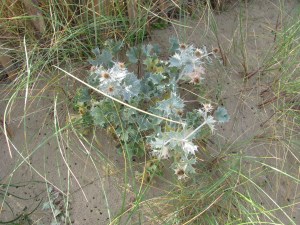
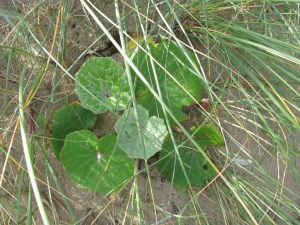
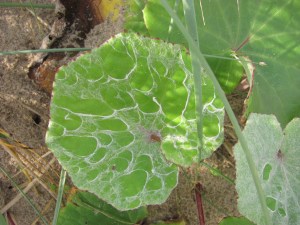
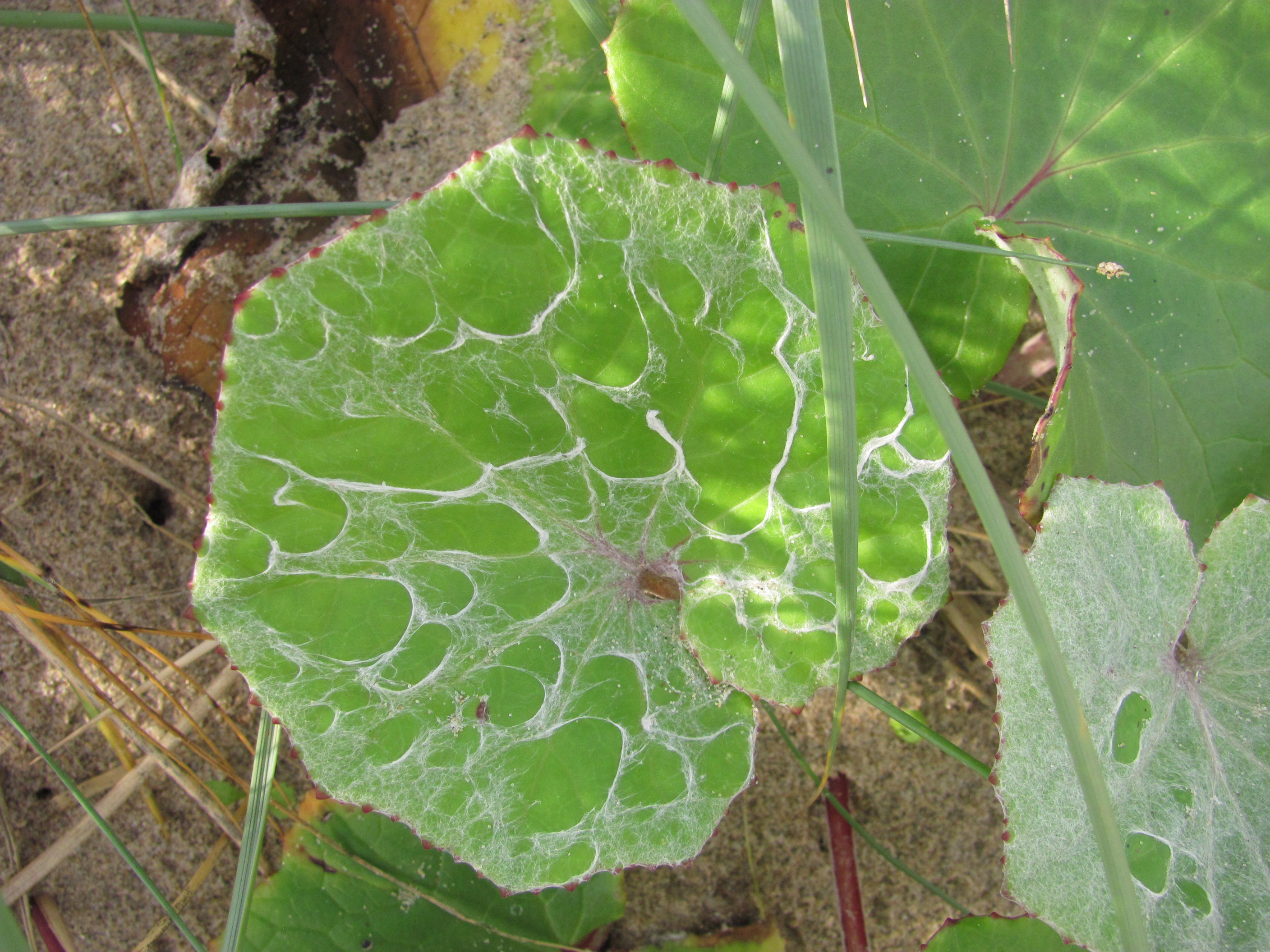
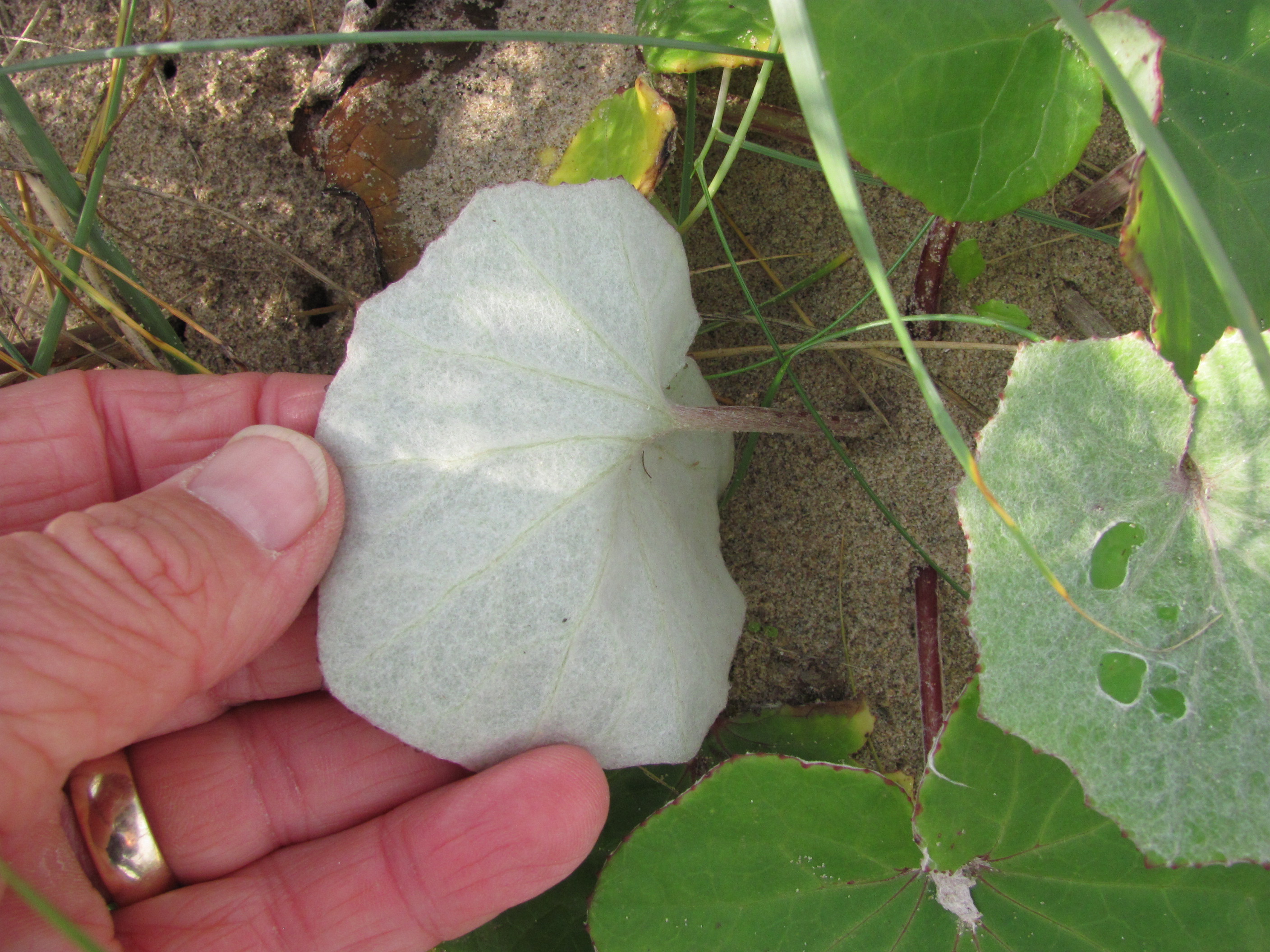
The seashore possesses a flora all its own. Flowers and leaves which are spotted nowhere else, with thickened stems, white backed leaves and other tactics to help withstand the attacks from the salt laden sea air. We are frequently tempted to walk up the sands over the pebbles and study the greenery.

2013 09 27_3781 2013 09 27_3782 2013 09 27_3783 2013 09 27_3784 2013 09 27_3785 2013 09 27_3786 2013 09 27_3787 2013 09 27_3788

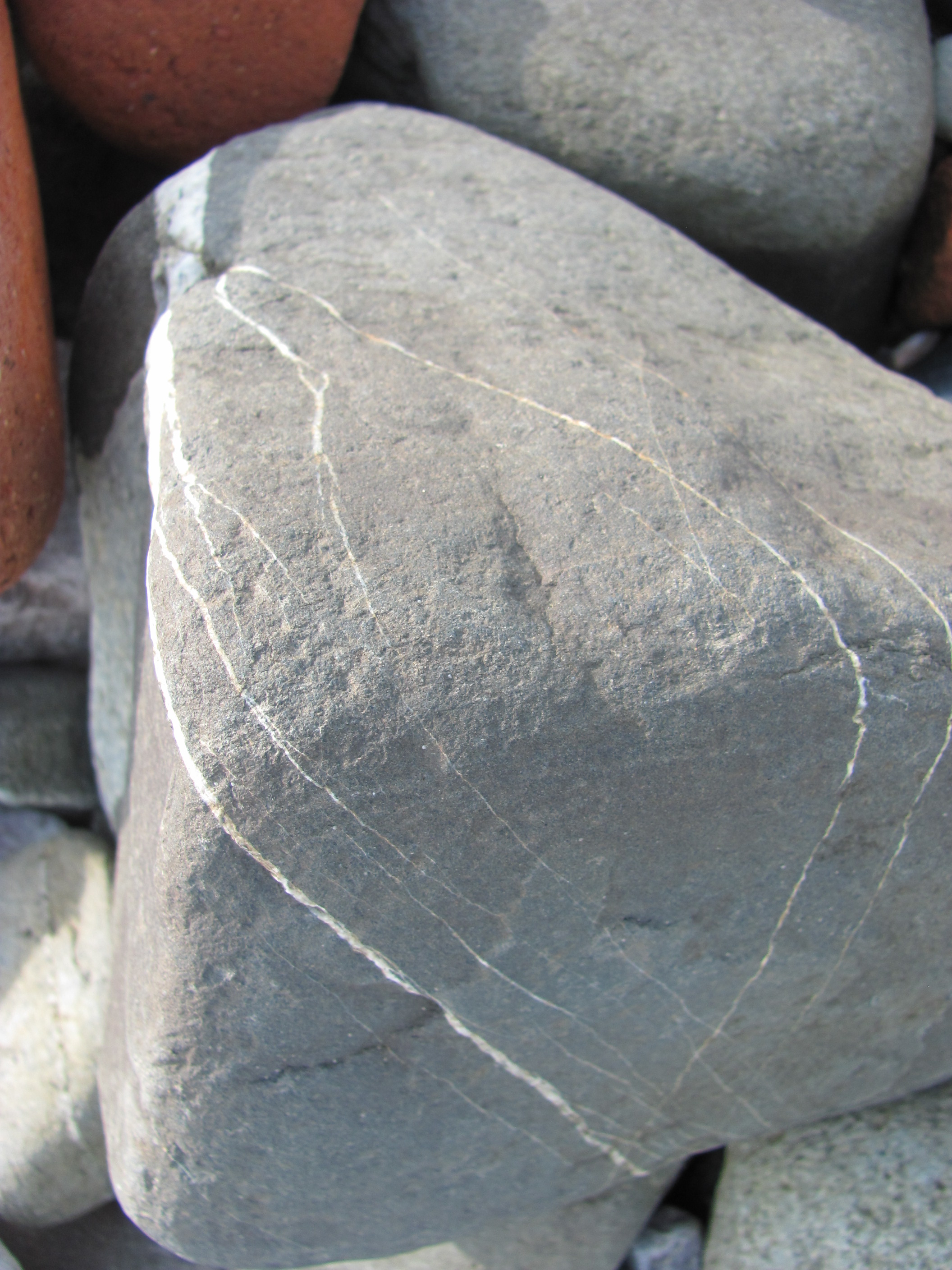
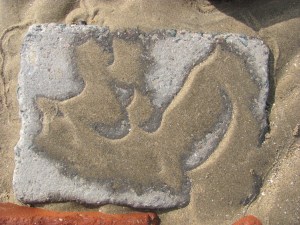
We soon return to our searching of the strandline, heads down eyes wide. We spot pebbles with interesting textures, with narrow white lines on as if drawn by pen or paint brush, or lines of seaweed.
2013 09 27_3800 2013 09 27_3809 2013 09 27_3811 2013 09 27_3818  2013 09 27_3823

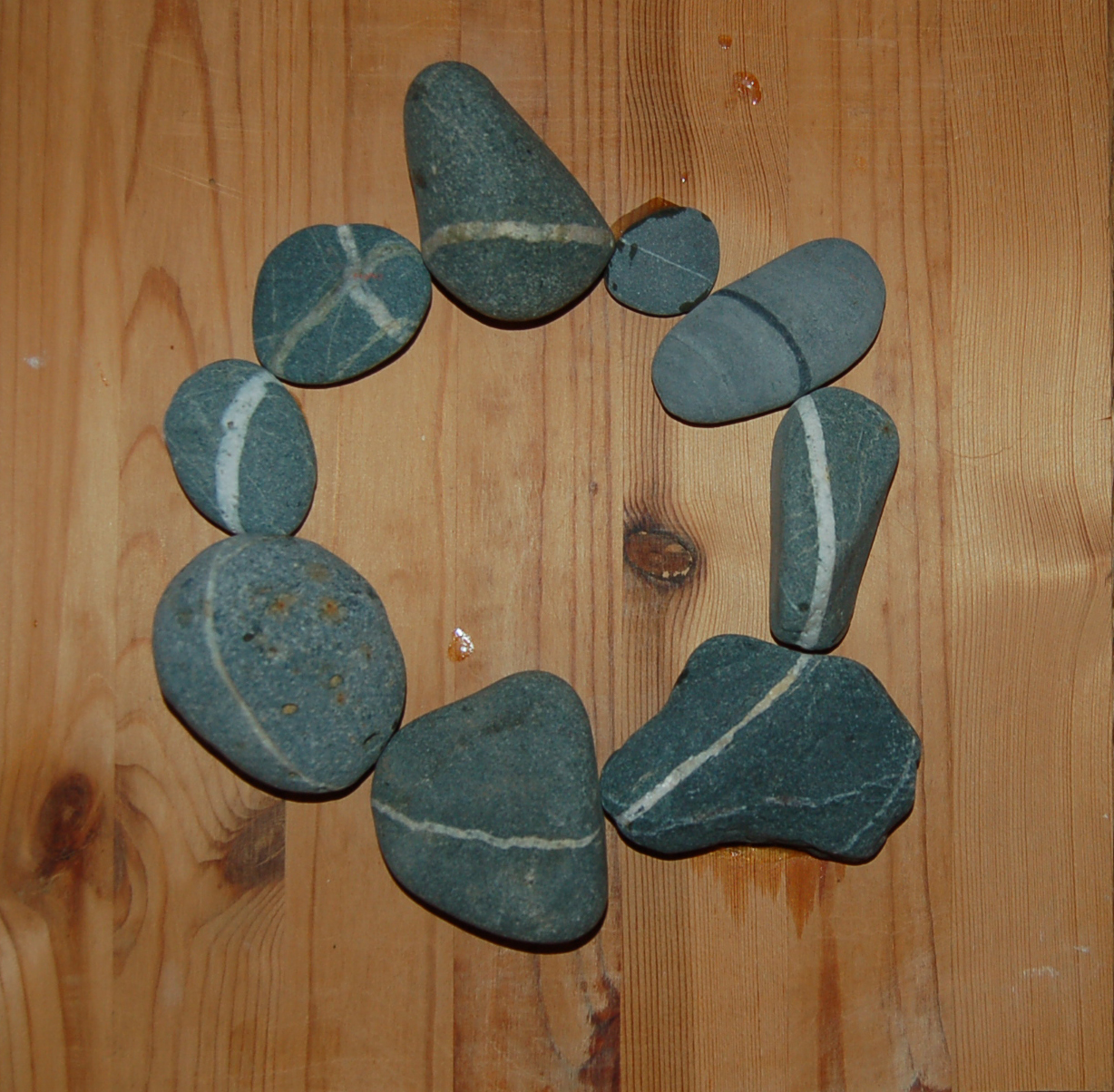
A few years back we decided to see if we could collect together a pocket full of pebbles with white lines on, with the intention of creating a circle. We managed to do this and created a circle of quartz lines, but added one black line for interest.

2013 12 23_5568_edited-1

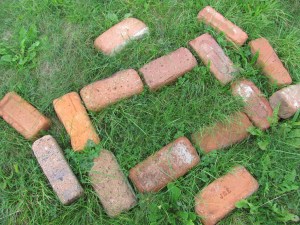
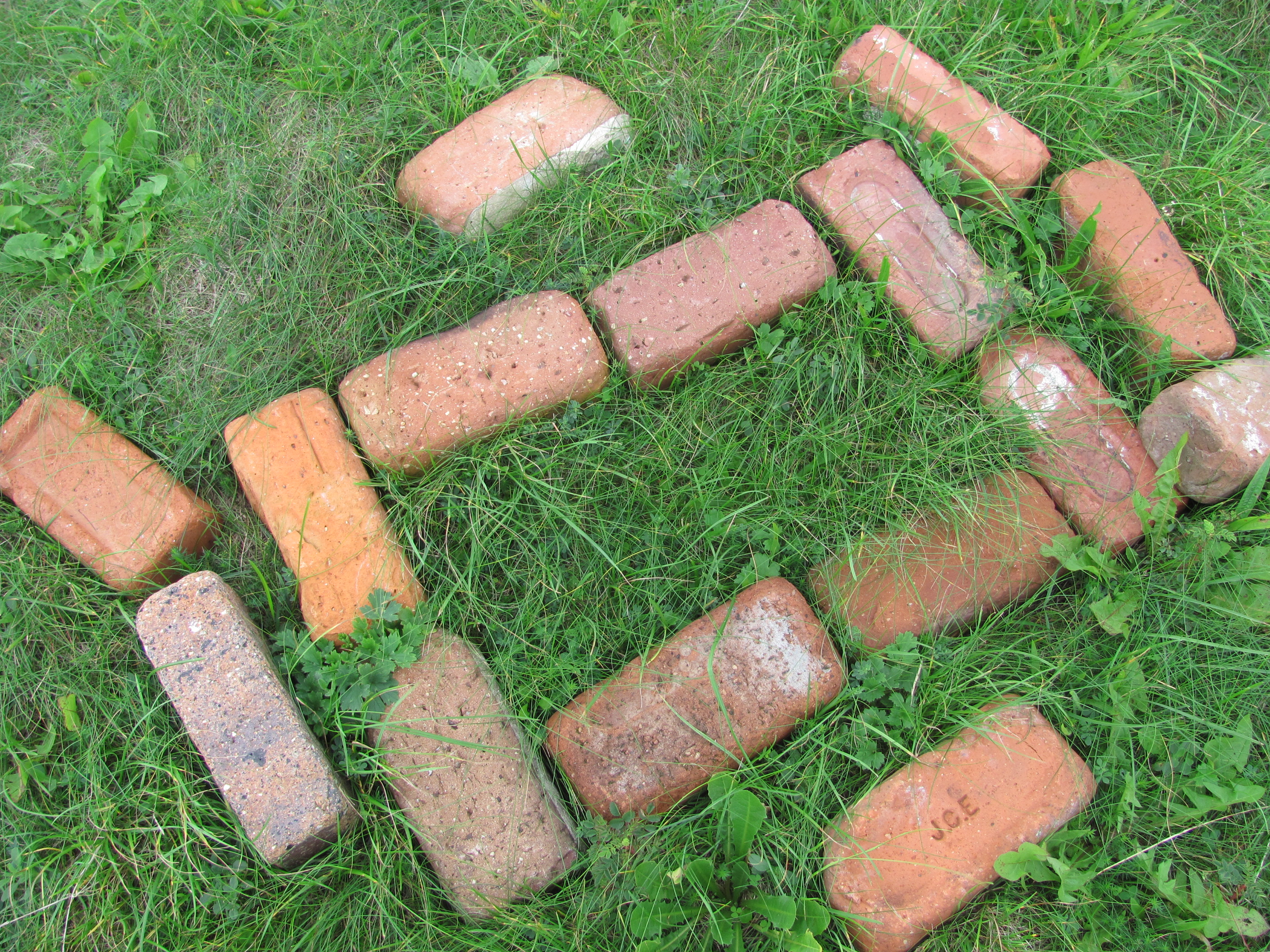
You may have noticed that in several of these pictures the pebbles are actually smoothed down building materials. Look at the beach sculptures and spot the one piece made entirely of sea worn old bricks. The sea has enough power to smooth off sharp corners, remove glazed sides and gently round bricks and concrete blocks into pebbles. Similarly sea glass appears just like pebble gems.

In our second visit to our beach we will be searching these out. See you in Strands Part Two.

Categories
bird watching birds canals conservation countryside landscapes nature reserves Norfolk wildlife

The Wonders of Wicken

I am not a fan of flat land, I love hills and mountains and views. The fens are just too flat for me. But we discovered a wonderful wildlife reserve a few years ago run by the National Trust, Wicken Fen. We were in the area again this September so we couldn’t resist a return visit. Last time we were there it was warm but wet. This time it was cold and wet.
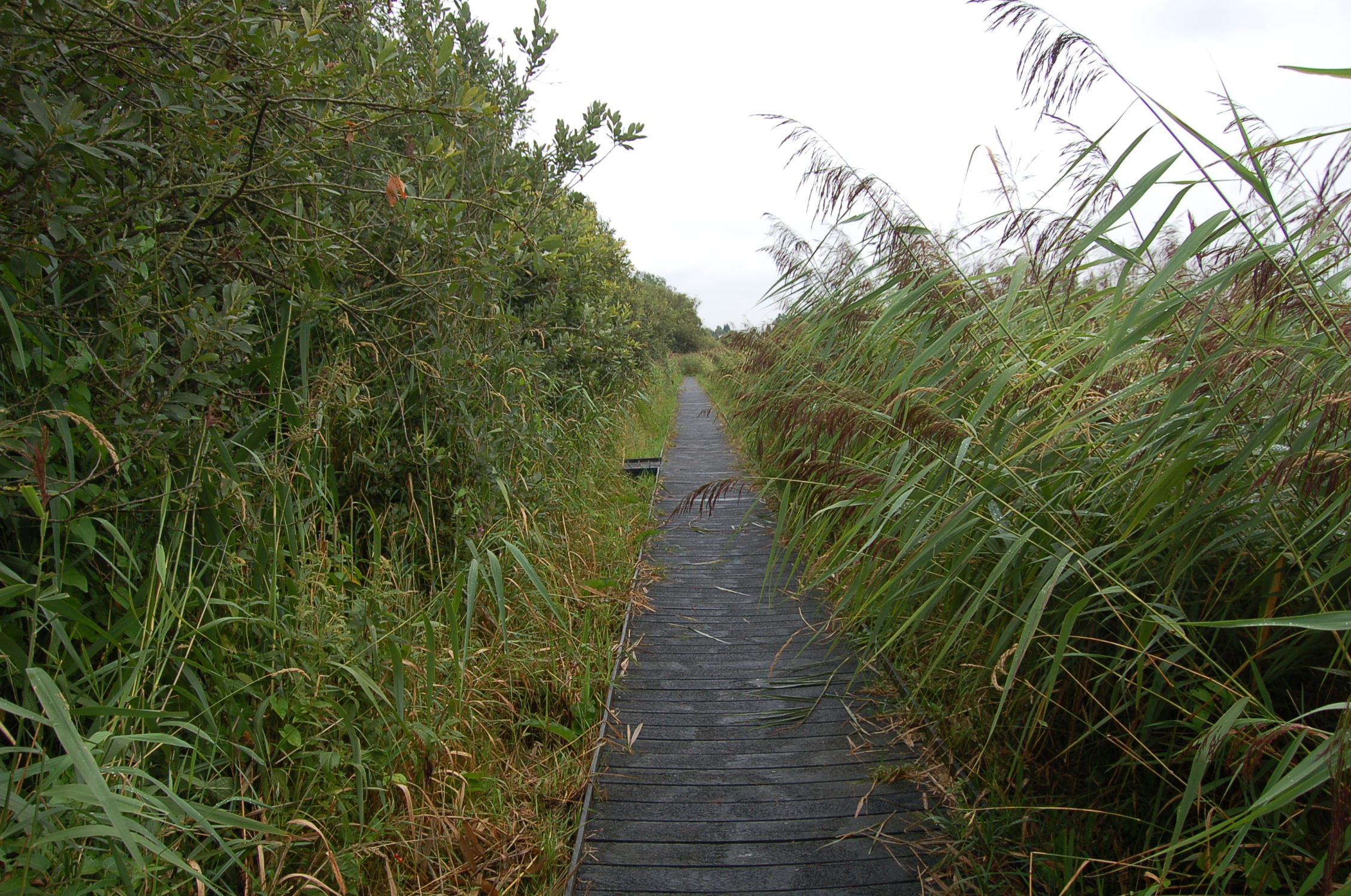
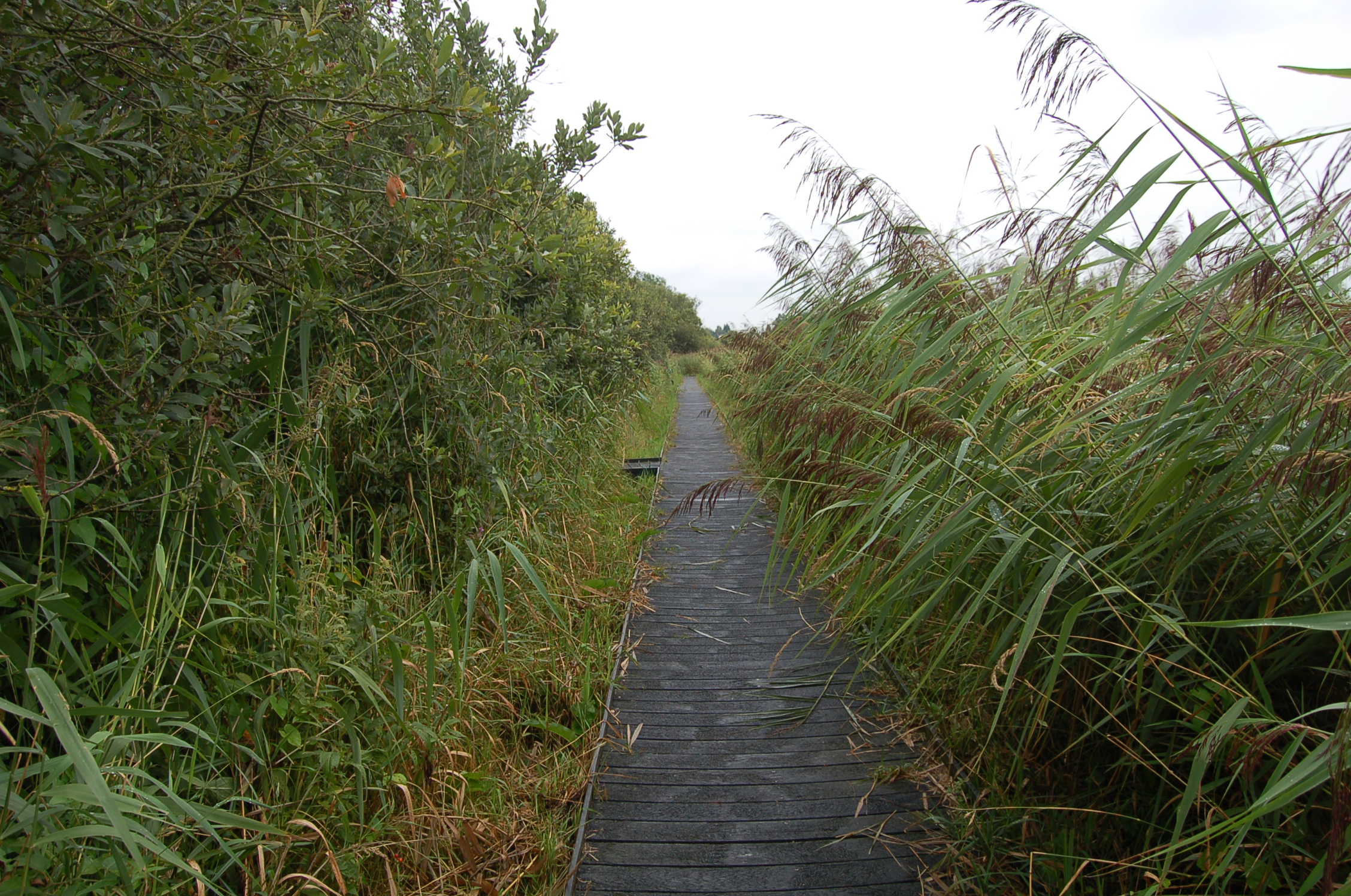
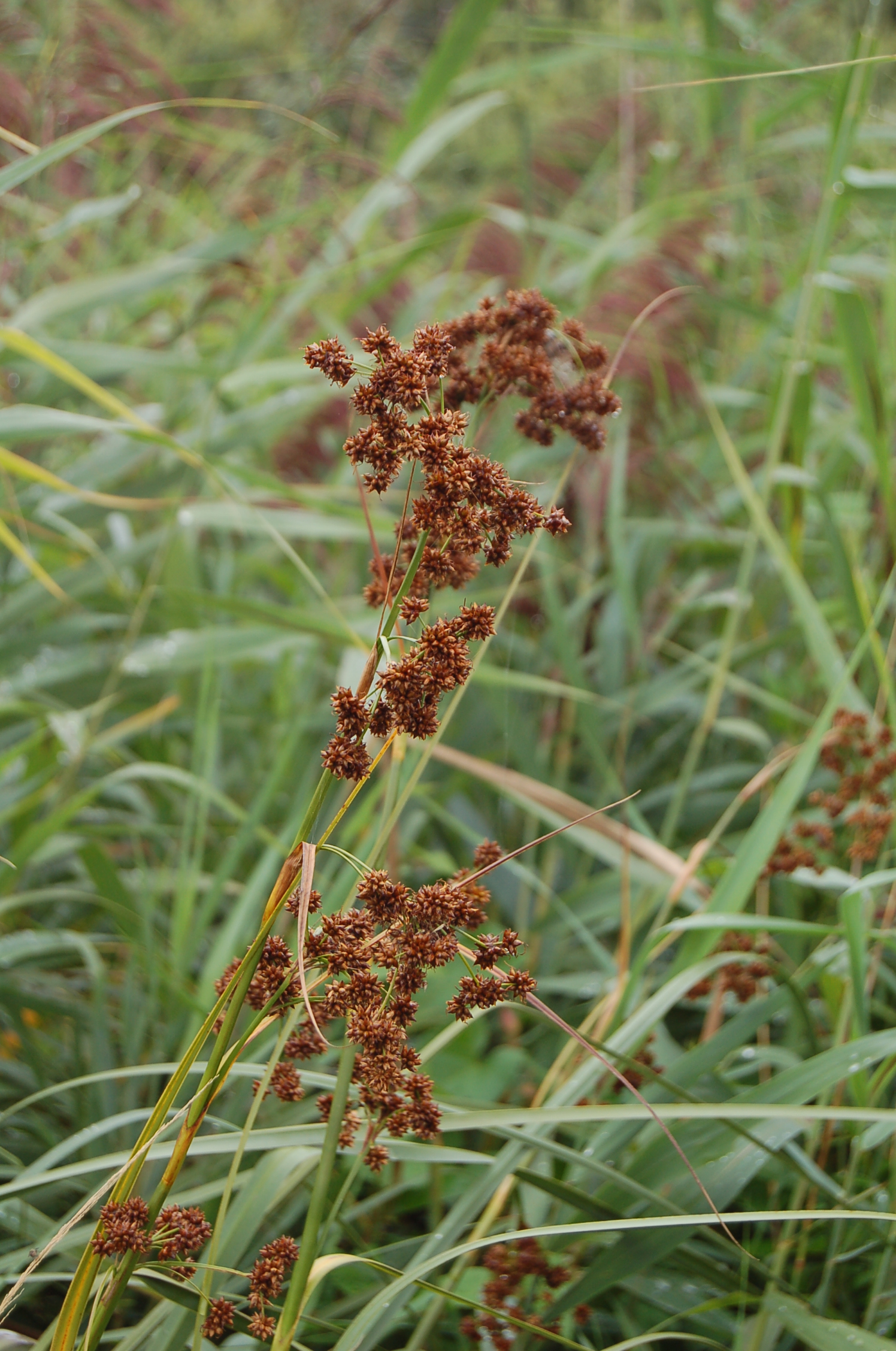
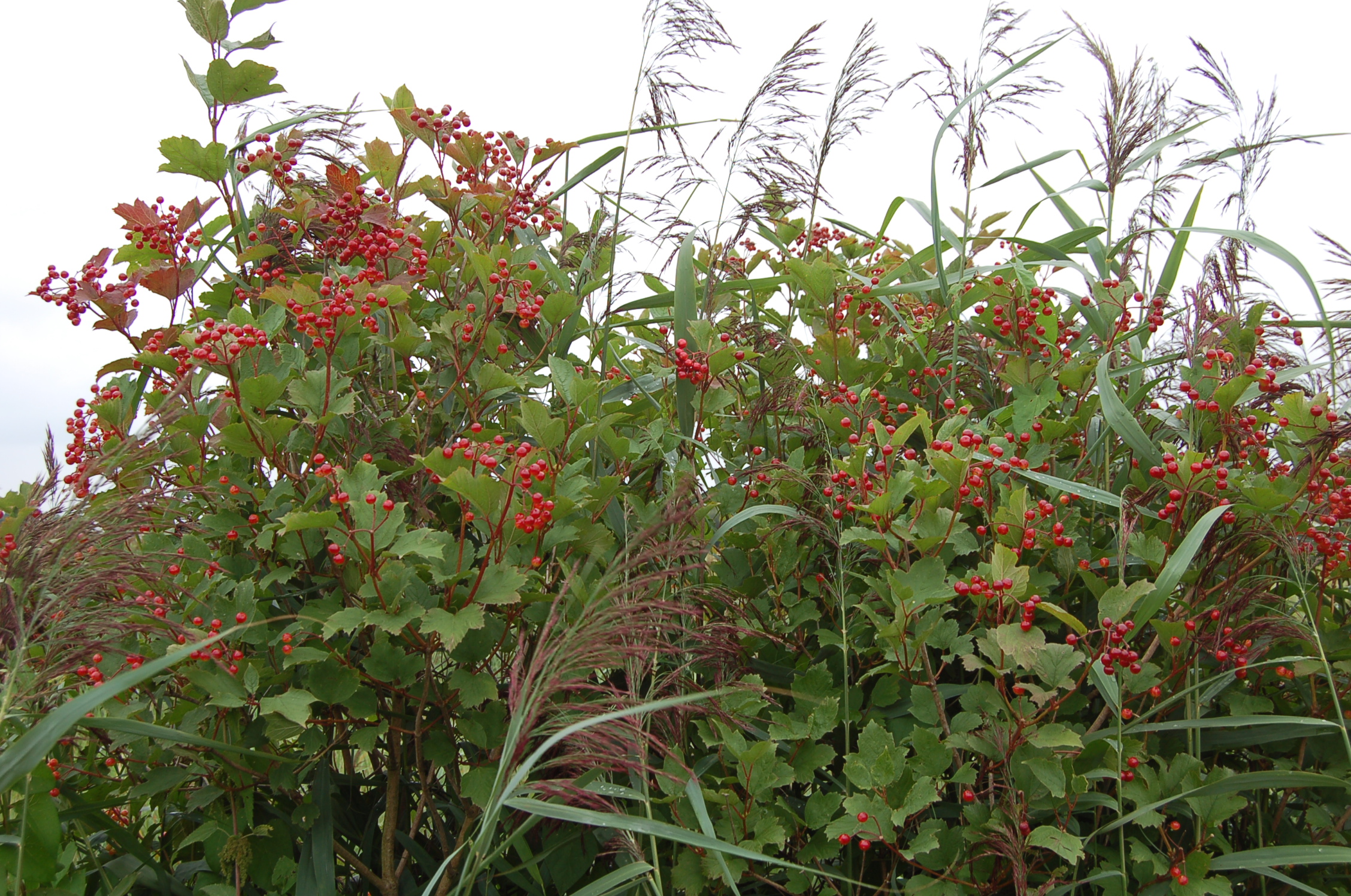
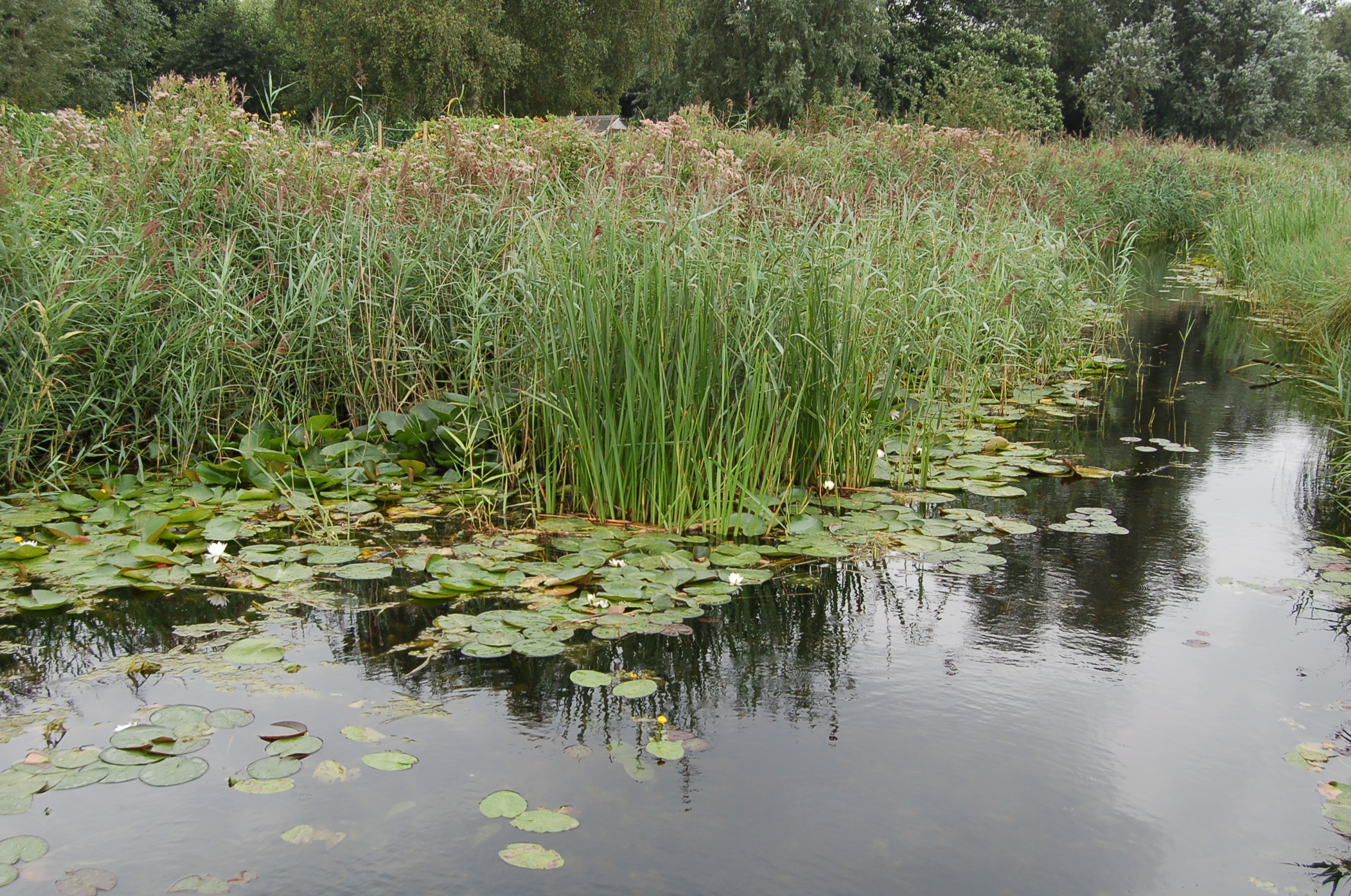
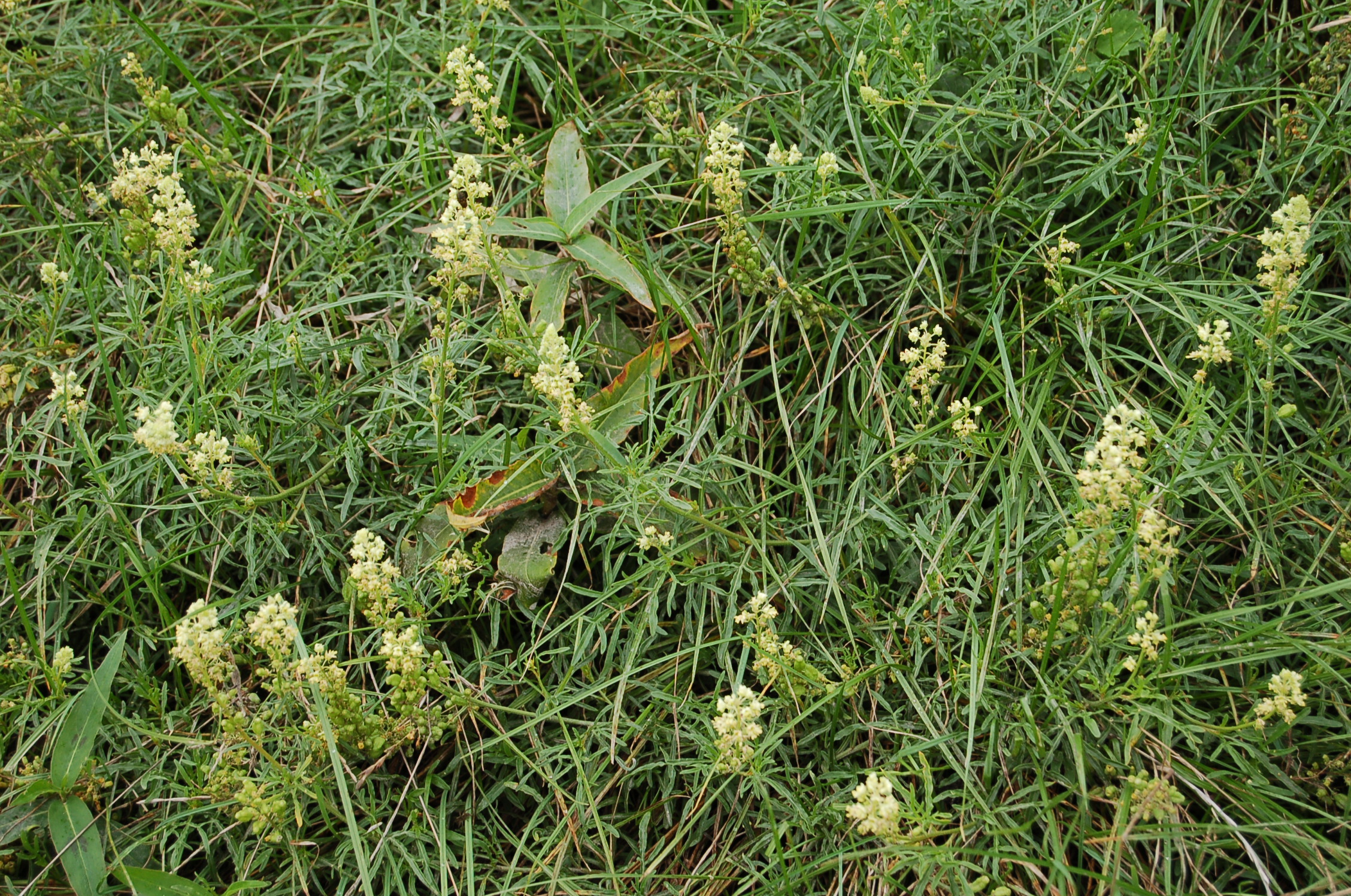
We followed the boardwalk out into the fen and were amazed by the variety of wildflowers we could spot from the walkway.

2013 08 26_3205 2013 08 26_3188

2013 08 26_3187   2013 08 26_3190 2013 08 26_3191 2013 08 26_3192 2013 08 26_3193 2013 08 26_3194 2013 08 26_3195 2013 08 26_3196 2013 08 26_3197    2013 08 26_3201 2013 08 26_3203 2013 08 26_3204

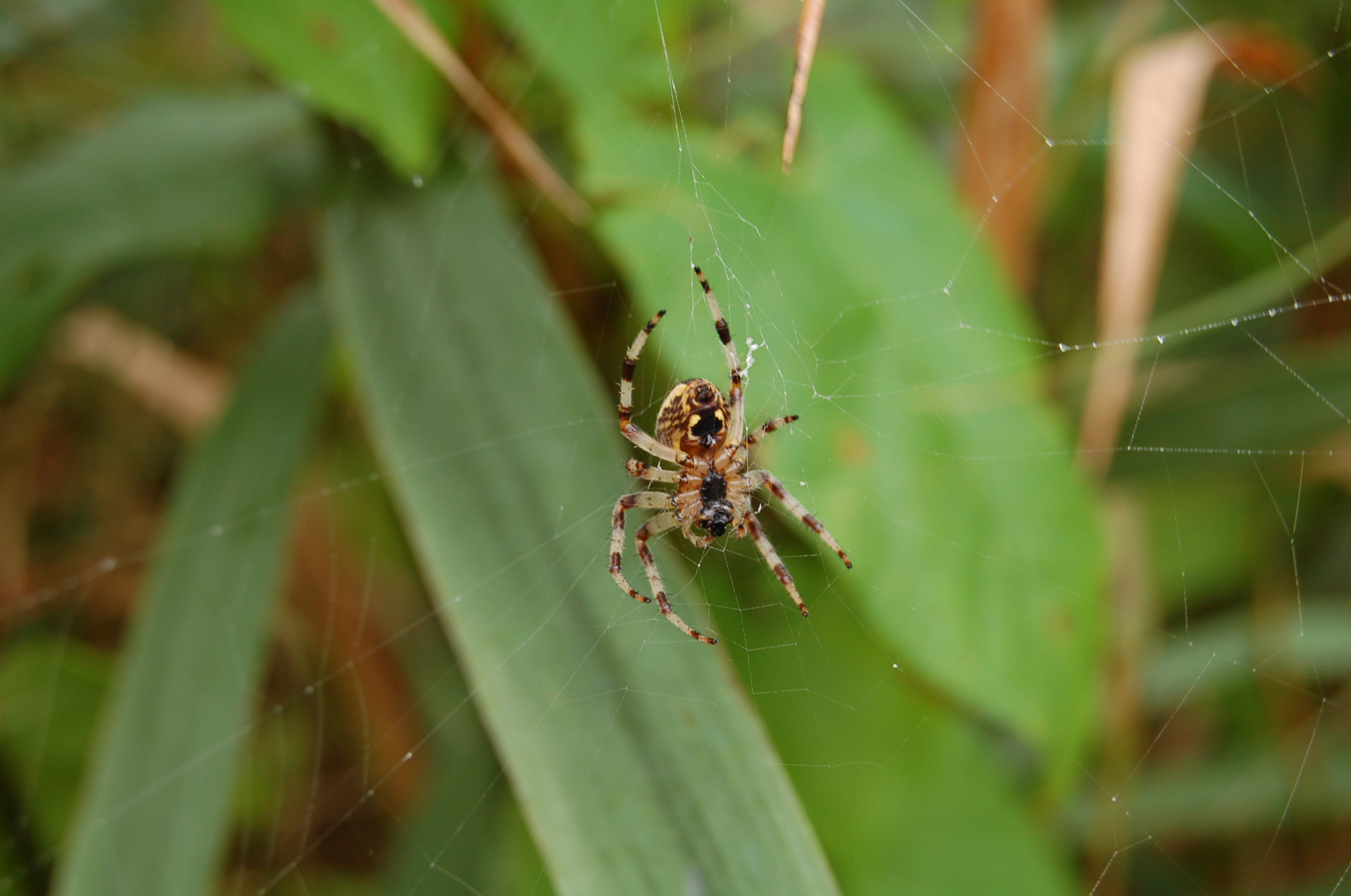
We enjoyed a few moments watching this spider attempting to build its web in the wet weather. He was most persistent and crafted a fine web.

2013 08 26_3200

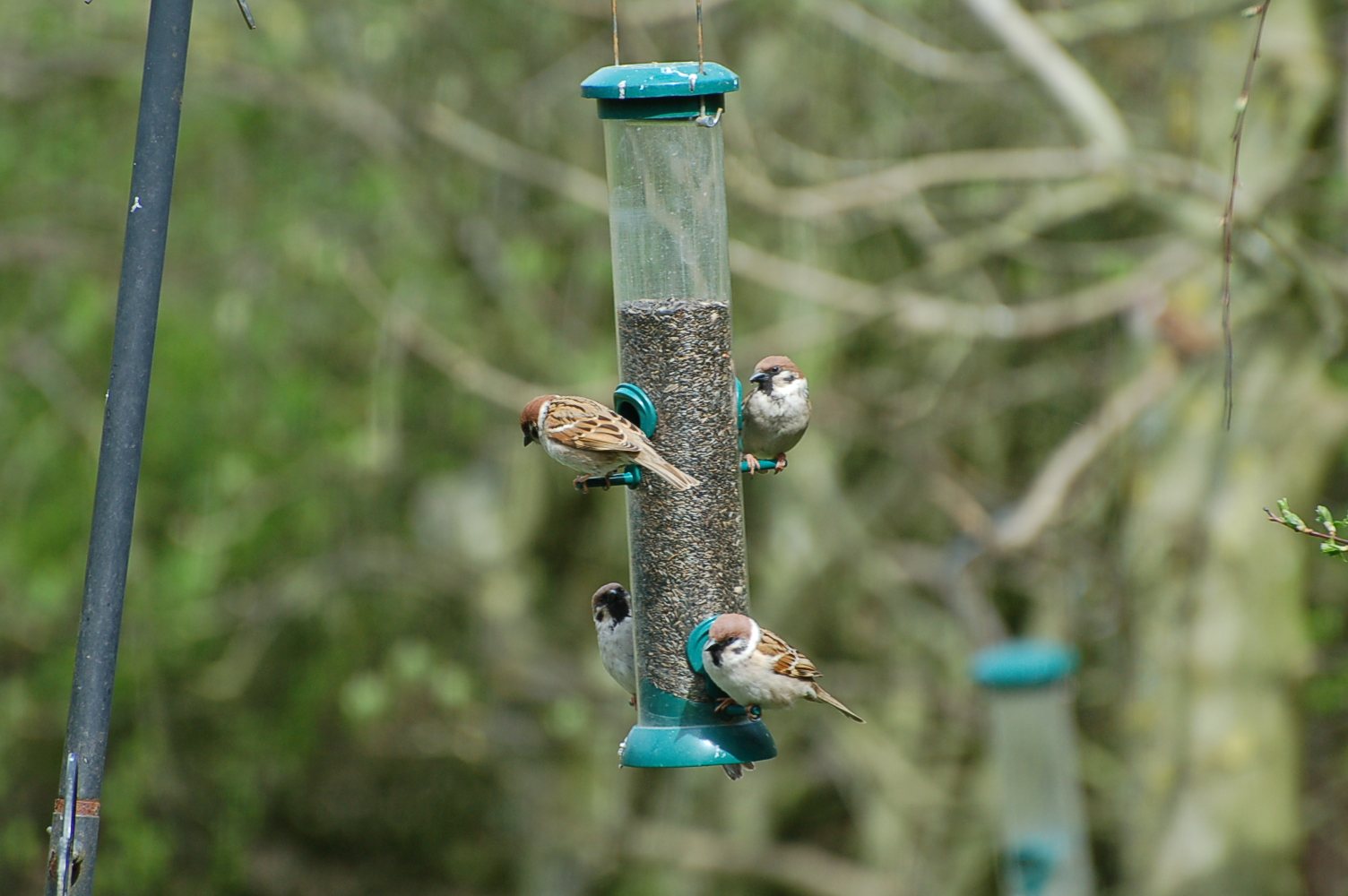
Stopping off for a coffee in a hide overlooking a pool with a bird feeding station close to the viewing windows gave us opportunities to watch common and less common birds busily feeding. Tree Sparrows were a delight to spot as they are becoming very scarce now due to habitat degradation and loss, as were a pair of Turtle Doves which are real rarities now. The biggest surprise here though was the Muntjac Deer which crept through the shrubbery knocked the feeders with its head and then ate the spilled food off the ground. It then disappeared just as quickly and quietly as it has arrived. It skulked away very quietly.

2013 08 26_3198 2013 08 26_3199

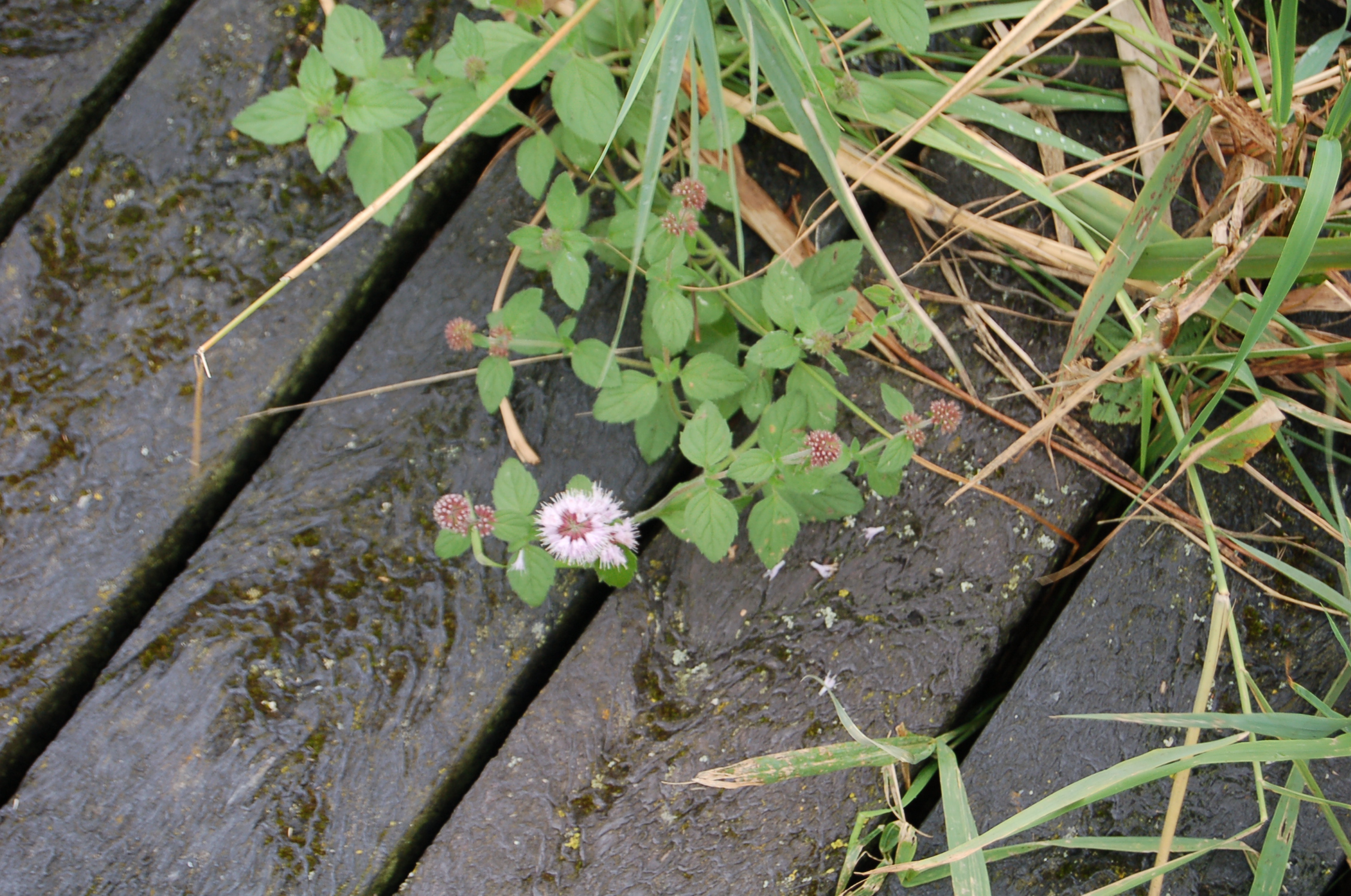
We moved on through the fens along damp pathways and boardwalks where the ground was even wetter. We enjoyed the variety of flora that need these unusual conditions to thrive. This little plant, possibly a Water Mint, crept across the boards themselves so we had to watch where we put our boots.

2013 08 26_3211

2013 08 26_3205 2013 08 26_3208

2013 08 26_3207

2013 08 26_3201 2013 08 26_3202  2013 08 26_3204 2013 08 26_3206   2013 08 26_3209 2013 08 26_3210  2013 08 26_3212

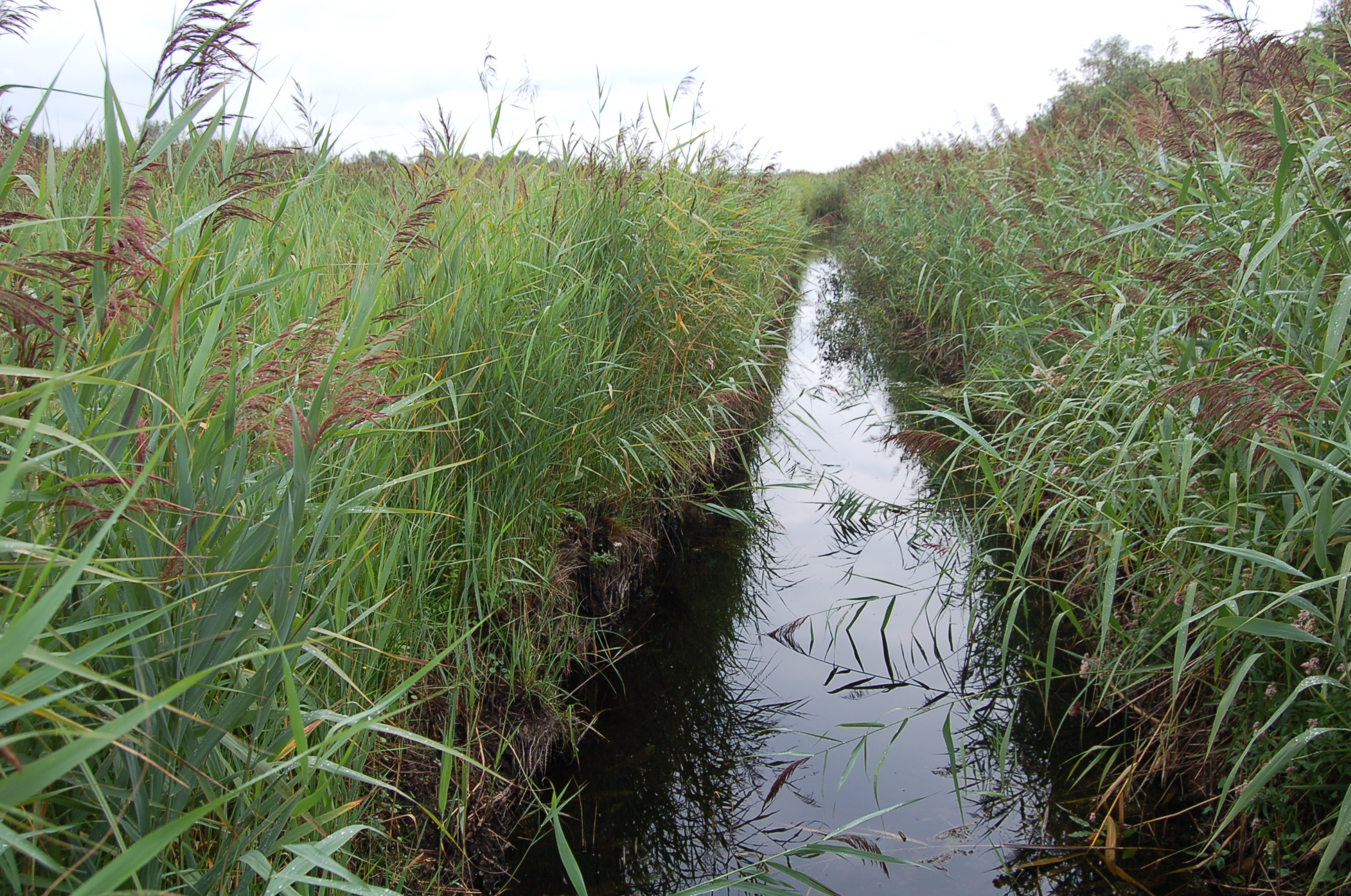
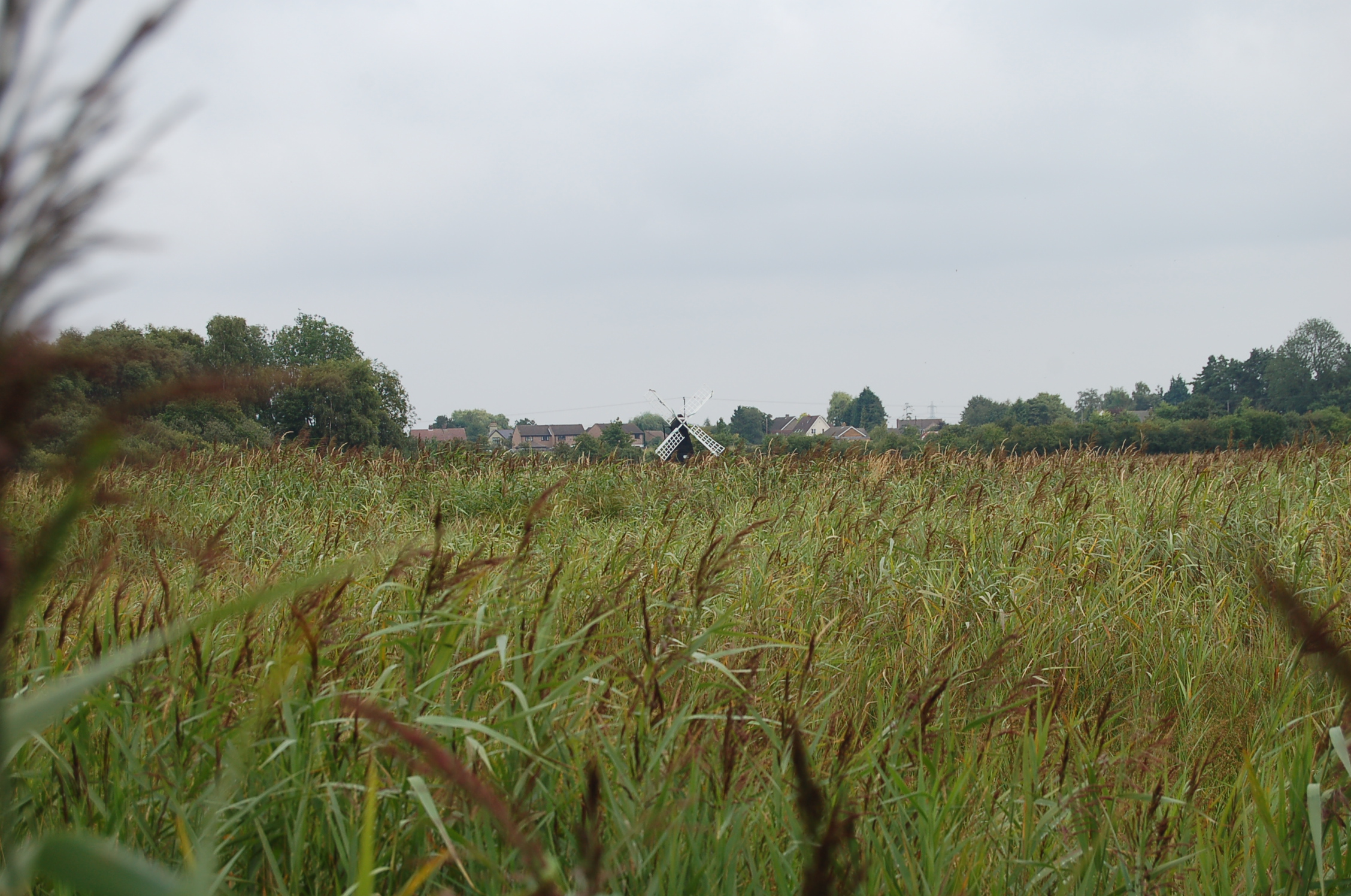
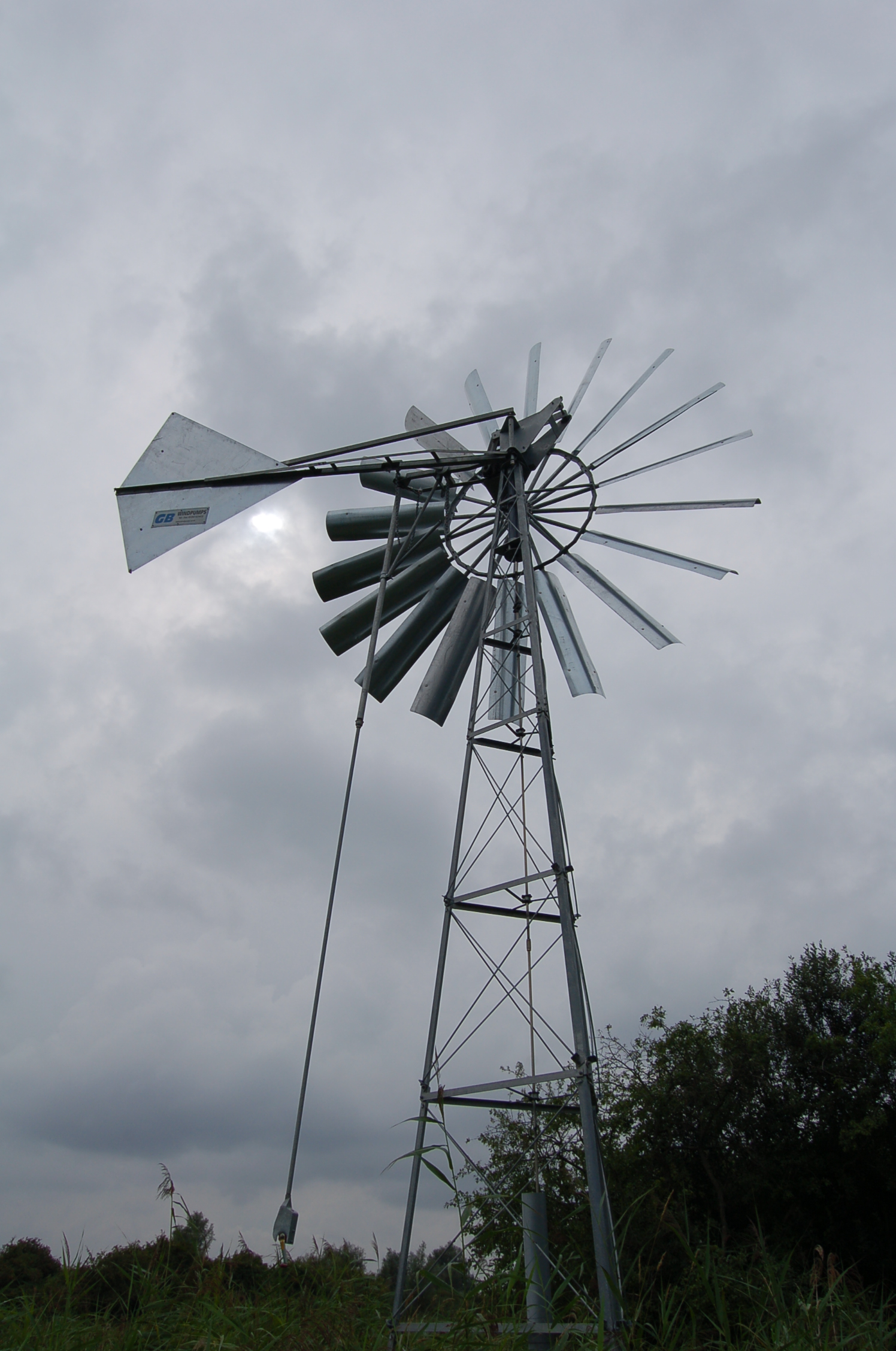
The water levels in the fens here are carefully controlled to create and maintain the different habitat types. This increases the variety of plants, insects, invertebates, mammals, fish and birds that set up home here. Windmills power the pumps. They stand tall and rigid above the low level of the herbage below.

2013 08 26_3213 2013 08 26_3214 2013 08 26_3215 2013 08 26_3216 2013 08 26_3219

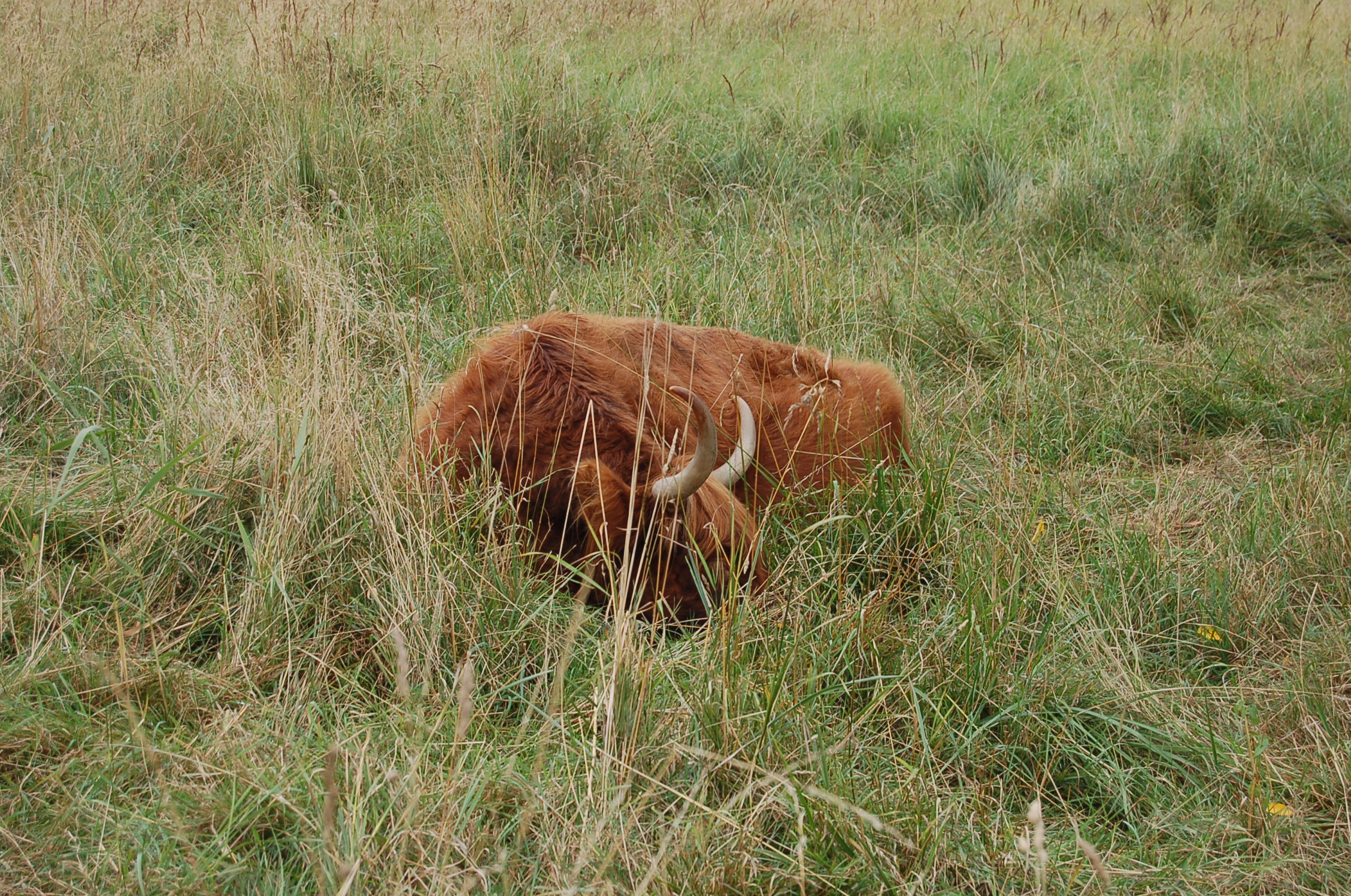
To help manage some areas some unusual lawnmowers are being used, these handsome Highland Cattle.

2013 08 26_3217 2013 08 26_3218

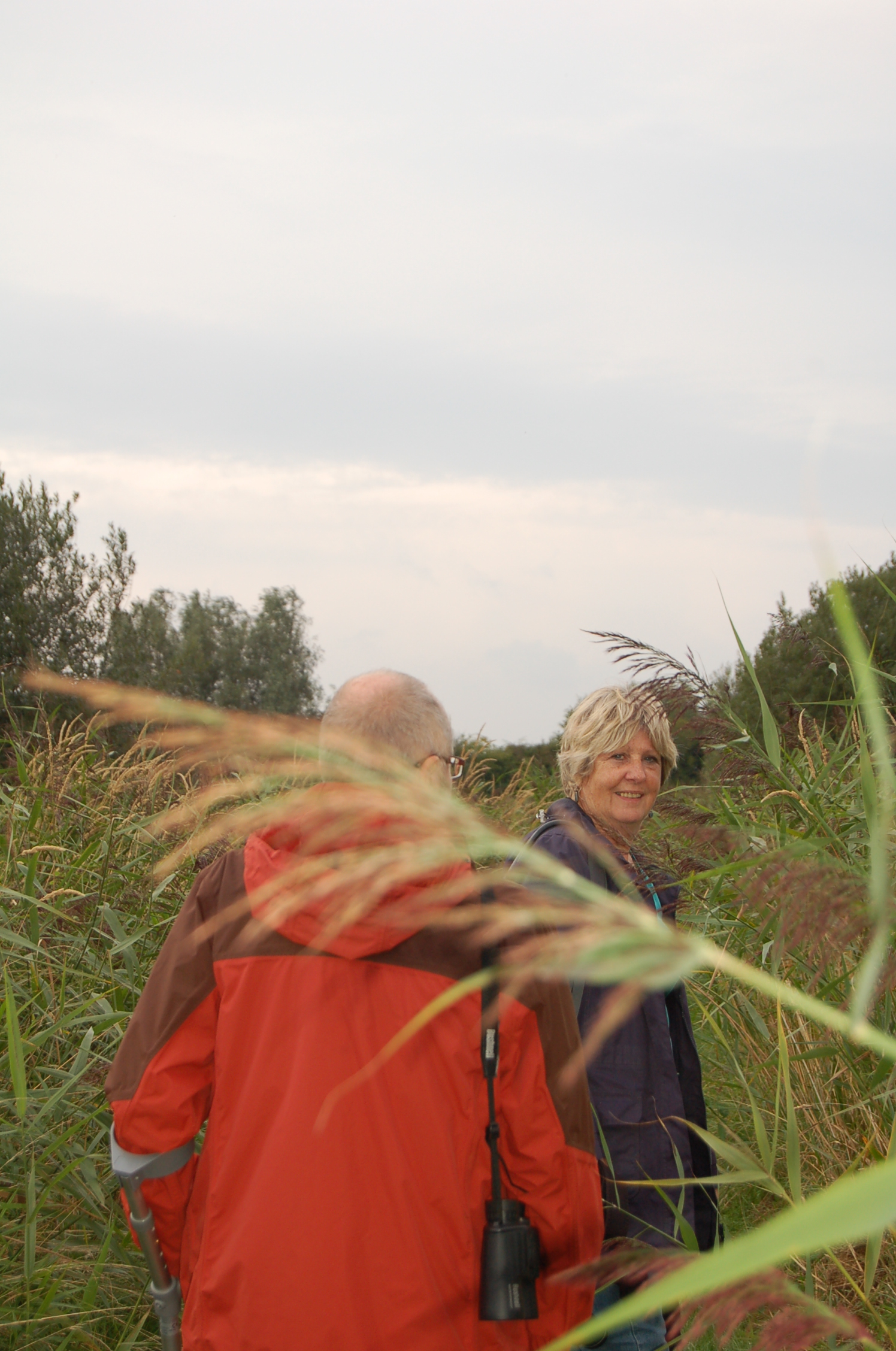
The two critters below, later identified as a Greenbench and a Mrs Greenbench, tried many ways of hiding from the photography!

2013 08 26_3220 2013 08 26_3221

Categories
countryside landscapes light light quality photography Shropshire South Shropshire wildlife

Return to the Fold

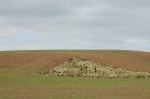
You may remember in an earlier posting on my Greenbenchramblings blog that we enjoyed a walk up a local hill to find the stone circle called Mitchell’s Fold. Recently when my brother and his wife, Graham and Vicky, came to stay with us in lovely Shropshire they fancied a walk somewhere with a feeling of openness, calm and peace. So, we returned to “The Fold”.

For the first set of photos I stood in the middle of the stone circle and took a series of six pics as I moved around in a circle taking in the 360 degree view.

2013 09 23_3497 2013 09 23_3498 2013 09 23_3499 2013 09 23_3500 2013 09 23_3501 2013 09 23_3502

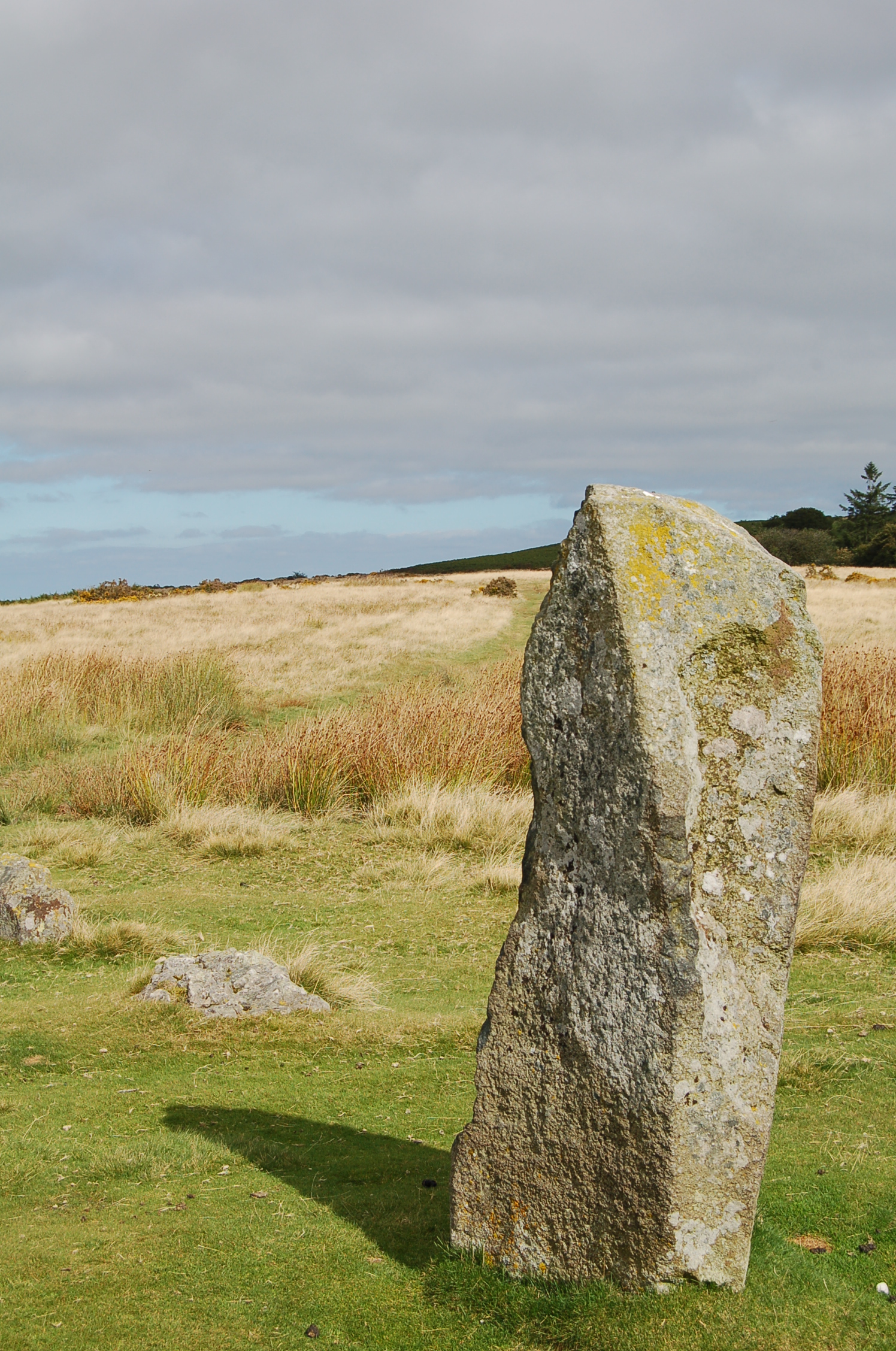
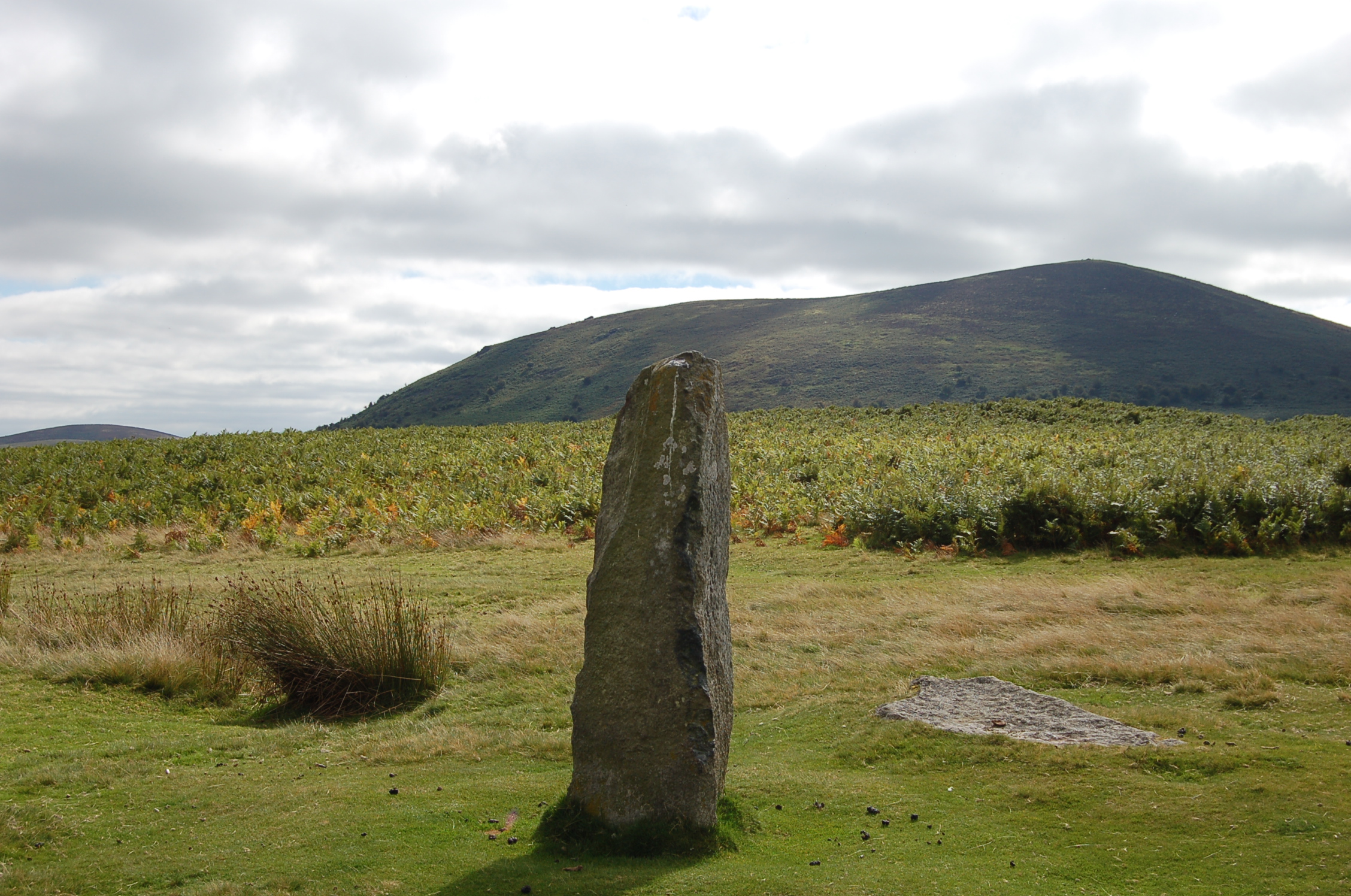
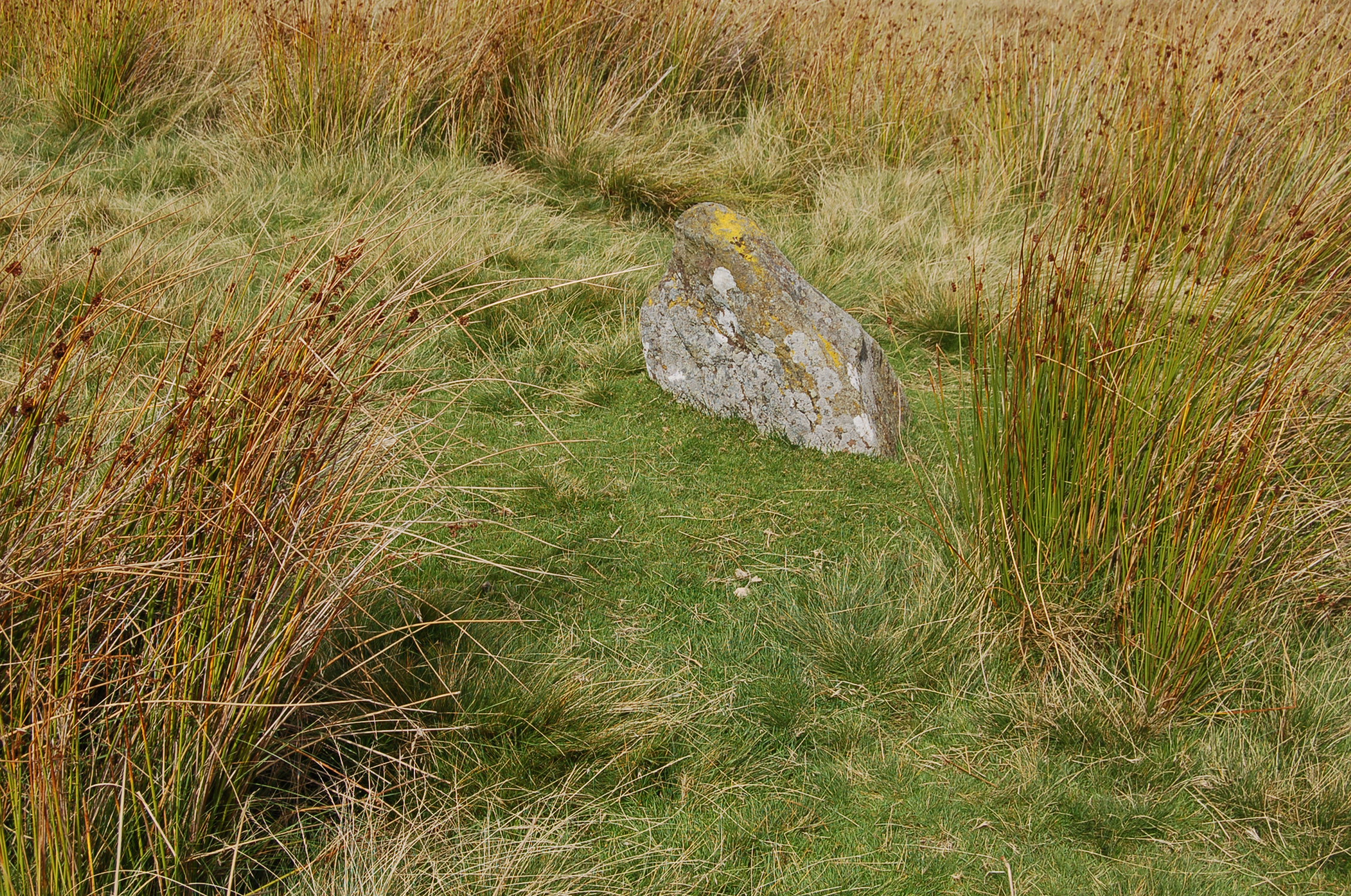
And then I took a series of shots of the stones themselves, the stones that give this special place a unique feeling and atmosphere. Calm. Peace. Contentment. When we stood within the circle of stones we realised why it has been for thousands of years a place of worship and magic.

2013 09 23_3504 2013 09 23_3505  2013 09 23_3503 2013 09 23_3506 2013 09 23_3507 2013 09 23_3508 2013 09 23_3509

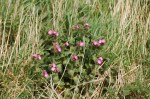
Mother nature has been at work here growing beautiful grasses, sedges, fungi and flowers specially suited to the difficult terrain.

2013 09 23_3510 2013 09 23_3512 2013 09 23_3513 2013 09 23_3520

2013 09 23_3521 2013 09 23_3530

Graham and Vicky who live down in a town in the South of England, were blown away by the massive views and the 360 degrees through which eyes and mind can wander.

2013 09 23_3515 2013 09 23_3514 2013 09 23_3516 2013 09 23_3517

This place is where we expect to see unusual birds but not very many of them. Today was no exception as we enjoyed the sight of small pipits and finches being buffeted in the winds and birds of prey such as Hen Harrier, Red Kite, Kestrel and Buzzard hunting in their own special ways taking advantage of the slopes and thermals. We met a special creature on our way up the track from the stone circle to the cairns atop the hill. A dung beetle. Its name is a little off-putting as is its habit of moving dung around by rolling it into balls. But they are fascinating little critters who are one of nature’s great recyclers. This little glossy black spherical beetle had iridescent kingfisher blue legs that flashed as it moved and when turned over it revealed similar brightness

2013 09 23_3519 2013 09 23_3518

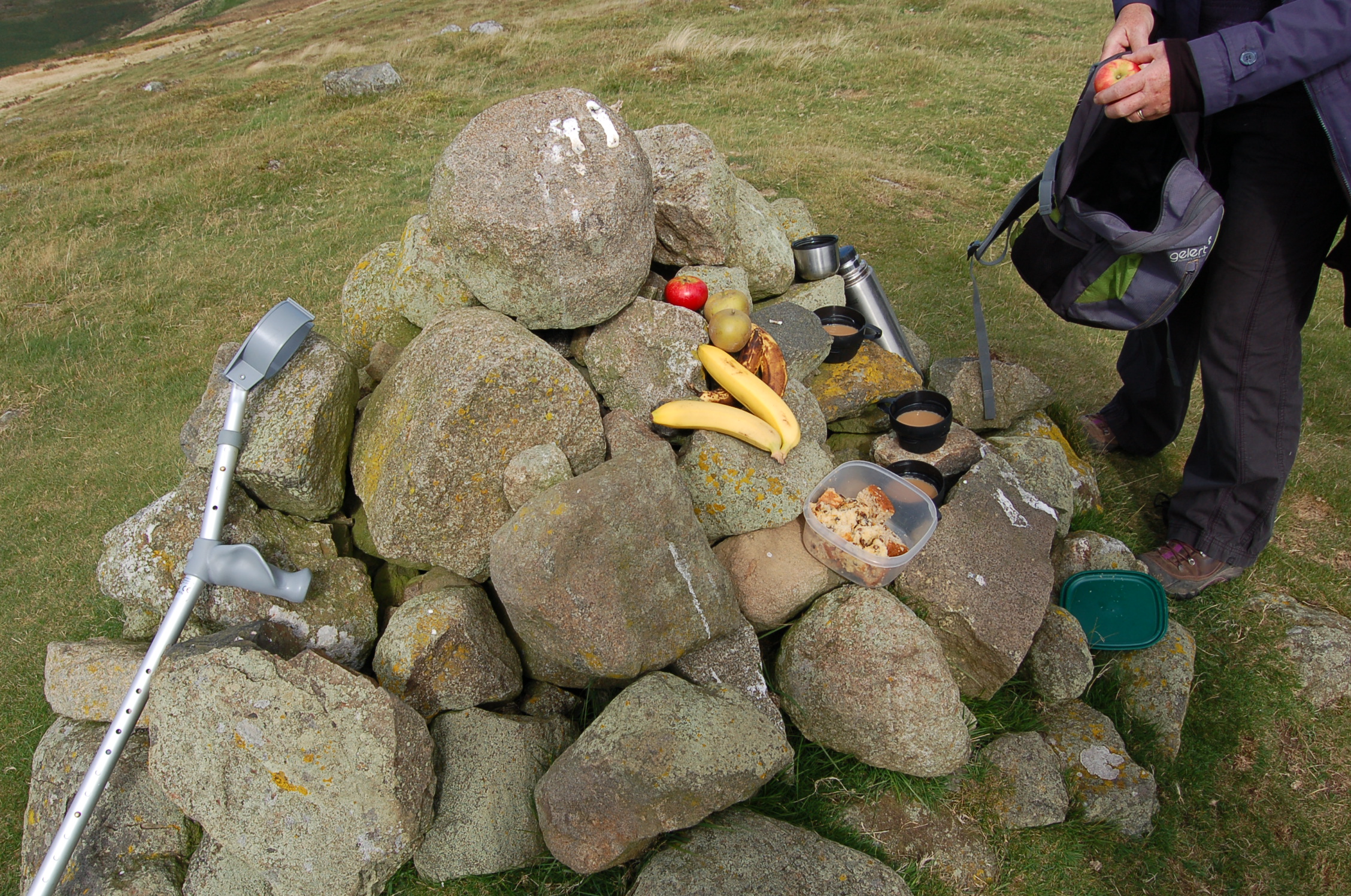
As we turned at the end of the outward leg of our trek we made our way up to the top of the ridge where we stop for refreshment at the cairn. We searched for a stone as we moved uphill as we like to follow the tradition of putting our own stone on the cairn to mark our presence. The views from the cairn wre stunning and simply huge!

2013 09 23_3522 2013 09 23_3523

Our little stone sat happily among its much larger cousins who will protect it from the extremes of our weather.

2013 09 23_3524

The coffee and fruit stop was most welcome and came at the right time as Vicky and Graham’s looks of anticipation illustrate.

2013 09 23_3525 2013 09 23_3526 2013 09 23_3527 2013 09 23_3528

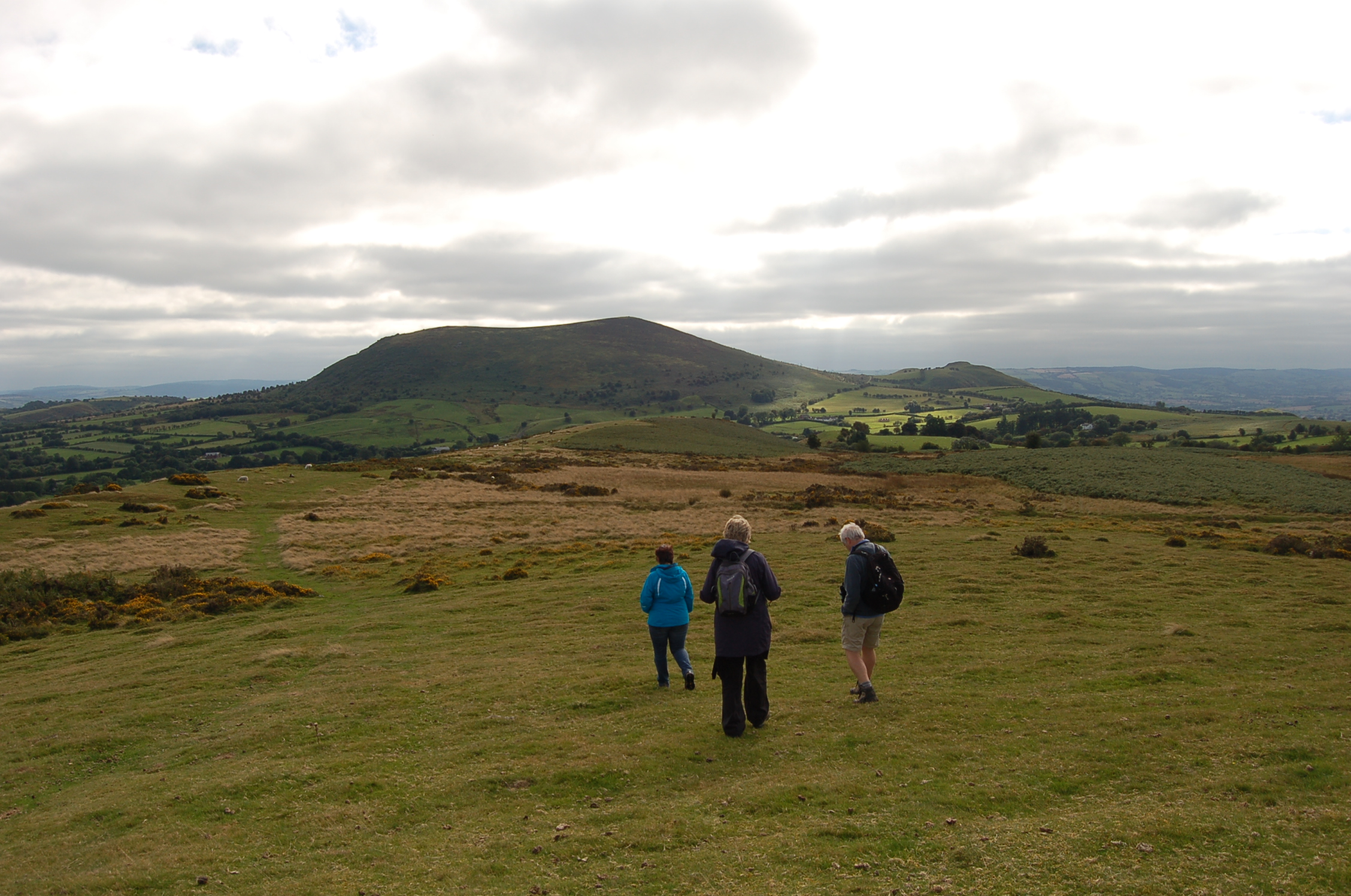
Suitably refreshed and impressed with the hill top cafe facilities we made our way along the ridge and slowly back down to the car.

2013 09 23_3531 2013 09 23_3532

On the way back down we came across an area where the bracken was glossy and shone in the afternoon sunshine, a phenomena we have not experienced before.

2013 09 23_3534 2013 09 23_3536

Categories
architecture garden design garden photography gardening gardens open to the public Land Art landscapes ornamental trees and shrubs outdoor sculpture

A Sculpted Landscape – Boughton House

We were planning our journey to the North Norfolk coast to visit a couple of RSPB nature reserves and were seeking somewhere to visit on the way. We came across Boughton House marked on our map so googled it to find our more. We were so glad we did! The buildings were of a beautiful simple architectural style with French influences. Even the stable blocks impressed. Soft gentle lines and delicate grey-brown coloured stone.

2013 08 23_2979 2013 08 23_2978

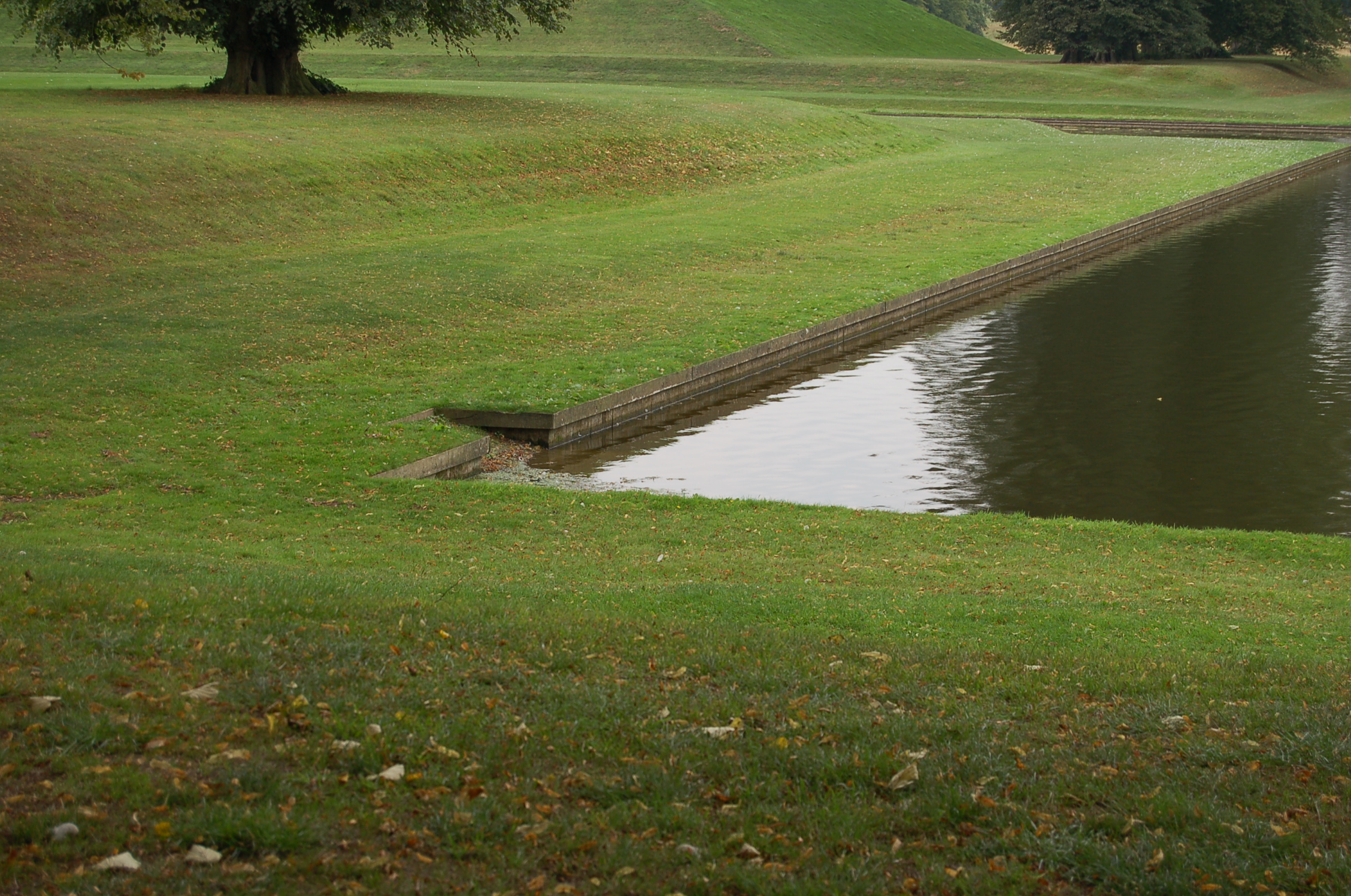
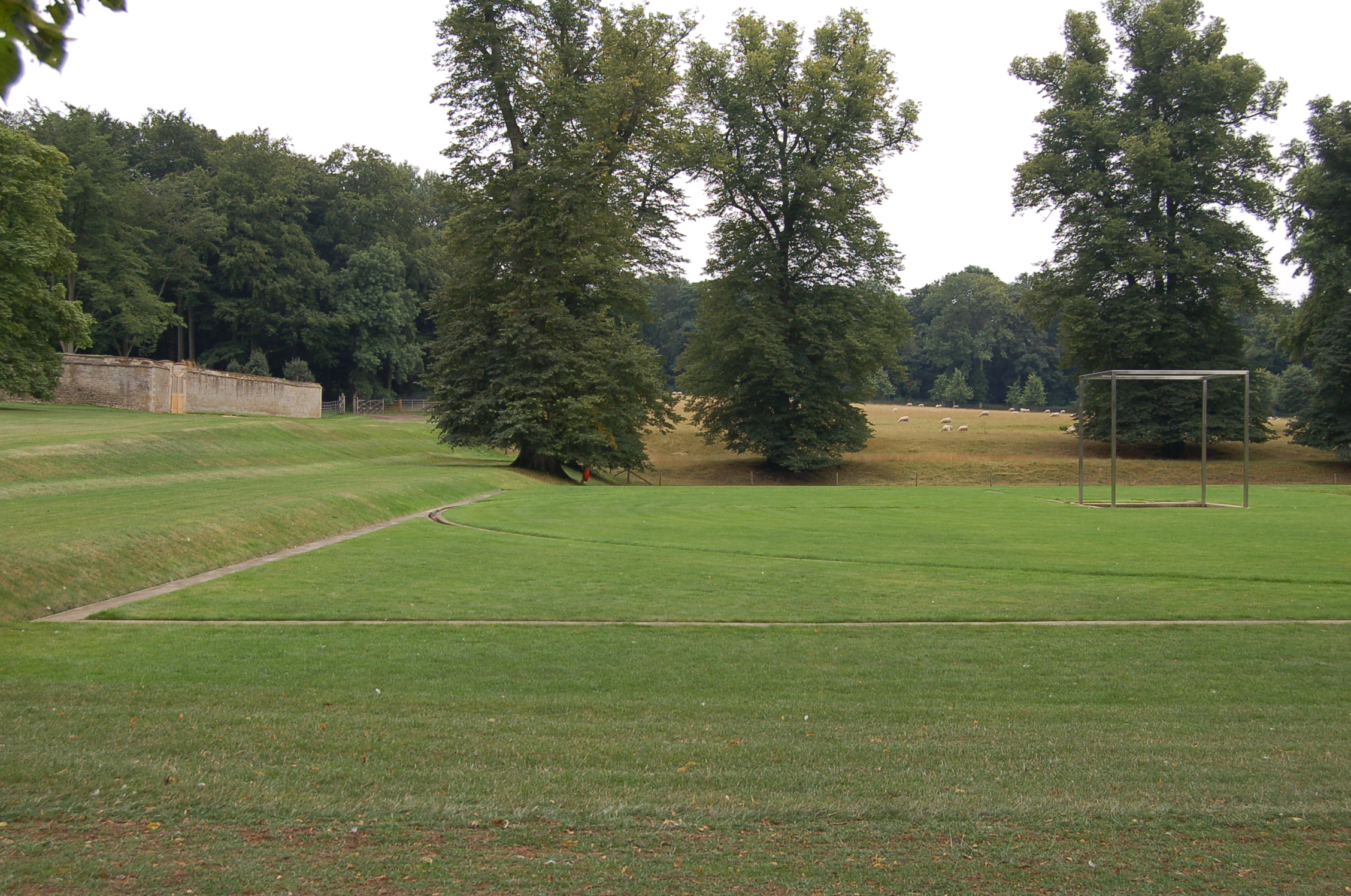
We discovered that the grounds around the house were sculpted in the C18 in an unusual manner and recently more landforms were added by Kim Wilkie, a modern landscape architect and one of our favourites.

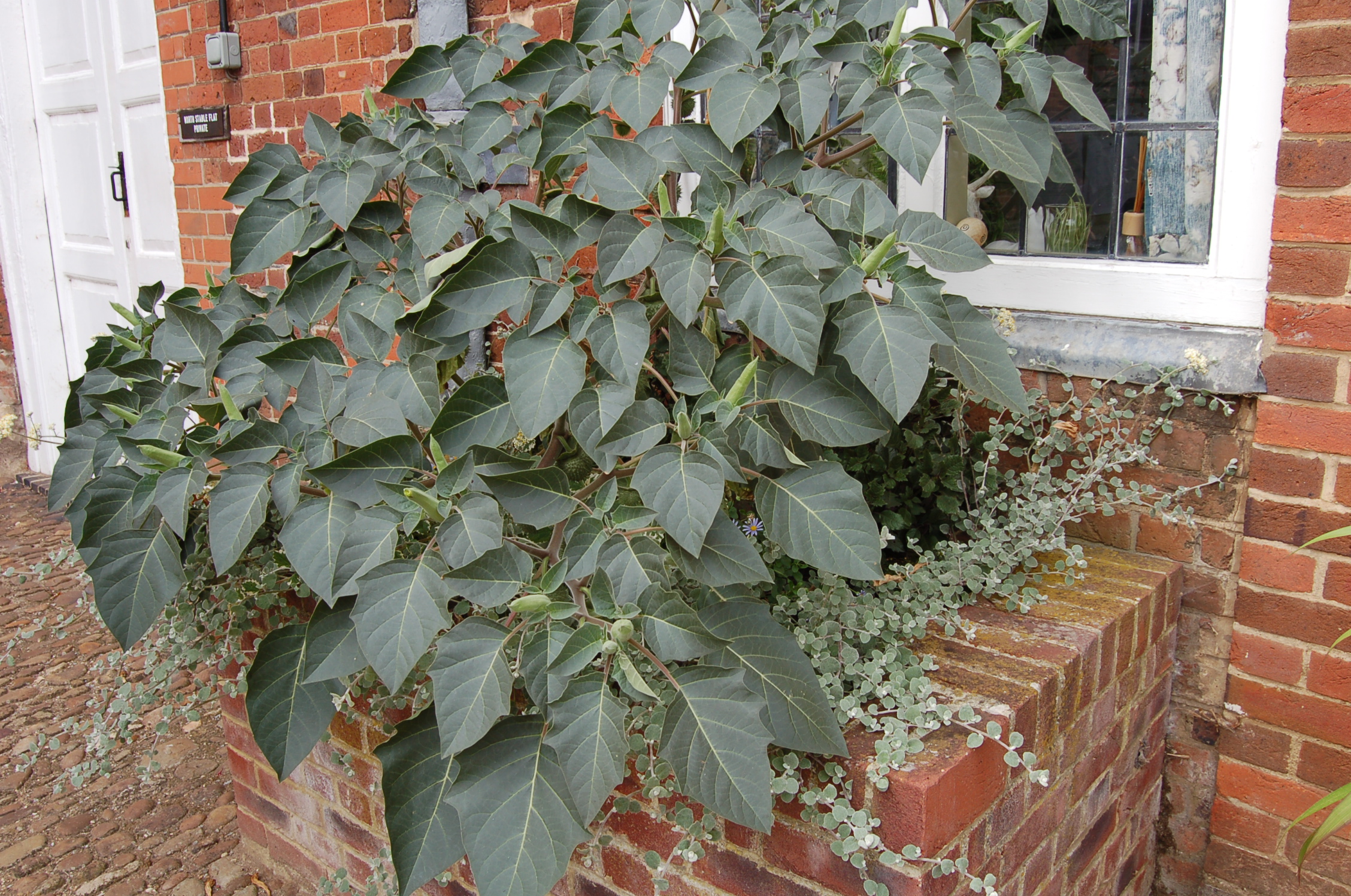
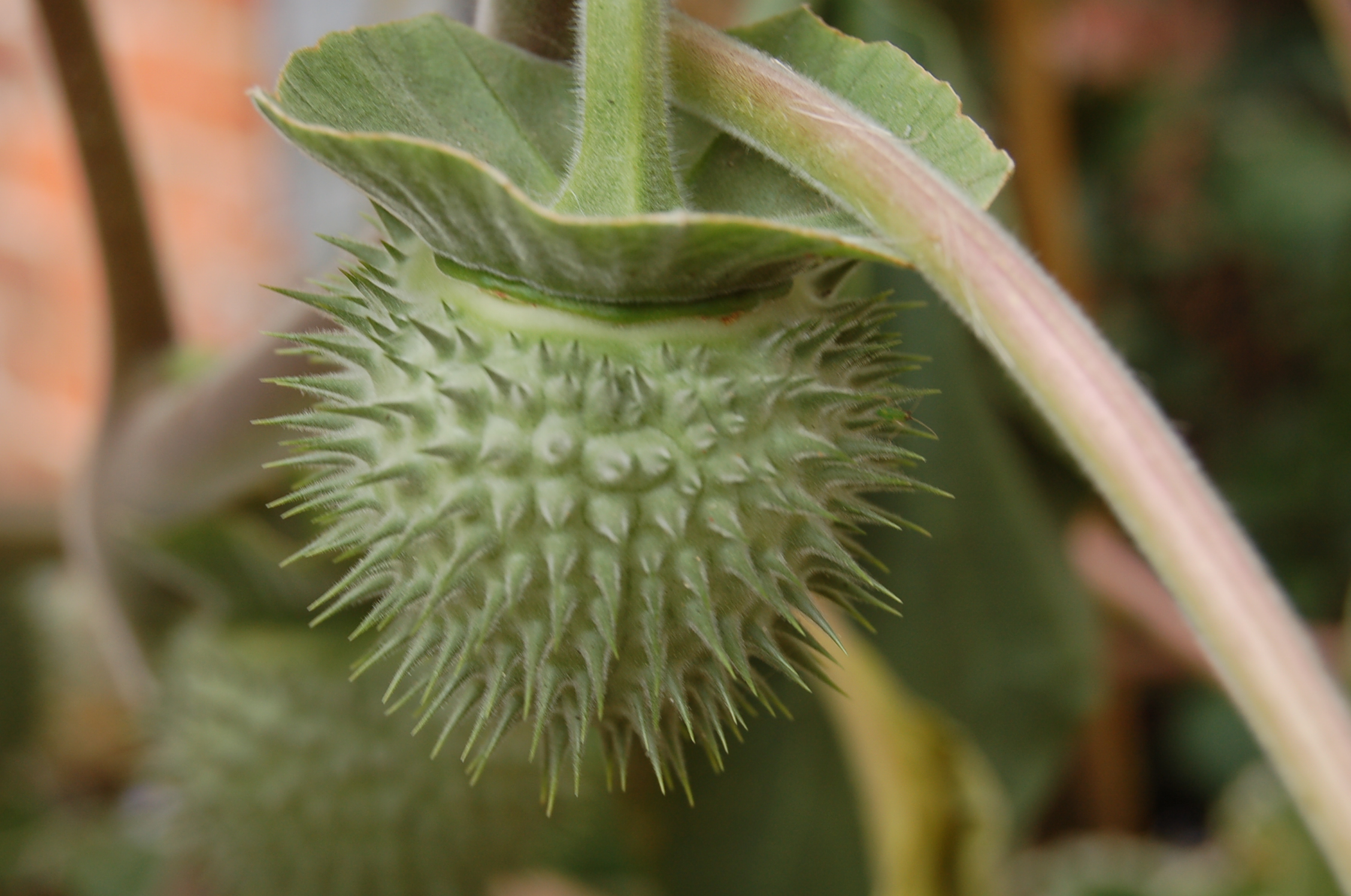
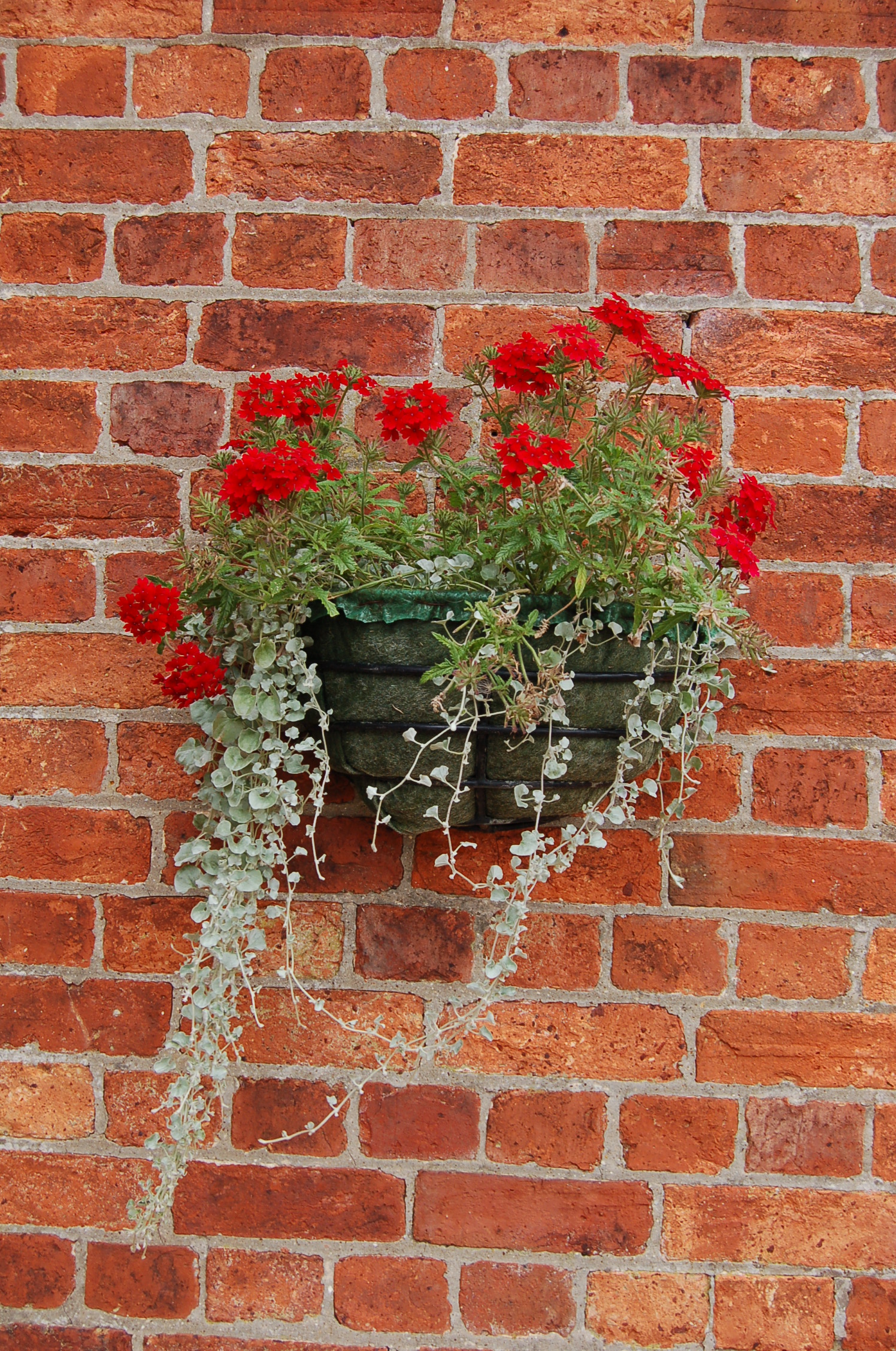
But to get to the grounds we passed through a courtyard of cobbles and gravel which featured some subtle planting combinations in containers. The strange alien-like fruits belong to the grey leaved plant, which was completely unknown to us.

2013 08 23_2972 2013 08 23_2973 2013 08 23_2975 2013 08 23_2976 2013 08 23_3106 2013 08 23_3105

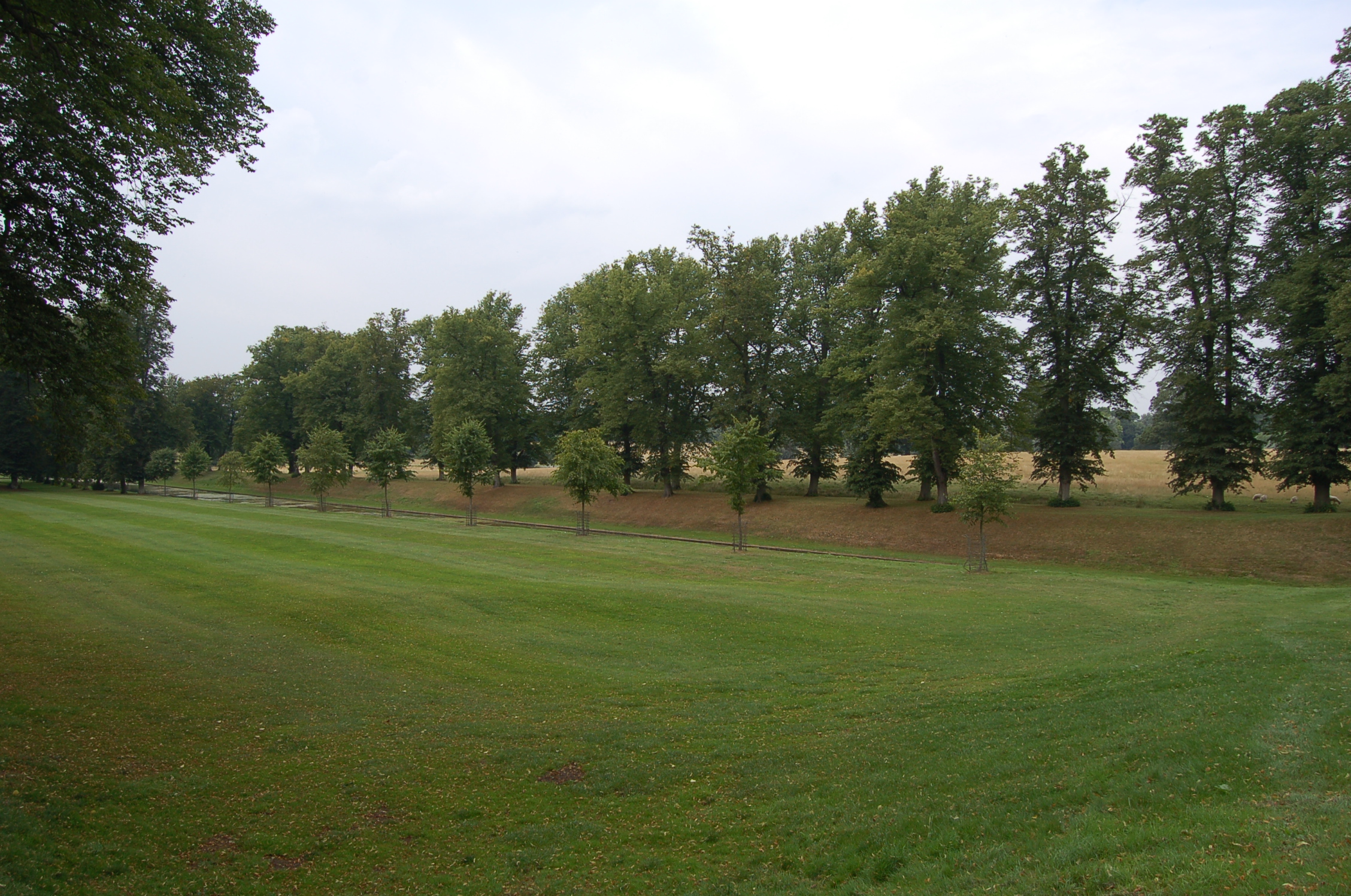
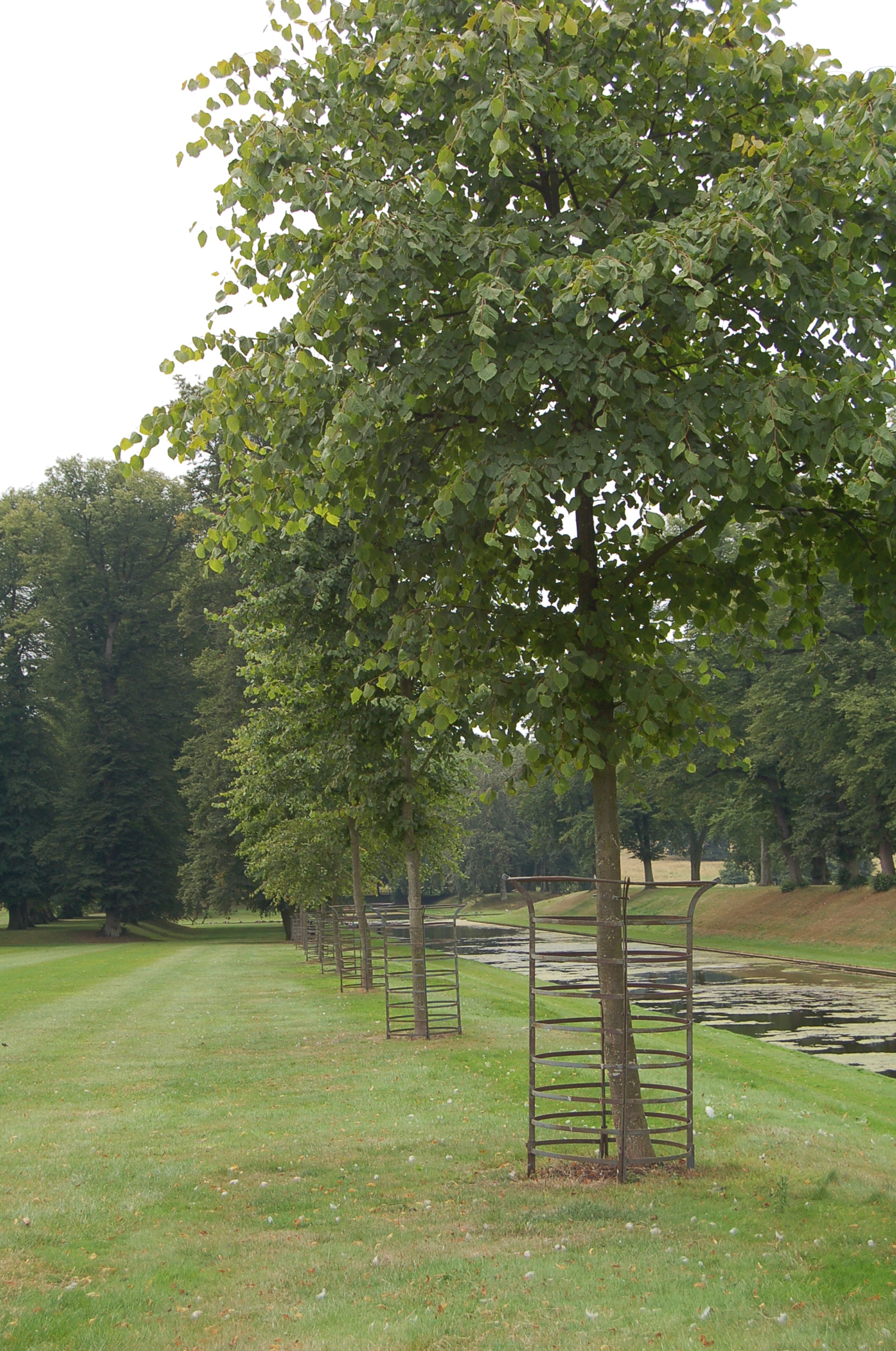
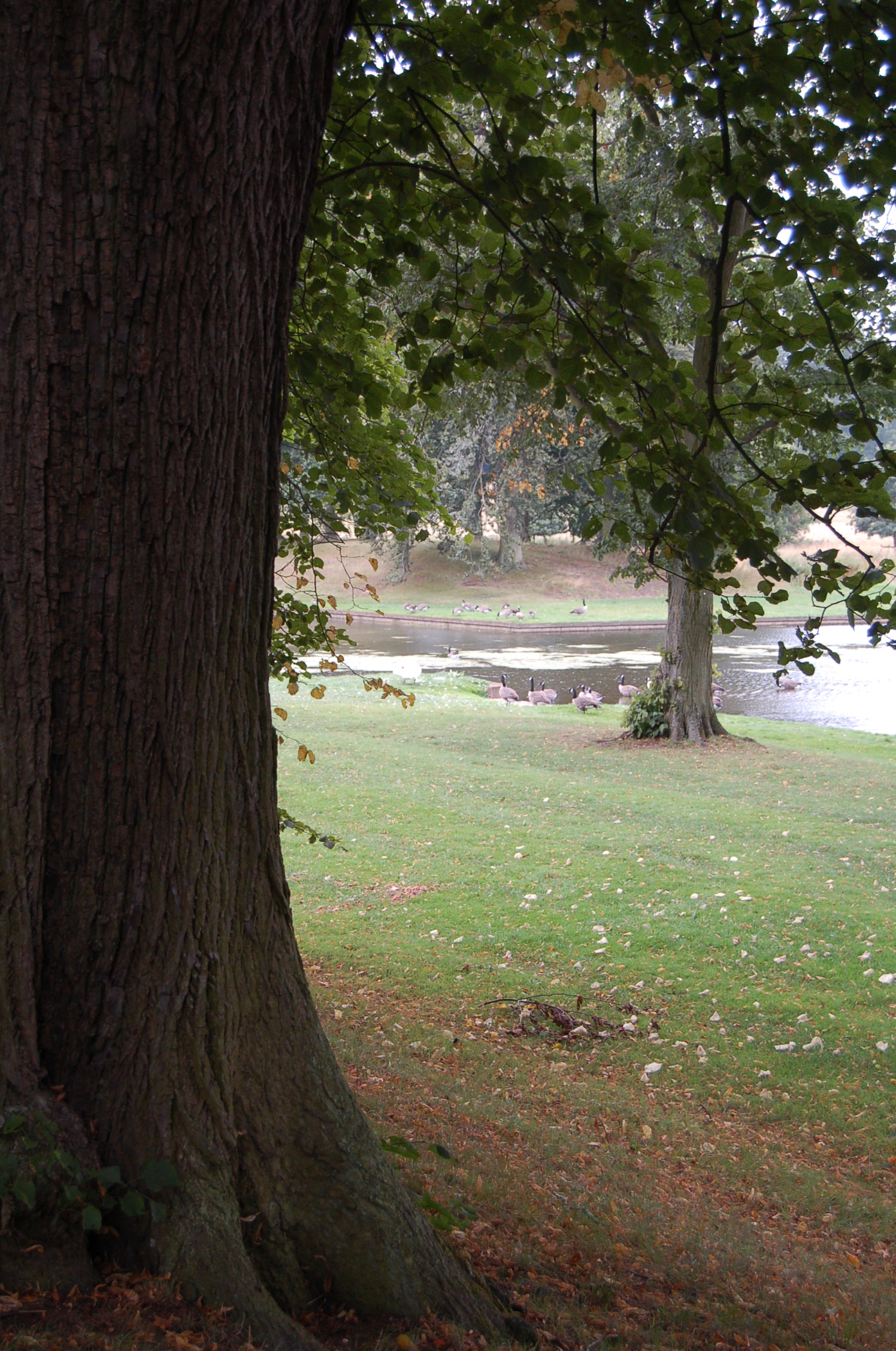
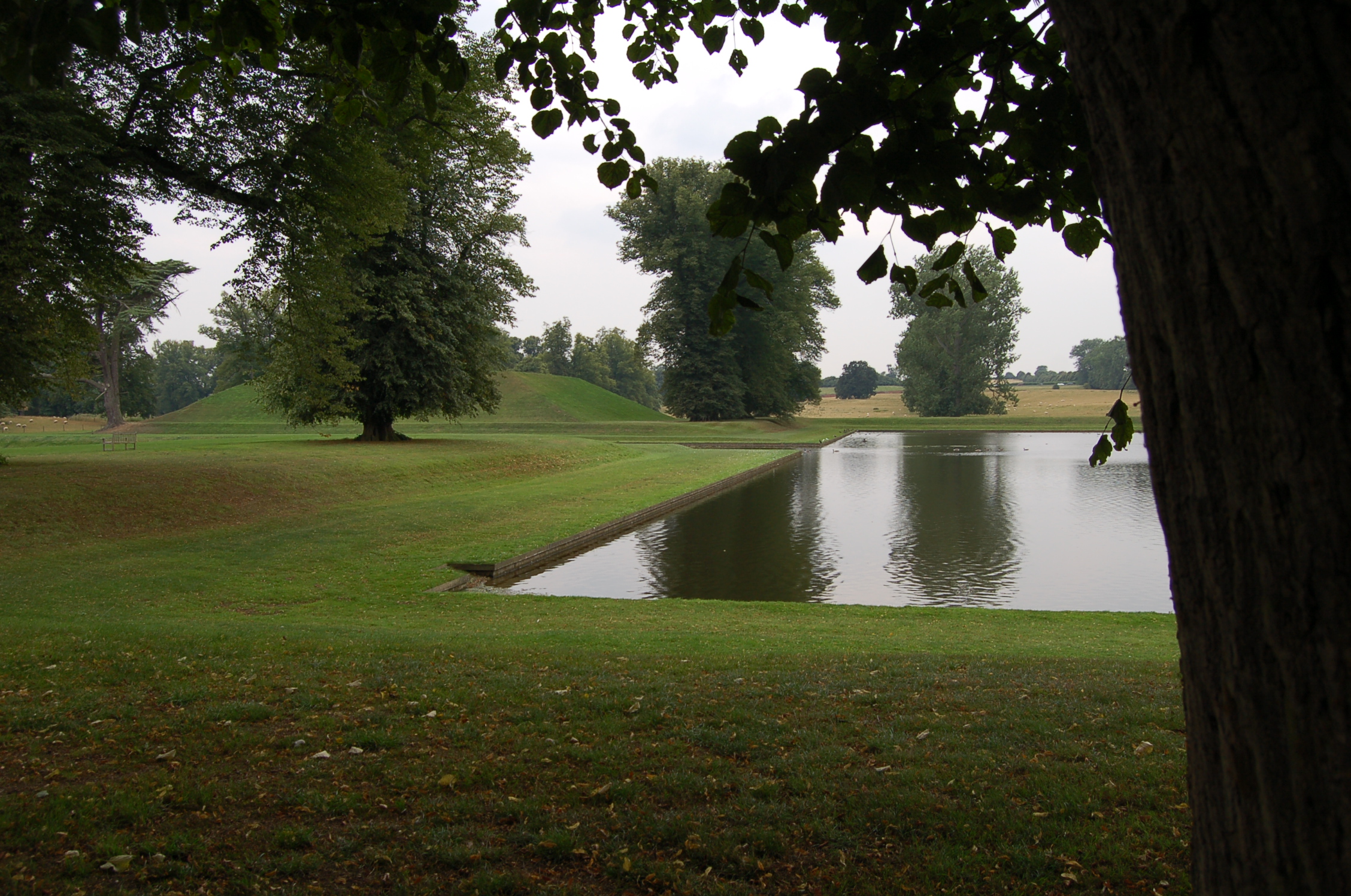
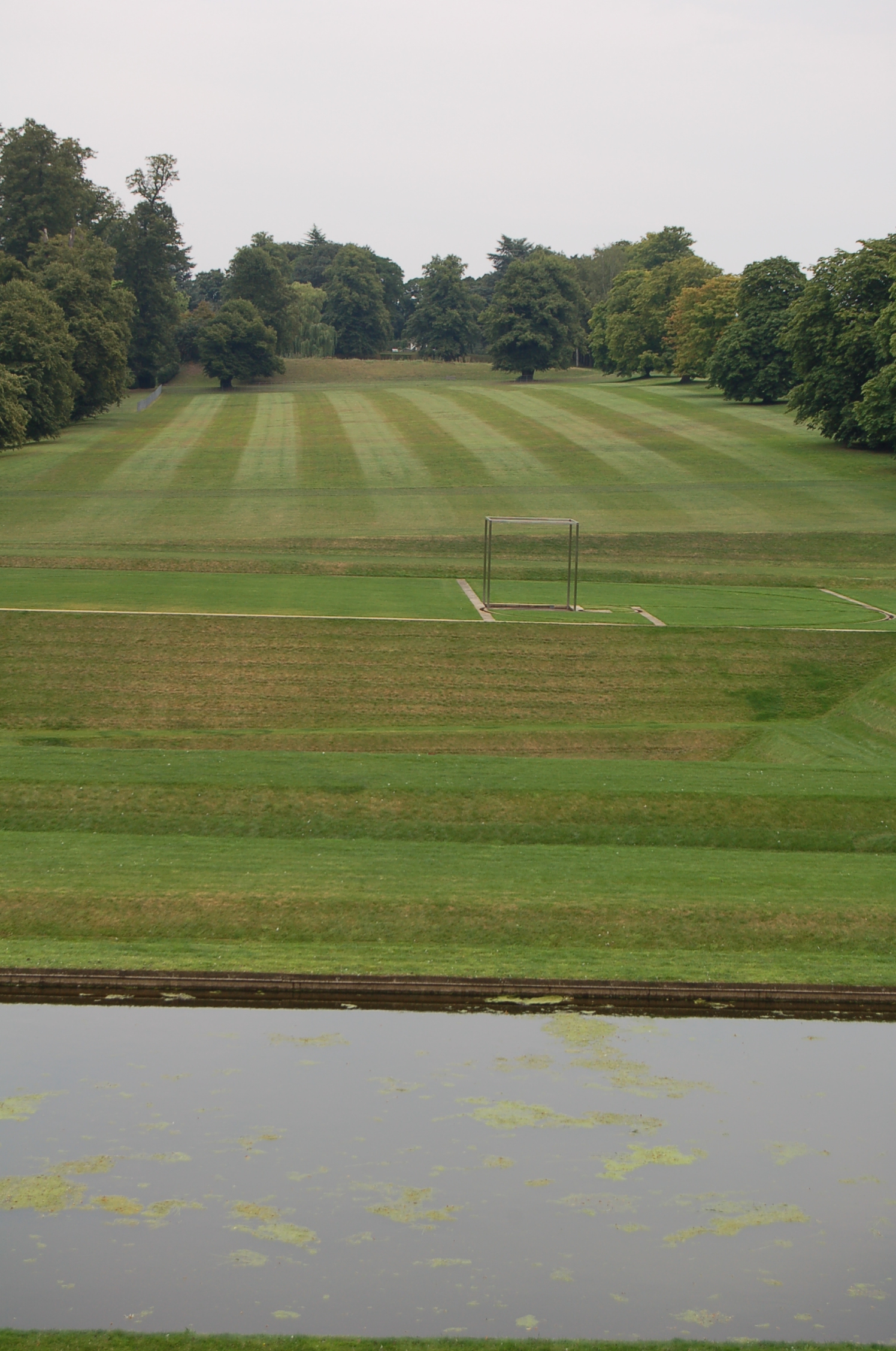
Off into the parkland and we came across long avenues of lime trees and huge canal features, constructed way back in the C18. These original features were supposed to have been inspired by Versailles.

2013 08 23_2981 2013 08 23_2982 2013 08 23_2983 2013 08 23_2984 2013 08 23_2986 2013 08 23_2987 2013 08 23_2988 2013 08 23_2989 2013 08 23_2990

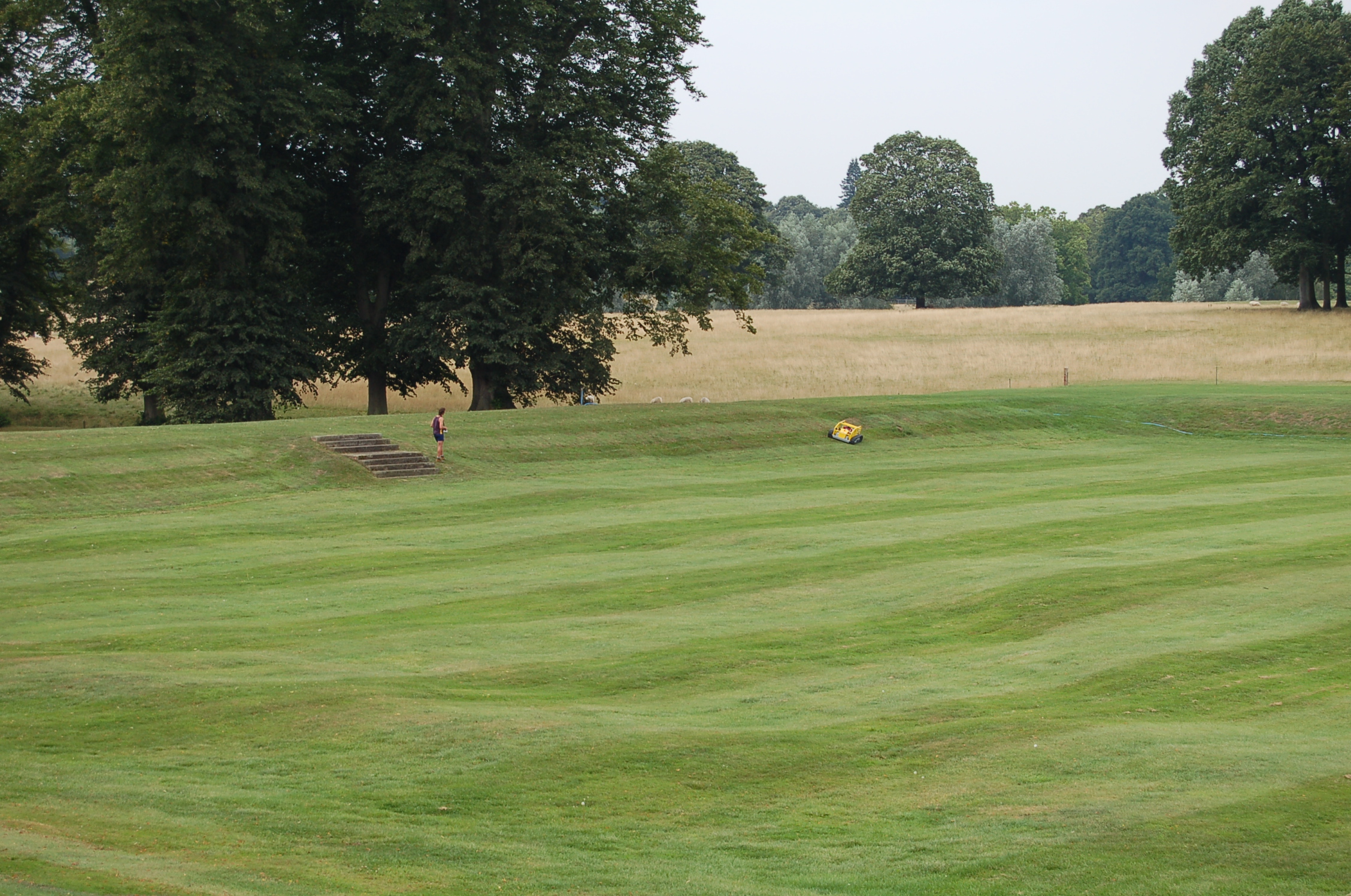
Of course the problem with all these sloping areas of grass is mowing them. When originally conceived the landowners would not have required their grass to be cut as short as modern gardeners want. So their scythes were perfectly up to the job. The gardeners at Boughton today use ingenious remote-controlled mowers with caterpillar tracks instead of wheels to give extra grip on the steep gradients.

2013 08 23_2985

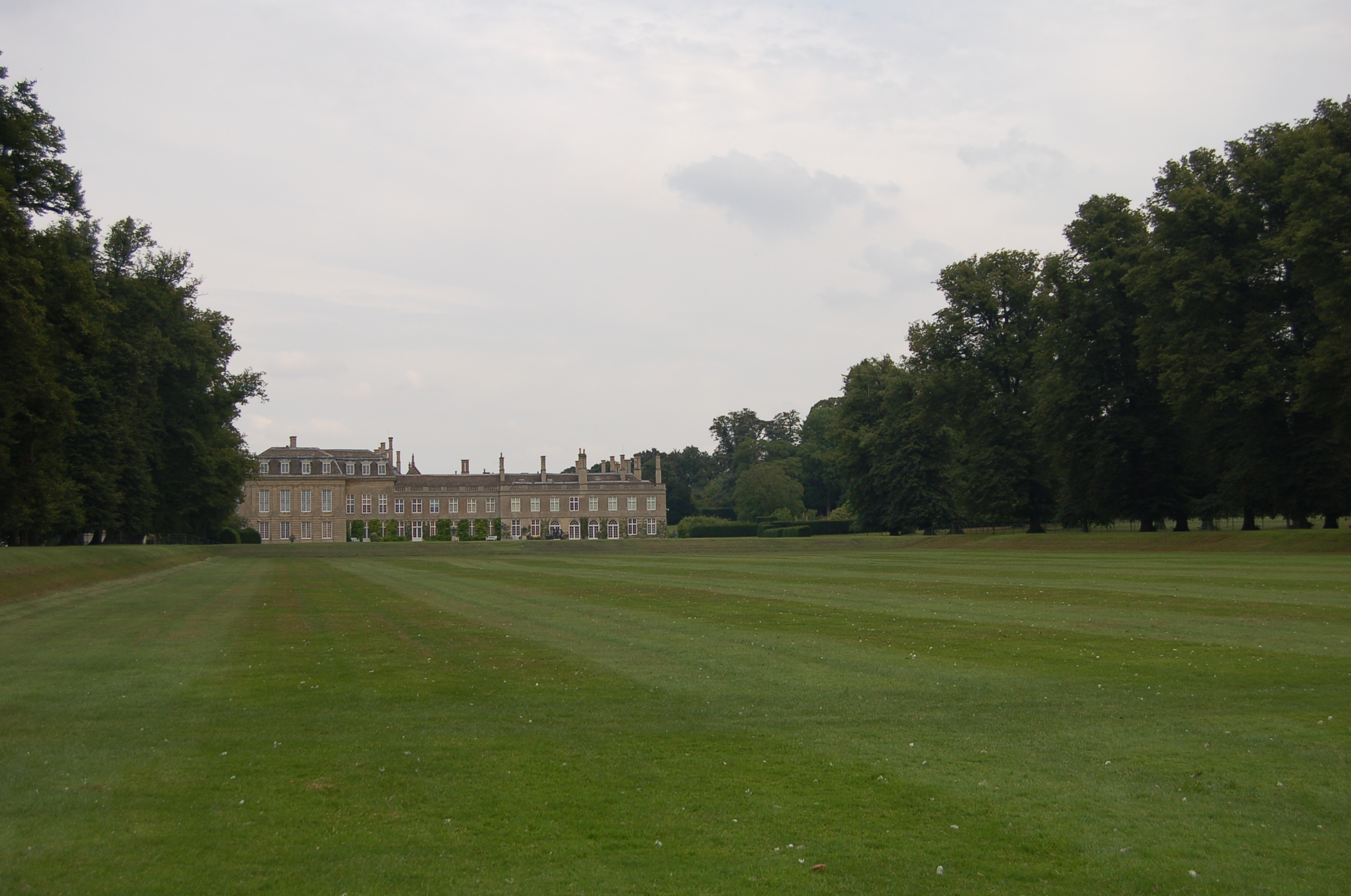
As we reached the far end of these long canals we passed a larger lake and gained views of the house at the far end of a vast expanse of lawn.

2013 08 23_2989 2013 08 23_2991 2013 08 23_2992 2013 08 23_2993 2013 08 23_2994 2013 08 23_2995

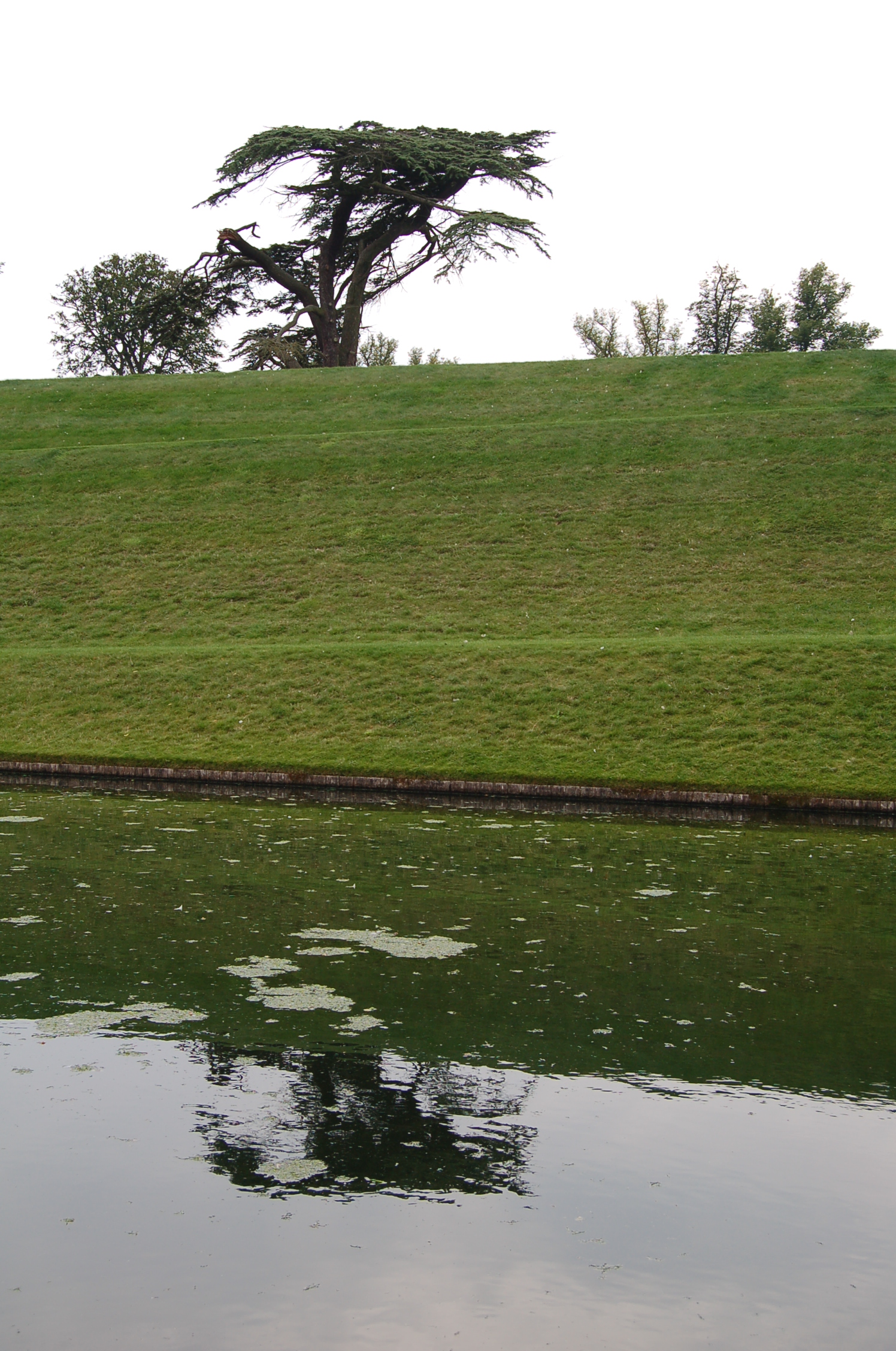
The modern landforms fitted so well into the original landscapes that it was hard to see identify where one finished and another started.

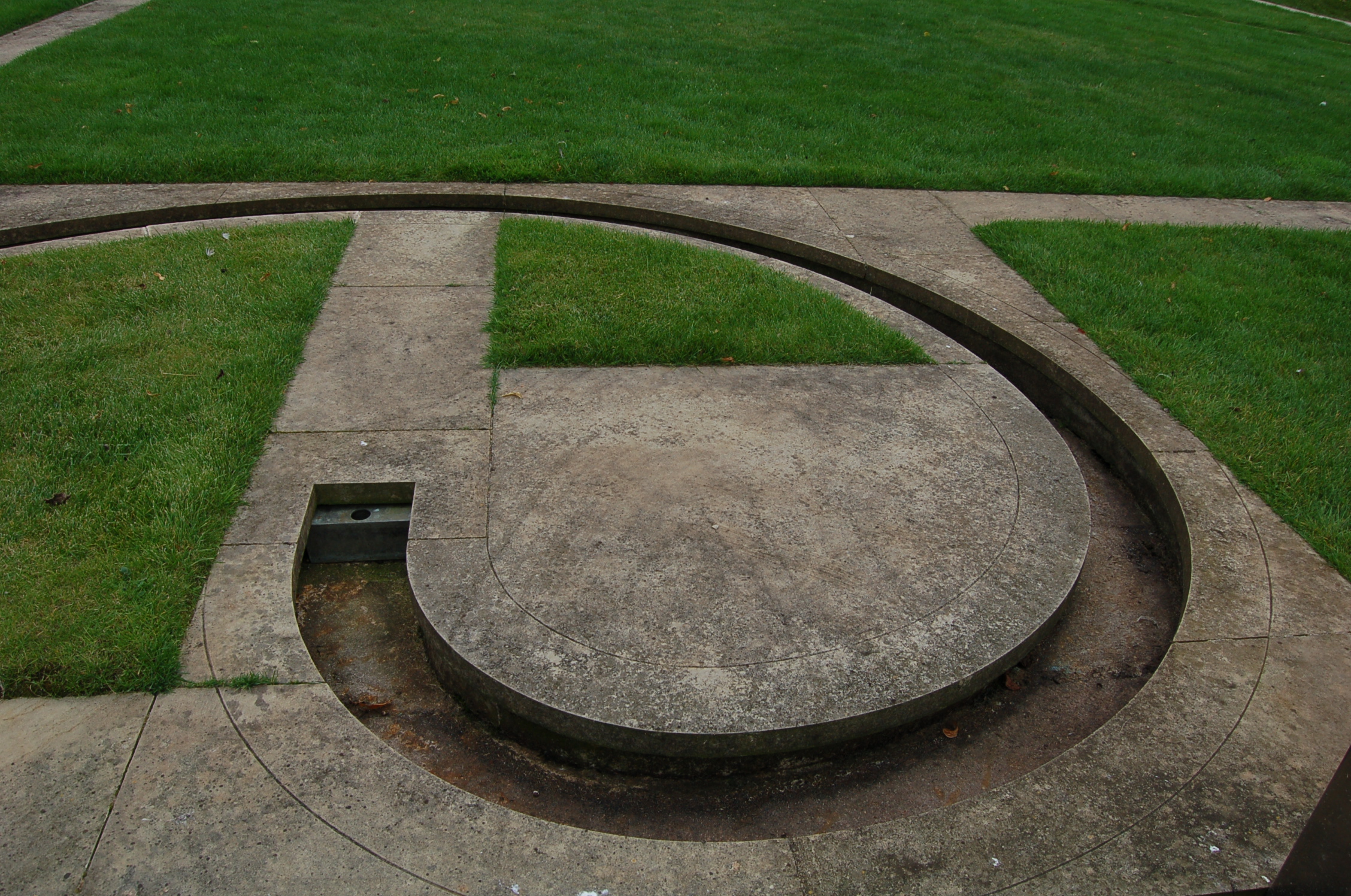
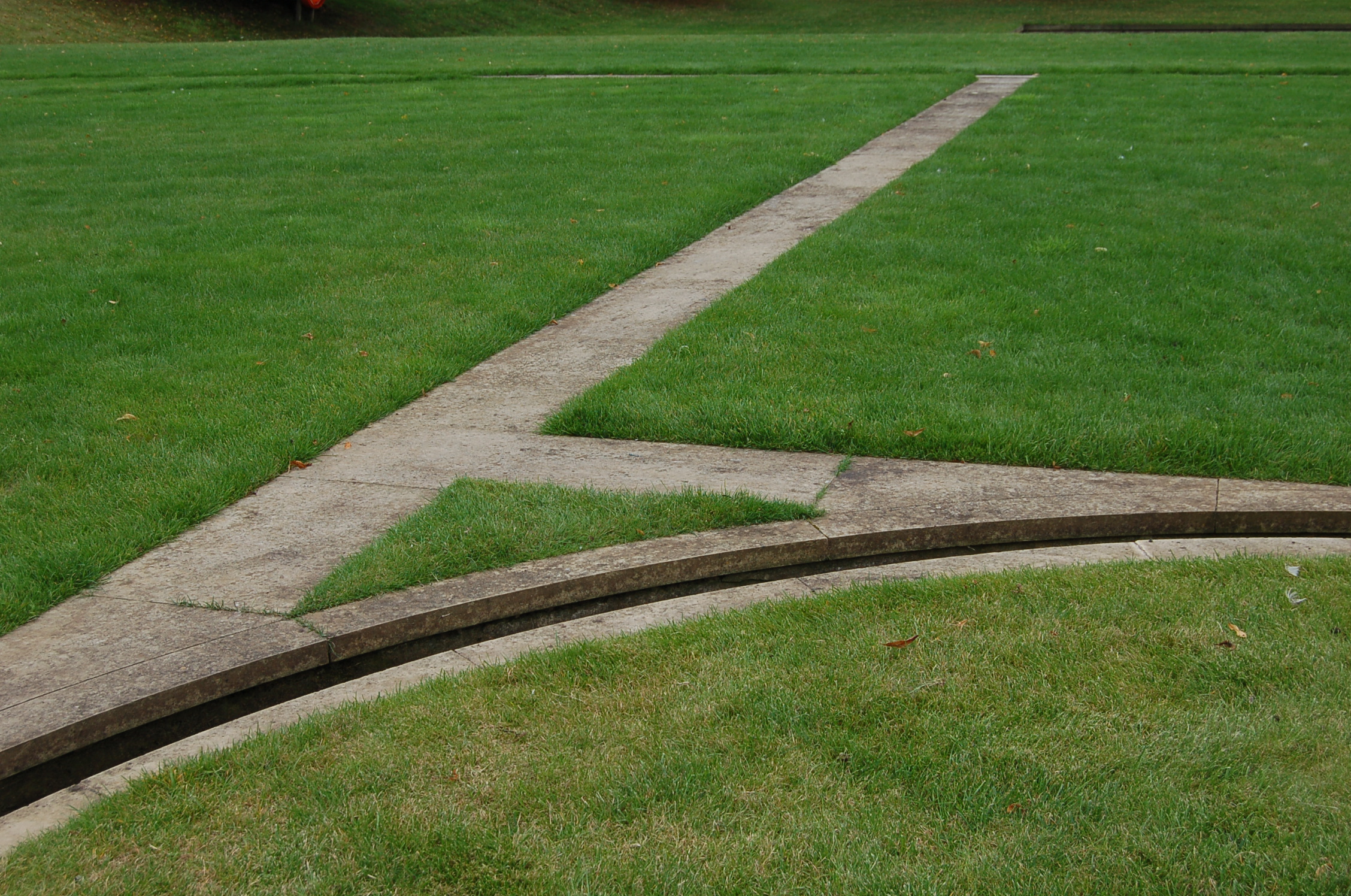
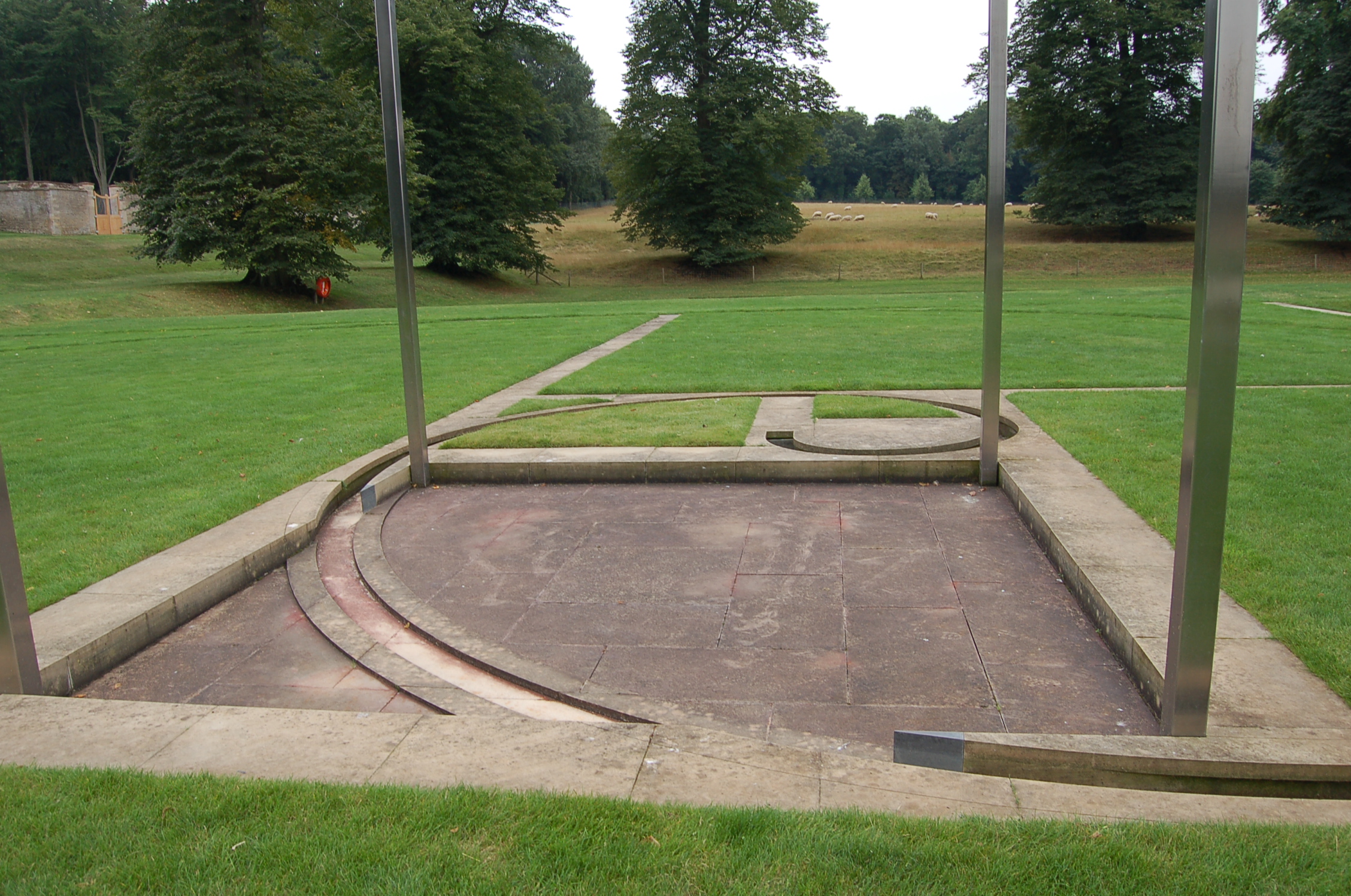
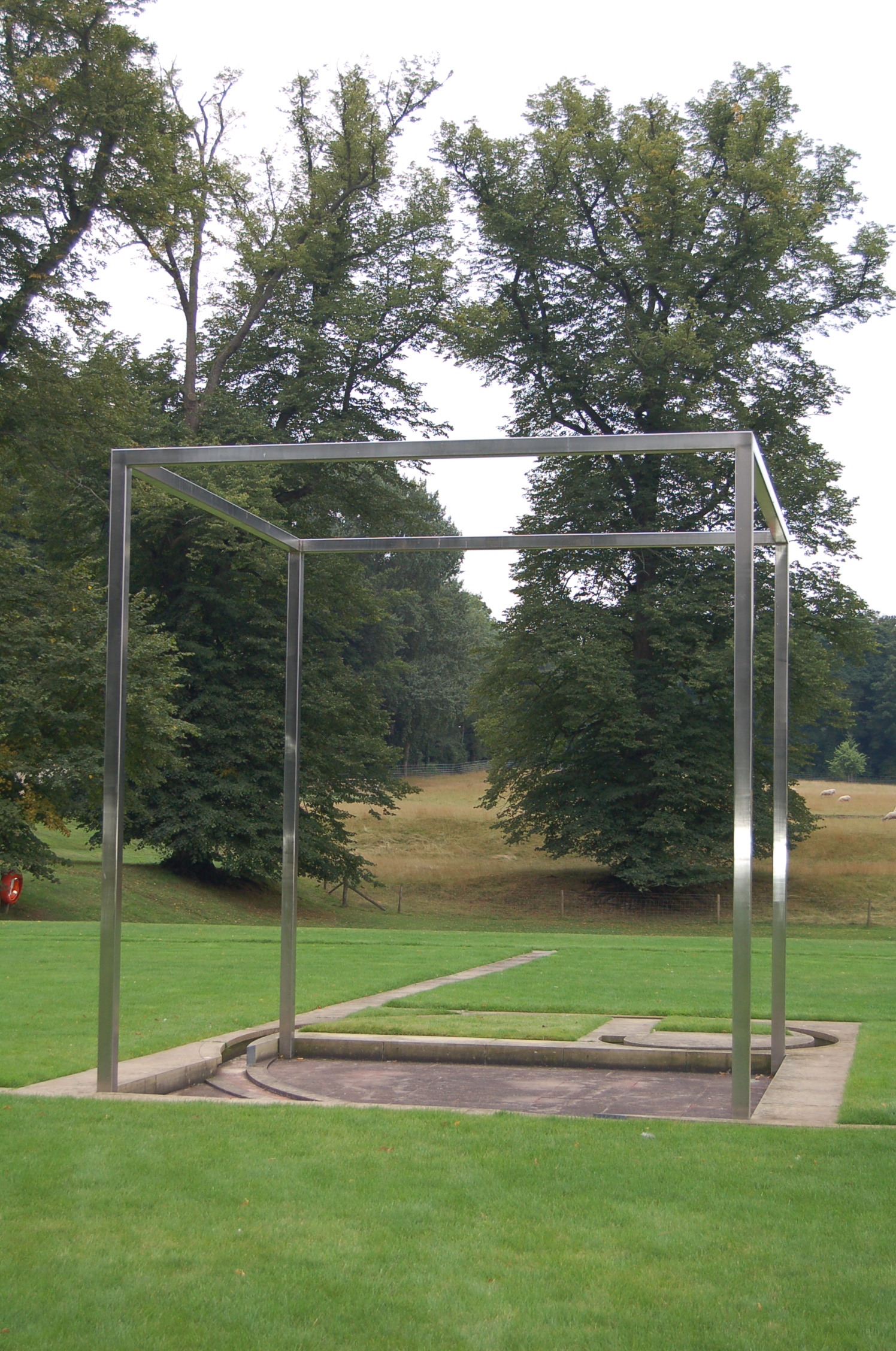
This stimulating piece of land art was based on the structure of the spiral in nature such as the framework that gives sea shells their strength. It gave us a feeling of satisfaction as it seemed so settled into the landscape and invited exploration.

2013 08 23_3009 2013 08 23_3008 2013 08 23_3007 2013 08 23_3006 2013 08 23_3005 2013 08 23_3004 2013 08 23_3003 2013 08 23_3002

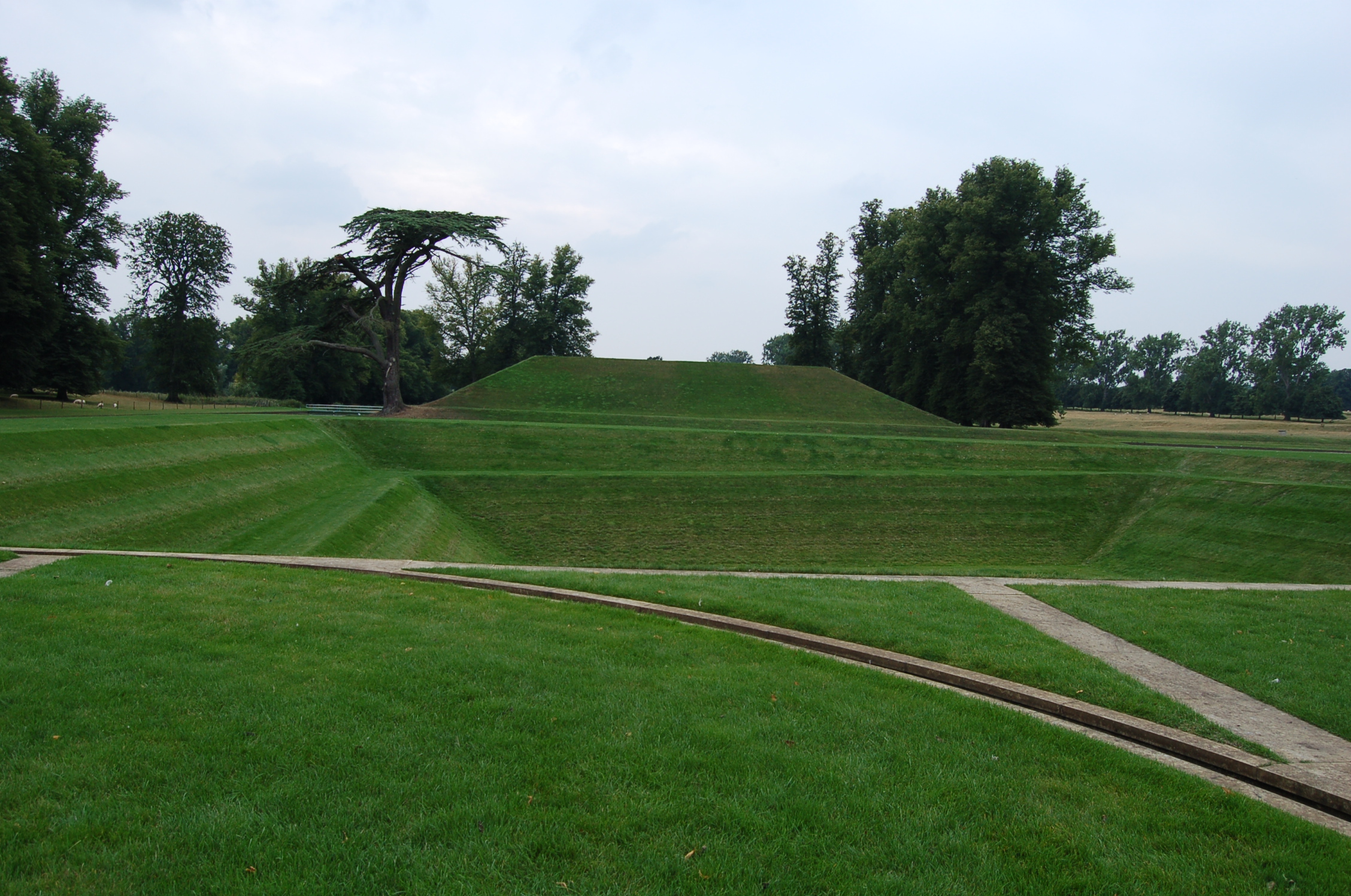
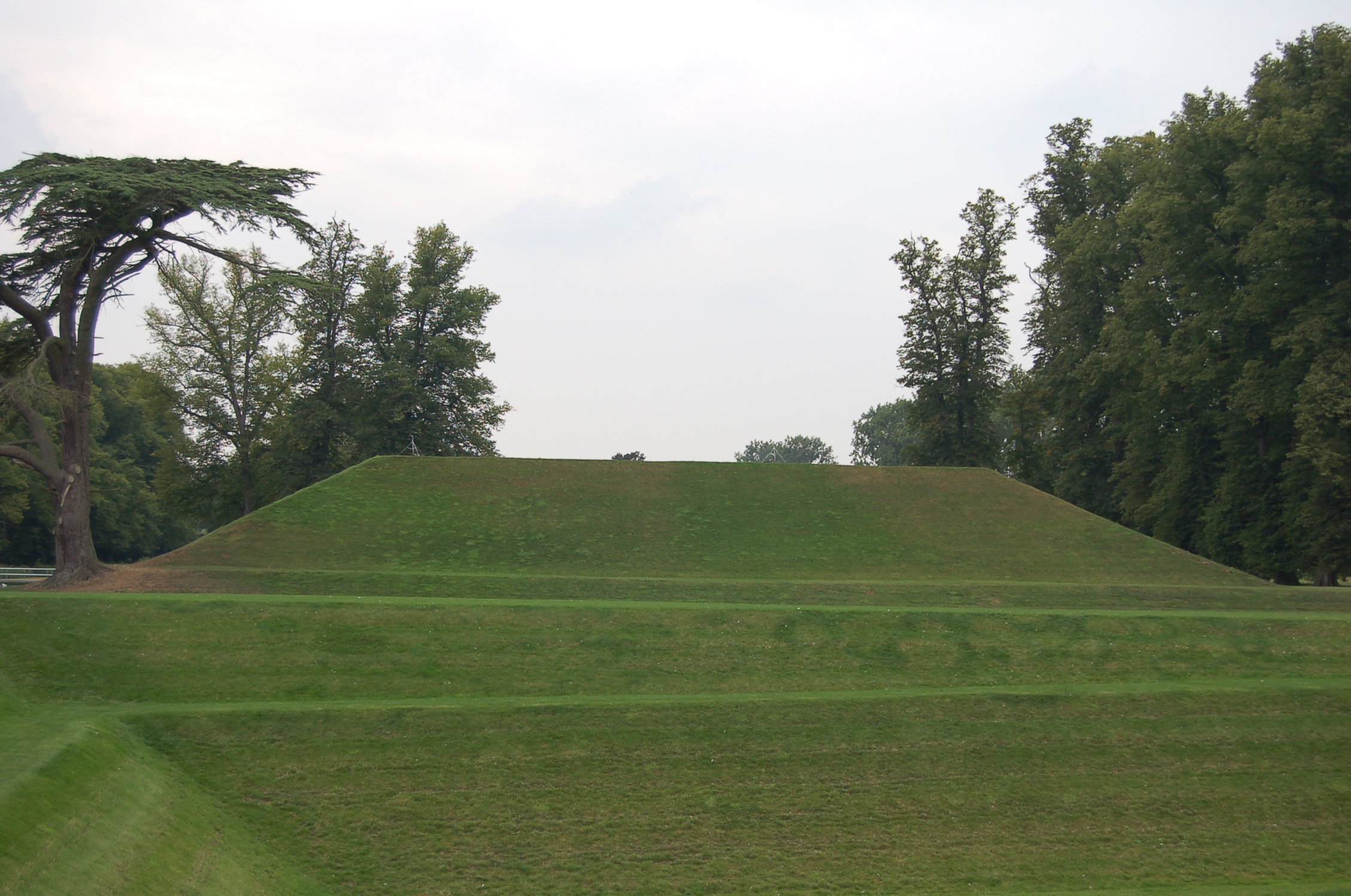
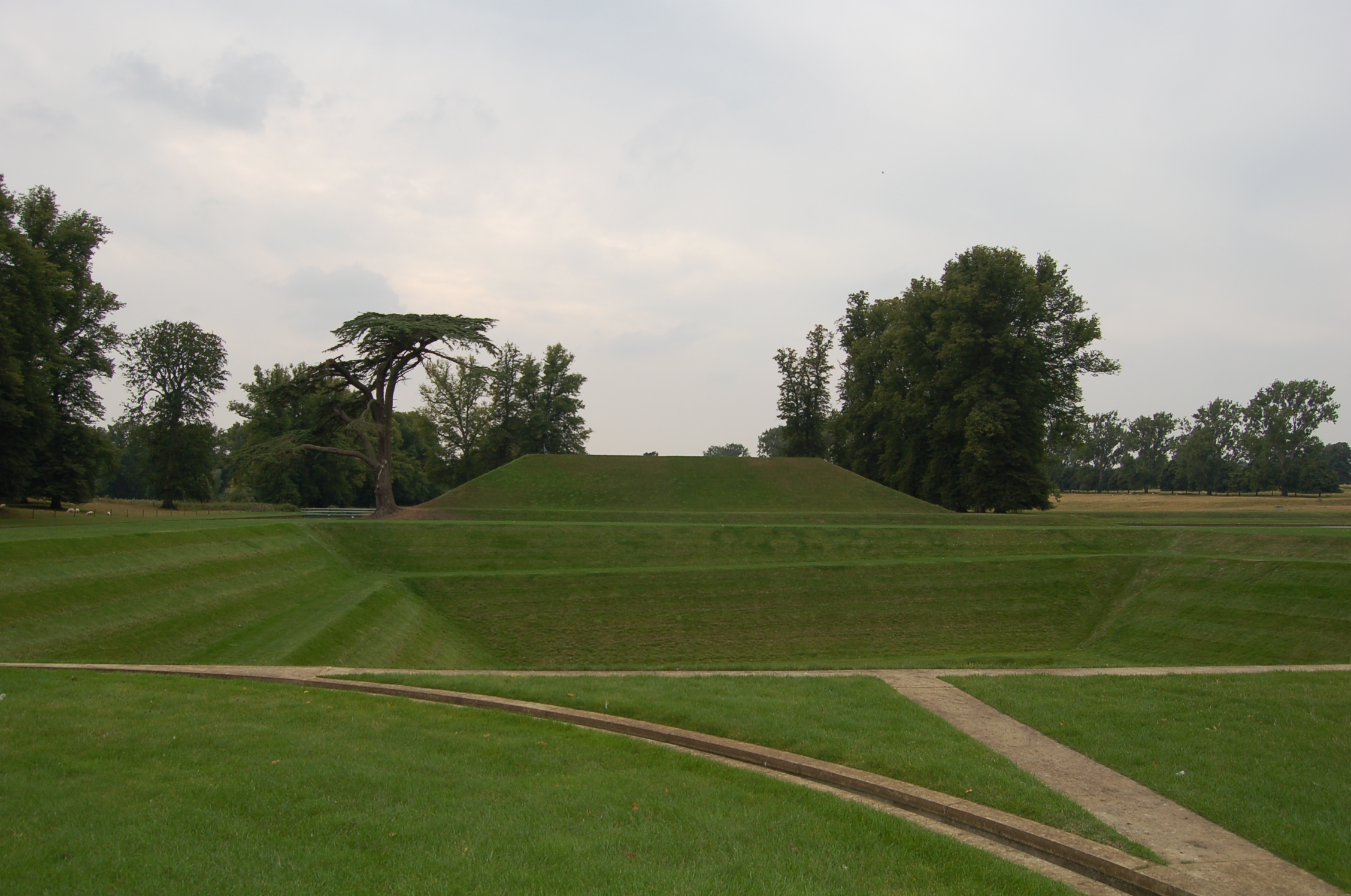
Sitting together nearby were “The Mount” and “Orpheus”, two landforms that matched, were based on the same pyramidal shape, juxtaposed perfectly but were conceived and constructed 3 centuries apart.

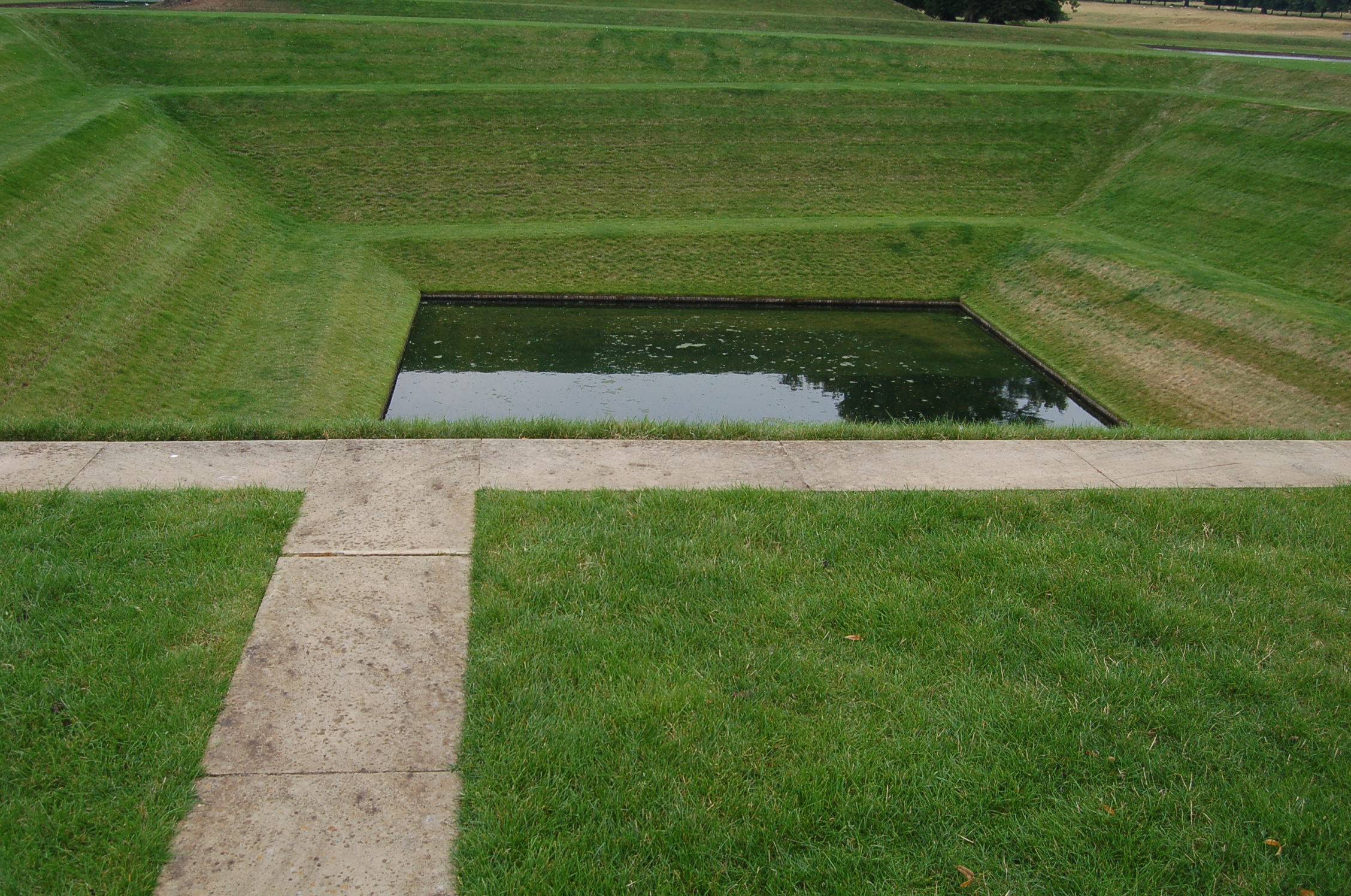
Kim Wilkie’s “Orpheus” is a hole in the ground which mirrors “The Mount” in both shape and dimensions.

2013 08 23_3011 2013 08 23_3012 2013 08 23_3013 2013 08 23_3015 2013 08 23_3016 2013 08 23_3017 2013 08 23_3018 2013 08 23_3019 2013 08 23_3020

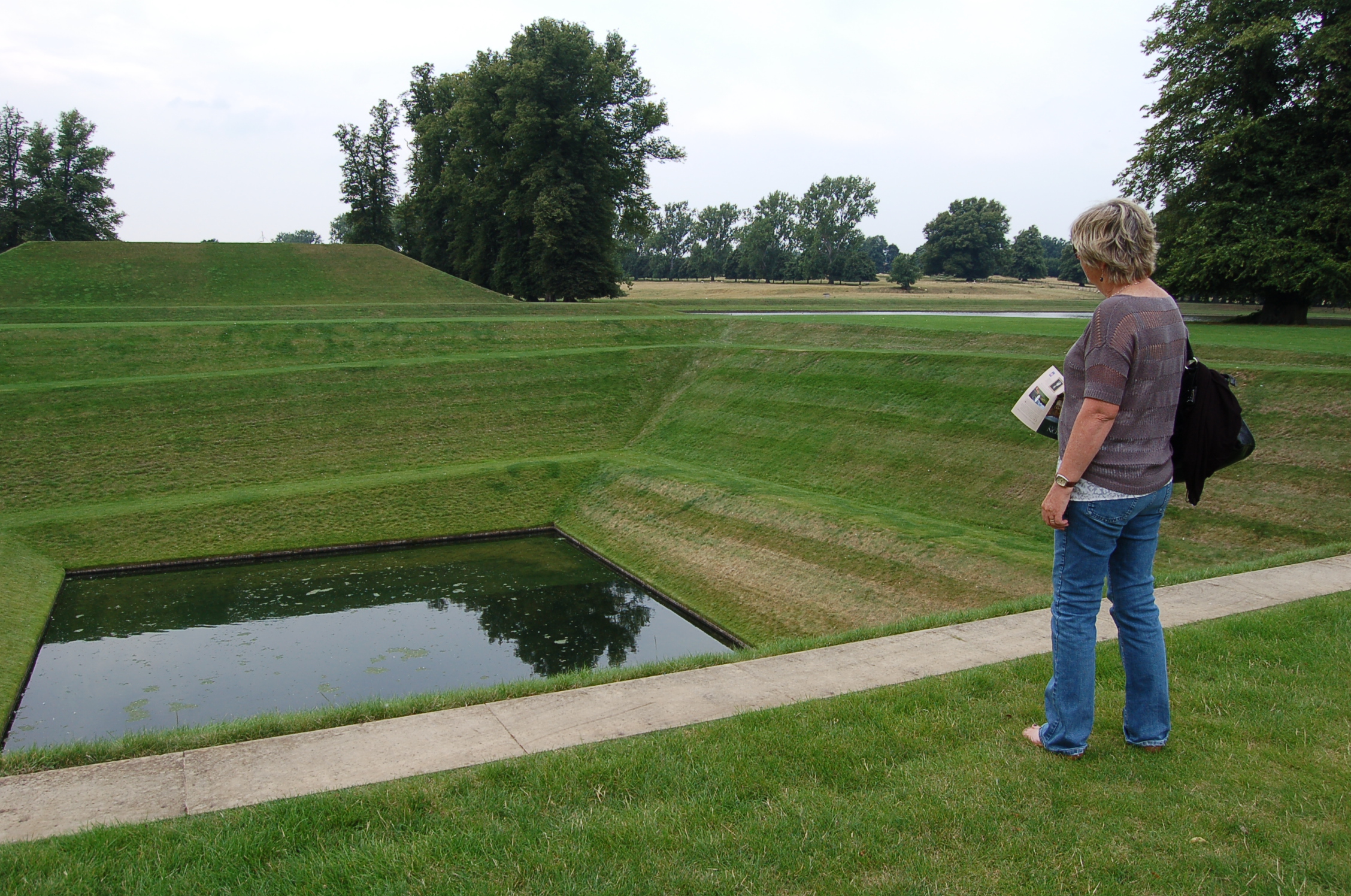
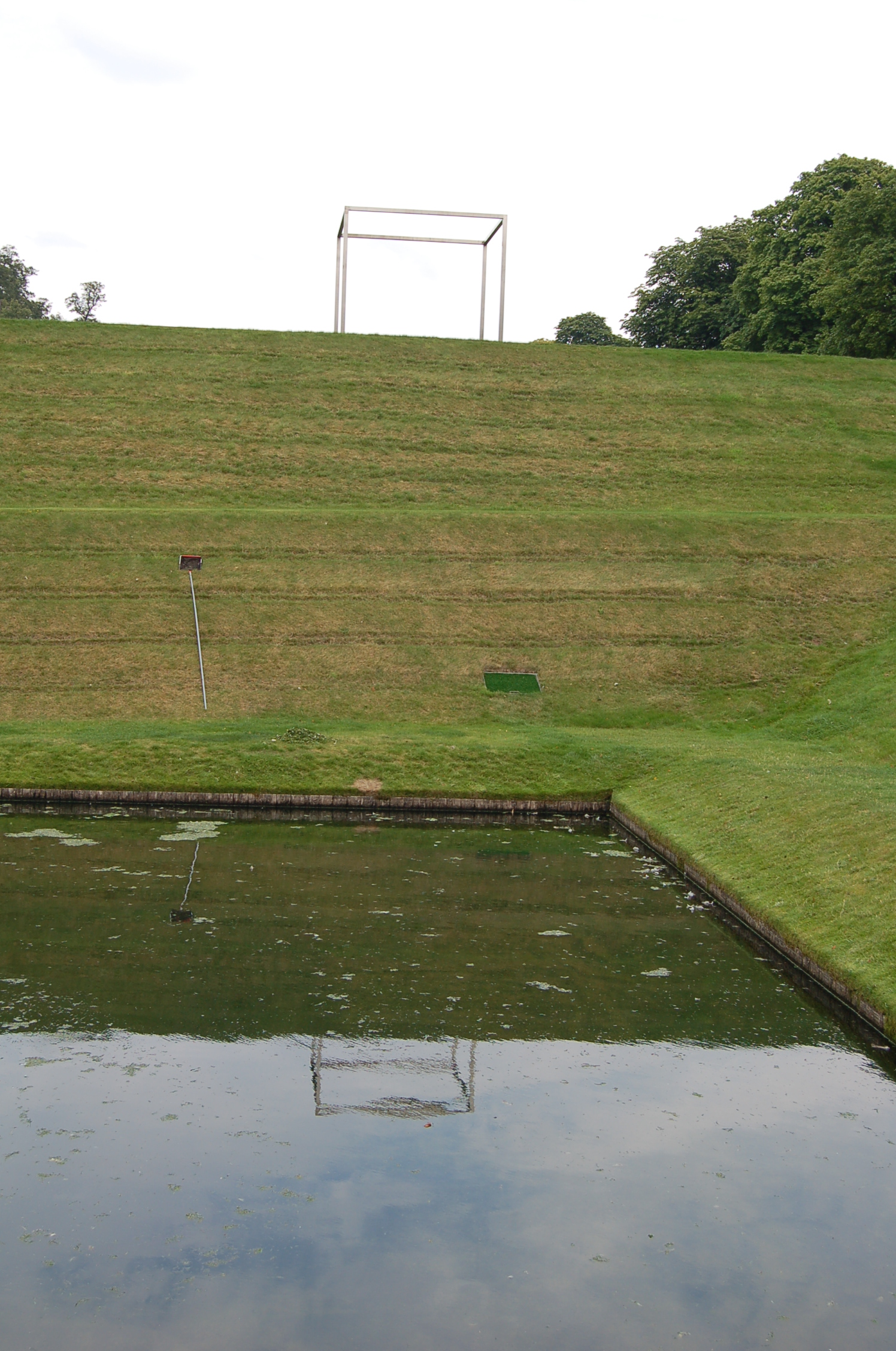
Although it was along way down to the bottom of Orpheus the path that led you there was very gentle and seemed almost level. Without effort we easily found ourselves at the bottom looking into the black water of the square pool.

2013 08 23_3024 2013 08 23_3023 2013 08 23_3028 2013 08 23_3029 2013 08 23_3030

To understand the scale of the landform, see if you can spot Jude, The Undergardener in the two photos below. Clue – she has a blue-grey jumper on.

2013 08 23_3033 2013 08 23_3035

Next we climbed “The Mount” which was the exact opposite experience. It afforded us a different perspective on the landscape through which we had walked.

2013 08 23_3043 2013 08 23_3048 2013 08 23_3049

Boughton though had more to offer. After a quick coffee break, with cake as well of course, we explored the more intimate gardens closer to the house. But that is another story for my next posting.

Categories
bird watching birds countryside landscapes meadows trees wildlife woodland

A wander in the Oxfordshire countryside

DSC_0081

We were in Oxfordshire for a few days last week mainly because it was my birthday and as a treat Jude the Undergardener arranged for us to visit a garden designed by one of my favourite garden designers, Tom Stuart-Smith. (If you are a regular reader you will already know that!) He had designed a part of a much bigger garden which we discovered included two of our favourite features, meadows and an arboretum. But that is the subject of my next post so you have to wait for that treat!

A mile or two from out hotel was a nursery specialising in herbs (The National Herb Centre) and it had the added benefit of being in farmland to which visitors had access. We did enjoy looking at the huge variety of herbs especially the mints, lavenders and thymes but we mostly wanted to get into that countryside.

DSC_0082-10 DSC_0085

We wandered through wet grassland where even the cut paths were saturated from the heavy overnight rain. As rain still threatened and dark clouds loomed overhead we headed for the woods in the bottom of a valley. We were glad we did as the air was thick with birdsong. It was so loud and there were so many birds there, that it brought back memories of country childhoods where this volume of birdsong resounded everywhere. Sadly it is now rare. So rare that it stopped us in our tracks. Blackbirds, Dunnocks  Wrens, Robins and Song Thrushes. These resident birds provided the main chorus but the solos were performed by the summer visitors, the warblers. Blackcaps, Whitethroats, Chiffchaffs, Wood Warblers and Redstarts.

DSC_0089 DSC_0088 DSC_0086 DSC_0075 DSC_0087-8

DSC_0090 DSC_0091-6

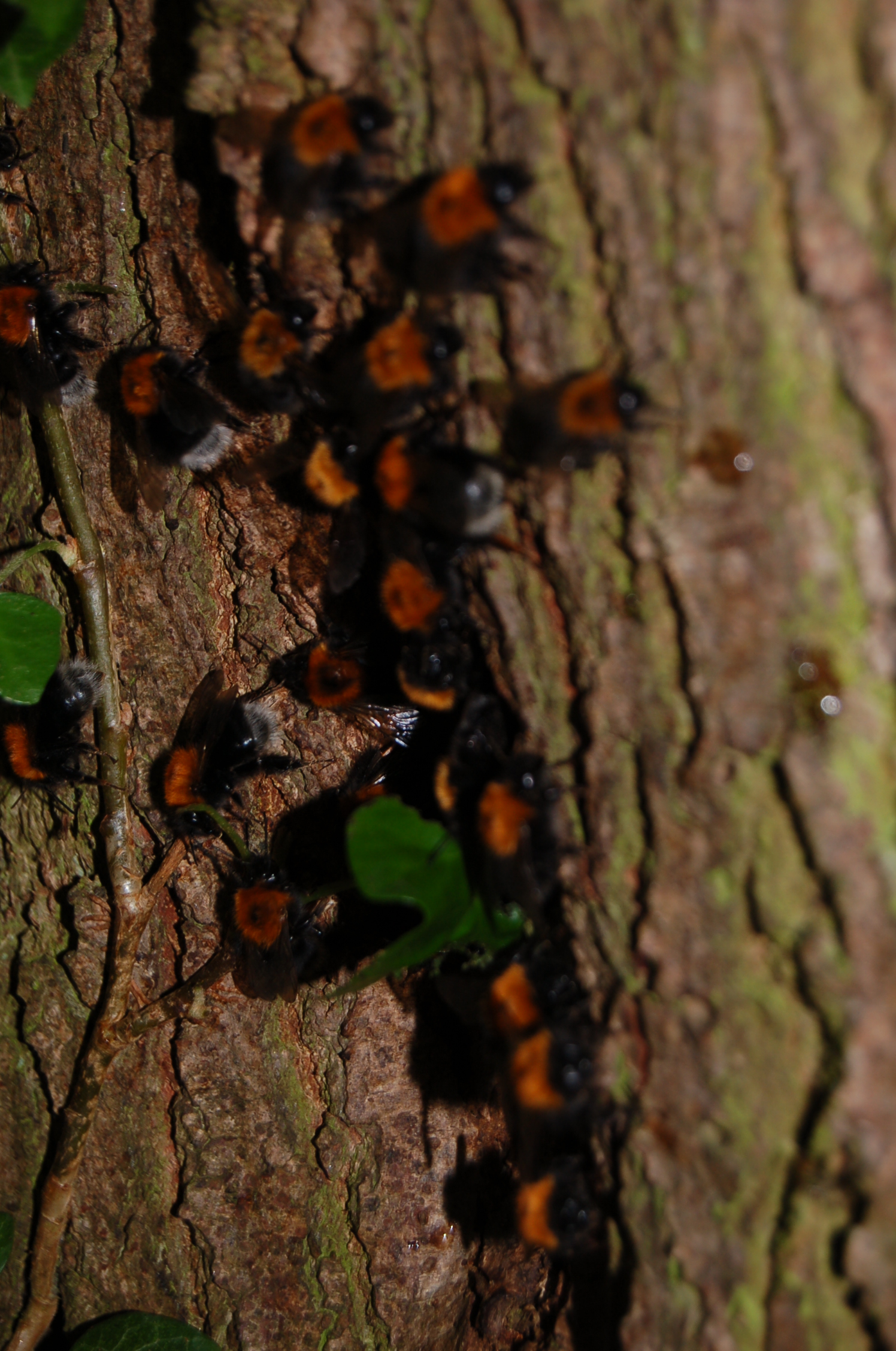
A loud buzzing sound emanating from behind a notice on a tree trunk made us stop and investigate. Dark bodied bees were busy around a crack in the bark and in the shelter of the notice. They seemed calm so I moved in close to take a photo and they didn’t seem to mind. However they changed their tune when the camera flash went off, their gentle buzzing sounded more urgent and aggressive so we moved away rapidly.

DSC_0074-8

Leaving the shelter of the wood we were pleased that the rain had stopped and the world looked a lot brighter so we followed a path around the meadows which we discovered were very damp so in patches were covered in that most ancient of plants the Mares Tail, always a sign of damp ground. Anywhere that the ground dipped a pool had formed.

DSC_0083 DSC_0084

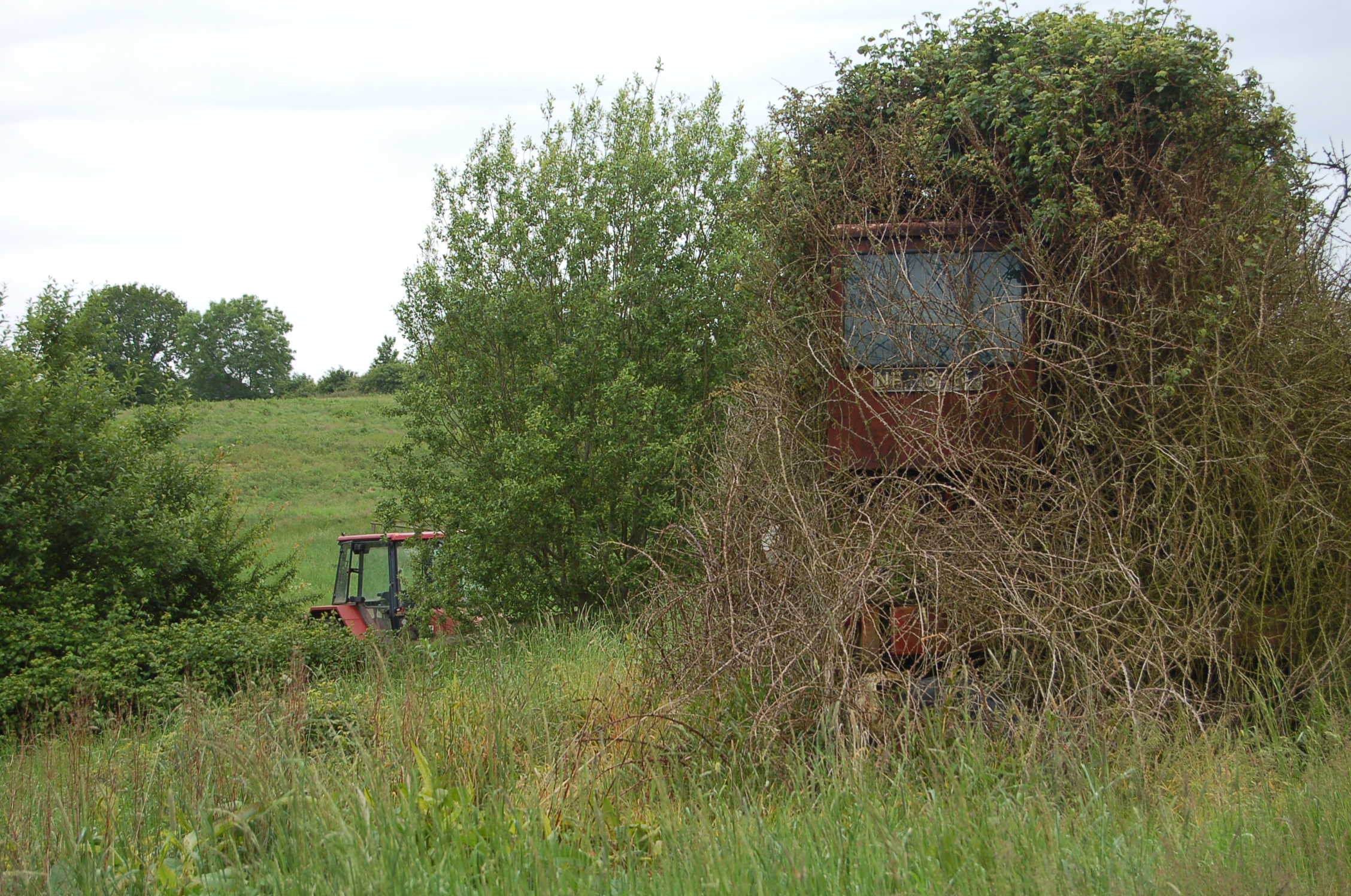
Between two of these pools a surprise awaited us. Look at the next photo and see if you can work out just what lurks in the greenery.

DSC_0076

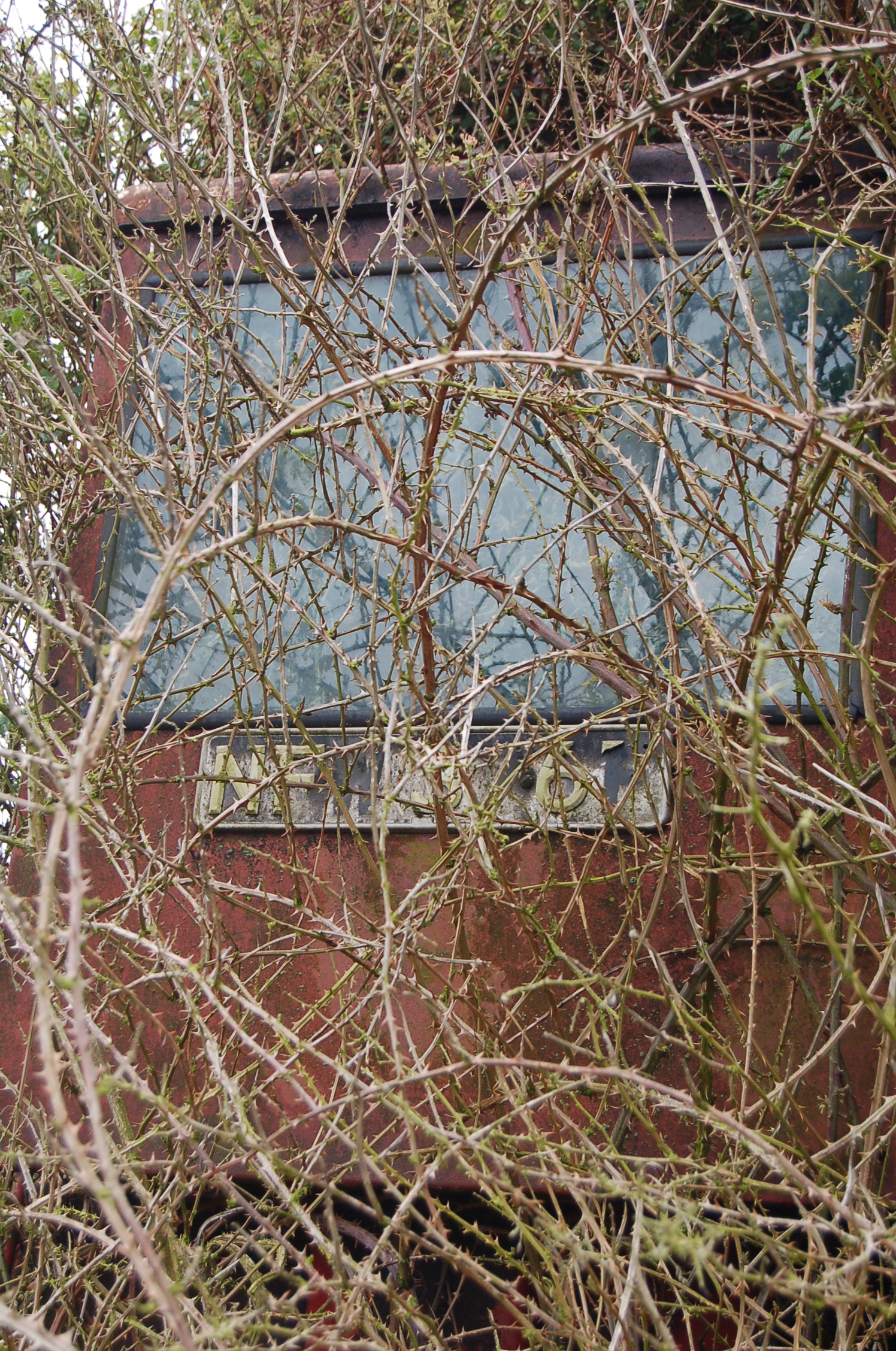
Have a look at this second view taken a few steps further back and there is a clue.

DSC_0077

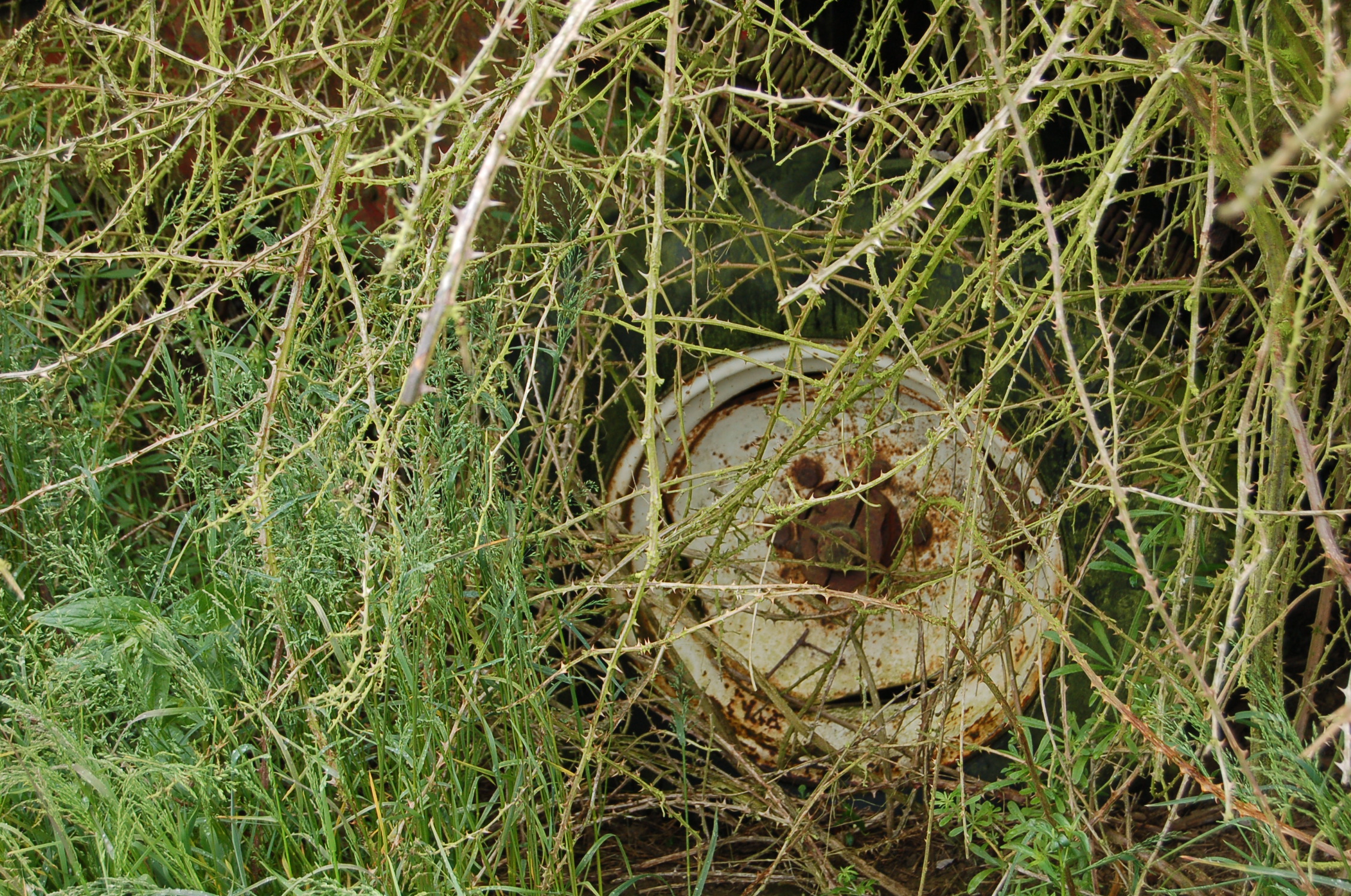
Yes, here in the soggy ground between two pools the farmer had abandoned a pair of old tractors. The one deep in the undergrowth would never pull a plough to turn the earth but with a little persuasion the second might. The amount of wildlife living in the oldest of the two must have been vast. The bodywork was host to mosses, lichen and algae and spiders had crafted their webs from the wing mirrors. But the biggest surprise of all was that a pair of Bullfinches, surely one of our most colourful native birds were feeding a nest of young within its heart. So there was plenty of life in the old tractor still!

DSC_0078-10 DSC_0079 DSC_0080

Of course once we had finished enjoying wandering around the fields we returned to the garden centre for a coffee and to purchase a few choice plants. Who could ask for more?

Categories
bird watching birds landscapes nature reserves the sea the seaside wildlife Yorkshire

Bempton Cliffs – a birding paradise

Bempton Cliffs is far north of here on the Yorkshire coast and a place we had never visited but we had heard much about the bird life there, especially the sea birds. As Jude the Undergardener had never seen a Puffin in her life, even though it is one of her favourite wildlife characters, we decided a visit was on the cards. We arrived with expectations high as we were anticipating spotting some special birds.

DSC_0133

We soon realised we were in for a special day when we noticed that the sparrows flocking around the RSPB’s visitor centre were not House Sparrows but the much scarcer Tree Sparrows with their smart brown berets replacing the drab grey of their commoner cousins.

DSC_0225 DSC_0226

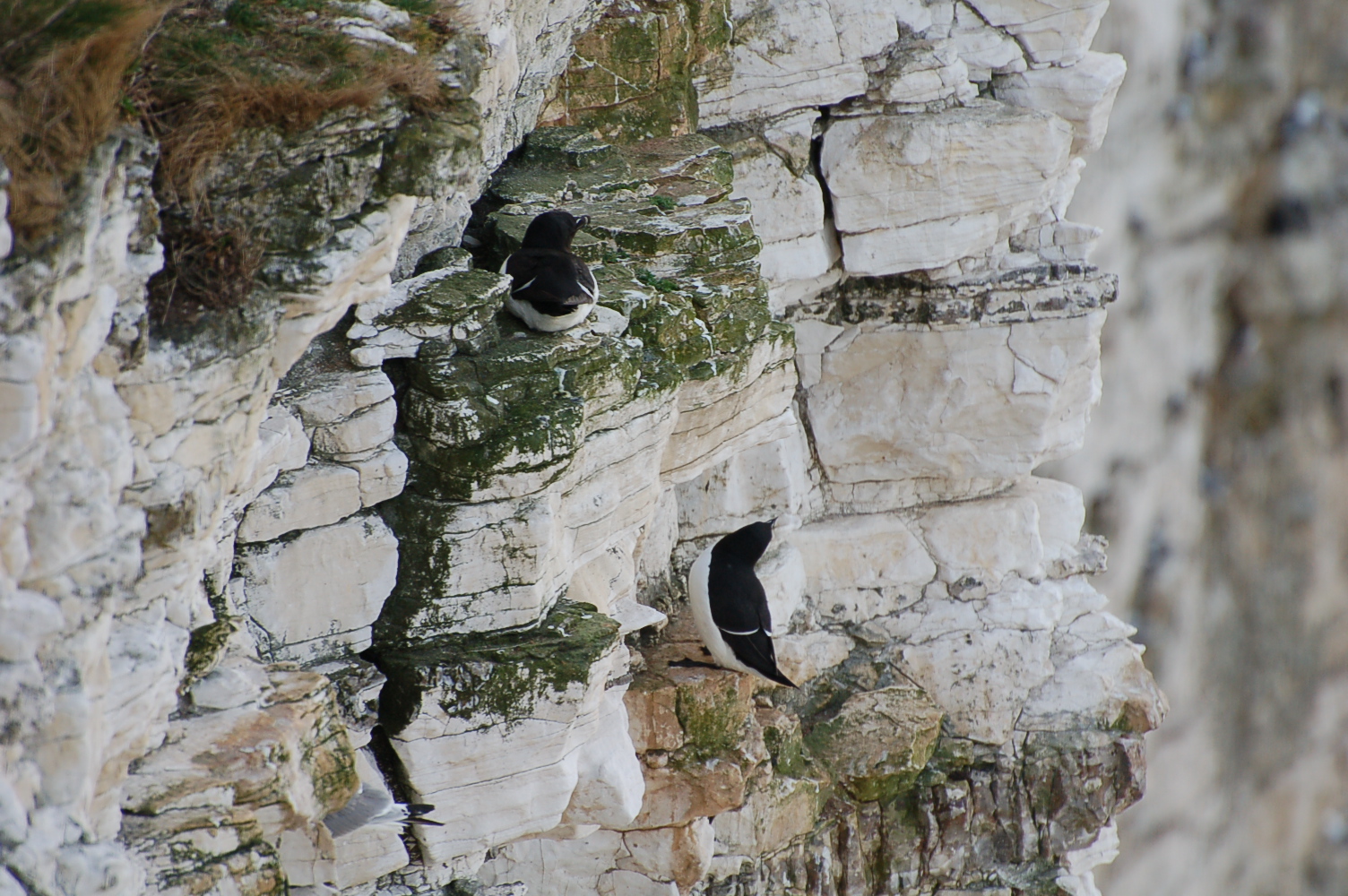
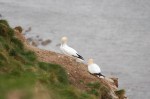
But we were here to look along the steep tall cliffs at the seabirds beginning to claim territories and begin nest-building. We wandered down to where the land dropped steeply away and looked down to see dozens of large mostly black and white coloured birds speedily flying close to the cliffs themselves and occasionally dropping onto ledges where nest-building was just starting. Most of these were Guillimots and Razorbills but the true stars were the smaller Puffins with their large multi-coloured striped bills.

DSC_0201 DSC_0200

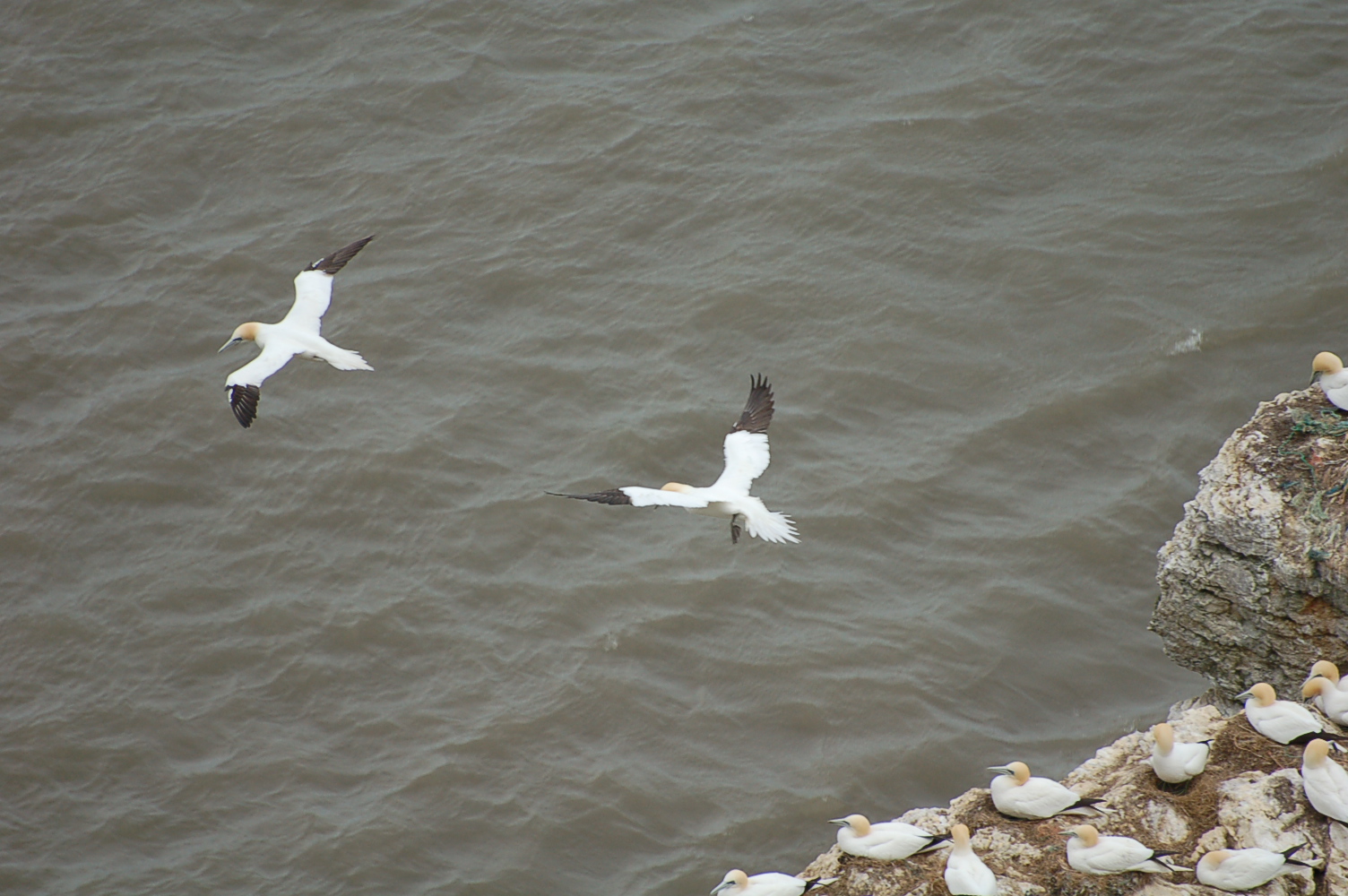
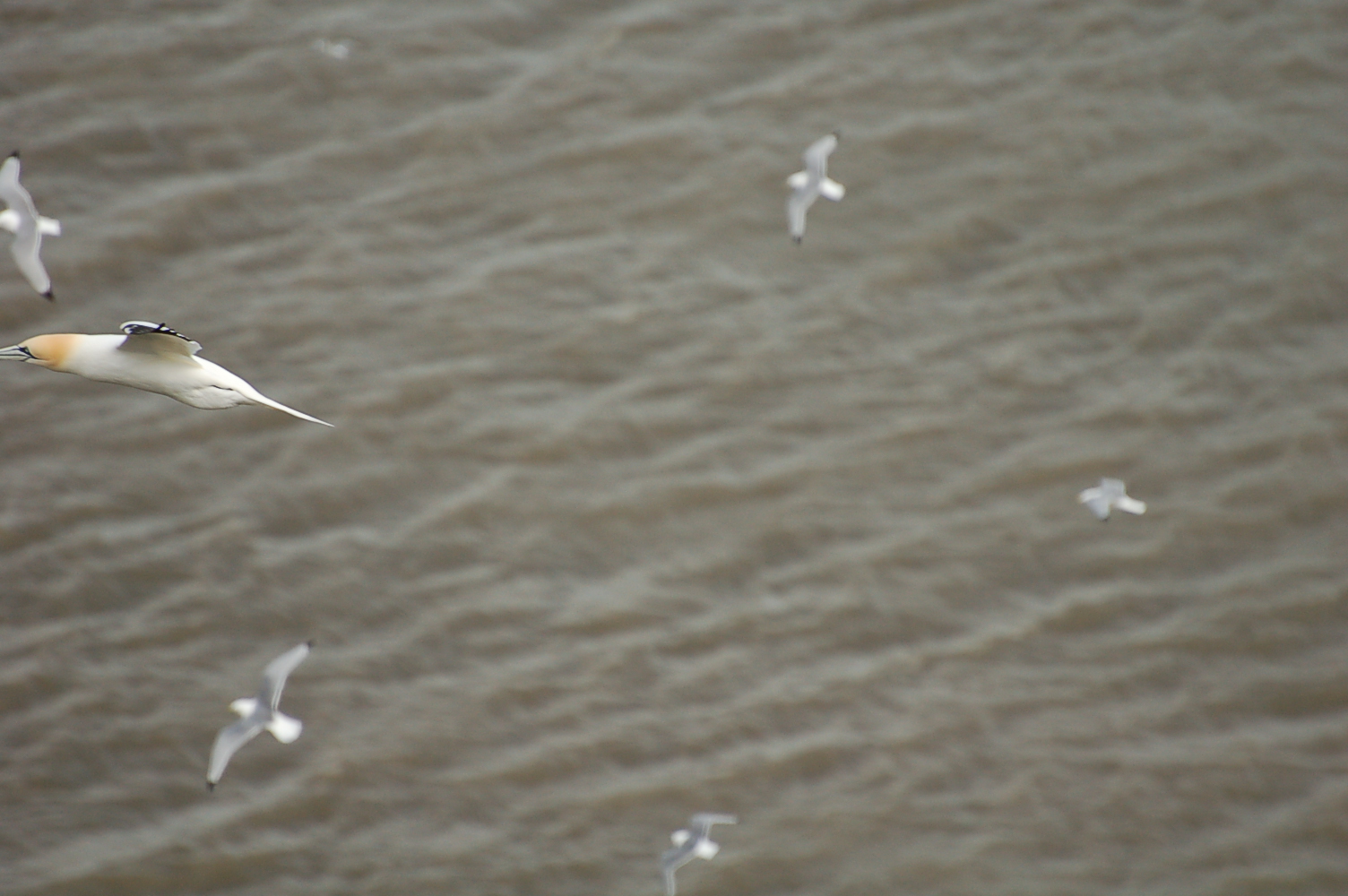
I spent an awful lot of time trying to get photos of Gannets in flight. It was a real difficult challenge and I had lots of failures and no real successes, but here are my best efforts.

DSC_0169 DSC_0148

I can’ resist showing a couple of failures just to give you a laugh – a near miss and a total miss.

DSC_0152 DSC_0154

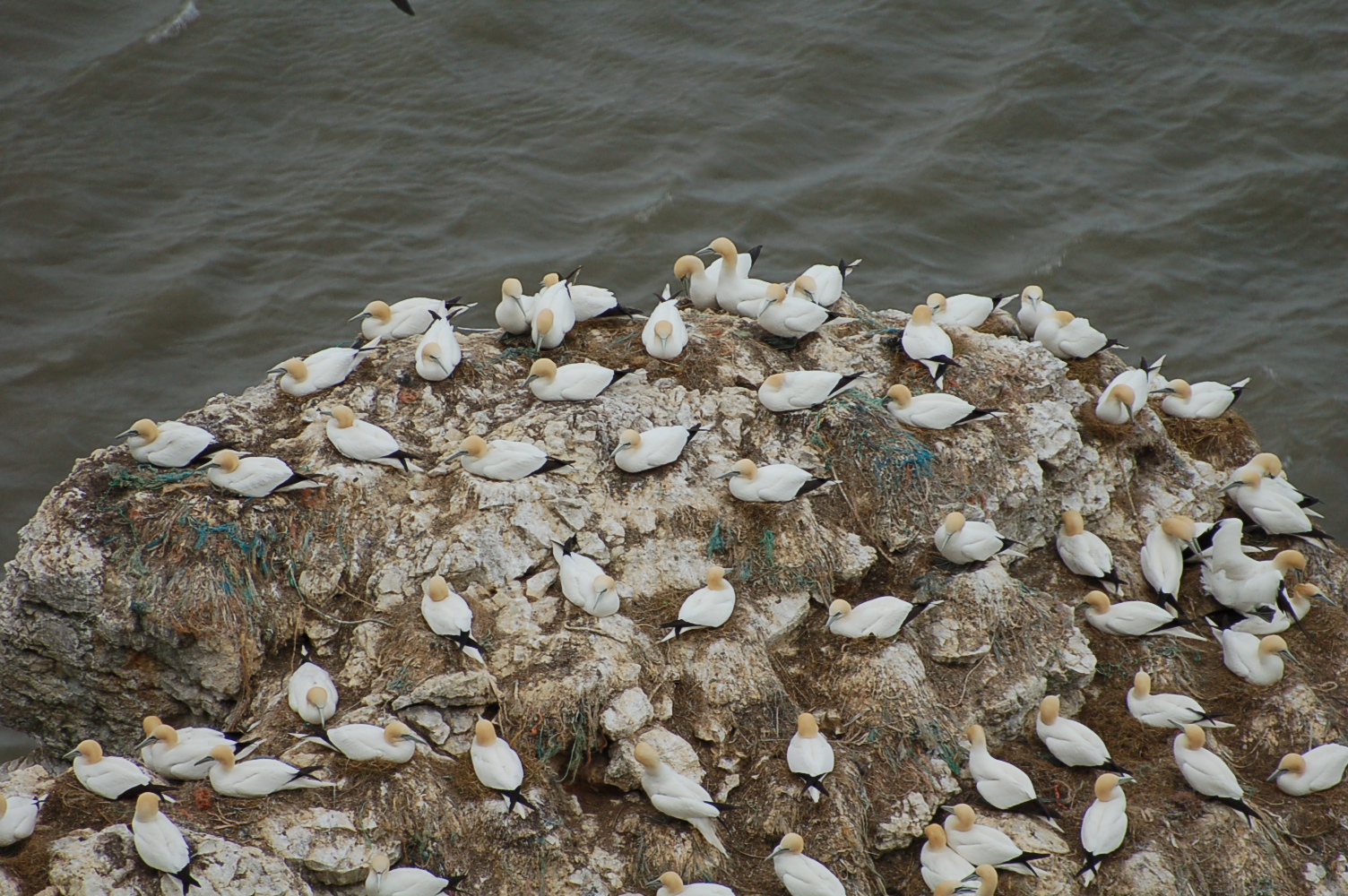
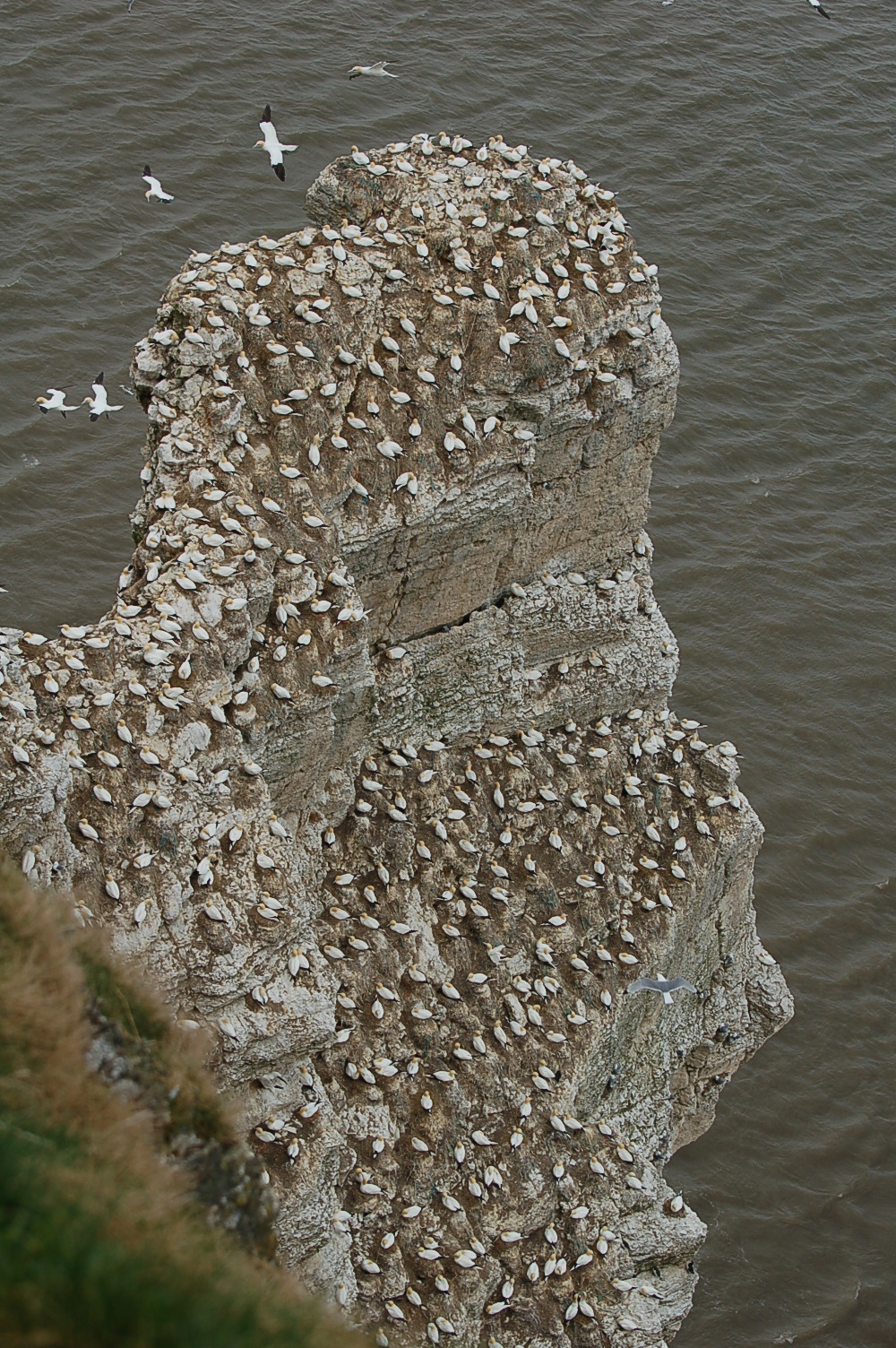
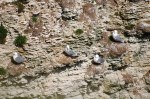
The individual birds were impressive but it was the sheer size of the colonies of the Gannets that amazed us.

DSC_0166 DSC_0167

It wasn’t just sea birds that made Bempton special though as we saw four sorts of Wagtail – Pied, Yellow, White and Grey Wagtails, two sorts of Pipits –  Meadow and Rock. and two sorts of Bunting – Corn and Reed.

After being amazed and stunned by the bird life we were amused by the amphibians. A shallow pond near the visitor centre was heaving with lively frogs.

DSC_0215 DSC_0216

I shall finish our visit to Bempton with a little gallery. As usual just click on a pic and use the arrows.

This Veggie Life

A Vegetarian | Nature Lifestyle Blog

Rambling in the Garden

.....and nurturing my soul

The Arch City Gardener

Journeys In St. Louis Gardening and Beyond

Garden Dreaming at Châtillon

Consult the genius of the place

Storyshucker

A blog full of humorous and poignant observations.

gardeninacity

Notes from a wildlife-friendly cottage garden

PlayGroundology

...an emerging social science

The Official Blog of British Wildlife

'The most important and informative publication on wildlife of our times' - The Independent. This blog is a member of The UK & Ireland Natural History Bloggers group: www.uknhb.blogspot.com

iGrowHort

Inspire - Cultivate - Grow Native Plants - Restore Landscapes

Bishops Meadow Trust

To create and protect a semi-natural wild space for the people of Farnham to enjoy and experience an array of British wildlife in our town

Gardening with Children

The www.gardeningwithchildren.co.uk Blog

UKbirdingtimeline

birding through the seasons, why birds matter and how to conserve them

NATURE WALKER

with a camera in hand

Jardin

Transform your outdoor space

Eva's space

My allotment, cooking and other interests

Old School Garden

my gardening life through the year

LEANNE COLE

Trying to live a creative life

fromacountrycottage

trying to live as lightly as possible on our beautiful planet

Good Life Gardening

Nature lovers from Leicester living the good life.

mybeautfulthings

Finding the beautiful in the everyday

mawsonmichelle

Michelle's Allotment

In and Out of My Garden

thoughts from and about my garden

Greenhousing

Big plans for a small garden

The Scottish Country Garden

A Walled Country Garden in South East Scotland

The Fruity Chicken

Life at the fruity chicken

willowarchway

Off grid living. Self sufficient. "PERMAGANICS RULE".

St Anns Allotments

Nottingham's Grade 2* Listed Allotments and Community Orchard

Manifest Joy Harvests

a journey in suburban vegetable gardening

Allotmental

The madness of growing your own

Penny's Garden: a harvest beyond my front door

A novel approach to vegetable gardening

arignagardener

Sustainable living in the Irish countryside.

NewEnglandGardenAndThread

Master Gardener, amateur photographer, quilter, NH native, and sometimes SC snowbird

dianajhale

Recent work and work in progress and anything else that interests me

planthoarder

a chaotic cottage gardener

Lens and Pens by Sally

a weekly blog that creates a personal philosophy through photographs and words

Dewdrops and Sunshine

Stories from a sassy and classy Southern farmbelle.

The Pyjama Gardener

Simple Organic Gardening & Seasonal Living

gettin' fresh!

turning dirt into dinner

JOY...

today the world is created anew

Garden Birds

Notes from a Devon garden

ShootAbout

Life Through The Lens

Adapting Pixels

A photography blog showcasing the best photography pictures and videos on the internet

Wildlifegardening's Blog

Just another WordPress.com site

naturestimeline

personal observations from the natural world as the search continues for a new approach to conservation.

LATEBLOOMERBUDS

The Wonders of Life through my Eyes, my Heart, my Soul