Categories
architecture gardens gardens open to the public National Trust ornamental trees and shrubs outdoor sculpture recycling The National Trust

A Week of Culture – Part One – Hardwick Hall

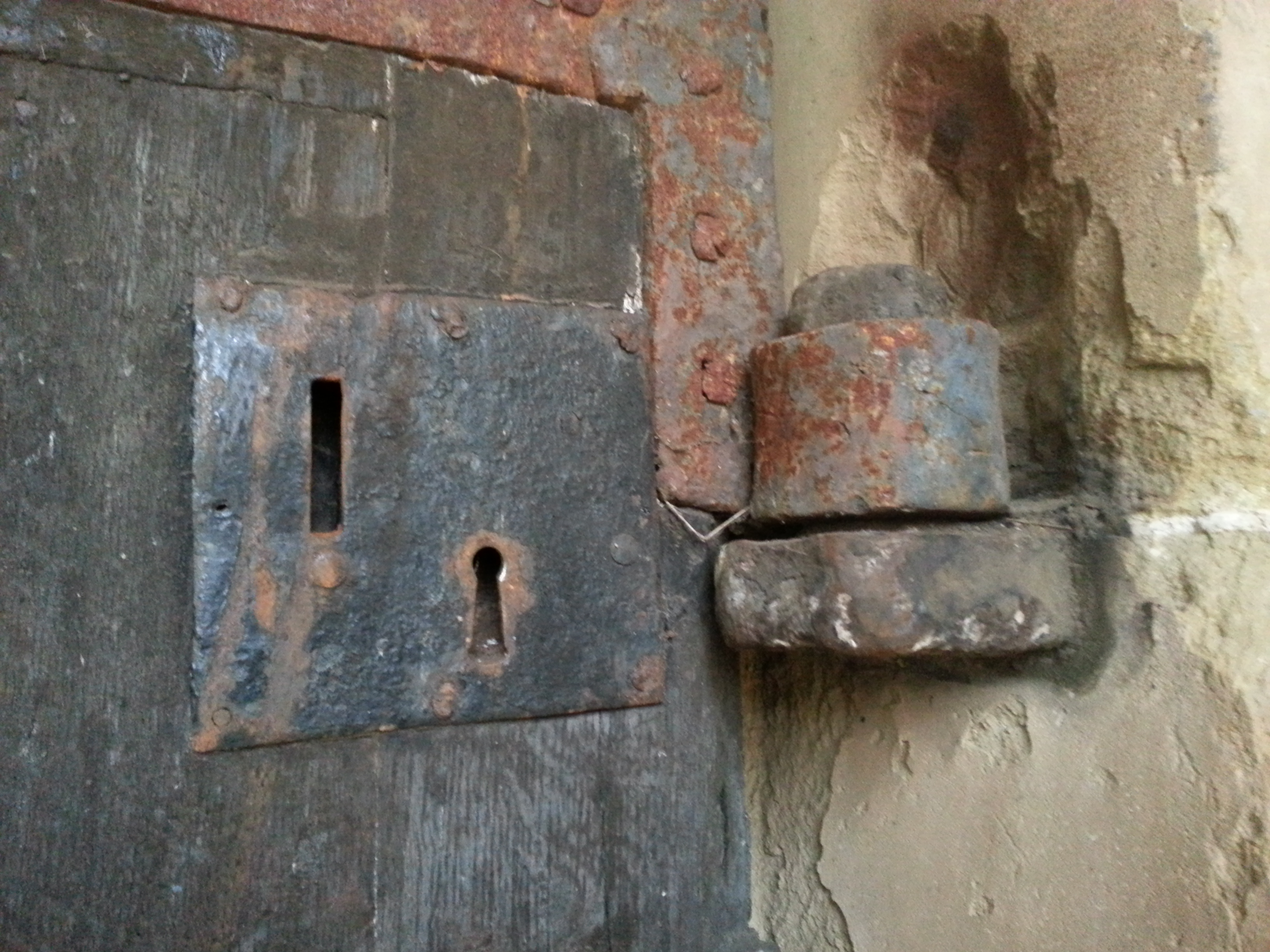
We spent a few cold January days up in Derbyshire and Yorkshire for a culture fix. It was extremely cold and occasional rain and hail storms lashed us but we did not give in. We bravely went onward defying whatever the weather threw at us and enjoyed every moment. Day one of our winter adventure found us stopping off in Derbyshire at Hardwick Hall for a spot of architecture appreciation.

Although the day was a memorable one, not all the memories were happy ones as my trusty friend my Nikon DSLR packed up and it did not allow me to focus or use flash so it is now being looked at in the camera hospital at Nikon UK. Fingers crossed for a speedy recovery. Isn’t it devastating when your camera goes awry? So all the pics following are taken on my Samsung Galaxy Phone, which does have a quality camera, thank goodness.
2014 01 26_6255 2014 01 26_6259

2014 01 26_6267 2014 01 26_6271

2014 01 26_6269

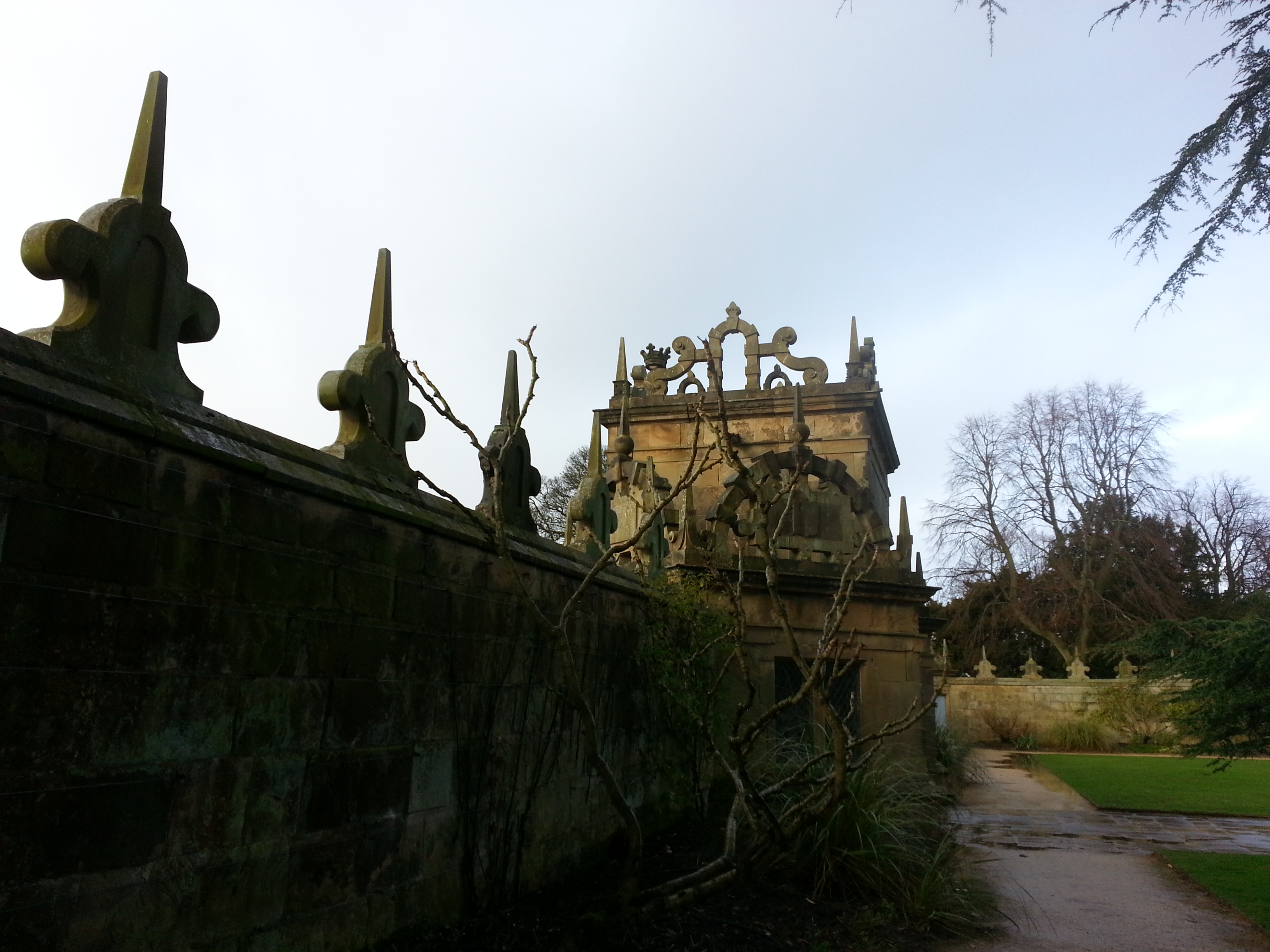
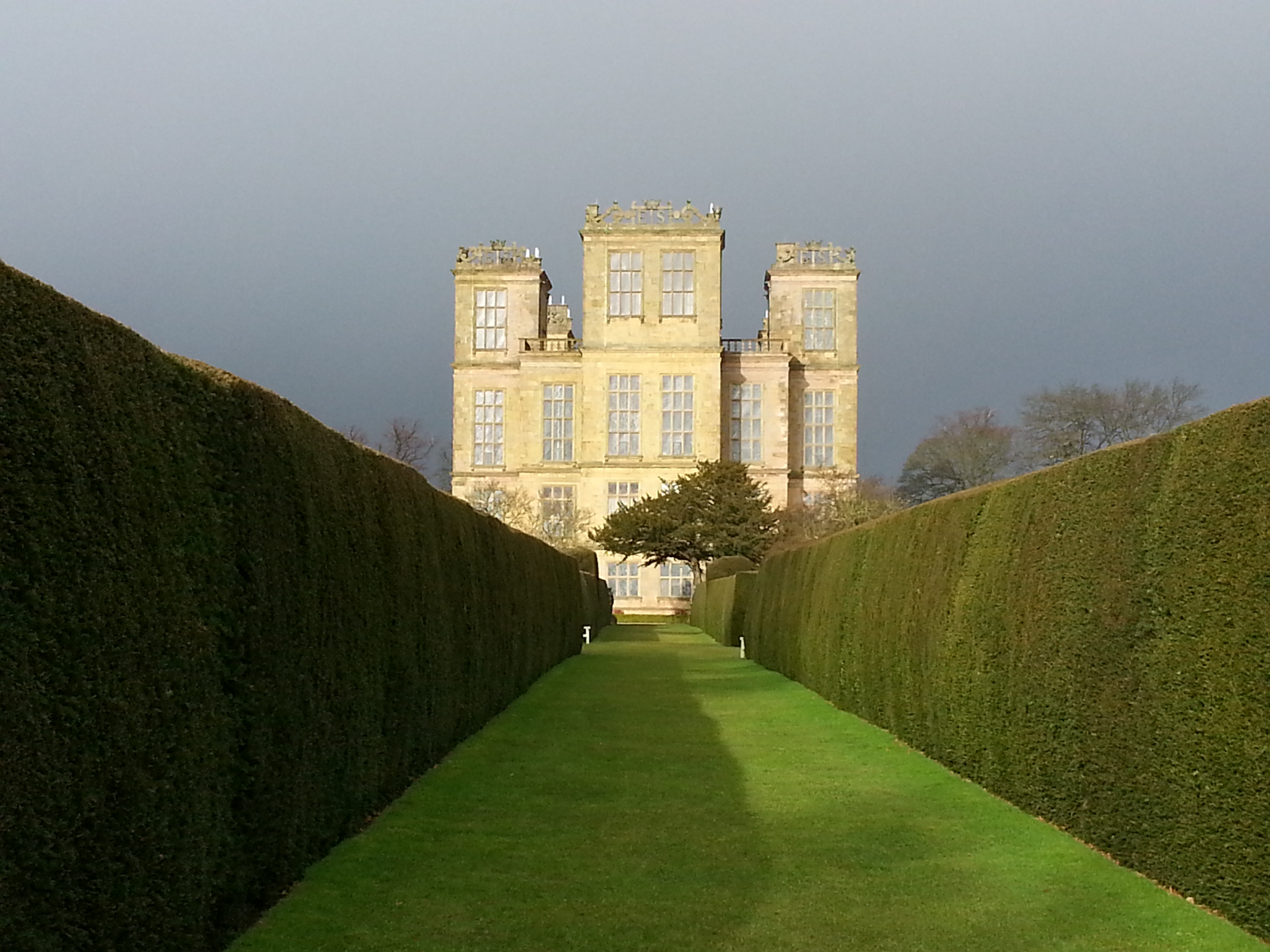
The grounds of Hardwick Hall , now under the auspices of the National Trust, is unusual in having two “big houses”. The newer hall was built in the late 1500’s by Bess of Hardwick, a powerful woman at a time when powerful women were few and far between.  She wanted everyone to now how important she was hence the size of Hardwick. She features her initials all over the building including huge letters along the top of the building The letter E refers  to her name Elizabeth and the S refers to Shrewsbury. She married George Talbot who was the Earl of Shrewsbury at the time making Bess Countess of Shrewsbury. No-one could have visited this place when she was there without knowing how powerful she was.

2014 01 26_6274

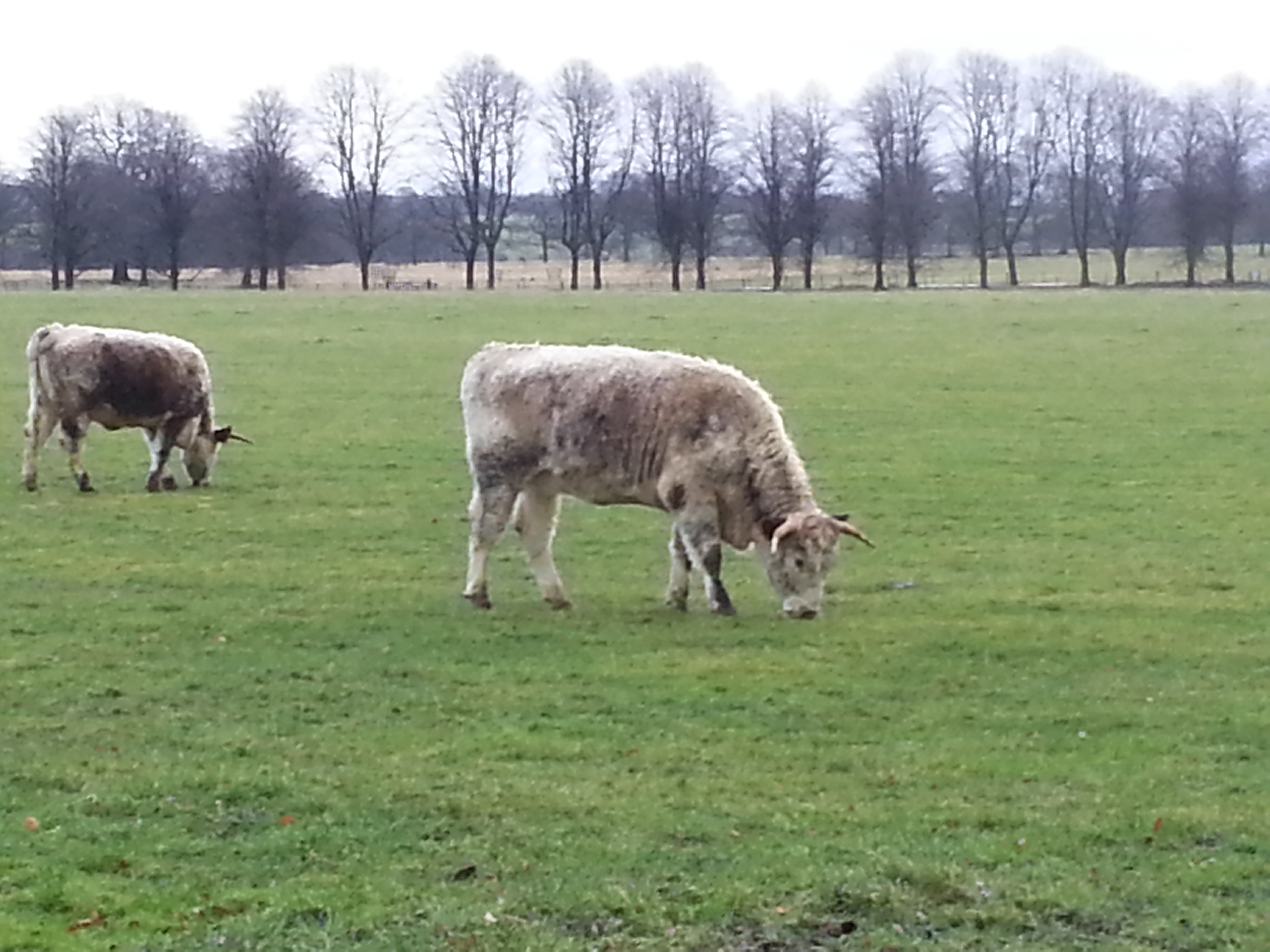
From the rear gardens we were able to appreciate close views of the heritage cattle, the Shorthorns.
2014 01 26_6272

The gardens are small but the parklands are impressive and extensive. A range of buildings once stable blocks, workers’ cottages and workshops have been lovingly restored and put to good use as holiday cottages, shop, restaurant etc.

2014 01 26_6315 2014 01 26_6316

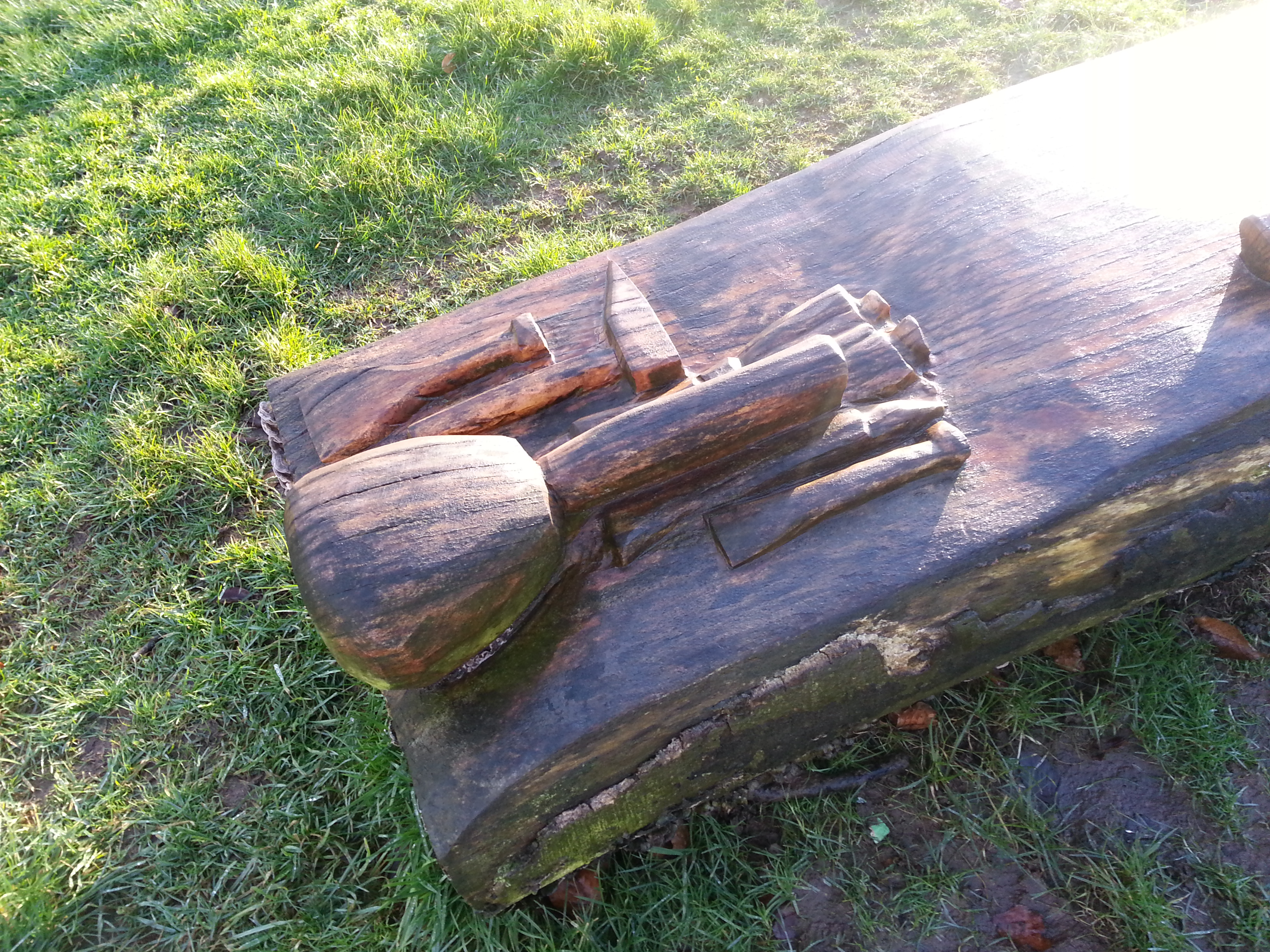
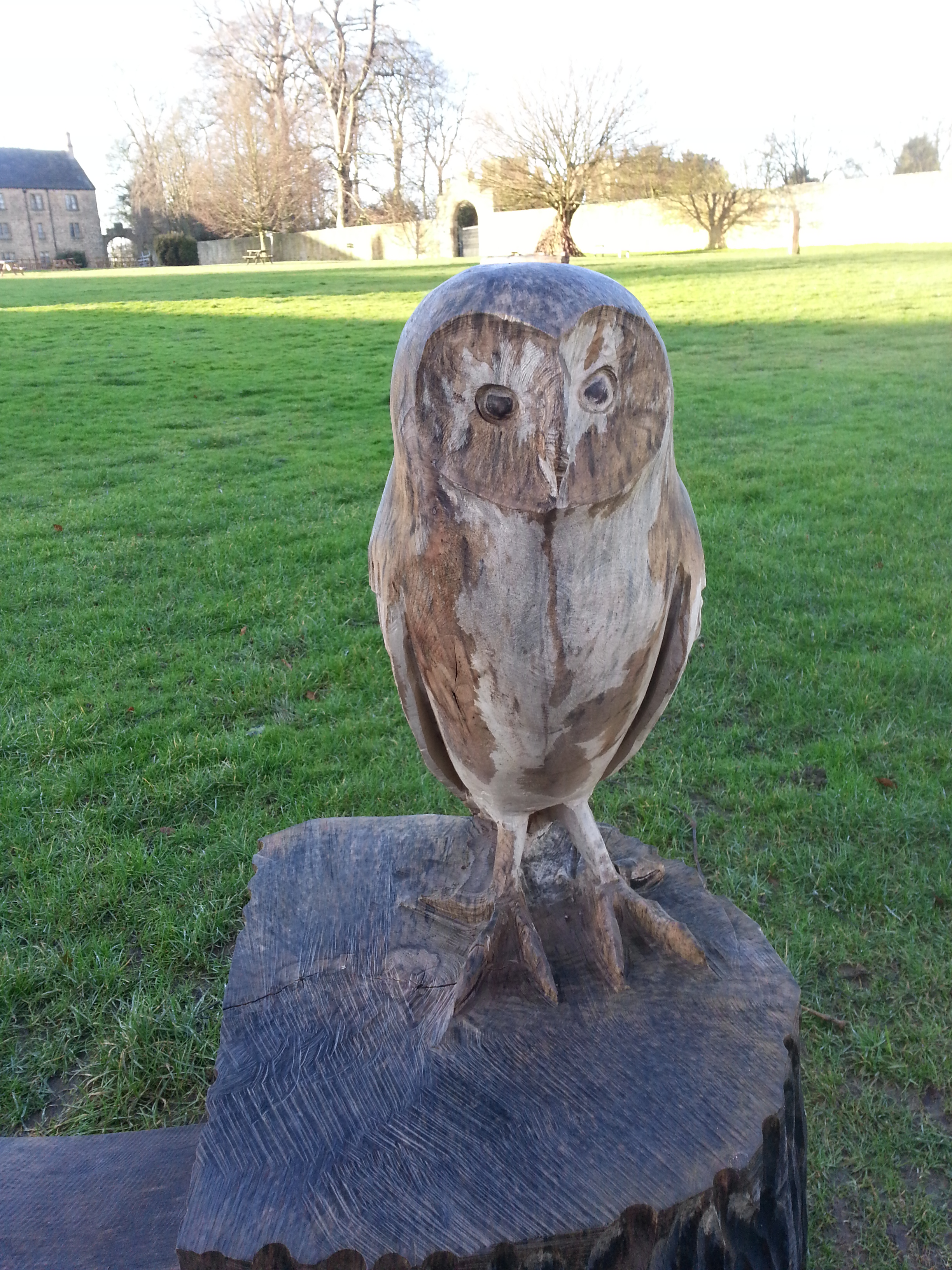
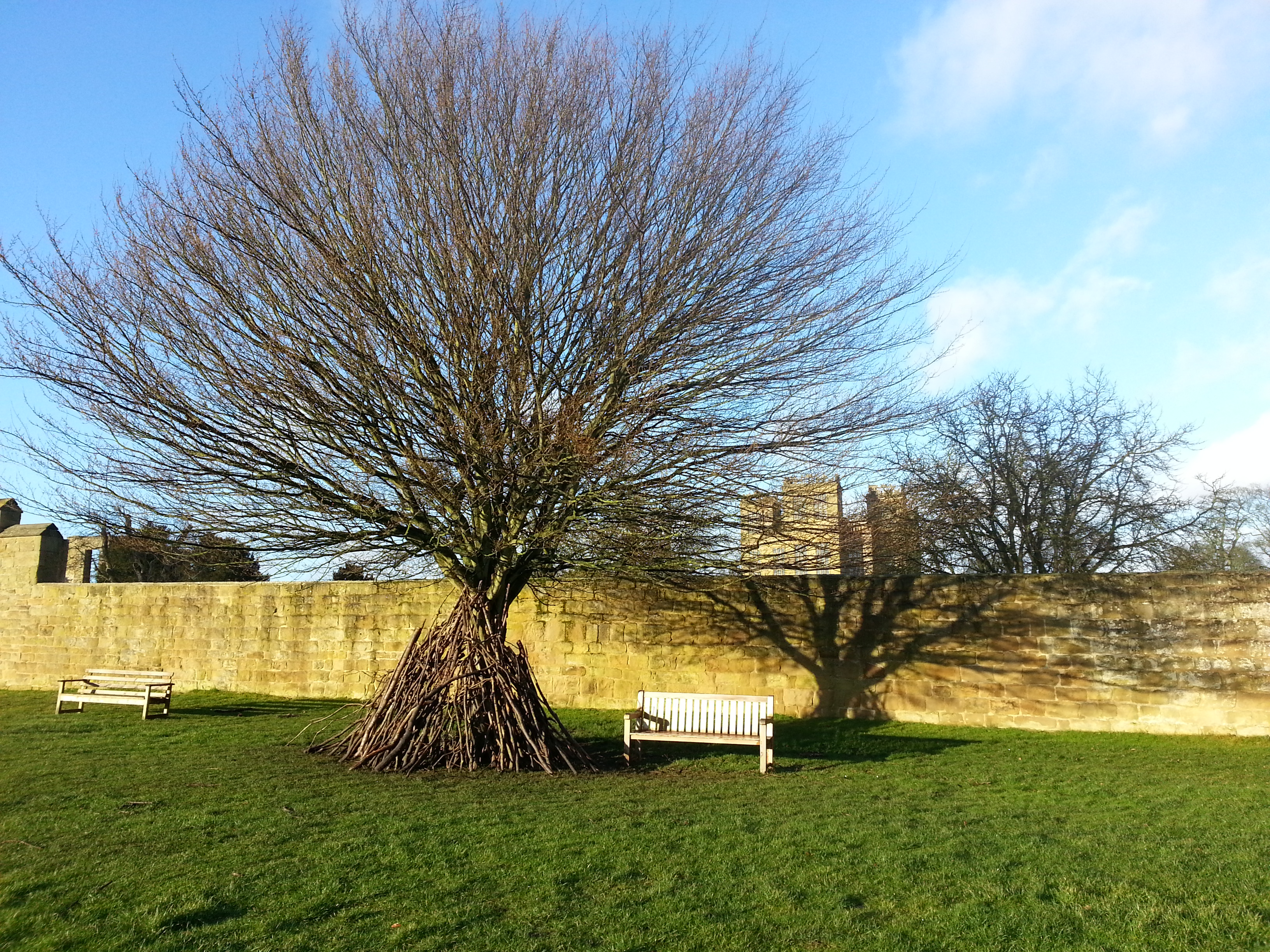
Signs of a recent den building activity day for children were in evidence in the grassed area enclosed by the stable block buildings, as were wood sculptures celebrating the skills of the craftsmen who would have helped to maintain the grounds at Hardwick. The carvings were created from trees that had been felled due to disease. Even the tables and chairs in one of the buildings celebrated the work of the estate millers.
2014 01 26_6319 2014 01 26_6320

2014 01 26_6321 2014 01 26_6322

2014 01 26_6323 2014 01 26_6324

We were highly impressed by the “green credentials” of the building revamp and felt it needed celebrating. Well done to the National Trust! As well as excellent insulation there are several innovative ideas in action. Water collected from the roofs is used to flush toilets, solar panels on the roofs pre-heats water to be used in the kitchen, heat generated by the condensers of the fridges and freezers is collected and the boiler is of a bio-mass type.

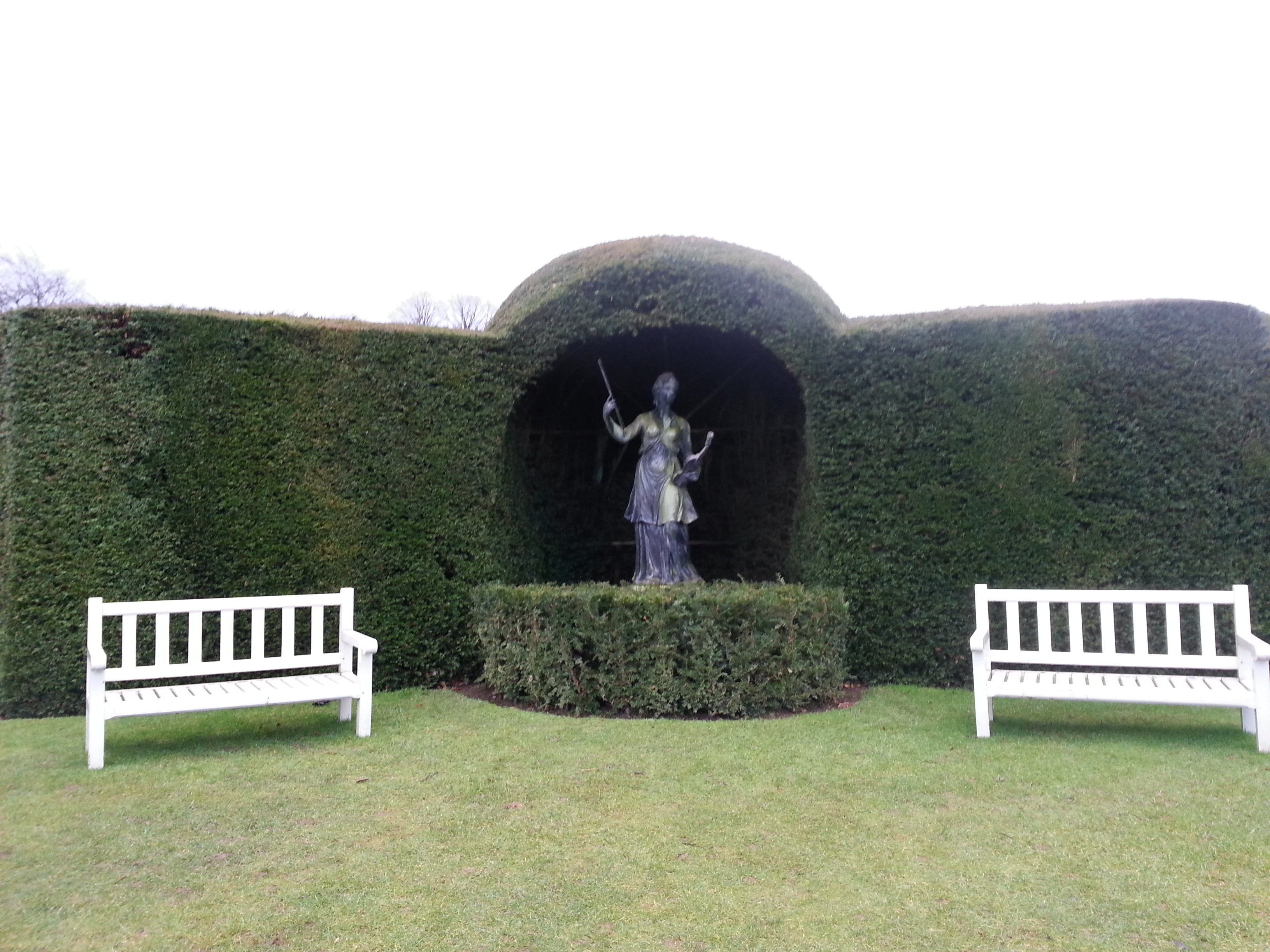
The more formal gardens are enclosed areas snuggly fitted close to the house surrounded by tall hedges so that each area is a surprise to the visitor. Some beautiful coppicing work in “The Nuttery” was evidence of the skilled gardeners here now. The trees here are Hazels, their prunings providing brash stacks for wildlife shelters.

2014 01 26_6257

2014 01 26_6261 2014 01 26_6262 2014 01 26_6264 2014 01 26_6265 2014 01 26_6263 2014 01 26_6266

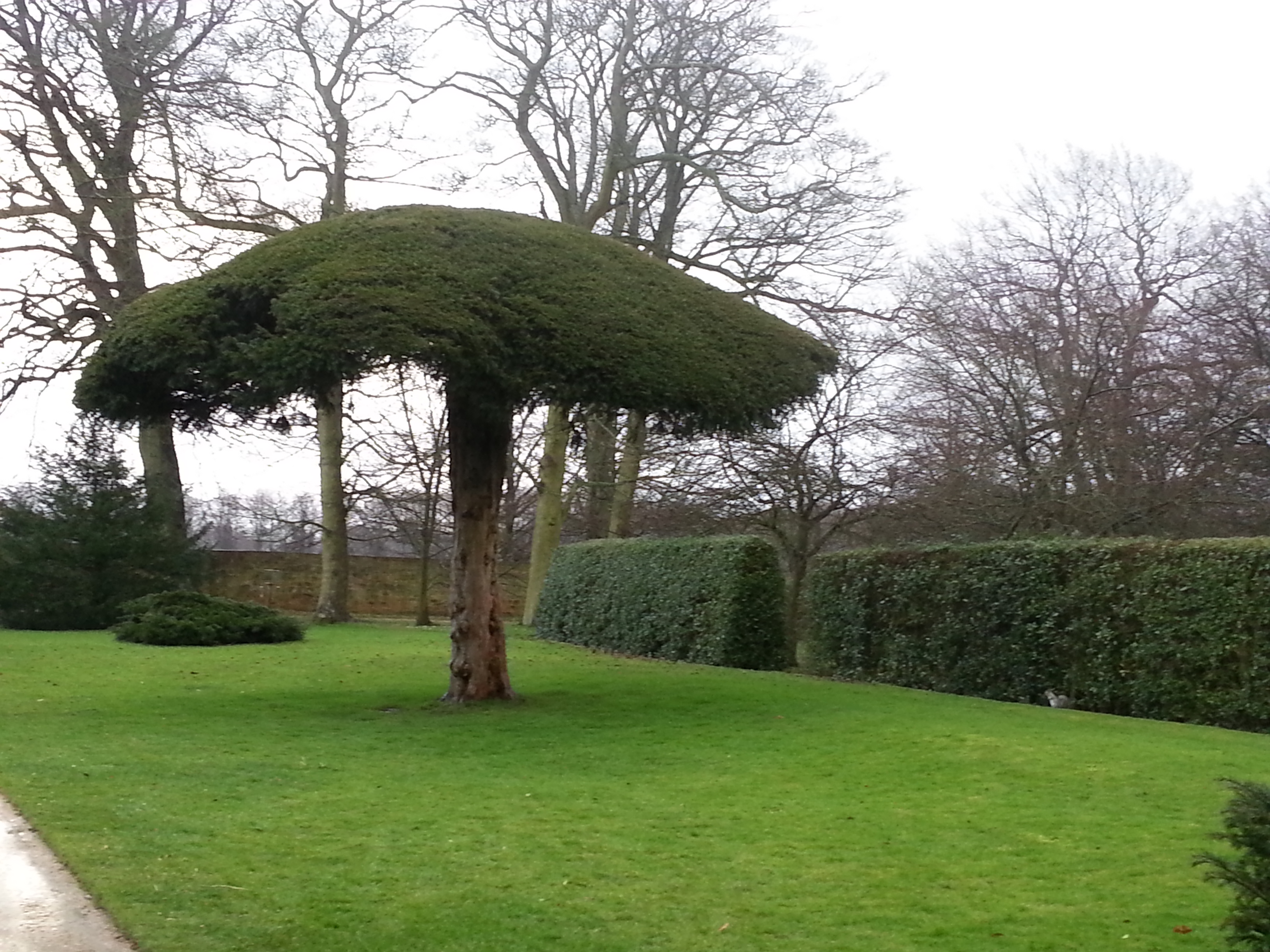
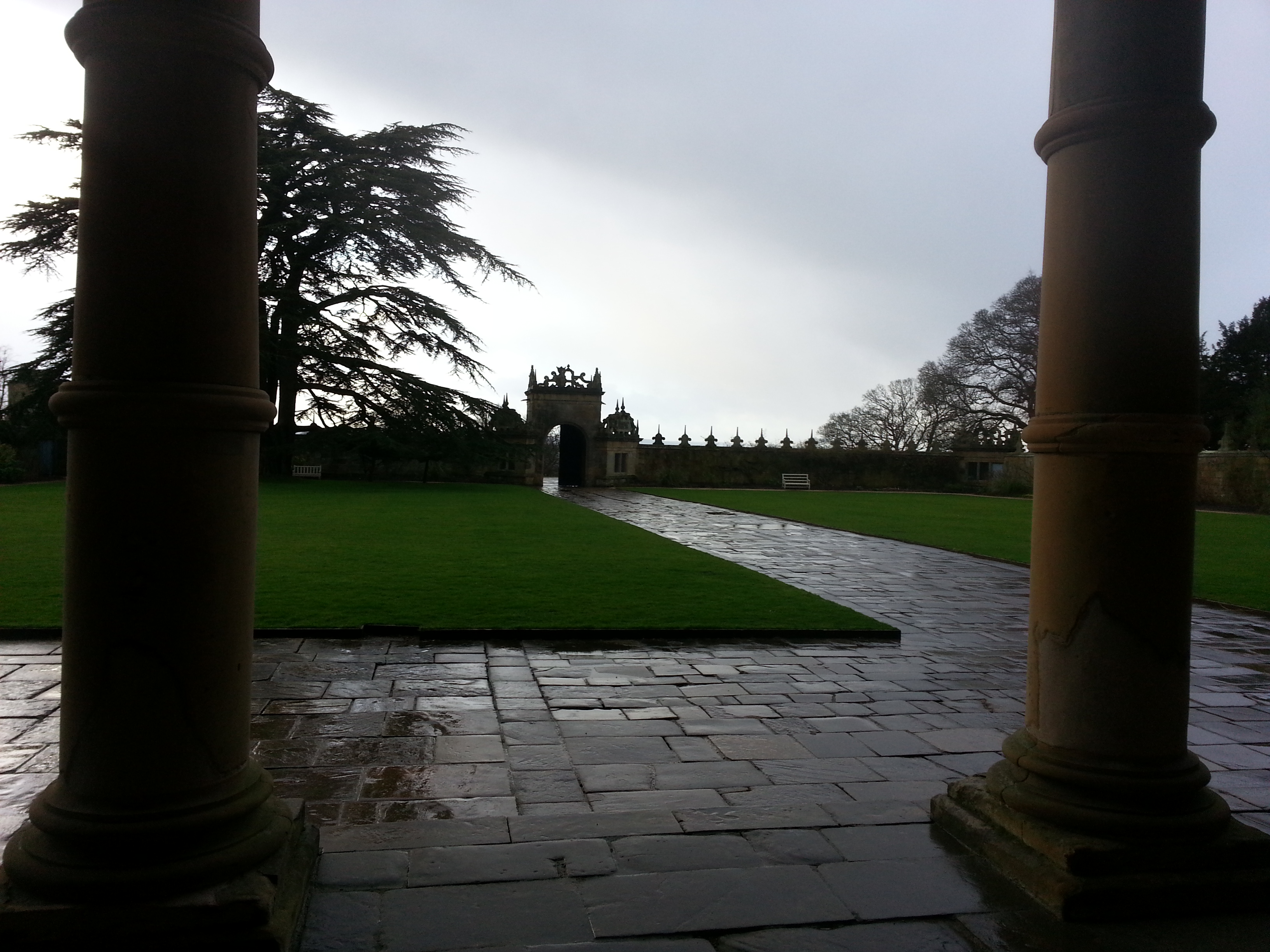
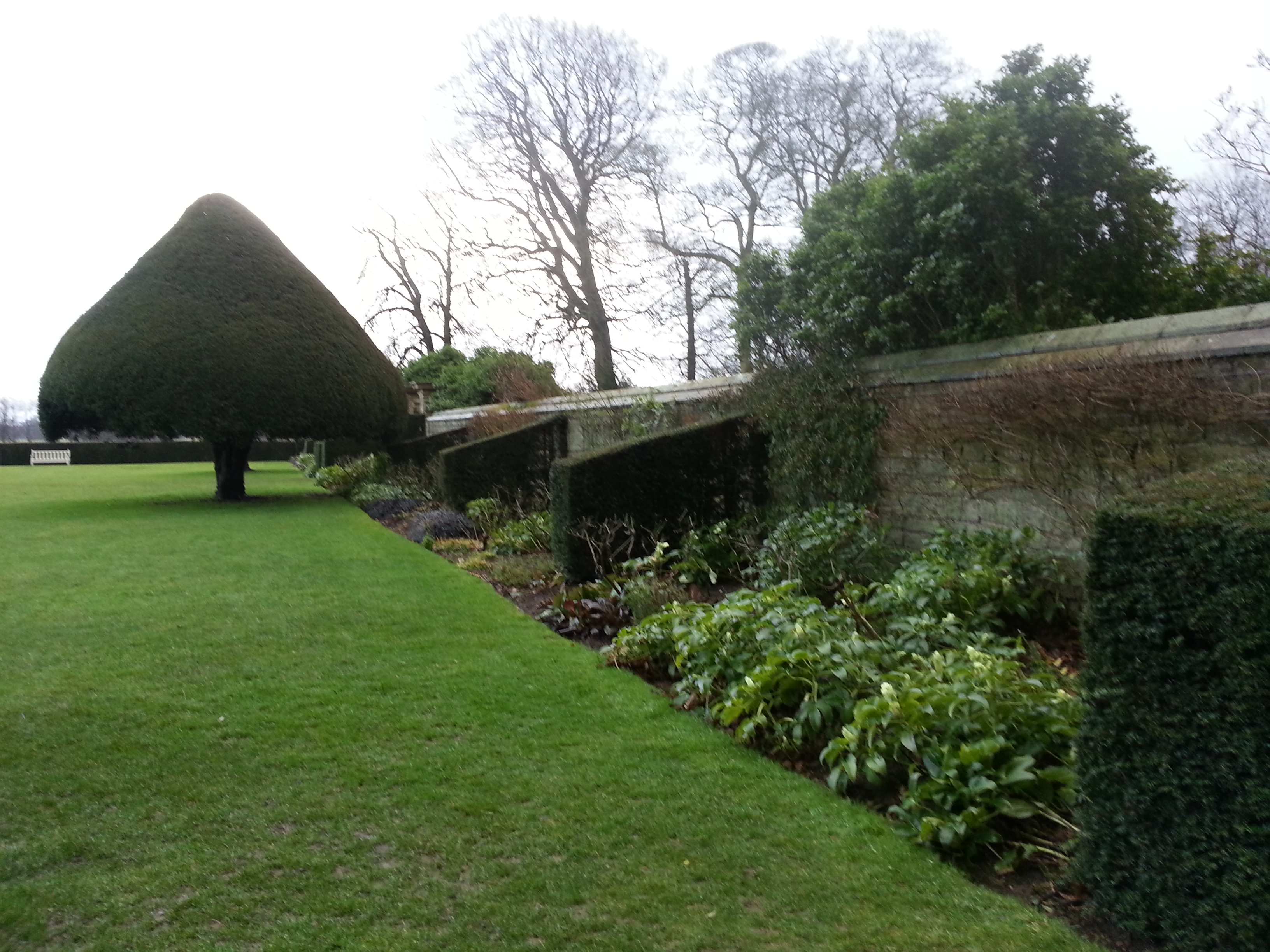
We discovered some beautifully and skillfully trained and pruned plants, a rose and some Yew which brought a smile to our faces. It was cold day so a smile was most welcome! Just after taking these photos the sky turned black with heavy storm clouds, the temperature dropped, the wind speed increased and we were attacked by a ferocious hail storm. We took shelter in the entrance to the hall where I took these photos some showing the wet glossy paths to illustrate how wet it was.

2014 01 26_6270          2014 01 26_62812014 01 26_6282

2014 01 26_6286 2014 01 26_6287

2014 01 26_6285 2014 01 26_6288

     2014 01 26_6289

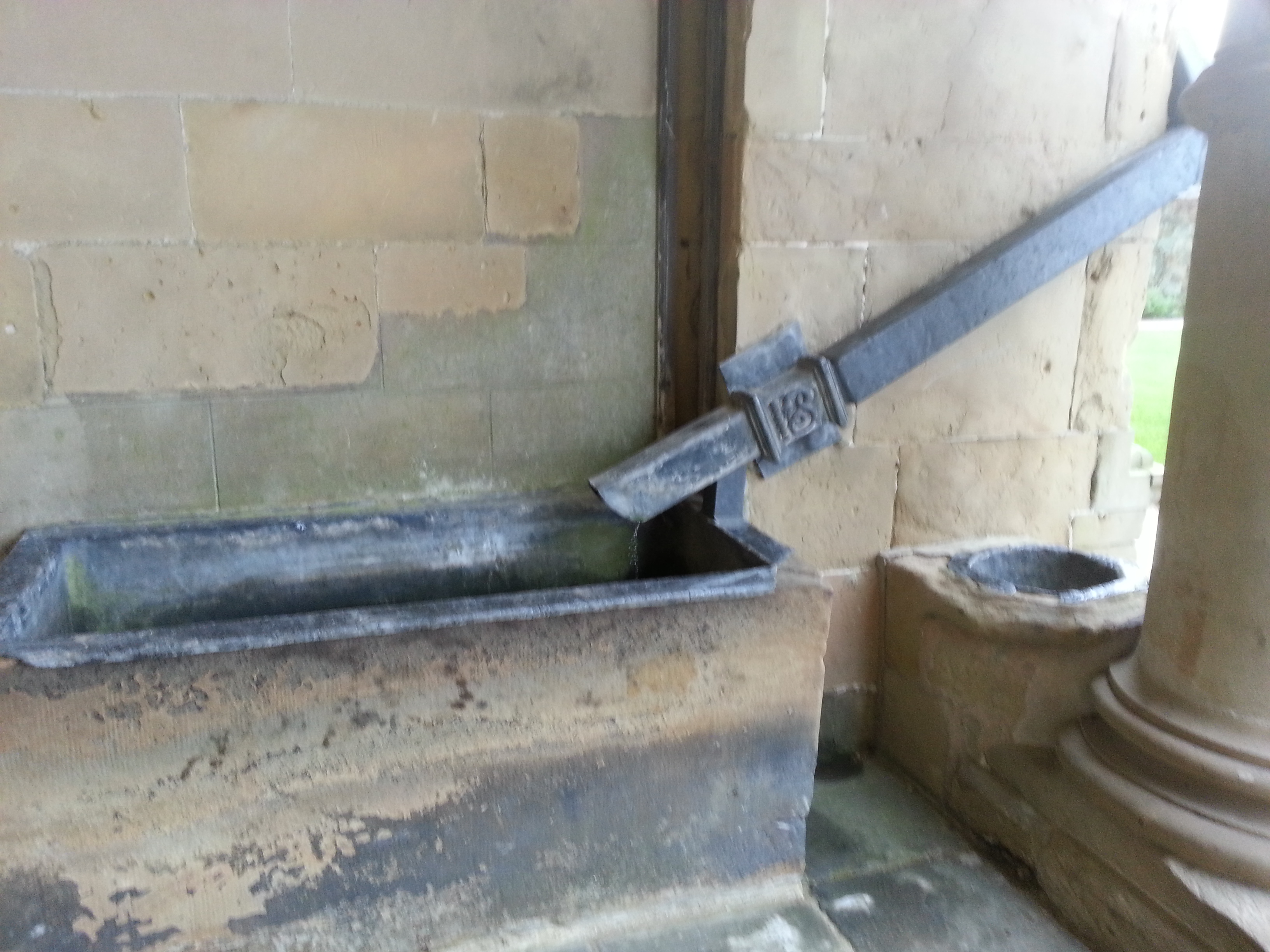
After sheltering out the time of the storm we looked for architectural details of the building and discovered these gems.

2014 01 26_6283 2014 01 26_6284

2014 01 26_6293 2014 01 26_6294

2014 01 26_6295

So let us have a look at a few shots of the “new” hall before we explore the old hall.

2014 01 26_6290 2014 01 26_6291 2014 01 26_6292

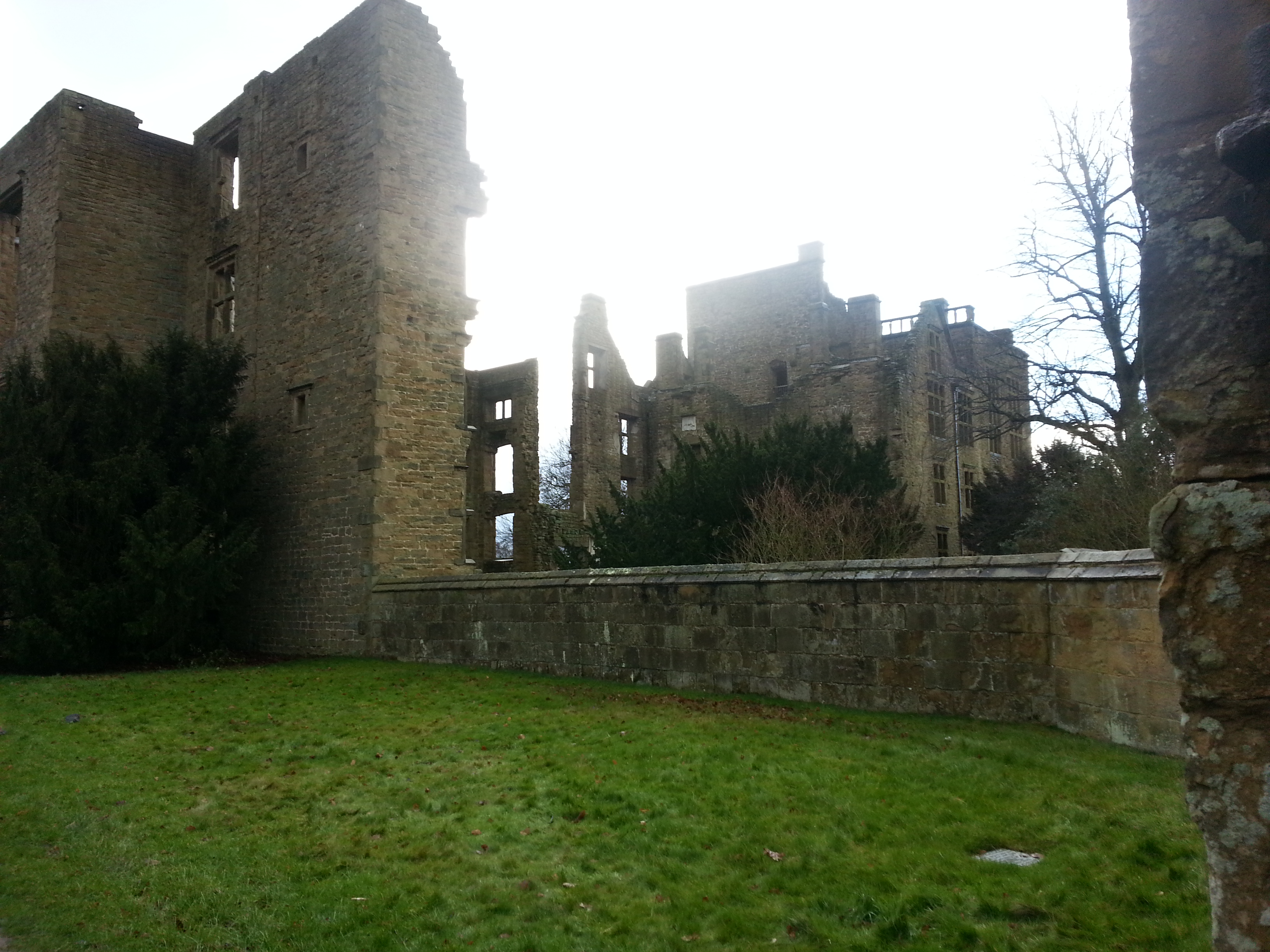
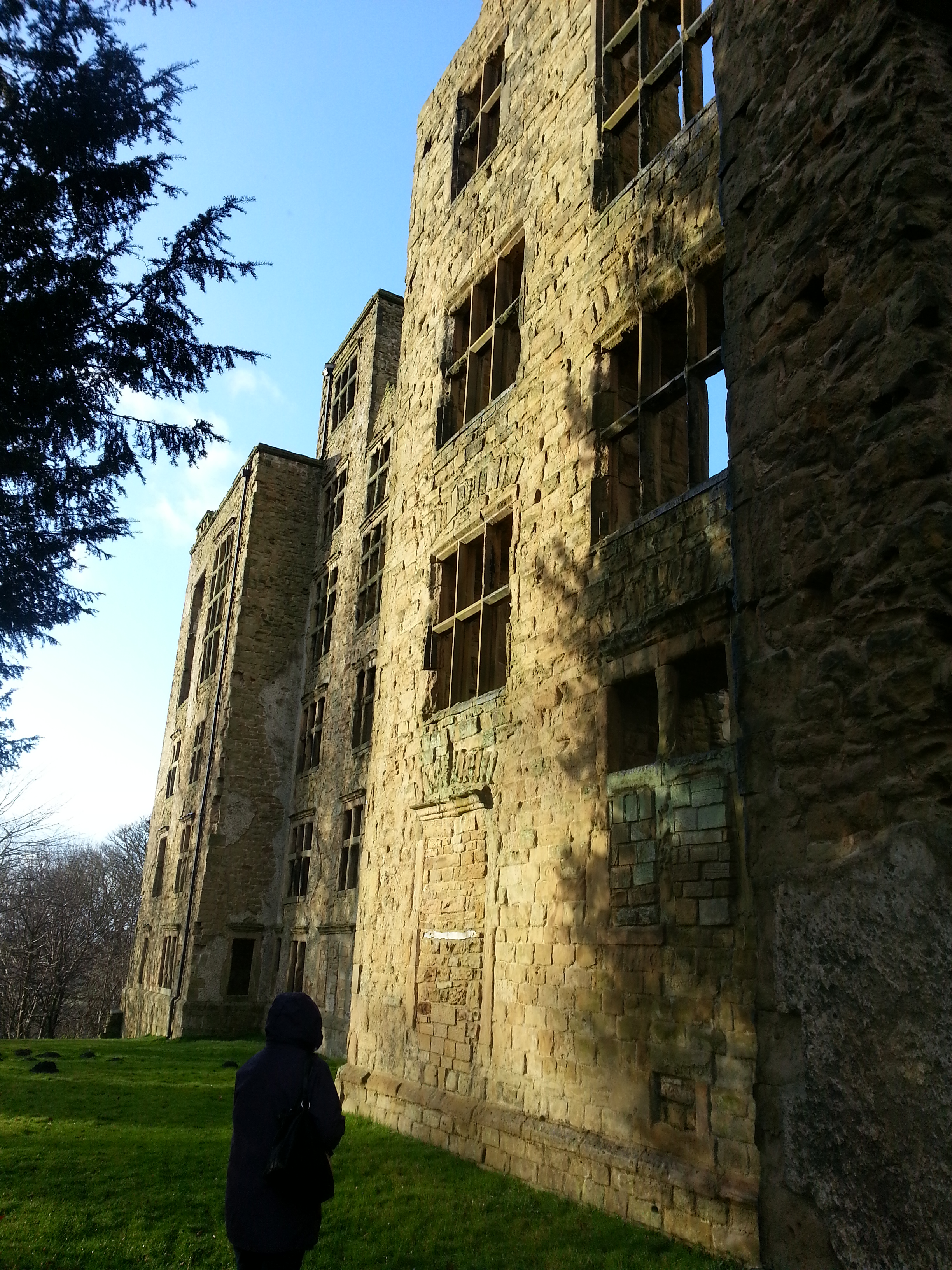
As we approached the old hall, which was the family home of Bess, our first view was in silhouette. As we moved around the building the detail revealed itself.

2014 01 26_6296 2014 01 26_6297

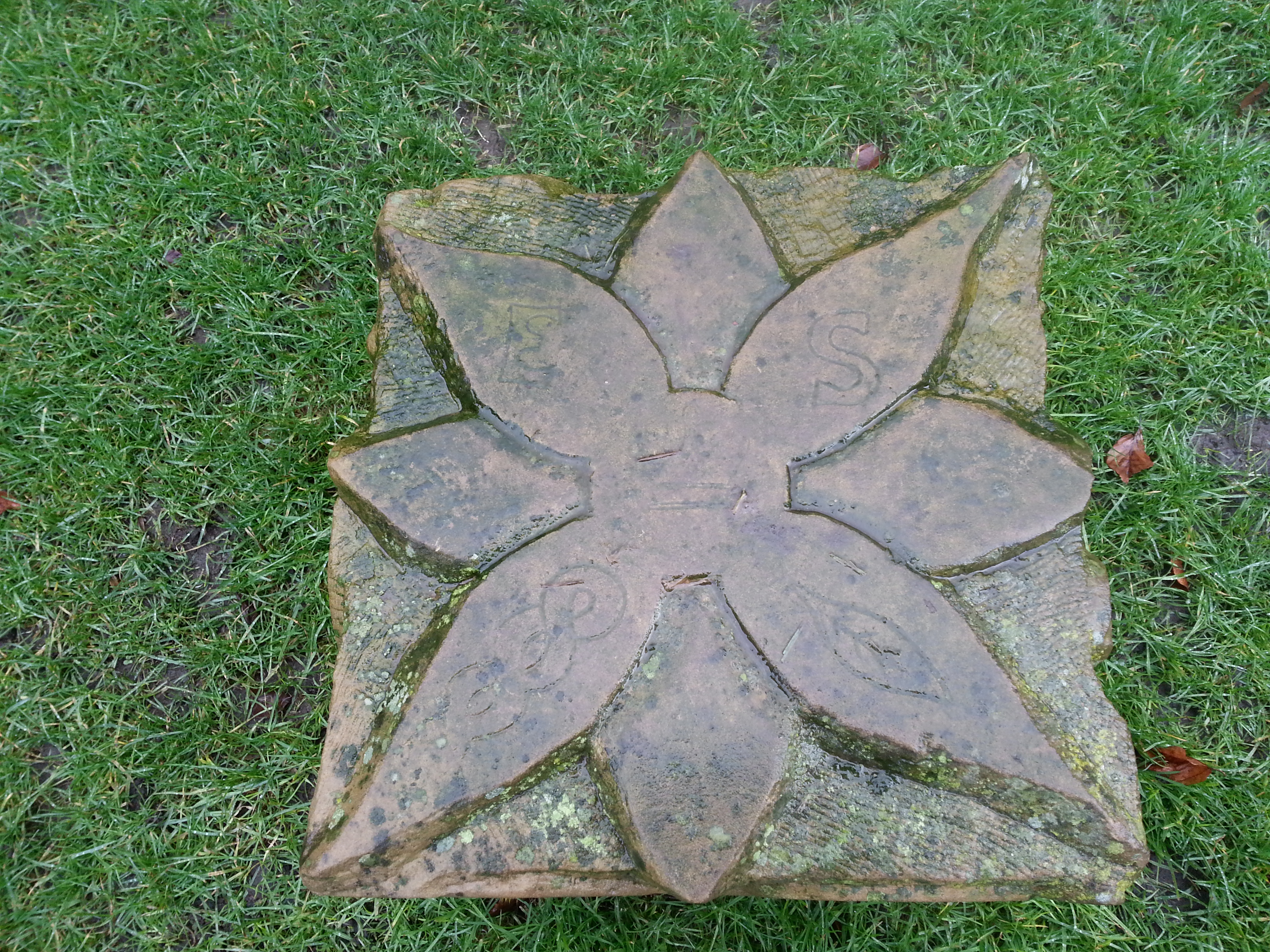
As we passed through the gateway we came across this piece of stonework. We had no idea what it was but were interested to find another set of Bess’ initials. You can just about see them if you look really carefully.

2014 01 26_6298 2014 01 26_6299

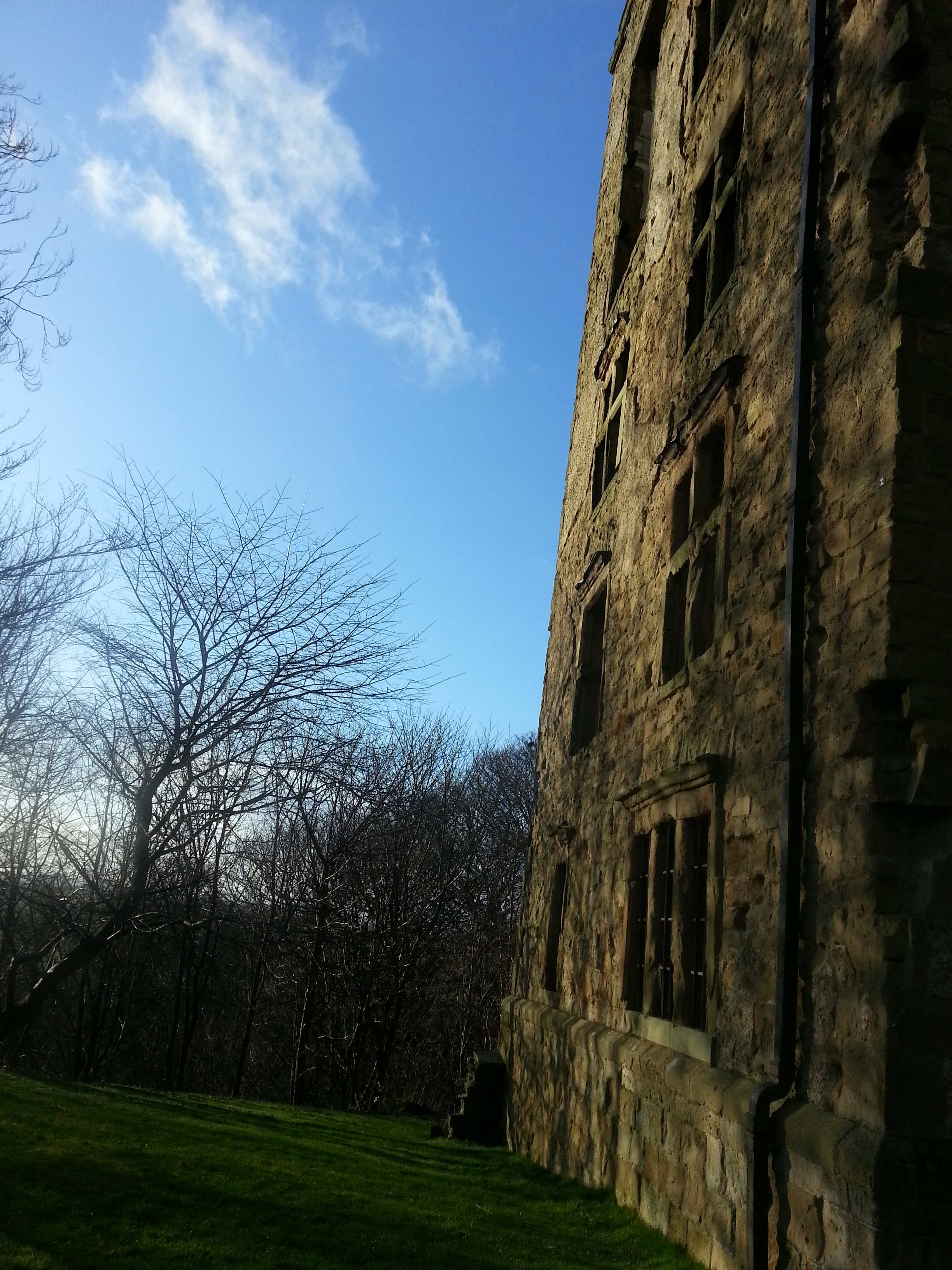
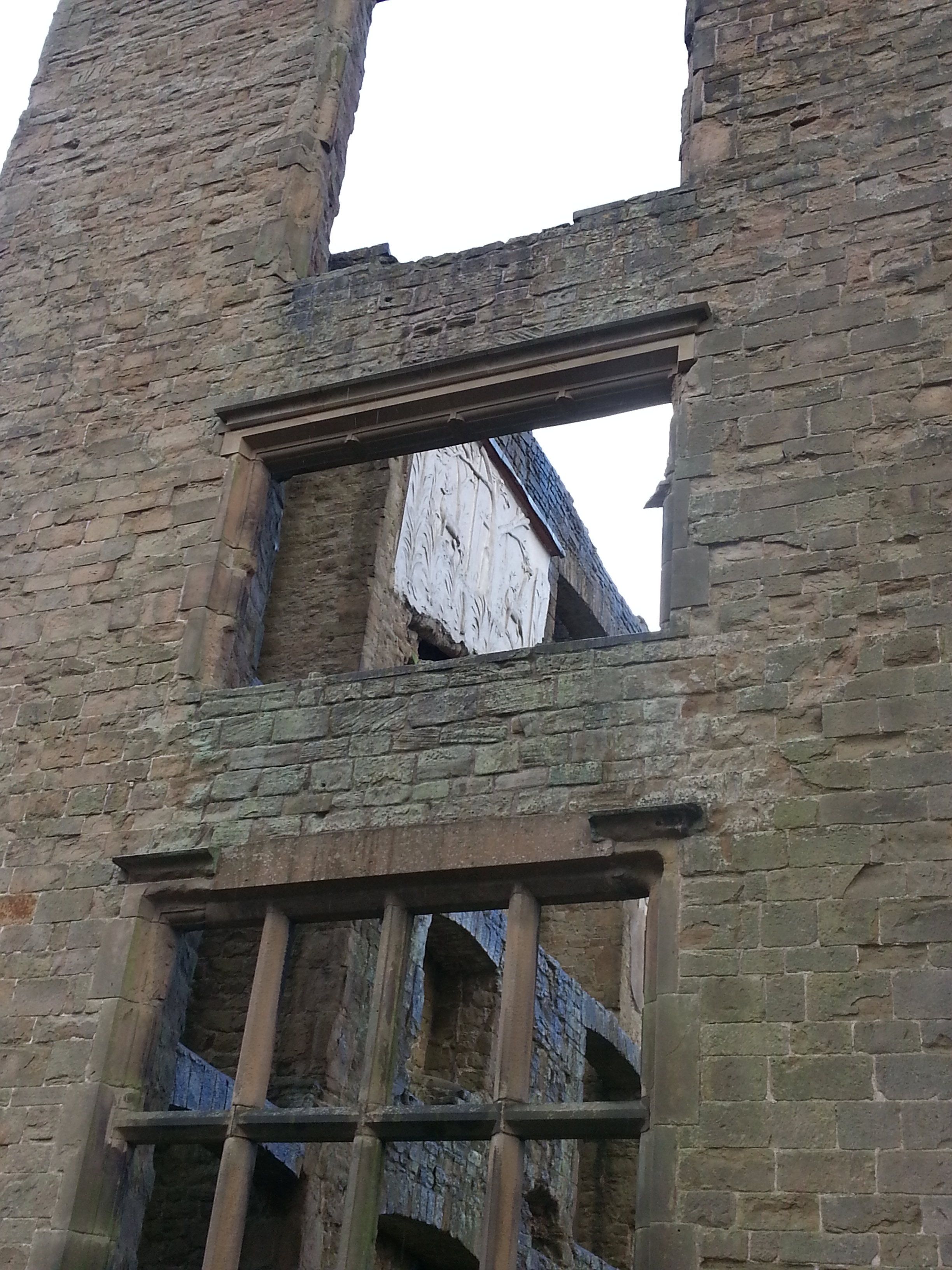
A close up look around the tall walls of the old hall showed how beautiful it must have been. It had a certain beauty even in decay.
2014 01 26_6300    2014 01 26_6304 2014 01 26_6305   2014 01 26_6308  2014 01 26_6310 2014 01 26_6311

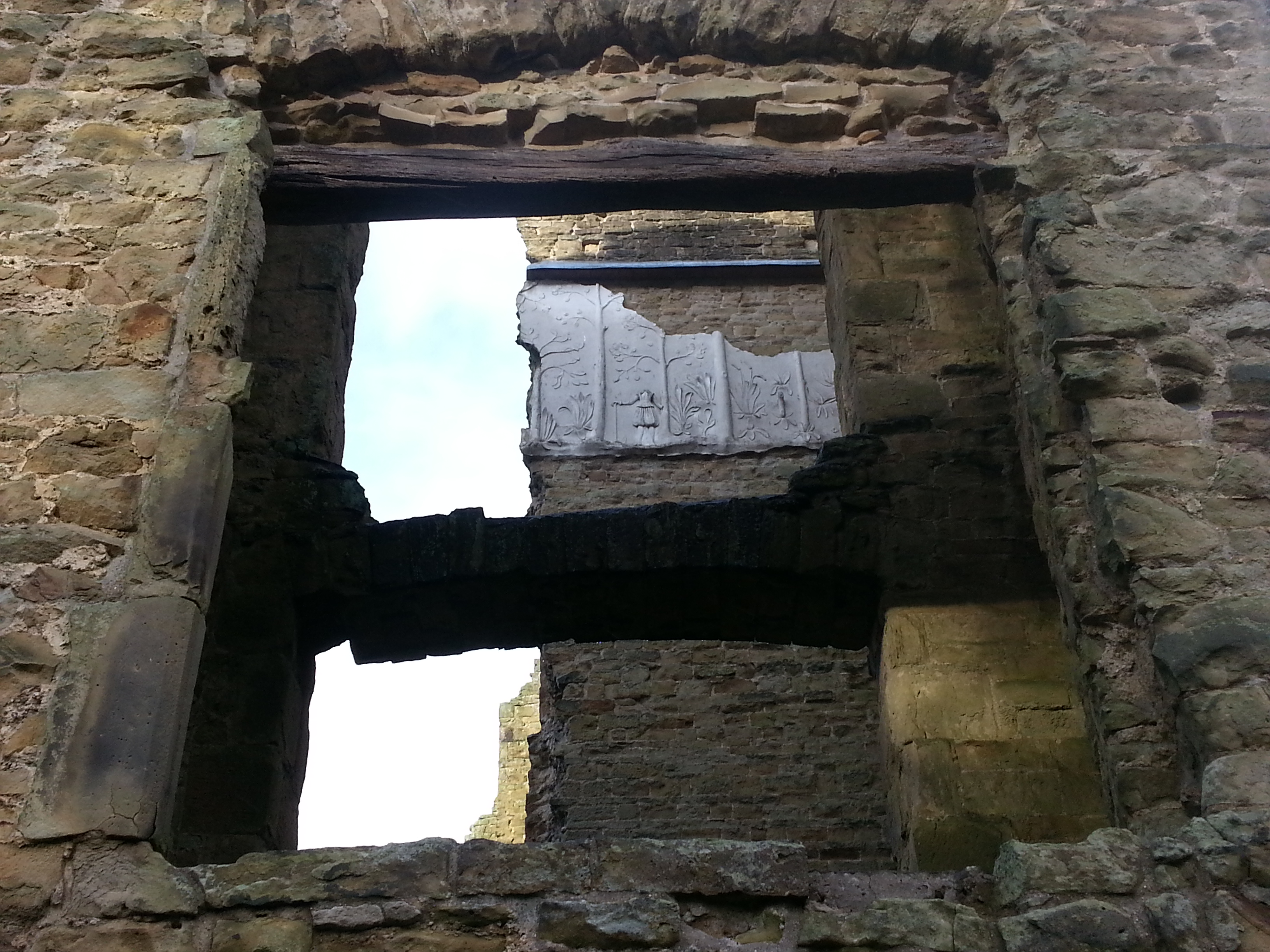
We were drawn to the signs of old plaster work hanging on the inside walls.

2014 01 26_6312 2014 01 26_6302

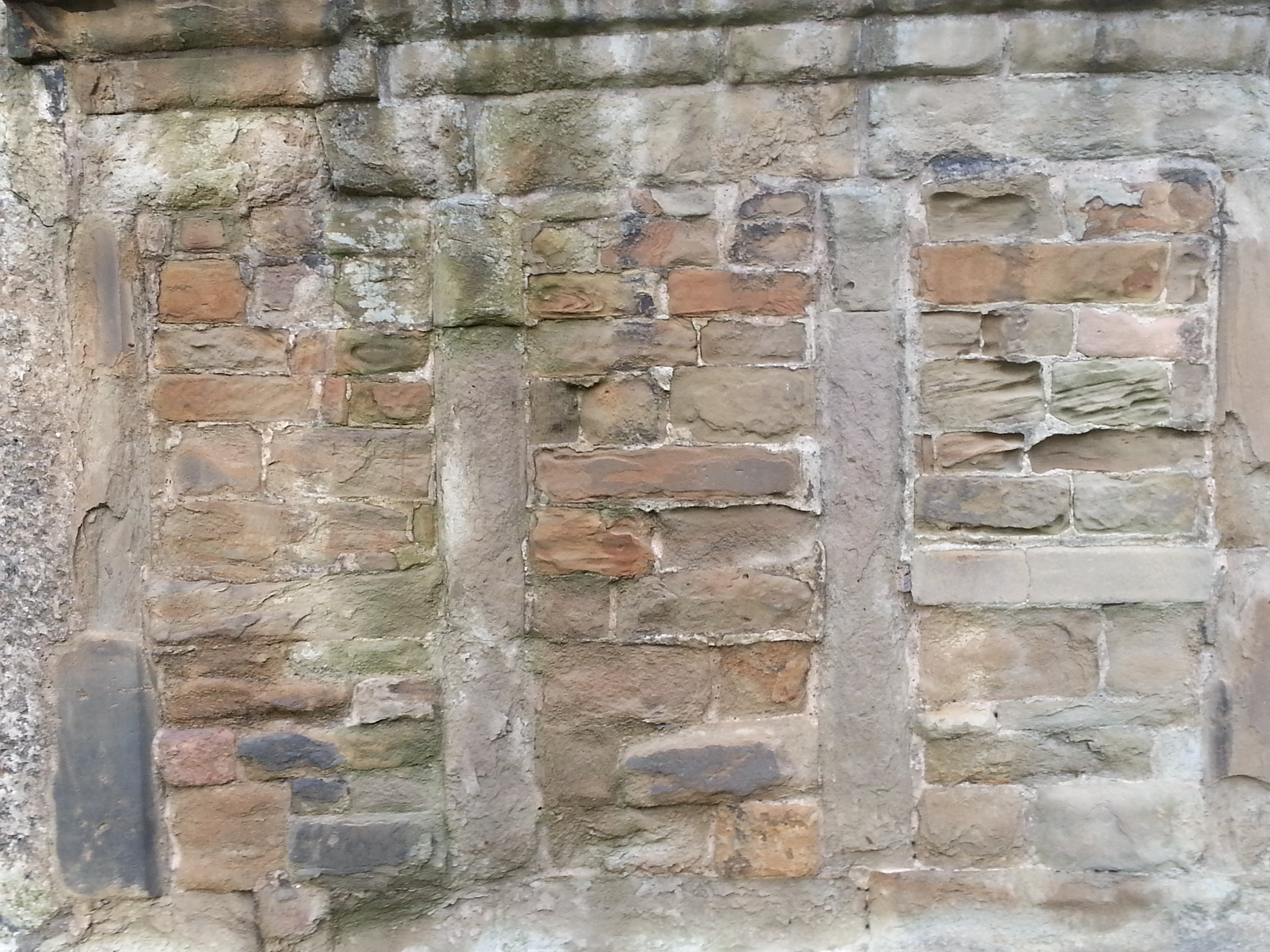
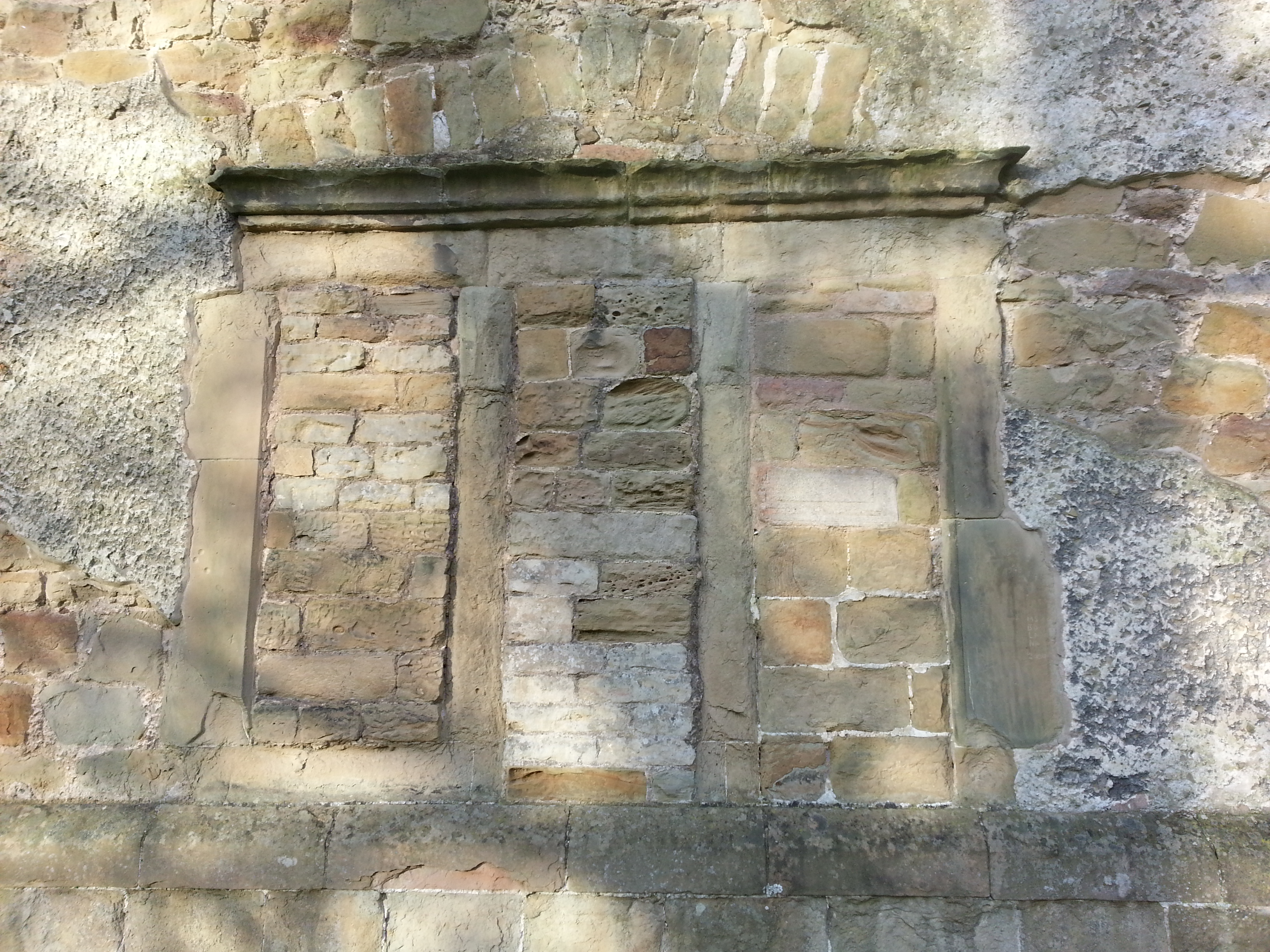
Many old windows and doors had been filled in at various times and this resulted in what appeared as framed textured paintings. Beautiful!
2014 01 26_6309 2014 01 26_6307

2014 01 26_6301 2014 01 26_6306

As we walked away from the old hall I looked back and took this shot of it as the sky cleared and the sun returned.

2014 01 26_6314

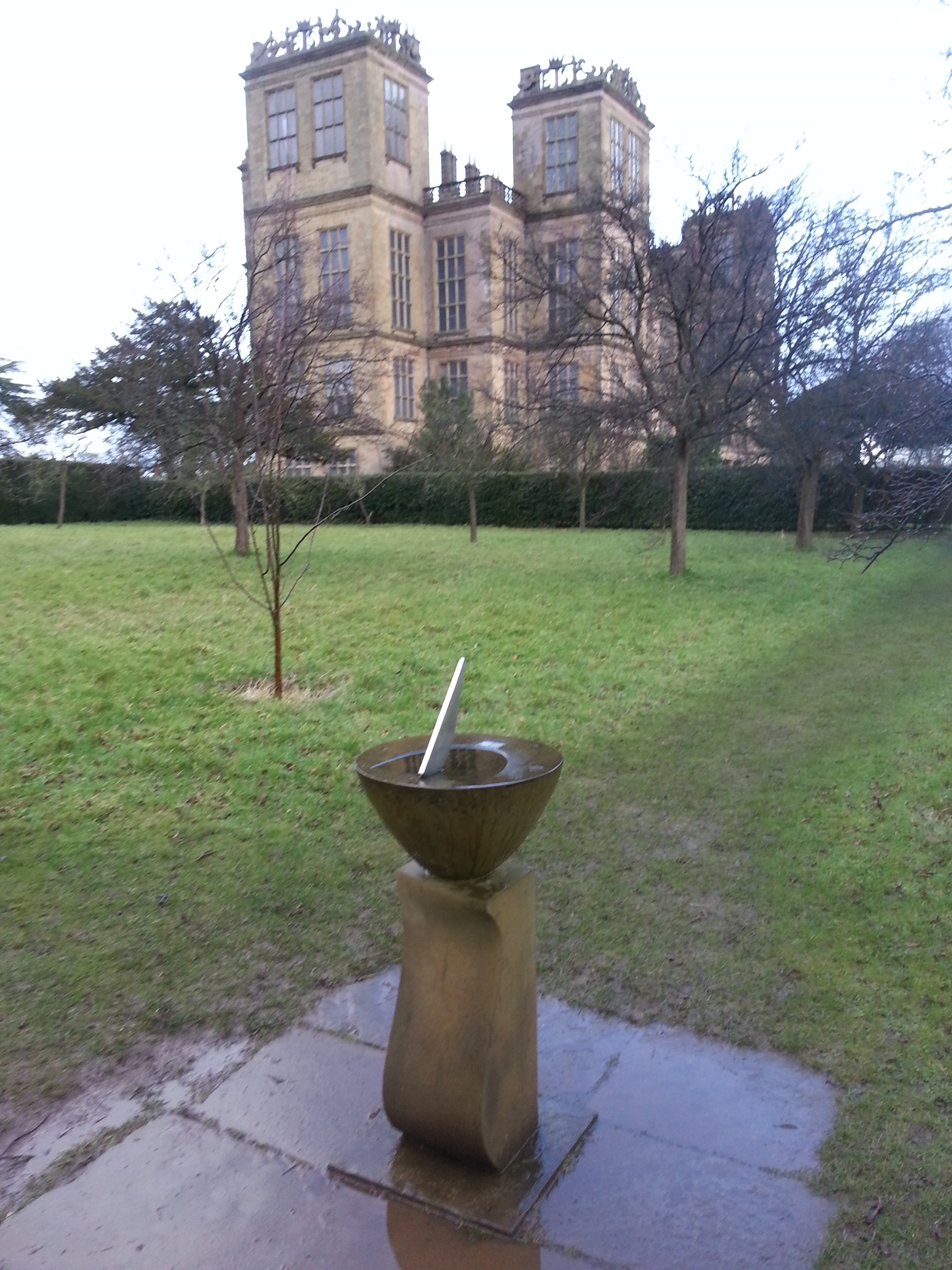
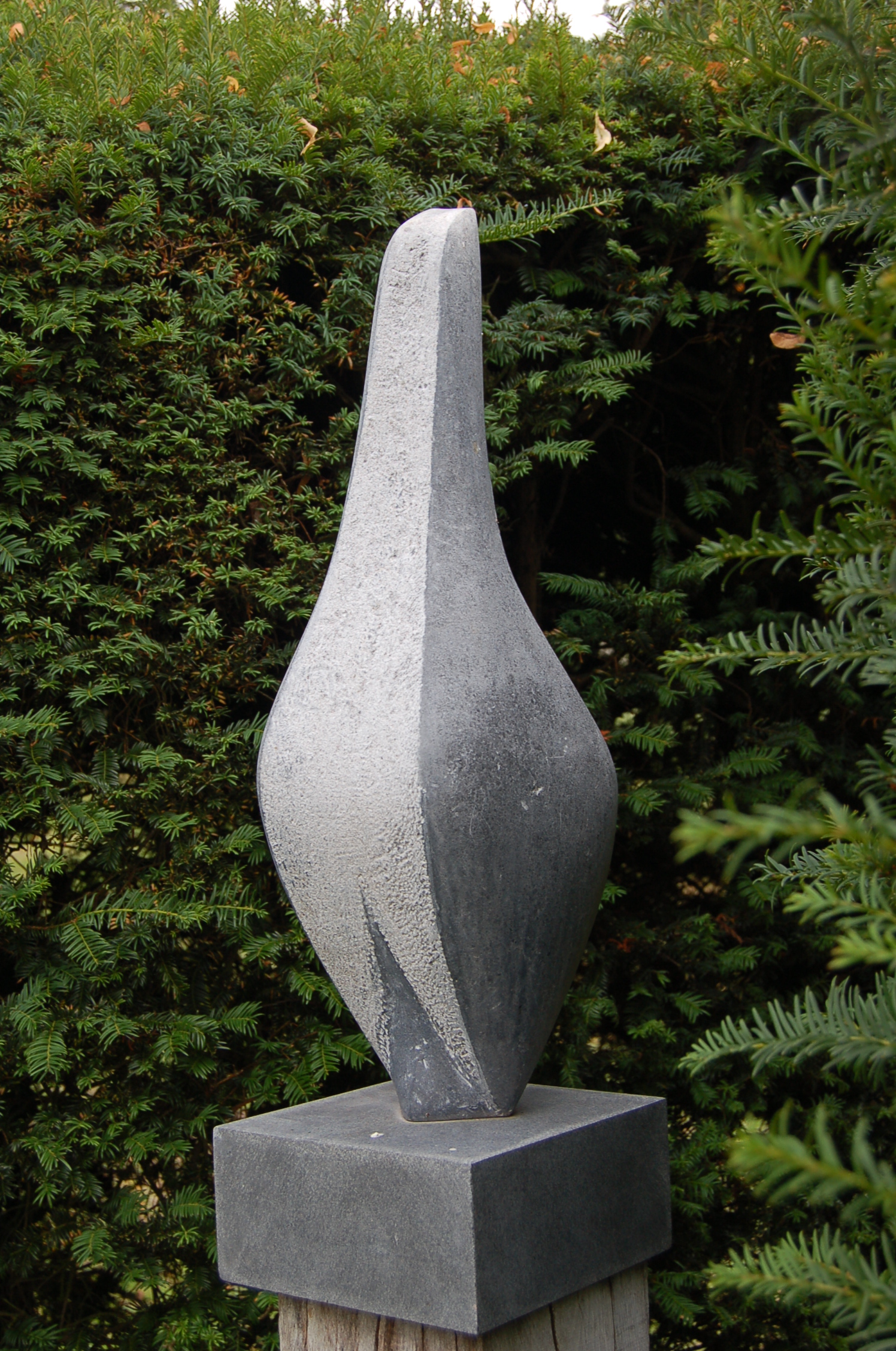
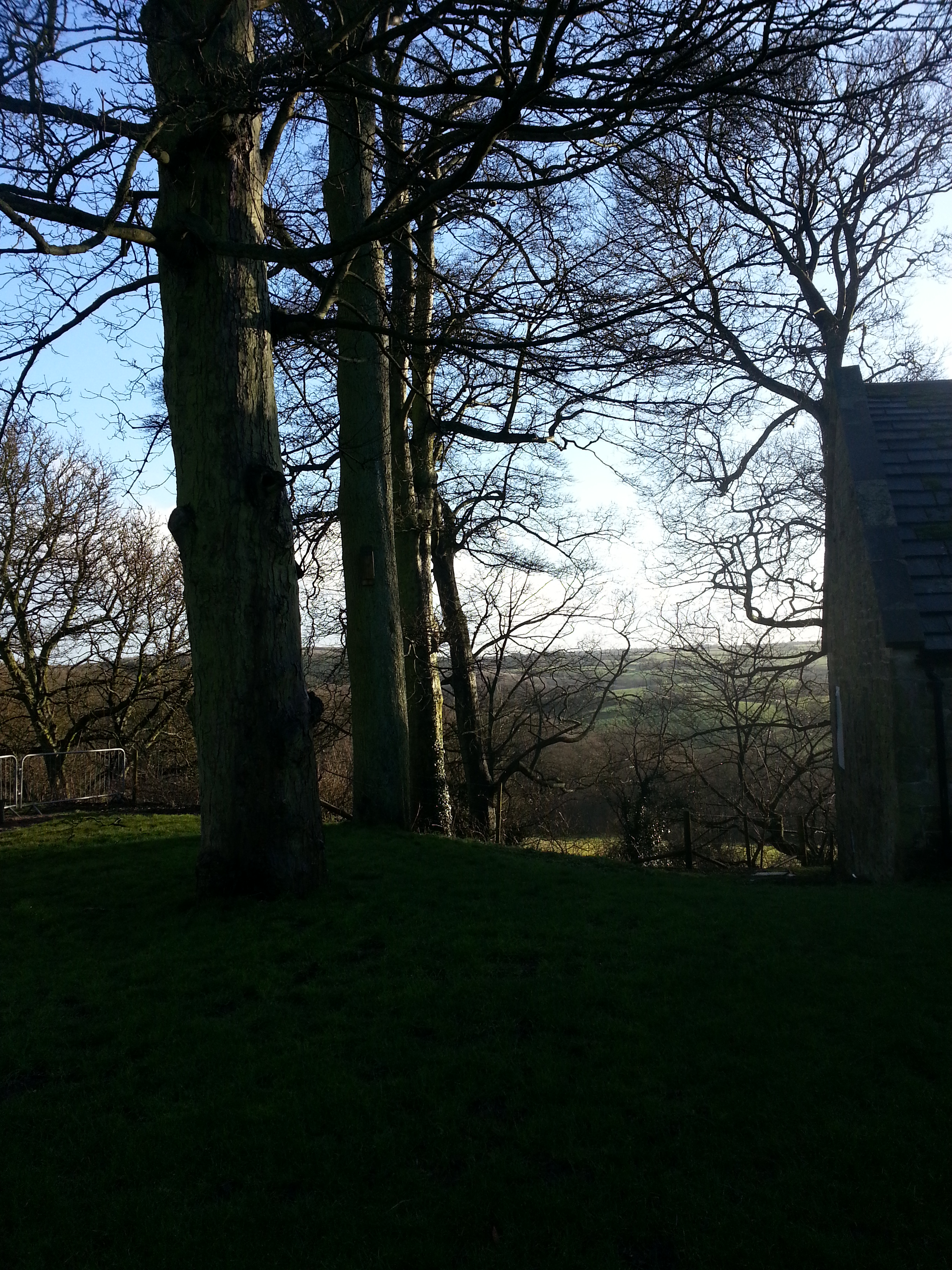
As we returned to the car park the sun was setting behind the tall trees alongside the path showing just how long we had been discovering the delights of the old halls at Hardwick. We also came across this stone sculpture based on seeds found in the grounds.
2014 01 26_6330 2014 01 26_6329

We travelled further North and made our way out of Derbyshire into Yorkshire where we stayed a few days in Wakefield. Here we would experience more of our culture fixes.
Categories
garden design gardening gardens recycling

An Ugly Duckling

Remember the story of “The Ugly Duckling” one of the Hans Christian Andersen Fairy Tales, also a children’s song sung by Danny Kaye? We used to listen to that song on the radio when we were kids growing up in the 50’s on a programme called “Children’s Favourites”. Well, this post reminds me of it!

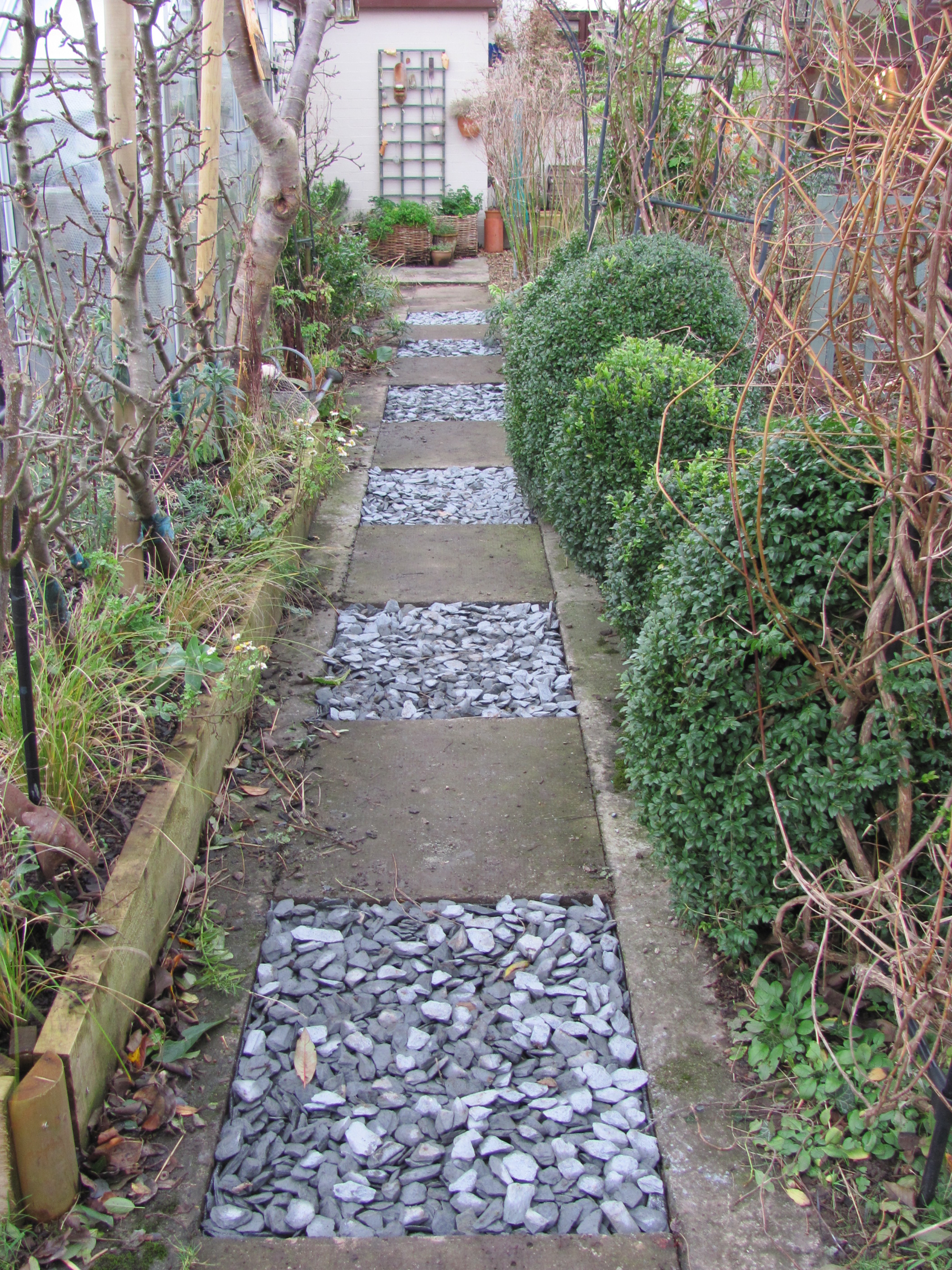
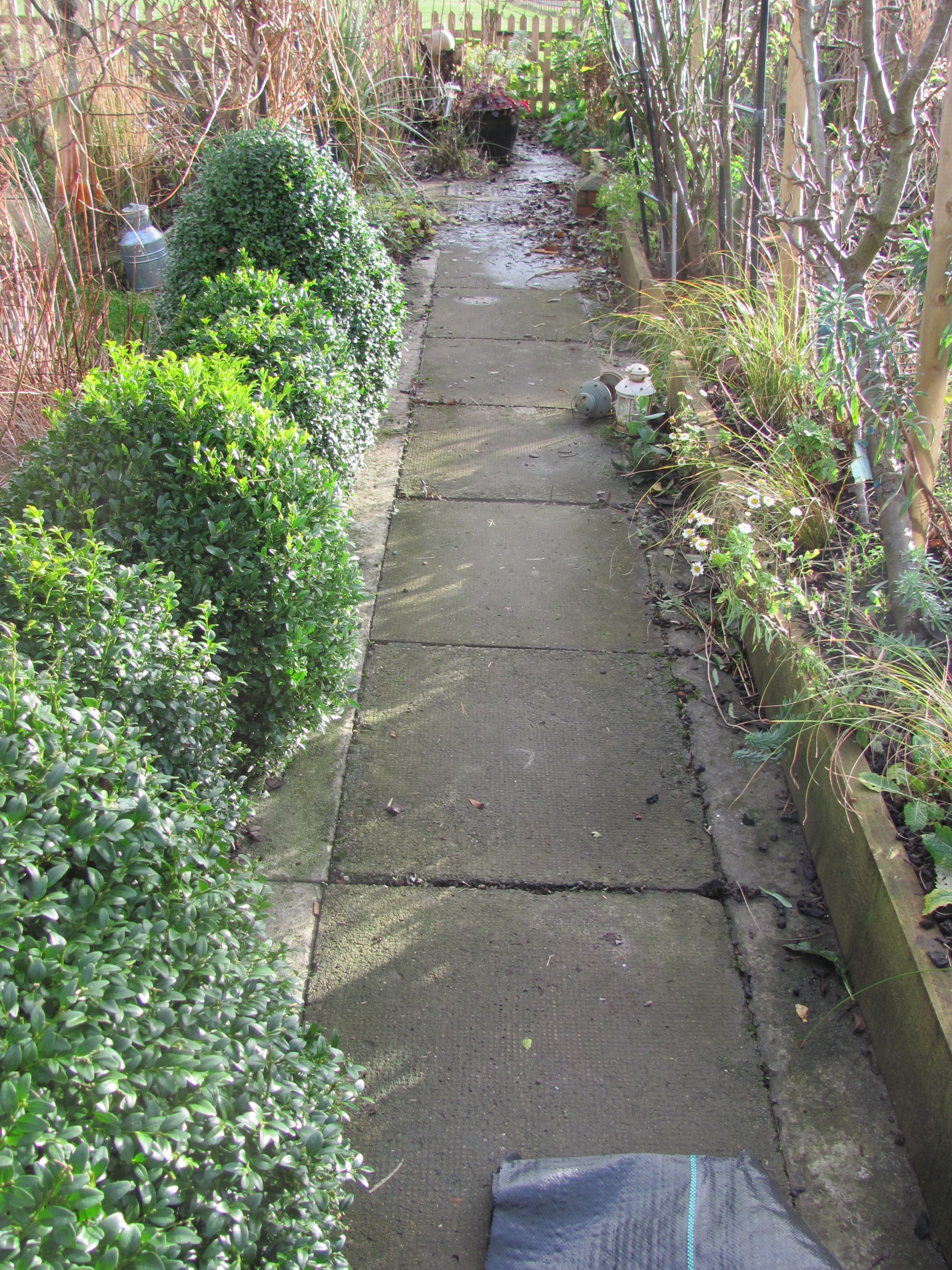
The least favourite part of our garden which we inherited when we first moved into our Plealey home ten years ago, is the central concrete pathway in the back garden. It consisted of a row of 3 feet by 2 feet concrete slabs with a concrete border each side about 9 inches wide. It looked so ugly, dull and grey!

2014 01 09_5890

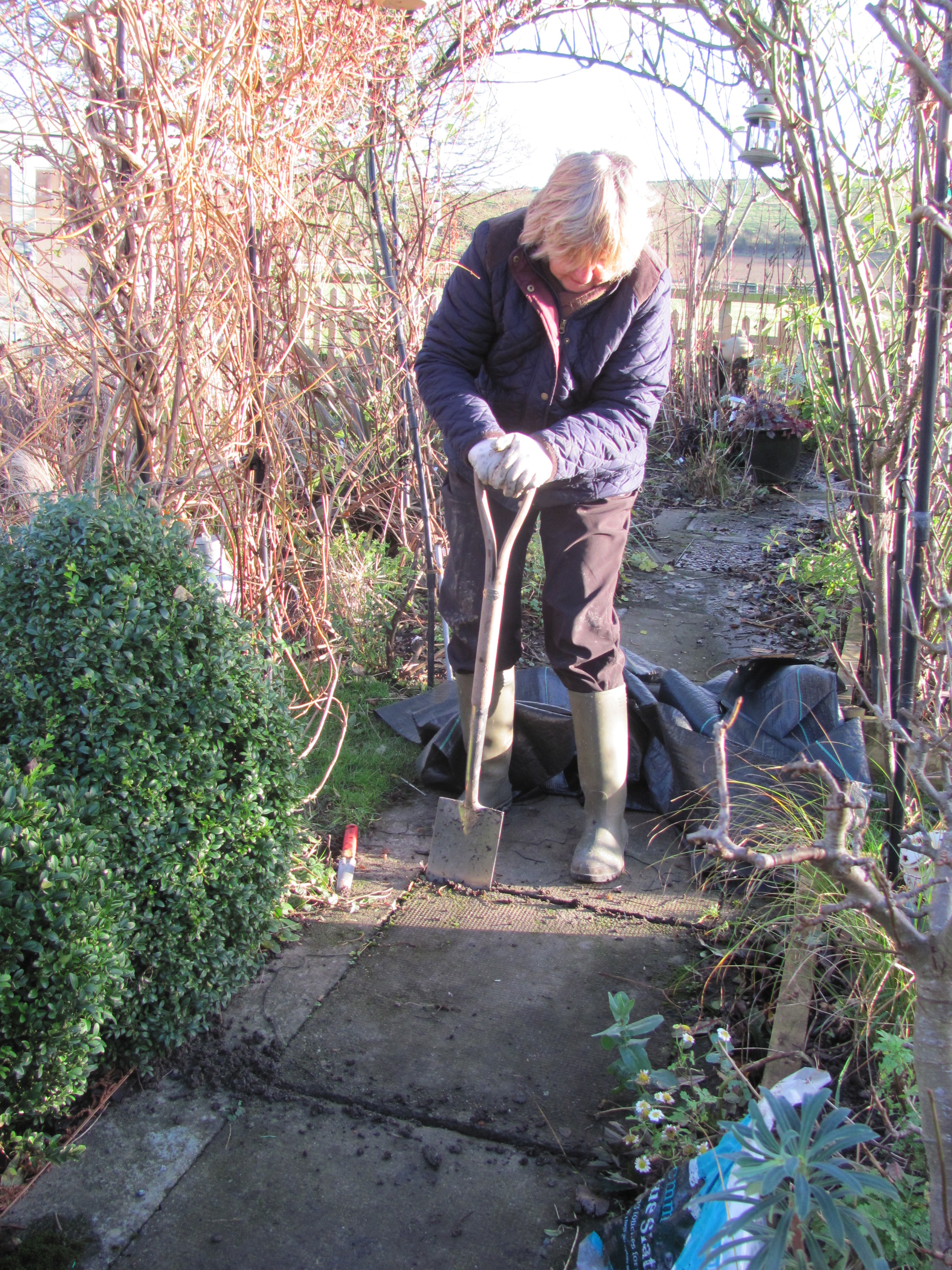
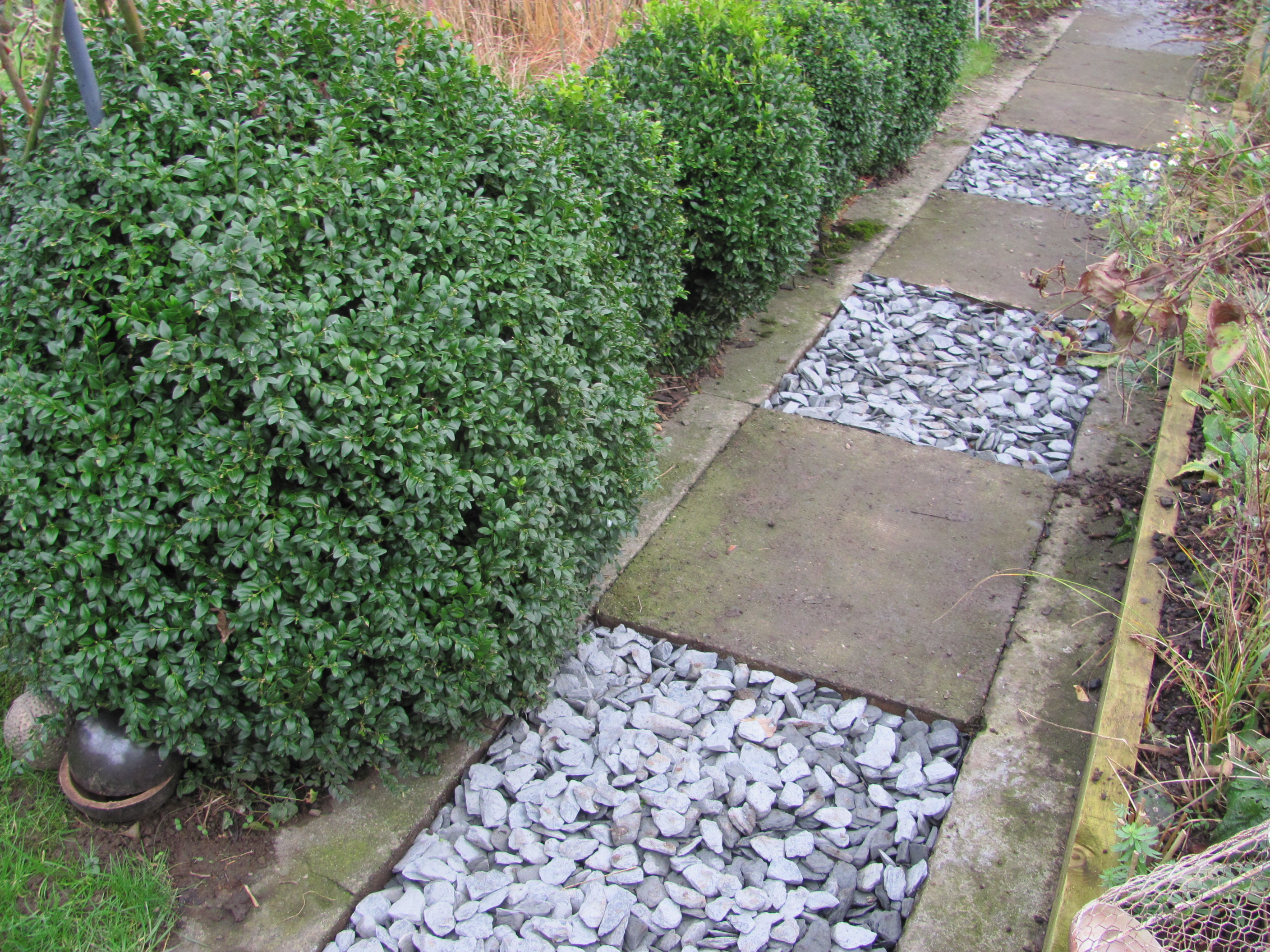
We decided to take up every other slab and replace them with purple slate. This was hard work as the slabs were 2 inches thick concrete and were very close together making leverage more difficult than we had anticipated. Where there were any spaces between them these had been filled with mortar. So it took a while to lever up each slab with a spade. We then “walked ” them onto a porters trolley to take them away.

2014 01 09_5892 2014 01 09_5895

2014 01 09_5889

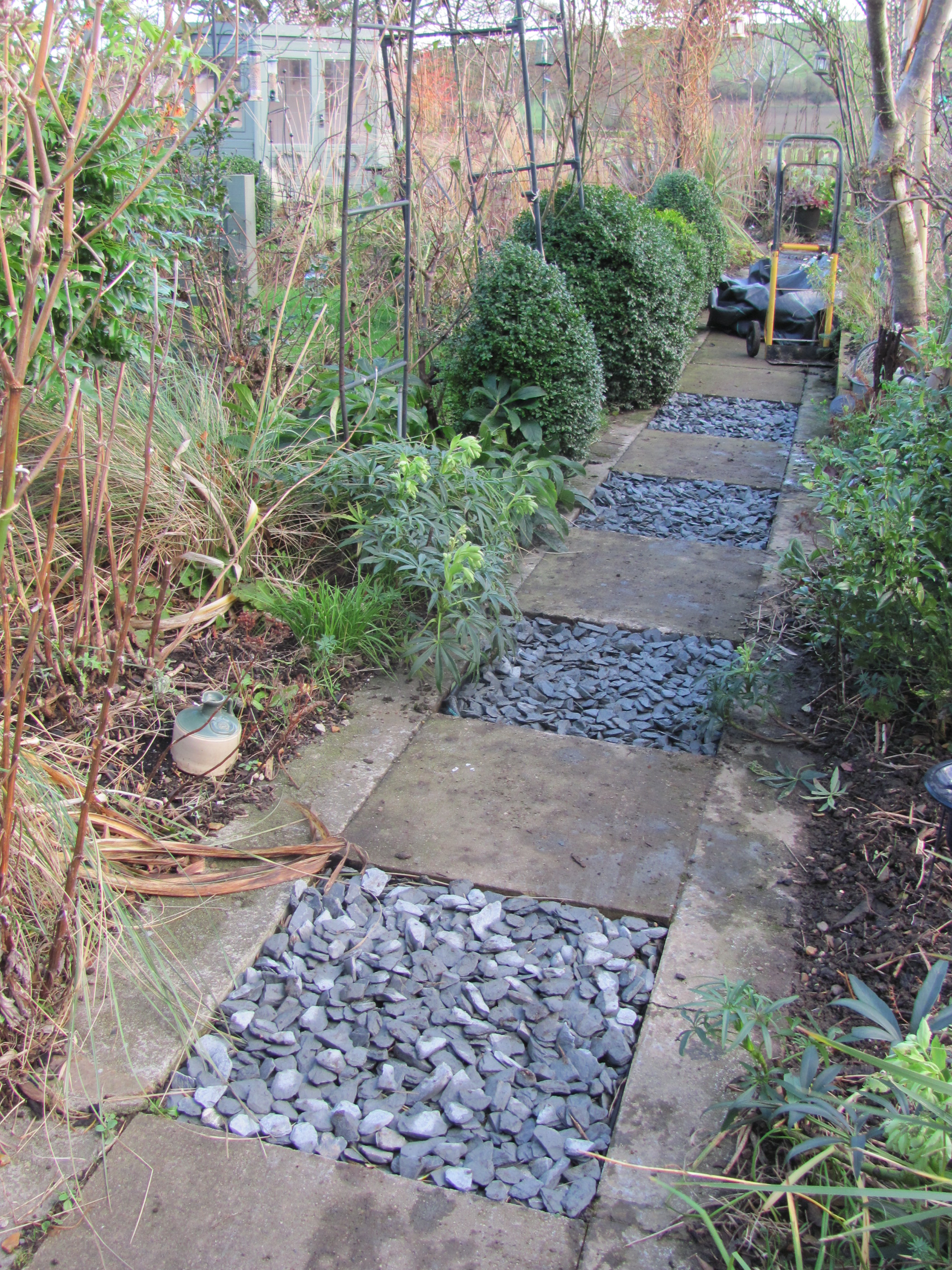
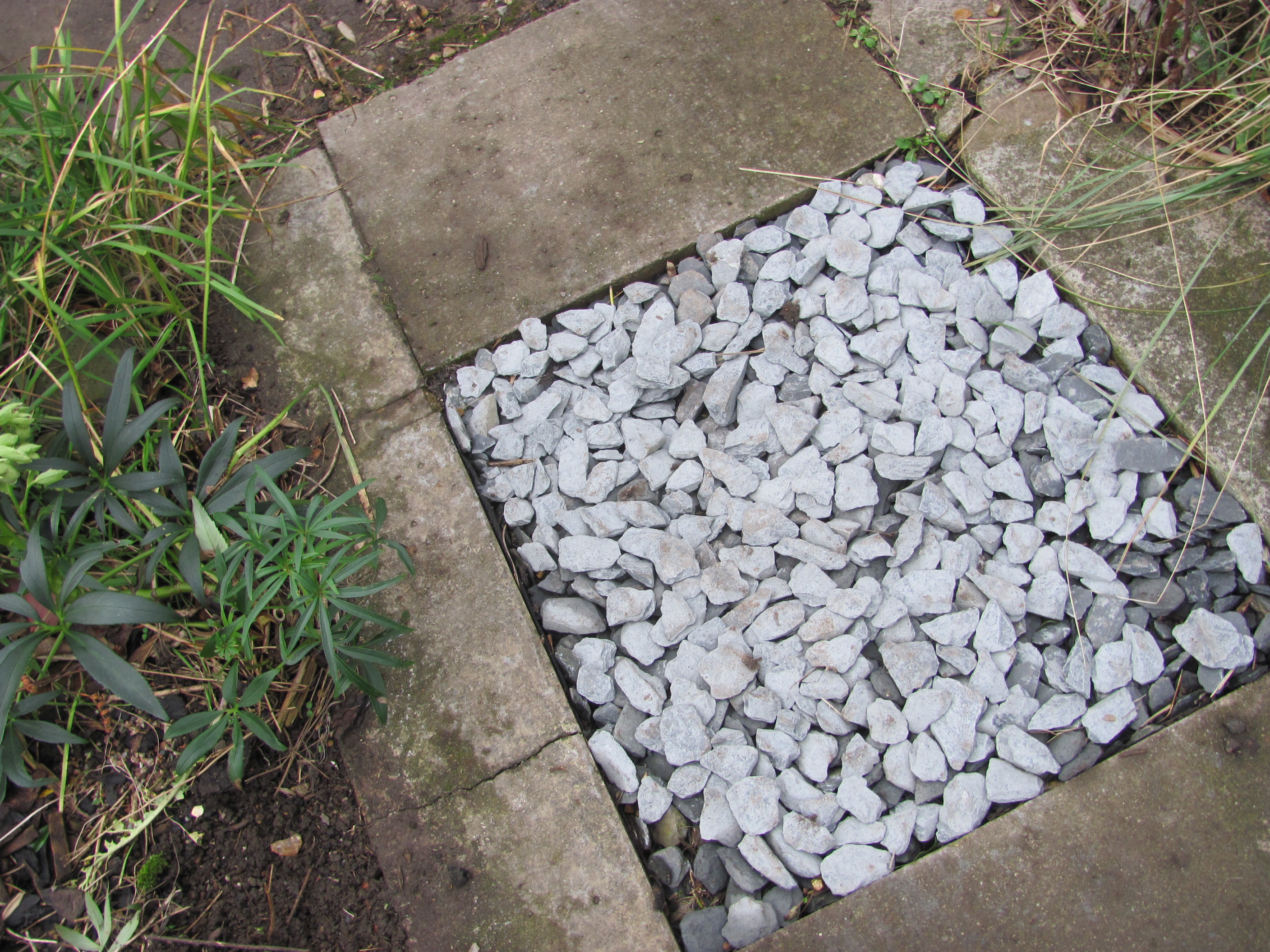
We put weed suppressing membrane down and topped it up with a good deep layer of slate.

2014 01 09_5888  2014 01 09_5886

2014 01 09_5887  

2014 01 09_5891 2014 01 09_5894 2014 01 09_5897 2014 01 09_5893

We have always wanted to get rid of it or at least change its look. We have at last got round to doing it. It was hard work but it gave us something creative to do on a cold  day when the ground was too wet to work on.

2014 01 09_5896 2014 01 10_5903

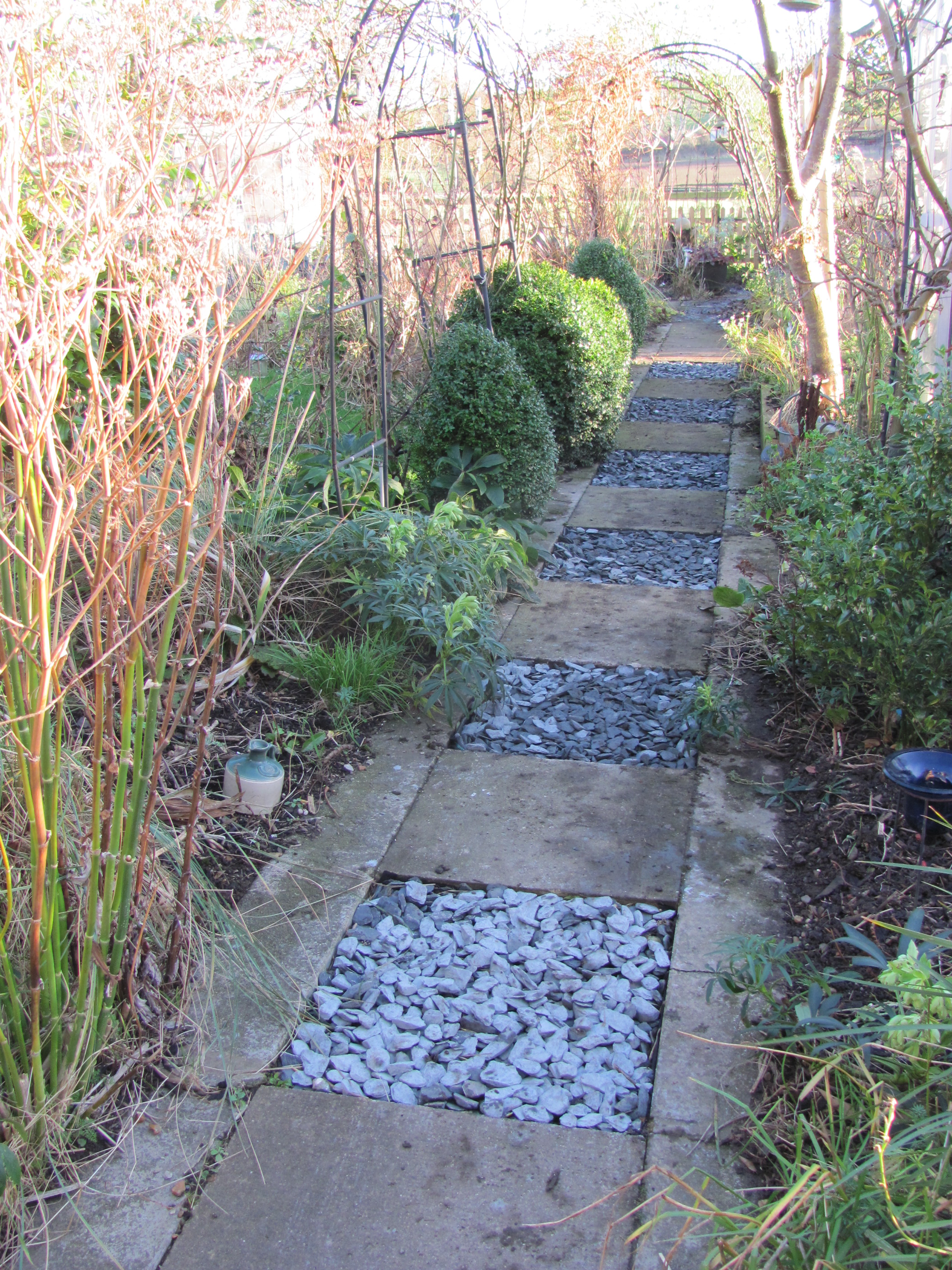
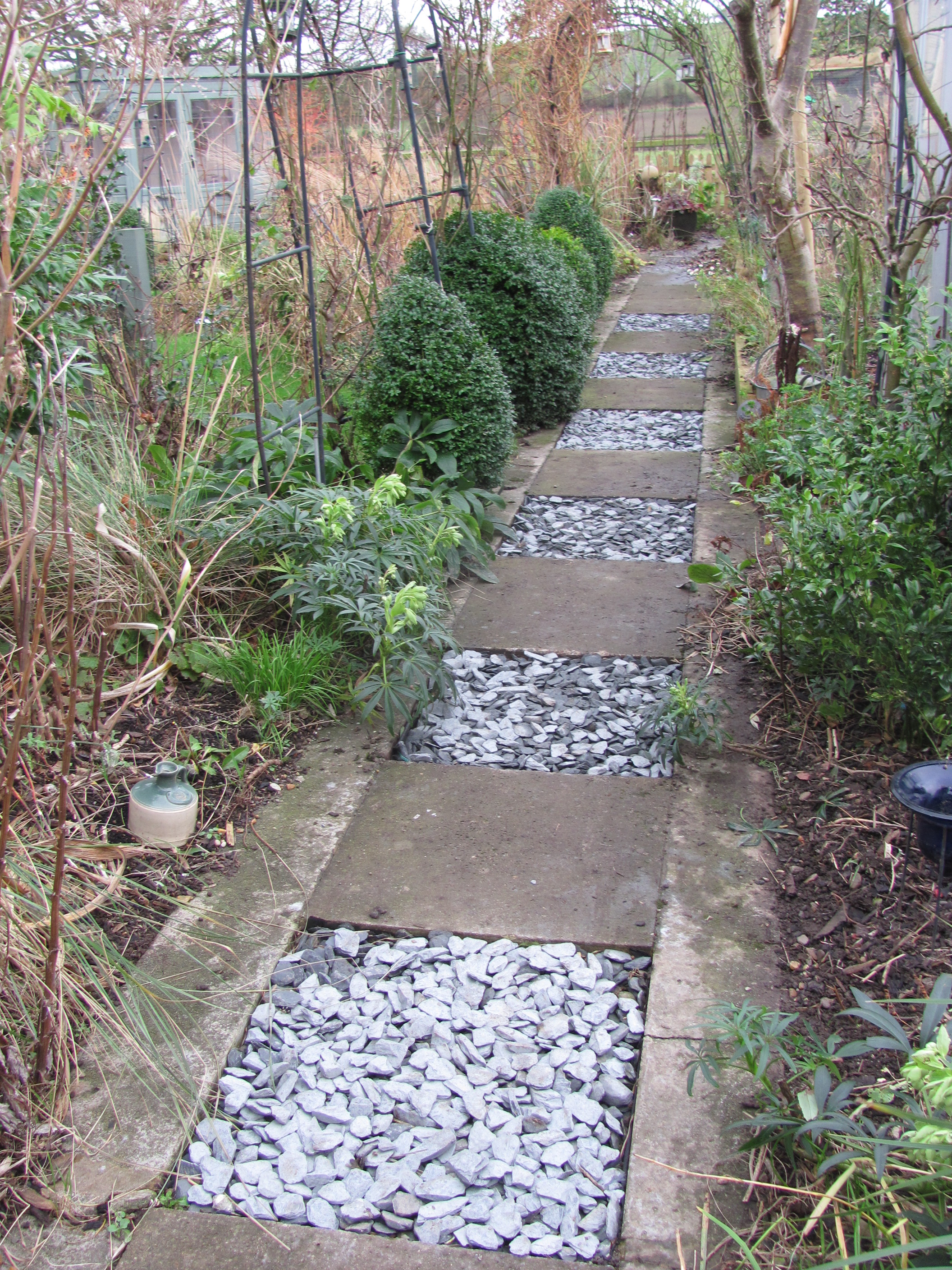
One of the added bonuses of using any form of slate in the garden is the fact that it  features different colours depending on whether it is wet or dry. The slate was wet when we put it down so in the above photos the slate is purple-black in colour and deeply glossy, but when dry it goes much paler almost white with just a hint of grey and is matt in texture.

2014 01 10_5902 2014 01 10_5901 2014 01 10_5900

So, there we have it the ugly duckling of a concrete path – turned into the beautiful swan – the new path of alternating slate and slab. We were pleased that we had managed to do this using recycled or re-used materials. The slabs were obviously our own and the slate came from the waste heaps of the old Welsh slate mines. These come from the waste heaps which until recently had no use whatsoever and they were a blot on the landscape of Snowdonia.

A good days work! An attractive new garden feature, reusing our old slabs and bringing in just one new material and that was a quarrying industry by-product.

Categories
allotments autumn community gardening diy garden buildings garden wildlife gardening gardens Land Art natural pest control recycling Shrewsbury wildlife

Pumpkins, a BBQ and Homes for Wildlife

At the end of October we held our first ever family oriented working party social day at our allotments, Bowbrook Allotment Community. It was a great success even though the whole day was spent in wellies and waterproofs. The ground beneath our feet was saturated and occasional showers got us from above, but neither distracted us from our aims of the day.

We started just after one o’clock when a photographer from the local newspaper came to take some shots of families working together on our “Homes for Wildlife” projects and one of our most recent award, the RHS Britain in Bloom “National Award of Distinction” which we were awarded for our community involvement.

First task was to make some birdboxes and Wren Pouches. All the materials were collected together by one of our picnic benches and tools readied.  It was heartening to see children, their parents and grandparents working together creating these nest boxes. Three generations together!

2013 10 27_4572 2013 10 27_4580

2013 10 27_4590 2013 10 27_4598

2013 10 27_4622 2013 10 27_4599

We made some hanging bug shelters too, created from broken flower pots, driftwood and bits of bark.

2013 10 27_4579

We wished also to make a couple of bug hotels, a small one along the fenceline and our most ambitious yet a 6 ft high creepy crawly cottage both based on recycled wooden pallets. We began with a stack of pallets and a collection of natural objects collected by allotment holders, sticks, old garden canes, stones, fir cones etc.

2013 10 27_4565 2013 10 27_4567 2013 10 27_4569

The “cottage” soon began to take shape as pallets were stacked and fixed together to give the basic structure.

2013 10 27_4571  2013 10 27_4577

2013 10 27_4581 2013 10 27_4584

2013 10 27_4585 2013 10 27_4586

2013 10 27_4587 2013 10 27_4589

2013 10 27_4588   2013 10 27_4591

2013 10 27_4594 2013 10 27_4593

2013 10 27_4597

All we have to do now is choose a name for our new insect home. We have challenged the youngsters from the allotments, our Roots and Shoots group, to choose a suitable one. So far we have a few ideas – “Minibeast Manor”, “Bugtique Hotel” and “Minibeast Metropolis”. The difficulty will be how to decide!

The smaller insect hotel was made from five pallets and again filled with objects that would provide shelter for wildlife. We finished it off with a stone pile, the perfect home for beetles.

2013 10 27_4582 2013 10 27_4583

2013 10 27_4595 2013 10 27_4596

2013 10 27_4578

The final jobs before our BBQ was to plant lots of acorns, sweet chestnuts and hazel nuts to grow on and plant in our hedgerows and to plant up a whole sack of daffodil bulbs alongside the paths in our meadows.

2013 10 27_4600 2013 10 27_4616

The BBQ brought us all back together and once darkness fell we lit our pumpkin lanterns. And we even found time for Jude to do some face painting.

2013 10 27_4618 2013 10 27_4619 2013 10 27_4617 2013 10 27_4627 2013 10 27_4628

As we enjoyed the BBQ the light disappeared and we prepared ourselves for the Twilight Walk, when we wandered around the site with lit pumpkins to light our way in search of sheds decorated as Spooky Sheds.

2013 10 27_4624   2013 10 27_4626 2013 10 27_4623

2013 10 27_4615 2013 10 27_4613 2013 10 27_4612 2013 10 27_4611 2013 10 27_4610 2013 10 27_4609 2013 10 27_4608 2013 10 27_4607 2013 10 27_4606 2013 10 27_4605 2013 10 27_4604 2013 10 27_4602

And as the night fell we disappeared into the gloom with our pumpkins to guide our way.

2013 10 27_4629 2013 10 27_4630

Categories
allotments fruit and veg garden wildlife gardening grow your own kitchen gardens recycling

Trench Composting

Trench composting is an underused way to improve your soil texture and add fertility to your soil. And it has the added bonus of getting rid of those tough old stems of spent sunflowers, sweetcorn and brassicas. We spent a day trench composting the quarter of our allotment in which we shall be growing our roots next year. Many books tell us not to add manure or humus to the patch where you are planning to grow your root crops but we have found by experience that if the trenching is carried out in early autumn it works just fine. As the depth of soil on our plot is less than a border fork deep we need to keep adding to it in an attempt to build up some depth.

The job gets started as Jude, aka Mrs Greenbench or The Undergardener, takes out a 2 foot wide trench down to the hard layer of boulder clay. I then follow on with the rotovator breaking up this hard packed layer of clay and large pebbles. It makes the rotovator work hard and it jumps and lurches around at the bottom of the trench. By doing this we hope to gain depth and let worms and other creatures of the soil work in the humus we will be adding. While the rotovator turns up the stones and pebbles we collect them up to use as a stonepile, a beetle shelter. The beetles are useful predators who will help in our pest control.
2013 10 01_4074 2013 10 01_4075 2013 10 01_4076

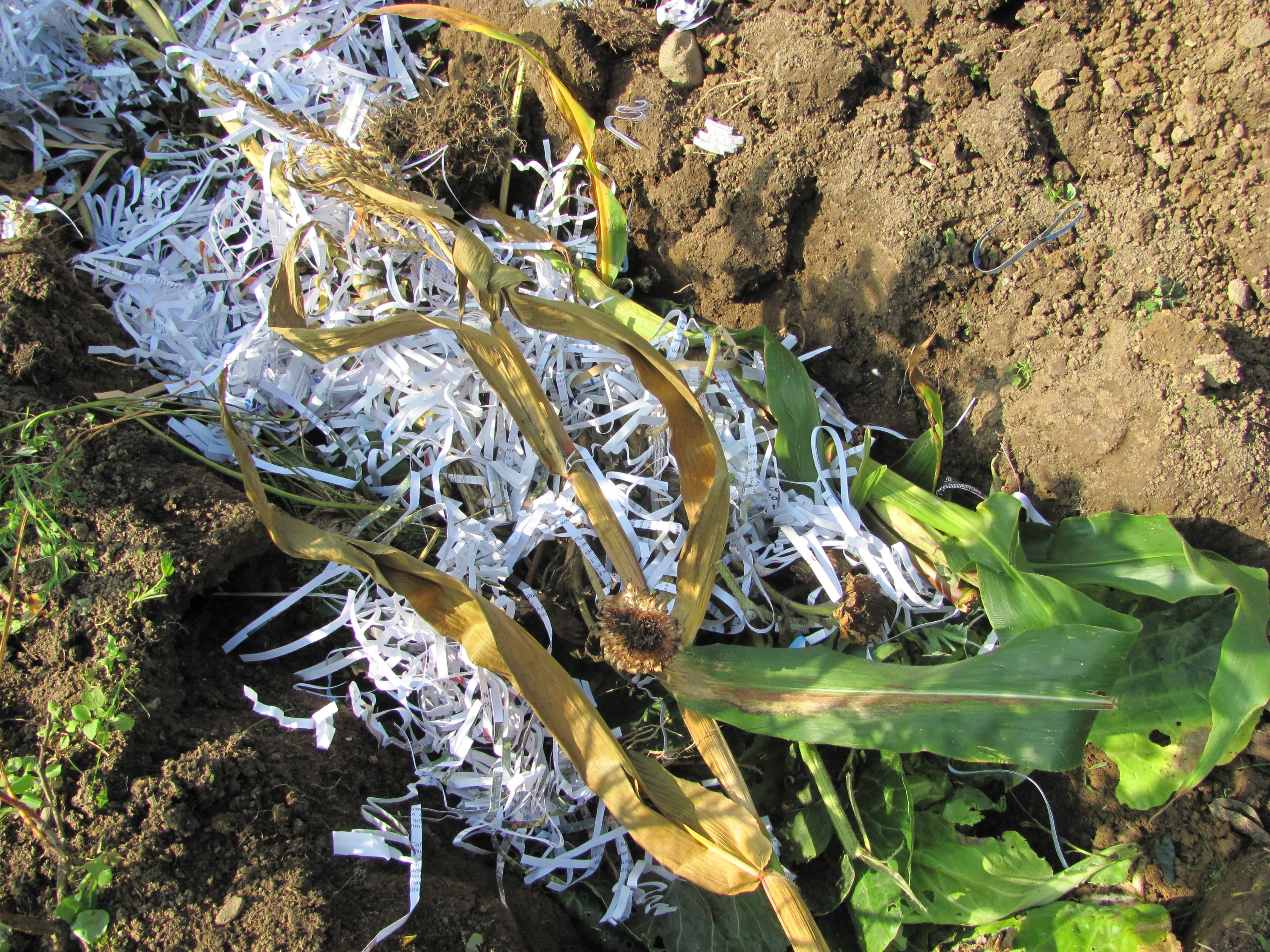
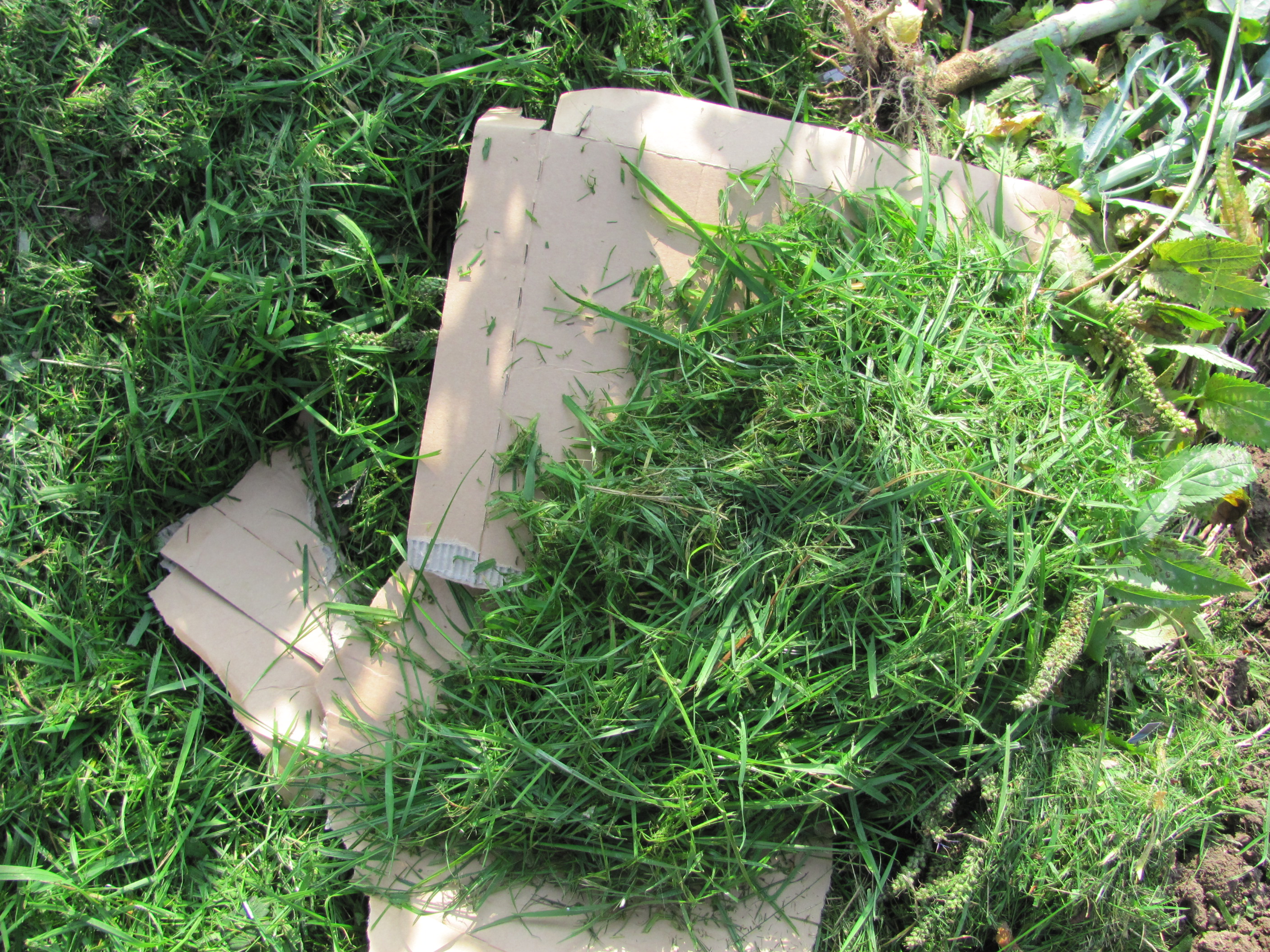
Green waste from the spent crops on the plot are then placed all along the bottom of the trench, with the tougher material needing chopping with a sharp stainless steel spade. Even the toughest of green waste such as brassica stalks, sunflower stems and sweetcorn stalks will break down in the depths of the trench. We also add shredded paper (only non-glossy), torn card board and lawn mowings.
2013 10 01_4077 2013 10 01_4078

2013 10 01_4080 2013 10 01_4082 2013 10 01_4083

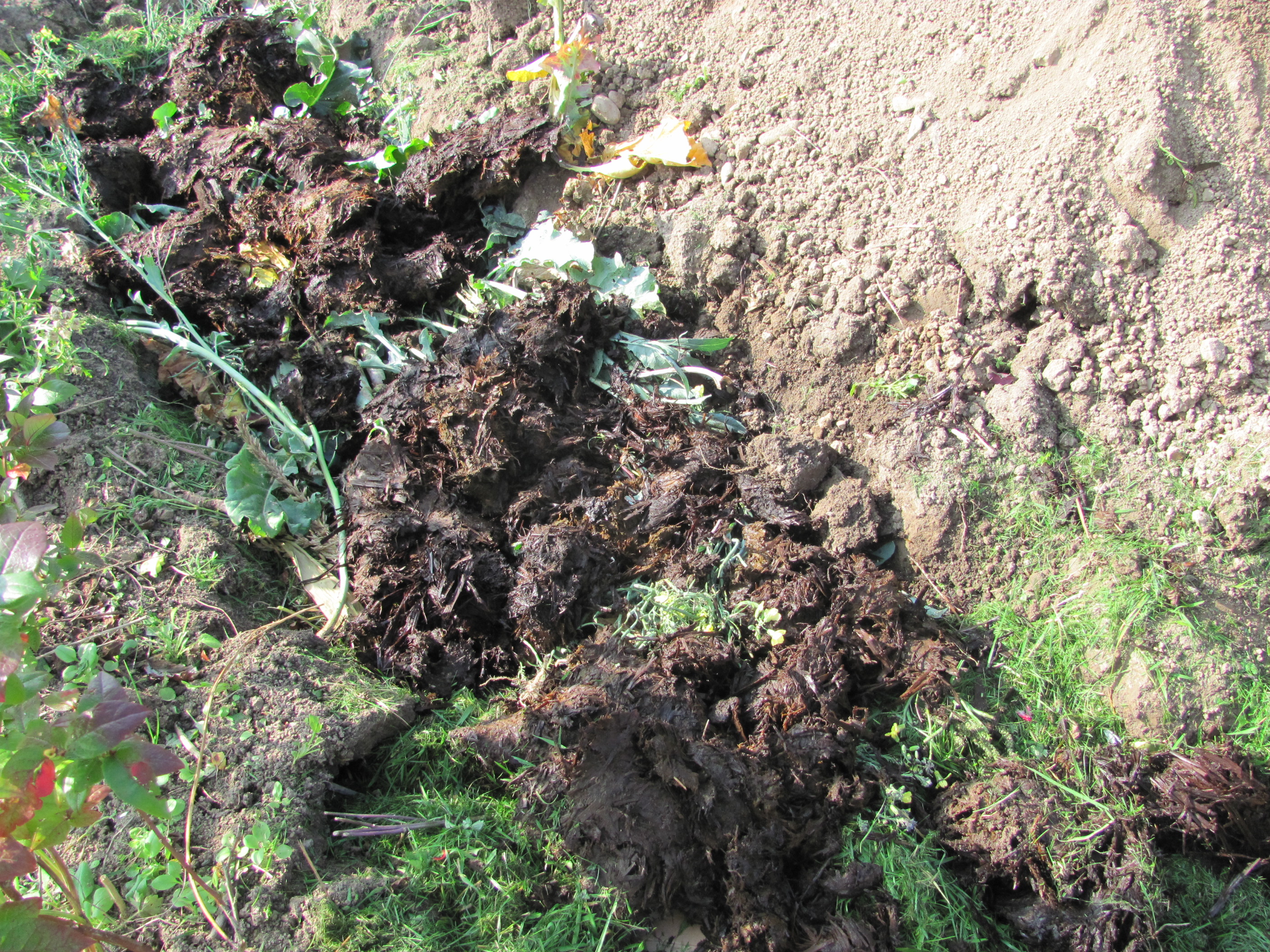
To further improve soil texture and add more nutrient value we  mix in a barrow load of quality farmyard manure.We find this encourages the soil critters to get going.
2013 10 01_4084 2013 10 01_4085

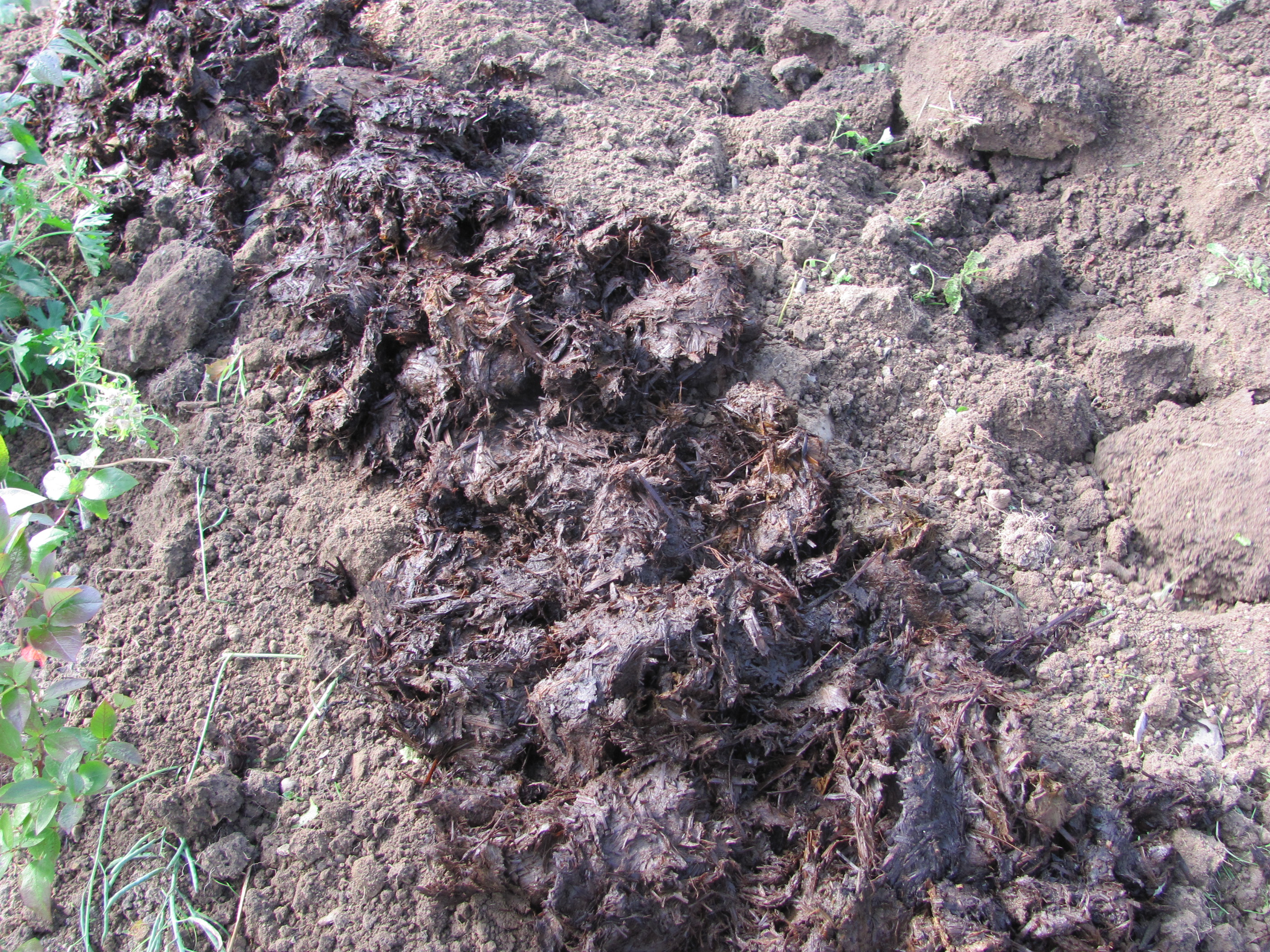
To finish Jude replaces the soil over the top of the material in the trench and as a final touch we add a thick mulch of farmyard manure.

2013 10 01_4086 2013 10 01_4087 2013 10 01_4088 2013 10 01_4089

We then hand the trench with its added ingredients over to the creatures of the soil. When we trench again in a few years time all that material will have totally broken down.

We carry on by digging out another trench alongside the first and keep moving over the area until it has all been trenched. We have our plot divided into four sections to allow for crop rotation so we trench one or two sections each year. This method of composting is a very efficient way of recycling green waste including the tough materials often thrown in refuse bins. Plants grown in the richly textured and nutrient rich soil will grow strongly and therefore be healthier so will be better able to cope with attacks from pests and diseases.

Categories
garden design garden photography garden wildlife gardening gardens open to the public grasses hardy perennials meadows natural pest control ornamental trees and shrubs recycling walled gardens wildlife

Boughton House – The Gardens

Back to Boughton as promised and this time we are off to the more intimate gardens closer to the house. These contrast strongly with the large scale landscaping with the huge land forms.

Refreshed with a good coffee and a slice of lemon drizzle cake from the restaurant in the stableyard we wandered off to the walled garden.

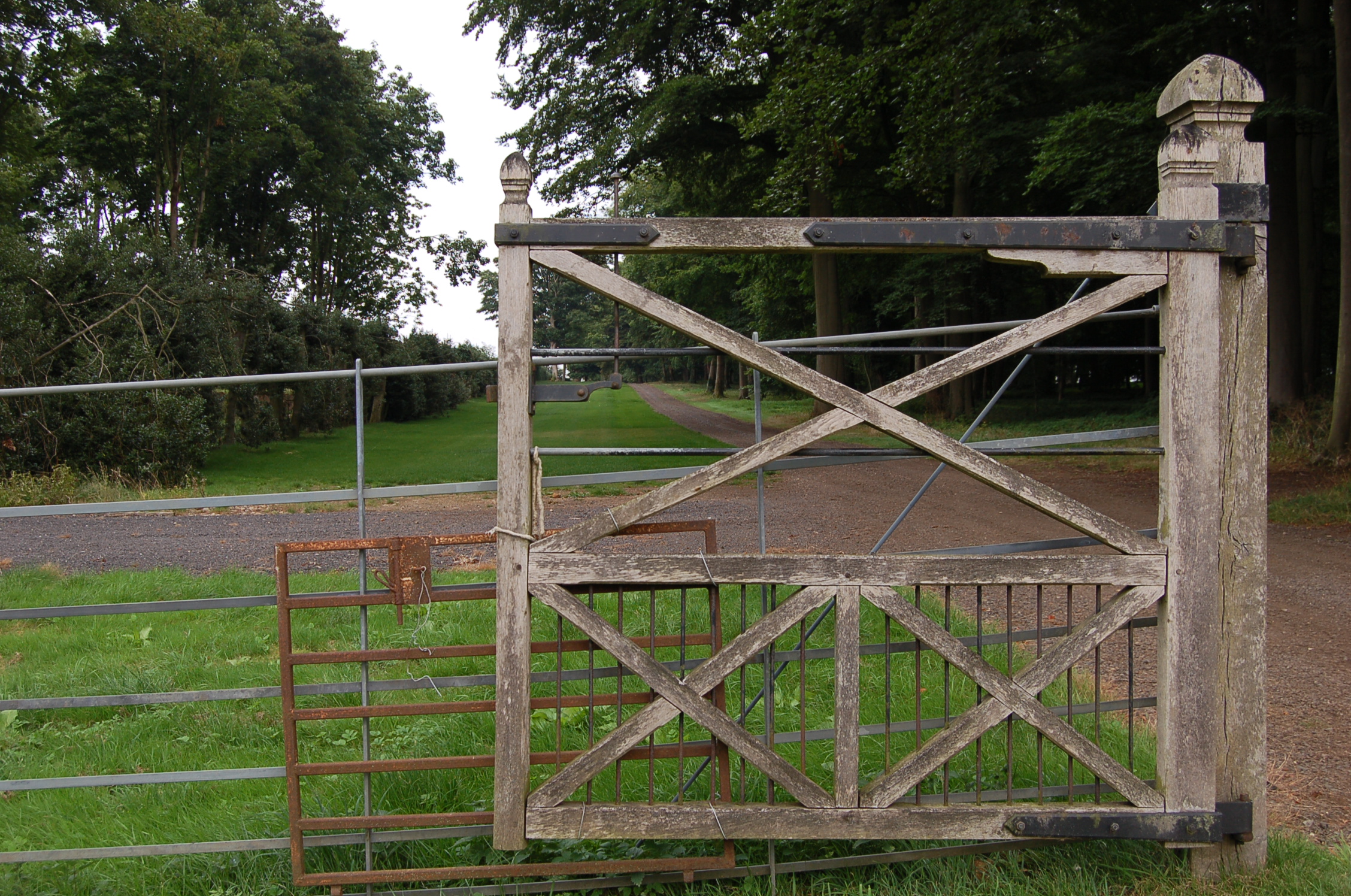
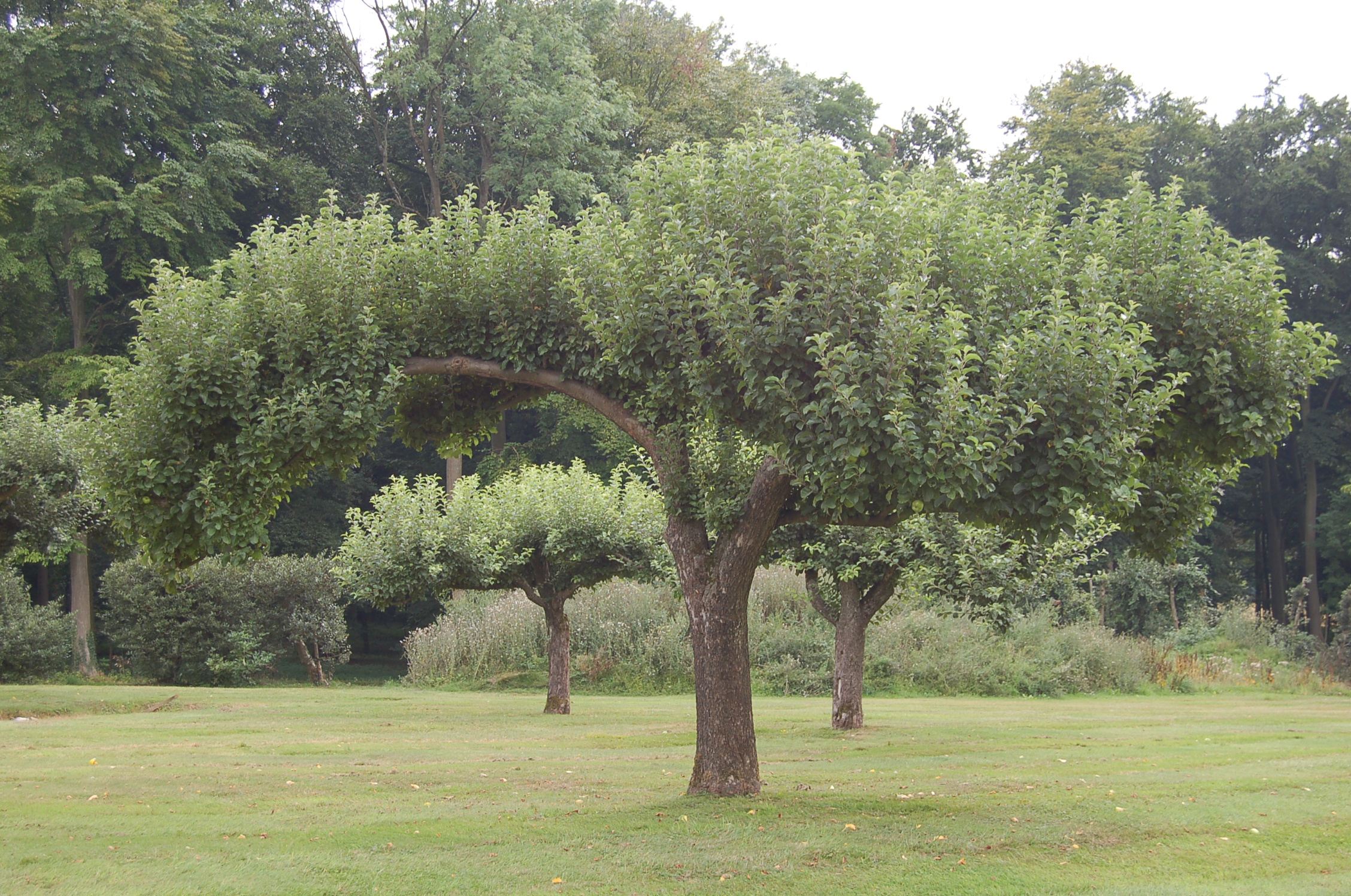
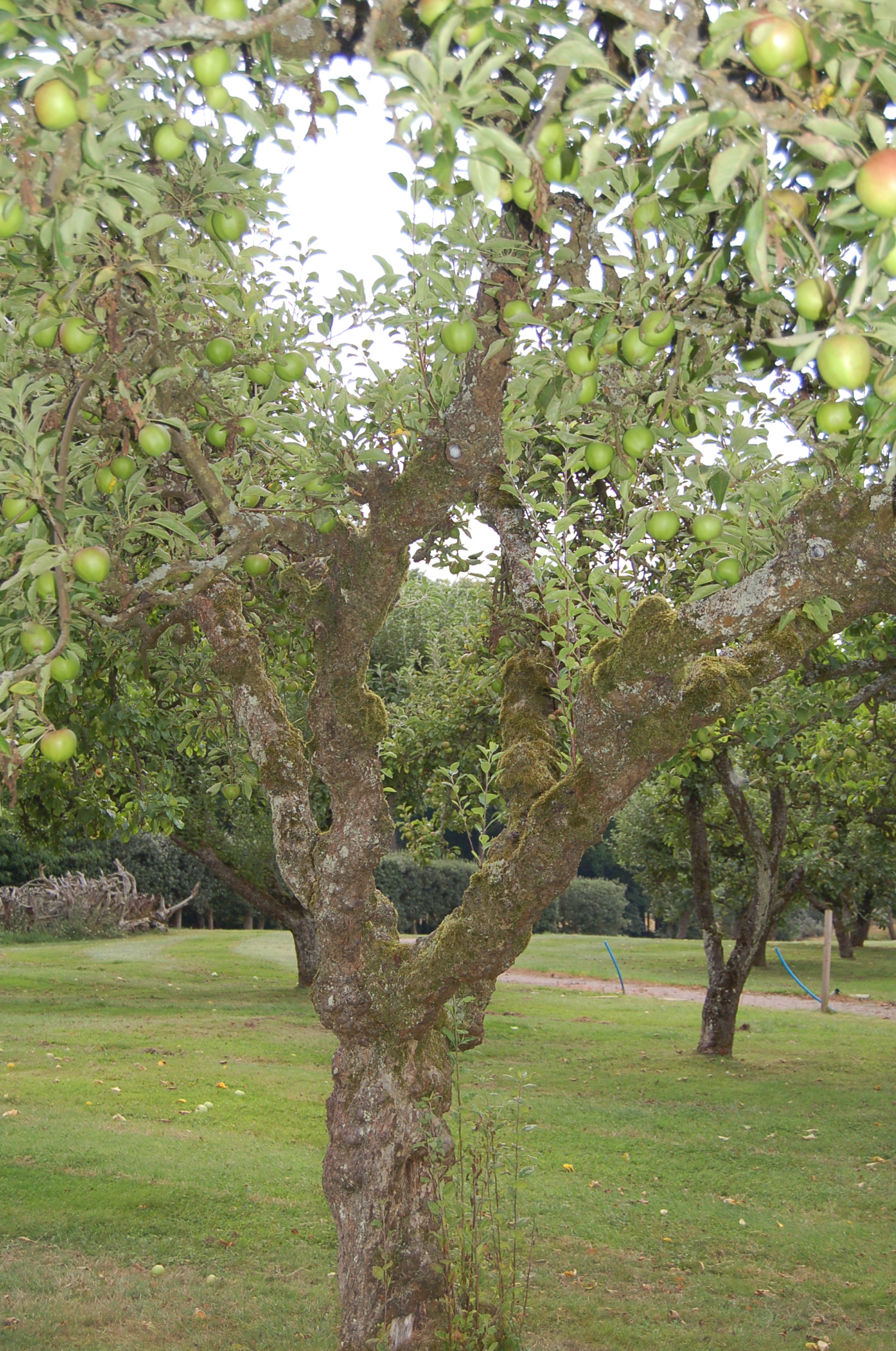
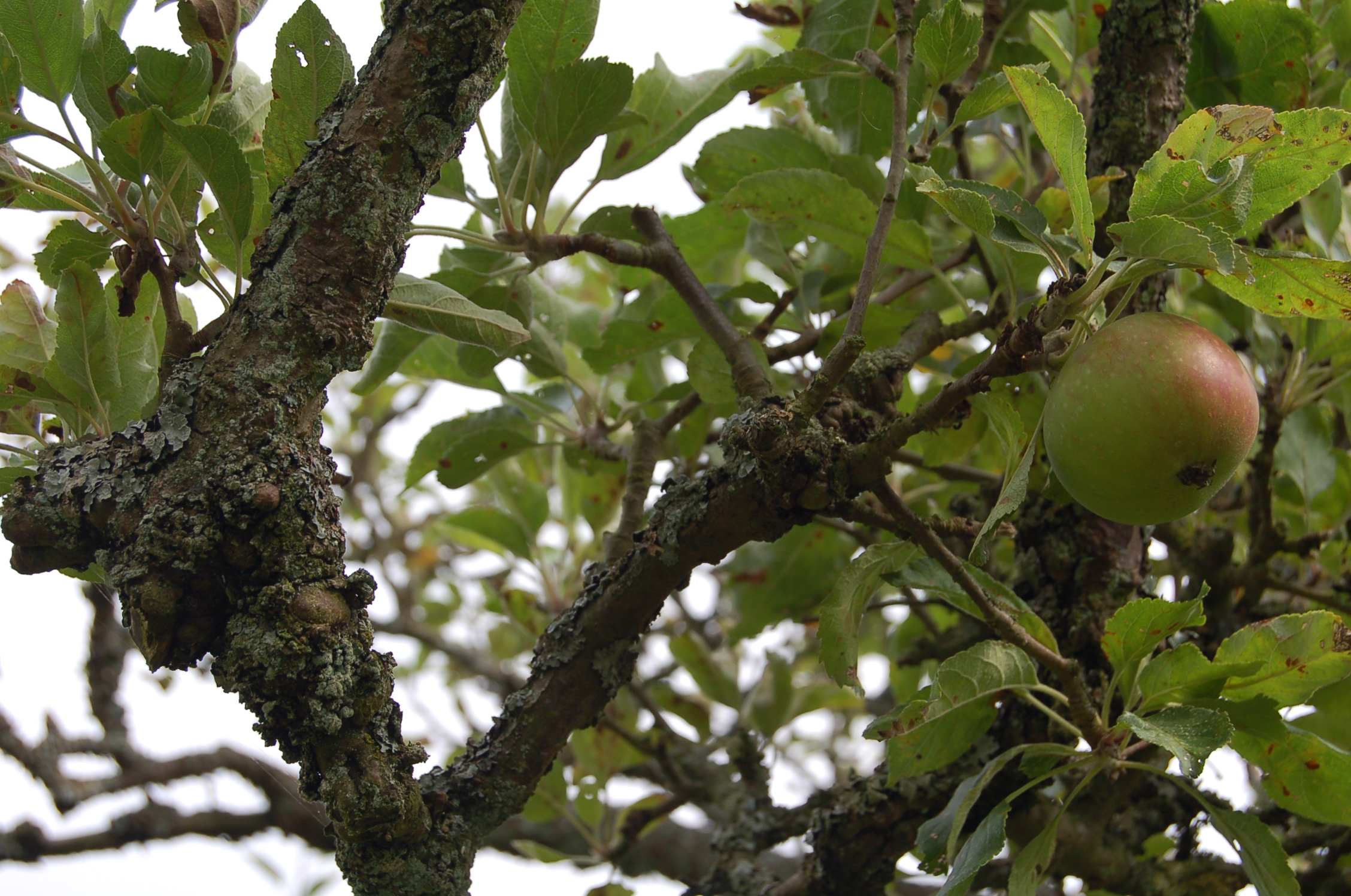
On the way we passed through a couple of old gates, presenting an odd juxtaposition with one so grand and one rather normal. Finding an old orchard was an unexpected pleasure. The old apple trees are being sensitively renewed through careful and very skillful pruning.

2013 08 23_3052 2013 08 23_3054 2013 08 23_3055 2013 08 23_3056

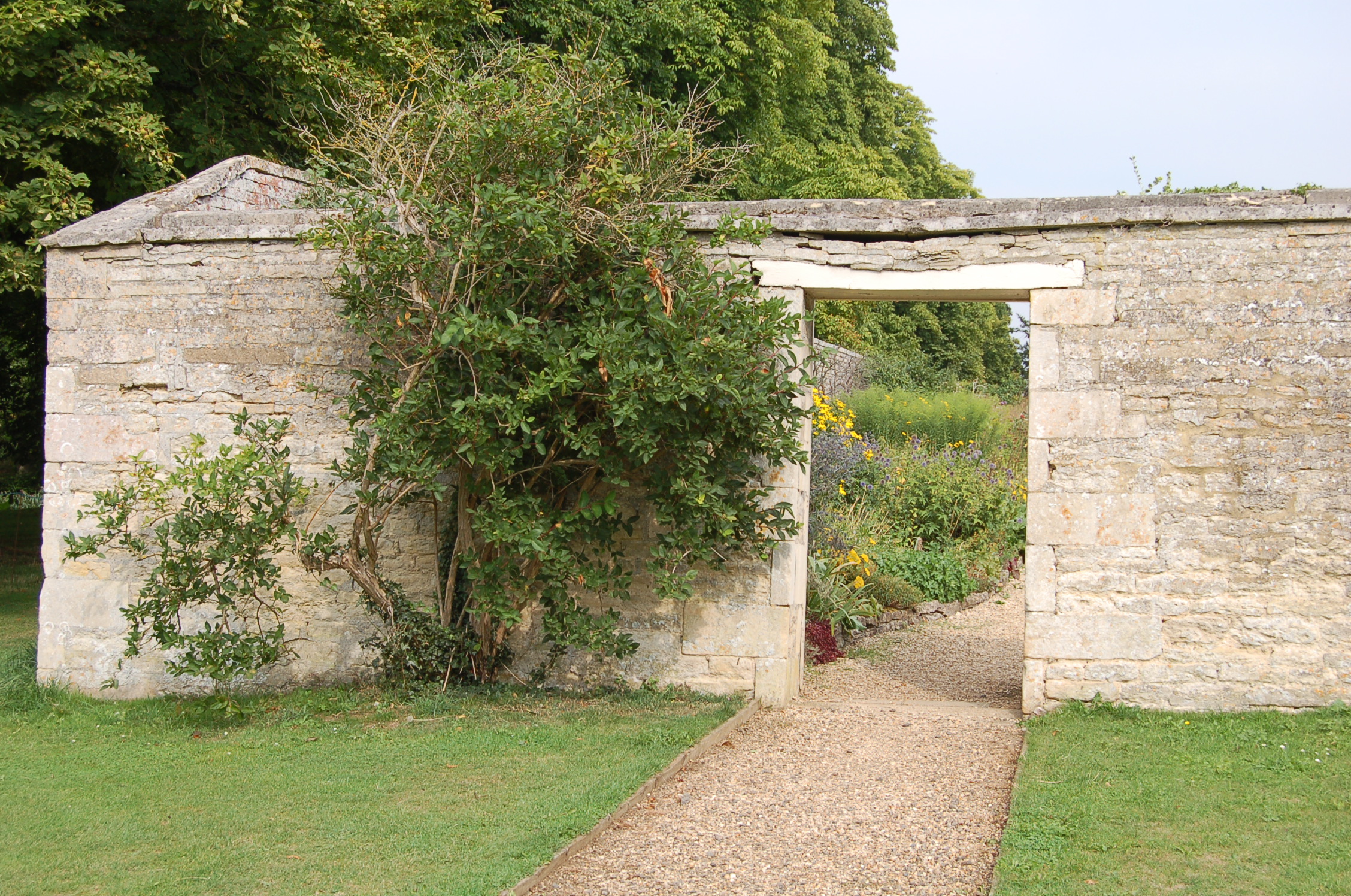
The gateway that led to the walled garden was most welcoming and we accepted readily its generous invitation to enter.

2013 08 23_3057

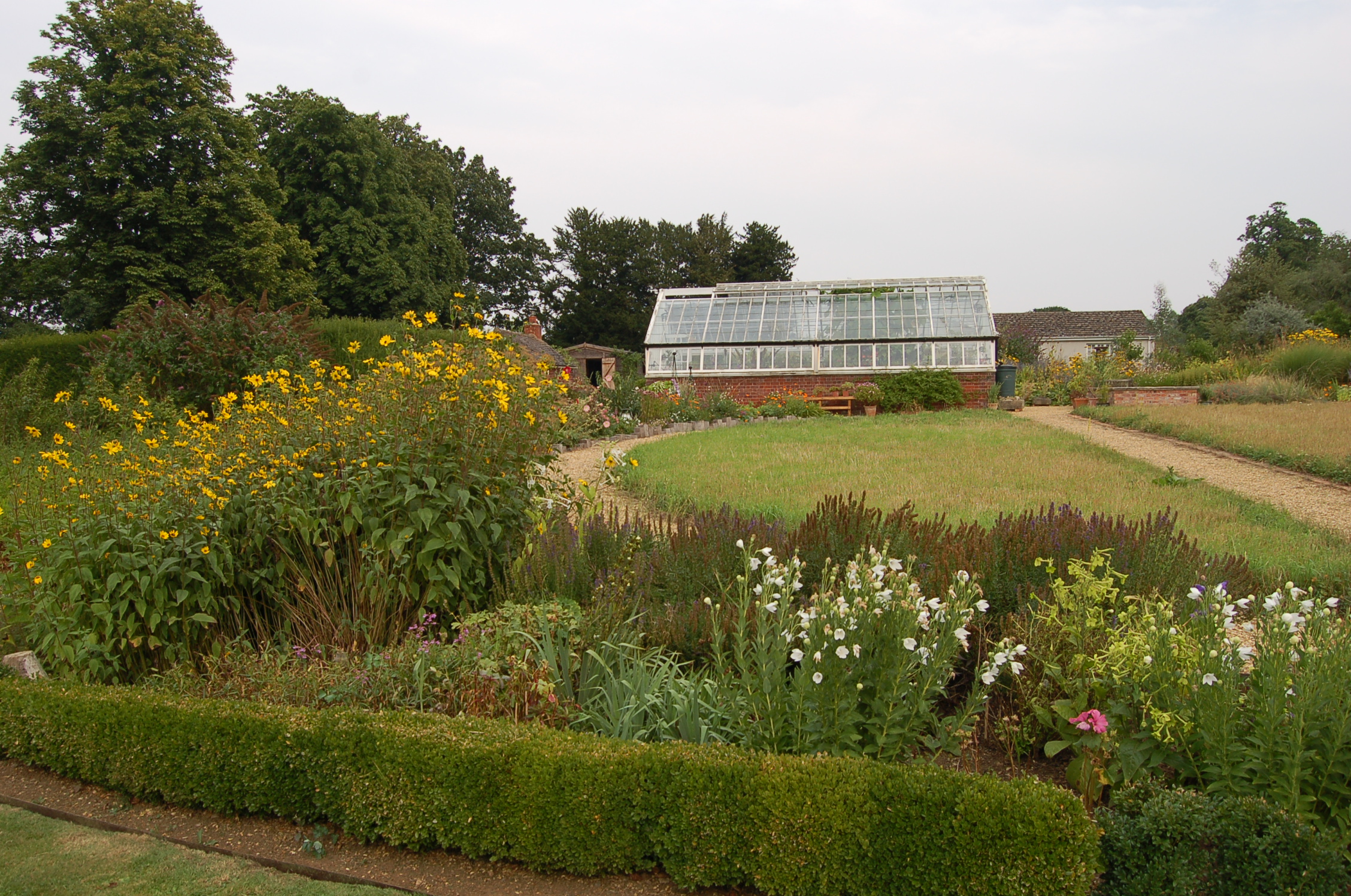
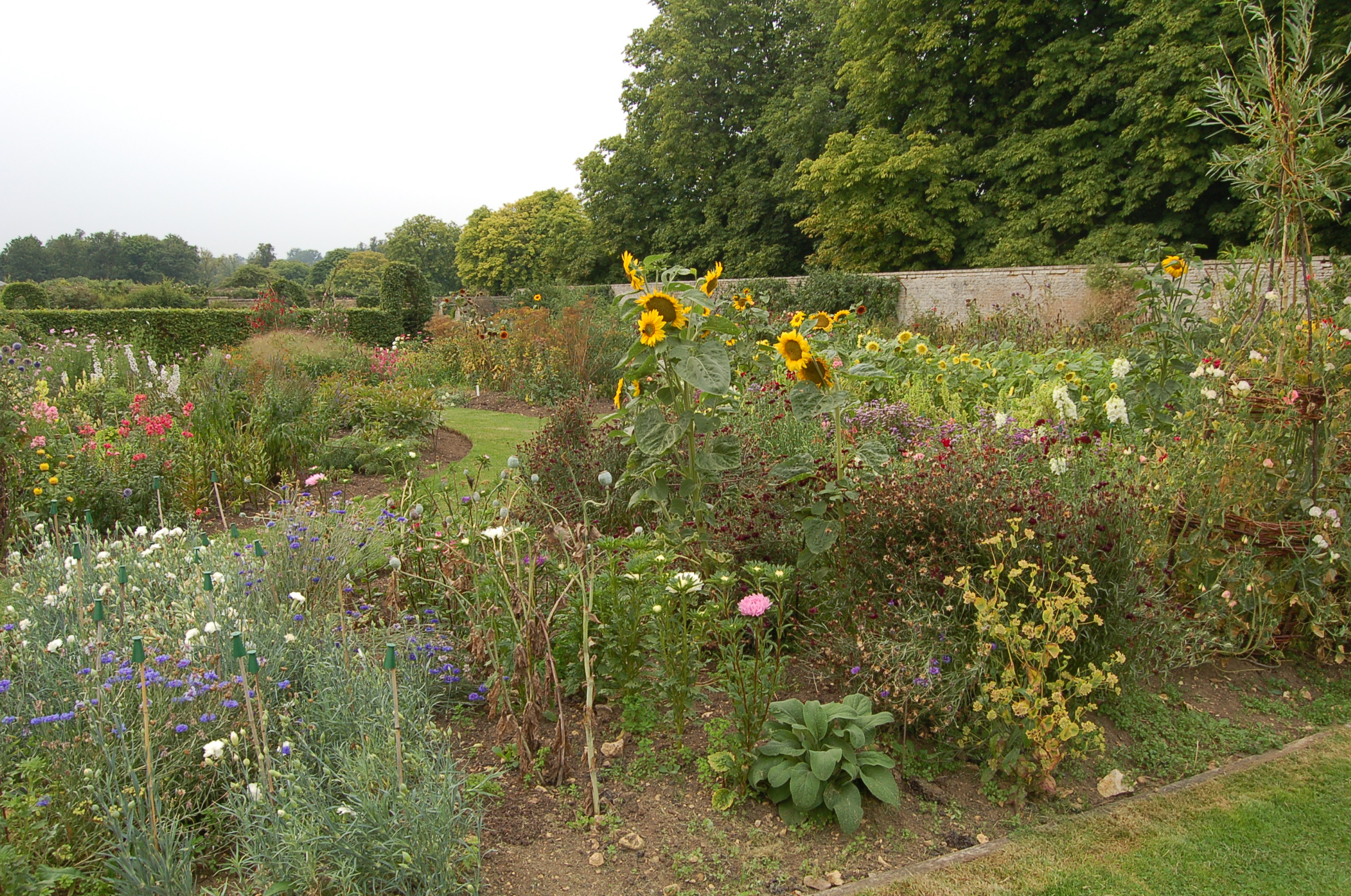
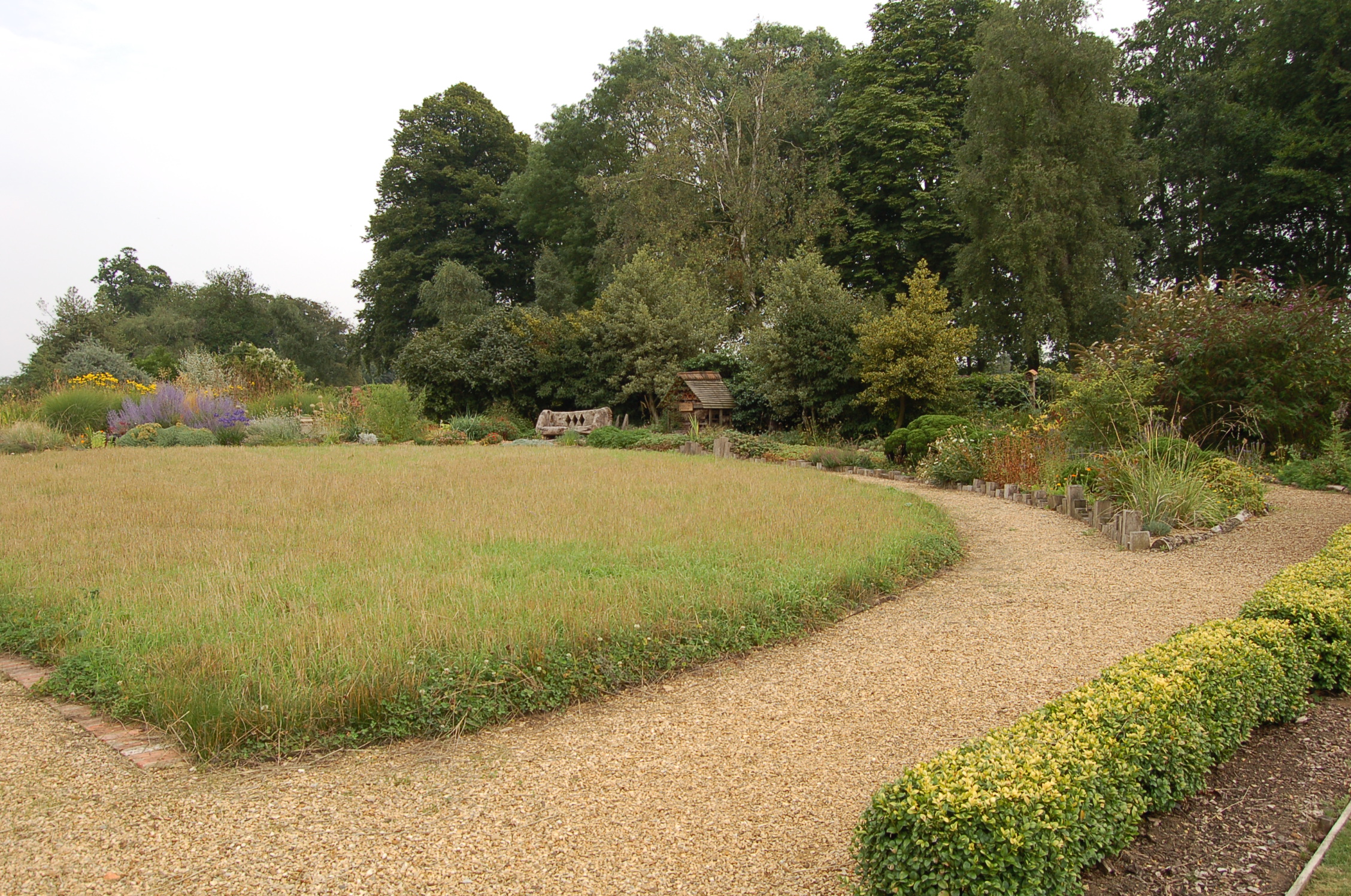
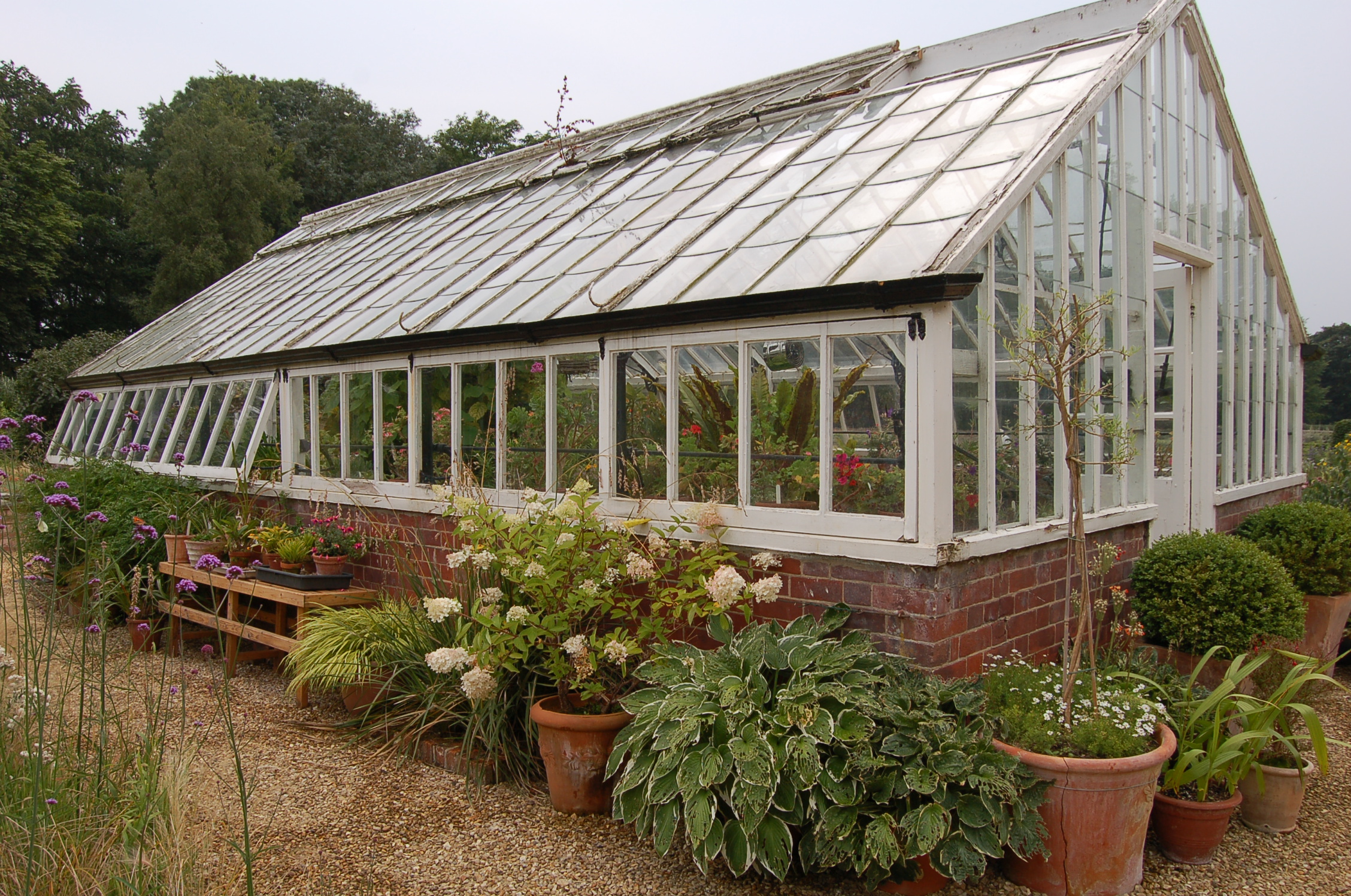
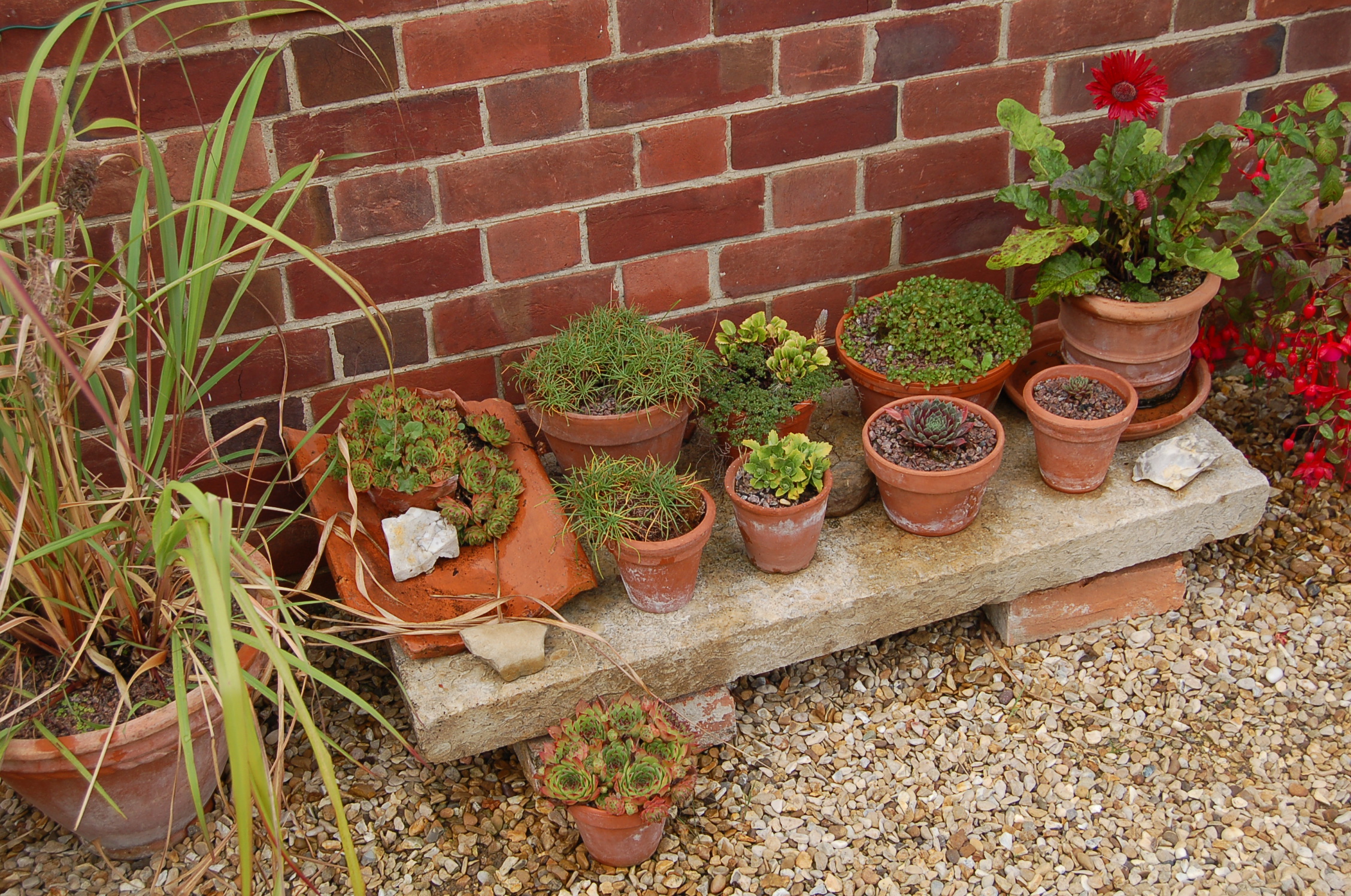
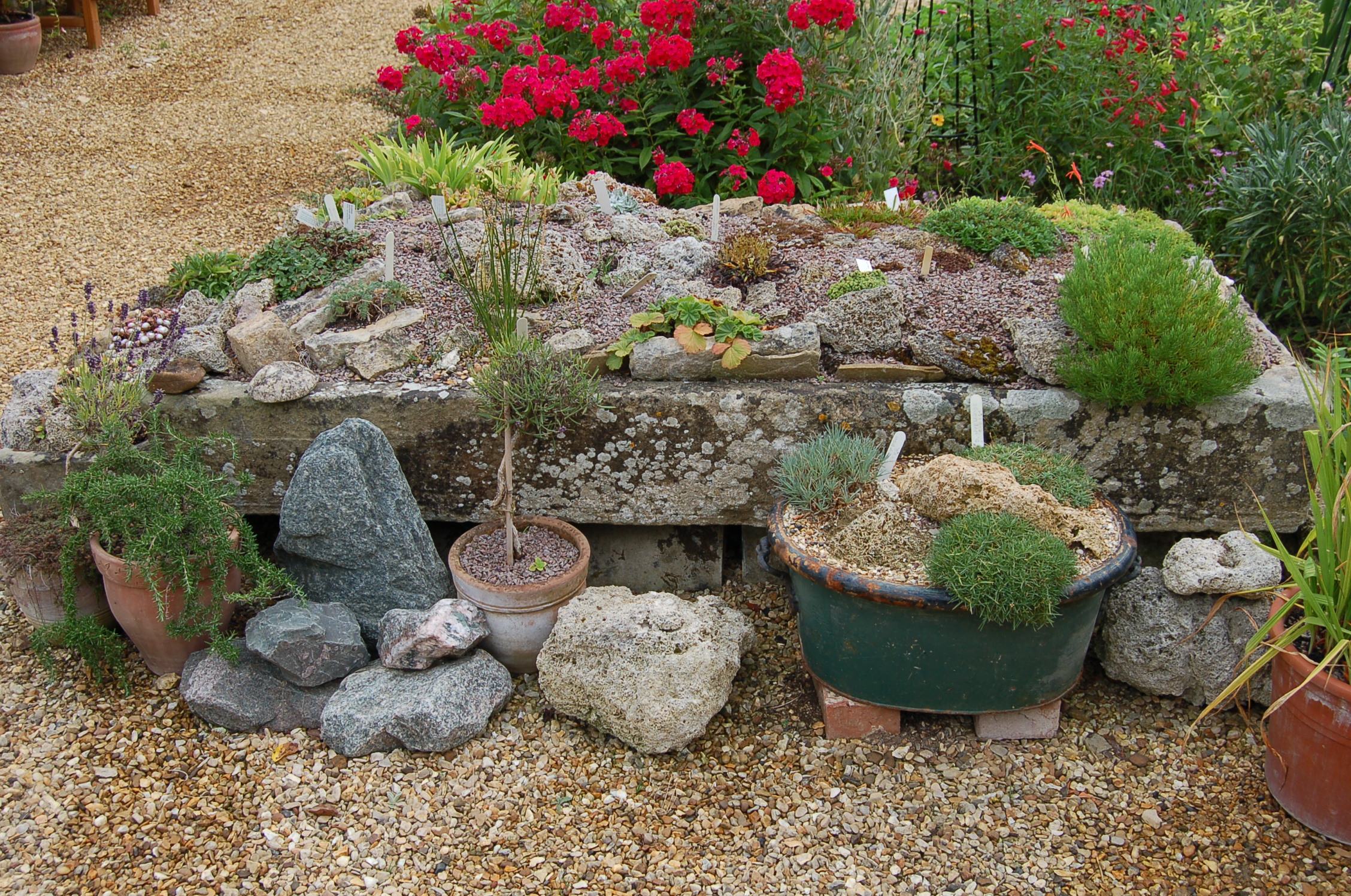
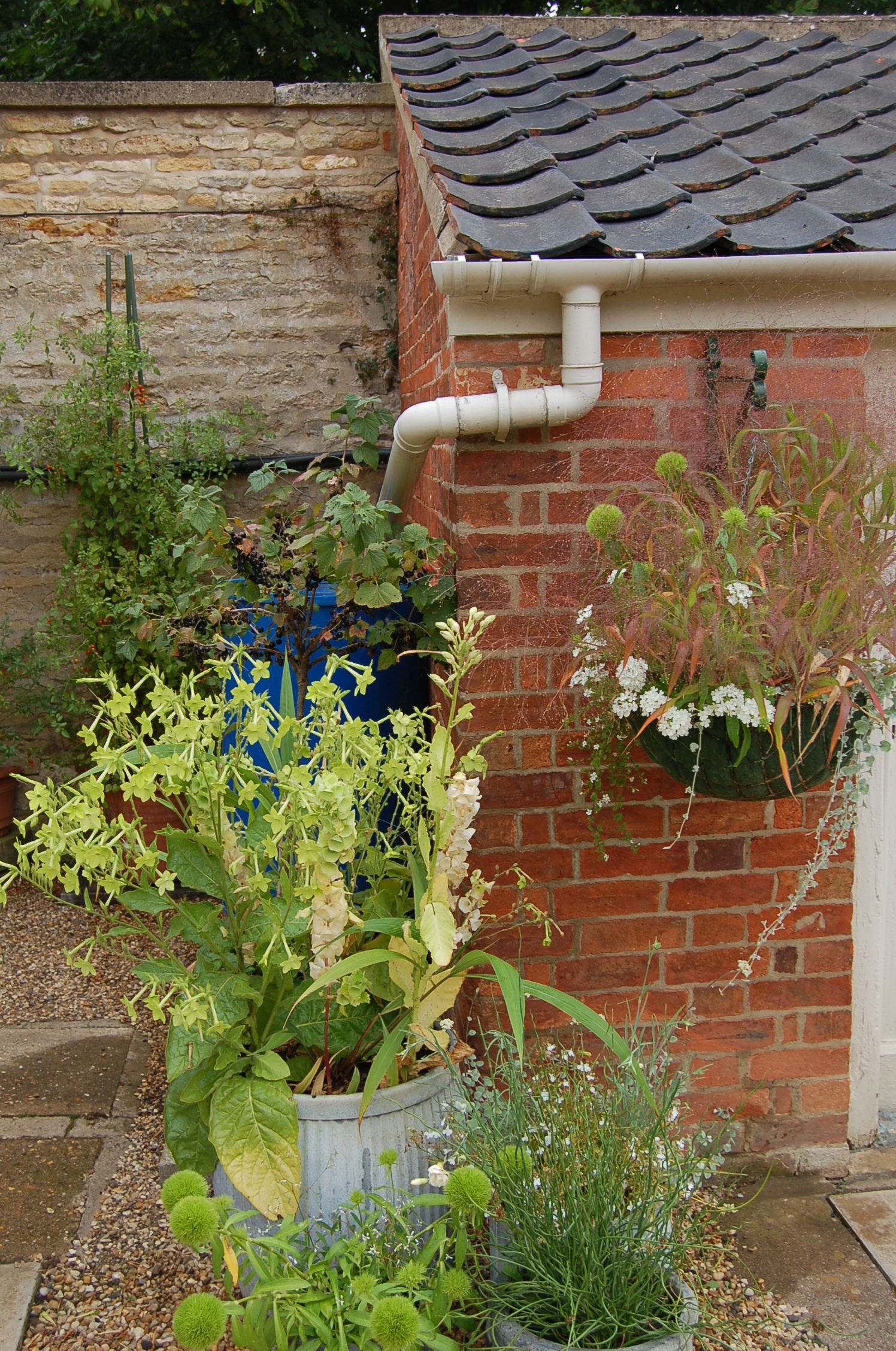
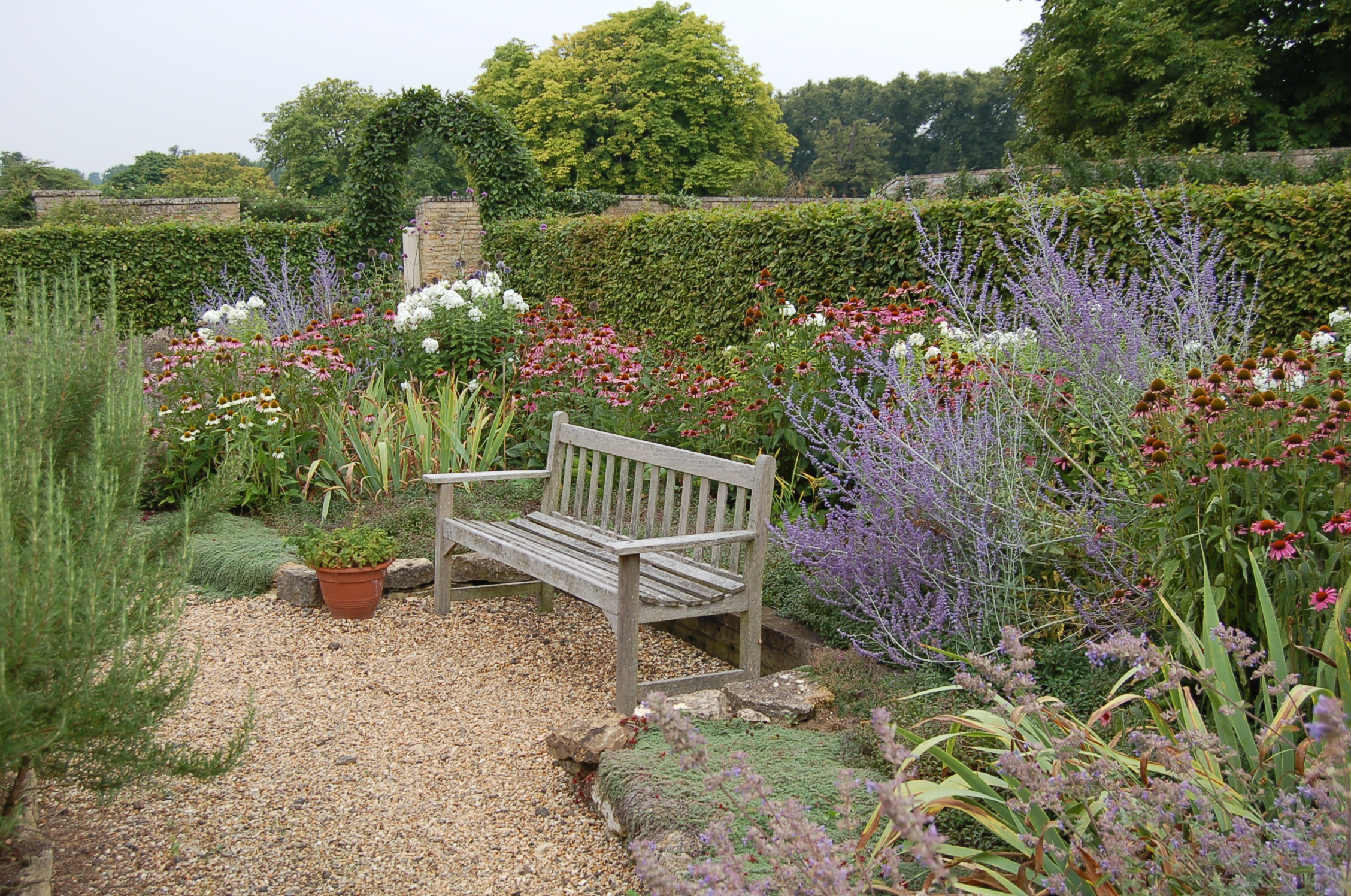
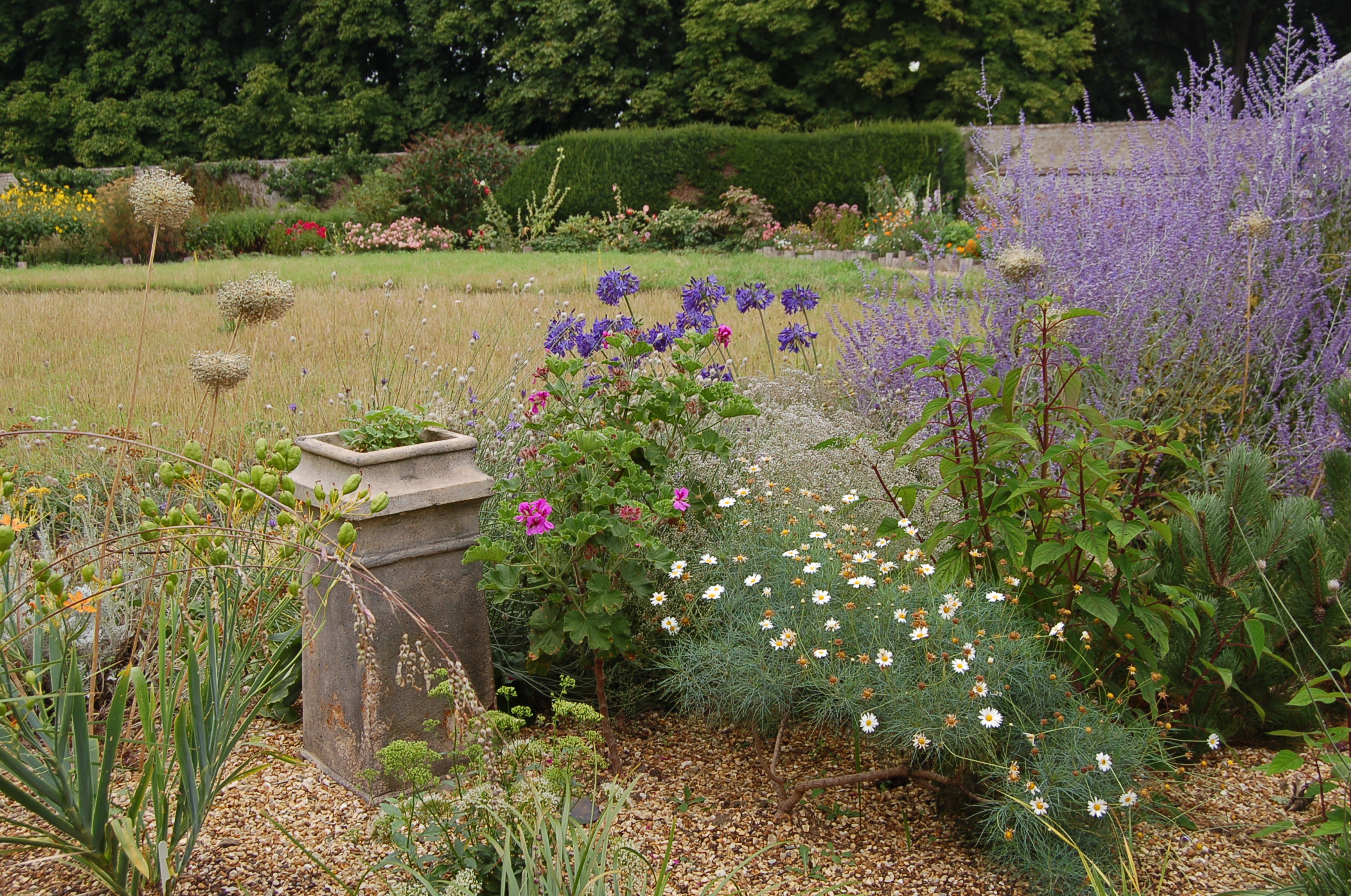
And what a sight met our eyes! The area enclosed by the old honey-coloured stone walls was far larger than we expected and contained a sensory garden, a wildlife garden, herbaceous borders and old greenhouses surrounded by interesting plantings in a selection of eclectic containers.

2013 08 23_3061 2013 08 23_3062 2013 08 23_3063

2013 08 23_3071 2013 08 23_3070 2013 08 23_3069 2013 08 23_3068 2013 08 23_3067

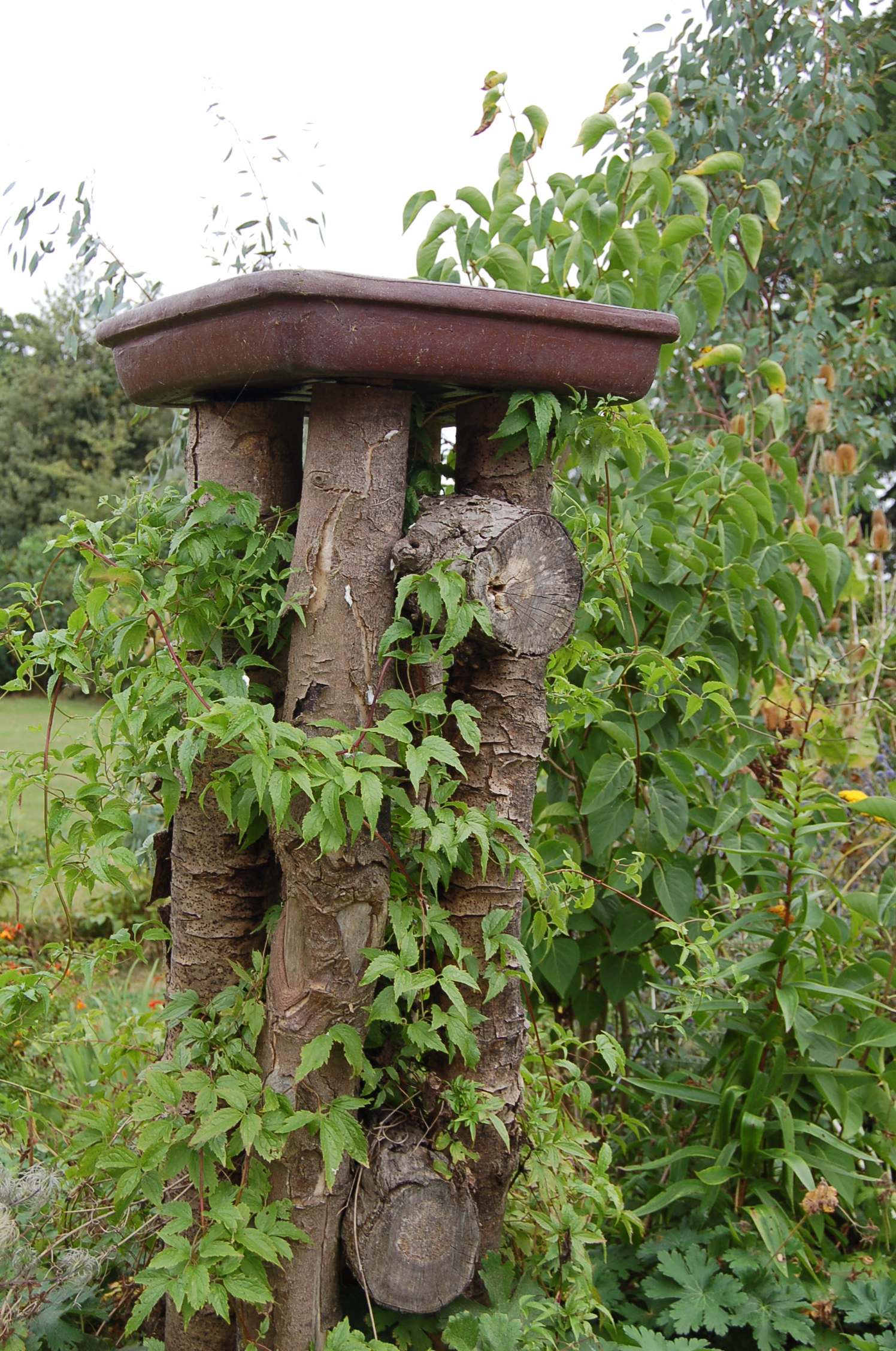
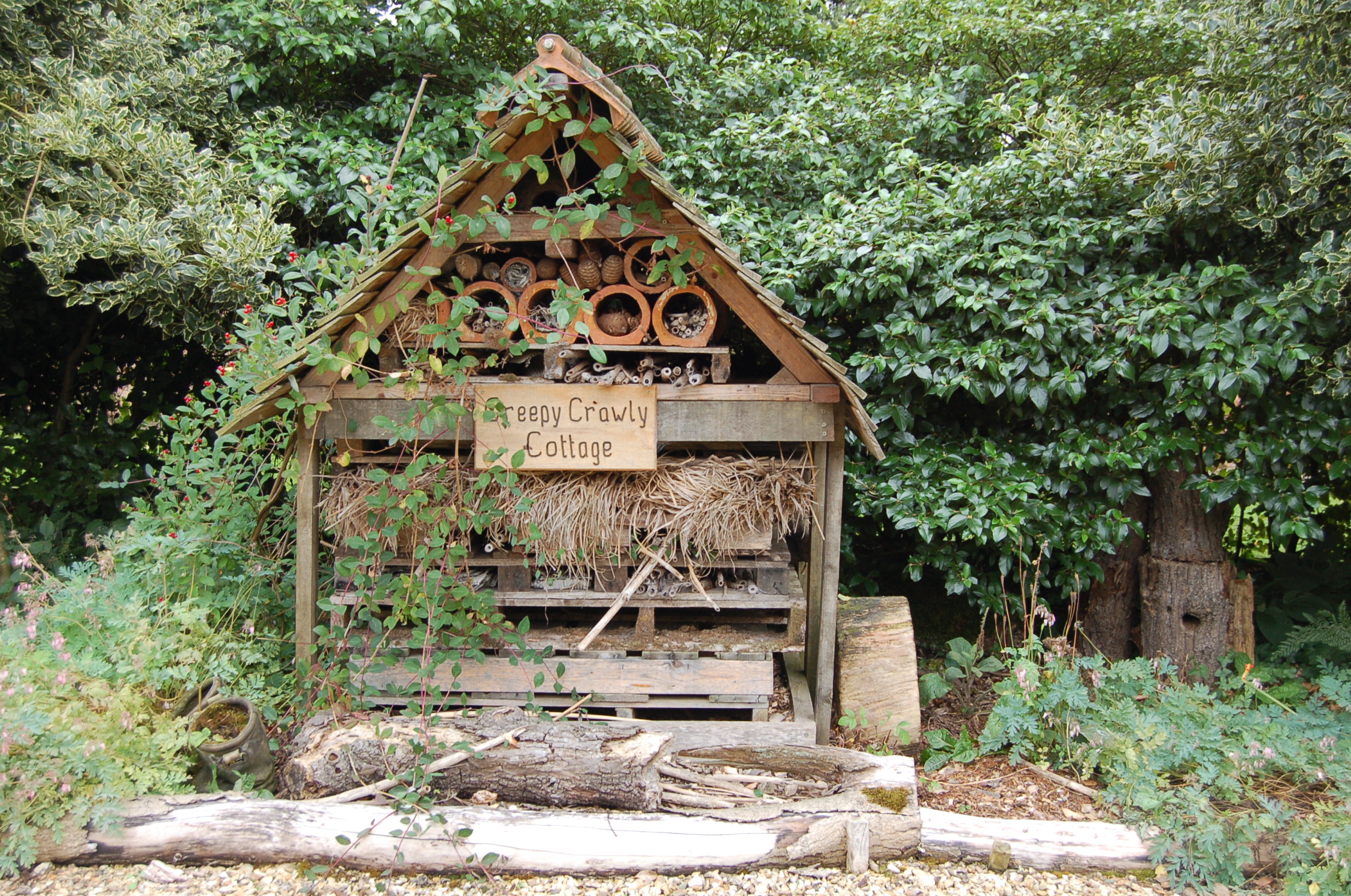
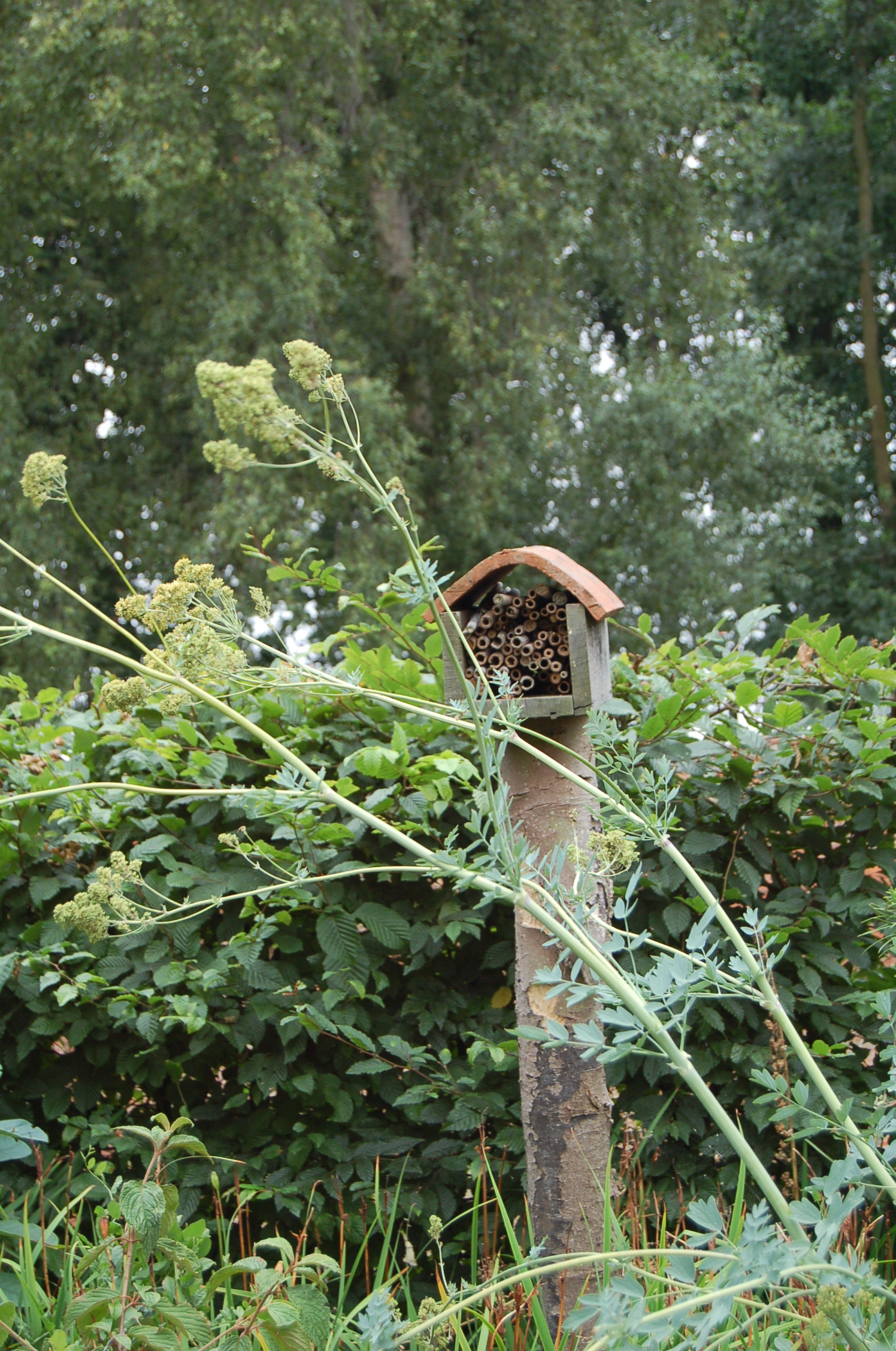
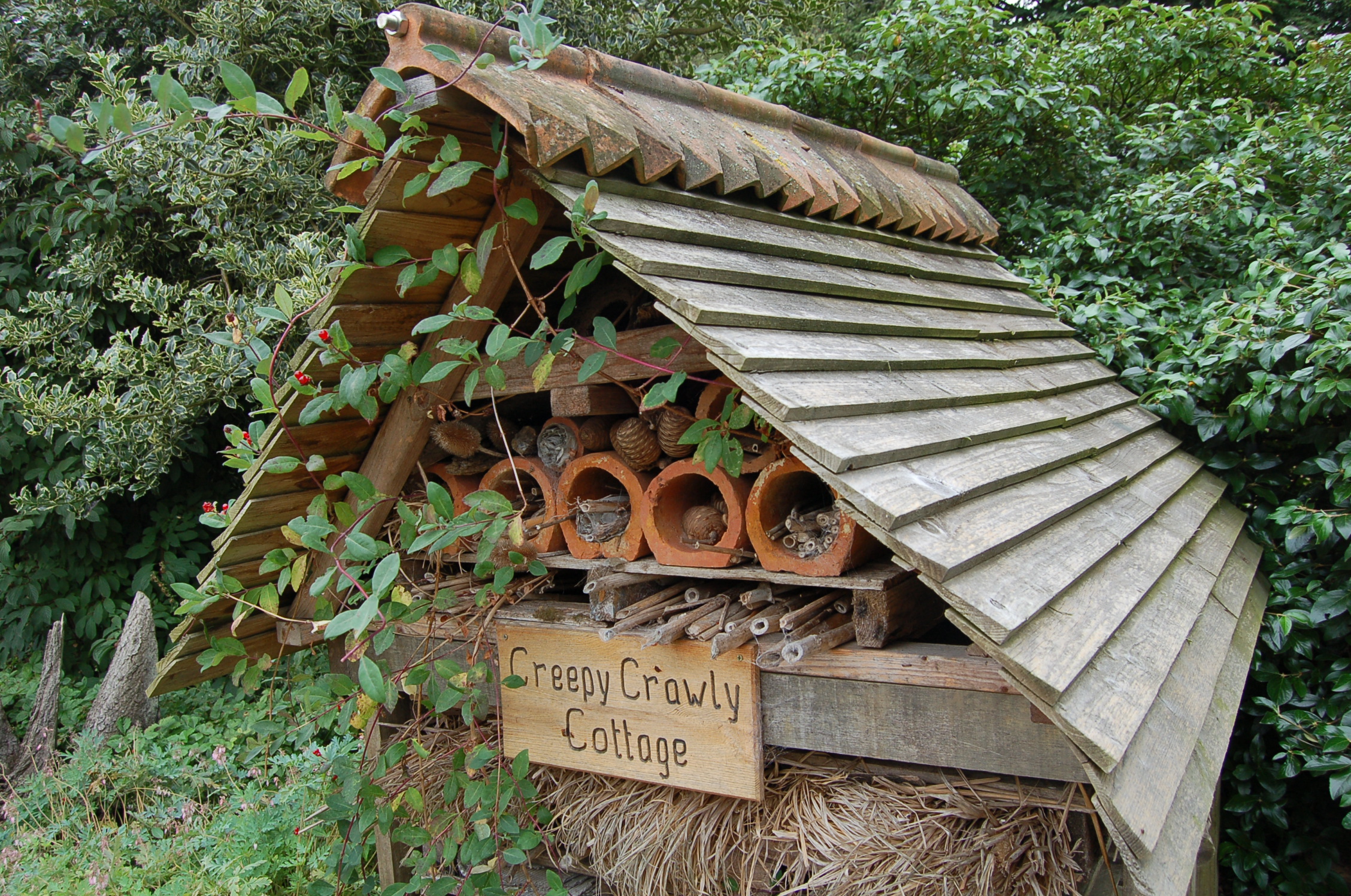
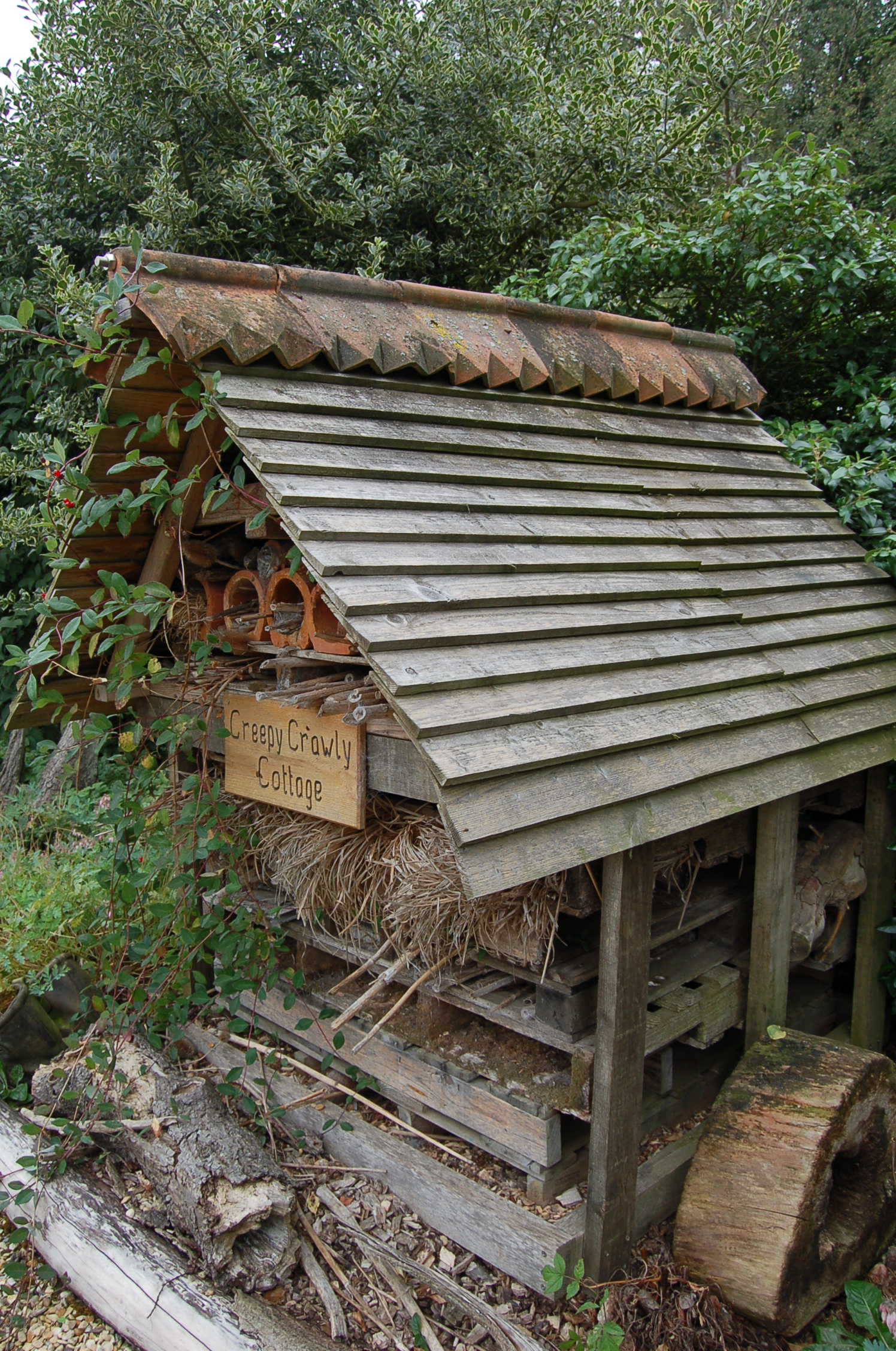
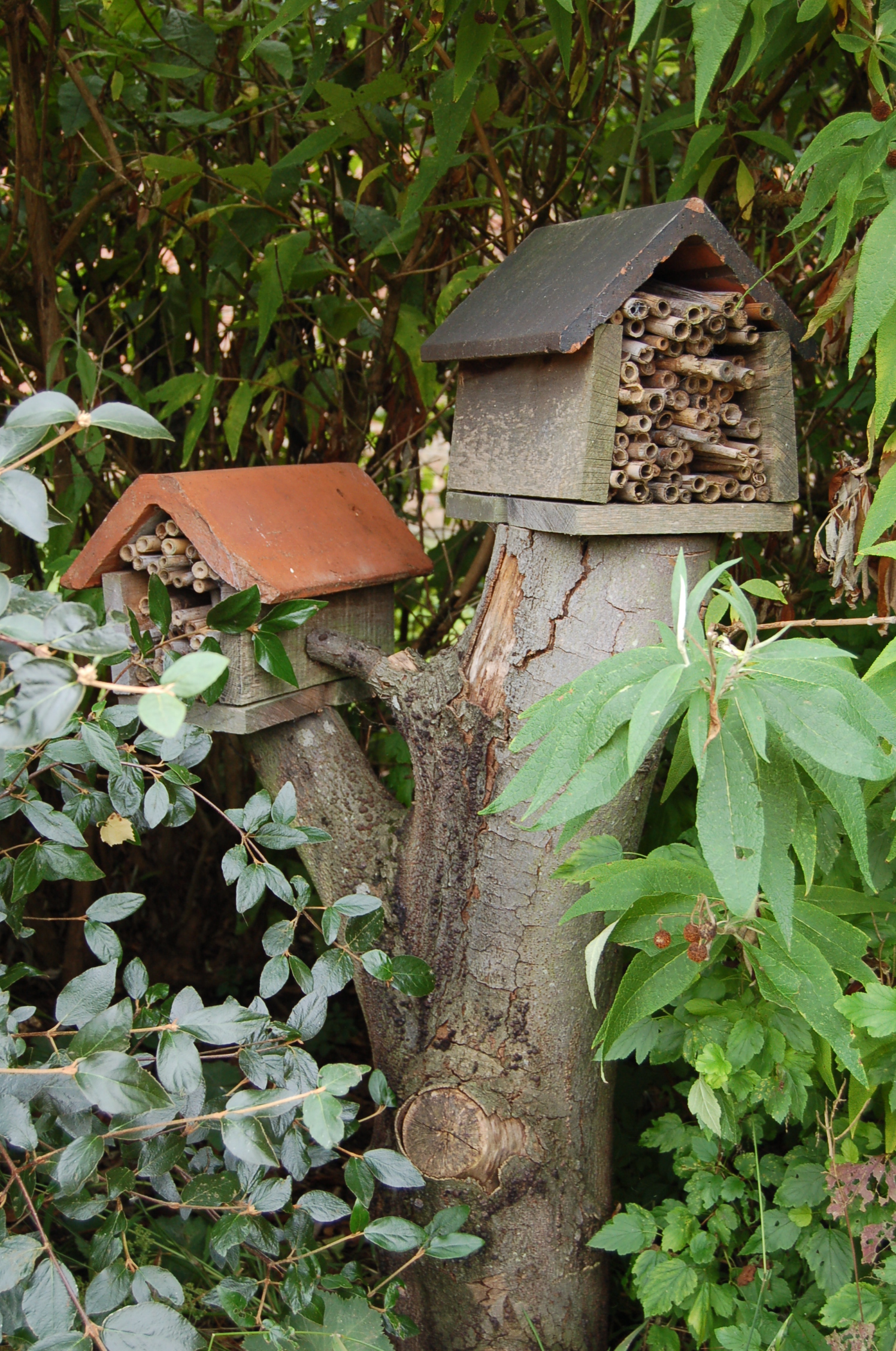
The garden designed to attract wildlife contained some interesting insect shelters and great plants for beneficial “critters”. We were most impressed by the insect home called “Creepy Crawly Cottage and the impressive bird bath.

2013 08 23_3075 2013 08 23_3076 2013 08 23_3077 2013 08 23_3078 2013 08 23_3079 2013 08 23_3080 2013 08 23_3081 2013 08 23_3082 2013 08 23_3084 2013 08 23_3085 2013 08 23_3086 2013 08 23_3087

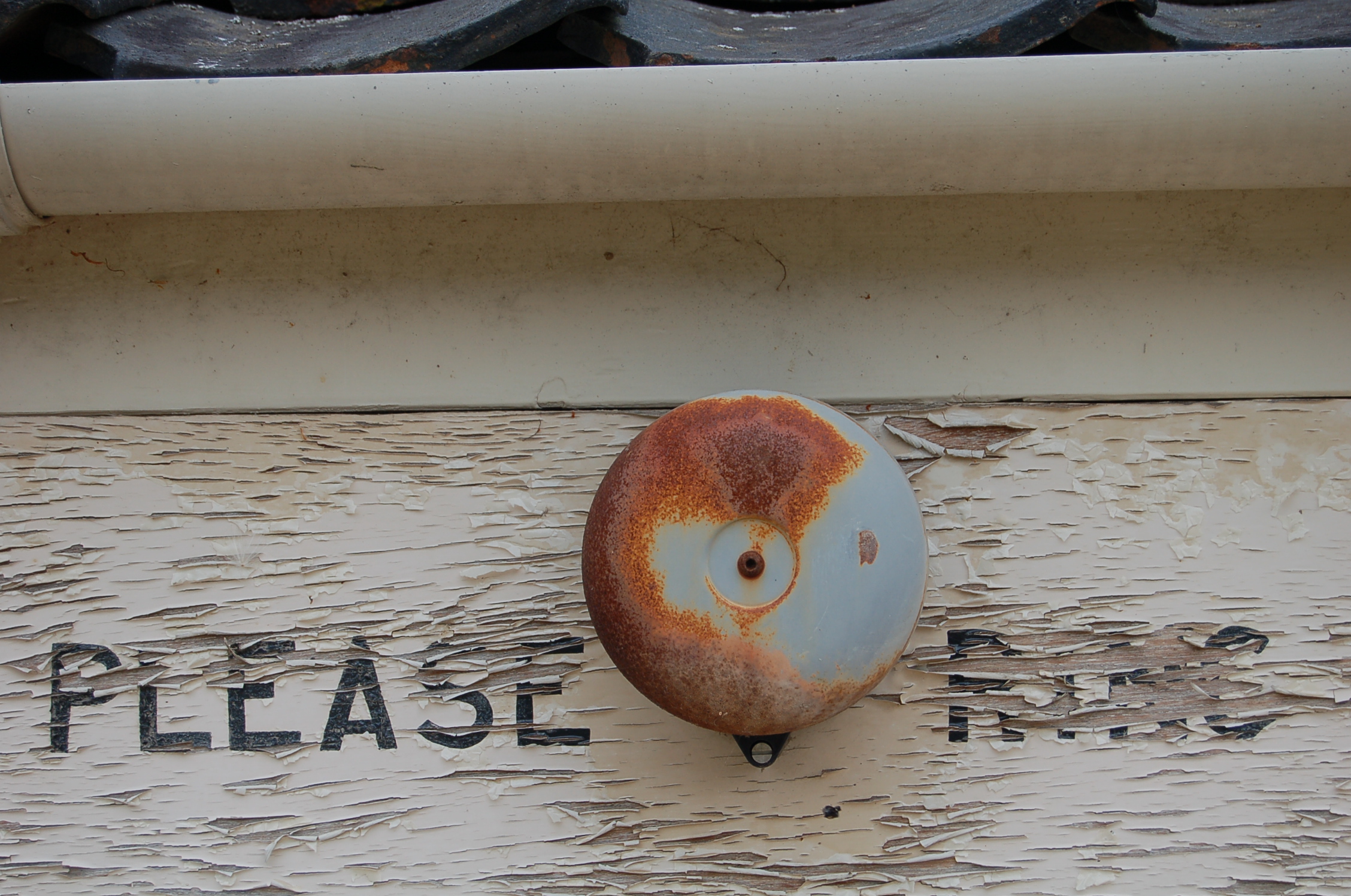
The old gardeners’ bothy was full of character. I loved the bell!

2013 08 23_3090 2013 08 23_3089 2013 08 23_3088

At the far end of the walled garden the sensory garden satisfied our noses with sweet herby scents.

2013 08 23_3091 2013 08 23_3092 2013 08 23_3093 2013 08 23_3094 2013 08 23_3095

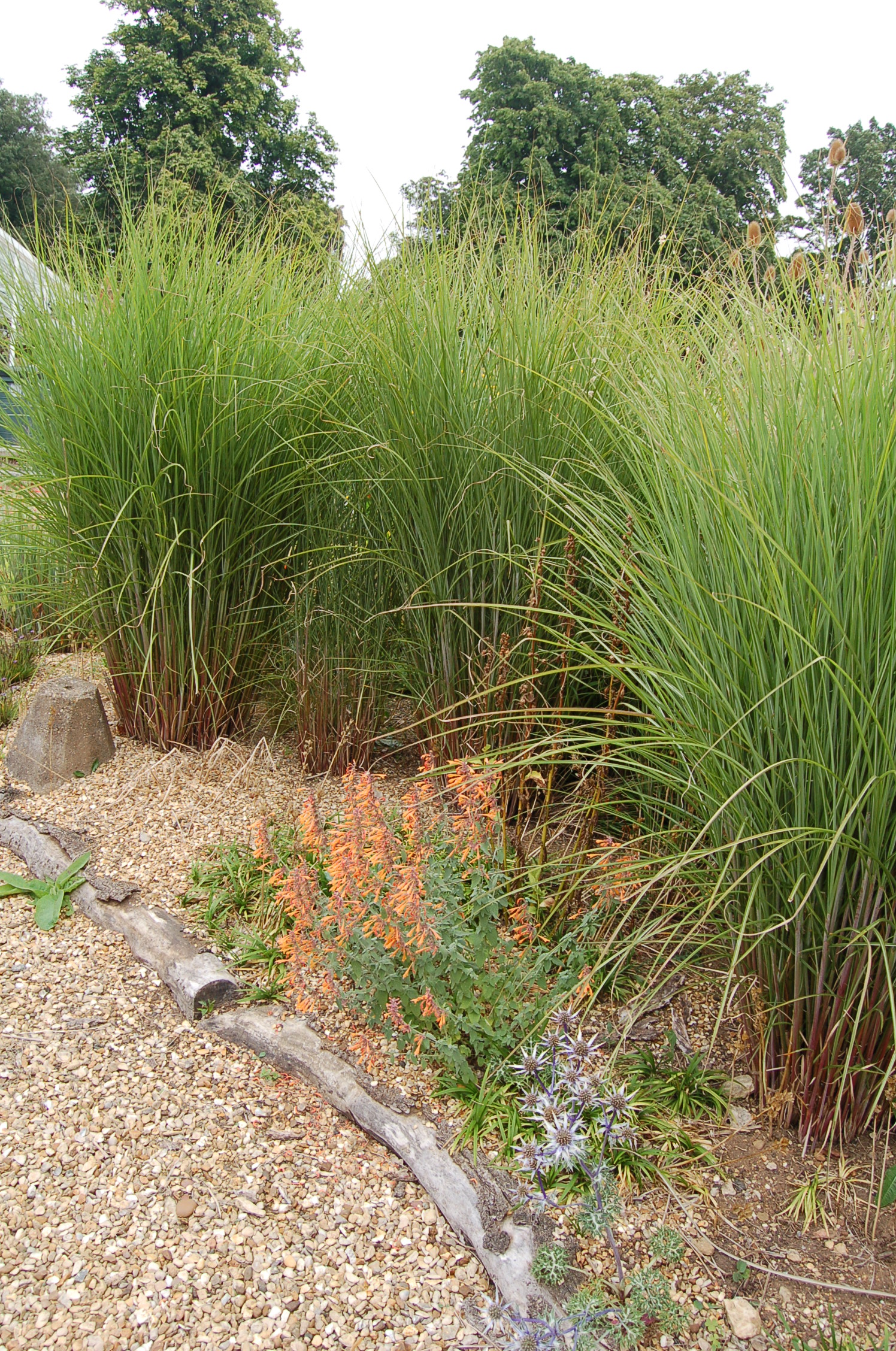
I shall finish this report on Boughton with a couple of interesting features that caught my eye throughout the garden.

2013 08 23_3104 2013 08 23_3103 2013 08 23_3102 2013 08 23_3101 2013 08 23_3100 2013 08 23_3099 2013 08 23_3097 2013 08 23_3095 2013 08 23_3083 2013 08 23_3060 2013 08 23_3059 2013 08 23_3058

Categories
garden design garden photography gardening outdoor sculpture recycling Shropshire succulents wise watering

A Ladder Garden

Our garden is too full – we have nowhere left to grow the plants we keep finding and wanting to take under our gardening wings. So we need ideas for more gardens. We are going up!

Take an old rickety wooden ladder, too old and battered to trust. We cut it in half and fixed it against the sides of two of our sheds.

2013 07 29_2312 2013 07 29_2314

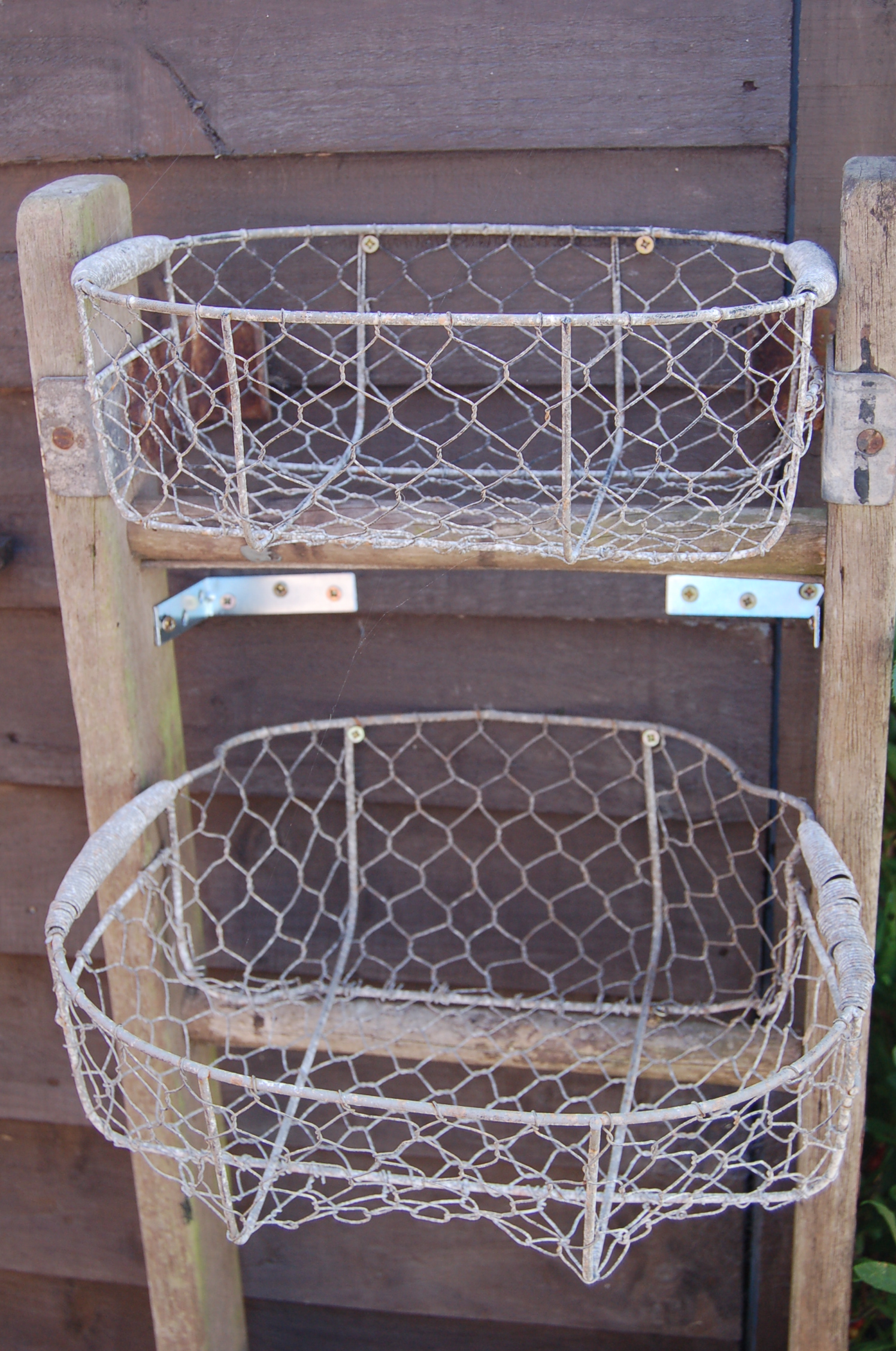
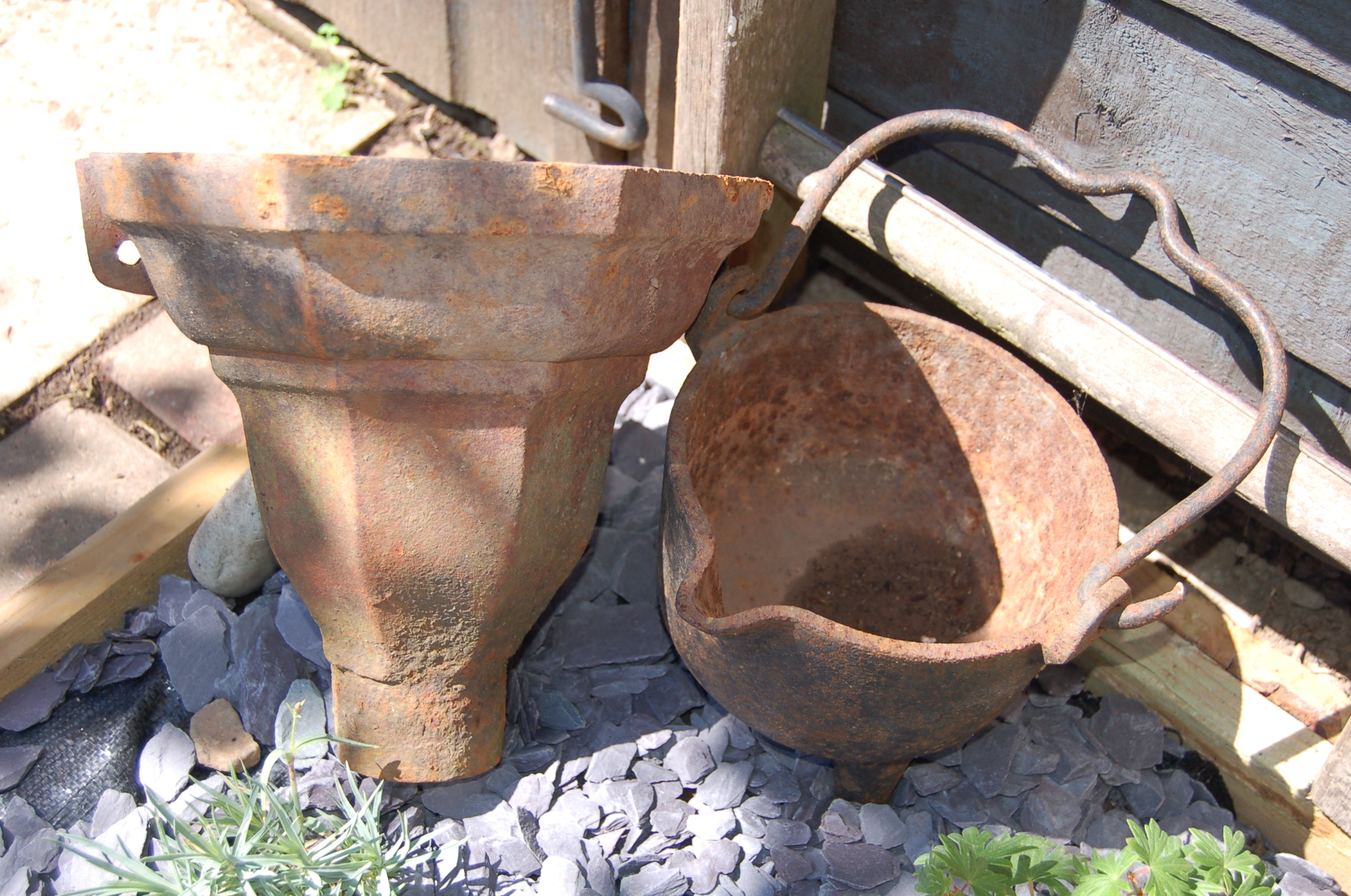
We found this strange collection of objects at various interesting outlets nearby. Two French wire baskets, a cast iron drain pipe top and a kettle used by gypsies to boil water over open fires.

2013 07 29_2315 2013 07 29_2313

And now for the planting! We need plants that require little looking after and won’t be constantly calling out to be watered. Succulents are the answer.

2013 08 09_2508 2013 08 09_2509 2013 08 09_2510 2013 08 09_2511

A little job well done I think! A little bit of garden sculpture. Some recycling and some re-using. Now we can just enjoy them as we pass by or visit the sheds.

This Veggie Life

A Vegetarian | Nature Lifestyle Blog

Rambling in the Garden

.....and nurturing my soul

The Arch City Gardener

Journeys In St. Louis Gardening and Beyond

Garden Dreaming at Châtillon

Consult the genius of the place

Storyshucker

A blog full of humorous and poignant observations.

gardeninacity

Notes from a wildlife-friendly cottage garden

PlayGroundology

...an emerging social science

The Official Blog of British Wildlife

'The most important and informative publication on wildlife of our times' - The Independent. This blog is a member of The UK & Ireland Natural History Bloggers group: www.uknhb.blogspot.com

iGrowHort

Inspire - Cultivate - Grow Native Plants - Restore Landscapes

Bishops Meadow Trust

To create and protect a semi-natural wild space for the people of Farnham to enjoy and experience an array of British wildlife in our town

Gardening with Children

The www.gardeningwithchildren.co.uk Blog

UKbirdingtimeline

birding through the seasons, why birds matter and how to conserve them

NATURE WALKER

with a camera in hand

Jardin

Transform your outdoor space

Eva's space

My allotment, cooking and other interests

Old School Garden

my gardening life through the year

LEANNE COLE

Trying to live a creative life

fromacountrycottage

trying to live as lightly as possible on our beautiful planet

Good Life Gardening

Nature lovers from Leicester living the good life.

mybeautfulthings

Finding the beautiful in the everyday

mawsonmichelle

Michelle's Allotment

In and Out of My Garden

thoughts from and about my garden

Greenhousing

Big plans for a small garden

The Scottish Country Garden

A Walled Country Garden in South East Scotland

The Fruity Chicken

Life at the fruity chicken

willowarchway

Off grid living. Self sufficient. "PERMAGANICS RULE".

St Anns Allotments

Nottingham's Grade 2* Listed Allotments and Community Orchard

Manifest Joy Harvests

a journey in suburban vegetable gardening

Allotmental

The madness of growing your own

Penny's Garden: a harvest beyond my front door

A novel approach to vegetable gardening

arignagardener

Sustainable living in the Irish countryside.

NewEnglandGardenAndThread

Master Gardener, amateur photographer, quilter, NH native, and sometimes SC snowbird

dianajhale

Recent work and work in progress and anything else that interests me

planthoarder

a chaotic cottage gardener

Lens and Pens by Sally

a weekly blog that creates a personal philosophy through photographs and words

Dewdrops and Sunshine

Stories from a sassy and classy Southern farmbelle.

The Pyjama Gardener

Simple Organic Gardening & Seasonal Living

gettin' fresh!

turning dirt into dinner

JOY...

today the world is created anew

Garden Birds

Notes from a Devon garden

ShootAbout

Life Through The Lens

Adapting Pixels

A photography blog showcasing the best photography pictures and videos on the internet

Wildlifegardening's Blog

Just another WordPress.com site

naturestimeline

personal observations from the natural world as the search continues for a new approach to conservation.

LATEBLOOMERBUDS

The Wonders of Life through my Eyes, my Heart, my Soul