Categories
allotments birds community gardening conservation fruit and veg garden design garden photography garden wildlife gardening grow your own hardy perennials Land Art meadows natural pest control ornamental grasses ornamental trees and shrubs outdoor sculpture photography poppies roses Shropshire shrubs spring gardening wildlife

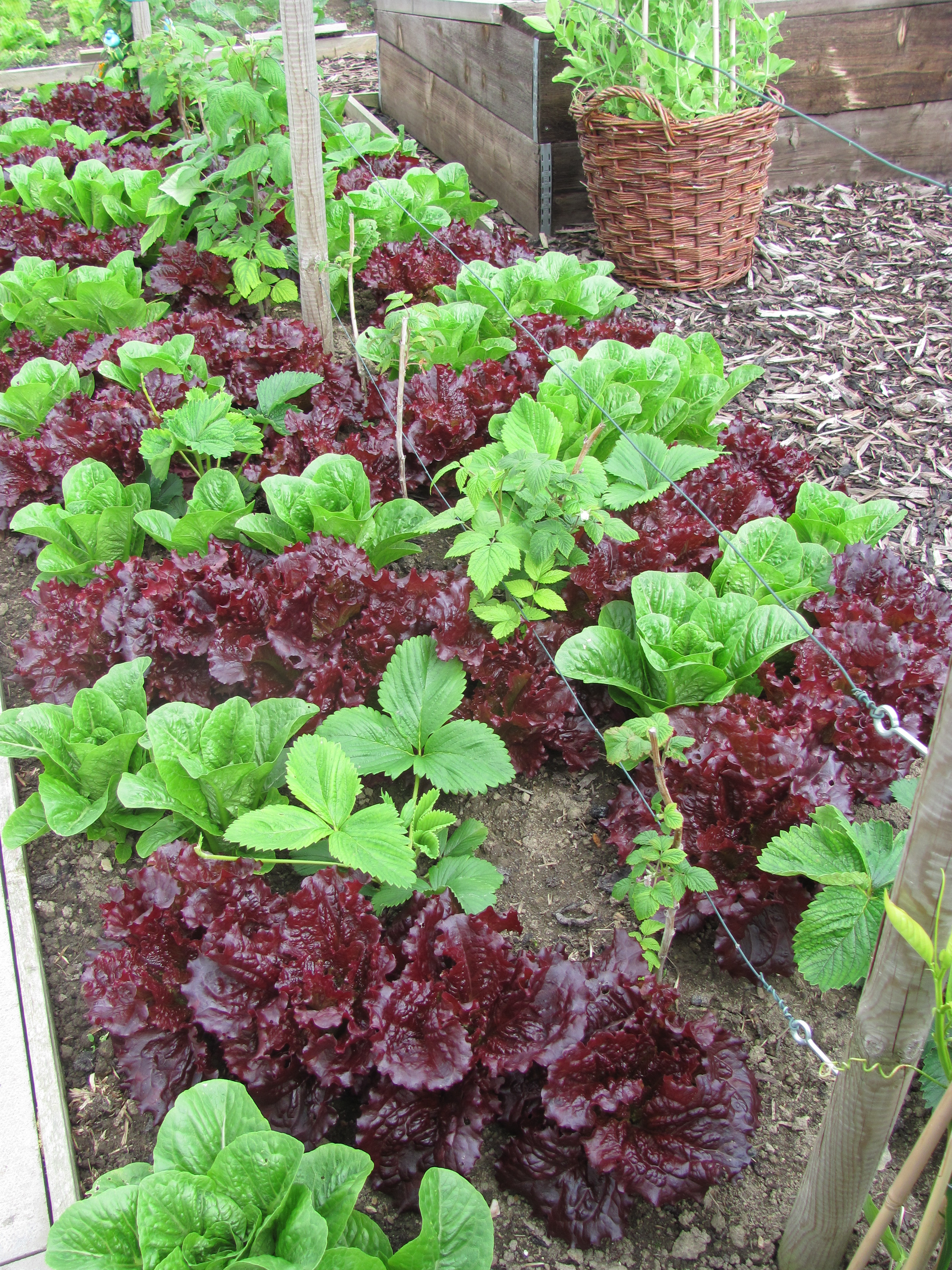
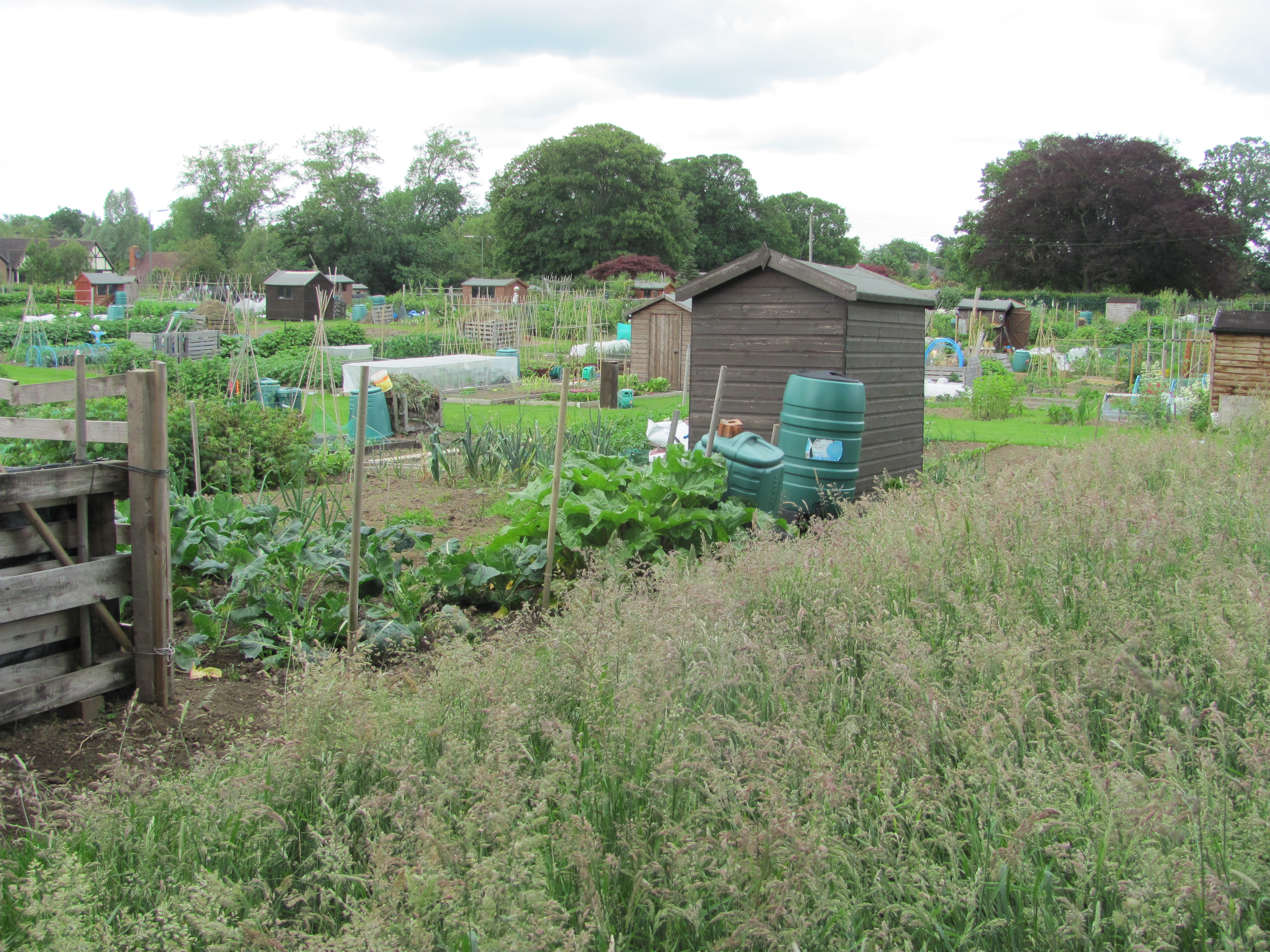
A Wander around the Allotments in June

Here we are at the half way point of the year in the June allotment wanderings. As usual we shall start on our own plot to see what has been going on. Our little wildlife pond is beginning to look more established and the tadpoles are growing well. We hope the frogs stay on our plot and eat up all the slugs. As you can see we provided a little wooden ramp to help them get in and out of the water.

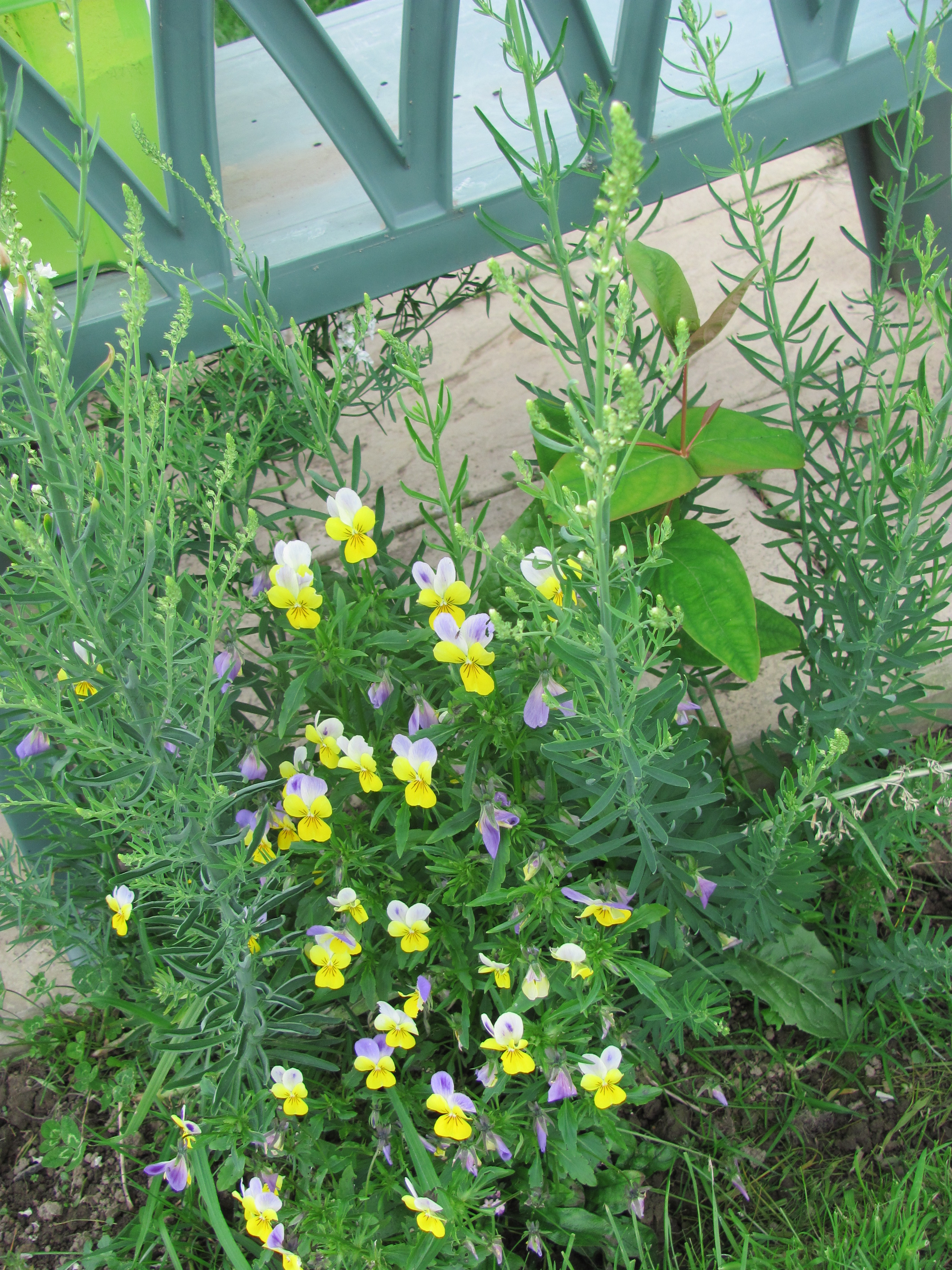
Heartsease self seed around the plot sometimes landing in suitable places arriving in a wide range of colours. This one seeded into the soil behind the green bench.

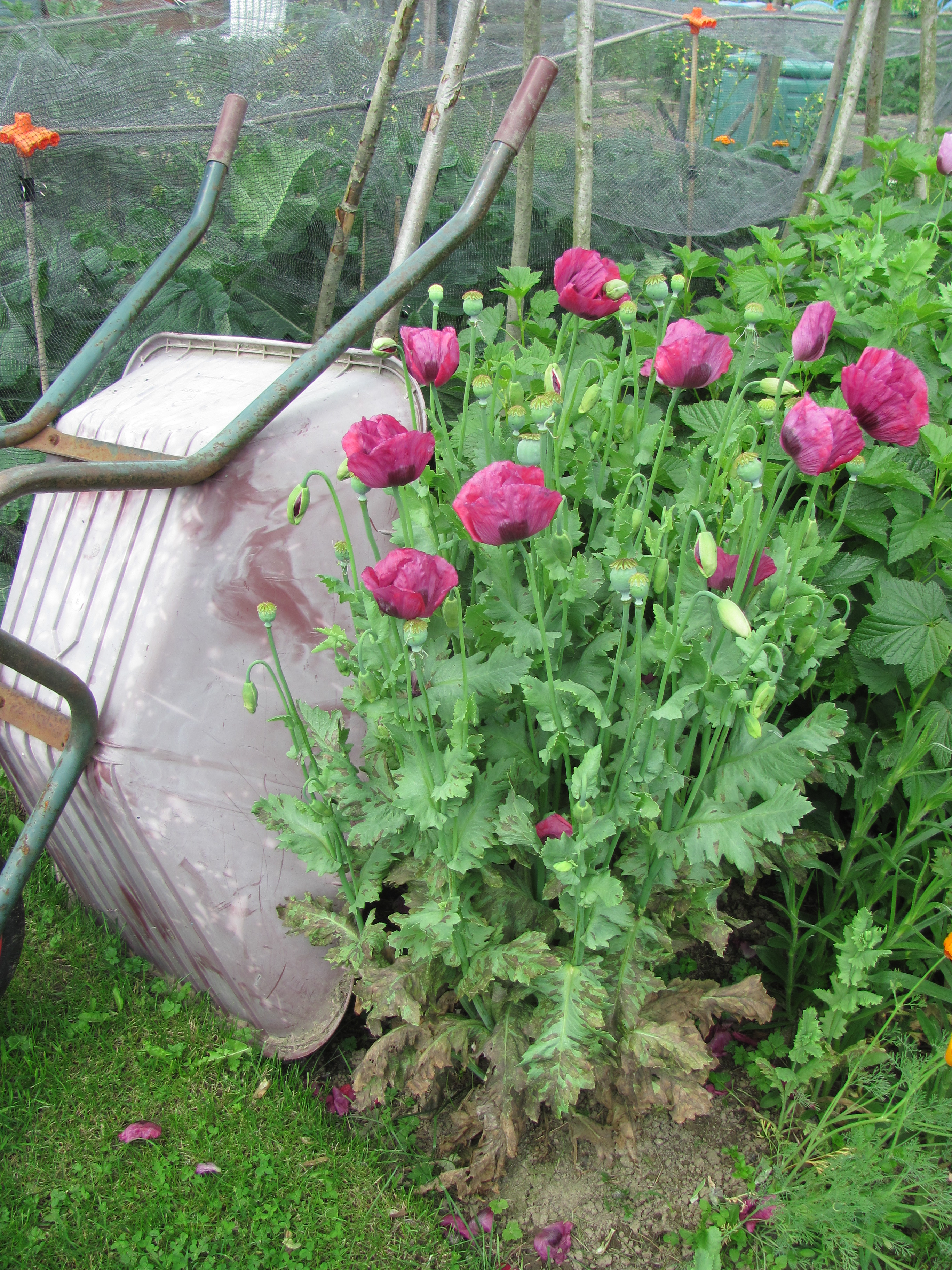
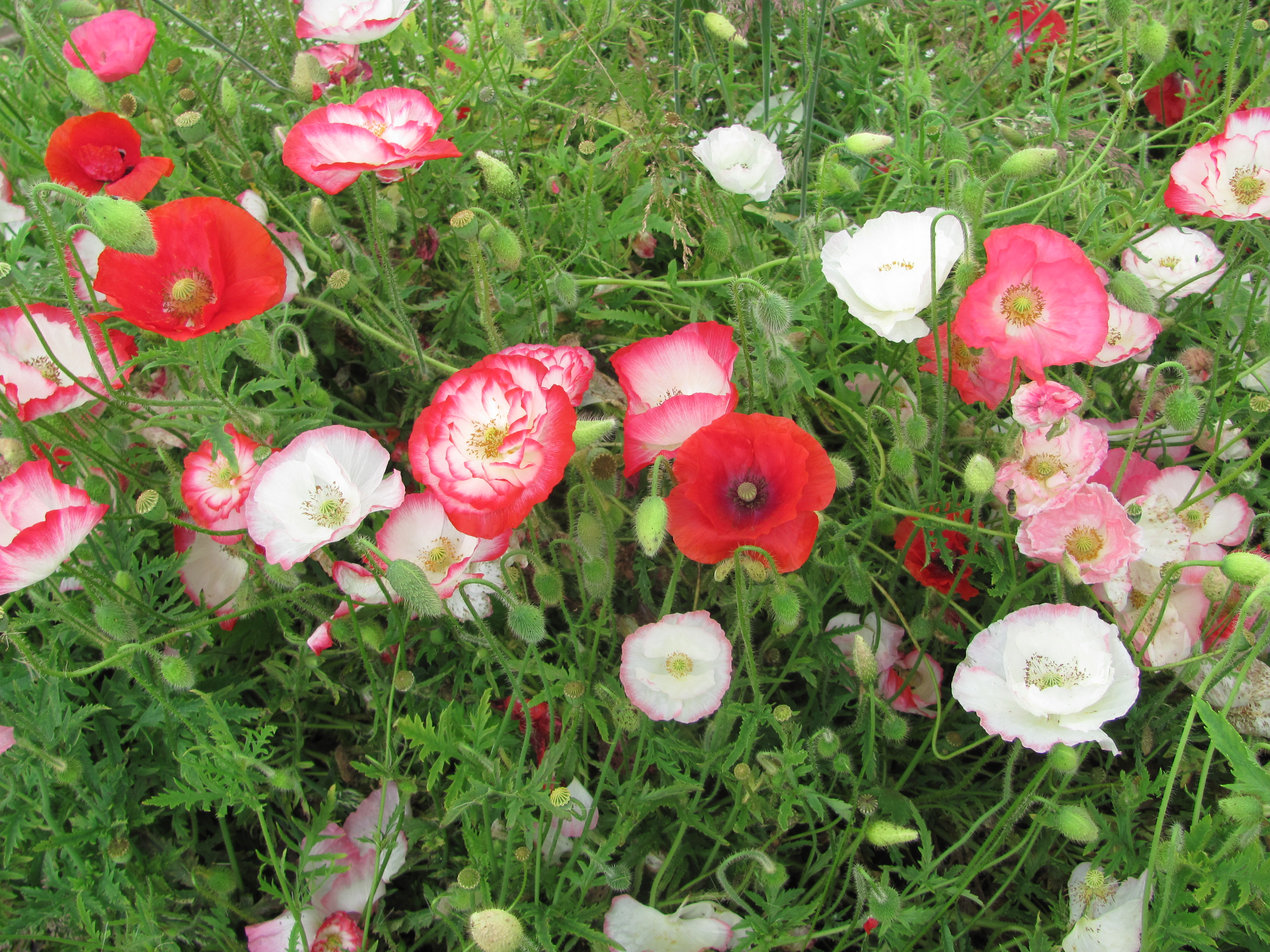
Our strip of wildflowers, a little piece of meadow, is beginning to flower. This Opium Poppy surprised us with its deep pink coloured petals.

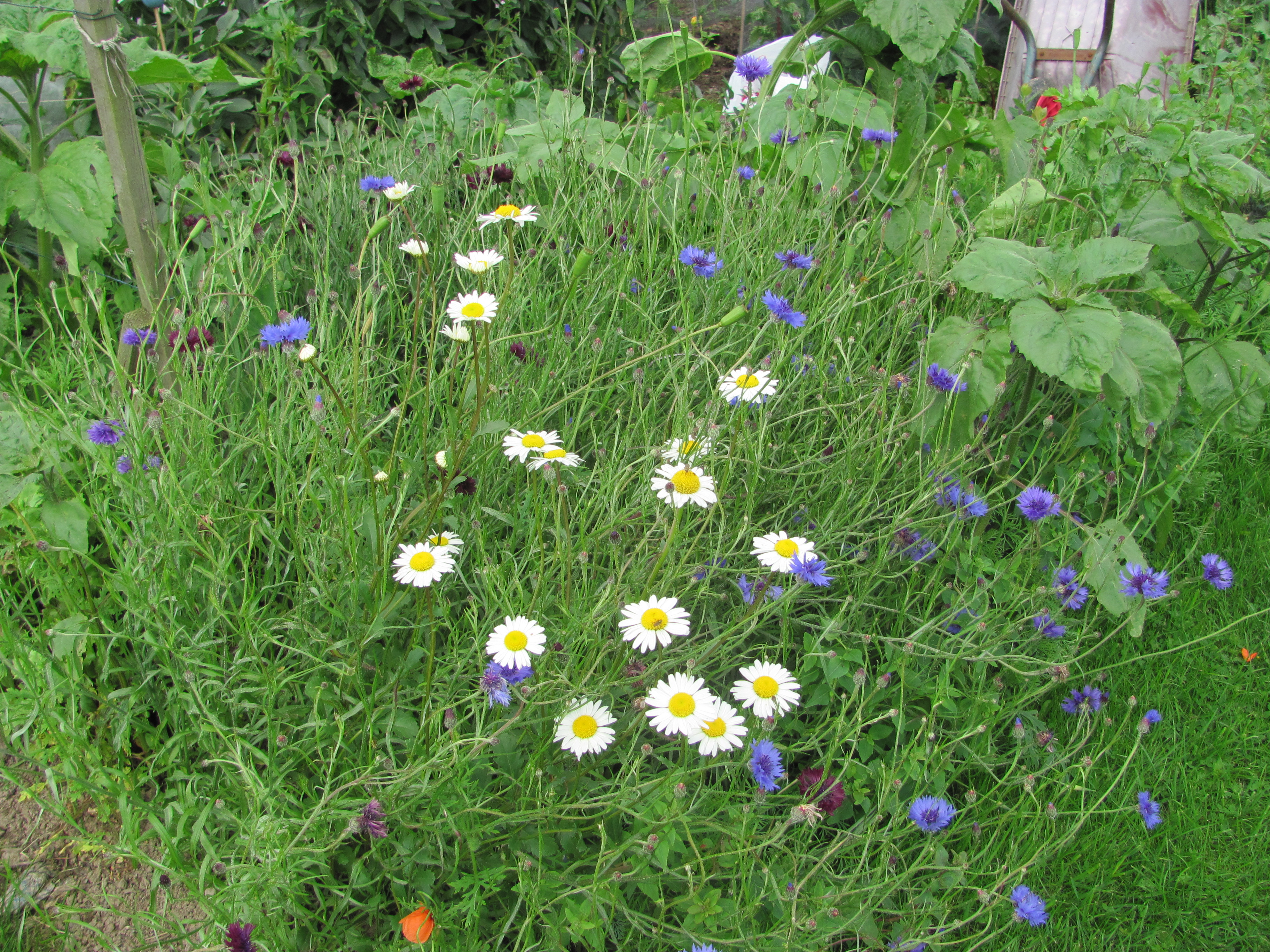
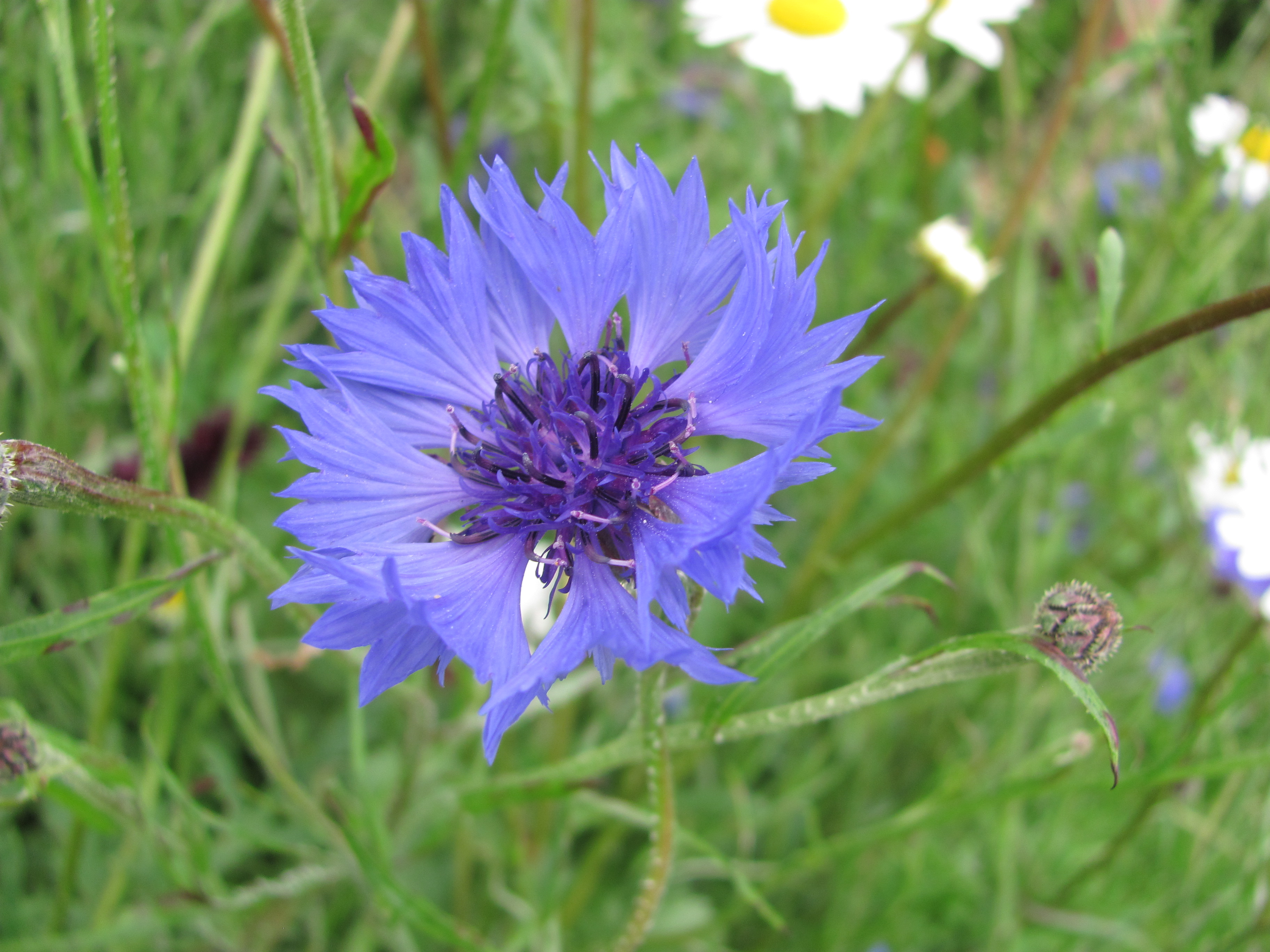
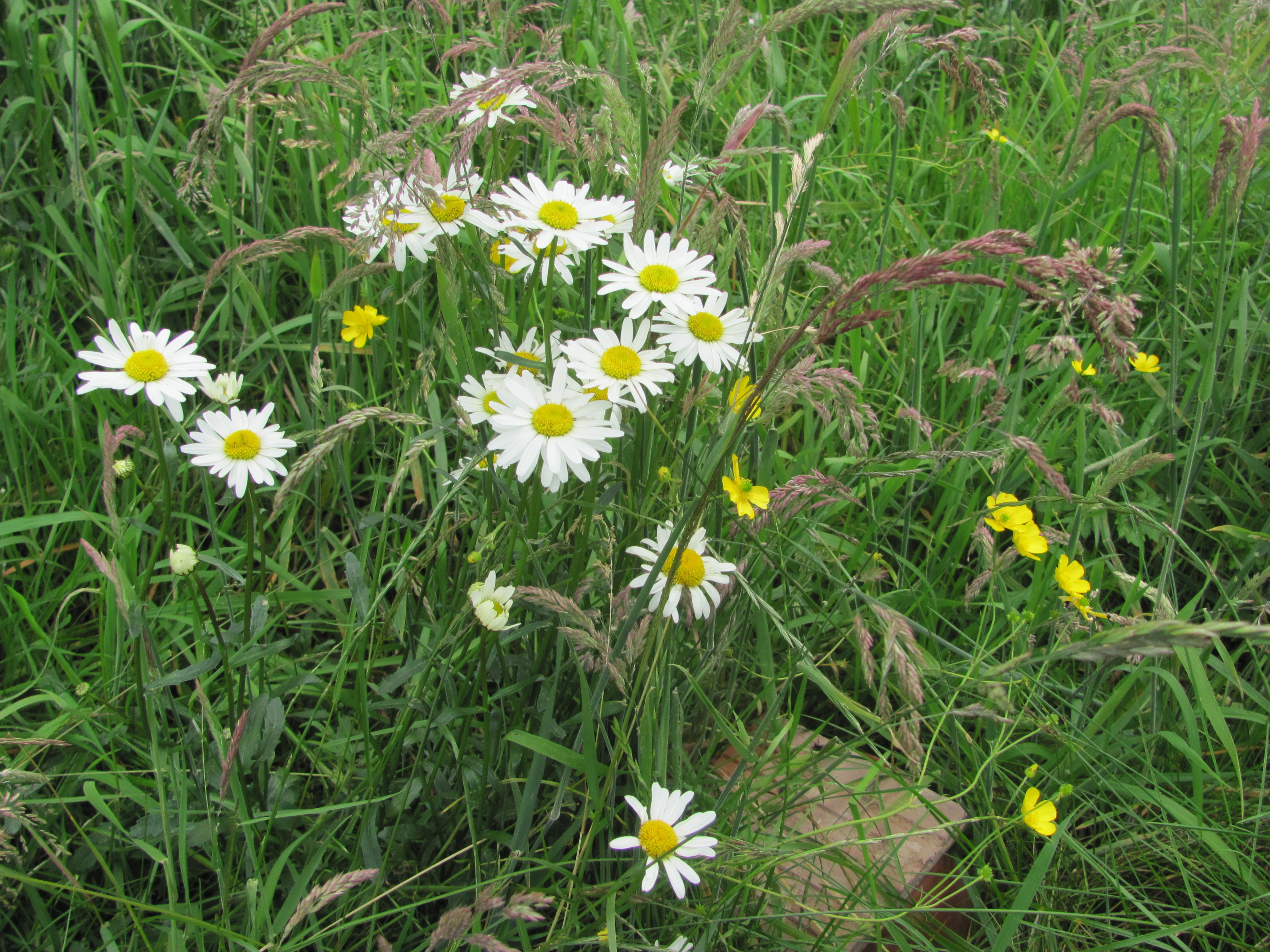
Moon Daisies and Cornflowers.

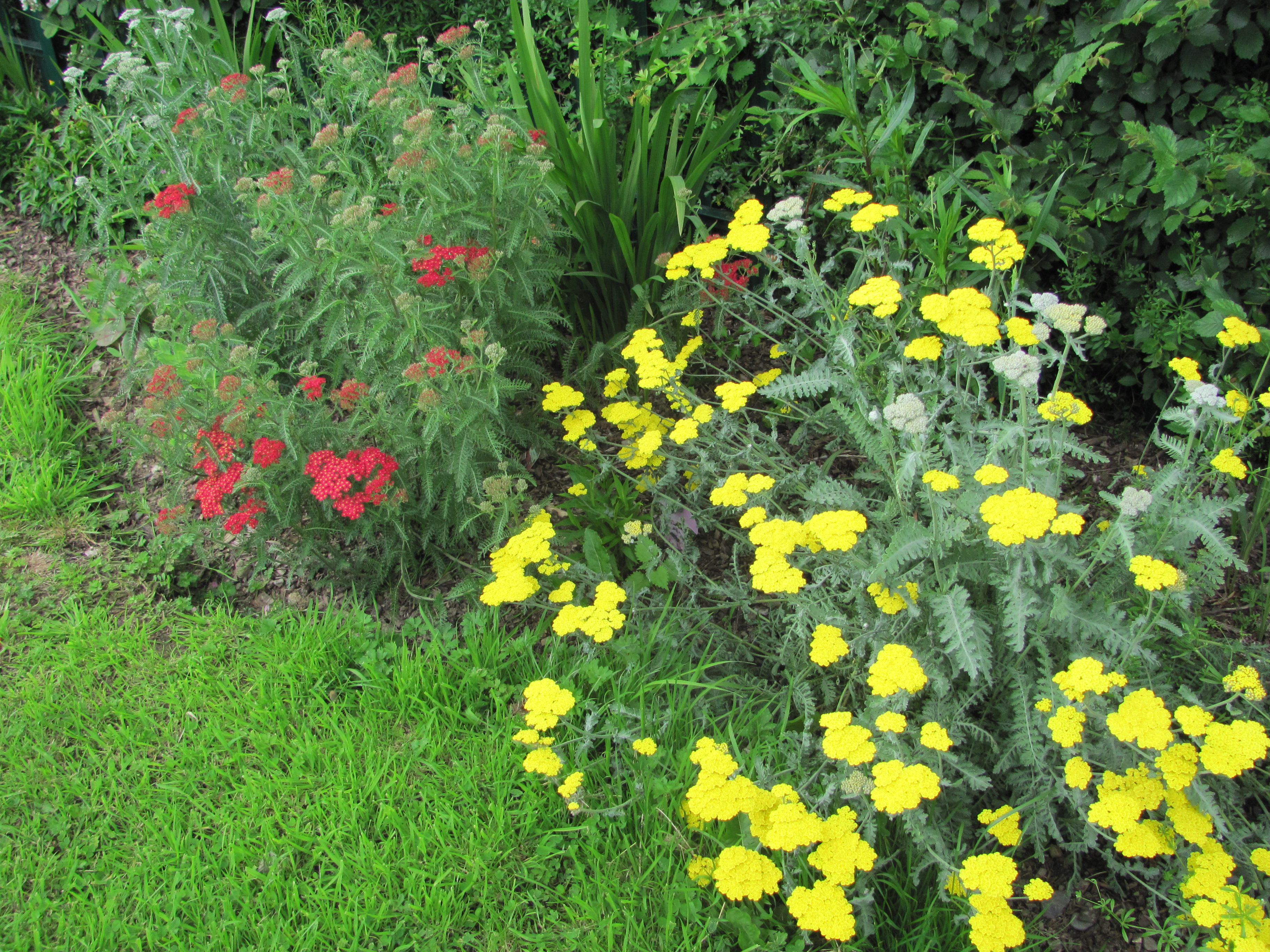
Just as flowers feature strongly on our own plot so they do on other members’ plots and in the Green Space borders. In the Autumn Garden Achilleas are the stars.

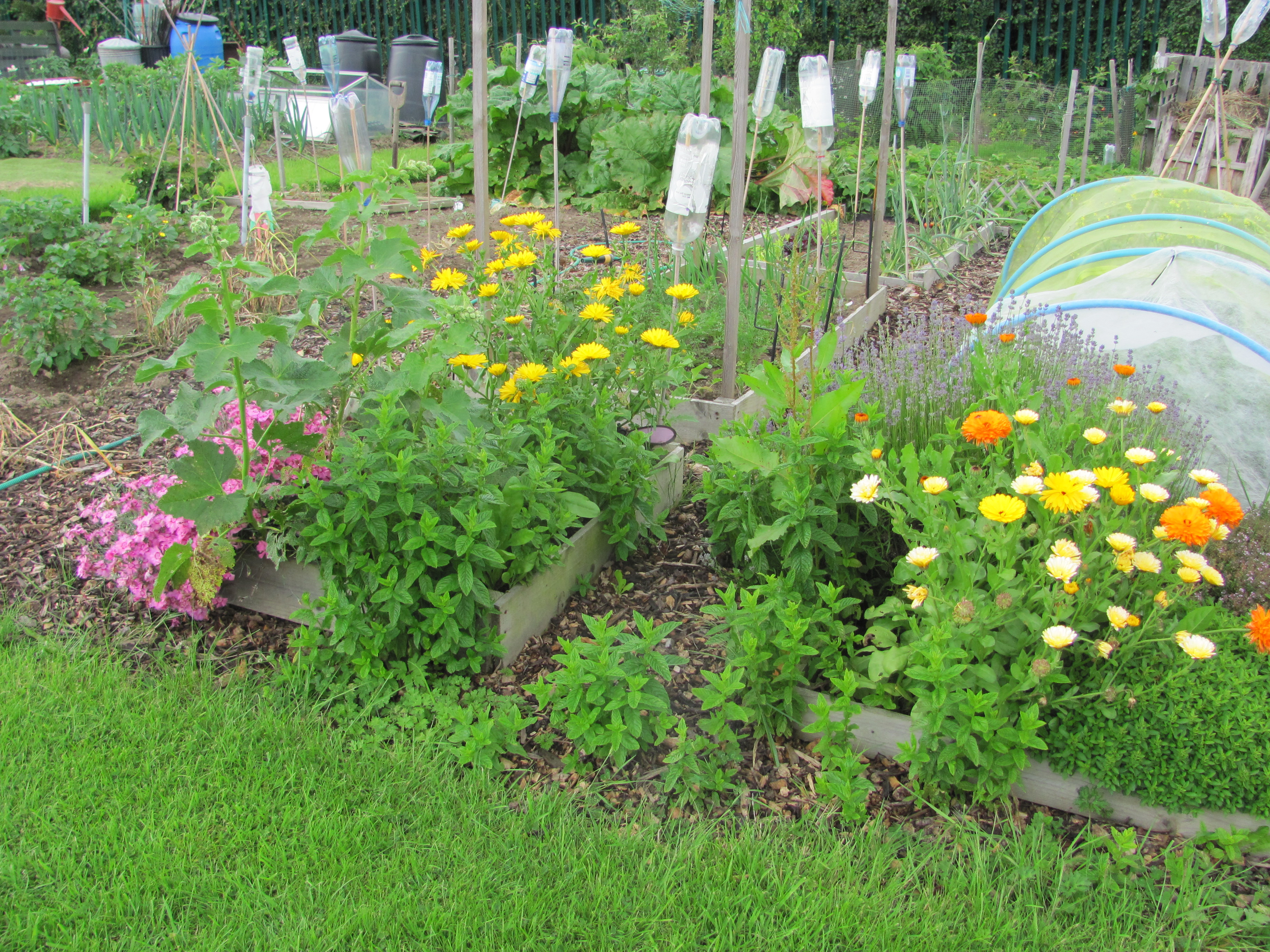
Calendulas feature on many plots as they look so good,  and work hard as part of companion planting helping to attract beneficial insects.

Our first “Buddleja Bed” planted to attract wildlife now looks colourful and full of life. After losing some of our Buddlejas in the dry last year when Shropshire experienced months of drought after two extremely cold winters, the name for these borders currently looks a little inappropriate.

Our wildflower bank sloping up towards one of our orchards is now looking more established as we have added plants that members have donated to add interest.

The Edible Hedge is now fruiting providing sustenance to birds and small mammals. Flowers in the borders at the base bring in bees, butterflies and beneficial insects. Beetles enjoy the long grass and we like them to be there as they feed on slugs.

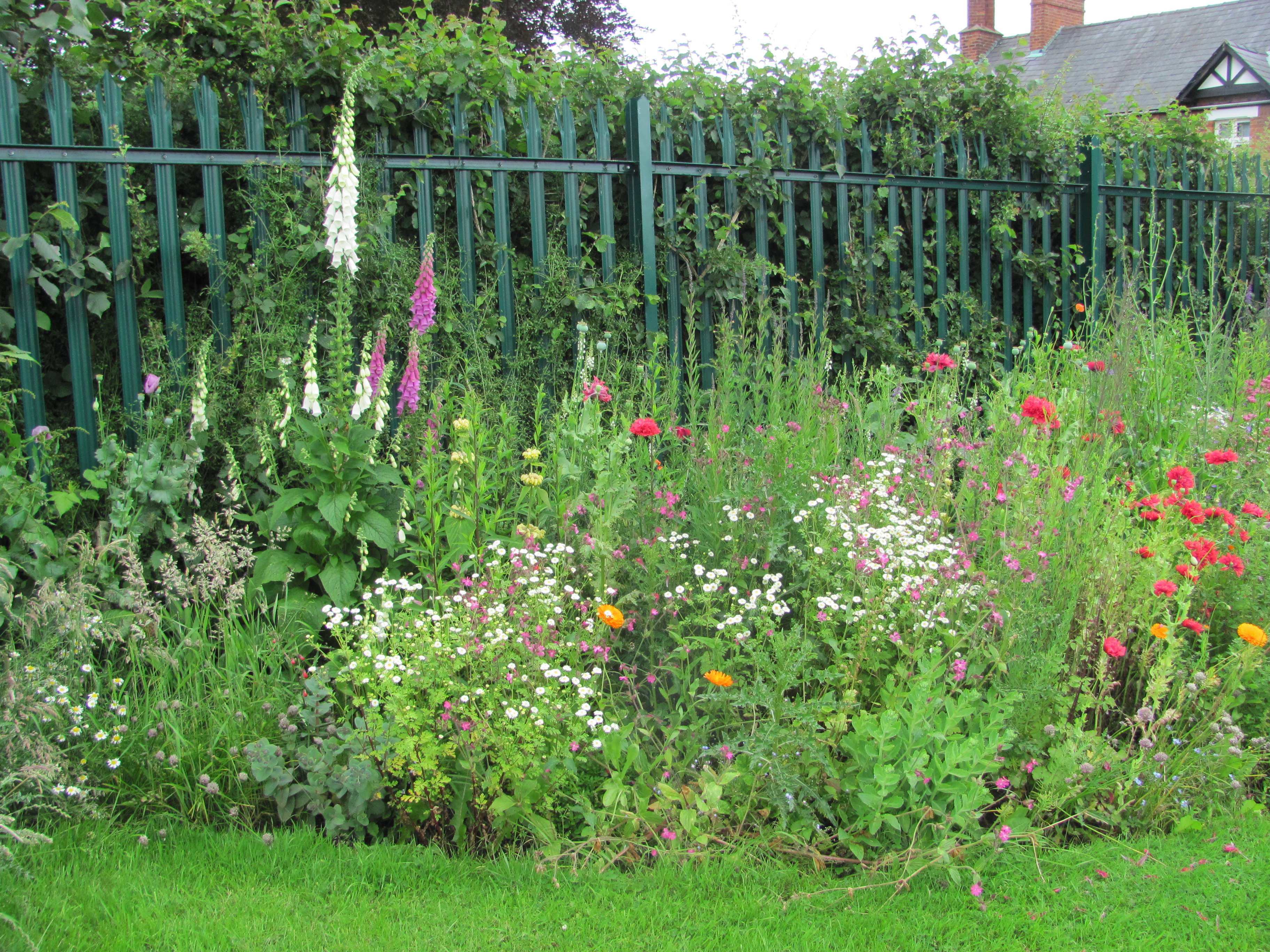
The most colourful garden on site at the moment is the Spring Garden which still displays much interest as we move into the summer months. This garden is maintained by volunteers, Jill and Geoff who spend many an hour planting, dead heading and weeding.

Geoff and Jill’s plot is renown for its weed free neatness and precision planting.

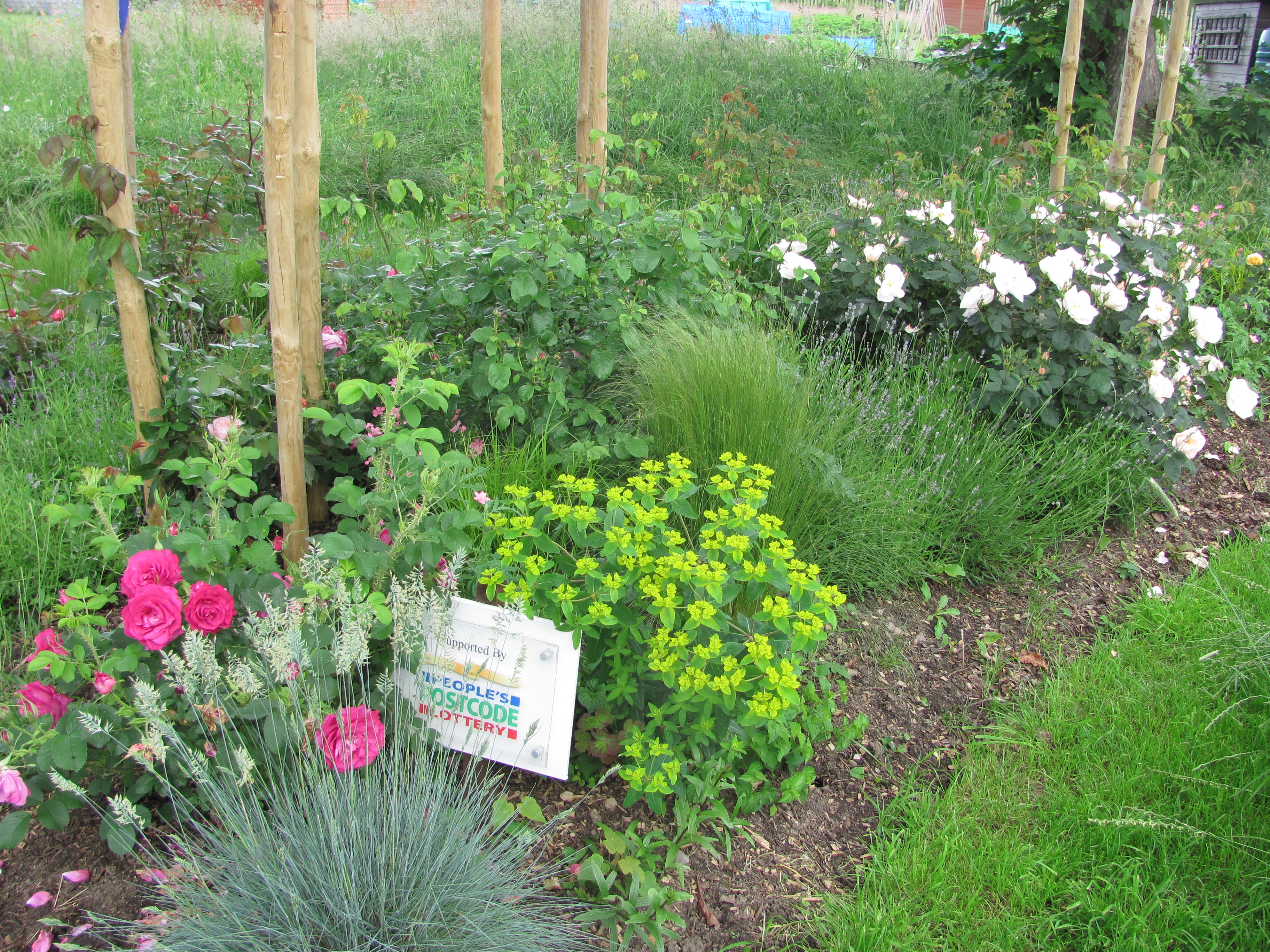
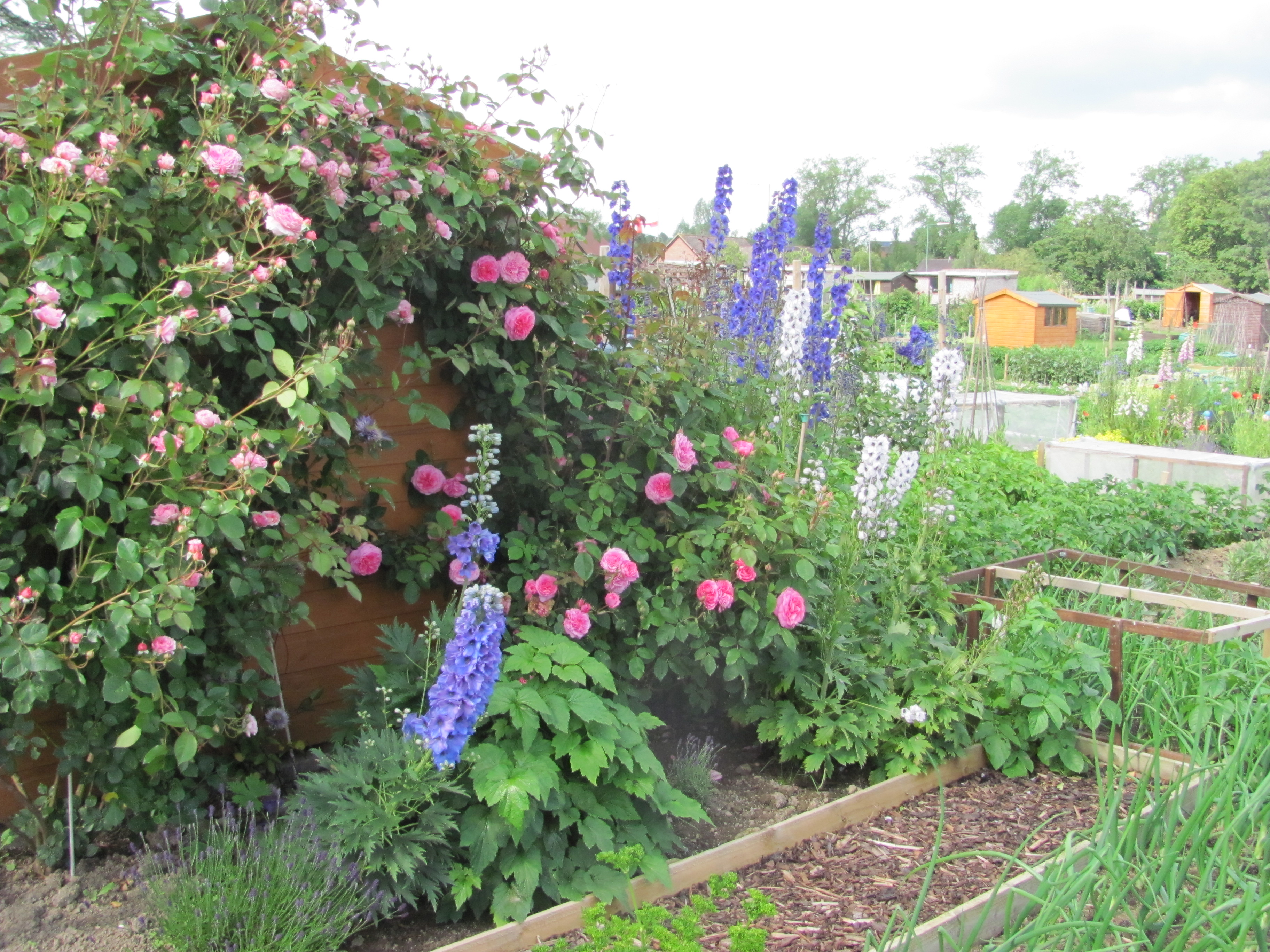
The Summer Garden  is not to be outdone though as the roses are coming into flower and beautiful scents greet us as we sit on the nearby picnic benches. The lavenders, geraniums and grasses planted between the roses add further interest and textures.

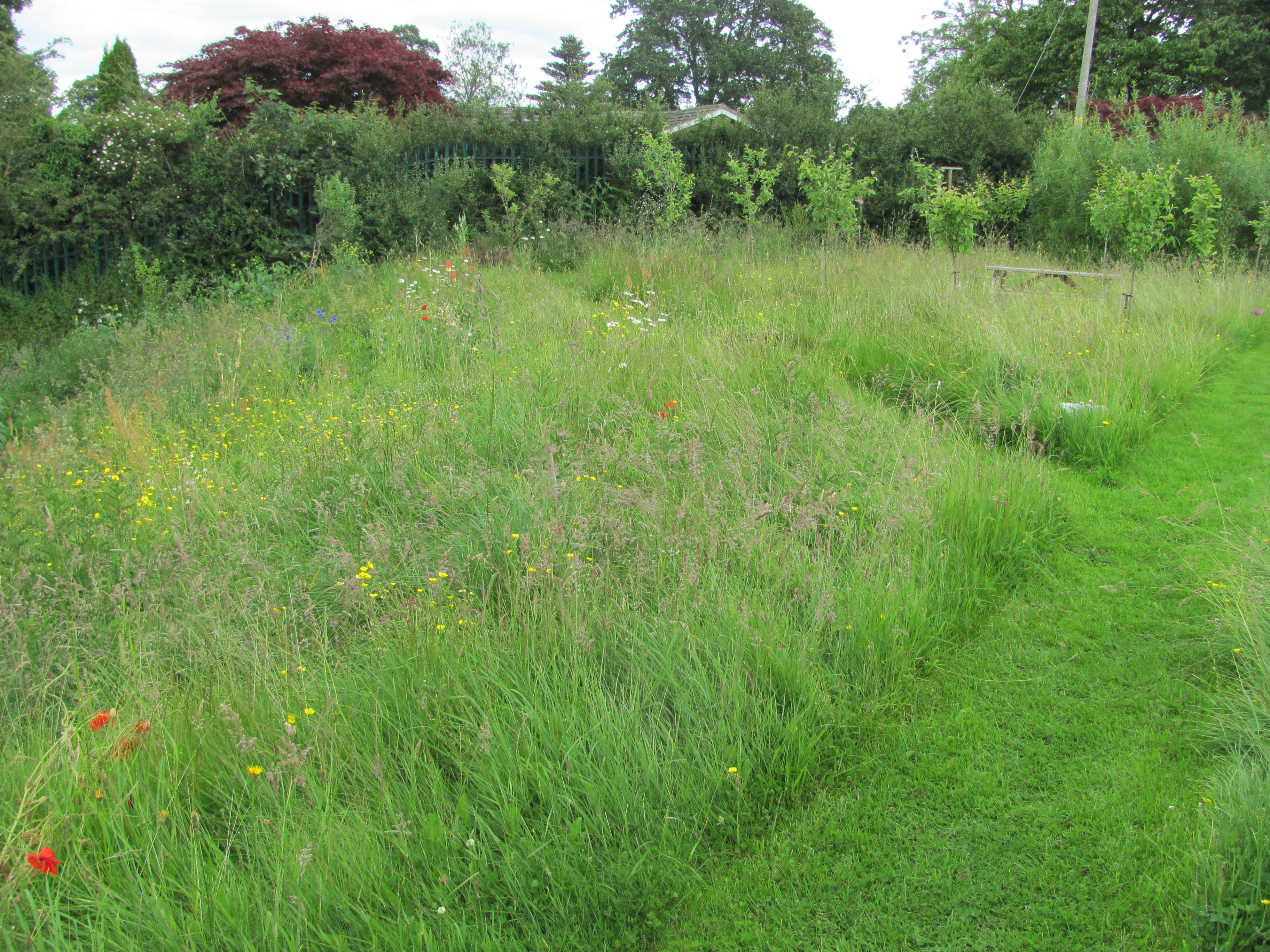
As June moves towards July our meadows really come into their own. Plot holders love to walk through them and a wide variety of birds, bees, butterflies, grass hoppers and every sort of mini-beast visit.

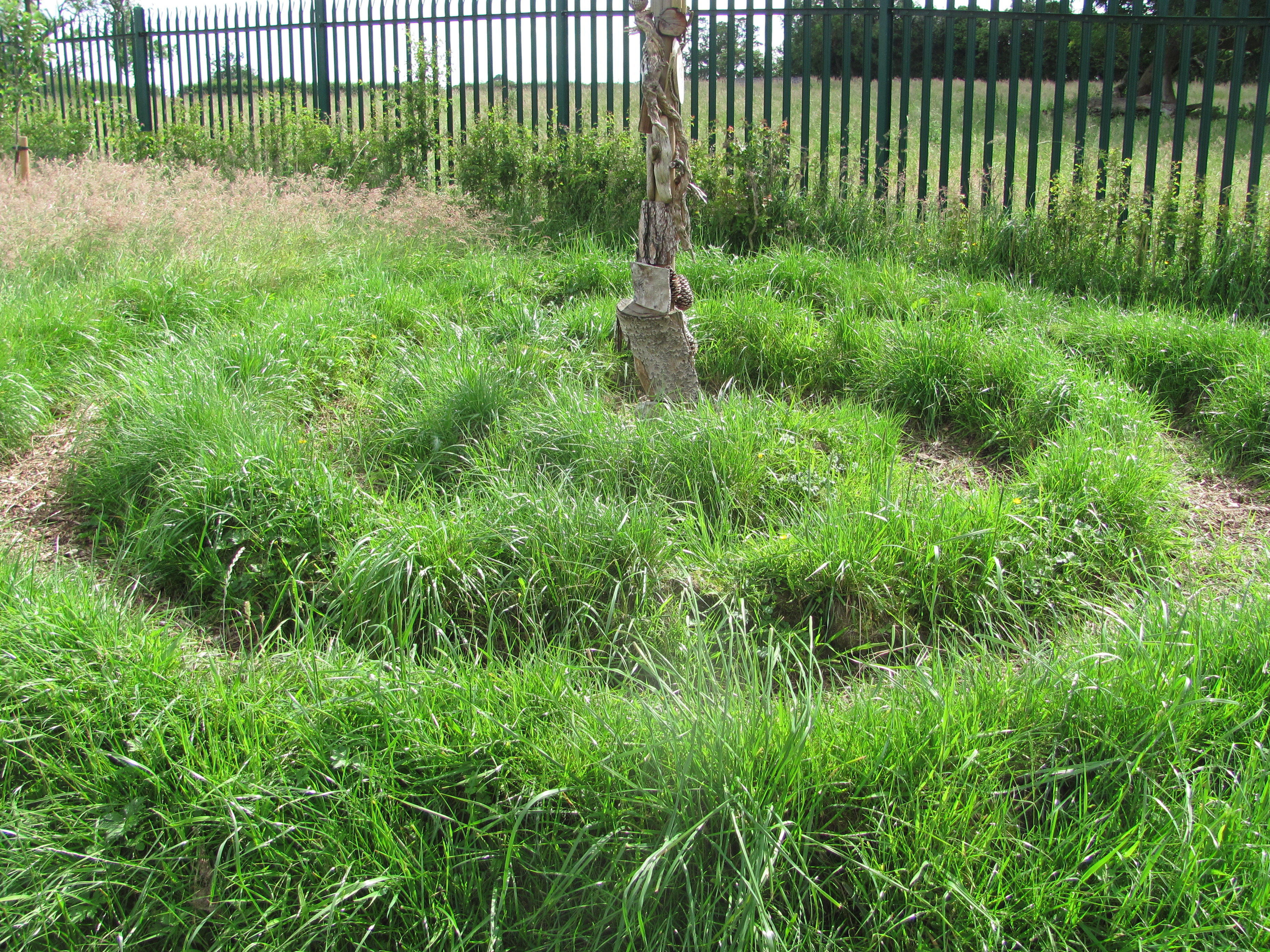
I shall finish with a shot of the plot we have nominated for this year’s Shrewsbury Town Allotment Competition and one of our grass spiral which currently looks most inviting.

Categories
climbing plants fruit and veg garden design garden photography gardening half-hardy perennials hardy perennials meadows ornamental grasses ornamental trees and shrubs photography poppies roses Shropshire shrubs succulents trees

Another Wander around our Garden in June

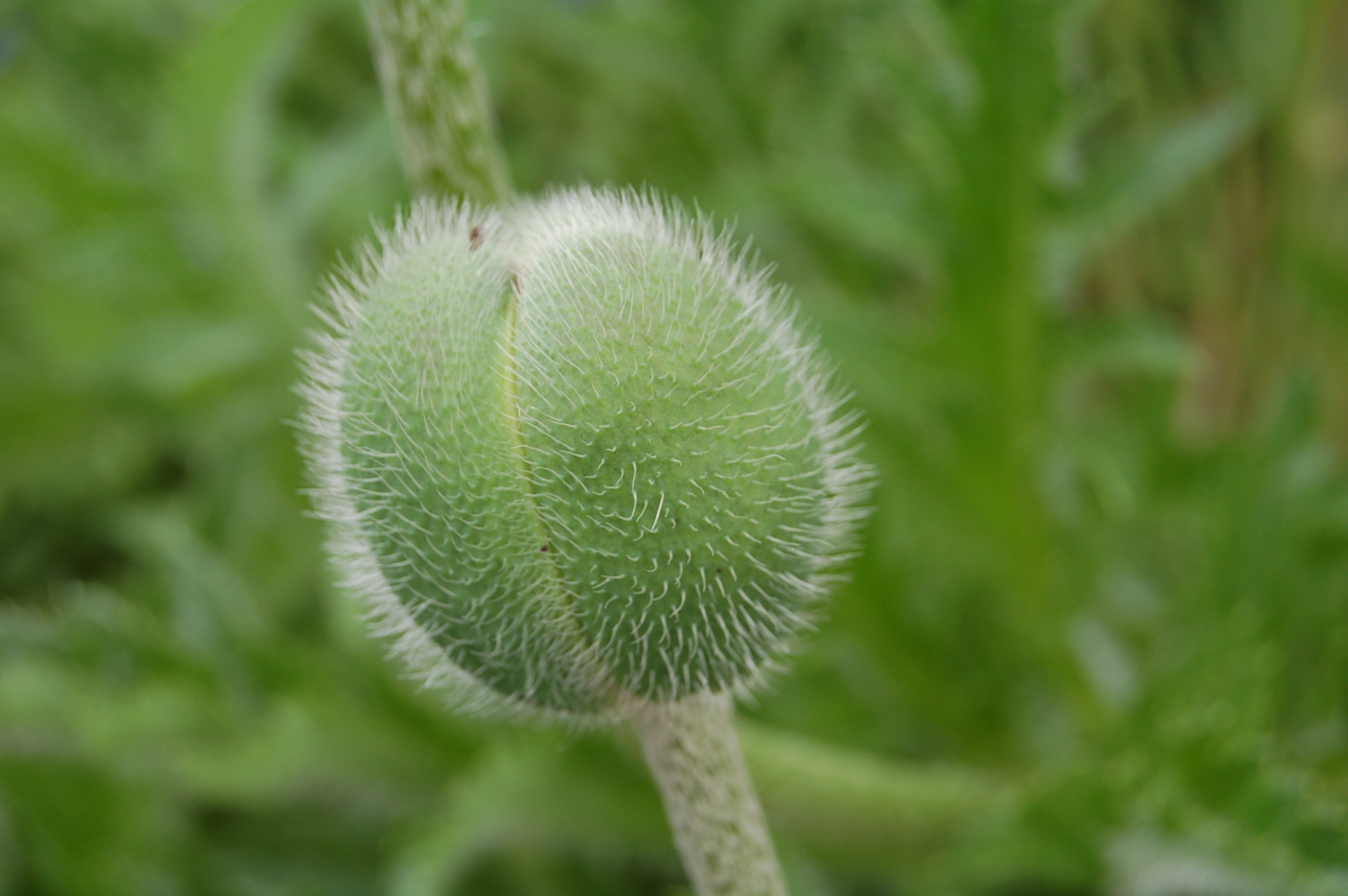
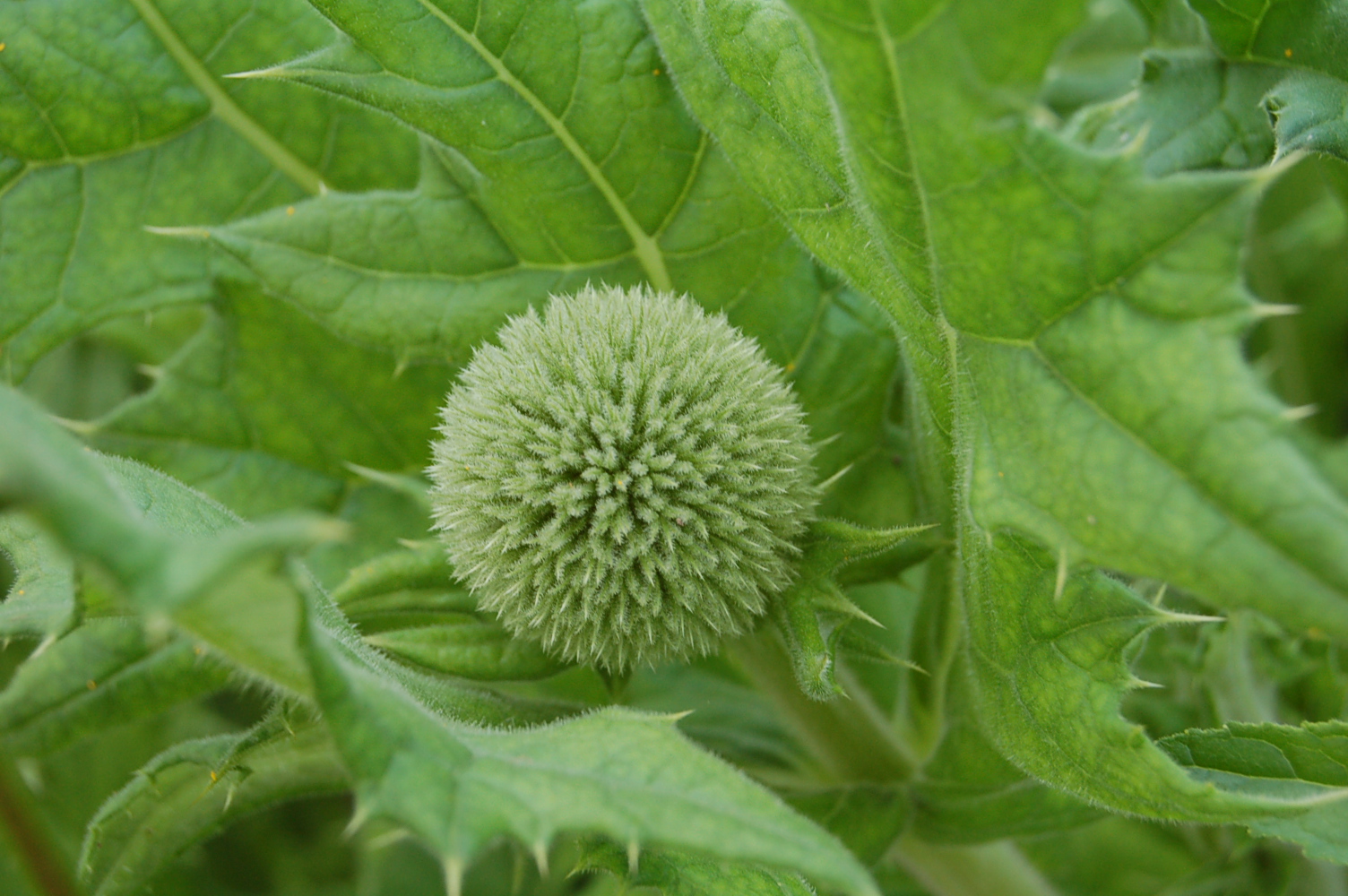
We can start the second part of our wander by looking again at the front garden. Buds give us hints of blooms to come in midsummer, Phlomis, Oriental Poppies, Erygiums and Echinops. Promises of yellows, reds and steely blues.

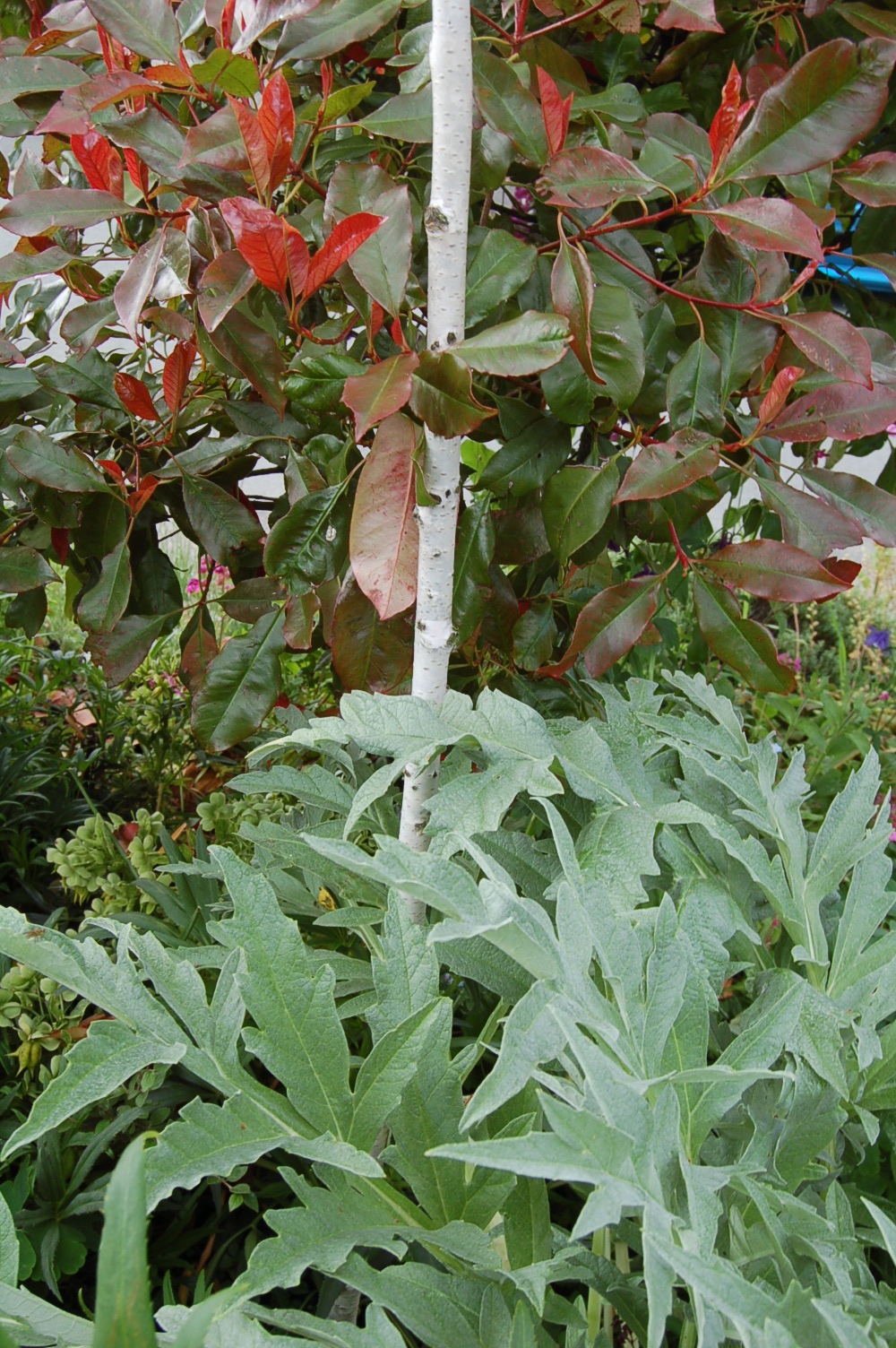
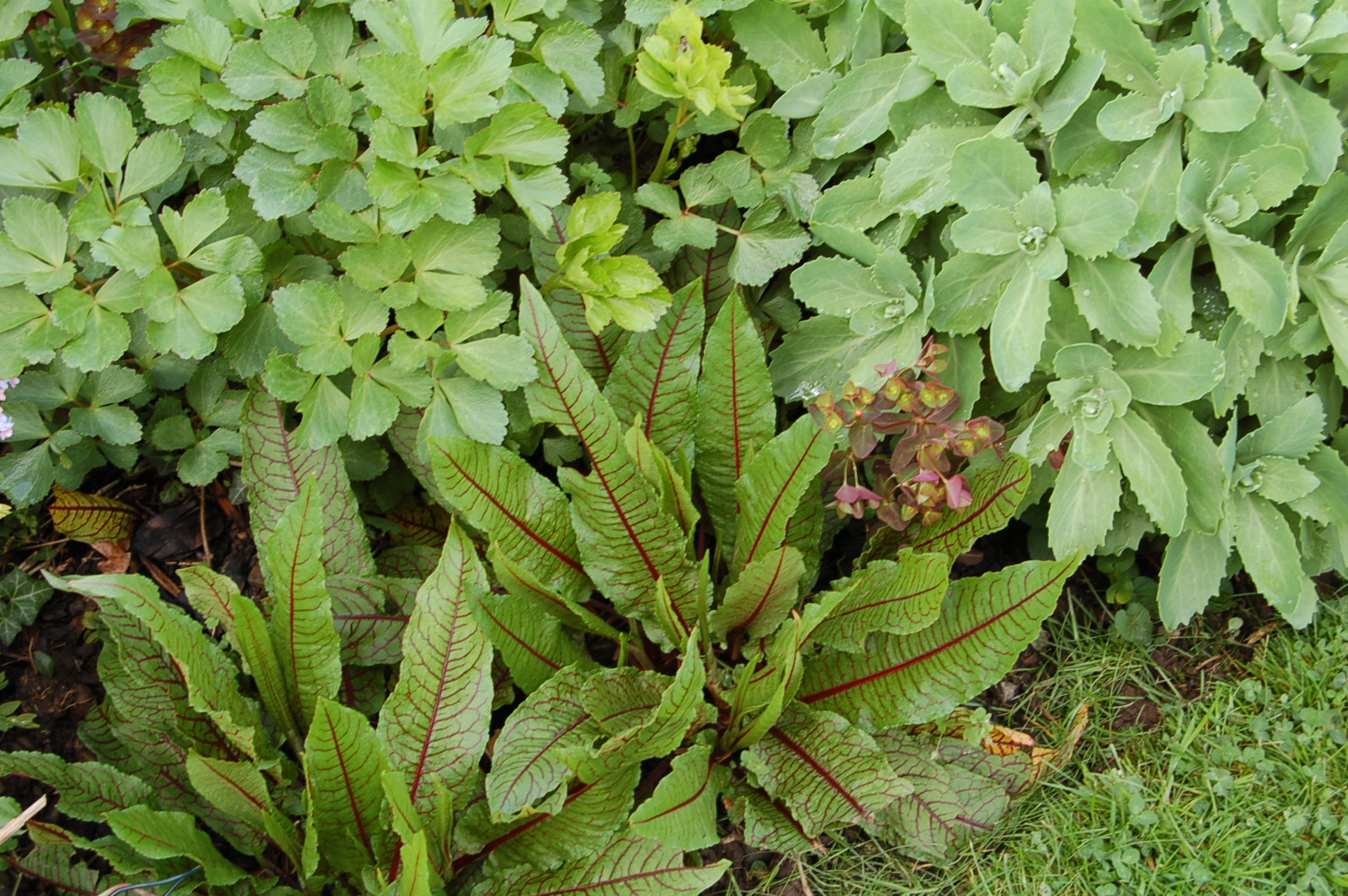
Foliage colour and texture can be as striking as the most colourful of flowers.

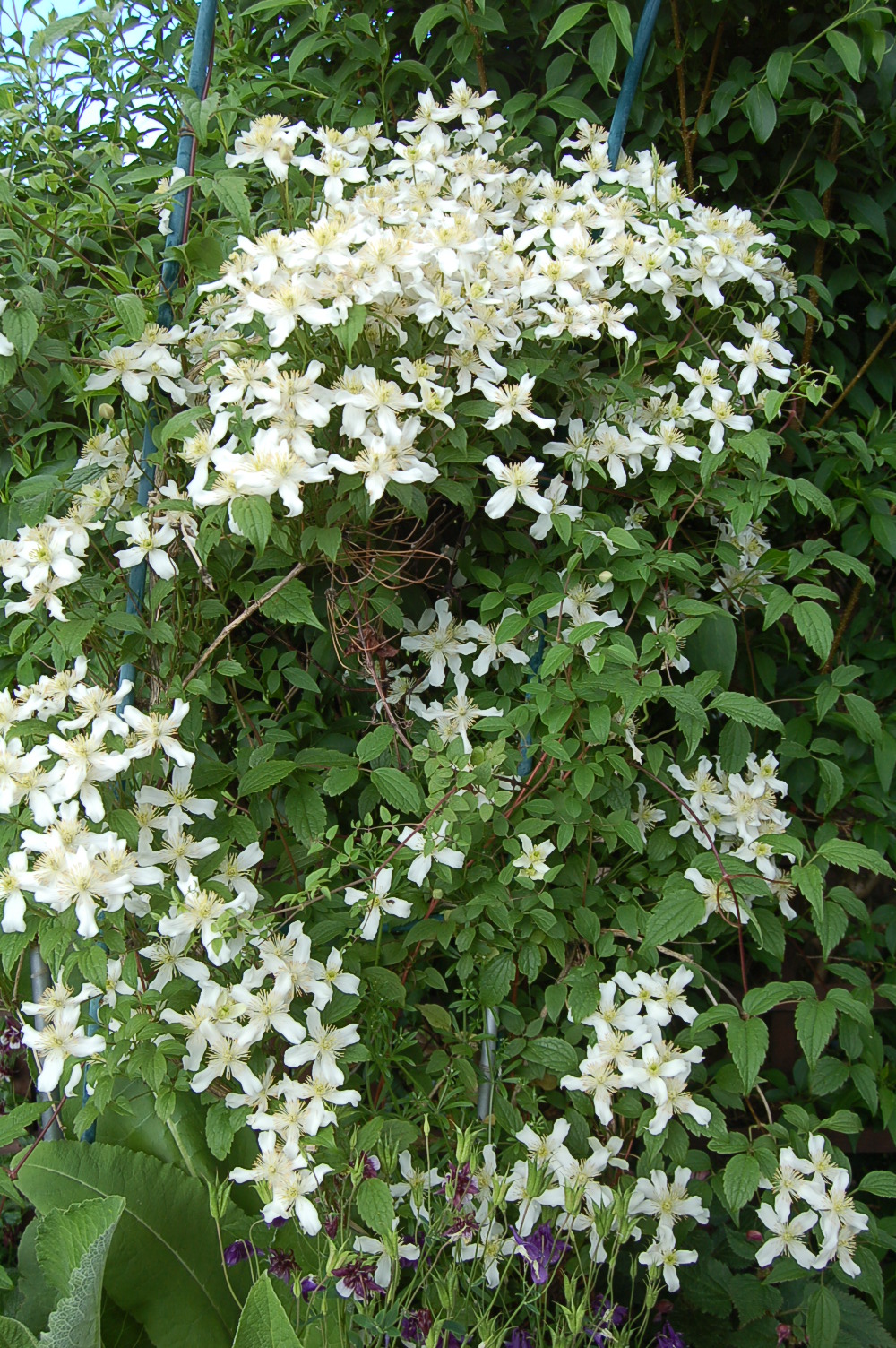
Our collection of Clematis are beginning to flower and others are covered in robust buds.

Flower colours have been so important during the first few weeks of this month simply as an antidote to dull days and dark skies. It matters not whether it is a gaudy cerise beauty or a subtle green or white.

Blue on blue.

Another view of our Freda Border.

Our mini-meadows in their pots are developing well. We think we may be onto a winner.

The Shed Bed created on the site of an old shed which we demolished when we moved in, is really pleasing as below the shed we found just rubble, gravel, broken pots and sand. We added wheelbarrows of compost to improve it and now every little flower is a true gem.

A vine grows over one end of the greenhouse acting as a natural shading agent as well as feeding the gardeners. The startlingly red flowering currant has hitched a lift along it so the vine drips with red droplets.

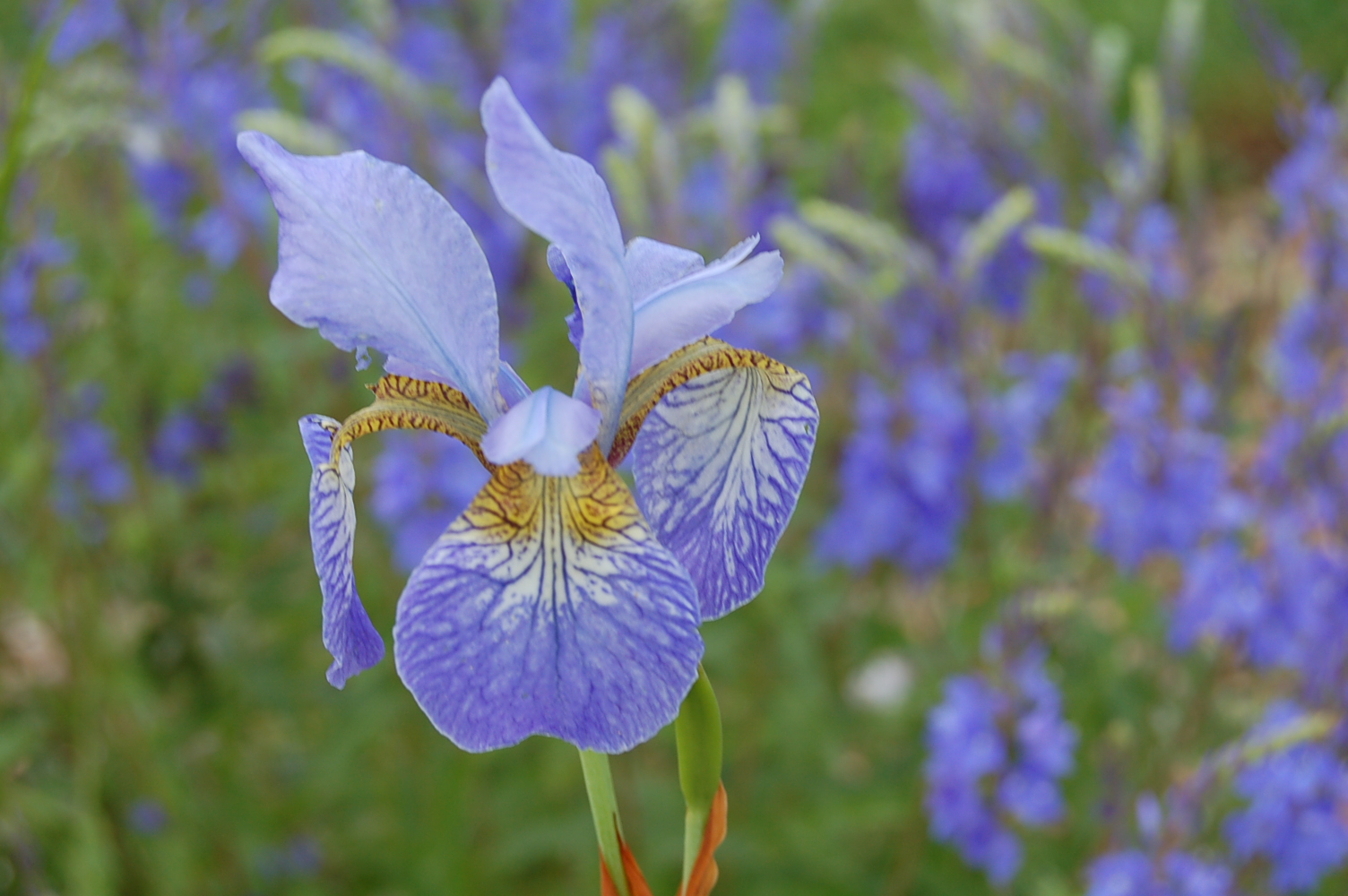
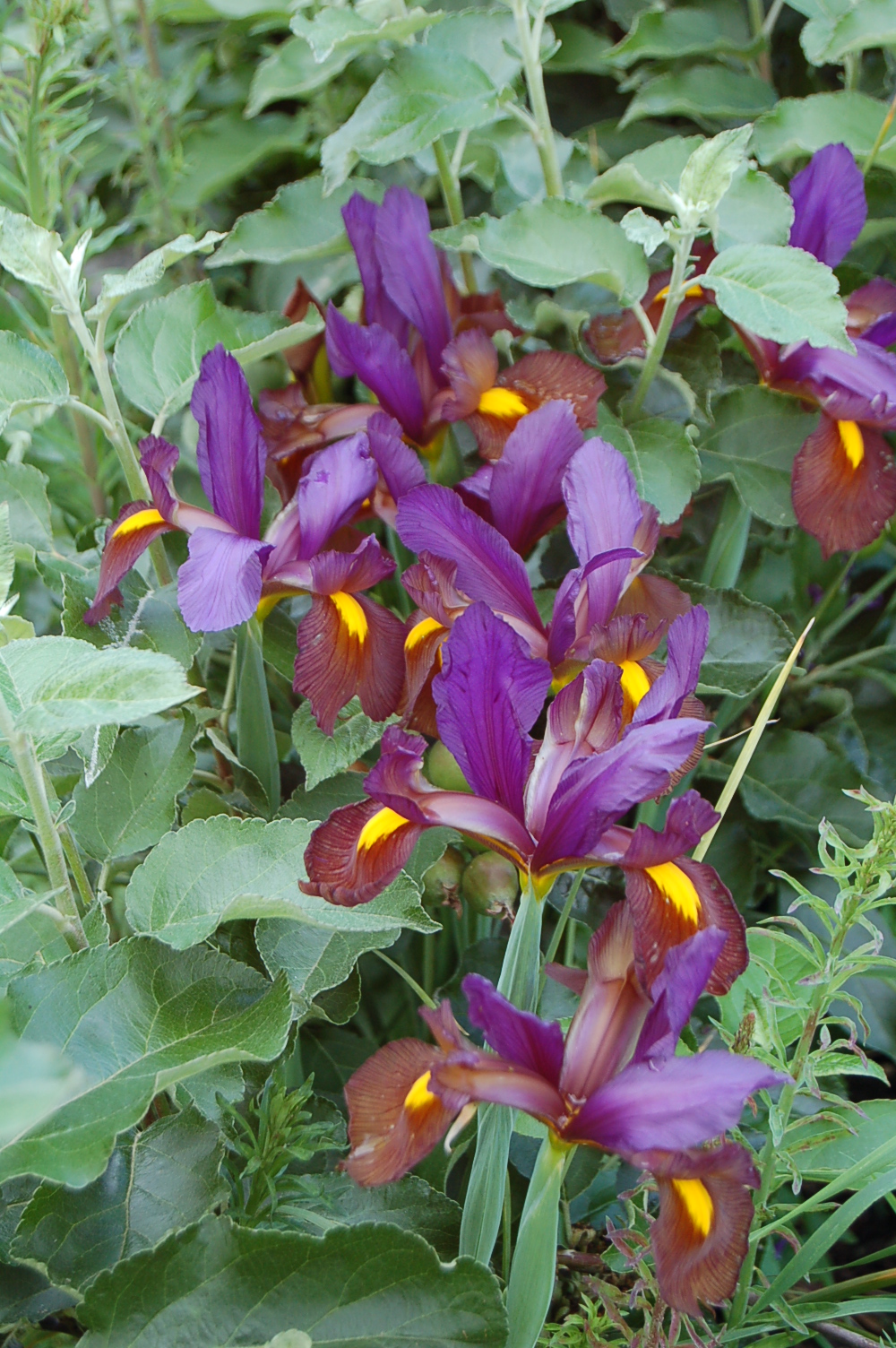
We enjoy these irises as cut flowers but bees take advantage of them before we pick them. This clump is growing through our stepover apples. Double harvesting – cut flowers followed by apples.

The planting around the pool has closed in and made it an intimate area. Nearby the Prairie Garden is bursting with fresh blooms.

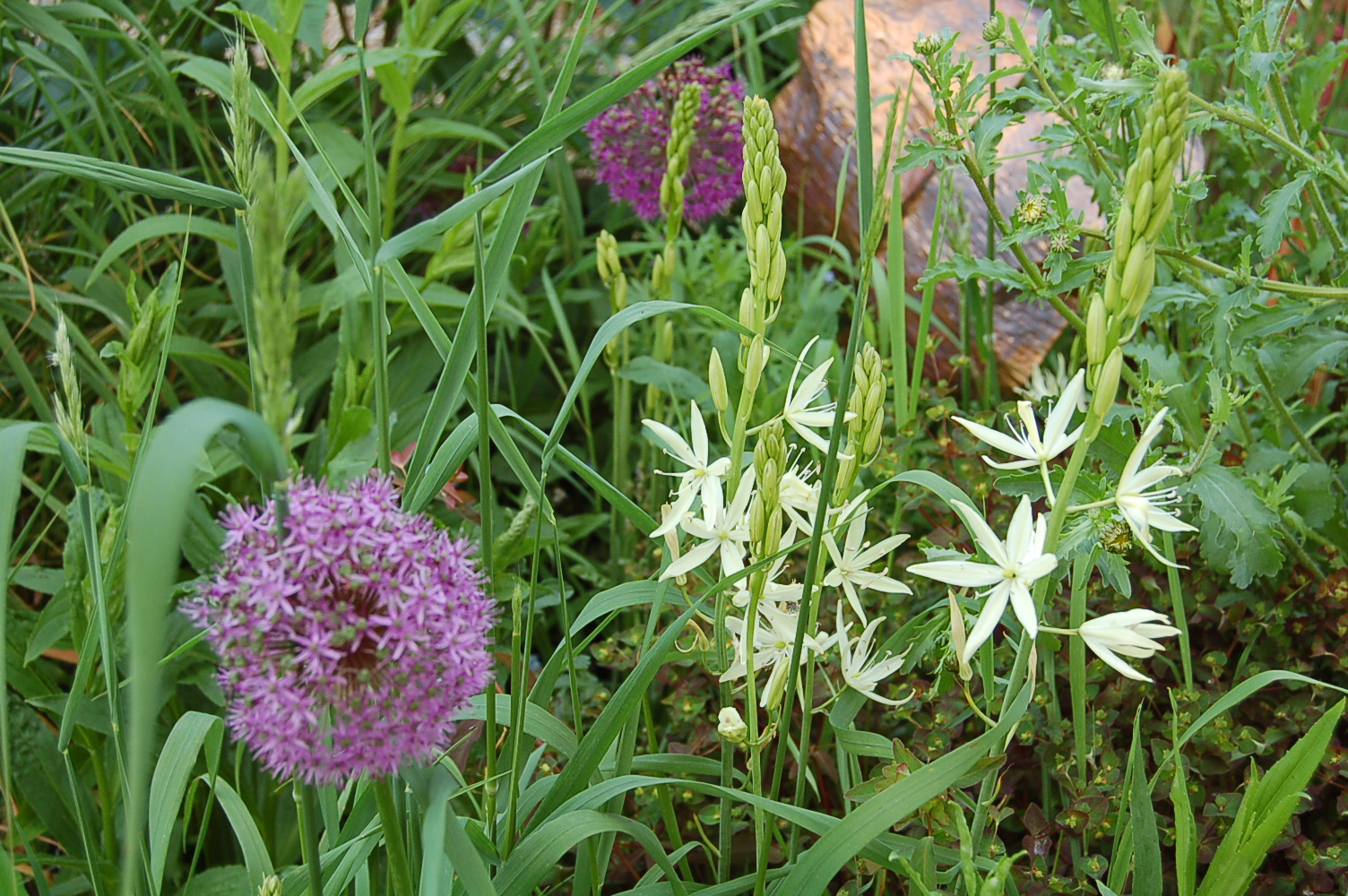
In the Secret Garden Aquilegias and Alliums look good alongside the purple foliage of Pentstemon Huskers Red.

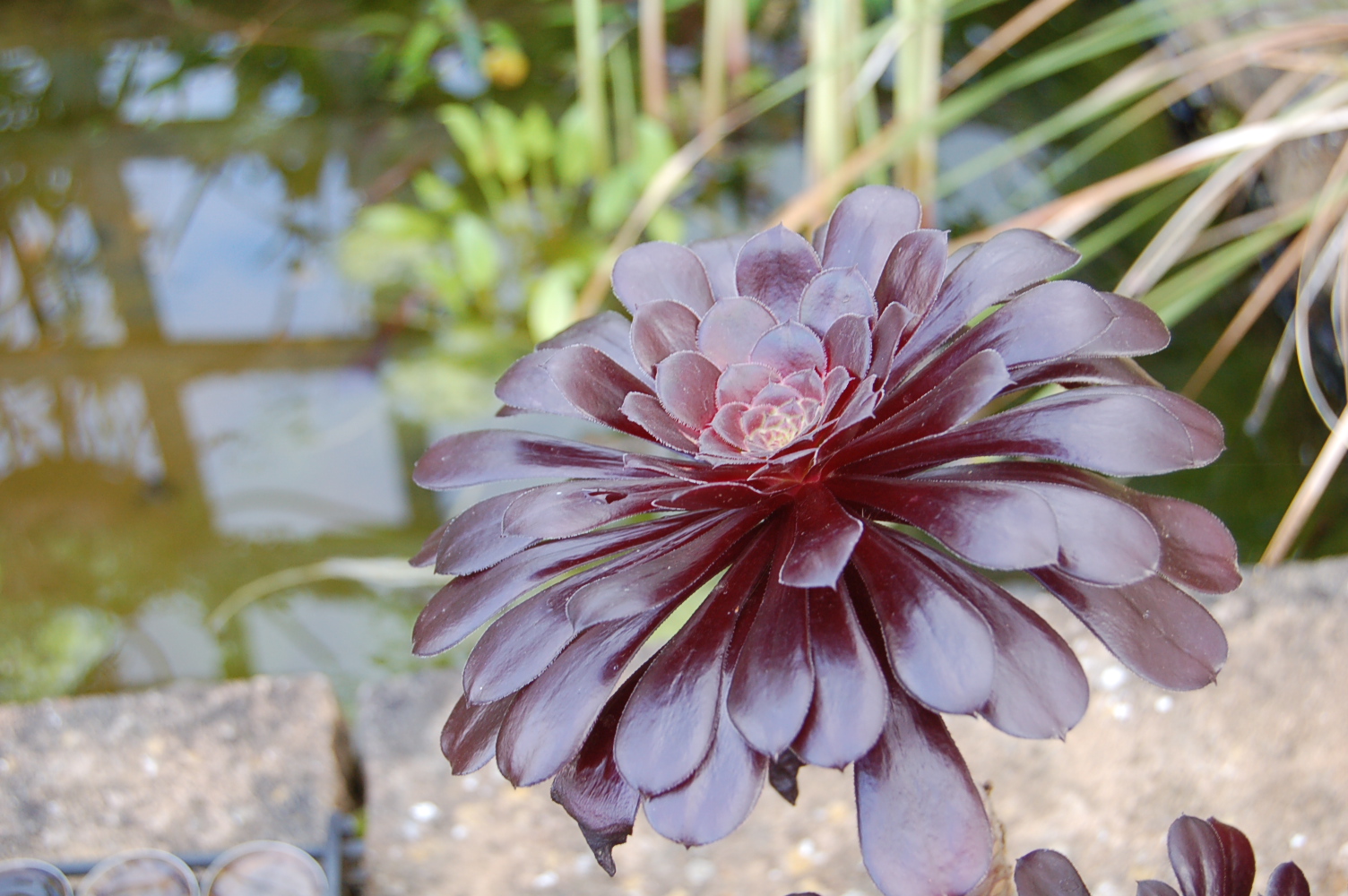
These aeonium enjoy the hottest part of the garden, the Rill Garden.

To one side of the rill we grow a snake bark maple, with silver and green striped bark, cream and red seed capsules and in autumn it has amazing rich red foliage. A wonderful specimen tree to finish this garden wander underneath.

Categories
fruit and veg garden photography gardening grow your own hardy perennials ornamental trees and shrubs photography roses shrubs spring gardening trees

May’s Burst of Growth

A week into May the rain stopped, the temperature rose a little and the skies cleared, bird song increased in volume and in response the garden had a burst of growth. Fledgling Robins, although only hours out of the nest began to follow us around the garden as we worked as if they had an inbuilt knowledge of the link between gardeners and Robin food.

Variations in foliage colour is strong in early May light.

Leaf buds on trees and shrubs started to unfurl and herbaceous plants looked greener and fresher with the new leafy growth. Flower buds fattened ready to open in the next few days.

New seedlings of mixed salad leaves.
Fresh growth on Bowles Golden.
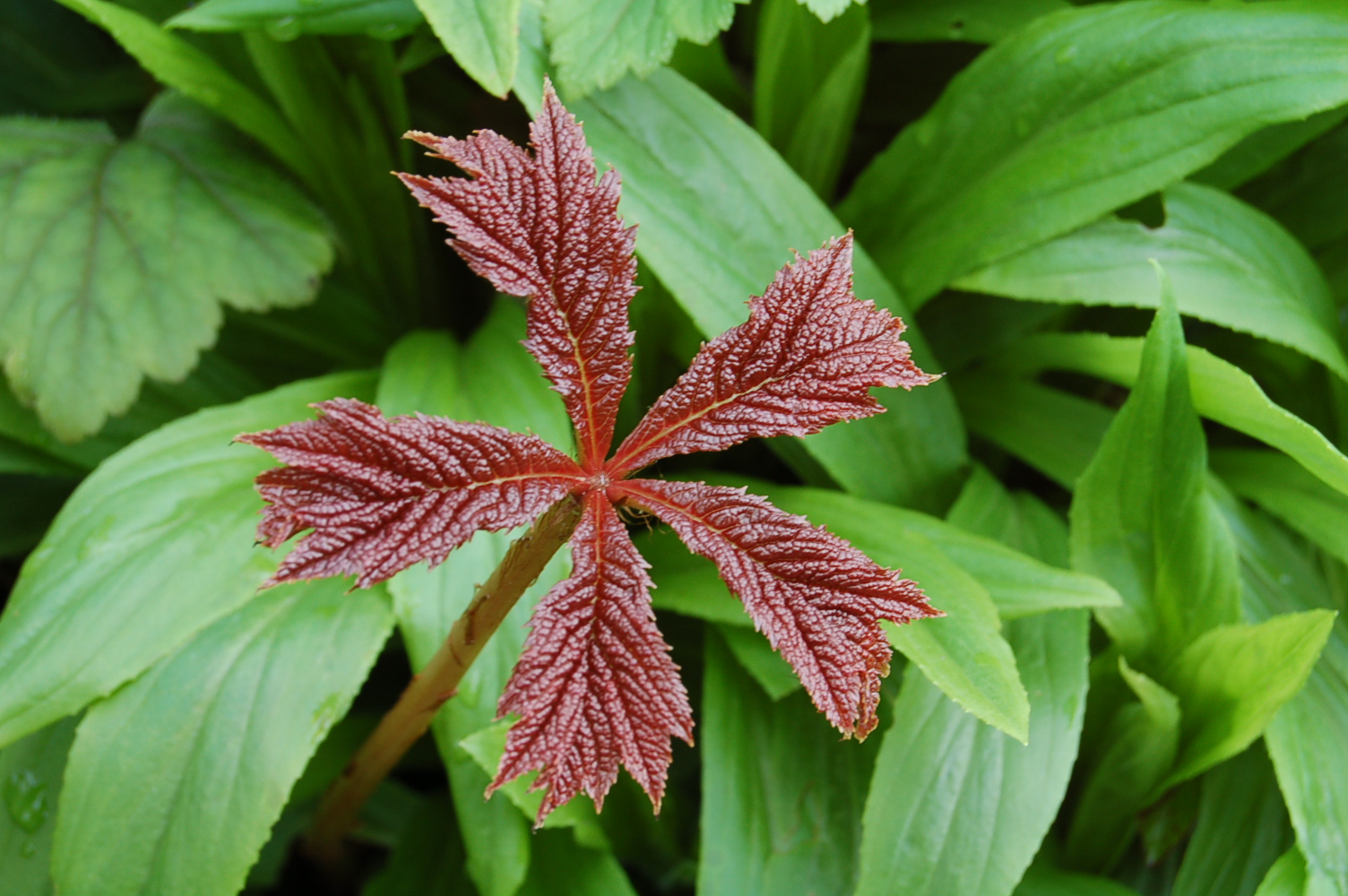
The deep reddish bronze foliage of this Rogersia contrasts beautifully with its green-leaved neighbours.
Aquilegias are about to flower in every border. Can’t wait!
Grey Hosta spear soaring skyward.
This herb valerian self seeds throughout the garden and its scent is welcomed wherever it blooms.

The surge of growth will hopefully allow Mother Nature to catch up a little. The rose bushes are often clothed in fat buds a few of which burst before the end of the month, but at the moment their leaves are still not fully out. Similarly the flowers of the Cercis are usually out now flowering on the bare stems and trunk but their buds are tight shut while the foliage is bursting into life.

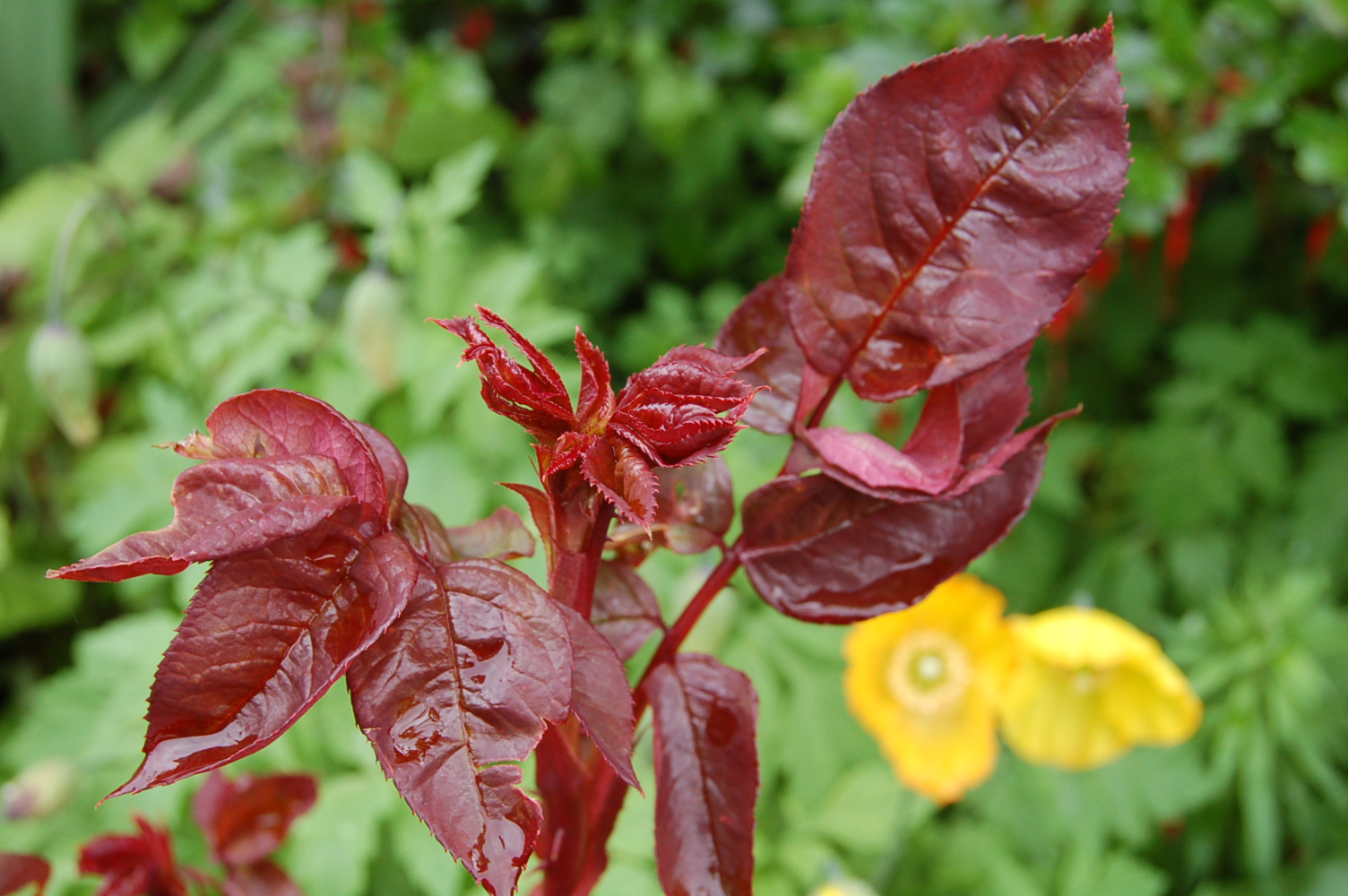
Rose foliage emerges a deep shade of red.
The new fresh leaves of Cercis display a deep bronze colour.

Our fruit trees do not want to miss the fun – their leaf and blossom buds burst into life.

Apple blossom gives us so many shades of pink to enjoy.
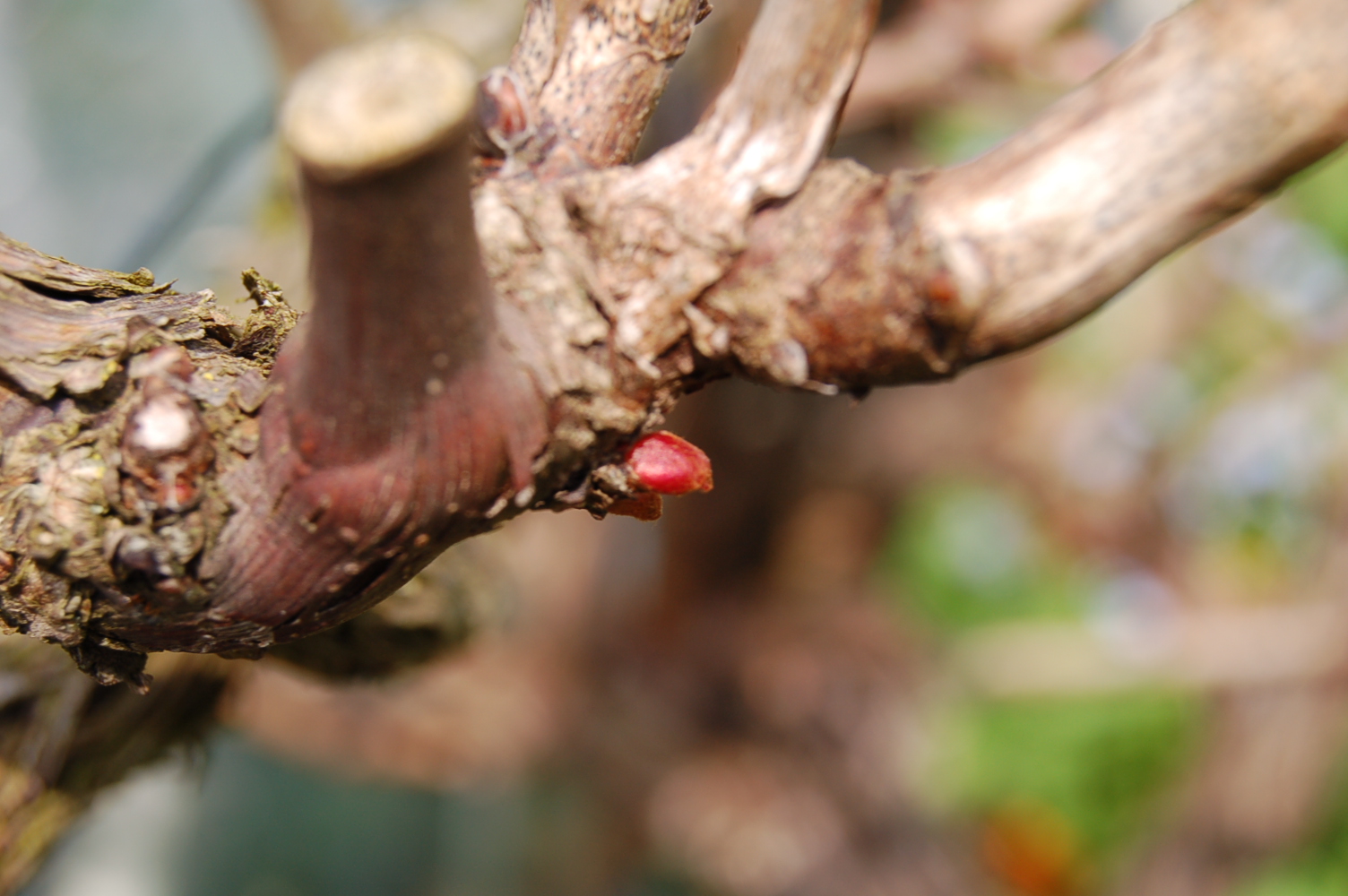
Very late emerging bud on our Hampton Court vine.

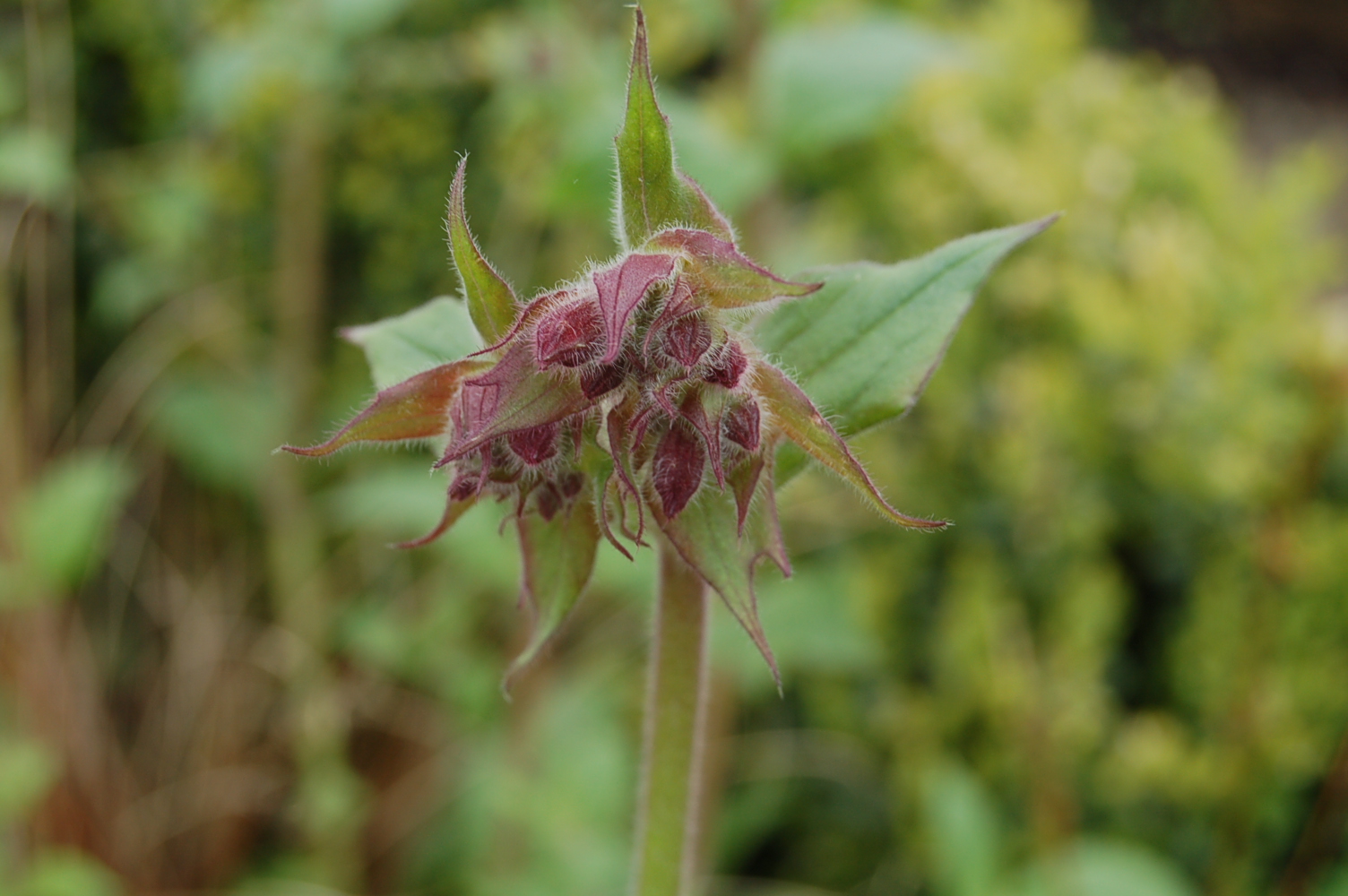
Flower buds are bursting – they do not want to be left out!

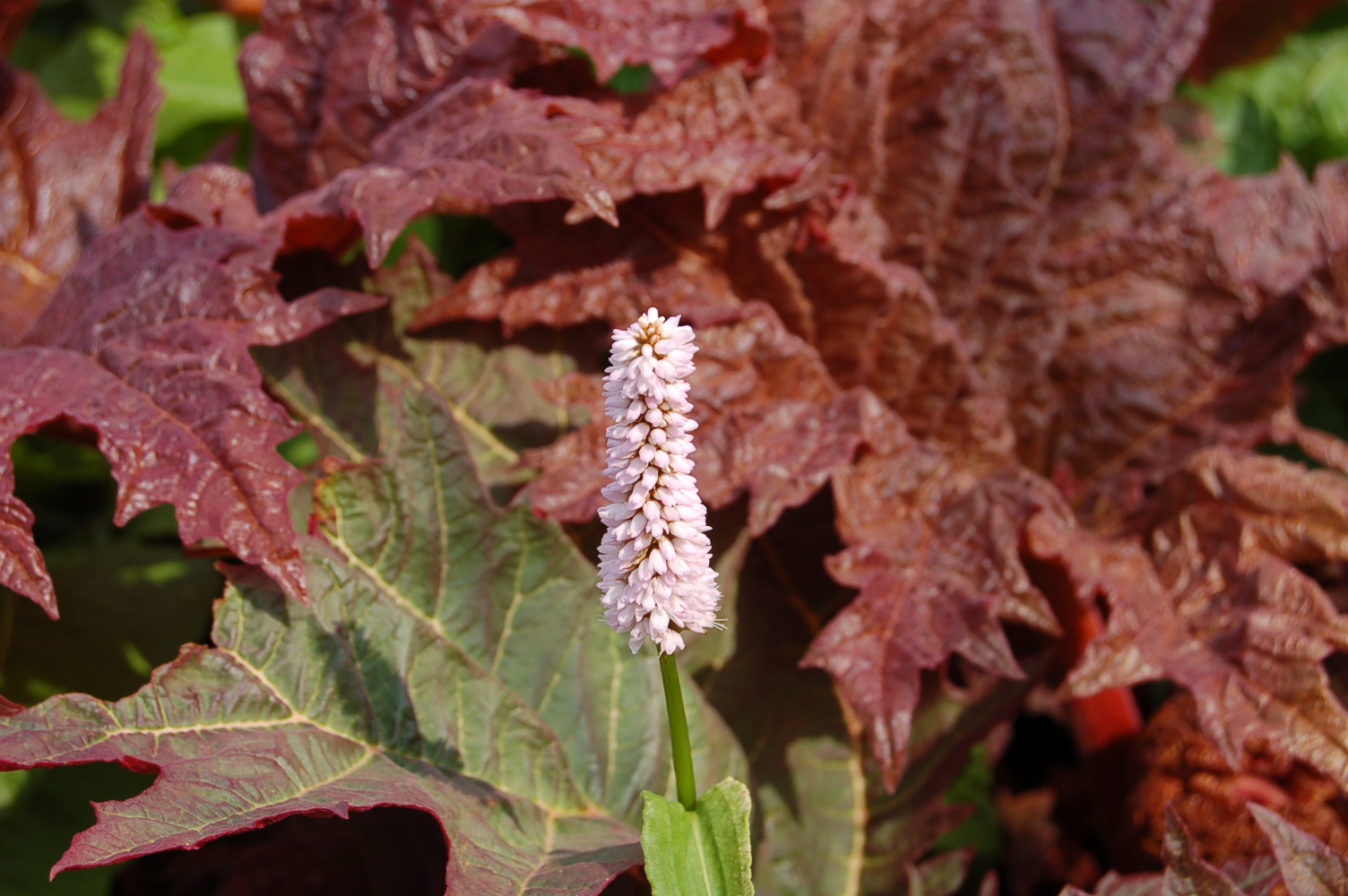
The first flower of the Persicaria bistorta stands alone in the lush foliage of the Bog Garden.
The yellow scented flower of this deciduous rhododendron are nearly with us.
Misty blue Cammasia buds opening.
Fat Allium bud rising from the whorl of leaves.
Red Campion buds ready to burst cluster atop their stem.

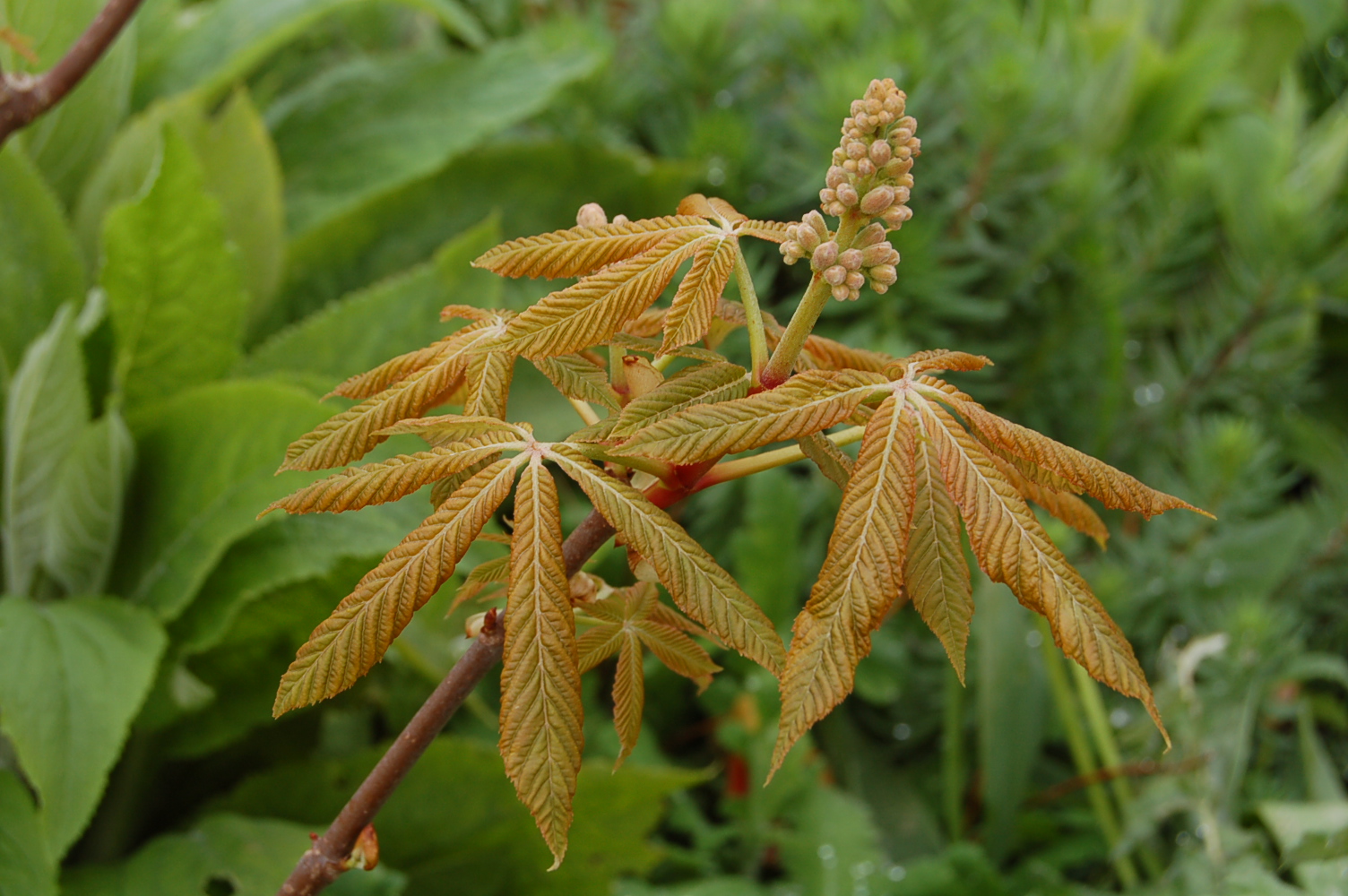
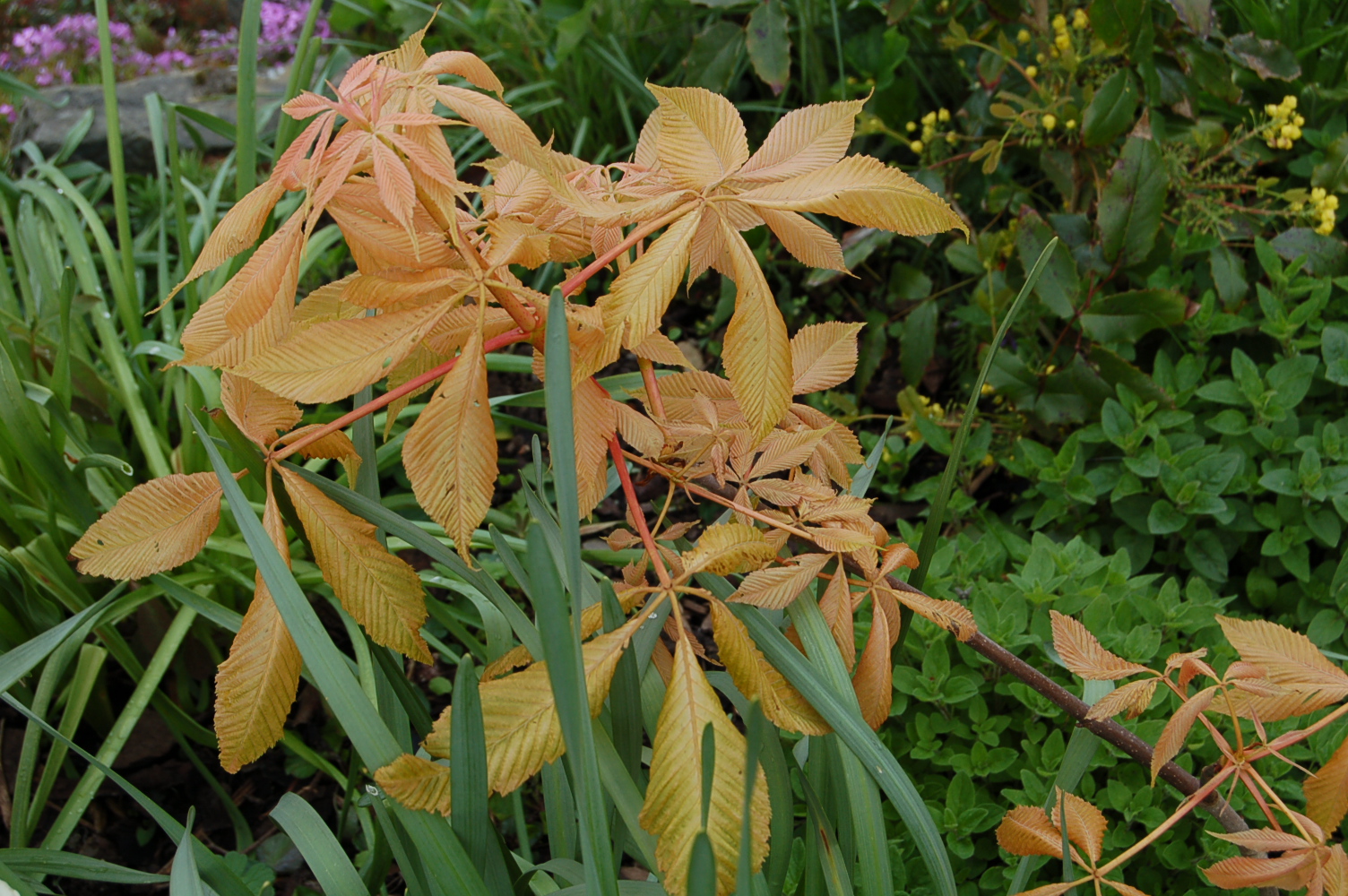
The most unusual coloured new buds appear on our two miniature Horse Chestnuts.

Delicate pale bronze new hands of chestnut leaves.
Salmon pinky orange?
Categories
garden photography gardening hardy perennials ornamental trees and shrubs photography roses shrubs trees winter gardens

Witch Hazels at Swallow Hayes – a garden visit in January (part one)

OK, so January isn’t a month normally associated with visiting gardens, but Swallow Hayes is different. It’s main feature is a huge collection of Witch Hazels, more than 70 types. The day of our visit was cold – teetering on freezing point all day – and a thin mist hung low over the land made cold by the heavy overnight frost. We wrapped up warm, wandered around this garden of winter, our fingers with just enough feeling left in them to take photos.

The garden here covers just two acres but they are two packed acres. There is so much to see here in January, leaf colour and variegation, blooms with scent to delight and patterns of tree bark for the eye to capture and the fingers to explore.

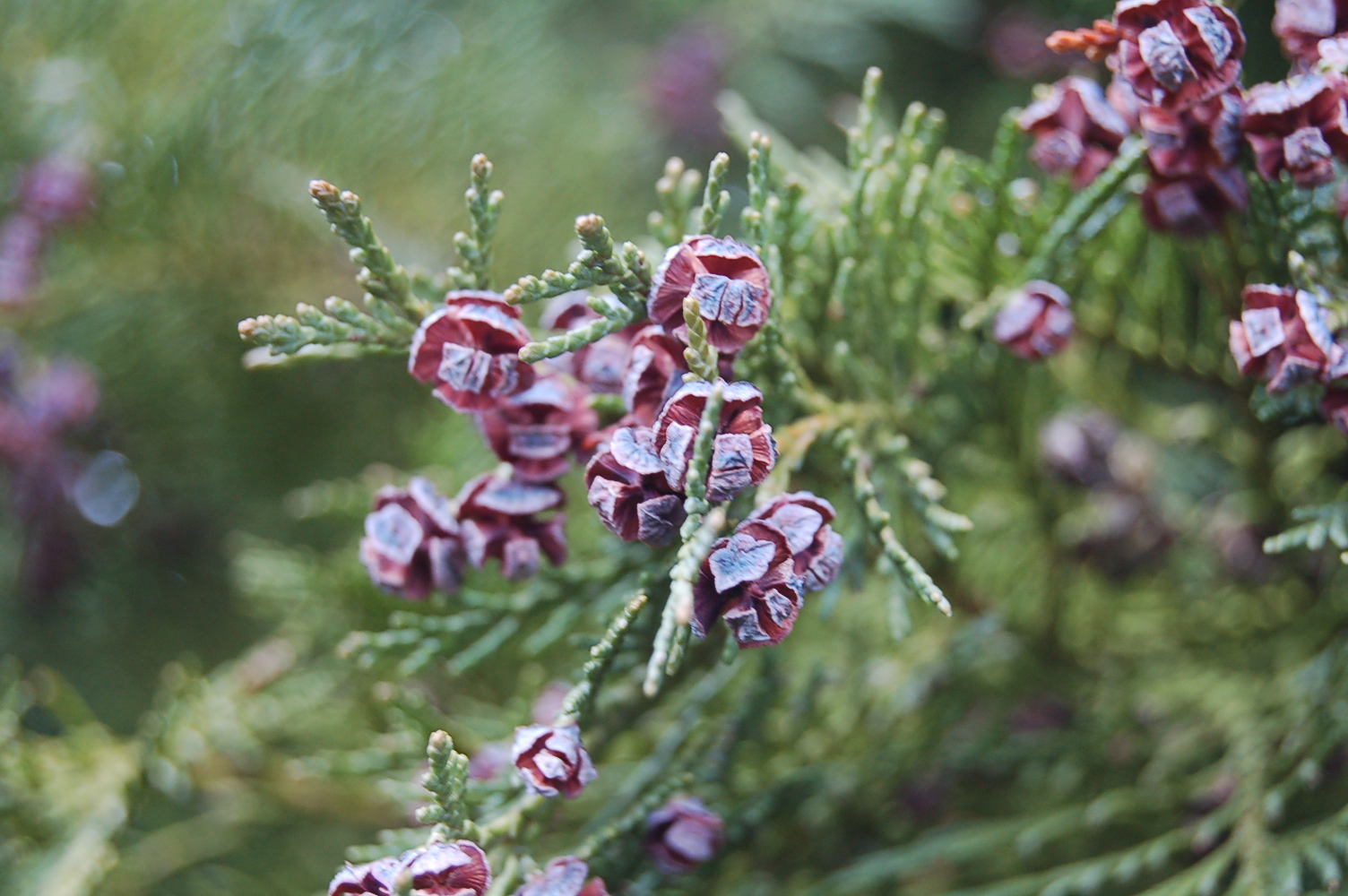
Felled by wind this branch of the blue-grey Cedrus atlantica glauca shone against the debris under the tree.
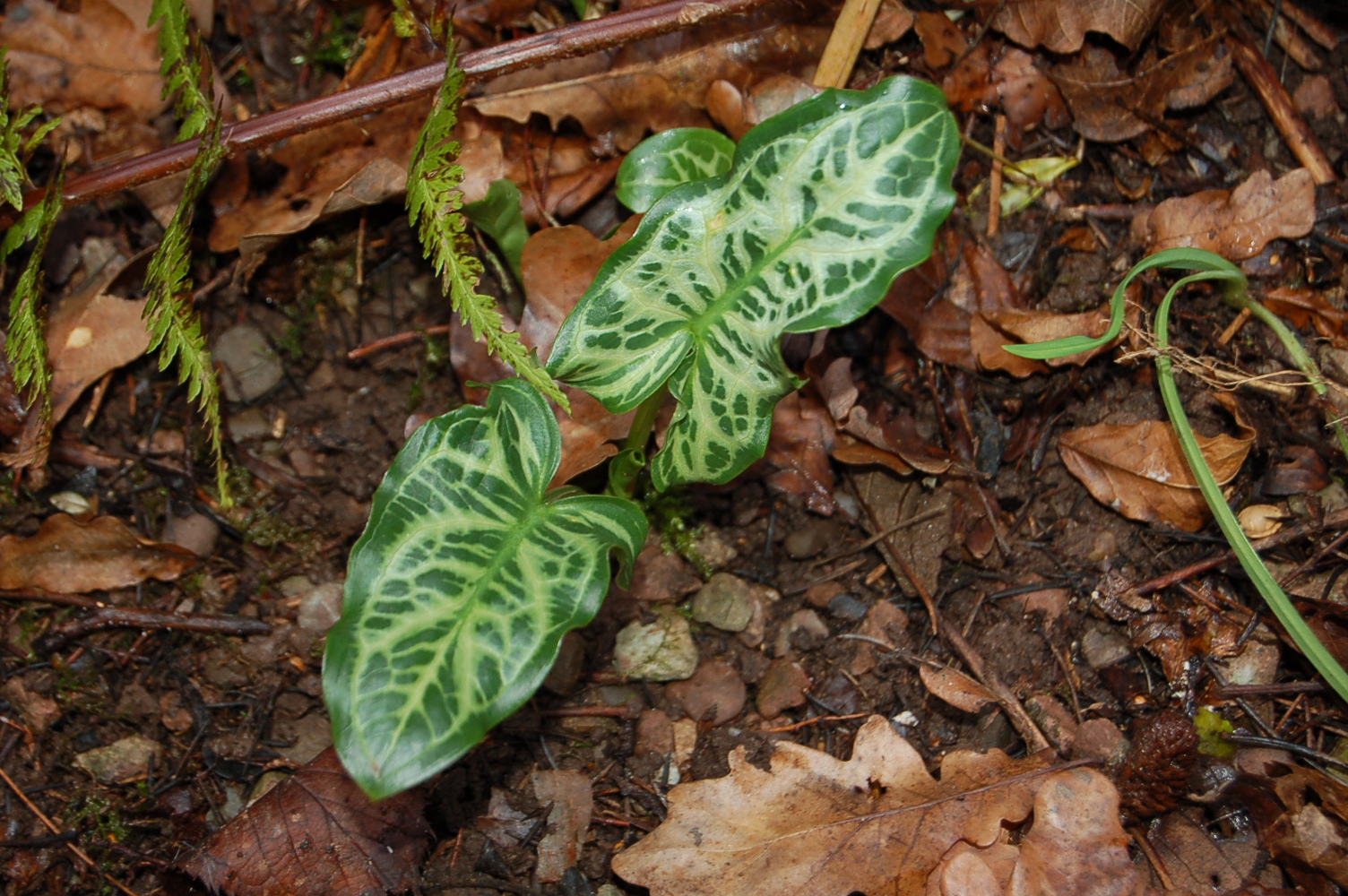
Arum italicum marmoratum show leaf variegation at its best.
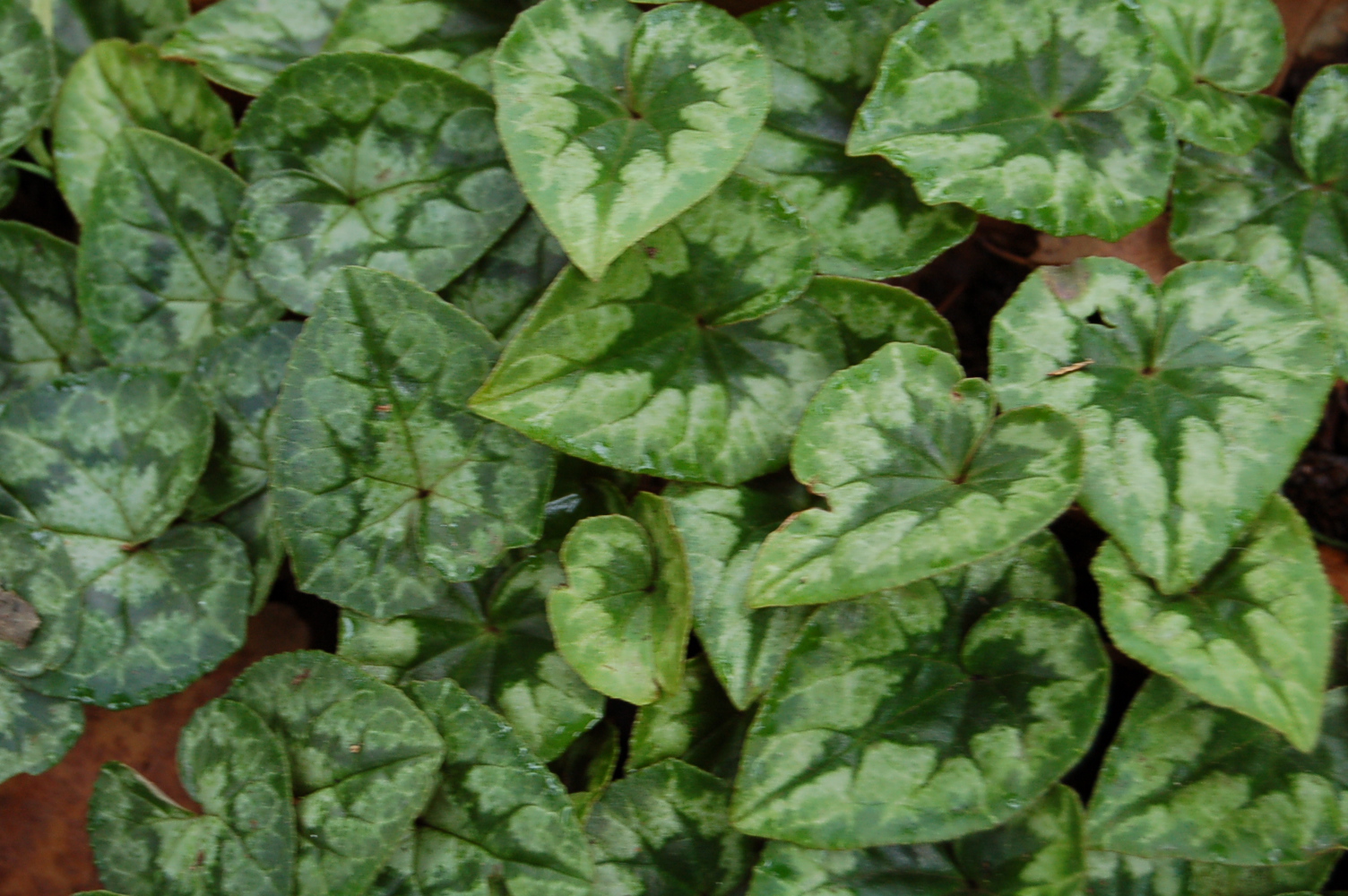
A clump of beautifully marked Cyclamen enjoying the shade of a conifer.
I am not a fan of conifers but I do appreciate them on dark winter days.
Delicate deep pink berries of Berberis wilsoniae.
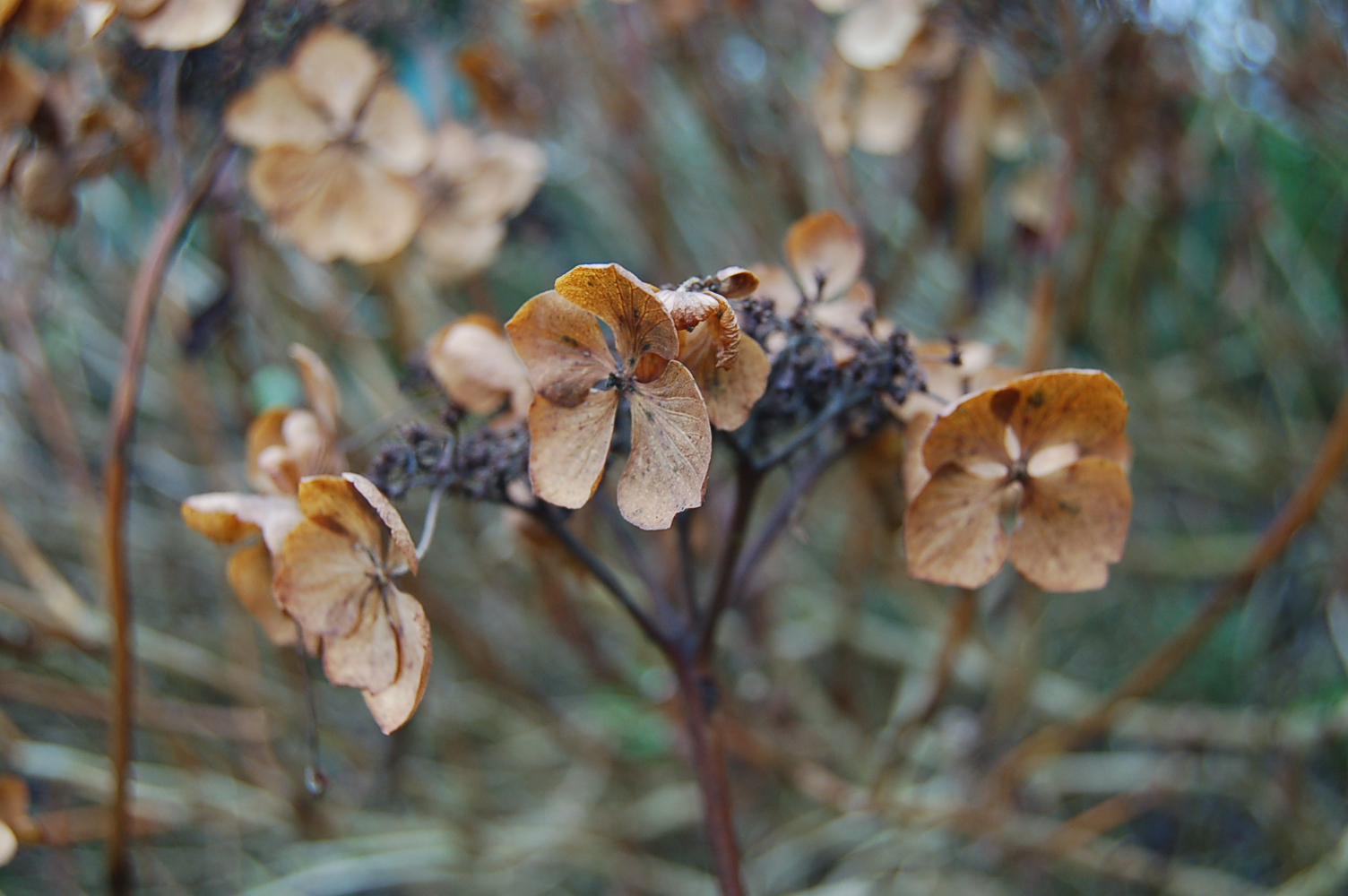
Last year's Hydrangea flowers display structure and colour.
Sparse berries hide amongst the strongly spotted variegated foliage of this Laurel.

Tree bark adds interest in winter gardens and here at Swallow Hayes Birch and Prunus add colour and texture.

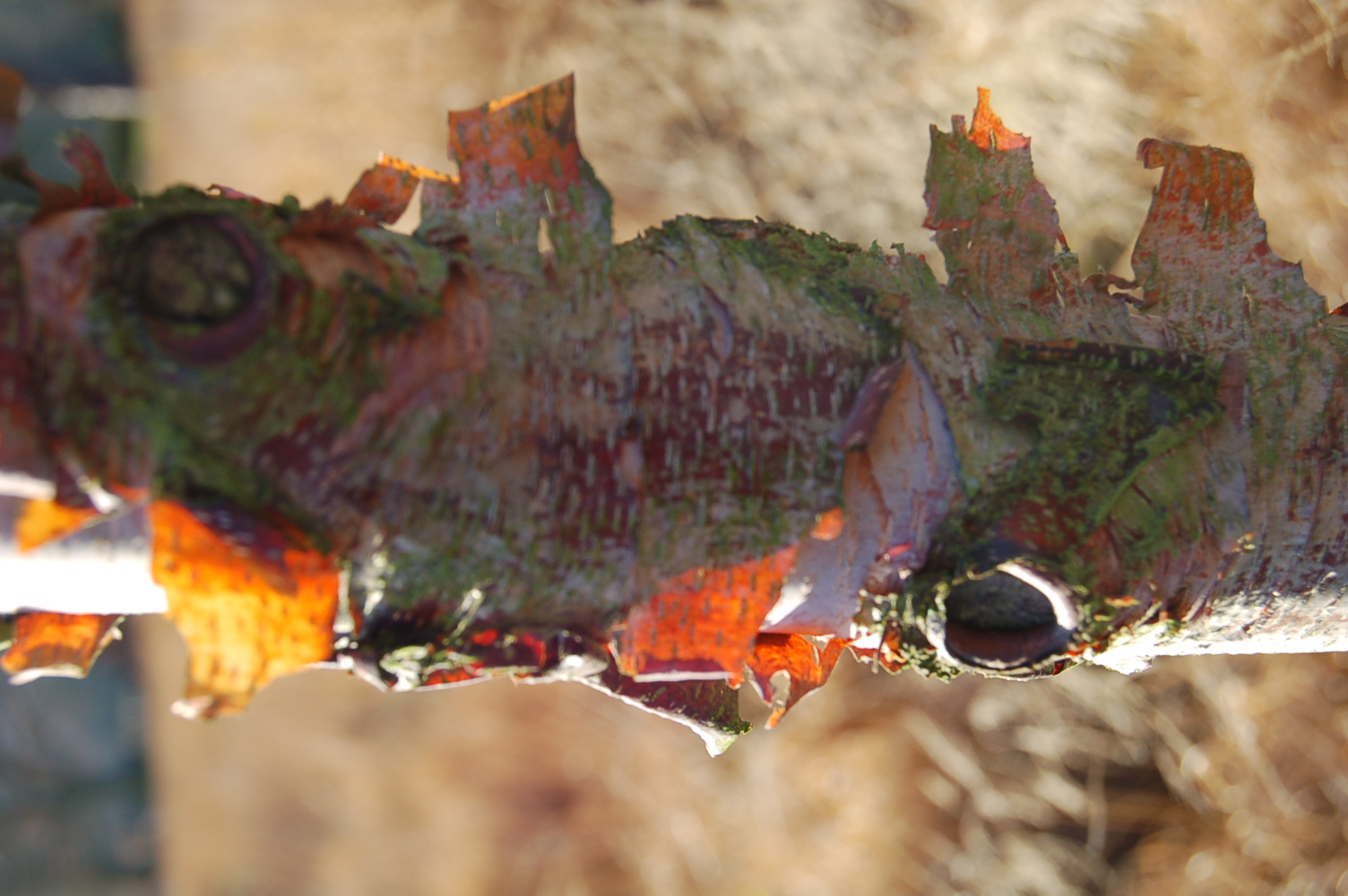
Peeling Birch bark reveals pink below the silver.
Silky smoothness in deep shades of russet .
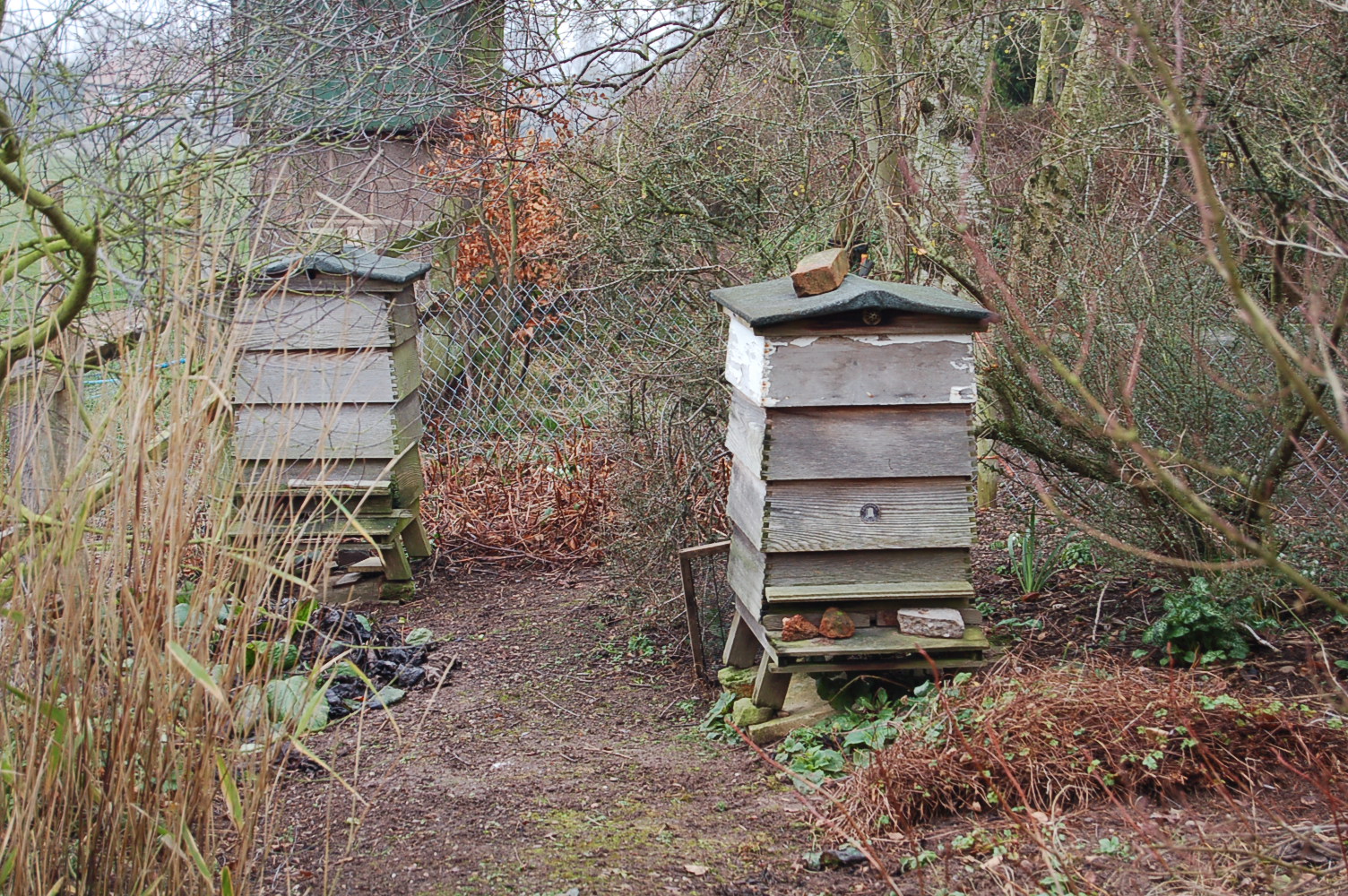
Swallow Hayes' bees snug and safe in their hives.
A relative of the Witch Hazels, this Sycopsis was unknown to us.
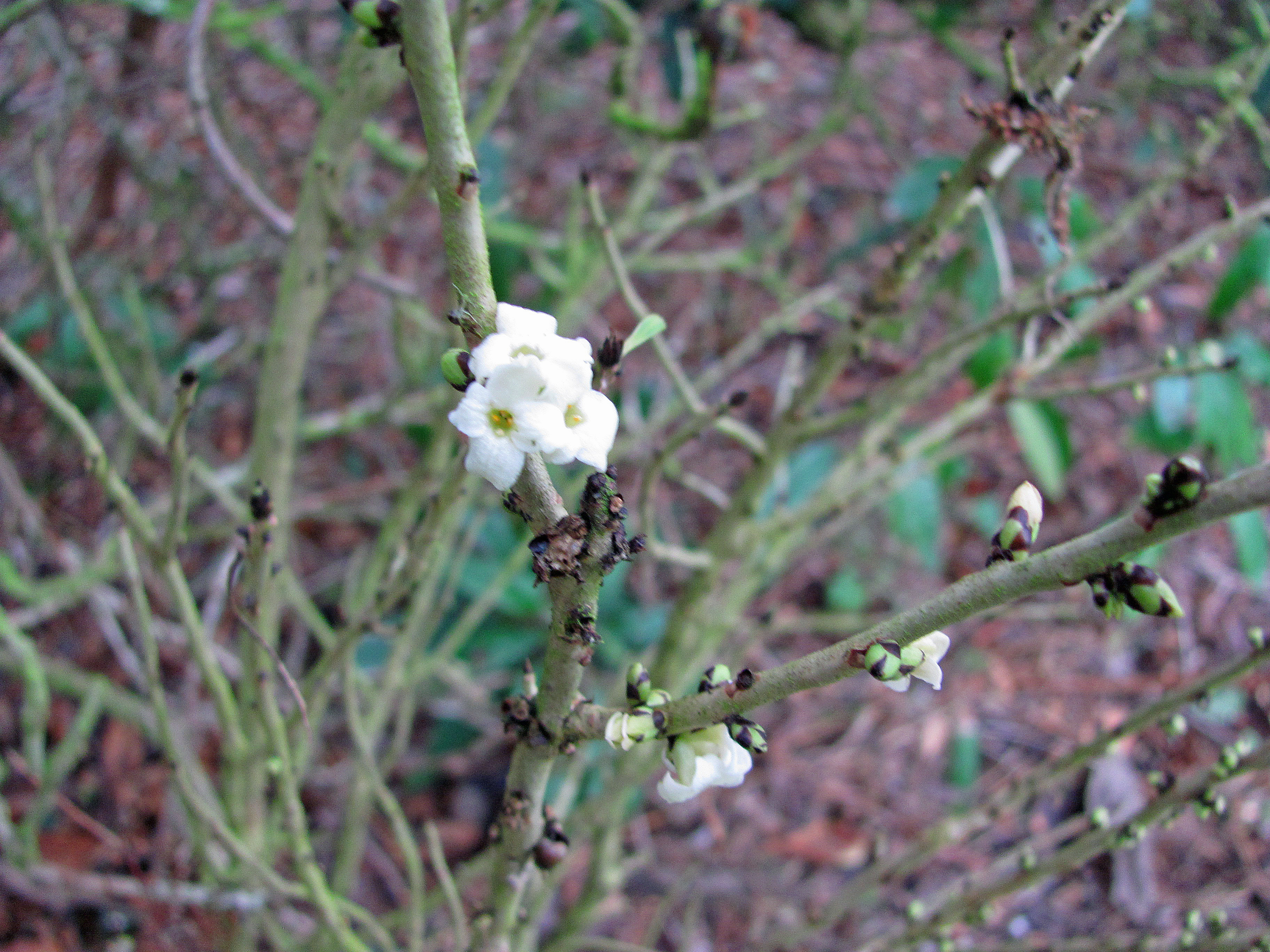
Unusual white flowered Daphne
Lichen on Magnolia branches.
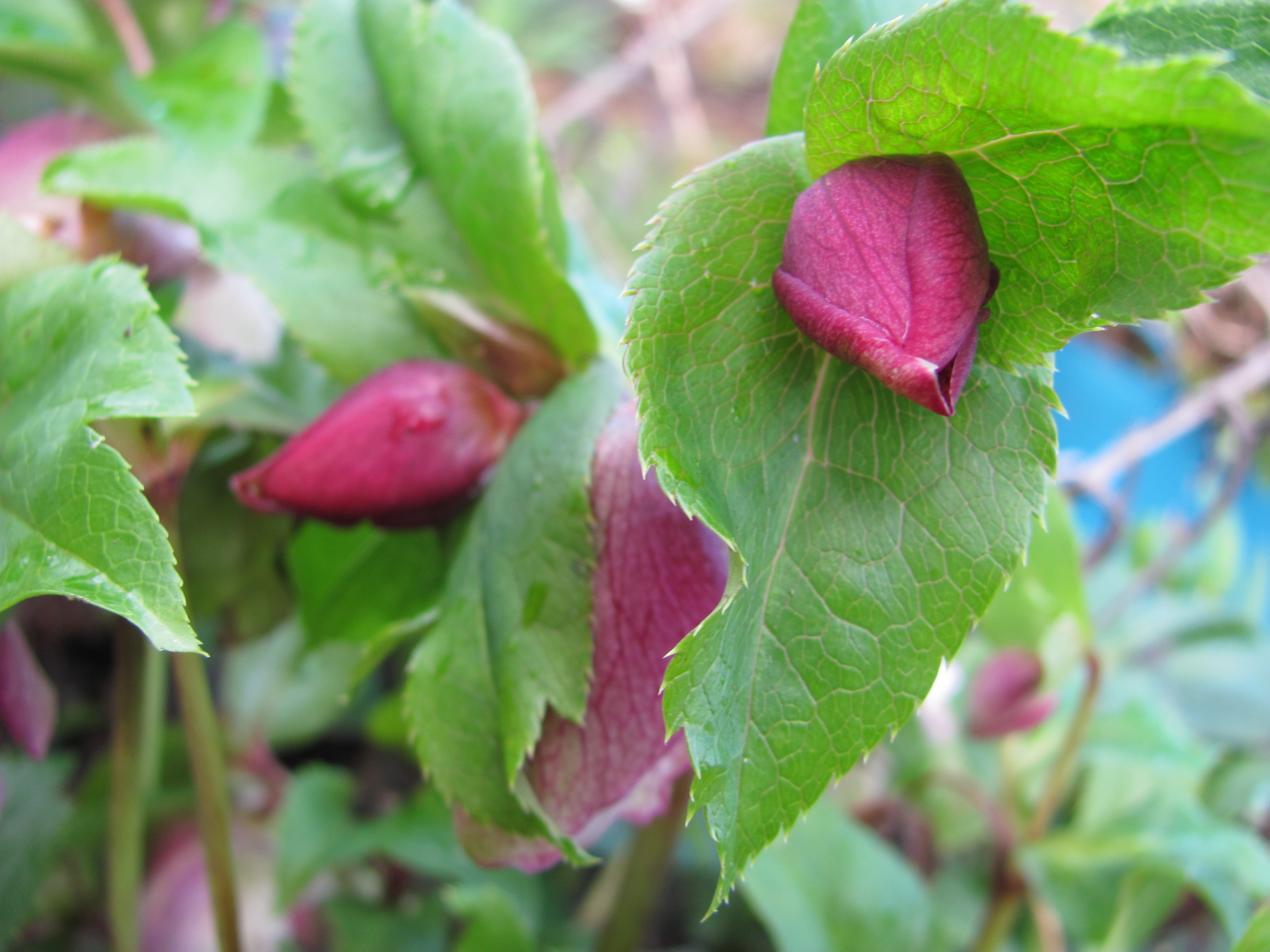
Fresh shining purple growth of a hellebore looks full of promise.
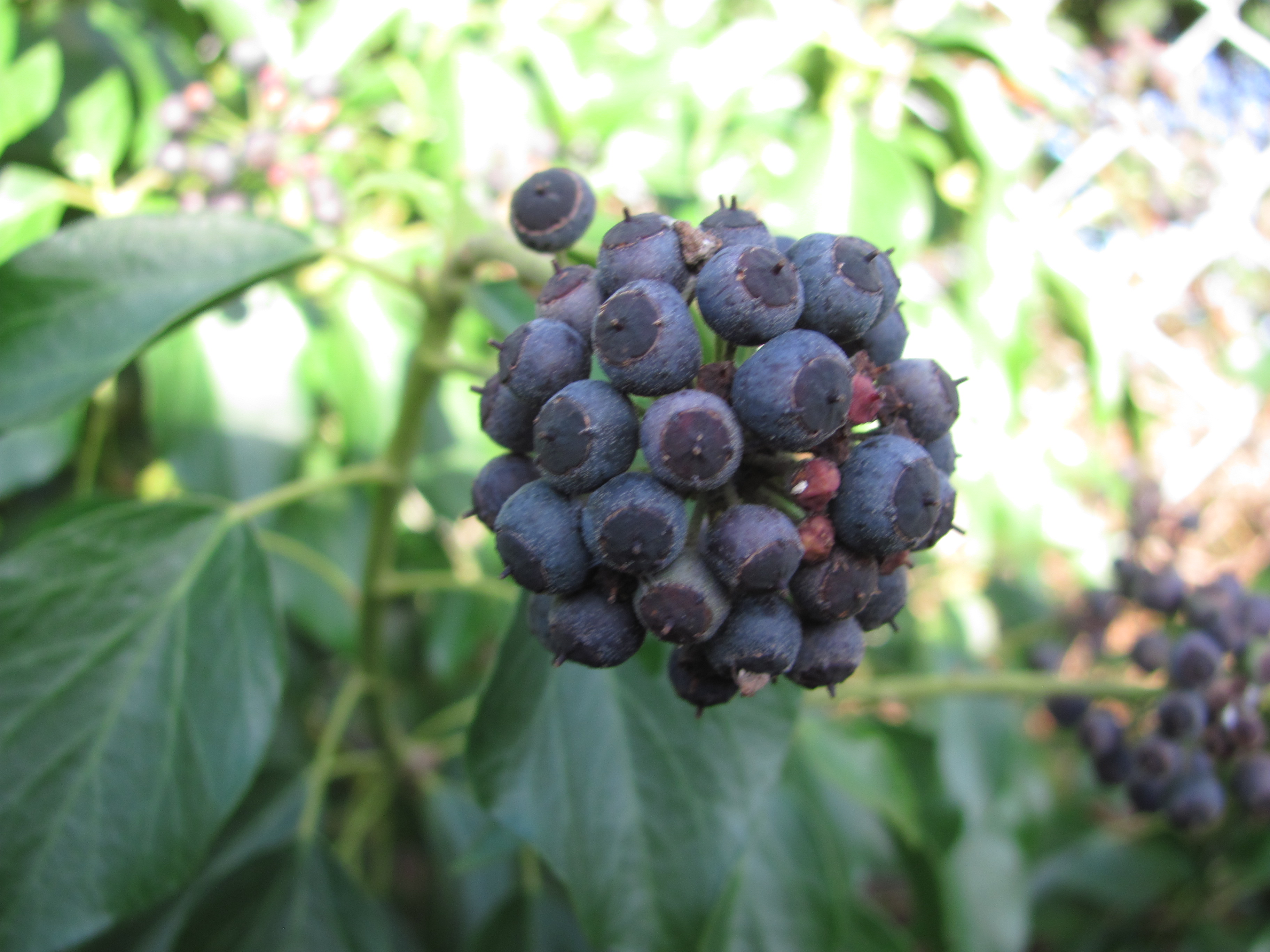
Fresh berries on an unusual ivy.
Startling white stems of Rubus.
Long thin Euphorbia.
Categories
climbing plants garden photography gardening hardy perennials ornamental trees and shrubs roses

Christmas Rose

No, this is not going to be primarily about hellebore, sometimes known as Christmas Roses. They do not always flower at Christmas time, although in recent years the tendency to flower in December has increased here in our Shropshire garden.

I am talking here about the climbing version of Rosa Graham Thomas, a David Austin rose which we grow clambering over one of our garden sheds. We try to train some branches along the nearby fence but it likes to be on the shed roof best of all. It has been voted “The World’s Favourite Rose”. This seems particularly apt as Graham Thomas himself was one of the world’s favourite garden writers, having written 17 books in all. He was also an excellent artist working in both water colours and pencil, though he was best known perhaps for his role as the National Trust’s “head gardener”.

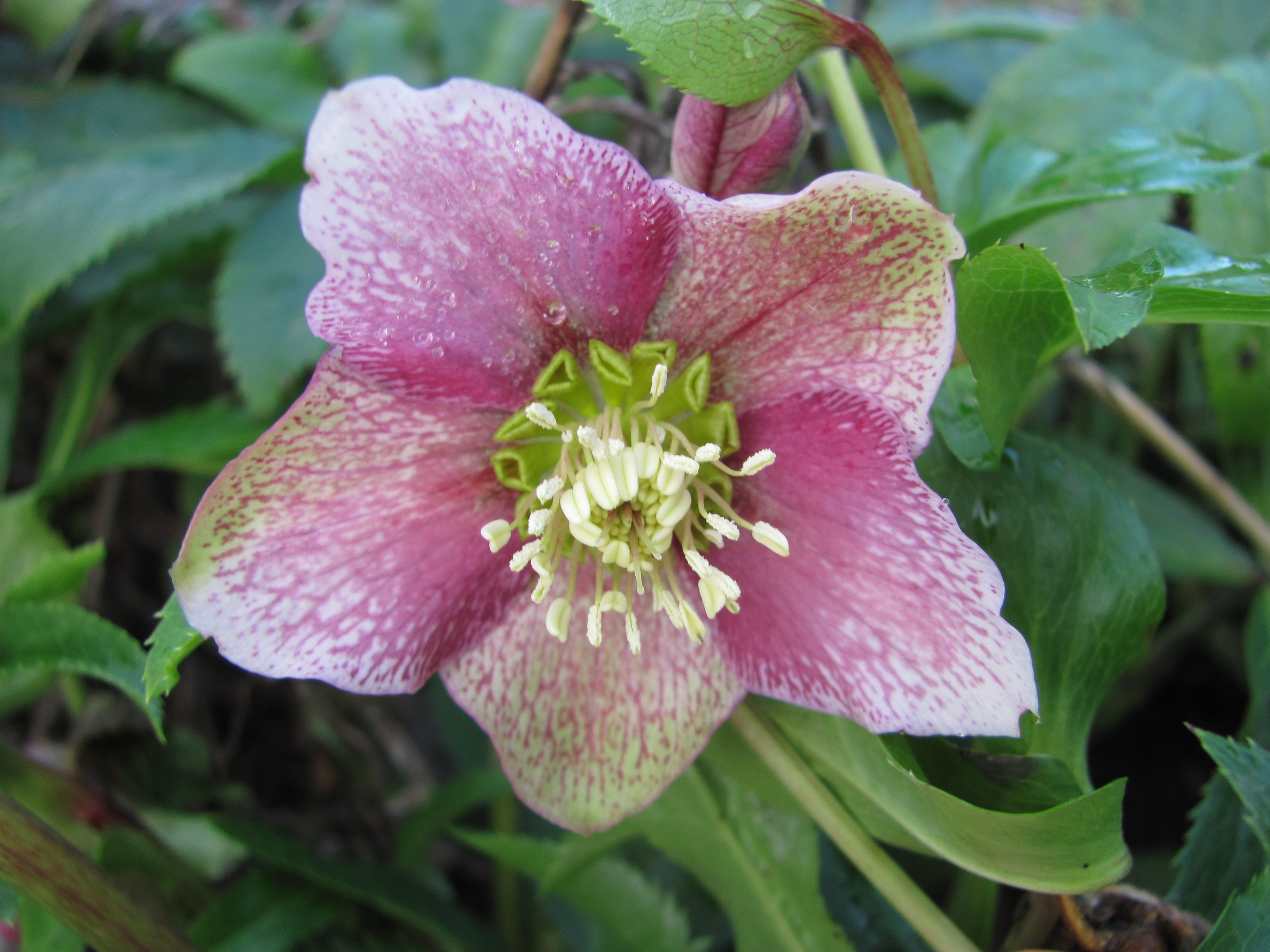
A second slow cold walk around the garden revealed that this year the hellebore are in fact performing in tune with their nick name, so perhaps I had better feature them too!

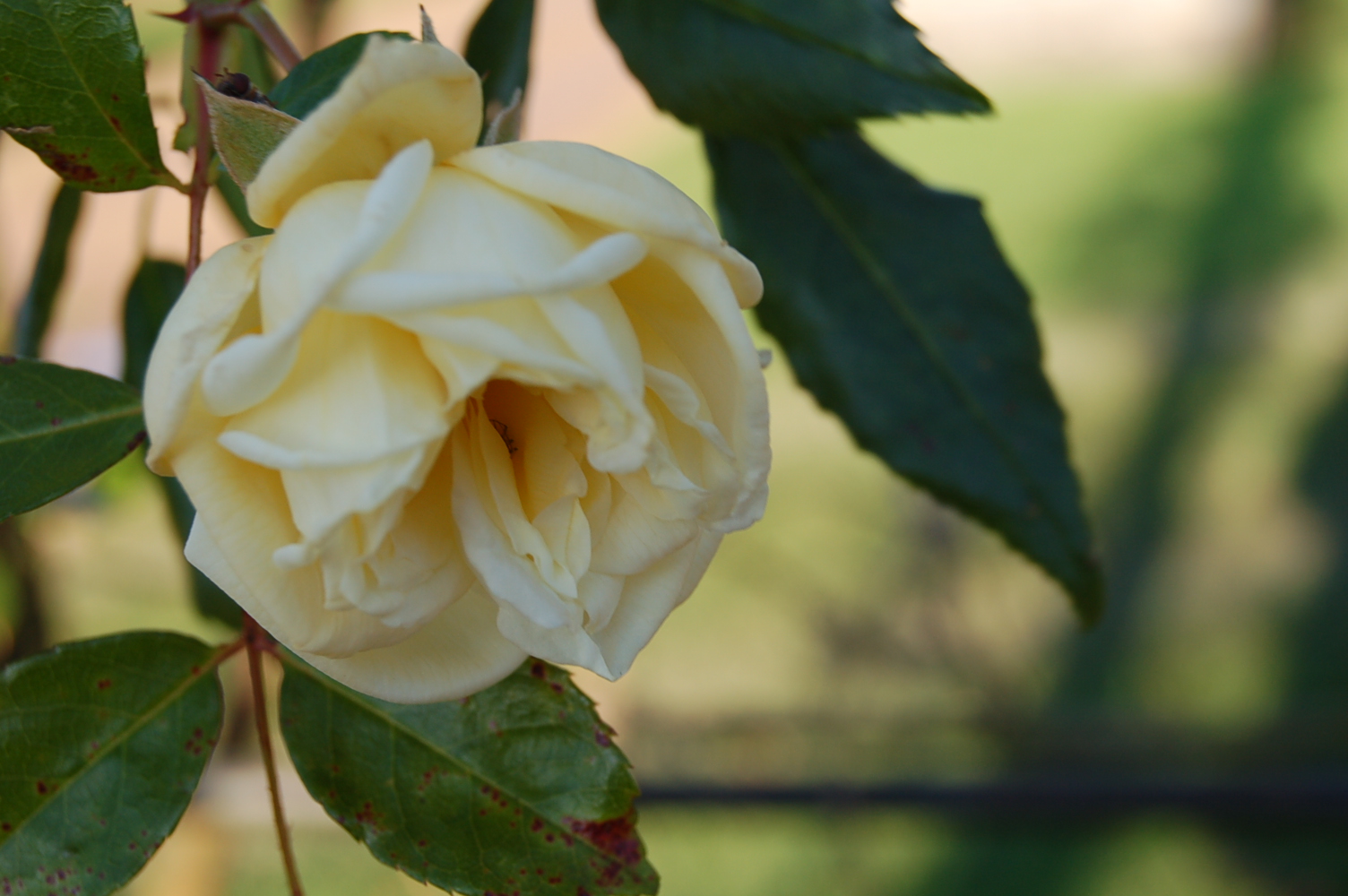
Here in winter its deep yellow blooms help to emphasise the depth of clear December skies. This rose manages to flourish all year, flowering almost every month of the year except straight after its annual pruning in spring. In winter it also displays large hips of orange and later red. Sadly it lacks the scent which pervades the garden in the humid warmer months. The David Austin catalogue describes this scent as typical “fresh tea rose fragrance” although “The under gardener”, otherwise known as my wife Jude, thinks it reminiscent of school dinners!

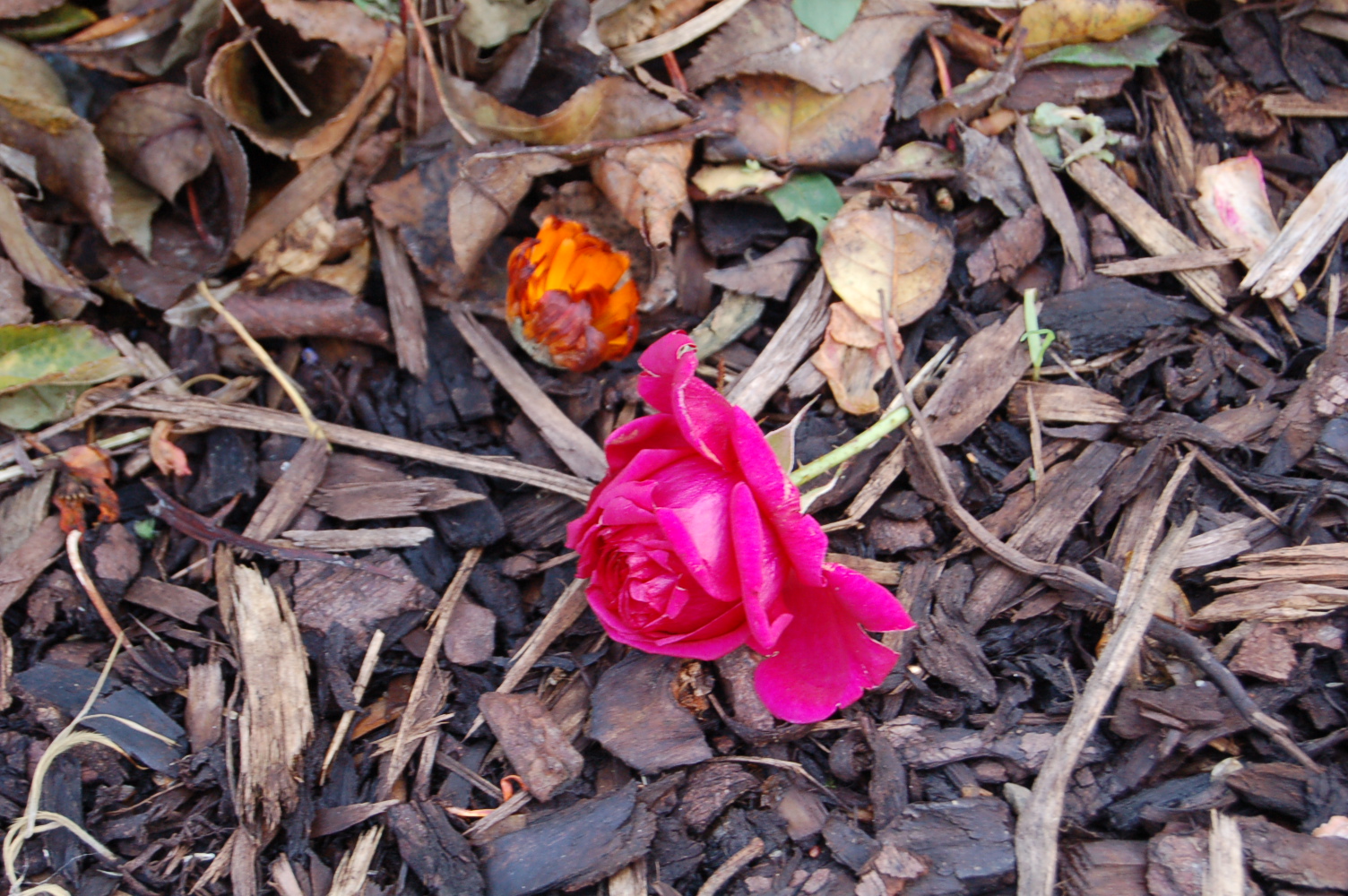
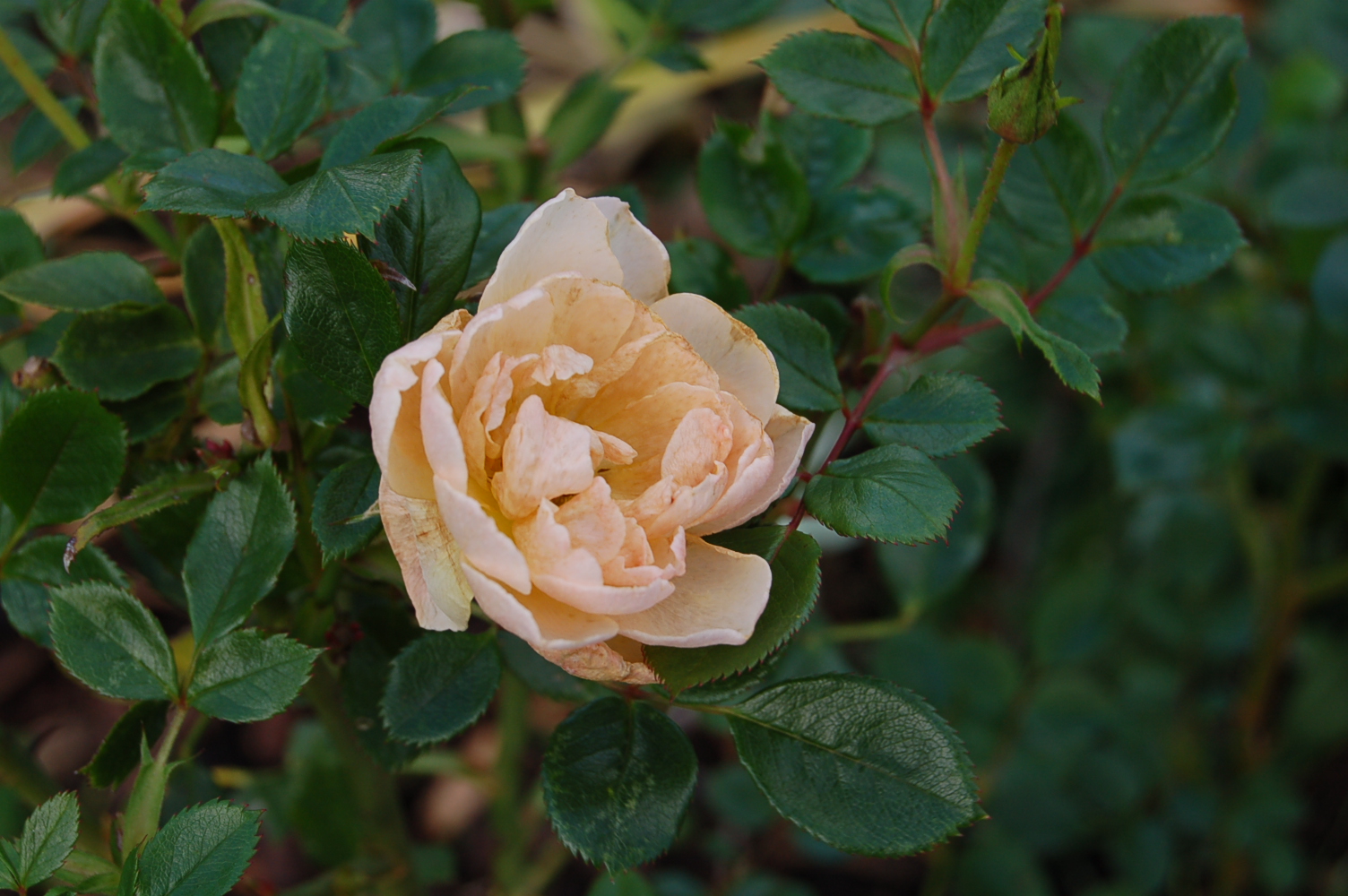
Several other roses have odd flowers on at the moment as a quick wander around with camera in hand illustrated. This sad rose bud didn’t quite make it to full bloom before being cut by the wind. The orange is the flower of a Calendula. They landed side by side on the bark surface of the new “Secret Garden”

Categories
garden design garden photography gardening hardy perennials meadows ornamental grasses ornamental trees and shrubs roses

A Garden for all Seasons – Trentham

The phrase, “a garden for all seasons” is over-used and too often banded about in the gardening media. Rarely is a garden good in all seasons but it is something that we aspire to here in our garden in Plealey. We haven’t achieved it yet but feel we get closer in some borders each year. We do a lot of garden visiting and the garden we visit most often is Trentham Gardens in Stoke-on-Trent. This has to be the closest you can get to “a garden for all seasons”. We visited yesterday, 22nd December, to see how good it was at this rather dull austere time of year.

The day dawned bright with blue sky decorated only with vapour trails and a whisp of a moon, which looked like a simple delicate curve drawn with a piece of fine blackboard chalk. Over our garden and the fields beyond buzzards wheeled in this clean, clear morning atmosphere. As I fed the chucks and had my morning chat with them the buzzards were never silent, gently “mewing” in time with their soaring in search of the first thermals of the day. A perfect day to visit one of our favourite gardens but were we asking too much of it? We drive off with high expectations.

Any garden that had involved Tom Stuart-Smith and Piet Oudolf in its re-design had to impress. We had visited in all seasons before but never in the winter. From our first glimpse of the vast expanse of gardens from the bridge over the River Trent, busy with mallards, we knew we were not to be disappointed.

It is truly a mix of the old and the new, as the new plantings are in the context of the original Capability Brown parkland and formal bedding gardens and Italian Garden. The garden signposts invite you to “The Italian Garden” but it is so much more than that.

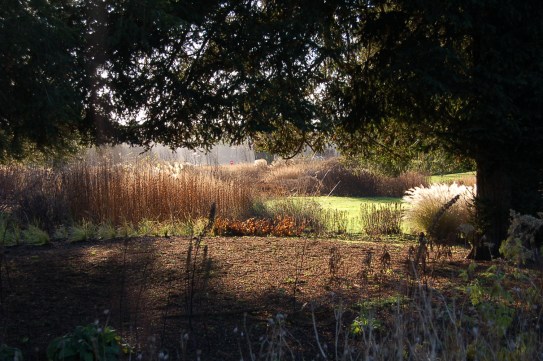
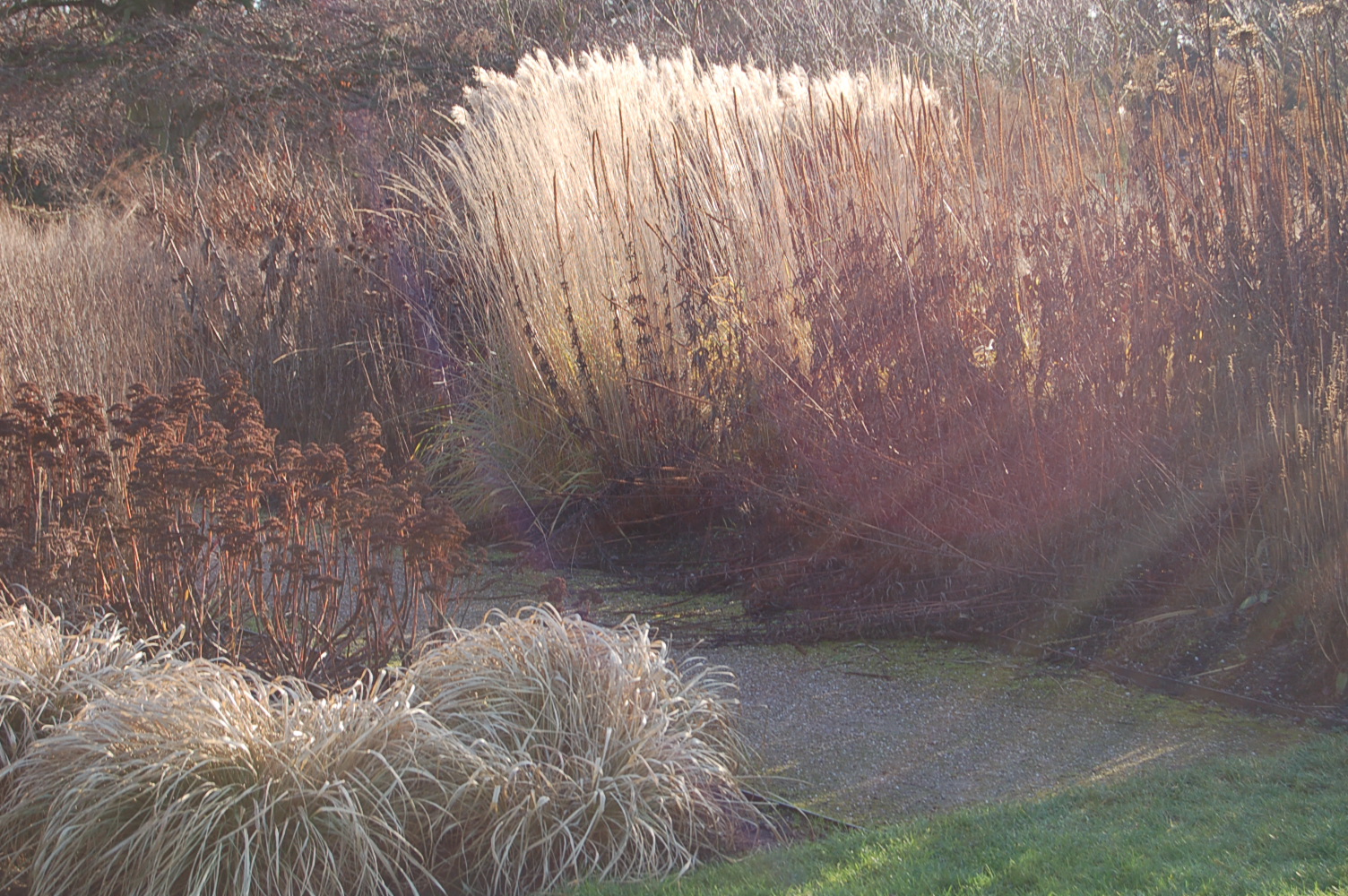
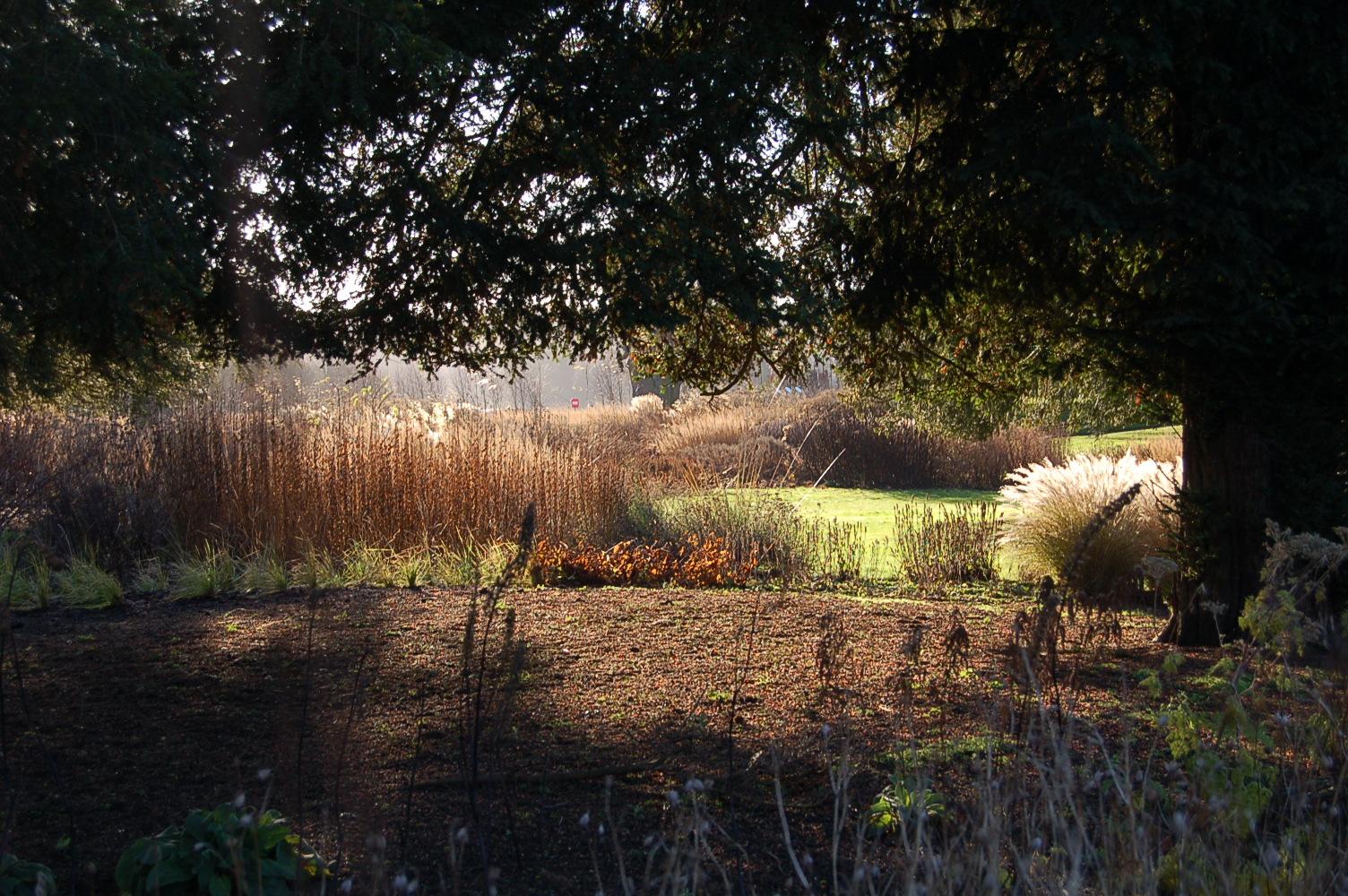
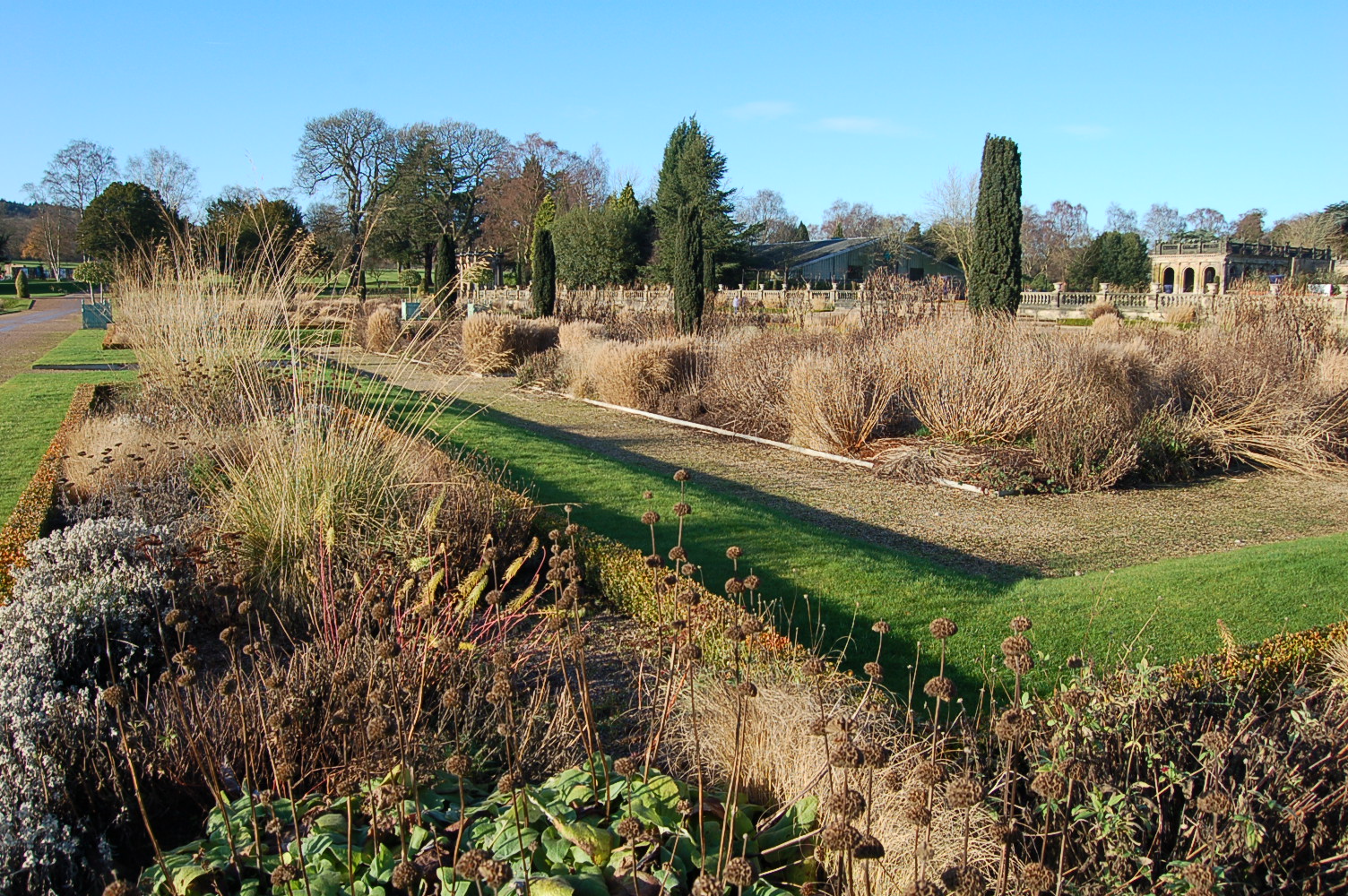
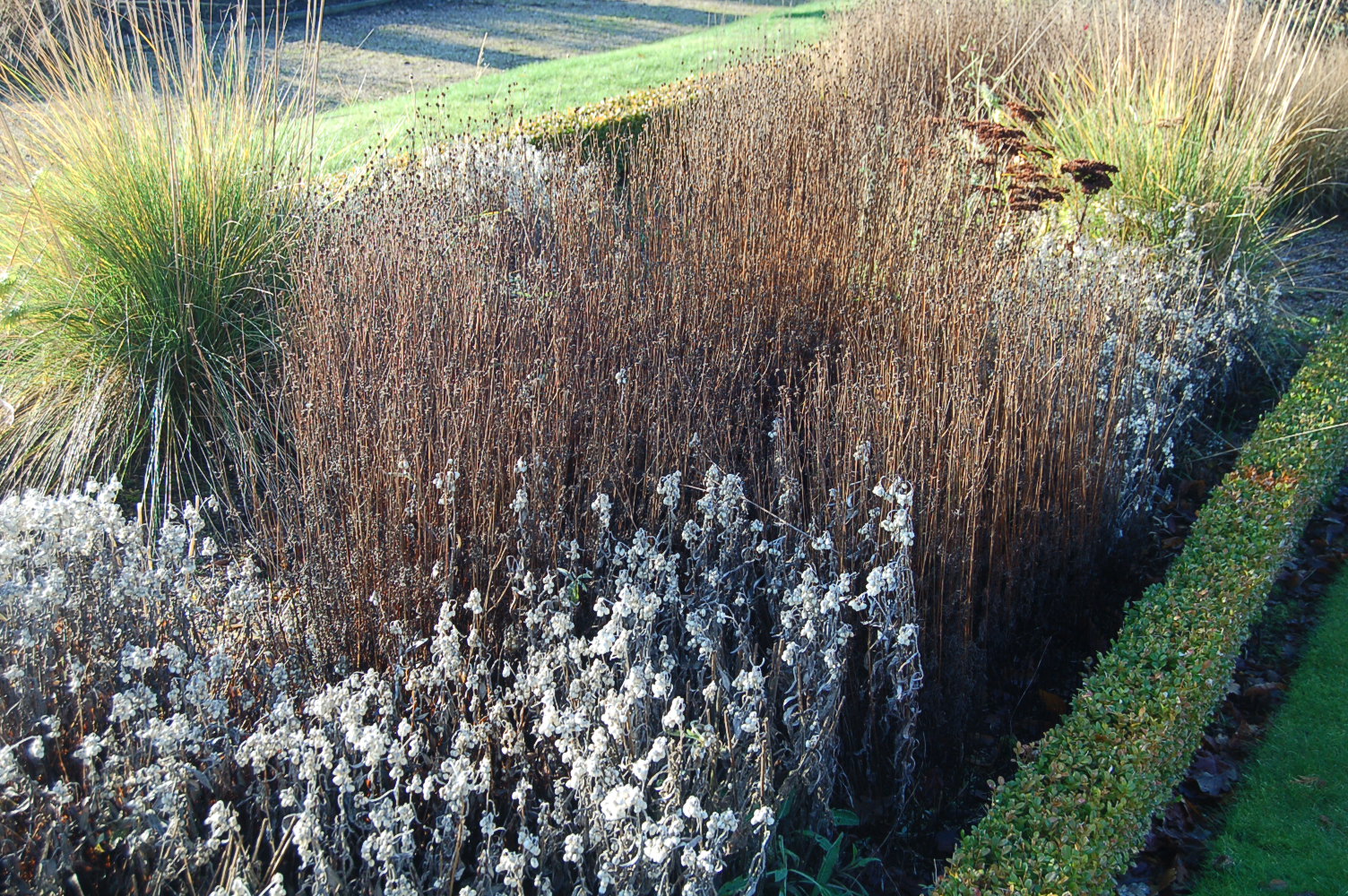
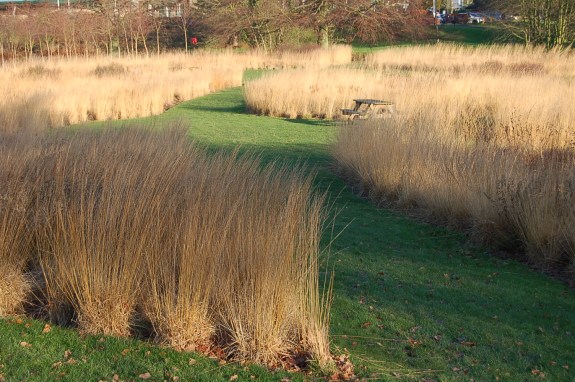
First up is Piet Oudolf’s River of Grasses which in the low light of this December morning glowed. The gentle breeze imposed gentle swaying and rustlings of the biscuit tinted dried stems and seed heads. These were dotted with ginger and brown seed heads of perennials such as sedum and astilbe. The wide green cut paths we followed through the sea of grasses emphasised the clever design and simple planting.
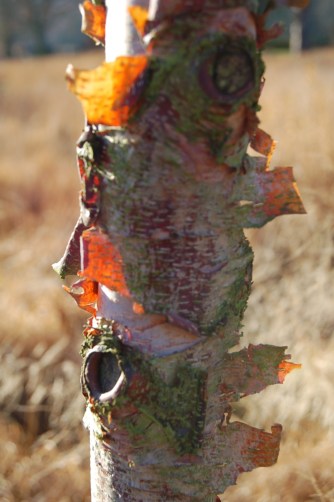
Just before leaving the River of Grasses an avenue of birches with wonderful orange peeling bark cuts across our path. There is no way to walk through this double row of betulas so technically speaking  it probably shouldn’t be called an avenue. With the light behind the peeling bark it lit up like thin slithers of brittle toffee.
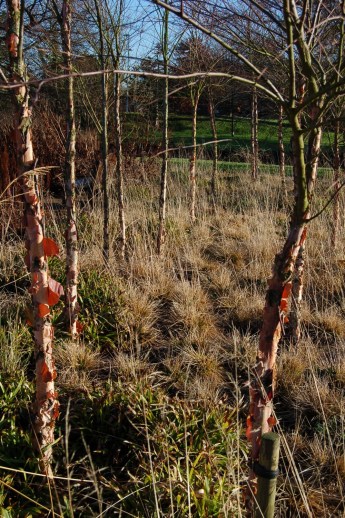
From the River of Grasses we moved into the Floral Labyrinth another Piet Oudolf creation. Here there were swathes and blocks of dried stems and seed heads of tall perennials. Blackbirds and Song Thrushes enjoyed searching for their brunch and regularly scuttled across the path. There were more grasses here and they were rimmed with the bright low sunlight.
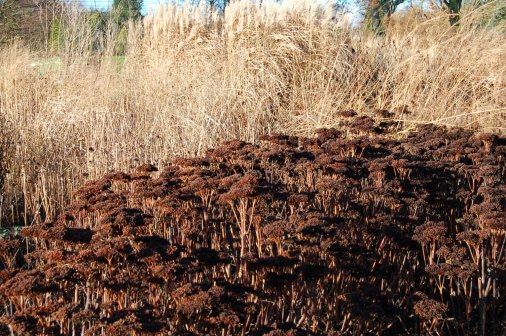
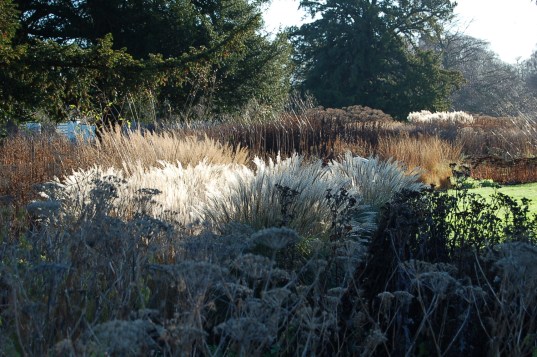
Leaving the labyrinth meant leaving Piet Oudolf’s contribution to Trentham behind and experiencing a culture shock was on the cards as we entered features of the older more formal garden. Look out for a blog I have planned for the near future on the work of Piet Oudolf.

After passing through a long archway of trained Hornbeam we found the very formal garden with its tightly clipped swirling patterns of box hedges. In the summer this area is just too gaudy for me, being styled on Victorian bedding. Not my favourite!! I like it in the winter when instead of bright red geraniums etc the gaps between the box are the gentle green of wallflower and primula foliage. The first photo shows an area with gravel infill and tall thin cypresses.

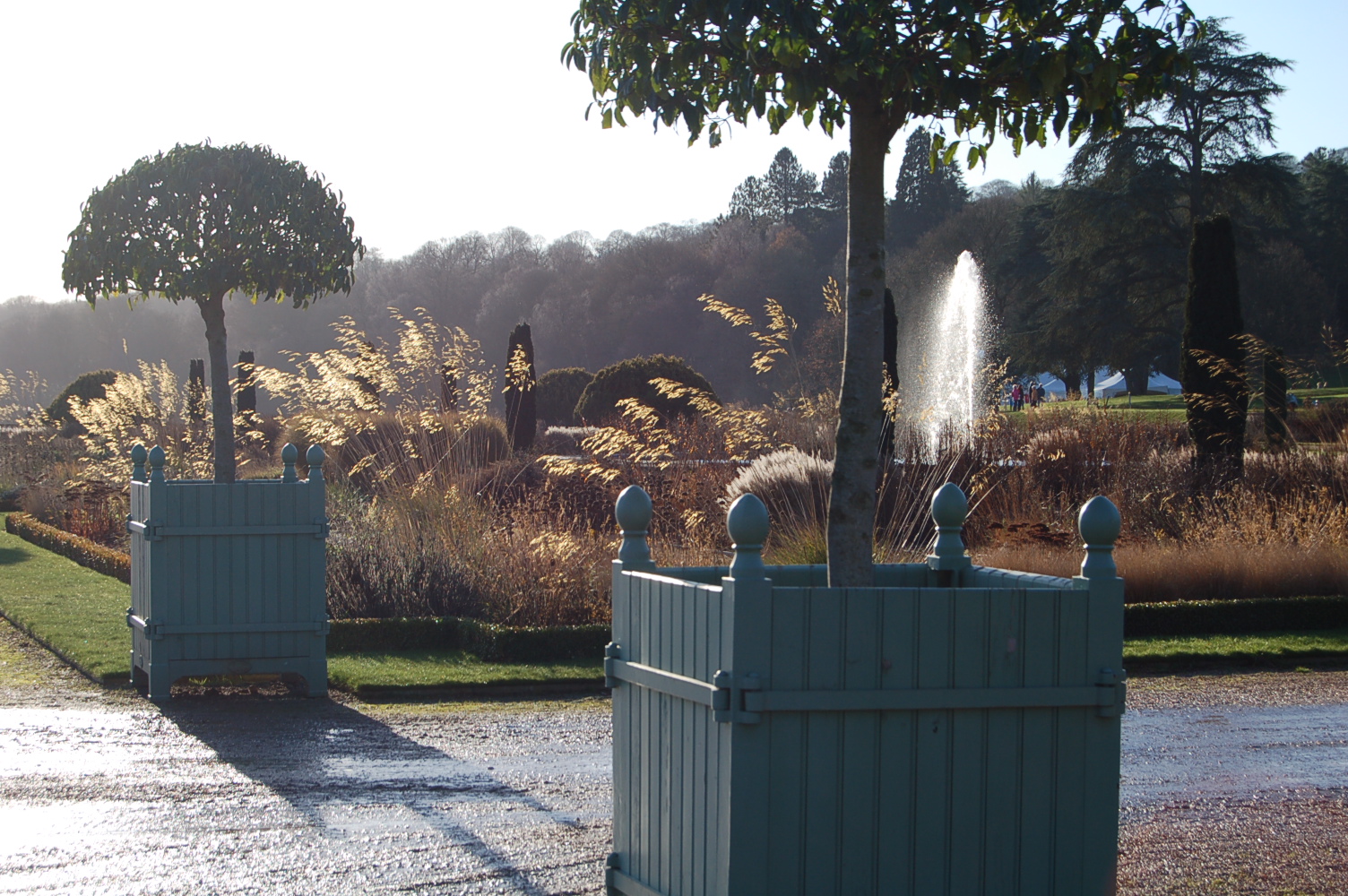
From the raised terrace of box patterns we looked over the old Italian Garden redesigned by Tom Stuart-Smith, where the original framework of paths encloses soft but dramatic plantings of grasses and perennials. Bursts of water from pools surge upwards and are caught by the light and the wind. They look white and frothy with sprays of fine mist blowing from them. The horizontal patches of grass seed heads are rimmed with light and create strong horizontal lines contrasting with the rigid upright cypresses and the dumpy domes of golden yew.
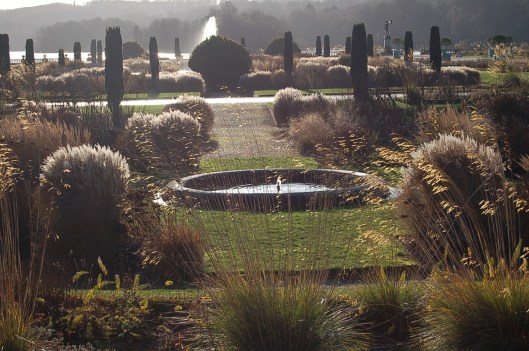
As we appreciated the quiet of this area our attention was drawn by a pair of Grey Wagtails playful and flirting low over the grasses. High overhead loose flocks of gulls wheeled and squealed.

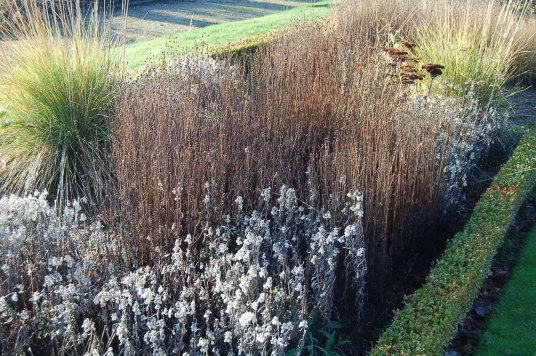
We wandered around the paths stunned by the beauty of T. S-S’s planting ideas, every clump of  seed heads complimented its neighbours, making each bed look good when viewed as a whole but nothing short of brilliant when studied in close-up. Marjoram, sedum, rudbeckia, lillies and phlomis. So many shades of biscuit, browns, russets and reds.

One of the beauties of a visit to Trentham is the coffee drinking opportunities provided, in the garden centre before you enter the actual garden, in the shopping village, at the garden entrance and in the beautiful rounded glass cafe just beyond the Tom S-S borders. We sat and enjoyed a latte and warm minced pie and talked about the garden so far. No we didn’t just talk about it – we raved about it! We just couldn’t believe how good it was on this day in December. Nearby music and squeals of delight emanated from a marquee that housed a skating rink. More joyful noise and children’s cries of sheer enjoyment poured from the play area. We couldn’t believe how warm we got sat in the window with the sun on our backs. We mused over this garden of contrasts, enjoyed from every visitor from 2 to 82 years of age. The Oudolf and Stuart-Smith gardens has a magical calming effect on everyone. Children don’t run in that part of the garden but they do once they move into the park areas and woodland. Calm appreciation!

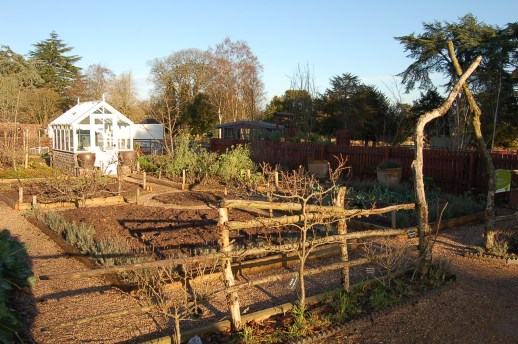
Behind the cafe is a series of display gardens, the number increasing with every visit we make. There was a potager, a wildlife garden a contempoary garden, a garden of sound and many more.
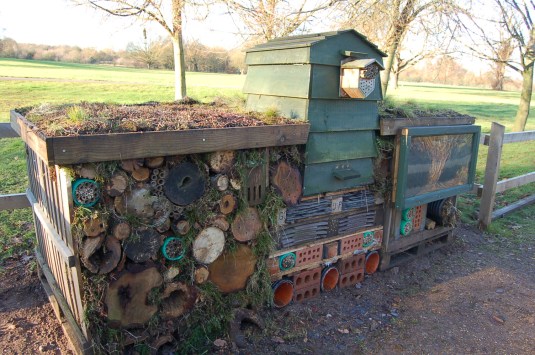
The wildlife garden feature this huge insect hotel complete with bee hive and wormery built-in.
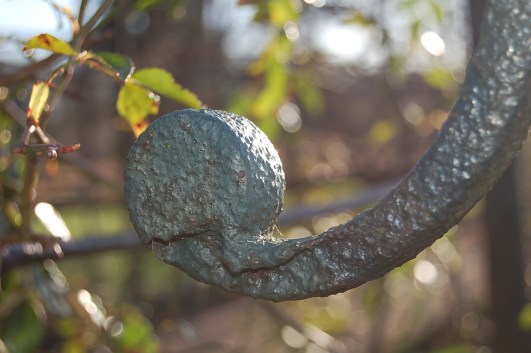
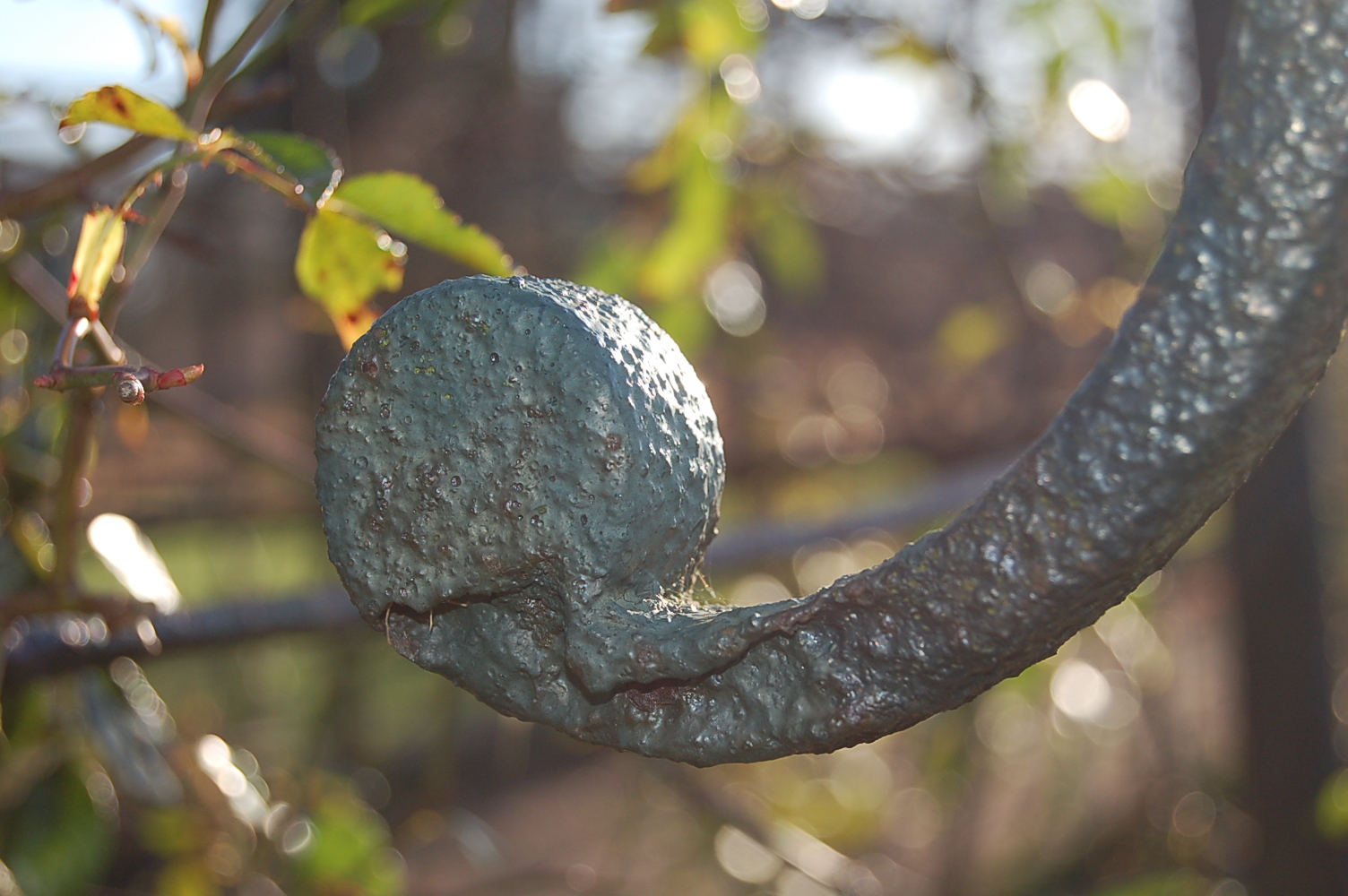
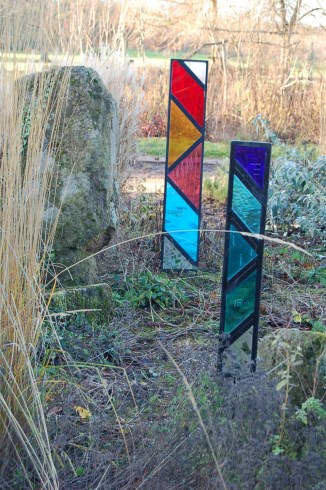
As we wandered back to the garden’s exit we took a look over the Capability Brown lake, ambled through the rose arch with a David Austin border and couldn’t resist a final gentle stroll through Piet Oudolf’s grasses. The rose garden featured some gently curving metal scrolling.

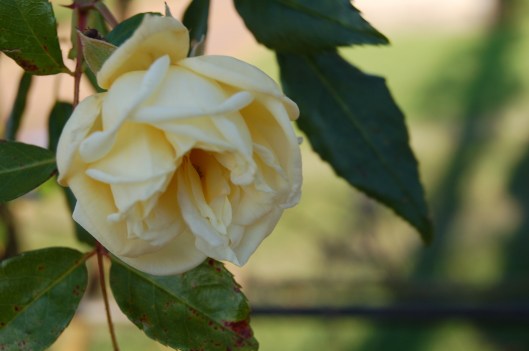
Another coffee before the return journey home when we decided to return in May when the alliums should be at their best alongside the fresh growth of the grasses and perennials. The “Undergardener ” on the way home pronounced “That must be a near perfect winter’s day!”

Tom Stuart-Smith wrote “Trentham is unique, a garden made on a grand scale which pays respect to the historic context, but is nevertheless of our time.”

For more information about Trentham see their website www.trentham.co.uk. Look out for my planned blogs on the gardens of Piet Oudolf and Tom Stuart-Smith and I am tempted to look back at my photo library and seek out my summer photos of Trentham to illustrate a “Summer Memories of Trentham” blog.
Categories
garden photography garden wildlife gardening ornamental trees and shrubs outdoor sculpture roses shrubs town gardens trees wildlife

A small town garden in December.

Earlier this week we spent a few days down in Gloucestershire at my Mother’s home. She has a small town house with a small town garden, about 30ft by 20ft in the back and a token patch in the front. The house is the last in a row on the edge of a small town and the garden boundary is a tall rich hedge of mixed native plants with fields beyond. For centuries this hedge has fed and sheltered wildlife in its hawthorns, ivies, wild roses and the sprawling shawl of brambles. It is home to a rogue buddleja germinated from a seed dropped by a bird and now attracting butterflies, bees  and hoverflies to its scented purple flowers each summer.

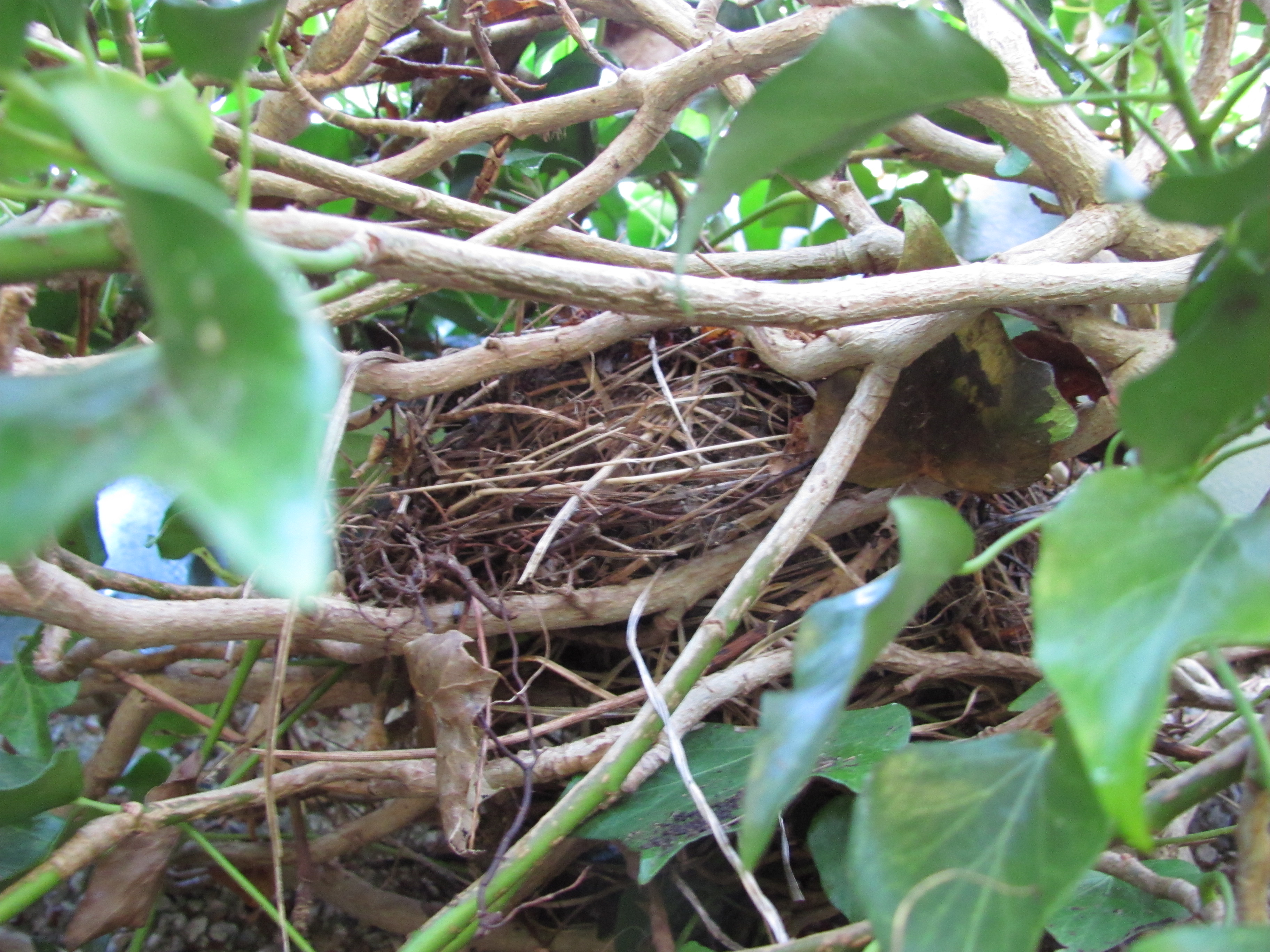
The ivy has spread from the hedge and along the garage wall which forms one side of a little secret garden, a shaded place for tea and cake. This ivy is now full of black berries, food for blackbirds who earlier in the year used its shelter in which to build their nest. It is a warm place for wrens to roost.

A look out from the front window into the garden shows the skeleton of silver branches of the Cercis Forest Pansy now having lost the last of its red and plum coloured leaves of autumn and a recently neatly pruned climbing rose on the porch wall. A glance at the back shows it to be dominated by a fine specimen of Arbutus unedo, the strawberry tree. There are small dots of colour from remnant flowering of earlier seasons still to be seen, but go out with camera in hand and there is so much more interest. Here the lens sees more than the eye and conjures up a garden full of textures and colours. Old terra-cotta pots spiral beneath the trunk of a malus arranged to add interest when the crab apples have been eaten by blackbirds and migrant thrushes and the yellow, orange and red of October leaves have journeyed to the ground only to be blown away by strong November winds.

Just as the clay pots were given new life, so the trunk of the conifer, outgrown its space and lopped, has been reborn as the post for a bird table. It is now visited by the birds who ignored its barren foliage when it lived.

Foliage plays a central role in small gardens in winter, both for colour and texture. Some like the Senecio, now sadly re-christened brachyglotis by the botanists, has both with its leaves surfaced in silver-grey fur.

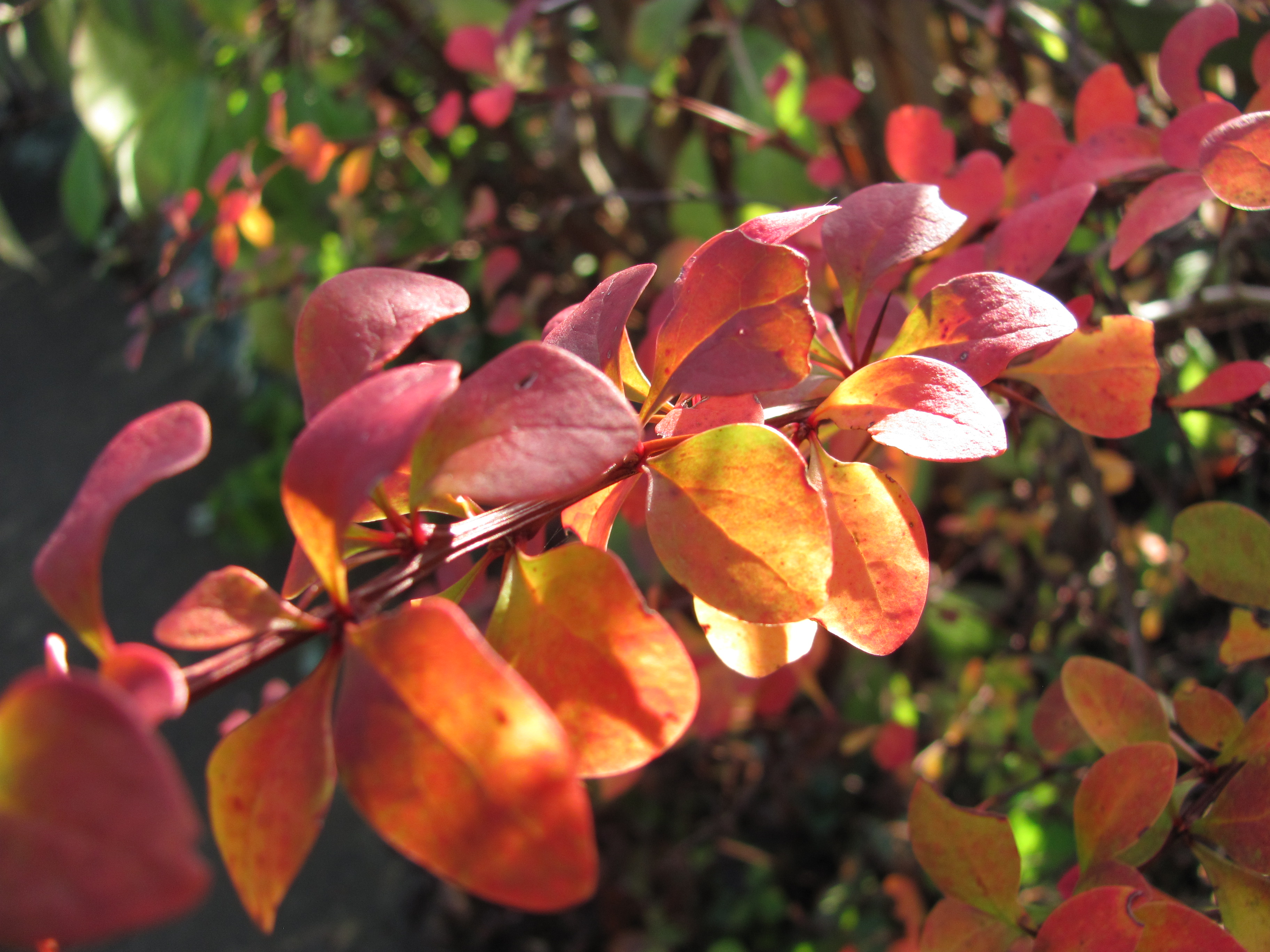
And in sharp contrast  to the delicate senecio, the bristly character of the berberis, purple in summer now turns to the red and orange tones of fire. In the shadow of the house wall a small nettle leaved plant clambers over the ground with its matt dry textured foliage shaded with silver, plum and purple. no artist could have designed these leaves.

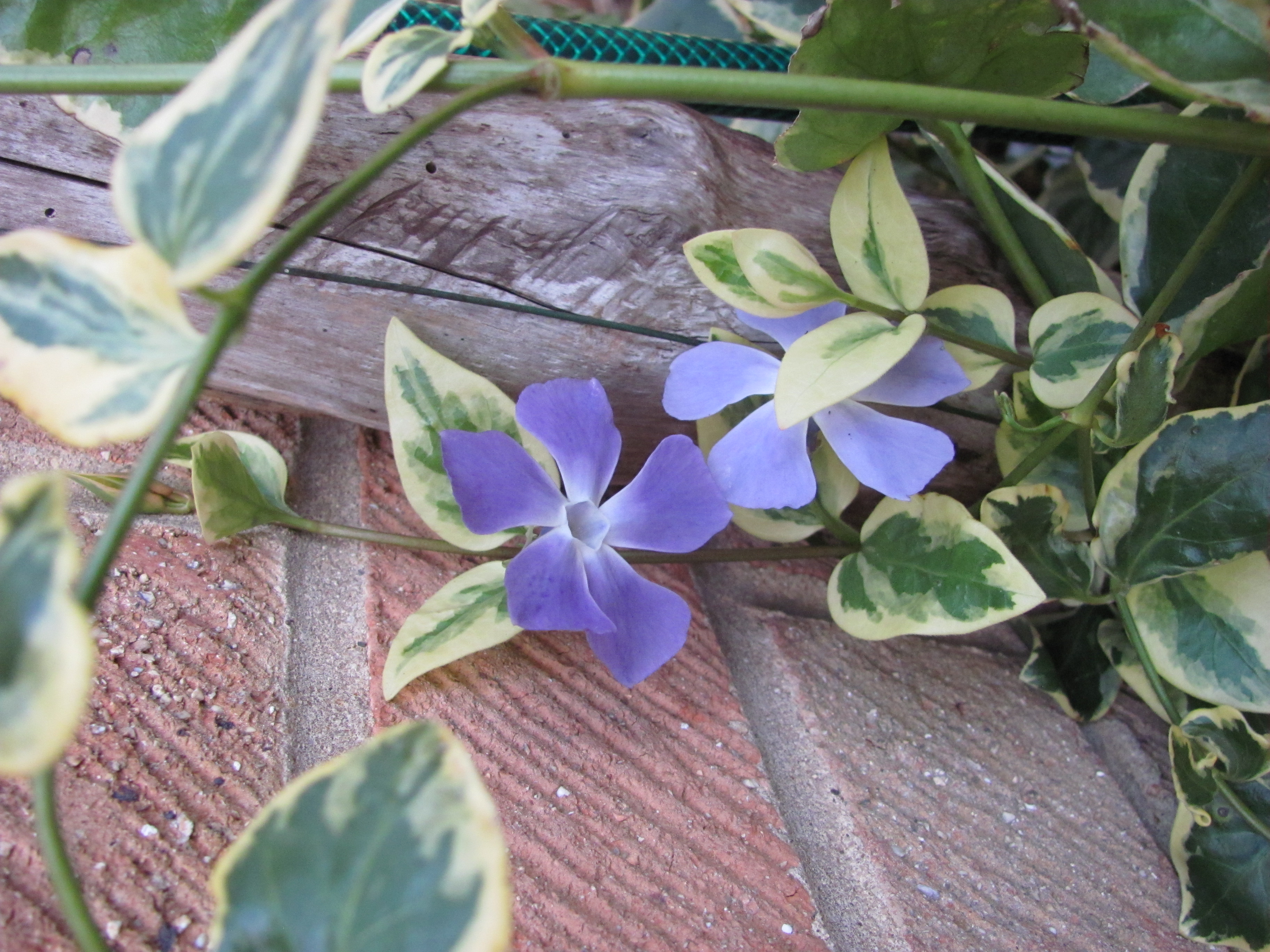
Close by the variegated periwinkle, Vinca major, defies the season and manages two pure blue blooms.

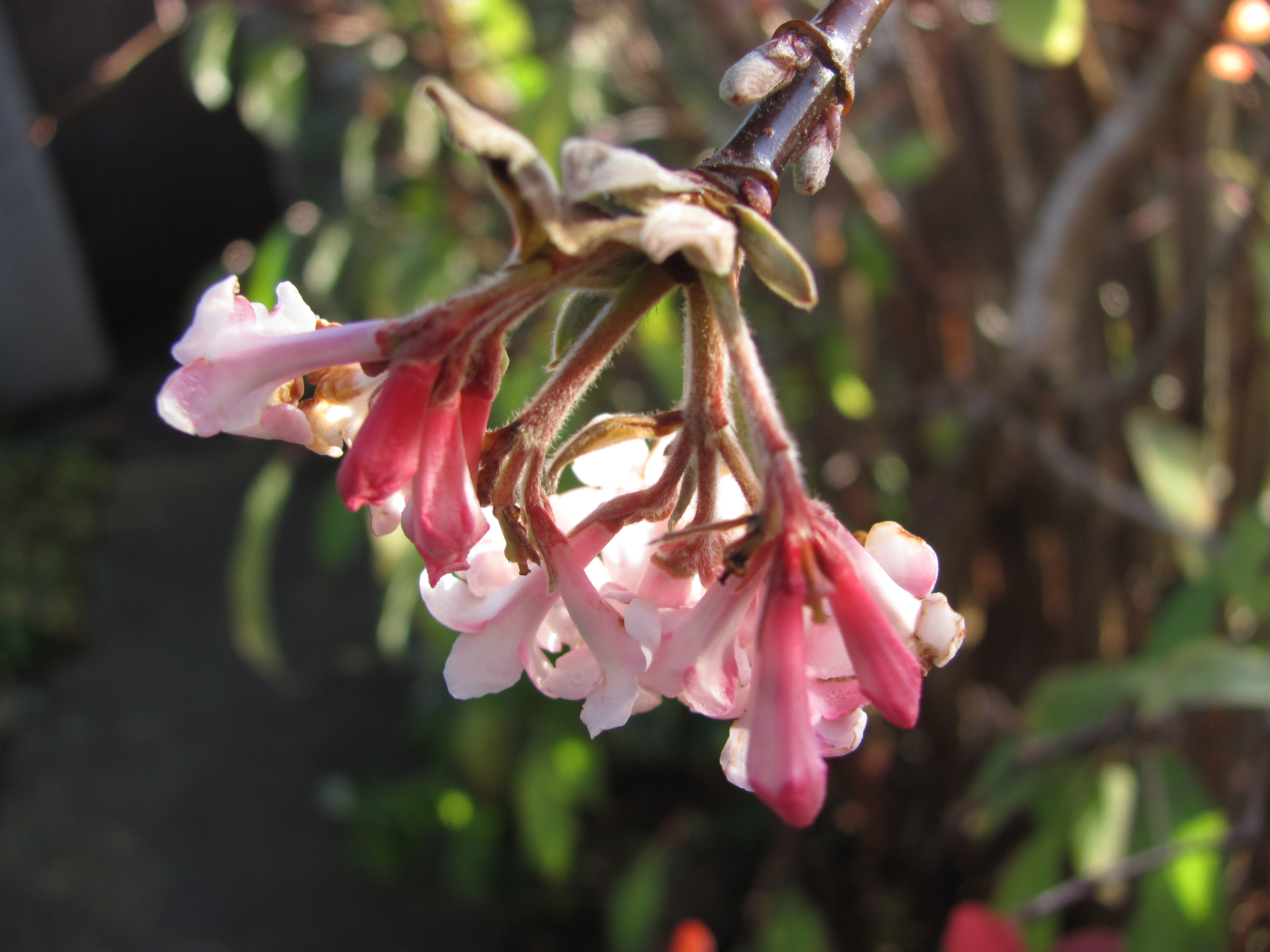
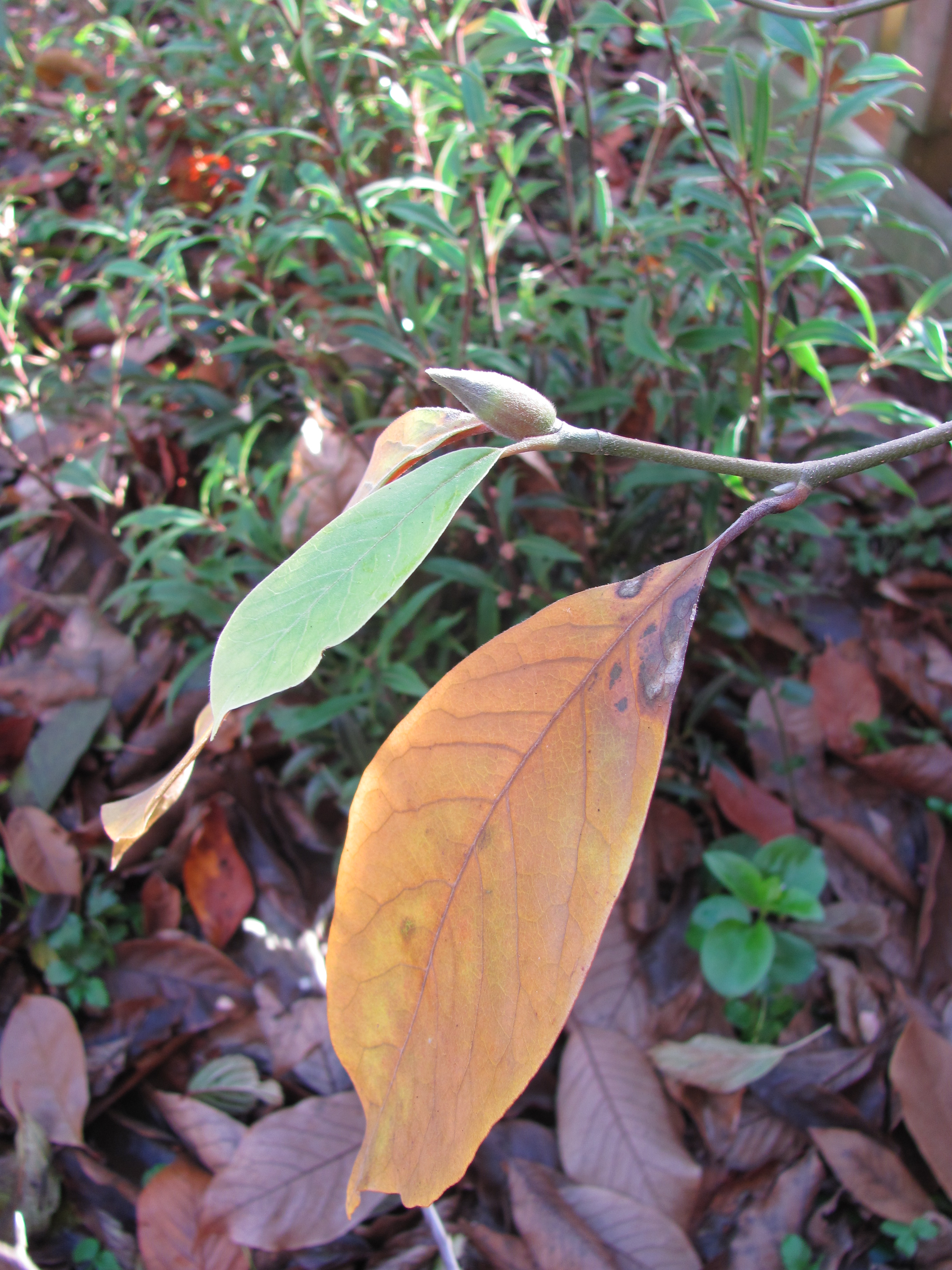
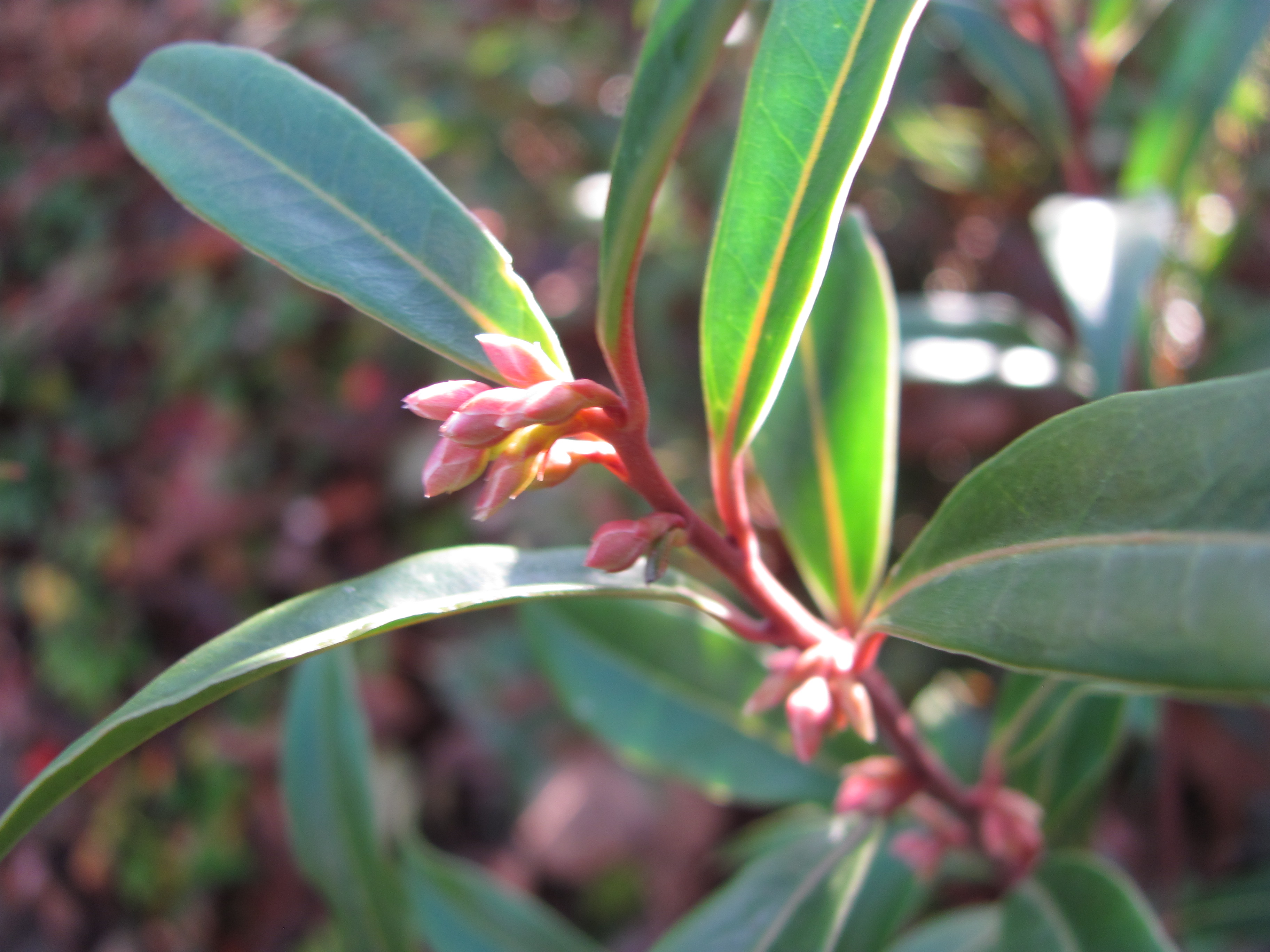
Promises of scent and colour from late winter and early spring flowers are evidence of rapidly changing seasons, the few lonely pink-blushed blooms of Viburnum bodnantense “Dawn” remind us of the profusion there is in waiting, while the soft-furred pointed buds of magnolia hide all its promises of scent and waxy petalled blooms. Sarcococca is an amazing name for a shrub. In the summer it is quite a dull little waxy leaved evergreen but below its branches are hung with tiny buds that will open into little white gems absolutely loaded with a heavy honey scent at the most unlikely time, January and February. Such a treat, and this one is planted alongside the garden path, just where it can treat anyone passing by.

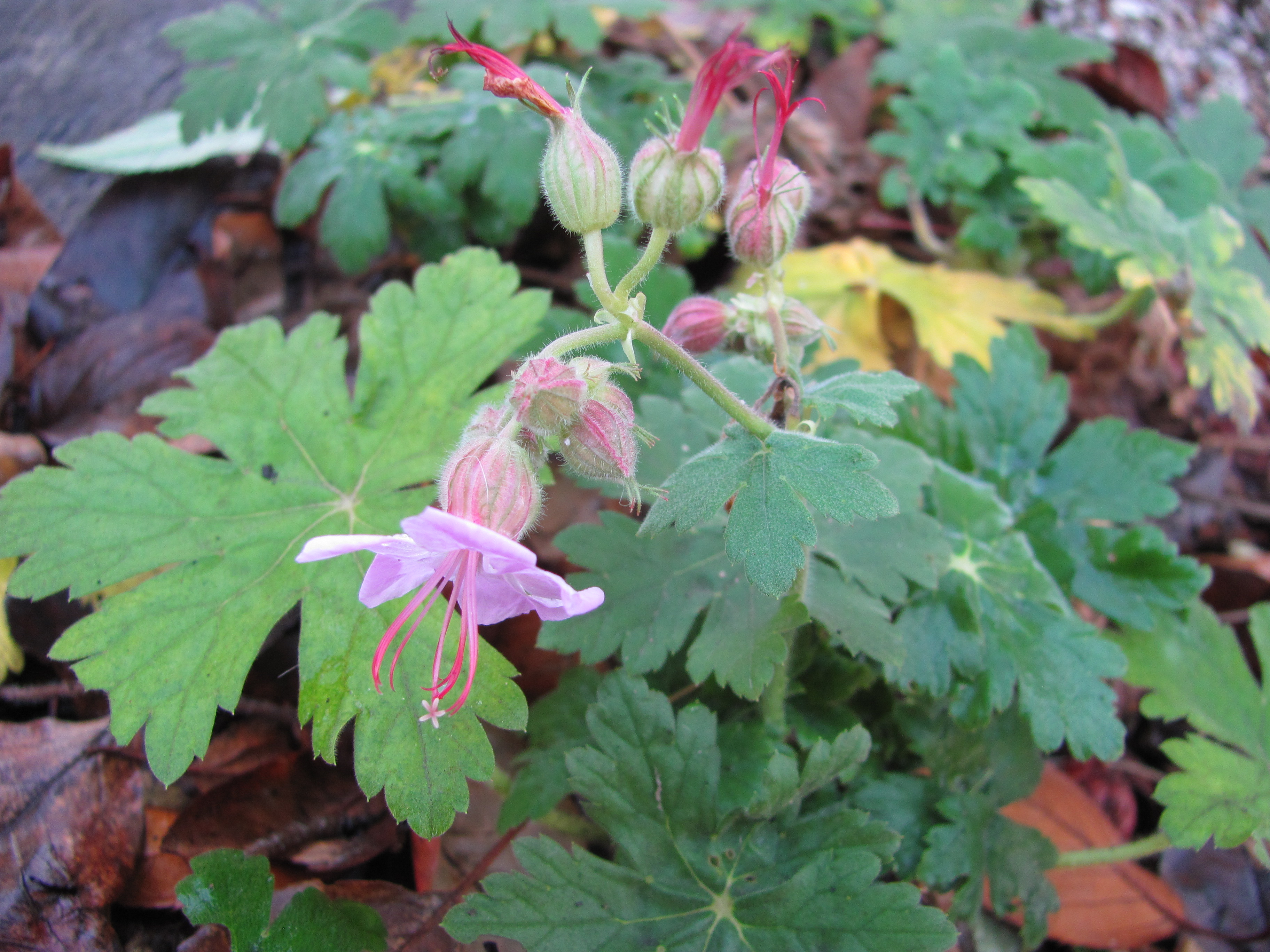
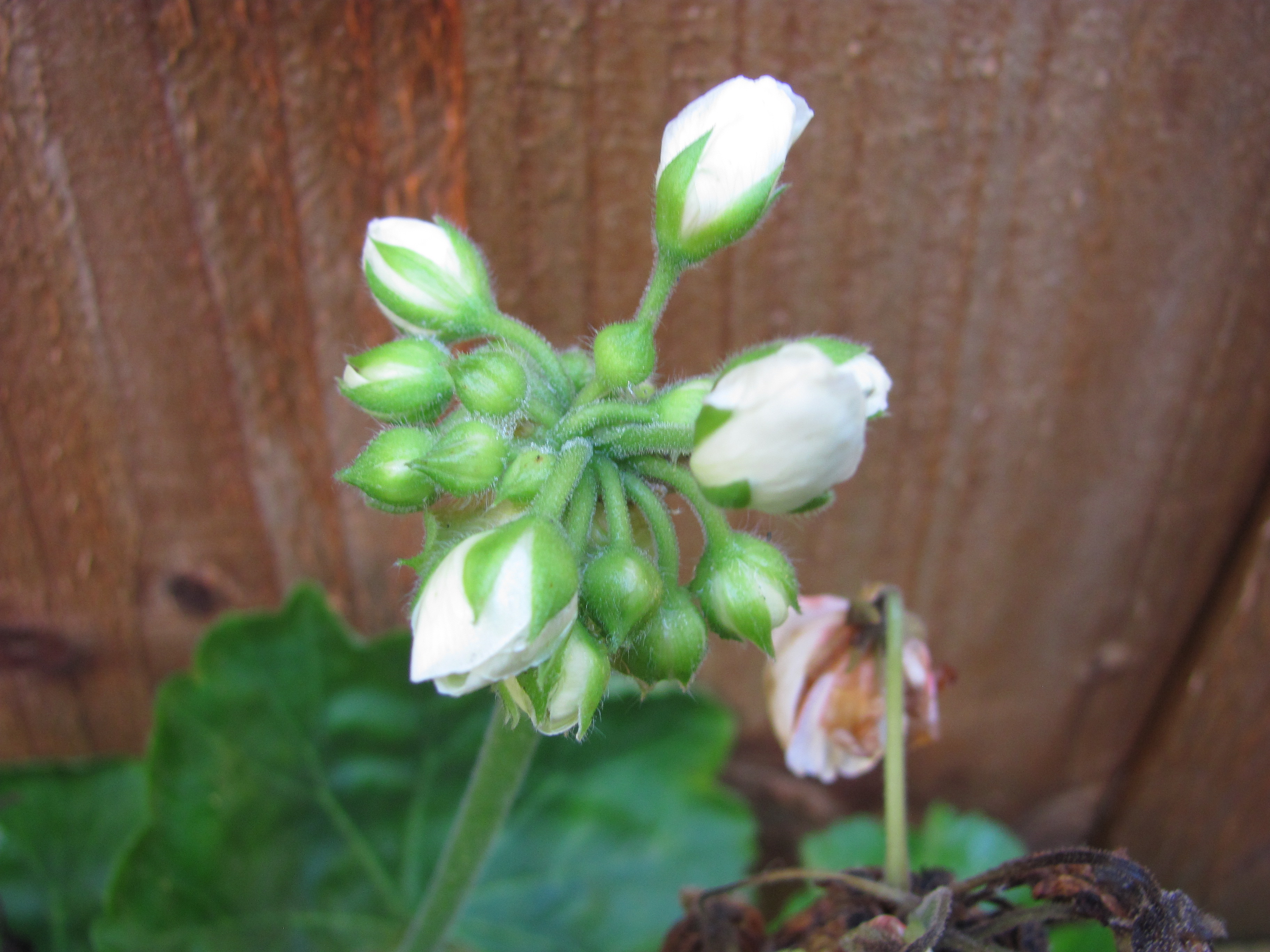
Whereas the buds of the viburnum and the magnolia are promises of future joy, other buds are remnants of the joys of summer. White buds of the annual pelargonium and the palest pink of the hardy geranium are hanging on into the cold weather. True wishful thinkers!

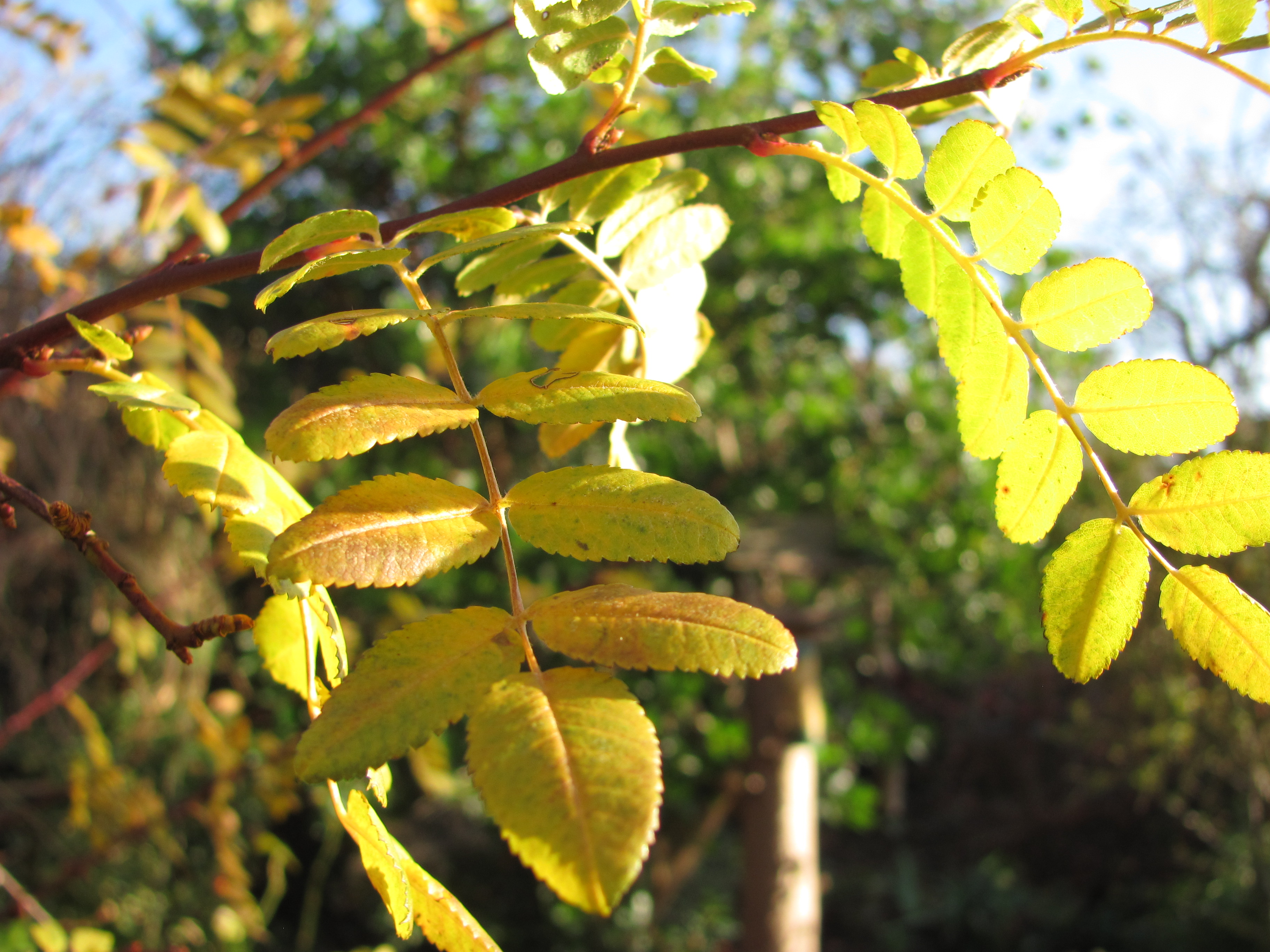
We access the front garden by passing under a rose arch, over which rambles a Canary Rose one of the earliest roses to come into bloom every year. Now its yellowness comes from its leaves glowing in the winter sun. Its foliage causes confusion as several visitors have thought it to be a rowan.

Beneath the arch the yellow of the Canary Rose is precisely reflected in the deep yellow of the richly variegated euonymus.

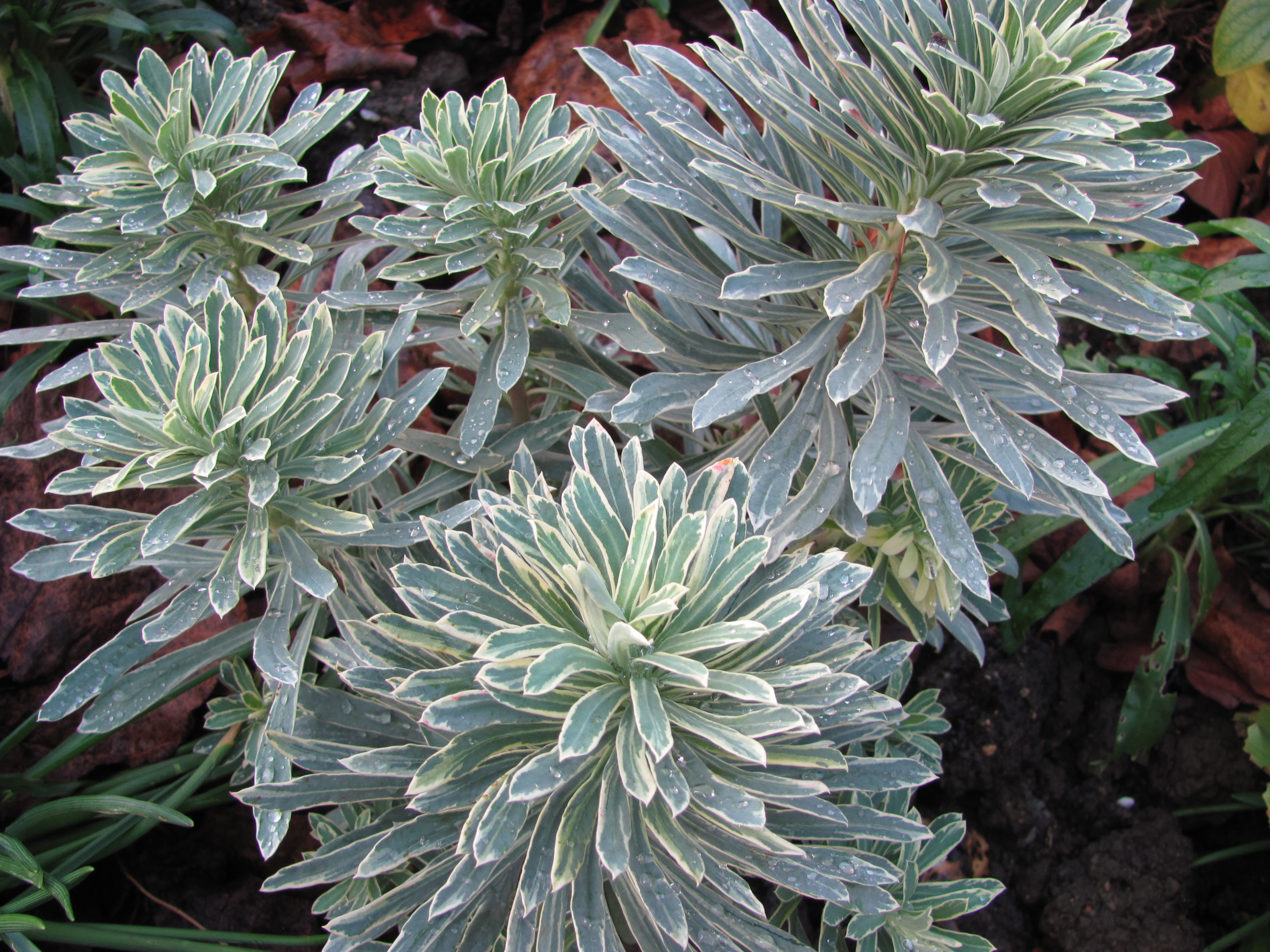
In the front the white, silver and cream variegated euphorbia is far more noticeable than at any other time of year even though it never changes.

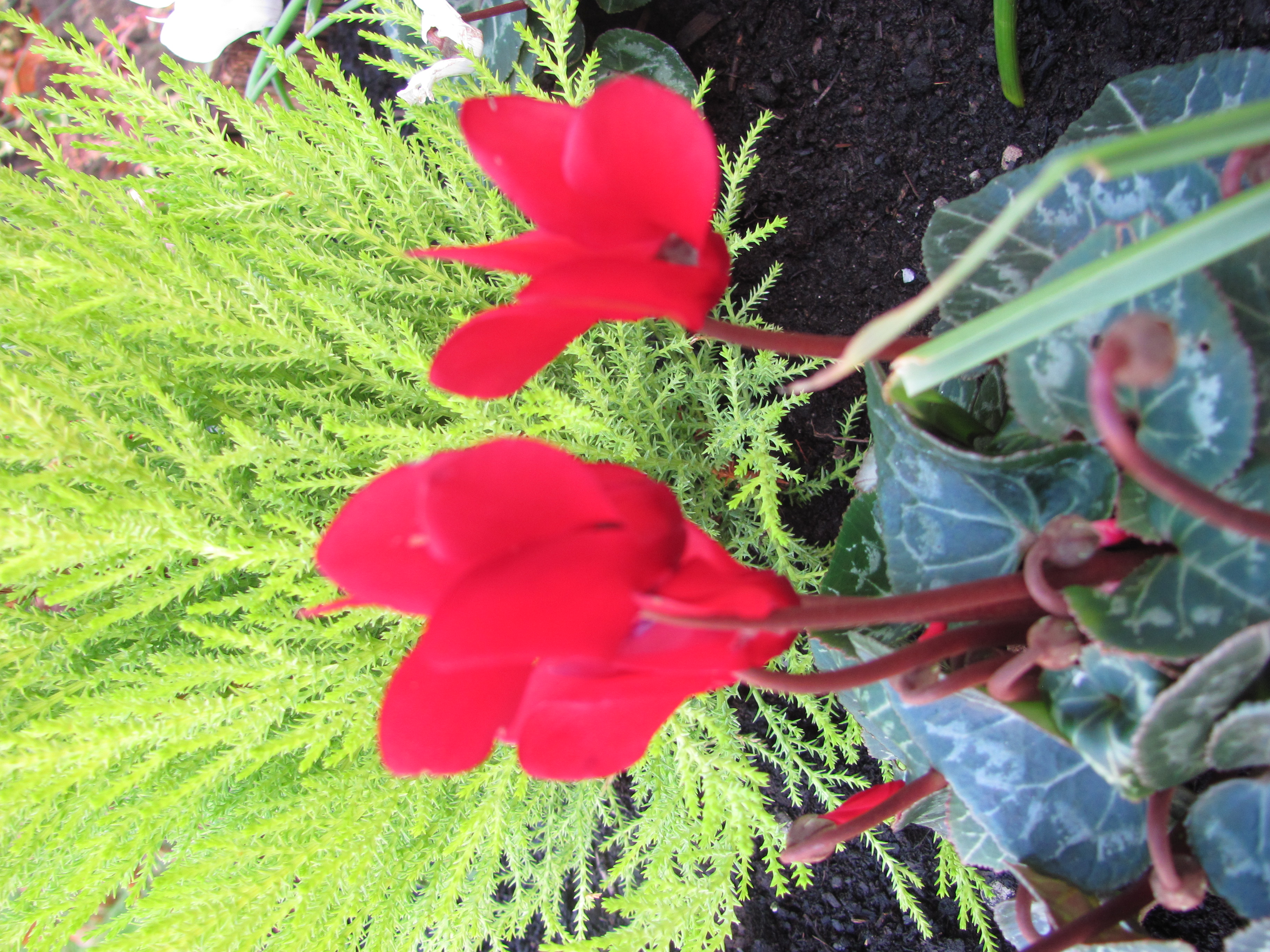
Tubs at the front have been planted to give bursts of colour mostly from cyclamen. Why can I accept such bright colours and clashes in the winter when I would find them undesirable the rest of the year?

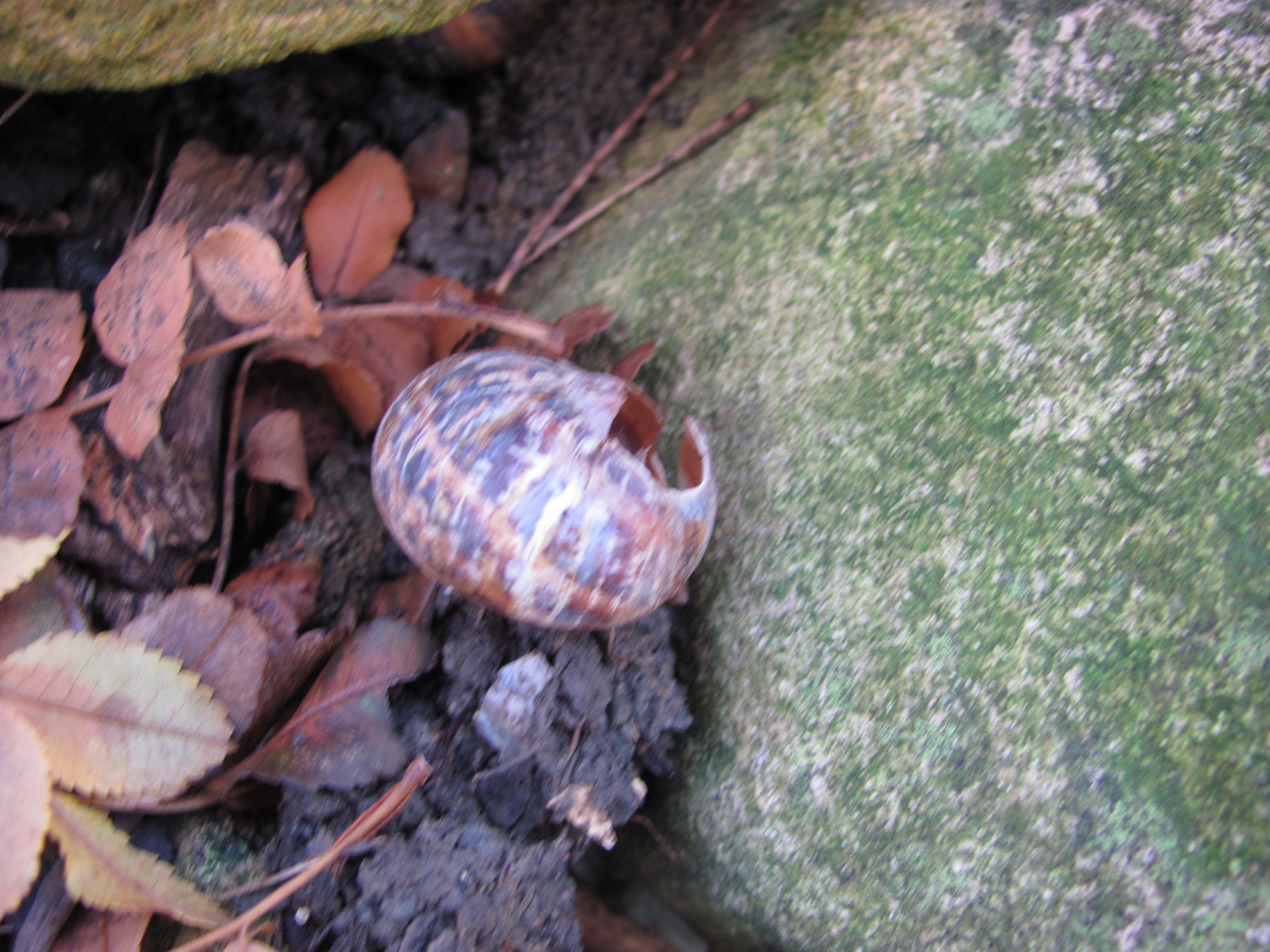
In the short stretch of low dry stone wall, between two levels of garden, I spied this snail-shell, providing just a hint at the many hibernating molluscs hidden in its warmth.

Categories
climbing plants garden photography gardening ornamental trees and shrubs roses shrubs

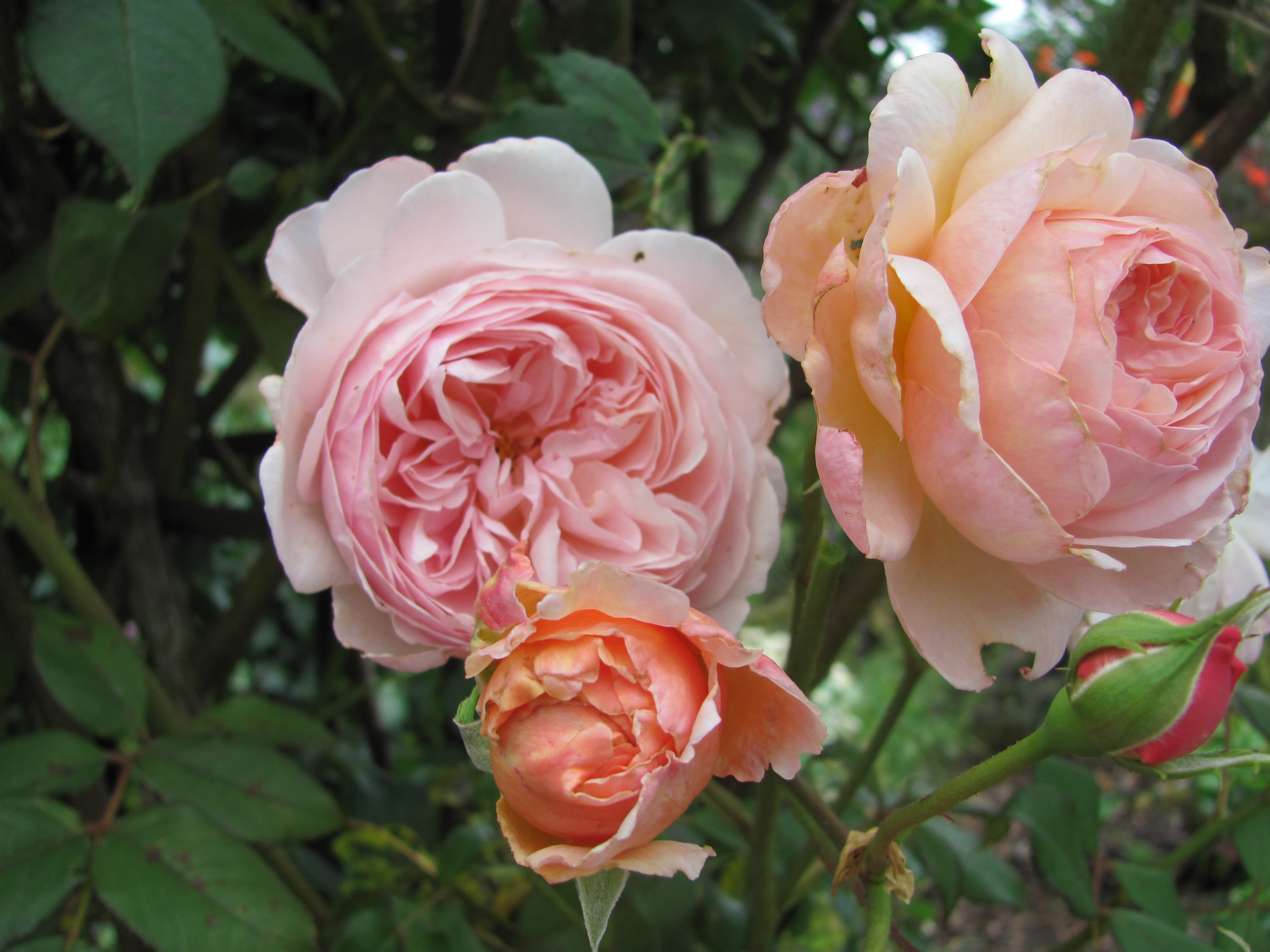
Scented Roses

A warm humid day brings out the best scent in the garden and roses are often considered the best blooms for sweet scents. But not all roses perform, with many hybrid teas completely without odour. When we began our garden in Plealey we wanted the best and most varied scented blooms so all our roses are New English varieties bred by David Austin. Luckily his nursery and trial grounds are not far away. The display gardens are amazing and give you the chance to fully experience the sight and scent of each variety. So chosing roses for our garden is so easy. We simply take a half hour drive, wander around the roses sniffing the blooms as we go and then make our final choice over a cup of tea served in cups decorated with paintings of roses of course.

We now enjoy here in our patch at Avocet “A Shropshire Lad”, “Falstaff”, “Teasing Georgia”, “Graham Thomas” and “Wenlock”. We grow them close to paths – close enough to enjoy their scents but not so close that we suffer from their thorns.

A Shropshire Lad
This Veggie Life

A Vegetarian | Nature Lifestyle Blog

Rambling in the Garden

.....and nurturing my soul

The Arch City Gardener

Journeys In St. Louis Gardening and Beyond

Garden Dreaming at Châtillon

Consult the genius of the place

Storyshucker

A blog full of humorous and poignant observations.

gardeninacity

Notes from a wildlife-friendly cottage garden

PlayGroundology

...an emerging social science

The Official Blog of British Wildlife

'The most important and informative publication on wildlife of our times' - The Independent. This blog is a member of The UK & Ireland Natural History Bloggers group: www.uknhb.blogspot.com

iGrowHort

Inspire - Cultivate - Grow Native Plants - Restore Landscapes

Bishops Meadow Trust

To create and protect a semi-natural wild space for the people of Farnham to enjoy and experience an array of British wildlife in our town

Gardening with Children

The www.gardeningwithchildren.co.uk Blog

UKbirdingtimeline

birding through the seasons, why birds matter and how to conserve them

NATURE WALKER

with a camera in hand

Jardin

Transform your outdoor space

Eva's space

My allotment, cooking and other interests

Old School Garden

my gardening life through the year

LEANNE COLE

Trying to live a creative life

fromacountrycottage

trying to live as lightly as possible on our beautiful planet

Good Life Gardening

Nature lovers from Leicester living the good life.

mybeautfulthings

Finding the beautiful in the everyday

mawsonmichelle

Michelle's Allotment

In and Out of My Garden

thoughts from and about my garden

Greenhousing

Big plans for a small garden

The Scottish Country Garden

A Walled Country Garden in South East Scotland

The Fruity Chicken

Life at the fruity chicken

willowarchway

Off grid living. Self sufficient. "PERMAGANICS RULE".
St Anns Allotments

Nottingham's Grade 2* Listed Allotments and Community Orchard

Manifest Joy Harvests

a journey in suburban vegetable gardening

Allotmental

The madness of growing your own

Penny's Garden: a harvest beyond my front door

A novel approach to vegetable gardening

arignagardener

Sustainable living in the Irish countryside.

NewEnglandGardenAndThread

Master Gardener, amateur photographer, quilter, NH native, and sometimes SC snowbird

dianajhale

Recent work and work in progress and anything else that interests me

planthoarder

a chaotic cottage gardener

Lens and Pens by Sally

a weekly blog that creates a personal philosophy through photographs and words

Dewdrops and Sunshine

Stories from a sassy and classy Southern farmbelle.

The Pyjama Gardener

Simple Organic Gardening & Seasonal Living

gettin' fresh!

turning dirt into dinner

JOY...

today the world is created anew

Garden Birds

Notes from a Devon garden

ShootAbout

Life Through The Lens

Adapting Pixels

A photography blog showcasing the best photography pictures and videos on the internet

Wildlifegardening's Blog

Just another WordPress.com site

naturestimeline

personal observations from the natural world as the search continues for a new approach to conservation.

LATEBLOOMERBUDS

The Wonders of Life through my Eyes, my Heart, my Soul