Categories
climbing plants fruit and veg garden design garden photography gardening half-hardy perennials hardy perennials meadows ornamental grasses ornamental trees and shrubs photography poppies roses Shropshire shrubs succulents trees

Another Wander around our Garden in June

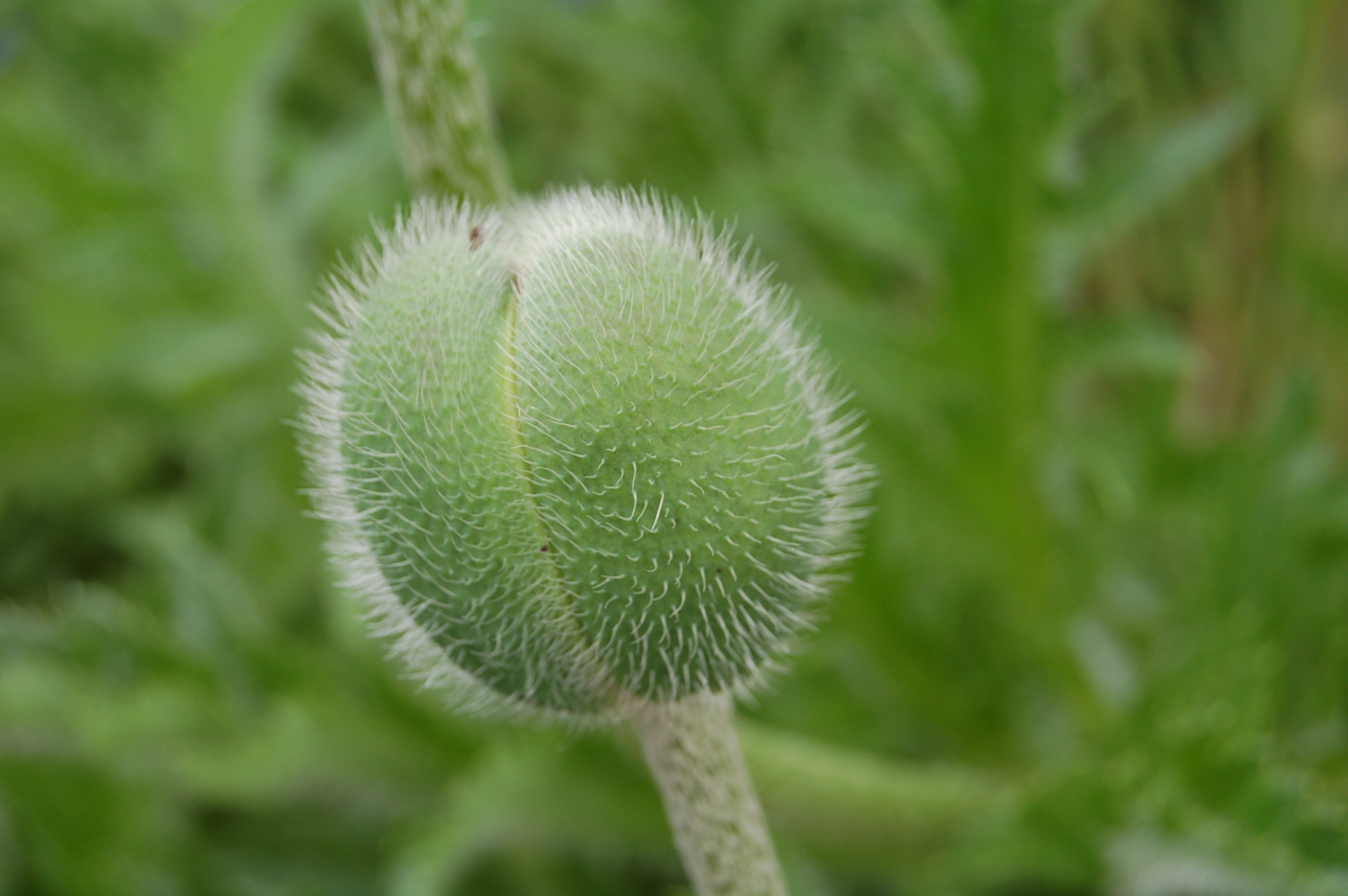
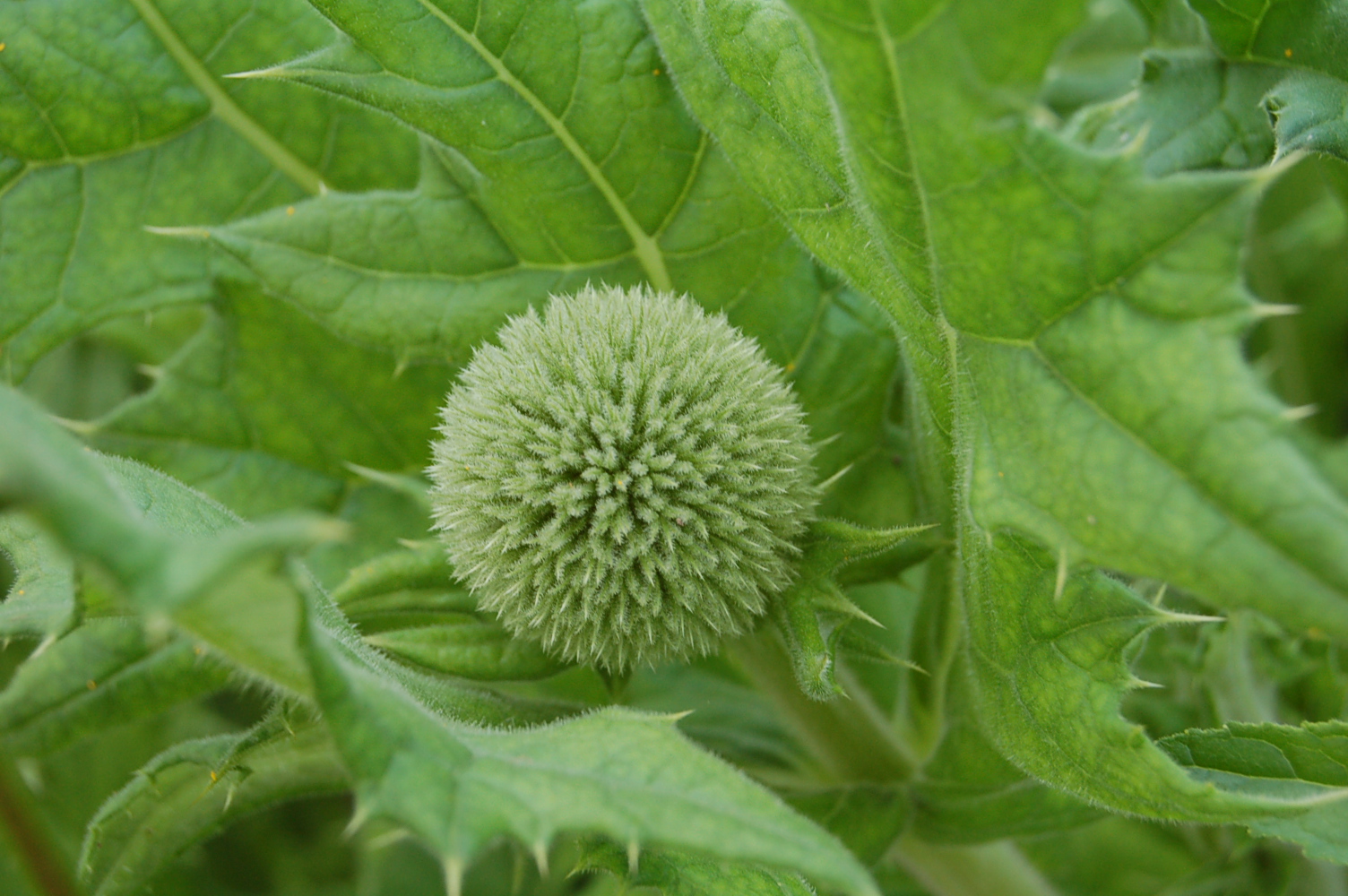
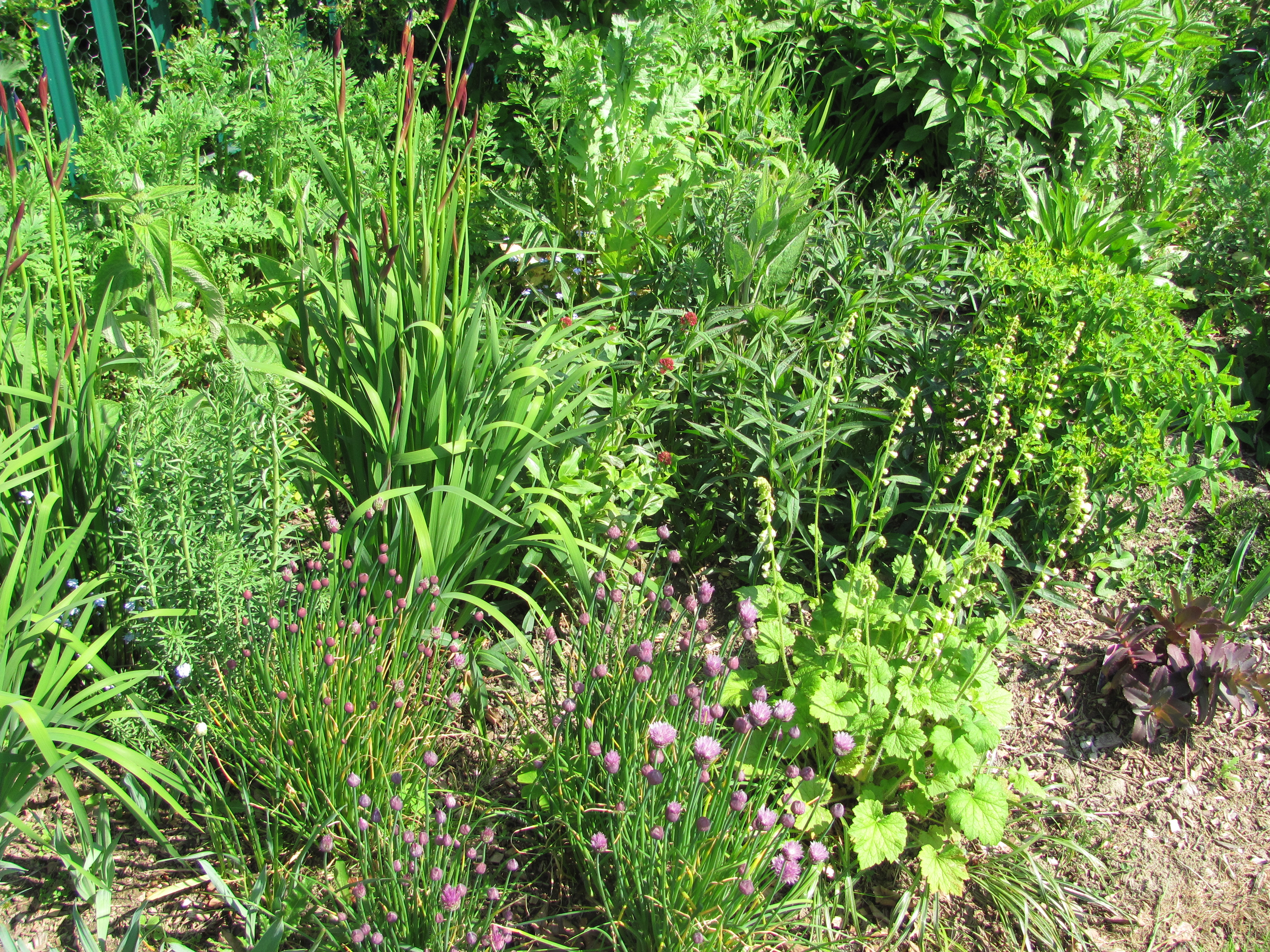
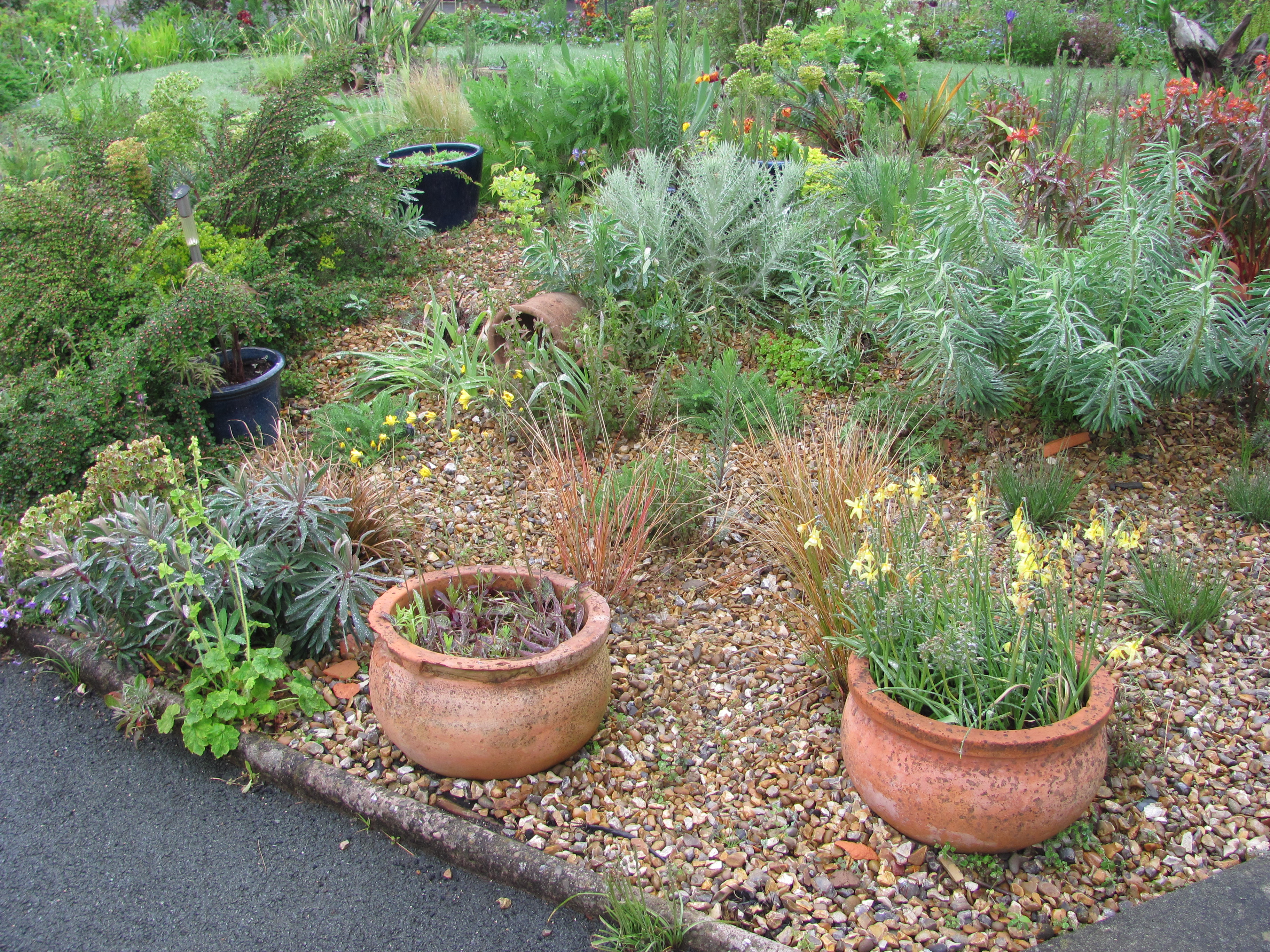
We can start the second part of our wander by looking again at the front garden. Buds give us hints of blooms to come in midsummer, Phlomis, Oriental Poppies, Erygiums and Echinops. Promises of yellows, reds and steely blues.

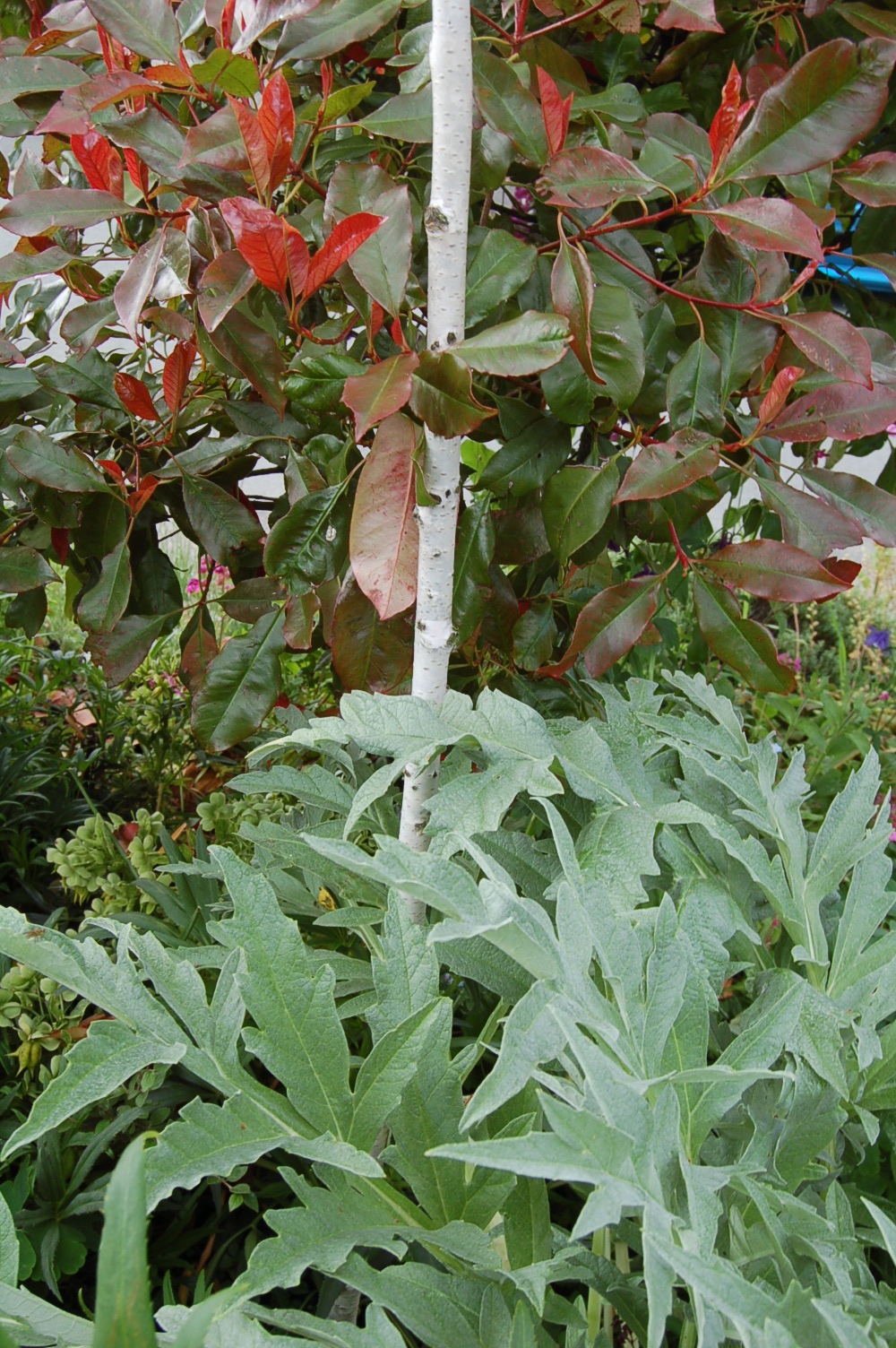
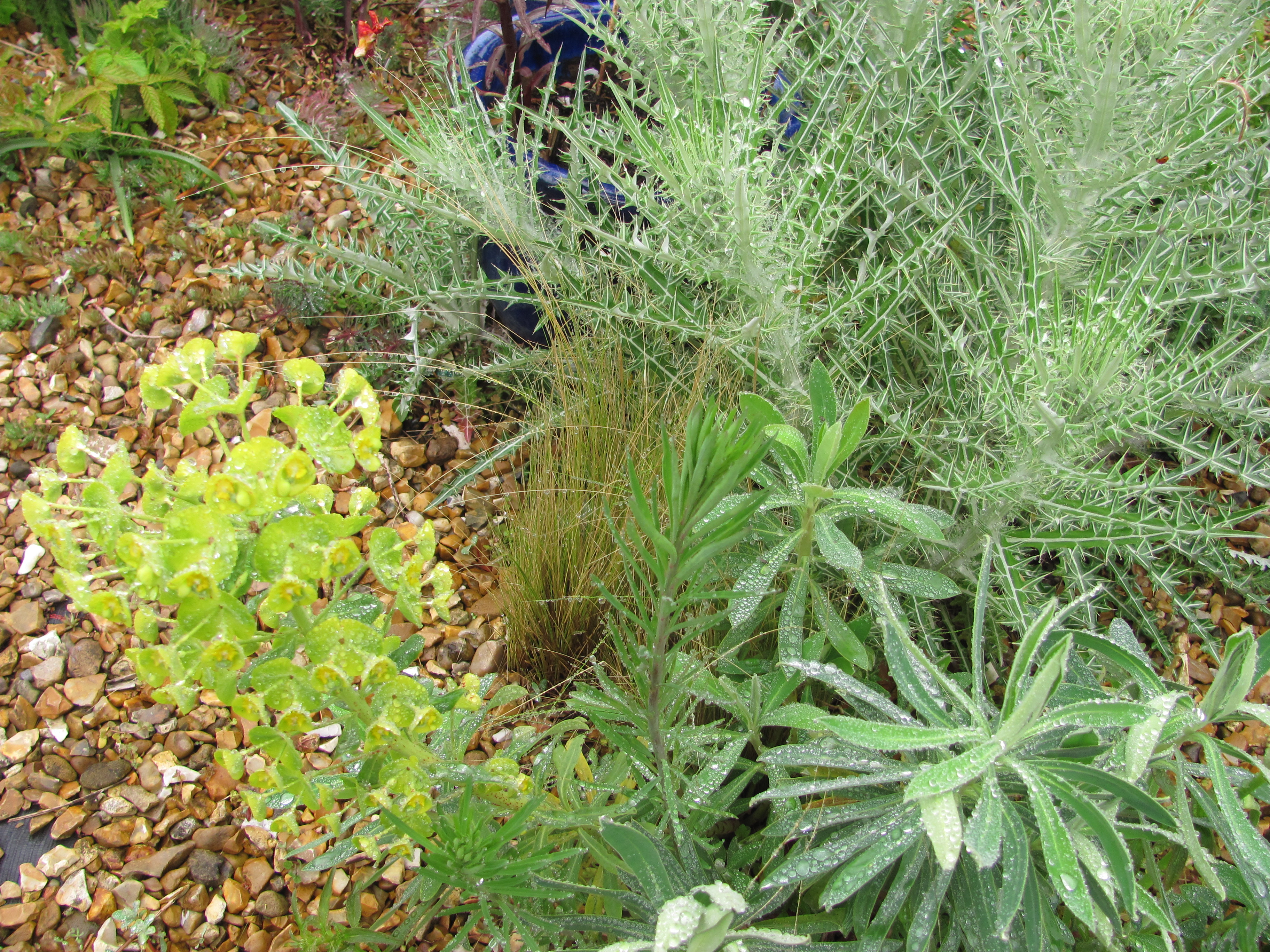
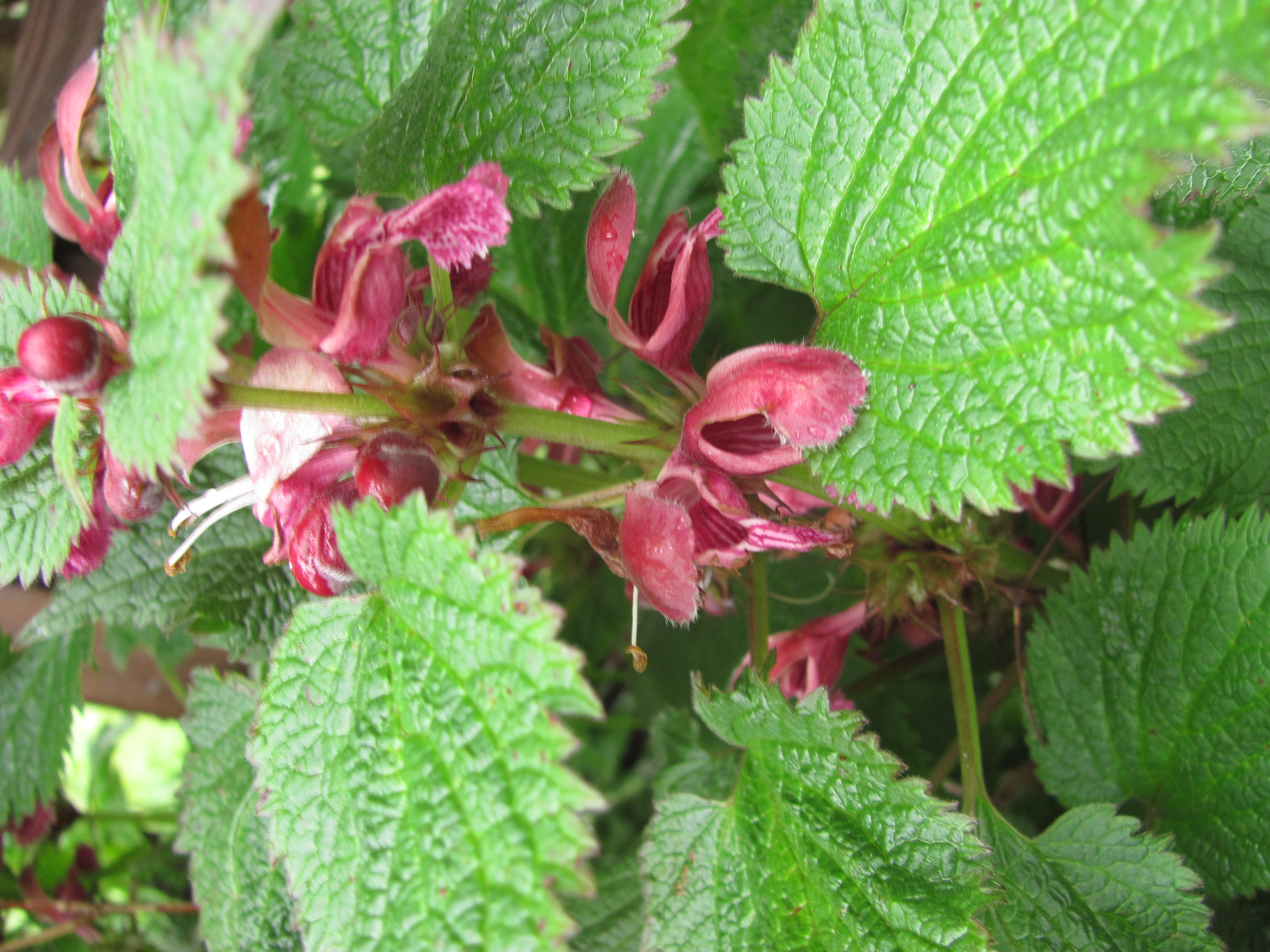
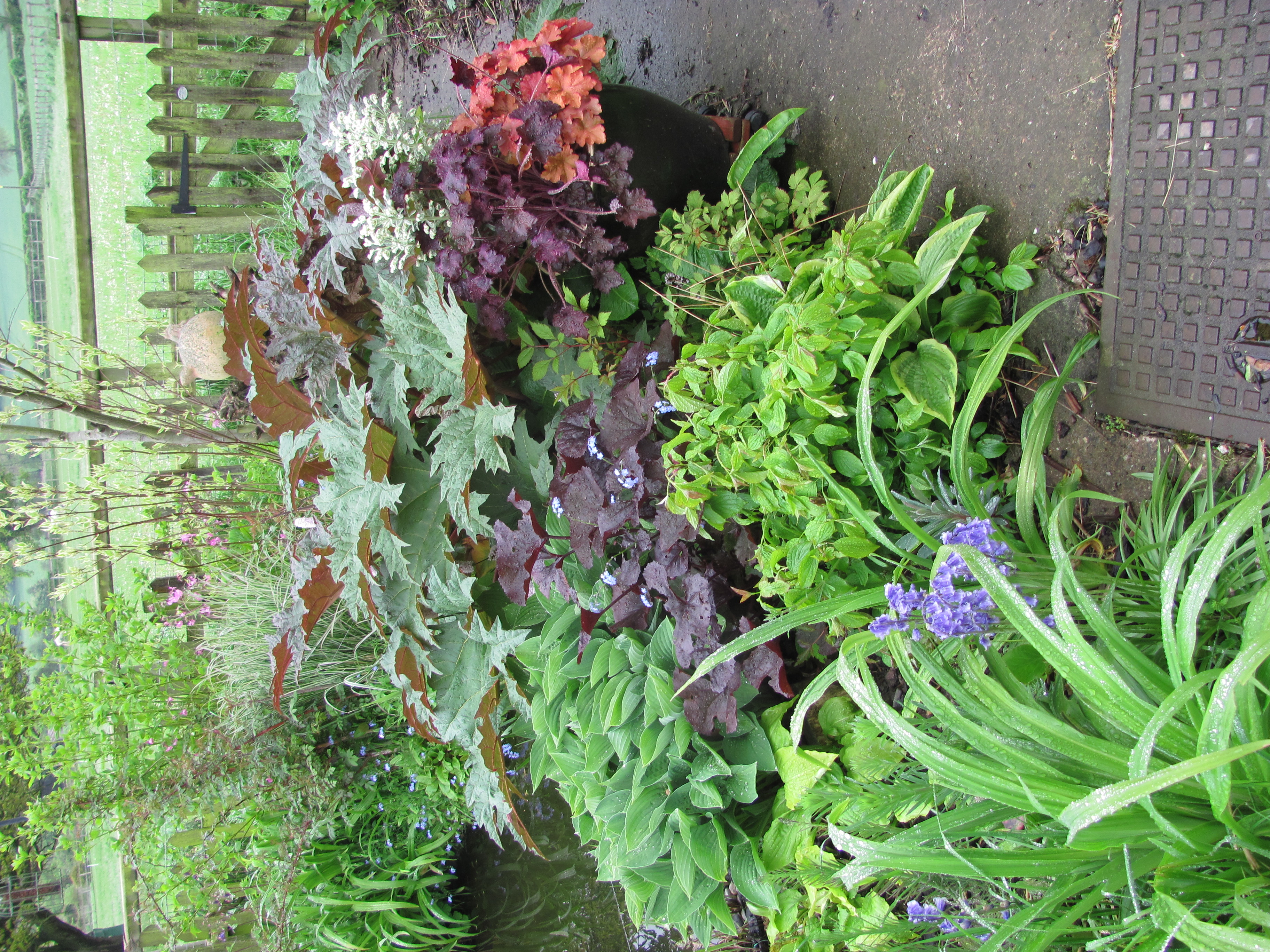
Foliage colour and texture can be as striking as the most colourful of flowers.

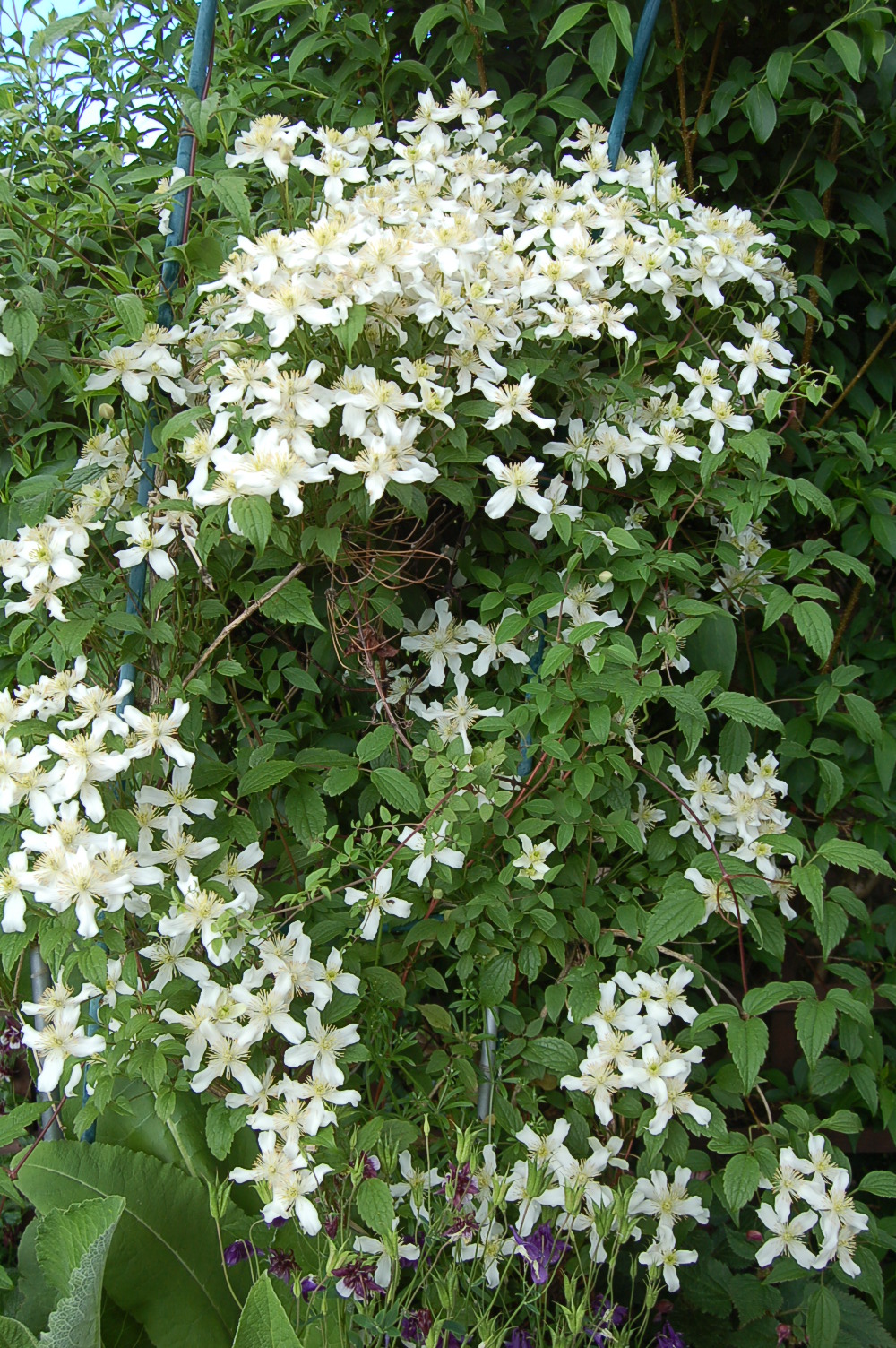
Our collection of Clematis are beginning to flower and others are covered in robust buds.

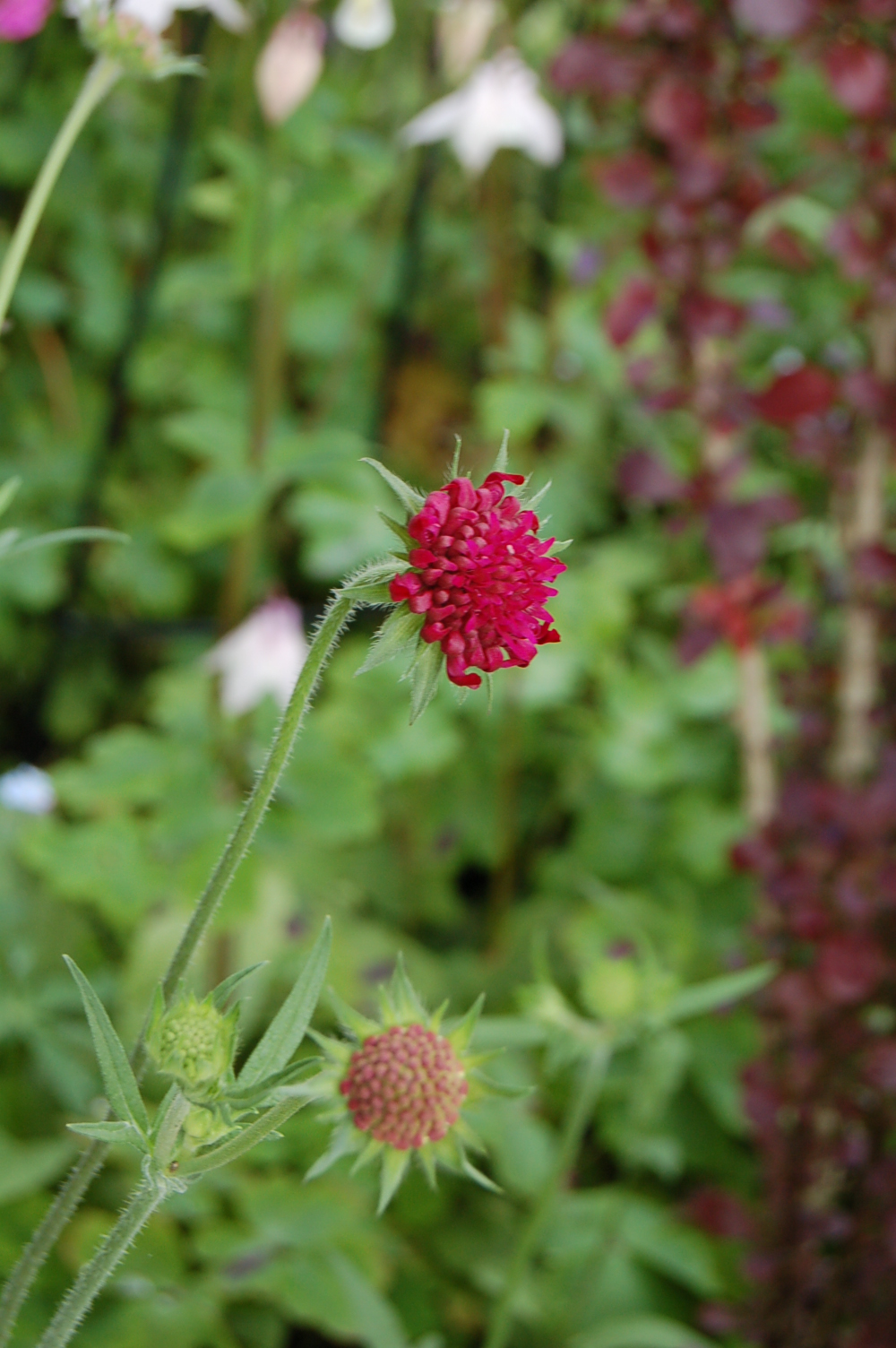
Flower colours have been so important during the first few weeks of this month simply as an antidote to dull days and dark skies. It matters not whether it is a gaudy cerise beauty or a subtle green or white.

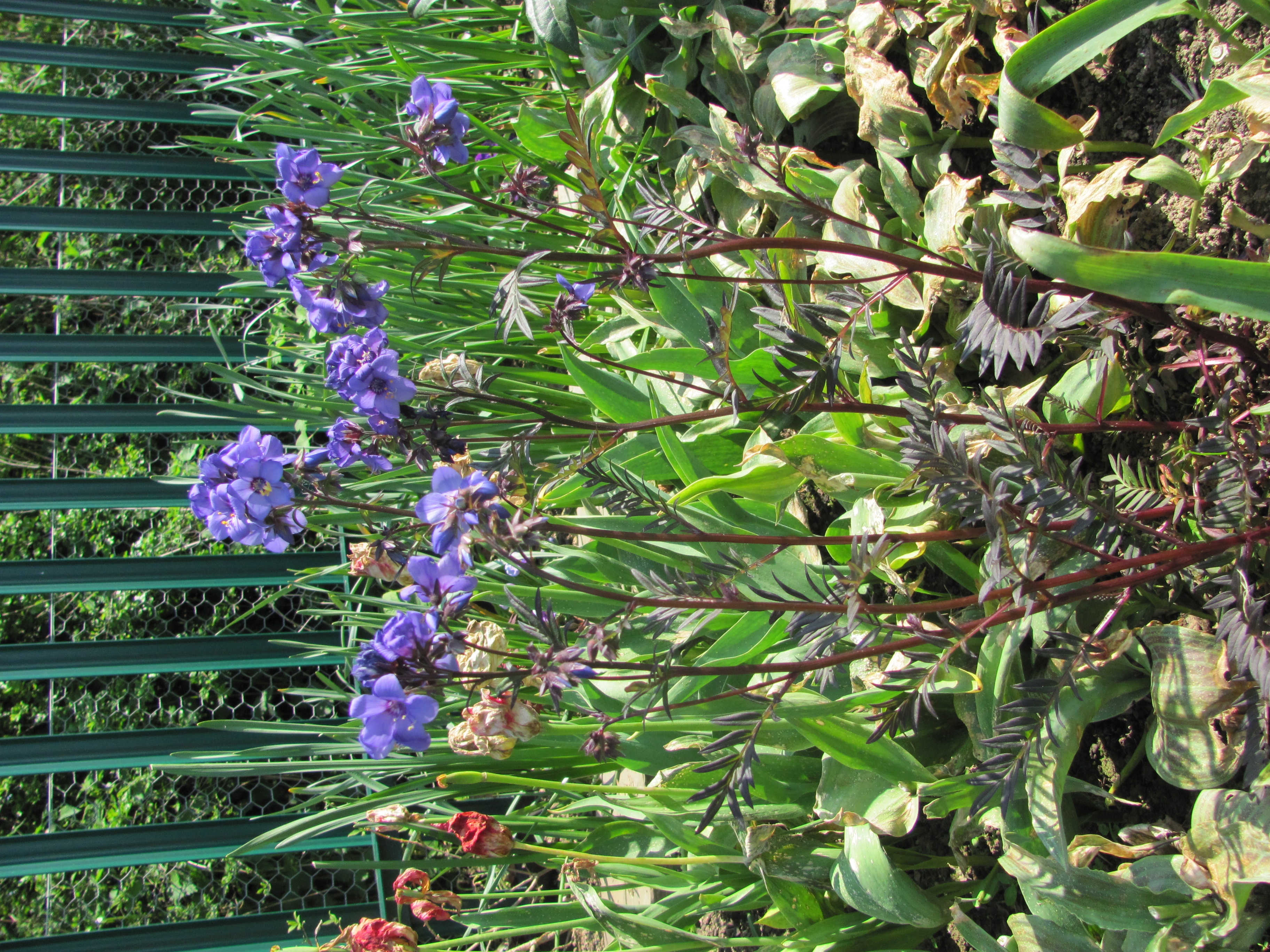
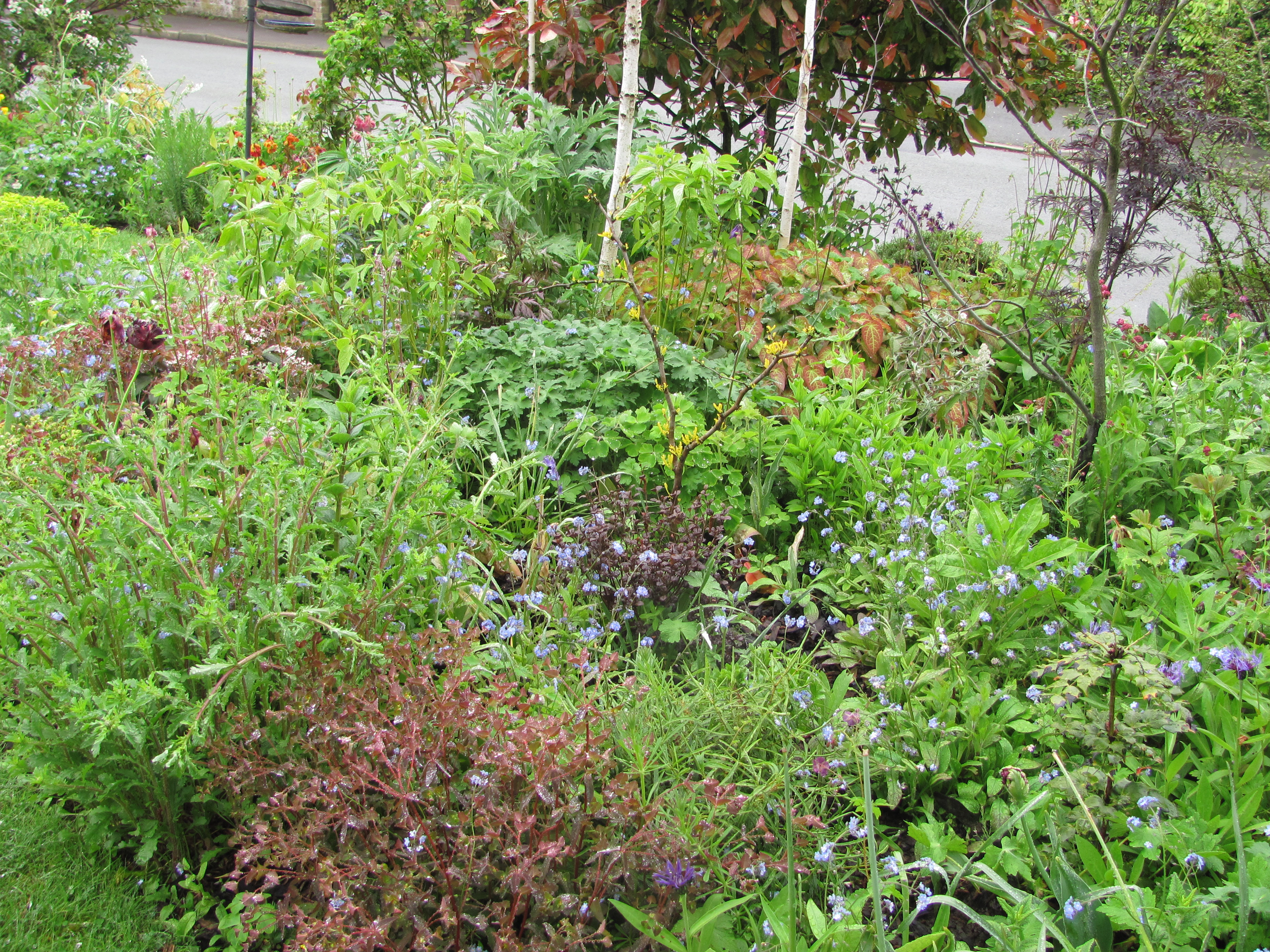
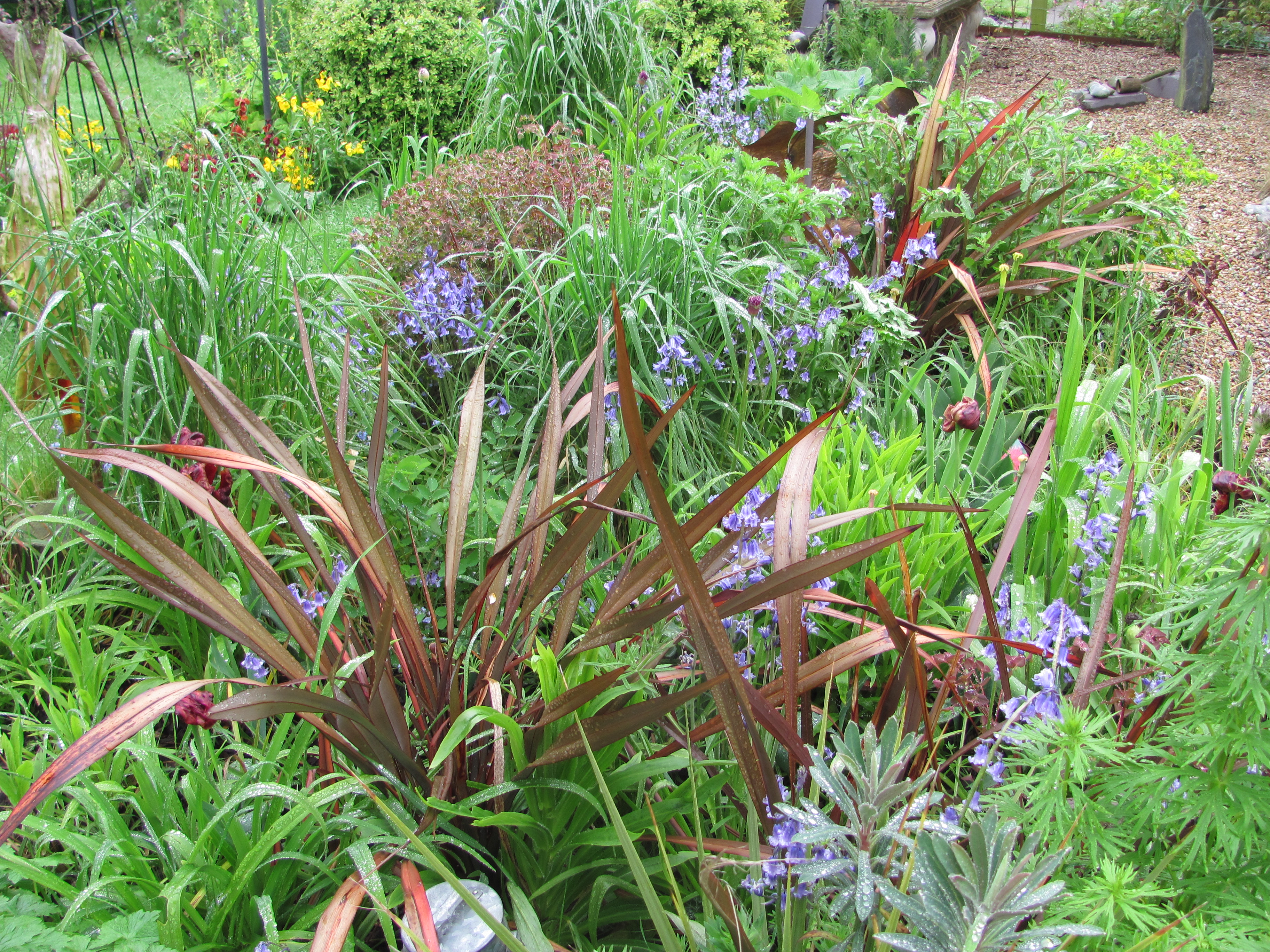
Blue on blue.

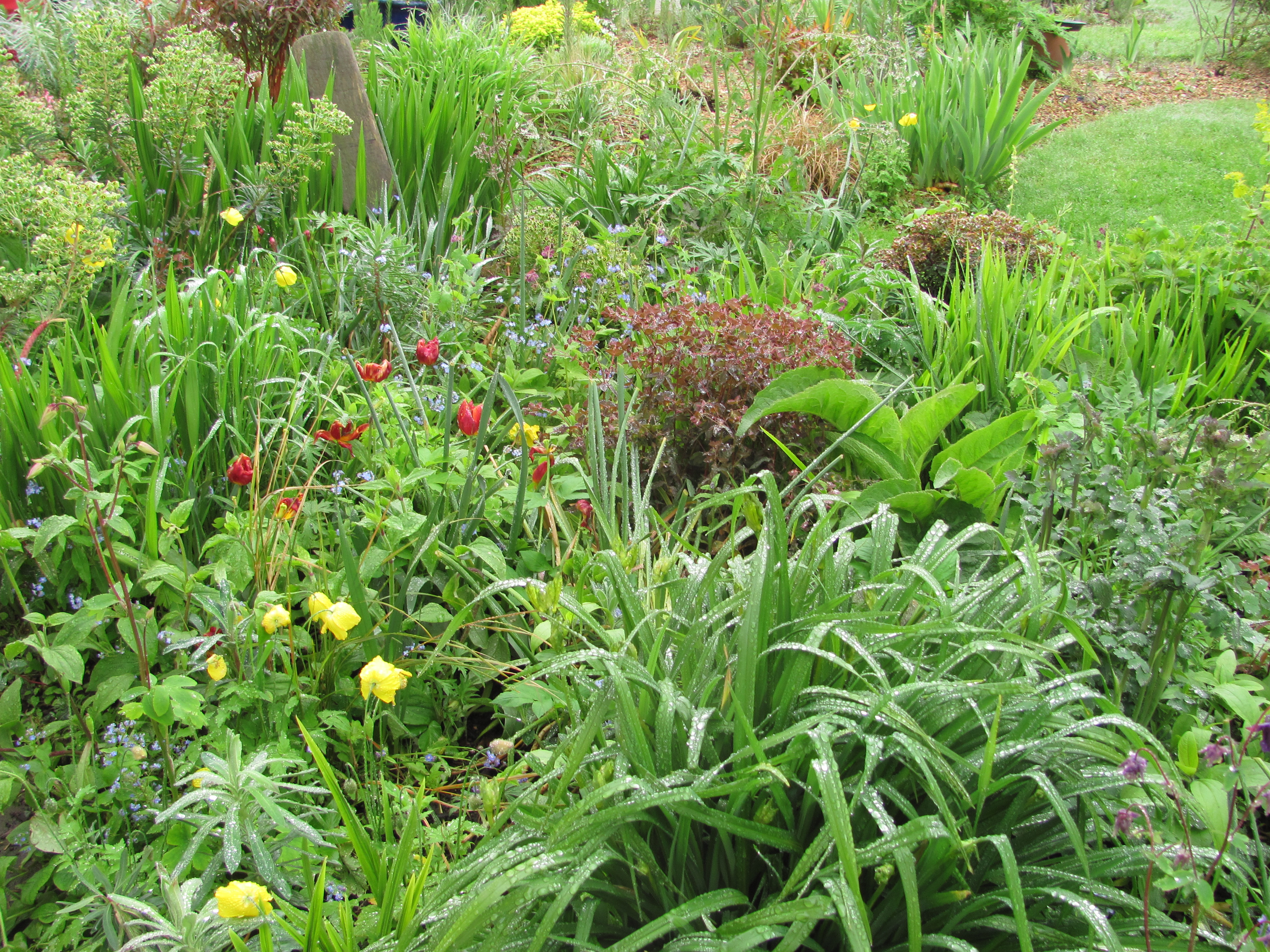
Another view of our Freda Border.

Our mini-meadows in their pots are developing well. We think we may be onto a winner.

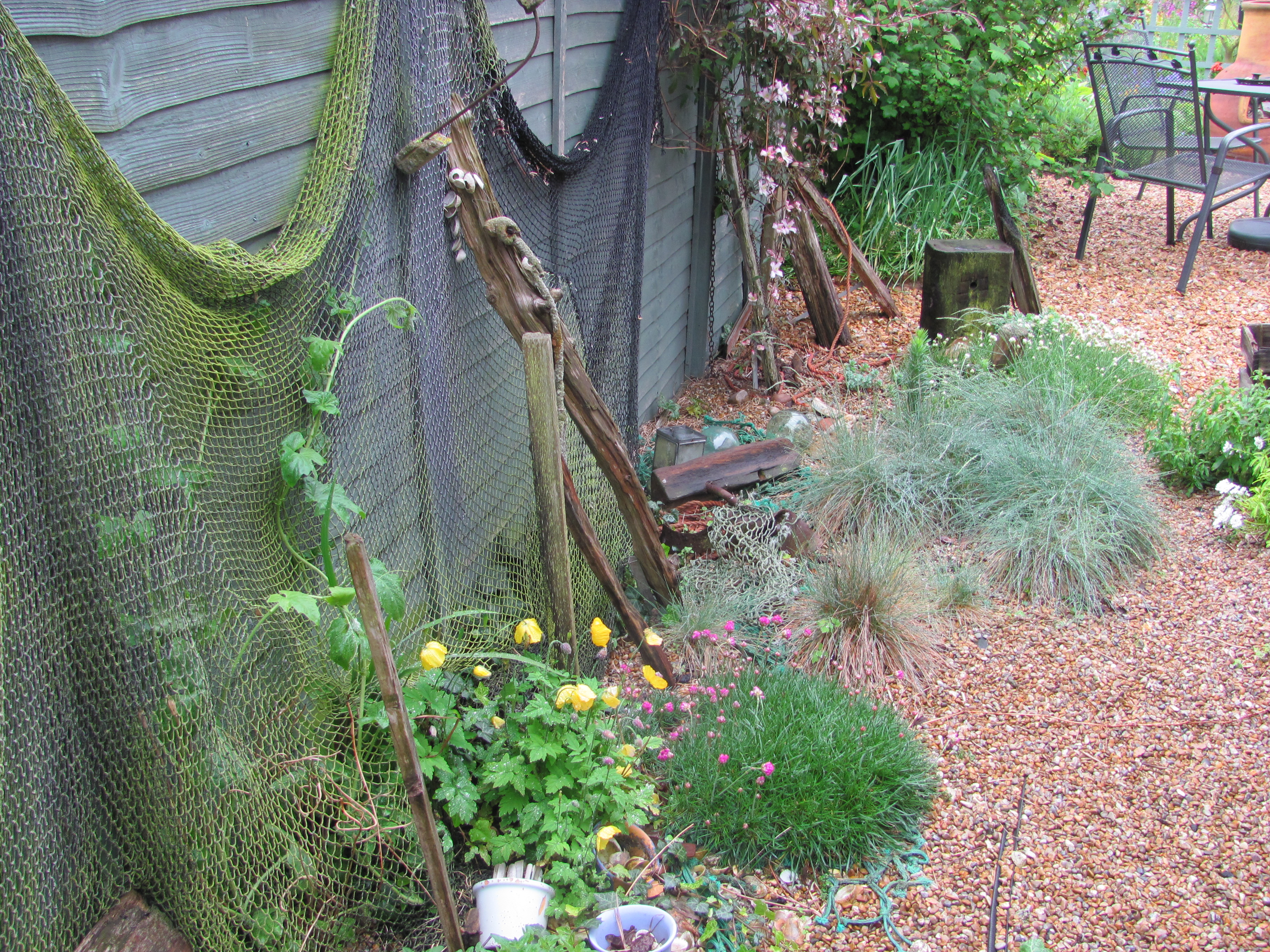
The Shed Bed created on the site of an old shed which we demolished when we moved in, is really pleasing as below the shed we found just rubble, gravel, broken pots and sand. We added wheelbarrows of compost to improve it and now every little flower is a true gem.

A vine grows over one end of the greenhouse acting as a natural shading agent as well as feeding the gardeners. The startlingly red flowering currant has hitched a lift along it so the vine drips with red droplets.

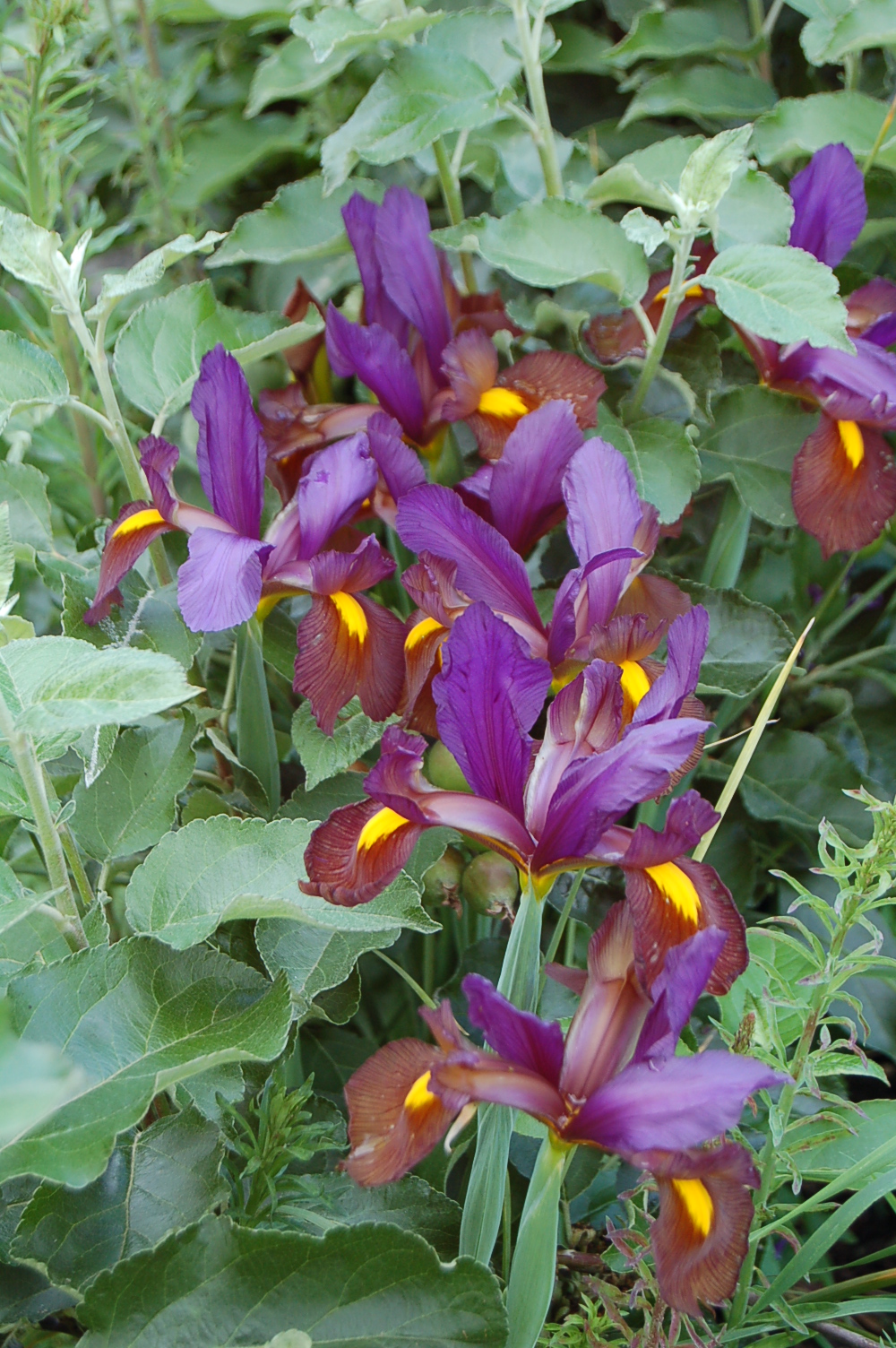
We enjoy these irises as cut flowers but bees take advantage of them before we pick them. This clump is growing through our stepover apples. Double harvesting – cut flowers followed by apples.

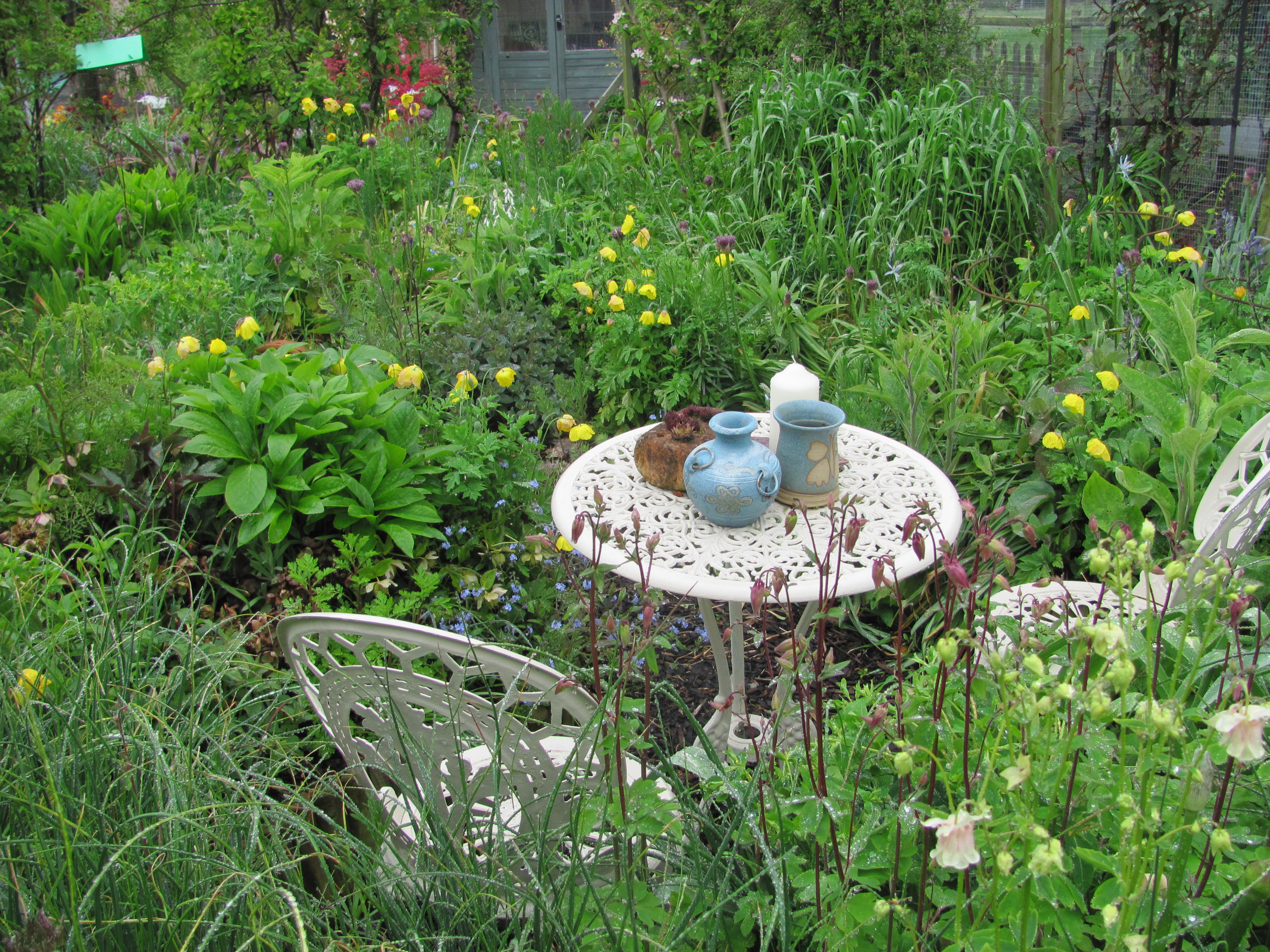
The planting around the pool has closed in and made it an intimate area. Nearby the Prairie Garden is bursting with fresh blooms.

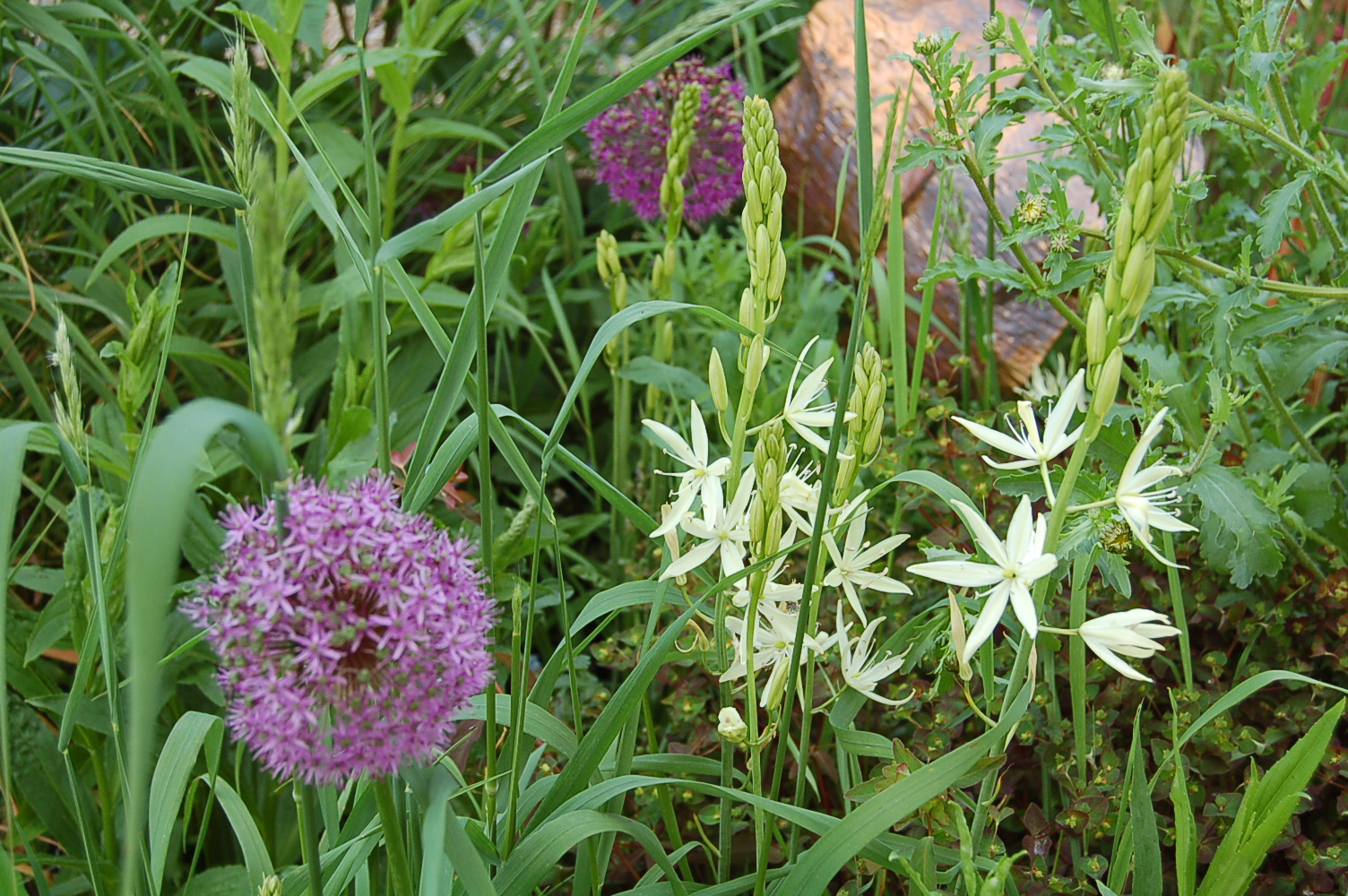
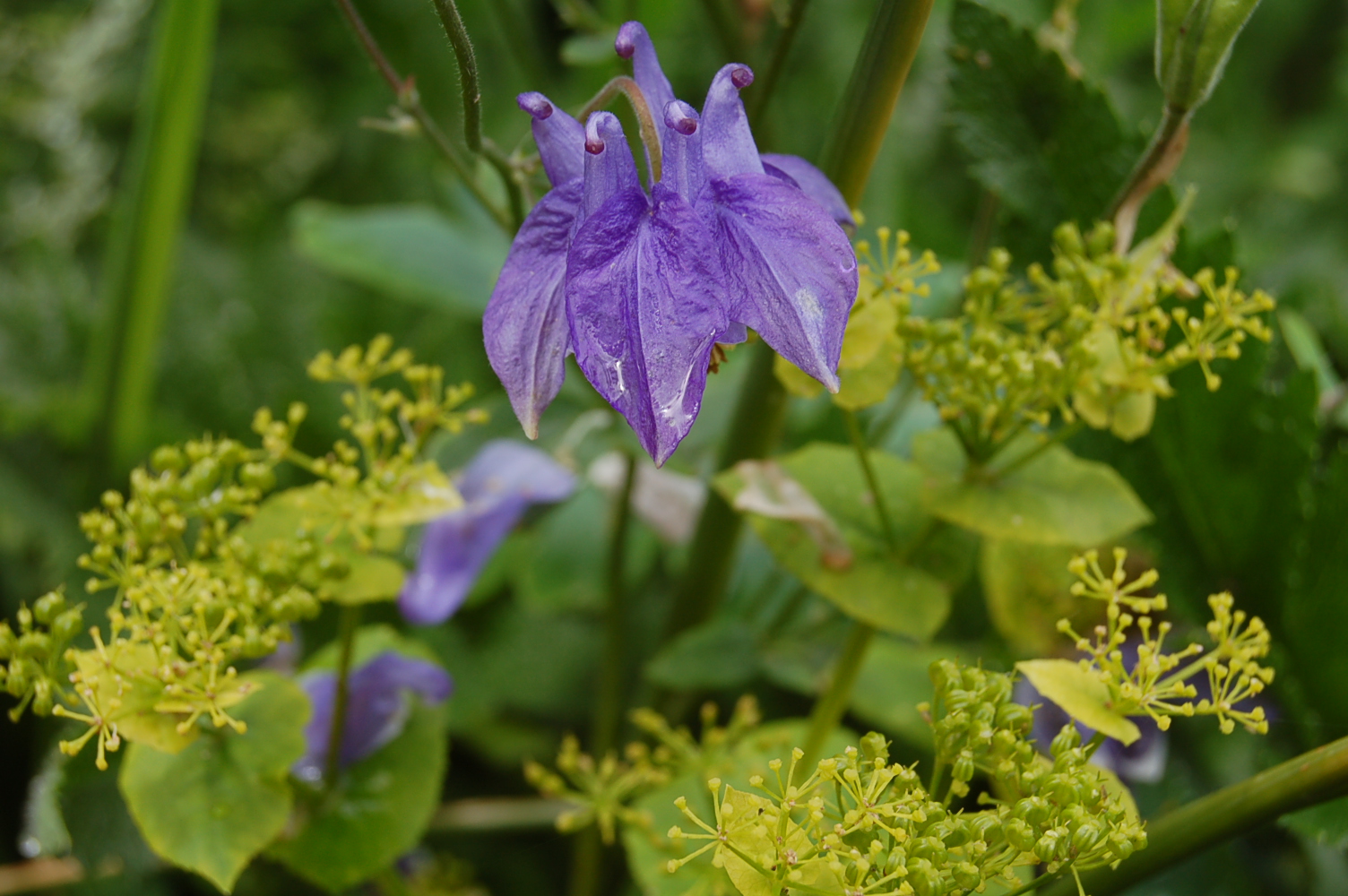
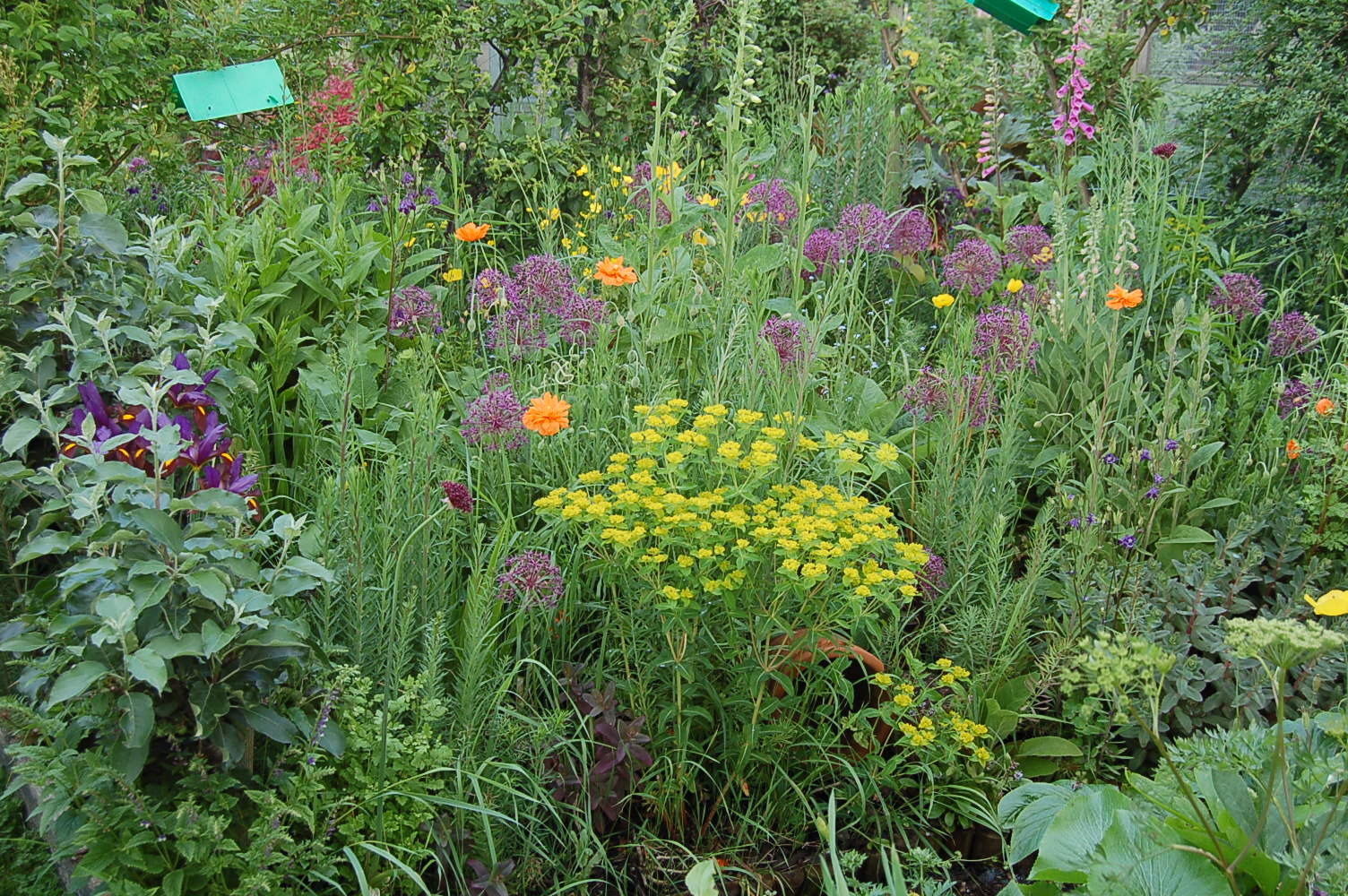
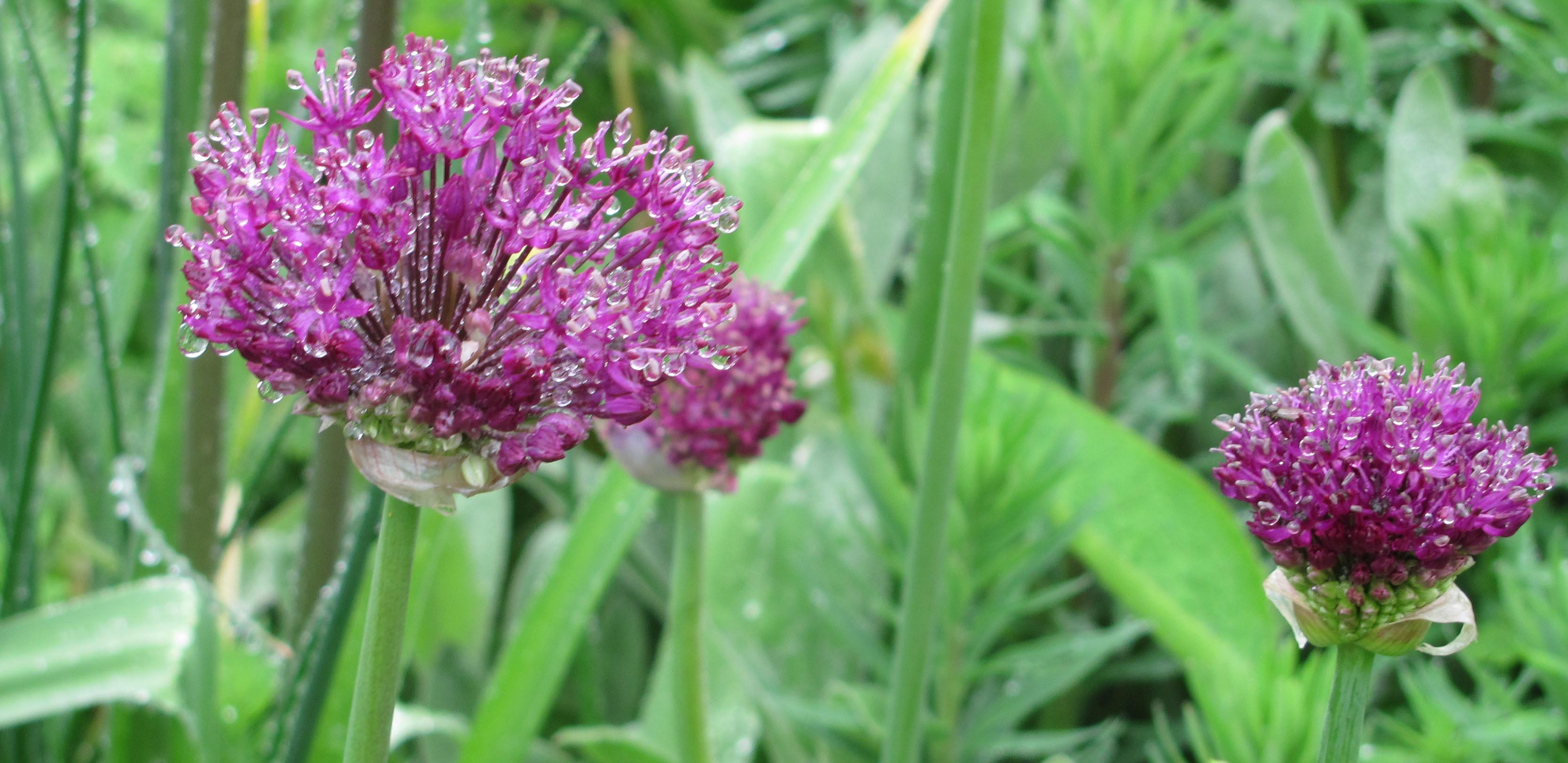
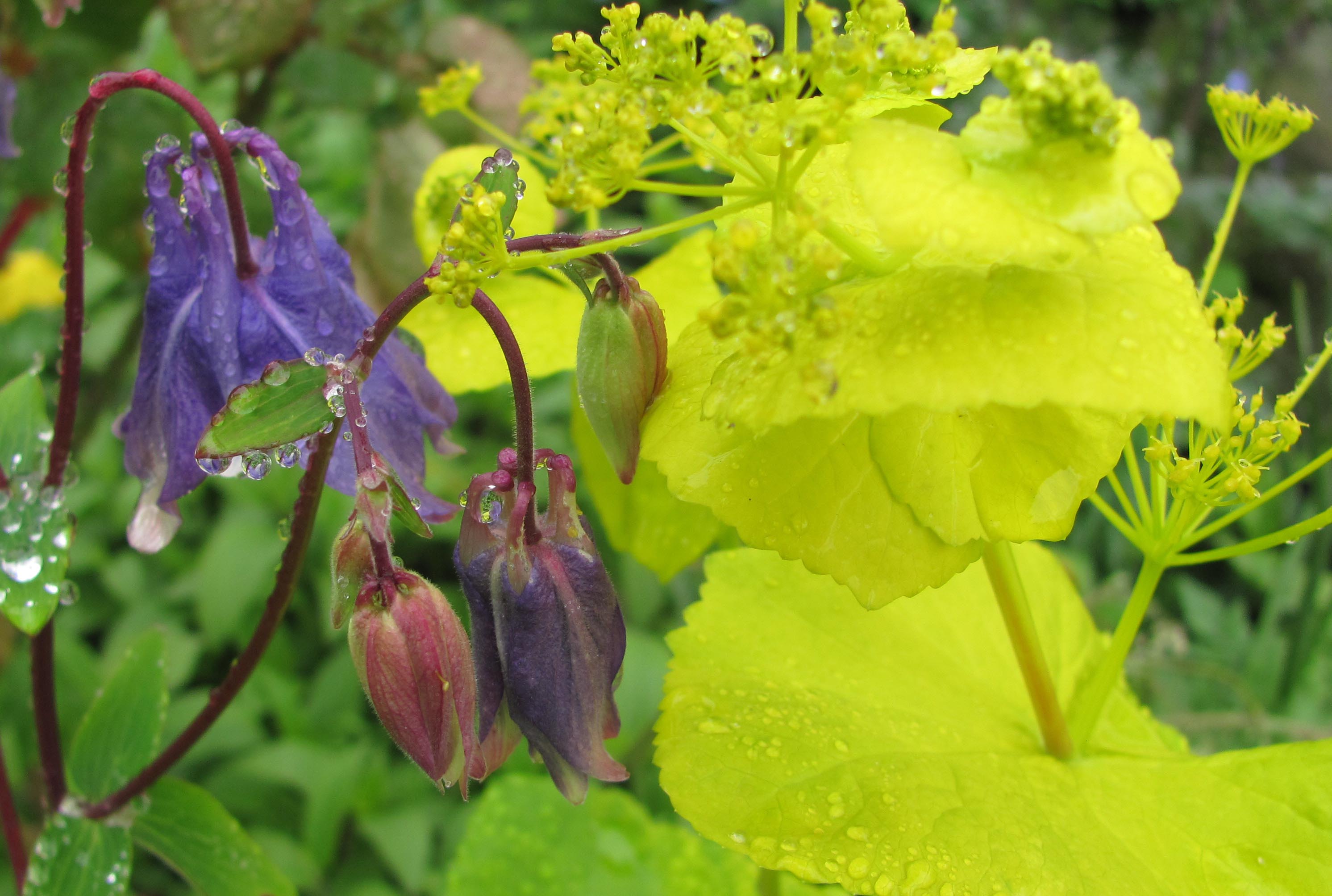
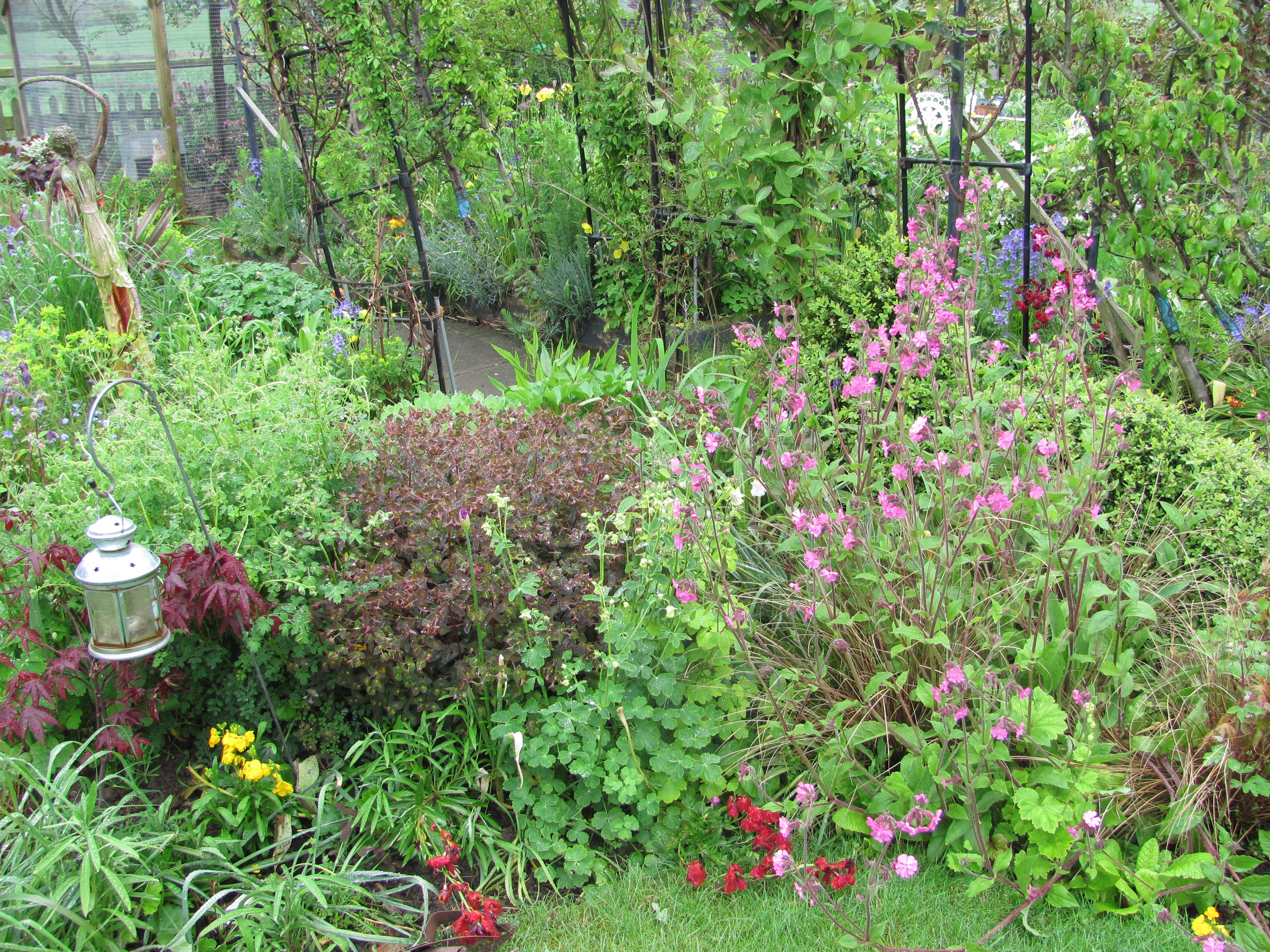
In the Secret Garden Aquilegias and Alliums look good alongside the purple foliage of Pentstemon Huskers Red.

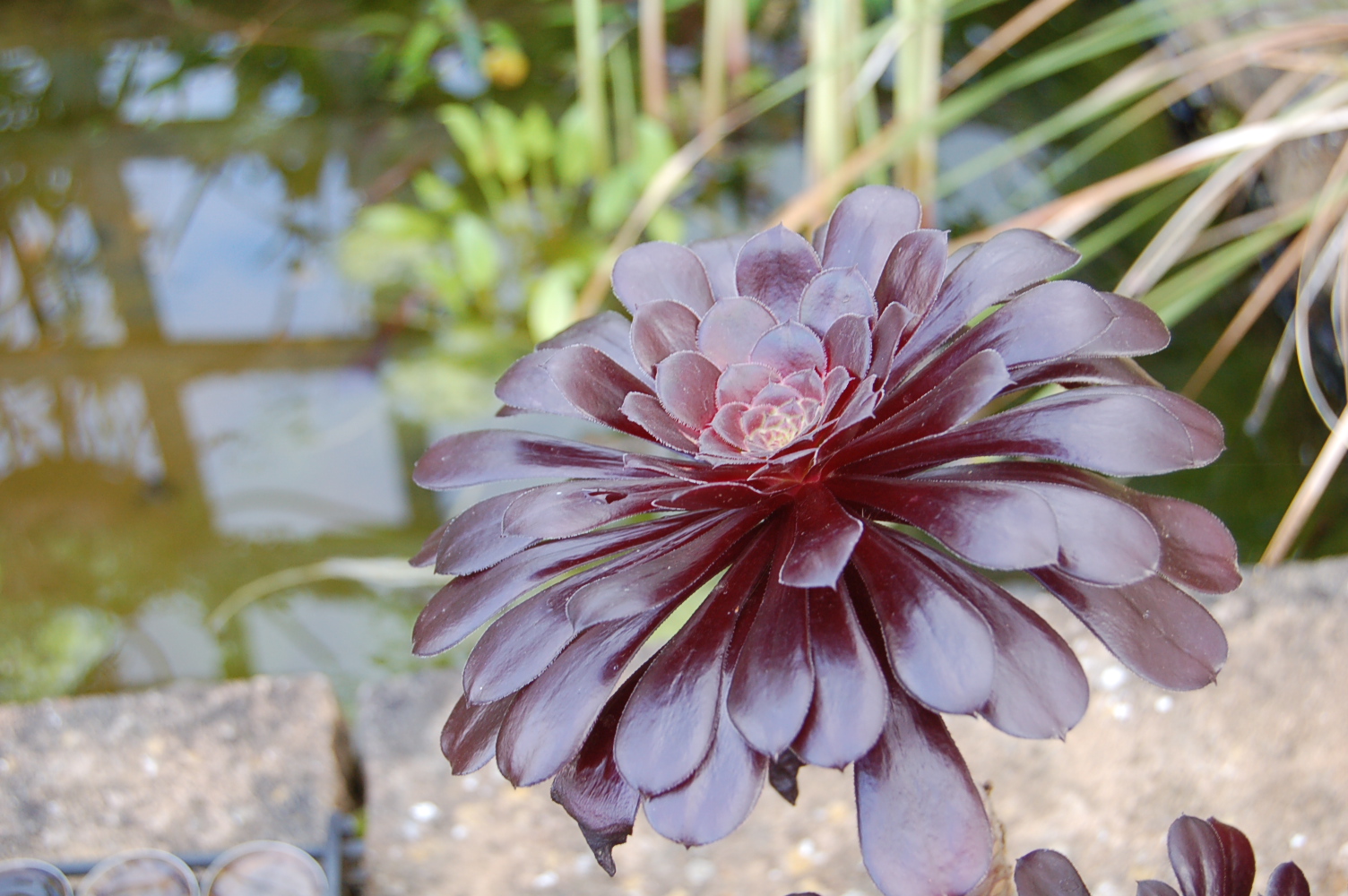
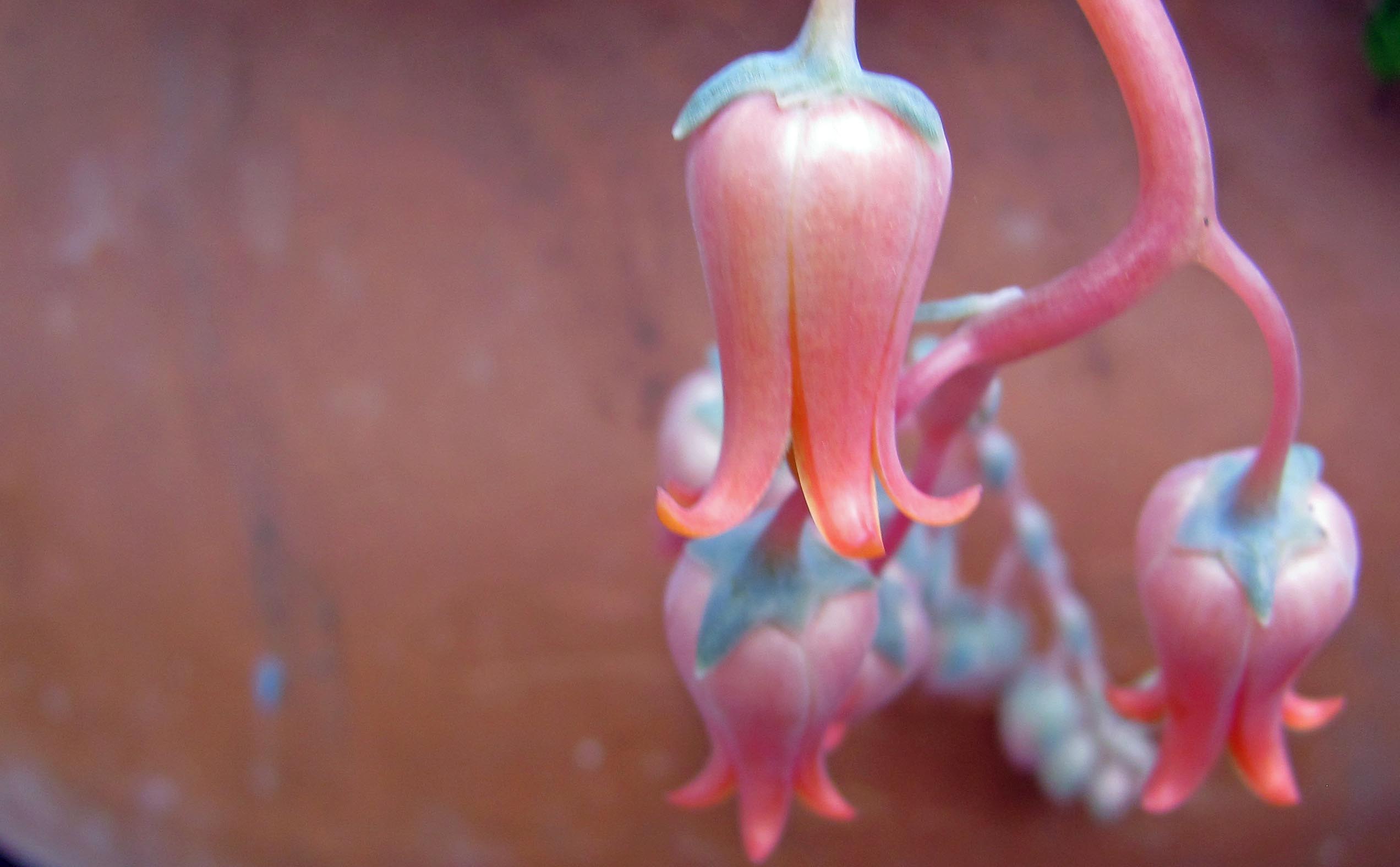
These aeonium enjoy the hottest part of the garden, the Rill Garden.

To one side of the rill we grow a snake bark maple, with silver and green striped bark, cream and red seed capsules and in autumn it has amazing rich red foliage. A wonderful specimen tree to finish this garden wander underneath.

Categories
garden design garden photography grow your own hardy perennials ornamental grasses ornamental trees and shrubs outdoor sculpture poppies Shropshire shrubs trees

A Wander around our Garden in June

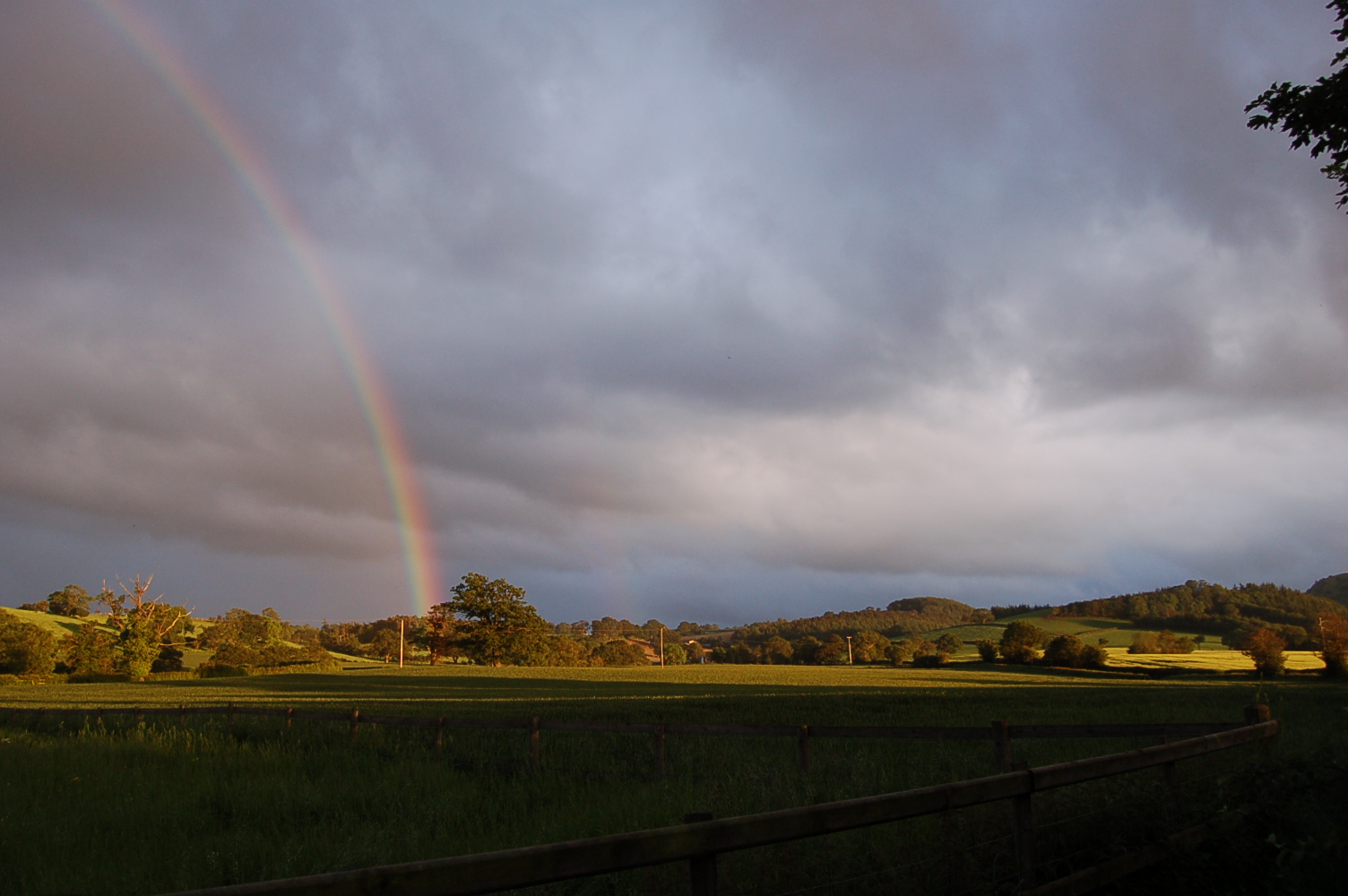
Half way through the year already where these monthly garden wanders are concerned. It should be warm and sunny as befits the Summer season but it has mostly been raining. We get occasional dry, pleasant days but they have been few and far between. Just look at this interesting early evening light colouring the landscape beyond our garden gate. One field is in the spotlight, I wonder why it was chosen?

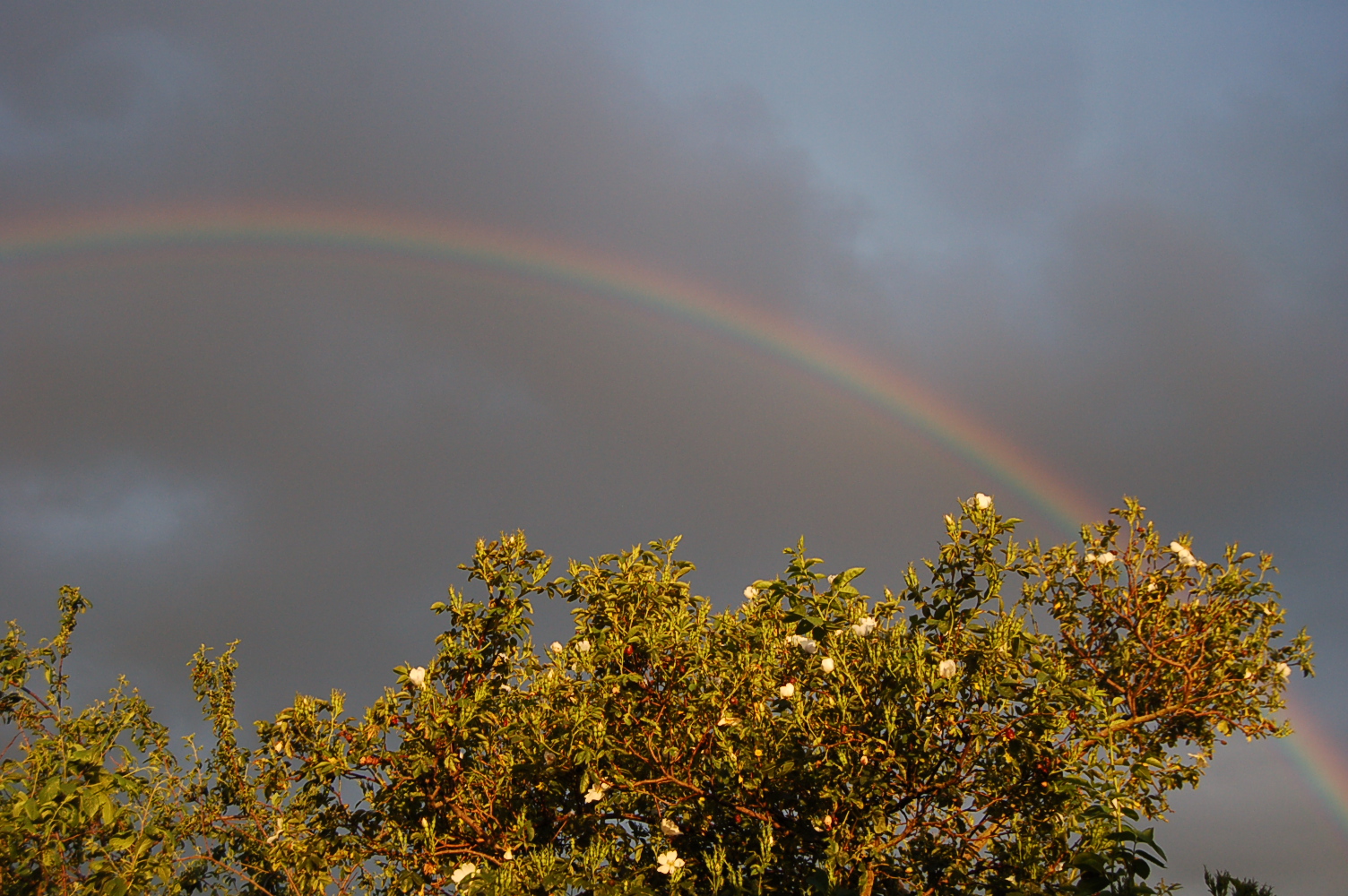
In the garden I shot this photo looking up at the sky above our big, white-flowered rambling rose.

But, one afternoon as the rain went quiet for a while out I went camera in hand to follow my garden wander. The borders are burgeoning, blooms are getting bigger and brighter by the day and we enjoy every moment in our June garden.

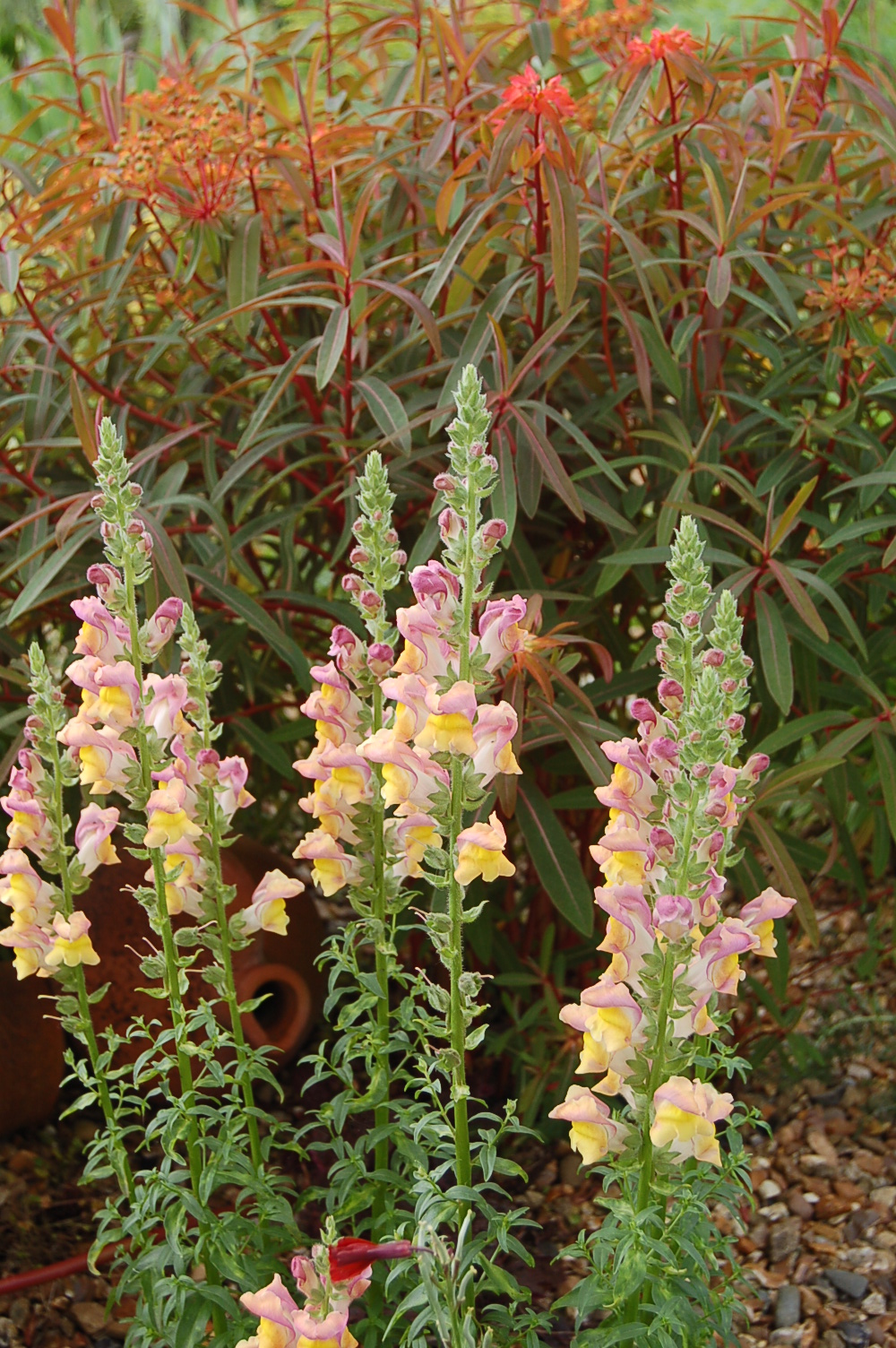
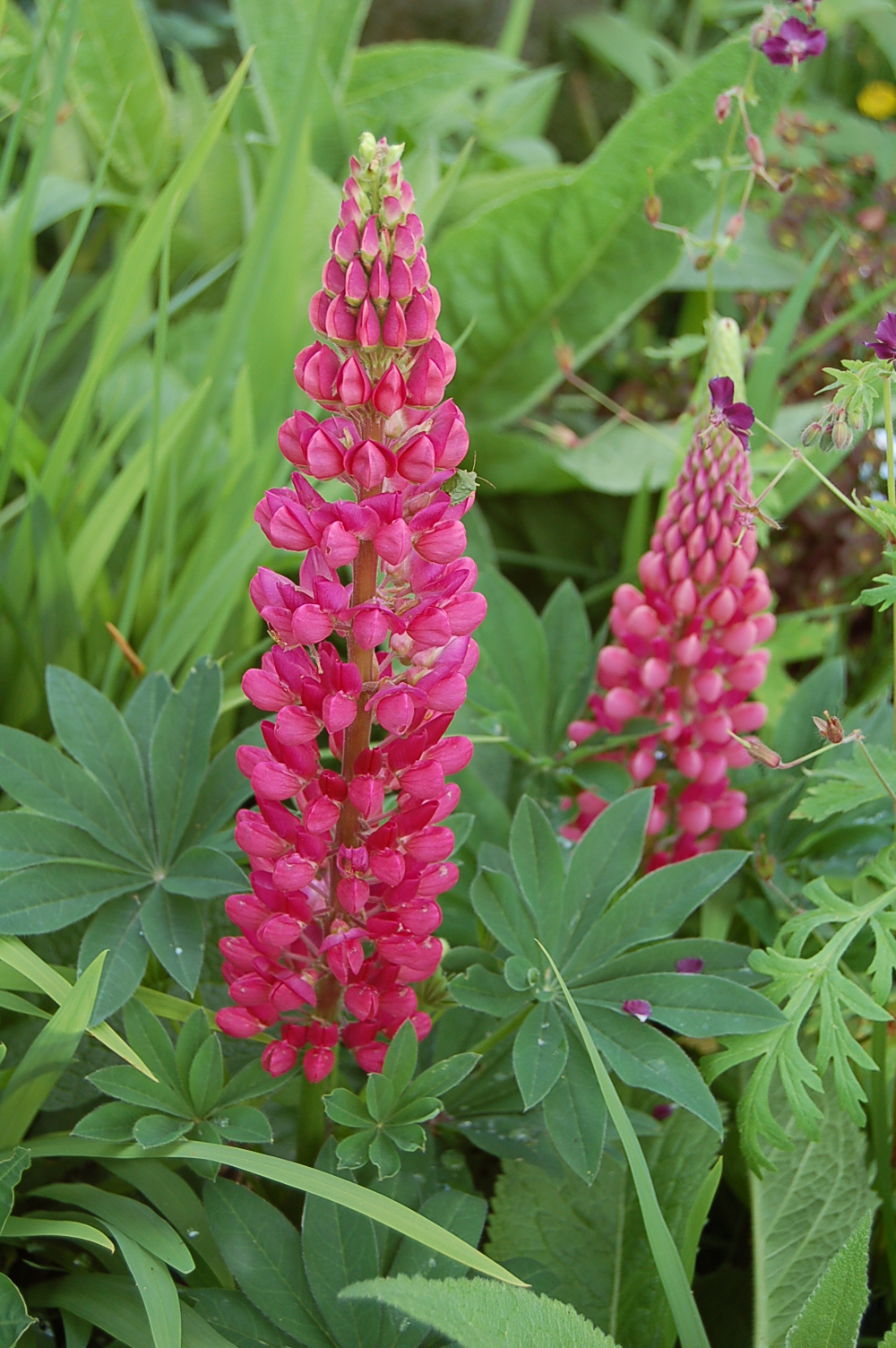
Spires reach for the sky in every border, Foxgloves, Antirhinums and Lupins.

Let us visit the front garden and see how the borders have developed since our May post. There is far less gravel visible now as foliage increases sideways and upwards.

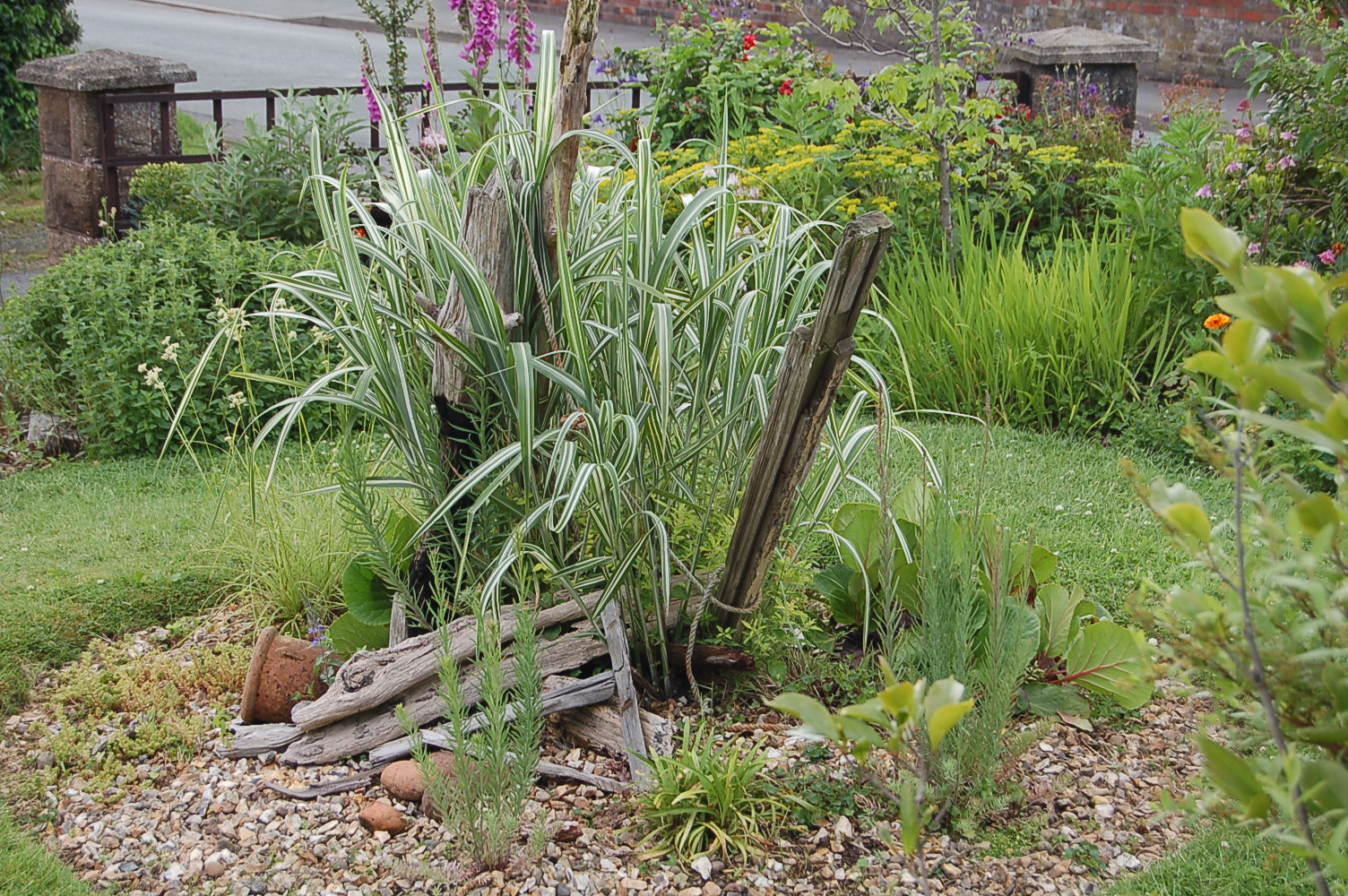
The ferns in the Stump Circle have grown considerably and the grasses in our other circle are now a good 4 feet tall.

The Hot Border is full to the brim with colour, rich colours against vibrant greens.

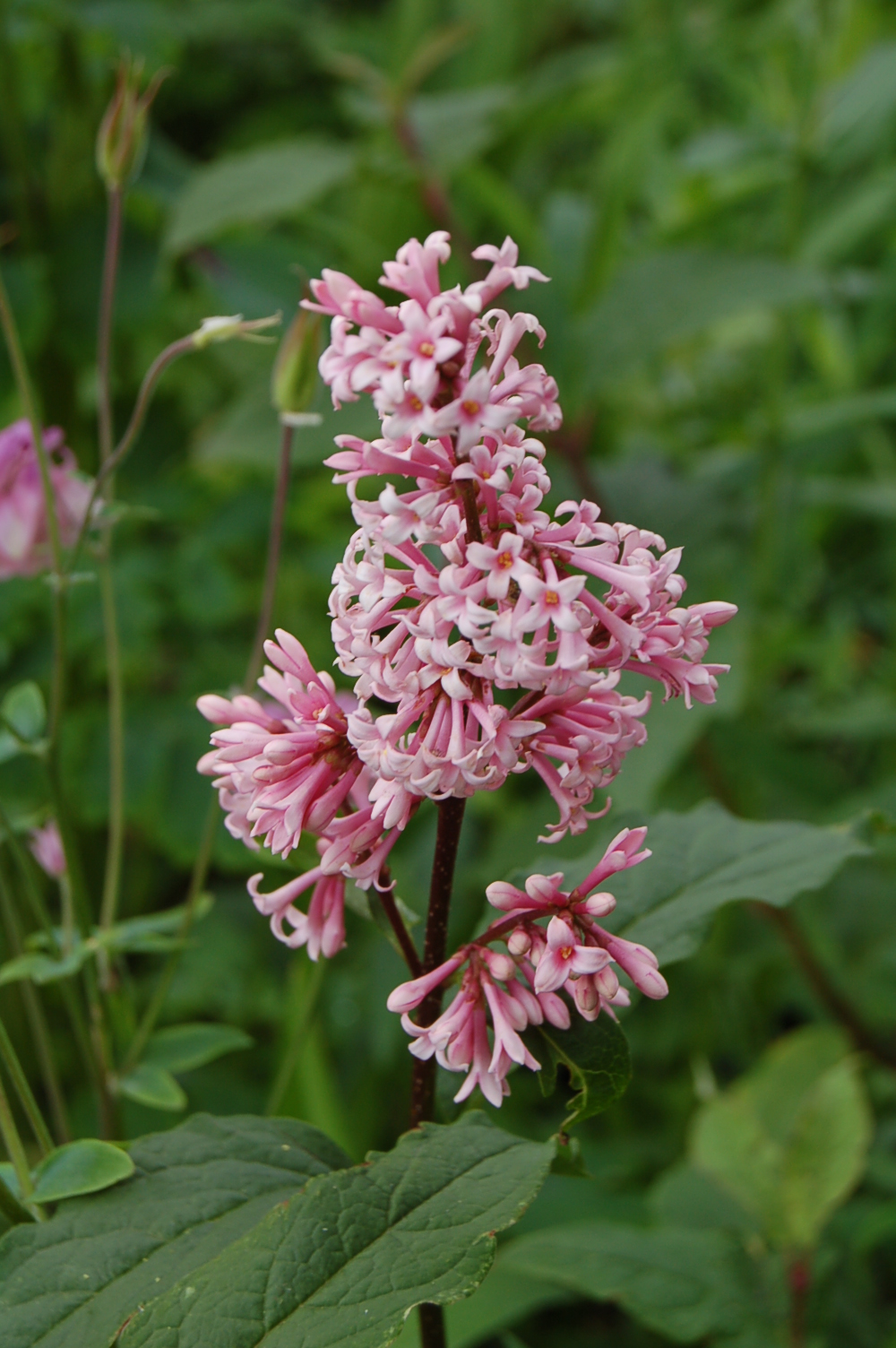
Jude’s Border is also full of colour from the blooms of shrubs such as this Weigela and Syringa.

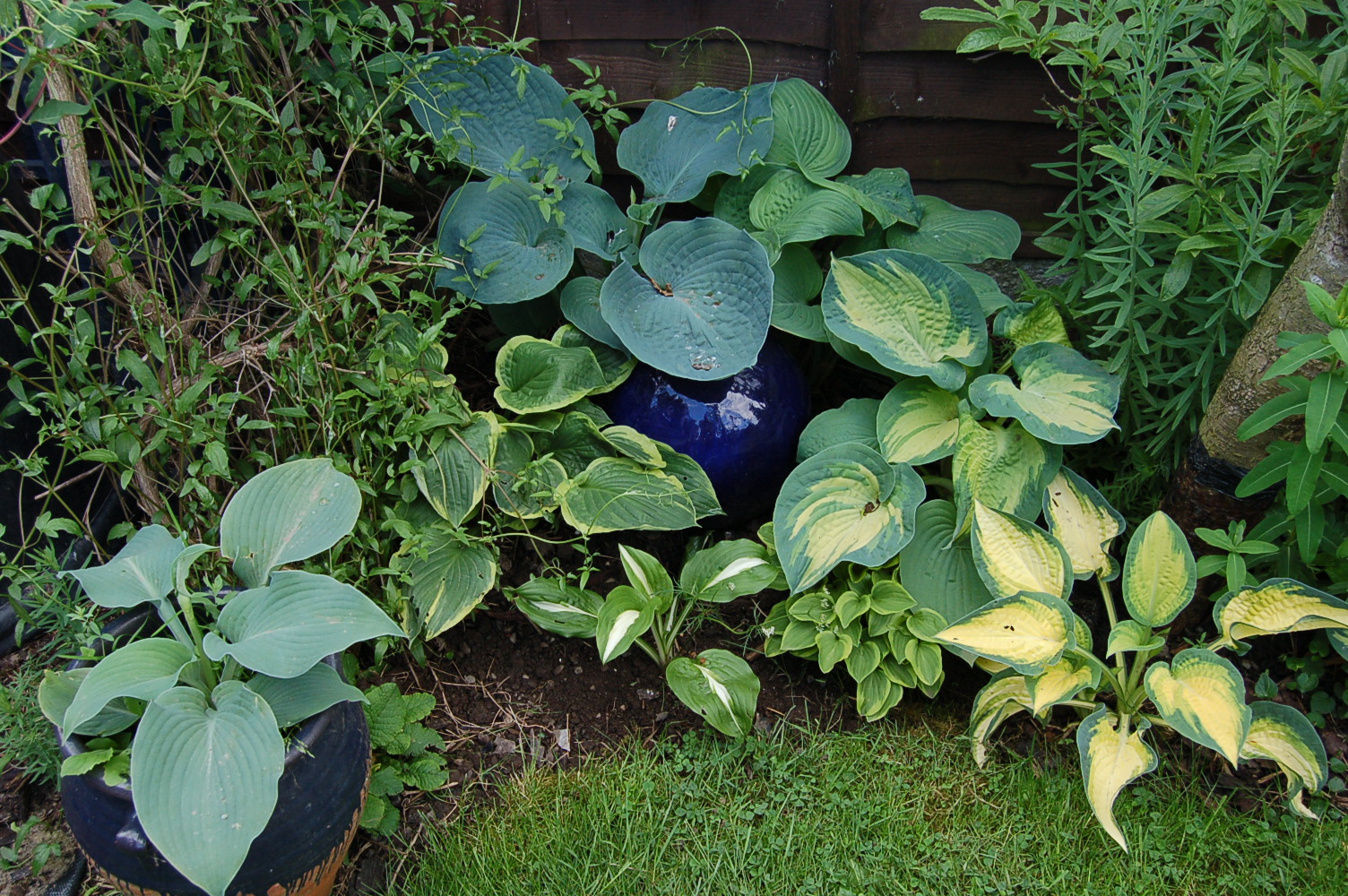
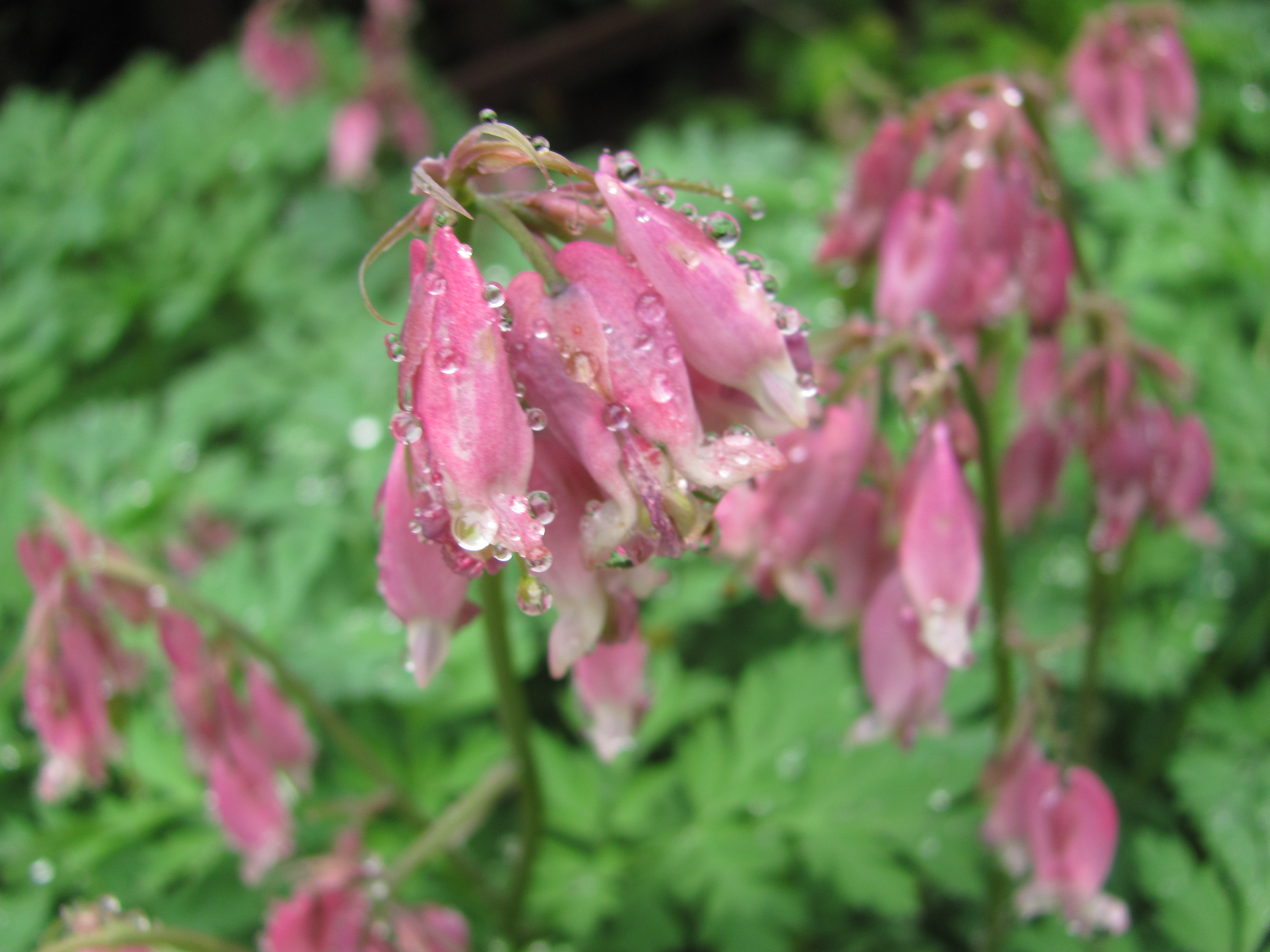
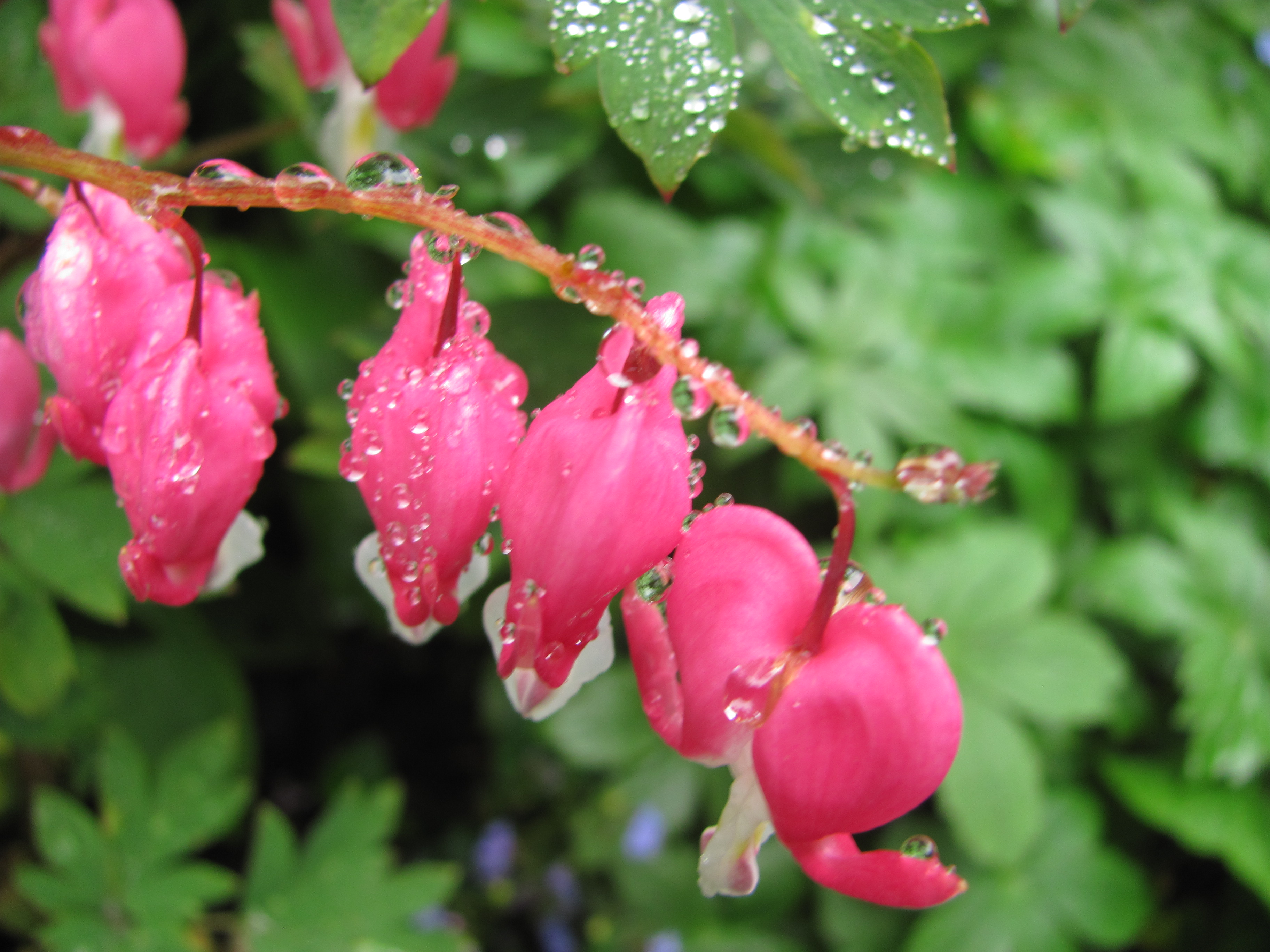
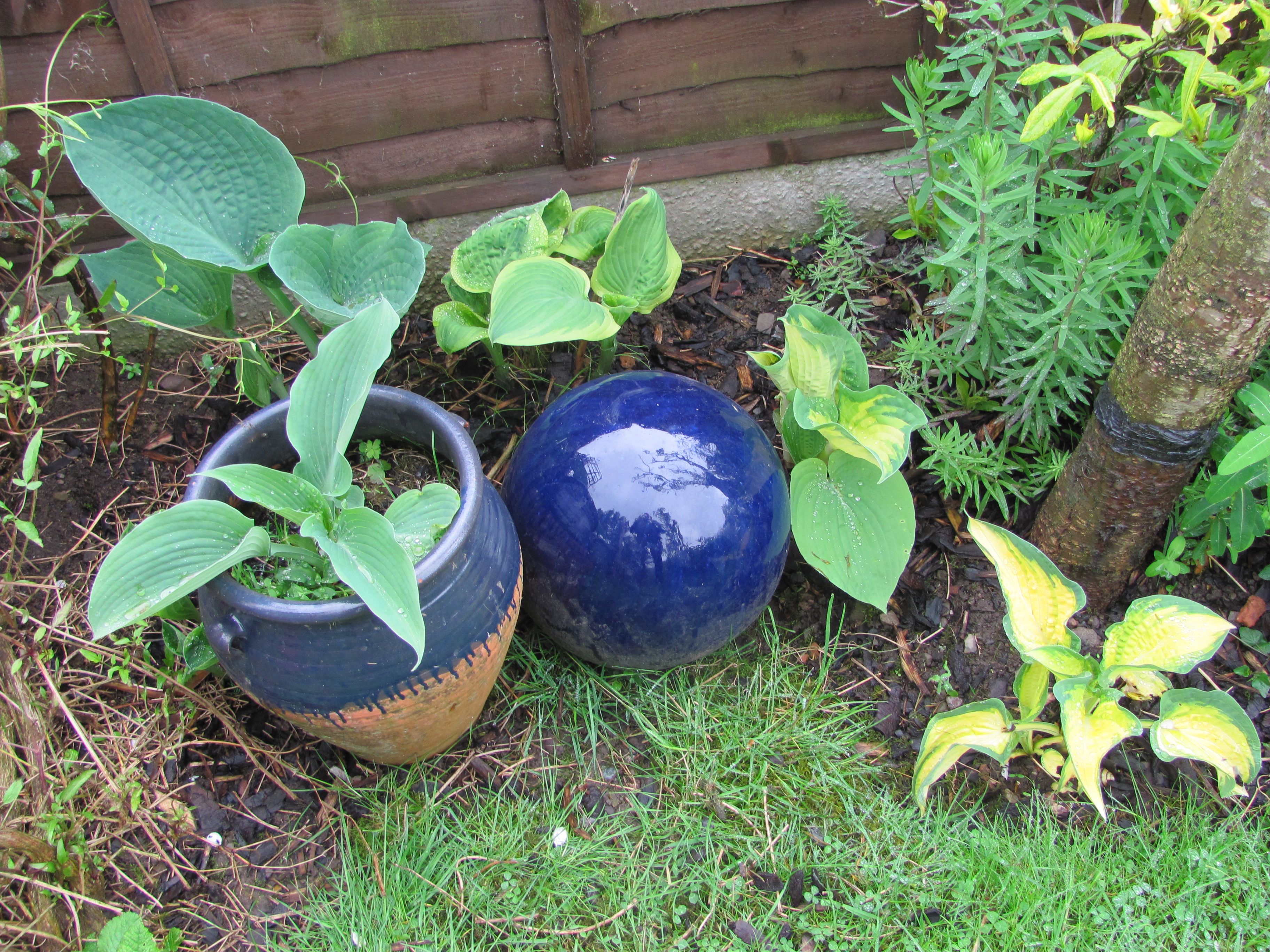
The Shade Garden continues to glow with colours against vibrant greens.


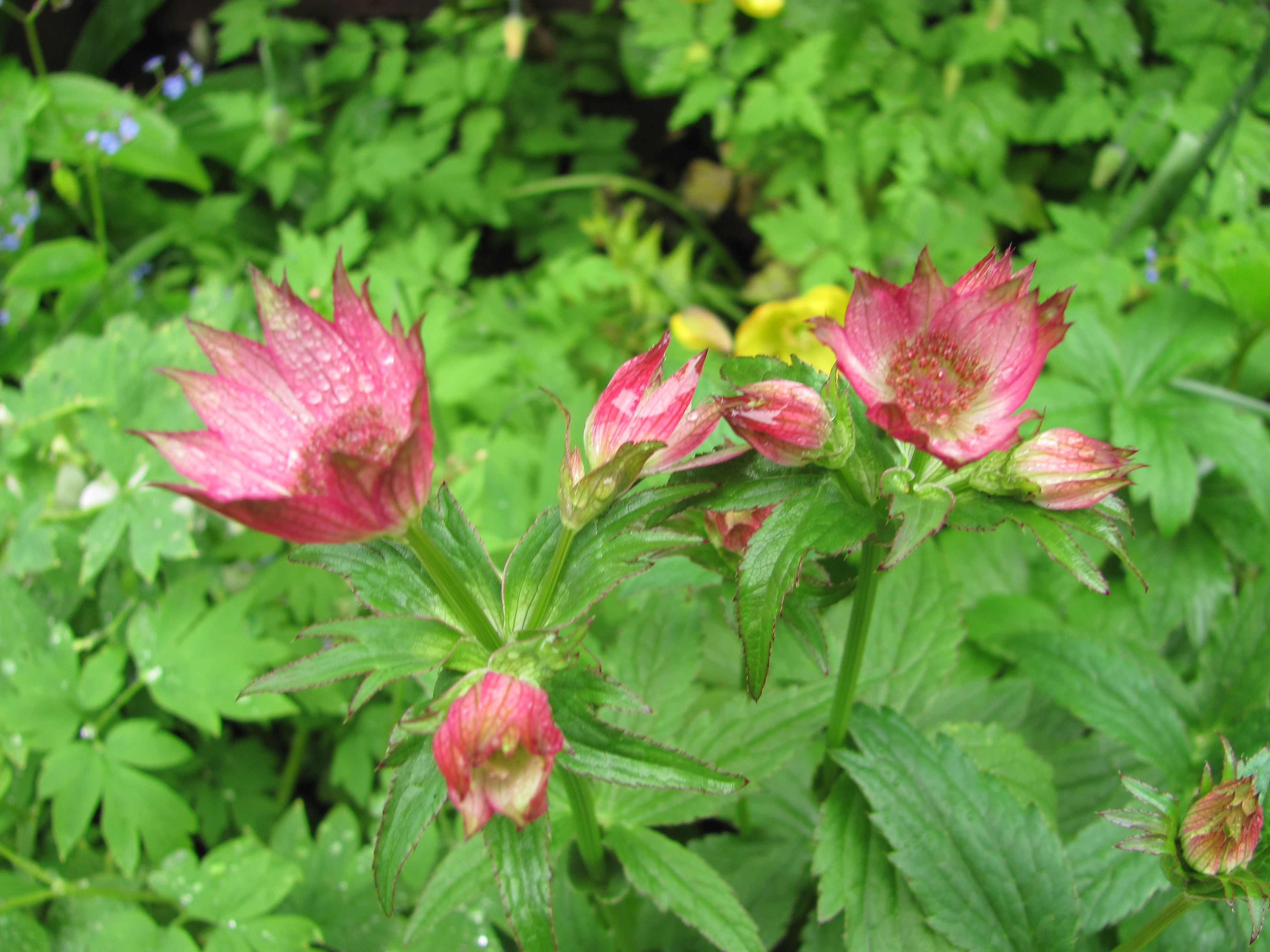
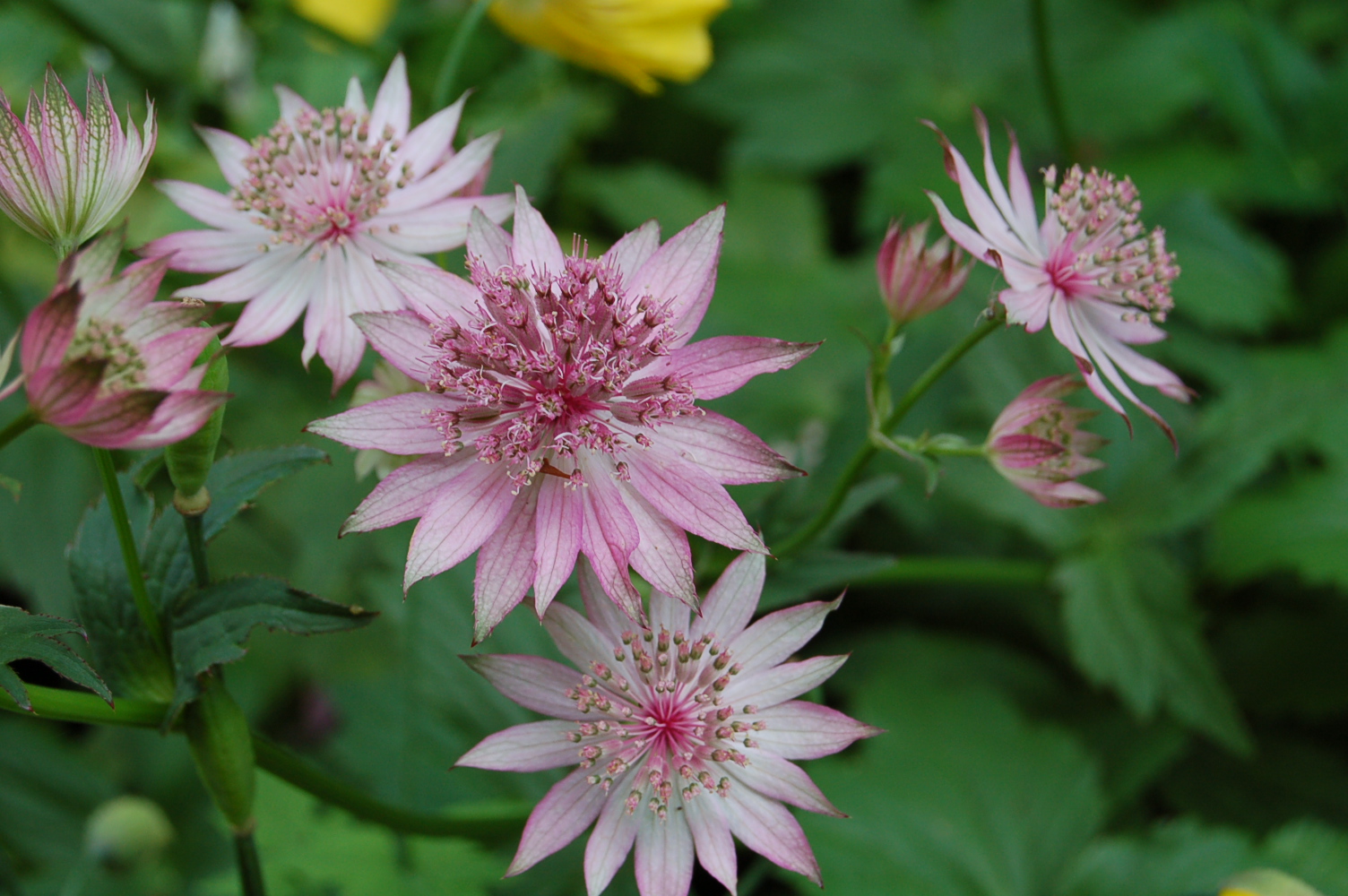
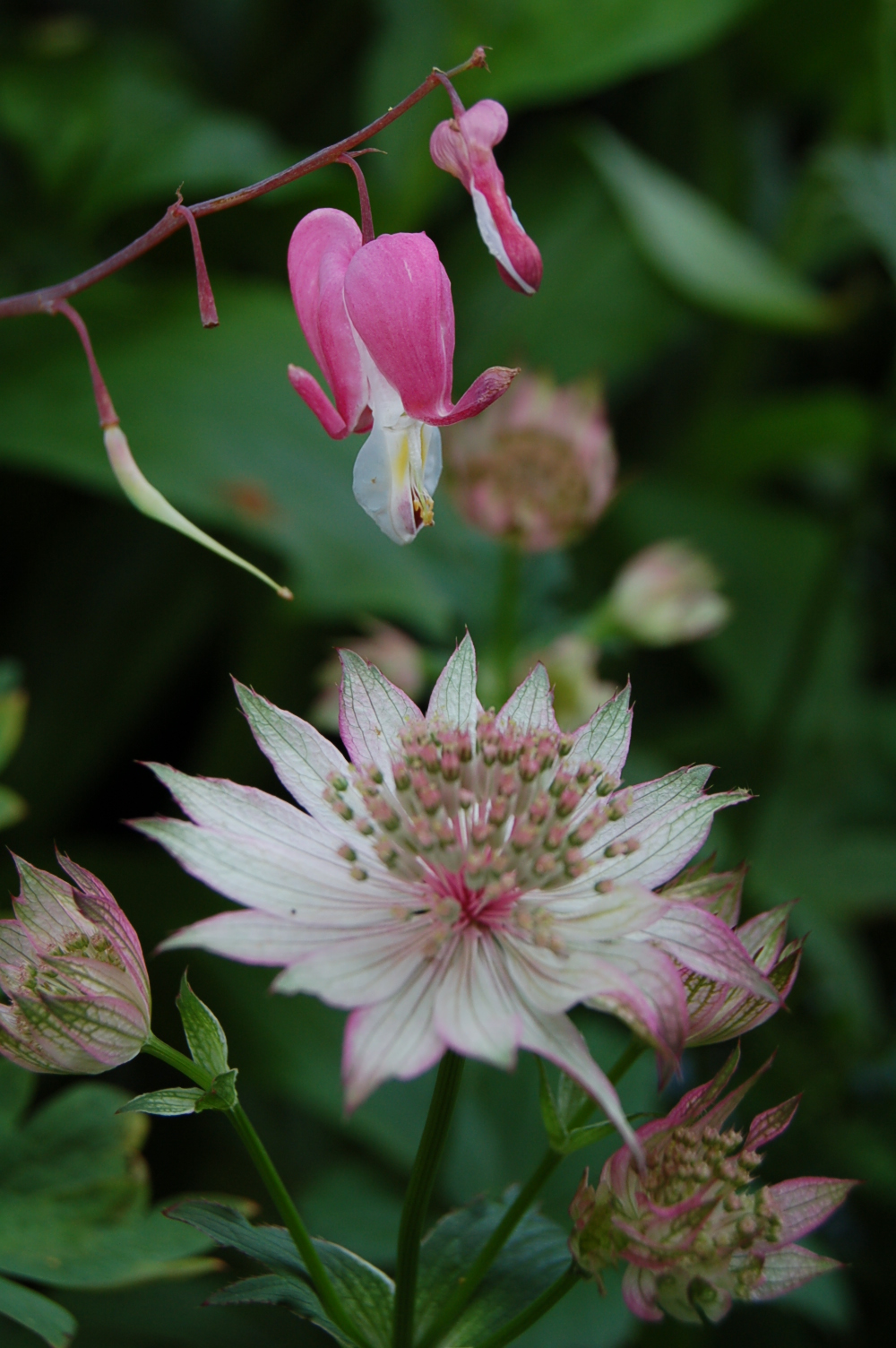
Anstrantias love it here in the shade but we do grow them throughout the garden. They flower best in the shade and grow  taller. There are so many to choose from starting with whites through all different shades of pink to the deepest reds.

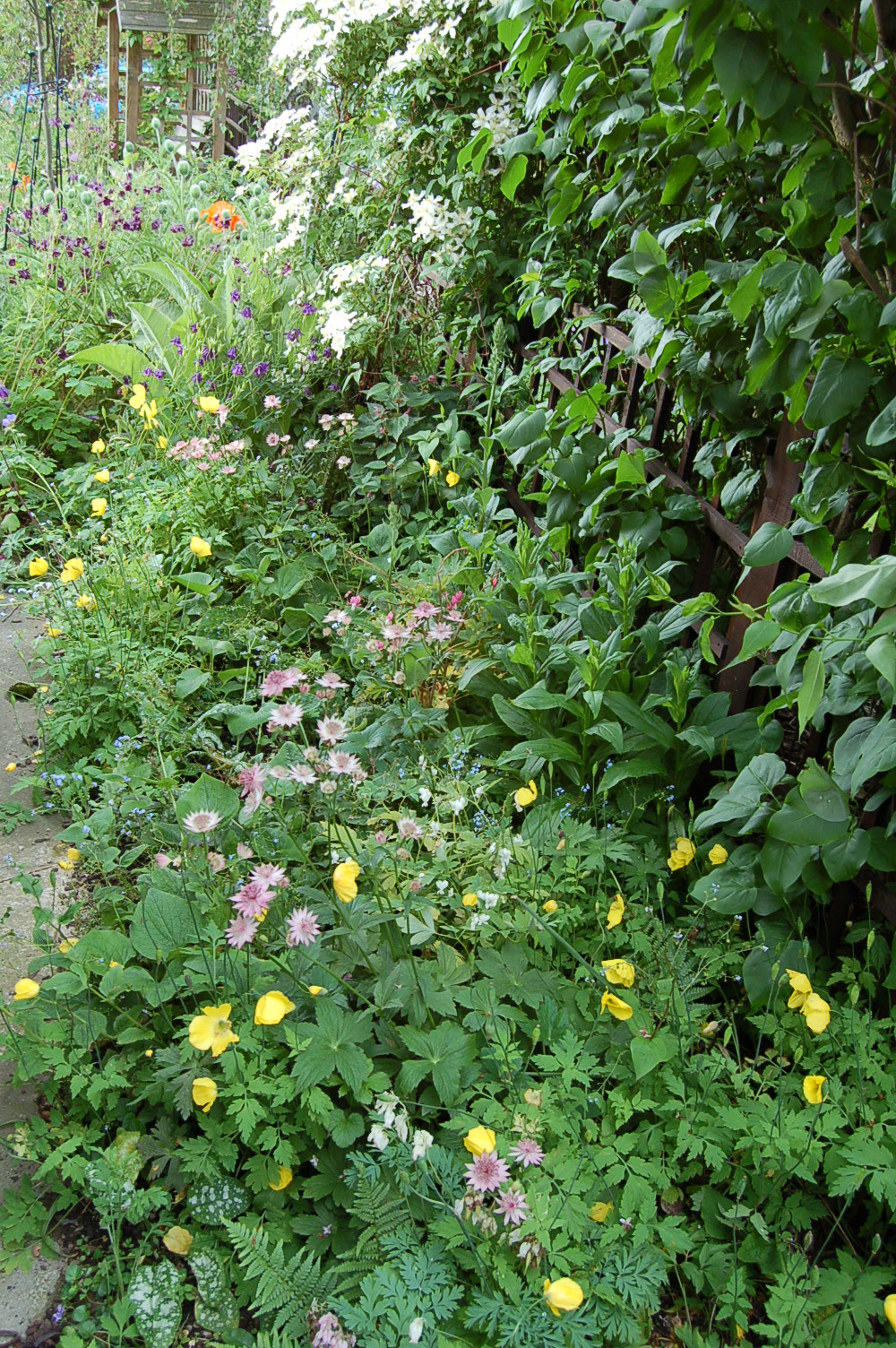
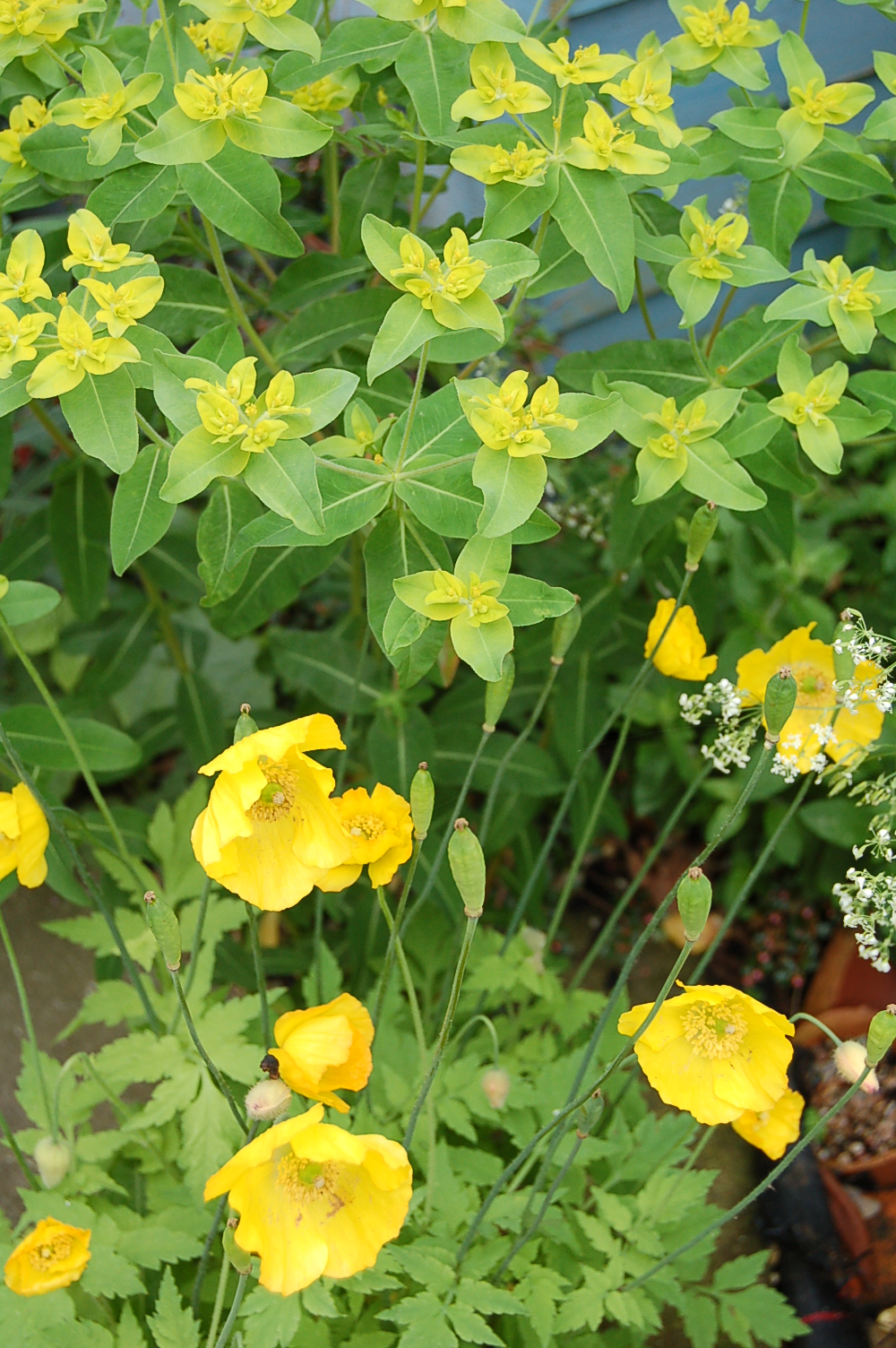
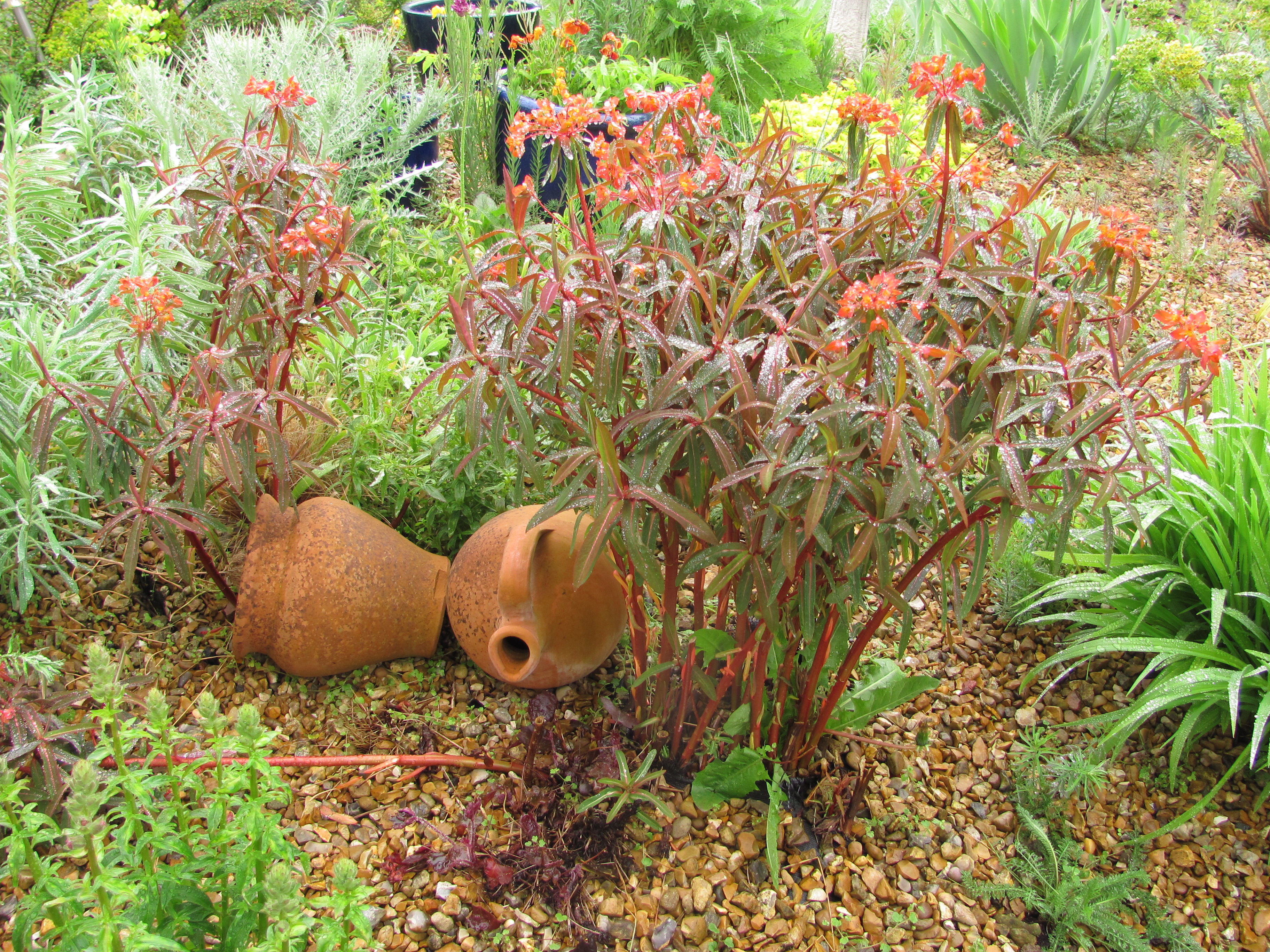
The Freda Garden is at its peak in June, when our orange-flowered Honeysuckle creeps along the fence top, the Pyracantha and Weigela flower together, and the border is full of Oriental Poppies, Foxgloves, Aquilegias and Euphorbias all doing their own thing.

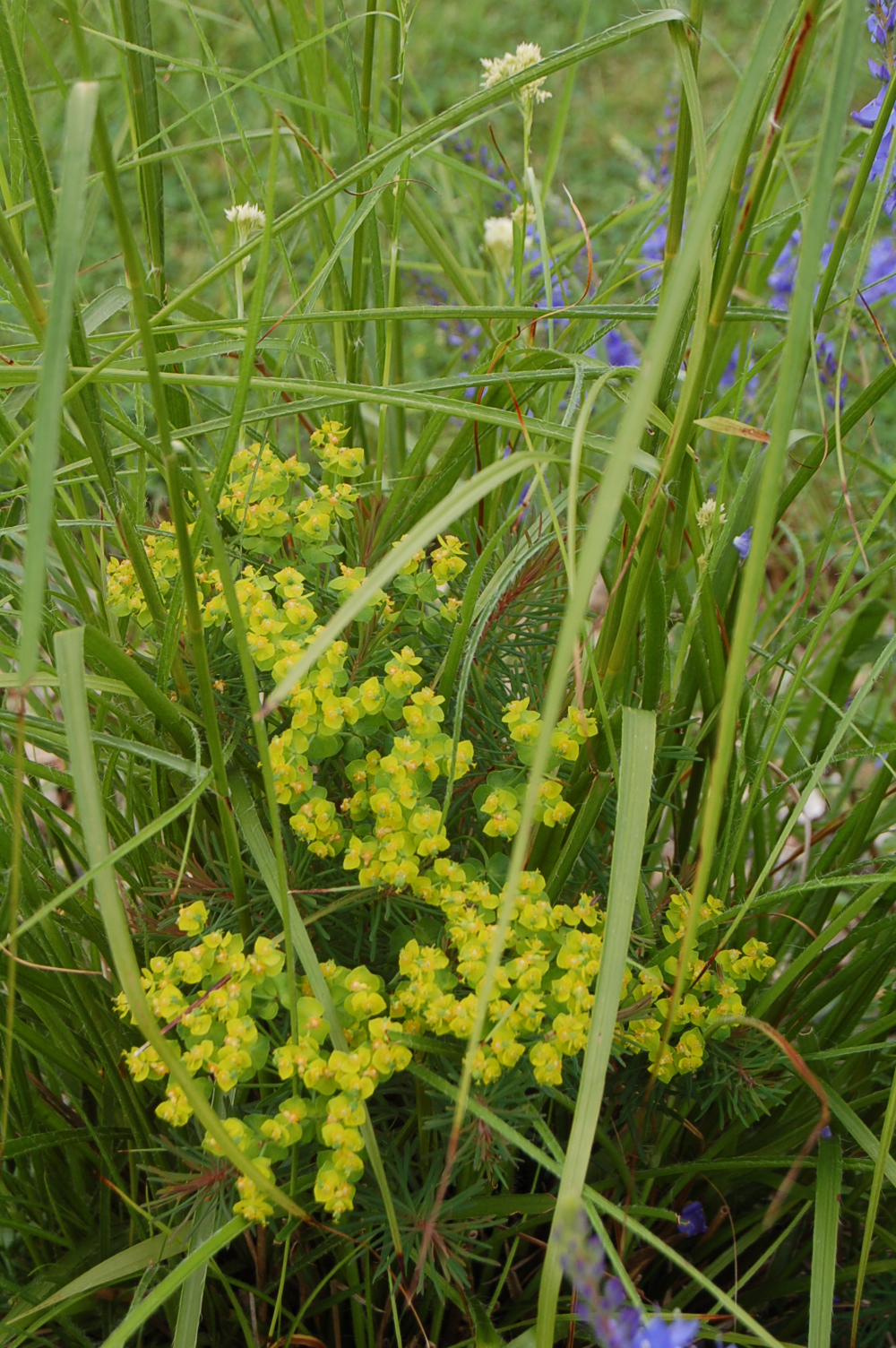
Throughout the garden the promiscuous Aquilegias self seed and create new plants in various colours, shapes and sizes. Now this little white one was a surprise! At just 1 cm across it is the tiniest I have ever seen – a true gem! And to top it all it grew alongside this Euphorbia.

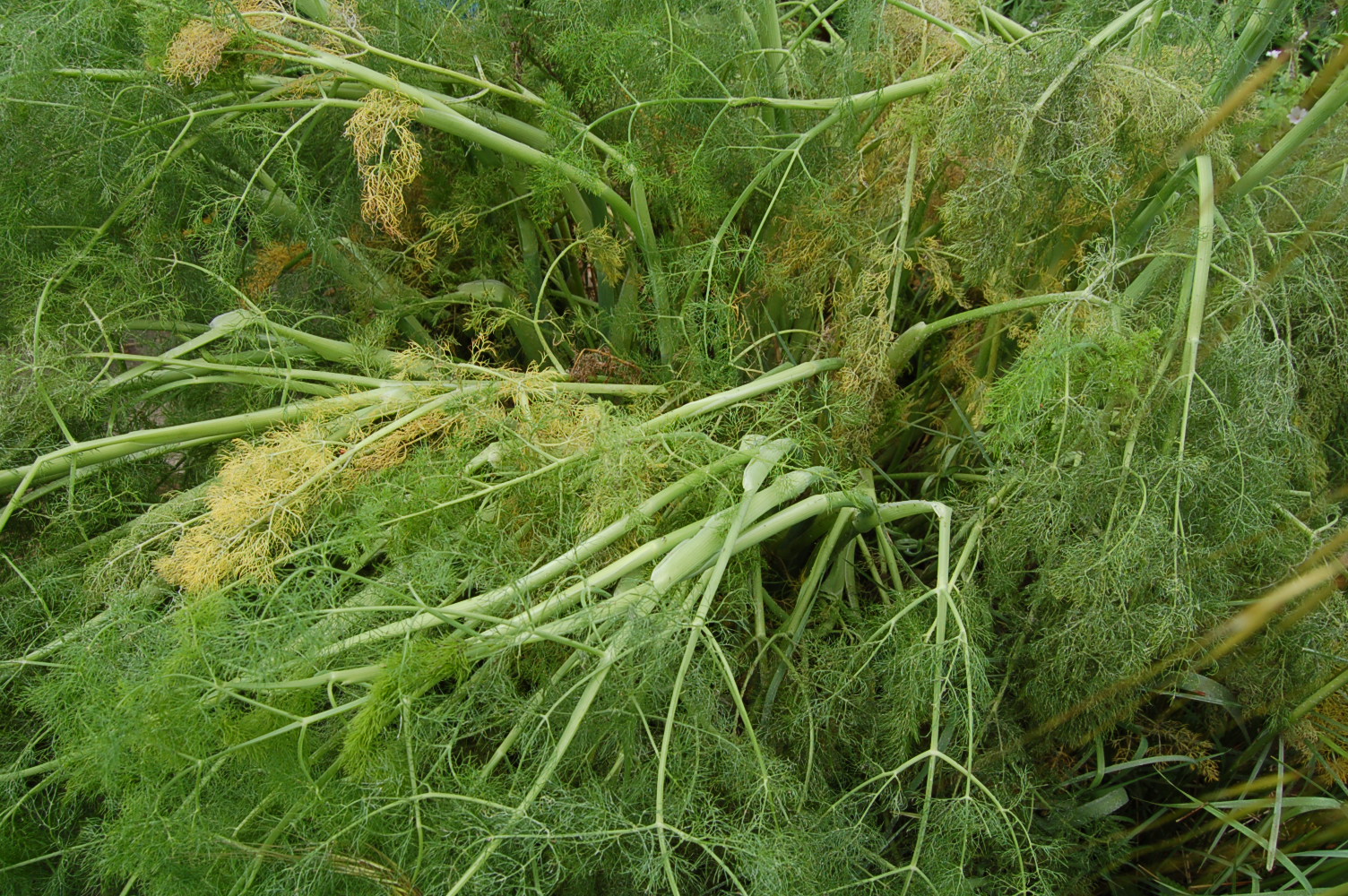
When I had finished my garden wander and taken all the photos to select from, the weather deteriorated, heavy rain and strong wind lashed our garden. The Fennel in the picture below was tall and healthy around 5 feet tall but the weather bent all the stems down. The fresh stems of our rambling and climbing roses which would carry blooms next year were snapped off at the base. I only hope they have time and energy to make up some new growth.

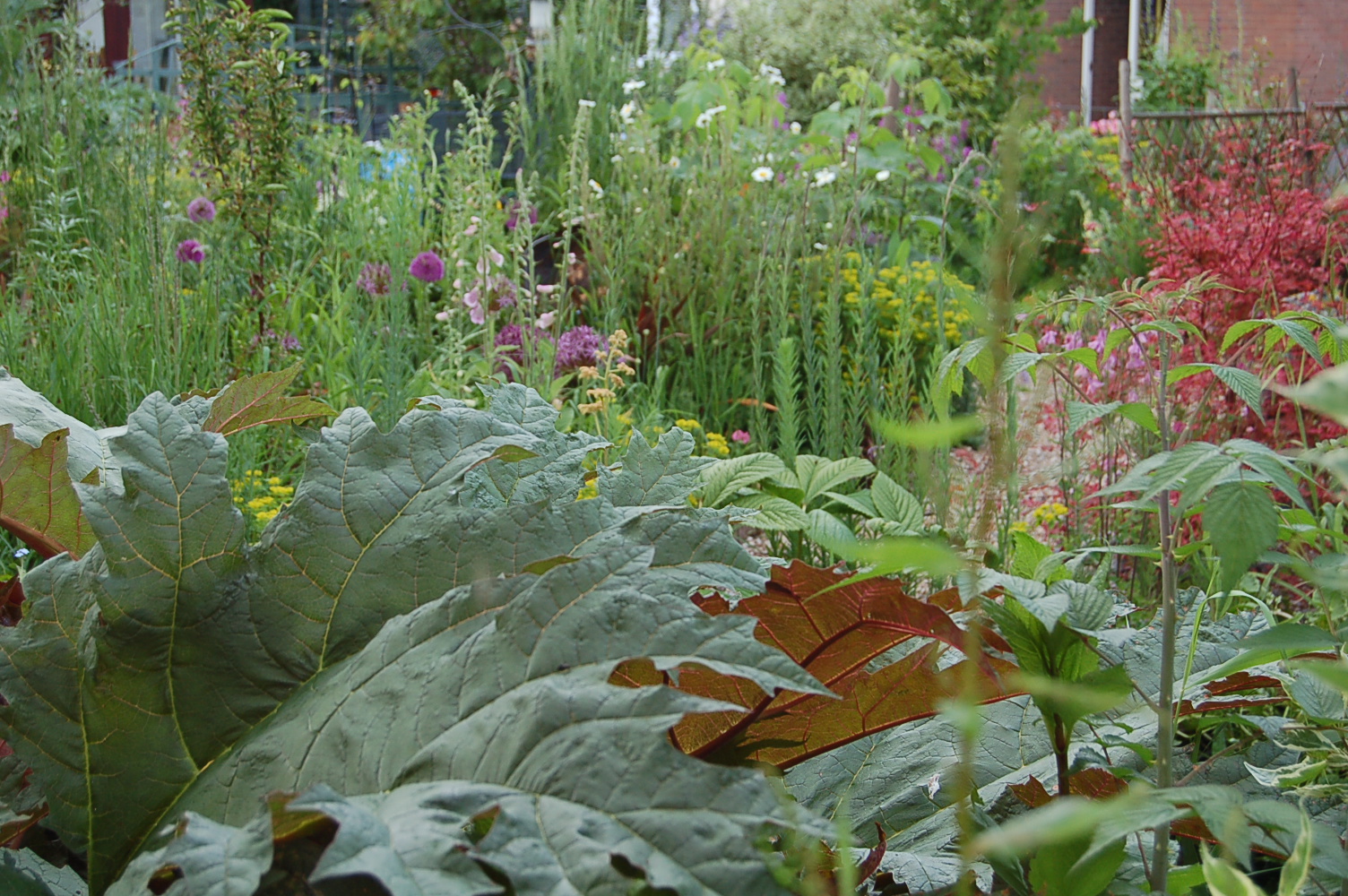
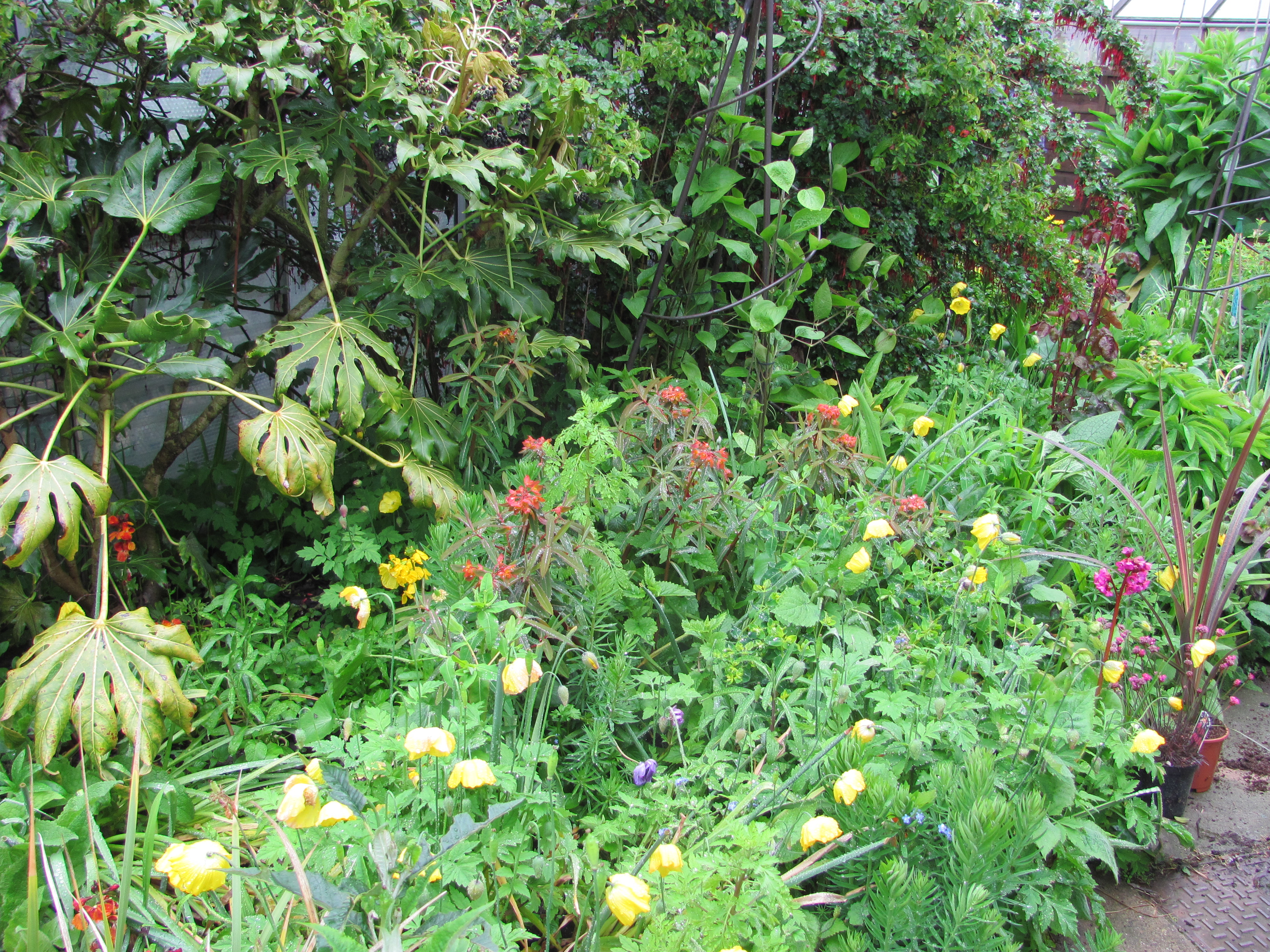
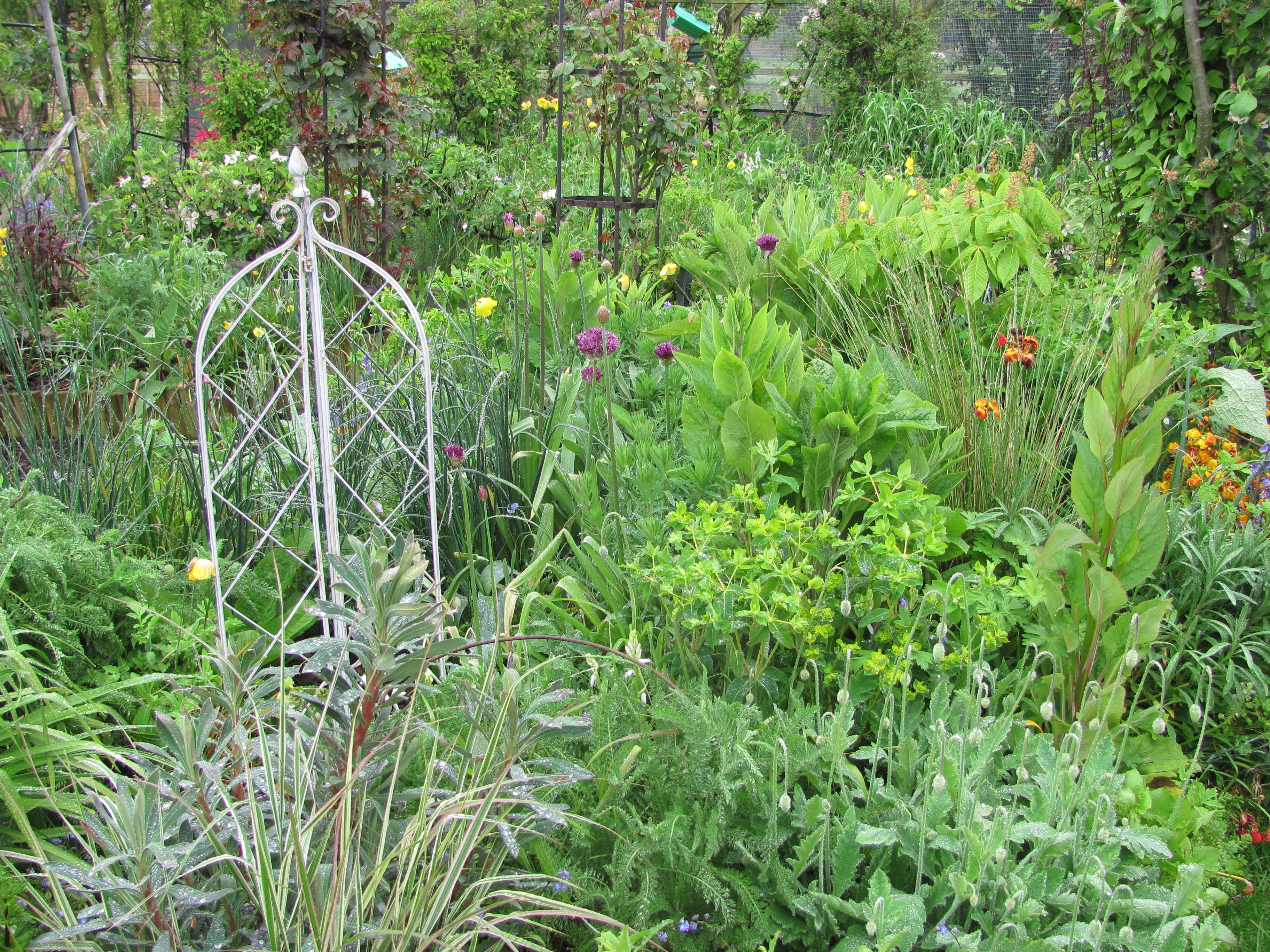
All the borders in the back garden are full of interesting foliage with varied texture and colour as a foil for the plethora of flowering perennials.

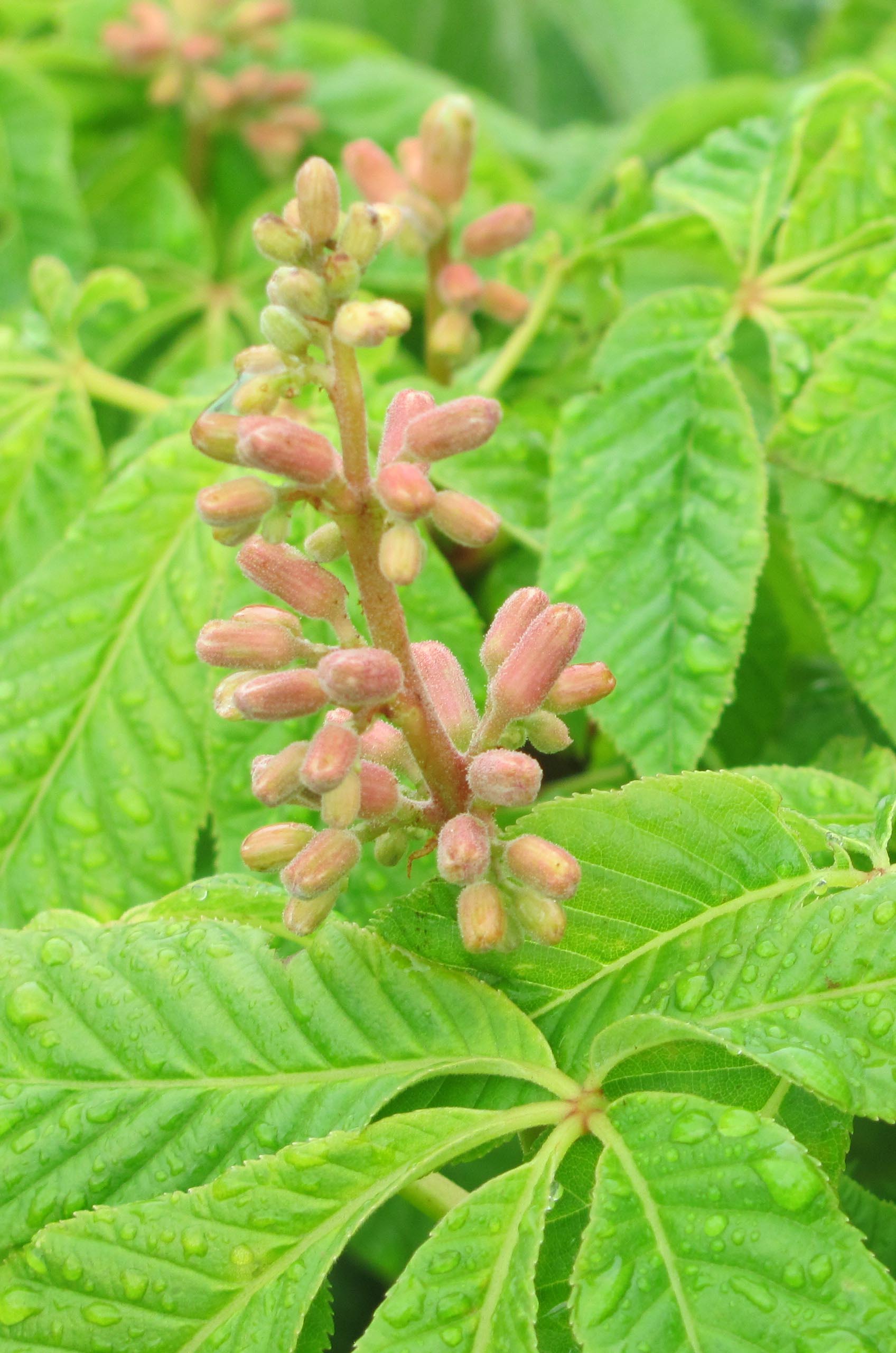
The most beautiful plant must be our miniature chestnut (Aesculus) which is now 3 feet tall, a third of its final height, covered in blooms, spires of salmon.

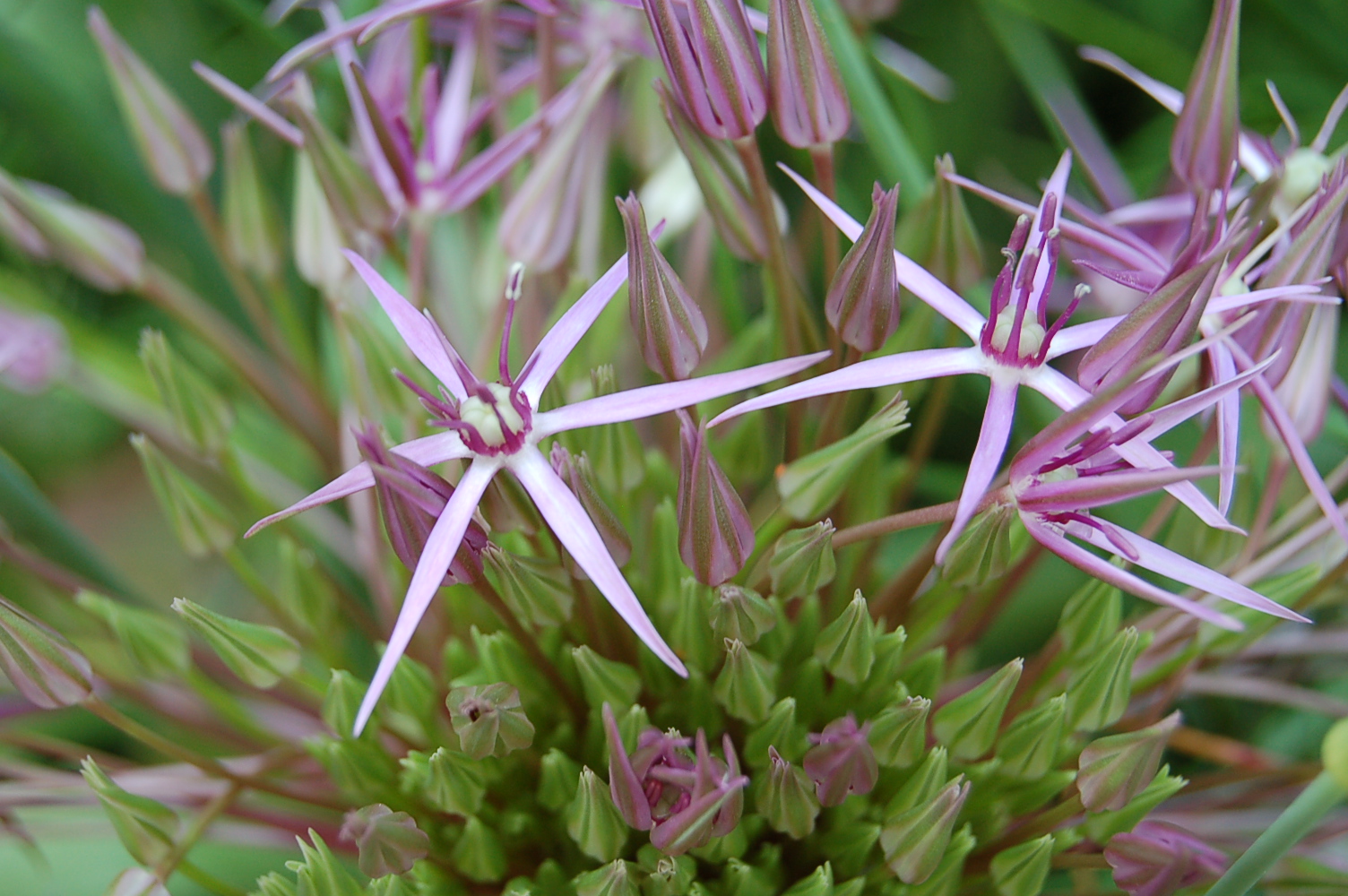
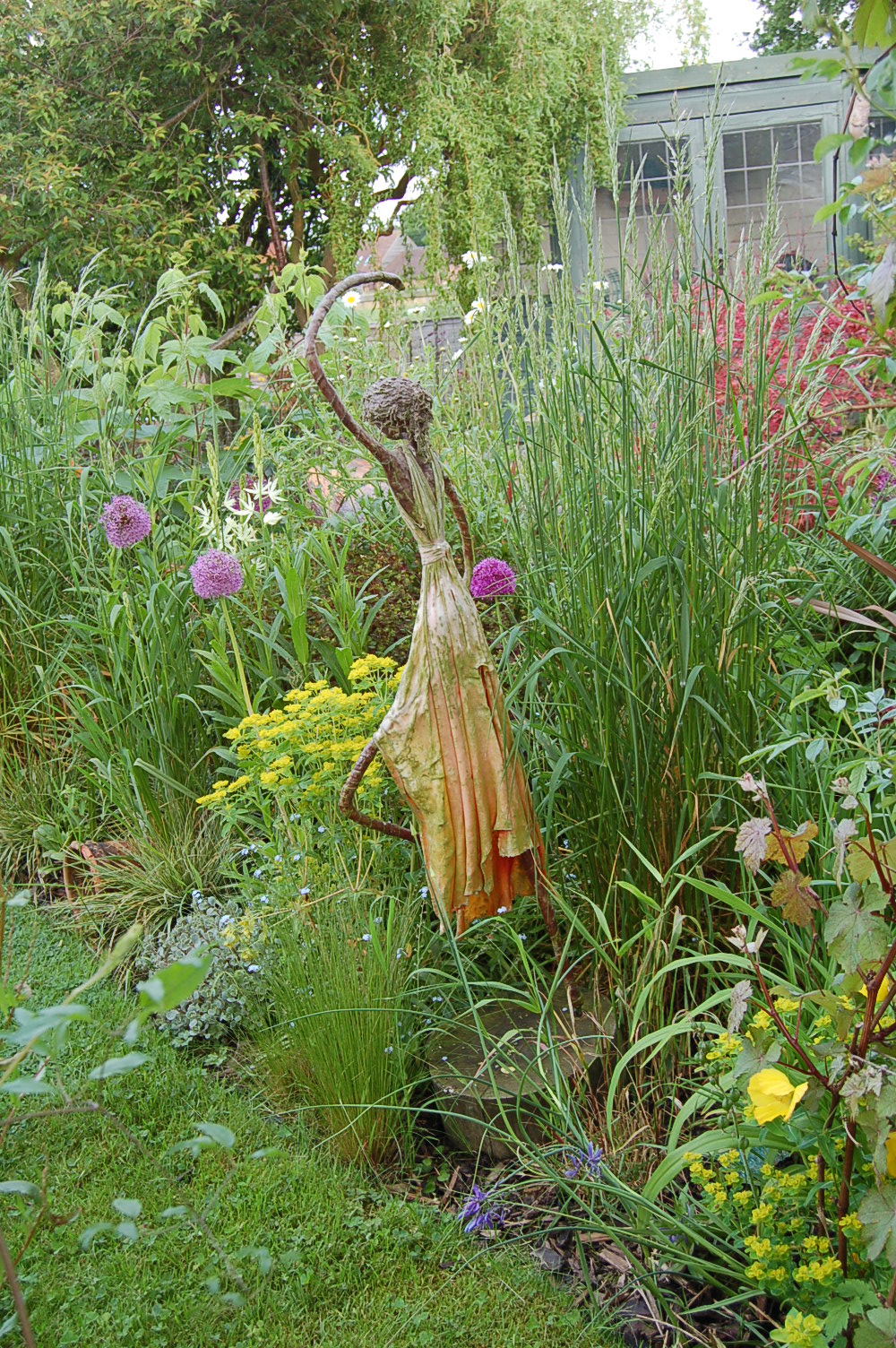
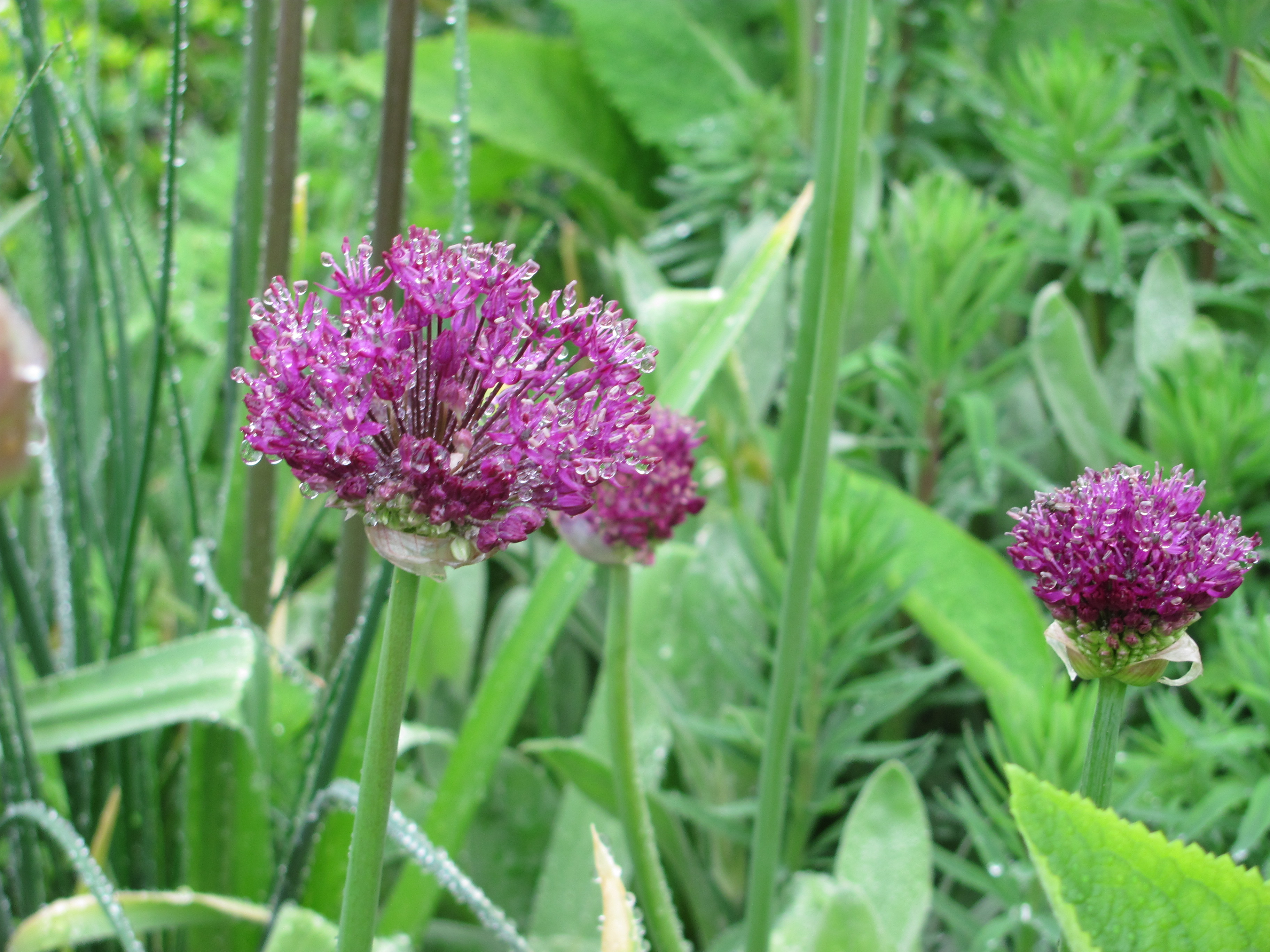
Alliums are stars throughout the back garden. They have only been in a few years and are so happy they are spreading like wildfire. They really need thinning out!

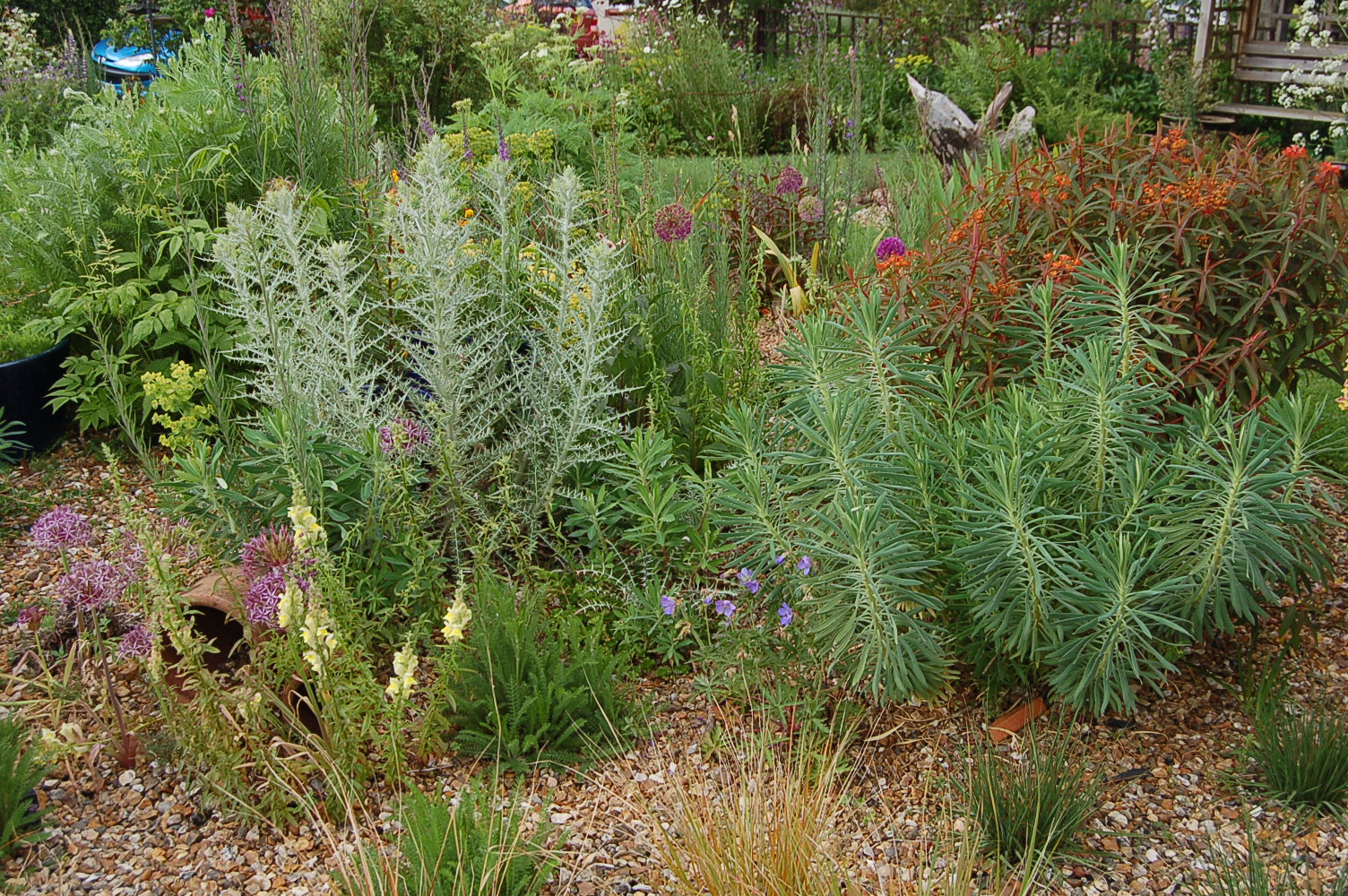
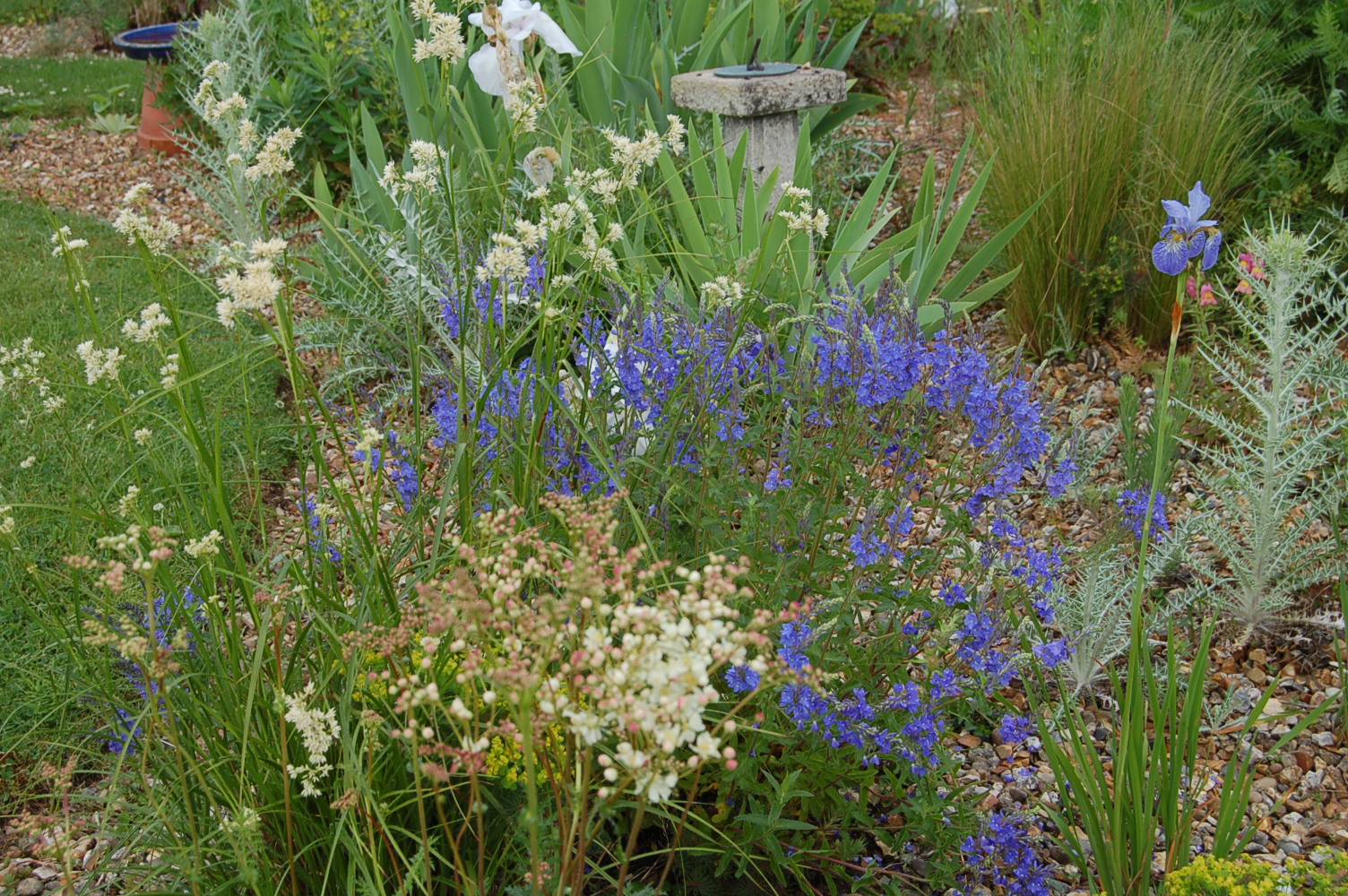
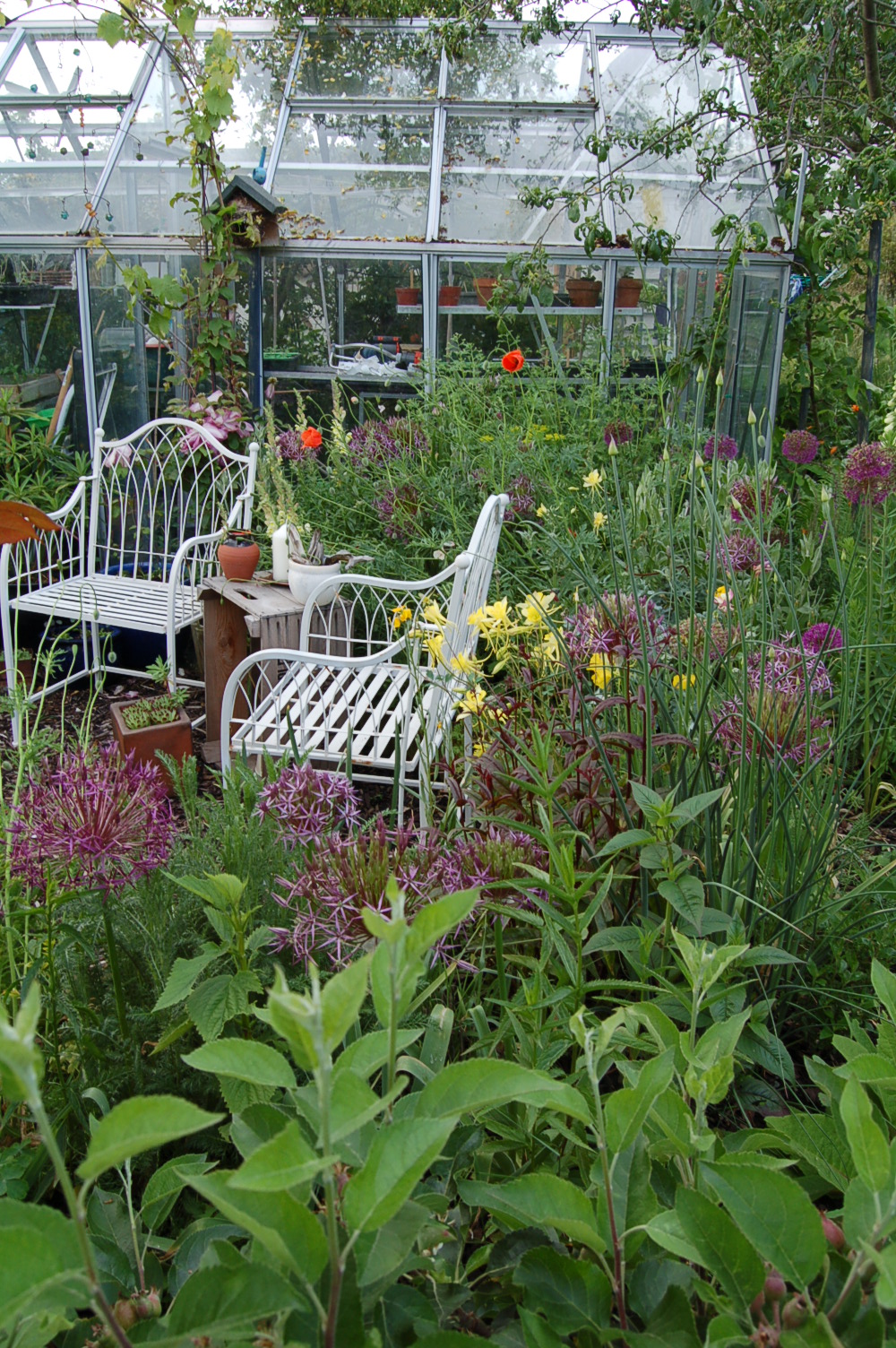
I shall finish this garden wander with a few shots of some of the borders, as a taster for my next blog, “Another Wander Around our Garden in June”. There is simply too much to show, too much I want to share.

Categories
garden design garden photography gardening hardy perennials photography Shropshire spring gardening

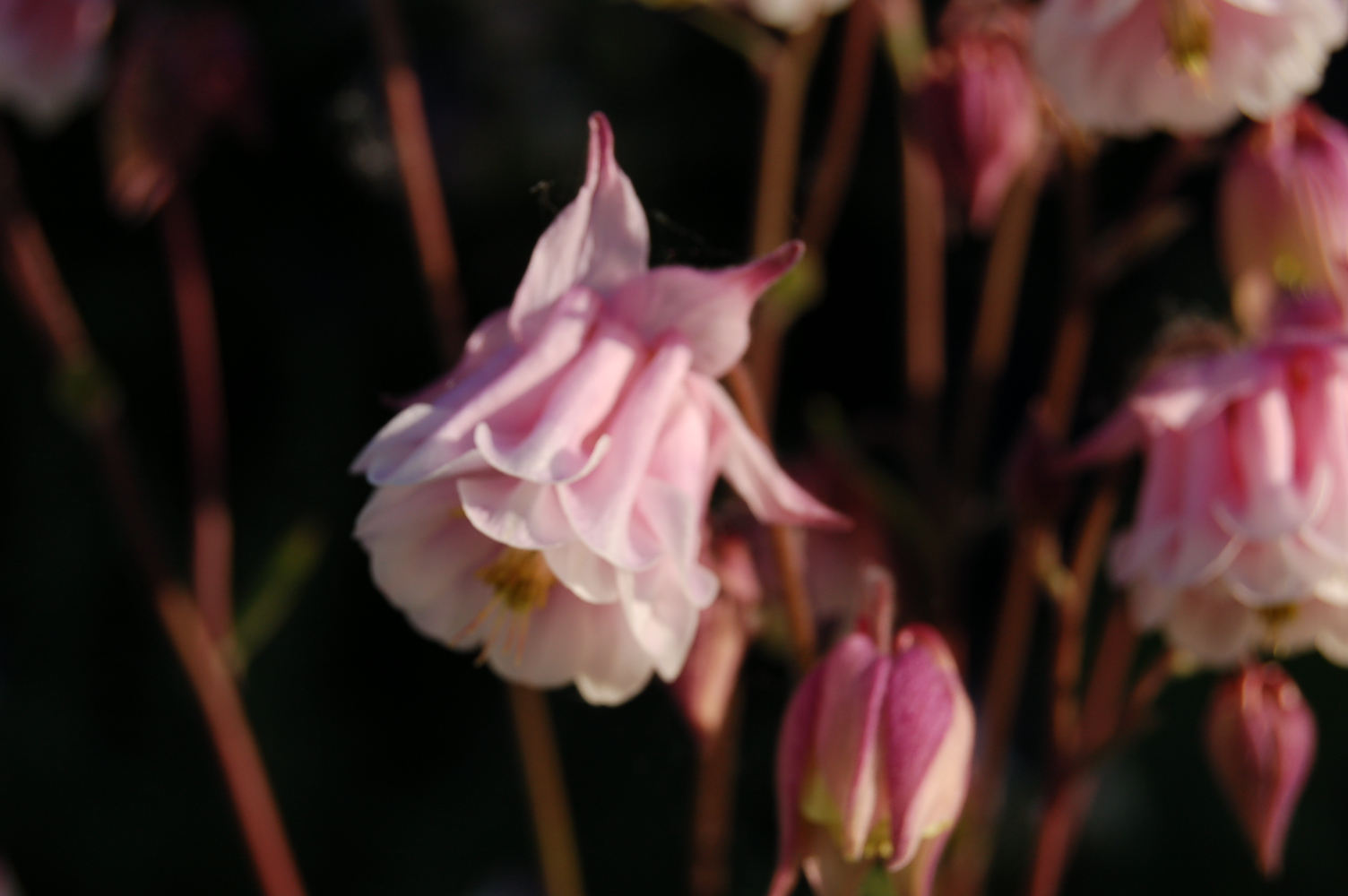
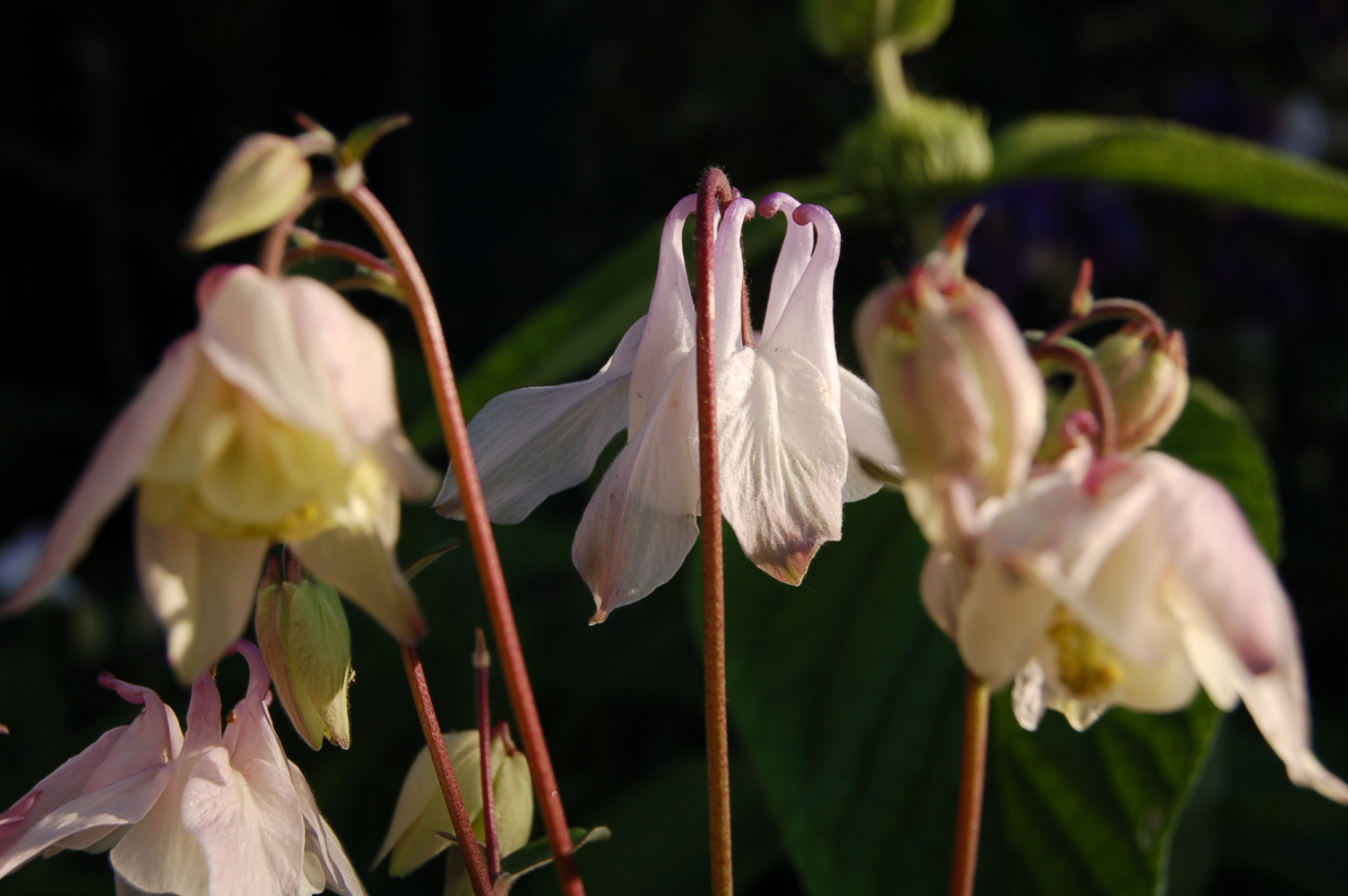
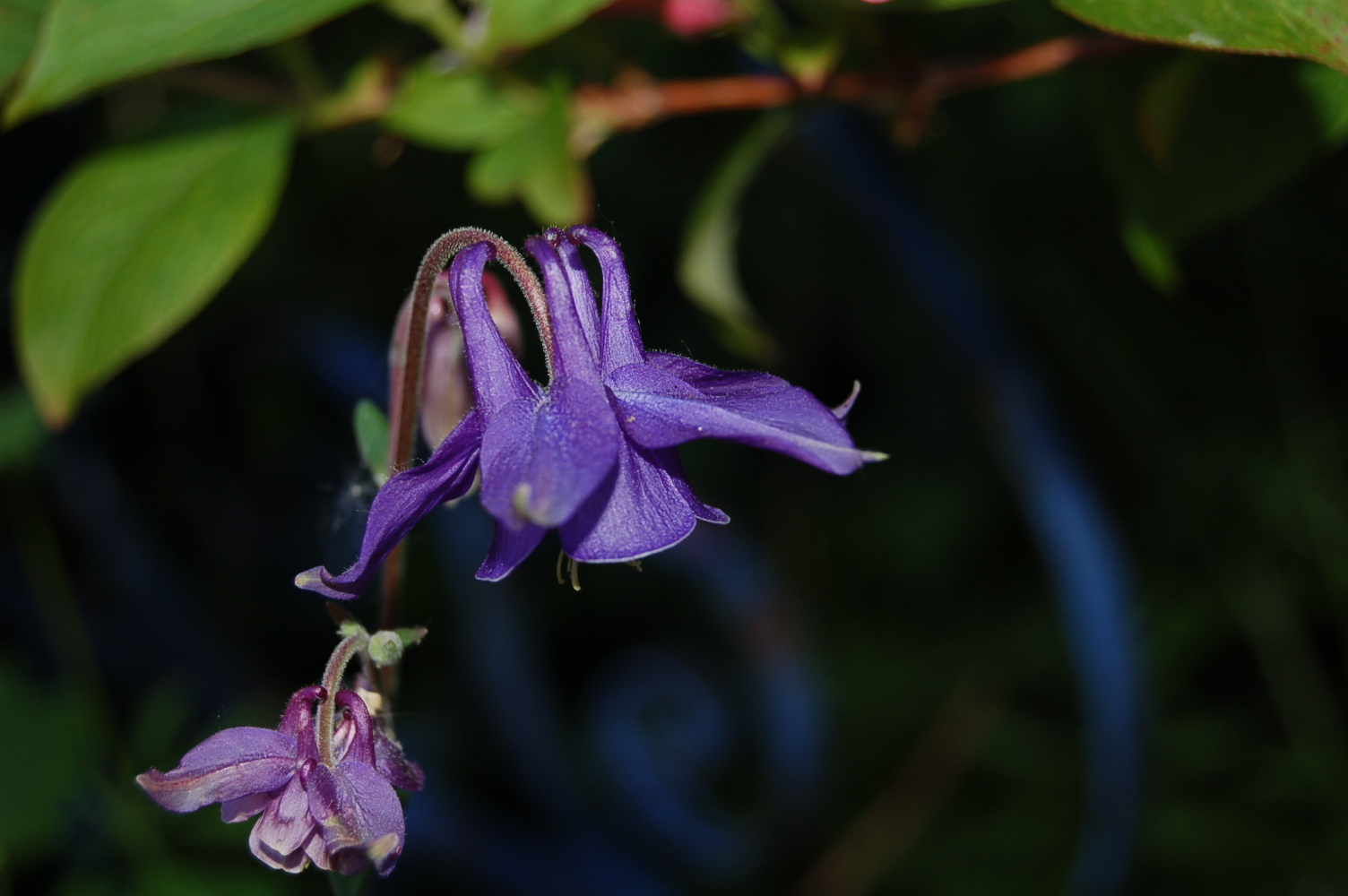
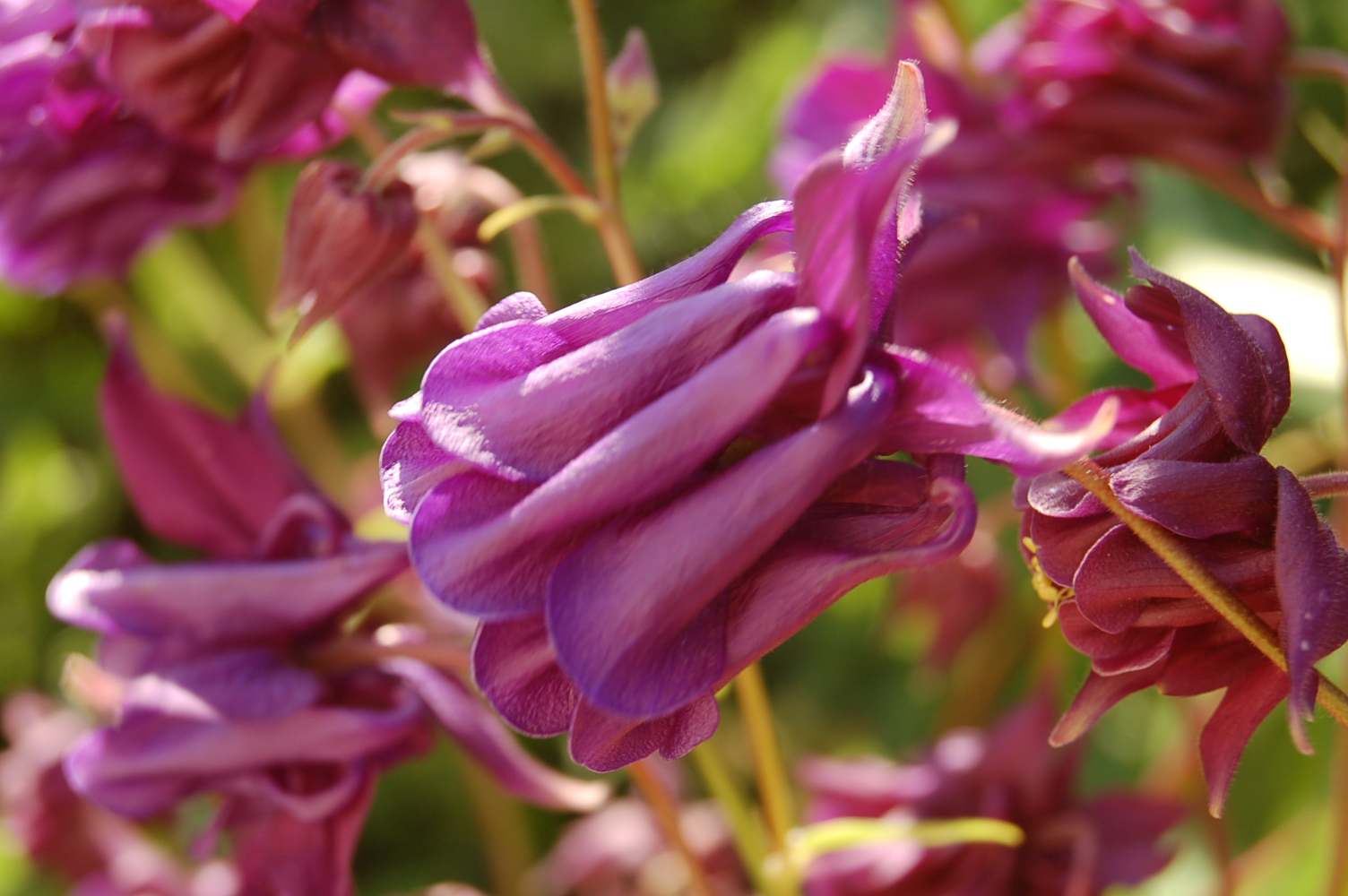
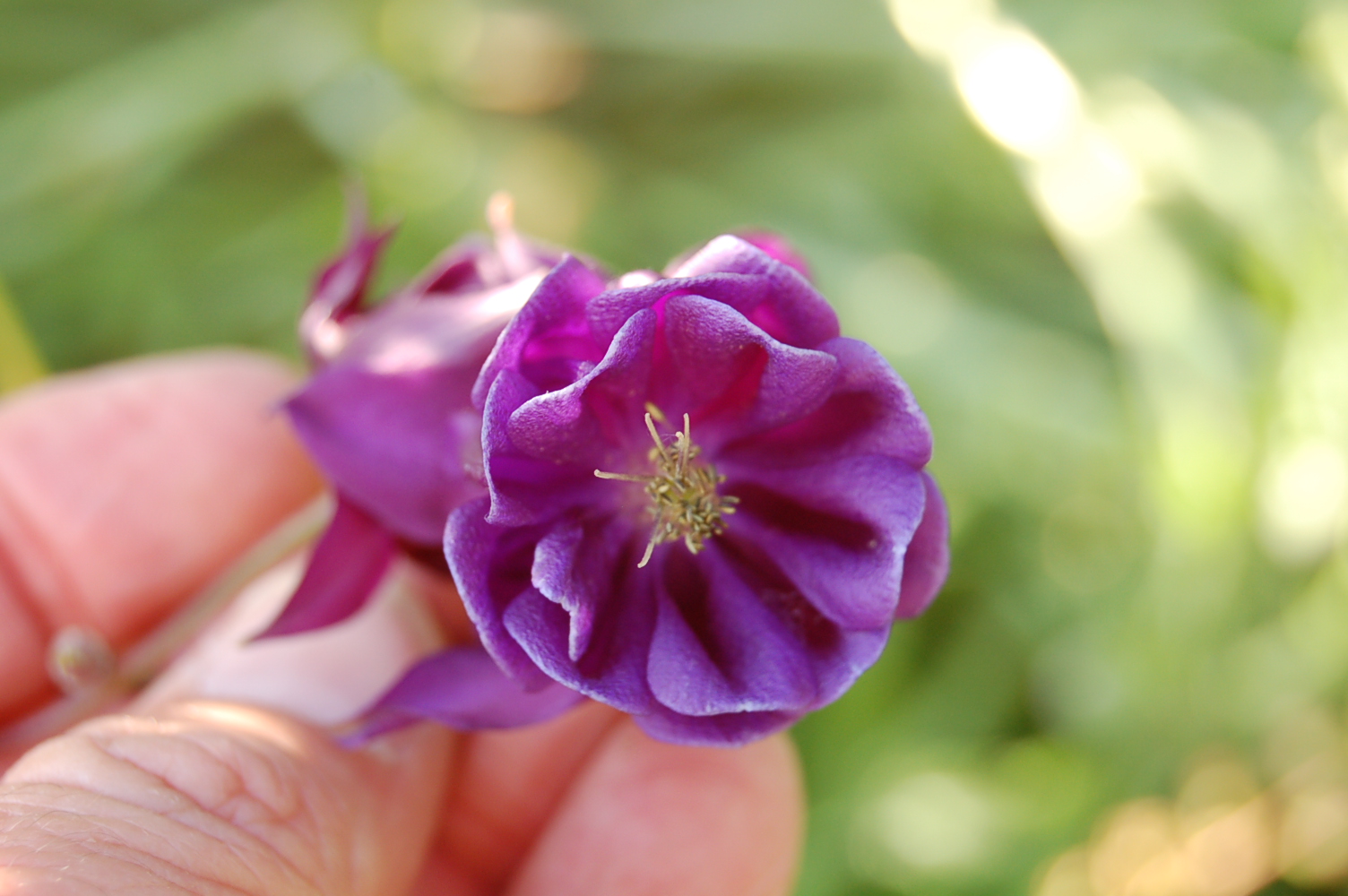
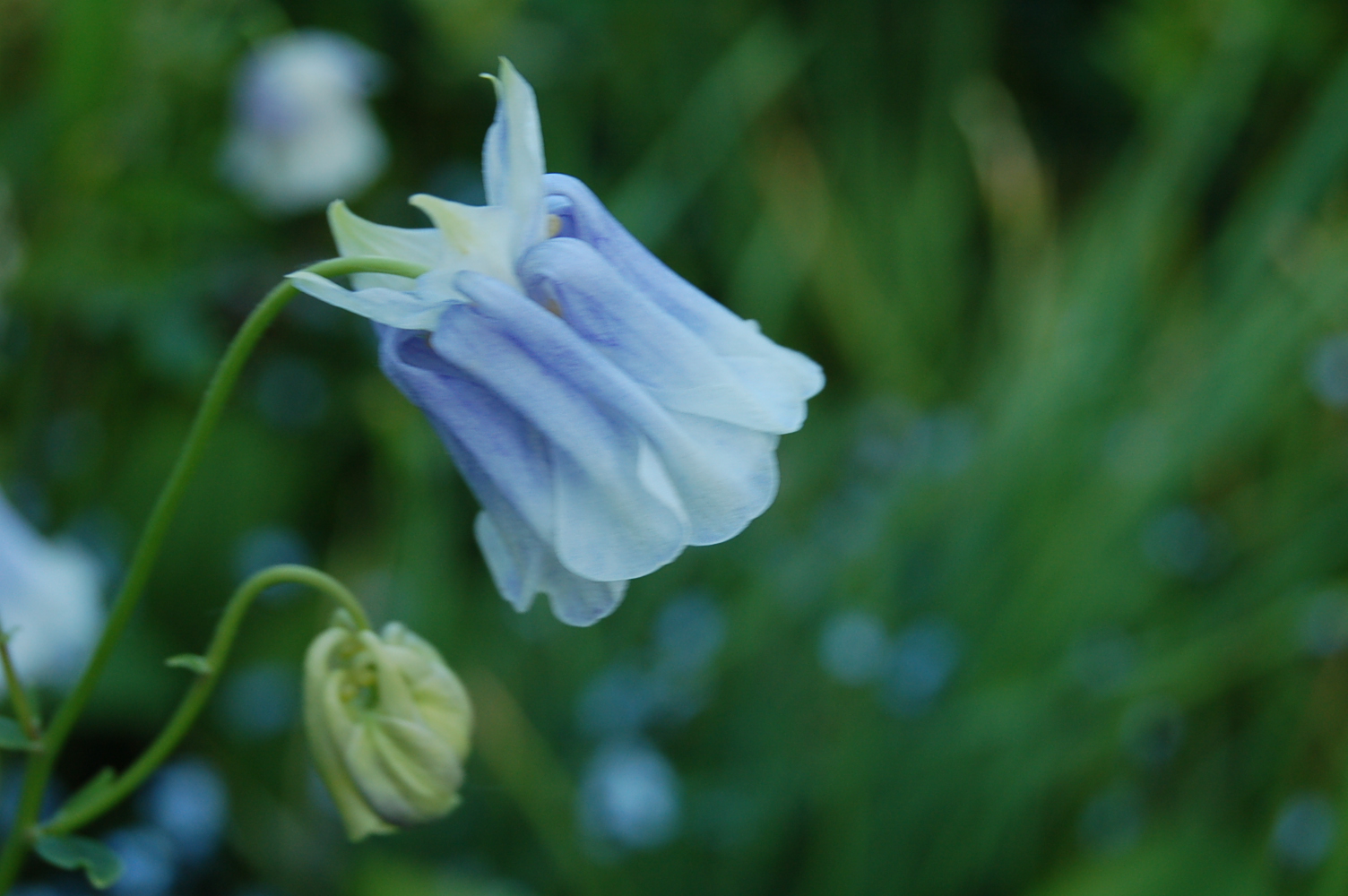
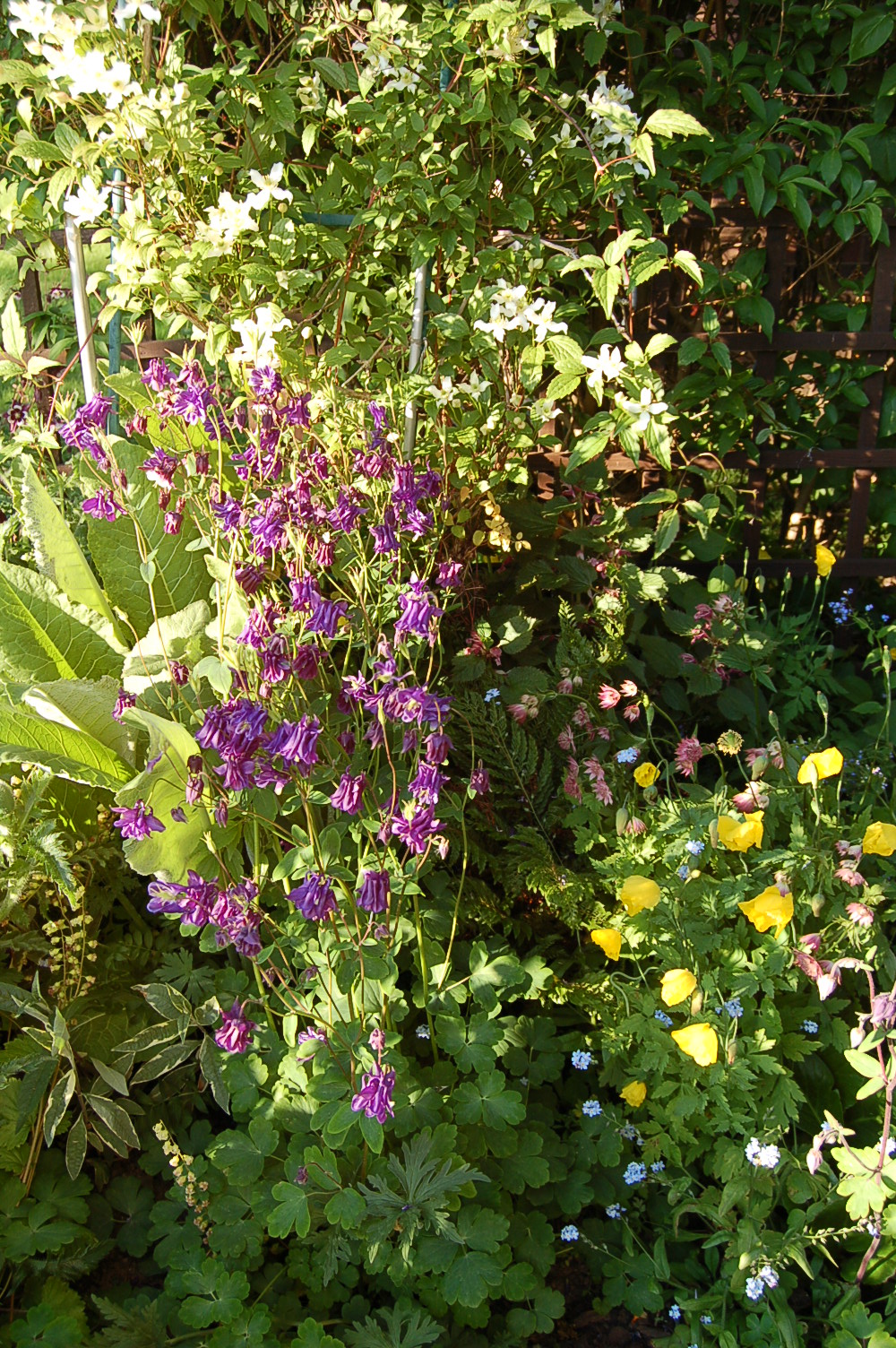
Aquilegias – spurred beauties.

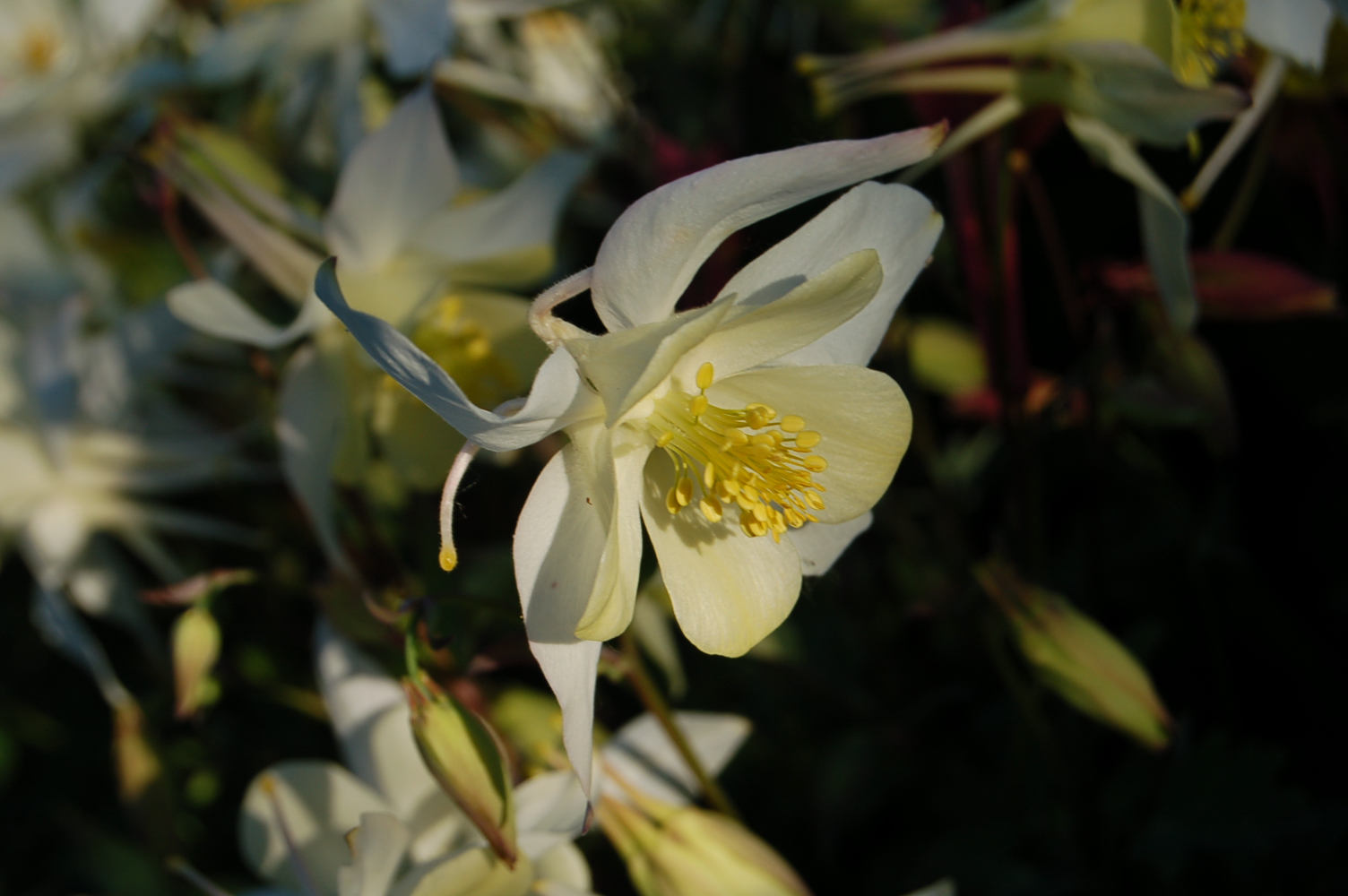
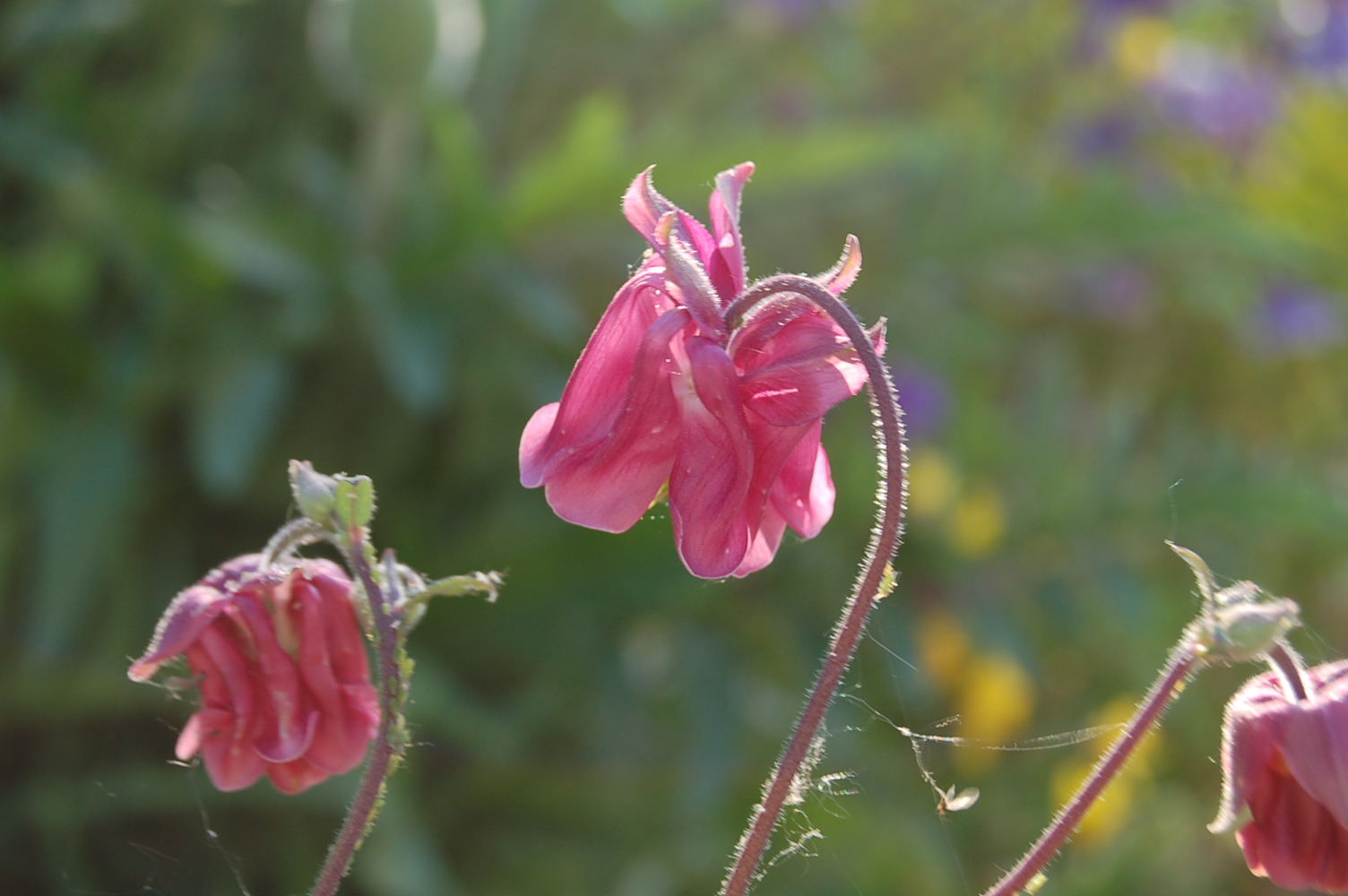
What would the early summer be like without the wonderful aquiligeas? We look forward to them as soon as the spring bulbs begin to go over, knowing they will be the next big feature in every part of the garden. We never know where they will appear as they self seed and cross-breed freely. We let them get on with it until we feel they need some new blood. We select interesting colours and shape and leave them to add their genes to our pool of aquiligeas.

They come in so many colours, shapes and sizes but they all have interestingly shaped foliage a little reminiscent of over-sized thalictrum.

Categories
allotments community gardening garden photography gardening hardy perennials photography Shropshire

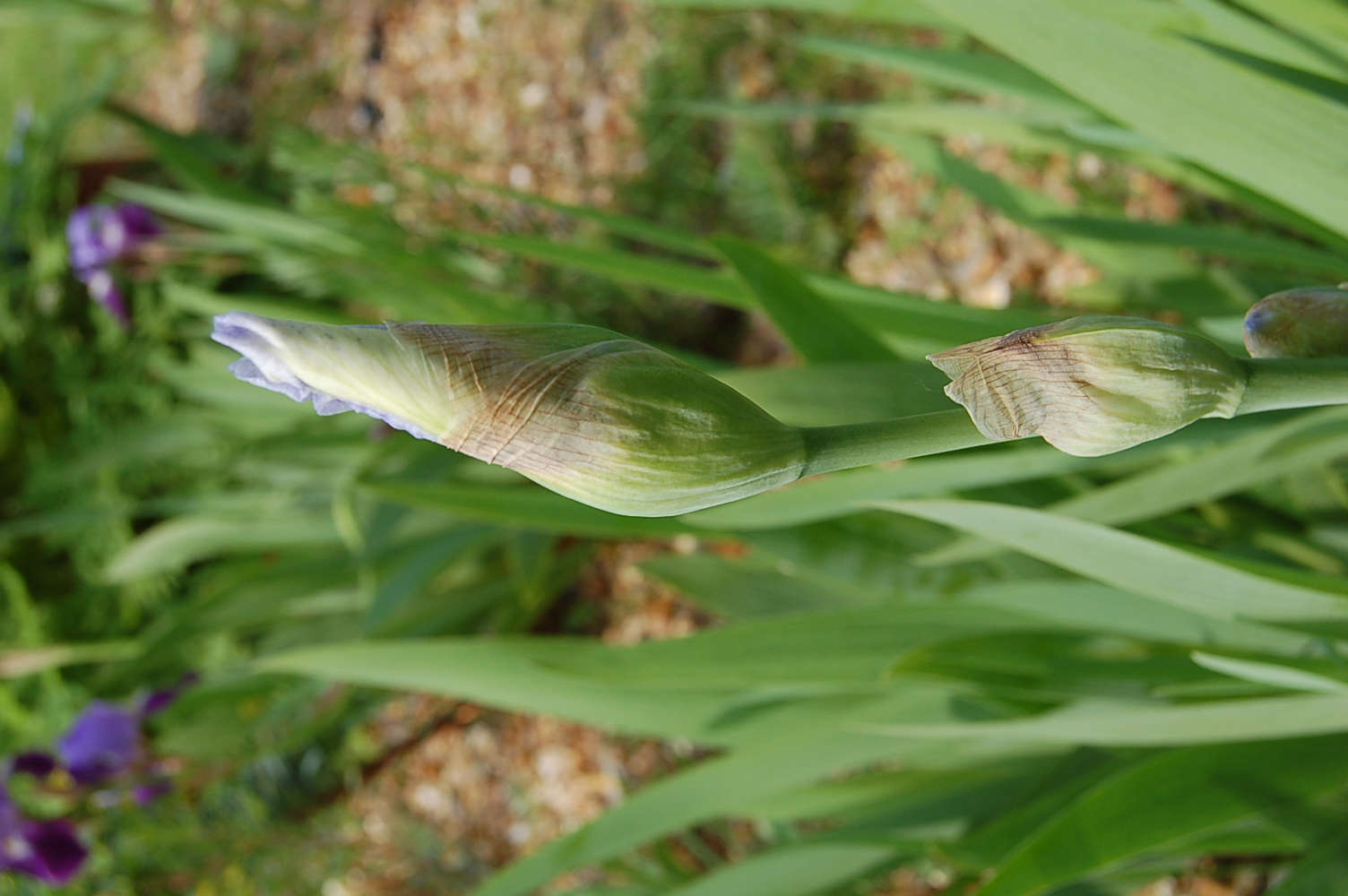
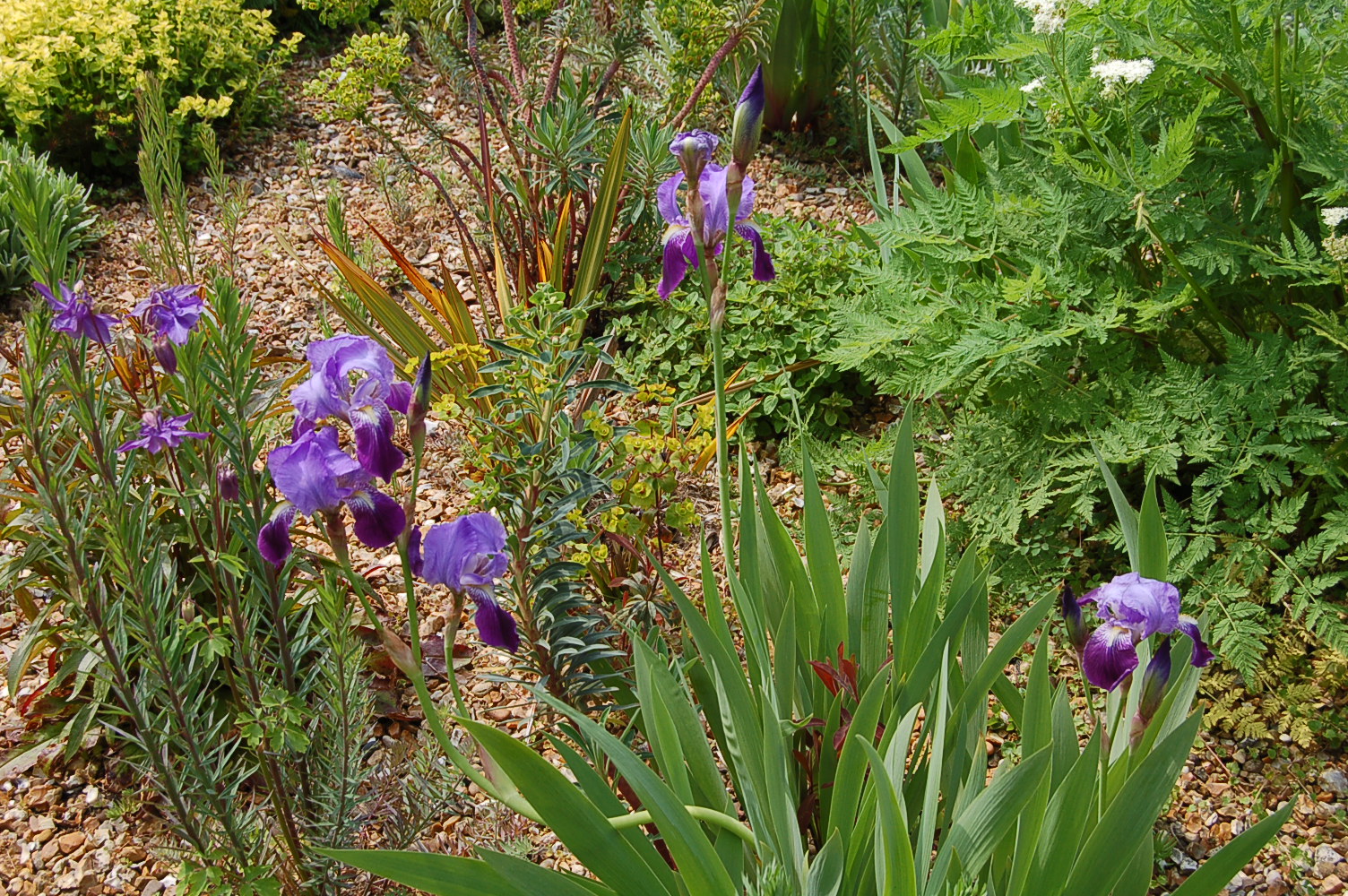
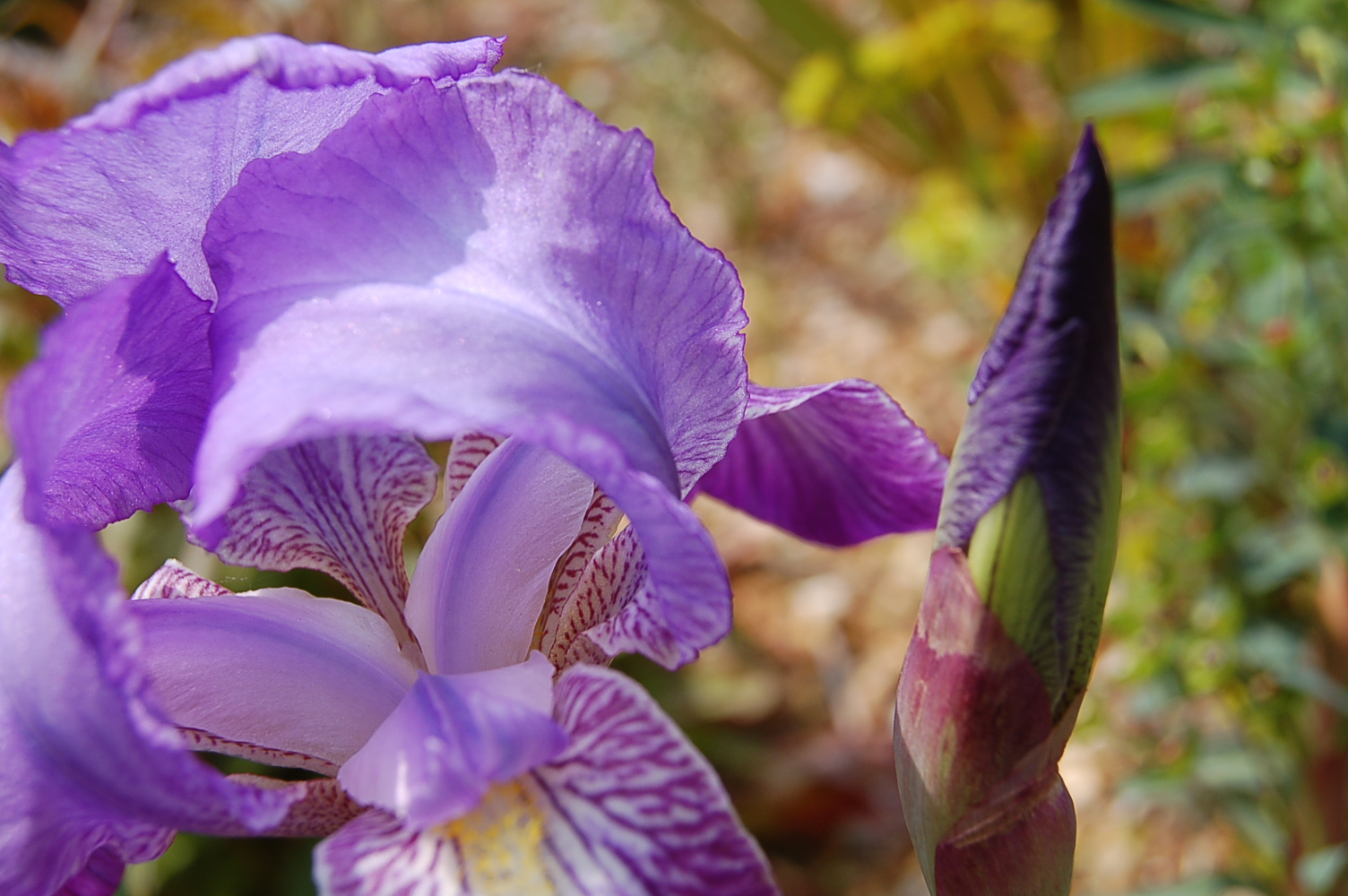
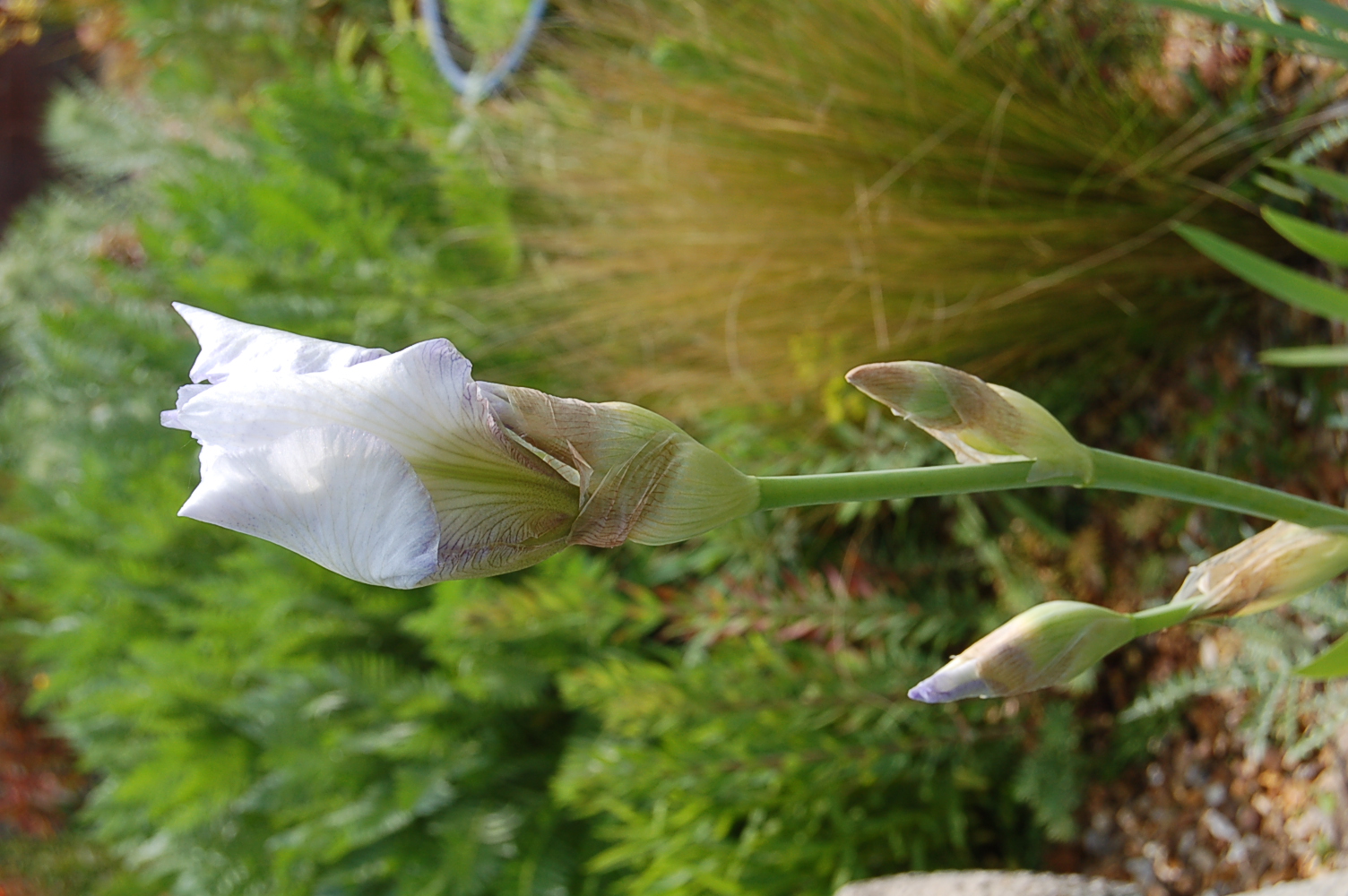
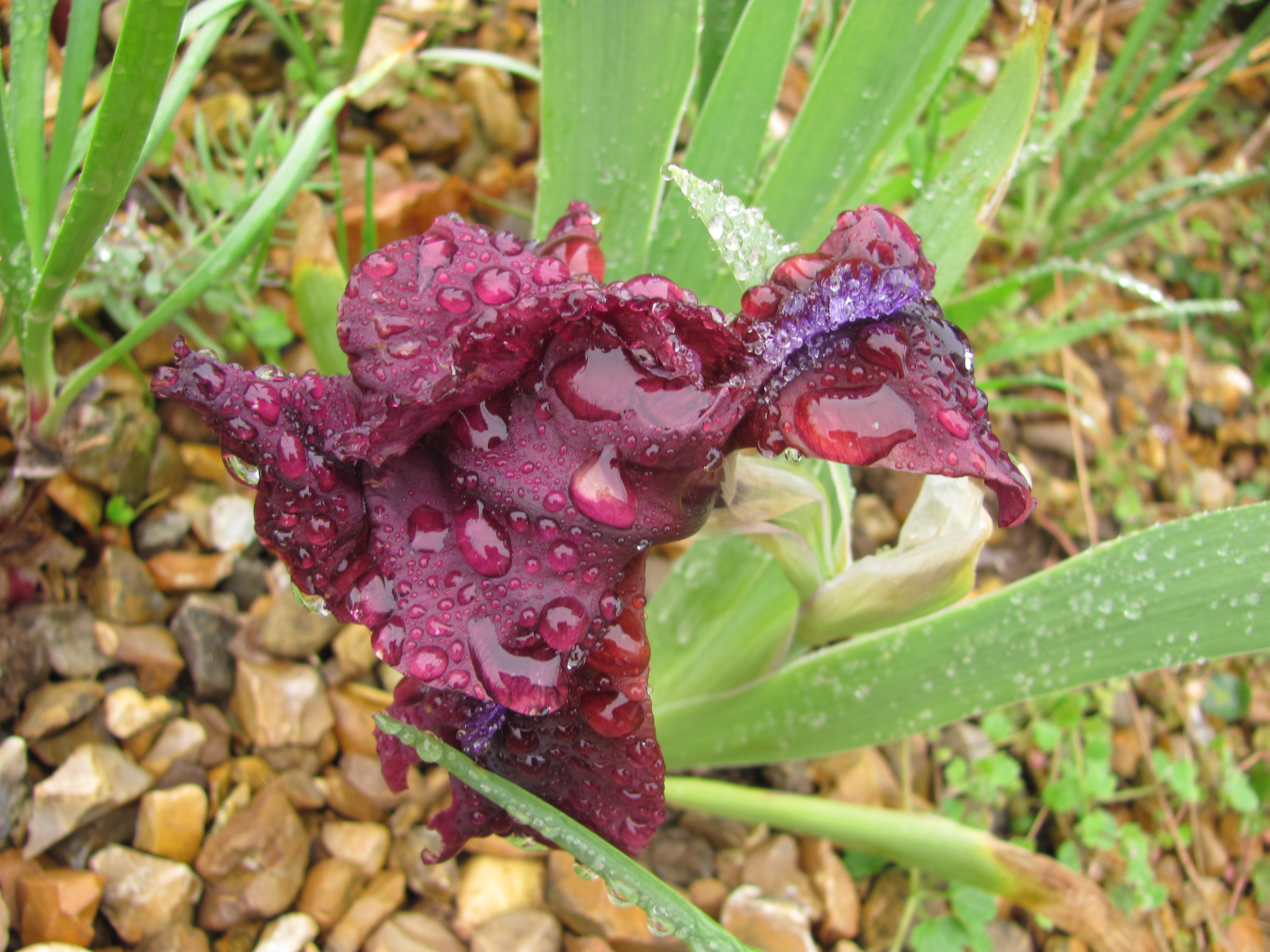
Incredible Iris

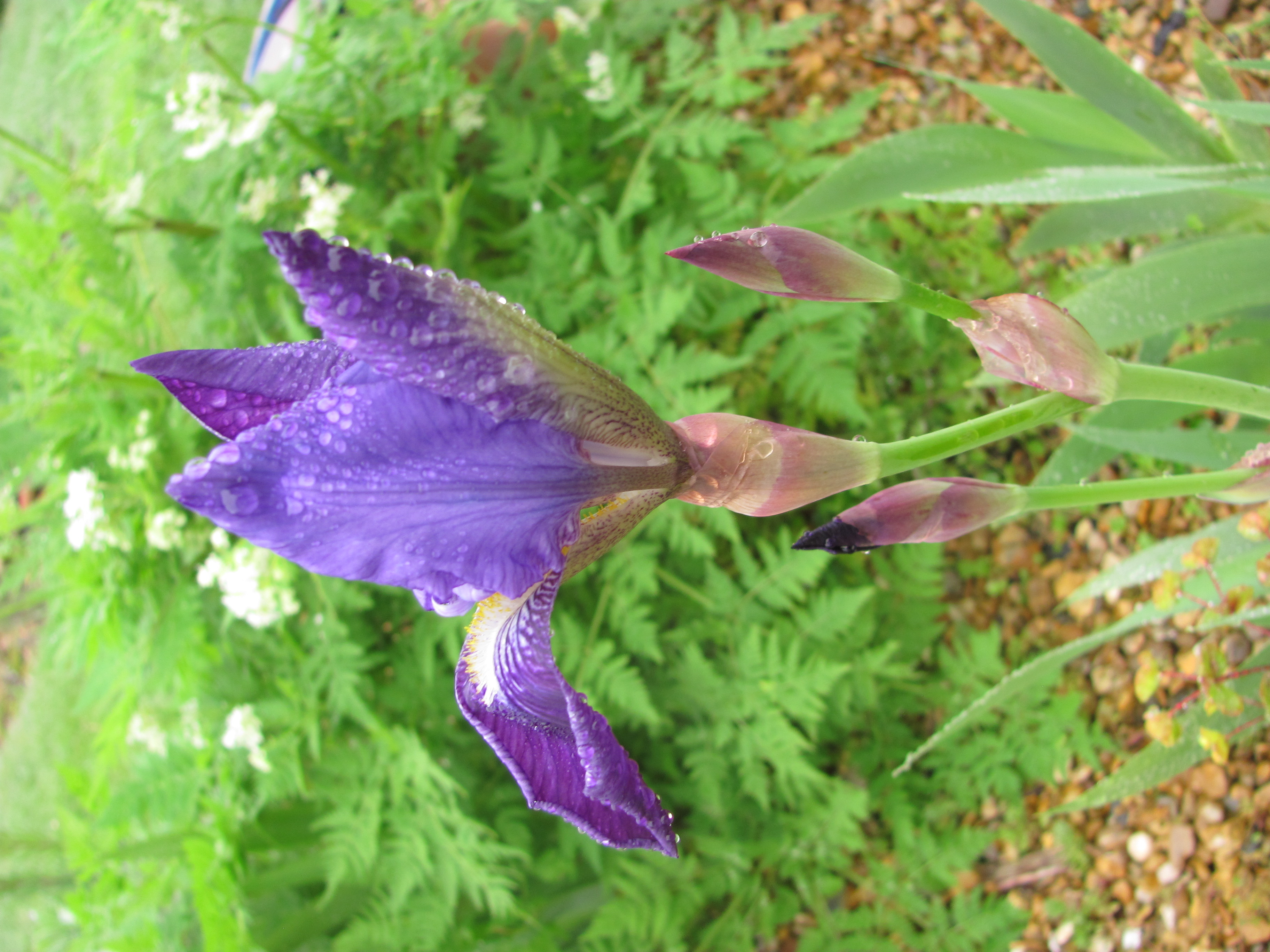
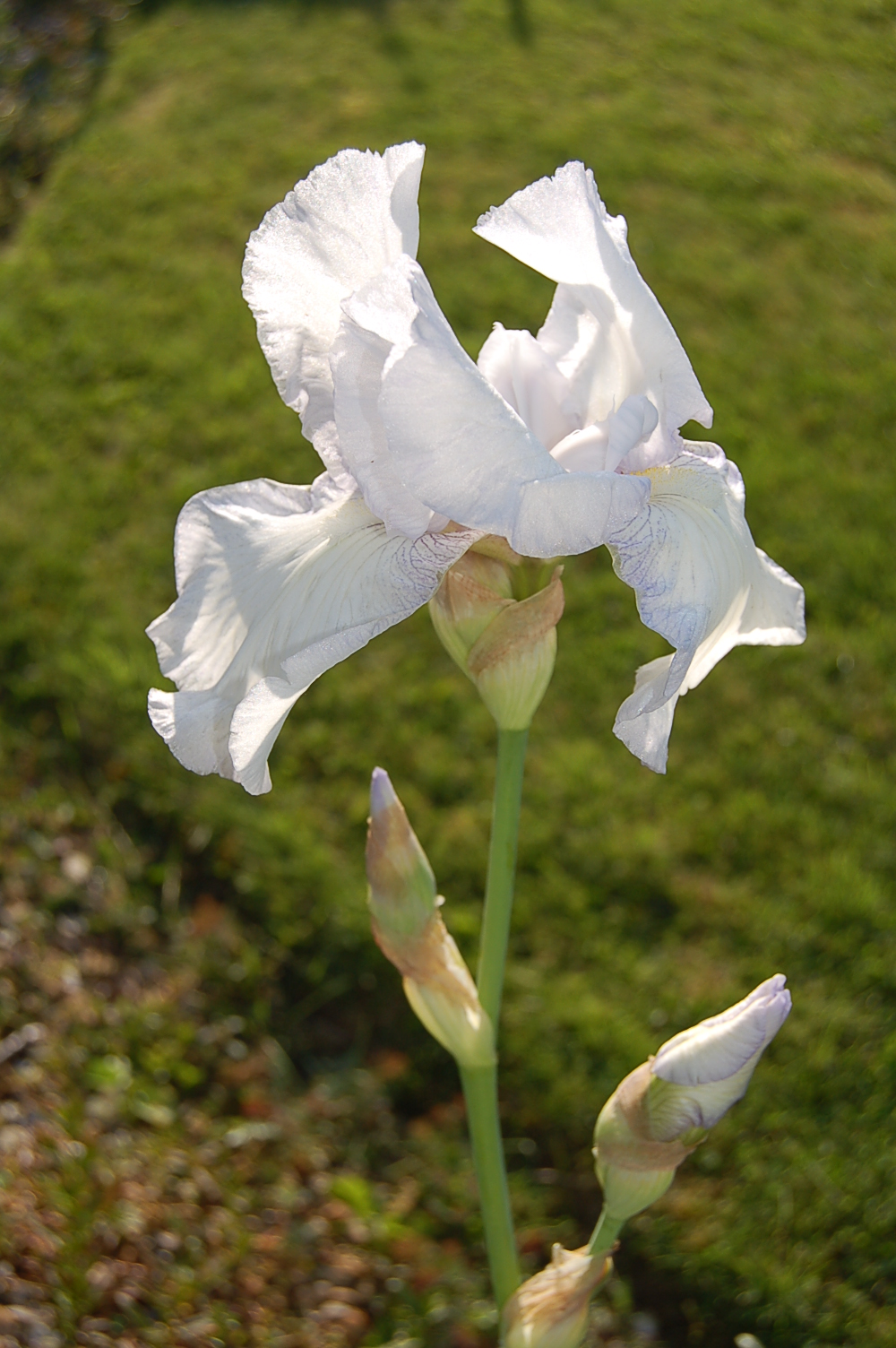
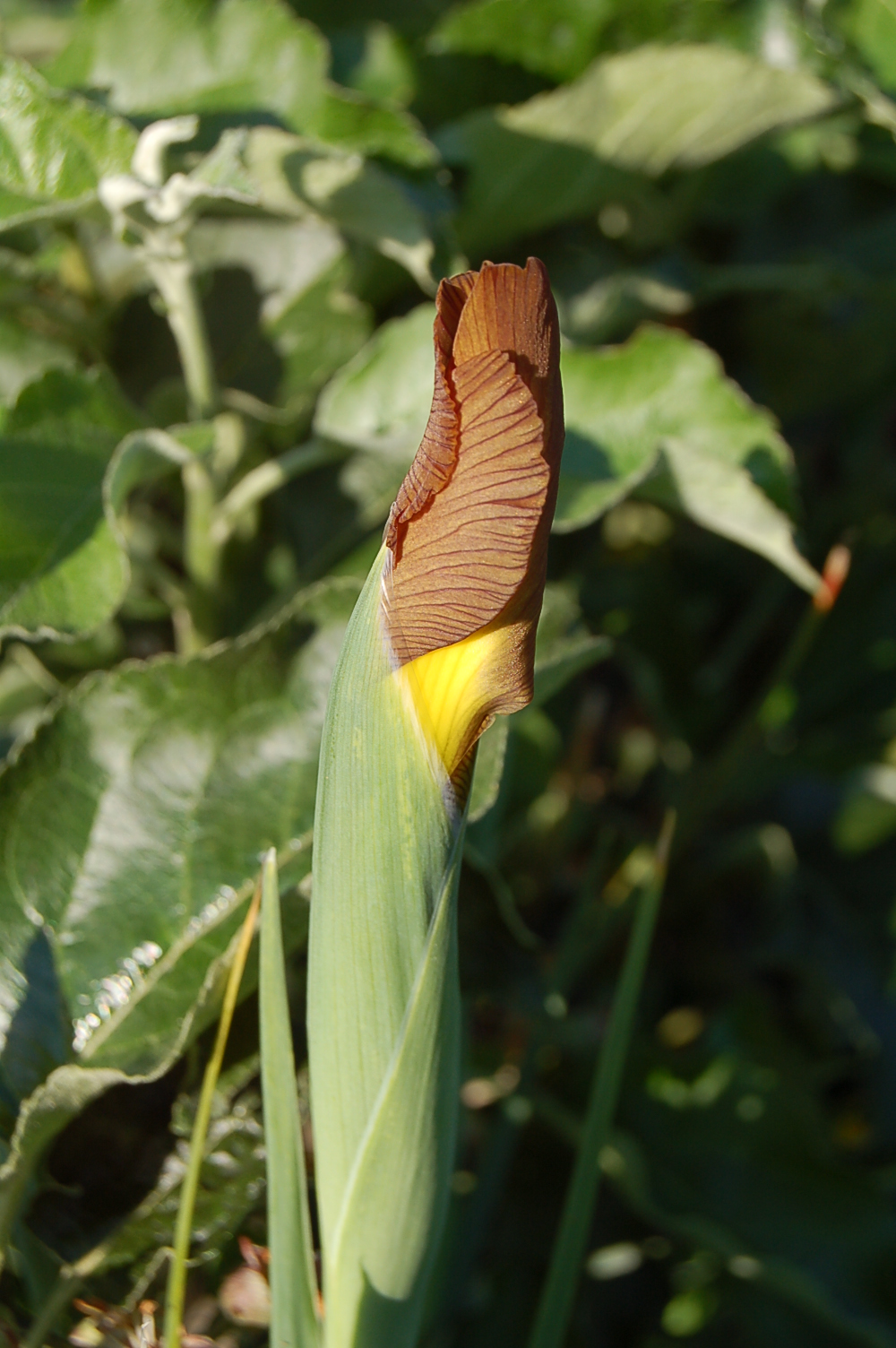
Early summer sunshine is the best time to see irises and appreciate their beauty. The brightness of colours illuminated by the sun gives them an ethereal quality that no other flowers possess.

A journey around our garden and our allotment site with camera in hand tells all there is to say. The first set shows the irises on our “Beth Chatto Garden”, the gravel bed, where they find the conditions ideal. They can sunbathe for hours!

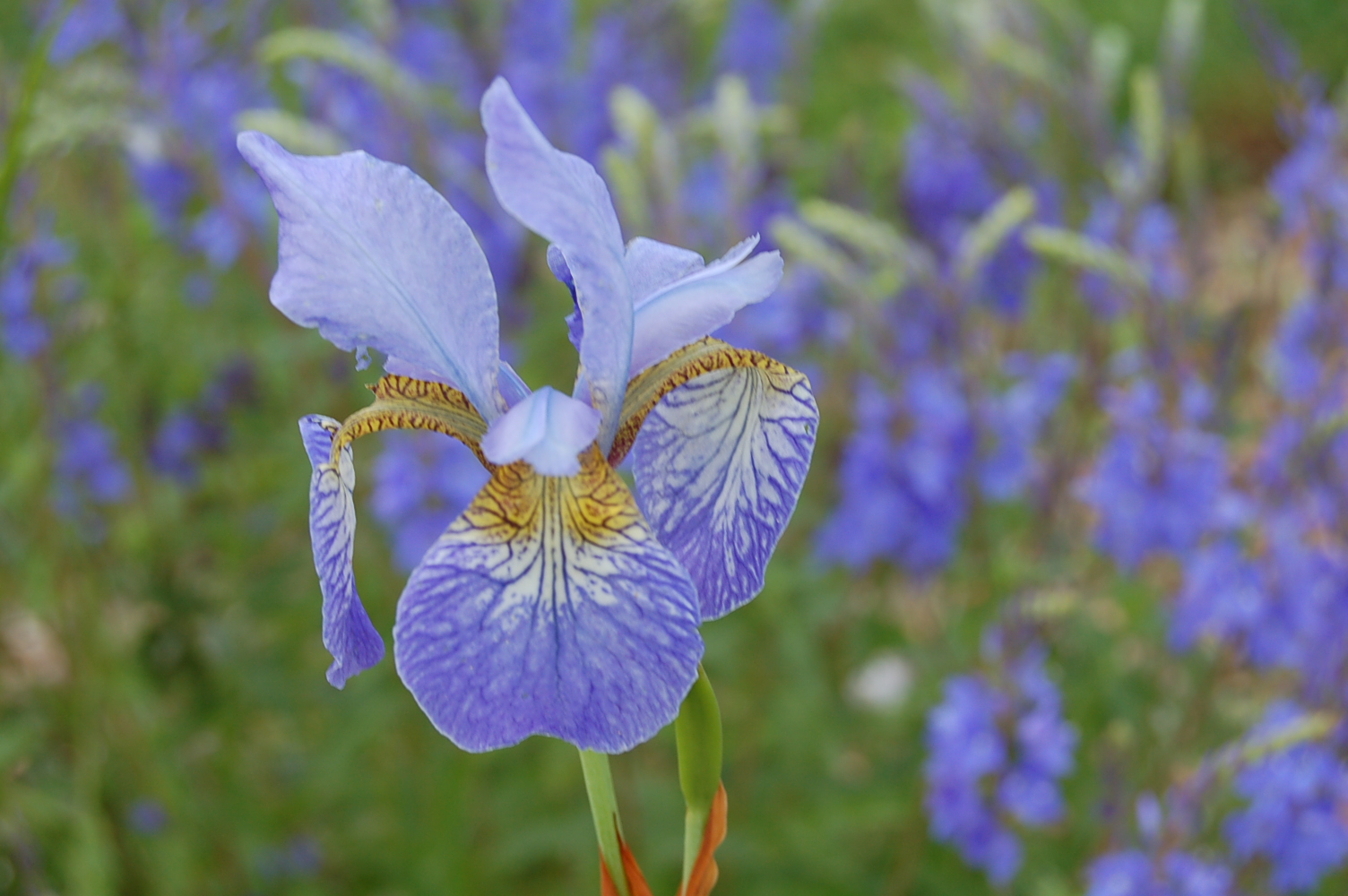
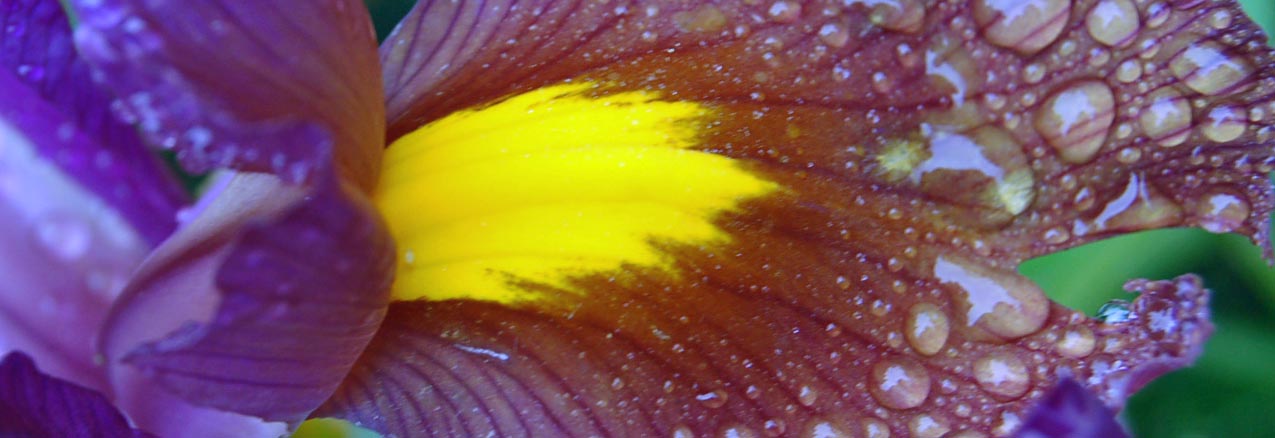
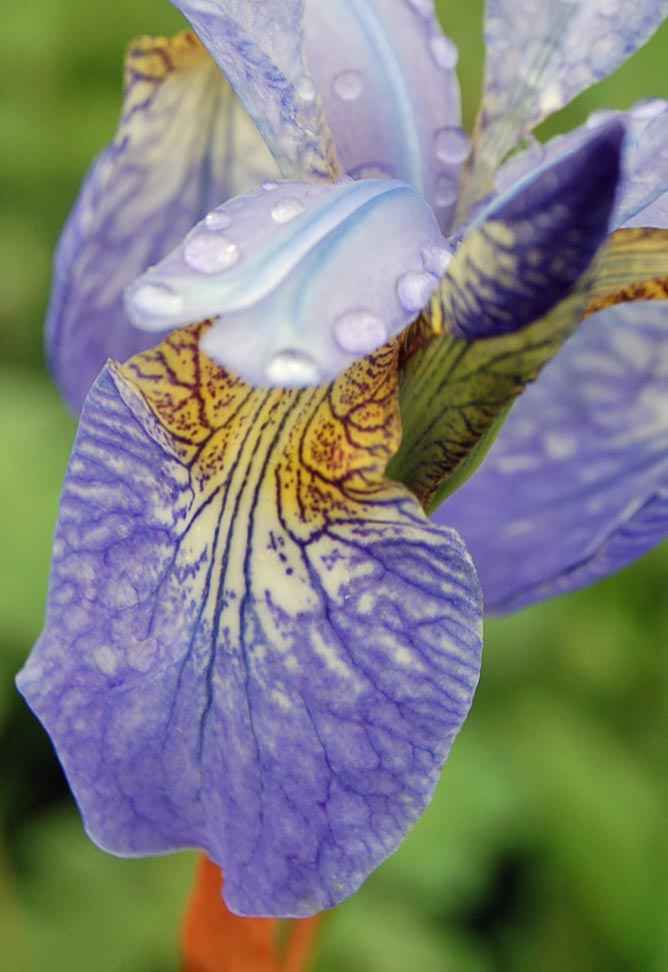
The borders in the back garden are generally too densely planted for Bearded Iris to thrive, but we do grow Dutch iris as cut flowers and Iris sibirica, the bearded’s more subtle cousins. Our Dutch Iris are unusually coloured, one in a combination of blue and yellow and the other a combination of purple and brown with bright yellow centres. We grow them underneath our stepover apples.

Iris sibirica are tall, slim and delicate, and send up masses of flowers in various shades of blue. They develop large clumps in just a few years so need regularly dividing but friends enjoy receiving the offsets.

On our allotment site several plot holders grow Bearded Iris on their plots and we have planted groups of Iris sibirica in the community gardens.

Categories
Shropshire

Our Village Celebrates the Queen’s Diamond Jubilee

This weekend all over the UK, towns and villages have been celebrating the Queen’s Diamond Jubilee. Queen Elizabeth 11 has been on the throne for 60 years, having become Queen back in 1952 when Jude the Undergardener and I were just a year old.

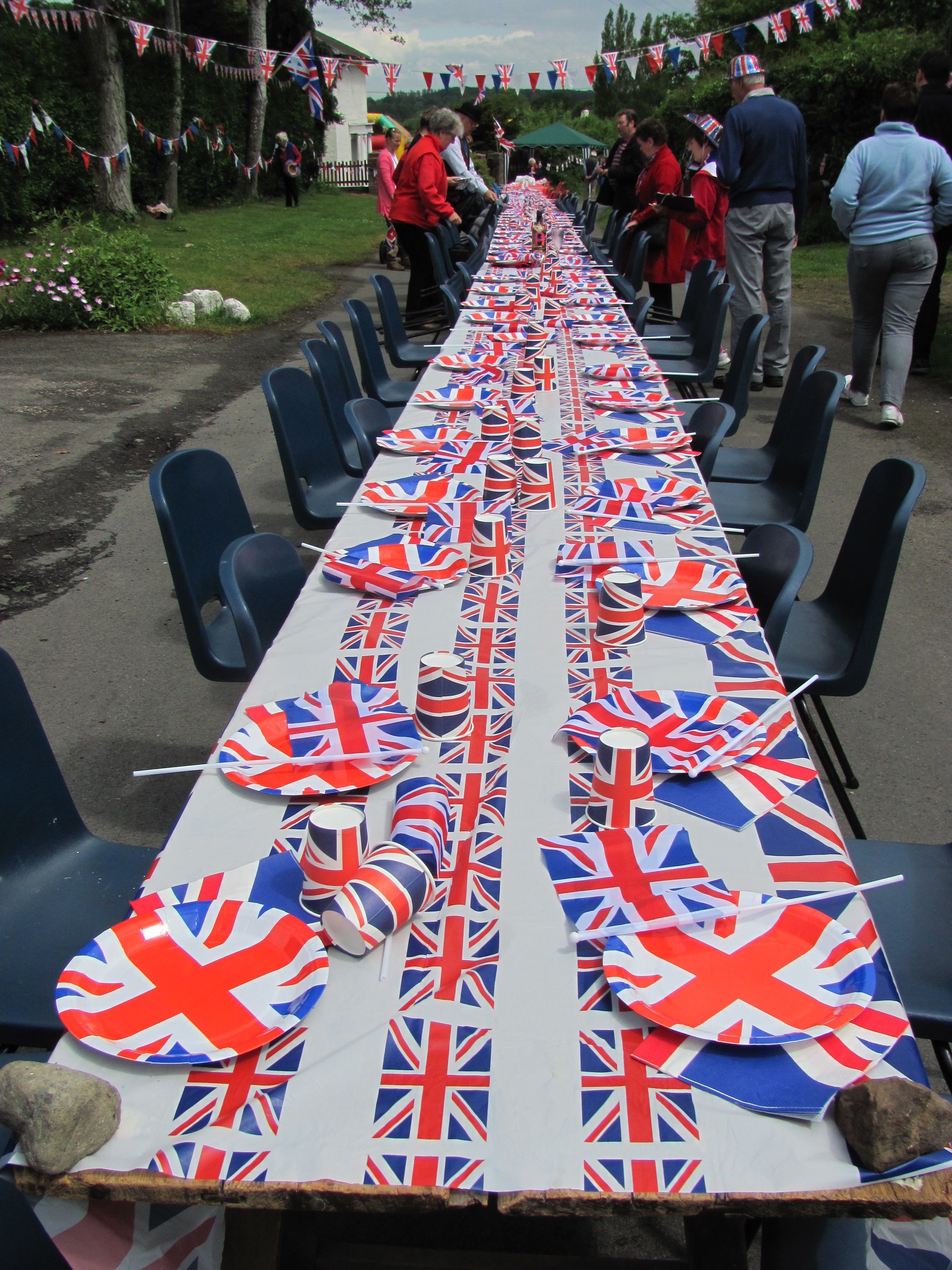
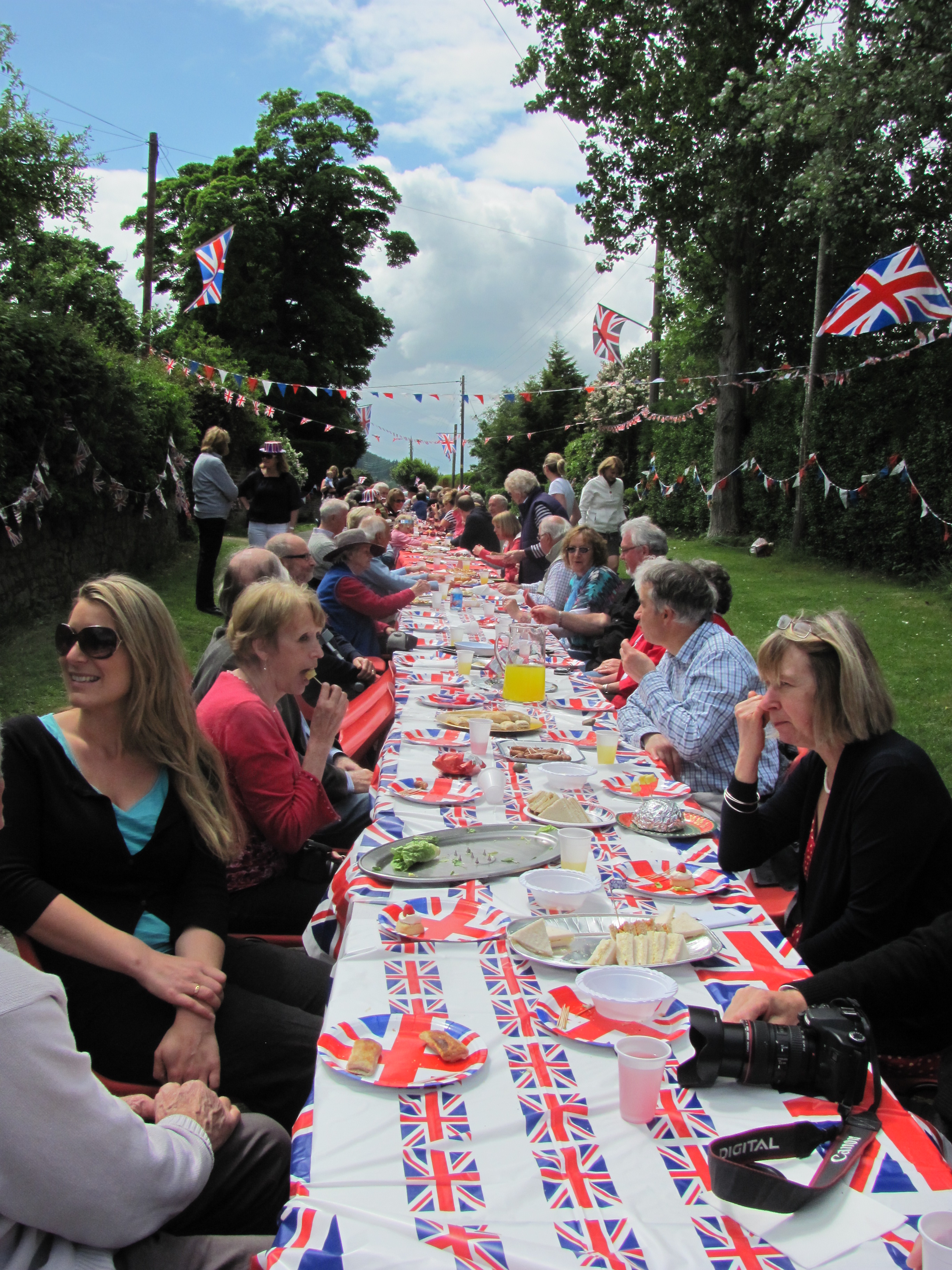
In our village, Plealey, we celebrated with a street party which was enjoyed by villagers and their families from a few weeks old to 80 year olds. The population of our tiny village hovers around the 50 mark but it increased to over 130 today.

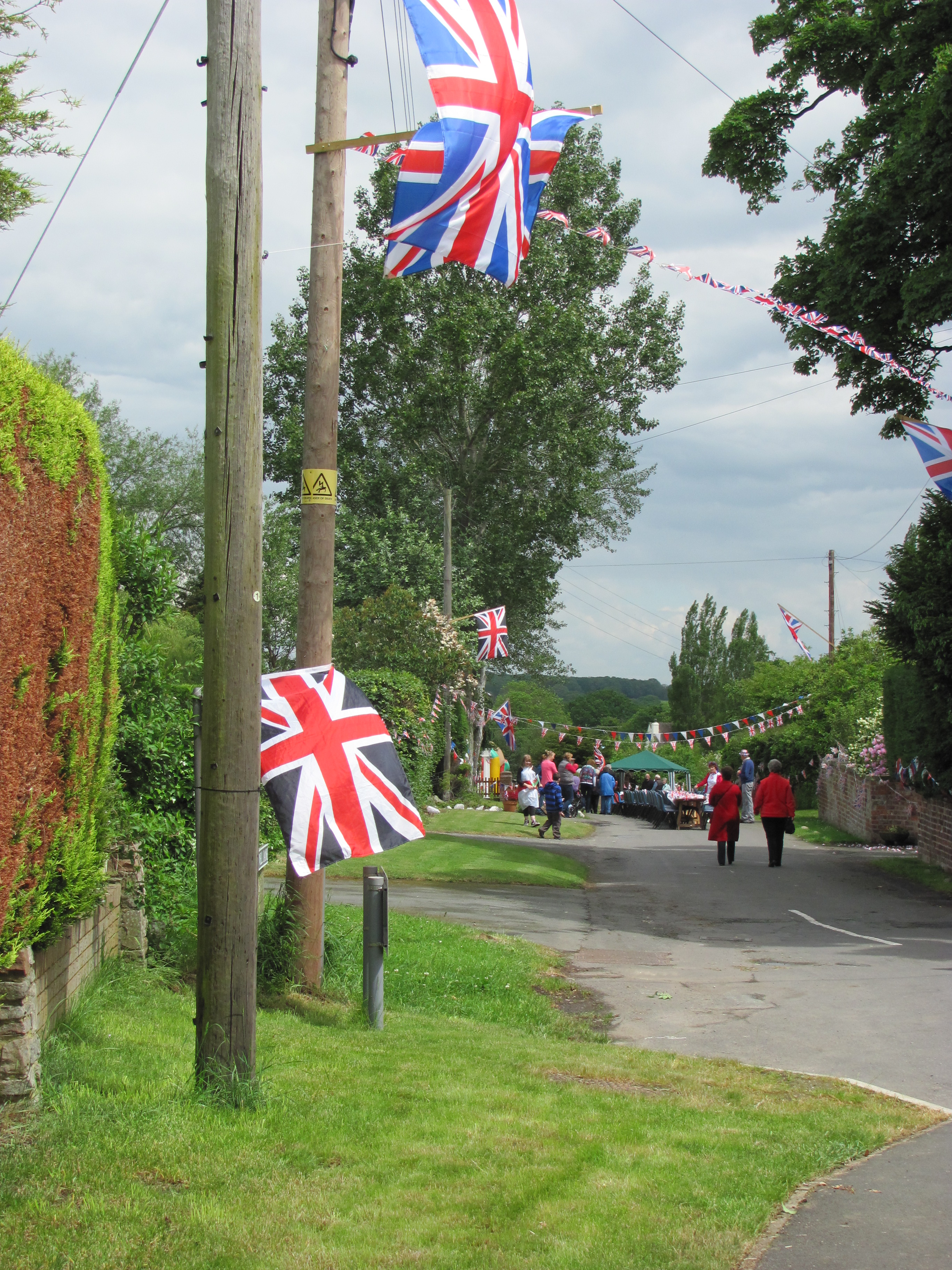
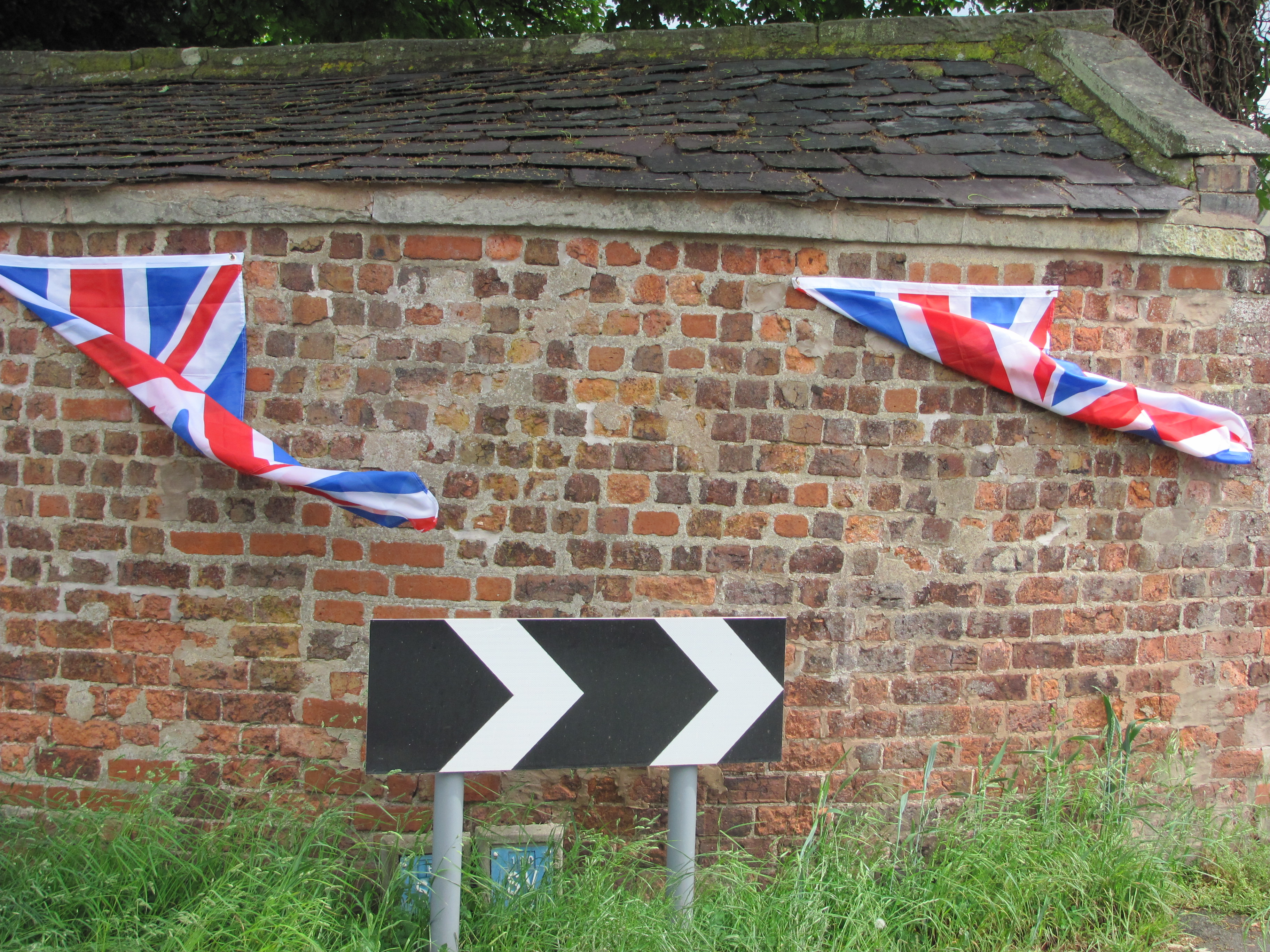
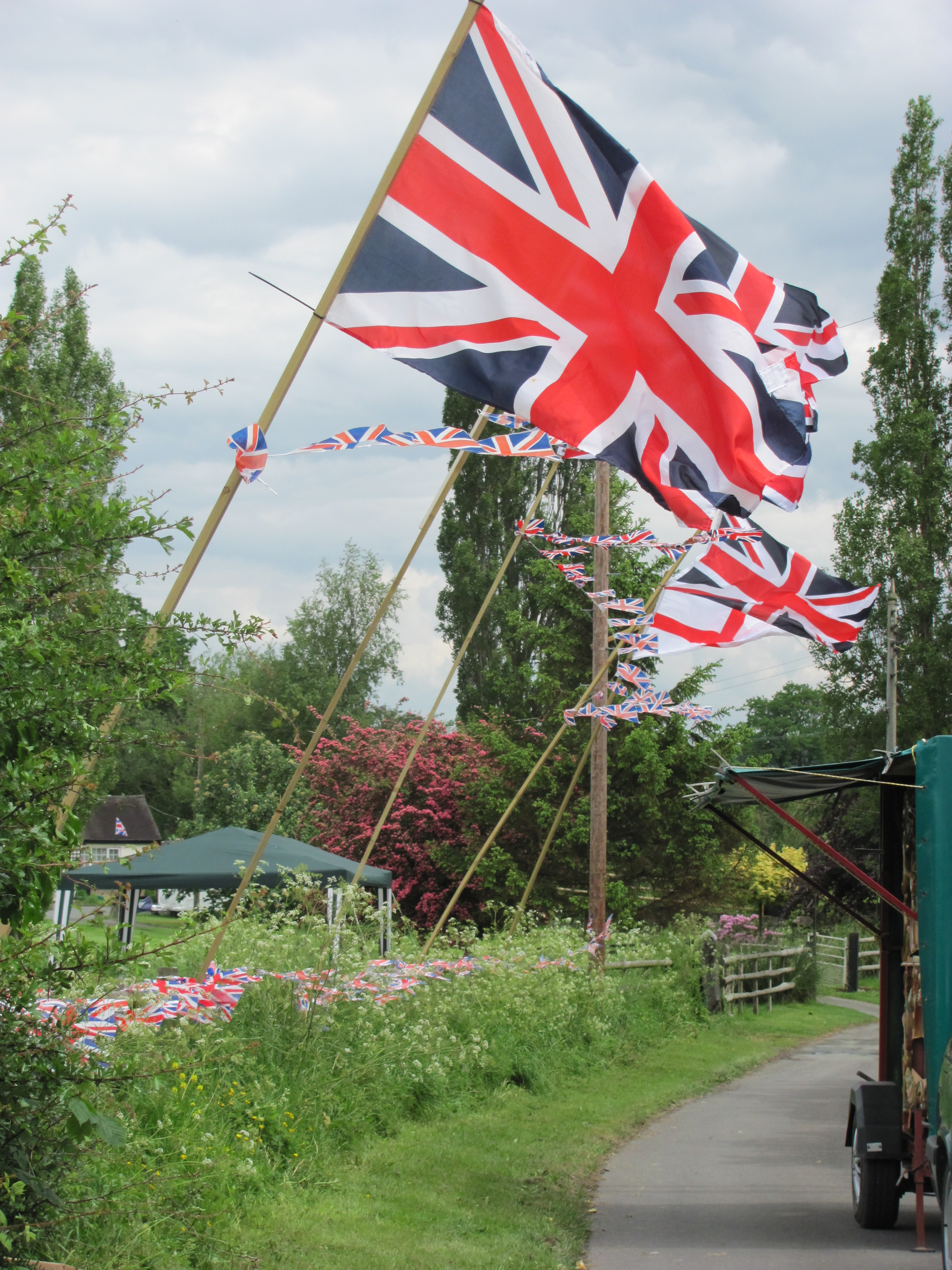
The village has been adorned with Union Jacks and red, white and blue bunting, hanging from trees, telegraph posts and house fronts. Today one of the lanes in the village, Well Lane became a long, thin dining room. The villagers have been baking and preparing food all week. Yesterday it rained heavily all day and from tomorrow into the rest of the week more wet weather is forecast, but today we awoke to blue skies and sunshine which graced us with its presence all day.

All the hedges and gates  joined in and even one of the village benches had a flag.

The usually quiet Well Lane was lively today and greeted visitors with massed flags and bunting. Halfway down the lane the long, long table met us and invited us in.

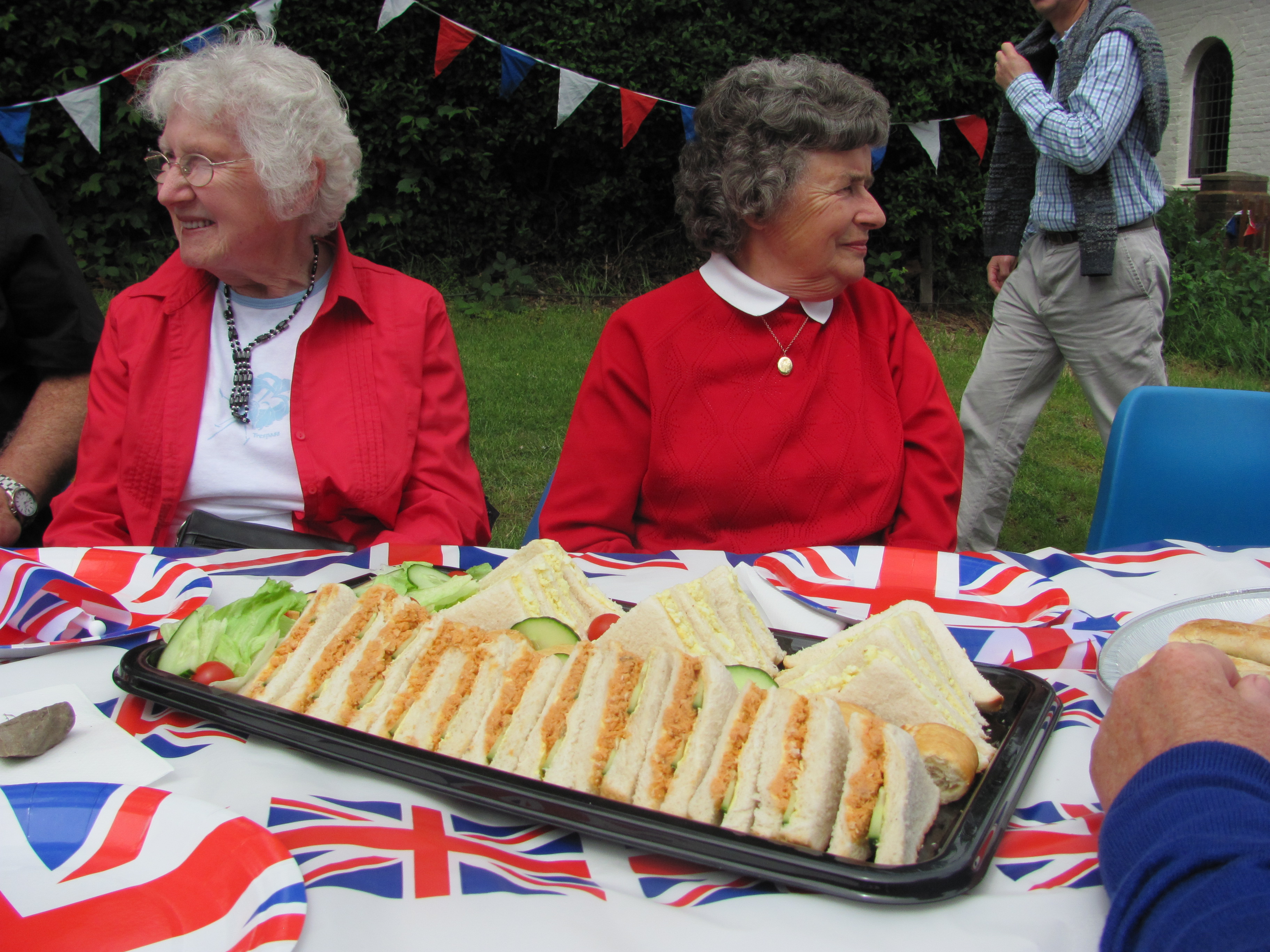
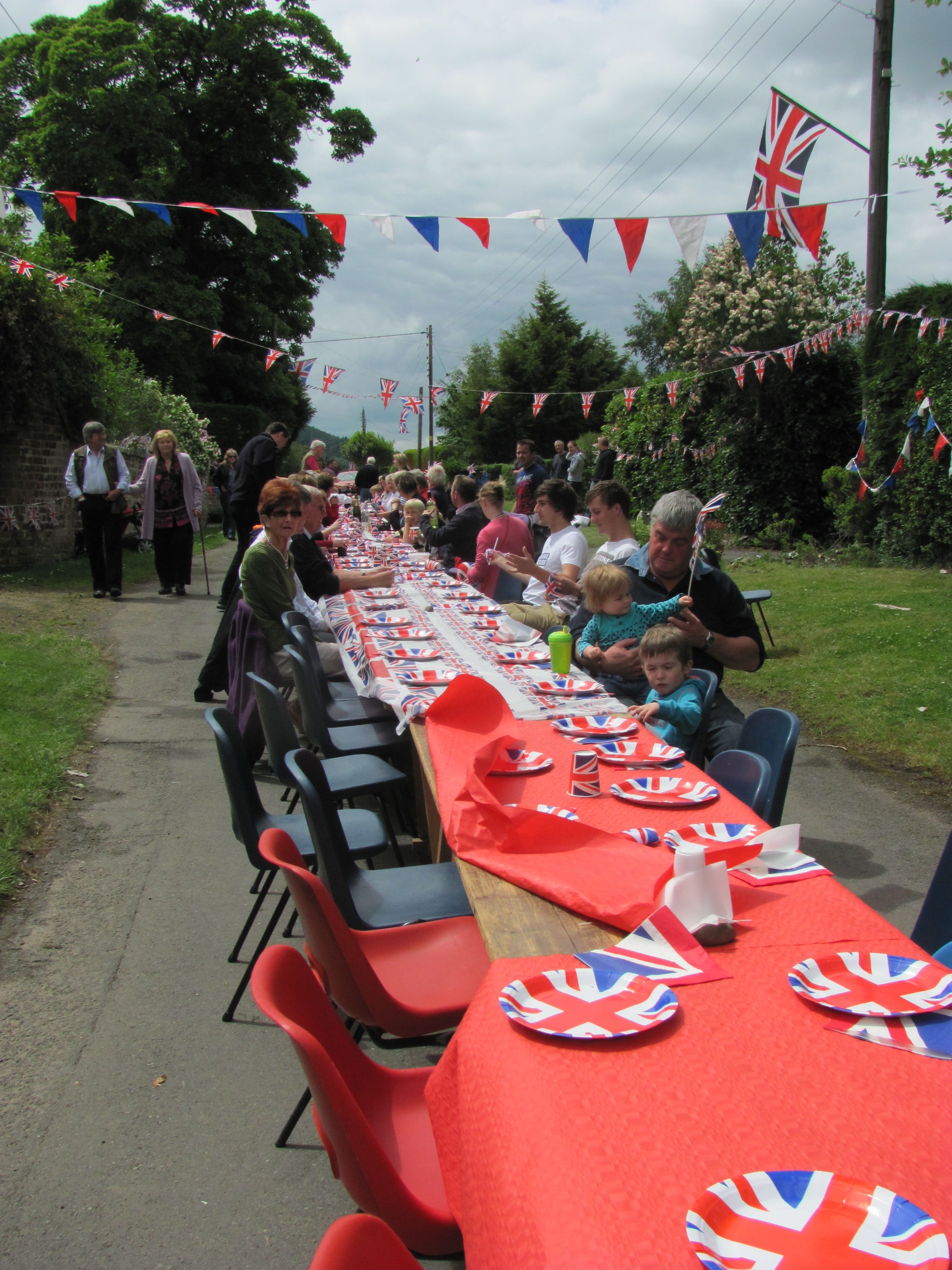
And the villagers soon arrived and filled up the seats in time for the food to arrive. There was enough food to feed a big town let alone little Plealey.

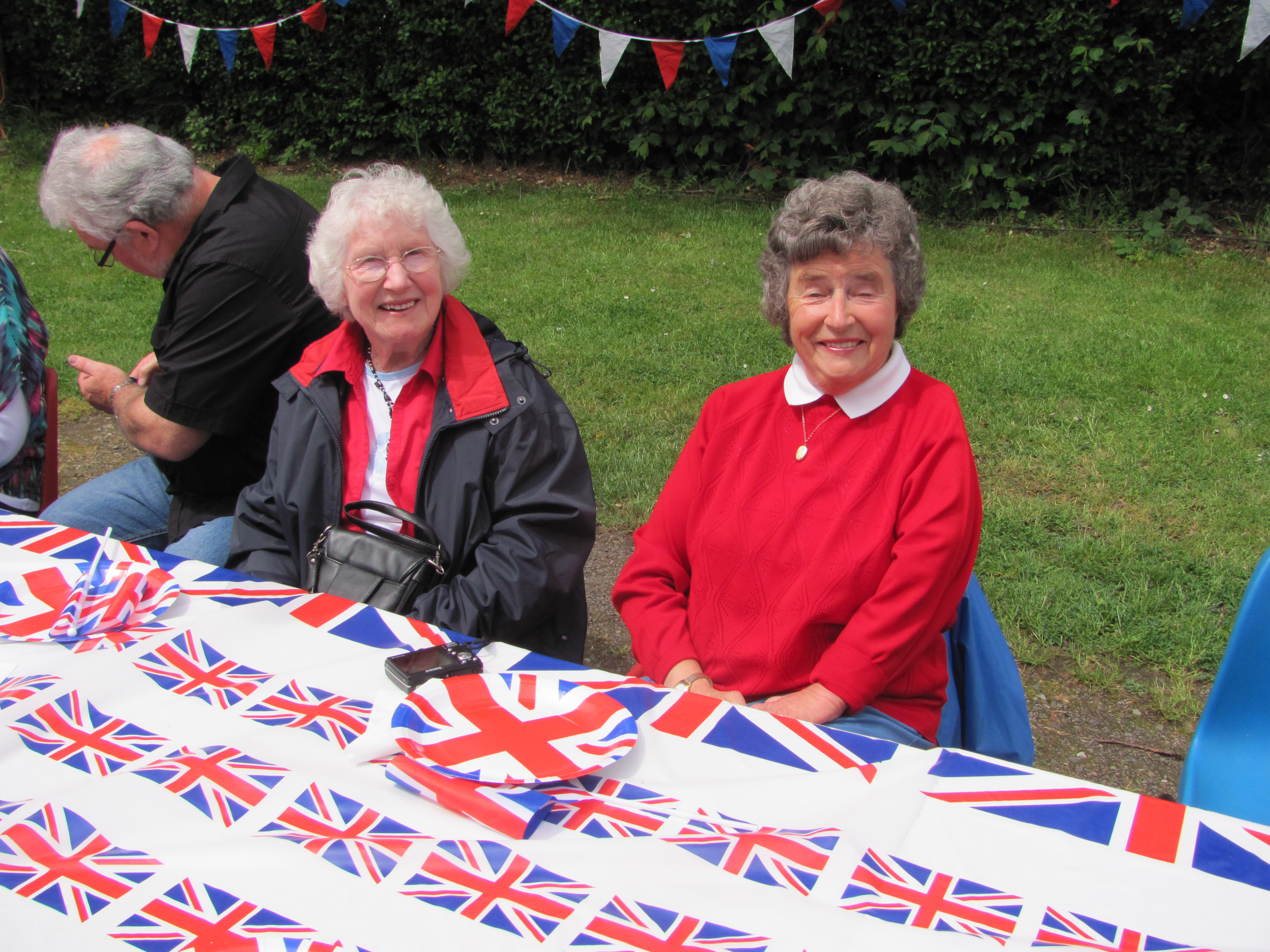
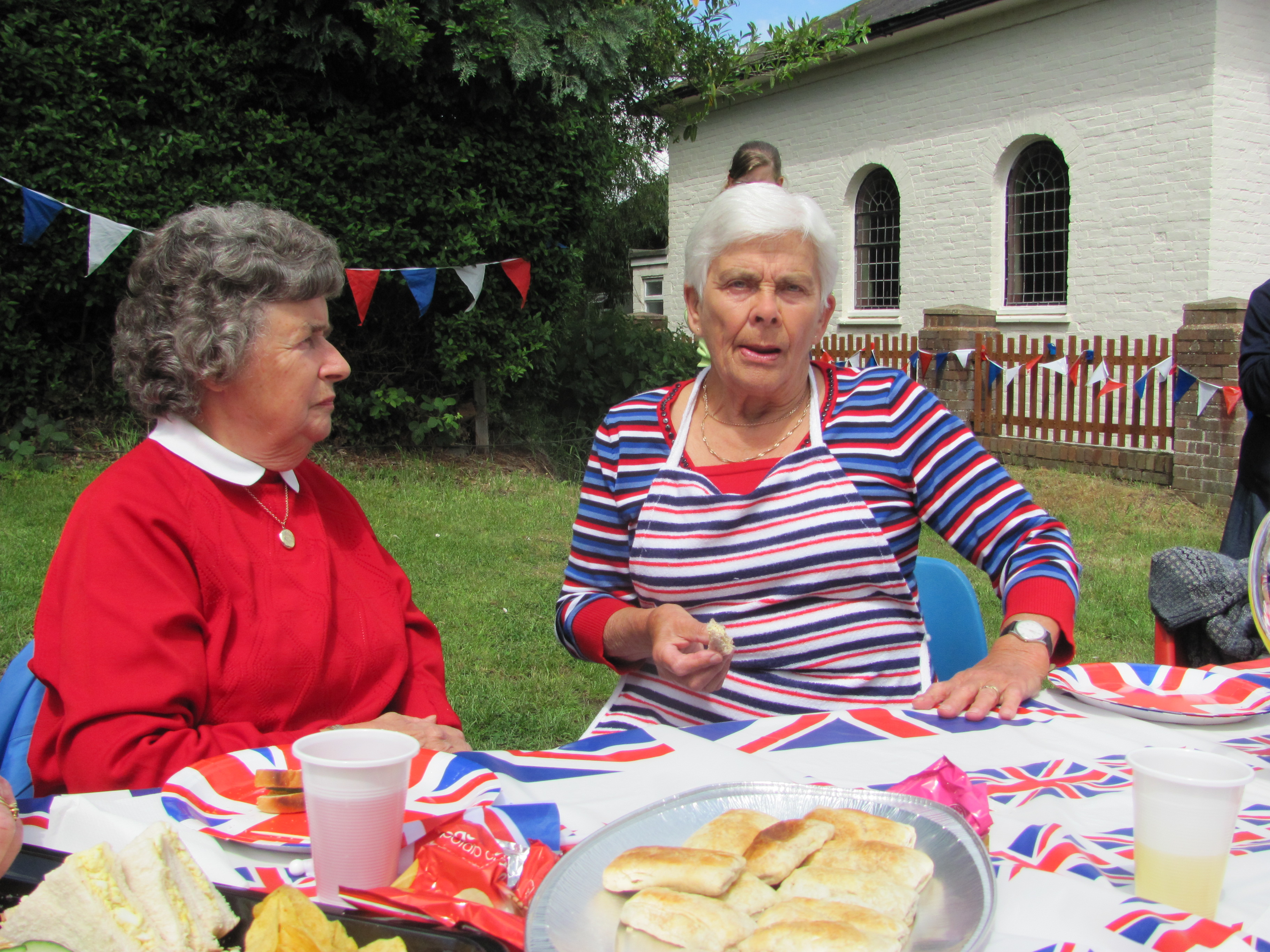
Beryl and our next door neighbour Ros wait patiently for their party food.
And they were not to be disappointed!
But they found time for a look around before tucking in.
The seats are filling up.

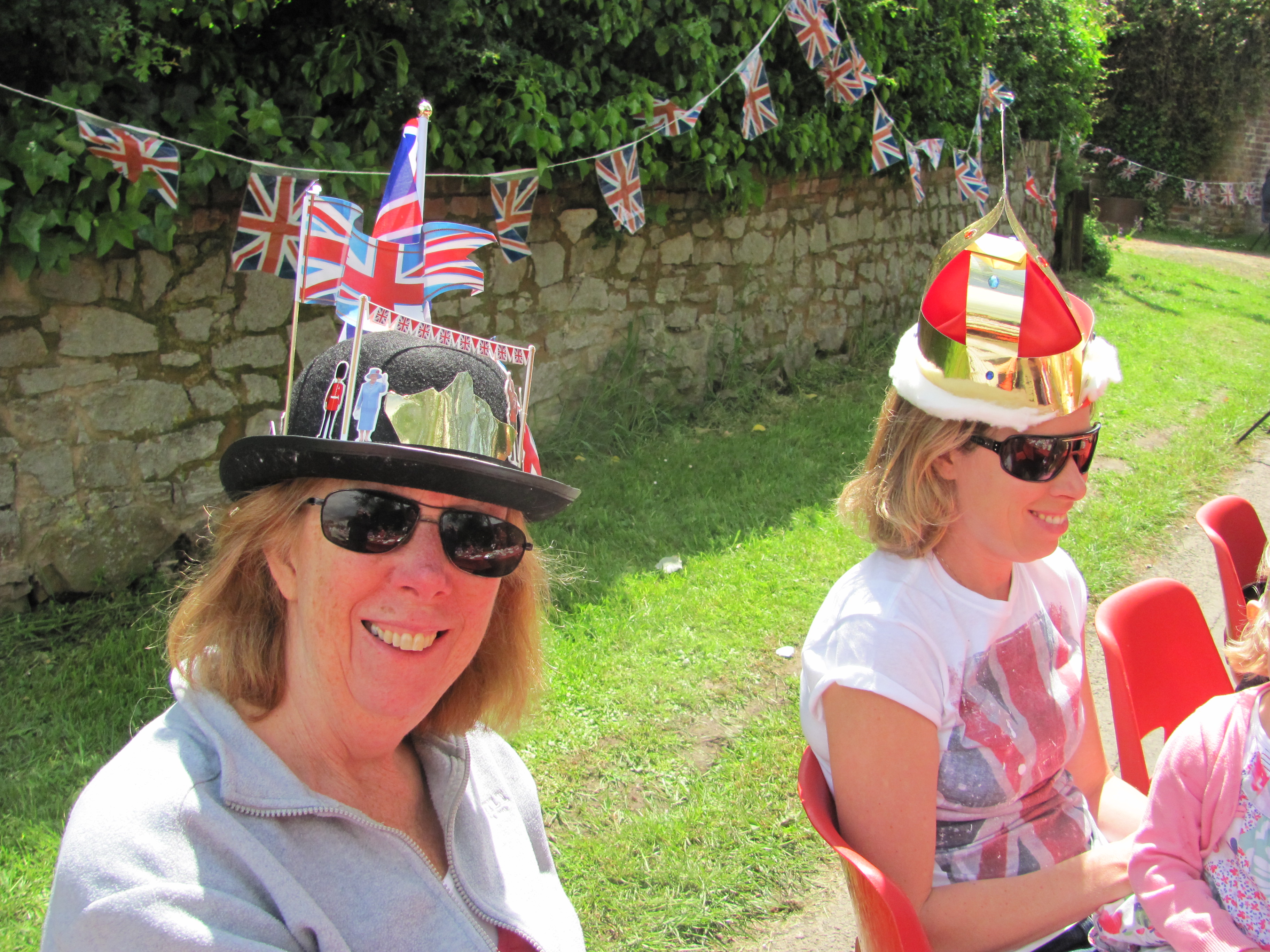
The day drew some real characters, dressed in crazy hats and clothed in red, white and blue. Jude the Undergardener even wore red shoes while she waved her Union Jack flag.

!

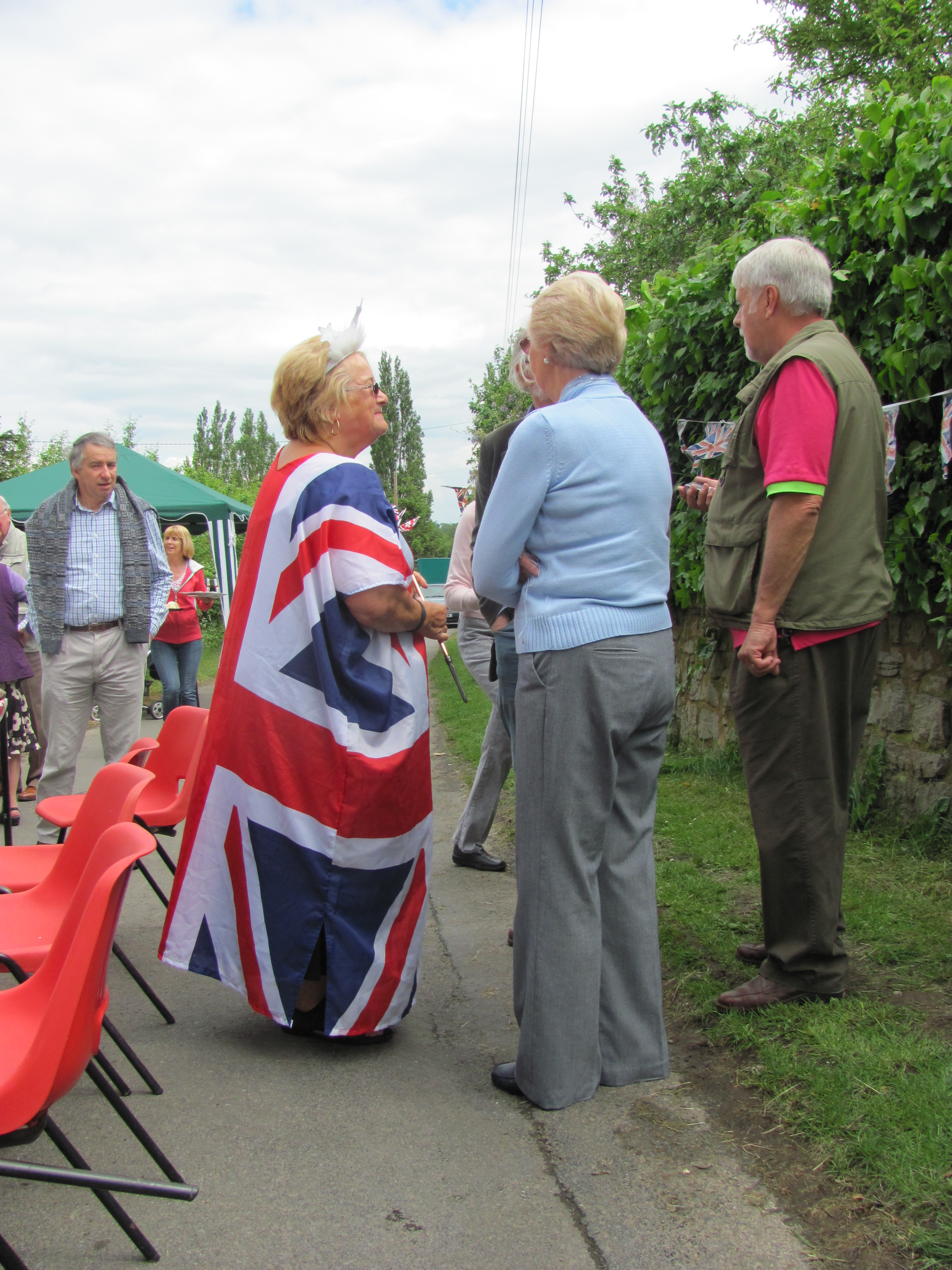
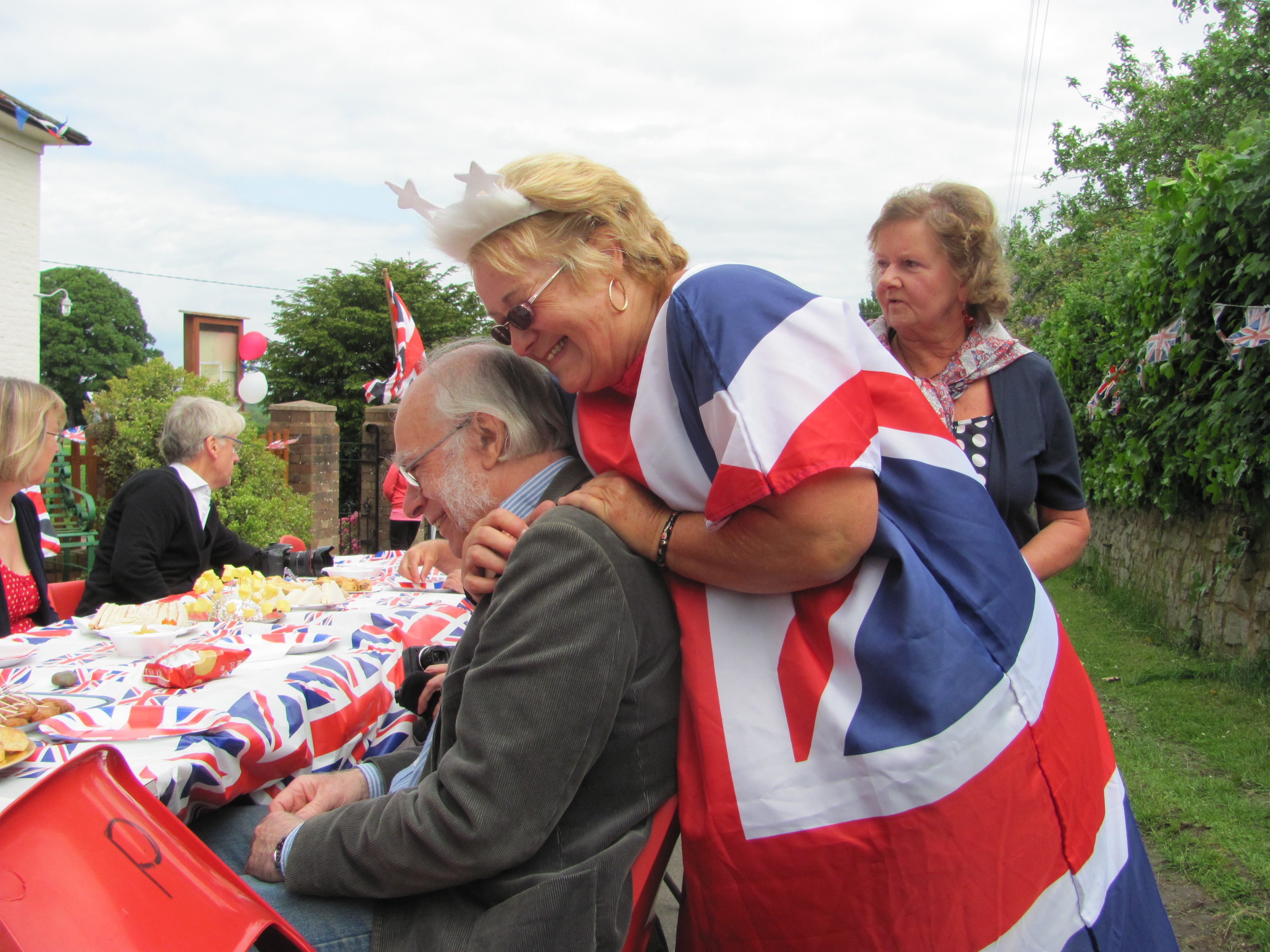
The Queen herself graced us with her presence but she didn’t behave like a Queen, as I photographed her strangling one of her subjects!

The Queen found time to greet her subjects.

She didn’t always behave like a queen – this subject misbehaved so she simply strangled him!
She misbehaved for the newspaper photographer.

Even the cakes were patriotic …..

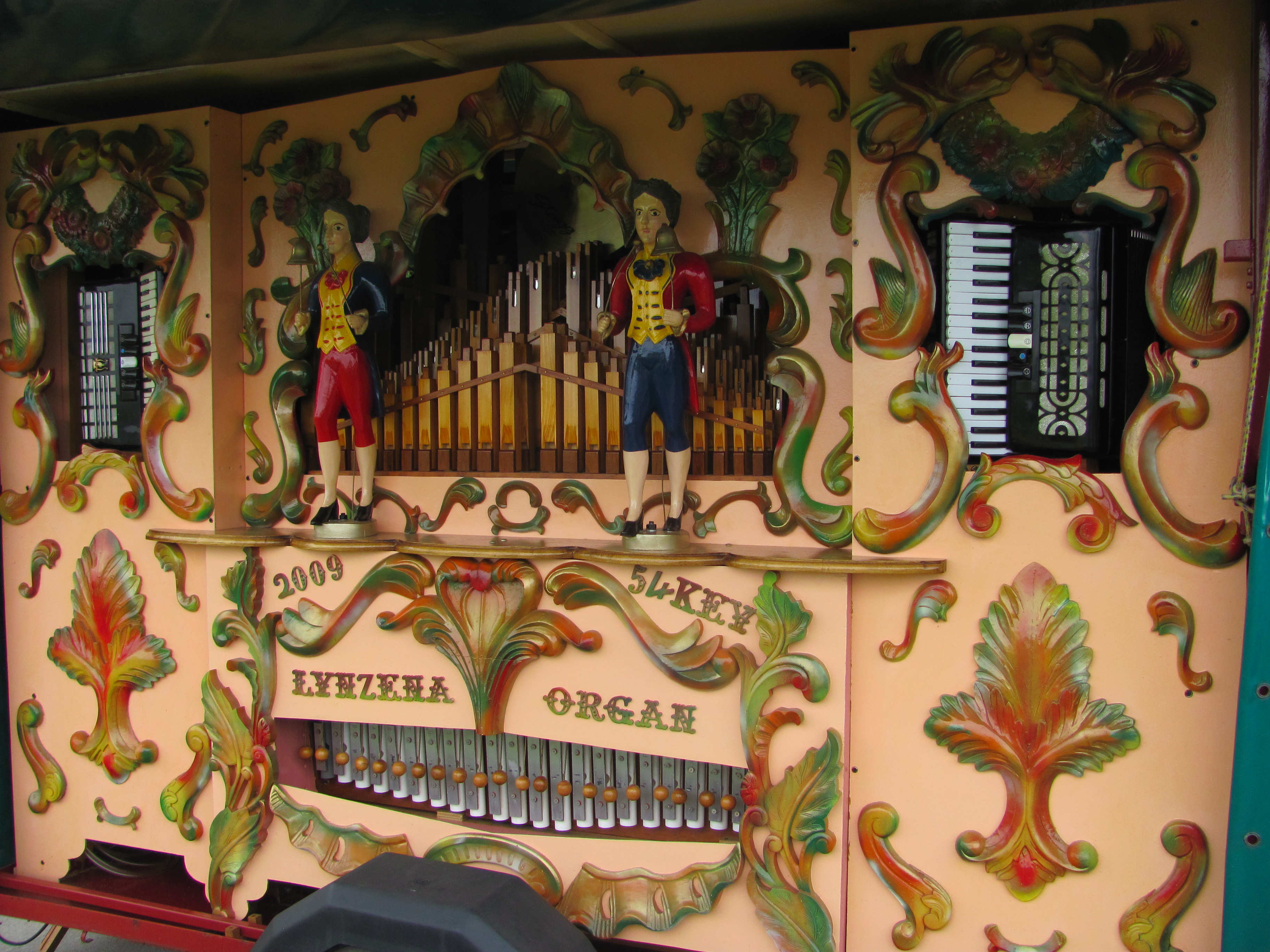
Throughout the afternoon a traditional steam organ played merrily in the background.

In the little community room at the back of the chapel a display of memorabilia  brought together by the villagers provided an extra interest as the afternoon drew to a close. A collection of celebration mugs from the past, books and old newspapers brought back memories for many villagers.

As I finish this post at the end of the day beacons glow on all the hills around us, glowing in the night sky.

Categories
bird watching birds conservation National Trust photography Shropshire The National Trust trees wildlife woodland

A Wander by the River Severn

Shropshire’s largest river is the Severn, one of the most impressive and longest in the UK. We usually walk its banks in our county town of Shrewsbury, for being strongly averse to towns and cities we need the riverside walk as an antidote. But today we decided to go a few miles southwards and find it as it meanders through the beautiful south Shropshire countryside. We parked up near Alveley and ambled our way down towards the river and the woodland on the lower slopes of its valley. The area is a country park jointly maintained by the National Trust and Shropshire Council so there is good parking and a small visitor centre with cafe. But walk a hundred metres or so from the centre and you are right out in the countryside away from signs of civilisation, except for the occasional sound of the steam engines running through the valley on the Severn Valley Railway, the chugging sounds of the engine working hard to get up slopes and the regular hooting as it crosses level crossings.

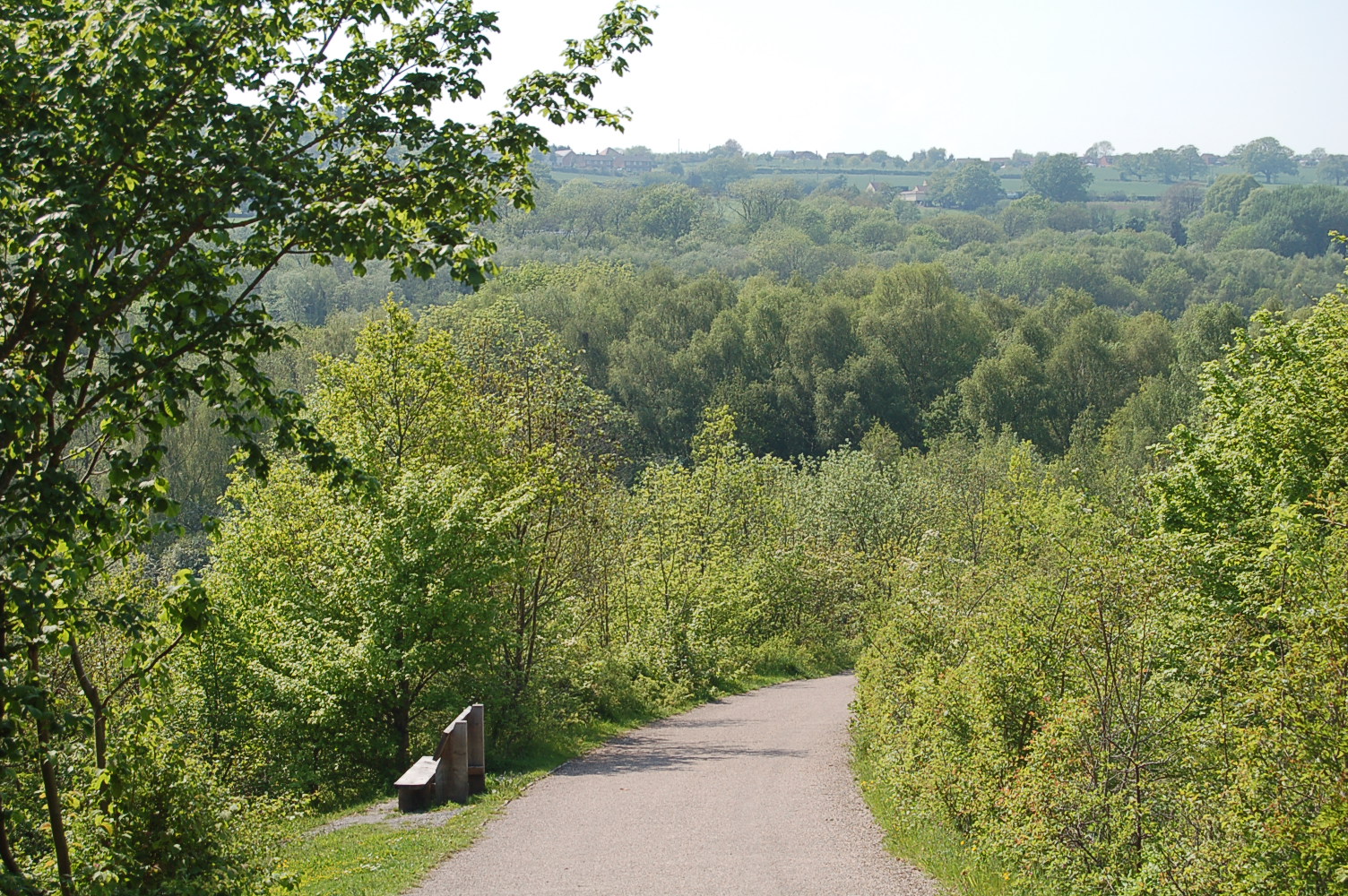
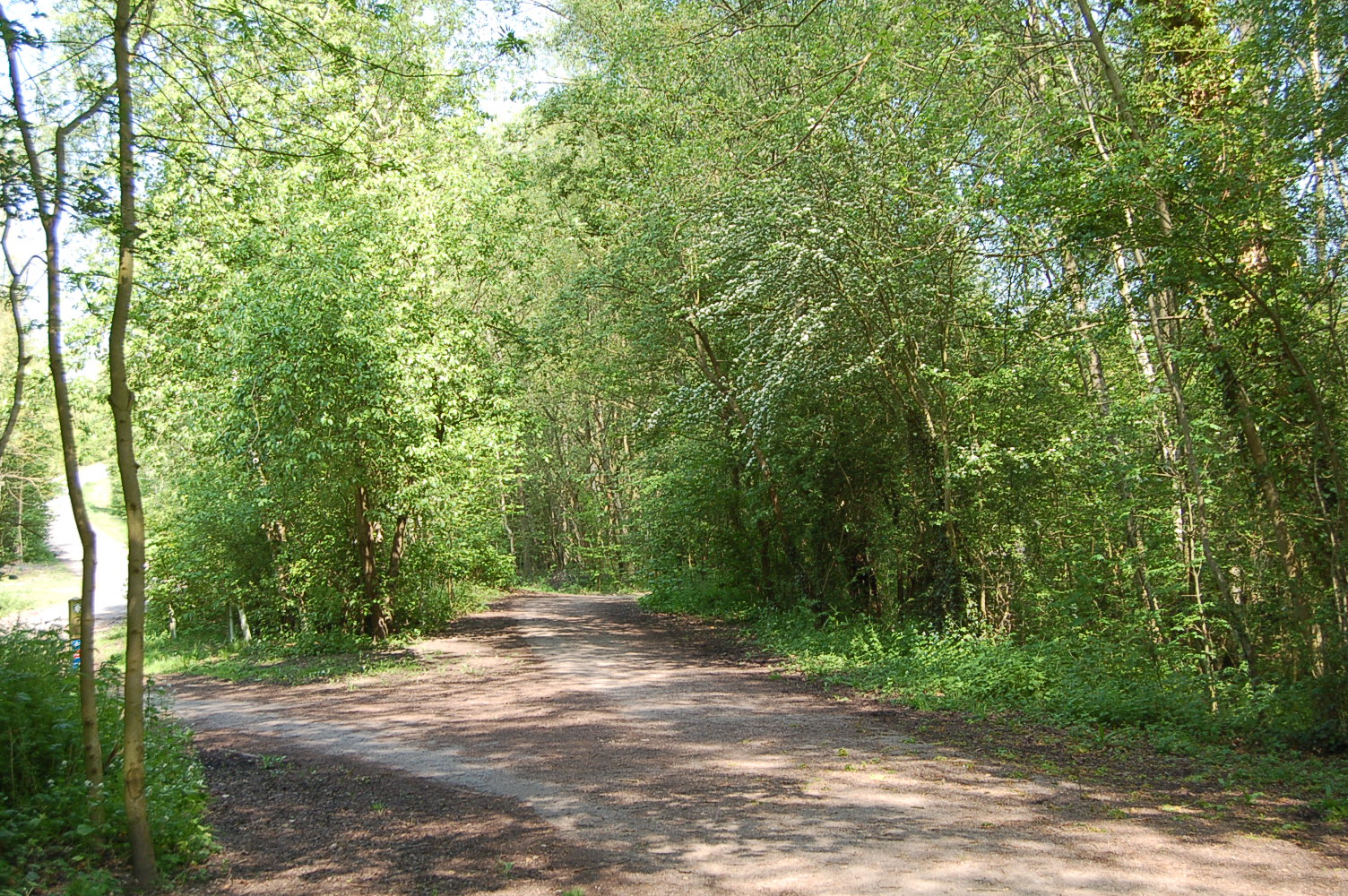
The track down to the river.

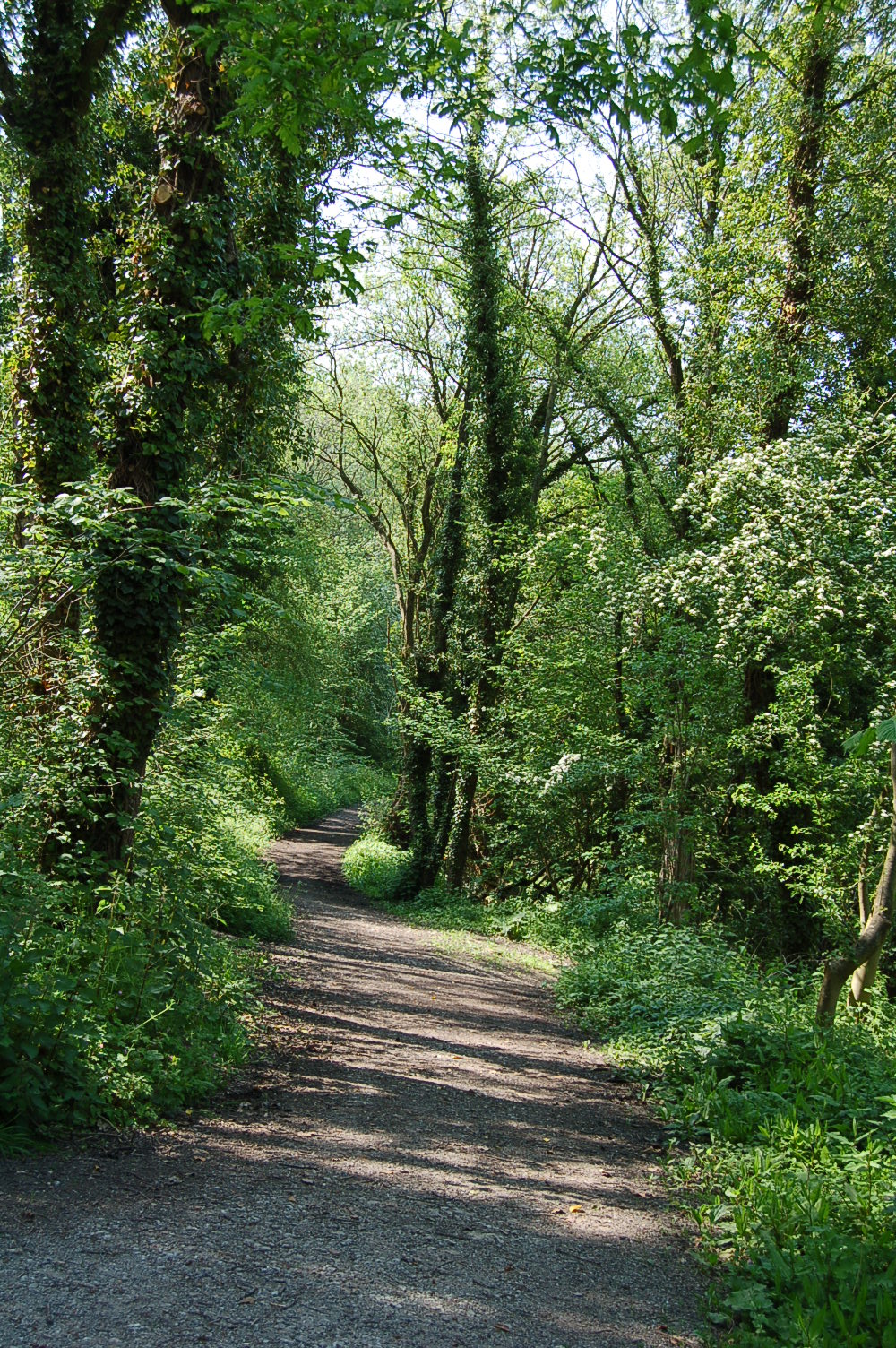
The walk down to the river is a gentle sloping pathway through young woodland interrupted by occasional areas of old industrial landscape which is being reclaimed by mother Nature. Unusual small plants are colonising and tree seedlings only a few inches tall are making inroads into man’s mess. Here a Pied Wagtail deviated from its tail wagging zig zag amble to catch an insect above a clump of tough grass. A true surprise met our eyes – a Black Redstart a bird I had not seen for decades and one Jude had never seen before. They inhabit areas of rubble and human disturbance so this is just perfect hangout for them.

The candle shaped flower cluster of a Horse Chestnut Tree.
New foliage of Oak tinged with bronze.
A view from the path into the wooded valley side.
We choose the left fork.
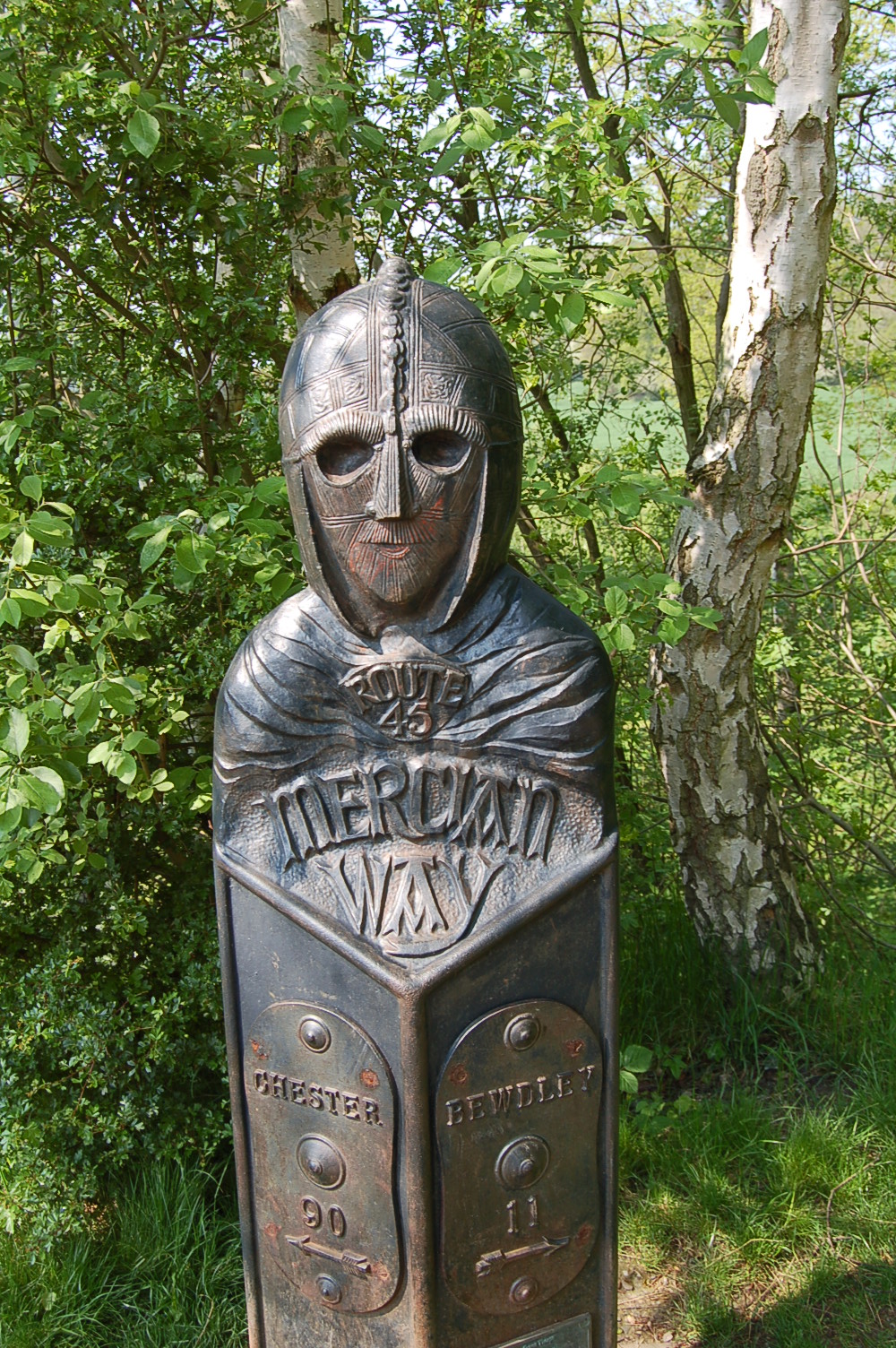
An impressive modern milestone.
A clearing revealed a view of the Shropshire countryside.

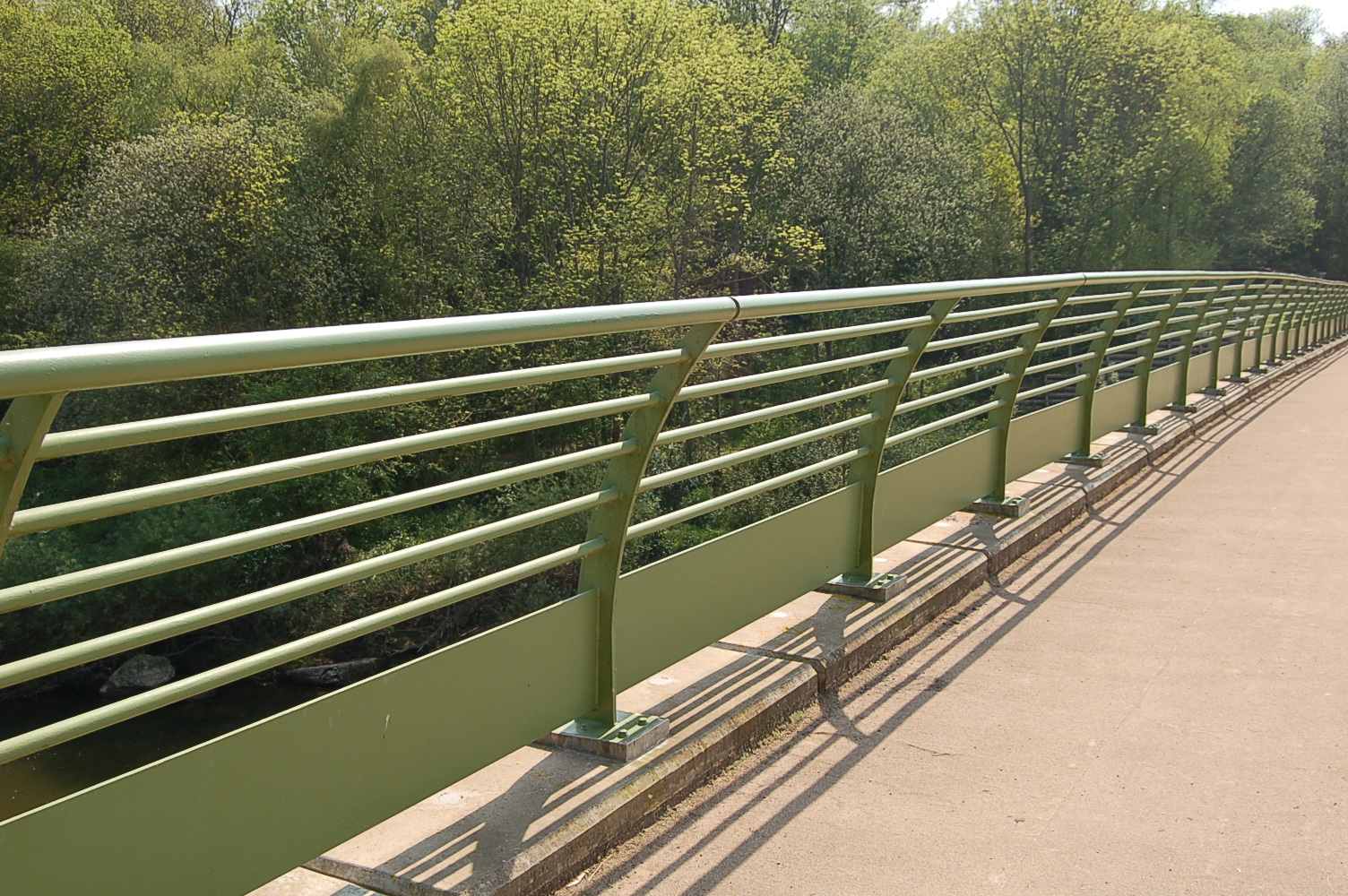
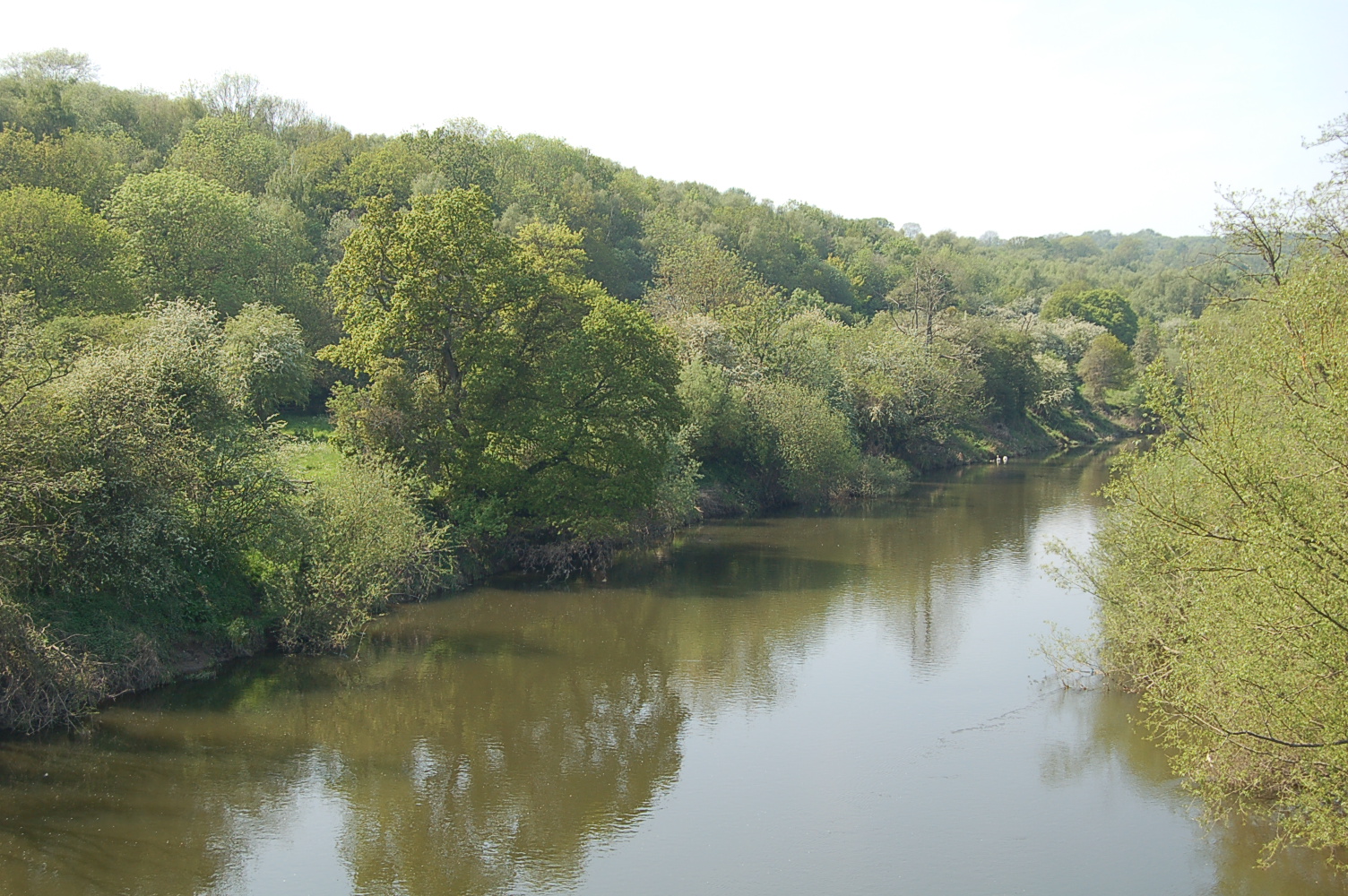
The footbridge over the river is an impressive curving structure, but not as impressive as the views up and down river. The Severn here is wide, tree-lined, deep and slow-moving and home to a family of Mute Swan with six cygnets. We did not spot the keenly anticipated Kingfishers, but that was the only disappointment of the day.

A rather smart bridge carries the path over the Severn.

Once over the bridge we entered woodland, good native hardwood woodland. Here the only sound was our footsteps and bird song and calls. The unpleasant mechanical rasp of Pheasants permeated the trees, but we concentrated on the tuneful songs of Robin, Thrush, Willow Warbler, Blackcap, Chiffchaff and Garden Warbler.

The path turns into the darkness of the wooded valley side.
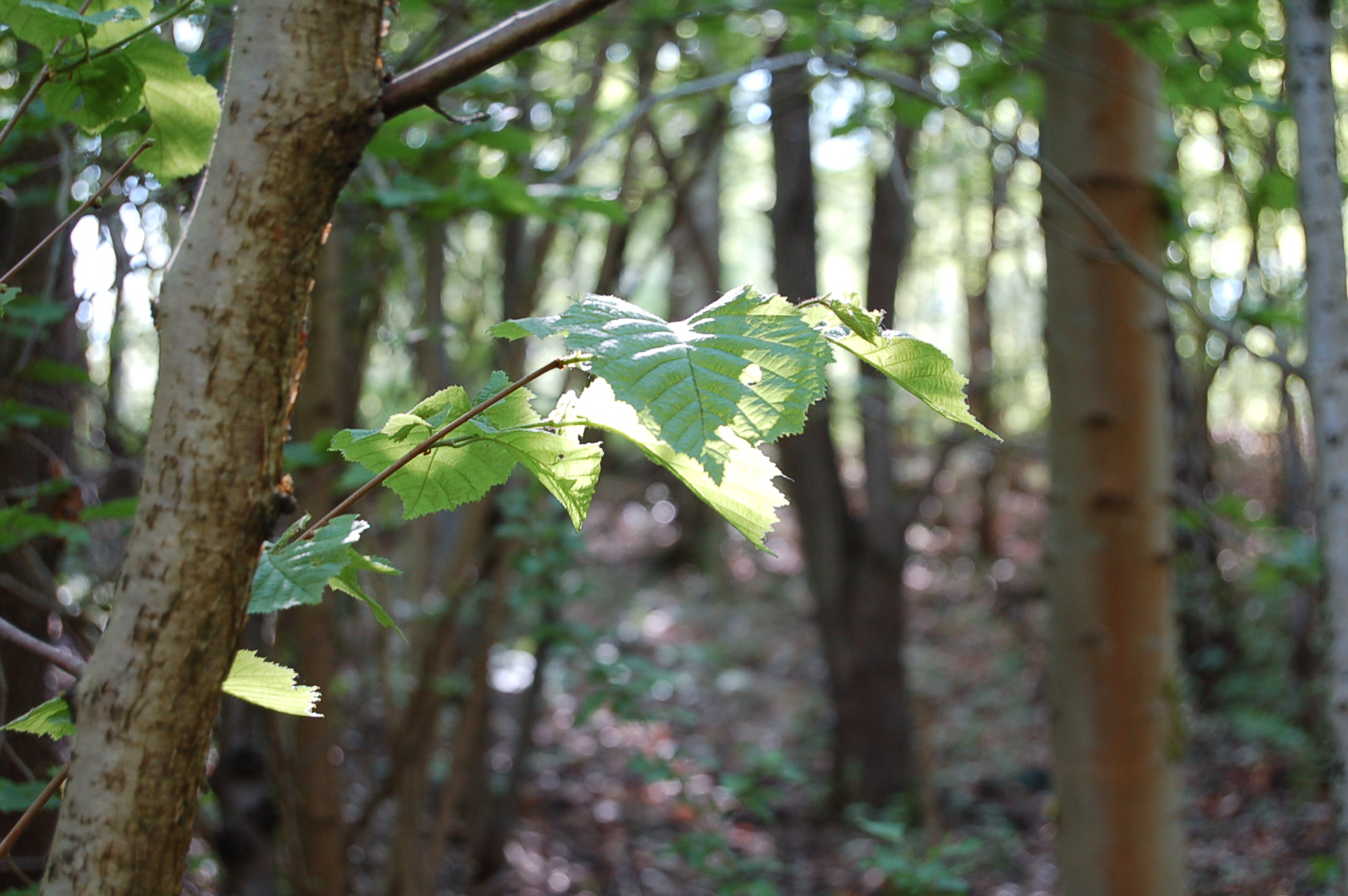
Flowering plants took advantage wherever light shone through.
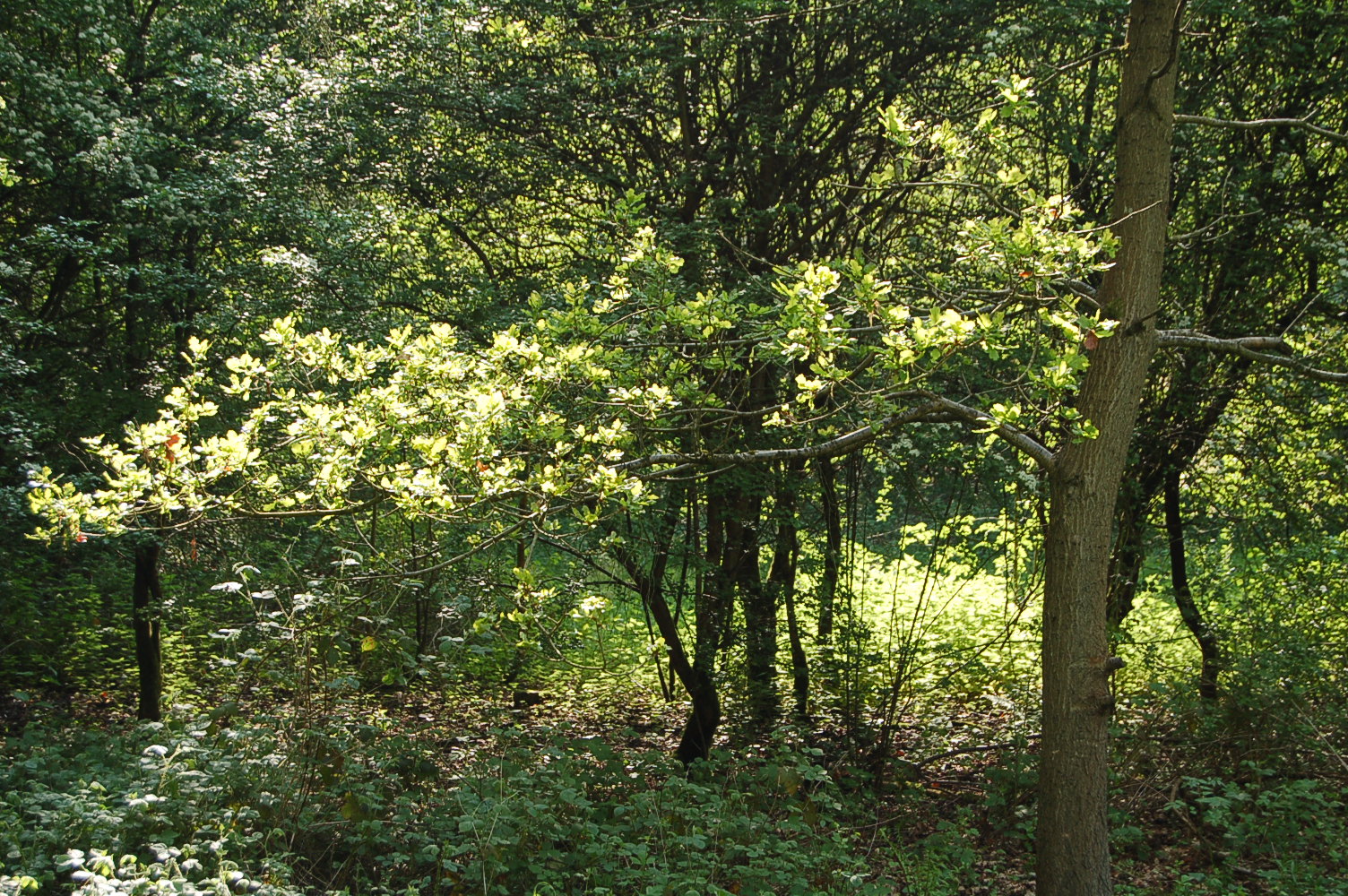
Beautiful woodland light.

A shaft of sunlight pierced the valley side.

On the slopes Jays in their smart plumage of pinks, greys and highlights of blue, fed voraciously on acorns and beech mast. They were over-confident and took little notice of our intrusion into their territory as groups of seven or so foraged on the leaf littered slope.

The path became a tunnel of trees.

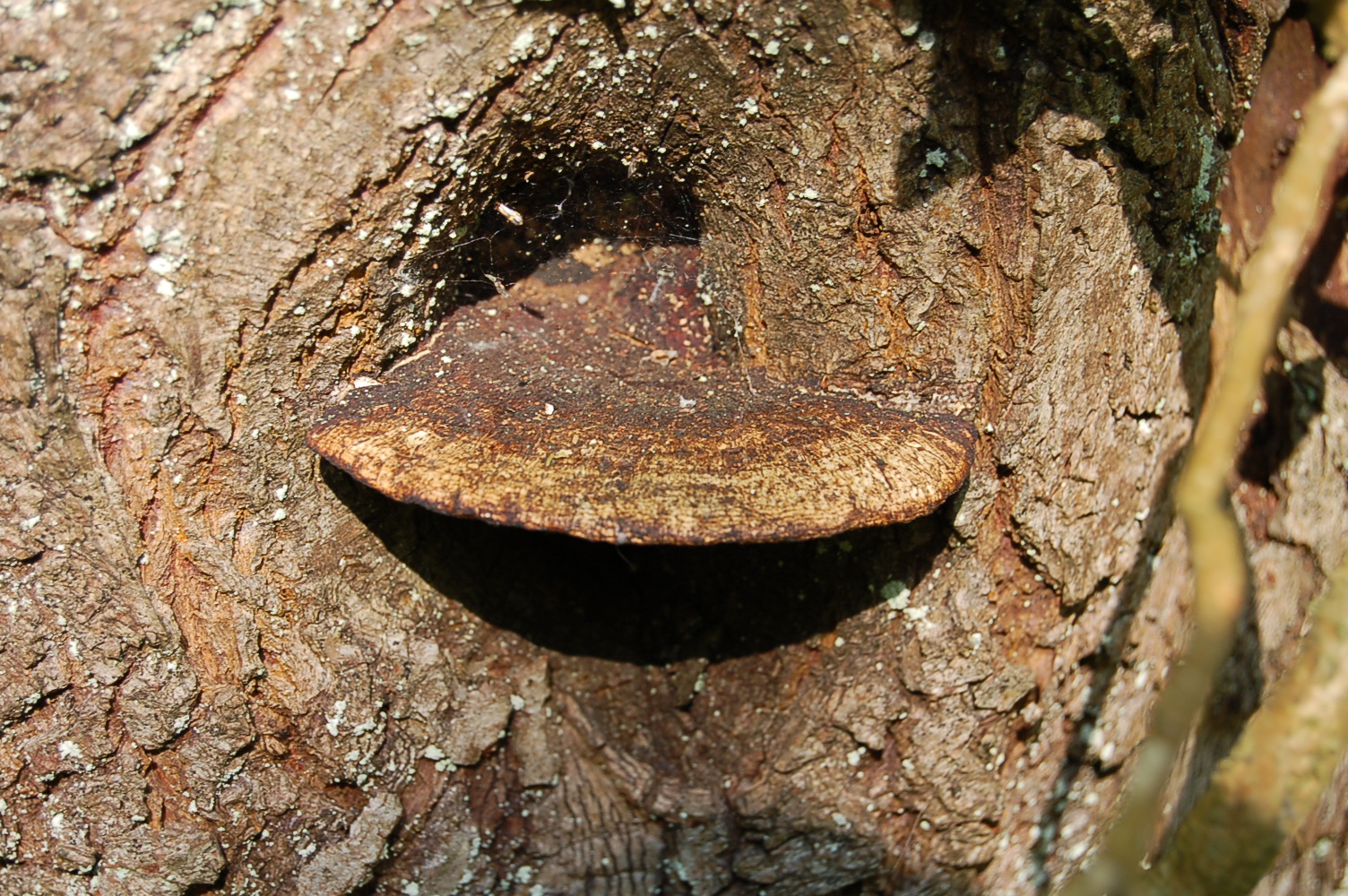
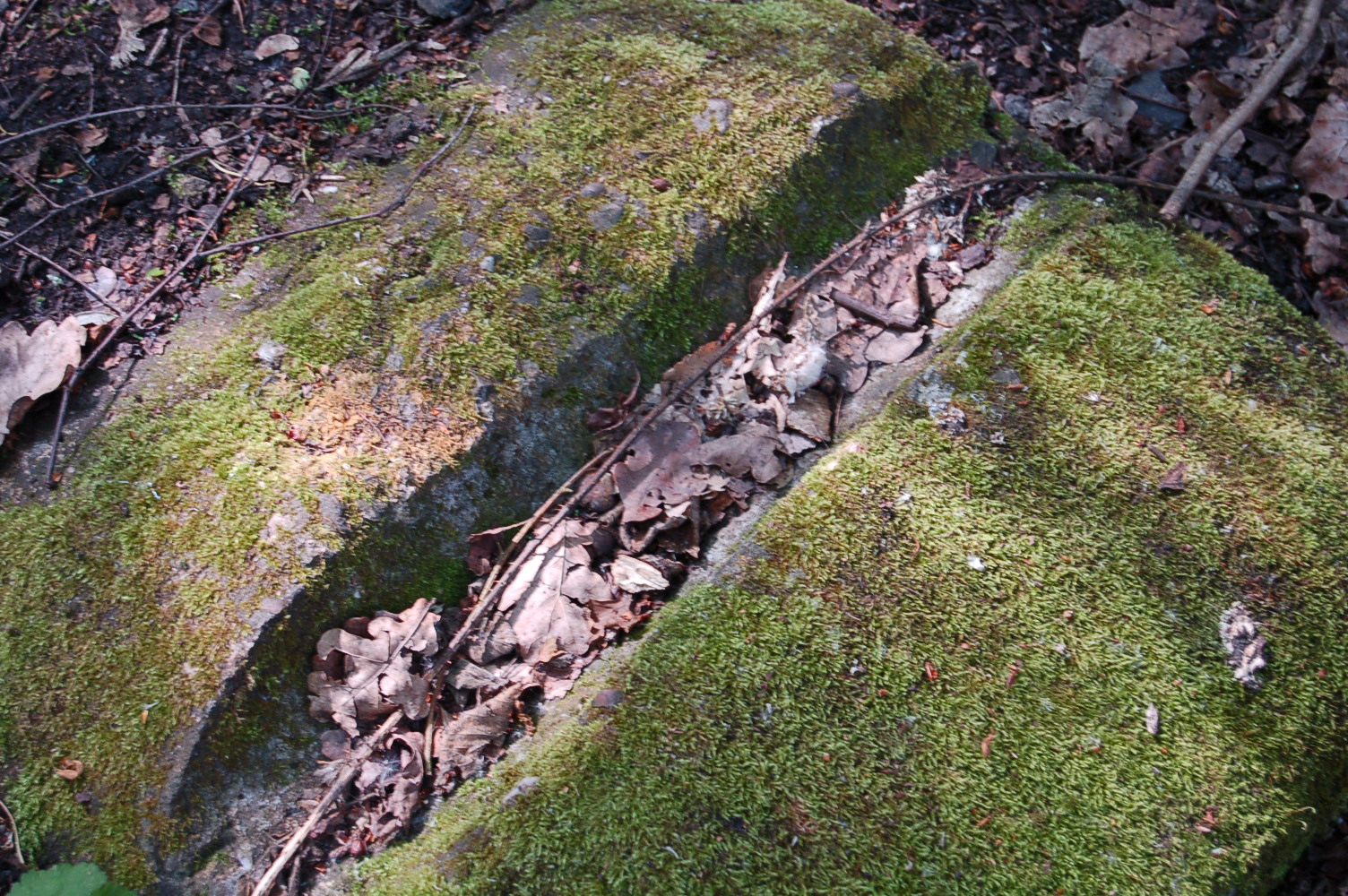
At one time this valley was the centre of industry and clues still appear now and again as the woods are explored. Surprising man-made artefacts appeared as contradictions to the gentle beauty of the art of Mother Nature.

A sign of past industrial activity.
Signs of an old trackway alongside the path.
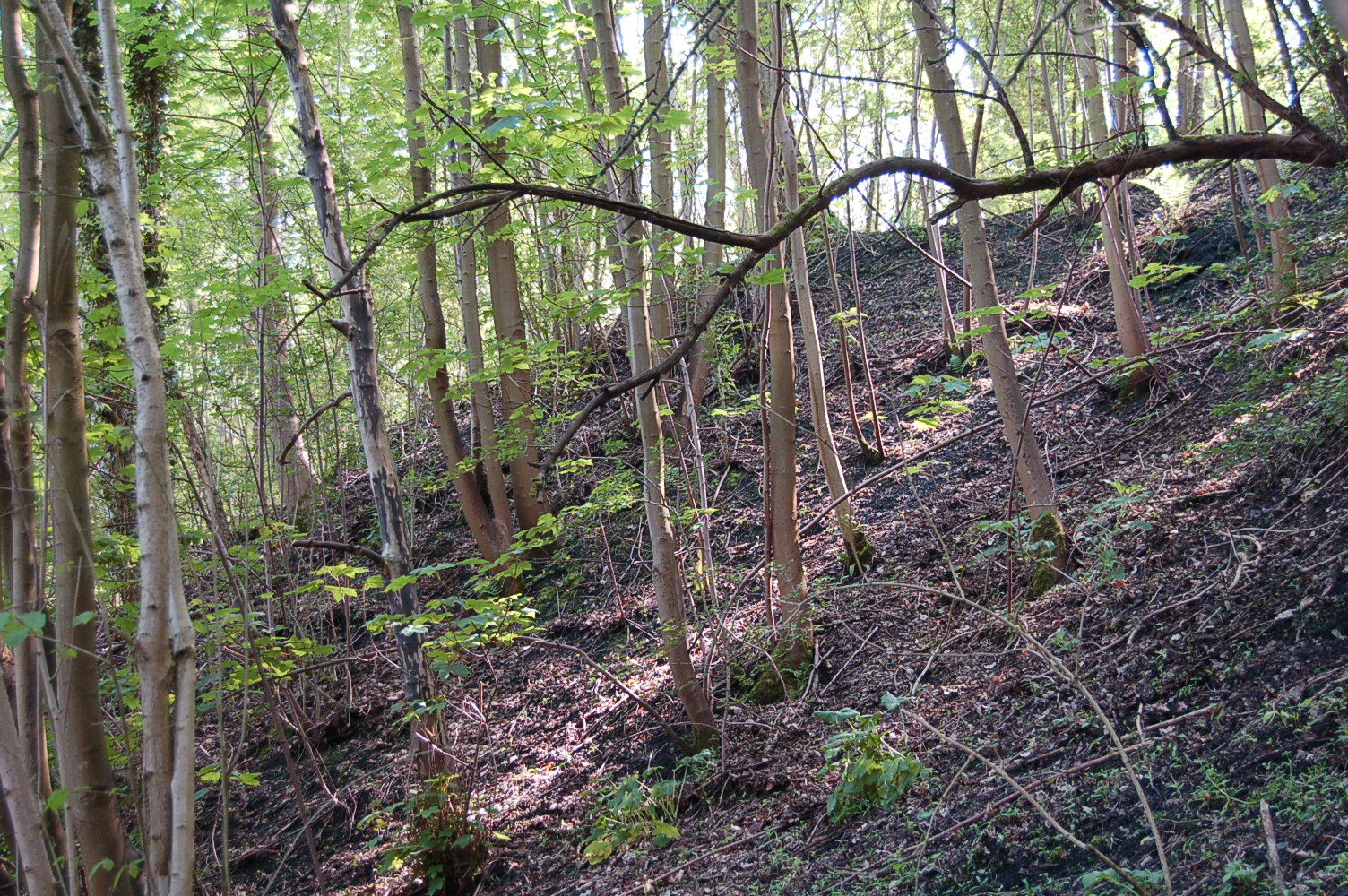
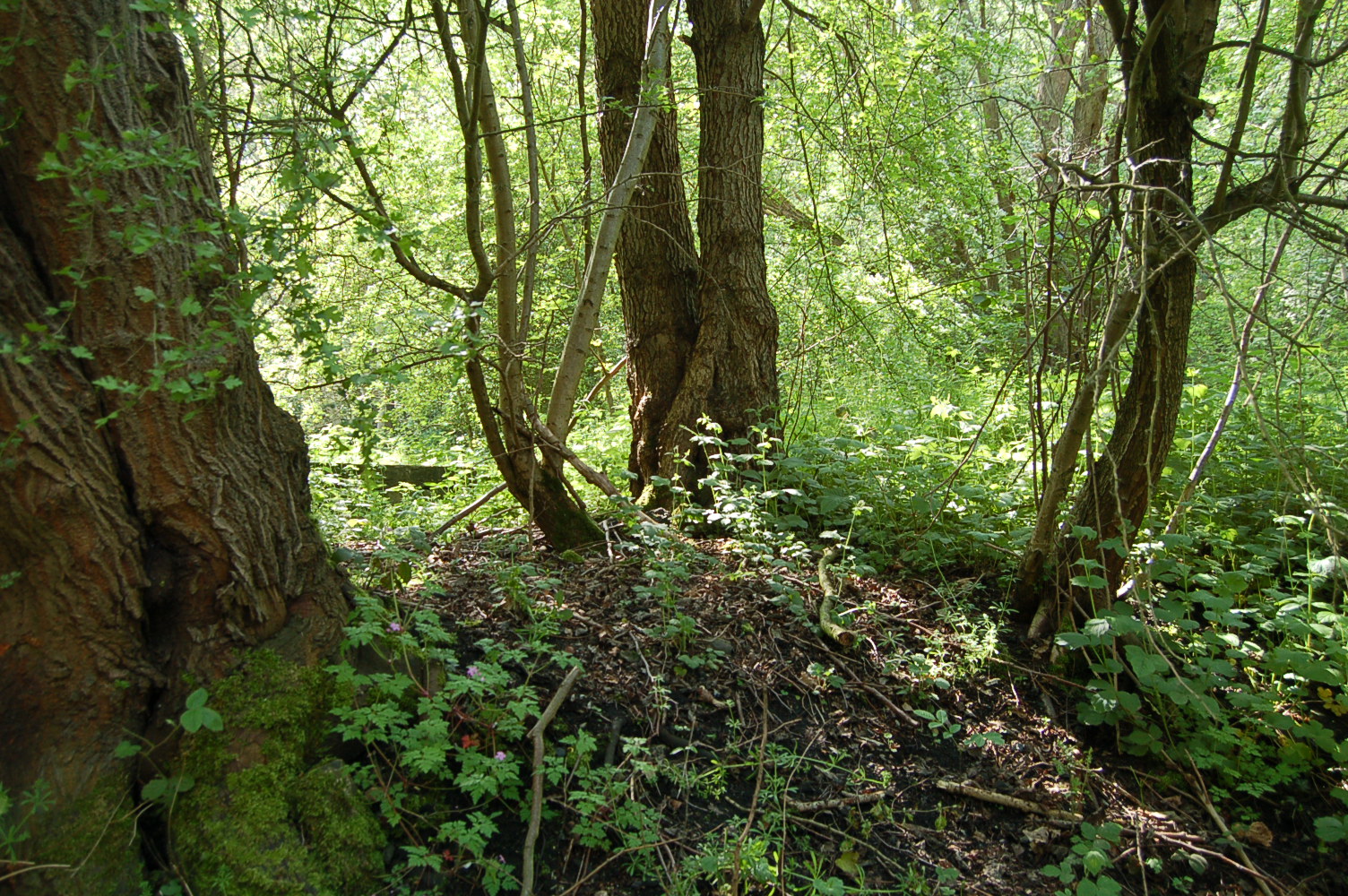
Some plants choose to grow on the rubble slopes of old industry.
Light pierced through the trees from the nearby clearing.
Looking from the clearing back into the woodland.

We took advantage of the sunshine in the clearing with its conveniently placed bench. We listened to bird song and watched Blackcaps as they flitted amongst the tree tops. They stopped and perched occasionally to give us a short performance of their enjoyable song. The cerise-breasted  Bullfinch caught our eye as he hovered alongside the clock seedhead of a Dandelion, until he grasped a seed in his beak took it to a low branch of a Hawthorn. He enjoyed it, unaware that two people were watching him.

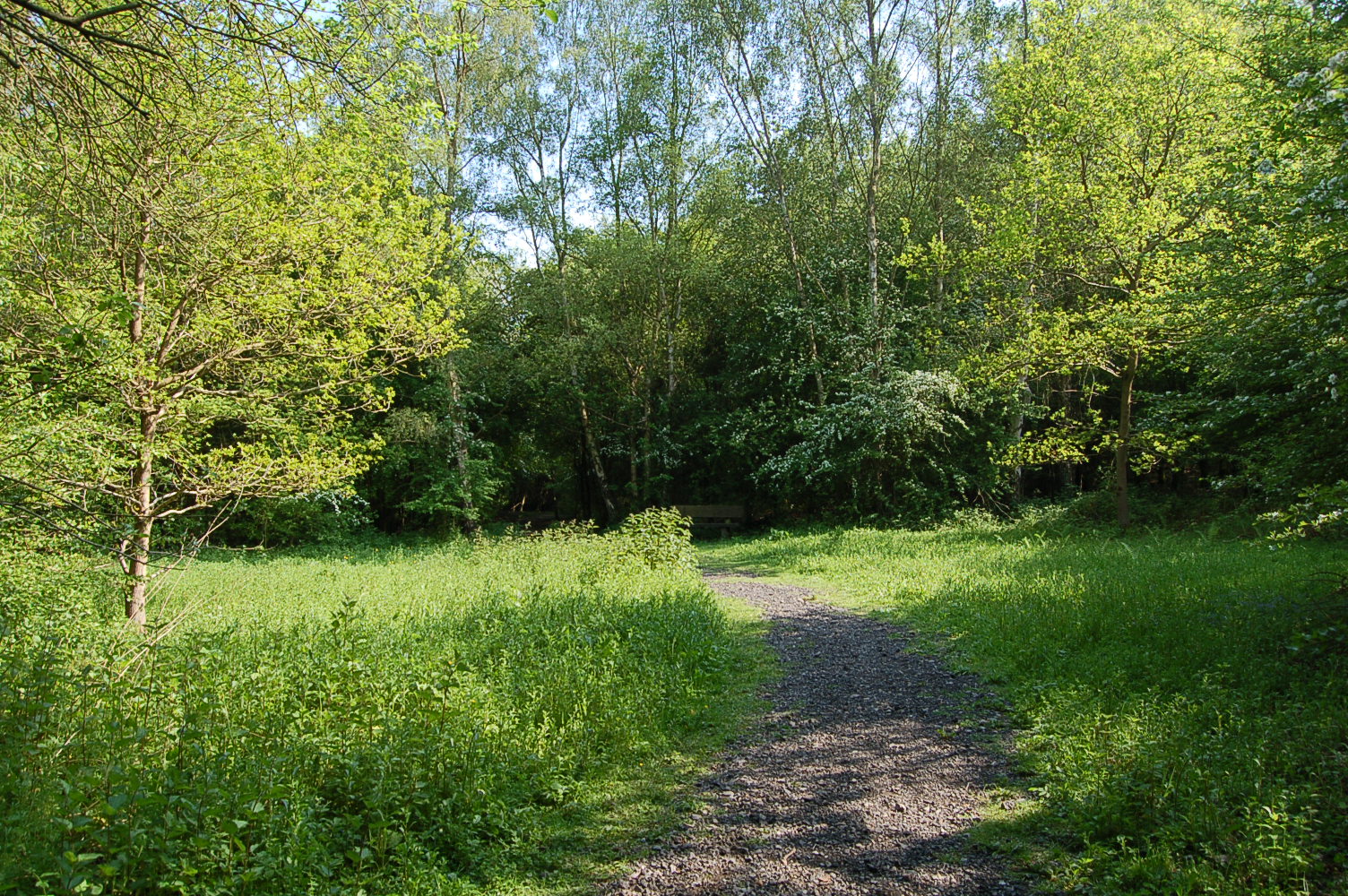
Sunshine lights up the clearing and invites us to picnic.
Magical light through the trees.
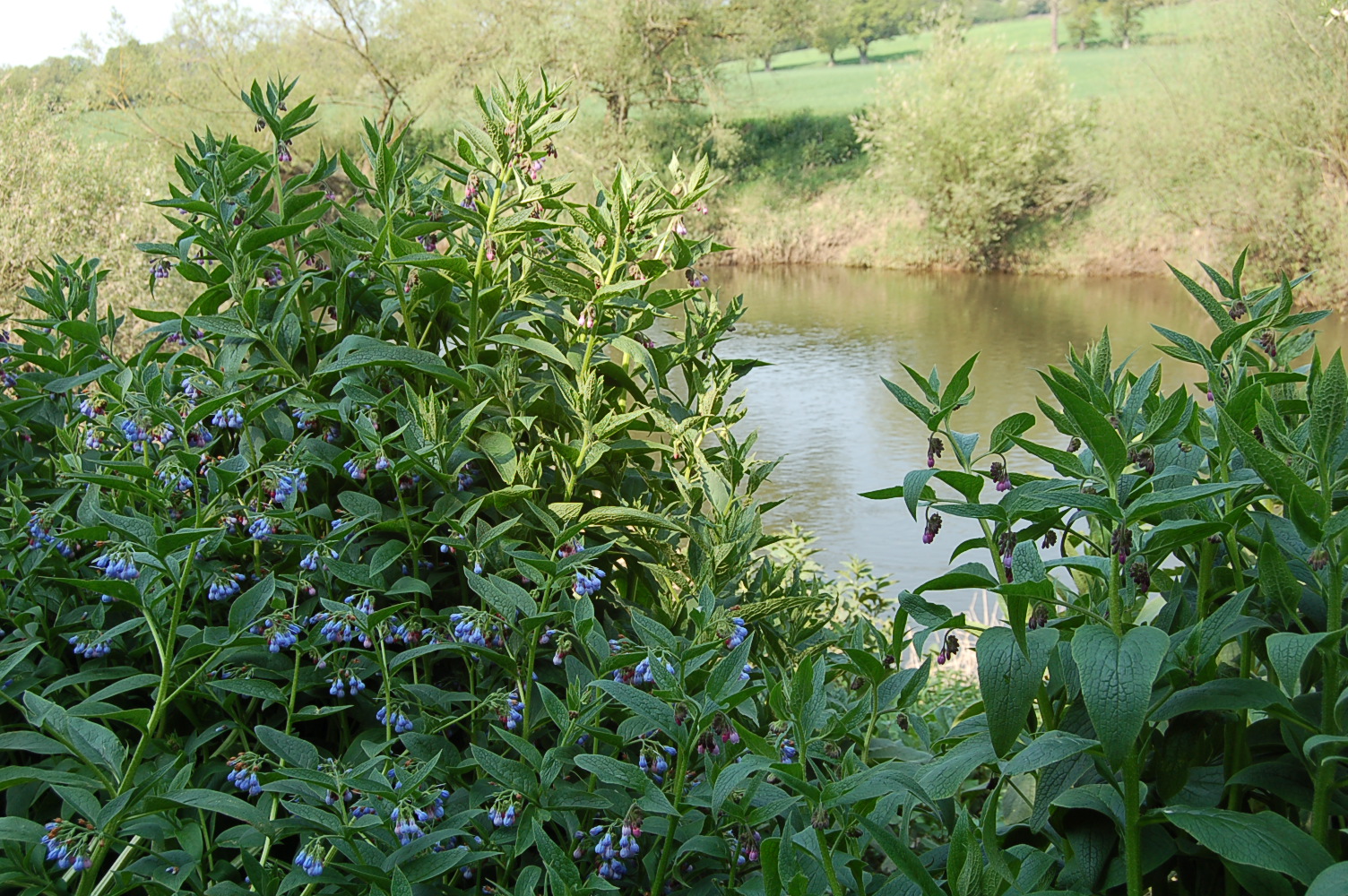
The Severn glimpsed through clumps of Comfrey plants.

As we followed our path back down to the riverside we noticed a change in wildflower species. Here Comfrey dominated and filled the open ground between the willows and alders and our track took us through lush grassed areas. Kestrels and Sparrowhawks hunted along the riverside slopes causing consternation to the nesting Blackbirds, Thrushes and Warblers.

The cotton wool like mass on the willow confused us. Was it hiding caterpillars or young spiders?

In the depth of the shadow under the trees we spotted this Badger Sett.
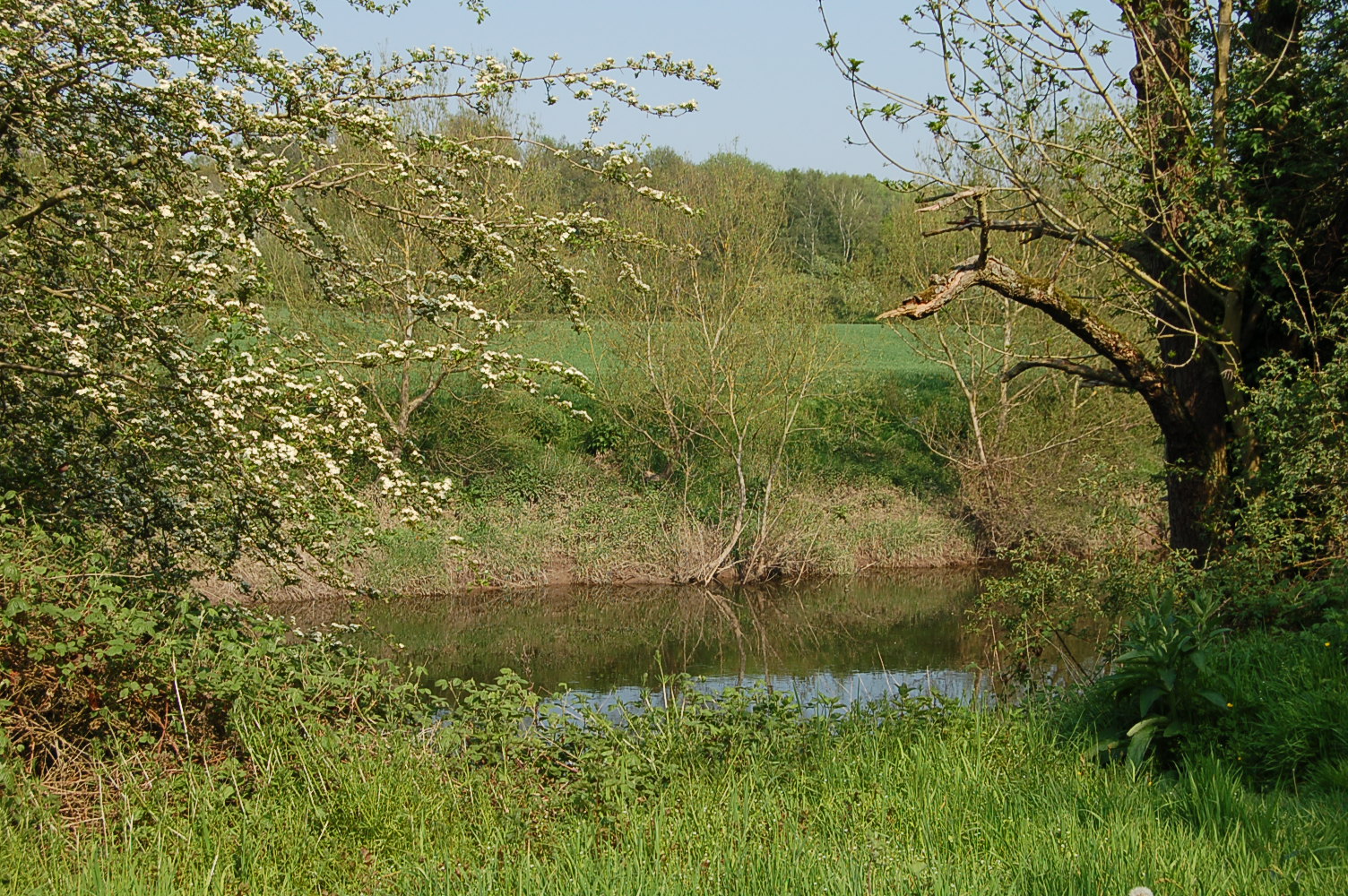
A glimpse of Shropshire countryside over the river.
Back to the bridge.
The gentle climb back up the valley side to the car park provided plenty of benches to rest on and admire the views.

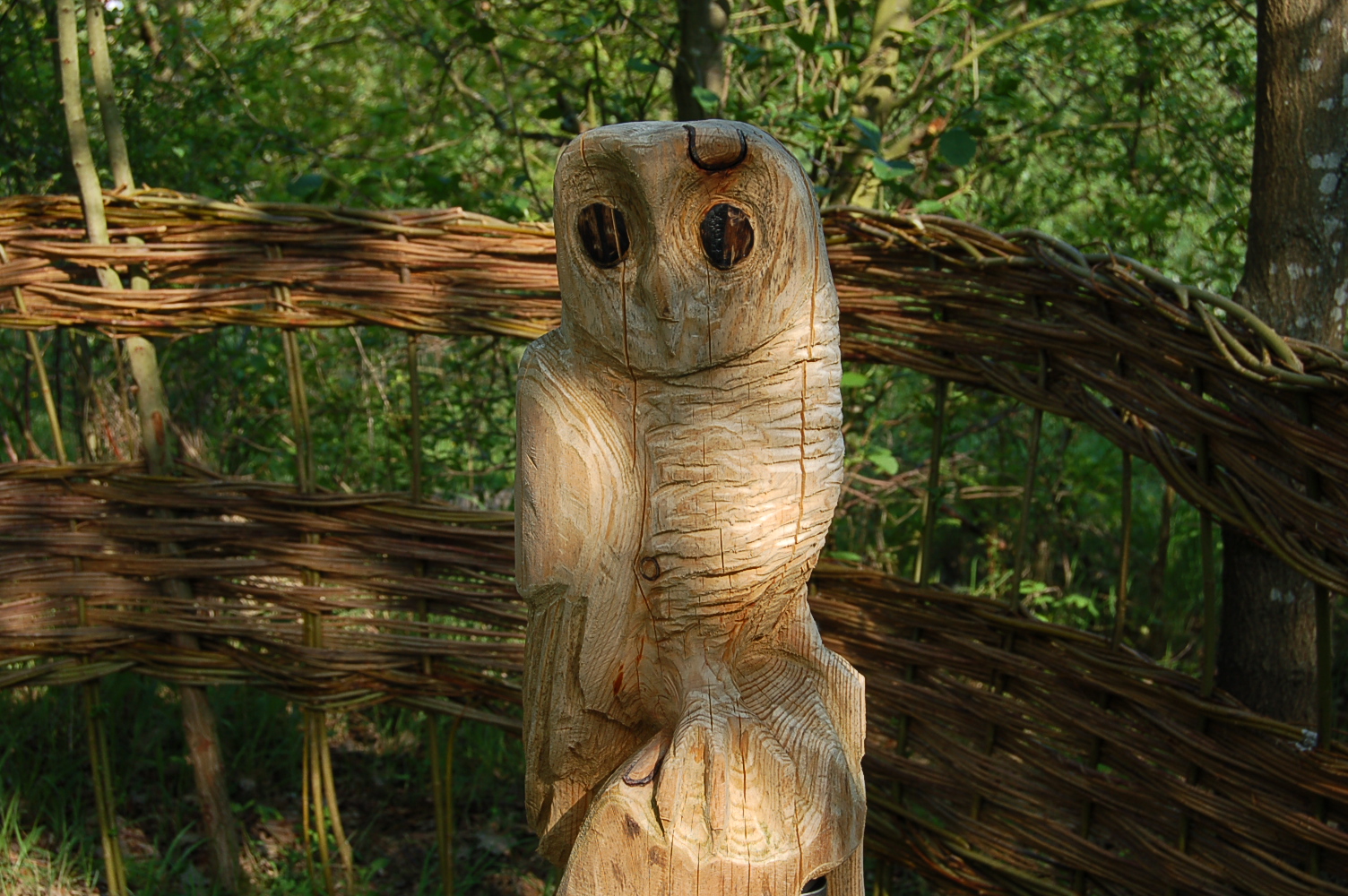
In the wooded edge of the picnic site back near the car park we found these amazing wood carvings representing the wildlife of the area.

The carvings emphasised what a special place we had just explored. We enjoyed the changing light as we moved in and out of the woods, the variety of flowers and birds and the joy of walking alongside our local river

Categories
allotments birds community gardening conservation fruit and veg garden photography garden wildlife gardening grow your own hardy perennials meadows natural pest control Shropshire wildlife

A Wander around the Allotments in May

May is a busy month on the allotment, seeds need sowing, seedlings need thinning, weeds need hoeing and early crops reward us with early harvests. And of course our grass paths separating the four areas of the plot need regular mowing.

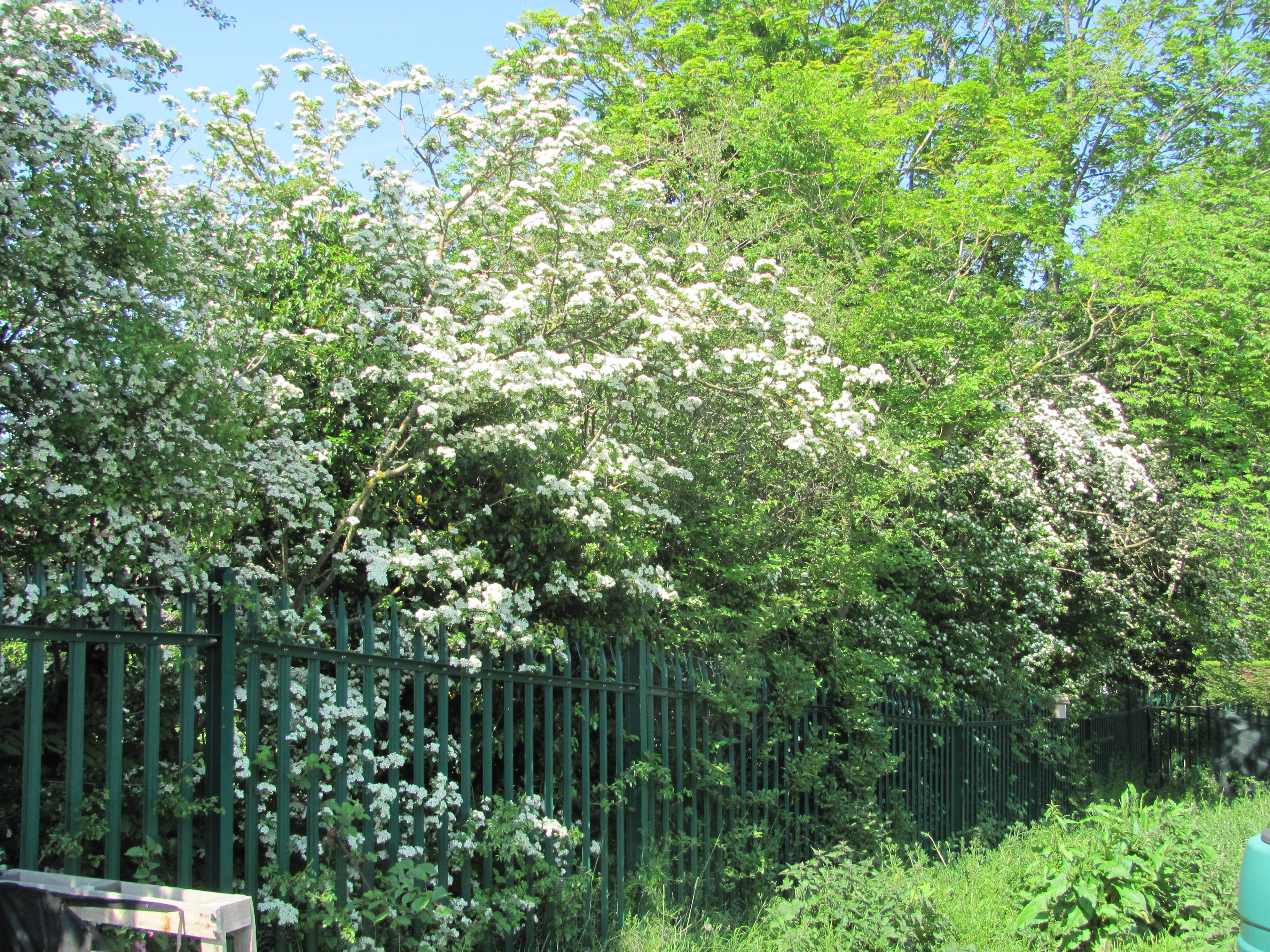
The Hawthorns in native hedges around the site are smelling good and looking good.

The wildlife all around is equally busy, seriously going about the business of breeding with all its inherited trials and tribulations. The weather, predators, prey availability and the search for food for both adults and nests full their young all contrive to make their lives difficult.

We shall begin our May lottie wander on our own plot to see what is going on. The soil is now easily worked so using the hoe to remove seedlings is easy so the plot is looking tidy.

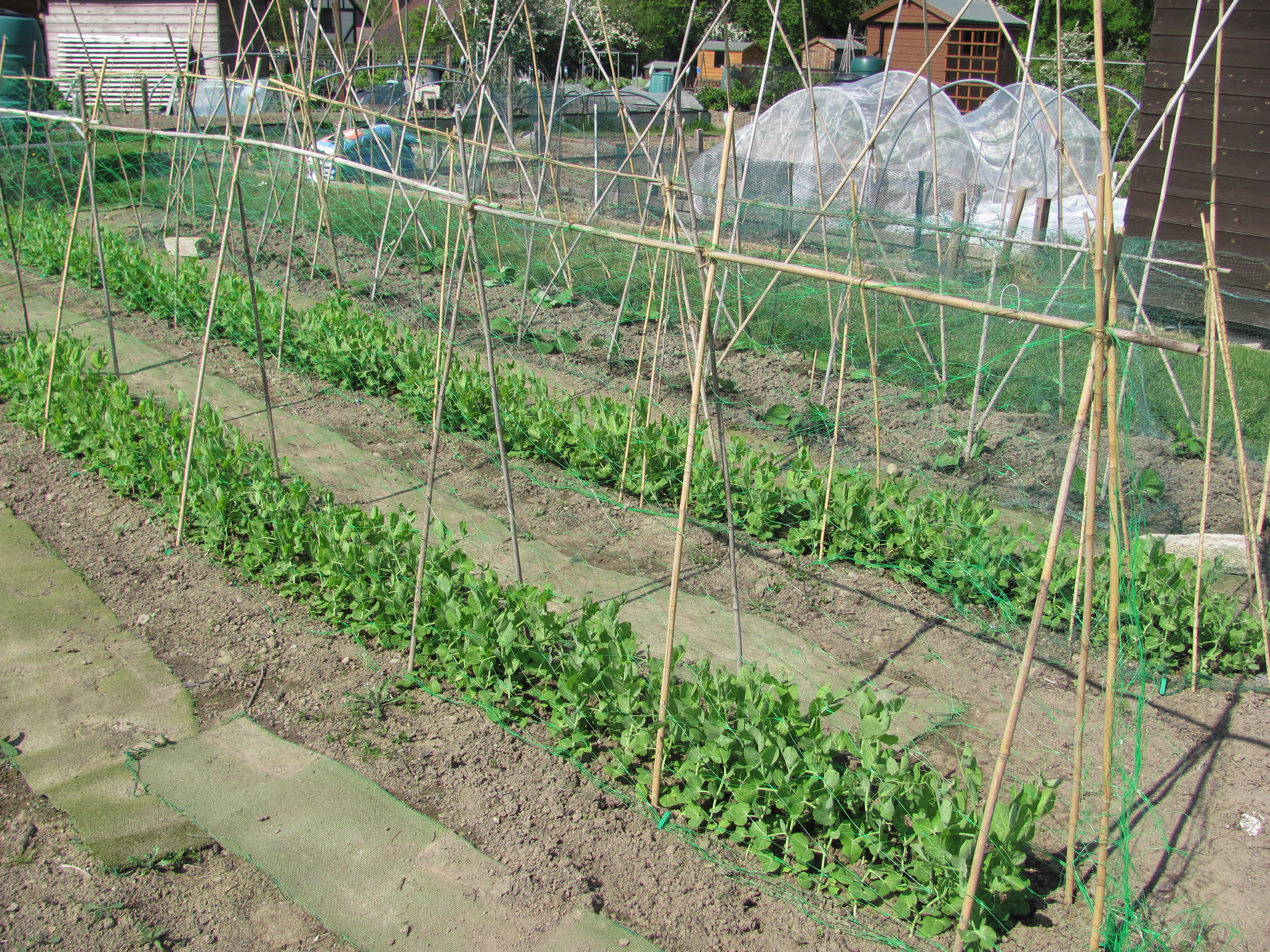
Our brassicas are coming along well underneath their protective cover.
The perennial bug borders are looking good.
Multi-coloured radiccio.

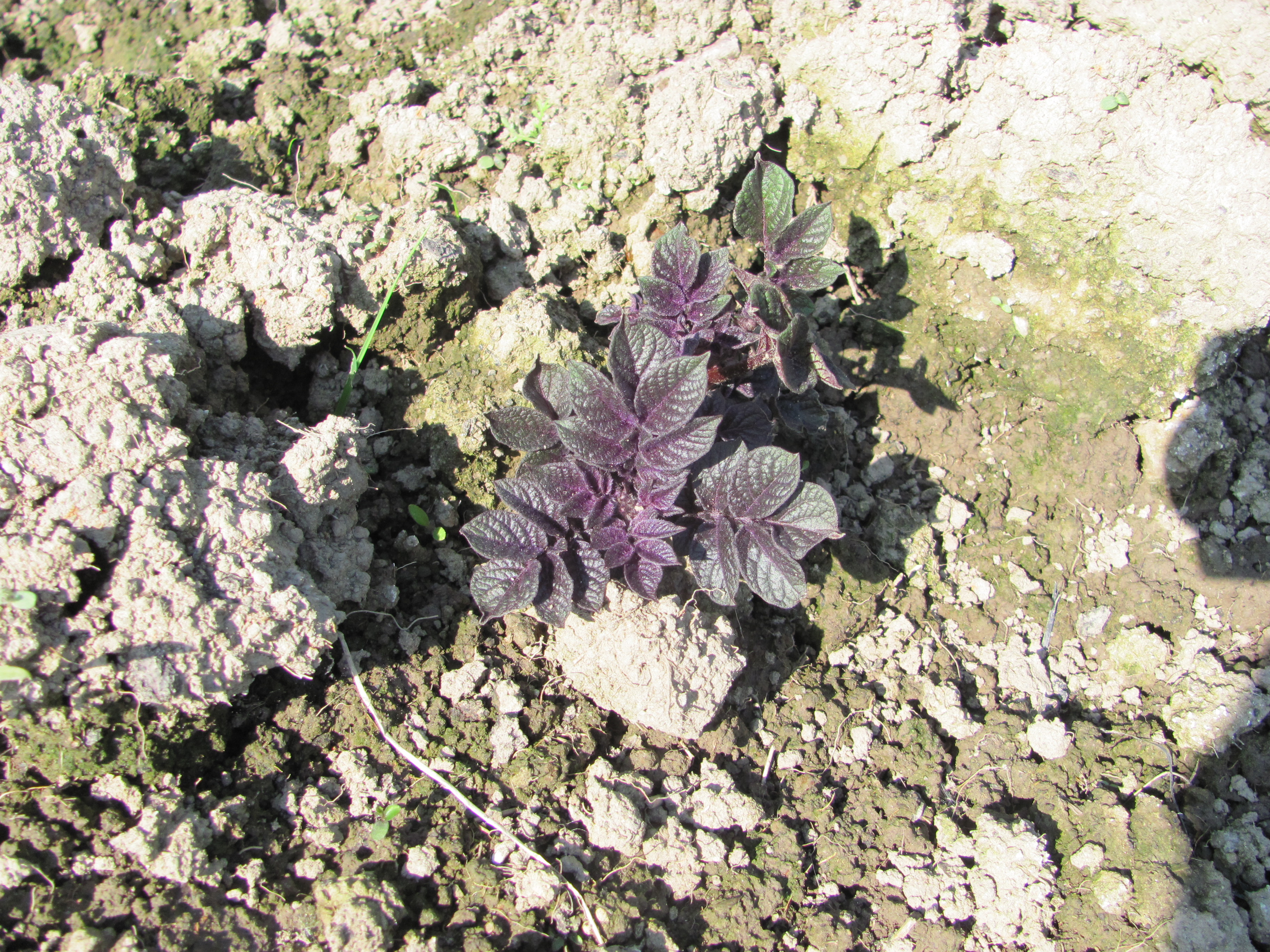
Whenever we are working our plot or helping maintain the green spaces around the site, we are entertained by birds of prey, Buzzards and Kestrels soaring or hovering over our heads and around our feet Robins, Blackbirds, Blue and Great Tits, and Song Thrushes search for food for their young hoping we disturb grubs and bugs with our digging, raking and hoeing. More secretive in their search for fodder for young are the Black Caps, Woodpeckers and Nuthatches. Overhead the hirondelles, (Swallows, Swifts and House Martins), having recently returned from their winter haunts greedily scoop up insects on the wing.Although the weather has been warm and dry for a few days now the end of our plot where the clay comes nearest the surface and the topsoil is very thin, water still saturates the land, making working it impossible. But in this wetness in the ridged soil our Red Duke of York potatoes are pushing their purple tinted foliage out towards the sunshine.

Red Duke of York appearing above the algae tinted soil.
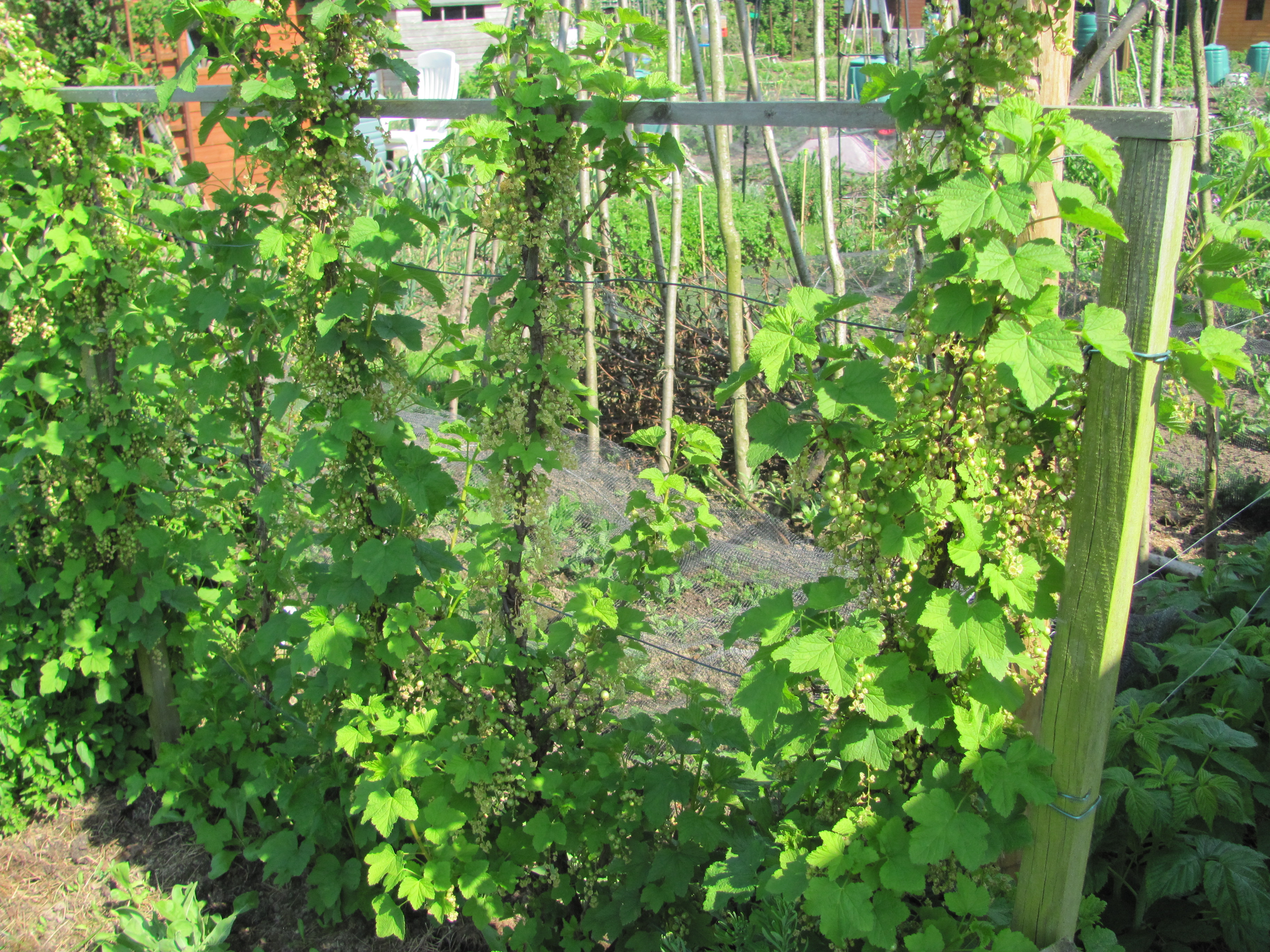
Our cordon Red Currants are flowering heartily and starting to set fruit.

In the orchards and over the meadows wildflowers are blooming alongside naturalised ornamental bulbs, attracting butterflies, the crinkle winged Commas, the Orange Tips with orange tips to their wings and the wonderful ethereal Holly Blues.

Bulbs and Buttercups under the fruit trees in the orchard.
We attract predator insects into the orchards with these insect homes. They are a wildlife friendly pesticide.

The Buddleia Borders are coming to life now and the Spring Garden remains very colourful.

Two plot holders, Phil and Doreen, have created a new bed in a shaded area near their plot and made it accessible for all to enjoy.

Most plots are ready for sowing and planting or partly planted up and sown.

Our May Working Party jobs were decided upon by where the shade was, as it was too hot to work in the full sunshine. We managed to get most of our tasks completed though.

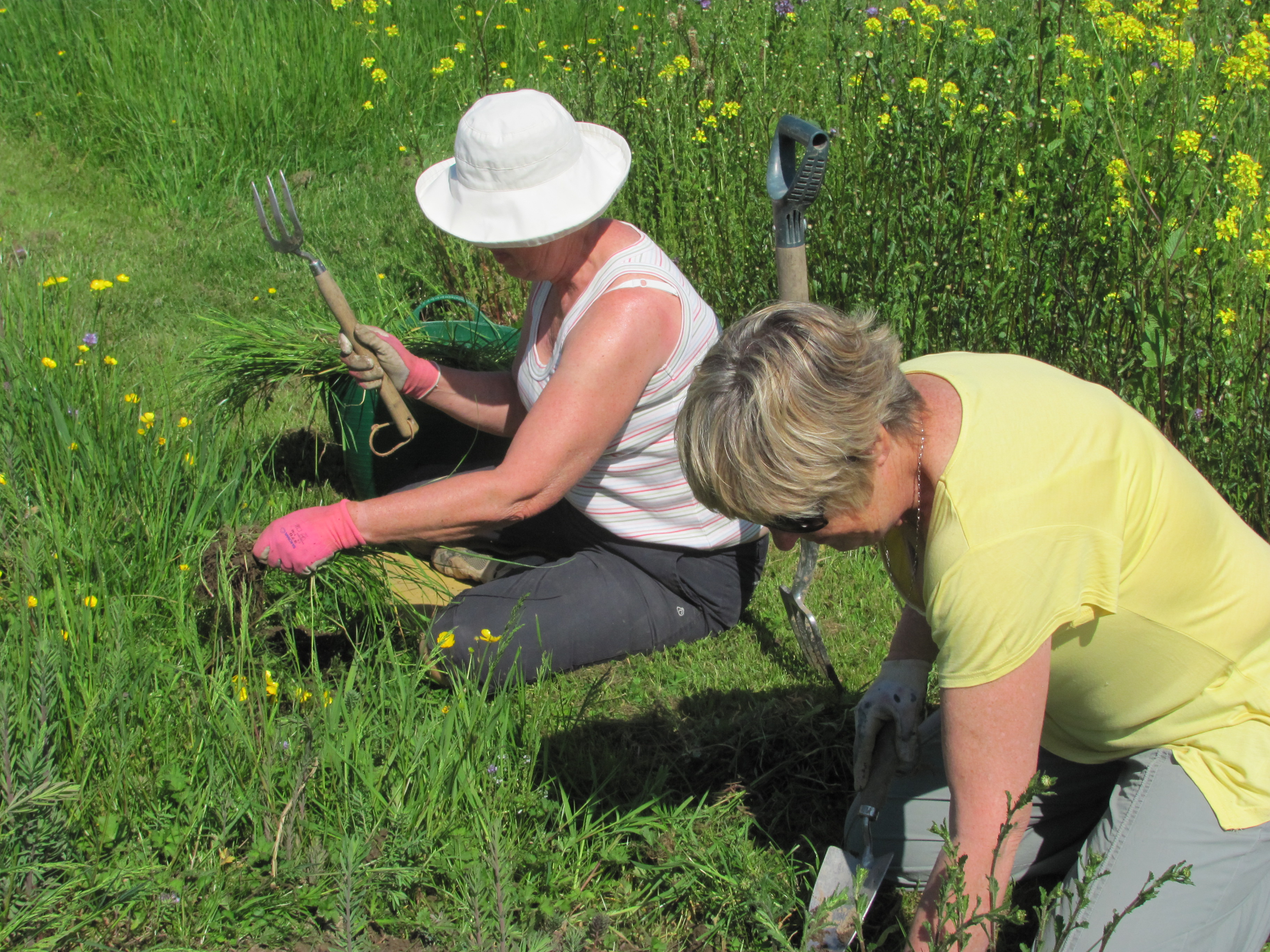
Heads down for weeding the meadows.
Kneeling down on the job attacking those pernicious weeds that creep into the meadows.

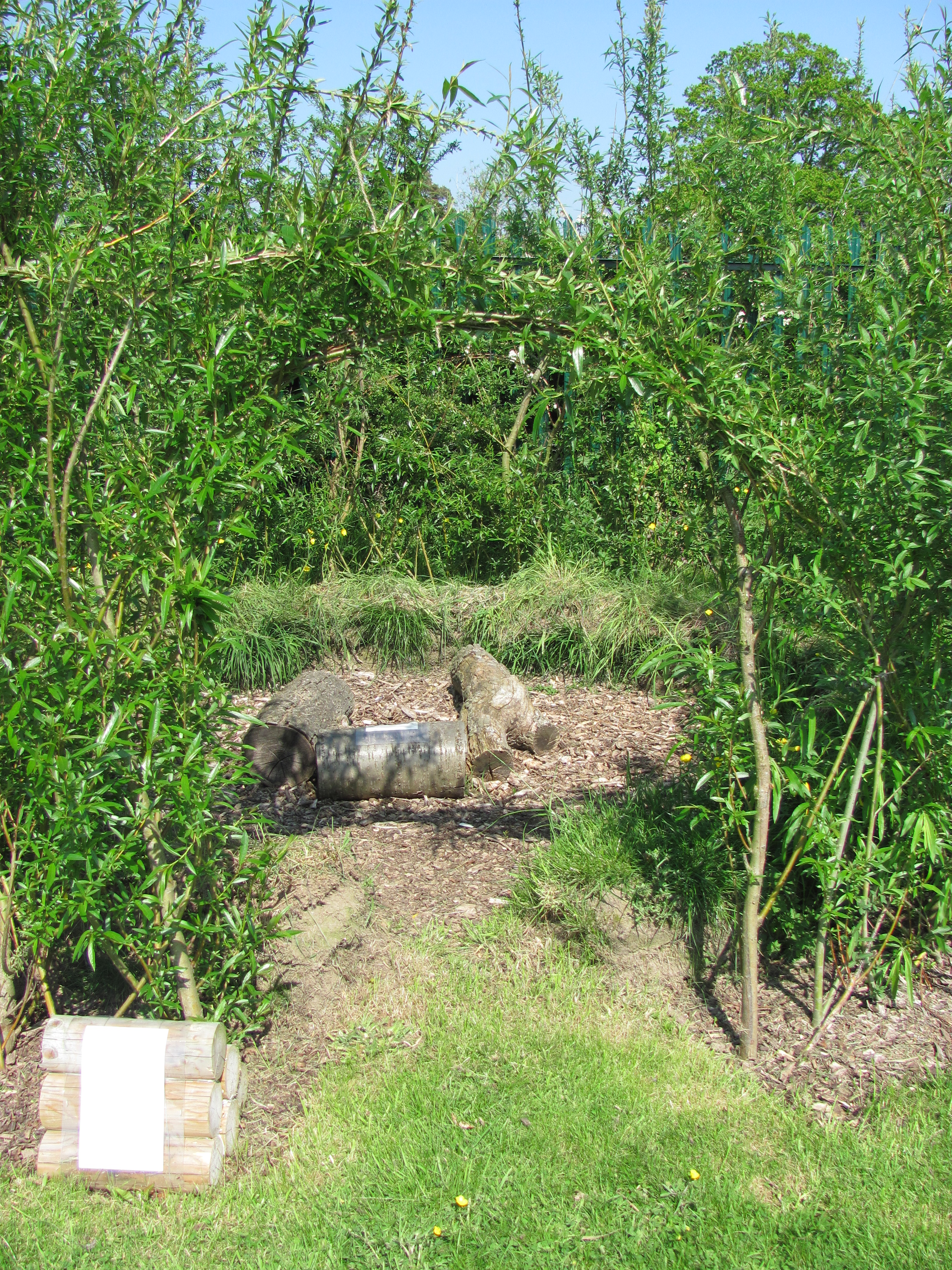
Our Willow Dome has had its doorway and windows woven and neatened up and the sides pruned and woven. It is a favourite feature with children as somewhere to listen to a story, or as a play den, and as adults for somewhere to escape to at coffee time from the heat of the day.

As we have recently launched our site’s Wise Watering Campaign it is heartening to see guttering and butts appearing on several sheds.

Categories
bird watching birds Shropshire The National Trust wildlife

Follow that stream!

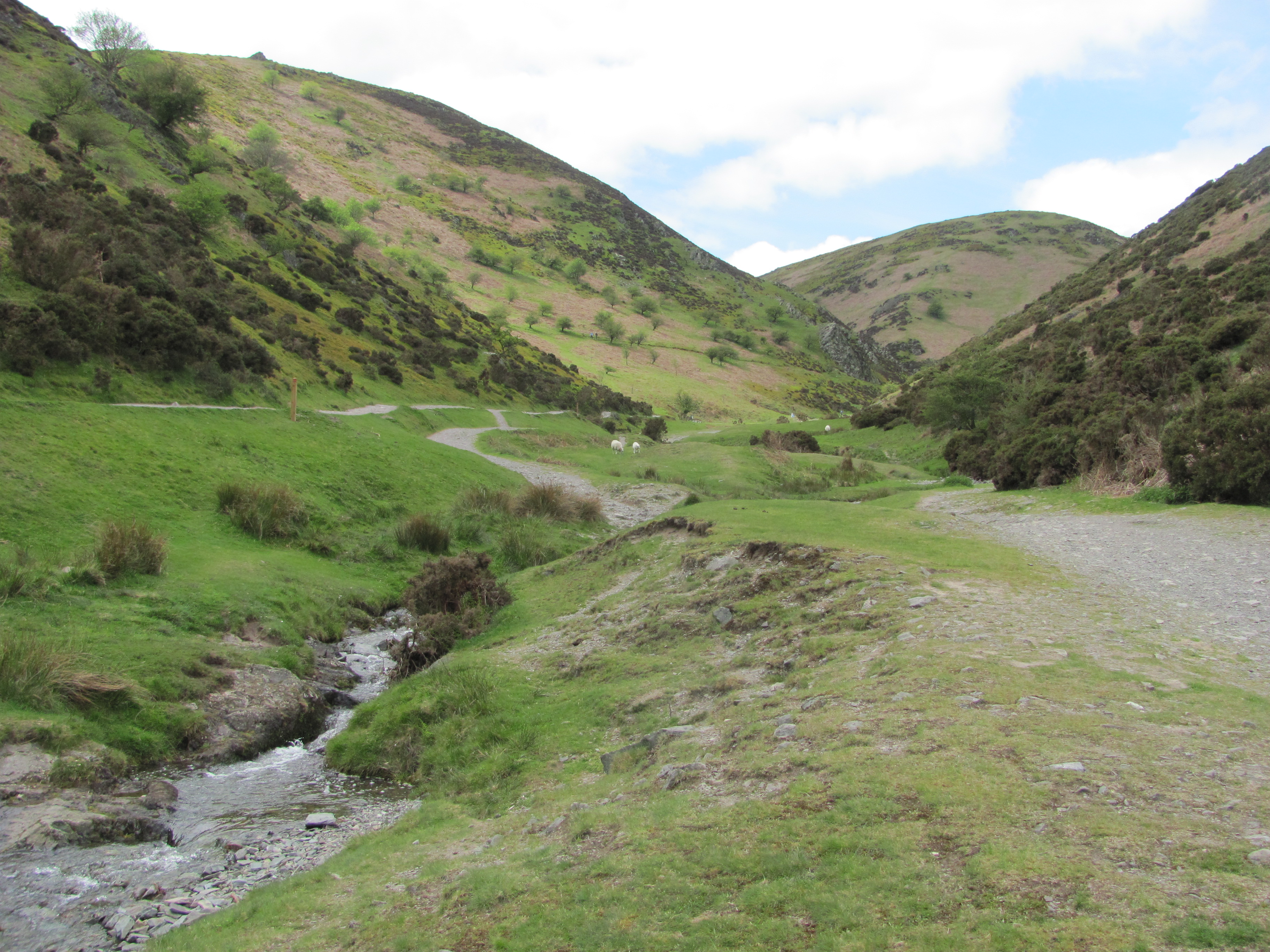
A walk along a tiny stream in a deep valley in our Shropshire Hills seemed most inviting on a warm May afternoon, so we set off for a half hour drive from home to Cardingmill Valley at Church Stretton. Much of the countryside here is managed by the National Trust so at weekends the valley gets too busy for our liking. Hence we chose midweek for our stream side walk, and found a few cars and people close to the Visitor Centre but as we left that behind we were almost on our own.

The stream leads us into the valley.

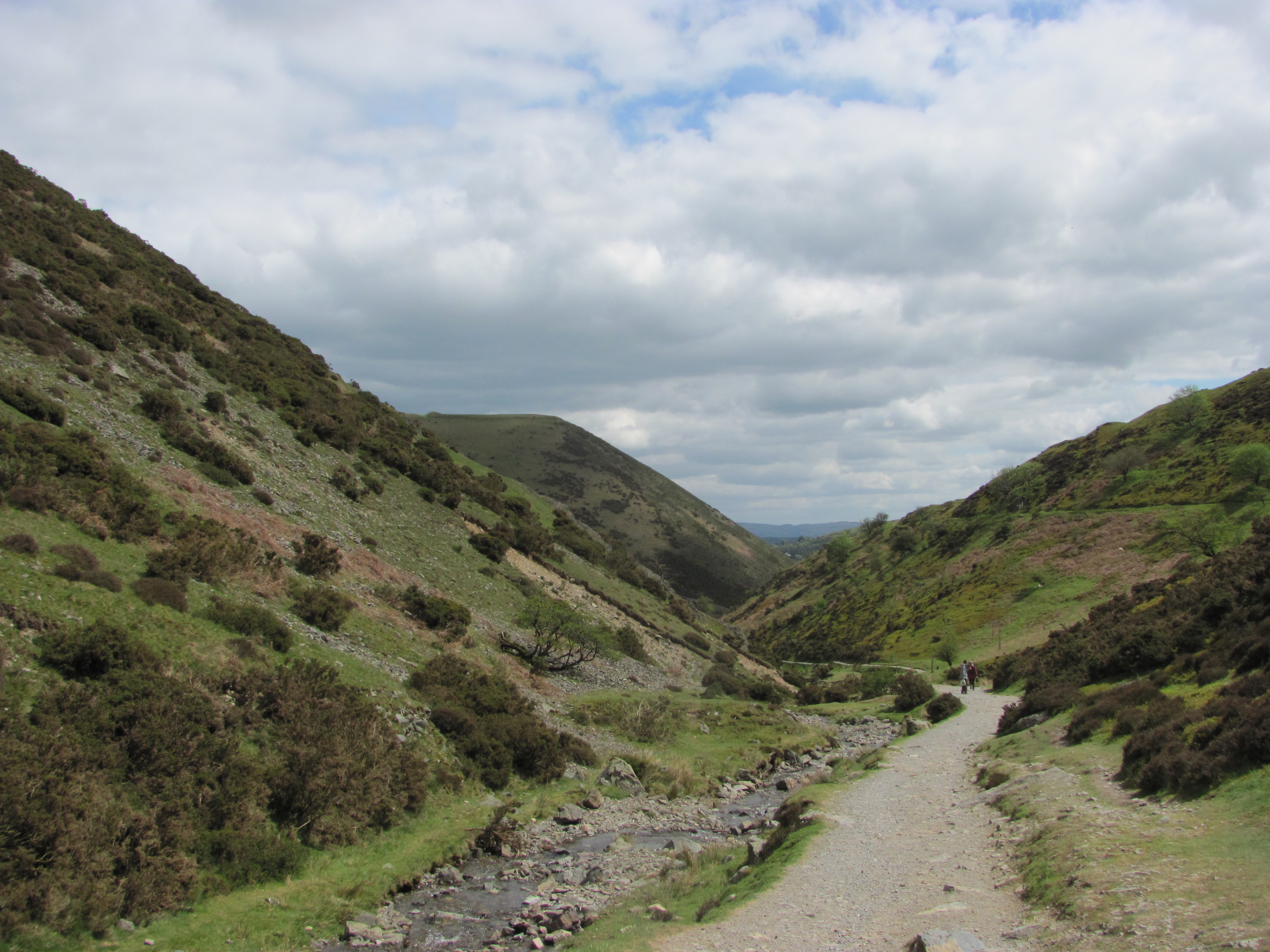
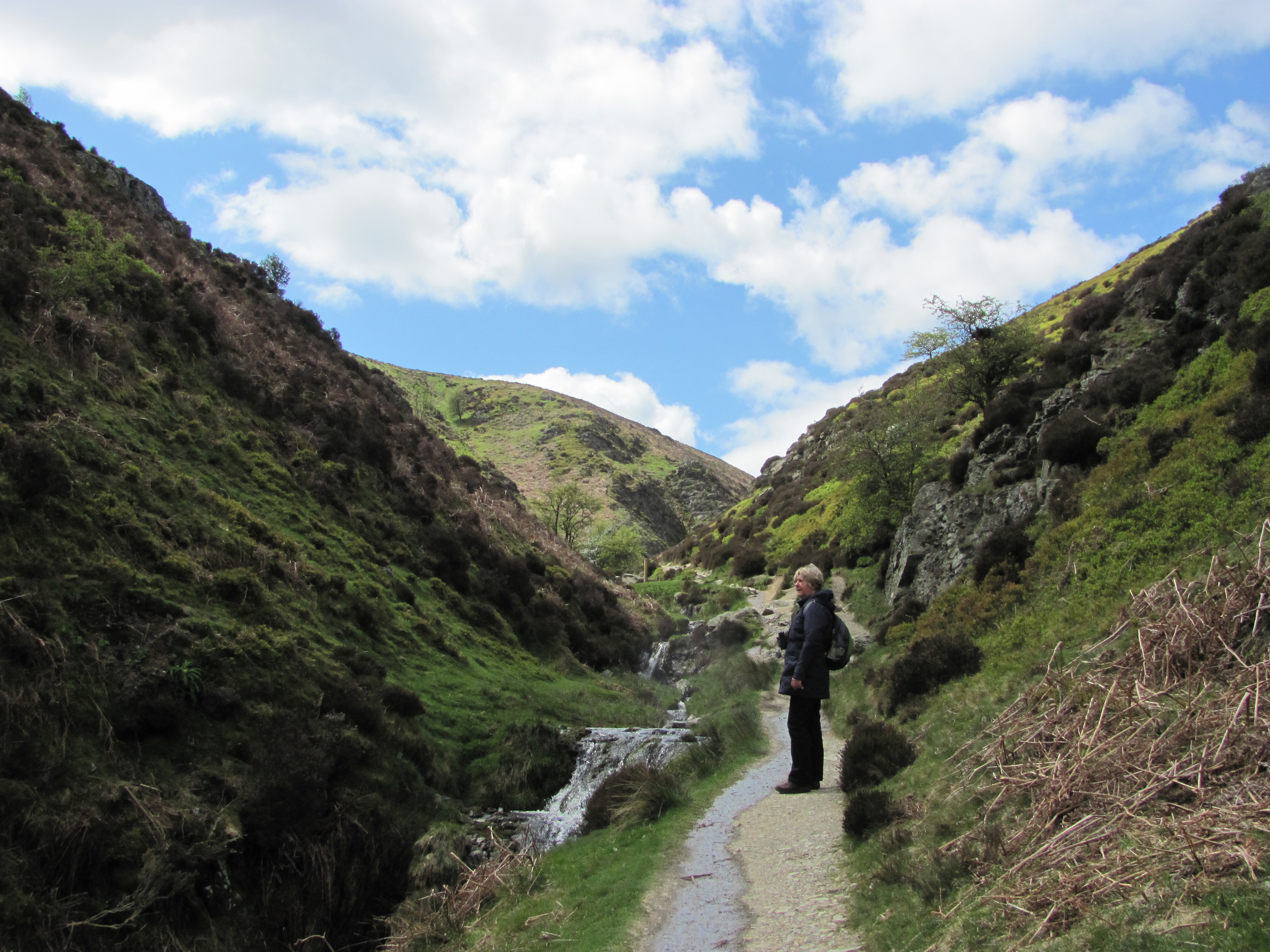
The wide valley where we joined the tiny stream looked most inviting with its steep slopes running up the tall hillsides towering overhead, all topped off by a clear blue sky. We hoped to see different birds here in this upland habitat and a scarcity of plants but those we see should be interesting in how they adapt to their environment.

One of the gentler slopes.

We were heading for a narrower side valley called “Light Spout Hollow” where if all went well we anticipated discovering a waterfall. So the first section of our walk along the Cardingmill Valley the path was relatively wide and even and the climb gentle. Looking up the slopes towards the sky we searched for the Buzzards which we could hear mewing overhead as thye wheeled in the thermals. But these are steep head-spinning slopes so it was a matter of glances of these wide-winged soaring birds of prey. It was easier to appreciate the hovering hunting tactics of the Kestrel hunting on the lower slopes.

Storm clouds brewing over the hills.
The green side of the valley.
Looking back to see where we have come from.
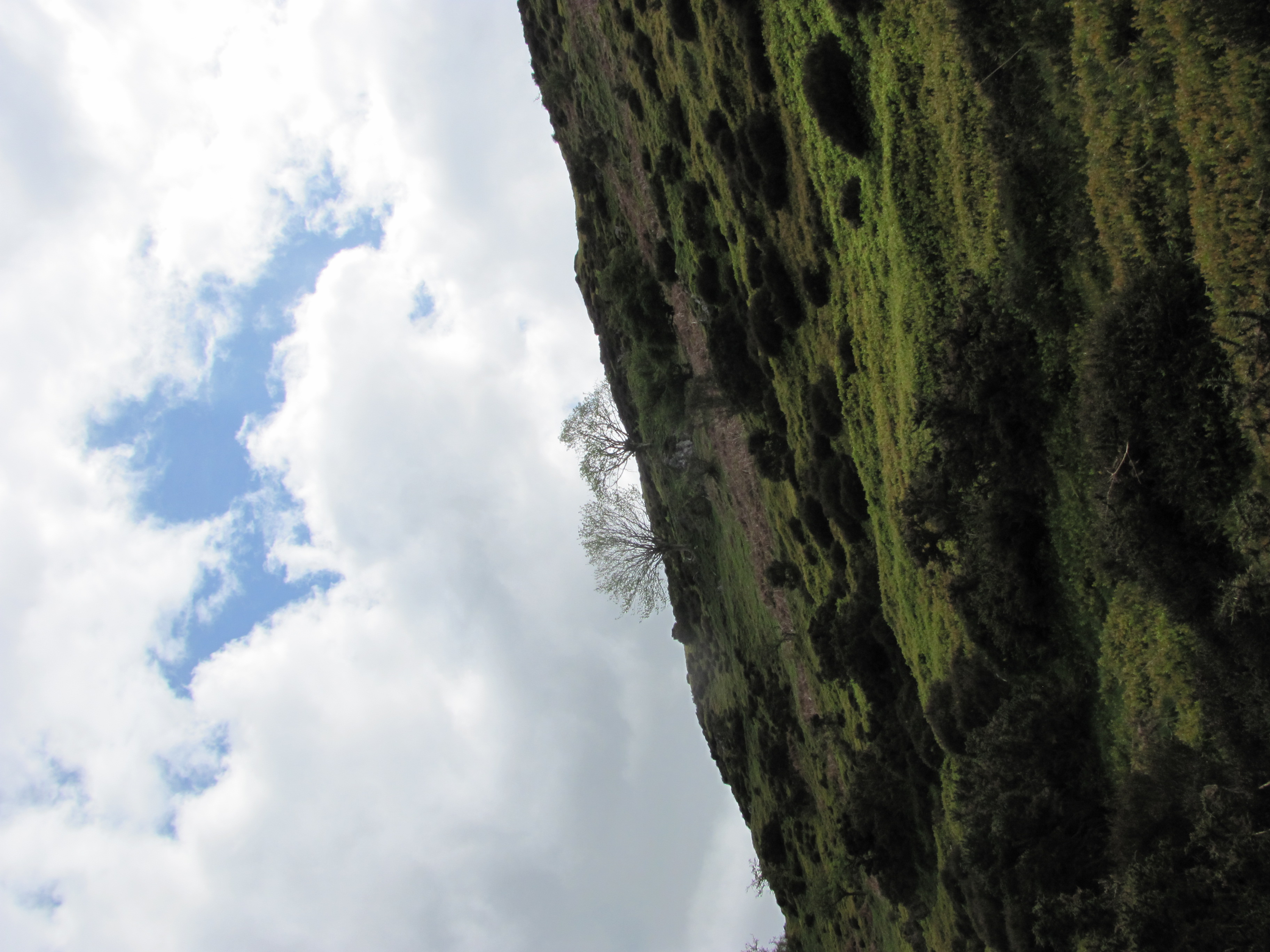
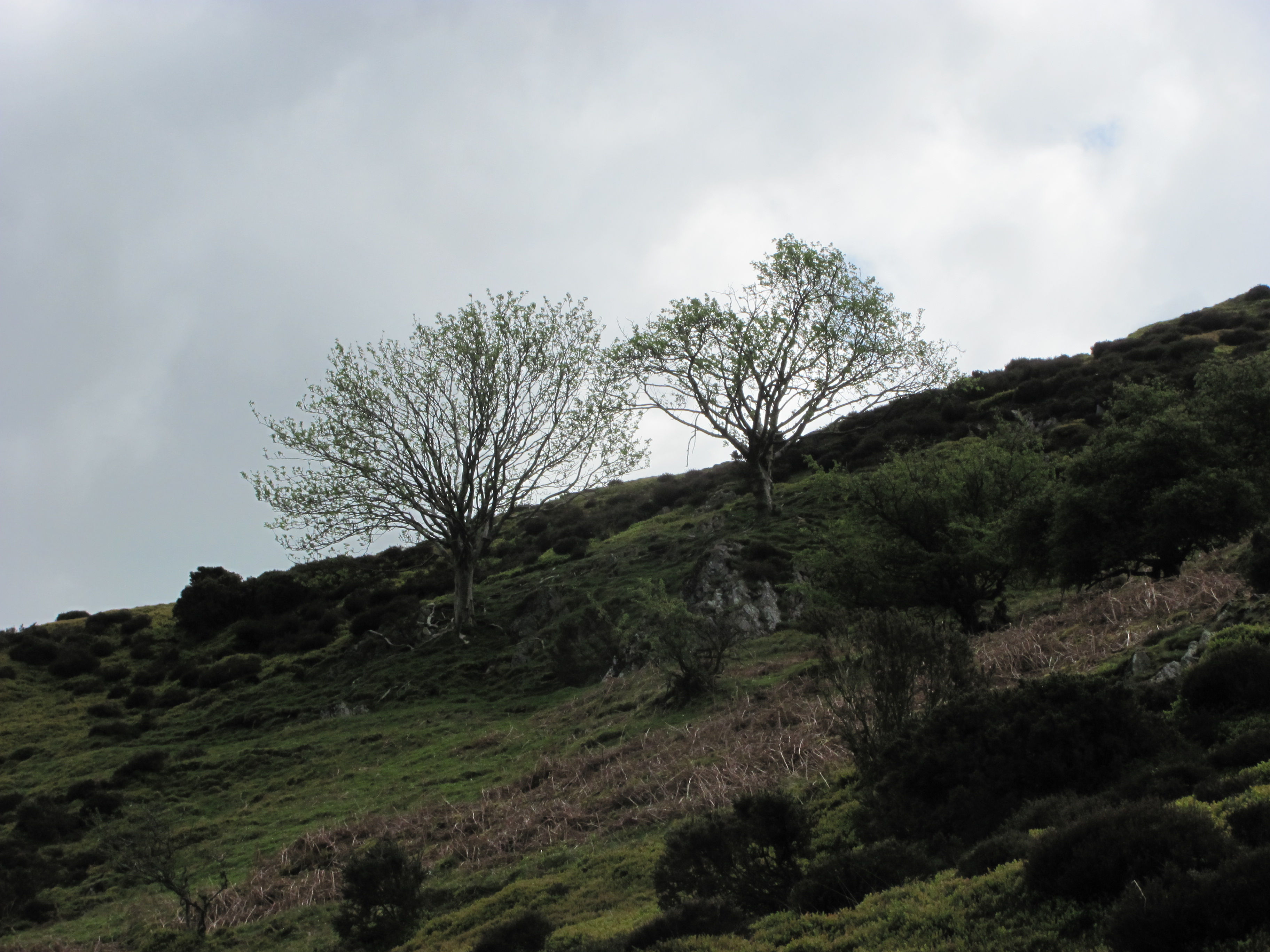
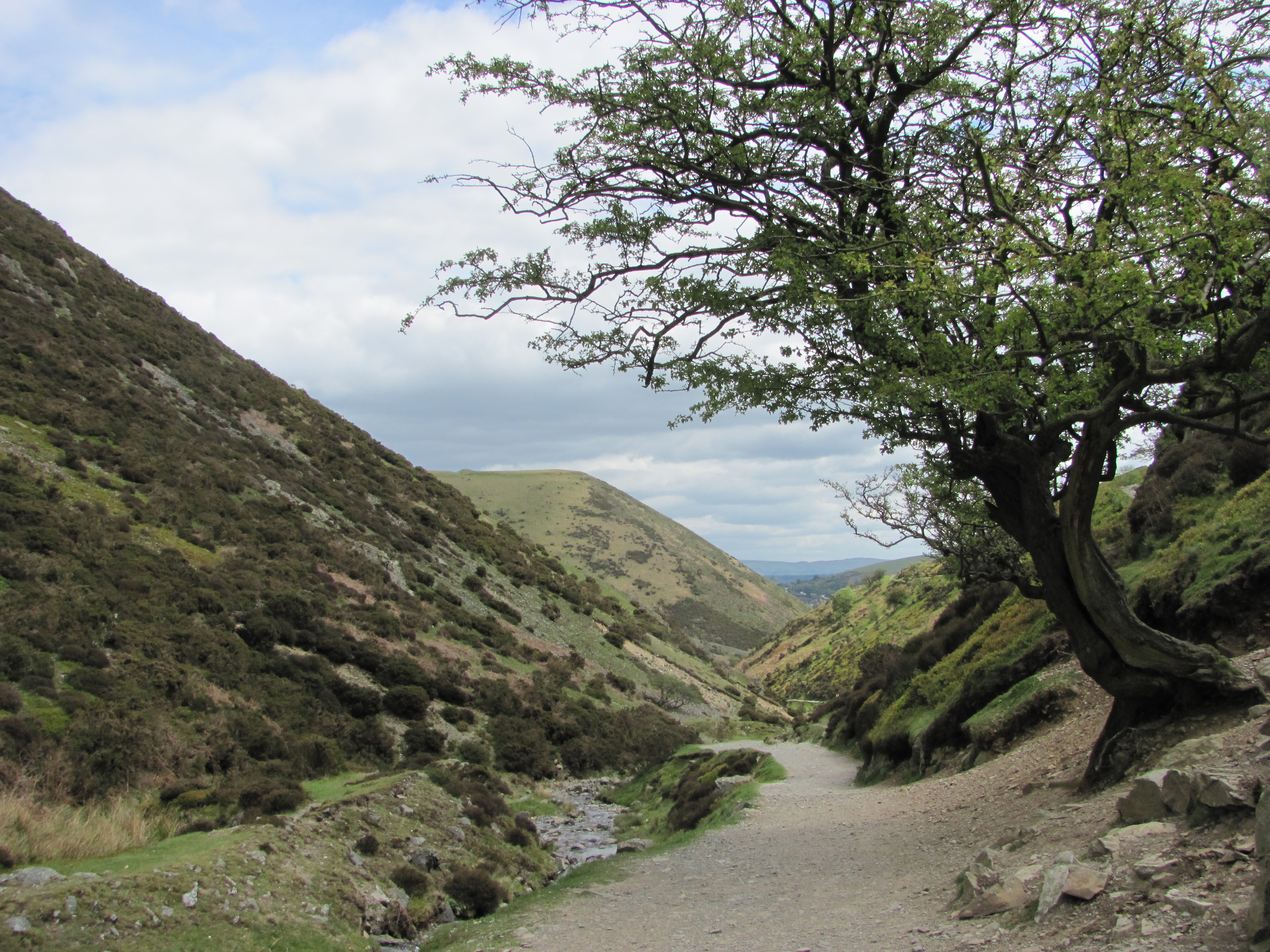
A Hawthorn bonsai shaped by the weather.
Looking up at the bonsai Hawthorn.
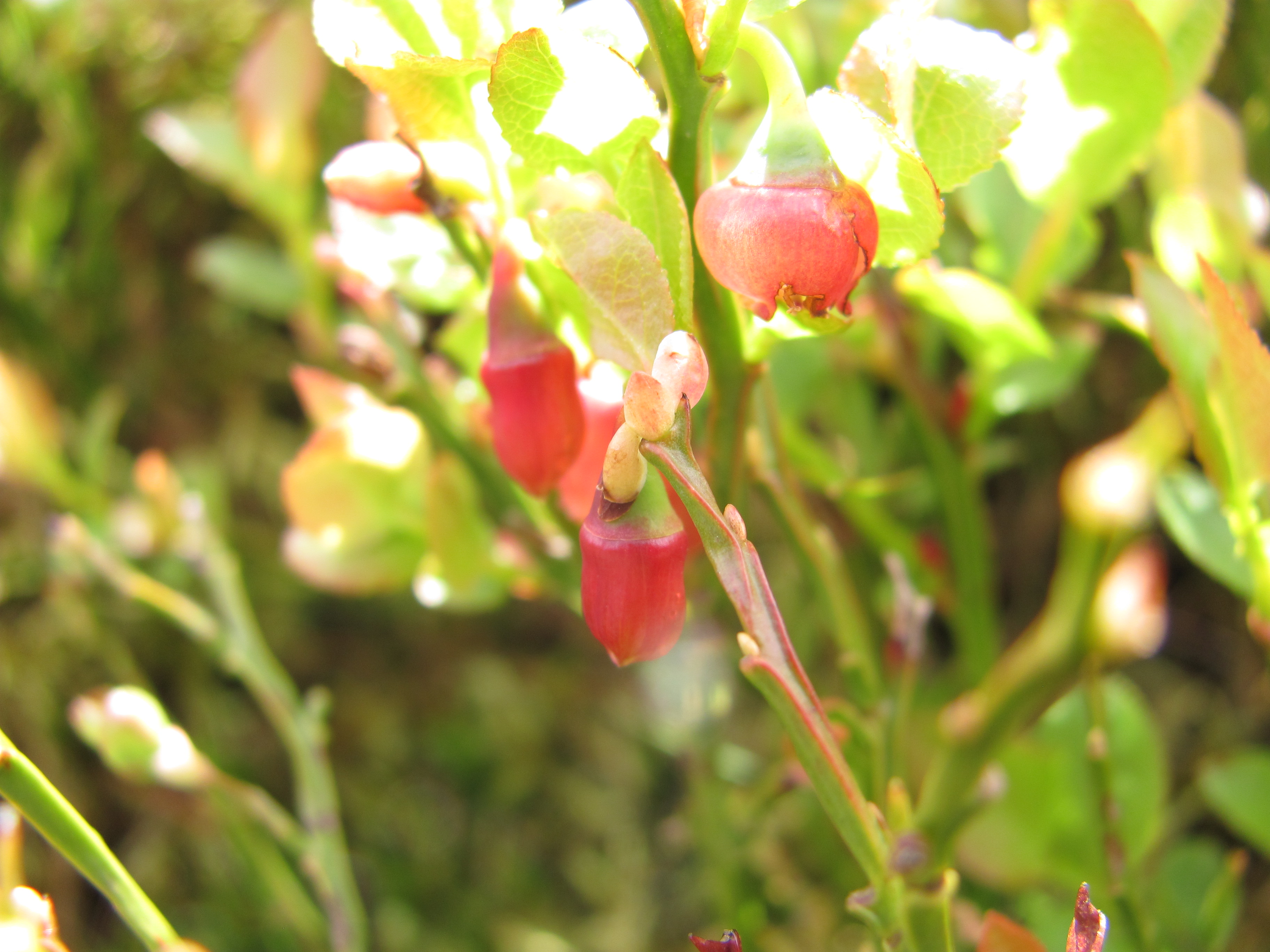
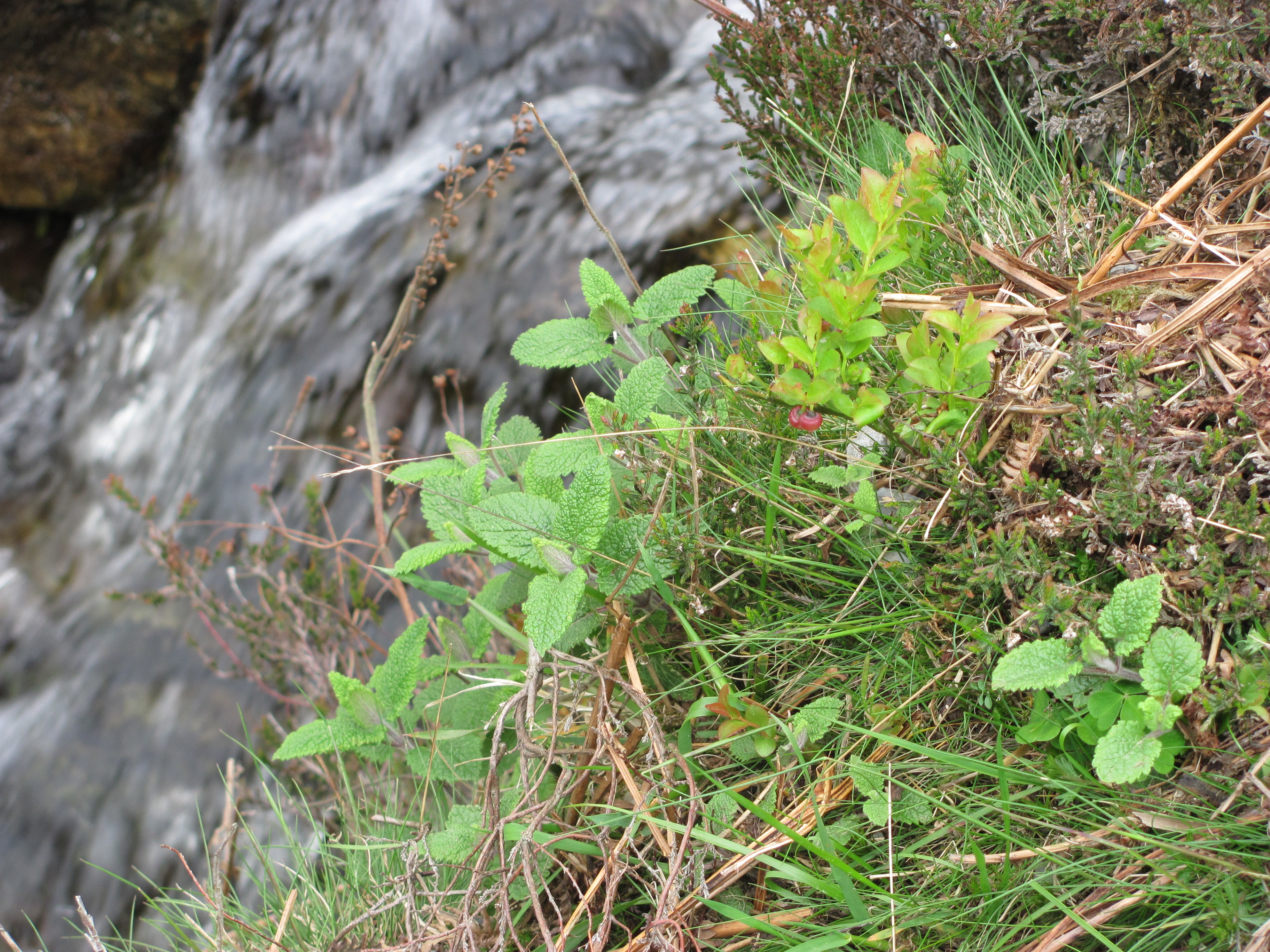
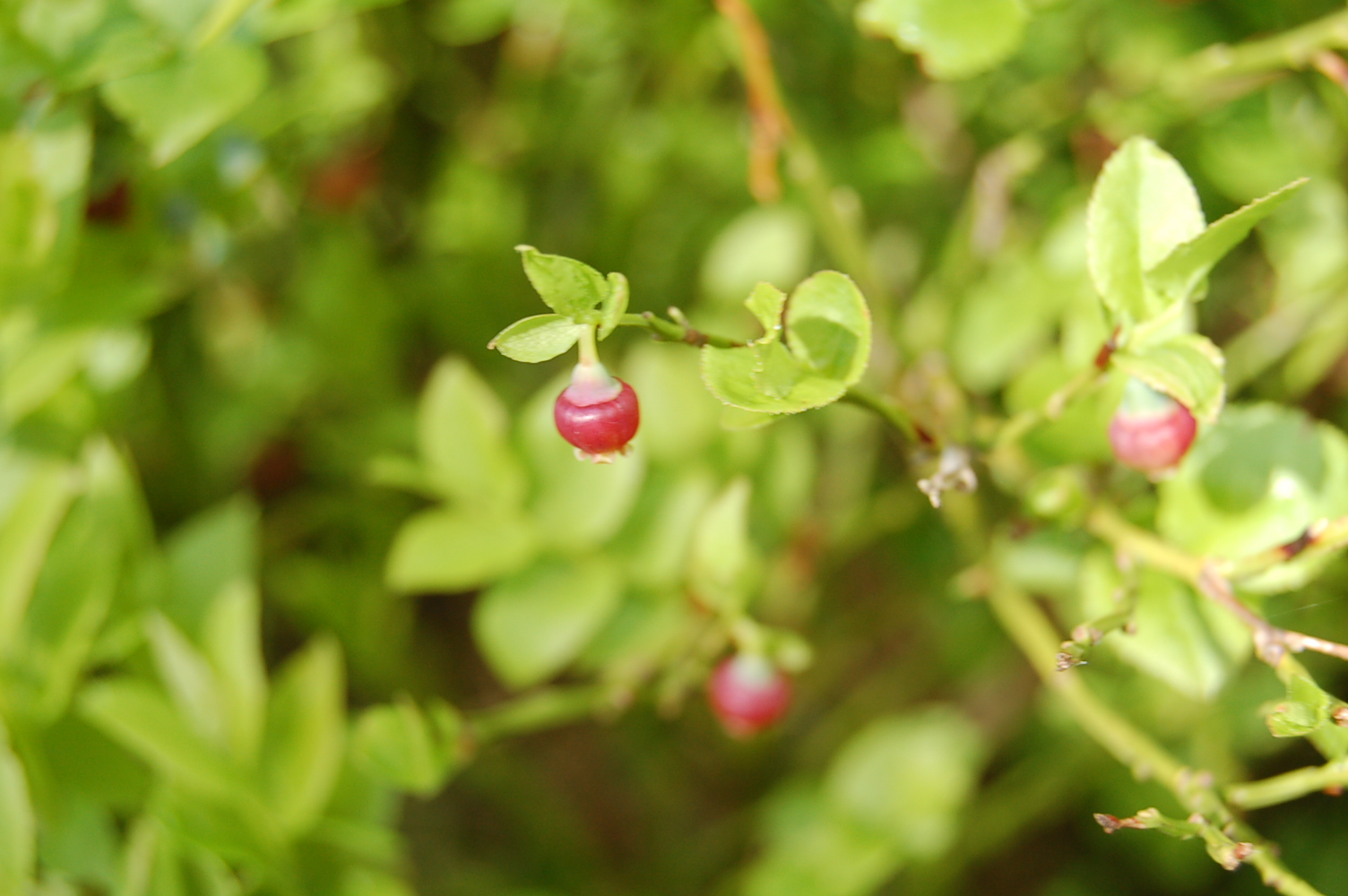
Whinberries.
Fresh Whinberry foliage.
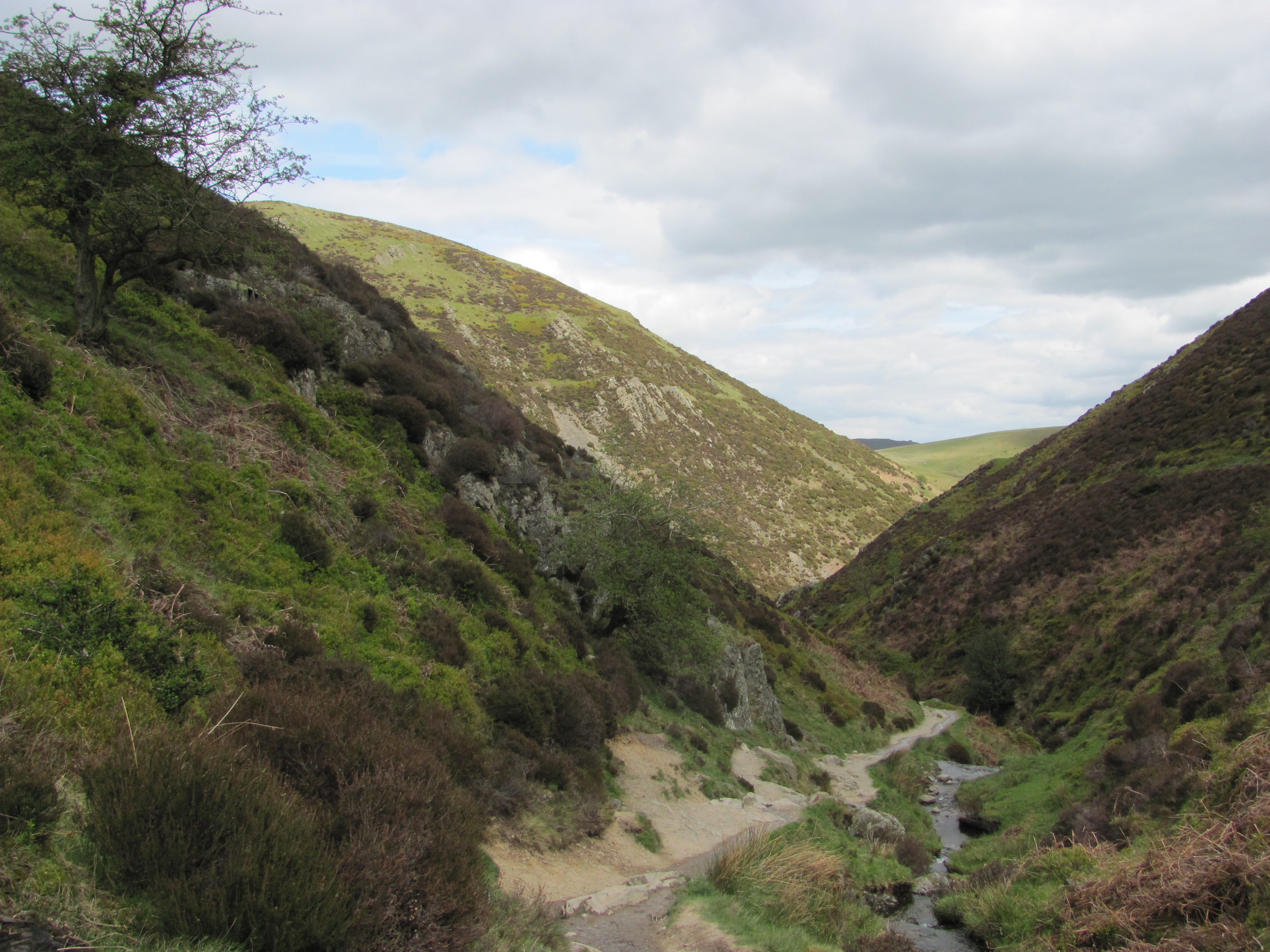
We turn left as the valley splits into two.
Clear water stream.
Lichens enjoy the moist atmosphere near the stream and clean air.
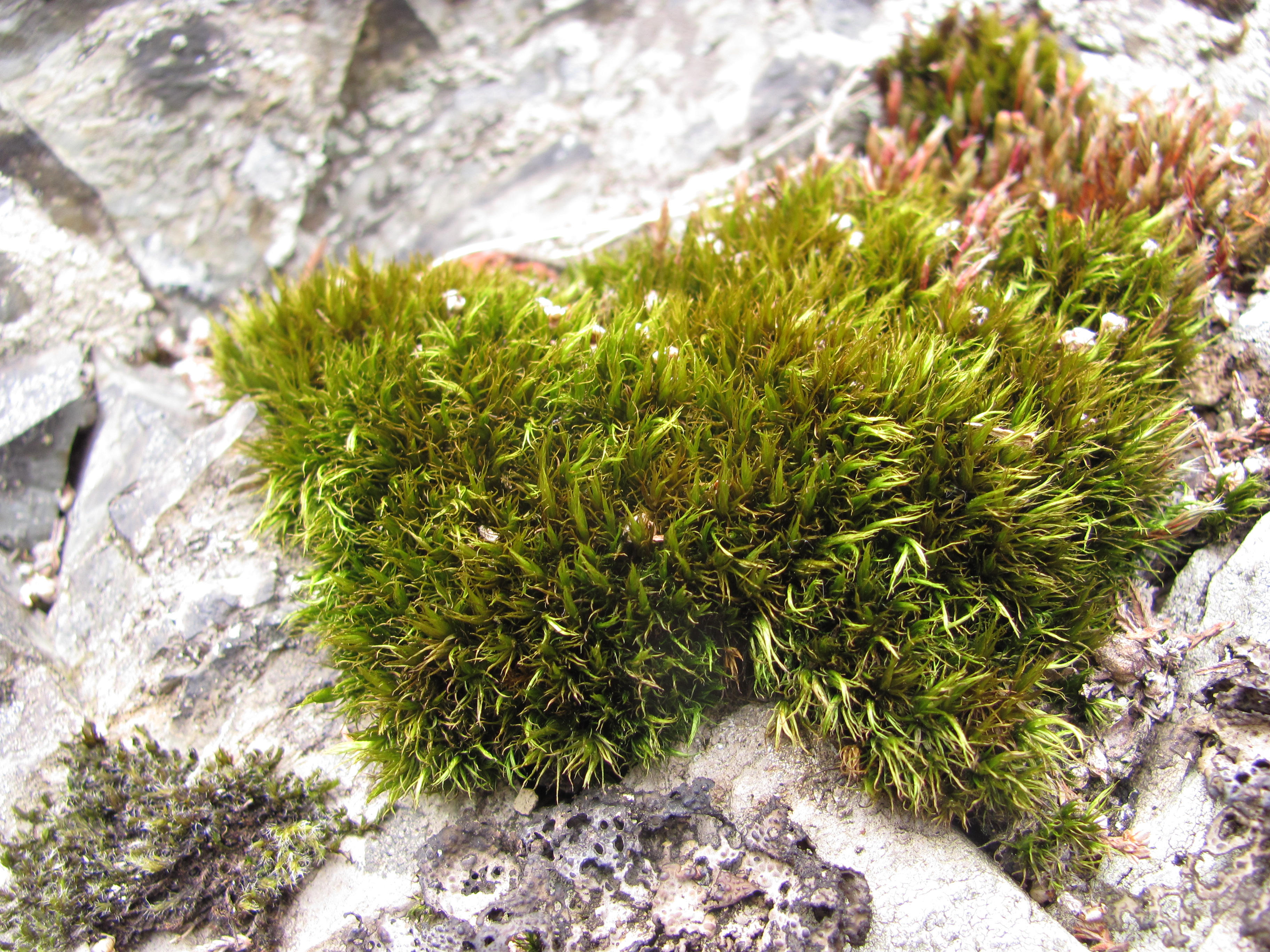
Some boulders have a soft cuhion of moss.

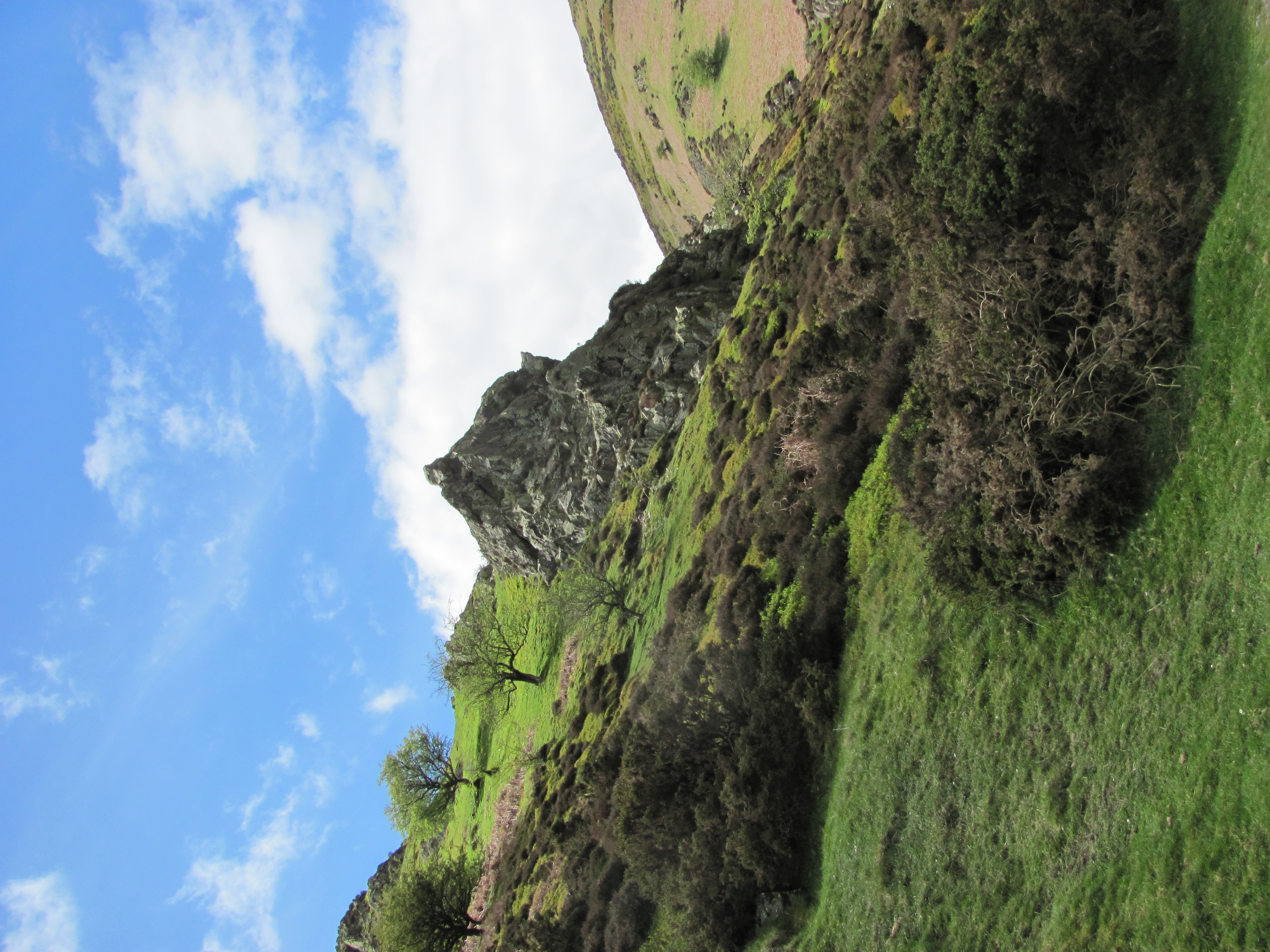
The extreme winter conditions here become apparent in a variety of ways. The huge boulder has been split in half by repetitive freeze-thaw action in successive winters – such nature power. Trees are sculpted by the weather into natural bonsais which create dramatic silhouettes on the horizon.

Mother Nature – rock splitter.
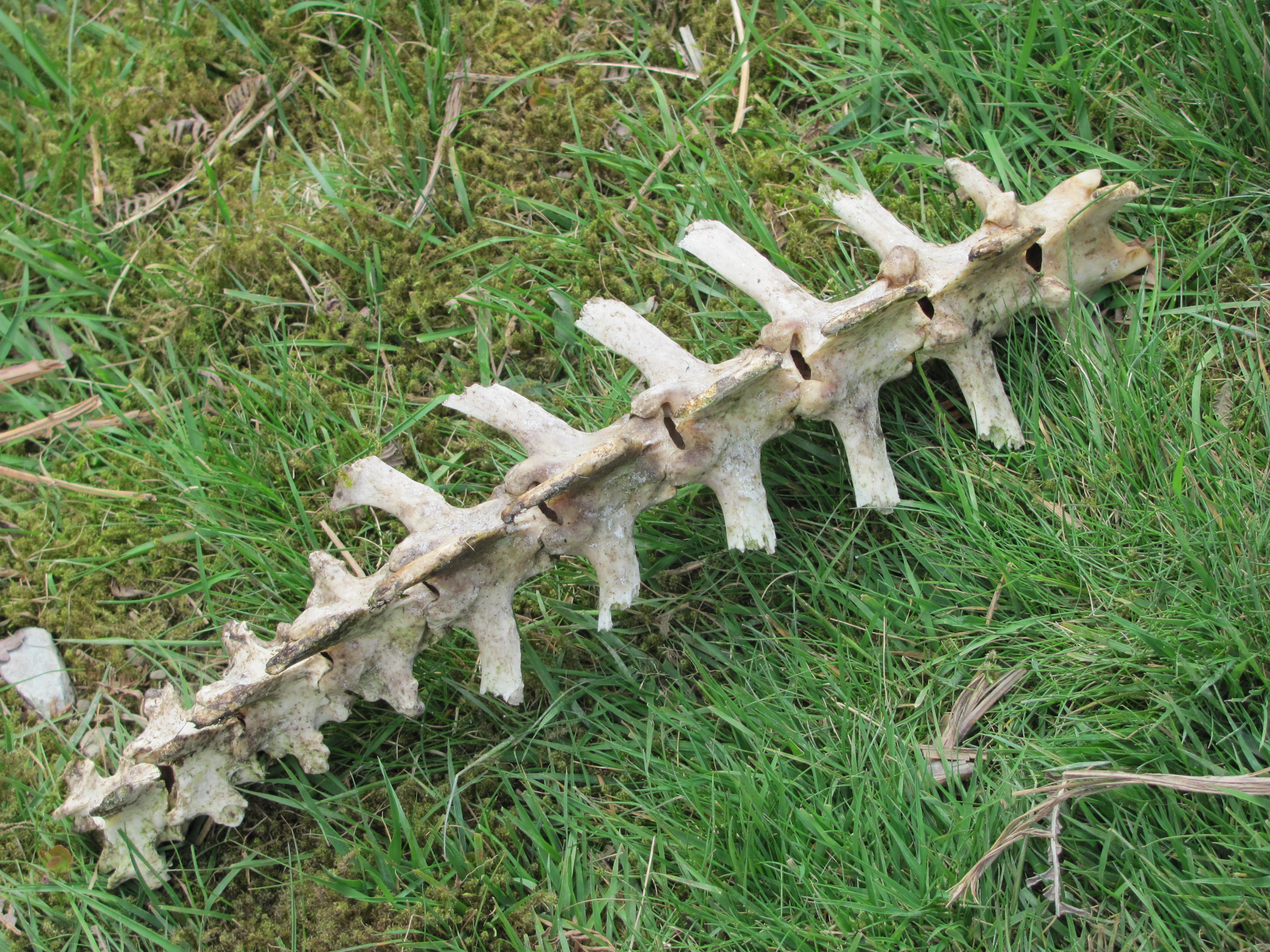
The extreme weather takes its toll on wildlife and livestock.
Bonsai Hawthorn.

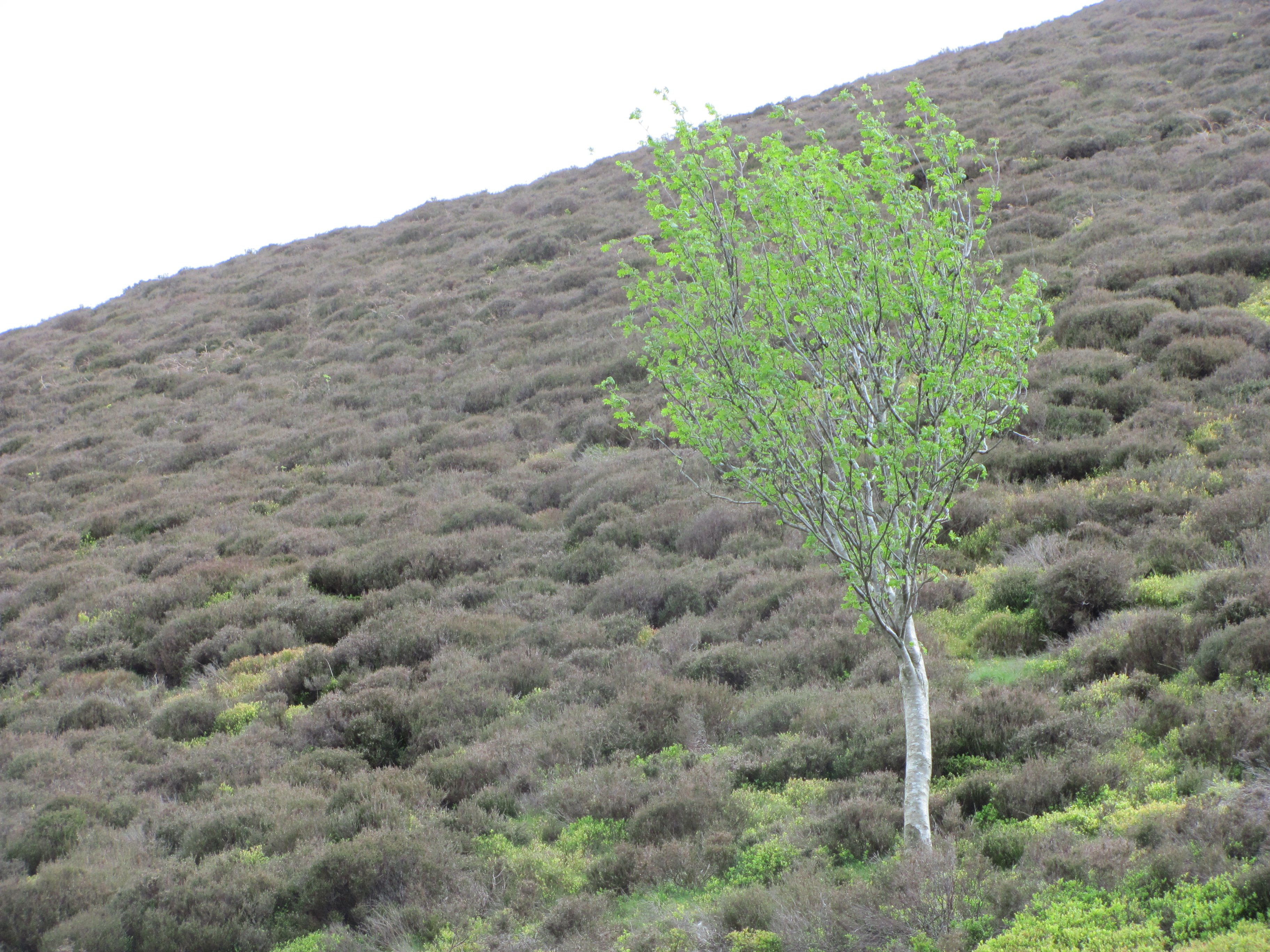
The effects of the weather varied from place to place and from slope to slope. On one side of a hill Birches grow in abundance but just turn a corner and the hillside is empty of trees bar one lone stunted Birch.

All on my own!

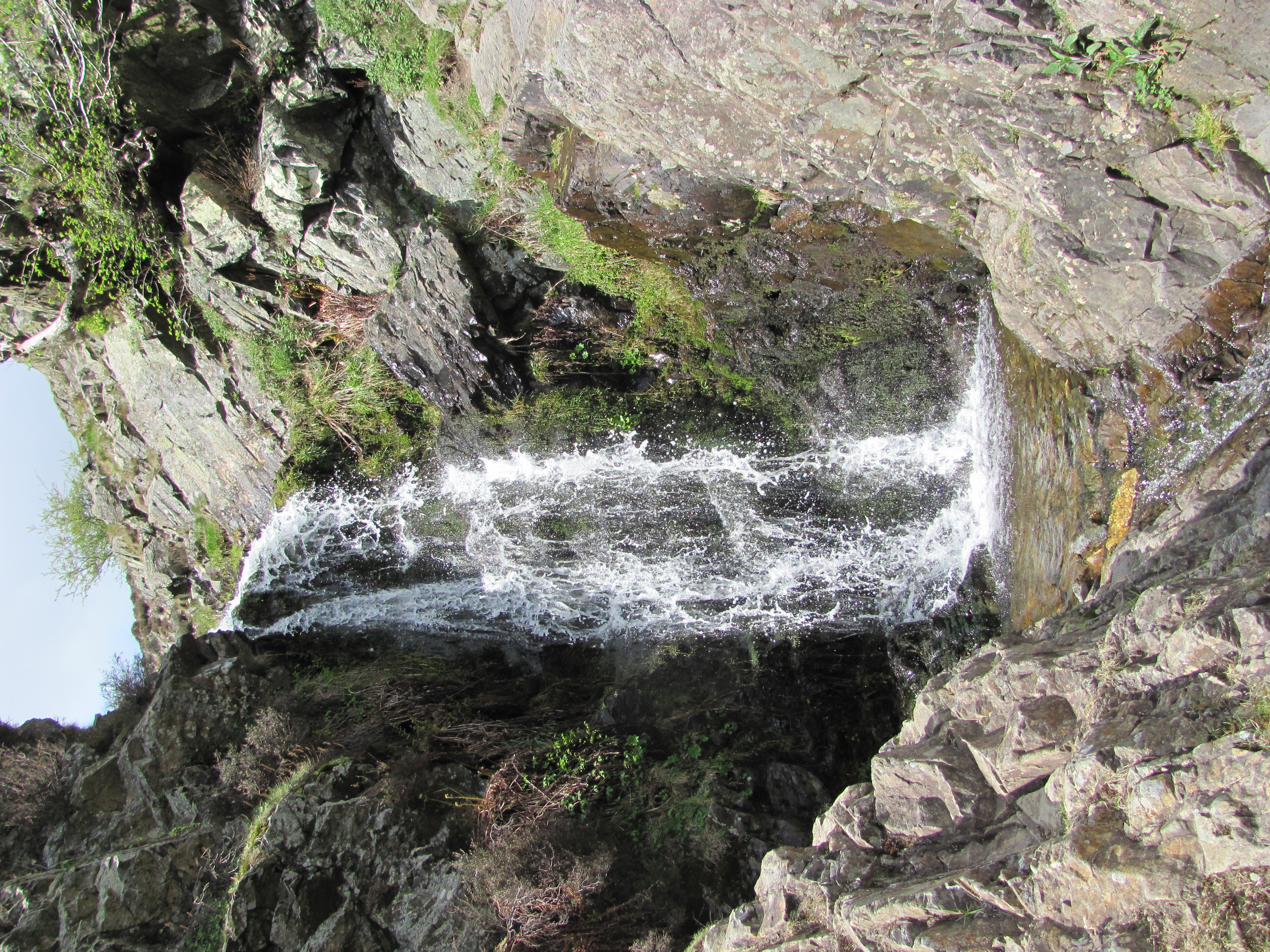
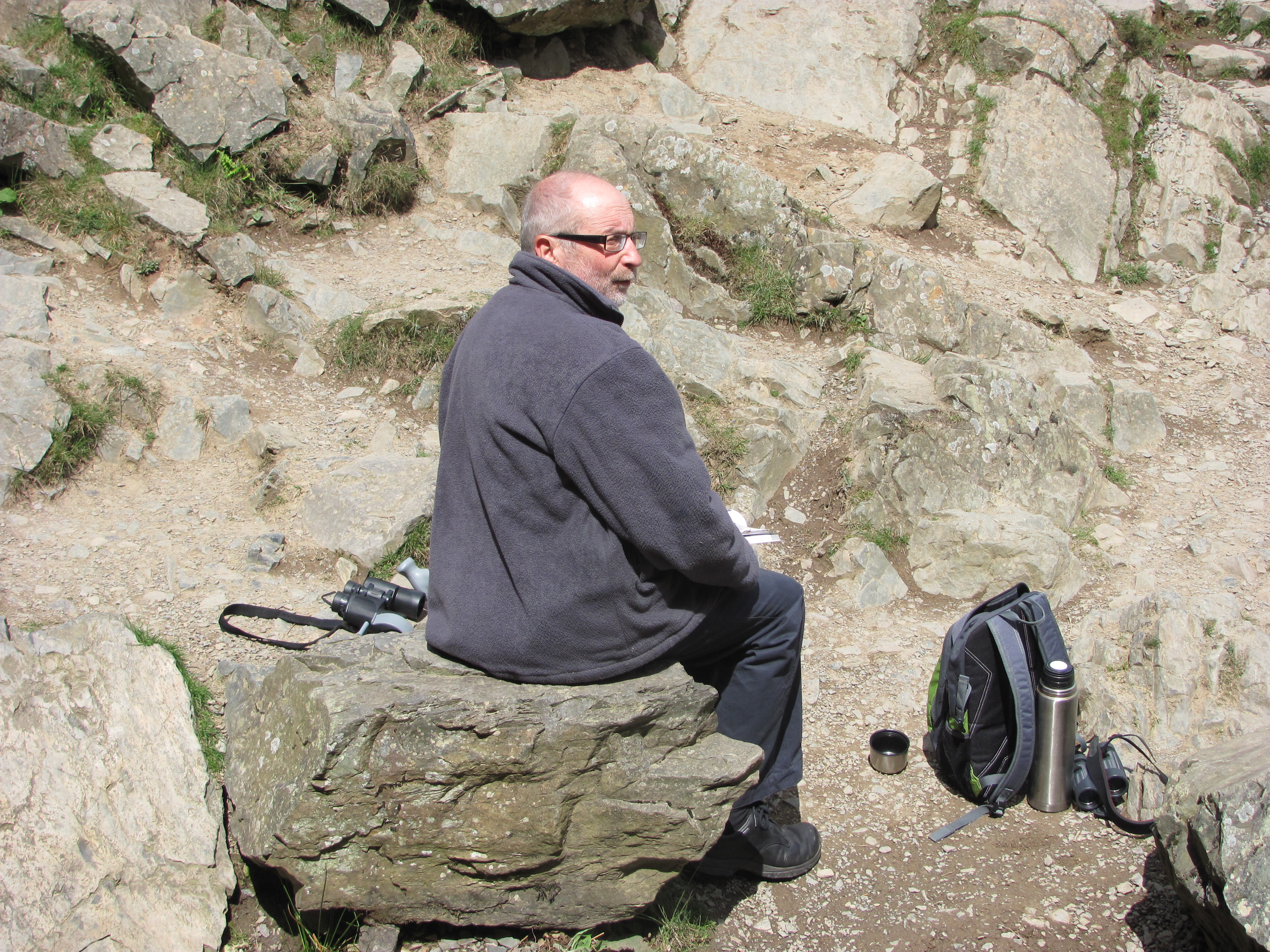
The stream changed character as we moved up the little valley with miniature waterfalls, rapids and swirling deeper pools, until finally we reached our goal – the main waterfall. Here we stopped for a well-earned rest and to take in the atmosphere and views, and enjoyed our usual outdoor victuals of fruit and coffee. The boulders which we rested on were slippery and shone from the action of resting walkers’ bottoms.

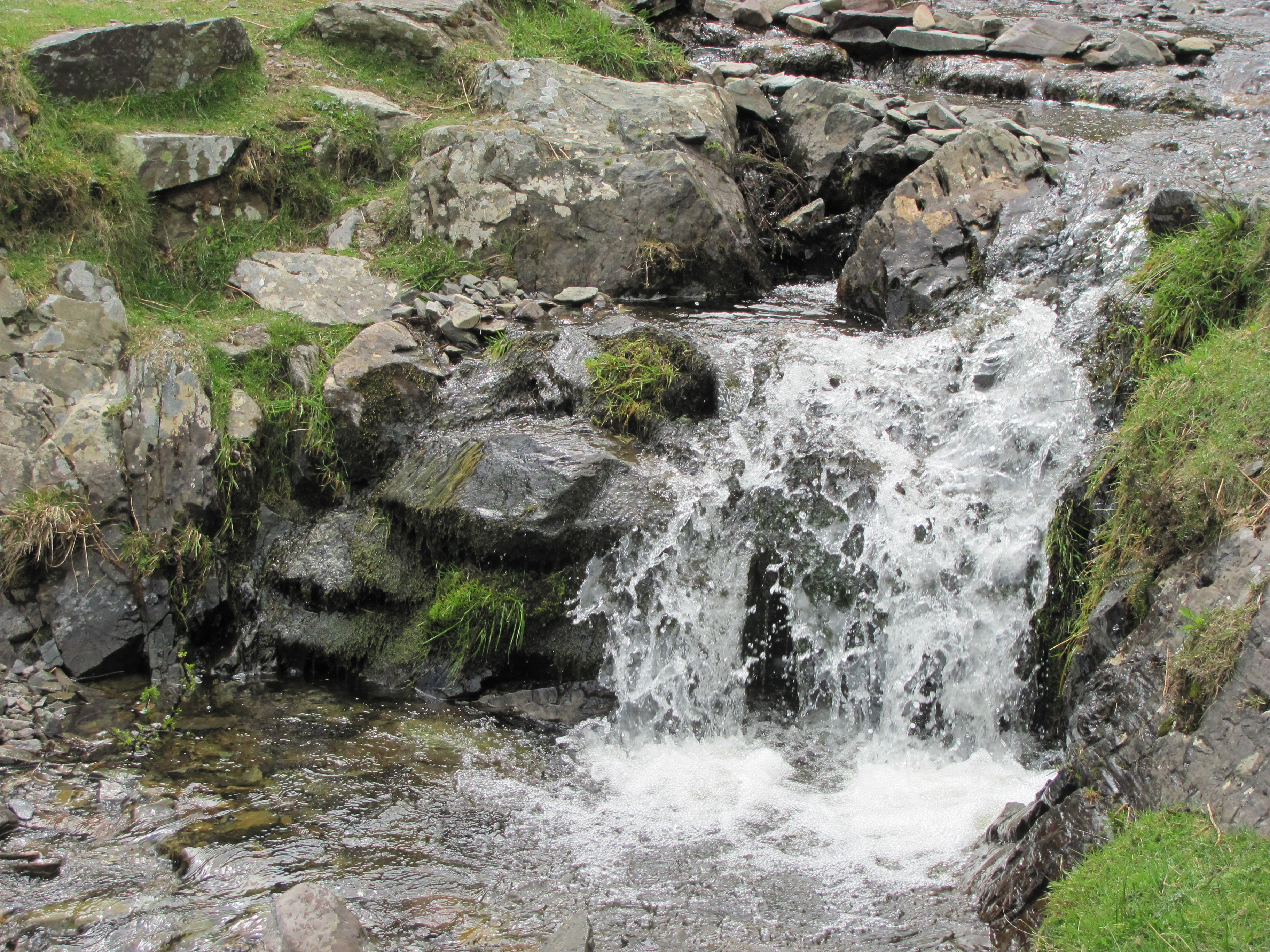
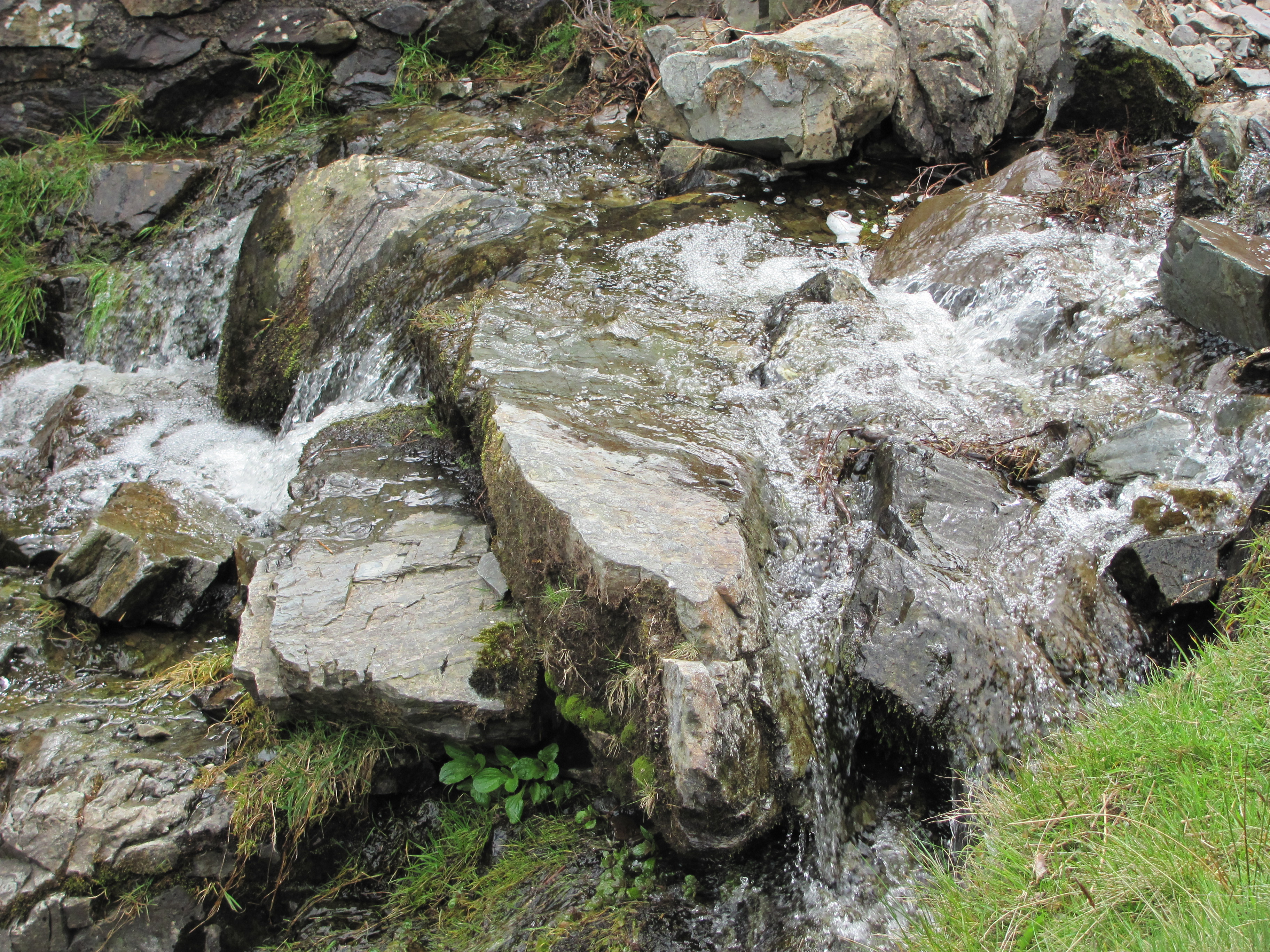
The stream clambers noisily over boulders in its path.
The stream flowing over smooth rocks under an overhanging willow.
The clear water passes beneath sprigs of scented Water Mint.
Water power has gouged deeply into the rock.
Nearly there.
As good as we expected.
Looking and listening while enjoying a coffee.
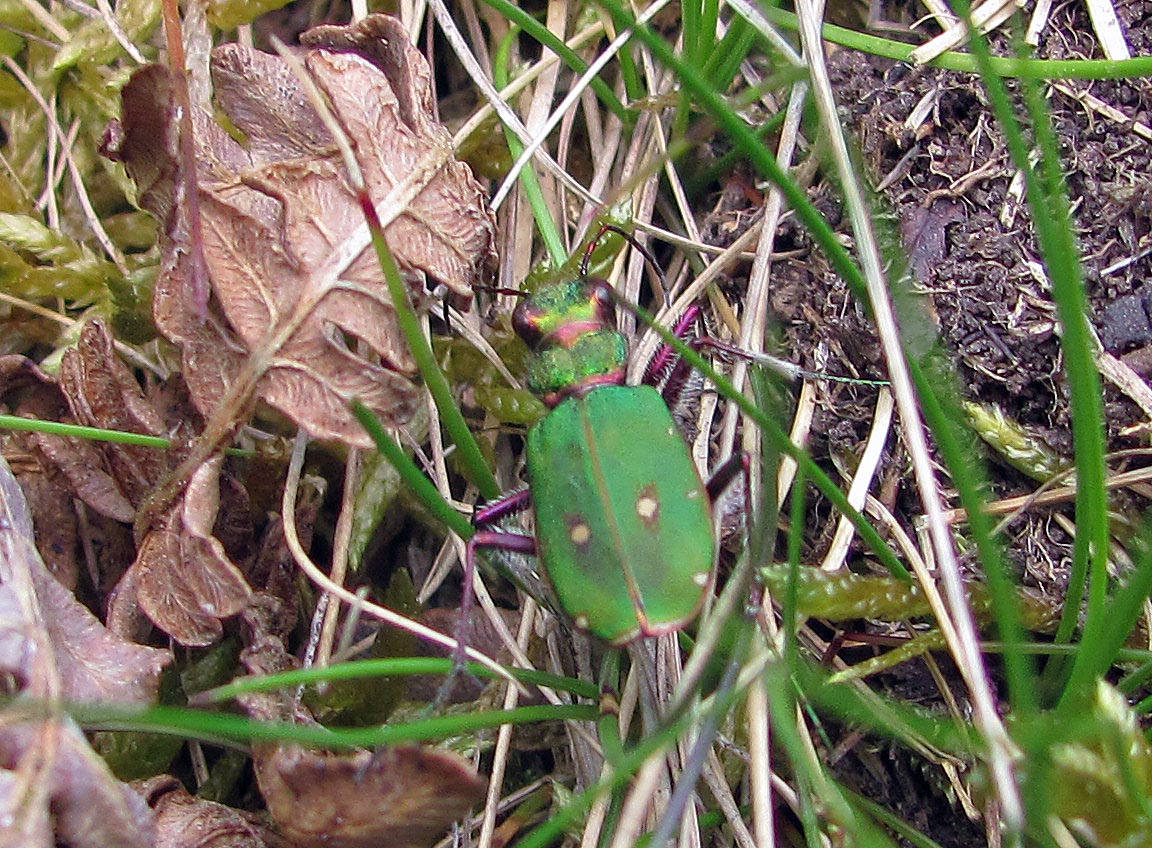
Our little green friend who joined in our picnic.

Here at the top we listened to the constant songs of the birds and tried to identify those fast flyers over our heads. Wheatears, Stonechat, Whinchat and Pipit. On our way back down we concentrated on finding the wild flowers that managed to find a foothold or sheltered place.

Jude the Undergardener leads the way down.
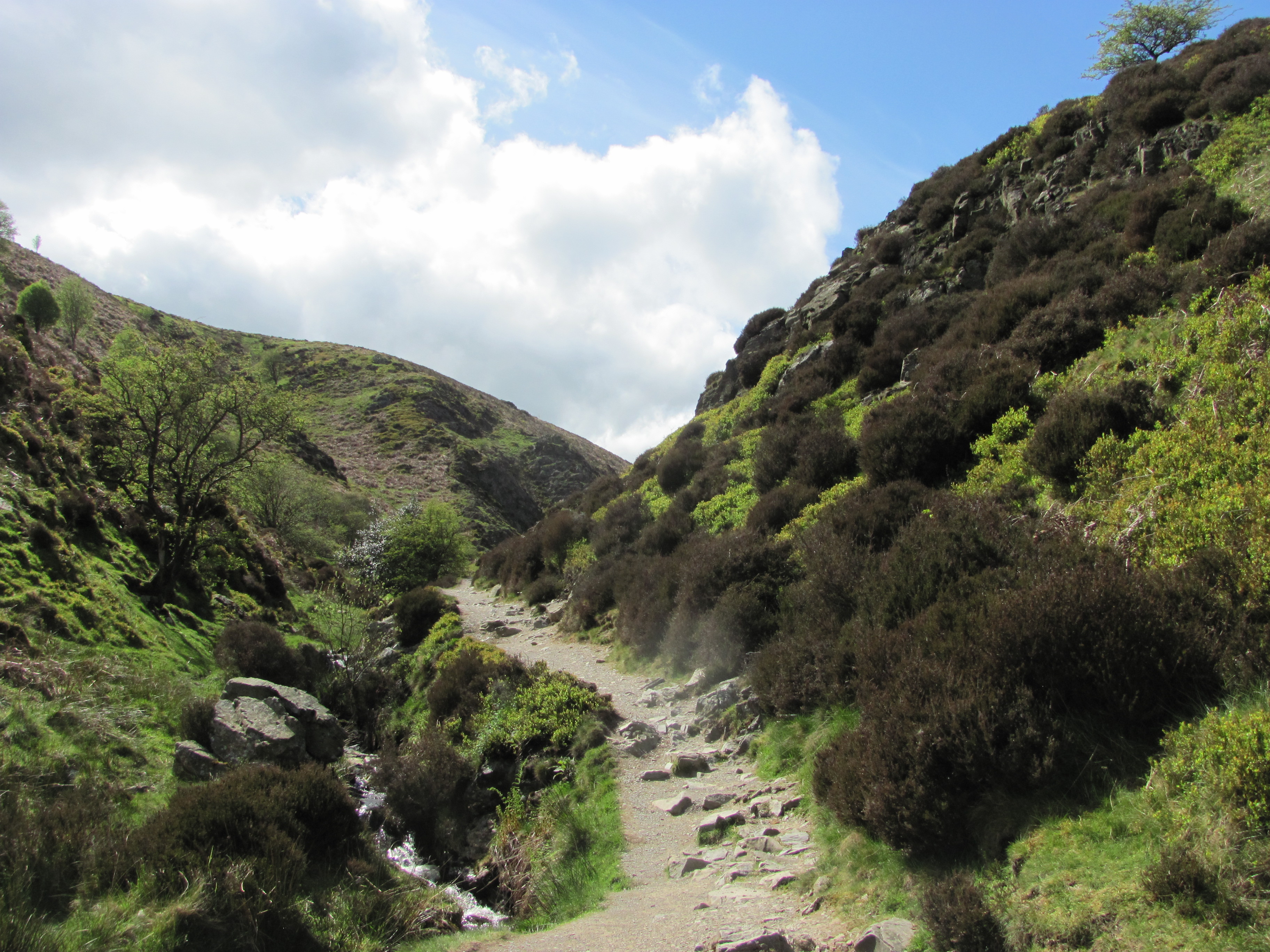
The winding path shows us the way.
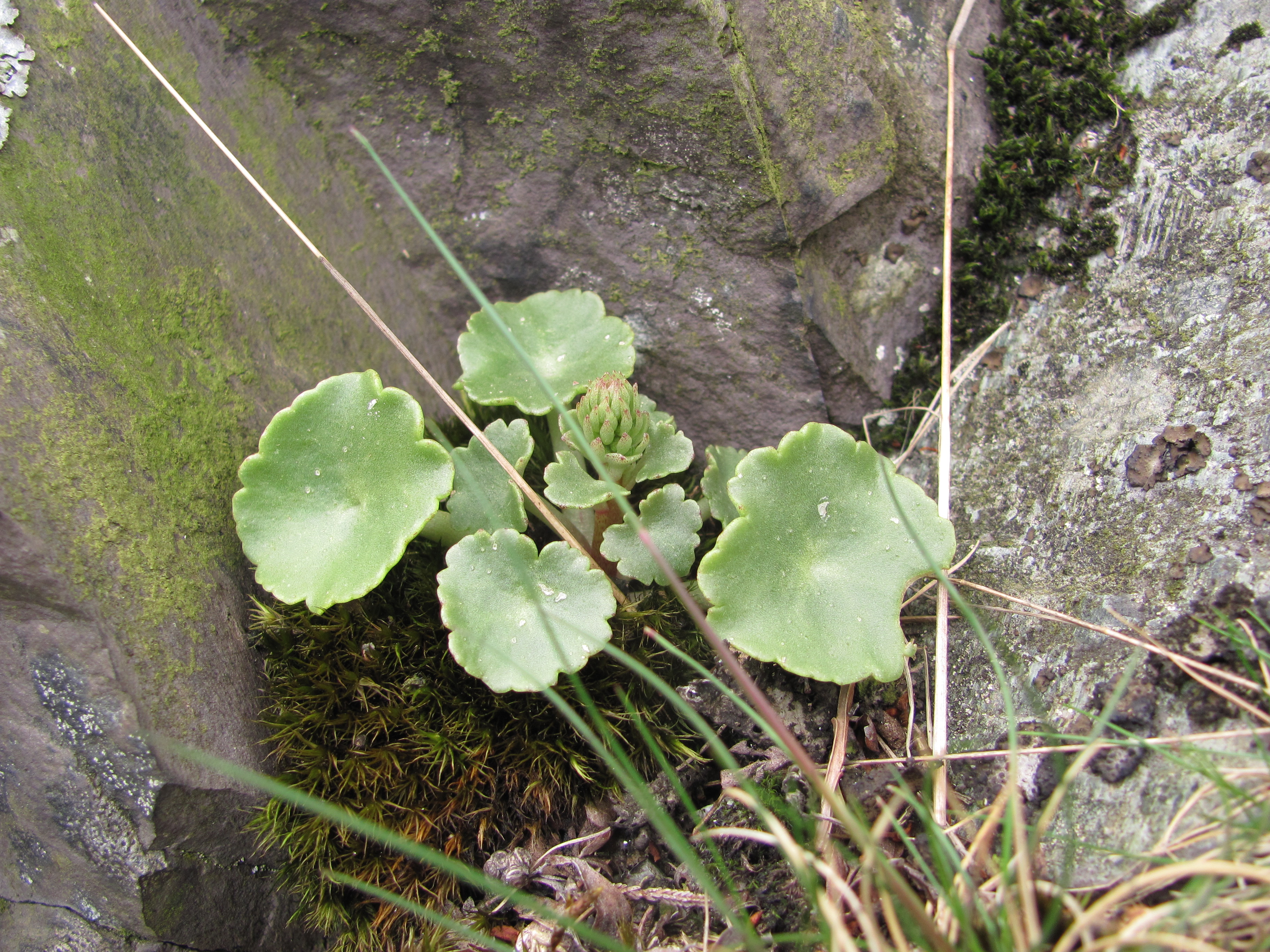
The glossy round leaves of Pennywort.
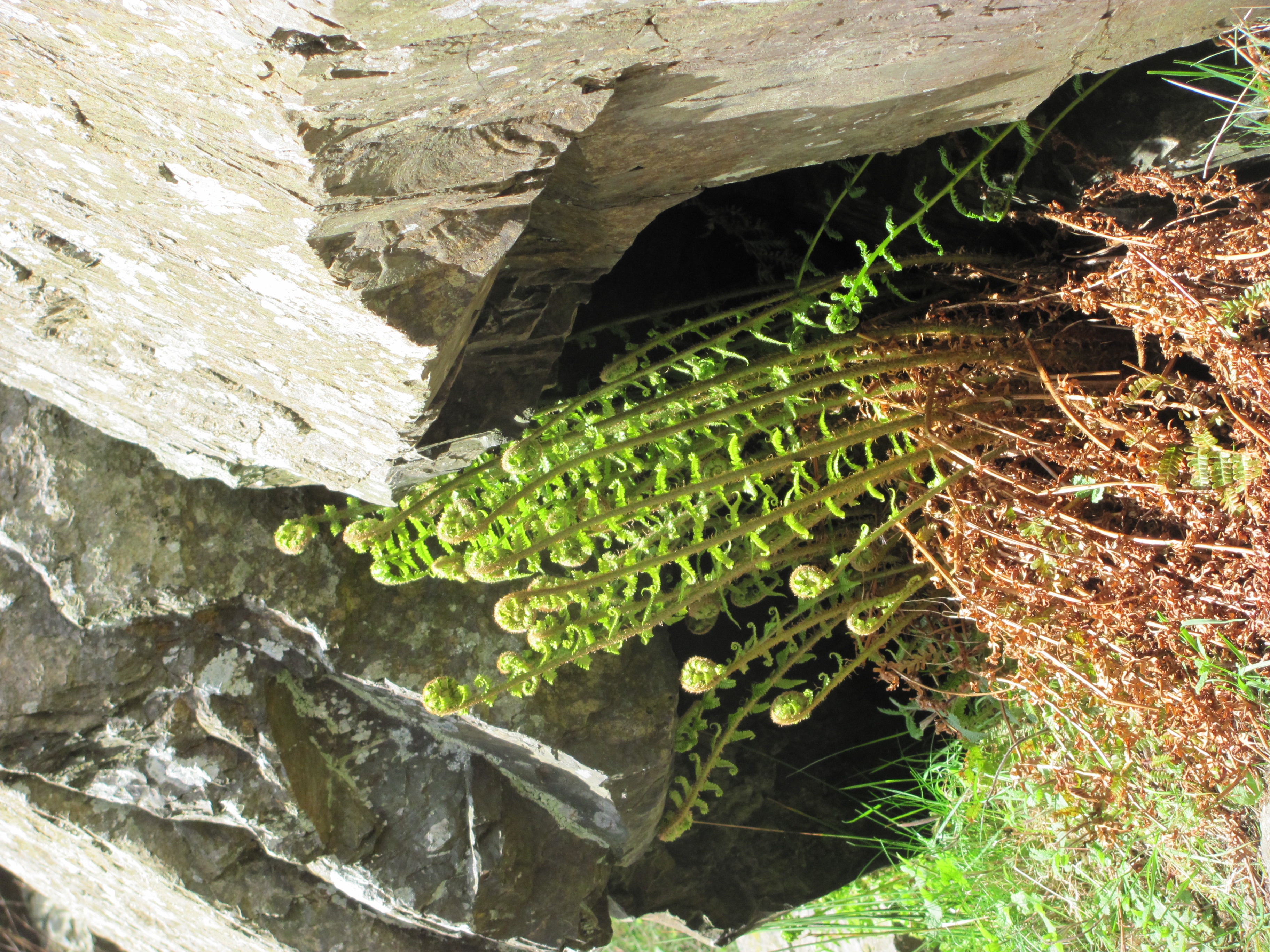
Fresh ferns flourish in the cool shade at the base of rocky outcrops.
Almost back.

What an enjoyable walk, wandering up valleys with just birds and sheep as company. We must return in the Autumn.

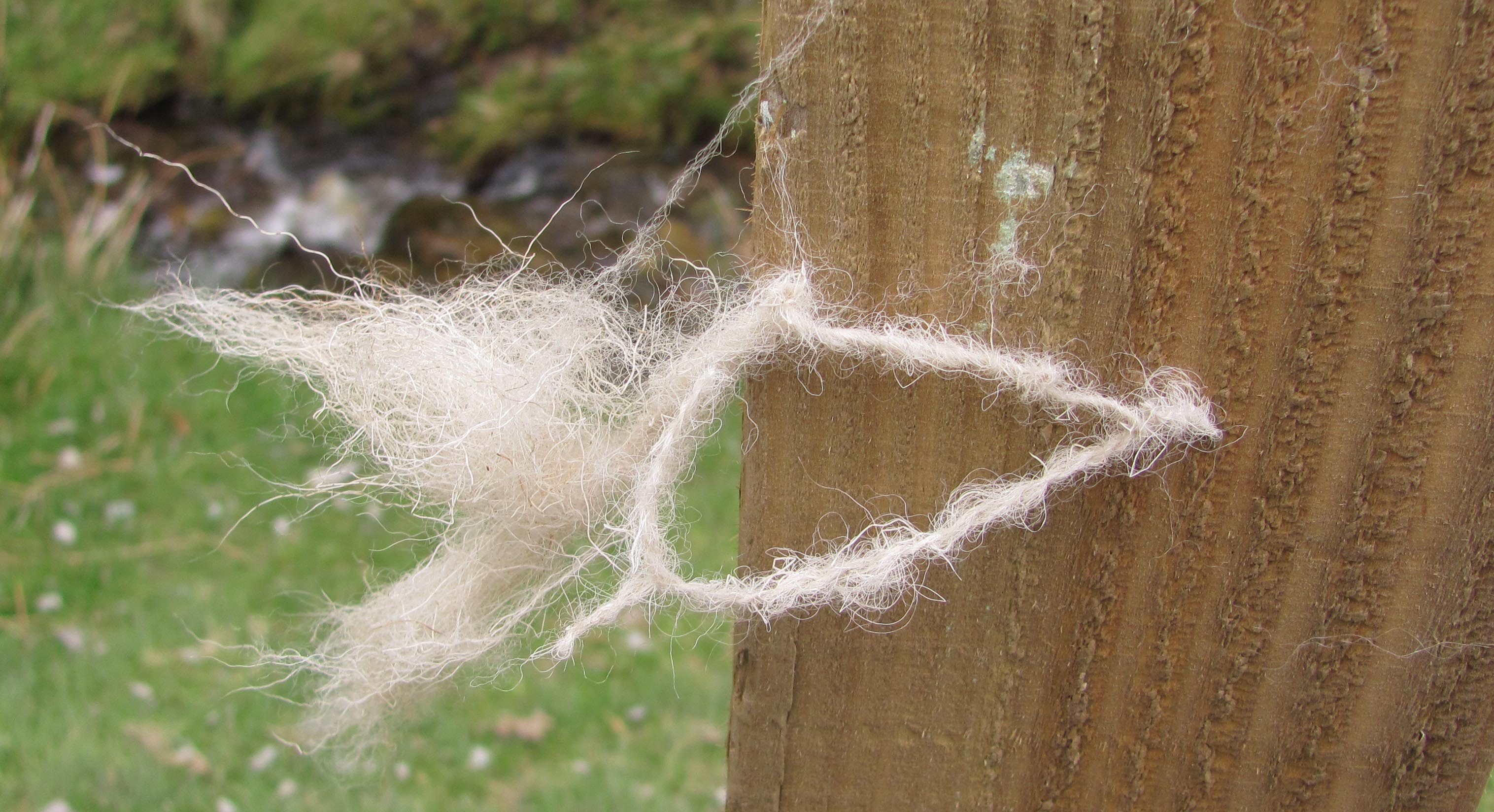
Shaun the Sheep was here!
Categories
bird watching birds garden design garden photography garden wildlife gardening hardy perennials ornamental trees and shrubs Shropshire spring gardening

A Wander around our Garden in May

Here we are with the fifth garden wander post. And the garden is looking good! Take a wander with us and have your nose at the ready as the scents are strong.

Throughout the garden Bluebells and Wallflowers are sending out their rich sweet scent messages for all to enjoy, permeating every nook and cranny. Birdsong dominates the early hours of daylight and youngsters begging their parents for more food can be heard in every nest box. A family of fledgling Robins have taken to following us around the garden hopping and hoping our gardening activities disturb a bug or two.

We begin our wander in the front garden where we are entertained by a Spotted Flycatcher who perches on the topmost branch of the holly and sits waiting to ambush any passing insect at which he launches himself and then returns to exactly the same place to enjoy his prey and to begin all over again.

Here is our gravel garden which we call the Chatto Bed, after Beth Chatto, as after making a couple of visits to her garden we were determined to create a gravel patch which would never need watering and in true Beth Chatto style we chose plants to suit the conditions.

On the gravel our bearded irises are in healthy leaf with buds fit to burst, all but one which is already flowering, the dark, sultry Iris Cherry Garden.

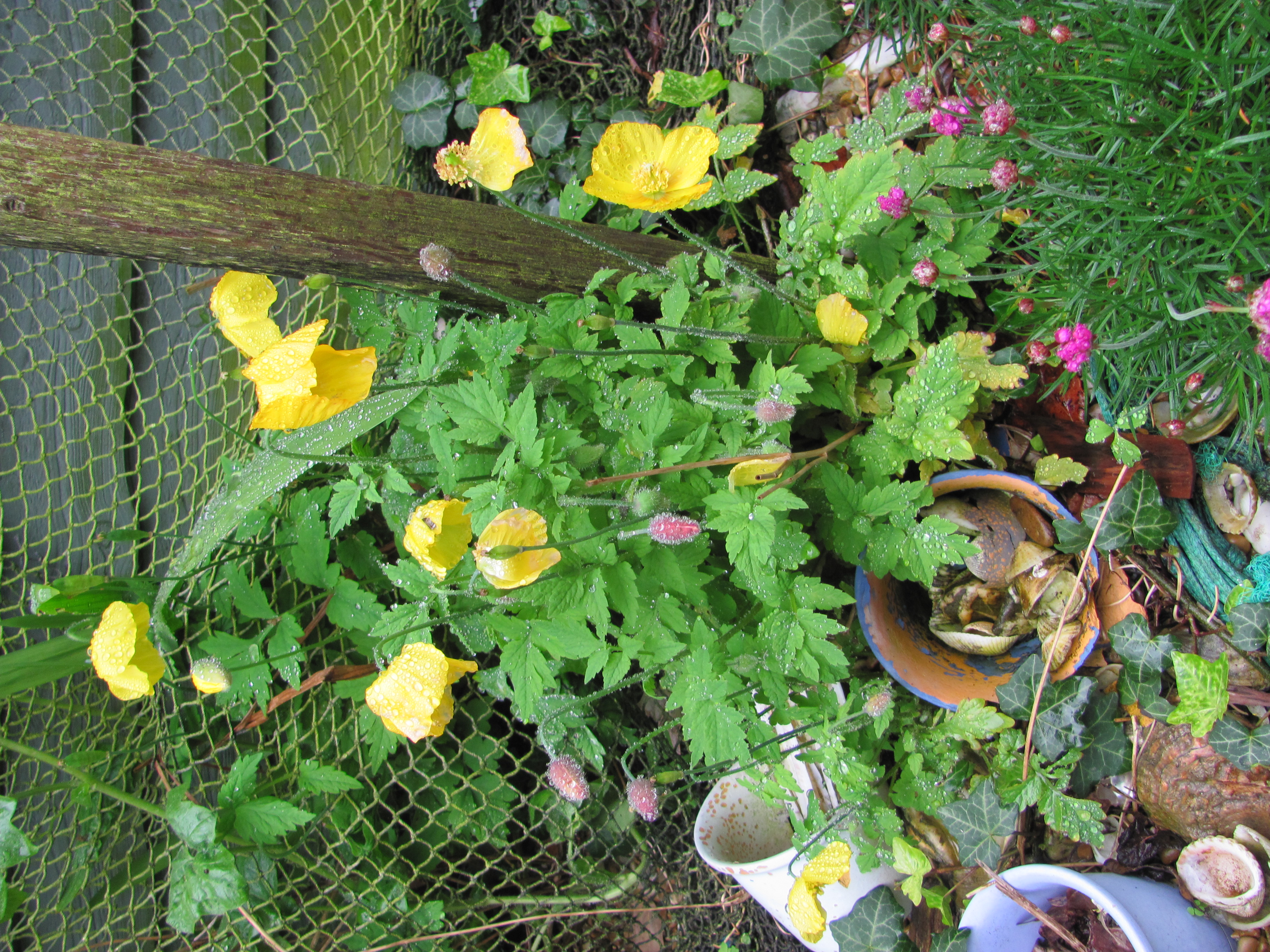
Entering the shade garden we are struck by the lushness of the foliage dotted with special blooms. Apart from the Welsh Poppies and Bluebells all blooms here seem to be in unusual shades of pink at the moment.

Our Hot Border is not yet hot but gradually warming up – just on the verge of luke warm I’d say. Opposite this is Jude’s Garden which she claims is more tasteful than my Hot Border.

Moving to the side garden opposite our main house entrance is our Freda Garden, named after a lovely lady and impressive gardener who died too young a few years ago. We grow plants here that she loved.

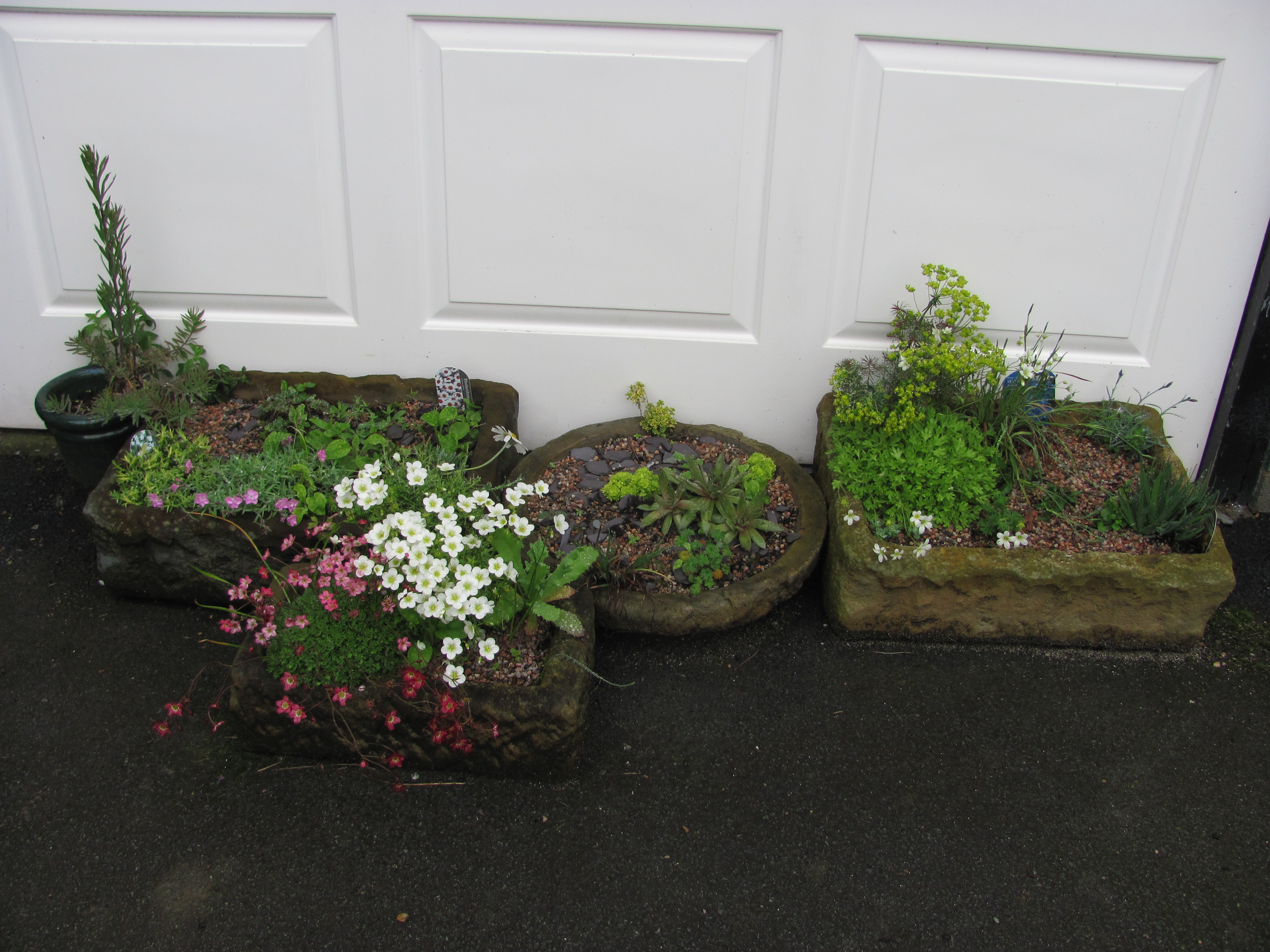
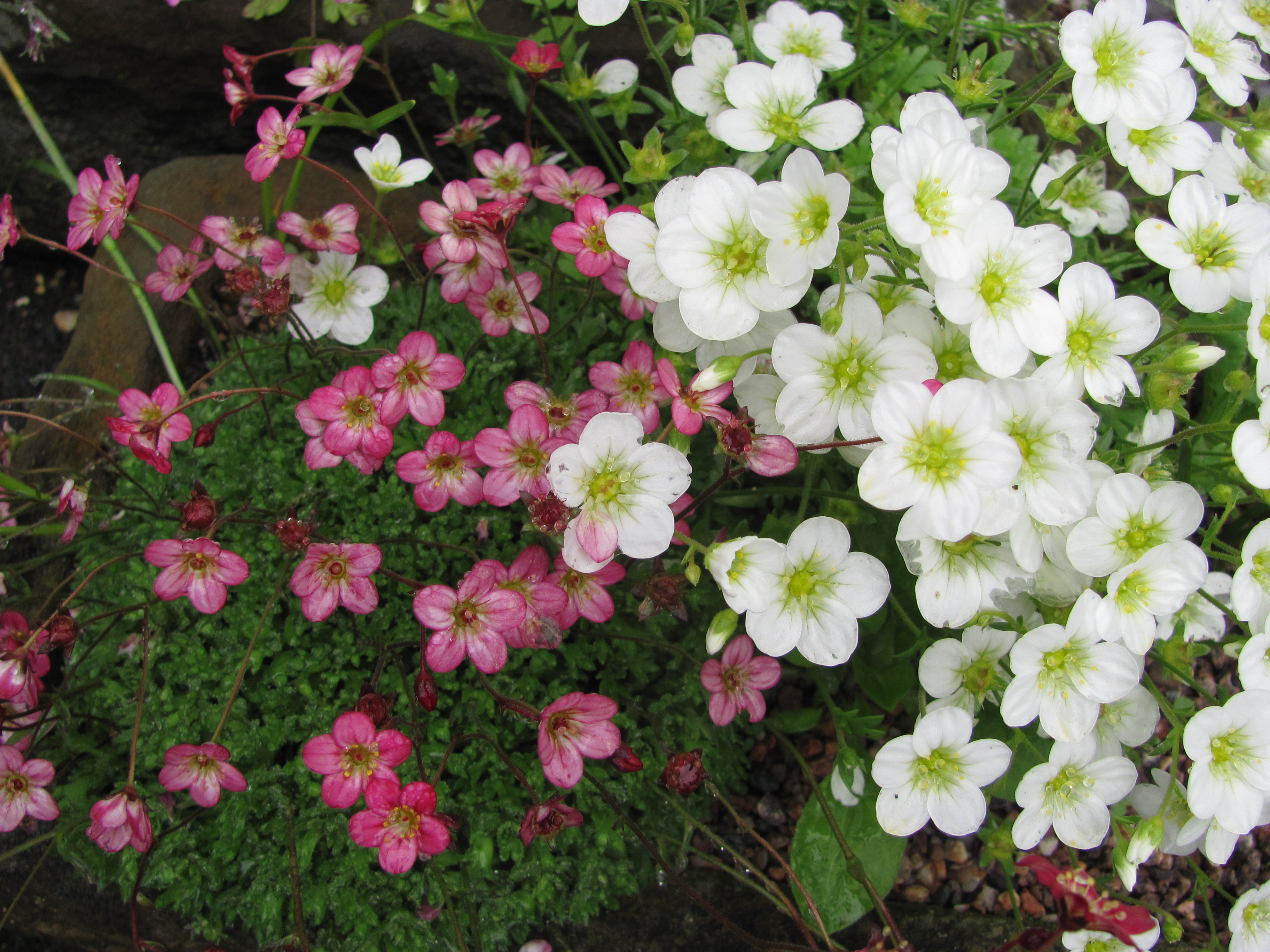
Close by is our small collection of alpine troughs still looking good, especially the Sempervivum.

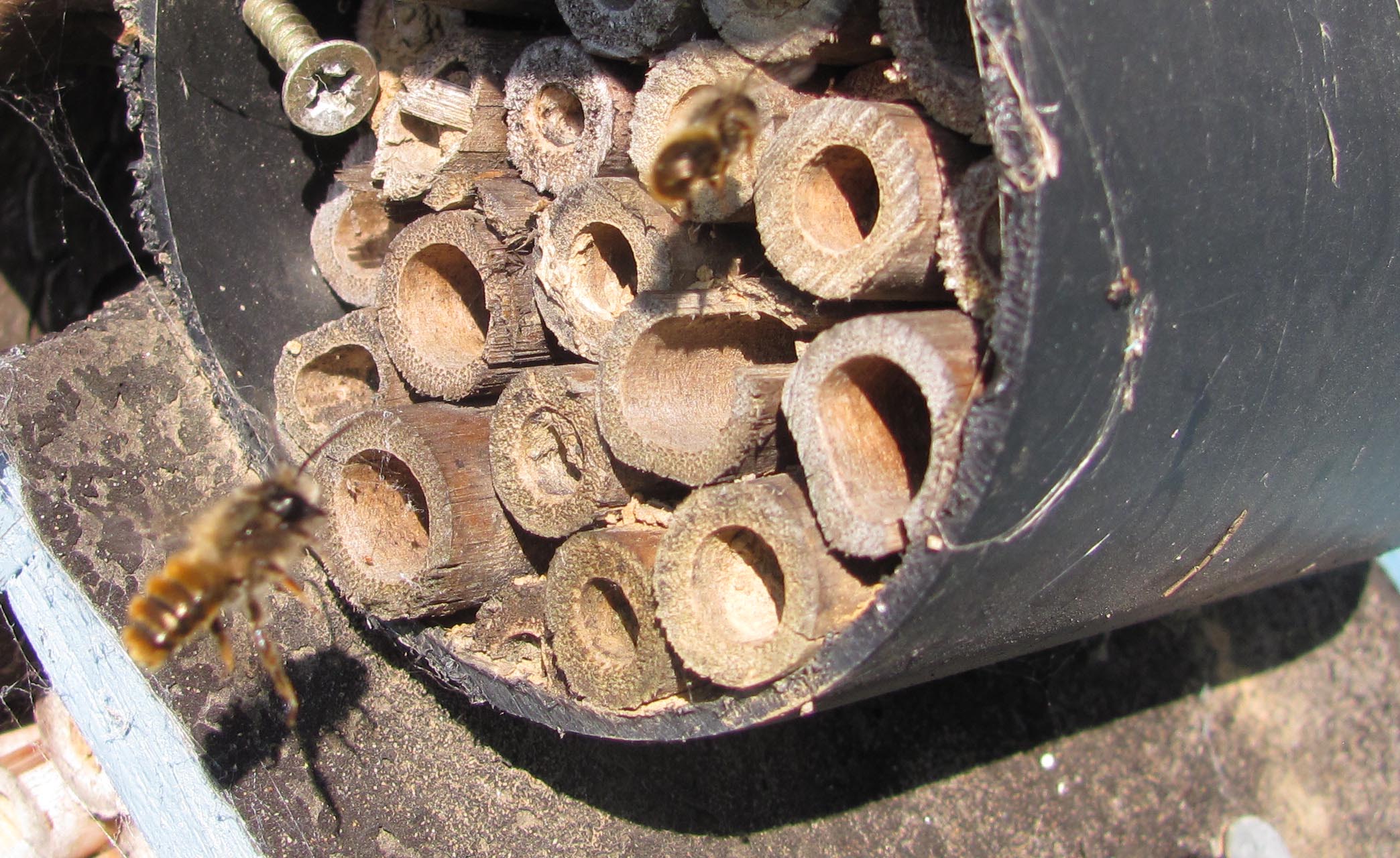
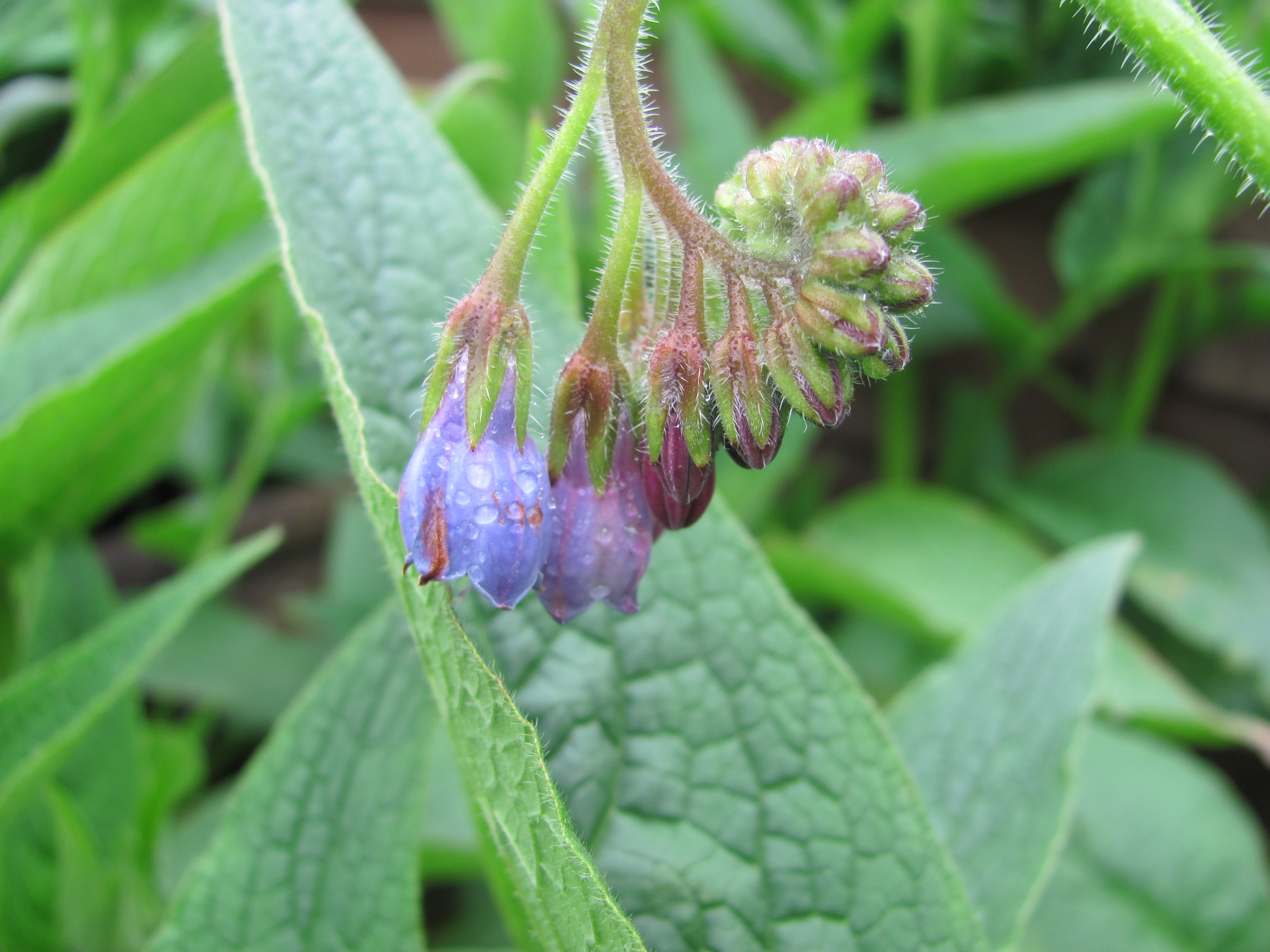
As we pass the garden shed on our way to the back garden the buzzing sounds of bees fills the air, for as the temperatures have risen in the last few days the solitary bees in our bee shelters have been hatching and emerging constantly, literally hundreds of them. They immediately head for the flowers of the Comfrey and Ceonothus we provide for them. I love this moment every spring!

And so into the back where the scent of Wallflowers and Bluebells afford us the luxury of rich sweet perfume. Rich colours burst from the vibrant fresh spring greens.

It has been a strange May so far, no flowers on any rose bushes but some narcissus still in bloom. The Cuckoo has been calling incessantly for weeks as have the Skylarks. We are bit fed up with the repetitive two note call of the Cuckoo but the beauty and complexity of the Skylark’s song means we still love listening to it.

We shall finish this wander in our Seaside Garden, part of our plot not yet featured much in my blog. Perhaps a separate post all about it will appear soon?

Categories
bird watching birds forests photography Shropshire trees wildlife woodland

Forest Foray

On a cool damp April morning when heavy rain was forecast for the afternoon, we set off to the south of our county, Shropshire, to explore some of the tracks around the Mortimer Forest. We chose to visit the area known as Whitcliffe.  When we parked up in the car park alongside the Forestry Commission offices we knew we were in for a treat. The colours of the trees looked fresh and glowed with every shade of green, and the calls and songs of birds mingled to  fill the air, Nuthatches, Thrushes, Blackbirds and Robins.

We decided, as we only expected to have the morning to walk before the heavy rain arrived, to take the track, called the Whitcliffe Loop, that would afford us a two-mile walk through deciduous and coniferous plantings. We were soon to find that the trail was poorly marked so we were frequently unsure if we were on the right track or not. But who cares, we had a great morning’s forest wanderings.

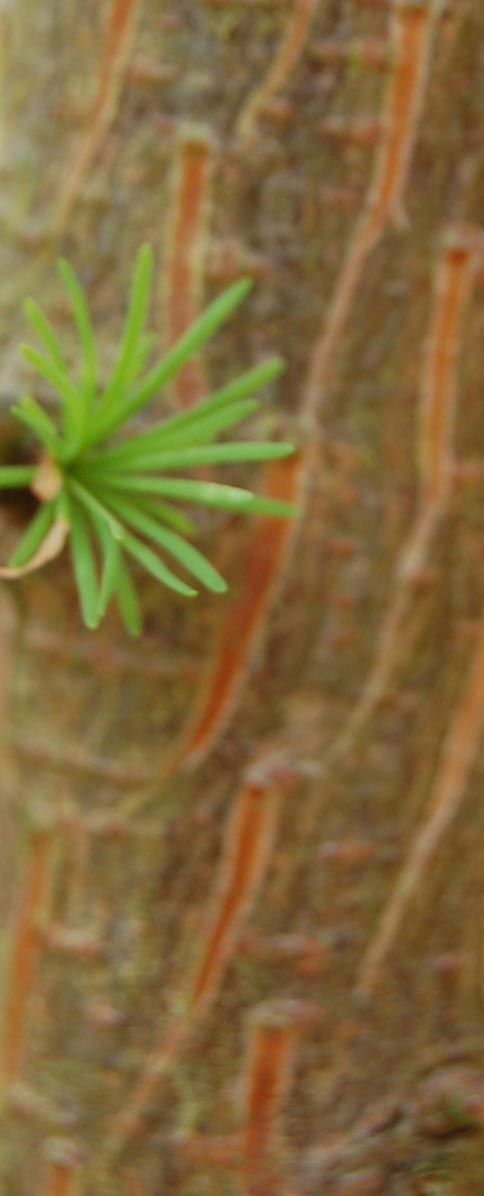
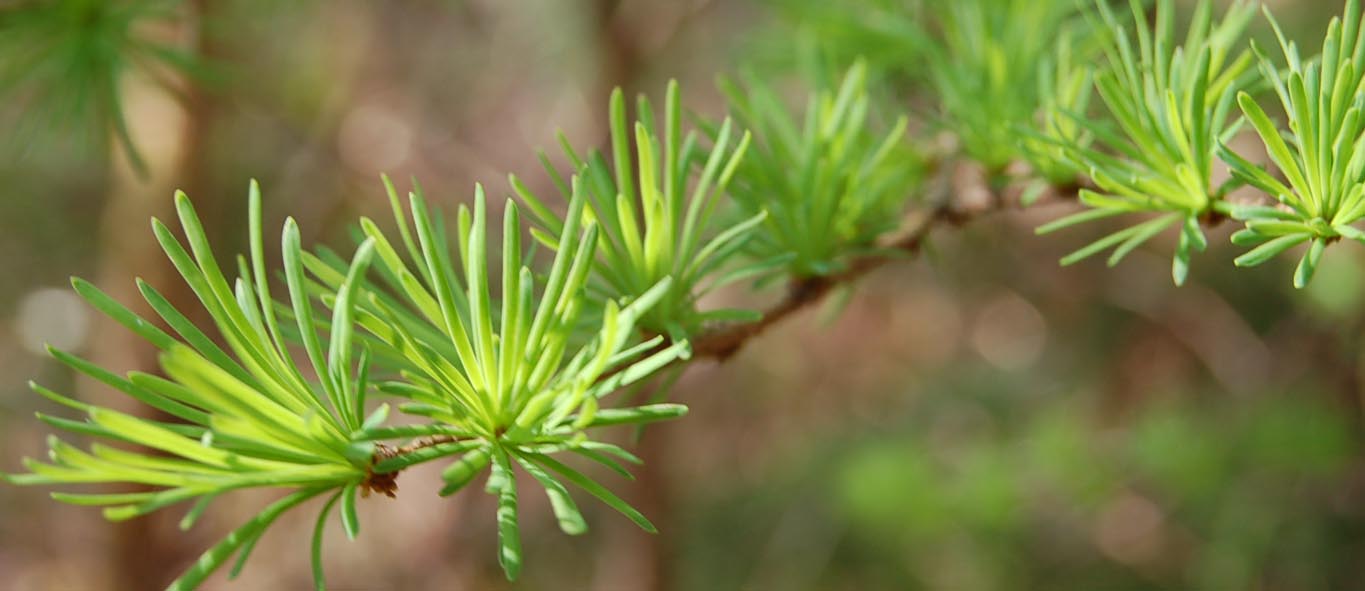
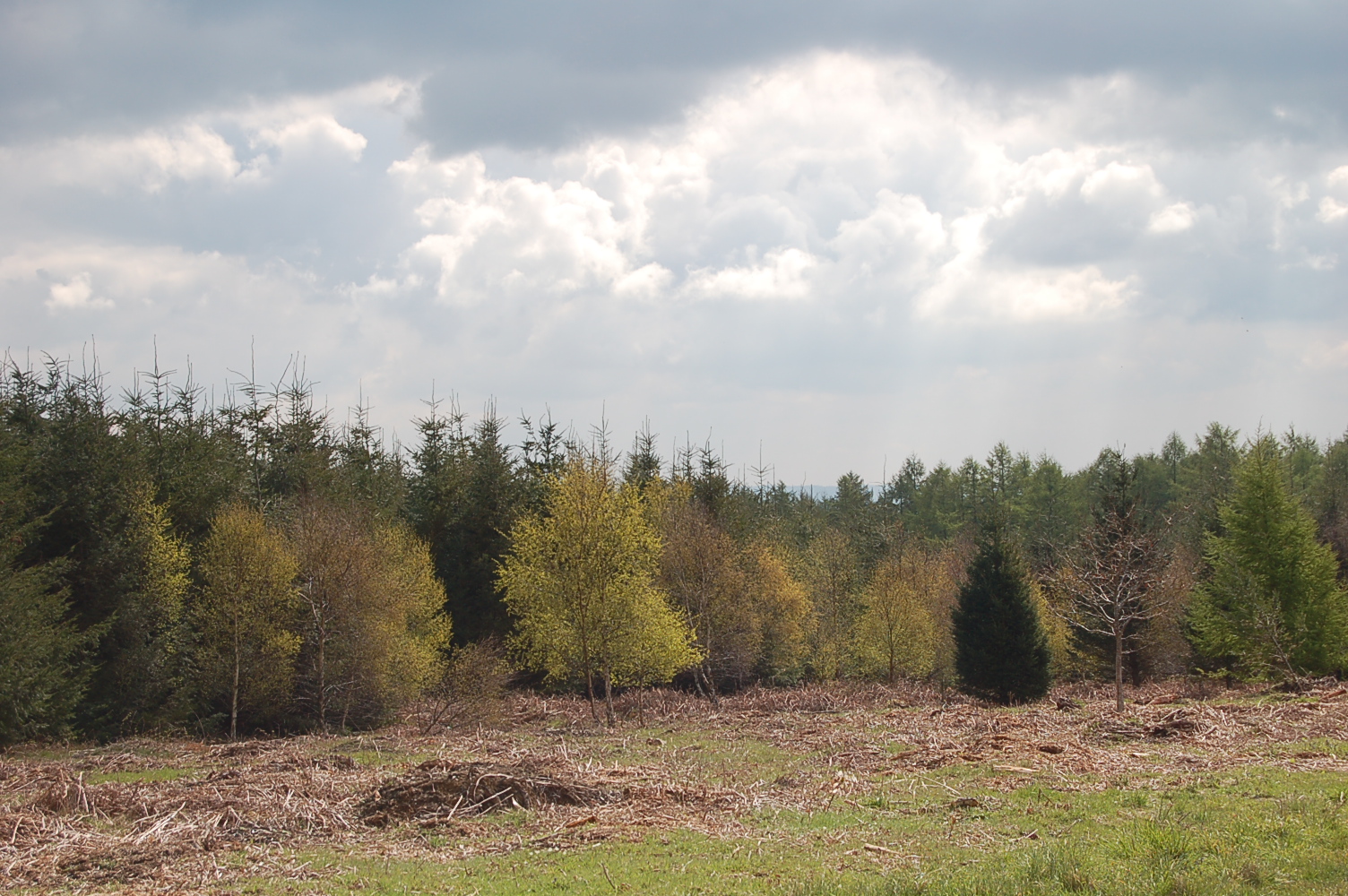
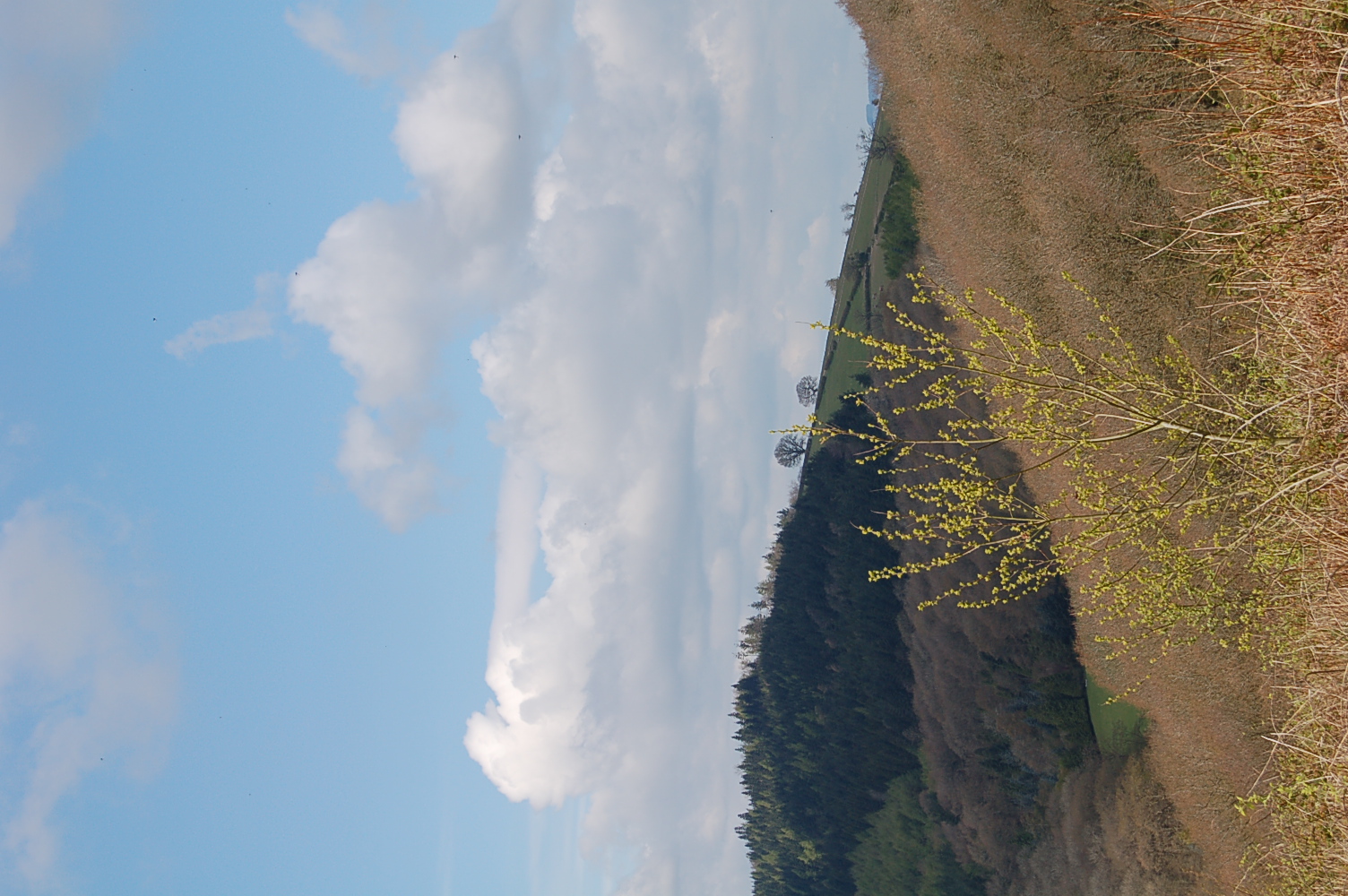
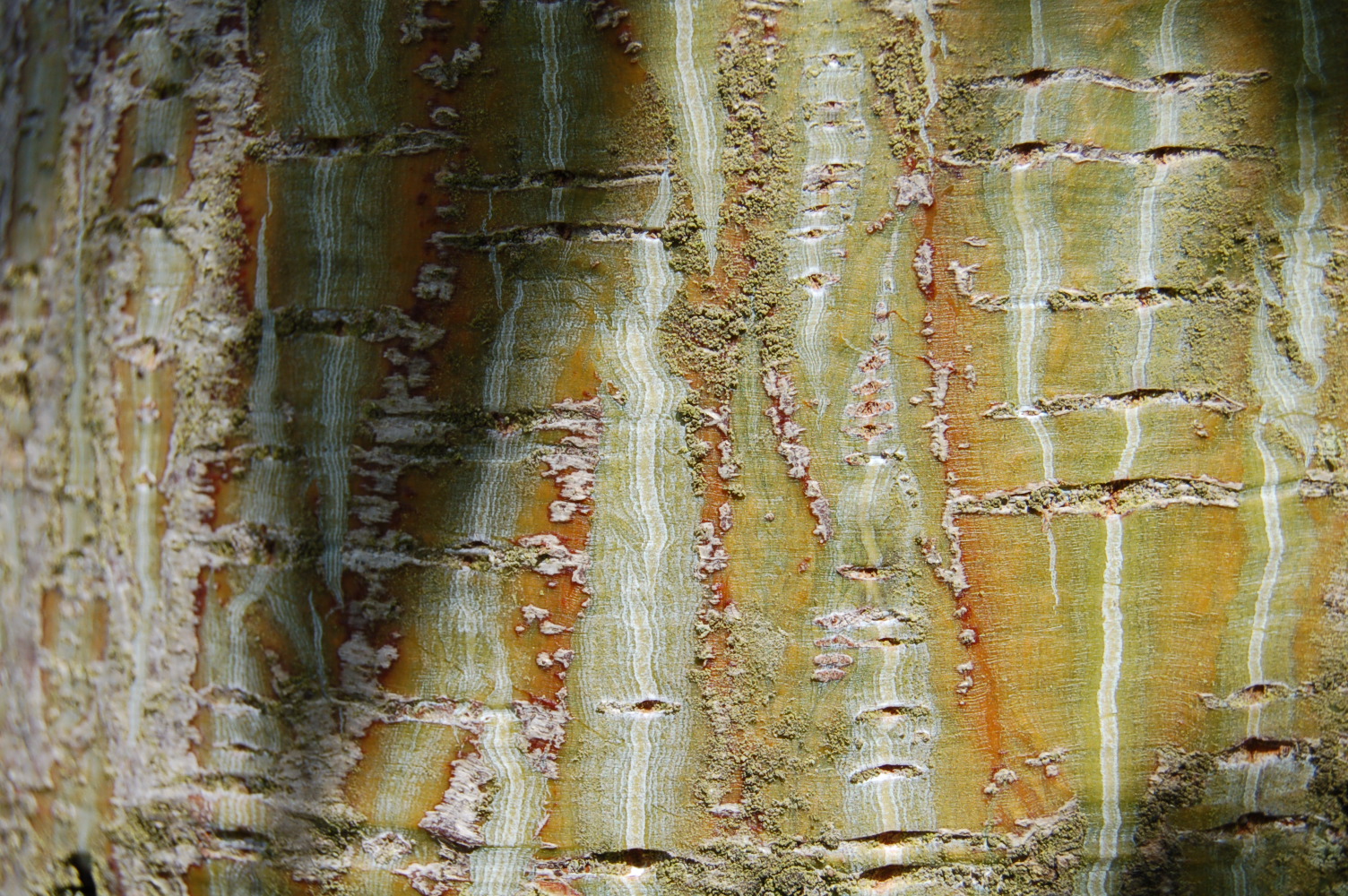
The beauty of the Mortimer Forest is the sheer variety of habitats created by the areas of different trees, some conifers planted in straight lines for wood production, some wind break tree planting and large areas of native deciduous trees. The odd tree out amongst these if the native larch, Larix decidua, which is a conifer but it sheds its needles in autumn. In April its new needles are the brightest green to be seen in a conifer and its bark is beautifully patterned, textured and coloured.

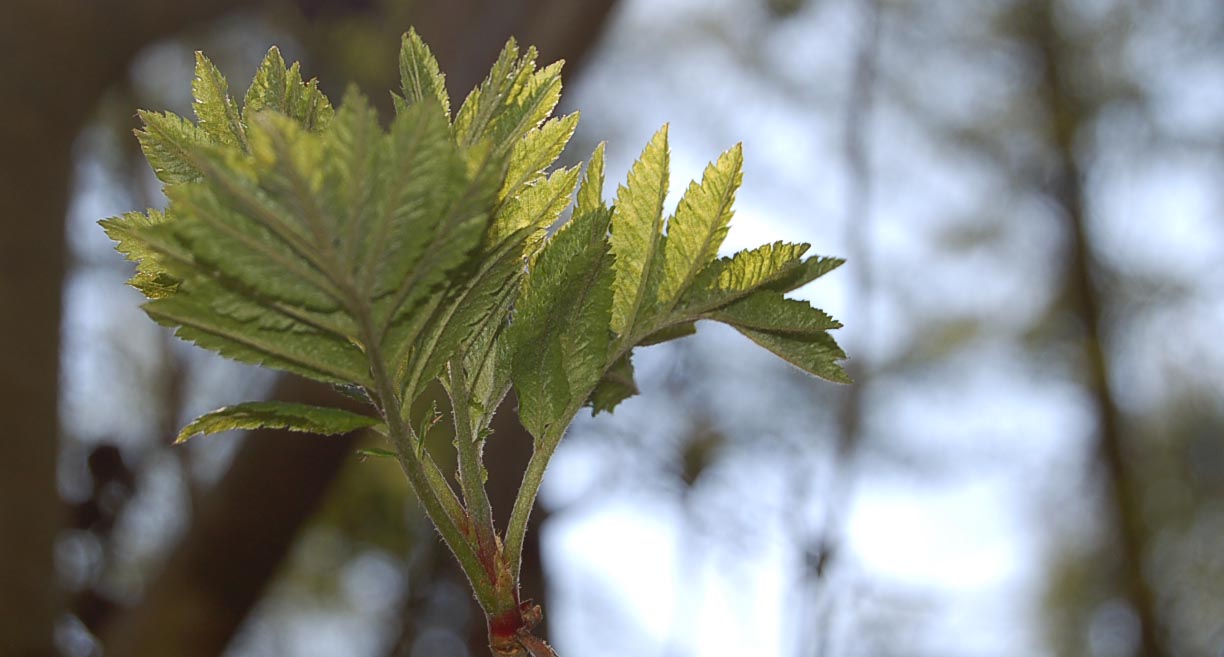
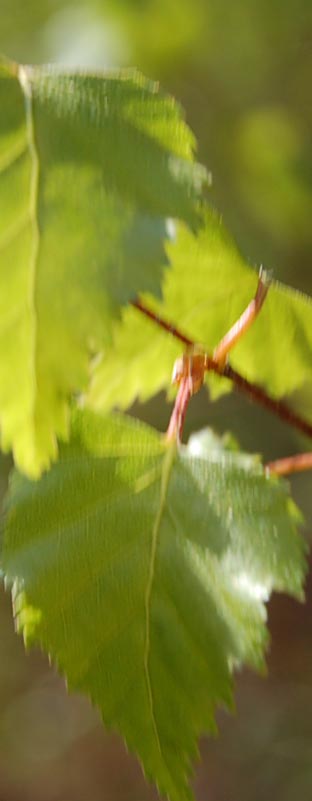
Almost as bright are the new leaves of the Silver Birches.

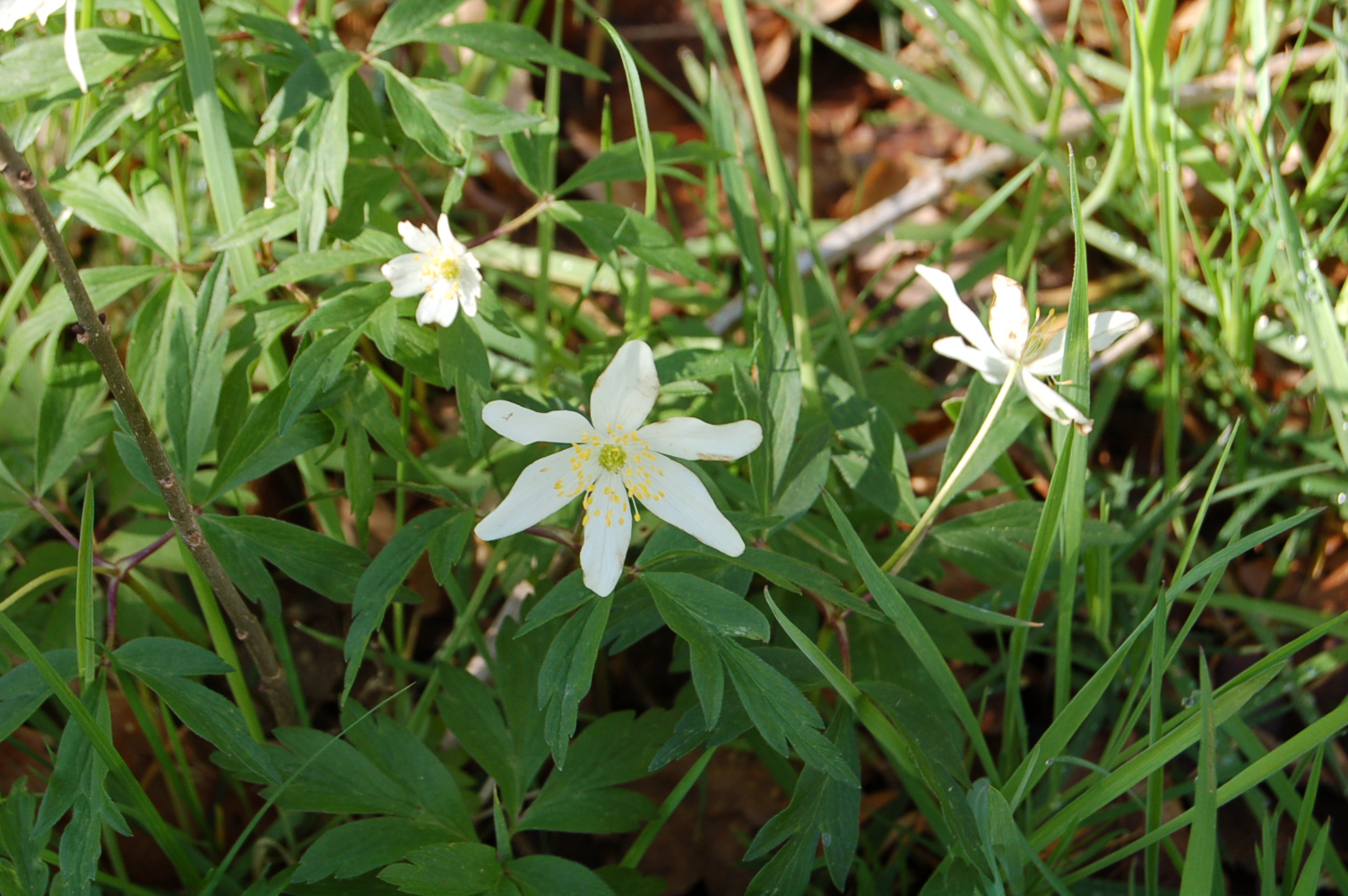
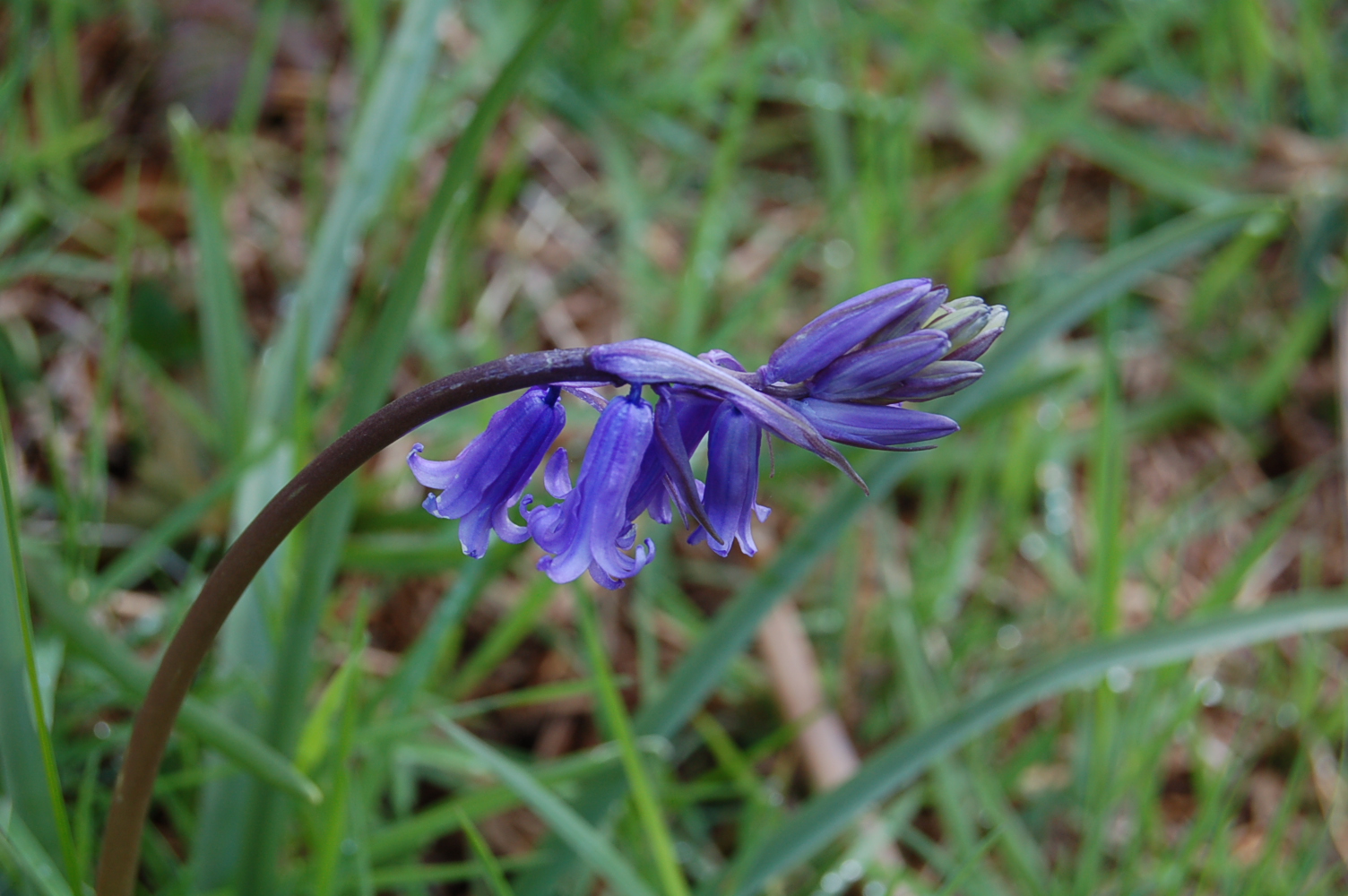
Beneath the trees, wildflowers are infrequent but when we find them they are worth the wait. Wood Anemone, Stitchwort and Bluebell bloom demurely between clumps of Woodrush and the leaf growth of foxgloves.
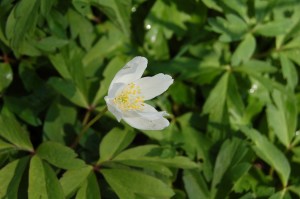
We were delighted to find this anemone with much longer and narrower petals than all the others.

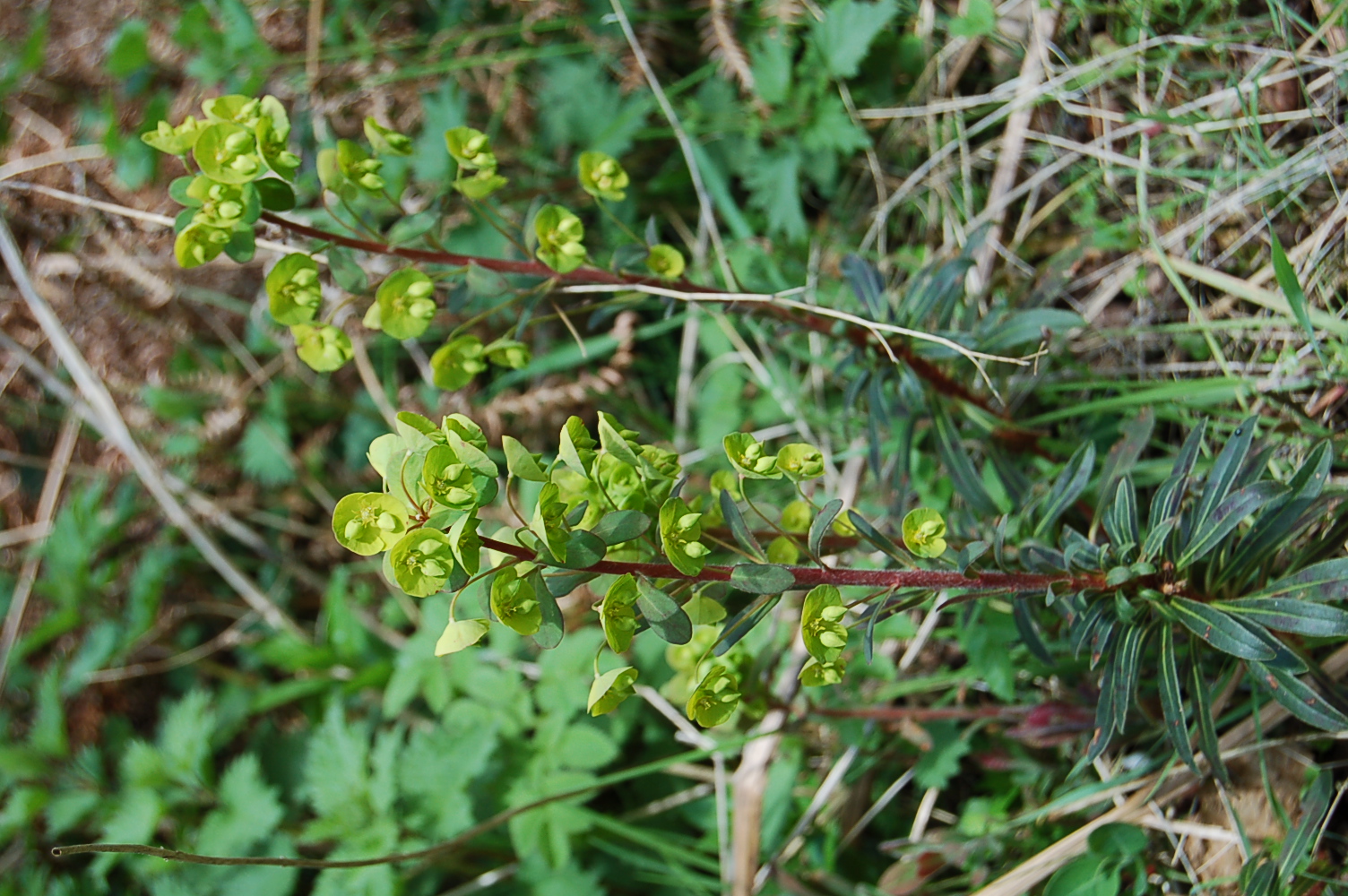
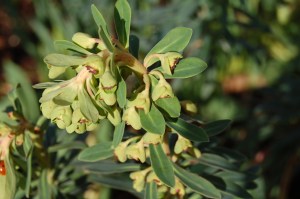
A plant we were surprised to find was a small clump of a native euphorbia with dark stems which emphasised the Chartreuse bracts, tiny yellow flowers within them and the glaucous foliage.
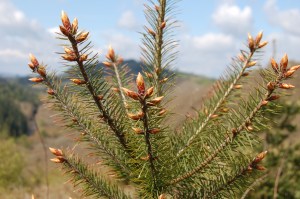
Just over half way around our planned ramble, we entered an area of Cupressus trees planted as a wind break planted to protect newly planted young trees years ago. these heavy-looking trees cast such a deep shade that nothing grew beneath them and peering beneath their hanging branches was like looking into a cave.

All the bird song that had accompanied us up until then stopped. No wildlife seemed to favour this dense, dark area and I can’t blame them. Not my favourite sort of tree – simply too static. The only signs of wildlife as we passed along the narrowed pathway was the occasional high-pitched calls of Goldcrest, Marsh Tit and Willow Tit. Having deduced that we were amongst wind break planting we knew we were nearing the edge of the forest so we looked forward to openness and wide  views.

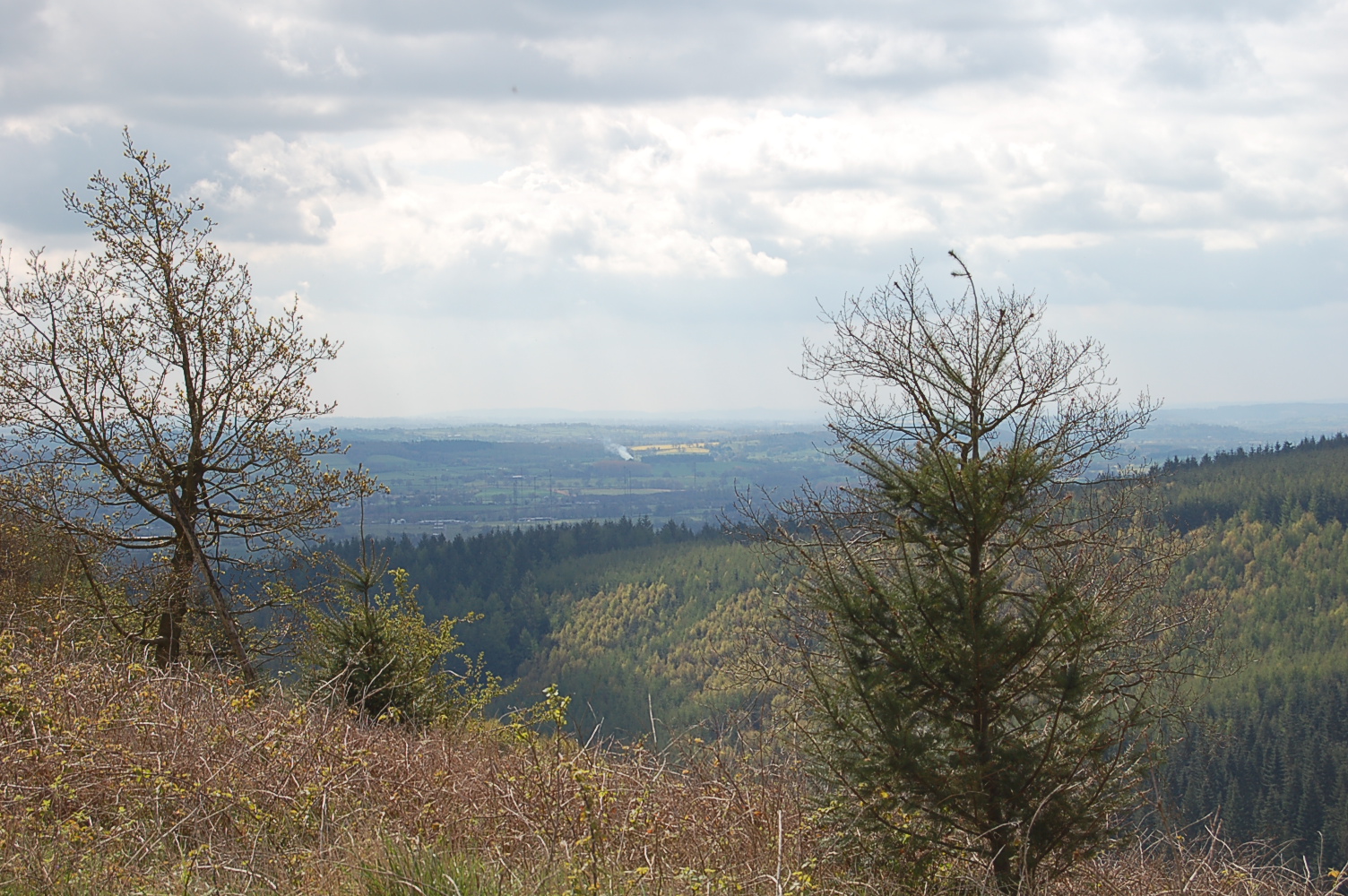
Not only did we find that but also a well-positioned bench inviting us to sit a while and appreciate the views with a coffee and some fruit. As we approached the open area a flash of green passed rapidly overhead, low to the tree tops and at great speed. it was a Green Woodpecker. We were soon to discover why he was in such a hurry for this area was littered with anthills. Anthills mean ants, their favourite food.

The wooden bench was so popular that the ground in front had been worn away so much that when we sat on it our feet didn’t reach the ground. We could swing our feet beneath like little kids on big benches. The views, the coffee and the fruit were enjoyed in equal measure especially when we were entertained by a Buzzard, which rose from the valley floor a few hundred below riding a thermal that took him past us and way up until he was little more than a black dot.

The valley side here dropped steeply away from the edge of the forest where we sat. The ground around us was covered in rough tufts of grass through which tumbled Honeysuckle  and Brambles dotted with Bluebells and Stitchwort. Small trees, Spruce, Birch and Whitebeam, none reaching over a couple of metres tall gave a few perches for finches.
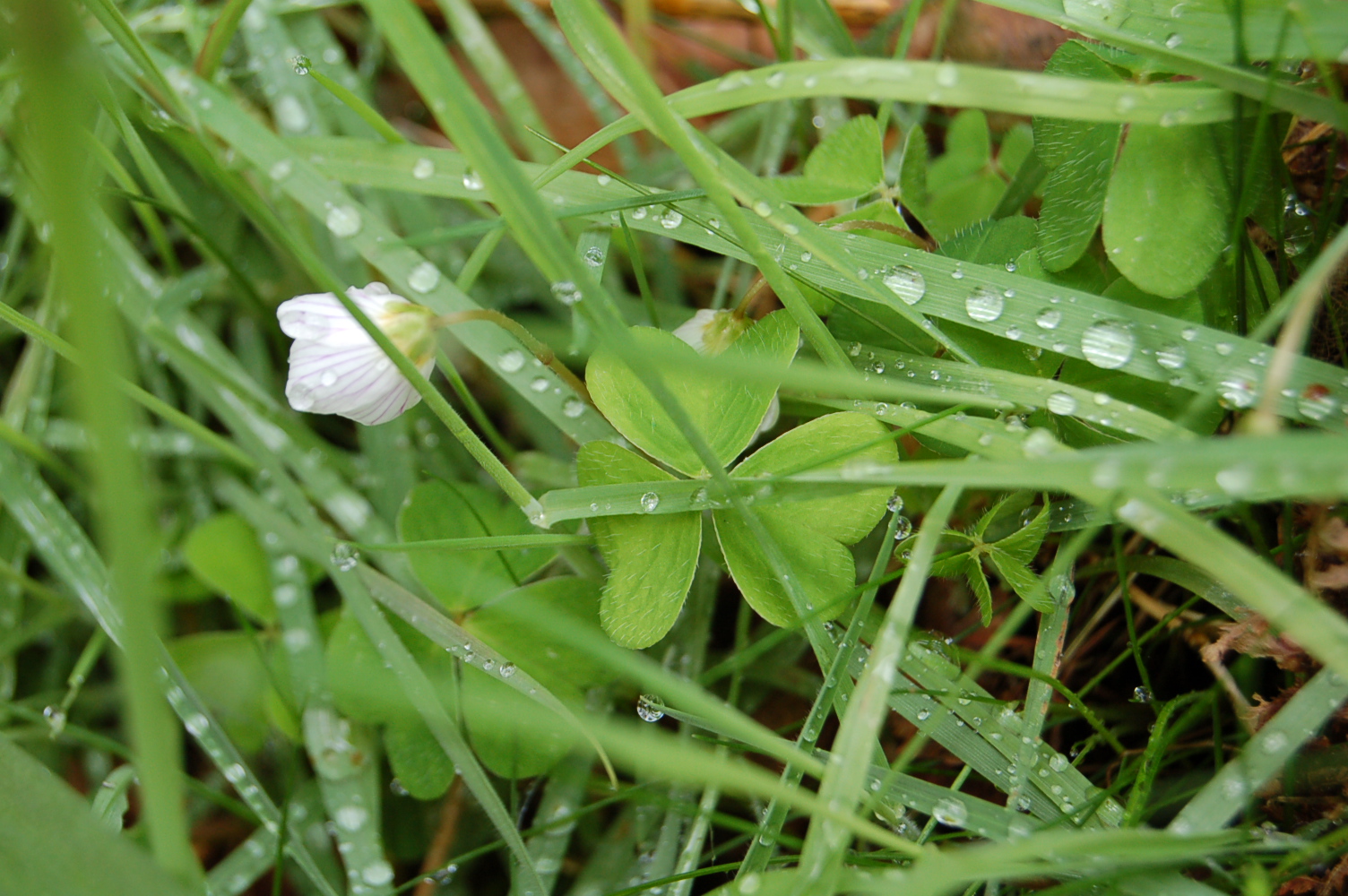
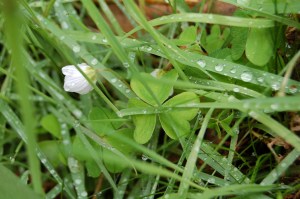
As we took the path back into the forest we noticed butterflies sunning themselves on tufts of dried vegetation, Tortoiseshells and Painted Ladies. Before we reached the dappled shade on the edge of the trees there were more clumps of wildflowers now including Oxalis, with its shamrock like leaves.
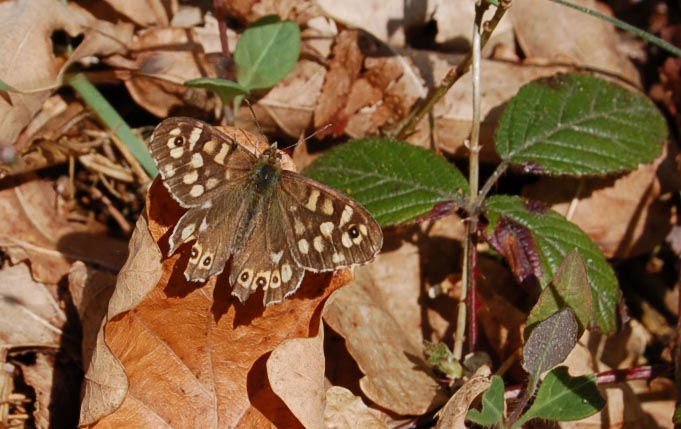
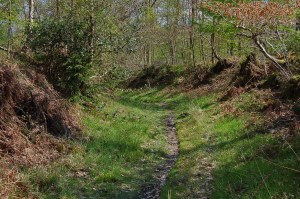
Towards the end of our walk we took a turn into an old trackway where the rays of the sun peered through coppiced trees along the sunken track. Here we were sheltered from the cooling wind and the bird life changed. Blackcaps, Whitethroats and warblers entertained with their song. Courting pairs of Speckled Wood butterflies ignored us and carried on their erratic chasing flight. The Small Tortoiseshells were much more subdued perhaps waiting for the sun to warm them up a little.
While walking along the stone-paved bottom of the trackway we discussed a Stinging Nettle with unusual foliage, much darker than the norm and with hints of purple particularly deep along the edges and at the tips. The stalks were a pure, deep purple.
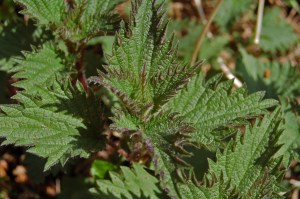
We were later to discover that this trackway was an ancient sunken cart track with the wonderfully apt name, Holloways.

Two miles of slow ramblings along footpaths often muddy and soft underfoot and so much to see and listen to. the true highlight of the day was a short few moments when two Long Haired Fallow Deer crossed the path in front of us. We watched silently as these rare creatures trod carefully through the trees not making a sound. These deer are unique to this forest. I couldn’t get a photo of them but I did get a photo of this little friendly fellow.
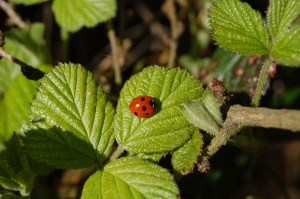
It wasn’t easy though because he was elusive but he was just too friendly crawling over my hand and even the camera before he finally decided to move to this bramble and pose for his shot.

As we neared the end of our walk after enjoying the presence of such wonderful trees, wild flowers, birds, insects and the occasional mammal, I was subjected to the sight of two of trees that were far from favourites. I really do not appreciate trees that are rigid and never-changing such as these tow we met at Whitcliffe.

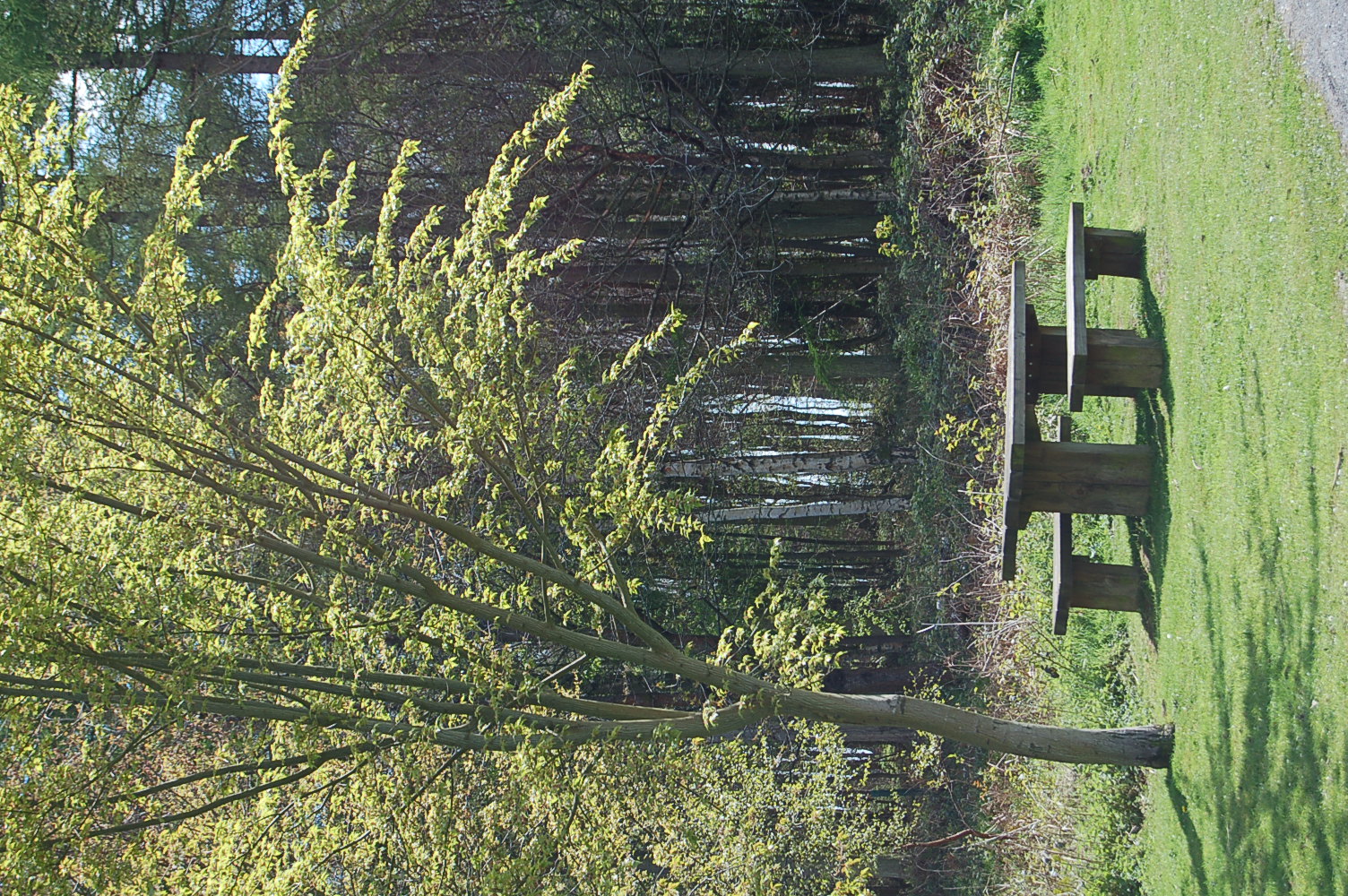
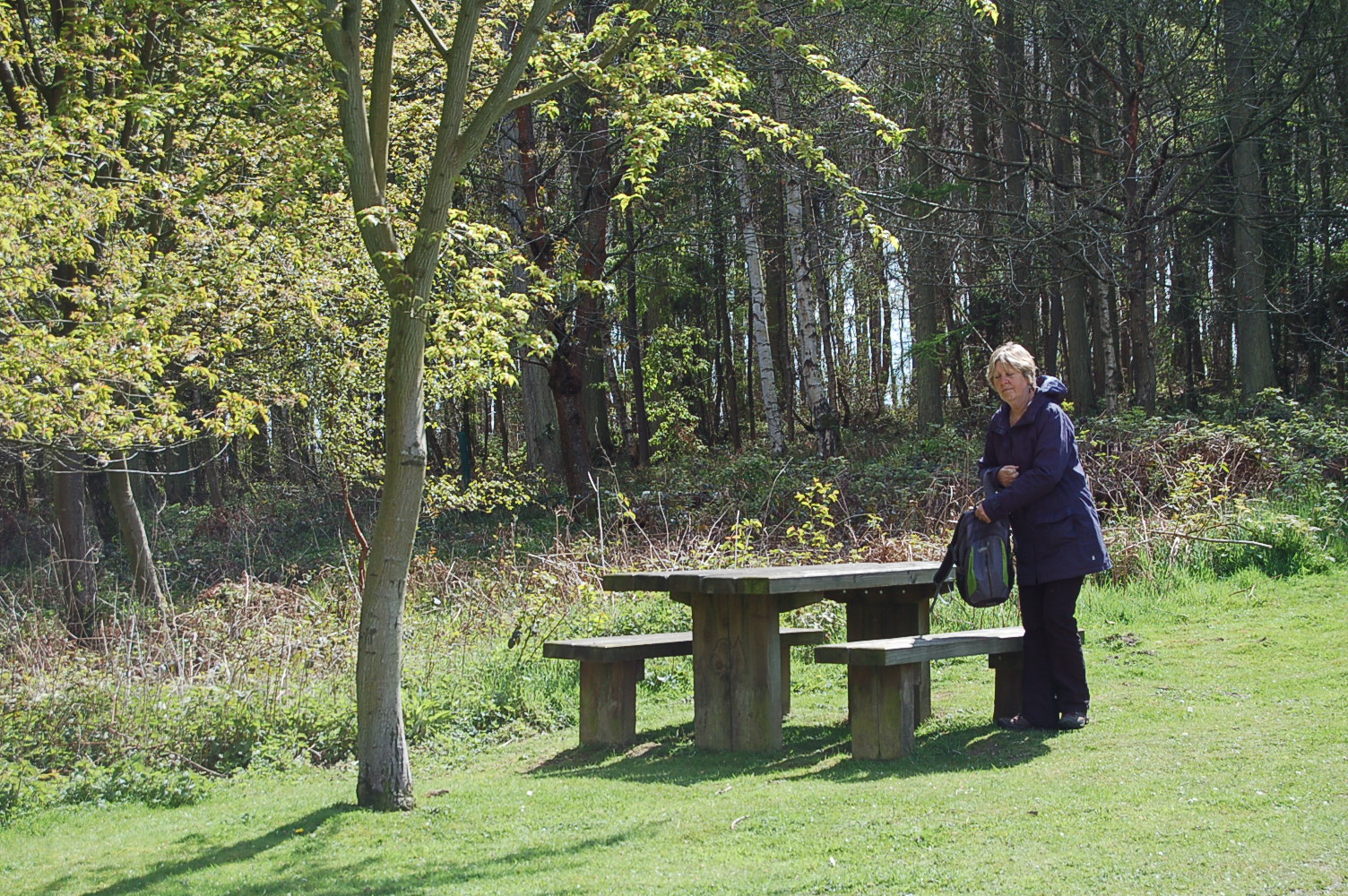
Returning to the car park a picnic bench under a tall maple and sitting in the spotlight of the beams of the sun was most tempting.
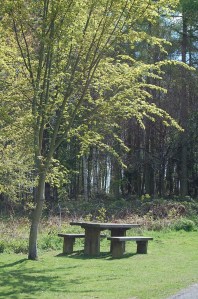
It was definitely too tempting for Jude and I as we still had a little coffee to enjoy and some apples and pears to accompany it.

This Veggie Life

A Vegetarian | Nature Lifestyle Blog

Rambling in the Garden

.....and nurturing my soul

The Arch City Gardener

Journeys In St. Louis Gardening and Beyond

Garden Dreaming at Châtillon

Consult the genius of the place

Storyshucker

A blog full of humorous and poignant observations.
gardeninacity

Notes from a wildlife-friendly cottage garden

PlayGroundology

...an emerging social science

The Official Blog of British Wildlife

'The most important and informative publication on wildlife of our times' - The Independent. This blog is a member of The UK & Ireland Natural History Bloggers group: www.uknhb.blogspot.com
iGrowHort

Inspire - Cultivate - Grow Native Plants - Restore Landscapes

Bishops Meadow Trust

To create and protect a semi-natural wild space for the people of Farnham to enjoy and experience an array of British wildlife in our town

Gardening with Children

The www.gardeningwithchildren.co.uk Blog

UKbirdingtimeline

birding through the seasons, why birds matter and how to conserve them

NATURE WALKER

with a camera in hand

Jardin

Transform your outdoor space

Eva's space

My allotment, cooking and other interests

Old School Garden

my gardening life through the year

LEANNE COLE

Trying to live a creative life

fromacountrycottage

trying to live as lightly as possible on our beautiful planet

Good Life Gardening

Nature lovers from Leicester living the good life.

mybeautfulthings

Finding the beautiful in the everyday

mawsonmichelle

Michelle's Allotment

In and Out of My Garden

thoughts from and about my garden

Greenhousing

Big plans for a small garden

The Scottish Country Garden

A Walled Country Garden in South East Scotland

The Fruity Chicken

Life at the fruity chicken

willowarchway

Off grid living. Self sufficient. "PERMAGANICS RULE".

St Anns Allotments

Nottingham's Grade 2* Listed Allotments and Community Orchard

Manifest Joy Harvests

a journey in suburban vegetable gardening

Allotmental

The madness of growing your own

Penny's Garden: a harvest beyond my front door

A novel approach to vegetable gardening

arignagardener

Sustainable living in the Irish countryside.

NewEnglandGardenAndThread

Master Gardener, amateur photographer, quilter, NH native, and sometimes SC snowbird

dianajhale

Recent work and work in progress and anything else that interests me

planthoarder

a chaotic cottage gardener

Lens and Pens by Sally

a weekly blog that creates a personal philosophy through photographs and words

Dewdrops and Sunshine

Stories from a sassy and classy Southern farmbelle.

The Pyjama Gardener

Simple Organic Gardening & Seasonal Living

gettin' fresh!

turning dirt into dinner

JOY...

today the world is created anew

Garden Birds

Notes from a Devon garden

ShootAbout

Life Through The Lens

Adapting Pixels

A photography blog showcasing the best photography pictures and videos on the internet

Wildlifegardening's Blog

Just another WordPress.com site

naturestimeline

personal observations from the natural world as the search continues for a new approach to conservation.

LATEBLOOMERBUDS

The Wonders of Life through my Eyes, my Heart, my Soul