Categories
autumn autumn colours bird watching birds landscapes nature reserves photography Shropshire shrubs wildlife

Bracken and Bilberries – Part 2. The Stiperstones

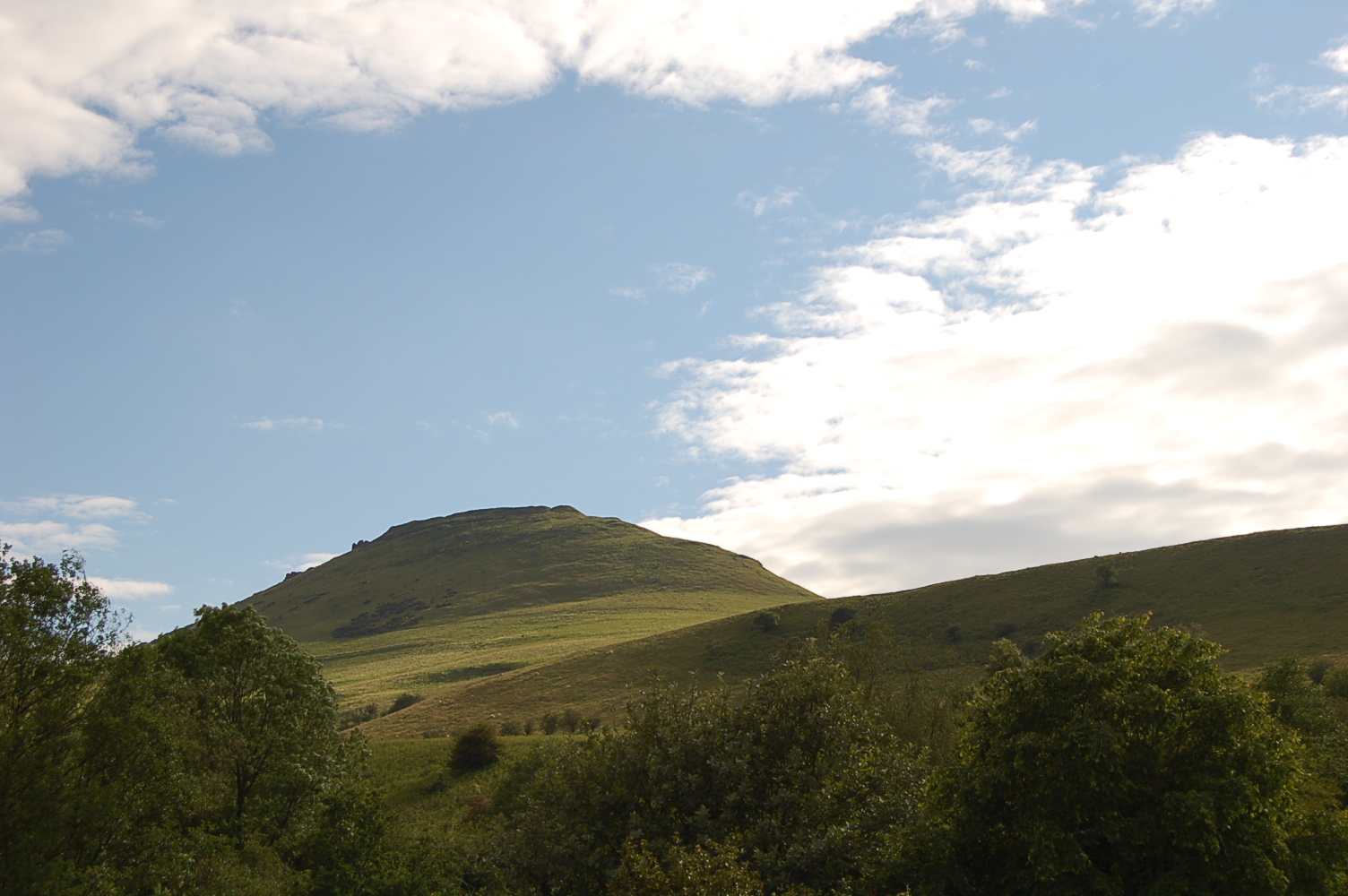
As promised in the post “Bracken and Bilberries – Part 1” here now is a post about the Stiperstones, the ridge of hills that begins close behind our home and runs down towards the south of the county. It has been a long time since we climbed this rugged landscape, even though it is so close to home. My disabilities with spine and leg troubles coupled with  breathing problems stop me doing such things very often but I set myself a target each year to tackle something crazy! Climbing the Stiperstones was this year’s challenge.

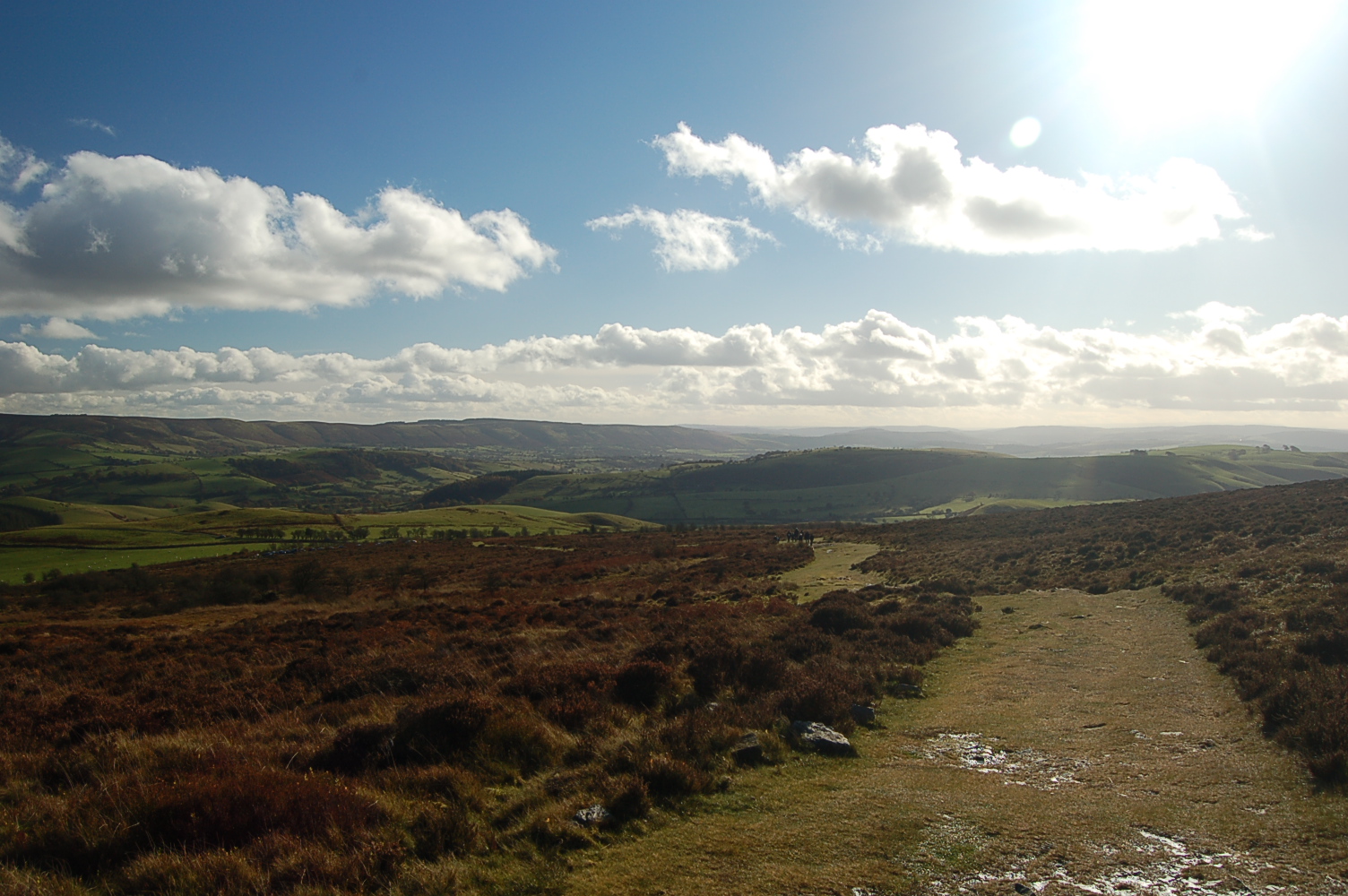
The walk up to the ridge is a steep but wide grass path, shorn short by the resident ponies and cattle. From the gate at the bottom it looks a long way up. It looked even longer when we realised that we had left our flask of coffee at hom!. It was a bright day but there was a cold biting wind so we wrapped up well and set off. It looked much brighter than the day when we recently tackled the walk along the Stapeley Hill ridge.

Our green trackway through bracken was suffering from erosion from recent heavy rains which seem to come each autumn now. New drainage gulleys cross our path which mark an attempt to secure the surface more effectively when feet walk heavily over sodden turf.

Areas of bracken here, just as on the Stapeley Hill trail in my previous “Bracken and Bilberries” post, have been cut down in an attempt to get the heather back. This project is called “Returning to Purple”. Bracken does tend to take over but slowly the purples of heathers are re-emerging in our hills. Apart from bracken and the occasional heathers small evergreen shrubs which produce berries are the commonest plants – Bilberries, Cowberries, Crowberries and Whinberries. Locals still collect these berries for jams, jellies and fruit pies, but in previous centuries they were an important food source and even provided a little income for the cottagers. All these little, low-growing shrubs have dark evergreen leaves and berries offering varied colours and tastes. Cowberries, also known as Lingonberries, have edible berries with a stange mixture of sweetness and sourness. As well as here in the Shropshire Hills they are native to the Arctic Tundra and Boreal Forest. Bilberries produce edible black fruits and Crowberries similarly give black berries which have good flavour but are rather dry.
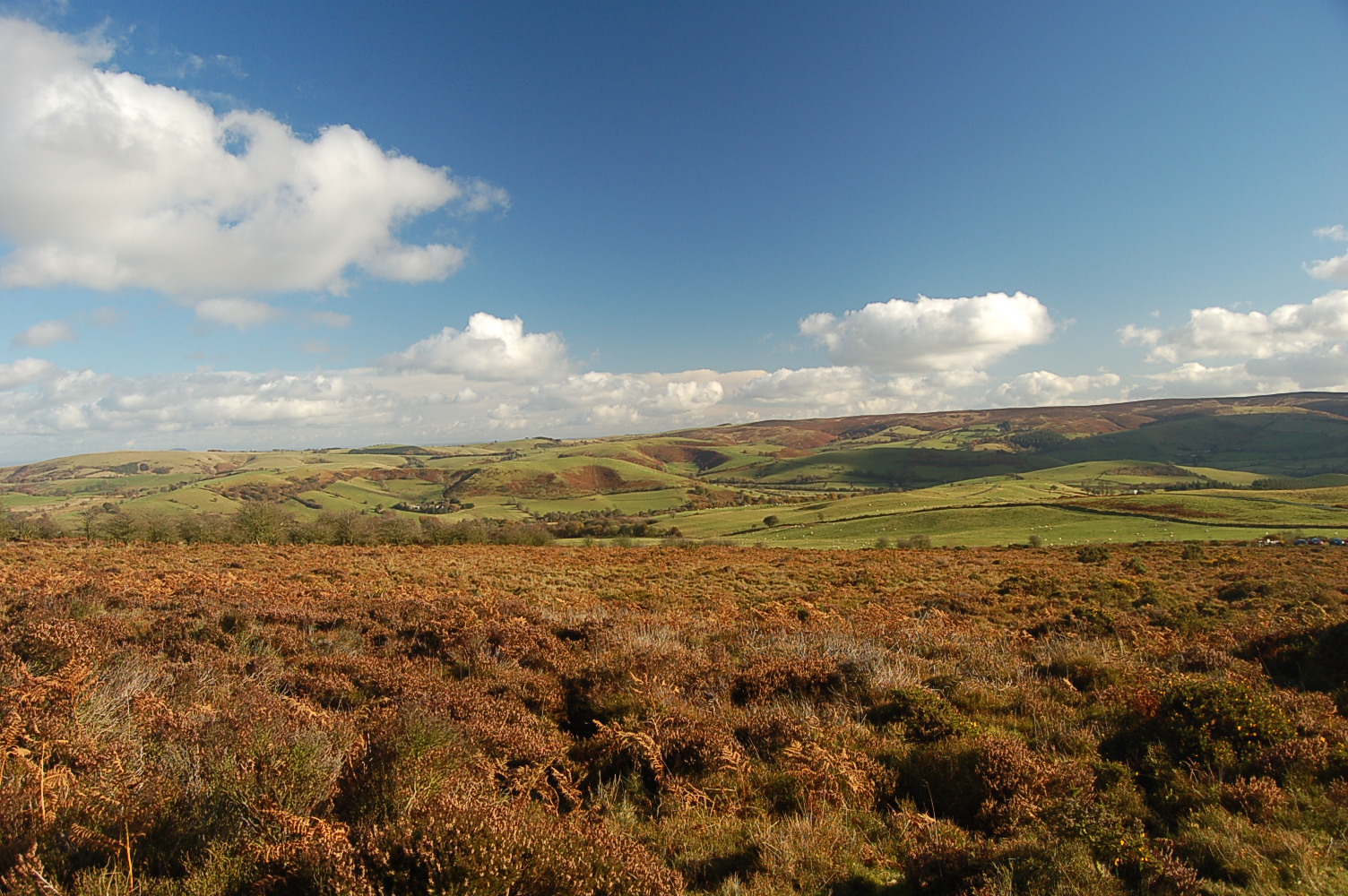
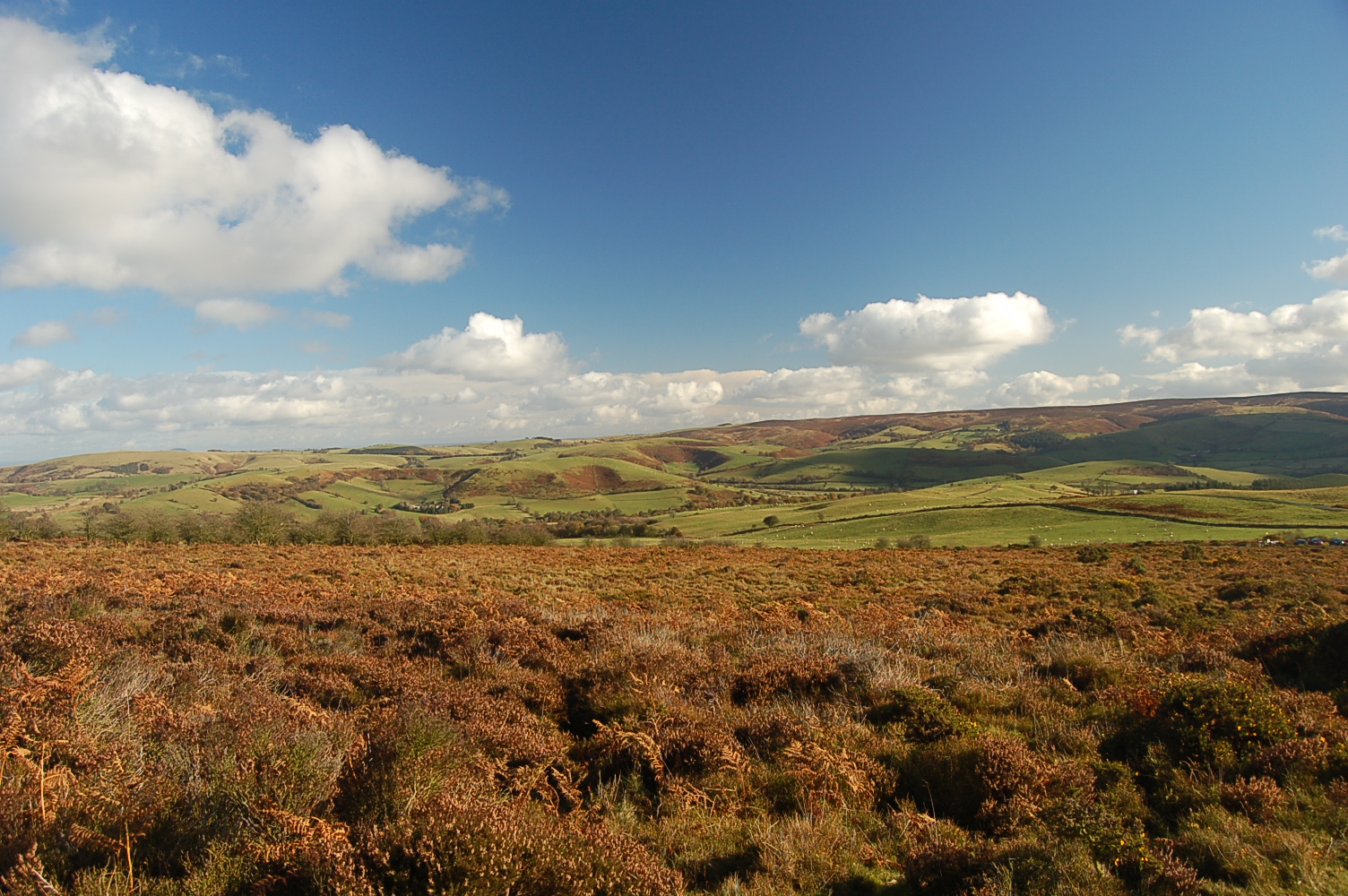
We stopped half way up the slope to get our breaths back and look back over the path we had so far covered. The view over towards “The Long Mynd was lit beautifully. Our next Bracken and Bilberry wander perhaps?
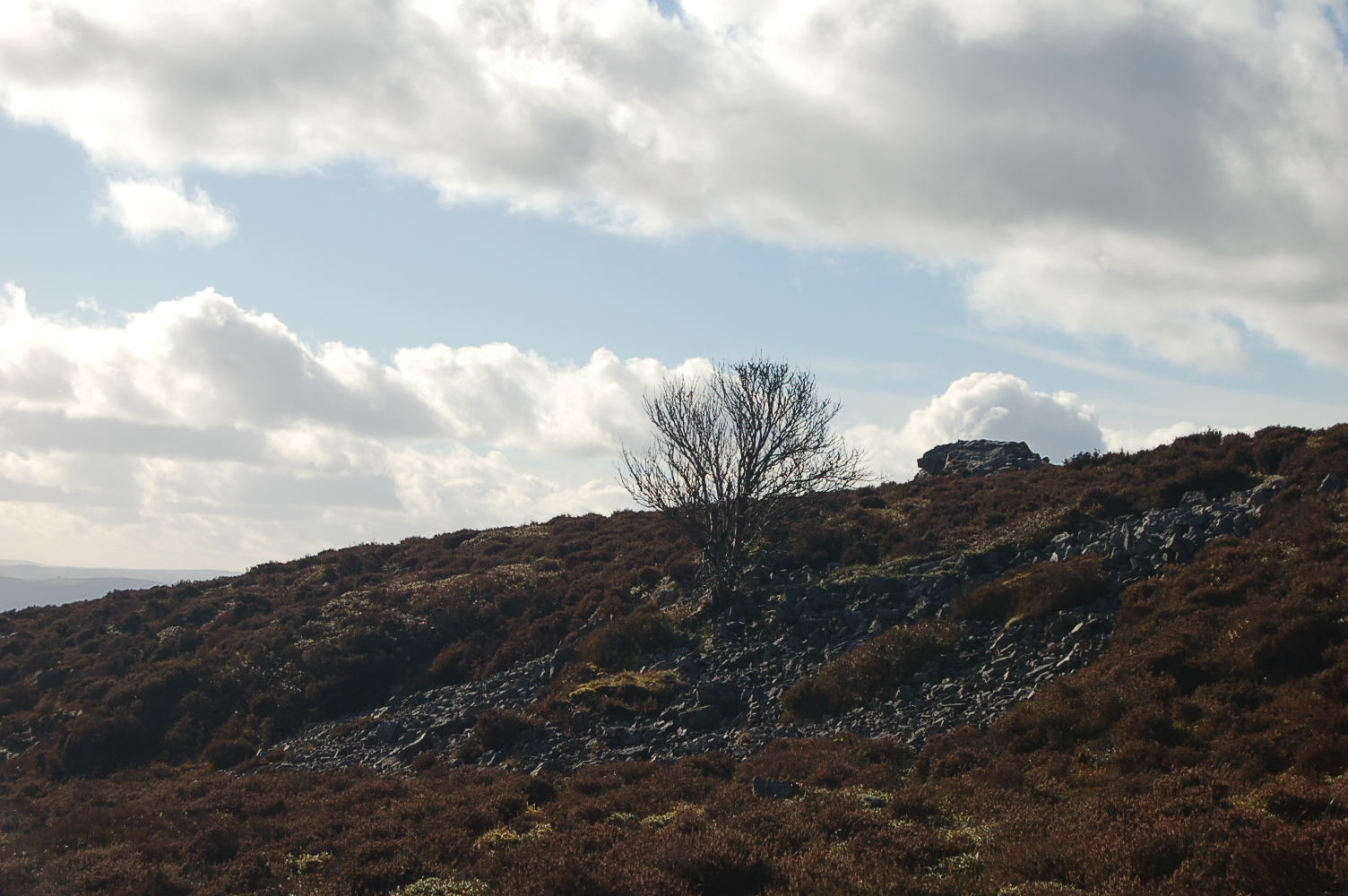
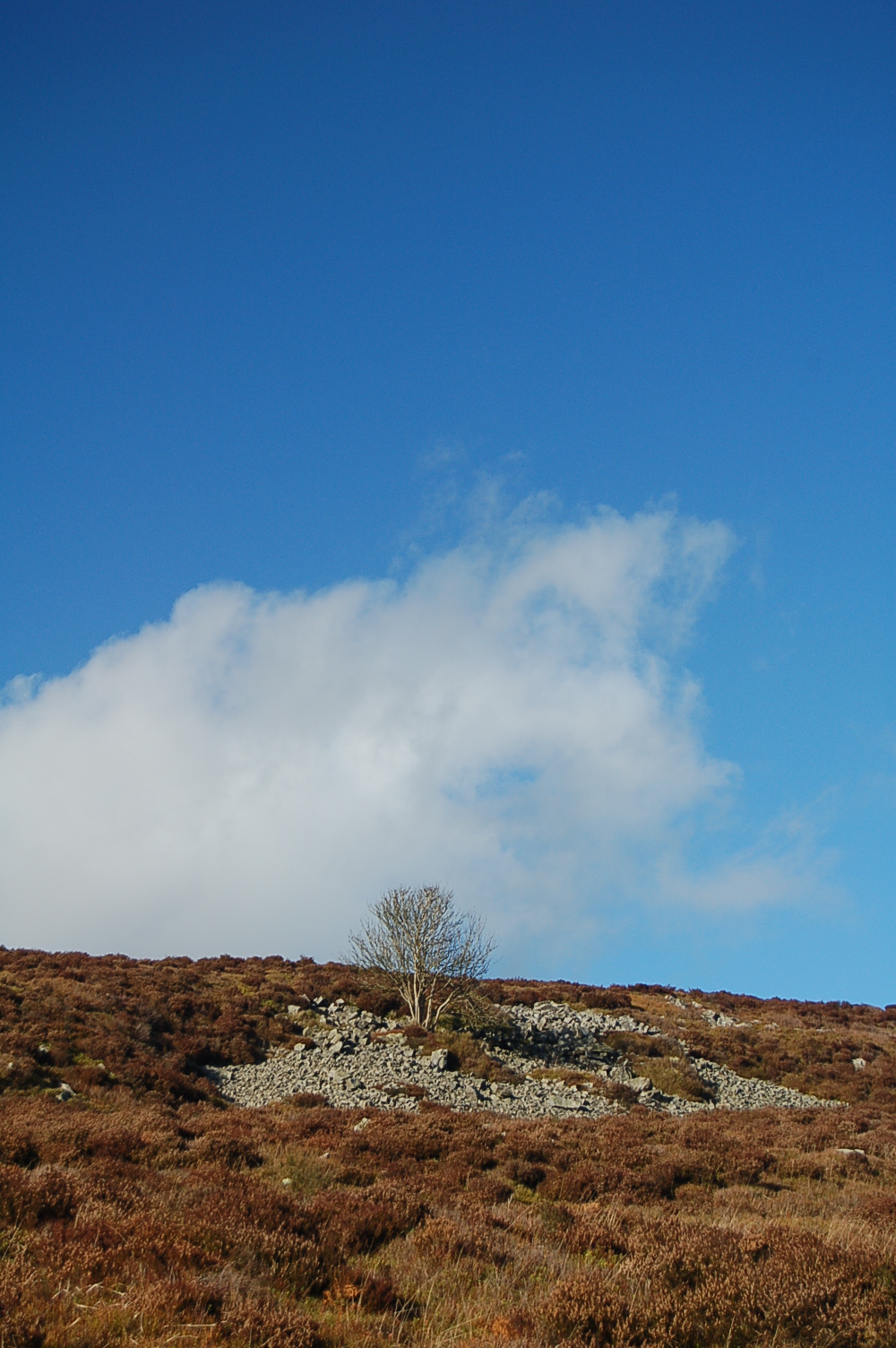
On the next stage of our ascent our eyes were drawn to a solitary tree high up on our left just below the top of the ridge. There are so few trees up here once you leave the low area where we parked the car. Every tree looks extra special because of this exclusivity and its stunted growth due to altitude, poor soils and prevailing weather.
As we neared the ridge the path got rockier and outcrops more frequent. The wind got colder making our eyes sting and run, and our ears. hurt.

The path divided as we reached the spine of the ridge with the route left taking us a short way along just over the other side of the ridge, the route right taking a long path right along the ridge to a series of rock outcrops. With the time we had left to walk and the sudden drop in temperature that hit us as we met the cold air rising up from the other side of the ridge we decided to do the shorter option. We would come back another day with more time and make sure we did not forget our coffee and fruit sustenance!

The path we took went  along the sharp top of the ridge occasionally dropping onto the colder side. It was freezing, so cold that little patches of snow lay on the path in places. This is a bit early in the year for snow around here! We walked into the sun and battled the strengthening biting wind, making our way towards the silhouetted rocky outcrops. It proved to be a lazy wind – too lazy to go around us so it went straight through.

We were so glad of our thermal gloves and thermal coats but we had forgotten our thermal beanie hats. Jude tried to cope with her jacket hood which proved simply too thin. I tried to cope with a baseball cap – the wind that was too lazy to walk around us was sadly not lazy when it came to blowing my hat away!

When we reached the rugged outcrop we were aiming for we knew it was worth getting cold for. A dramatic spiky rough outcrop!

From this ridge the views westward back towards Mitchells Fold and Stapeley Ridge and Wales beyond were breath-taking. Another place to stand together and think what a wonderful place we live in.
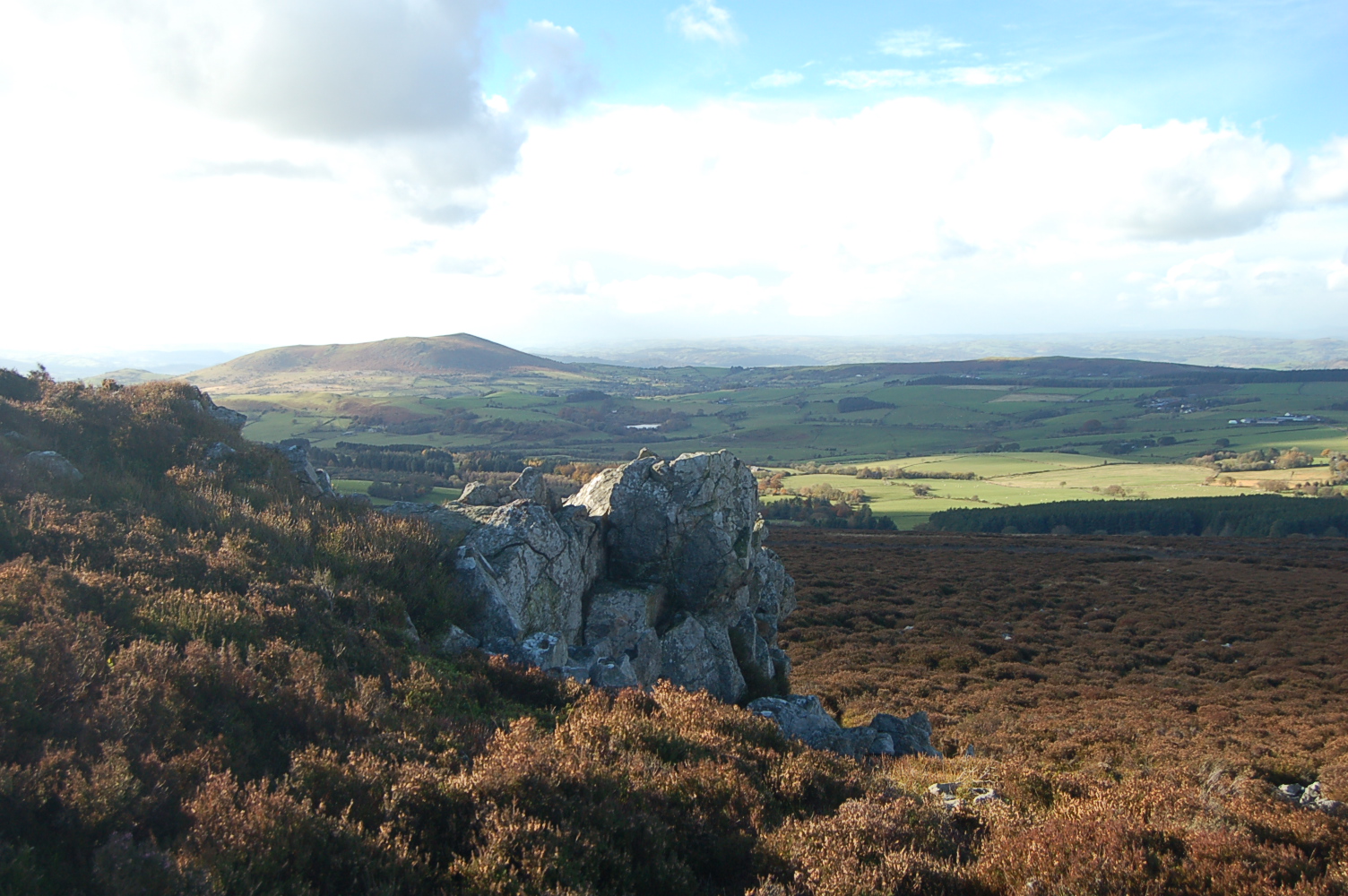
The views to the south were equally stunning.

The cold was penetrating too deeply and lack of sustenance was beginning to tell so we turned away from the sun and made our way back to the parting of the paths to begin the descent through the bracken and bilberries along the grassy track. The wind was now on our backs, so biting less and even helping us on our way a little.
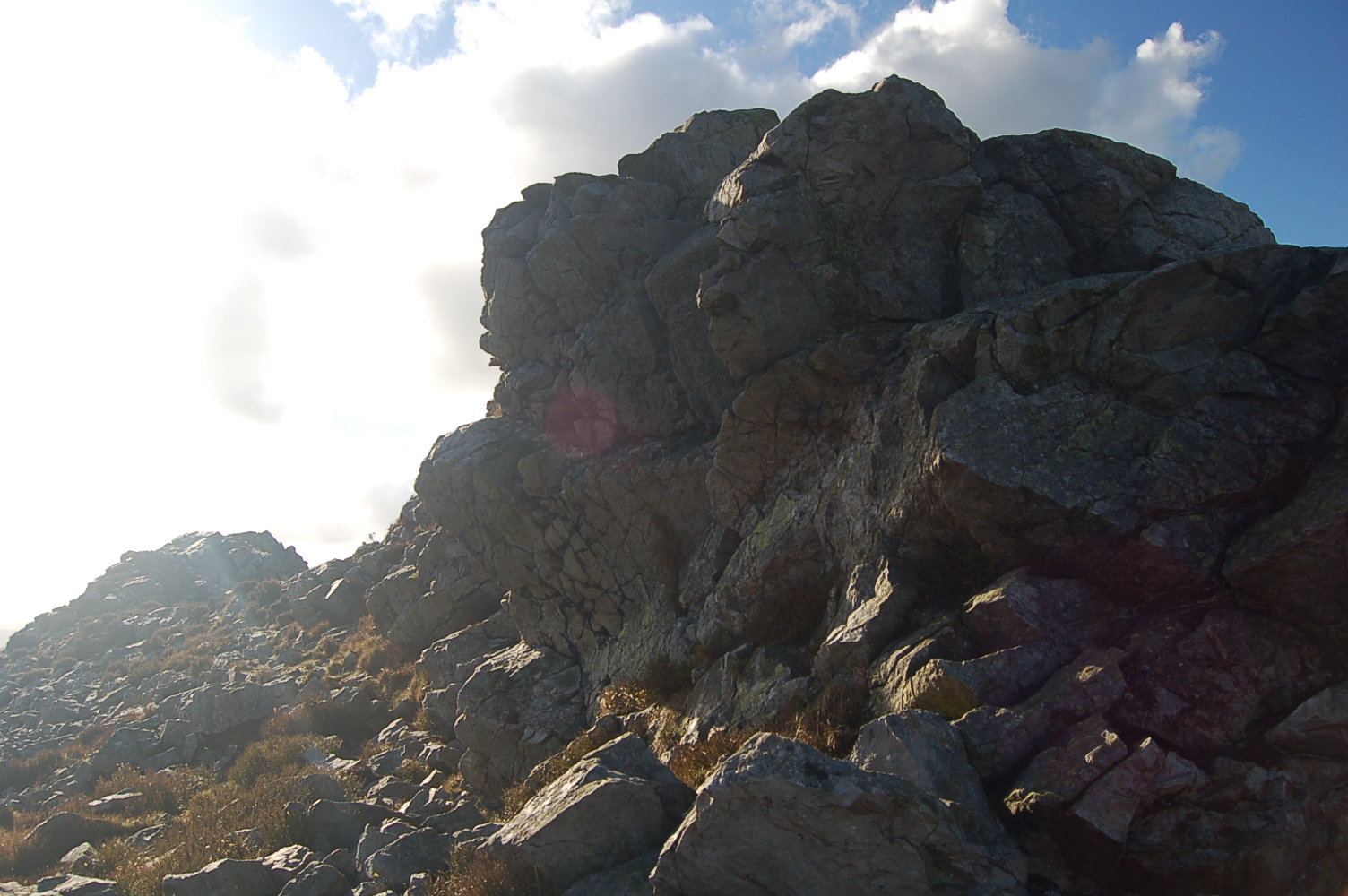
As we reached the paths’ junction before turning back downhill we took a long look along the other walk we were determined to return to tackle another day. It looked inviting with the sun shining on it, calling out to us to return. We couldn’t refuse, so pledged to come back soon.

As we stood considering the trek we would make on our return to the Stiperstones, we watched Red Kite hunting the slopes below us. A rare chance to watch these big predators from above. Little else showed, just one Meadow Pipit and the commonest bird of the day Raven working their way over the hills in pairs.

Categories
autumn autumn colours colours garden design garden photography gardening gardens open to the public National Garden Scheme ornamental trees and shrubs photography shrubs The National Gardening Scheme" trees

The Dingle – A Welsh Garden Wonder

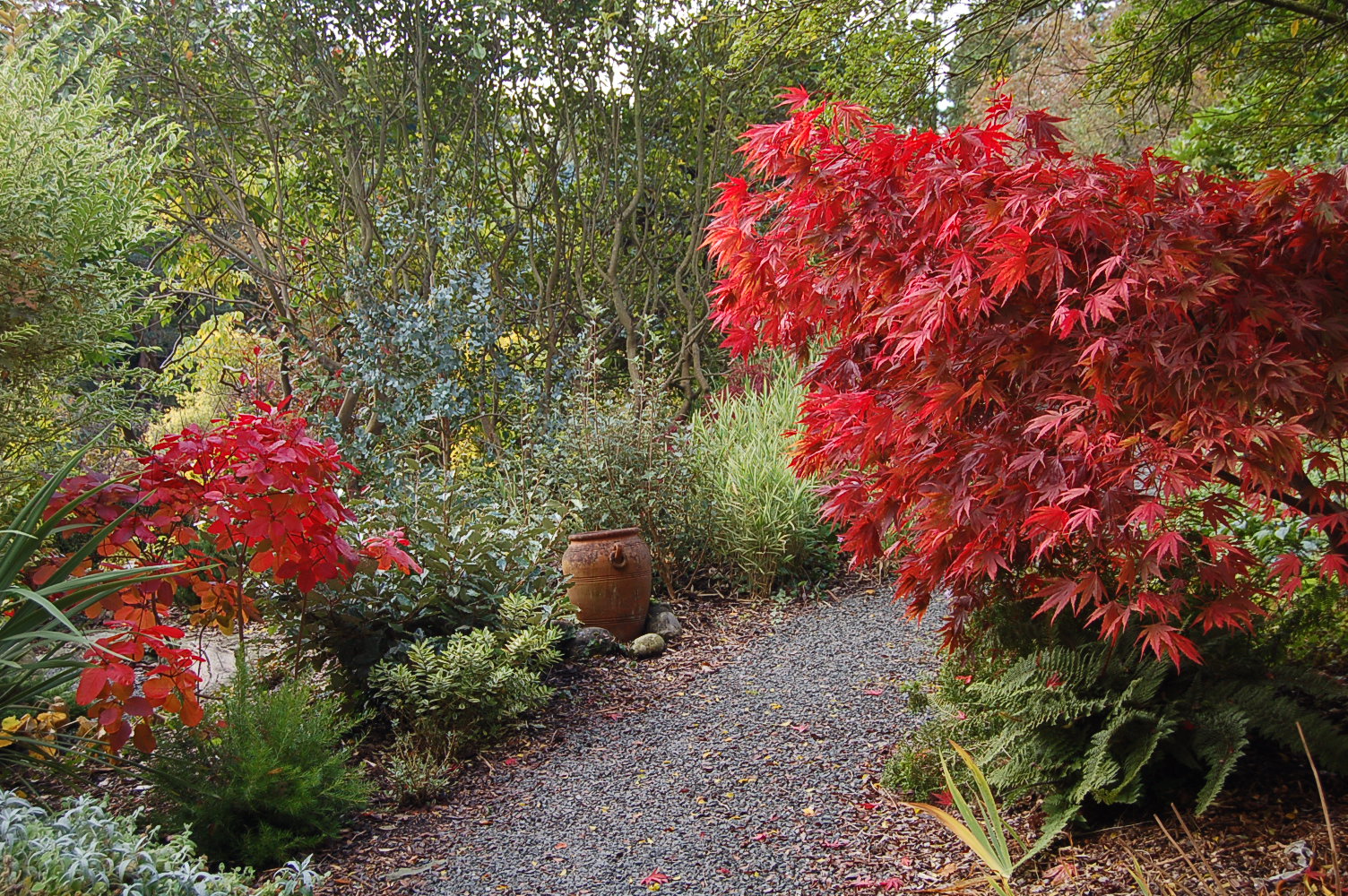
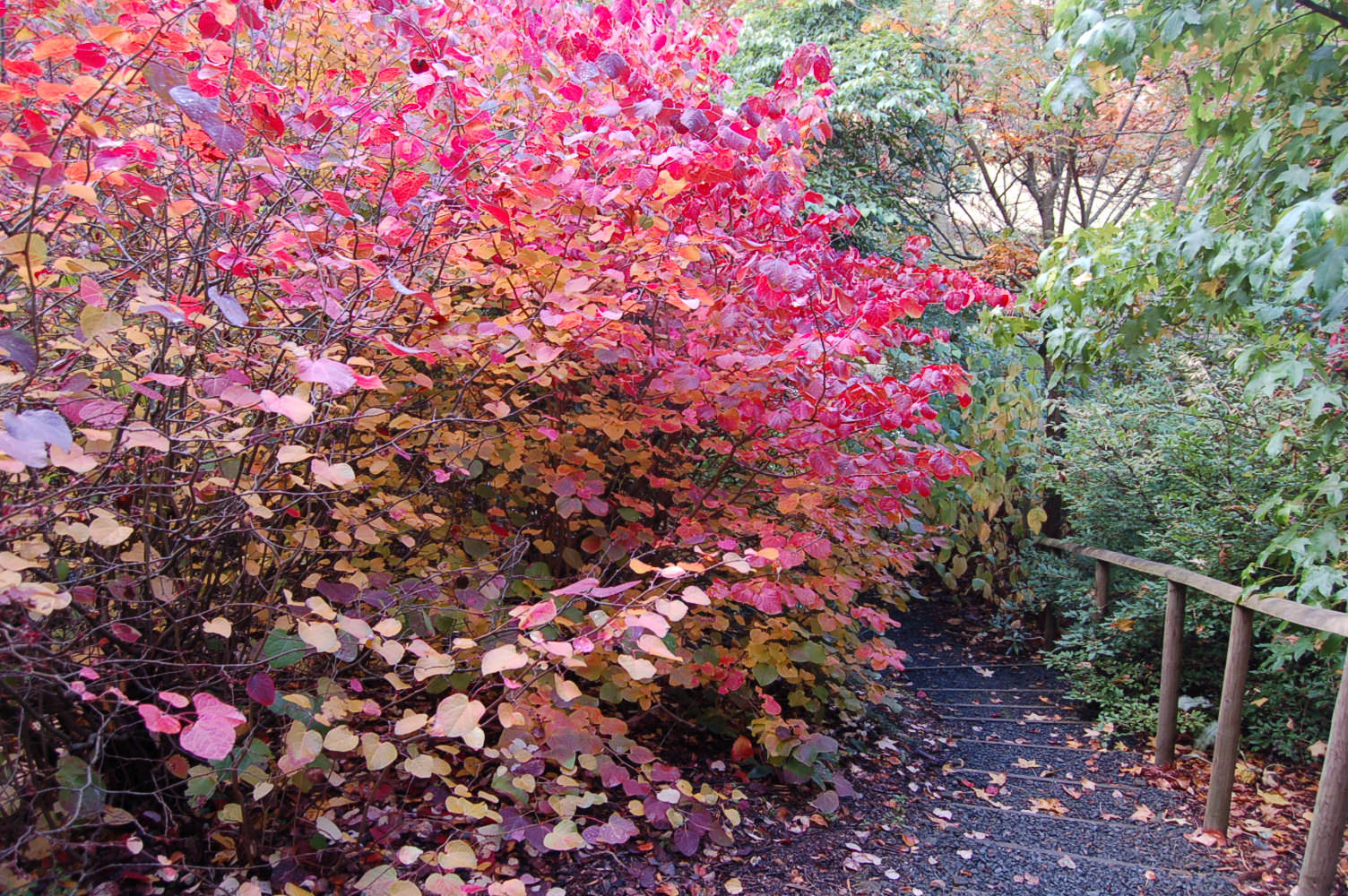
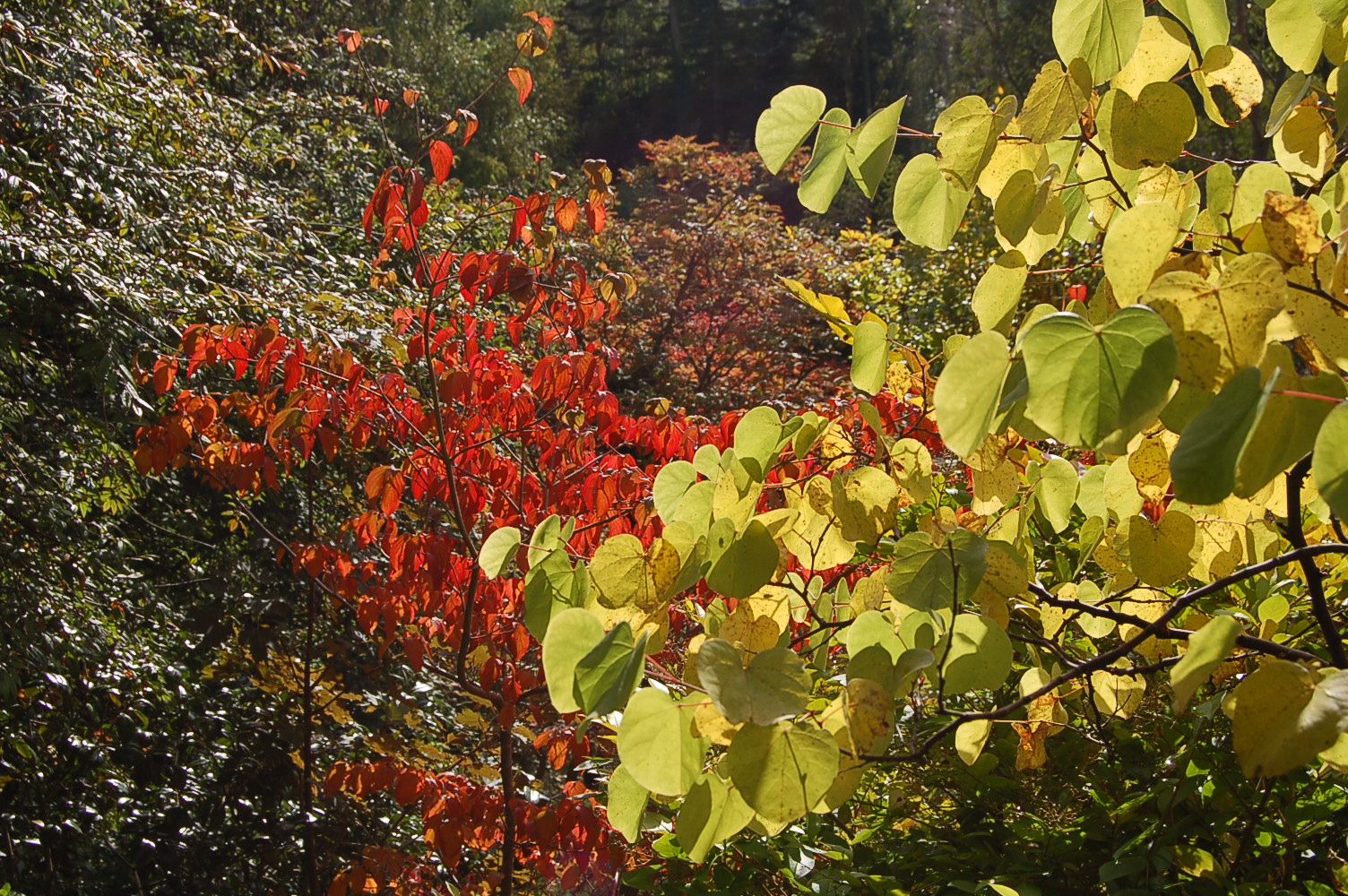
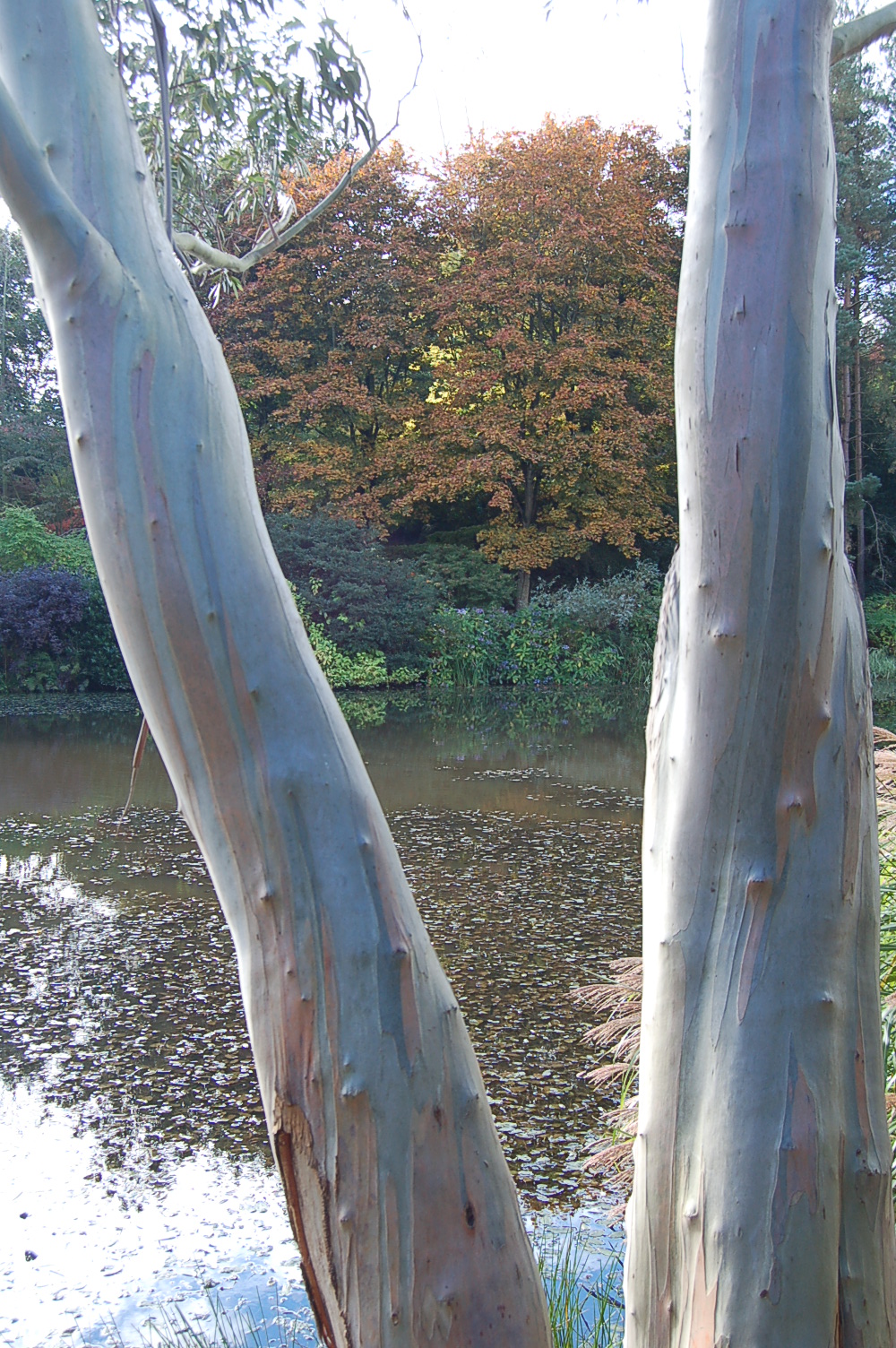
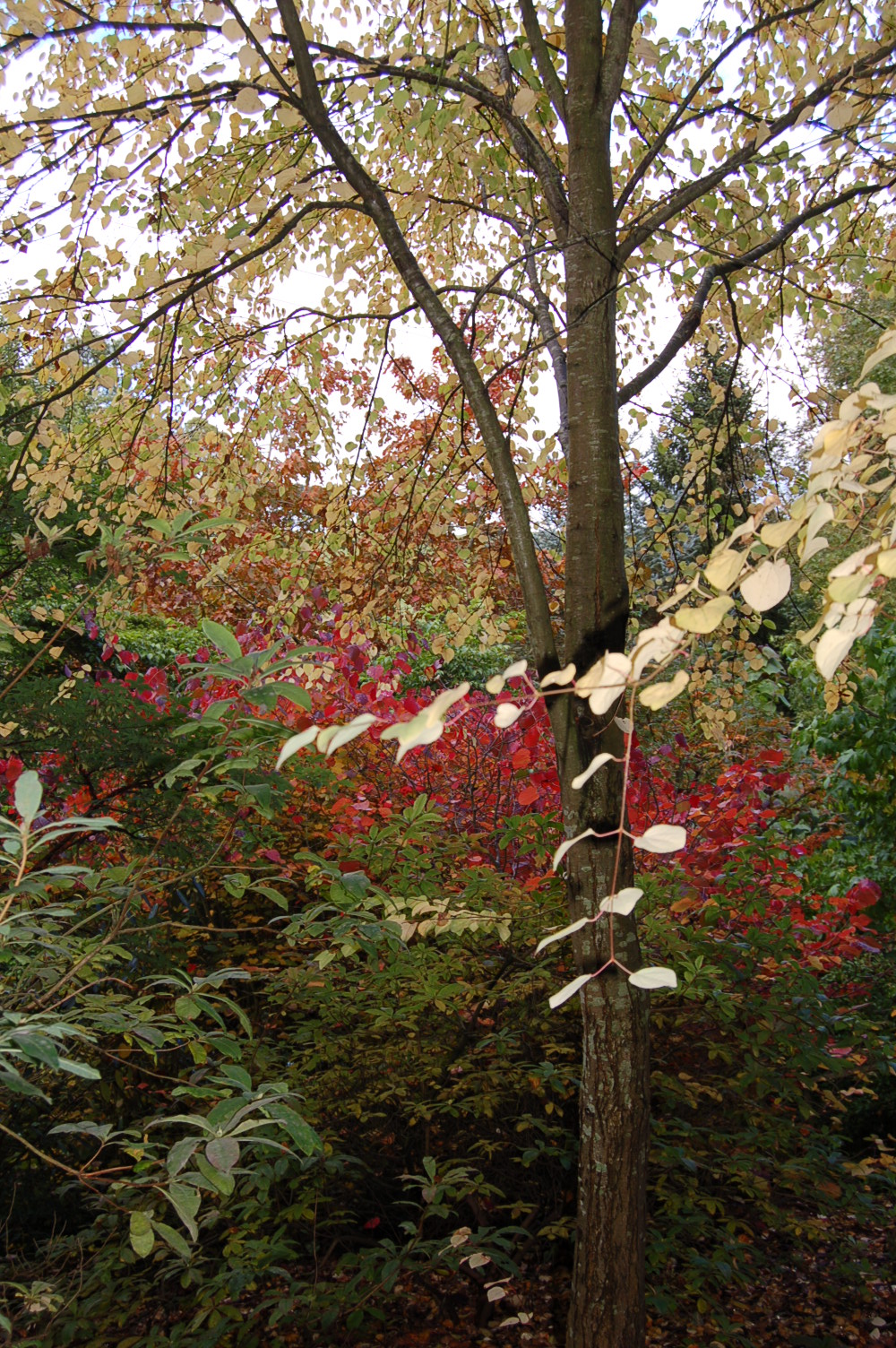
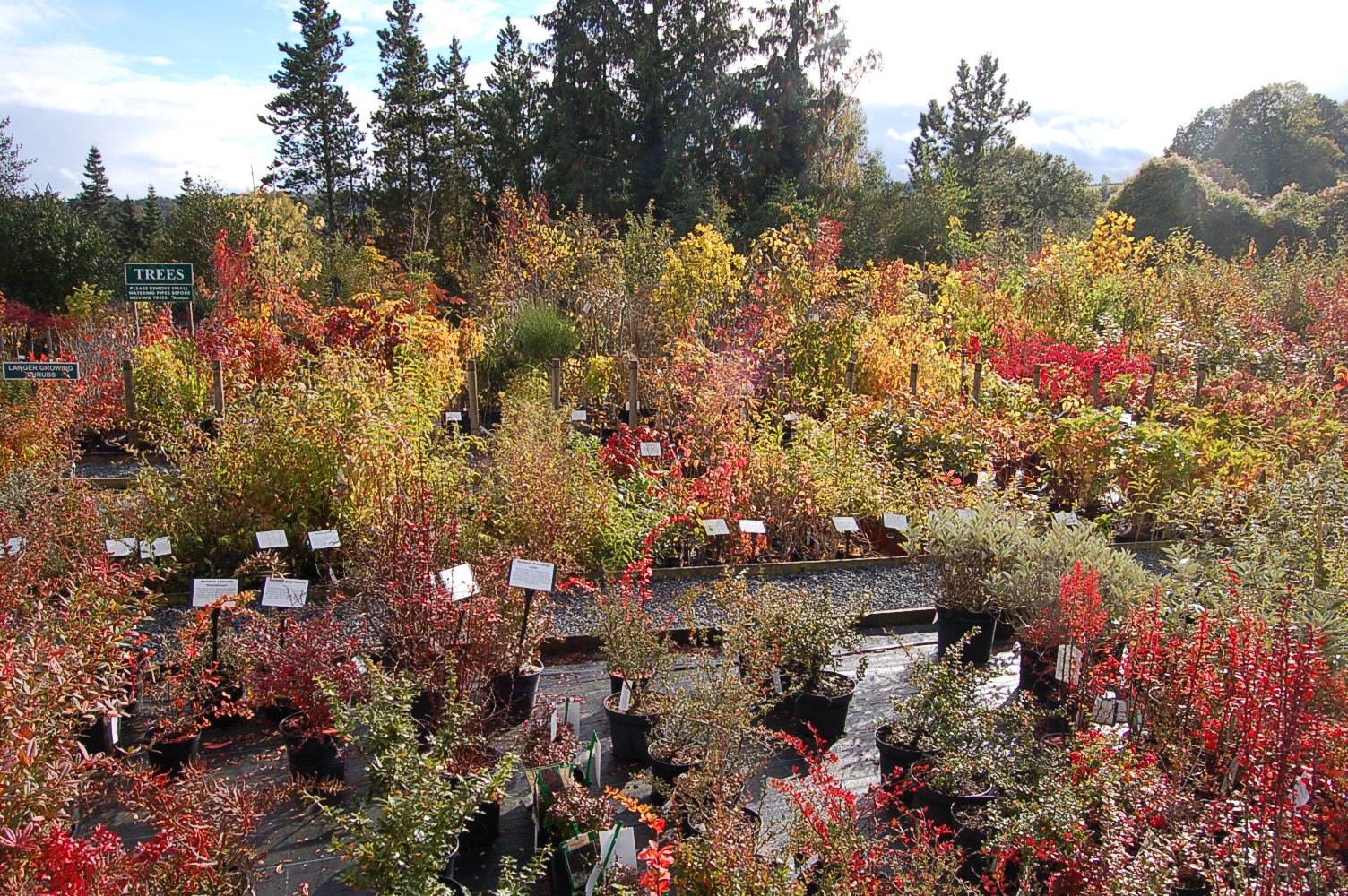
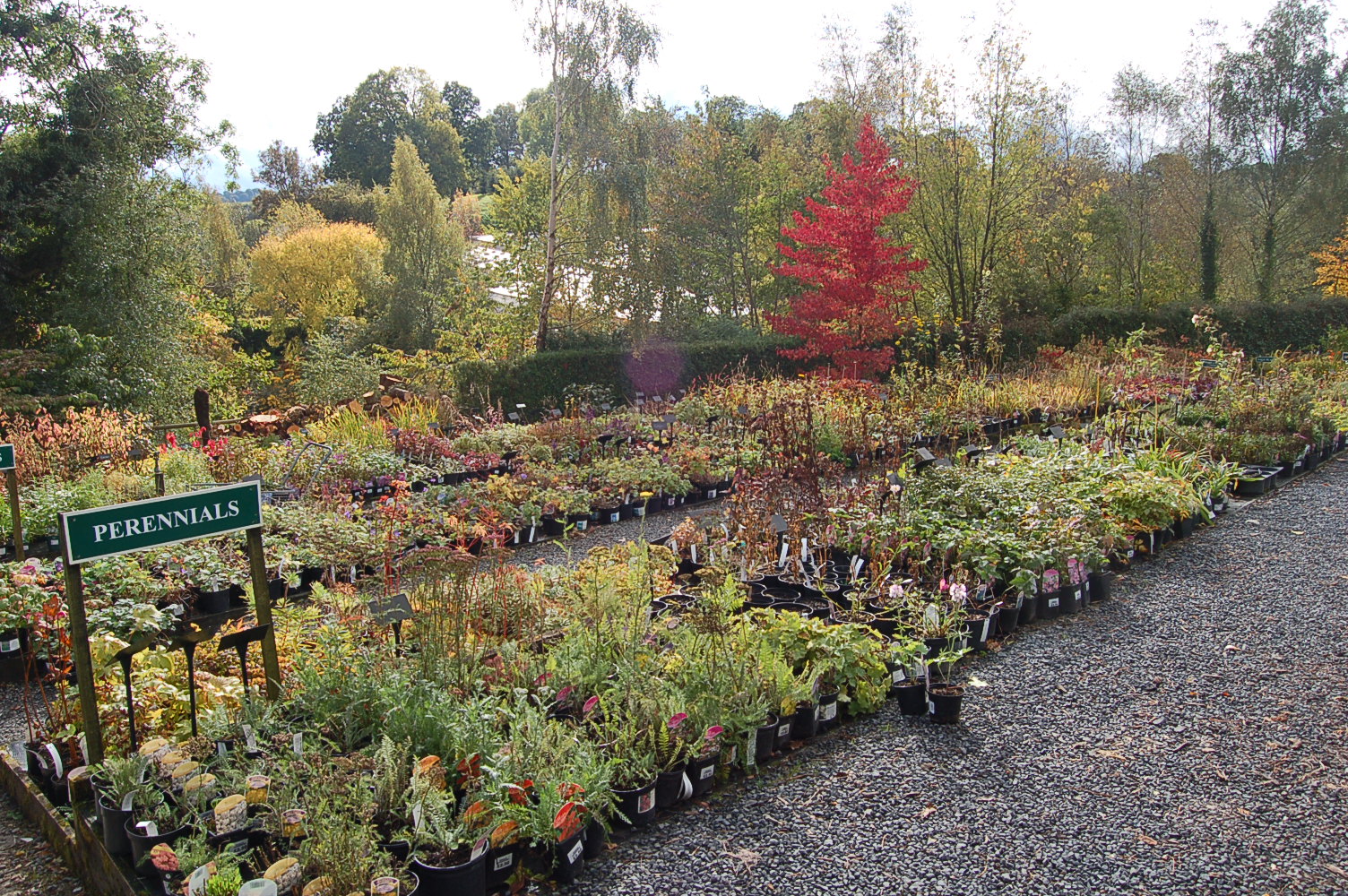
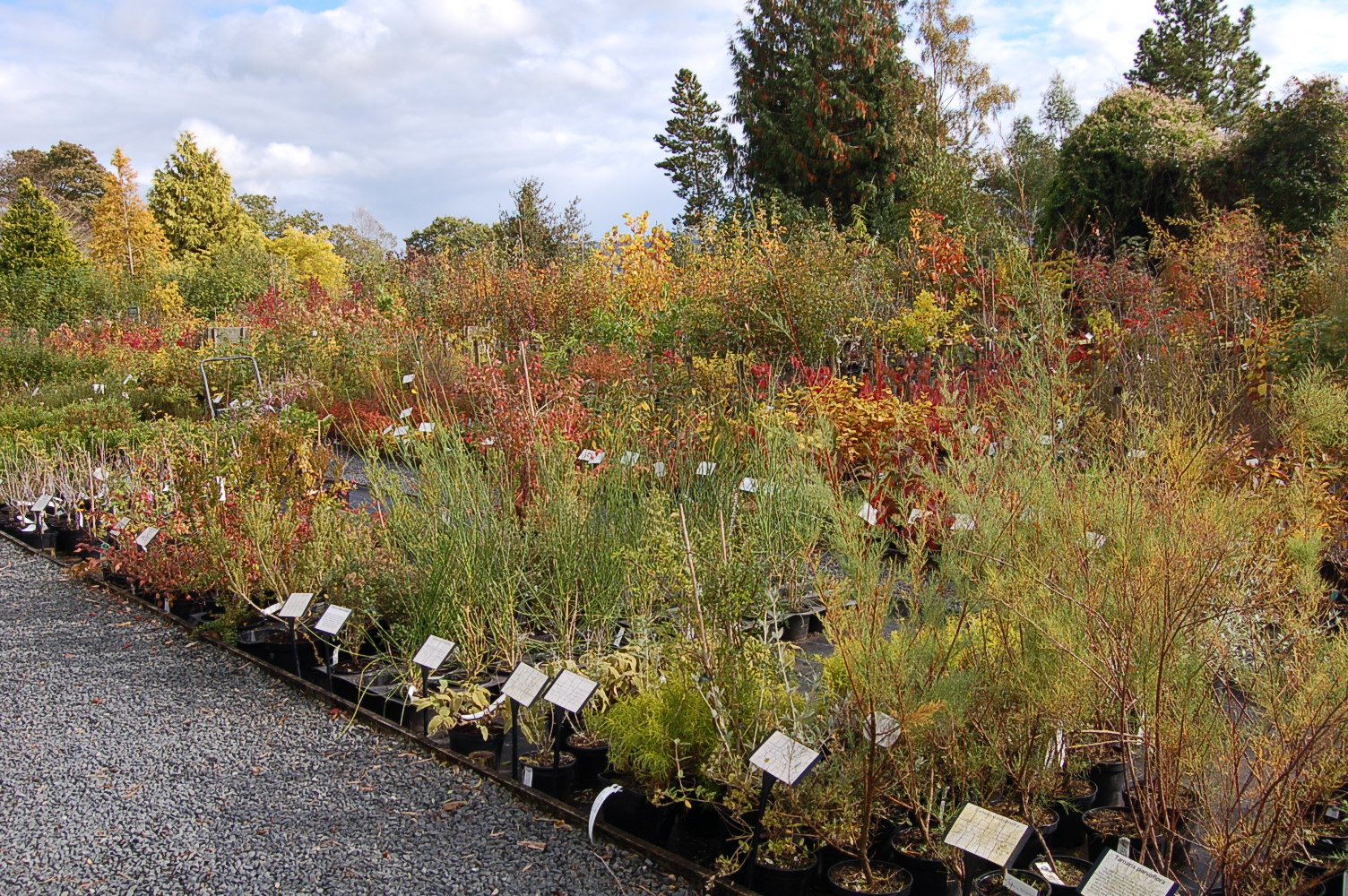
Close to Welshpool, just a half hour from home across the Welsh border, are our favourite nursery and garden centre, The Dingle and The Derwen, part of the same family. They sell unusual trees and shrubs and many good-value perennials all locally grown. But hidden away in the Dingle nursery, through a little wooden gate is a wonderful sloping garden. The garden is mostly a wonderful collection of unusual trees and shrubs on a gentle slope down to a lake, so a visit in the autumn is an assault on the senses.

The nursery which is now over 40 years old, grows thousands of plants on its 150 acres of Welsh countryside. We rarely come away without a gem – and they give free coffee away too!

The garden itself extends to just four acres, but those four acres feel much larger than expected with a complex network of paths which give occasional views which are wide and stunning. This is good garden design.

As the paths take us around corners they feature interesting, colourful shrubs and trees to delight the eye before enticing us to find out what is around the next corner.

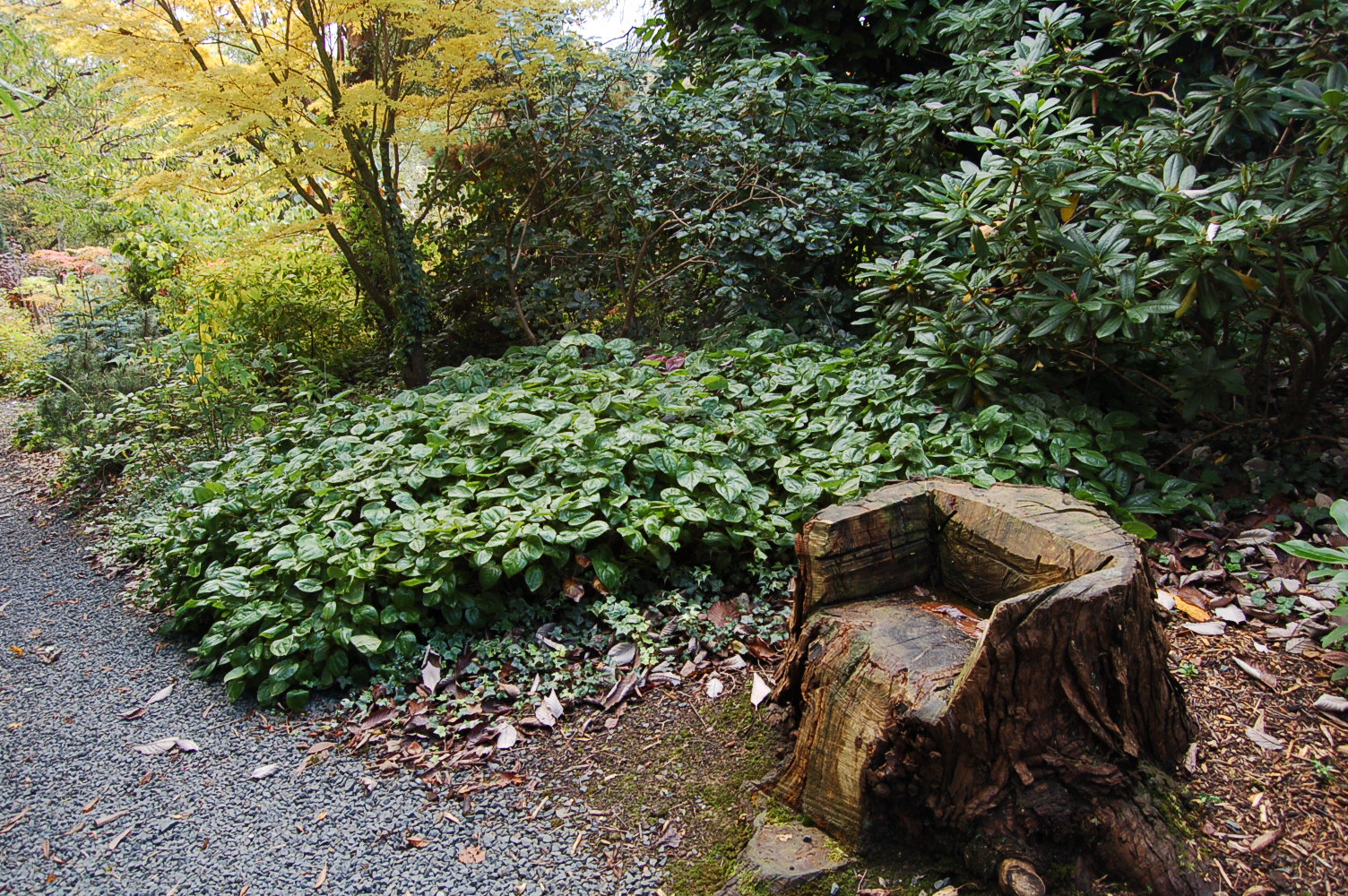
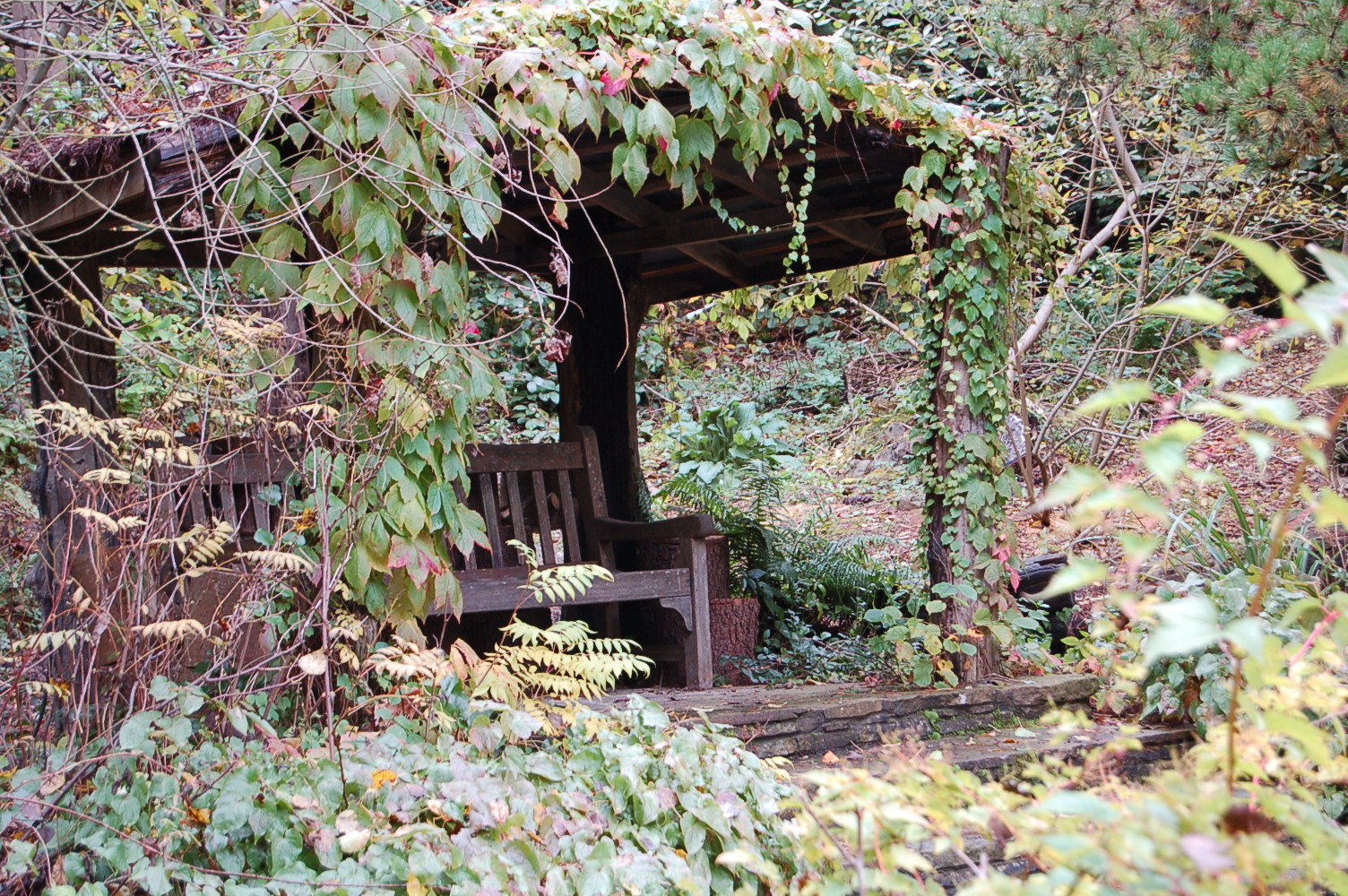
Being on a slope, the garden’s many seats are most warmly welcomed by aching legs.

Some of the seating provides cover which proved useful a few times as showers burst from the dark sky just visible through gaps in the trees.

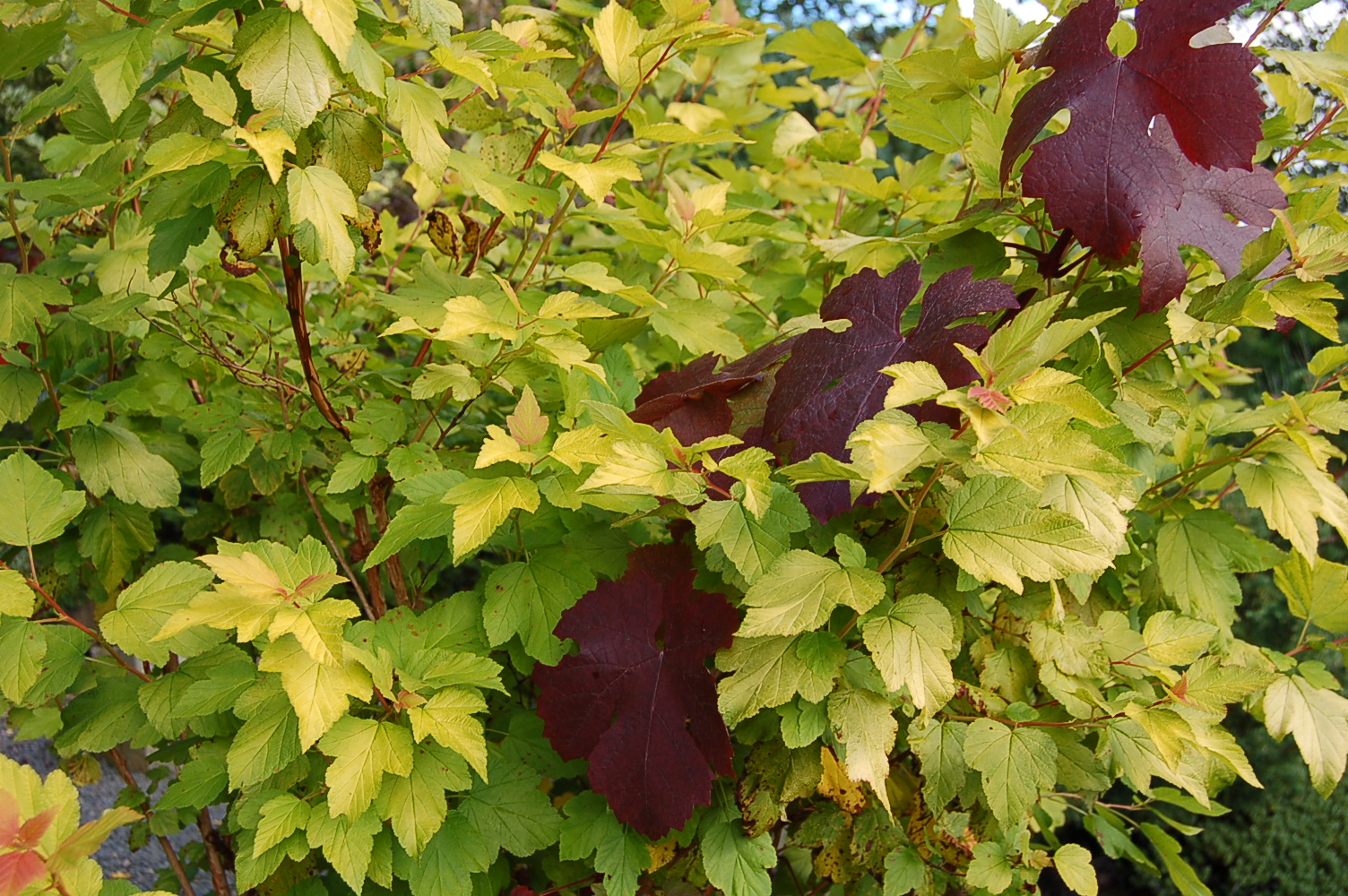
Coloured, textured foliage and bark keep the interest of the plant lover in us going strong and enticing us around each corner.

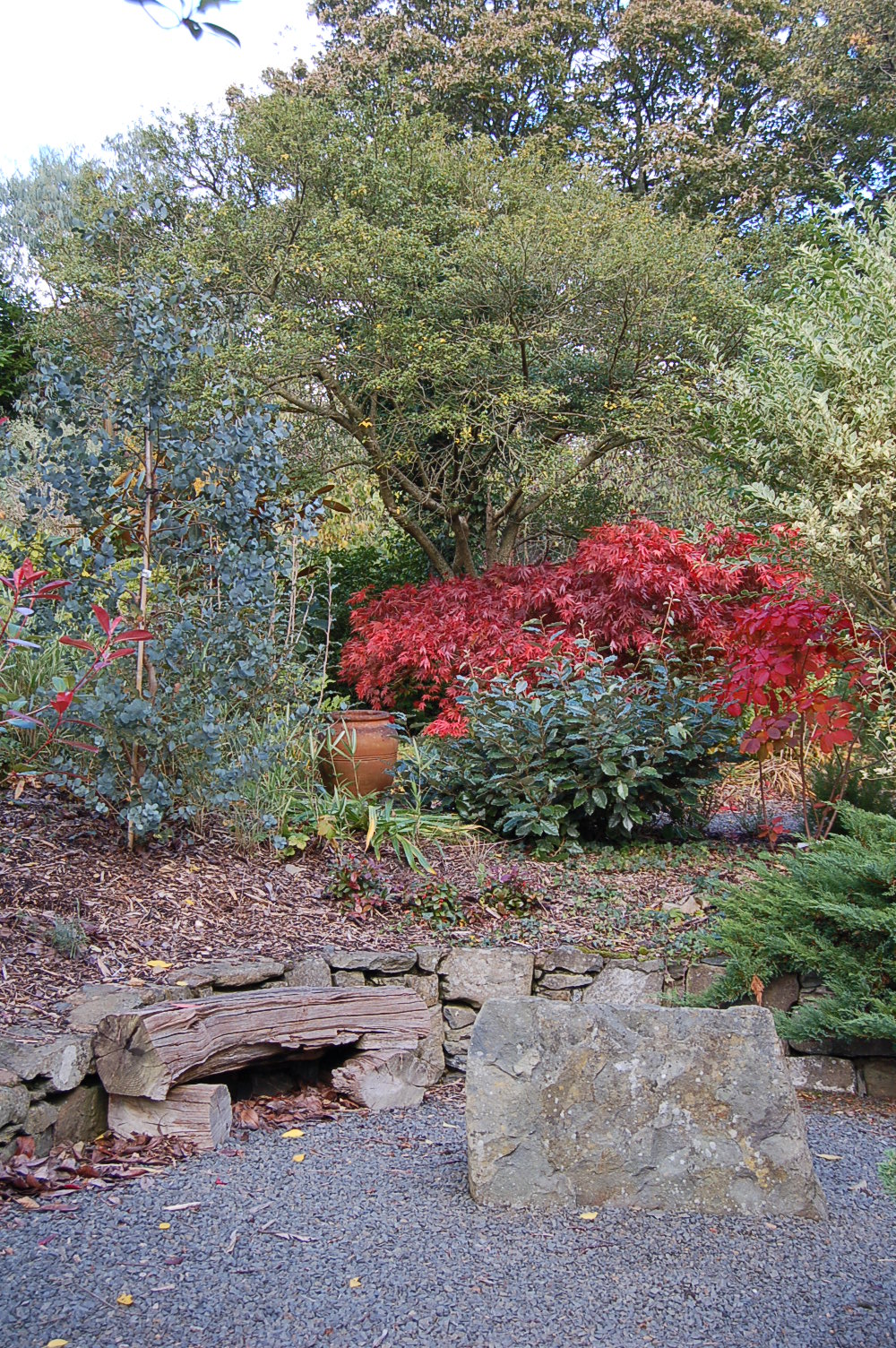
As in any good garden little cameos stop us in our tracks and catch the eye.

The lake at the lowest point of the garden, provides a restful place – restful to the eye and restful to the legs.

Strong contrasts in foliage colour show up in the brighter weather as we work our way back up the paths to the gate.

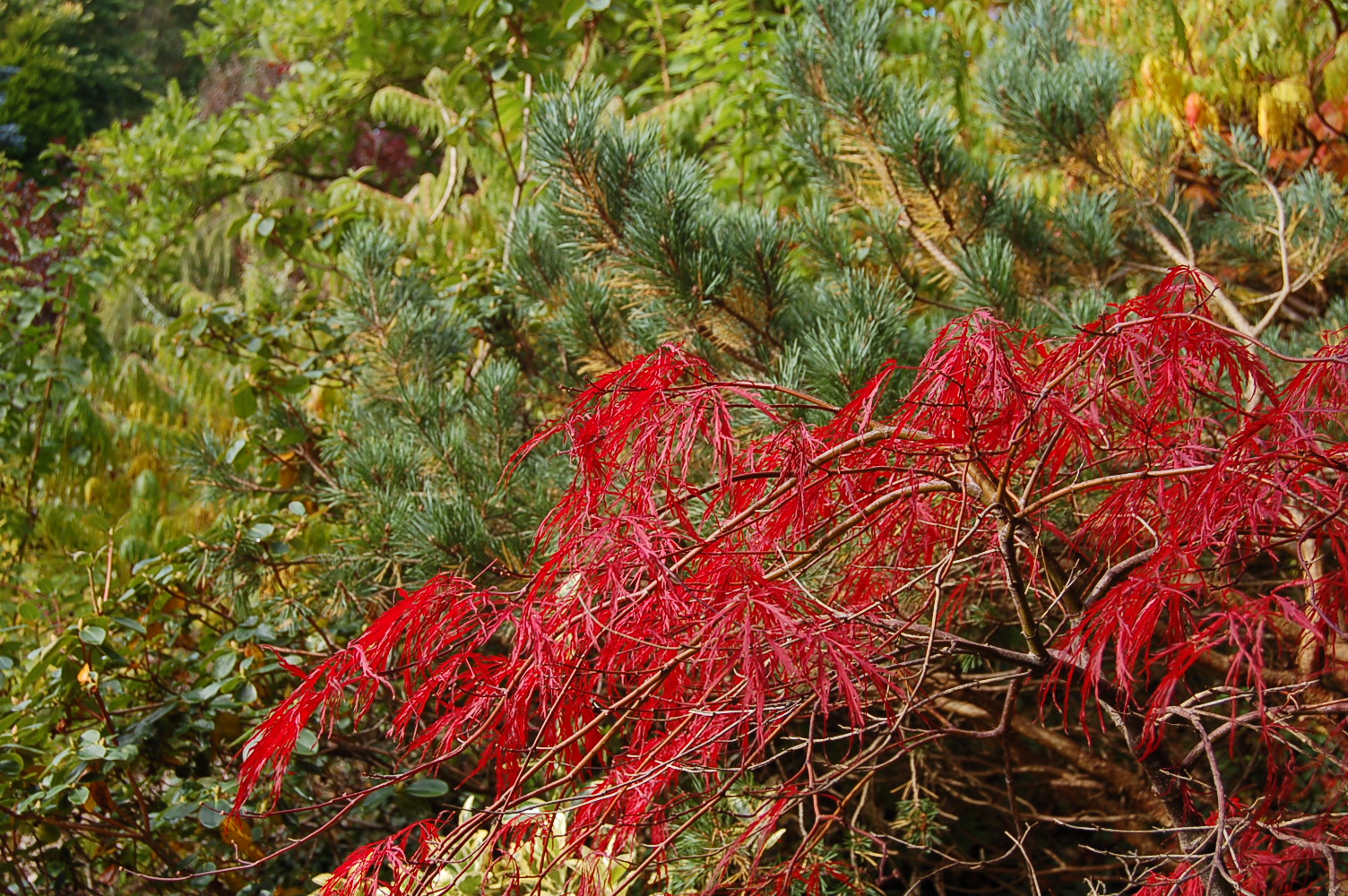
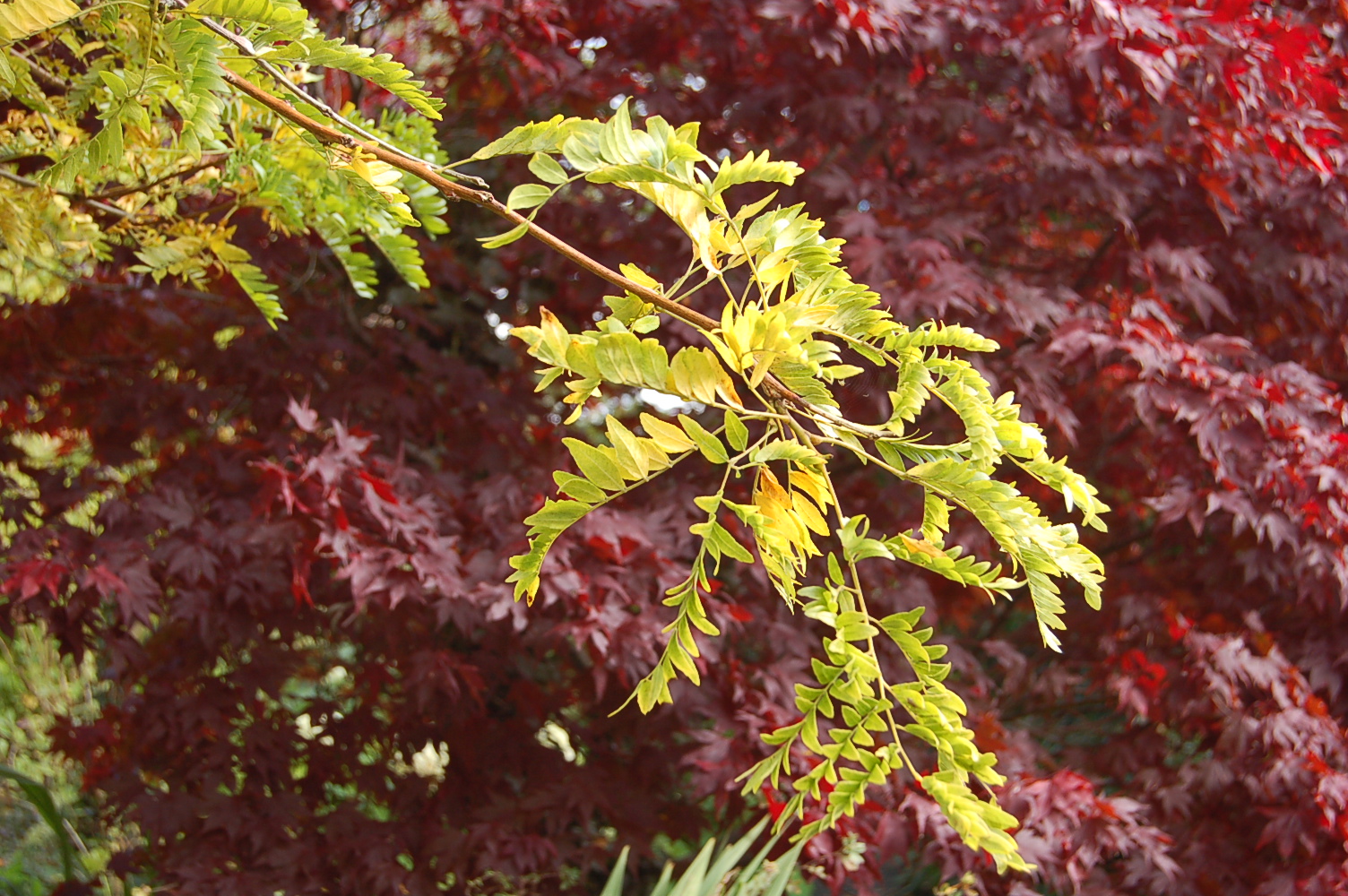
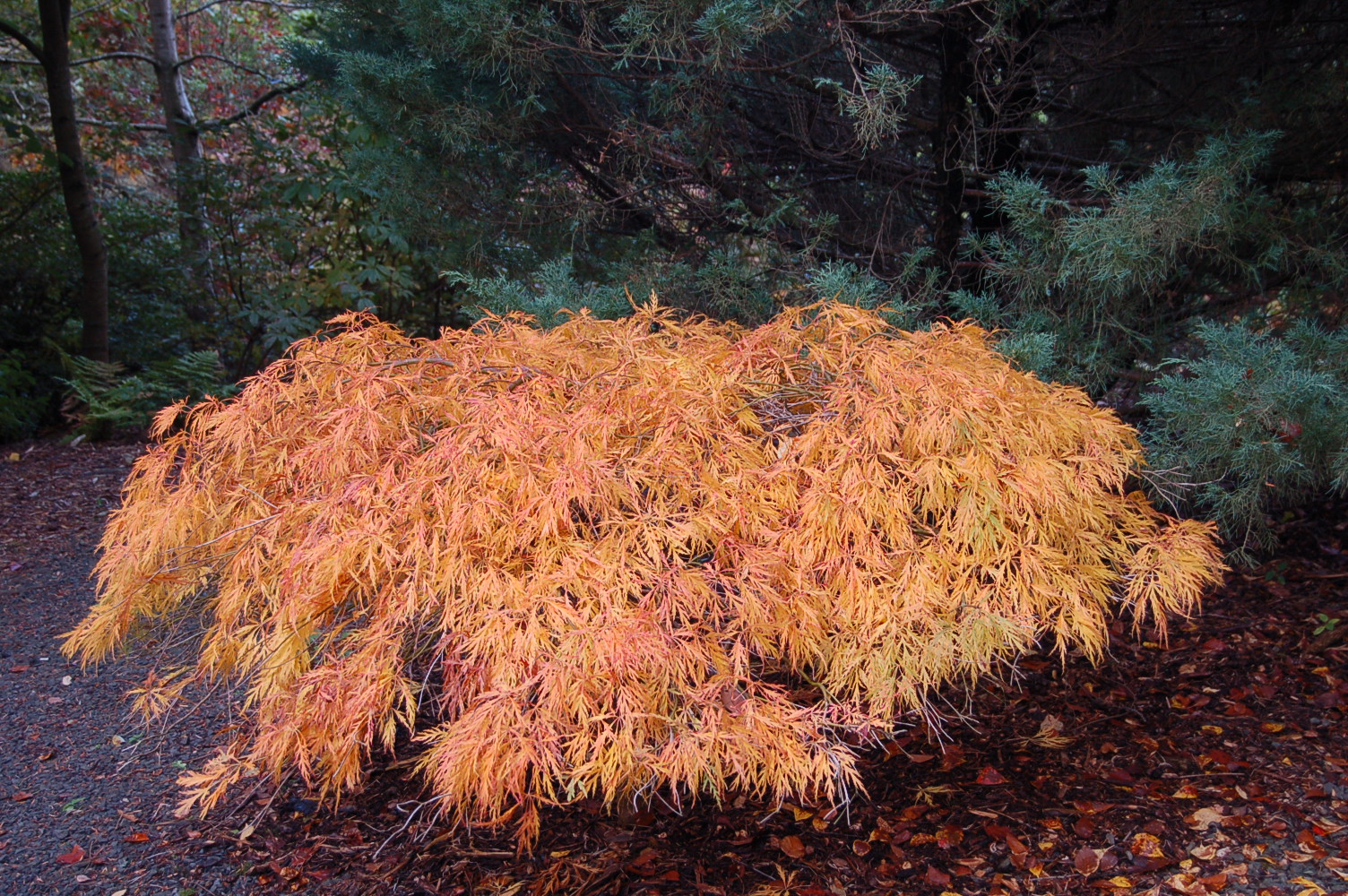
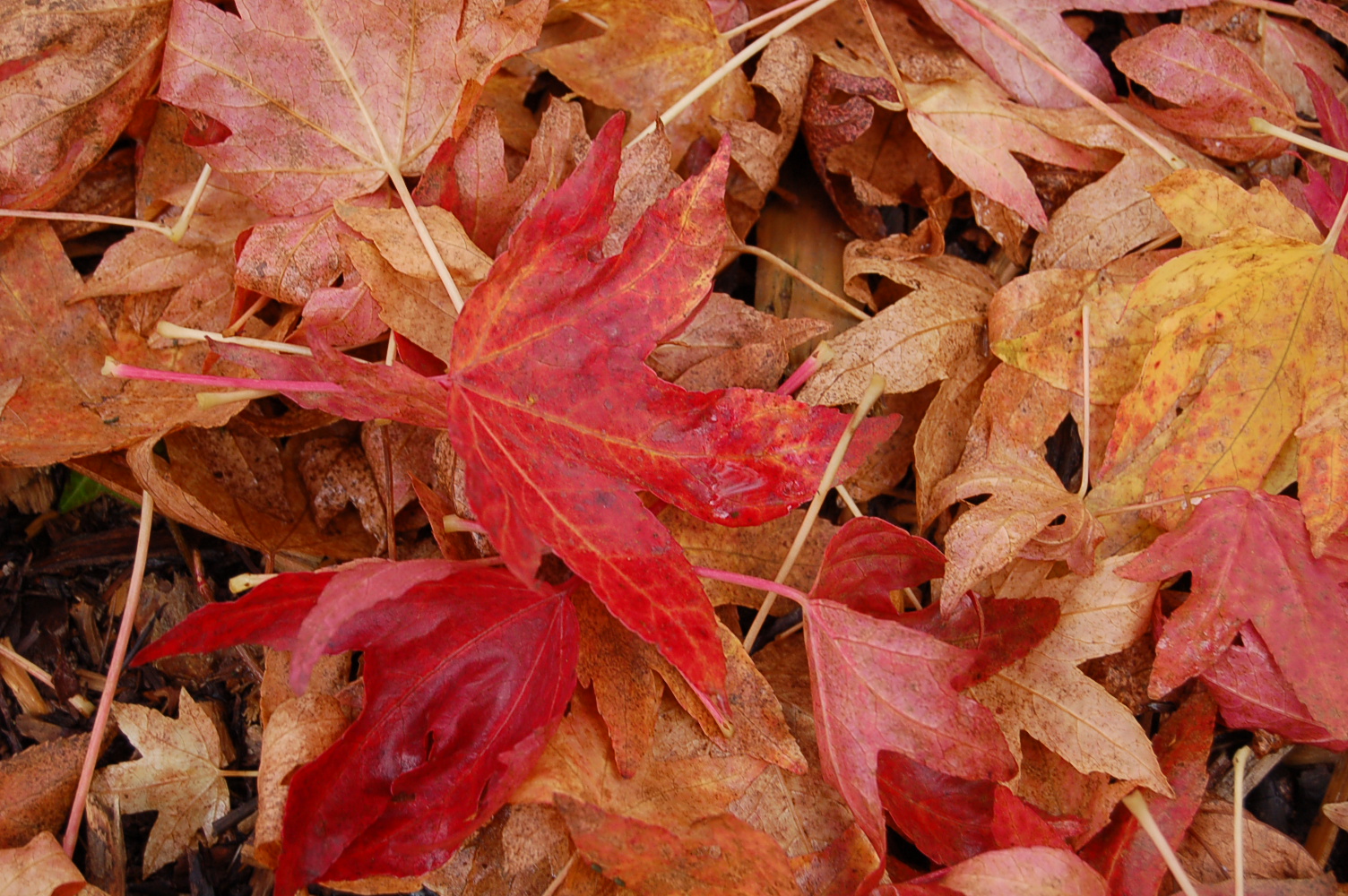
As in any garden specialising in trees and shrubs the stars of the autumn are the Acers.

Back up the top of the garden we pass through the little wooden gate and are tempted for a perusal of the colourful nursery beds.

Categories
garden design garden photography garden wildlife gardening July photography shrubs

Mr Buddles Shrubs

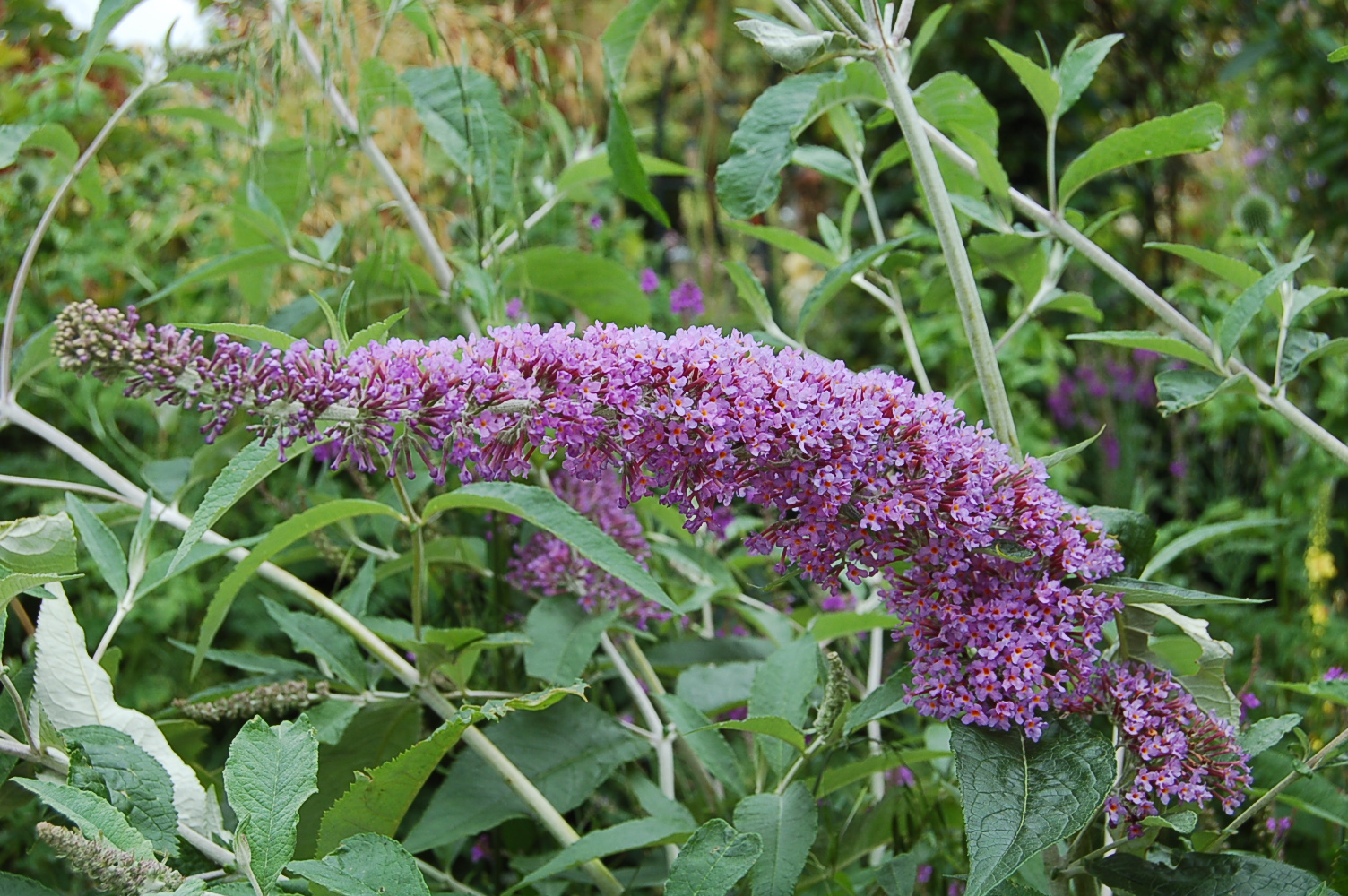
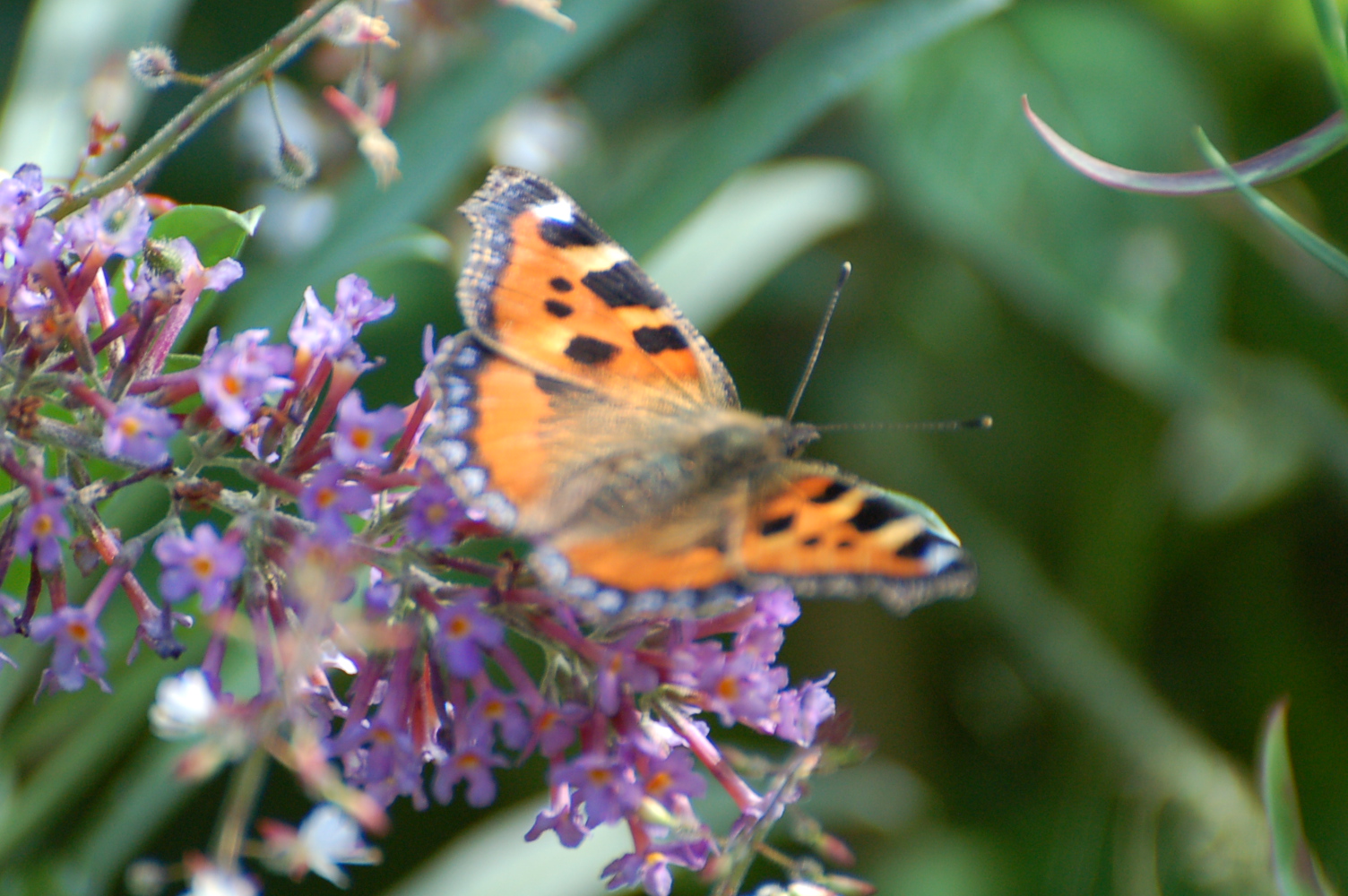
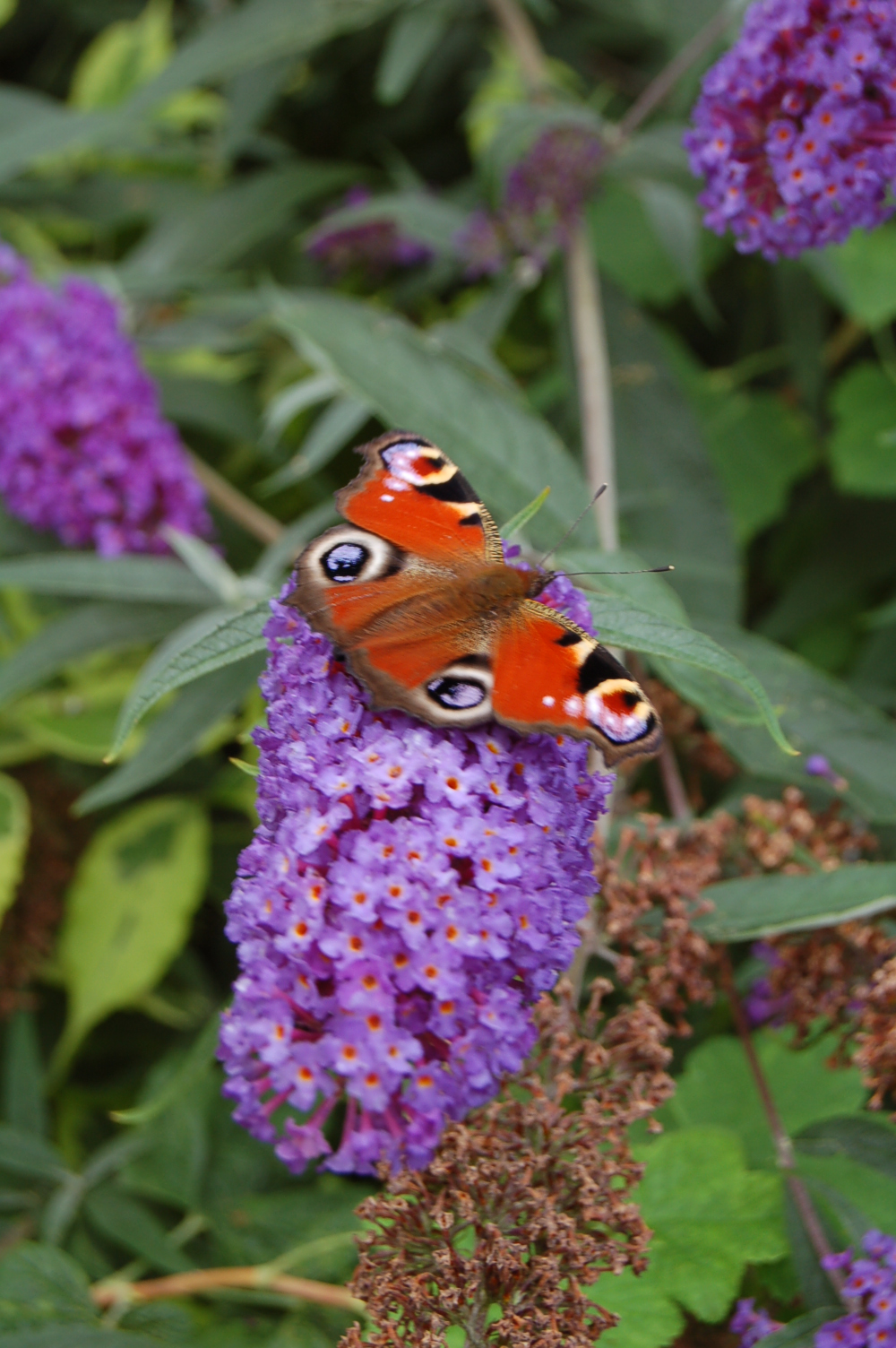
Buddleja can be seen as a common and very ordinary shrub especially when we observe how readily it seeds into gutters, between tiles, along railway embankments, river banks and canal sides. These commonest of buddlejas are quite stunning with their long conical panicles of pale mauve flowers which attract bees, hoverflies and are a firm favourite of butterflies and moths. Move in close and enjoy their delicate scent.

I usually spell it “Buddleja” but I am not sure where that spelling came from. I turned to my garden plant bible, the Royal Horticultural Society’s  “A-Z Encyclopedia of Garden Plants”, and they refer to it as Buddleja but add syn Buddleia.

I continued to research and have now discovered that it was Linnaeus who named it Buddleja with a “j” and he named it to commemorate Adam Buddle. So I still cannot find out where the “j” comes from. Adam Buddle was an English vicar who worked in Essex and like many of his contemporaries turned to botany to fill his time. He compiled an English flora which was never published but little else seems to be known about him.

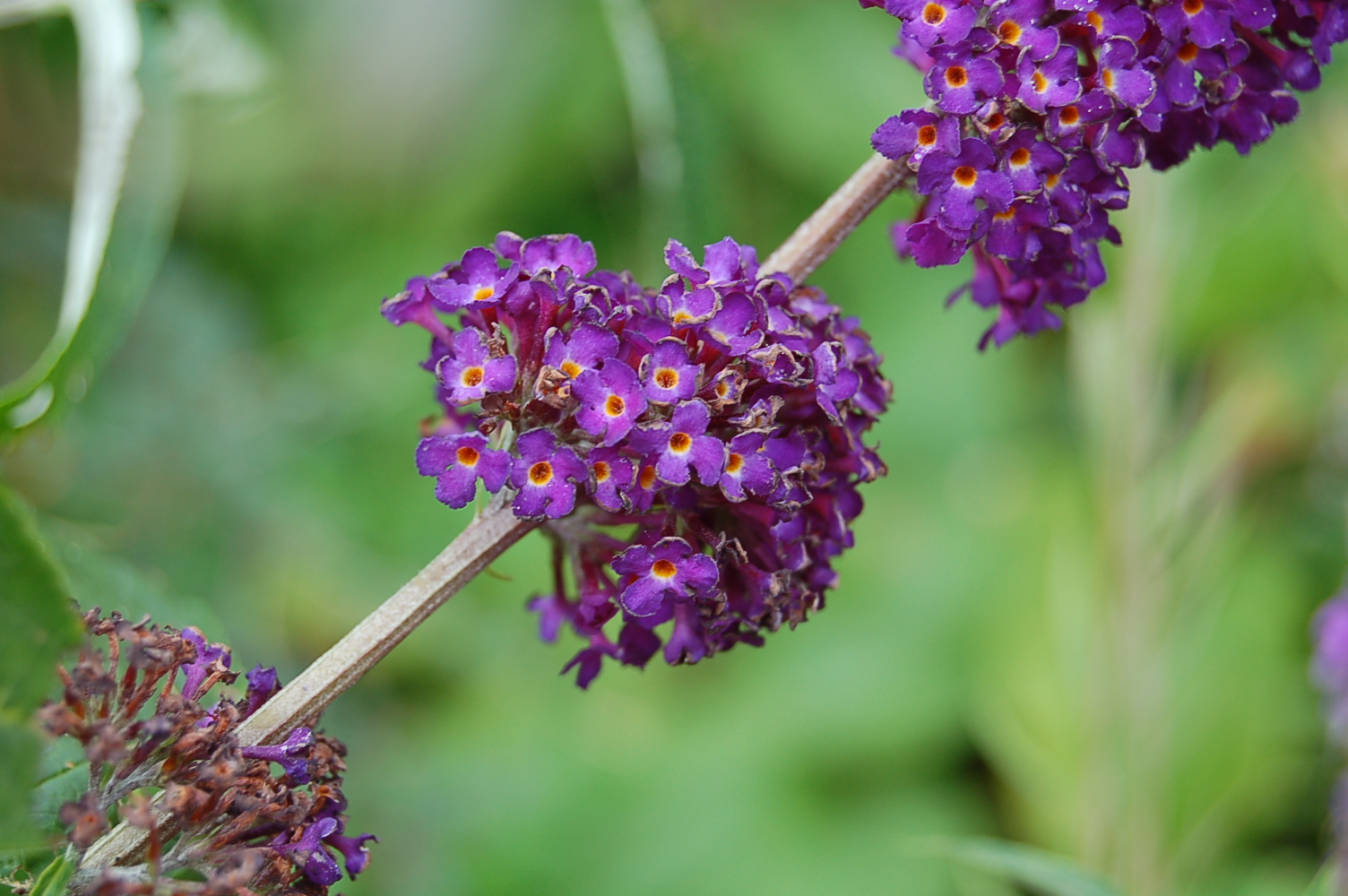
In our gardens we can grow buddlejas with flowers from the purest of white to the deepest purple, from pale to deep pinks and even shades of orange. I decided a few days ago to have a wander around our garden to see which ones we had in flower. Most are varieties of Buddleia davidii. Many have rich yellow or orange centres to each of the tiny individual flowers.
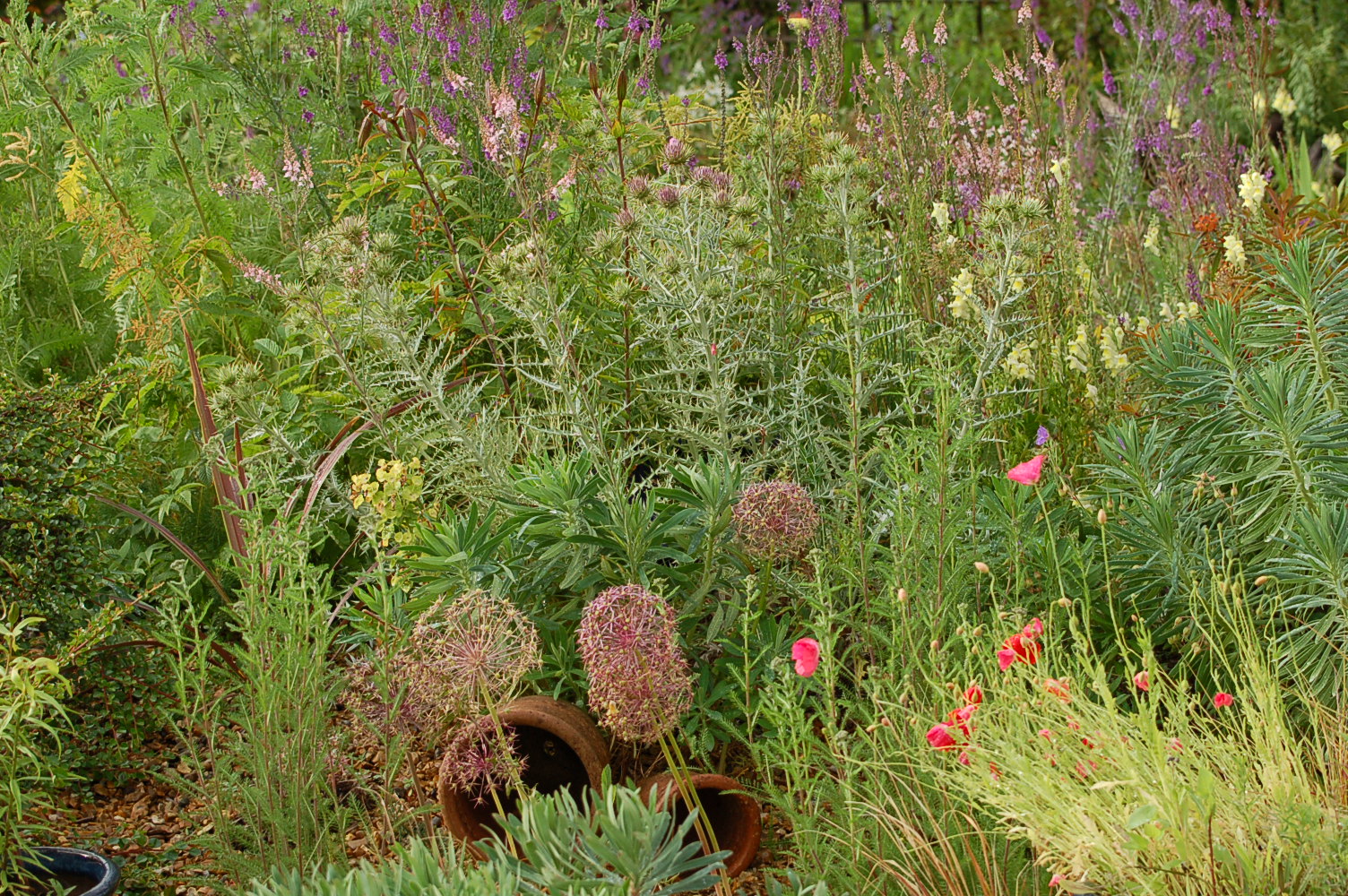
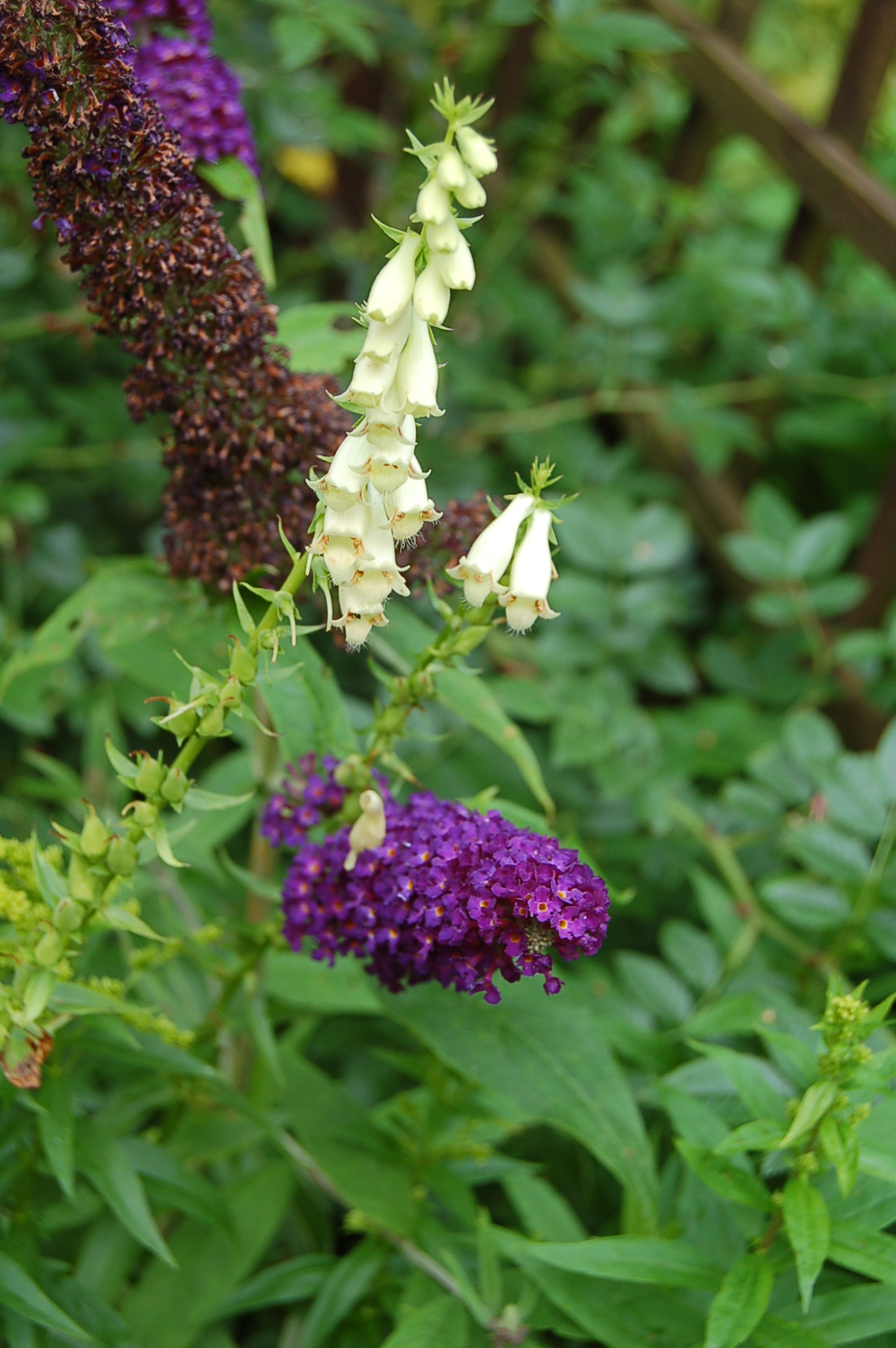
This first set of photographs are of the Buddlejas in flower in our garden this August.

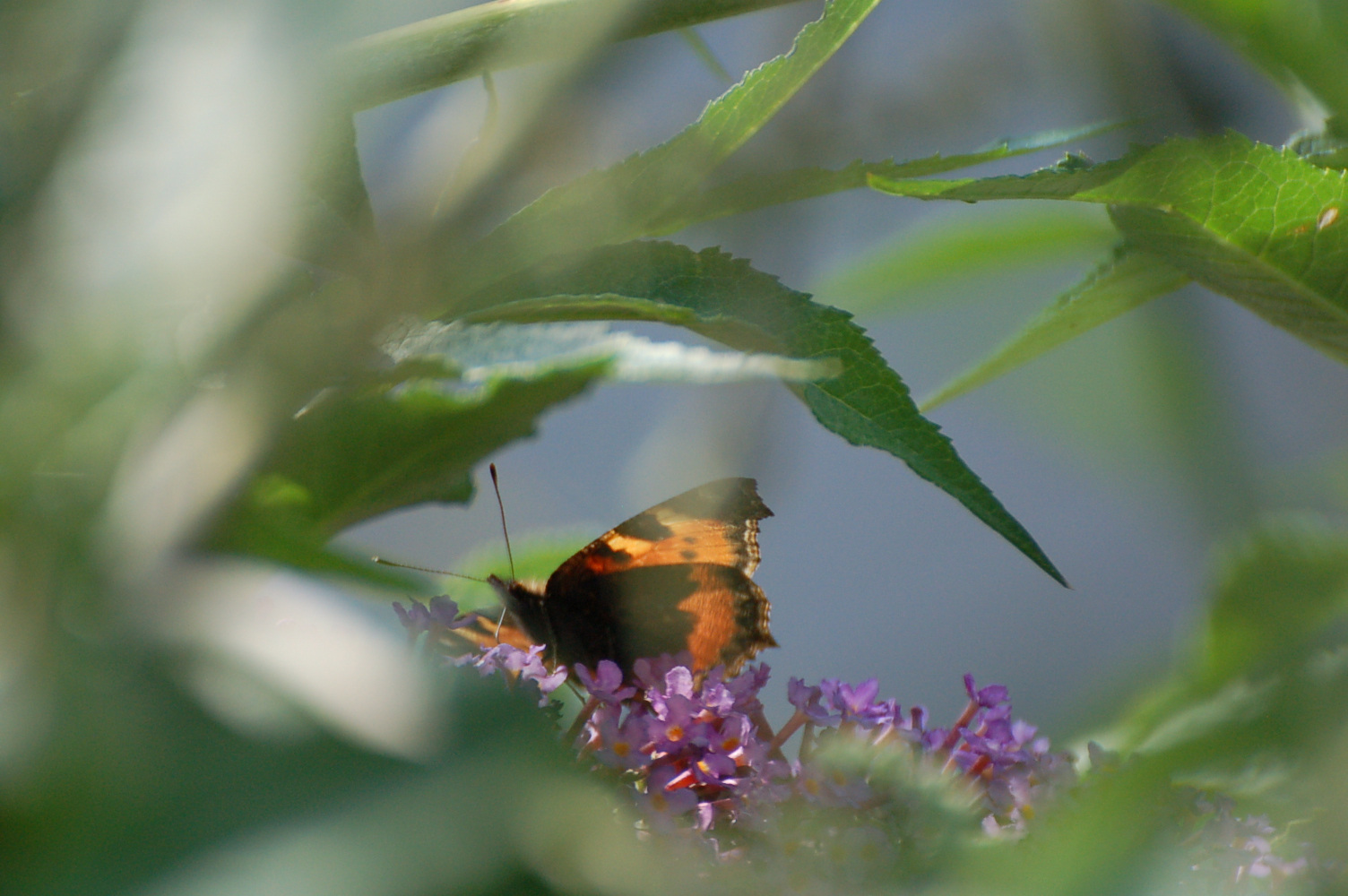
On a day in  mid-August our Buddleja davidii were attracting butterflies, as we had experienced a few warm, bright, calm days after weeks of cold, wet and wind.

In the communal borders on our allotment site we grow many Buddleja davidiis in their full colour range, but we also grow the orange-flowered Buddleja weyeriana.

On a recent visit to a garden with the Shropshire branch of the Hardy Plant Society we came across this beautiful Buddleja davidii with soft grey leaves and blue flowers.
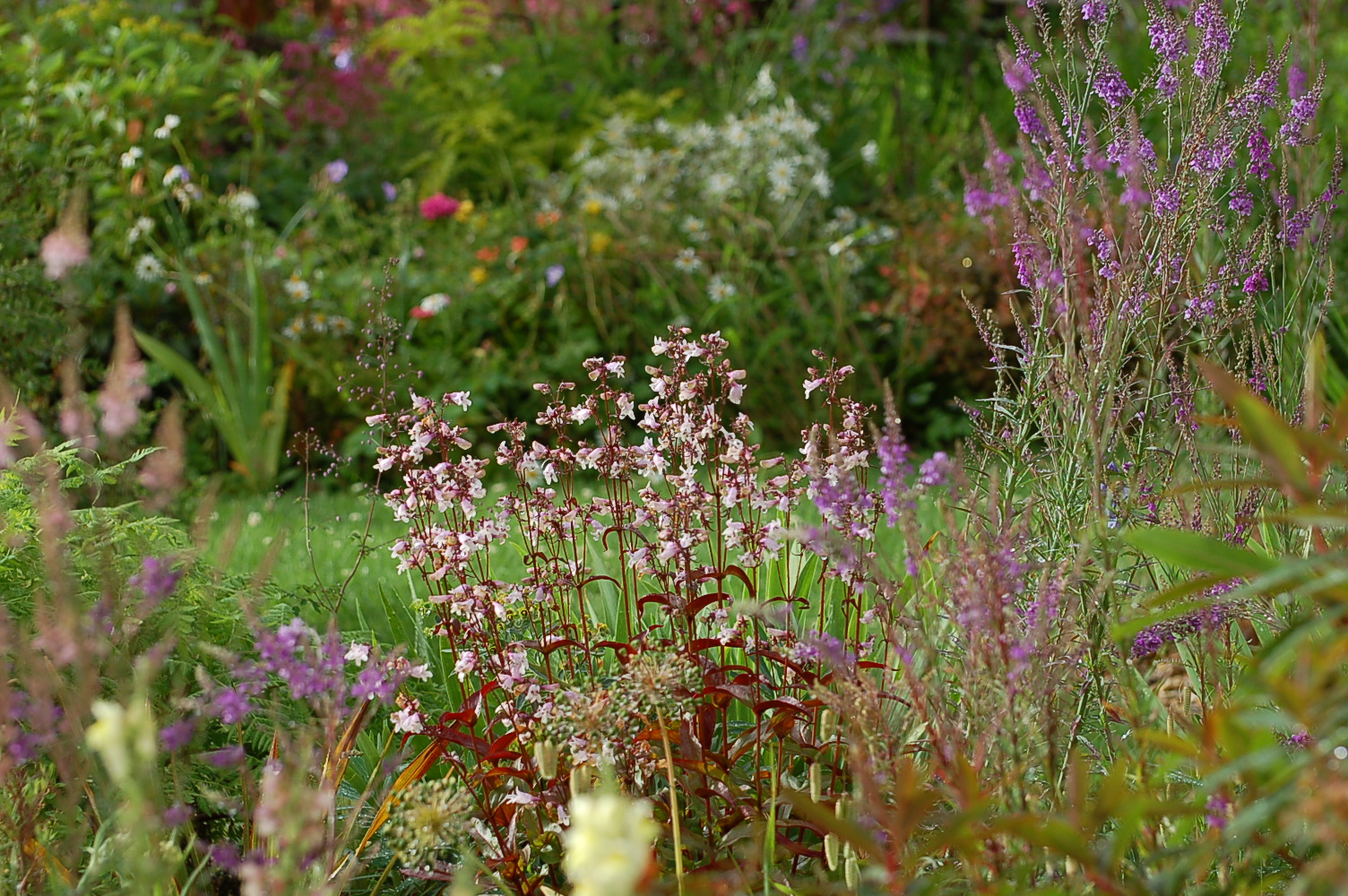
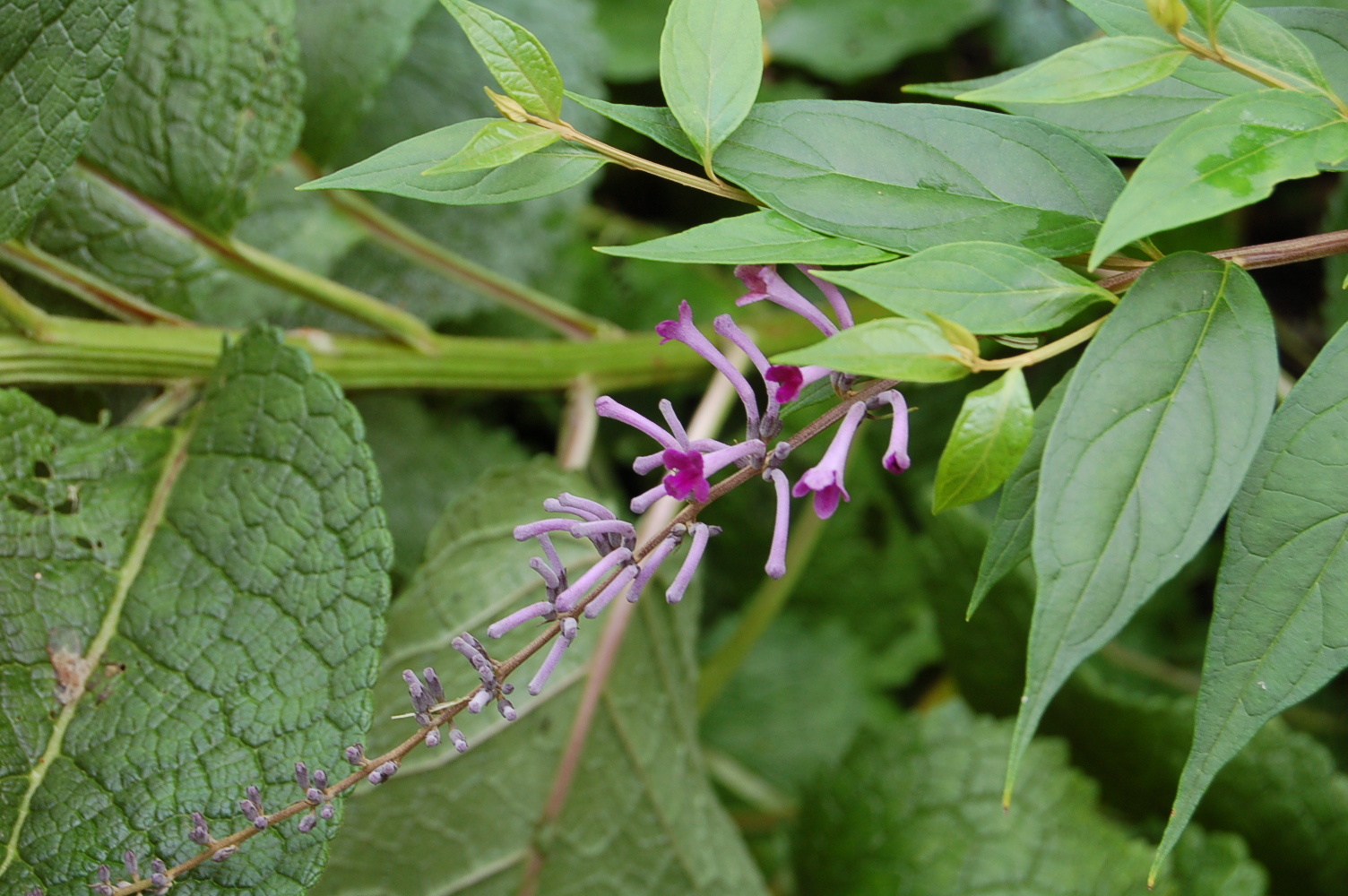
In another border we discovered a much more unusual variety called Buddleja lindleyana. It’s leaves were much brighter green than the davidiis and the individual florets were further apart from each other. The inside of each floret was a rich bright violet while the outsides were a greyish violet.

Categories
community gardening garden design garden photography gardening hardy perennials July ornamental trees and shrubs photography Shropshire shrubs village gardens

A Village of Gardeners – part two, after the tea break.

We sat in the village hall enjoying our lemon drizzle cake and cups of tea, while we planned our route to see the afternoon gardens which, all but one, were out in the countryside, along narrow lanes.

So suitably refreshed and legs rested we made our way to the last of the gardens in the village itself, which was described as a small cottage garden. It didn’t disappoint!  After wandering up a narrow lush lane we crossed a ford where a shallow stream of crystal-clear water rushed over the tarmacadam. There were so many well-kept plants in busy planting schemes with narrow grass paths to lead you round. We loved it!

Once we had relished this lovely crowded cottage garden we returned through the ford and turned right where another narrow lane sent us up a gradual slope into the countryside away from the village, to the next garden. We passed this tumbling down barn the home to many swallows and colourful natural hedgerow borders.

This garden was larger than the last we visited, with sweeping areas of grass, an enclosed vegetable plot, interesting plant combinations and a beautiful wildlife area featuring a pond with woodland enhancing its banks.

Sadly the last two gardens we wished to visit were miles into the countryside at the foot of the Stretton Hills so we had to take the car. The first garden was one that invited you to wander with interesting  plantings.

The final garden was up a lane with grass growing down the centre and we had to park on a very soggy field. But it was worth it as a beautiful atmospheric garden sat alongside a rippling stream running through a wooded valley. The sound of bird activity around the feeding stations in an enclosed part of the garden and their song in the surrounding borders and woodland enticed us to sit comfortably with another cup of tea and another slice of home-baked cake.

We managed to visit just nine of the sixteen gardens open before we ran out of time. We enjoyed the variety of gardens created and maintained by a variety of gardeners. These gardeners all had the advantage of living in such a beautiful little village with a strong community spirit. The last garden we visited had the added benefit of an amazing view.

Categories
garden photography gardening ornamental trees and shrubs photography RHS shrubs trees

Who needs flowers when foliage will do?

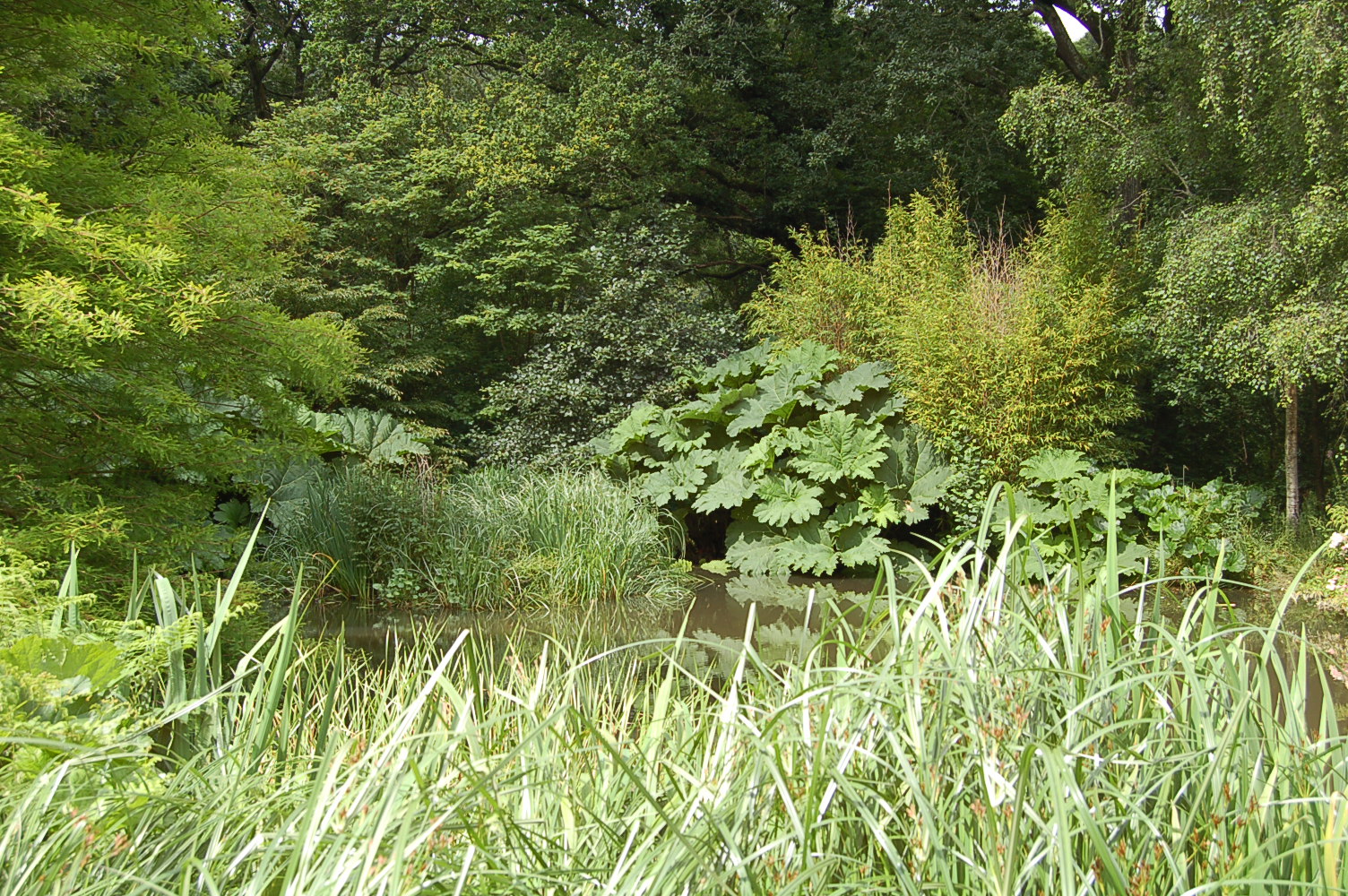
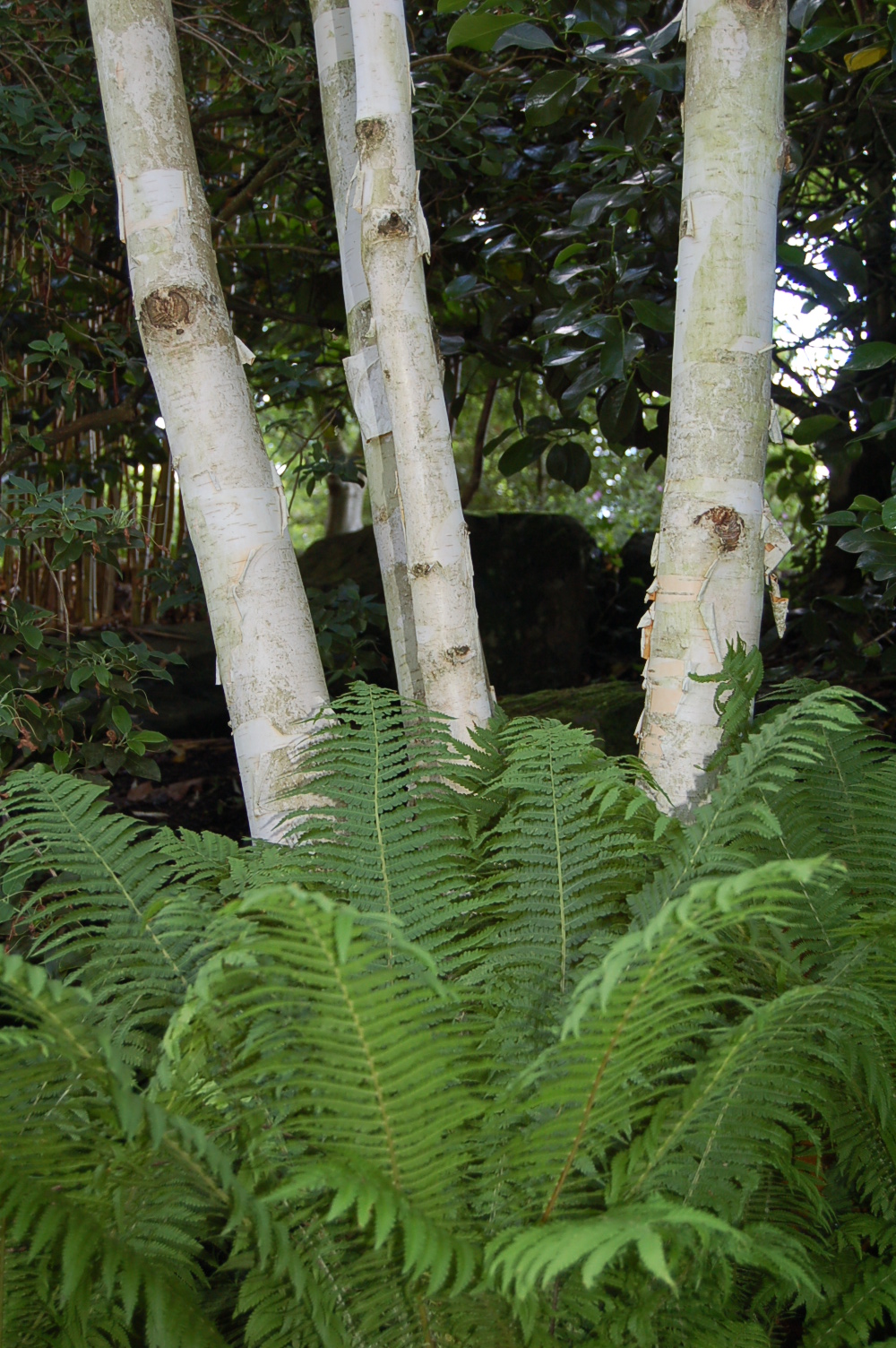
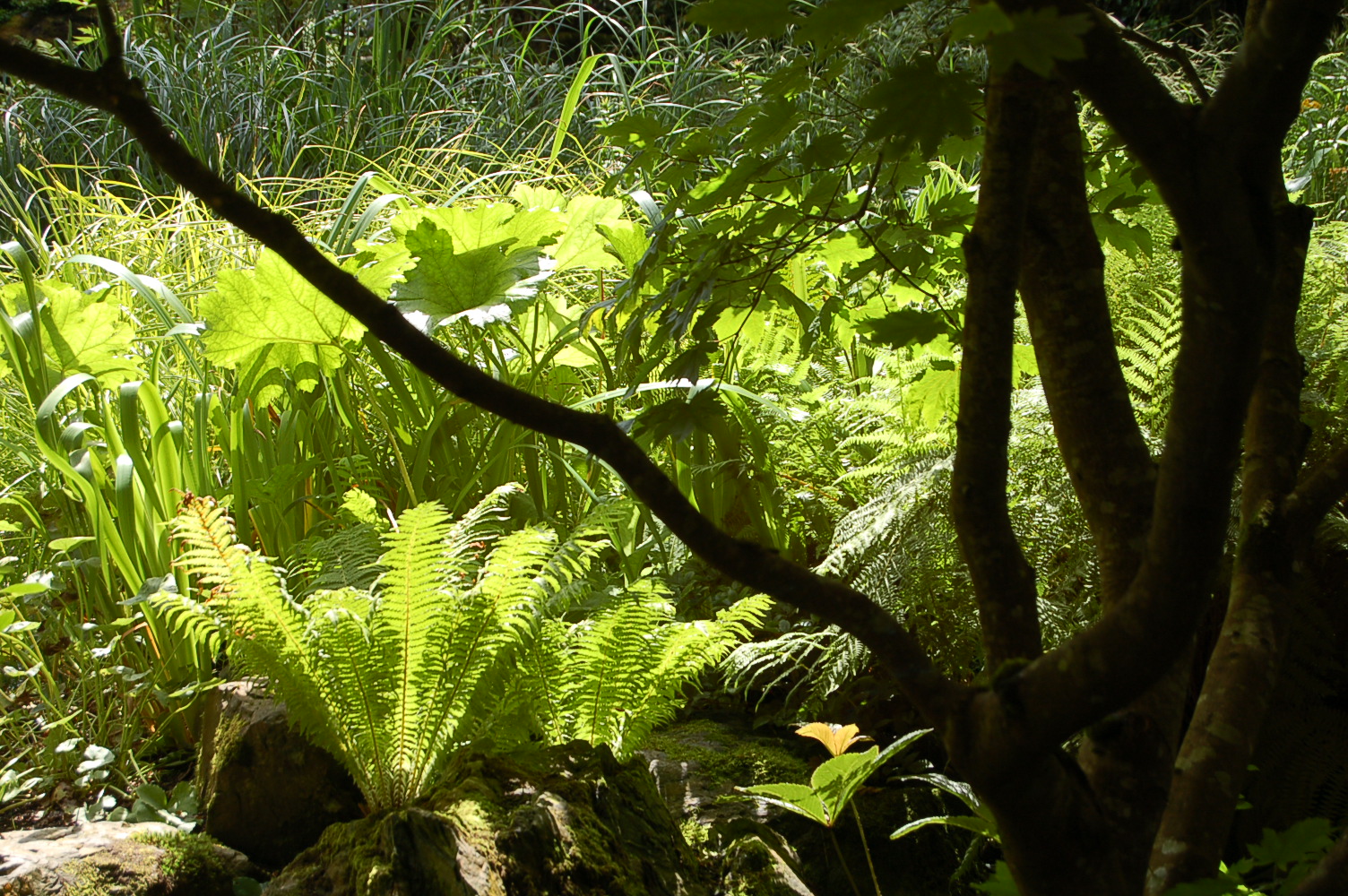
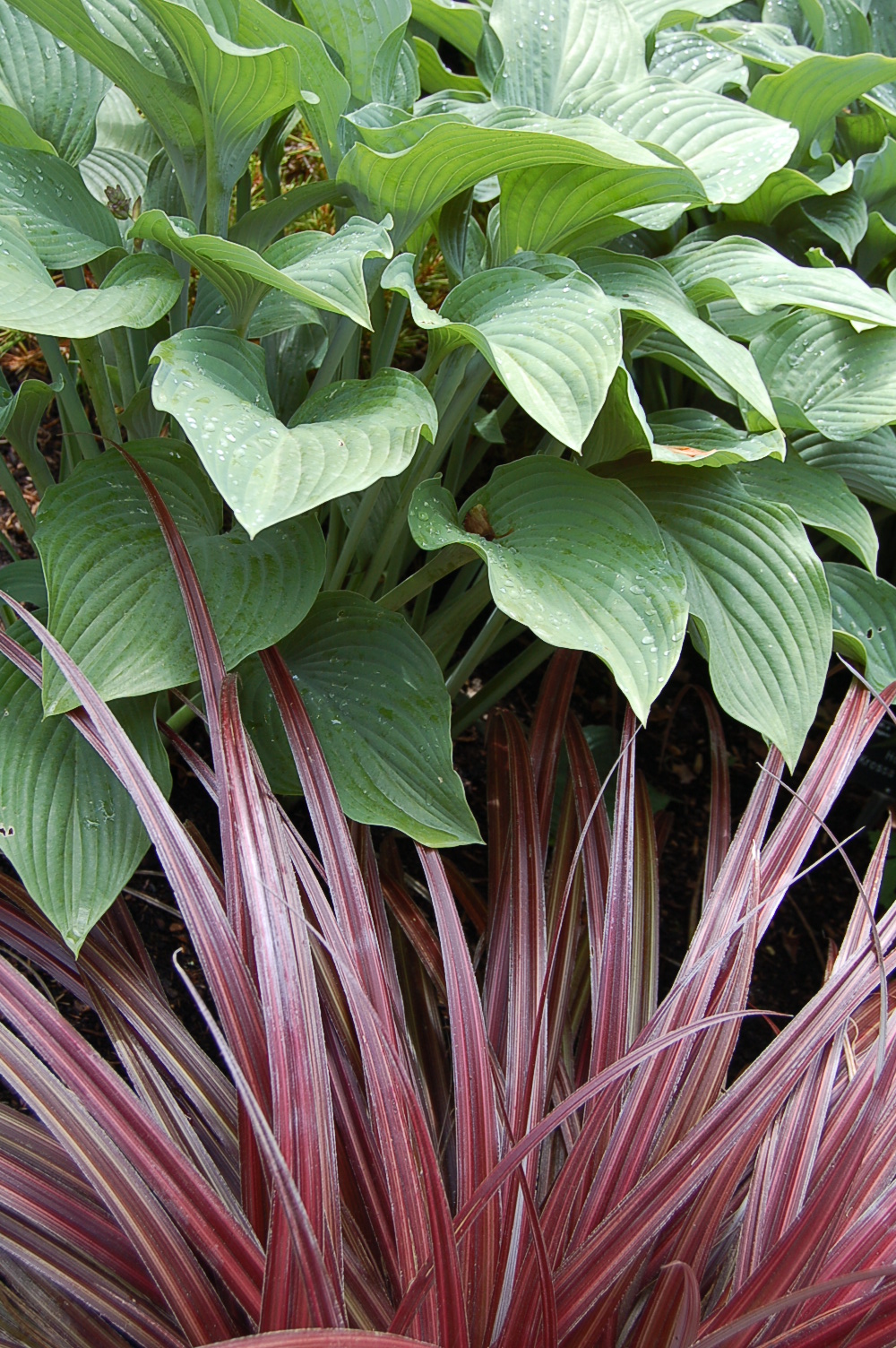
You will be glad to know this is a rhetorical question. If asked to find an answer it would be a simple response – we all do! But, on a recent visit to the Royal Horticultural Society’s garden in Devon, the wonderful Rosemoor, I took this collection of photographs featuring foliage with occasional interesting bark. Not a flower in sight.

Categories
garden design garden photography gardening grow your own hardy perennials July ornamental grasses ornamental trees and shrubs photography poppies roses Shropshire shrubs succulents trees

A Wander around our Garden in July

July in the garden so far has carried on where June left off – rain! The grass paths squelch as you wander, trees drip on you and herbaceous plants soak your legs. The plants have loved it relishing in the warmth and dampness. They grow tall and lush too quickly and do so without gaining strength. As a result they get knocked over in windy spells and any heavy showers.

As rain persists each day from dawn till dusk a moment of light and dry gave me an opportunity to take photos for my July wander. After waiting all day I finally took the following pics just before 9:00 in the evening.

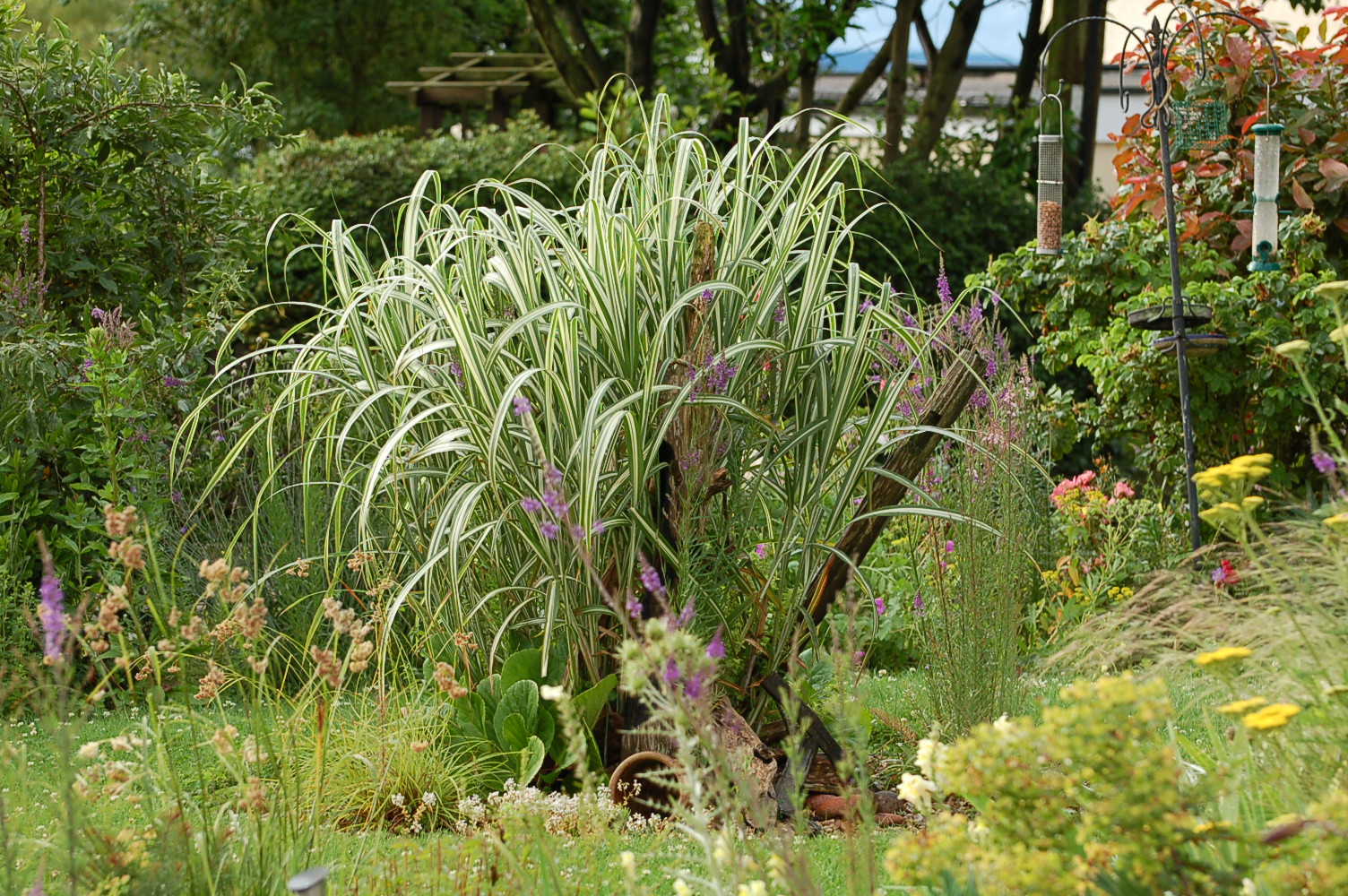
One plant that never fails is this wonderful tall grass with striped leaves. It is a good four foot tall and the long leaves are popular with the “Undergardener” to cut for flower arranging.

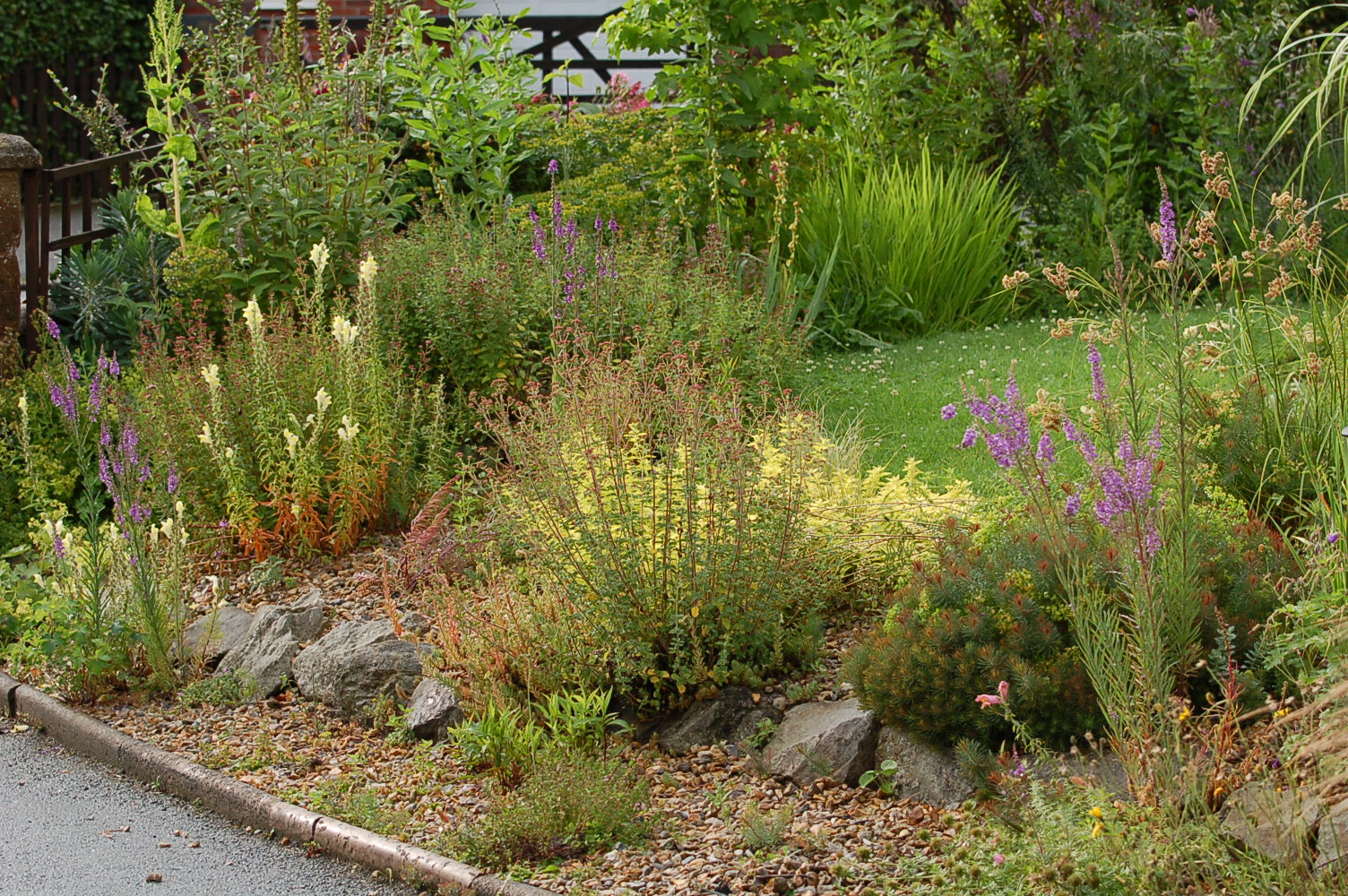
Our gravel garden, The Chatto Bed, is now full of colour, gentle yellows, pinks and purples. When the sun does come out for its short sessions the gravel bed is buzzing with bees. They are having a hard time this year with all this rain and wind.

The Huskers Red Pentstemon is now at its best – what a beautiful plant it is – coloured foliage, dark stems and delicate contrasting pale flowers. Having grown this from seed sown a few years ago it feels good to see it looking so good.

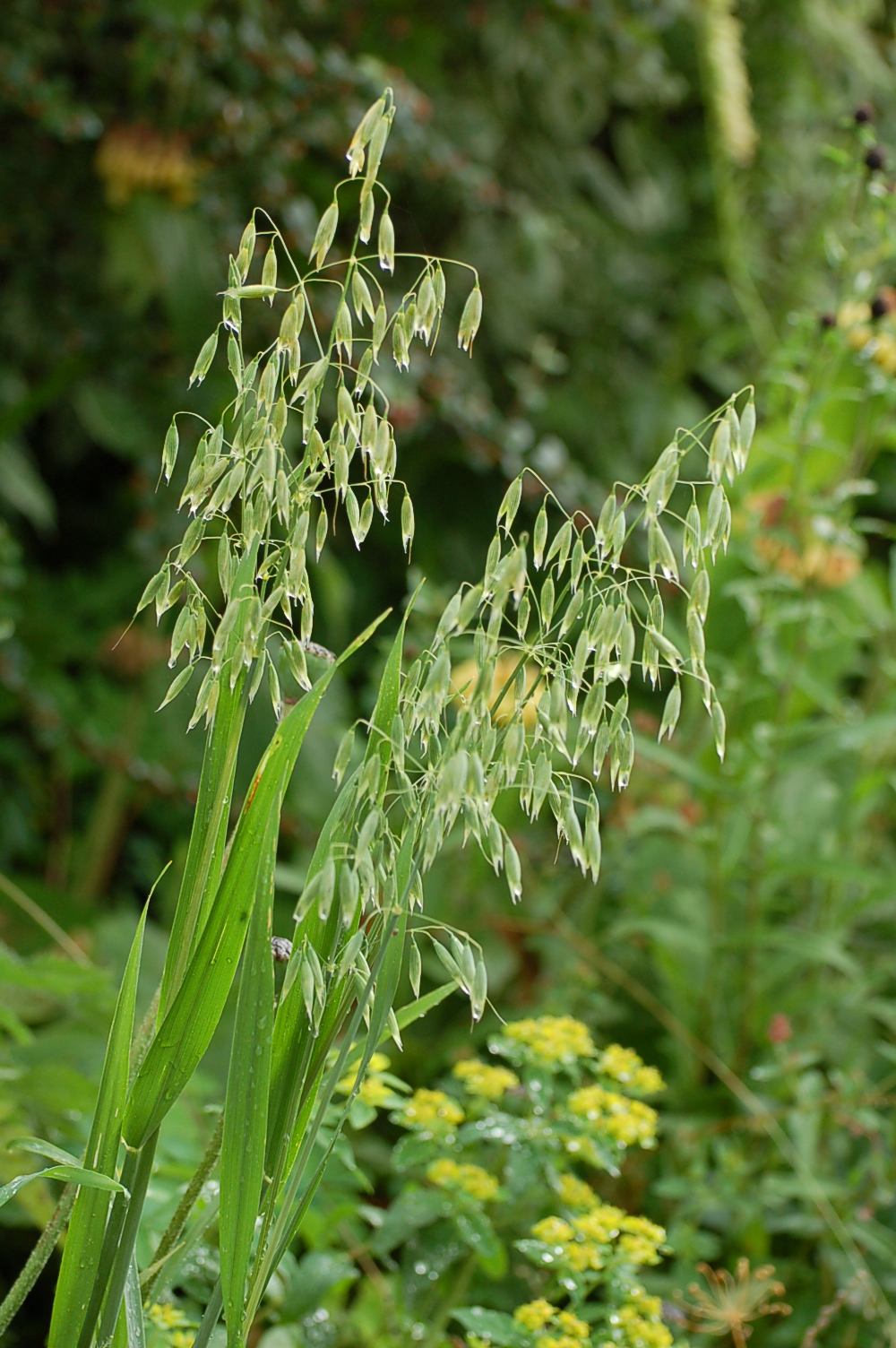
The Quaking Grass, Briza maxima is also known as Nodding Grass and Sparrow Grass, presumably because it simply can’t stay still in the slightest breeze.

Jude’s Border is a rich combination of purple-leaved shrubs and contrasting perennials.

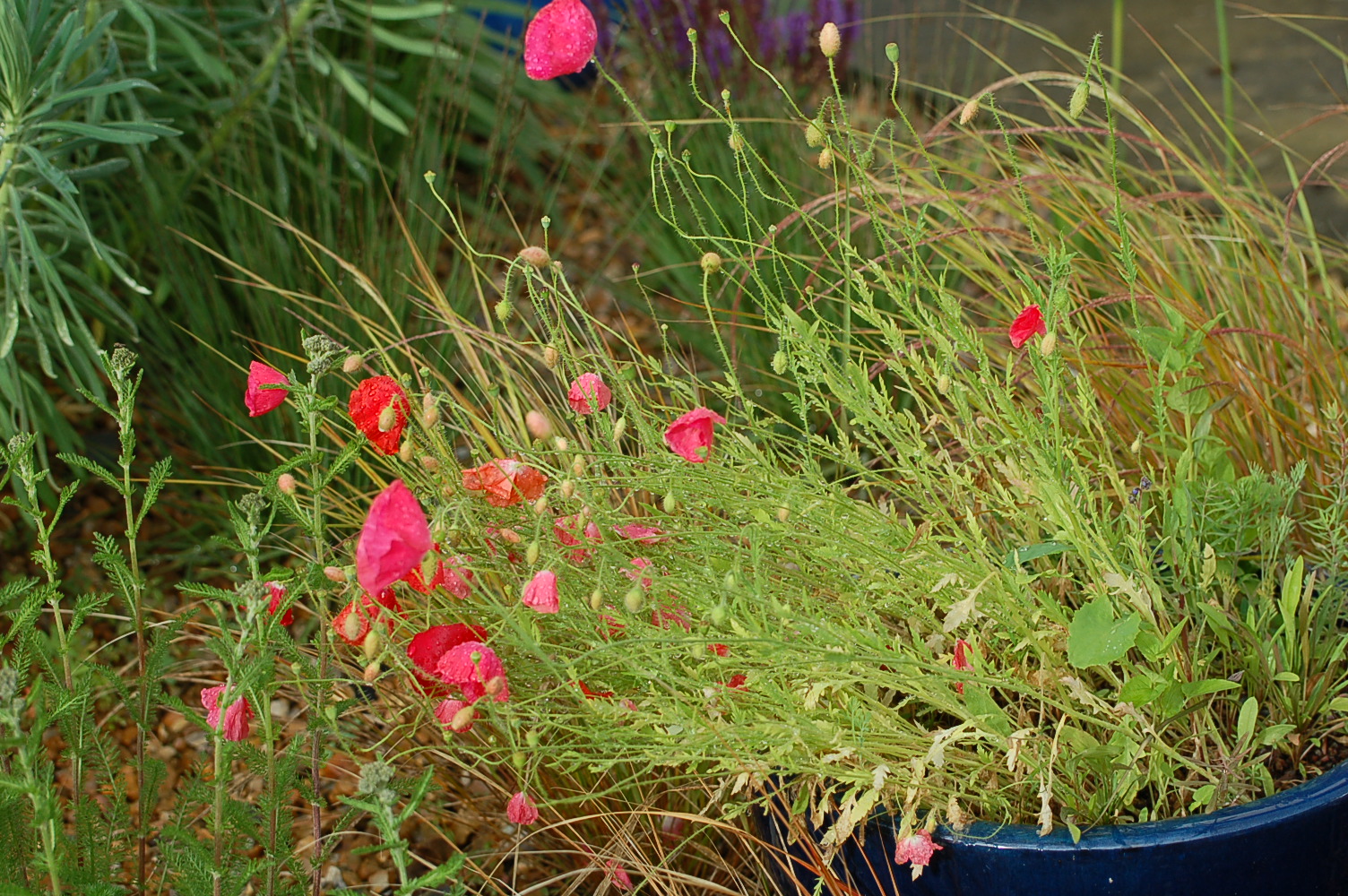
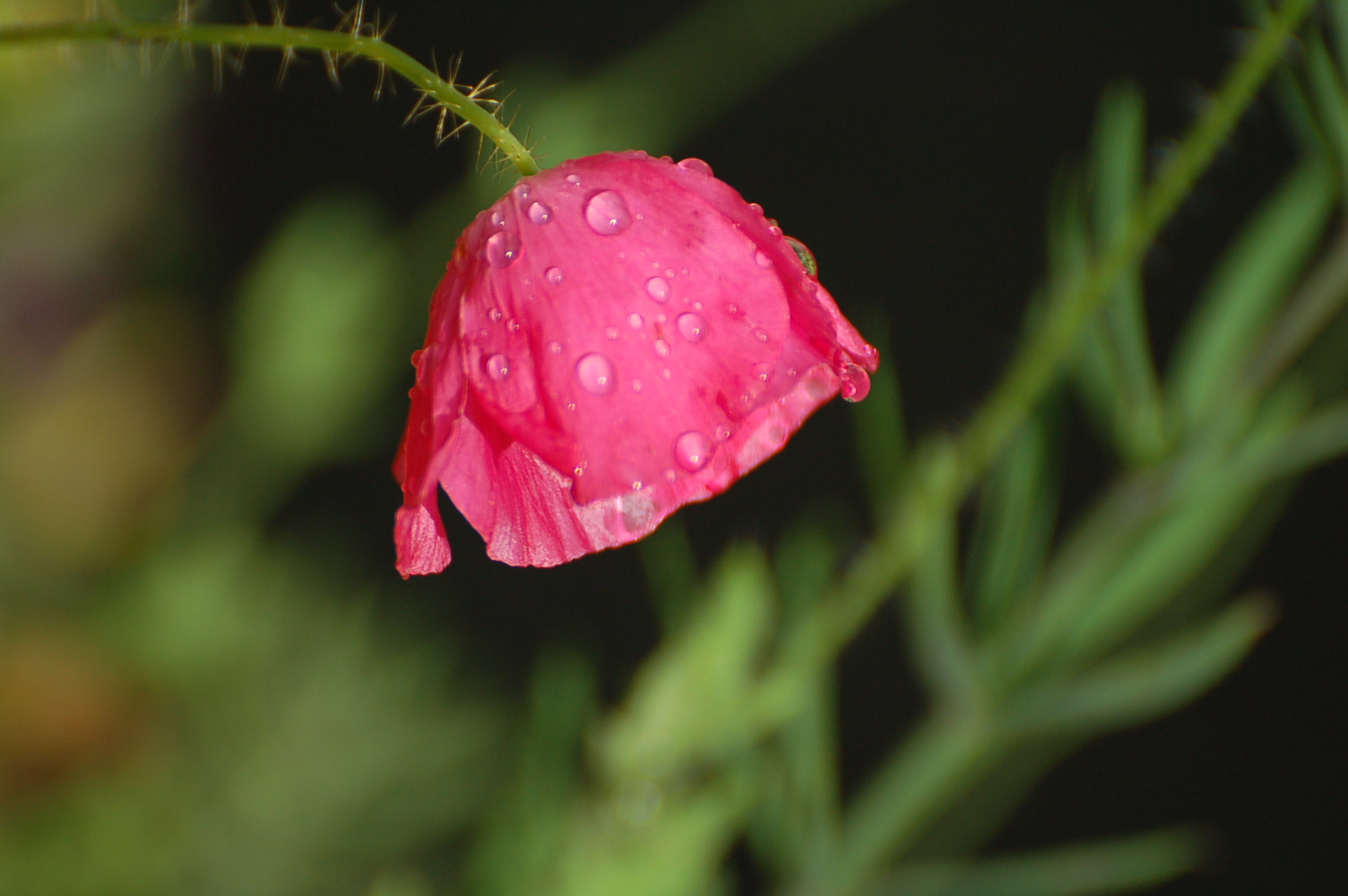
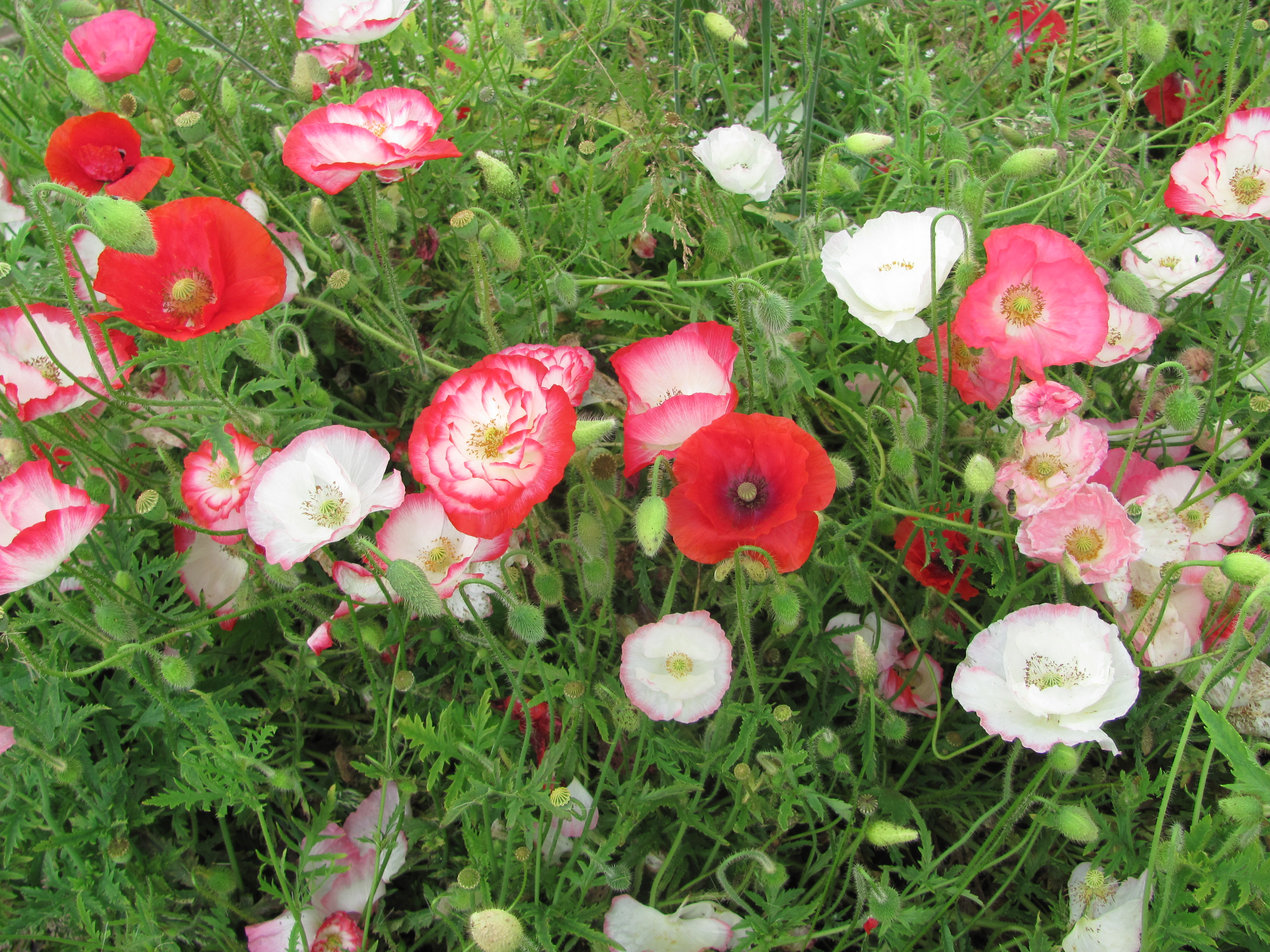
Our mini-meadows  sown in terra-cotta pots have been very successful. Different flowers appear each day. The pink poppy glows in the dullest of weather – a “dayglo” poppy.

By our front door the “Freda Border” continues to provide colour in the perennials and gentle variegated foliage in the shrubs.


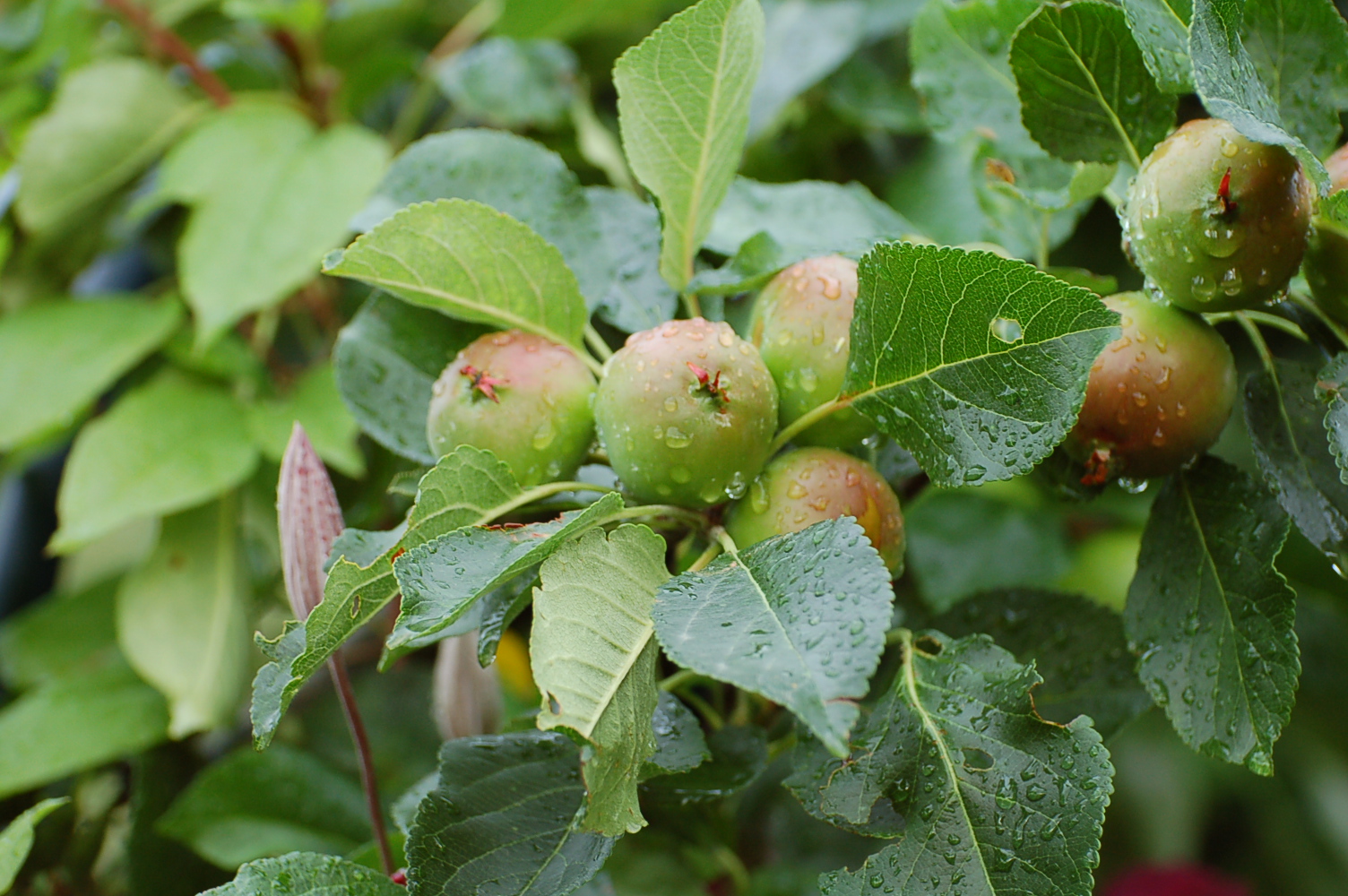
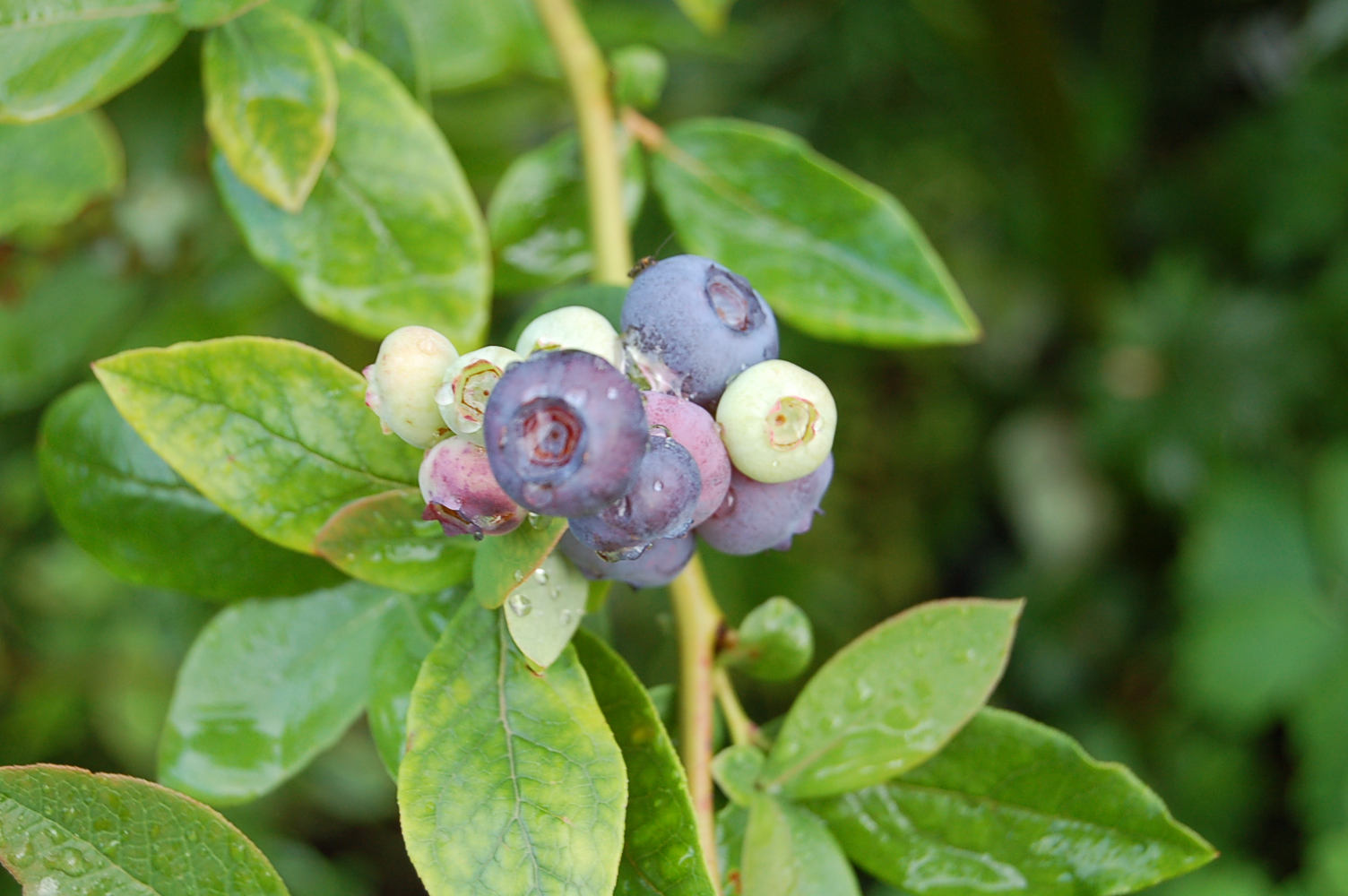
Let us now wander into the back garden and see what’s going on. Our apples are filling in nicely now and even getting a little rosiness as they start to ripen, while the Blueberries change from green to blue.

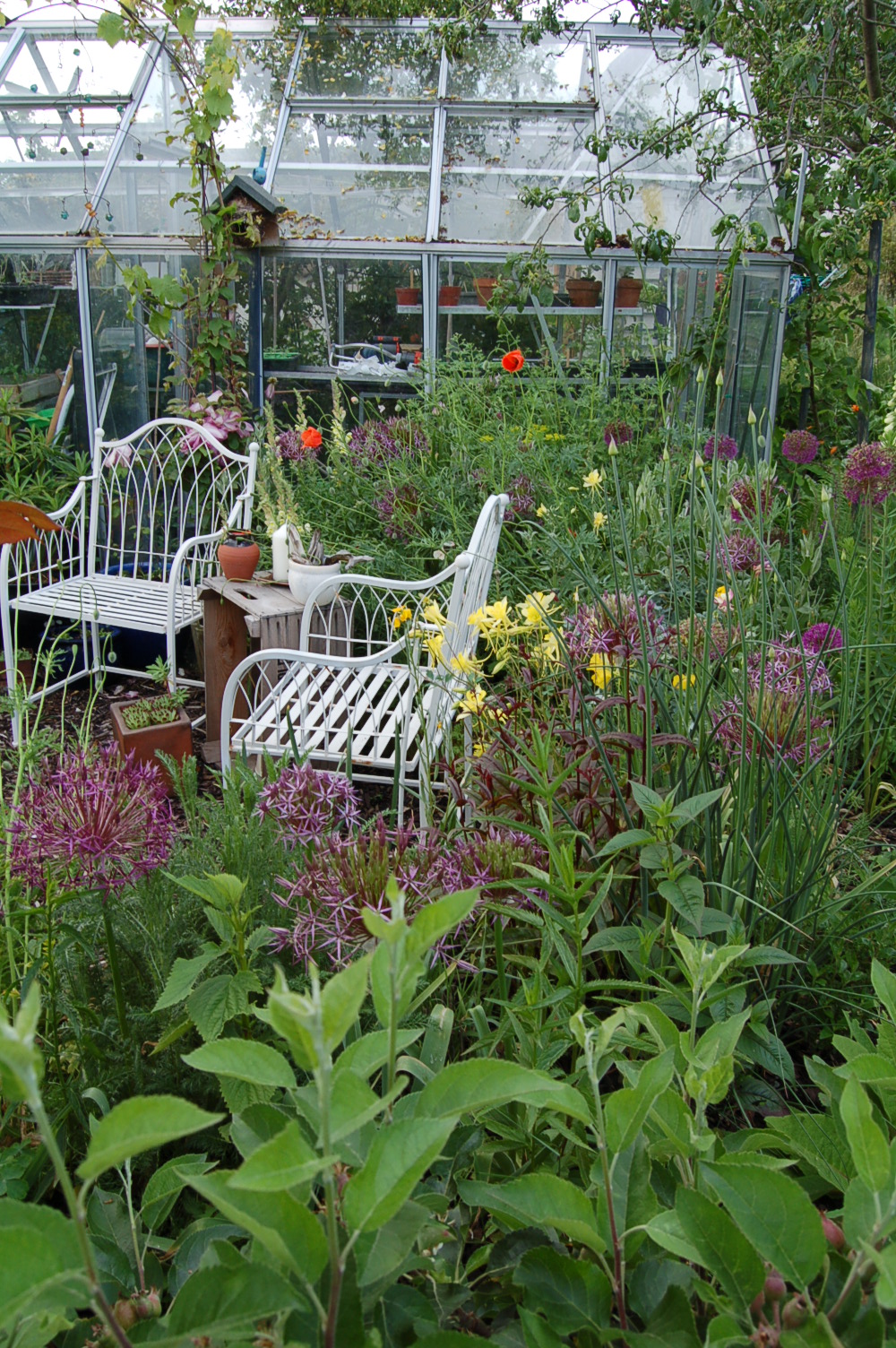
The secret garden is probably the most colourful patch at the moment.

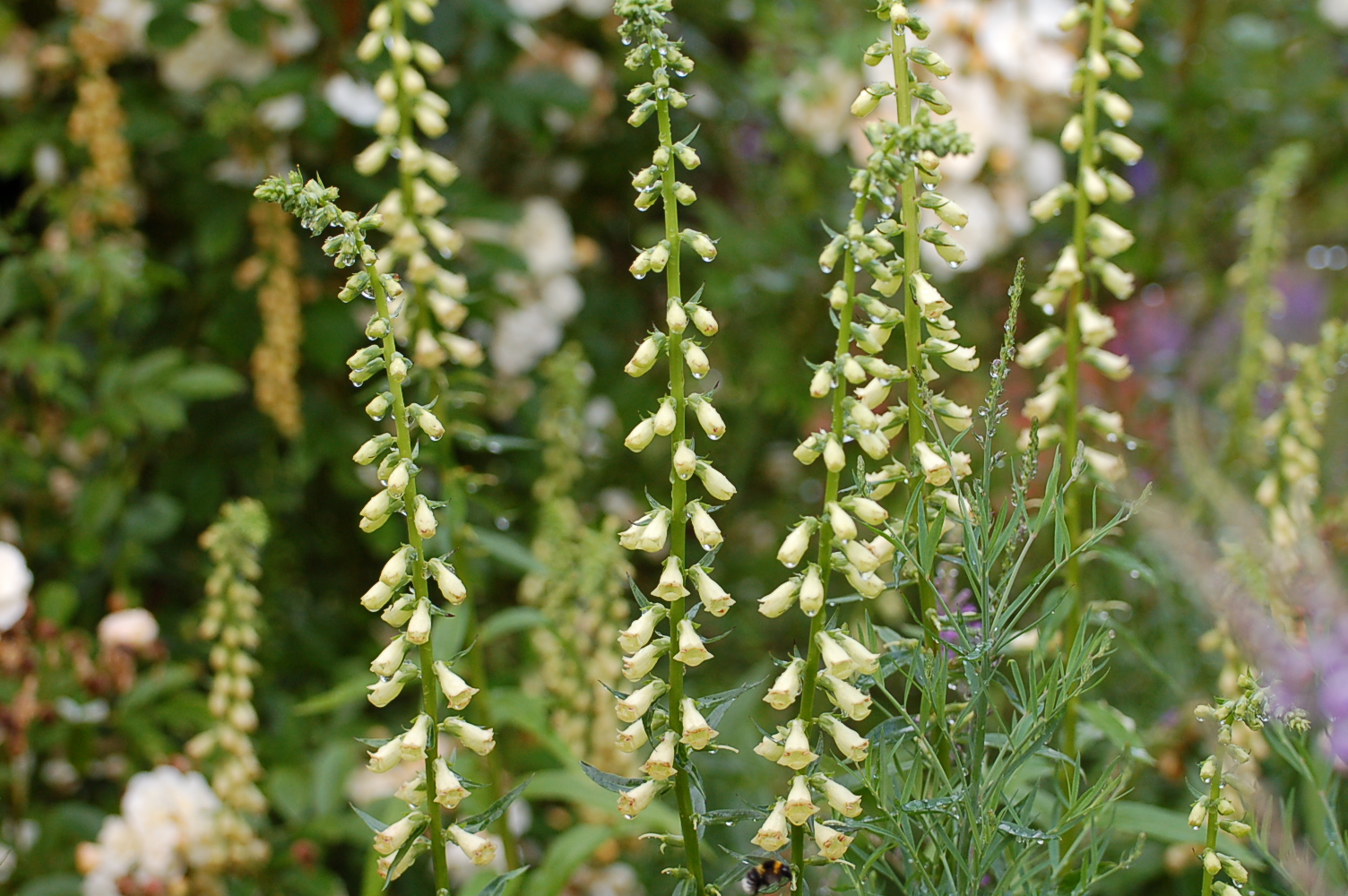
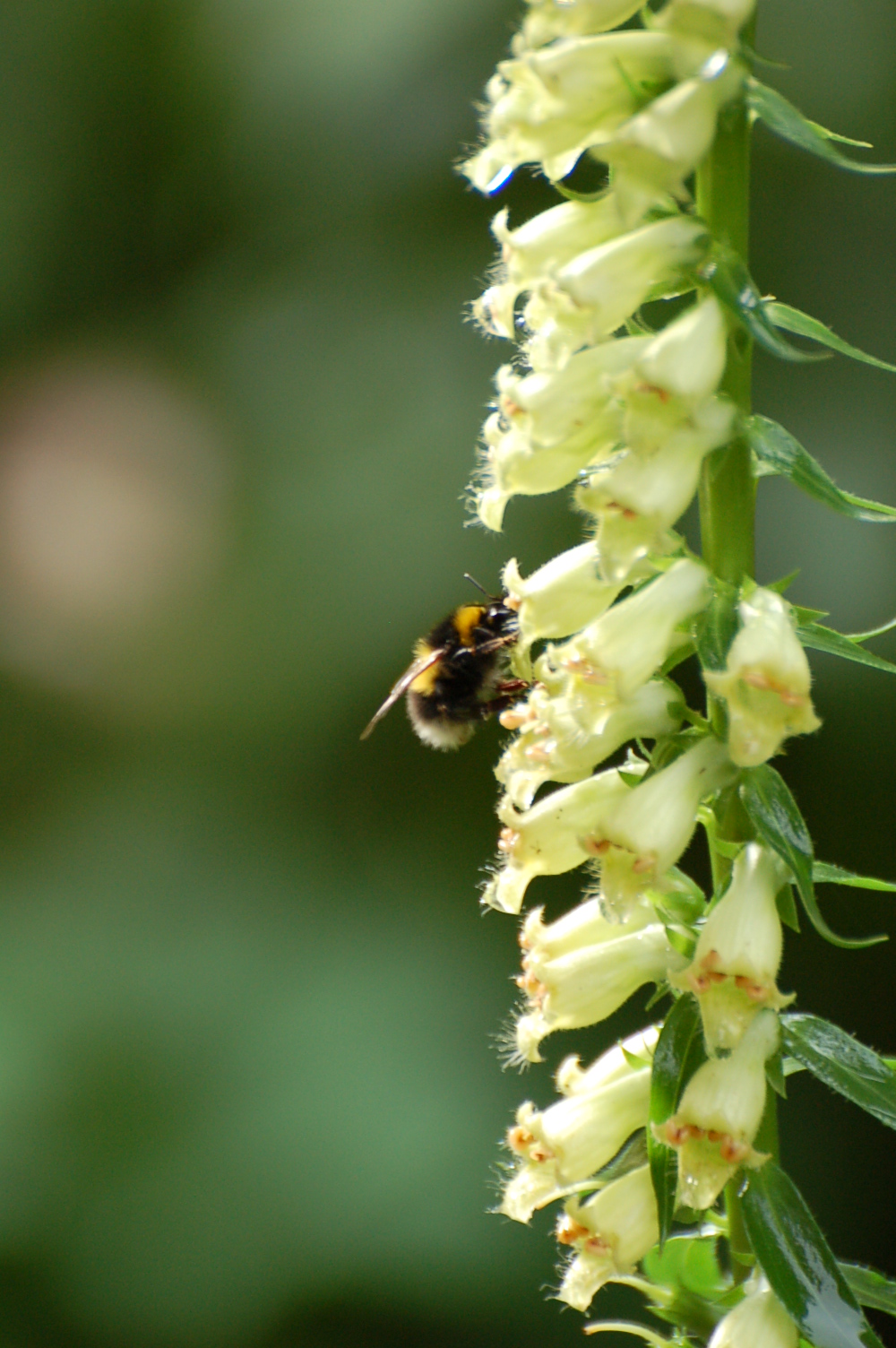
The “Chicken Garden” although less colourful at the moment as the alliums are losing their colour, has an impressive show of perennial foxgloves, favourites of the bees.

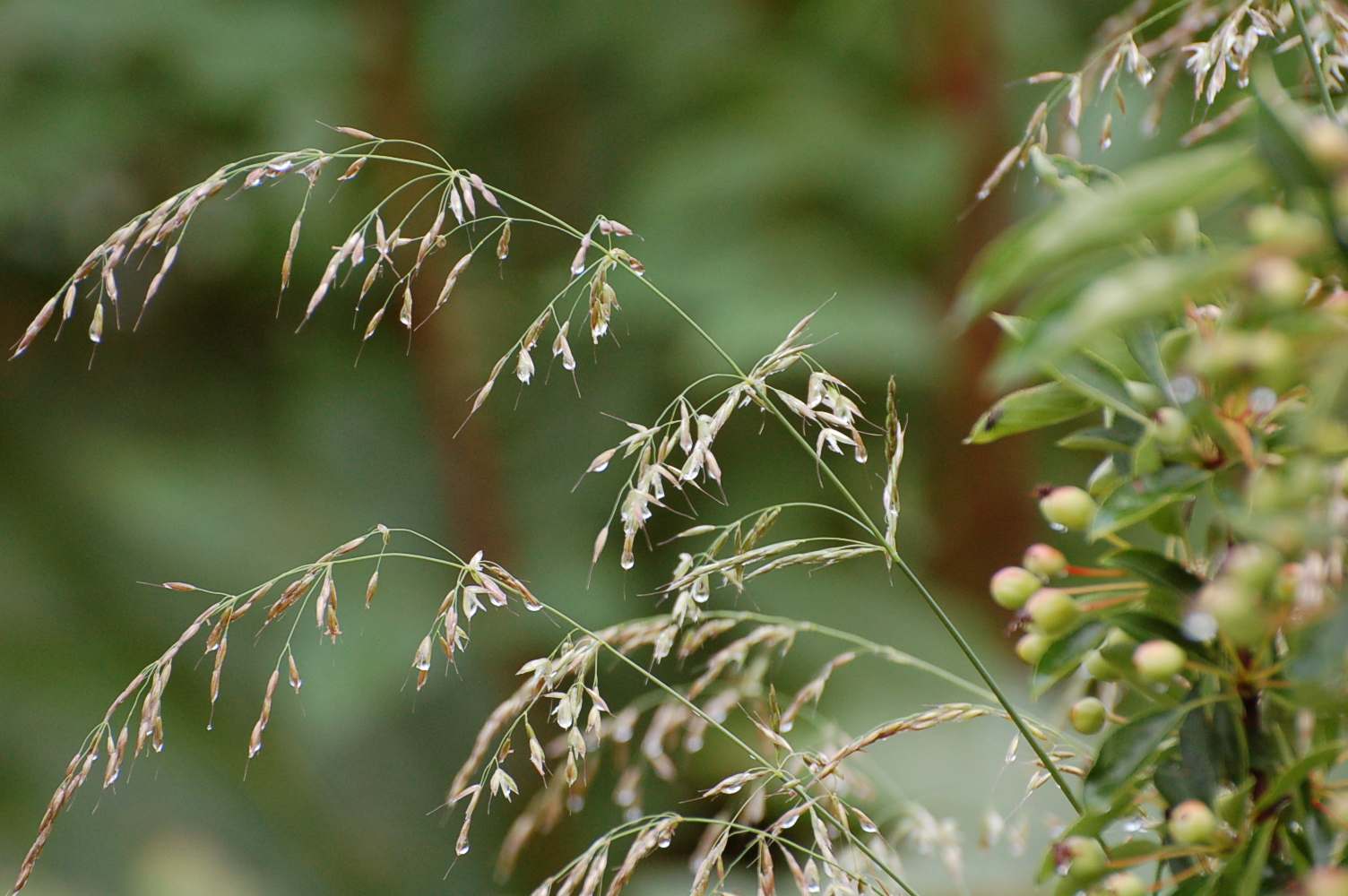
Grasses are flowering delicately in all the borders and often after a storm hold onto rain drops. The droplets of moisture act as prisms as light finds them.

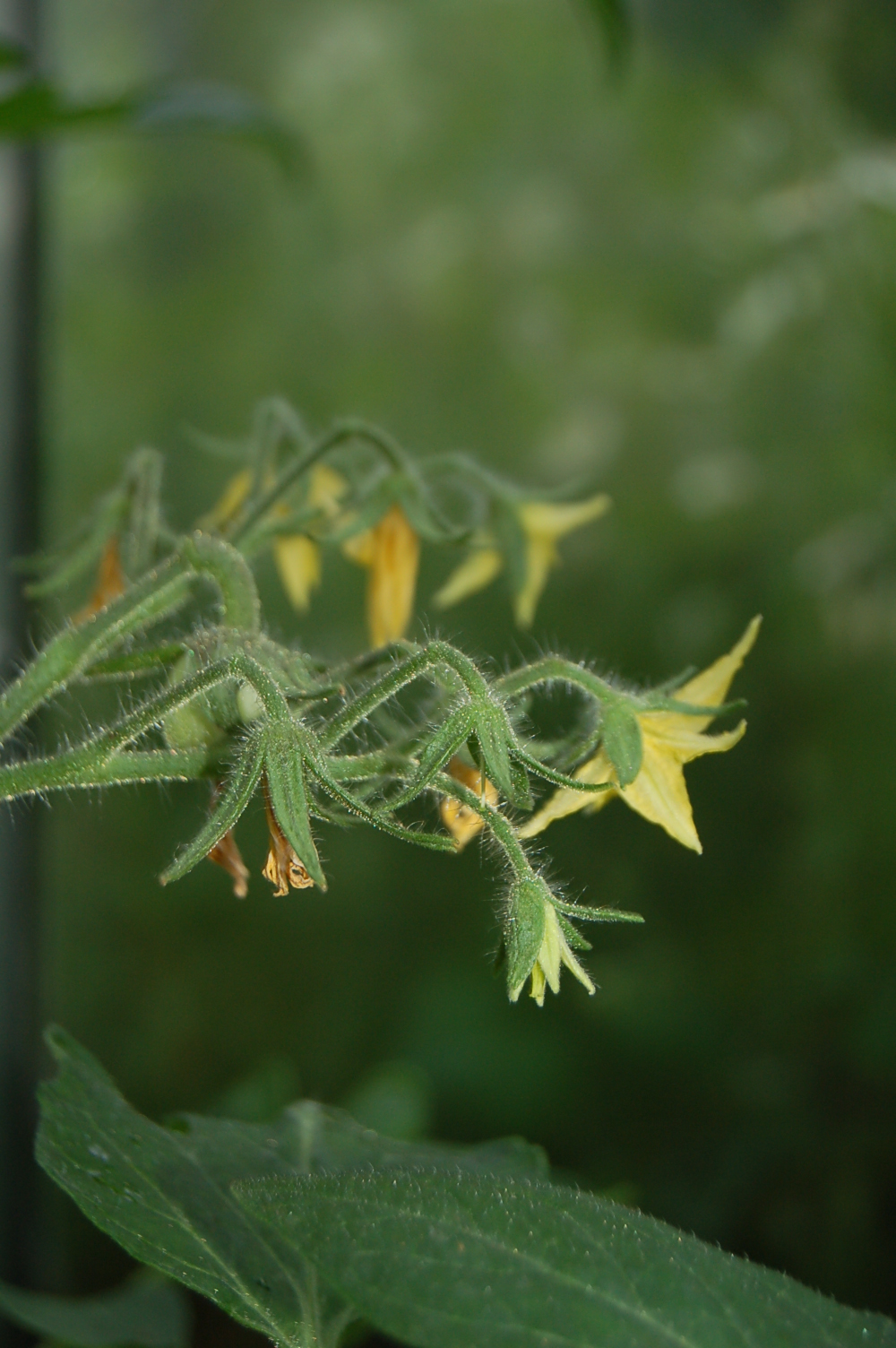
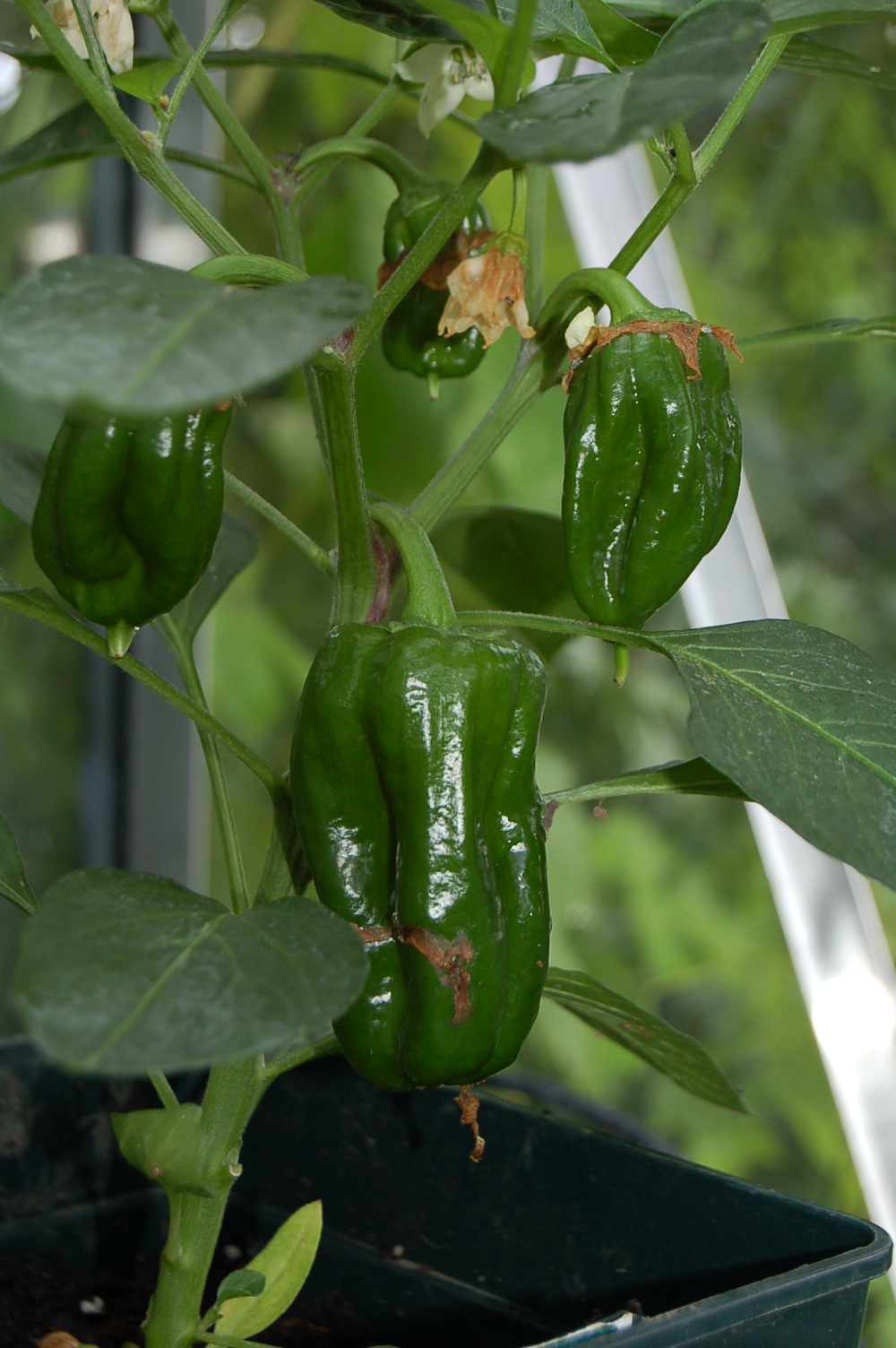
In the greenhouse tomatoes are forming on their trusses and further flowers open from their buds. Peppers like glossy green boxes promise sweetness to come.

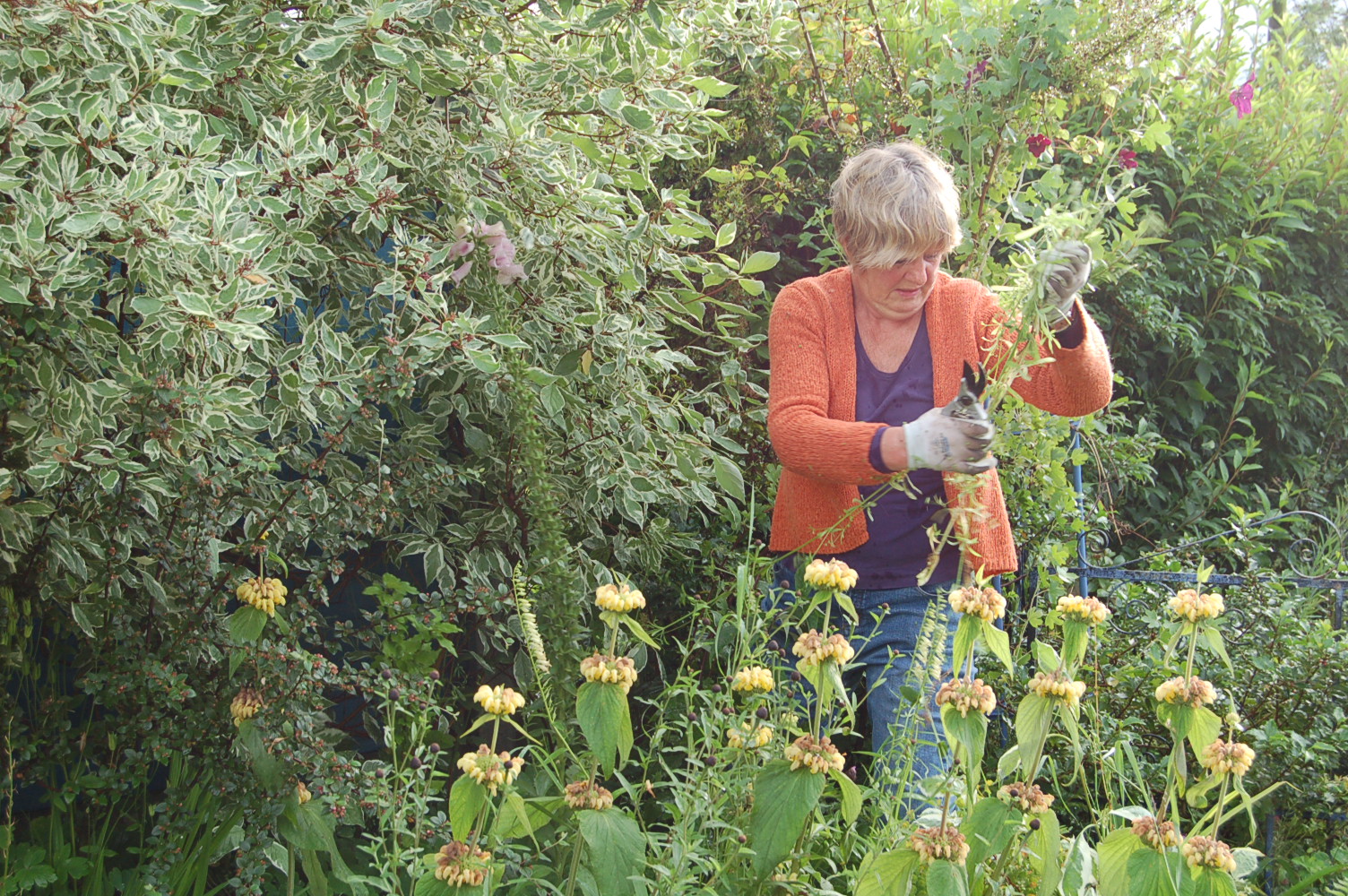
As we approach the middle of July we can but wonder what the rest of the summer can have in store for us. So far we have had the wettest summer months on record – it is hard to imagine that summer will truly arrive. It has been hard to keep up with maintenance in the garden this summer. There is so much growth that herbaceous plants need frequent deadheading and thinning and shrubs pruned to stop them overpowering the plants beneath. Jude, “The Undergardener” is pruning back the lower branches of the variegated dogwood to let light into the smaller plants below.

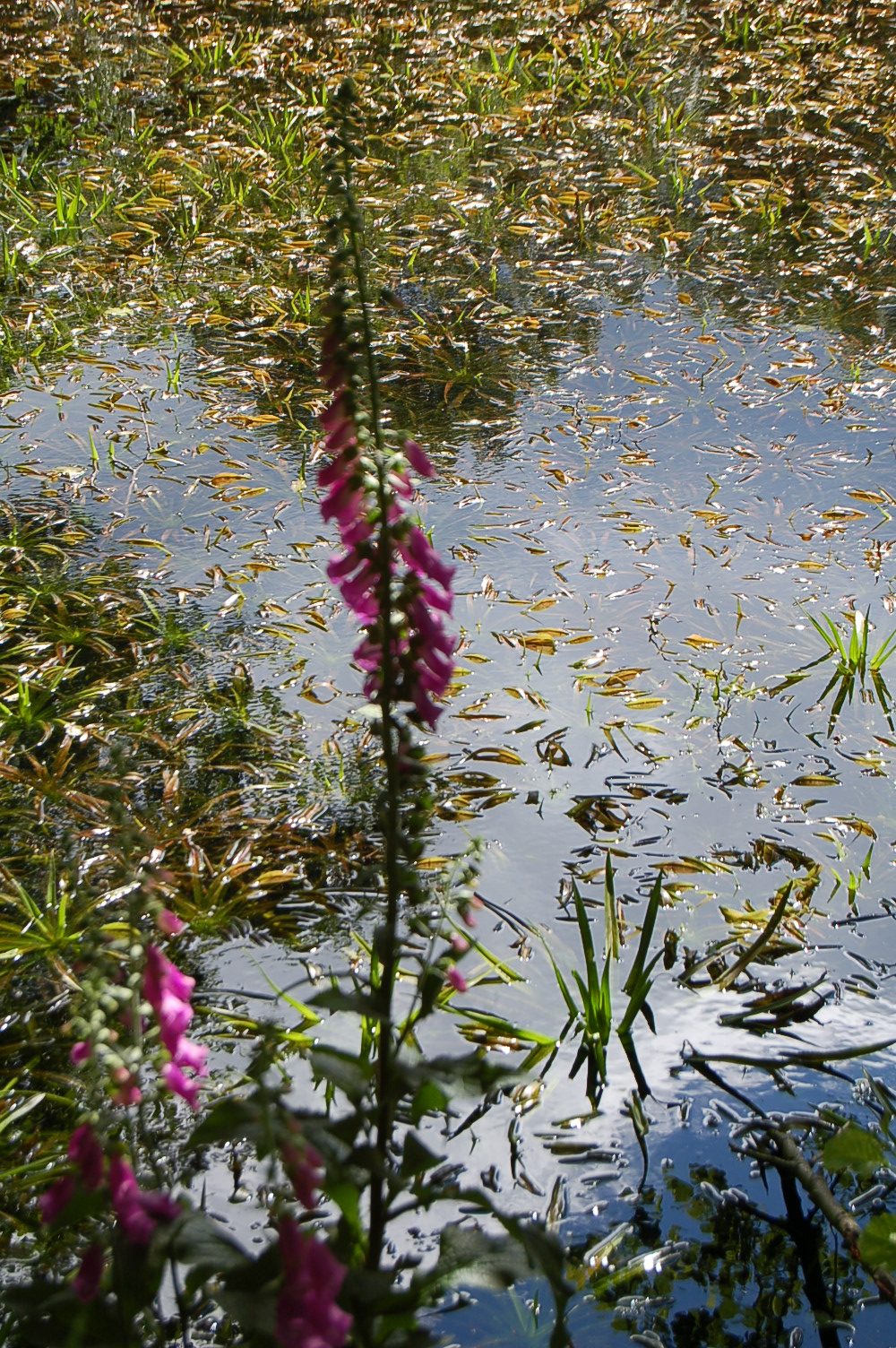
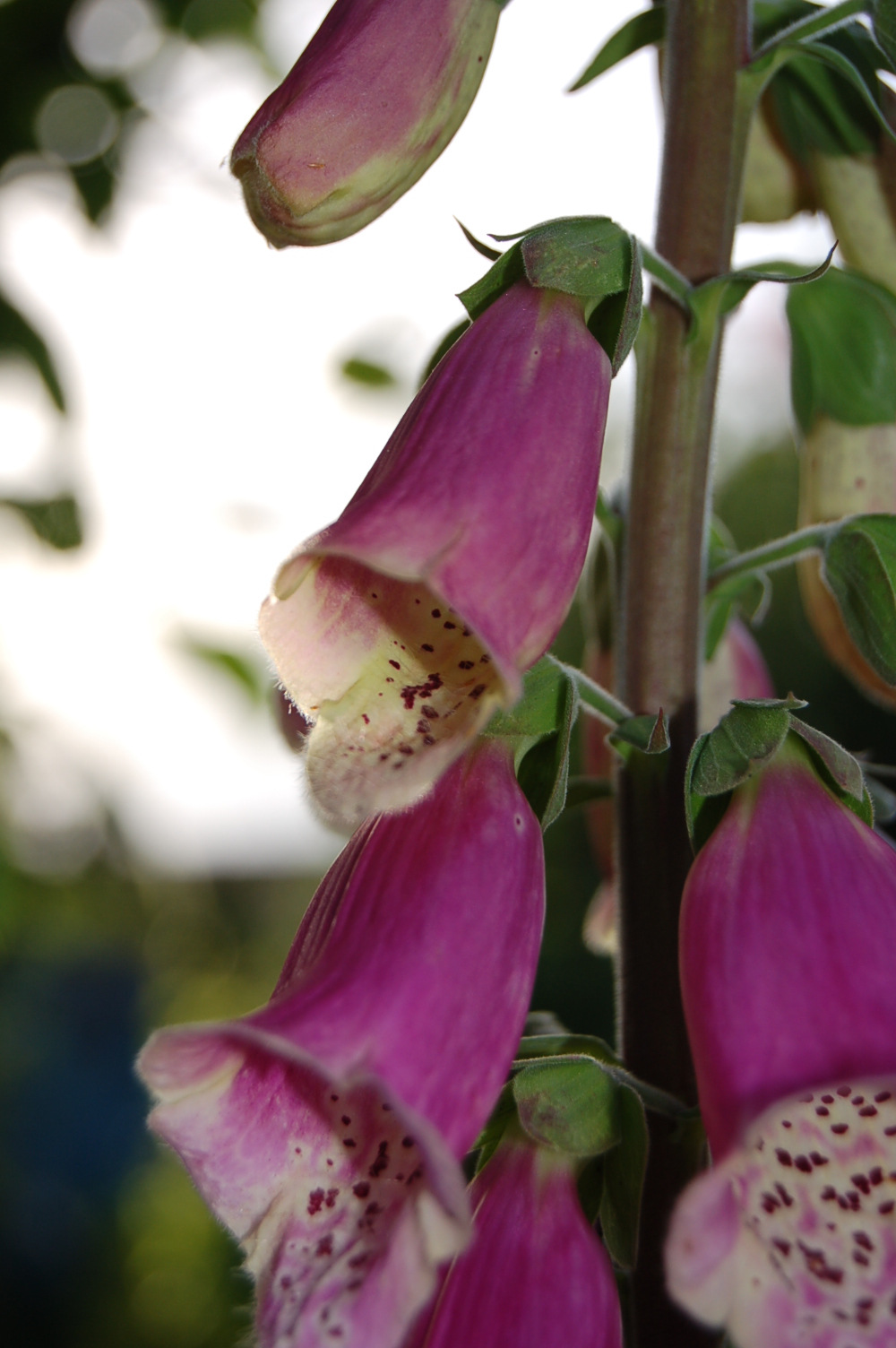
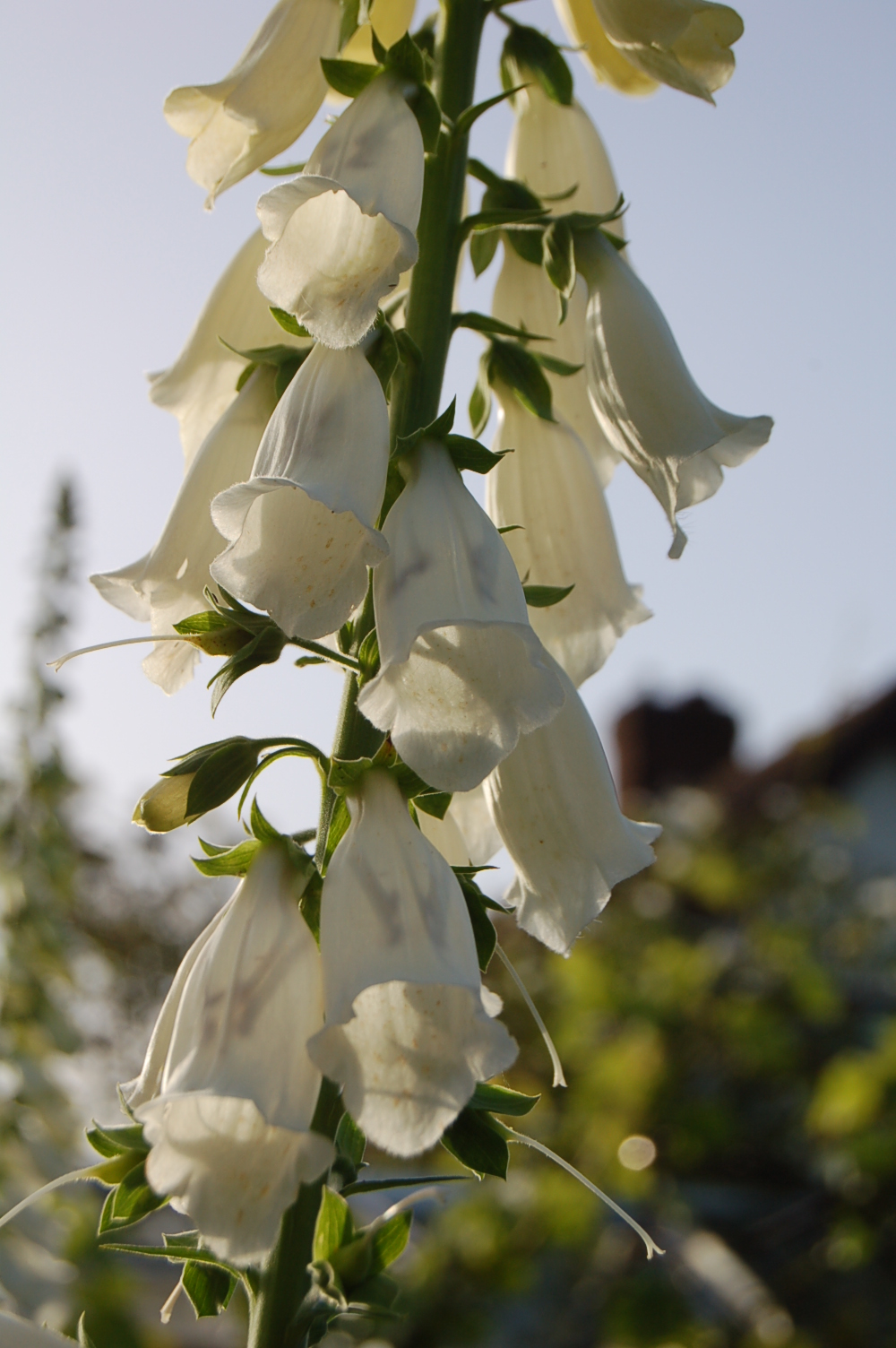
As the light began to fade I took a few photos to show it glowing through foxgloves.

Categories
allotments birds community gardening conservation fruit and veg garden design garden photography garden wildlife gardening grow your own hardy perennials Land Art meadows natural pest control ornamental grasses ornamental trees and shrubs outdoor sculpture photography poppies roses Shropshire shrubs spring gardening wildlife

A Wander around the Allotments in June

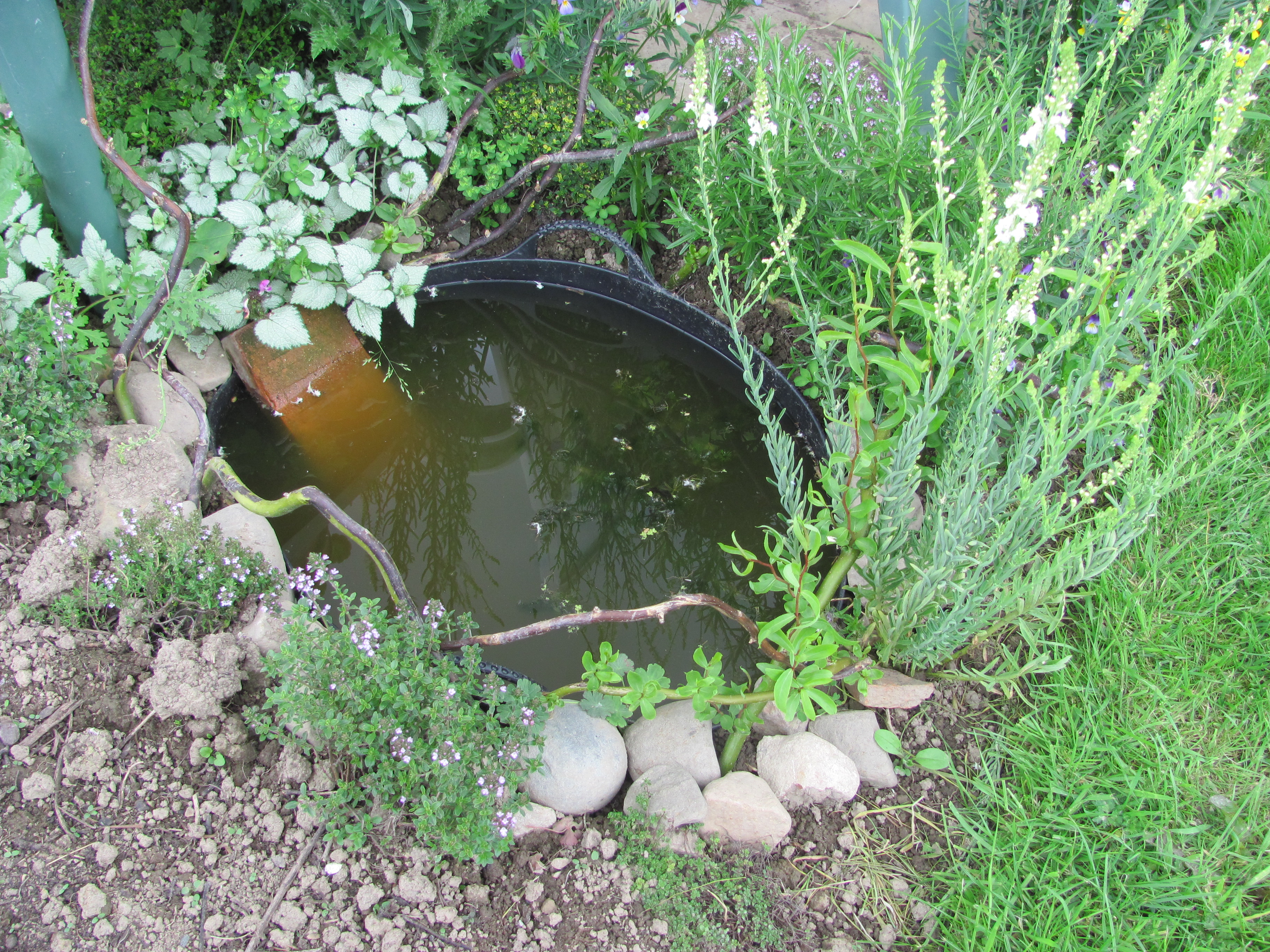
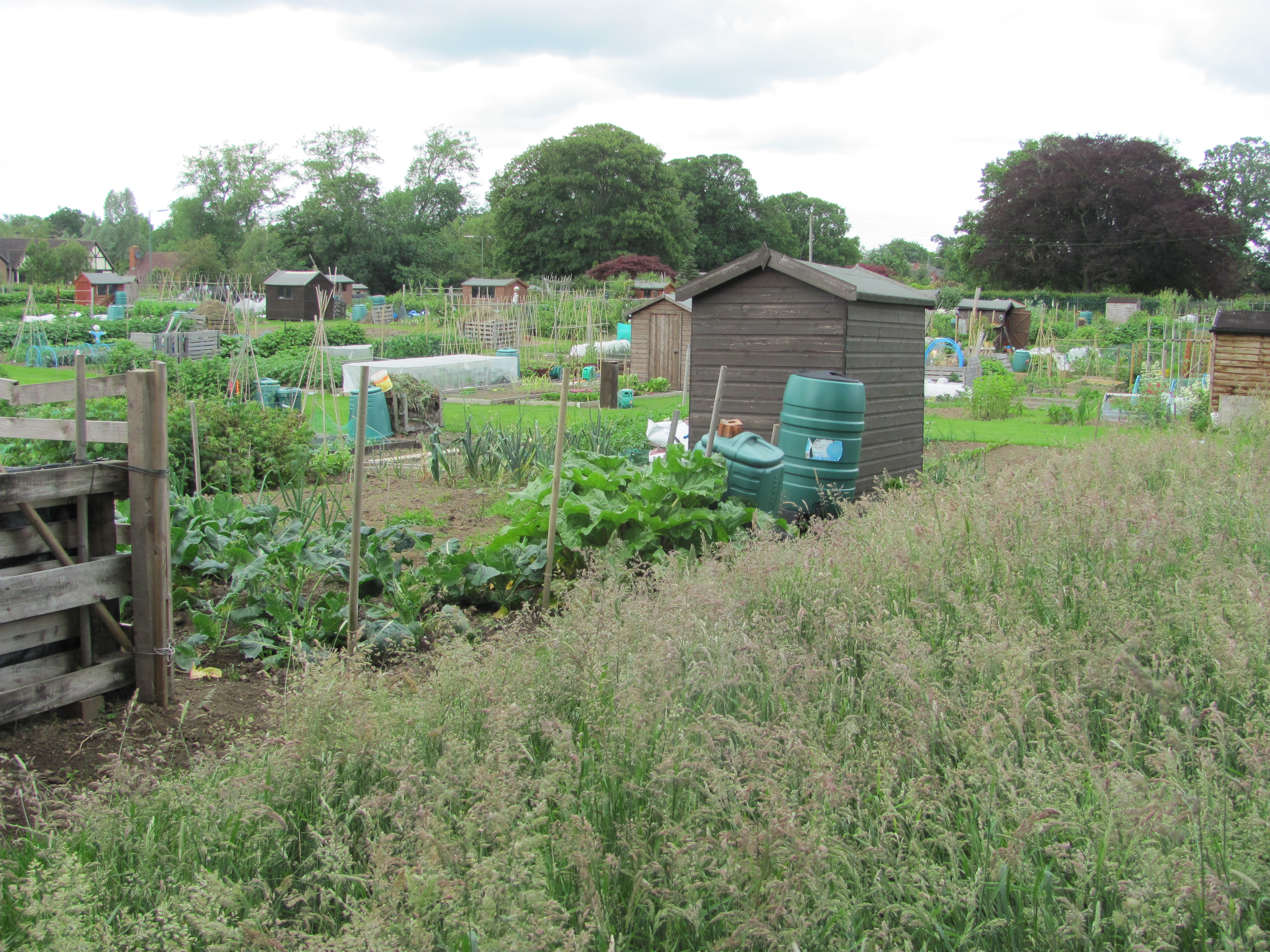
Here we are at the half way point of the year in the June allotment wanderings. As usual we shall start on our own plot to see what has been going on. Our little wildlife pond is beginning to look more established and the tadpoles are growing well. We hope the frogs stay on our plot and eat up all the slugs. As you can see we provided a little wooden ramp to help them get in and out of the water.

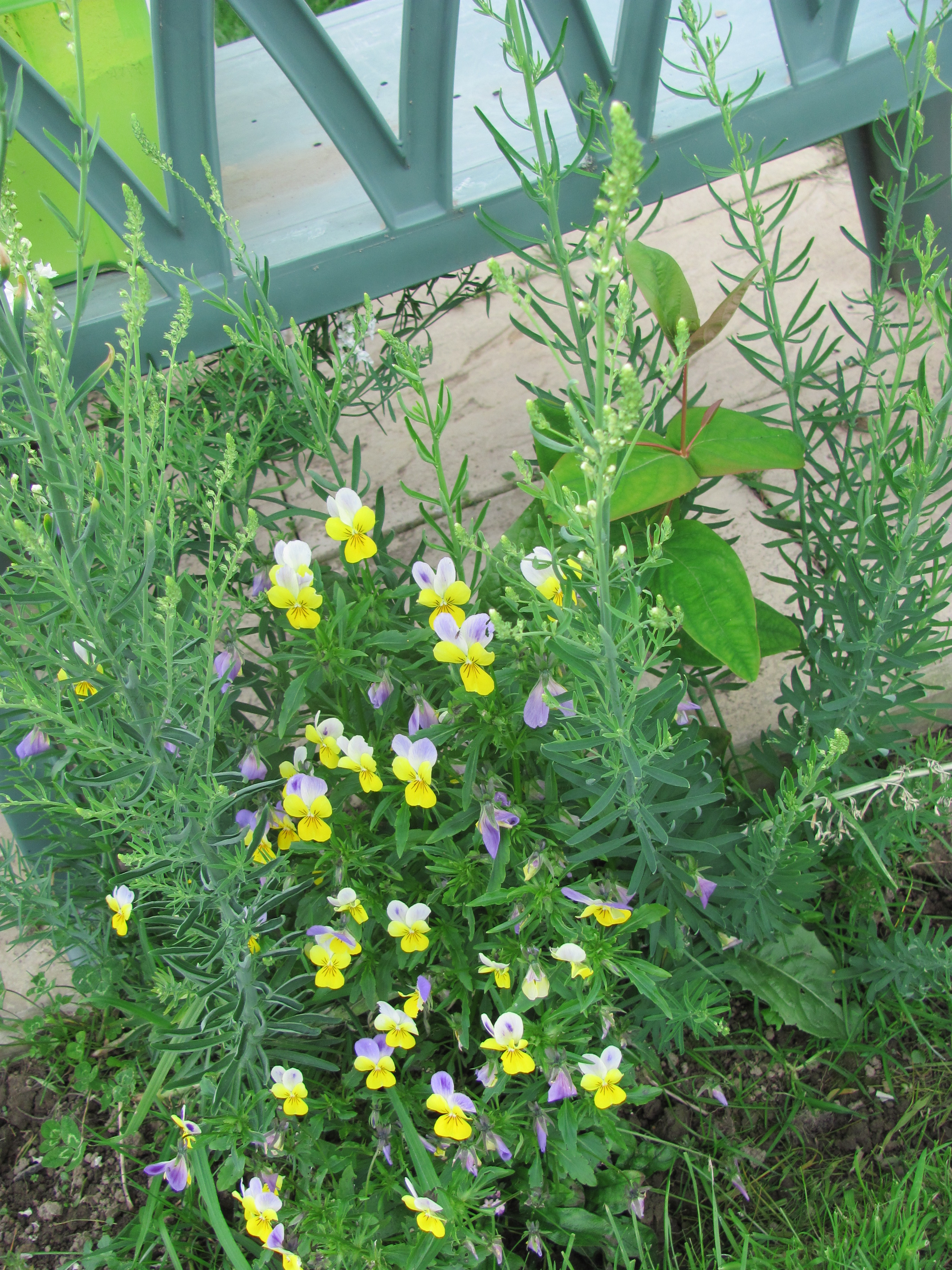
Heartsease self seed around the plot sometimes landing in suitable places arriving in a wide range of colours. This one seeded into the soil behind the green bench.

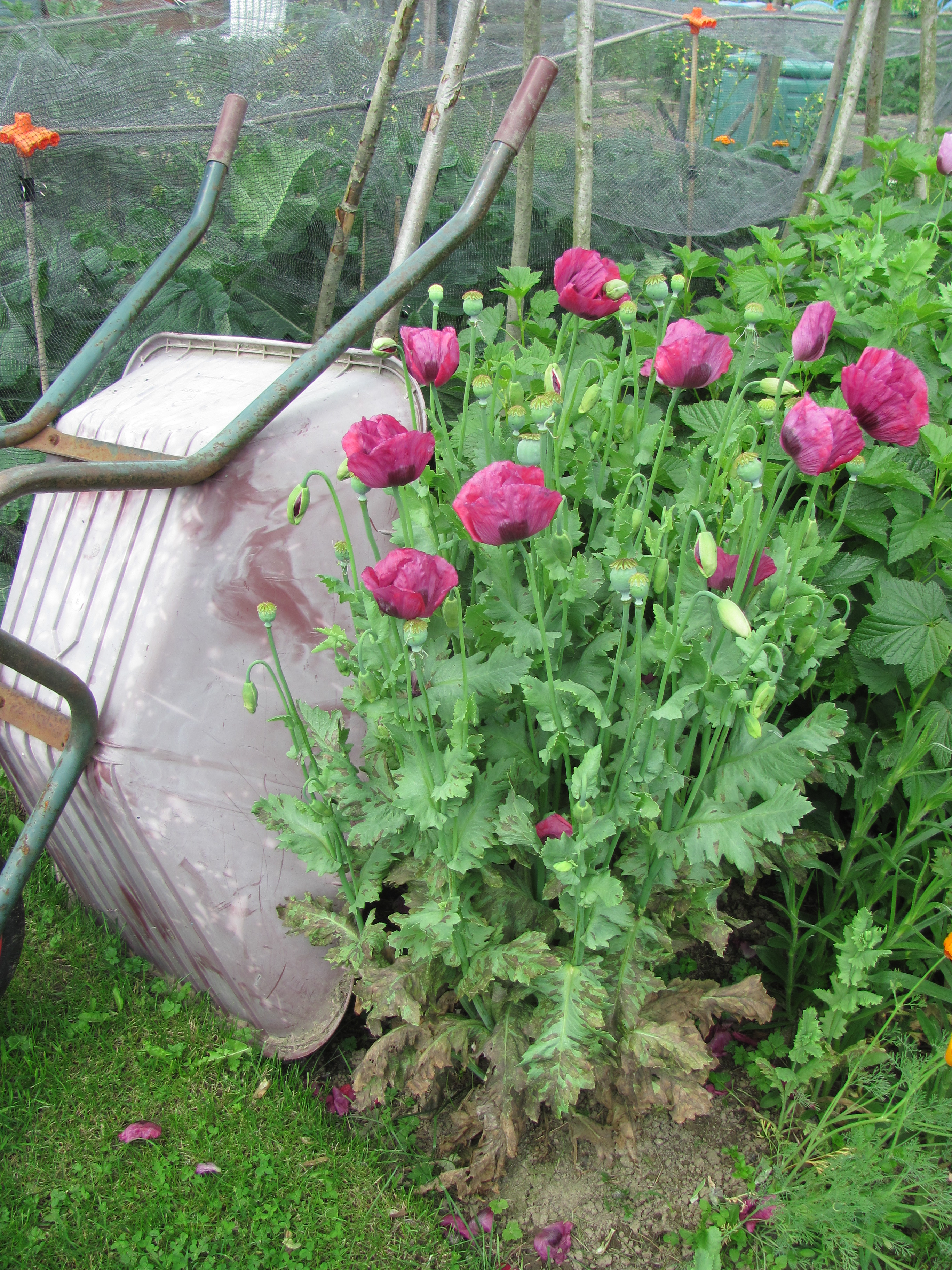
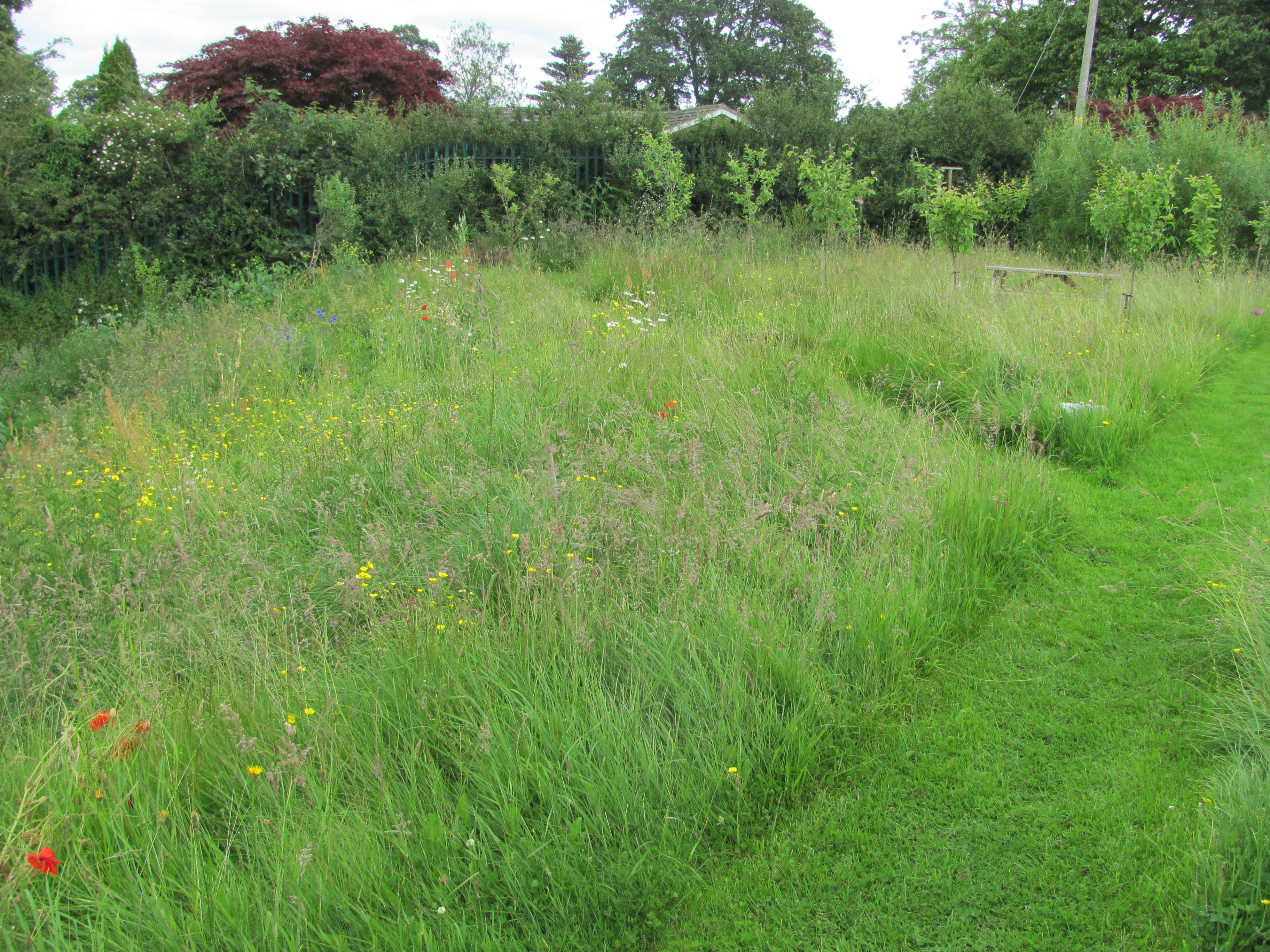
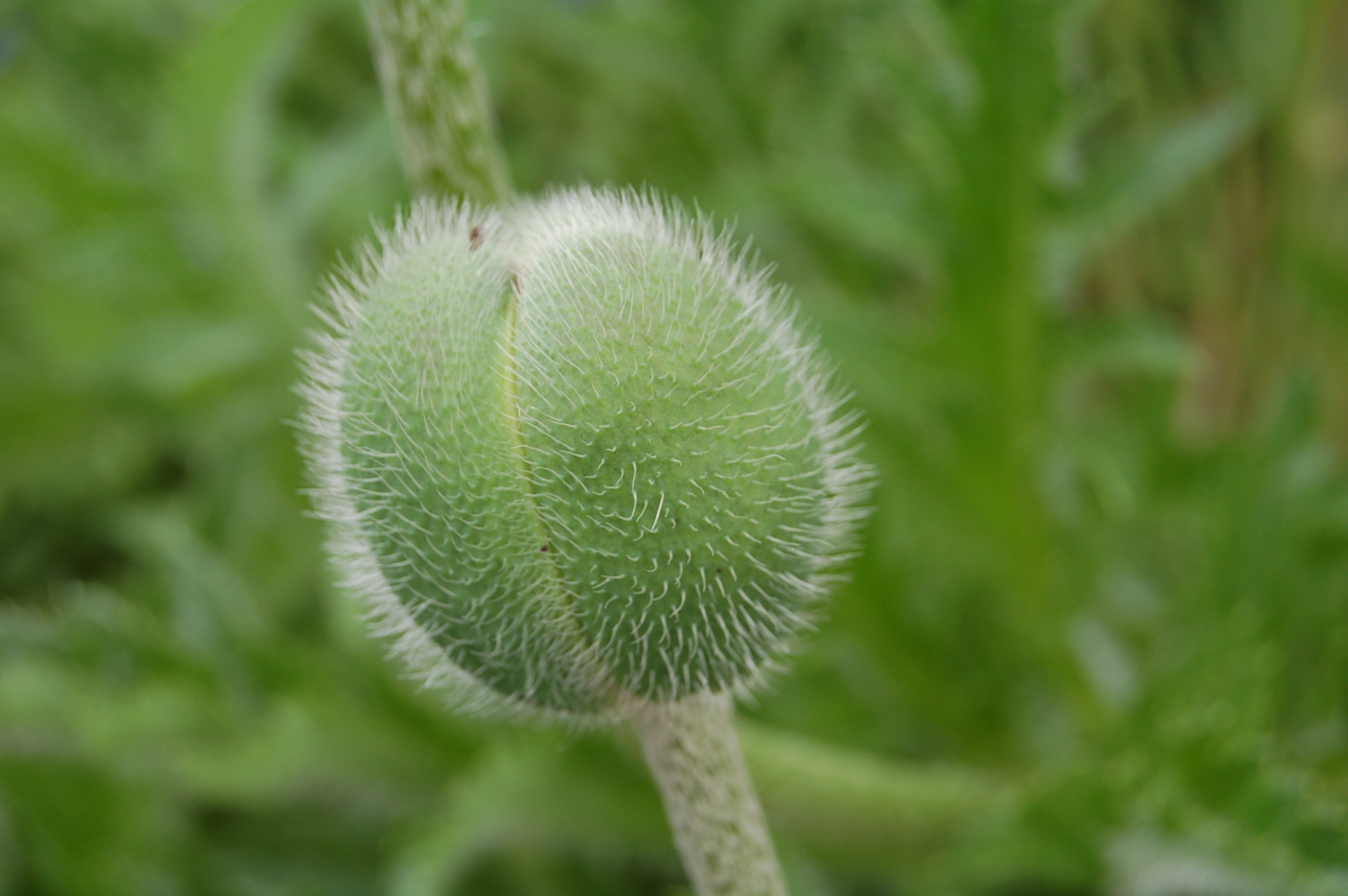
Our strip of wildflowers, a little piece of meadow, is beginning to flower. This Opium Poppy surprised us with its deep pink coloured petals.

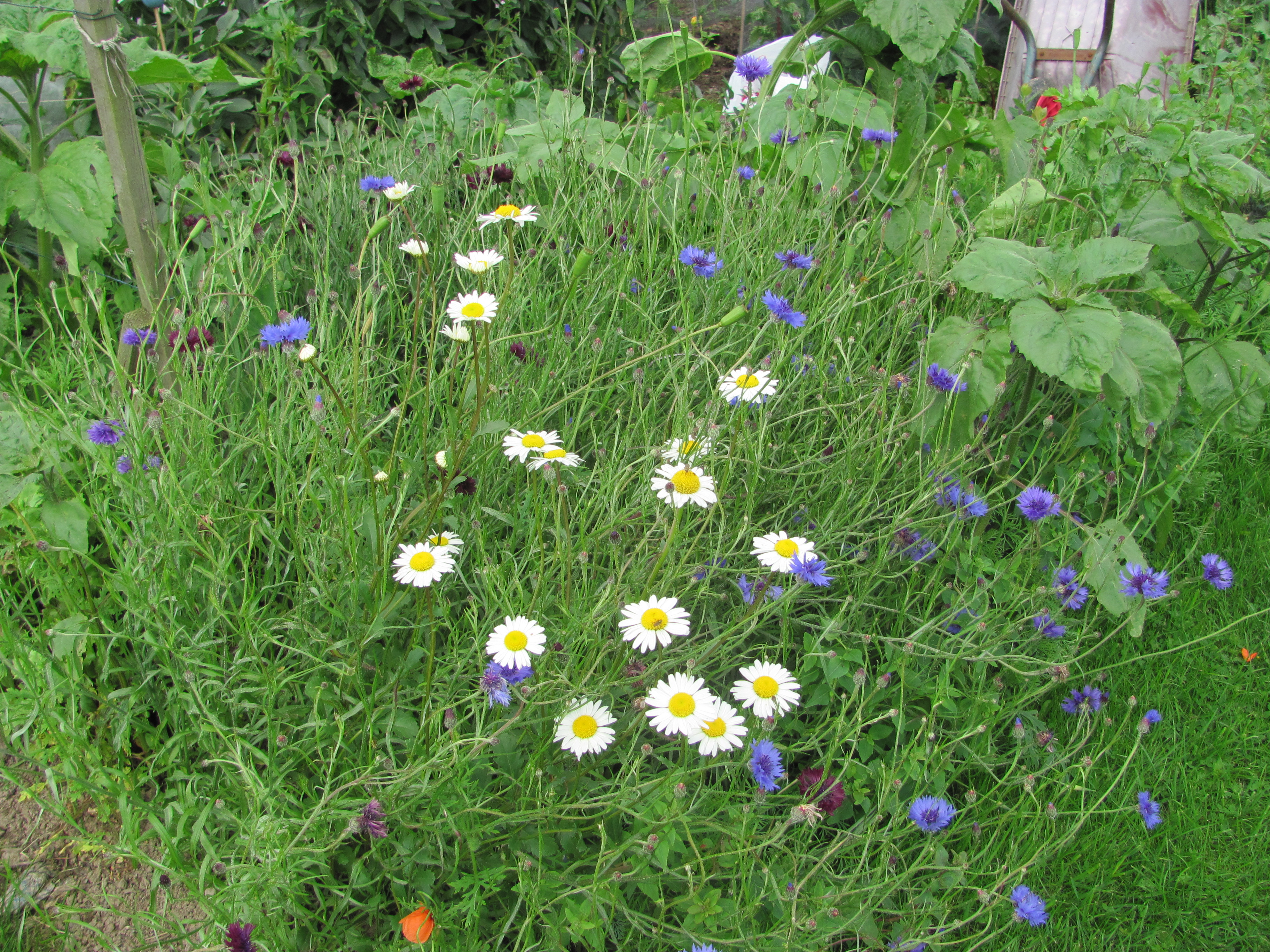
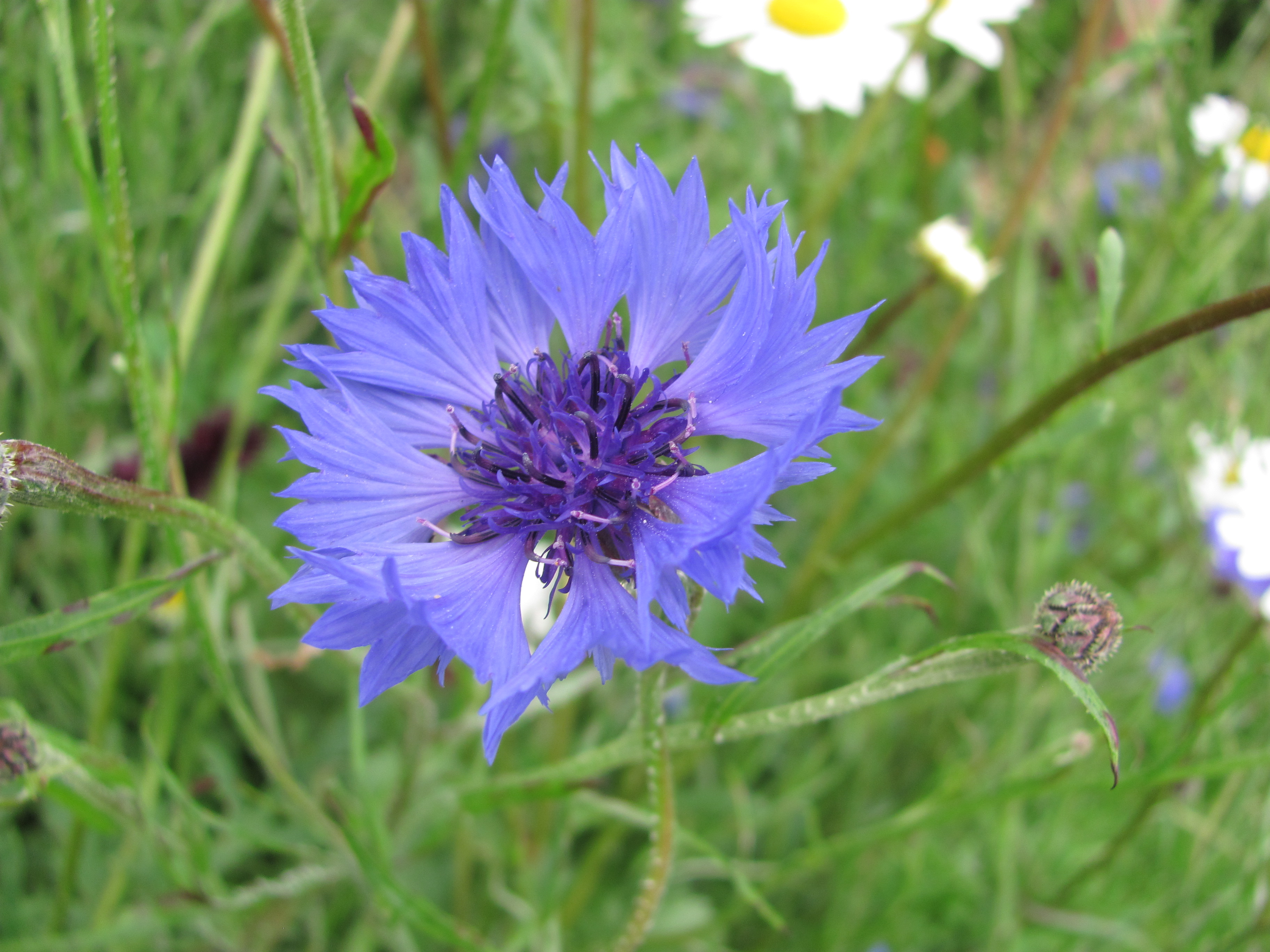
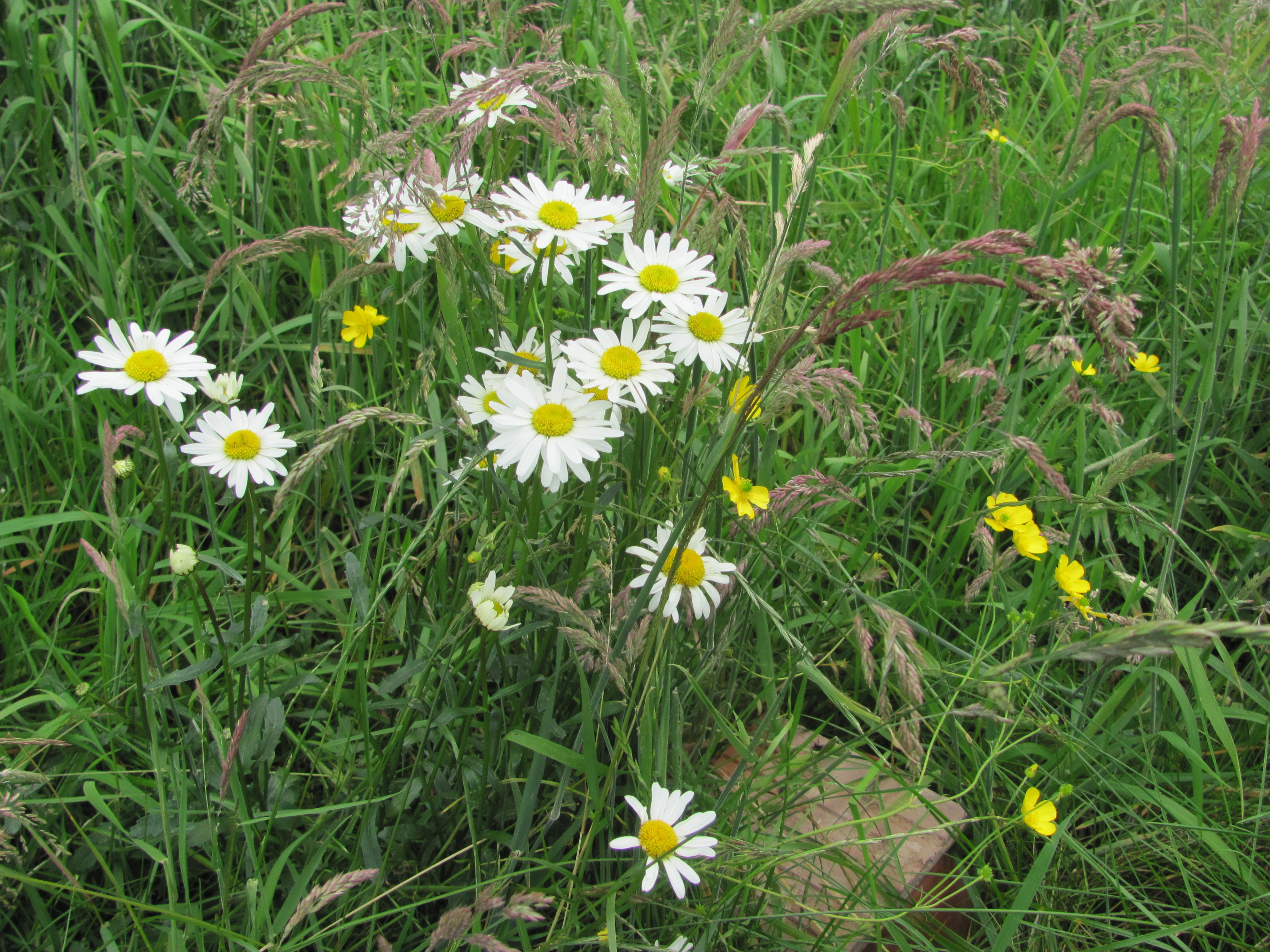
Moon Daisies and Cornflowers.

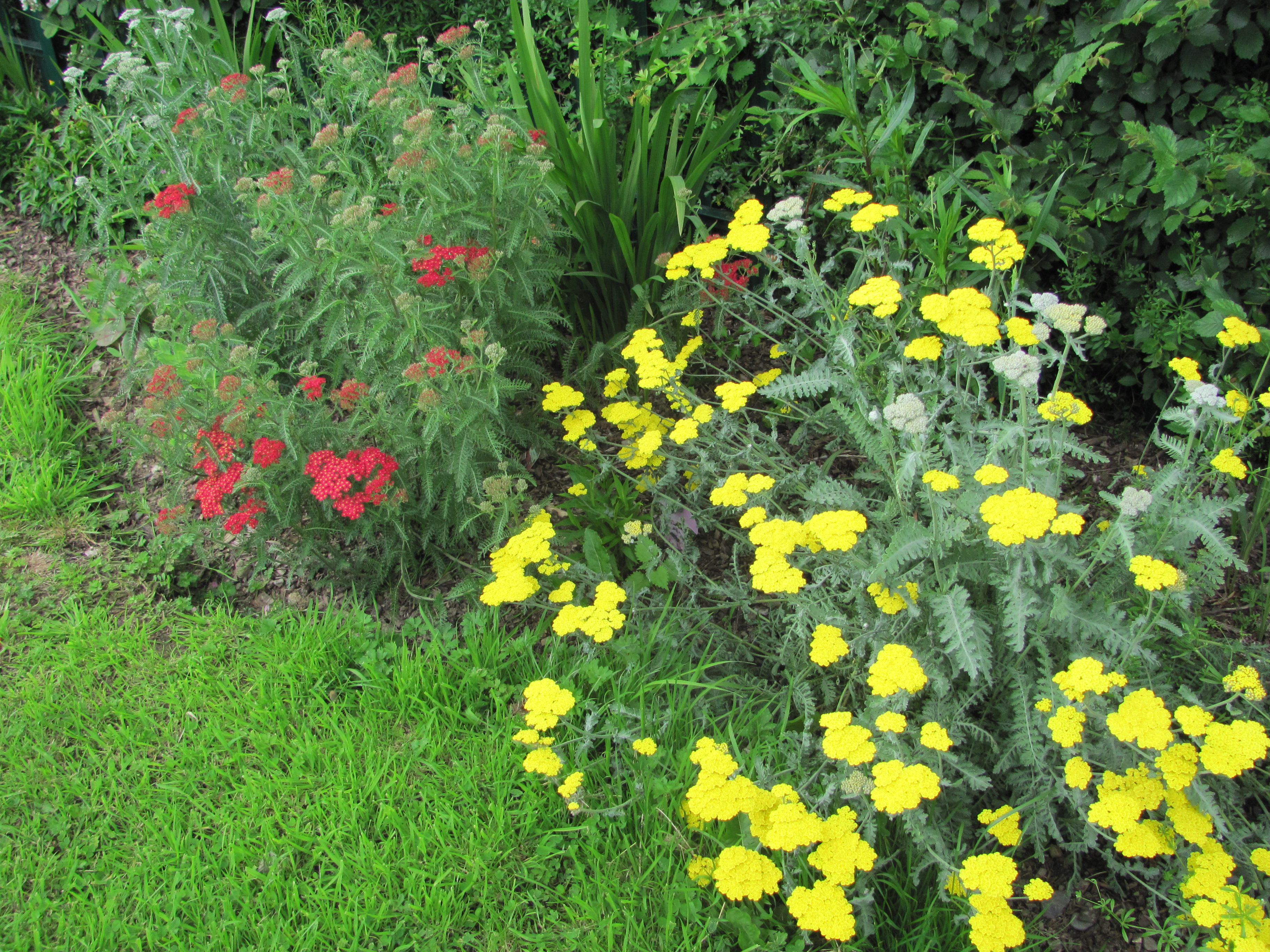
Just as flowers feature strongly on our own plot so they do on other members’ plots and in the Green Space borders. In the Autumn Garden Achilleas are the stars.

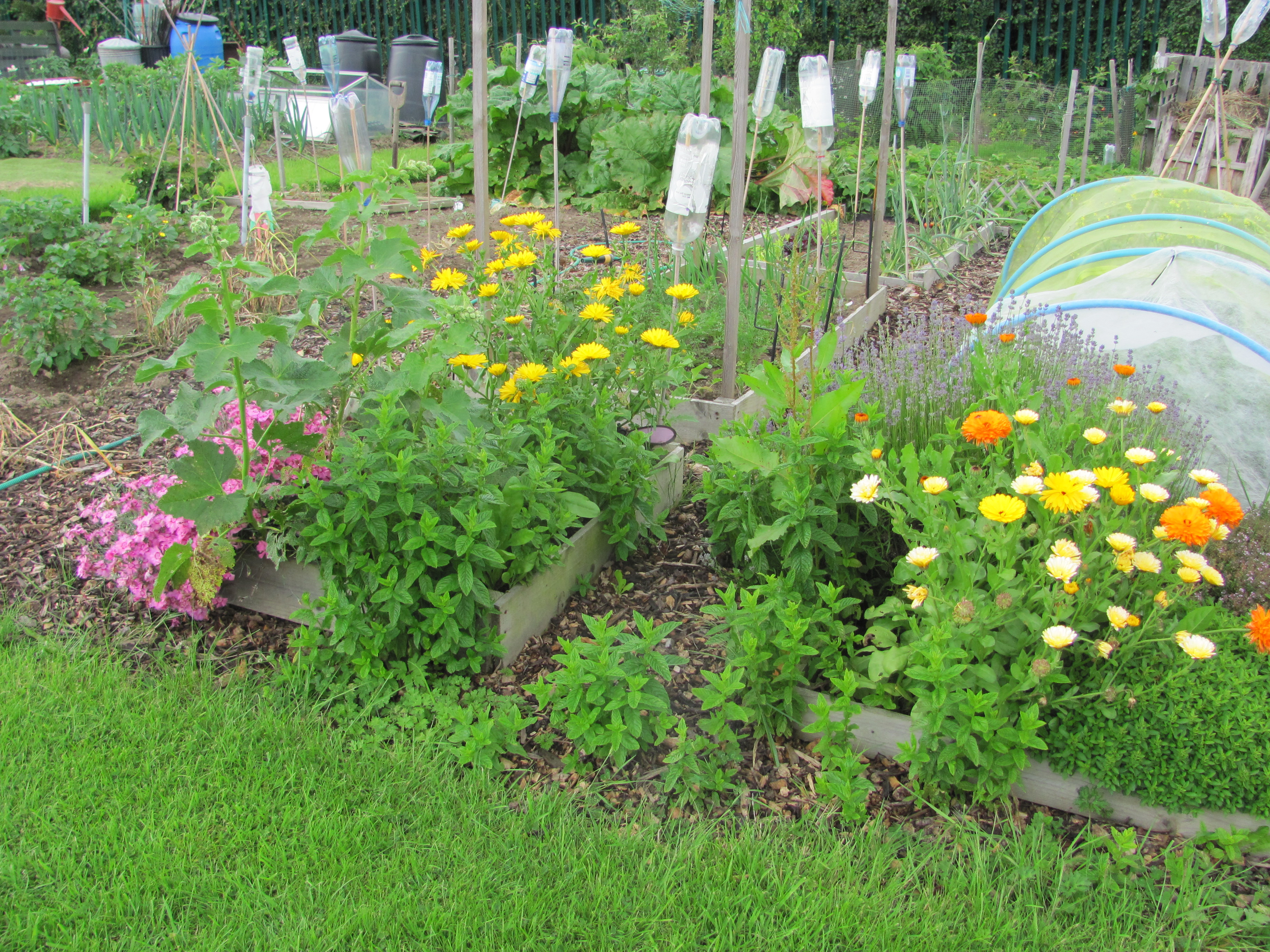
Calendulas feature on many plots as they look so good,  and work hard as part of companion planting helping to attract beneficial insects.

Our first “Buddleja Bed” planted to attract wildlife now looks colourful and full of life. After losing some of our Buddlejas in the dry last year when Shropshire experienced months of drought after two extremely cold winters, the name for these borders currently looks a little inappropriate.

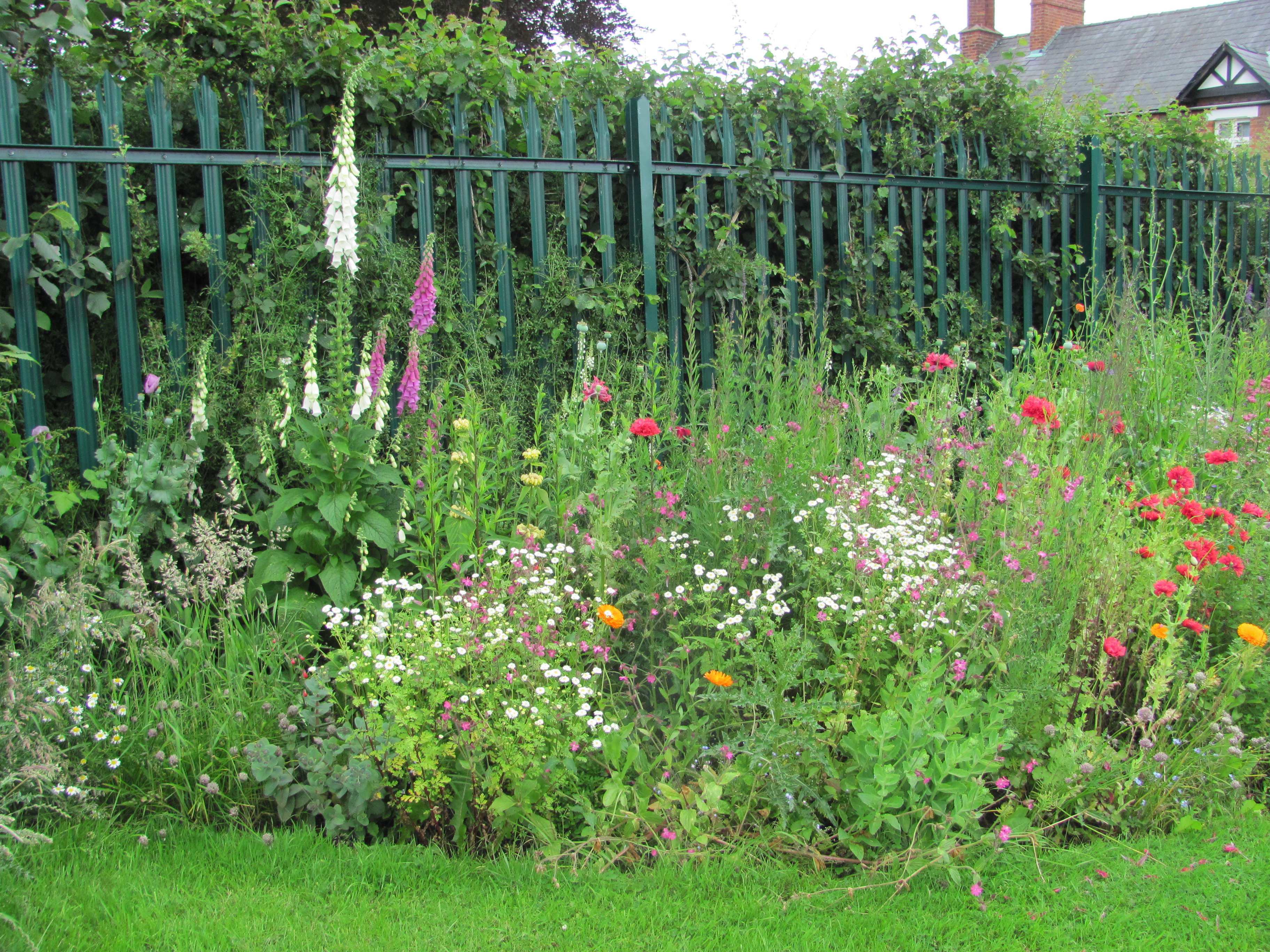
Our wildflower bank sloping up towards one of our orchards is now looking more established as we have added plants that members have donated to add interest.

The Edible Hedge is now fruiting providing sustenance to birds and small mammals. Flowers in the borders at the base bring in bees, butterflies and beneficial insects. Beetles enjoy the long grass and we like them to be there as they feed on slugs.

The most colourful garden on site at the moment is the Spring Garden which still displays much interest as we move into the summer months. This garden is maintained by volunteers, Jill and Geoff who spend many an hour planting, dead heading and weeding.

Geoff and Jill’s plot is renown for its weed free neatness and precision planting.

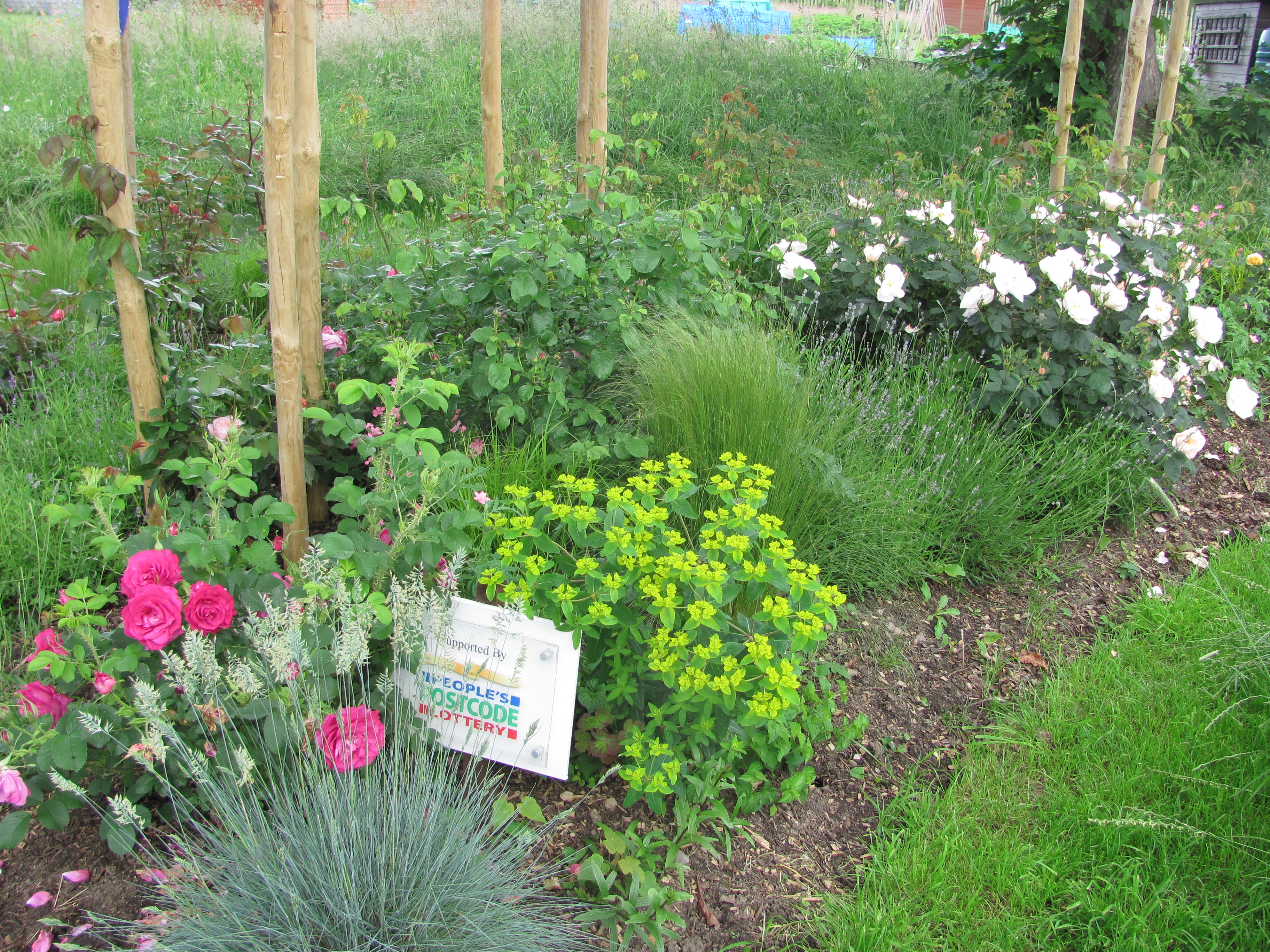
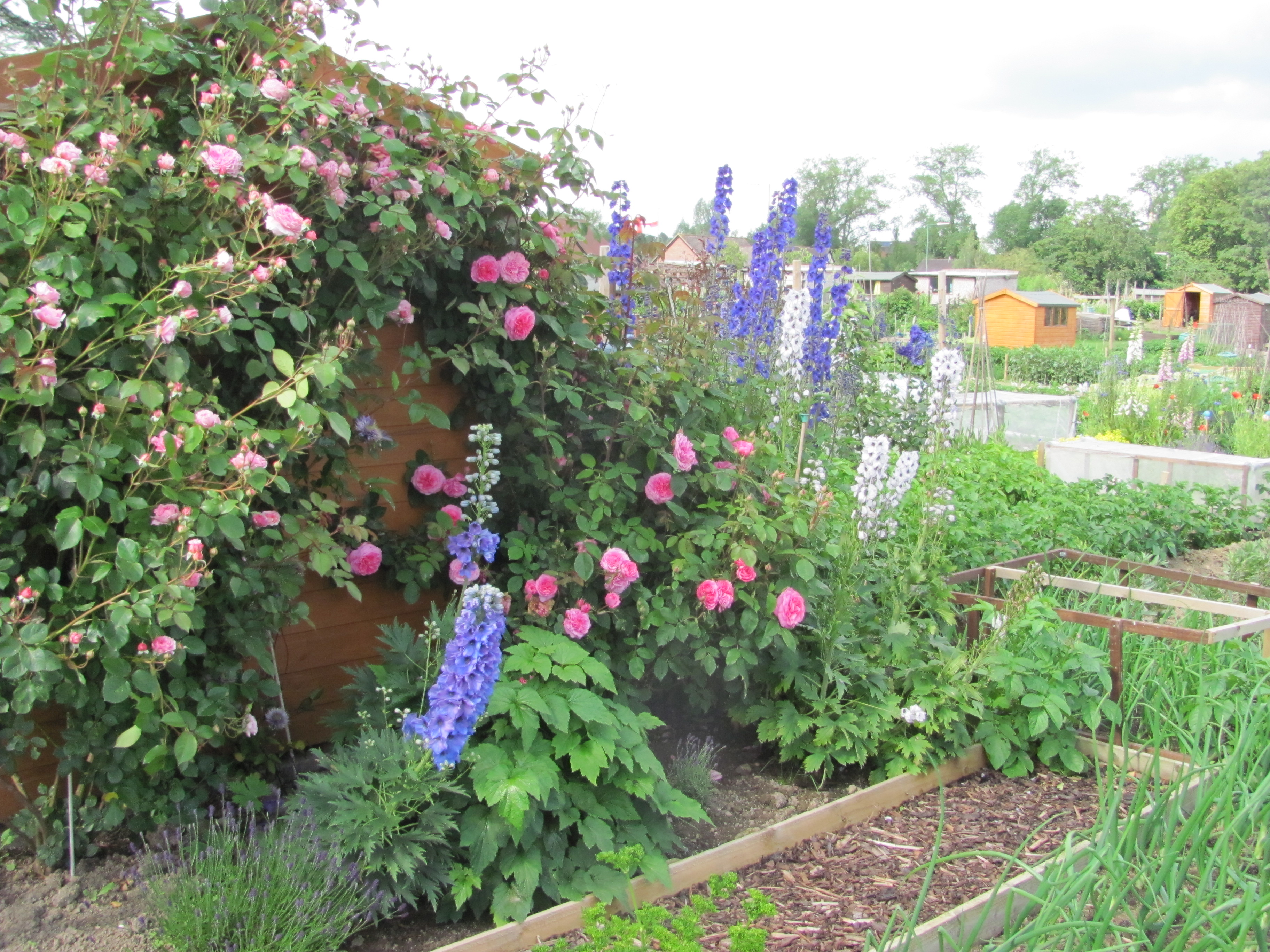
The Summer Garden  is not to be outdone though as the roses are coming into flower and beautiful scents greet us as we sit on the nearby picnic benches. The lavenders, geraniums and grasses planted between the roses add further interest and textures.

As June moves towards July our meadows really come into their own. Plot holders love to walk through them and a wide variety of birds, bees, butterflies, grass hoppers and every sort of mini-beast visit.

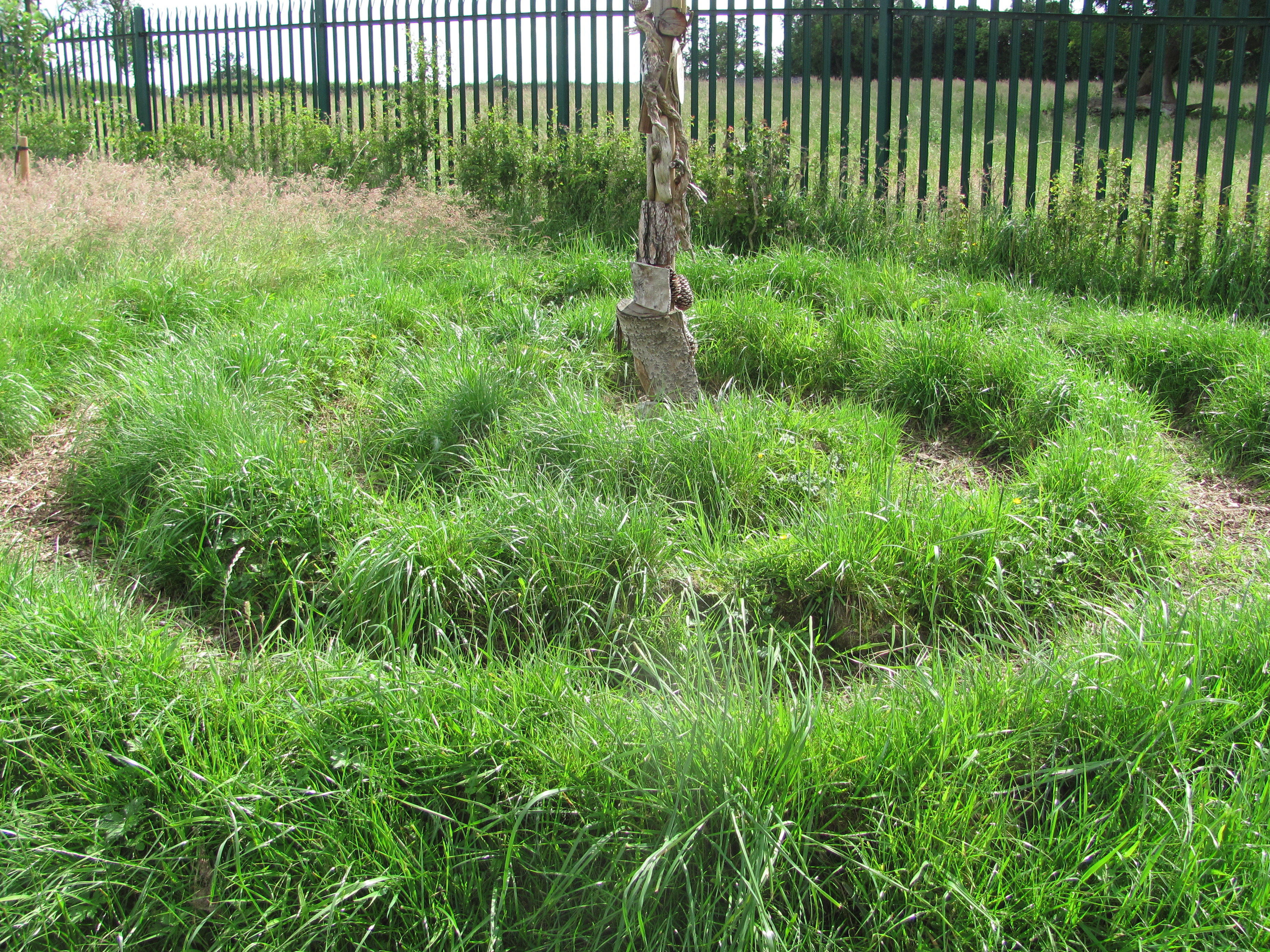
I shall finish with a shot of the plot we have nominated for this year’s Shrewsbury Town Allotment Competition and one of our grass spiral which currently looks most inviting.

Categories
climbing plants fruit and veg garden design garden photography gardening half-hardy perennials hardy perennials meadows ornamental grasses ornamental trees and shrubs photography poppies roses Shropshire shrubs succulents trees

Another Wander around our Garden in June

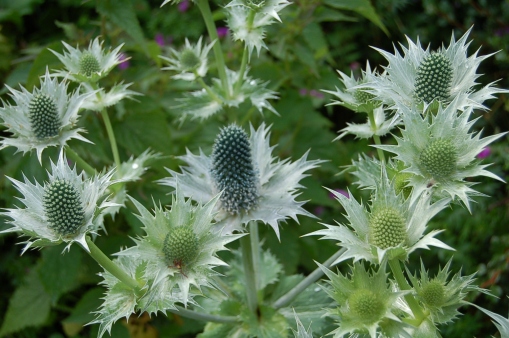
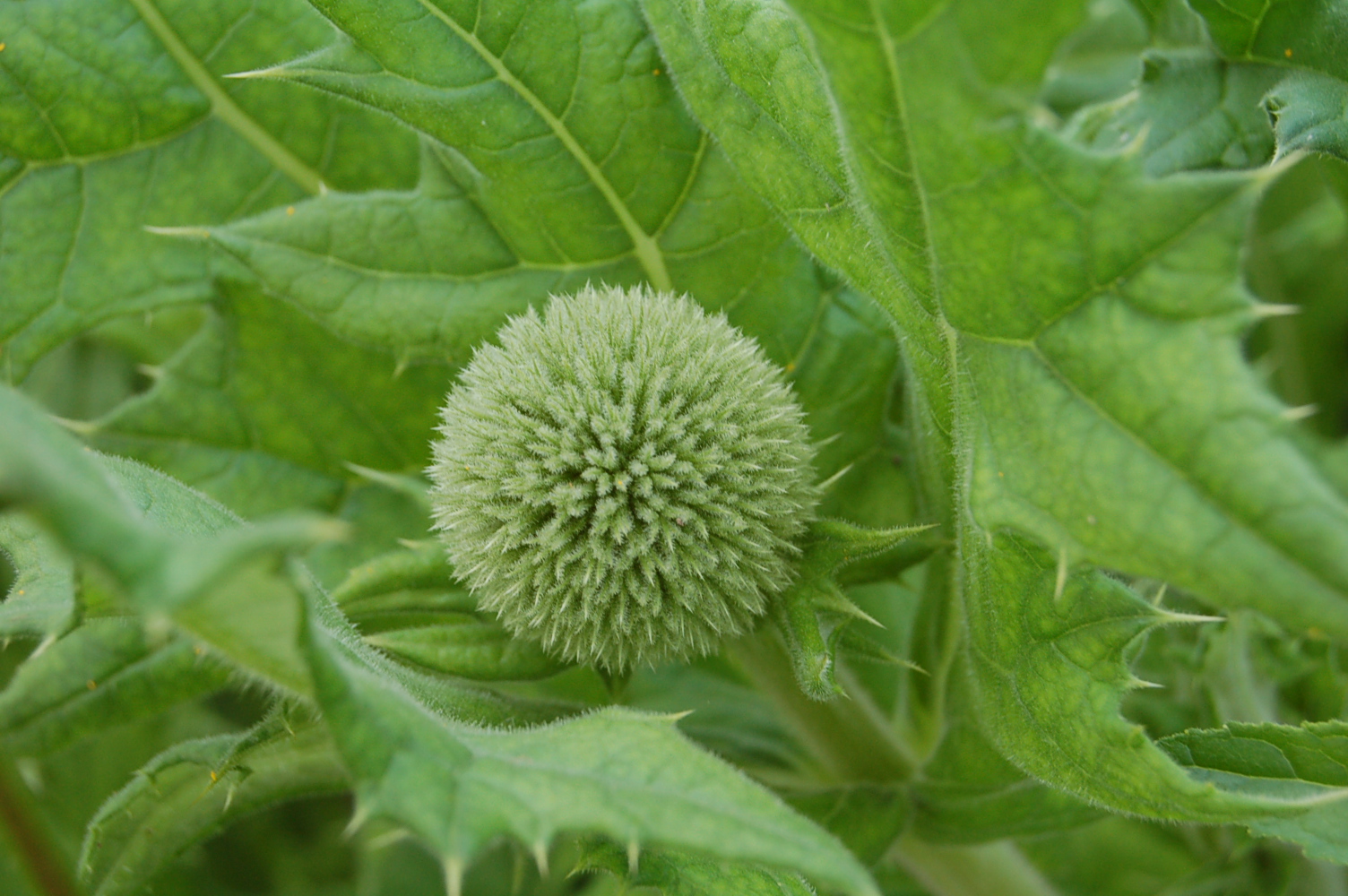
We can start the second part of our wander by looking again at the front garden. Buds give us hints of blooms to come in midsummer, Phlomis, Oriental Poppies, Erygiums and Echinops. Promises of yellows, reds and steely blues.

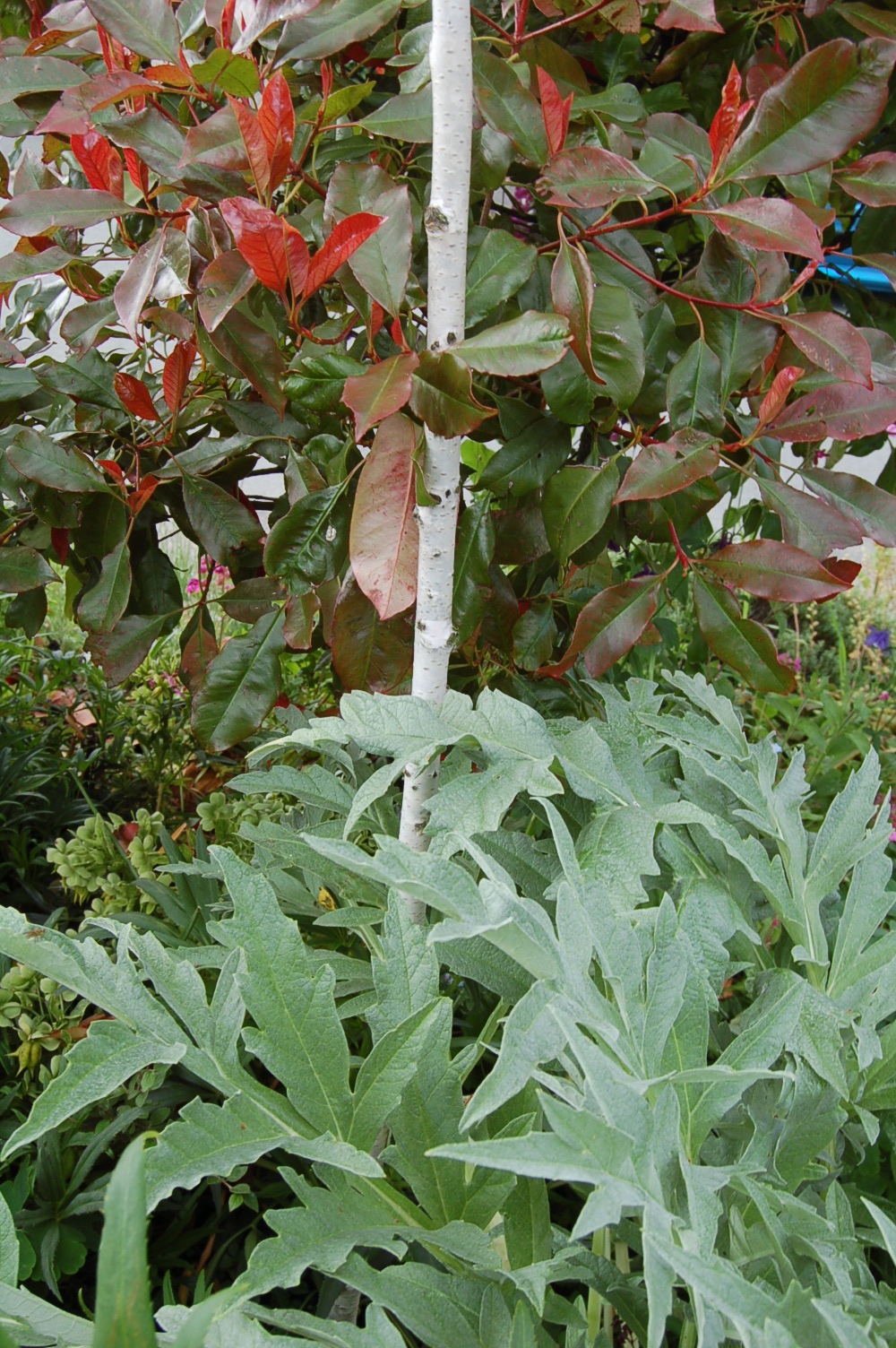
Foliage colour and texture can be as striking as the most colourful of flowers.

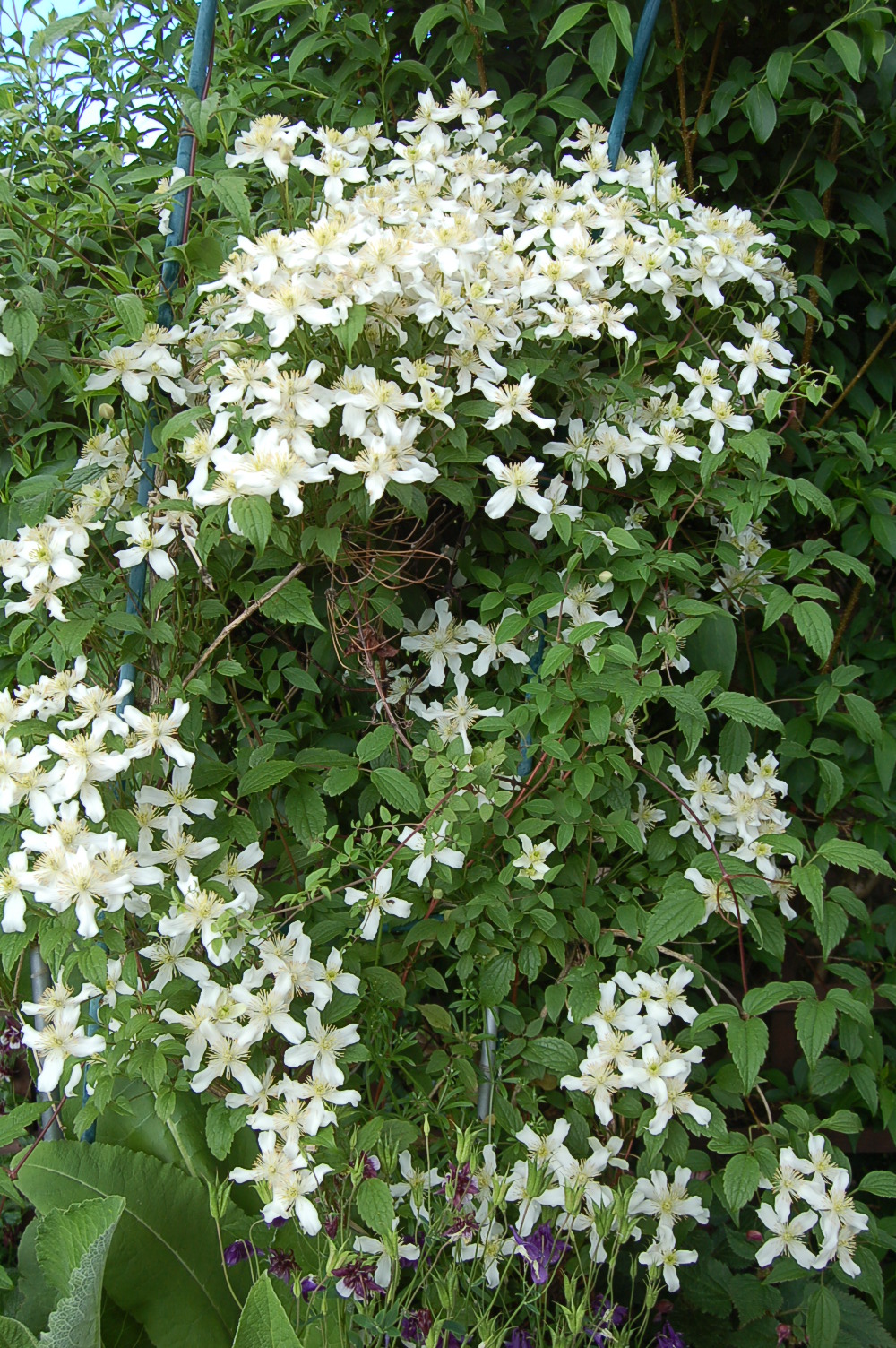
Our collection of Clematis are beginning to flower and others are covered in robust buds.

Flower colours have been so important during the first few weeks of this month simply as an antidote to dull days and dark skies. It matters not whether it is a gaudy cerise beauty or a subtle green or white.

Blue on blue.

Another view of our Freda Border.

Our mini-meadows in their pots are developing well. We think we may be onto a winner.

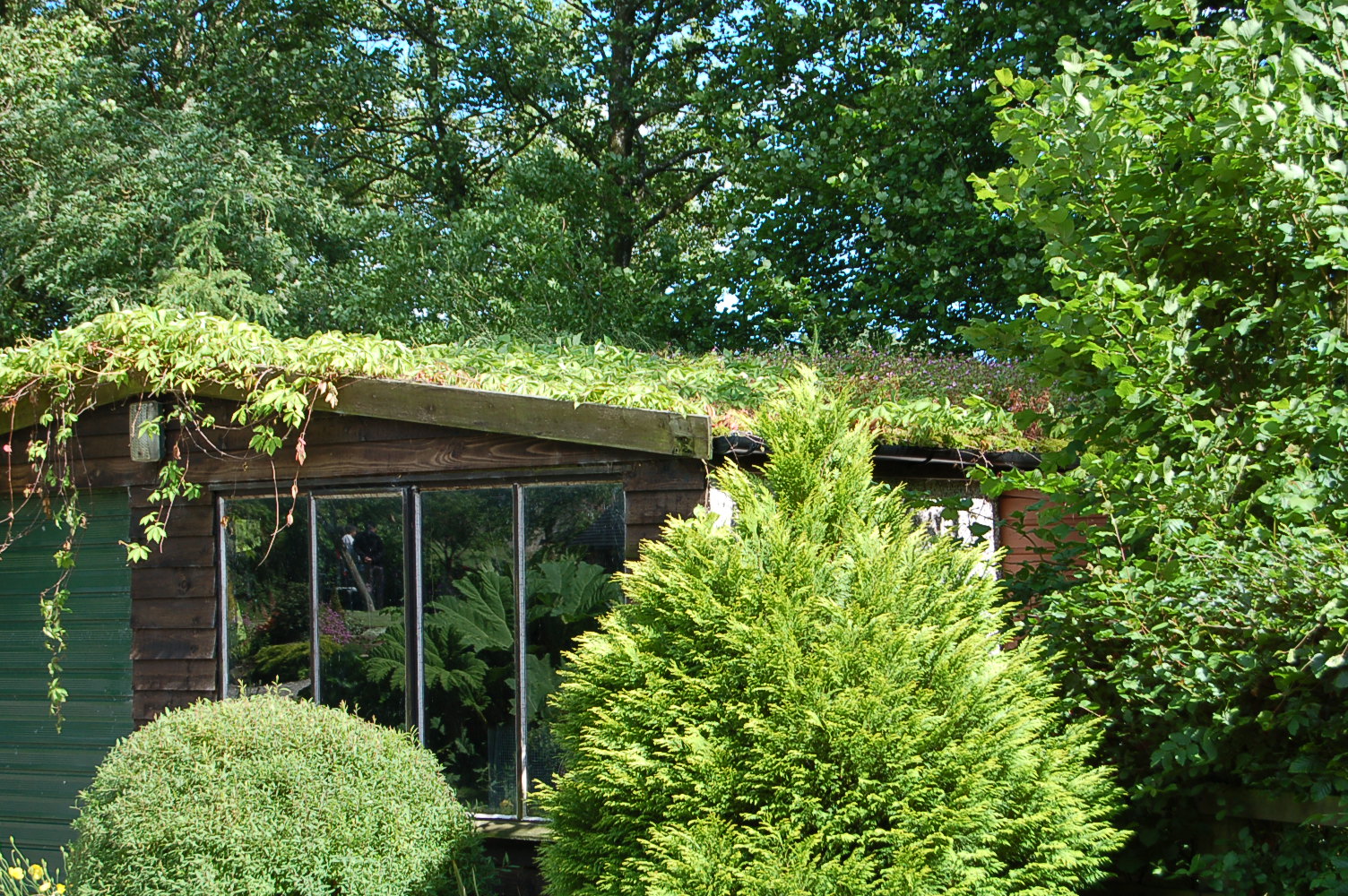
The Shed Bed created on the site of an old shed which we demolished when we moved in, is really pleasing as below the shed we found just rubble, gravel, broken pots and sand. We added wheelbarrows of compost to improve it and now every little flower is a true gem.

A vine grows over one end of the greenhouse acting as a natural shading agent as well as feeding the gardeners. The startlingly red flowering currant has hitched a lift along it so the vine drips with red droplets.

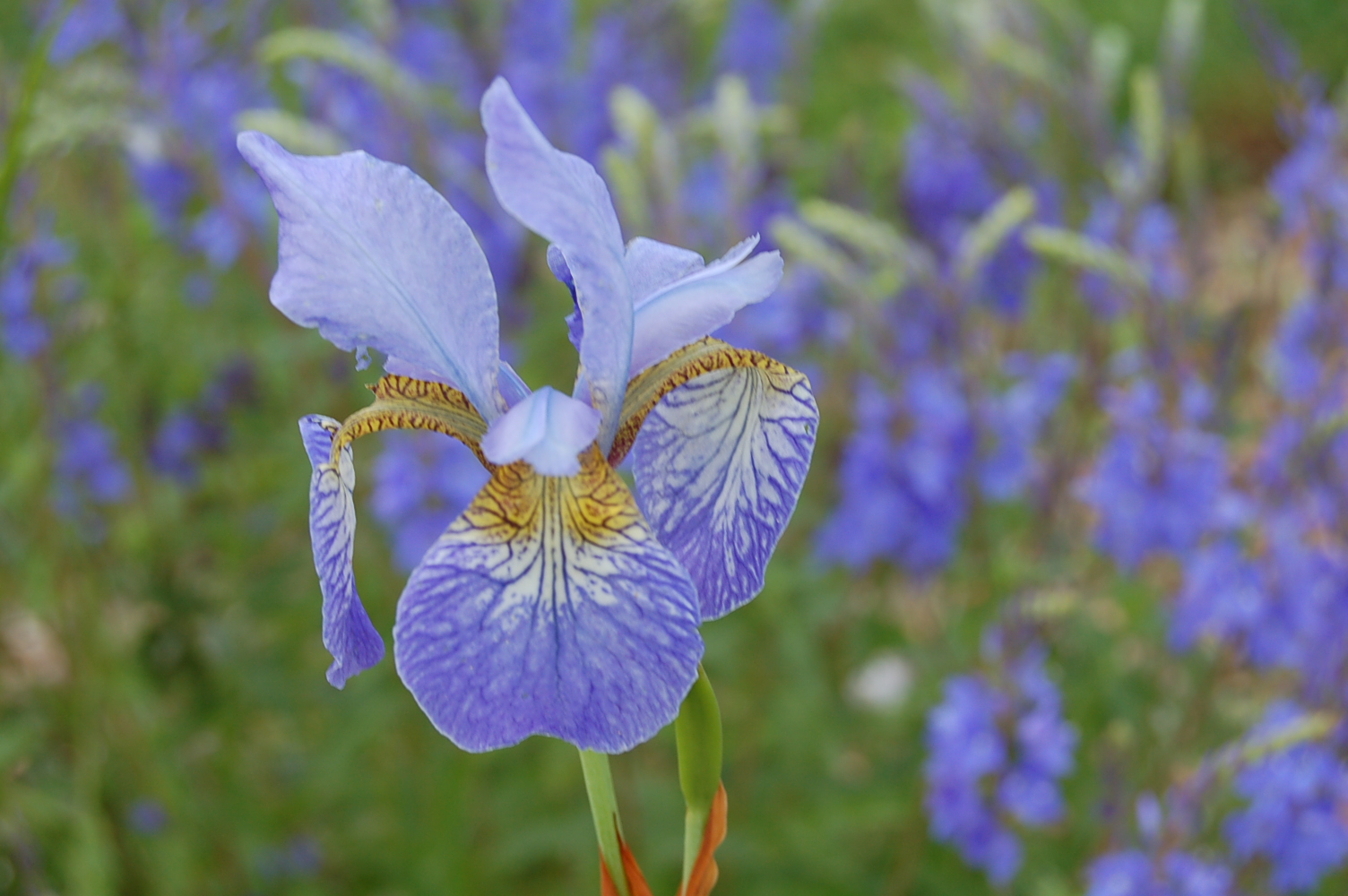
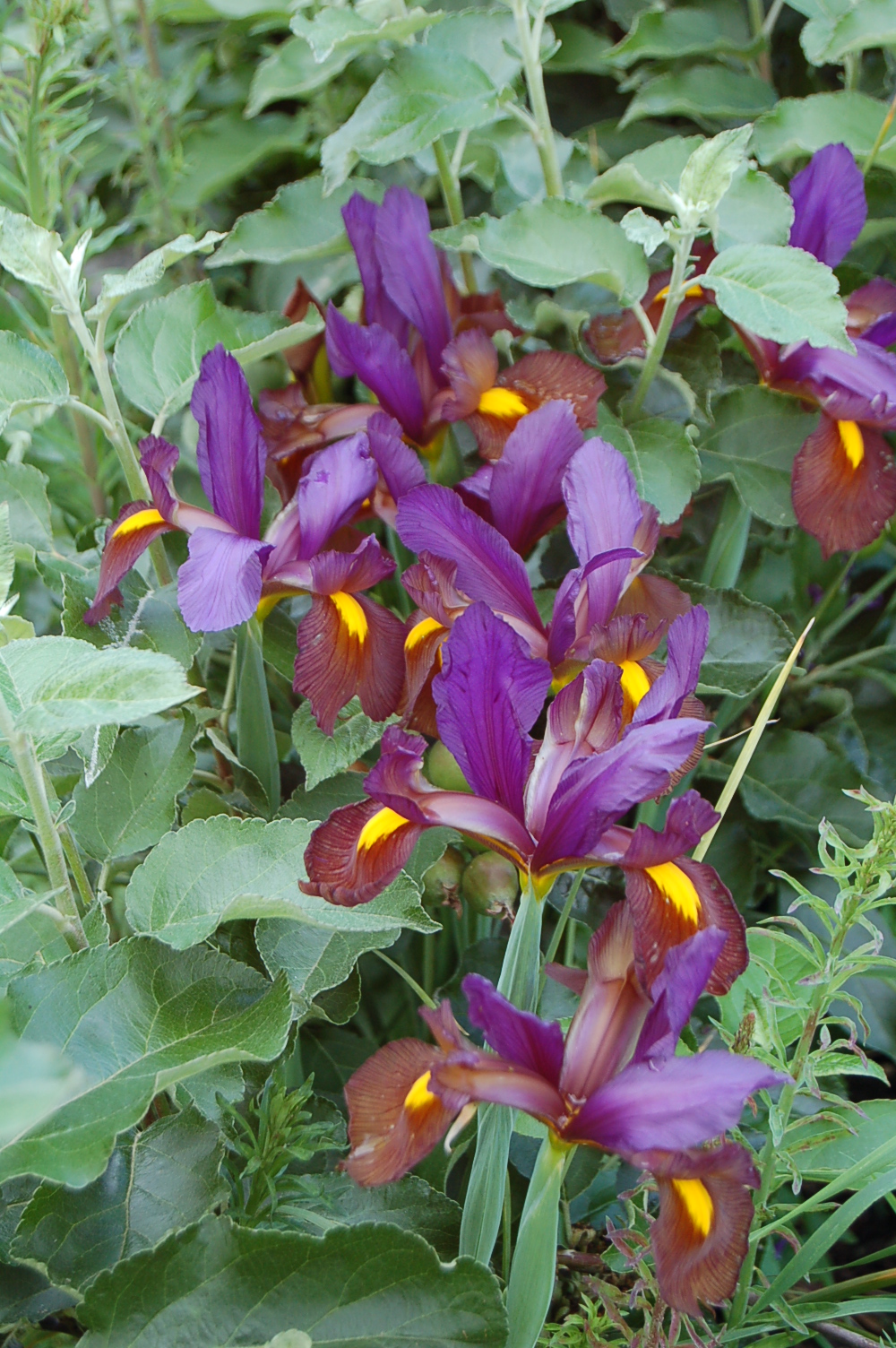
We enjoy these irises as cut flowers but bees take advantage of them before we pick them. This clump is growing through our stepover apples. Double harvesting – cut flowers followed by apples.

The planting around the pool has closed in and made it an intimate area. Nearby the Prairie Garden is bursting with fresh blooms.

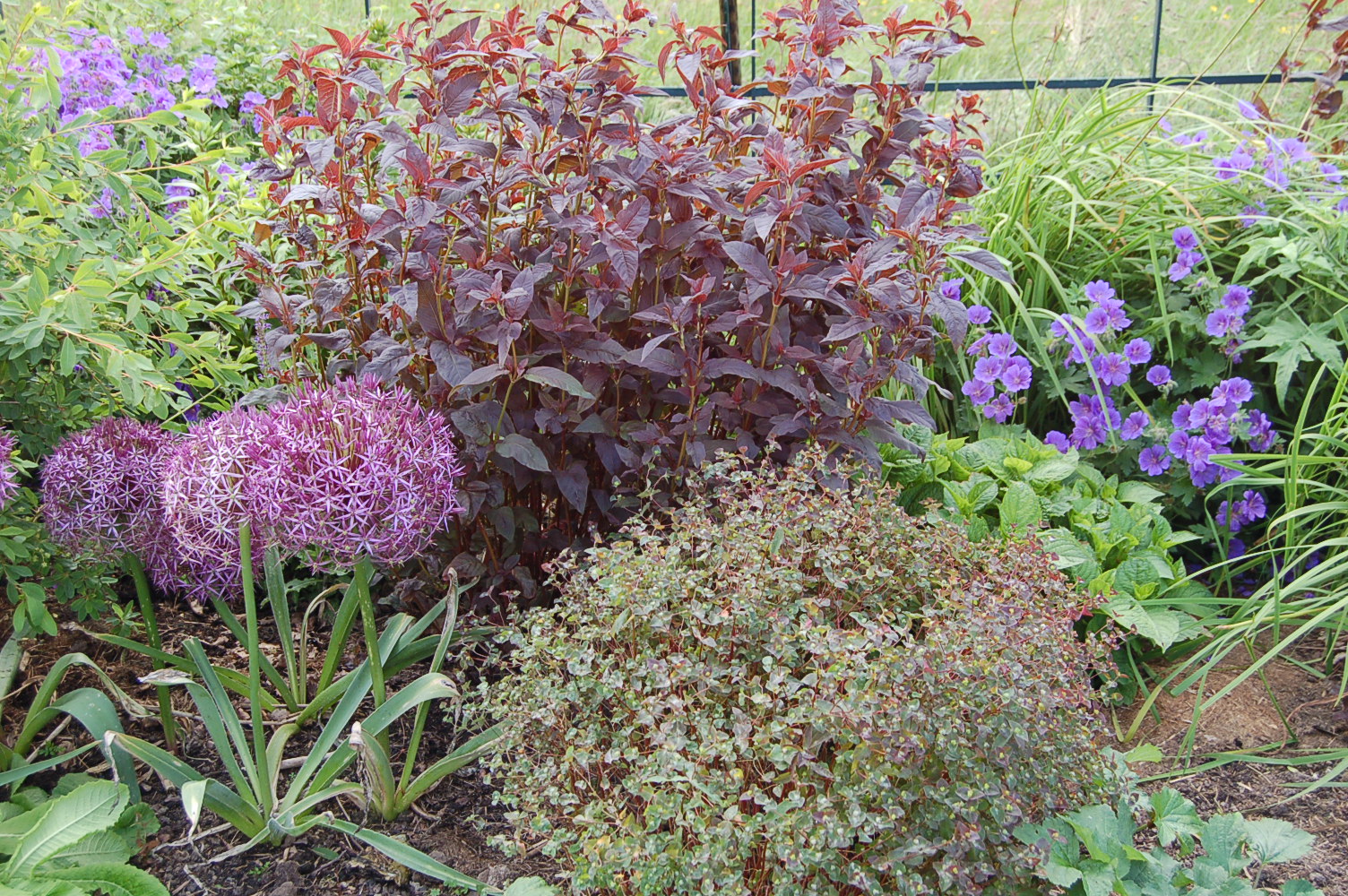
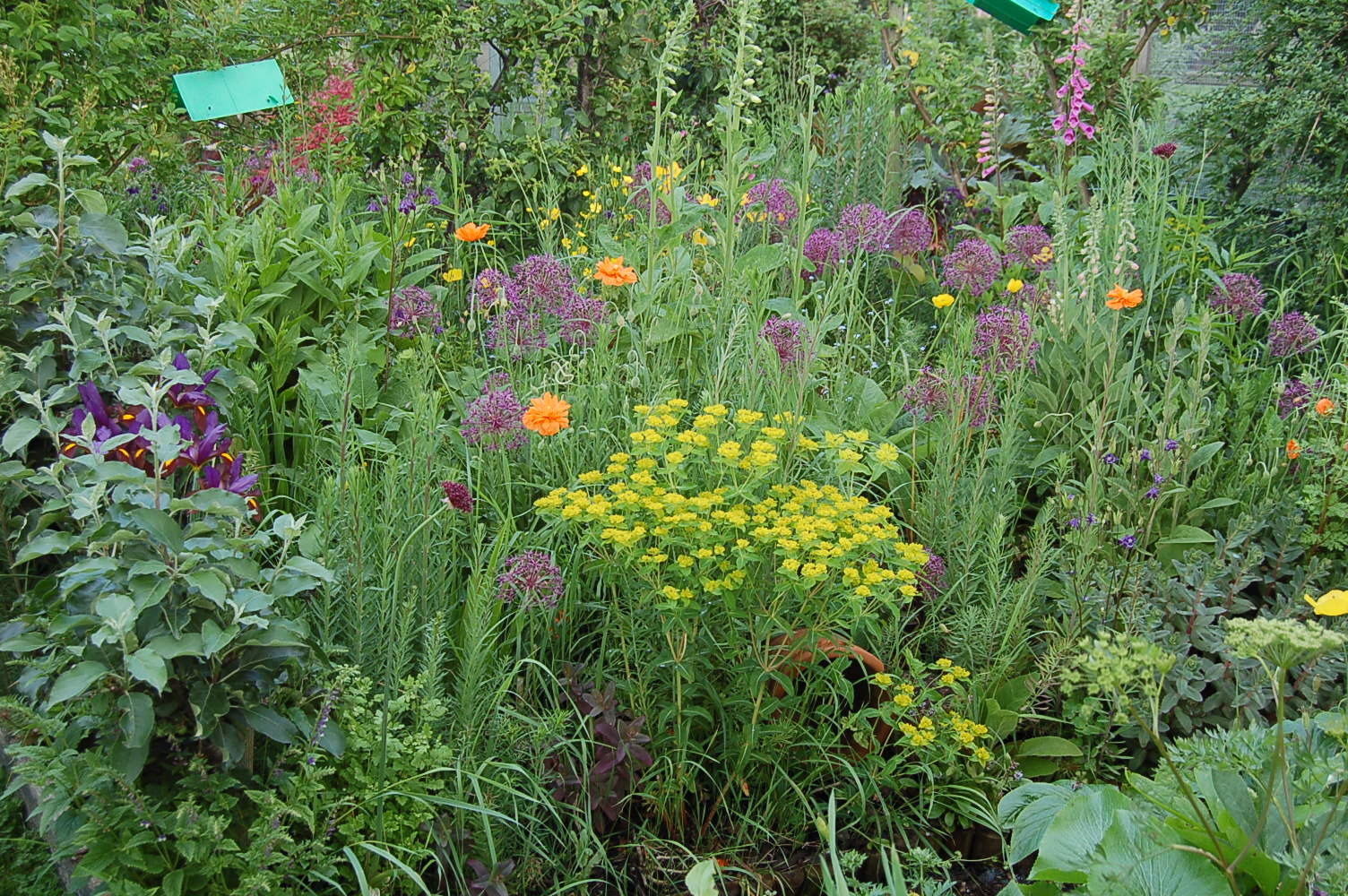
In the Secret Garden Aquilegias and Alliums look good alongside the purple foliage of Pentstemon Huskers Red.

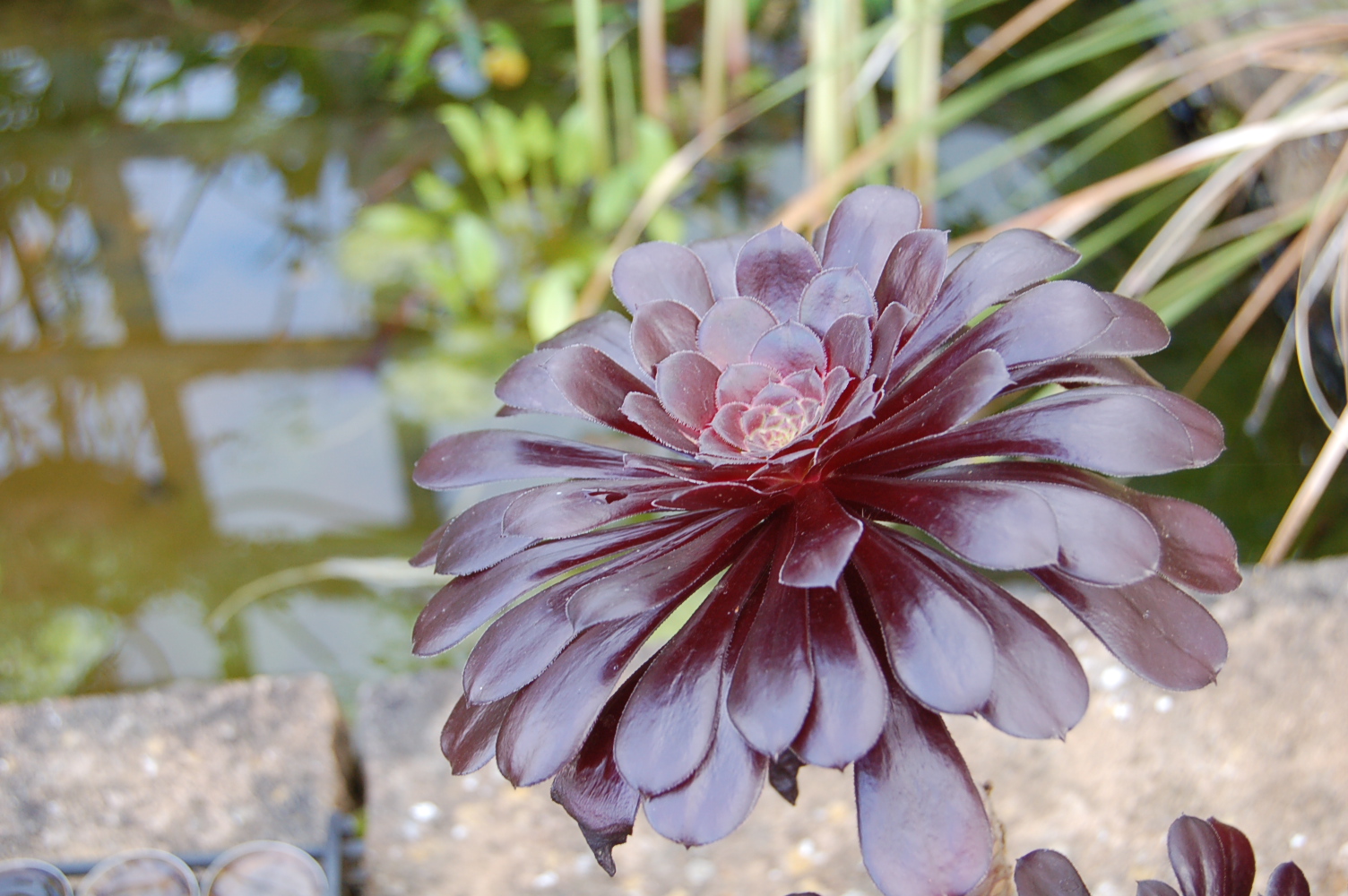
These aeonium enjoy the hottest part of the garden, the Rill Garden.

To one side of the rill we grow a snake bark maple, with silver and green striped bark, cream and red seed capsules and in autumn it has amazing rich red foliage. A wonderful specimen tree to finish this garden wander underneath.

Categories
garden design garden photography grow your own hardy perennials ornamental grasses ornamental trees and shrubs outdoor sculpture poppies Shropshire shrubs trees

A Wander around our Garden in June

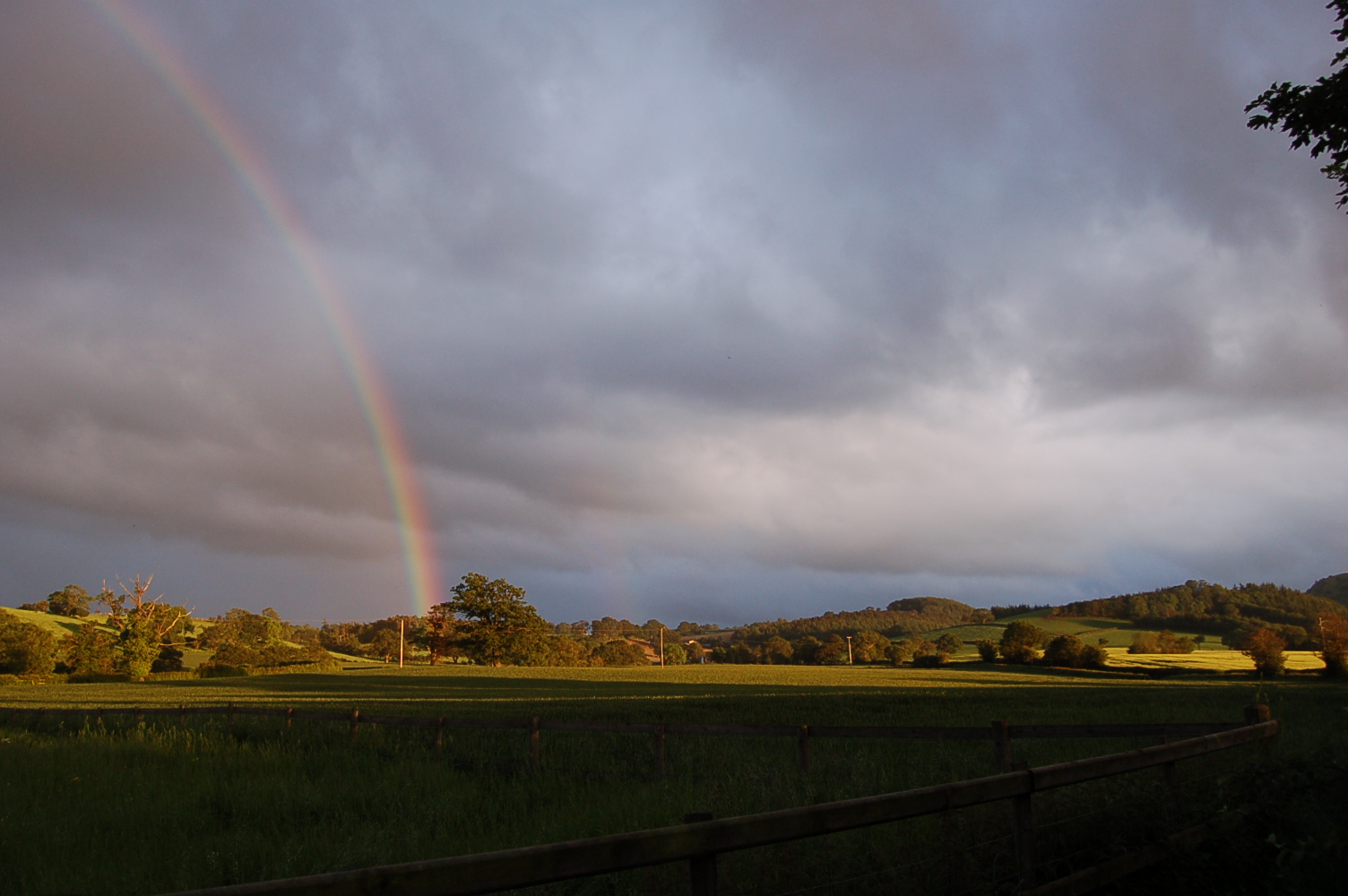
Half way through the year already where these monthly garden wanders are concerned. It should be warm and sunny as befits the Summer season but it has mostly been raining. We get occasional dry, pleasant days but they have been few and far between. Just look at this interesting early evening light colouring the landscape beyond our garden gate. One field is in the spotlight, I wonder why it was chosen?

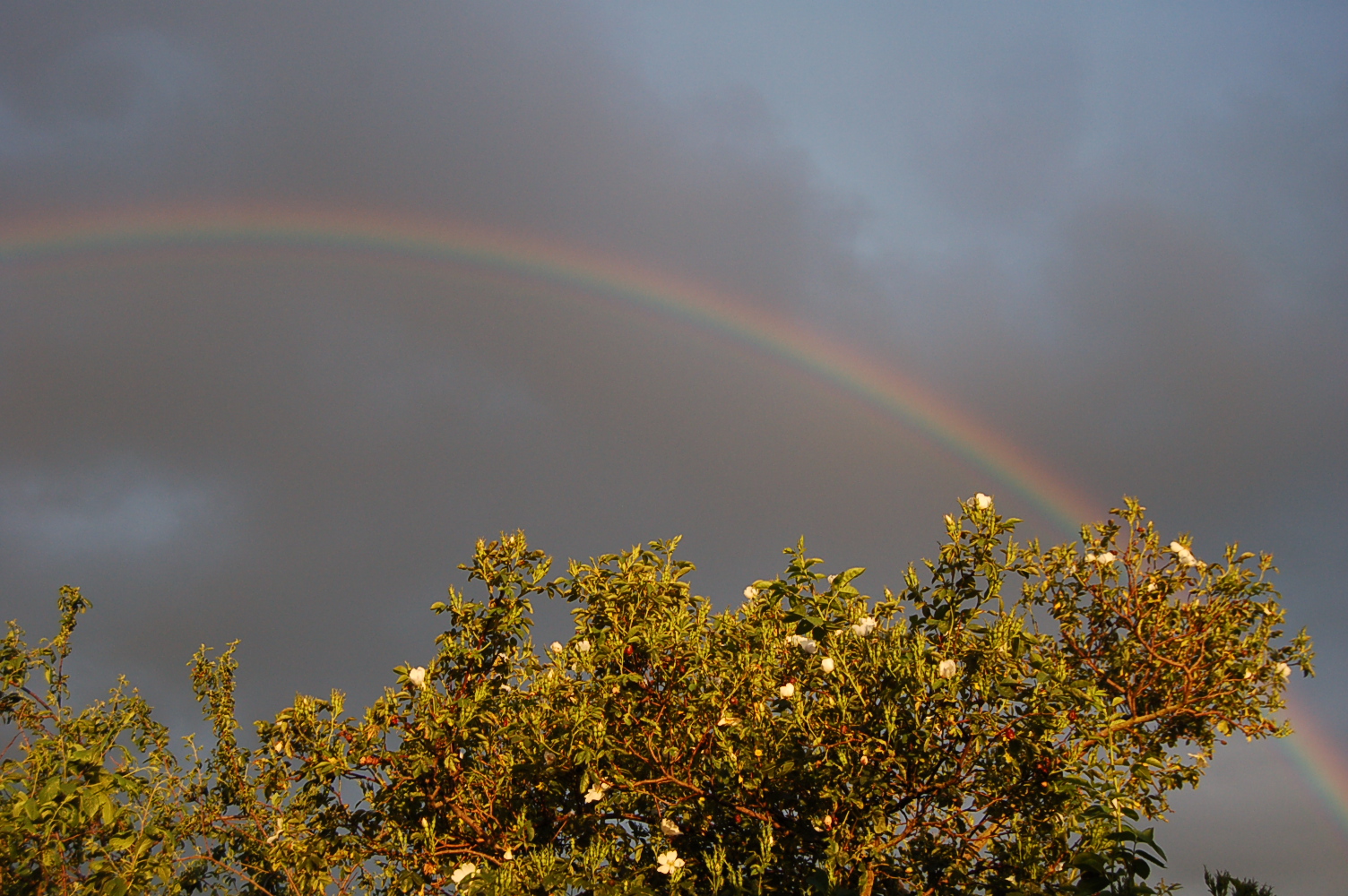
In the garden I shot this photo looking up at the sky above our big, white-flowered rambling rose.

But, one afternoon as the rain went quiet for a while out I went camera in hand to follow my garden wander. The borders are burgeoning, blooms are getting bigger and brighter by the day and we enjoy every moment in our June garden.

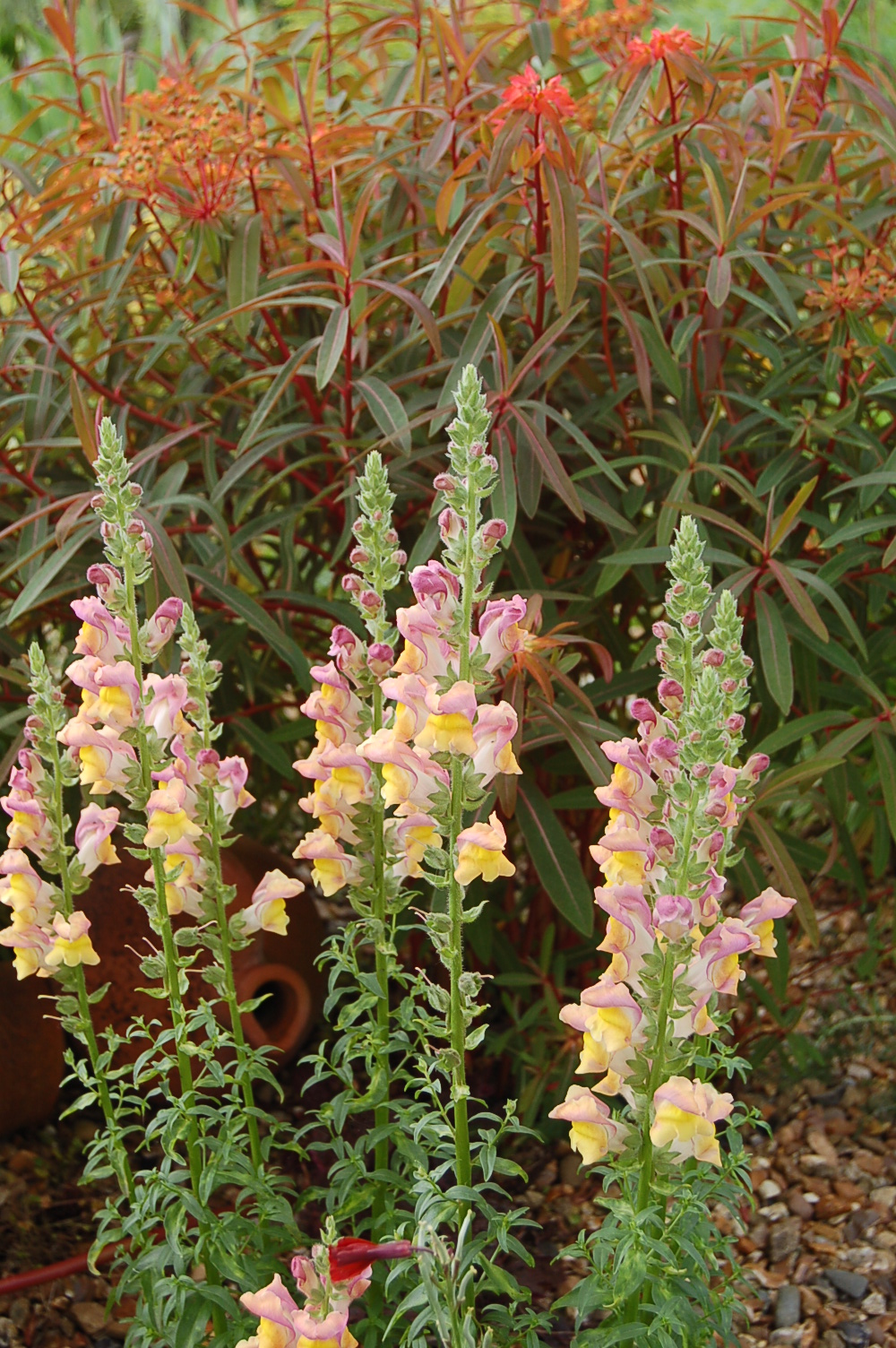
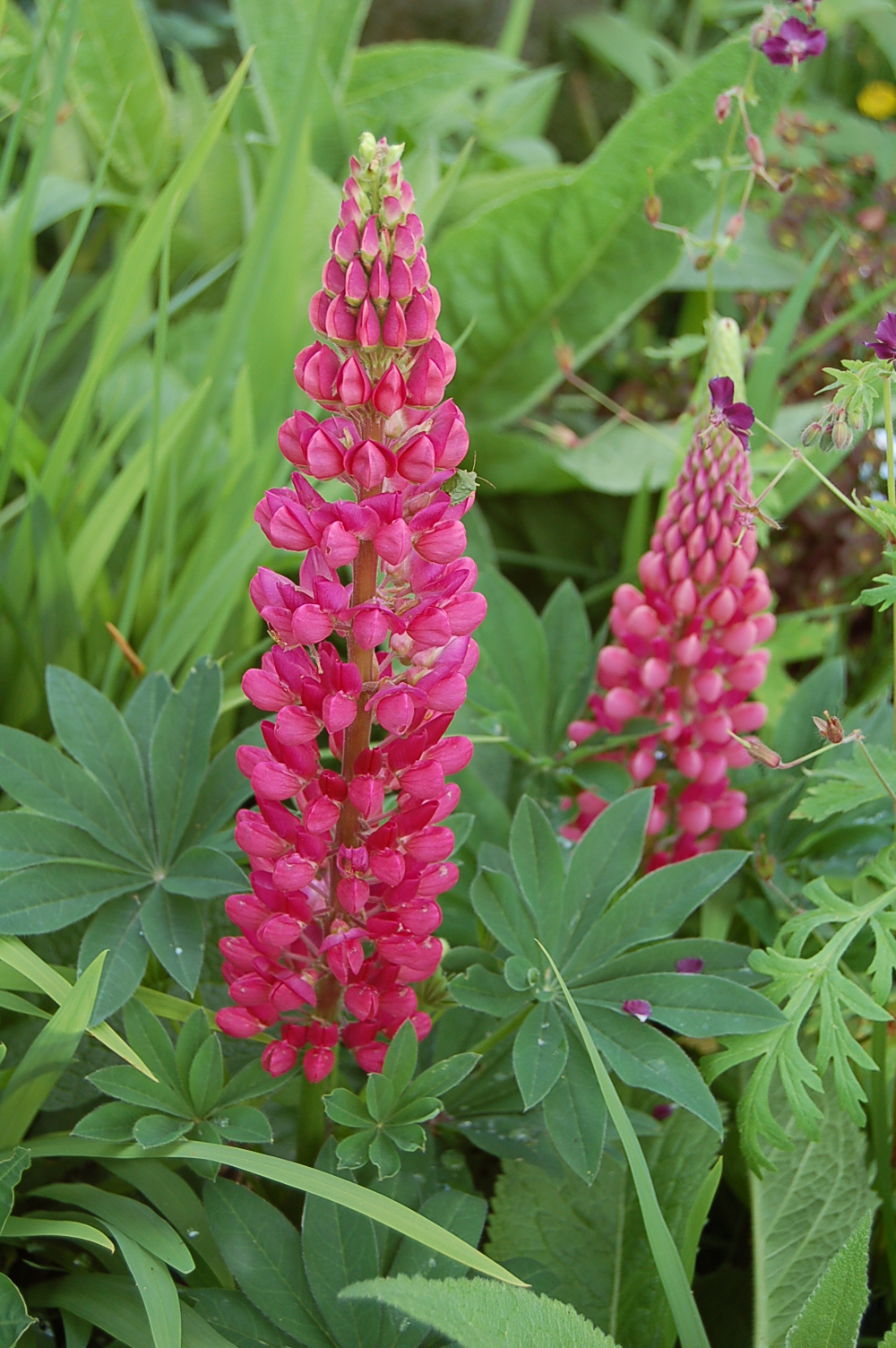
Spires reach for the sky in every border, Foxgloves, Antirhinums and Lupins.

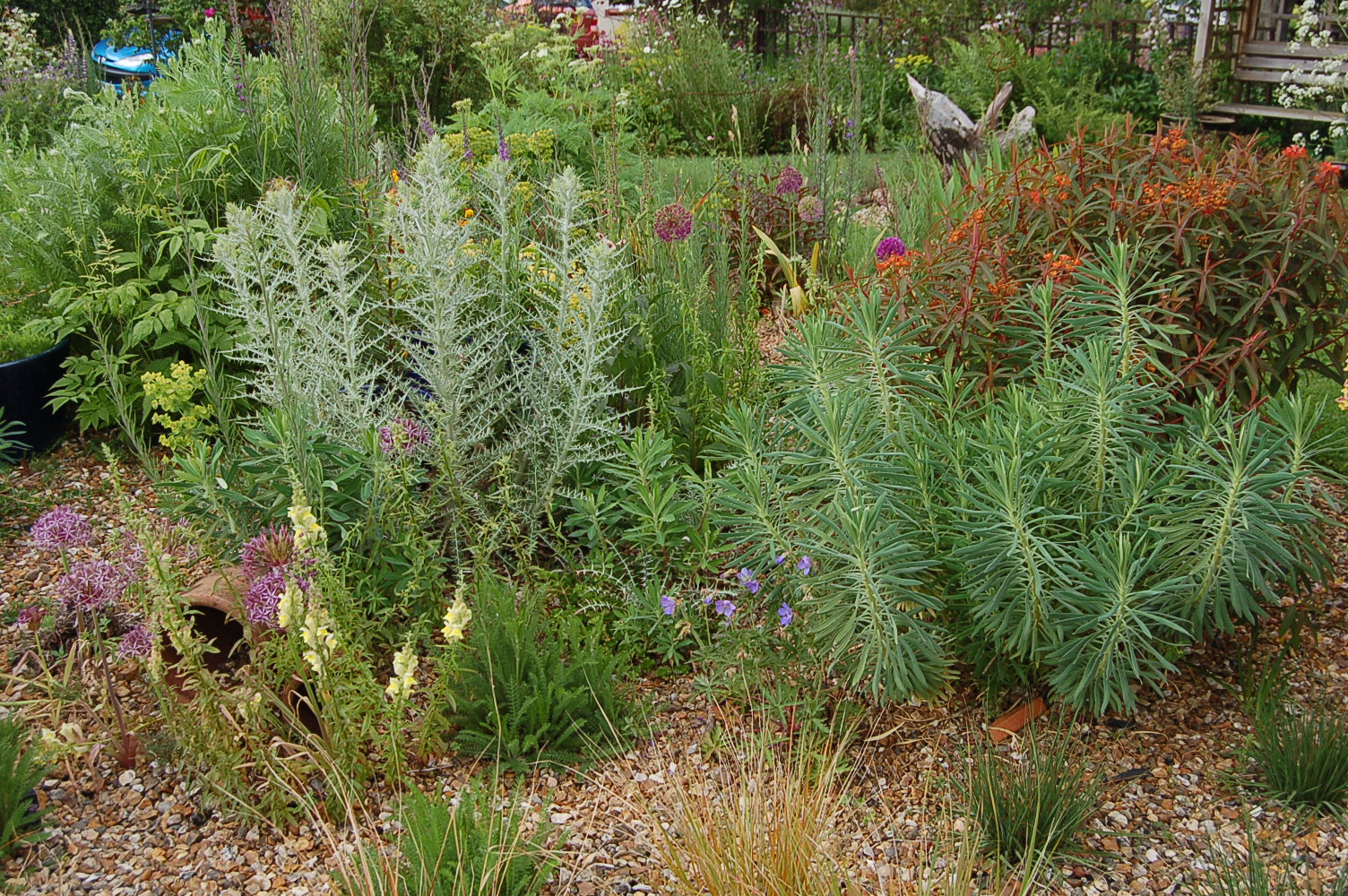
Let us visit the front garden and see how the borders have developed since our May post. There is far less gravel visible now as foliage increases sideways and upwards.

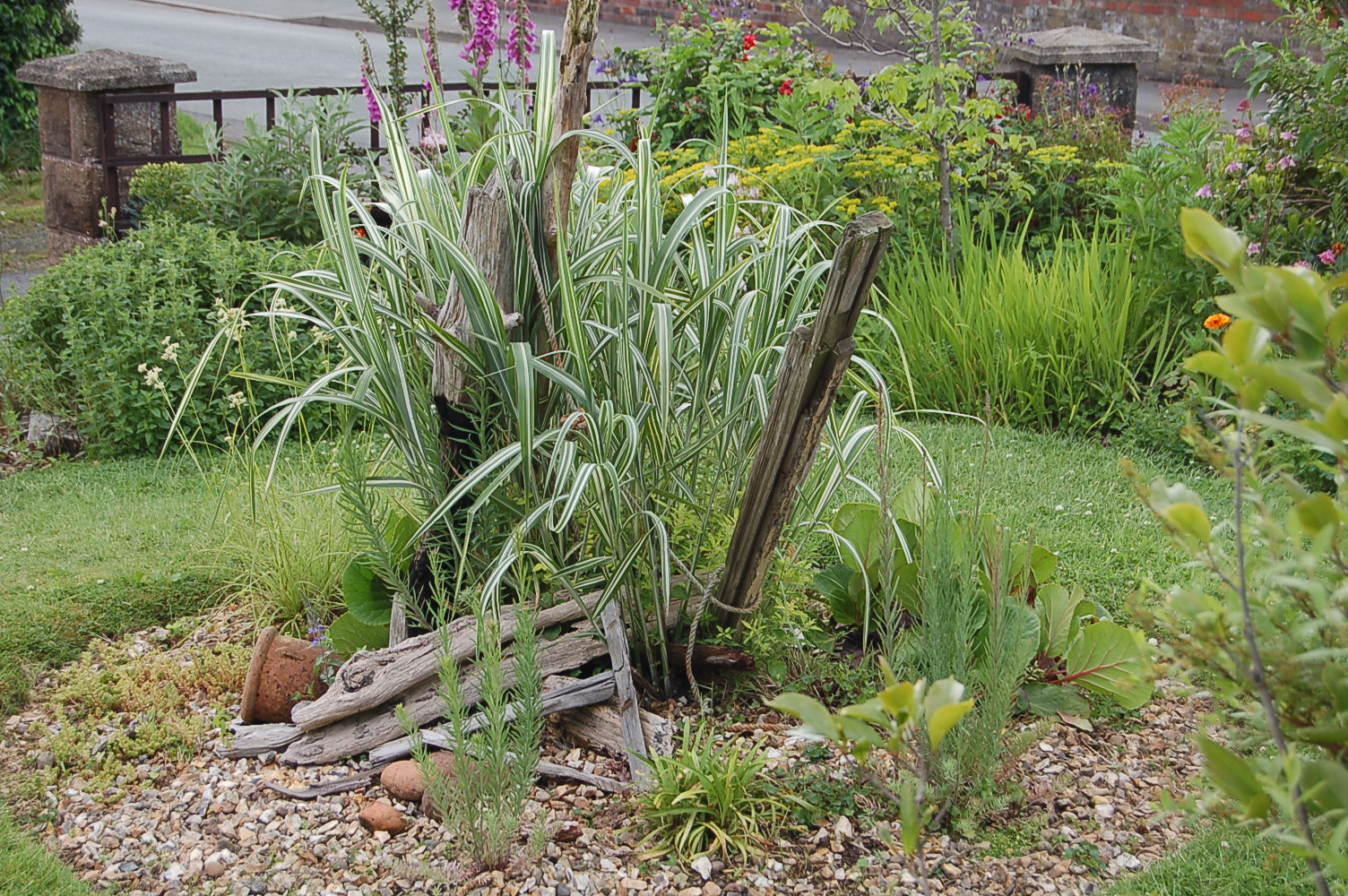
The ferns in the Stump Circle have grown considerably and the grasses in our other circle are now a good 4 feet tall.

The Hot Border is full to the brim with colour, rich colours against vibrant greens.

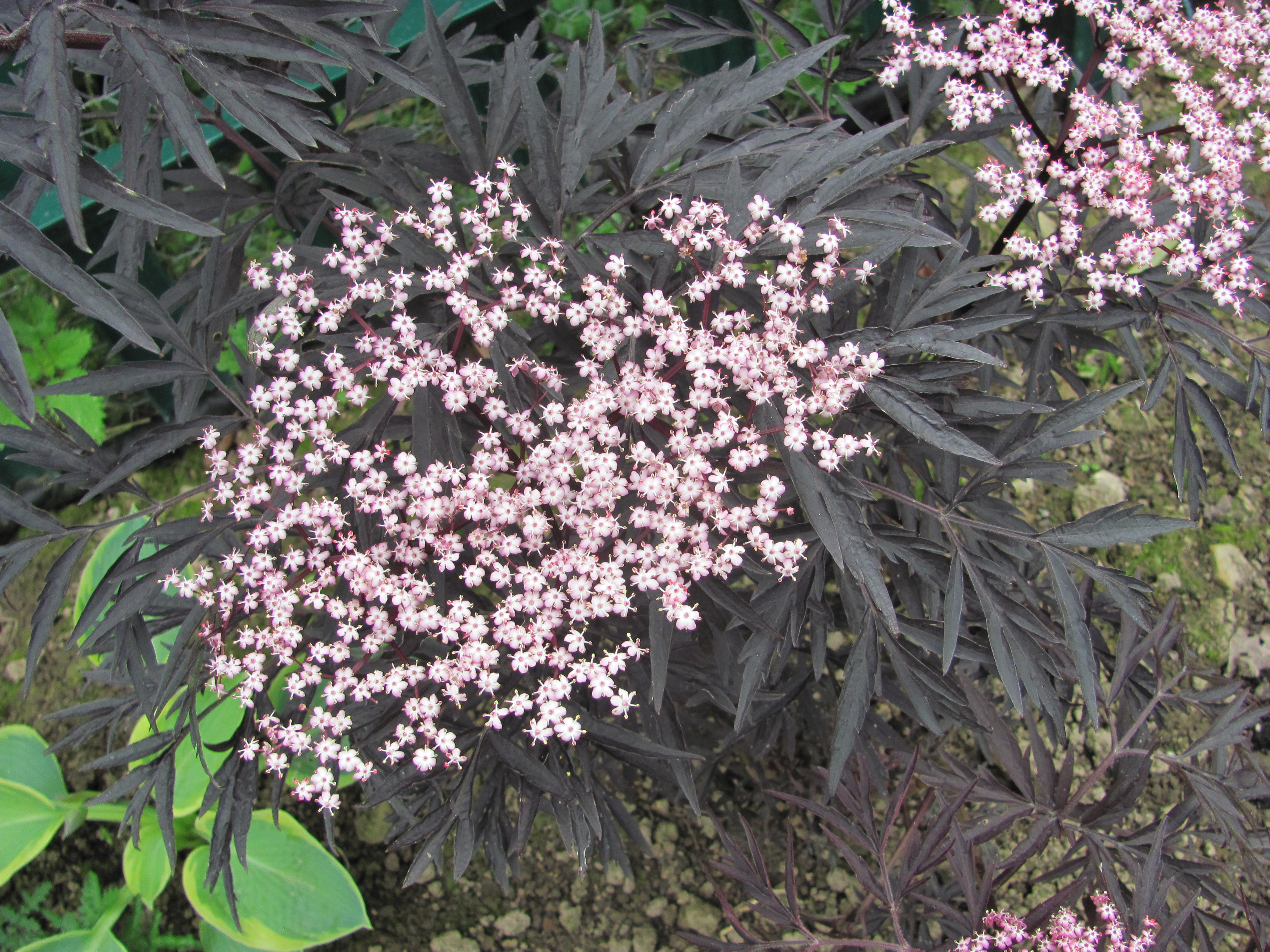
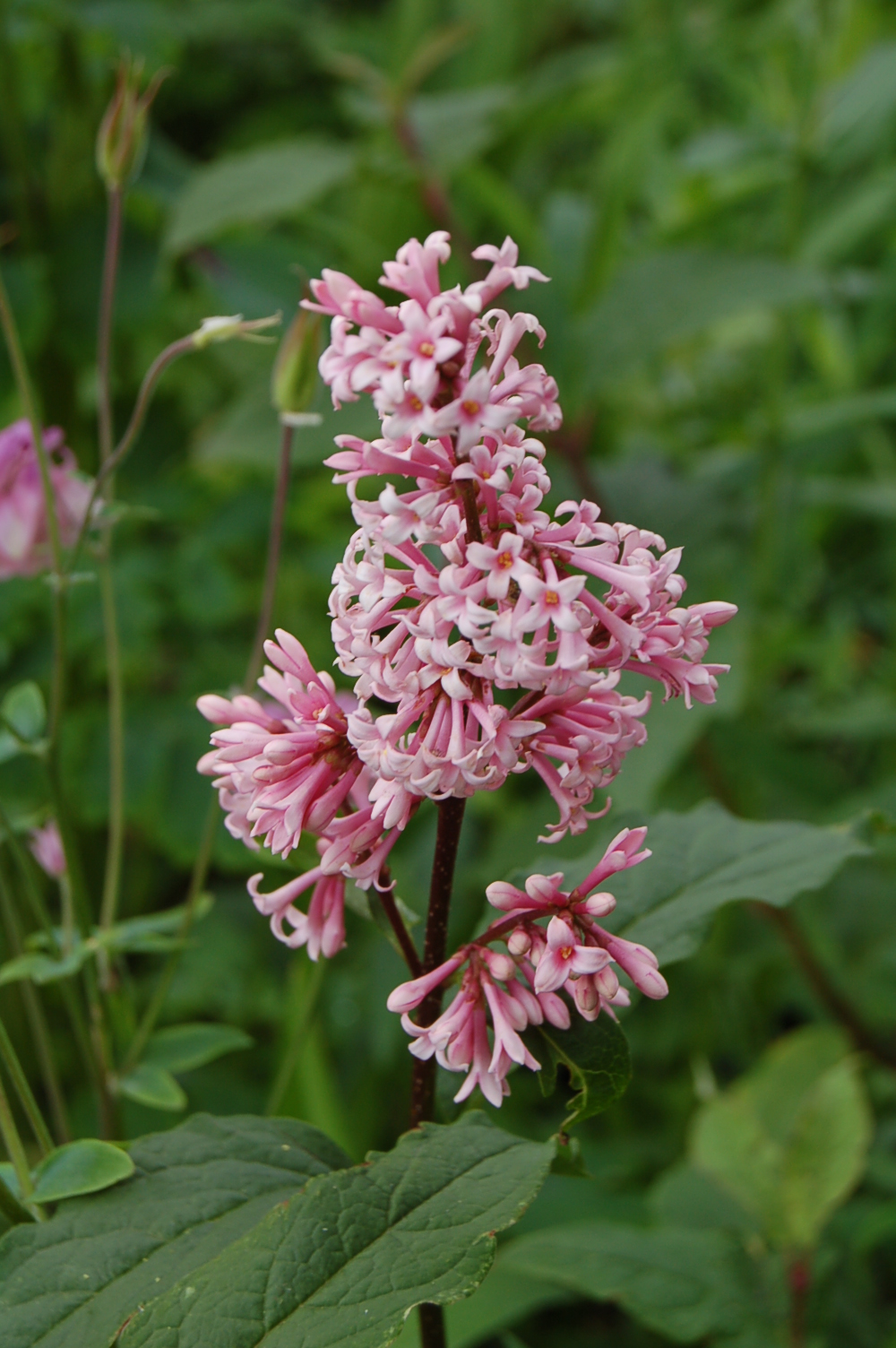
Jude’s Border is also full of colour from the blooms of shrubs such as this Weigela and Syringa.

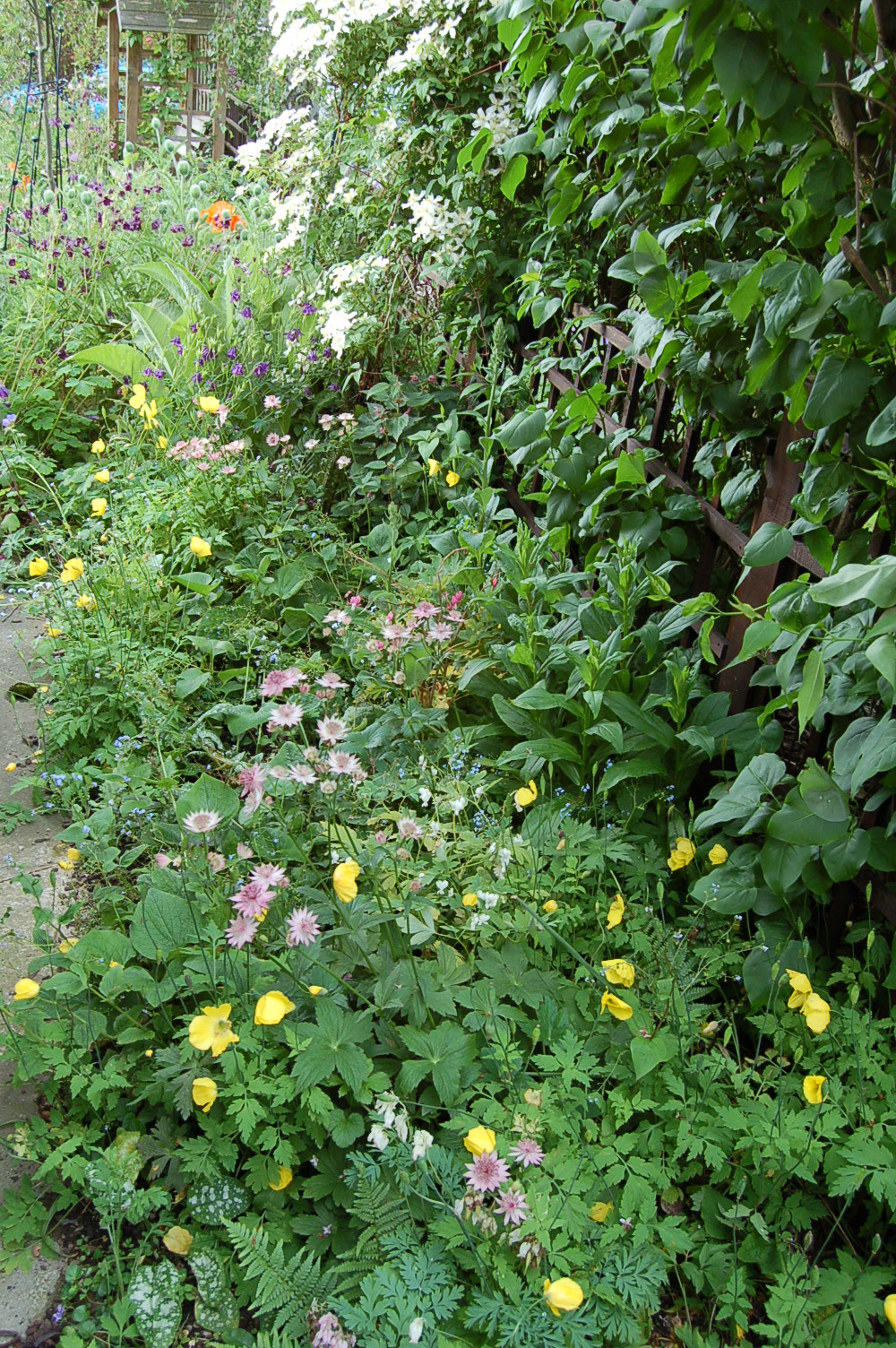
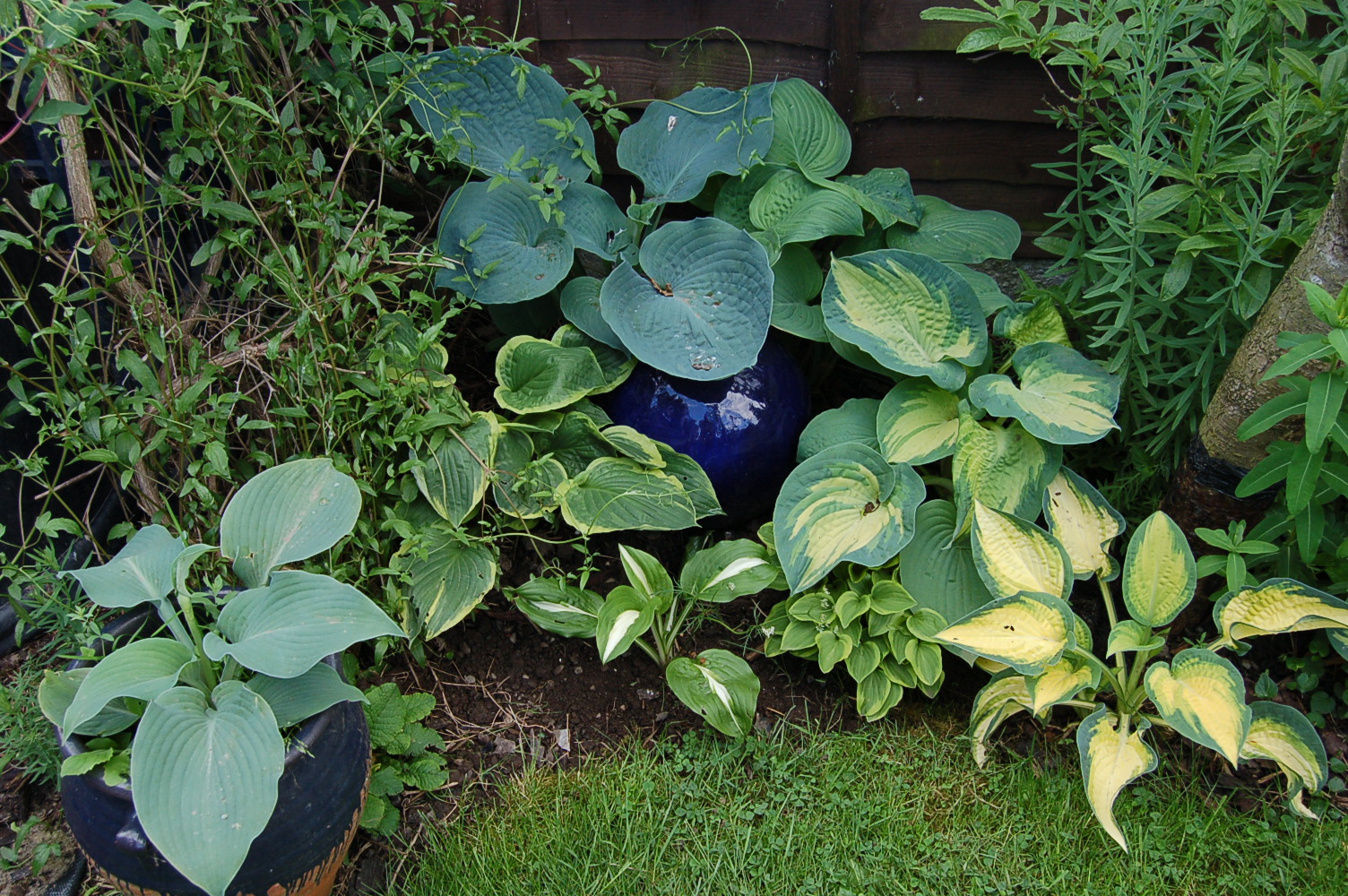
The Shade Garden continues to glow with colours against vibrant greens.


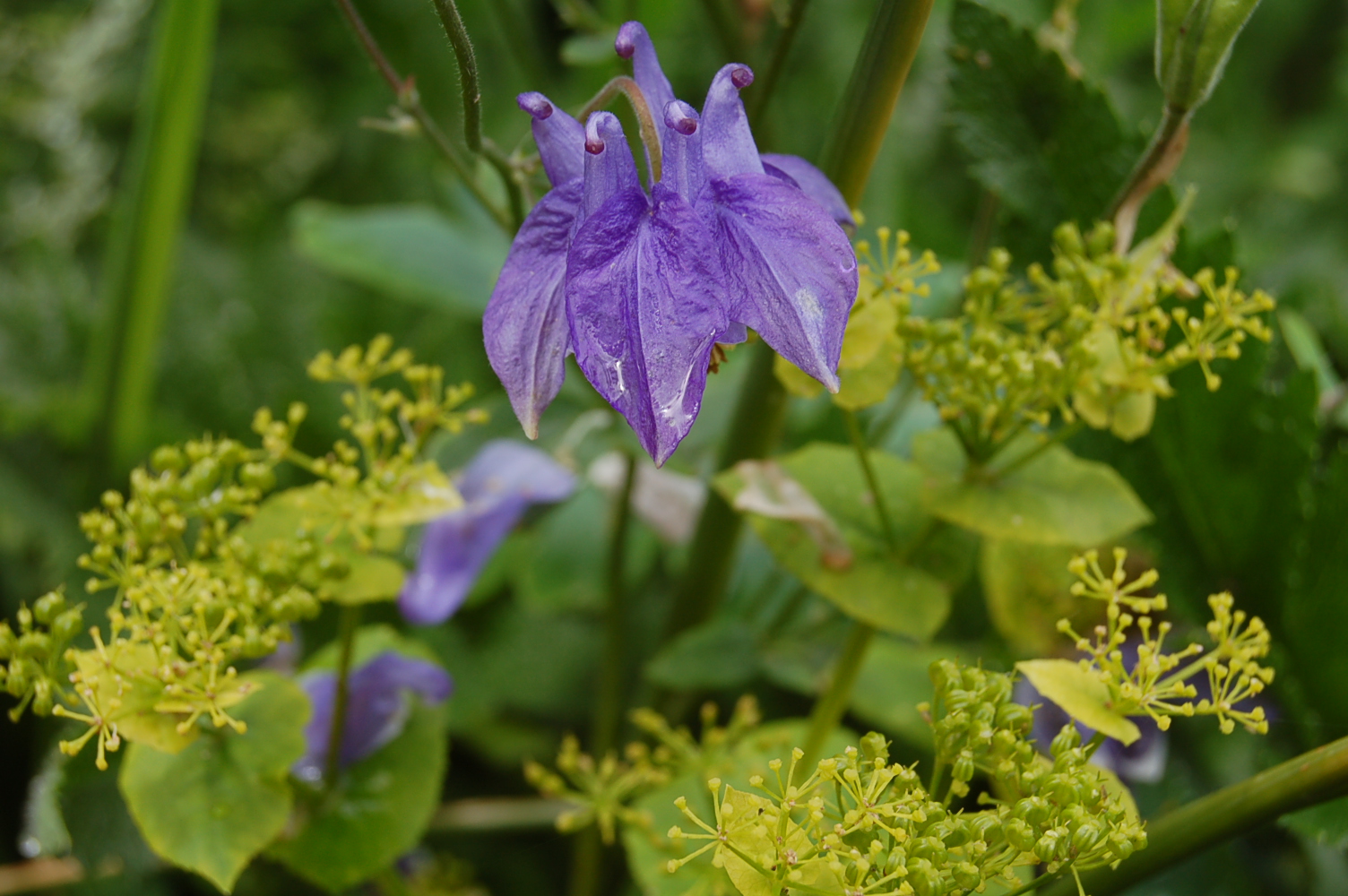
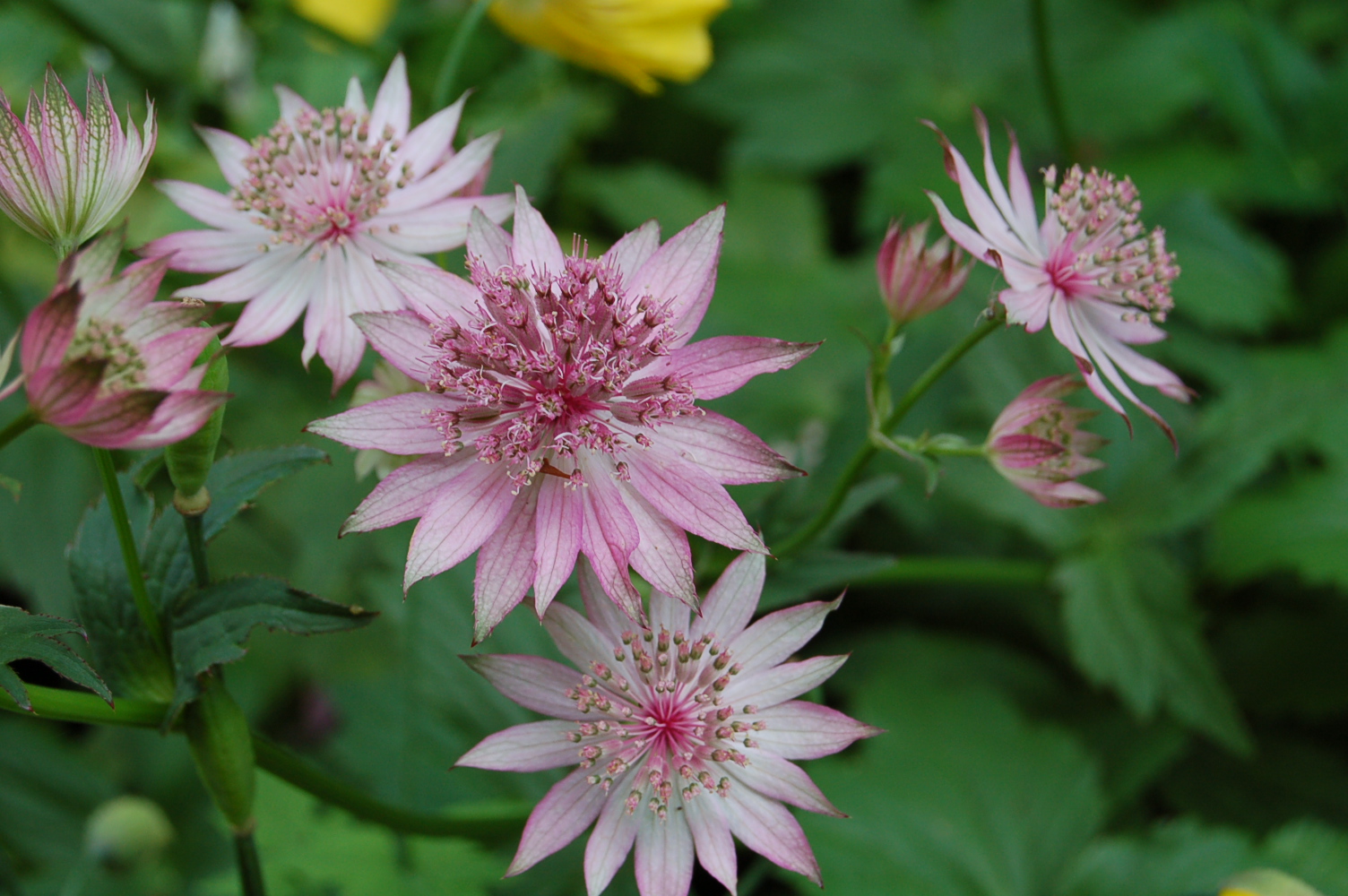
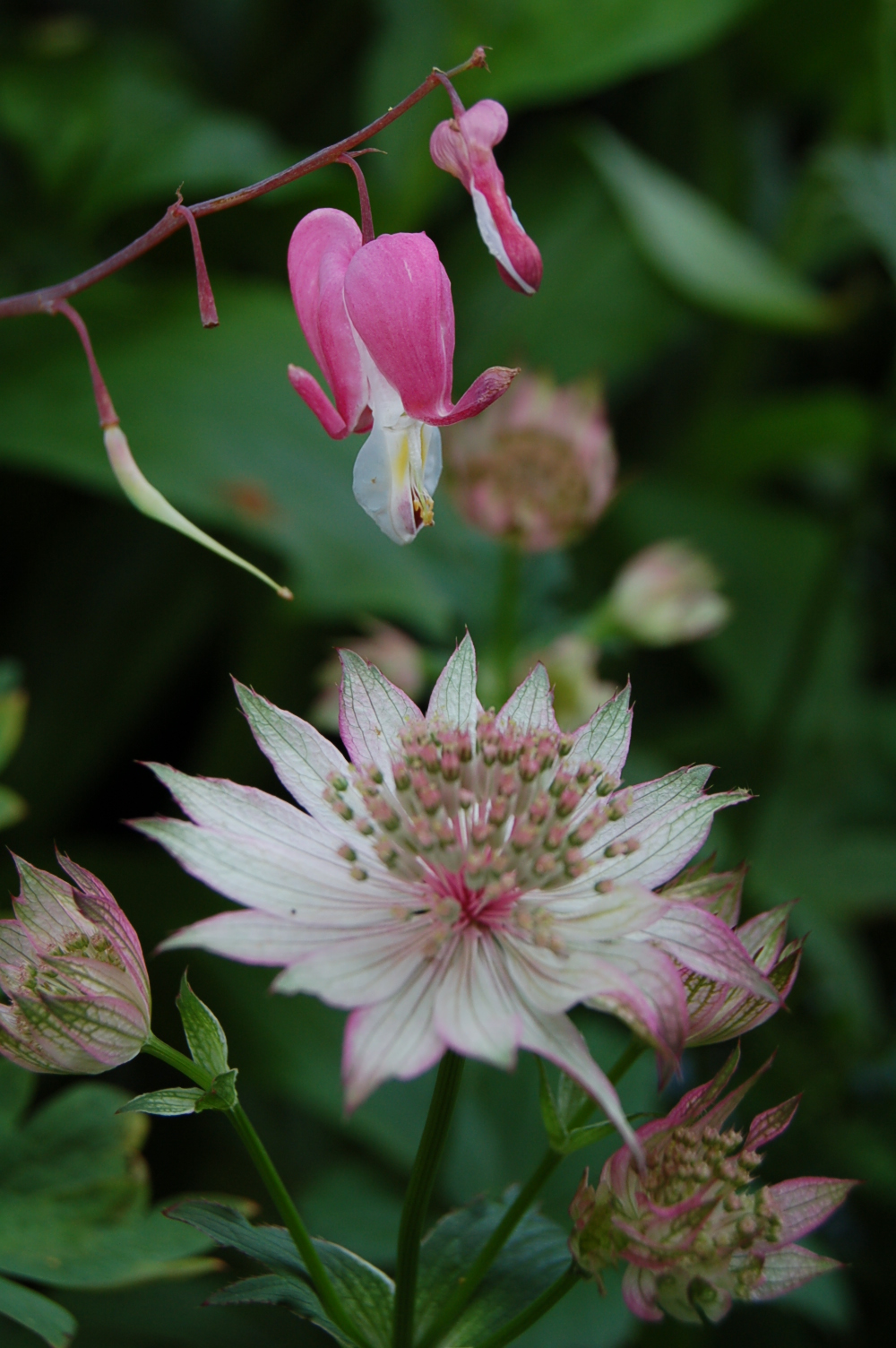
Anstrantias love it here in the shade but we do grow them throughout the garden. They flower best in the shade and grow  taller. There are so many to choose from starting with whites through all different shades of pink to the deepest reds.

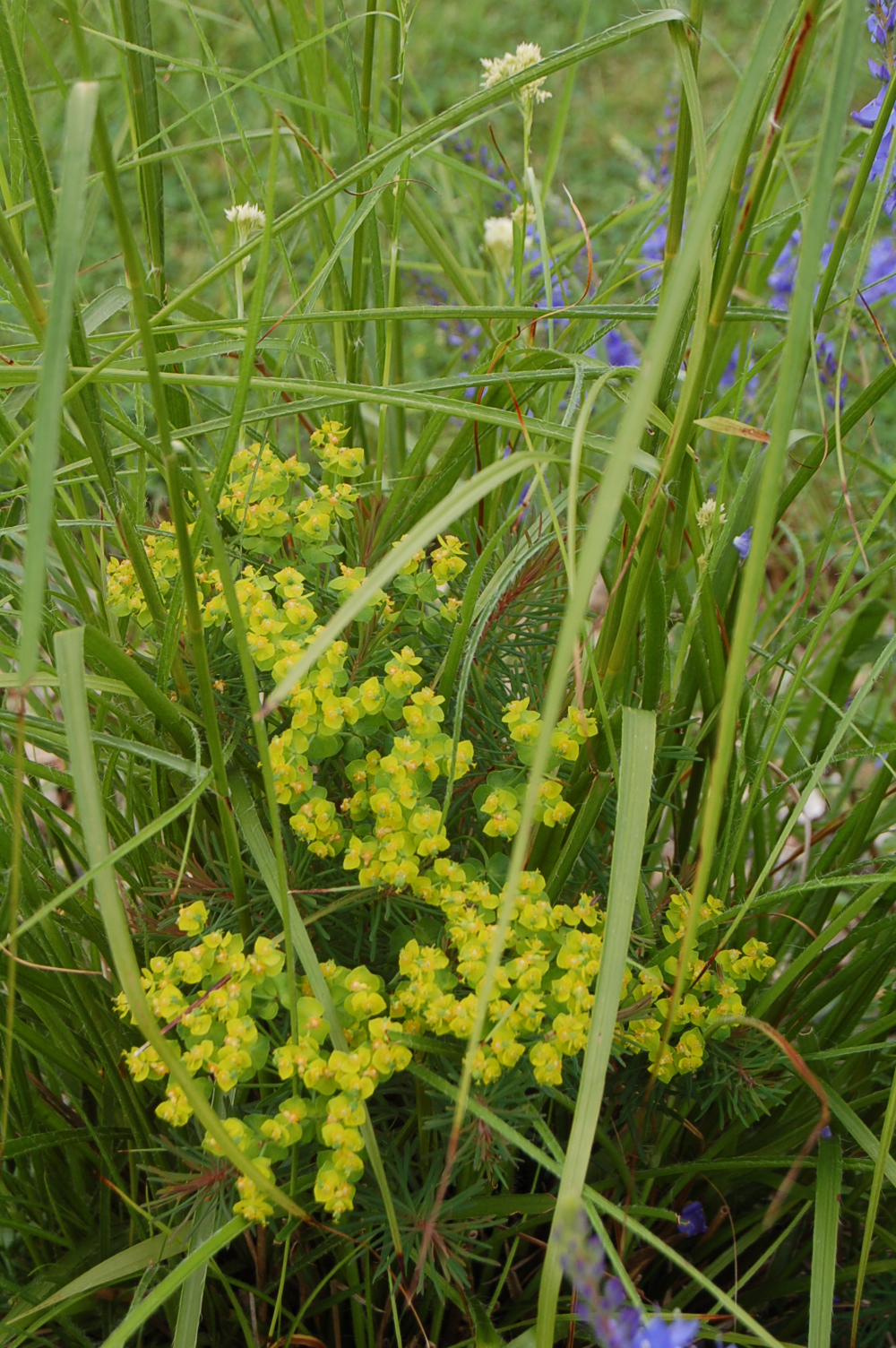
The Freda Garden is at its peak in June, when our orange-flowered Honeysuckle creeps along the fence top, the Pyracantha and Weigela flower together, and the border is full of Oriental Poppies, Foxgloves, Aquilegias and Euphorbias all doing their own thing.

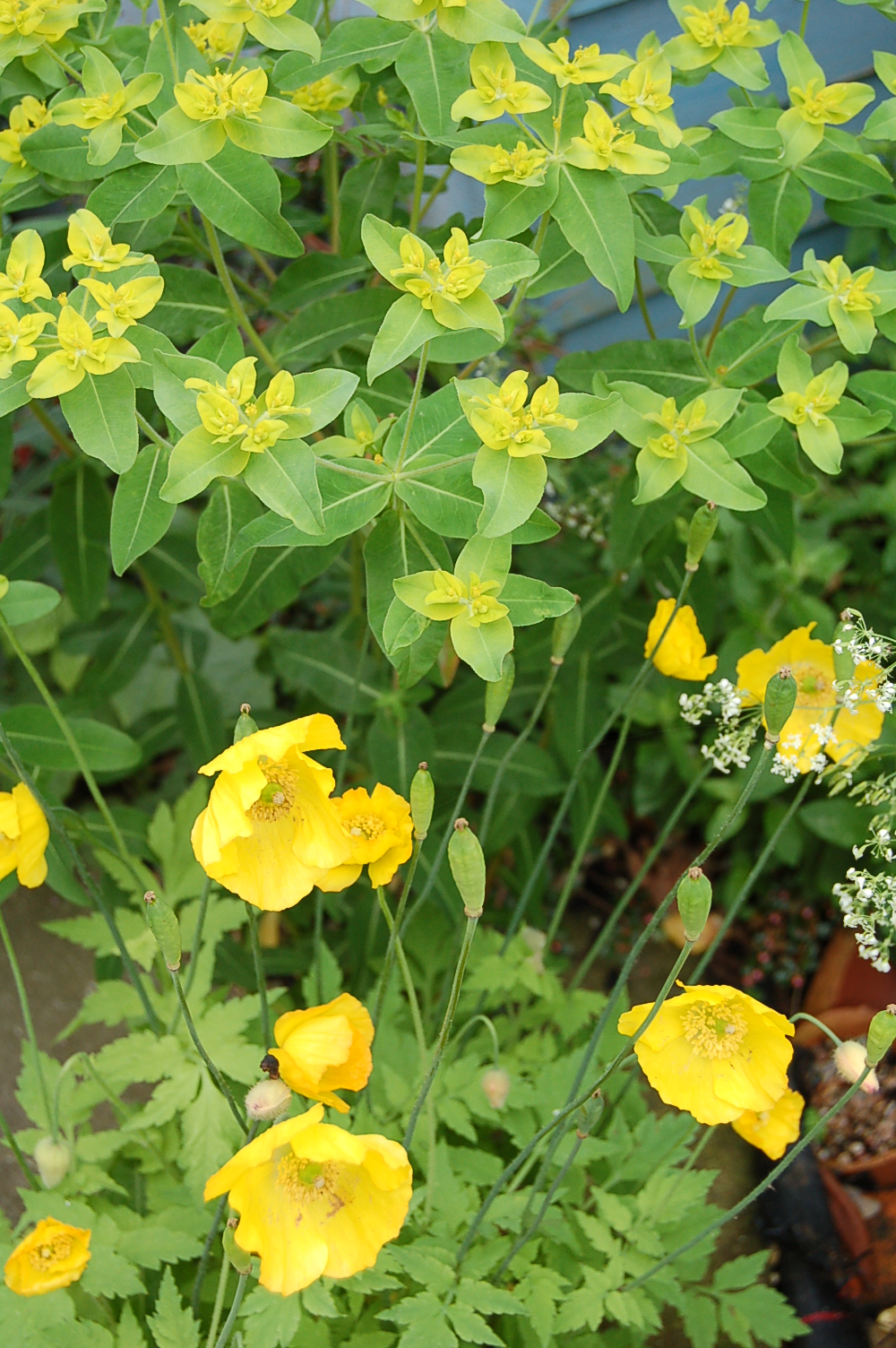
Throughout the garden the promiscuous Aquilegias self seed and create new plants in various colours, shapes and sizes. Now this little white one was a surprise! At just 1 cm across it is the tiniest I have ever seen – a true gem! And to top it all it grew alongside this Euphorbia.

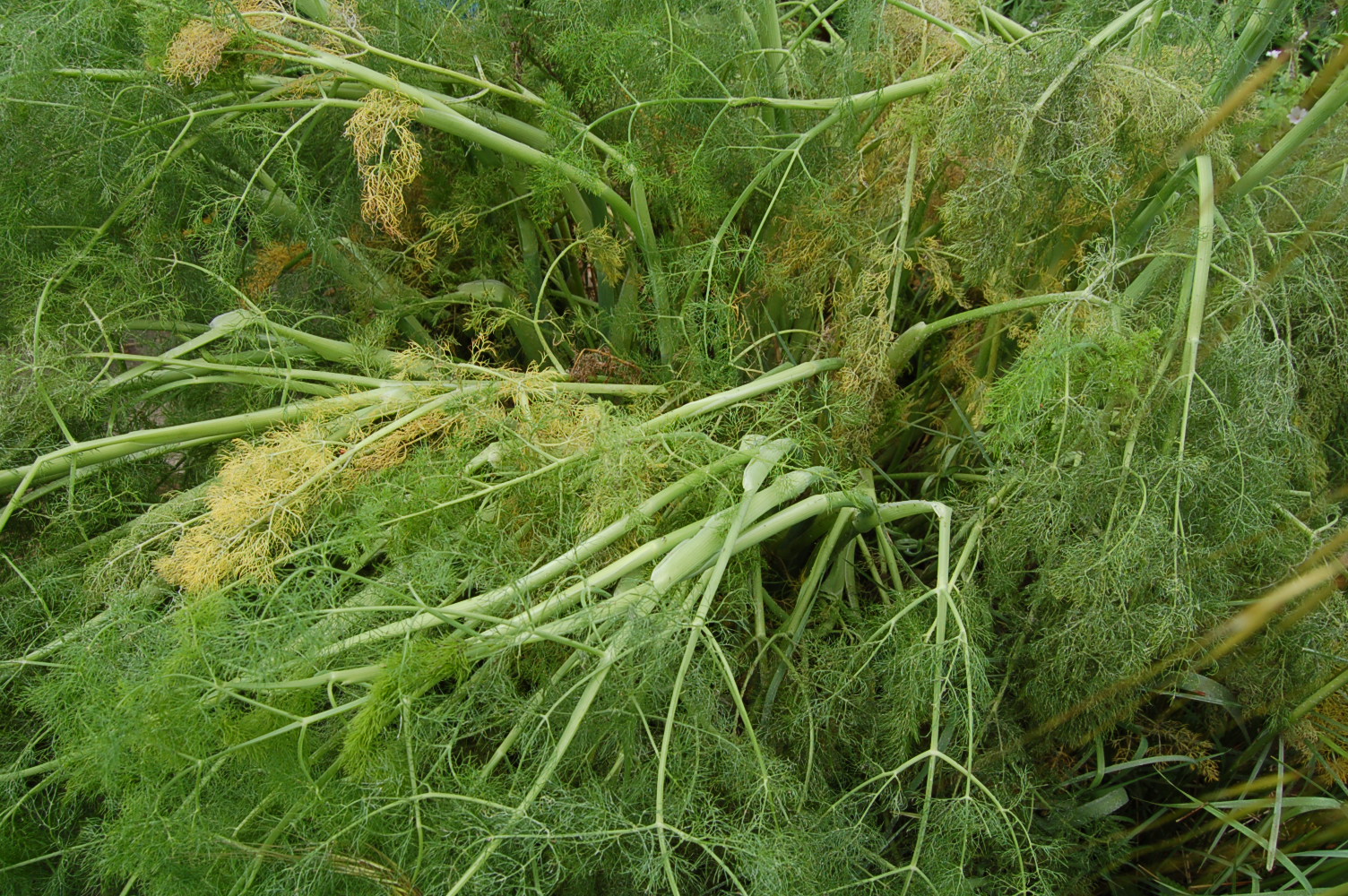
When I had finished my garden wander and taken all the photos to select from, the weather deteriorated, heavy rain and strong wind lashed our garden. The Fennel in the picture below was tall and healthy around 5 feet tall but the weather bent all the stems down. The fresh stems of our rambling and climbing roses which would carry blooms next year were snapped off at the base. I only hope they have time and energy to make up some new growth.

All the borders in the back garden are full of interesting foliage with varied texture and colour as a foil for the plethora of flowering perennials.

The most beautiful plant must be our miniature chestnut (Aesculus) which is now 3 feet tall, a third of its final height, covered in blooms, spires of salmon.

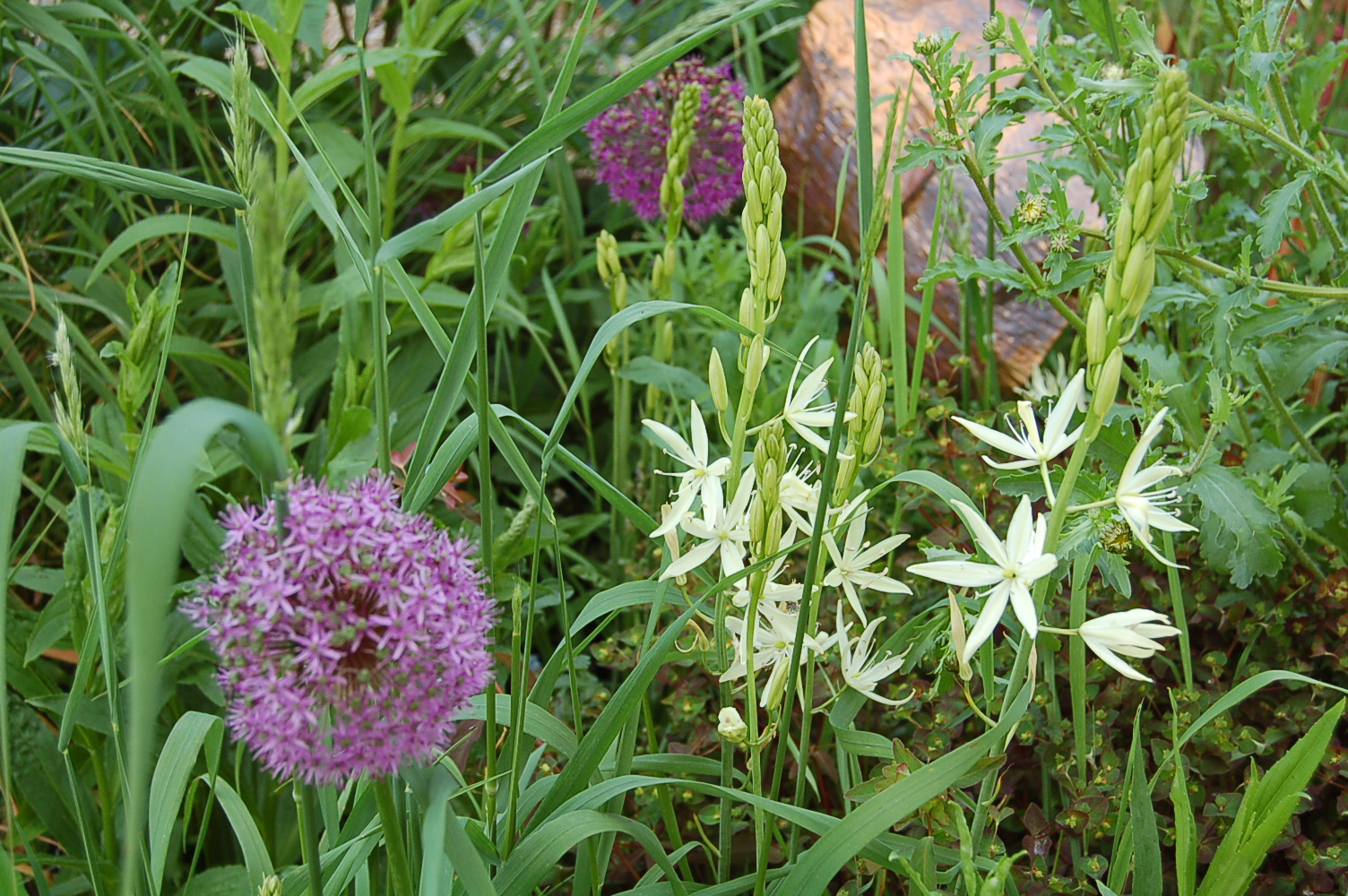
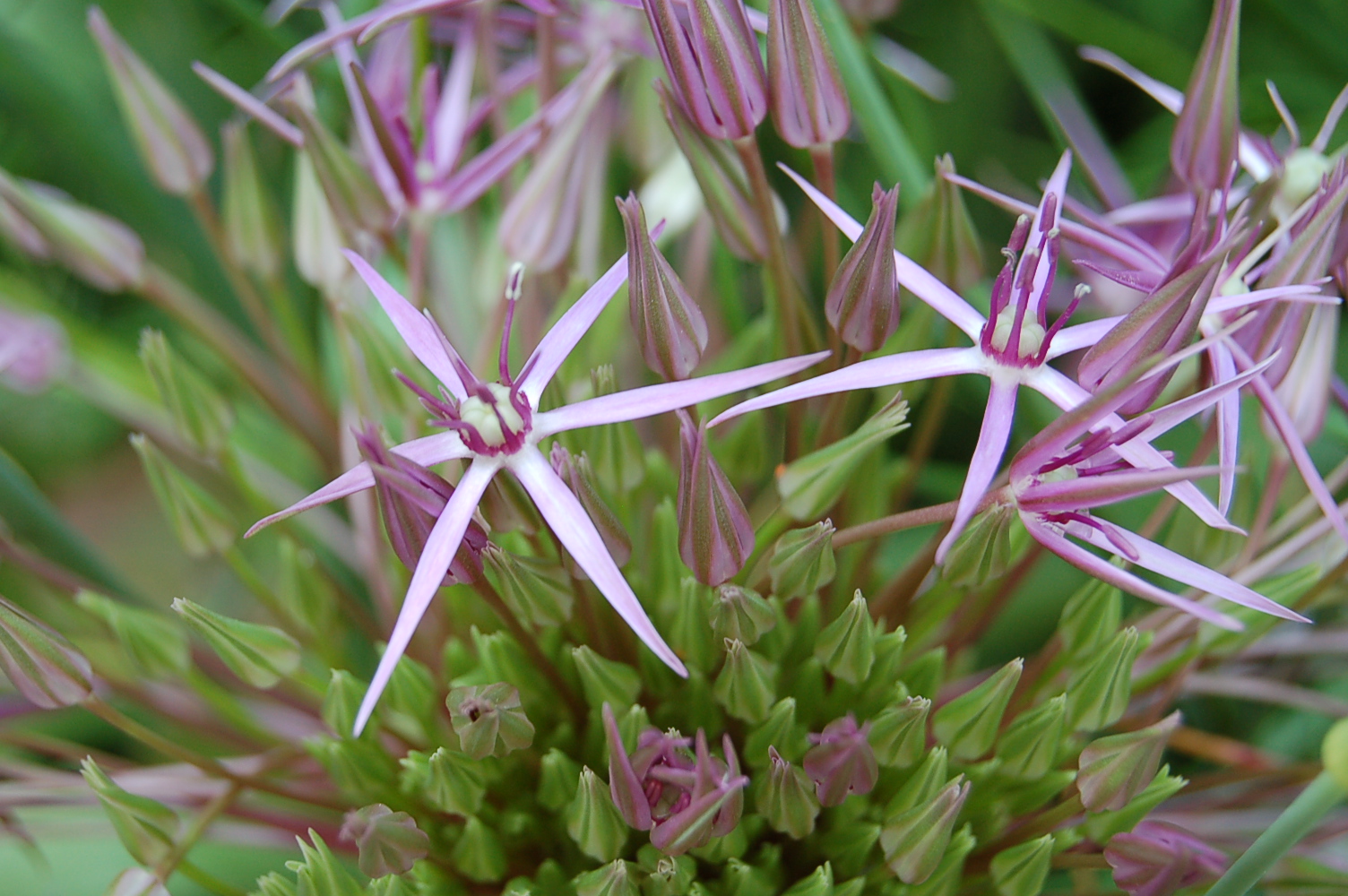
Alliums are stars throughout the back garden. They have only been in a few years and are so happy they are spreading like wildfire. They really need thinning out!

I shall finish this garden wander with a few shots of some of the borders, as a taster for my next blog, “Another Wander Around our Garden in June”. There is simply too much to show, too much I want to share.

Categories
fruit and veg garden photography gardening grow your own hardy perennials ornamental trees and shrubs photography roses shrubs spring gardening trees

May’s Burst of Growth

A week into May the rain stopped, the temperature rose a little and the skies cleared, bird song increased in volume and in response the garden had a burst of growth. Fledgling Robins, although only hours out of the nest began to follow us around the garden as we worked as if they had an inbuilt knowledge of the link between gardeners and Robin food.

Variations in foliage colour is strong in early May light.

Leaf buds on trees and shrubs started to unfurl and herbaceous plants looked greener and fresher with the new leafy growth. Flower buds fattened ready to open in the next few days.

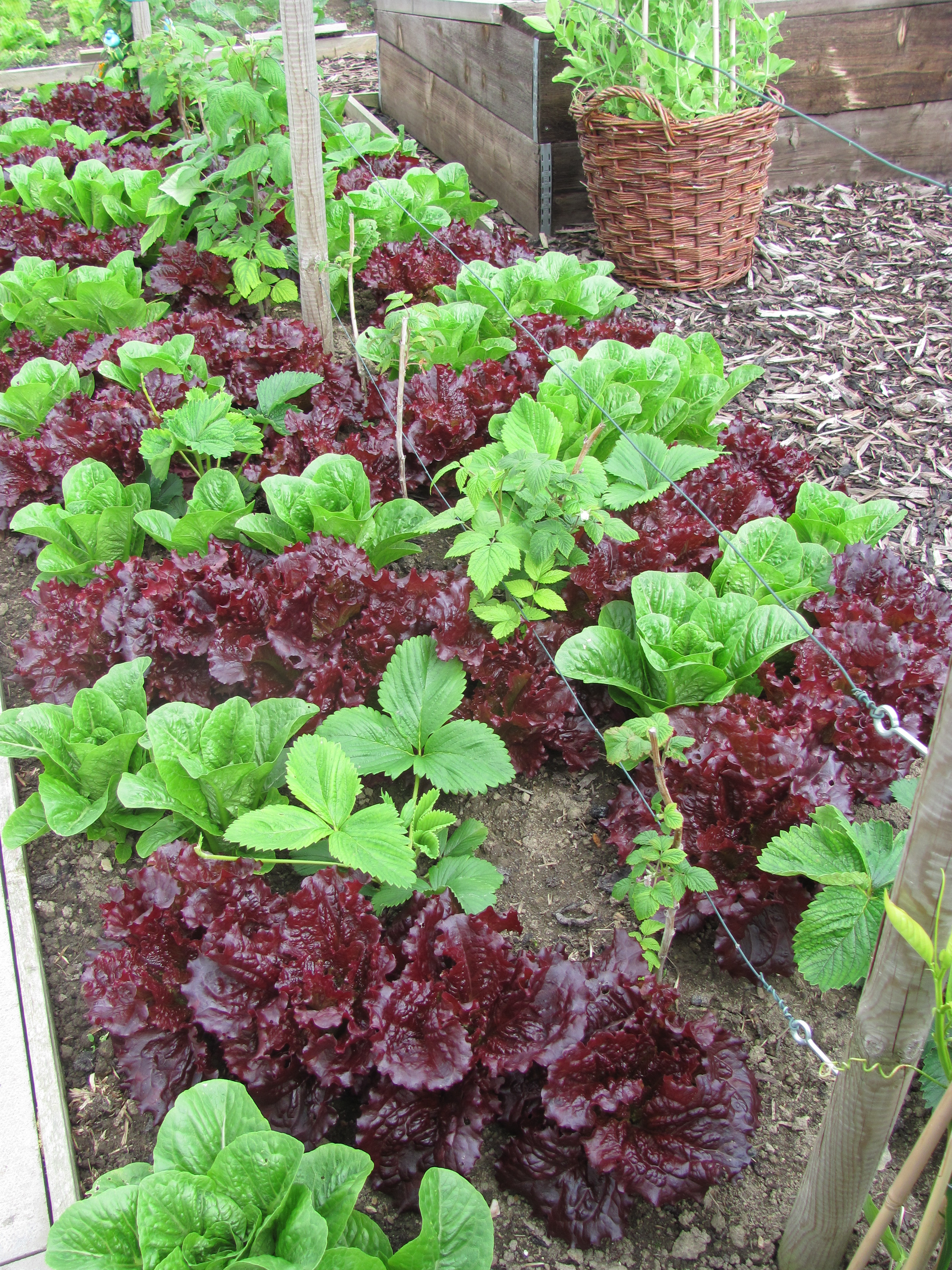
New seedlings of mixed salad leaves.
Fresh growth on Bowles Golden.
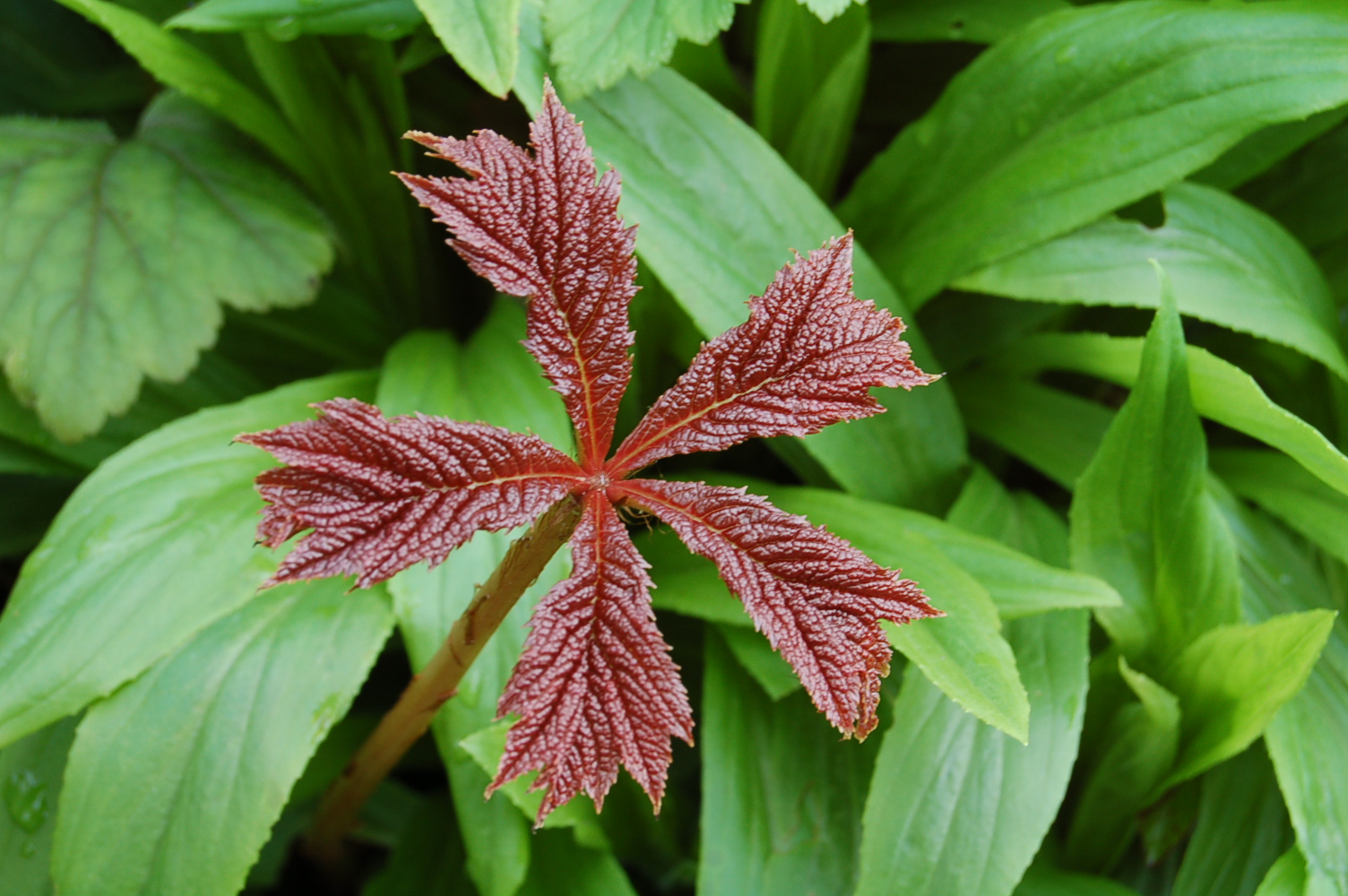
The deep reddish bronze foliage of this Rogersia contrasts beautifully with its green-leaved neighbours.
Aquilegias are about to flower in every border. Can’t wait!
Grey Hosta spear soaring skyward.
This herb valerian self seeds throughout the garden and its scent is welcomed wherever it blooms.

The surge of growth will hopefully allow Mother Nature to catch up a little. The rose bushes are often clothed in fat buds a few of which burst before the end of the month, but at the moment their leaves are still not fully out. Similarly the flowers of the Cercis are usually out now flowering on the bare stems and trunk but their buds are tight shut while the foliage is bursting into life.

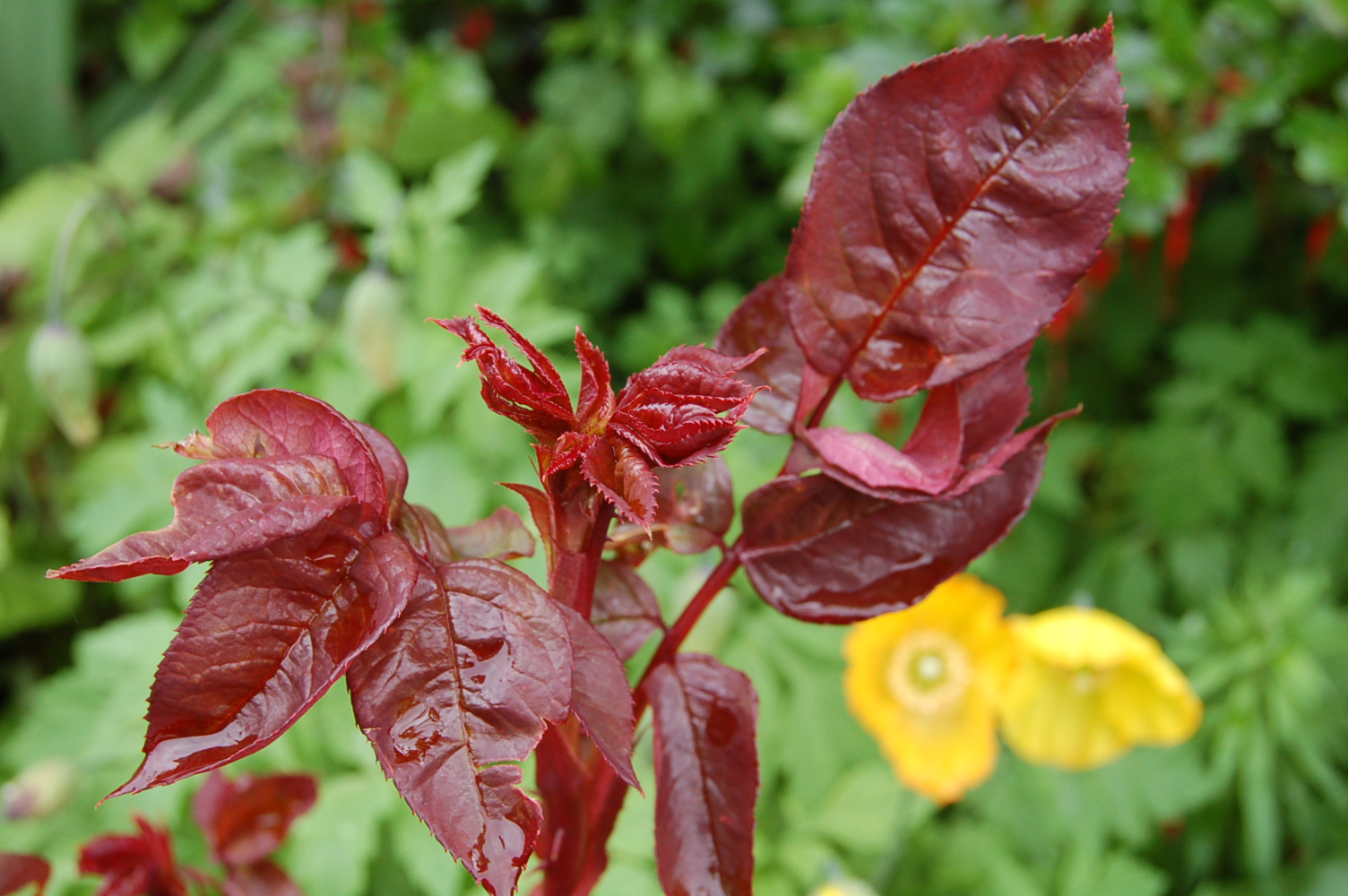
Rose foliage emerges a deep shade of red.
The new fresh leaves of Cercis display a deep bronze colour.

Our fruit trees do not want to miss the fun – their leaf and blossom buds burst into life.

Apple blossom gives us so many shades of pink to enjoy.
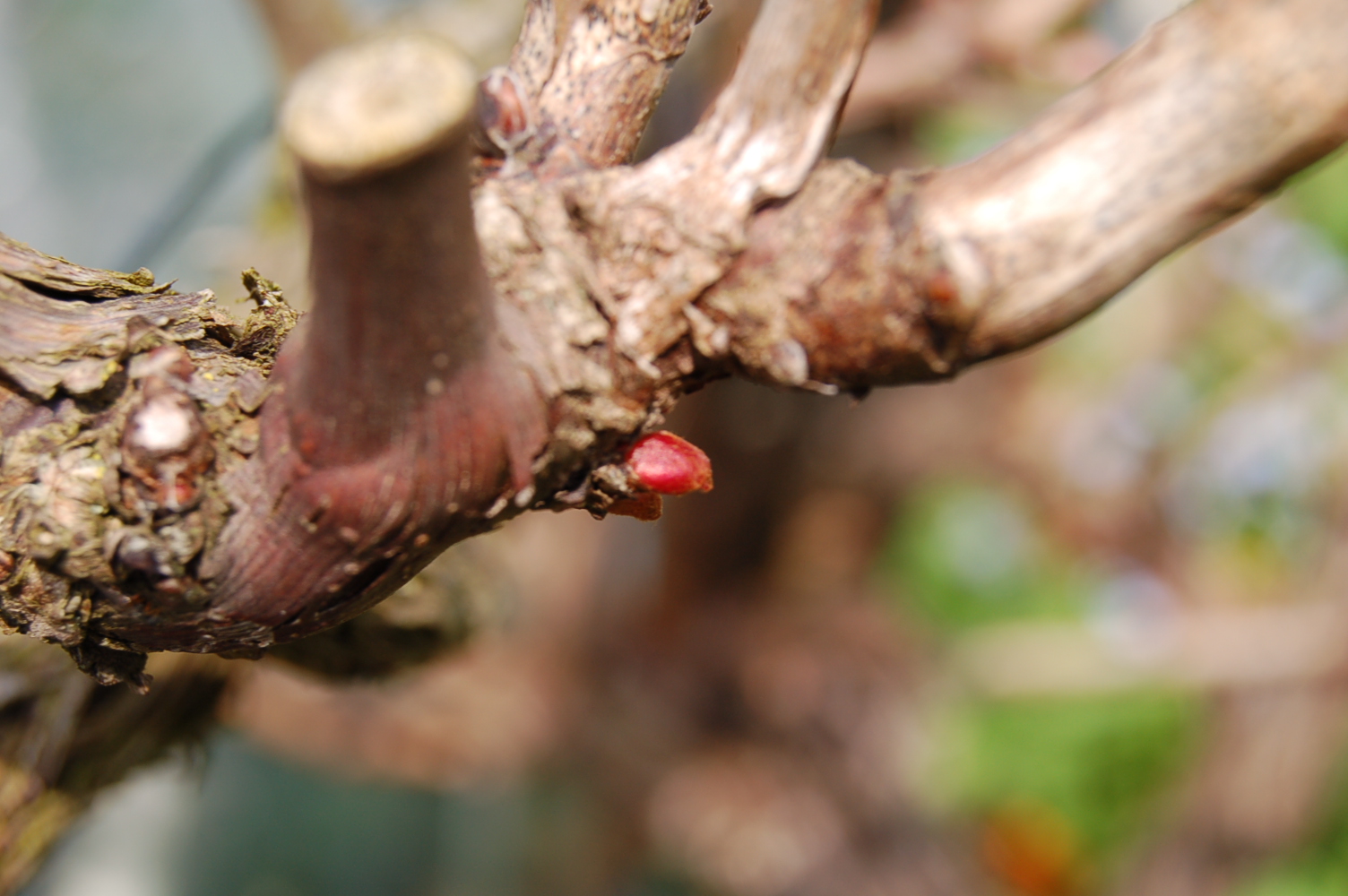
Very late emerging bud on our Hampton Court vine.

Flower buds are bursting – they do not want to be left out!

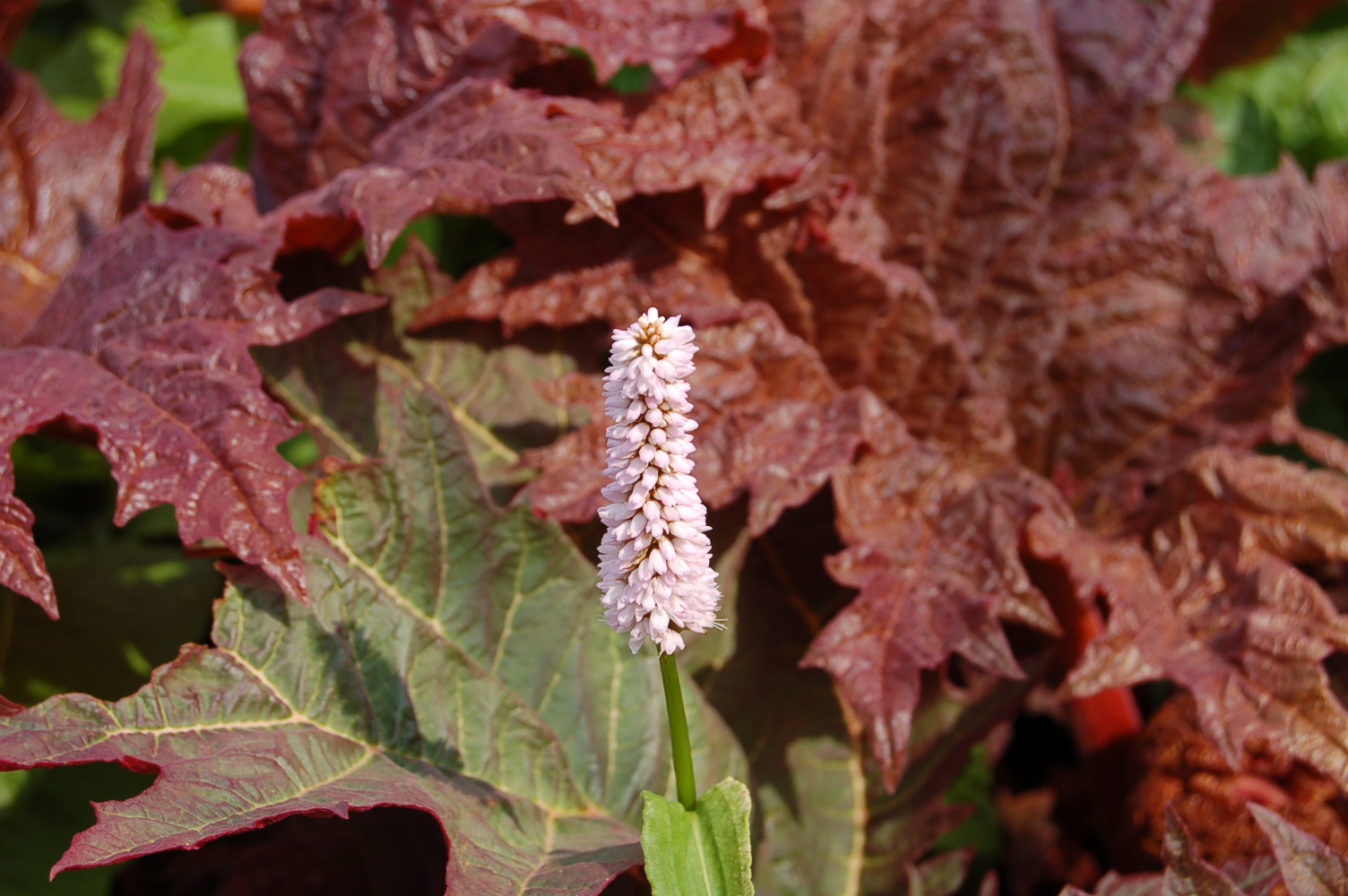
The first flower of the Persicaria bistorta stands alone in the lush foliage of the Bog Garden.
The yellow scented flower of this deciduous rhododendron are nearly with us.
Misty blue Cammasia buds opening.
Fat Allium bud rising from the whorl of leaves.
Red Campion buds ready to burst cluster atop their stem.

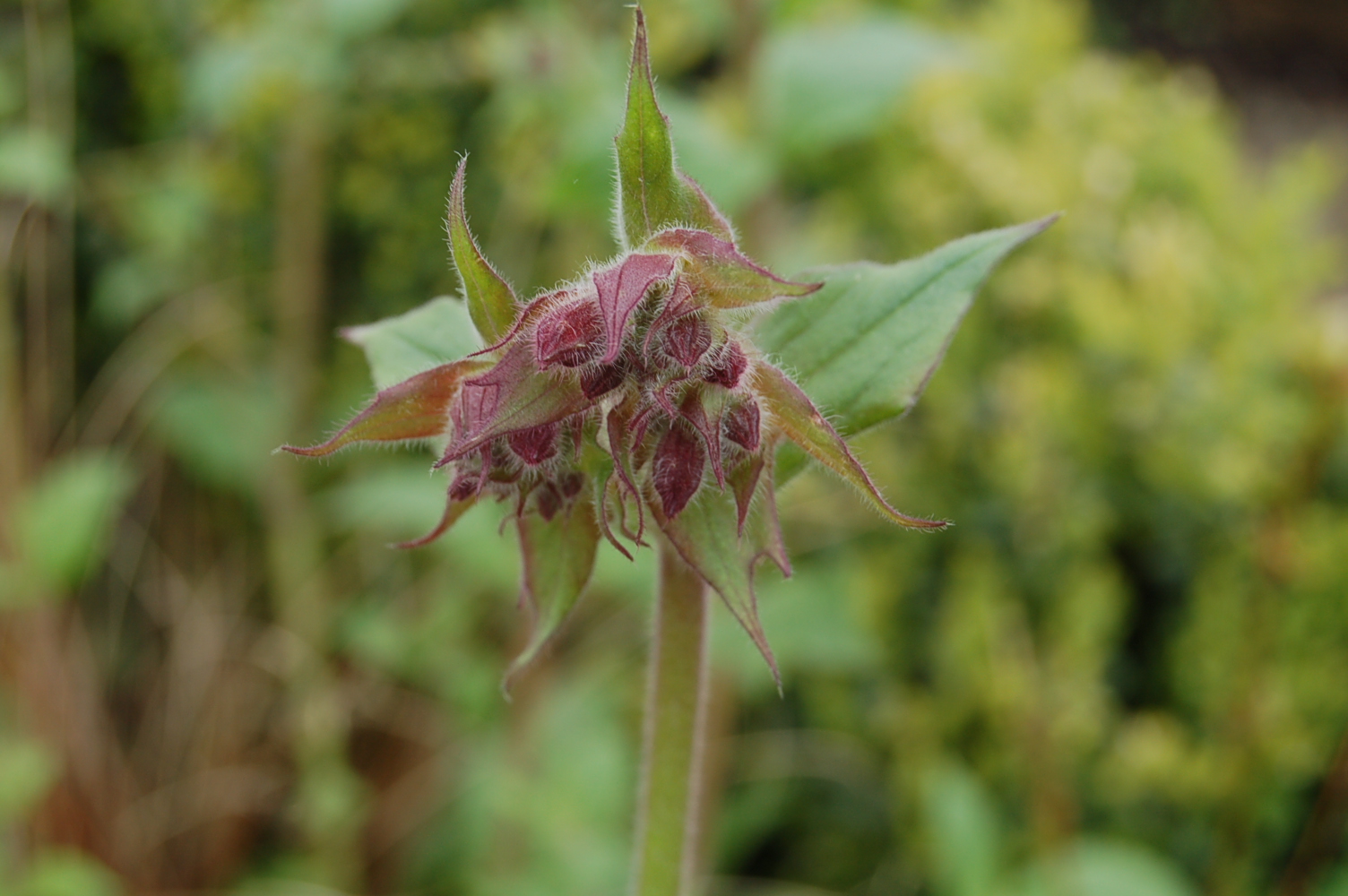
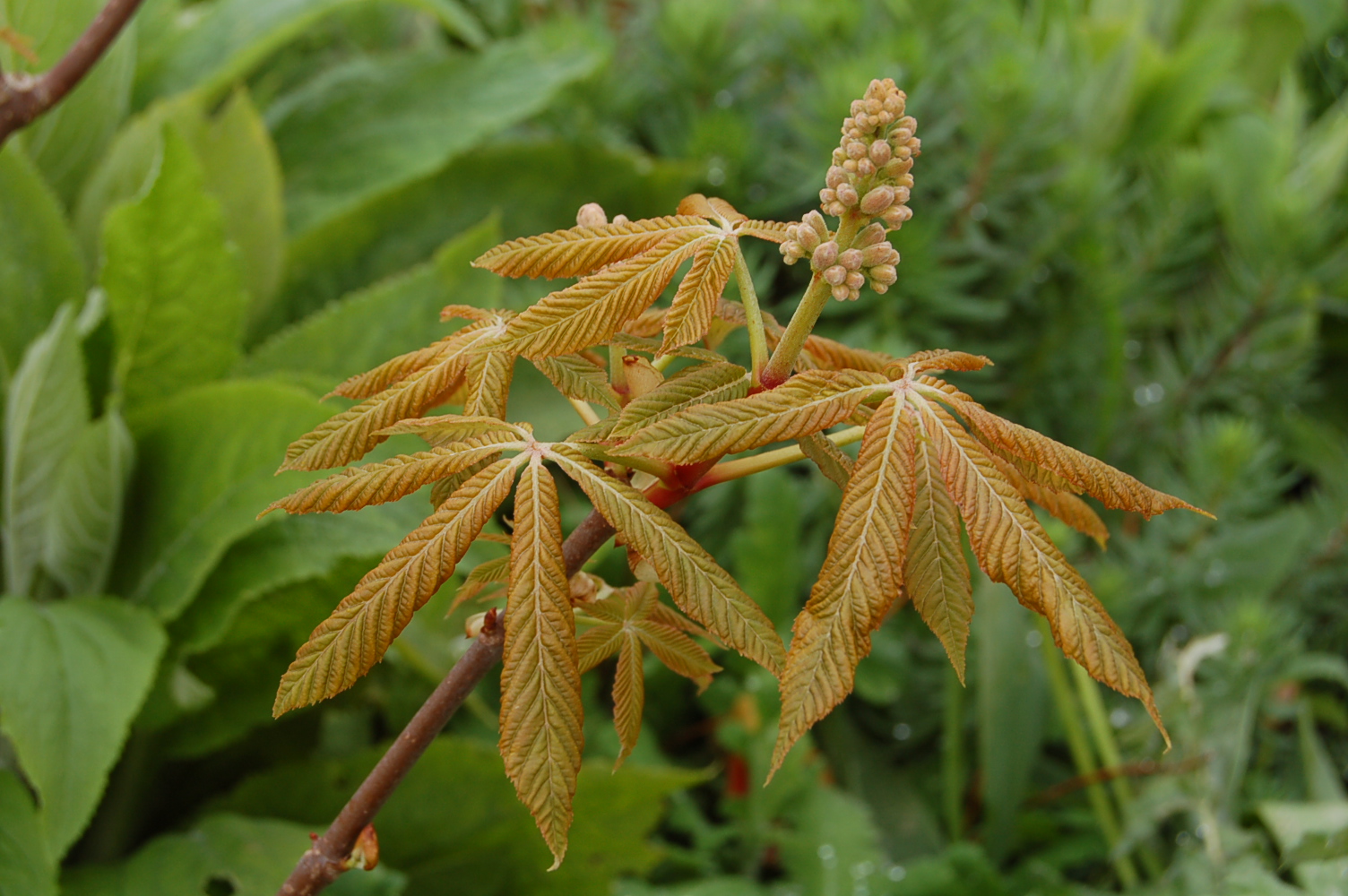
The most unusual coloured new buds appear on our two miniature Horse Chestnuts.

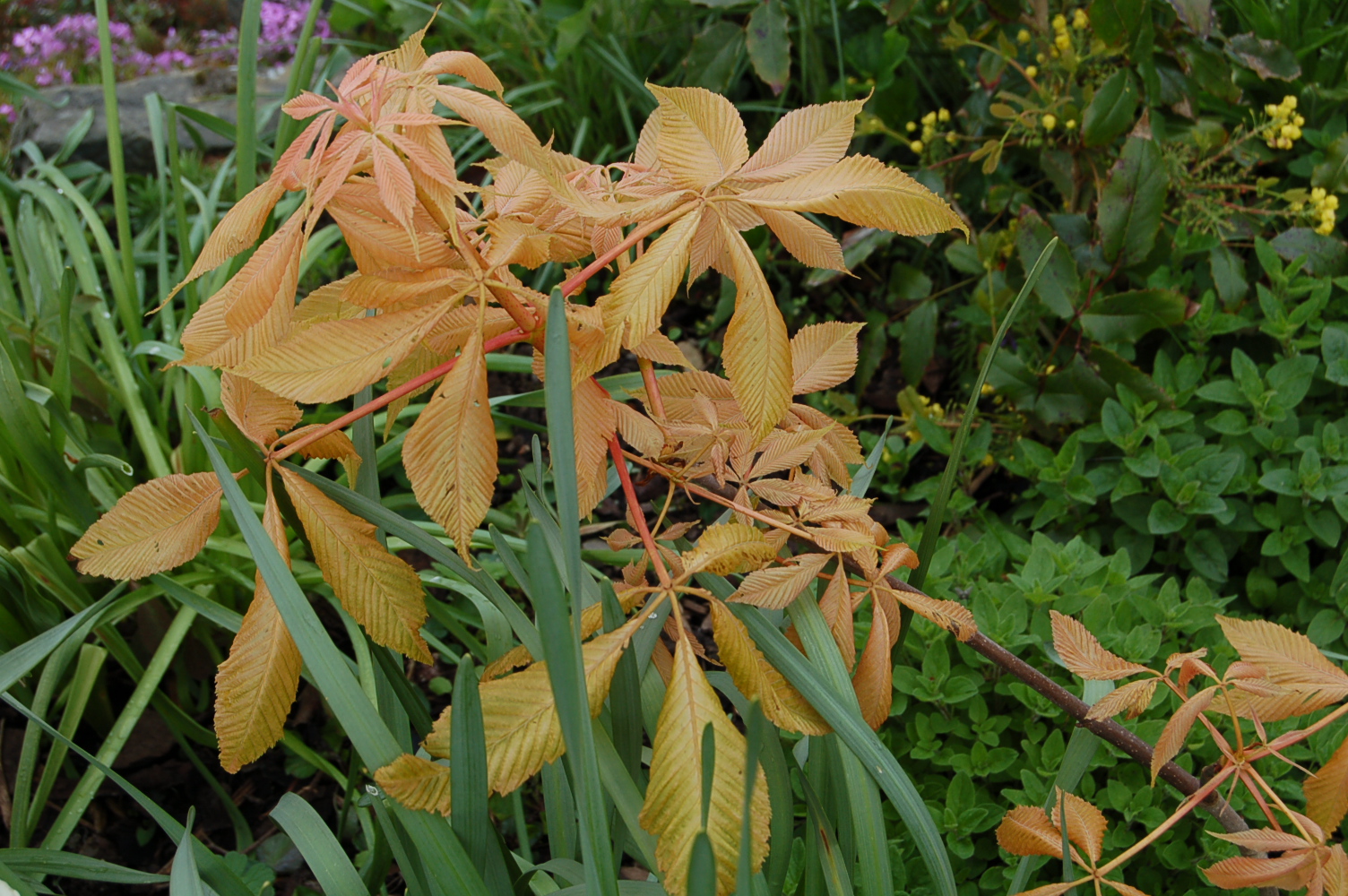
Delicate pale bronze new hands of chestnut leaves.
Salmon pinky orange?
This Veggie Life

A Vegetarian | Nature Lifestyle Blog

Rambling in the Garden

.....and nurturing my soul

The Arch City Gardener

Journeys In St. Louis Gardening and Beyond

Garden Dreaming at Châtillon

Consult the genius of the place

Storyshucker

A blog full of humorous and poignant observations.

gardeninacity

Notes from a wildlife-friendly cottage garden

PlayGroundology

...an emerging social science

The Official Blog of British Wildlife

'The most important and informative publication on wildlife of our times' - The Independent. This blog is a member of The UK & Ireland Natural History Bloggers group: www.uknhb.blogspot.com

iGrowHort

Inspire - Cultivate - Grow Native Plants - Restore Landscapes

Bishops Meadow Trust

To create and protect a semi-natural wild space for the people of Farnham to enjoy and experience an array of British wildlife in our town

Gardening with Children

The www.gardeningwithchildren.co.uk Blog

UKbirdingtimeline

birding through the seasons, why birds matter and how to conserve them

NATURE WALKER

with a camera in hand

Jardin

Transform your outdoor space

Eva's space

My allotment, cooking and other interests

Old School Garden

my gardening life through the year

LEANNE COLE

Trying to live a creative life

fromacountrycottage

trying to live as lightly as possible on our beautiful planet

Good Life Gardening

Nature lovers from Leicester living the good life.

mybeautfulthings

Finding the beautiful in the everyday

mawsonmichelle

Michelle's Allotment

In and Out of My Garden

thoughts from and about my garden

Greenhousing

Big plans for a small garden

The Scottish Country Garden

A Walled Country Garden in South East Scotland

The Fruity Chicken

Life at the fruity chicken

willowarchway

Off grid living. Self sufficient. "PERMAGANICS RULE".

St Anns Allotments

Nottingham's Grade 2* Listed Allotments and Community Orchard

Manifest Joy Harvests

a journey in suburban vegetable gardening

Allotmental

The madness of growing your own

Penny's Garden: a harvest beyond my front door

A novel approach to vegetable gardening

arignagardener

Sustainable living in the Irish countryside.

NewEnglandGardenAndThread

Master Gardener, amateur photographer, quilter, NH native, and sometimes SC snowbird

dianajhale

Recent work and work in progress and anything else that interests me

planthoarder

a chaotic cottage gardener

Lens and Pens by Sally

a weekly blog that creates a personal philosophy through photographs and words

Dewdrops and Sunshine

Stories from a sassy and classy Southern farmbelle.

The Pyjama Gardener

Simple Organic Gardening & Seasonal Living

gettin' fresh!

turning dirt into dinner

JOY...

today the world is created anew

Garden Birds

Notes from a Devon garden

ShootAbout

Life Through The Lens

Adapting Pixels

A photography blog showcasing the best photography pictures and videos on the internet

Wildlifegardening's Blog

Just another WordPress.com site

naturestimeline

personal observations from the natural world as the search continues for a new approach to conservation.

LATEBLOOMERBUDS

The Wonders of Life through my Eyes, my Heart, my Soul