Categories
allotments bird watching birds community gardening conservation diy garden buildings garden photography garden ponds garden pools garden wildlife gardening gardens irises log piles natural pest control recycling renovation Shropshire trees

The wildlife pond and hide at BAC – part one

When Bowbrook Allotment Community first opened we had a old farm pond on our boundary fence but it was fenced off and we had no access to it. After a few years though as the site was extended on the pond side it was integrated into our gardens and the town council put a low security fence around it with a lockable gate. We then had to wait for it to be released into our care which finally happened early in the winter of 2014. This is the story of what we have done to it so far and about our plans for its future.

Diggers came in and scooped out all sorts of rubbish thrown into the pond by the farmer over the years, rusted coils of barbed wire, rotting fence posts, old metal fences, branches and boughs of trees. The old puddled clay layer was exposed and smoothed off. The aroma was disgusting! Sadly there was little sign of plant or animal life in the pond. At least all this disturbance didn’t upset the wildlife, the birds soon returned to the trees.

2015 03 04_9790

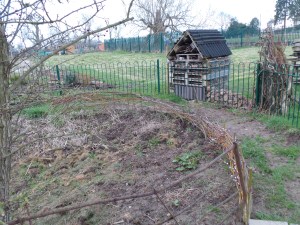
As a community garden determined to increase the biodiversity in our 6 acres there was no question that it would become a wildlife pond. To begin with we had to recontour the area between the pond itself and the fence to make passage around it easier and safer. It was hard graft and took a lot of volunteer hours to get it done.This will enable us to keep a path mown all the way around the pond for maintenance and enjoyment. But first we must rotavate the pathway to prepare it for grass seed sowing as soon as the weather allows.

You can see from the group of photos below the area we have to work with and the work we have done so far, the lopping of the trees, the path leveling and the preparation of the bog garden. The pond itself is about 20 x 10 metres and the marshy patch about 8 x 7 metres so pretty impressive! And then there is a margin area varying in width between just over a metre to about 4 metres. W have set ourselves a mammoth task! But we have allowed ourselves a year to get it right. So far things are moving along much more quickly than anticipated as opportunities have come our way.

2015 01 18_9352-1

The next photo shows the bog area at the end of the pond where the drainage pipes from adjacent farm land brought the water into the pond. This was a steep sided marsh area with a tiny stream meadering through it. We have piped the water below the area now and re-contoured the sides to make it safer. This area will be planted with native and other wildlife attracting plants such as King Cup, Liatris, Yellow Flag and Flowering Rush.

2015 01 18_9353-1

We have recently started the planting and will soon be adding far more. Some we will get as donations from our members and neighbours but others we will get from local nurseries once they have got their stocks out. So far we have planted different sorts of Irises, Water Mint, Water Forget-me-Not, Bog Beans and oxygenators. The first pair of pics shows Jude collecting plants from our pond at home and the second pair shows Sherlie planting some in the new pond.
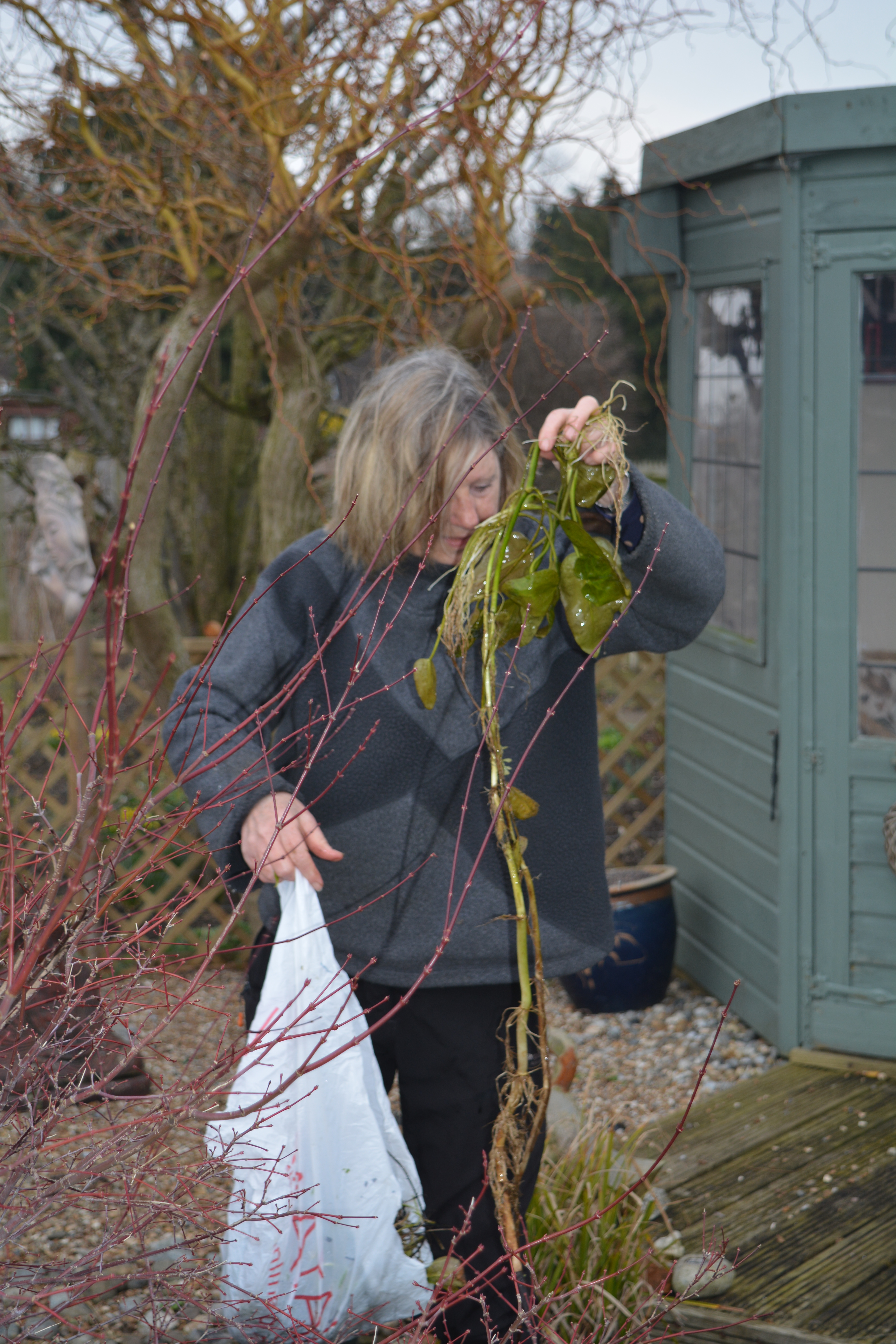
2015 03 17_0035 2015 03 17_0034

2015 03 16_9942 2015 03 16_0007

Several mature Ash trees surround the pond so some surgery was required to let more light in and help plants grow healthily. The bough below was slowly collapsing right over the water across to the far bank so caused us great concern. We had to cut it before it fell! We need to look after the health and safety of our members. I shall show this work in part two.

2015 03 16_9993

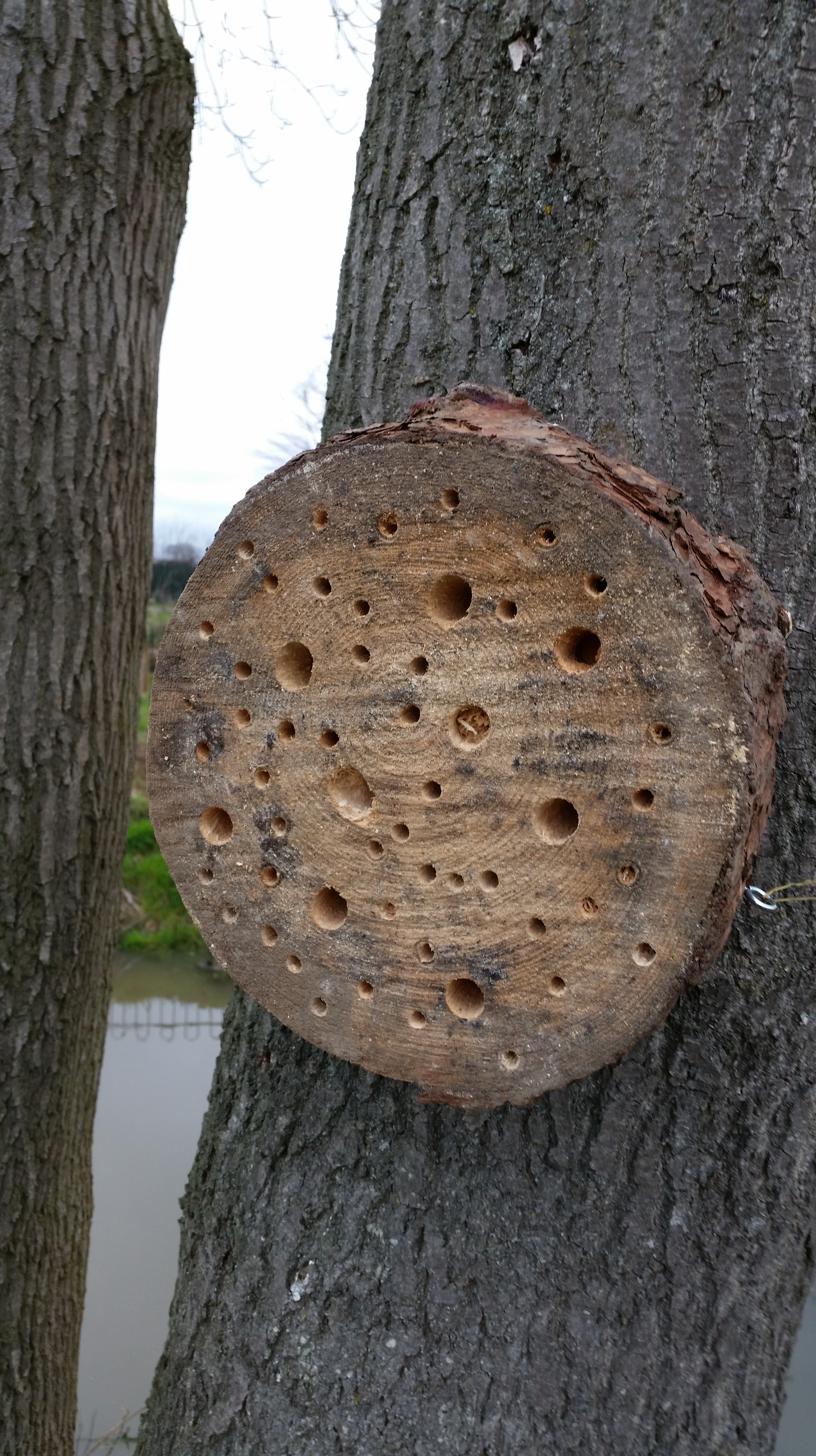
We have put up nest boxes, created a bird feeding station and are creating lots of mini-beast and amphibian habitats. Several are up in the group of Ashes that border one end of the pond.

2015 02 26_9670 2015 03 16_9991 2015 03 16_99852015 03 16_99862015 03 16_9995

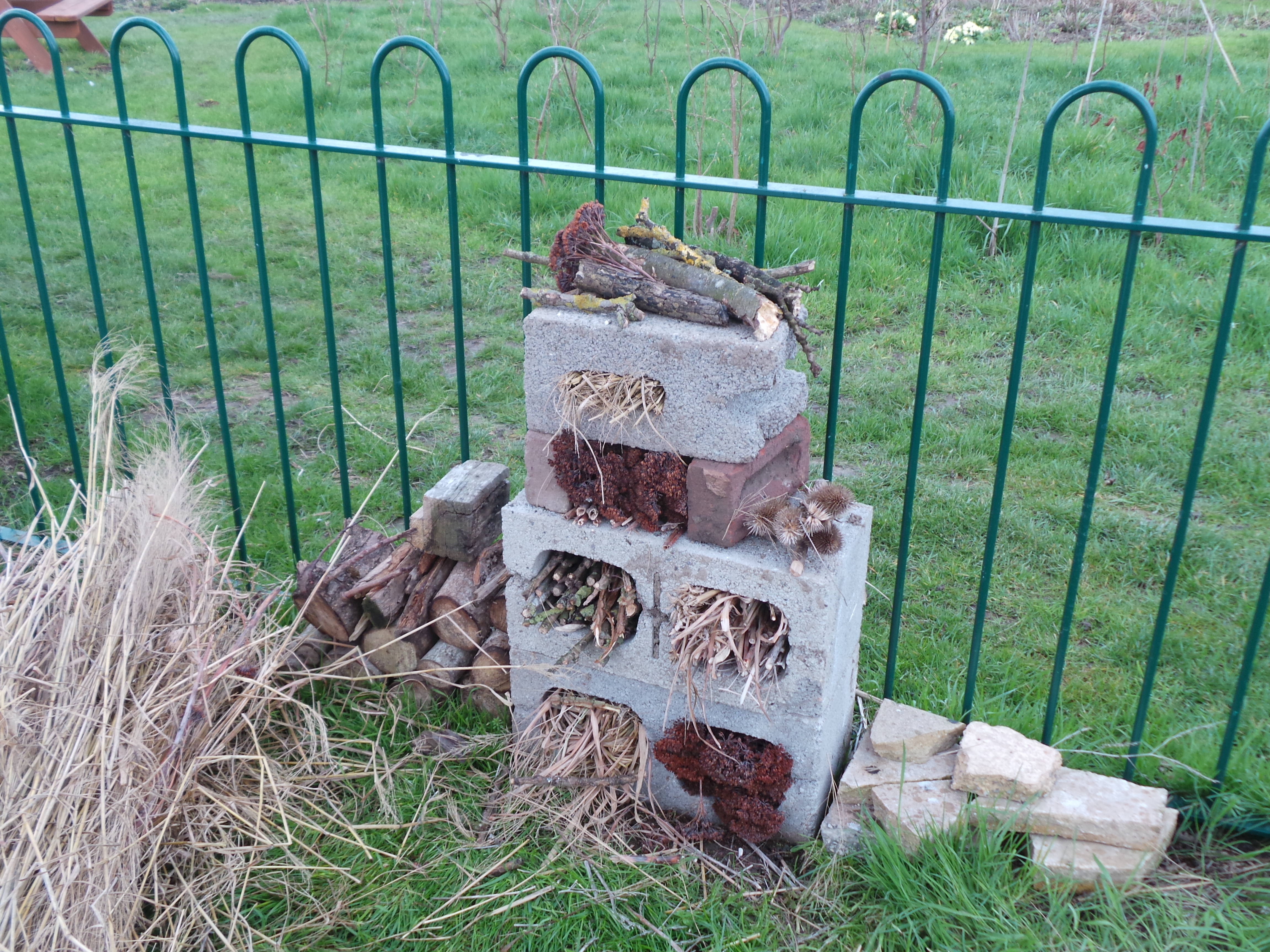
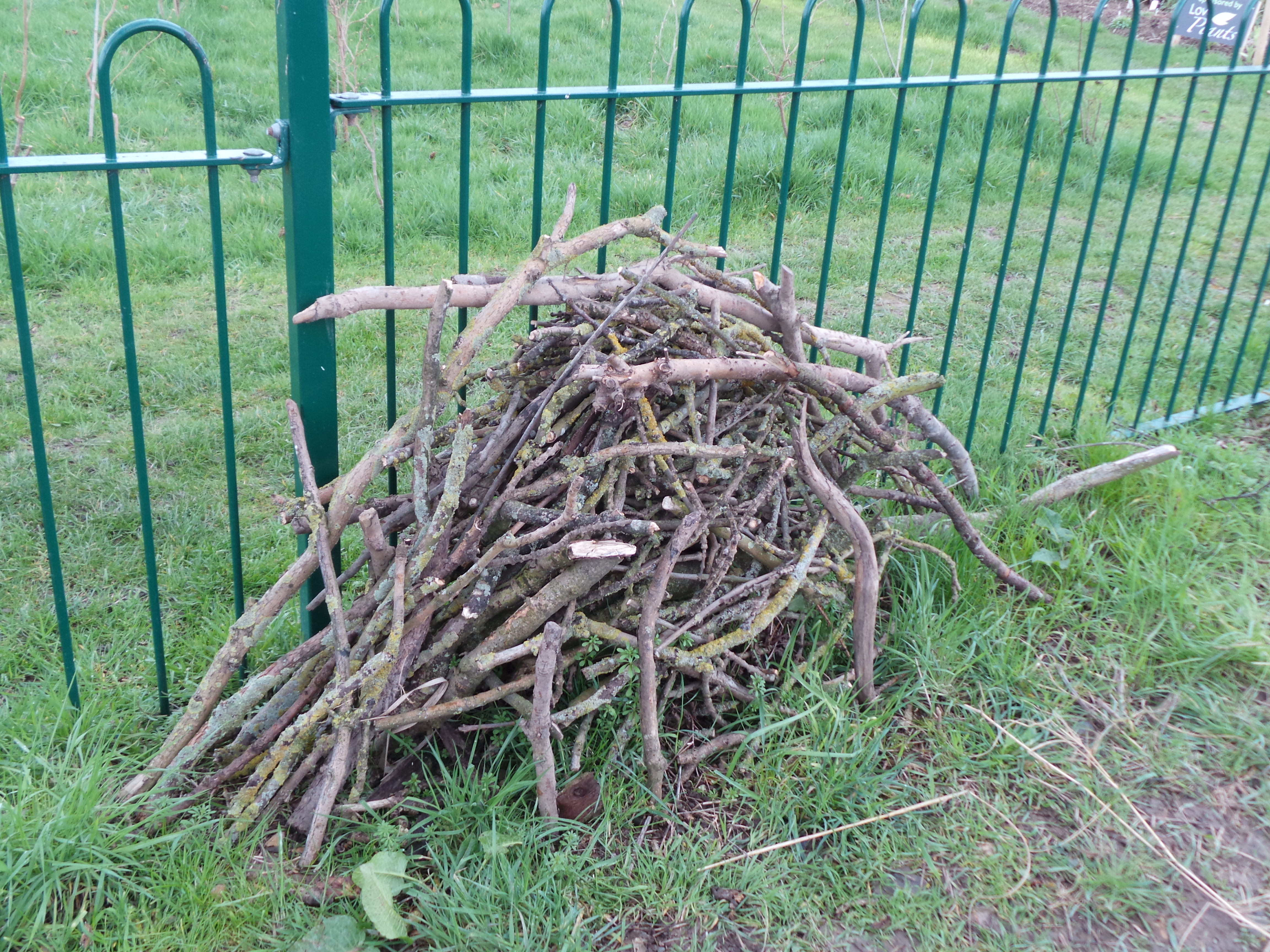
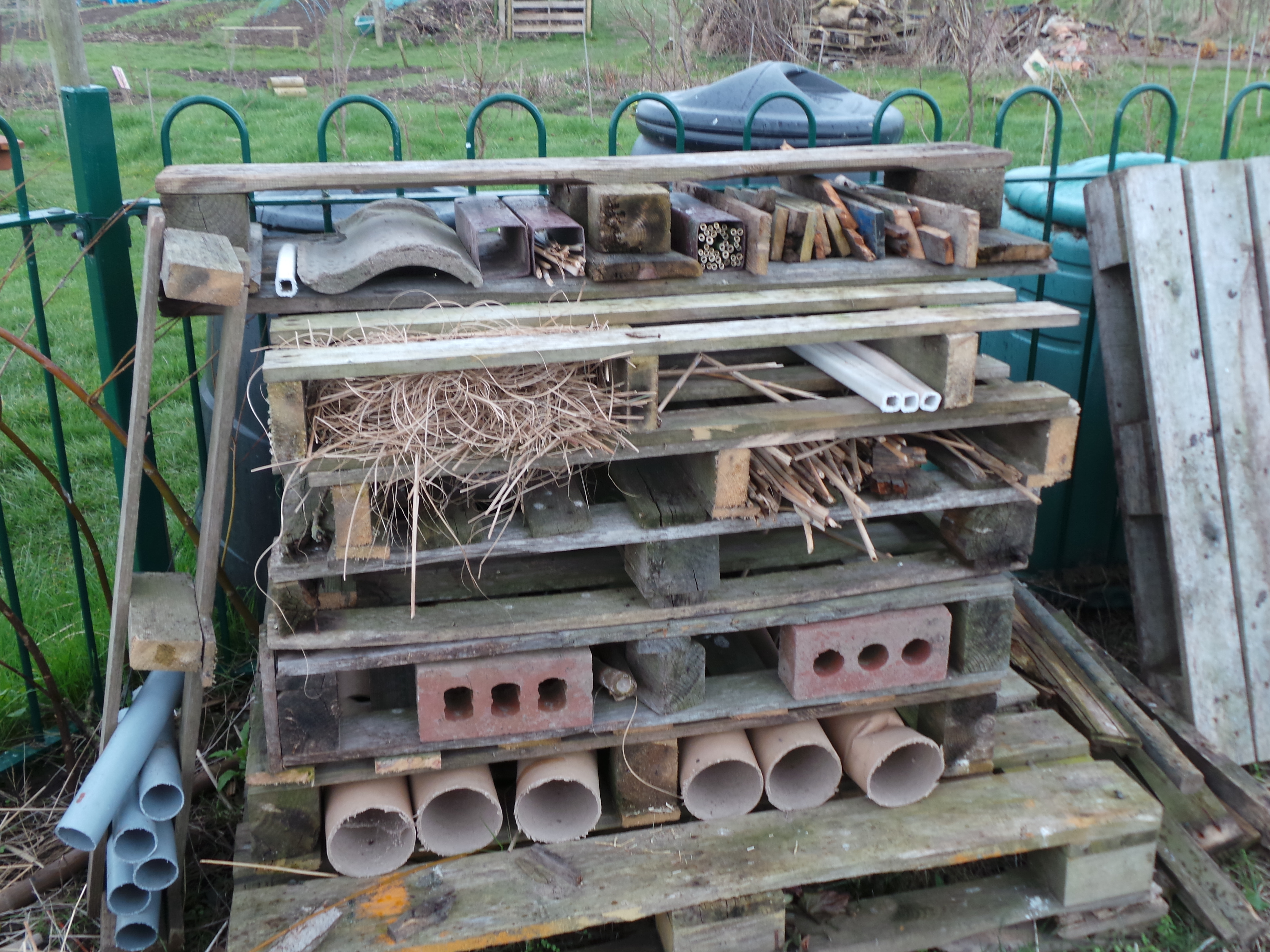
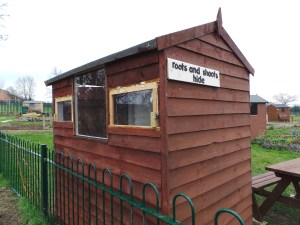
We have created extra wildlife habitats and shelters along the perimeter fence creating them from recycled items and natural materials. 2015 03 16_99872015 03 16_9988 2015 03 16_9989          Probably one of the most exciting elements of the whole project has been the creation of a bird hide for the children to use. This began as a battered old shed donated to us by a plot holder and transformed into a rather fine hide complete with a noticeboard for recording,some identification charts and a small library of identification books. Two plotholders, Sean and his dad Vince volunteered to carry out the conversion and soon other family members joined in. The finished hide was way beyond our expectations as they managed to fit a kneeling bench down the one side to enable children to look through the hatches they had constructed. For wet days when the hatches need to stay closed they added a perspex window. All this from my very simple plans and drawings!
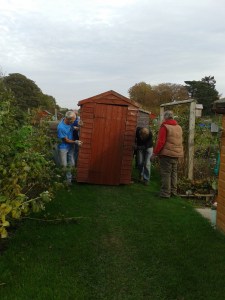
Here we are moving the old shed from one side of the site to the other in true Roman style, rolling it along on round stakes. It proved a great adventure as it kept trying to change shape and the door constantly flew open.

2014 12 08_8466 2014 12 08_8468

And here is the shed now transformed into a hide, just like the ugly duckling turning into a swan. The rest of the story of how the transformation came about will be in part two.
2015 03 16_0004  2015 03 16_0005

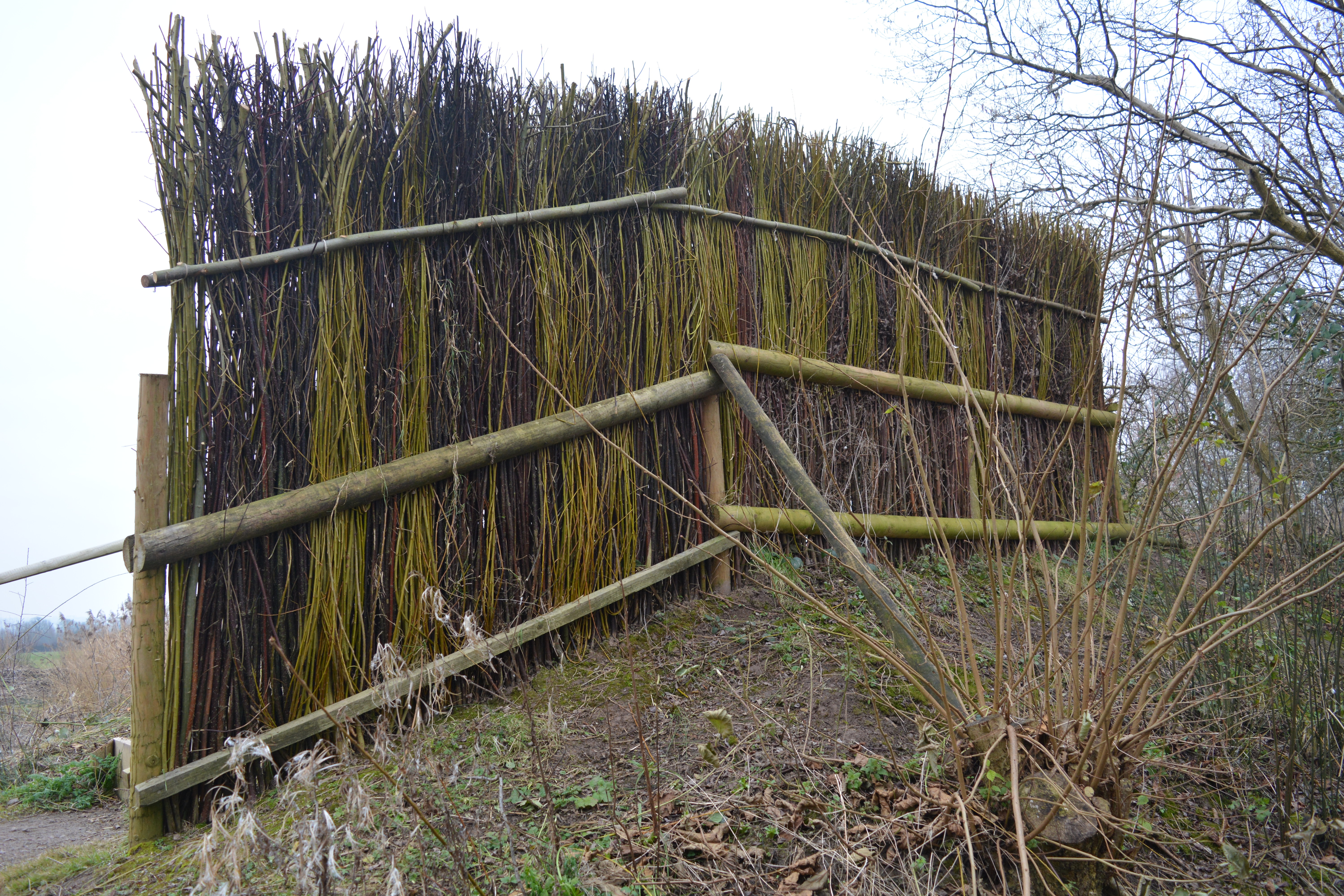
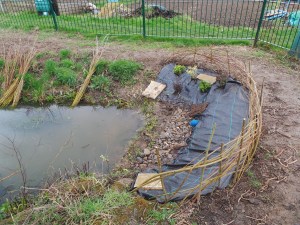
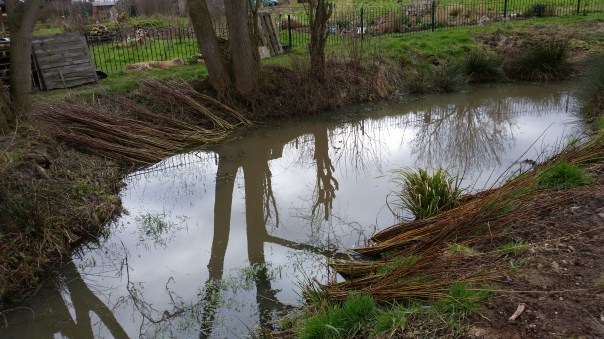
Wherever the pathway gets close to the bank we have planted a low boundary hedge from willows harvested on site and have woven whips of different coloured willows from the brightest yellow to the darkest black  through it. Similarly at the outlet end where water drains to prevent flooding, we have a steep area bank which we have given a similar low willow fence and we are slowly planting up the slopes with small ground covering shrubs that also attract bees, butterflies and hoverflies.
2015 03 16_9998 2015 03 16_00022015 03 16_0000 2015 03 16_9983


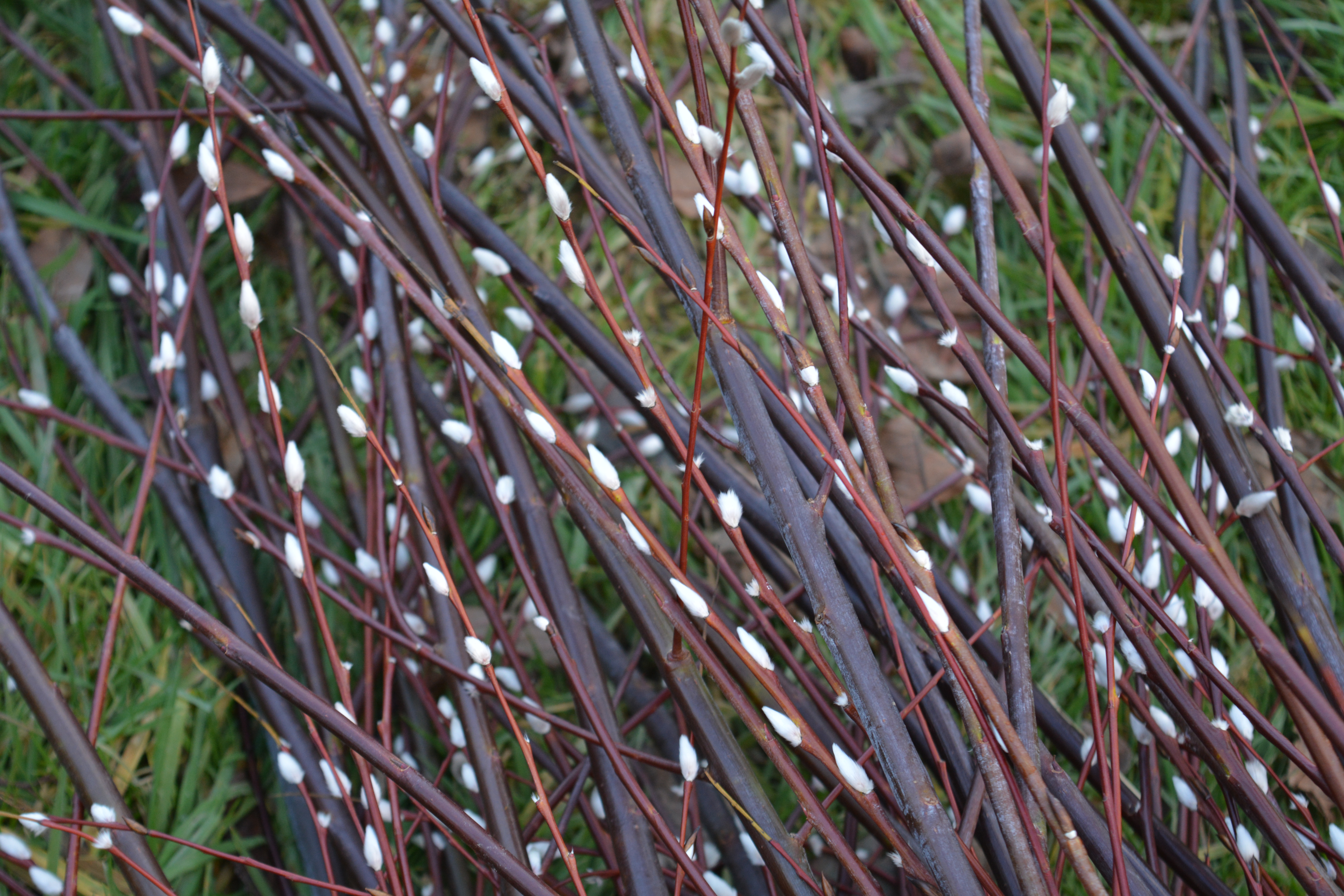
We stored the willow prunings we had after coppicing and pollarding our “Withy Bed”. The photo shows these awaiting action and illustrate just how many colours of willow we have to play with
2015 02 26_9667 2015 02 26_96682015 02 26_9669

A recent job was to make barley straw pouches to drop in the water to help keep down the growth of algae and blanket weed – a good organic solution. Look closely at the picture below to see if you can spot one.

2015 03 09_9802

We know there are some critters who are looking forward to us finishing or at least being somewhere near a livable place for them. the resident group of Weasels, our Mallard families and the site’s frogs. We must pamper to their needs as they entertain us and do much of our pest controlling.

2014 11 28_7933 2014 12 08_85932015 02 28_9789_edited-1 20150207_141312

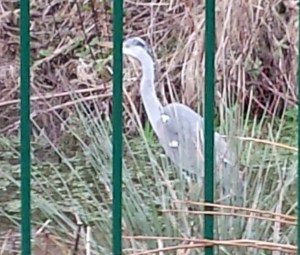
The bird in the fourth of the above photos though arrived amid mixed feelings from us all. Our Grey Heron is most definitely a handsome bird but he is a threat to our fish. We have a small population of native Rudd in the pond brought in as eggs on the feet of the ducks. Sadly until we get some plant cover for them to seek refuge beneath they will soon be wiped out by the Heron. The photo was taken on a member’s mobile phone through our green fence.

In part two we will look at details of how the hide ended up, some of our tree surgery work and the adventures we had putting in our duck tube.




Categories
colours gardening recycling trees Winter Gardening

The Wonder of Willows – part two

For part two in this series about the wonder of willows we start in our own garden at our home “Avocet” in Shropshire. The first photo shows our striking, architectural Salix erythrocadium flexuosa with the orange coloured tips to its thinnest branches. Together with the colour, the amazing curling, spiraling branches impress everyone who sees it.
2015 02 17_9590 2015 03 15_9902 2015 03 15_9903

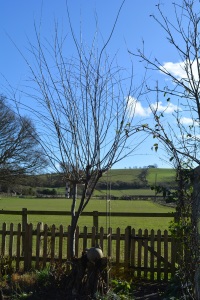
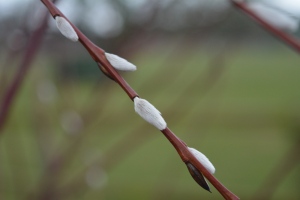
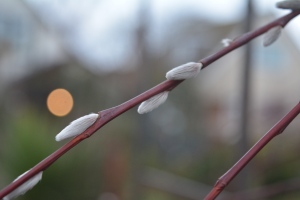
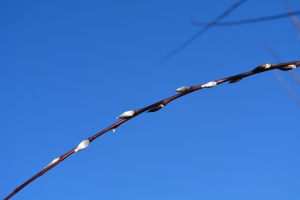
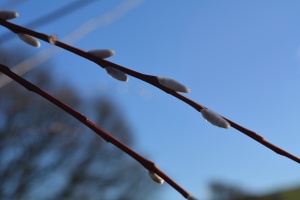
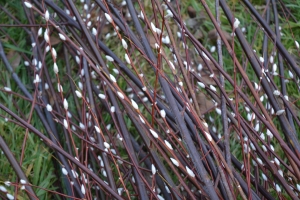
Close by our Violet Willow is equally impressive with its almost black stems which develop a white bloom in the winter. In the late winter and into early spring it produces strongly contrasting sparkling white catkins.

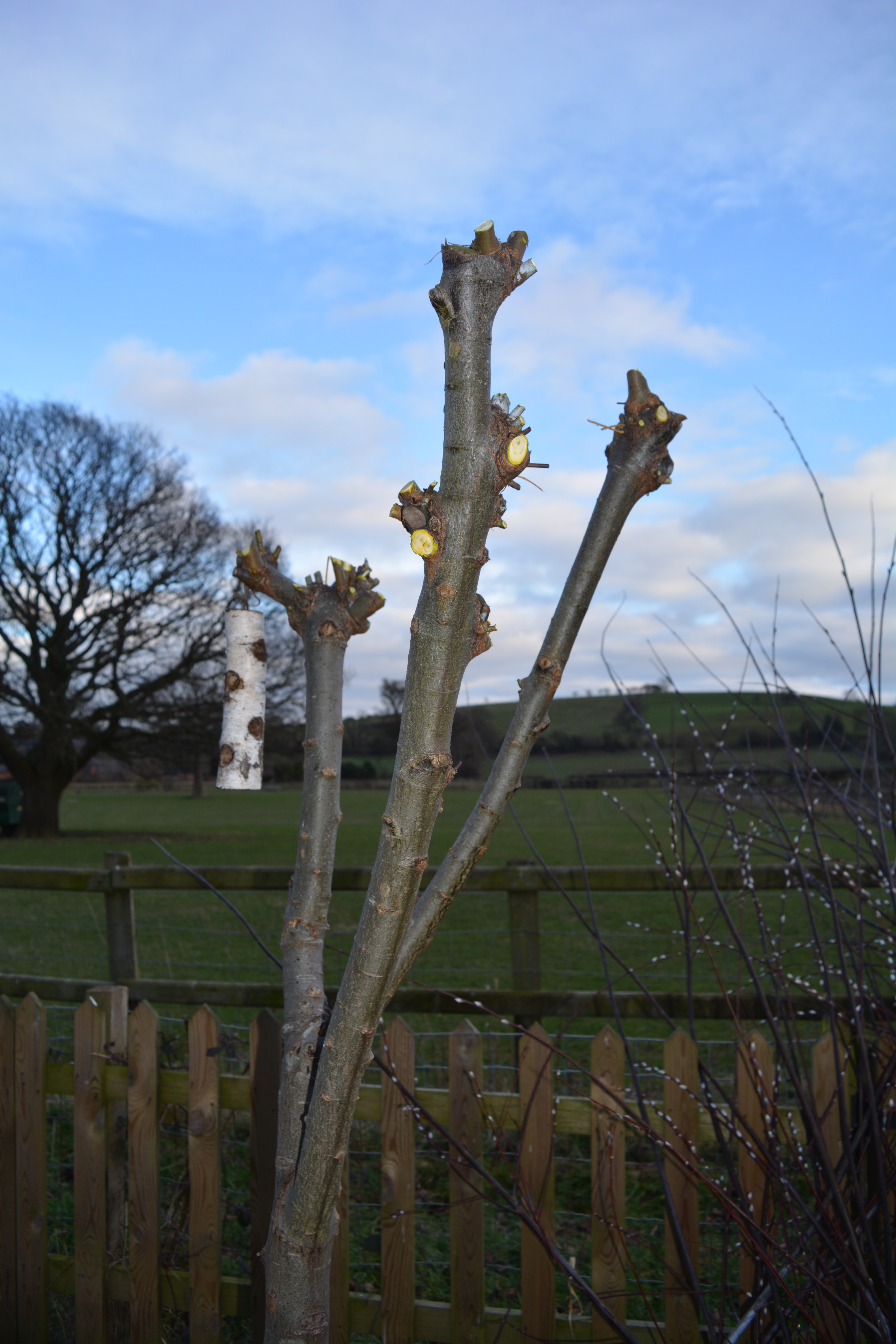
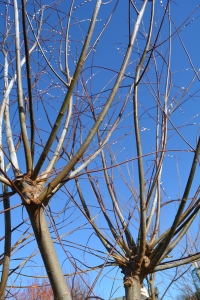
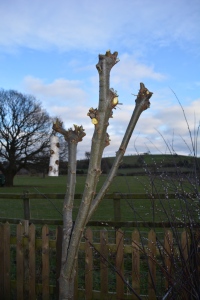
As the group of photos below show we have trained this as a pollarded specimen with its branches pruned down to the pollard stumps at about 8 to 9 feet. This is just tall enough to help us appreciate its catkins against the ever changing sky and also to make pruning easy.

2015 02 17_9594-1 2015 02 17_9581-1 2015 02 17_95772015 02 17_9597-1 2015 02 17_9596-1 2015 02 17_9579-1 2015 02 17_9580-1

In late February or early March each year we prune it hard to give it its skeletal pollarded shape.
2015 02 17_9583-1 2015 02 17_9582-1

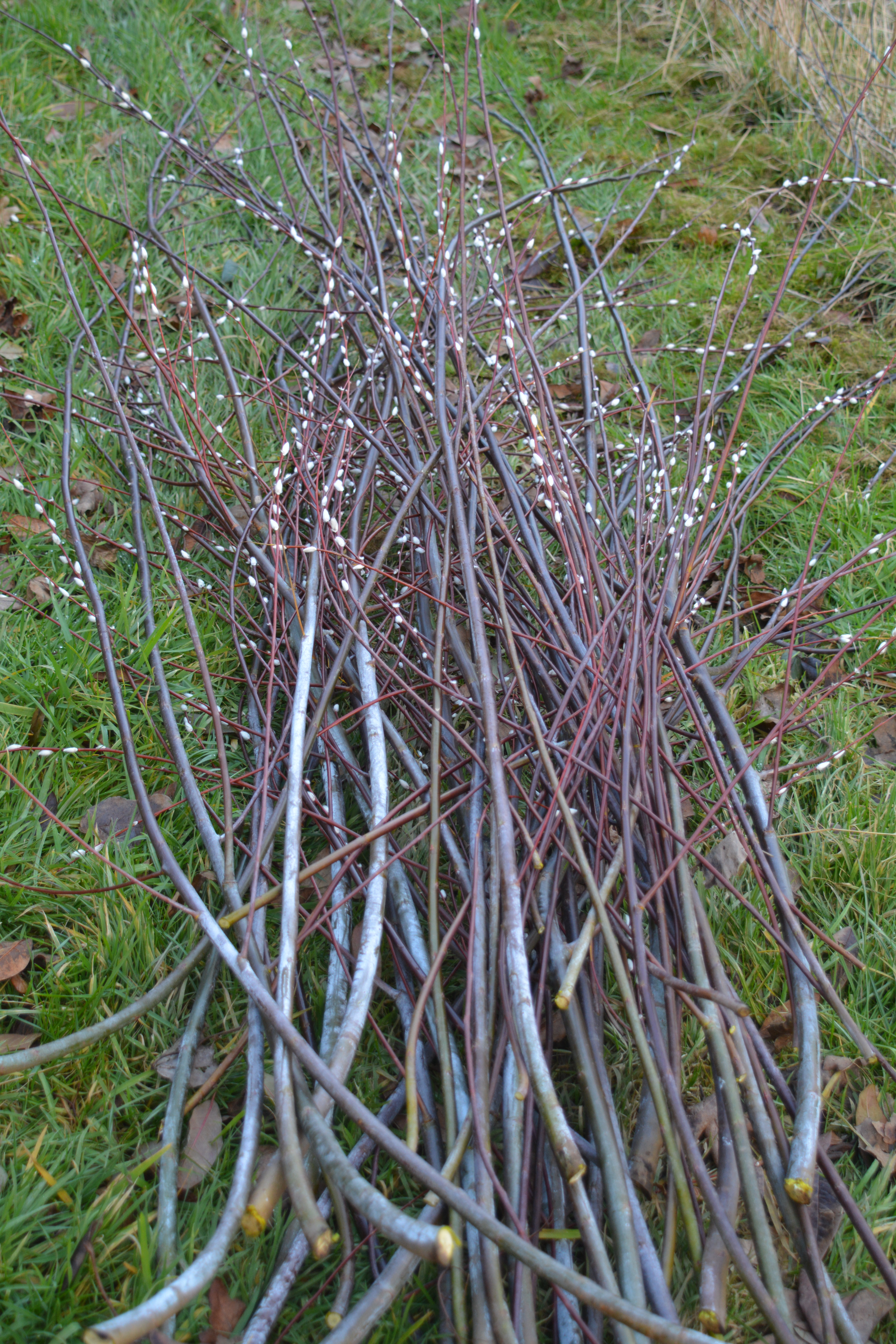
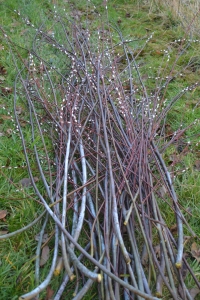
These two photos show how much material we pruned off it this year and the amazing range of colours.
2015 02 17_9584-1 2015 02 17_9585-1

Apart from these two specimen willow trees we have this ground hugging Salix variety that barely rises an inch above ground level.

2015 02 17_9599_edited-1  2015 02 17_9598


Categories
colours conservation countryside gardening landscapes nature reserves ornamental trees and shrubs trees Wildfowl and Wetlands Trust Winter Gardening

The Wonder of Willows – part one

We spent a cold February day at the Wildfowl and Wetland Trust reserve in Gloucestershire, Slimbridge. Work was going on coppicing and pollarding the many willows around the site. It is so good to see this ancient countryside craft still being practised. Many of the willows here at Slimbridge are ancient but there is plenty of planting of willows going on all the time. When the trees have been cut the wands are used around the site. In other parts of the country the willow prunings are used in cottage industries like basket making and hurdle making. Larger pieces are also used as fuel. Willows are so useful but also very beautiful, the branches of no two ever seem the same ranging from greens and yellows to oranges and reds. One in our garden has even got black branches which develop a white bloom on them in the winter, making it a beautiful addition to our garden.

The photo below shows a grove of willows through an observation hatch in a hide.

2015 02 12_9480

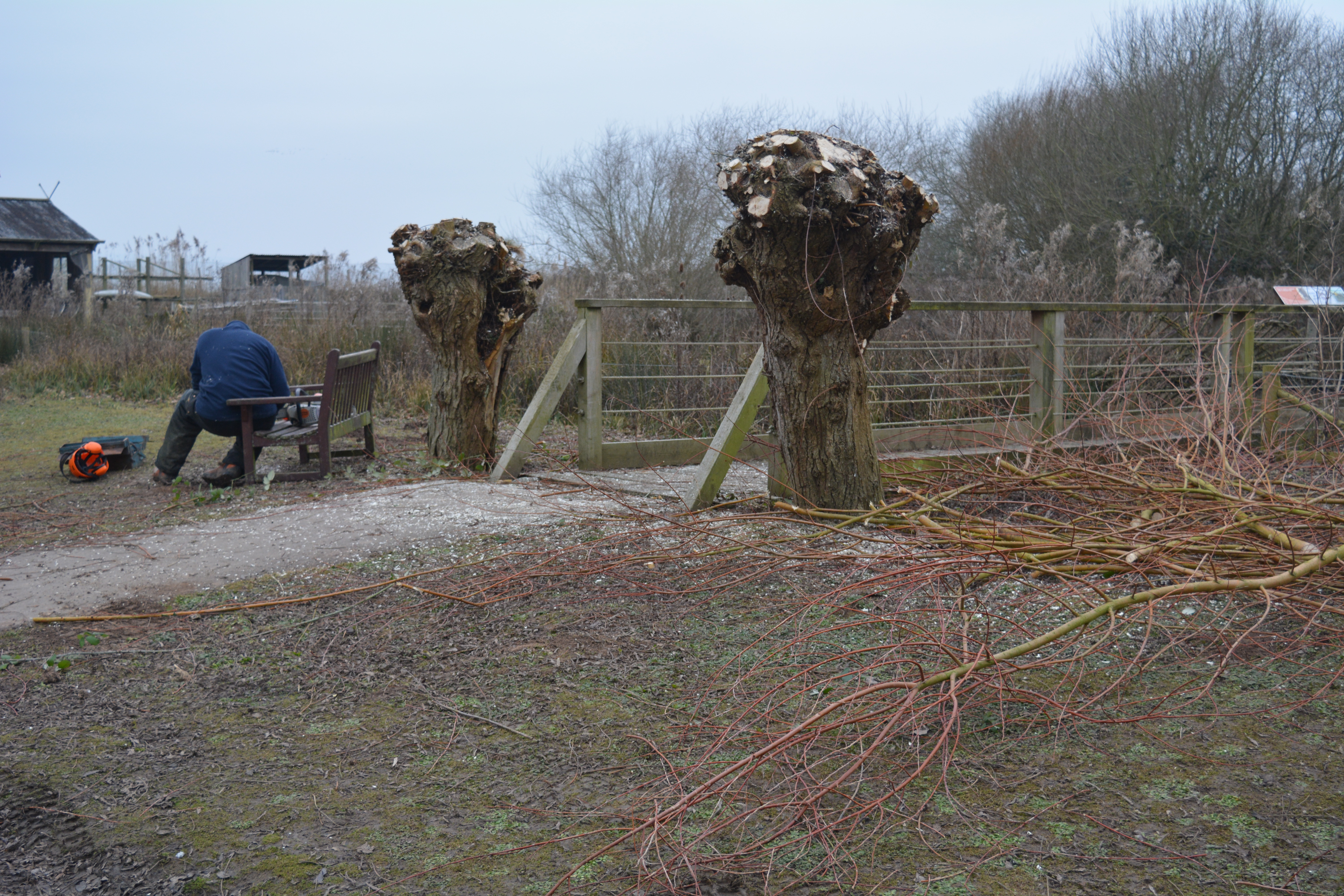
The photo below photo shows a craftsmen head down sharpening his tools and having a break from pollarding these ancient willows. The wands when cut are delivered around the site where they are used to make screens which allow the public to walk around the site without disturbing the wildfowl and waders feeding in the lakes, scrapes and estuarine mud.

2015 02 12_94632015 02 12_9467 2015 02 12_9466

There is evidence of recent coppicing and pollarding at every turn.

2015 02 12_9465

The pair of pictures below show a freshly cut willow and another showing strong regrowth.

2015 02 12_9458 2015 02 12_9451

Some of the older willow trees line the main paths and looking close up you can see the gnarled bark. Some are hollowed out so that in extreme case only a tube of trunk remains.

2015 02 12_9438 2015 02 12_9448 2015 02 12_9450 2015 02 12_9455 2015 02 12_9457

Enjoy this little gallery of photos of individual trees.

2015 02 12_9461 2015 02 12_9462 2015 02 12_9464 2015 02 12_9469 2015 02 12_9470

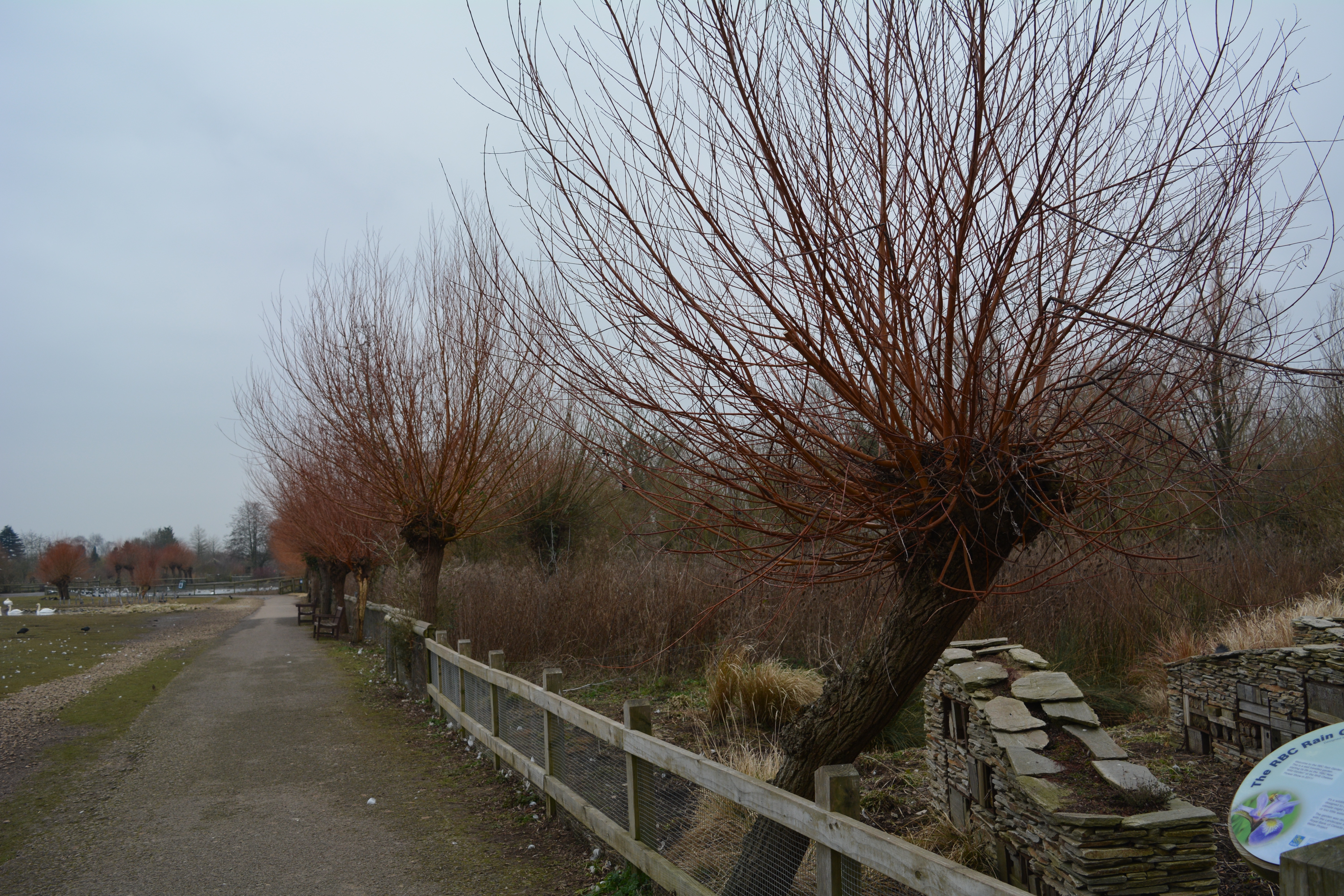
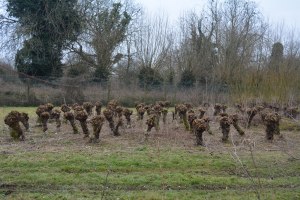
We came across groves of small willows pollarded at about 4 feet high. When freshly cut they look like a busy crowd of people.

2015 02 12_9476

2015 02 12_9472 2015 02 12_9473

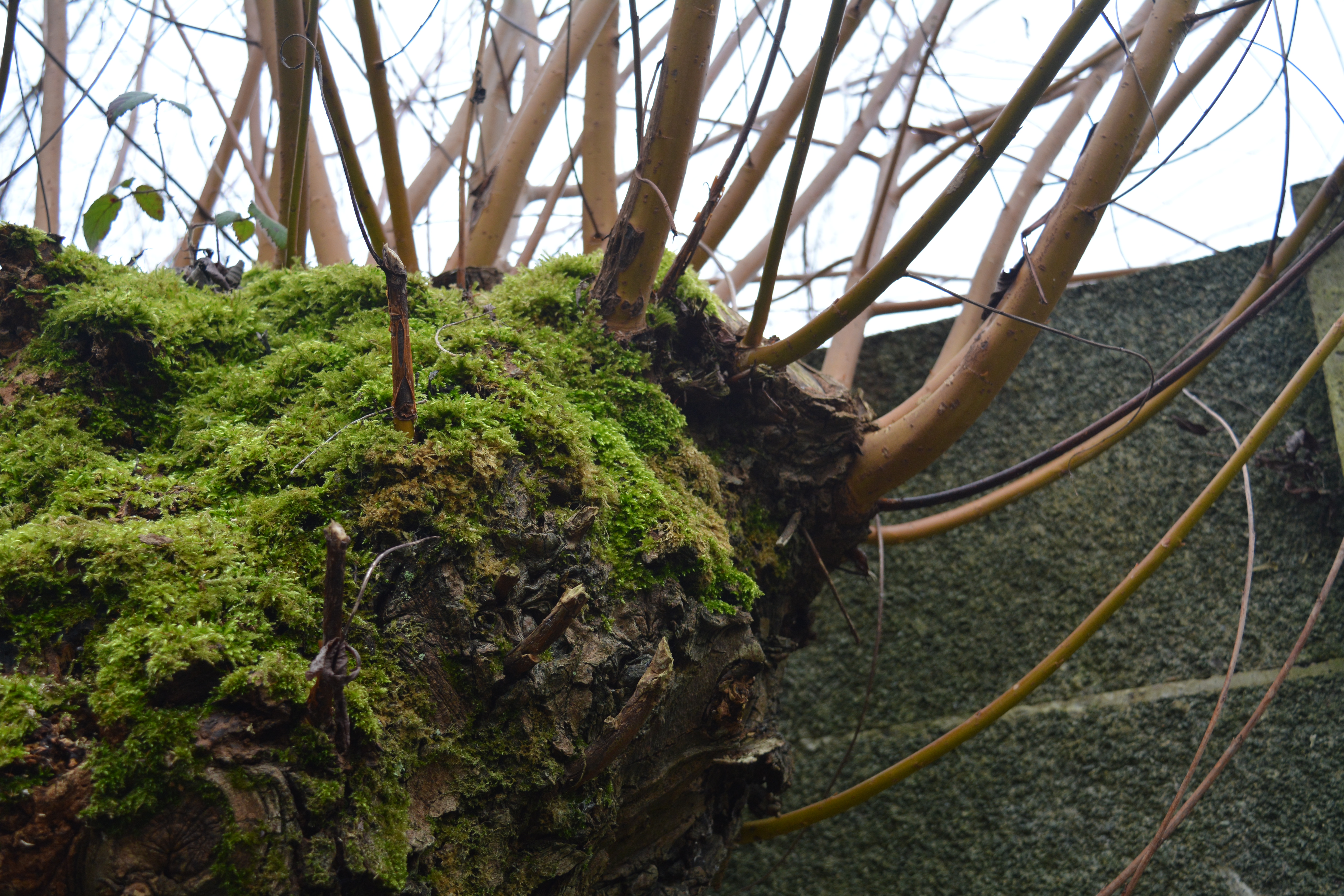
The bowls of ancient willow after years of being subject to regular pollarding create a perfect moist area for mosses to thrive.

2015 02 12_9474 2015 02 12_9475

So there we have it – a brief appreciation of the willows at Slimbridge. They have an important role to play in these wild areas but of course they can also star in our gardens. But, as they say, that is a different story. Soon we will need to pollard and prune the many willows we grow in the community gardens of our allotment site. I shall post a blog celebrating those willows soon.

2015 02 12_9454 2015 02 12_9471

So there we leave Slimbridge with its wonderful willows and look forward to my next post about willows, featuring these versatile trees growing in much smaller places.


Categories
colours flowering bulbs garden photography garden ponds garden pools garden wildlife gardening grasses hardy perennials light light quality ornamental grasses ornamental trees and shrubs recycling Shropshire spring bulbs spring gardening trees wildlife Winter Gardening winter gardens

My Garden Journal – February

Here we are with part two of my post featuring my garden journal, where we can look at what was going on in our garden in February.

2015 03 13_9852_edited-1

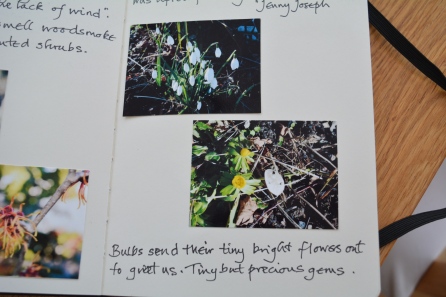
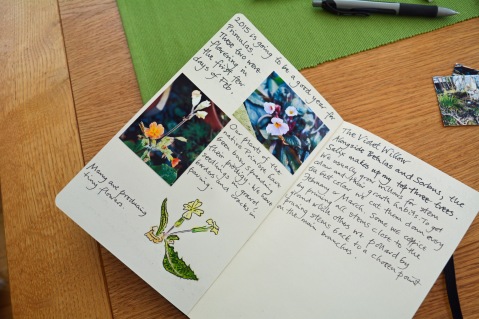
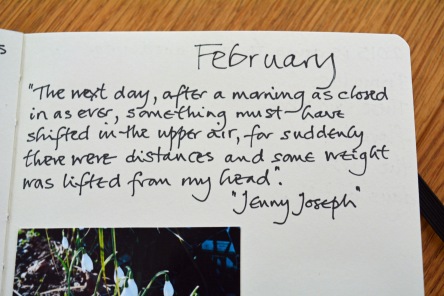
The first entry in my Garden Journal for February shares another quote from Jenny Joseph, “The next day, after a morning as closed in as ever, something must have shifted in the upper air, for suddenly there were distances and some weight was lifted from my head.” The first photos in this month’s journal were of startlingly white Snowdrops. “Bulbs send their tiny bright flowers out to greet us. Tiny but precious gems.” was my accompanying note.

2015 03 13_9853

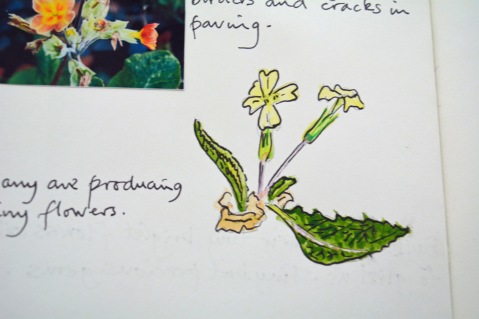
I also featured Primulas this month, “2015 is going to be a good year for Primulas. These two were flowering in the first days of Feb. Our plants of the native Primrose have been busy spreading their prodigy. We have seedlings in the gravel, in borders and in cracks in paving. Many are producing tiny flowers.”

2015 03 13_9855_edited-1

2015 03 13_9854_edited-1

The first day of the new month was spent in the garden and what a wonderful day we had. A bonus day outside in mid-winter is so welcome. We pruned the climbing roses, trimmed down the old growth of perennials to reveal the fresh green shoots eagerly waiting to burst into growth with the onset of Spring. The plant that never fails to impress is the Sedum with its virulent fresh growth waiting thickly at the base of last year’s cut down stumps.

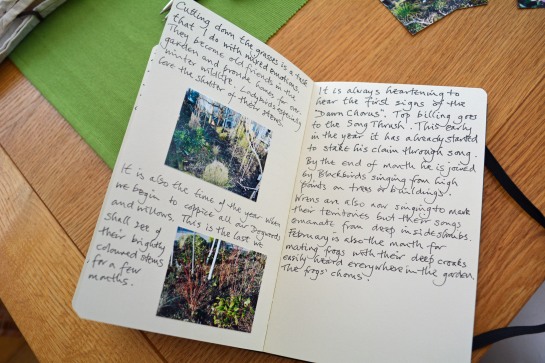
The tall elegant stems of grasses are now cut close to the ground after their winter display. Even the gentlest of breezes has encouraged them to dance, their stems swaying stiffly but gracefully and their seed heads far more fluent in their dances. They will soon be back. In my journal I noted “Cutting down the grasses is a task I do with mixed emotions. They become old friends in the garden and provide homes for over-wintering wildlife. Ladybirds especially love the shelter of their stems.”

2015 03 13_9856_edited-1

We like the month of February, as both Jude the Undergardener and I suffer from S.A.D.(seasonally adjusted disorder)  and mid way through February we can spot a change in the light and literally feel an improvement in light quality and with it an improvement in our mood. I am sure the garden feels the same as all that future growth waits underground to burst forth and all those buds lie waiting on the resting bare branches of the deciduous trees and shrubs.

Birds are showing signs of getting themselves prepared for the rituals of spring that awaits them. Blue Tits are exploring nest boxes already with two boxes already held by two pairs. Collared Doves, those invaders to our shores, entertain us by filling the sky with their acrobatics designed to impress their mates. They fly diagonally backwards into the air!

In my journal I wrote “It is always heartening to hear the first signs of the “Dawn Chorus”. Top billing goes to the Song Thrush. This early in the year it has already started to stake his claim through song. By the end of the month he is joined by Blackbirds singing from high points on trees or buildings. Wrens are also now singing to mark their territories but their songs emanate from deep inside shrubs.”

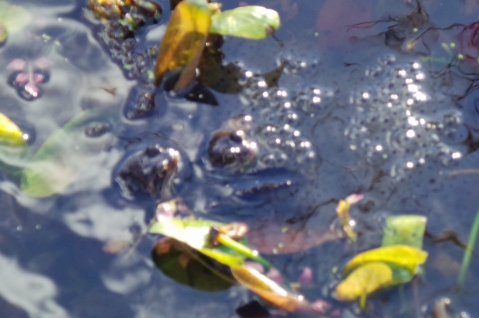
Our attention is drawn to the wildlife pond from mid-February onwards as it is around this time that we start to hear the deep croaks of the male frogs calling the females in to join them in the water. One evening coming in from the garden we made a plan to clear the leaves and any winter debris from the pond the next day before the first frogs arrived. But  they beat us to it for as we went into the garden to do just that a pair of mating frogs was in residence and close by lay a large glob of spawn. Our job became more difficult as we tried not to disturb their nuptials. My journal notes “February is also the month for mating frogs with their deep croaks heard from everywhere in the garden, “The Frogs’ Chorus!” We love frogs in the garden where they act as great pest controllers. Some move into the greenhouse once they leave the pond and work in there for us too. Free labour!

2015 02 28_9789_edited-1

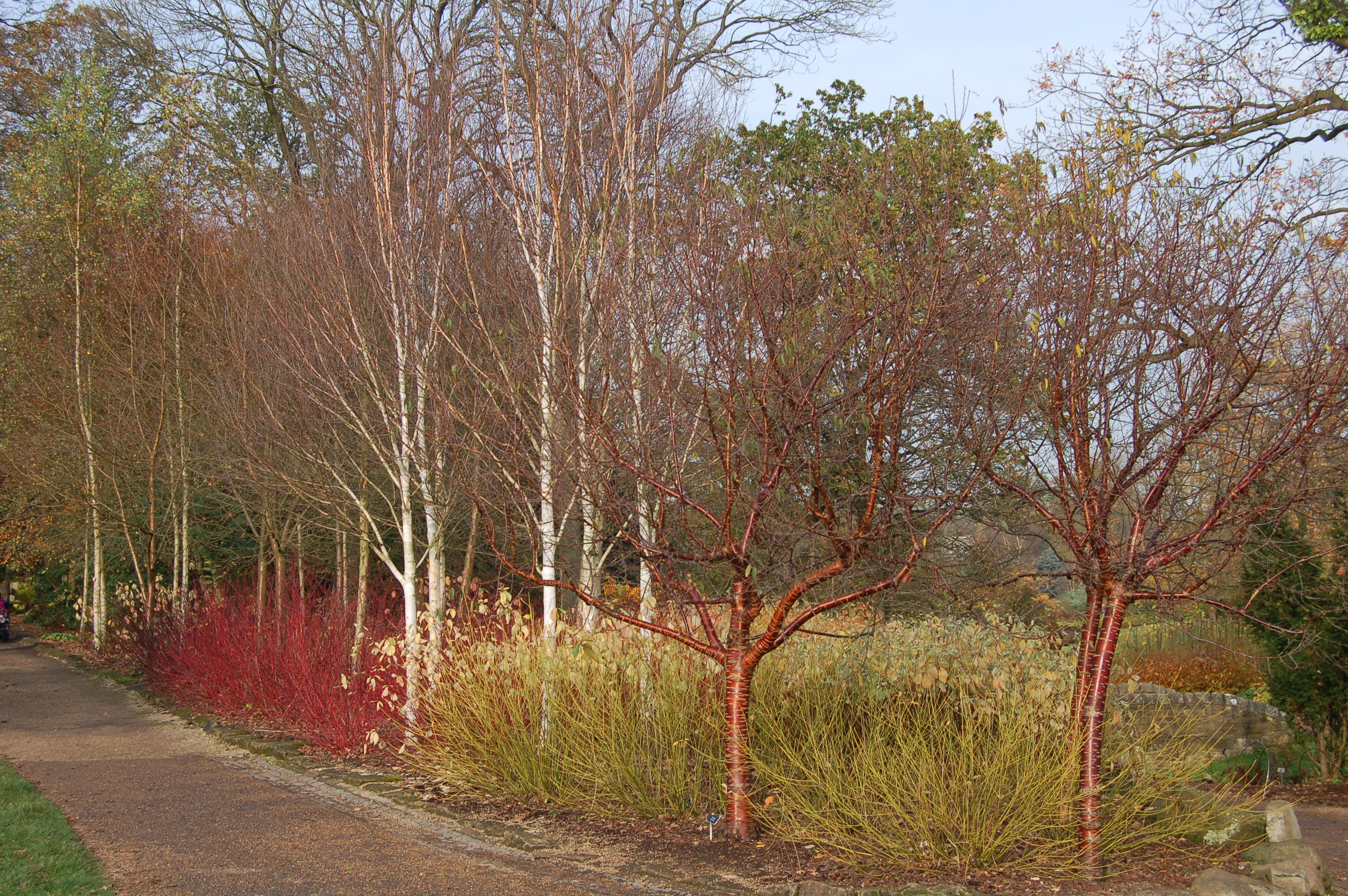
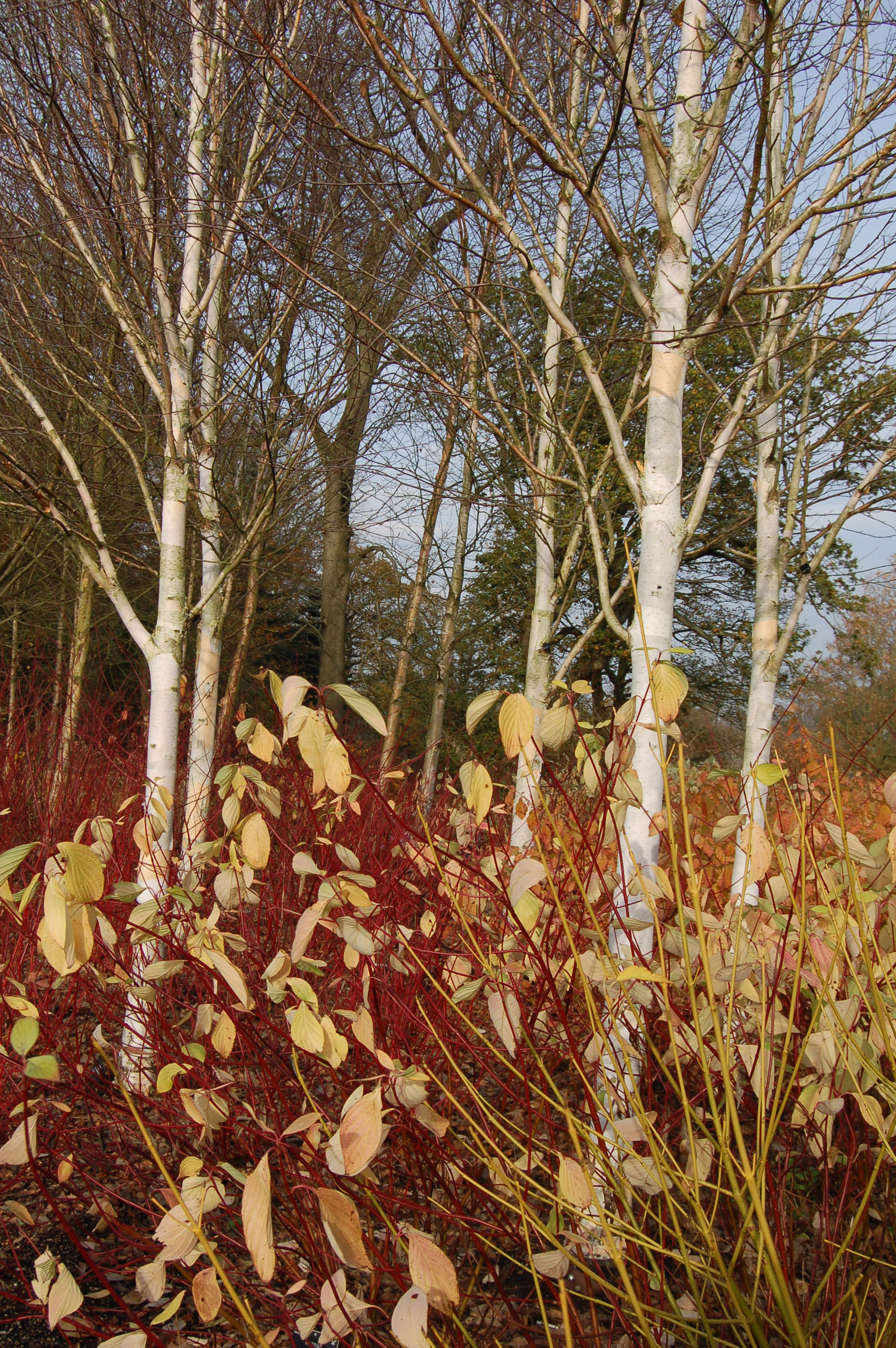
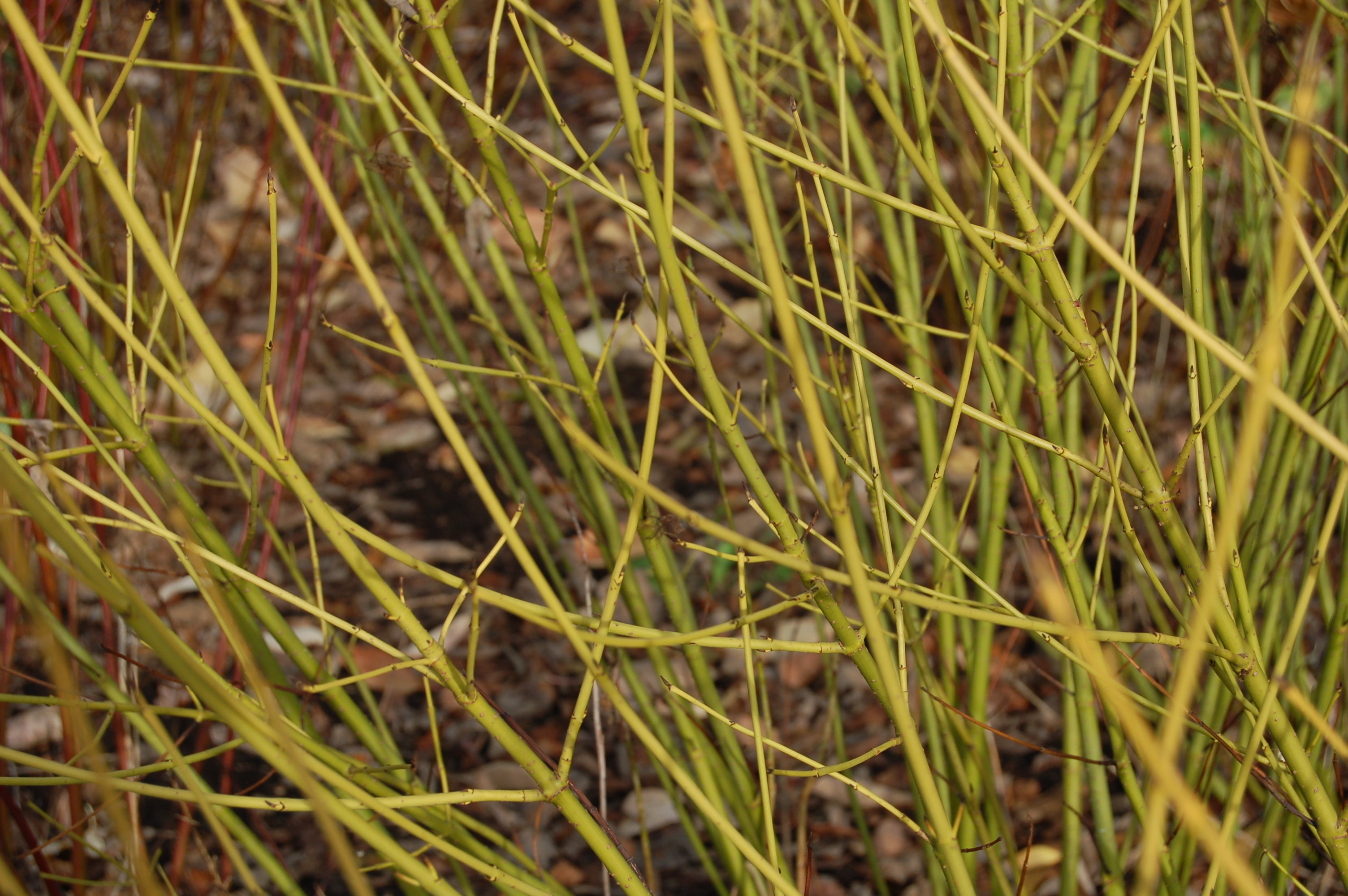
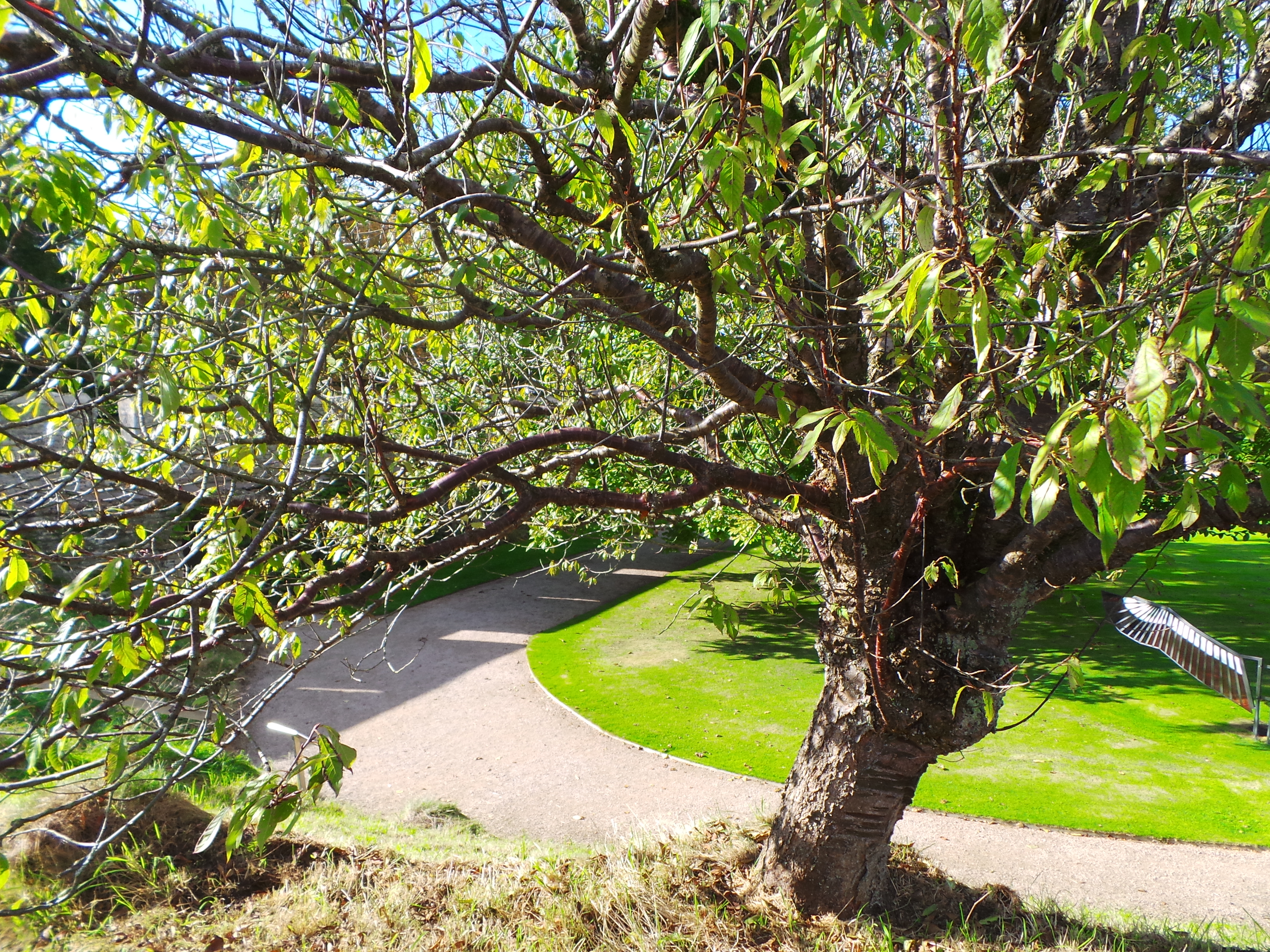
We can still enjoy the coloured stems of Cornus and Salix and the coloured textured trunks of the trees. The Betulas glow white with hints of silver, cream or salmon, while the Prunus serrula shines gold and brown. The brightest of all though must be Cornus “Midwinter Fire”. Late in this month however we begin the task of coppicing and pollarding, hard pruning to give us bright new stems with brighter colours in the year to come. My journal says, “It is also the time of year when we begin to coppice all our Dogwoods and willows. This is the last we shall see of their brightly coloured stems for a few months.” I move on to make special mention of the Violet Willow of which we have a trained multi-stemmed pollarded specimen which holds a great presence in the garden at every time of the year.

The photos below illustrate how its many colours vary with the changing light.

2015 02 17_9597-1 2015 02 17_9596-12015 02 17_9579-1 2015 02 17_9580-1

These shots show the before pruning and after pruning images, so you can see how hard we prune them down. We certainly need our strong, sharp loppers for this job.

2015 02 17_9581-1 2015 02 17_9582-1

The final pictures illustrate just how much wood is removed and shows the colours of the branches. All this material will be used for making plant supports and will be useful when we make a willow dome for some friends’ garden in a week or so (look out for a post about this). This is a fine example of recycling in action in the garden.

2015 02 17_9585-1 2015 02 17_9584-1

We shall make the next visit to my garden journal in the month of March which we hope is full of the promise of spring.


Categories
allotments architecture buildings Church architecture community gardening fruit and veg garden design garden photography garden seating gardening gardens gardens open to the public grow your own hardy perennials ornamental trees and shrubs outdoor sculpture sculpture town gardens trees

A Bishop’s Garden

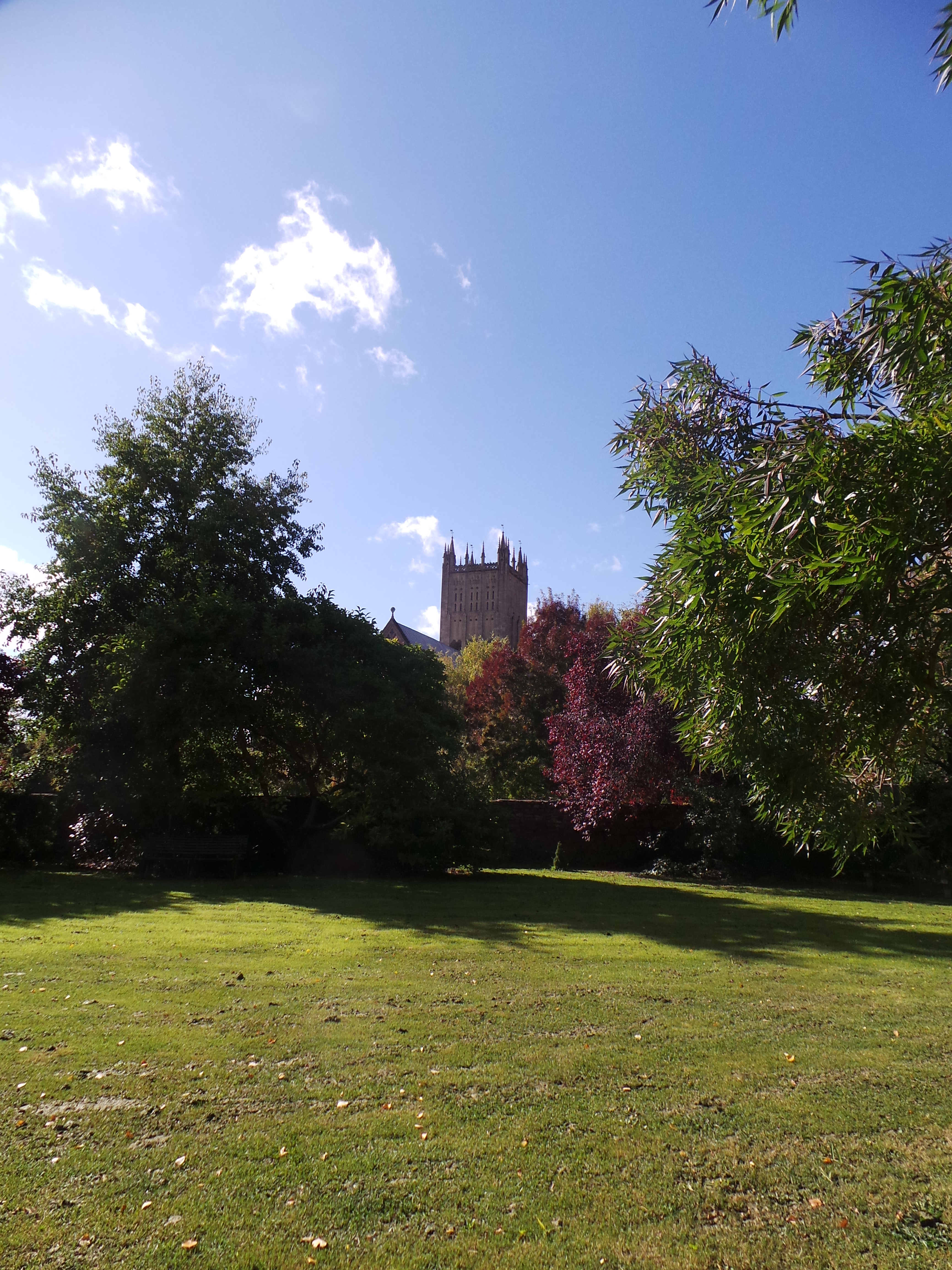
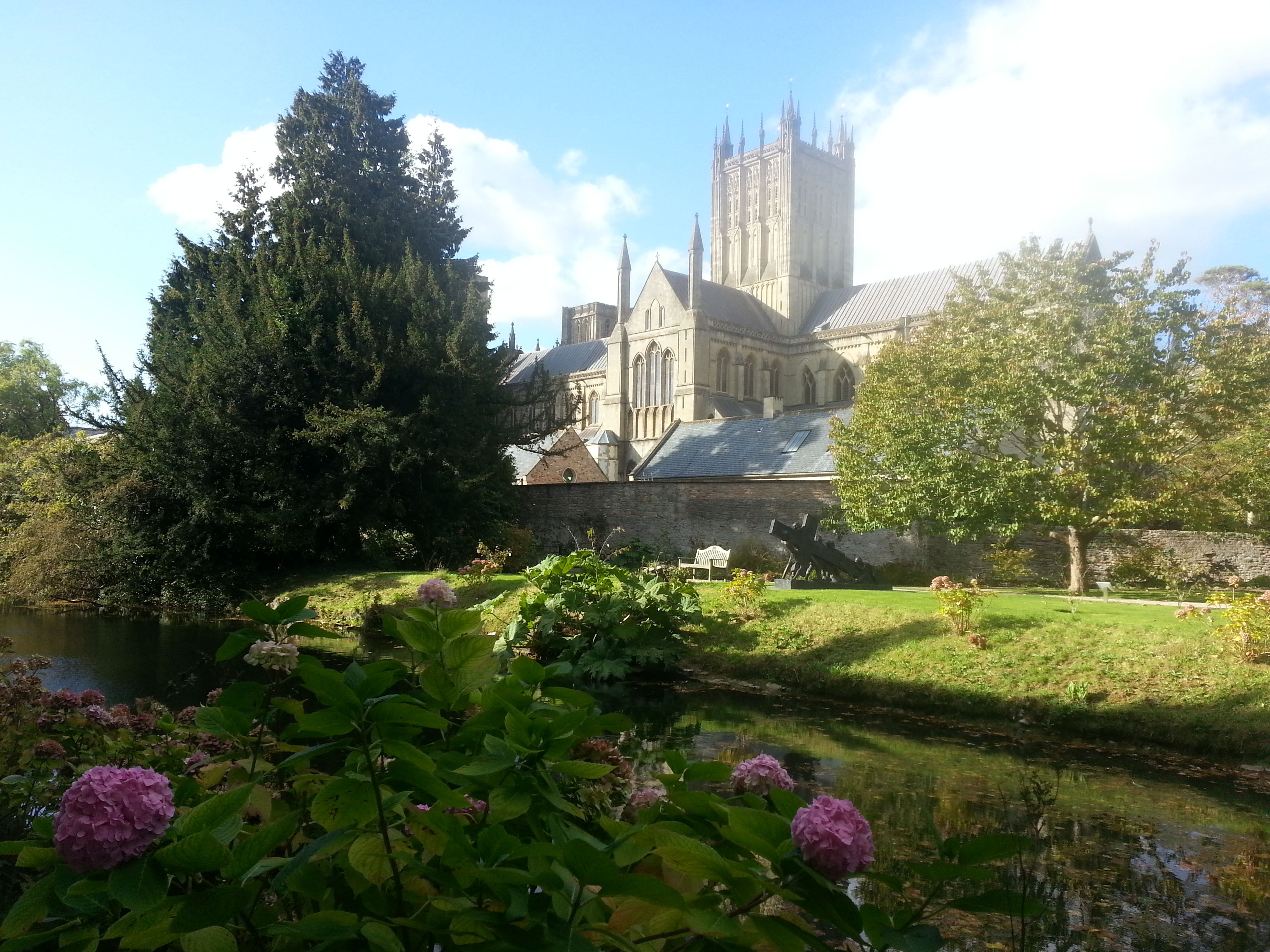
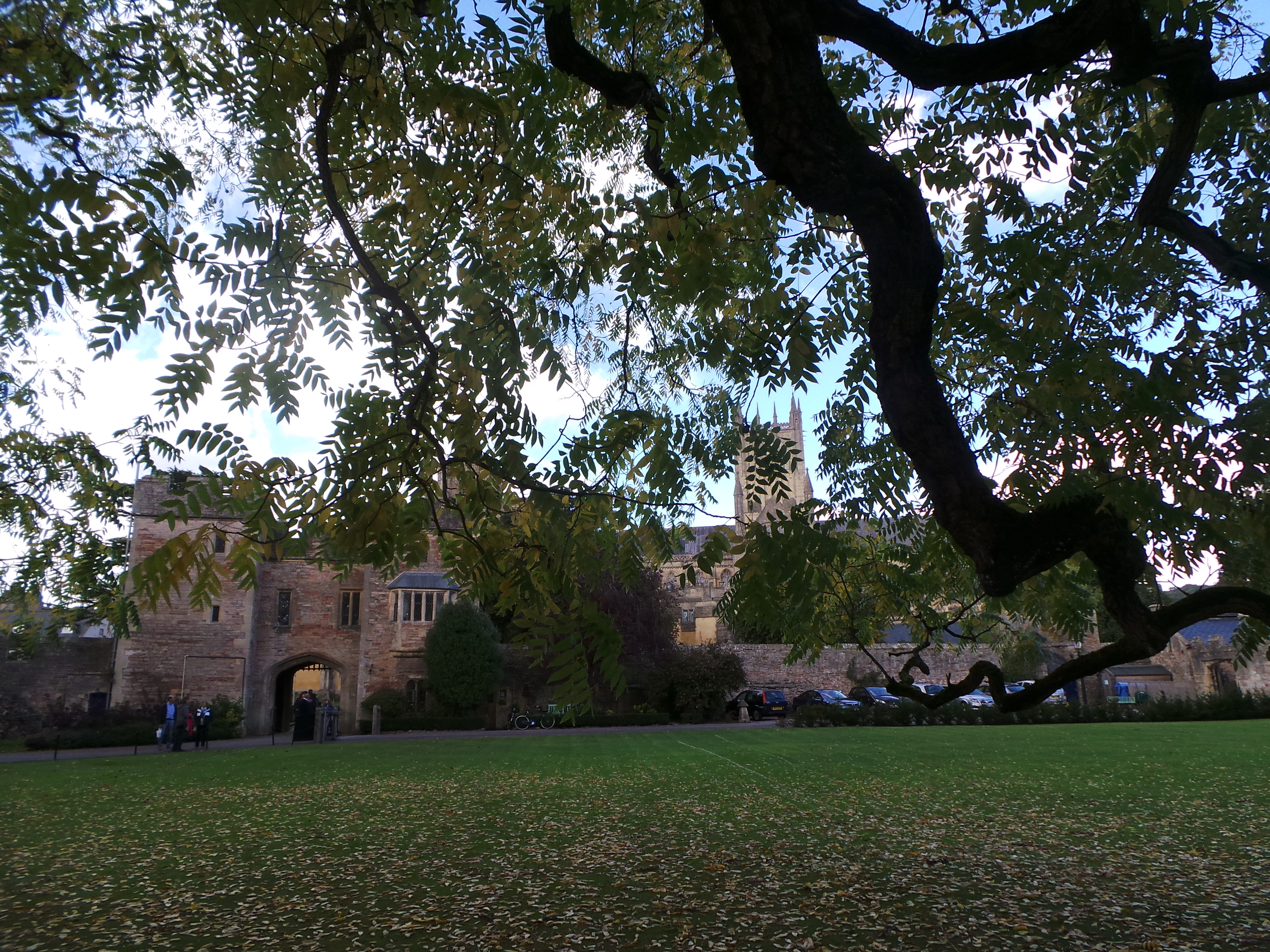
The grounds of a cathedral doesn’t sound the most promising place to find an interesting garden but we had heard good things about the gardens at Wells Cathedral , so when visiting the cathedral itself we just had to have a look.

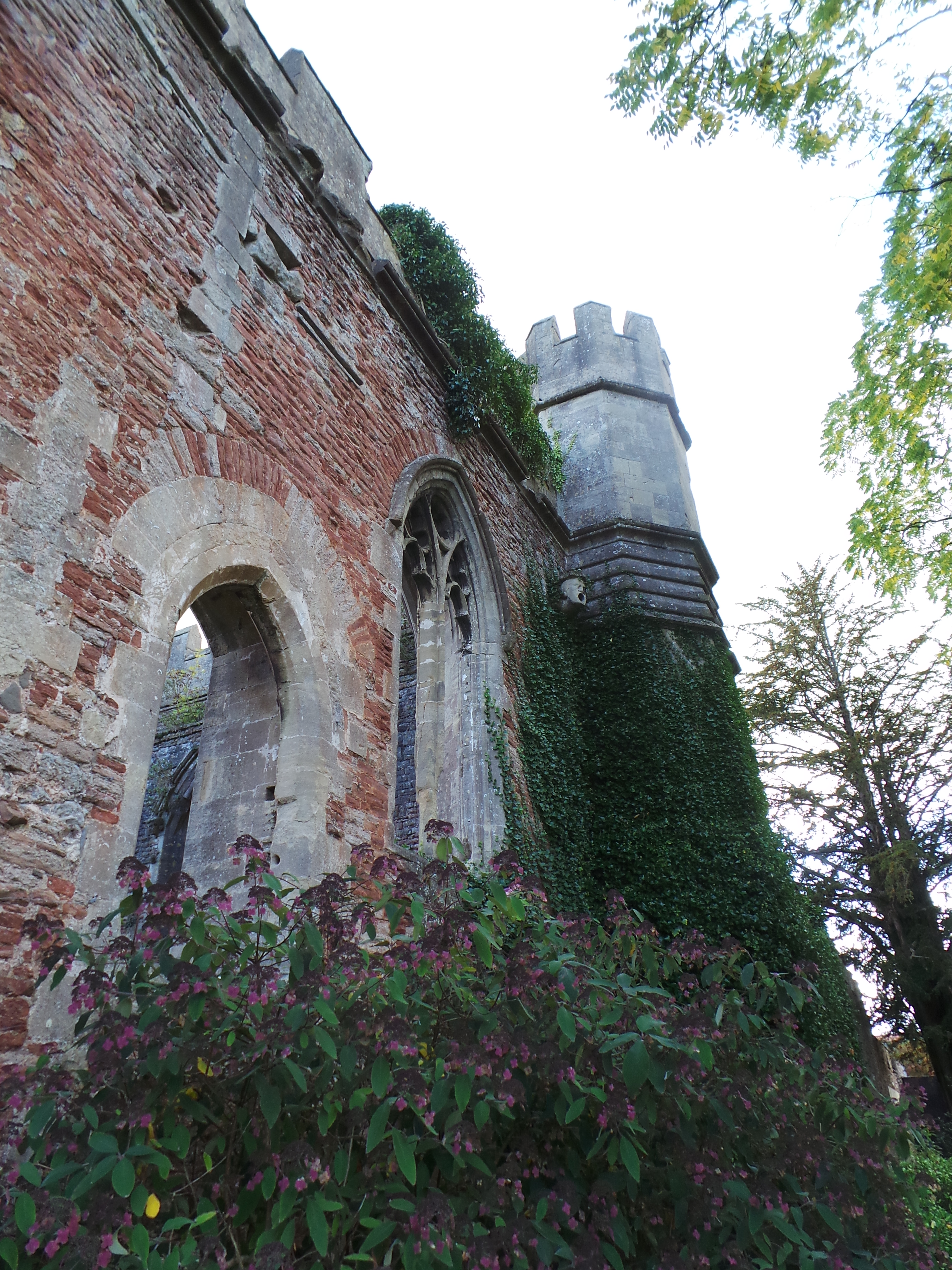
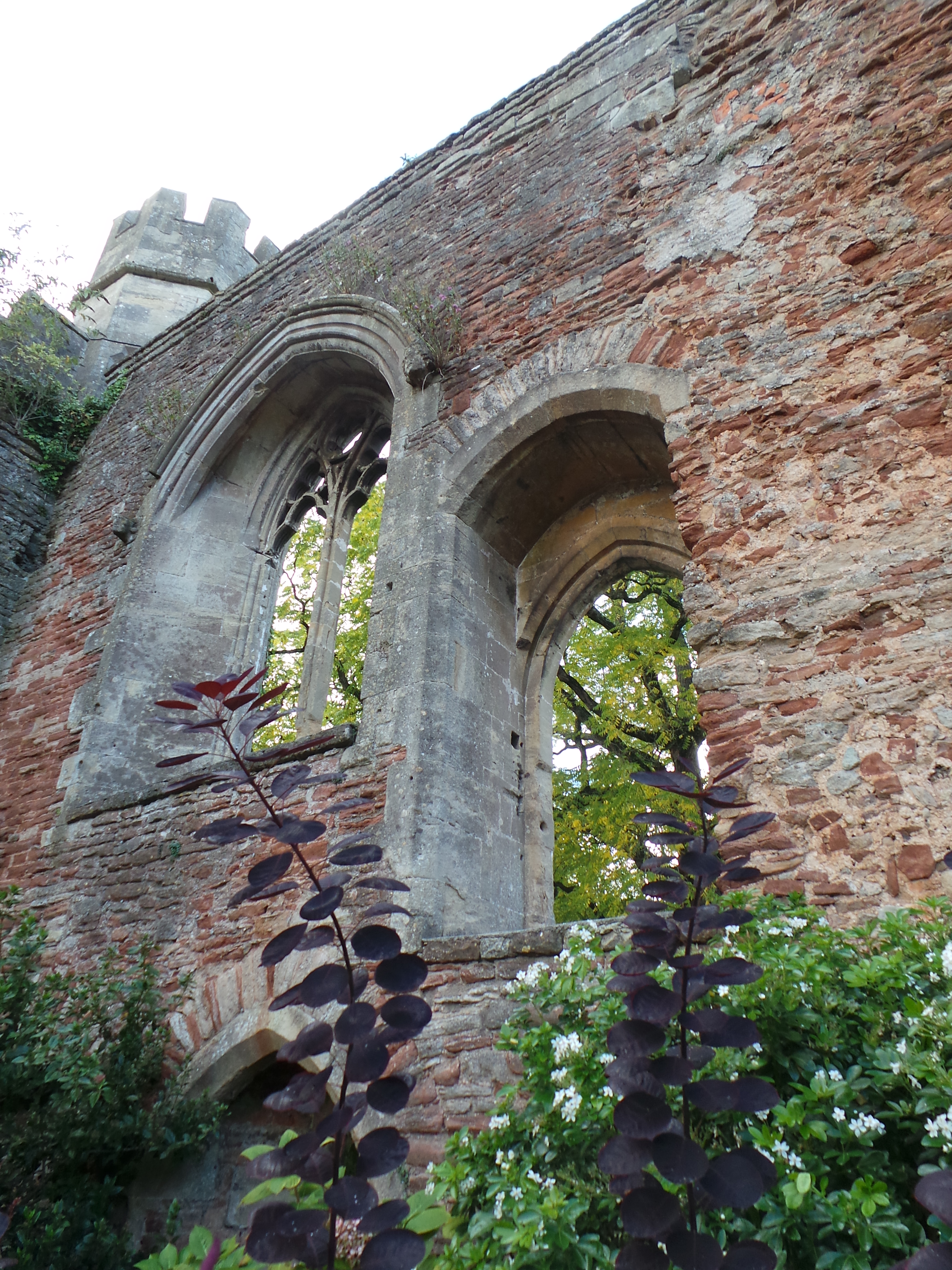
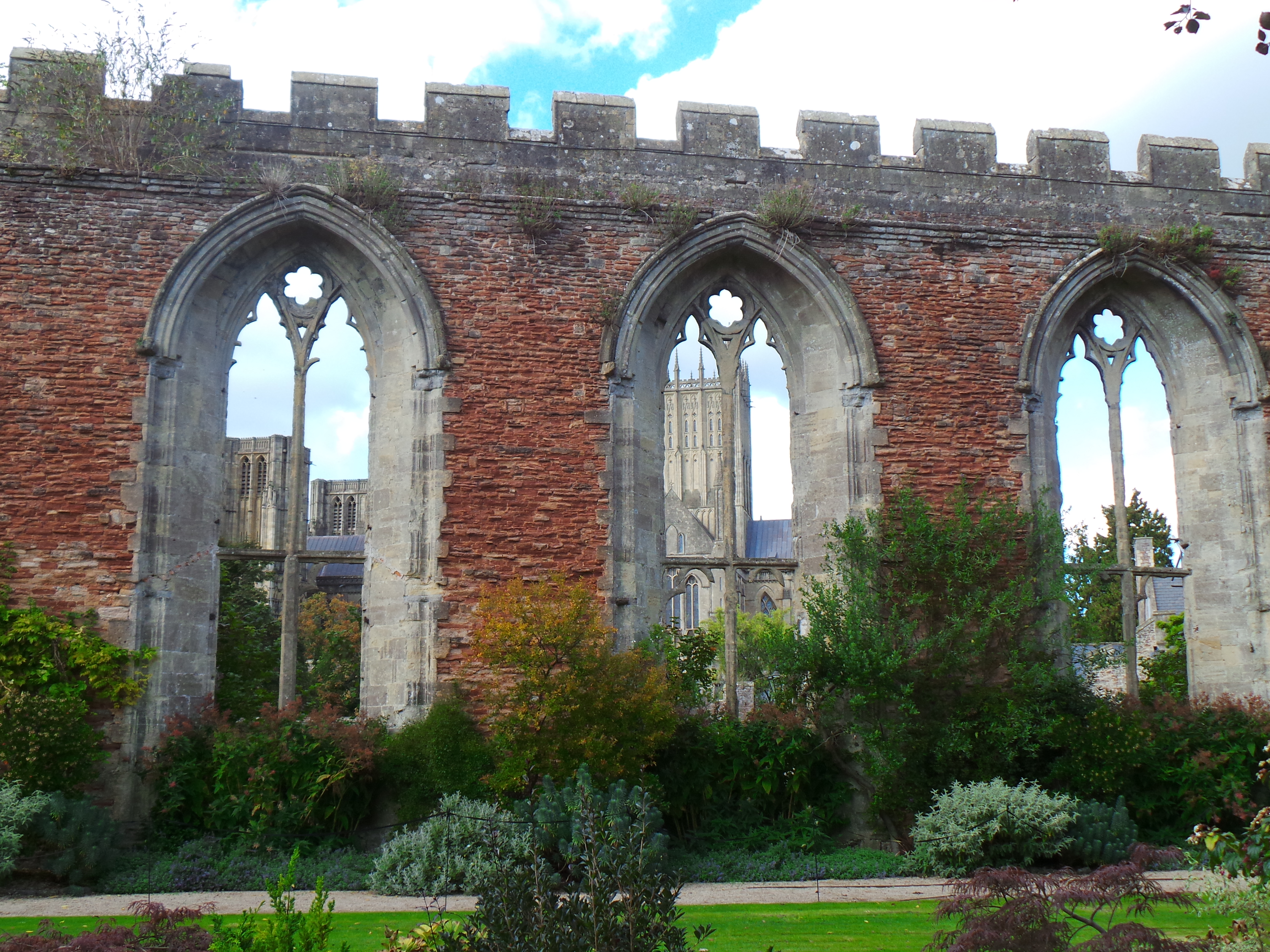
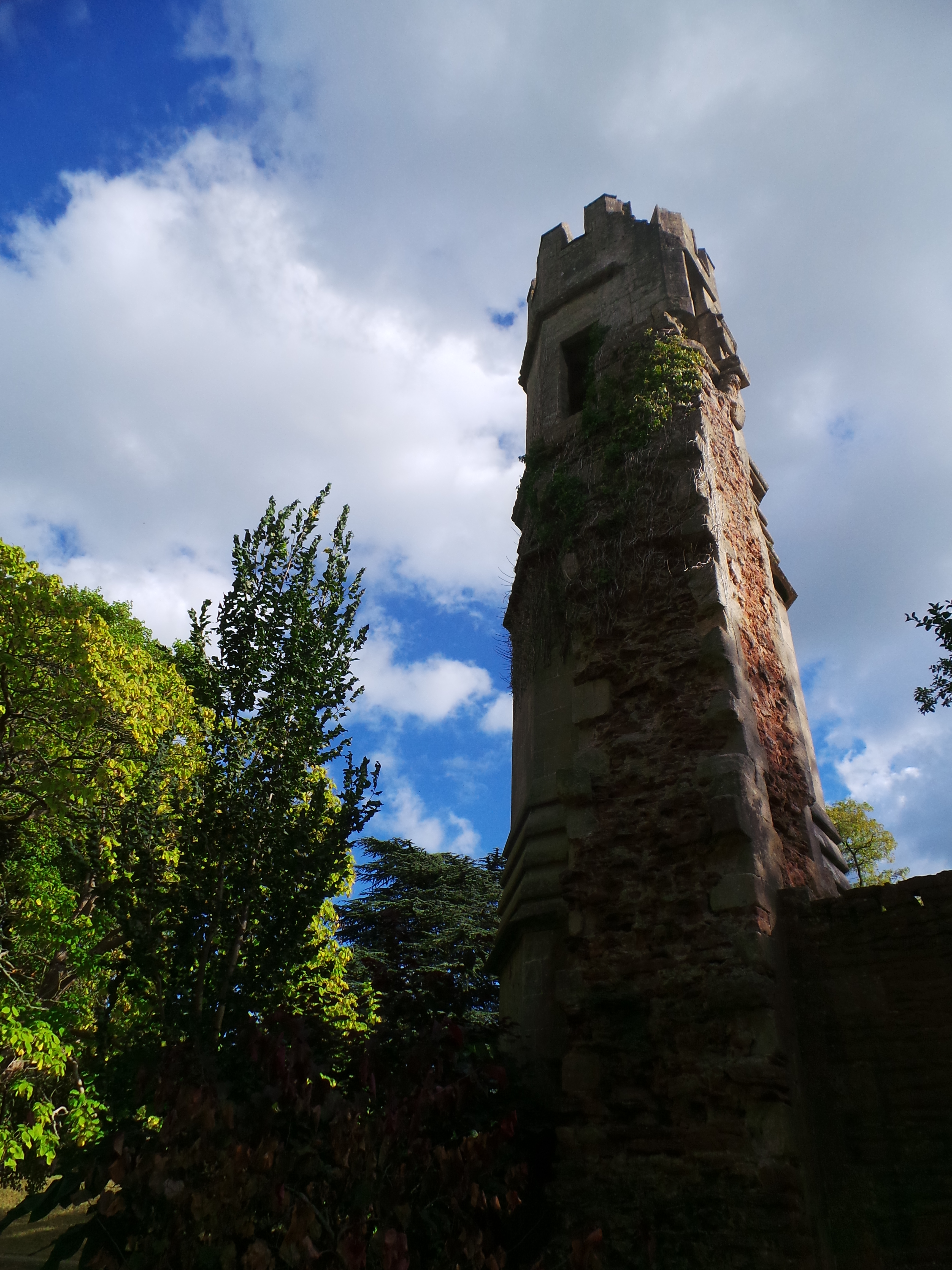
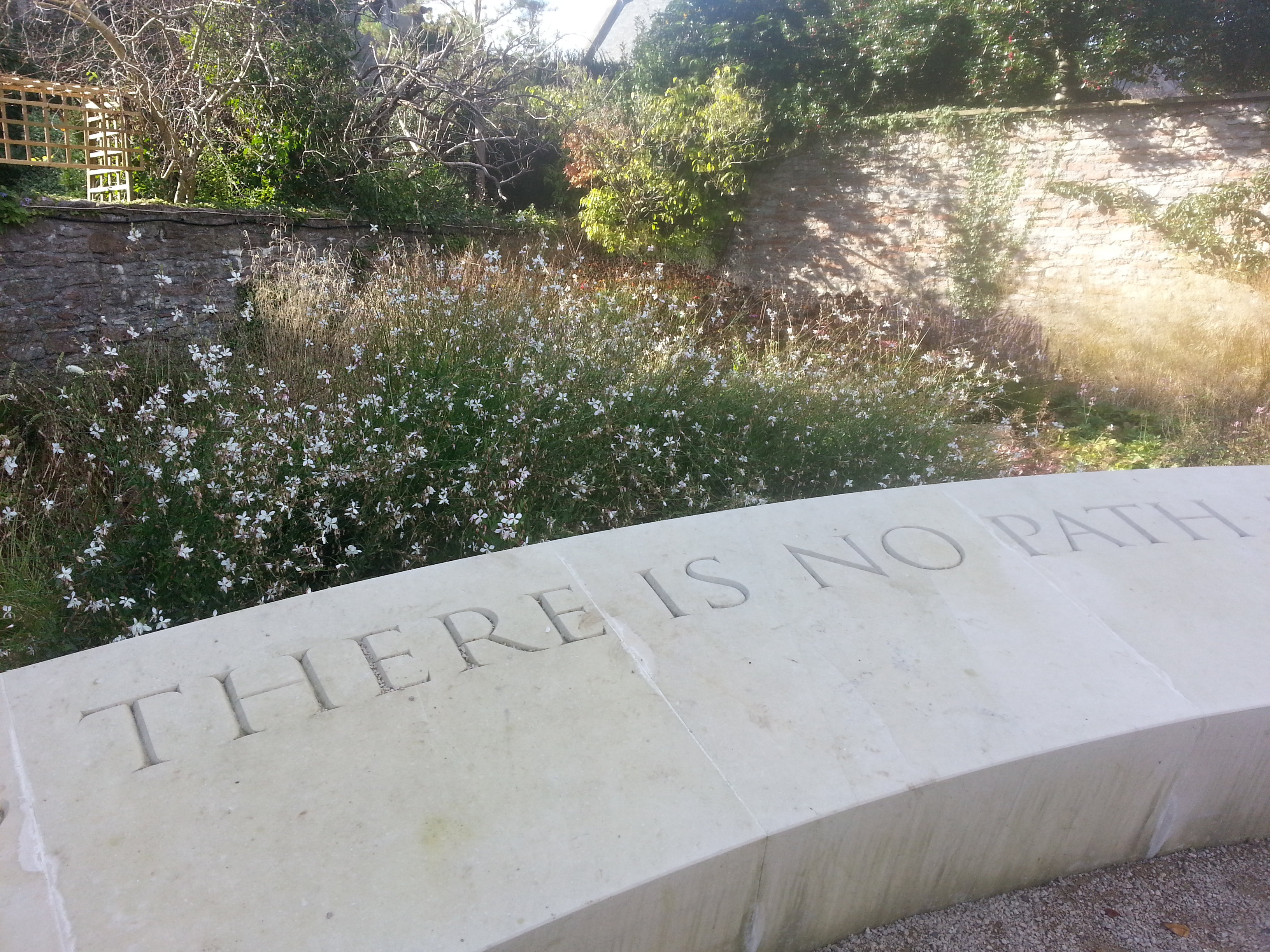
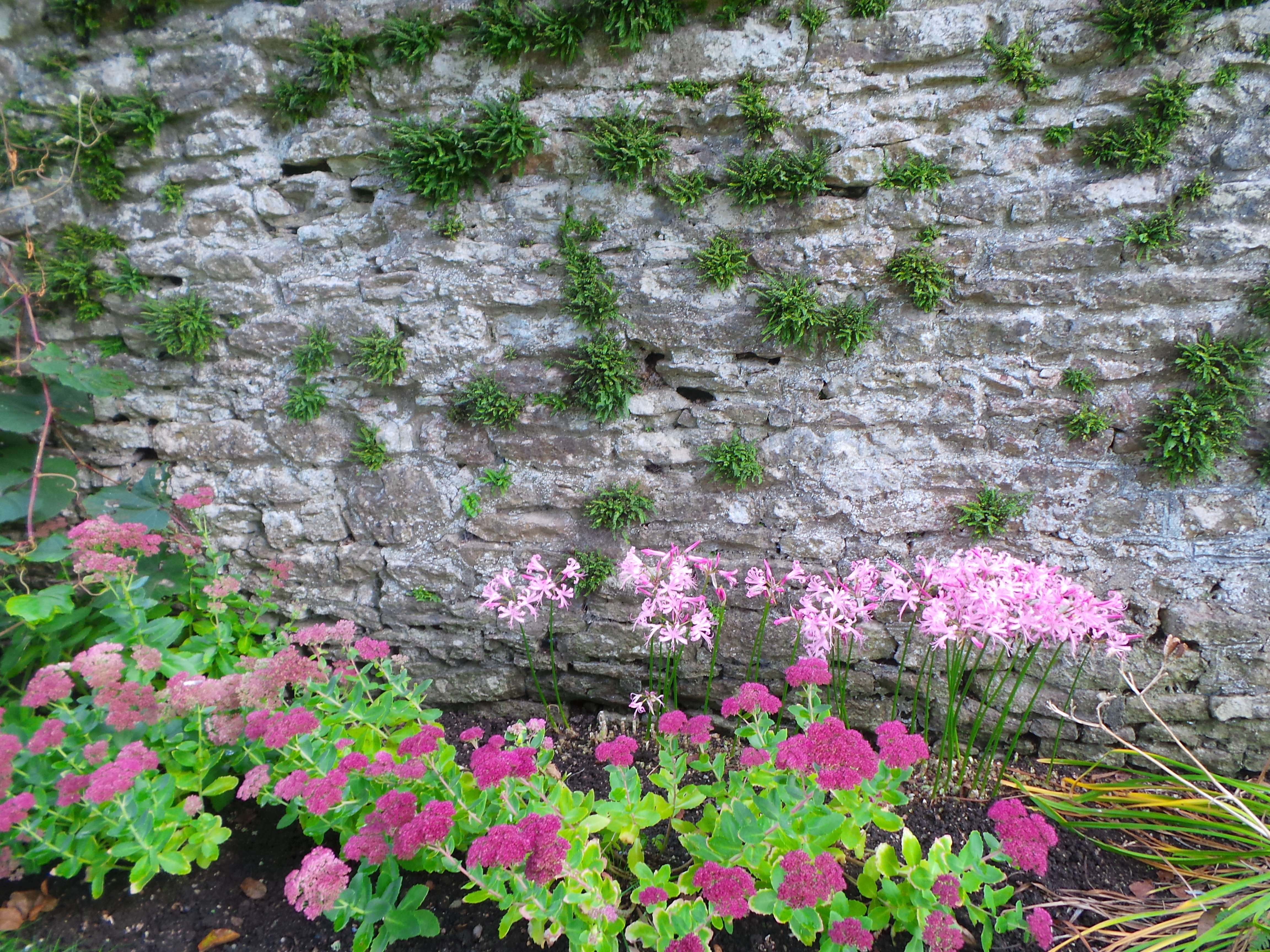
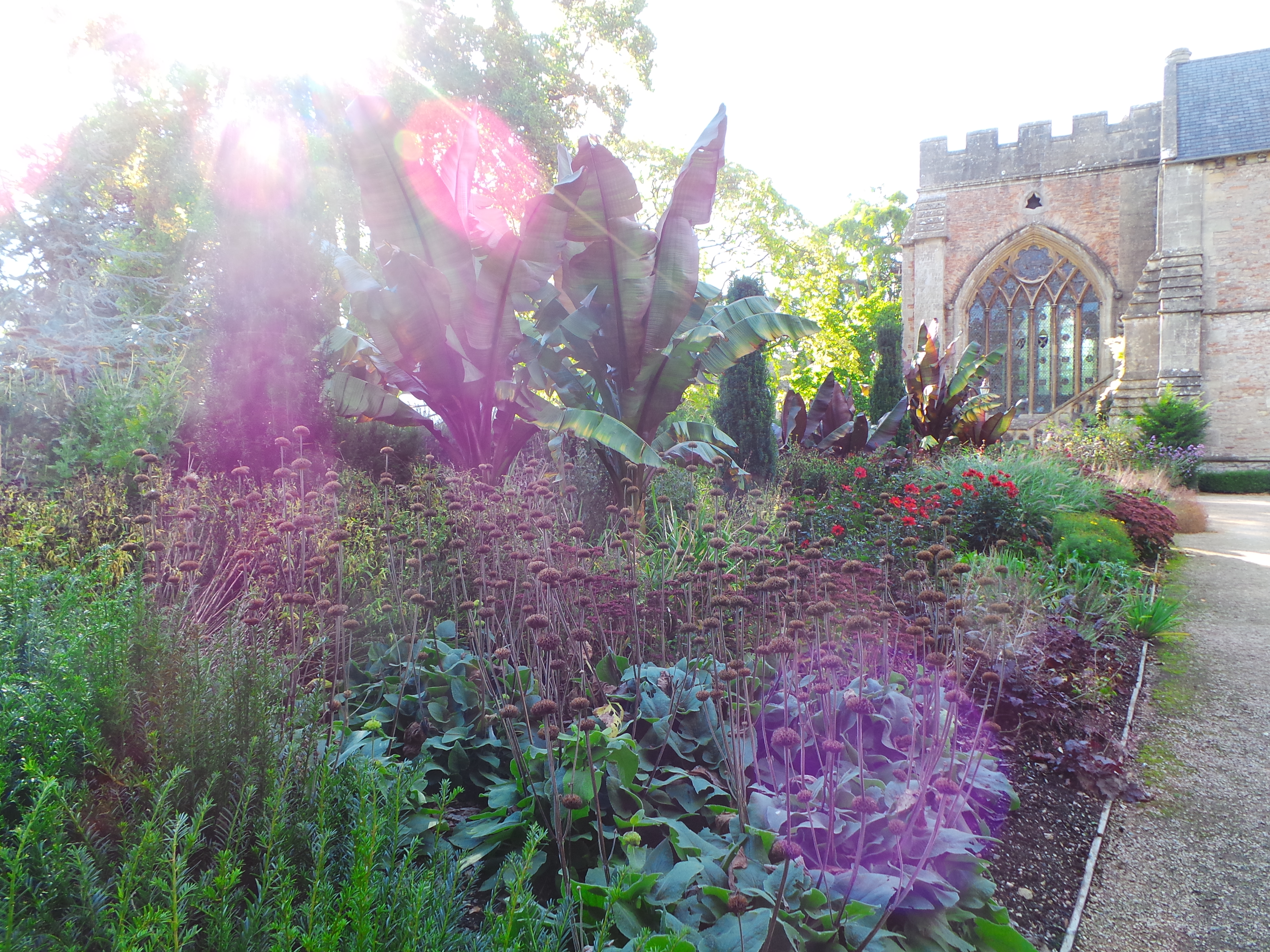
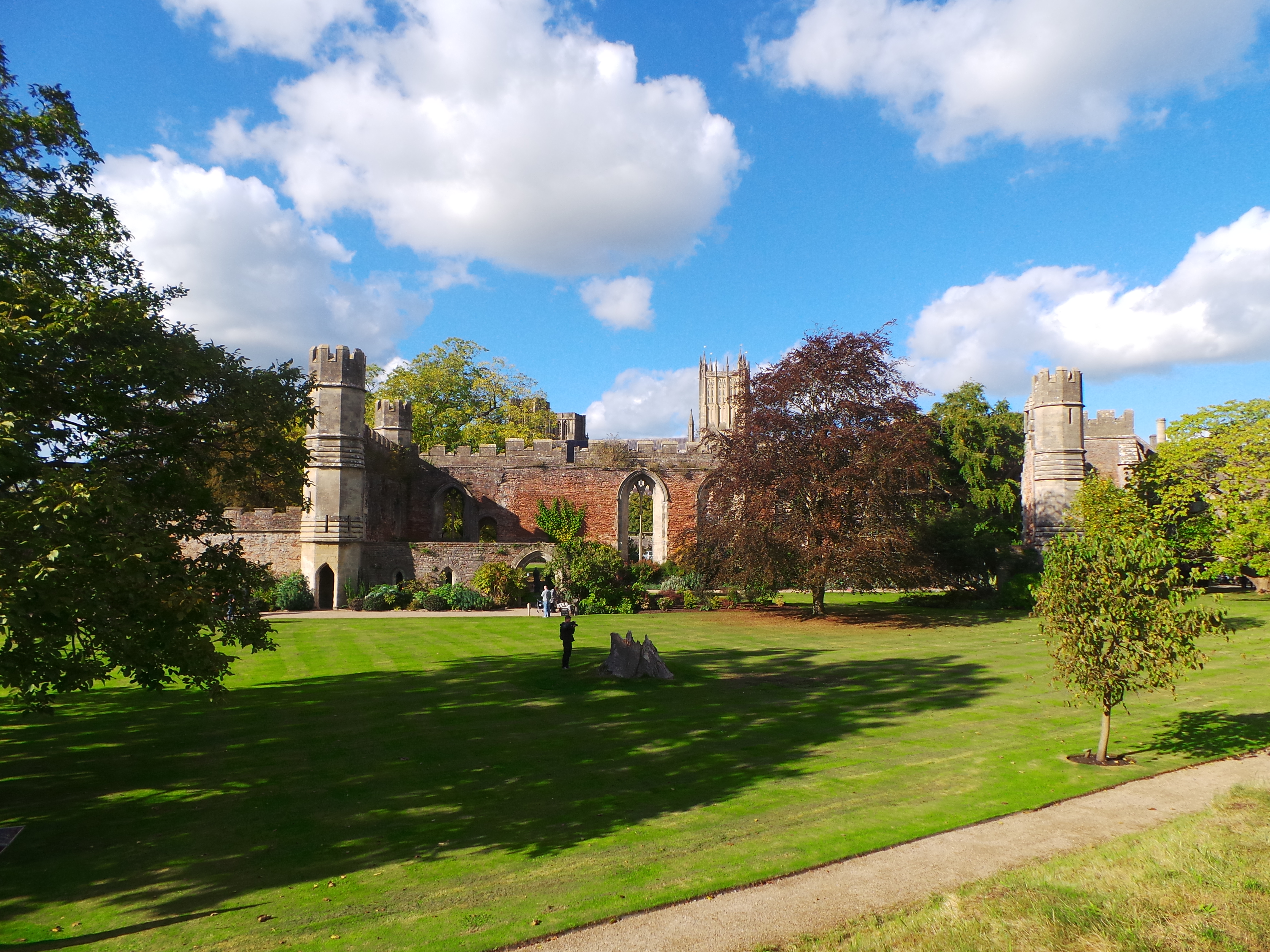
It turned out to be an excellent idea as we found the bishop’s garden to be full of interest and atmosphere. Come for a wander and see if you agree! The garden sits well with the architecture which encloses it or sits within it. At times the plants climb the walls or scramble over ruins. At times the architecture is a backdrop and the colours of the stone and brick act as a great foil for the colour of foliage and flower.

It is a garden of plants and walls.

2014 10 04_5780 2014 10 04_5781 2014 10 04_5548 2014 10 04_5549 2014 10 04_5551 2014 10 04_5782 2014 10 04_5783 2014 10 04_5785 2014 10 04_5796 2014 10 04_57982014 10 04_5800 2014 10 04_5801 2014 10 04_5802

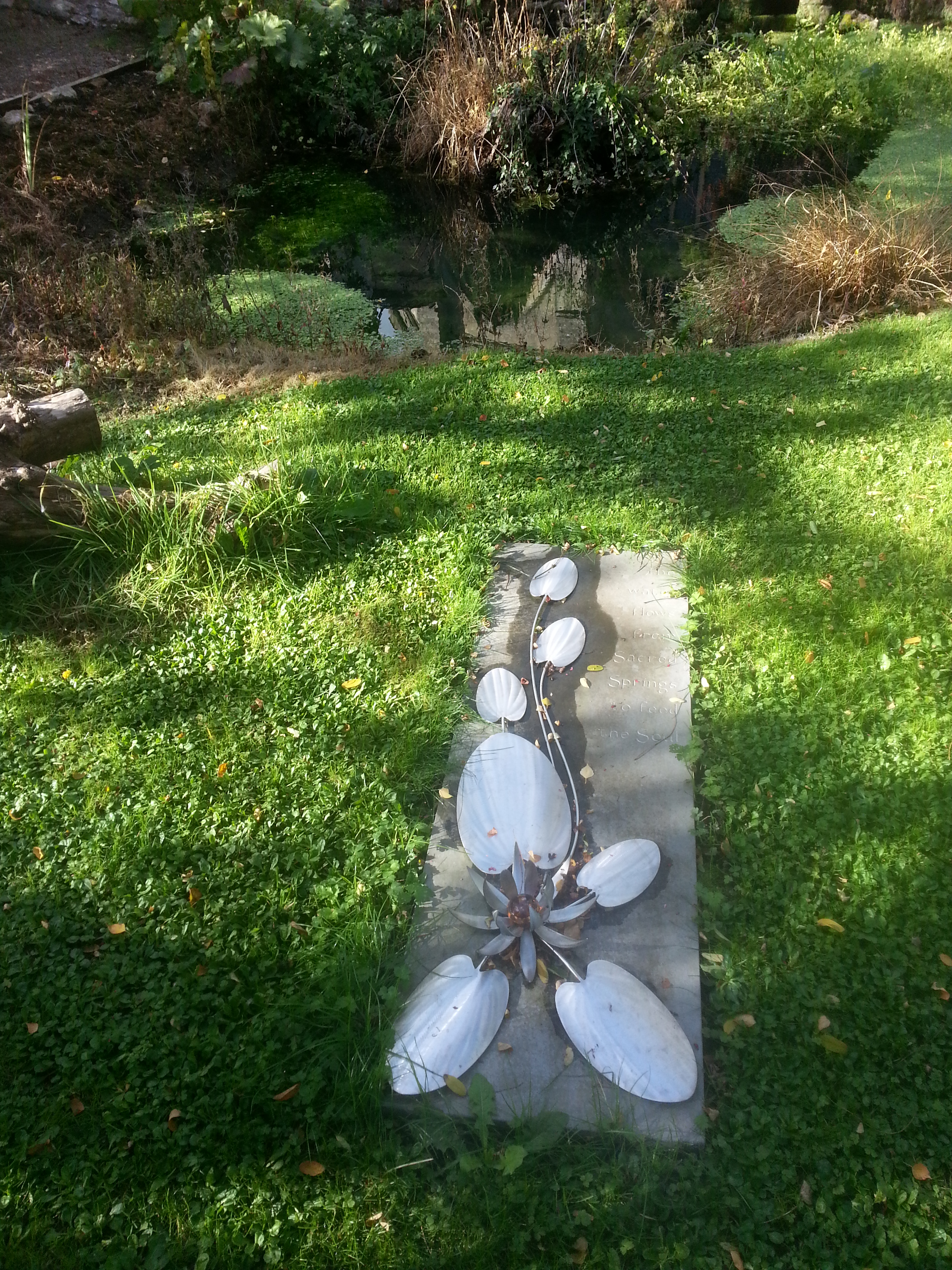
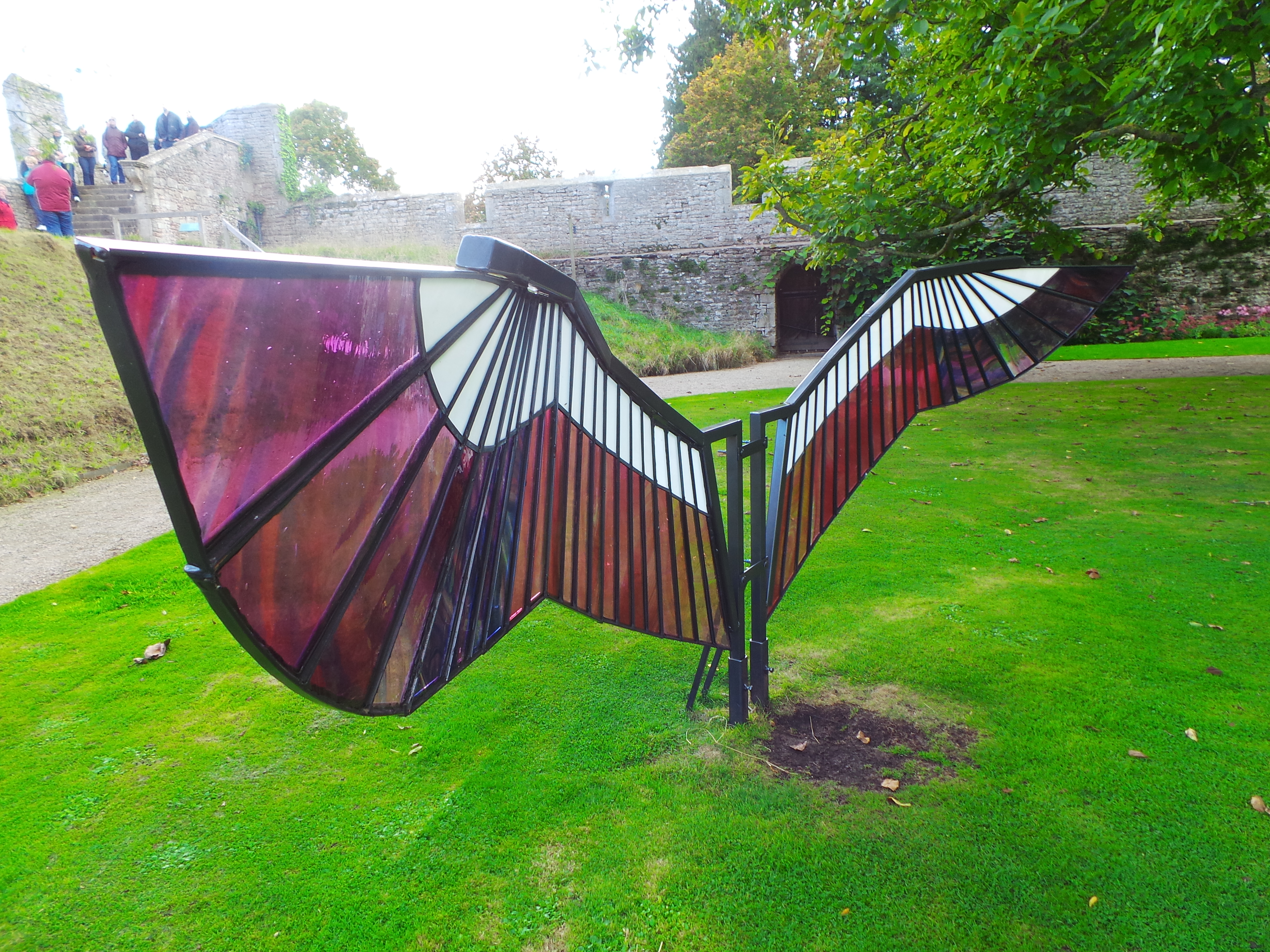
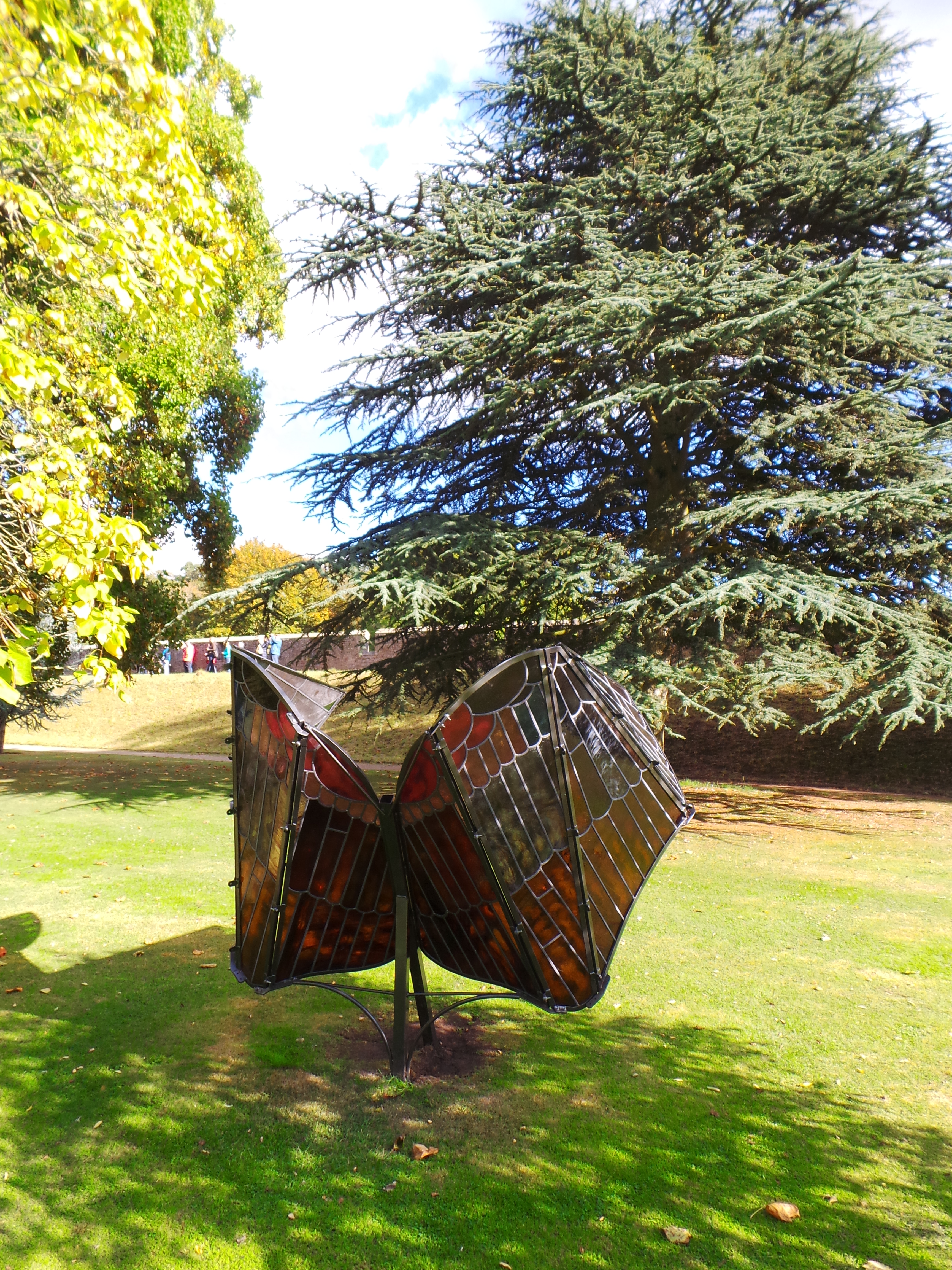
We found sculpture in several styles and from different eras within the garden.

2014 10 04_57872014 10 04_5784 2014 10 04_55502014 10 04_55532014 10 04_5795 2014 10 04_58052014 10 04_5821 2014 10 04_5816

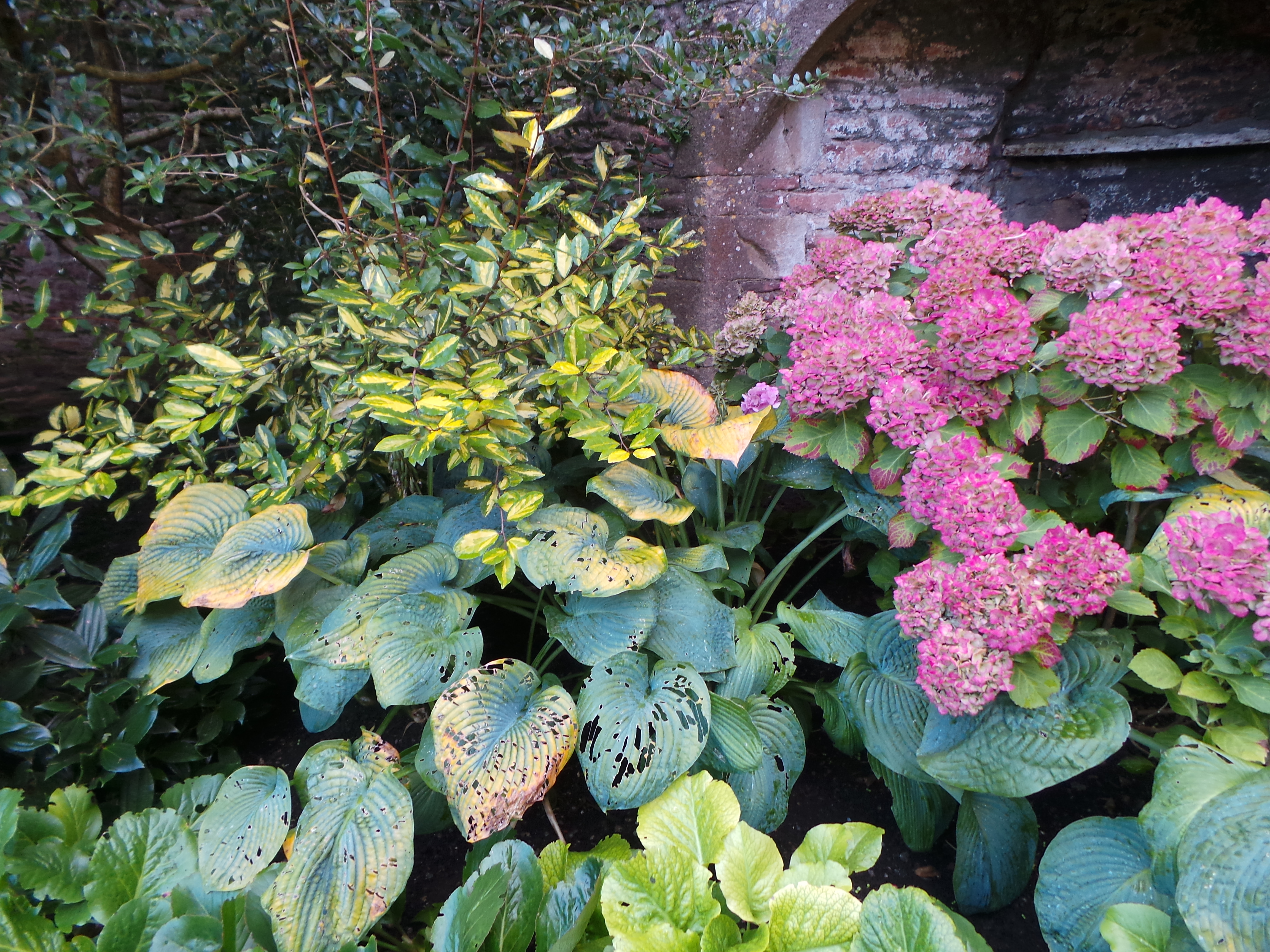
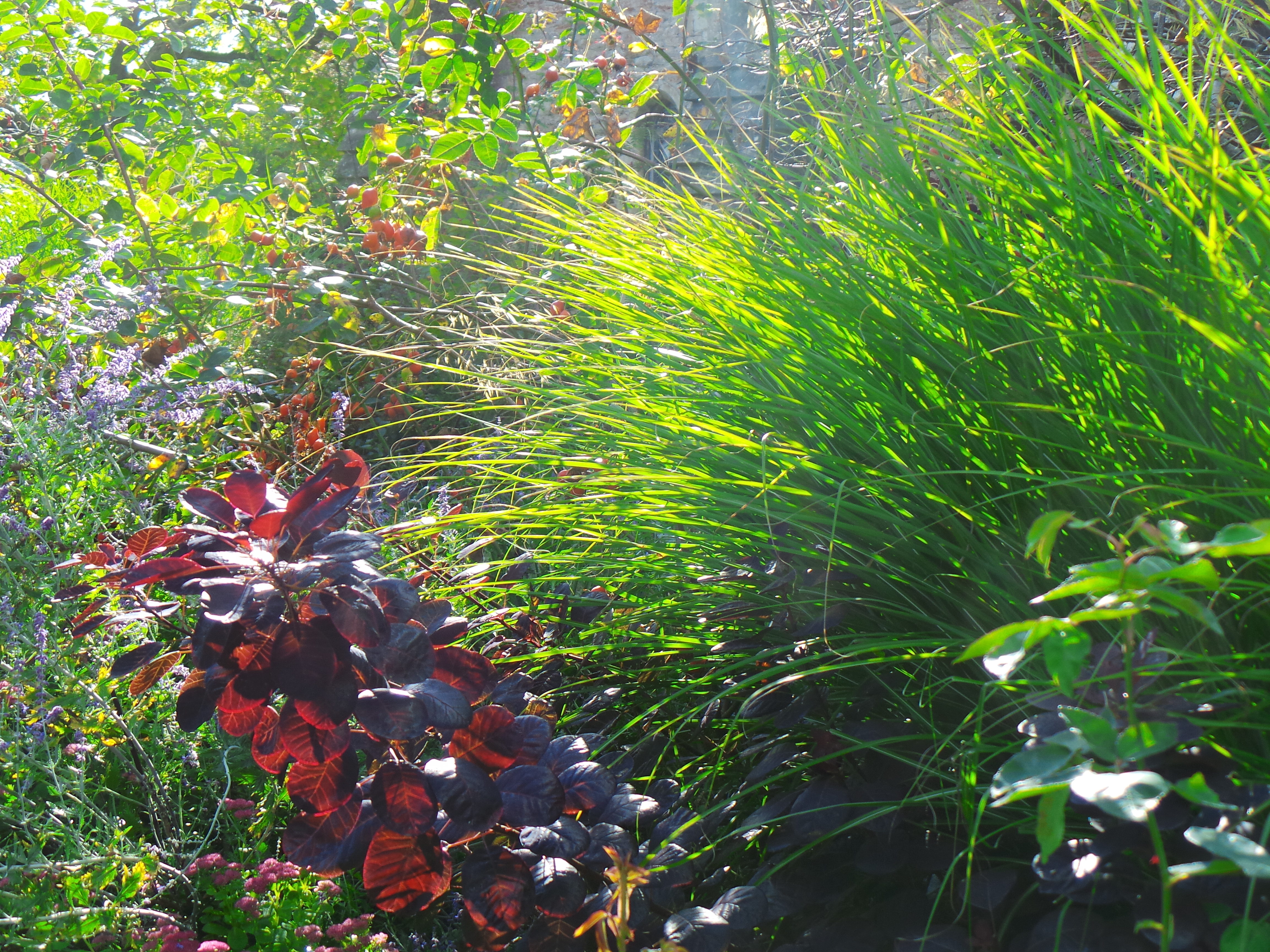
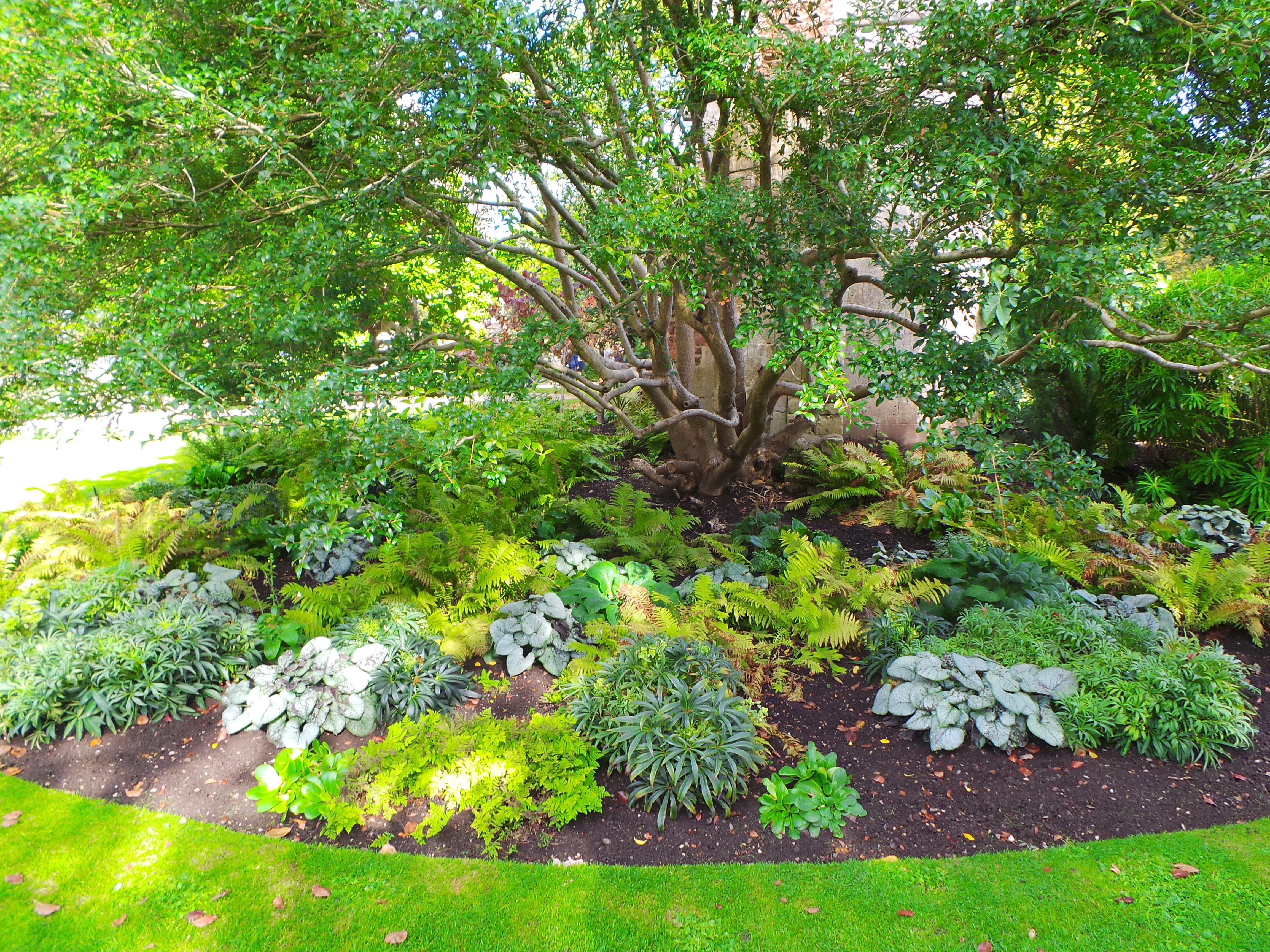
The planting was well thought out with interesting combinations.

2014 10 04_5786 2014 10 04_57882014 10 04_5789 2014 10 04_57902014 10 04_5794 2014 10 04_57932014 10 04_5820 2014 10 04_58182014 10 04_5799

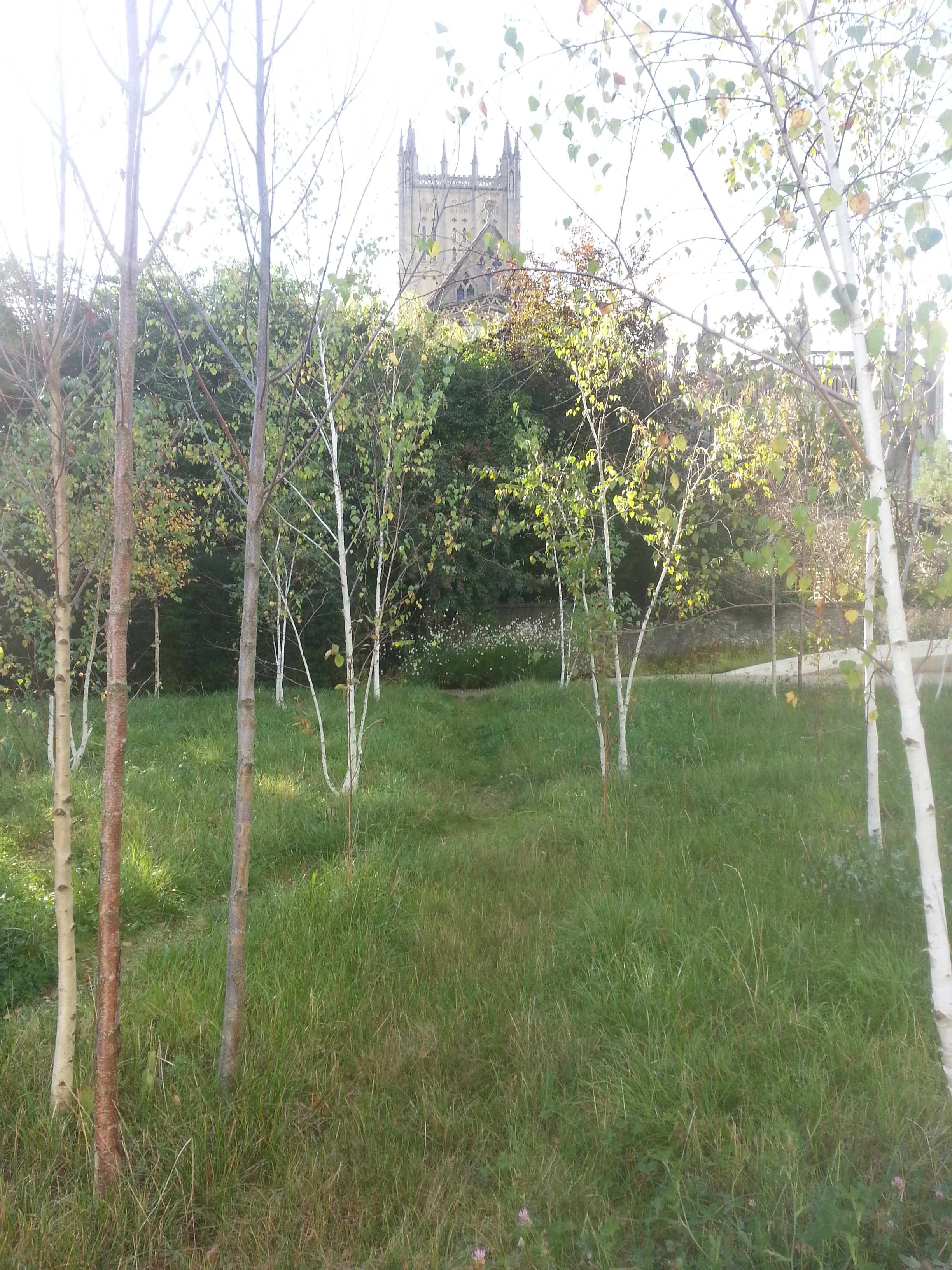
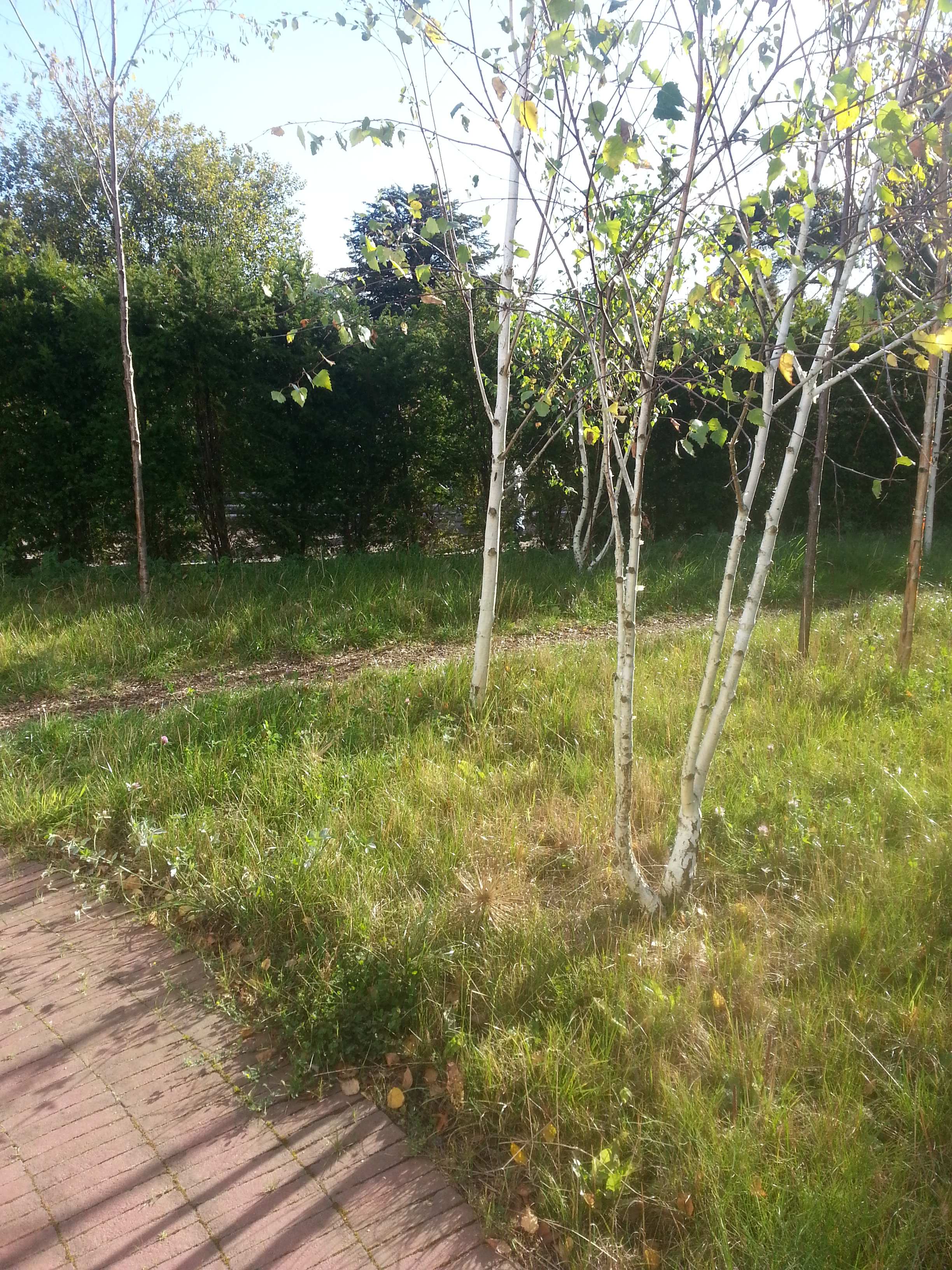
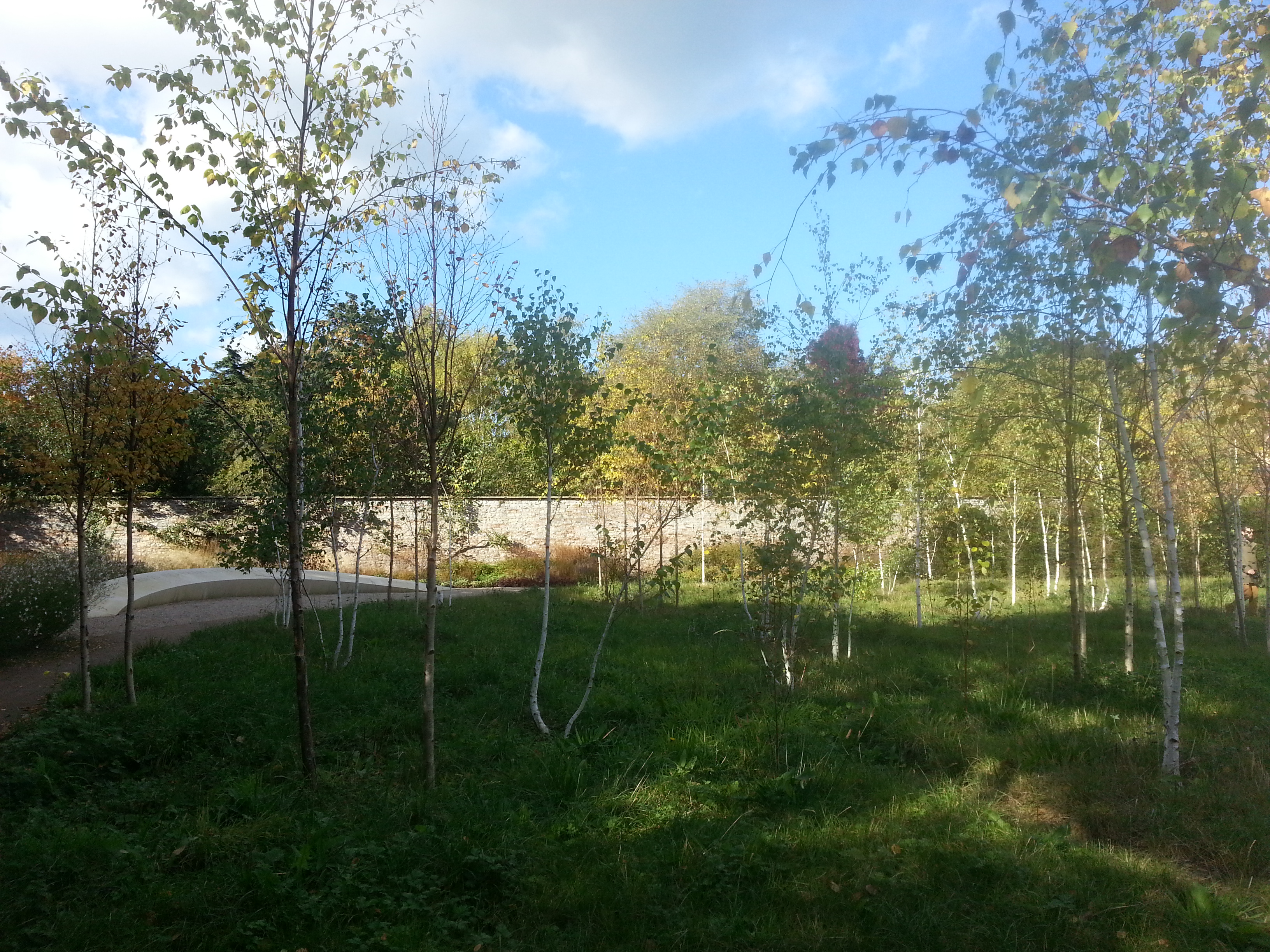
White stemmed Birches bleached in the brightness of the day looked so at home against the white of the stone.

2014 10 04_5555 2014 10 04_55562014 10 04_5552 2014 10 04_5558

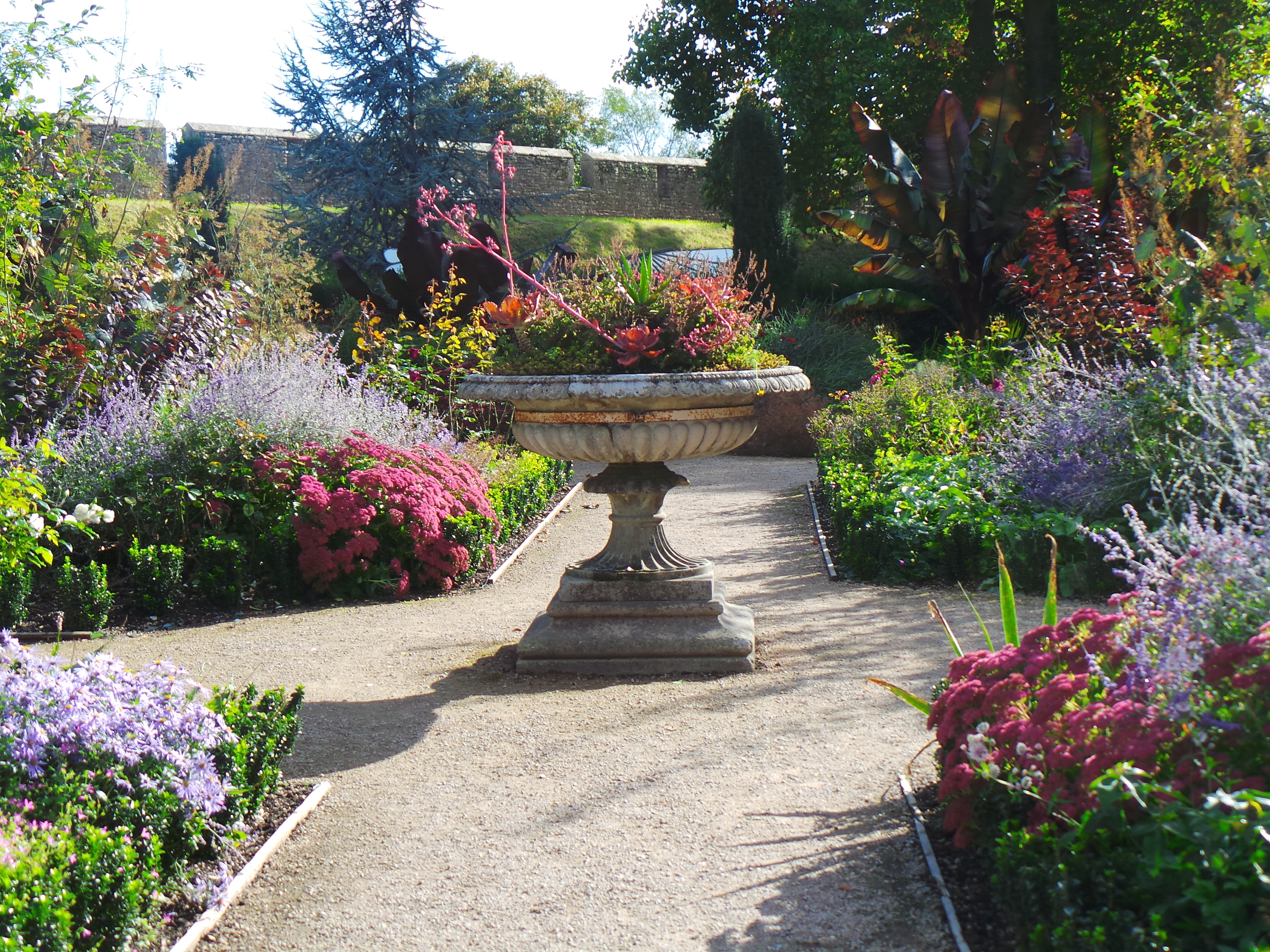
Overall the garden design was informal but in an area enclosed by buildings we found a more formally structured garden. In the borders within the formal structure the planting was ebullient and lively.

2014 10 04_5817 2014 10 04_58192014 10 04_5815 2014 10 04_58142014 10 04_5813

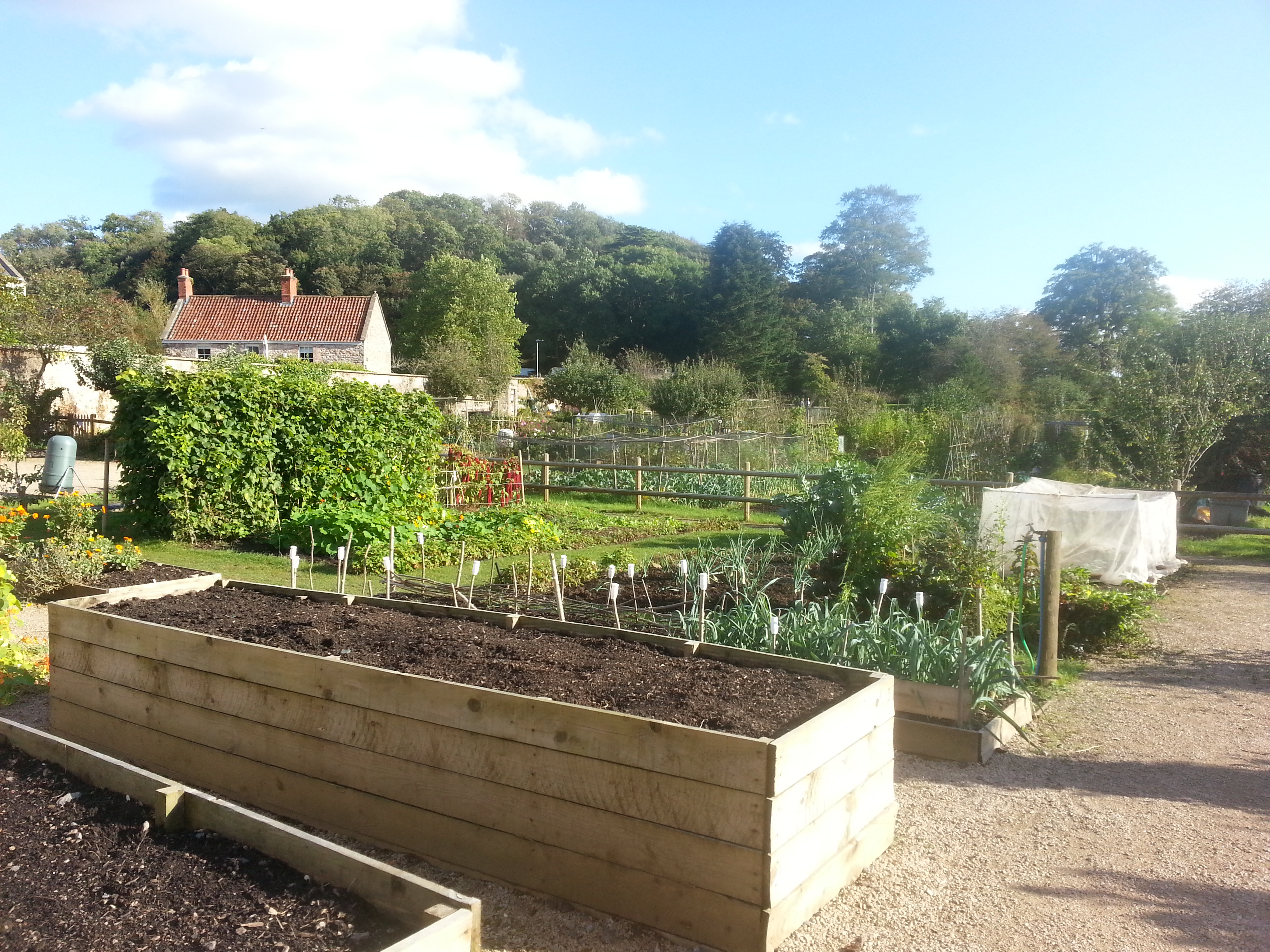
Part of the garden had been given over to the local community to use as a communal garden including allotments.

2014 10 04_5560 2014 10 04_5561 2014 10 04_5562 2014 10 04_5804 2014 10 04_5806 2014 10 04_55662014 10 04_5565 2014 10 04_5564 2014 10 04_5563 2014 10 04_5810

So the discovery of the Bishops Garden proved to be an unexpected treat, a place full of delights, tumbling ruins, rich plantings and sculpture.

2014 10 04_5811 2014 10 04_5804


Categories
architecture climbing plants colours garden buildings garden design garden furniture garden photography garden seating gardening gardens gardens open to the public hardy perennials irises kitchen gardens light quality National Trust ornamental trees and shrubs outdoor sculpture roses The National Trust trees walled gardens Winter Gardening winter gardens

Croft Castle month by month – January – part two

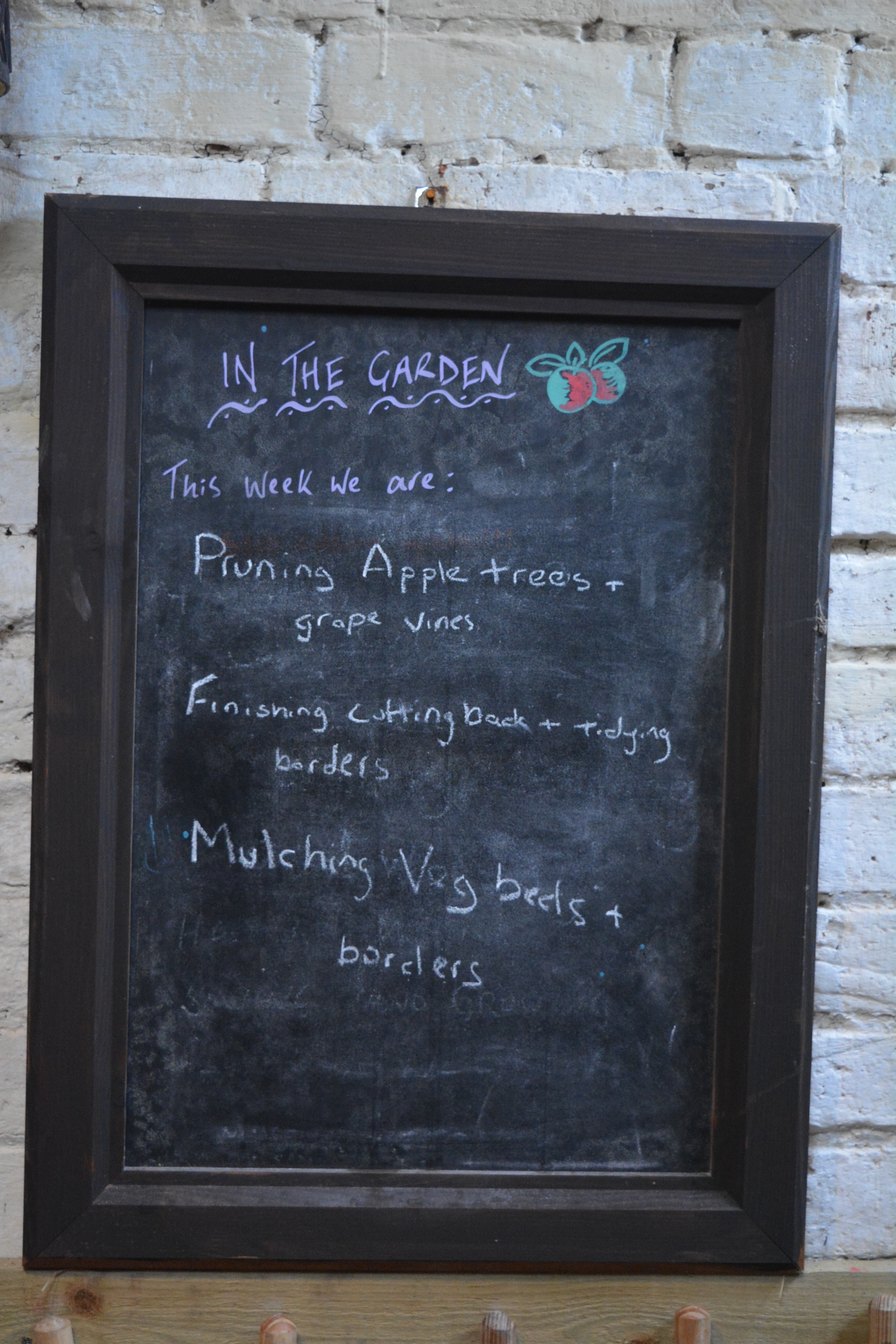
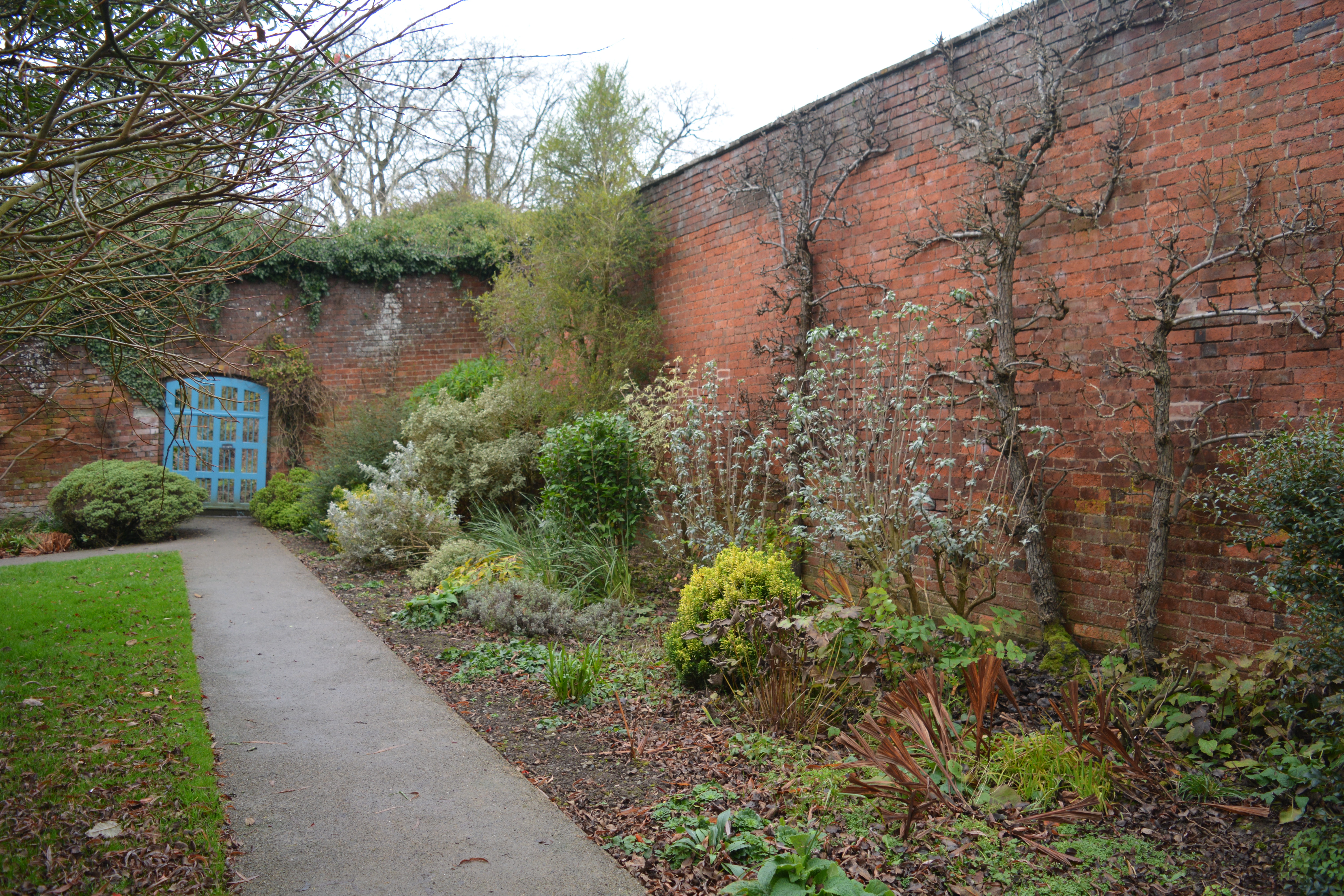
Welcome back to Croft Castle where we were about to find out what lies beyond the blue gate. We entered the space beyond the gate and found immediately to our right one of the gardeners’ buildings from the days when the walled gardens were a productive fruit and veg garden. Today it is a children’s discovery room complete with nature table. A board showed the gardening tasks for the month. Close by hung an old pruning saw.

2015 01 01_9110 2015 01 01_91112015 01 01_9109

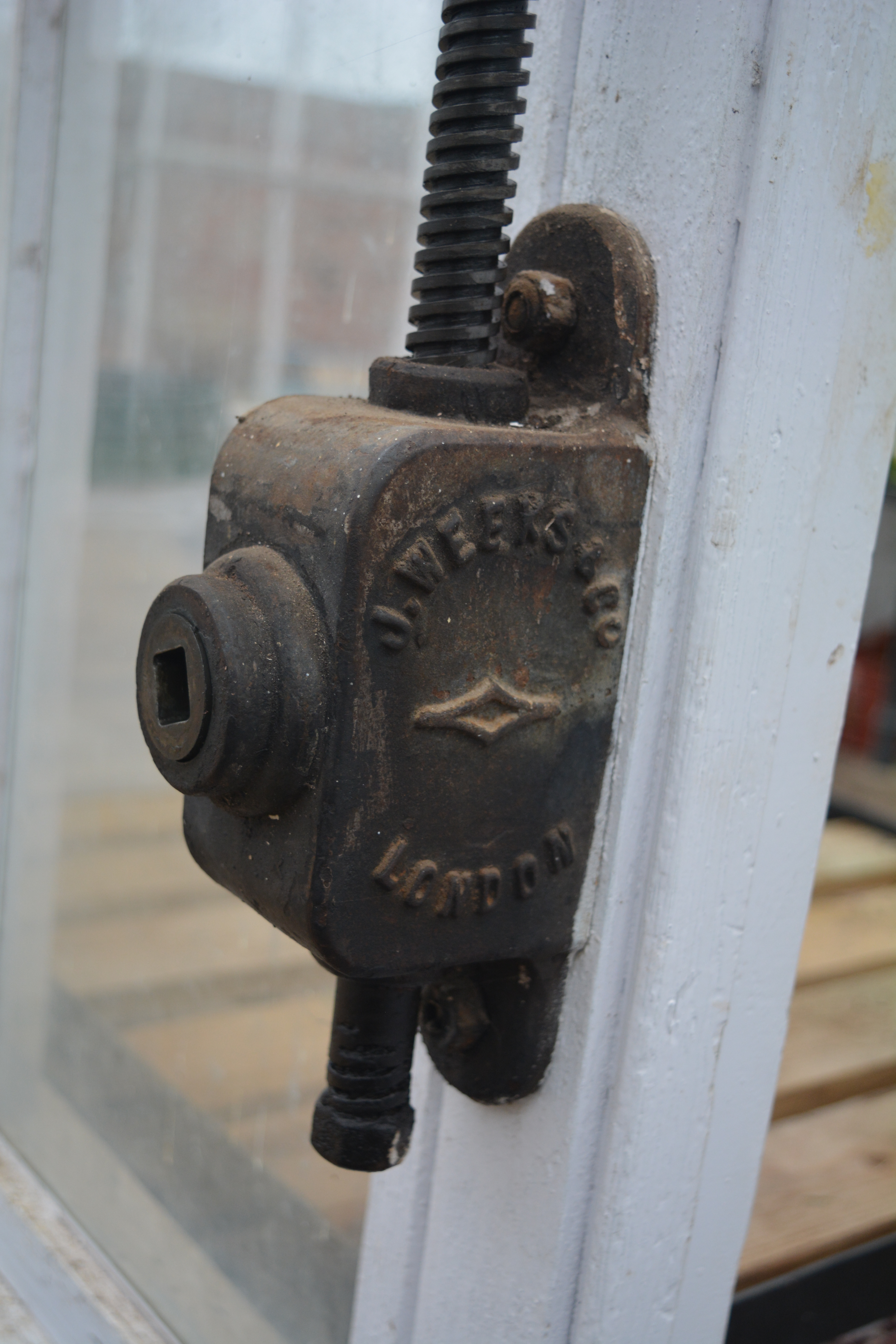
After a good peruse among the dusty artifacts and sharing our memories of nature tables at primary school we moved on to the old, wooden framed greenhouse which until now we had viewed from the gate. On this visit we went inside. We were delighted to find the old iron mechanisms that controlled the windows and vents still intact. We both find these fascinating and are amazed by the ingenuity shown by the greenhouse designers of that era.

2015 01 01_9113 2015 01 01_9112

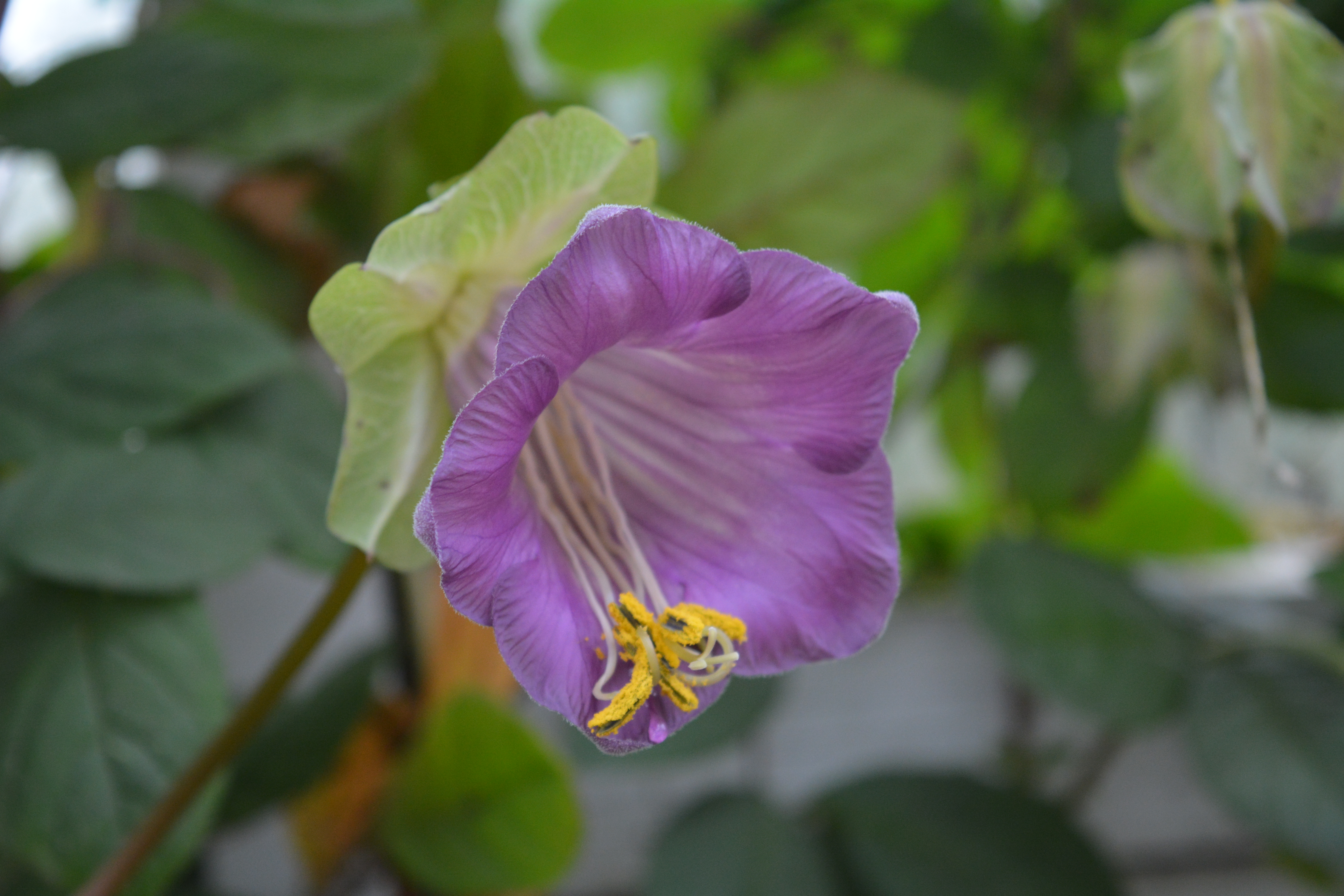
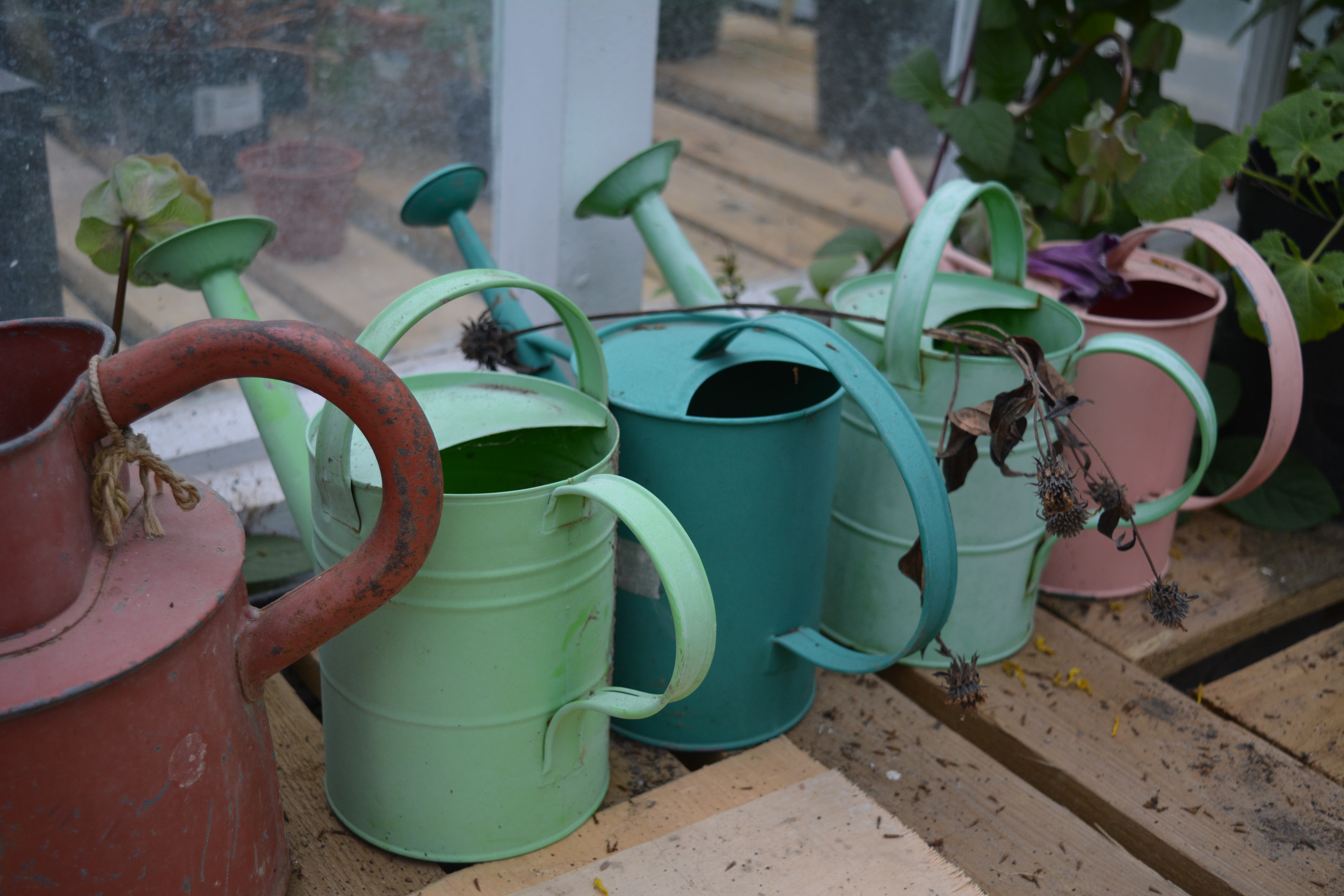
We were pleased to find a colourful line up of watering cans and a very healthy looking Cobaea climbing up wires and flowering profusely. It was easy to see why it is graced with the common name “Cup and Saucer Vine”.

2015 01 01_9114  2015 01 01_9115

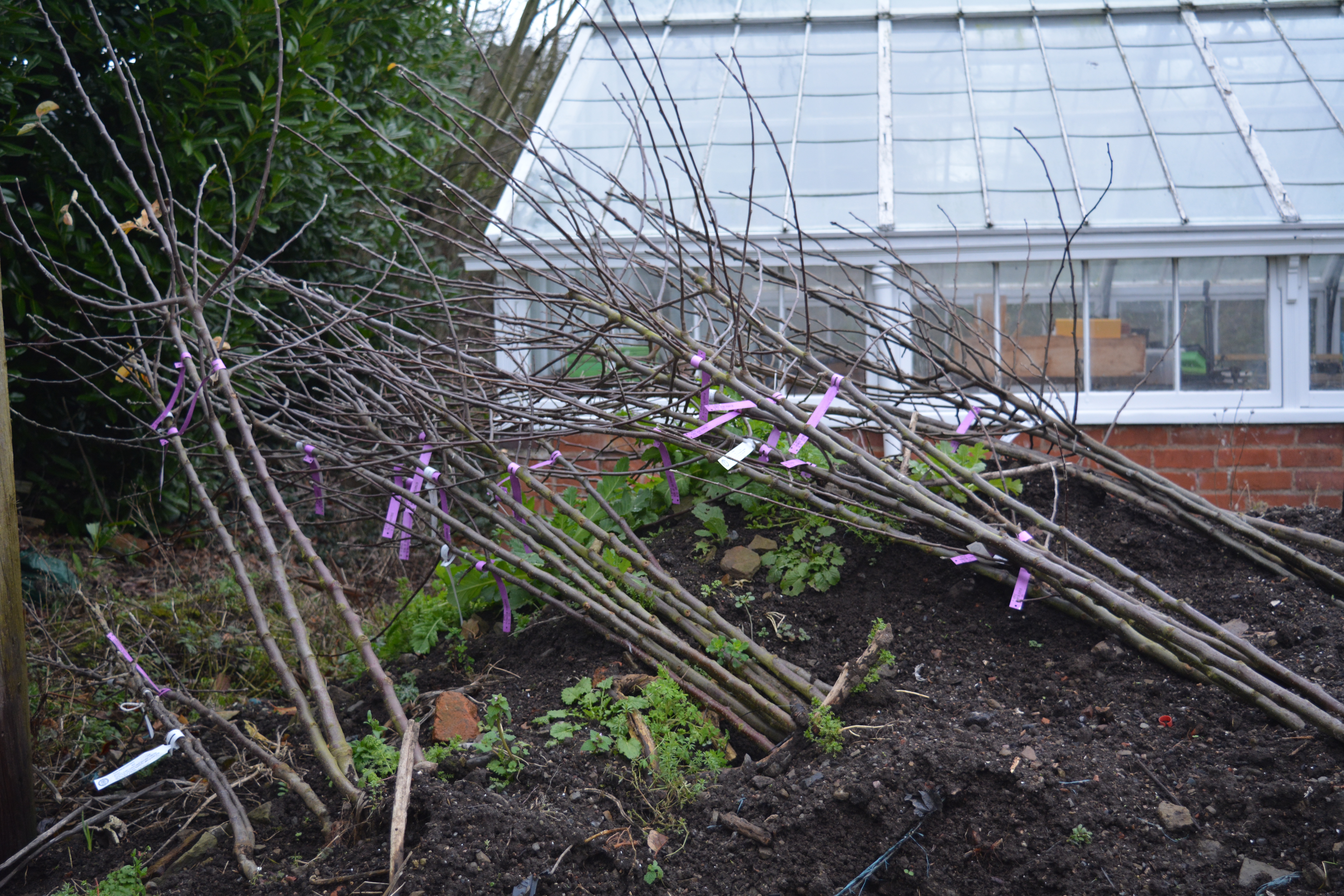
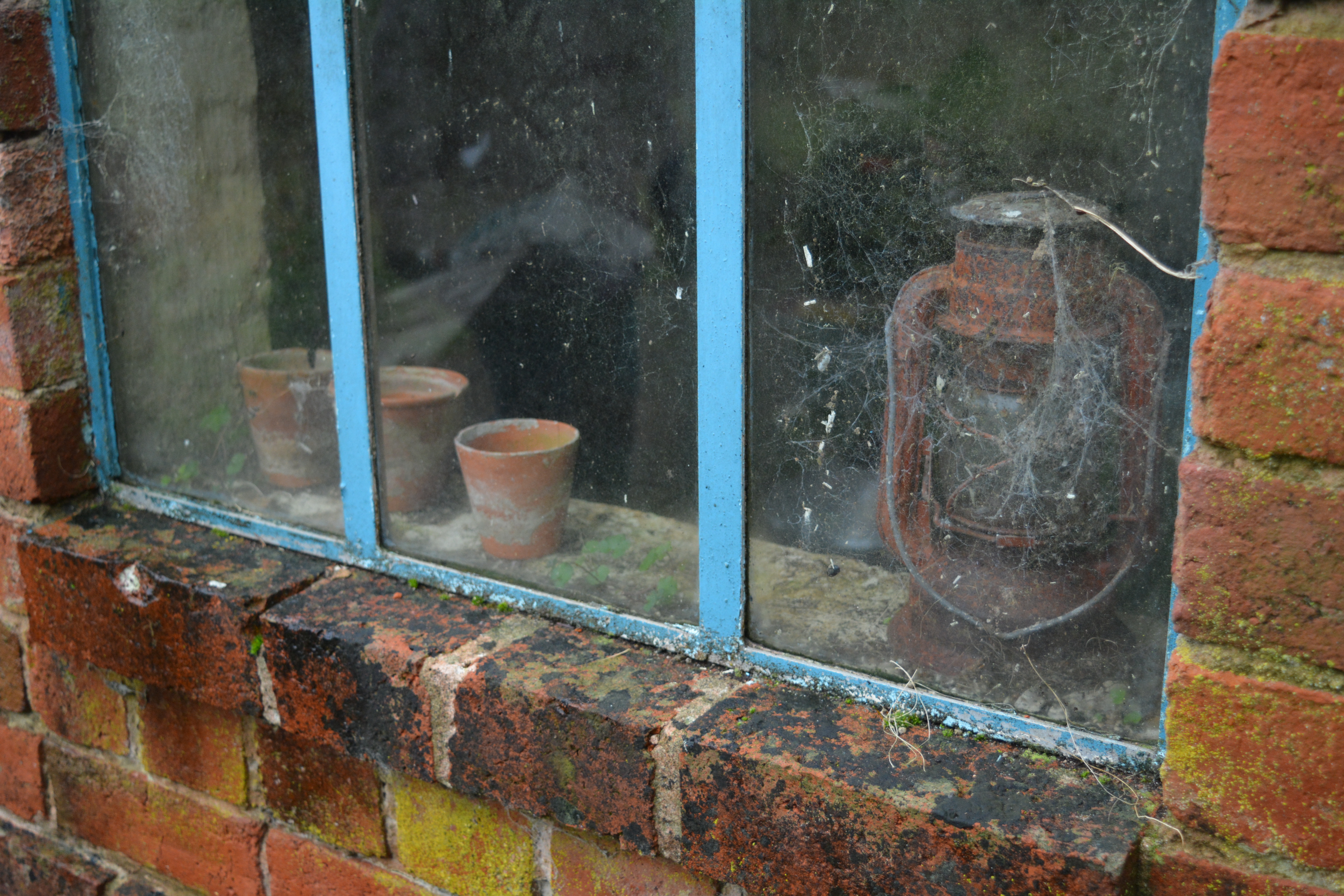
Outside the greenhouse we found a stack of apple trees heeled into a pile of compost awaiting the time when the frozen ground allowed them to be planted. Further old buildings hugged the walls – they were ina tumbled down state. The old window attracted me and my camera but I remain undecided if it is best as a colour or monochrome picture. Any thoughts?

2015 01 01_9116 2015 01 01_91172015 01 01_9118_edited-1

2015 01 01_9118

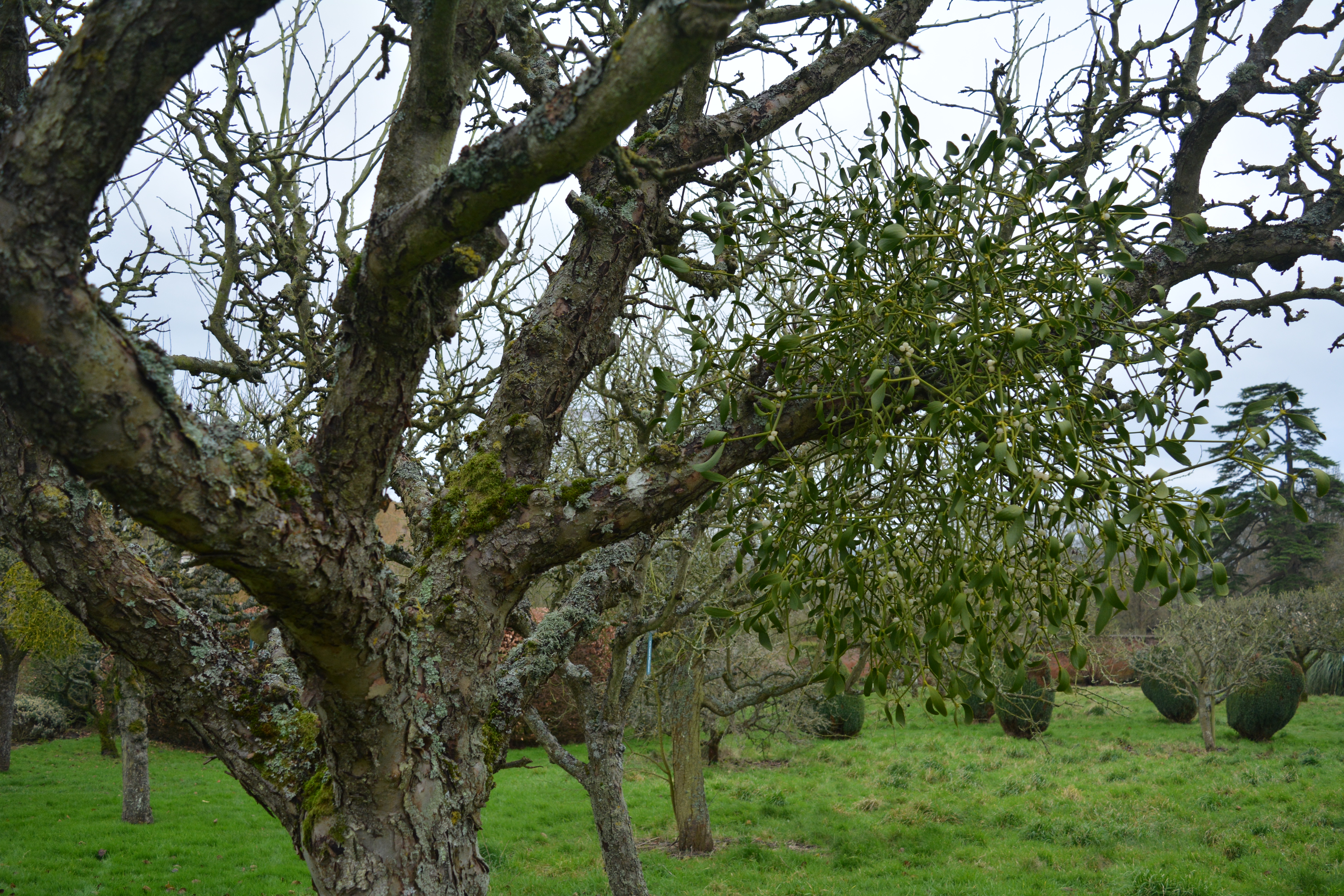
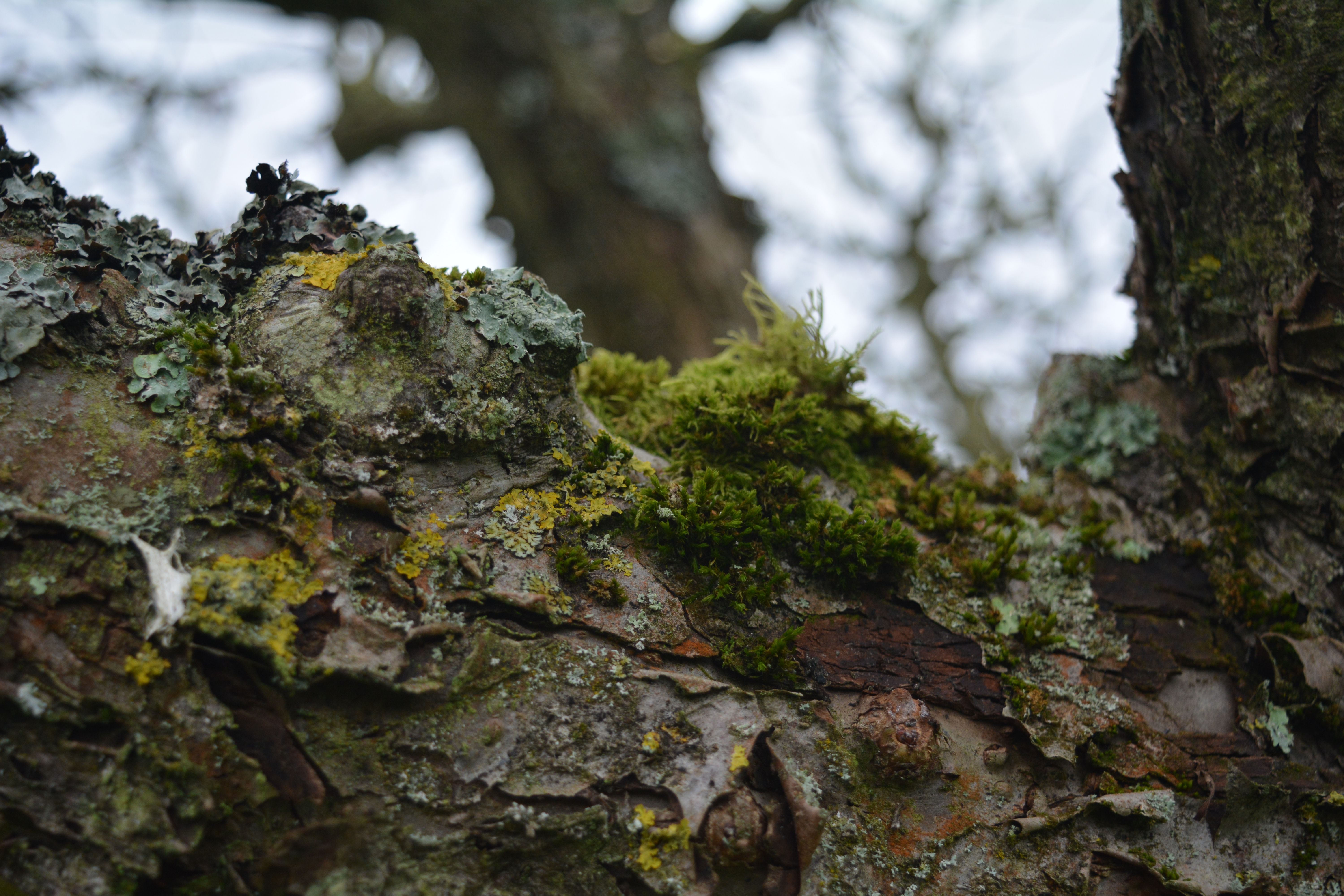
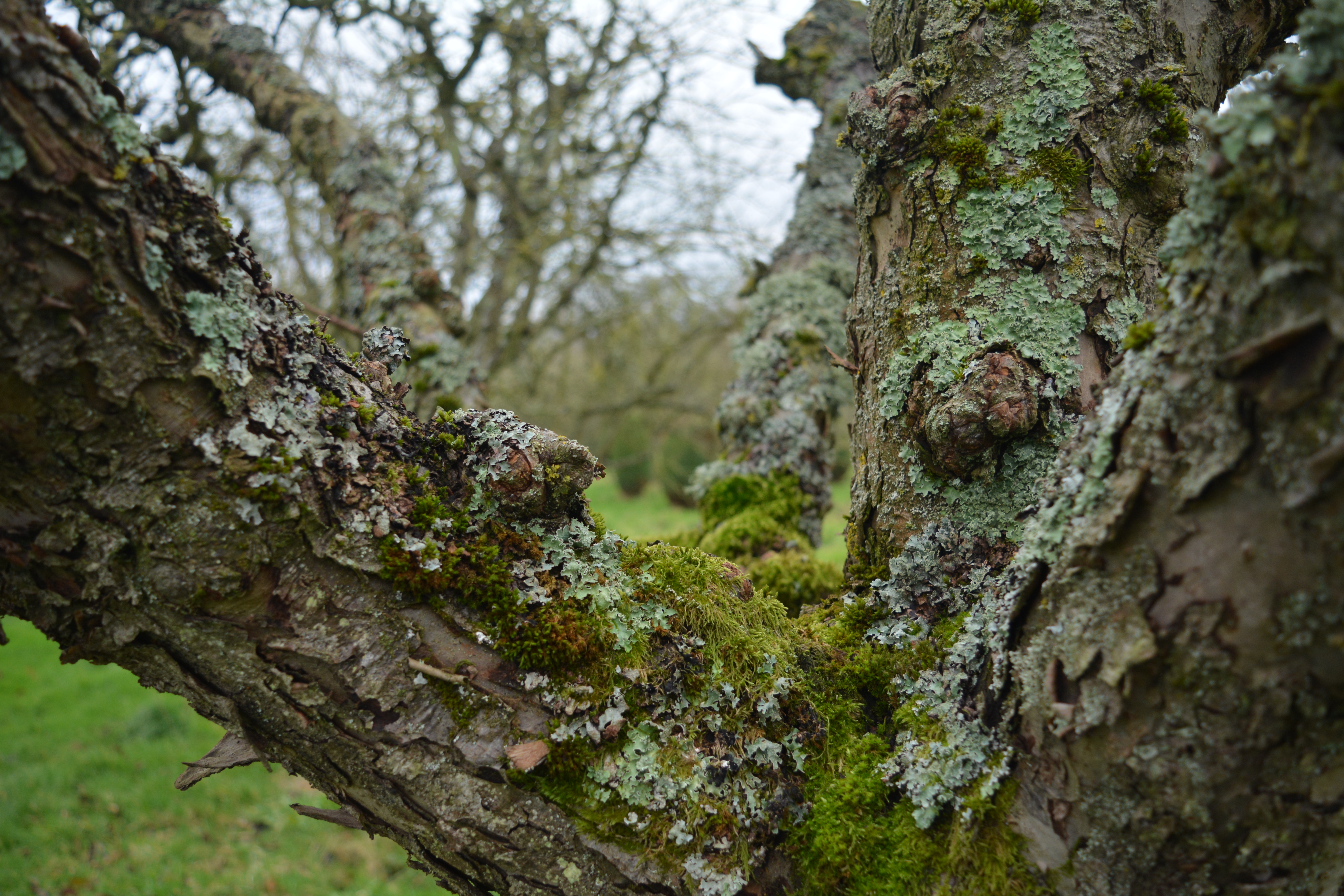
We continued our tour of the main walled garden following the herbaceous borders to discover ancient apple trees beautifully pruned ready for fruiting next season. Their trunks and branches were encrusted with lichens and mosses creating miniature landscapes. Clumps of Mistletoe decorated several of the trees. This is a common parasitic plant in the orchards of Herefordshire. A Mistletoe Fair and market are held in December every year in the nearby market town of Tenbury Wells. They are famous for their mistletoe auctions.

2015 01 01_9120 2015 01 01_9121 2015 01 01_9122 2015 01 01_9123 2015 01 01_9124 2015 01 01_9125

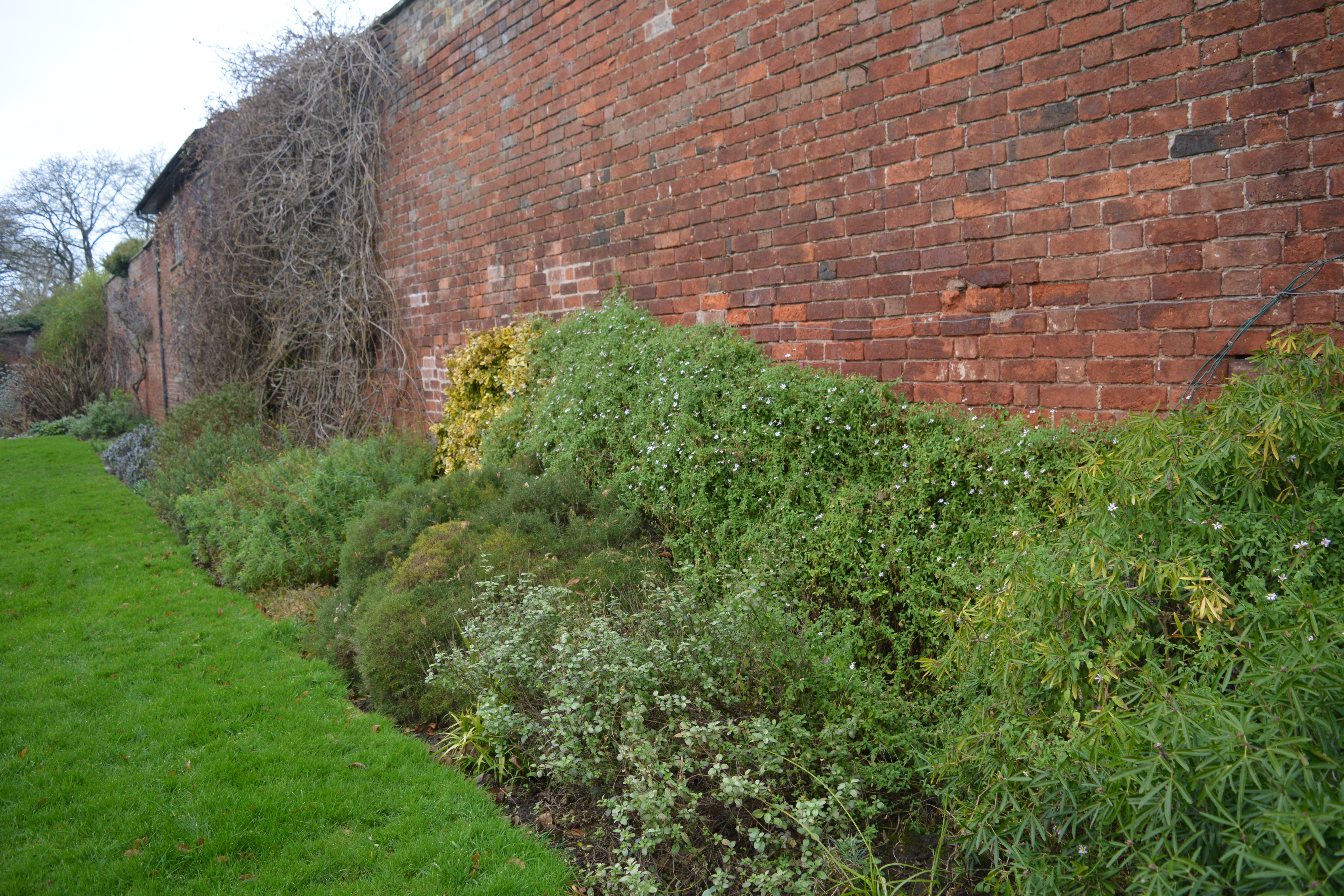
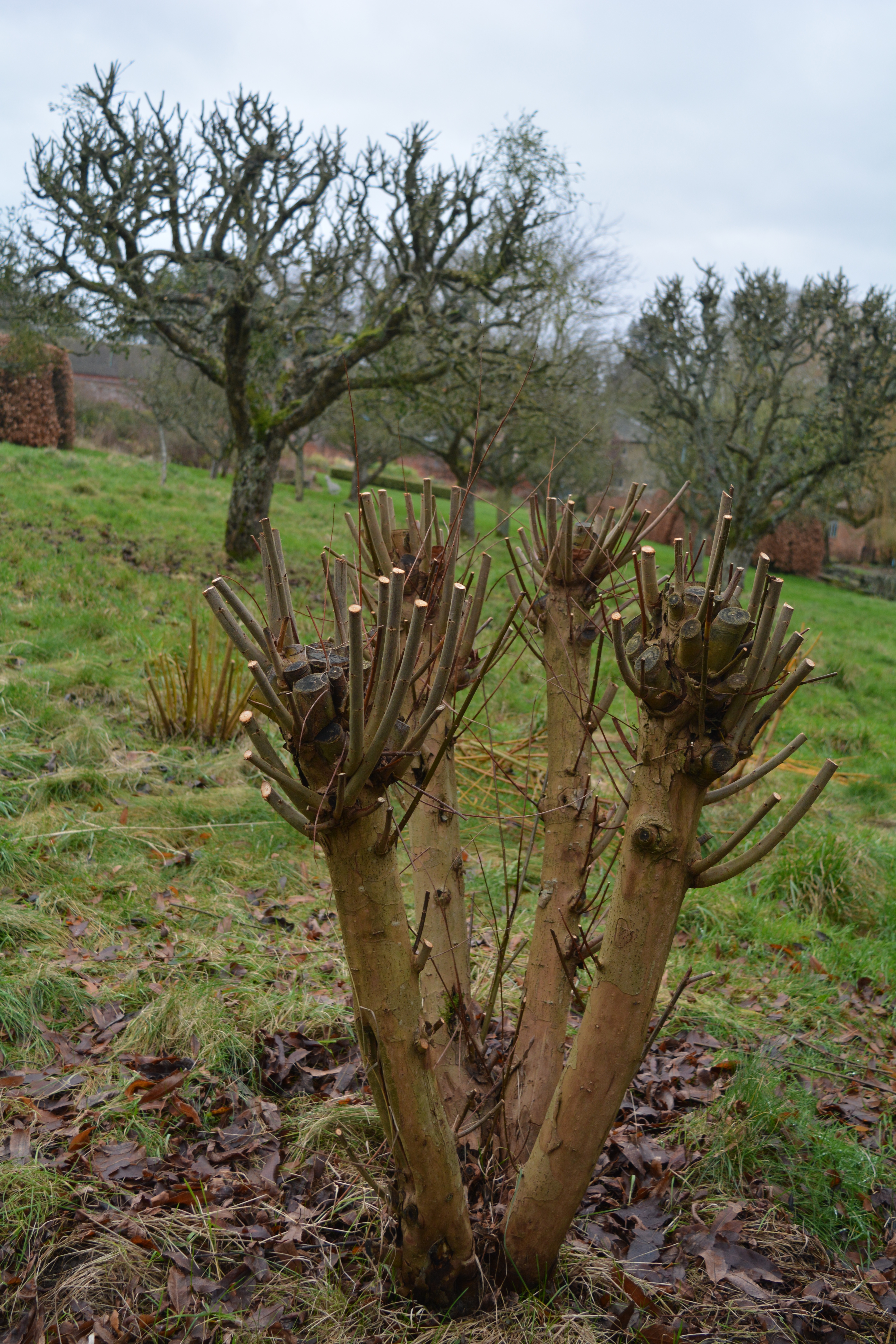
Along the third and fourth walls mixed borders included many shrubs which were well pruned in readiness for new growth when spring arrives. In the central area among the grass willows had been pruned too, cut into low pollarding and coppicing to encourage fresh, long new wands to cut and use around the garden as plant supports or sculpture.

2015 01 01_9126 2015 01 01_9127

2015 01 01_9128 2015 01 01_91292015 01 01_9130  2015 01 01_9119

I enjoyed a play with this pic on Photoshop!

2015 01 01_9119_edited-1

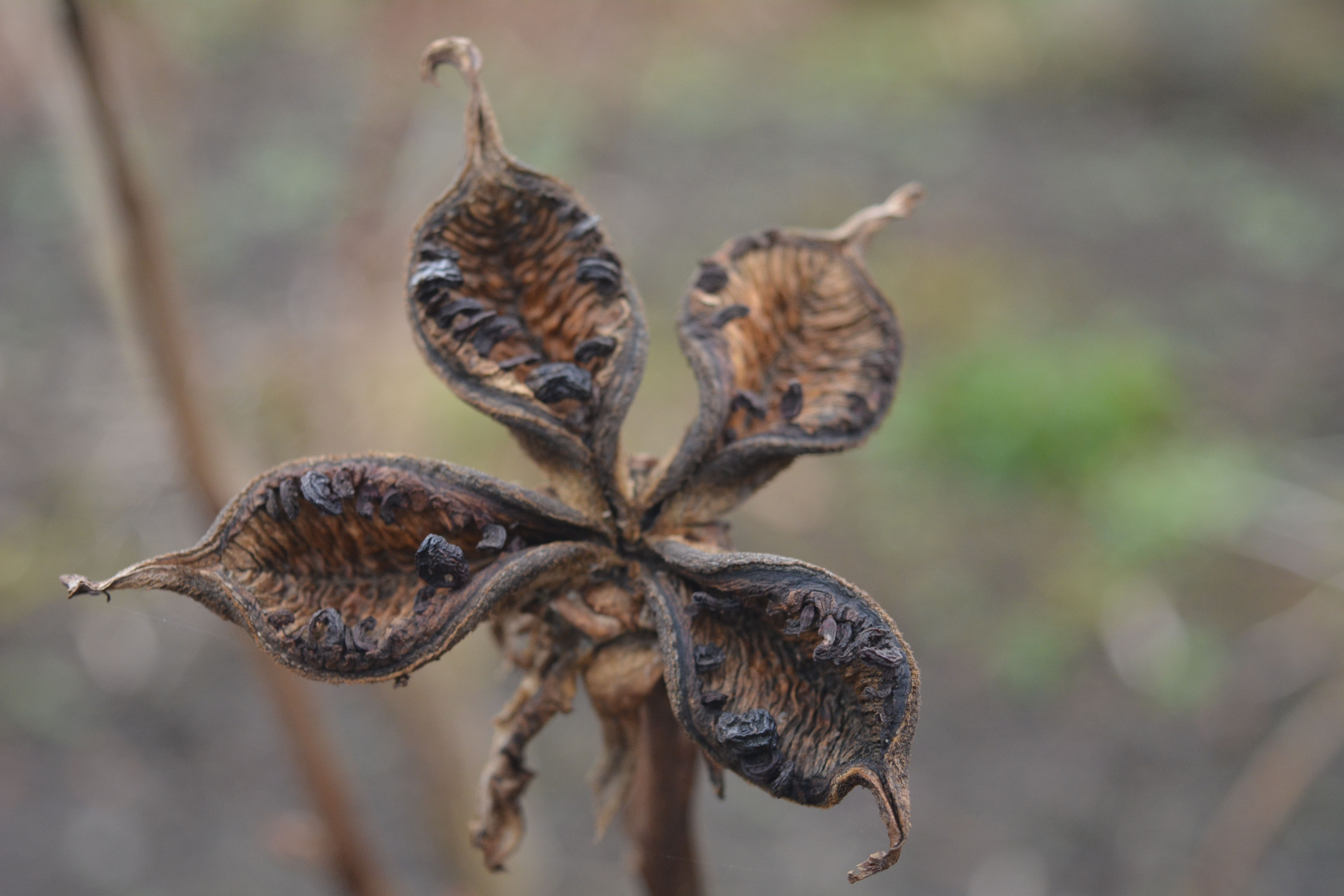
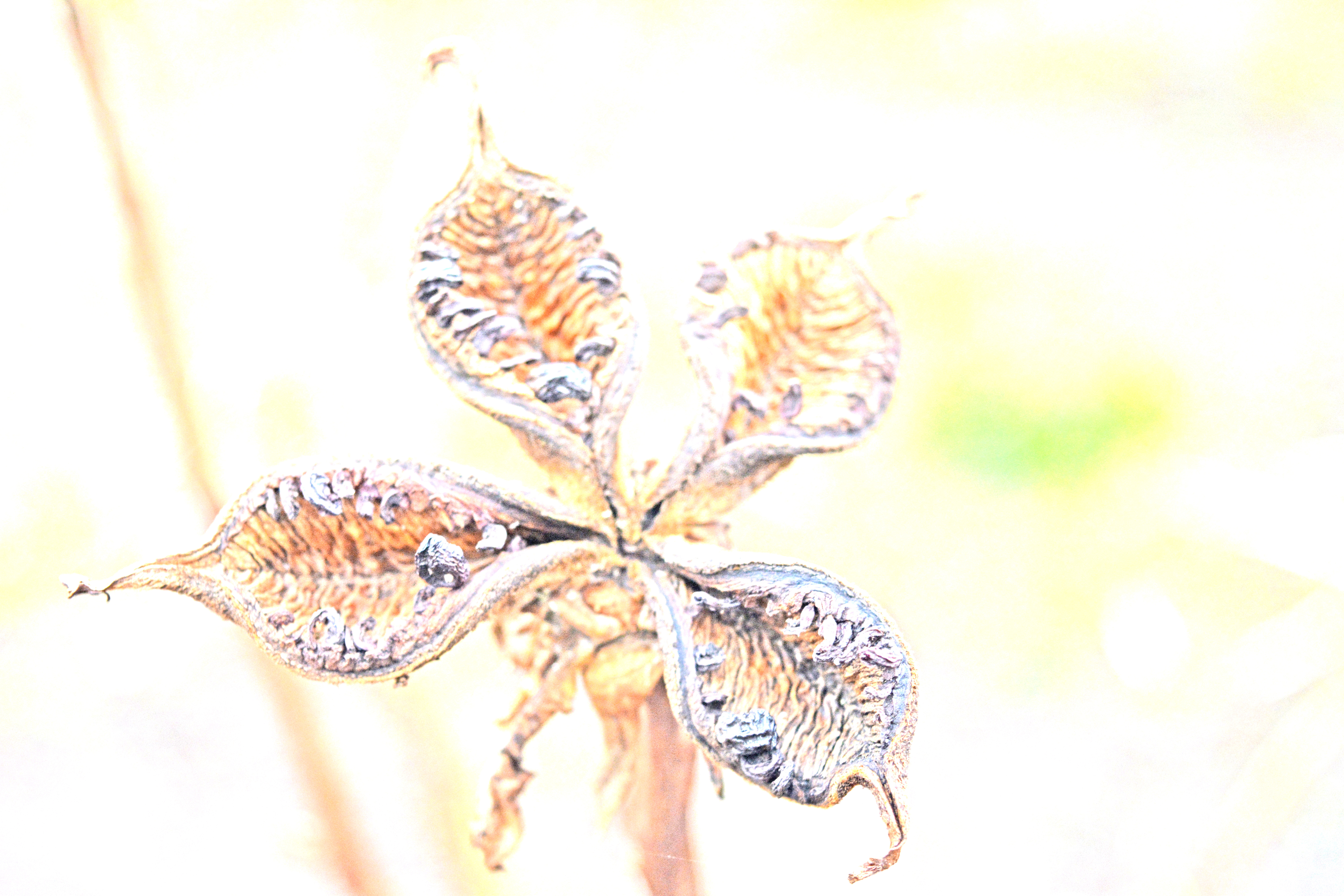
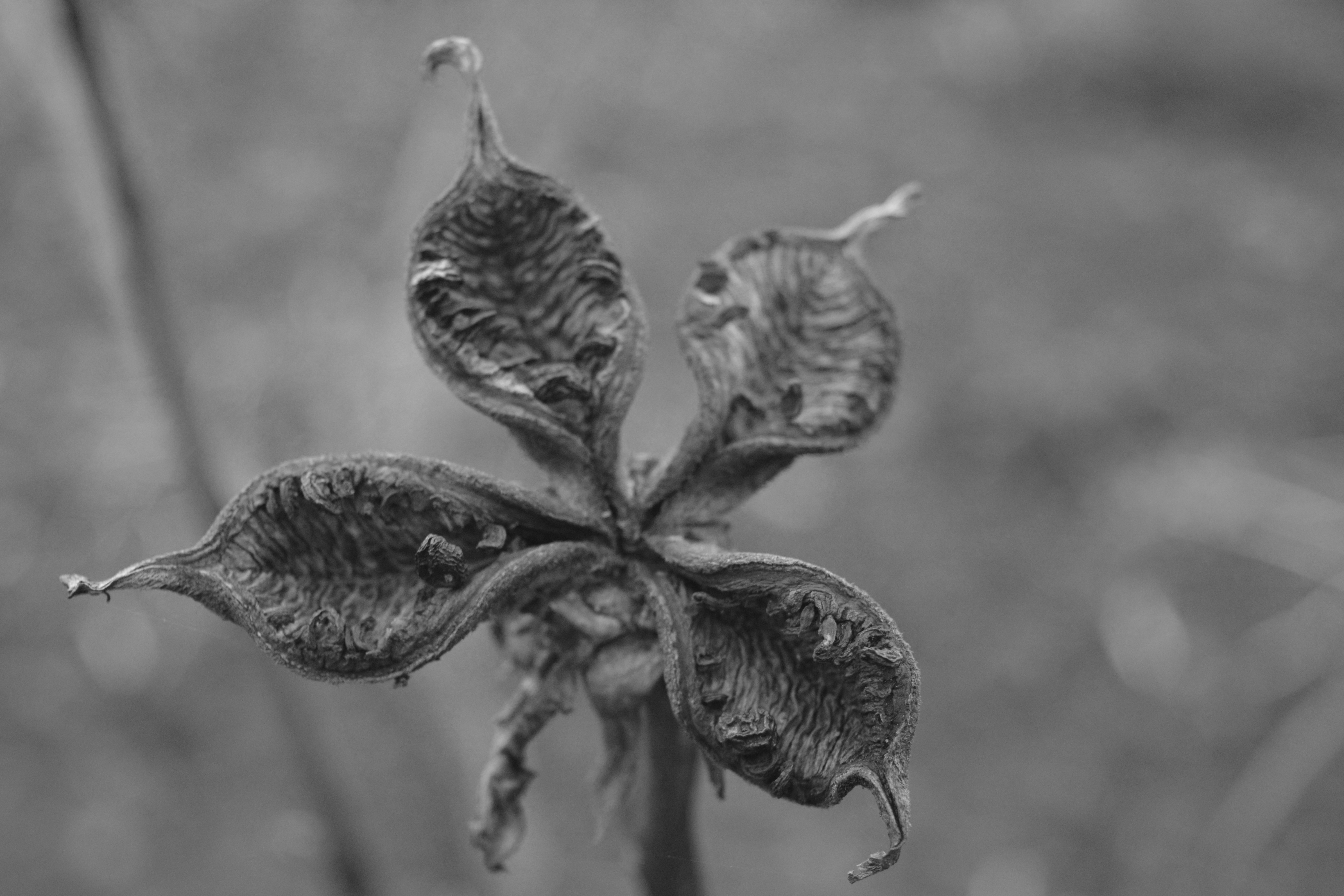
We were attracted to the opened seed pods of a Paeony with its four sections of woody shell. I certainly enjoyed playing with the image on Photoshop! Here you can select your favourite of three versions.

2015 01 01_9097 2015 01 01_9097_edited-2

2015 01 01_9097_edited-1

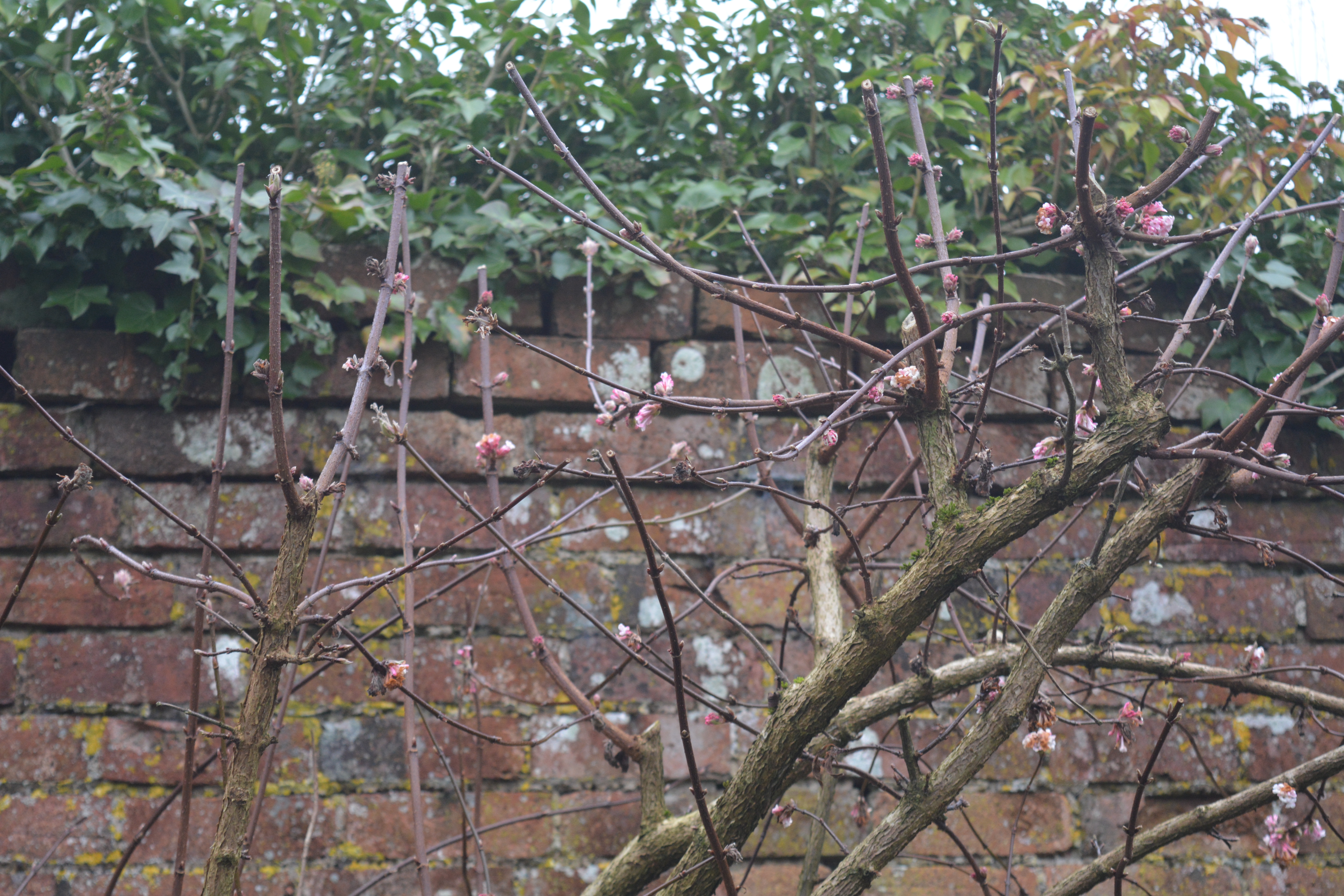
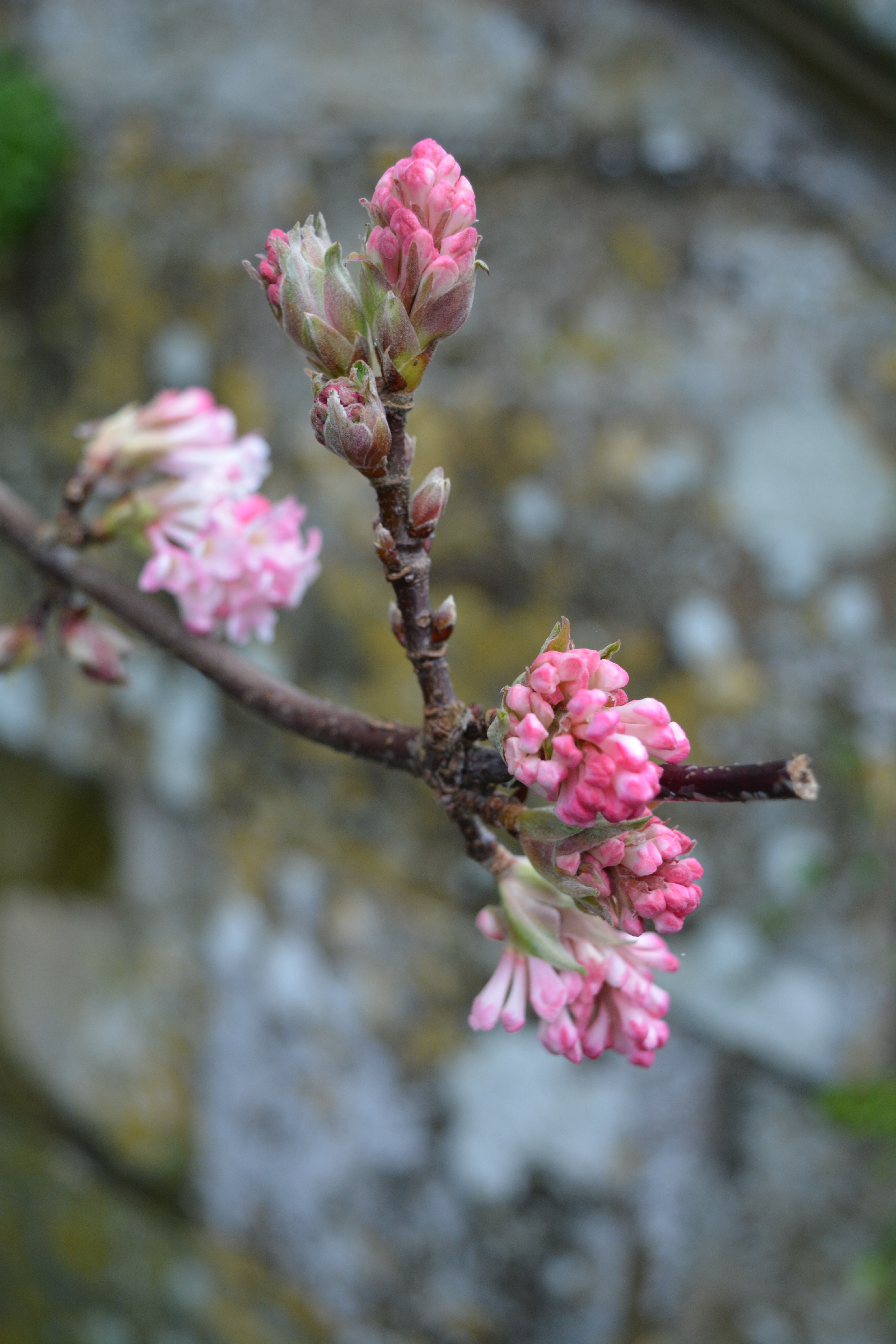
The sweet scent of the pink flowers of Viburnum bodnantense reached our noses long before we spotted the shrub itself. Next to it in the border was the giant stalk of the biggest Lilly we can grow in the UK, the statuesque Cardiocrinum giganteum.

2015 01 01_9131 2015 01 01_9132

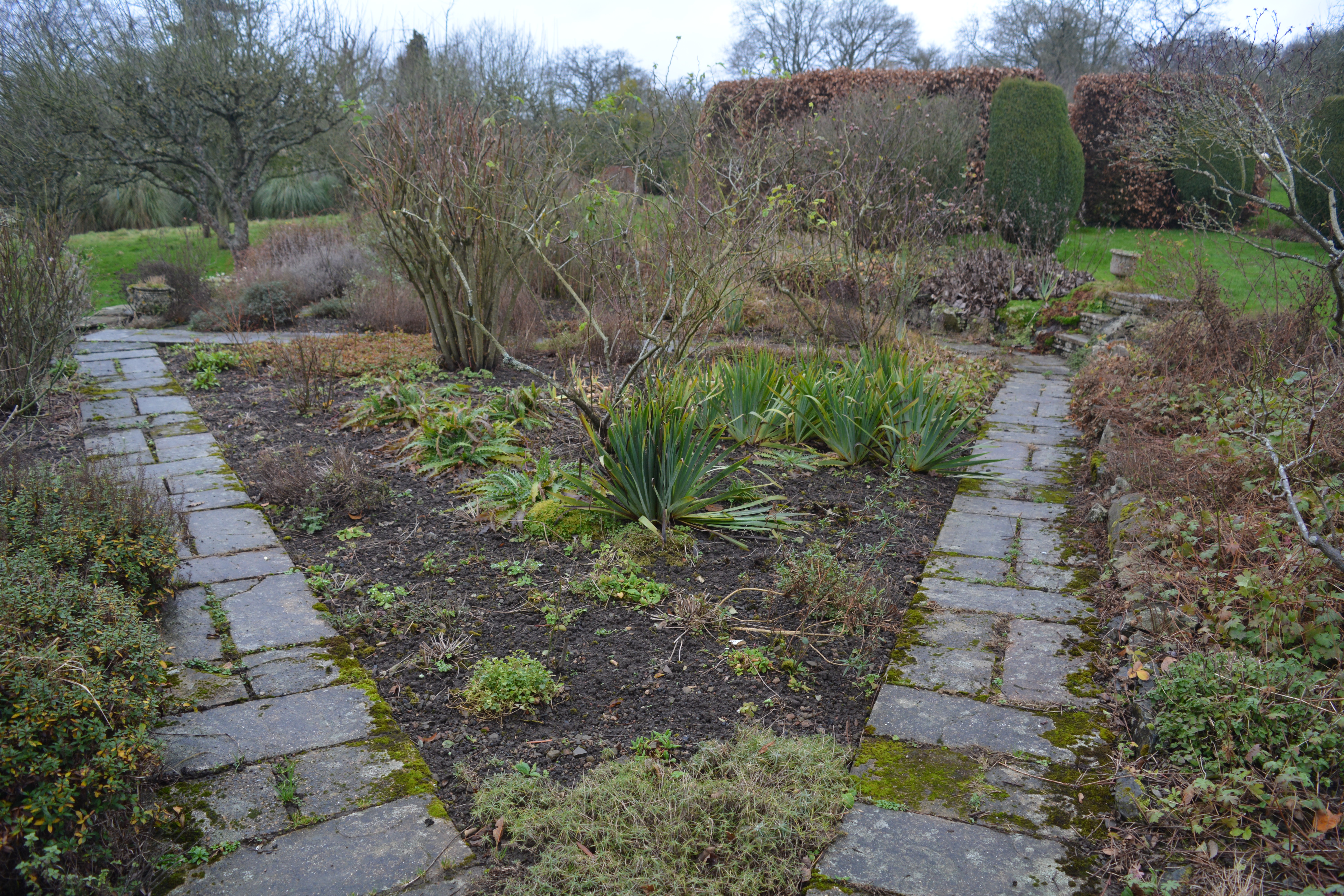
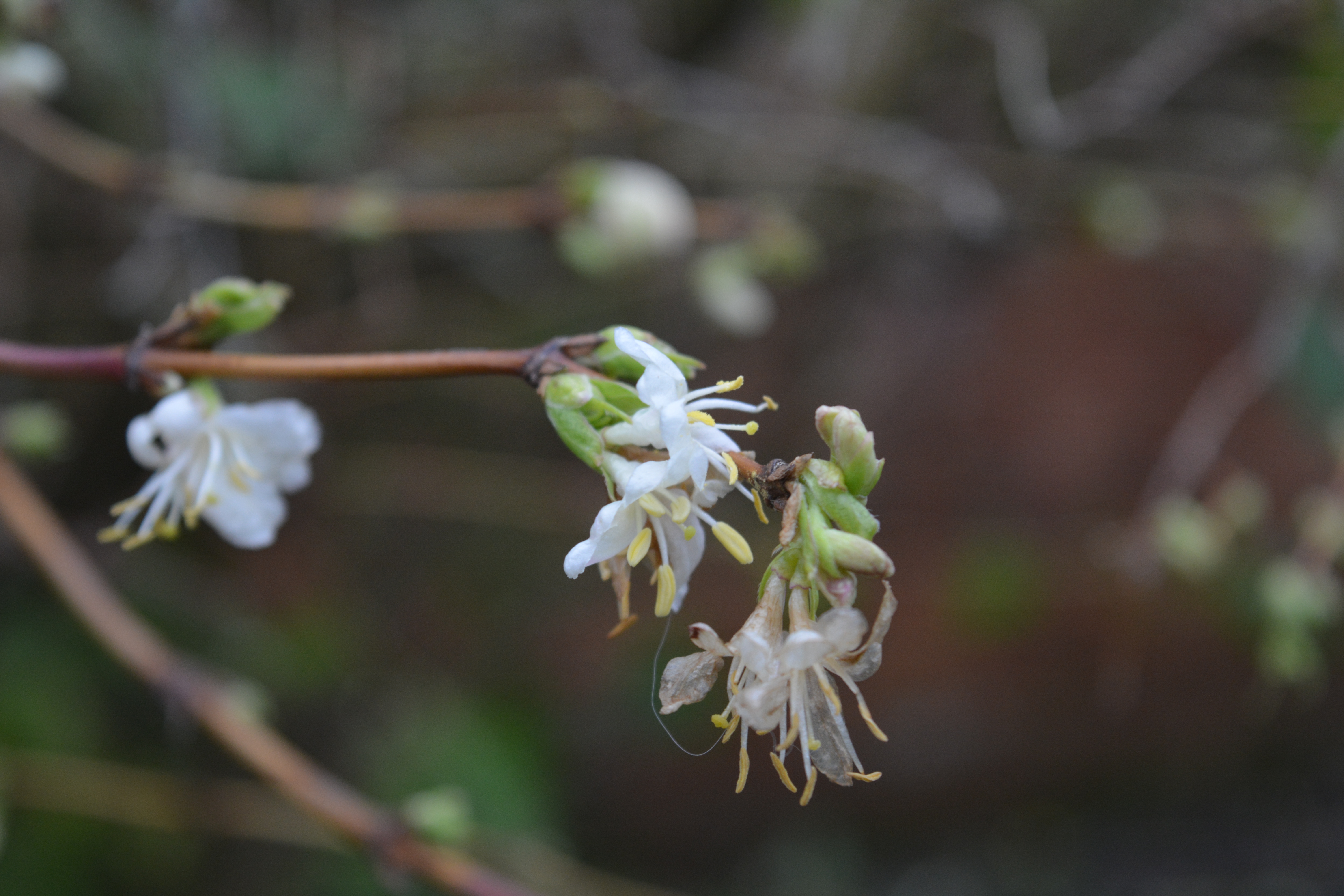
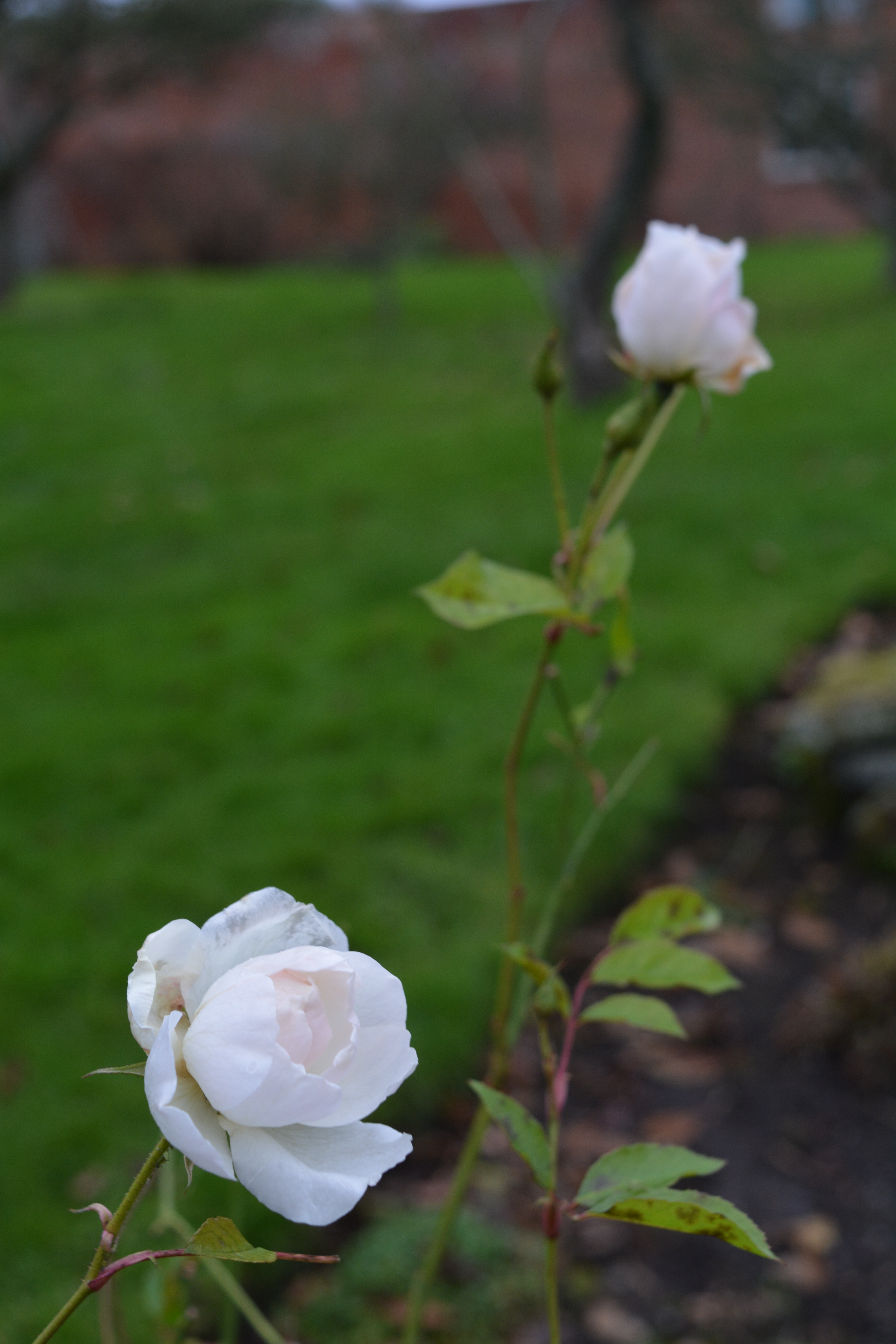
In the growing seasons there are some lovely features within the walled garden like little garden rooms, including a pool garden and a rose garden. In the winter they are so cold and bare! But an odd Rose bloom was trying hard when we visited. It sadly offered no scent though, unlike the neighbouring Rosemary with its gentle aroma coming from the tiny china blue flowers and the Lonicera frangrantisima, the Winter Flowering Honeysuckle.

2015 01 01_9133 2015 01 01_91382015 01 01_9139 2015 01 01_91422015 01 01_9141 2015 01 01_9140

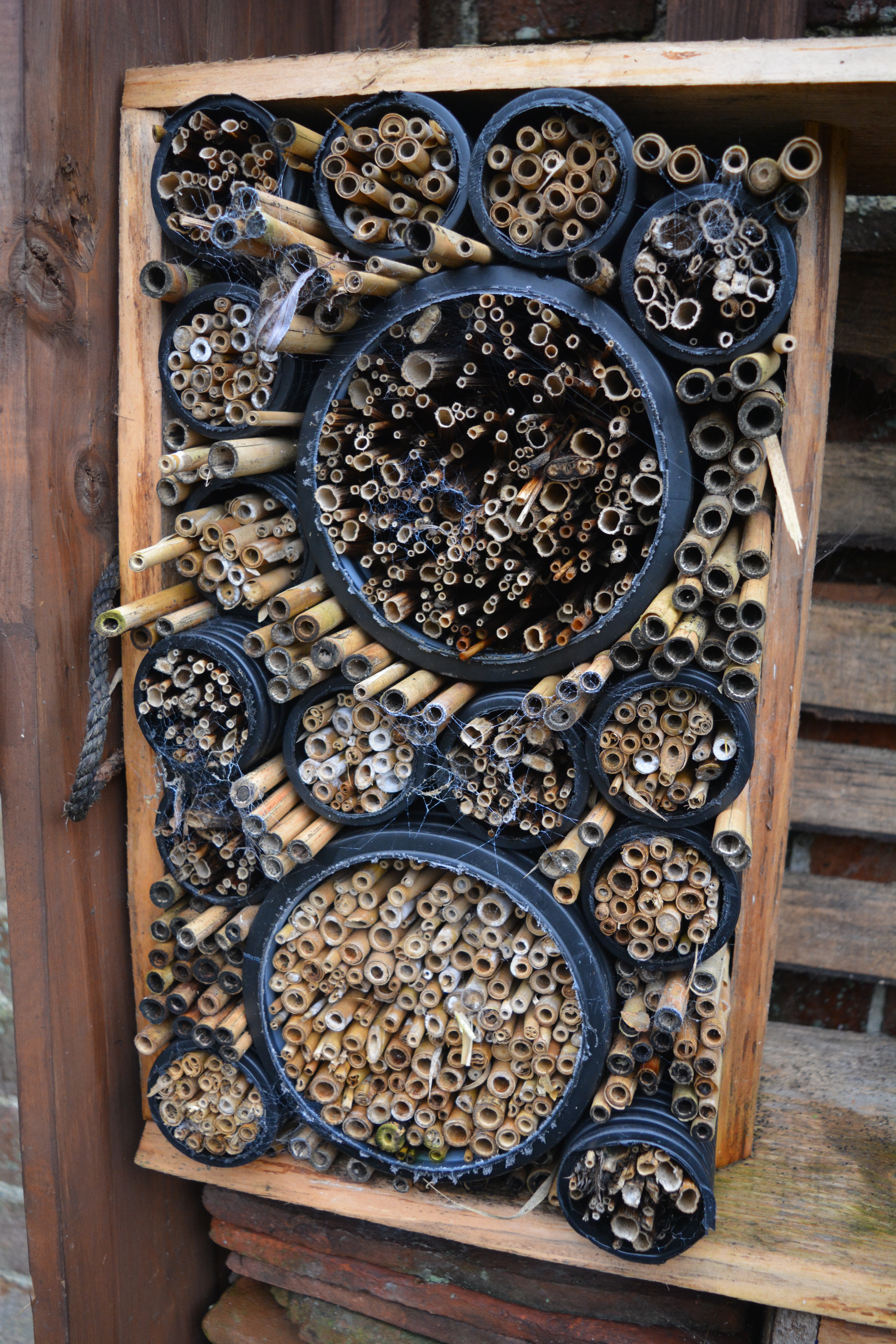
The gardeners have been busy making a huge “bug hotel” which is now almost complete. They have been having fun!

2015 01 01_9134 2015 01 01_9135 2015 01 01_9136

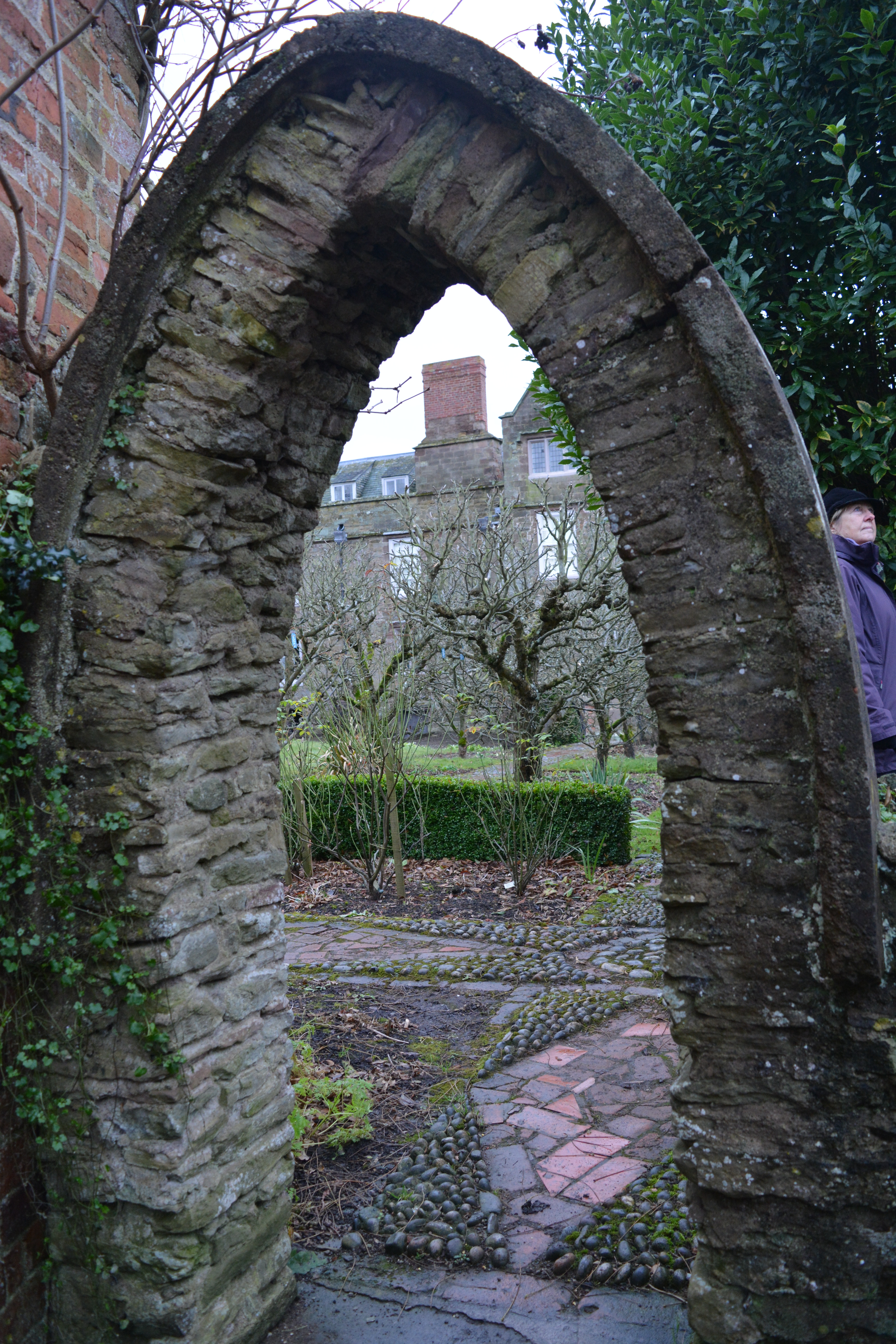
Reluctantly leaving the walled garden through a stone archway, we found small courtyard gardens linked by interesting textural paths. We gained views of the rear of the castle building and its huge water butt!

2015 01 01_9143 2015 01 01_9144 2015 01 01_91462015 01 01_9145 2015 01 01_9147

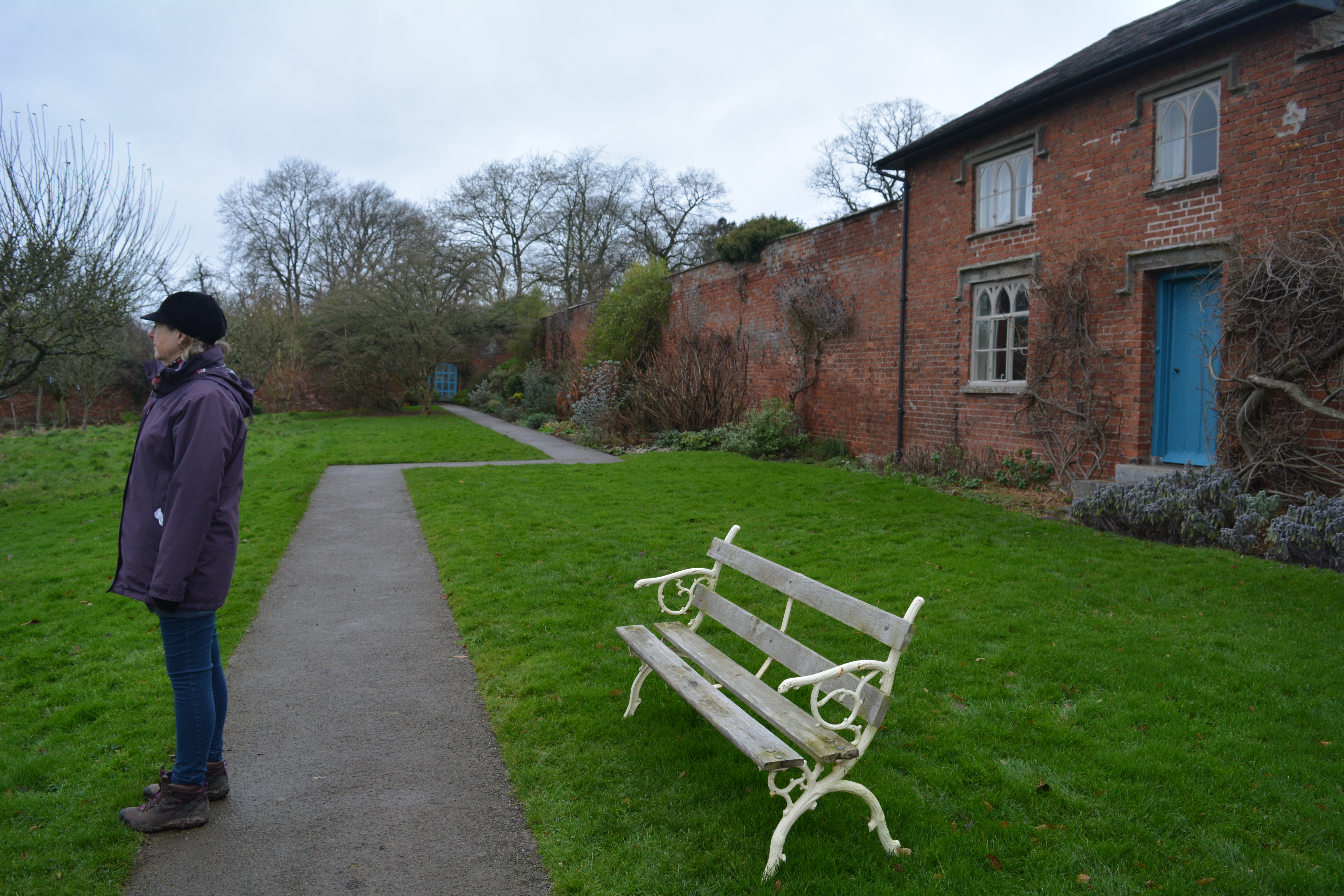
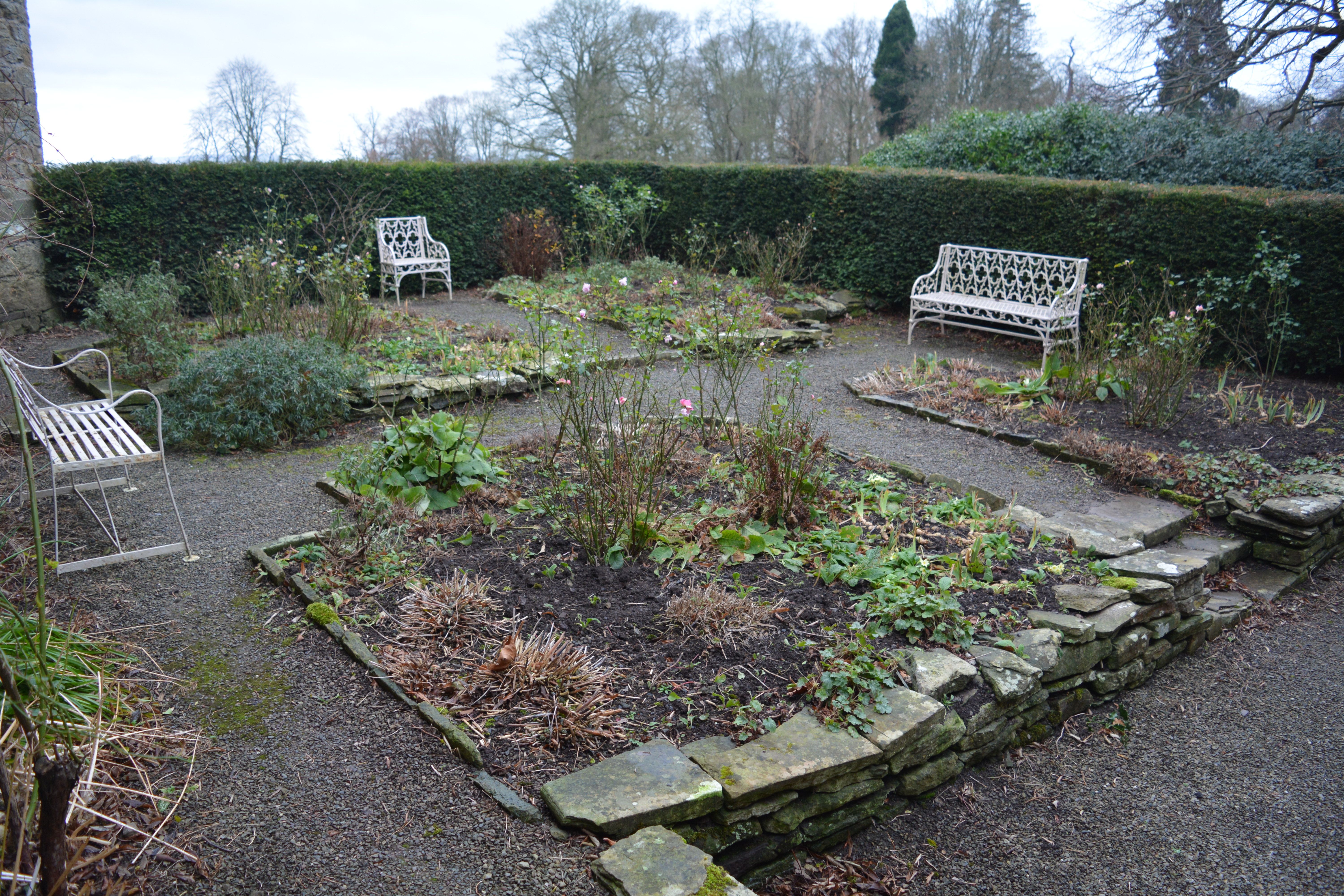
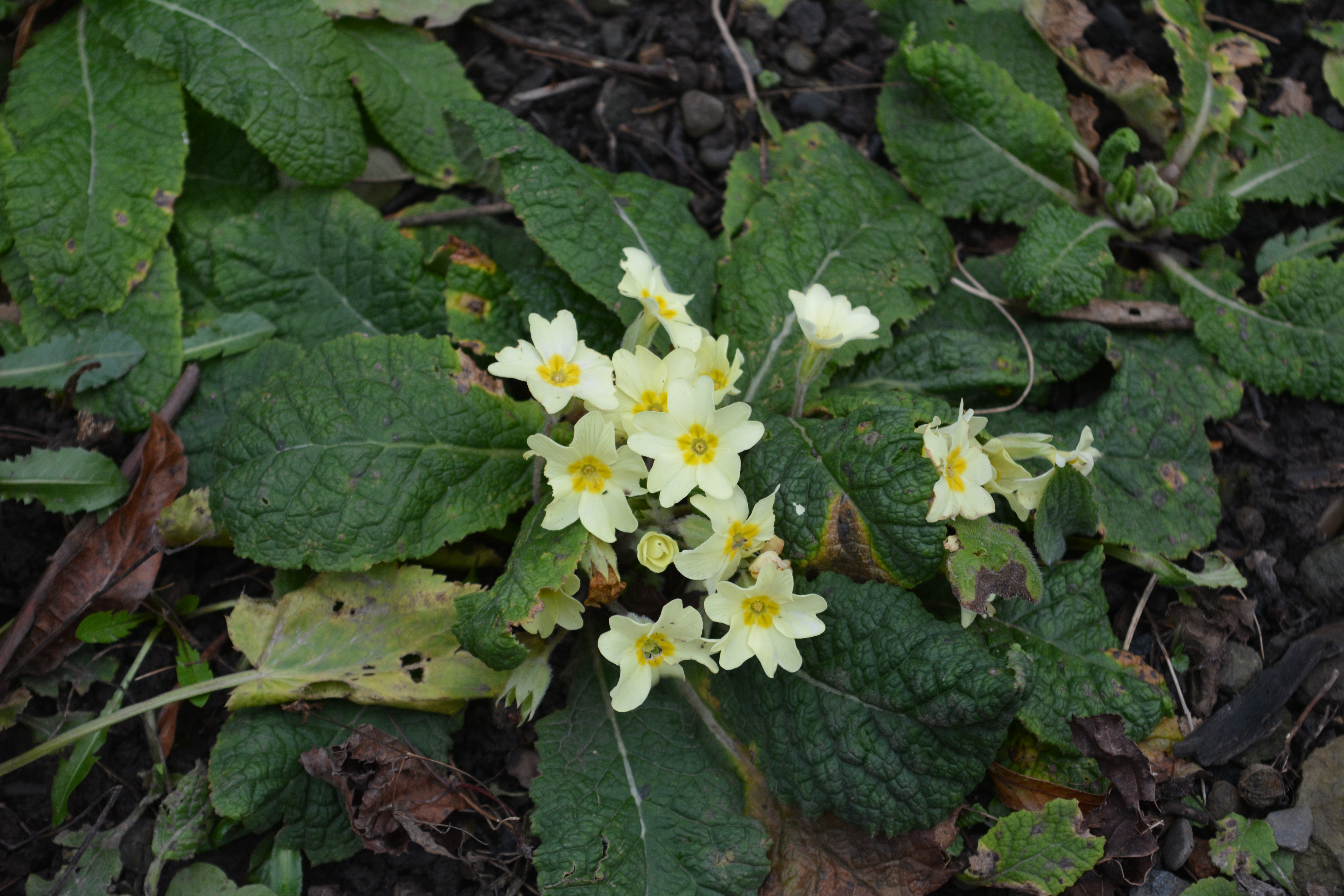
A further archway in a stone wall took us to a quartered courtyard garden with white benches and heavily pruned rose bushes. A strong wind blew through this area, making life difficult when I wanted to take a photograph of a Primrose flowering well out of season, resulting in a blurred close up of my scarf. Oh dear! But I did manage in the end. Definitely better without the scarf.

2015 01 01_9148

2015 01 01_9149 2015 01 01_9150

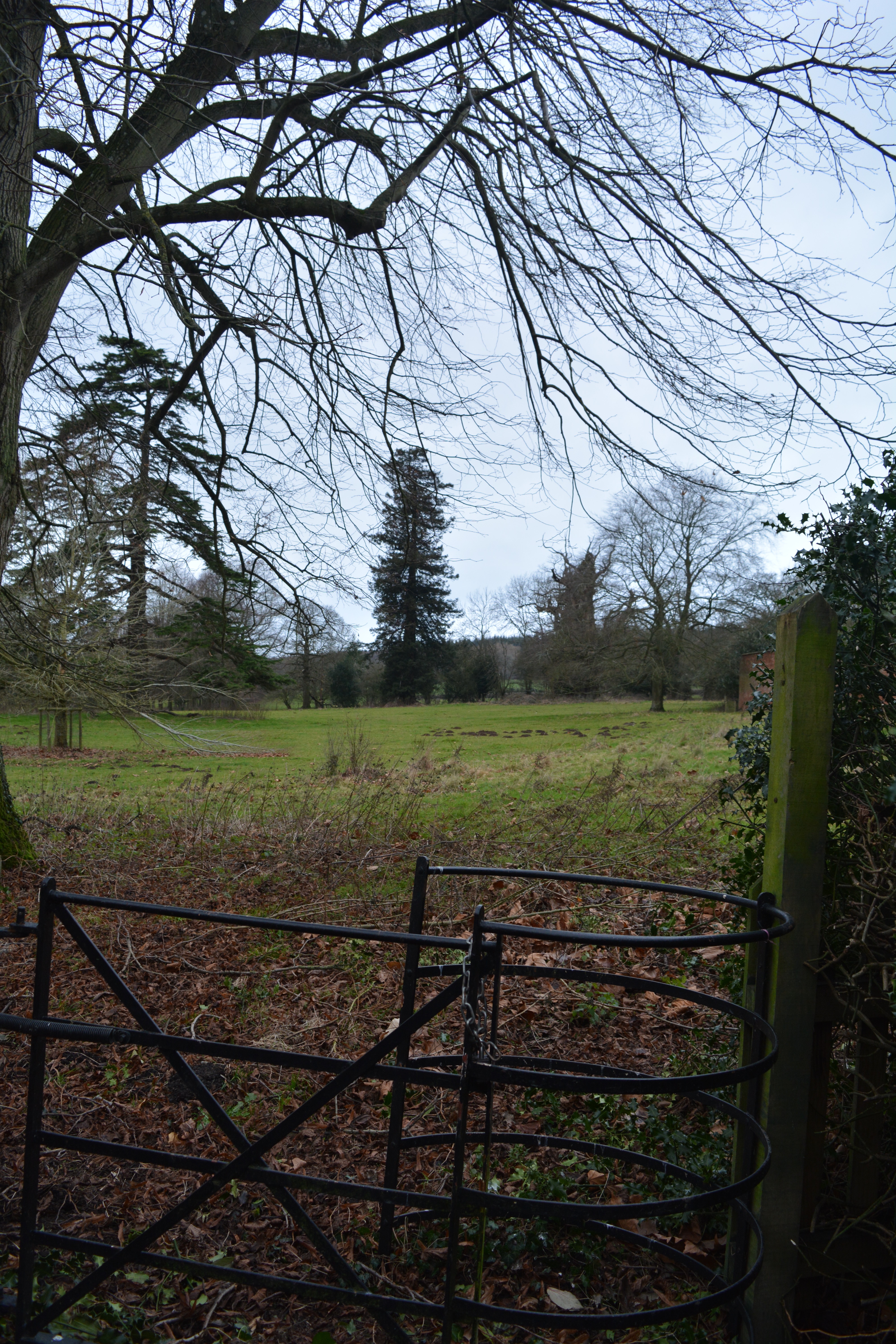
Rounding the next corner we could look out over the low stone wall across the meadows towards the lake and woodlands. The weather was not right for exploring these areas, so we decided to save it for warmer times. Above the corner tower an unusual wooden bell tower peered. Against the house wall we found a second scented Viburnum bodnantense heavy with blossom.

2015 01 01_9153 2015 01 01_9151

2015 01 01_9152 2015 01 01_9154 2015 01 01_9155

The  tiny garden surrounding the estate church is often colourful but in winter colour was total lacking. The tower of the church was covered in scaffolding and it looked as if restoration work was well under way. I will share some pictures of this lovely building when the scaffolding is down later in the year.

2015 01 01_9156

We finally reached the front entrance to the castle, the massive door protected by stone-carved dragon sentinels. As we retraced our steps along the herbaceous border and stone wall we looked back to get views of the whole castle frontage.

2015 01 01_9157 2015 01 01_9158 2015 01 01_9160 2015 01 01_9087_edited-1

Our next visit will be in February when we will see if anything in the garden changes as the days lengthen slightly and the light values improve. It may be a bit warmer too! Fingers crossed.

Categories
autumn colours colours garden photography gardening ornamental trees and shrubs trees Uncategorized

The Leaf

A few days ago as I was on my way down the ramp into the back garden I was met by a leaf on its way in.

2014 12 31_9069

I knew immediately from which tree it had come – a Cotoneaster in the side garden in the Freda Border. It had traveled a fair distance for such a little fella! It shows how well you get to know the plants in your garden when you can recognise exactly which tree a single leaf comes from. We have a dozen or so different Cotoneasters gracing our patch but this little leaf told me exactly which one it came from. Its shape, its colours, its textures all provide clues.

2014 12 31_9070 

The leaf was still showing off its autumn colours, proud in shades of yellow and orange with a touch of green as a reminder of the summer long gone. Some trees keep hold of their old leaves until a new one pops along to push it off its branch. Our Cotoneaster had done just that to our leaf.

2014 12 31_9062 2014 12 31_90712014 12 31_9068 2014 12 31_9067

When turned over the leaf took on a new look, slightly greyed with the look of being seen through tissue paper. Each colour subdued and more subtle! It curled upwards which made it create shadows shaped like a new moon.

2014 12 31_9066 2014 12 31_9065 2014 12 31_9064 2014 12 31_9063

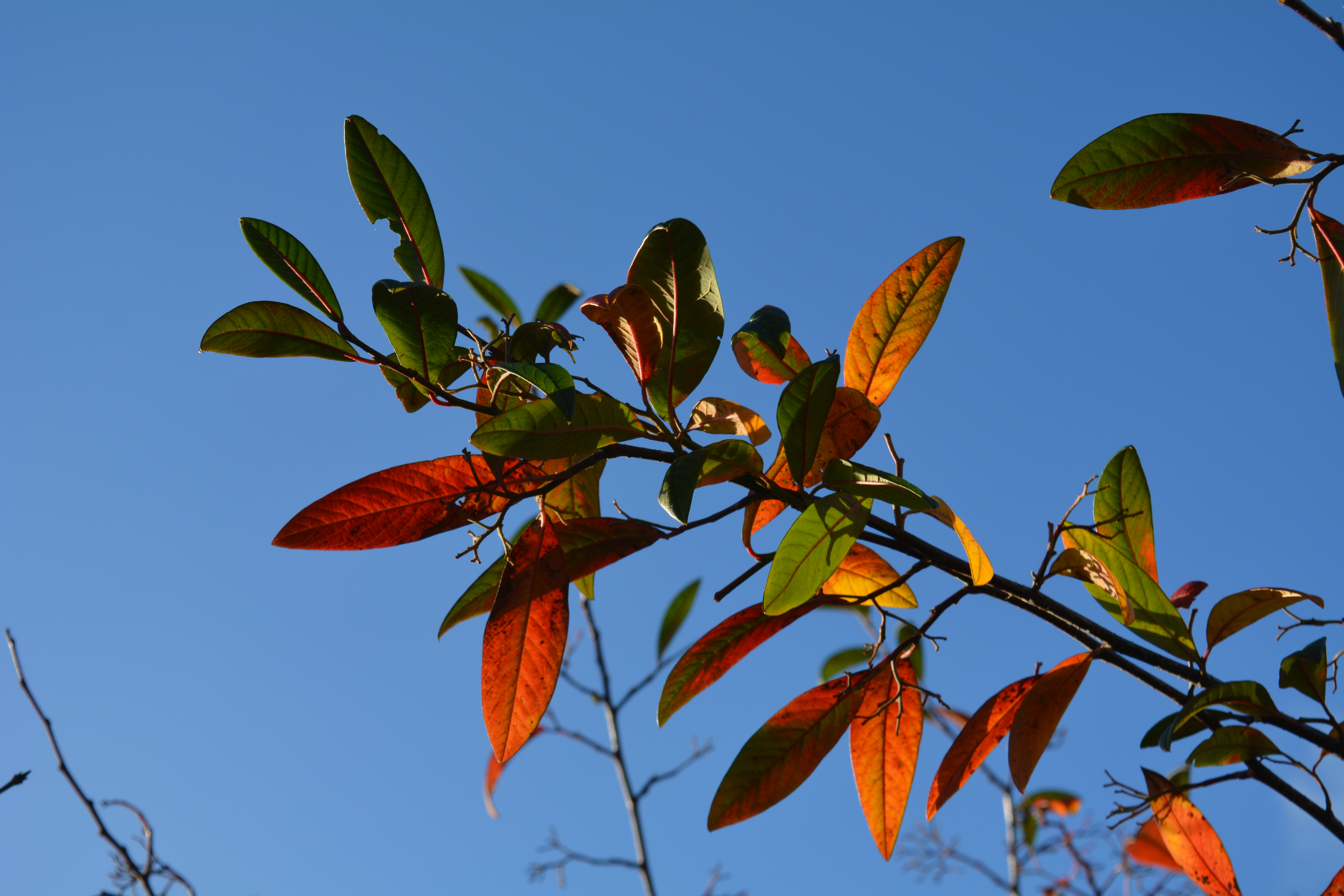
But we can’t leave this post without having a look at its mother tree. Its leaves a mixture of fresh green and faded colours of autumn. It looks especially colouful against a blue wintery sky.

2014 12 31_9061  2014 12 31_9060 2014 12 31_9059  2014 12 31_9057

Categories
flowering bulbs fruit and veg gardening grasses grow your own ornamental grasses spring bulbs trees

Out with the old in with the new!

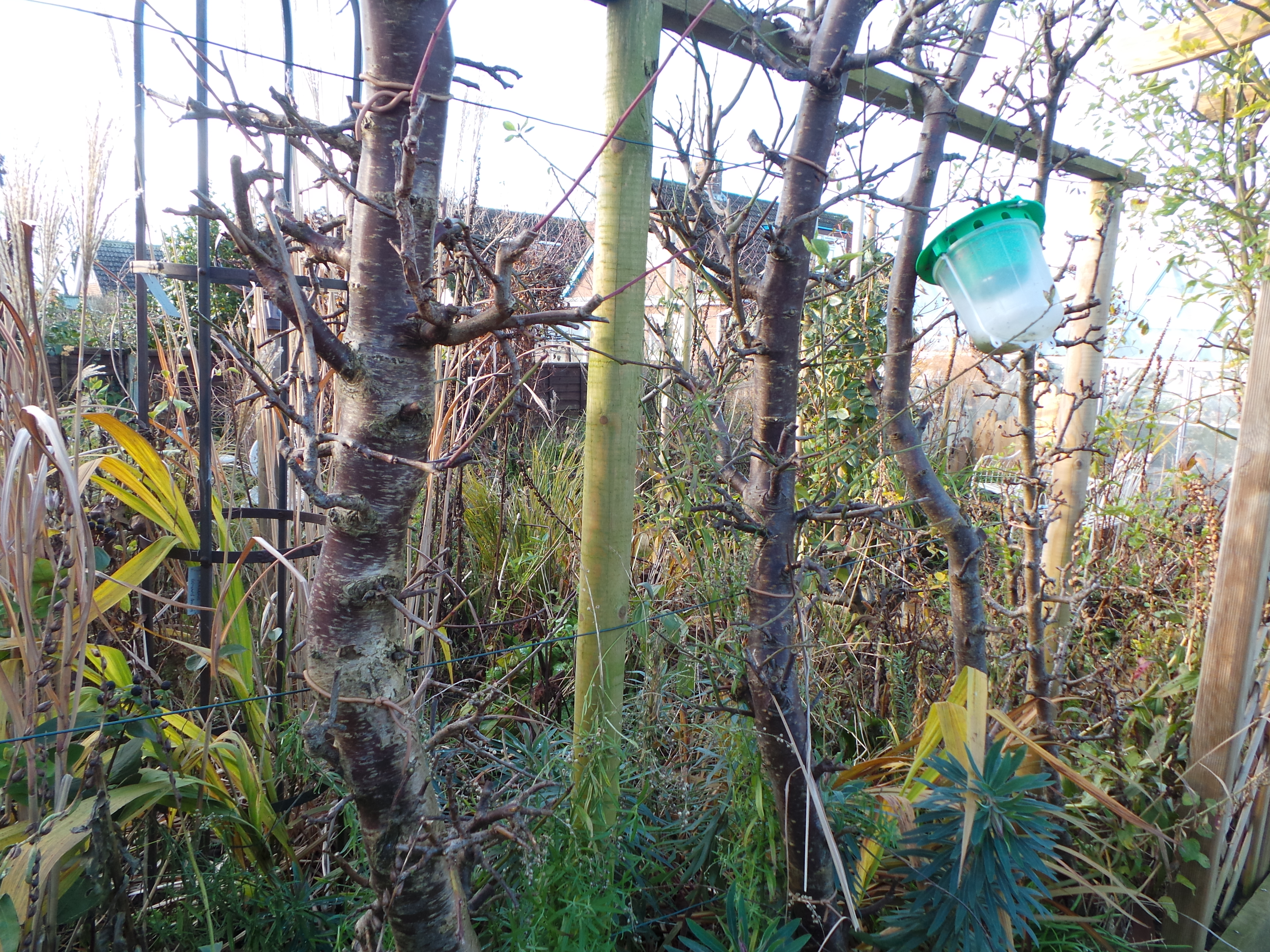
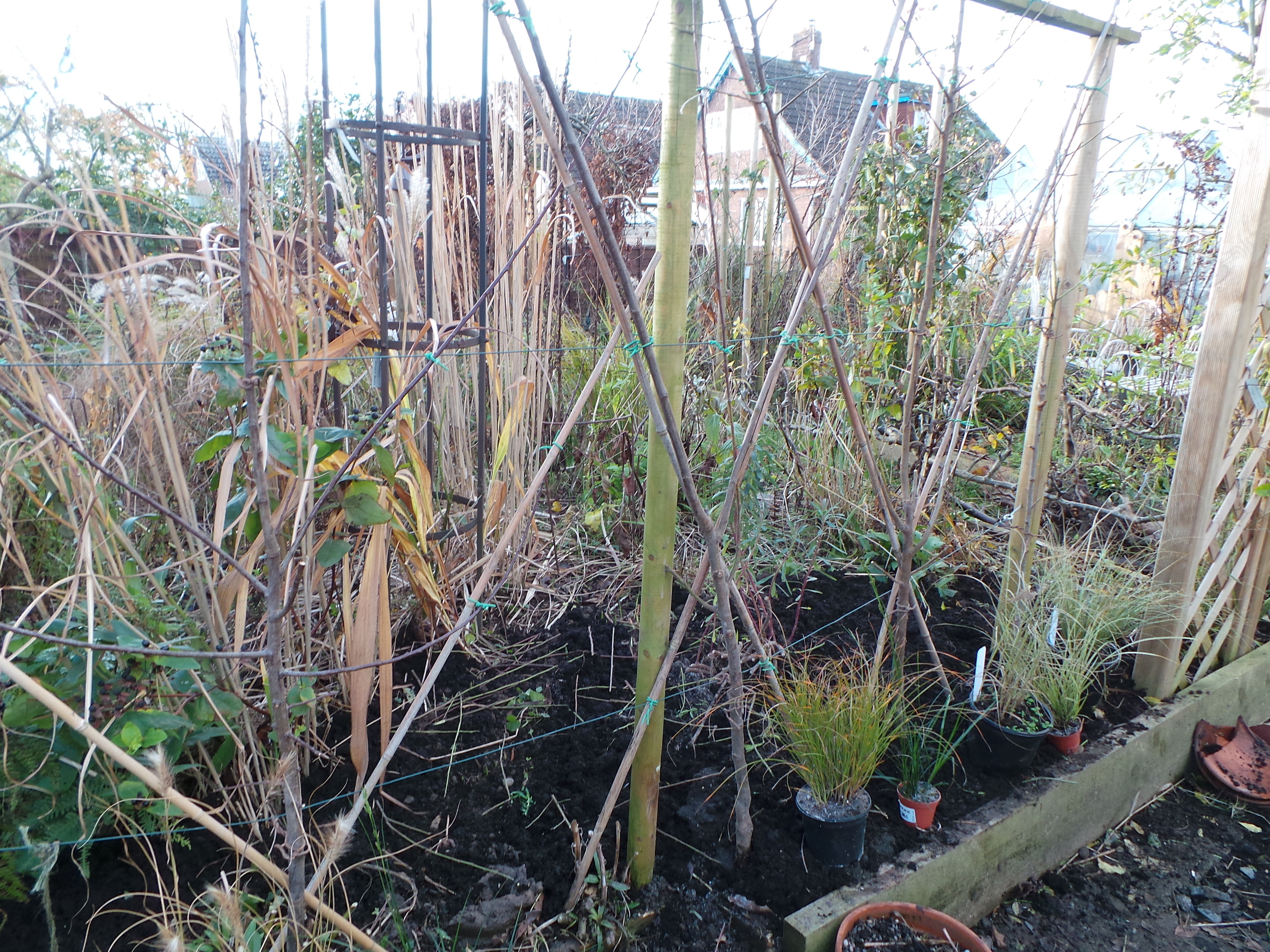
No, this isn’t a New Year post! It is about fruit trees. We have had a row of cordon grown plums along our central path since we first created our garden about ten years ago. They fruited well to start with but in the last few years they have struggled to produce just a handful of plums each or at worst none at all. Hence it was time for out with the old and in with the new.

2014 12 19_8935  2014 12 19_8936

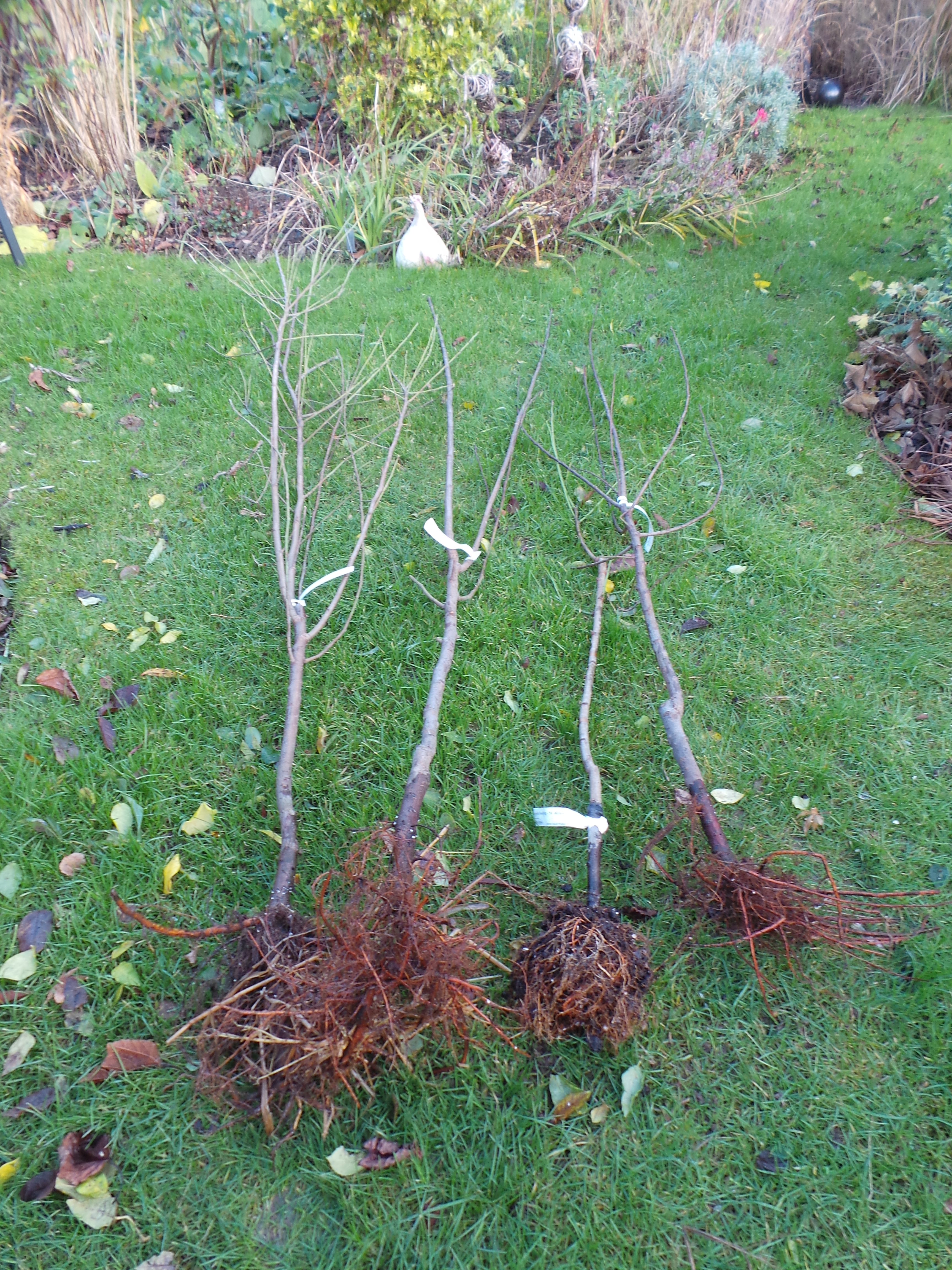
The new trees arrived by courier all the way from Devon bare rooted and packed beautifully in the same way my Father used to receive his plants back in the 1950s. It is amazing how small a package of 4 trees looks. We ordered them from Adam’s Apples also known as Talaton Plants, a firm we have used to purchase all our fruit trees from for home and the allotments for many years now. We have never had a tree fail! As the photo below shows they arrived with top quality root balls. Without a good root ball a tree will not thrive so we were delighted with these.

2014 12 19_8911

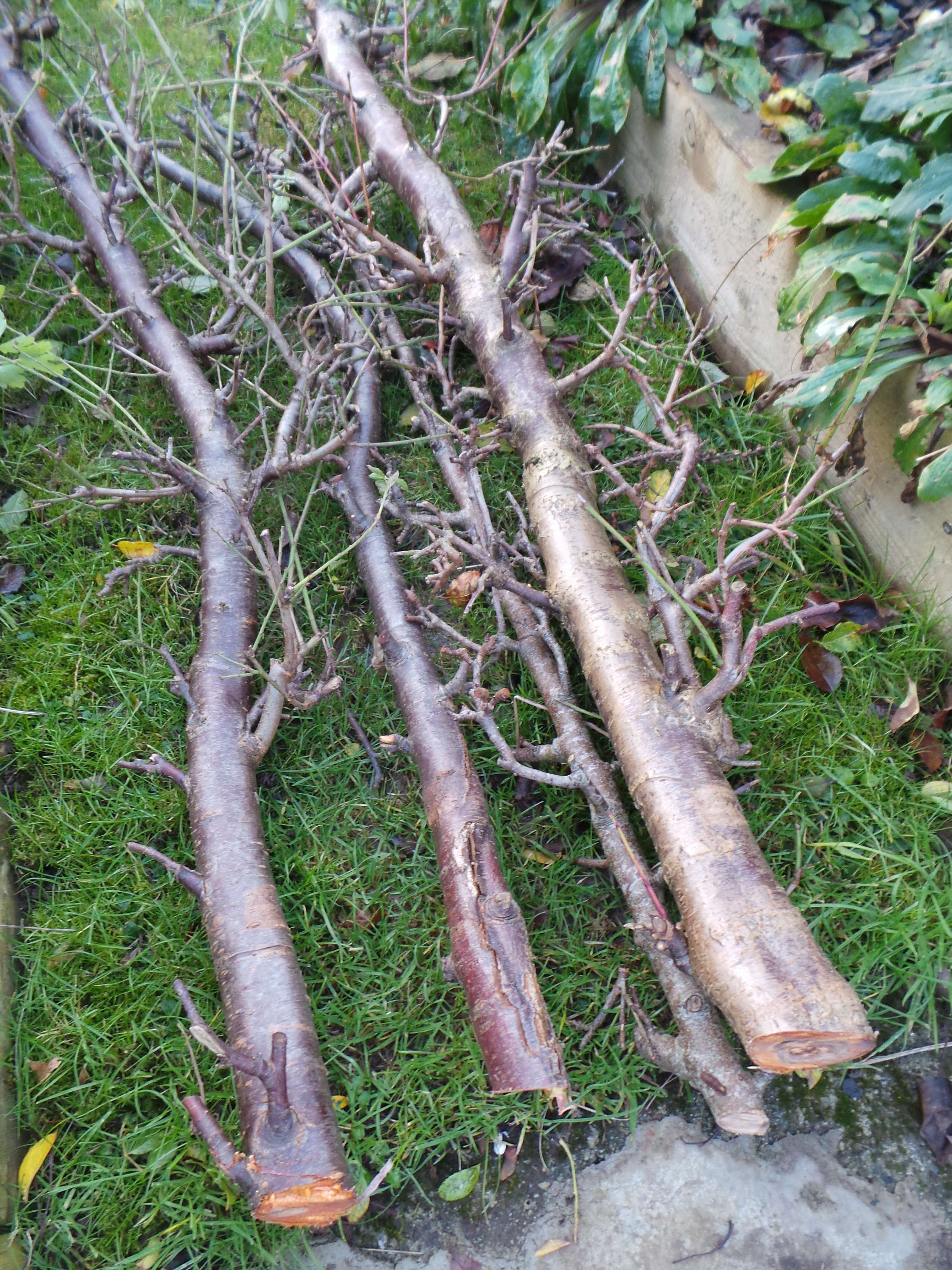
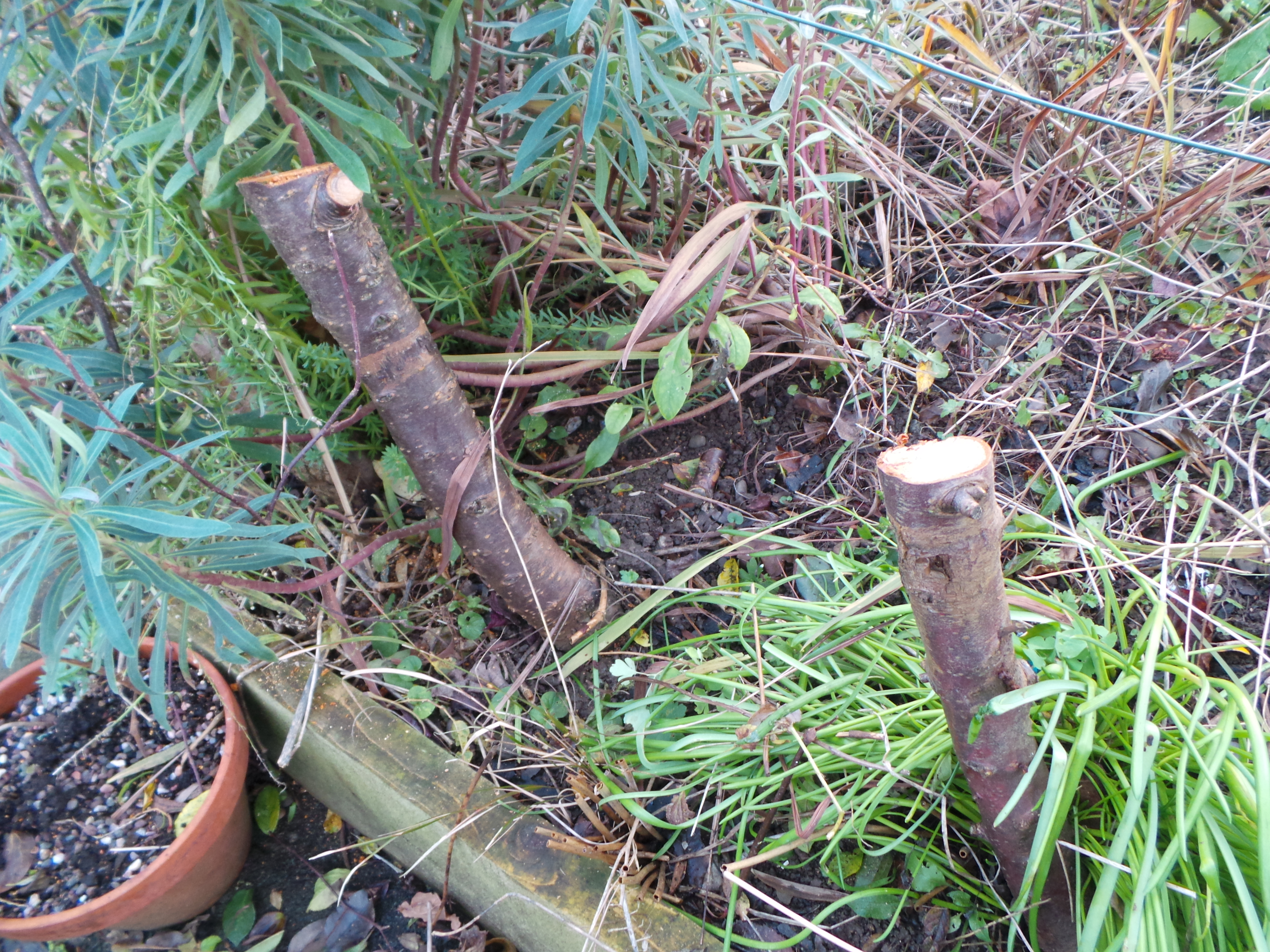
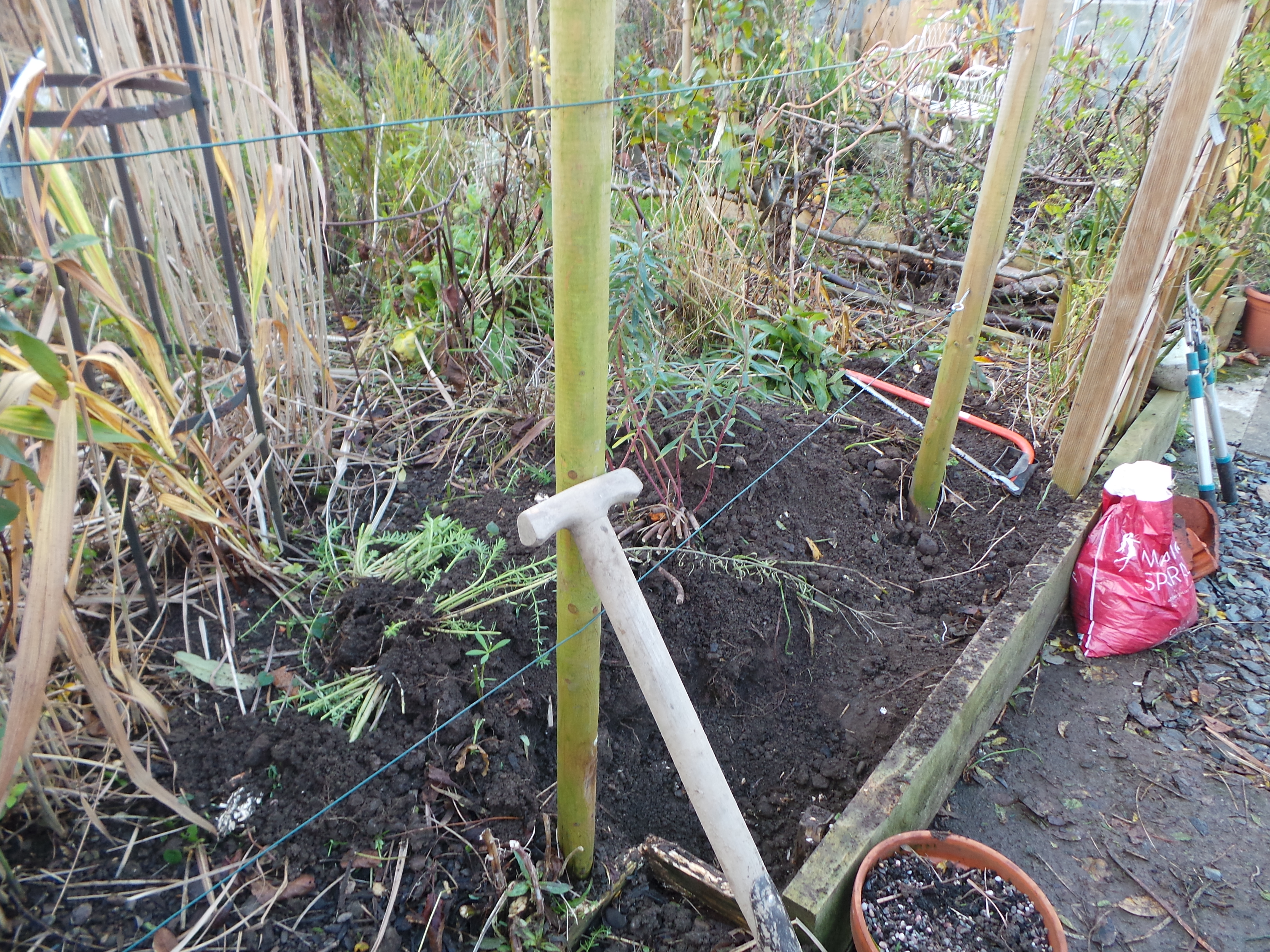
First job was the hardest, getting up the old trees. Luckily the soil was soft and easy to dig. We chopped the trunks down leaving just the right amount to act as a lever.

2014 12 19_8939 2014 12 19_89402014 12 19_8941

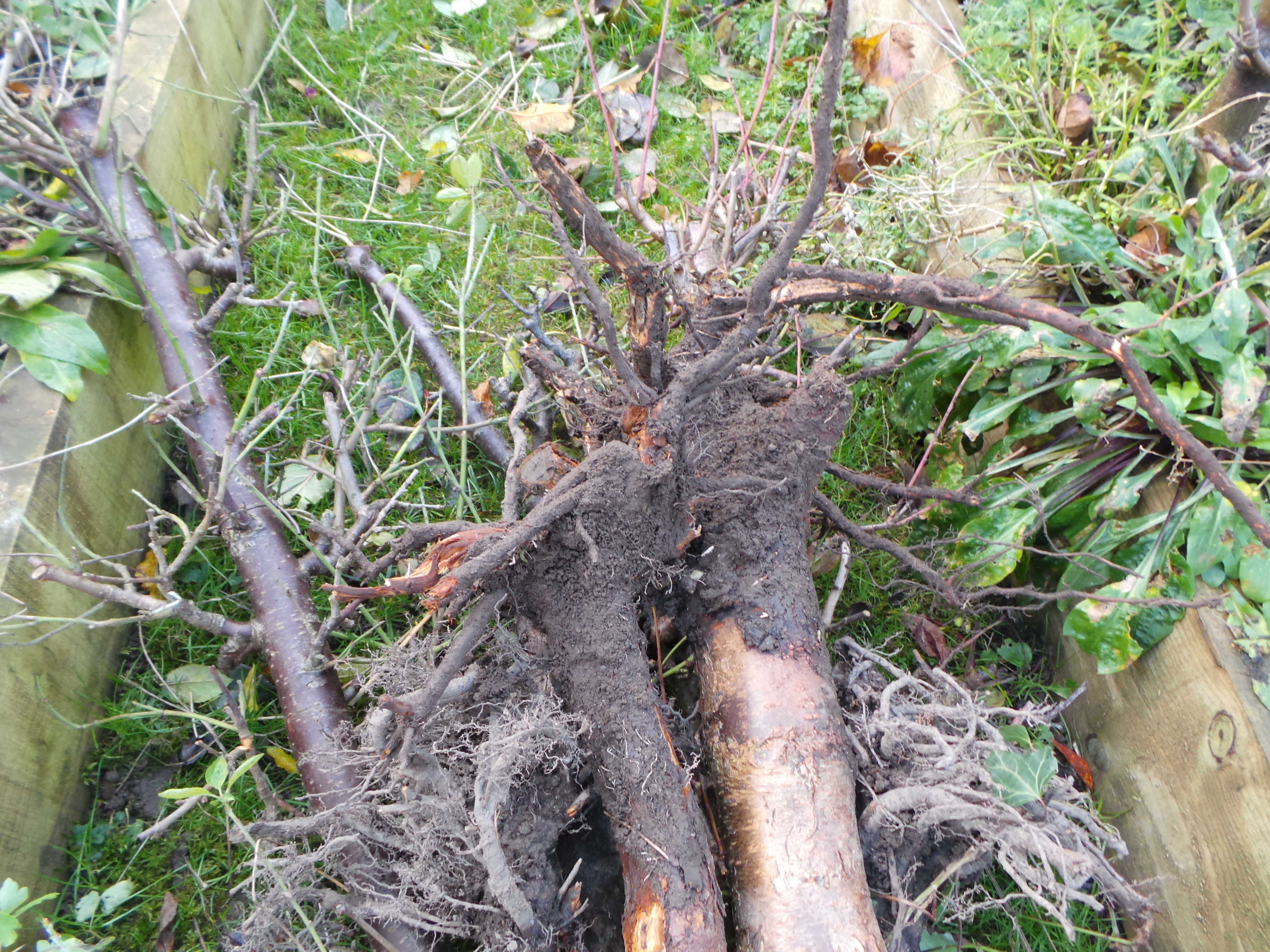
Luckily the task of digging out the roots was not as difficult as anticipated.


2014 12 19_8907 2014 12 19_8908


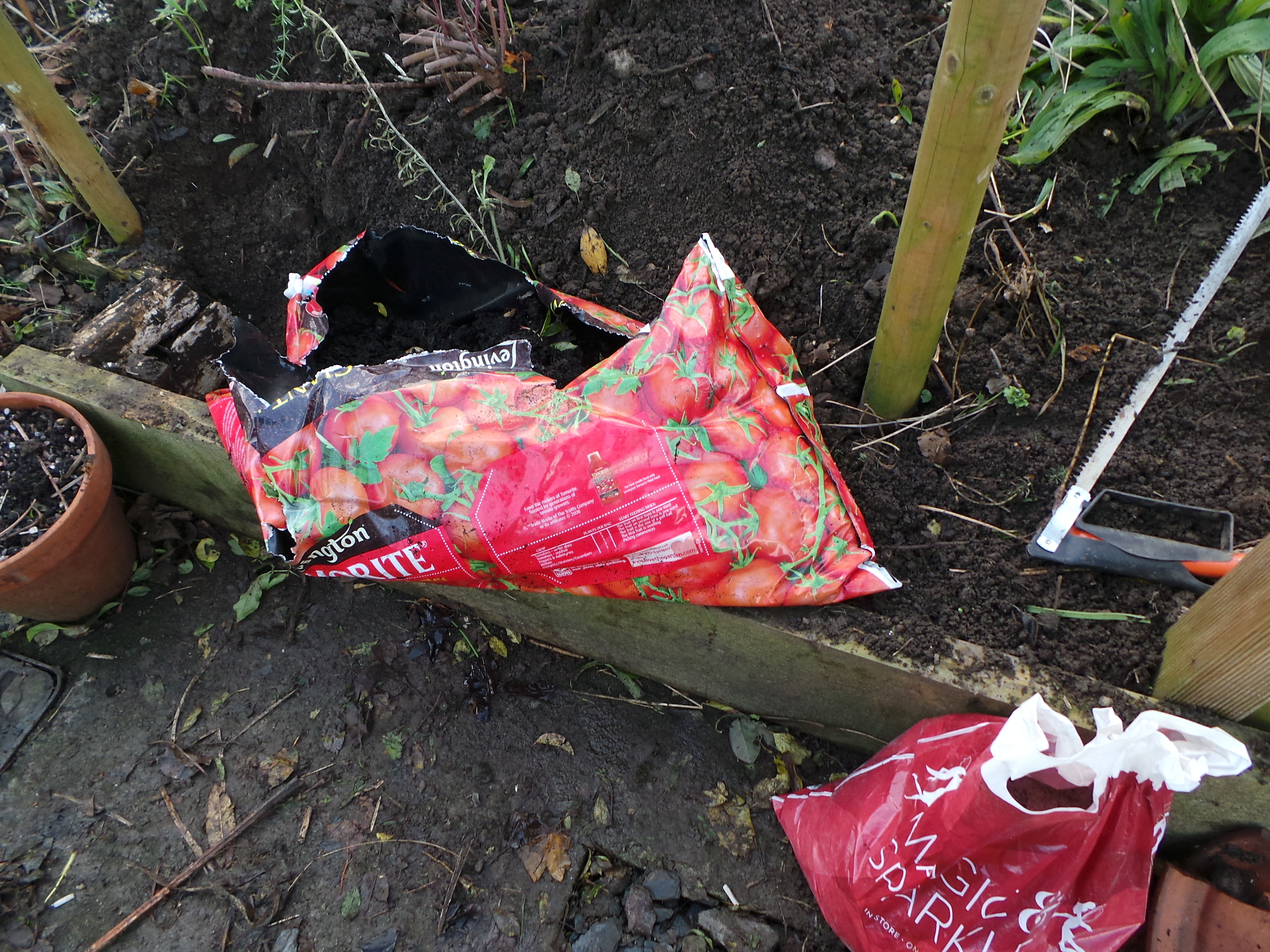
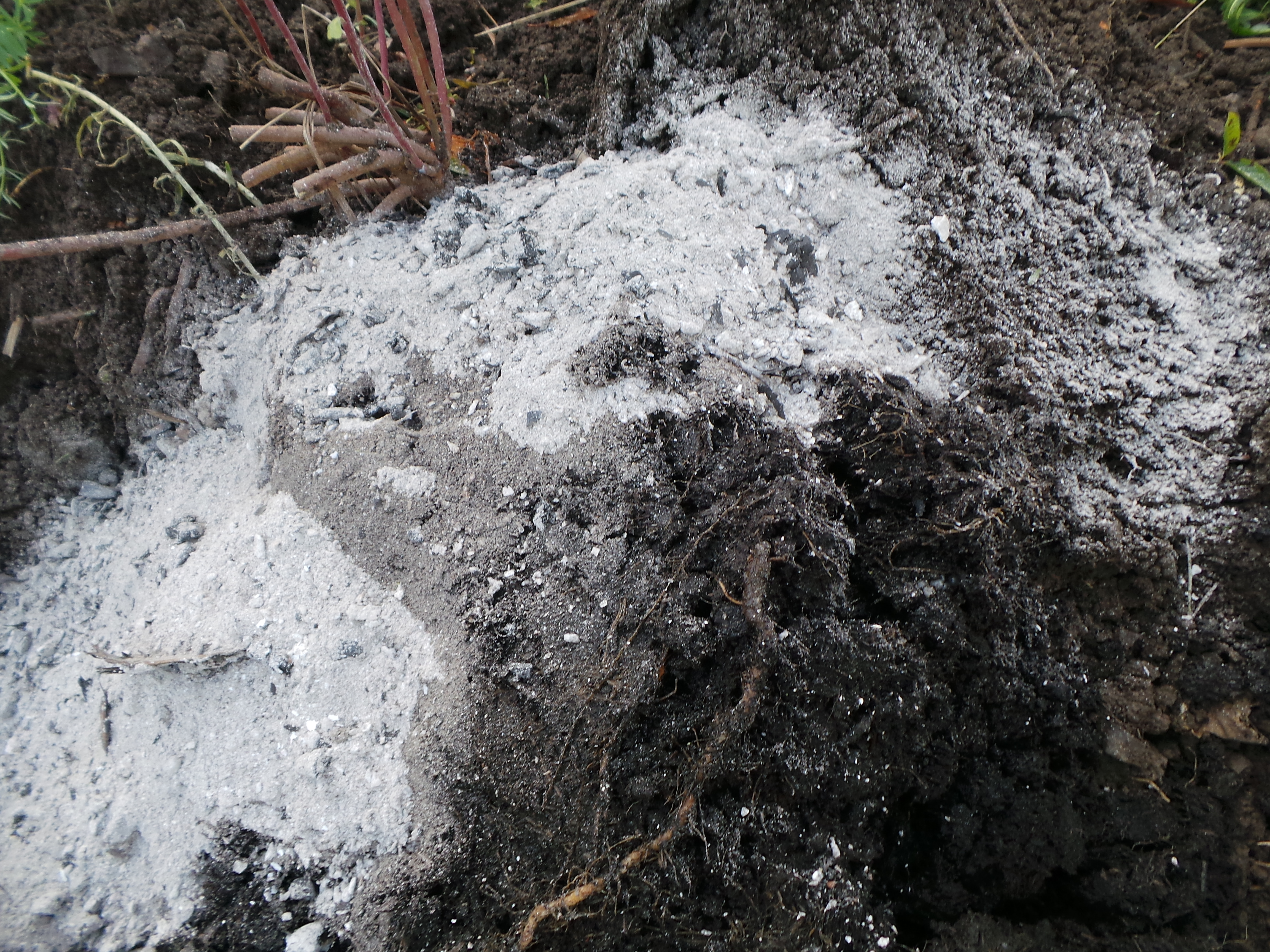
We then improved the soil structure by adding in the compost from the old “growbags”  in which our tomatoes had spent the summer. Then we added some wood ash from our woodburning stove and open fire to encourage blossom and fruit next season.


2014 12 19_8909 2014 12 19_8910

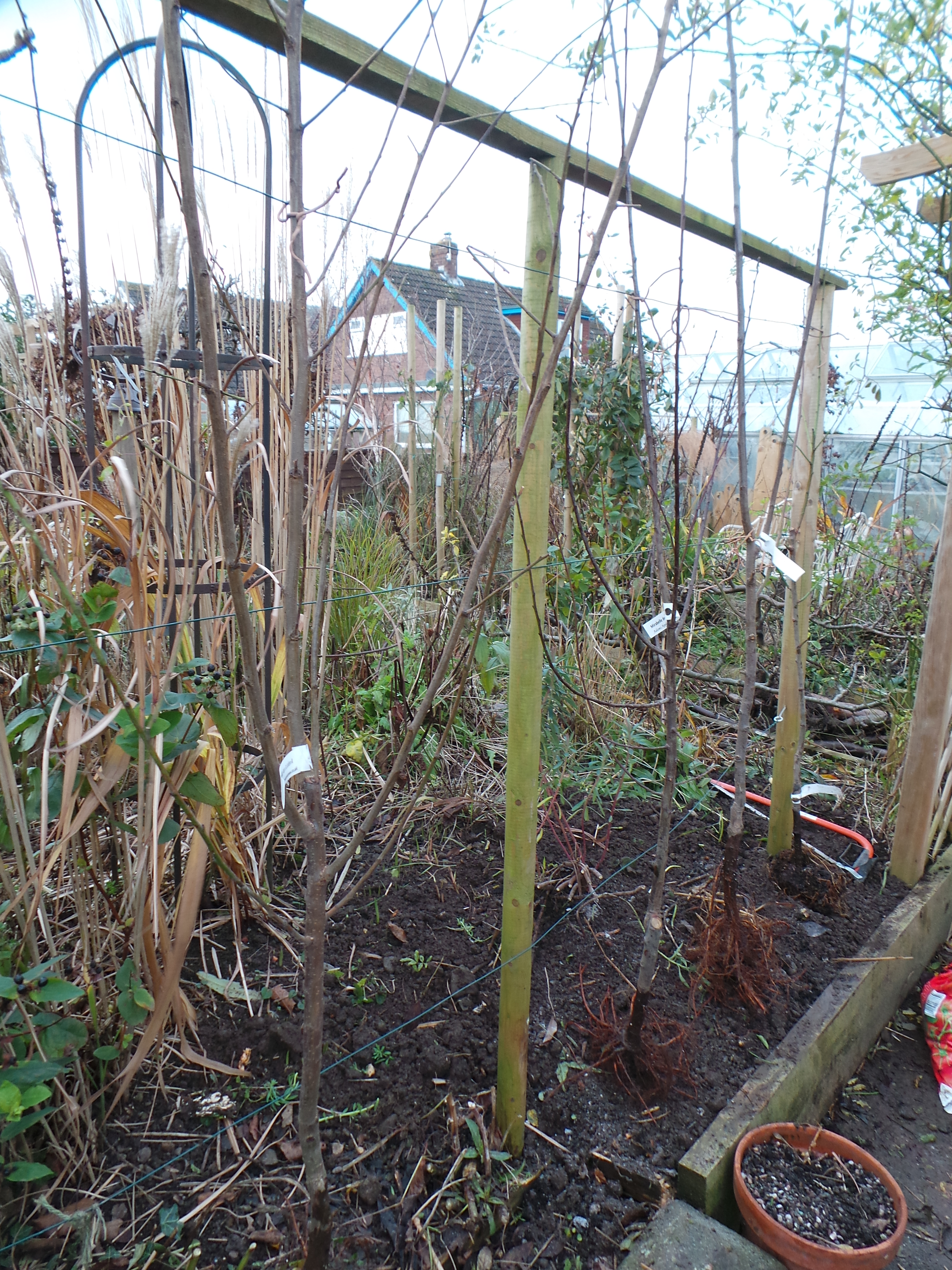
We placed the new trees to check they would look okay and then planted them, adding daffodil bulbs to the planting holes for colour in the spring.

2014 12 19_8916 2014 12 19_8919

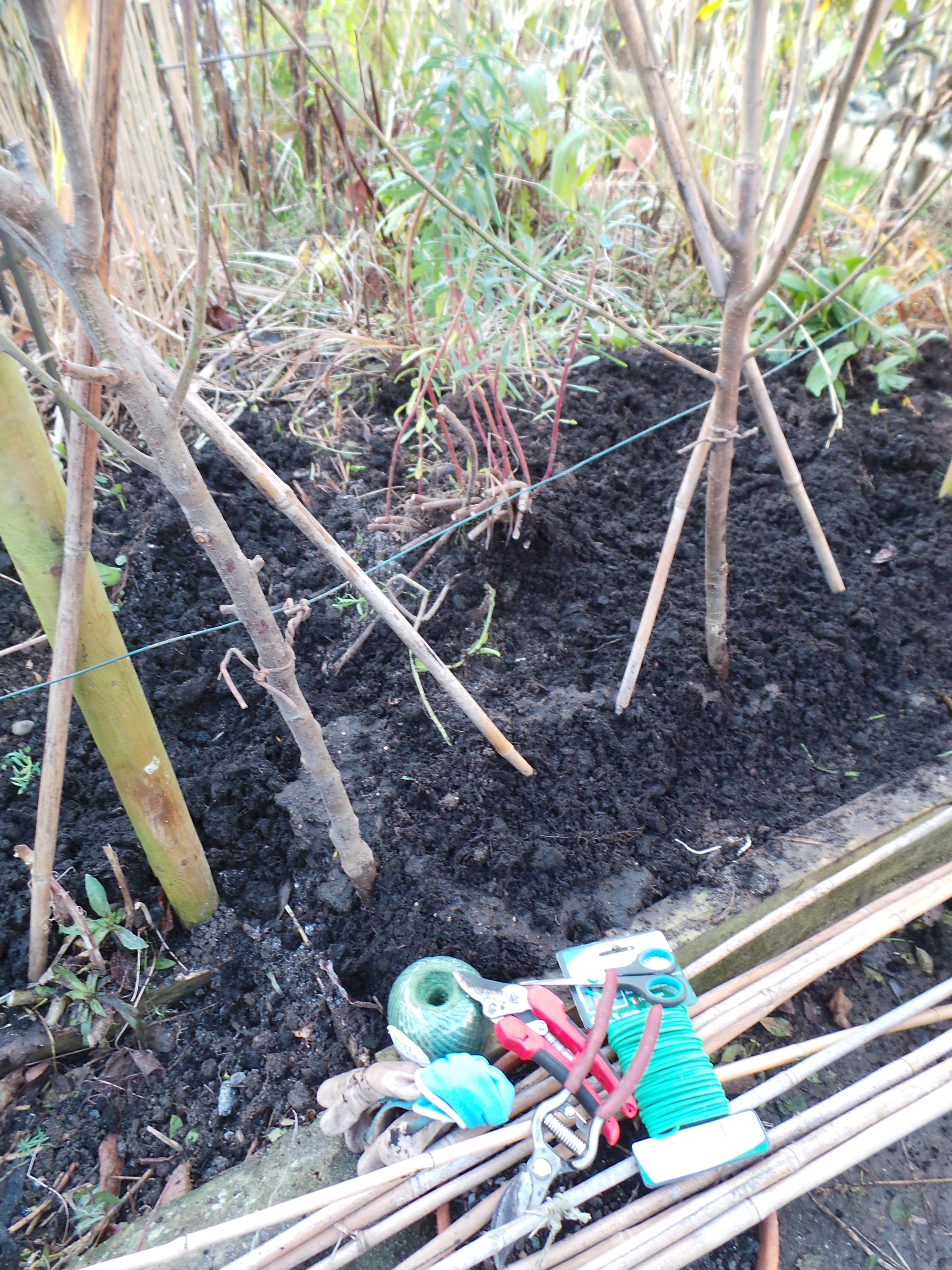
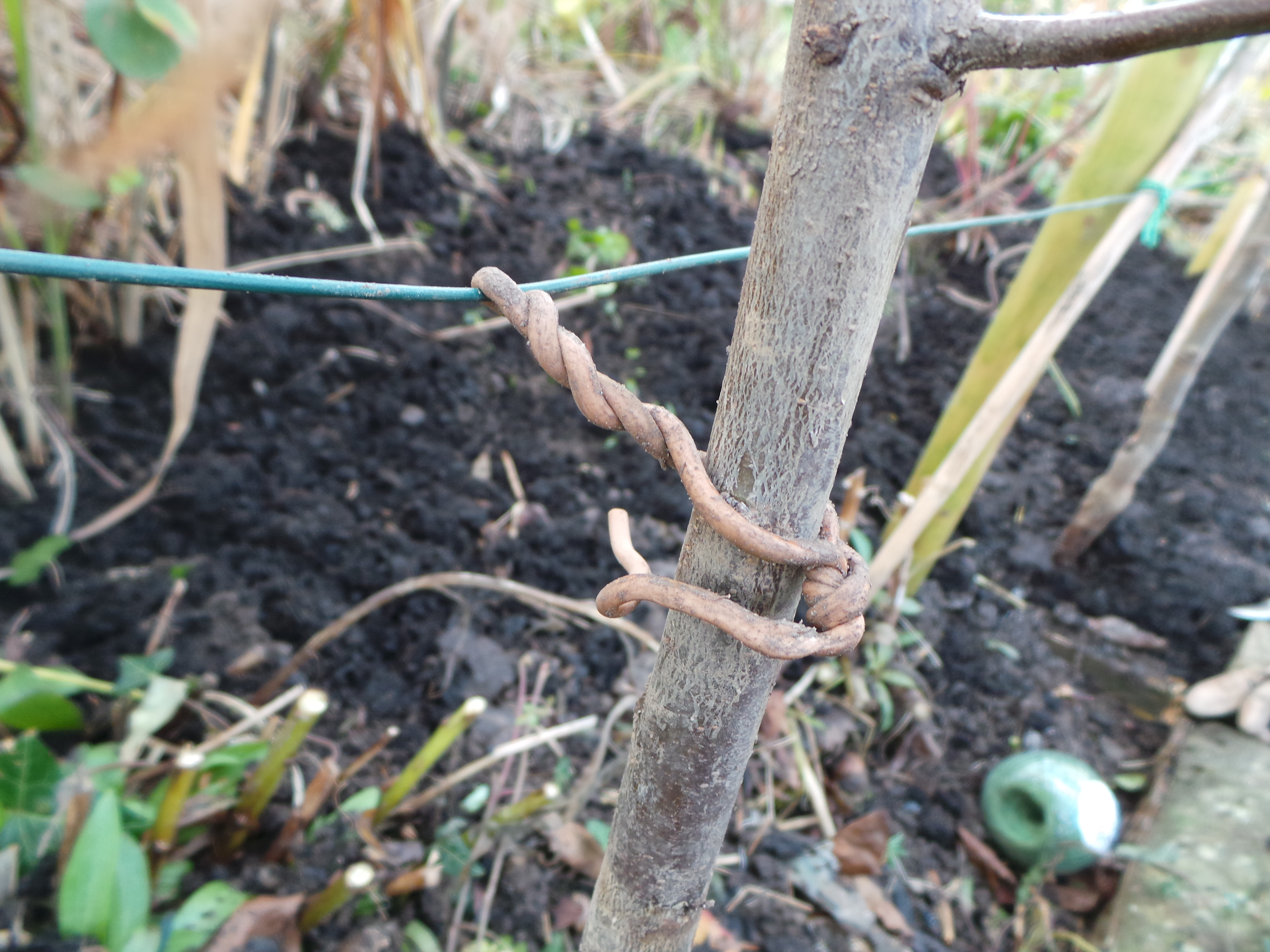
We then tied the new trees to their canes training them into fans. We used soft plastic covered wire to tie them in as this allows us to keep the branches away from the canes and supports.

2014 12 19_8917 2014 12 19_8918

2014 12 19_8920_edited-1 2014 12 19_8919


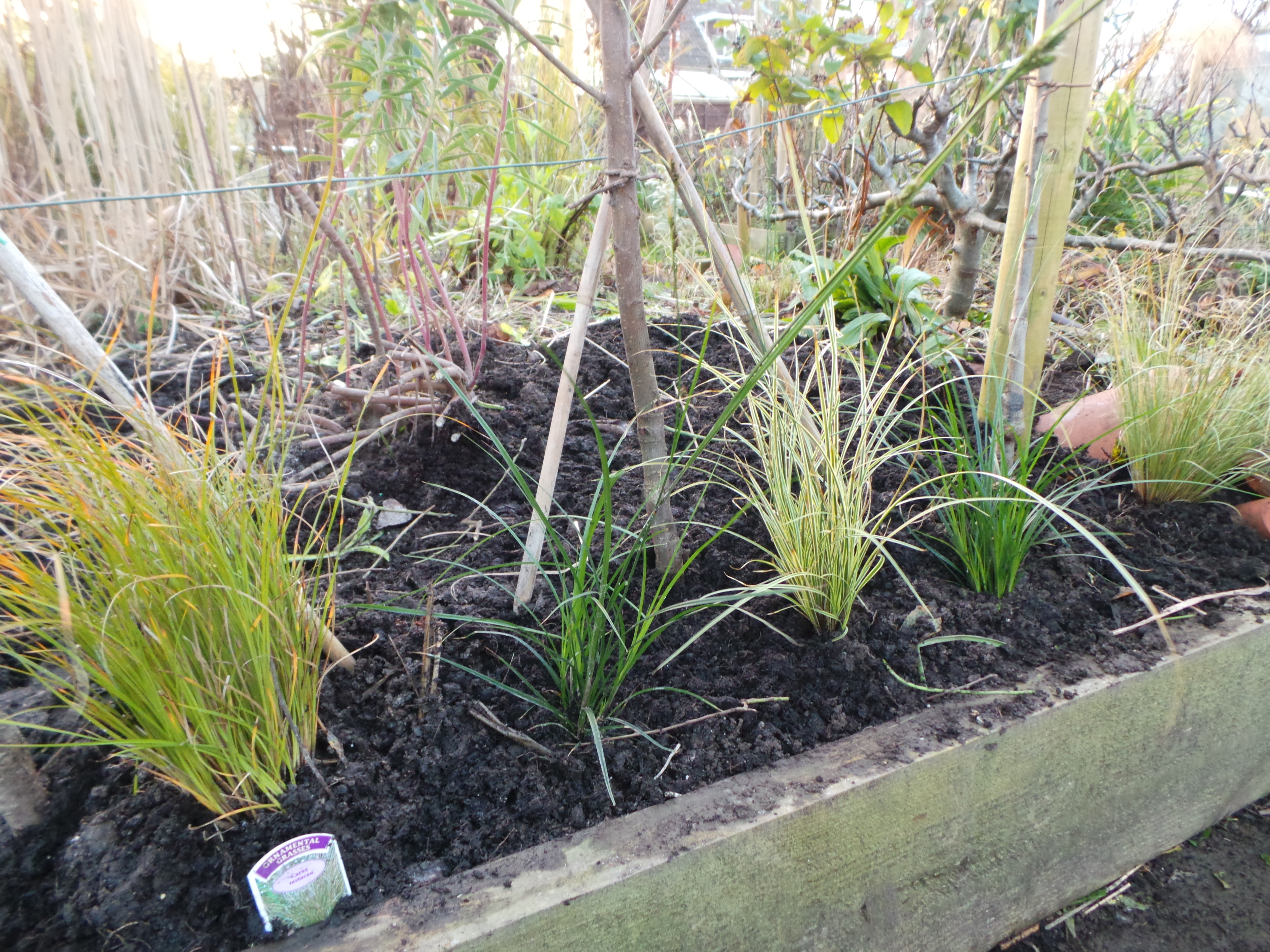
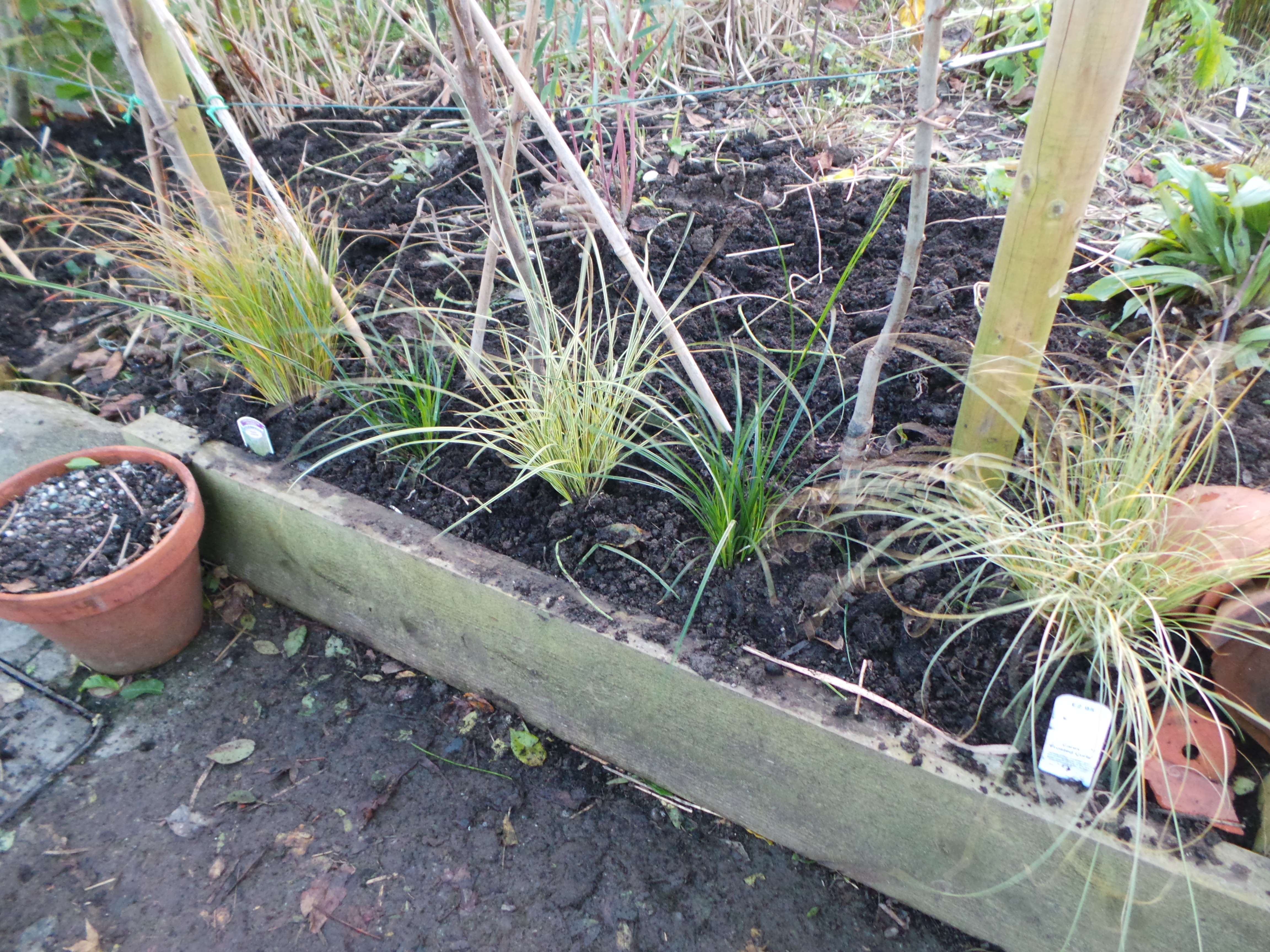
The final touch was to plant small ornamental grasses between the trees to add interest and some ground cover. We chose different varieties of Carex for their different leaf colours and textures, because they stay small and because they are evergreen.

2014 12 19_8921 2014 12 19_8927

2014 12 19_8926

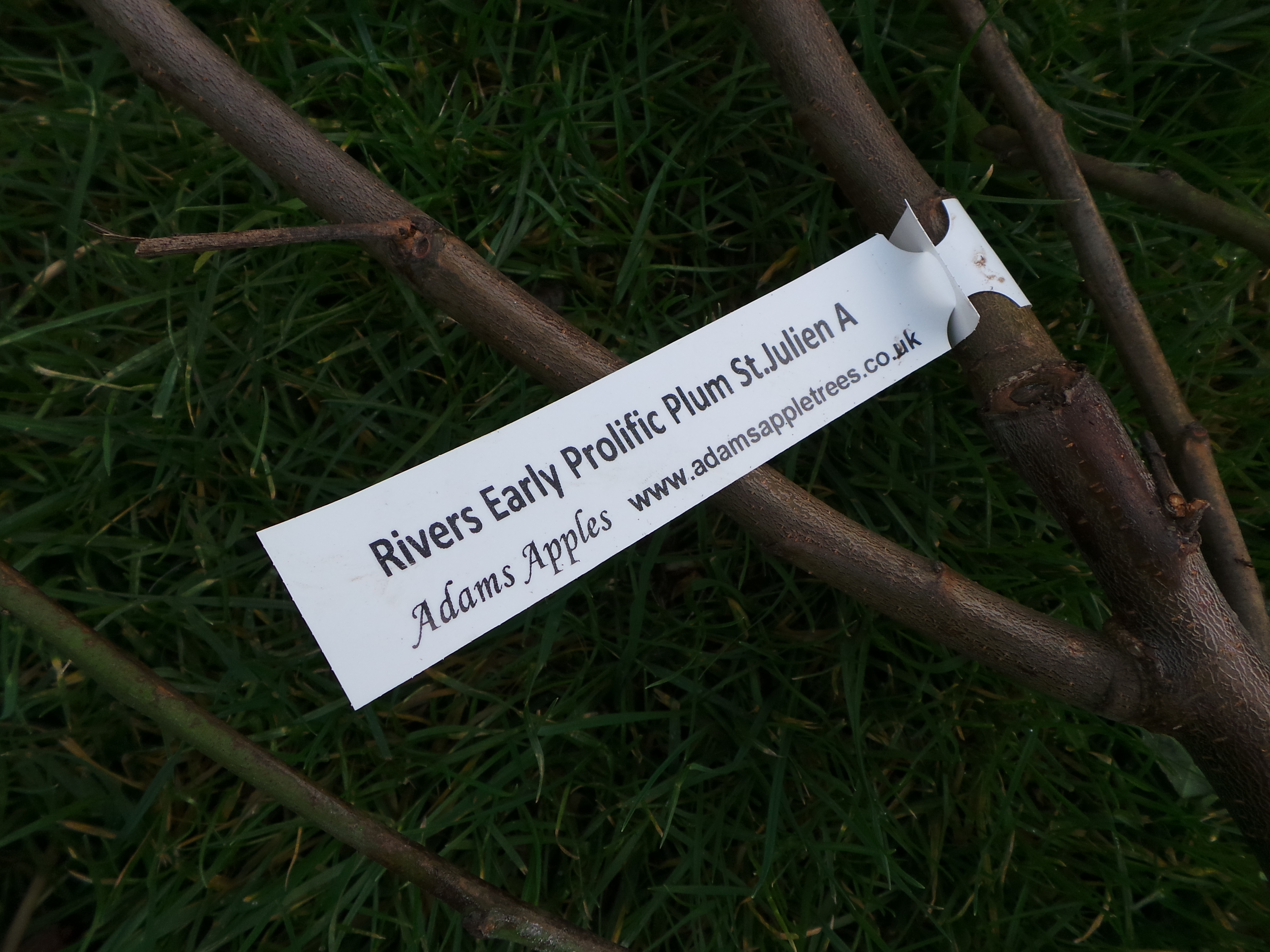
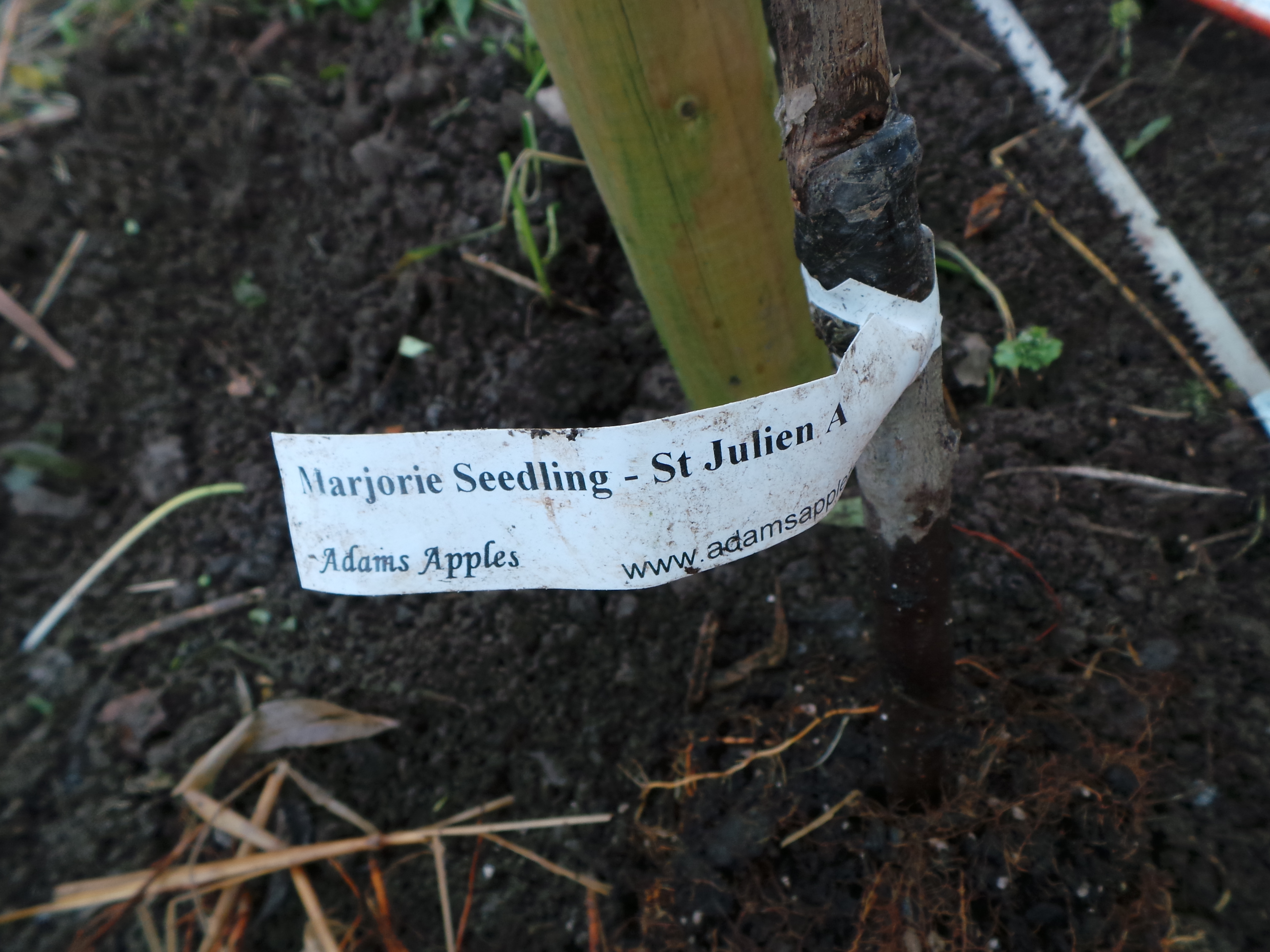
And that was it – job done! If you are wondering which cultivars we chose here are their labels.


2014 12 19_8912 2014 12 19_89132014 12 19_8914 2014 12 19_8915


Categories
autumn autumn colours colours garden design garden photography gardening gardens gardens open to the public grasses hardy perennials ornamental grasses ornamental trees and shrubs RHS trees winter gardens Yorkshire

Autumn at RHS Harlow Carr – Part One

We visit the RHS garden, Harlow Carr situated just outside Harrogate, at least once each year. We do this simply because we love the place whatever time of year and whatever the weather. On our latest visit we wanted to see it in the autumn.

As soon as we arrived we realised there were a few things going on to celebrate the autumn. In the entrance foyer there were clues that a Willow Trail had been set out for children to follow.

2014 10 31_6788 2014 10 31_6789

Beautiful pure white stems of Betulas welcomed us into the garden.

2014 10 31_6790 2014 10 31_6791

Recent high winds had stripped the leaves off many of the trees so on this visit it looked as if we were not going to be seeing much of the autumnal hues we thought we were going to enjoy. The garden was already showing signs of winter. Long views across the gardens afforded us views of tree skeletons combined with just a few orange leaved shrubs and the deeper greens of the conifers.


2014 10 31_6792 2014 10 31_67942014 10 31_6793 2014 10 31_67952014 10 31_6804 2014 10 31_6883

The Winter Garden soon proved itself to be a brilliant place in the autumn too. Berries gave the strongest colours closely followed by the remnant leaves of shrubs.

2014 10 31_6799  2014 10 31_68012014 10 31_6800 2014 10 31_68092014 10 31_6810 2014 10 31_68112014 10 31_6813 2014 10 31_68122014 10 31_6865

2014 10 31_6808 2014 10 31_6802 2014 10 31_6803 2014 10 31_6881

The whisps of the ornamental grasses appeared white at first glance but close up we realised they were the subtlest of biscuit shades.

2014 10 31_6805 2014 10 31_6806

2014 10 31_6814 2014 10 31_6817

2014 10 31_6850 2014 10 31_6861

There were still plenty of surprises to be found including the bright colours of late flowers in the perennial meadows.

2014 10 31_6822 2014 10 31_68182014 10 31_6832  2014 10 31_6835 2014 10 31_6836 2014 10 31_6863

As the days get shorter more and more of these perennials dry to shades of biscuit, ginger and brown.

2014 10 31_6834

2014 10 31_6882 2014 10 31_6862

This little corner was probably my favourite part of the garden with the slender trees showing off their coloured trunks and the shrubs beneath them displaying brightly coloured stems.

2014 10 31_6870 2014 10 31_6871 2014 10 31_6872 2014 10 31_6873 2014 10 31_6874 2014 10 31_6875

Although still late autumn when we visited some of the scents of winter were already pervading the air. The pink flowered Viburnums emitted the strongest scent of all.2014 10 31_6868

In part two of our visit to Harlow Carr we will explain what else this exceptional all-season garden had to offer us.

Categories
autumn autumn colours climbing plants colours garden design garden designers garden photography gardening gardens gardens open to the public grasses hardy perennials Italian style gardens light light quality ornamental grasses ornamental trees and shrubs outdoor sculpture Piet Oudolf sculpture Staffordshire Tom Stuart-Smith trees

A Garden in October/November – Trentham

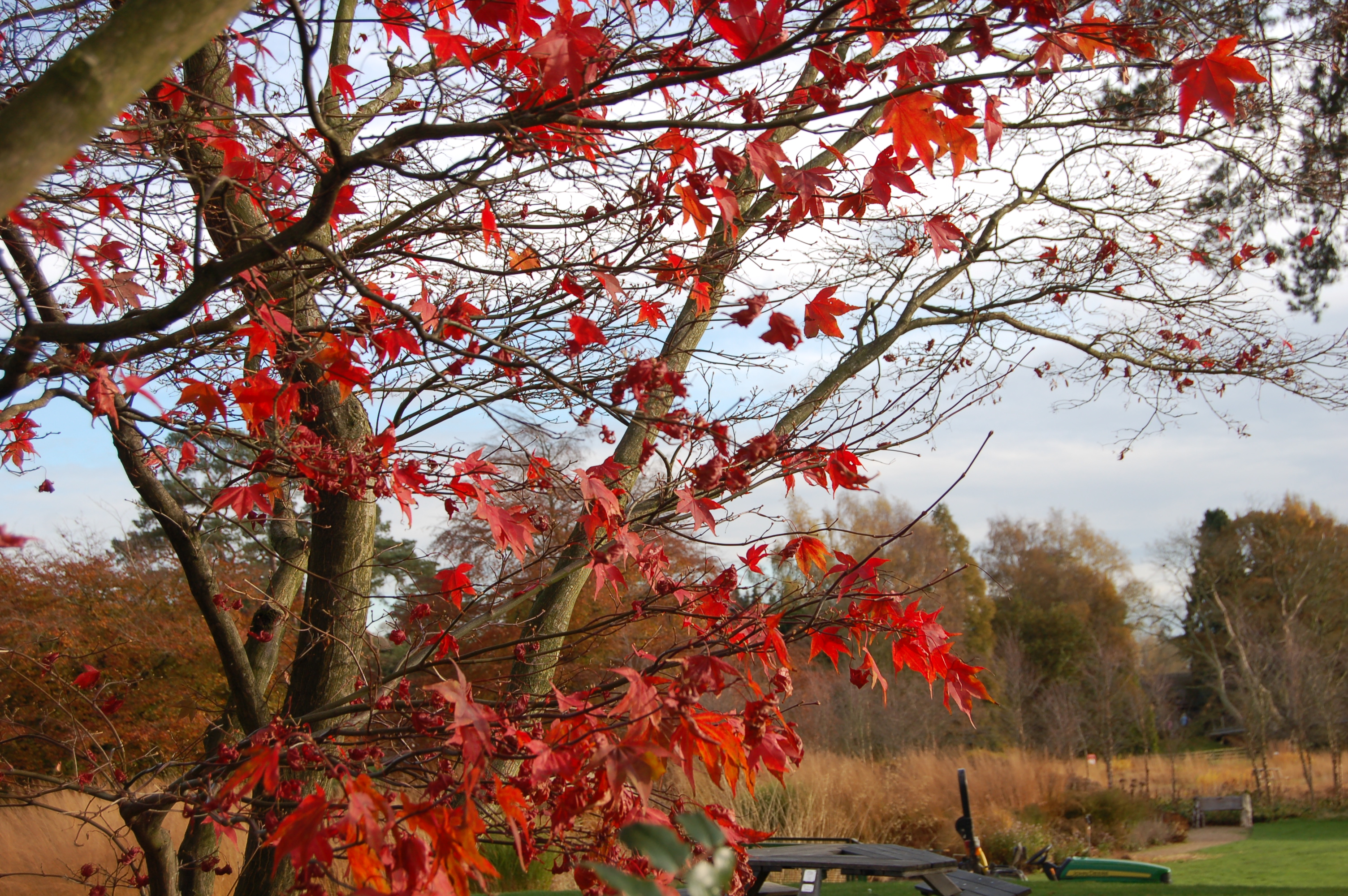
We have now reached the penultimate posting in this series where we have been looking at how Trentham Gardens in Staffordshire have changed through the months during 2014. Since our last visit in September Autumn has taken a strong grip on the gardens. Many leaves have taken on their auutmn hues and many have fallen. But it is amazing how much colour there still is to enjoy, colours in late flowers, dried stems and seed heads.

2014 11 04_7144 2014 11 04_7154 2014 11 04_7153 2014 11 04_7167 2014 11 04_7182

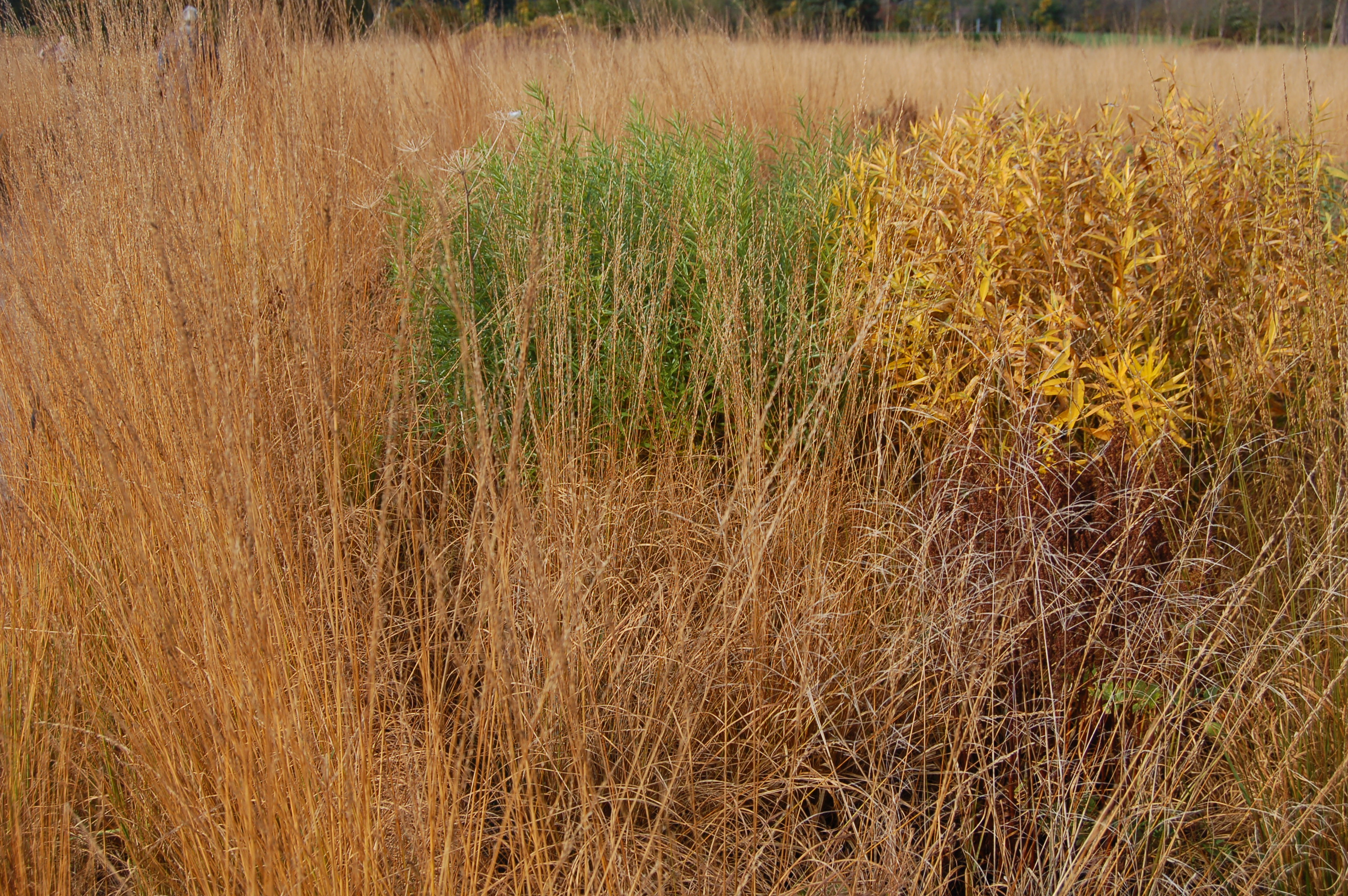
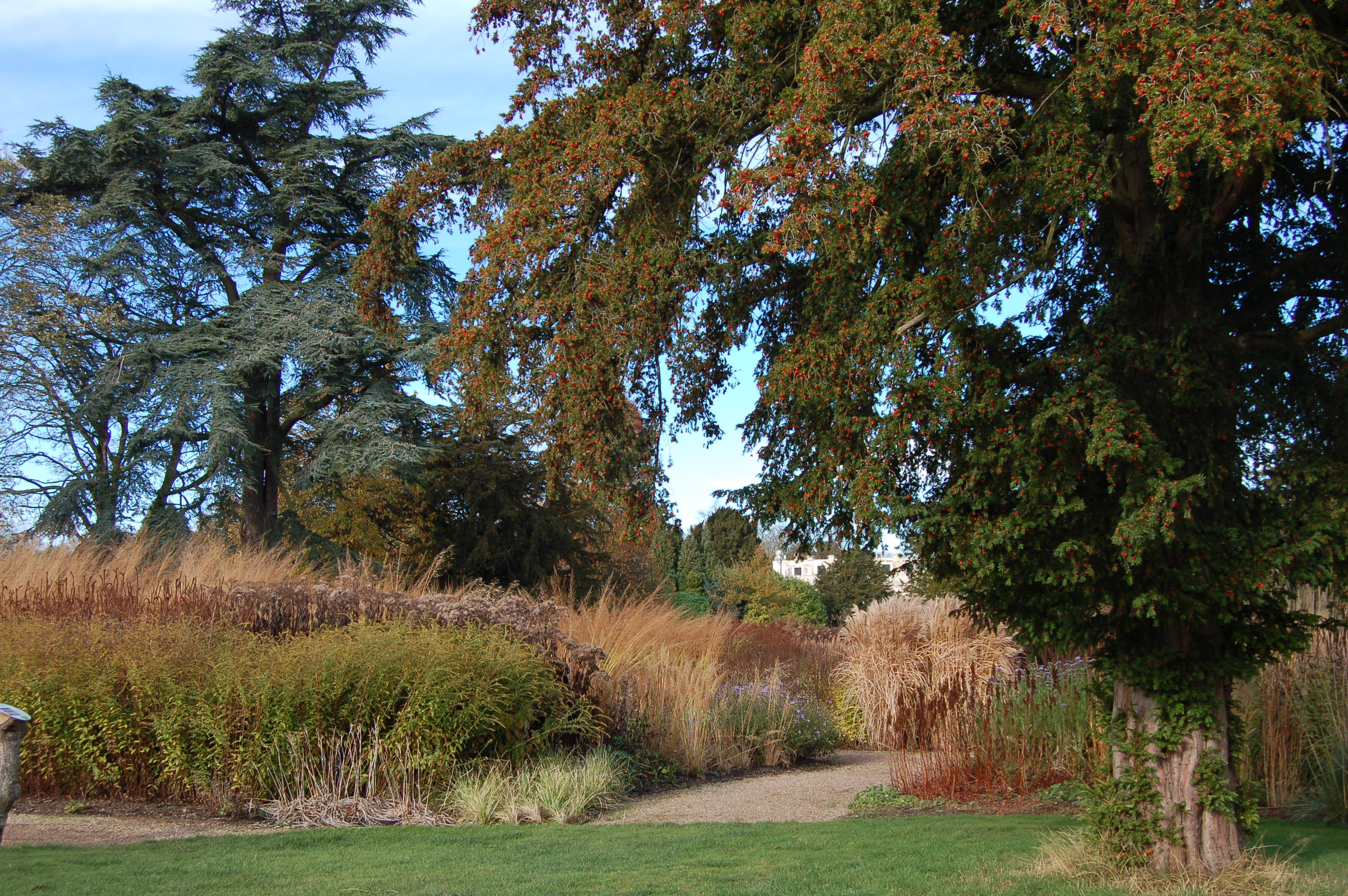
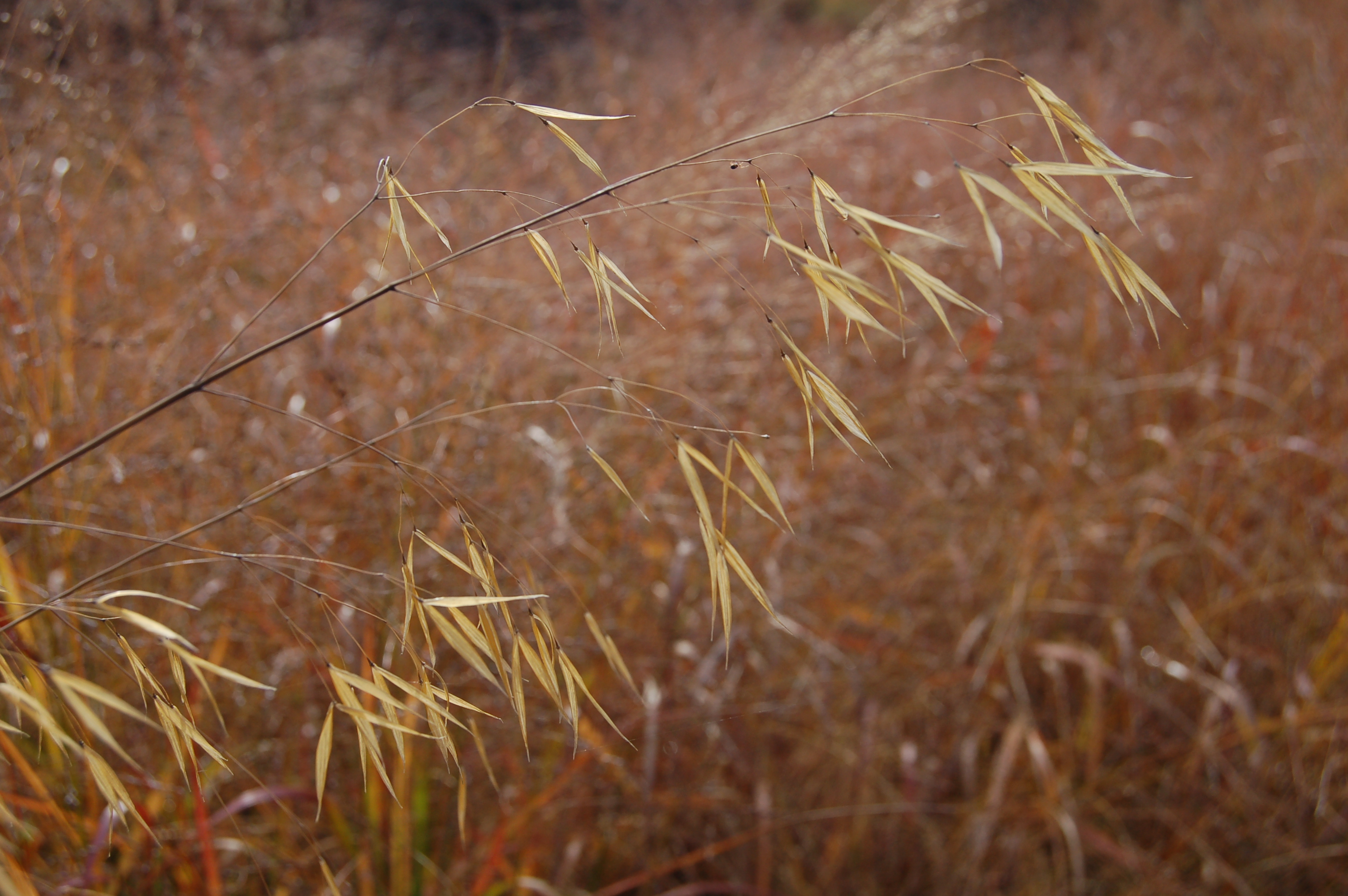
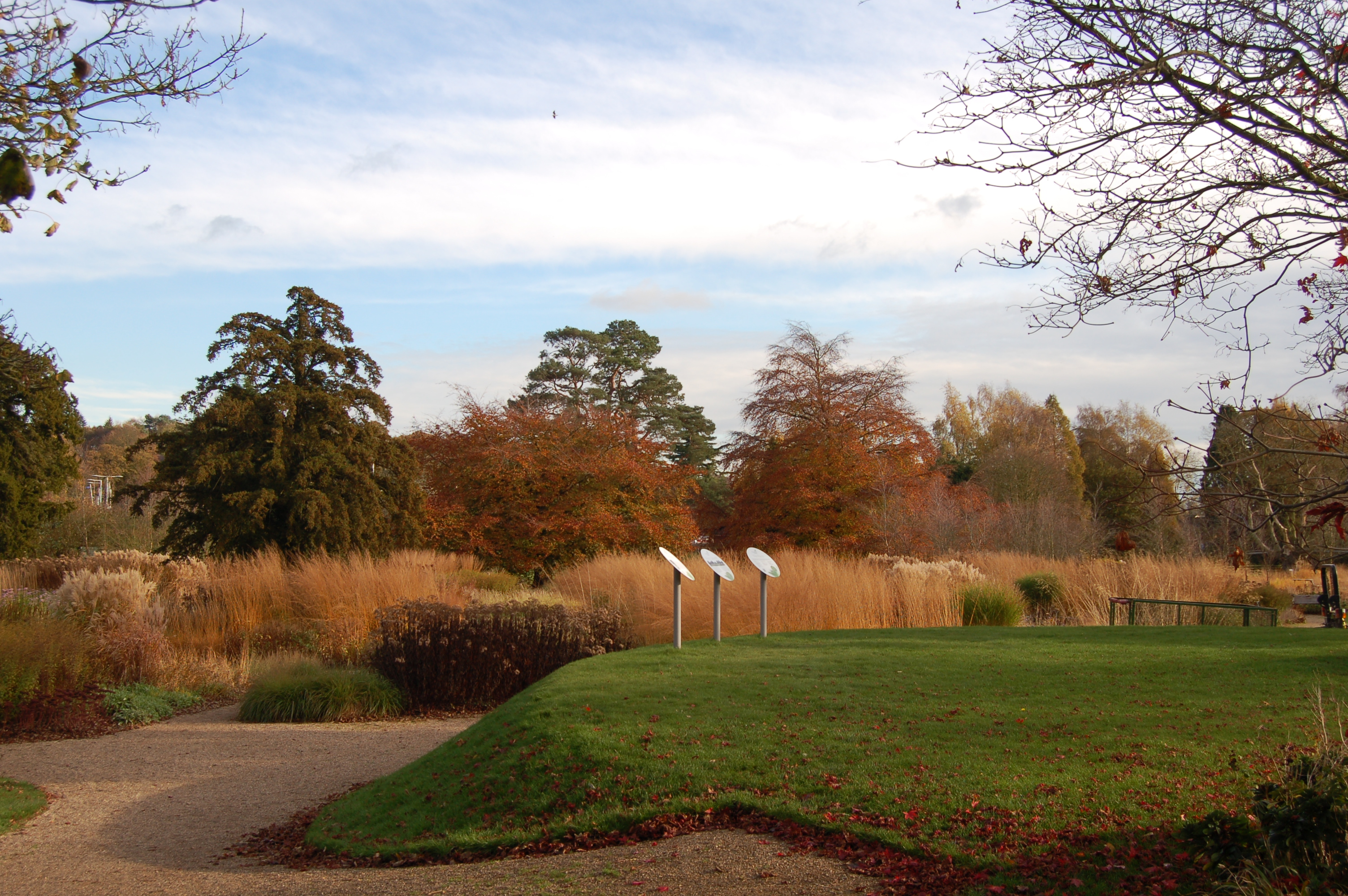
We always cross over the gently arching suspension footbridge over the River Trent full of anticipation. On our visit in early November we were presented with a sea of yellows, where Piet Oudolf’s River of Grasses had been transformed by the passage of time into a river of liquid gold.

2014 11 04_7143 2014 11 04_7144 2014 11 04_7145 2014 11 04_7146 2014 11 04_7147 2014 11 04_7148 2014 11 04_7149

We wandered along the gravel path as it cut through the line of River Birch, Betula nigra in search of Oudolf’s prairie borders. These beautiful trees had already shed all their leaves but still drew our eyes as their bark was peeling and curling decoratively away from their trunks.

2014 11 04_7150

Once in amongst the prairie planting we immediately noticed that seed heads in every hue of brown and beige and bright patches of late colour had joined the lemons, mustards and golds of the grasses. Pale purples glowed in the dull light of autumn. This glow is their secret weapon to attract moths and other night flying pollinators.

2014 11 04_7151 2014 11 04_7152 2014 11 04_7153 2014 11 04_7154

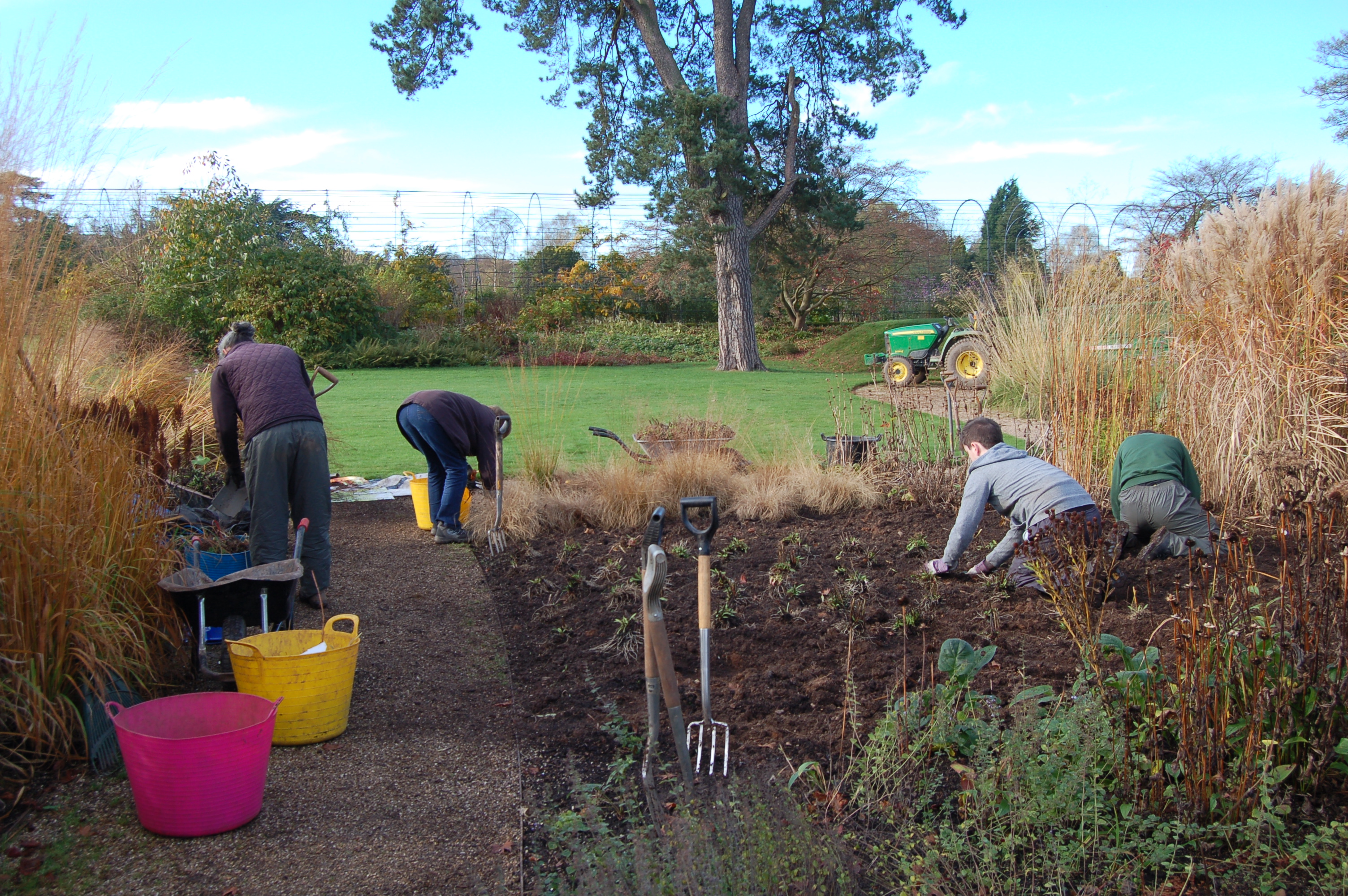
The gardening team were hard at working replanting a section of one of the borders. It must be a never ending task. I suppose it gives them the chance to keep improving things as well as keeping the gardens in top condition.

2014 11 04_7155 2014 11 04_7156

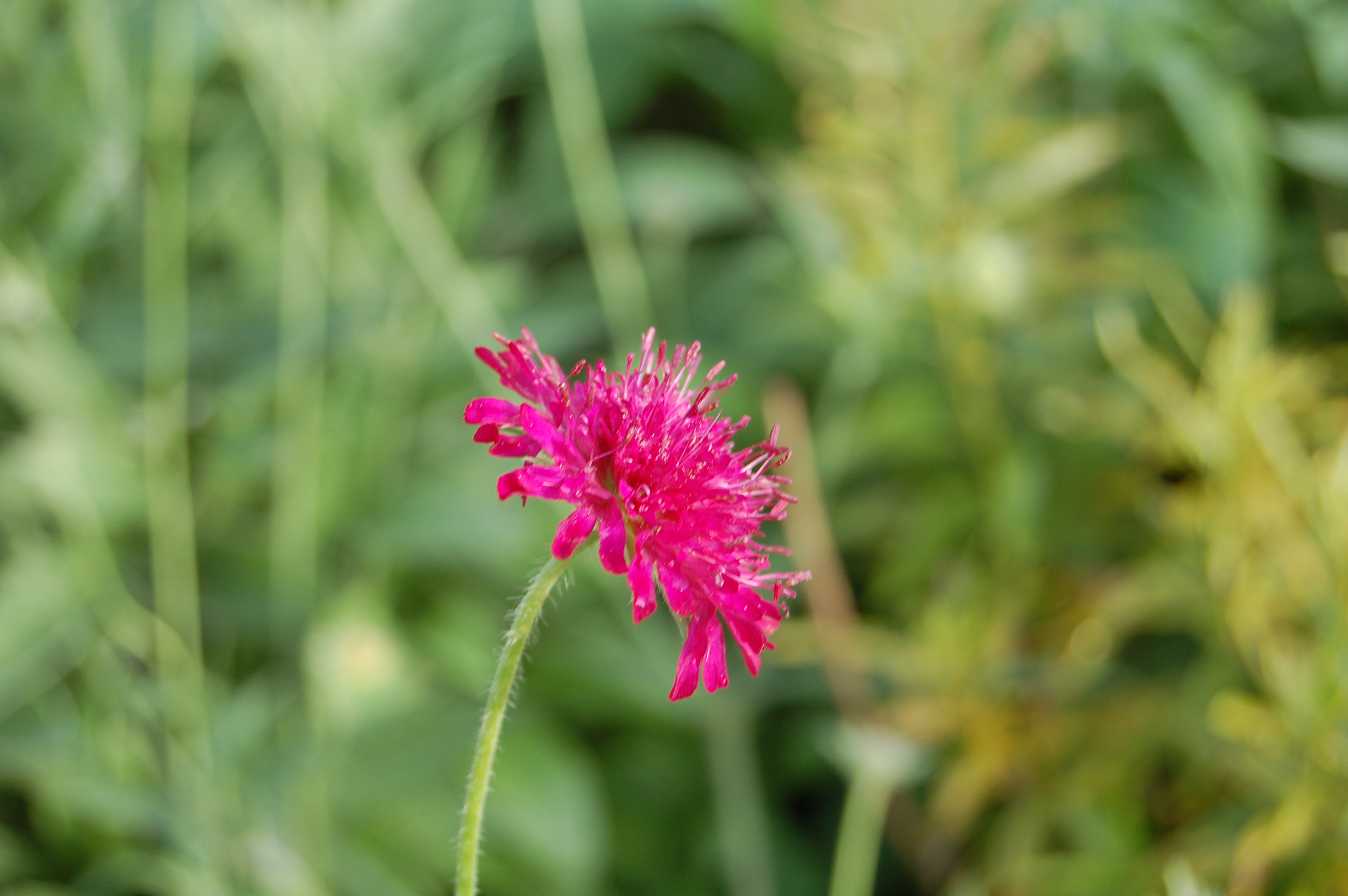
Deep pinks and cerise of the Persicarias and the Knautias catch the eye of every visitor. They look so good against the neutral shades that dominate gardens in the autumn.

2014 11 04_7157 2014 11 04_7158 2014 11 04_7159 2014 11 04_7160 2014 11 04_7161 2014 11 04_7162 2014 11 04_7164 2014 11 04_7166

2014 11 04_7165  2014 11 04_7167 2014 11 04_7168 2014 11 04_7169 2014 11 04_7171 2014 11 04_7172 2014 11 04_7173  2014 11 04_7174

This lovely old Tulip Tree caught our attention. It is the oldest of its kind we have ever seen and a notice close by warned of the danger of falling branches. It must be susceptible to winter storms but should it fall it would make a wonderful natural bridge over the Trent. The dome of Hornbeam over a bench is now a golden dome.

2014 11 04_7170 2014 11 04_7175

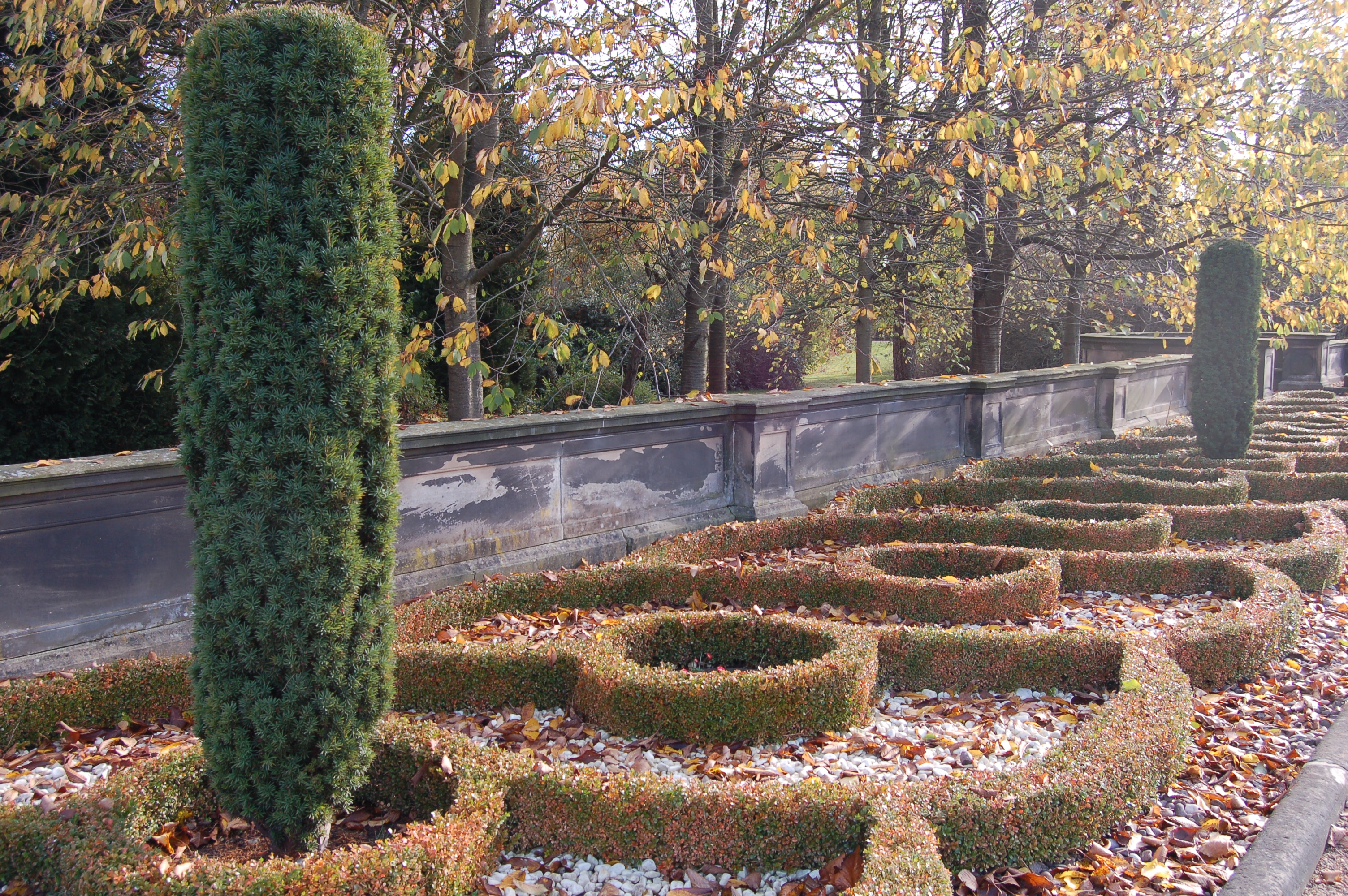
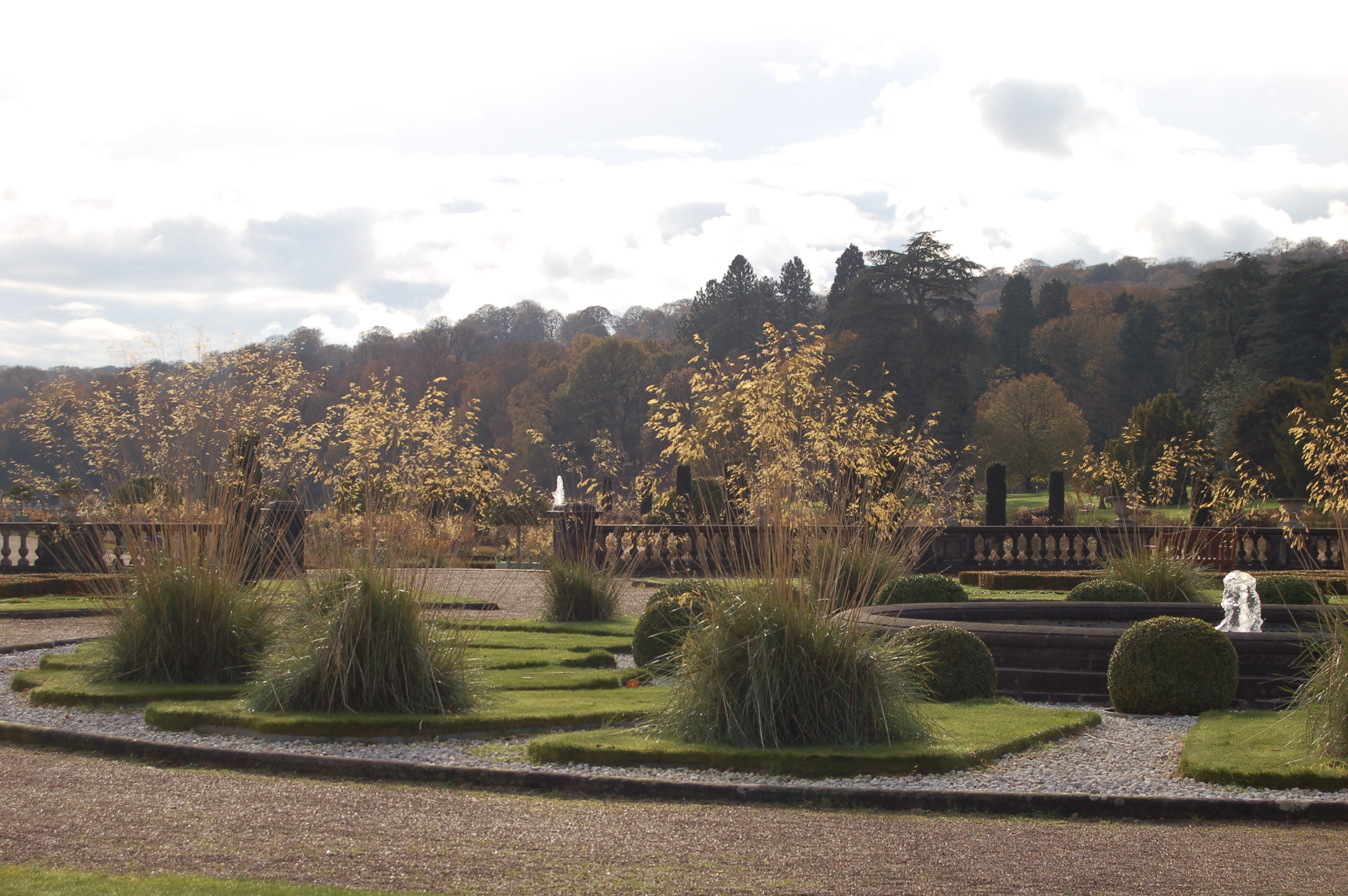
We made our way towards the formally planted Italian Parterre Garden, passing through an archway of Hornbeams on the way. Sunlight penetrated the coniferous plantings casting long shadows and creating bright patches. It lit up the little low box hedges of the  knot garden.

2014 11 04_7176 2014 11 04_7177

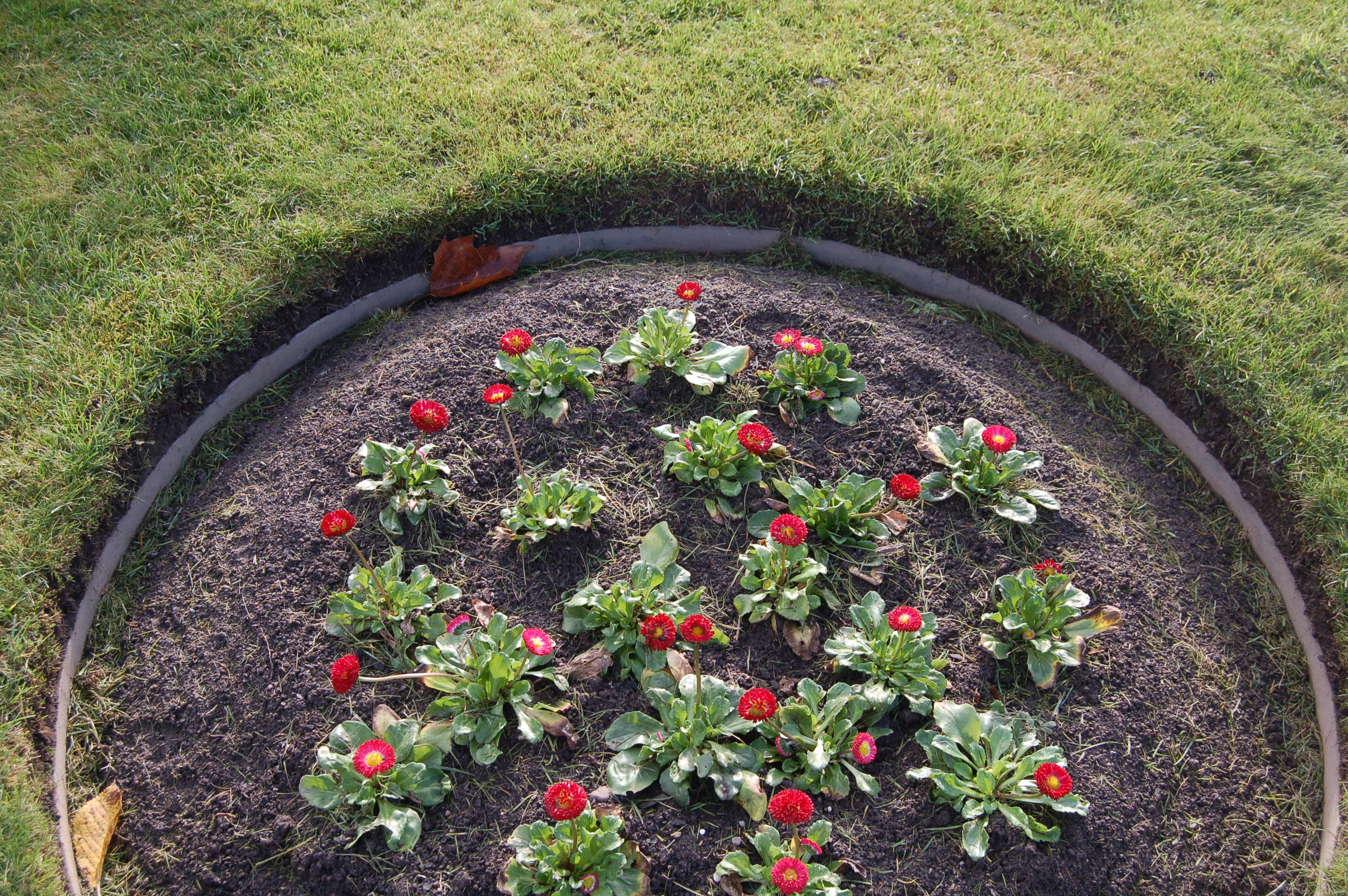
The summer bedding in the parterre has been consigned to the compost heaps and winter/spring plants has taken their place, primulas and a deep red Bellis perennis.

2014 11 04_7178 2014 11 04_7179 2014 11 04_7180 2014 11 04_7181

We always enjoy our first look out over the Tom Stuart-Smith gardens. We were not to be disappointed today.

2014 11 04_7182 2014 11 04_7183 2014 11 04_7184 2014 11 04_7185 2014 11 04_7186 2014 11 04_7187

The autumn light emphasised the texture on this bronze sculpture and on the much newer tunnel archway which marks the way into the display gardens. It gave an all new look to the low slate walls around one of these gardens too. It again emphasised the texture but brought out extra colours too. The light similarly added colour to the plants and to the glass panels featured in another of the display gardens.

2014 11 04_7188 2014 11 04_7189 2014 11 04_7190 2014 11 04_7191 2014 11 04_7192 2014 11 04_7194 2014 11 04_7195 2014 11 04_7196 2014 11 04_7197 2014 11 04_7198 2014 11 04_71992014 11 04_7200 2014 11 04_7201

A wander back through the Stuart-Smith gardens gave us the chance to see the planting in a different light. As the afternoon had progressed the sun dropped down lower and was back-lighting the plants, giving a very different perspective.


2014 11 04_7202 2014 11 04_7203 2014 11 04_7204 2014 11 04_7205

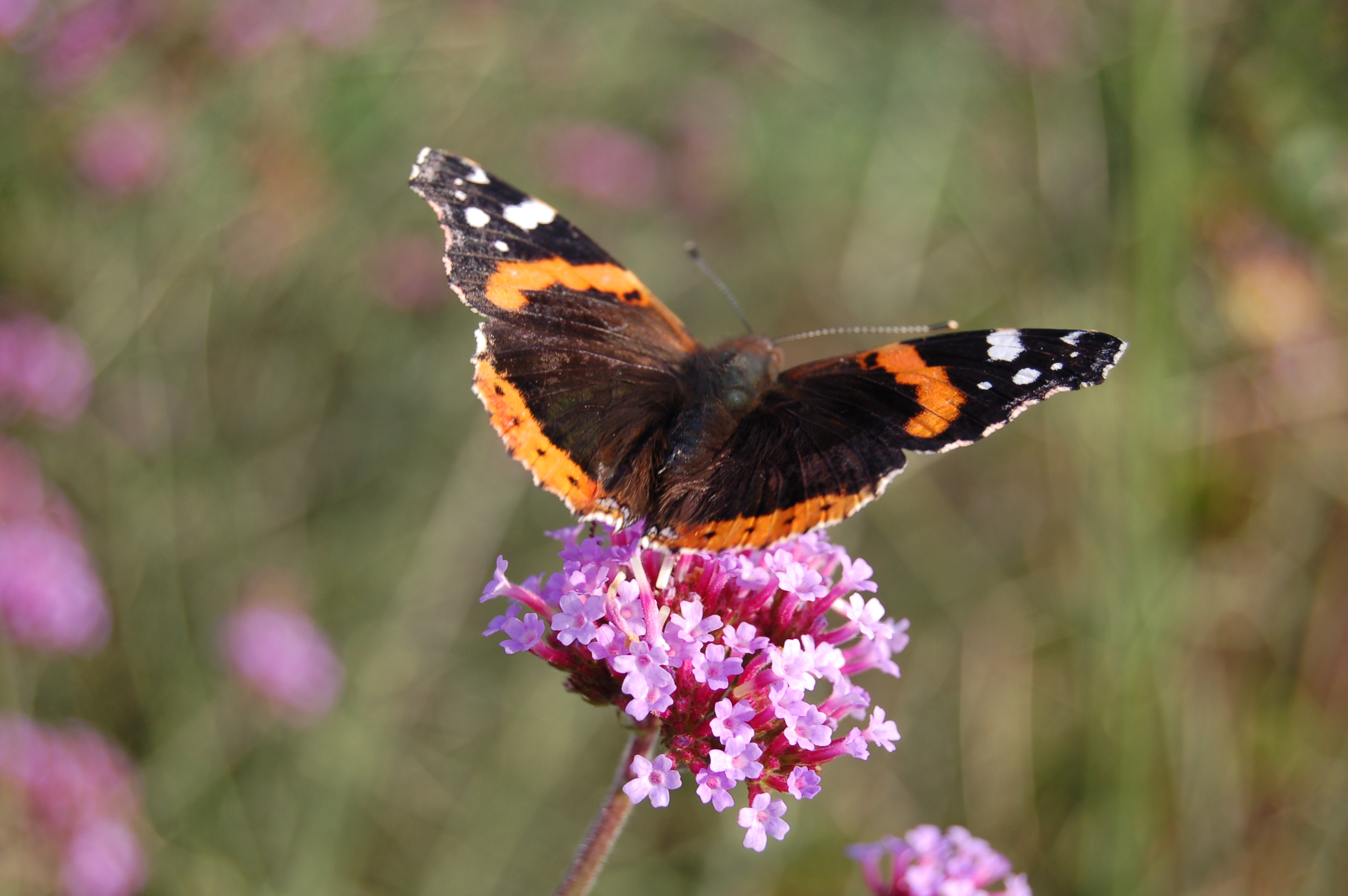
The Rose Walk was still remarkably colourful with Roses, Cleomes and Verbena bonariensis still putting on strong performances. Butterflies and bees were still busy here too, the blooms having attracted them as they emerged hunting for sustenance as the temperatures rose slightly in the afternoon sunlight. You can see our long shadows cast across the border.

2014 11 04_7207 2014 11 04_72082014 11 04_7210 2014 11 04_7217


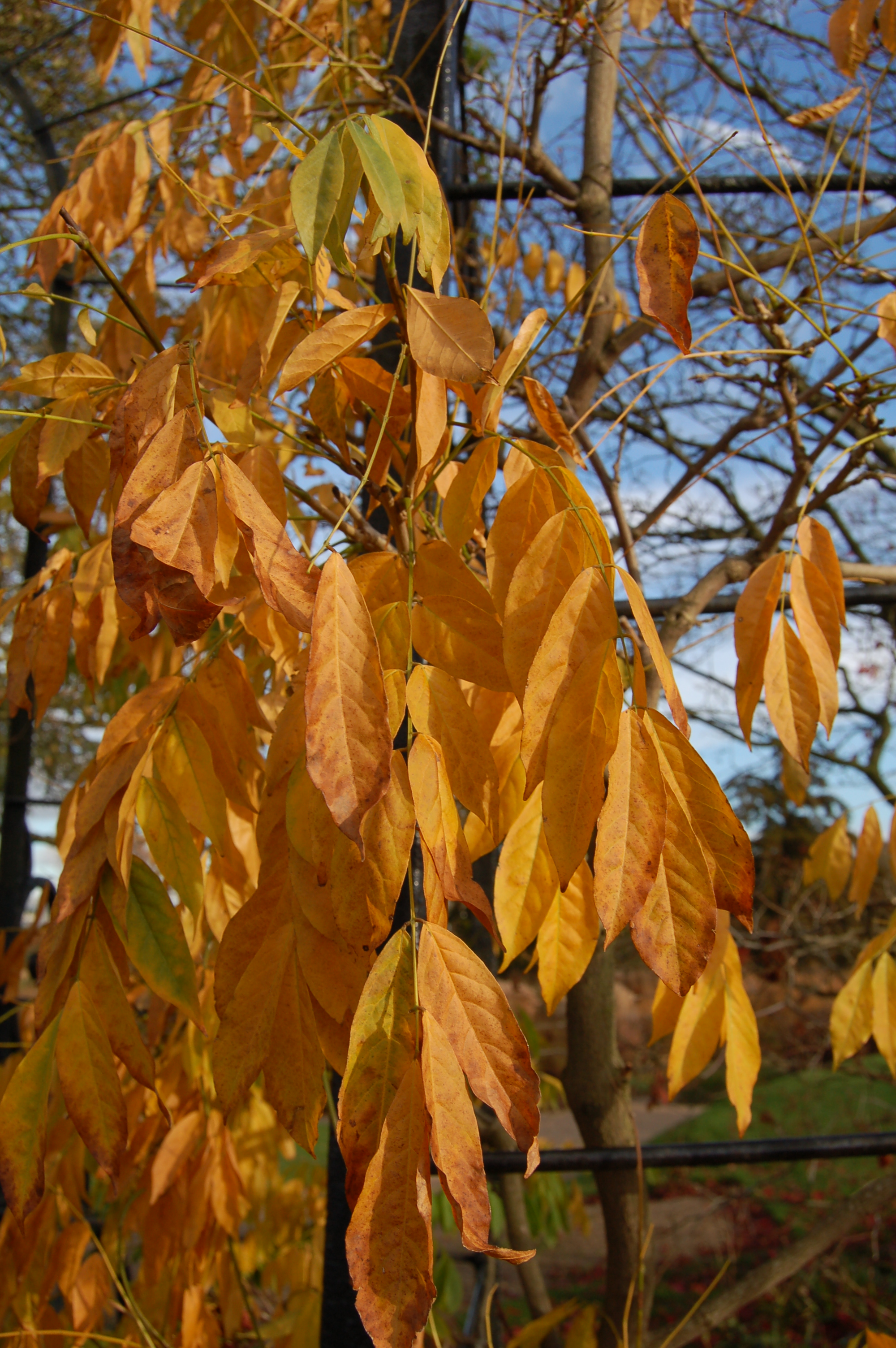
From the long metal pergola we looked back over the Oudolf gardens and at the shrubs nearby and the butter yellow leaves of the Wisteria climbing over the framework.

2014 11 04_7211 2014 11 04_7212 2014 11 04_7213 2014 11 04_7215 2014 11 04_7218 2014 11 04_7219


Now we can look forward to our final visit to Trentham for this year in readiness to publish the final episode in this series of posts. So far we have determined that gardens at Trentham are worthy of a visit any month of the year. Let us hope our December visit confirms it.


This Veggie Life

A Vegetarian | Nature Lifestyle Blog

Rambling in the Garden

.....and nurturing my soul

The Arch City Gardener

Journeys In St. Louis Gardening and Beyond

Garden Dreaming at Châtillon

Consult the genius of the place

Storyshucker

A blog full of humorous and poignant observations.

gardeninacity

Notes from a wildlife-friendly cottage garden

PlayGroundology

...an emerging social science

The Official Blog of British Wildlife

'The most important and informative publication on wildlife of our times' - The Independent. This blog is a member of The UK & Ireland Natural History Bloggers group: www.uknhb.blogspot.com

iGrowHort

Inspire - Cultivate - Grow Native Plants - Restore Landscapes

Bishops Meadow Trust

To create and protect a semi-natural wild space for the people of Farnham to enjoy and experience an array of British wildlife in our town

Gardening with Children

The www.gardeningwithchildren.co.uk Blog

UKbirdingtimeline

birding through the seasons, why birds matter and how to conserve them

NATURE WALKER

with a camera in hand

Jardin

Transform your outdoor space

Eva's space

My allotment, cooking and other interests

Old School Garden

my gardening life through the year

LEANNE COLE

Trying to live a creative life

fromacountrycottage

trying to live as lightly as possible on our beautiful planet

Good Life Gardening

Nature lovers from Leicester living the good life.

mybeautfulthings

Finding the beautiful in the everyday

mawsonmichelle

Michelle's Allotment

In and Out of My Garden

thoughts from and about my garden

Greenhousing

Big plans for a small garden

The Scottish Country Garden

A Walled Country Garden in South East Scotland

The Fruity Chicken

Life at the fruity chicken

willowarchway

Off grid living. Self sufficient. "PERMAGANICS RULE".

St Anns Allotments

Nottingham's Grade 2* Listed Allotments and Community Orchard

Manifest Joy Harvests

a journey in suburban vegetable gardening

Allotmental

The madness of growing your own

Penny's Garden: a harvest beyond my front door

A novel approach to vegetable gardening

arignagardener

Sustainable living in the Irish countryside.

NewEnglandGardenAndThread

Master Gardener, amateur photographer, quilter, NH native, and sometimes SC snowbird

dianajhale

Recent work and work in progress and anything else that interests me

planthoarder

a chaotic cottage gardener

Lens and Pens by Sally

a weekly blog that creates a personal philosophy through photographs and words

Dewdrops and Sunshine

Stories from a sassy and classy Southern farmbelle.

The Pyjama Gardener

Simple Organic Gardening & Seasonal Living

gettin' fresh!

turning dirt into dinner

JOY...

today the world is created anew

Garden Birds

Notes from a Devon garden

ShootAbout

Life Through The Lens

Adapting Pixels

A photography blog showcasing the best photography pictures and videos on the internet

Wildlifegardening's Blog

Just another WordPress.com site

naturestimeline

personal observations from the natural world as the search continues for a new approach to conservation.

LATEBLOOMERBUDS

The Wonders of Life through my Eyes, my Heart, my Soul