Categories
bird watching birds countryside lakes Land Art landscapes light light quality National Trust nature reserves photography The National Trust trees wildlife woodland woodlands

Aira Force – the walk back.

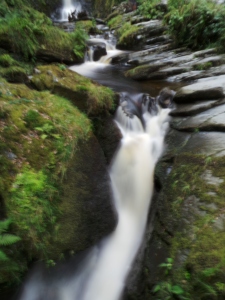
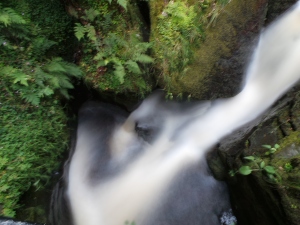
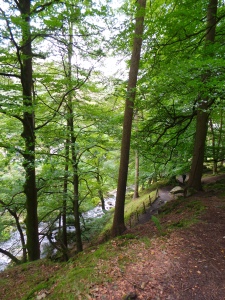
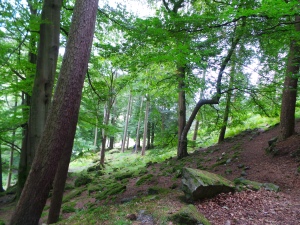
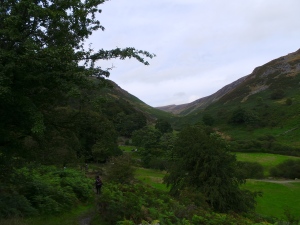
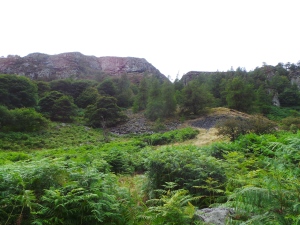
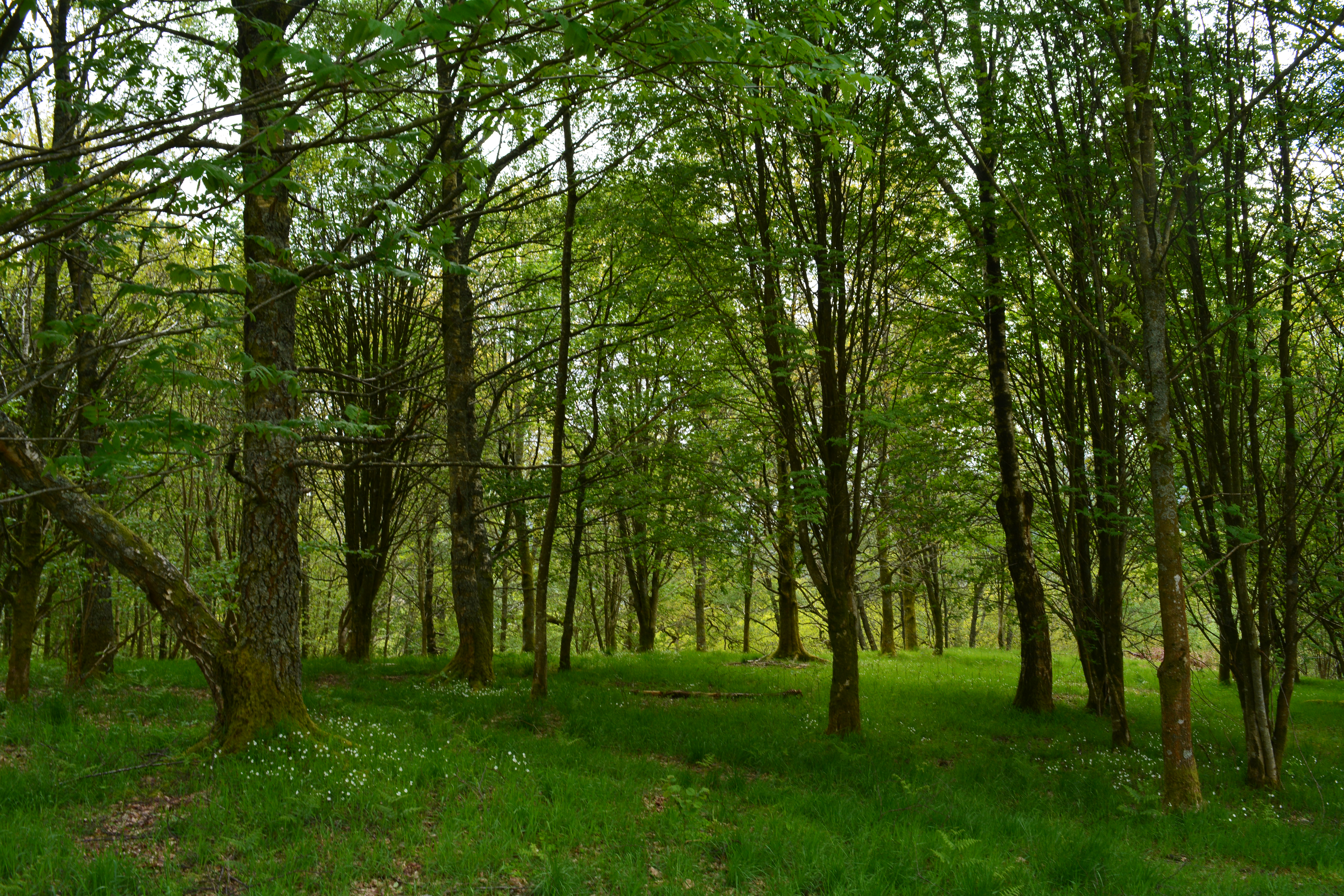
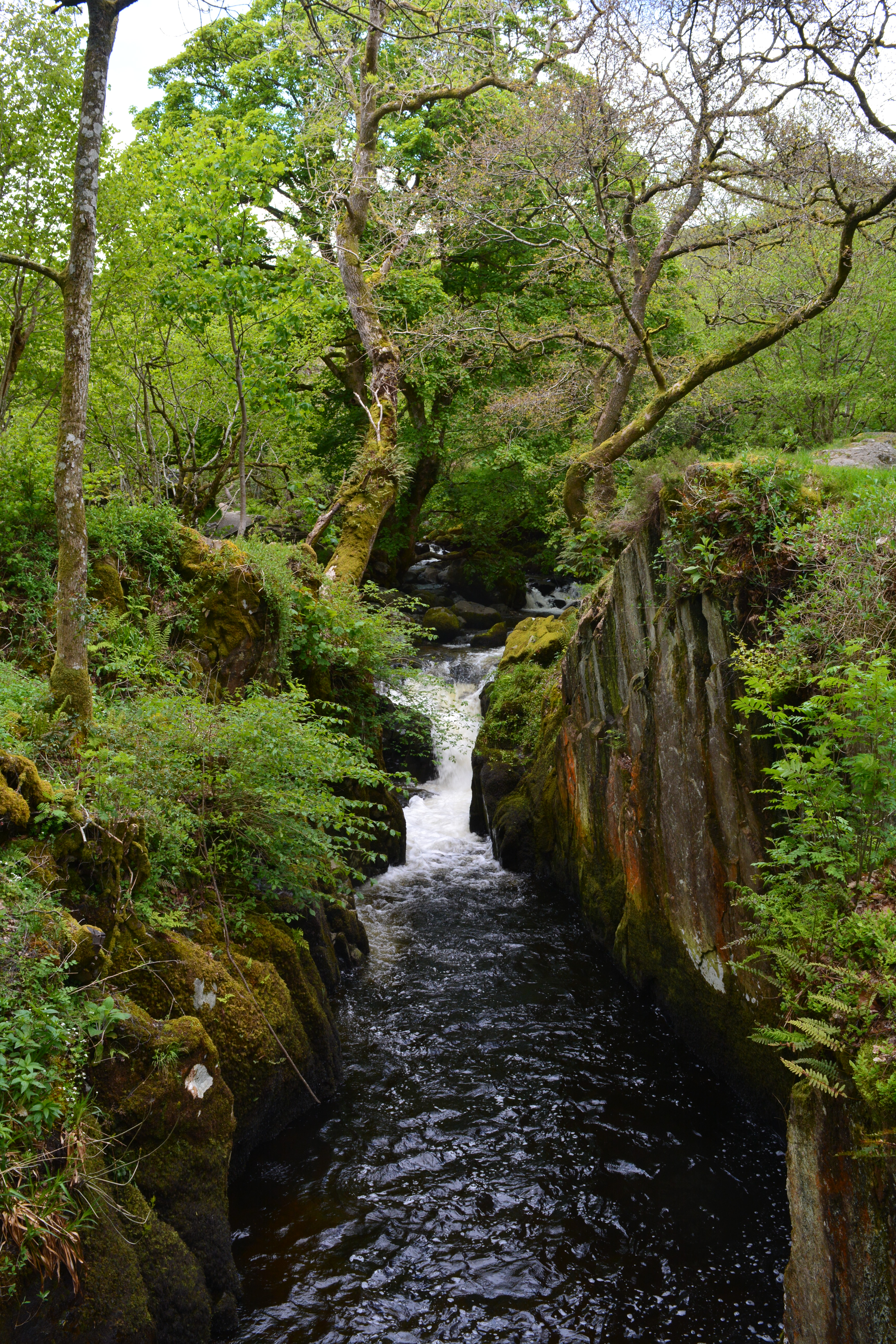
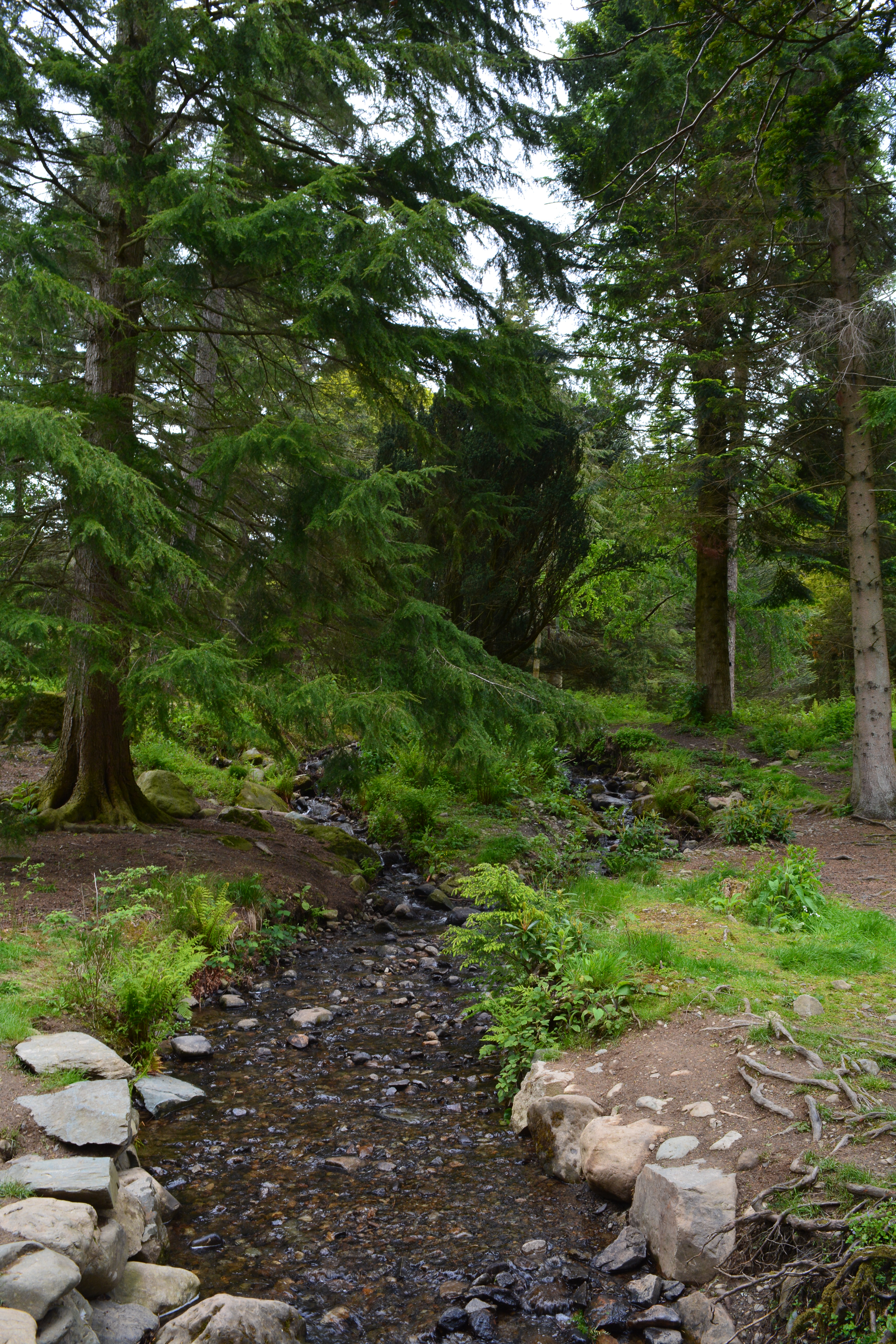
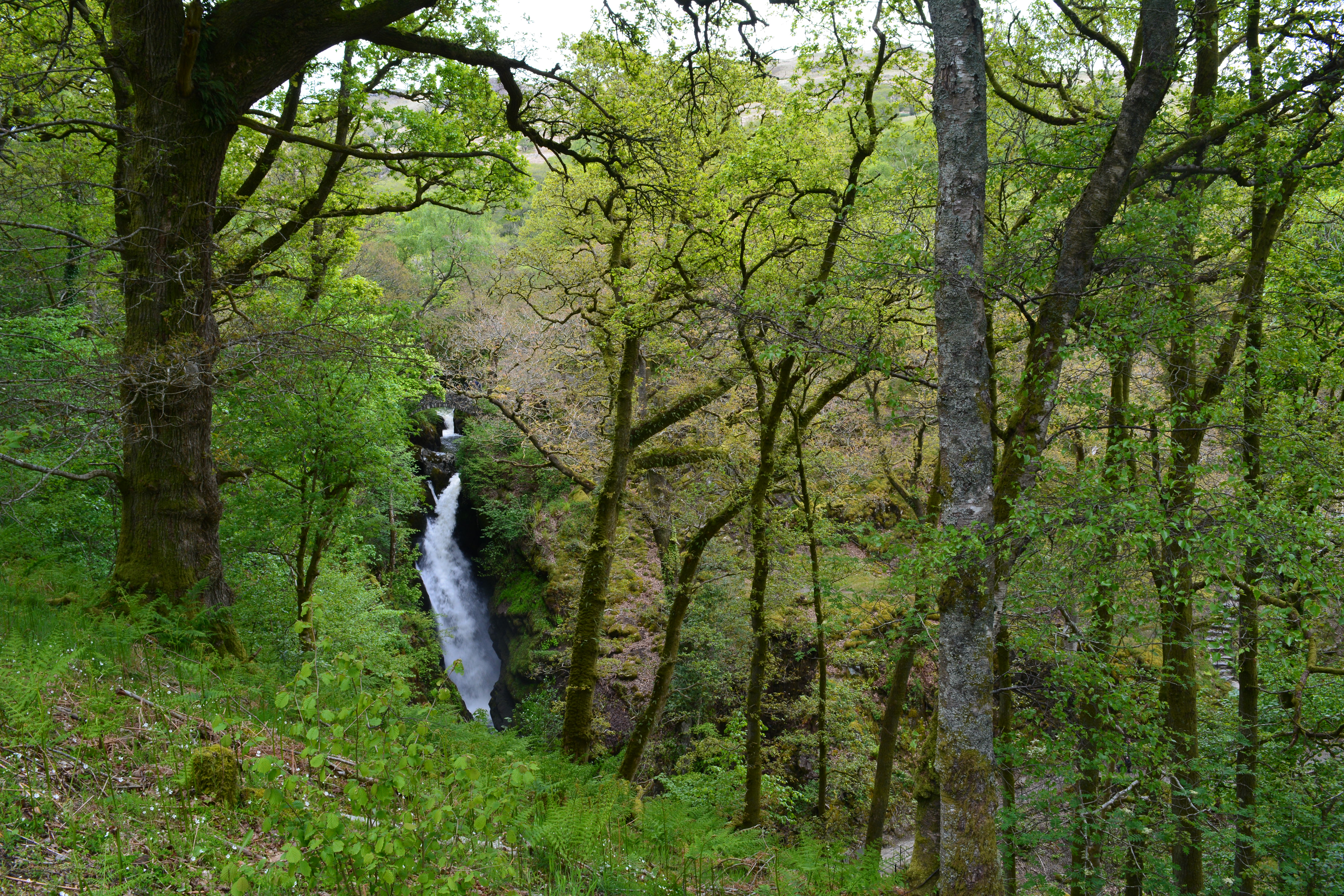
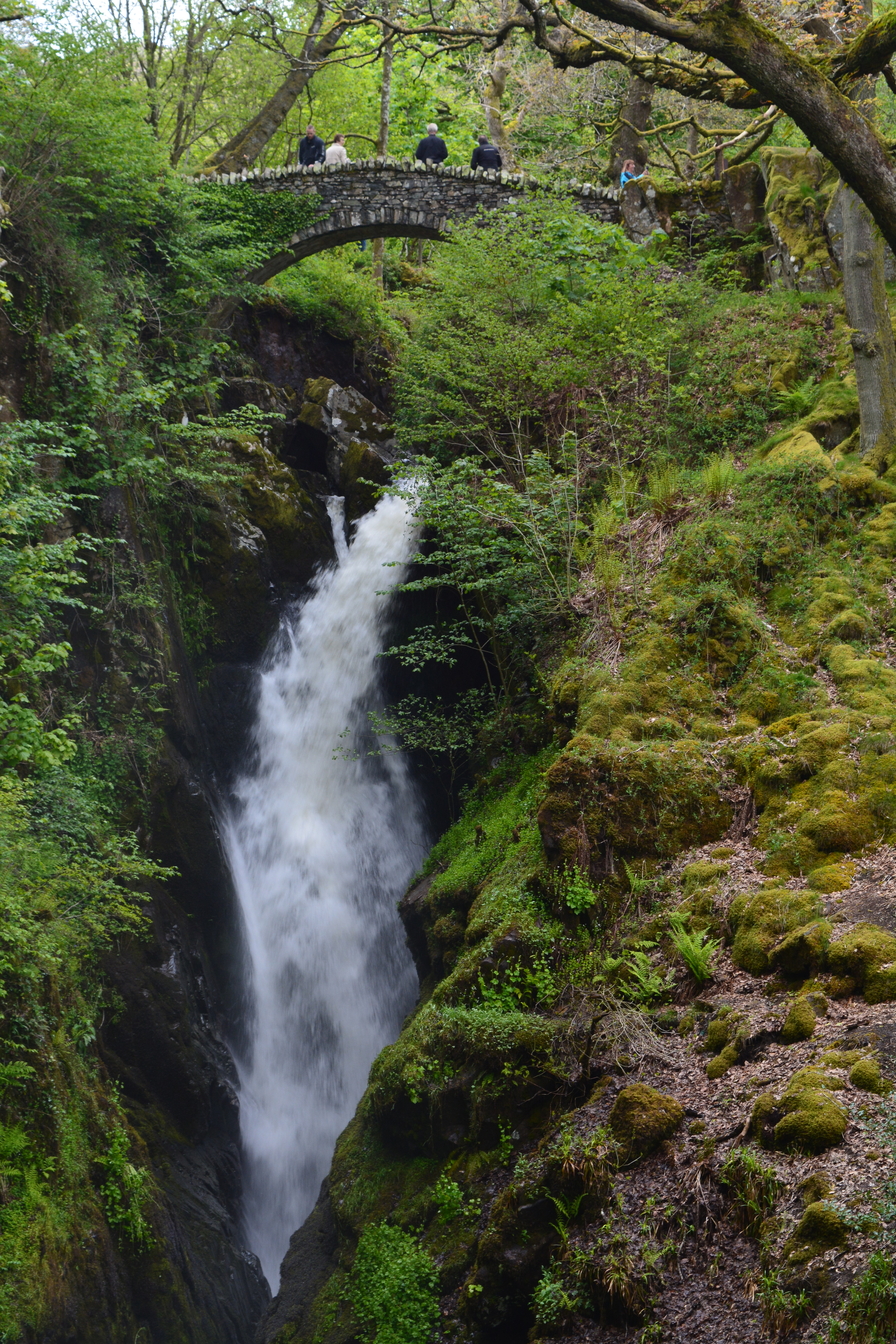
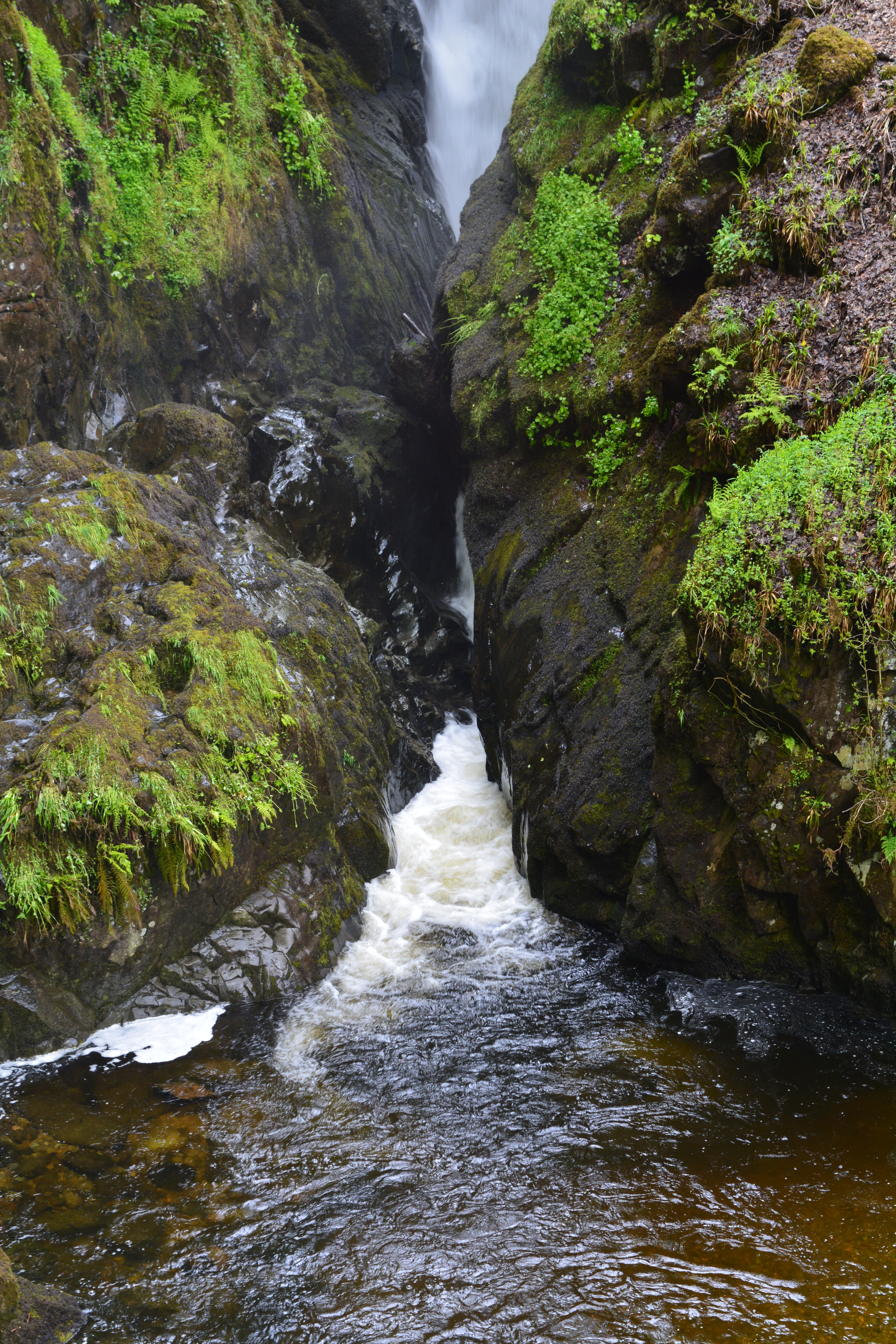
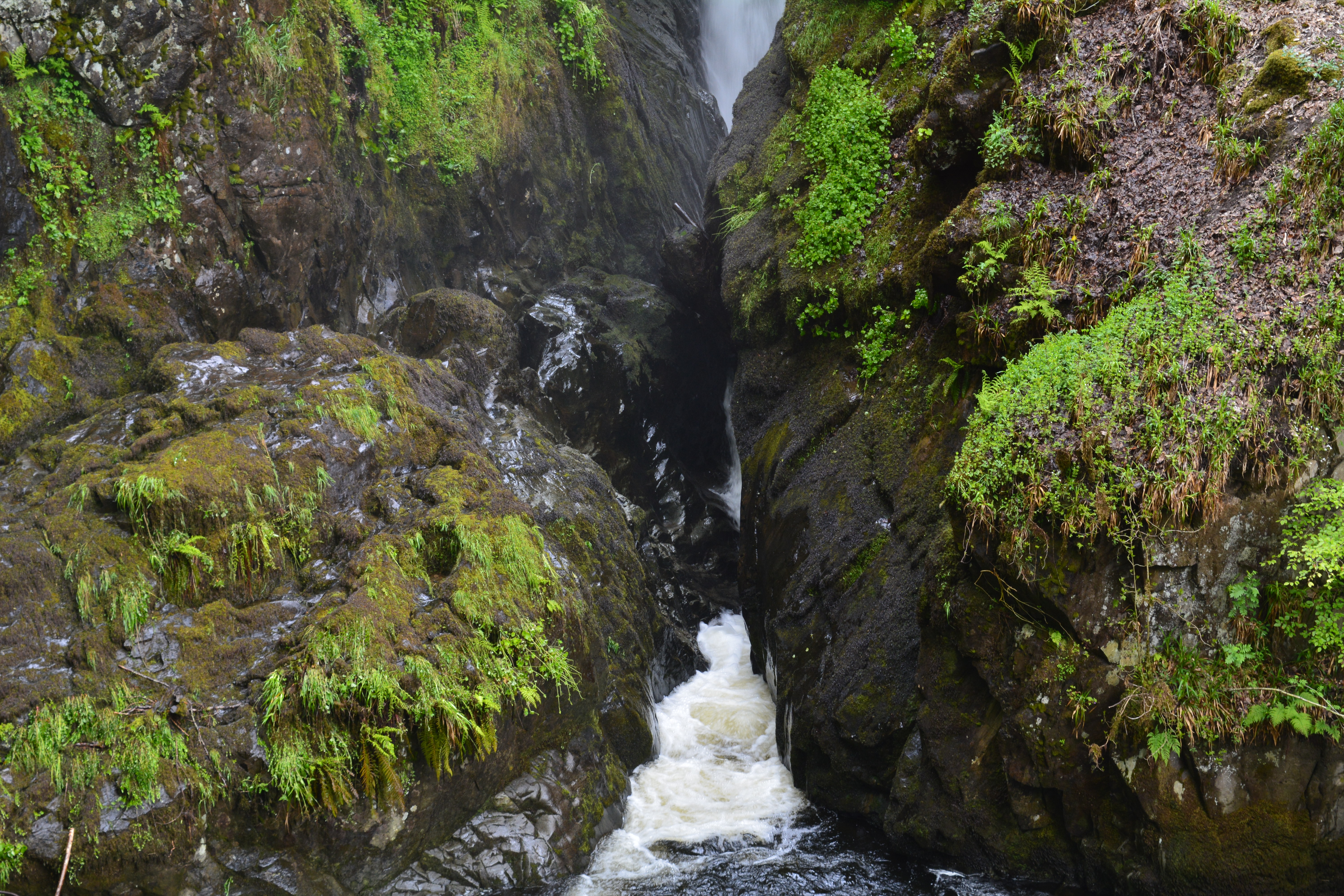
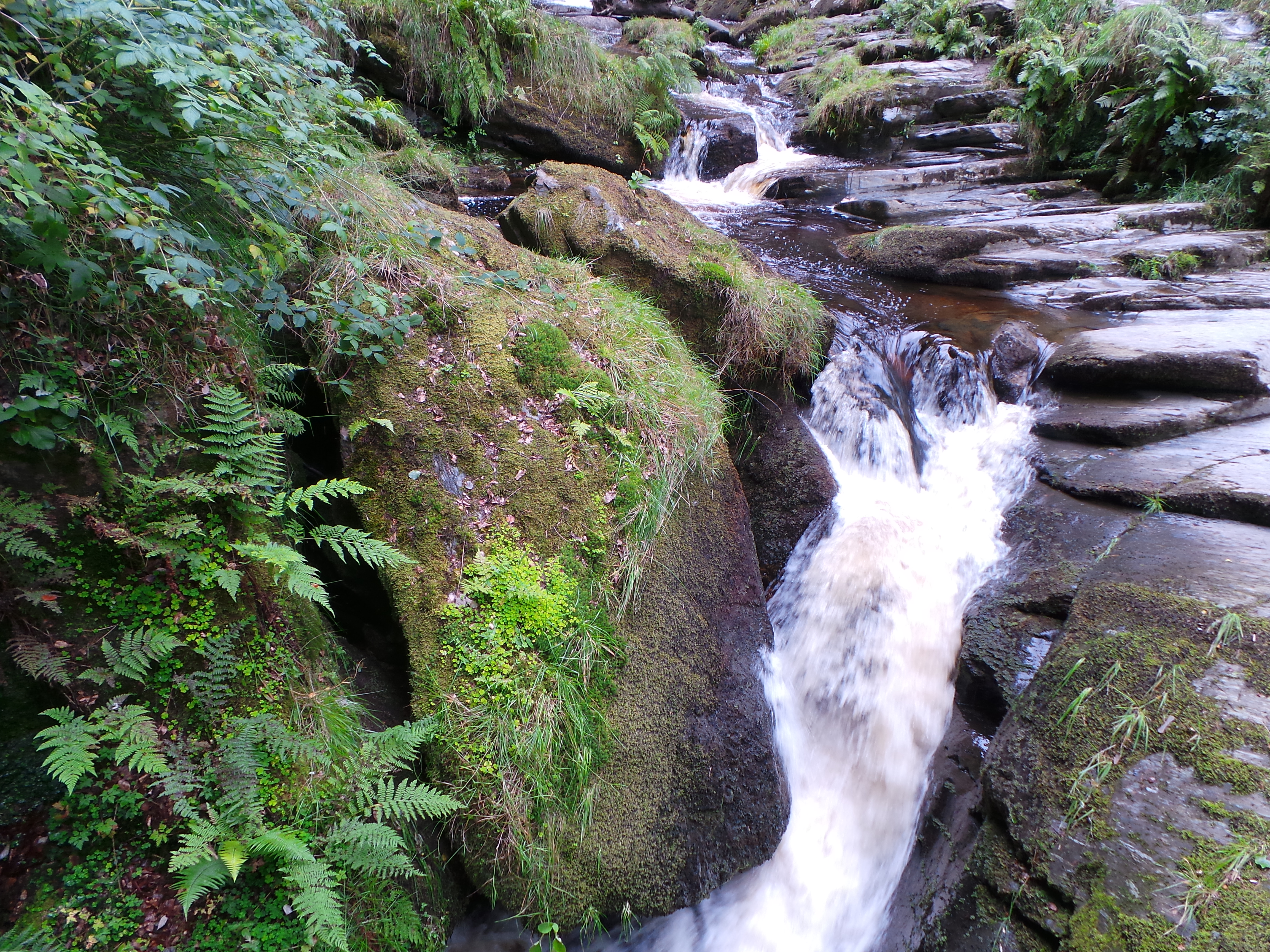
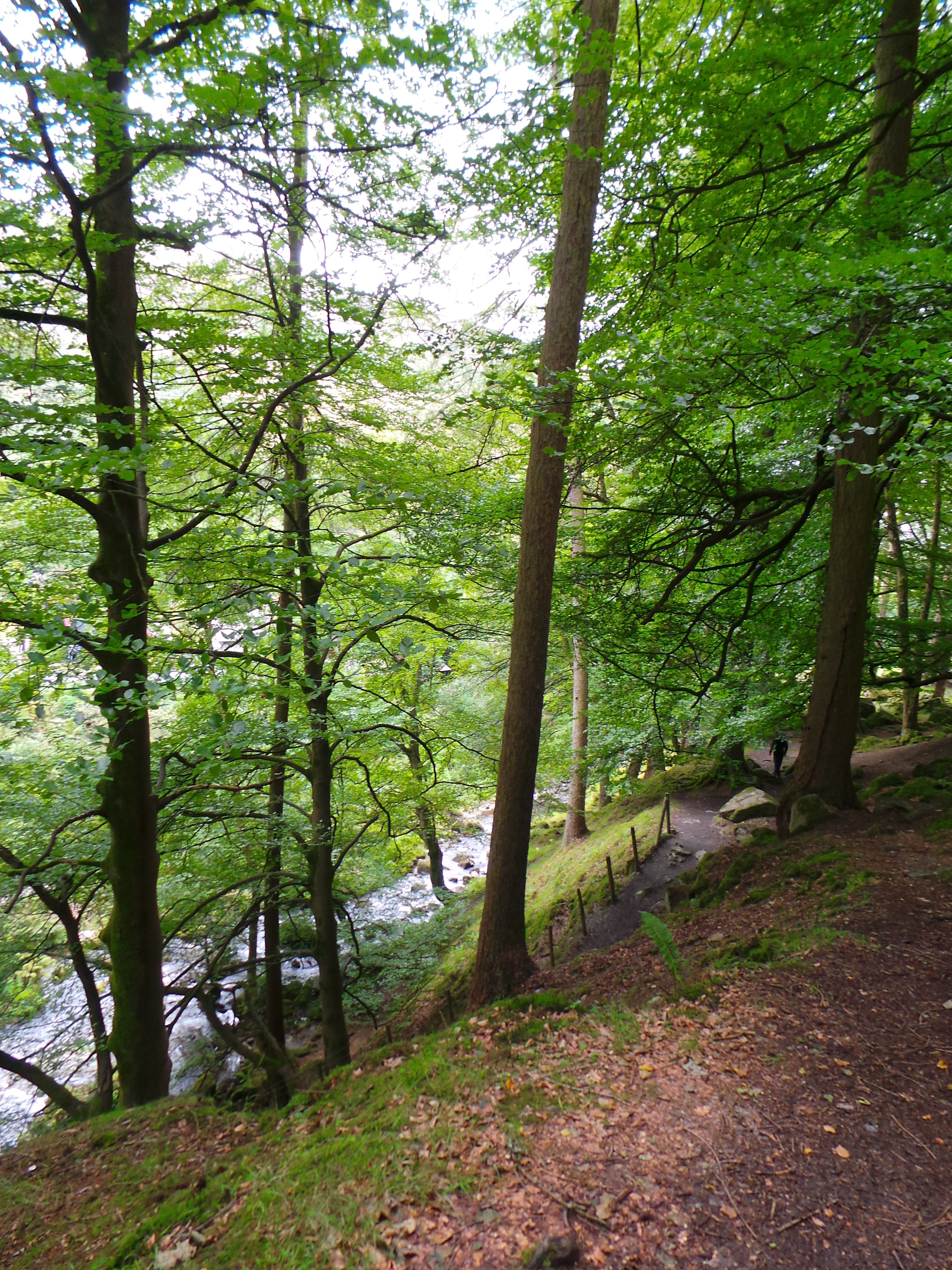
After enjoying the sights and sounds of the Aira Force water falls we followed the stream as it wandered through the wooded hilltops before we started our walk back down the valley. As we had been sat resting we were mesmerised by the songs and calls of so many birds in the trees and understory. This we would soon discover was to be a feature of our week in the Lakes – the sheer number of birds astounded us! At Aira Force we could hear Nuthatches, Treecreepers, Goldcrests, Coal Tits and all the thrushes, the Song Thrush, the Mistle Thrush and the Blackbird. We heard several warblers too and recognised a few such as the Wood Warbler, Garden Wabler and the Chiffchaff as well as their larger cousins the Redstart, Whitethroat and Blackcap. It made for an entertaining time and emphasised how important these areas of countryside managed by the National Trust are as nature reserves.

2015 06 03_2380 2015 06 03_2381 2015 06 03_2382 2015 06 03_2383 2015 06 03_2384 2015 06 03_2385 2015 06 03_2386 2015 06 03_2387 2015 06 03_2388 2015 06 03_2389

2015 06 03_2390 2015 06 03_2391

We changed direction and began the gentle descent. We enjoyed different views of places we had admired on our ascent.


2015 06 03_2392 2015 06 03_2393

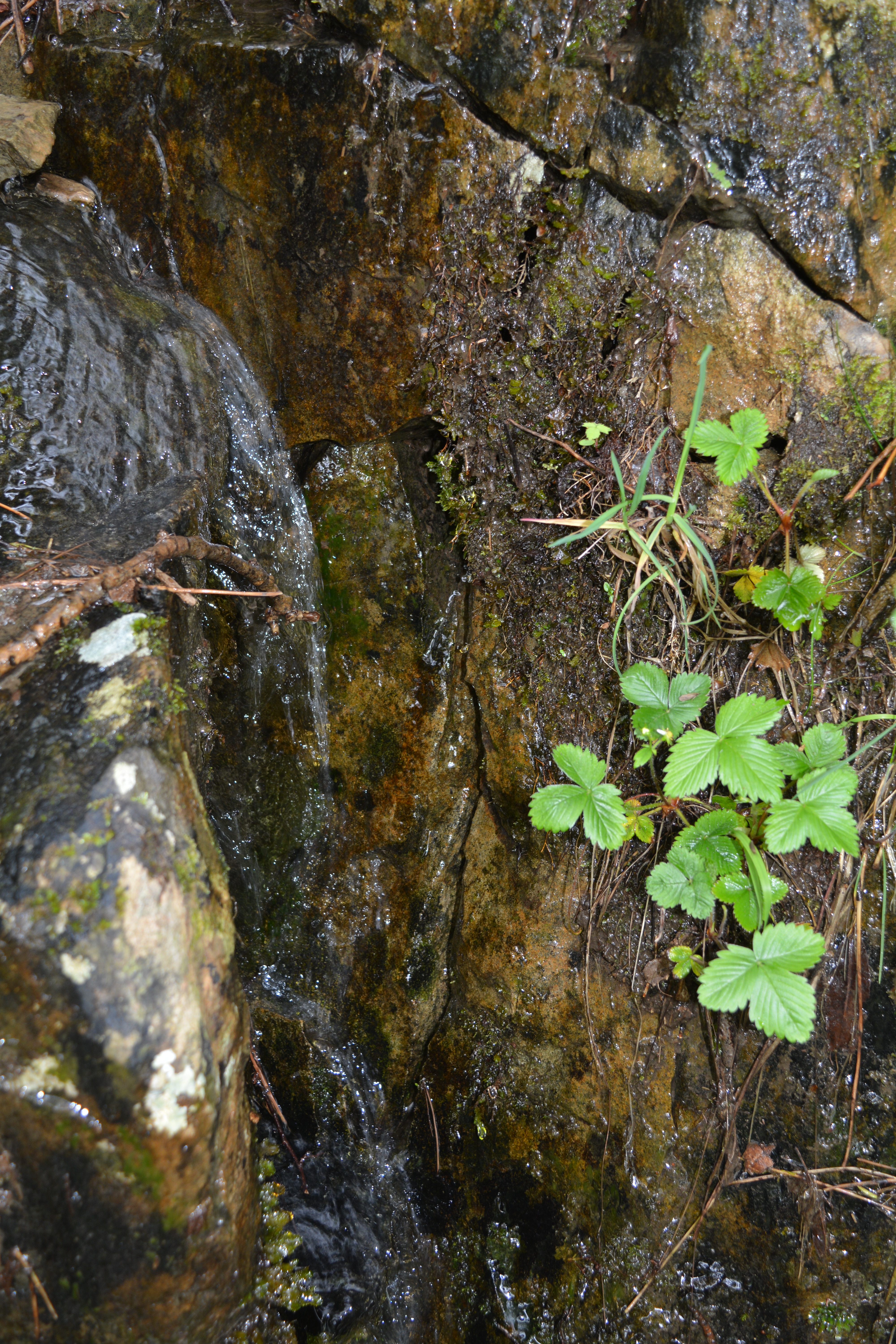
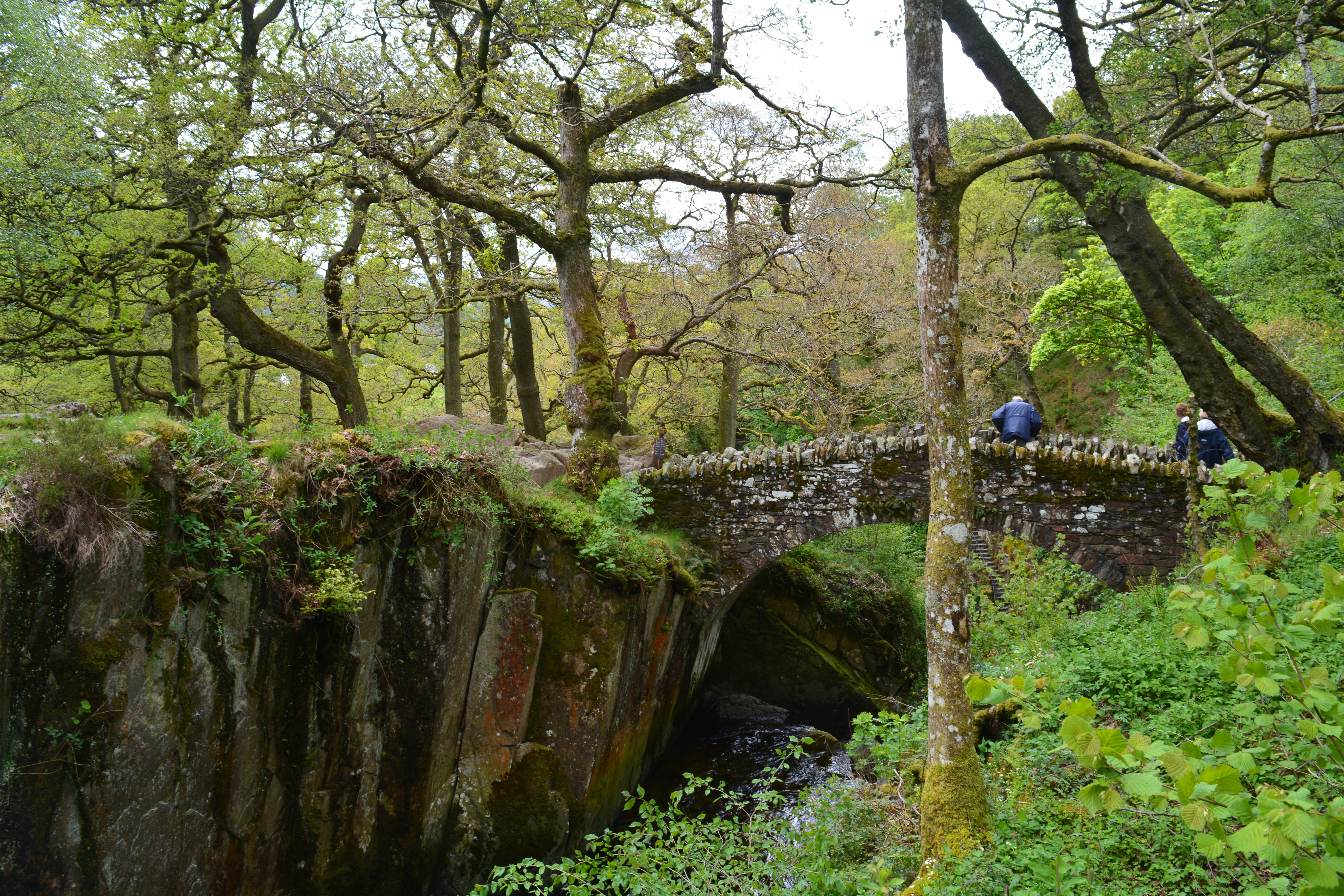
We took a slight detour from the main path to a damp more open area where different plants were growing and even the air itself felt damp to our skin. We were tempted to follow this detour just because of this beautifully constructed stone track. We just had to follow it! It reminded us of the work by land artist Richard Long.


2015 06 03_2394 2015 06 03_2395 2015 06 03_2396 2015 06 03_2397 2015 06 03_2398 2015 06 03_2399 2015 06 03_2400


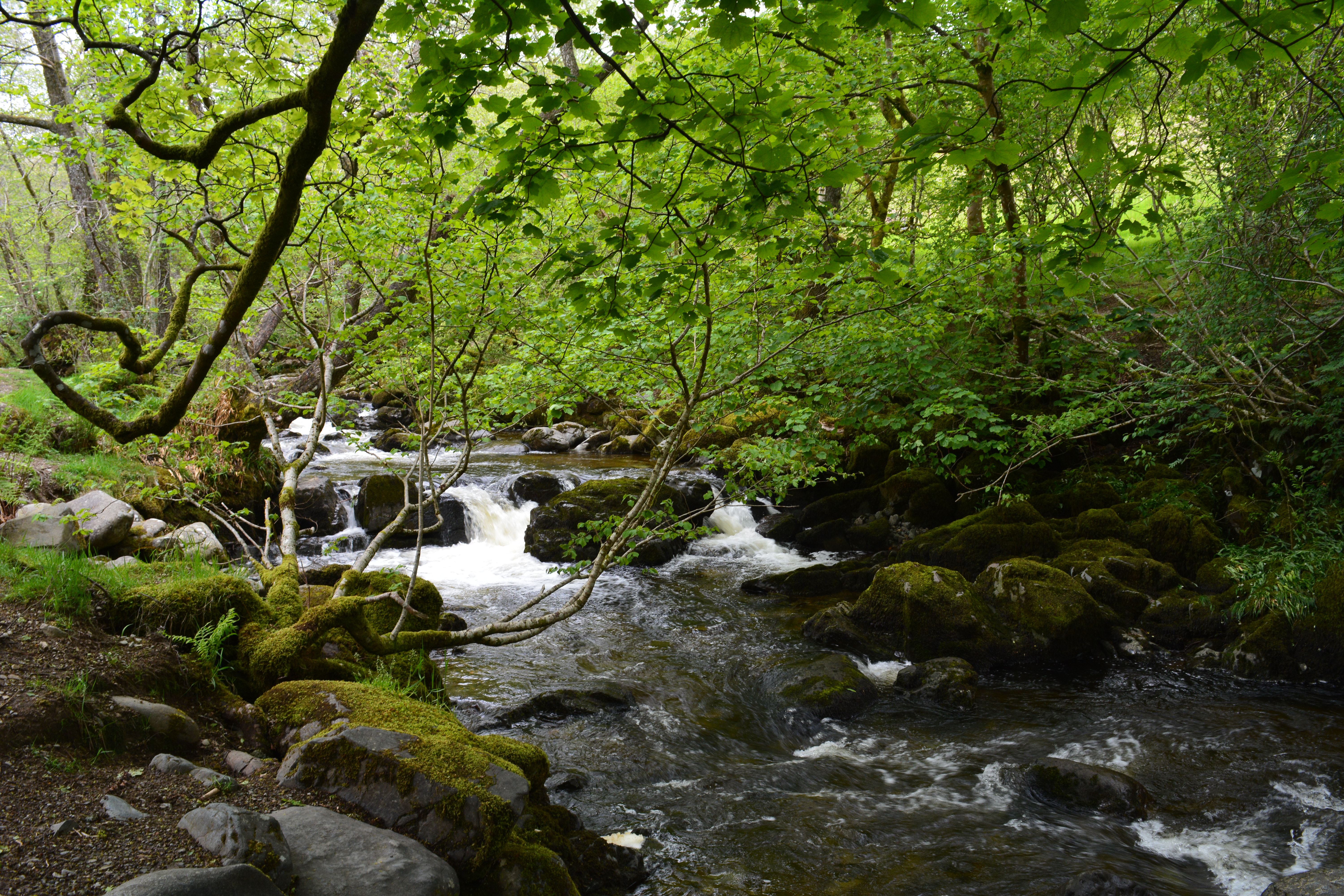
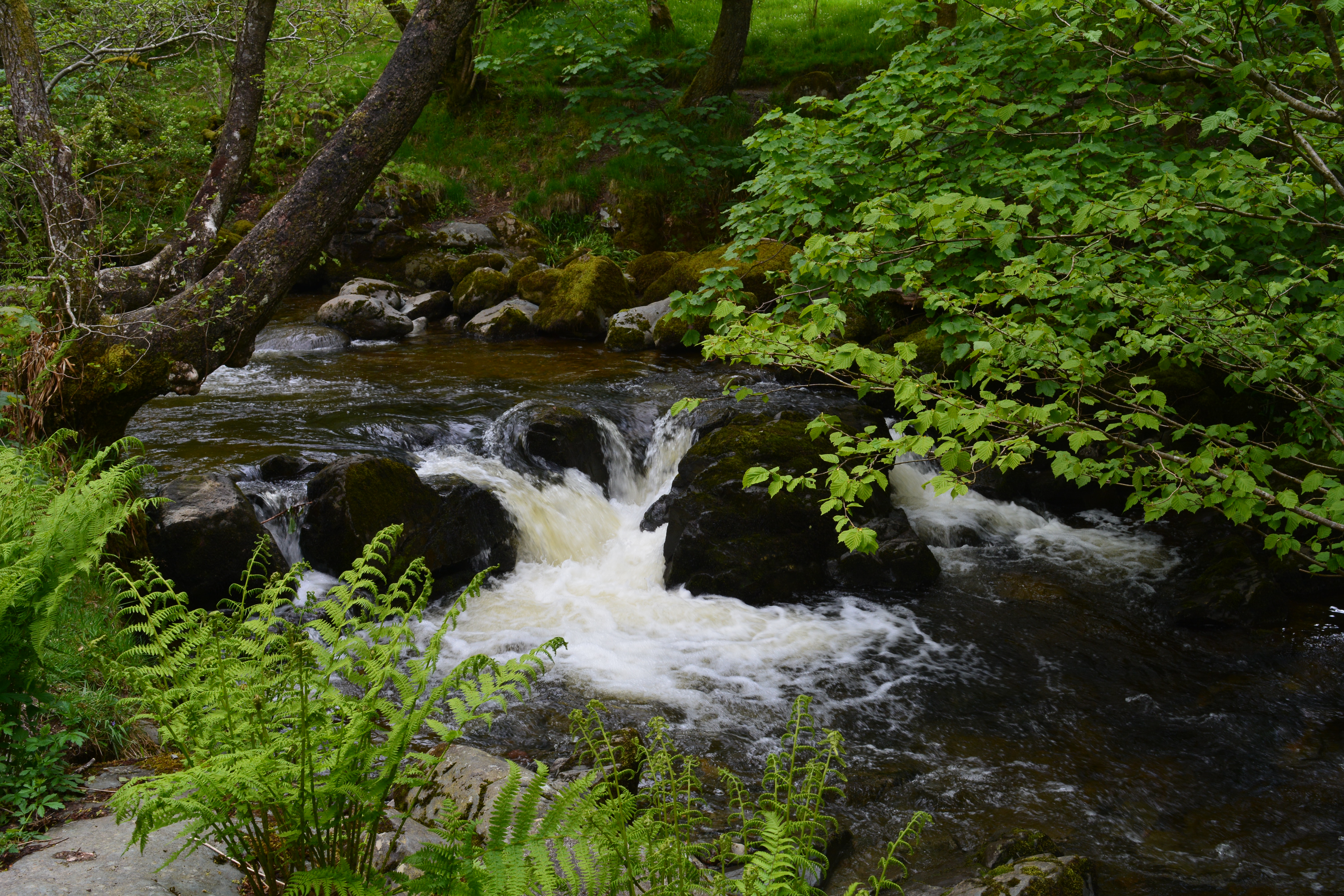
Our detour finally took us back to our original pathway and we enjoyed the sounds of the tumbling stream once more.

2015 06 03_2403 2015 06 03_2404


2015 06 03_2405 2015 06 03_2406 2015 06 03_2407 2015 06 03_2408 2015 06 03_2409 2015 06 03_2410

So we found ourselves back at our starting point having enjoyed a stimulating, beautiful wander up and down this wooded valley. The waterfall, Aira Force, was the icing on the cake! A great day out!

Categories
countryside landscapes light light quality National Trust ornamental trees and shrubs outdoor sculpture photography The National Trust woodland woodlands

A Week in the Lake District – Part 2 – Aira Force

For our second day in the Lake District we made for the great outdoors to explore some ancient woodland with a stream running through it. Aira Force is the waterfall at the top of a gentle ascent up through the wooded valley.The wooded valley is owned by the National Trust so we had a warm welcome as we do at most of their properties. A beautifully carved wooden finger post gave us the choice of going left to the tea room or right to Aira Force. You’ve guessed it – we went left first and enjoyed a mighty good coffee and cake break.

2015 06 03_2342 2015 06 03_2341

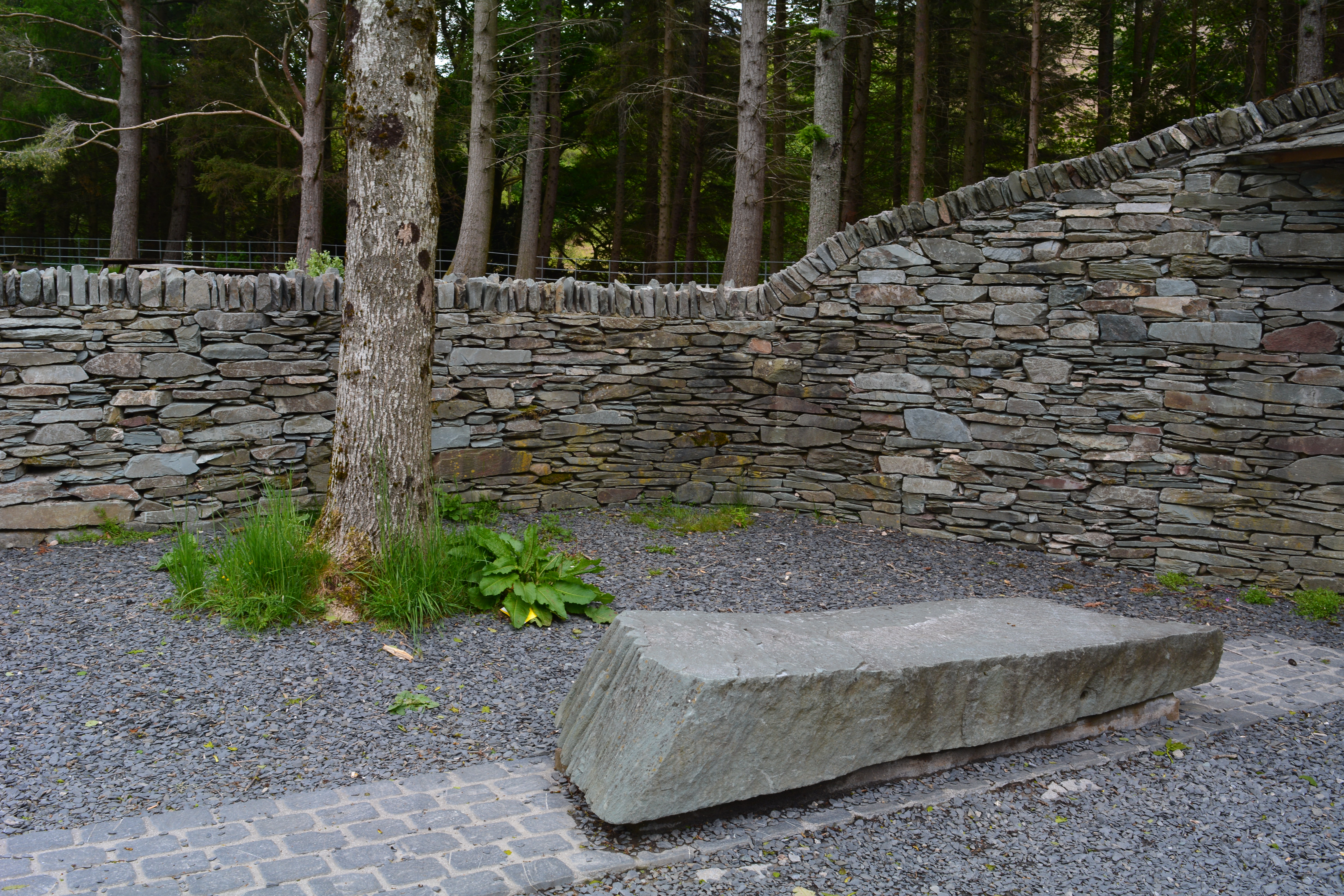
We were soon on our way up the valley after a quick look at a map where some lovely benches crafted from single chunks of slate caught my attention.

2015 06 03_2343 2015 06 03_2344

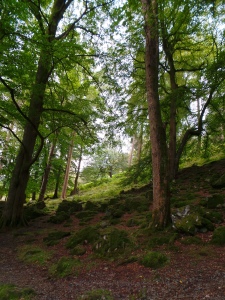
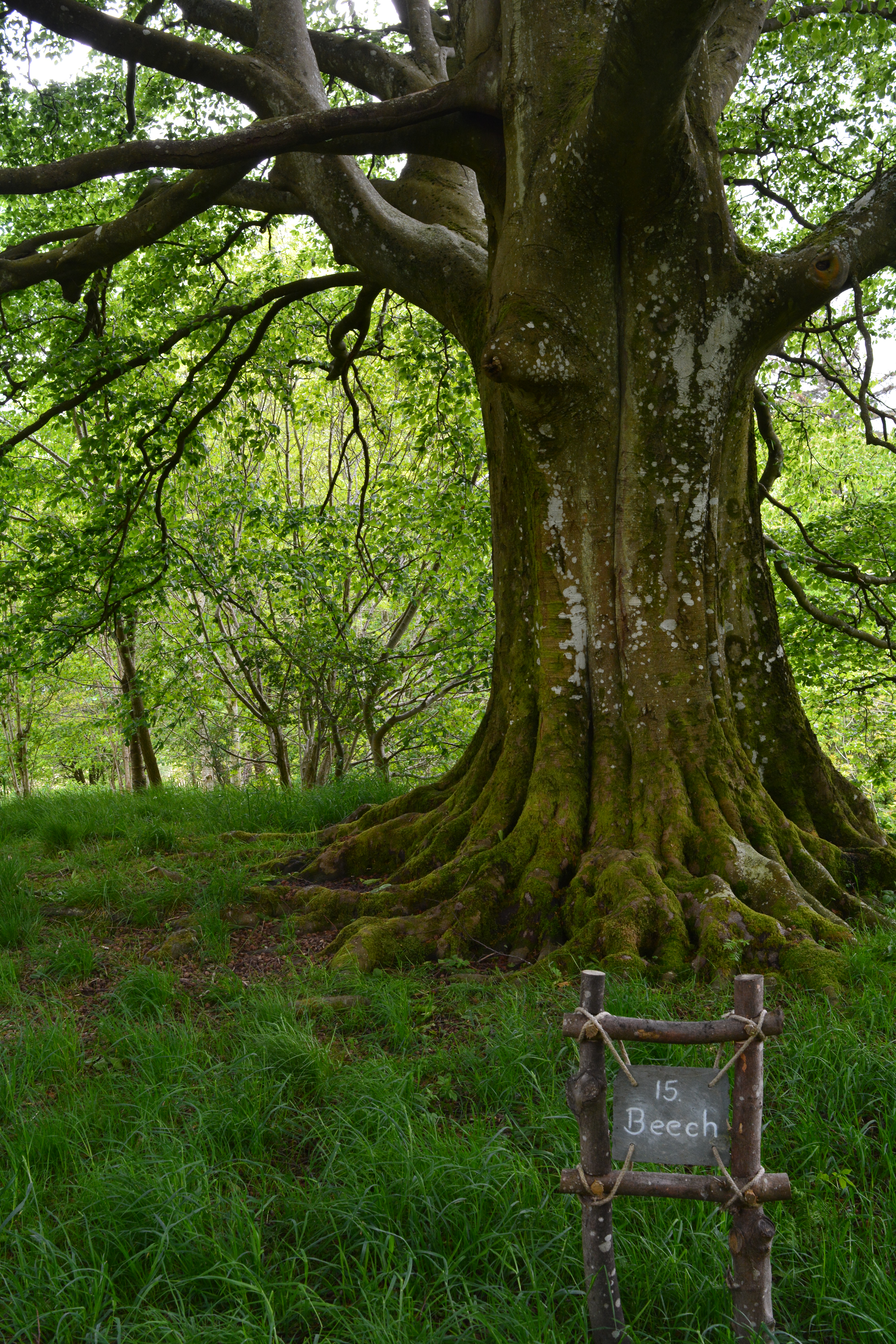
As we walked towards the more wooded section of the valley we initially had open grassland along side the path, but we soon found that the trees increased in number and the atmosphere changed completely. Woodlands have their own brand of intimacy that engulfs those who walk in them. There is something about the light creeping in through branches which highlights areas to draw the observer in. We discovered the wonderful original signage used to identify the main tree species. They were very rustic and in keeping with the setting.


2015 06 03_2345 2015 06 03_2346 2015 06 03_2347 2015 06 03_23482015 06 03_2353

The seasons come late to the Lake District so the tree foliage was still Spring fresh.

2015 06 03_2351 2015 06 03_2356

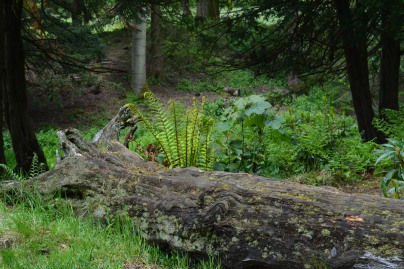
As this woodland was once the grounds of a shooting lodge there were areas for seating with ornamental paved areas and surprising finds. The second photo shows the patterns made by coins being hammered into the trunk of a fallen tree – we just couldn’t work this out!

2015 06 03_2350 2015 06 03_2357

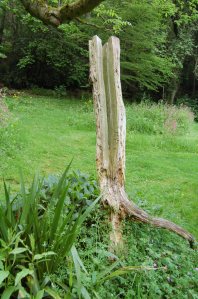
As in all woodlands we explore we found some interesting creative works sculpted by Mother Nature.

2015 06 03_2354 2015 06 03_23552015 06 03_2361 2015 06 03_2360

As we moved slowly uphill we followed the stream and even when we couldn’t catch glimpses of it we could hear its incessant burbling to our right.

2015 06 03_2358 2015 06 03_2364

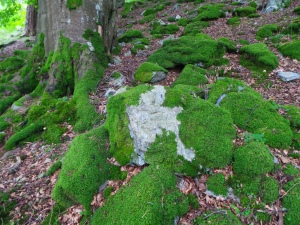
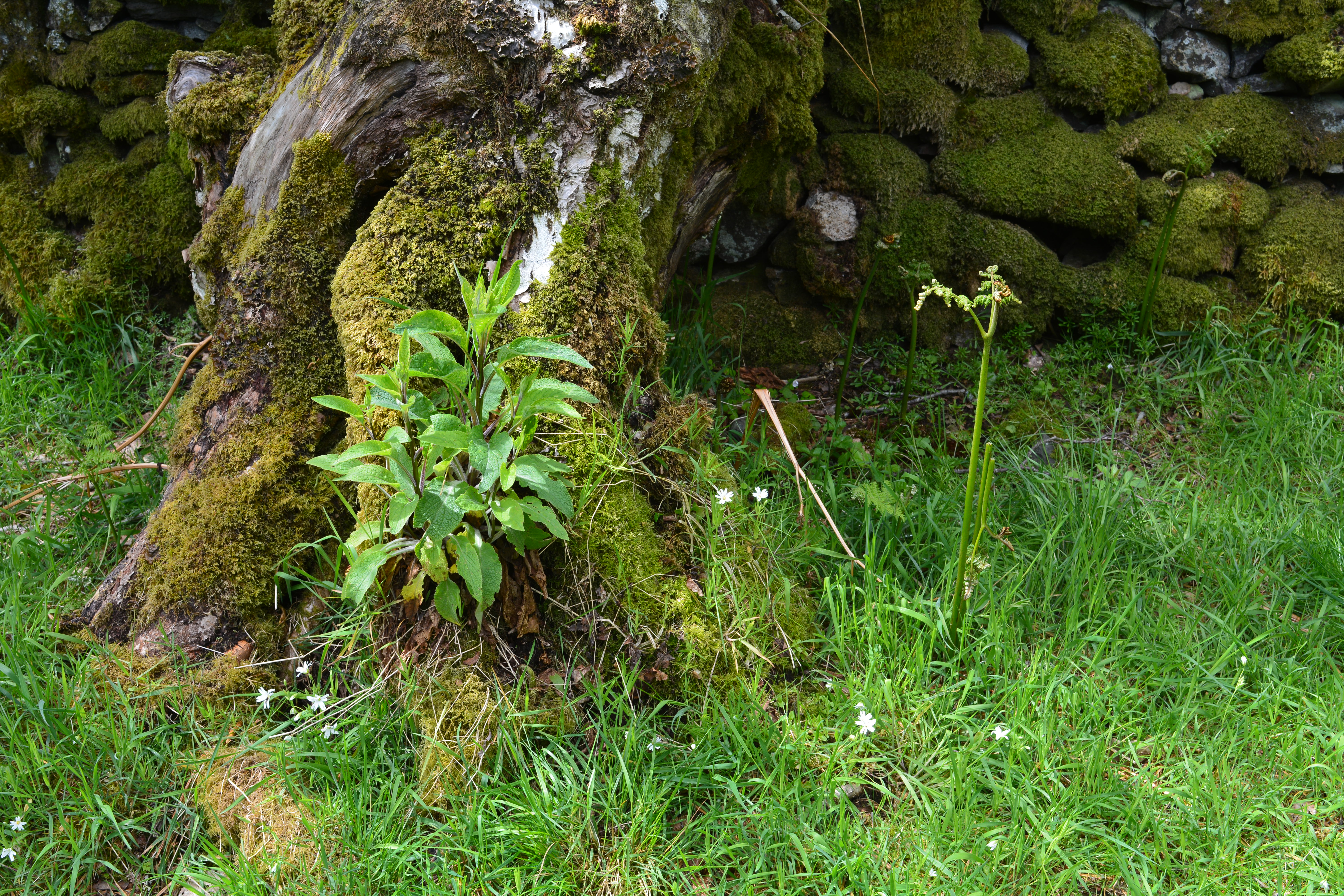
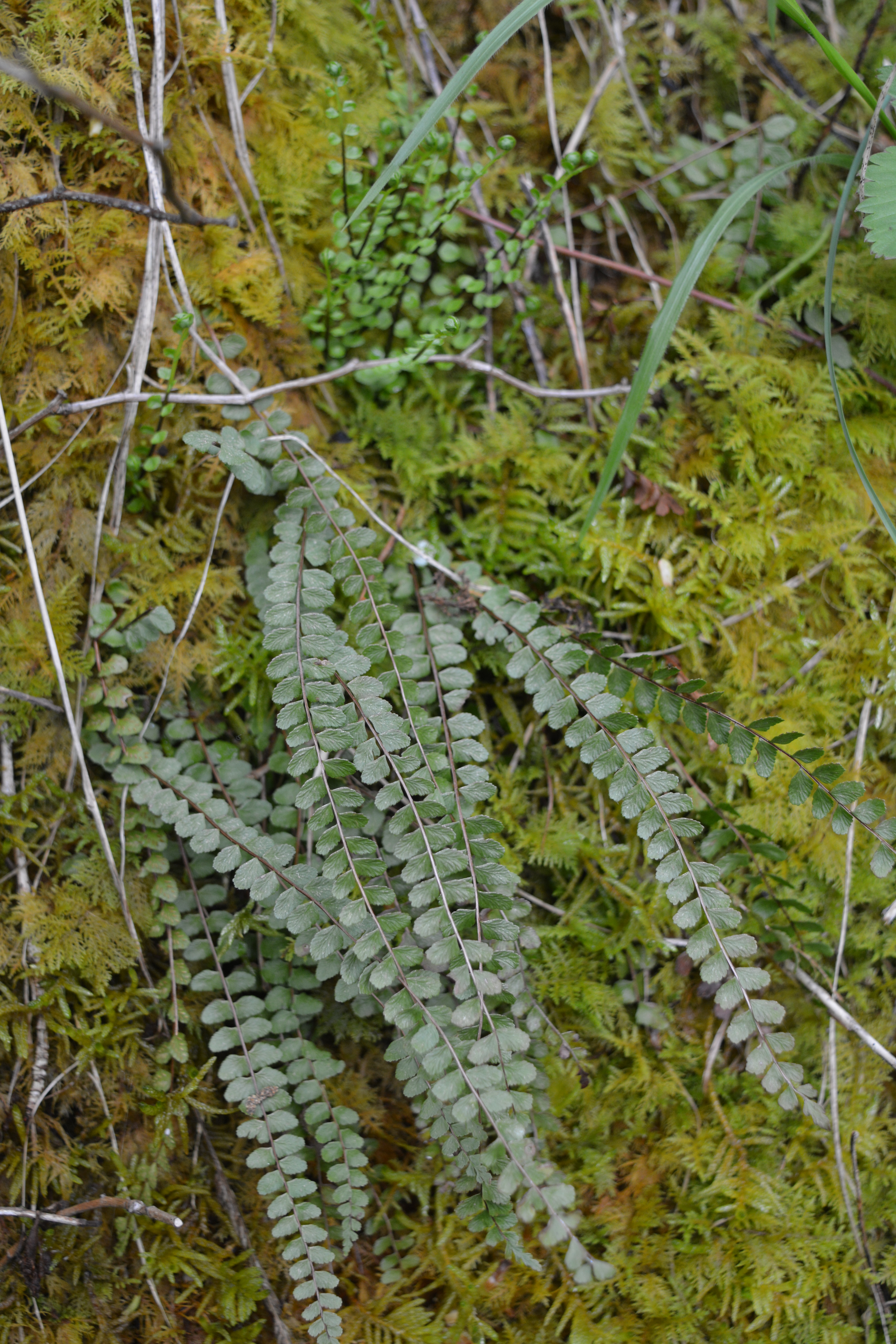
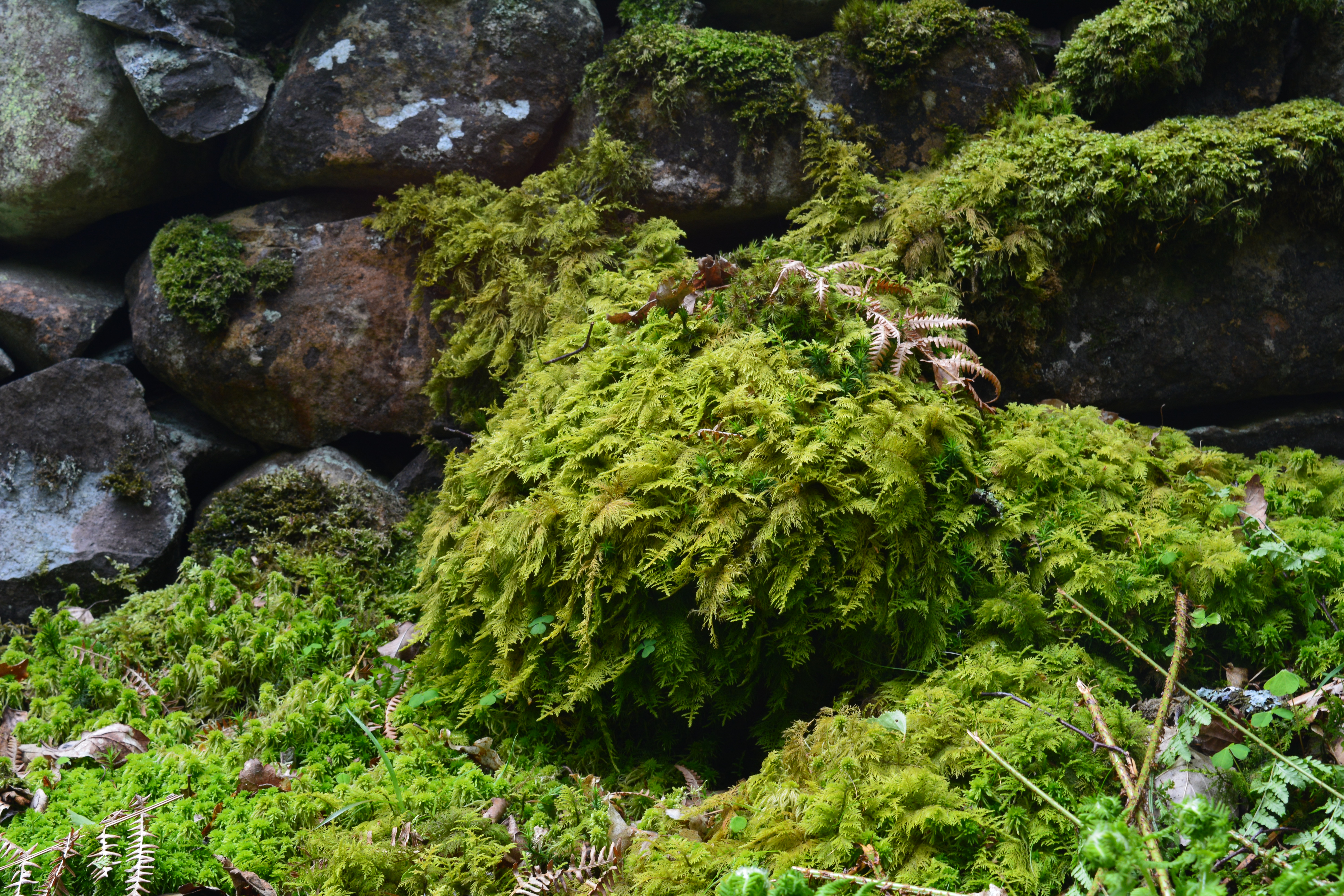
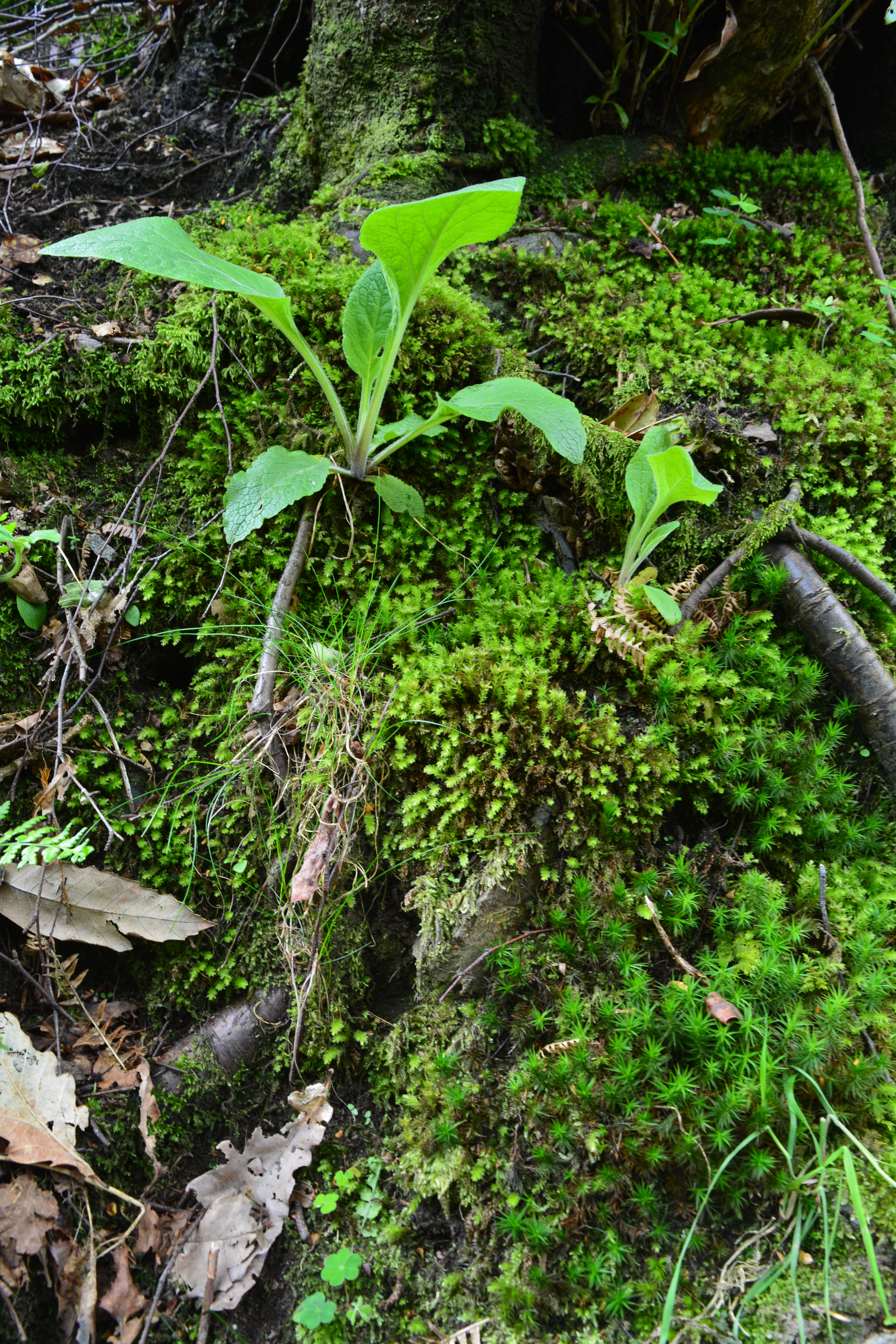
The damp atmosphere within the wood allowed mosses, ferns and foxgloves to grow on any natural surface.

2015 06 03_2362 2015 06 03_2363

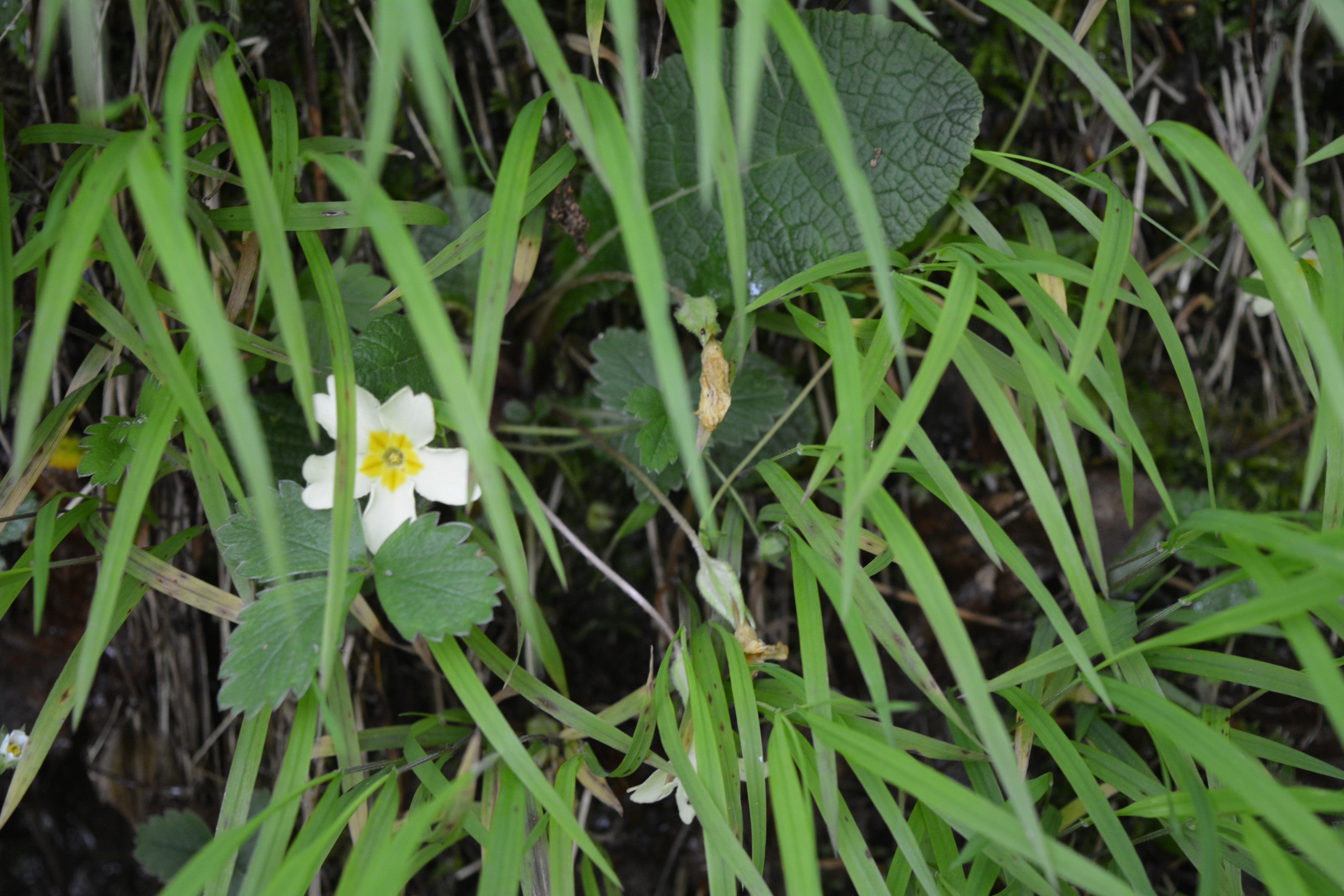
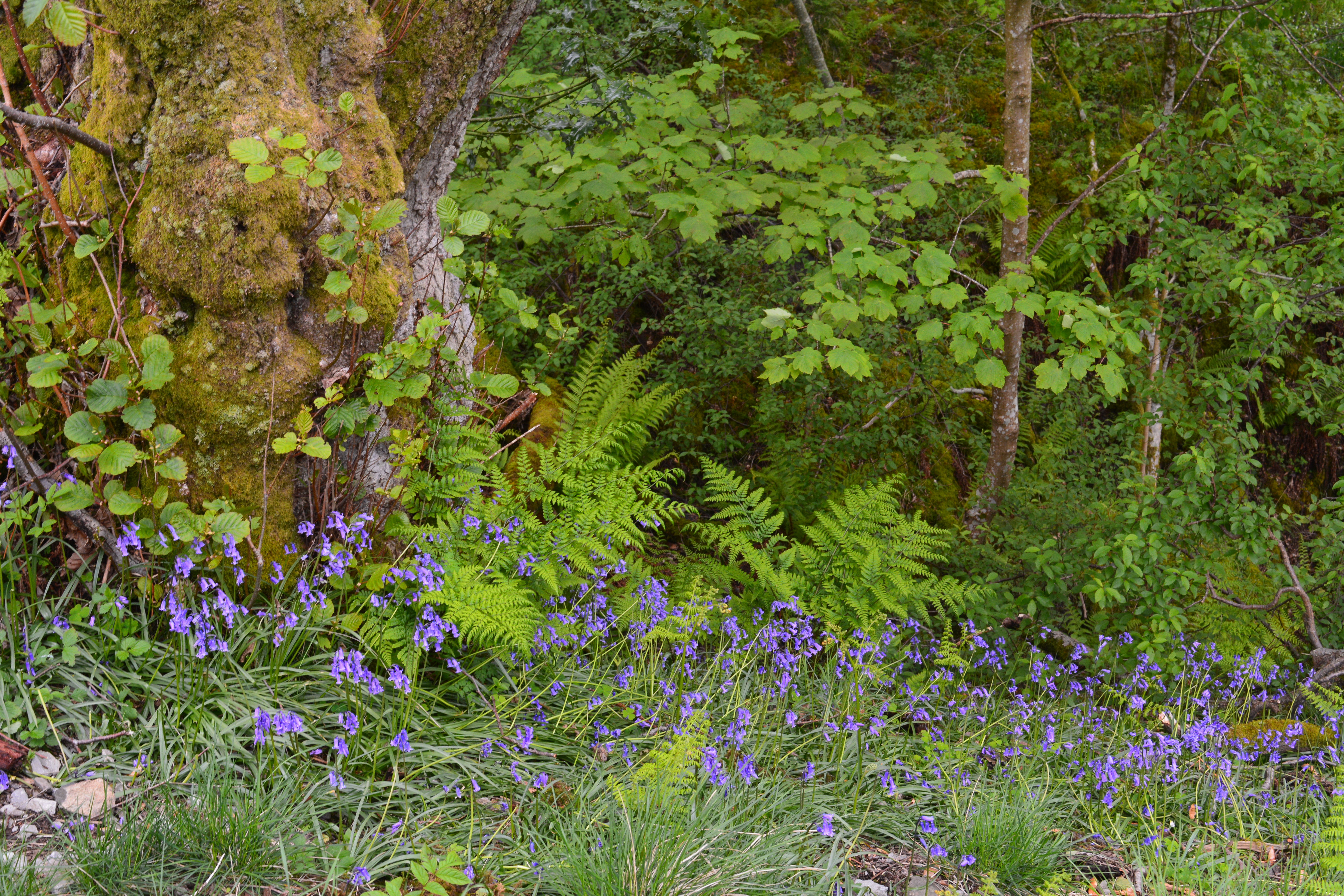
Where light penetrated shade wildflowers were in bloom. Bluebells and Bugle painted a blue haze on the woodland floor.

2015 06 03_2365 2015 06 03_2369

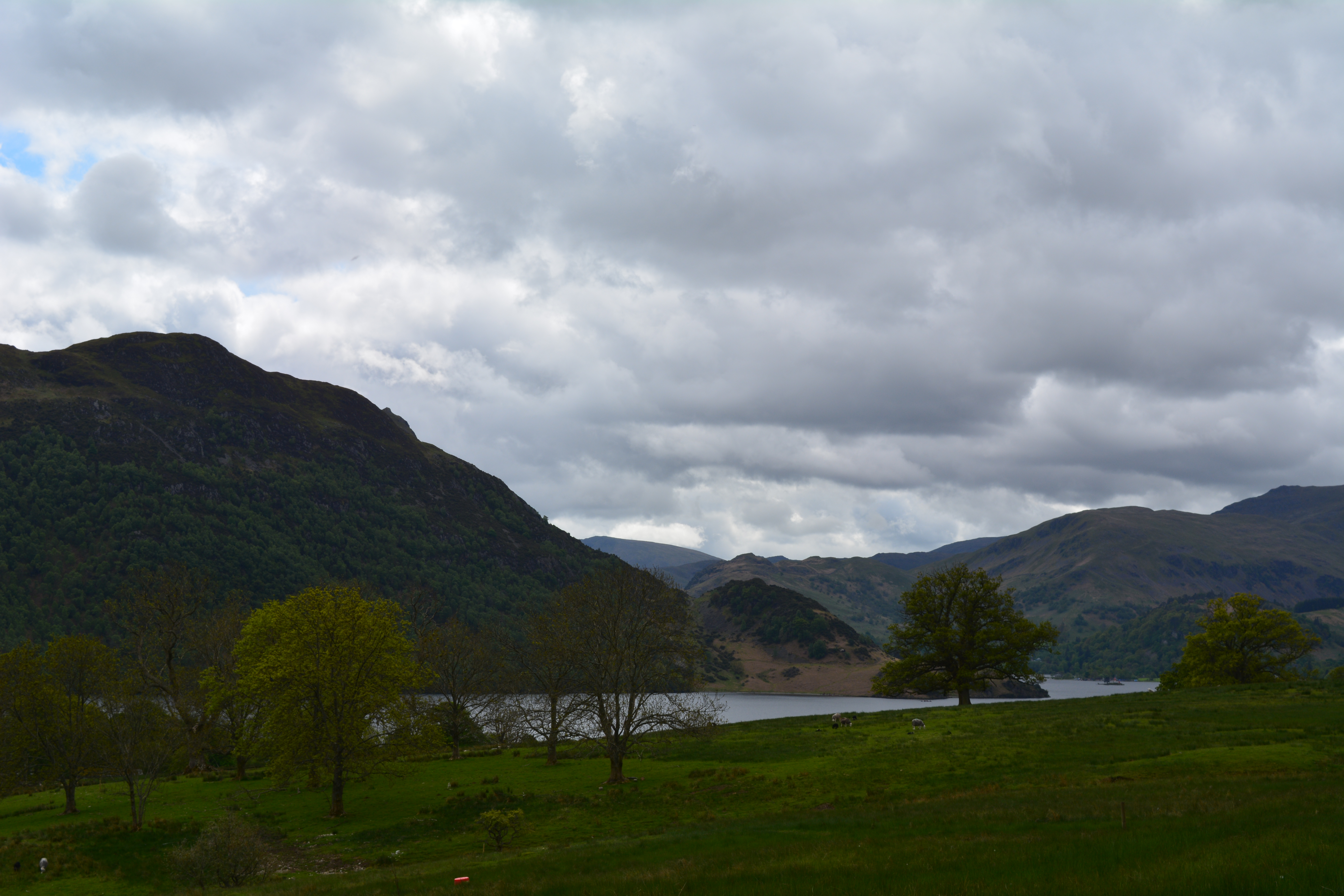
As we approached the waterfall open views were suddenly revealed as our path came to the wood edge, and we enjoyed a glimpse of lake and mountain.

2015 06 03_2366 2015 06 03_2367

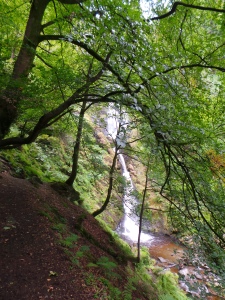
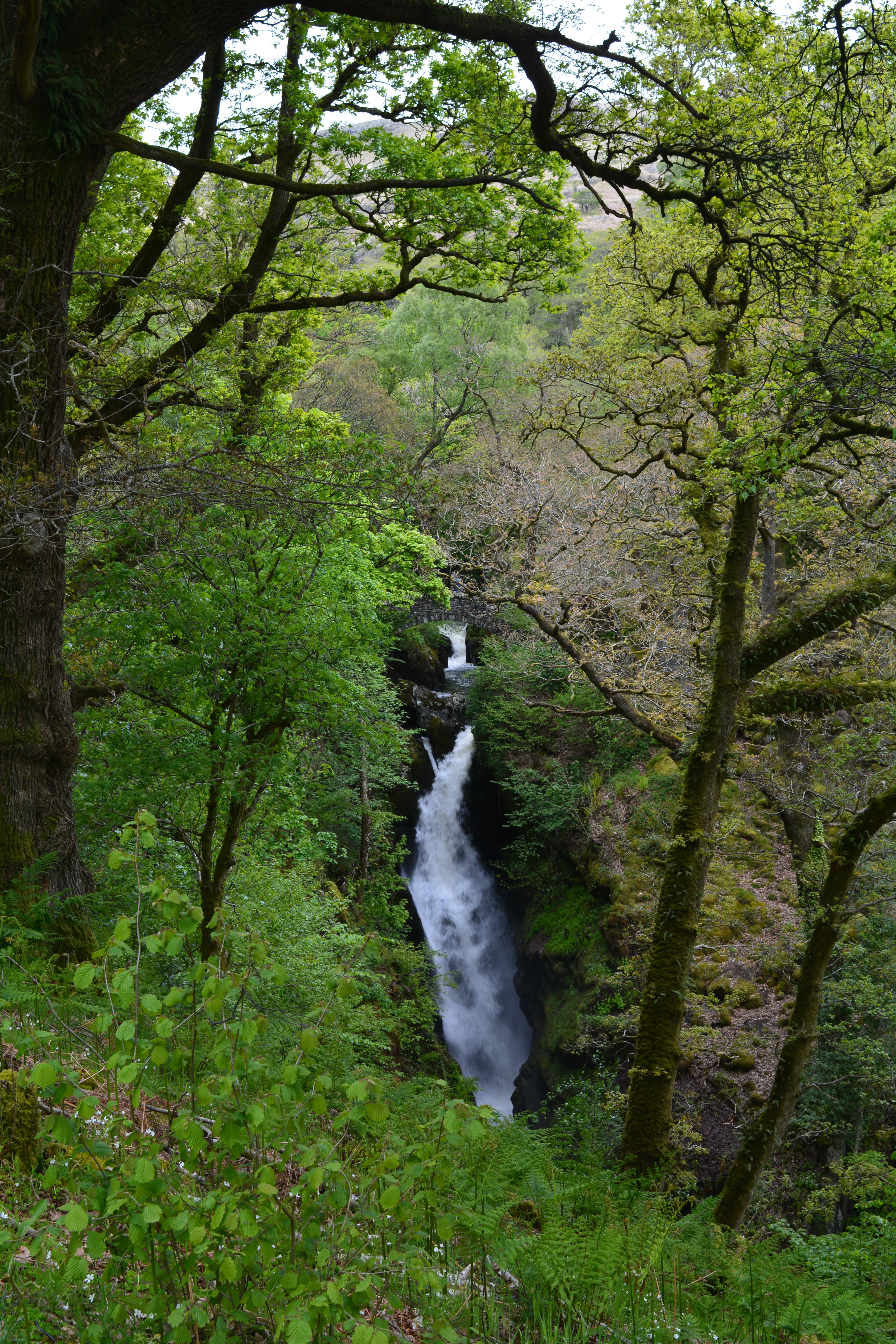
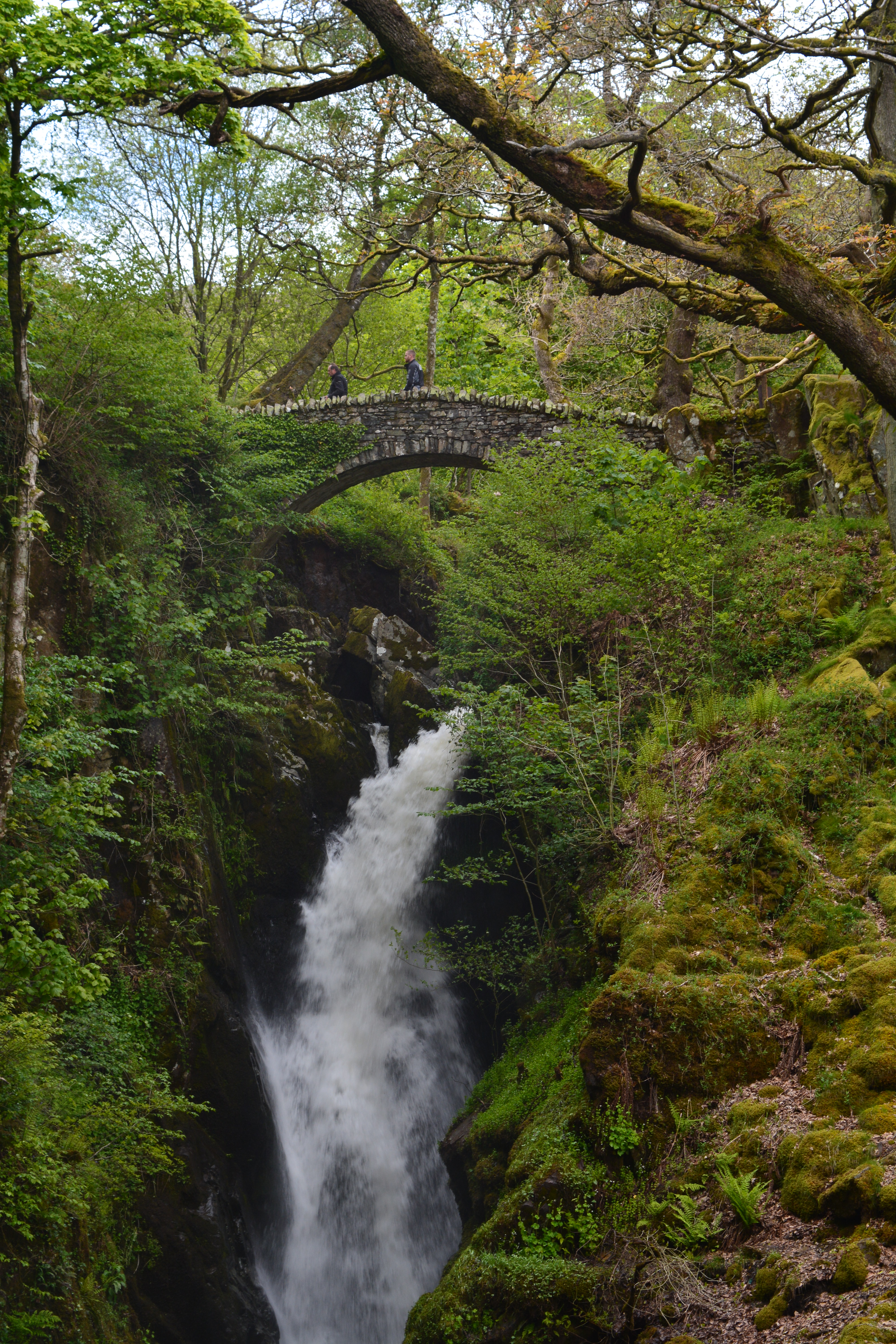
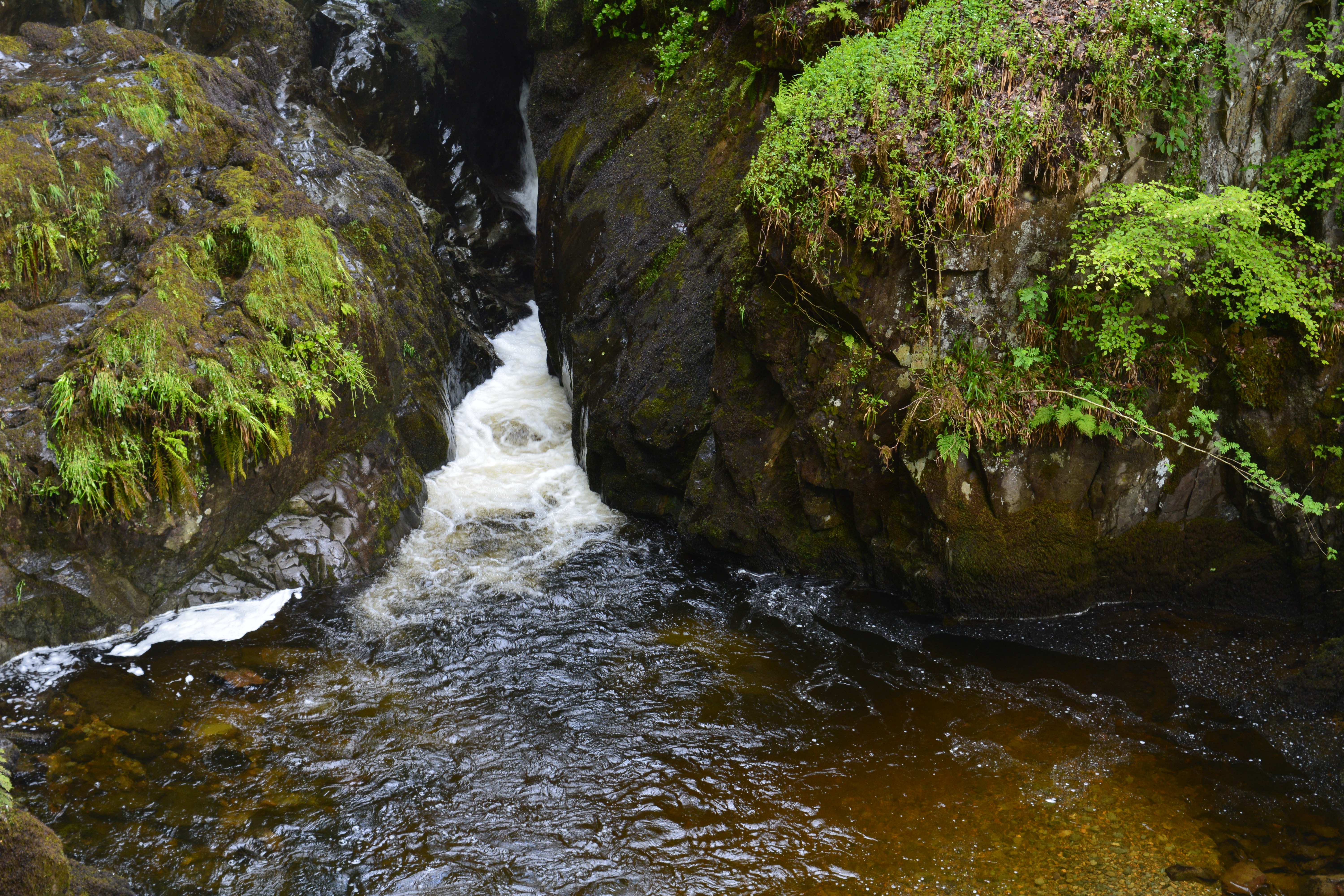
As we followed our path upwards we could hear the waterfall roaring in the depths of the valley, before it suddenly appeared, a sparkling ribbon dropping down the valley.

2015 06 03_2370 2015 06 03_2371 2015 06 03_2372 2015 06 03_2373 2015 06 03_2374 2015 06 03_2375 2015 06 03_2376 2015 06 03_2377 2015 06 03_2378 2015 06 03_2379

This was the end of our upward journey so we stopped to enjoy a well-earned rest. We sat on an old wooden bench listening to the many woodland birds all around and above us. In the second part of this post we will be making our way back down the valley.

Categories
arboreta autumn autumn colours colours light light quality ornamental trees and shrubs outdoor sculpture trees woodland woodlands

Queenswood Arboretum – Part Three – the Redwoods

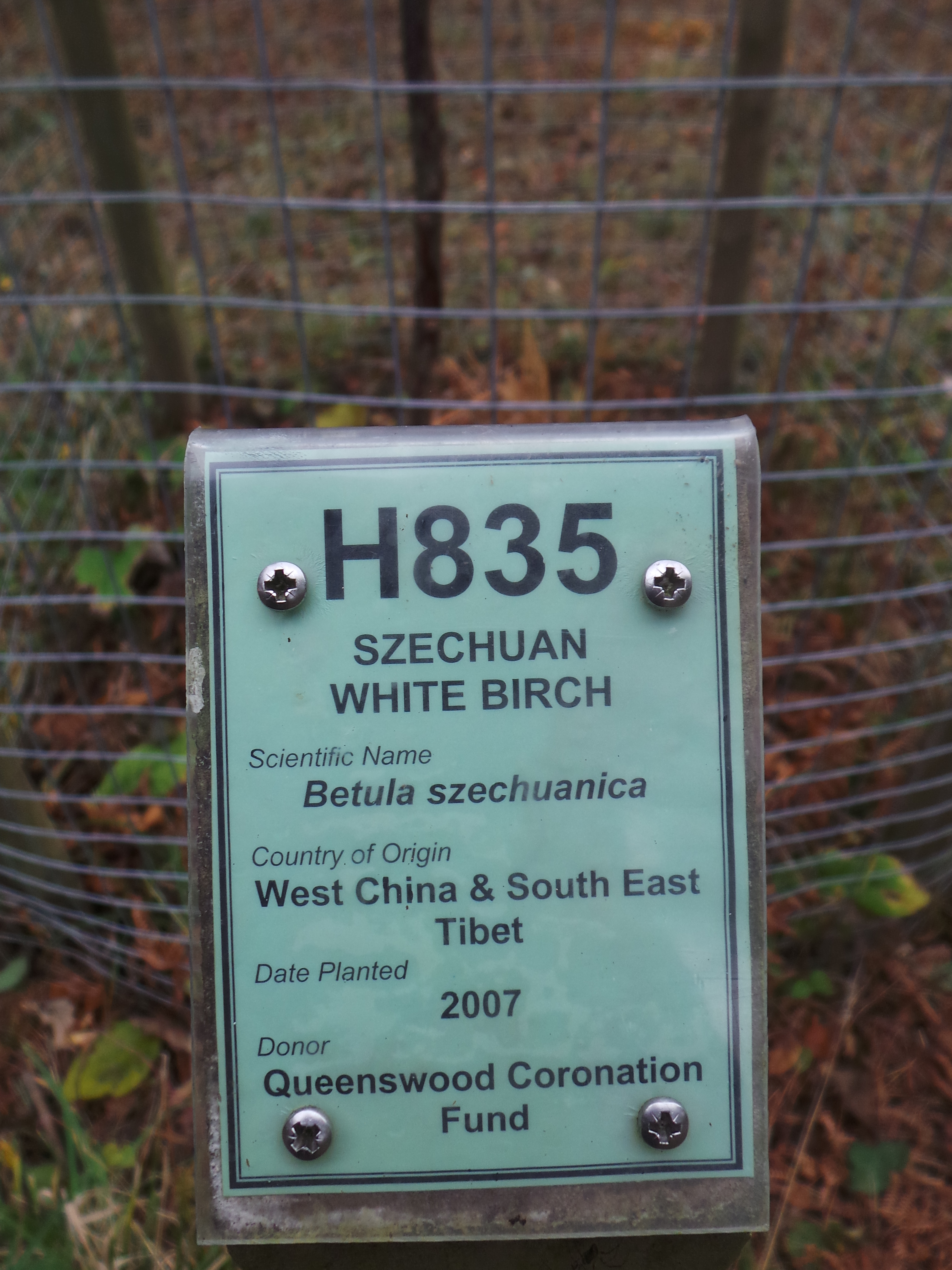
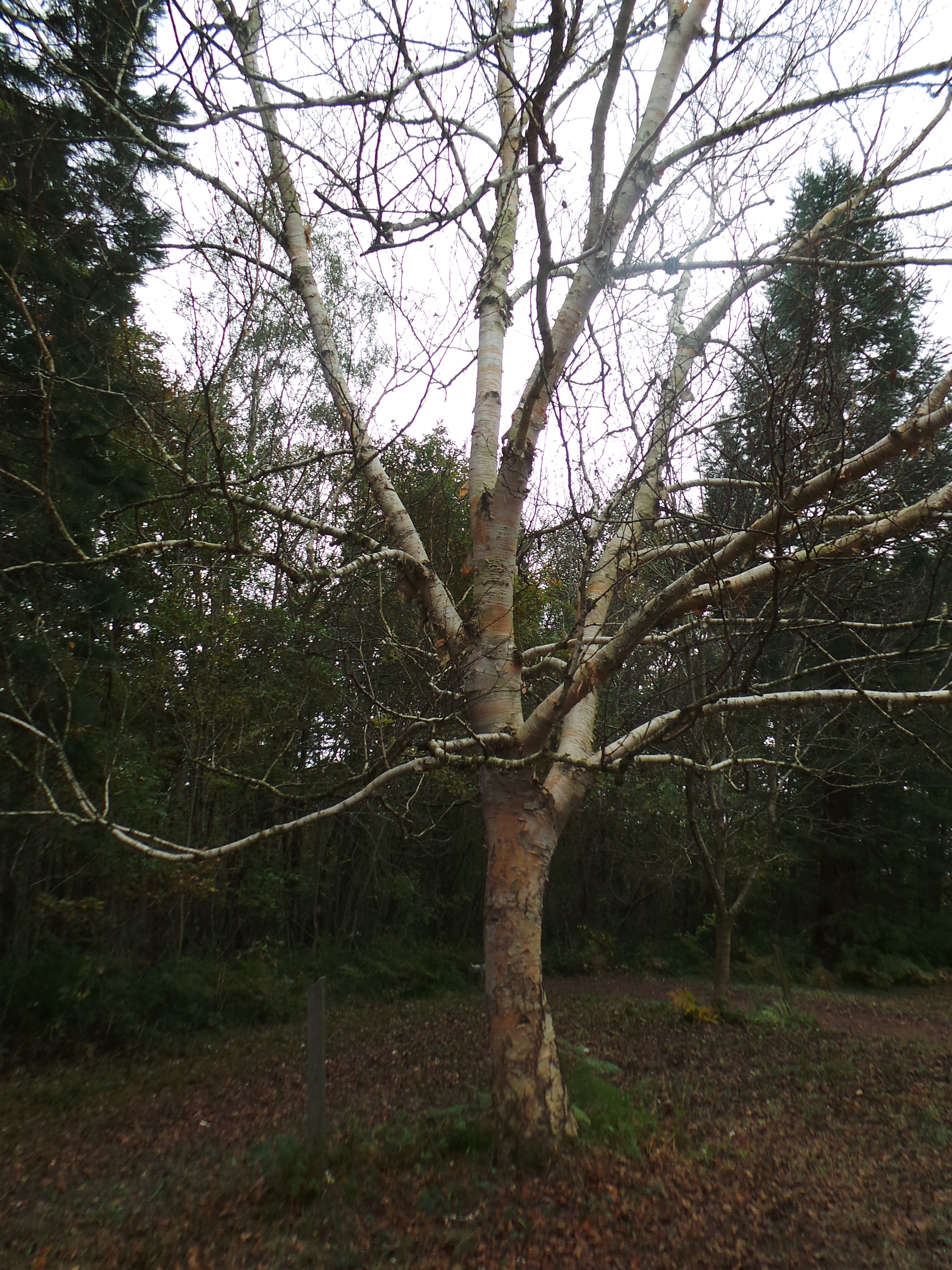
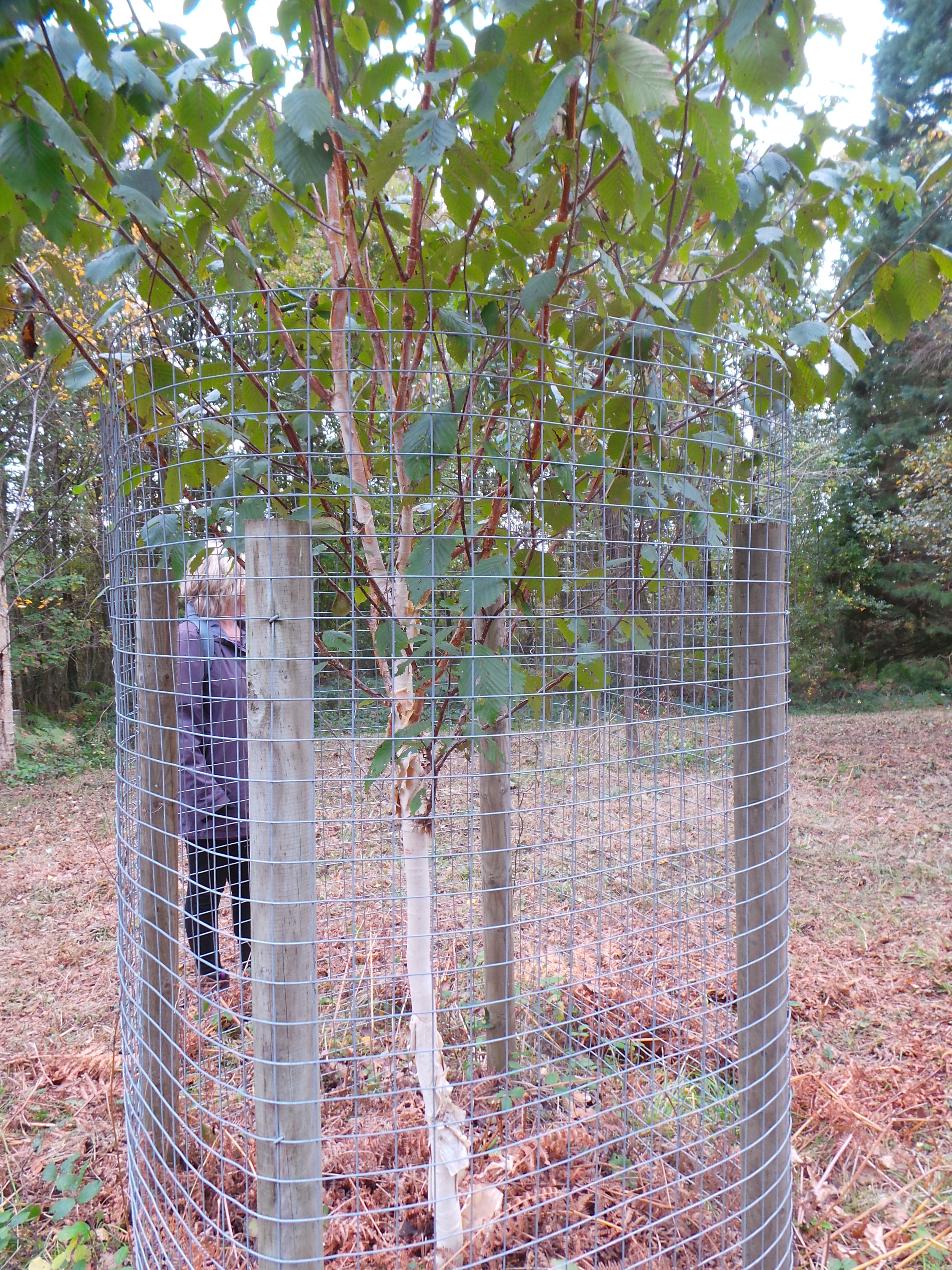
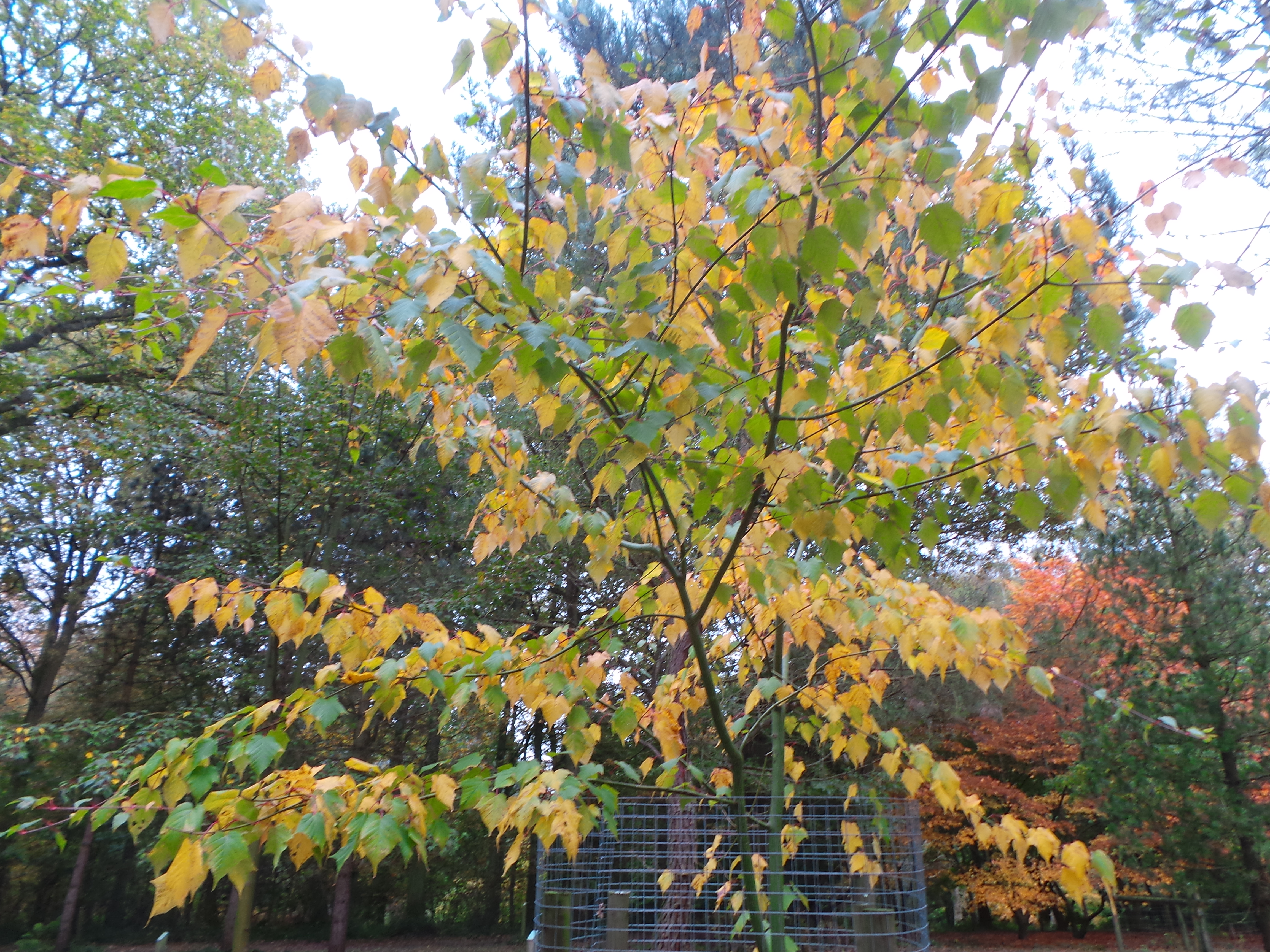
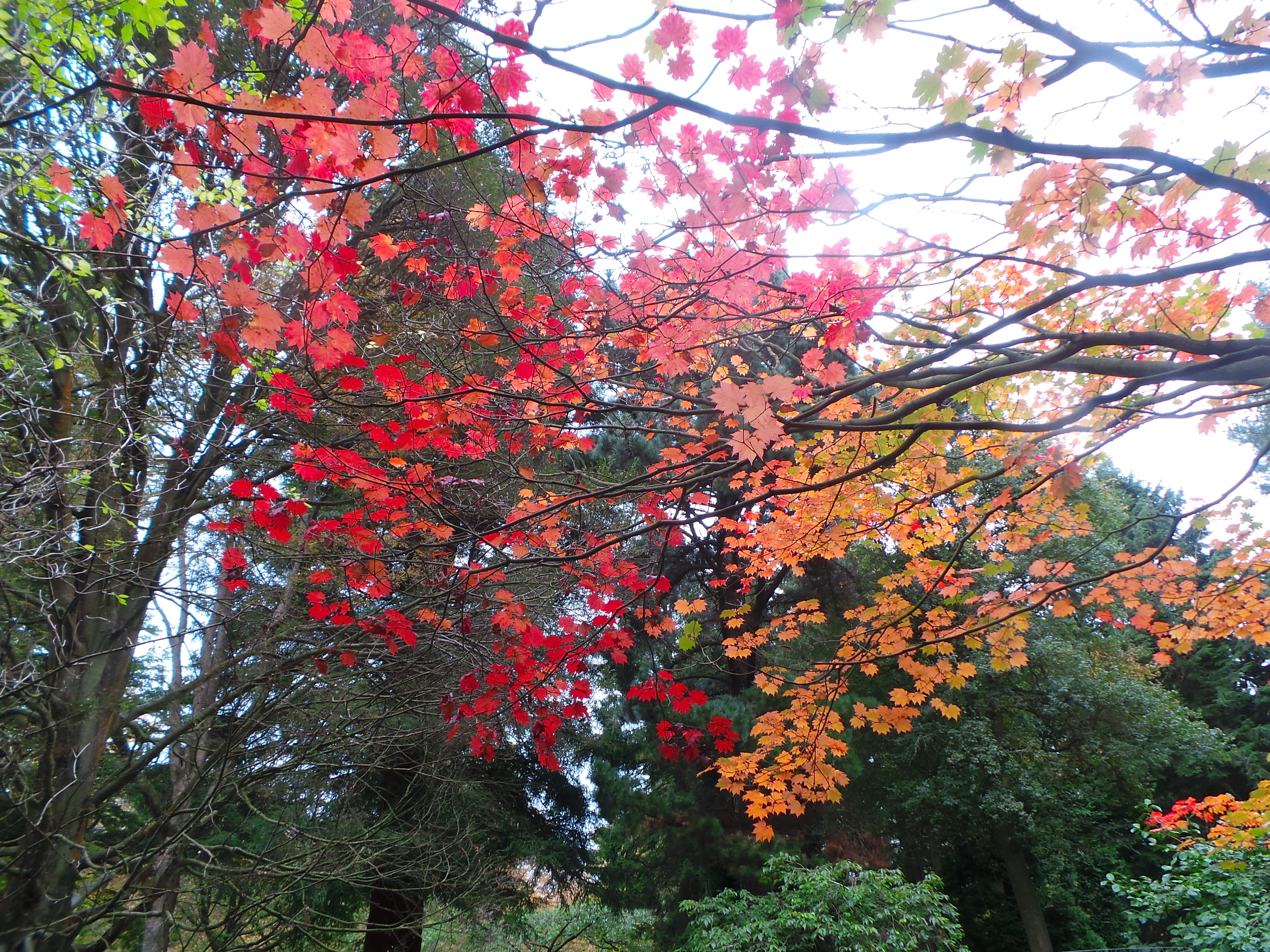
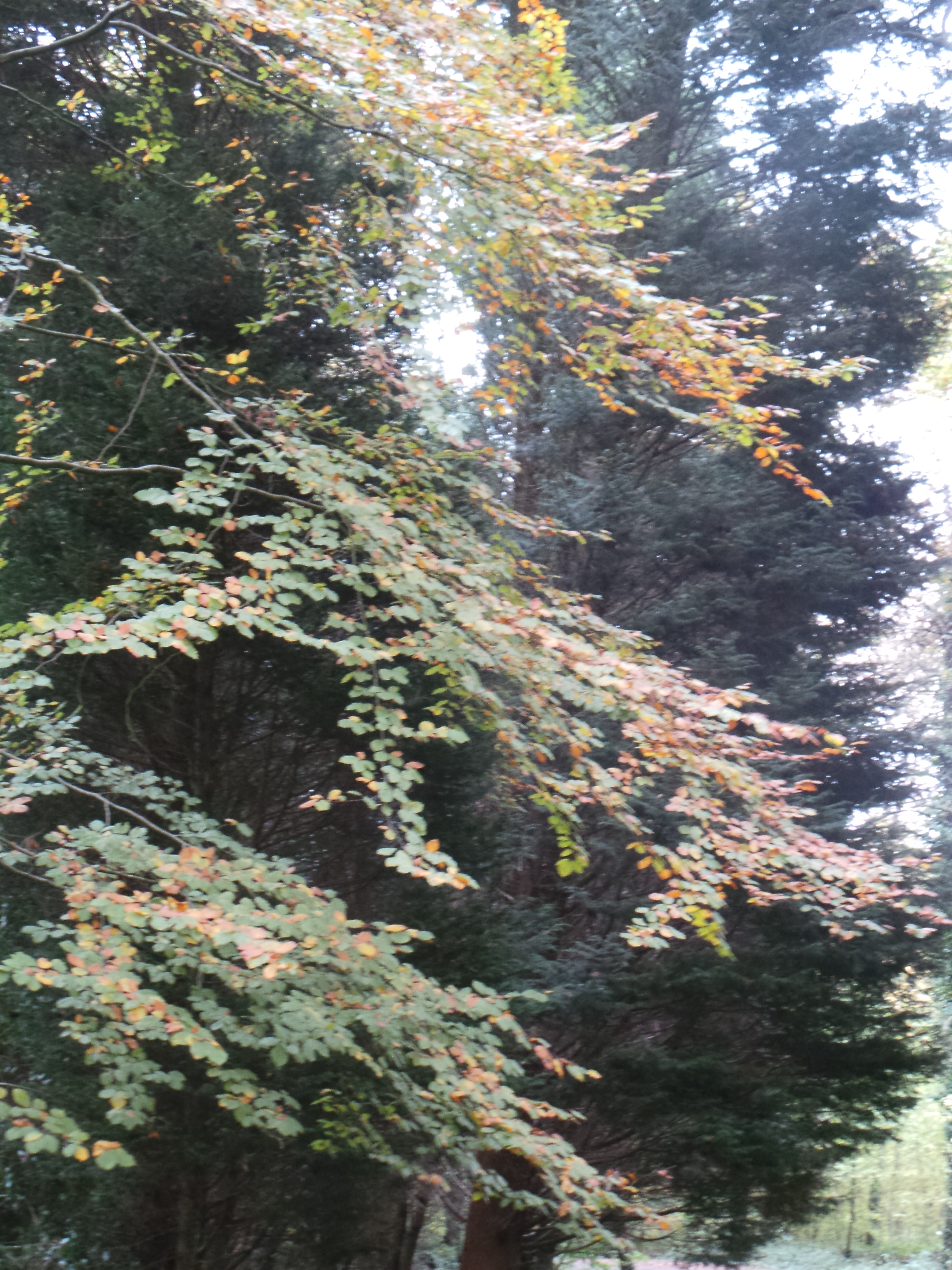
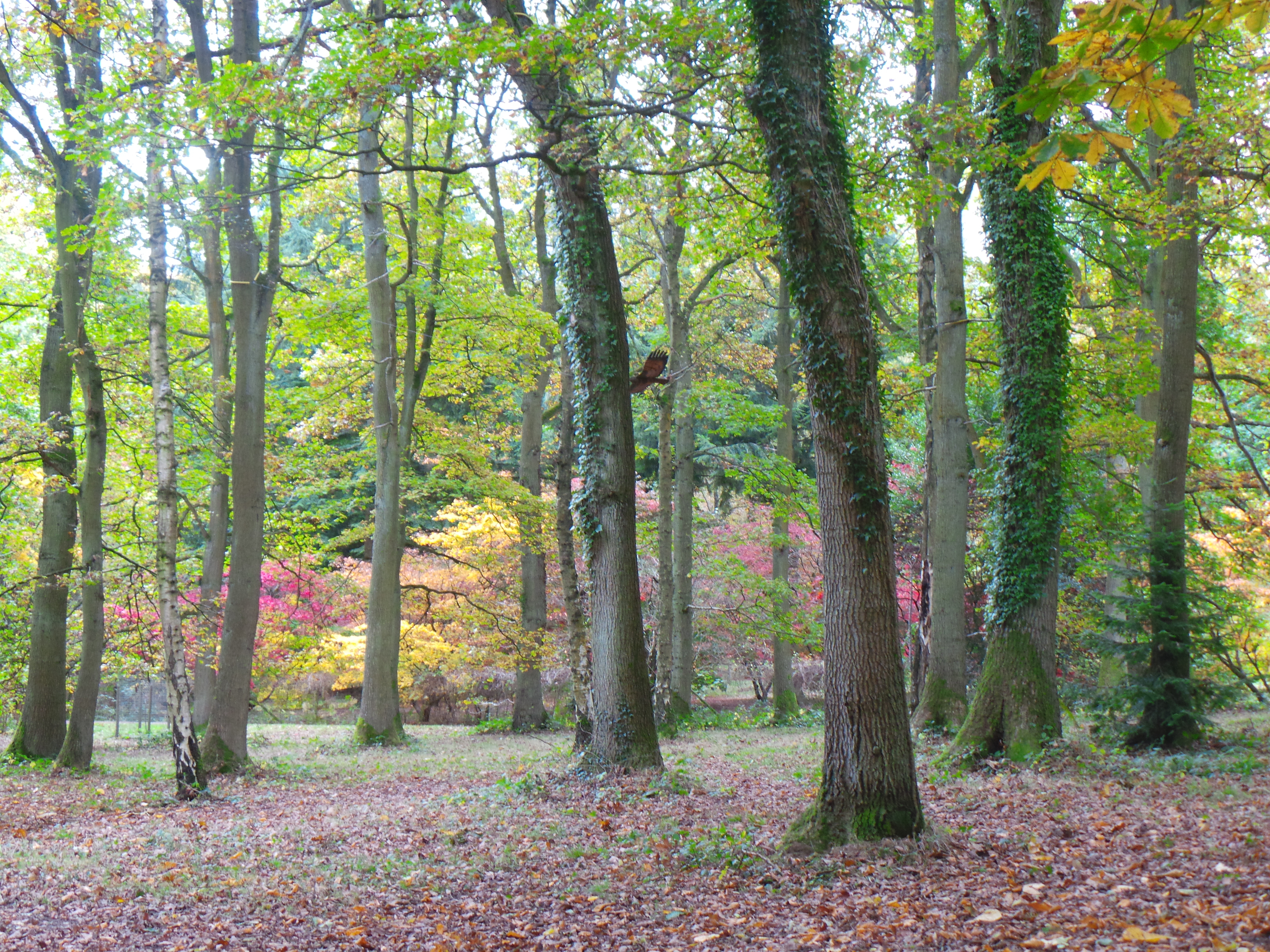
As we left the Oak Avenue behind and after we had enjoyed a quick look at the small Betula collection, we made our way slowly back to the car park. The sky began to get darker and drizzle began to fall. In the first shot included here you can see the bright autumn colours of the Birches through the line of huge pines. Many of them were small and still strongly guarded from the gnawing of the resident deer flock. I have also included a photo of one of the excellent, informative labels which is a great feature of this arboretum.

2014 10 23_6261

2014 10 23_6255 2014 10 23_6258 2014 10 23_6259 2014 10 23_62622014 10 23_6264 2014 10 23_6265

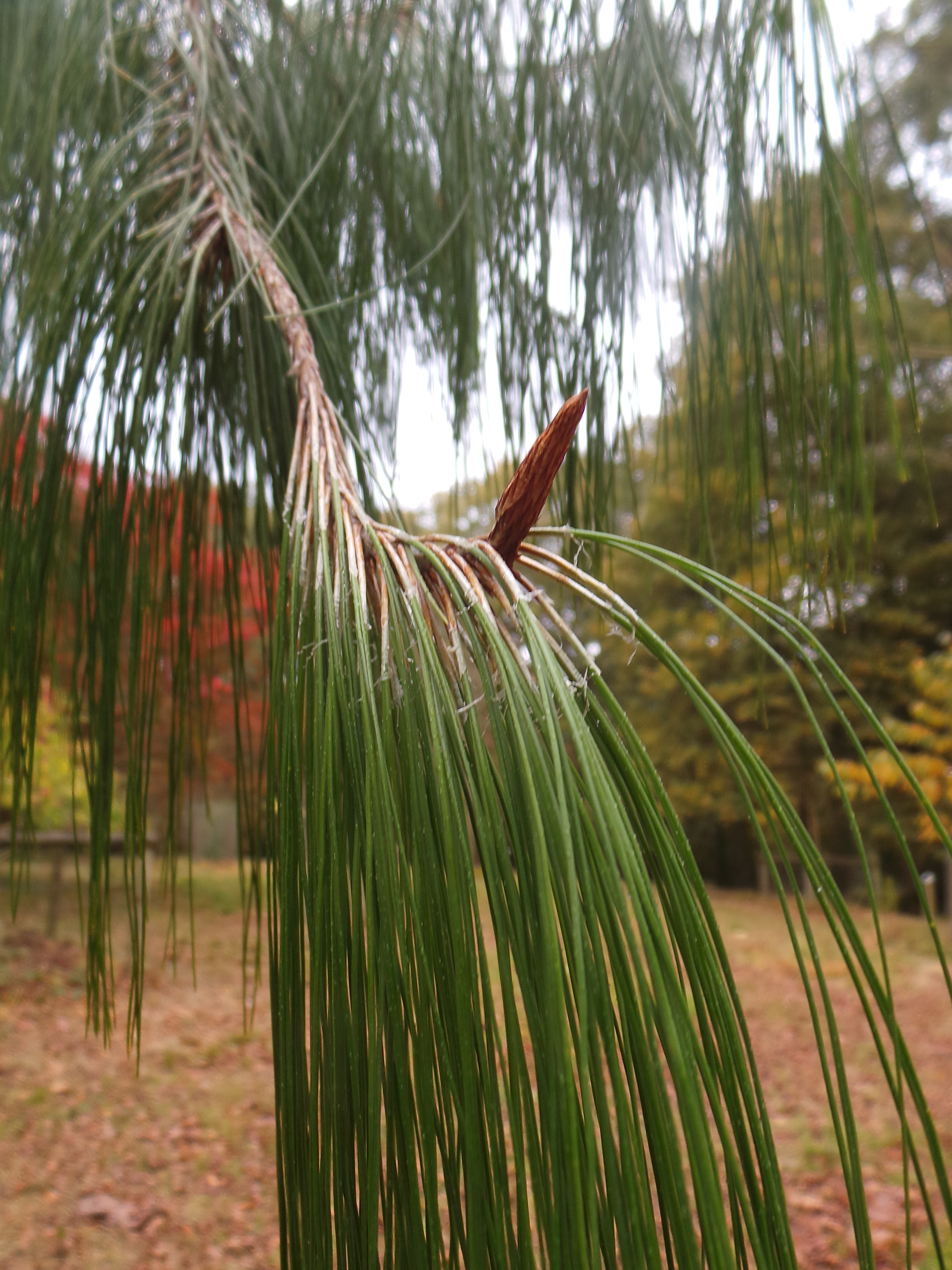
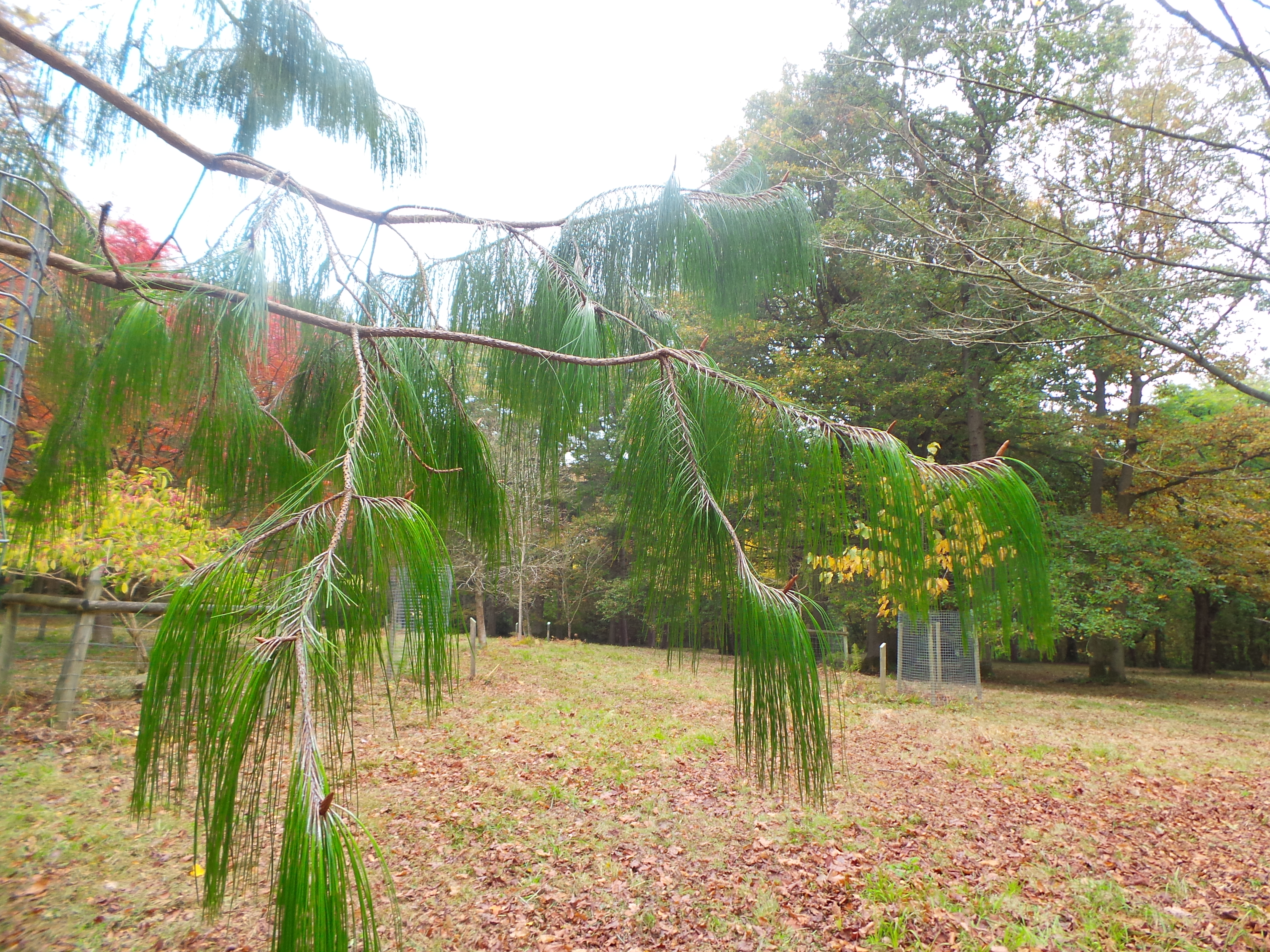
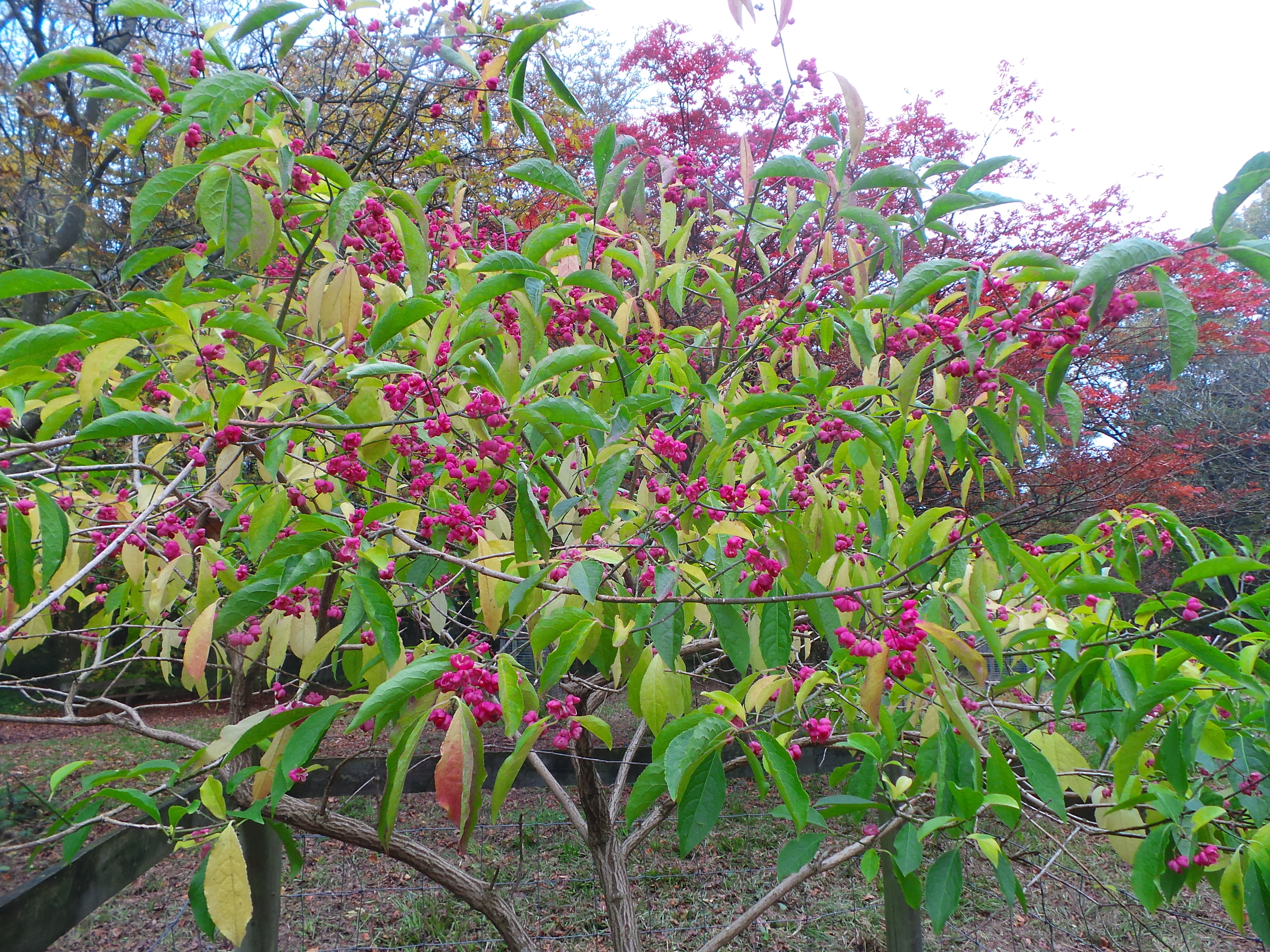
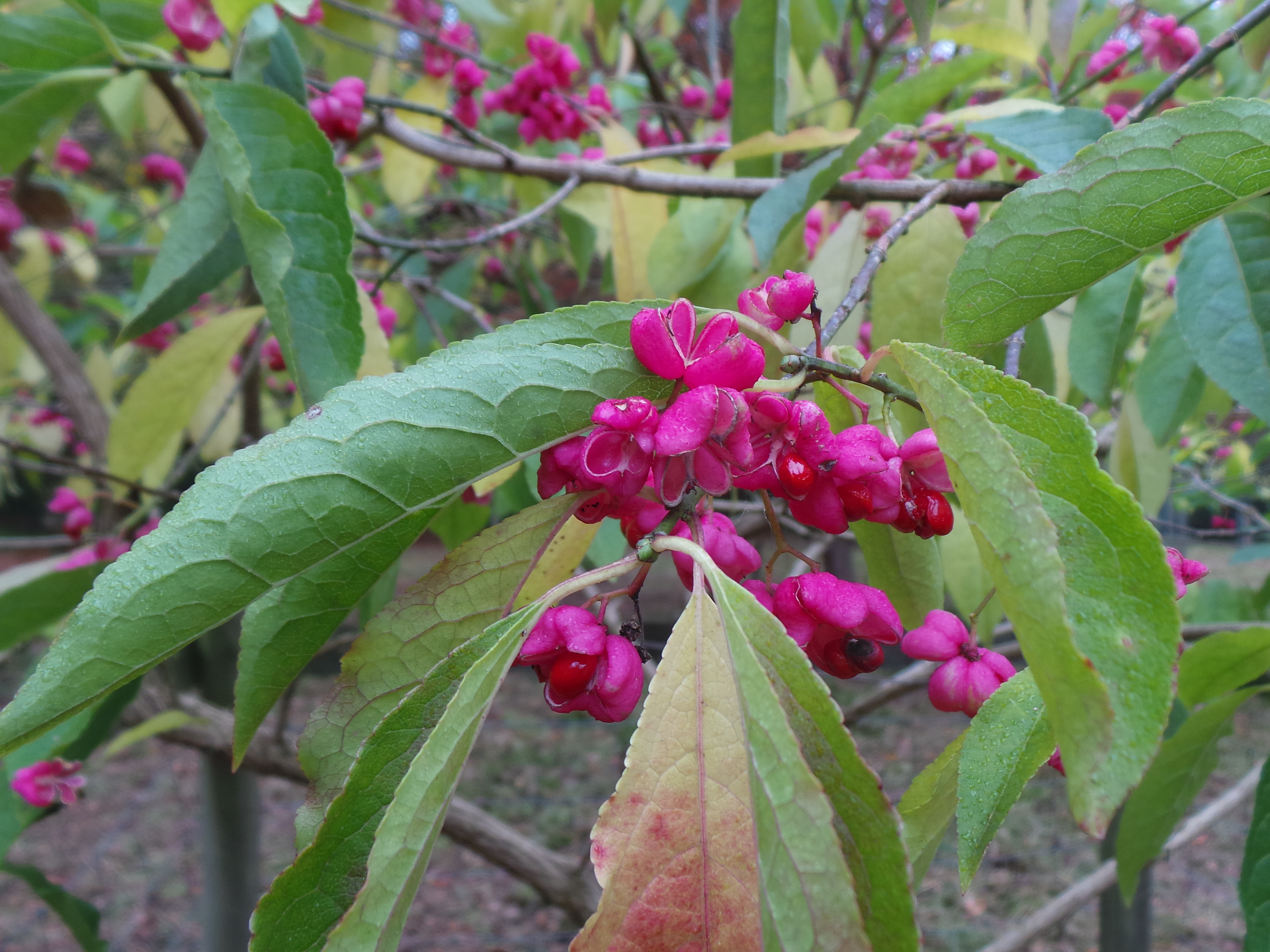
As the drizzle intensified we found some shelter under the older taller trees. We are not fans of conifers but we found this one fascinating with its long drooping needles. Pinus patula, better known as the Spreading Leaf Pine. Close by the strange but utterly beautiful cerise-flowered Euonymous europaeus glowed in the dull light.

2014 10 23_6266 2014 10 23_6267 2014 10 23_6269 2014 10 23_6270 2014 10 23_6271 2014 10 23_6272

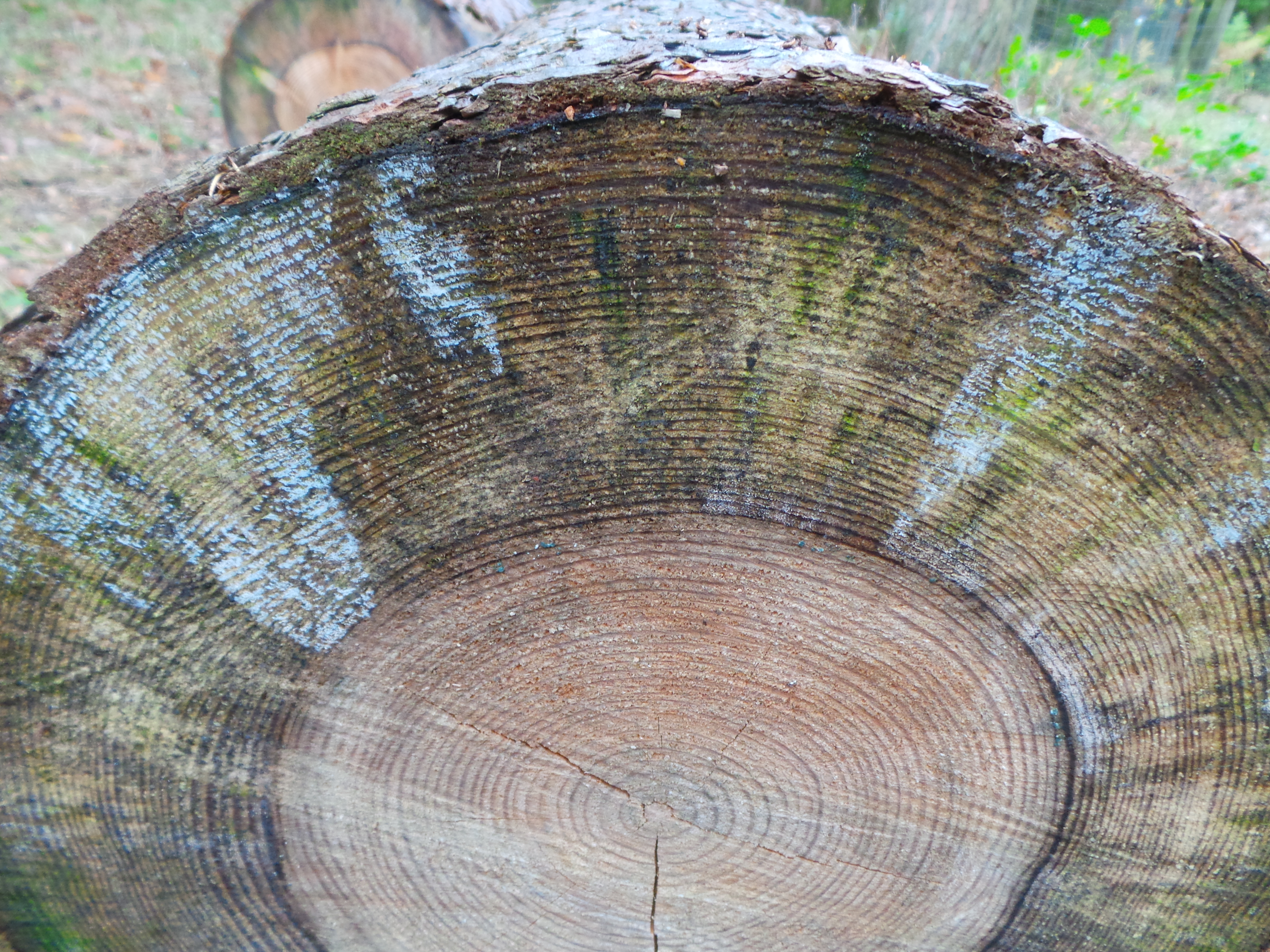
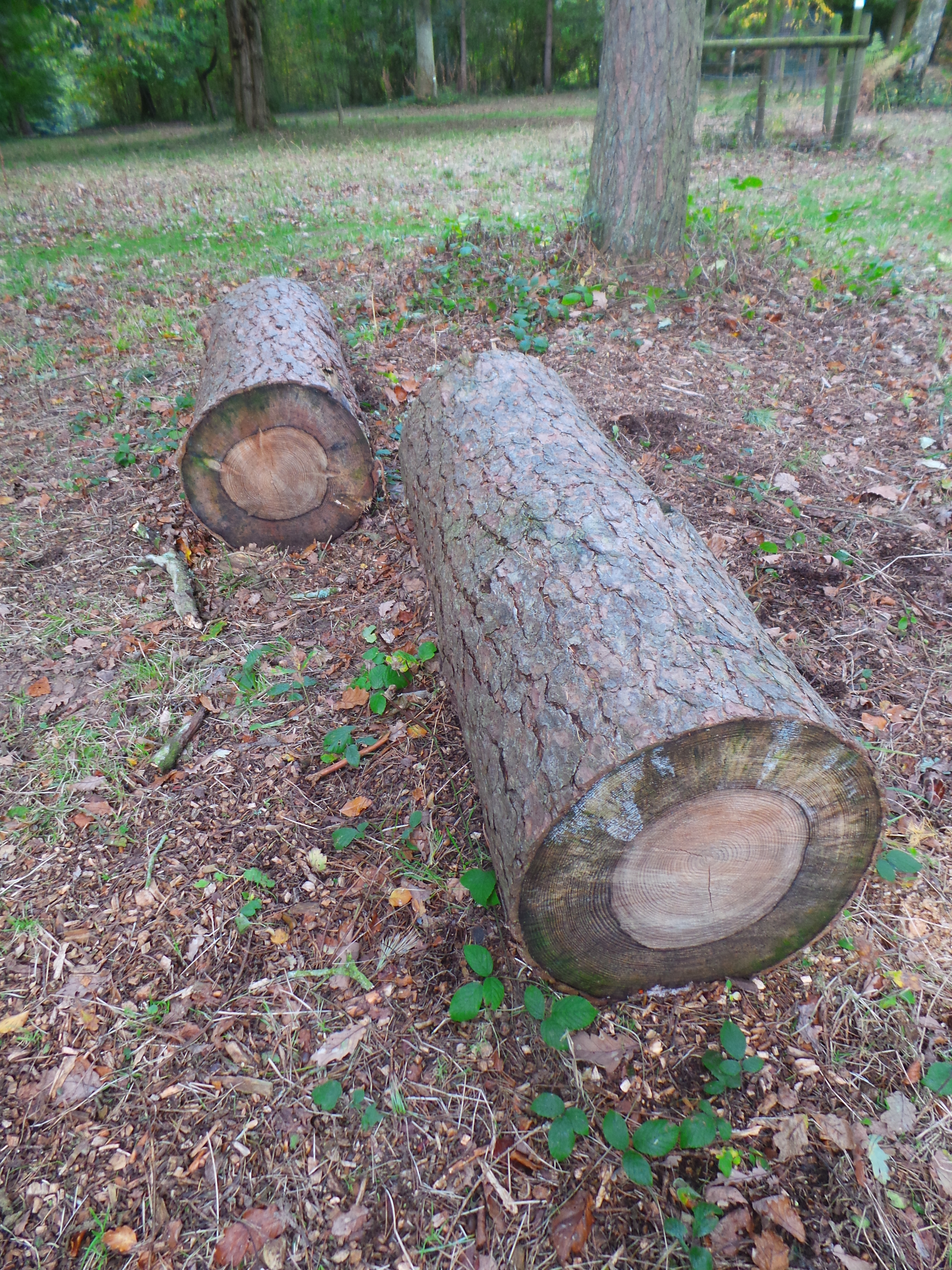
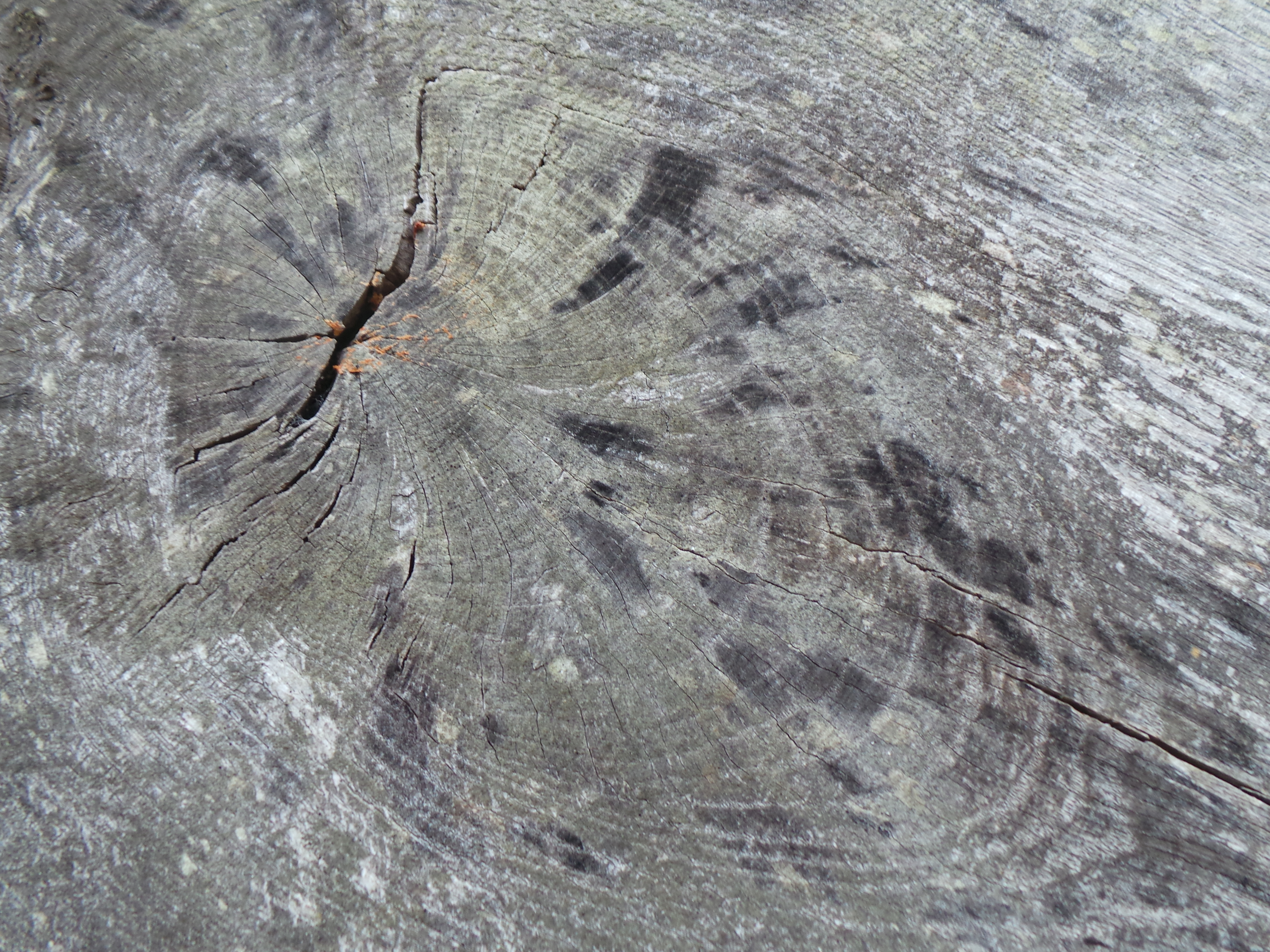
Felled tree trunks afford the weary wanderer a resting place and wildlife a place to search for food. The cut ends revealed the ages of the trees when they were felled, the number of rings now exposed by the chainsaw give away its secrets.

2014 10 23_6275 2014 10 23_6274

We continued to come across interesting Acers such as this Red Snake-Bark Maple, Acer capillipes and we passed many other fascinating specimen trees on our way to the stand of Redwoods.

2014 10 23_6276 2014 10 23_6278 2014 10 23_6279 2014 10 23_6280  2014 10 23_6282

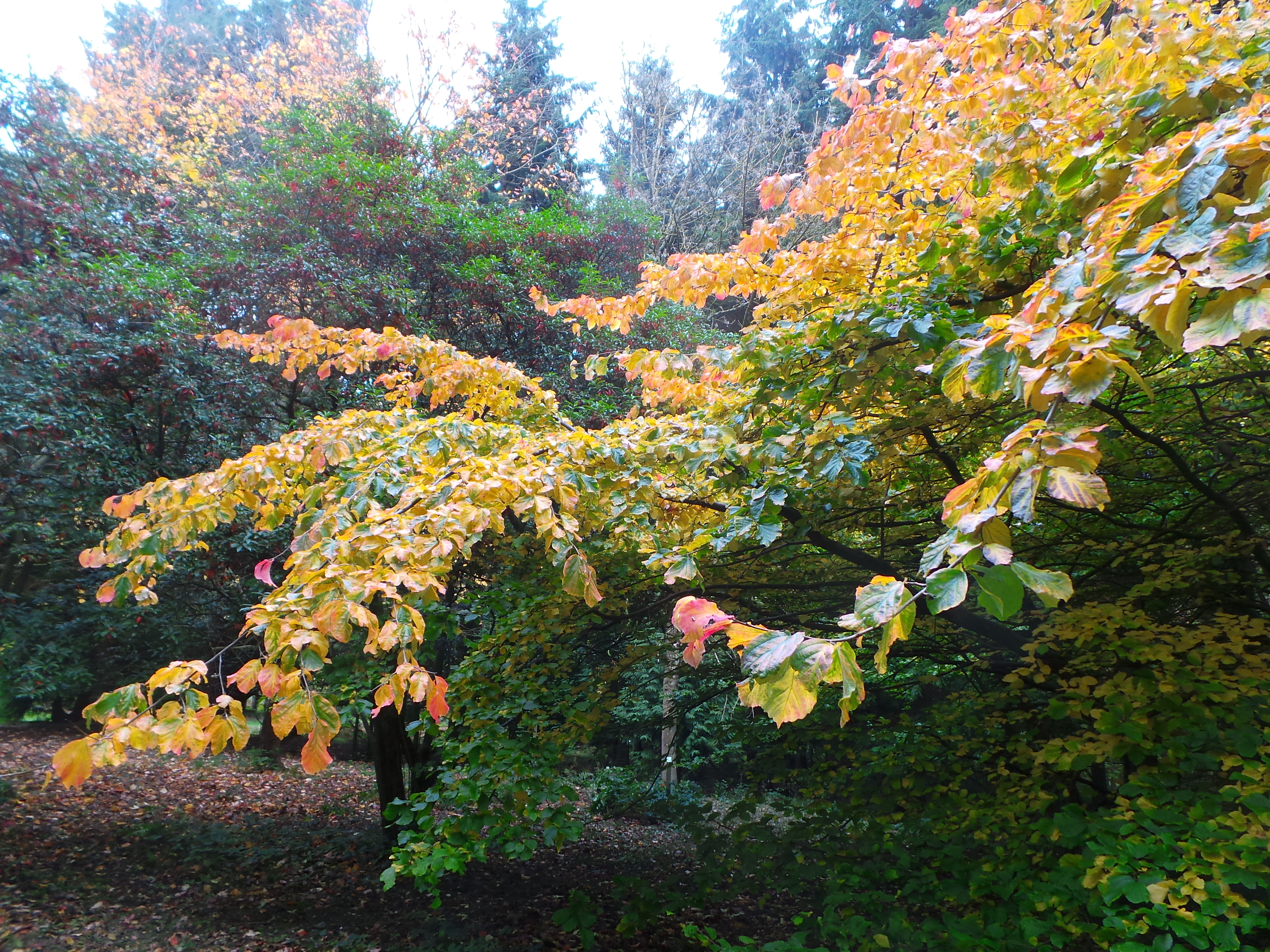
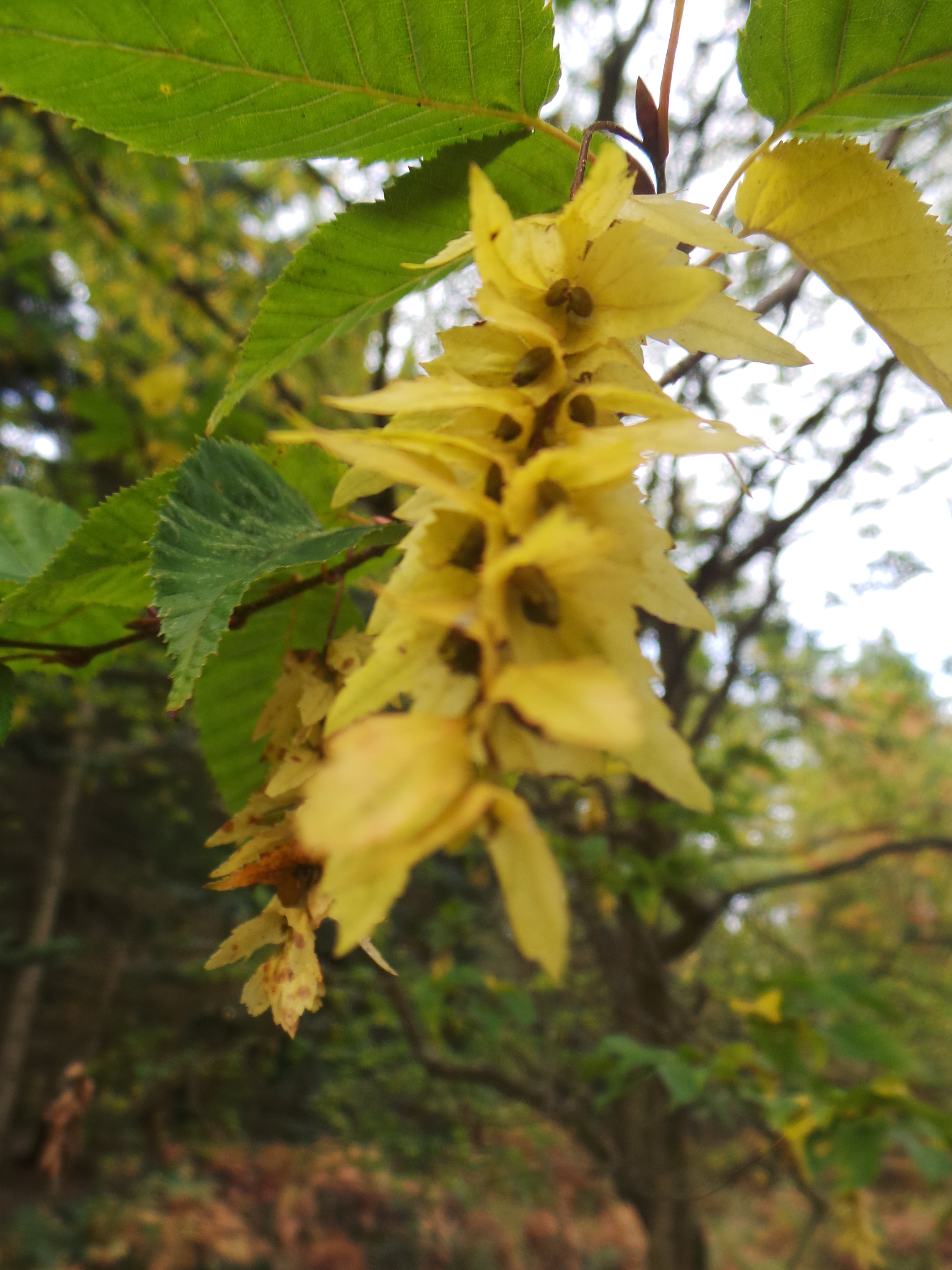
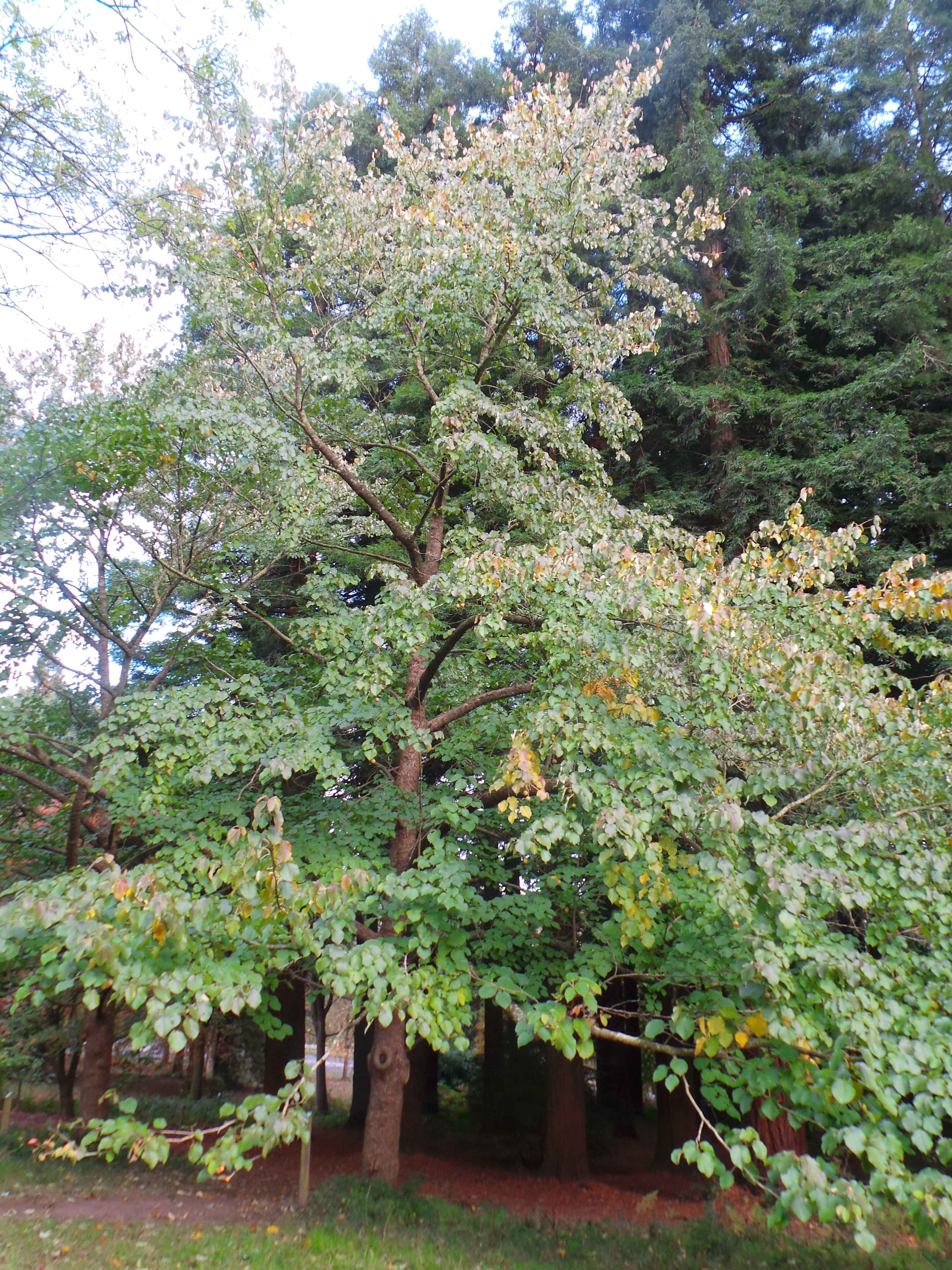
We were fascinated by the fruits of the Oriental Hornbeam and the Handkerchief Tree, Davidii involucrata. These two special trees were both fine specimens.

2014 10 23_6284 2014 10 23_6285 2014 10 23_6287 2014 10 23_6291

2014 10 23_6293 2014 10 23_6292

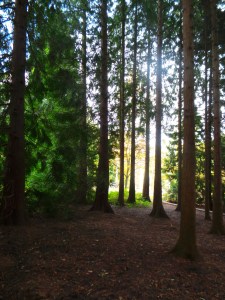
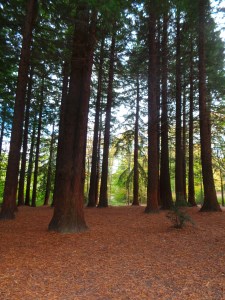
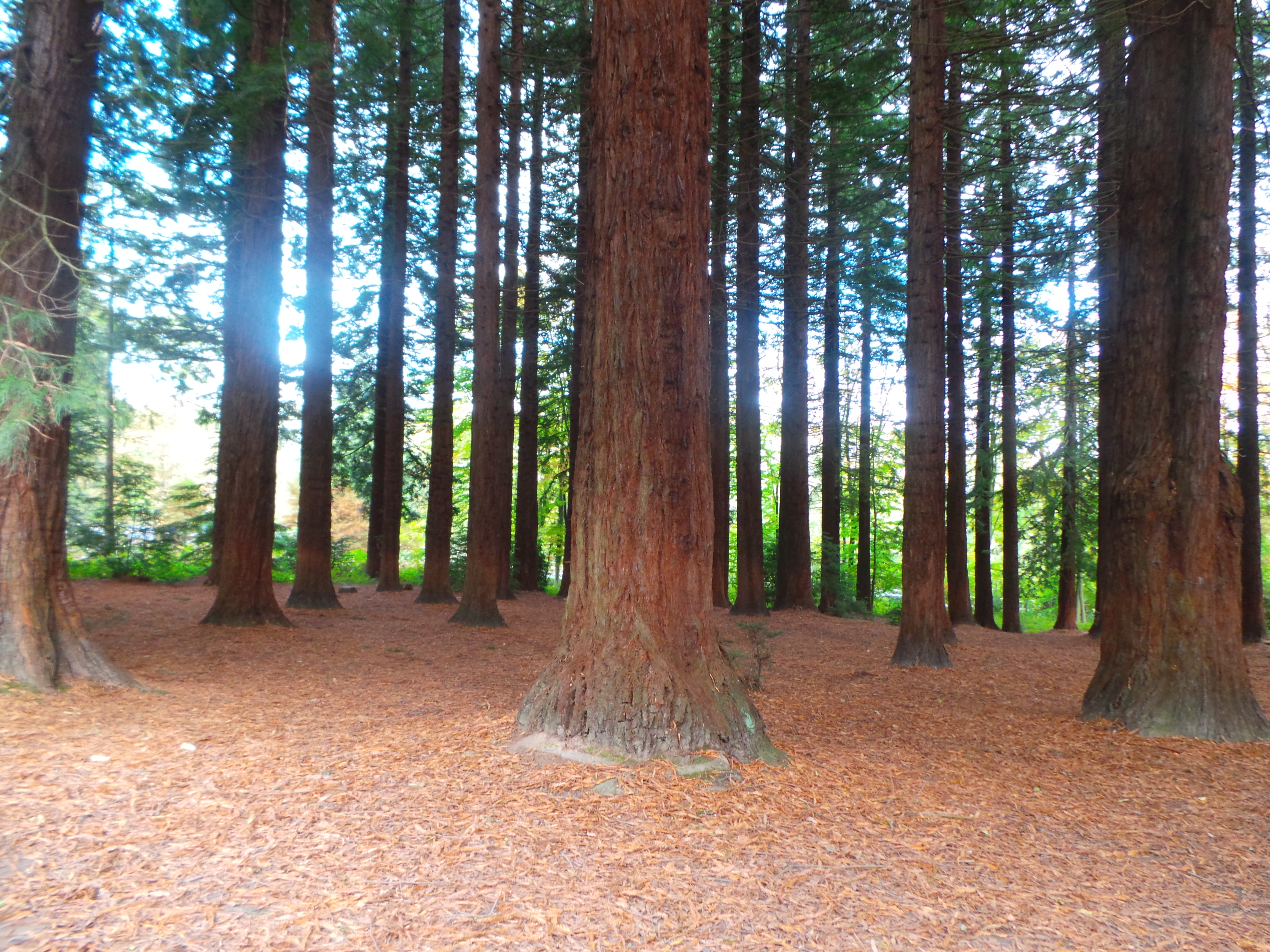
We followed the path as it dipped beneath the branches of the Handkerchief Tree and found ourselves in a different world, a darker world where light failed to penetrate. This meant that nothing grew beneath these Redwoods, giants of the tree world. We walked on a deep soft carpet of needles. The needles were gingery orange and seemed to glow in the gloom.

2014 10 23_6281    2014 10 23_62952014 10 23_6294  2014 10 23_6296 2014 10 23_6298 2014 10 23_6299

A drainage ditch cut through the Redwoods. It must have recently flooded badly and eroded away soil exposing the roots of trees growing alongside on its banks. Some creative visitors had found a way across by using some ingenuity and creativity – they had built a bridge from branches.

2014 10 23_6301 2014 10 23_6302 

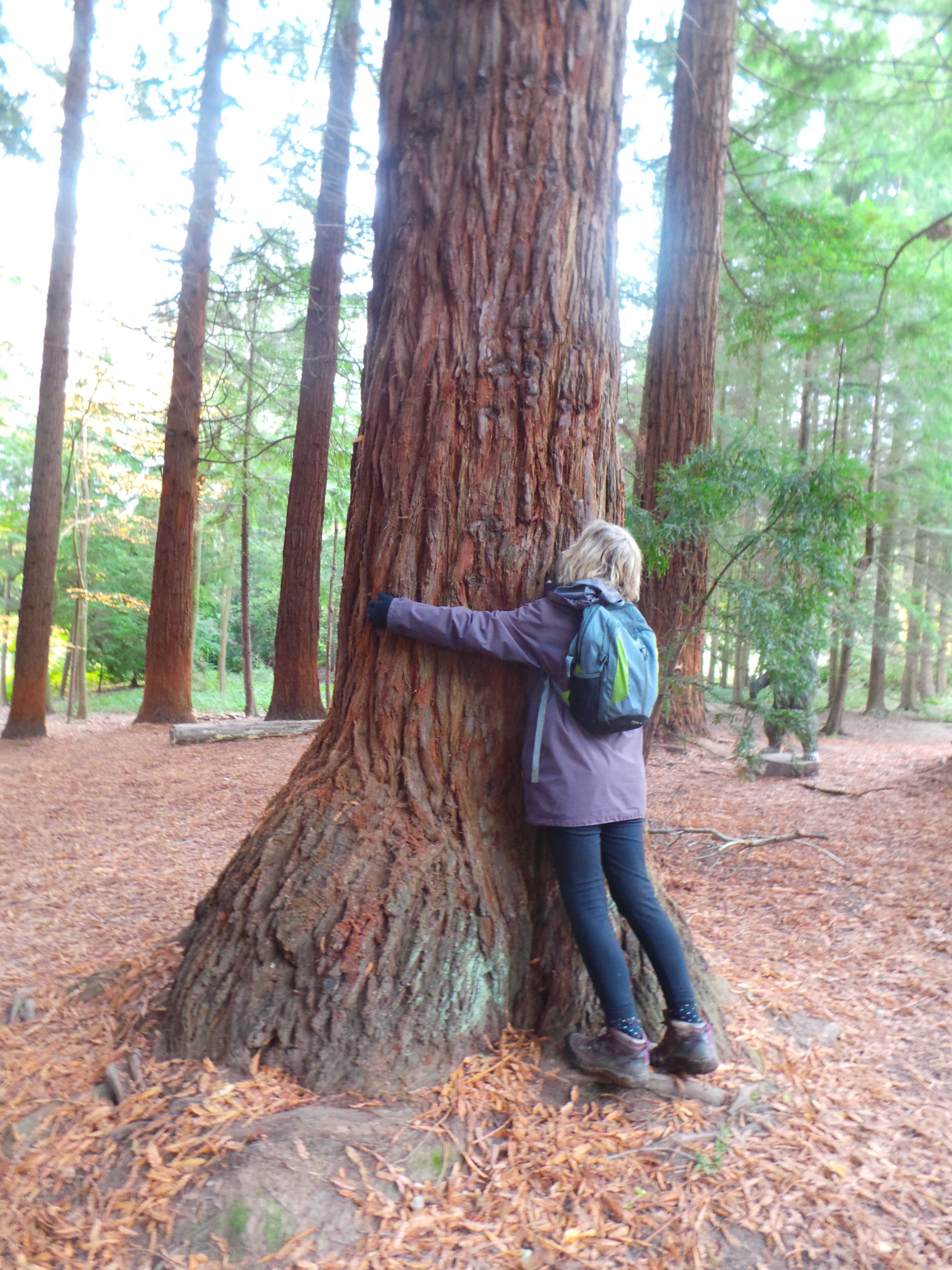
Below are two pictures showing some unusual wildlife living beneath the Redwoods, on the left a mother bear searching for her youngster climbing a nearby tree and on the right a very rare Tree Hugging Jude the Undergardener.

2014 10 23_6300 2014 10 23_6297

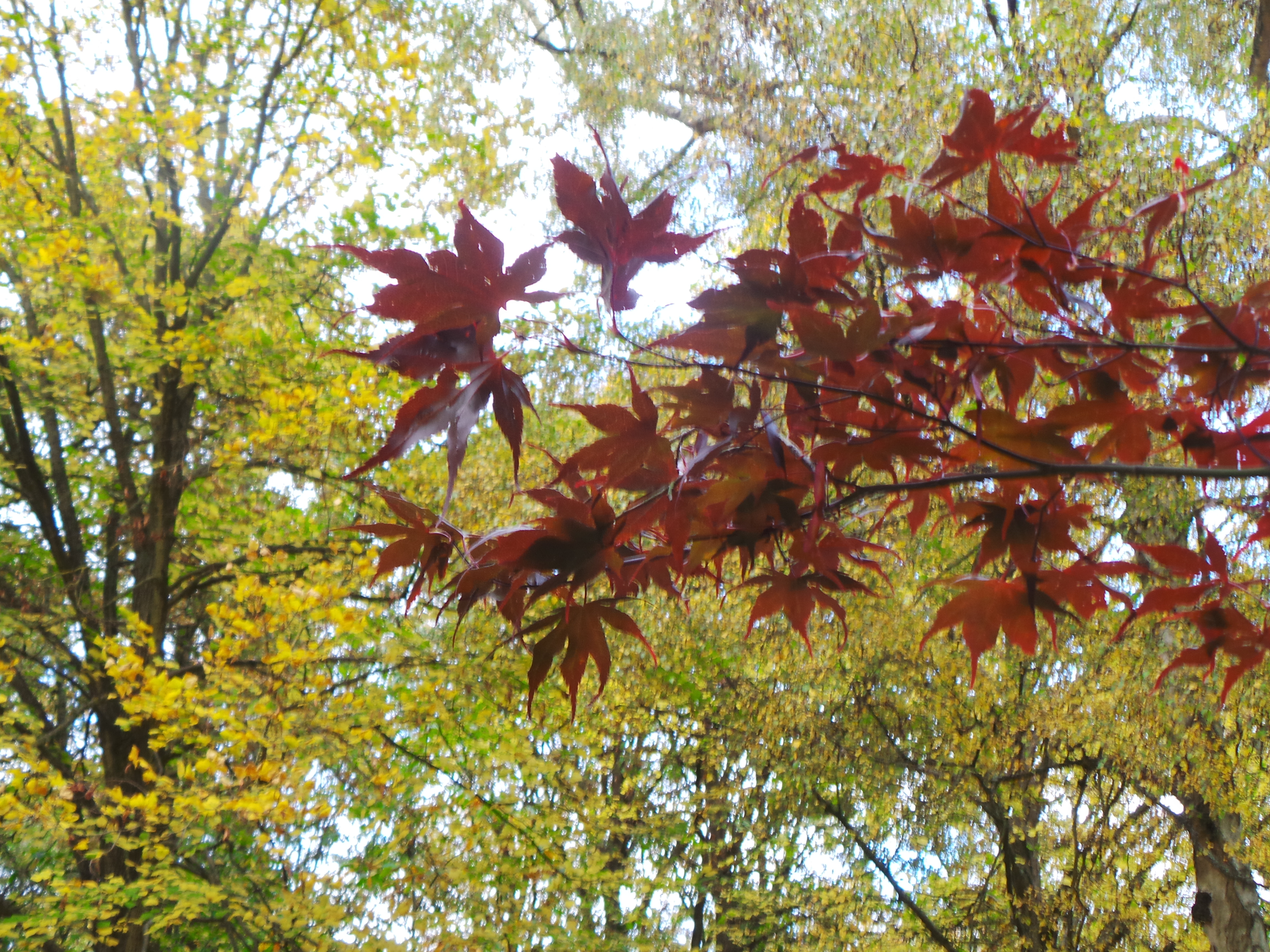
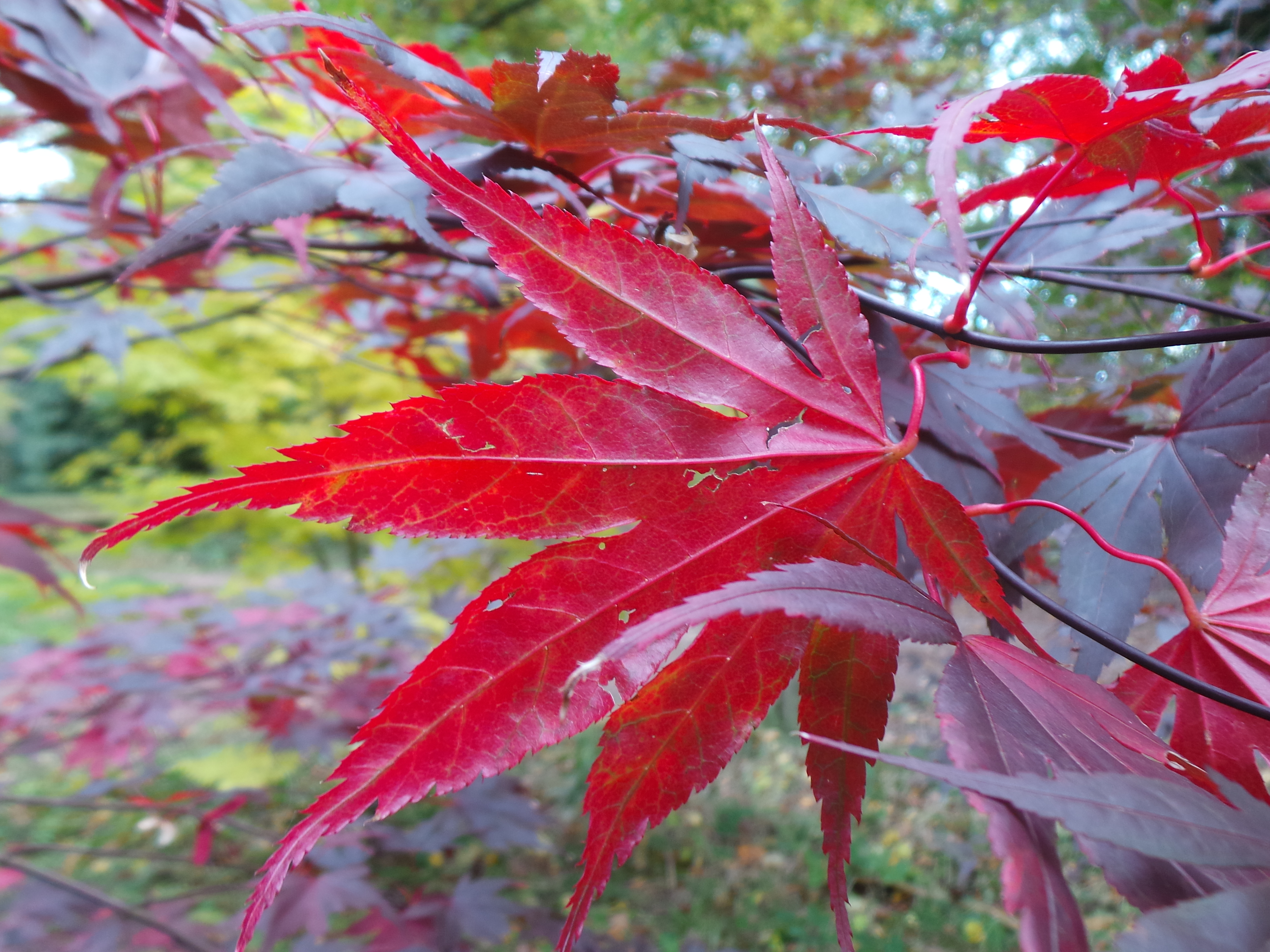
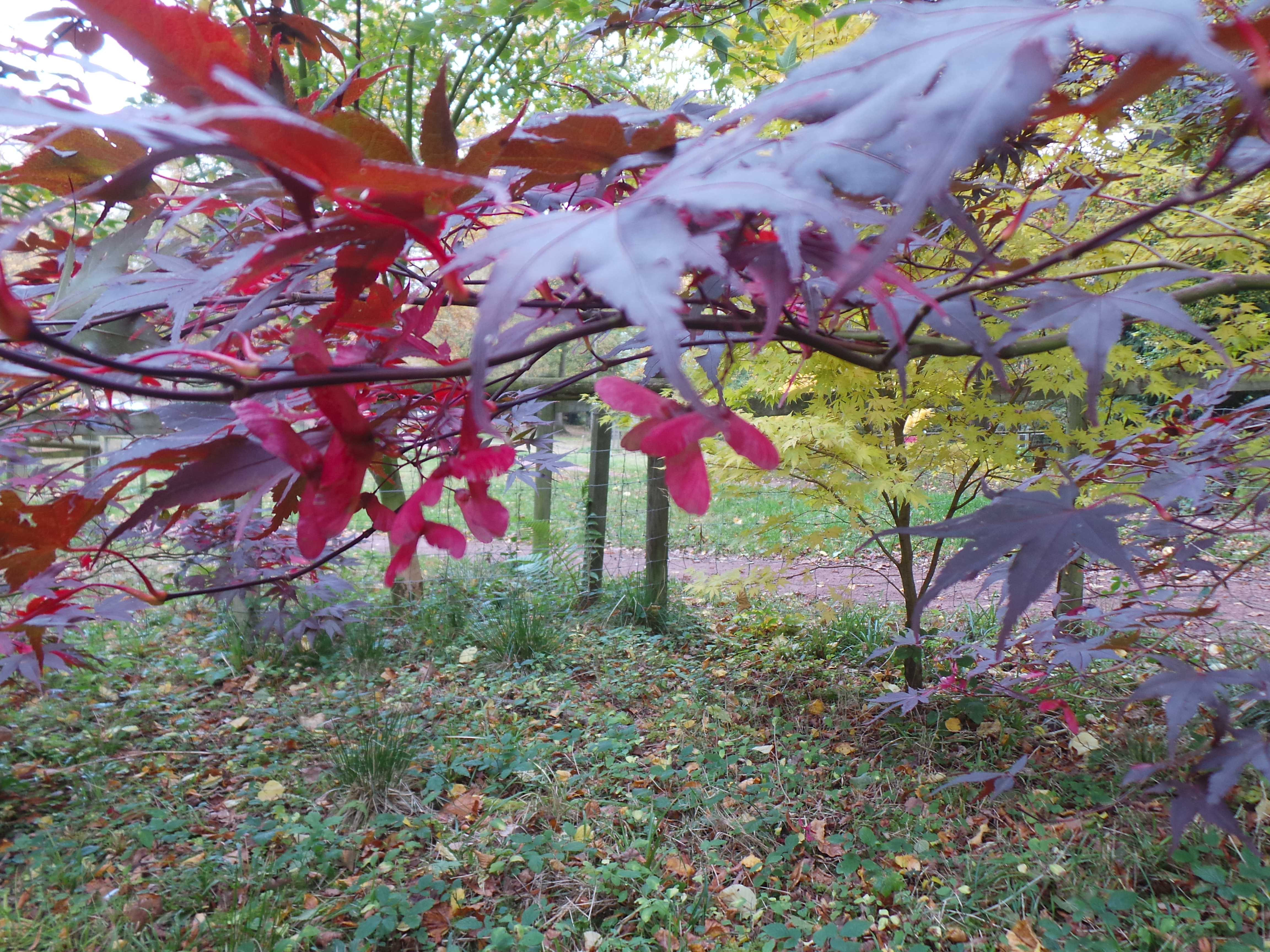
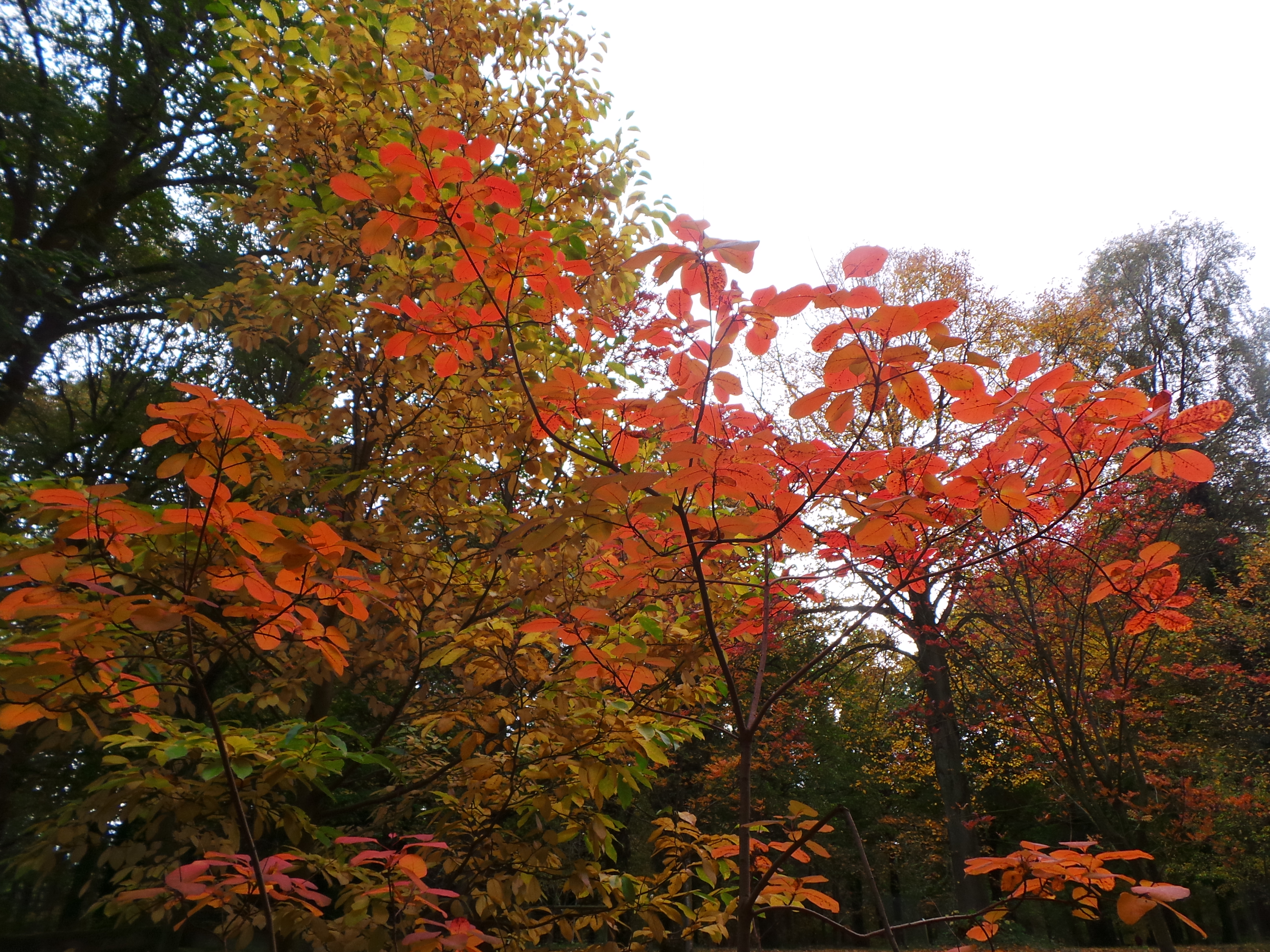
After exploring the dark world under the Redwoods we were glad to get back into daylight. Even though drizzle continued to fall and grey skies hung heavy it seemed so much brighter under the deciduous trees. The final Acer we passed looked as if it was on fire. A fitting finale to our day at Queenswood. As I always write when we have discovered a new exciting place to visit, “We will definitely be back!”

2014 10 23_6303

So that is Queenswood, 64 acres of wonderful trees from all over the world. Follow any of its waymarked trails and you will discover such a huge variety of trees, varying in size, growth habit, leaf shape, bark texture with some bearing flowers followed by berries, seeds or nuts. The bird life keeps you entertained too, singing and calling in the tree tops and undergrowth and flitting from tree to tree seeking out this vast array of food. Throughout our walk Ravens cronked overhead in unison with the gentler mewling of Buzzards. Whenever you visit there will be birds to entertain you and trees to delight the eye.


Categories
arboreta autumn autumn colours colours garden furniture garden seating light ornamental trees and shrubs outdoor sculpture trees woodland woodlands

Queenswood Arboretum – Part Two – the Oaks

Having enjoyed the Autumn Garden we found a sign indicating a footpath to an “Old Orchard” and the “Readers Chair” which naturally took us in the opposite direction to our planned route. Diversions are good for you! Just see what we found by following this one!

2014 10 23_6208

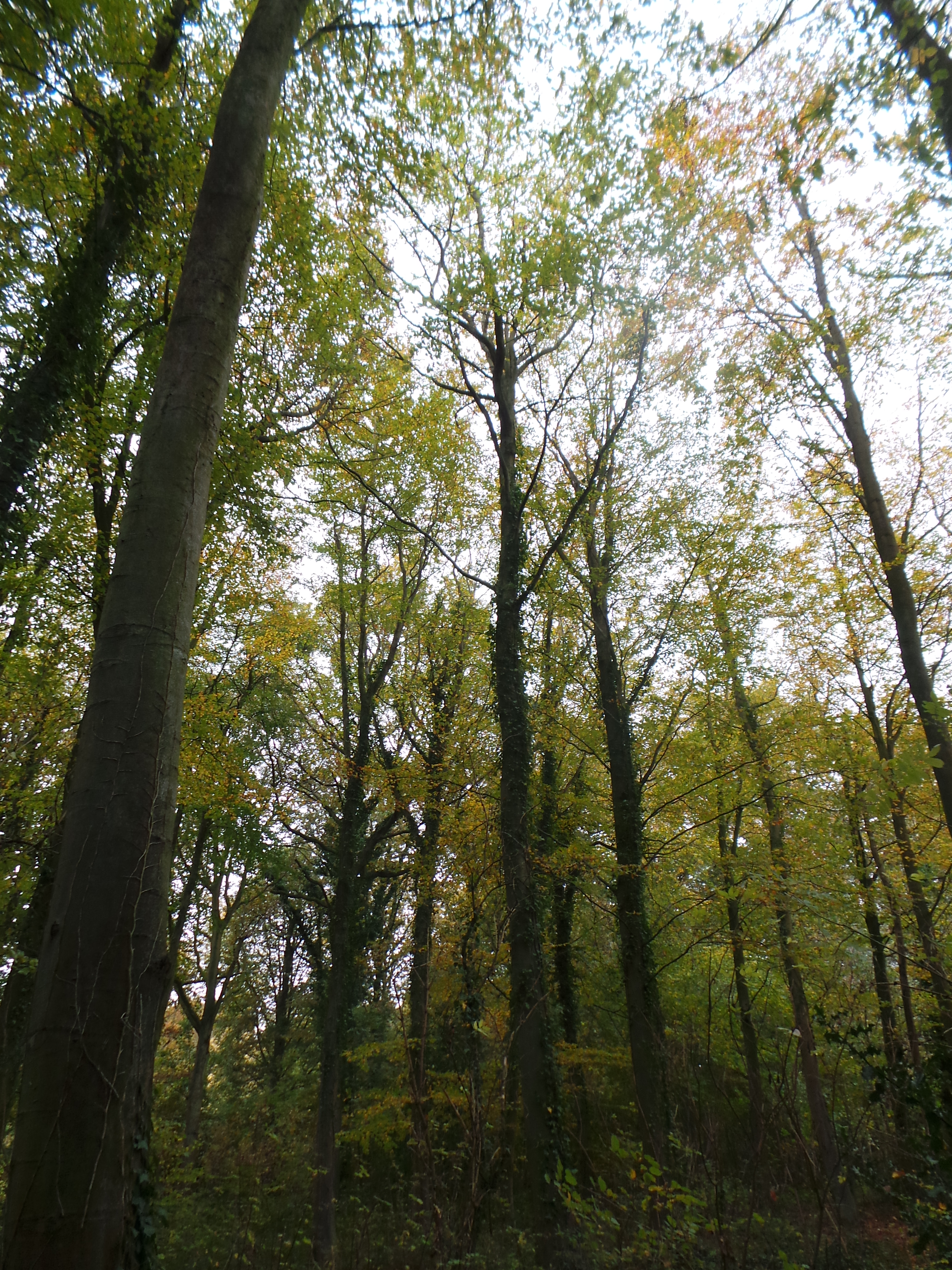
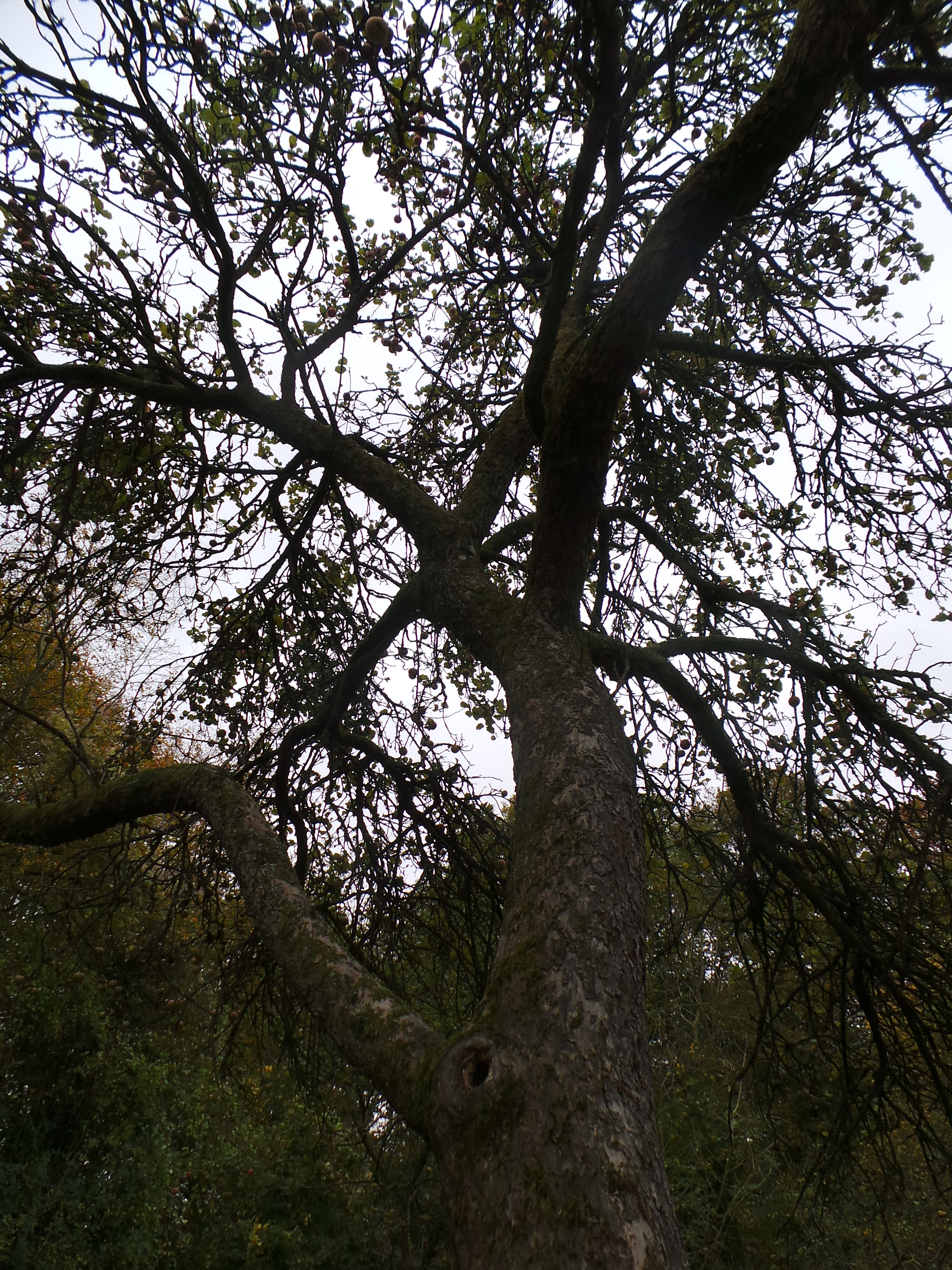
We followed the path beneath tall slender trees and found an orchard of ancient fruit trees.

2014 10 23_6186 2014 10 23_6187 2014 10 23_6188 2014 10 23_6189 2014 10 23_6190 2014 10 23_6191 2014 10 23_6192 2014 10 23_6193

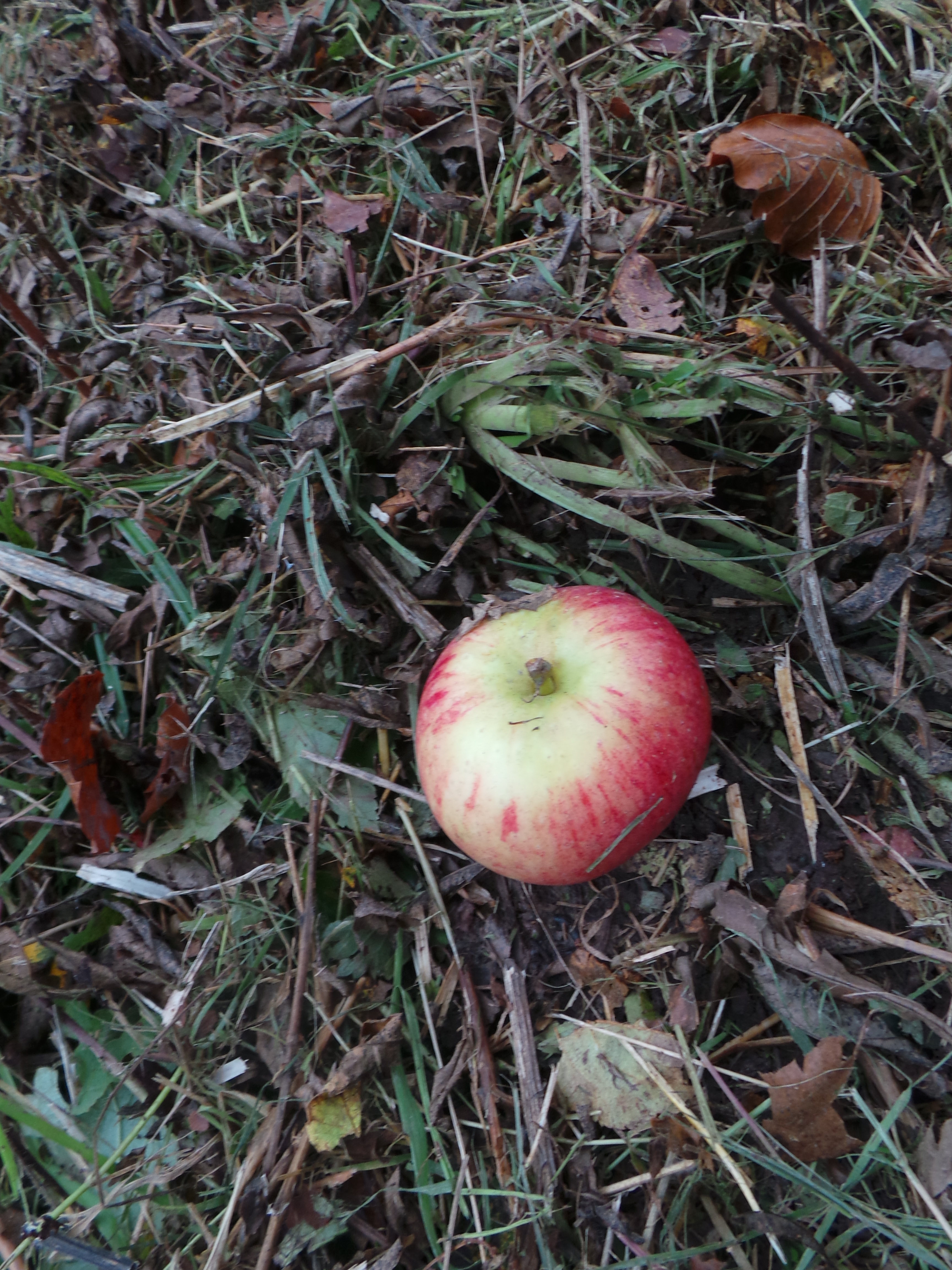
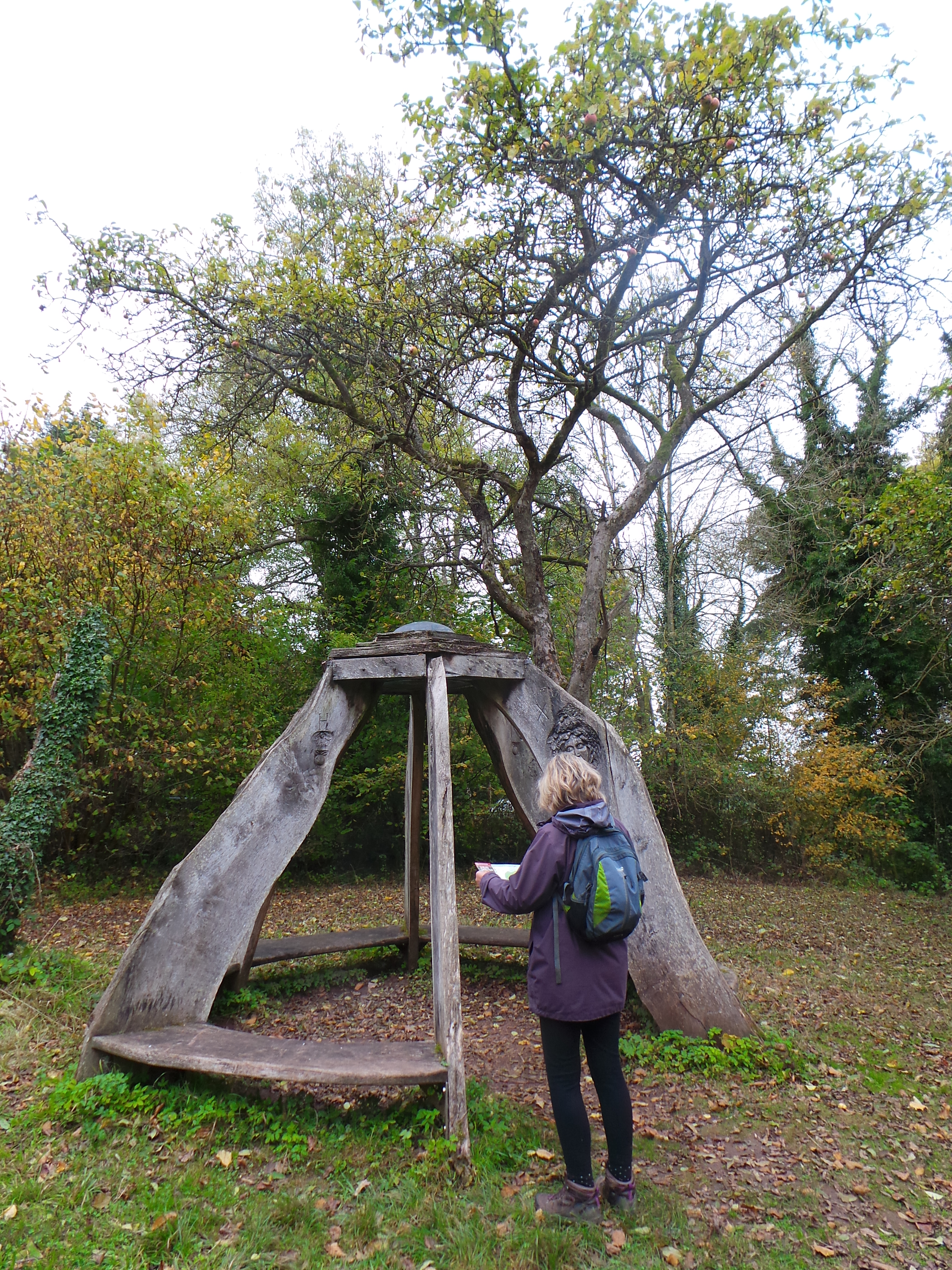
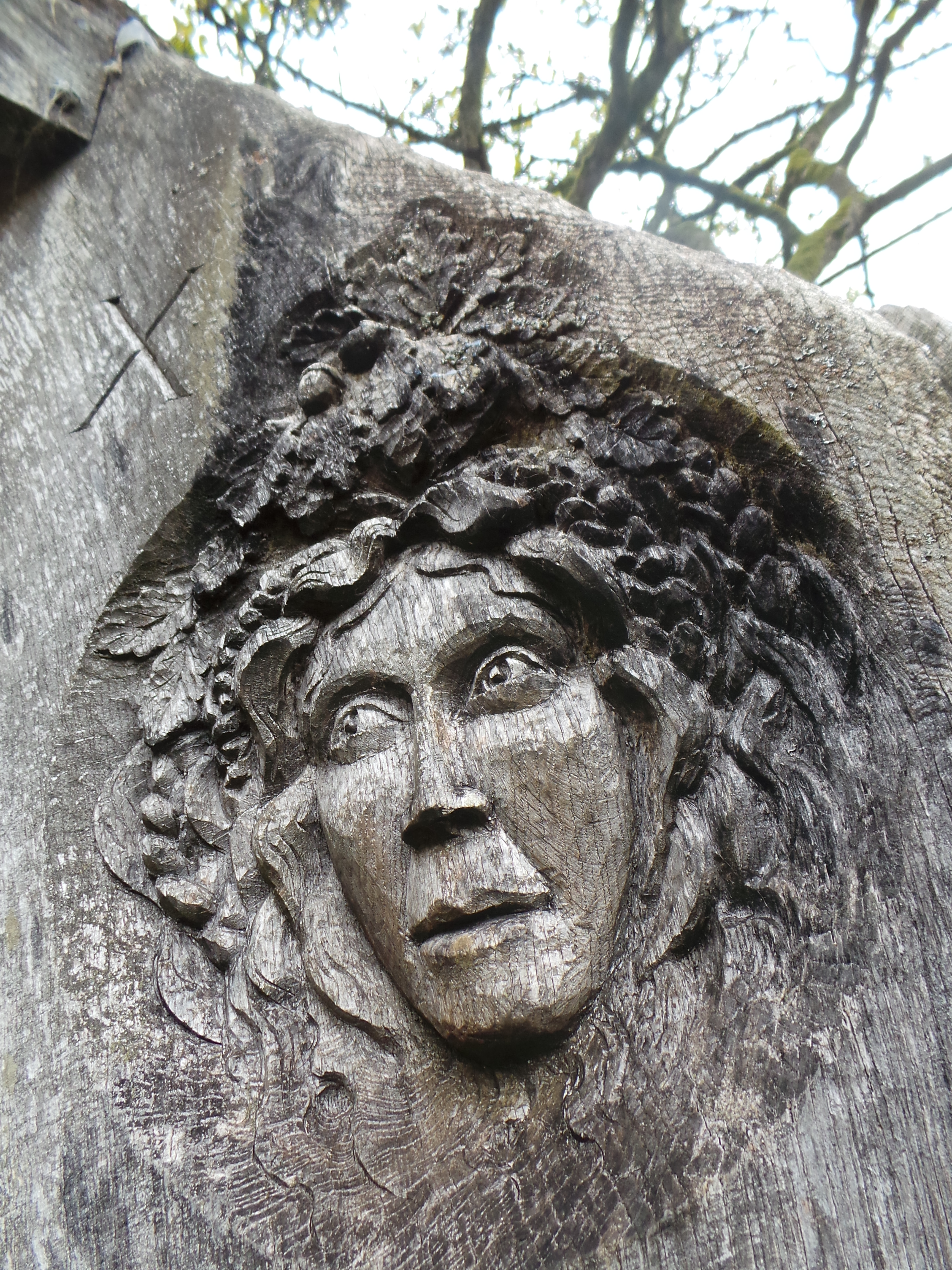
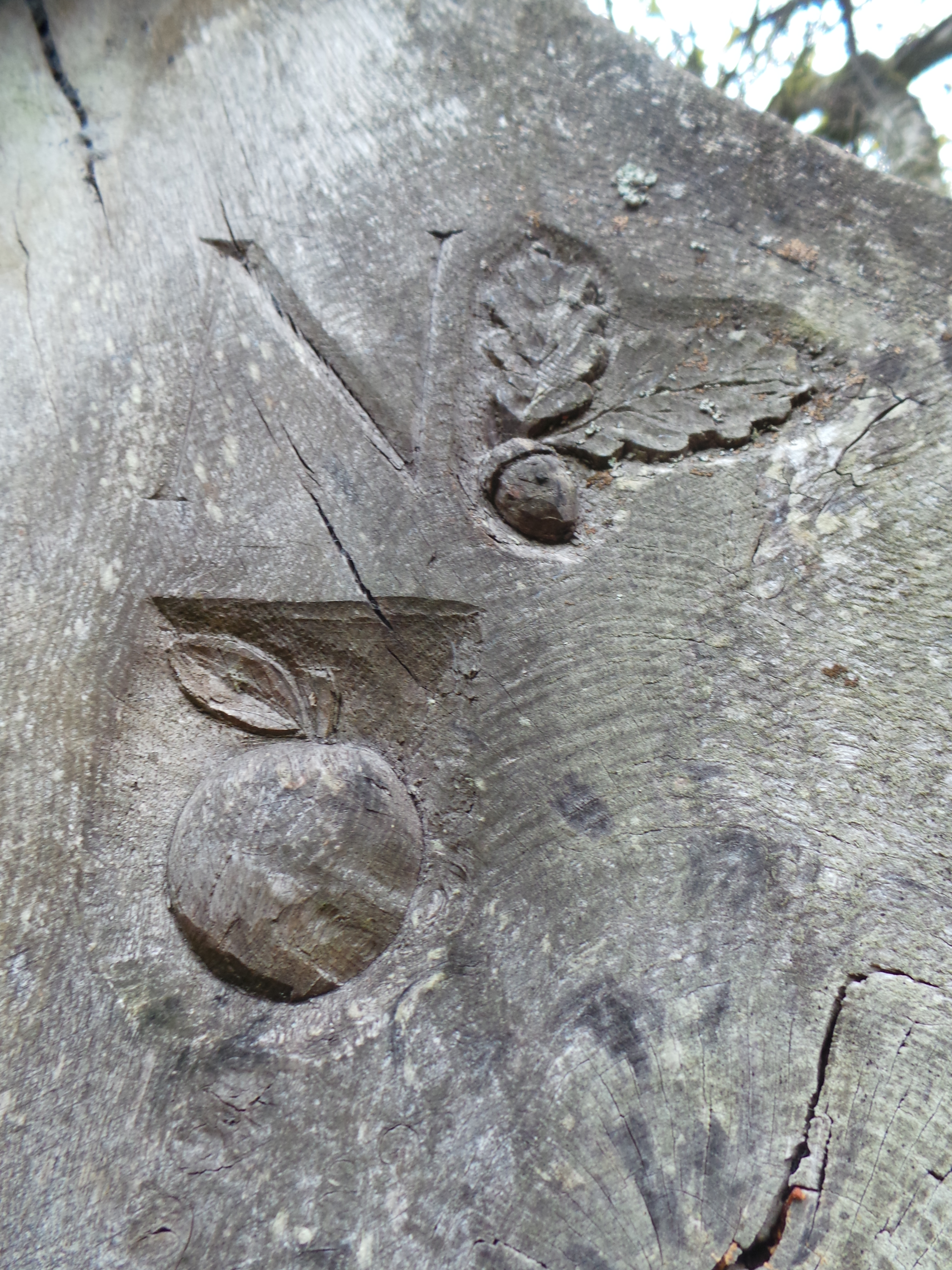
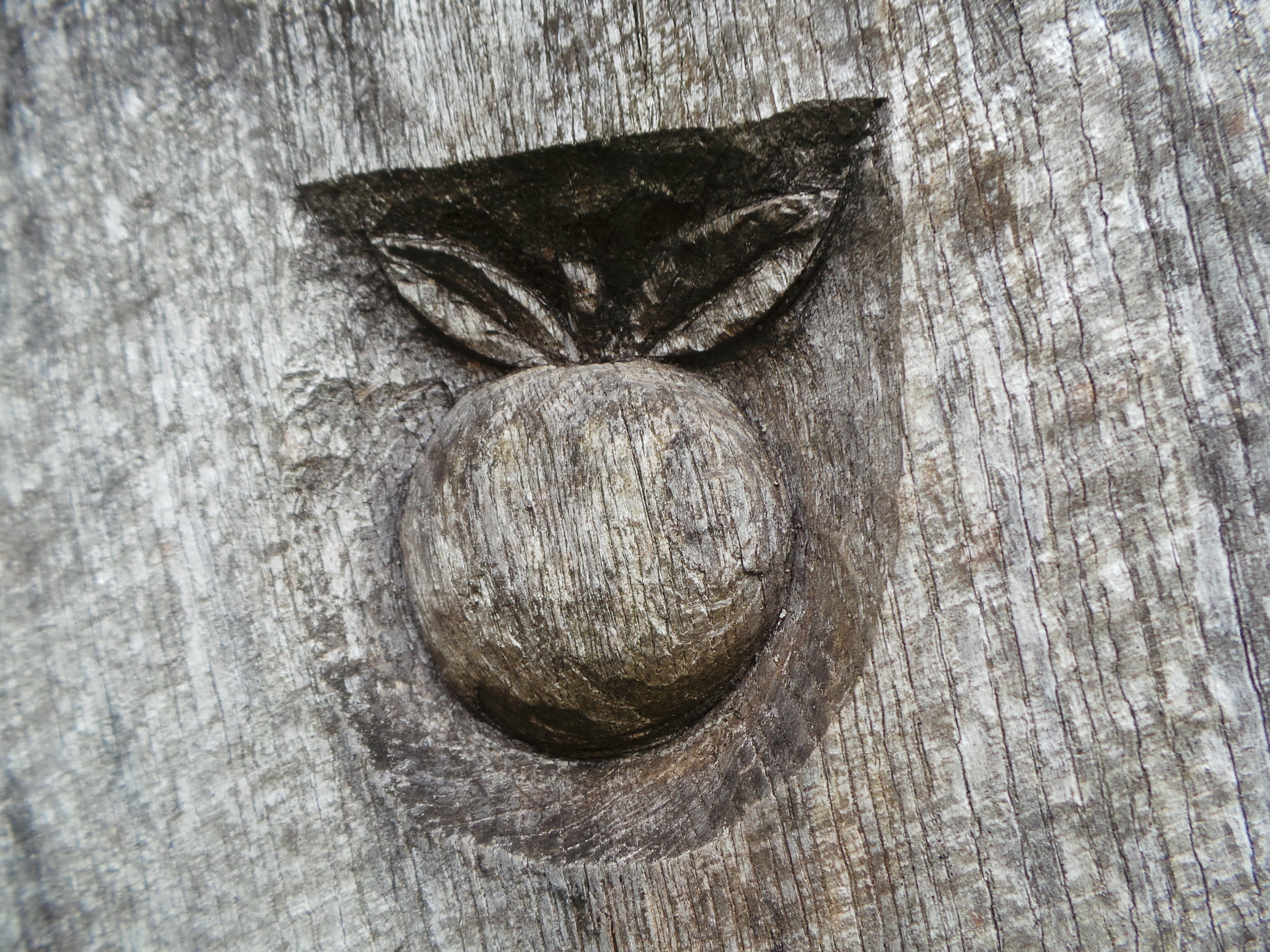
When we reached the centre of the old orchard with its sweet scent of rotting apples and fallen leaves we found out what the Reader’s Seat was. It was really a large piece of outdoor sculpture which was also a seat. I imagine the wood it was constructed from was oak as it was weathering to the most beautiful and palest of silver. The carvings were so beautifully sculpted into each face of the uprights which made up the canopy over the circle of seats.

2014 10 23_6194 2014 10 23_6202

2014 10 23_6205  2014 10 23_6196 2014 10 23_6198 2014 10 23_6195 2014 10 23_6197 2014 10 23_6198

We sat a while appreciating the craftsmanship of the seat with its carvings before exploring further the old orchard itself.

2014 10 23_6199 2014 10 23_6200 2014 10 23_6201 2014 10 23_6203 2014 10 23_6204 2014 10 23_6207

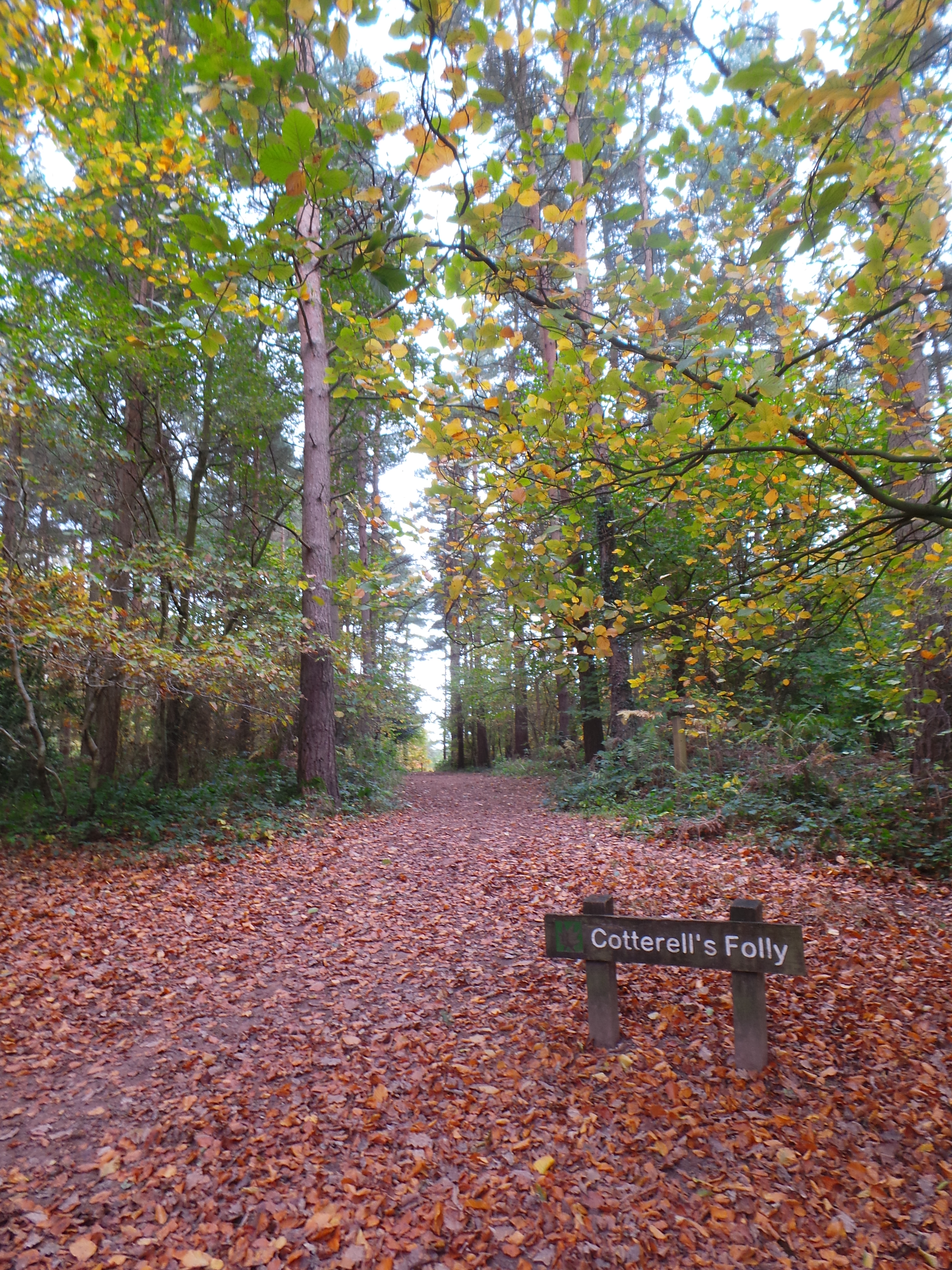
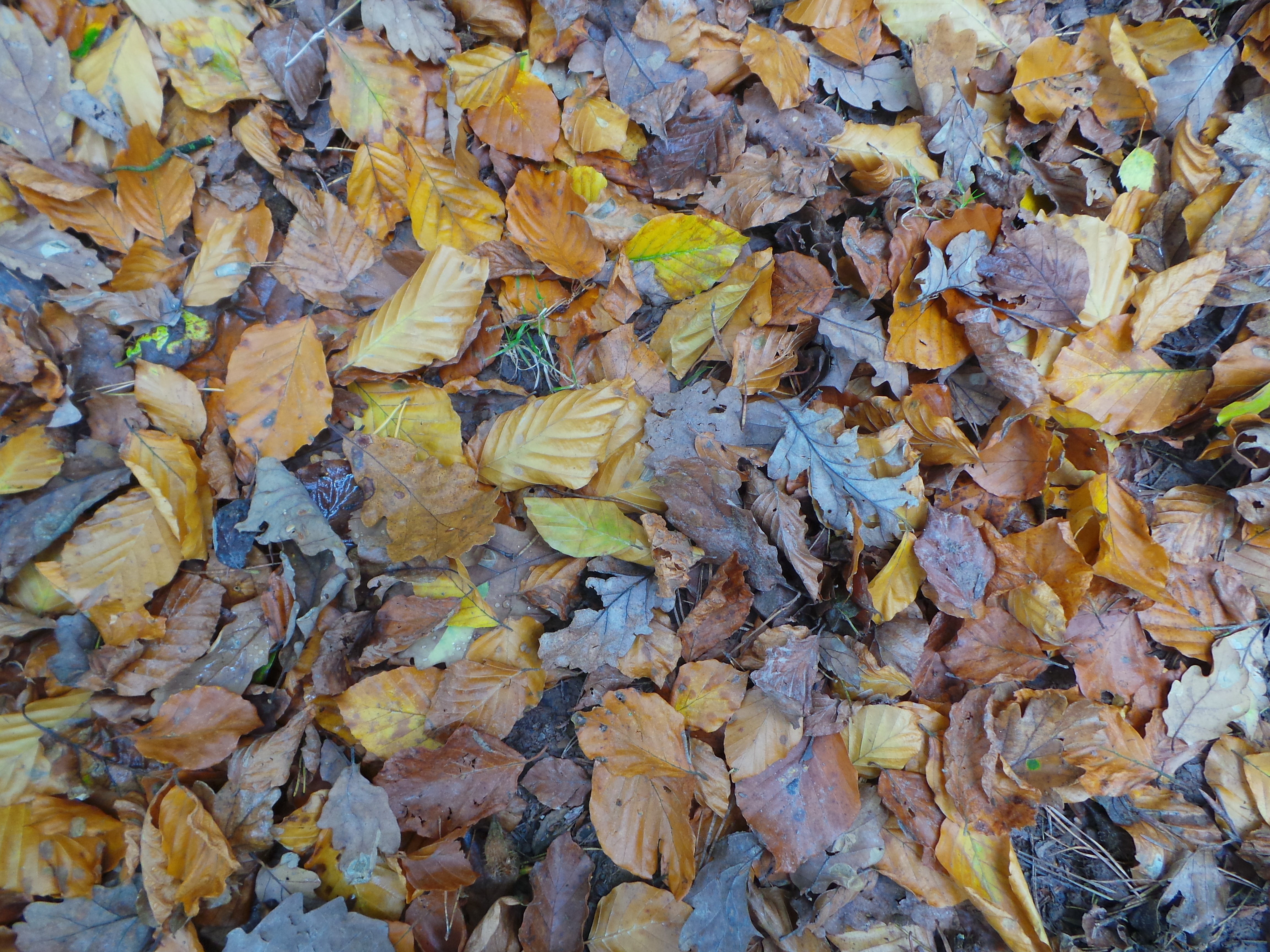
But where we we headed before the wooden sign post persuaded us to search for the Old Orchard and Reader’s Seat? We were off to find the Oak Avenue. We expected this to be a shaded walk between tow tall rows of ancient native oaks. How wrong we were! What we actually found was a small field with two rows of oaks from all over the world. Tall ones, short ones, fat ones, thin ones and even a shrub like one. There seemed to be an Oak from every corner of the world. But to get there we wandered through Cotterill’s Folly where huge Beech trees towered over the path and covered that path with their waxy tough leaves.

2014 10 23_6218 2014 10 23_6219

2014 10 23_6251  2014 10 23_6228

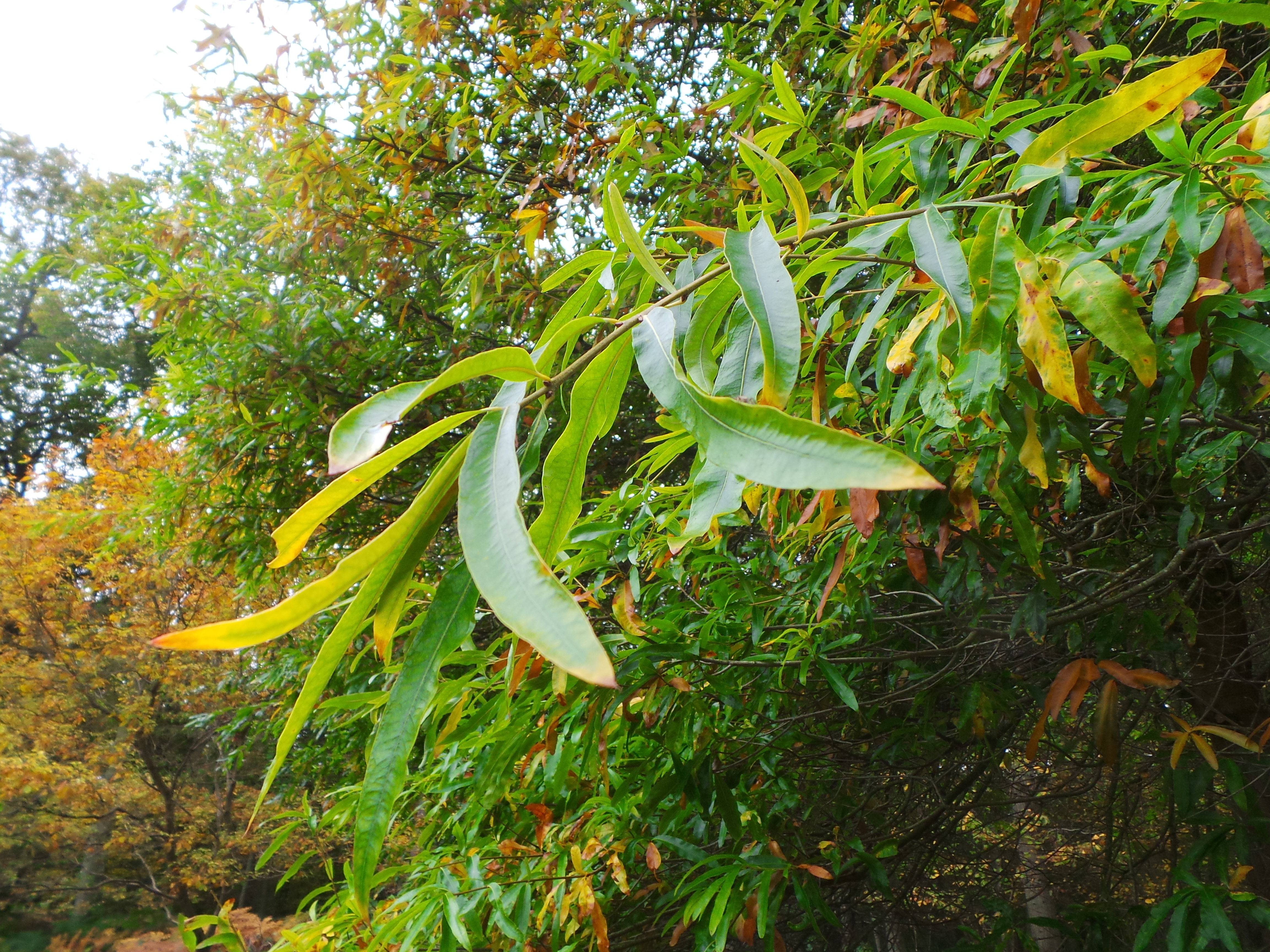
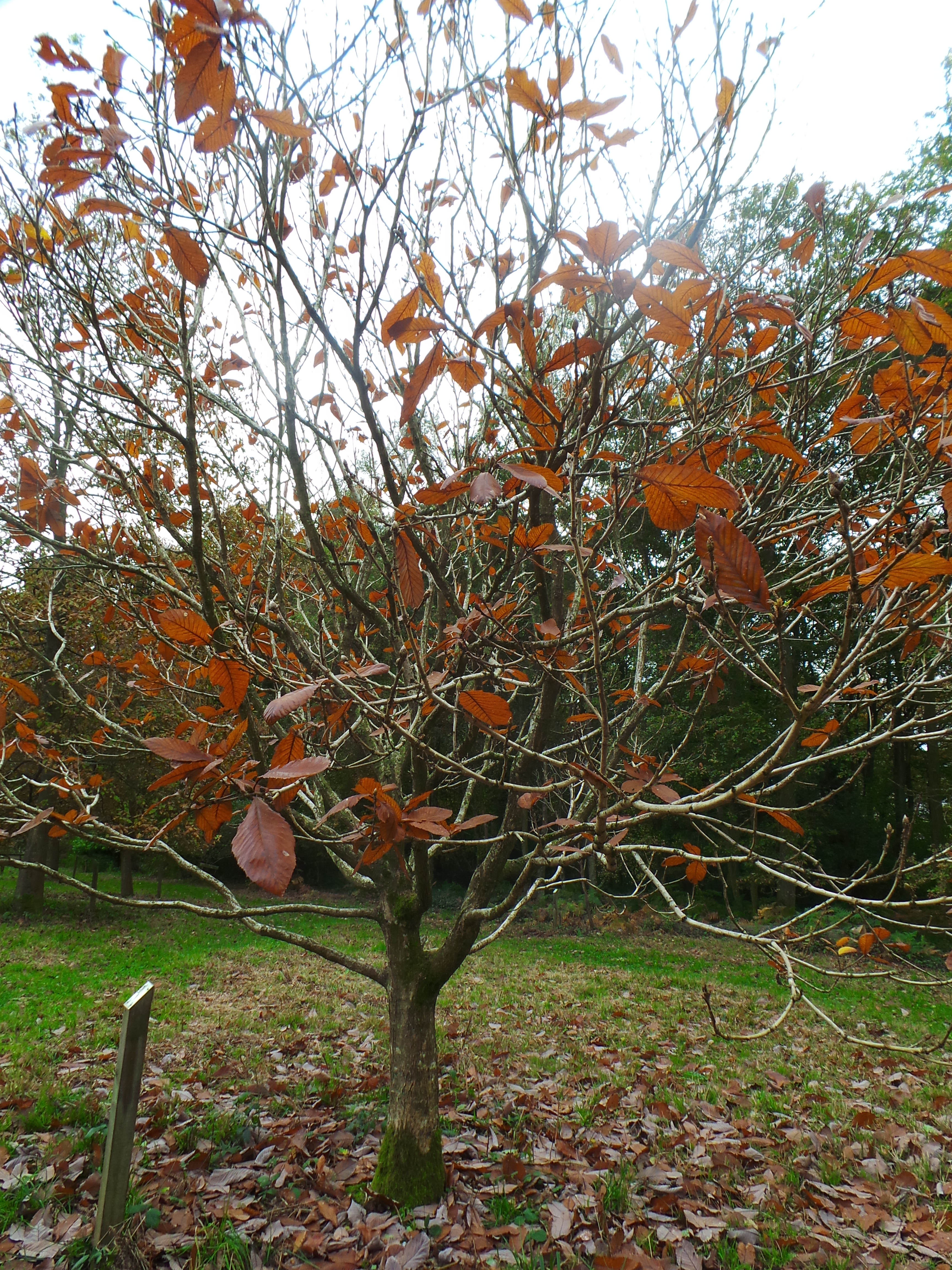
Our first oak surprise was this narrow-leaved tree with slightly pendulous branches, aptly called the Willow-leaved Oak. Its foliage looked so fresh and full of vitality, which was in stark contrast to the Armenian Oak we looked at next. This oak had large leathery leaves already coloured for autumn.

2014 10 23_6221 2014 10 23_6222 2014 10 23_6223 2014 10 23_6224 2014 10 23_6226 2014 10 23_6227

Our next oak was a small tree with leaves like those of a Sweet Chestnut.

2014 10 23_6229 2014 10 23_6230

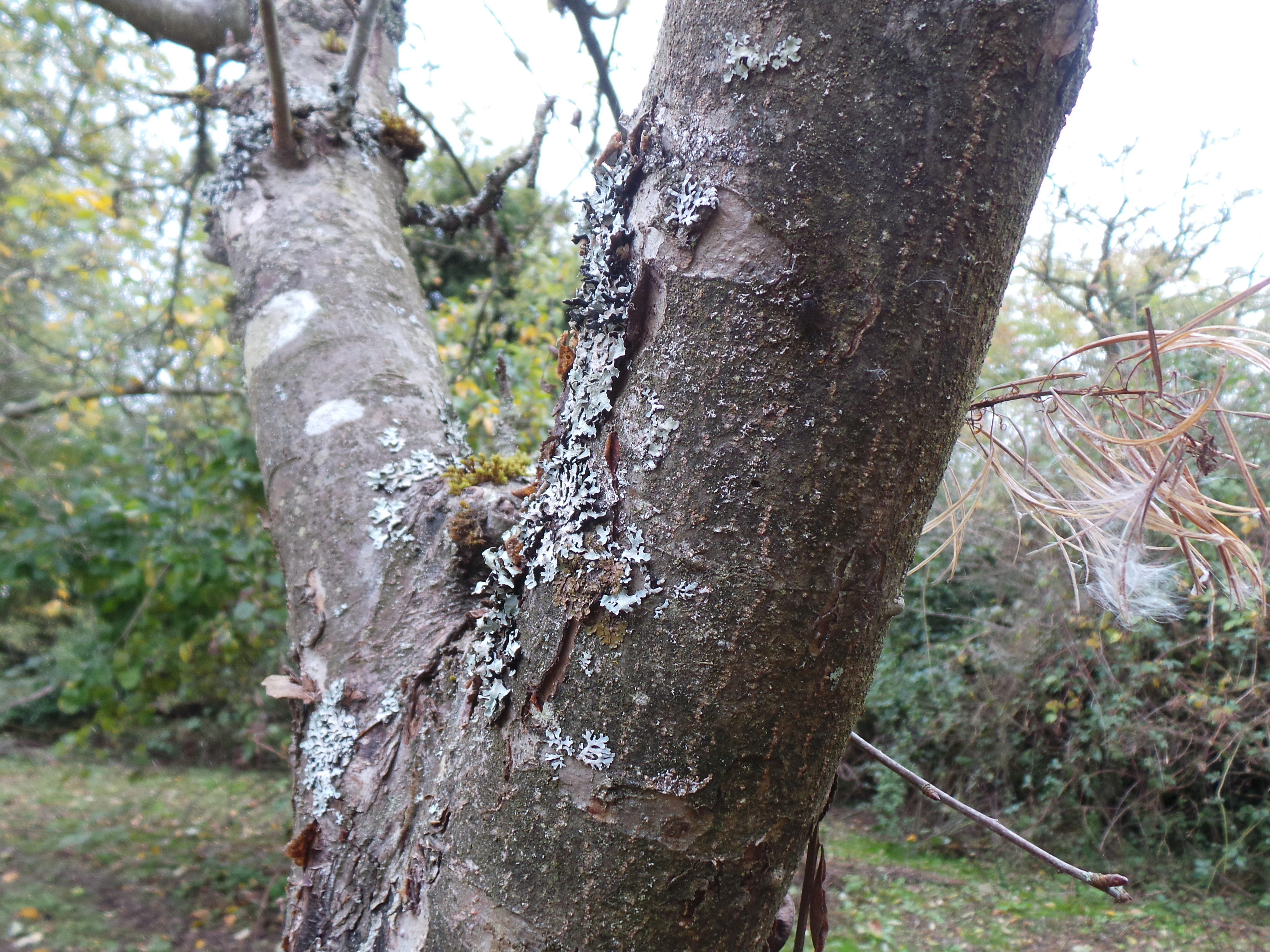
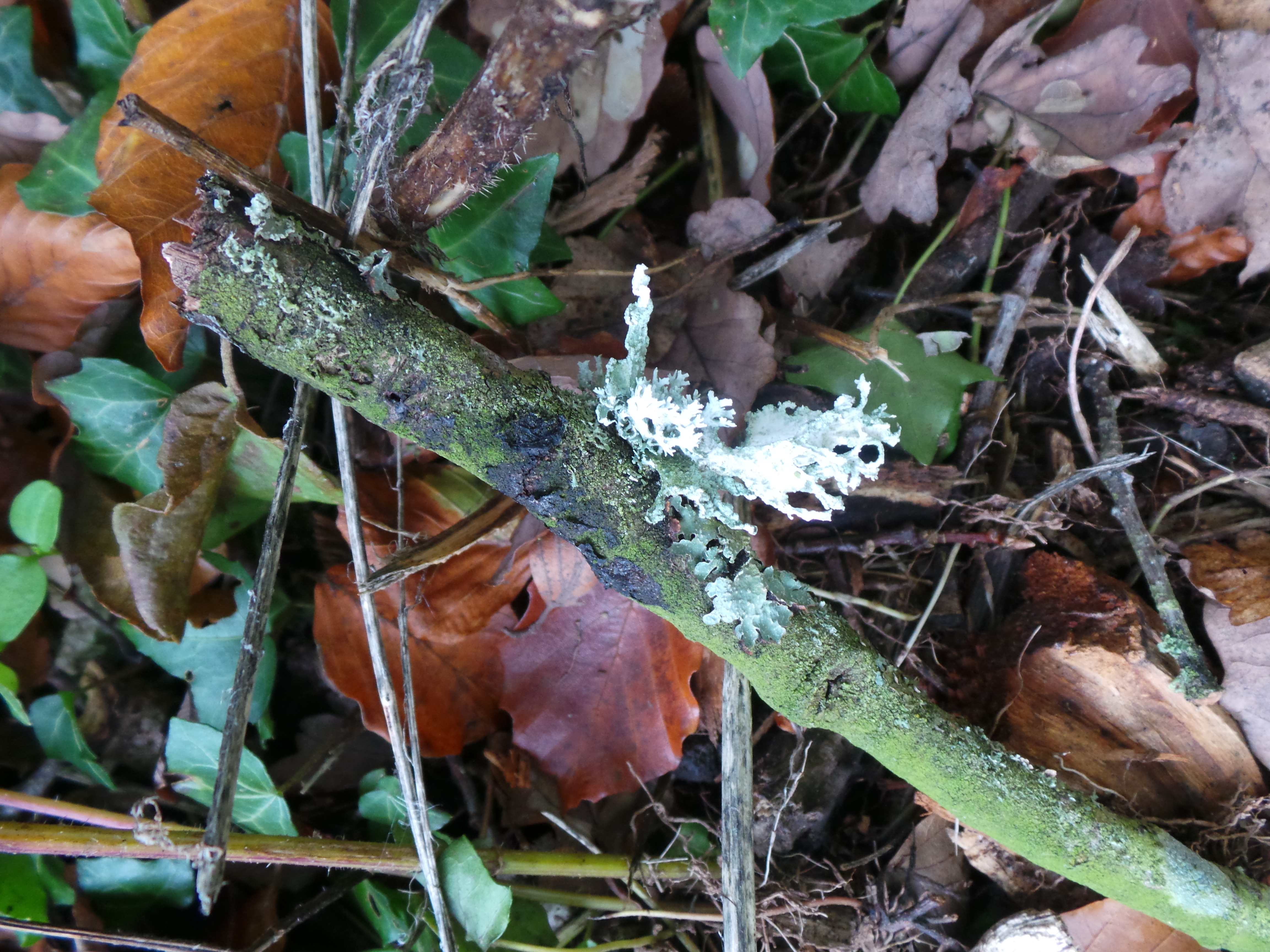
One thing that all oaks attract is lichen and we soon found this stunning glaucous example shaped just like stags antlers.

2014 10 23_6231

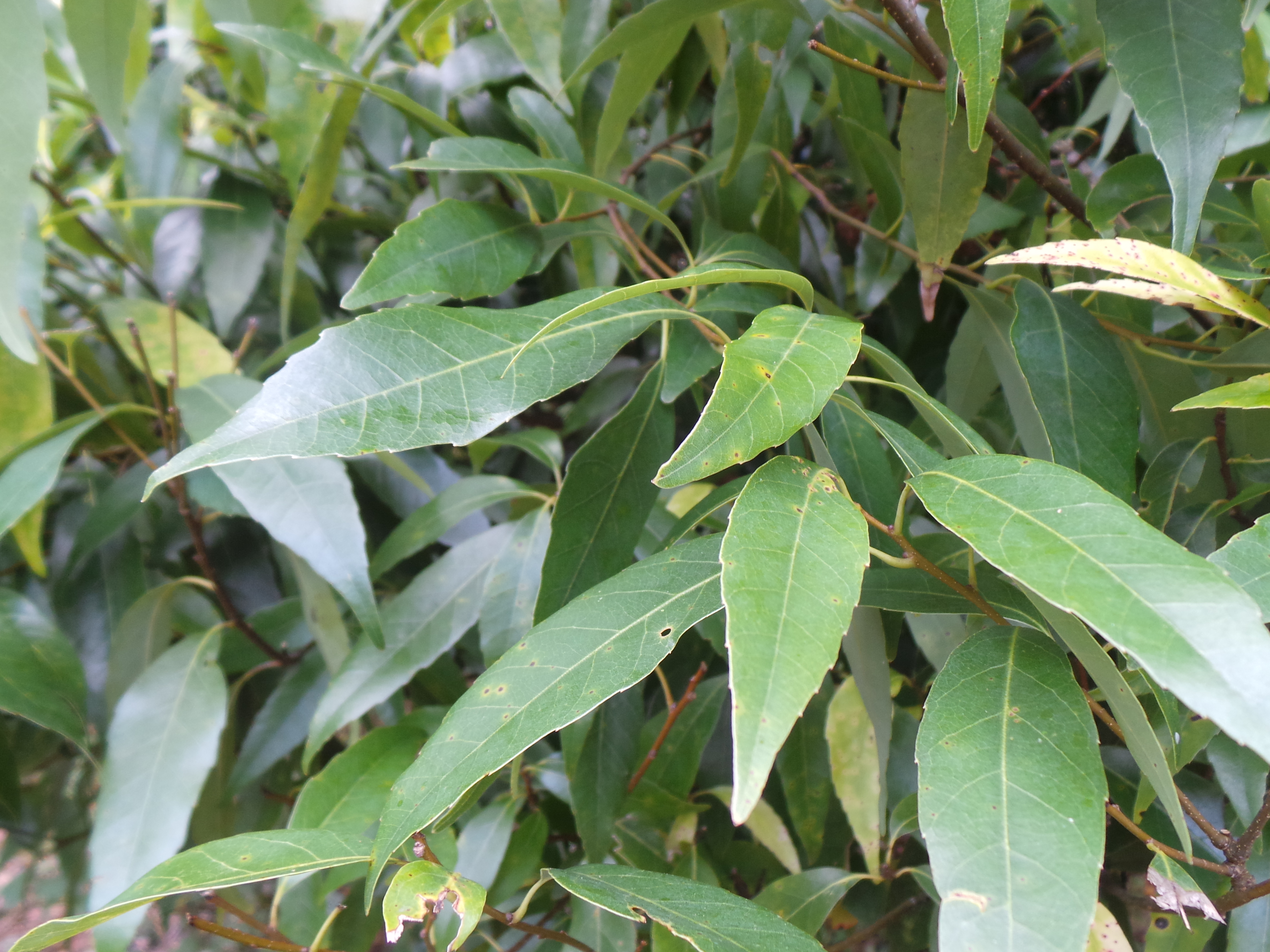
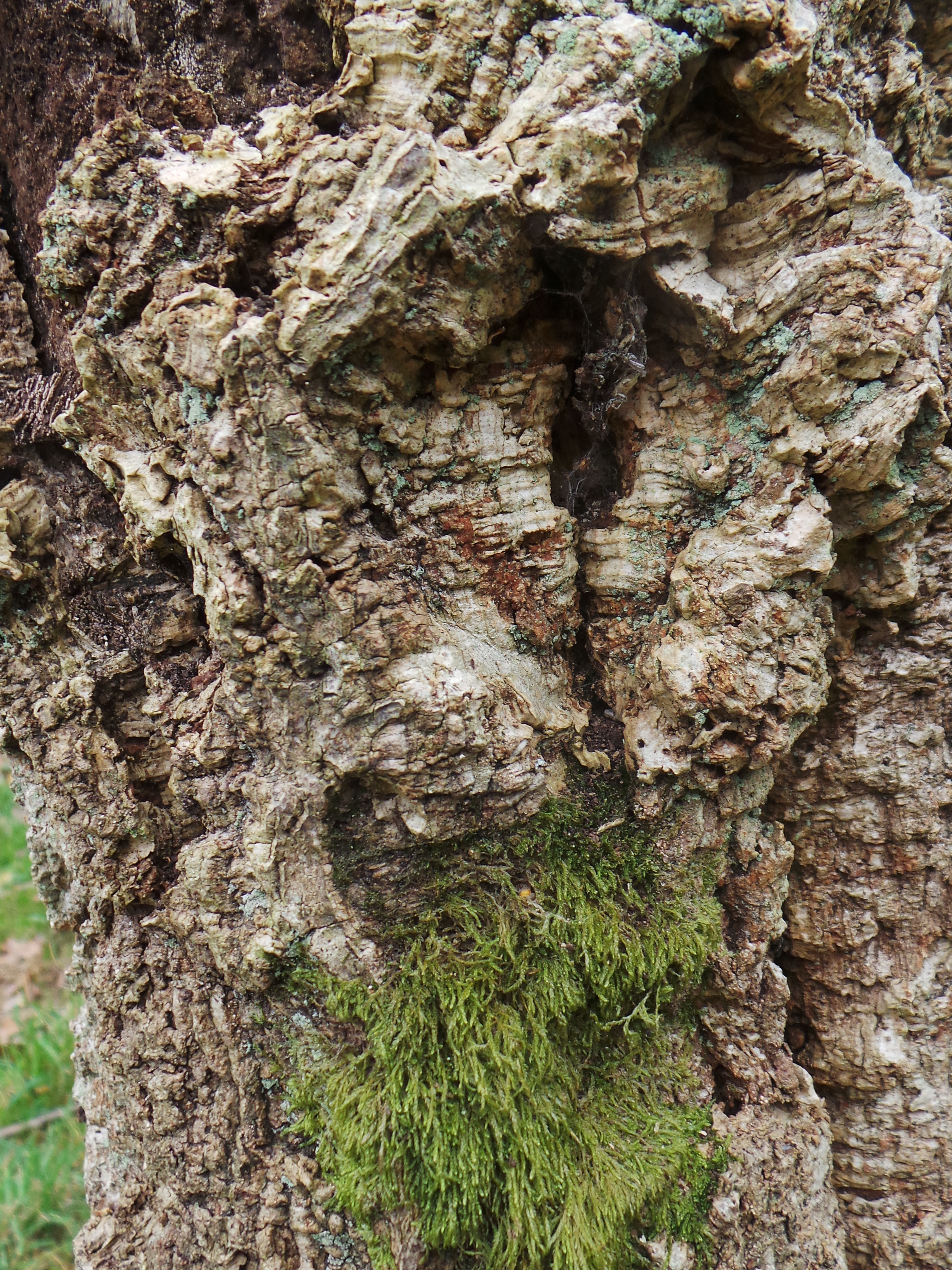
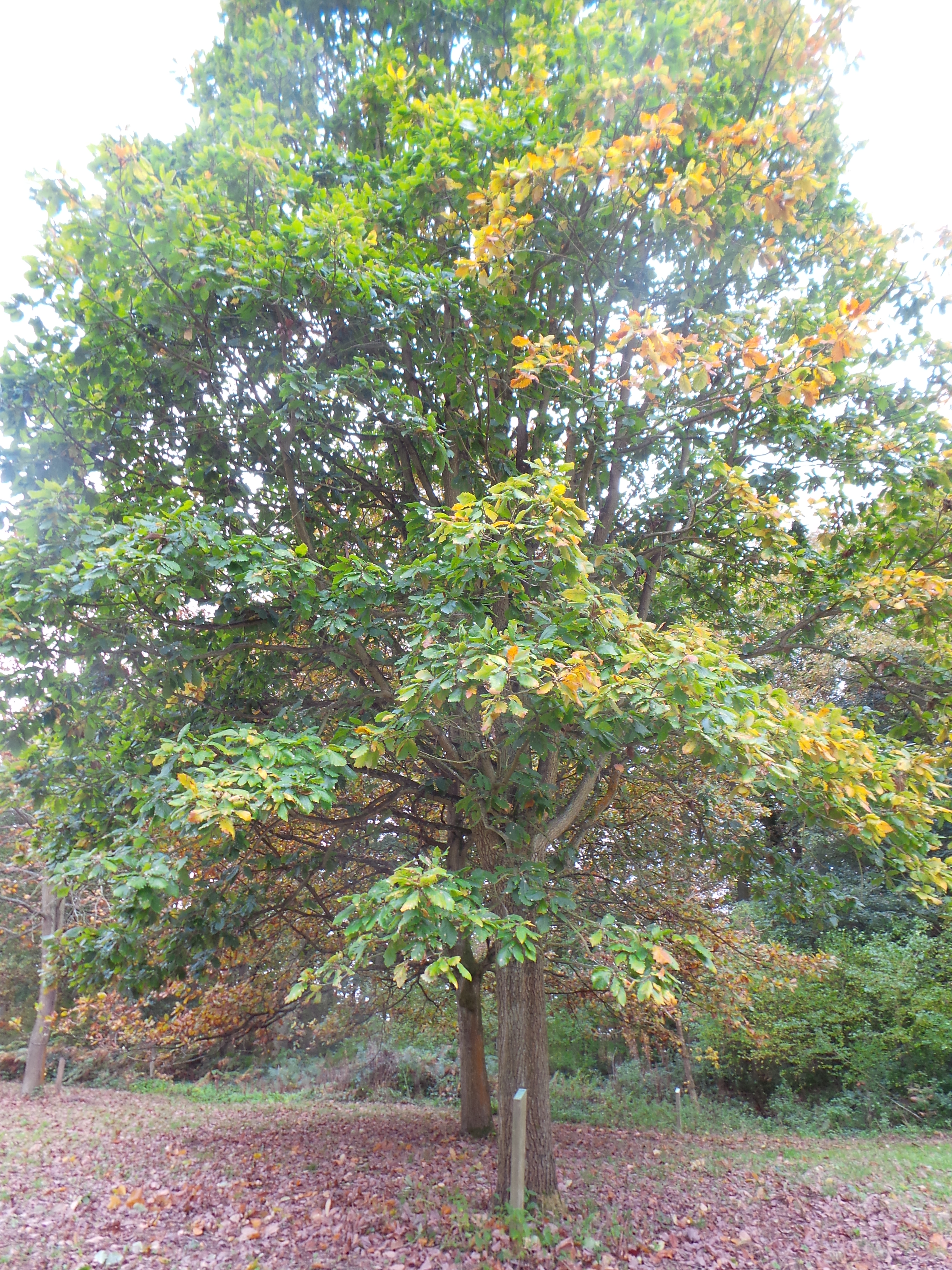
Our next Oak looked just like an Olive tree – it was just the right size and shape with glaucous leaves just like those of an Olive. But when we got closer and noticed its bark we knew straight away it was some sort of a Cork Oak. The label informed us that it was a Quercus variabilis, a Chinese Cork Oak.

2014 10 23_6233 2014 10 23_6234

We were so surprised to see the next of our Oaks as it was just four or five feet tall, a small shrub rather than a majestic old tree. Nuttall’s Oak, Quercus texana surprised us again when we noticed its beautifully shaped leaves, somewhat reminiscent of a Liquidamber.

2014 10 23_6235 2014 10 23_6237

Close by we found another shrubby Oak but this one had a different growth habit. It was a solid looking bush with simple leathery foliage. This was a Bamboo Leaved Oak – very well named.

2014 10 23_6238 2014 10 23_6239

This old Cork Oak had died but in death presented itself as a piece of textured sculpture. But it did frame another autumn coloured Oak on the far side of the green area.

2014 10 23_6241 2014 10 23_6242 2014 10 23_6243

This neat small specimen on the left was an Algerian Oak and the equally neat one on the right was a Shumard’s Oak.

2014 10 23_6244 2014 10 23_6248

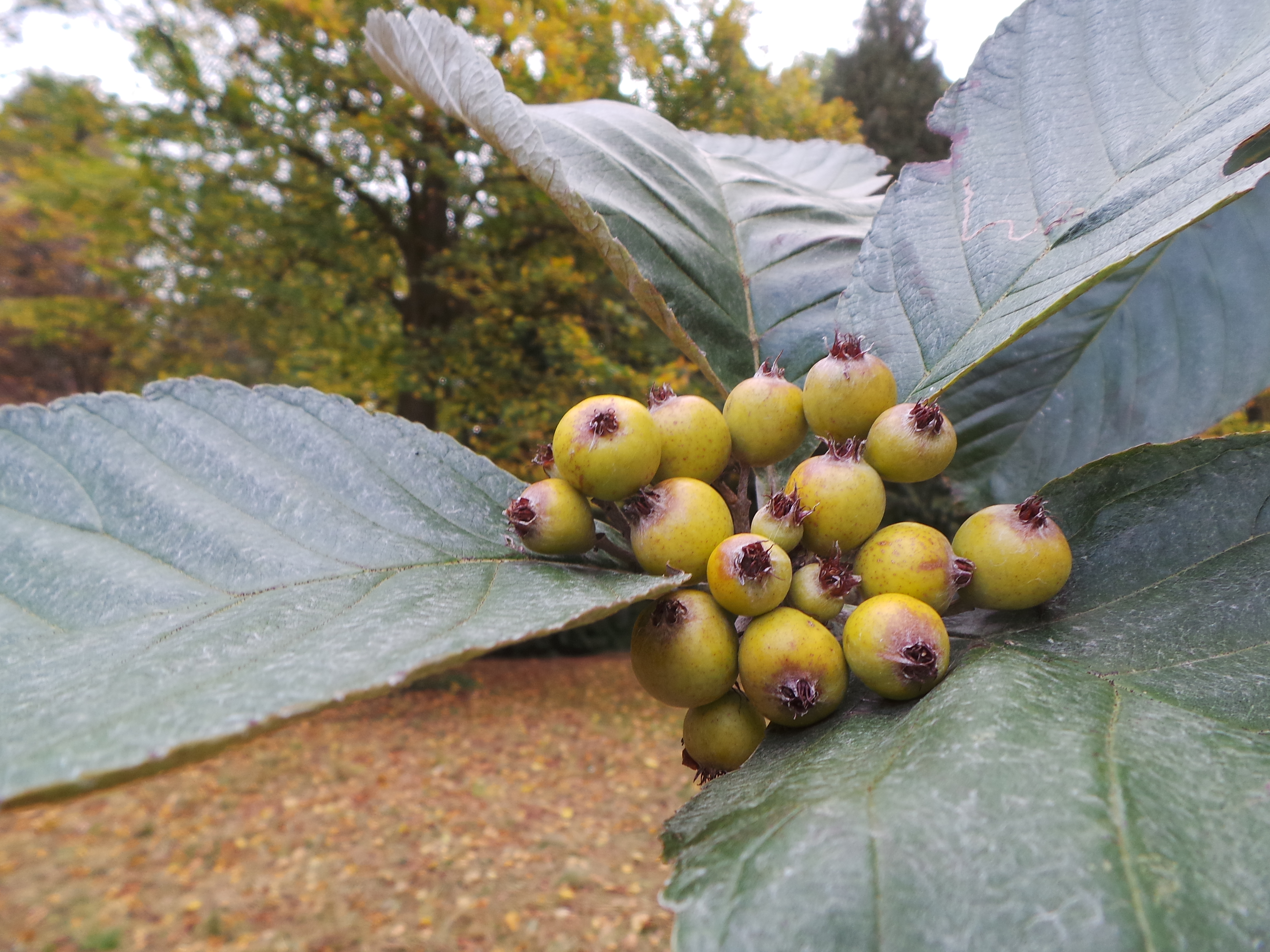
After enjoying discovering so many different oaks most of them new to us, we began to make our way back to the car park. We passed a Wild Service Tree one of our rarest native trees before moving on through a little plantation of Betulas and made our way towards a stand of Redwoods.

2014 10 23_6252

To share this last leg of our wander around Queenswood Arboretum just look at the third post in this series.


Categories
arboreta autumn autumn colours birds colours light quality ornamental trees and shrubs trees woodland woodlands

Queenswood Arboretum – Part 1 – the Acers

Late October heralds arboretum visiting time. Last year we visited Bodenham and Arley which we take a trip to most years but we also traveled a little further afield into Cheshire to the Jodrell Bank Arboretum and the National Memorial Arboretum in Staffordshire. Over the last five years we have also taken trips to Westonbirt in Gloucestershire, Bluebell Arboretum in Derbyshire.

But there is one closer to us, in fact just an hour away across into Herefordshire, which we have never visited but were reminded of  as we watched Carol Klein visit it on the Gardeners World TV programme. So we made up our mind that our first arboretum visit this autumn would be to Queenswood Country Park and Arboretum. It was worth the wait! Come with us as we explore its delights on a dull overcast day occasionally dampened with bouts of drizzle.

We left the car park to follow Lime Avenue which would take us to the Autumn Garden which promised us a painter’s pallet of Acers. There is something special about the gentle scent of woodlands in autumn, comforting and warming, but this was interrupted by the more aggressive unpleasant odour of foxes whose tracks crossed ours periodically as we climbed the gentle slope below the huge limes towering above us. We diverted often! There were interesting trees grabbing our attention every few yards, making progress slow. Tree silhouettes, bark textures, leaf colours, leaf shapes – all there to distract and attract.

The trees had plenty of autumnal features to attract and distract tree lovers such as Jude the Undergardener and I. Berries, peeling bark, silvered leaves, brightly coloured leaves, black branch silhouettes ……………….

2014 10 23_6107 2014 10 23_6114

2014 10 23_6110 2014 10 23_6109 2014 10 23_6108 2014 10 23_6111 2014 10 23_6113 2014 10 23_6112 2014 10 23_6115

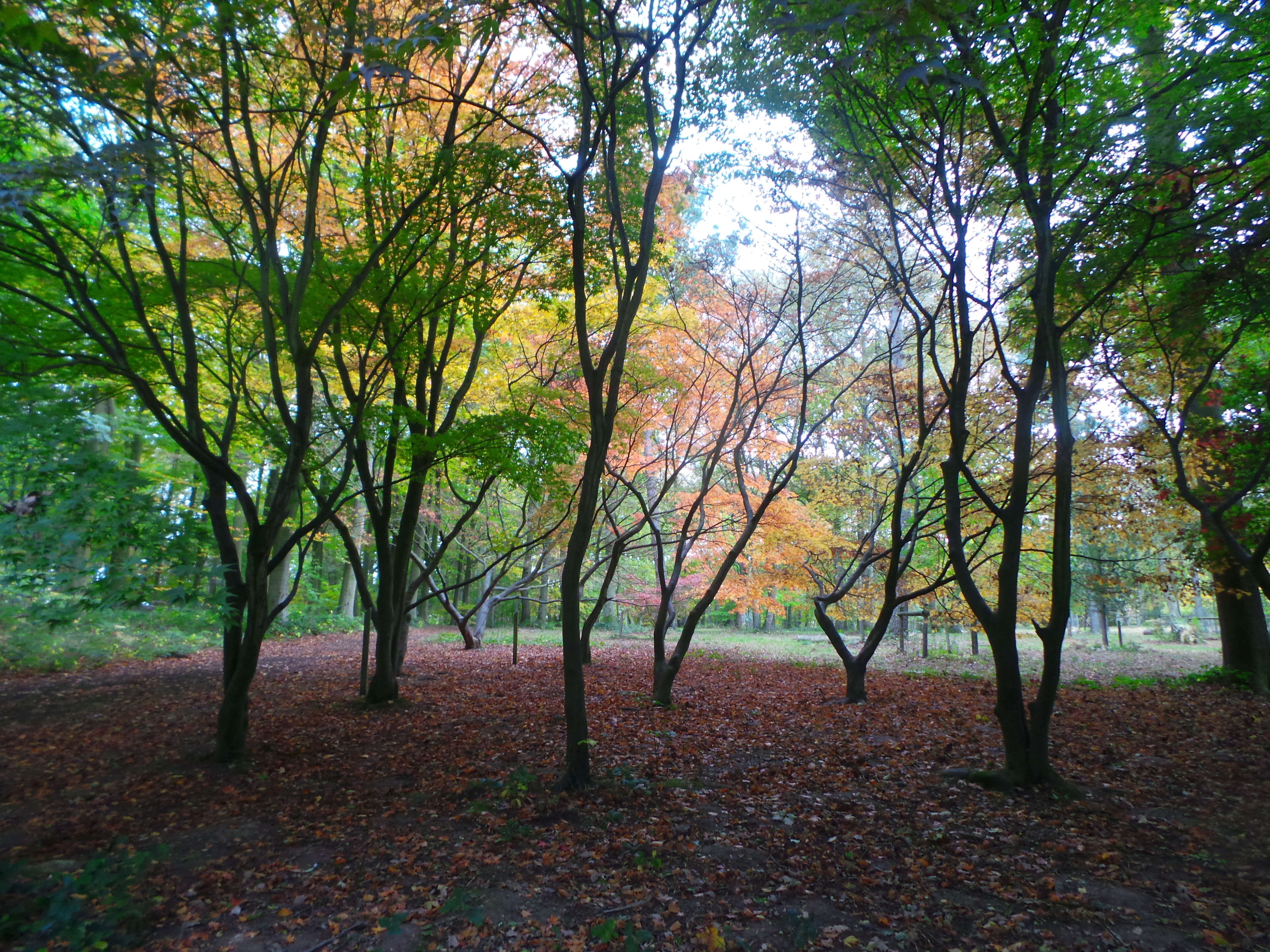
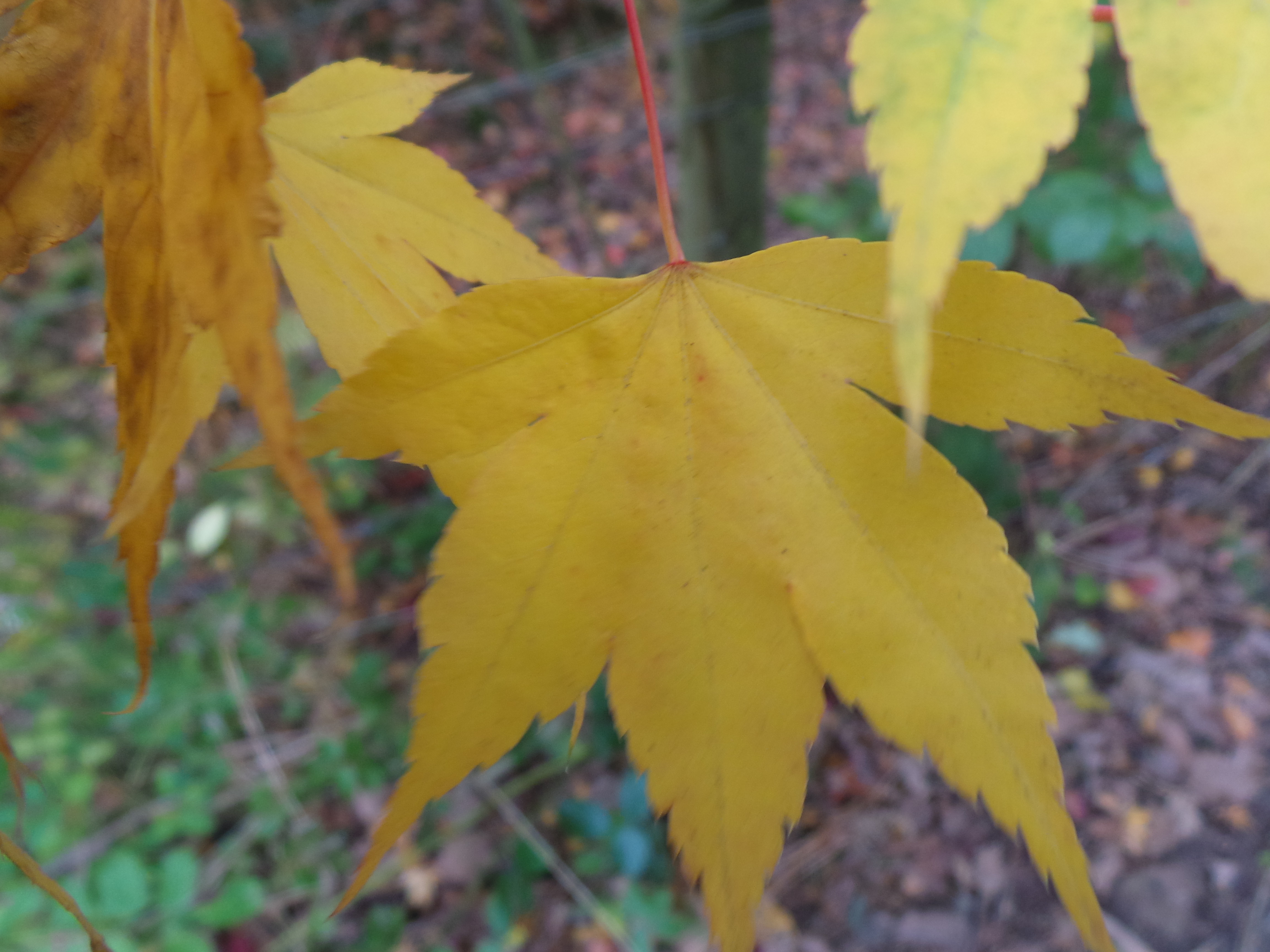
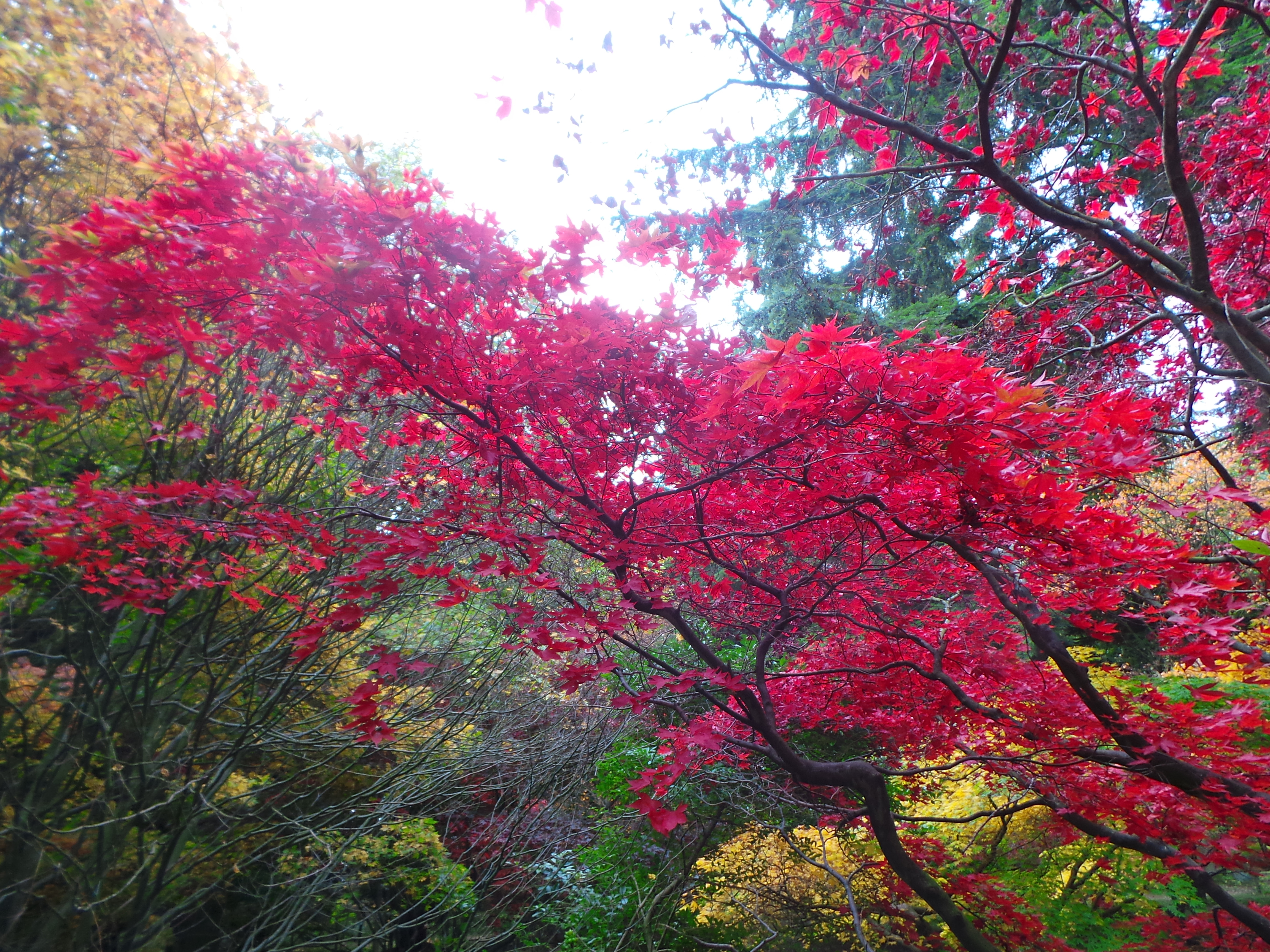
When we reached the area called the “Autumn Garden” we were blown away by the collection of Acers with their striped barks, their red and yellow leaves and their sculptural trunks curling away below their leaf canopy. Part way through the Autumn Garden we found this plaque on the “Dendrology Stone” which was presented to Queenswood Arboretum in 1981 by the International Dendrology Society recognising the quality of its young trees, layout and public access. There only 19 arboretum worldwide which have received this award. This emphasises just how important this 47 acres of country park actually is.

2014 10 23_6209 2014 10 23_6163

2014 10 23_6116 2014 10 23_6117 2014 10 23_6118

But there was far more to see here with trees and shrubs to discover around every corner.

2014 10 23_6120 2014 10 23_6119 2014 10 23_6125 2014 10 23_6124 2014 10 23_6123 2014 10 23_6122 2014 10 23_6121 2014 10 23_61262014 10 23_6127 2014 10 23_6128 2014 10 23_6129 2014 10 23_6130 2014 10 23_6131 2014 10 23_6132 2014 10 23_6133 2014 10 23_6134

But let us enjoy a journey around the delights of the Acers before we get distracted further.

2014 10 23_6136 2014 10 23_6137 2014 10 23_6138 2014 10 23_6139 2014 10 23_6142 2014 10 23_6141 2014 10 23_6140 2014 10 23_6143 2014 10 23_6144 2014 10 23_6145 2014 10 23_6147 2014 10 23_6146 2014 10 23_6150 2014 10 23_6149

We enjoyed a well deserved coffee break on one of the many benches we found within the glade of Acers with a wonderful view. We sat to enjoy our coffee and listened to the Woodpeckers and Nuthatches in the tree canopy. Jays entertained us collecting up acorns, beech mast and sweet chestnuts. This is the view from the seat we chose to take our coffee break sat on. How good is that!

2014 10 23_6119

In part two we shall be seeking out an old orchard and the “Reader’s Seat”.


Categories
countryside landscapes migration Powis Powys trees Wales wildlife woodland woodlands

Waterfall Walkabout

We made a quick visit to the waterfall at Llanrhaeadr-ym-Mochnant, in Powys  last year and vowed to return. So in late august we did just that not thinking that being still in the holiday period it would be so much busier than our previous spring visit. But many people were walking off into the hills so our wander was still quite quiet.

After our usual coffee and cakes which we enjoyed in the cafe at the base of the falls we set off up a narrow path and quickly found the stream that flowed rapidly from the falls themselves. The cafe is part of an interesting and unusual endeavour, a business which involves a campsite and retreat as well as the cafe, a little empire to nourish the body, the soul and the mind. It is a place to find peace and get close to nature.

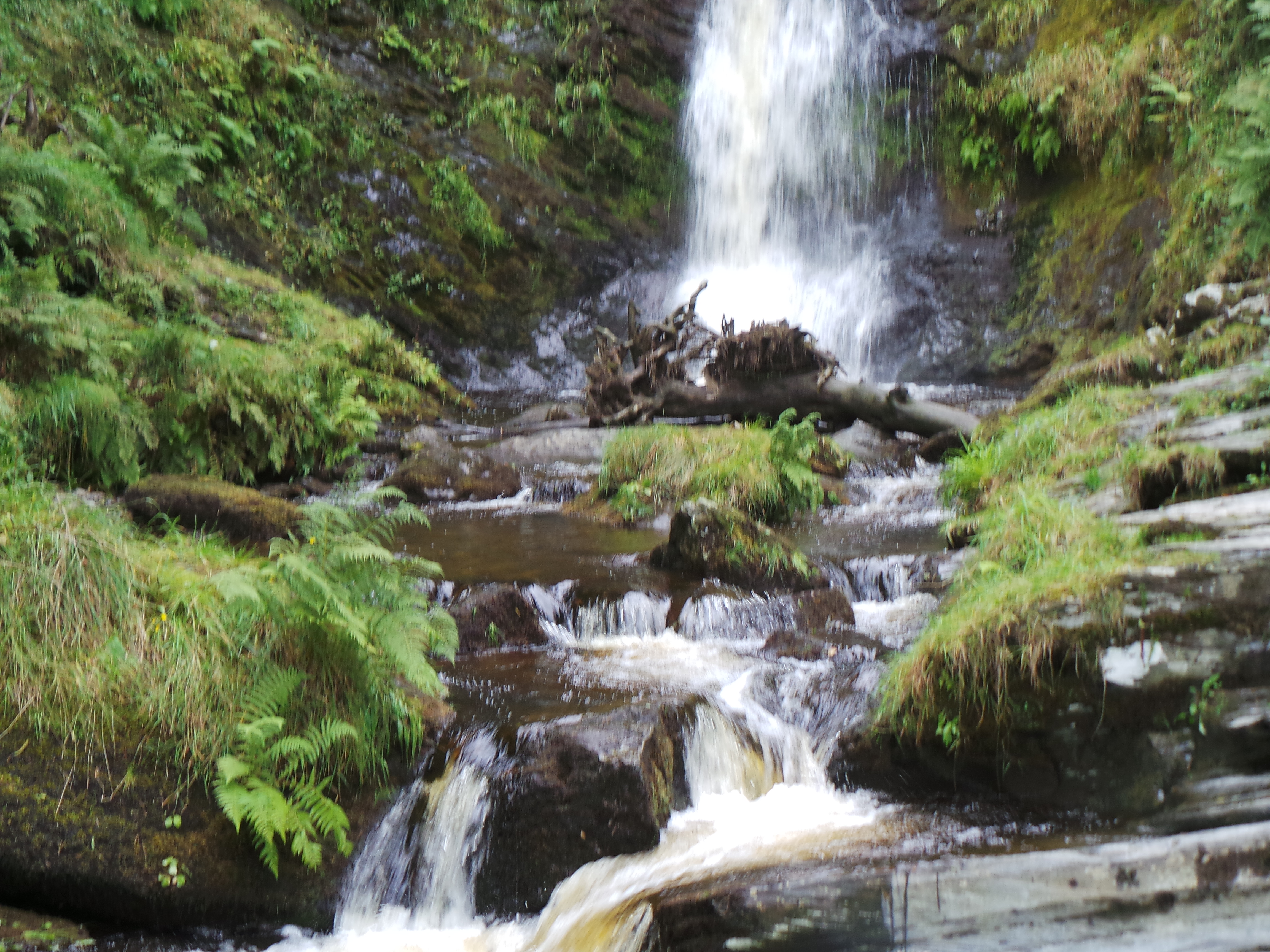
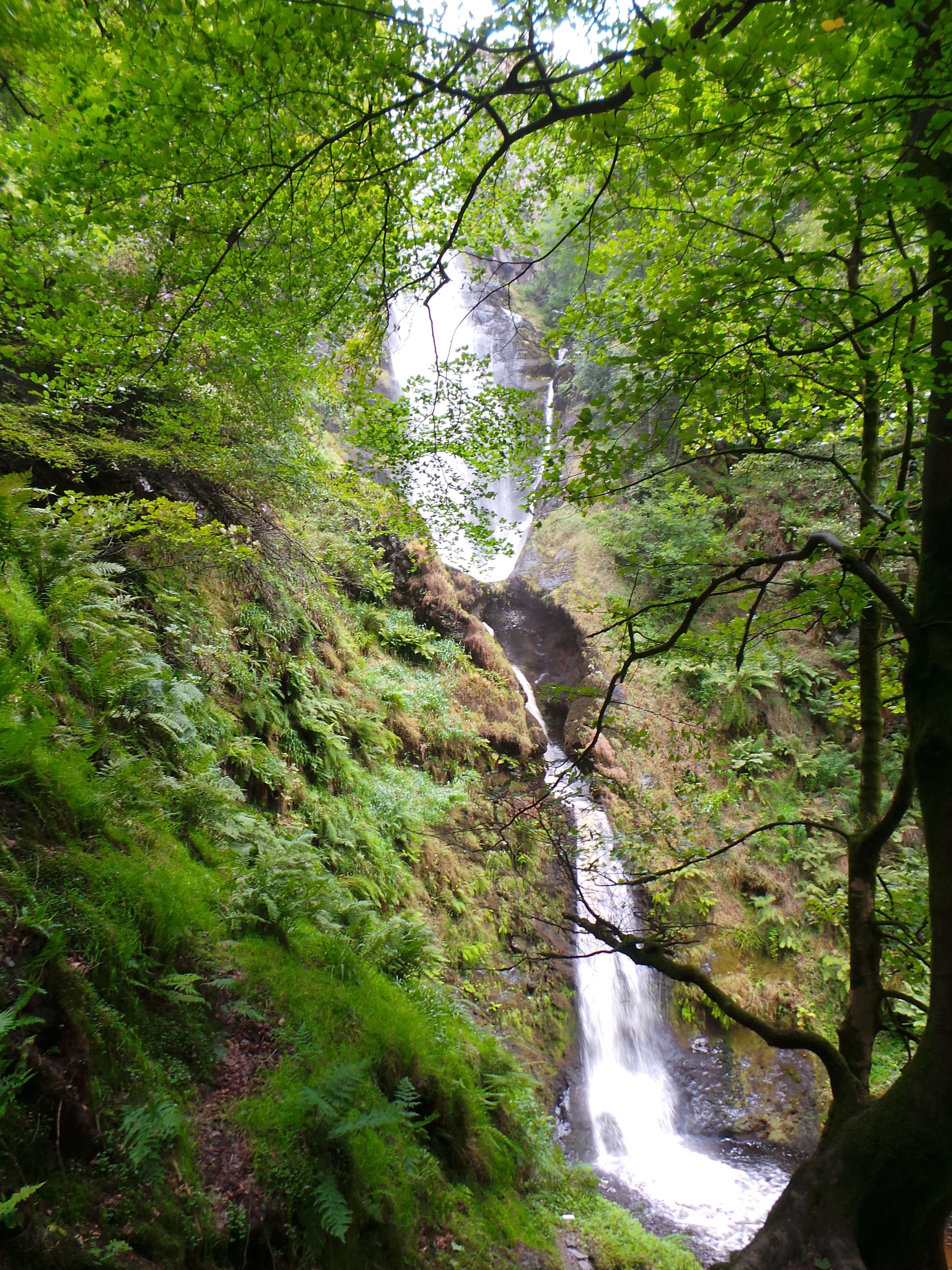
We heard the falls well before we saw them, the roaring and rushing  of water dropping over 100 feet splashing on rock outcrops as it falls. When the falls come into view we are always forced to stop just to stare and take in the scene. It is simply beautiful, a place where the gentle beauty of nature is disturbed by the sheer power of water. A mist of spray drifts among the trees. All around is green, bright almost fluorescent green. Ferns, mosses and lichen reveling in an atmosphere full of droplets of water, very pure clean water, not yet subjected to man’s pollution. It won’t be long before this stream, crystal clear but for a hint of the coffee brown stain from peat, will be subject to agricultural run-off. Nitrates, herbicides and sheep dip chemicals. But for now its purity adds to the delight of the place.
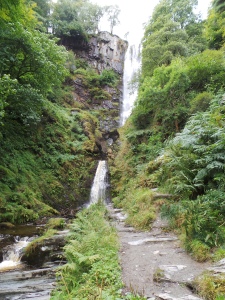
2014 08 28_4250 2014 08 28_4251 2014 08 28_4252 2014 08 28_4254 2014 08 28_4256 2014 08 28_4257

2014 08 28_4258 2014 08 28_4255

After enjoying being close to the roar and rumble of the waterfall we took a narrow track into the valley. Our feet made no sound on the pine needles that covered the path so we could hear the sound of the falling water getting quieter as we moved deeper into the heavily wooded slopes of the valley side. The trees grew close together so had grown tall in their search for light.

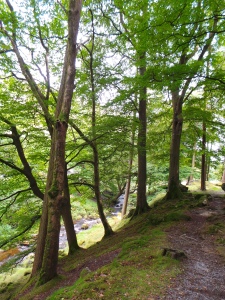
2014 08 28_4261 2014 08 28_4264 2014 08 28_4298 2014 08 28_4296

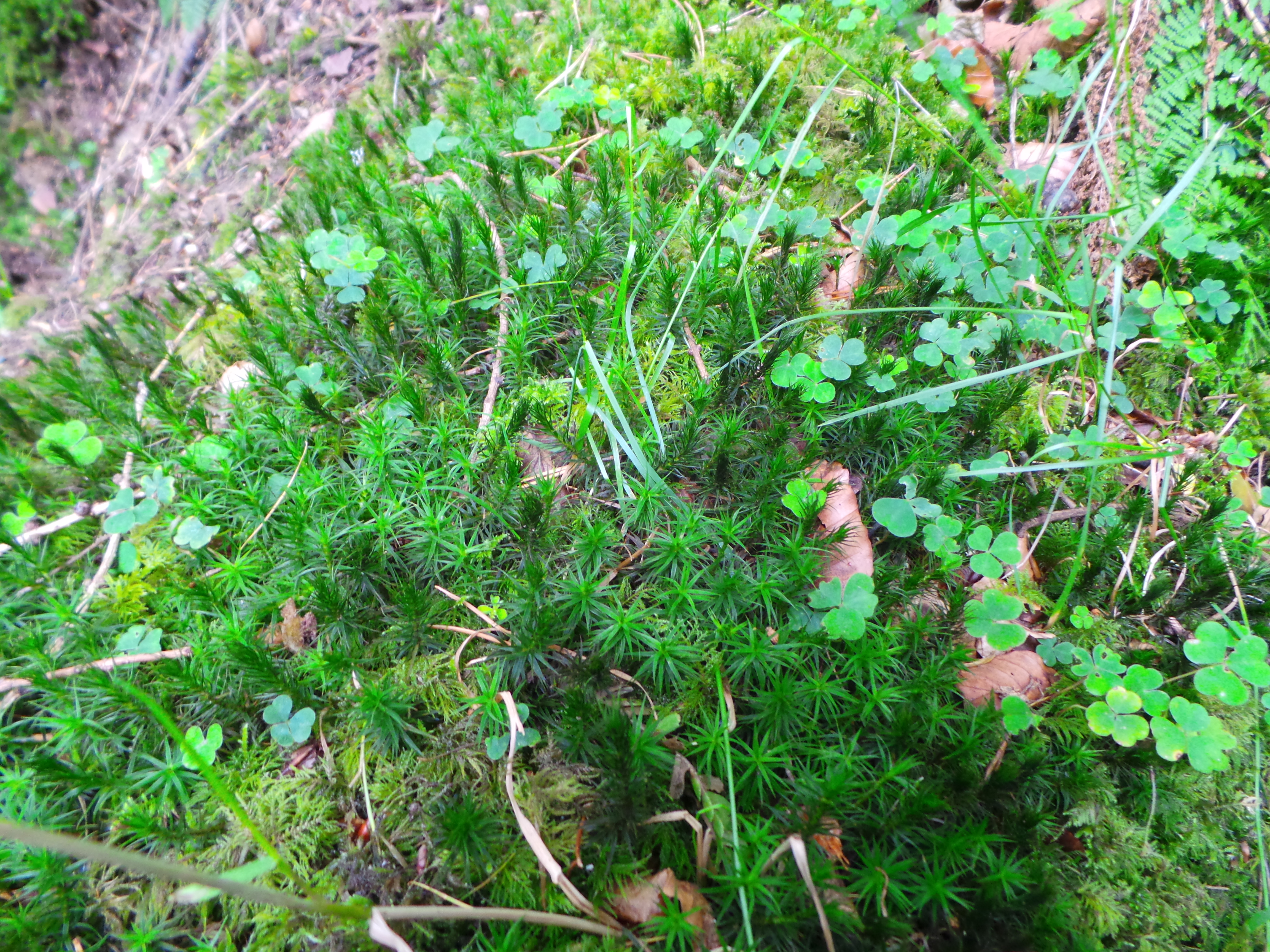
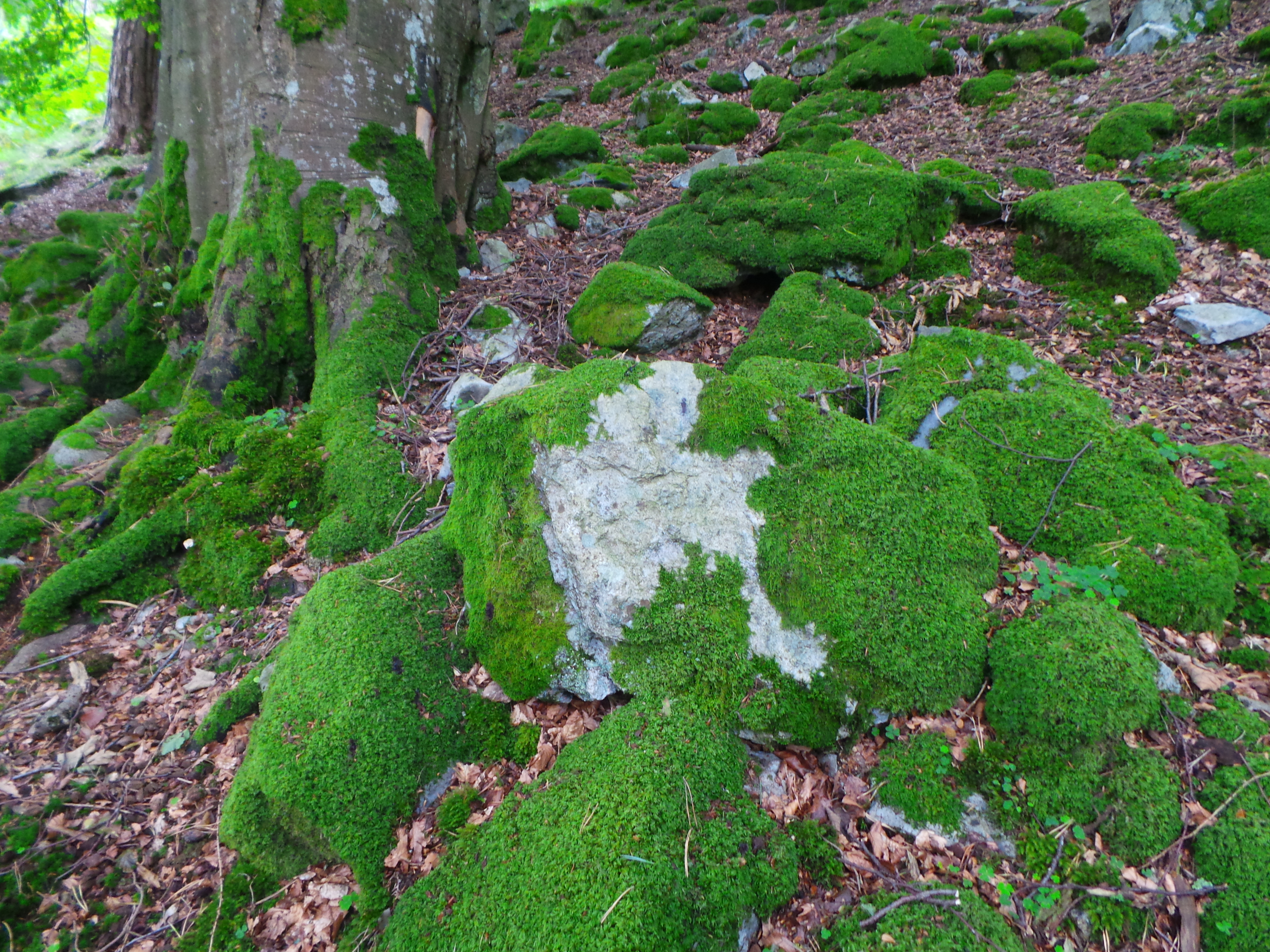
Every boulder and the bases of every tree trunk were carpeted in mosses and lichens, soft and silky to the touch.

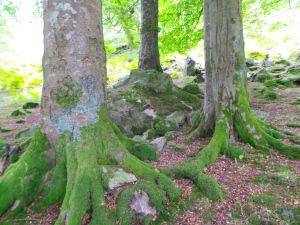
 2014 08 28_4265 2014 08 28_4294

2014 08 28_4262

The boulders had been rolled down the slope by the forces of gravity after the equally powerful force of erosion had separated them from the rock faces of the vertical outcrops towering above the tree line. Erosion had also removed the soil and scree that once anchored this tree and its roots to the ground. Today it somehow remains upright by holding on with only half of its giant roots still in the ground.

2014 08 28_4266 2014 08 28_4277

The openness at the end of the woodland afforded us vast views of the mountain range underneath which we had driven to find the waterfalls.

2014 08 28_4267 2014 08 28_4268 2014 08 28_4269 2014 08 28_4270

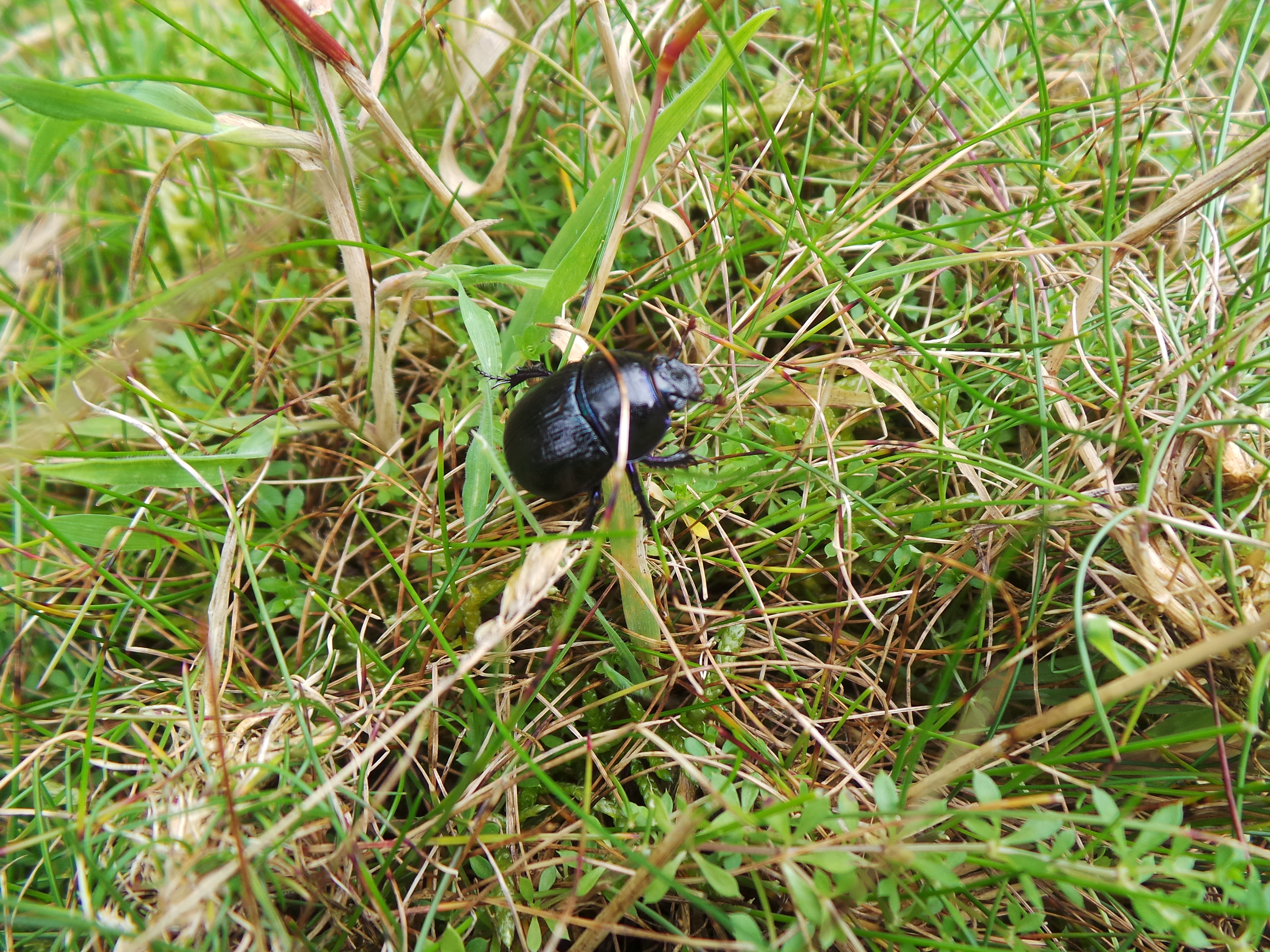
In a place dominated by huge trees, massive mountains and rugged rock faces it is good to study tiny delicate things as a contrast. There can be no more delicate flower then the Harebell and no smaller plants than mosses, lichens and algae (algae and lichen are not strictly speaking plants). Although the beetles we came across were small at only a centimetre or so long they certainly did not look delicate. They looked tough as they moved through the grass with purpose. Theses little chaps are powerful predators in the mini-beast world.

2014 08 28_4271 2014 08 28_4272 2014 08 28_4274 2014 08 28_42802014 08 28_4288 2014 08 28_42892014 08 28_4301 2014 08 28_4295

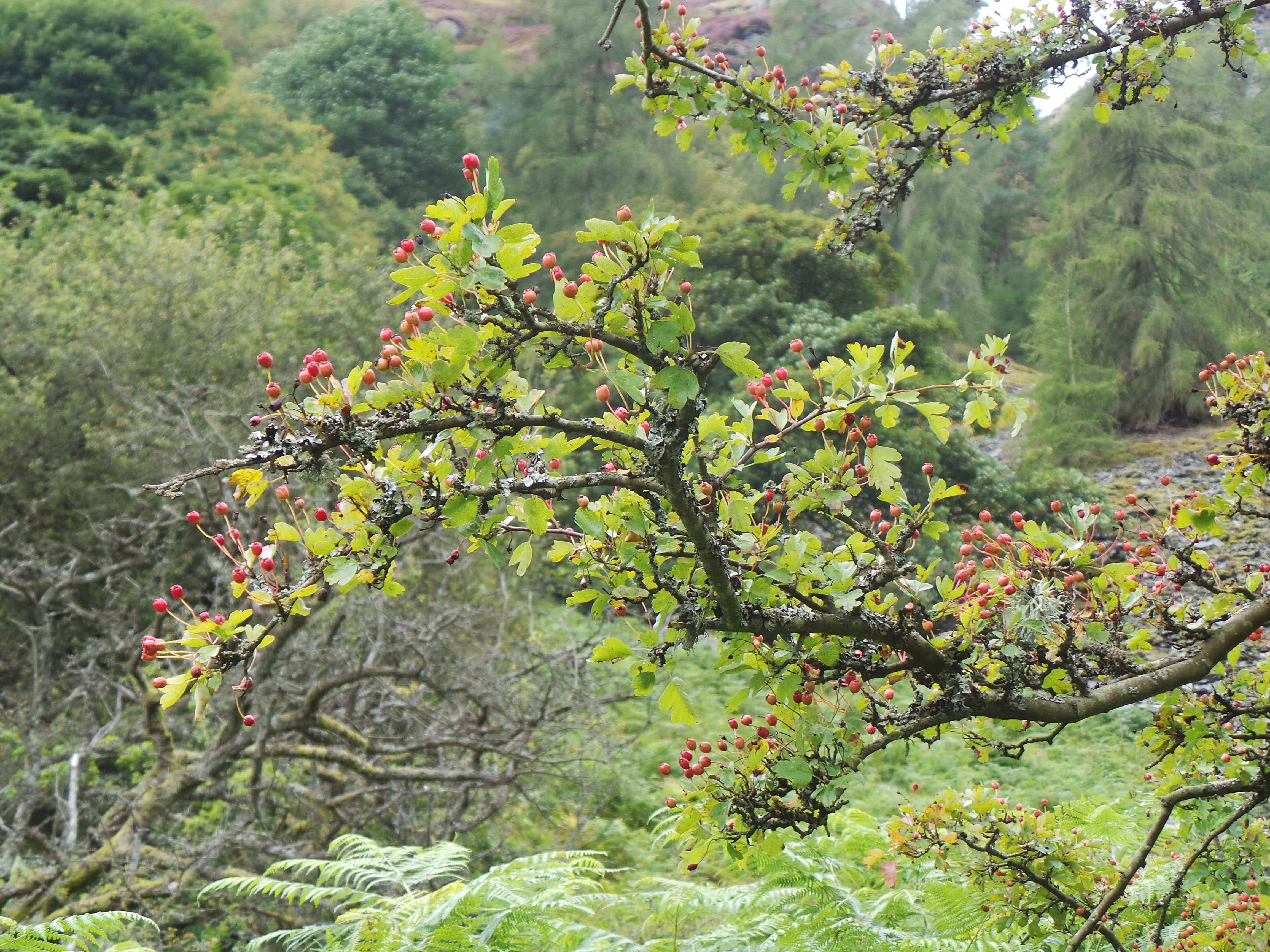
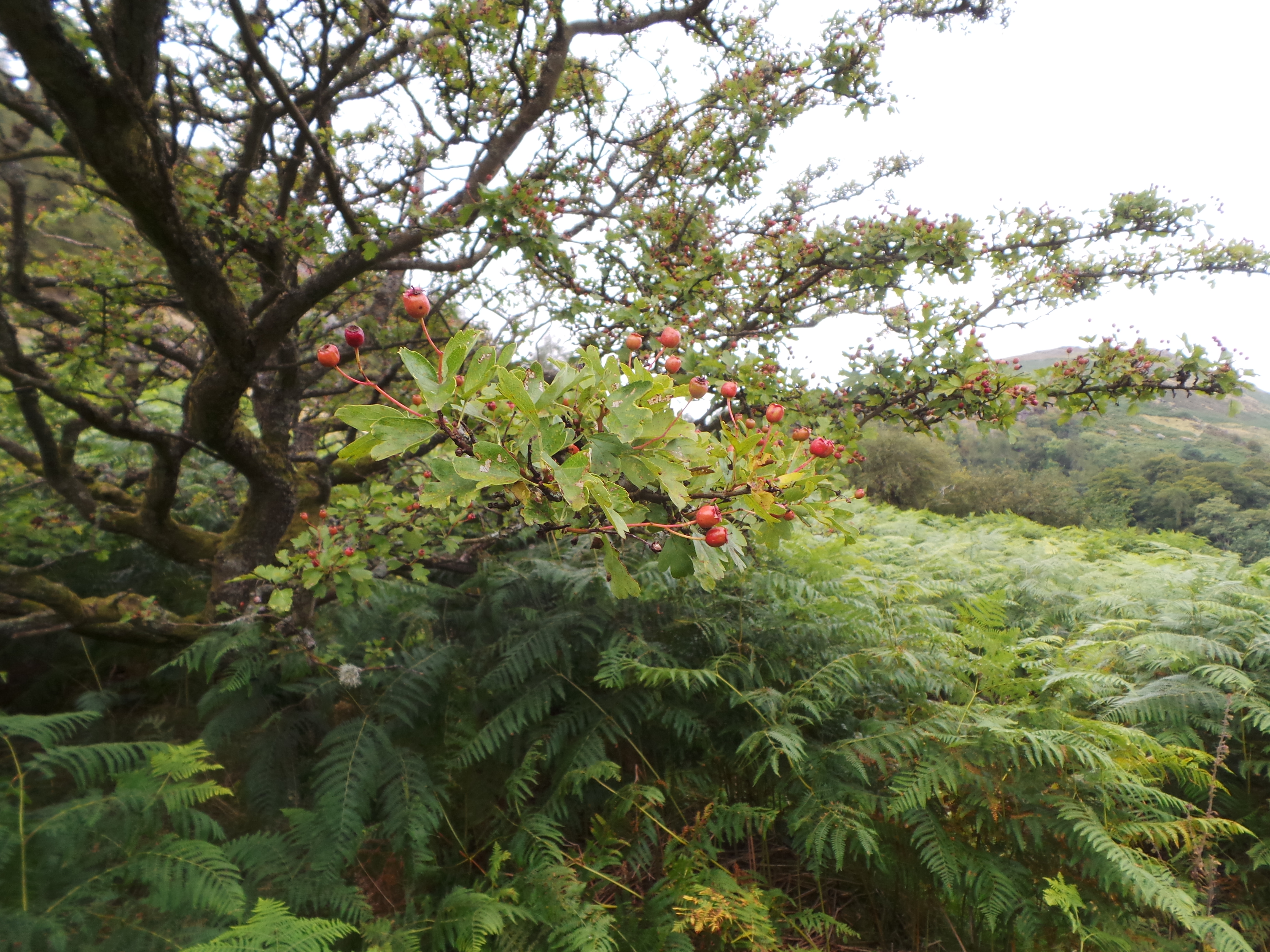
Fruit was colouring up on Hawthorns, Rowans and wild Crab Apples. We imagined that once the migrant thrushes passed through Wales they would home in on this valley side and gorge themselves on this fruit bounty.
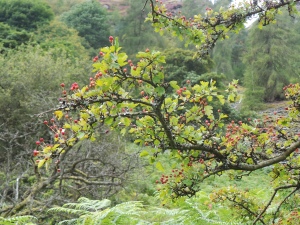
2014 08 28_4278 2014 08 28_42792014 08 28_4287

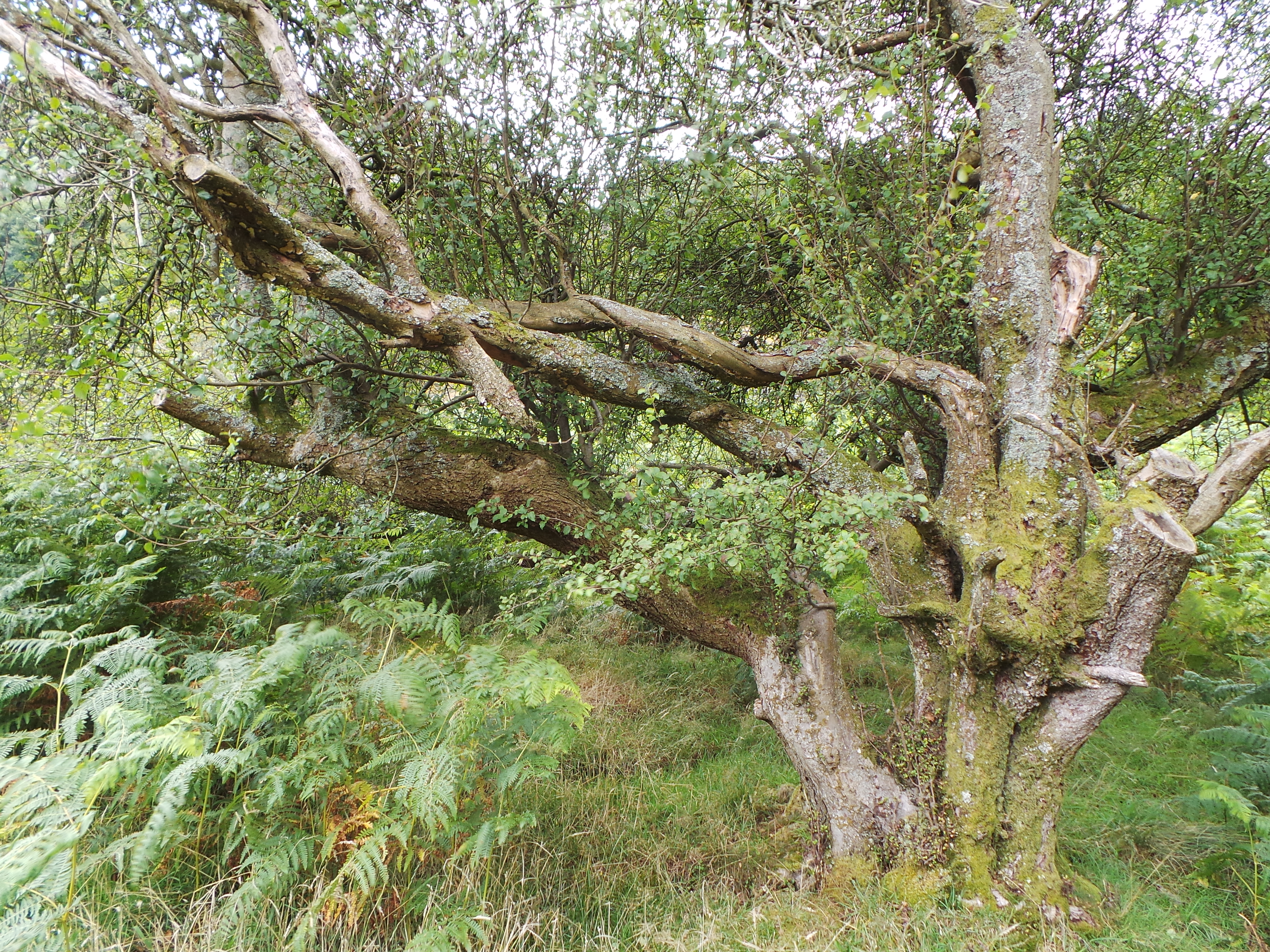
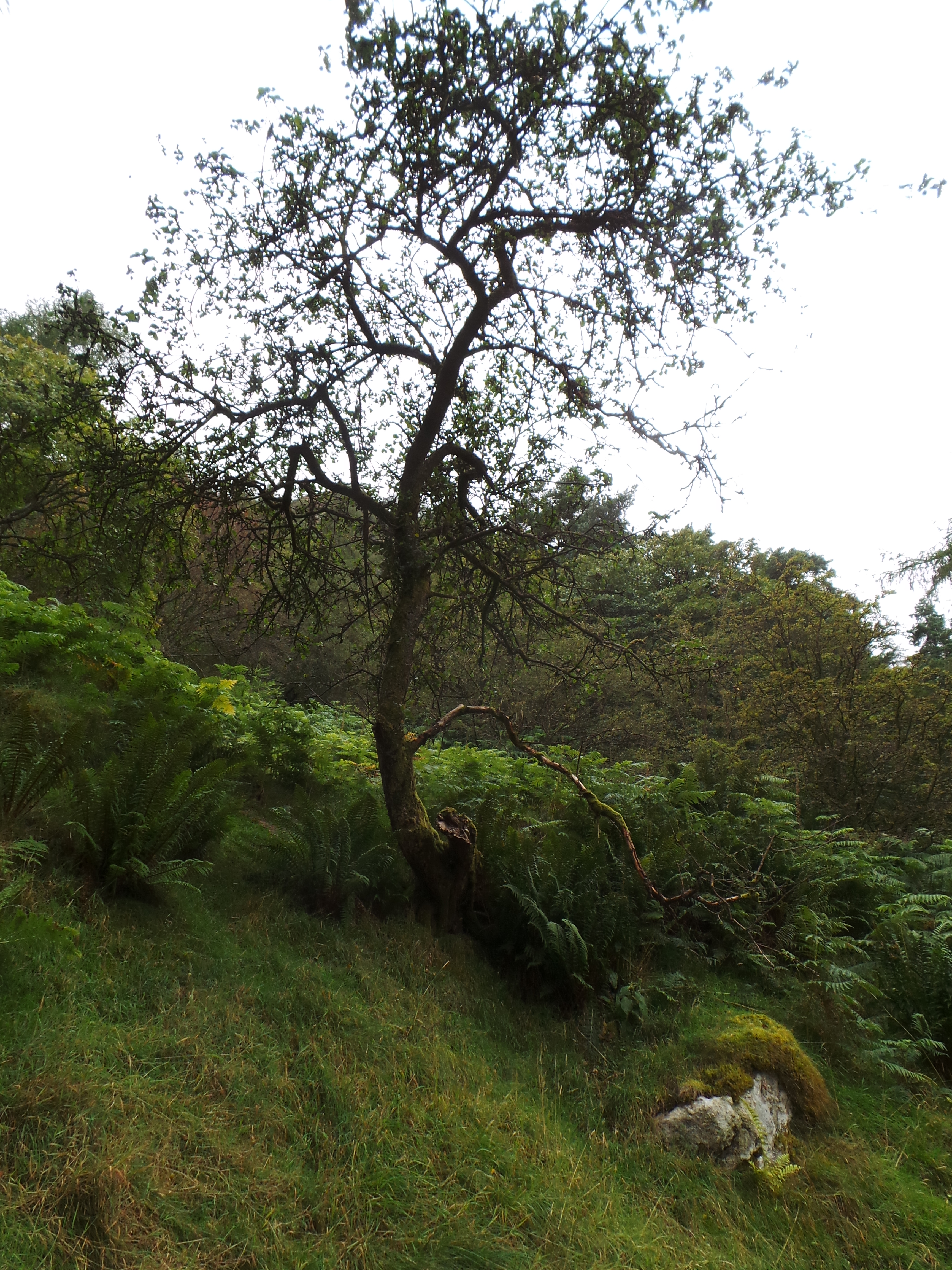
On the more exposed slopes of the valley trees live short lives and they grow stunted by the harsh winds and cold winters. This does though give them beautiful shapes, their branches and trunks taking on bonsai like twists and turns. The clean air here meant they wear coats of lichen, moss and algae. The first three pictures below are of a dead tree, partly felled but still giving a home to these tiny members of the plant world.
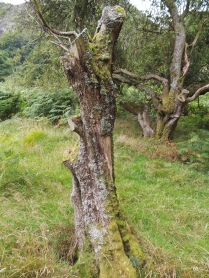
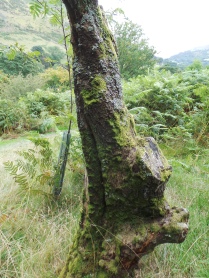
2014 08 28_4281 2014 08 28_4282  2014 08 28_4283 2014 08 28_4285 2014 08 28_4290 2014 08 28_4292

On our return back along the track we took a detour to see if we could get a closer look at the falls by going upwards. The path rose steeply and we found ourselves on a ledge almost halfway up the falls so we did get different views but not as dramatic as we had hoped for.

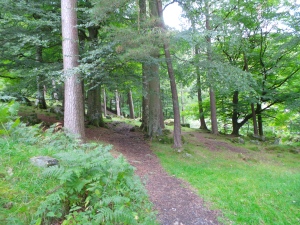
2014 08 28_4259 2014 08 28_4293

2014 08 28_4297 2014 08 28_4299 2014 08 28_4300 2014 08 28_4263

What a great place this is, possibly as close to wilderness as we can find in this part of Wales. The walk isn’t easy or indeed sensible for either of us – me walking with a crutch and one leg without any feeling and Jude being scared of heights and hating walking with a gap alongside. But we did it and we enjoyed! And we will probably do it again! No – we will definitely do it again!
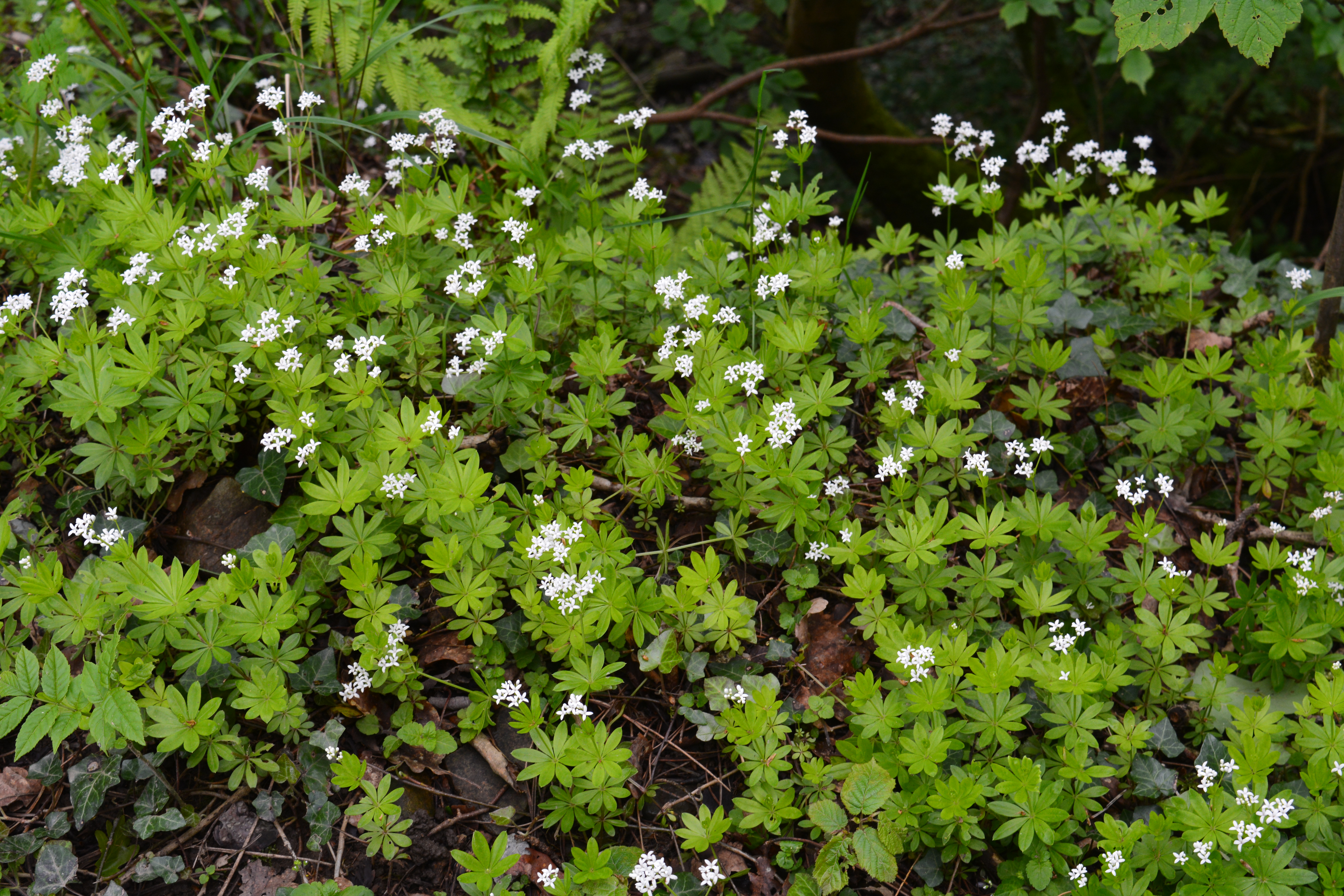


Categories
garden design garden photography garden pools gardening gardens gardens open to the public hardy perennials Italian style gardens meadows National Trust ornamental trees and shrubs roses sculpture The National Trust trees water garden water in the garden woodland woodlands

Cliveden – the house and garden of Nancy Astor

While holidaying around Cambridge earlier in the year we stopped off on our travels to have a wander around the gardens at Cliveden, the one time home of Nancy Astor. She was an English MP even though American born. Her second marriage was to Waldorf Astor who inherited to a peerage and entered the House of Lords. Nancy was the first ever woman to be a member of the House of Commons, but also gained notoriety as a Nazi supporter.

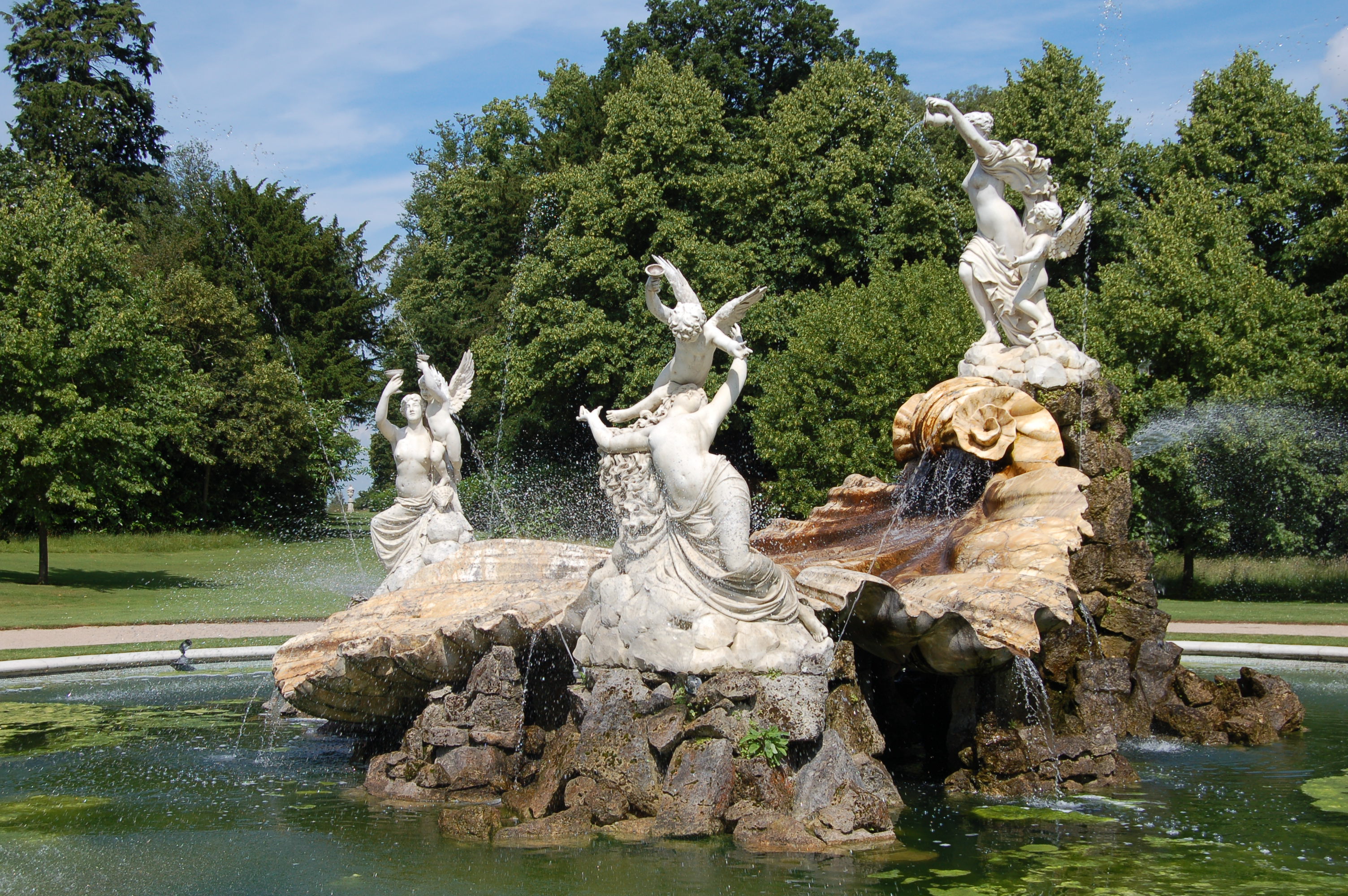
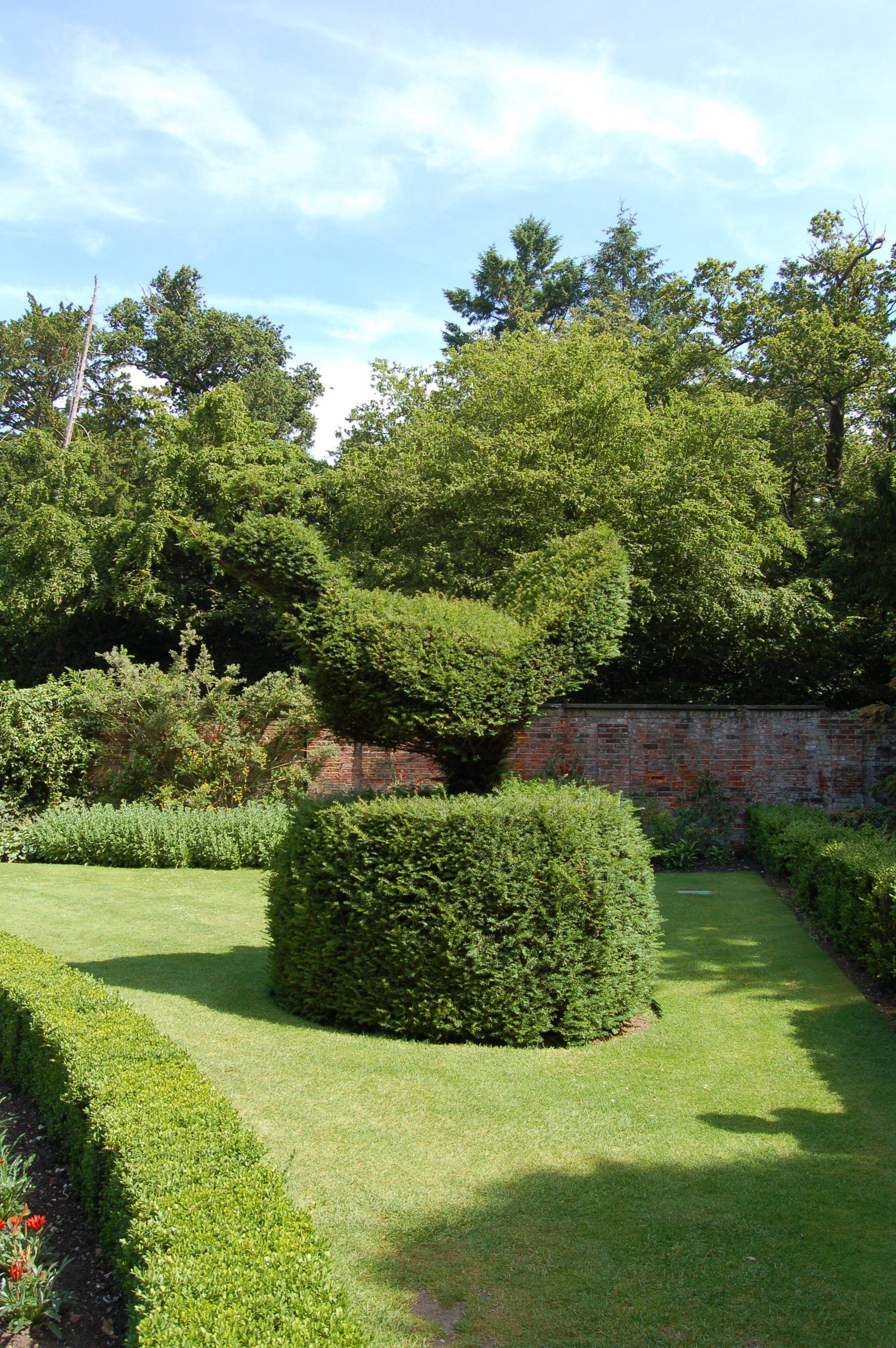
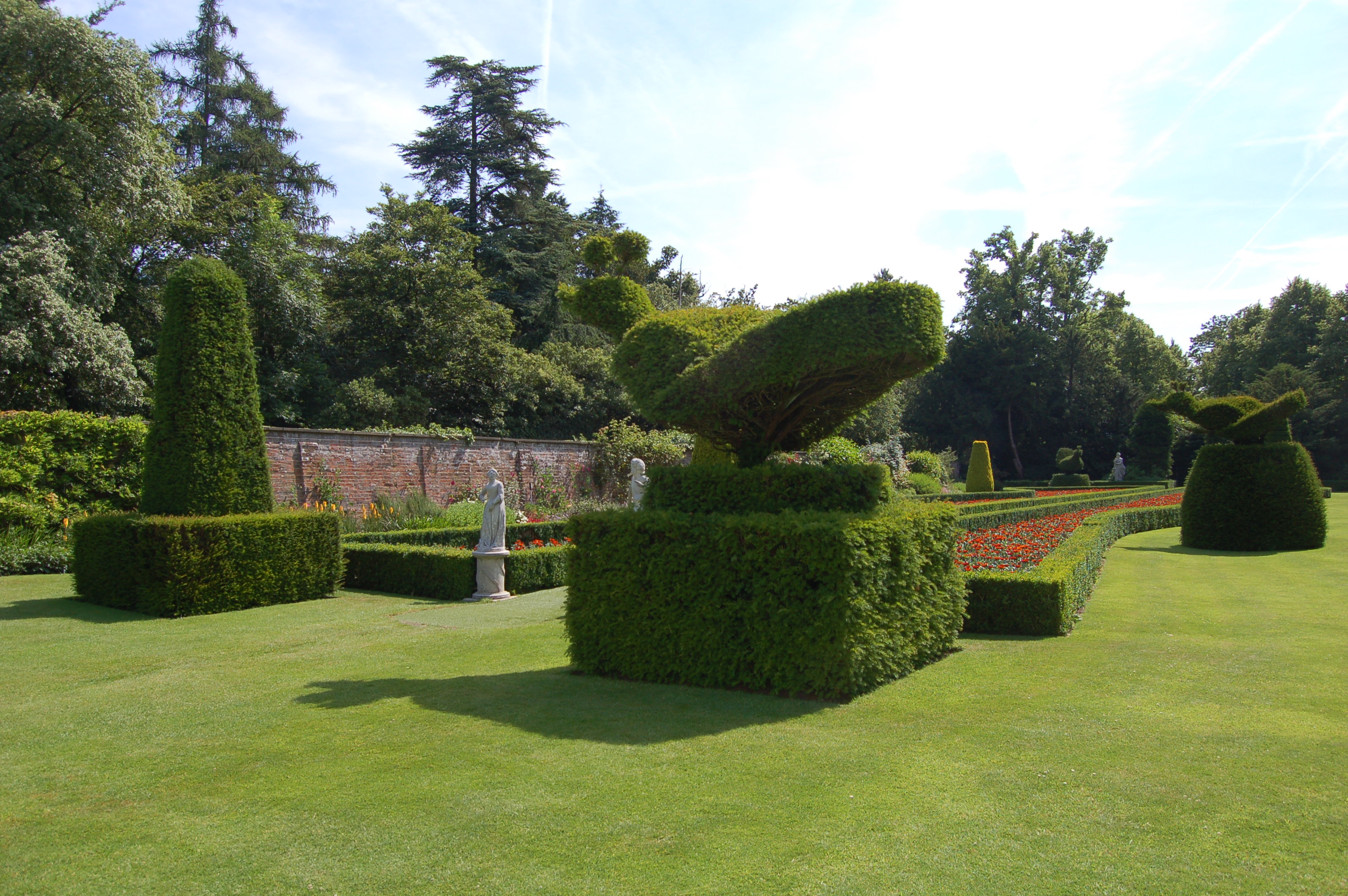
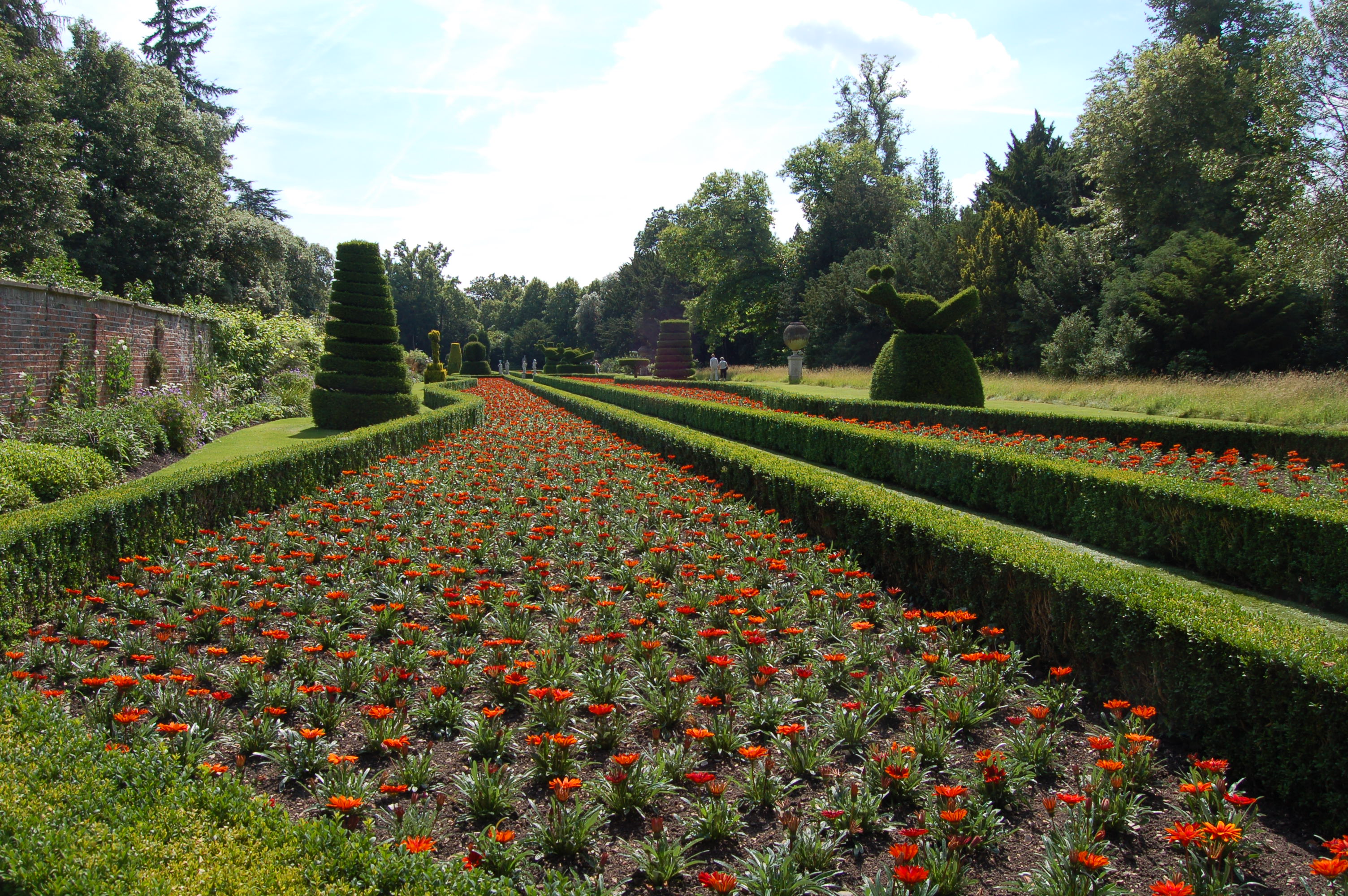
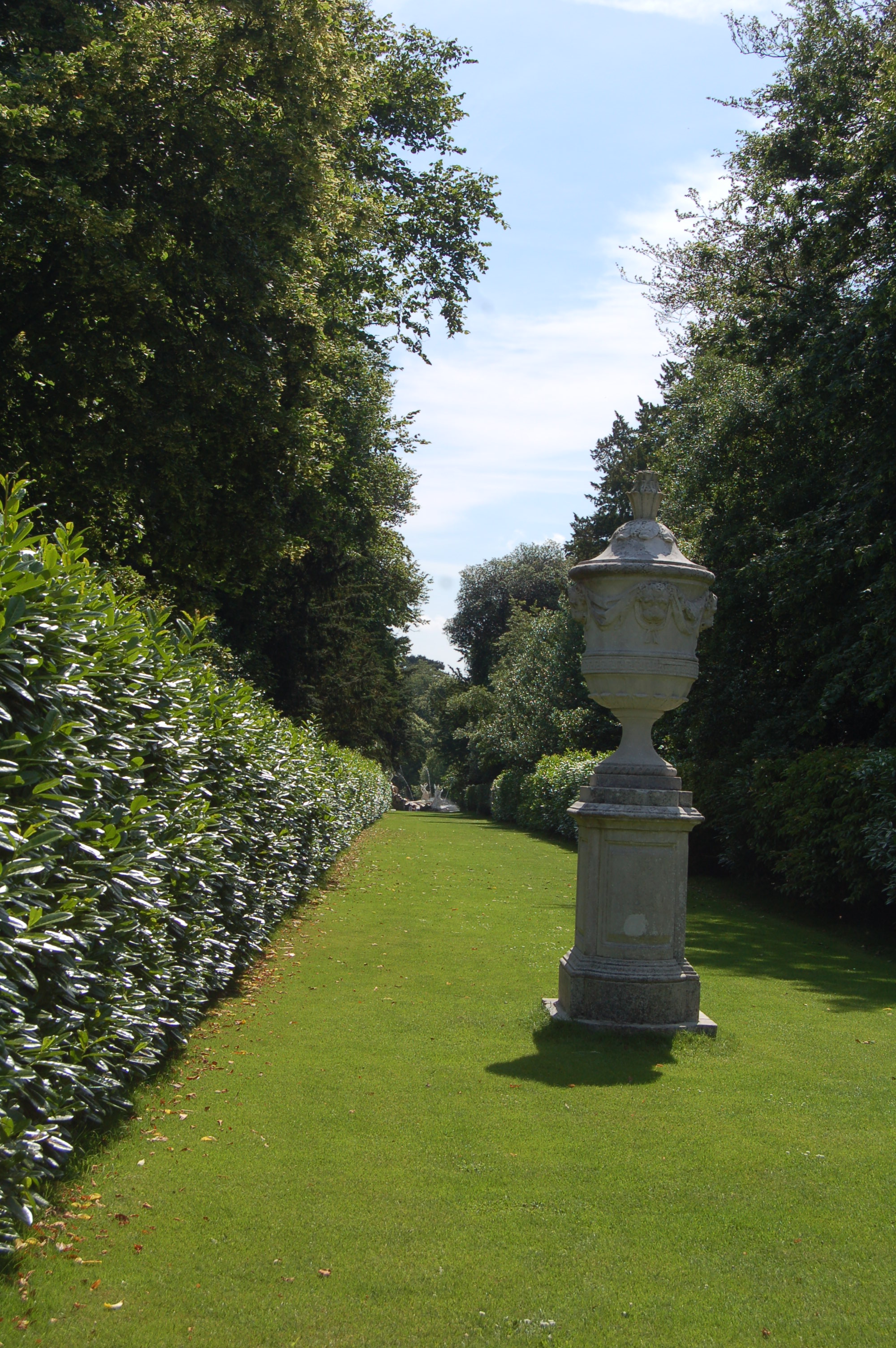
Her garden turned out to be a garden planted in a style we do not actually like but definitely “of its time”. We are definitely not fans of formal gardens or bedding schemes and here we found both but viewed from an historic perspective they were interesting. Classical figures, topiary and “grand fountains” are also not my style but Jude the Undergardener, being more of a history buff doesn’t mind them.

2014 06 25_1153 2014 06 25_1154

2014 06 25_1166 2014 06 25_1169

2014 06 25_1162 2014 06 25_1155 2014 06 25_1156 2014 06 25_1164

2014 06 25_1163 2014 06 25_1165

2014 06 25_1173 2014 06 25_1174

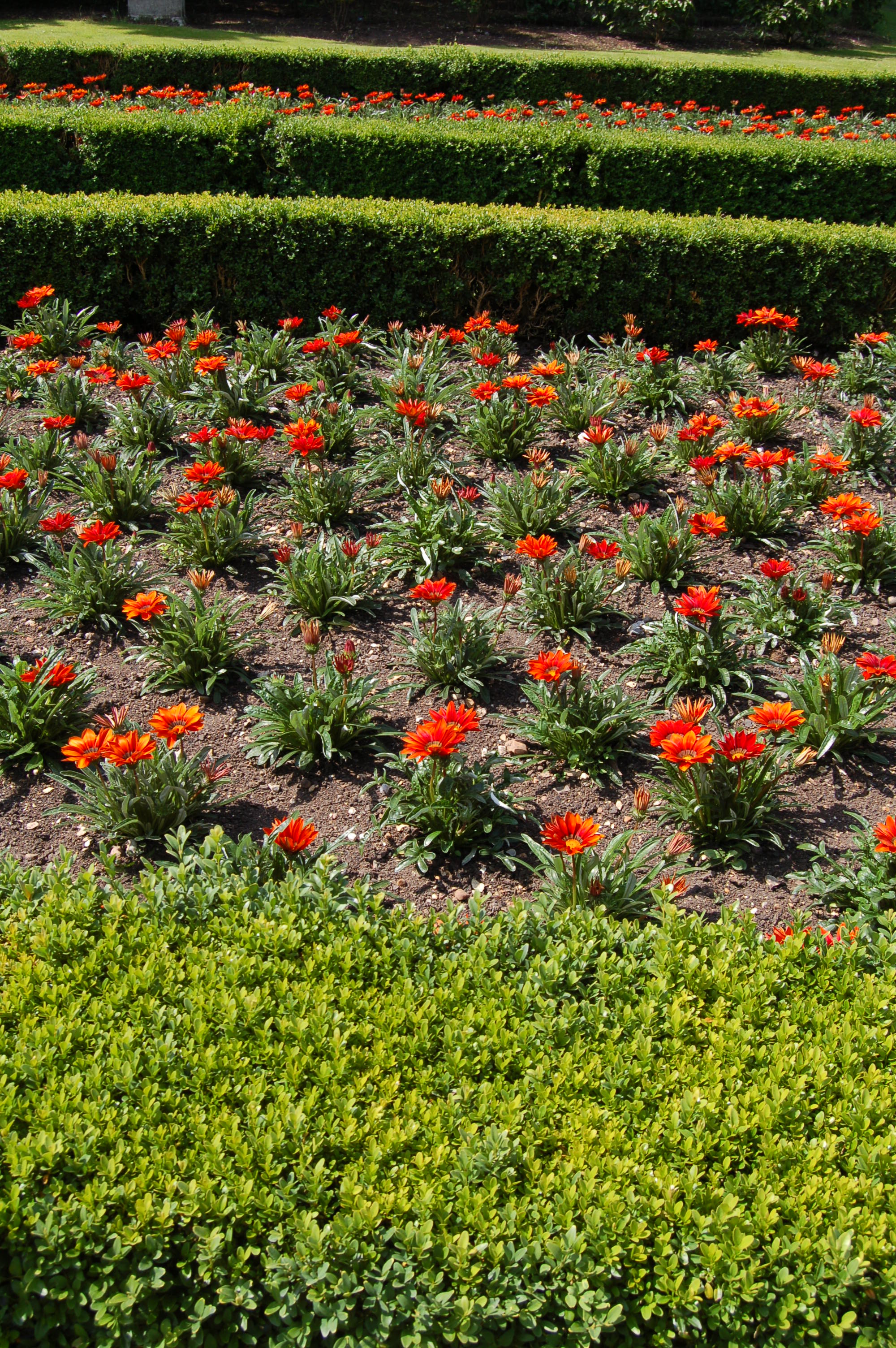
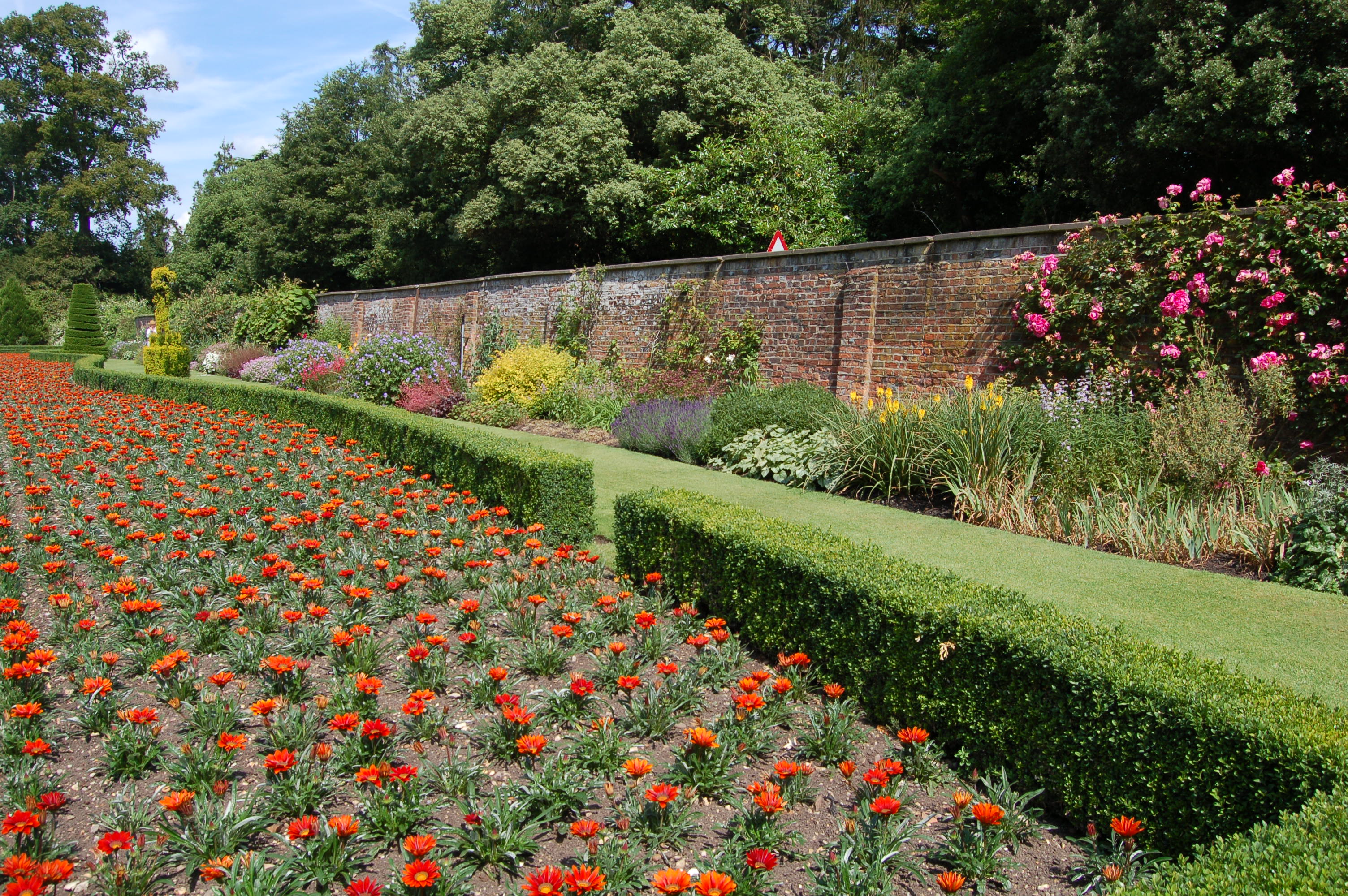
Interestingly close up the bedding proved to be of orange gazanias rather than the begonias or pelargoniums we expected.

2014 06 25_1160 2014 06 25_1167

But bordering the bedding scheme central feature was a long mixed border, much more to my liking.

2014 06 25_1157 2014 06 25_1158 2014 06 25_1159 2014 06 25_1161

2014 06 25_1168

Things were looking up soon however as we passed through an opening in the yew hedging and discovered a tree unknown to me in the woodland.

2014 06 25_1175 2014 06 25_1172

2014 06 25_1170 2014 06 25_1171

2014 06 25_1177 2014 06 25_1178

Little areas of meadow lined the pathway down through the woodlands. Gnarled branches of old shrubs curled around on the grass near the paths.

2014 06 25_1183 2014 06 25_1191

2014 06 25_1180 2014 06 25_1181

The old rose garden has been revamped recently with newer more disease resistant varieties, so inevitably most are from David Austin. The colours of the blooms have been chosen to represent sunrise and sunset.

2014 06 25_1184 2014 06 25_1185 2014 06 25_1187 2014 06 25_1188

The buildings clustered in the centre of the grounds were rambling and sat beautifully within its setting. In particular it had interesting chimneys and towers which look good against the clear blue sky. Towers even featured in the walled garden.

2014 06 25_1193 2014 06 25_1196

2014 06 25_1197 2014 06 25_1182

 2014 06 25_1189 2014 06 25_1192

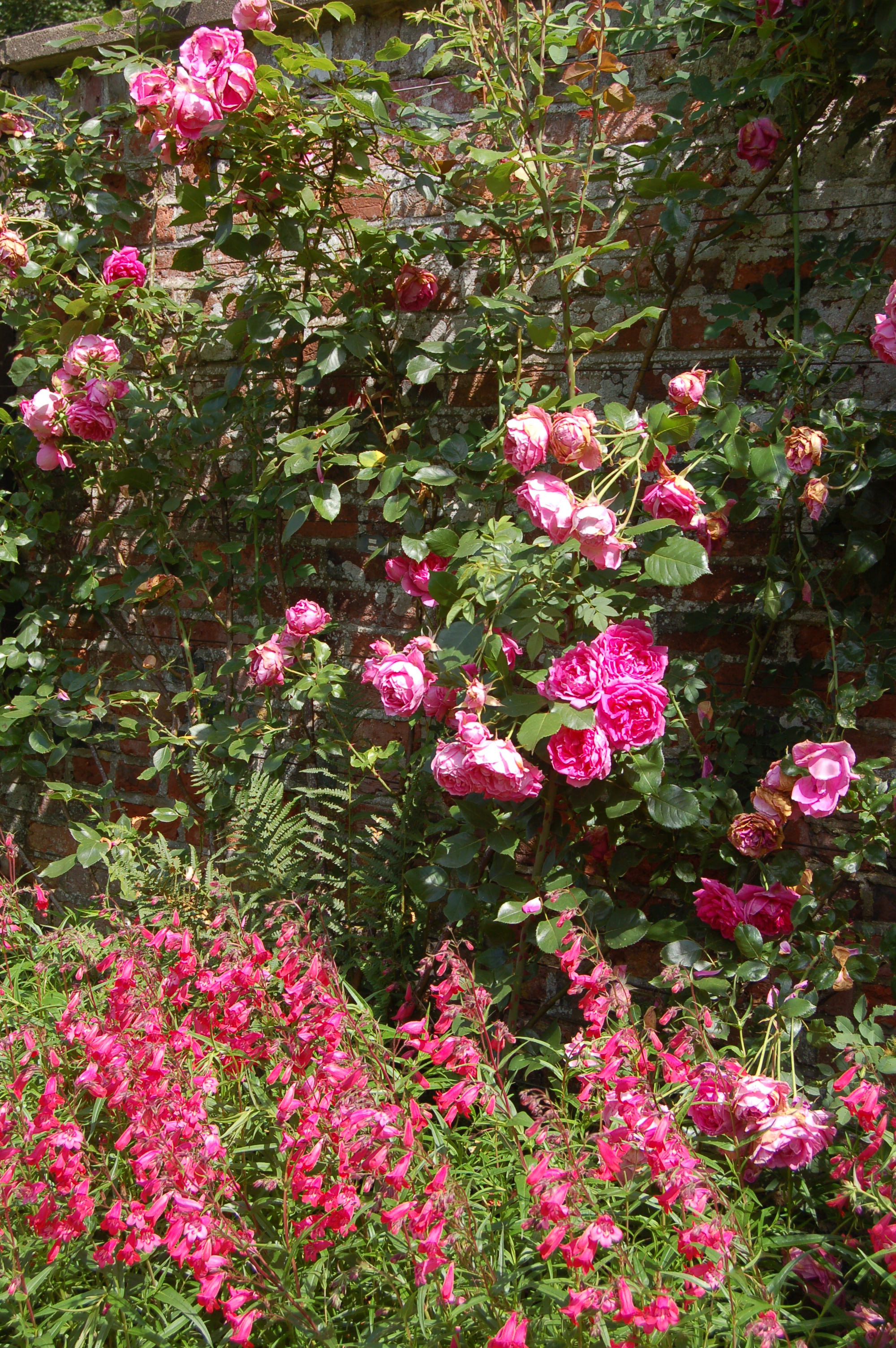
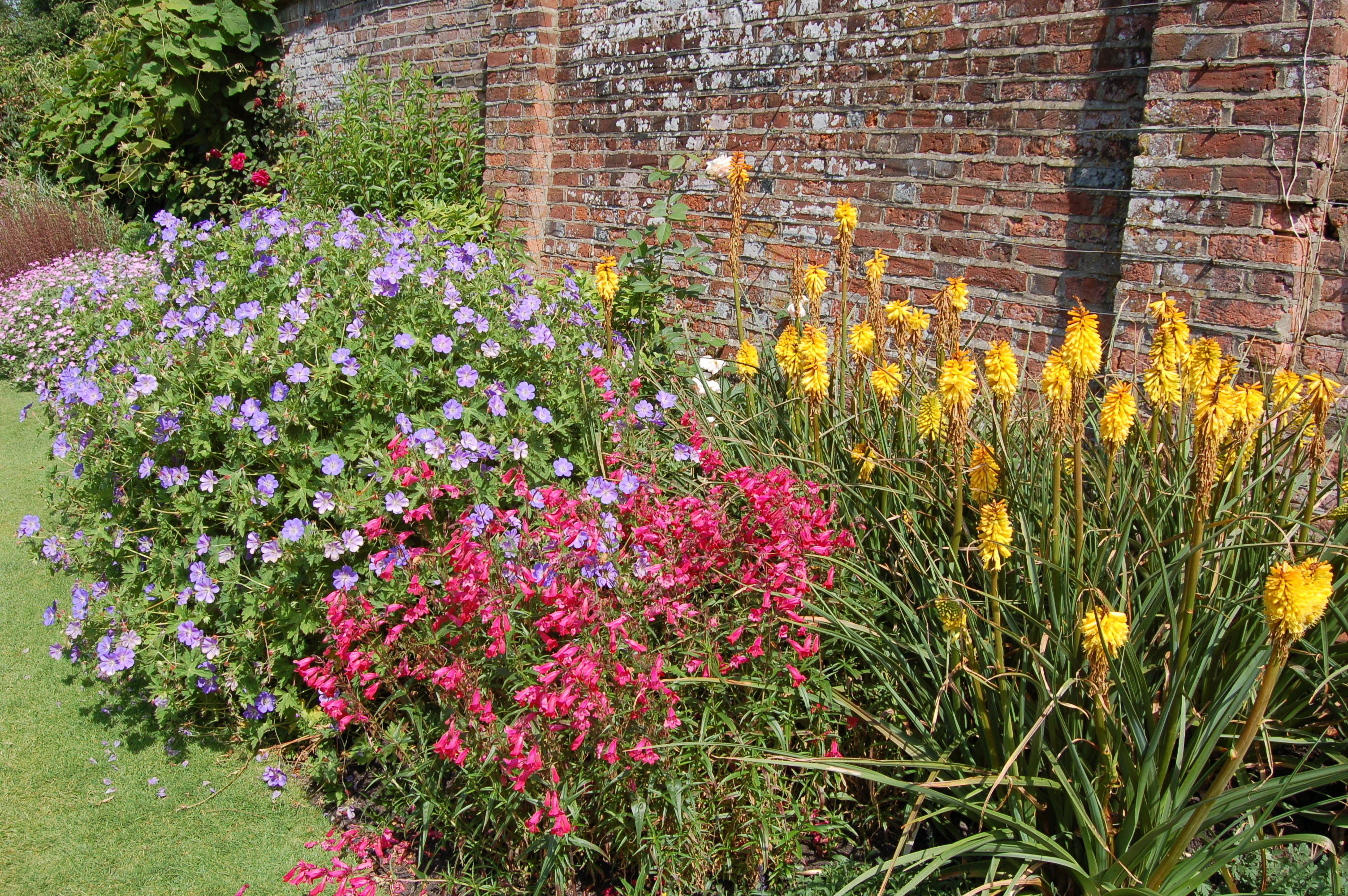
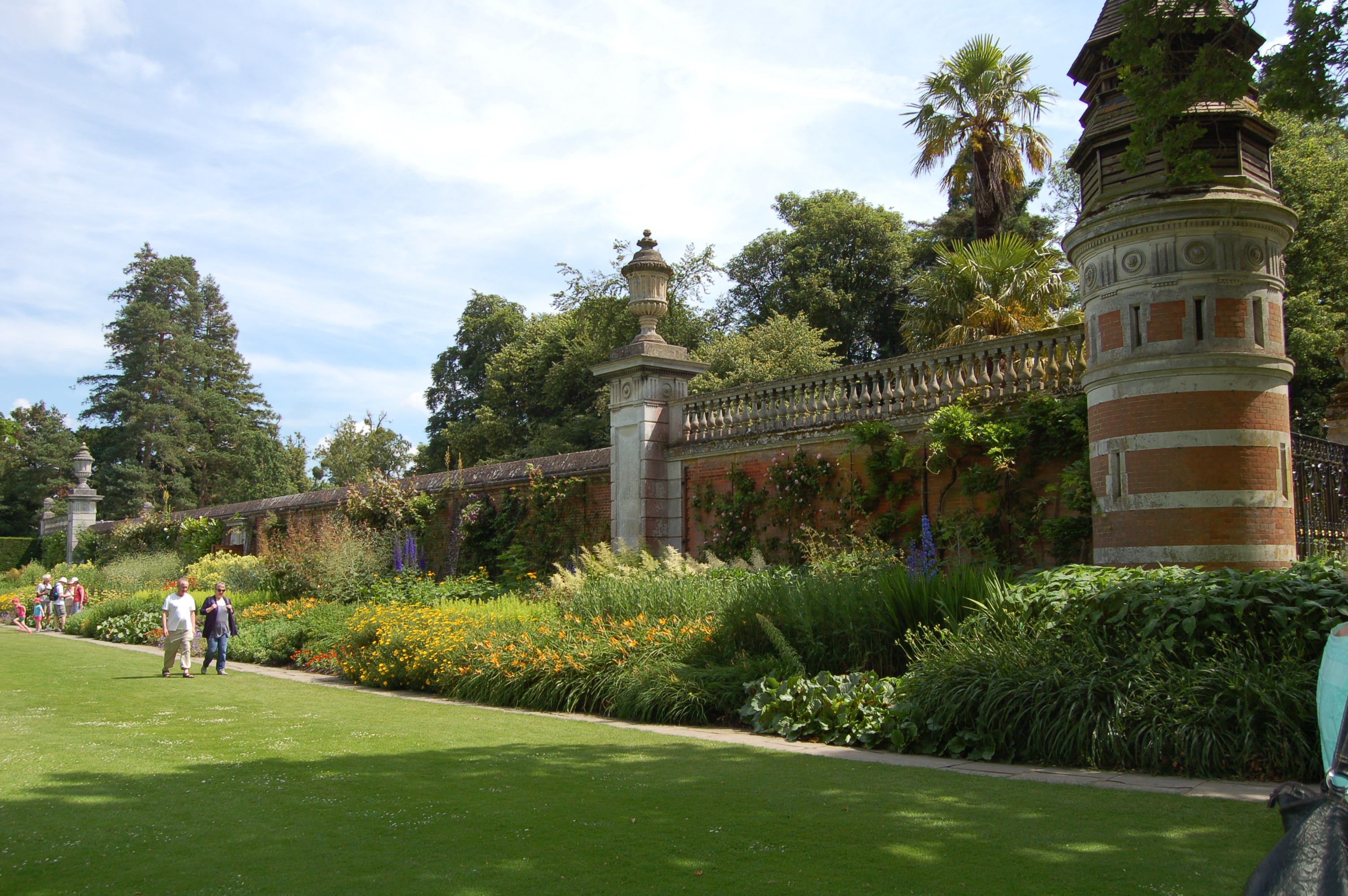
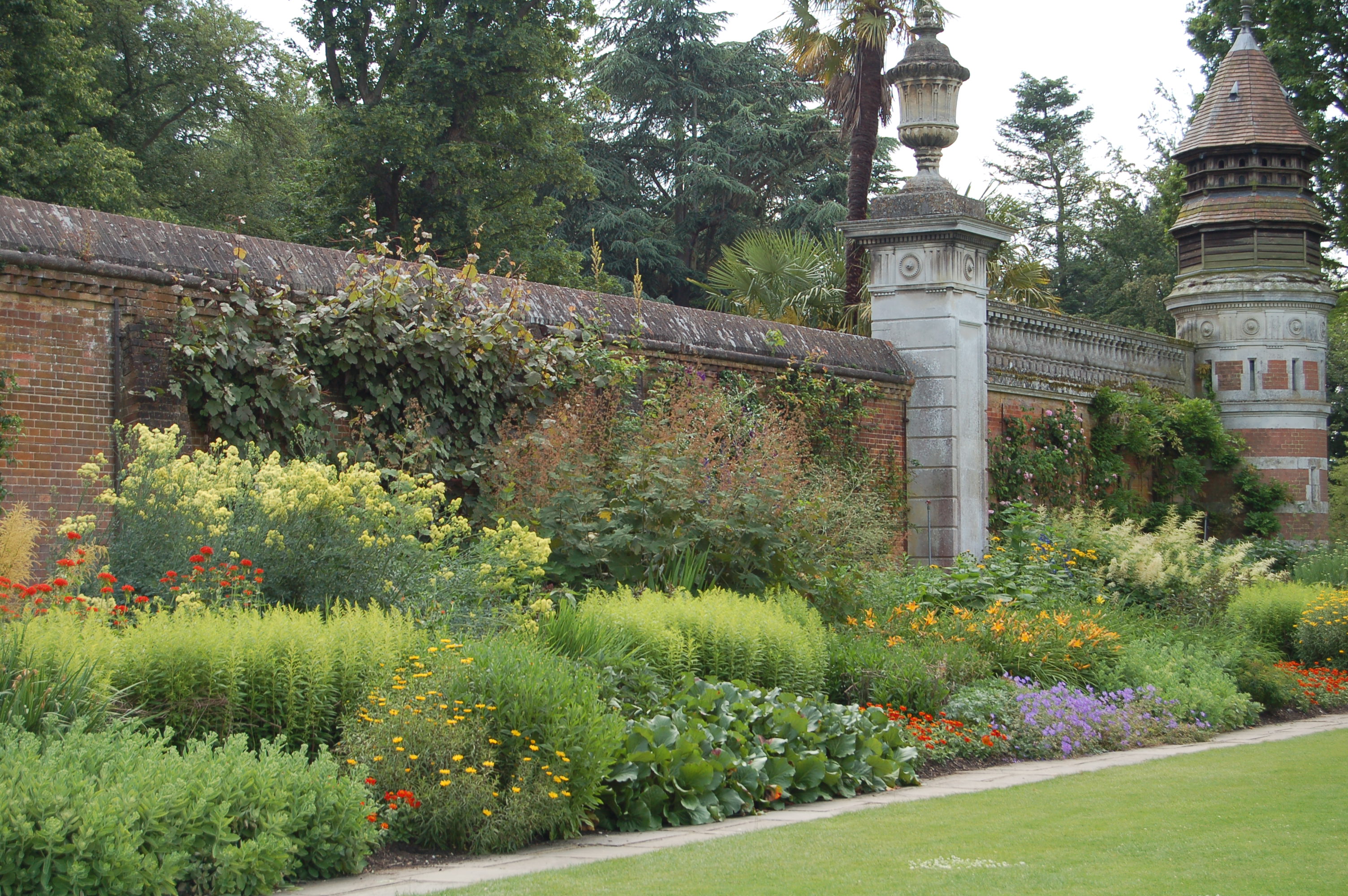
The walled garden, with its patterned brickwork, featured beautifully planted herbaceous borders around a highly manicured lawn. The plants were mainly recent cultivars and chosen for their richness of colour.

2014 06 25_1192 2014 06 25_1198 2014 06 25_1199 2014 06 25_1200 2014 06 25_1201 2014 06 25_1202 2014 06 25_1203 2014 06 25_1204

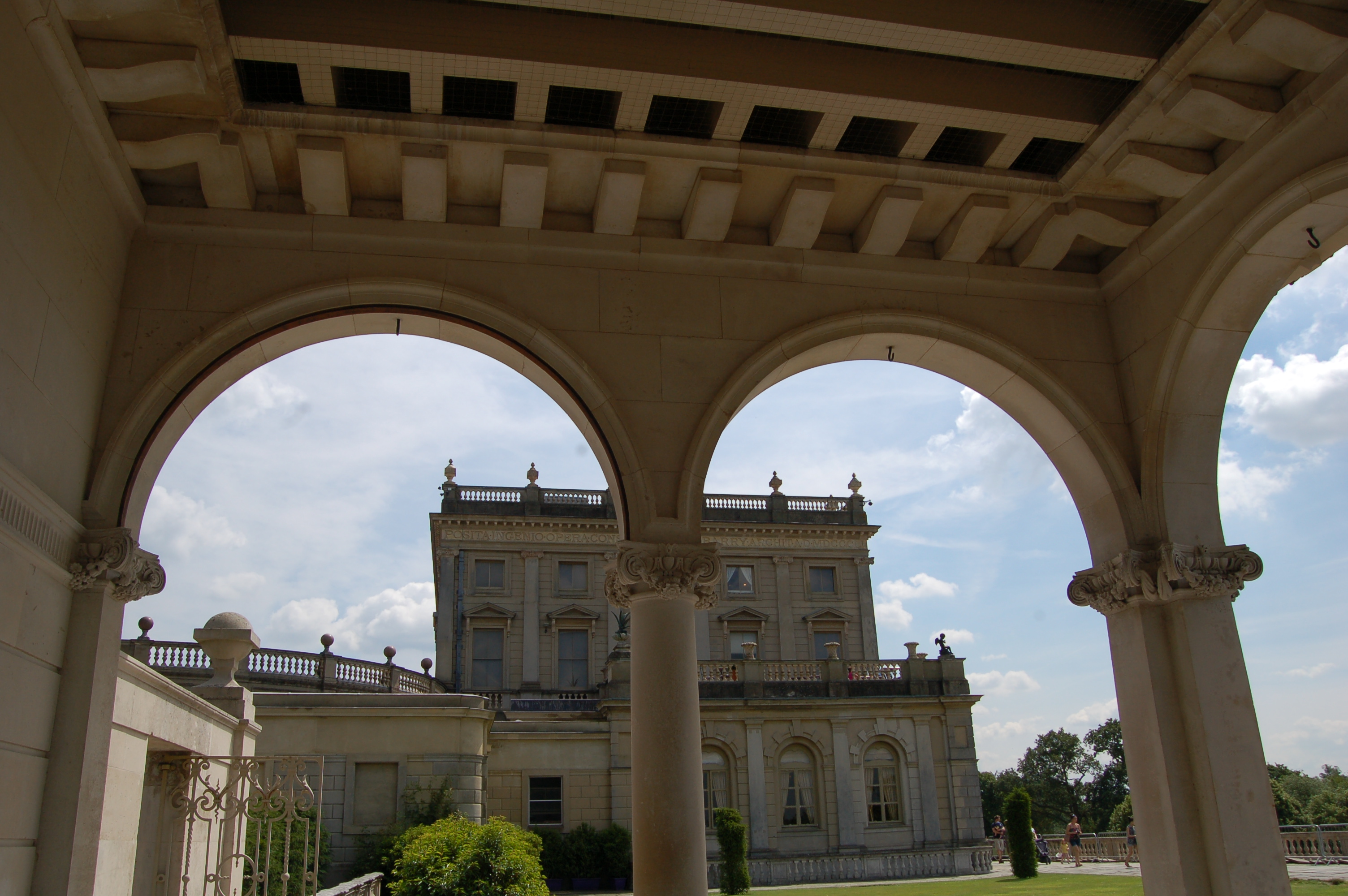
From the courtyard as we leaned on its stone ballustrade we could see the Italianate parterre placed within more manicured lawns. They seemed to sit rather awkwardly there.

2014 06 25_1194 2014 06 25_1195

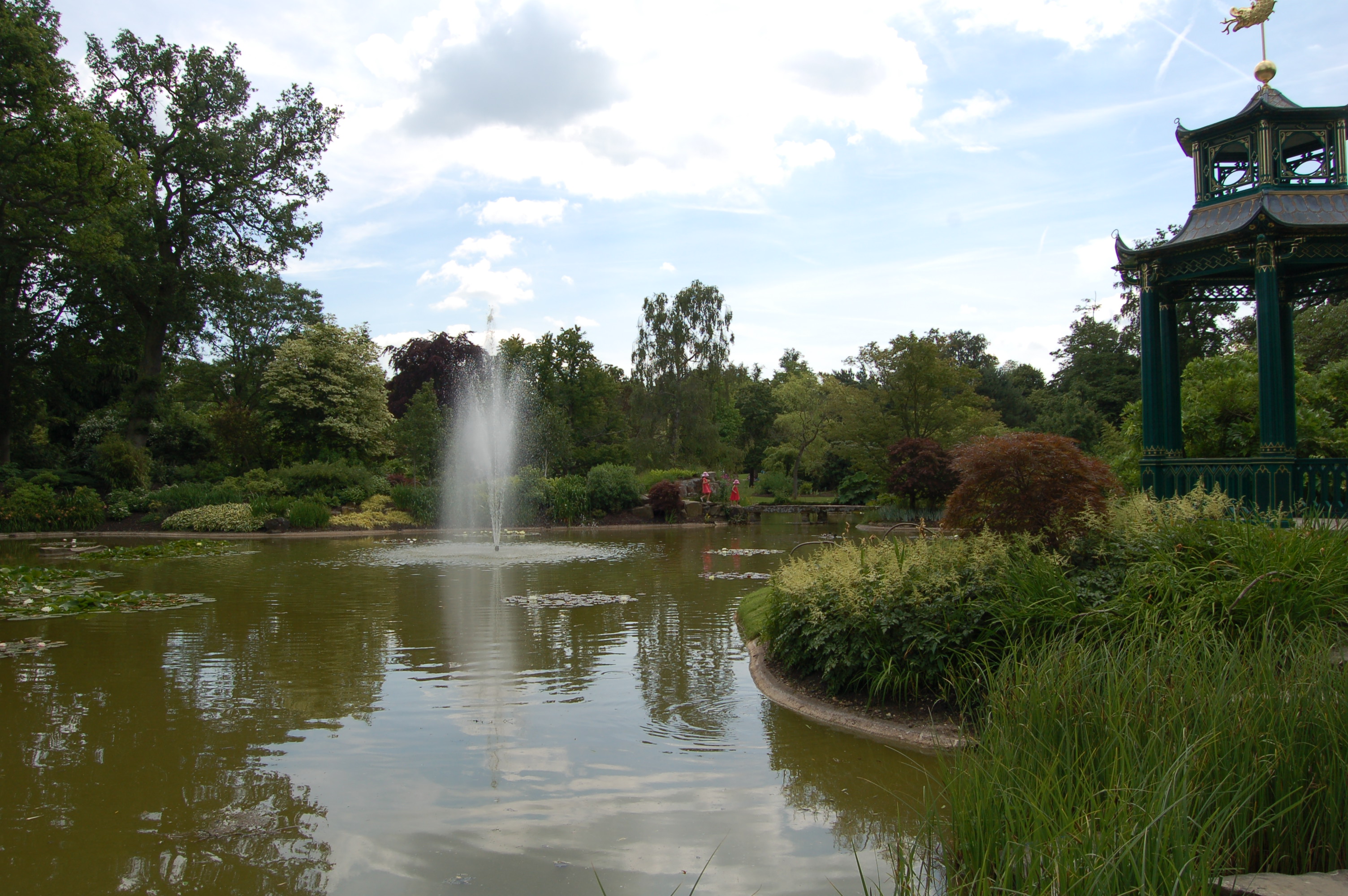
We finished our Cliveden wanderings in the Water Gardens where formal fountains and oriental buildings sit among informal pools and soft planting.

2014 06 25_1205 2014 06 25_1206 2014 06 25_1207 2014 06 25_1208 2014 06 25_1209


Categories
architecture buildings colours garden buildings gardens gardens open to the public Italian style gardens Wales woodland woodlands

Portmeiron – the work of an eccentric.

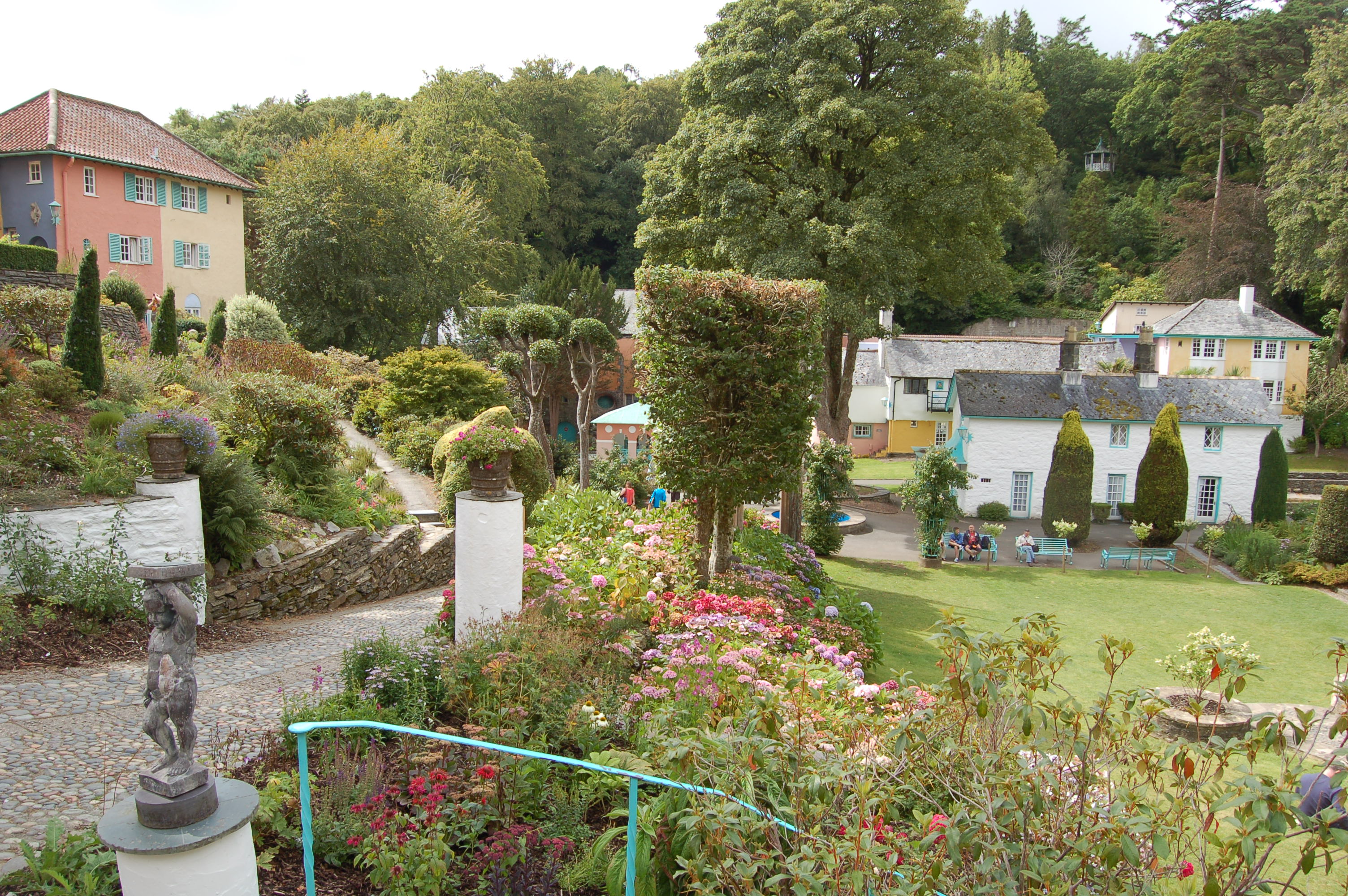
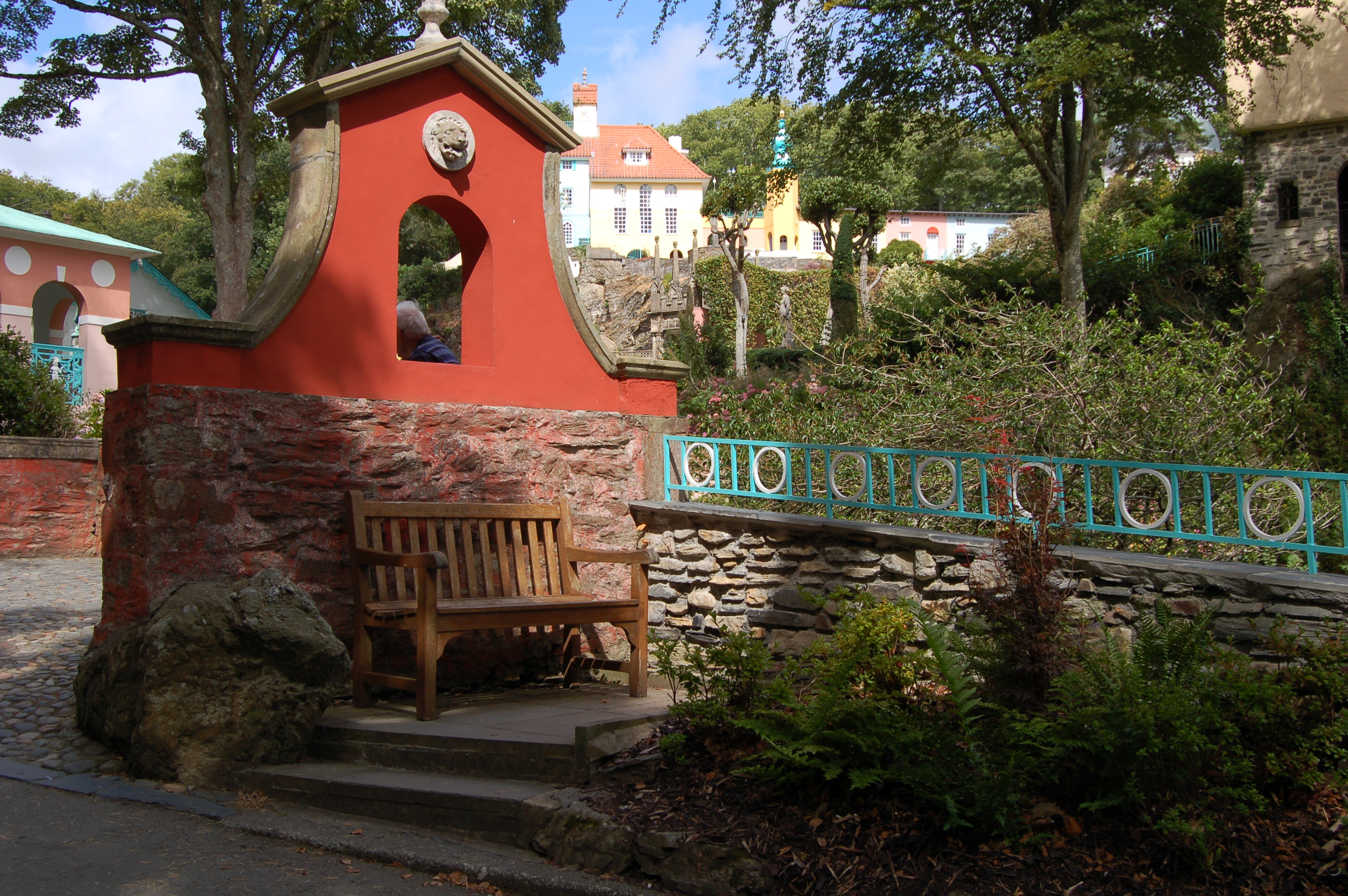
We always enjoy spending the day at this crazy, quirky and totally exuberant “garden” on the Welsh coast near Portmadoc. Portmeiron is a village and gardens created by the eccentric Clough William-Ellis who bought the site in 1925 and then spent the following 50 years developing it into what we can visit and enjoy today.

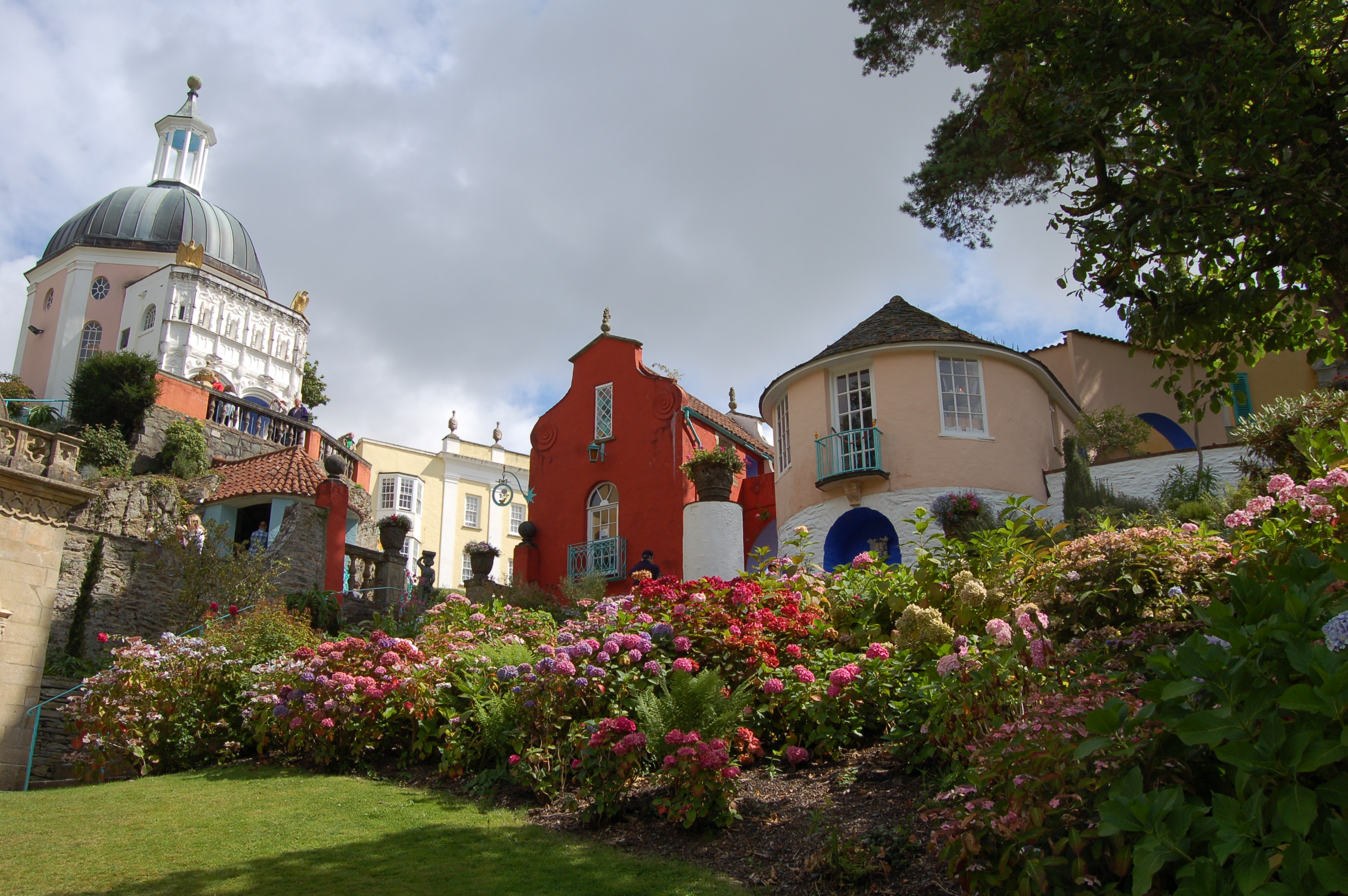
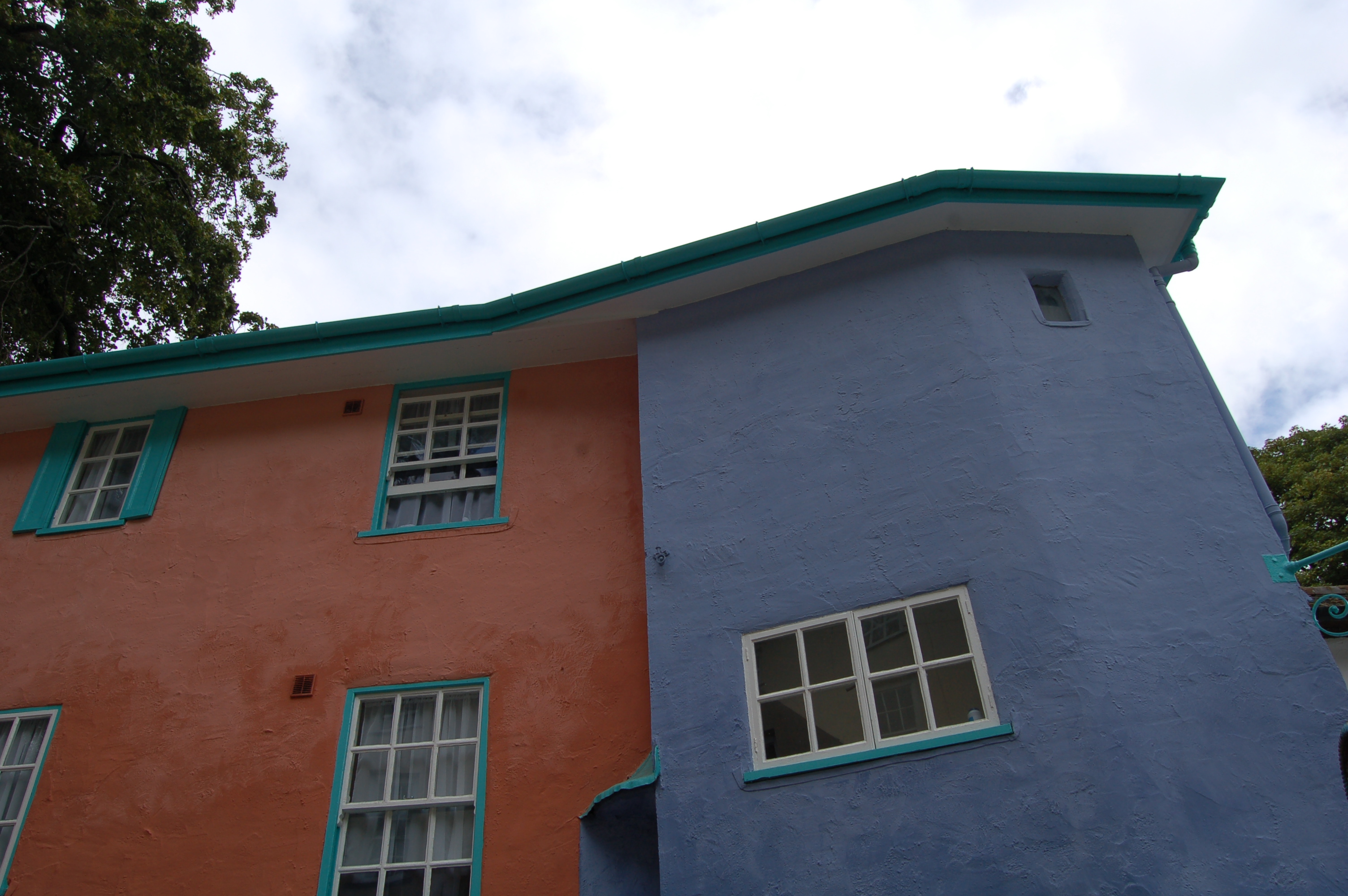
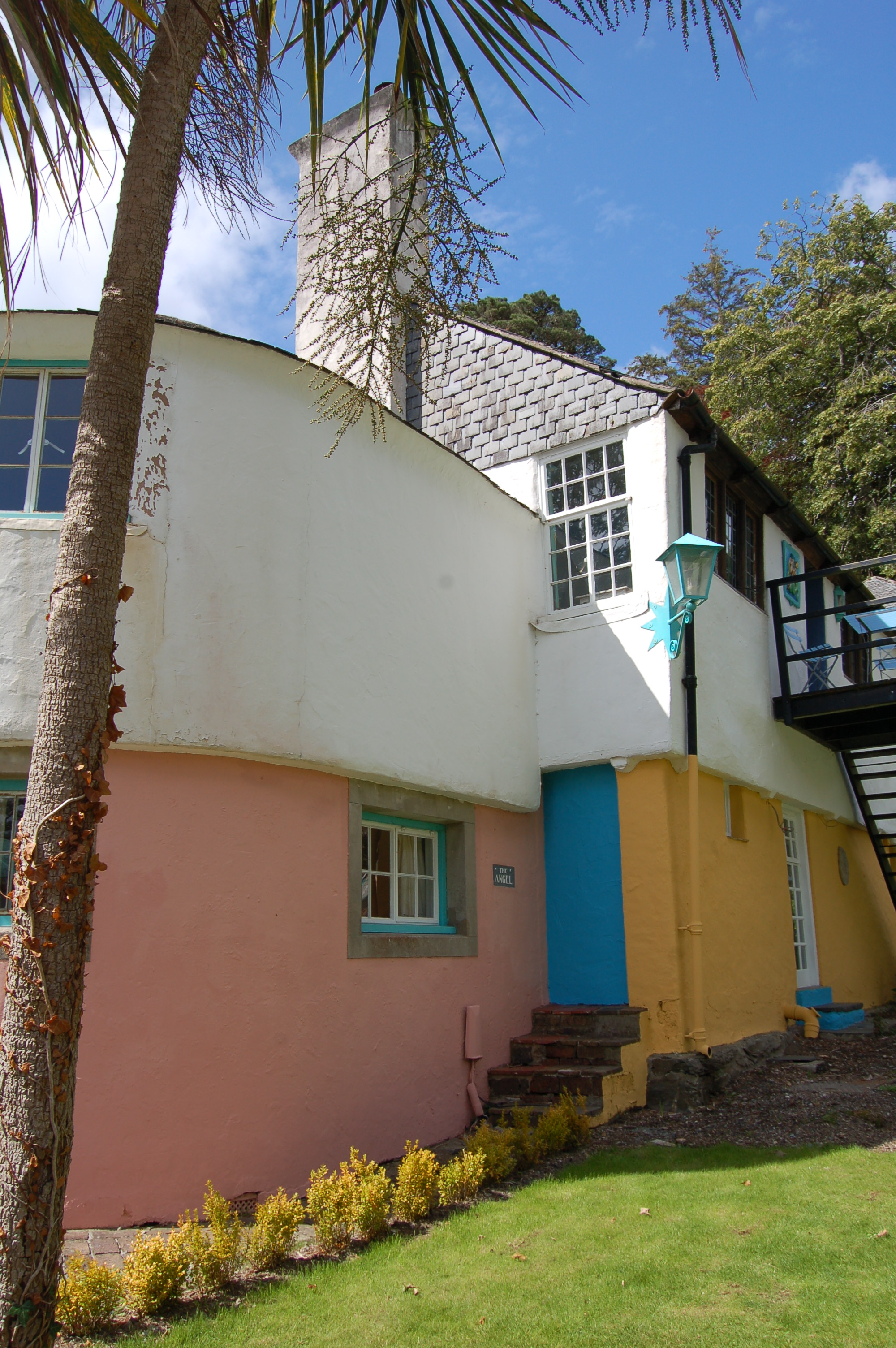
The village is a collection of buildings  reminiscent of an Italianate style. Every wall is brightly painted in an array of extravagant colours. Some are hotels or holiday cottages, others restaurants and cafes while others are shops and galleries. It is a busy little place sitting on a strip of land below the Lleyn Penninsula and it fits snuggly between the beach and a wooded slope.

2014 08 13_3574 2014 08 13_3588

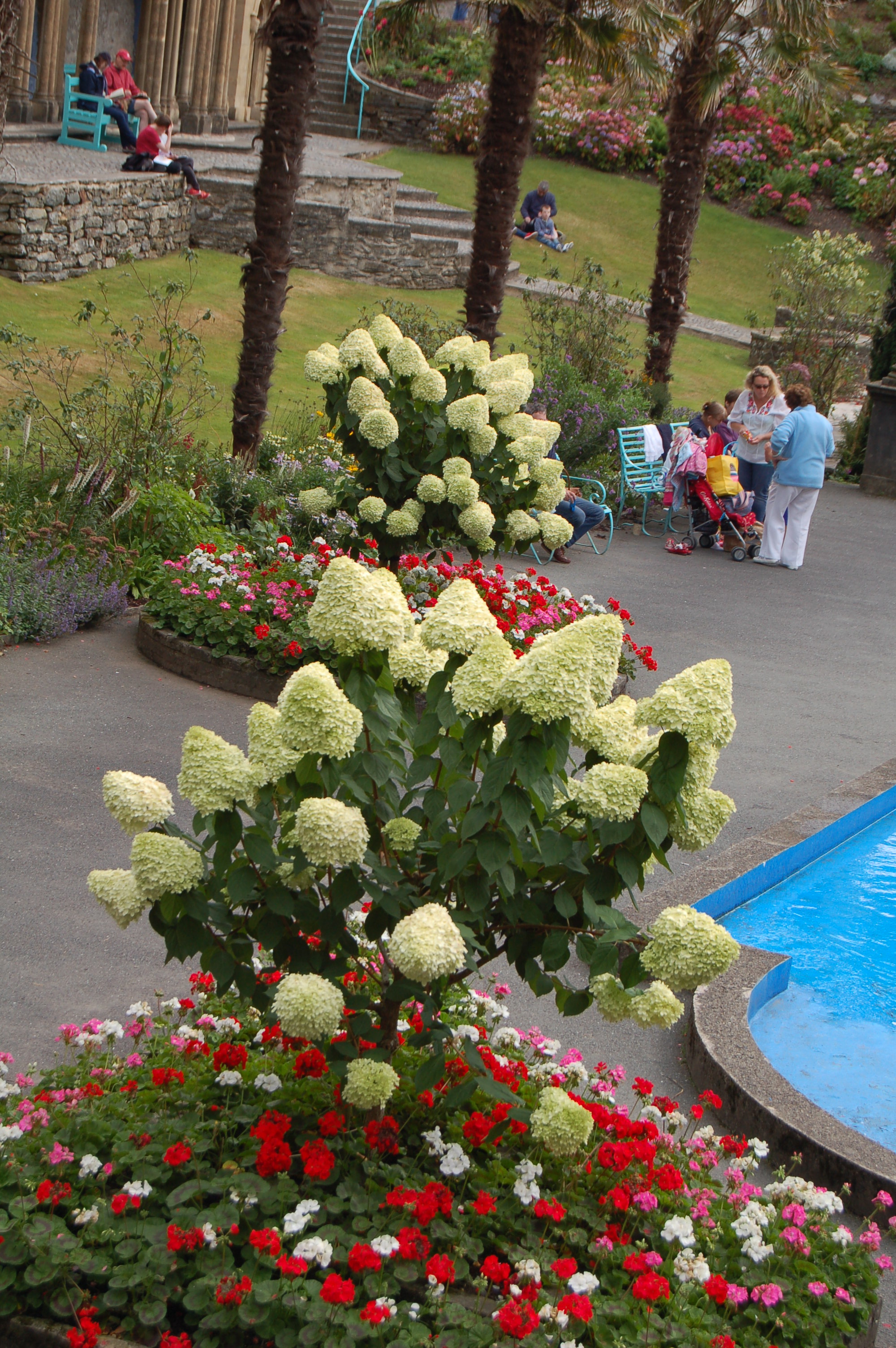
In between the collection of crazy buildings a team  of gardeners work hard to maintain patches of colourful gardens. The soil is both shallow and full of stones and the land is on a steep slope so gardening here is a tough challenge. So come through the towering gateway and wander around with us.

2014 08 13_3569 2014 08 13_3570 2014 08 13_3571 2014 08 13_3573 2014 08 13_3576

2014 08 13_3579 2014 08 13_3580 2014 08 13_3581 2014 08 13_3582 2014 08 13_3583 2014 08 13_3584 2014 08 13_36392014 08 13_3589 2014 08 13_3590 2014 08 13_3592 2014 08 13_3595


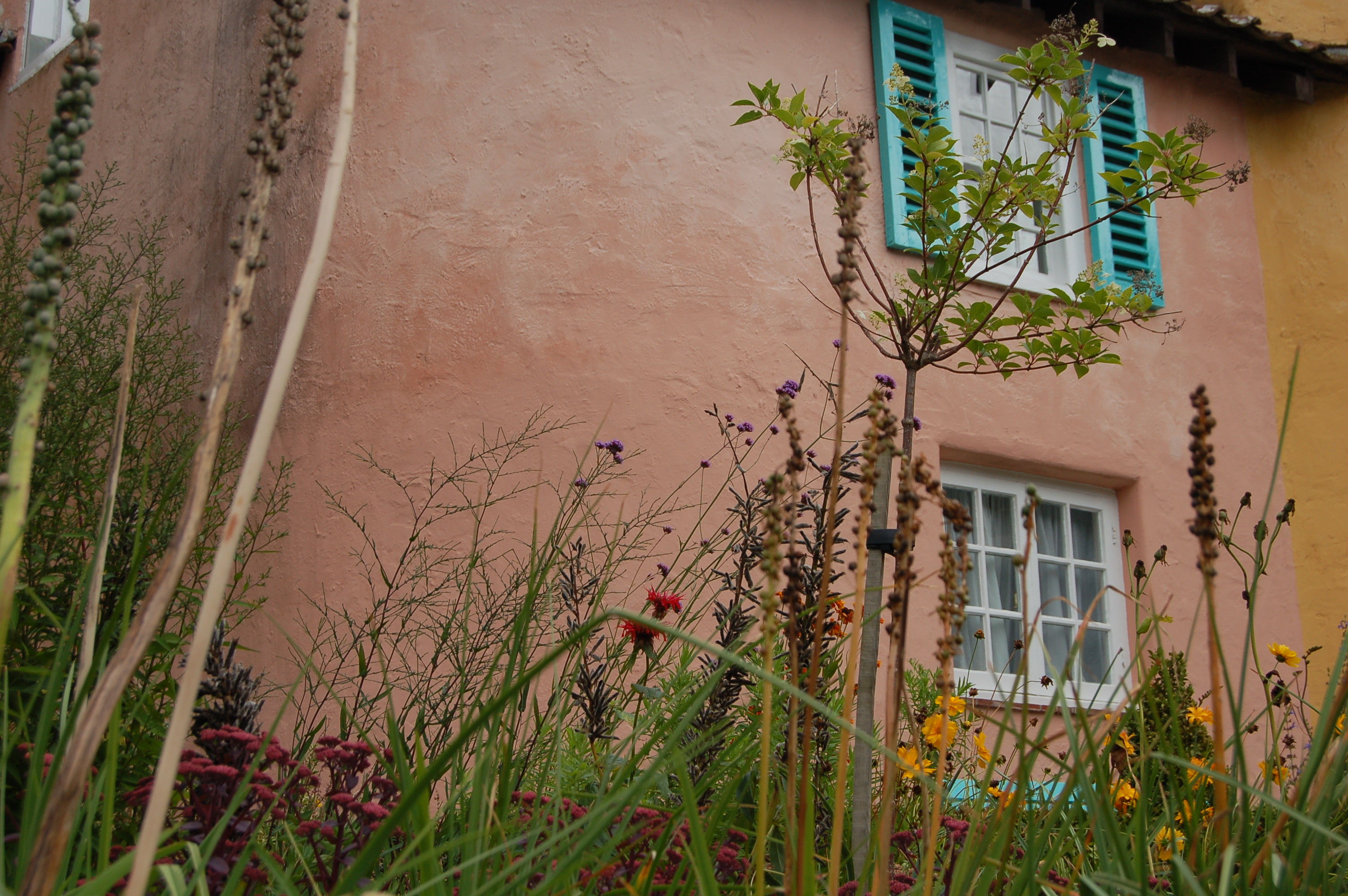
Although the Italianate style of the buildings that fascinates at first glance after a while the interesting juxtaposition of colours begins to catch the eye. Colours that you would not think of putting together when choosing paint for your home actually work beautifully.

2014 08 13_3586 2014 08 13_3597


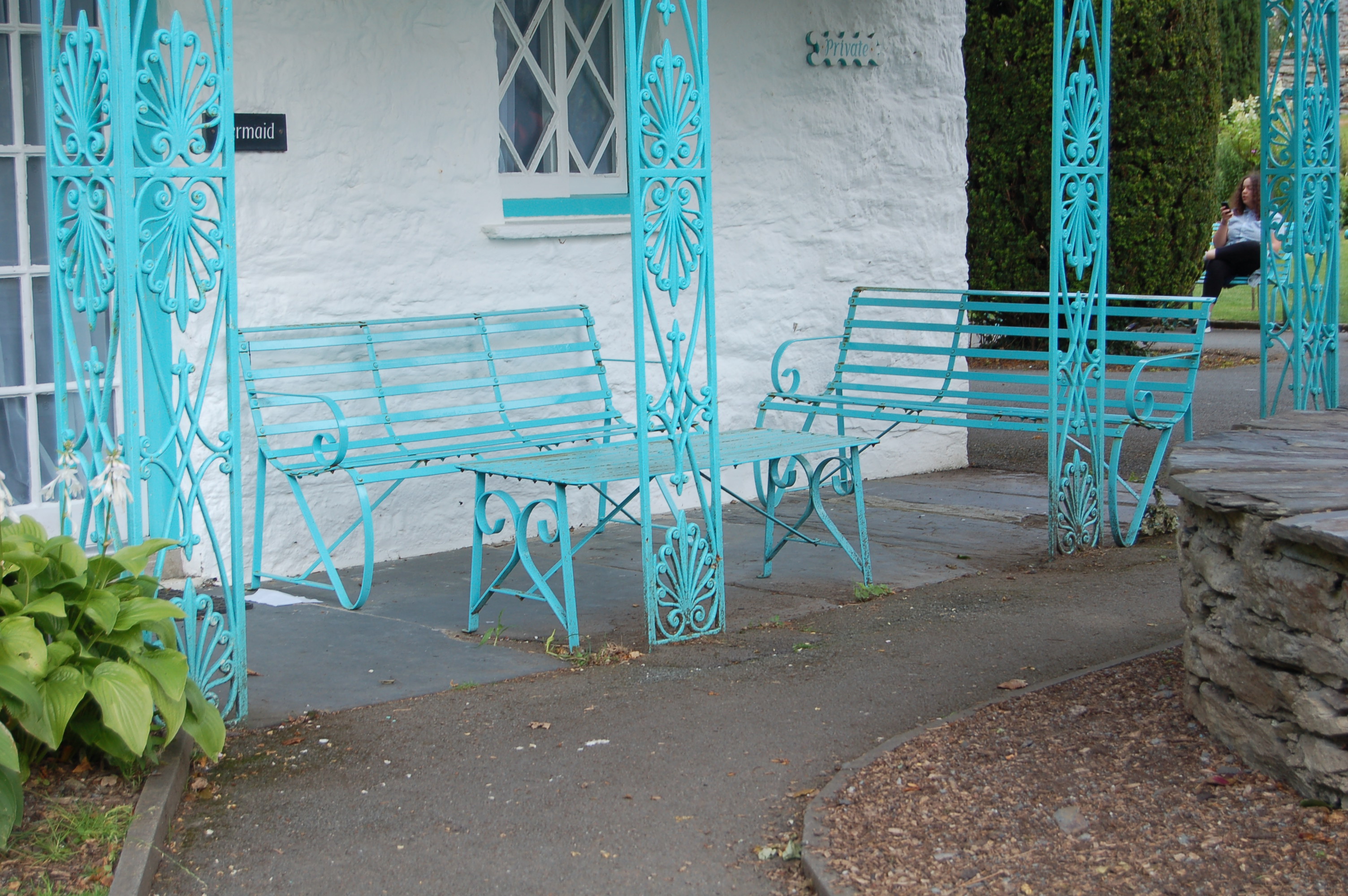
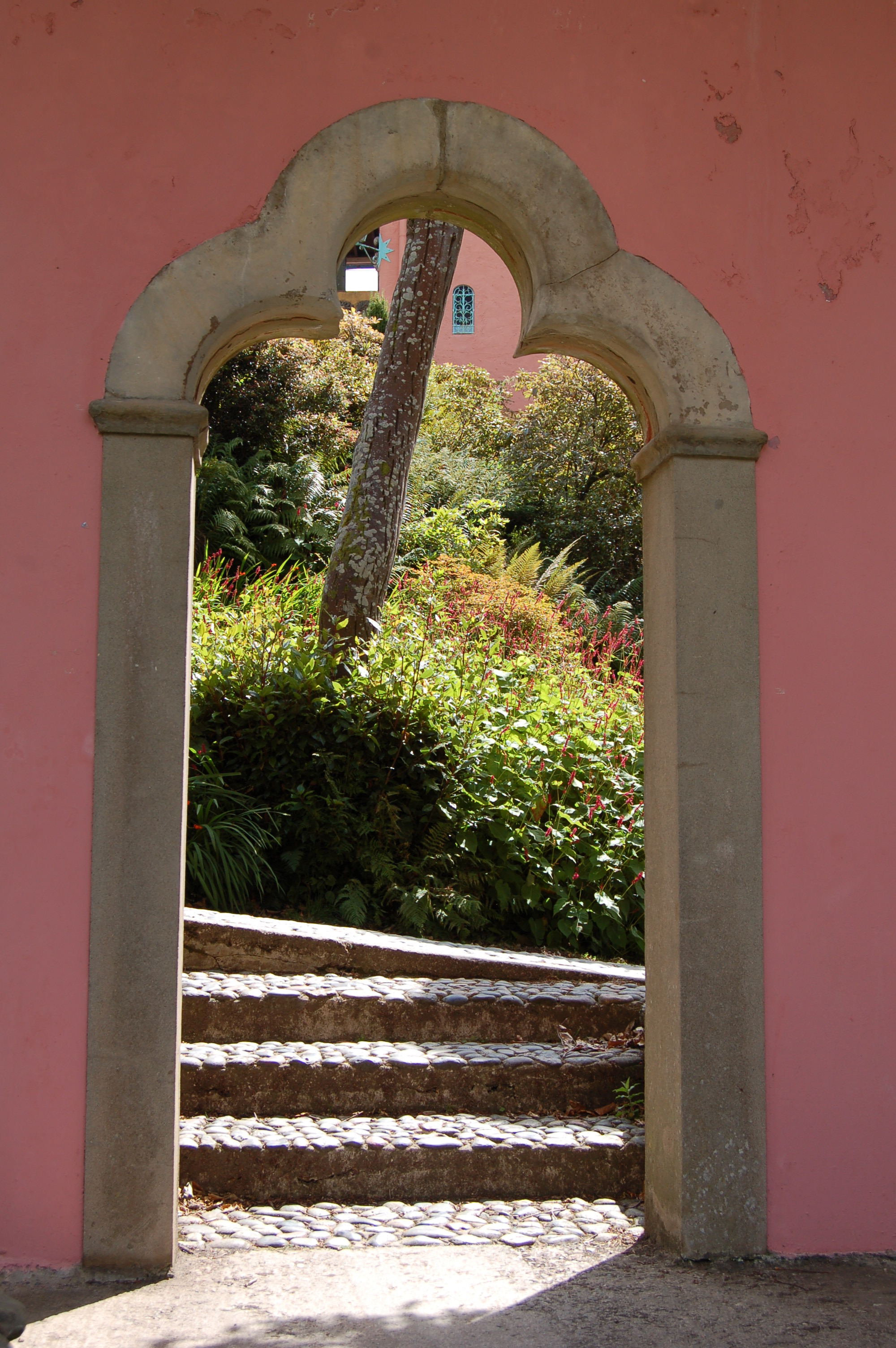
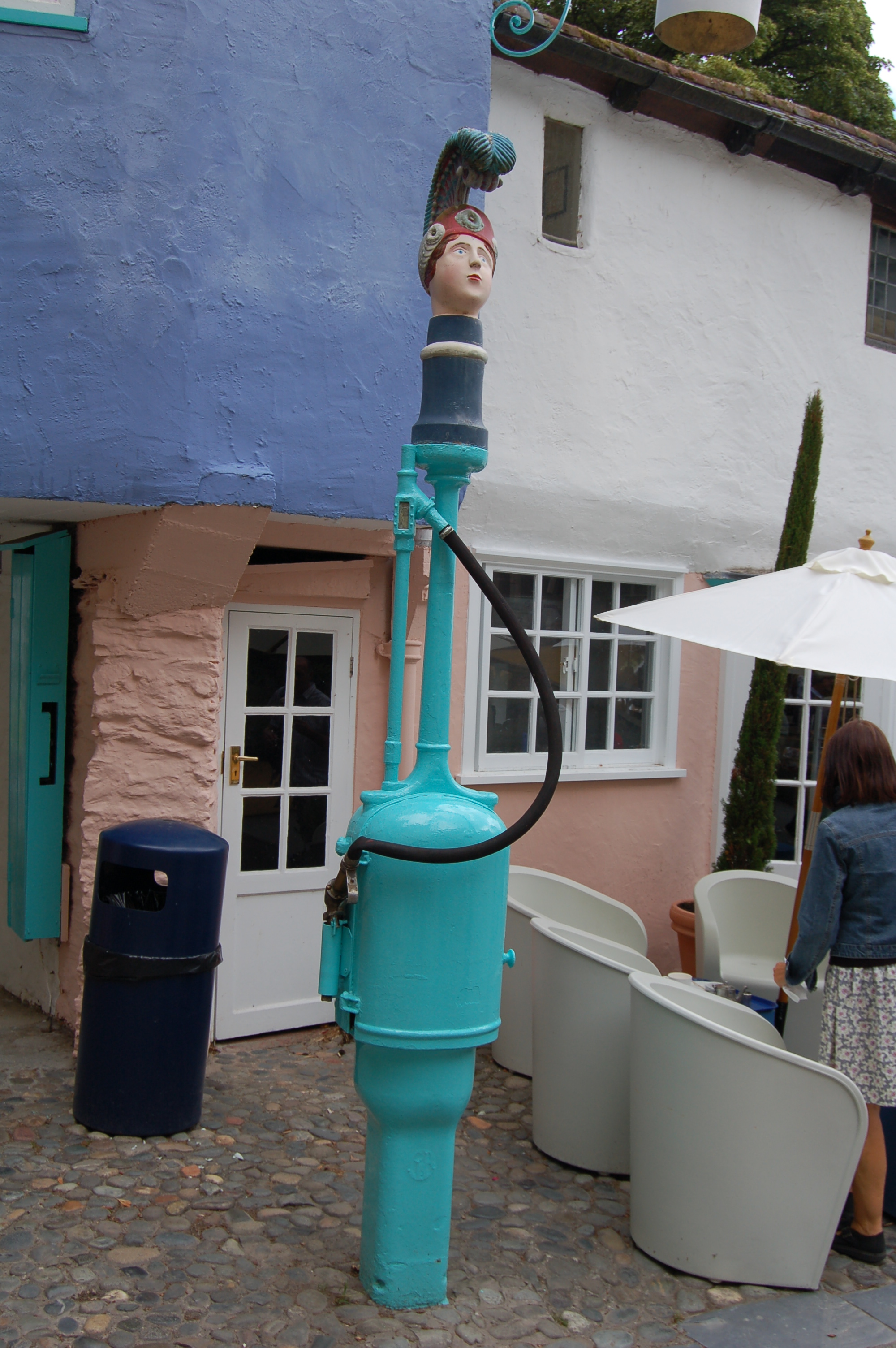
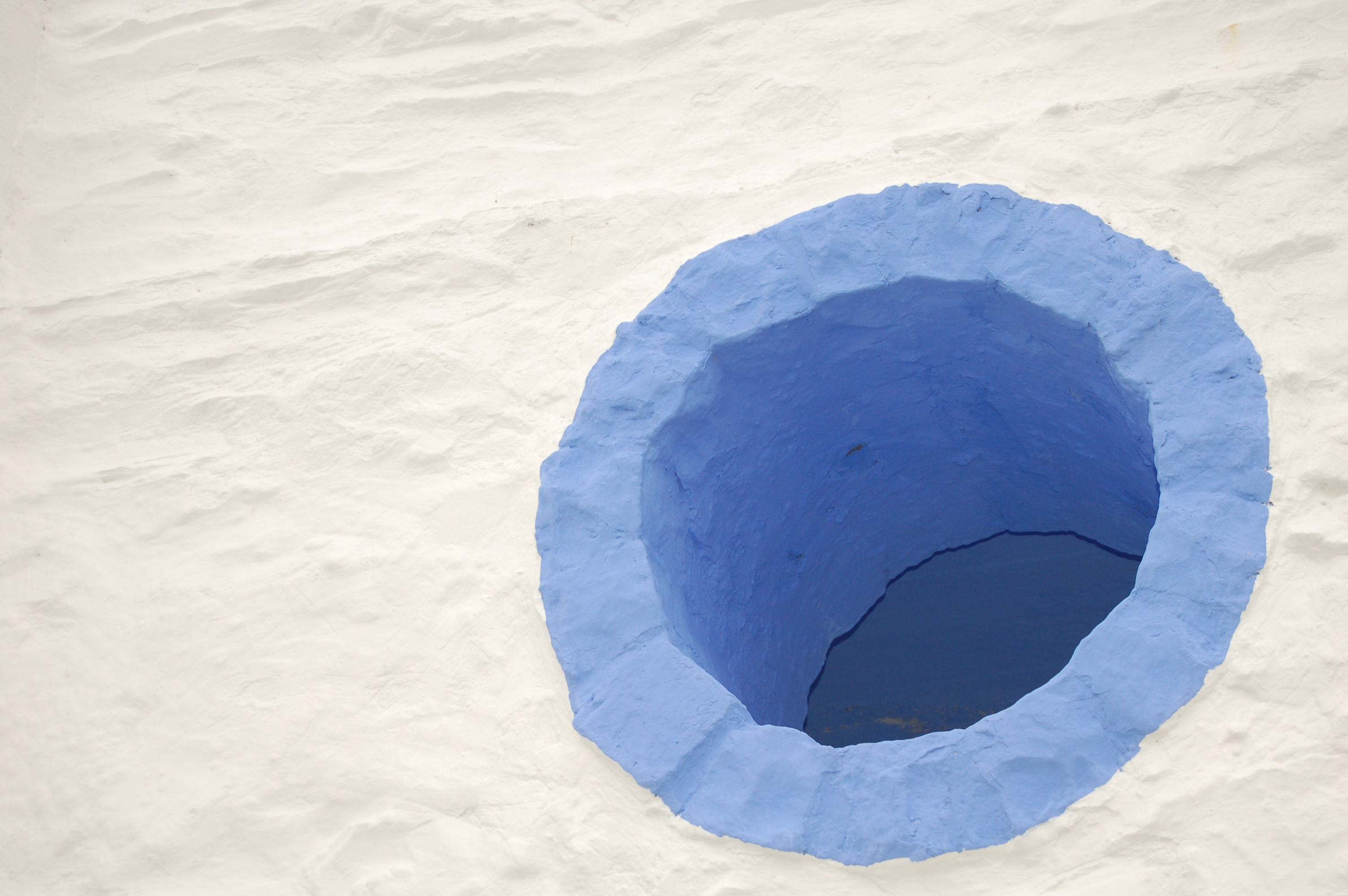
Although the bright colours dominate every scene once your eyes and mind adjust to them interesting details come to the fore, such as these bright blue ironwork, a relief sculpture alongside a ring, classical figures, the beauty of this stone archway and the vintage petrol pump.

2014 08 13_3594 2014 08 13_3598

2014 08 13_3599 2014 08 13_3591 2014 08 13_3585


2014 08 13_3596 2014 08 13_3600

We took a break from the colourful conglomeration of buildings and ambled along through the wooded slopes above the village itself. Here we discovered ancient trees native and cultivated and an atmosphere of peace, with restful greens and relative silence, broken only by the calls and song of birds.

2014 08 13_3602 2014 08 13_3603 2014 08 13_3604 2014 08 13_3605 2014 08 13_3606 2014 08 13_3607 2014 08 13_3608 2014 08 13_3609 2014 08 13_3610 2014 08 13_3611 2014 08 13_3612 2014 08 13_3613 2014 08 13_3614 2014 08 13_3615 2014 08 13_3616 2014 08 13_3617 2014 08 13_3618

2014 08 13_3621 2014 08 13_3622 2014 08 13_3623 2014 08 13_3624 2014 08 13_3625 2014 08 13_3626 2014 08 13_3640

We followed the woodland path until we found ourselves close to the cliff tops and followed it down towards the shore, where the buildings began again. This time they had a maritime twist to their architecture with white and blue colours dominating.

2014 08 13_3628   2014 08 13_3629 2014 08 13_3630 2014 08 13_3631 2014 08 13_3635

As the road way climbed upwards we returned to the brightly coloured buildings of the village.

2014 08 13_3601 2014 08 13_3636

2014 08 13_3637 2014 08 13_3638 

We were fascinated by the interest of some visitors in particular buildings which it appears were featured in a TV series from the 1960’s, The Prisoner, which still has a strong cult following. It adds yet another layer of interest to this utterly fascinating “one-off” place.

Categories
colours garden design garden photography gardening gardens grasses half-hardy perennials hardy perennials irises light light quality meadows National Garden Scheme NGS ornamental grasses ornamental trees and shrubs Powis Powys The National Gardening Scheme" trees Wales woodland

Three Welsh Gardens – Part Three – A Garden of Two Halves

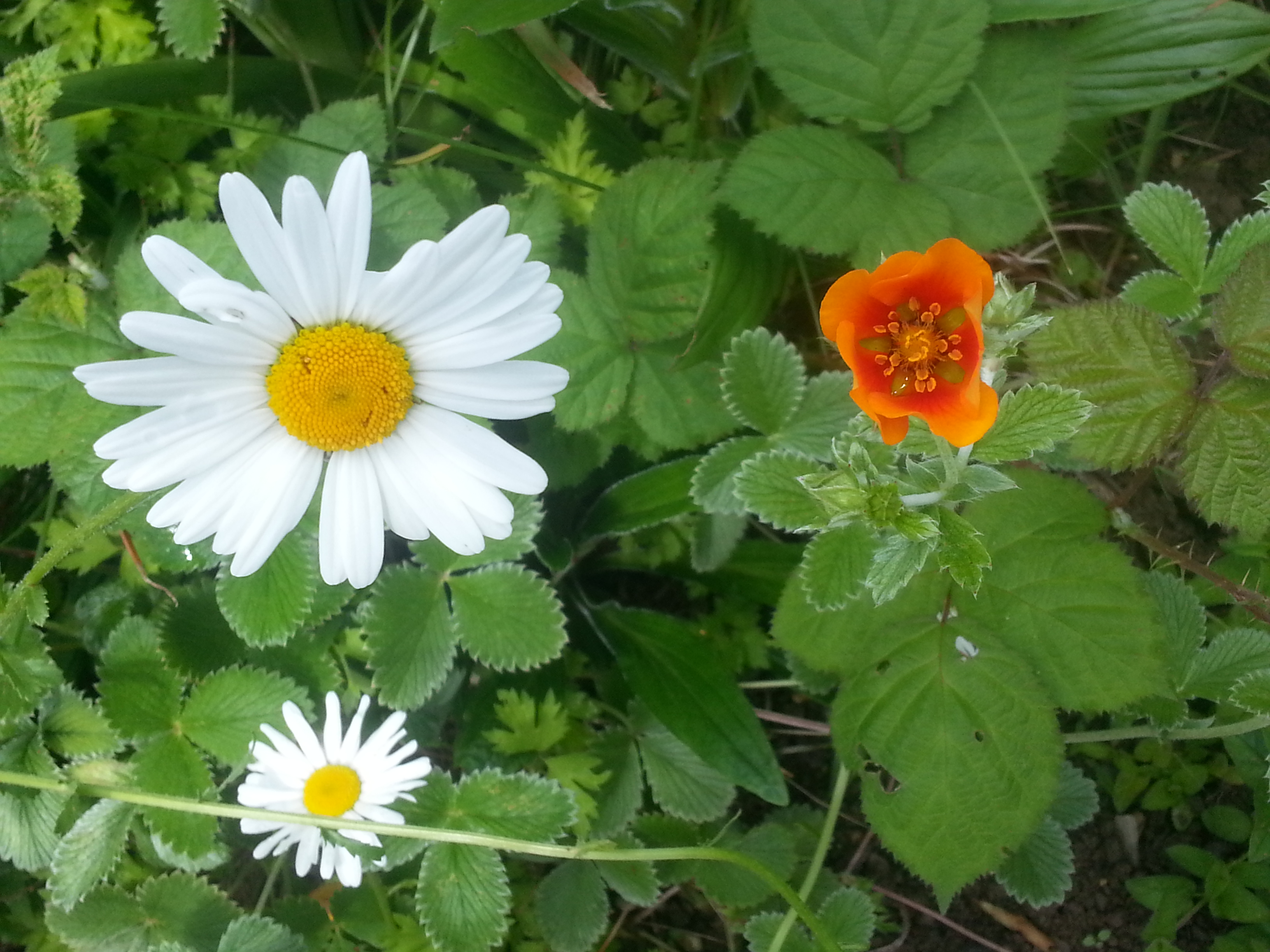
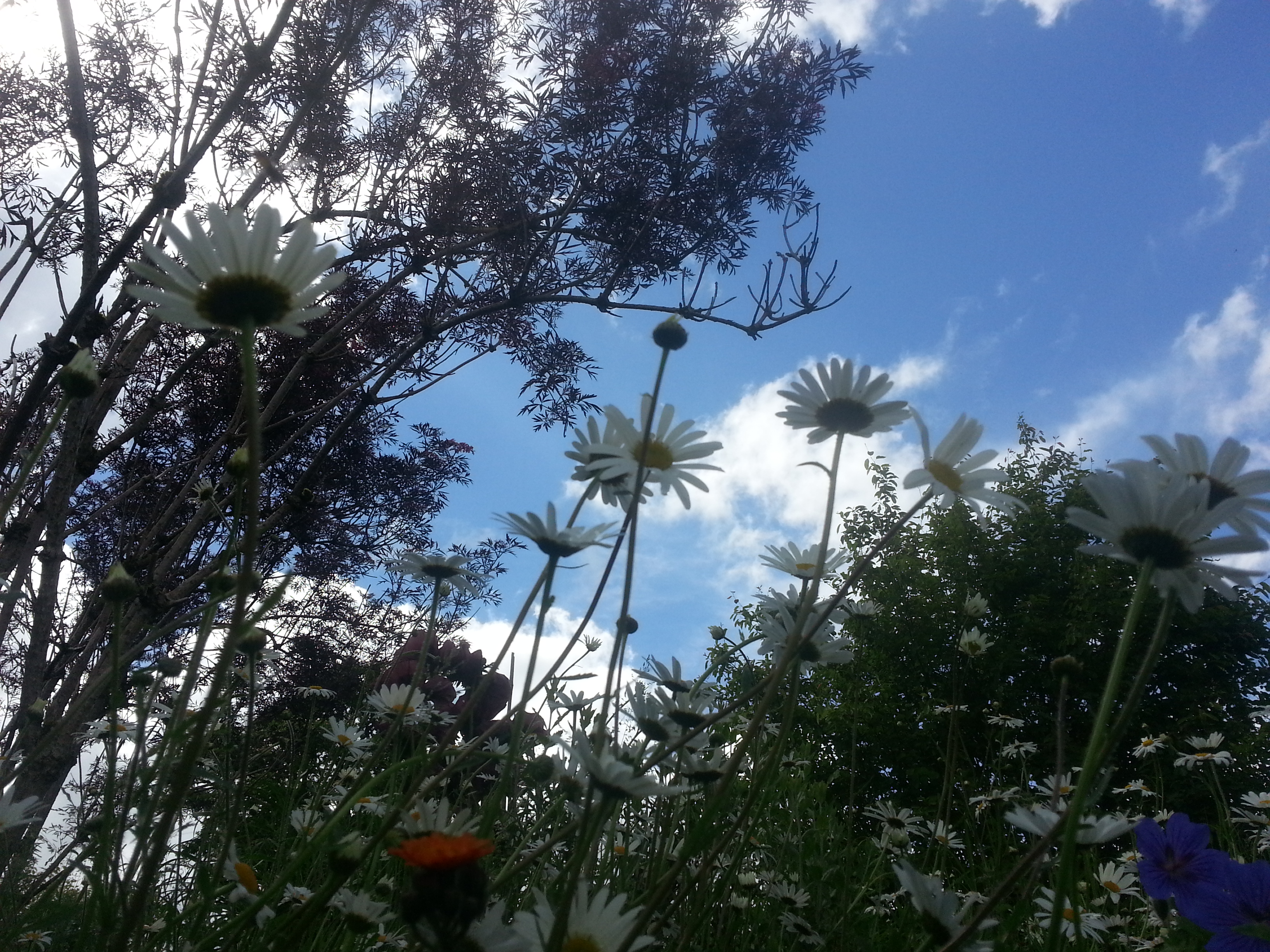
We visited another garden in the countryside of Powis, our neighbouring county. It proved to be very much a garden of two halves. We approached “Cil y Wennol” on foot up a gently sloping curved driveway with trees on both sides dotted around in grass. Closer to the more formal front garden there were interesting land forms with a small meadow facing the sun on an embankment. Moon Daisies shone out almost glaring in the sunshine. As you have gathered from that statement we were experiencing bright sunshine.

This Betula with its beautifully coloured peeling bark had enticed us up the long drive where we were greeted by this bank of smiling daisies.

2014 06 07_0046 2014 06 07_0047

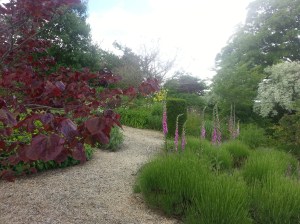
The front garden was a typical cottage style with interesting plants such as Astrantias, Lilies and Irises dotted throughout.

2014 06 07_0049 2014 06 07_0050 2014 06 07_0051 2014 06 07_0052 2014 06 07_0053

We had now realised that we had visited this garden years ago so we were not surprised by the sudden change in the garden design that greeted us as we entered the back garden. Here the design was much more modern. It was a garden to explore slowly taking advantage of the invitations presented through good design.

2014 06 07_0054   2014 06 07_0068 2014 06 07_0069 2014 06 07_0070

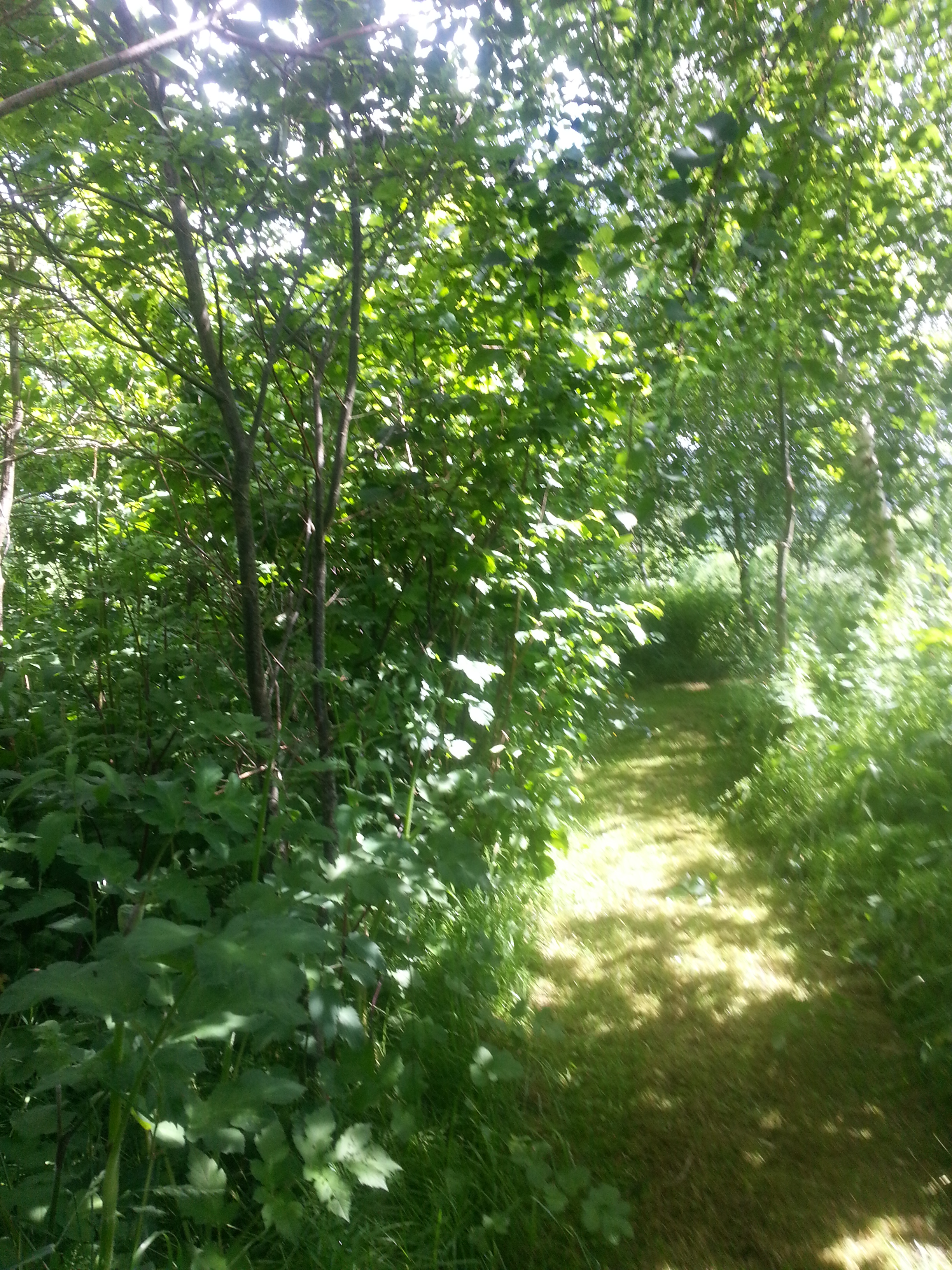
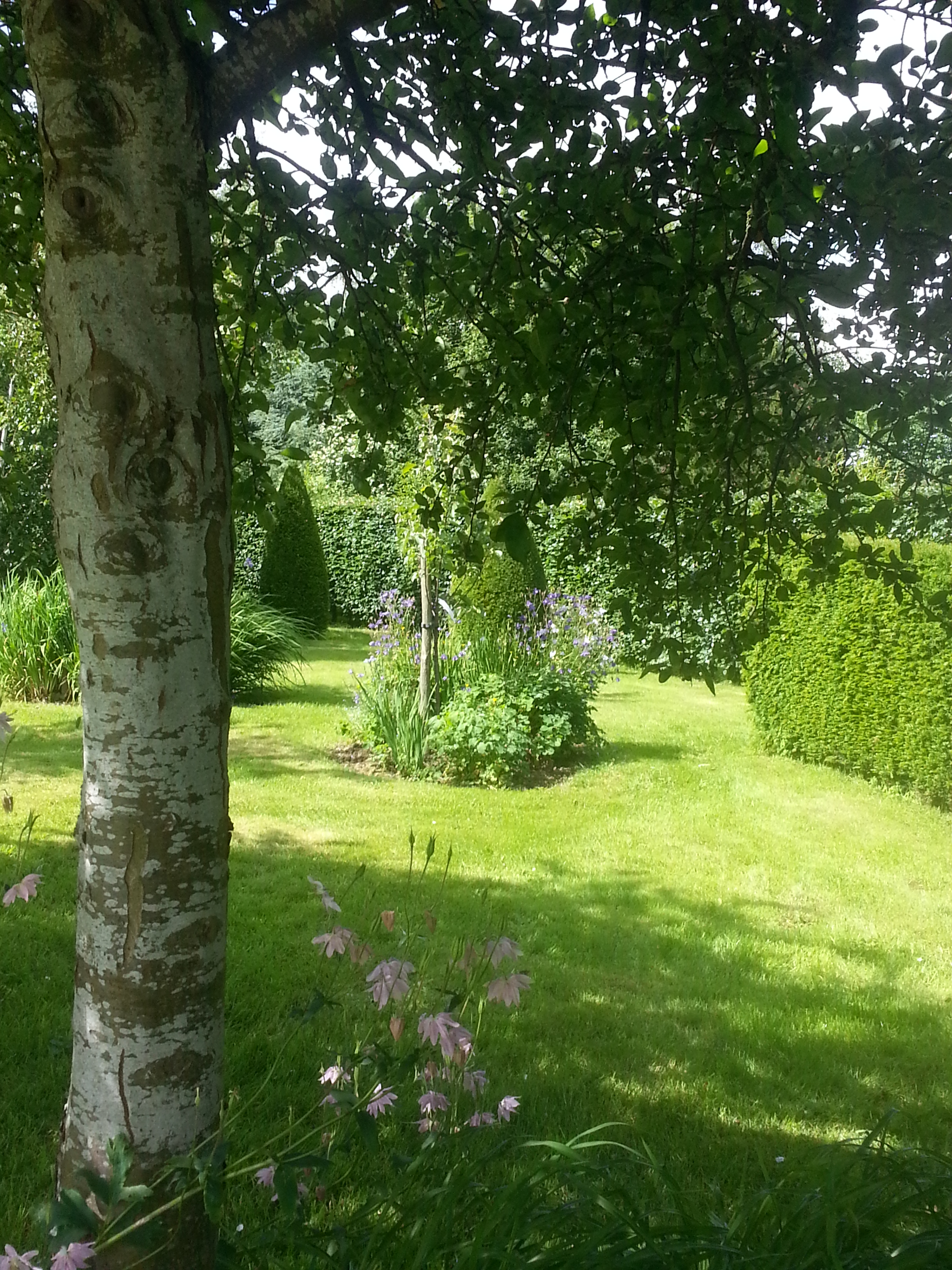
One path invited us into woodland, a relief for a while from the brightness and warmth of the sun. We were impressed by how a beautiful woodland can be created with the commonest of tree species. It proved you don’t have to have rarities to impress. Here the gardeners grew just native Birches, Rowans, Cherries and a few non-natives to add a touch of spice. A lovely atmosphere pervaded this space.

2014 06 07_0071 2014 06 07_0072 2014 06 07_0073

Leaving the woodland we were again presented with several options, different paths to take with different views and different plants.

2014 06 07_0074 2014 06 07_0075

2014 06 07_0080 2014 06 07_0081 2014 06 07_0082 2014 06 07_0083

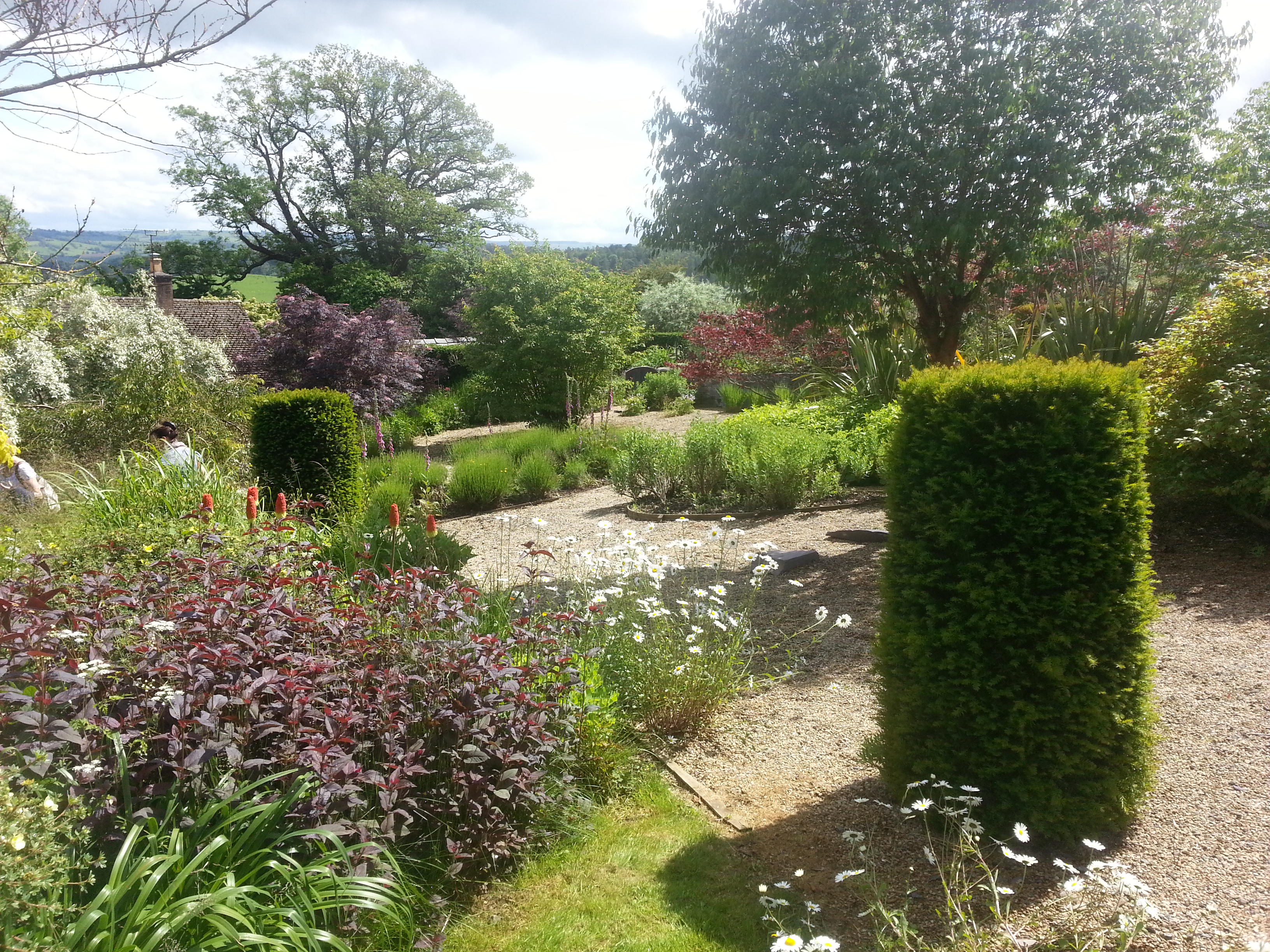
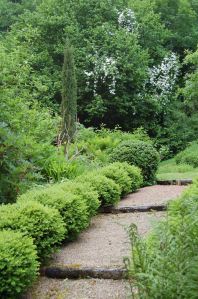
Closer to the house a gravel area gave a completely different feel. Here were neatly trimmed conifers and Cotinus with their skirts lifted to expose twisted limbs. Soft planting among these features reflected the planting in the nearby borders.

2014 06 07_0084 2014 06 07_0085

2014 06 07_0104 2014 06 07_0103

2014 06 07_0086 2014 06 07_0087 2014 06 07_0088 2014 06 07_0089


Moving around the side of the property we found another path to take through gap in the hedge where we discovered a swimming pool overlooked by a summerhouse.

2014 06 07_0091 2014 06 07_0092

We walked from here along a narrow path below a wall with soft planting above, beautifully backlit by the sun.

2014 06 07_0095 2014 06 07_0096 2014 06 07_0097 2014 06 07_0098 2014 06 07_0099 2014 06 07_0100 2014 06 07_0101 2014 06 07_0102

This was most definitely a garden of many parts beautifully linked with winding paths found through enticing arches and gaps in hedging.


Leaving the garden along the central pathway of the front cottage garden we enjoyed the view behind this wonderful gate. A great garden – it was good to return.


2014 06 07_0048

Categories
climbing plants garden buildings garden design garden photography gardening gardens gardens open to the public hardy perennials Hardy Plant Society Land Art National Garden Scheme NGS nurseries ornamental trees and shrubs outdoor sculpture Powis Powys trees Wales woodland

Three Welsh Gardens – Part One -Tan y Llyn – a little nursery in a woodland garden.

We ventured along narrow winding lanes into the countryside of Powys our neighbouring county across the border into Wales. We were not the only ones out travelling these lanes on a mission on this sunny afternoon. Several members of the Shrewsbury Mini-Group, part of the Shropshire Group of the Hardy Plant Society, were meeting up at a woodland garden and nursery called Tan y Llyn.

2014 05 31_9925 2014 05 31_9906

2014 05 31_9914 2014 05 31_9915

2014 05 31_9931

The weather was bright. There is no better day to visit a woodland garden than a sunny one as it enhances the contrast between shade and light so well. Even the most ordinary plants such as this Cotoneaster and Yew look so good.

2014 05 31_9903 2014 05 31_9904

Any flowers in a woodland garden shine out from the shadows.

2014 05 31_9905  2014 05 31_9907 2014 05 31_9908 2014 05 31_9909 2014 05 31_99392014 05 31_9910 2014 05 31_9919 2014 05 31_9950

2014 05 31_9951 2014 05 31_9935

Dotted around Tan y Llyn are interesting objects and well-composed cameos.

2014 05 31_9911 2014 05 31_9912 2014 05 31_9913

2014 05 31_9928 2014 05 31_9929

2014 05 31_9949 2014 05 31_9937

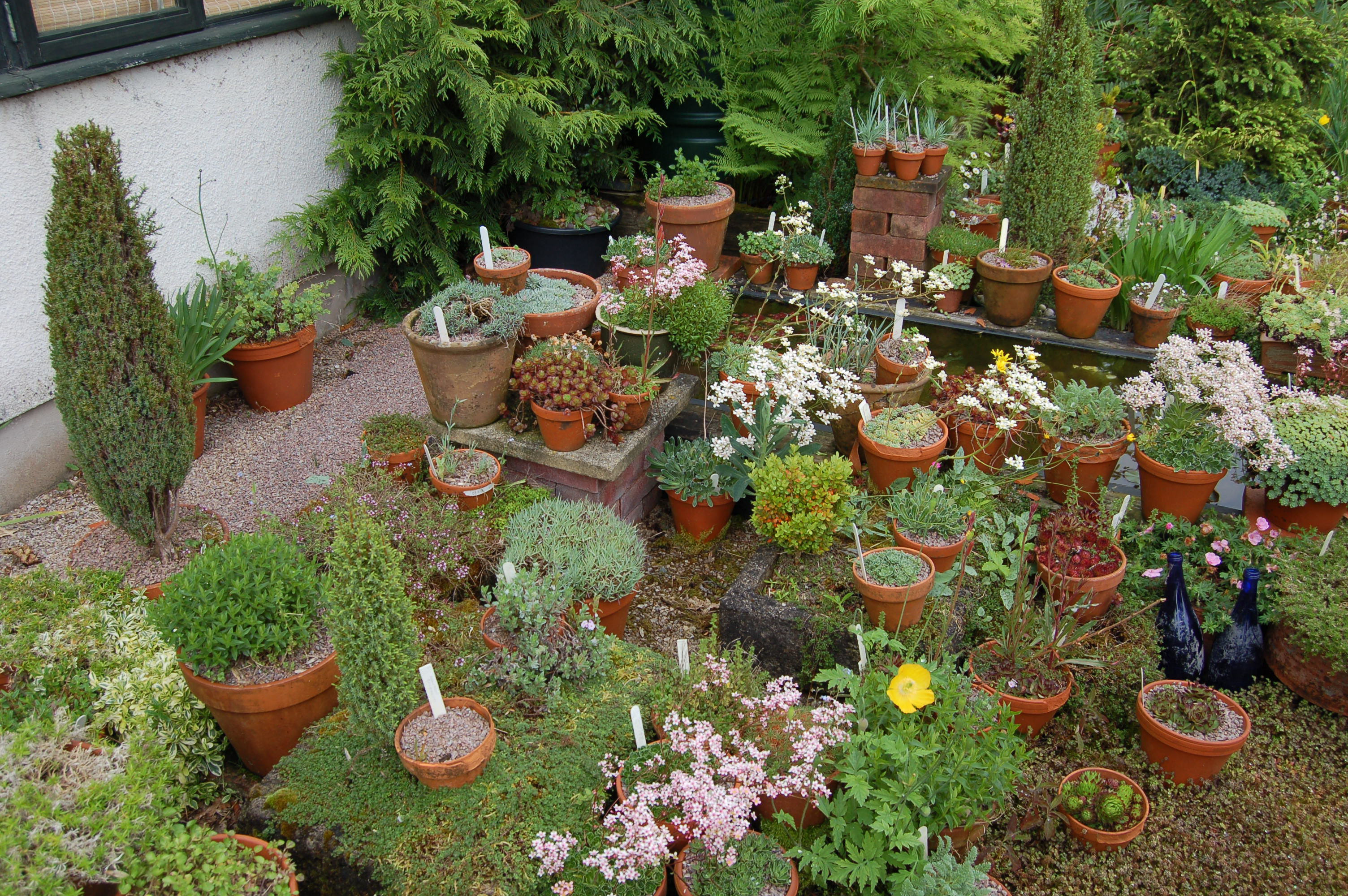
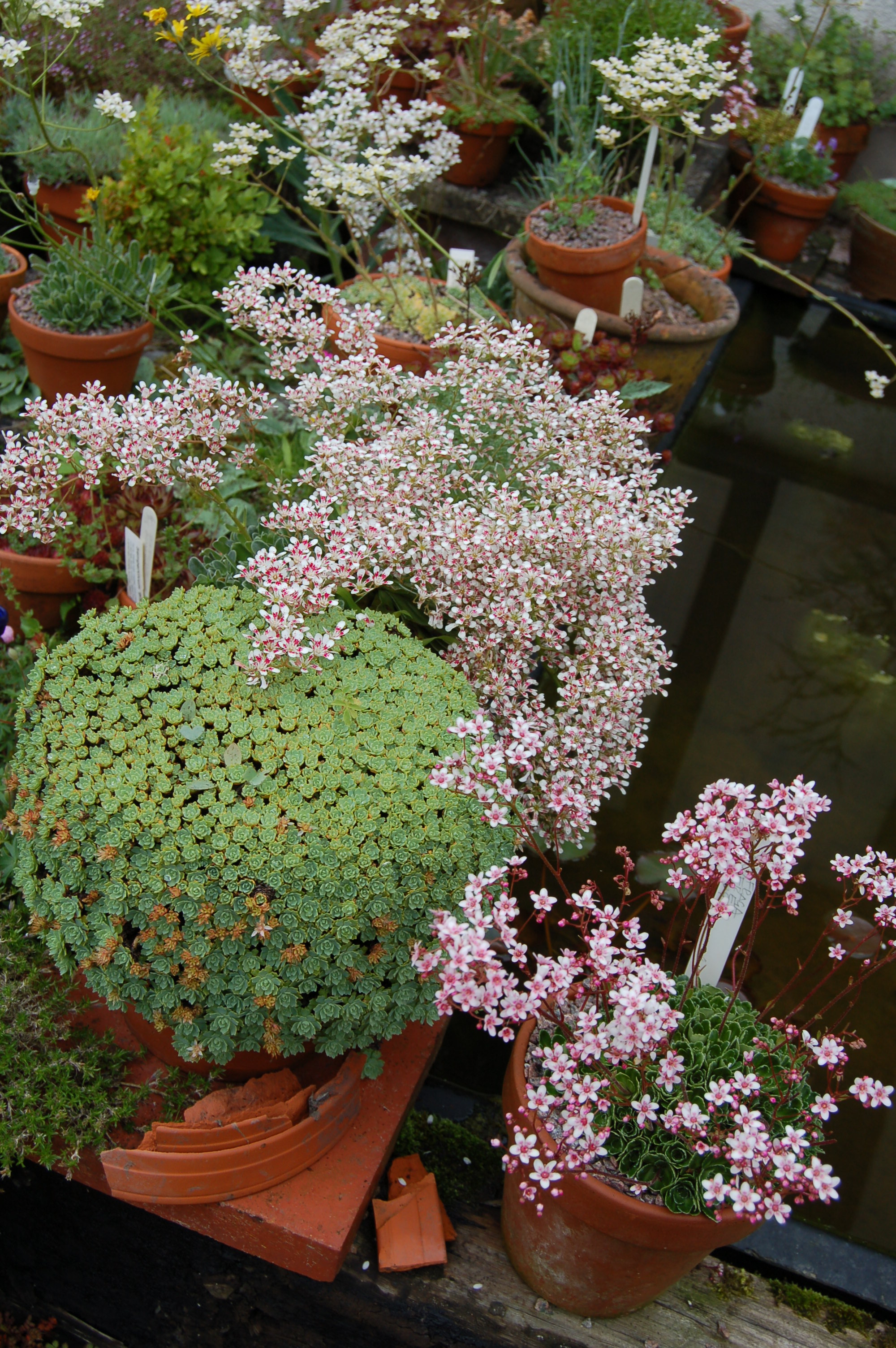
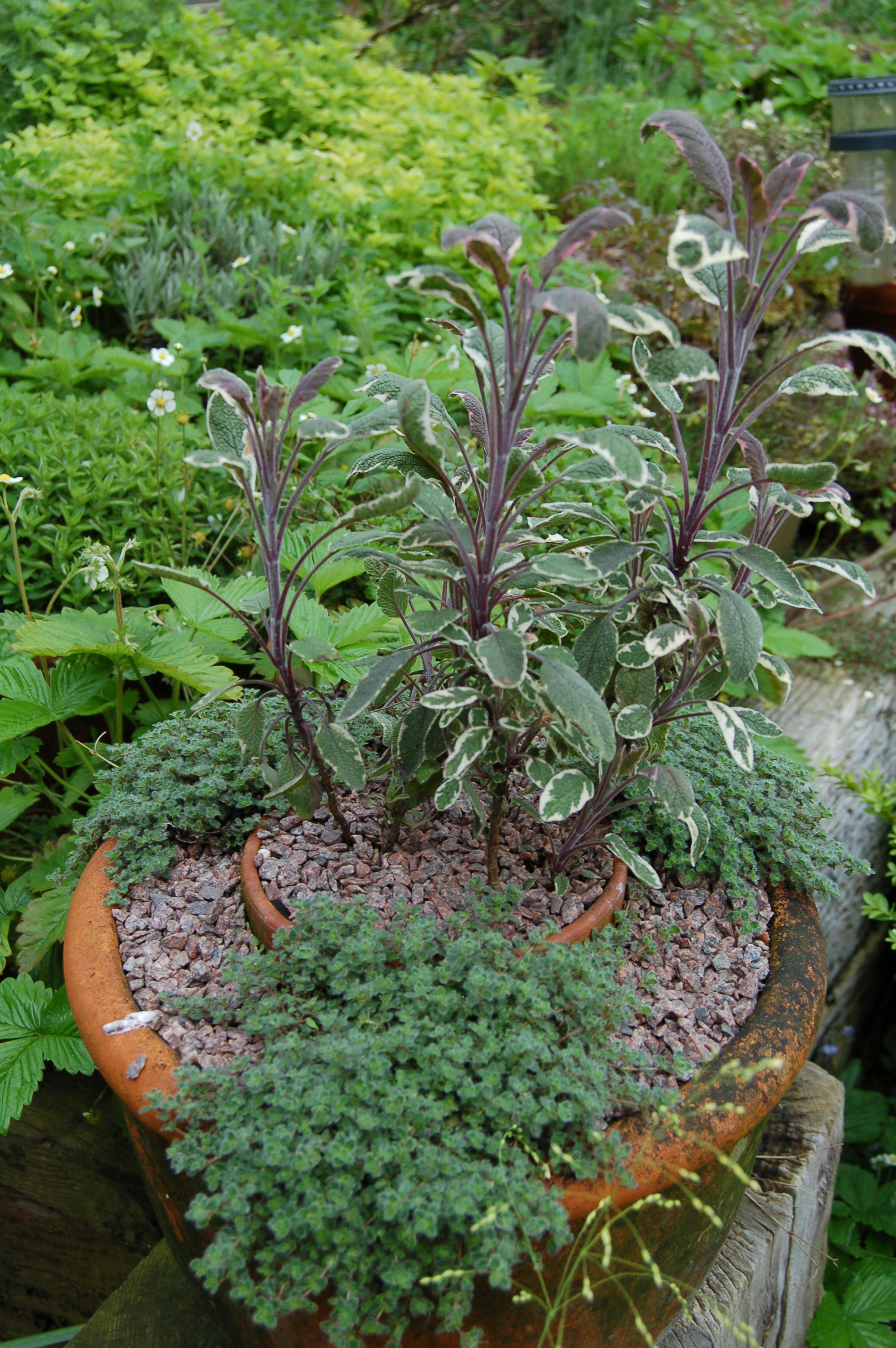
Callum Johnston the garden owner also ran a little nursery specialising in alpines and herbs and he featured many of the plants for sale within a garden around his front door where plants were grown in a selection of pots and containers. They invited close inspection as did the sales benches close by in the shade of deciduous trees.

2014 05 31_9916 2014 05 31_9917

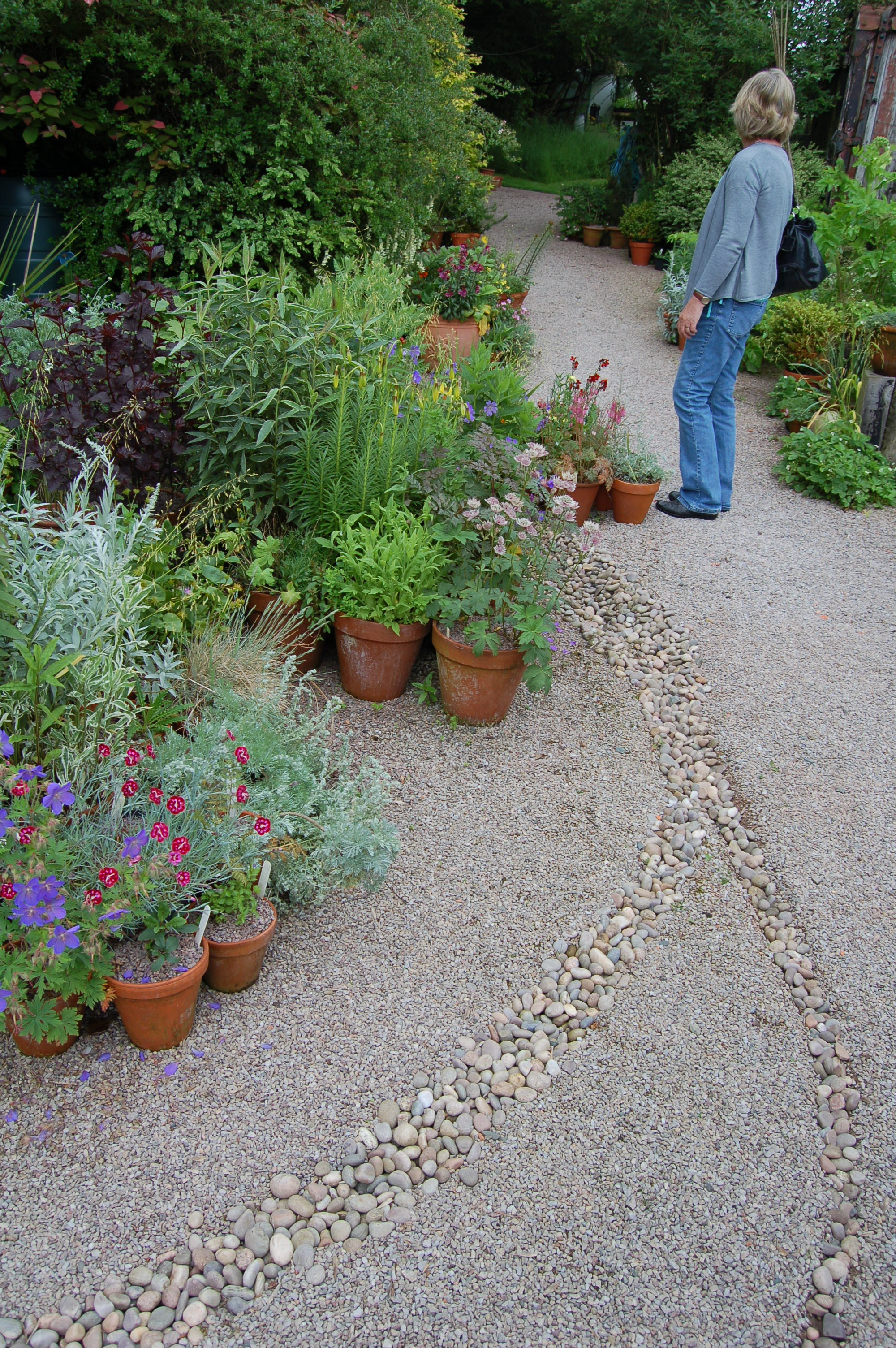
We were particularly drawn to this dry river bed of pebbles winding through the gravel of the driveway near the cottage’s front door. We immediately began to plan where we could try something similar out at home.

2014 05 31_9918

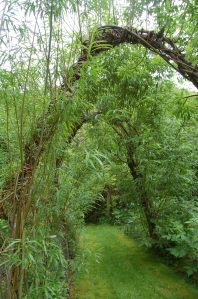
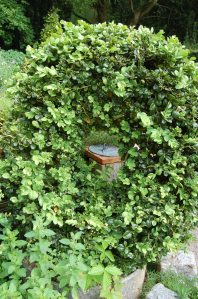
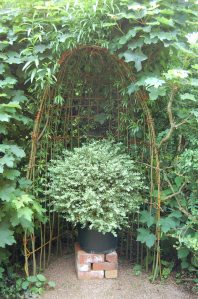
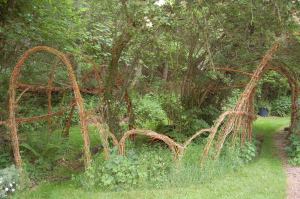
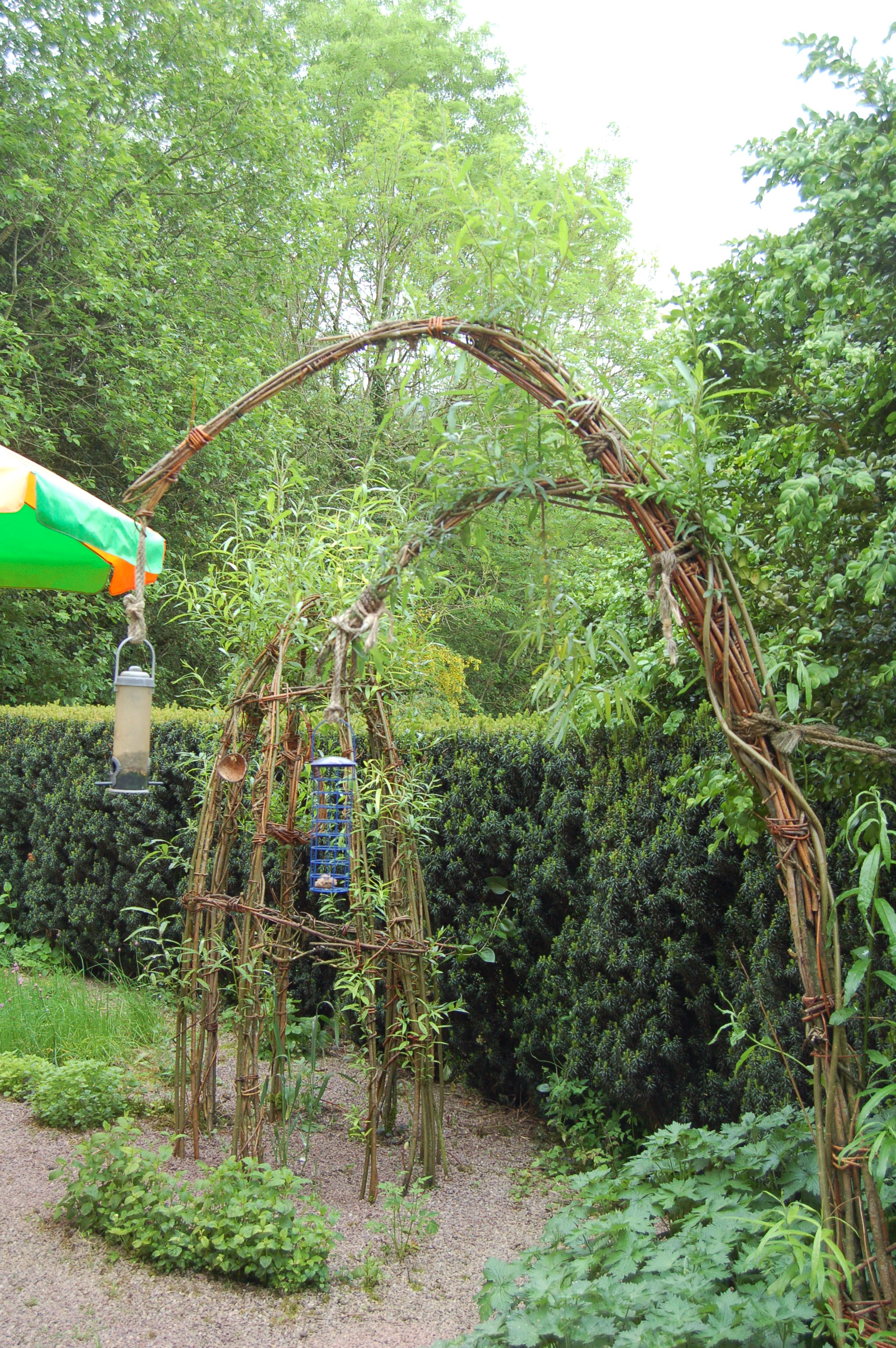
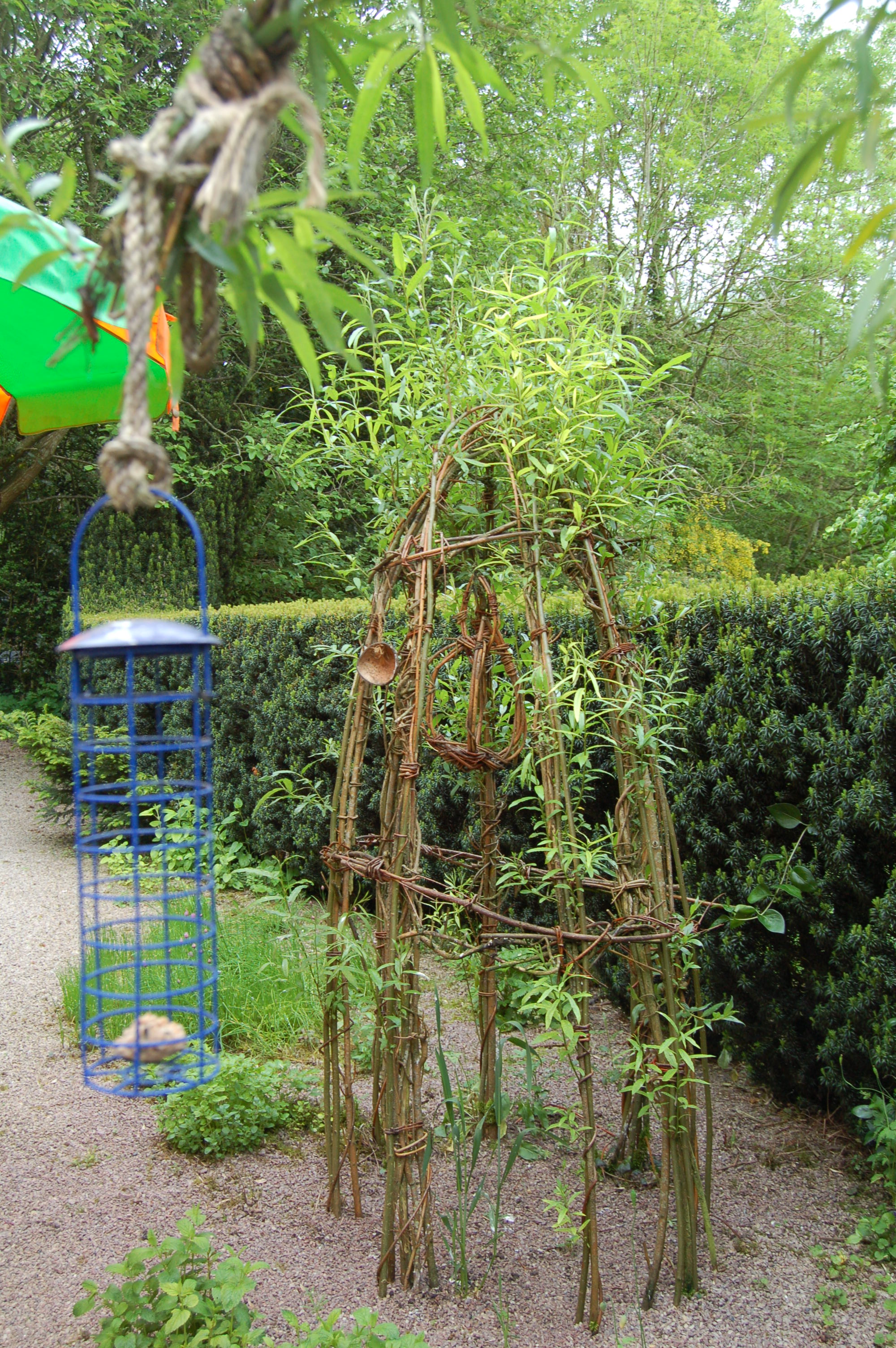
Callum admitted to an obsession – training, twisting and pruning willow into interesting structures. He also obviously loved hedge trimming where on occasion he lets his imagination run riot.

2014 05 31_9924 2014 05 31_9923 2014 05 31_99522014 05 31_9930 2014 05 31_9953

Callum had even trained willows to become bird feeding stations. The birds certainly liked them as did our Hardy Plant friends. Callum and his partner Brenda served us up with cream teas under the shade of trees alongside these feeders so as we reveled in our luxury teas we were entertained by the birds enjoying theirs.

2014 05 31_9920 2014 05 31_9921

Nearby herbs grew in a terraced border and added their scent and spice to the conducive atmosphere. As with many garden owners who like to share their garden, Callum and Brenda knew how to make us feel comfortable and relaxed.

2014 05 31_9922

2014 05 31_9926 2014 05 31_9927     2014 05 31_9932

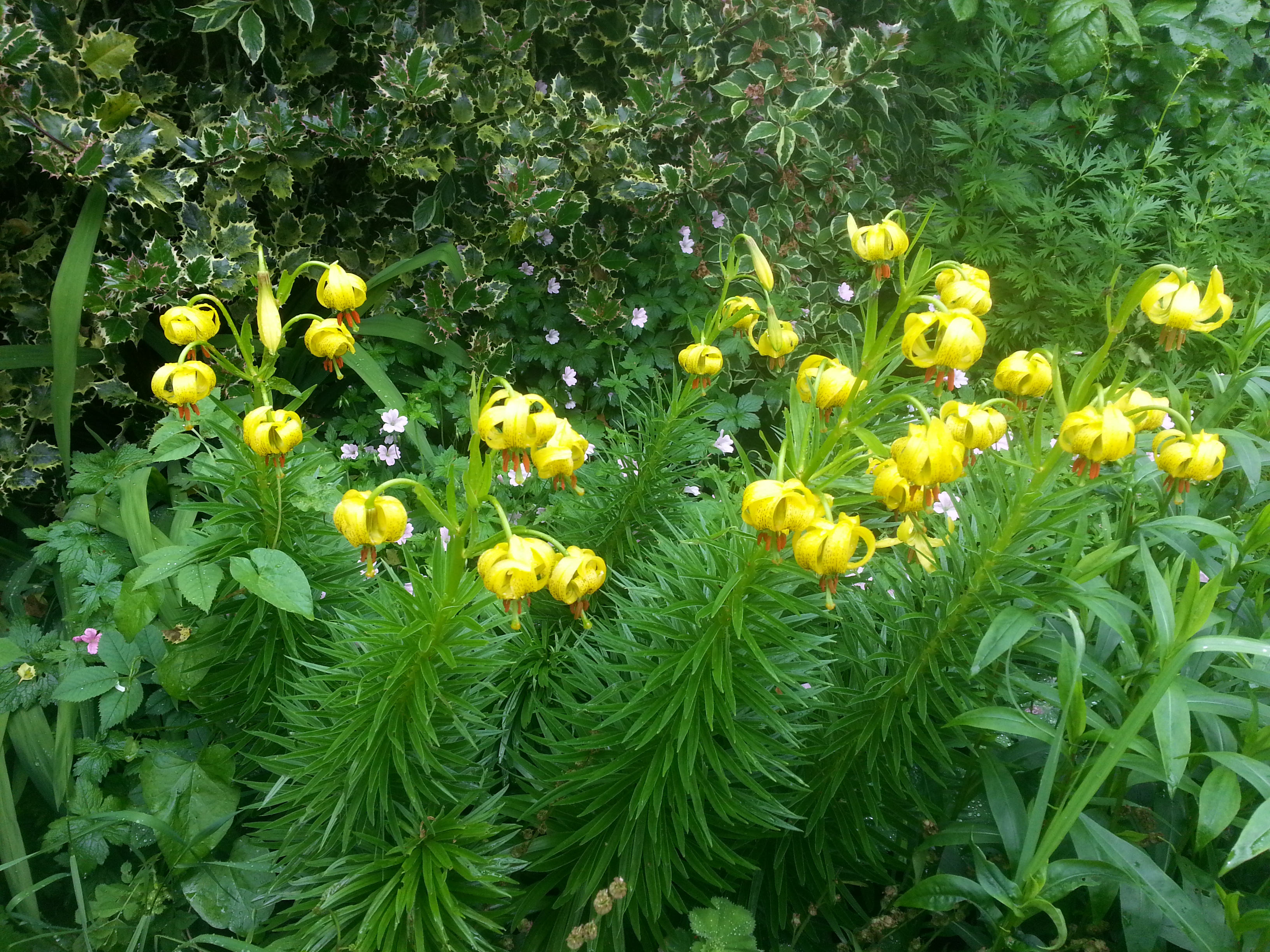
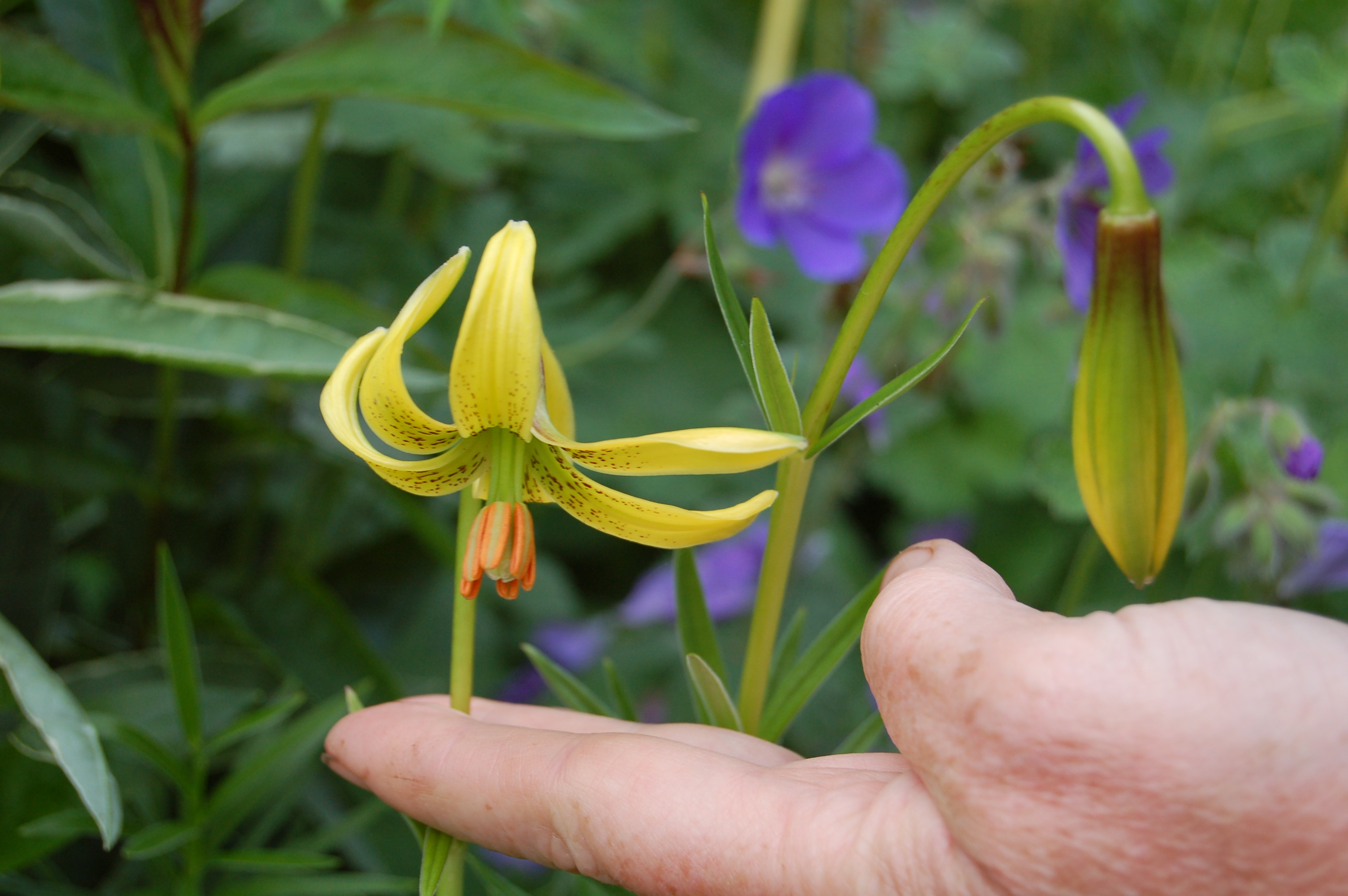
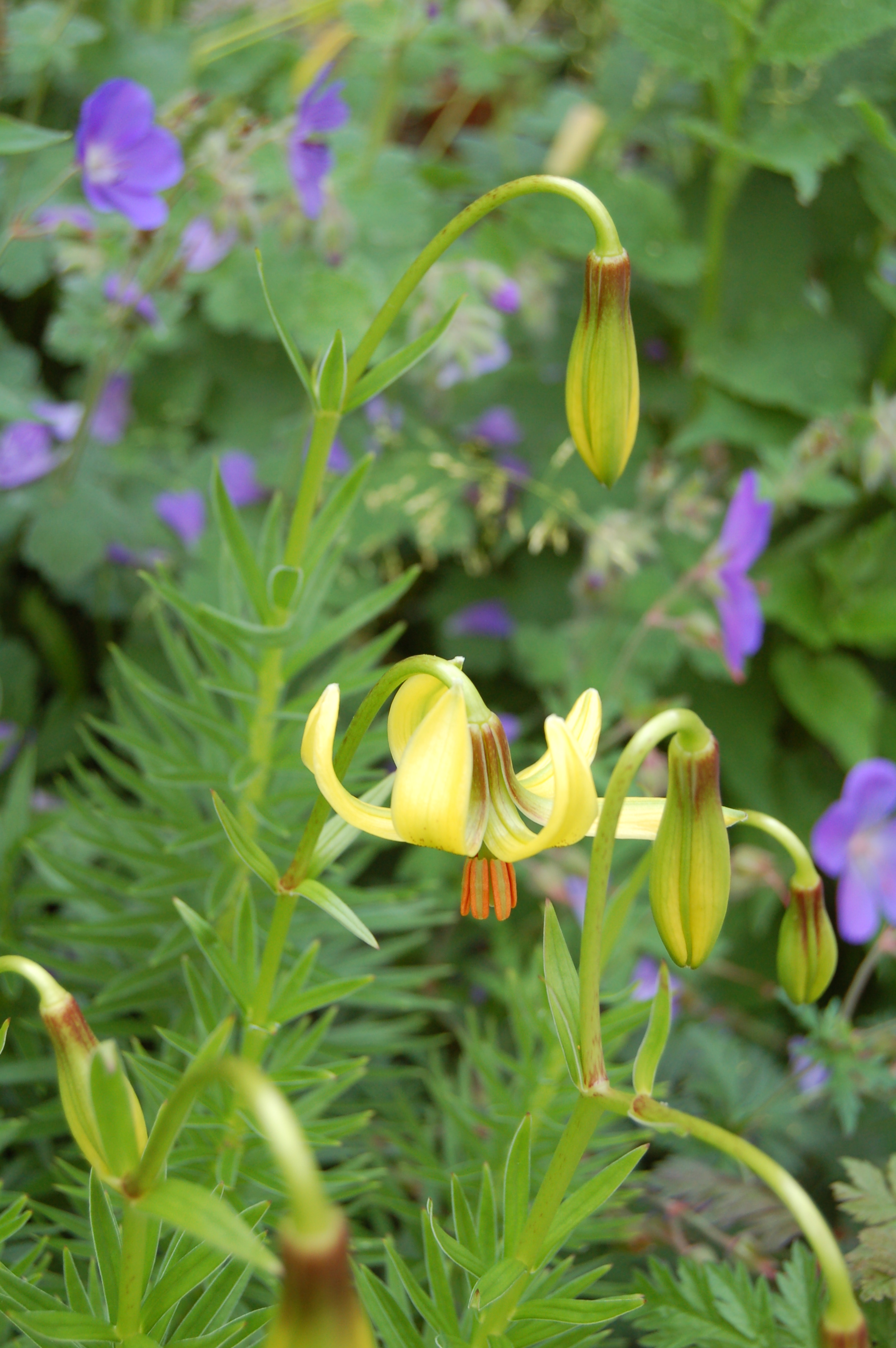
A classic colour combination of yellow and blue attracted us. Closer to we realised that the yellow was provided by this stunning Lily.

2014 05 31_9933 2014 05 31_9934


One effective design trick used here was the use of enticing paths and it was very well used.

2014 05 31_9943 2014 05 31_9946 2014 05 31_9945

2014 05 31_9948 2014 05 31_9941

A final wander around these paths beneath and between the trees was called for after our tea and before we reluctantly left this special place in a wooded Welsh valley.

2014 05 31_9936  2014 05 31_9938  2014 05 31_9940  2014 05 31_9942  2014 05 31_9944   2014 05 31_9947

Callum  accompanied us down the drive as he thanked us for visiting and for buying lots of plants. They were very good hosts. At the bottom of the drive we made one final discovery, another surprise conjured up by this truly unique garden. Another of Callum’s tricks with his pruners.

2014 05 31_9954

This Veggie Life

A Vegetarian | Nature Lifestyle Blog

Rambling in the Garden

.....and nurturing my soul

The Arch City Gardener

Journeys In St. Louis Gardening and Beyond

Garden Dreaming at Châtillon

Consult the genius of the place

Storyshucker

A blog full of humorous and poignant observations.

gardeninacity

Notes from a wildlife-friendly cottage garden

PlayGroundology

...an emerging social science

The Official Blog of British Wildlife

'The most important and informative publication on wildlife of our times' - The Independent. This blog is a member of The UK & Ireland Natural History Bloggers group: www.uknhb.blogspot.com

iGrowHort

Inspire - Cultivate - Grow Native Plants - Restore Landscapes

Bishops Meadow Trust

To create and protect a semi-natural wild space for the people of Farnham to enjoy and experience an array of British wildlife in our town

Gardening with Children

The www.gardeningwithchildren.co.uk Blog

UKbirdingtimeline

birding through the seasons, why birds matter and how to conserve them

NATURE WALKER

with a camera in hand

Jardin

Transform your outdoor space

Eva's space

My allotment, cooking and other interests

Old School Garden

my gardening life through the year

LEANNE COLE

Trying to live a creative life

fromacountrycottage

trying to live as lightly as possible on our beautiful planet

Good Life Gardening

Nature lovers from Leicester living the good life.

mybeautfulthings

Finding the beautiful in the everyday

mawsonmichelle

Michelle's Allotment

In and Out of My Garden

thoughts from and about my garden

Greenhousing

Big plans for a small garden

The Scottish Country Garden

A Walled Country Garden in South East Scotland

The Fruity Chicken

Life at the fruity chicken

willowarchway

Off grid living. Self sufficient. "PERMAGANICS RULE".

St Anns Allotments

Nottingham's Grade 2* Listed Allotments and Community Orchard

Manifest Joy Harvests

a journey in suburban vegetable gardening

Allotmental

The madness of growing your own

Penny's Garden: a harvest beyond my front door

A novel approach to vegetable gardening

arignagardener

Sustainable living in the Irish countryside.

NewEnglandGardenAndThread

Master Gardener, amateur photographer, quilter, NH native, and sometimes SC snowbird

dianajhale

Recent work and work in progress and anything else that interests me

planthoarder

a chaotic cottage gardener

Lens and Pens by Sally

a weekly blog that creates a personal philosophy through photographs and words

Dewdrops and Sunshine

Stories from a sassy and classy Southern farmbelle.

The Pyjama Gardener

Simple Organic Gardening & Seasonal Living

gettin' fresh!
turning dirt into dinner

JOY...

today the world is created anew

Garden Birds

Notes from a Devon garden

ShootAbout

Life Through The Lens

Adapting Pixels

A photography blog showcasing the best photography pictures and videos on the internet

Wildlifegardening's Blog

Just another WordPress.com site

naturestimeline

personal observations from the natural world as the search continues for a new approach to conservation.

LATEBLOOMERBUDS

The Wonders of Life through my Eyes, my Heart, my Soul