Categories
gardening

Surprise! Surprise! The return of an old friend.

Just when you think you have lost touch for ever that special old friend reappears so unexpectedly.

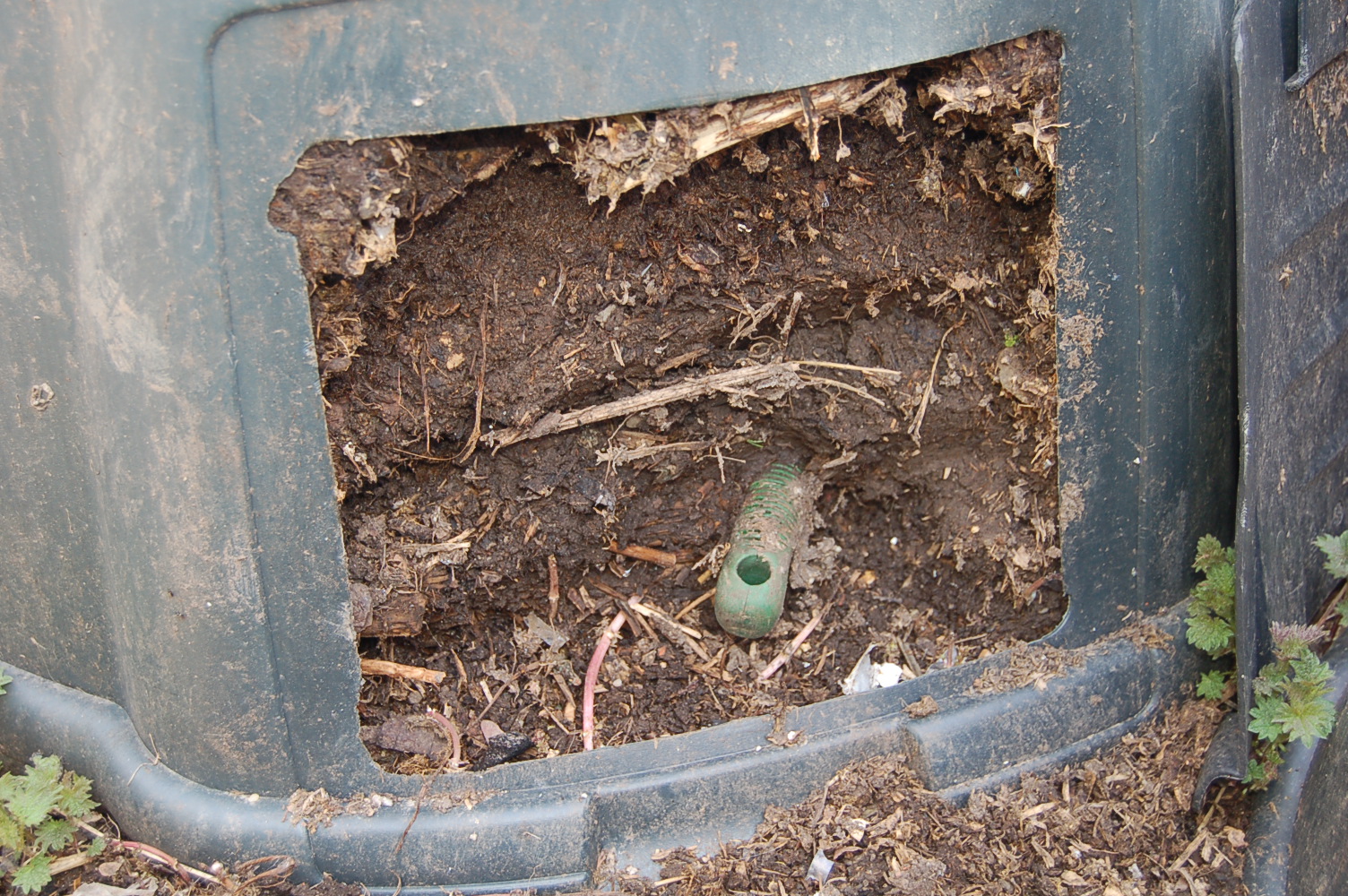
I had just started digging out the mature compost from my composter when a little bit of green appeared. Could it really be?

A little more investigation – delicate archaeological style sifting and there it was – my long-lost favourite garden trowel. As good as new too!!

DSC_0049

DSC_0050

A few years ago we treated ourselves to a talk given by Bob Flowerdew, the leading organic gardener  and garden writer. He says that he always has 5 trowels and by the end of the year he has usually lost all but one. Most he found as he emptied his compost bins to get at his rich home-made compost. We now do the same but in 2012 we lost all of ours. Two we found as we cleared away perennials in the early months of 2013 but we were still three down until this one appeared in our compost bin.

DSC_0051-10

So, only two more to find, but we are confident that we shall have found them all by the time we have emptied the remaining three composters. Fingers crossed.

Categories
bird watching birds conservation nature reserves photography Wildfowl and Wetlands Trust wildlife

Go North – Find Spring

Living here in the midlands, neither North nor South, we always go South to get an early glimpse of Spring or north to get a late look at Winter. This year it all seems topsy-turvy!

Earlier this week we went North and discovered Spring!

DSC_0014 DSC_0016 DSC_0017 DSC_0037 DSC_0040

We visited a Wildfowl and Wetland Trust reserve close to the coast north of Liverpool, called Martin Mere, a reserve we visit regularly. We can get there and back in a day and the walking is on the flat. There are several hides giving views of pools, reedbeds and scrapes and the luxury of clear views of so much wildlife.

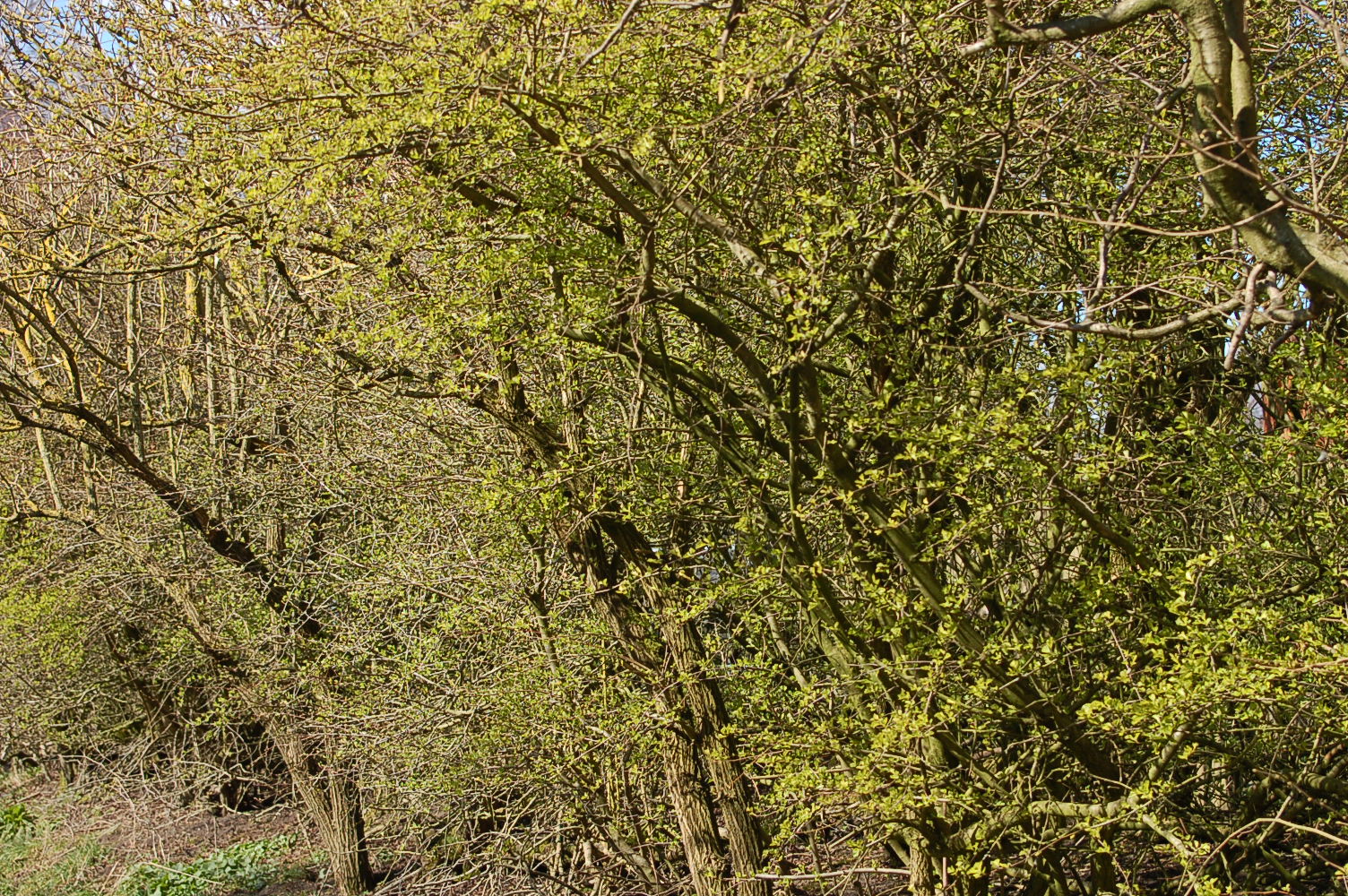
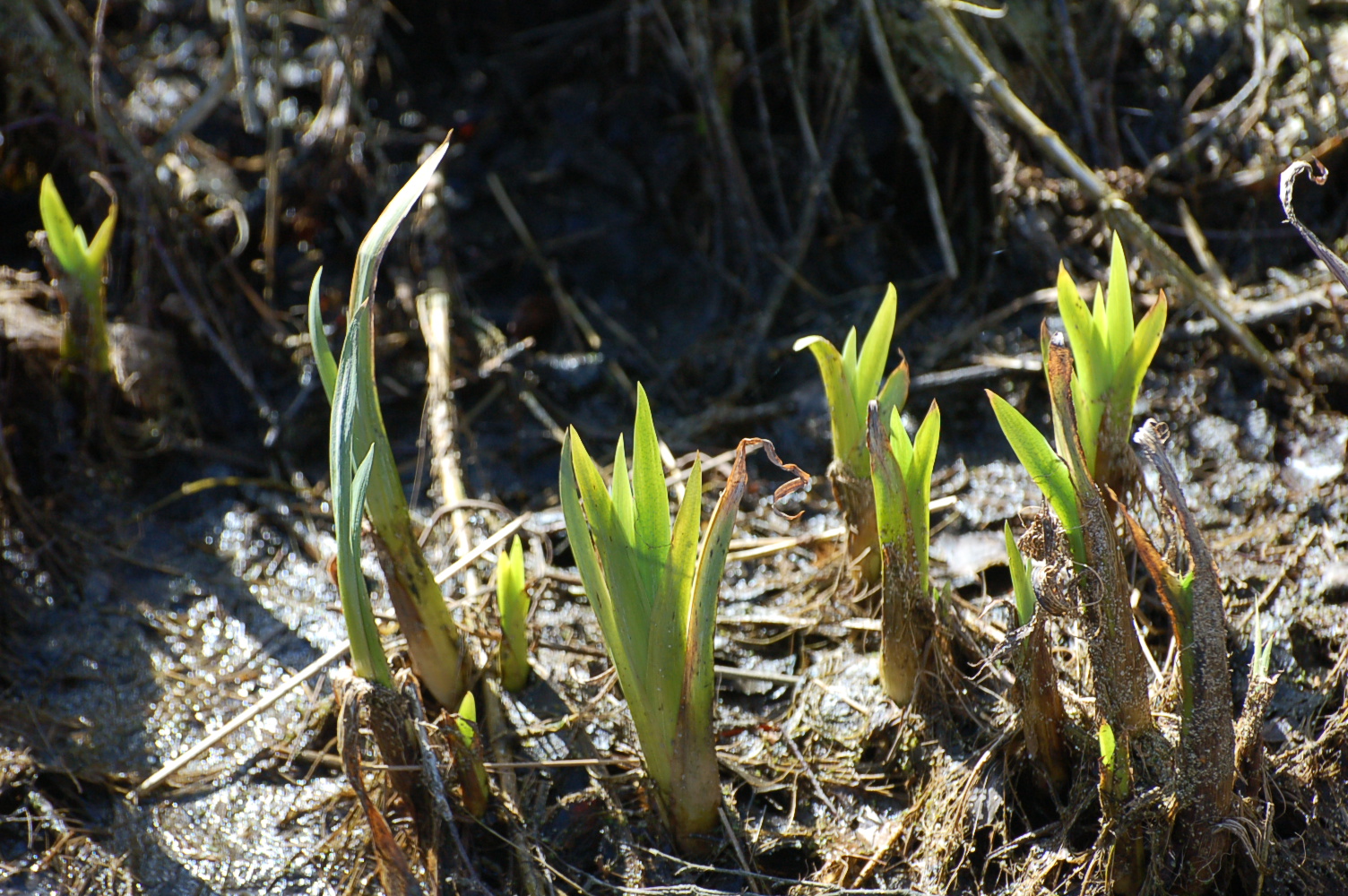
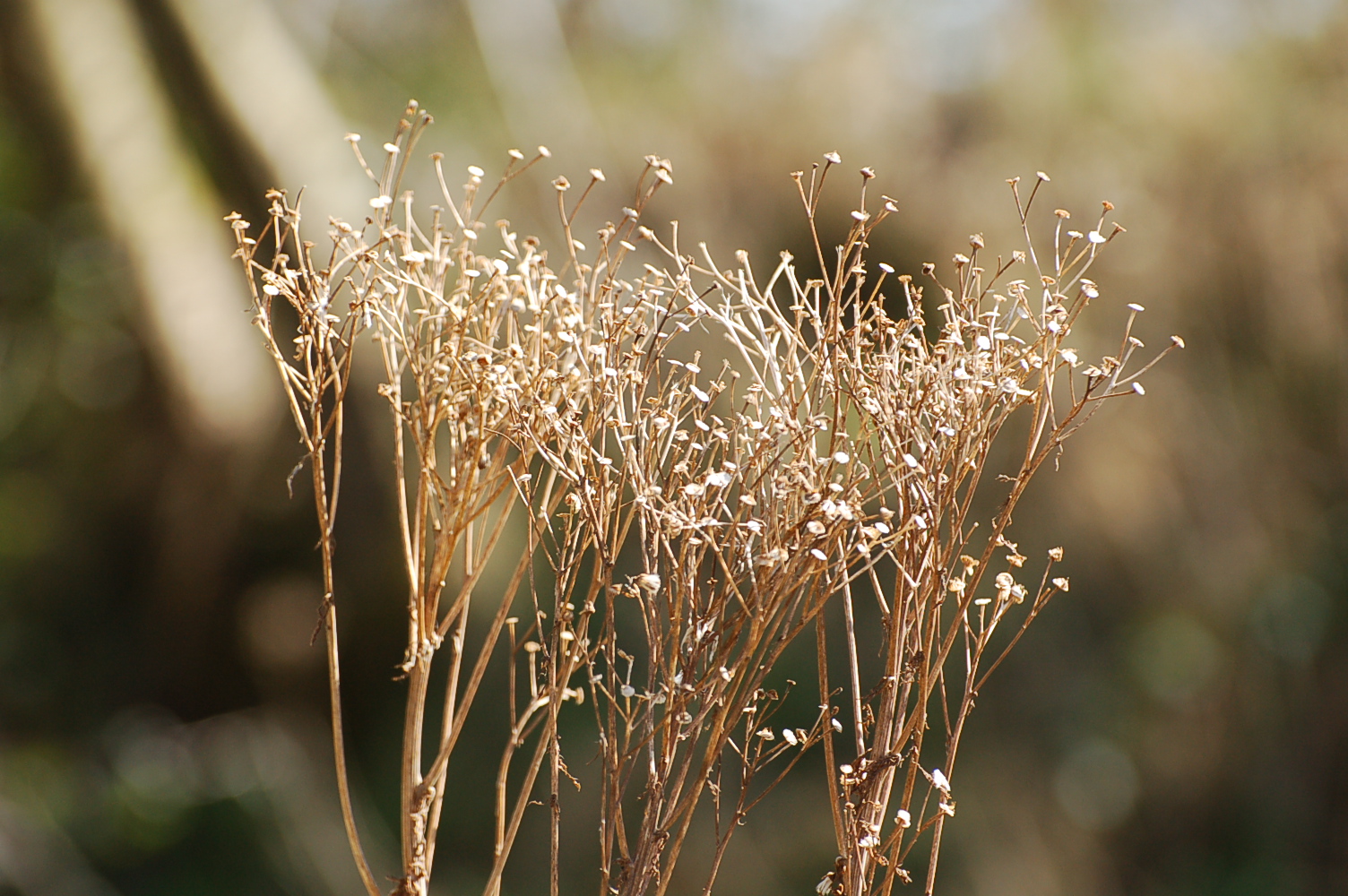
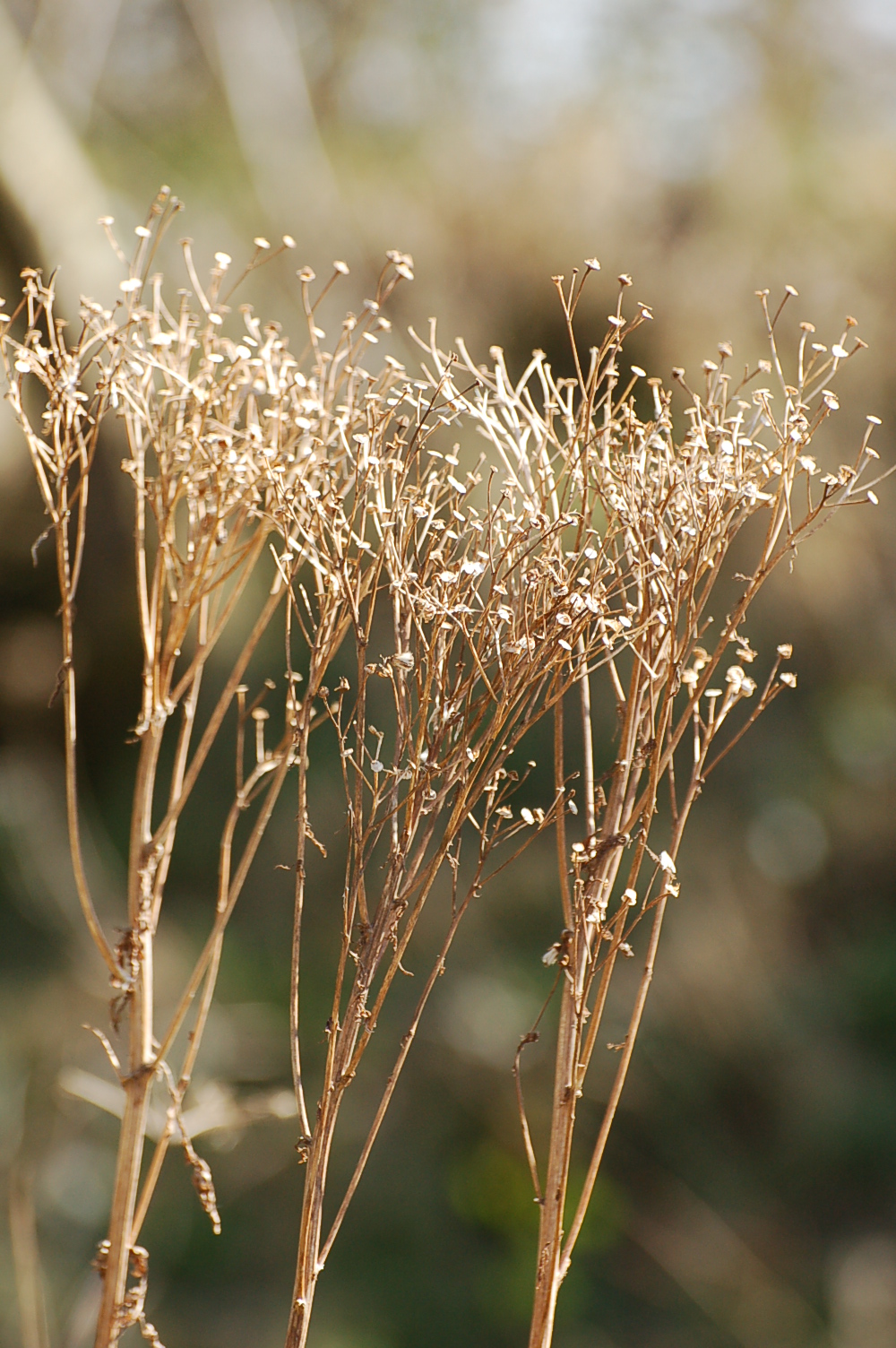
We expected to see the progress towards Spring a good few weeks behind our home patch but we were surprised to find evidence to the contrary. The flowers of spring were showing their golds and creams. We enjoyed the sight of  Celandines and Primroses glowing beneath hedges of Hawthorn bursting into the brightest green leaves, the brightest green it is possible to imagine. The quality of light highlighted the remnant seed-heads from last year and gave them a new lease of life.

DSC_0041 DSC_0042 DSC_0043 DSC_0044 DSC_0045

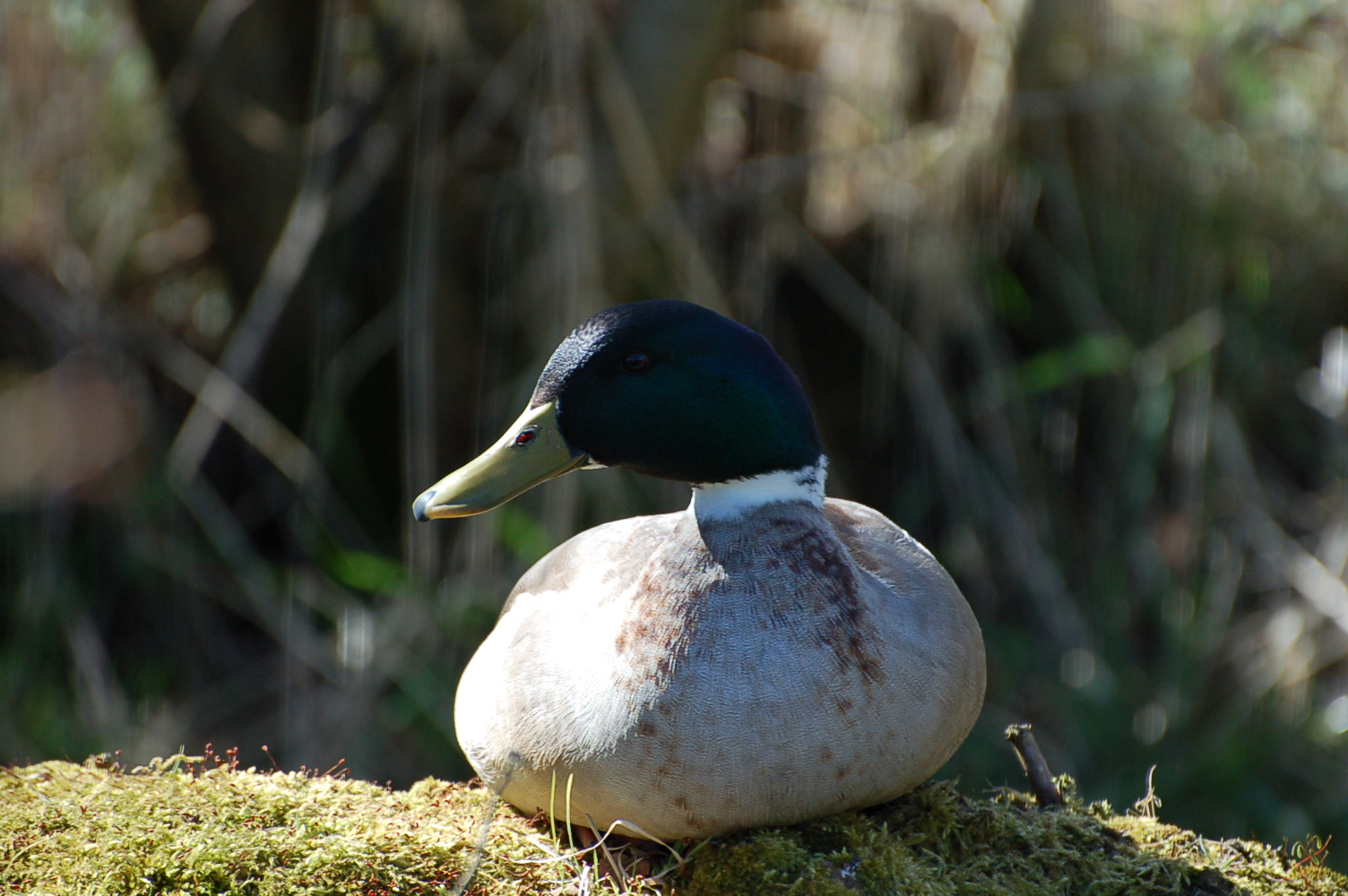
The commonest of wildfowl and waders fed alongside rarer visitors and we enjoyed them all equally. Just over seventy species of bird spotted in one day are testament to the quality of the reserve’s habitat management.

DSC_0020 DSC_0024 DSC_0035

I took lots of photos during our visit and not all of them fit in with the text above so just click on any shot in the gallery below to enjoy a slide show celebrating our first true day out this Spring.

Categories
architecture buildings photography Shropshire townscapes

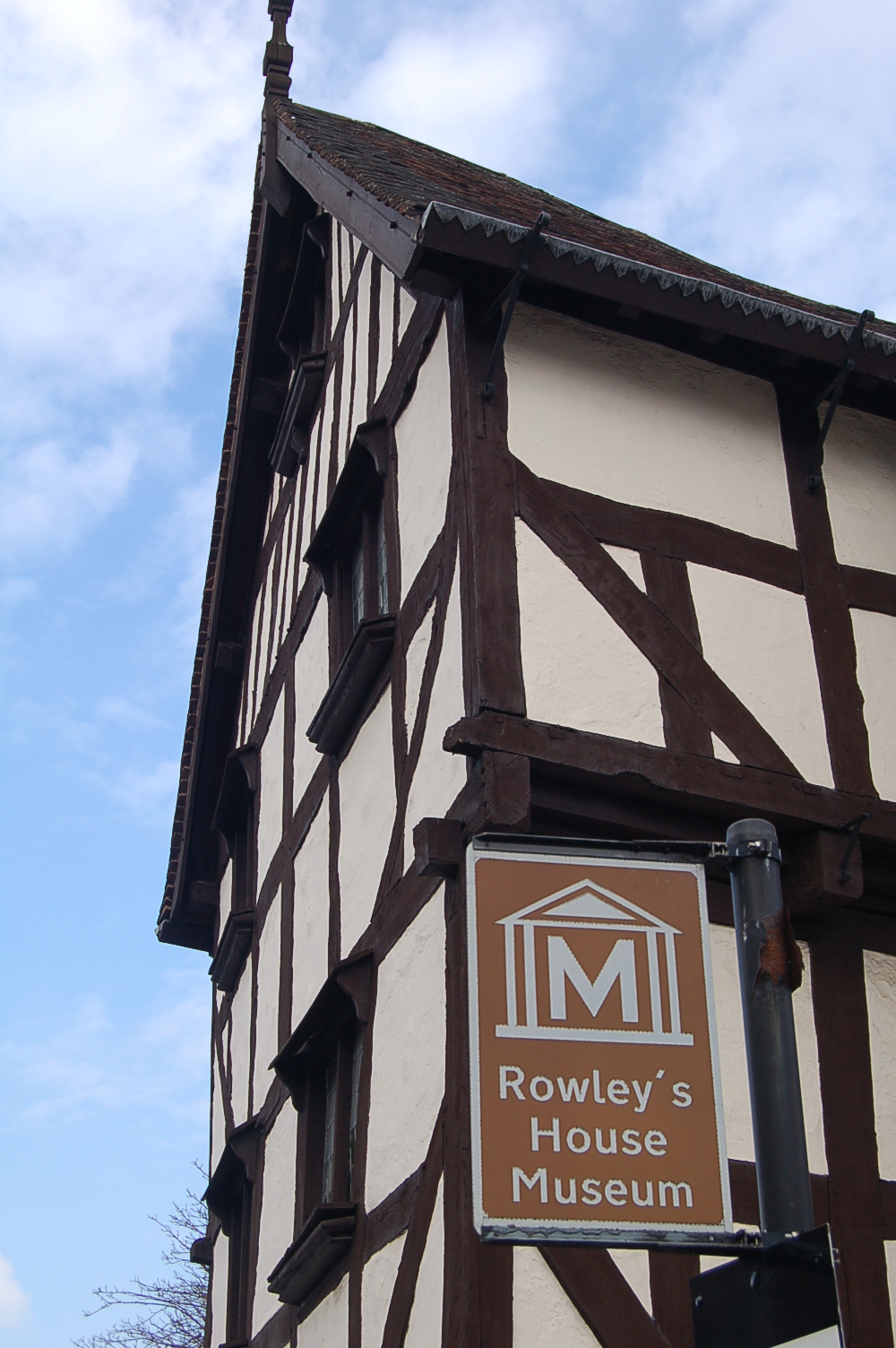
The Architectural Heritage of Shrewsbury – Rowleys Mansion

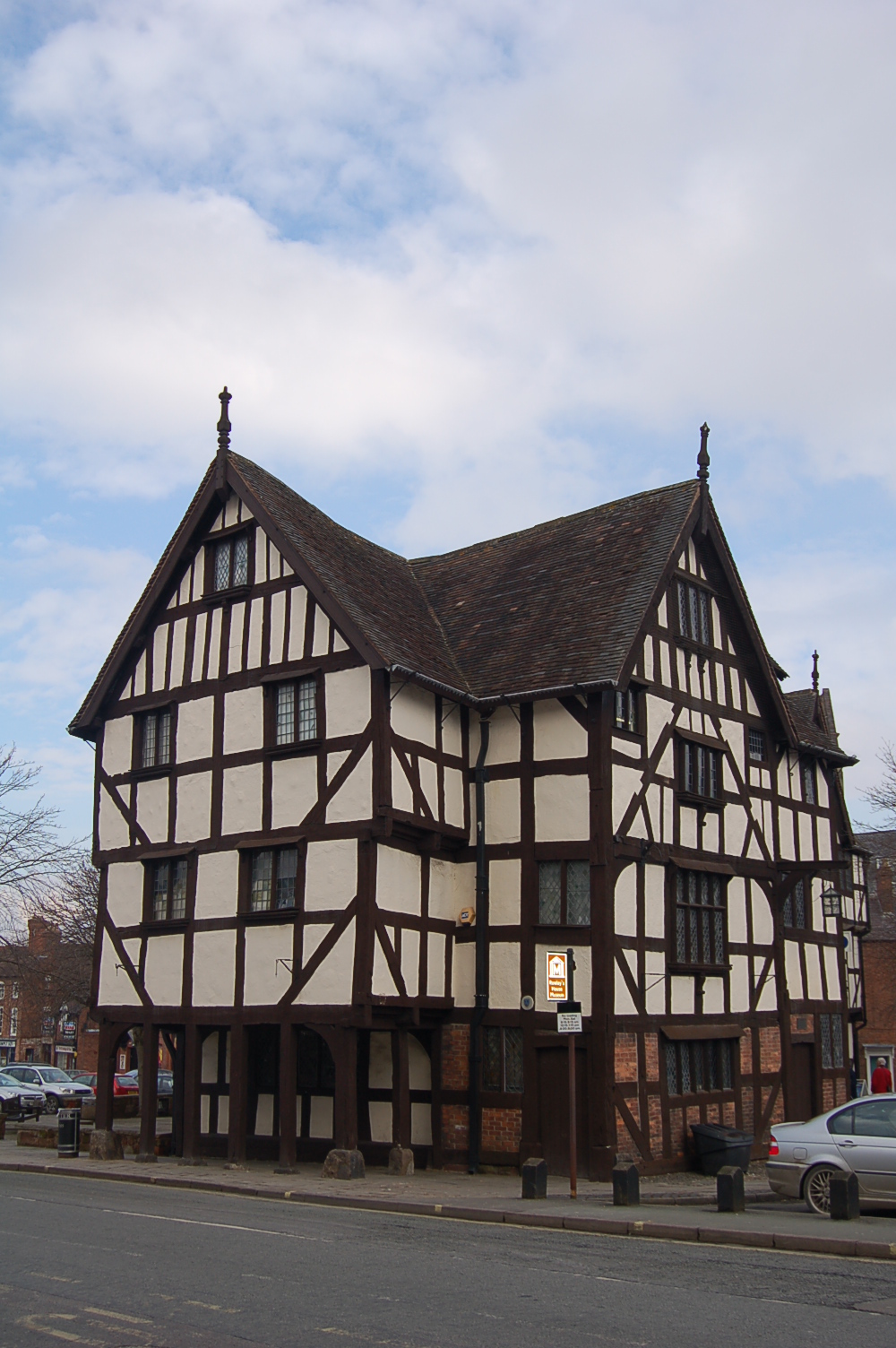
In my latest post looking at the architecture of our home county town of Shrewsbury, I want to take a look at what Jude The Undergardener and I both consider as our favourite building here – Rowleys Mansion.

DSC_0033

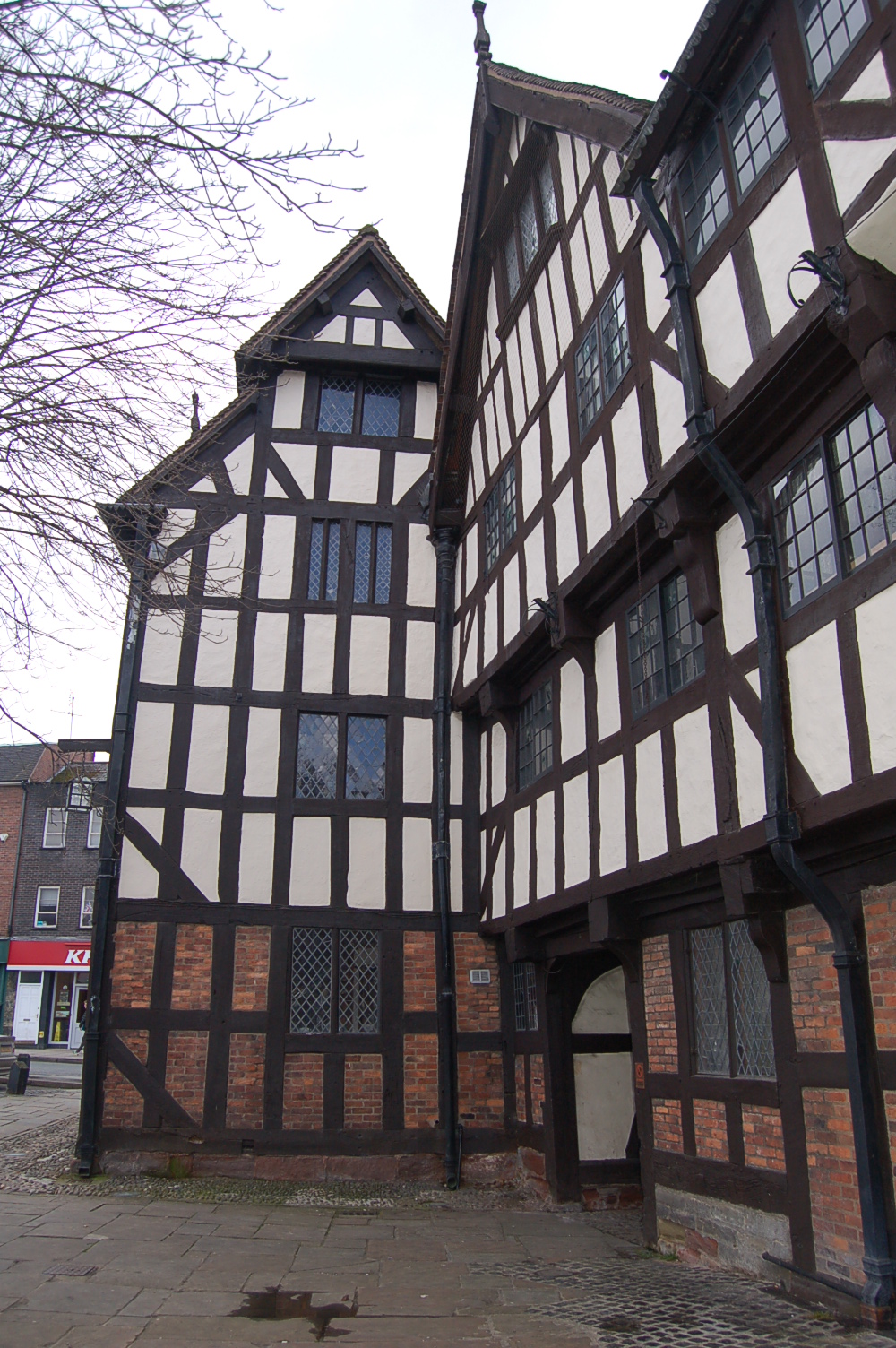
Mr William Rowley was a merchant in Shrewsbury during the reign of Elizabeth I. He made the fortune as a brewer and draper that allowed him to build this magnificent house.Sadly his home now sits surrounded by car parks and must be trembling in every oak beam as buses and trucks pass close by. How can this happen to such a special building? It is an insult to its beauty, its heritage and all the people who have lived in it, worked in it and visited it over centuries. It is currently temporarily housing the town’s Tourist Information Centre as The Music Hall, its full-time home, is being revamped.

DSC_0032 DSC_0034

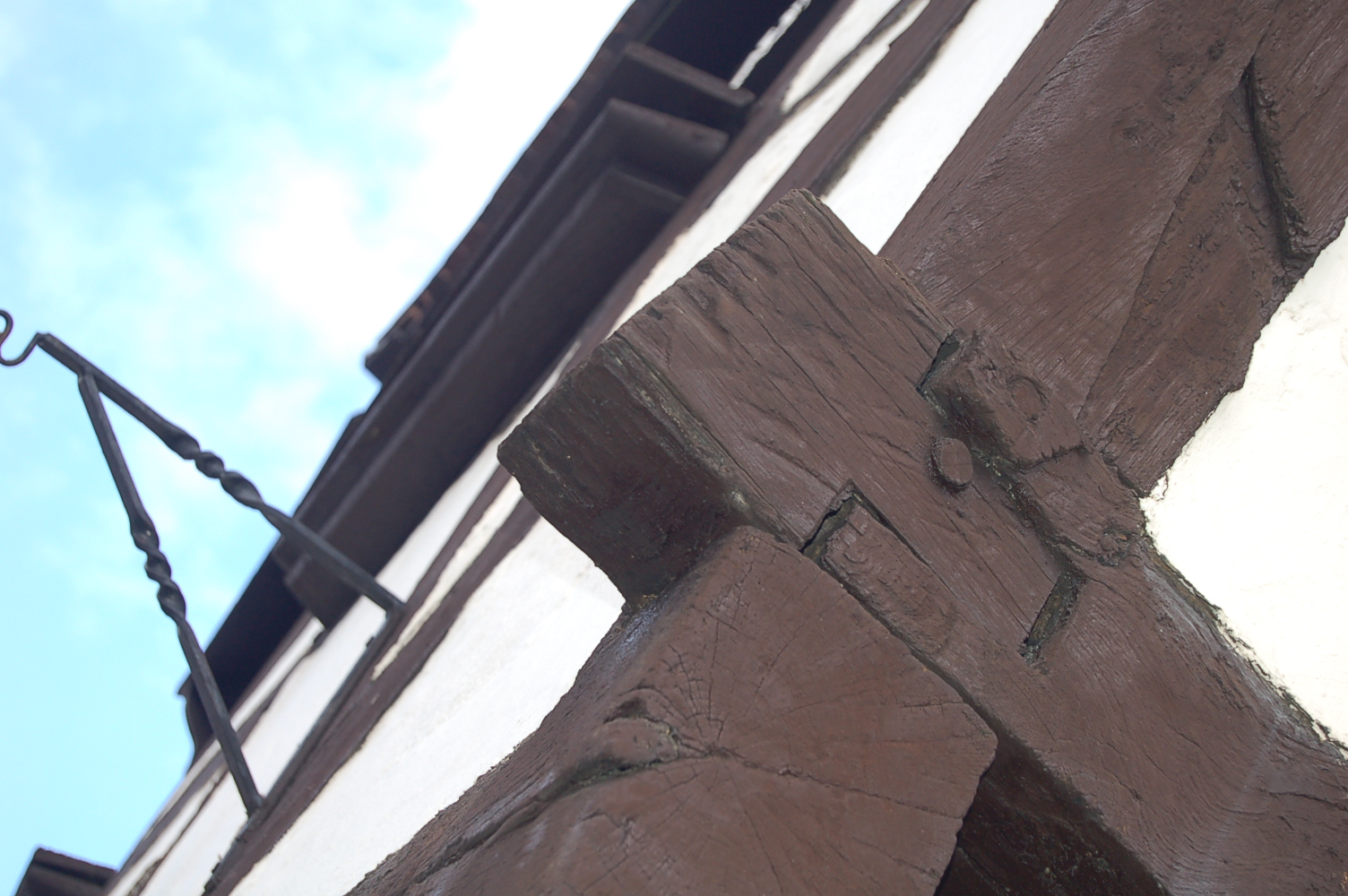
Close up we can see the structure and clues to the construction methods used centuries ago. From this angle we see a huge half-timbered building but as we shall soon discover another entirely different buildings has been built onto it. The huge mighty strong oak beams support the whole structure and these were pegged together.

DSC_0035 DSC_0036 DSC_0039 DSC_0043

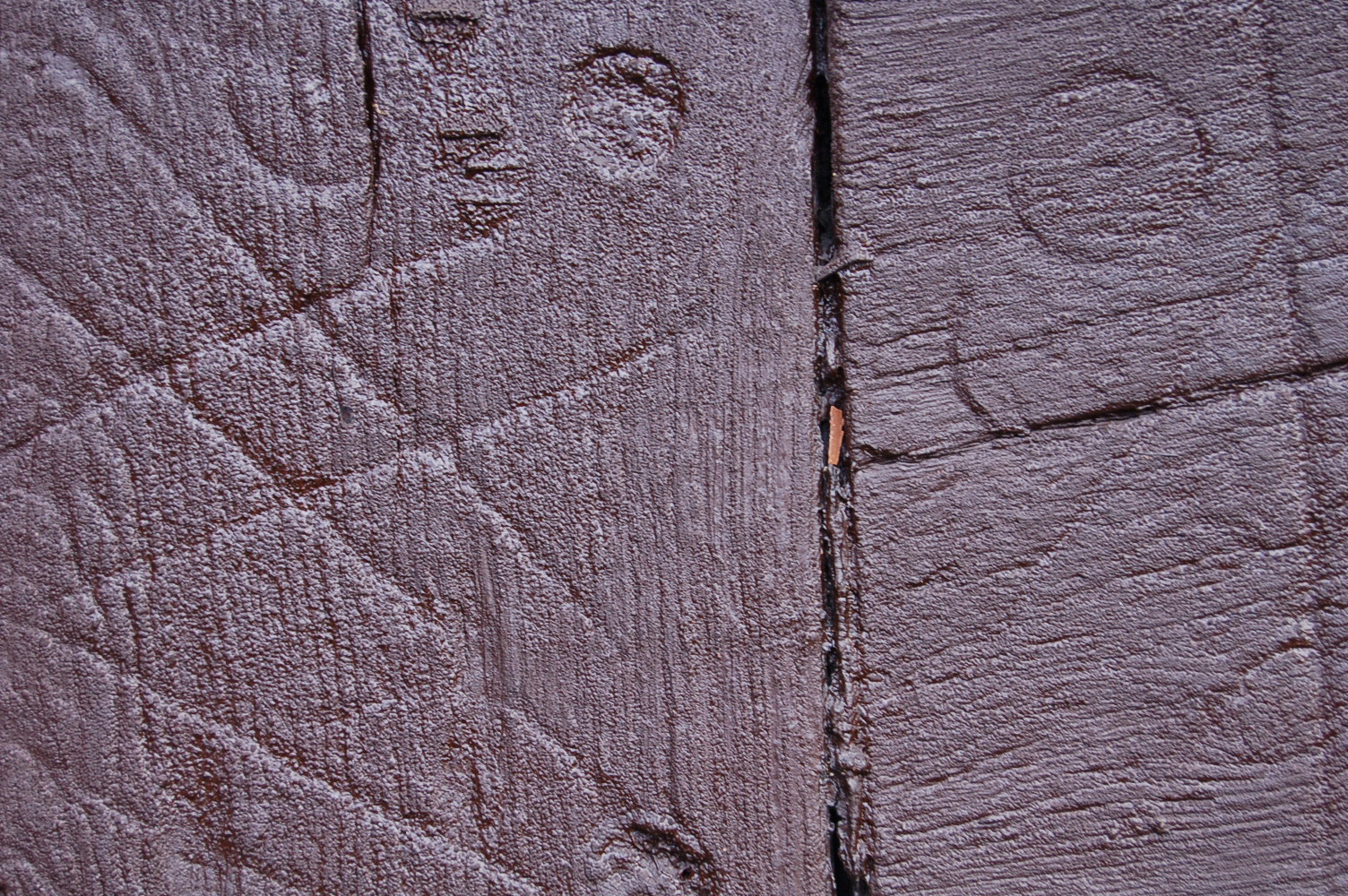
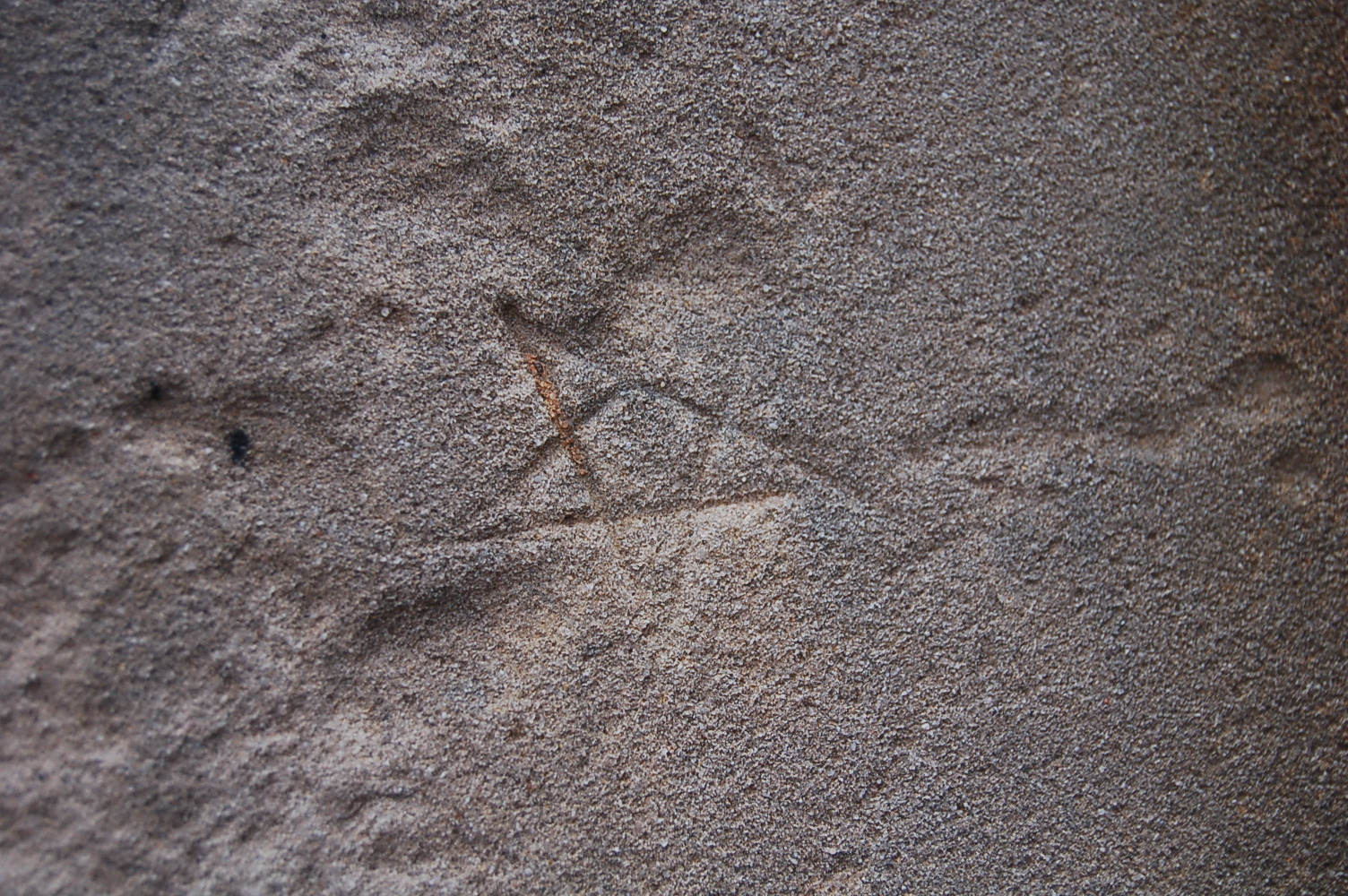
We consider graffiti as a modern-day phenomena that is spoiling our environment, but this is untrue. A close look at this ancient building reveals a history of graffiti. Some of these may be marks left by carpenters or construction workers as the old mansion was built.

DSC_0042 DSC_0050 DSC_0056 DSC_0057

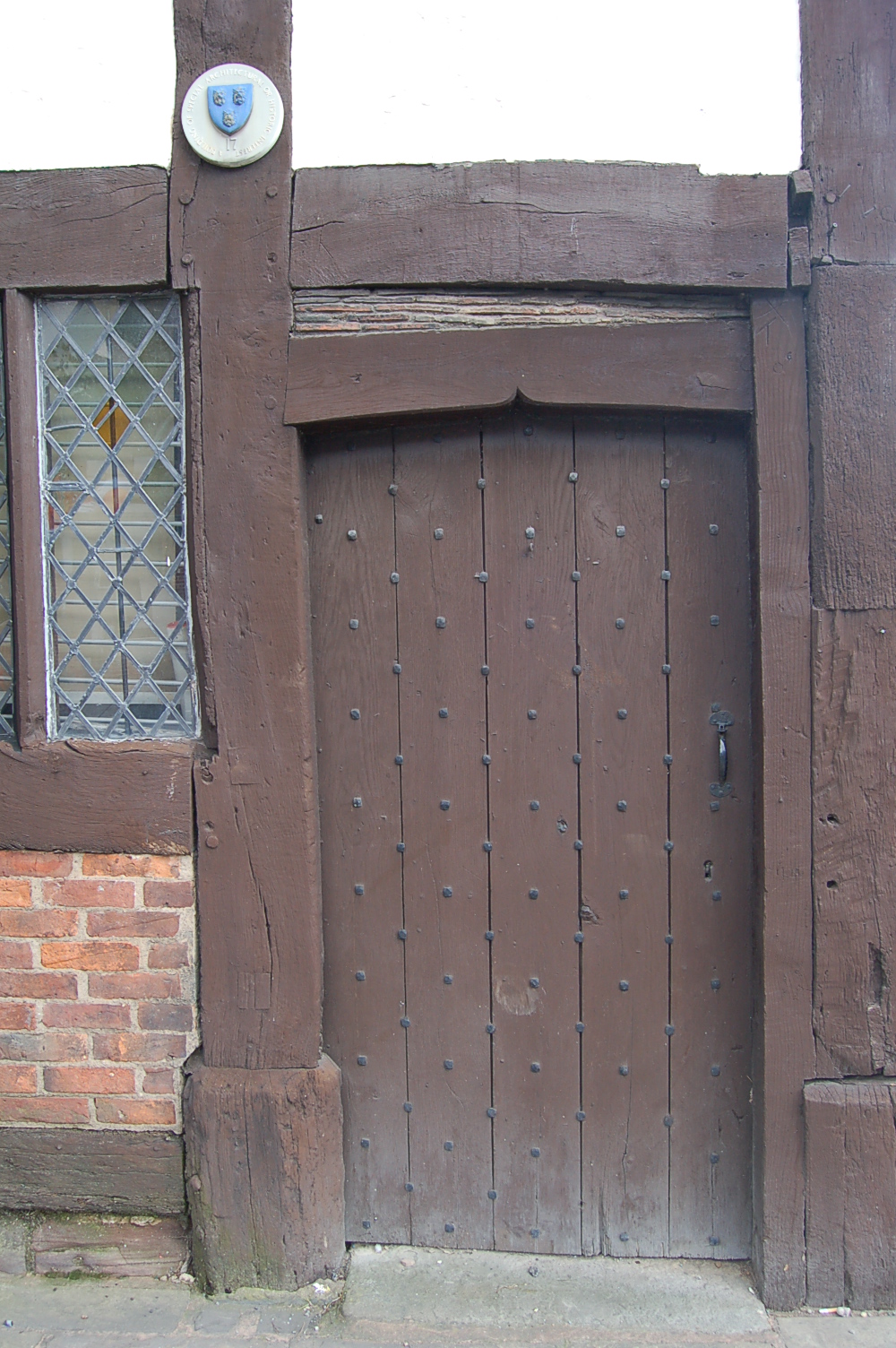
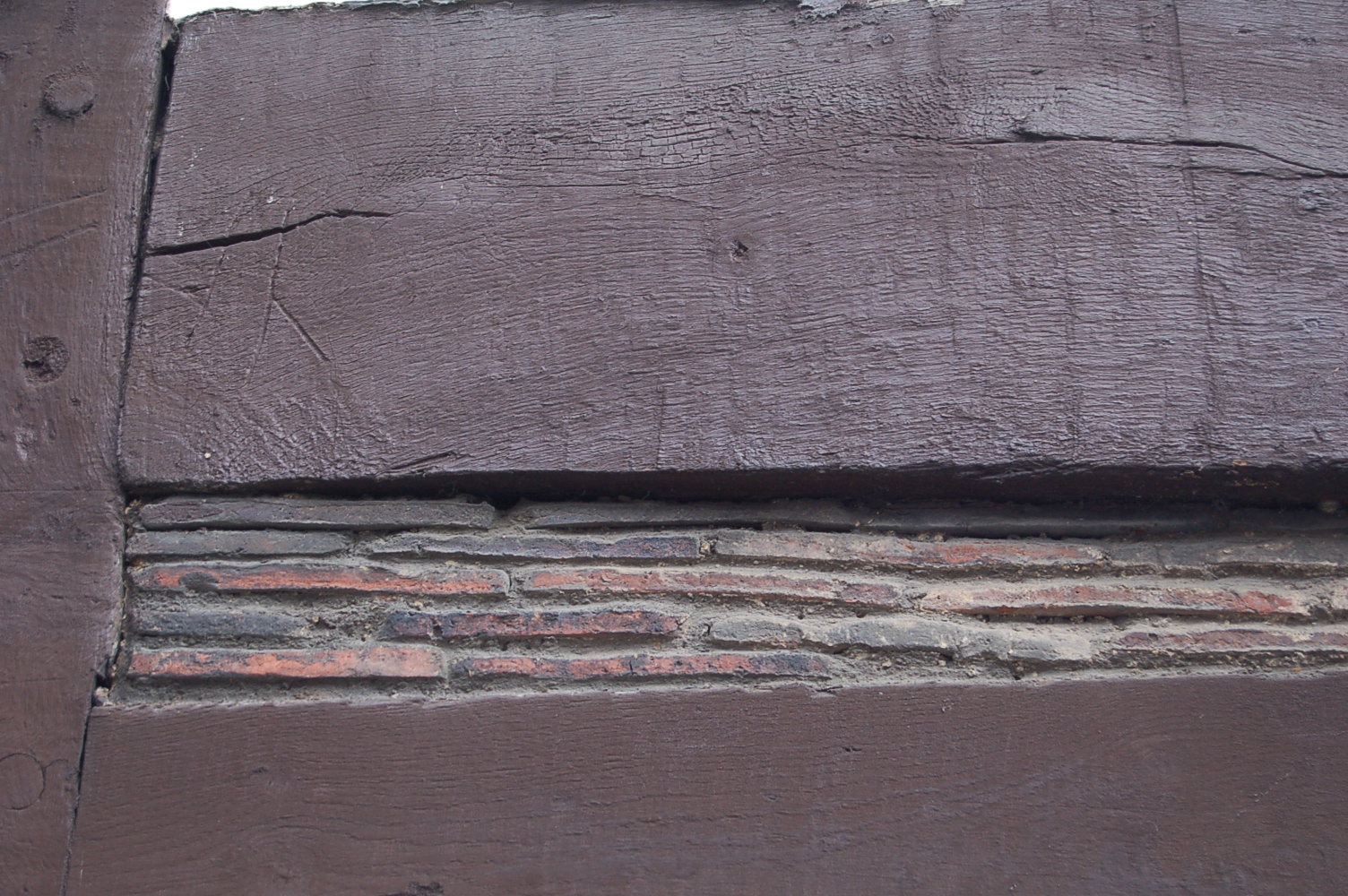
This solid heavy-looking door is topped with an oak lintel and below this lintel lies a strip of narrow tile infill, an interesting textural contrast.

DSC_0038 DSC_0037

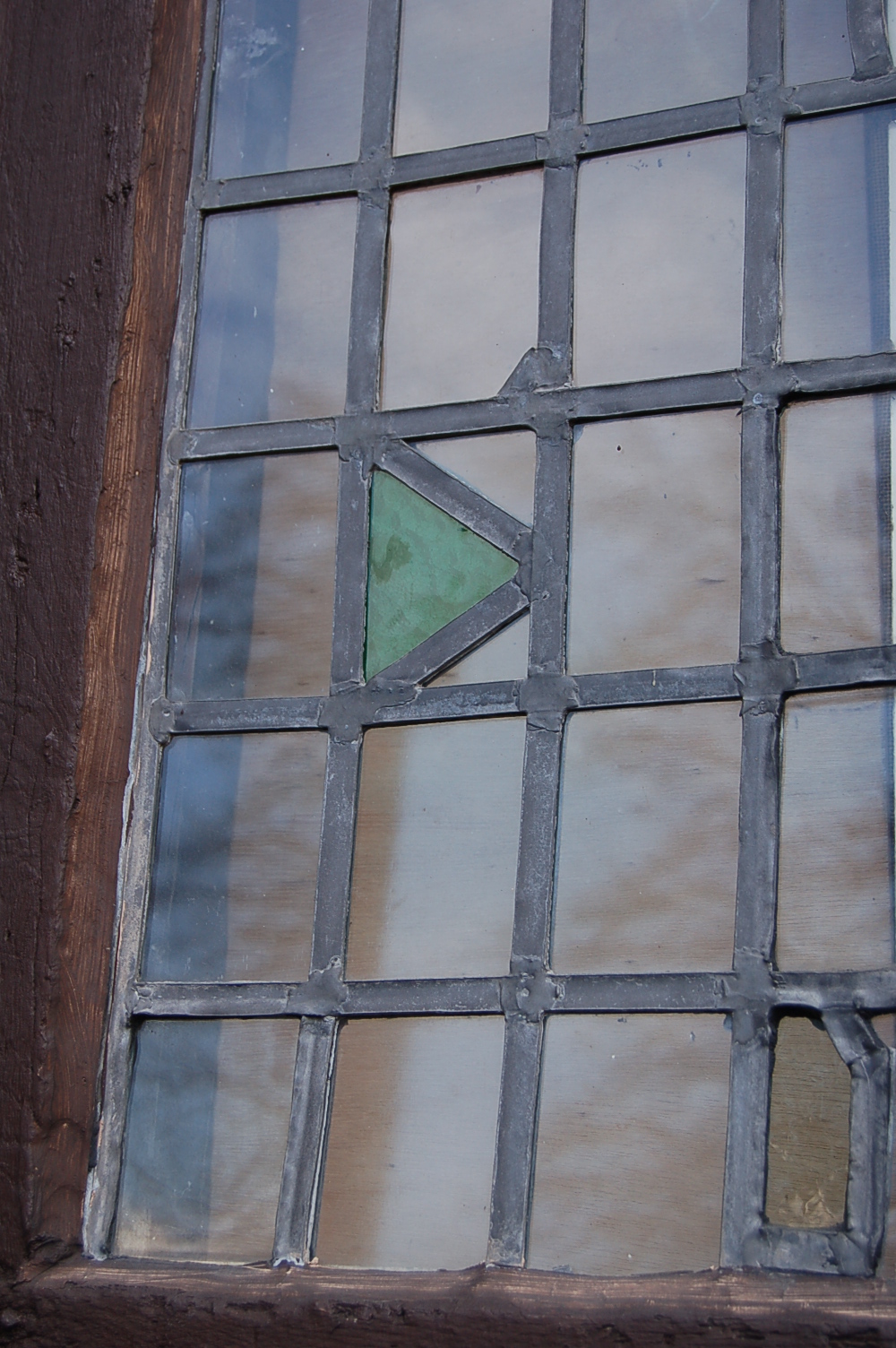
Some of the details such as the iron tie and this little coloured glass window deserve a close up look.

DSC_0041 DSC_0044

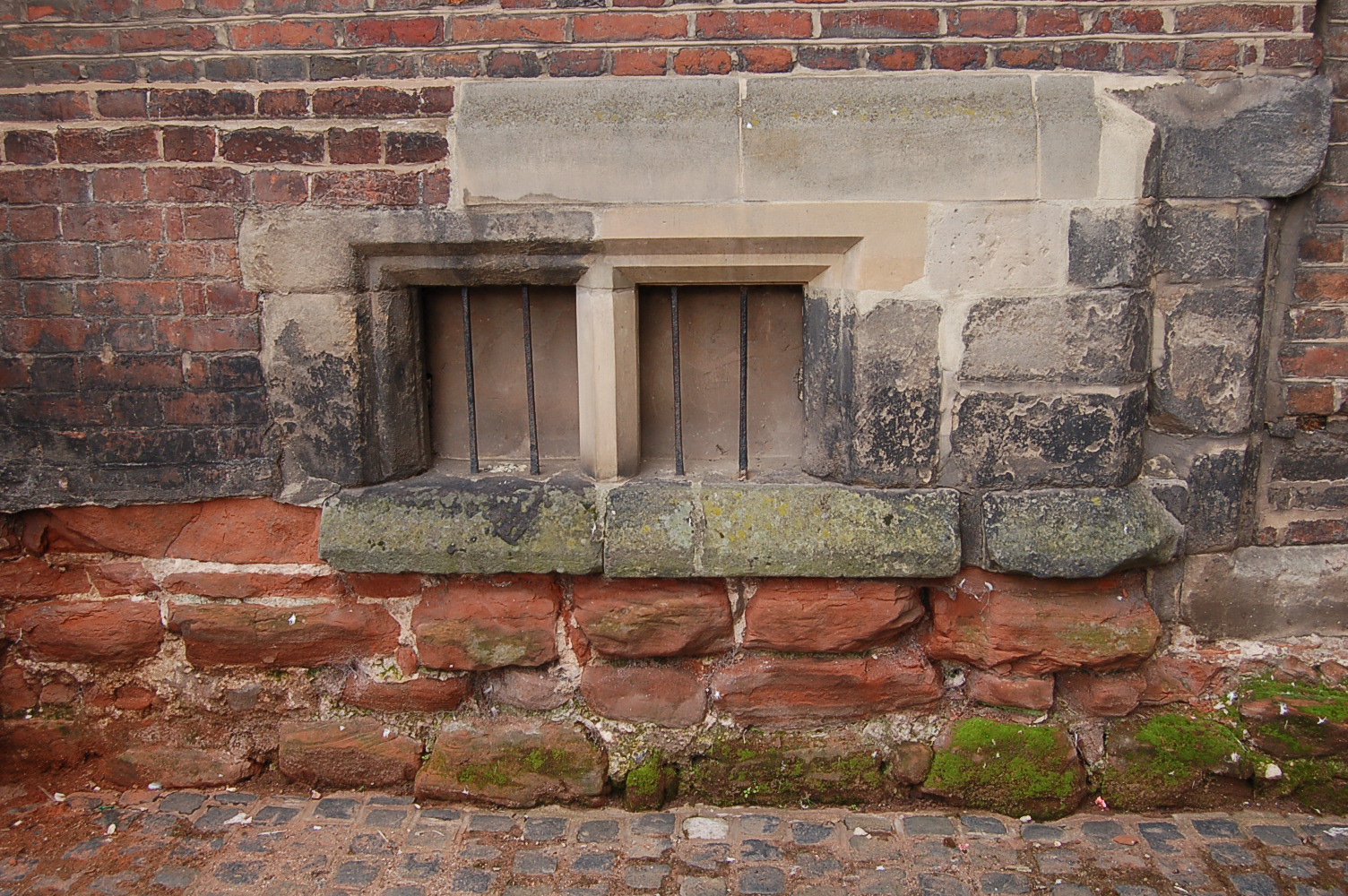
But what of the other building attached to the old timbered mansion? It is the earliest brick-built building in Shrewsbury and at the time it was built it would have been considered a pioneering material and was used to impress. William Rowley added the mansion to show off his increased wealth.

DSC_0040 DSC_0051 DSC_0053

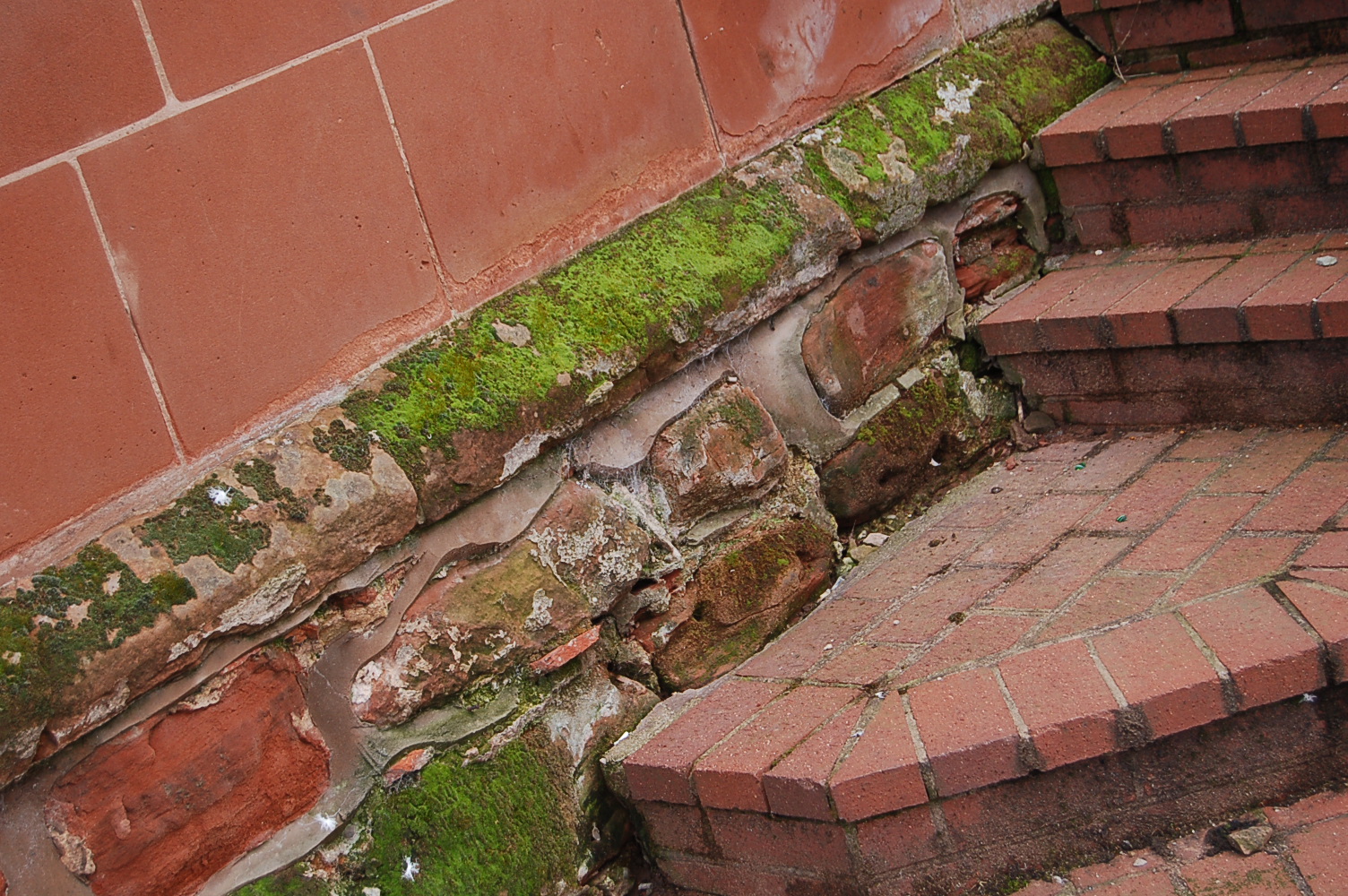
Look closely and the textures of the construction materials create interesting cameos.

DSC_0045 DSC_0046 DSC_0049 DSC_0052 DSC_0055

At the opposite end of the buildings from the wooden door we looked at early on in this post is the main doorway giving access to the brick building. This old oak door stands within a stone frame with beautiful carved detailing. This is an impressive doorway which says “I have made it!”, the equivalent of today’s big cars!

DSC_0054

Let us finish with another view of Rowleys Mansion – the half-timbered end.

DSC_0058

Categories
colours garden design garden photography gardening hardy perennials spring gardening Winter Gardening

A close-up look at the Hellebores in our garden.

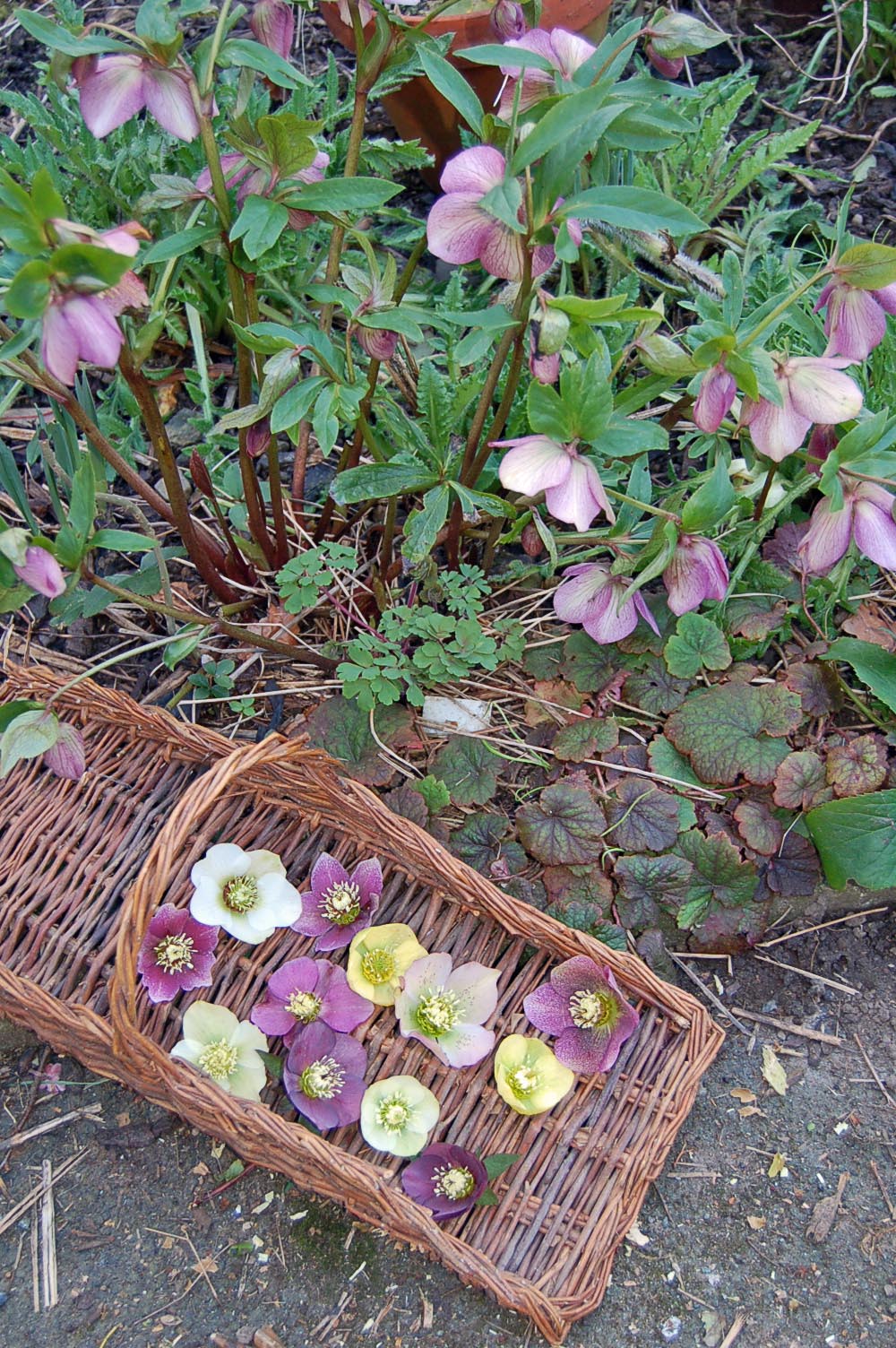
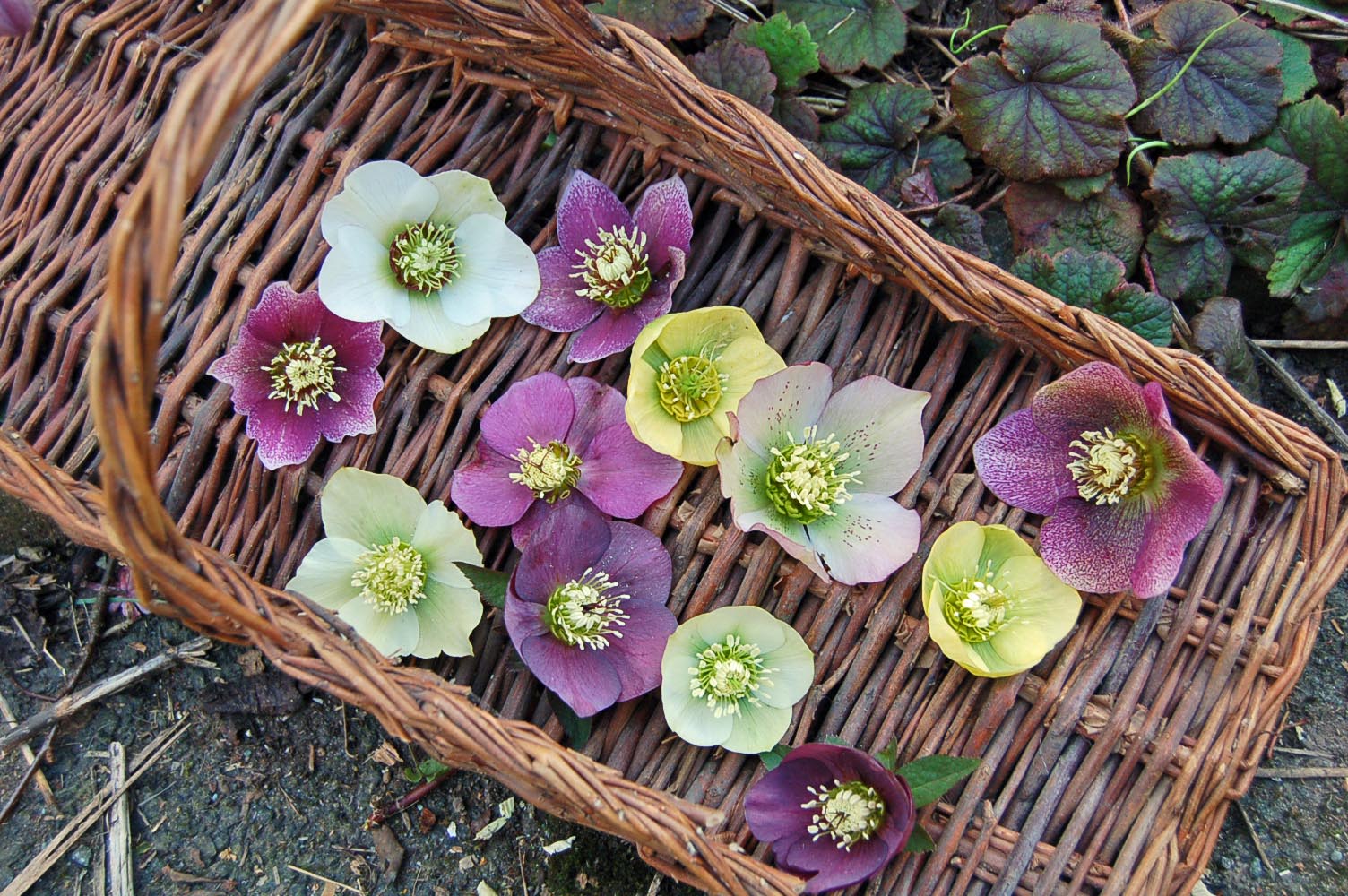
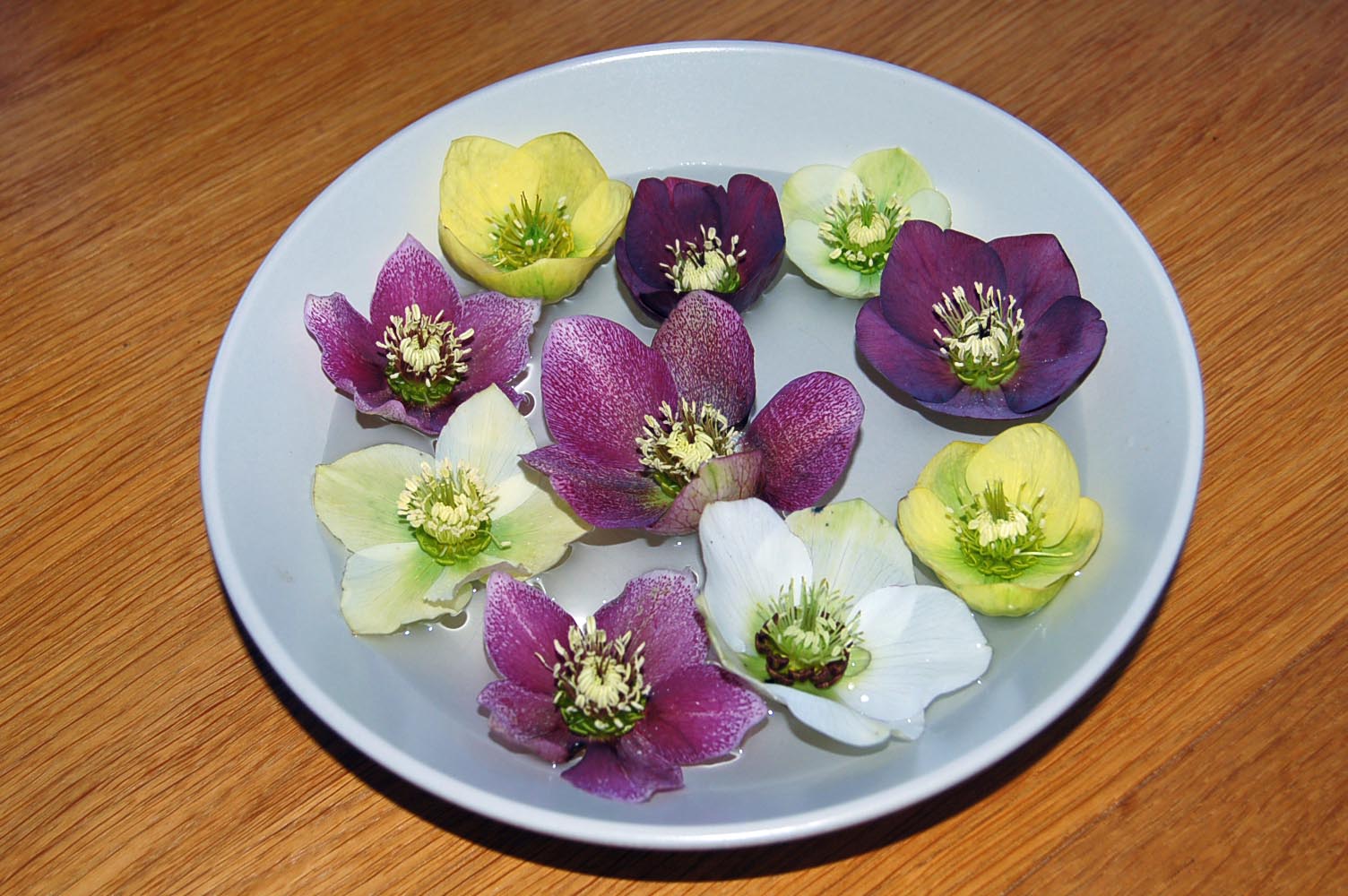
Hellebores never fail to amaze. They flower early and continue in bloom for a long time. They present an unusual range of colours and markings on their petals which can vary in shape. We tend to choose reds and purples, plain and spotted and whites and creams mostly plain.

Let us start by venturing out into the borders armed with flower trug and secateurs, ignoring the chill in the air and nipping off a collection of flowers in a variety of colours.

hellebore 3

hellebore 2

The individuality of each is best appreciated by displaying them floating in a shallow bowl of water.

hellebore 1

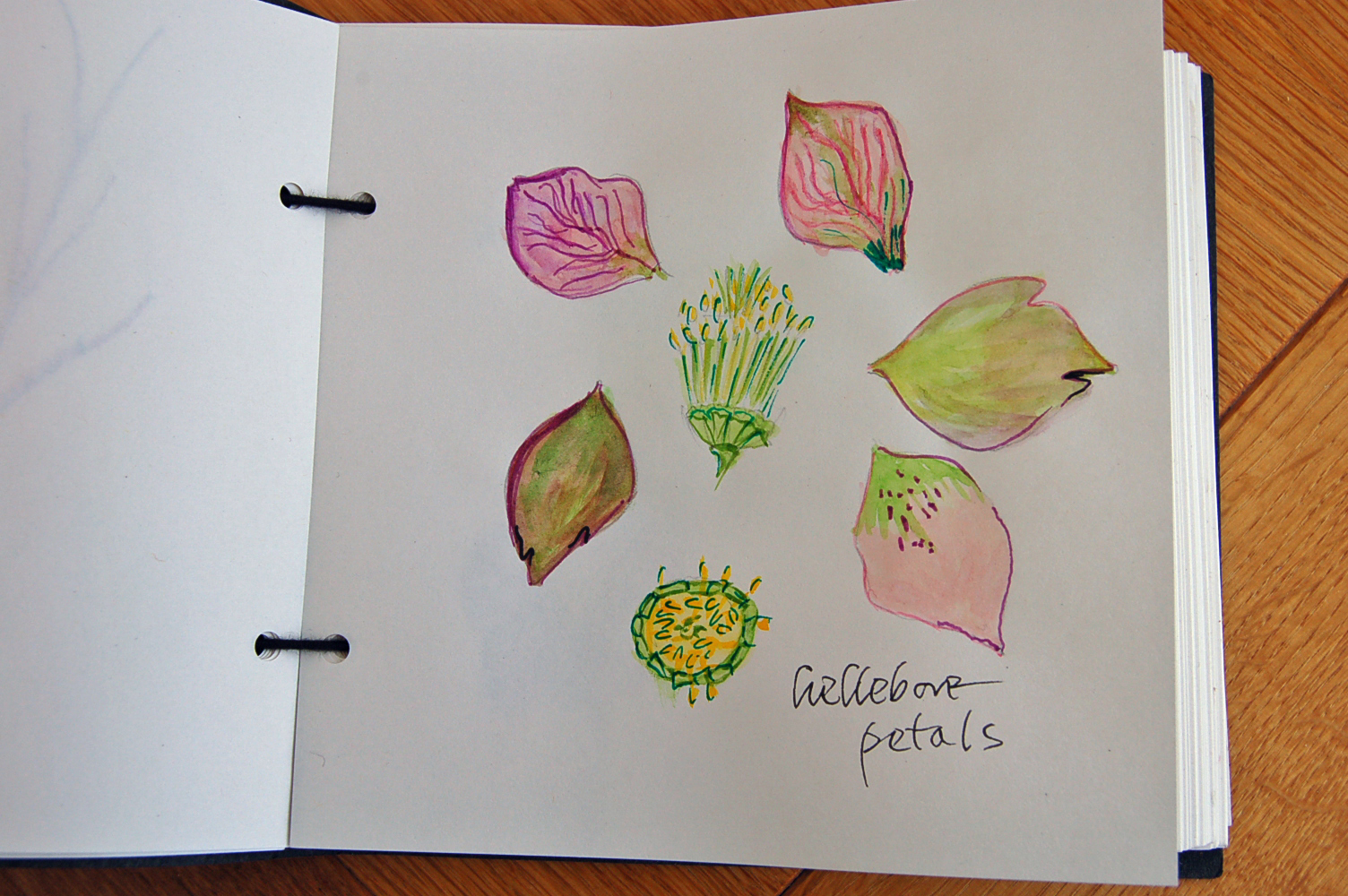
Now for a real challenge – looking closely and trying to show their character in water colours. I have chosen the deepest blue-mauve, the yellow-green and the pale yellow with purple streaks.

DSC_0092_edited-1 DSC_0093_edited-1

Categories
landscapes

Our Changing Borrowed Landscape

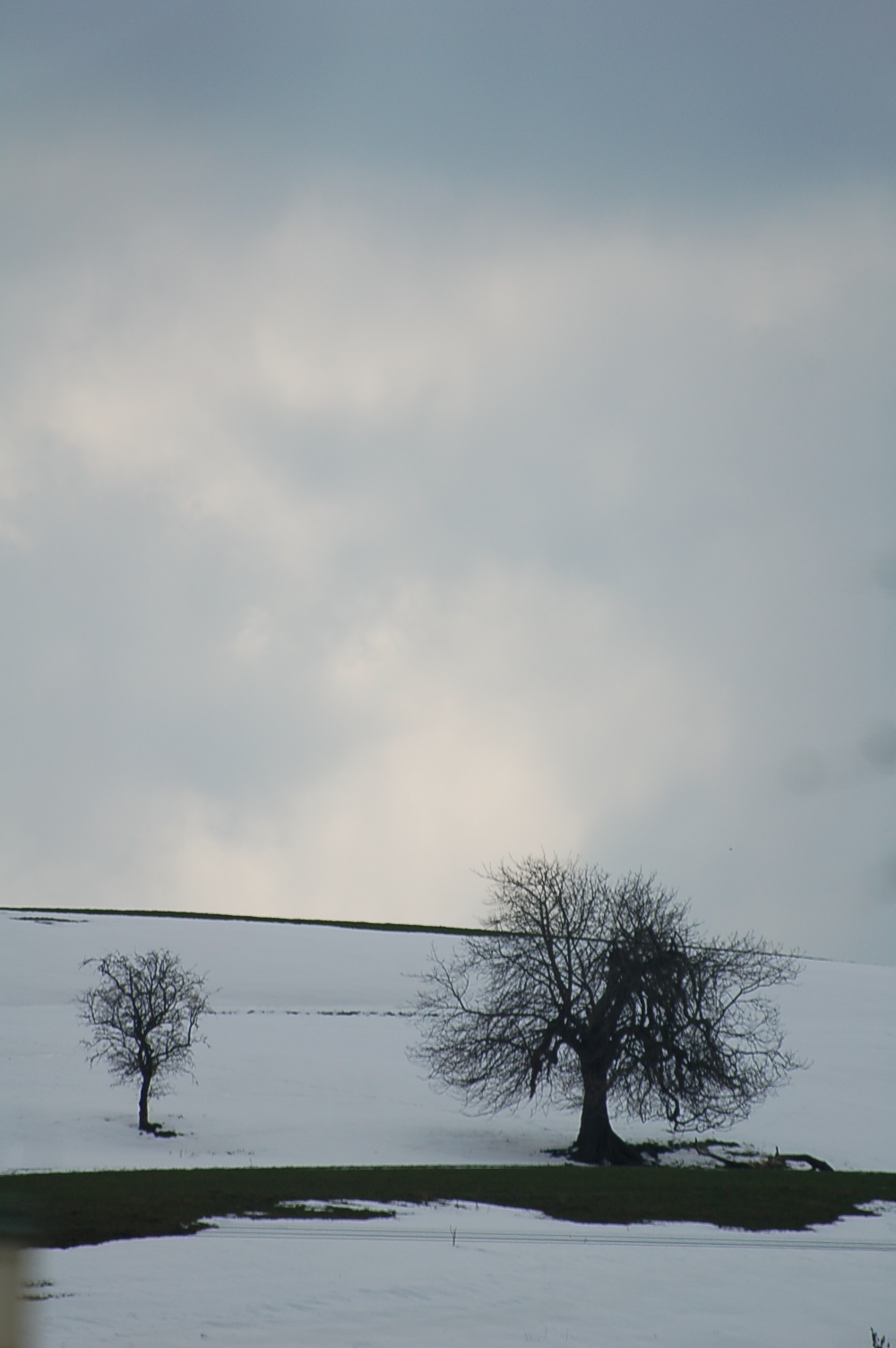
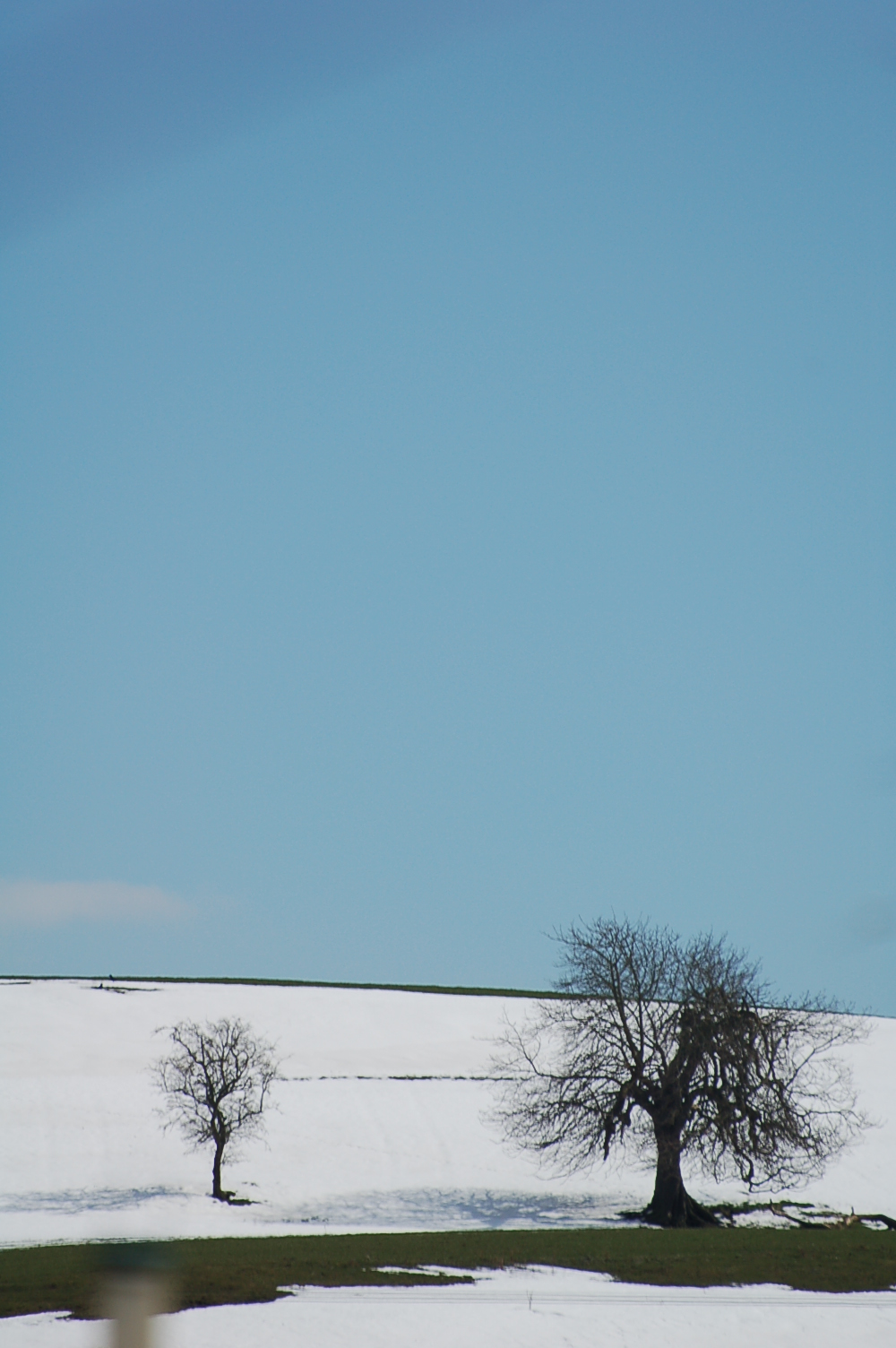
We love our borrowed landscape with its gentle sloping hillside and its big skies. Today as the weather changed and the snow began to melt away, the view from our garden looked different every time we looked at it. Things should be changing now though, as British Summer Time has arrived. We have been around the house changing the clocks. Luckily the cars, computers and our smart phones do it for themselves.

DSC_0003DSC_0005

DSC_0004

DSC_0006

Categories
birds gardens open to the public National Trust nature reserves photography Shropshire The National Trust trees wildlife winter gardens woodland

Birches in Winter

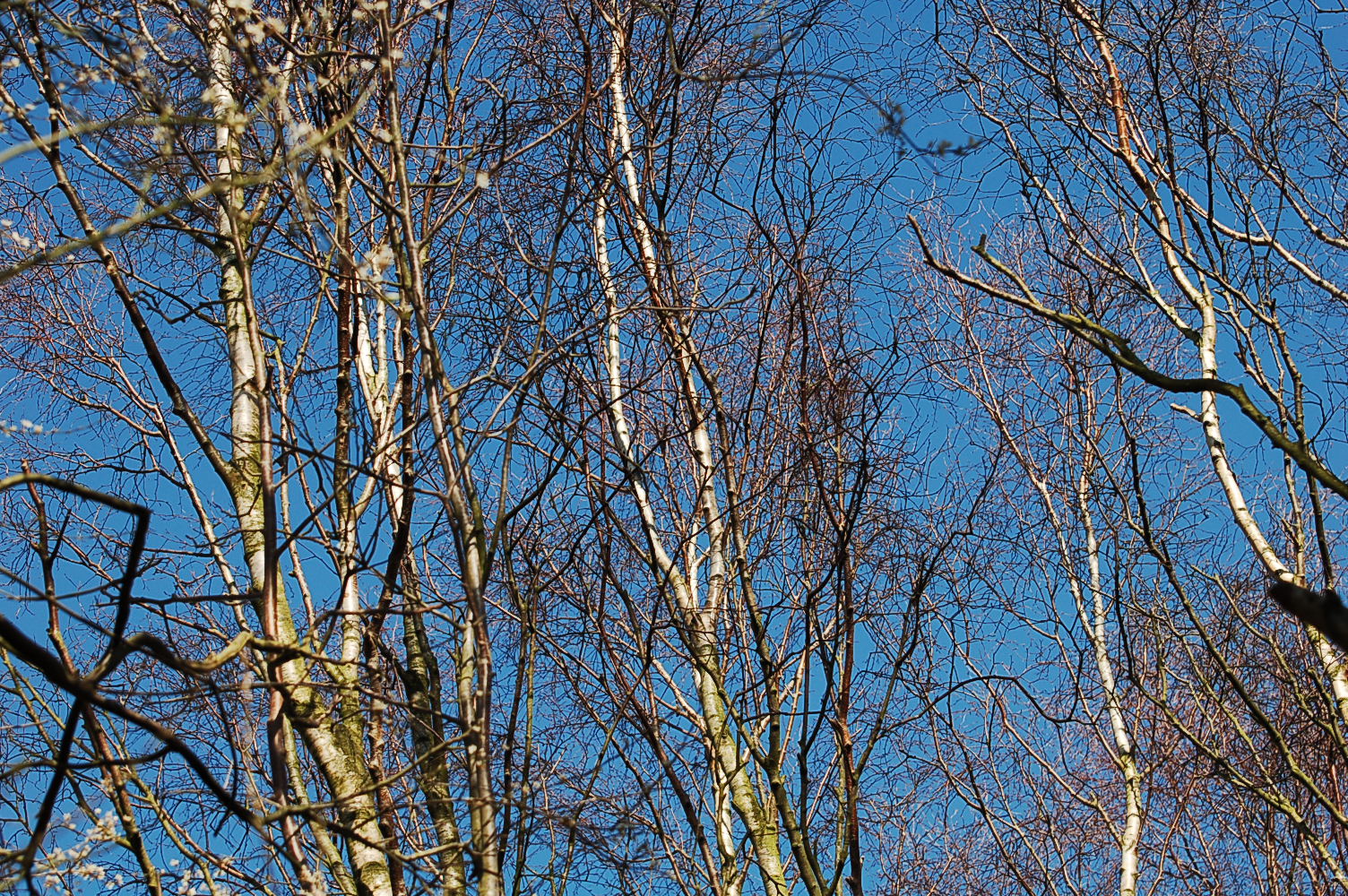
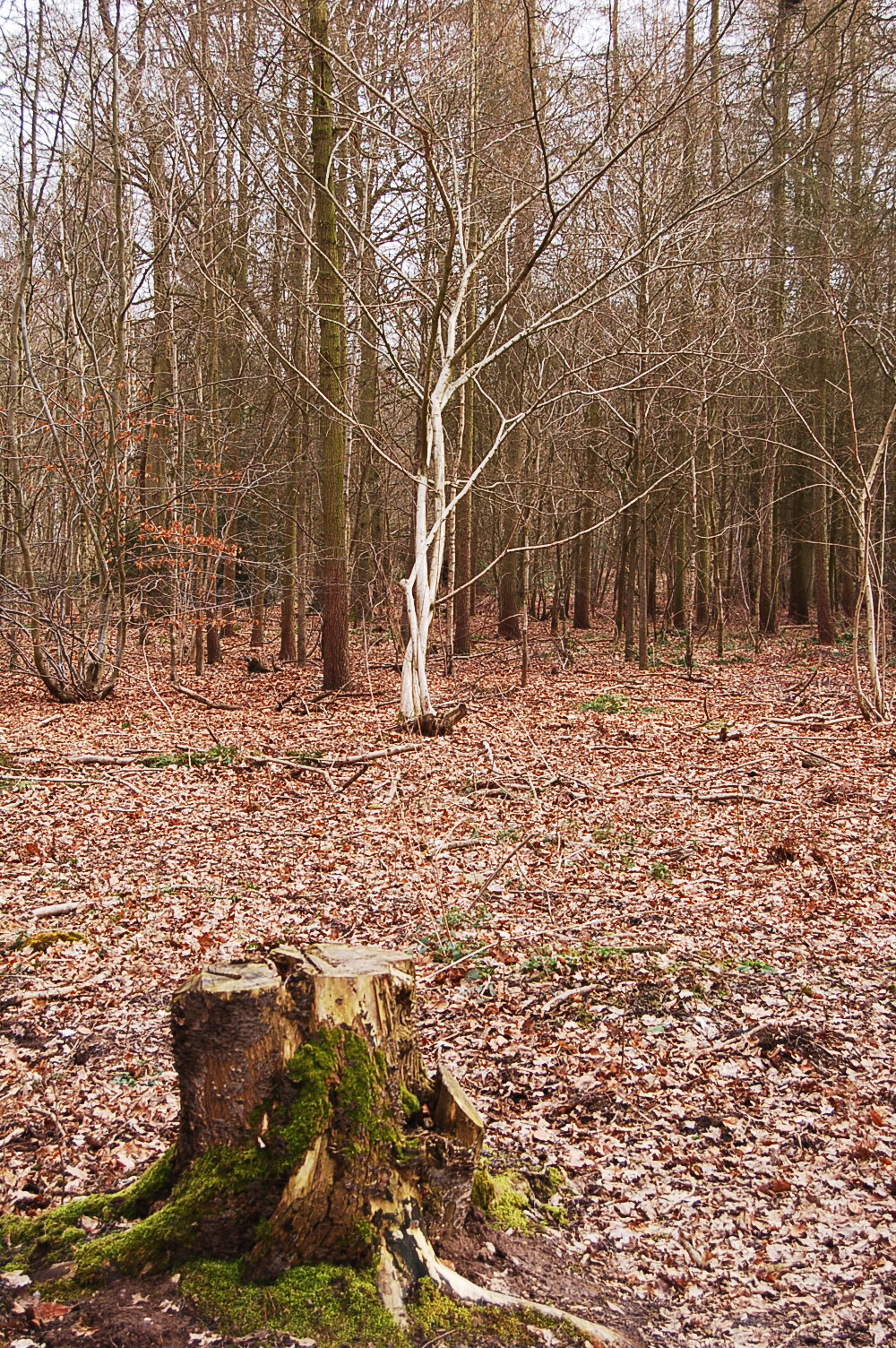
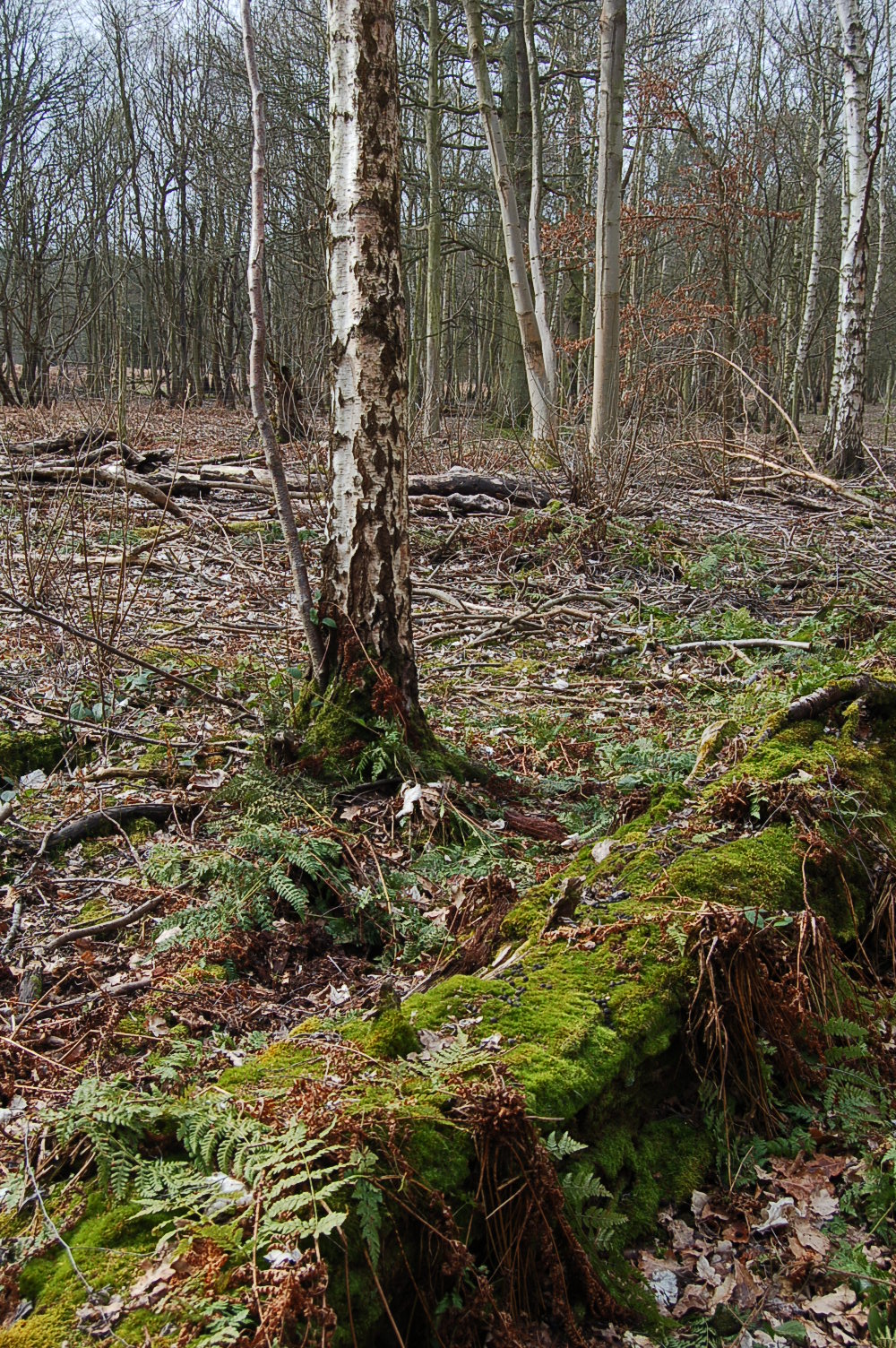
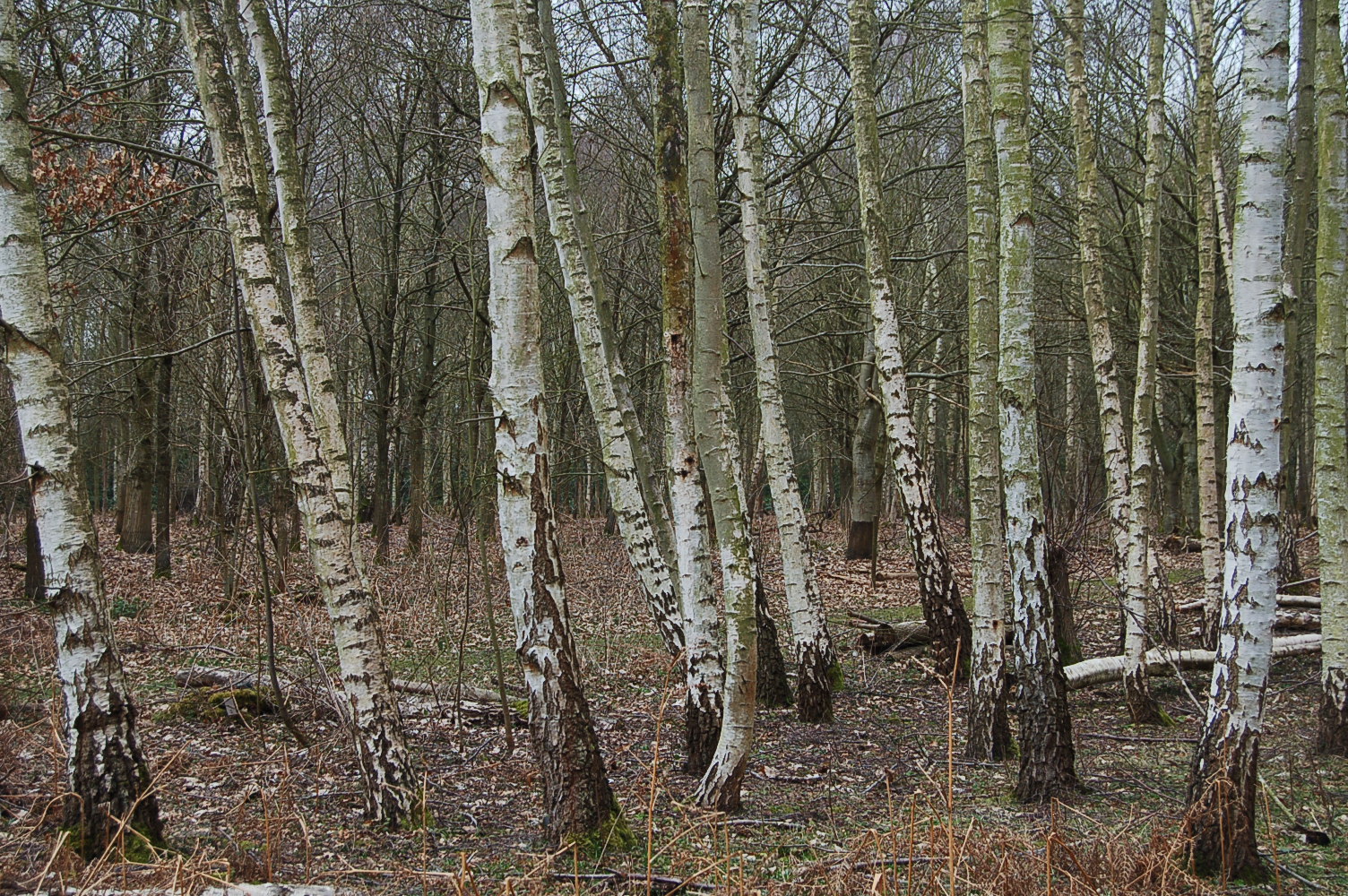
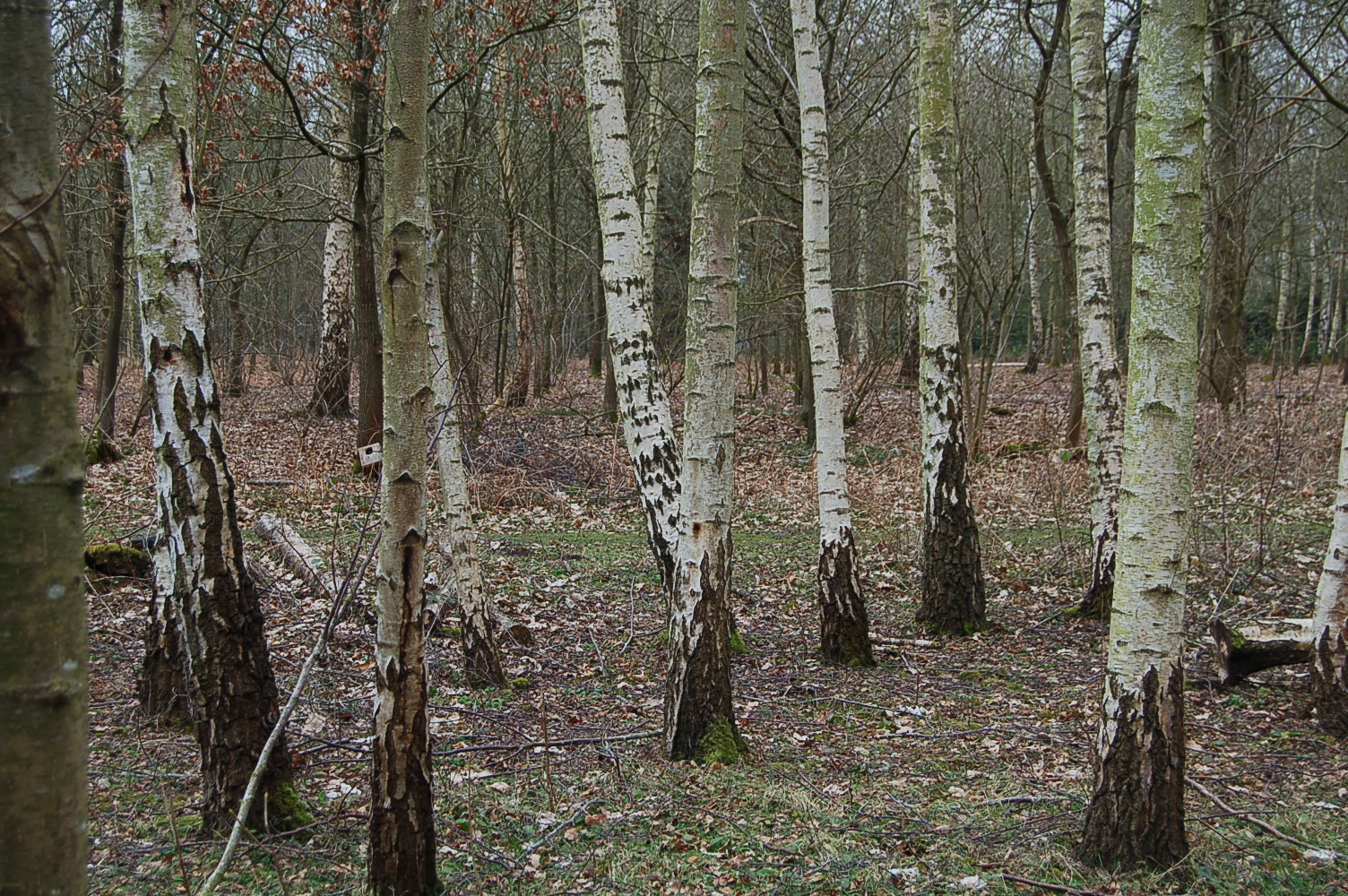
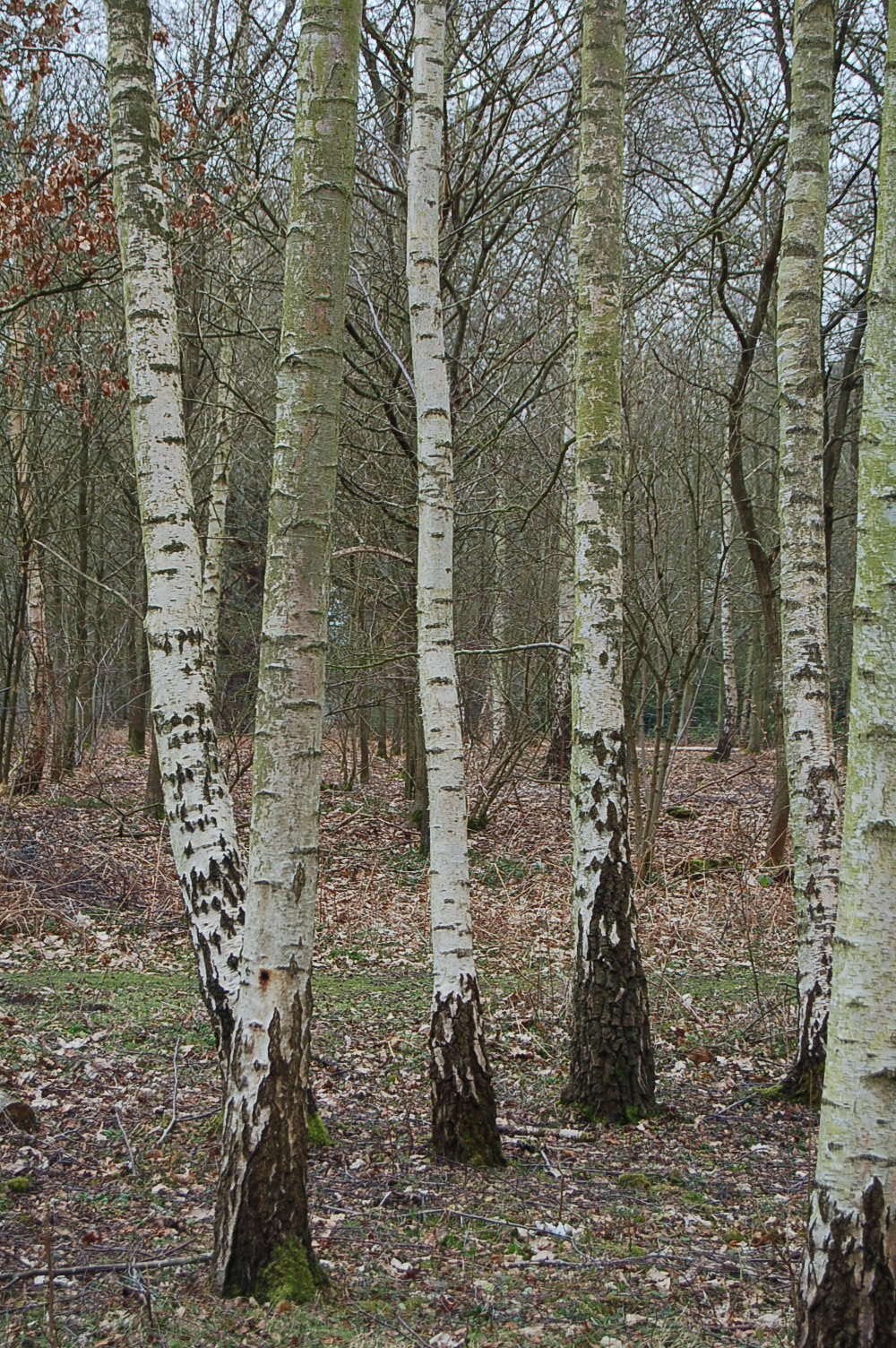
Regular readers of Greenbenchramblings will be very aware of my love of Birch trees in all their many guises. In this post I shall highlight our native Betula pendula.

birch 3 birch 4 birch 5 DSC_0041

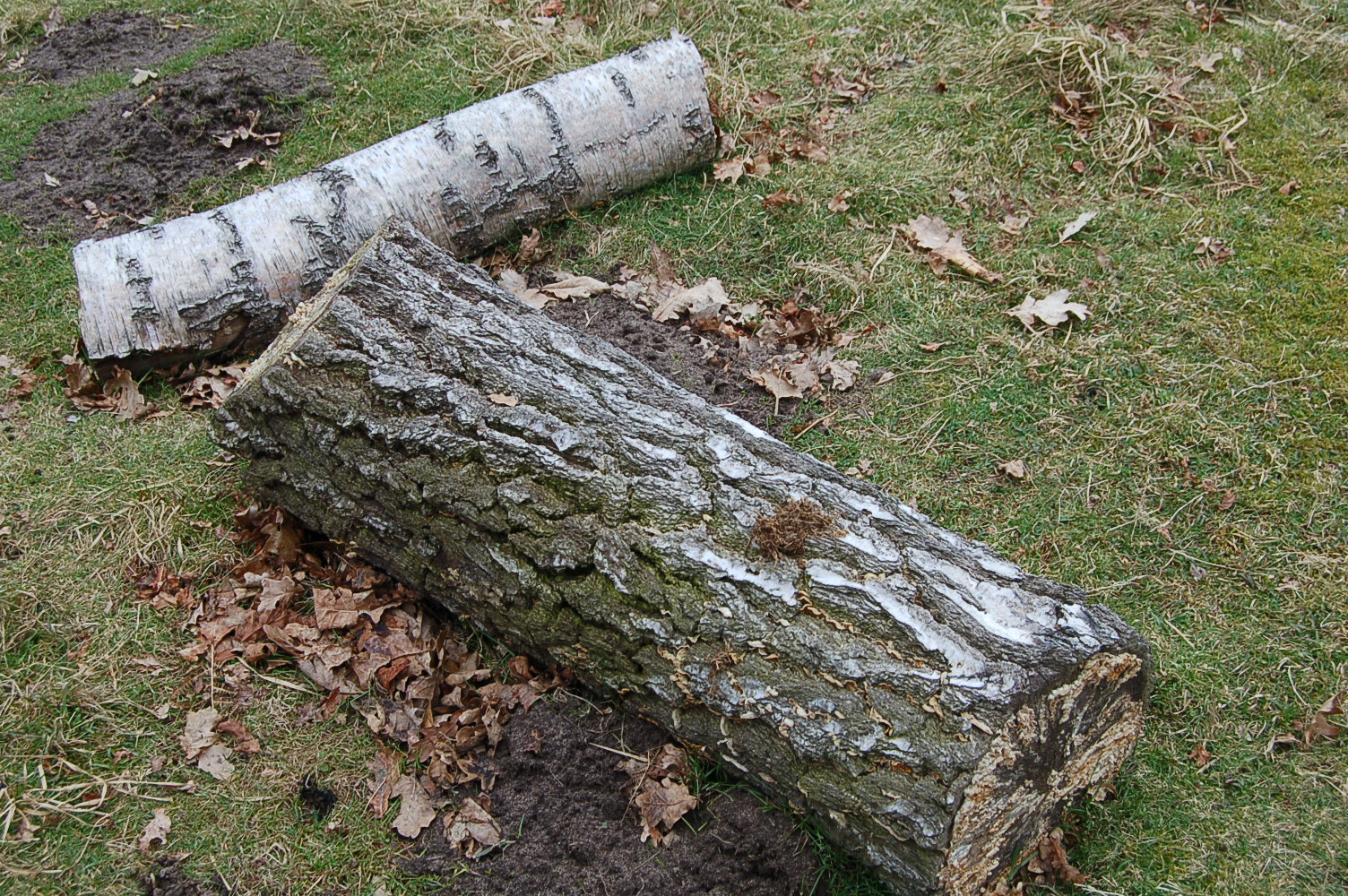
The texture of its silvered bark metamorphoses as it ages from a smooth shining silver to a pattern of deeply fissured elephant skin.

birch 1 birch 2

Our native Birch is a relatively short-lived tree so within any mixed woodland fallen specimens litter the ground. They will slowly dissolve away through the actions of the tiniest creatures and a multitude of fungi.

DSC_0080 DSC_0081

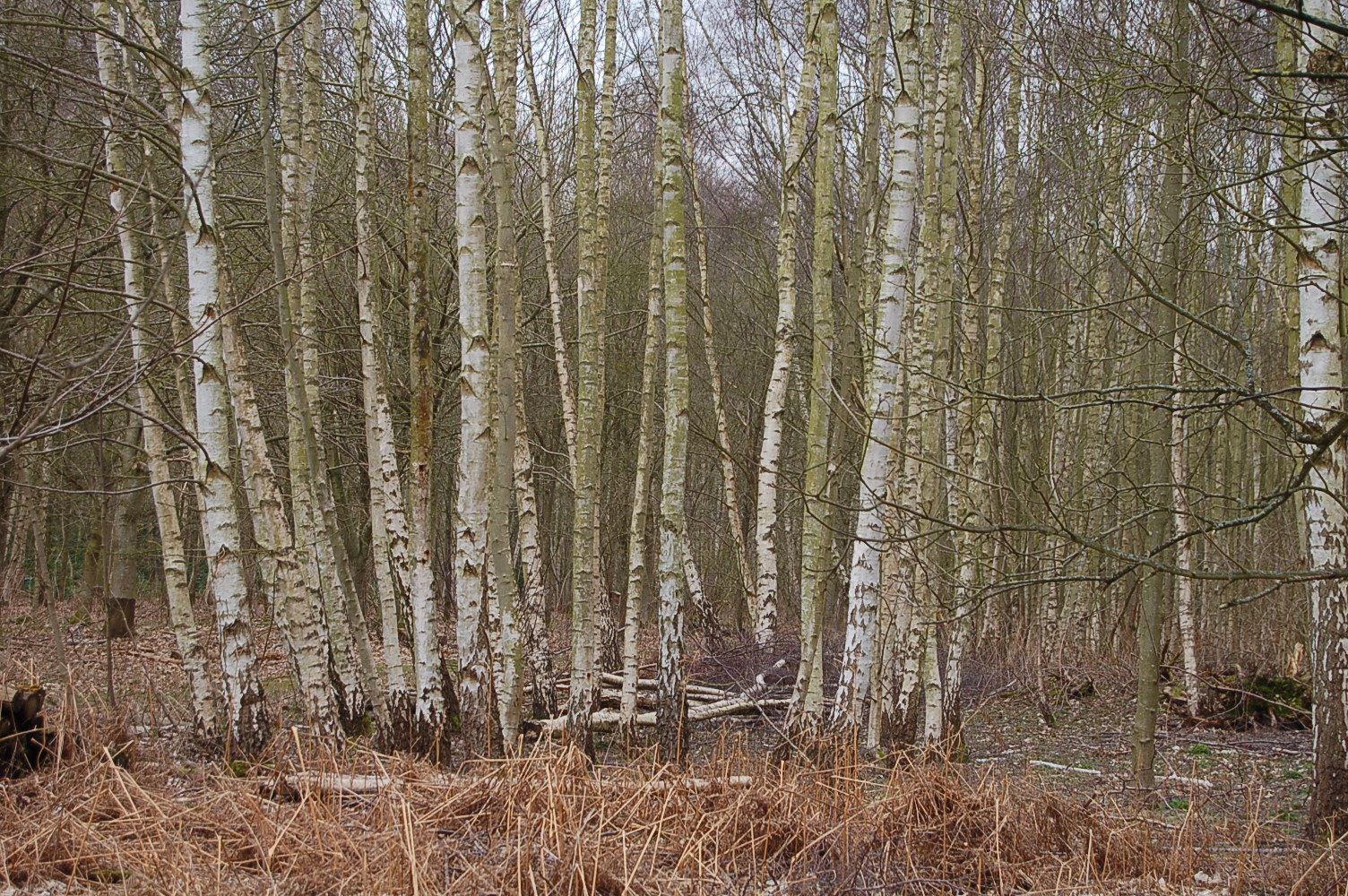
Perhaps the best way to finish off this series of  photos of my favourite trees, the Birches, is with a set of pictures of groups of them standing like cold sentinels.

DSC_0067 DSC_0069 DSC_0070 DSC_0071 DSC_0074 DSC_0075

Categories
gardens open to the public National Trust nature reserves Shropshire wildlife woodland

Attingham’s Deer

We always keep an eye out for the deer herd at Attingham. Today we were treated to a close up view of a group of these Fallow Deer. They were so busy feeding they hardly noticed us. We felt honoured that they let us watch them and take a few photos. Click on any pic to see them as a slide show.

Categories
birds garden photography gardens open to the public National Trust nature reserves ornamental trees and shrubs

The Hole Story

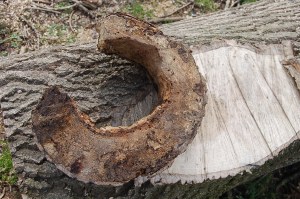
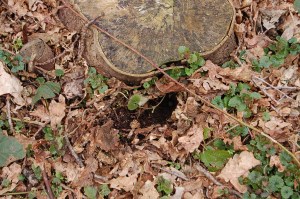
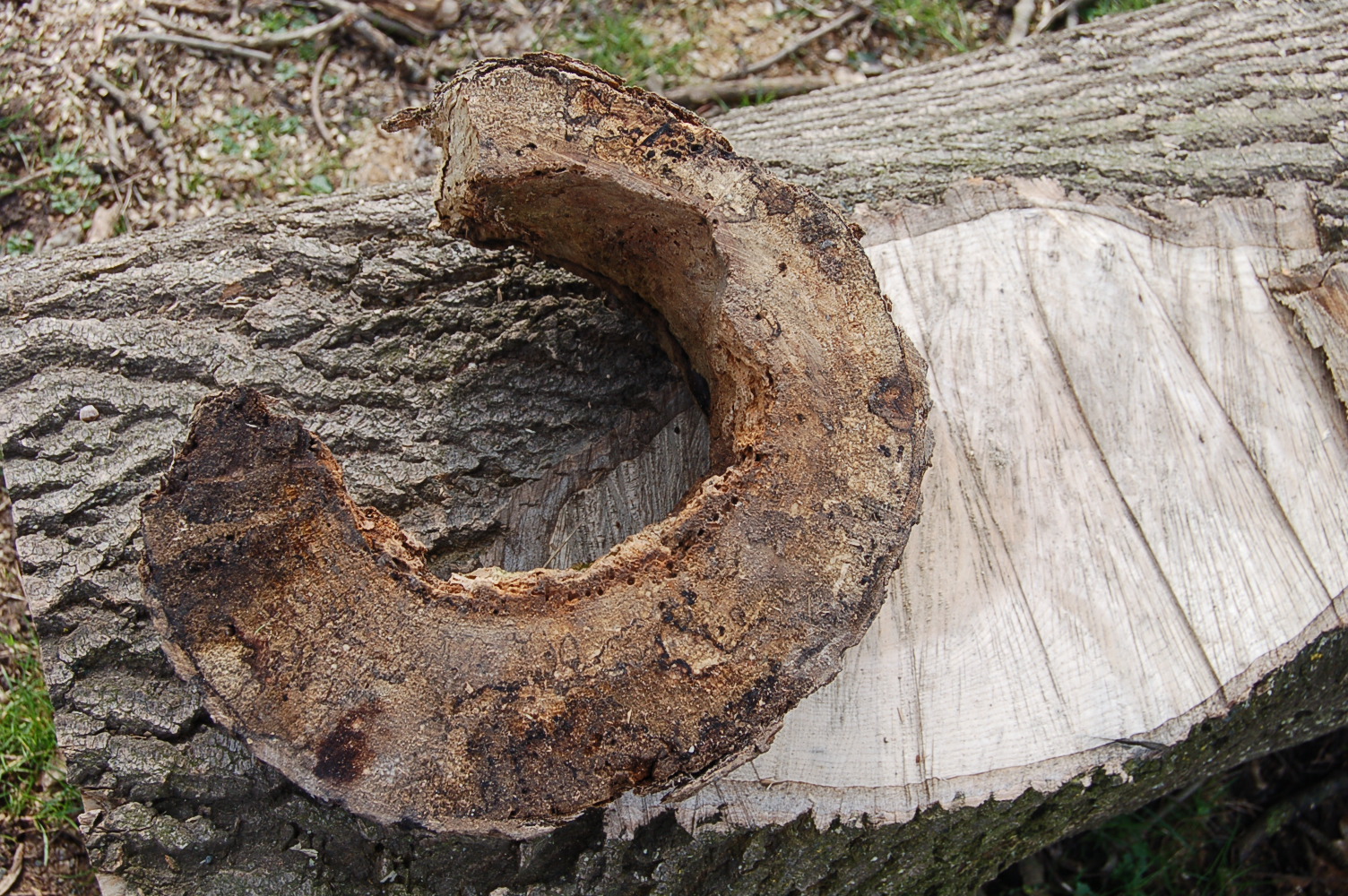
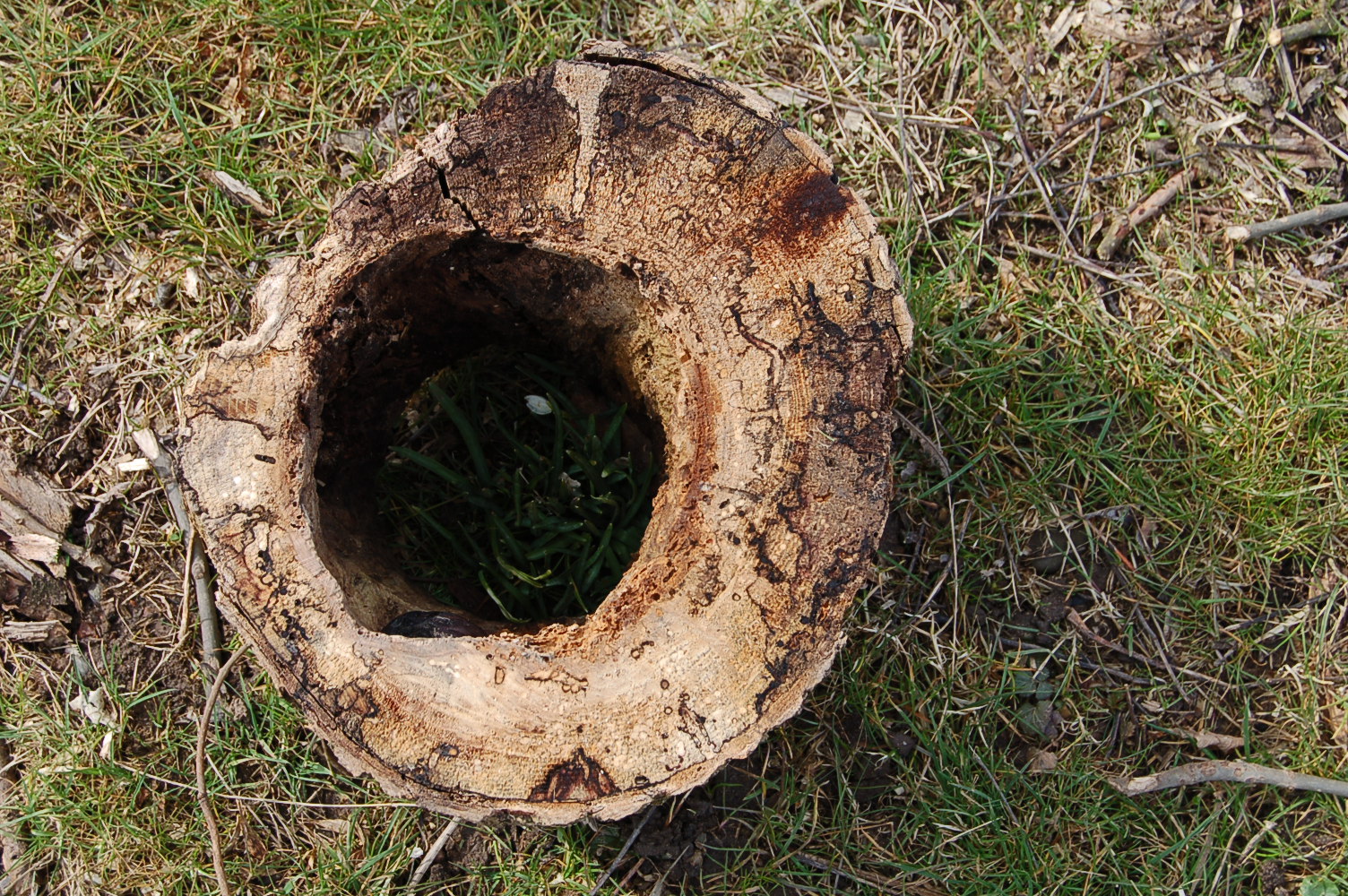
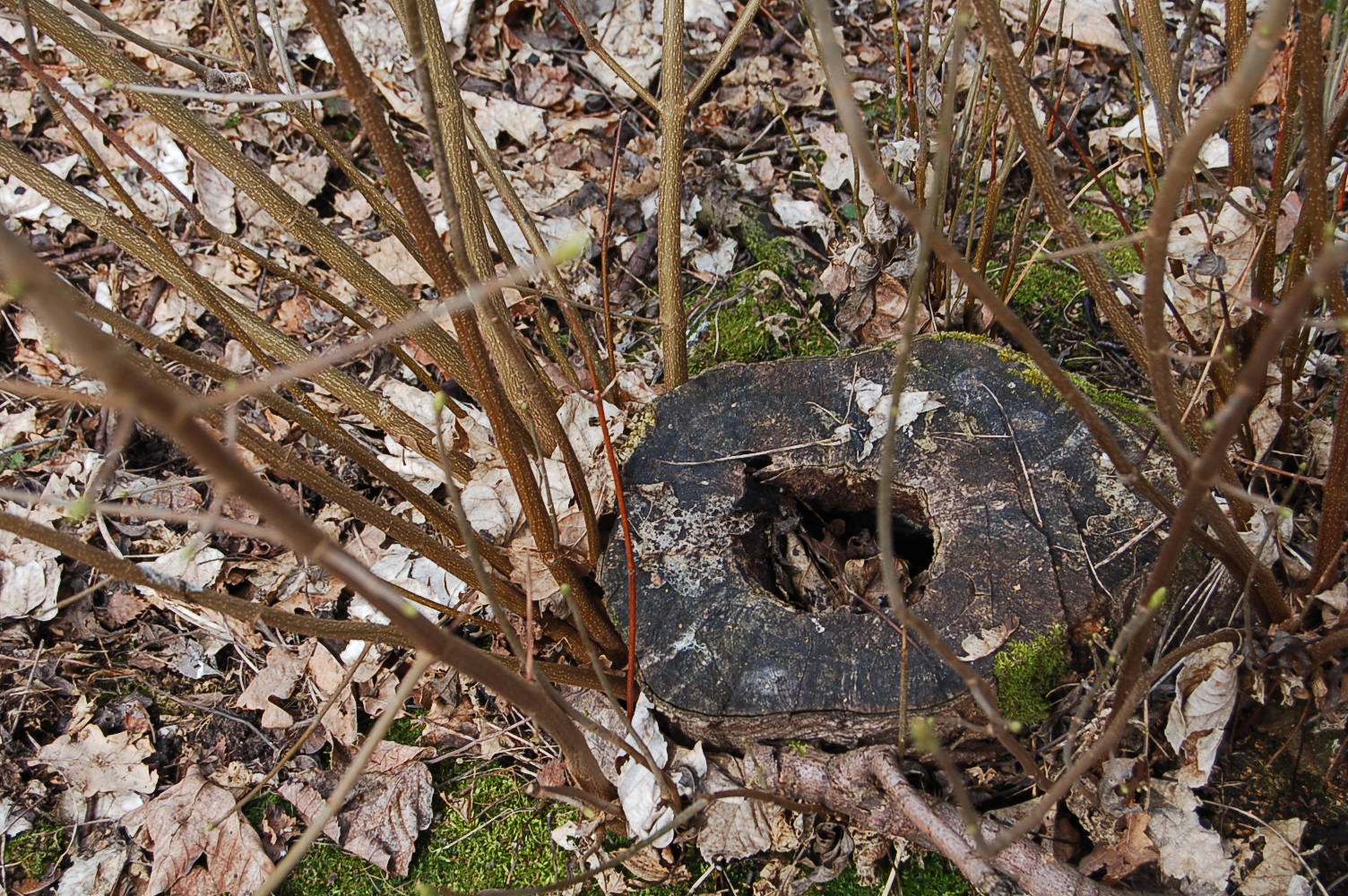
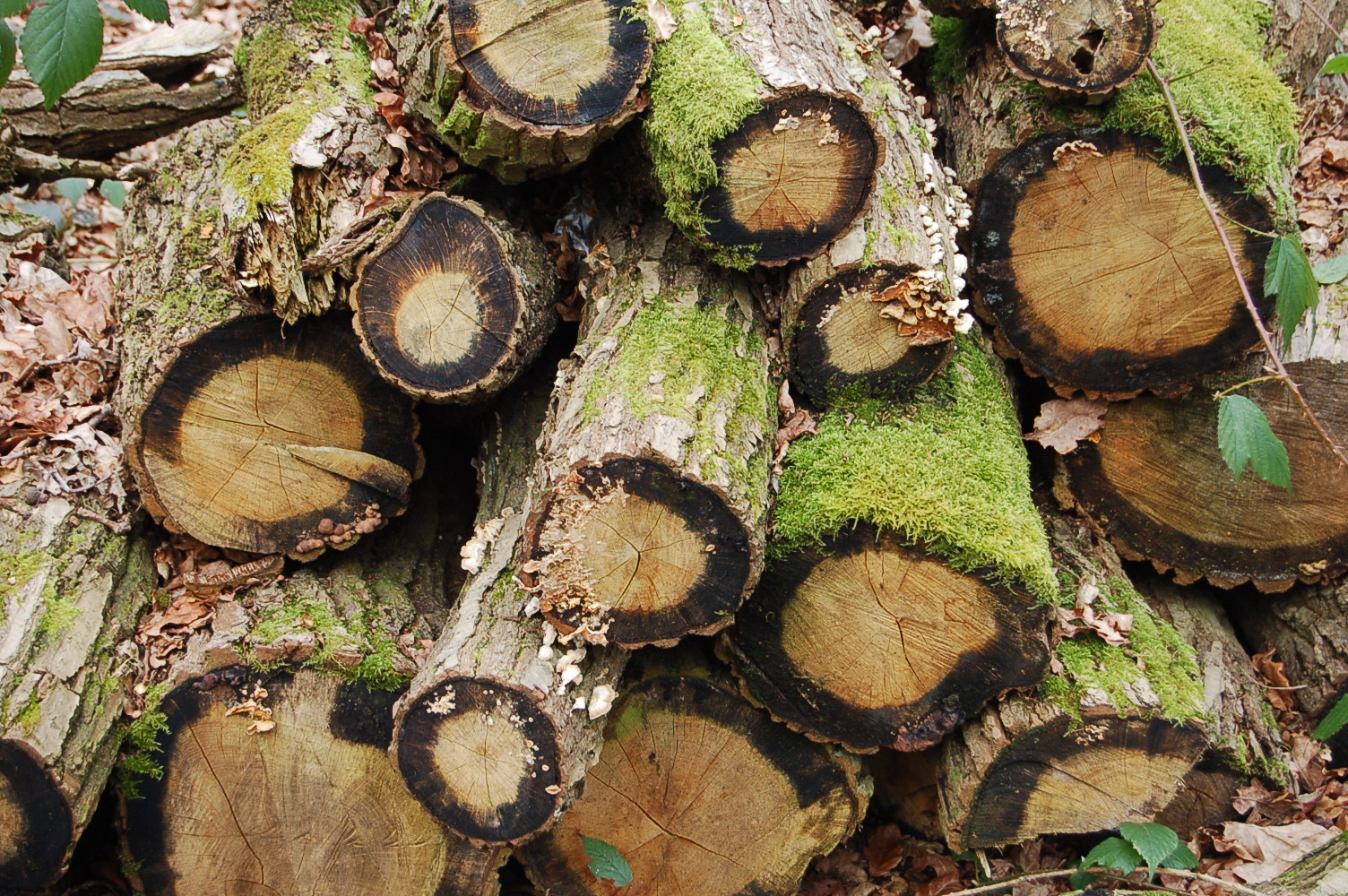
As we wandered through the woods at Attingham Park, our local National Trust Property, we were looking at some tree surgeon’s work, the felled branches, neat piles of logs, less neat brash heaps and some boughs separated out into stacks suitable for becoming fence posts in the future. On the ends of several felled trunks we noticed holes where the centres had been hollowed out, possibly through the ravages of age or disease killing the tree from the middle outwards.

DSC_0005

I couldn’t resist photographing several!

DSC_0006 DSC_0007 DSC_0008

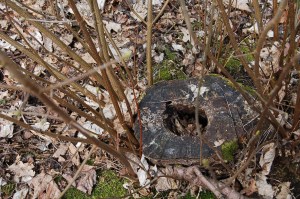
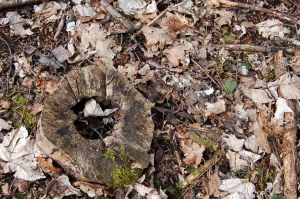
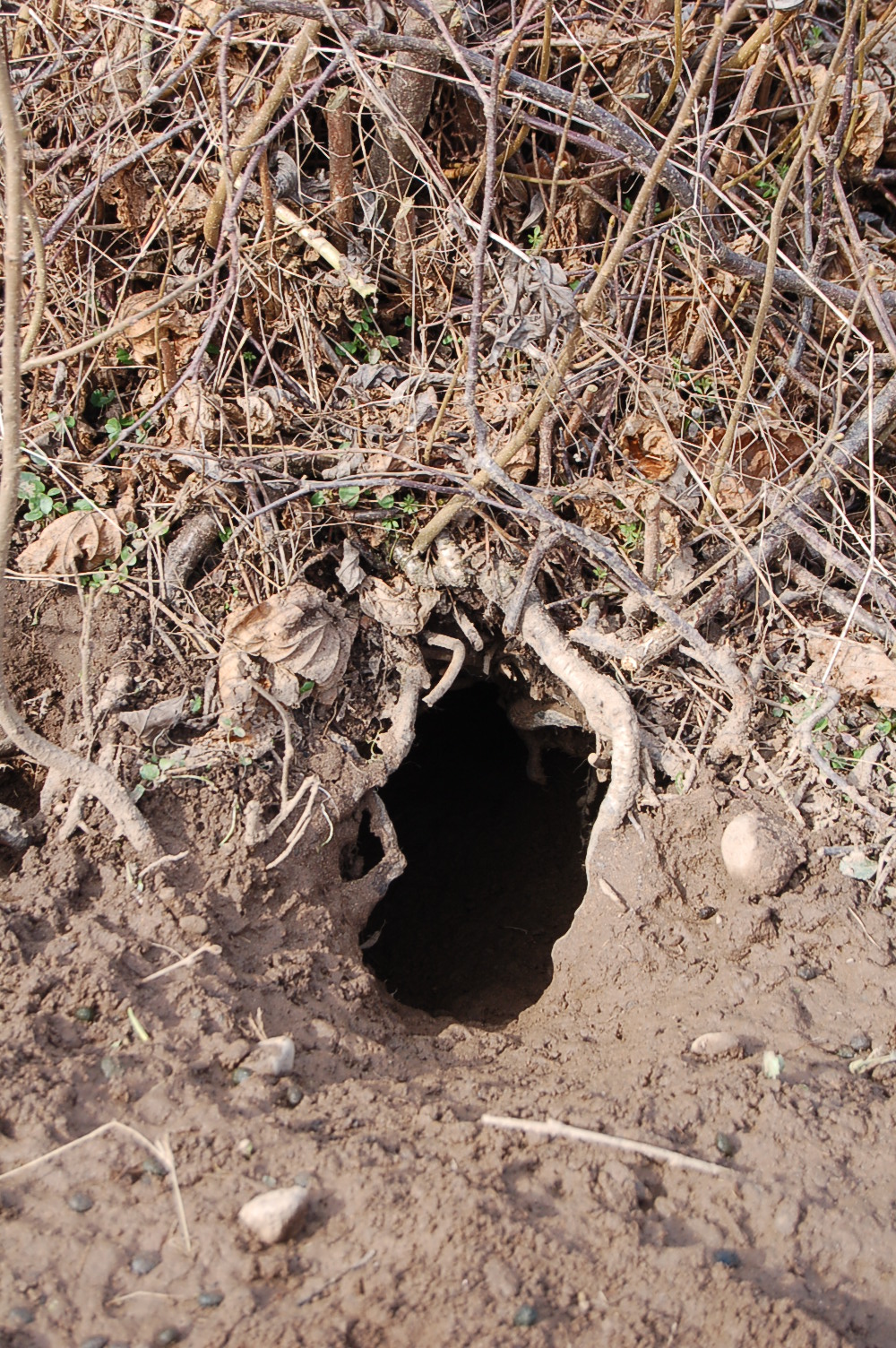
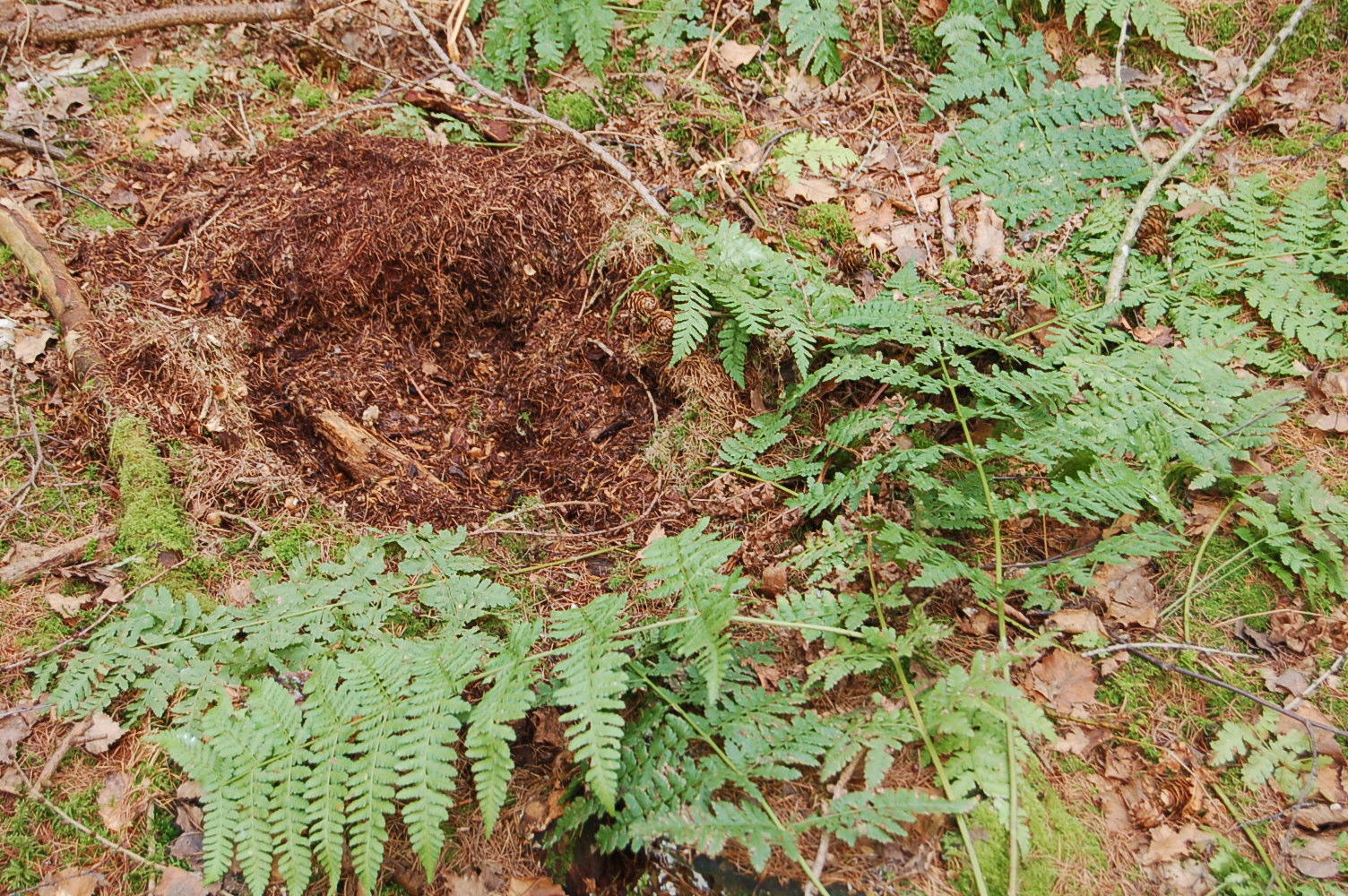
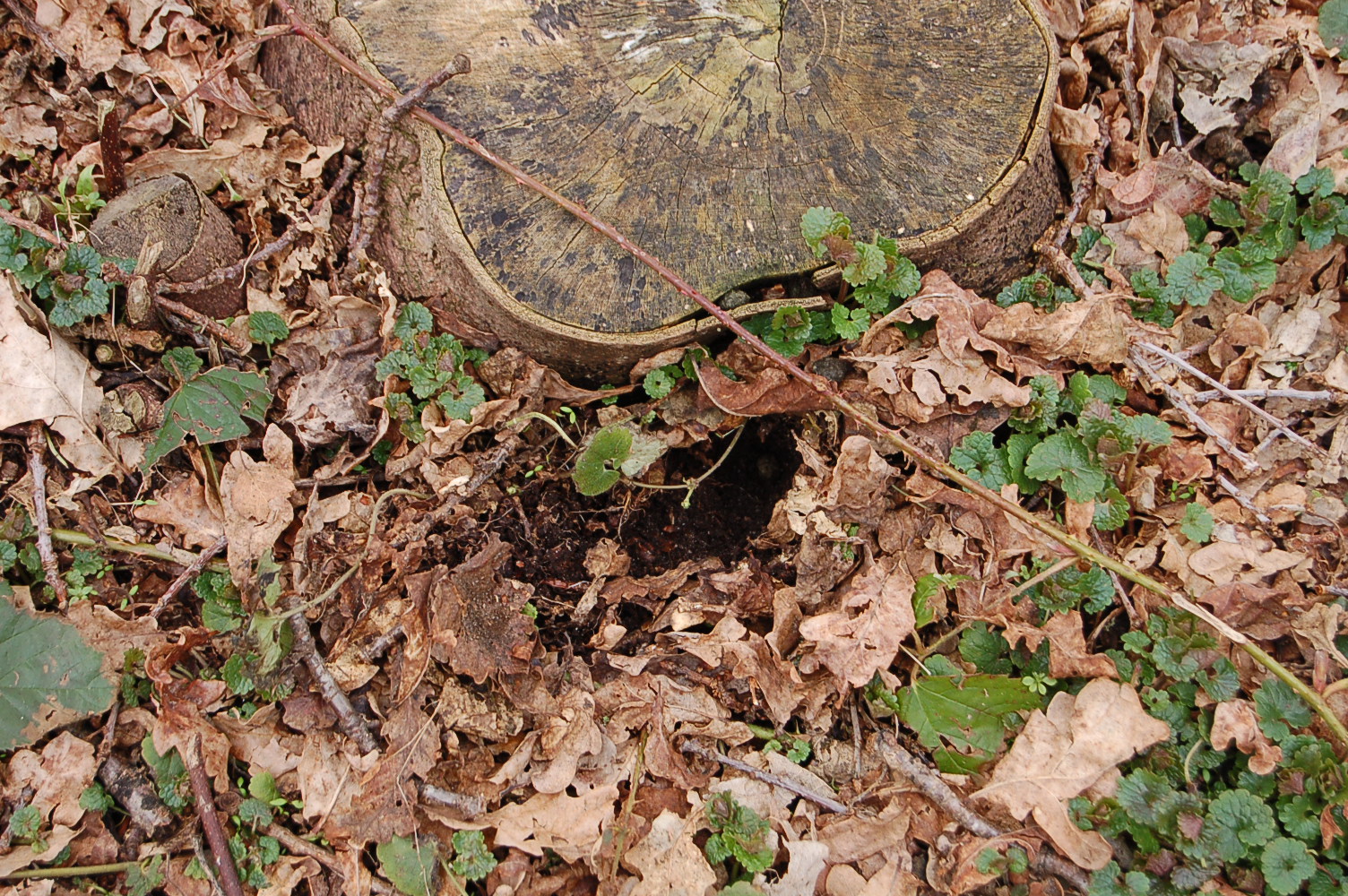
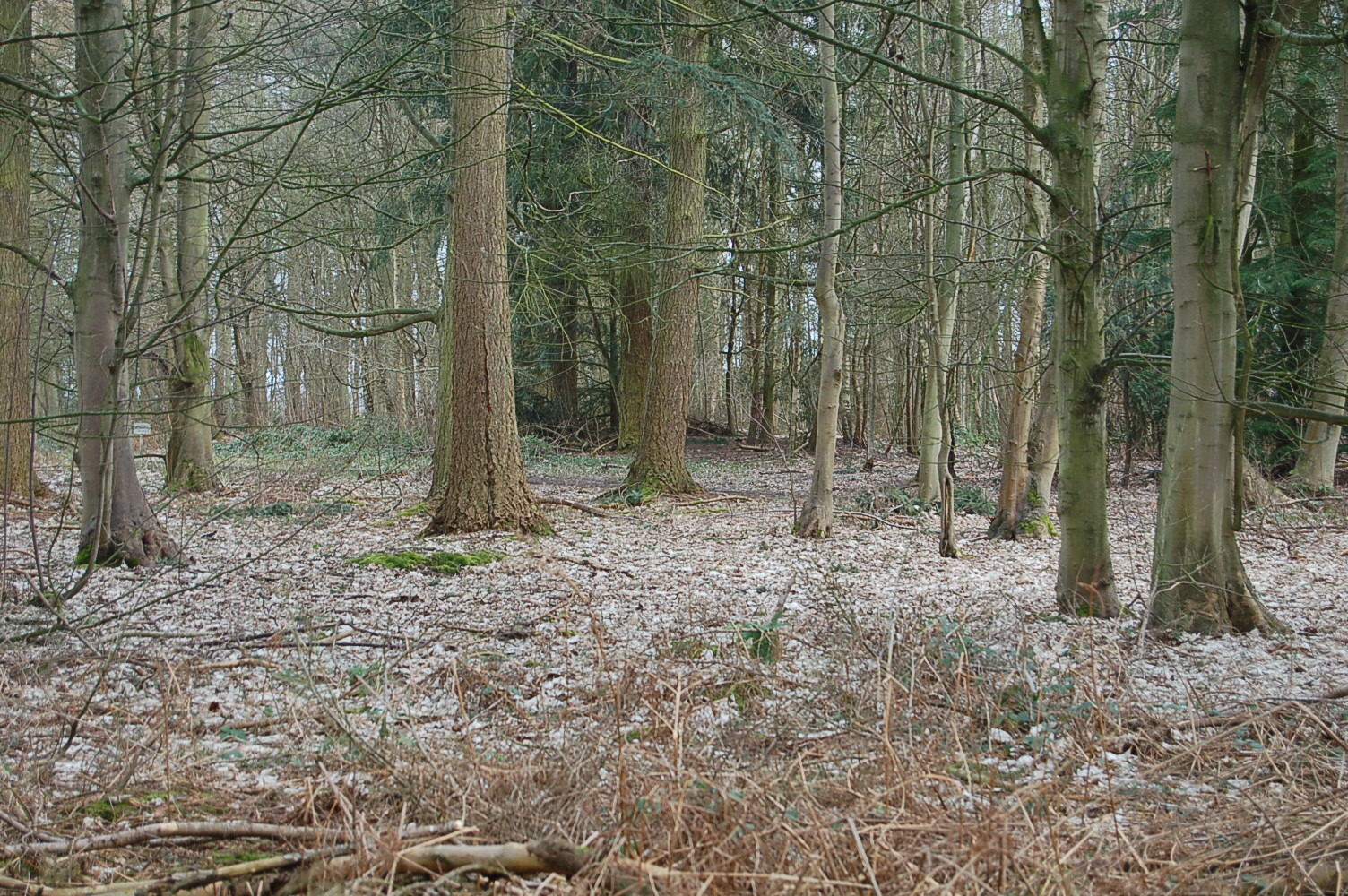
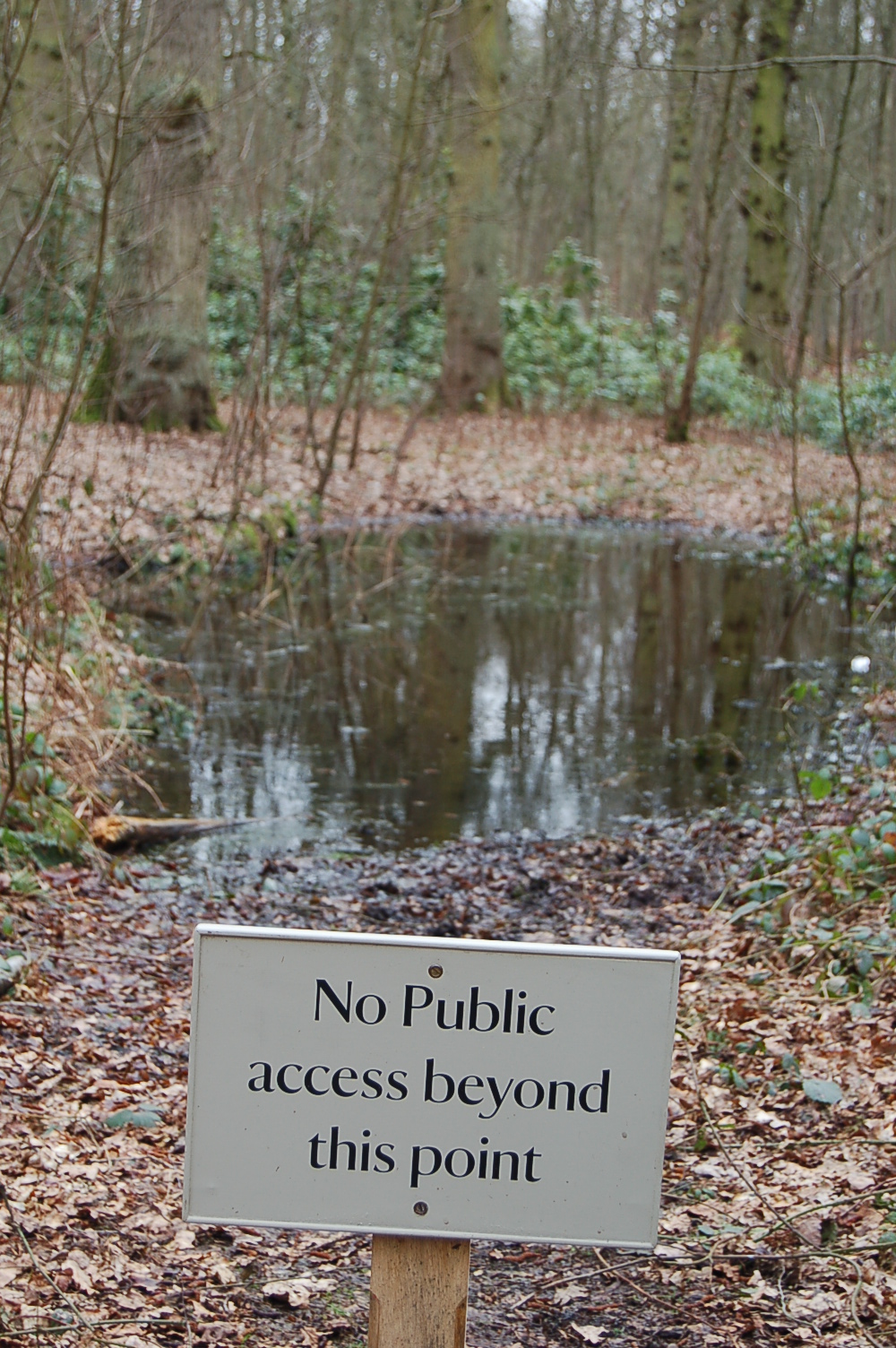
As we continued our woodland wanderings we noticed holes all around, in tree trunks, stumps, in the ground itself. Thus the idea for this post was born. I chose the title over several alternatives, such as “A Hole in One” and “The Hole Truth” but stuck with “The Hole Story” as this is really the story of a walk.

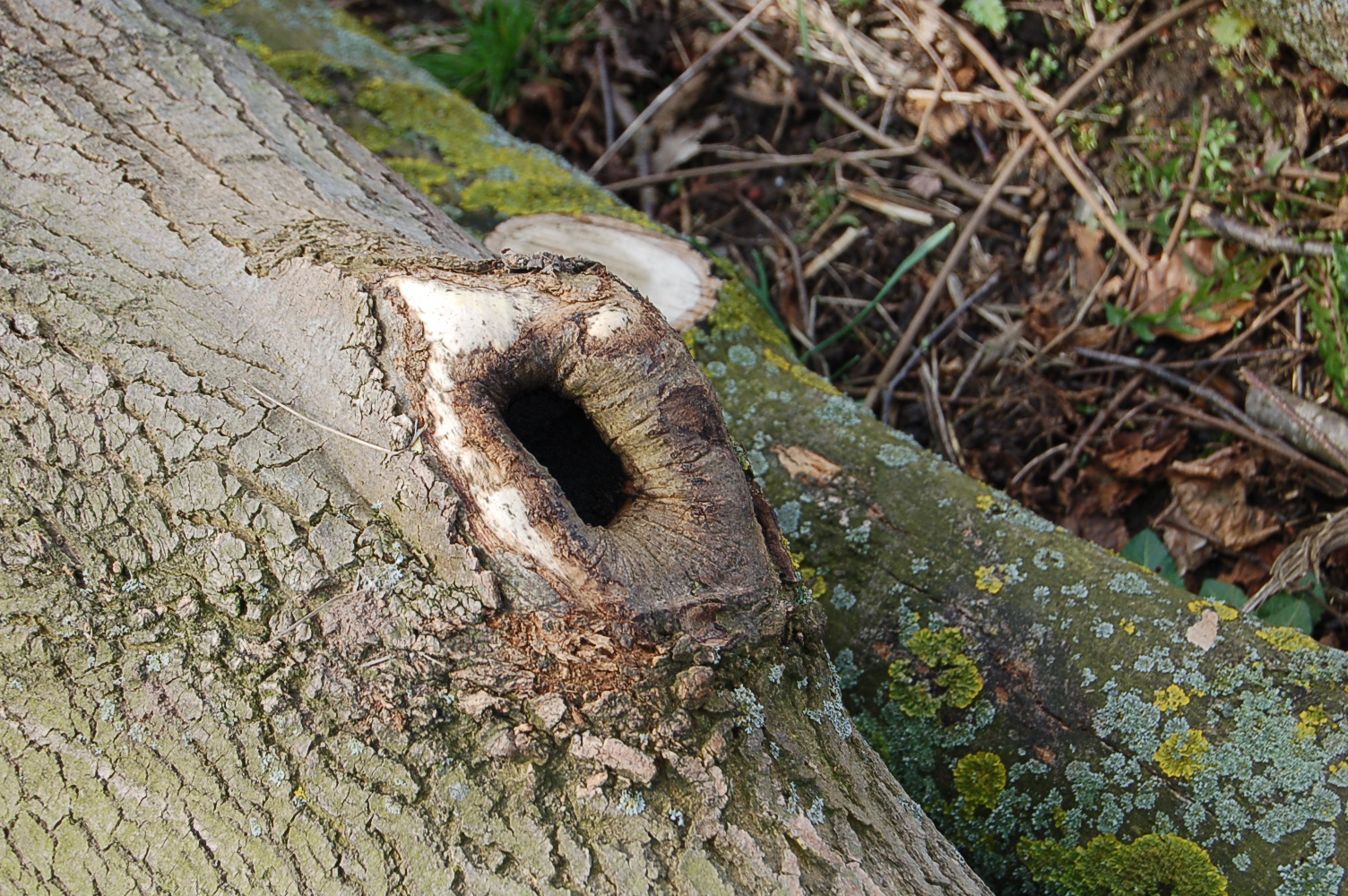
Where trees had fallen naturally rather than by the hand and saw of man holes form where branches break away and the natural processes of decay get to work. Callous forms around the holes in the last hope of repair. We were impressed with the way nature fights back against all the odds, where the hollowed out stump of a long ago felled tree breaks into growth. New whippy branches burst from close to the ground. Mother Nature seems good at coppicing.

DSC_0010 DSC_0011 DSC_0039 DSC_0040

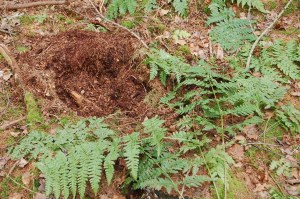
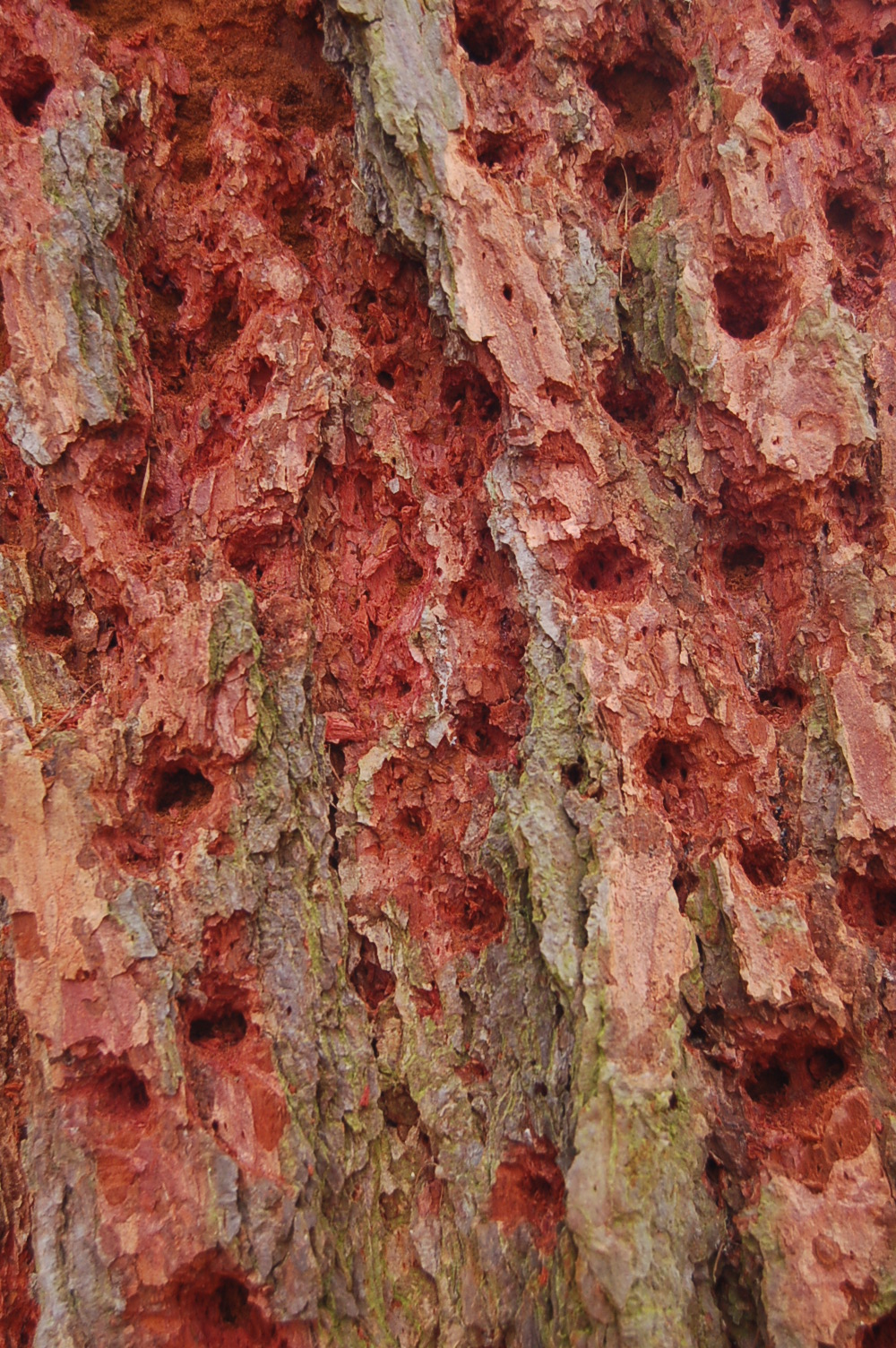
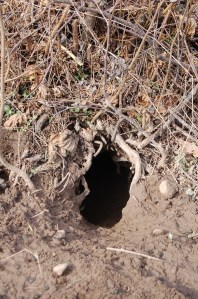
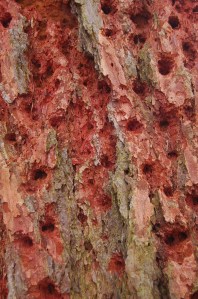
Animals and birds have been at work creating holes too, holes to live in or to store food in and to excavate later to retrieve it.

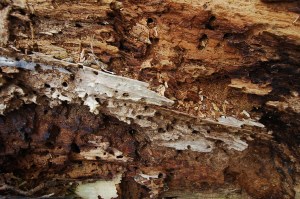
A rabbit has burrowed out his home, Nuthatches and Woodpeckers have bored into bark to get at beetles living there, a squirrel or perhaps a Jay have searched for a cache of nuts, a Wood Mouse has made its home at the base of a stump and beetles have bored their way into rotten wood.
DSC_0015 DSC_0047 DSC_0049 DSC_0068 DSC_0077

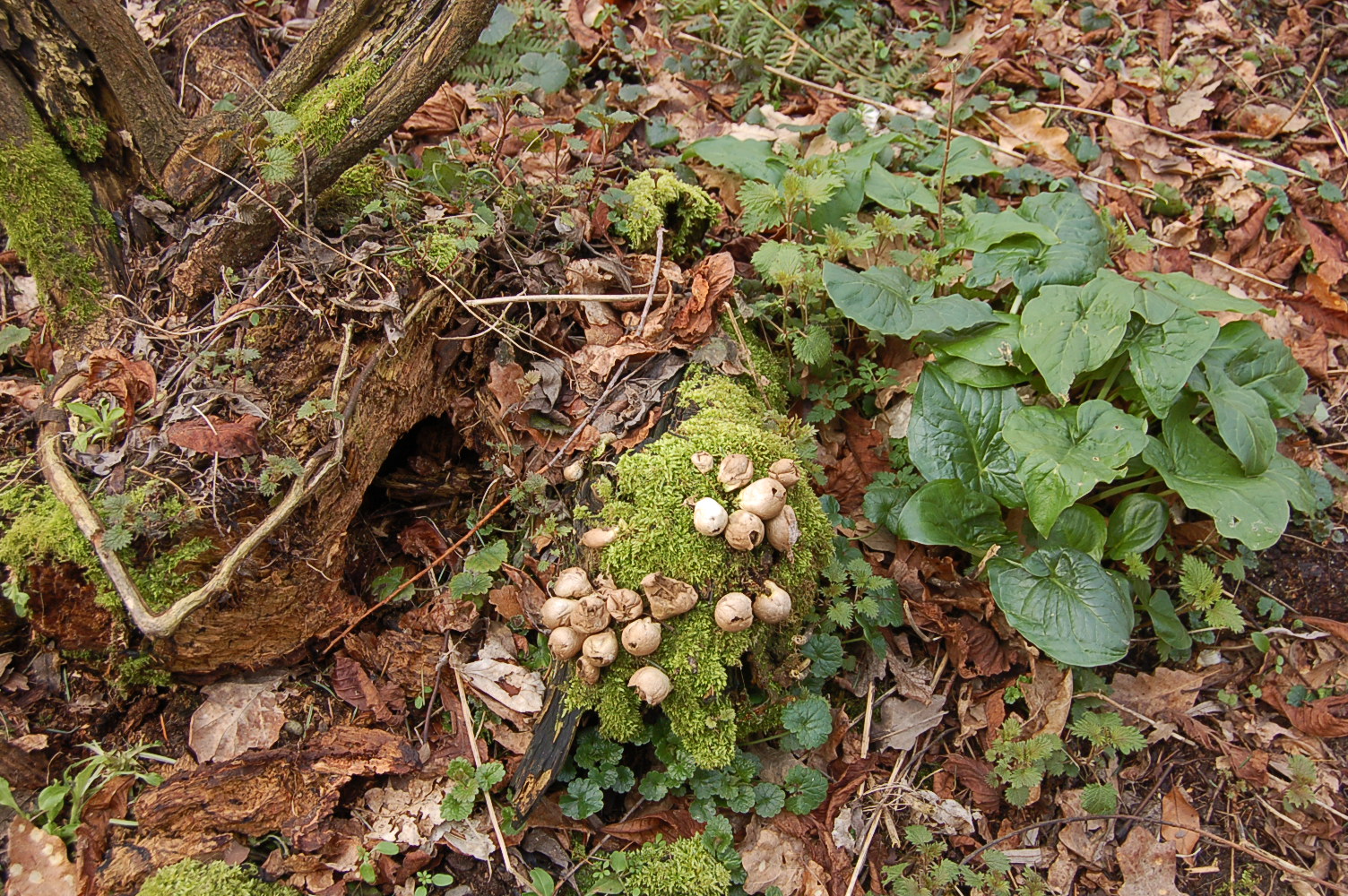
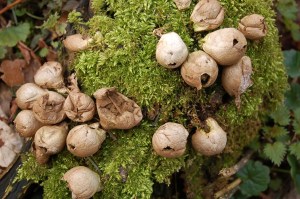
In the photo below spores have burst out through holes in the miniature puff-ball fungi. The fungi look like old, burst table tennis balls.
DSC_0031

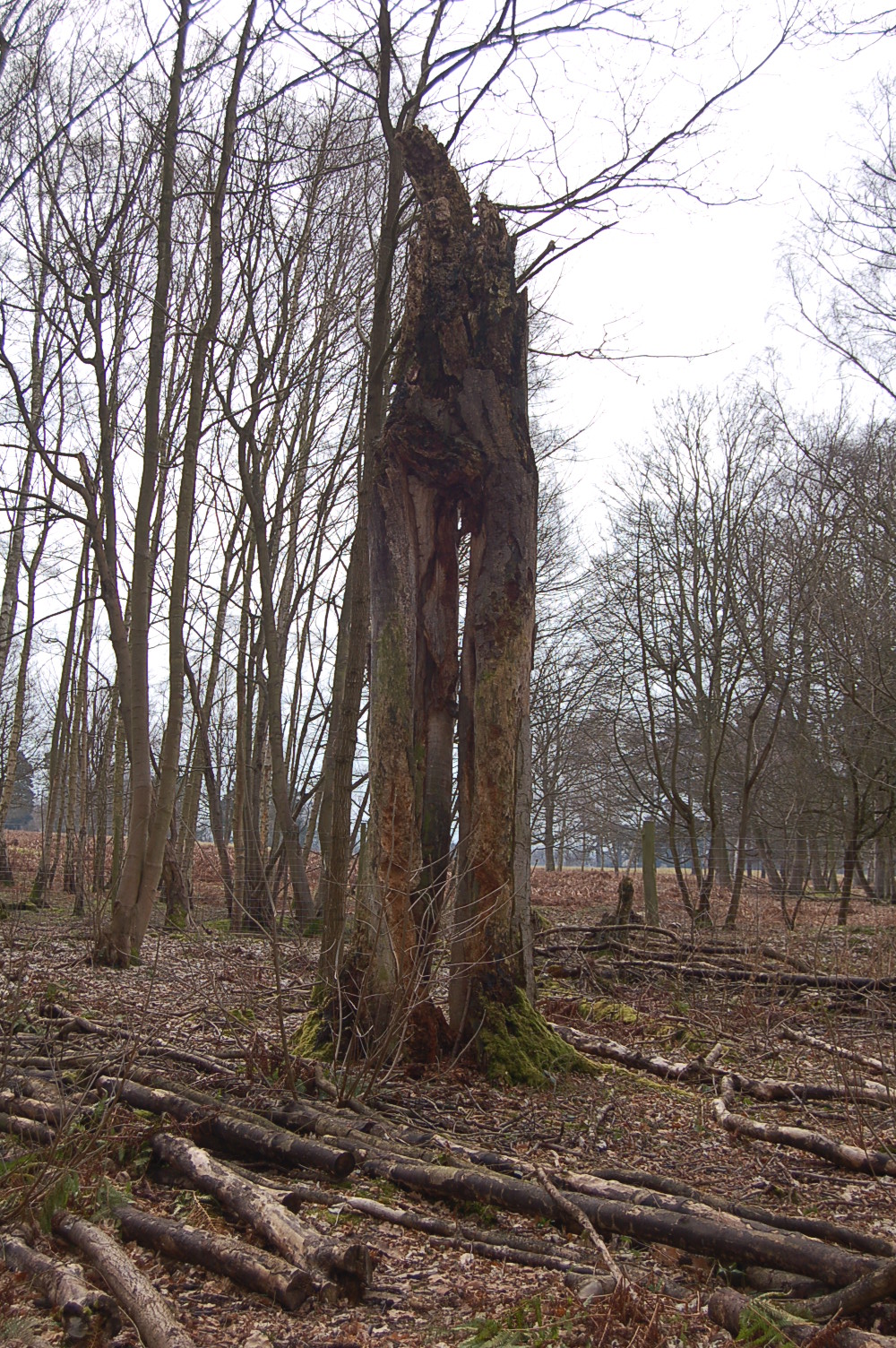
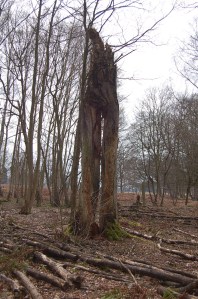
The biggest holes of all were in the still-standing half trunk of a grand old tree still standing rotting away and feeding a multitude of creatures from the tiniest microbes to Green Woodpeckers. This long vertical split looked like sculpture from a distance. Close up it revealed itself as the work of weather, wind or lightning.
DSC_0035

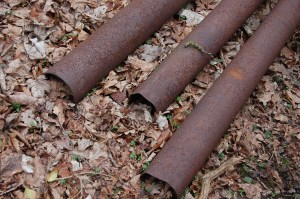
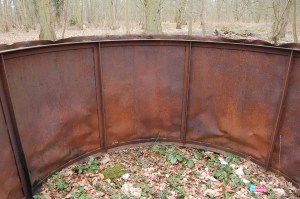
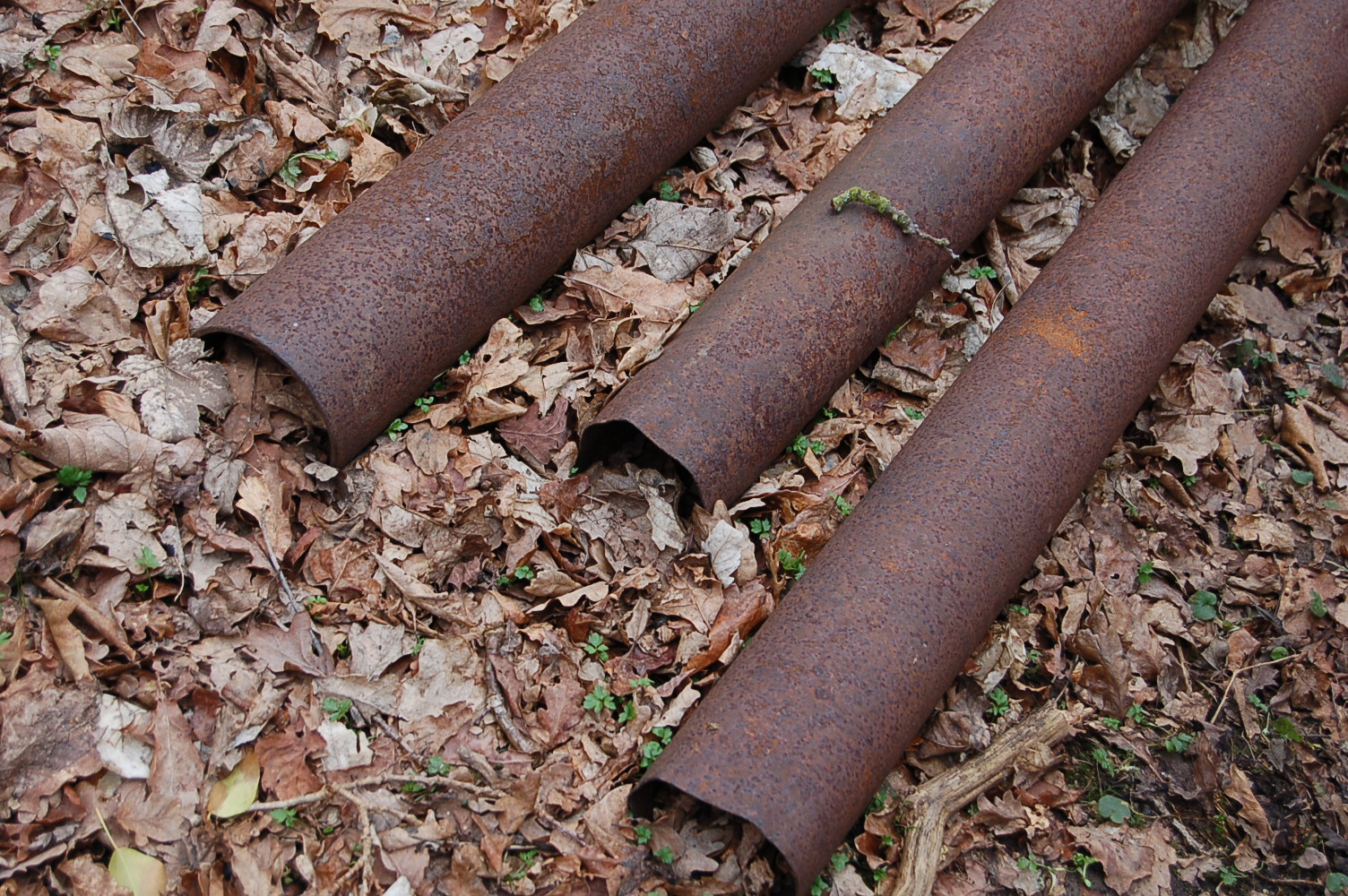
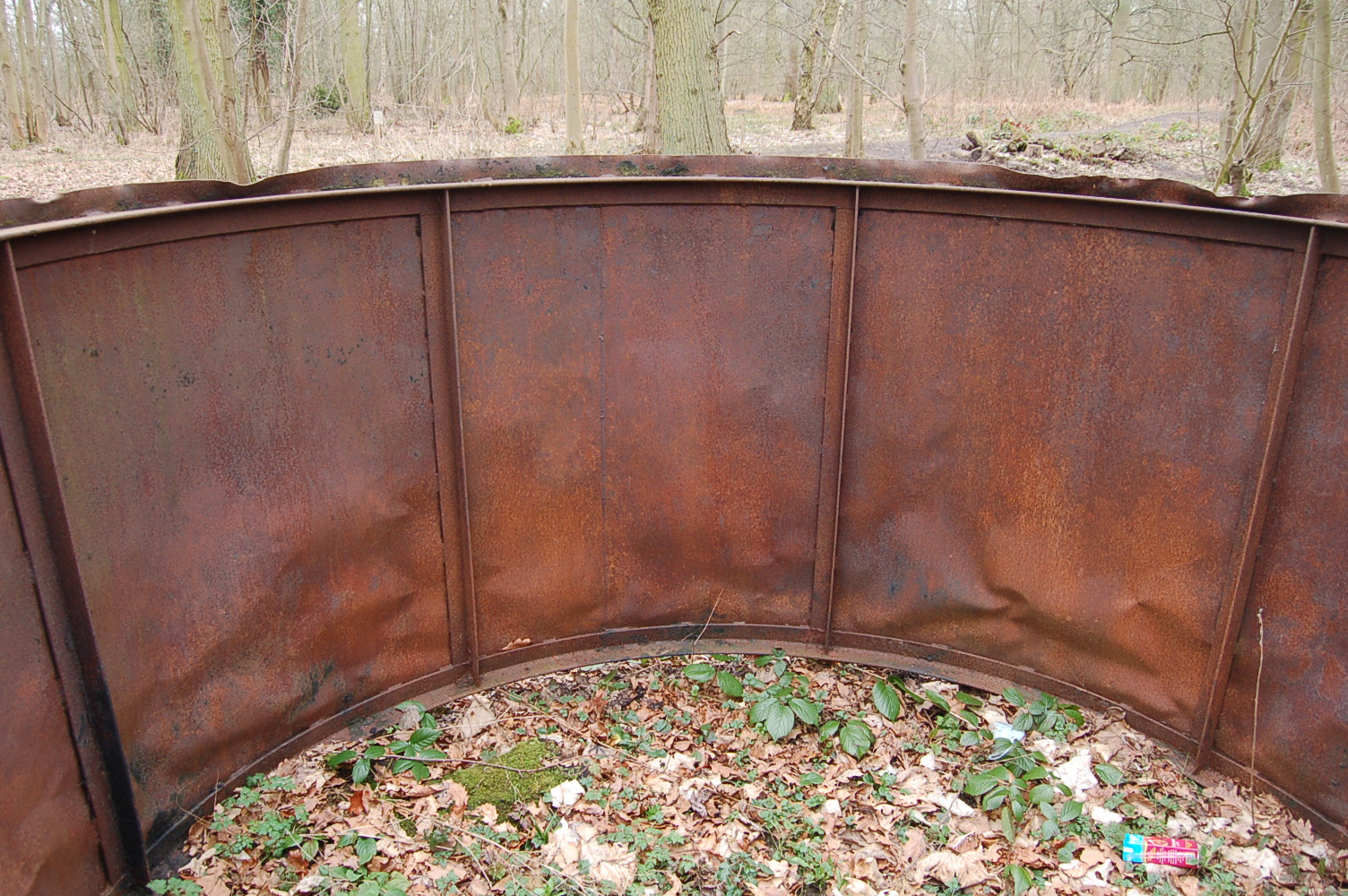
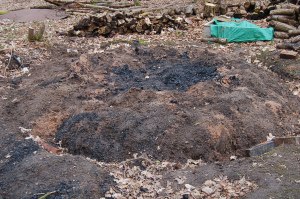
Not all the holes we discovered at Attingham were created by Mother Nature, some were there because of the activities of man. In particular the charcoal burners leave their marks, pipes, a circular scar where their metal structure was at one time situated and the burner itself.

DSC_0043 DSC_0057 DSC_0059 DSC_0060

So that is it, the whole story of our hole searching wander.
Categories
birds flowering bulbs garden photography garden wildlife gardening gardens open to the public Land Art landscapes National Trust nature reserves ornamental trees and shrubs outdoor sculpture photography Shropshire spring bulbs The National Trust trees wildlife Winter Gardening winter gardens woodland

A Cold Woodland Walk

A cold dull day with a biting easterly wind. Stay at home and enjoy a book in front of a roaring homely log fire? No, we decided to get out into it and enjoy a walk in the woodland in the grounds of our local National Trust property, Attingham Hall.

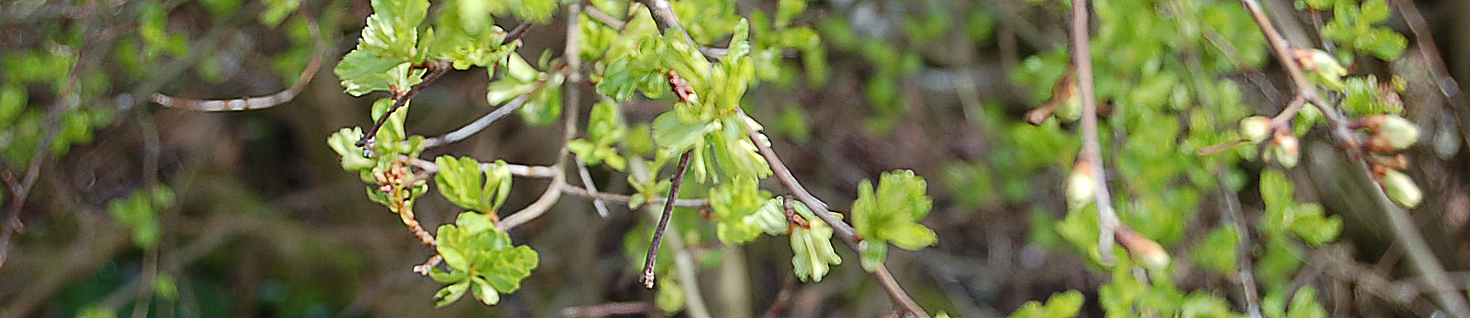
We visit regularly and no two visits are ever the same. We set out on this particular walk expecting to see the first signs of spring, perhaps the fresh green growth of Hawthorn, buds on trees fattening fit to burst or birdsong all around. How wrong we were. The wood is still in the grip of winter and birds remain quiet, except for a Mistle Thrush who cast his song far and wide over the tree tops, a melodic uplifting tune. One patch of Hawthorn displayed some green but only one.

DSC_0017_edited-1

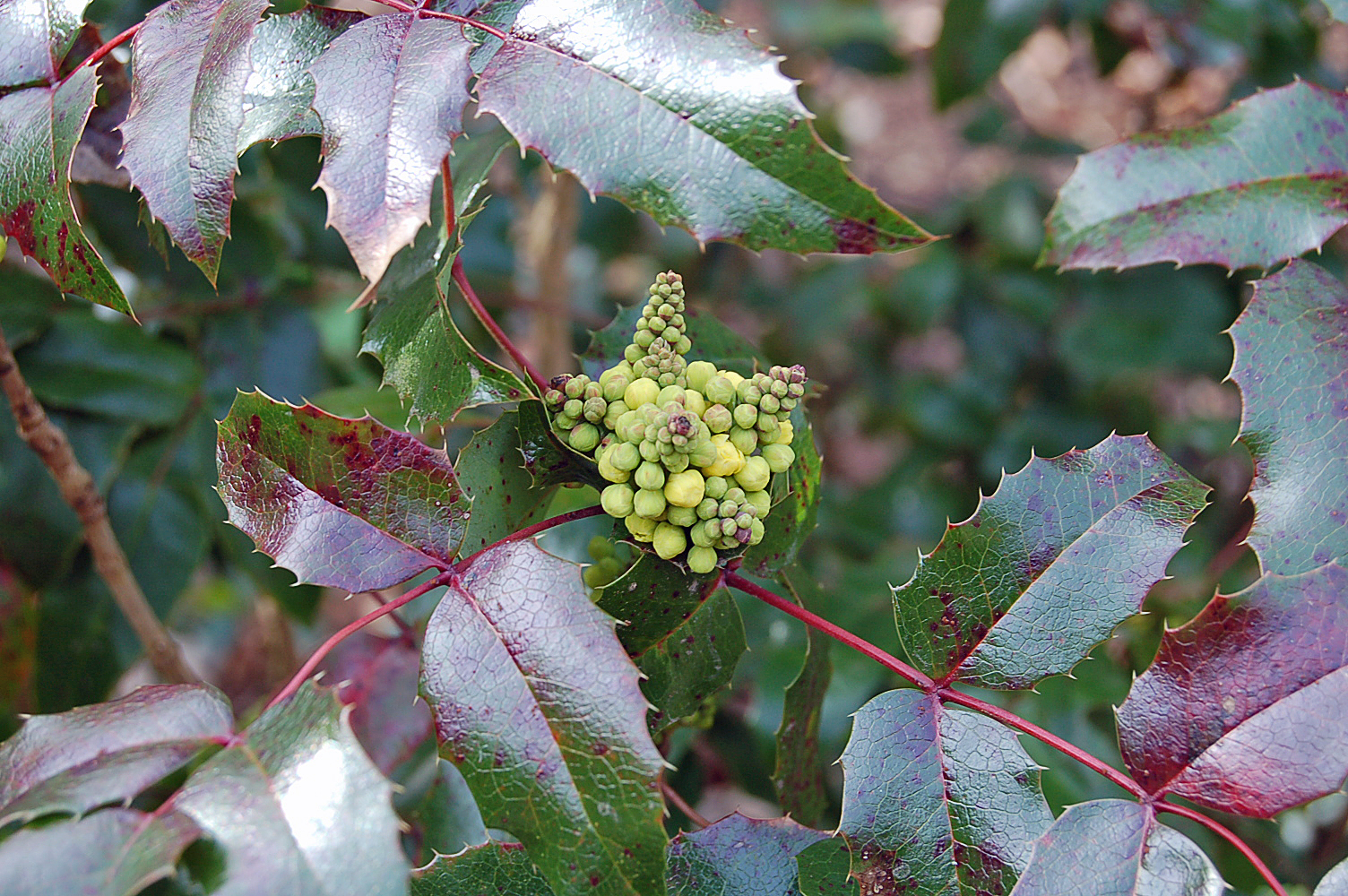
However in the protection of a brick wall this Flowering Currant defied the winter and cheered us up with its soft pinky-red flowers hanging in so many tassels. Nearby just beyond the warmth provided by the wall the tight yellow buds of a variety of Mahonia aquifolia patiently wait. The odd splash of blue sky above us reflects in the gloss of the leaves. Close by their cousins the Berberis are a little behind but both will respond to some kinder weather.

DSC_0001_edited-1 DSC_0003_edited-1

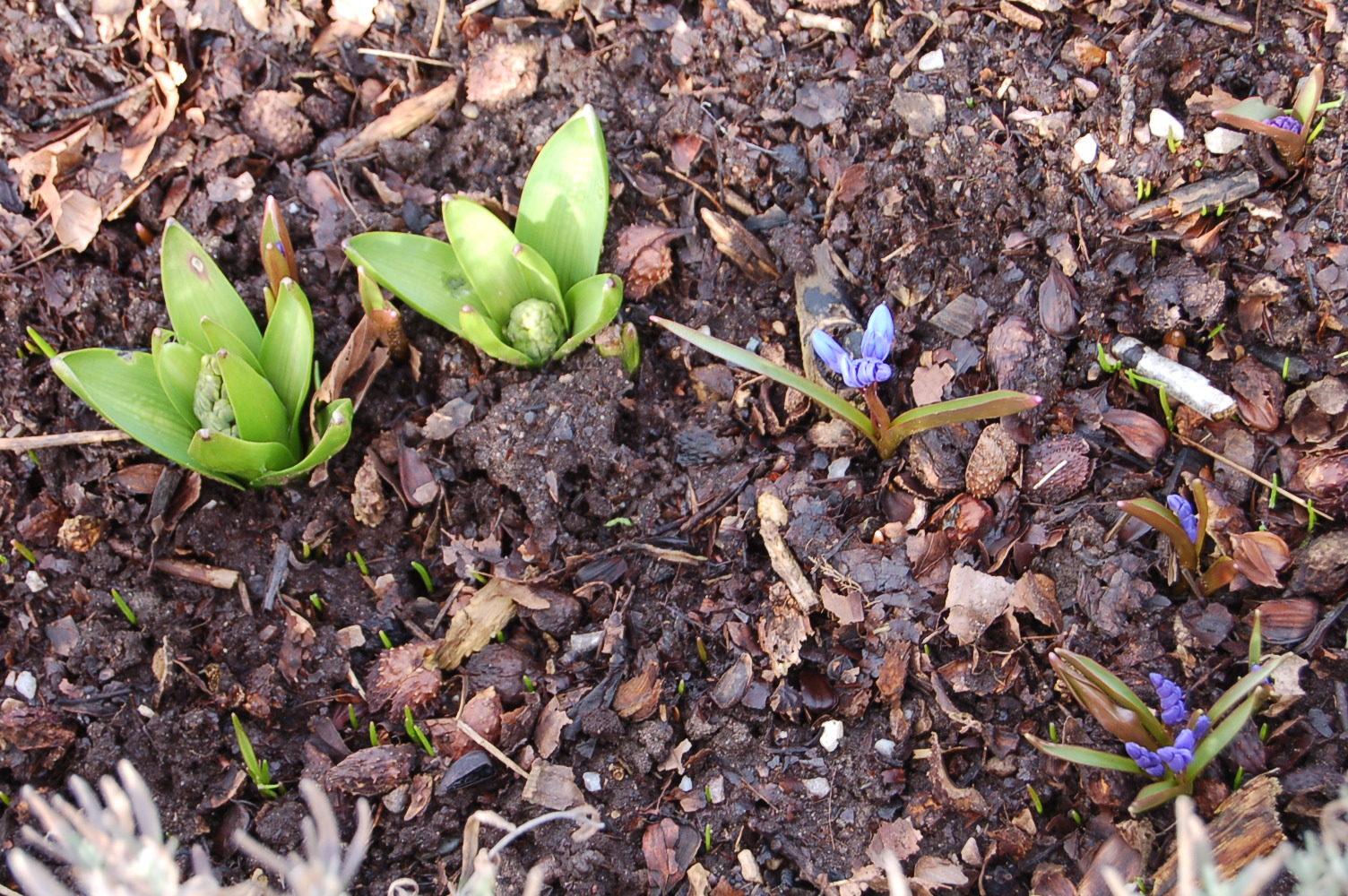
The last of the Snowdrops still hang on, and wherever there is protection flowers respond.

DSC_0004_edited-1 DSC_0009_edited-1 DSC_0018 DSC_0090 DSC_0091

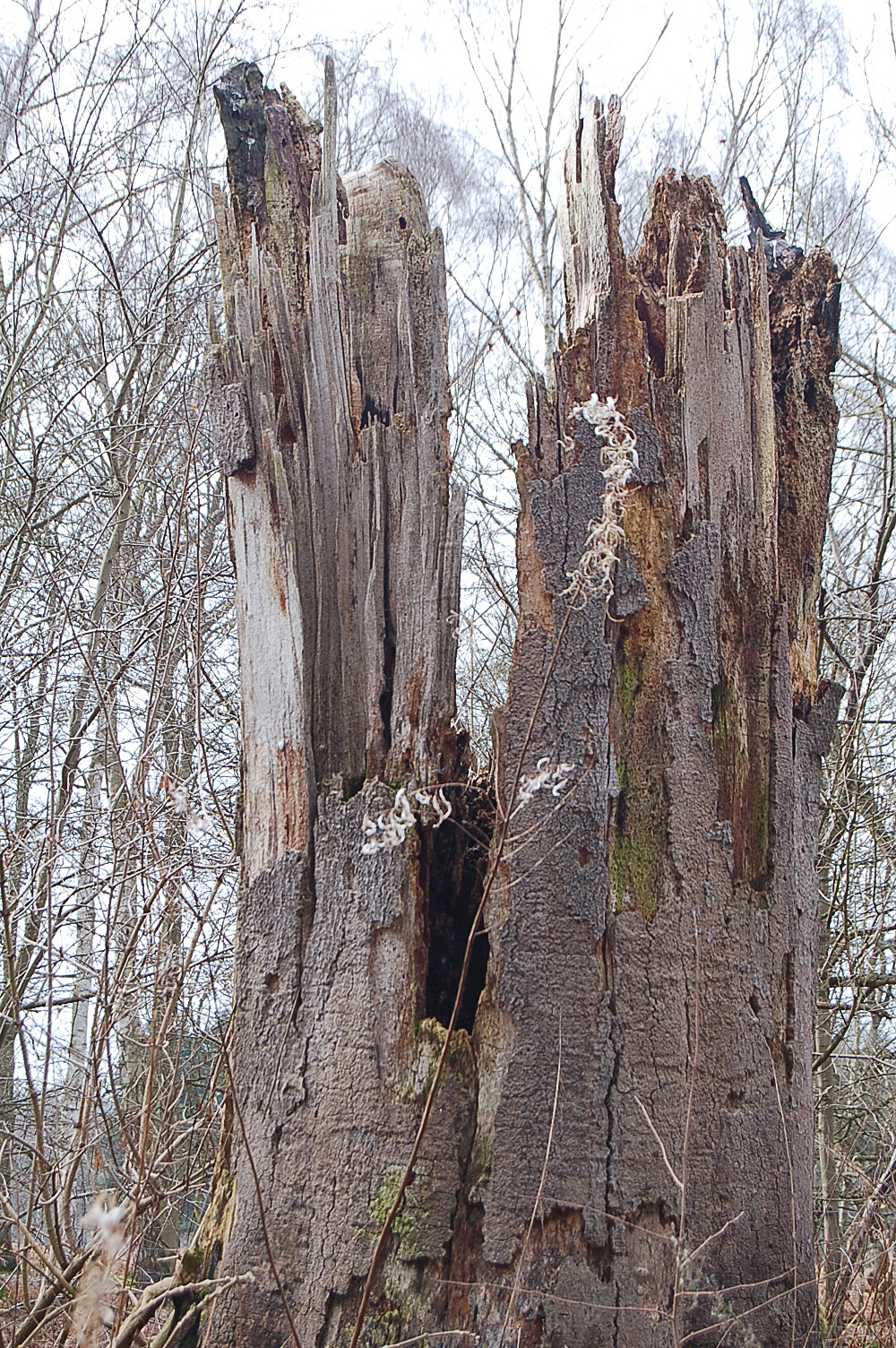
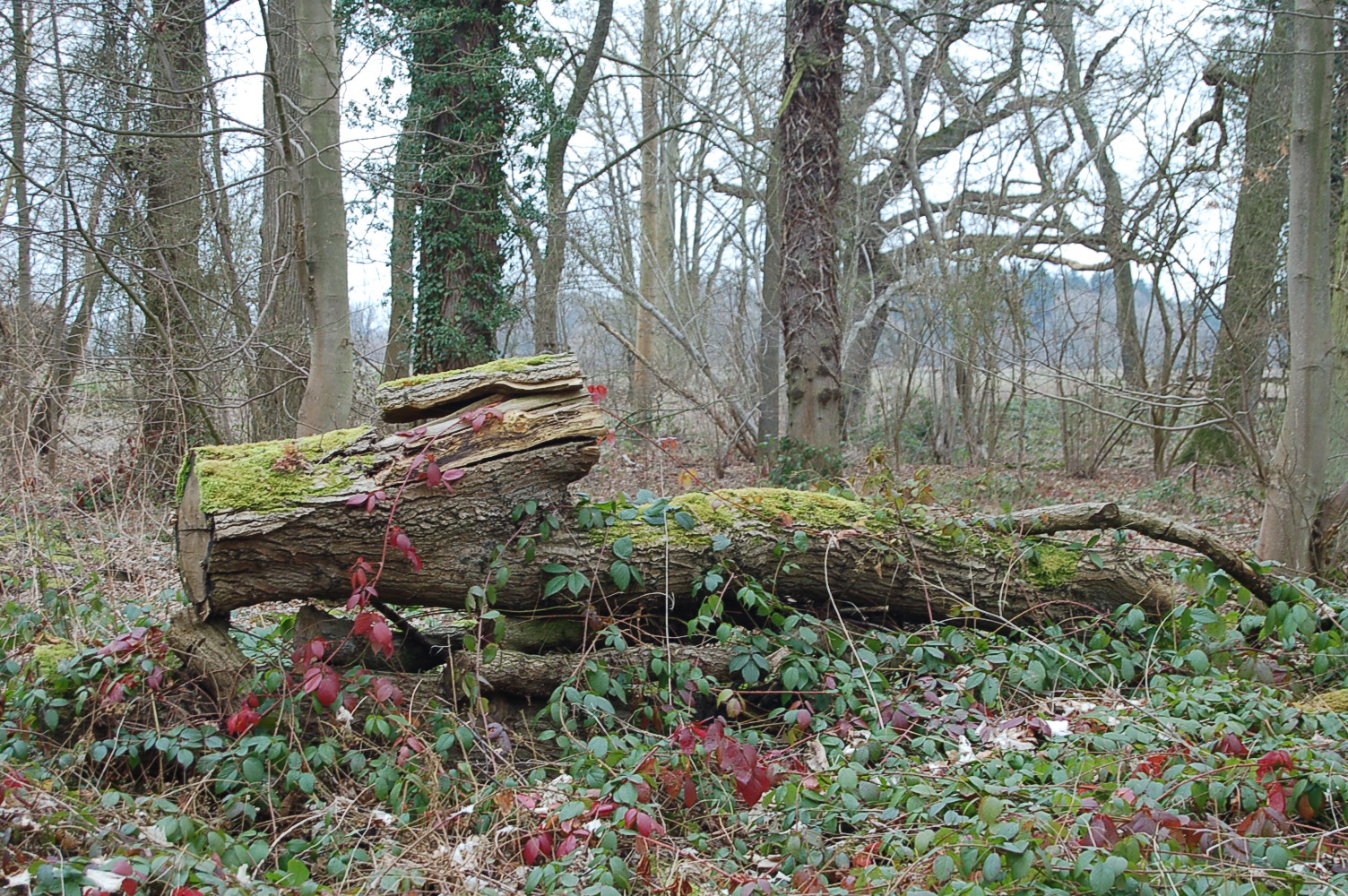
Where elderly specimens of trees begin to break and fall sculptural shapes are created. This old split trunk looks huge amongst younger trees and its boughs stretch out across the ground rotting where they fell and colonised by a carpet of mosses.

DSC_0037 DSC_0038_edited-1 DSC_0042

There is something magical about woodlands, they make you feel calm and relaxed and they make some visitors more creative or more childlike. They build dens, climb trees or create little bits of land art. The National Trust are doing a brilliant job in encouraging these effects on their visitors, in particular with their little booklet “50 things to do before you are 11 3/4“. Right in the depths of the woodland we came across these two simple but beautiful land art pieces. 

DSC_0044 DSC_0045 DSC_0046

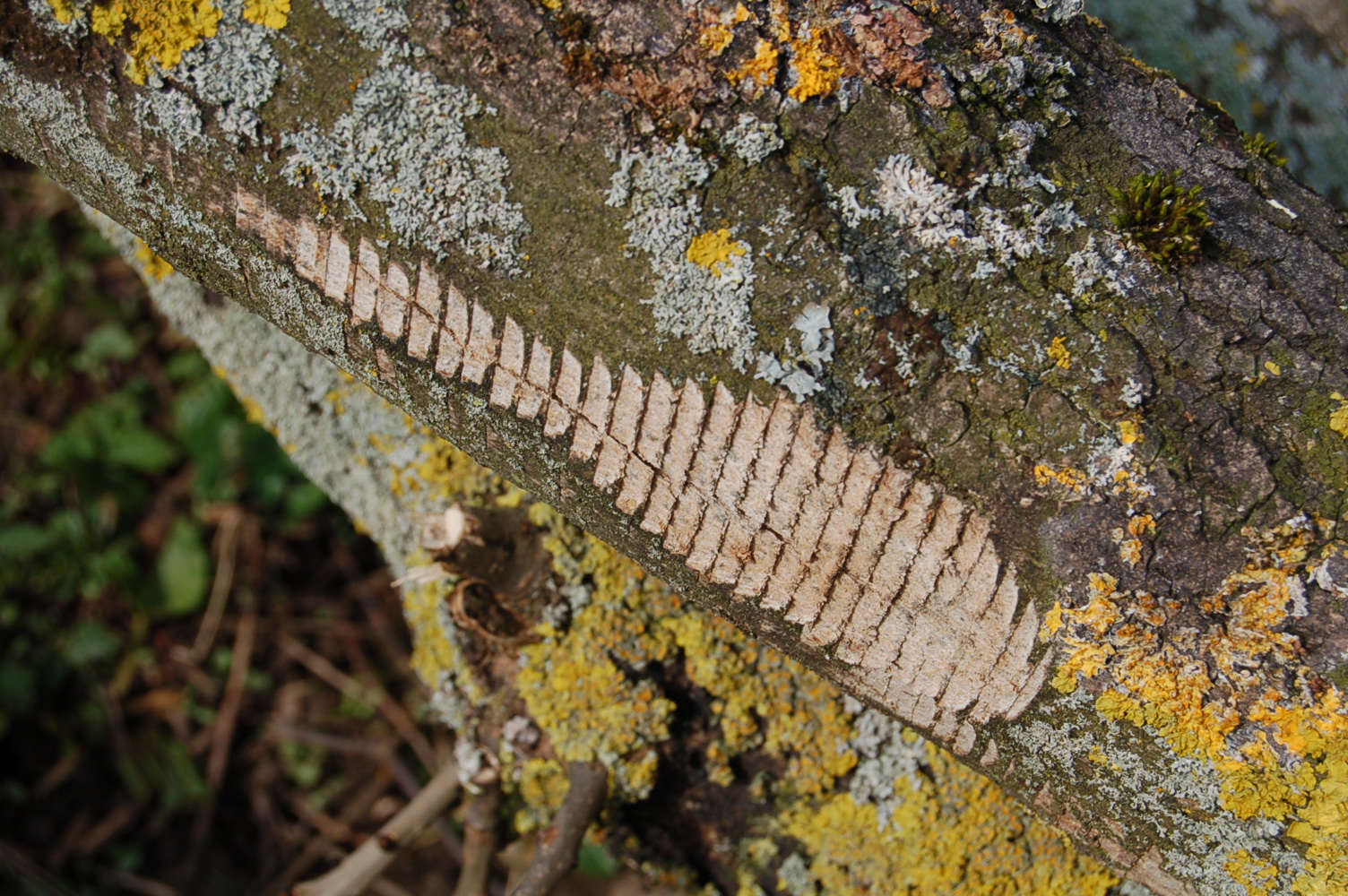
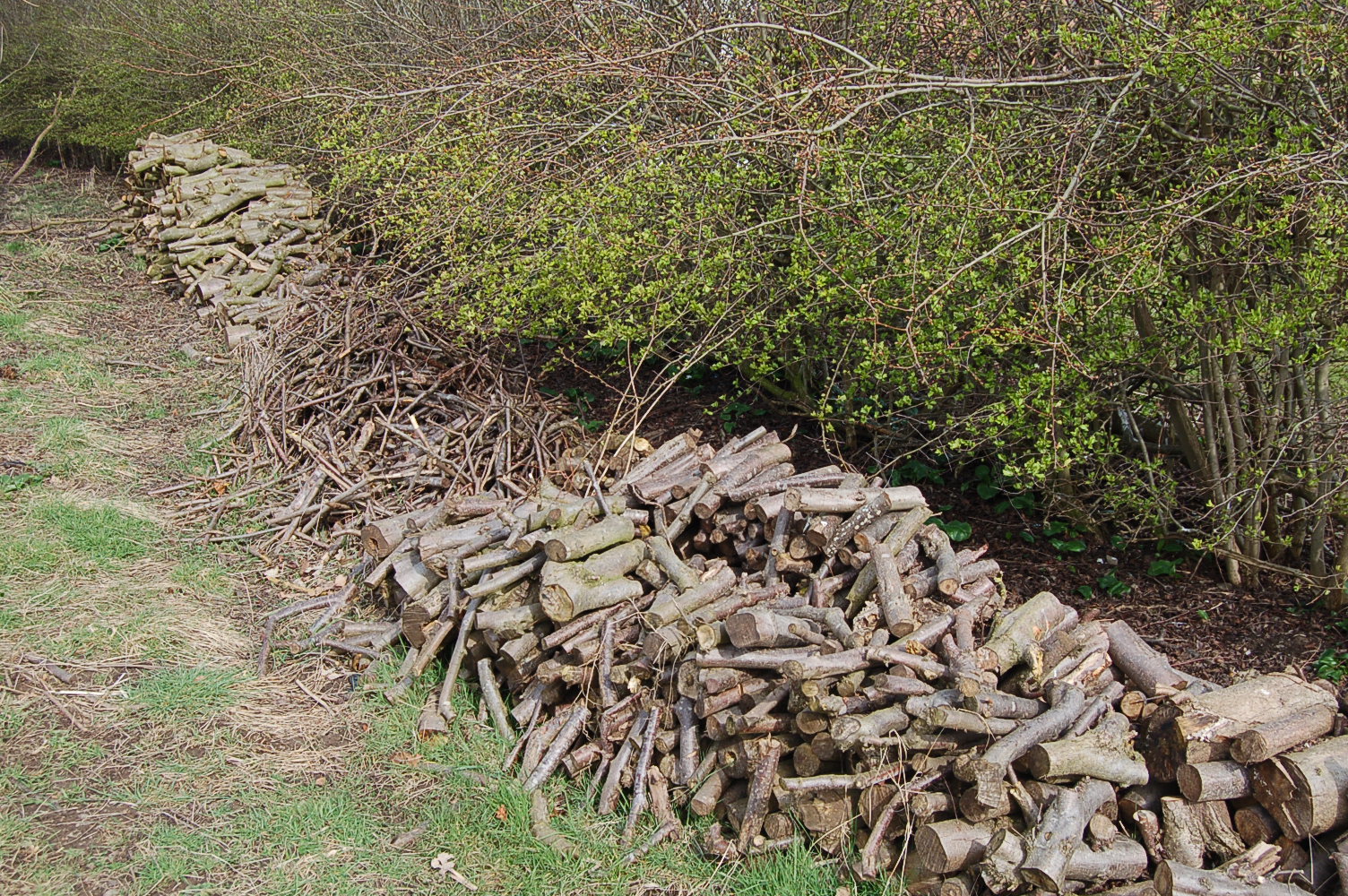
Tree surgeons at work have left their marks. We were amazed when we spotted the beautiful “fern” chipped into the bark by a chainsaw. The off cuts were used to make a wonderful big logpile to attract insects especially all the beetles who make Attingham their home. The National Trust’s woodland management keeps wildlife in mind. It is heartening to know that Stag Beetles now live here.

DSC_0012 DSC_0013 DSC_0016

In the walled garden the extra warmth afforded by its tall brick walls has allowed flowering plants to make some progress towards Spring.

DSC_0018 DSC_0019 DSC_0024

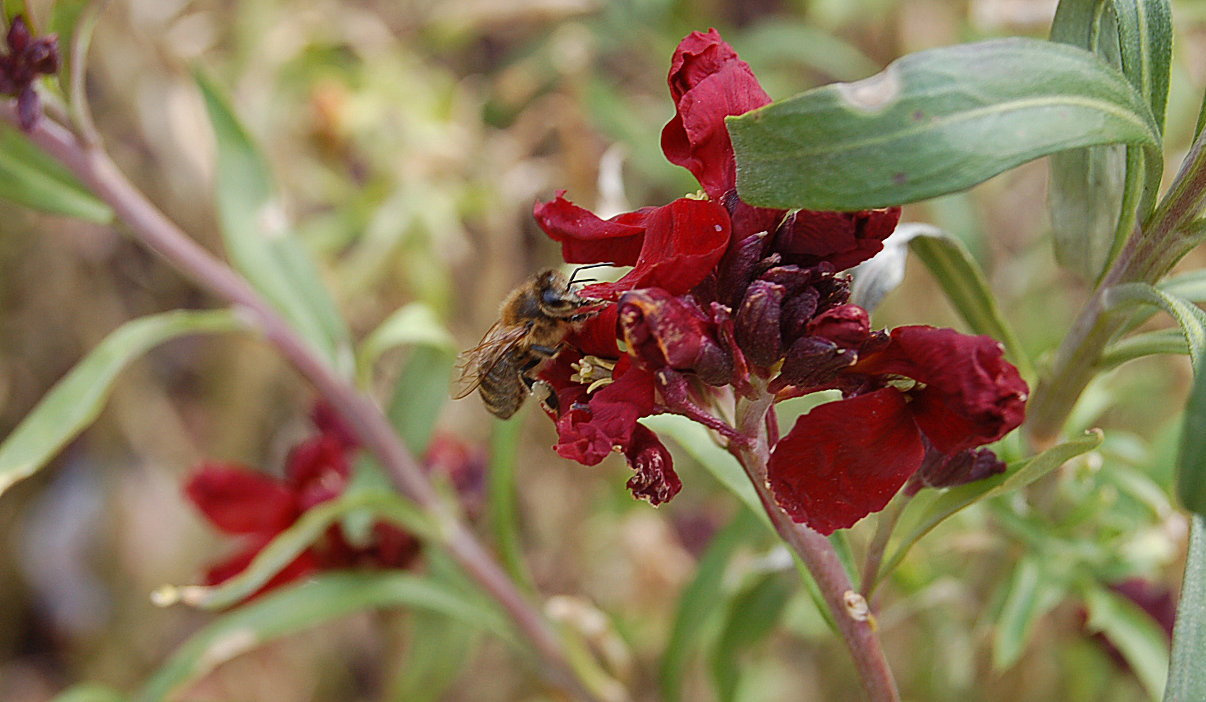
The best feature of our walk was to see a Honey Bee at work feeding on Wallflowers in the walled garden.

DSC_0022_edited-1

What a great walk we had, cold ears and noses but plenty of fresh air and sheer joy at being outside and in woodland. I hope you enjoy the collection of pics below!

DSC_0028 DSC_0030 DSC_0048 DSC_0050 DSC_0051 DSC_0053 DSC_0054 DSC_0056 DSC_0064

Categories
colours flowering bulbs garden photography gardening ornamental trees and shrubs Shropshire spring bulbs spring gardening Winter Gardening winter gardens

A Bouquet for March

Here is this month’s “Bouquet” post. The first photo says it all!

DSC_0097

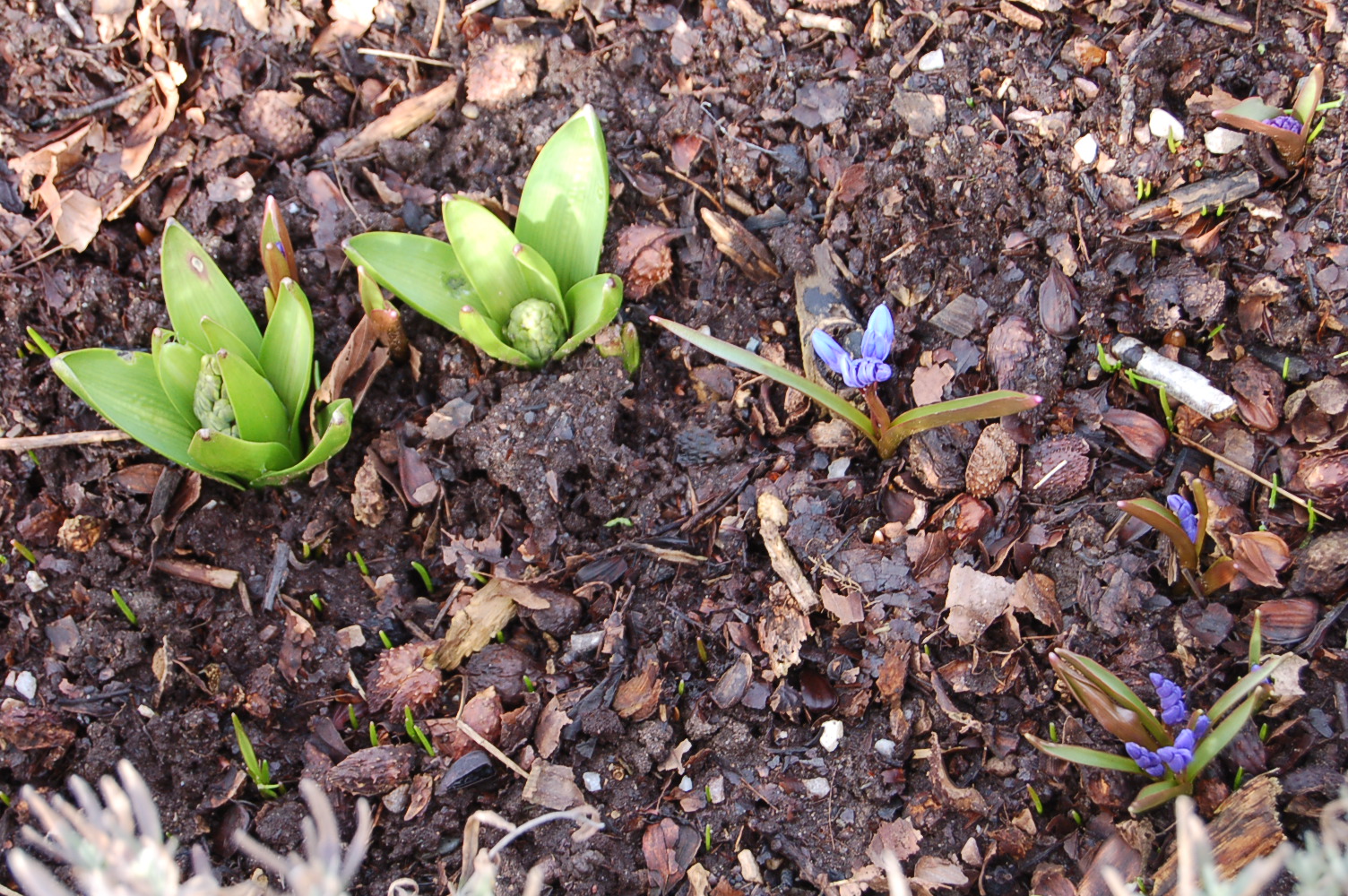
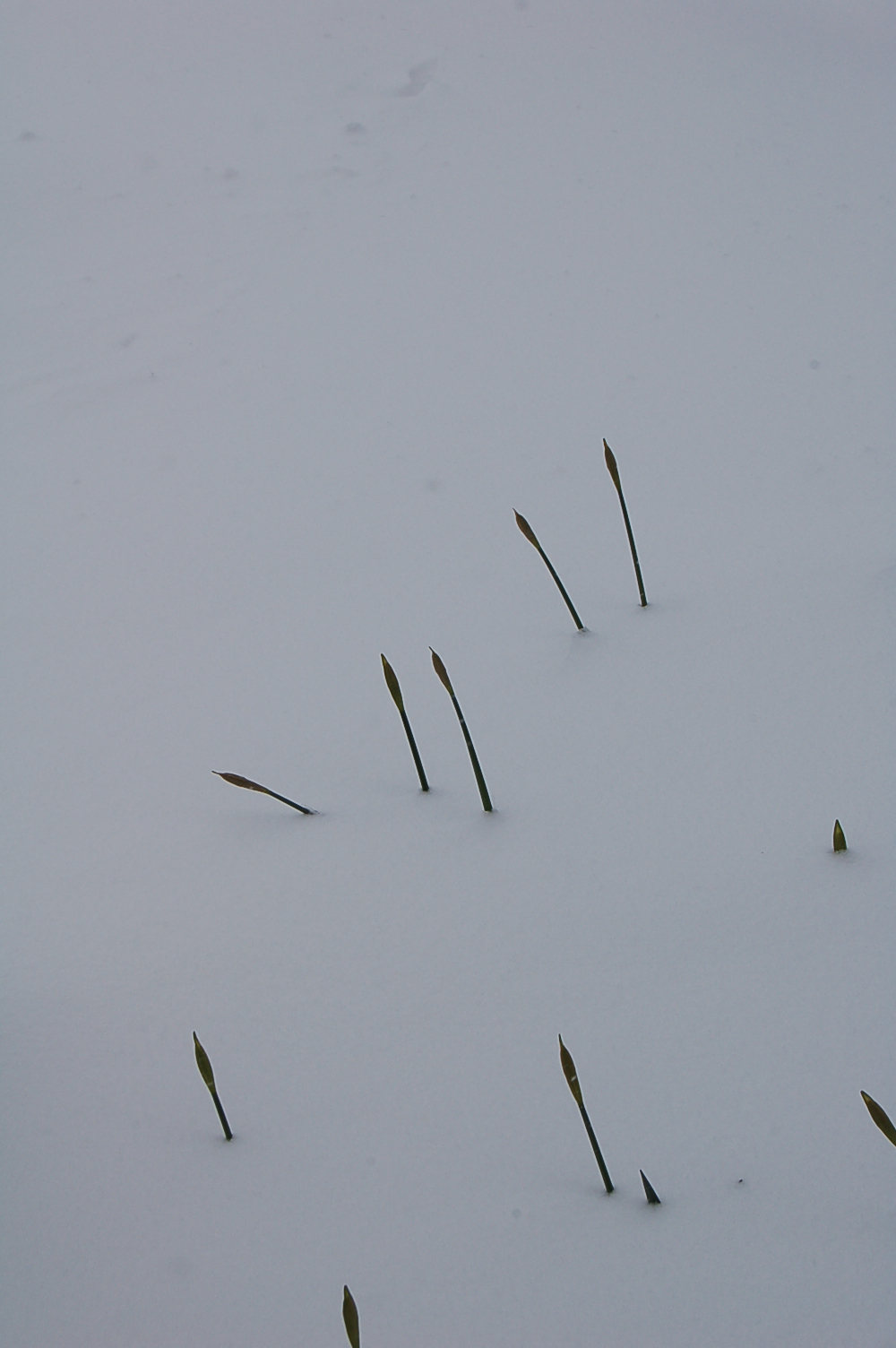
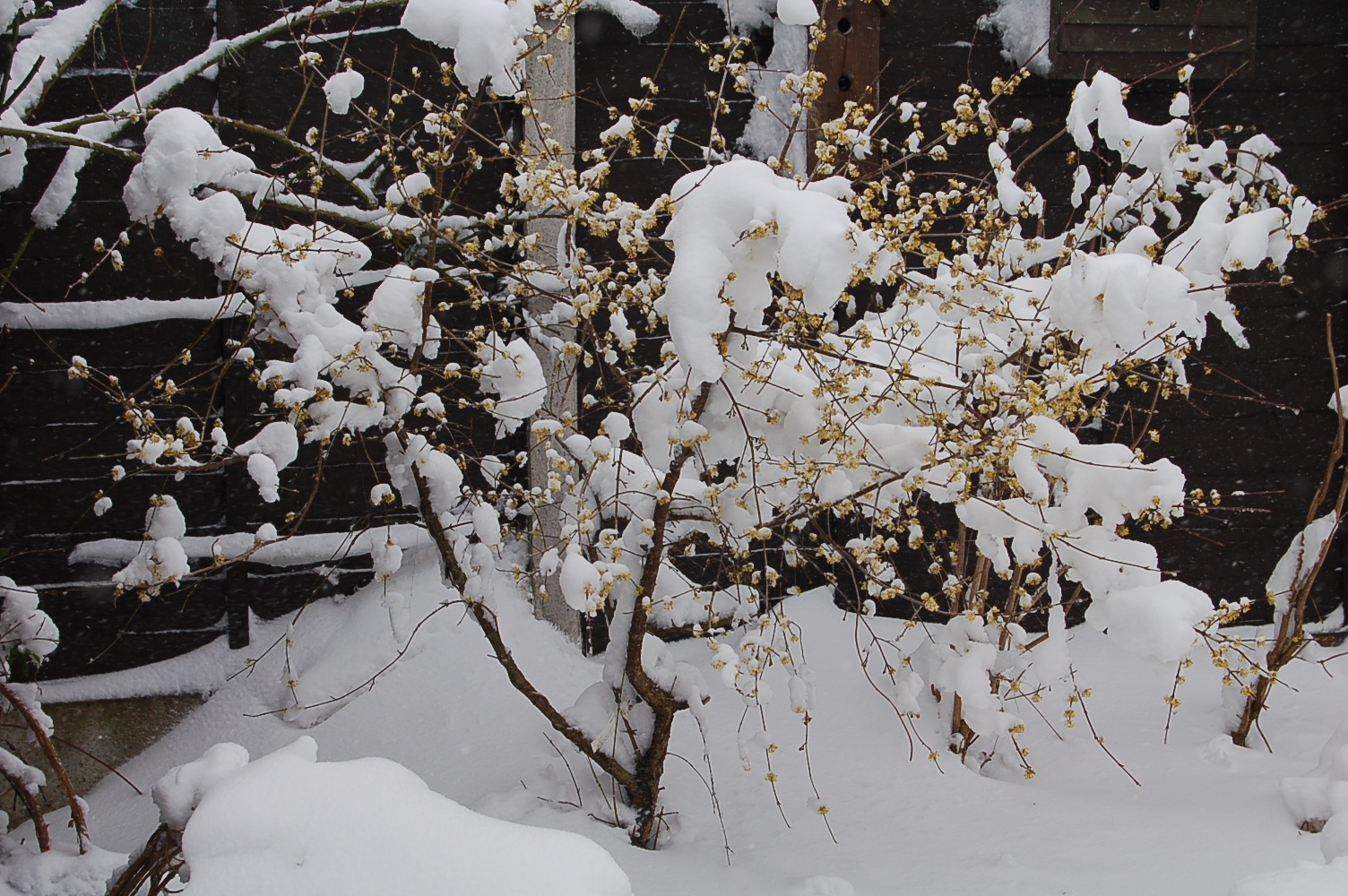
There are in fact two flowers visible – both yellow. Our Cornus mas is still in bloom and the flower buds of daffodils are spearing their way through their white duvet.

DSC_0096 DSC_0098

Let’s hope our April Bouquet is a bit more impressive!

This Veggie Life

A Vegetarian | Nature Lifestyle Blog

Rambling in the Garden

.....and nurturing my soul

The Arch City Gardener

Journeys In St. Louis Gardening and Beyond

Garden Dreaming at Châtillon

Consult the genius of the place

Storyshucker

A blog full of humorous and poignant observations.

gardeninacity

Notes from a wildlife-friendly cottage garden

PlayGroundology

...an emerging social science

The Official Blog of British Wildlife

'The most important and informative publication on wildlife of our times' - The Independent. This blog is a member of The UK & Ireland Natural History Bloggers group: www.uknhb.blogspot.com

iGrowHort

Inspire - Cultivate - Grow Native Plants - Restore Landscapes

Bishops Meadow Trust

To create and protect a semi-natural wild space for the people of Farnham to enjoy and experience an array of British wildlife in our town

Gardening with Children

The www.gardeningwithchildren.co.uk Blog

UKbirdingtimeline

birding through the seasons, why birds matter and how to conserve them

NATURE WALKER

with a camera in hand

Jardin

Transform your outdoor space

Eva's space

My allotment, cooking and other interests

Old School Garden

my gardening life through the year

LEANNE COLE

Trying to live a creative life

fromacountrycottage

trying to live as lightly as possible on our beautiful planet

Good Life Gardening

Nature lovers from Leicester living the good life.

mybeautfulthings

Finding the beautiful in the everyday

mawsonmichelle

Michelle's Allotment

In and Out of My Garden

thoughts from and about my garden

Greenhousing

Big plans for a small garden

The Scottish Country Garden

A Walled Country Garden in South East Scotland

The Fruity Chicken

Life at the fruity chicken

willowarchway

Off grid living. Self sufficient. "PERMAGANICS RULE".

St Anns Allotments

Nottingham's Grade 2* Listed Allotments and Community Orchard

Manifest Joy Harvests

a journey in suburban vegetable gardening

Allotmental

The madness of growing your own

Penny's Garden: a harvest beyond my front door

A novel approach to vegetable gardening

arignagardener

Sustainable living in the Irish countryside.

NewEnglandGardenAndThread

Master Gardener, amateur photographer, quilter, NH native, and sometimes SC snowbird

dianajhale

Recent work and work in progress and anything else that interests me

planthoarder

a chaotic cottage gardener

Lens and Pens by Sally

a weekly blog that creates a personal philosophy through photographs and words

Dewdrops and Sunshine

Stories from a sassy and classy Southern farmbelle.

The Pyjama Gardener

Simple Organic Gardening & Seasonal Living

gettin' fresh!

turning dirt into dinner

JOY...

today the world is created anew

Garden Birds

Notes from a Devon garden

ShootAbout

Life Through The Lens

Adapting Pixels

A photography blog showcasing the best photography pictures and videos on the internet

Wildlifegardening's Blog

Just another WordPress.com site

naturestimeline

personal observations from the natural world as the search continues for a new approach to conservation.

LATEBLOOMERBUDS

The Wonders of Life through my Eyes, my Heart, my Soul