Categories
awards community gardening

More Awards for Bowbrook Allotment Community

There is nothing better on cold dull days of winter than looking back.

When the RHS gave us our first award we jokingly started calling ourselves an “Award Winning Allotments” and then as we get more and more we now call ourselves the “Multi-Award Winning Allotments”. Well last year in the autumn we were invited to another award ceremony jointly held by the RHS and Britain in bloom.

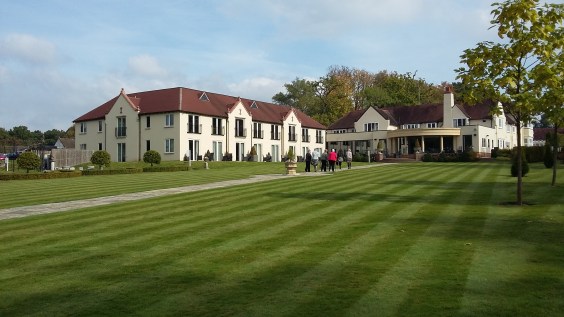
We enjoy these ceremonies as it affords us the opportunity to meet gardeners from other community gardens and see what they are getting up to. This year the ceremony was held in a hotel with well-laid out gardens too so we enjoyed a wander before our lunch.

2015 11 01_7079

Our allotment gardens, Bowbrook Allotment Community, affectionately know as BAC, fall under the RHS Its your Neighbourhood Scheme for community gardens that improve their local areas. We are measured against a set of criteria which consider horticultural excellence, environmental enhancement, wildlife friendliness and community involvement. Assessors from the RHS make visits and spend several hours on site marking us against set guidelines. The awards are awarded at 5 levels starting with beginning at Level 1 moving up to Level 5 Outstanding. They can also give out discretionary awards to individuals and community gardeners.

We were pleased to receive a Level 5 Outstanding Certificate in 2015 for the 5th year running. We were totally surprised when we were called up at the end of the award ceremony to be be awarded an RHS National Award of Distinction, one of only two awarded. We were given this as we had achieved a mark of 100% in every category. Can’t be bad! It truly reflects our great community spirit!

I thought it would be interesting to add photos of the banners displayed in the hall as they give clues to the spirit of this award scheme.

2015 11 01_7070 2015 11 01_7071 2015 11 01_7085 2015 11 01_7077 2015 11 01_7087

Categories
birds diy garden photography garden wildlife gardening gardens grasses hardy perennials ornamental grasses ornamental trees and shrubs roses Shropshire shrubs

My Garden Journal 2016 – January

I will once again be keeping my garden journal during 2016 recording my thoughts on our own garden here at Avocet in the tiny hamlet of Plealey situated just inside the Area of Outstanding Natural Beauty, the South Shropshire Hills. I will share the sounds, sights and aromas of our garden and make mention of the wildlife that shares the garden with us. In 2015 I found a quote every month from a little book, ” Led by the Nose” written by Jenny Joseph. In 2016 I will look back at what I recorded in my first garden journal which I began in the first full year of living in Plealey. Although we moved here in August 2004 my journal began in January 2005. It will be interesting to compare 2005 with 2016.

So, welcome to our “Avocet” garden in 2016. I hope you enjoy the journey through the months with me.

2016 02 02_8154_edited-1

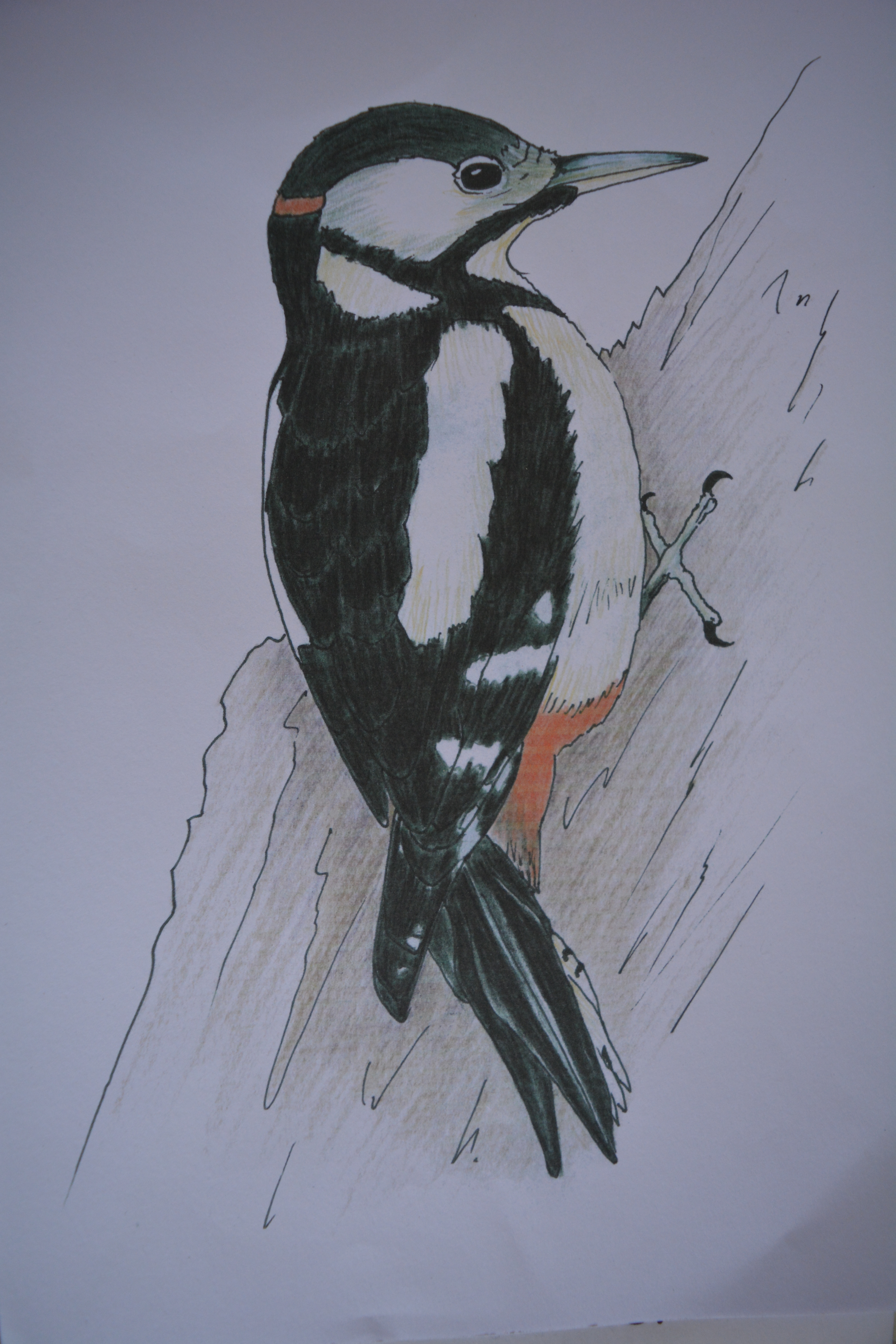
My first page for 2016 features my gouache painting of a Great Spotted Woodpecker and a few words about this charismatic garden visitor.

2016 02 02_8156_edited-1

“The Great Spotted Woodpecker makes its presence felt in our garden. It is black and white with splashes of bright red. It announces its arrival with a loud call as it flies in with its undulating flight. It hits the bird feeders hard so they swing around. These hungry birds stay feeding for far longer then any other bird.”

2014 12 21_8978

On the opposite page I write “Gardeners often pose the question“What is your favourite season in the garden?” It is easier for some to answer this question and they quickly give a definitive answer, while others find the choice impossible to make. For me? Well, I admit  I always answer “The one we are in.” Not many gardeners will say “winter” viewing it as a “non-time” in their gardens. Many put their gardens to bed for the winter by chopping a huge percentage of the plants to the ground. Their interest only returns when spring bulbs burst into flower. I absolutely love the winter garden!”

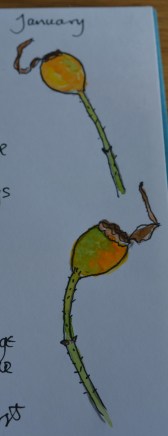
I illustrate the page with my watercolour painting of two hips from Rosa “Graham Thomas”, a David Austin New English Rose which we grow as a climber. It gives joy to the gardener for many months of the year with its profuse golden sunny yellow blooms and when it finally gives up in December it begins to produce its green hips which quickly turn to yellow then orange.
2016 02 02_8157_edited-1

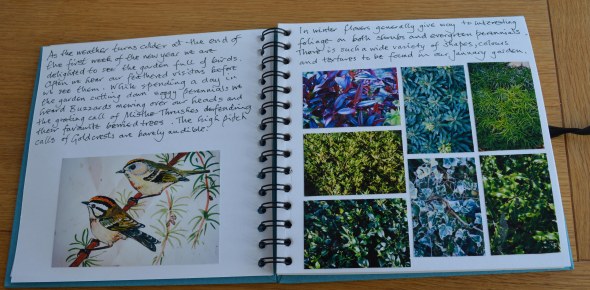
Turning the page over I write “As the weather turns colder at the end of the first week of the new year we are delighted to see the garden full of birds. Often we hear our feathered visitors before we see them. While spending a day in the garden cutting down soggy perennials we heard the Buzzards mewing over our heads and the grating call of Mistle Thrushes defending their favourite berried trees. The high pitch calls of Goldcrests are barely audible” Below these words we find my gouache painting of a pair of Goldcrests.

2014 12 21_8970_edited-12016 02 02_8158_edited-1

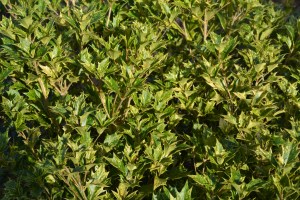
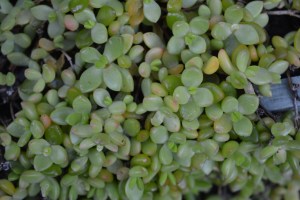
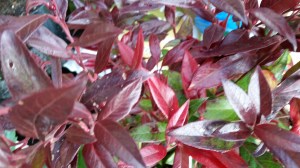
Foliage features on the opposite page where I write “In winter flowers generally give way to interesting foliage on both shrubs and evergreen perennials. There is such a wide variety of shapes, colours and textures to be found in our January garden”.

A selection of photographs which I took in the garden on the same morning follows.
2016 01 26_8079 2016 01 22_79952016 01 22_7997 2016 01 22_80262016 01 22_8001 2016 01 22_7994       2016 01 22_8010 2016 01 22_8009

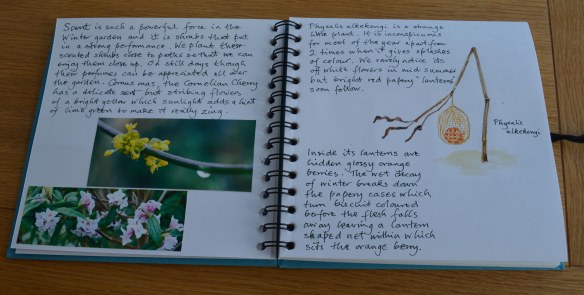
Turning the next page my text is all about the scents of winter flowering shrubs.
2016 02 02_8159_edited-1

“Scent is such a powerful force in the winter garden and it is shrubs that put in a strong performance. We plant these scented shrubs close to paths so that we can enjoy them close up. On still days though their perfumes can be appreciated all over the garden. Cornus mas, the Cornelian Cherry, has a delicate scent but striking flowers of a bright yellow to which sunlight adds a hint of lime green to make it really zing.” 

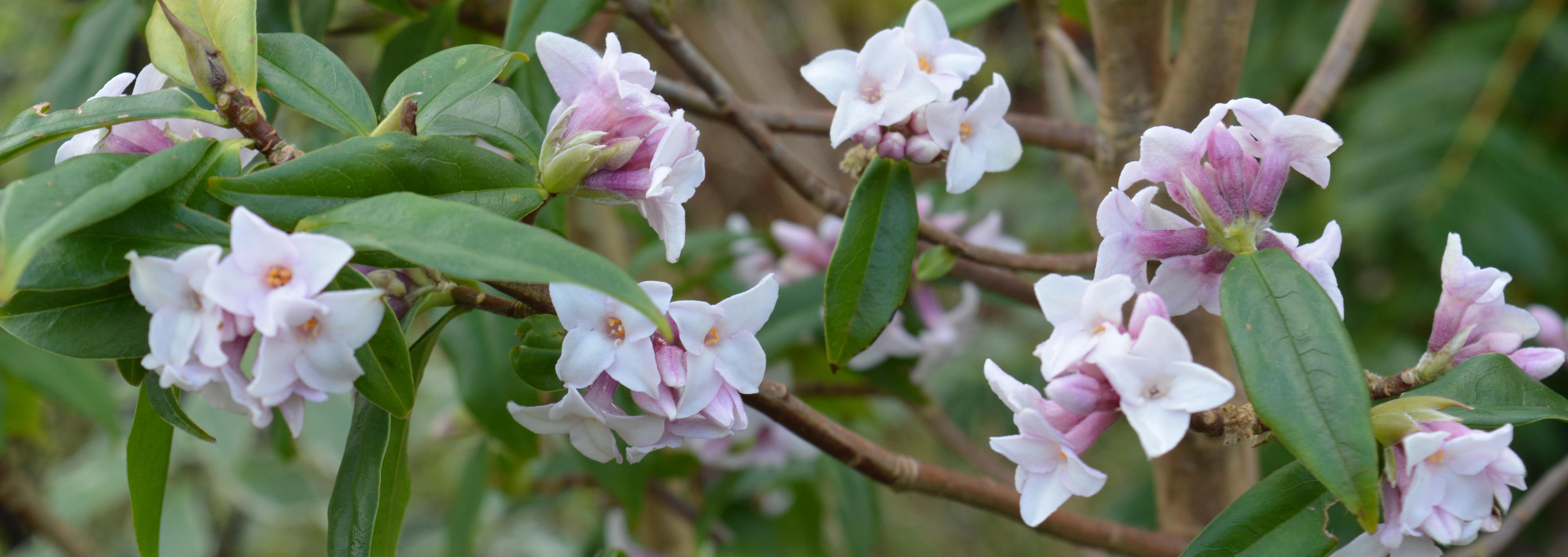
A much more strongly scented winter flowering shrub grows close to the main path in our back garden and is generous with its scent spreading it all over nearby borders, is Daphne bhuloa “Jacquiline Postill”.

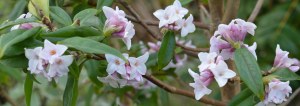
2016 01 04_7675_edited-1 2016 01 05_7740_edited-1

On the page opposite I put the spotlight on a plant called “Physalis alkenengi” as I had come across the skeletal remains of its fruiting head while gardening in the Hot Garden.

2016 02 02_8162

I write “Physalis alkekengi is a strange little plant. It is inconspicuous for most of the year apart for twice when it gives splashes of colour. We rarely notice its off-white flowers in mid-summer but bright red papery “lanterns” soon follow. Inside its lanterns are hidden glossy orange berries. The wet decay of winter breaks down the papery cases which turn biscuit coloured before the flesh falls away leaving a lantern shaped net within which sits the orange berry.”

I illustrated this page with a watercolour painting of this little garden treasure. It was a great challenge!

2016 02 02_8161

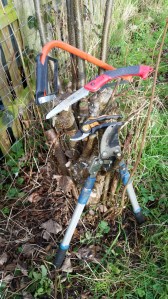
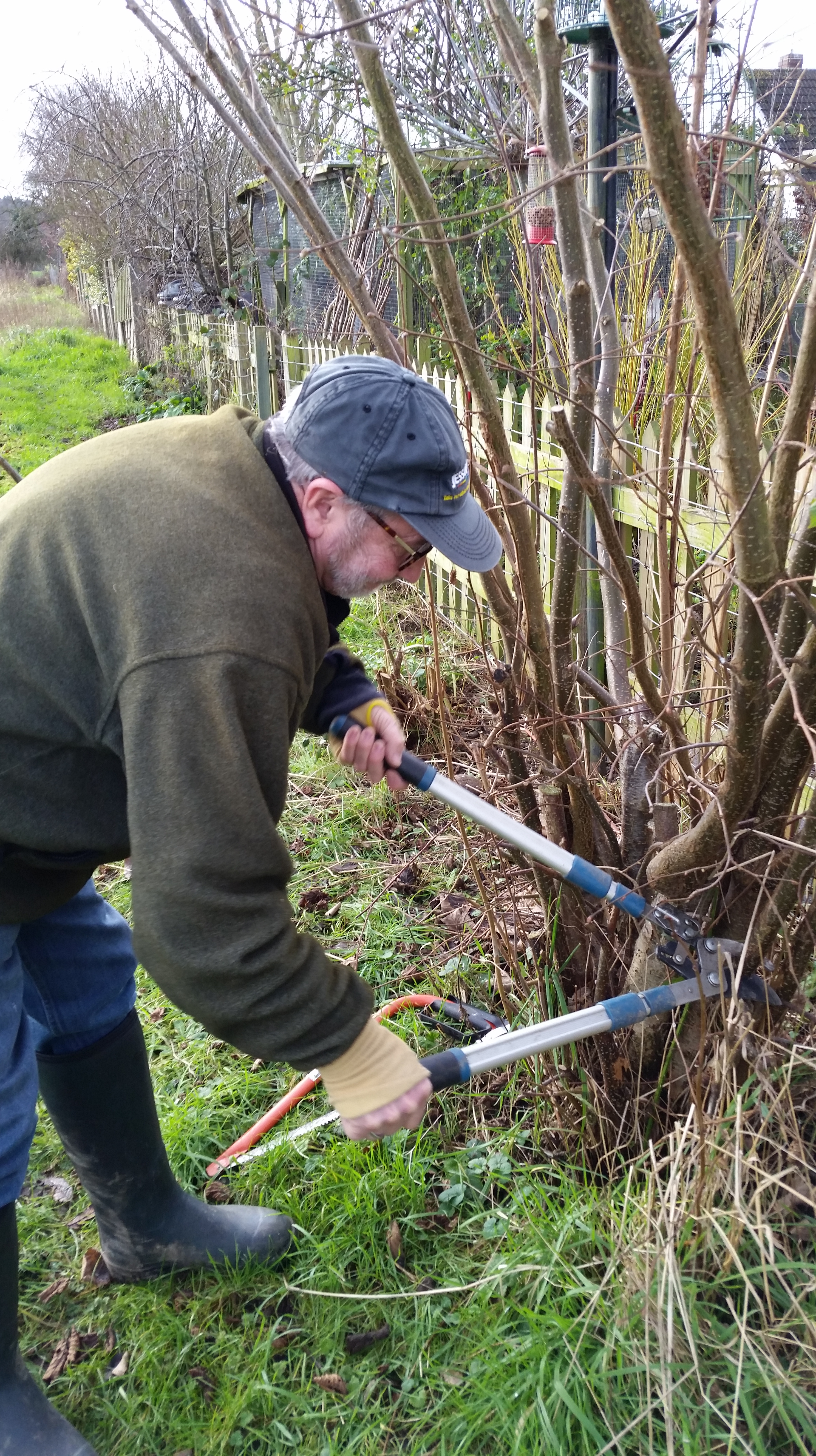
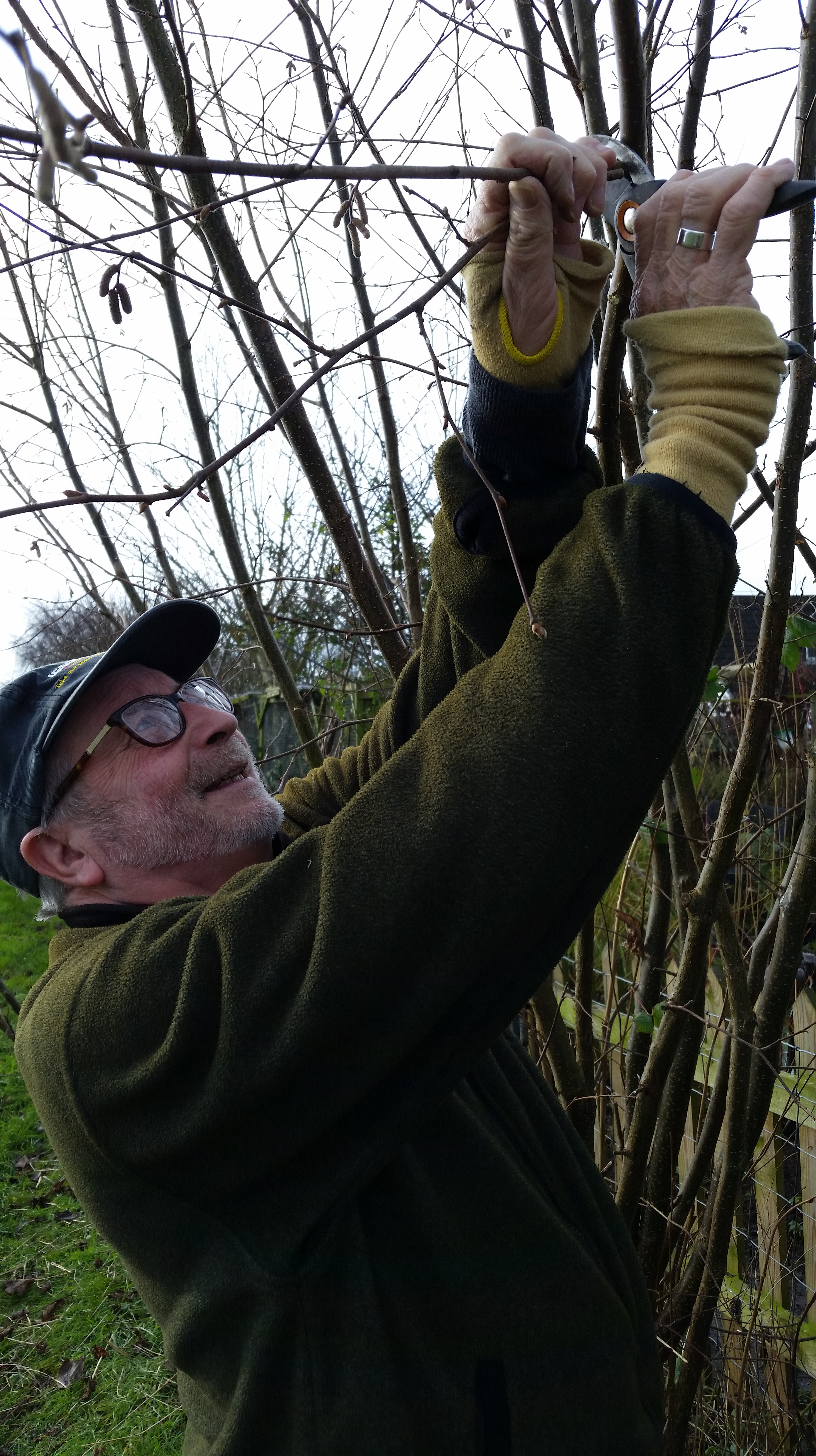
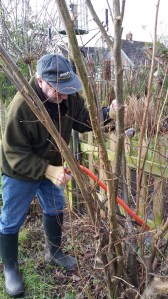
My next page is about two gardeners at work. Jude the Undergardener and I produce our own bean poles and pea sticks to use on our crops which we grow on our allotment plot.

2016 02 02_8163_edited-1

“Bean Poles and Pea Sticks

We have reached the stage now where our garden has matured enough to allow us to produce our own bean poles and pea sticks to use on our allotment. Our two Hazels provide us with the majority, but other shrubs add to our stash when we prune them.”

2016 01 26_8041 2016 01 26_8040 2016 01 26_8038 2016 01 26_8044 2016 01 26_8054 2016 01 26_8049

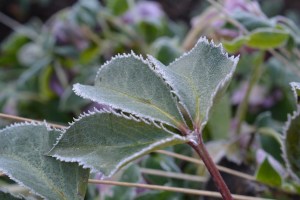
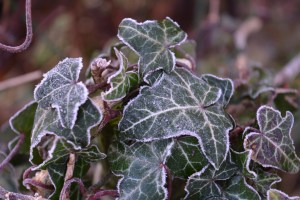
On the page opposite I share my photos of the first frost of 2016.

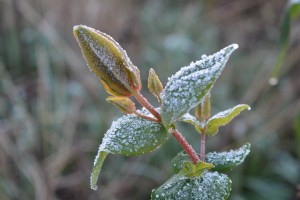
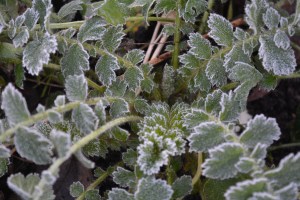
“The first frost of the year arrived in the third week of January. It added a new white dimension to foliage which sported rims of tiny white crystals.”
2016 01 17_7925-1 2016 01 17_7928-12016 01 17_7915-1 2016 01 17_7923-12016 01 22_8011 2016 01 17_7927-1

My final words and pictures in my January entry in my garden journal look back at my 2005 garden journal and a current garden project.

“Looking back at my January entries in my garden journal of 2005, I notice that I was then building a heated propagator in our new 14 foot by 8 foot greenhouse. This has served us well over the years making seed germination so much easier. This year I am making a much bigger propagating bench. For this version I will need support of my Undergardener, Jude.”

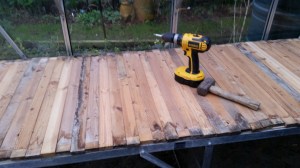
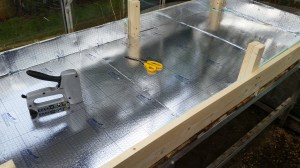
I hope you enjoy my photographic journey through this most enjoyable two day project. It was a good task to do while the weather outside was too cold, windy and wet to get any outdoor gardening done. The greenhouse was warm and snug so a good place to be working.  When describing our efforts I used short captions for each photograph.
2016 02 02_8150 2016 02 02_8151

Using recycled wood we made a new bench. We checked it was perfectly level.”
2016 02 02_8136 2016 02 02_8137

“We fixed in a double layer of insulation boards after adding an edge of 6 inch board. Then we fixed on a layer of plastic sheet.”
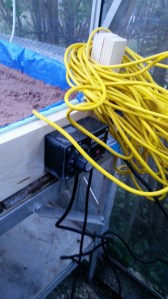
2016 02 02_8142 2016 02 02_8133

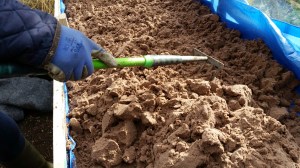
“We added a 2 inch layer of soft sand. The control box, thermostat and probe were fixed to the box.”

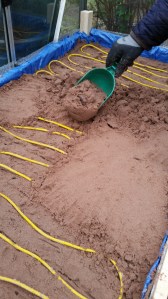
2016 02 02_8127 2016 02 02_8128

“Then we laid out our heating cable carefully. The cable had to be covered in soft sand.”
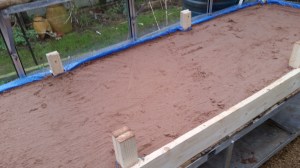
2016 02 02_8129 2016 02 02_8118

A second layer of soft sand was added to a depth of 2 inches. We carefully made it level. The final touch – a layer of capillary matting”.

Here ends the entries from the first monthly entry into my Garden Journal for 2016. See you in February when we will start to use our newly constructed heated propagation bench.



Categories
garden design garden furniture garden photography garden seating

Are you sitting comfortably? Part 8 of an occasional series.

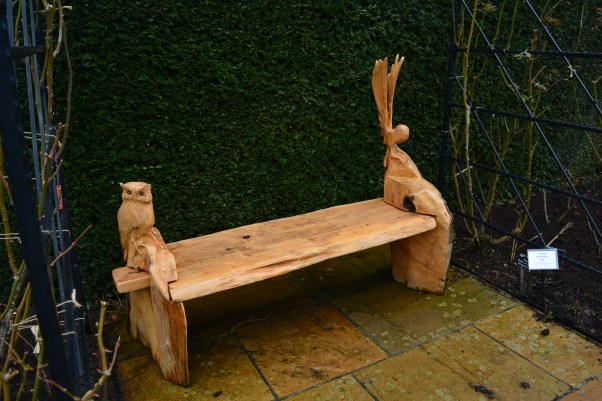
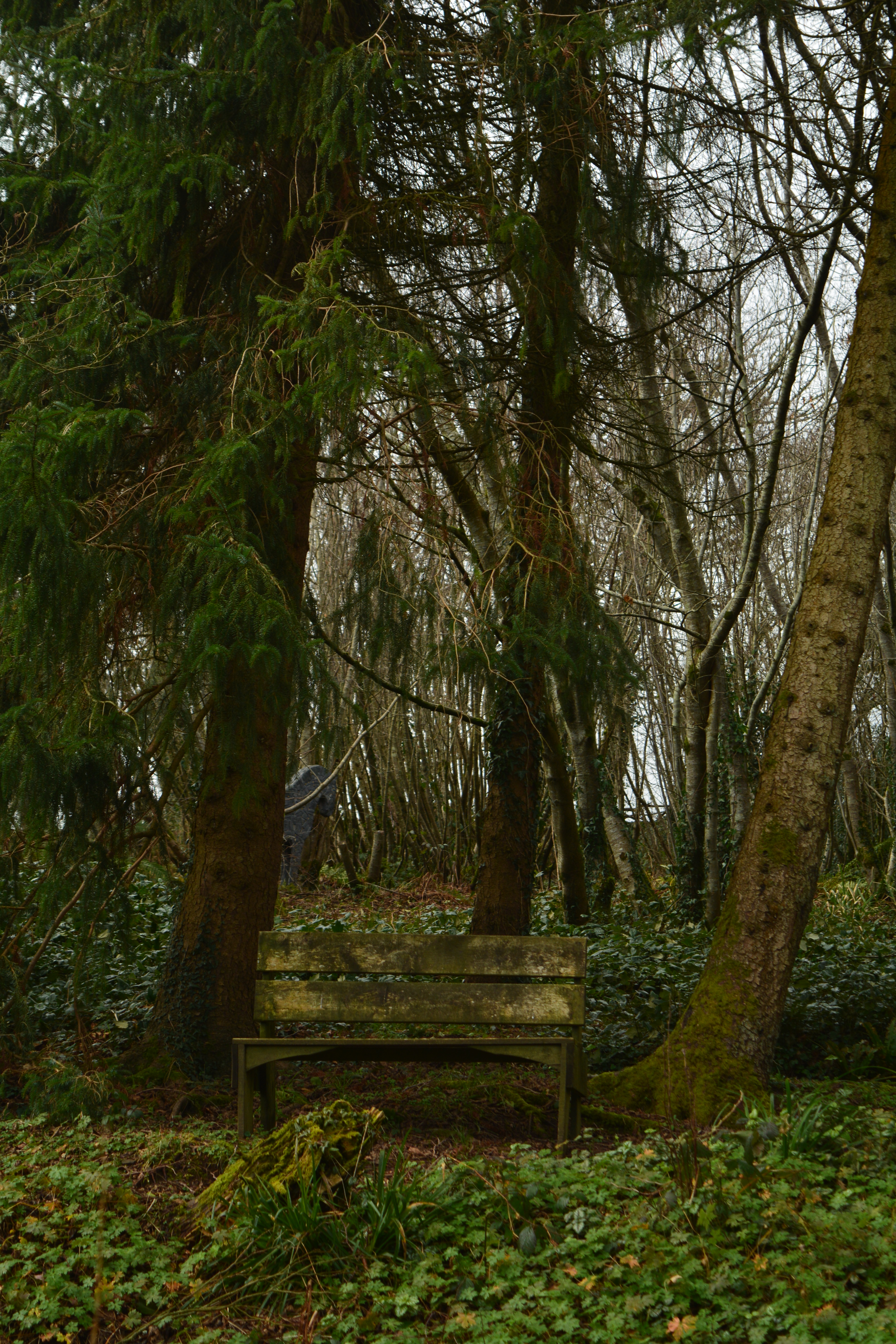
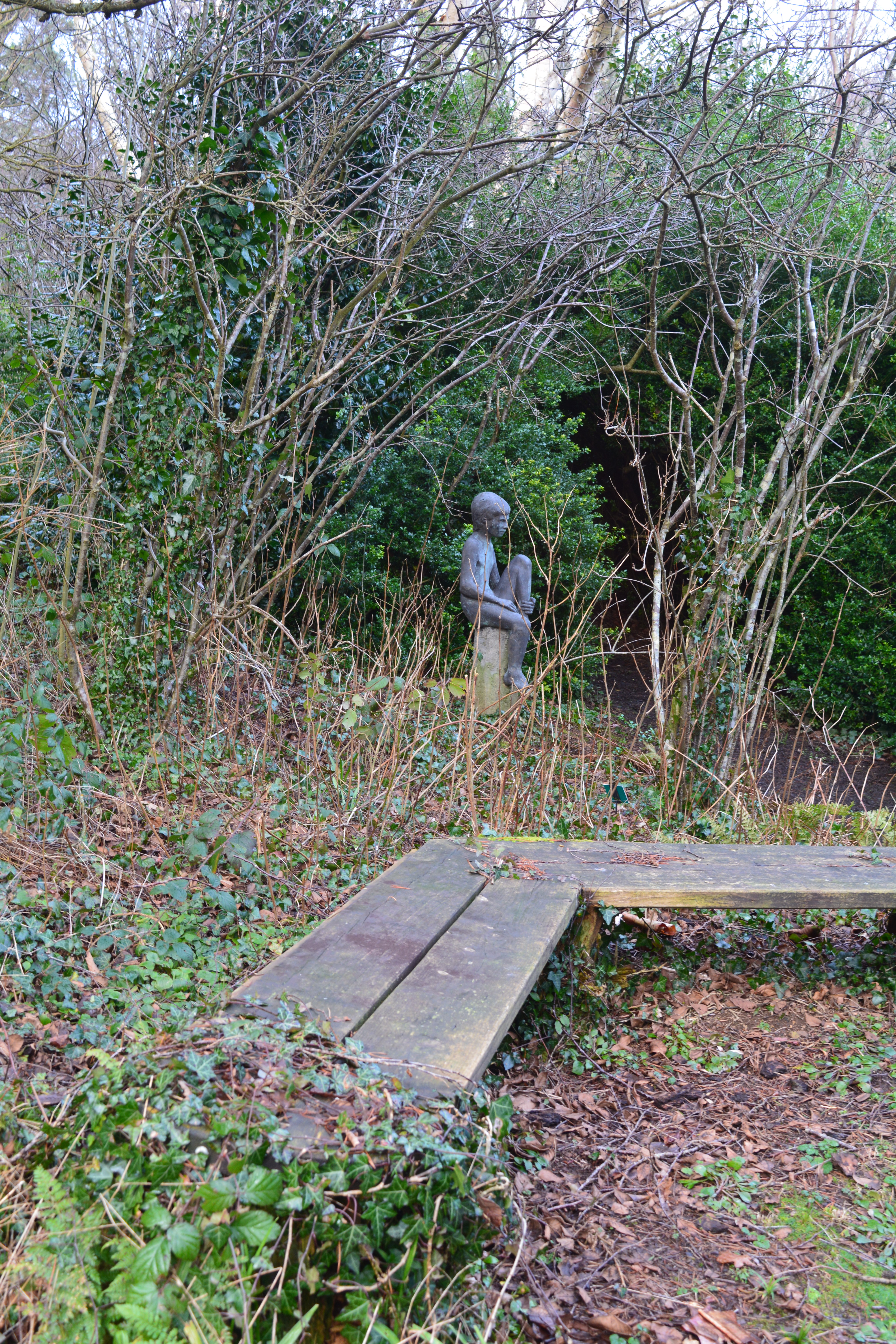
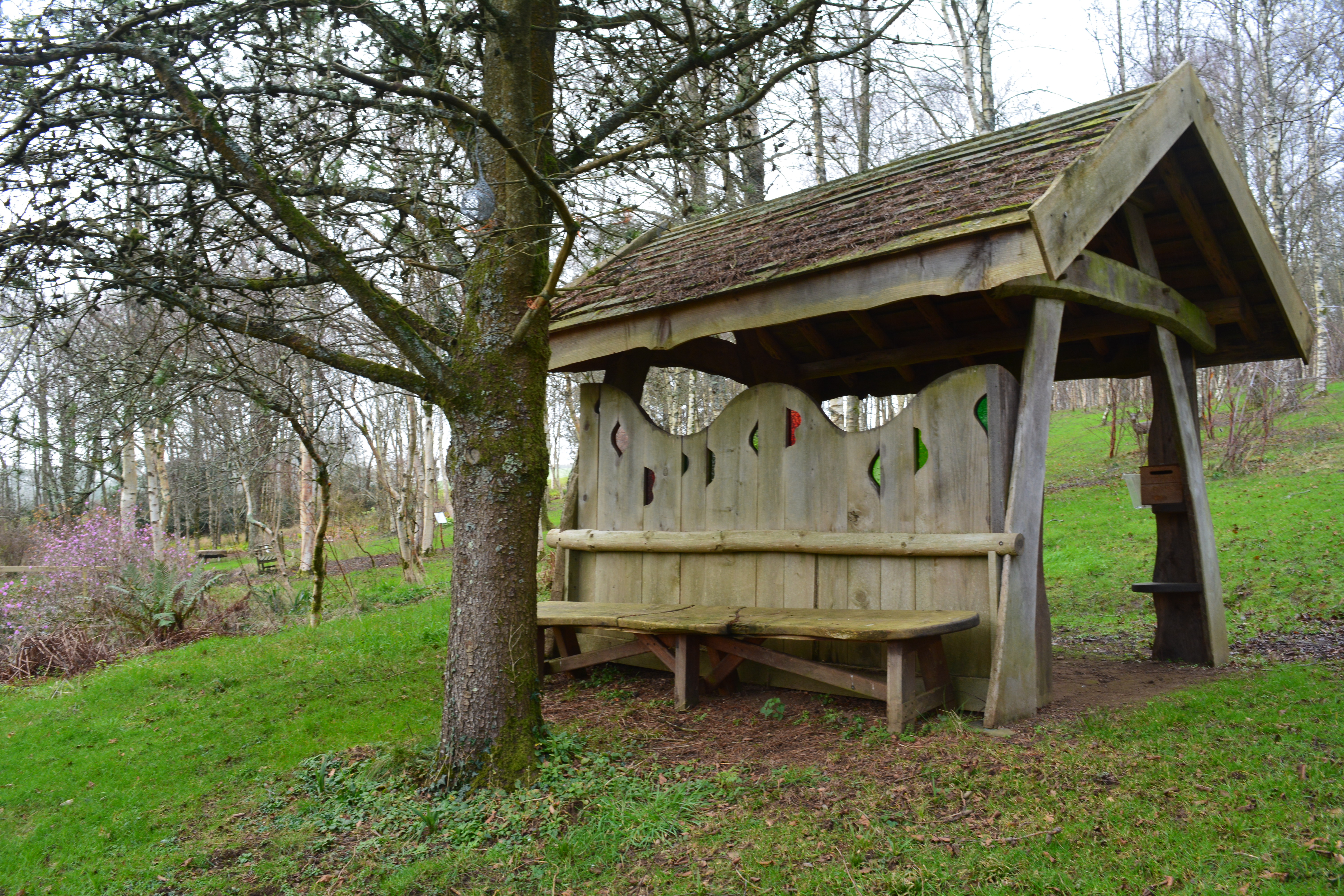
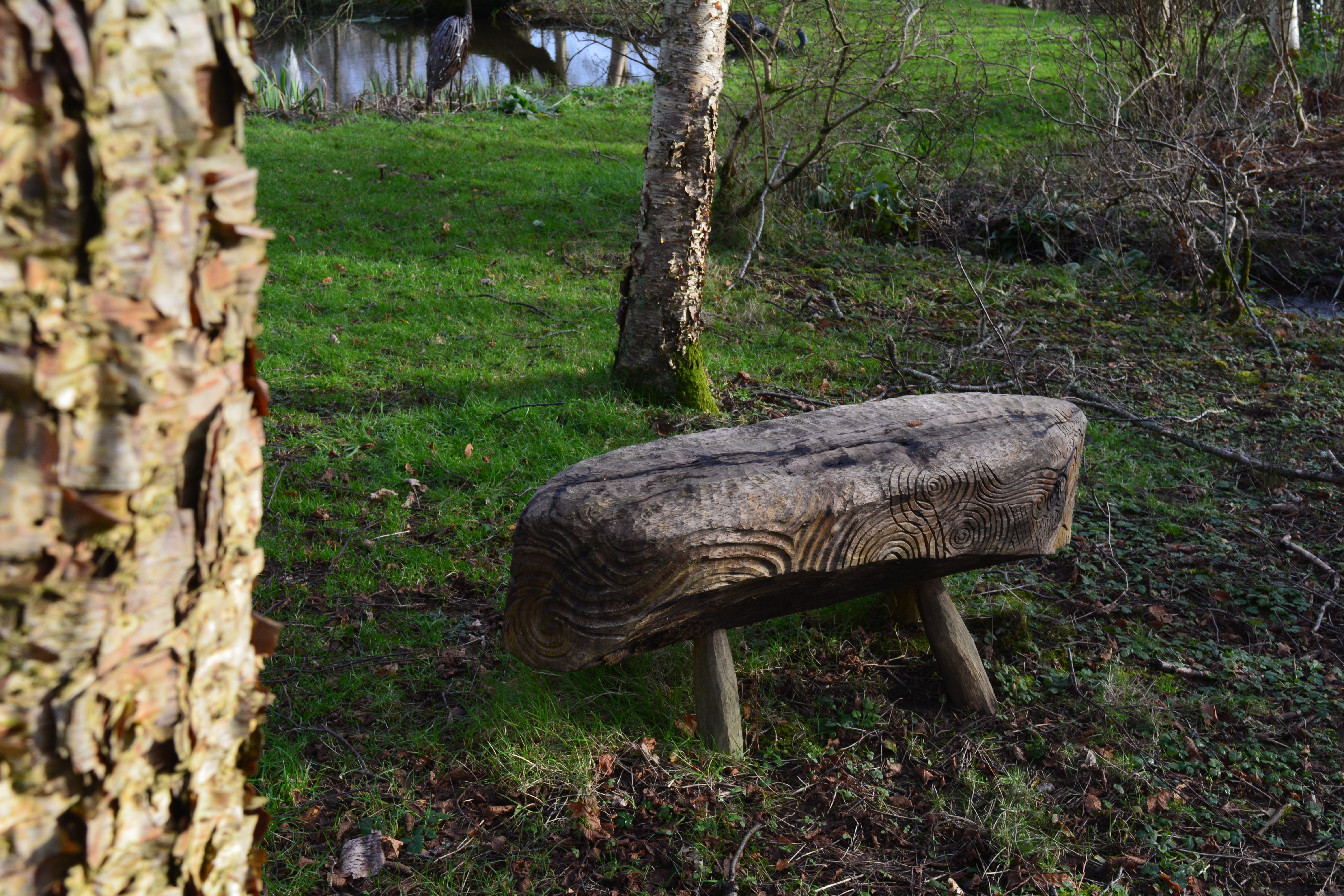
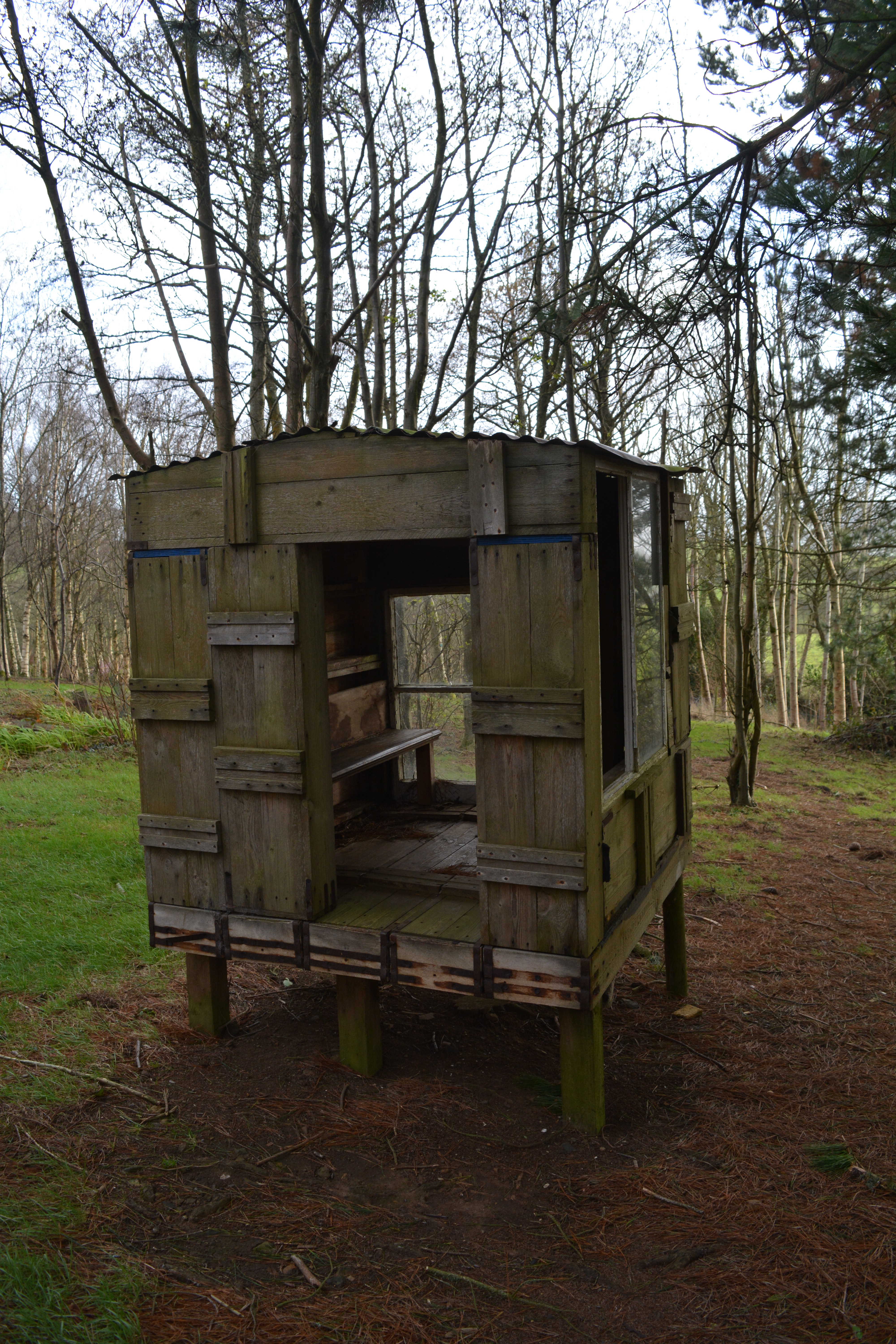
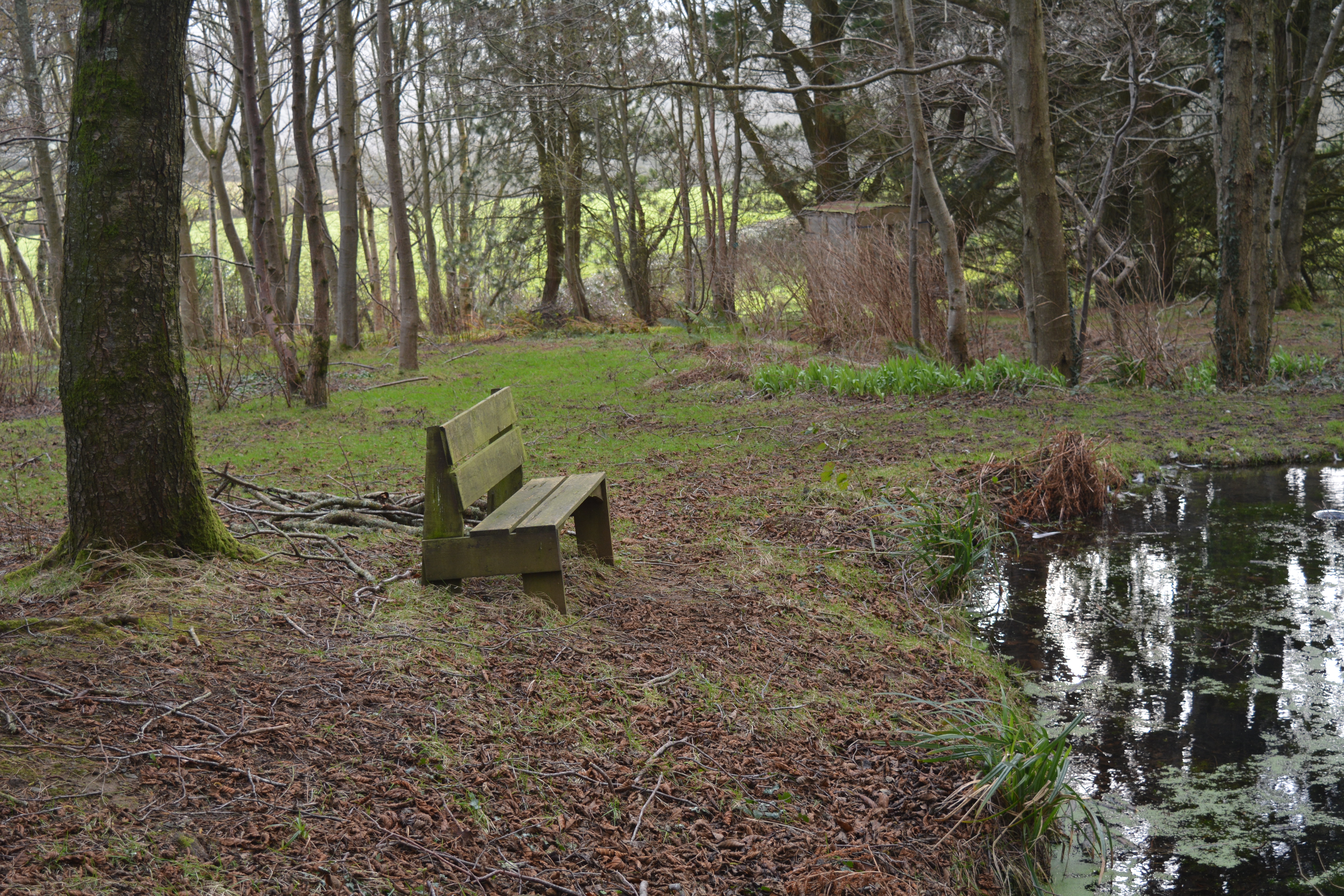
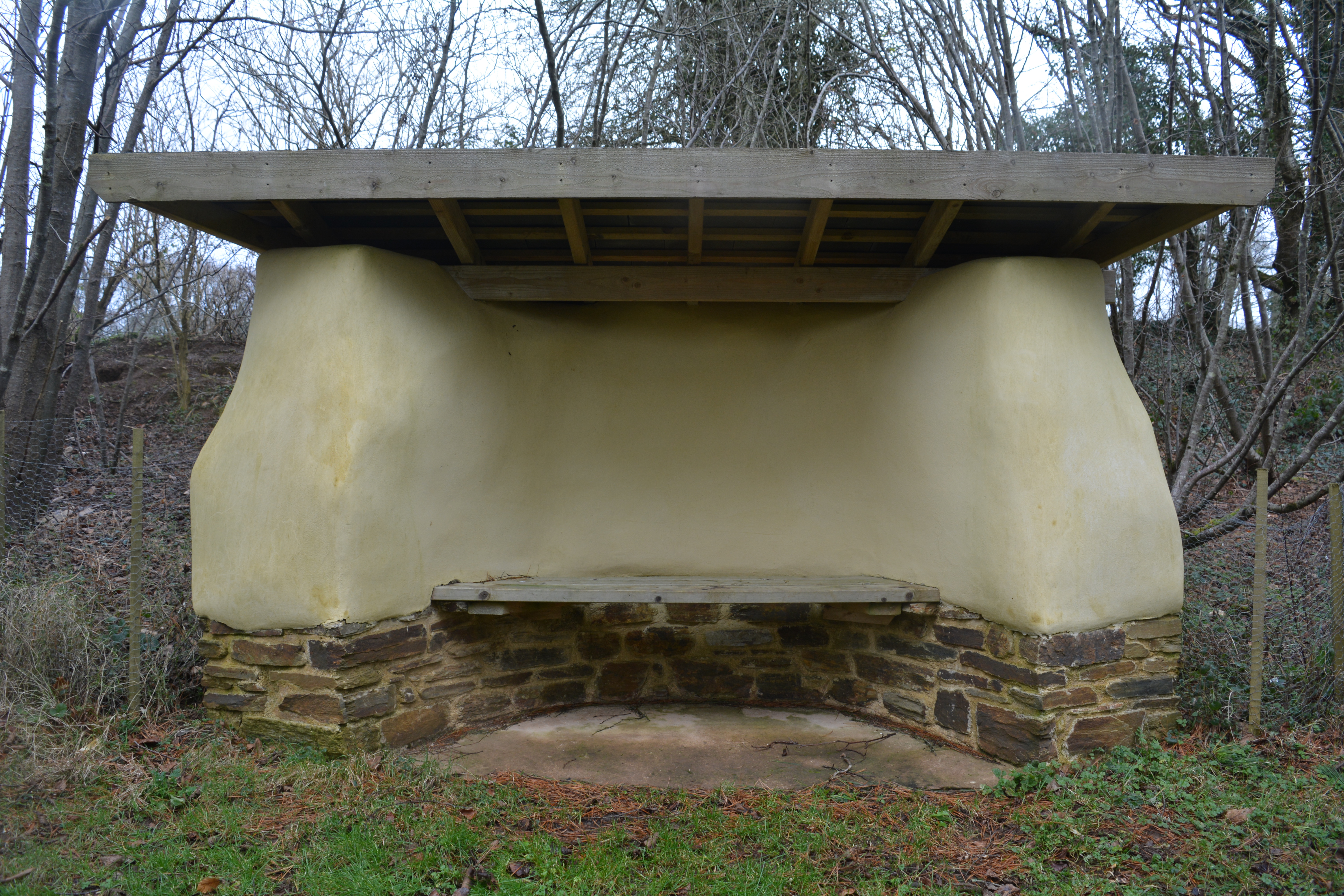
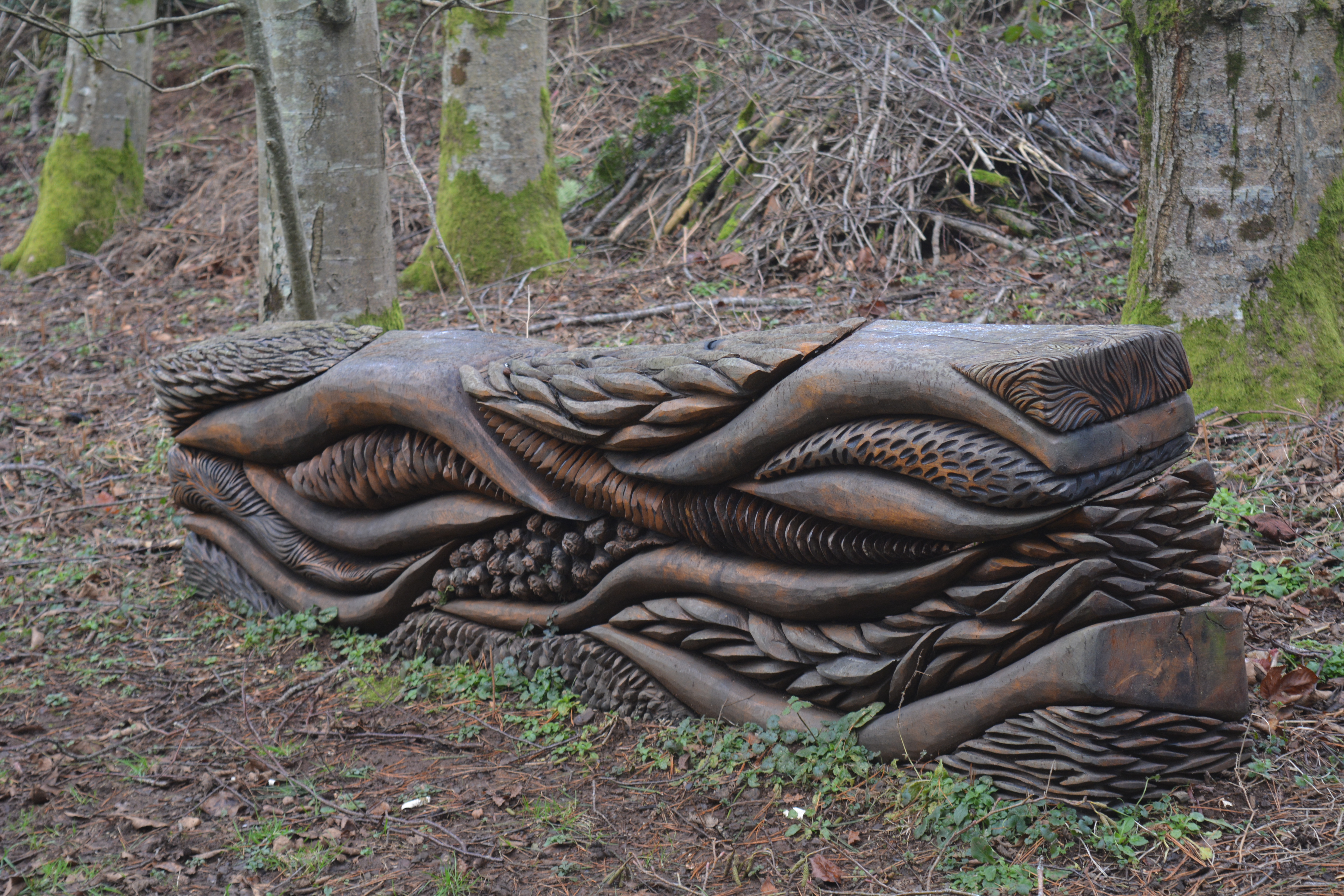
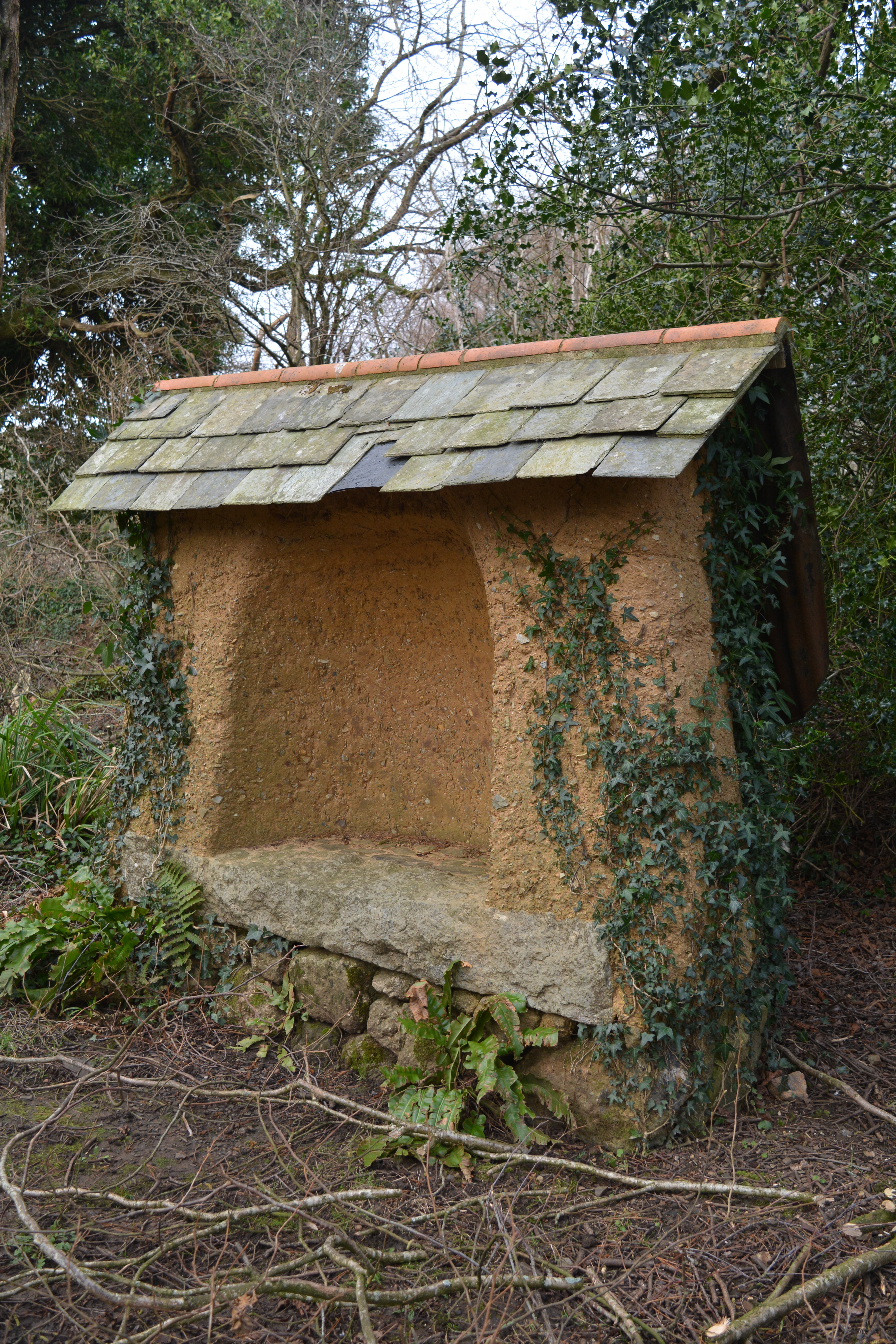
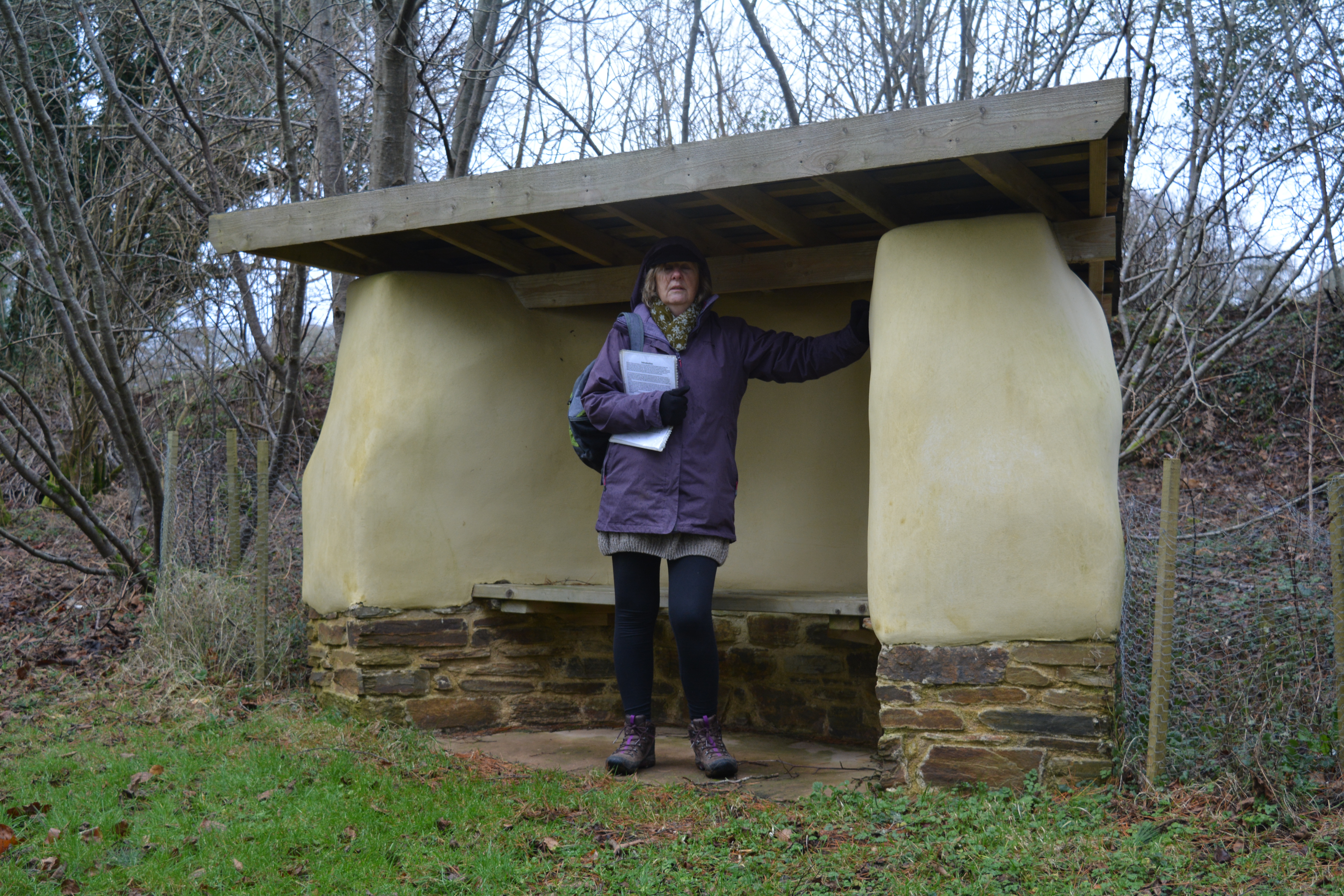
Here we are back with yet another post in this very occasional series all about garden seating. For parts 8 and 9 we will share with you a collection of seats we found while spending a few days in Devon.

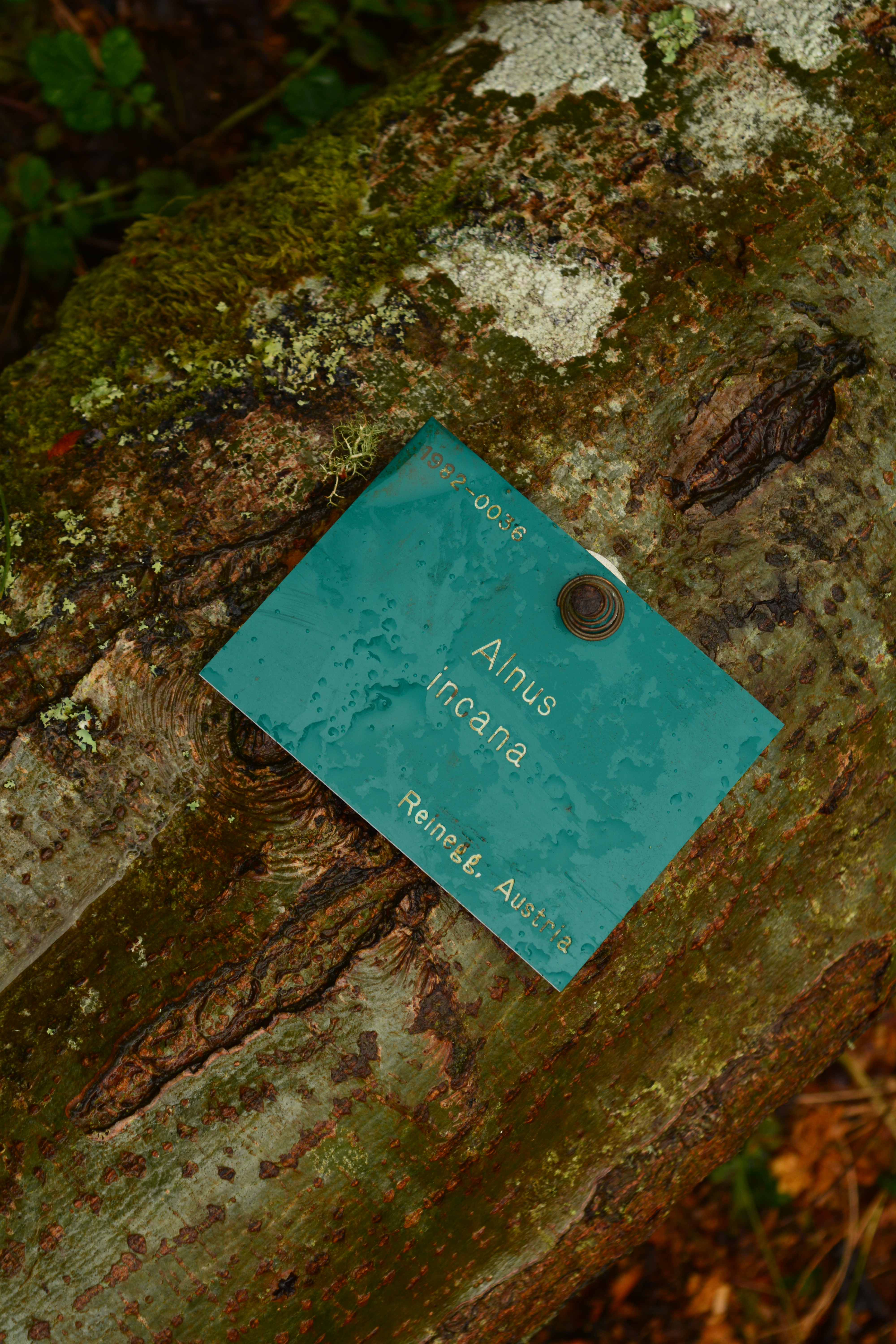
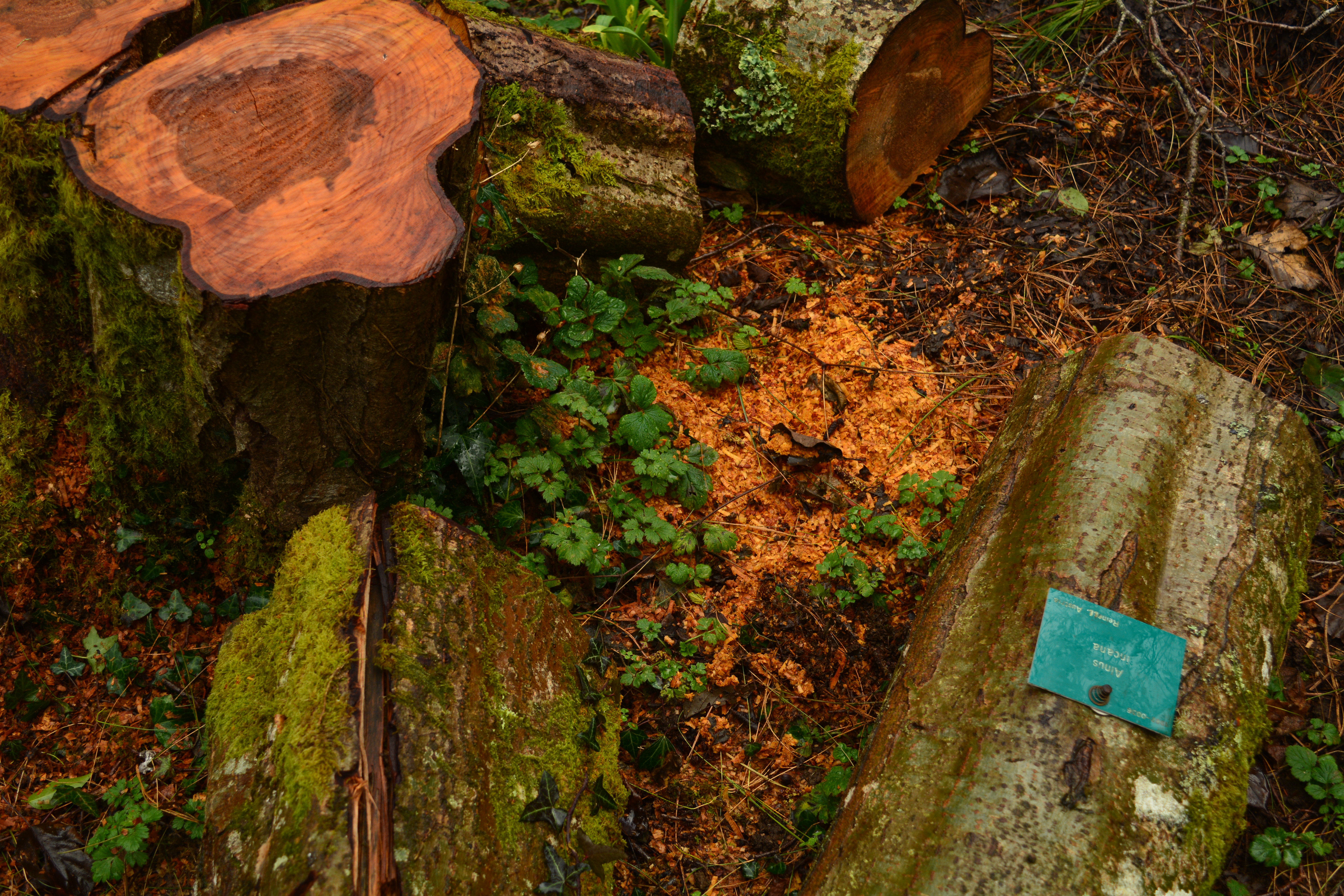
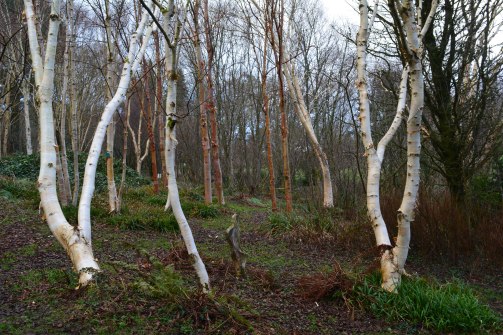
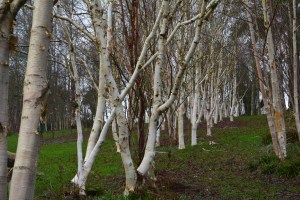
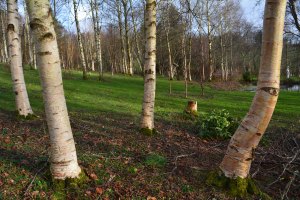
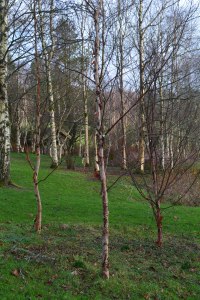
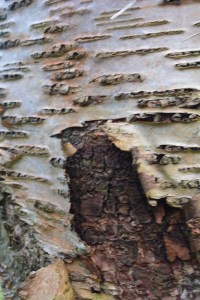
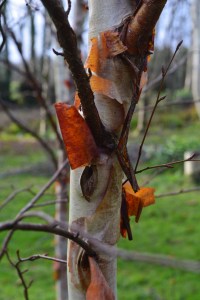
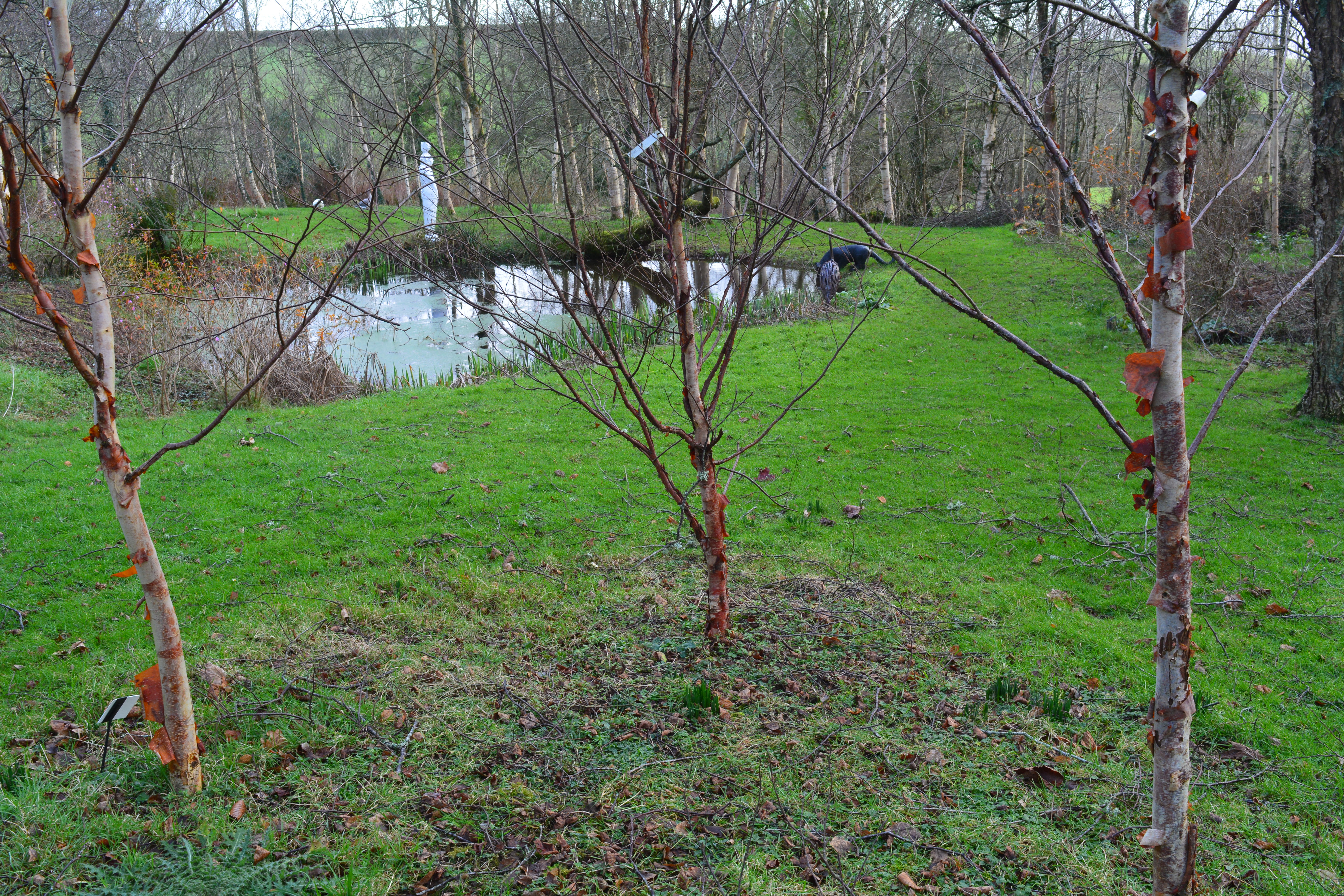
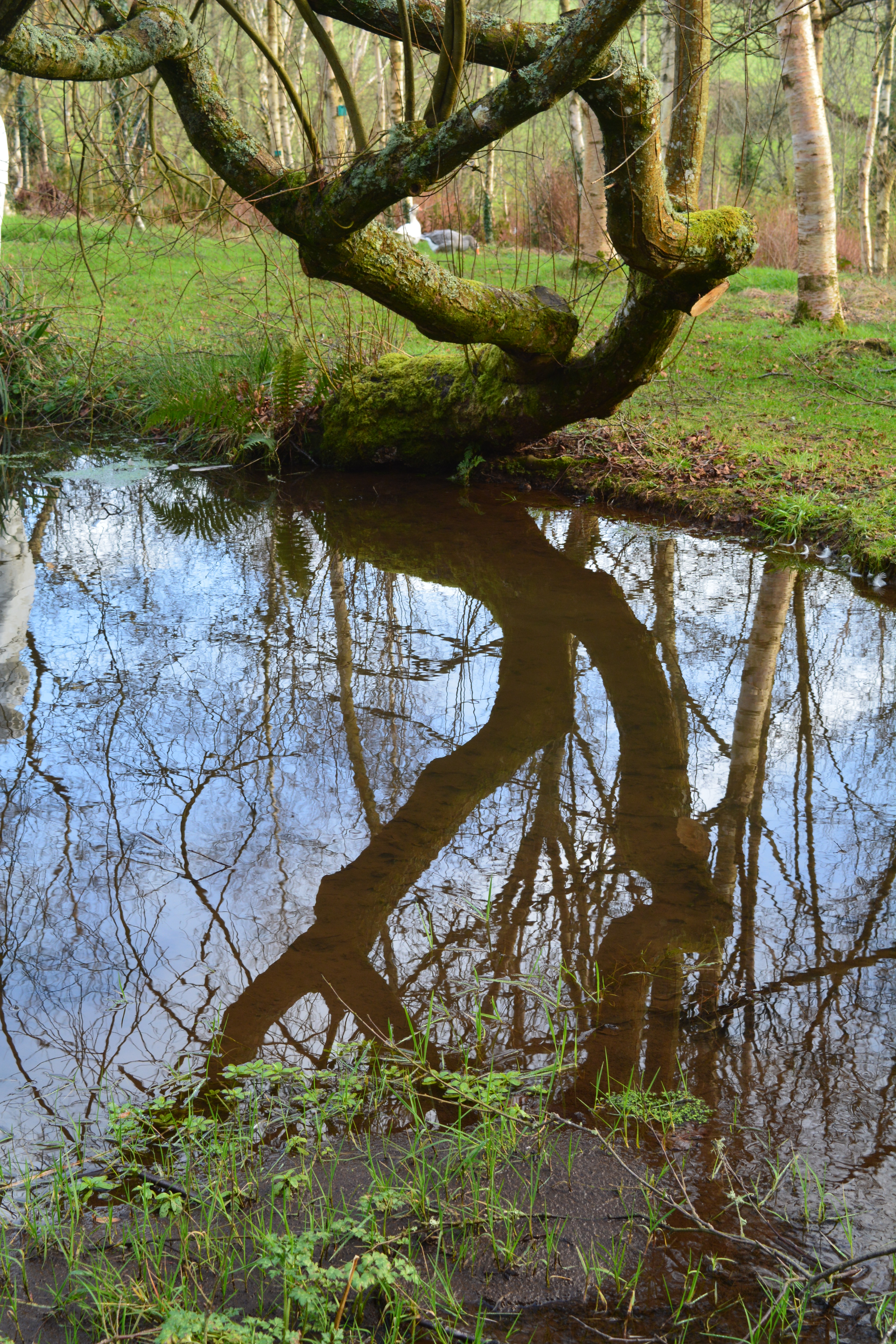
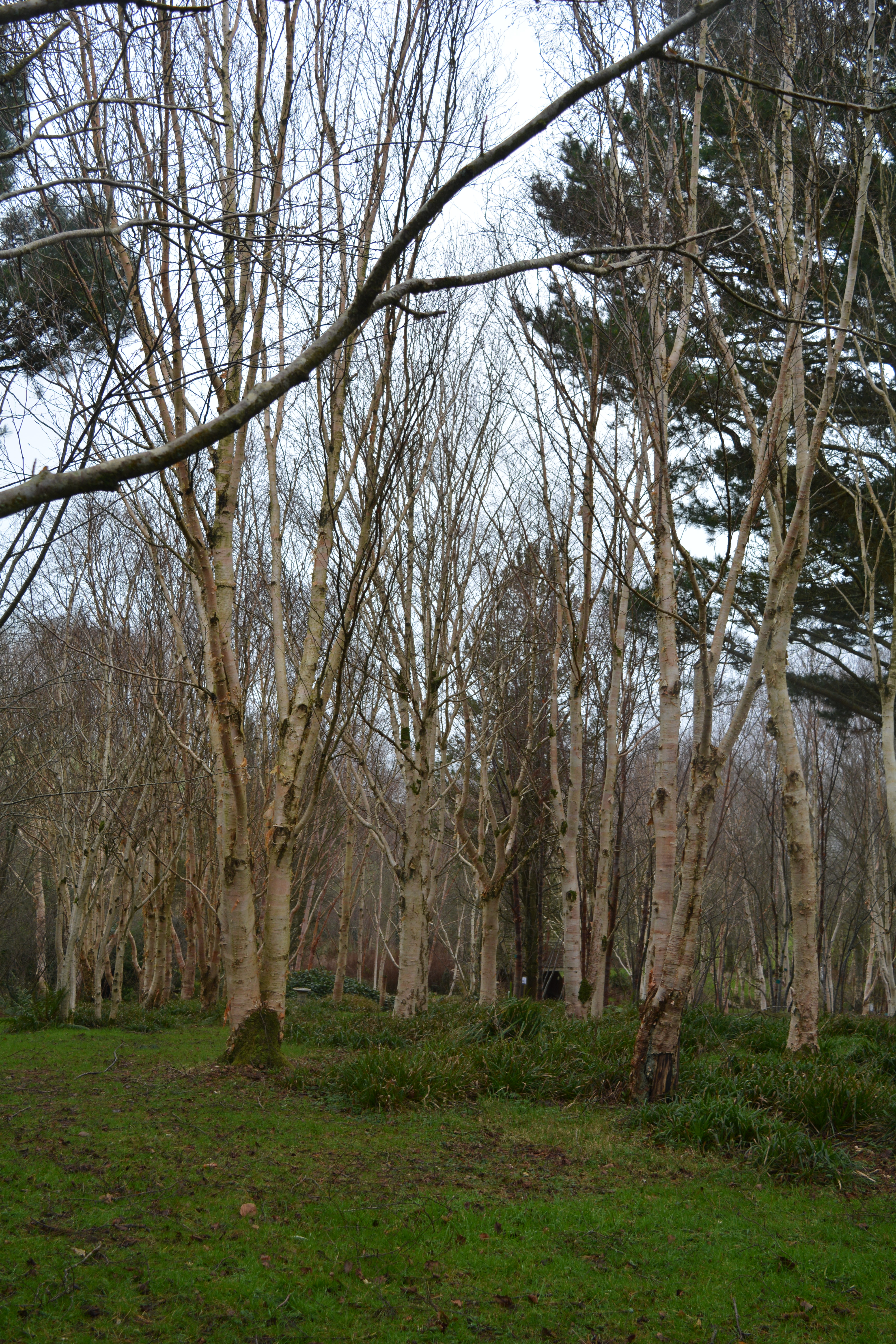
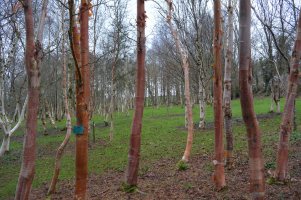
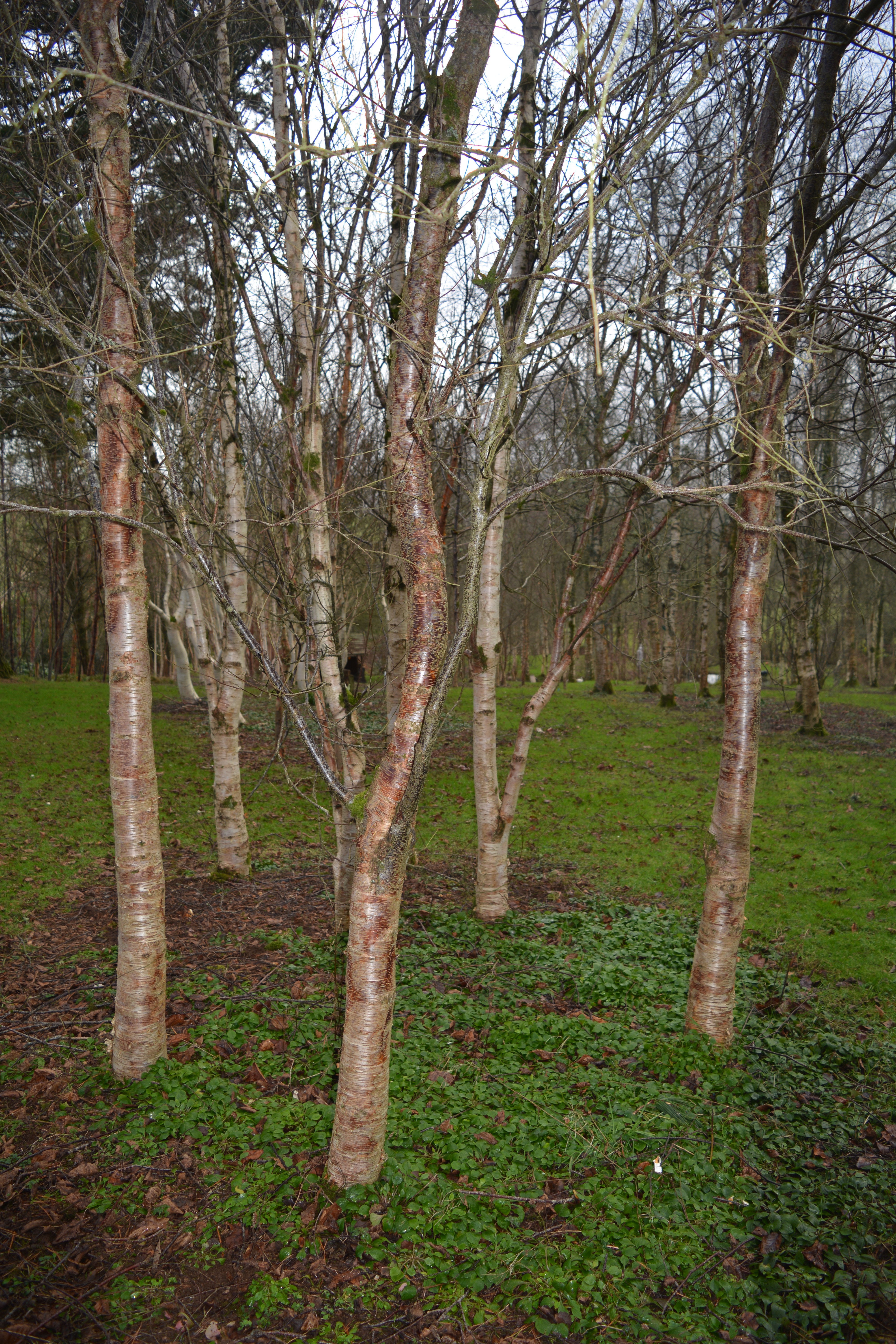
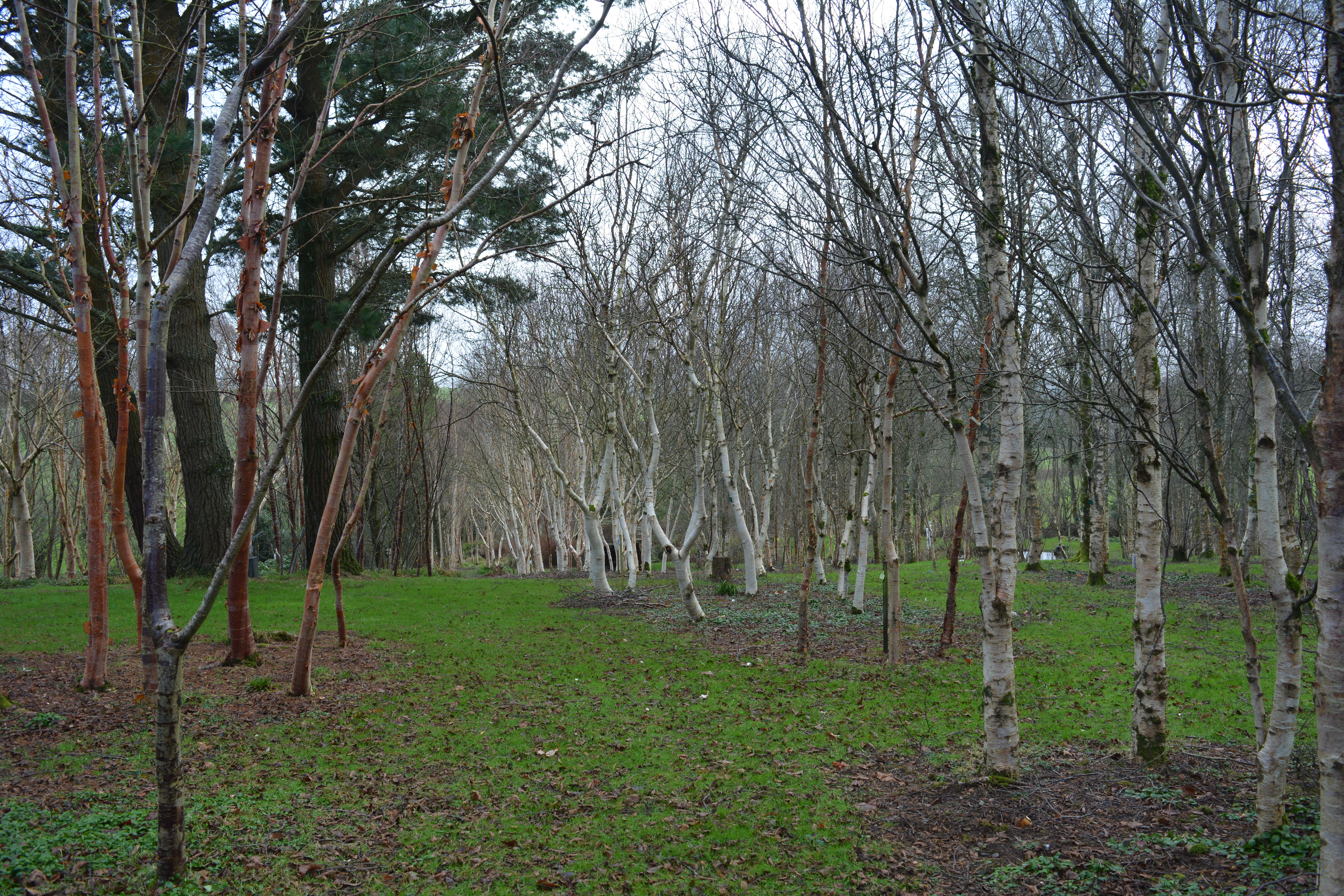
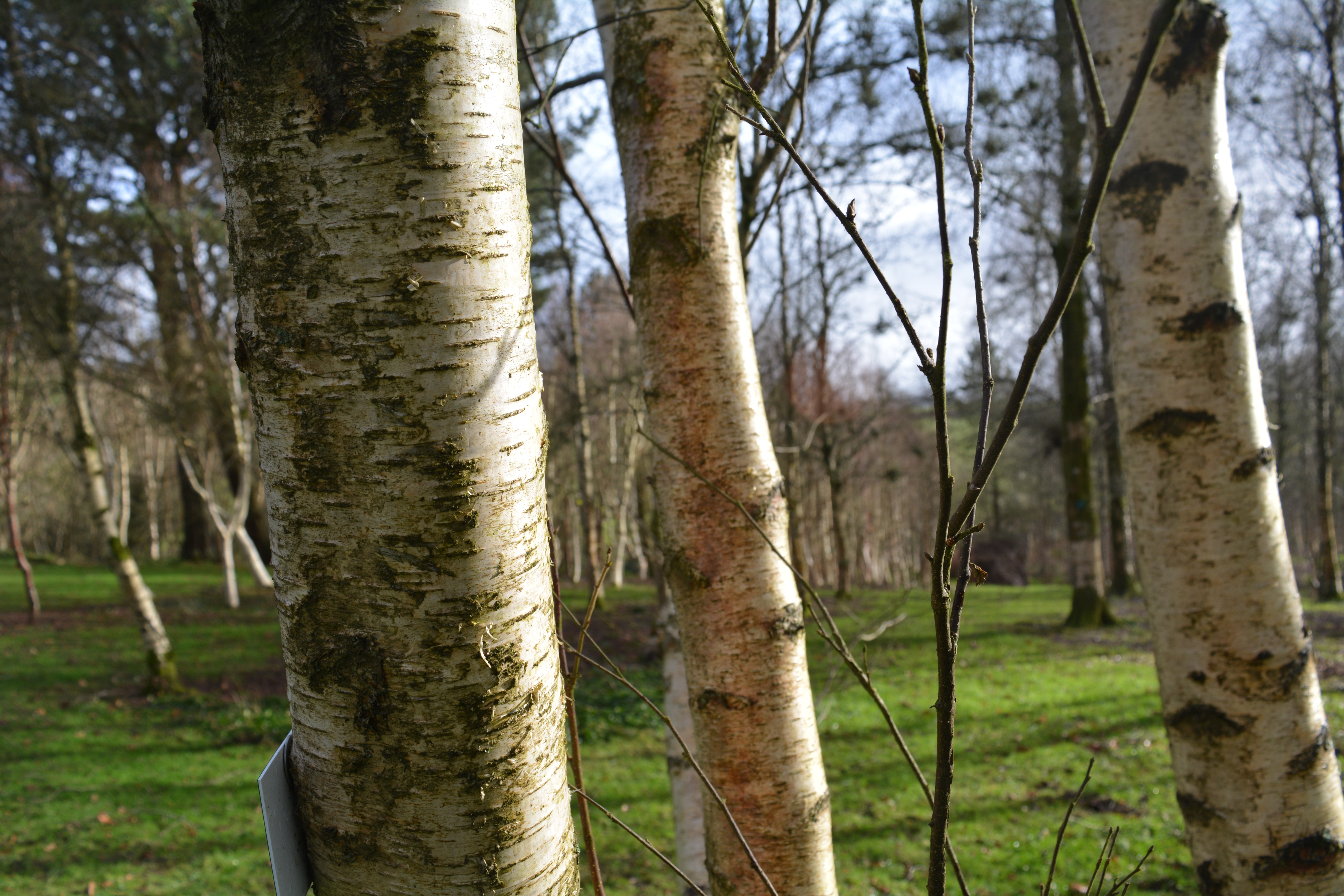
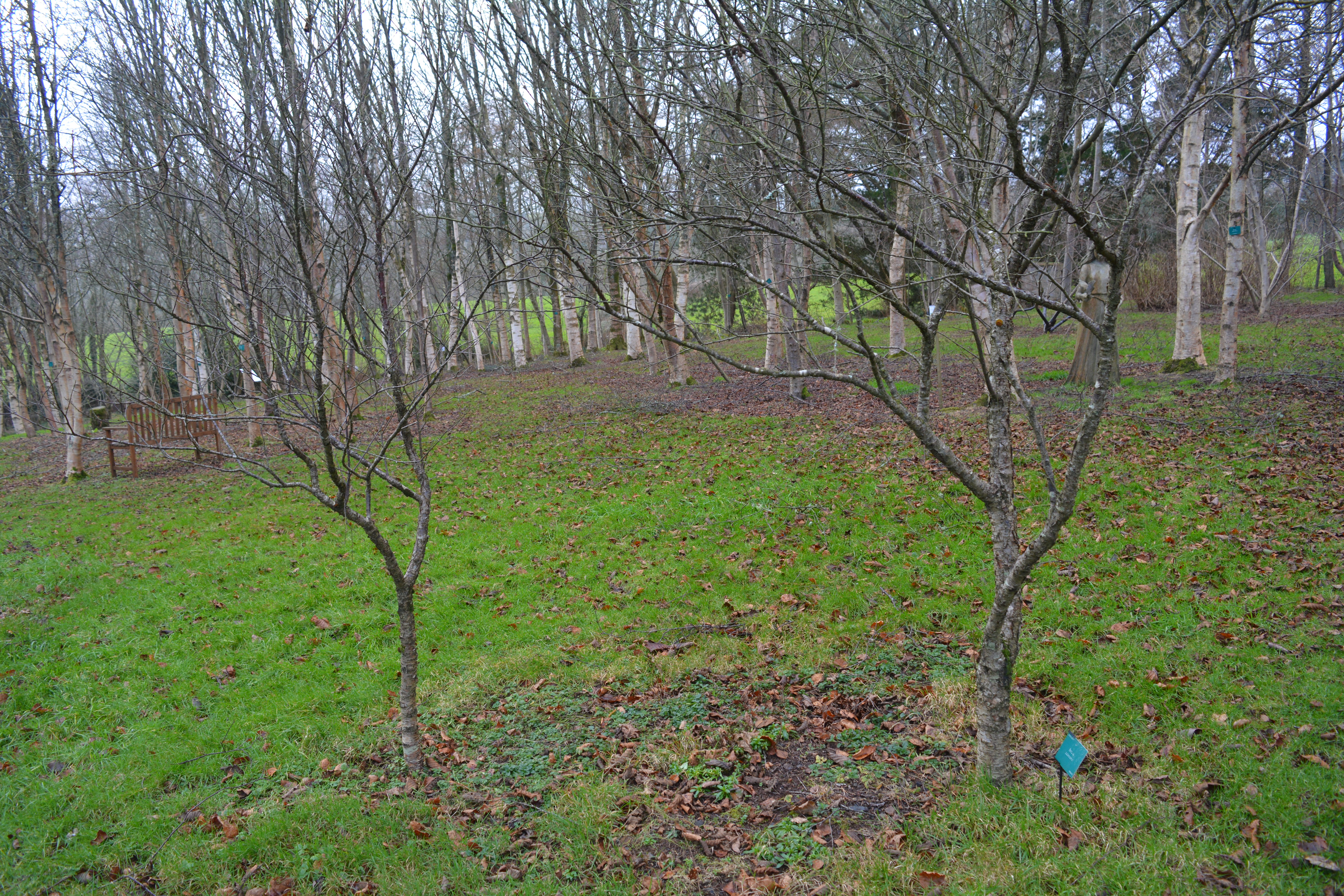
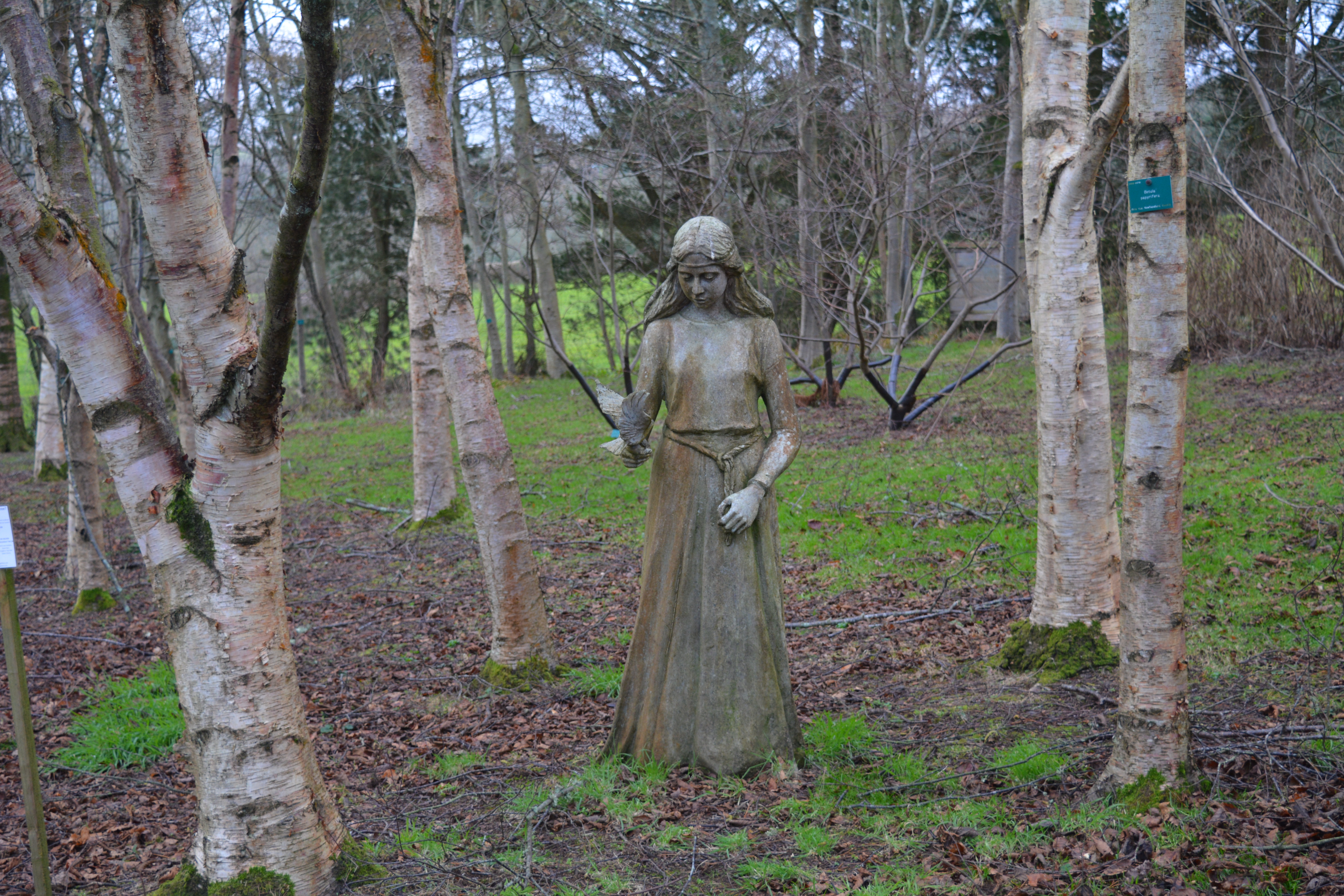
The first set of seats are to be found in the woodland garden of the Stone Farm Cottage Garden and Nursery. This garden boasts the National Collections of Betulas (Birches) and Alnus (Alders). We will look at these trees in a future post.

2016 02 03_8374 2016 02 03_8329 2016 02 03_8341 2016 02 03_8344 2016 02 03_8323 2016 02 03_8309 2016 02 03_8286 2016 02 03_8253 2016 02 03_8248 2016 02 03_8195 2016 02 03_8196 2016 02 03_8231 2016 02 03_8247 2016 02 03_8194

In the next post in my garden seats series we will share with you the seats we discovered at the RHS Rosemoor Garden.


Categories
garden design garden furniture garden photography gardening

Garden Entrances and Archways – No 1 of a very occasional series.

This will be another occasional series, similar to my “Are you sitting comfortably?”series which has been around for quite a long while now. Here I shall share with you those little features in gardens which entice us to take a particular routeway through a garden, enter a garden room or tempt us to follow a path or open a gate.

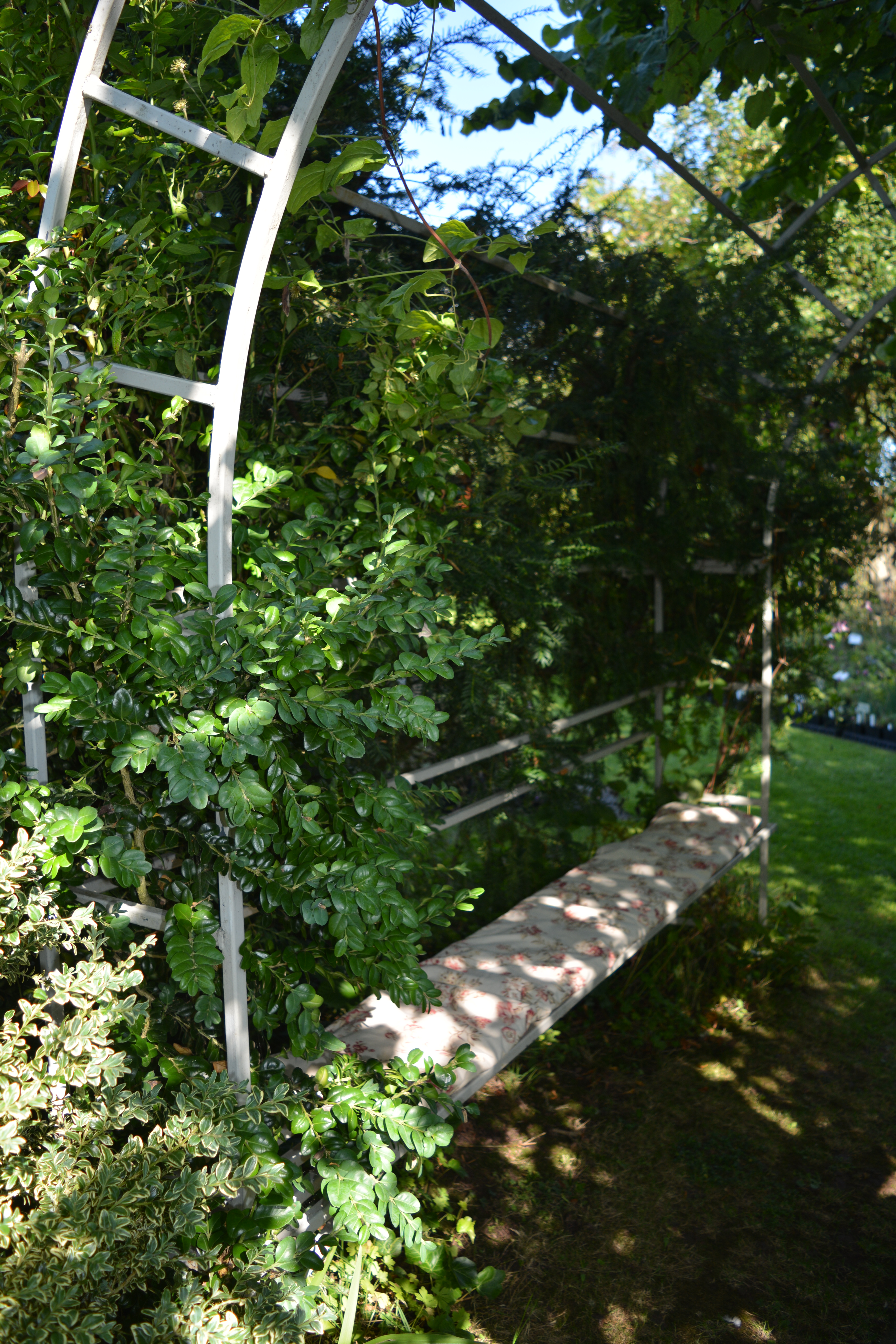
These features can be a beautifully crafted arch of metal or wood, perhaps even with a seat included to encourage us to sit and ponder what lays ahead ……………

2015 09 07_5032 2015 09 07_50312015 06 23_3085

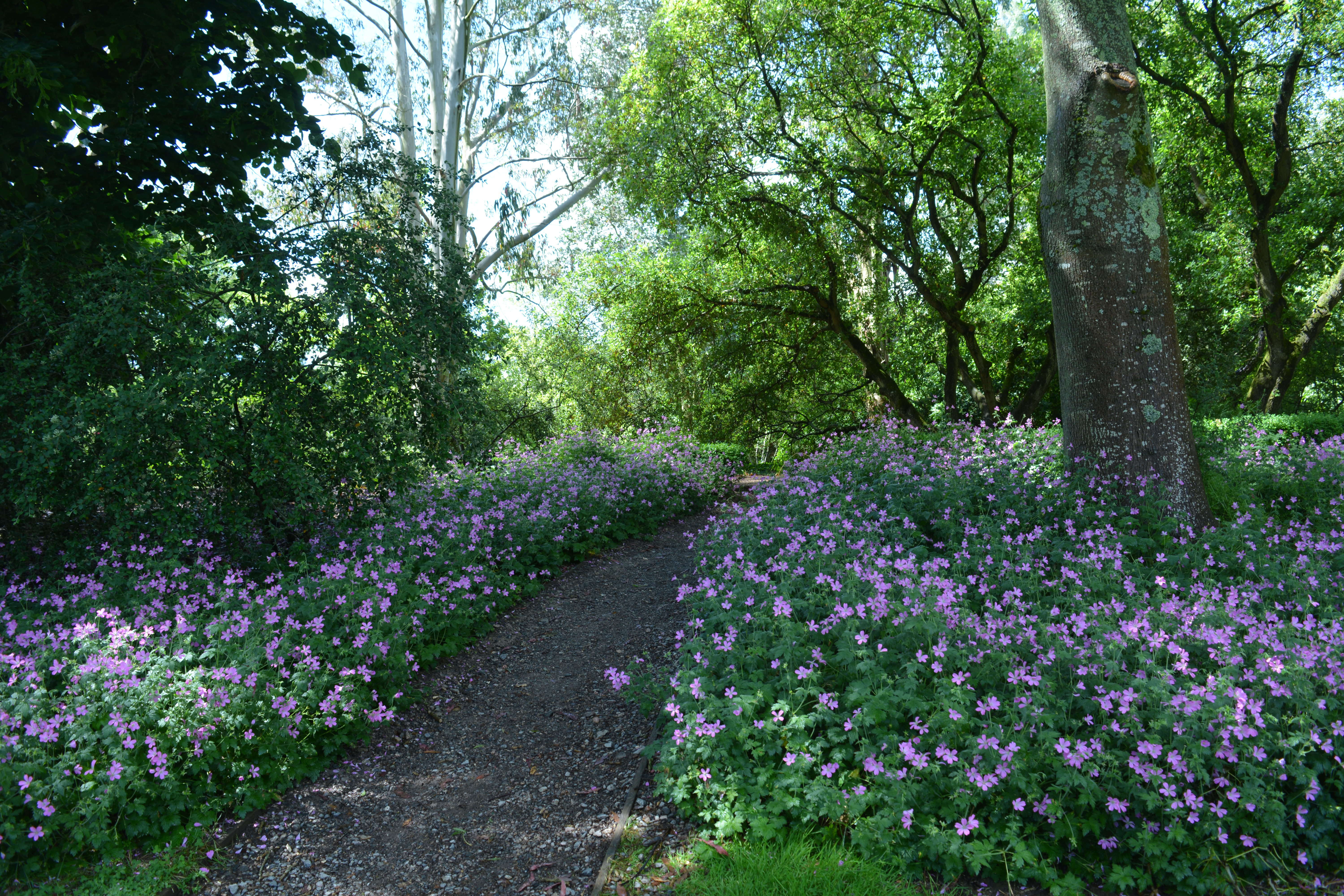
….. or simply a path framed by trees or borders to entice you onward …………..

2015 06 23_3033 2015 06 23_3044  2015 06 23_3074 2015 09 02_4927

……. or even just a gap between two beautiful apple trees or a narrow pathway to a comfortable seat.

2015 09 02_4950 2015 09 07_5034

Categories
architecture buildings Church architecture the sea the seaside the shore townscapes

Hampshire Seaside – Lymington

Here is another post to remind us of warmer sunnier days. It is the story of the second seaside town we visited while in Hampshire earlier this year.

Holidaying in the New Forest gave us access to beautiful countryside, trees aplenty to give us autumn colours and just to please Jude, the Undergardener, proximity to the sea. We spent two afternoons at the seaside, the first at Lymington and the second at Milford on Sea. In this post we will share our day at Lymington.

We got lost getting to the car park  in the town centre but after skirting the coast we went all around Lymington and by luck ended up parking right next to the quay.It was a better place to enjoy the town from than where we had intended to park and to make it even more convenient as we got out of the car our noses caught the aroma of fresh coffee! Brilliant car park! The coffee house was a converted boat house with views across the quay.

2015 10 19_6166 2015 10 19_6168 2015 10 19_6169

Once suitably refreshed and loaded with caffeine we wandered the old narrow streets close to the quay. We were taken by the amusing and original shop names and their signage.

2015 10 19_6164 2015 10 19_6163 2015 10 19_6162 2015 10 19_6161 2015 10 19_6160   2015 10 19_6167  2015 10 19_61652015 10 19_6219 2015 10 19_6218


We left the old town and wandered along Quay Road which ran parallel to the estuary. The many old boathouses have been converted into homes, business premises and holiday accommodation.

2015 10 19_6172 2015 10 19_6171 2015 10 19_6170 2015 10 19_6175 2015 10 19_6174 2015 10 19_6173  2015 10 19_6177 2015 10 19_6180

We passed several boat repair yards, marinas and boat builders. We were attracted to the sign of this boat builder, with its two letter B’s depicting yachts with wind-filled sails.

2015 10 19_6176 2015 10 19_6179

2015 10 19_6181 2015 10 19_6185 2015 10 19_6187 2015 10 19_6189 2015 10 19_6190 2015 10 19_6193

2015 10 19_6195 2015 10 19_6196

Jude the Undergardener could not resist playing in this old fashioned seaside entertainment.

2015 10 19_6192

Our walk took us away from the waterfront and back to the town’s main street, where we found buildings of different ages, old shops, churches and cinemas.

2015 10 19_6205 2015 10 19_6204 2015 10 19_6206 2015 10 19_6207 2015 10 19_6208 2015 10 19_6209

After a stop for coffee and cakes we walked back through the old village with its cobbled streets and tiny shops.

2015 10 19_6210 2015 10 19_6211 2015 10 19_6213 2015 10 19_6217

We had enjoyed our day by the sea even though we found no sandy beach to walk on or even shingle to crunch through.

Categories
buildings colours photography the sea the seaside the shore

Hampshire Seaside – part two – Milford

To bring some sunshine to a very dull January let us turn the clock back and enjoy a visit to the Hampshire coast.

While in Hampshire we drove down through the New forest avoiding cattle, donkeys, pigs and ponies on the road and down to Milford on Sea.

2015 10 20_6472

Just like Lymington this small seaside town overlooked the famous stretch of water, the Solent and beyond the Solent we had views of the Isle of Wight. Frequent ferries trundled passengers and vehicles over to the island and back. The Solent as expected was busy with yachts and launches.

2015 10 20_6445 2015 10 20_6447  2015 10 20_6464 2015 10 20_6465 2015 10 20_6466  2015 10 20_6468 2015 10 20_6469 2015 10 20_6470

The cliffs here defied any sense of scale. In the photos below the cliffs look as tall as any along the south coast, but in reality were merely 12 ft or so in height.

2015 10 20_6471 2015 10 20_6467

Whenever we visit the sea we look out for beach huts as they are so colourful, so full of character and a close look reveals interesting details of colour and texture. So we were delighted to come cross a small street of them at the end of our beach promenade.

2015 10 20_6448

As usual when we find them my camera worked hard to capture their spirit. I hope you enjoy my little gallery dedicated to them. As usual click on the first pic and then navigate with the arrows.


Categories
flowering bulbs garden photography gardening gardens gardens open to the public ornamental trees and shrubs spring bulbs Staffordshire trees Winter Gardening winter gardens

The Dorothy Clive Garden in January – Part 2

So here we are back at our feature garden for 2016, the Dorothy Clive Gardens on the border of Shropshire and Staffordshire. I will start with some views from around the garden. It will be interesting to see how these views change through the year.

2016 01 17_7790 2016 01 17_78062016 01 17_7856 2016 01 17_78672016 01 17_7911 2016 01 17_7879

Let us now look at the bright red colours of berries and the more subtle browns and biscuit colours of seedheads of Hydrangeas and Phlomis.

2016 01 17_7828 2016 01 17_7829 2016 01 17_7801_edited-12016 01 17_7802_edited-1 2016 01 17_7826_edited-1

The delicate beauty of these seed heads deserved a very close look to fully appreciate them.

2016 01 17_7831_edited-1 2016 01 17_7832_edited-1

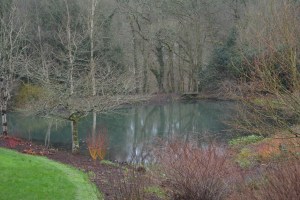
We walked down the gentle slope towards the pond and the scree garden around it. Throughout the other seasons the borders here will be glowing with colour and full of exuberant growth.

Different textures together add interest to the winter garden where the bare stems of deciduous shrubs and perennials sit alongside bright new growth which are the promises of spring and summer.

2016 01 17_7913 2016 01 17_7906 2016 01 17_7912 2016 01 17_79042016 01 17_7892 2016 01 17_7889

The Rose Garden looks very bleak in the winter when its bones are revealed, the obelisks and arches of black metal and the bare unpruned stems of the roses.

2016 01 17_7901

Near the bottom of the slope we came across a stand of three old Birches and a single tall specimen nearby. In the border here obelisks have been created from the trunks of felled Birches. It is good to see them given a second life.

2016 01 17_7890 2016 01 17_78952016 01 17_7900 2016 01 17_7894

We spotted this architectural looking plant as we walked back up the slope and we were both unsure what it was but came to the conclusion it was a Tetrapanax.

2016 01 17_7888

2016 01 17_7887 2016 01 17_7886

We are not really fans of conifers but admit that in the winter they can give strong structure to the garden.

2016 01 17_7884 2016 01 17_7883 2016 01 17_7878 

I will finish off with a selection of photos, a rustic seat, a terracotta bird box on an old brick shed, a larger then life statue of a stag above a stream and pool and finally a snow topped sundial on a sunless day.

2016 01 17_7852 2016 01 17_78722016 01 17_7834 2016 01 17_7910

That is it for our January exploration of our featured garden for 2016, The Dorothy Clive Garden. We are already looking forward to our February visit when we may see more signs of spring bulbs in flower and some more early flowering shrubs.


Categories
colours flowering bulbs garden photography gardening gardens gardens open to the public grasses hardy perennials ornamental grasses ornamental trees and shrubs Shropshire Staffordshire trees Winter Gardening winter gardens

The Dorothy Clive Garden Month by Month – January

This is the report of our first visit to this year’s featured garden, the Dorothy Clive Garden. We have been making occasional visits to this beautiful garden for about forty years now and have enjoyed many new developments for this is not a garden to rest on its laurels. It is affiliated to the Royal Horticultural Society and is run by the Friends of Willoughbridge Garden Trust.

2016 01 17_7903_edited-1

The garden was born way back in 1940 when Harry and Dorothy Clive lived in the large white house, Elds Gorse. The first area to be tackled was the old quarry which is now a richly planted Dingle Garden. Harry Clive created this first part of the garden so that his wife, who was suffering from Parkinson’s Disease could take daily exercise in a beautoful garden. Sadly she died in 1942 and Harry continued to develop the garden as a tribute to his wife. In 1958 the Willoughbridge Trust was founded to ensure that the garden continued for ever as a place of “rest and recreation” for the public.

2016 01 17_7843_edited-1

We made the one hour journey to the Dorothy Clive Garden on a very cold morning in mid-January. We were surprised to drive through areas of snow and arrived at the garden to find snow covering the garden in a shallow layer. We left our tracks in the snow as did a Grey Heron before us.

2016 01 17_7785 2016 01 17_78002016 01 17_7846

Snow decorated the foliage of trees and shrubs where later in the year we will discover the colours and scents of their flowers. The weight of wet melting snow bent grasses down towards the ground and gave the plants a graceful shape.

2016 01 17_7786 2016 01 17_7788 2016 01 17_7789 2016 01 17_7791 2016 01 17_7792 2016 01 17_7793  2016 01 17_7794 2016 01 17_7807

The first view of the garden opened up before us as we climbed a gently sloping path towards the tea shop which in winter doubles up as the ticket office. Naturally we were tempted by the aroma of warm coffee and the sight of home made cakes. The little flower arrangements in the centre of each table added to the warm welcome we received from the staff.

2016 01 17_7790 2016 01 17_7798

Just outside the tearoom the little nursery area held plants hidden under snow and sculptures of rabbits and hares wearing hats of snow. The gardeners had been painting acorn fence-post tops a gentle shade of green.

2016 01 17_77952016 01 17_7796 2016 01 17_7797

We left the tea shop and mini-nursery to walk towards the Dingle Garden an area of woodland garden created in an old quarry. Snow topped off the buds and leaves of Azaleas and Rhododendrons and the seed heads of the occasional herbaceous perennials.

2016 01 17_7804 2016 01 17_7870 2016 01 17_7874 2016 01 17_7815 2016 01 17_7808 2016 01 17_7813

But we were particularly delighted to find flowers out, the simplest of Snowdrops with droplets of melted snow hanging from their stems, the occasional Rhododendrons and Camellias and Witch Hazels in sunshine colours.

2016 01 17_7809 2016 01 17_7810 2016 01 17_7811 2016 01 17_7836

The overnight snow and ice had turned this pink Rhododendron translucent and delicate, while the flowers in the Camellia Walk were just managing to hang on. The pink scented flowers of this Daphne however shrugged off the cold and looked fresh and cheerful.

2016 01 17_7827 2016 01 17_7818_edited-12016 01 17_7902 2016 01 17_79052016 01 17_7881_edited-1

Hydrangeas looked as good covered in seed heads as they do in flower with gentle biscuit and ginger hues.

2016 01 17_7819 2016 01 17_7825

During the winter when undergrowth has died away and low growing deciduous shrubs have dropped their leaves the trunks of Rhododendrons and Azaleas are exposed. We can then appreciate their amazing scrolls and curlicues.

2016 01 17_7821 2016 01 17_7822 2016 01 17_7830 2016 01 17_7823 2016 01 17_7824 2016 01 17_7868

The new winter garden at the Dorothy Clive Garden was a surprise to us as it is totally new so we didn’t know it existed. A great surprise! The Laburnum Arch through which we left the Winter Garden has been a popular feature of the garden for many years.

2016 01 17_7837 2016 01 17_7838 2016 01 17_7842 2016 01 17_7844 2016 01 17_7845 2016 01 17_7847

The colours and textures of trees can add so much to any garden and the gardeners at Dorothy Clive certainly know how to choose them and place them to best advantage.

2016 01 17_7850 2016 01 17_7857 2016 01 17_7860 2016 01 17_7864 2016 01 17_7866 2016 01 17_7869

You only need the tiniest touch of light on berries to make them sparkle. The last drops of melting snow hung on many.

2016 01 17_7898 2016 01 17_7897_edited-1

Mahonias are always a good plant in any garden with their glossy evergreen leaves which show rich autumn colours and in the winter yellow scented flowers appear to be followed by black berries with a white floury dusting.

2016 01 17_7885 2016 01 17_7891

We shall return for part two of this January visit to our feature garden of 2016 to see what other treats the Dorothy Clive Garden has in store for us.


Categories
arboreta autumn autumn colours colours garden buildings garden photography gardens gardens open to the public ornamental trees and shrubs sculpture trees

Arboreta in Autumn – Batsford Part 2

As we return to Batsford we are still wandering along the pathway that promised us views of plen1ty of unusual and beautiful trees and shrubs. Being autumn of course gives us the added benefits that it brings – yellows, oranges and reds in every shade possible. Many are on the ground at our feet so rather than just their colours we enjoyed their sounds as we scrunched through them with our boots and kicked them into the air bringing back childhood memories. Jude the Undergardener and I have frequent childhood memories which we have to relive.

Think of autumn colour and for many the first plant to spring into the mind is the massive family of Acers. Batsford has dozens of varieties both trees and shrubs.

2015 10 21_6557 2015 10 21_6558  2015 10 21_6560 2015 10 21_6562 2015 10 21_6563 2015 10 21_6570 2015 10 21_6571 2015 10 21_6578 2015 10 21_6599 2015 10 21_6583

We were drawn in by the sight of raspberry coloured seed pods shaped like arthritic old fingers. They were hanging on a Magnolia x veichii “Peter Veitch”, with its large pleated leaves.

2015 10 21_6566 2015 10 21_6568

The scent from these lovely acid yellow Mahonia reminded us of pineapples which made our mouths water!

2015 10 21_6573 2015 10 21_6574

We have a Liquidamber styraciflua “Worplesdon” in our front garden which is fastigiate so takes up little room, but this beauty would dwarf an awful lot of our other plants. The Liquidamber styraciflua here is a beautiful tree as are all Liquidamber.

2015 10 21_6576 2015 10 21_6577

There is more to this arboretum than trees and shrubs as we discovered when we came across this Japanese style building and oriental sculptures, all adding a little eastern spice.

2015 10 21_6579 2015 10 21_6580 2015 10 21_6592 2015 10 21_6586

This sculture was equally beautiful but was simply created by Mother Nature as the top of this tree had died away.

2015 10 21_6613 2015 10 21_66142015 10 21_6615

Wherever I go in the autumn and winter I keep an eye out for dried seed heads and flower heads as I enjoy their colours, shapes and textures. I managed to manoeuvre my self and my camera to photograph these against dark leafy backgrounds.

2015 10 21_6593 2015 10 21_6594 2015 10 21_6595 2015 10 21_6596 2015 10 21_6597

Just a few shots now to illustrate how much colour can be found around trees in this autumnal period.

2015 10 21_6600 2015 10 21_6601 2015 10 21_66062015 10 21_6602 2015 10 21_6604 2015 10 21_6603

The pale raspberry coloured fruit of Cornus x cousa “Norman Hadden”  once ripe will be enjoyed by the local Blackbird population but they look good before they disappear.

2015 10 21_6608 2015 10 21_6609

So that is it for our visit to Batsford Arboretum for now but I feel sure we will be back.

Categories
arboreta garden photography gardening gardens gardens open to the public ornamental trees and shrubs shrubs trees

Arboreta in Autumn – part 2 – Batsford

We made a special effort to get to see several different arboreta this autumn. We visited our friend Richard’s arboretum twice, then drove northward to the Bluebell Arboretum and Nurseries and finally south to Batsford Arboretum in Gloucestershire.

Batsford is one of the biggest and oldest arboreta in the UK and a very well-known one so provided a good contrast to Richard’s place and Bluebell as these are relatively small and both just over 20 years old. Their own publicity leaflet describes Batsford as “The Cotswold’s Secret Garden” but judging by the number of visitors even on a dull day it seemed far from a secret.

2015 10 21_6477 2015 10 21_6475

New borders lined the gently sloping pathway leading down from the car park to the reception area. The beauty of the planting here which included this yellow berried Sorbus and two very different Indigofera, prepared us for the treats we had in store.

 2015 10 21_6474 2015 10 21_6473 2015 10 21_6479 2015 10 21_6481

After walking just a few yards from the entrance we came across a special tree – one of those specimens that stops you in your tracks and starts the brain and memory off trying to work it out. It was like a Cotoneaster in leaf and growth habit but it had black berries rather than the more usual red. Luckily it had a label and it was indeed a black berried Cotoneaster. Here was a plant we had never seen before or even knew existed. It is called Cotoneaster moupinensis. This was going to be a good day!

2015 10 21_6485

Contrasting leaves in shape and size make for good plant combinations, such as this large leaved Dalmera paltata in front of the delicately leaved Acer palmatum. We liked the contrast between the slim fragile white Fuschia flower and the gritty surface of a capping stone as we crossed over a bridge.

2015 10 21_6486 2015 10 21_6487

Autumn visits to any arboretum means colourful foliage but we always find flowers of interest flowering in this season too, Hydrangeas, Viburnum and an unusual flowered Heptacodium.

2015 10 21_6488 2015 10 21_64892015 10 21_6491 2015 10 21_6517

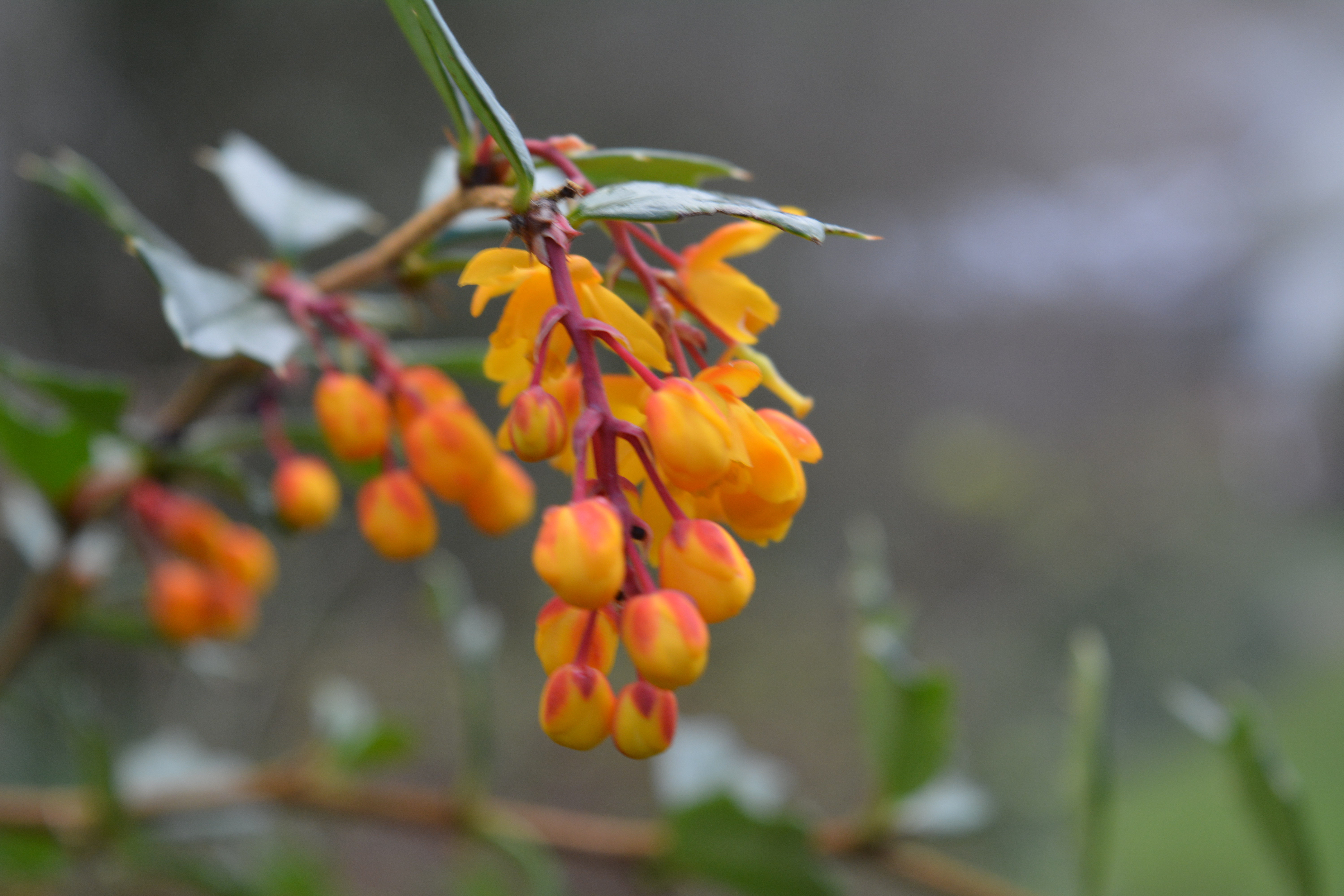
Berries too caught our attention among the colours of fire, the yellows, oranges and reds especially this particular Berberis dripping with long racemes of red berries. Nearby rose hips dripped from the plant which had lost all its leaves.

2015 10 21_6492 2015 10 21_6514

Sorbus pseudohupahensis “Pink Pagoda” bears berries of pin and white which from a distance gives the affect of pink mist. Another Sorbus attracted us by the sheer size of its pure white berries, Sorbus cashmeriana.

2015 10 21_6523 2015 10 21_65222015 10 21_6539 2015 10 21_6537

Sorbus scalaris like most Sorbus displays red berries but what is most noticeable with this tree is the uniformity of its foliage which was hanging on into the autumn.

2015 10 21_6552

Remember the Dalmera peltatum  which I showed teamed up with an Acer, well we found several large clumps of this bog-loving plant around Batsford. I enjoyed getting up close and looking through the Nikon lens at the details of their giant leaves.

2015 10 21_6494 2015 10 21_6495 2015 10 21_6496 2015 10 21_65012015 10 21_6502

No arboretum visit in the autumn can be reported without celebrating the family of Acers. Enjoy!

2015 10 21_6503 2015 10 21_65112015 10 21_6510 2015 10 21_65162015 10 21_6533 2015 10 21_65272015 10 21_6509 2015 10 21_65282015 10 21_6547 2015 10 21_65412015 10 21_6554 2015 10 21_6540

As well as the bright changing colours of the leaves and the appearance of berries there is one tree that we appreciate in autumn for its pale yellow coloured autumn foliage but this foliage as it falls has an amazing sweet smell like brittle toffee, burnt sugar or toffee apples. Cercidyphylum japinicum

2015 10 21_6497 2015 10 21_6498

As we moved on along the trail we were literally stopped in our tracks at the sight of the Berberis with its incredibly long and unusually coloured racemes of flowers.

2015 10 21_6500 2015 10 21_6504

Around the next bend in the path this beautifully coloured cherry tree glowed a salmon pink colour and we rushed to read its label. We discovered it was a close relative of a tiny flowering cherry we grow in our Japanese Garden at home, Prunus incisa “Kojo-no-mai”. This much larger tree was Prunus incisa fuginaea, the Fuji Cherry. We could only guess at how spectacular it must look in flower.

2015 10 21_6505 2015 10 21_6506 2015 10 21_6508

We wandered on stopping frequently to look for labels, sometimes to confirm what we thought trees and shrubs and sometimes to find out.

2015 10 21_6512  2015 10 21_6515   2015 10 21_6518 2015 10 21_65202015 10 21_6530 2015 10 21_6531 2015 10 21_6532

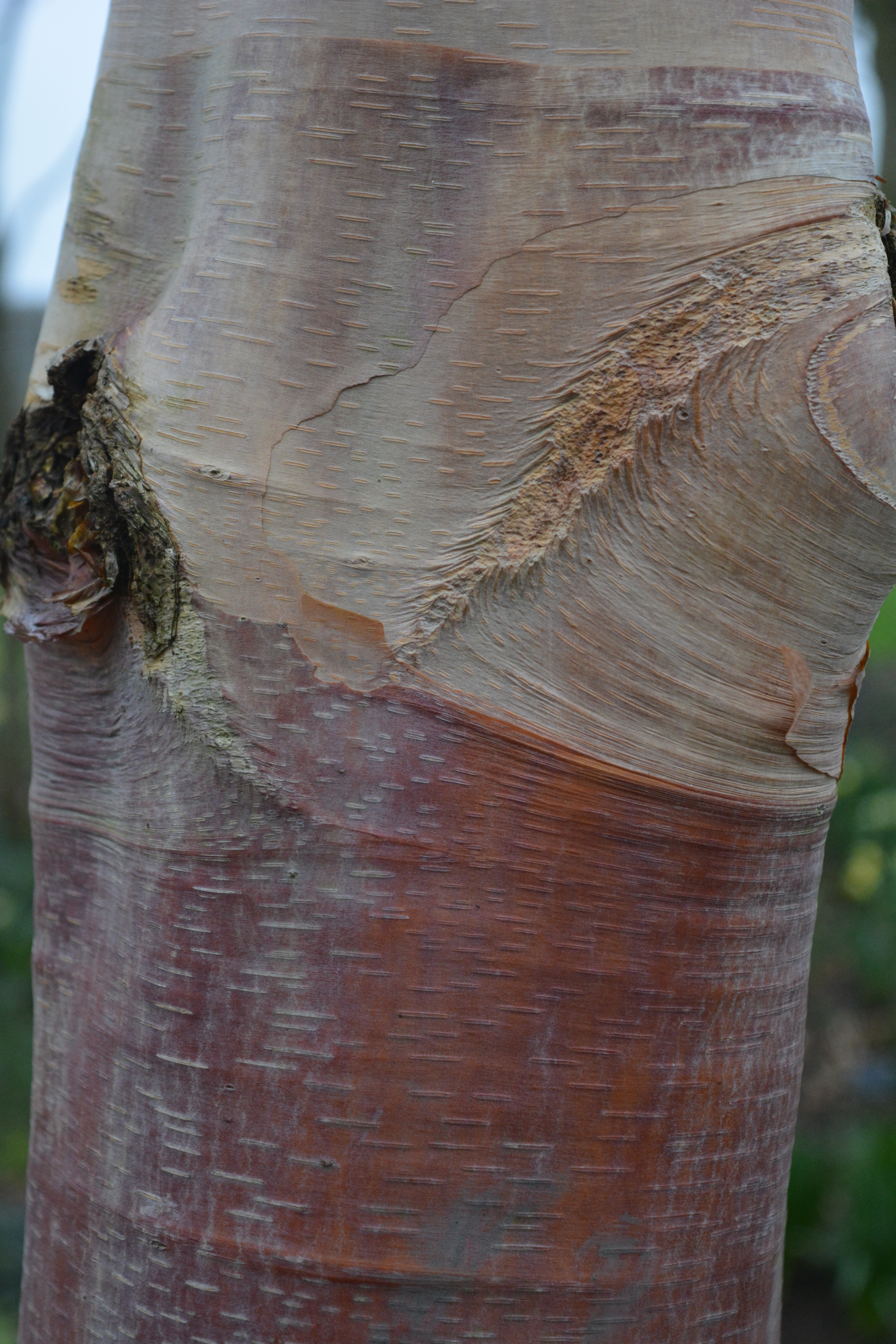
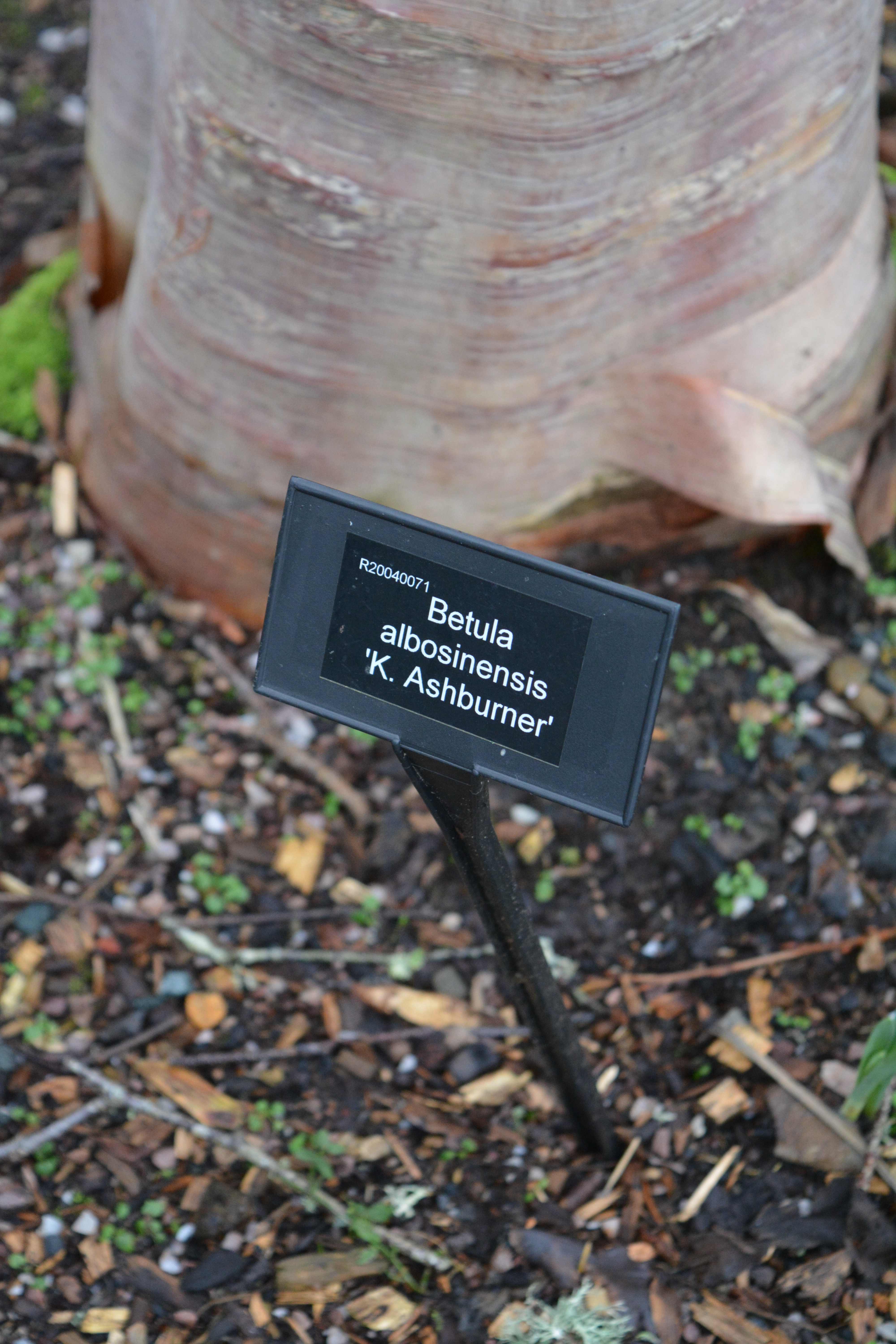
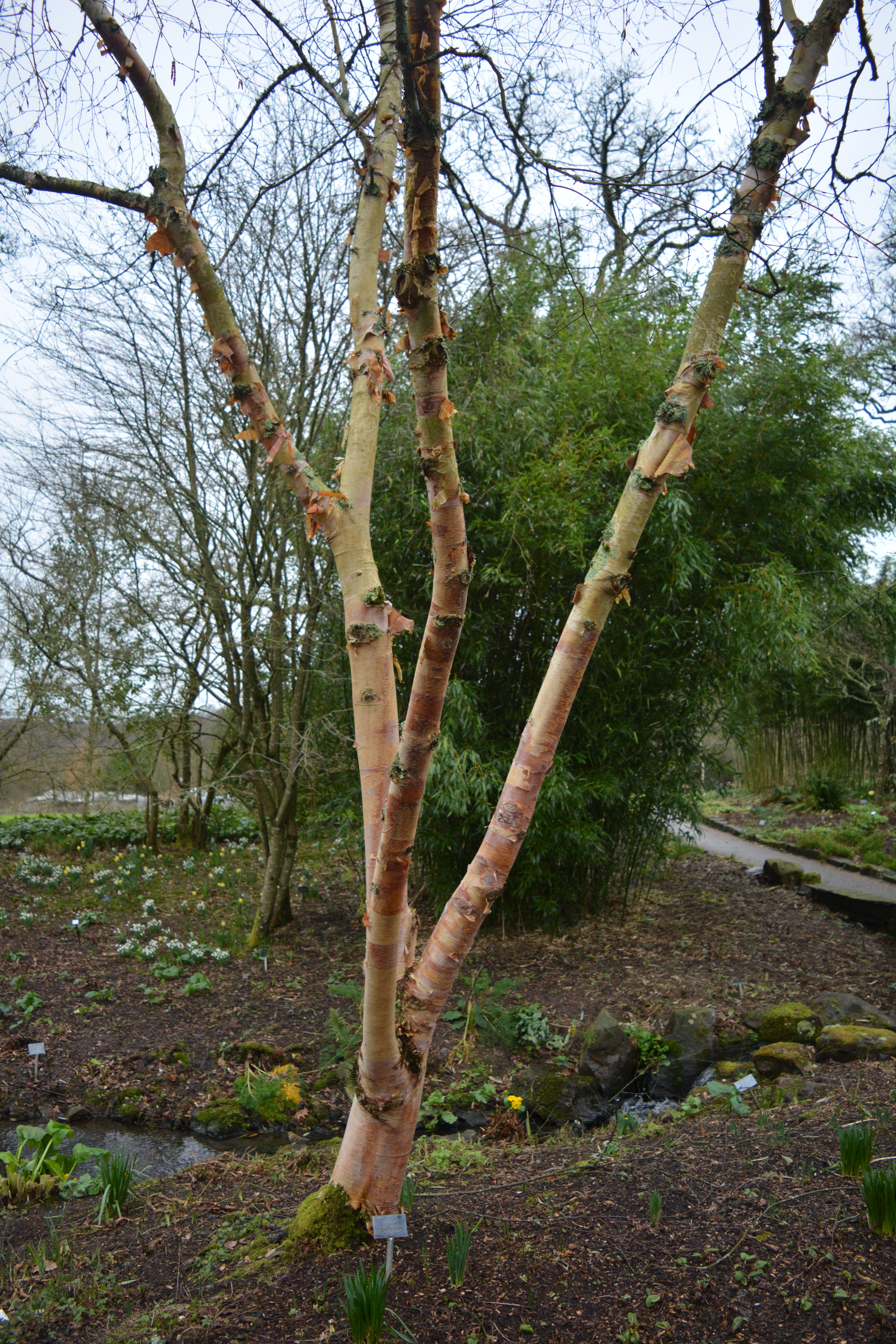
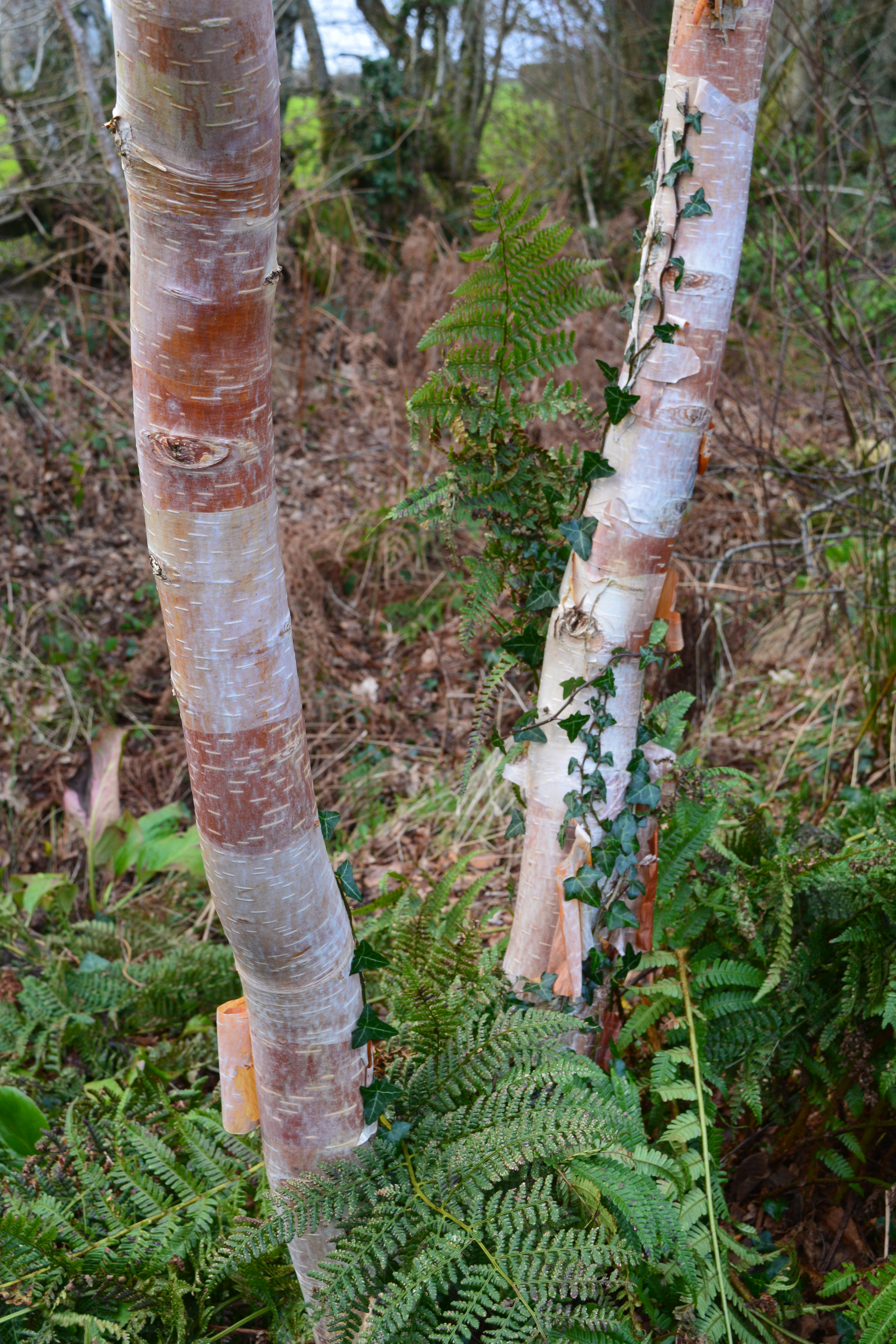
I always manage to find Betulas (Birches) in every arboretum we visit and here we came across the beautifully coloured bark variety, Betula albosinensis Septentrionalis.

2015 10 21_6534  2015 10 21_6536

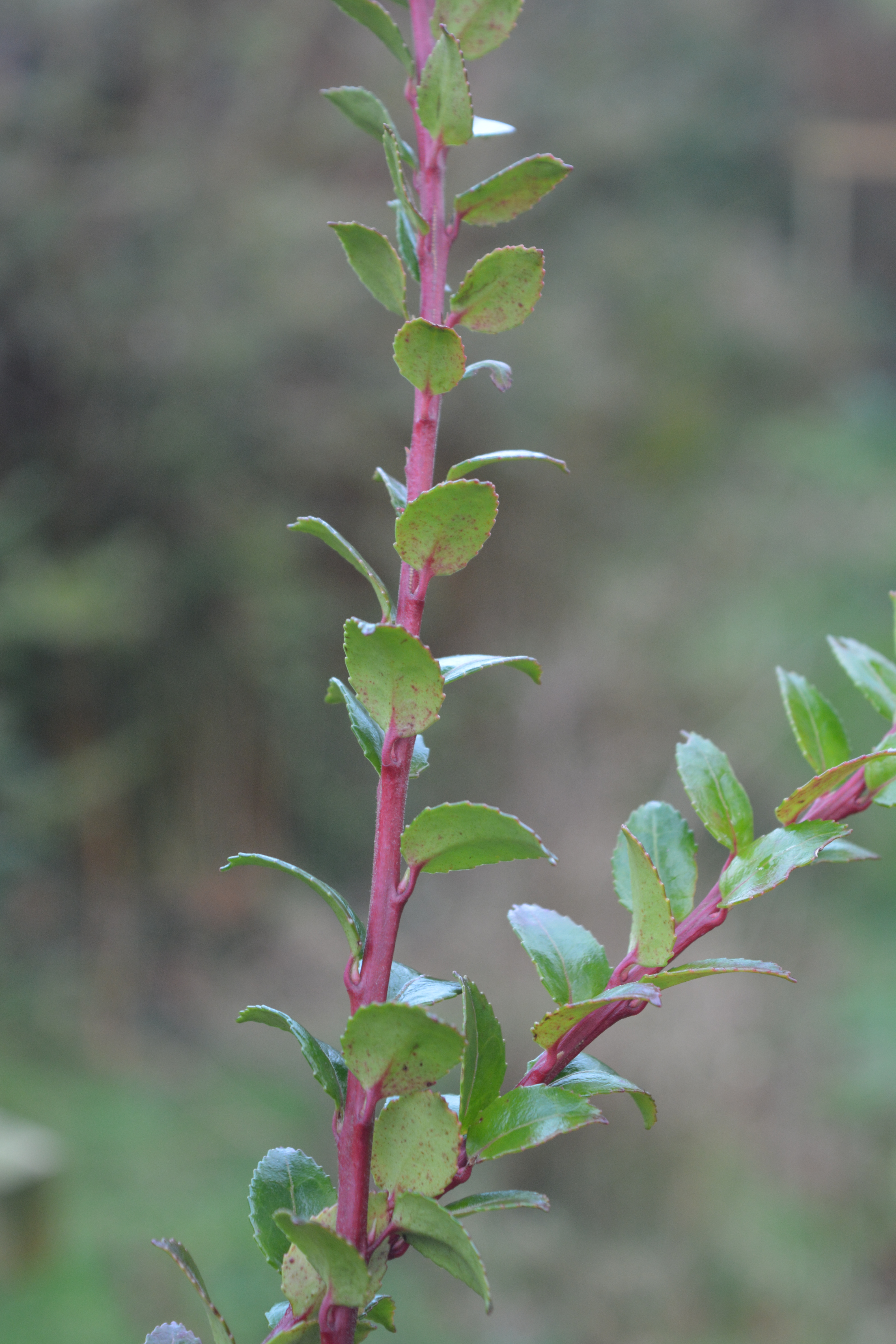
I shall finish this first post about Batsford with another favourite, this time a shrub, a deciduous Euonymus, Euonymous oxyphyllus, which flowers and berries in remarkable style.

2015 10 21_6542 2015 10 21_6543


This Veggie Life

A Vegetarian | Nature Lifestyle Blog

Rambling in the Garden

.....and nurturing my soul

The Arch City Gardener

Journeys In St. Louis Gardening and Beyond

Garden Dreaming at Châtillon

Consult the genius of the place

Storyshucker

A blog full of humorous and poignant observations.

gardeninacity

Notes from a wildlife-friendly cottage garden

PlayGroundology

...an emerging social science

The Official Blog of British Wildlife

'The most important and informative publication on wildlife of our times' - The Independent. This blog is a member of The UK & Ireland Natural History Bloggers group: www.uknhb.blogspot.com

iGrowHort

Inspire - Cultivate - Grow Native Plants - Restore Landscapes

Bishops Meadow Trust

To create and protect a semi-natural wild space for the people of Farnham to enjoy and experience an array of British wildlife in our town

Gardening with Children

The www.gardeningwithchildren.co.uk Blog

UKbirdingtimeline

birding through the seasons, why birds matter and how to conserve them

NATURE WALKER

with a camera in hand

Jardin

Transform your outdoor space

Eva's space

My allotment, cooking and other interests

Old School Garden

my gardening life through the year

LEANNE COLE

Trying to live a creative life

fromacountrycottage

trying to live as lightly as possible on our beautiful planet

Good Life Gardening

Nature lovers from Leicester living the good life.

mybeautfulthings

Finding the beautiful in the everyday

mawsonmichelle

Michelle's Allotment

In and Out of My Garden

thoughts from and about my garden

Greenhousing

Big plans for a small garden

The Scottish Country Garden

A Walled Country Garden in South East Scotland

The Fruity Chicken

Life at the fruity chicken

willowarchway

Off grid living. Self sufficient. "PERMAGANICS RULE".

St Anns Allotments

Nottingham's Grade 2* Listed Allotments and Community Orchard

Manifest Joy Harvests

a journey in suburban vegetable gardening

Allotmental

The madness of growing your own

Penny's Garden: a harvest beyond my front door

A novel approach to vegetable gardening

arignagardener

Sustainable living in the Irish countryside.

NewEnglandGardenAndThread

Master Gardener, amateur photographer, quilter, NH native, and sometimes SC snowbird

dianajhale

Recent work and work in progress and anything else that interests me

planthoarder

a chaotic cottage gardener

Lens and Pens by Sally

a weekly blog that creates a personal philosophy through photographs and words

Dewdrops and Sunshine

Stories from a sassy and classy Southern farmbelle.

The Pyjama Gardener

Simple Organic Gardening & Seasonal Living

gettin' fresh!

turning dirt into dinner

JOY...

today the world is created anew

Garden Birds

Notes from a Devon garden

ShootAbout

Life Through The Lens

Adapting Pixels

A photography blog showcasing the best photography pictures and videos on the internet

Wildlifegardening's Blog

Just another WordPress.com site

naturestimeline

personal observations from the natural world as the search continues for a new approach to conservation.

LATEBLOOMERBUDS

The Wonders of Life through my Eyes, my Heart, my Soul