Categories
garden design garden photography garden wildlife gardening gardens open to the public grasses hardy perennials meadows natural pest control ornamental trees and shrubs recycling walled gardens wildlife

Boughton House – The Gardens

Back to Boughton as promised and this time we are off to the more intimate gardens closer to the house. These contrast strongly with the large scale landscaping with the huge land forms.

Refreshed with a good coffee and a slice of lemon drizzle cake from the restaurant in the stableyard we wandered off to the walled garden.

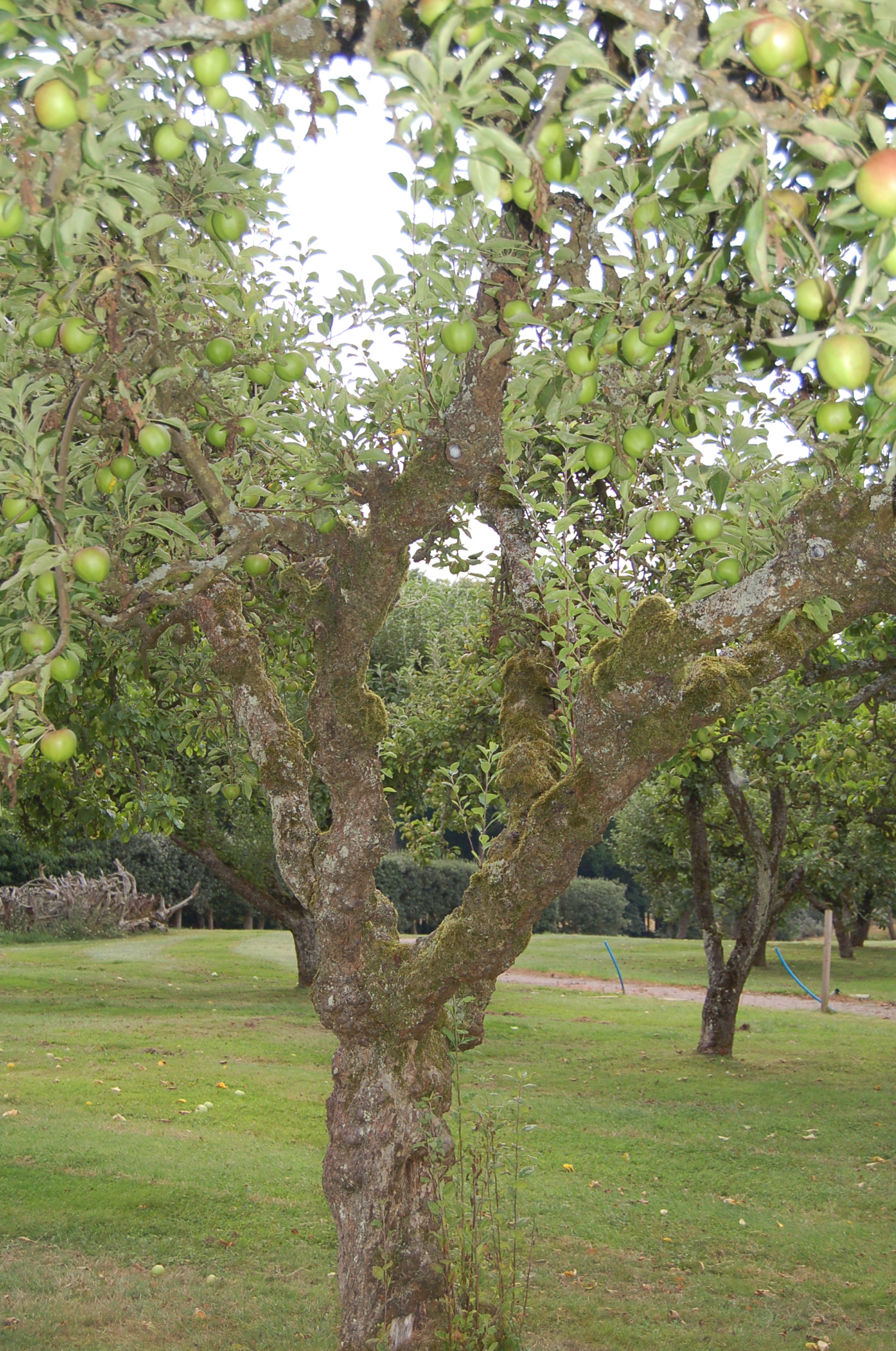
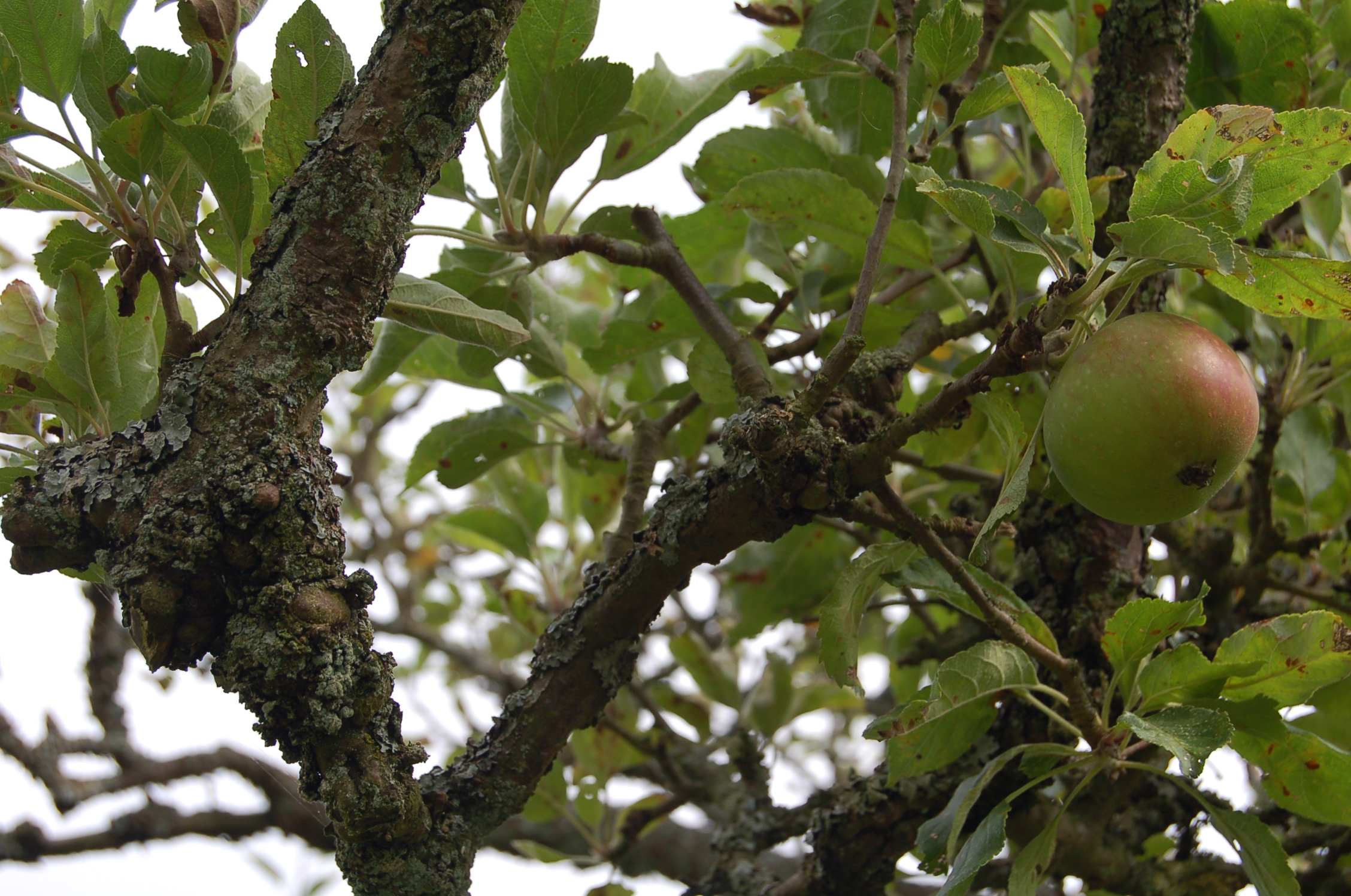
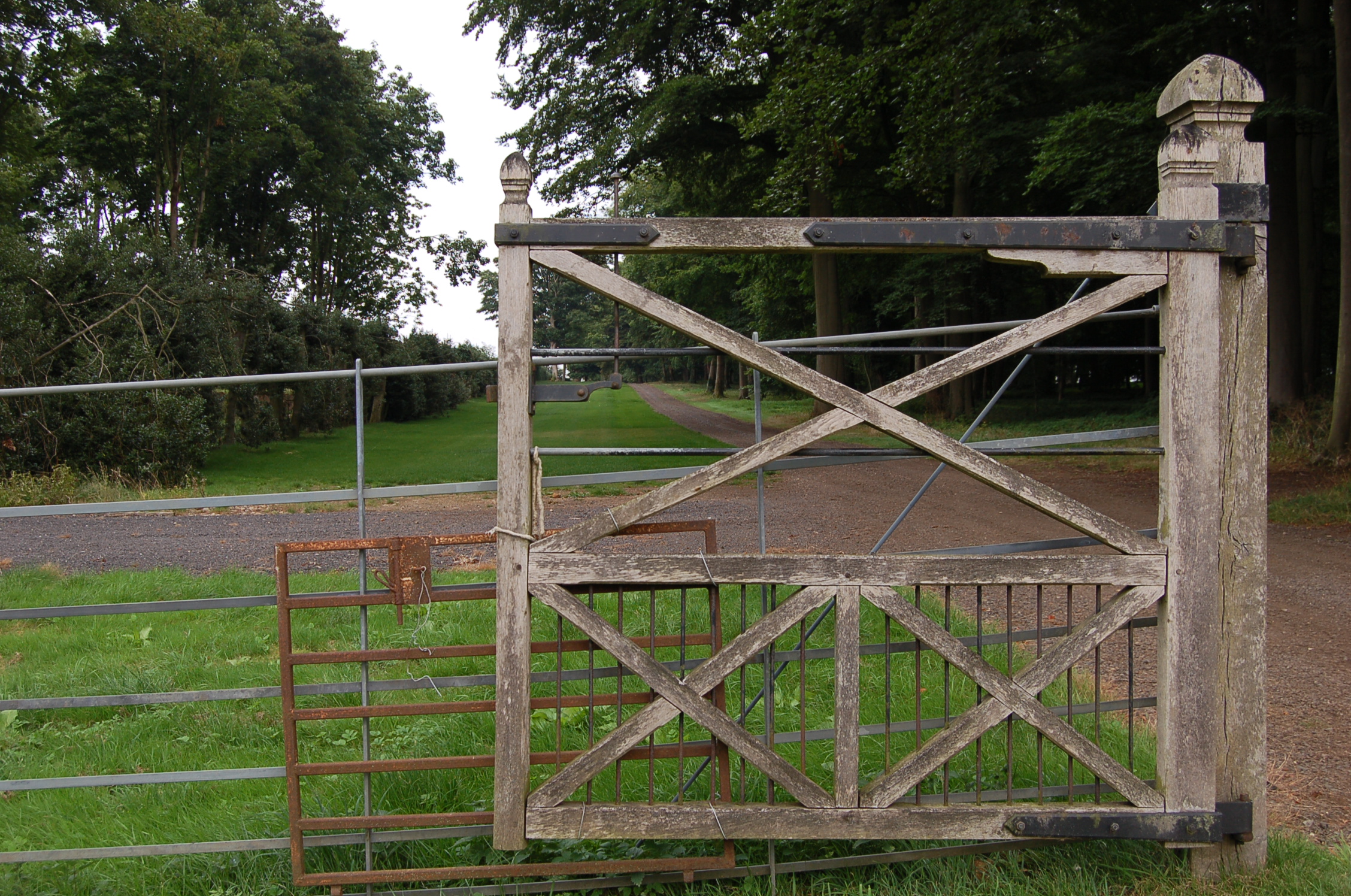
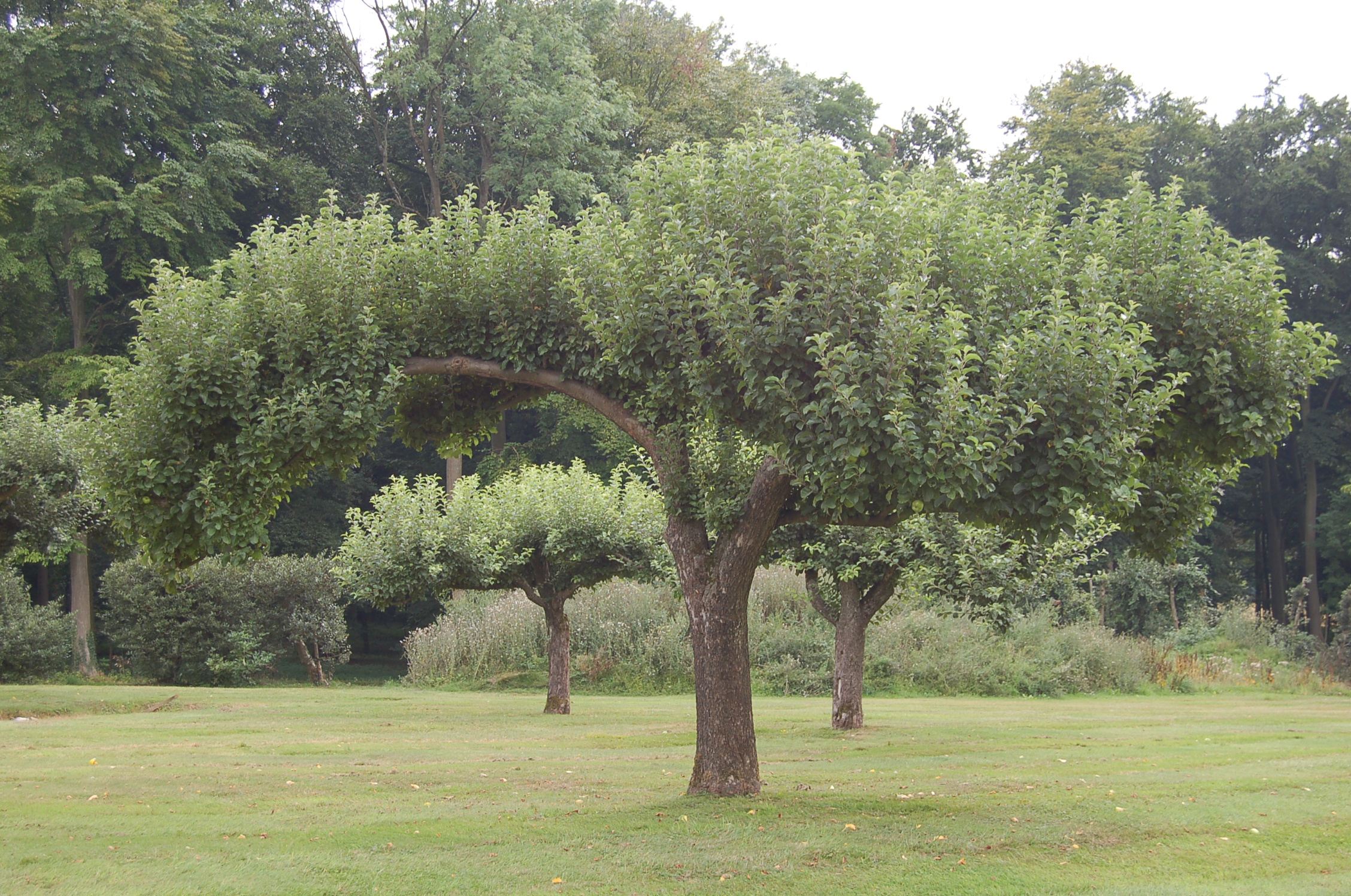
On the way we passed through a couple of old gates, presenting an odd juxtaposition with one so grand and one rather normal. Finding an old orchard was an unexpected pleasure. The old apple trees are being sensitively renewed through careful and very skillful pruning.

2013 08 23_3052 2013 08 23_3054 2013 08 23_3055 2013 08 23_3056

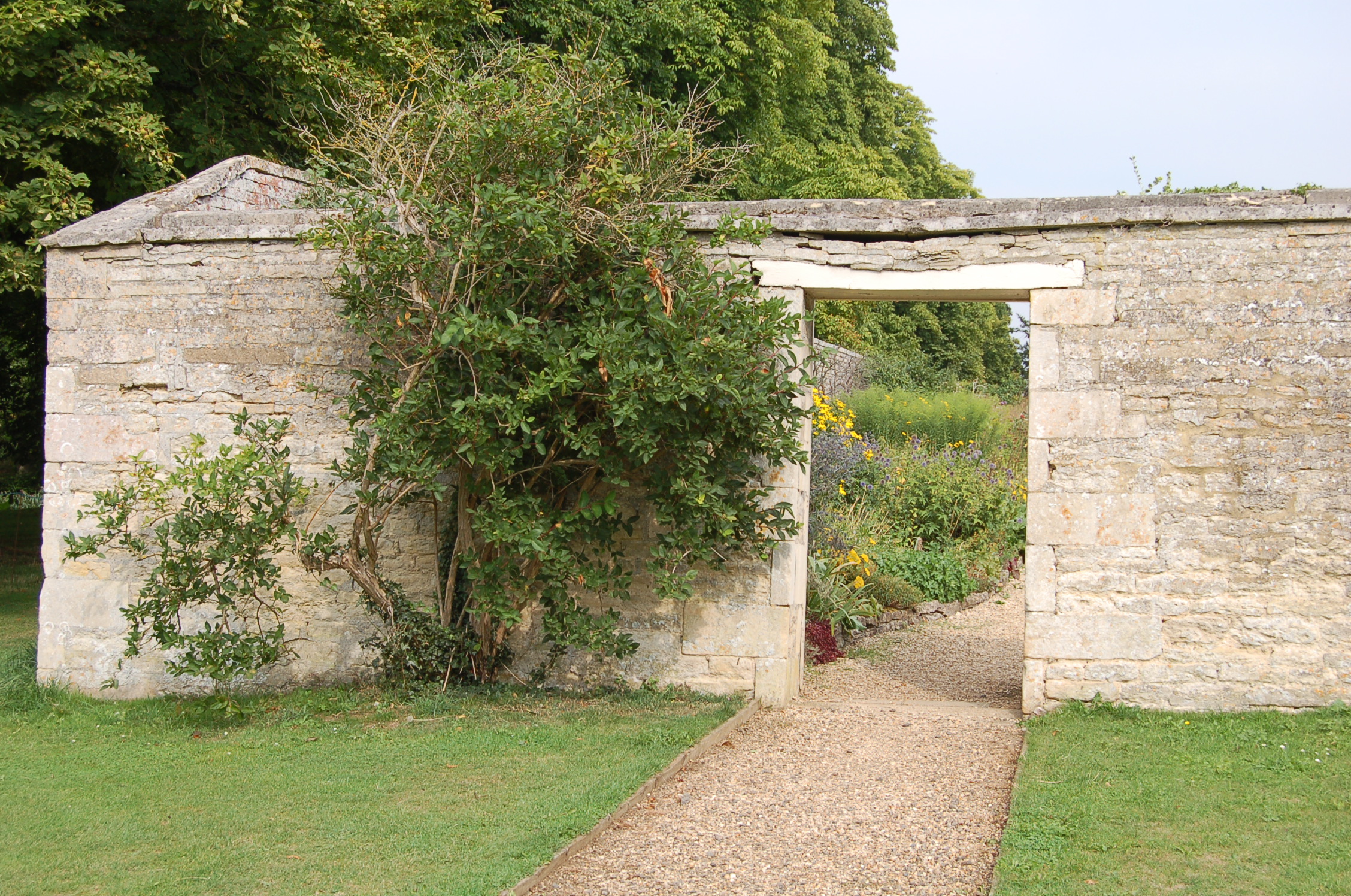
The gateway that led to the walled garden was most welcoming and we accepted readily its generous invitation to enter.

2013 08 23_3057

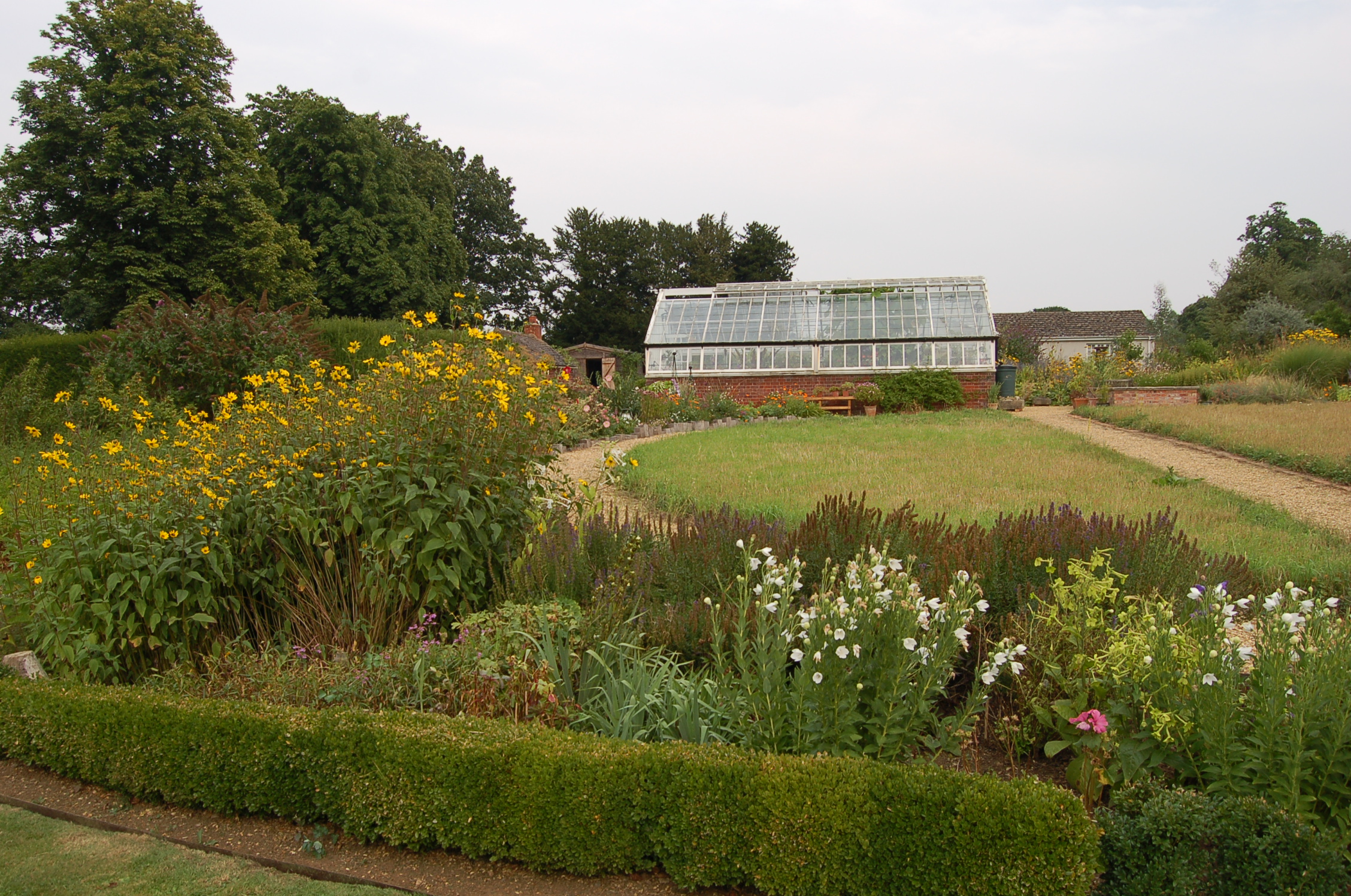
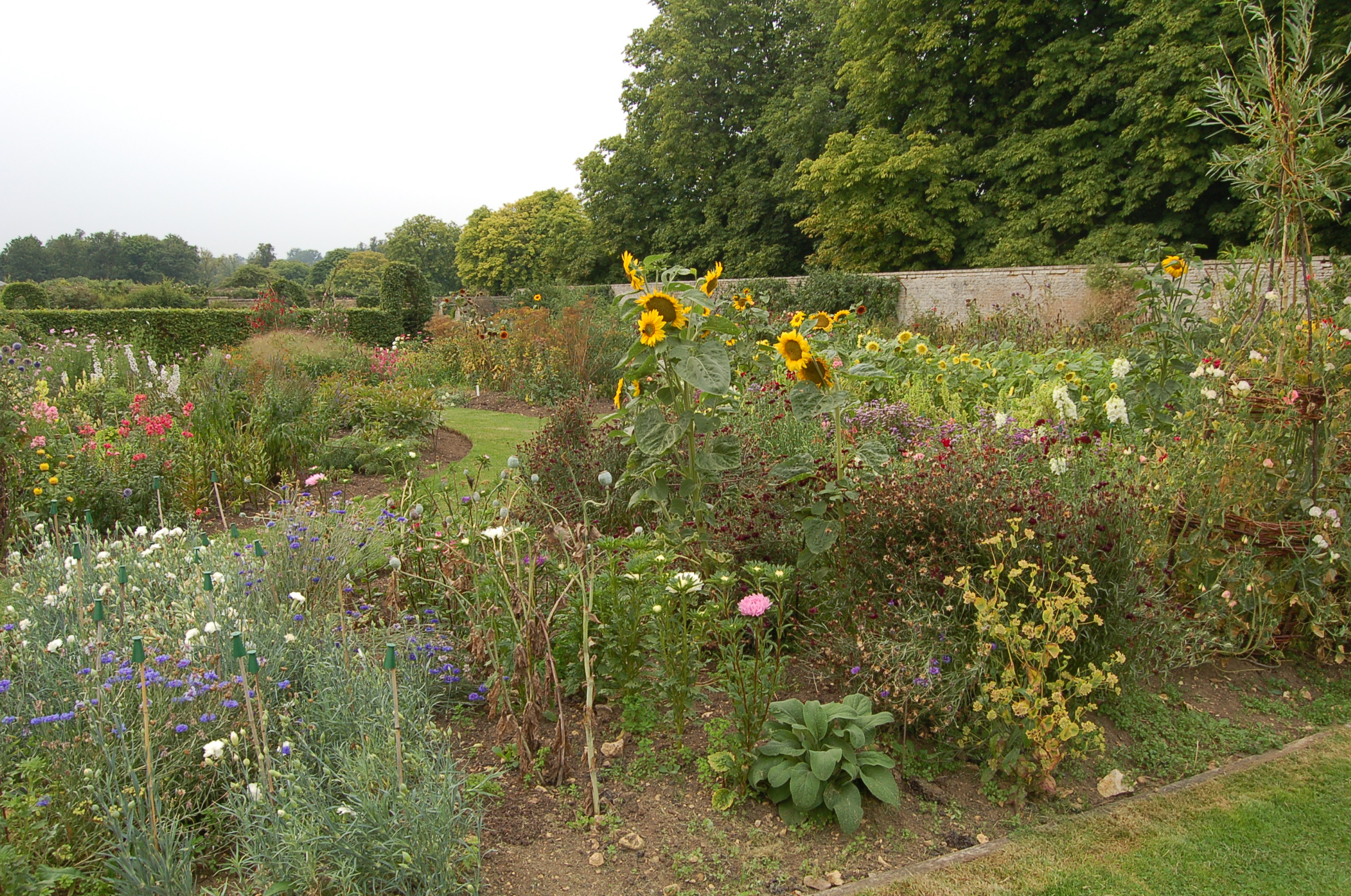
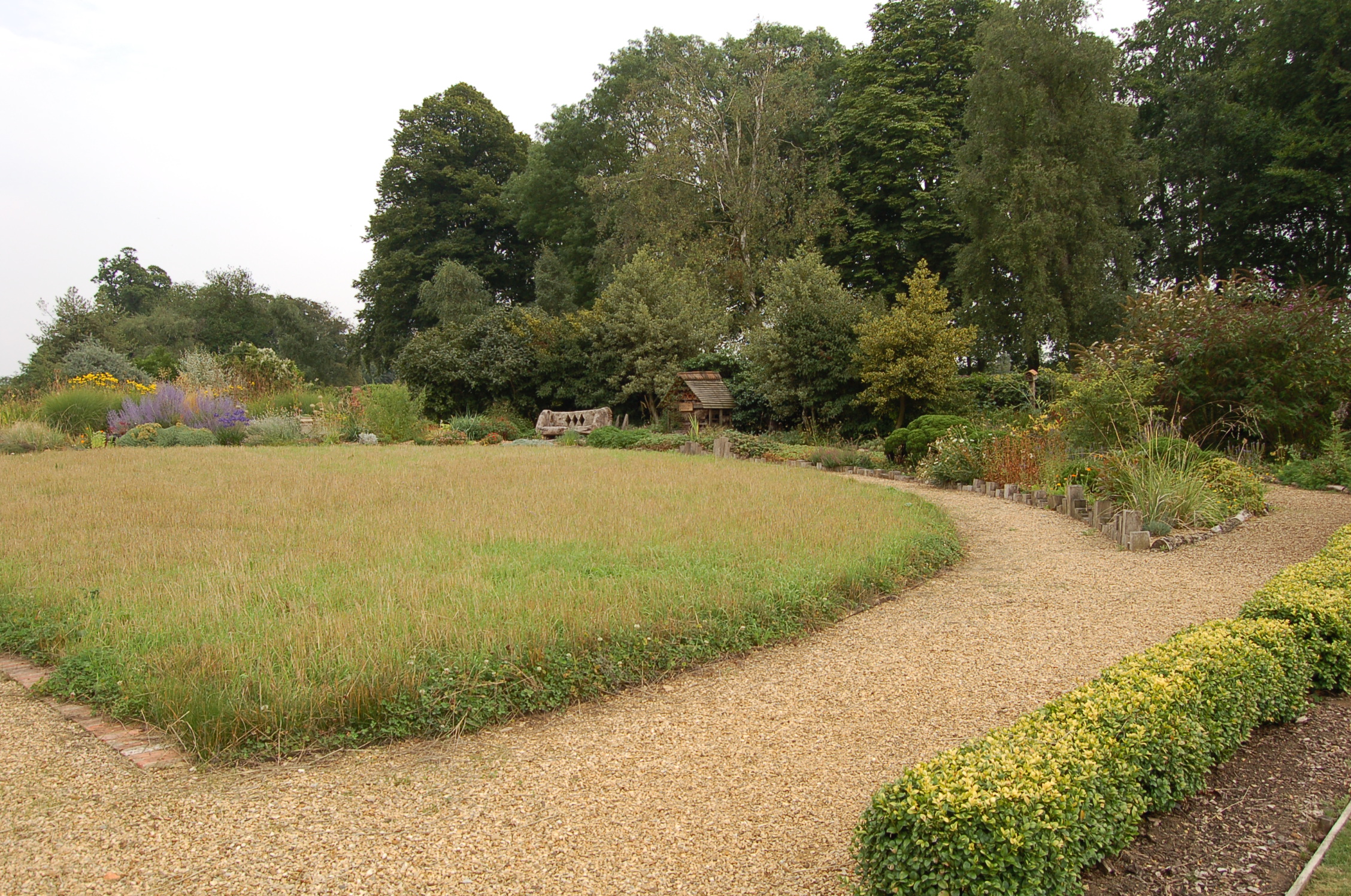
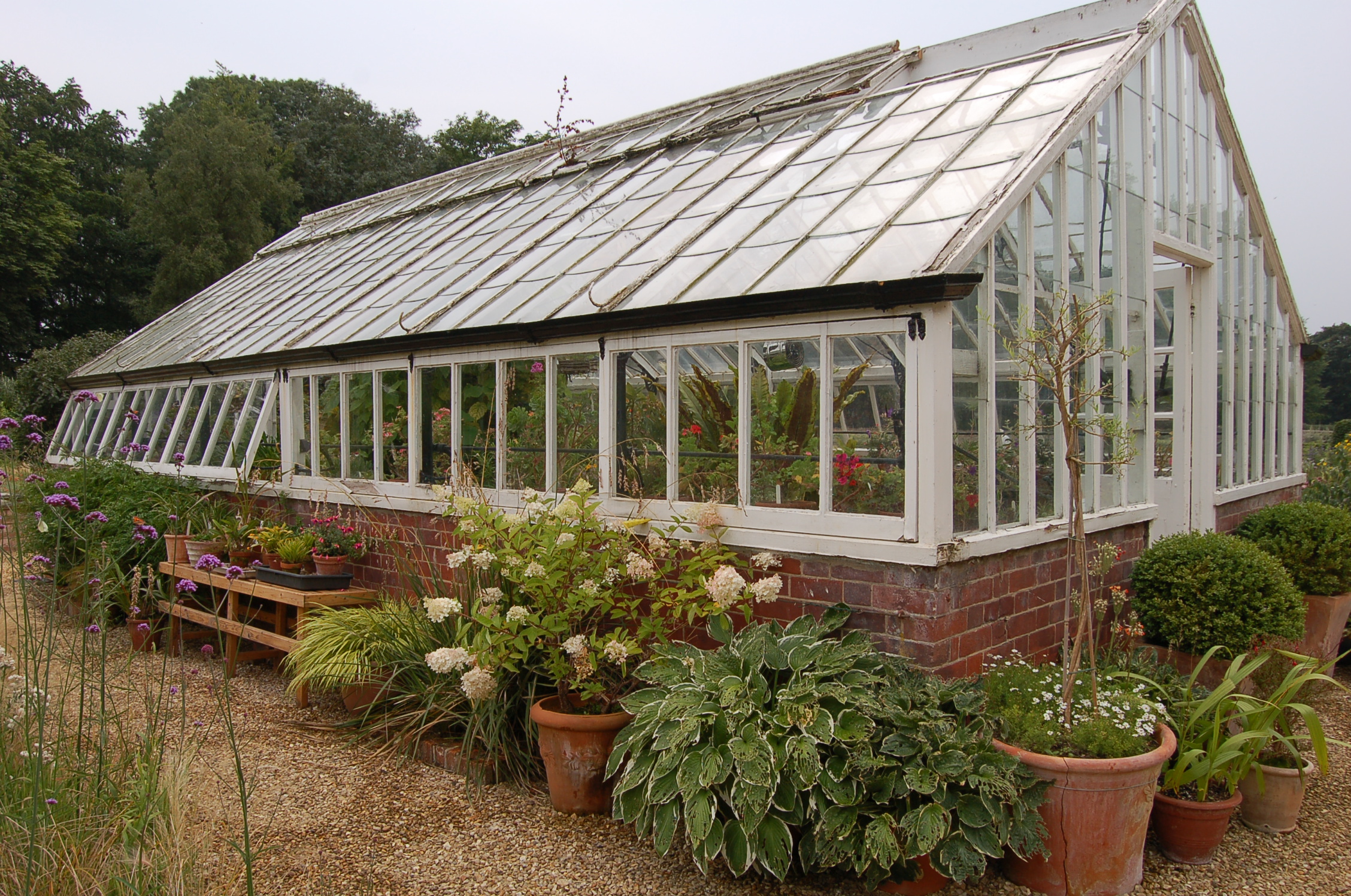
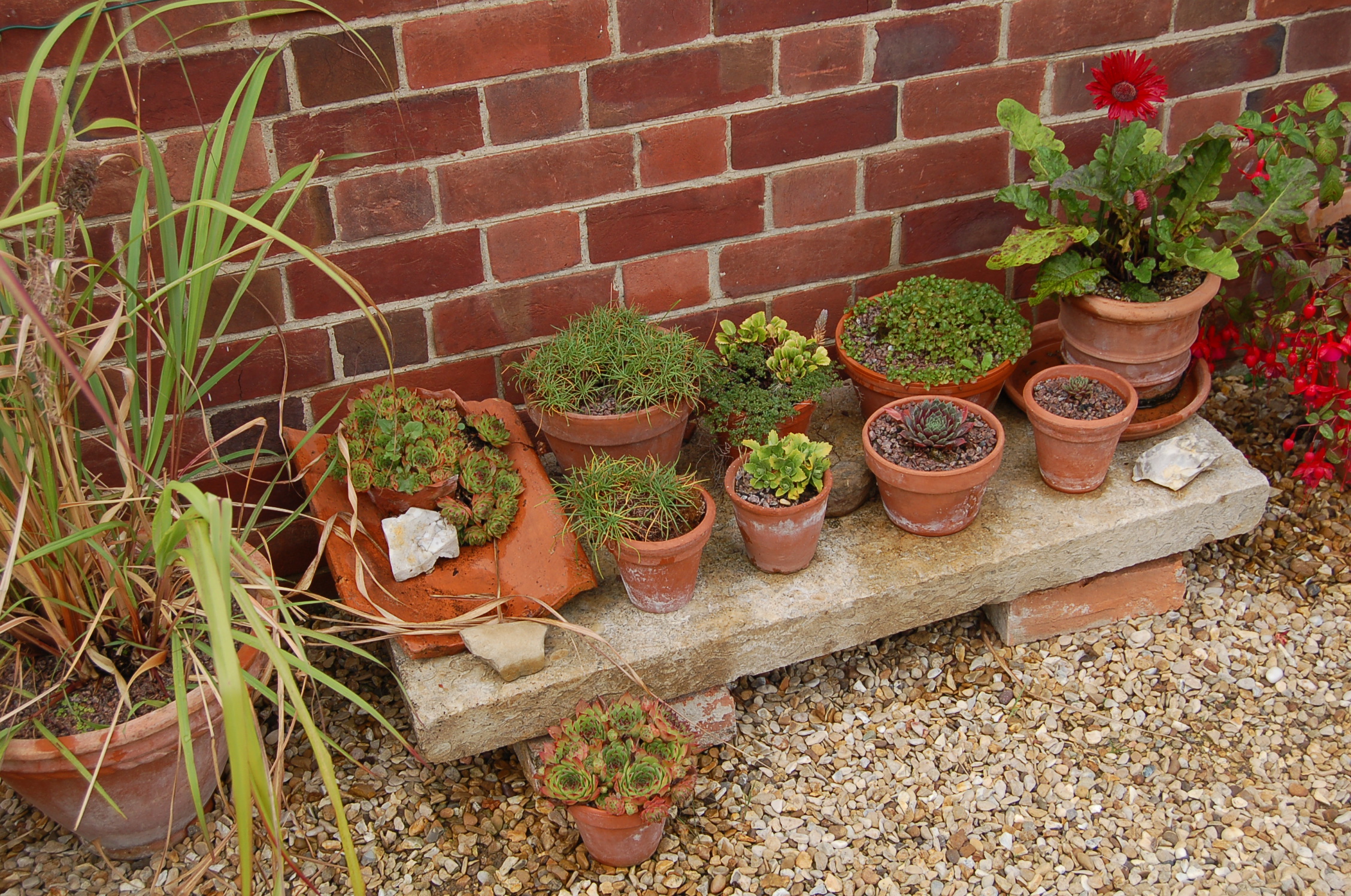
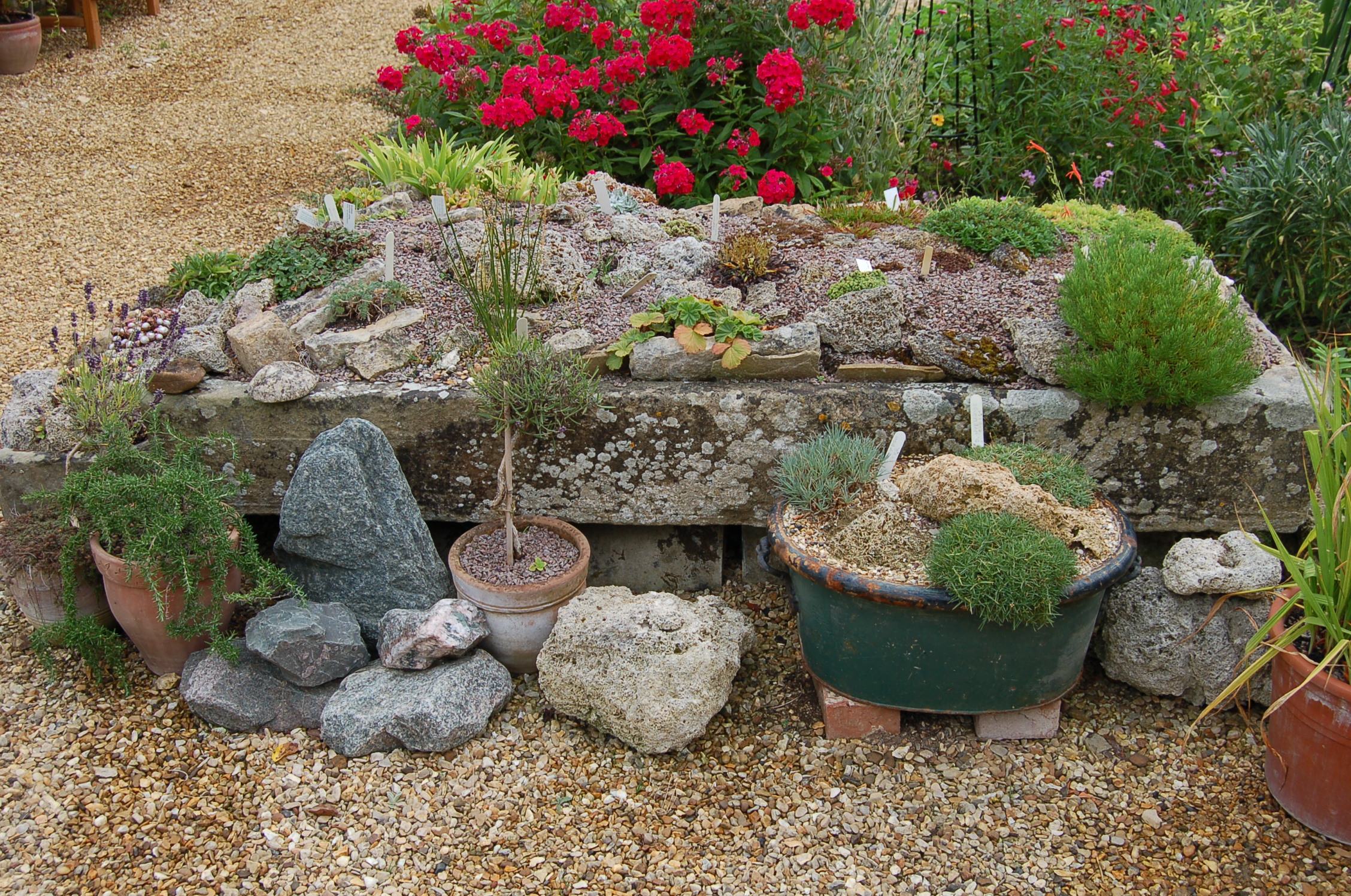
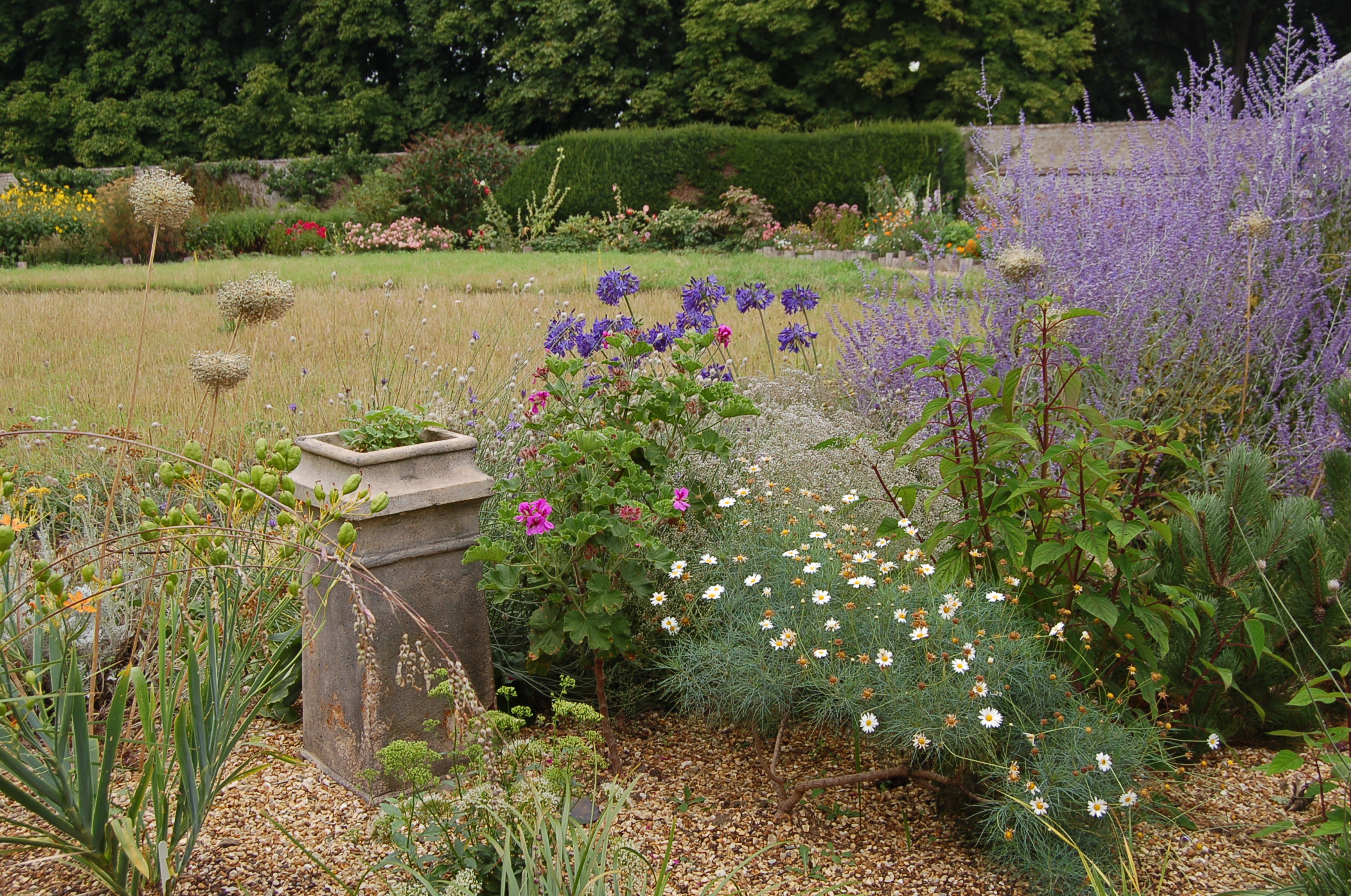
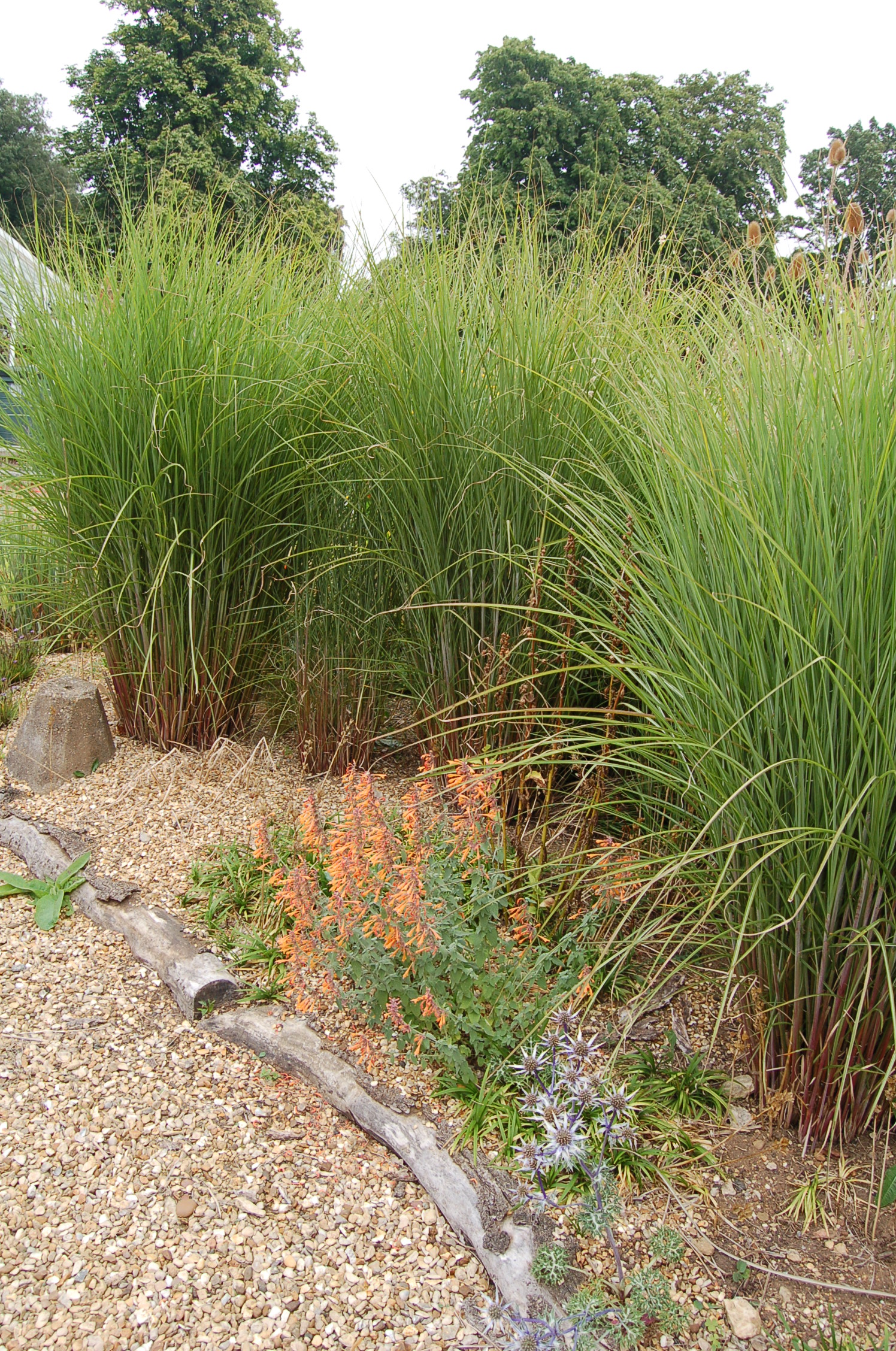
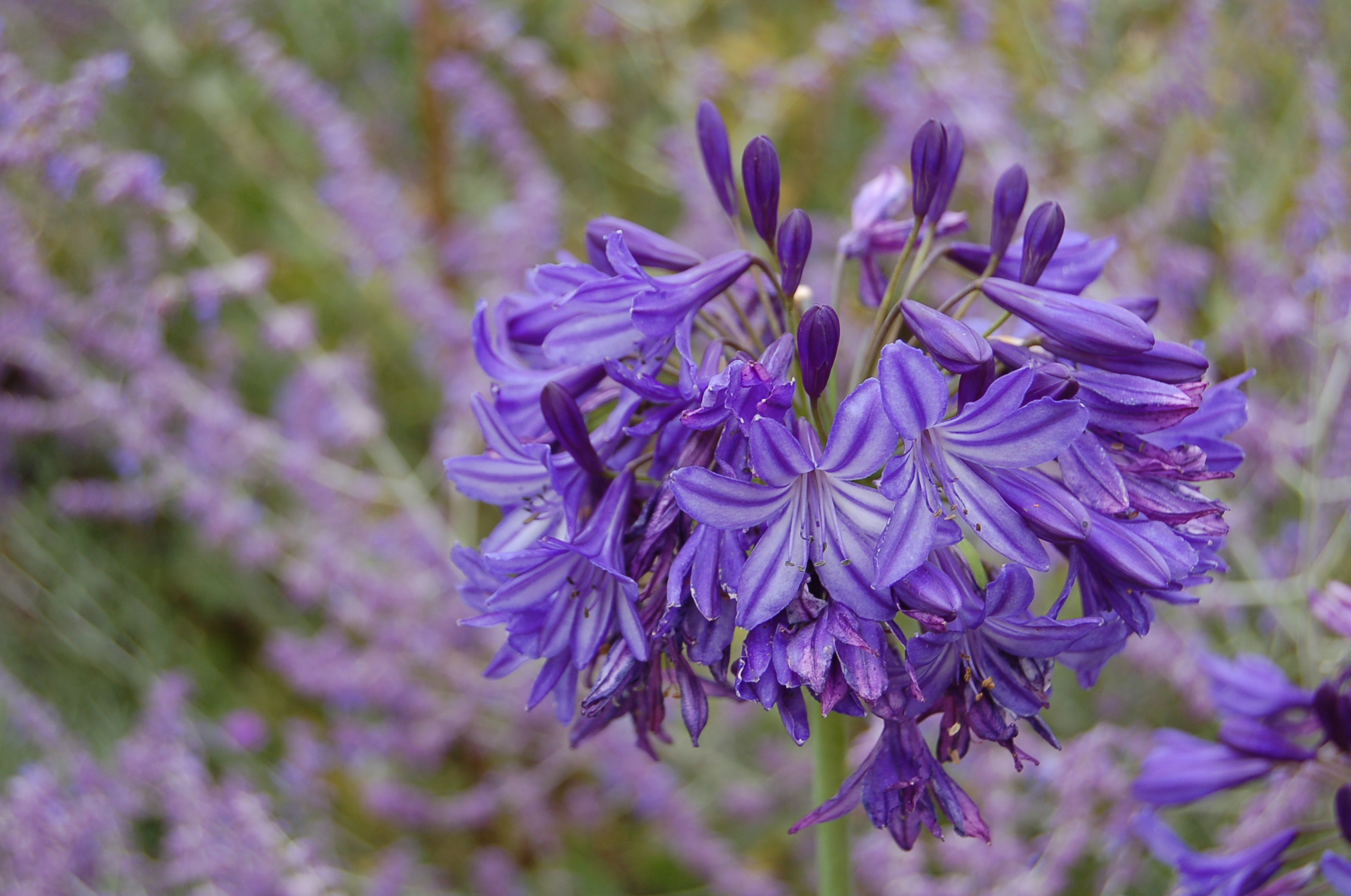
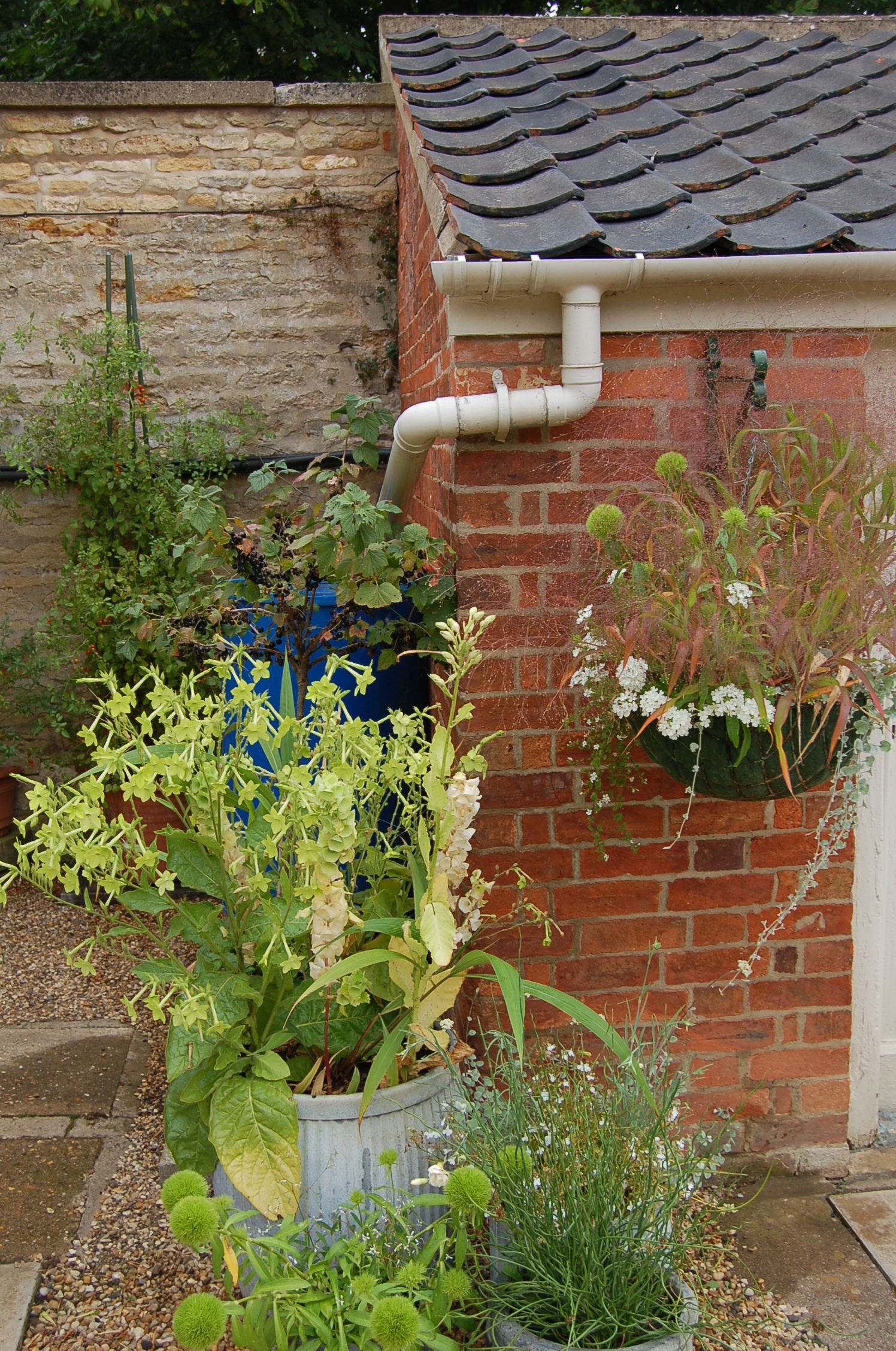
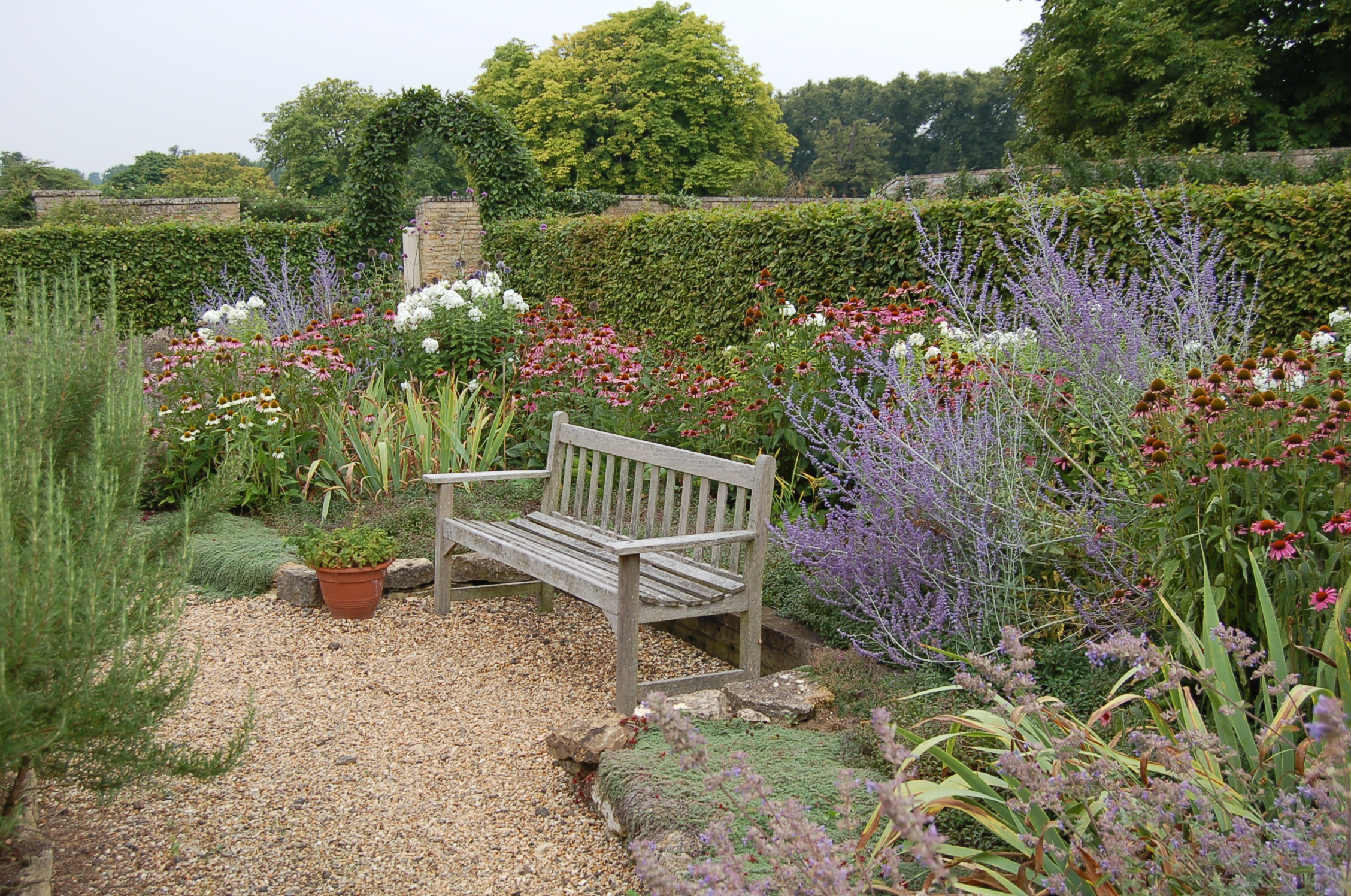
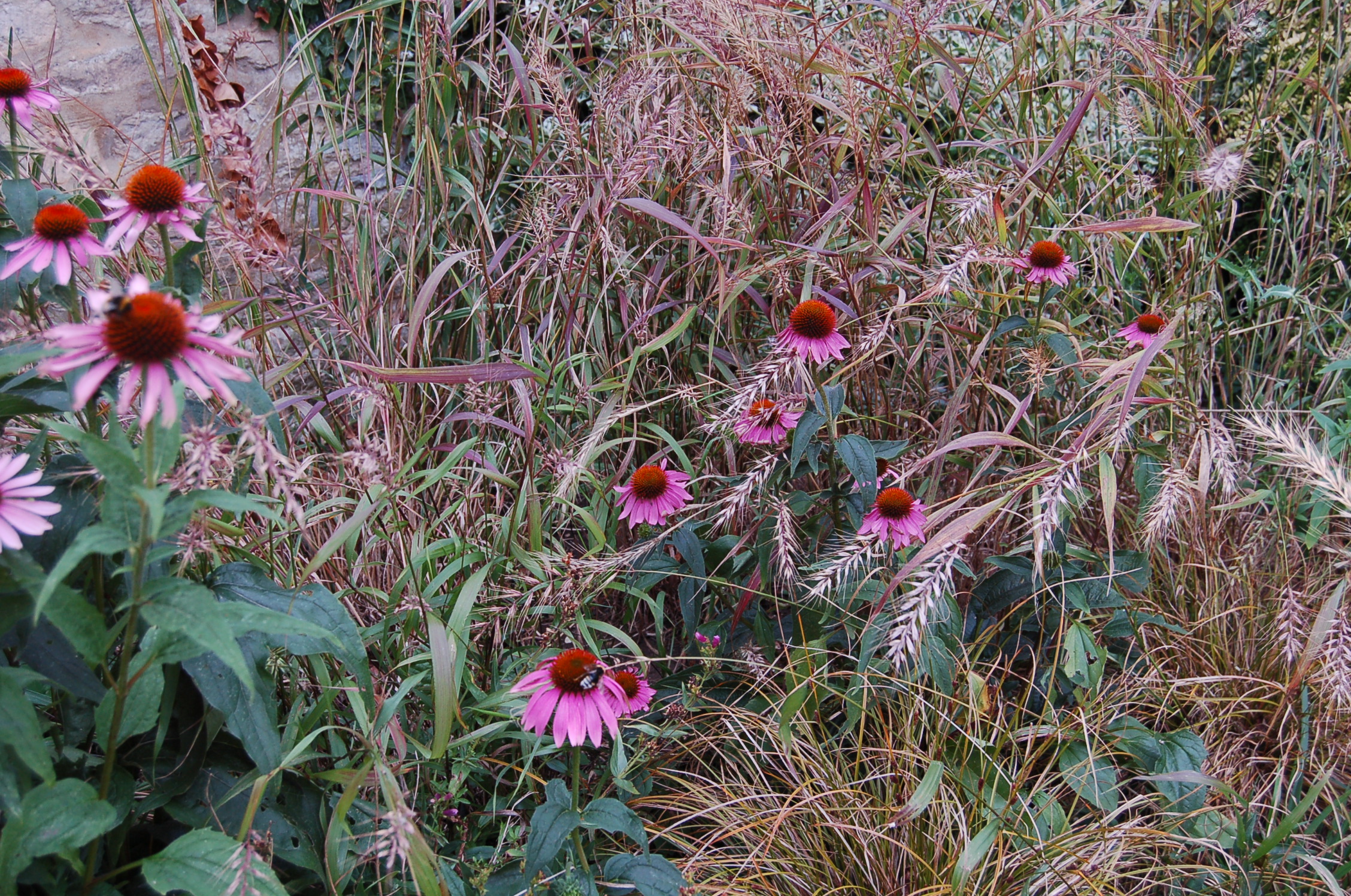
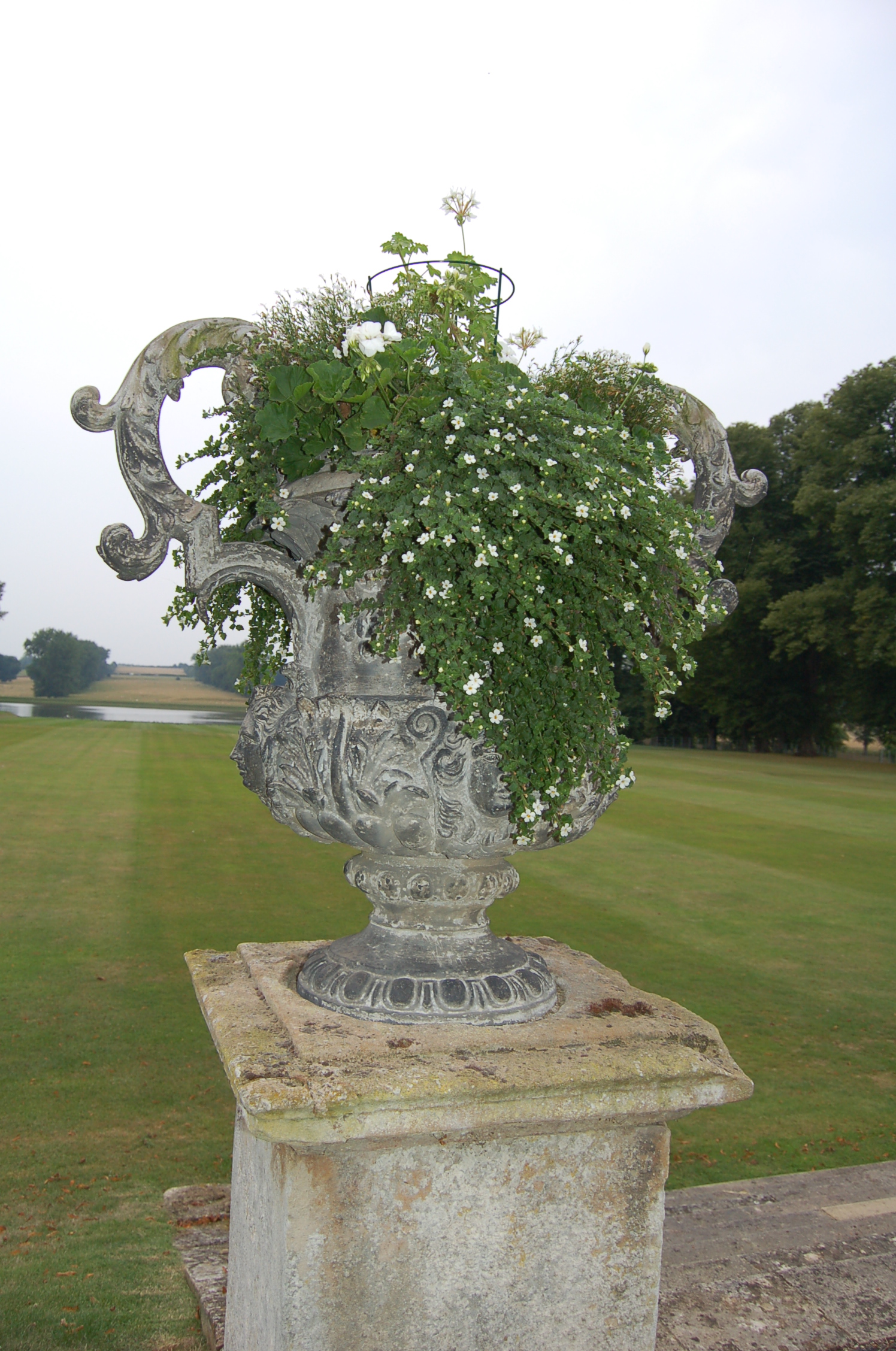
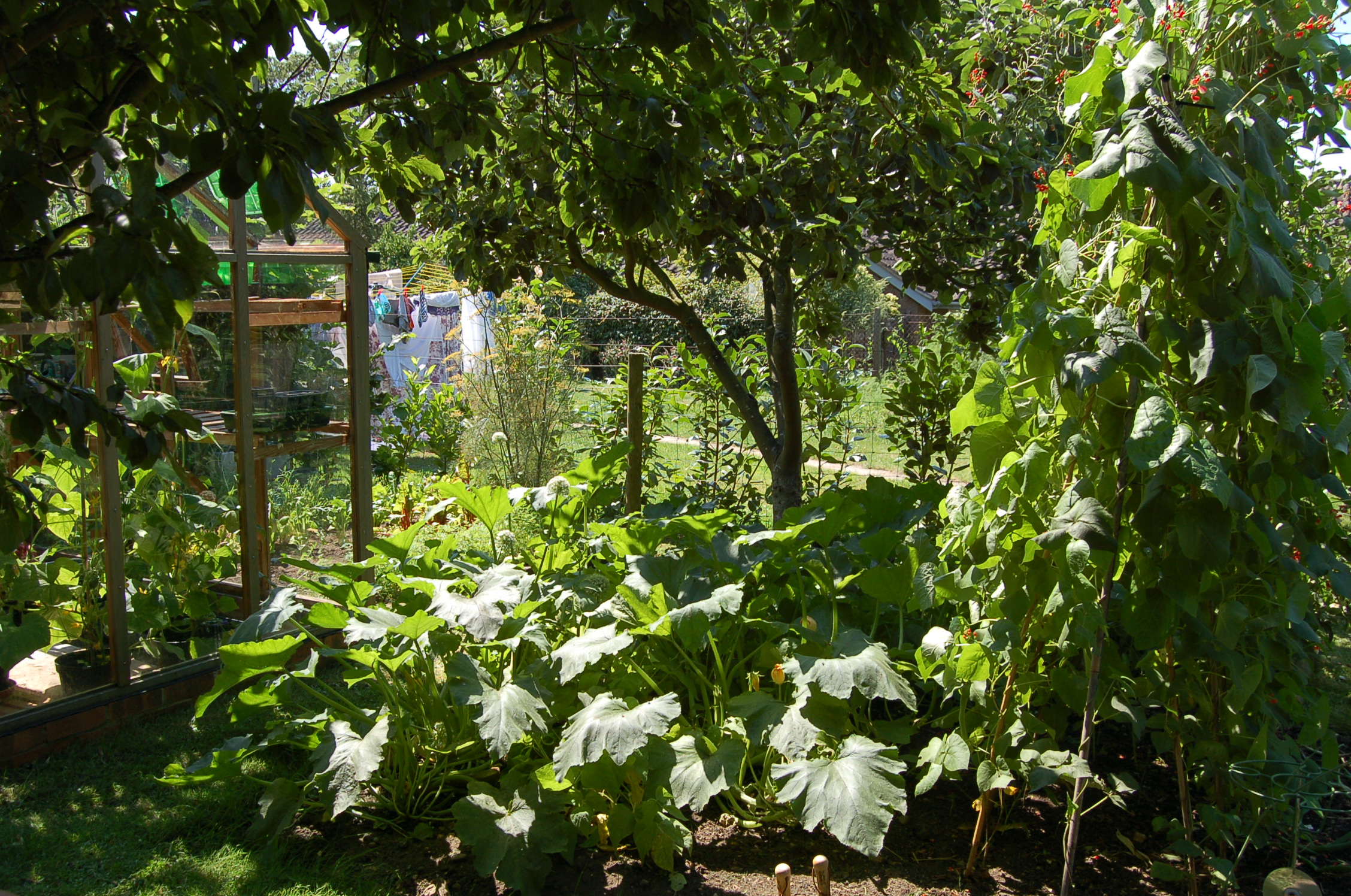
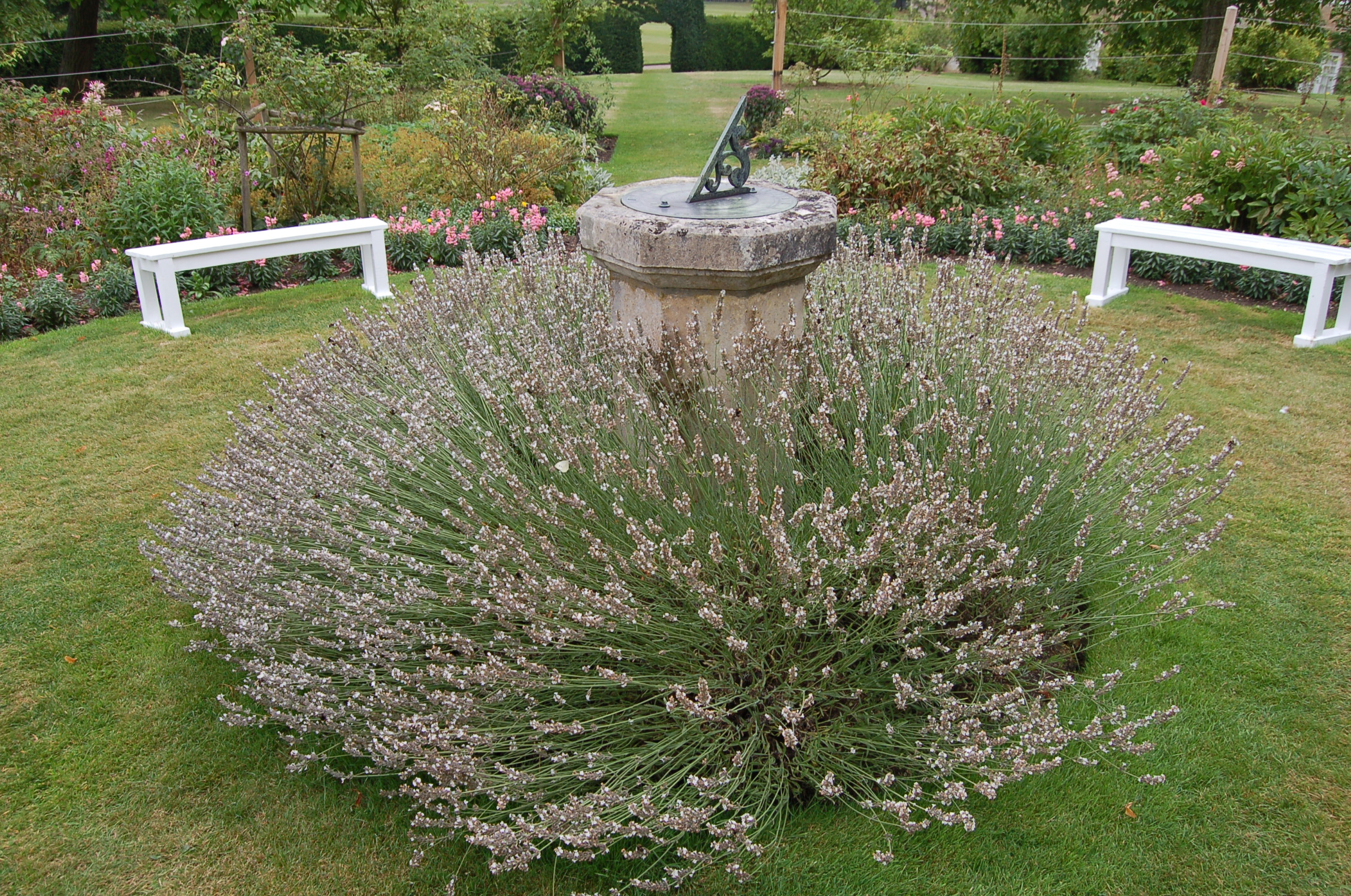
And what a sight met our eyes! The area enclosed by the old honey-coloured stone walls was far larger than we expected and contained a sensory garden, a wildlife garden, herbaceous borders and old greenhouses surrounded by interesting plantings in a selection of eclectic containers.

2013 08 23_3061 2013 08 23_3062 2013 08 23_3063

2013 08 23_3071 2013 08 23_3070 2013 08 23_3069 2013 08 23_3068 2013 08 23_3067

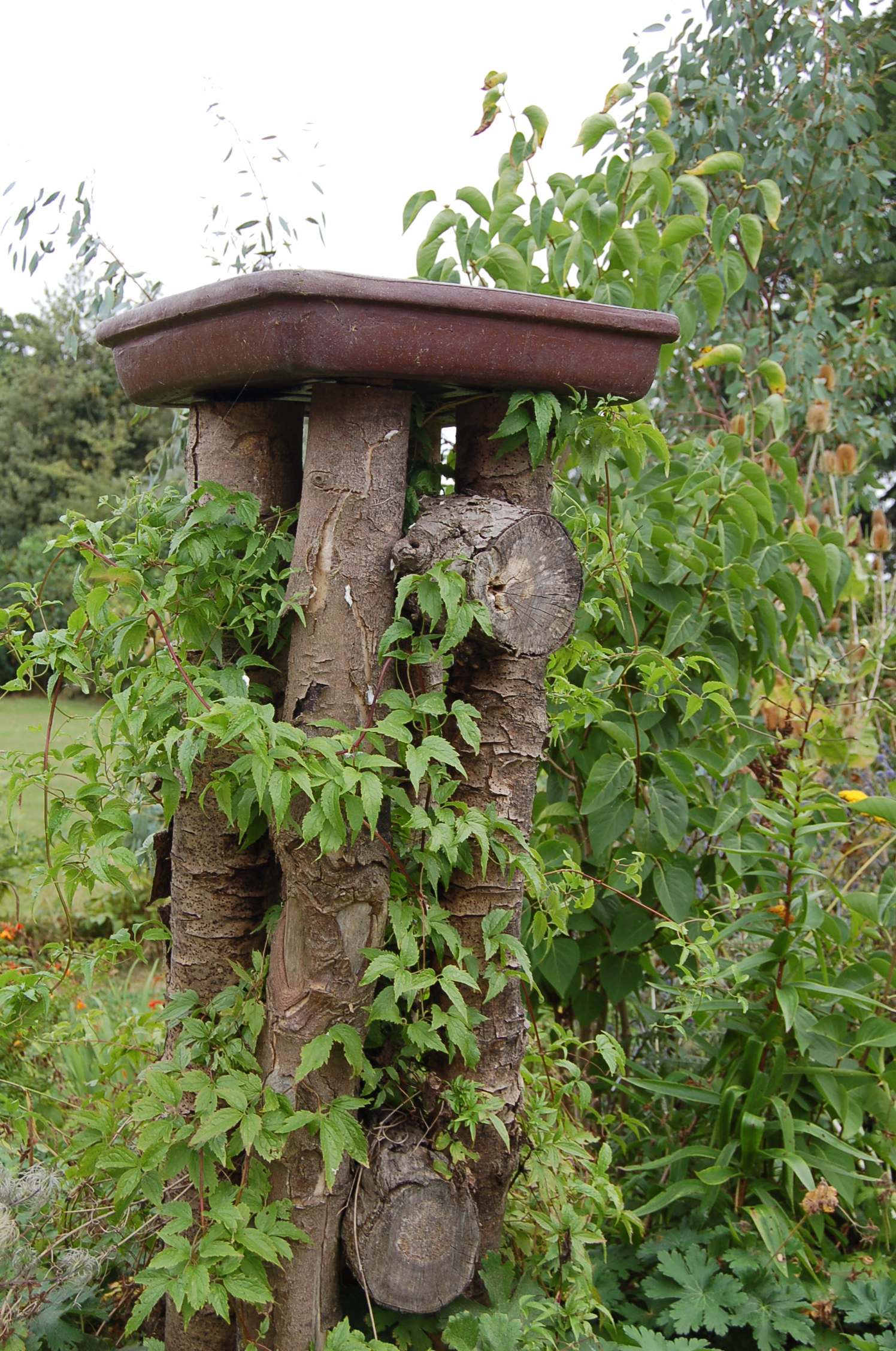
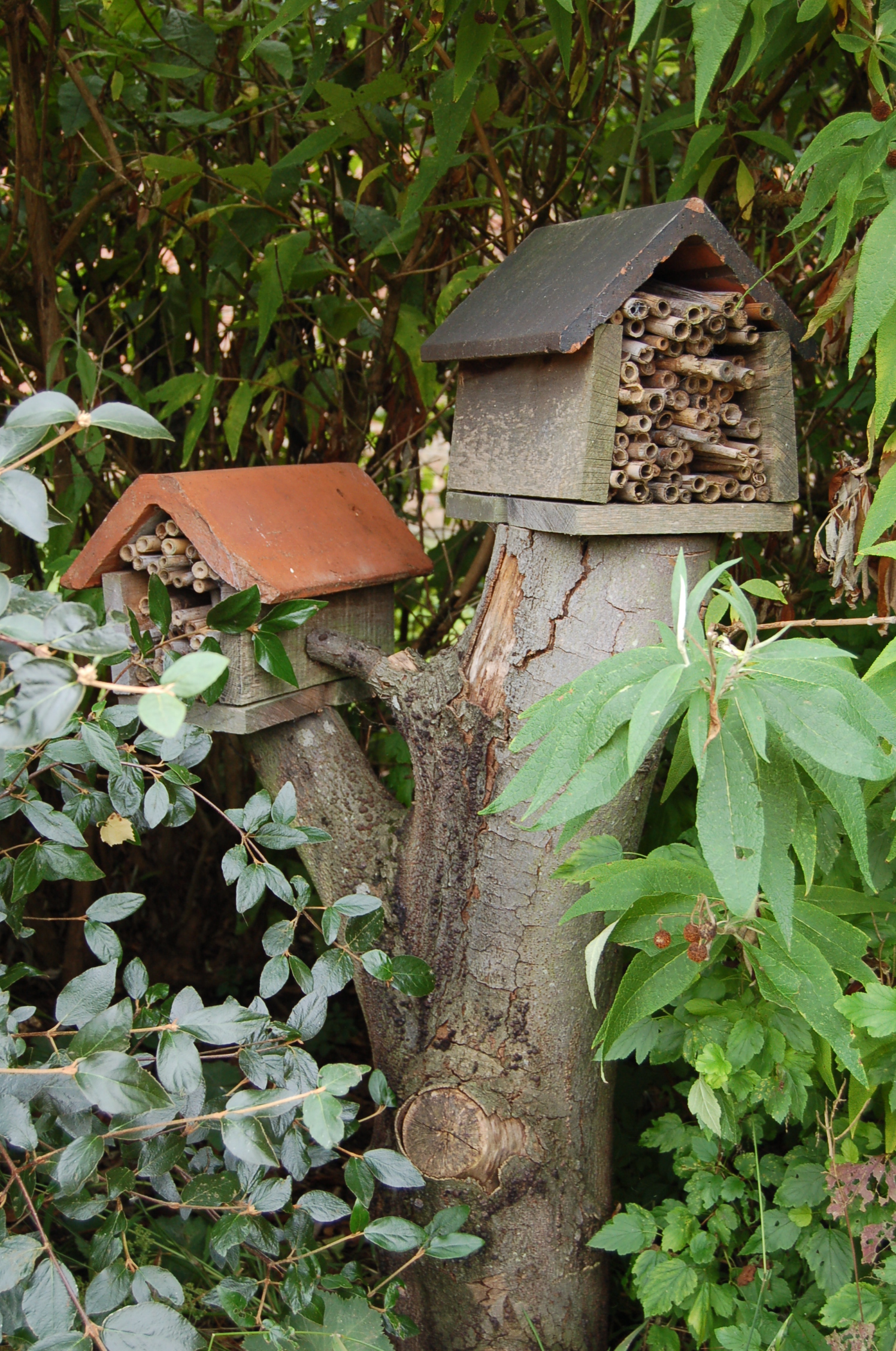
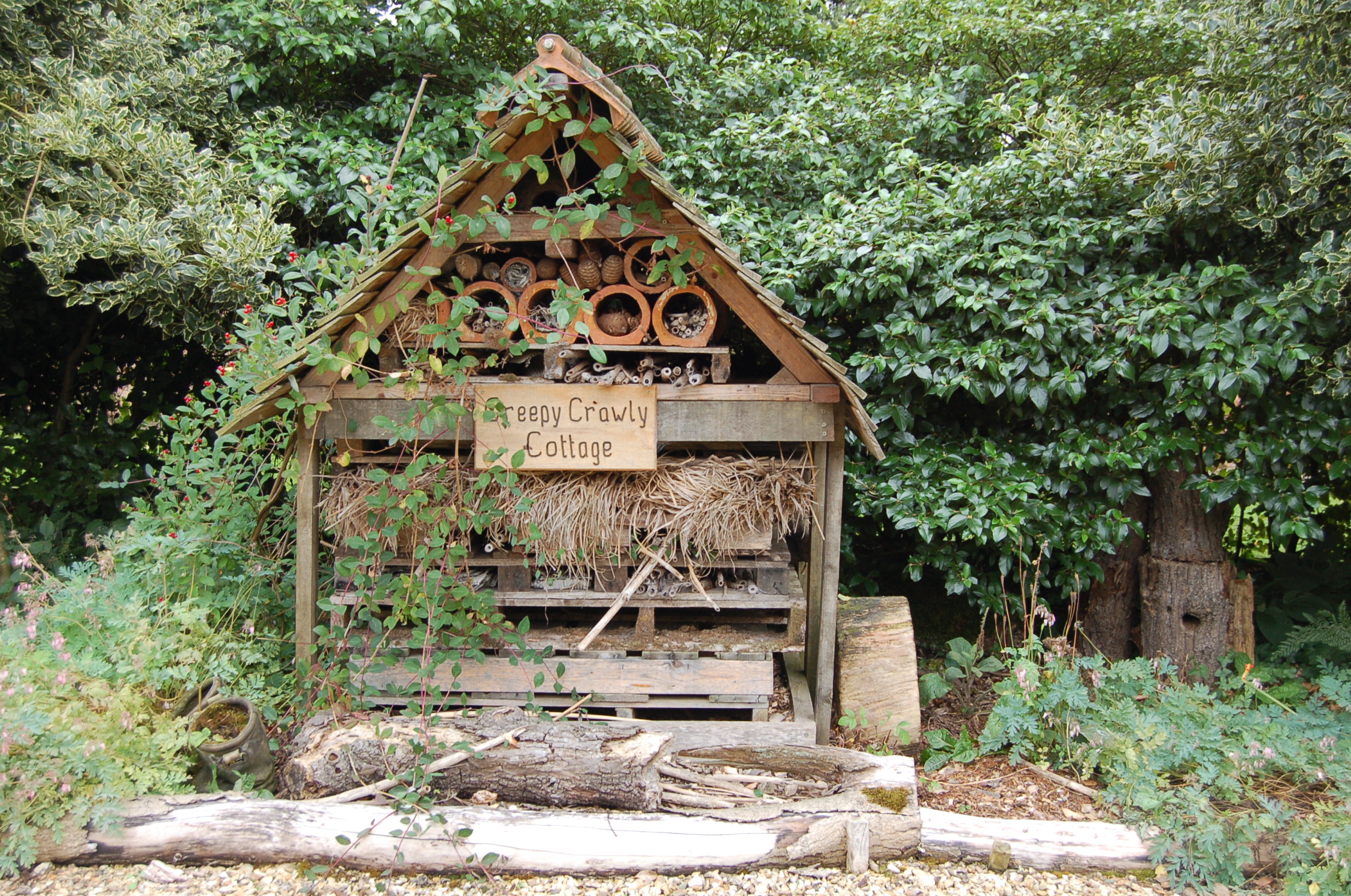
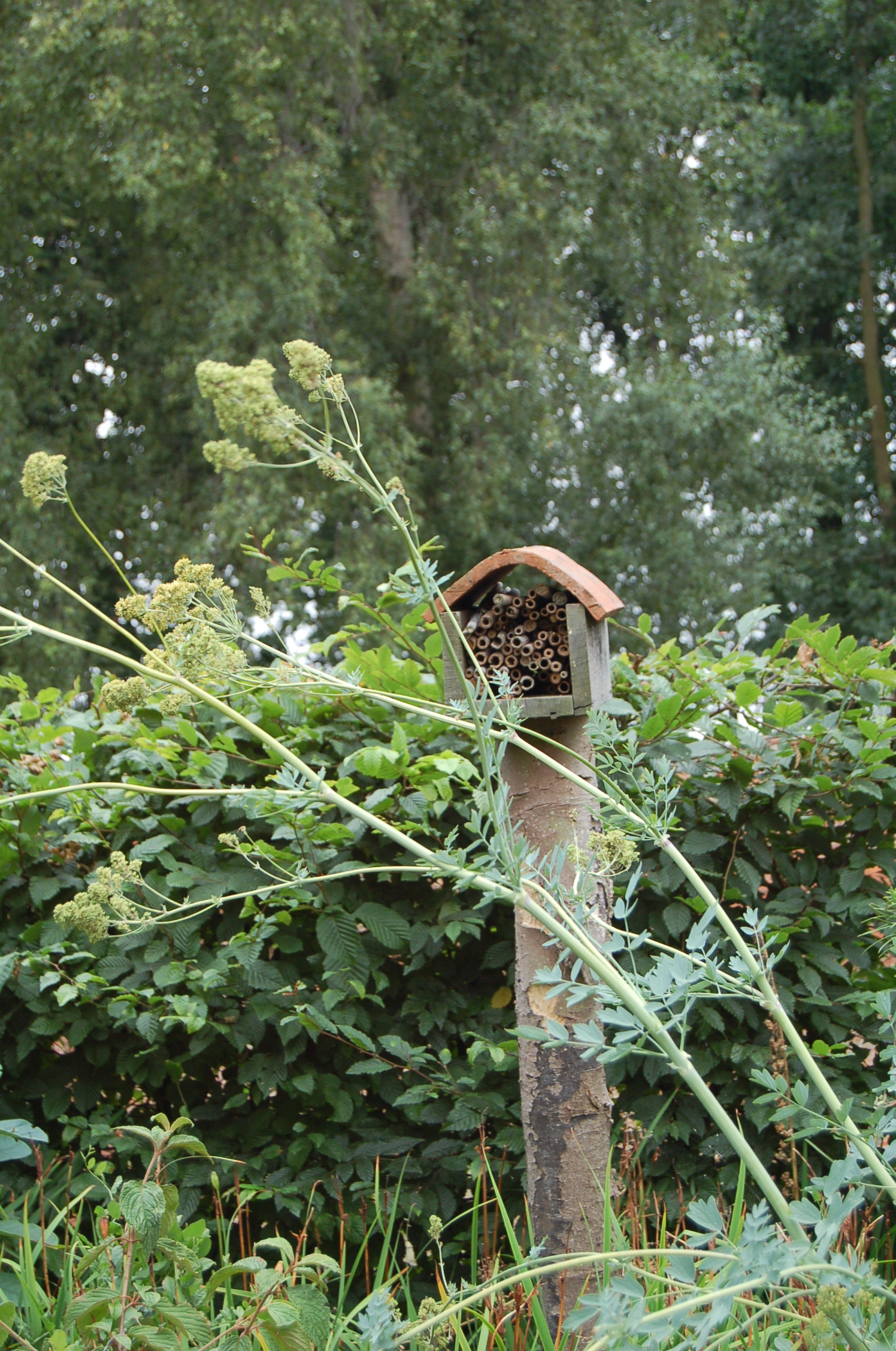
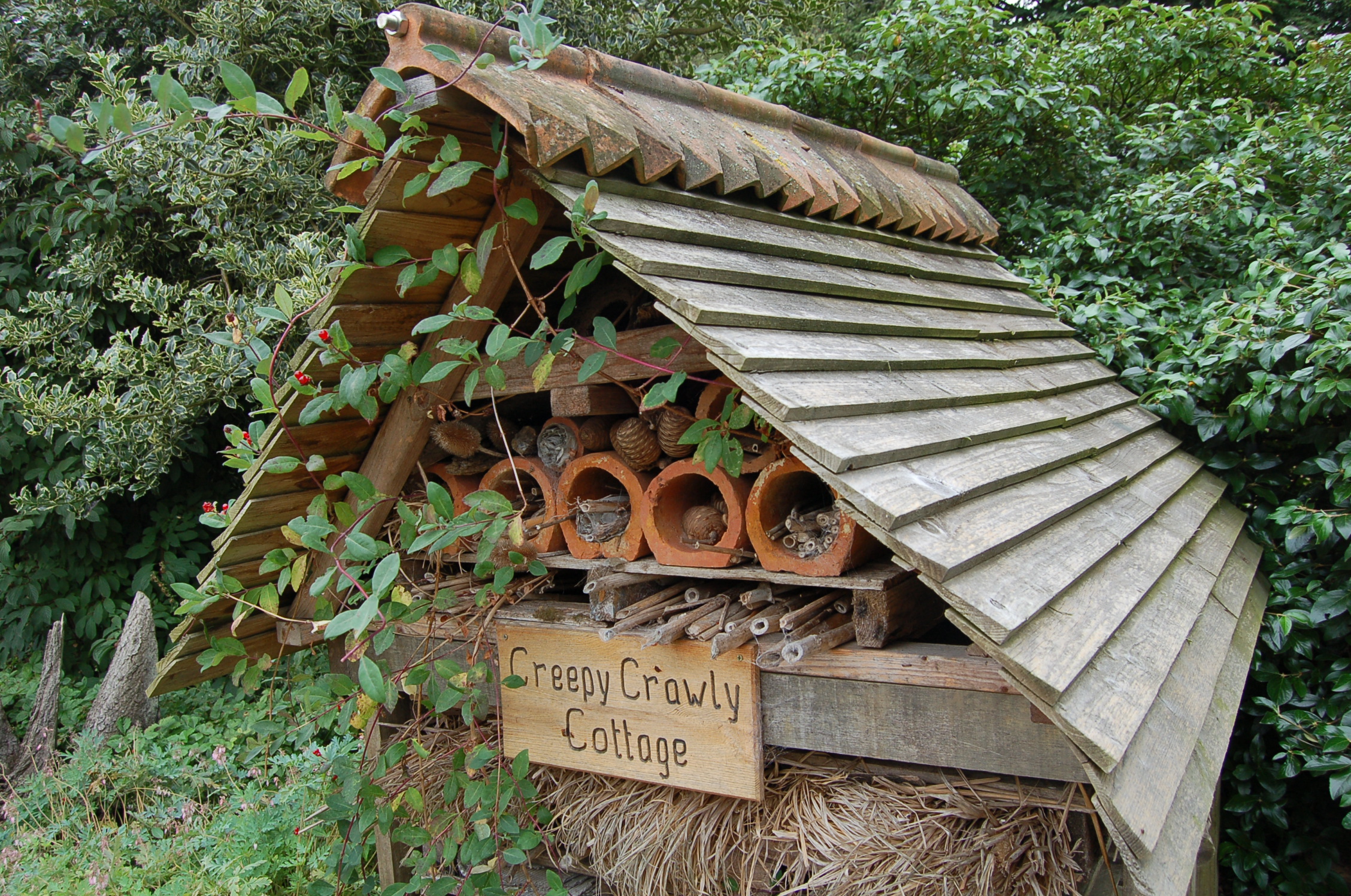
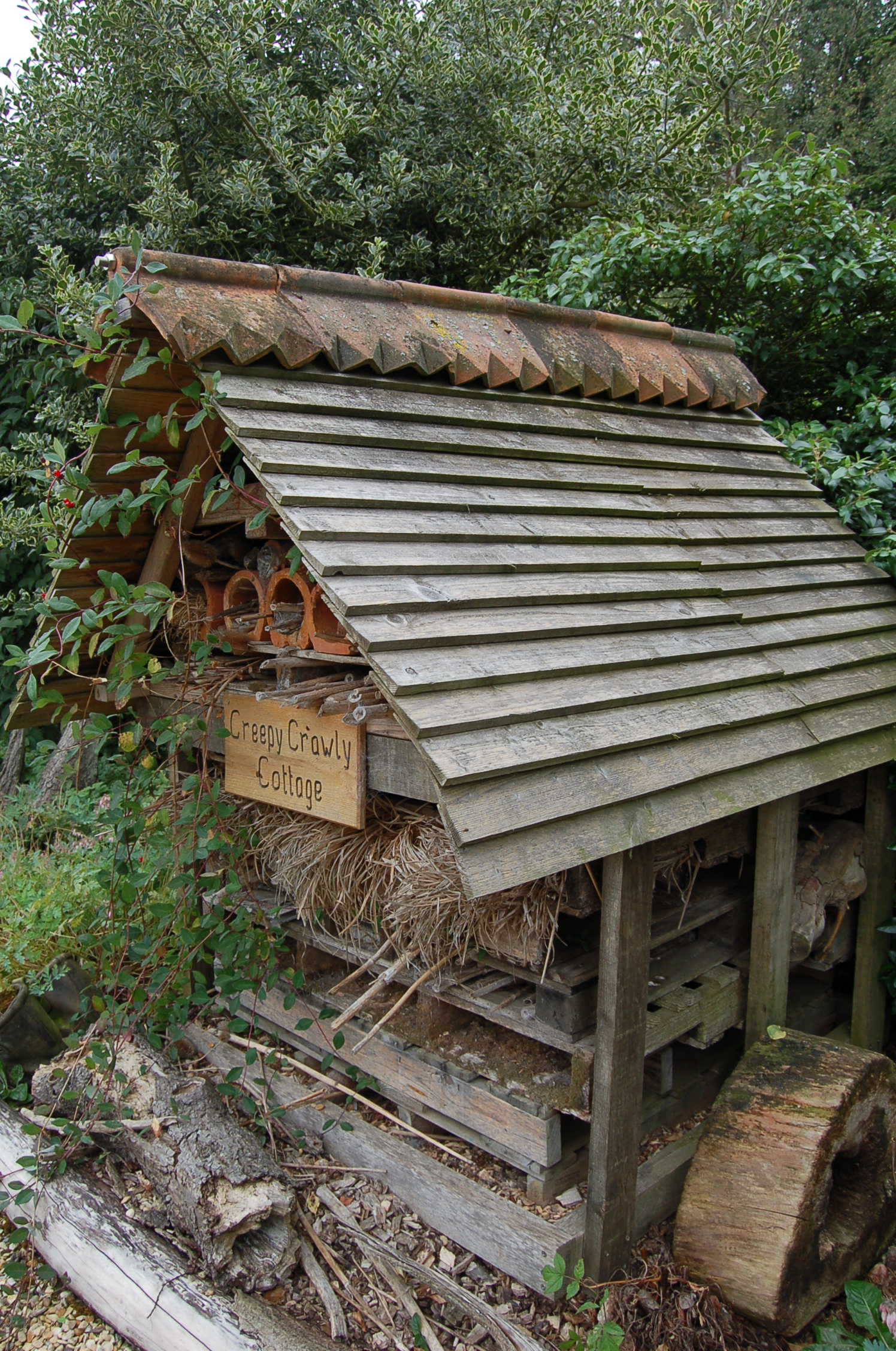
The garden designed to attract wildlife contained some interesting insect shelters and great plants for beneficial “critters”. We were most impressed by the insect home called “Creepy Crawly Cottage and the impressive bird bath.

2013 08 23_3075 2013 08 23_3076 2013 08 23_3077 2013 08 23_3078 2013 08 23_3079 2013 08 23_3080 2013 08 23_3081 2013 08 23_3082 2013 08 23_3084 2013 08 23_3085 2013 08 23_3086 2013 08 23_3087

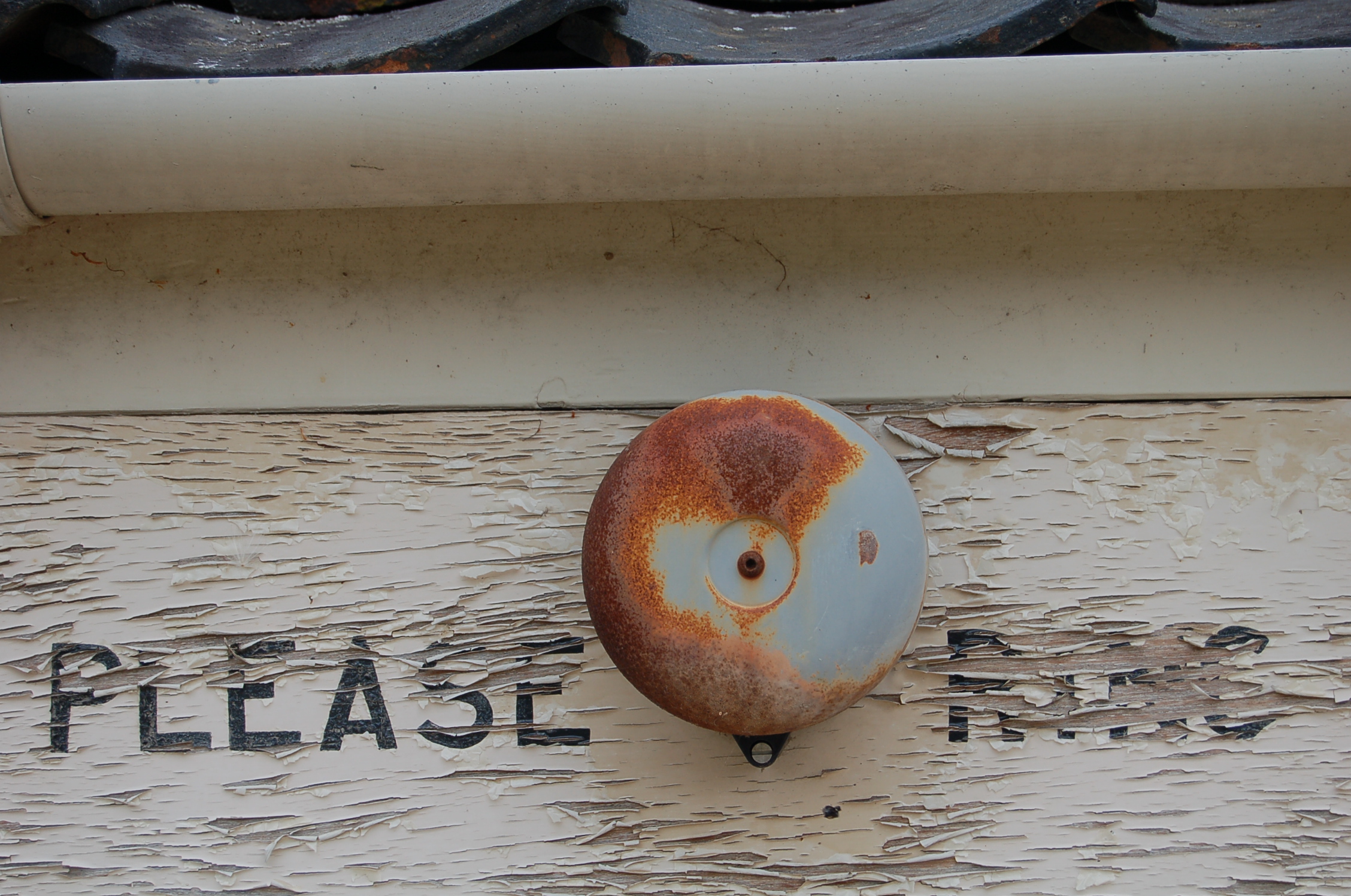
The old gardeners’ bothy was full of character. I loved the bell!

2013 08 23_3090 2013 08 23_3089 2013 08 23_3088

At the far end of the walled garden the sensory garden satisfied our noses with sweet herby scents.

2013 08 23_3091 2013 08 23_3092 2013 08 23_3093 2013 08 23_3094 2013 08 23_3095

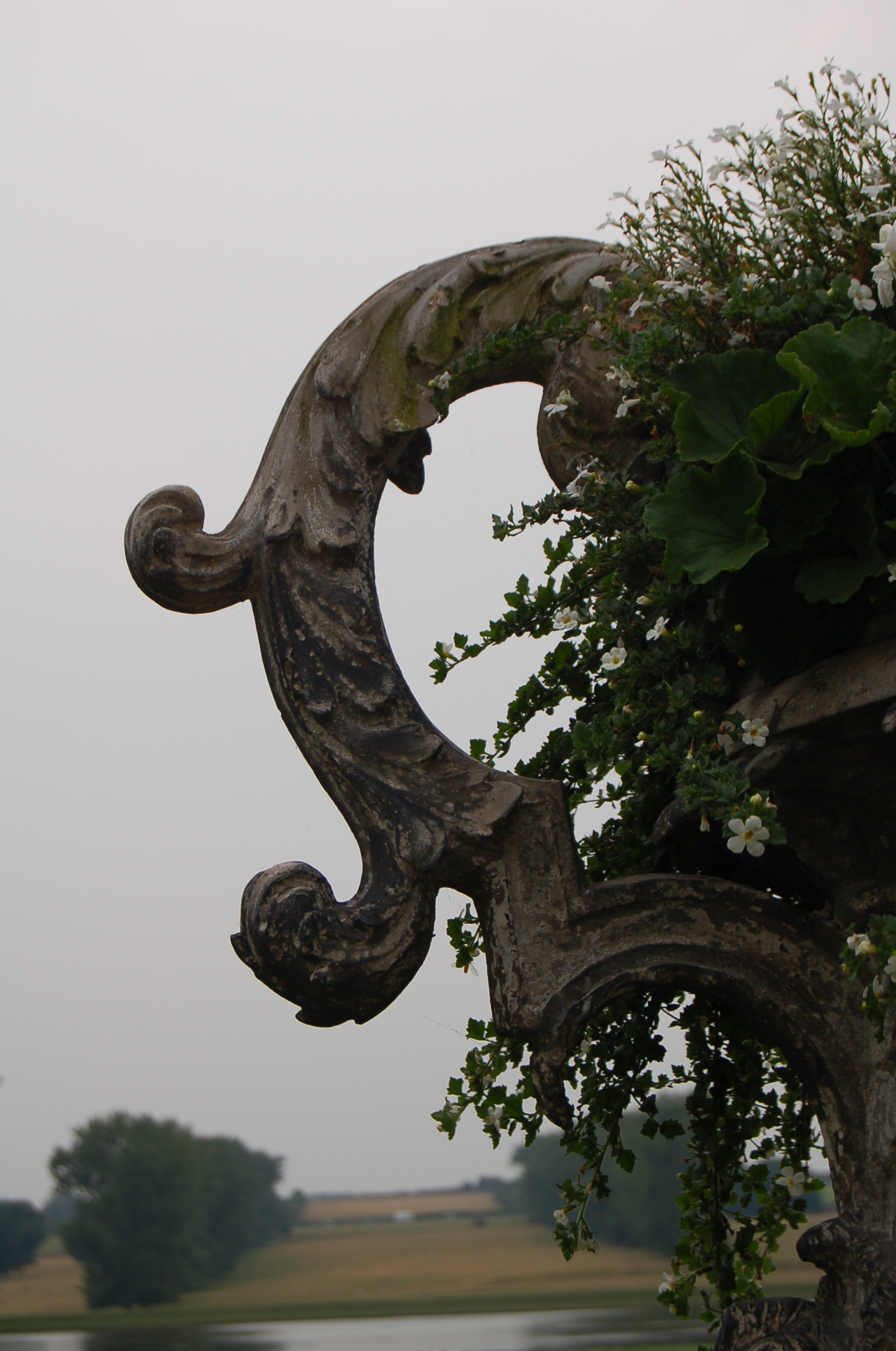
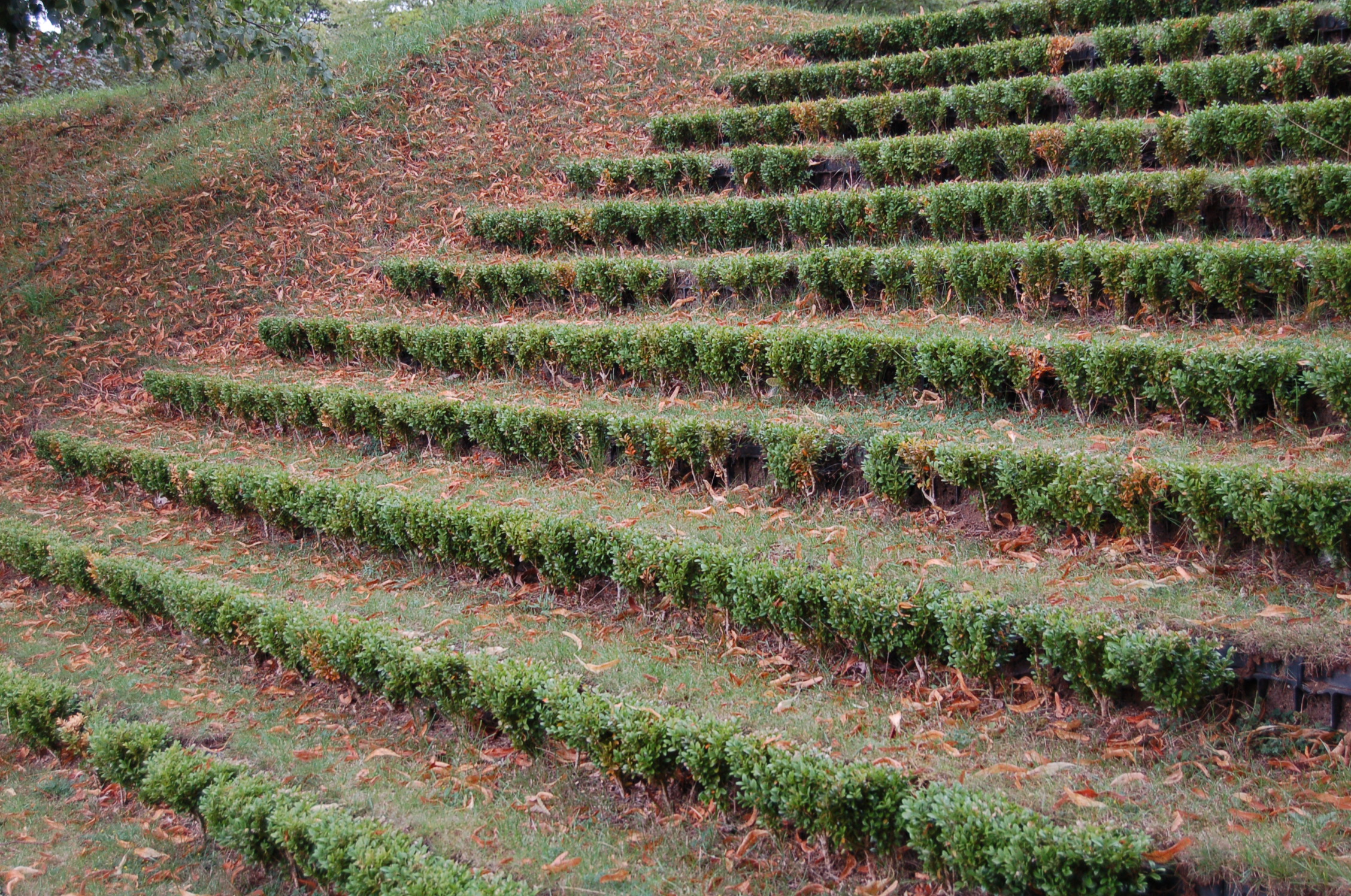
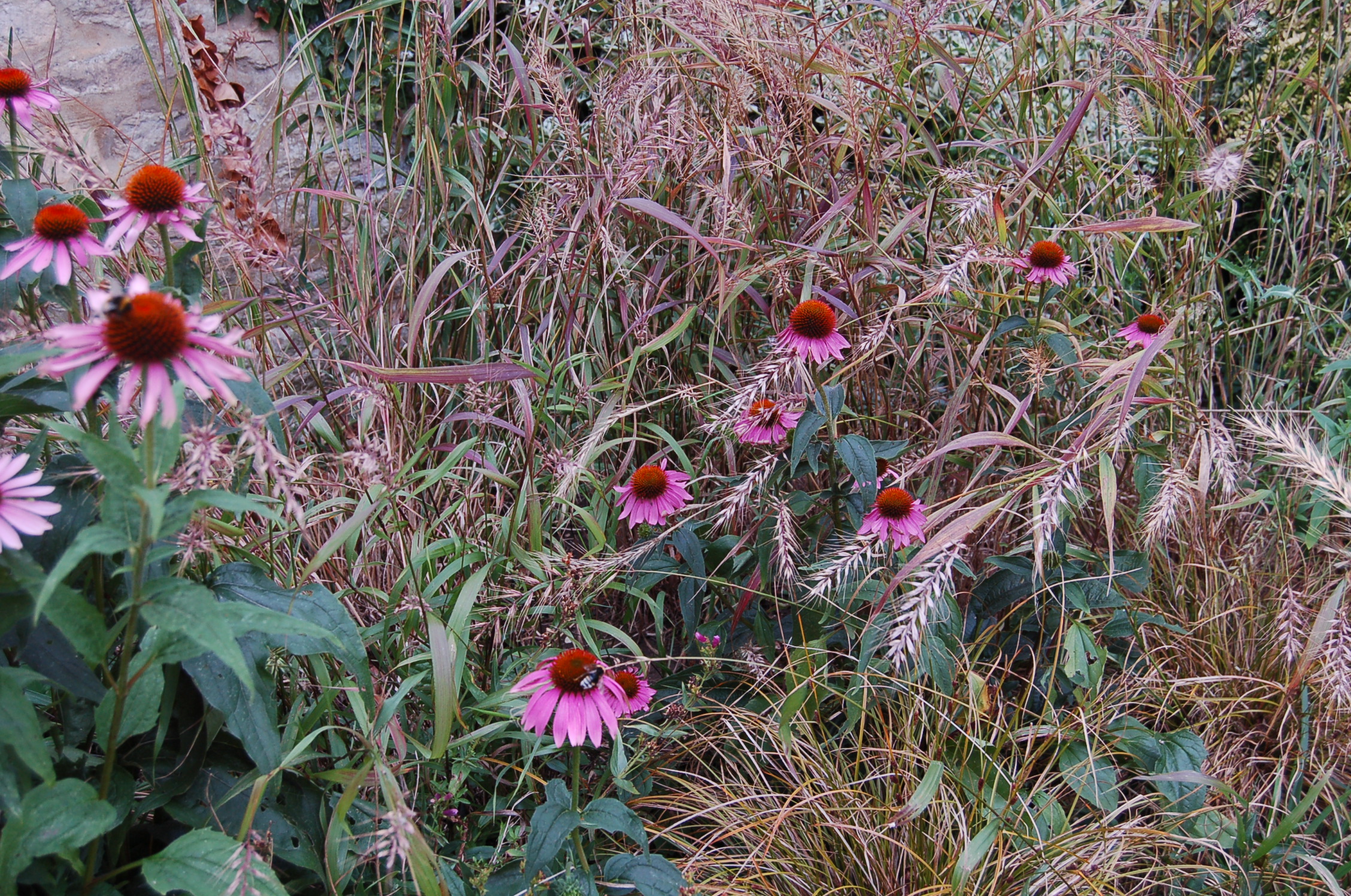
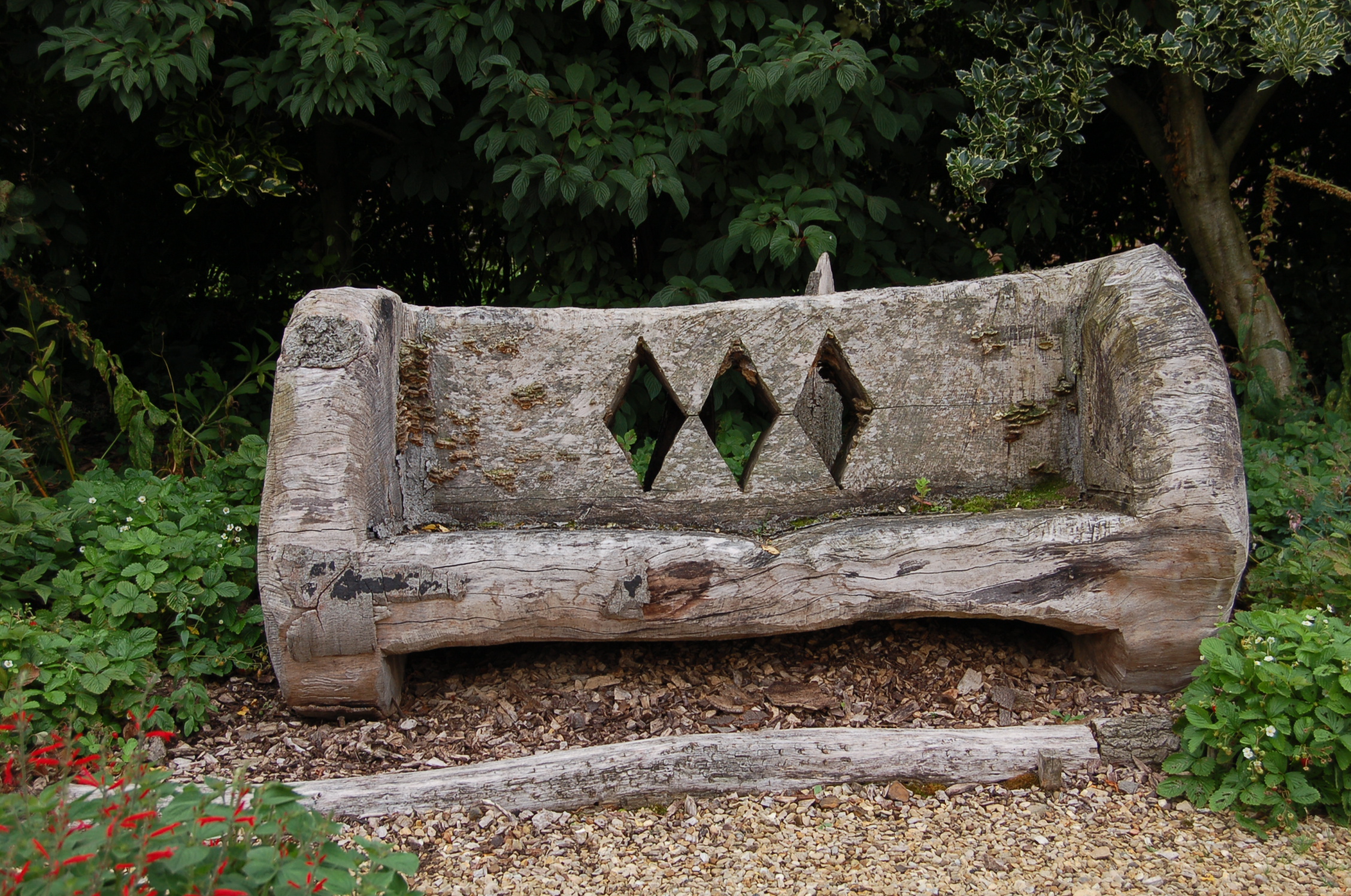
I shall finish this report on Boughton with a couple of interesting features that caught my eye throughout the garden.

2013 08 23_3104 2013 08 23_3103 2013 08 23_3102 2013 08 23_3101 2013 08 23_3100 2013 08 23_3099 2013 08 23_3097 2013 08 23_3095 2013 08 23_3083 2013 08 23_3060 2013 08 23_3059 2013 08 23_3058

Categories
bird watching birds climbing plants colours conservation fruit and veg garden design garden photography garden wildlife gardening grasses hardy perennials ornamental grasses ornamental trees and shrubs photography roses Shropshire village gardens wildlife

A Garden Bouquet for August

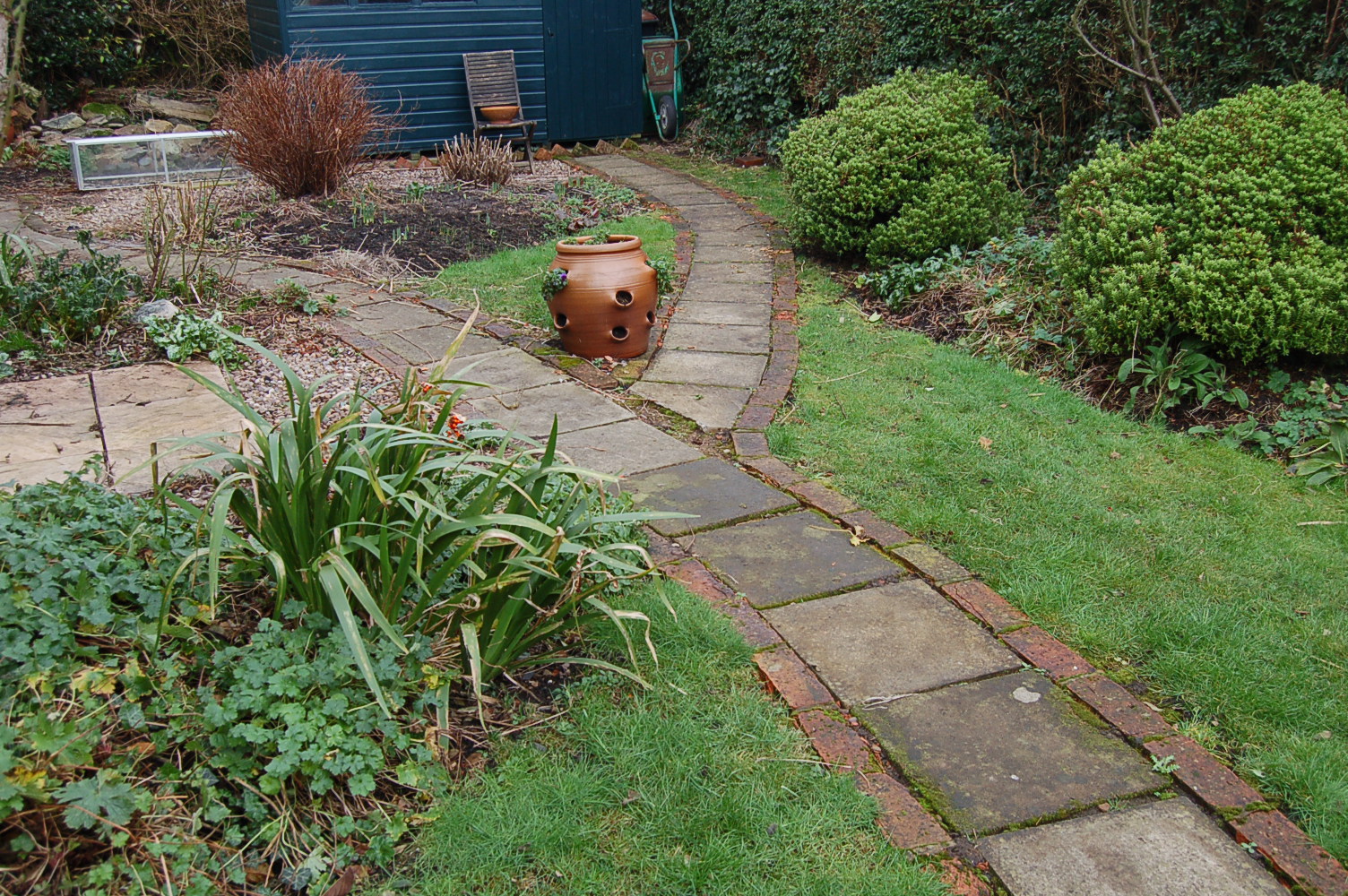
It is time I took up my camera and took photos of the delights our garden has to offer. This is a particularly important set of photos as we have decided on August 3rd as the date we are going to open our garden for the National Garden Scheme next year. We keep looking for gaps or places in need of improvements be it little tweaks or bigger tasks such as re-laying our main central path in the back garden.

So I went off around the garden with my zoom lens attached to see what’s what in our patch. As it panned out there was so much to see in the back garden that all this month’s photos were taken there. Please enjoy the journey and feel the damp, cool morning air which acted like a soft lens filter giving a delicate misty blue atmosphere to some of the shots.

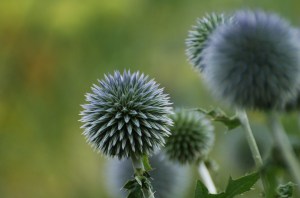
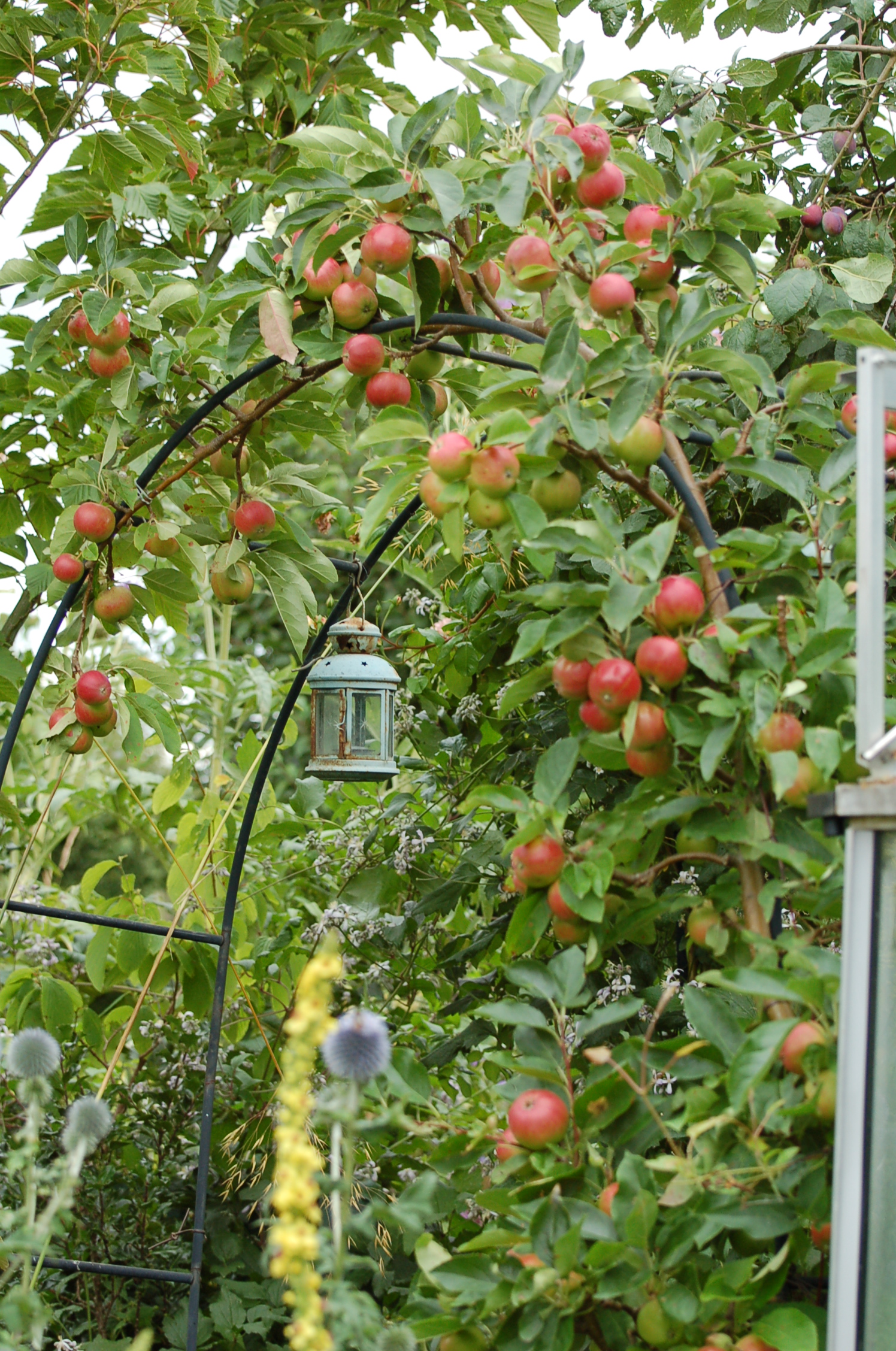
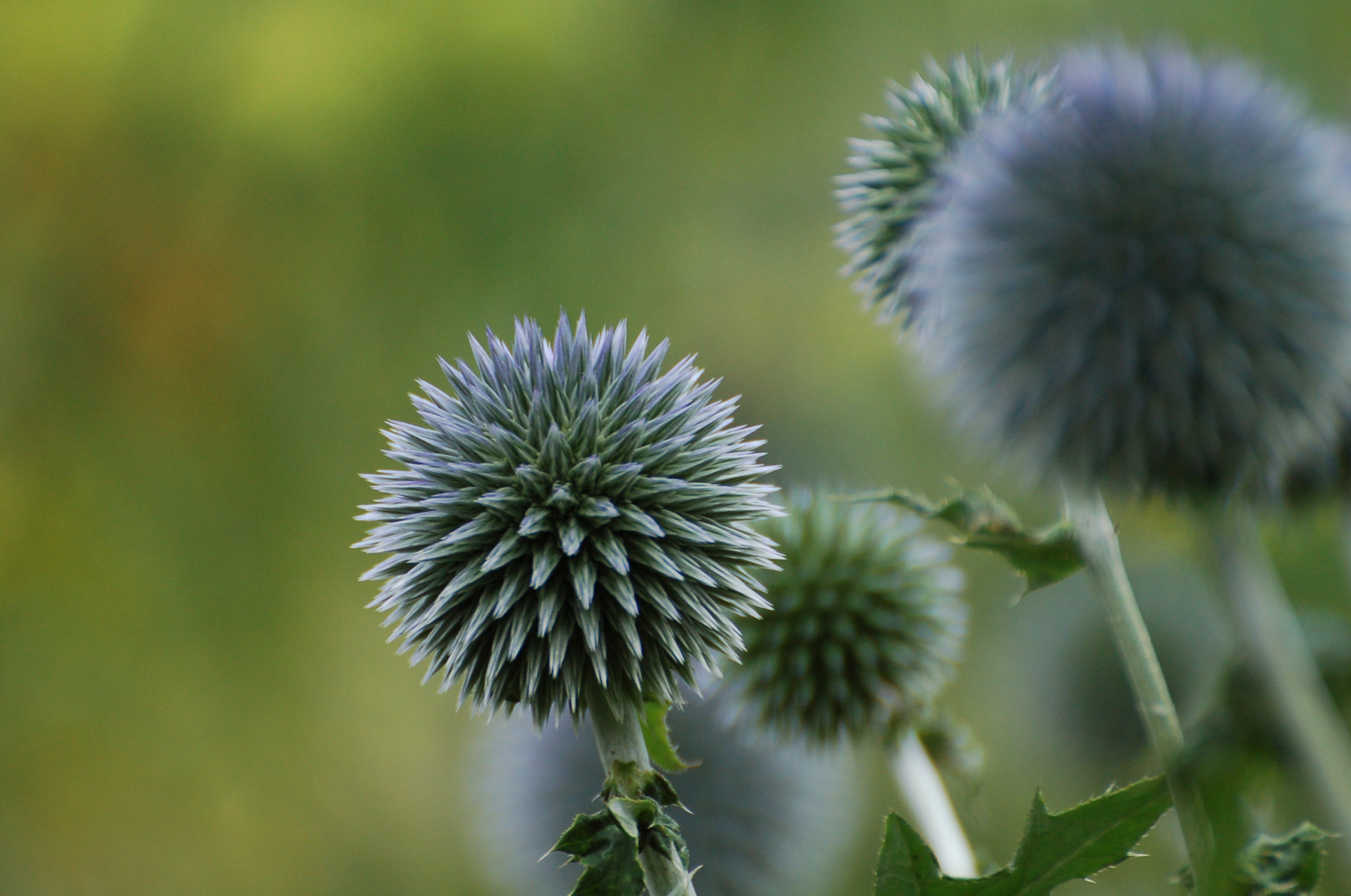
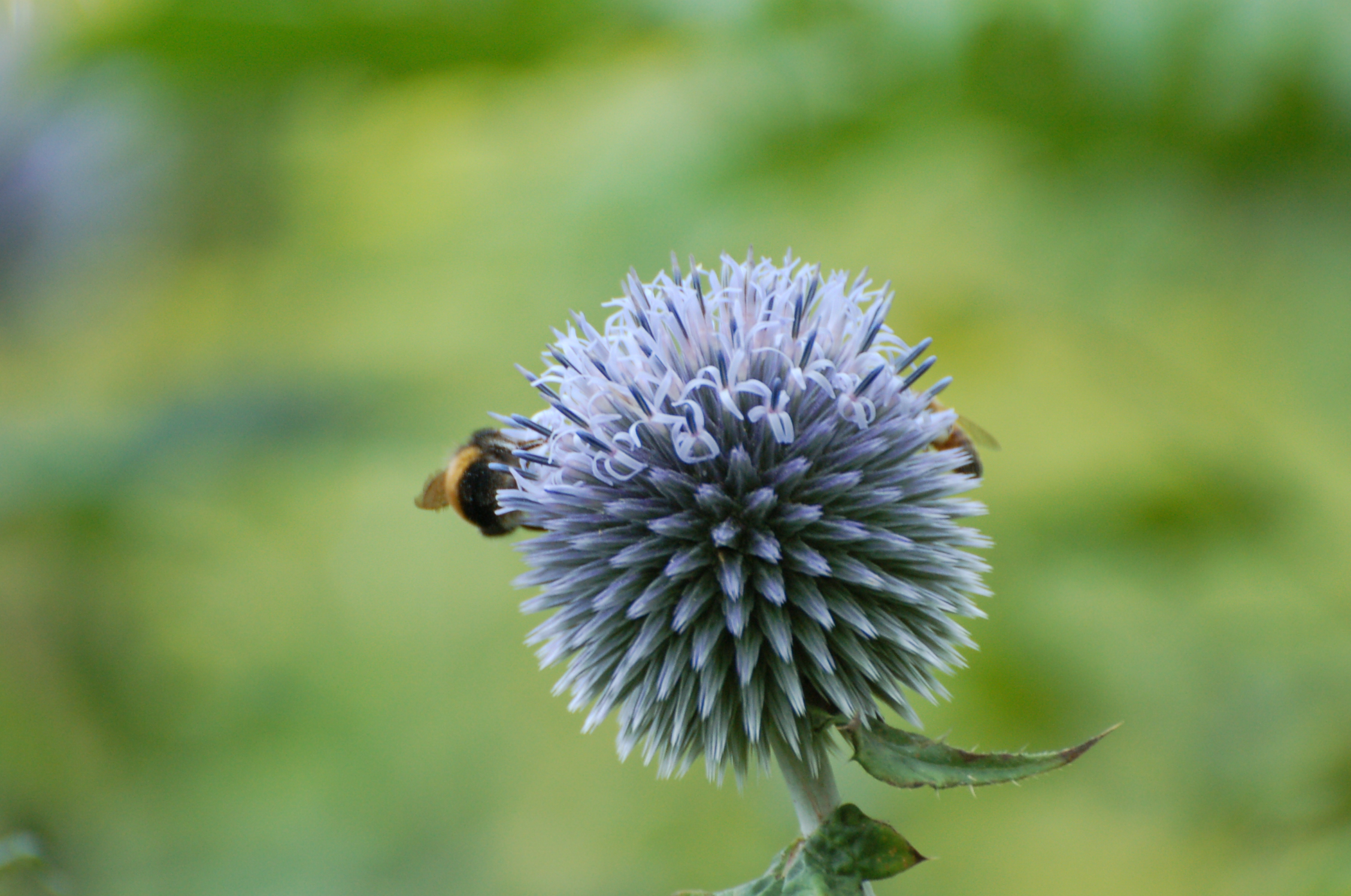
In the “Shed Bed” the delicate china blue flowers popping out of the spiky spheres of the echinops provide sustenance for our bees and the apple tree trained over an arch will provide sustenance for us. The odd white flowers come from the gentle creamy colours of the hydrangea heads.
2013 08 22_2847 2013 08 22_2926 2013 08 22_2927

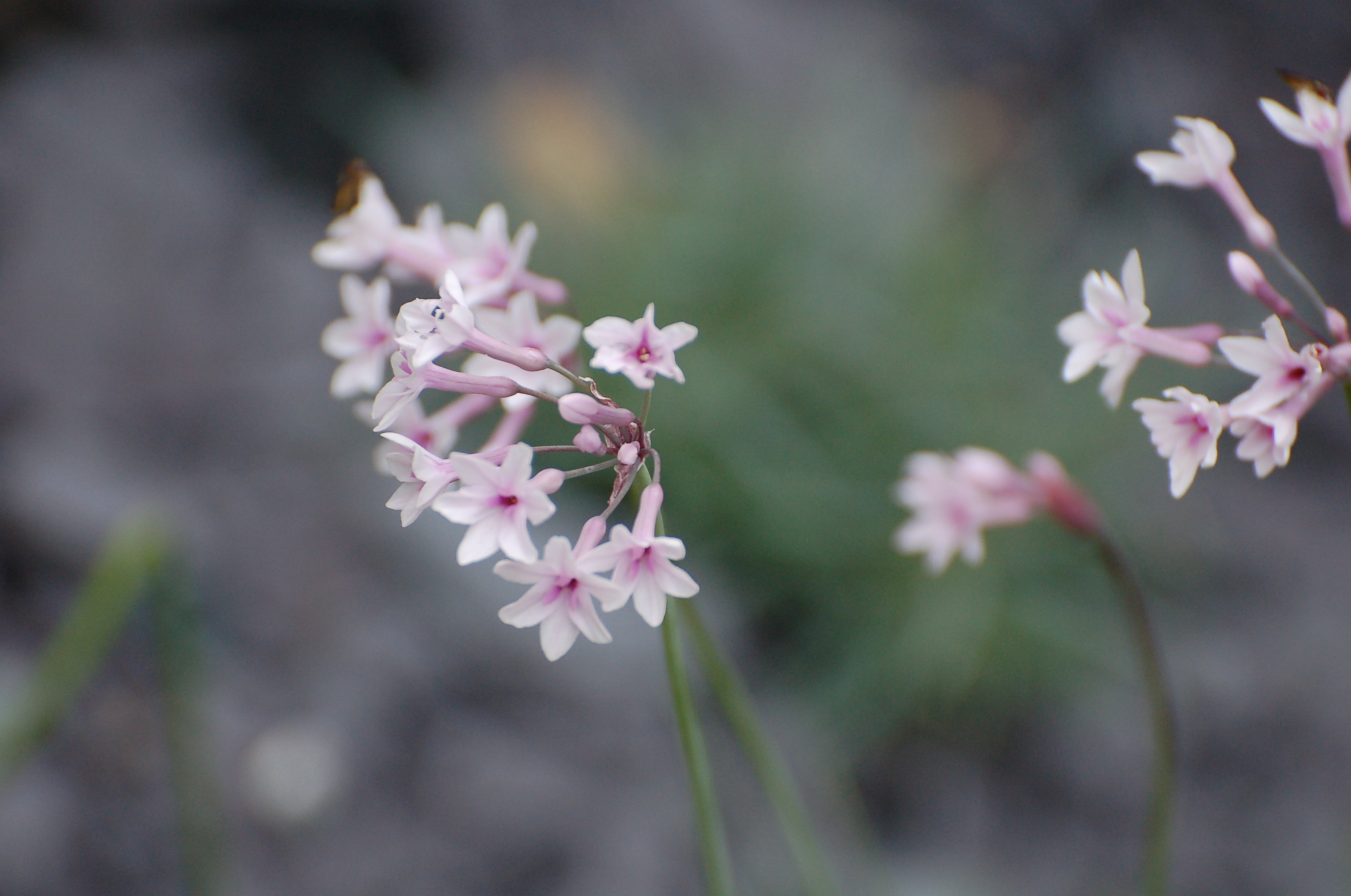
Our tulbagias continue to flower in the new slate garden close by and above them the purple sedum foliage hangs from the old gypsy kettle on our old ladder.
2013 08 22_2928 2013 08 22_2929 2013 08 22_2930 2013 08 22_2931

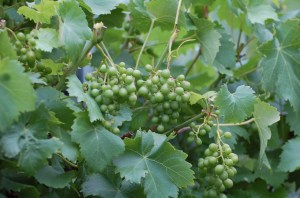
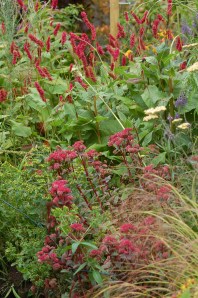
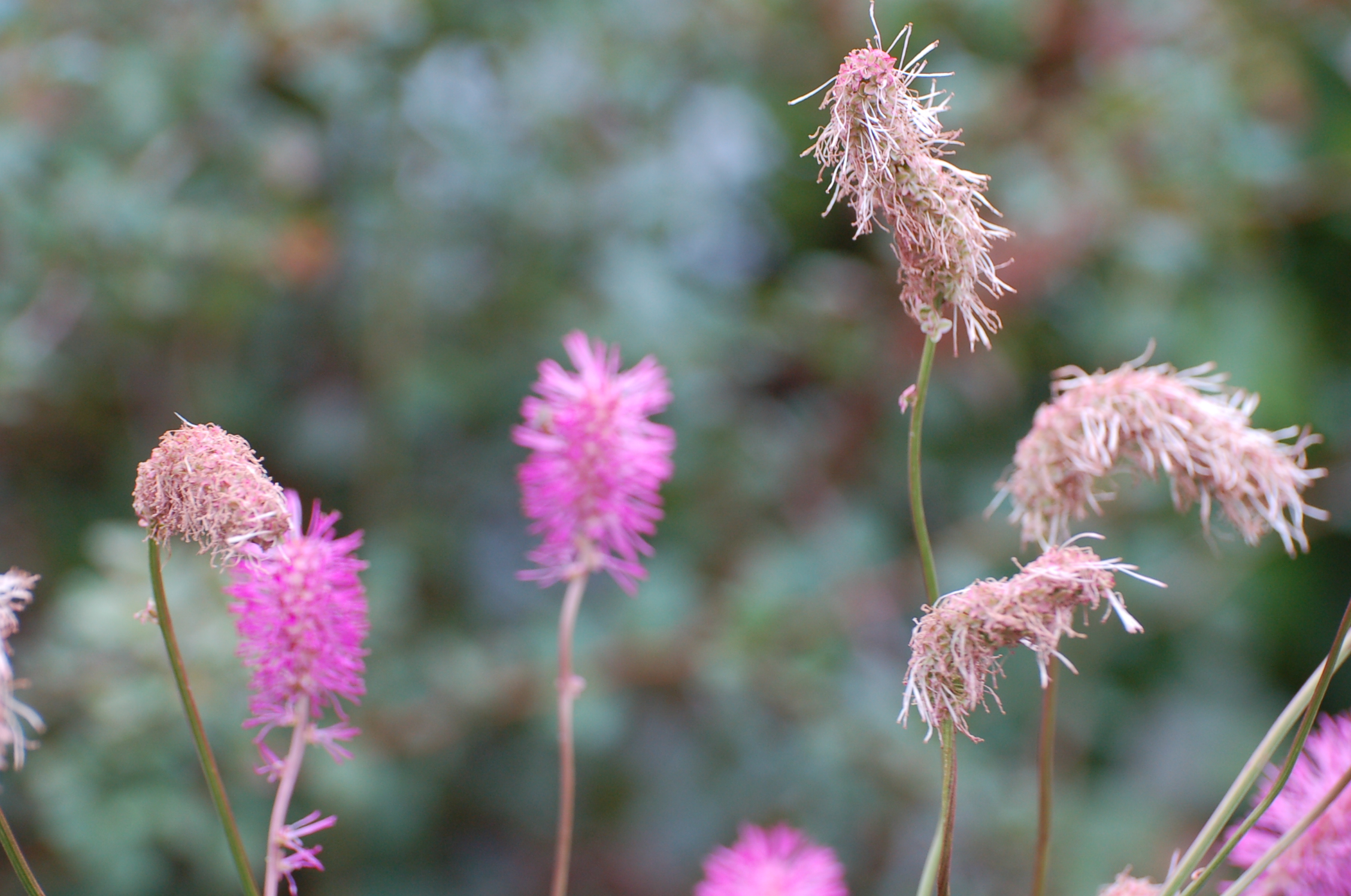
There are lots of plants to look at around the end of the greenhouse where the vine is dripping with grapes awaiting late summer sun to ripen them and paint them in purple and black. The Quince vranga tree has a few fruits hanging at the tips of the branches and the soft pink curled flowers of Sanguisorba “Pink Elephant” brighten the border below.
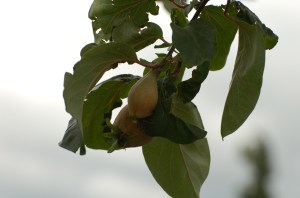
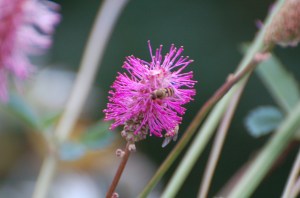
2013 08 22_2857 2013 08 22_2933 2013 08 22_2935 2013 08 22_2936

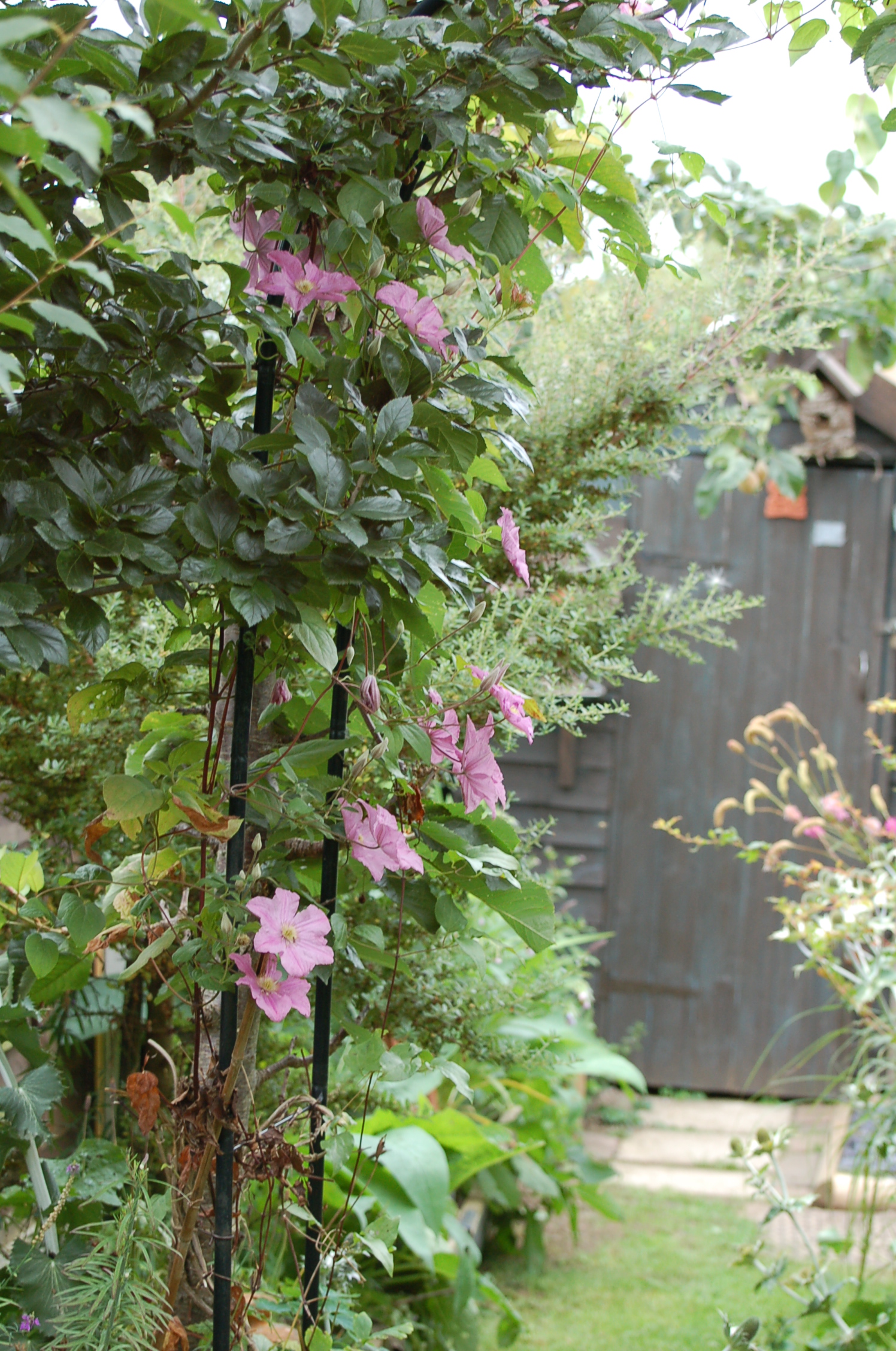
In the long “Tree Border ” this lilac flowered clematis is dripping with flowers and the thornless blackberry is heavy with young unripe fruits.
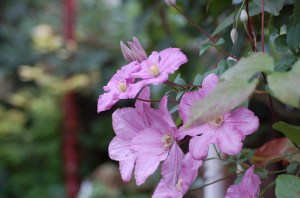
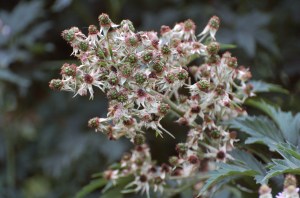
2013 08 22_2862 2013 08 22_2938

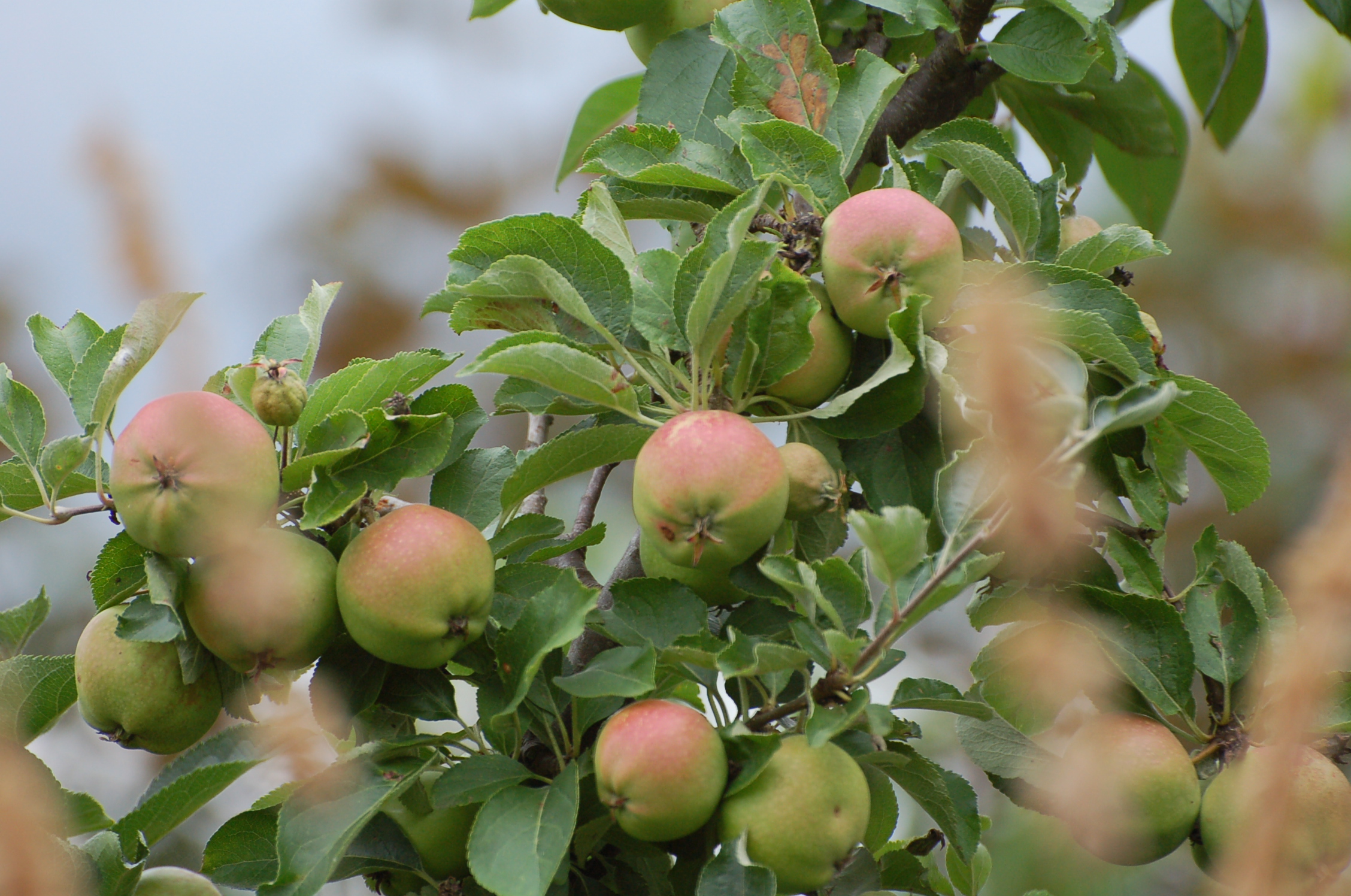
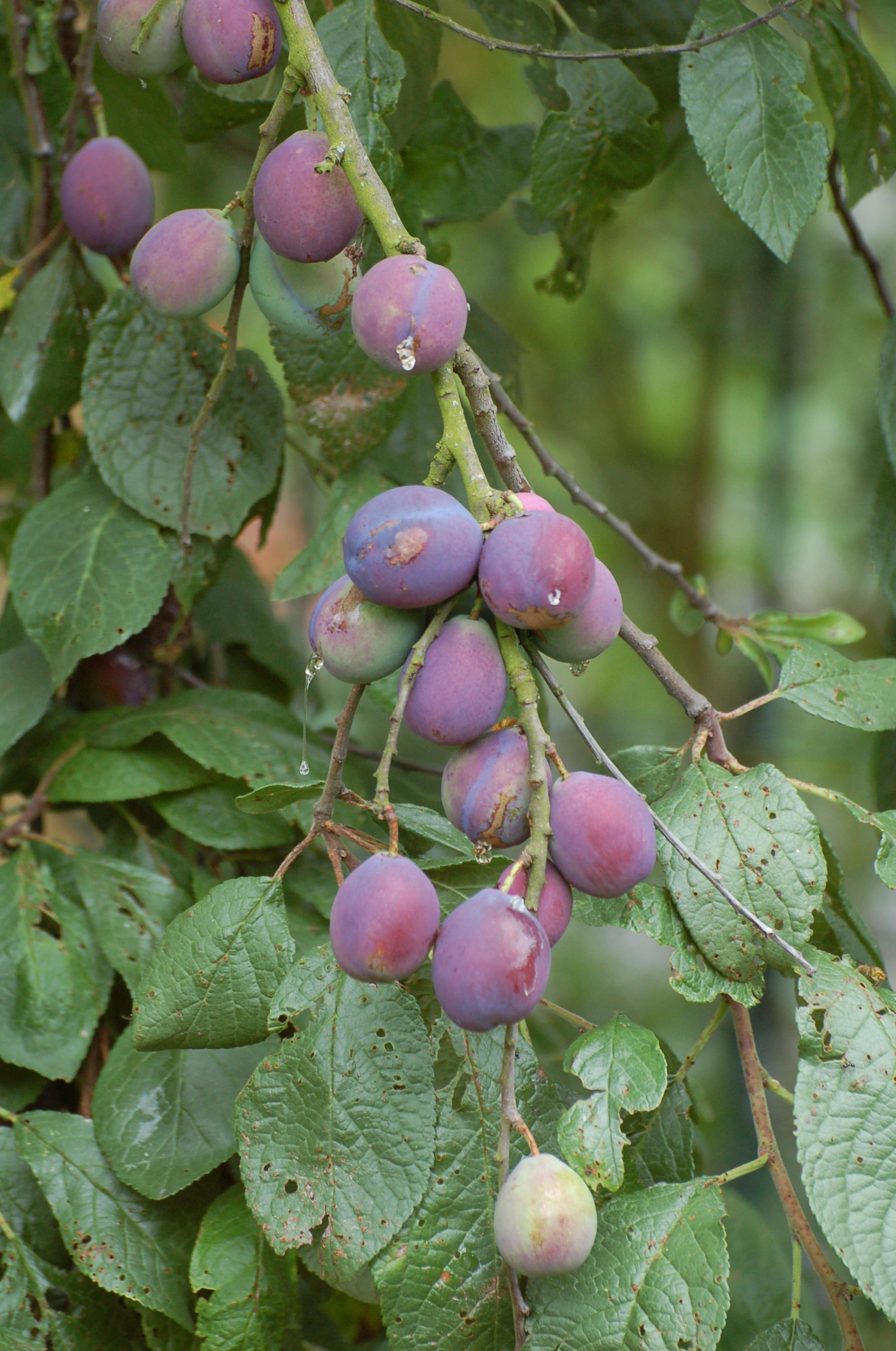
The Secret Garden and the Chicken Garden are at their best, blooming brightly with the cordon apples full of ripening fruit acting as a backdrop, many of which are just beginning to develop a flush in their cheeks. The Shropshire Damson tree overhangs one border and its deep purple fruits are weighing down its branches so heavily that the fruits look like they are reaching out to hold hands with the flowers.

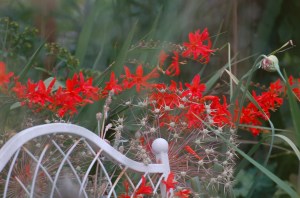
2013 08 22_2939 2013 08 22_2940 2013 08 22_2941 2013 08 22_2867 2013 08 22_2944 2013 08 22_2945 2013 08 22_2946 2013 08 22_2872 2013 08 22_2873 2013 08 22_2949

A few new plants are waiting, still in their pots, in the Secret Garden while we decide where to plant them. They seem to be the colours of citrus fruits!

2013 08 22_2950 2013 08 22_2951

Along the central pathway our pears are close to their peak picking time. As I pass each day I look longingly to see if a couple are ready. Surely this is the ultimate gardening experience, eating a juicy, scented pear still warm from the sunshine just seconds from leaving the branch. The few plums look sad and lonely – from all four cordons we have just one clump of fruit. A poor year!
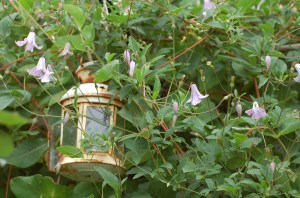
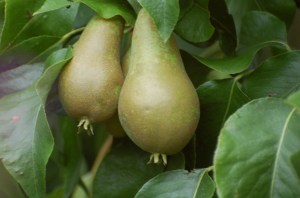
2013 08 22_2878 2013 08 22_2877 2013 08 22_2955 2013 08 22_2956

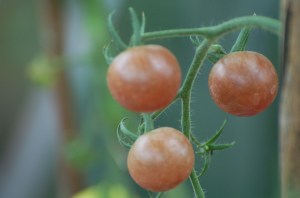
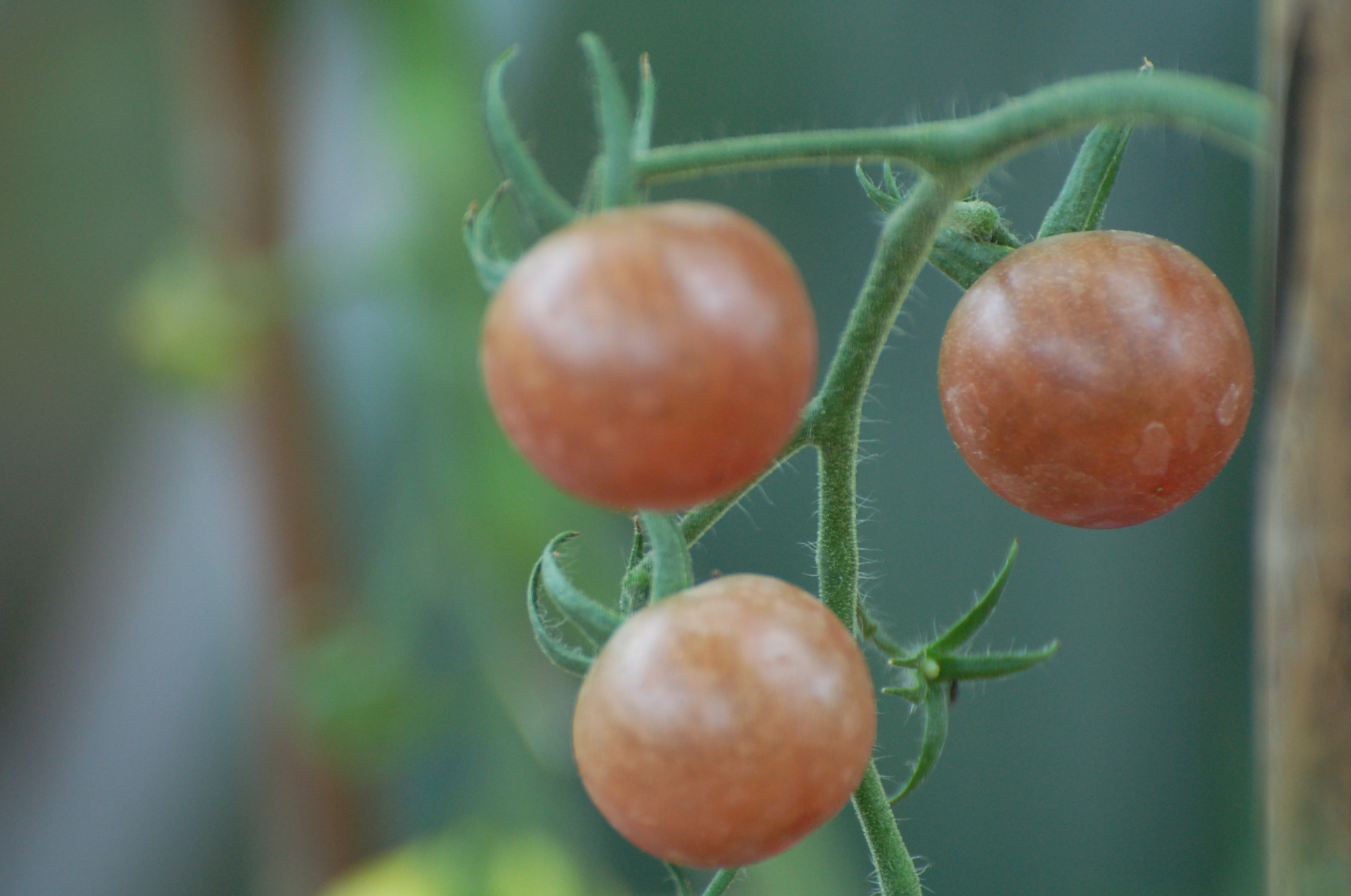
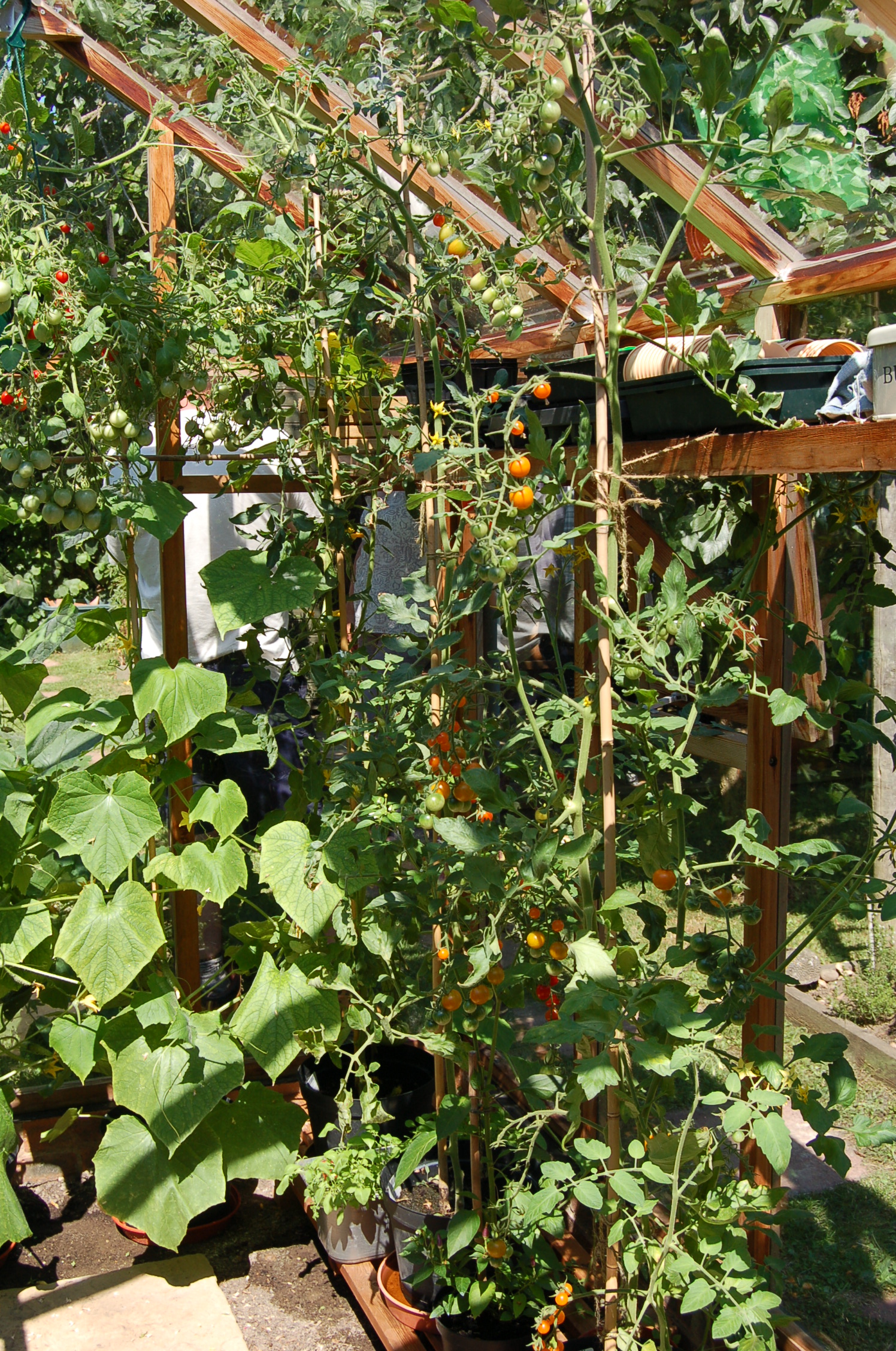
In the greenhouse the tomatoes are producing prolific amount of fruit in shades of yellow, red and purple. We are picking and enjoying them daily and adding some to the store of produce in the freezer. In the late autumn we shall make them into chutney coupled with our onions and apples.

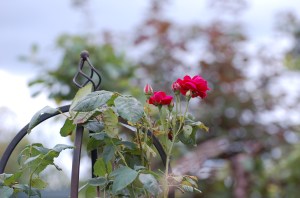
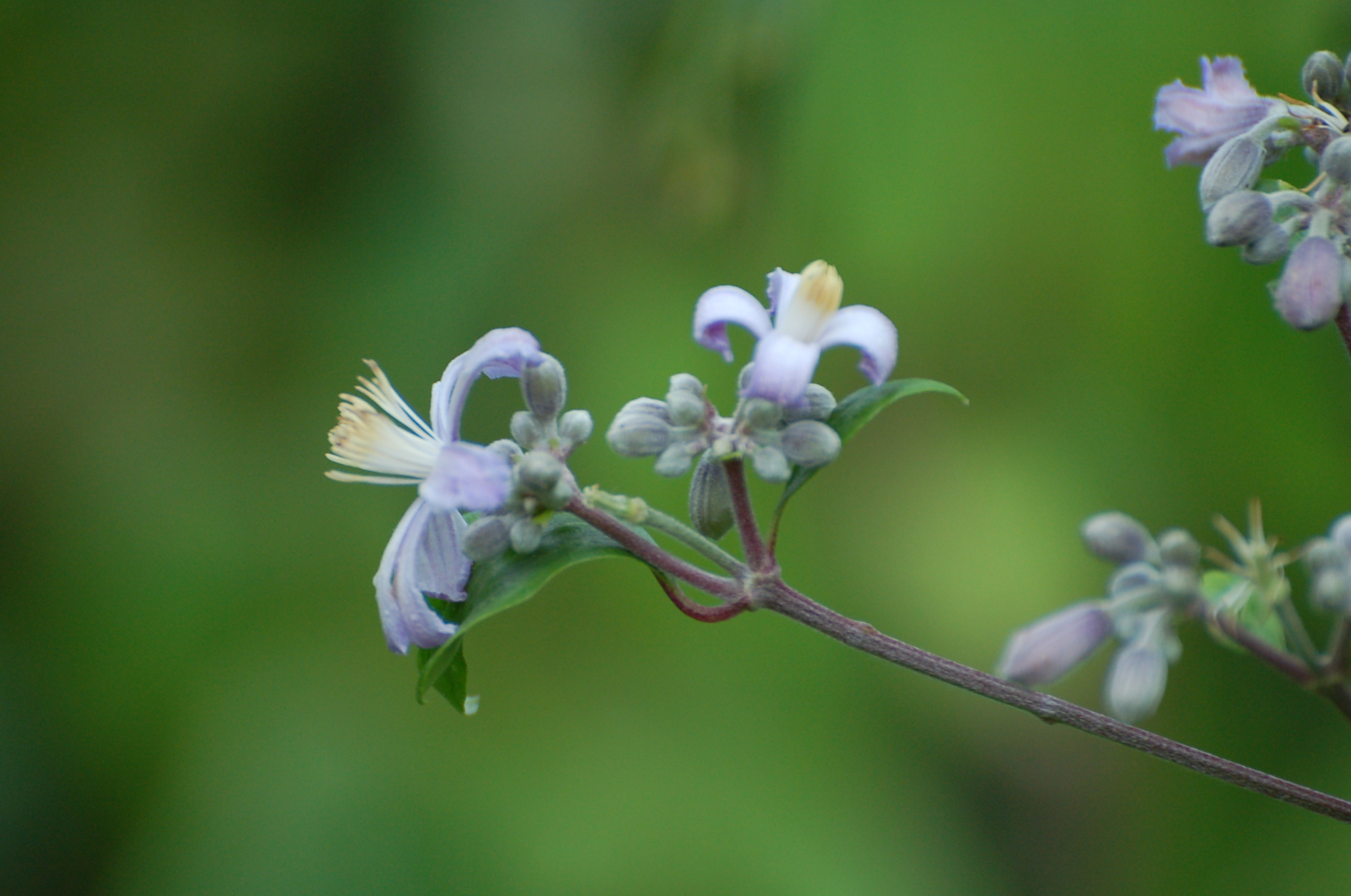
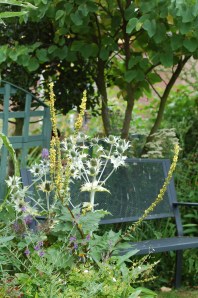
From the greenhouse door I can look out across the “L Bed” and the “Long Border” through an arch draped in richly scented roses and a delicate china blue clematis. This is a herbaceous clematis rather than a climber, but it does enjoy a good scramble over everything in its path.
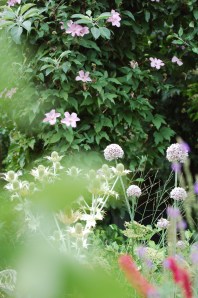
2013 08 22_2958 2013 08 22_2960 2013 08 22_2961

2013 08 22_2963 2013 08 22_2964 2013 08 22_2965 2013 08 22_2967 2013 08 22_2968 2013 08 22_2970

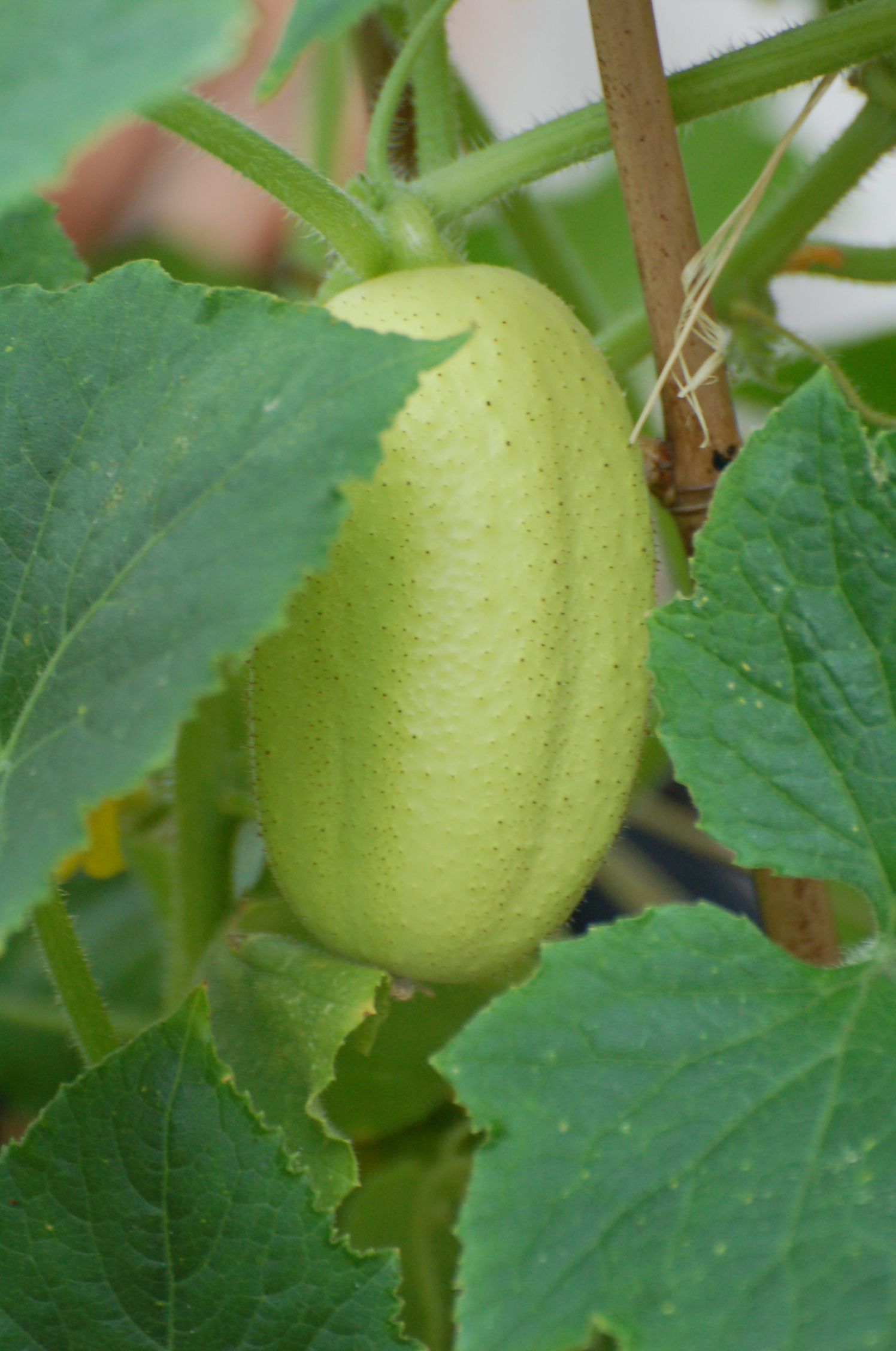
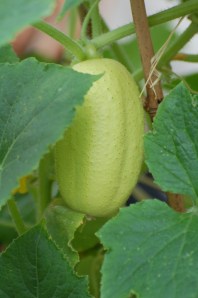
This strange fruit is a heritage cucumber called Booths Blond, which Jude the Undergardener tells me is very tasty. I don’t eat them, they are one of the few fruits and veggies I don’t enjoy. This variety certainly looks very different to the long straight regimental cucumbers sold in supermarkets.
2013 08 22_2971

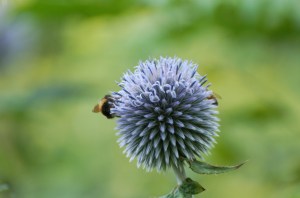
We have been concerned about the lack of butterflies and bees this year but recently they have come back in good numbers. Honey bees, bumble bees and solitary bees are all feeding furiously on any simple flowers. The butterflies are particularly tempted by the buddlejas and the marjorams. We garden with wildlife in mind particularly in the choice of plants we grow. Our flowers tend to be simple and  open, just the sort preferred by pollinating insects. We rely on our insects and birds to look after our garden for us. We garden totally organically relying on wildlife to do our pest controlling and pollinating of our crops.

2013 08 22_2897 2013 08 22_2969

As I am writing this the sky is full of House Martins and Swallows gathering together in readiness for their long migratory journey to the African continent. There they will find flies to feed on while here in the UK the insect population will disappear with the onset of winter. These acrobatic flying little birds seem to be celebrating a good English summer!

In the shrubs and trees warblers and titmice are busy feeding up after a period of moult. August and September are when we tend to see our warblers, Willow, Garden and this year even a Grasshopper Warbler. Chiffchaff and Whitethroat tend to be with us most of the year.
Categories
birds climbing plants colours fruit and veg garden design garden photography garden wildlife gardening grow your own hardy perennials herbs ornamental trees and shrubs village gardens

A cottage garden with a difference.

We visited my sister, Penny and her husband, Tony this week and enjoyed a lazy afternoon sat on the terrace under a large awning escaping the afternoon sun as the temperature rose well into the 30’s again. From their front garden, situated beneath Bredon Hill in Gloucestershire, you would believe that a traditional cottage garden awaited you around the back but prepare to be surprised.

2013 08 02_2408

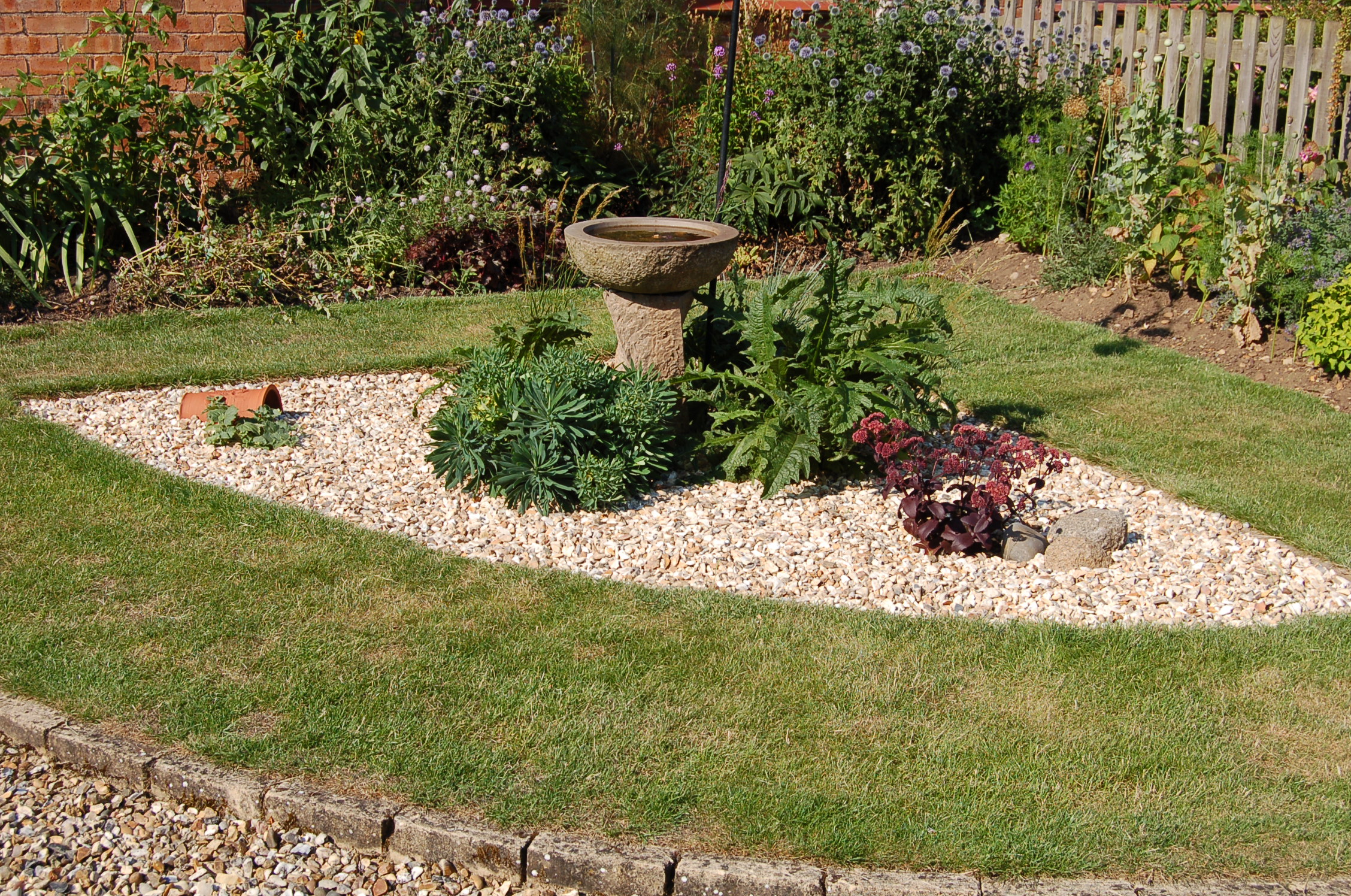
The front is a gravel drive and turning point with neatly mown grass areas and gravel gardens, featuring a beautiful stone birdbath.

2013 08 02_2409 2013 08 02_2410

Move around the back and a wide inviting paved terrace greets you, and the pervading warm scents of herbs emphasises the feeling of welcome. The aroma of coffee brewing and comfy seating under the awning made us feel so welcome. This is good garden design!

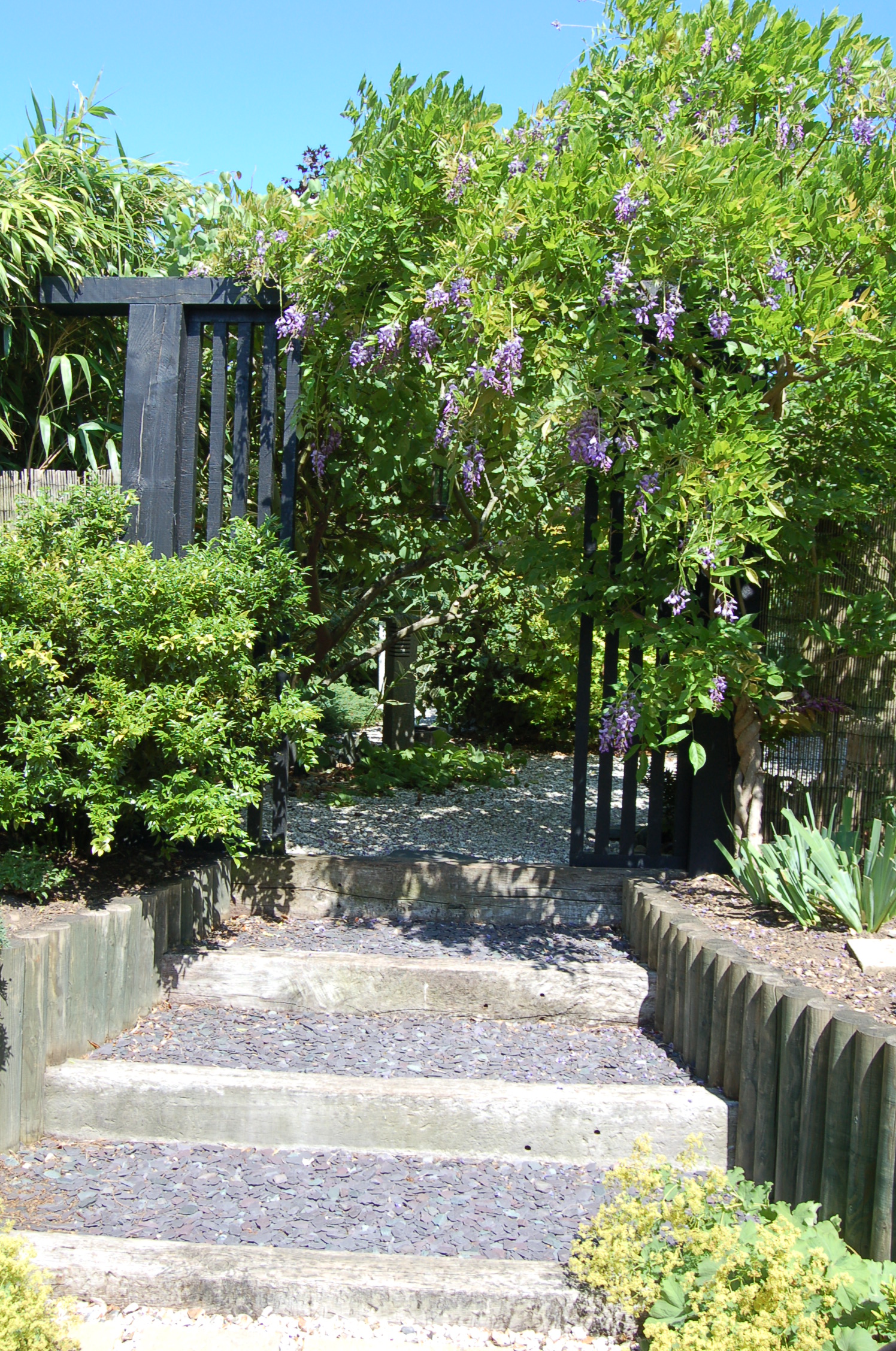
Sit and enjoy your brew and wide steps constructed of recycled railway sleepers infilled with gravel entice you deeper into the garden through a lovely Japanese influenced archway

2013 08 02_2352

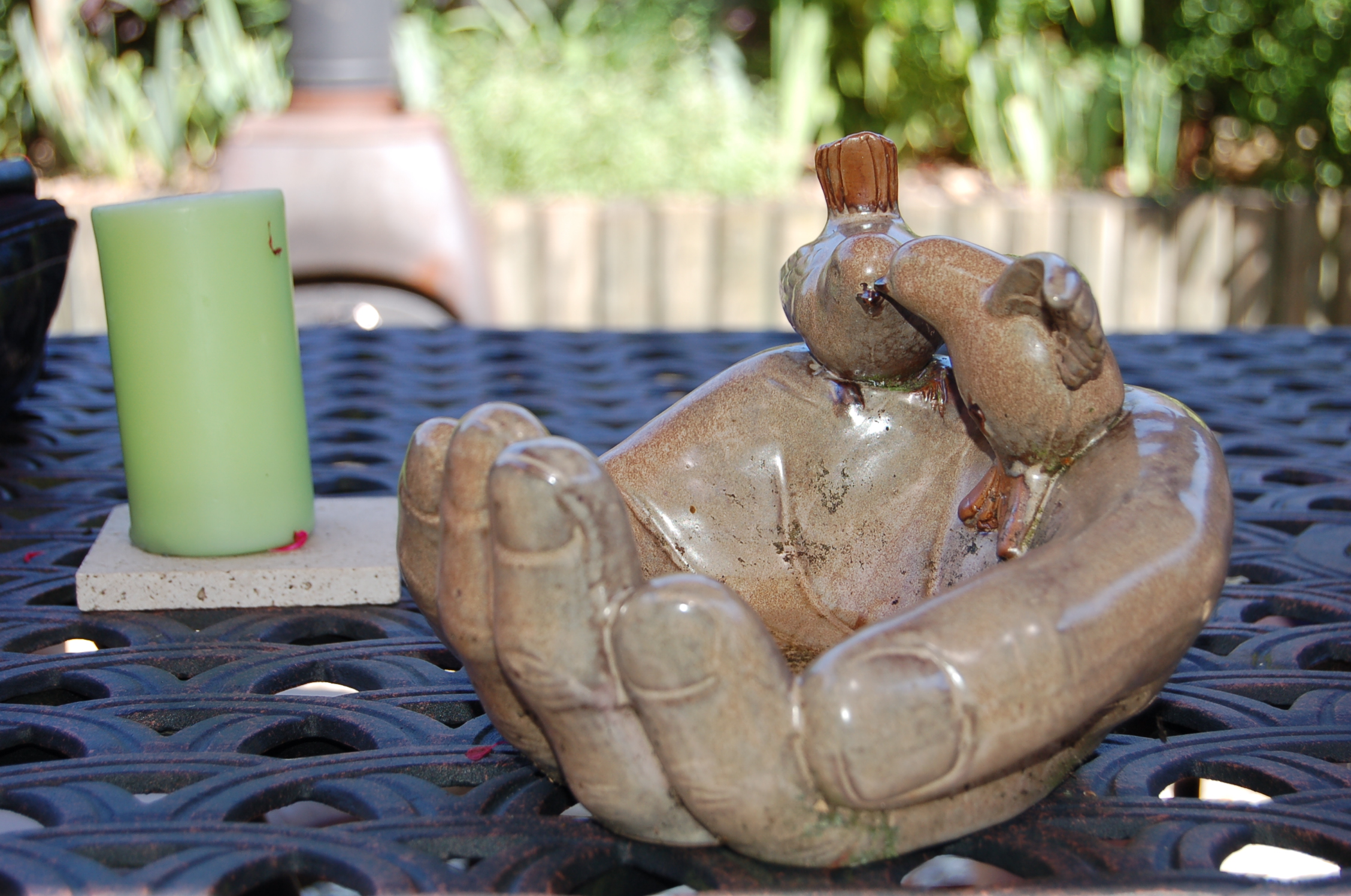
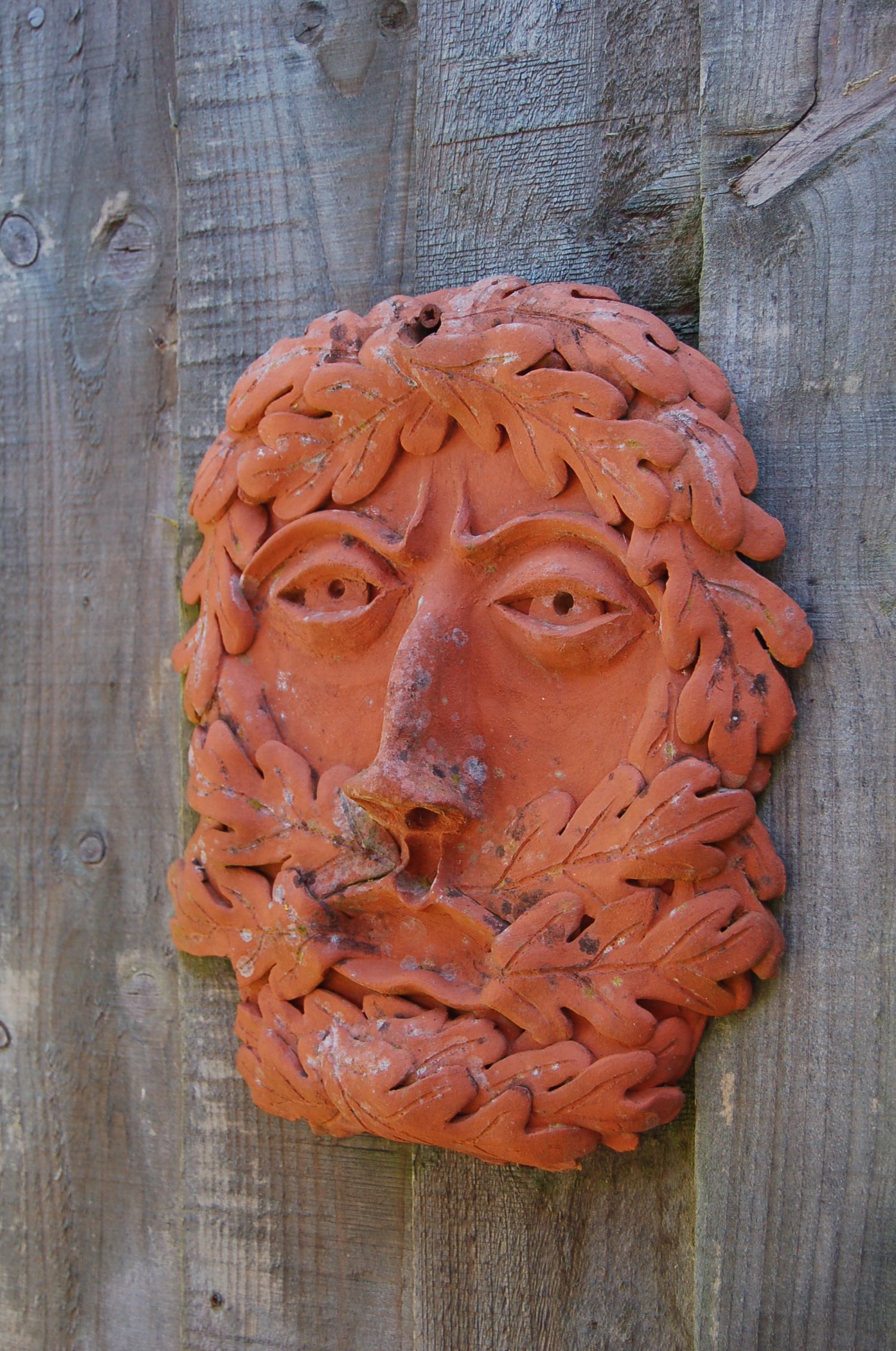
The archway sets the scene of what is to come, or at least in part. But relaxing over coffee and cake afforded us the opportunity to spot little details and elements of decoration and humour. An over-sized ceramic hand acts as a bird feeder, a terra-cotta green man watches us from the nearby fence and a recycled wood burner too large for the house has become a garden heater.

2013 08 02_2347 2013 08 02_2348 2013 08 02_2349 2013 08 02_2350 2013 08 02_2353 2013 08 02_2354

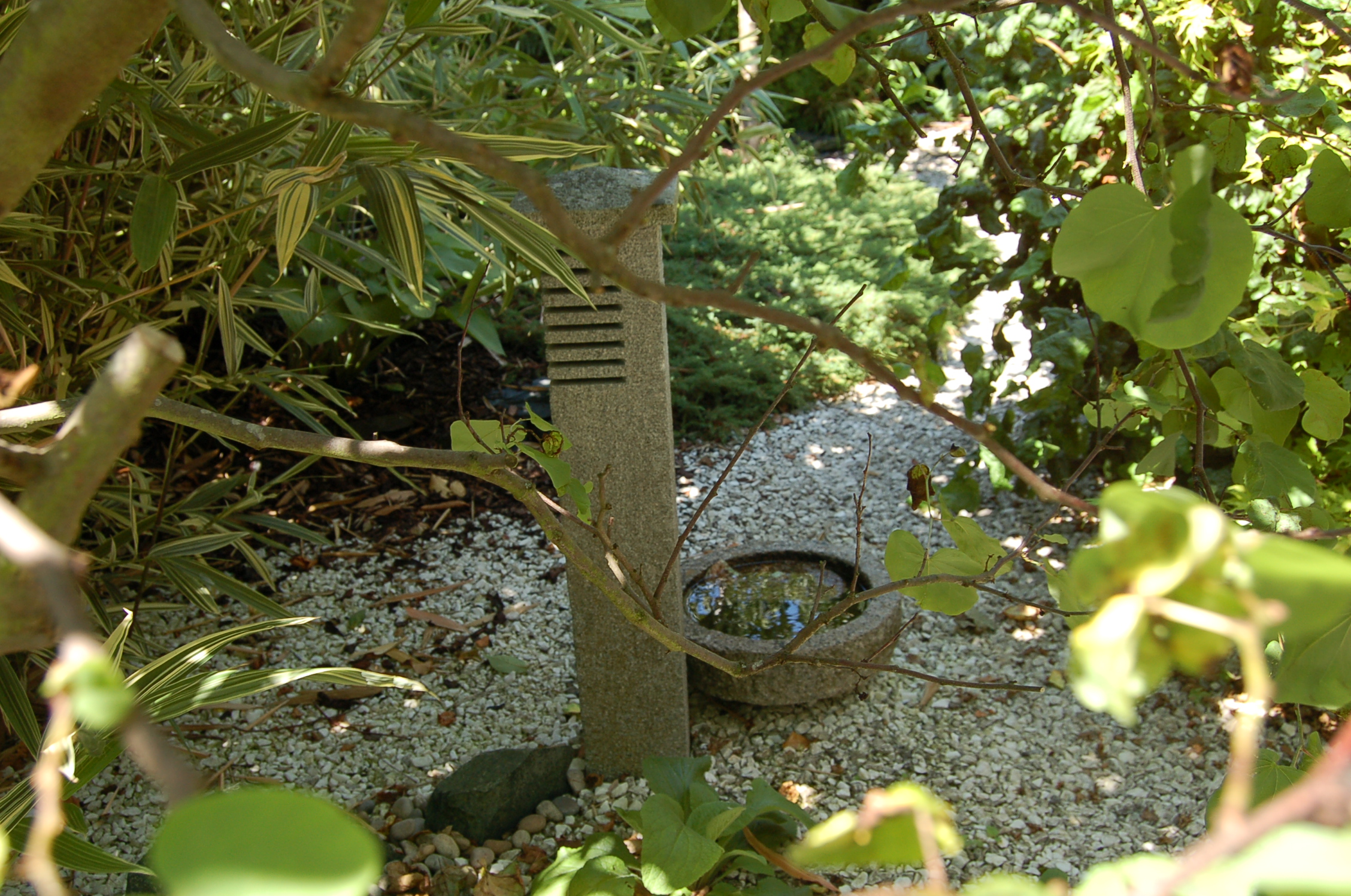
Up the wide steps and through the black wooden archway is a cool shaded garden based on the principles of Japanese garden design. A buddha, a Koi pool,

2013 08 02_2356 2013 08 02_2357 2013 08 02_2358 2013 08 02_2359 2013 08 02_2360 2013 08 02_2363 2013 08 02_2364 2013 08 02_2365

The atmosphere here is so powerful, there is a feeling of calm and peacefulness. Again – good garden design. The play of light and shade, cool and warm, changes as you walk through from section to section. The planned tea house should add another rich element to the garden.

Glimpses through the boughs of the tree provide clues to what lies beyond, a little productive patch, with fruit trees and raised veg plots. The tomatoes, picked from the vine and eaten while still warmed by the sun were delicious, sweet but with just the right amount of a hint of acidity.

2013 08 02_2361 2013 08 02_2362 2013 08 02_2366 2013 08 02_2367 2013 08 02_2368 2013 08 02_2369 2013 08 02_2370 2013 08 02_2371 2013 08 02_2372

2013 08 02_2373 2013 08 02_2374 2013 08 02_2375 2013 08 02_2376 2013 08 02_2377

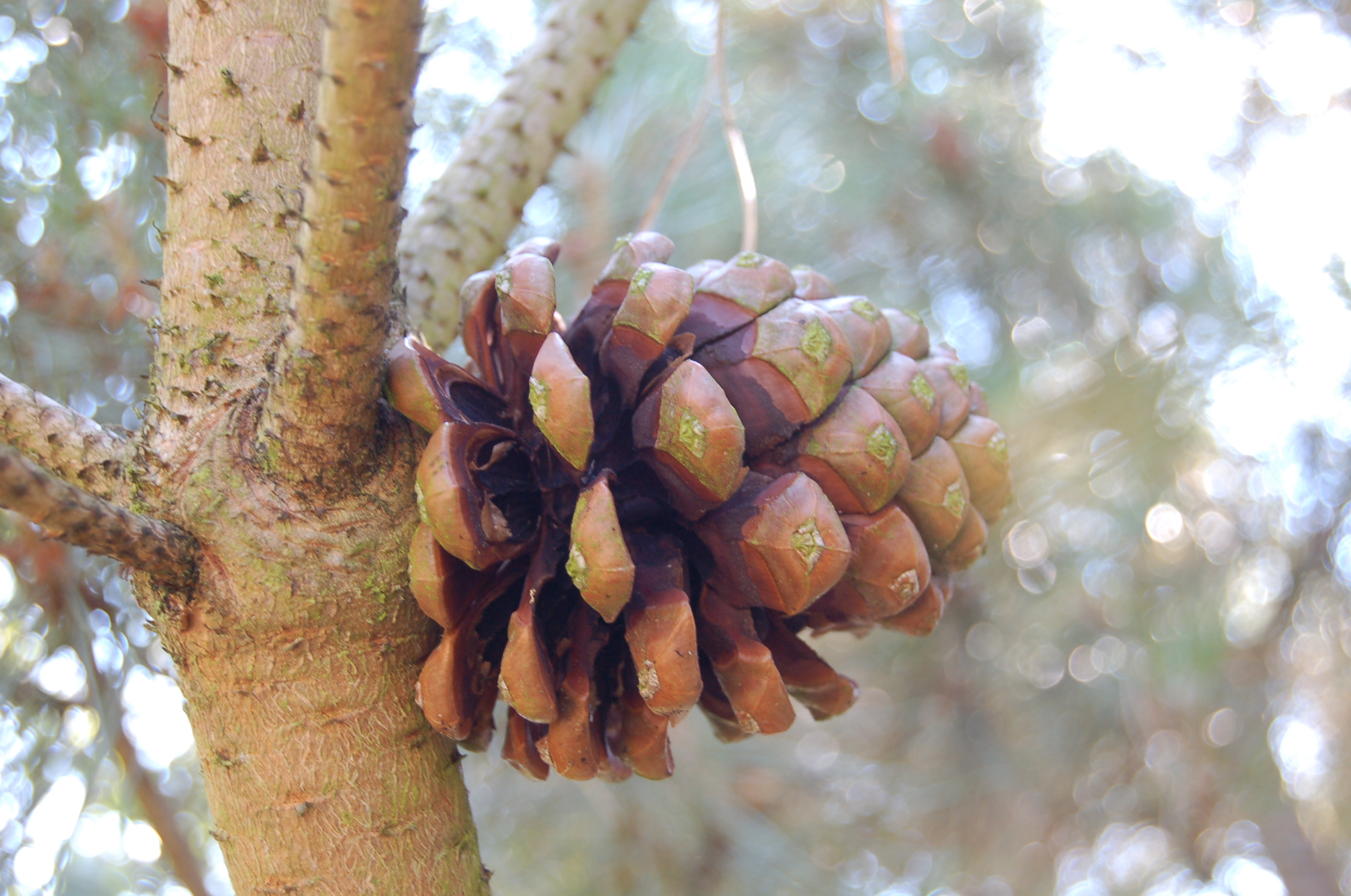
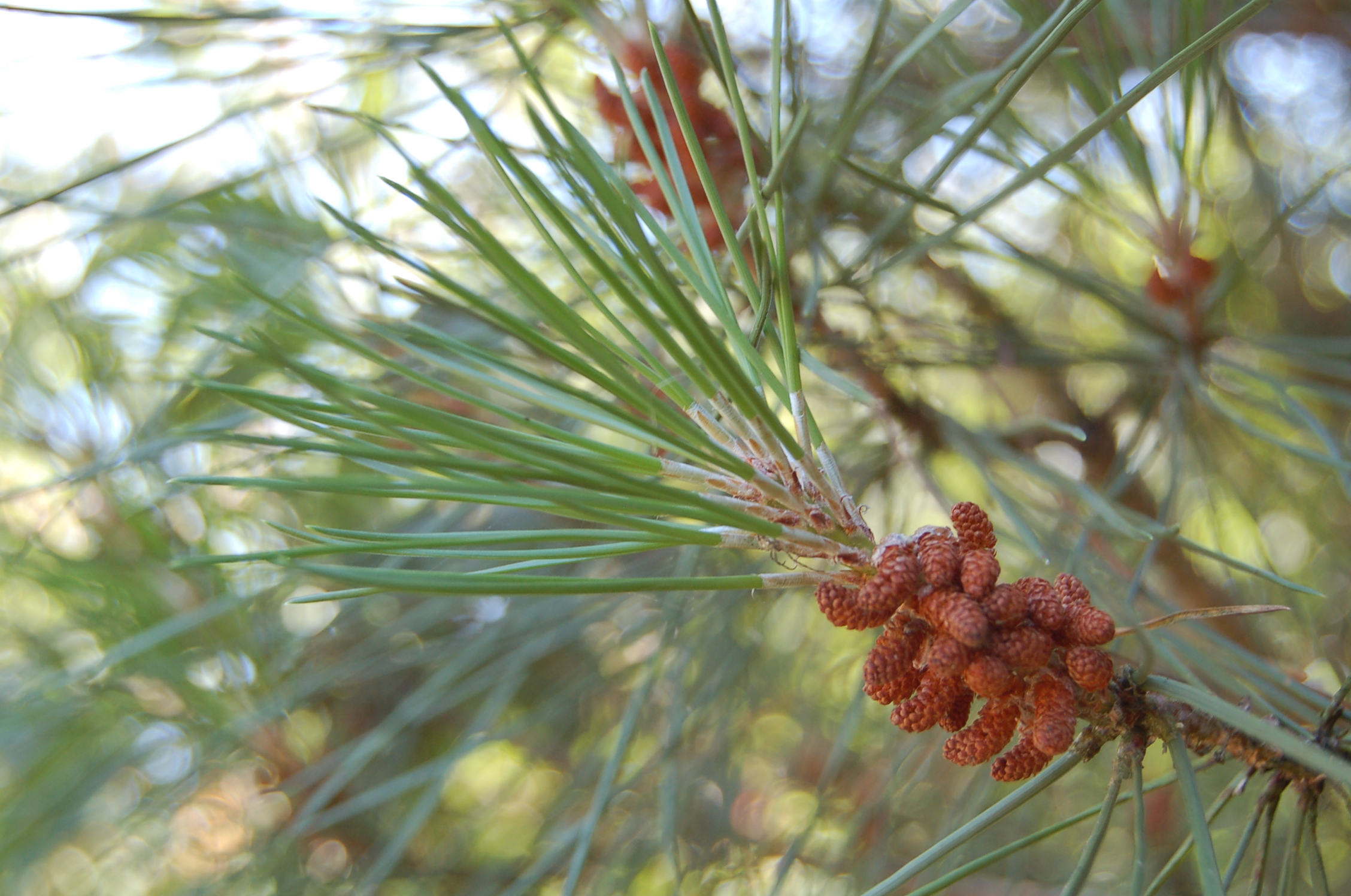
The male and female components of this pine were present at the same time, the cones seemingly glued direct to the trunk and the female flowers wrapped around the stem near the final whorl of leaves. A fascinating little tree.

2013 08 02_2378 2013 08 02_2379

When you retrace your steps back through a garden it is amazing how you find new surprises awaiting you. The light hits things from different directions and puts the spotlight on objects and surfaces that failed to catch my eye before.

2013 08 02_2388 2013 08 02_2387 2013 08 02_2386 2013 08 02_2385 2013 08 02_2382 2013 08 02_2355

The harsh mid-summer light added depth to shadows and textures emphasised.

2013 08 02_2393 2013 08 02_2391 2013 08 02_2390

Wildlife is welcome, encouraged and appreciated here too as shown by the presence of birdhouses. There is the constant hum and buzz of an ecologically sound space. Stay still and you will hear grass hoppers, bees and the yaffling of a Green Woodpecker, the constant chatter of Goldfinches and Linnets. Butterflies are abundant and entertain with their movement and colours. To prove the friendliness of the garden and the gardeners towards our wildlife a grass hopper landed on my back before alighting on the window behind me.

2013 08 02_2405 2013 08 02_2406

However good the overall design of a garden is, in the end the little details can add another layer of interest. Penny and Tony have the knack of selecting interesting items that catch the eye just when you think you have discovered the essence of the garden.

2013 08 02_2404 2013 08 02_2403 2013 08 02_2402 2013 08 02_2401 2013 08 02_2400 2013 08 02_2399 2013 08 02_2398 2013 08 02_2397 2013 08 02_2396 2013 08 02_2392

This is a great garden to spend an afternoon in, relax and catch up with our sister and brother-in-law. And they present a fine cup of coffee and most excellent lemon drizzle cake!

Categories
colours flowering bulbs fruit and veg garden design garden photography garden wildlife gardening grasses hardy perennials Land Art ornamental grasses ornamental trees and shrubs outdoor sculpture photography Shropshire shrubs spring bulbs spring gardening wildlife

A Bouquet for April

At last spring has arrived in the garden and taken it by storm. Buds are bursting, birds are nesting and bees buzzing searching the blooms.

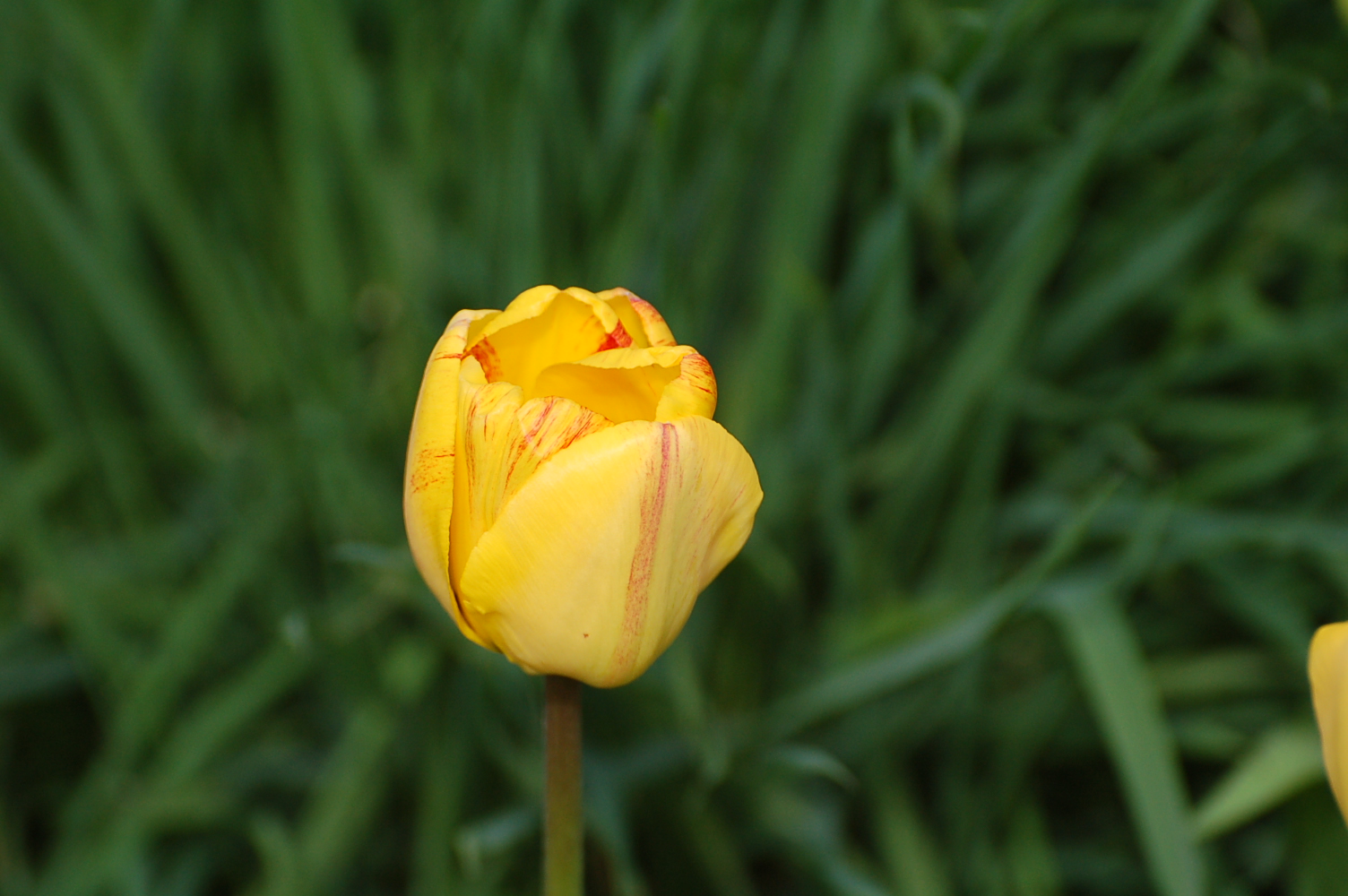
Any bouquet for April will have to embrace flowering bulbs.

DSC_0002   DSC_0001  DSC_0007-15  DSC_0008

DSC_0012  DSC_0021-11

DSC_0015-11

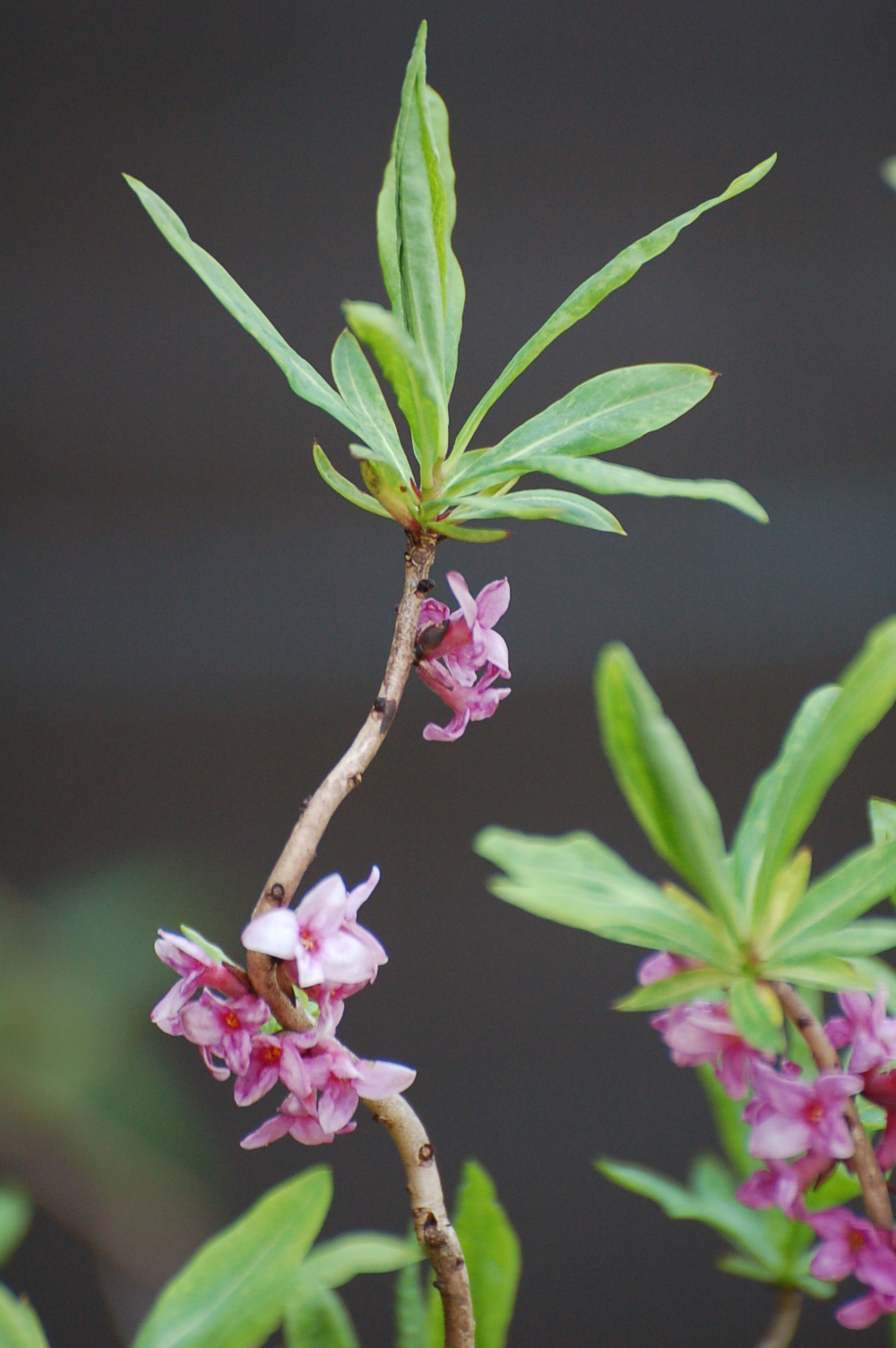
And how about adding a few bursting buds of trees and shrubs? Our miniature chestnut, the sweetly scented daphne flowers and the froth of snow-white amelanchier flowers.

DSC_0004  DSC_0017-8

DSC_0019-10

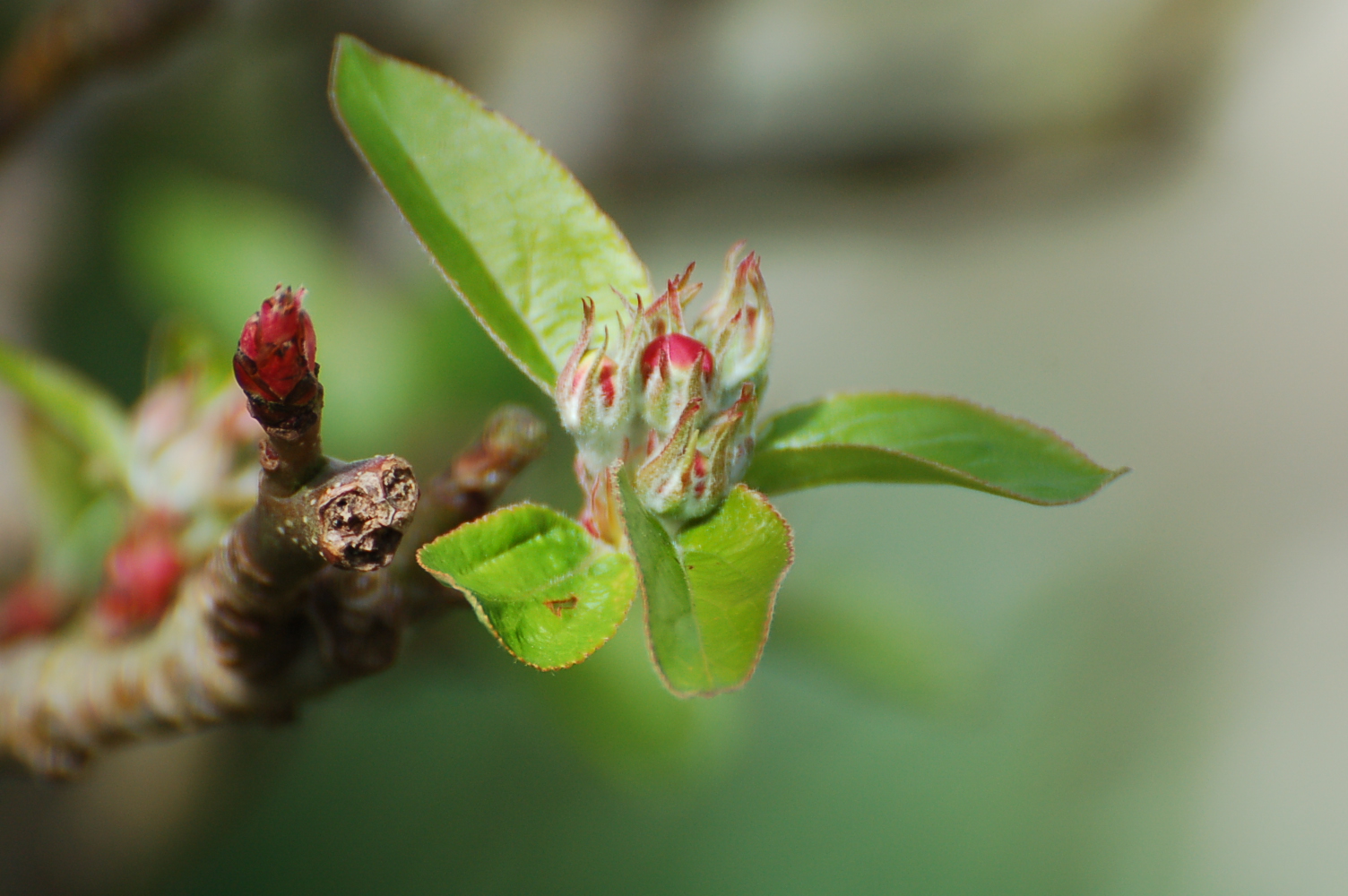
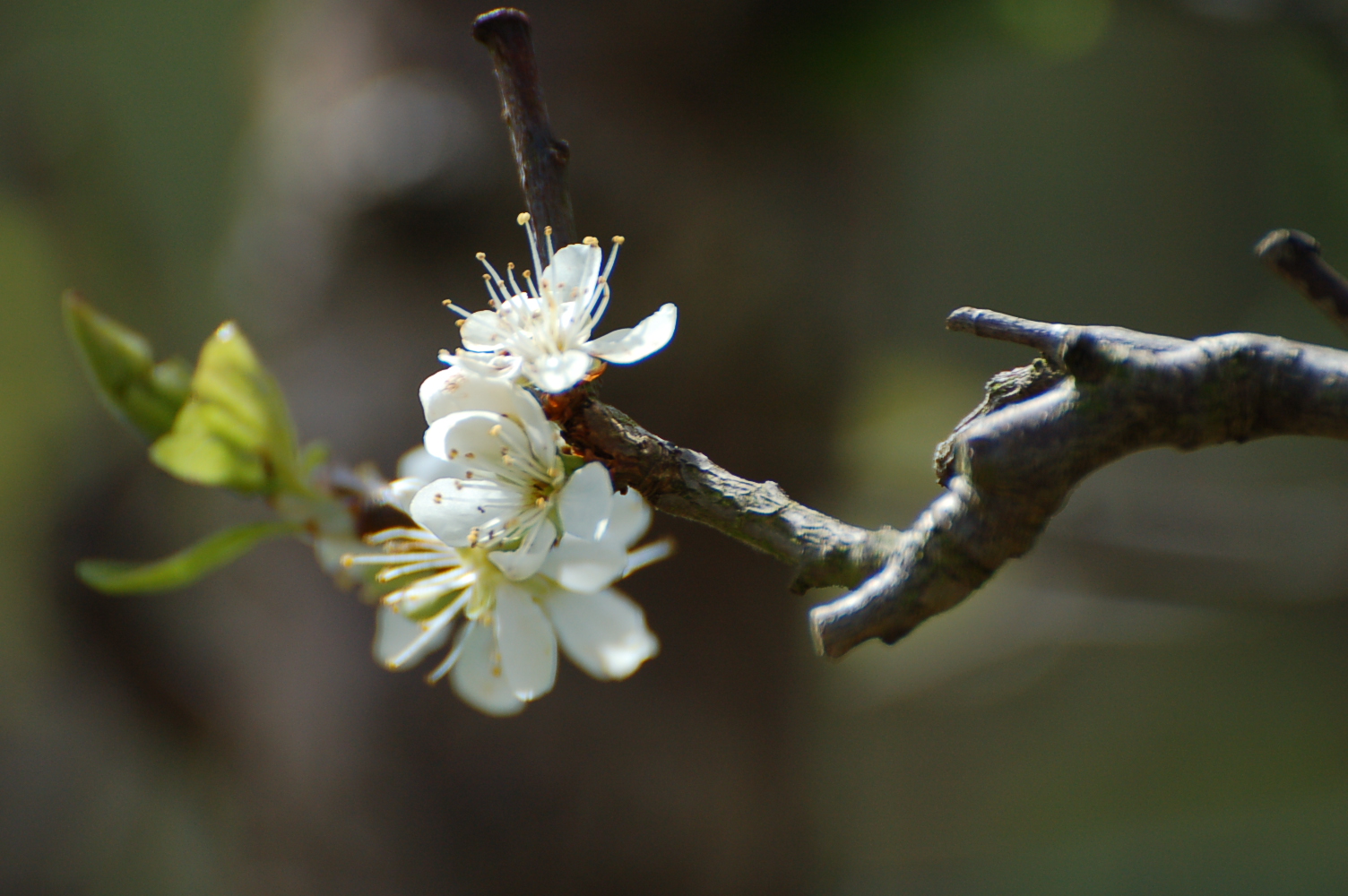
All around the garden fresh fruit blossom promise beautifully scented and delicious, delicate flavours. The pinks of apple blossom and whites of plums. Oh so tasty!

DSC_0016  DSC_0006

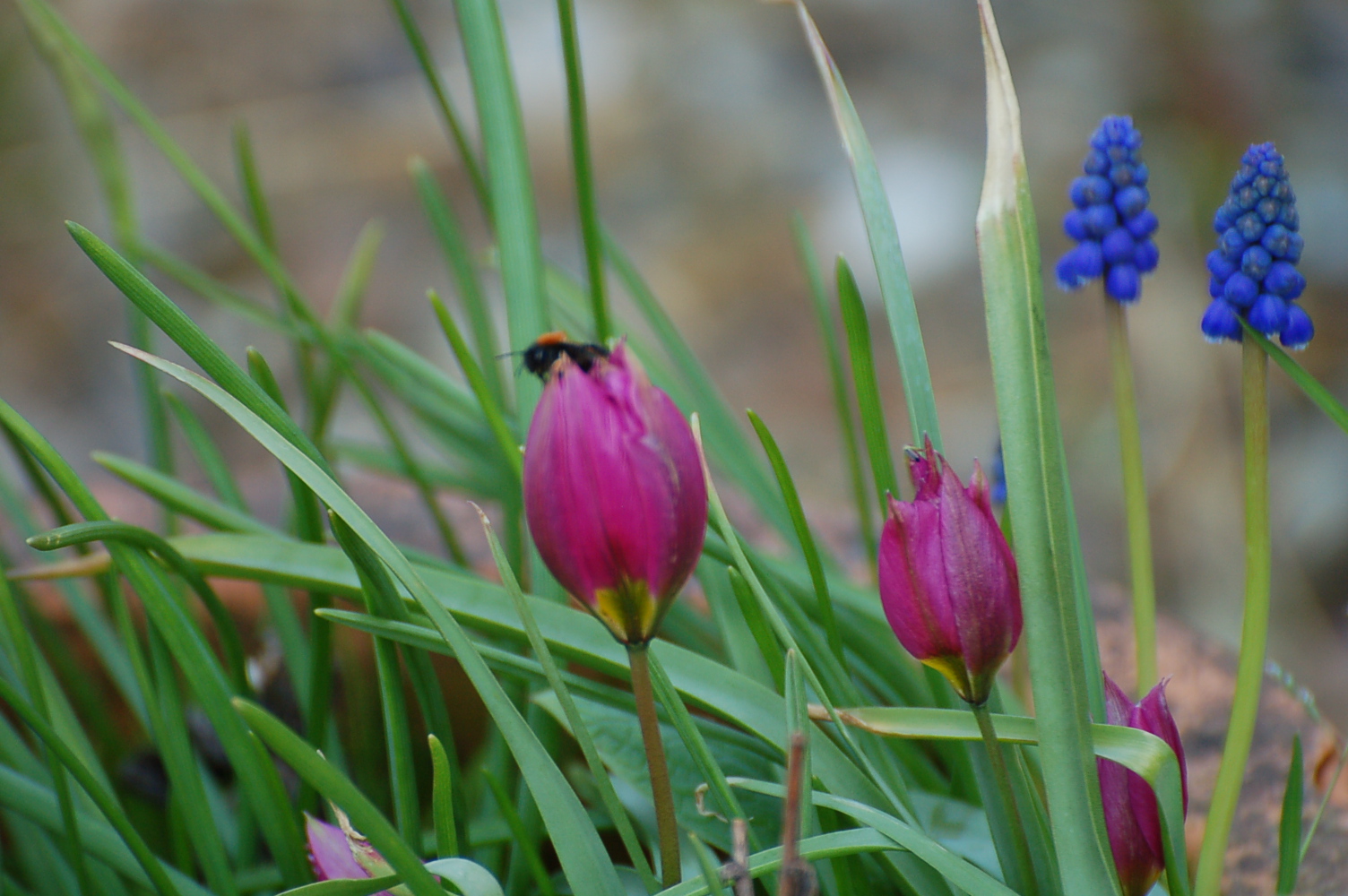
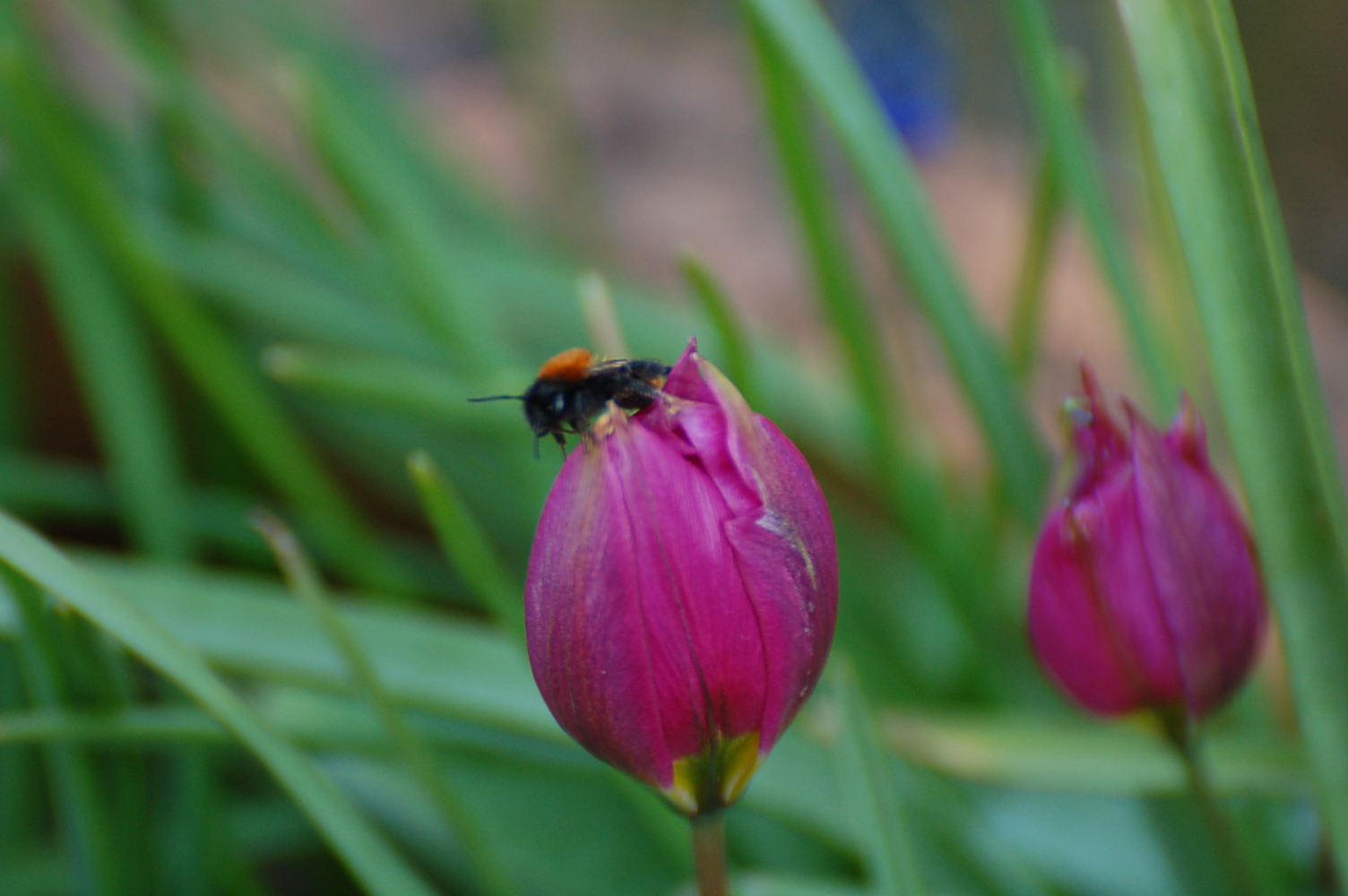
The insects are appreciating these new signs of life too, in particular the  bees and  butterflies. This little bee knows that there is something good awaiting him inside the tulip once it opens. He is just a centimetre or so long and coloured a rich gingery orange.

DSC_0022 DSC_0023-10

I shall finish off by inviting you to enjoy a little gallery of garden delights taken on the last day of April.

Categories
climbing plants colours garden design garden photography garden wildlife gardening hardy perennials Land Art natural pest control ornamental trees and shrubs outdoor sculpture shrubs village gardens wildlife

A Cottage in Leicestershire

Our son, Jamie and his fiancee, Sam have just bought their first home together, an old cottage in a small Leicestershire village and so we were looking forward to visiting them and having a good nose around and of course to explore their garden to see what promises it had in store for the coming seasons.

The village seemed a perfect, idyllic place to live, with a pub, a village shop, a primary school and lots of friendly neighbours. Homes have been built here over the centuries giving a huge range of styles – a potted history of domestic architecture. Jamie and Sam’s cottage was built about 300 years ago, but I should really have said two cottages as originally these were two tiny workers cottages. From a quick look at old census returns for the village the cottages were likely to have been home to stocking knitters, lace workers or agricultural labourers. There could be many hours of internet searching of historical sources ahead to enjoy.

DSC_0285

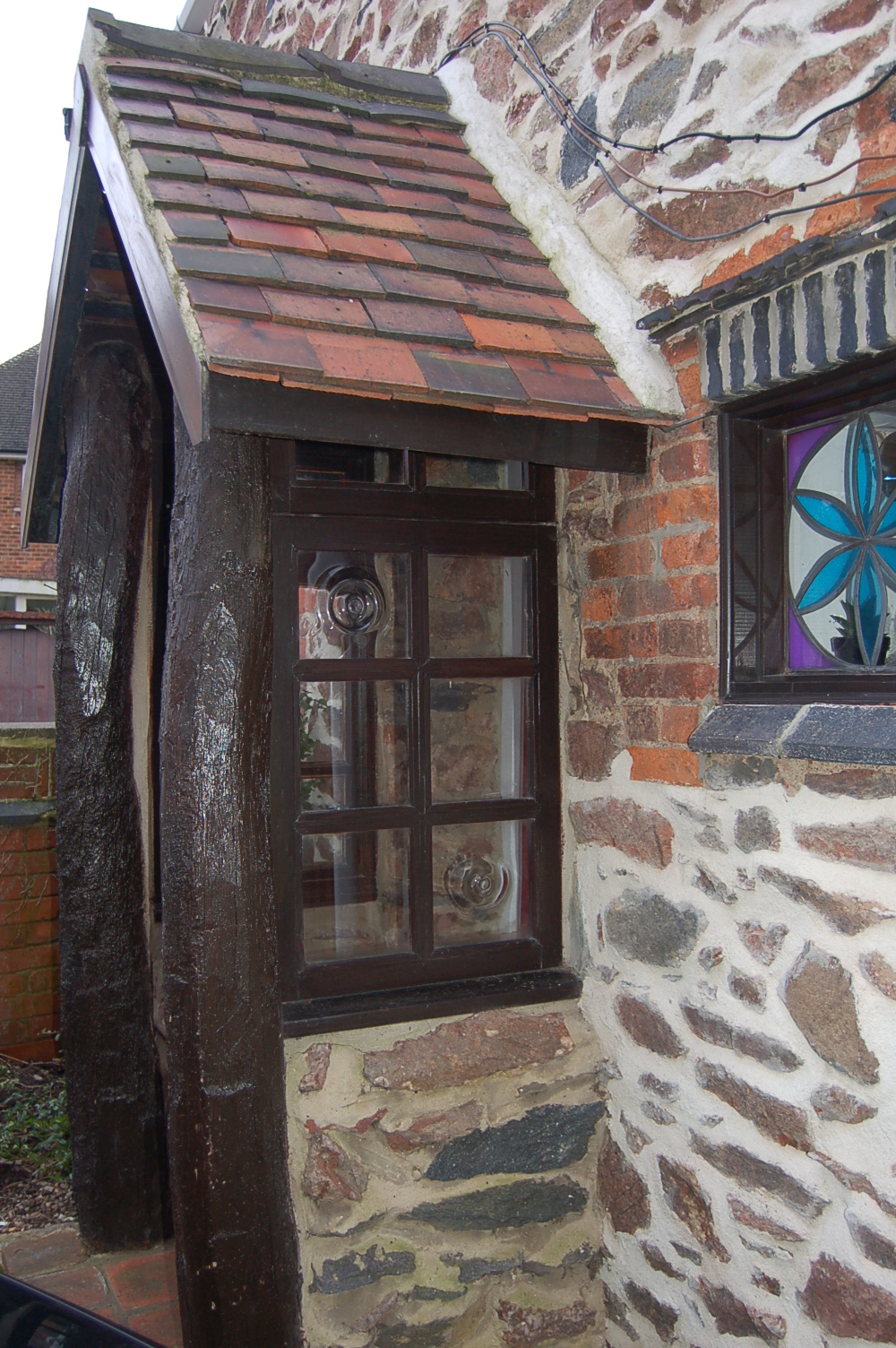
It is a very welcoming cottage with a beautiful porch with a feature stain glass window alongside it. The front garden consists of a triangle of land just big enough for a Lilac to grow with a few small shrubs at its feet. Sadly the day after I took this photo the lovely old Lilac blew down in strong winds.

DSC_0283 DSC_0284 DSC_0287

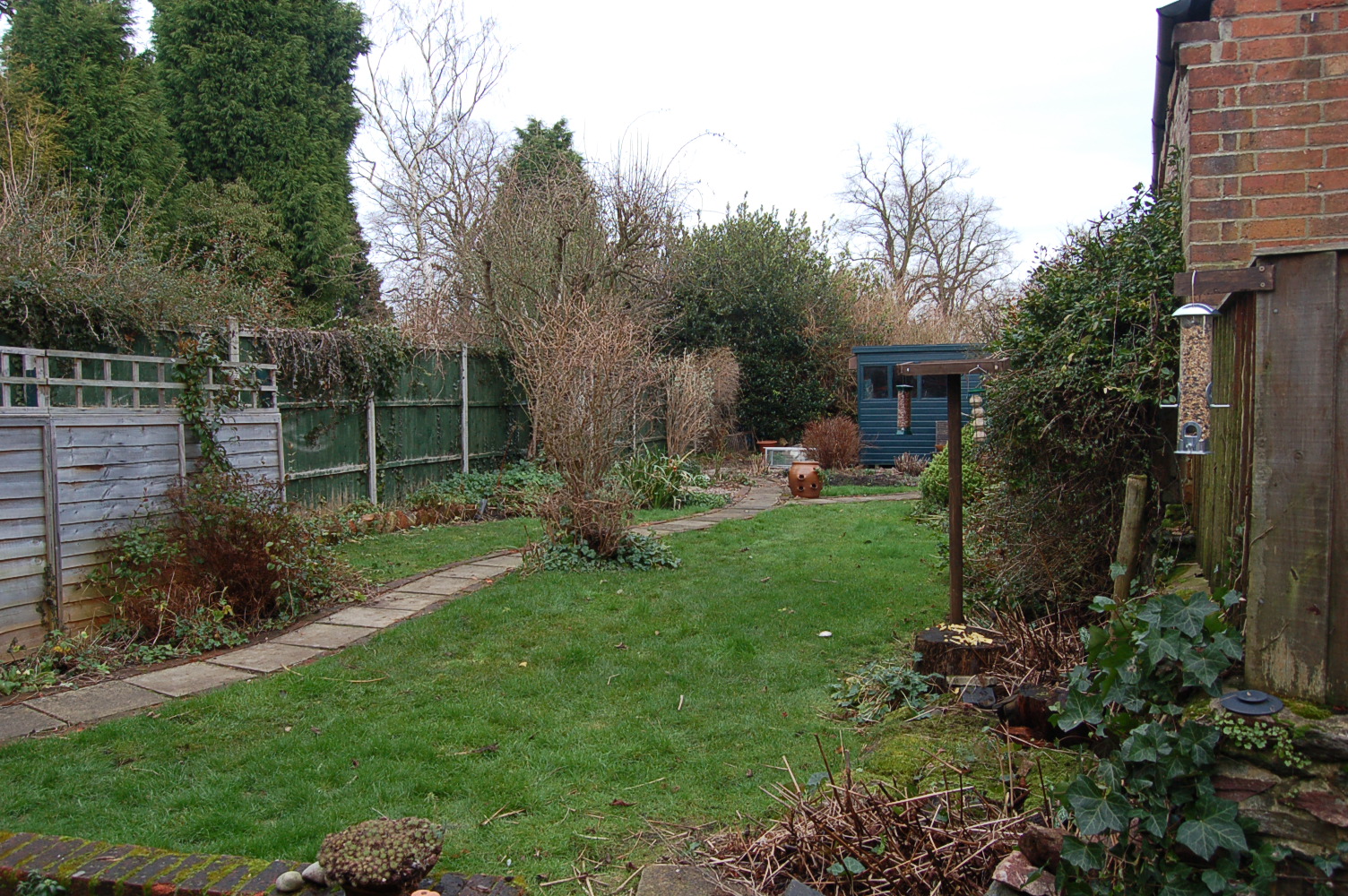
J and S are excited by the thought of what treats might emerge from the cottage garden to the back of the cottage. A walk around revealed some lovely secrets awaiting their season. The garden is a long plot, well stocked with plants to attract wildlife.

DSC_0259 DSC_0279 DSC_0282

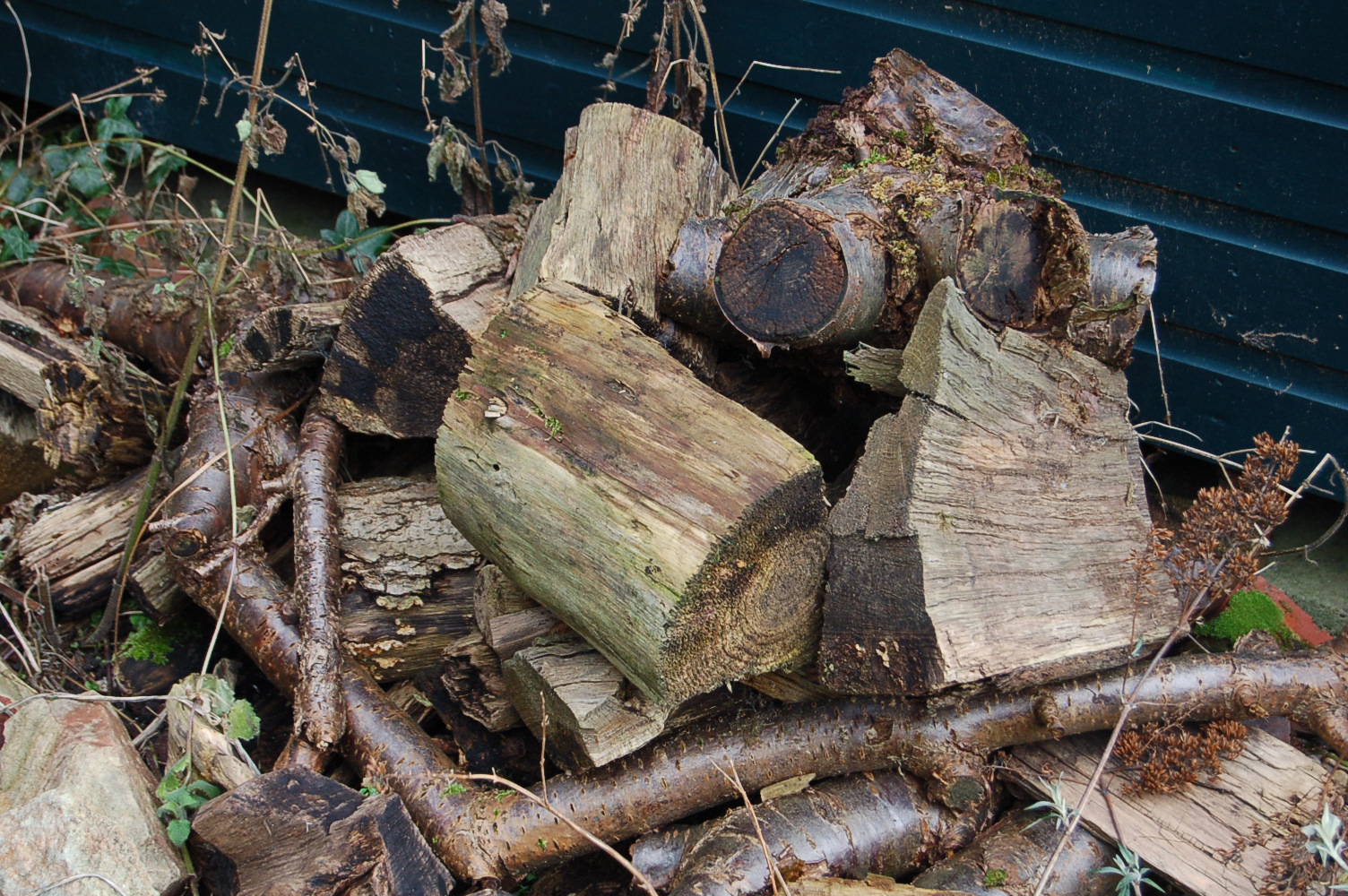
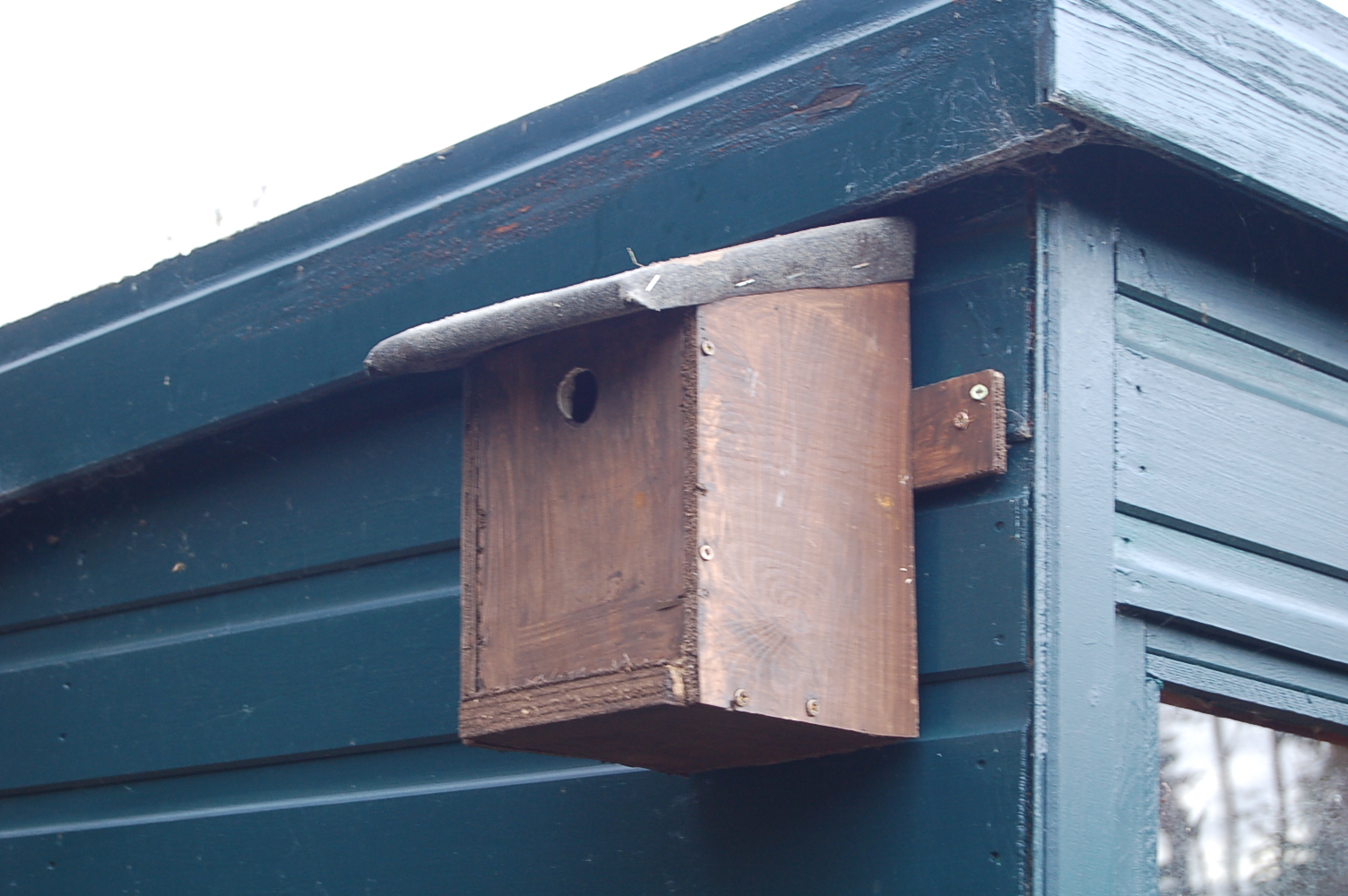
From the plants we could identify it should reveal itself as a true cottage garden planned with wildlife in mind. A small pond, a wildlife friendly hedge and a couple of log piles have also been included. A beautiful dry-stone wall provides shelter for a variety of creatures. We took along a bird table and nestbox to add to these and these were soon in place.

DSC_0272 DSC_0274 DSC_0280 DSC_0281

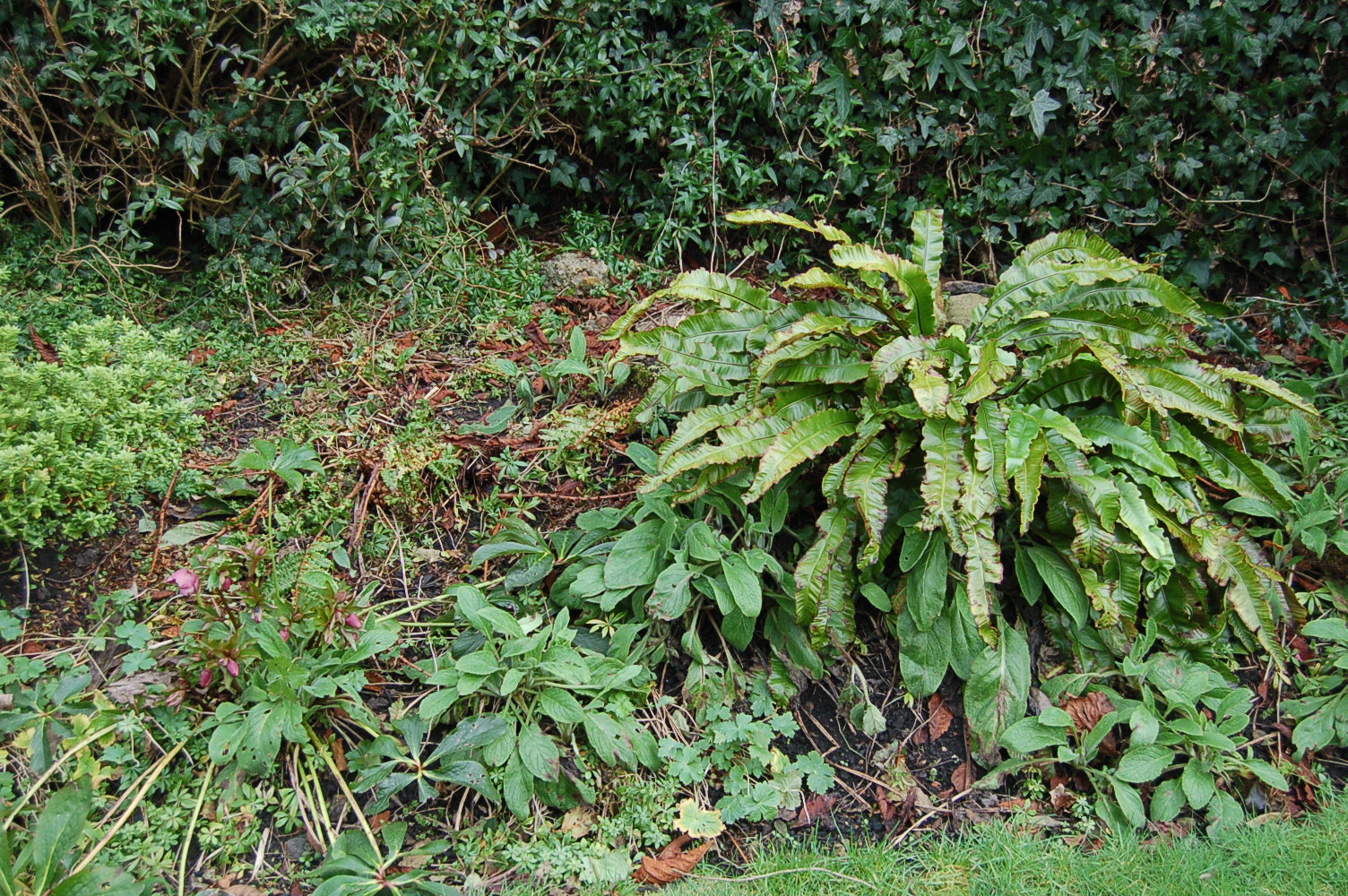
The perennials present include Asters, Aquilegias, Foxgloves, Sedum, Iris, Crocosmias, Hemerocalis and Aconitum, so there is a promise of lots of colour and lots of butterflies, bees and beneficial insects.

DSC_0263 DSC_0264 DSC_0270 DSC_0273

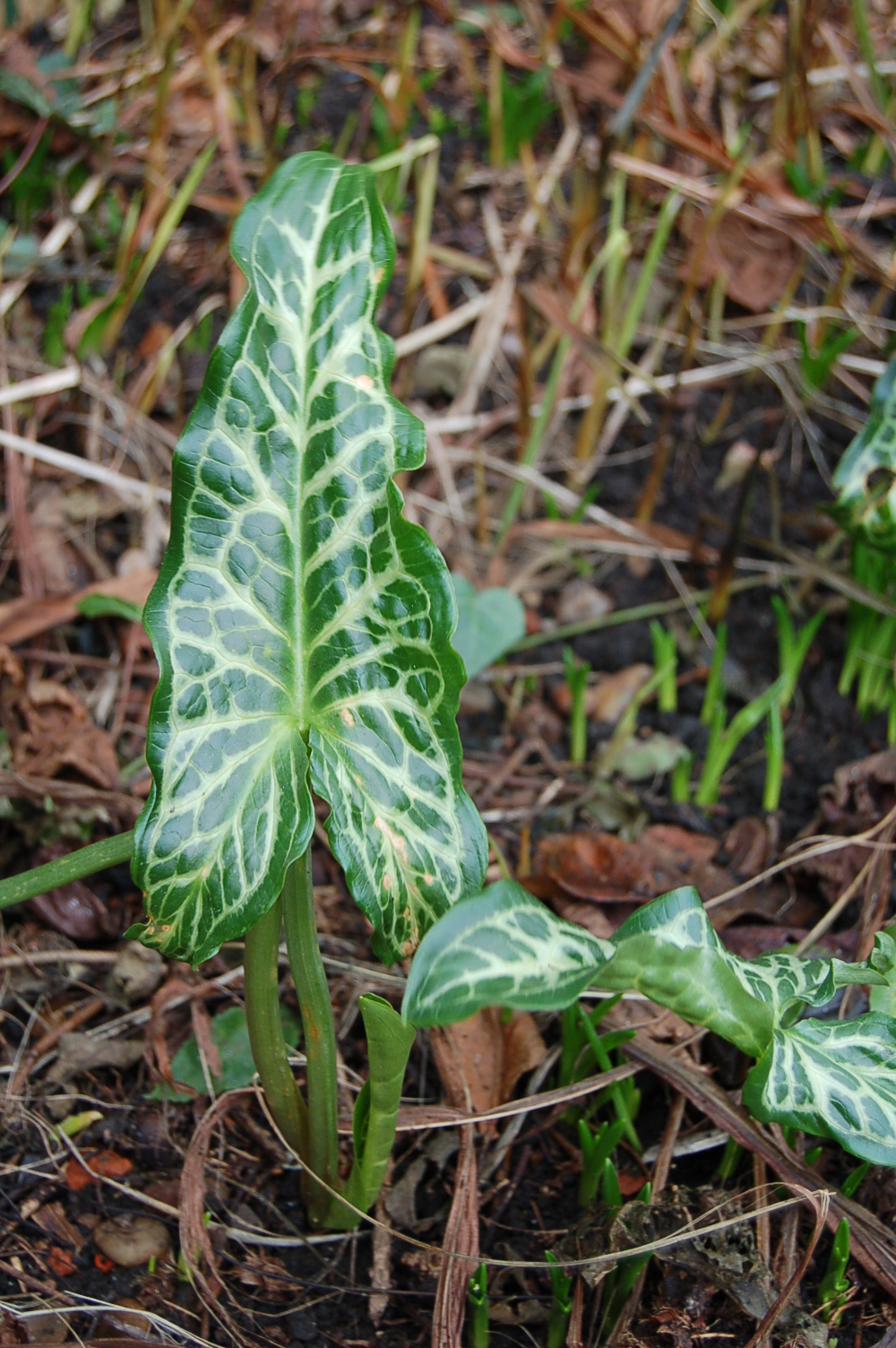
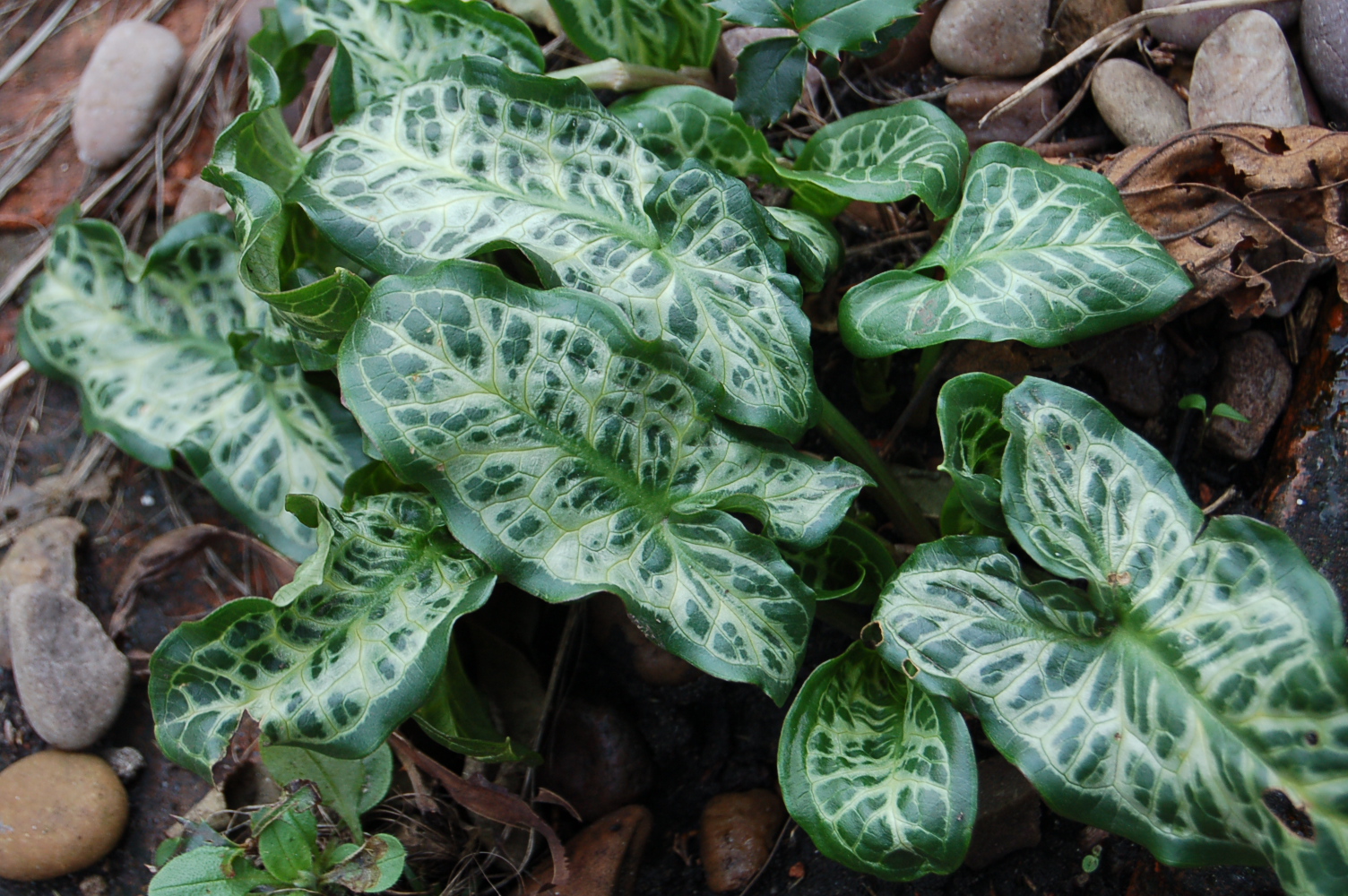
Of particular interest were the many clumps of Arum Lilies, a family I know little about. We grow Arum italicum marmoratum which was present as several clumps, but I think there were others there with different foliage markings and colours. The main reason to grow these is for their marbled leaf markings.

DSC_0266 DSC_0267 DSC_0269

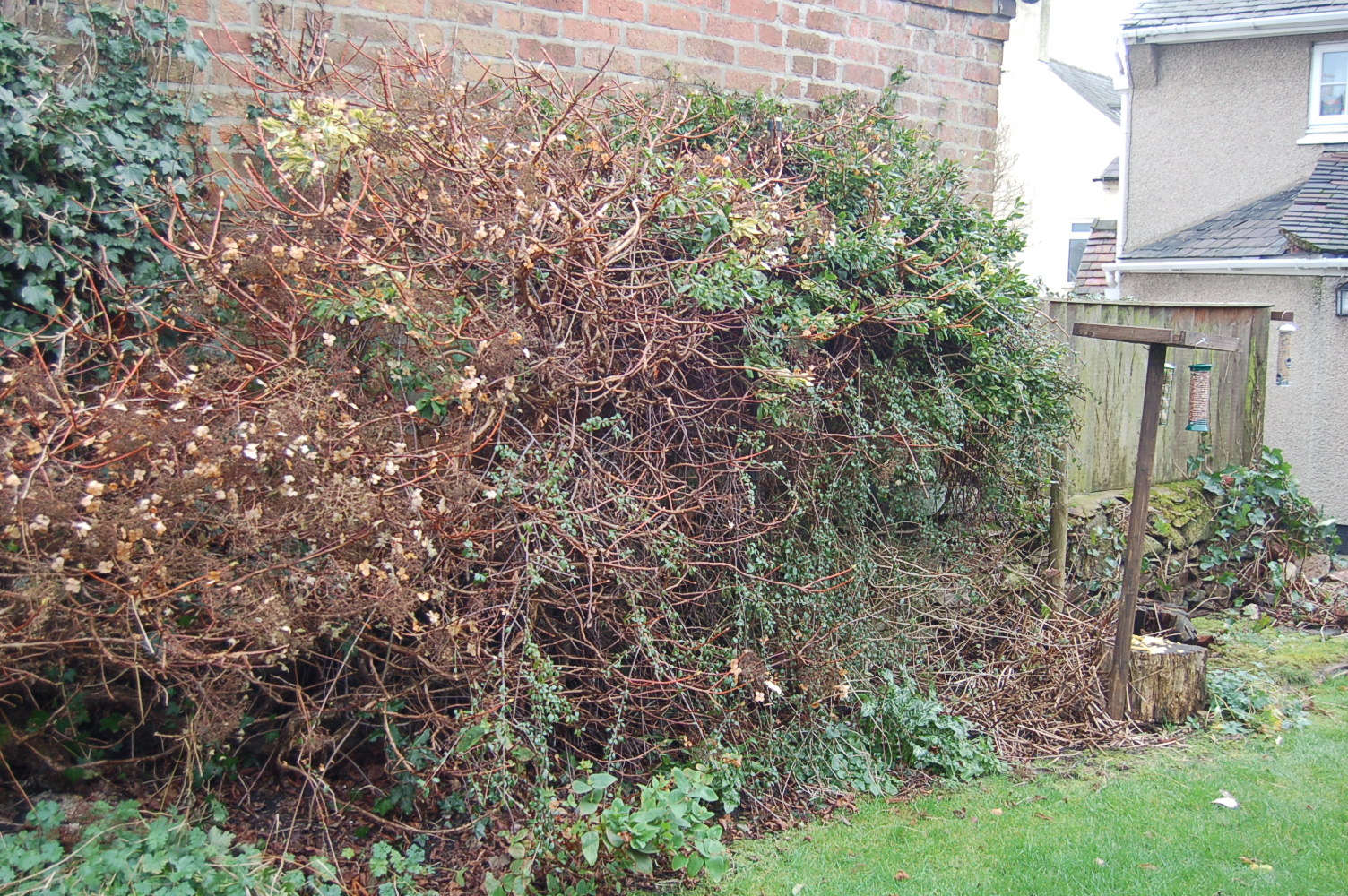
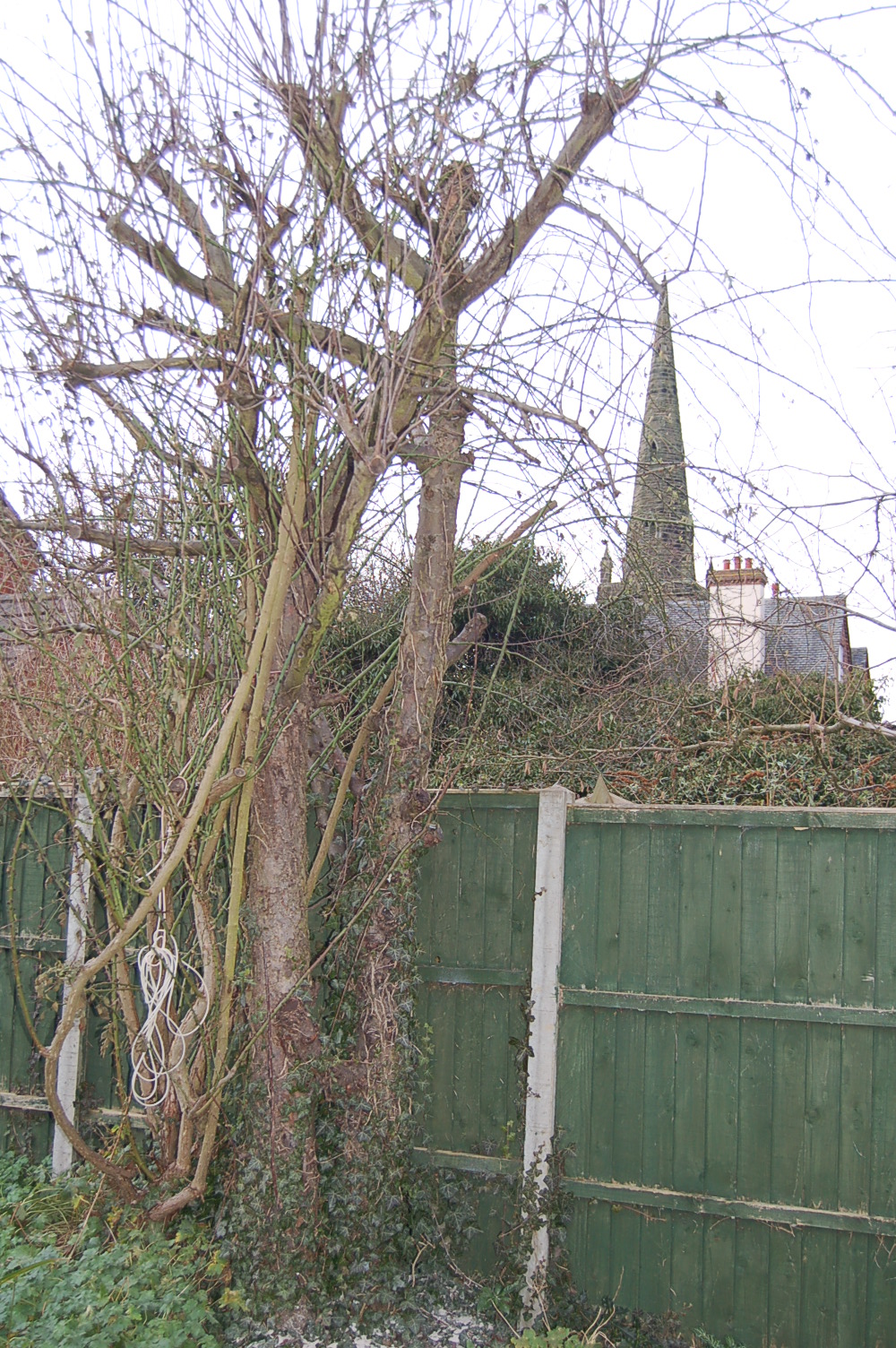
One task J and S set us was to identify “the sticks”, their non-gardening word for shrubs and trees without leaves! The biggest and most impressive “stick” proved to be a very old apple tree over which scrambles an equally old rambling rose. These will both take a lot of remedial pruning but will prove to be wonderful features. A mature Buddleja, Spiraeas, Hydrangeas and a small cherry will provide colourful flowers in the future, and the Buddleja will bring in both scent and butterflies for their enjoyment.

DSC_0262 DSC_0271 DSC_0277

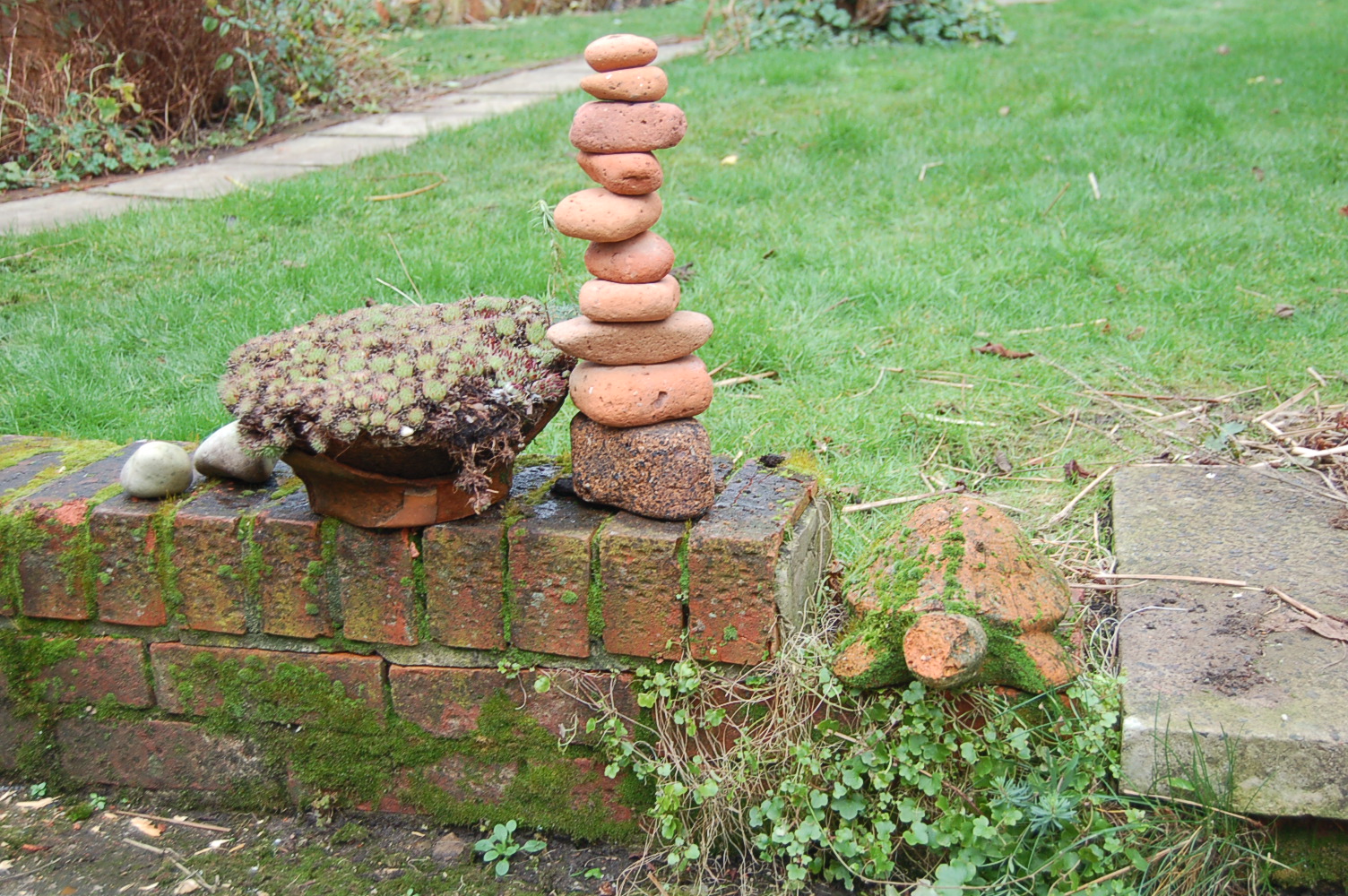
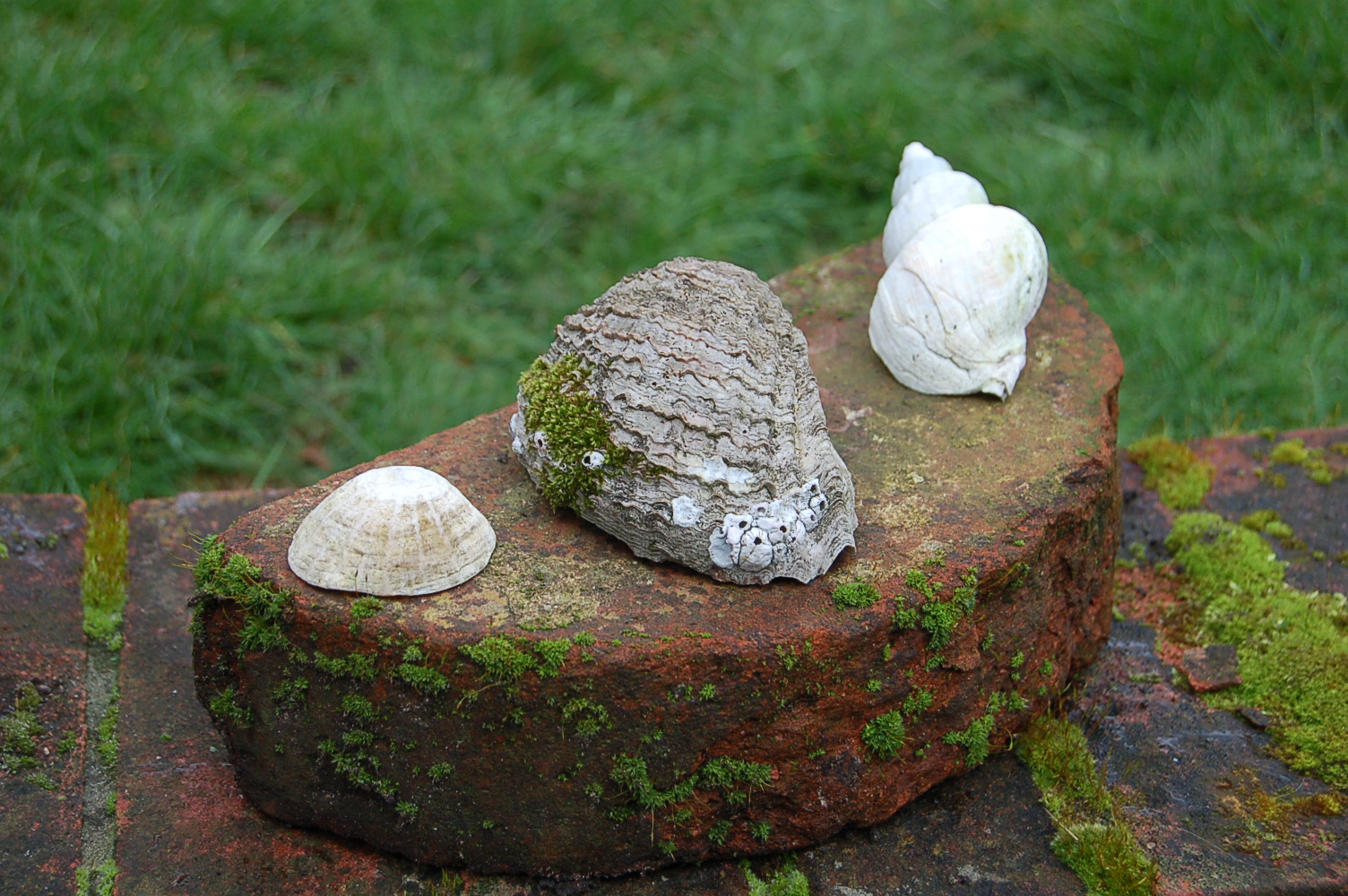
The large terrace is separated from the garden itself by a low wall of mature bricks which proved to be a handy place to display interesting objects discovered as we cut down the old growth of perennials and tidied up the borders. The little sculpture of stacked sea-worm bricks is one I made years ago.

DSC_0256 DSC_0257 DSC_0258 DSC_0260

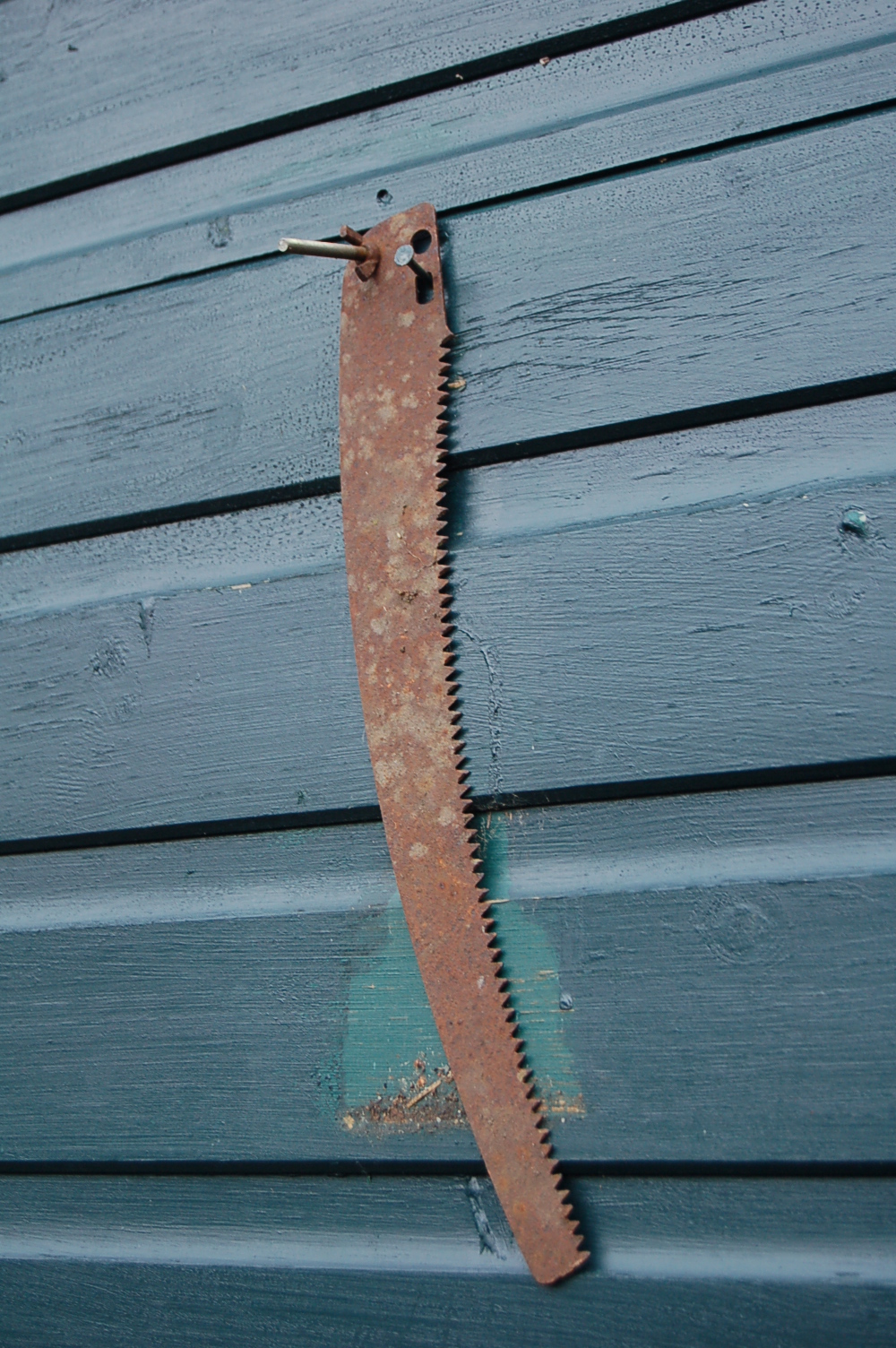
Three found items, a chair, a terra cotta bowl and a rusty pruning saw blade now adorn the shed.

DSC_0275 DSC_0276

Two days with J and S wandering around and discovering their new garden and hatching plans for the future, inspired ideas for a mini-meadow of wildflowers, a much bigger pond, a prairie garden and some trained fruit. They have years of fun to come!

DSC_0278

Categories
climbing plants community gardening fruit and veg gardening gardens open to the public grow your own National Trust outdoor sculpture

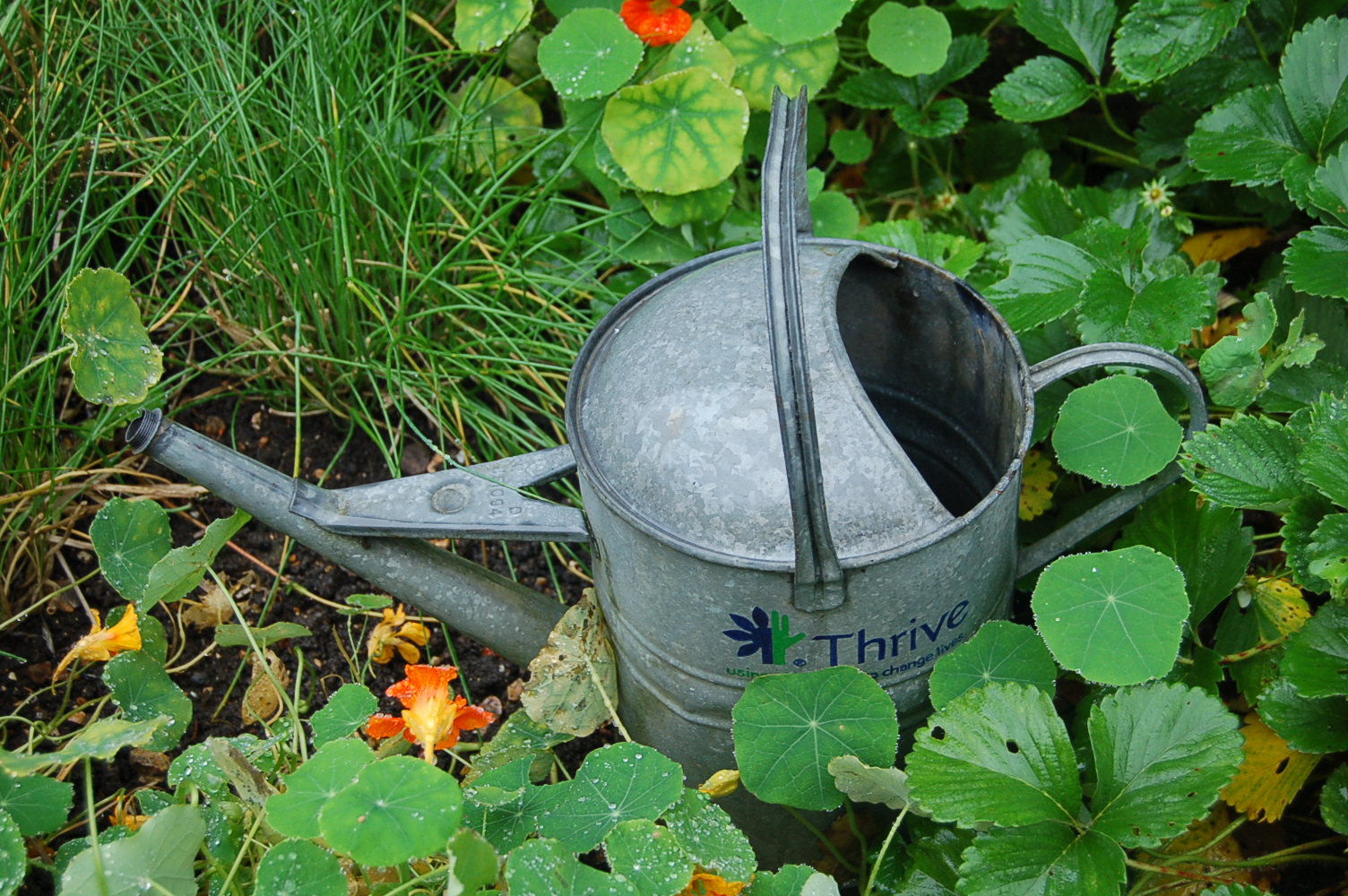
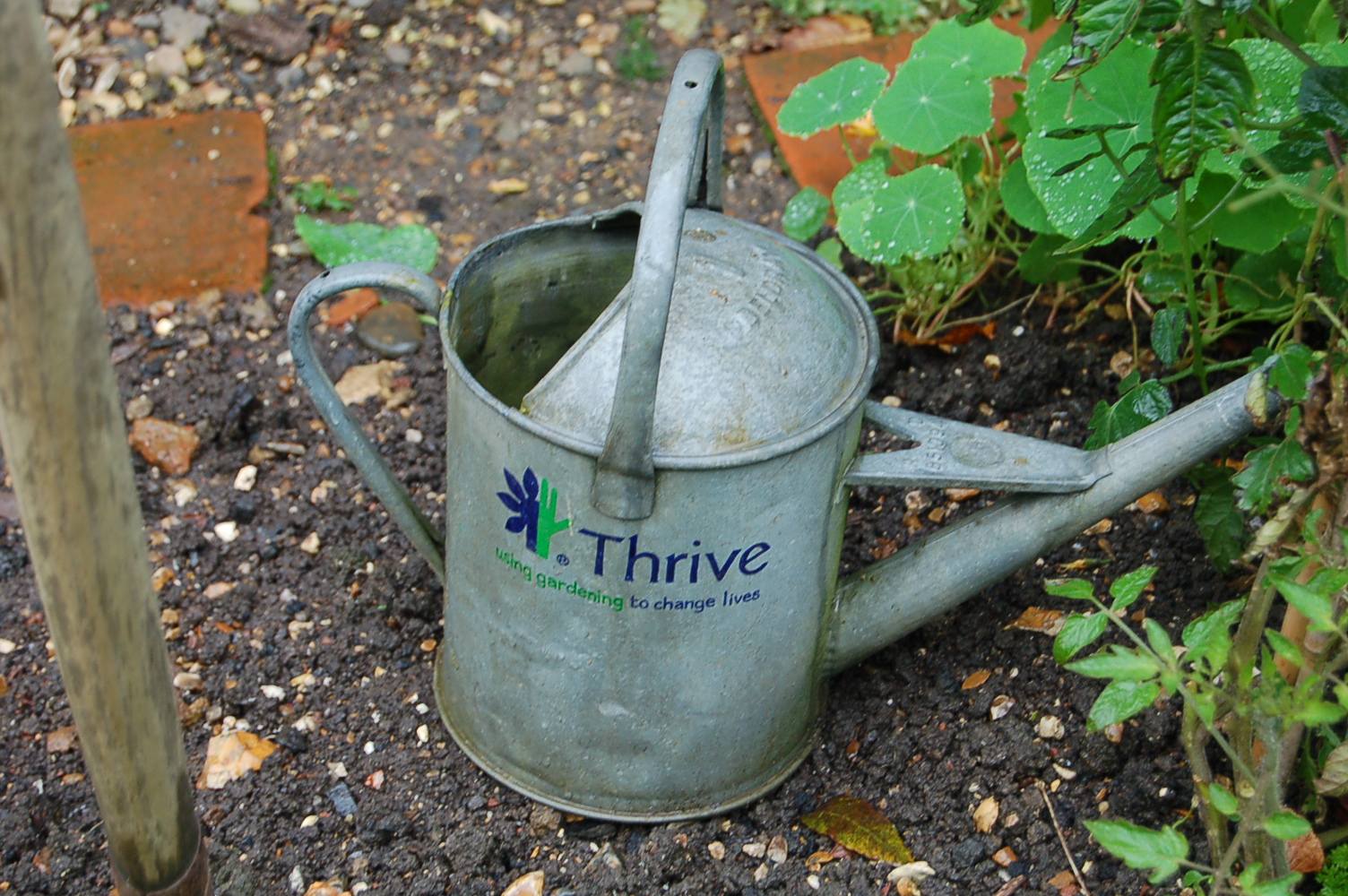
Thrive at the Vynes

We visited the Vynes on a wet October day not knowing that the walled garden there was run by the gardening charity, “Thrive”. If you ask someone to name a garden charity the most likely answer would be the RHS, the NGS or perhaps Garden Organic but few will mention Thrive. This is sad as they do such good work. On their website when describing their role they state, ” We champion the benefits of gardening, carry out research, and offer training and practical solutions so that anyone with a disability can take part in, benefit from and enjoy gardening.”

“Thrive” is such an apt name for a charity which helps people thrive in the garden and through gardening. Sadly as the weather was so wet we met no gardeners at work. Apart from us and the occasional Robin, who provided the entertainment, the place was deserted.

The charity looks after gardens all over the UK teaching the skills of gardening and developing a love of gardening in its clients. Their gardens though are there to educate others. The gardening standards are very high and the gardens boast some effective educational and informative displays.

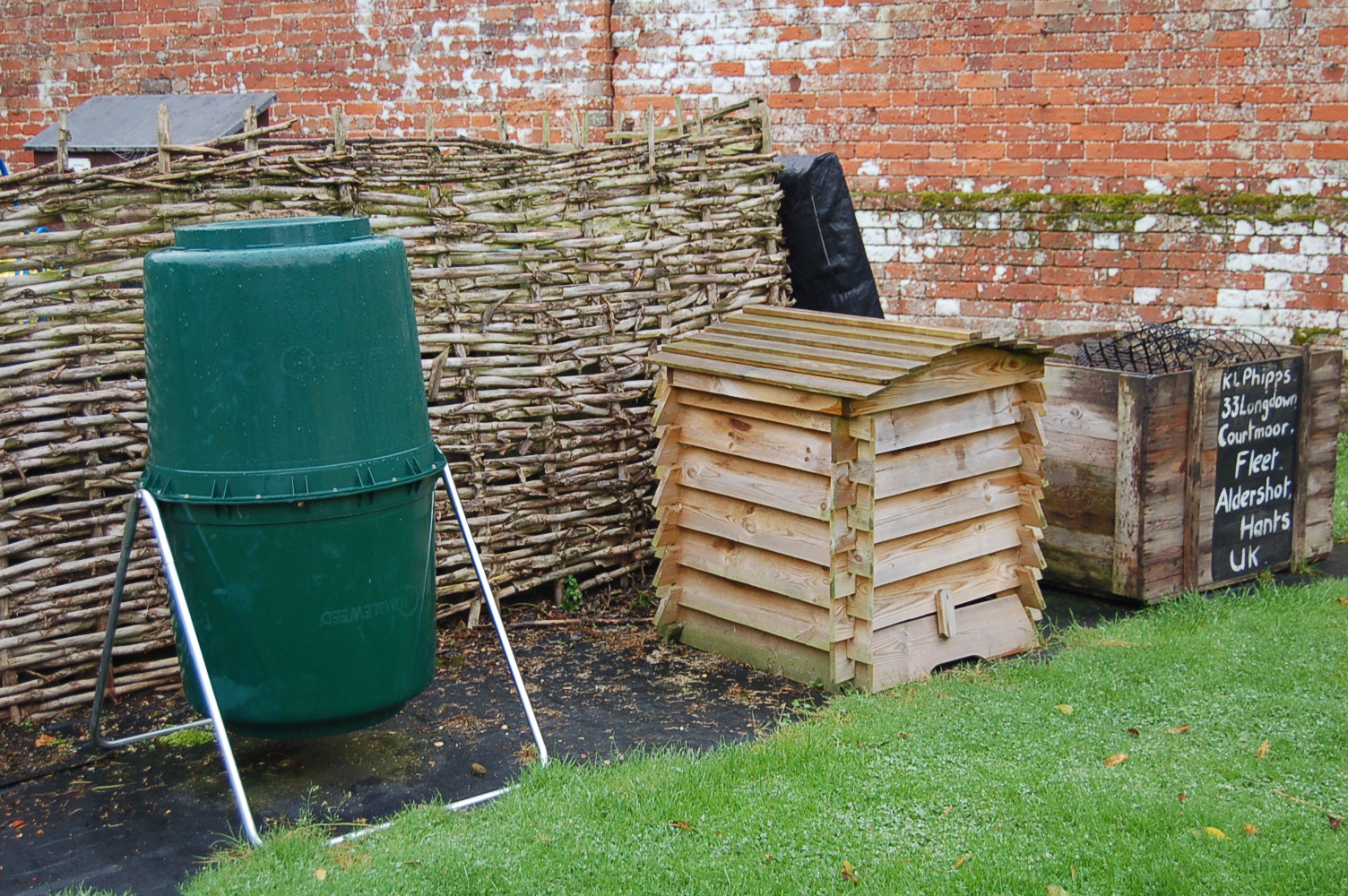
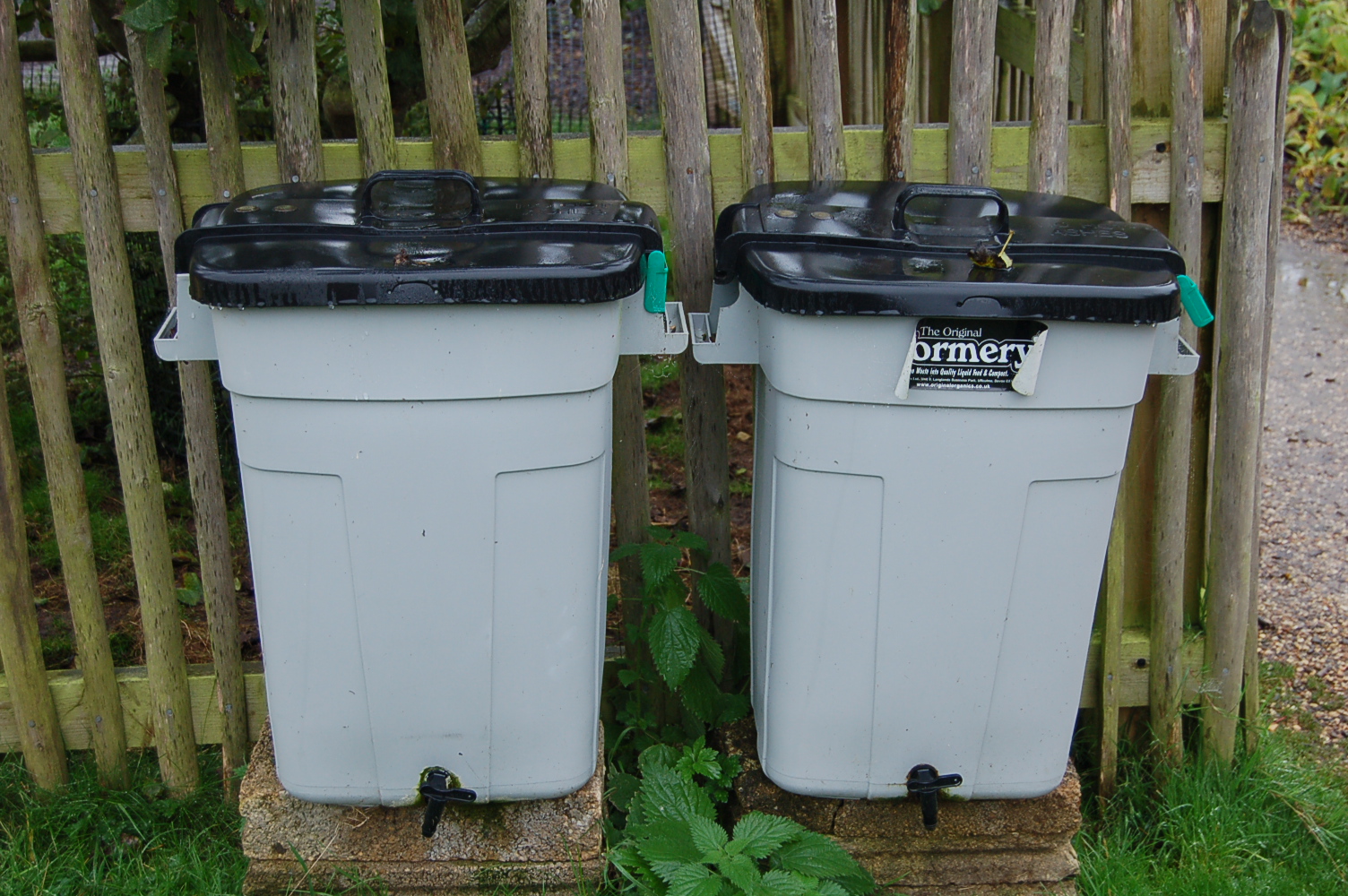
Here at the National Trust property, The Vynes, the productive garden maintained by Thrive illustrates quality techniques in action especially composting.

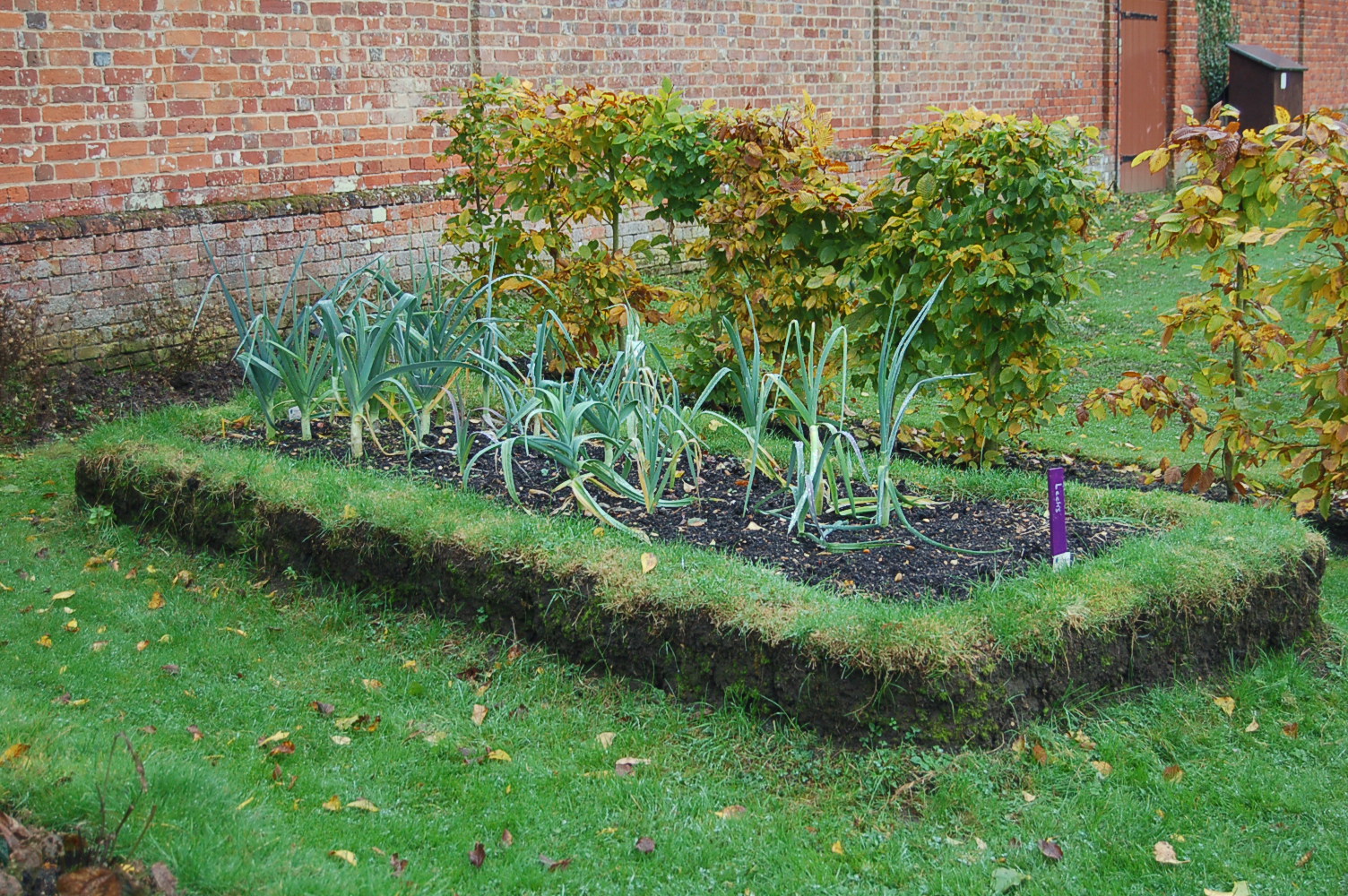
We liked these two ideas for raised beds, particularly this turf bank version, which would make gardening easier for wheelchair users or back pain sufferers (like me). The second picture shows raised beds and recycling combined – revamped old tyres.

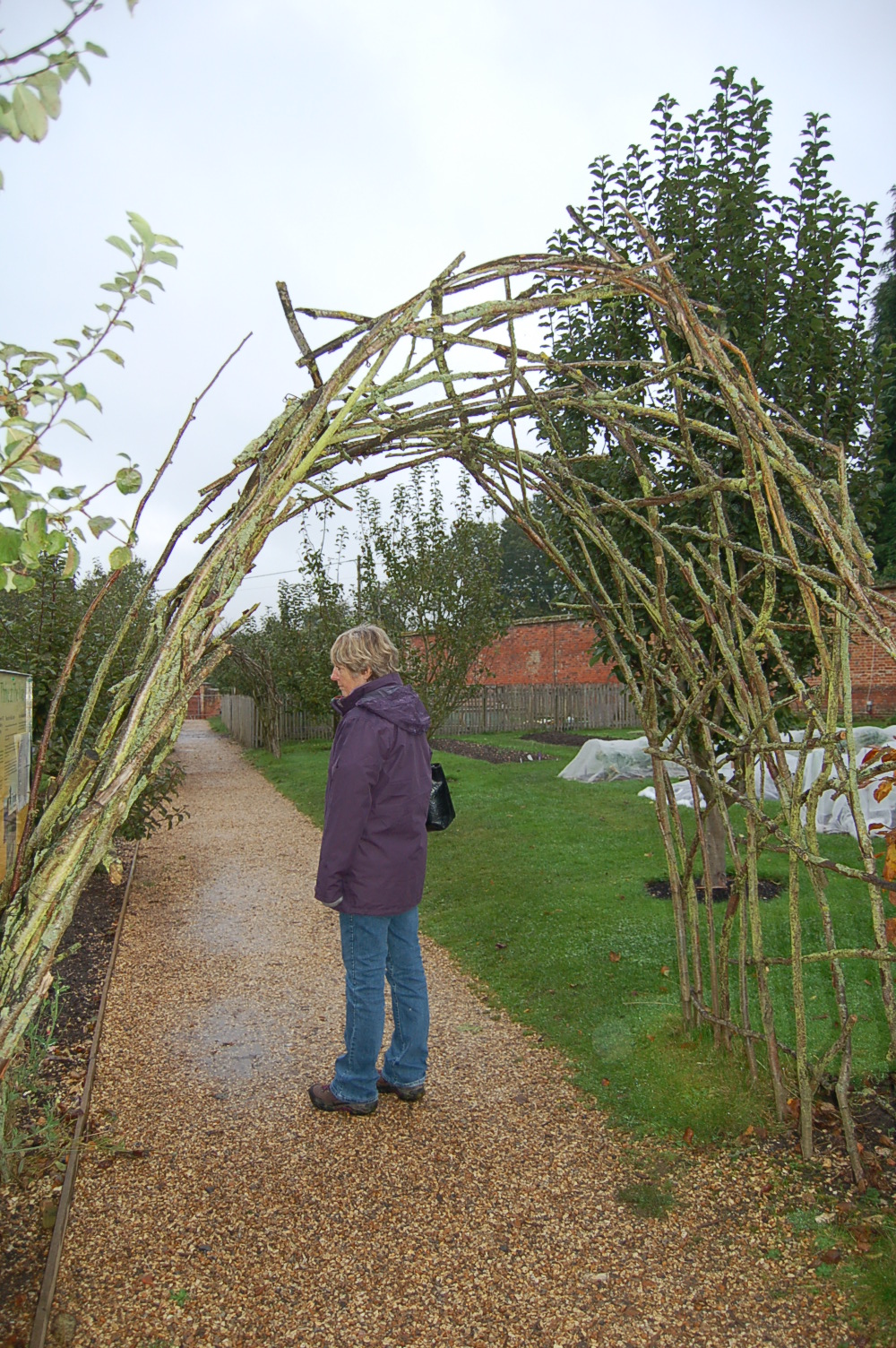
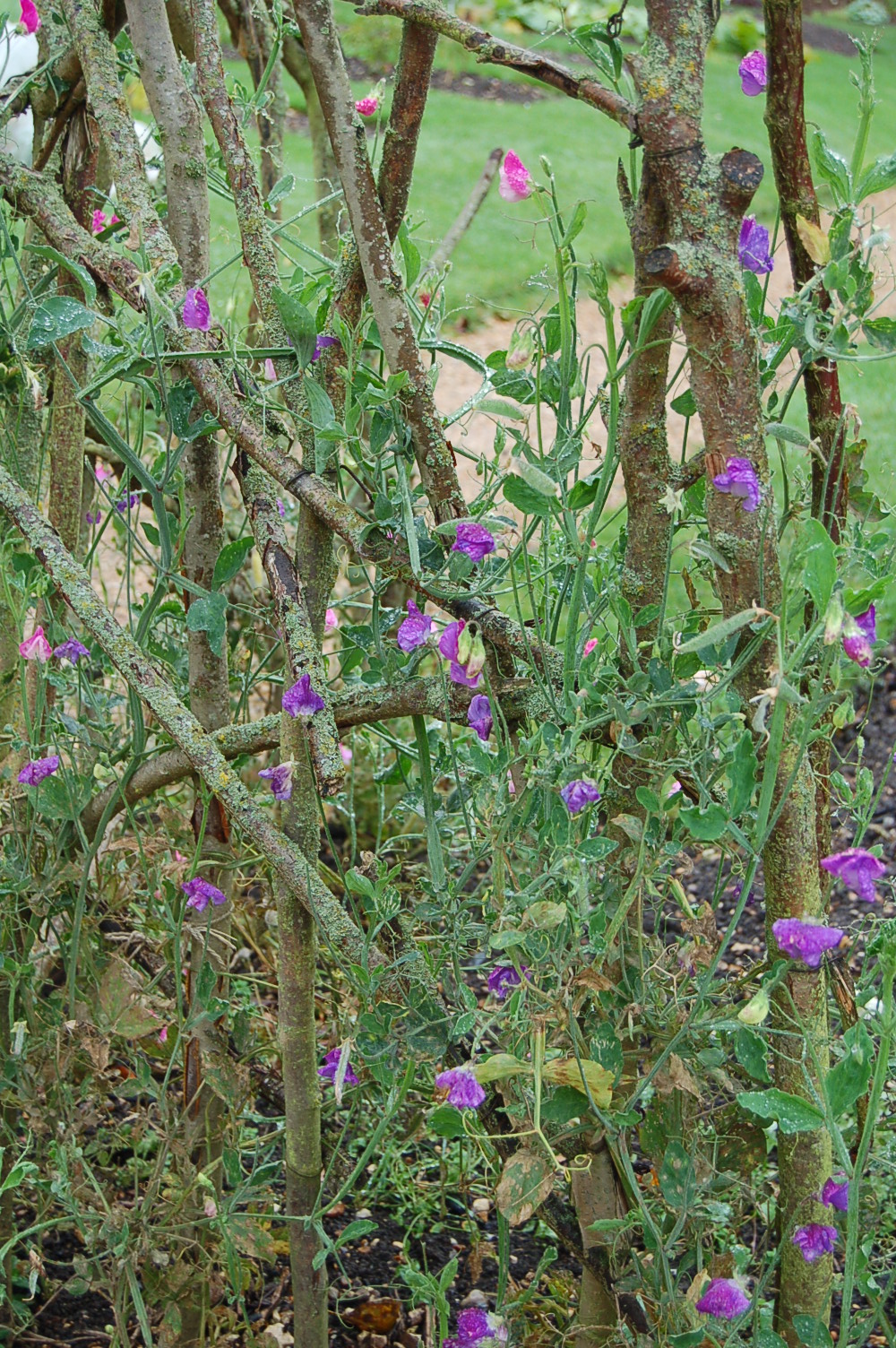
Arches constructed from tree prunings make most attractive and natural supports for climbers such as Sweet Peas and help entice you down the paths.

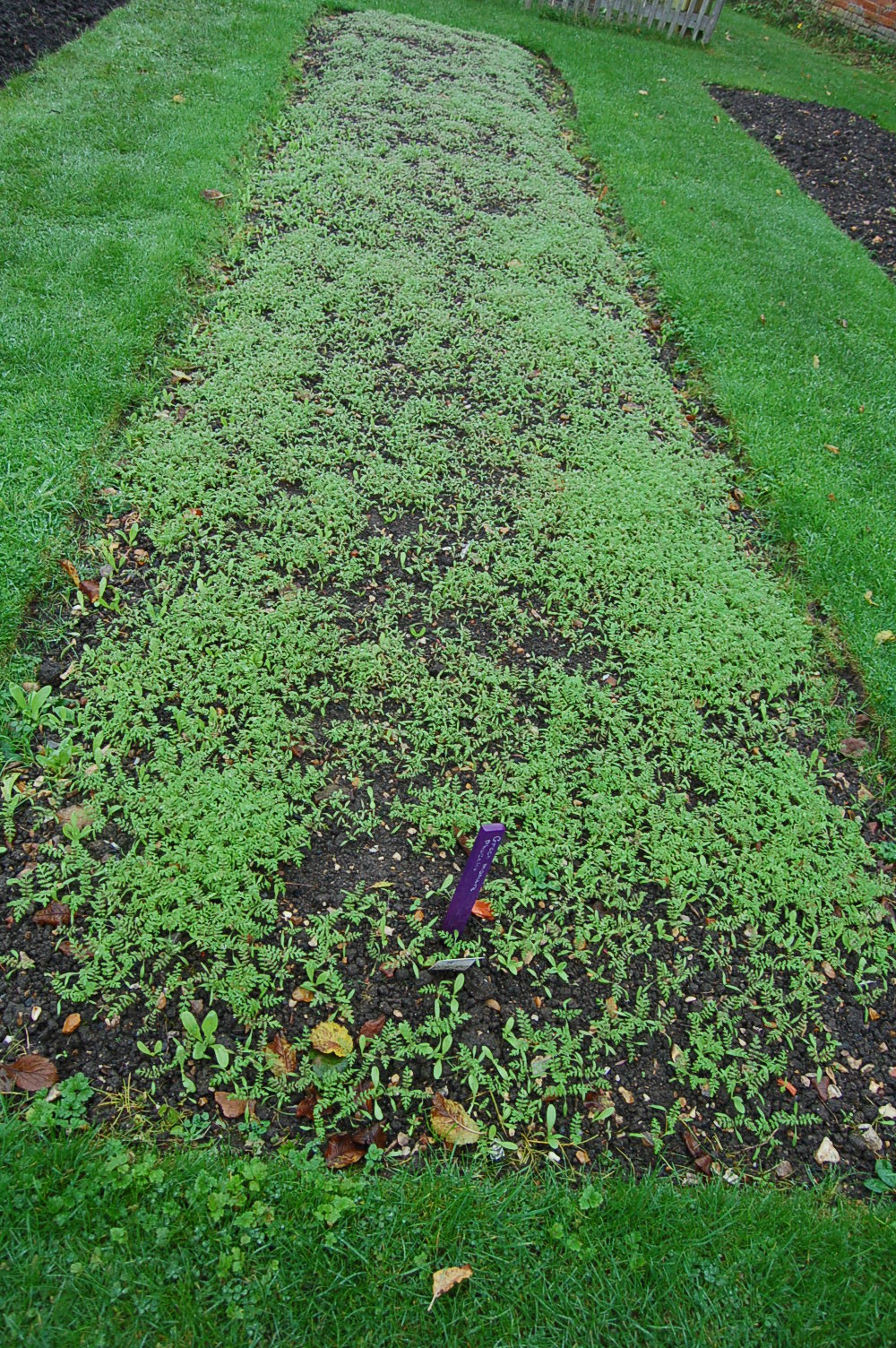
Organic ideals are followed here as well, such as using fleece as protection from pests and the cold and growing green manures such as this Phacelia.

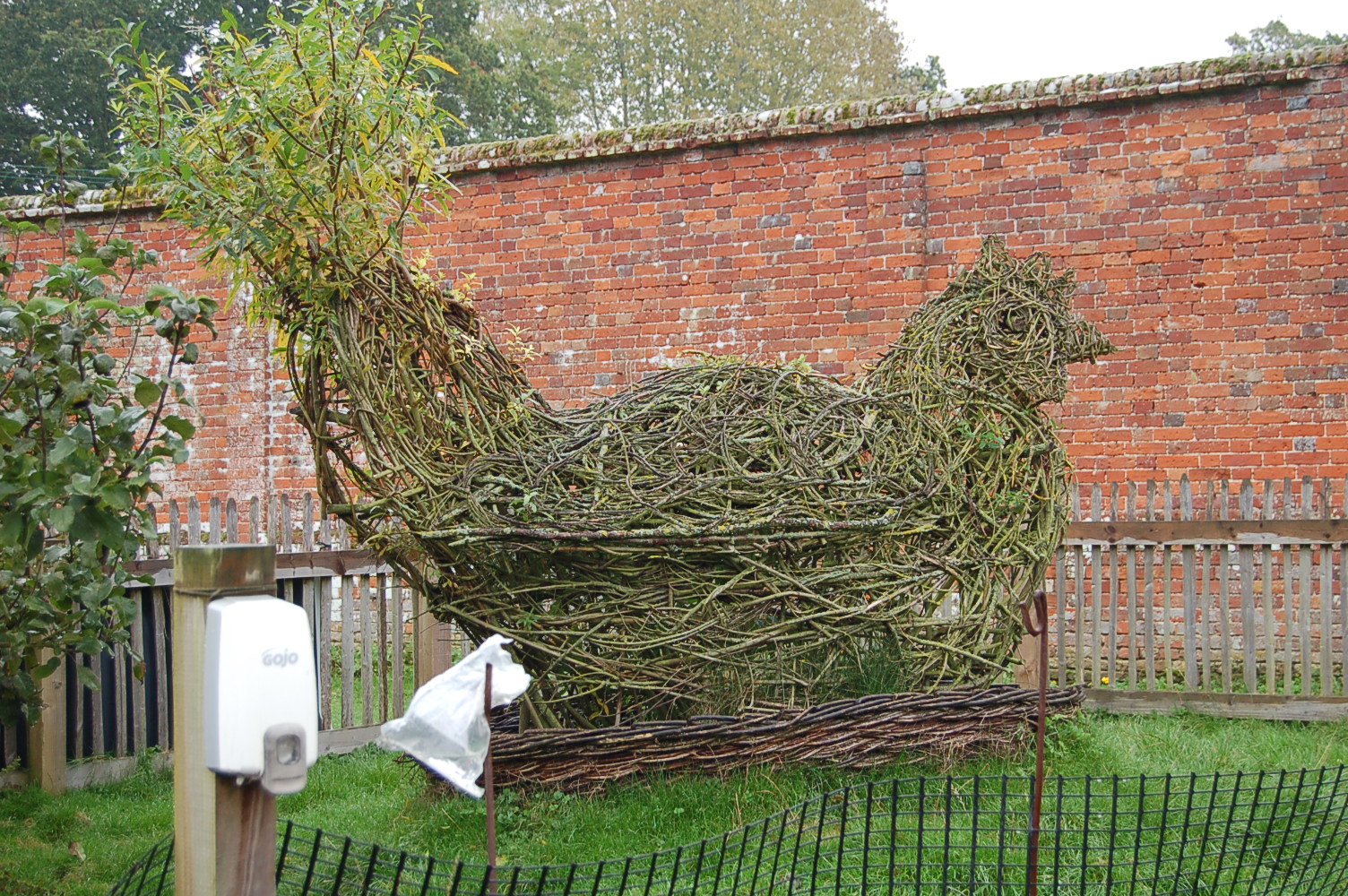
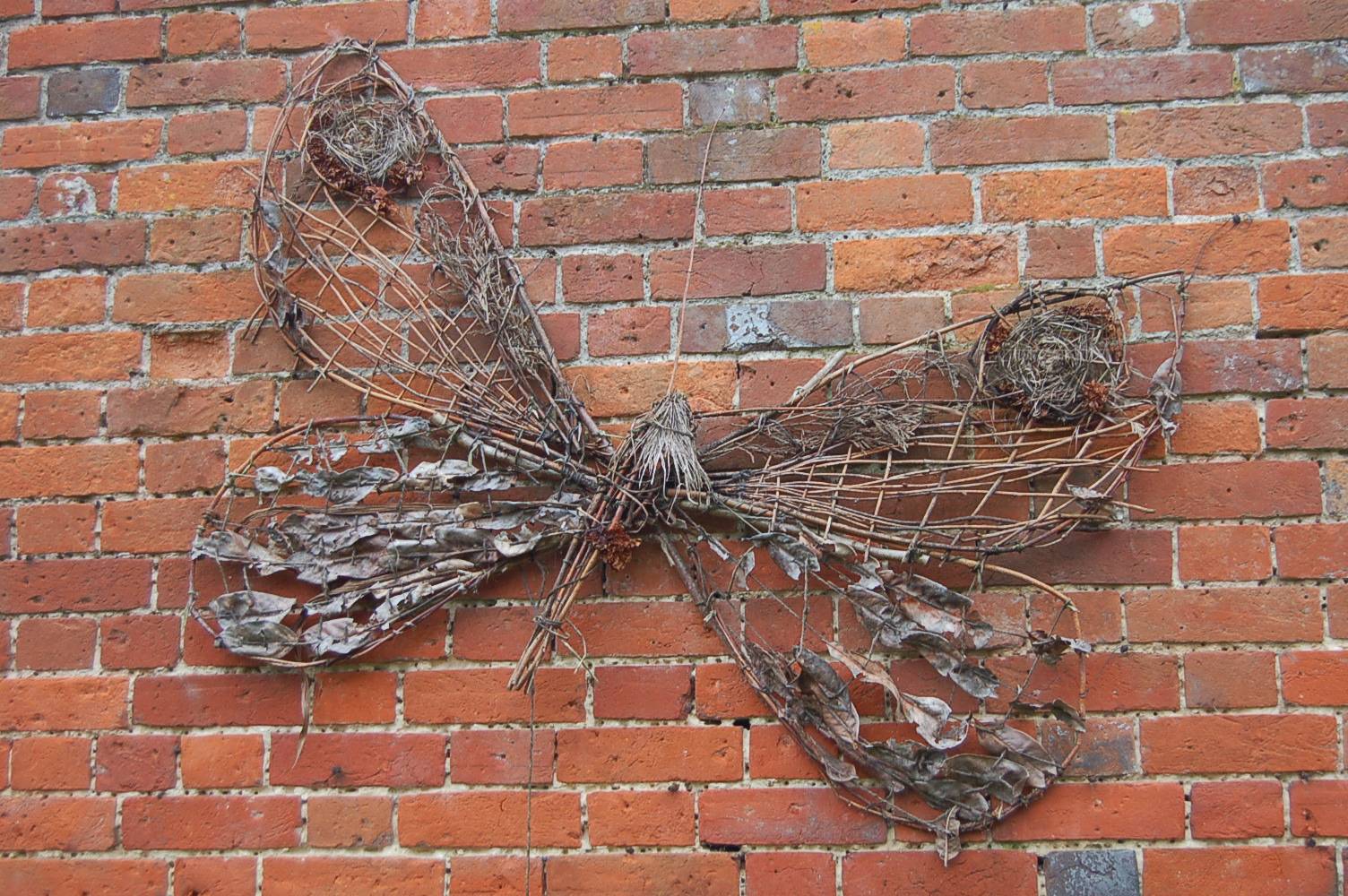
We were impressed by the use of willow as a craft material in creations such as the giant hen and the wall-mounted butterfly.

There was even a children’s garden with picnic tables topped with puzzles and a beautifully decorated shed full of special tools and games.

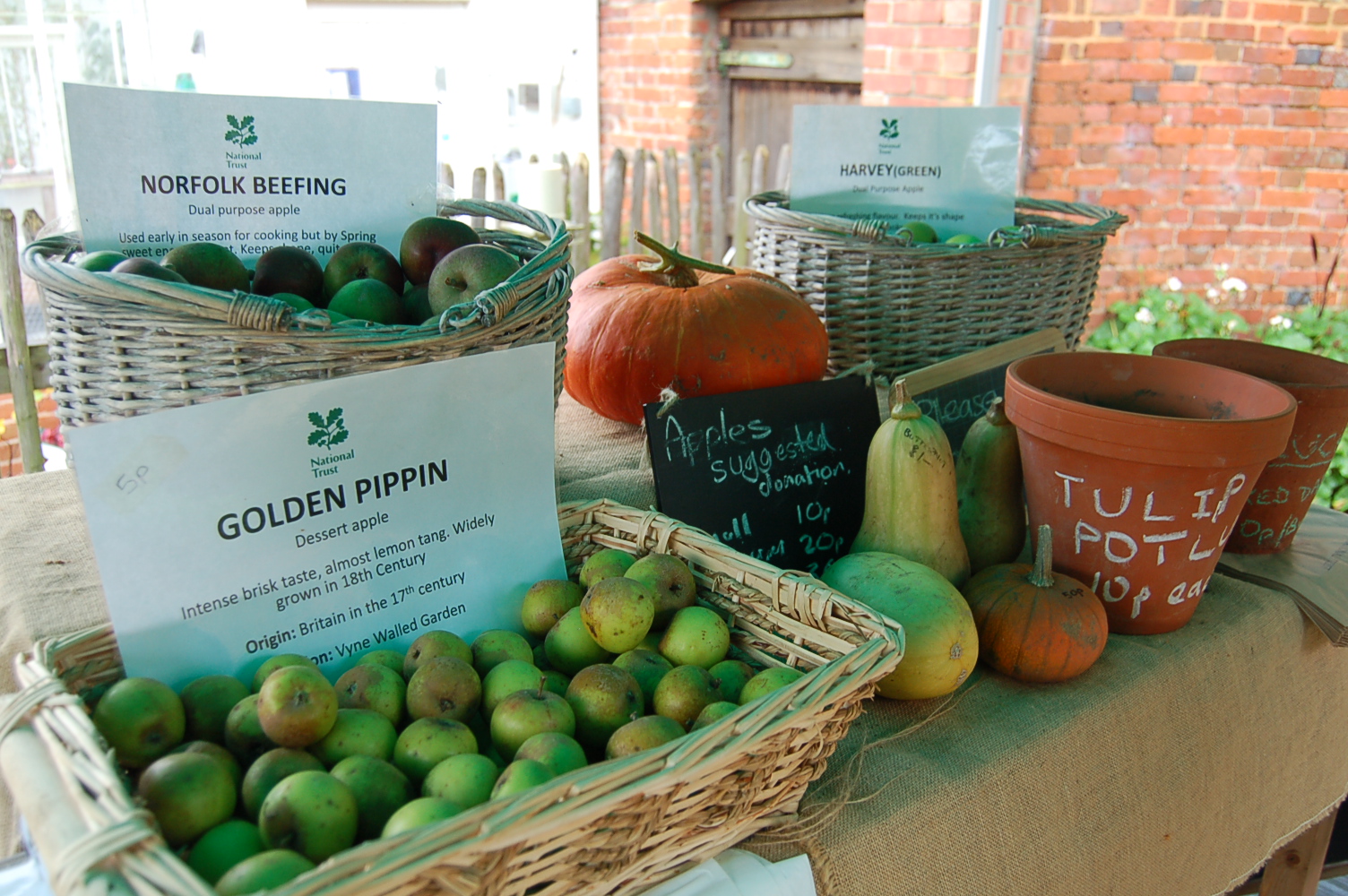
The produce from the beds are for sale to visitors and at this time of year that meant mostly apples in variety.

To find out more about the work of Thrive I suggest a visit to their website www.thrive.co.uk . To see their work in action you can visit one of their many gardens around the country. Check it out and you will be impressed!


Categories
allotments autumn fruit and veg garden photography gardening grow your own

Fruity

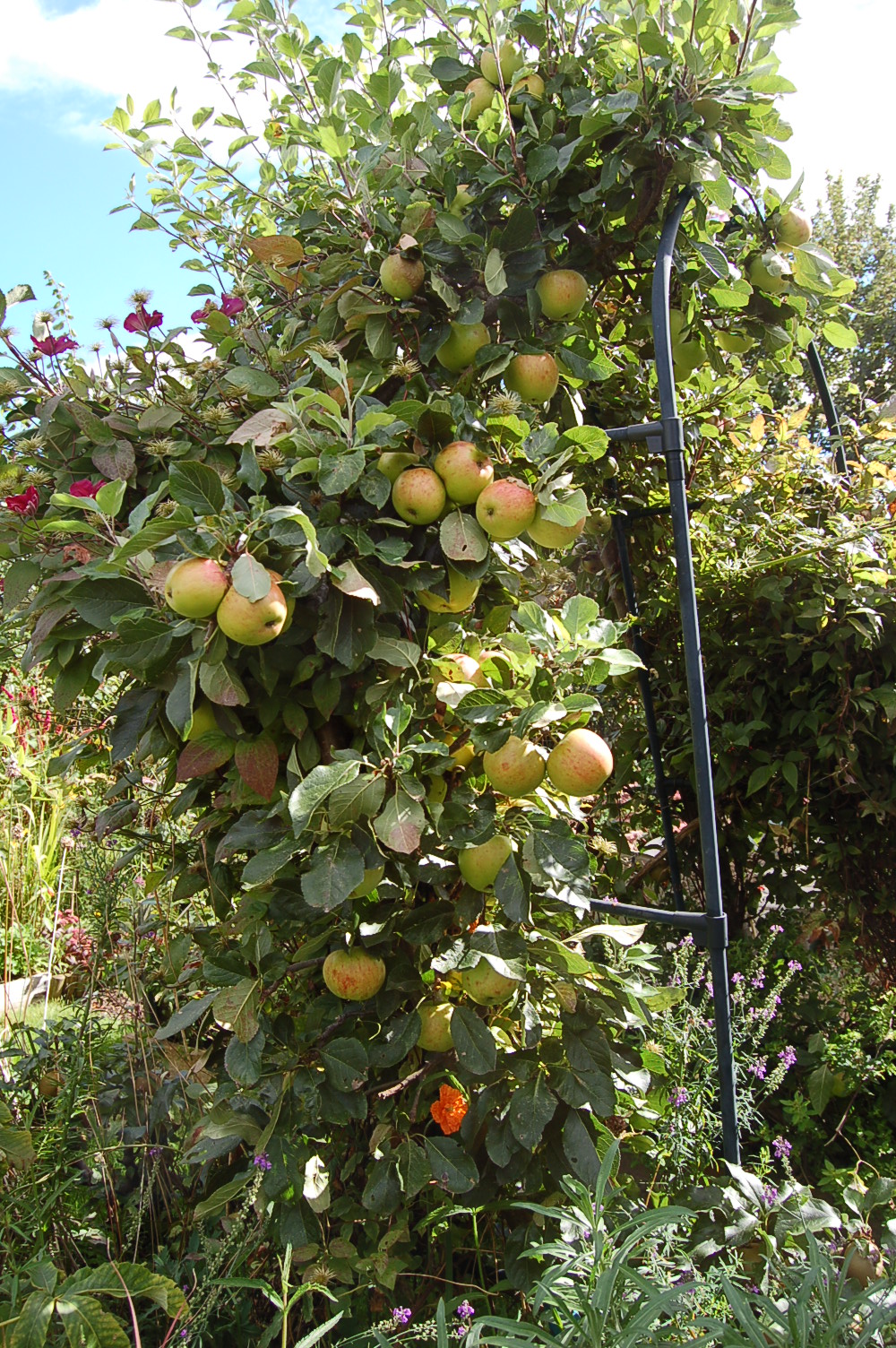
We harvested our first apples last month  and have been harvesting other varieties as they ripen. We still have a few varieties waiting on the treesto be collected. The first harvest was from a tree we have trained over an arch, having bought it as a one year maiden. It is a deep red-blushed beauty called “Scrumptious” which is a rather silly name but I have to admit quite apt. The basket weighed in at 8lb 7oz. – very pleasing!

The other variety that we normally harvest in September is James Grieve, which grows in the company of a clematis over another arch. This tree is a reliable heavy cropper and this year’s crop  looked most promising as we waited for it to ripen. We can enjoy the taste of this apple straight from picking and they  stay full of flavour for a few months, but it does not store too well.

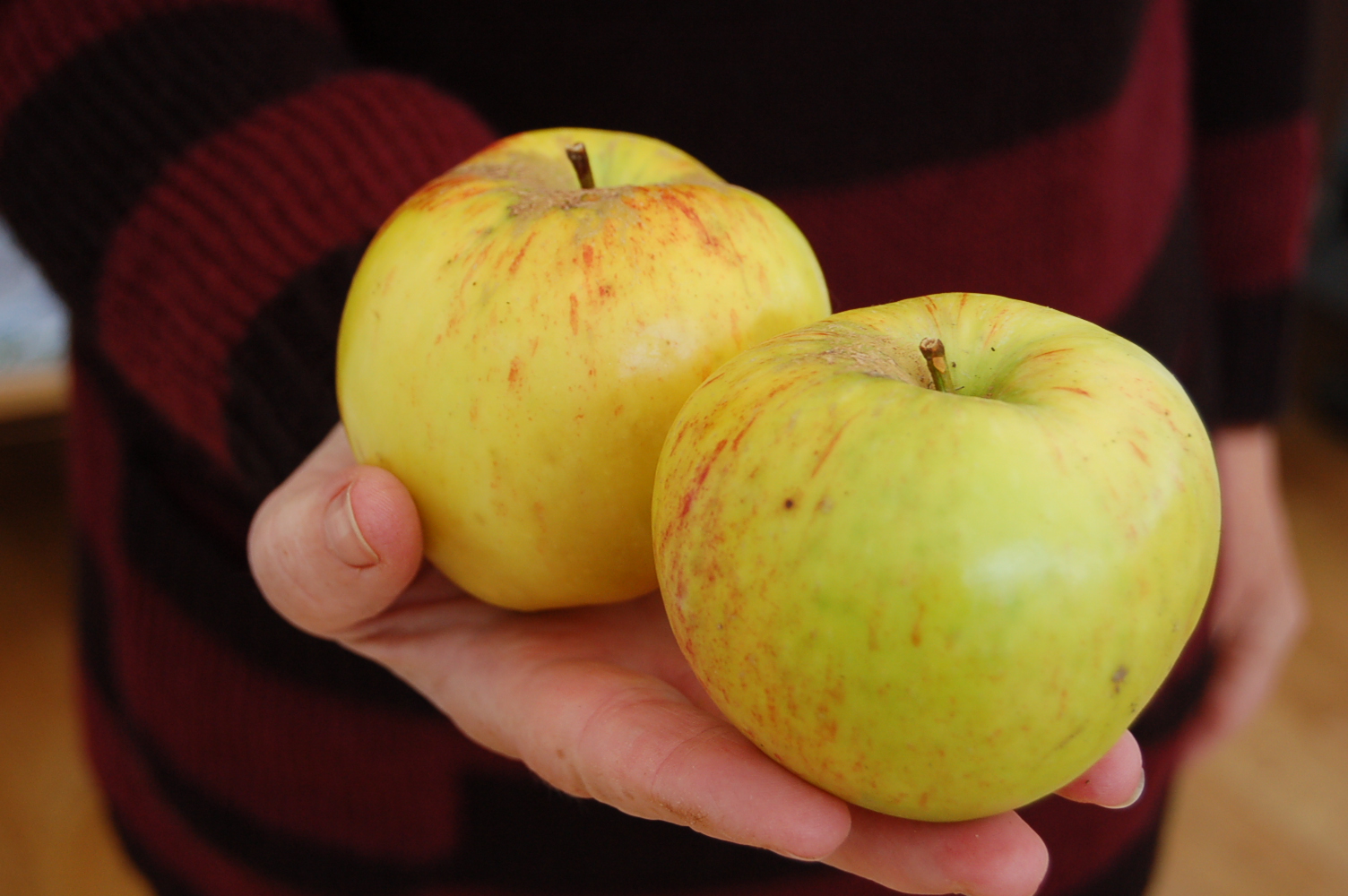
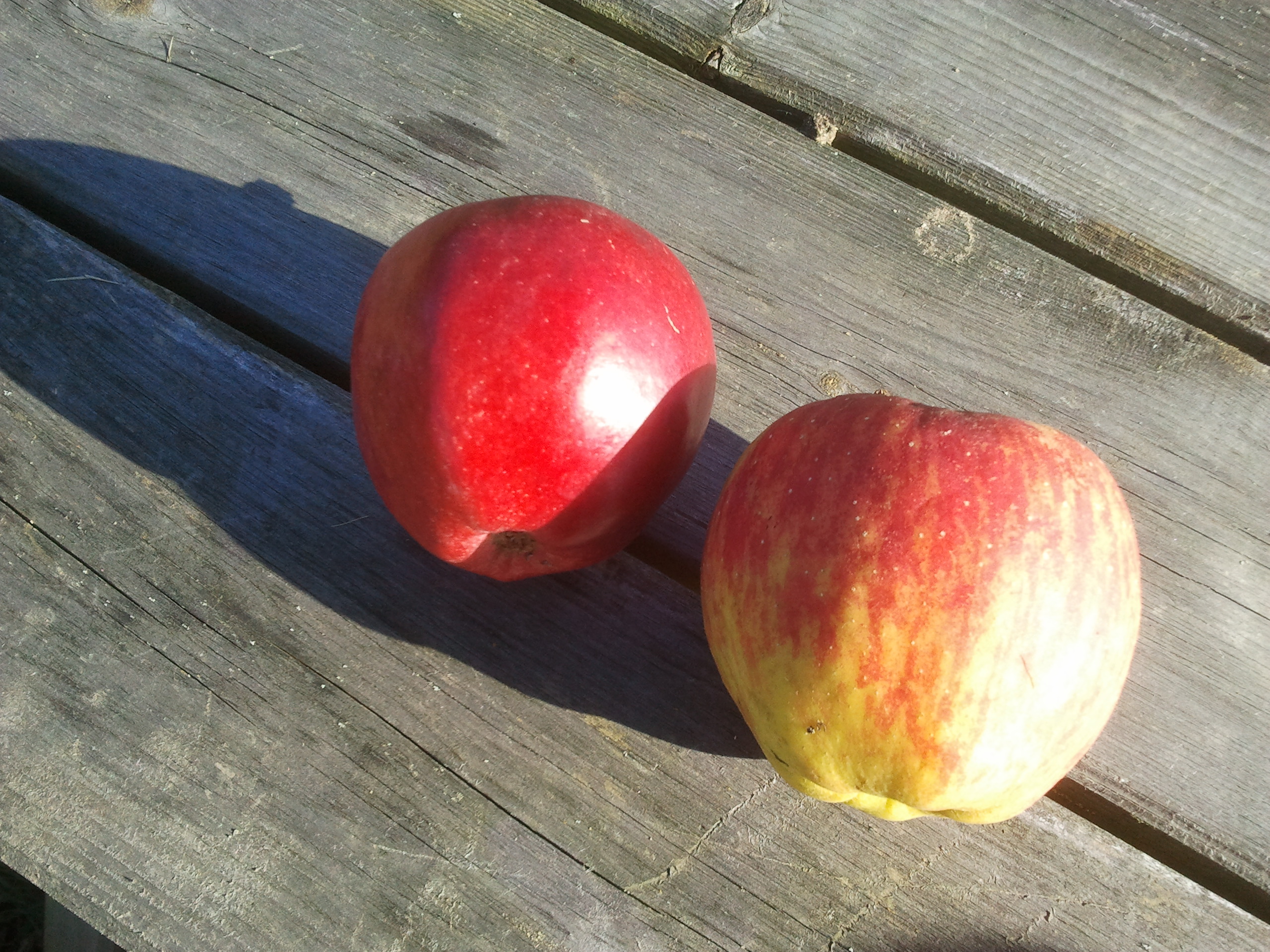
The harvest did live up to expectations weighing in at 27 lb with a few of the individual fruit being really large as we can see in the picture below of these two sitting on Jude, the Undergardener’s hand.

All the apple, pear and plum trees in our garden were bought as one year maidens and we have trained them into cordons, over arches and as step-overs. Now after ten years it is so rewarding to see them as such productive trees. Of course apple trees are worth growing for their blossom as well, so they are doubly useful to us gardeners.

The apple below is Red Falstaff a variety we have trained as a single-stemmed upright tree. It sits to the left of our greenhouse door, where, coupled with Scrumptious on the right of the door, it gives the impression of  being one of a pair of sentinels guarding the doorway. We harvested our Red Falstaff a few days ago and the fruit has developed much deeper red blushed cheeks. In total though the little tree produced only half a dozen pounds of fruit.

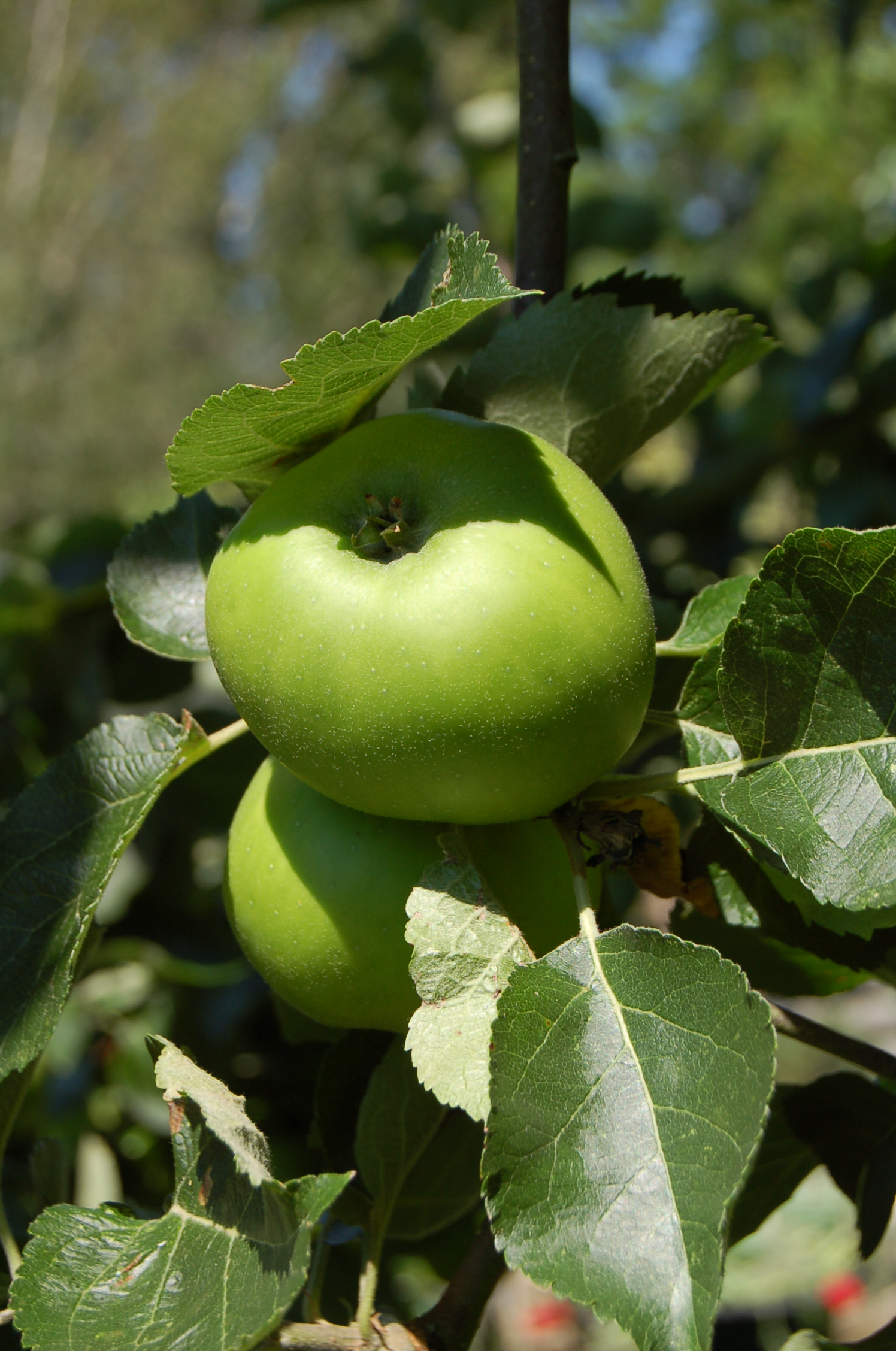
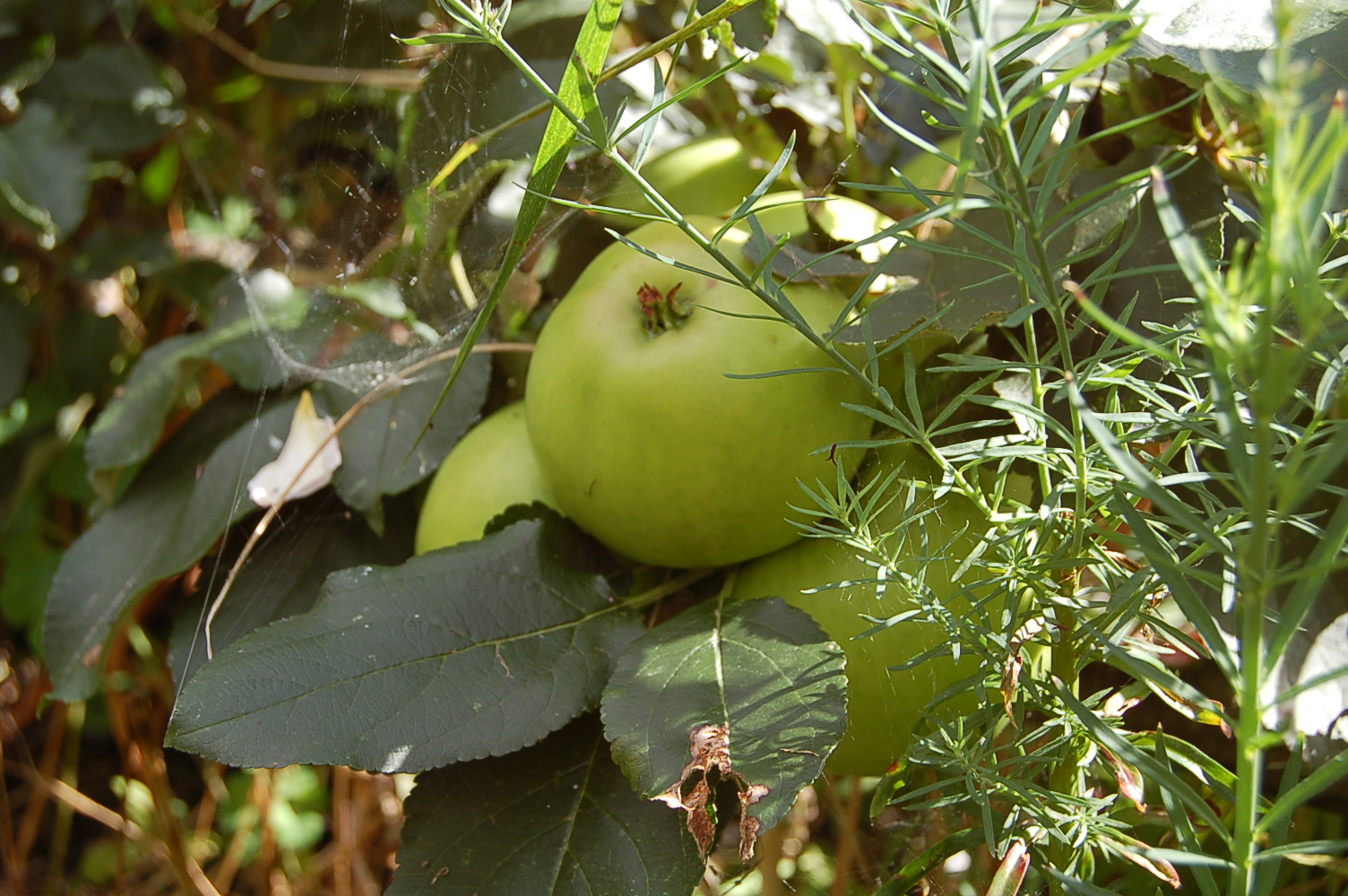
The green fruit below is a Bramley apple, the only pure cooker we grow. It is not the best of croppers as we made the mistake of training it as a step-over. Bramley is a tip-bearer so when we carry out the formative pruning necessary with step-overs we are effectively cutting out most of its future fruiting buds. However it does give us a small crop every year, so it has forgiven me my ignorance. We stew this cooking apple and then freeze them to use in pies in the winter and spring. As we do not grow many cooking varieties we tend to use wind falls and any damaged fruit of eaters as cookers or as ingredients in chutneys or mixed with blackberries in jams.

Ashmeads Kernel seen below however is a most successful step-over tree, with a dry textured skin and nutty flavour. This apple is one of the last to be harvested in late October  but will not be at its eating best until December through to February, when its flavours will have fully developed.

We grow some heritage varieties which tend to produce fewer fruits but are usually better flavoured, such as Cornish Aromatic, Beauty of Bath, Pixie and King of Pippins.

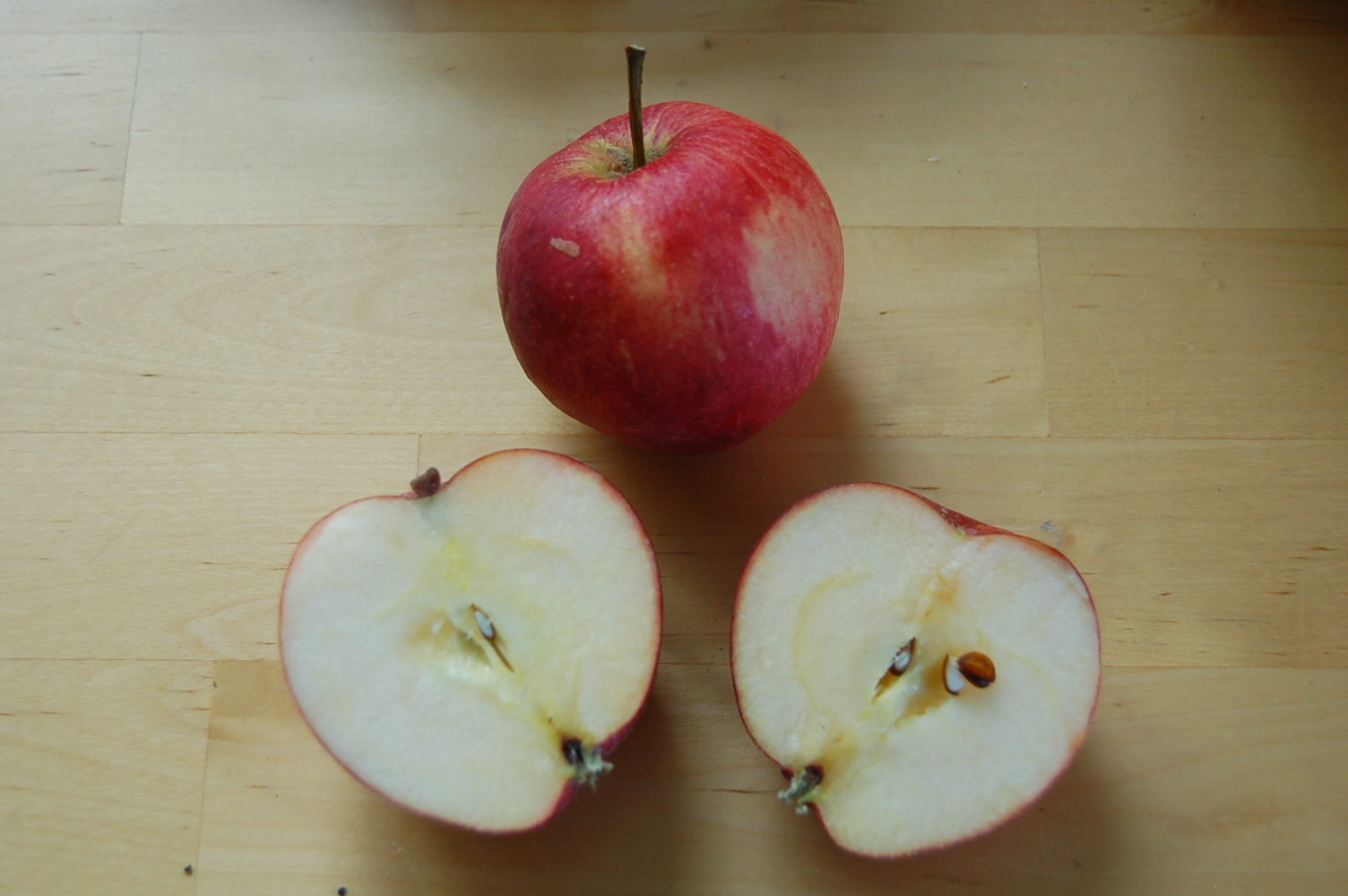
The photo below shows the unusually shaped, boxy fruit of Cornish Aromatic with its green skin with a few freckles of slightly deeper green.

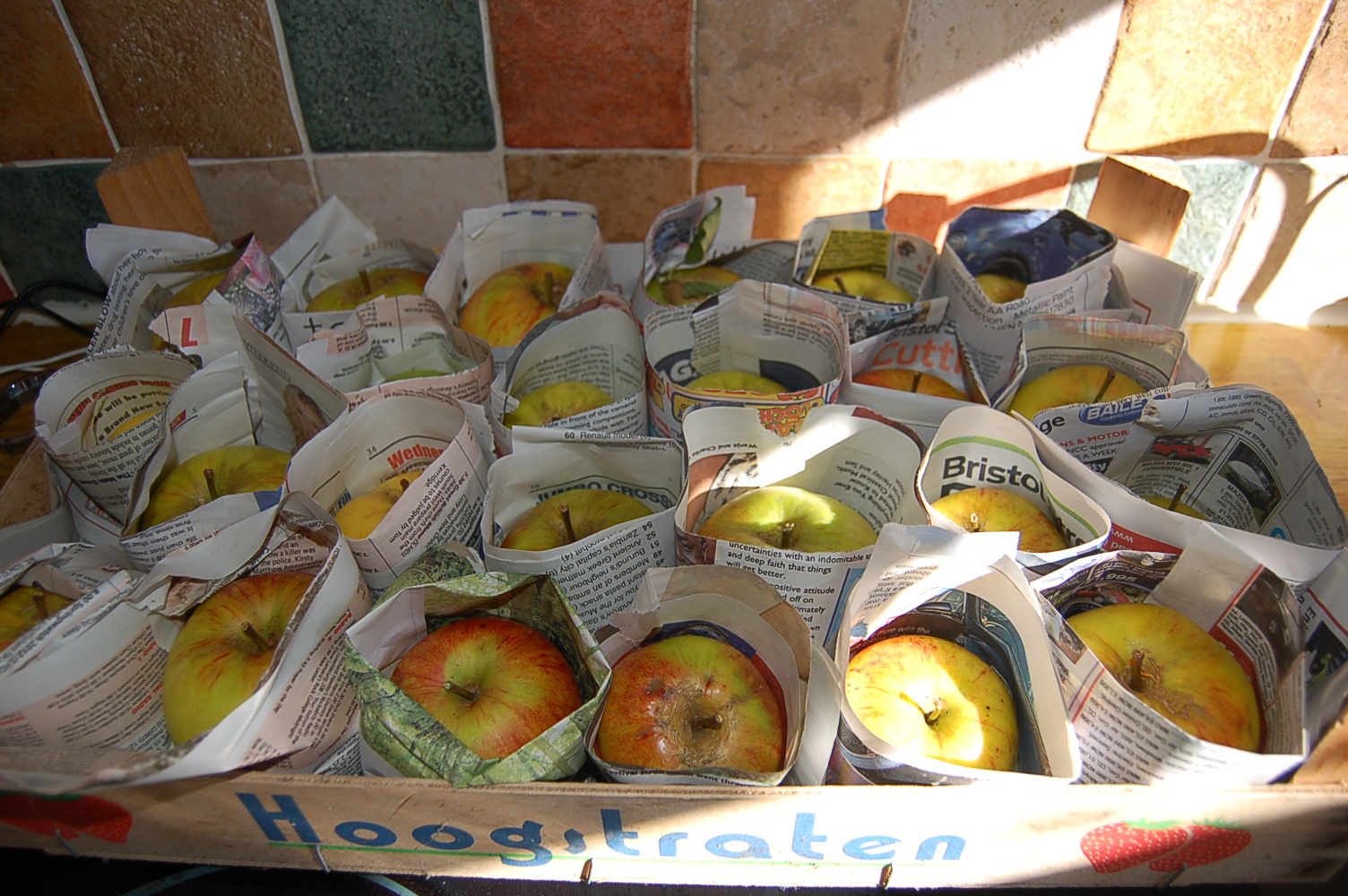
Any apples whose flavour improves with keeping ,we store in shallow trays with individual fruit wrapped in newspaper to make sure no fruits touch each other. If an apple does go bad when in store then this barrier of newspaper will stop it spreading too quickly.

The act of picking fruit evokes our senses, the touch of the skin as we twist the fruit from the tree, the scent of the fruit in the hand and the subtle variations of reds and greens to delight the eye. And then of course comes the taste, in some cases best straight from the tree in others the tastes matures with age, reaching a peak months after being plucked from the tree. There is also the sensation of the first bite, the crunch, the juice running and the balance of taste between sweet and acidic, and the hints of fruits shared with other fruits, strawberries and pineapples.

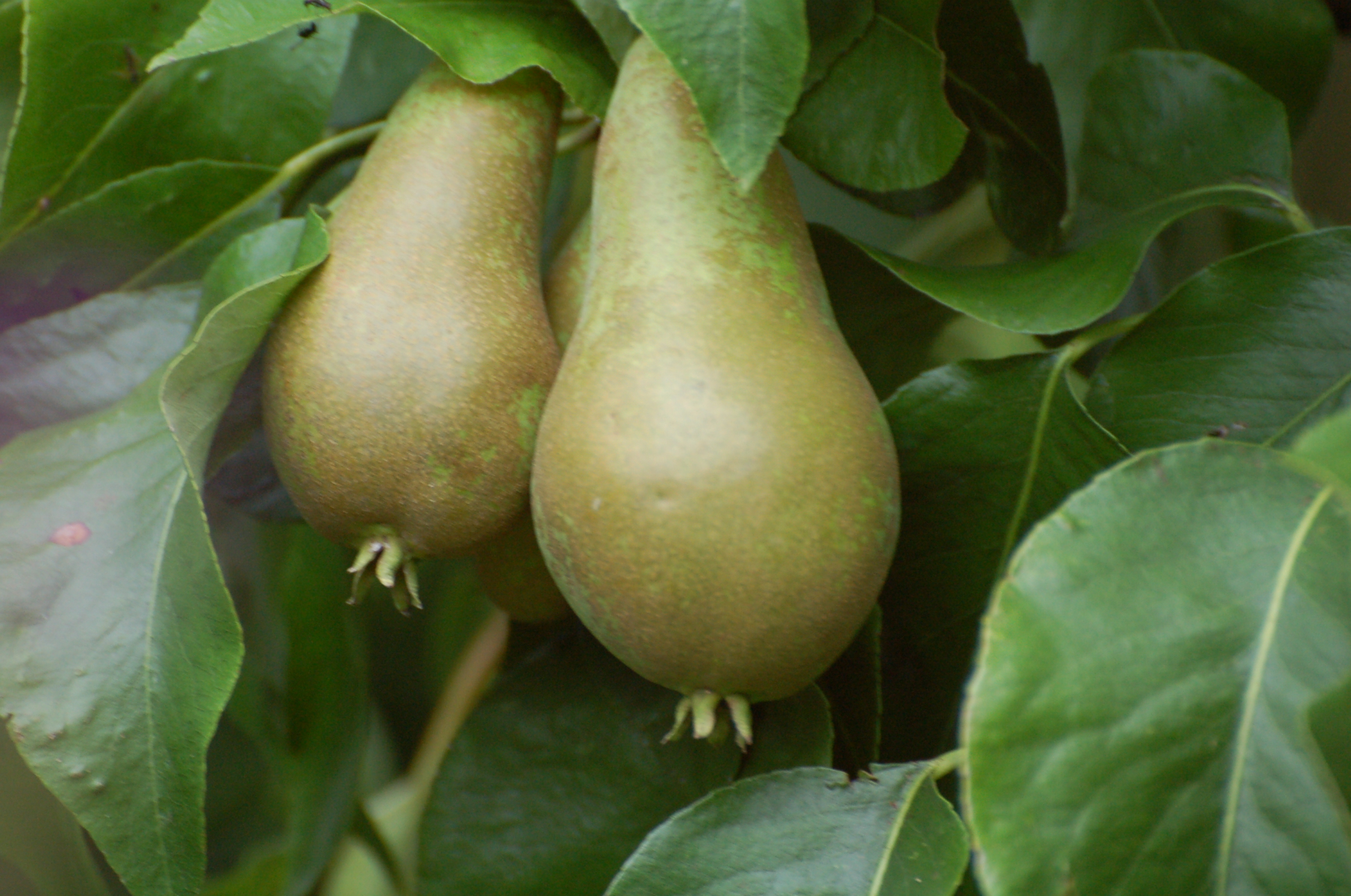
Our pear trees were a great disappointment this year. Out of our four cordons only one produced any fruit at all but just look at the size of them!

Categories
allotments autumn community gardening fruit and veg garden photography garden wildlife gardening grow your own hardy perennials Shropshire

A Wander around our Allotments in October

Flooding and its problems have dominated our allotment month. For the third time this year our allotment site has been under water. Rotten potatoes, bark paths washed away, rows of seedlings washed onto other plots and onto pathways and items stored in sheds ruined. This is sadly becoming a regular occurence. We have a meeting with the town council next week so perhaps we can come away with some positive news for the allotment members.
But let’s concentrate on the positives of our lovely site. The people and the plants. This is our friend Sherlie with a monster cabbage!

Phil had never grown apples until four years ago when he asked me to help him set up a row of cordon apples and pears and teach him the necessary skills. Now look at what he has achieved this year!

Our wander with camera in hand took us through the Autumn Garden over to our plot and then across to the Winter Garden via the Spring and Summer Gardens.

The Autumn Garden, appropriately, is now looking wonderful with late season flowers looking colourful amongst foliage the colour of fire.

Butterflies, bees and hoverflies were flocking to the asters in this garden for the first fortnight this month but as the weather turned colder they rapidly disappeared. Buddlejas flower profusely around the site during the summer attracting beneficial insects and pollinators, but this orange one flowers in the autumn.

We grow a variety of Sorbus trees here and they provide wonderful foils for late flowering perennials.

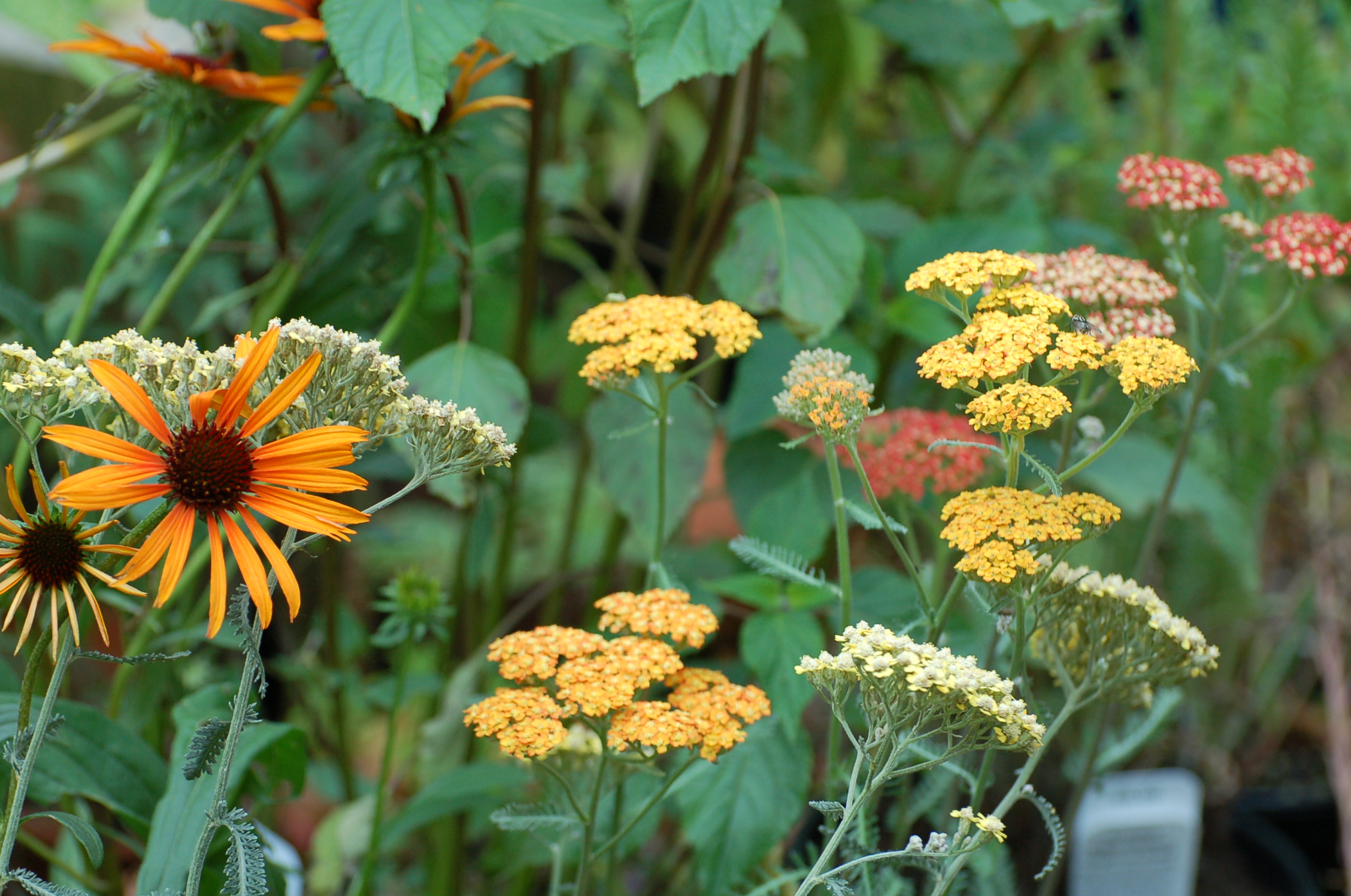
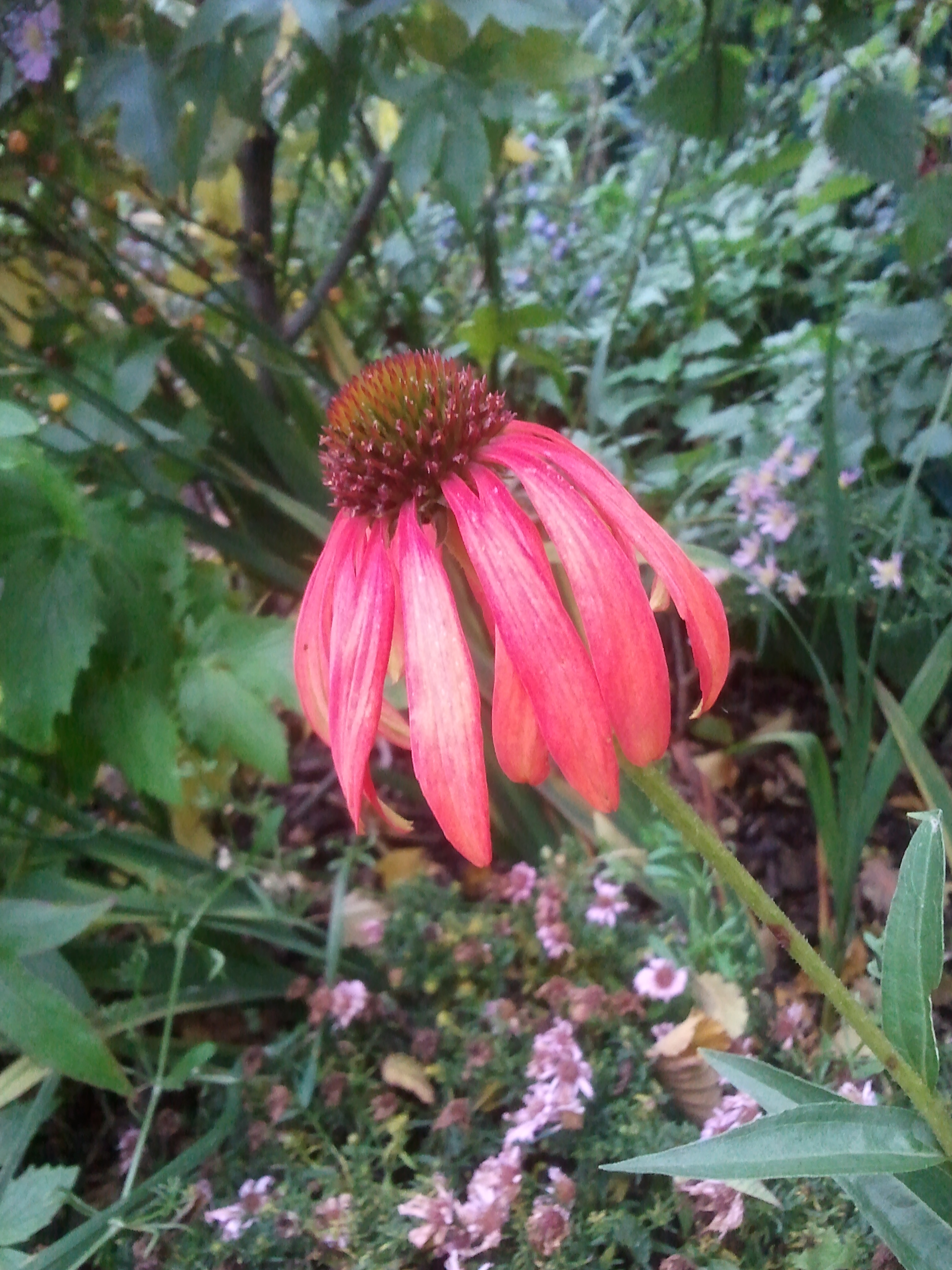
The stars here though have to be the Echinacea.

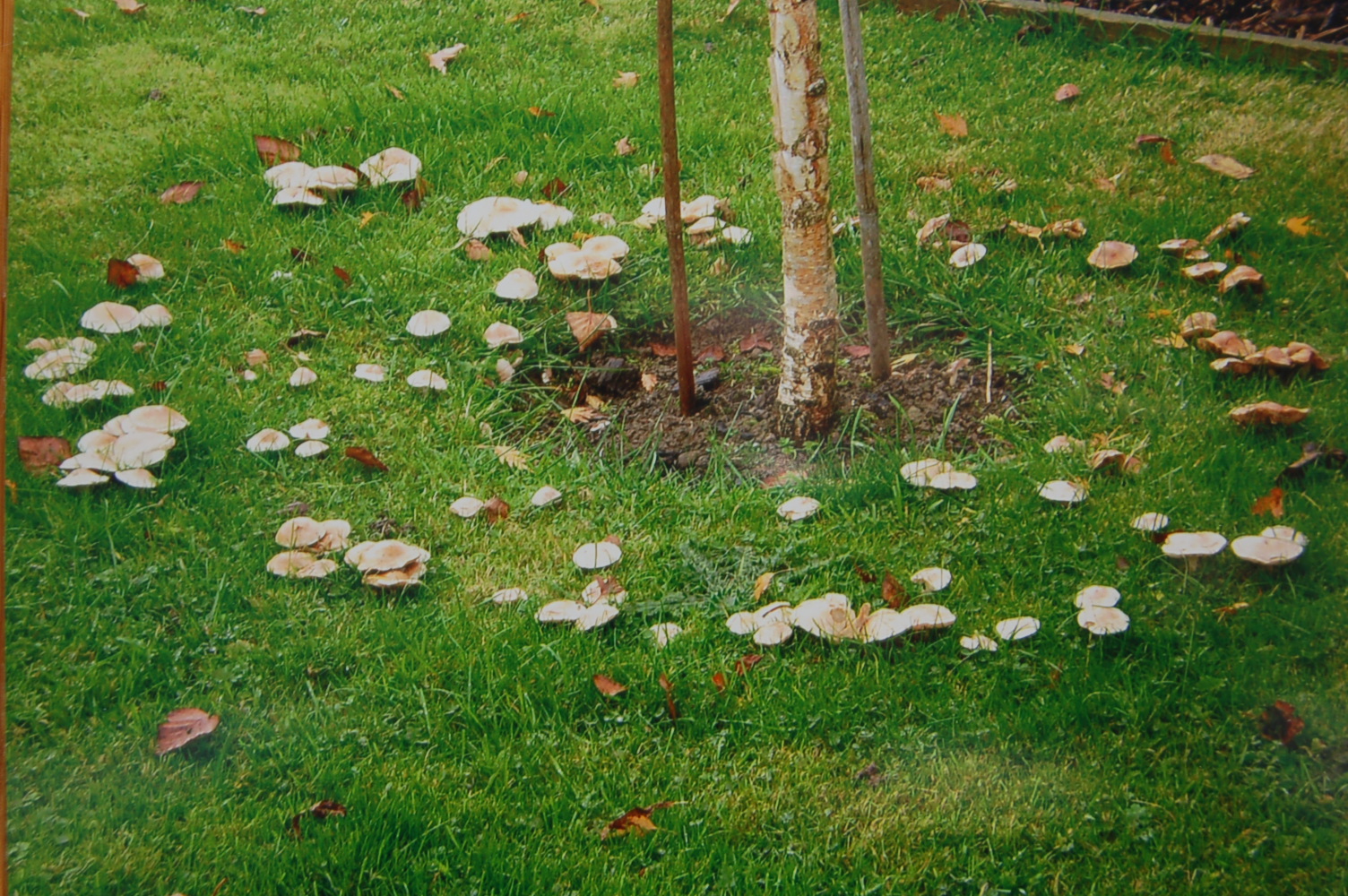
Around the trees in the Birch Grove fairies have been at work. So many plot holders have been taking photos of their handywork.

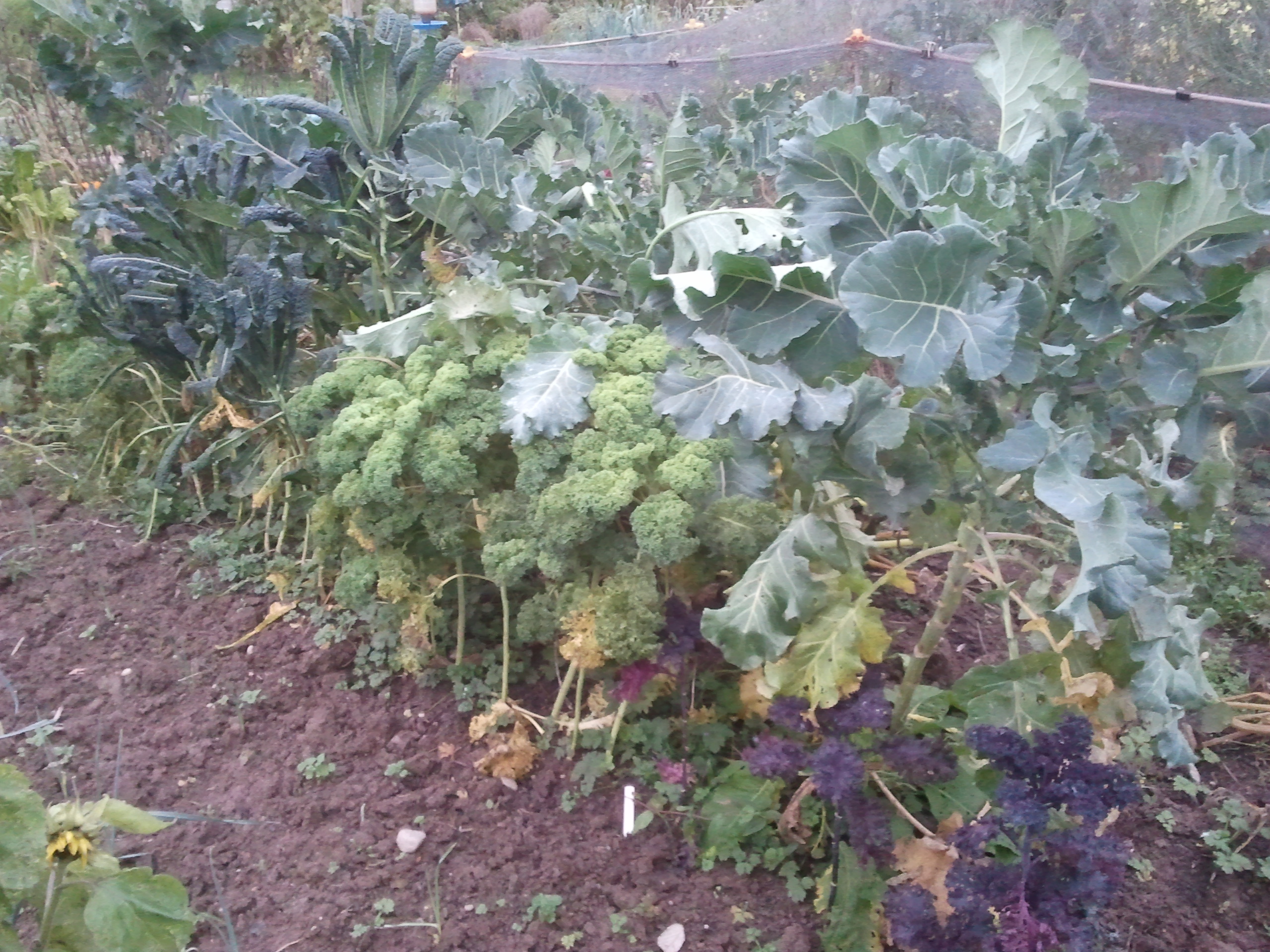
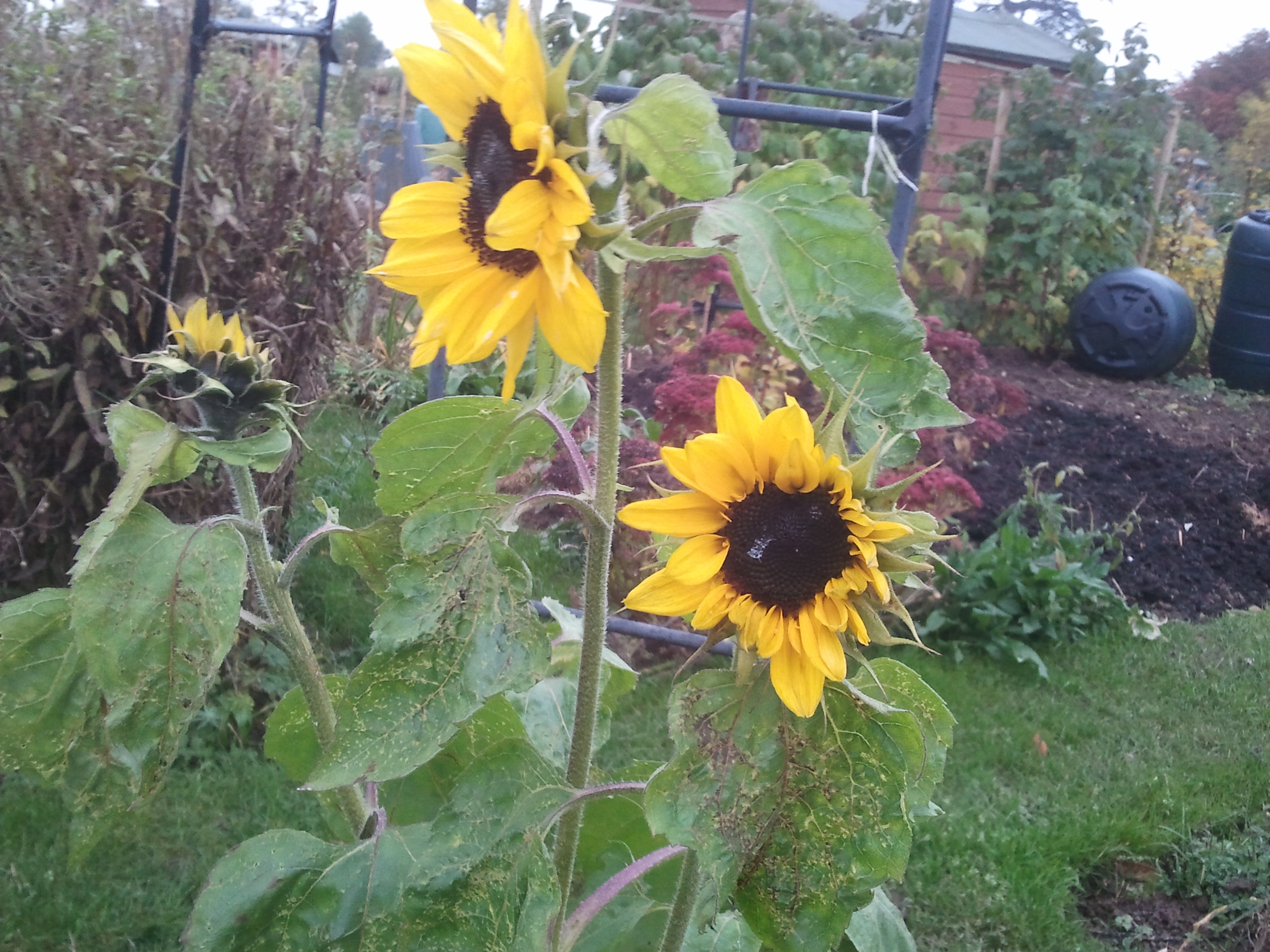
On our own plot we are still picking autumn raspberries. The three varieties of kale we are growing are looking quite colourful as is a sole sunflower – the only sun to be seen up on the lotties at the moment. The day these pics were taken was dark and overcast.

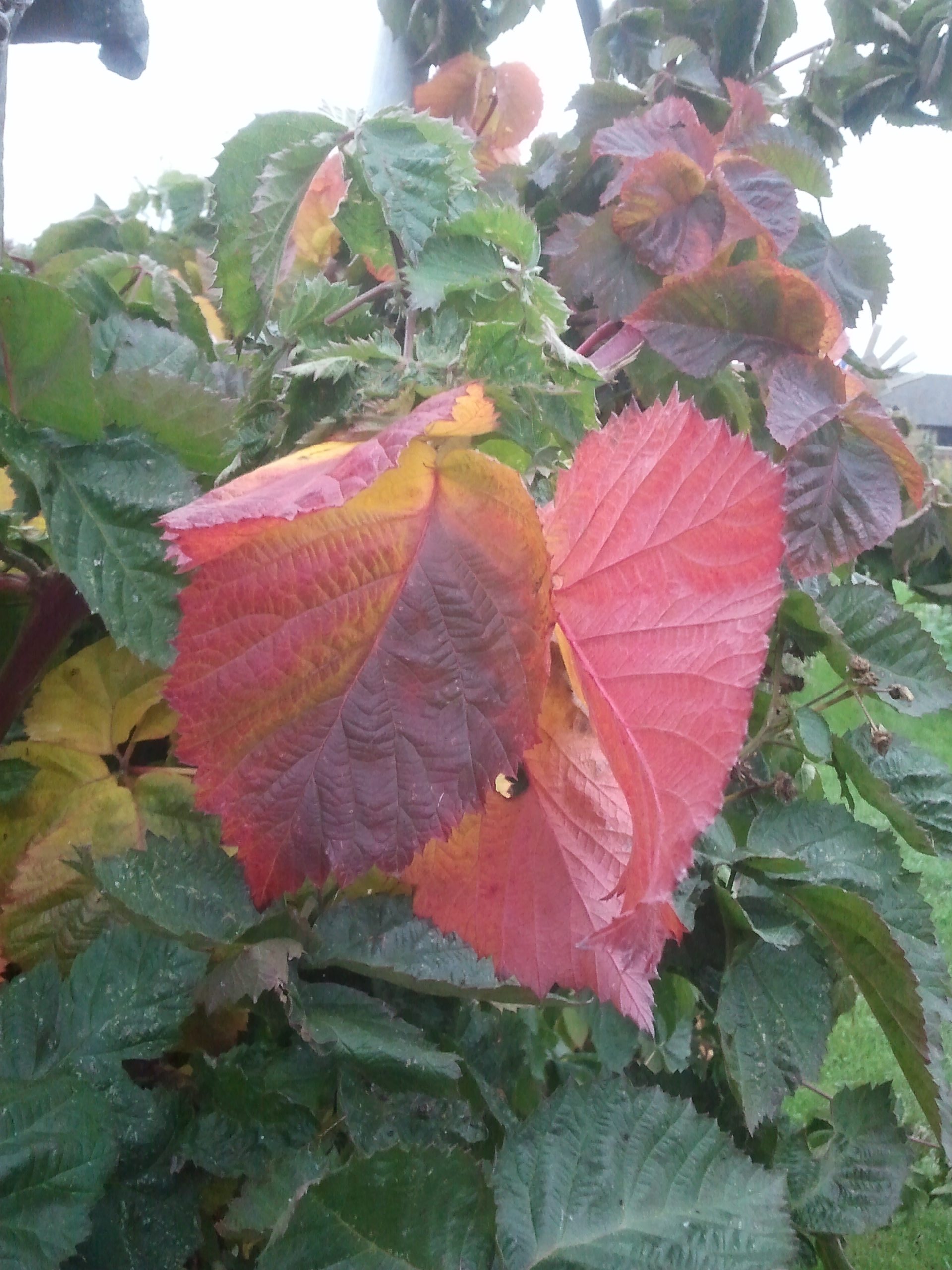
A little bit of extra colour can be found in the leaves of our blackberry bramble.

The crops that we will be harvesting during the winter and early spring are coming along nicely. Leeks, parsnips, carrots and celeriac.

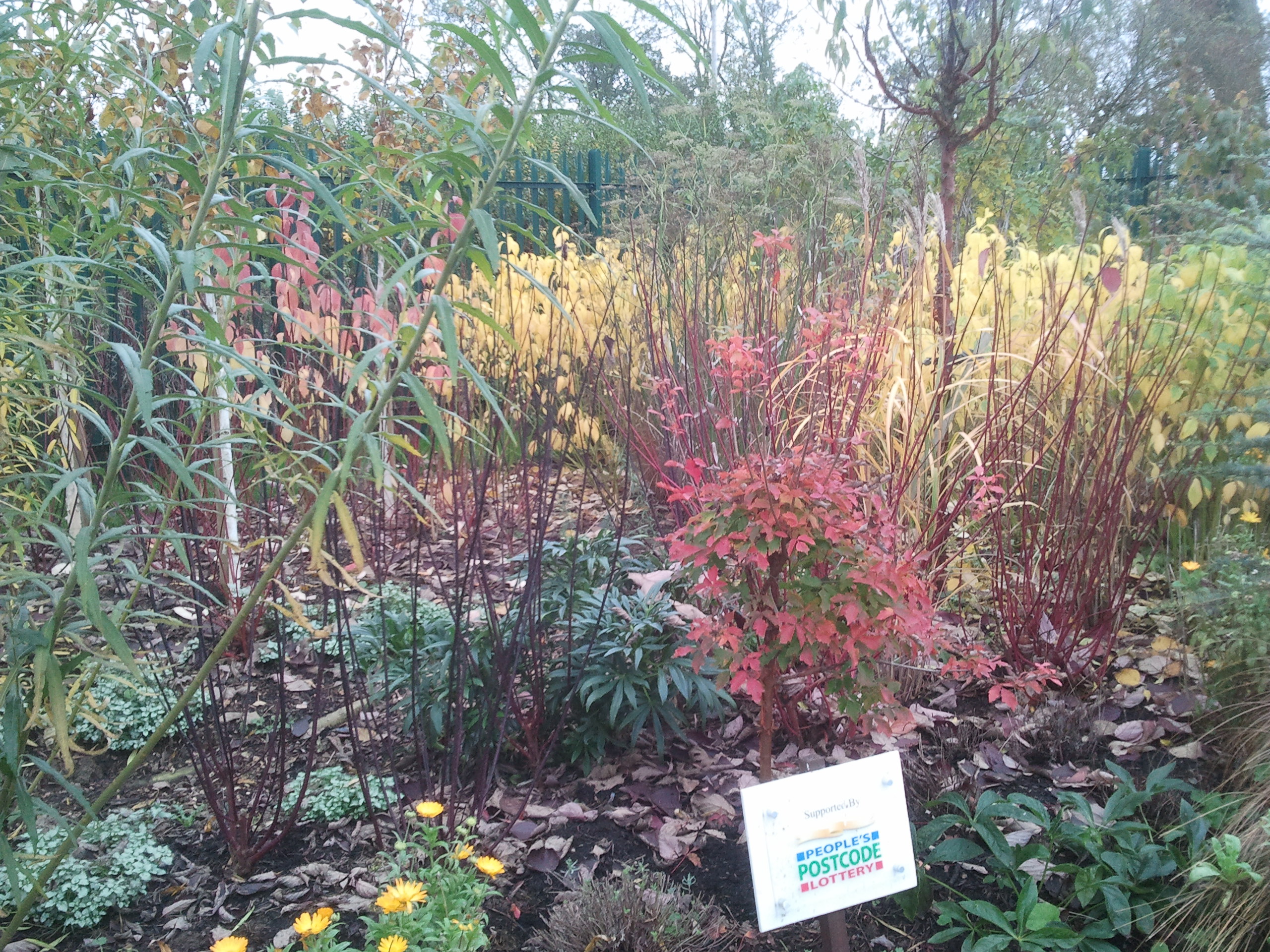
The Winter Garden is an oasis of brightness with most of the colours coming from foliage.

I shall finish my October wander with some great news. Three Bowbrook Allotment Community gardeners were invited to the Mayor’s Award Ceremony earlier in the month. Dave, on the left, received his certificate and cup for the Best Front Garden in Shrewsbury and Sue and Paul collected their award for Best Half Allotment in Shrewsbury. Well done to them!

Categories
birds climbing plants garden design garden photography garden wildlife gardening photography Shropshire wildlife

Late Summer Clematis

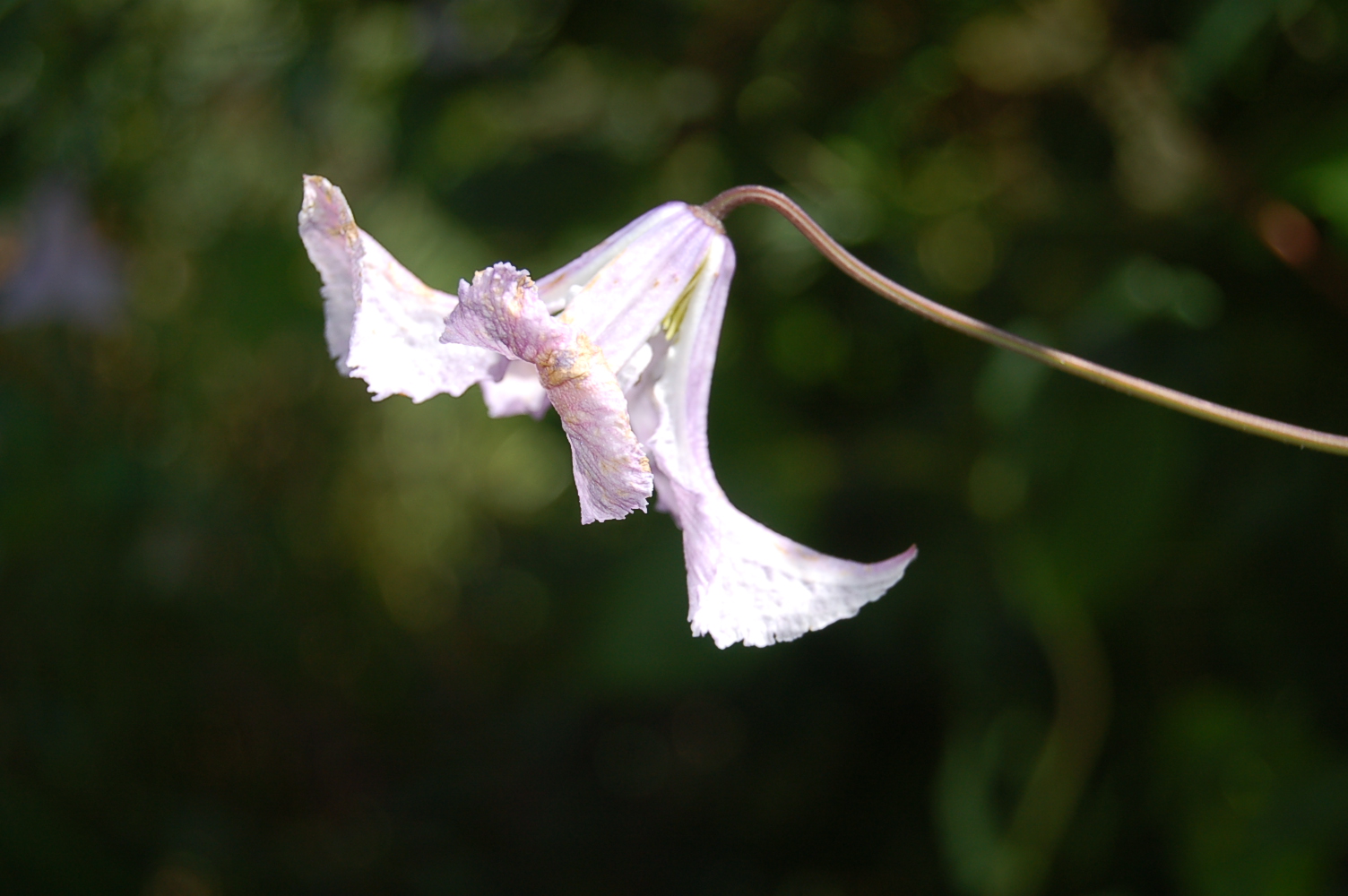
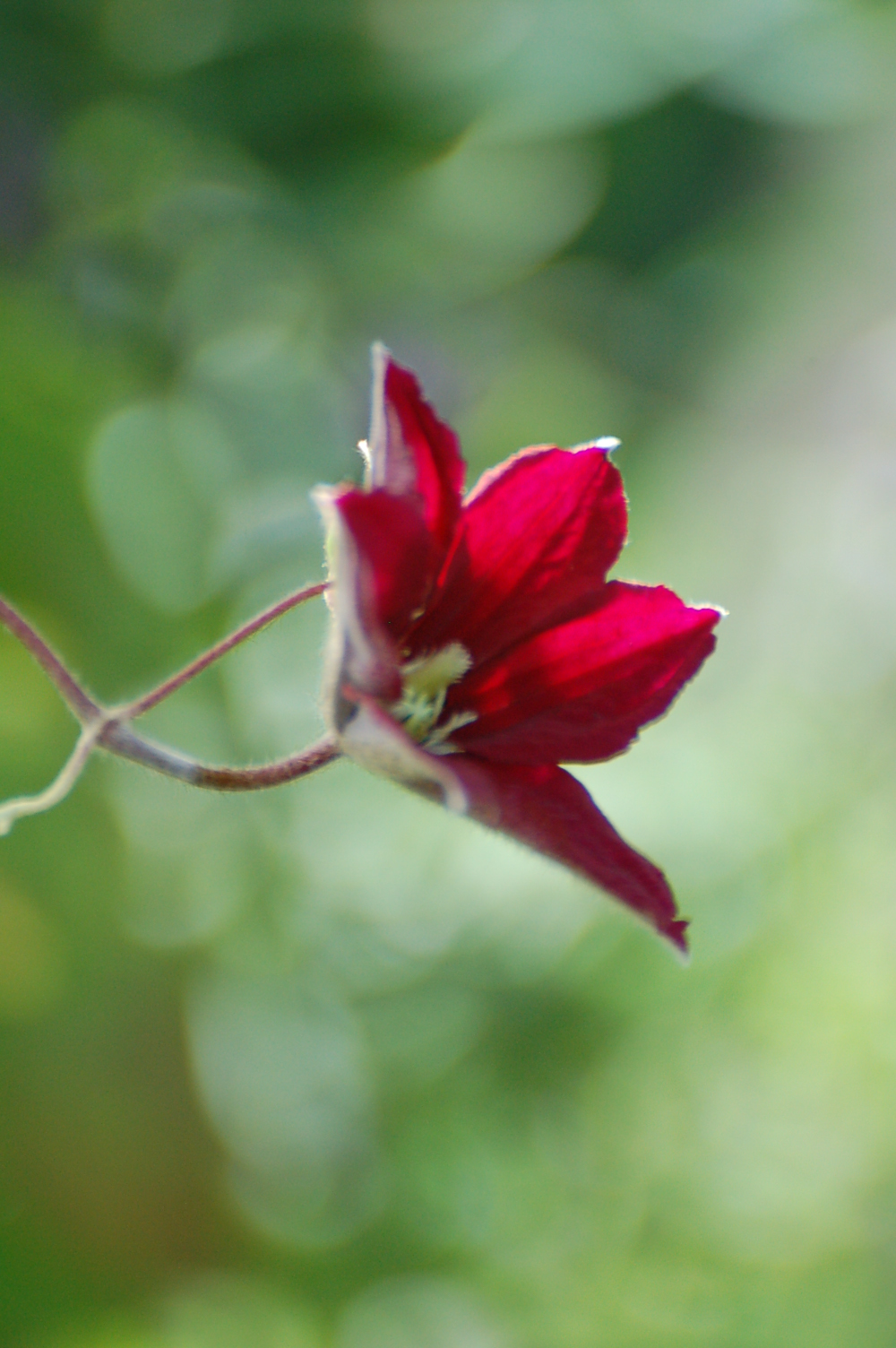
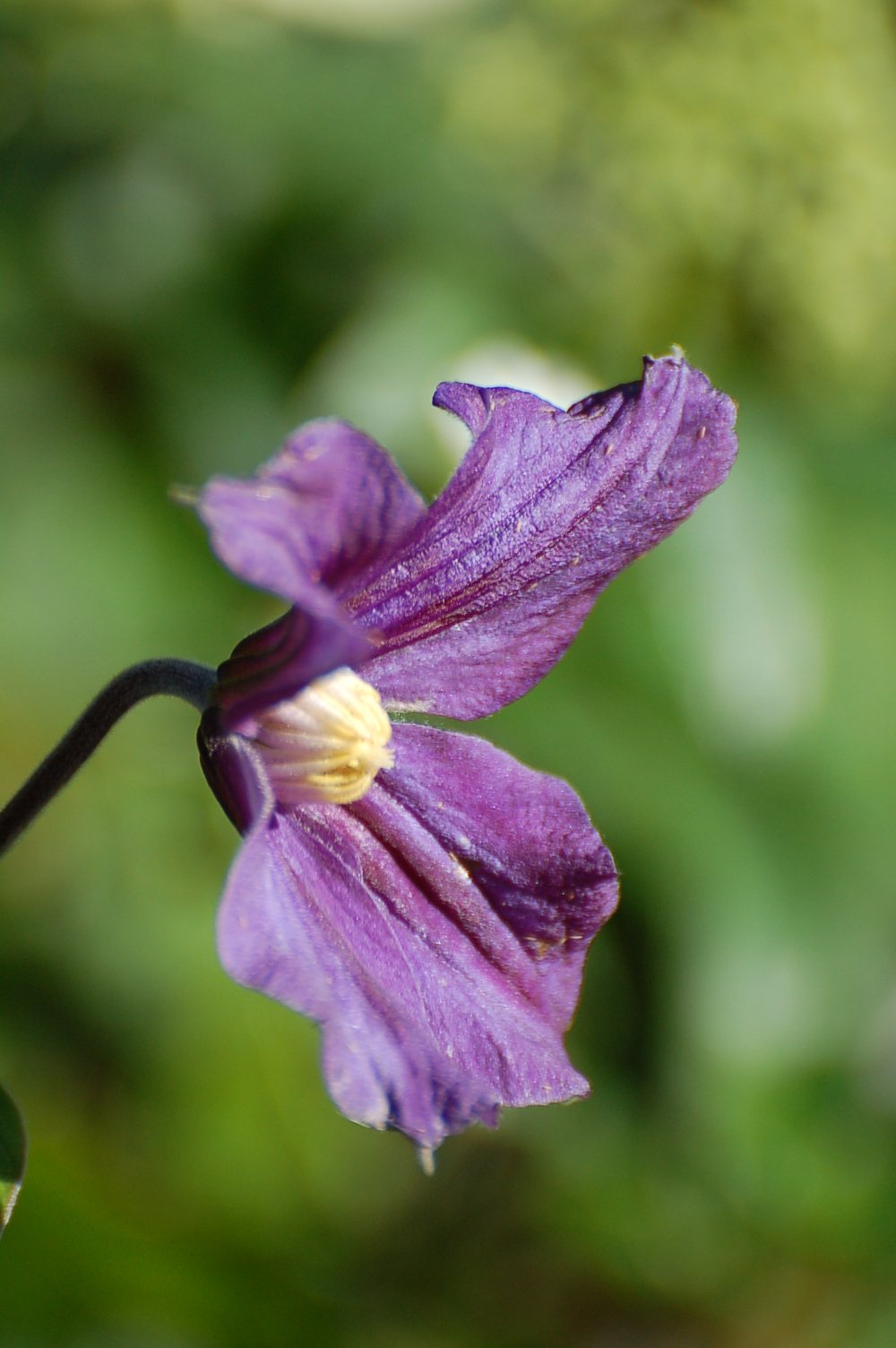
The Undergardener and I don’t really like the big dinner-plate clematis that flower earlier in the year but we adore the small-flowered, often bell-shaped subtle ones that are stars of the late summer. Every time a tree gets tall enough to support one we plant a new clematis to befriend it, even though every obelisk and arch is already adorned with one. To get double the flowering effect clematis love the company of climbing roses and we pair them up with our apples that we have growing over arches. The apples fruit well and the clematis flower well, and I wonder if this is another case of companion planting in action. Could it be that they benefit each other when grown together?
The flowers manage to attract the harsh summer sunlight giving them the appearance of silk or tissue paper.

They are so amenable too. We treat them as herbaceous perennials and cut them down in the winter. Although they have masses of flowers deadheading is not necessary and instead they can produce wonderful seedheads like whispy white spiders. Many flower more than once a year too.

Wildlife love clematis especially our avian friends. They nest in the jumble of vines which also serve as roosting shelters. Dunnocks nest every year in at least one of our clematis and chaffinches and goldfinches do so occasionally. Goldfinches extract the seeds from the fluffy seedheads in winter, Warblers, Robins and all members of the Titmice family gorge on all the insect life that live in them in the summer and feed on the seeds in winter.

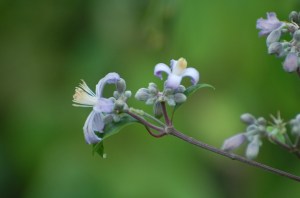
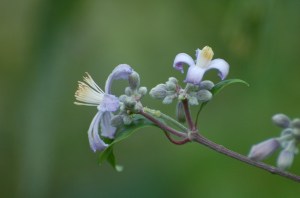
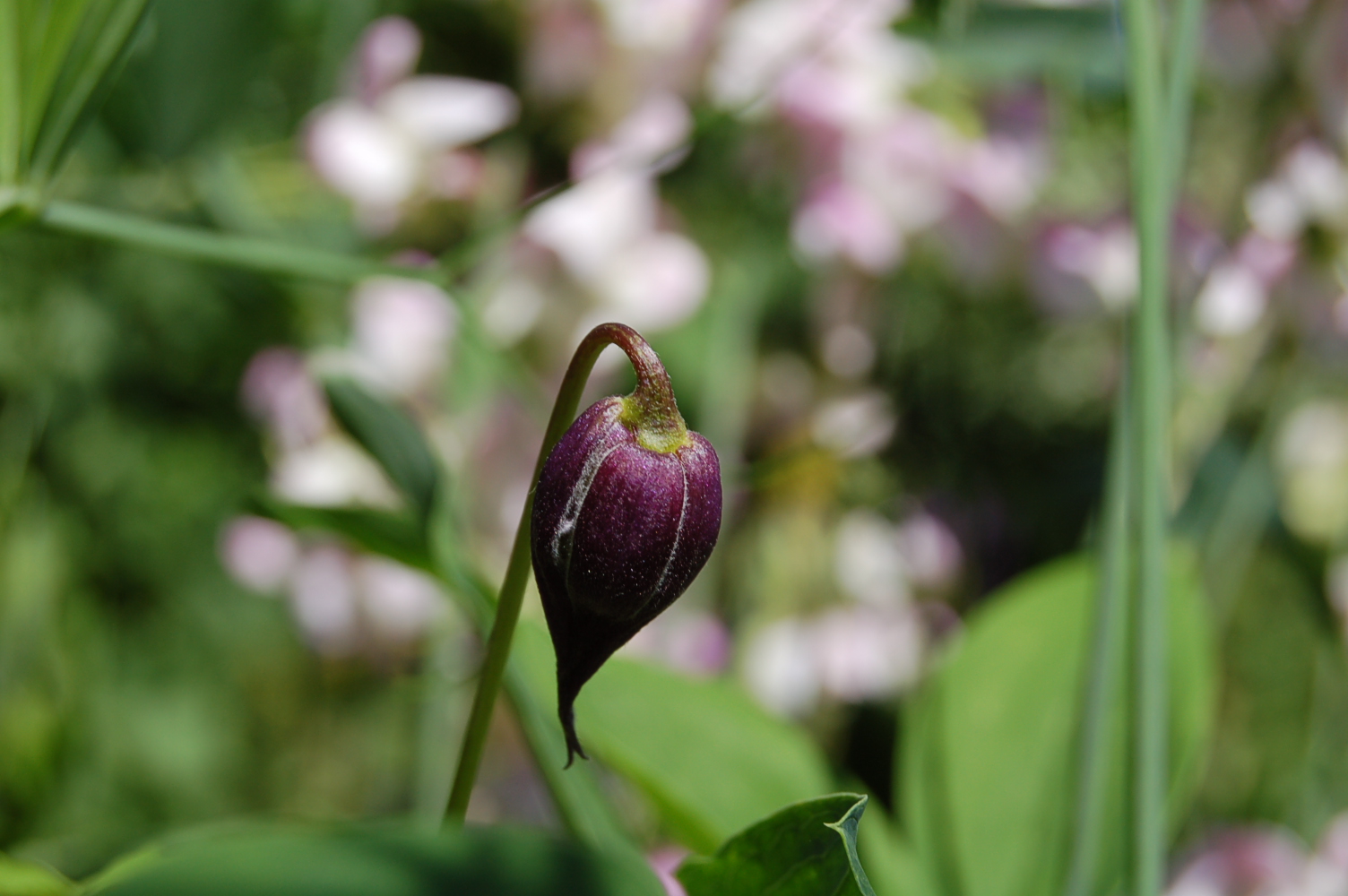
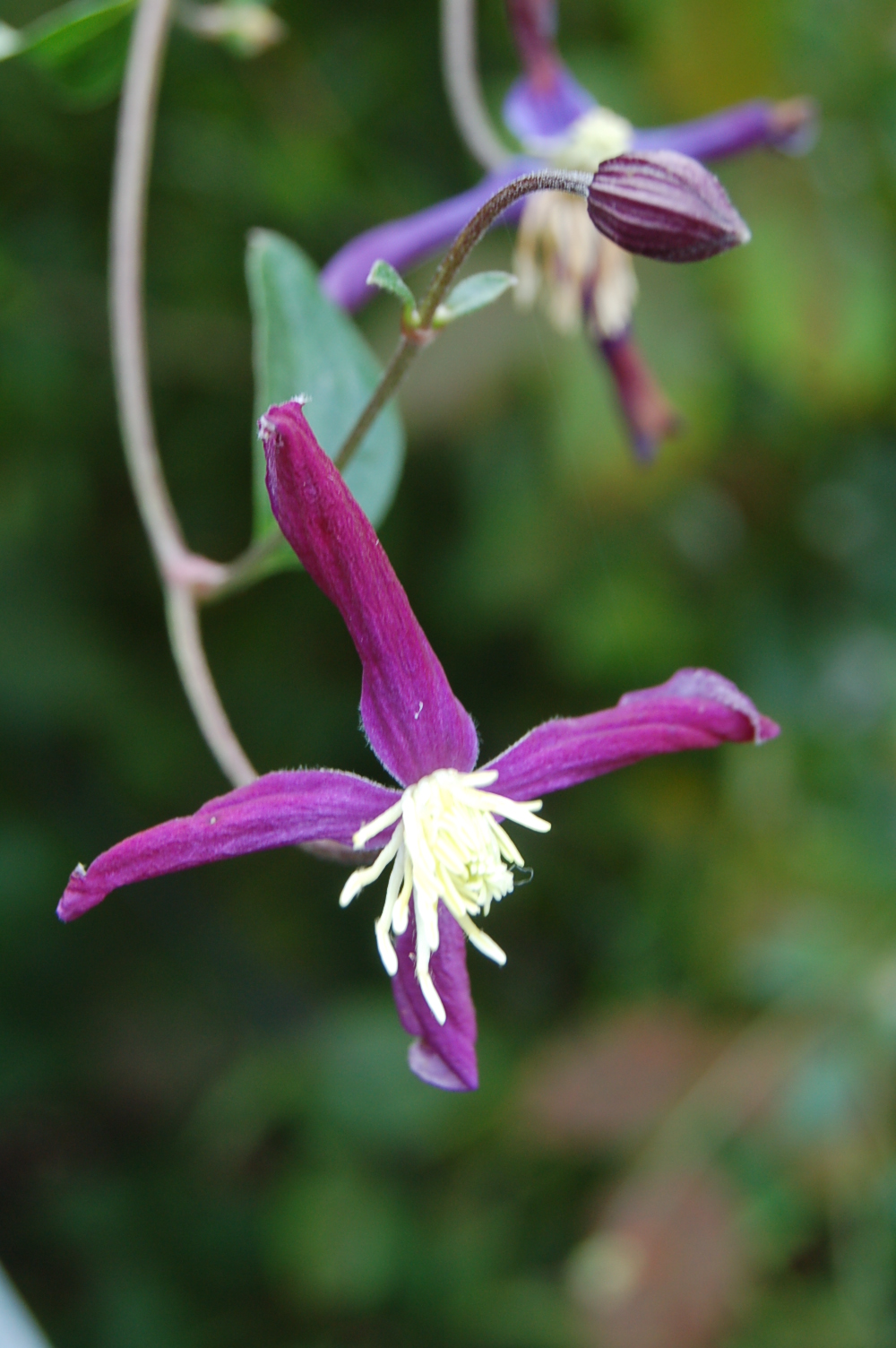
When visiting a garden this August with our fellow Hardy Plant Society enthusiasts we came across the clematis with the tiniest, most delicate flower we had ever seen on a clematis, in the deepest purple hue and to top it all off it had an enticing scent. It was appropriately called Clematis aromatica.

Categories
garden design garden photography gardening grow your own hardy perennials July ornamental grasses ornamental trees and shrubs photography poppies roses Shropshire shrubs succulents trees

A Wander around our Garden in July

July in the garden so far has carried on where June left off – rain! The grass paths squelch as you wander, trees drip on you and herbaceous plants soak your legs. The plants have loved it relishing in the warmth and dampness. They grow tall and lush too quickly and do so without gaining strength. As a result they get knocked over in windy spells and any heavy showers.

As rain persists each day from dawn till dusk a moment of light and dry gave me an opportunity to take photos for my July wander. After waiting all day I finally took the following pics just before 9:00 in the evening.

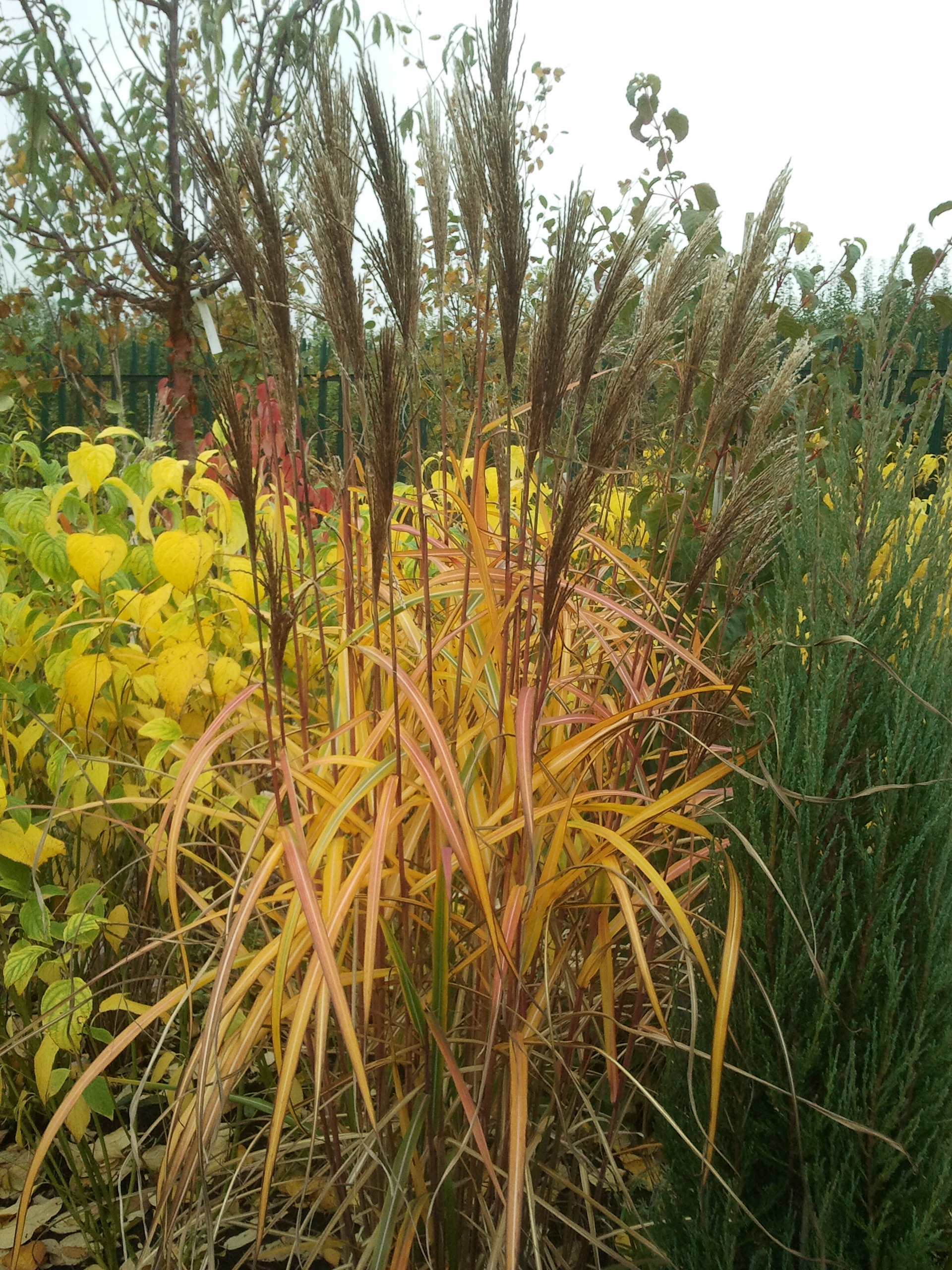
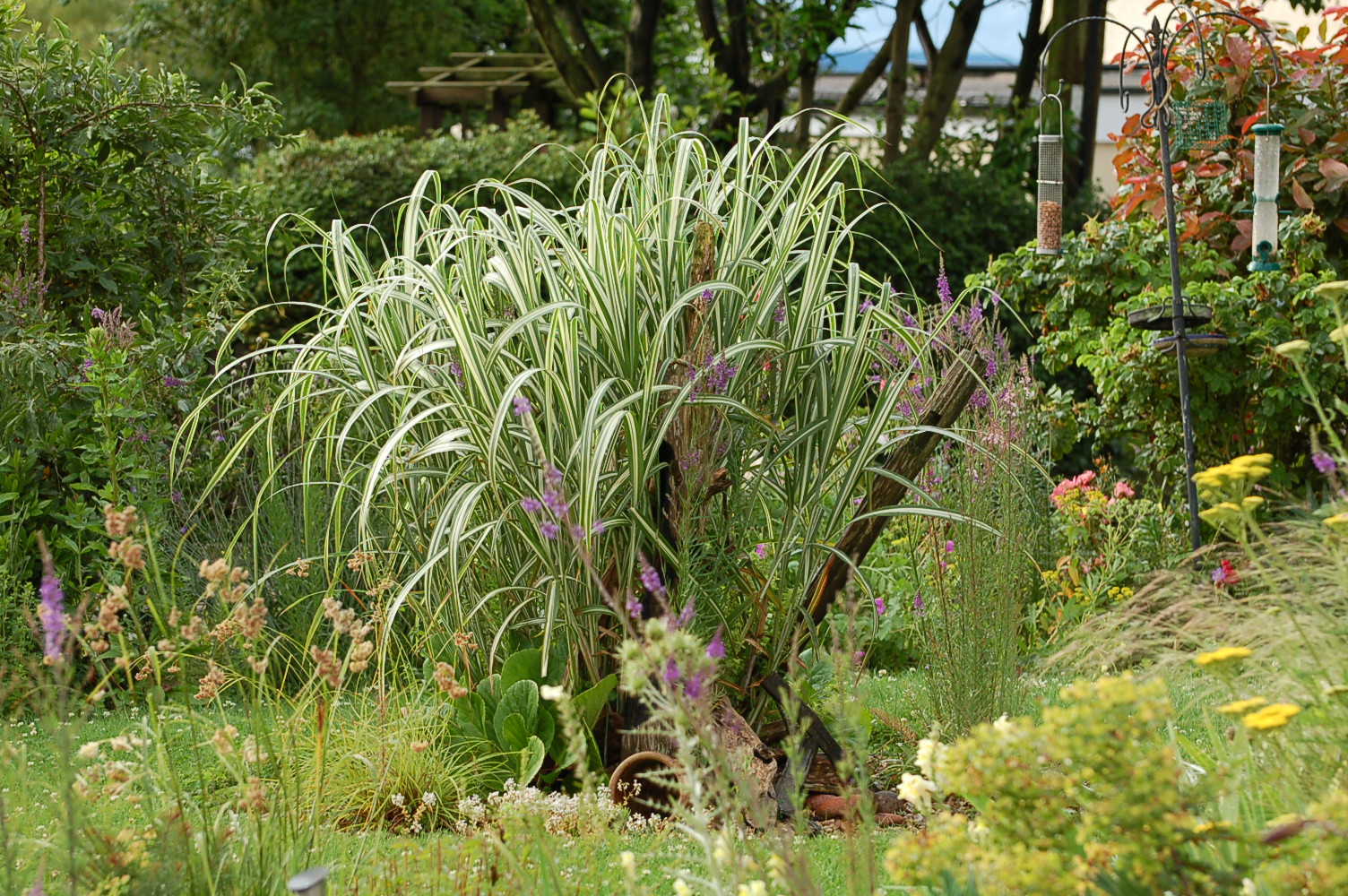
One plant that never fails is this wonderful tall grass with striped leaves. It is a good four foot tall and the long leaves are popular with the “Undergardener” to cut for flower arranging.

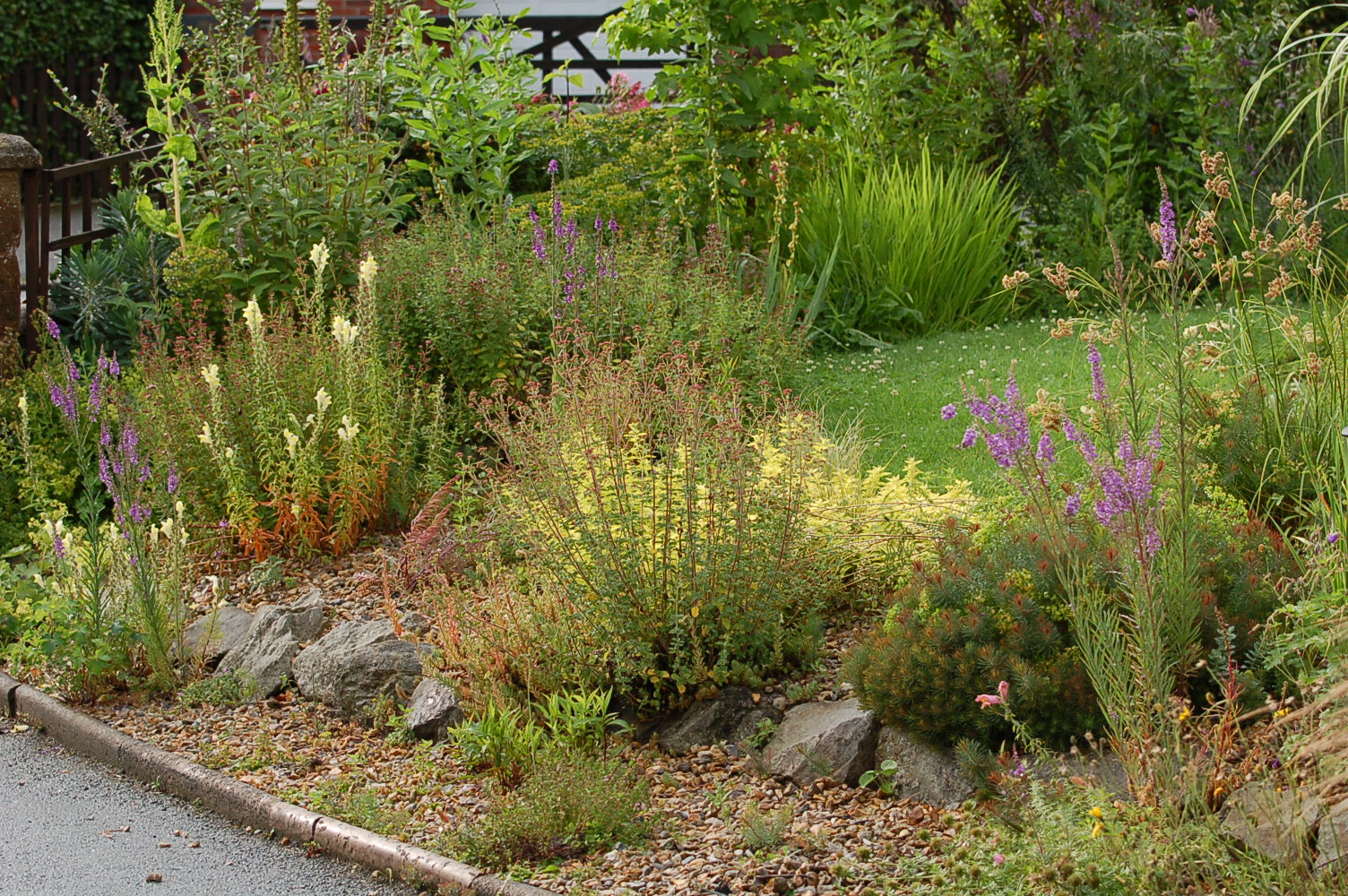
Our gravel garden, The Chatto Bed, is now full of colour, gentle yellows, pinks and purples. When the sun does come out for its short sessions the gravel bed is buzzing with bees. They are having a hard time this year with all this rain and wind.

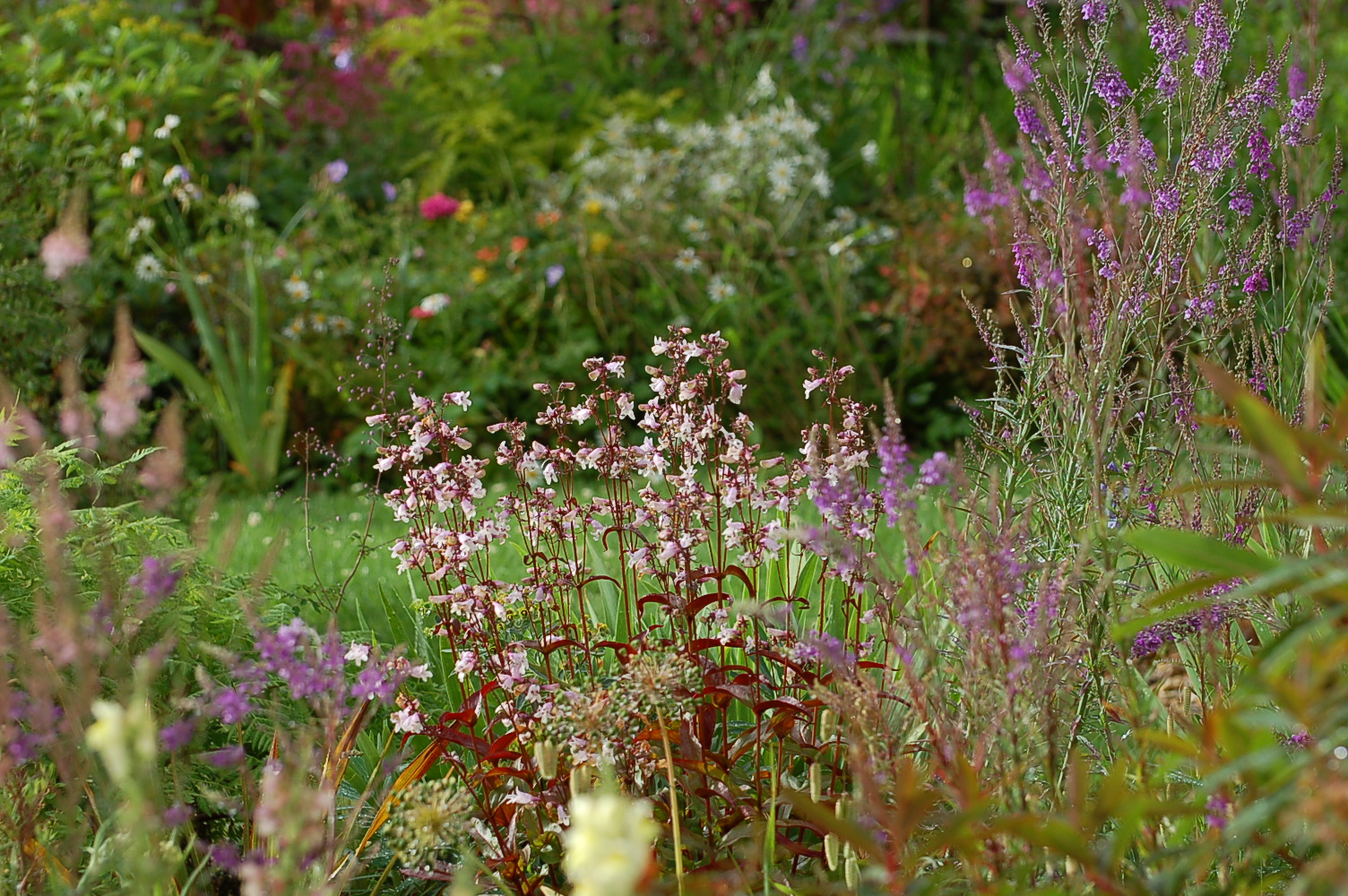
The Huskers Red Pentstemon is now at its best – what a beautiful plant it is – coloured foliage, dark stems and delicate contrasting pale flowers. Having grown this from seed sown a few years ago it feels good to see it looking so good.

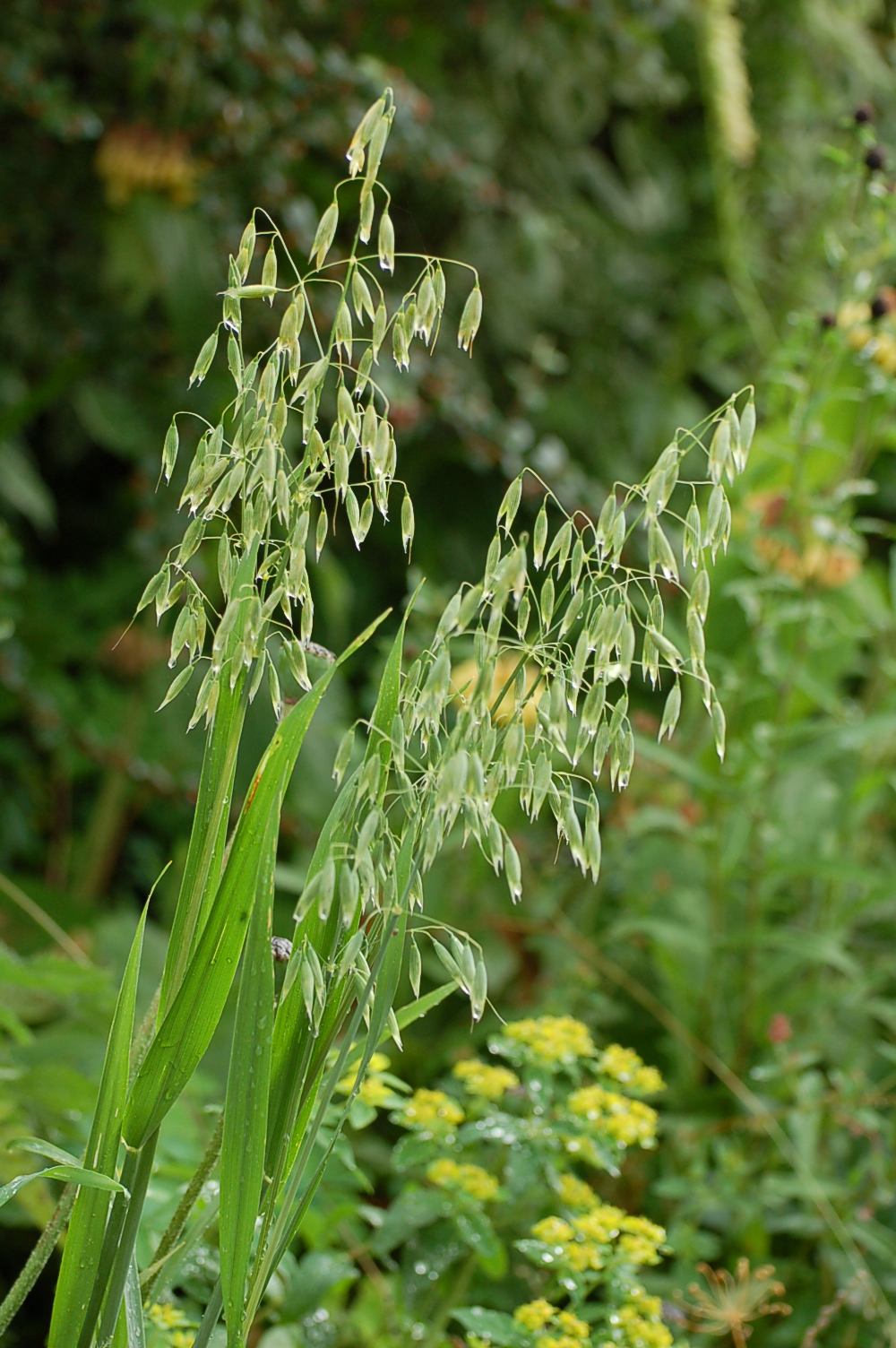
The Quaking Grass, Briza maxima is also known as Nodding Grass and Sparrow Grass, presumably because it simply can’t stay still in the slightest breeze.

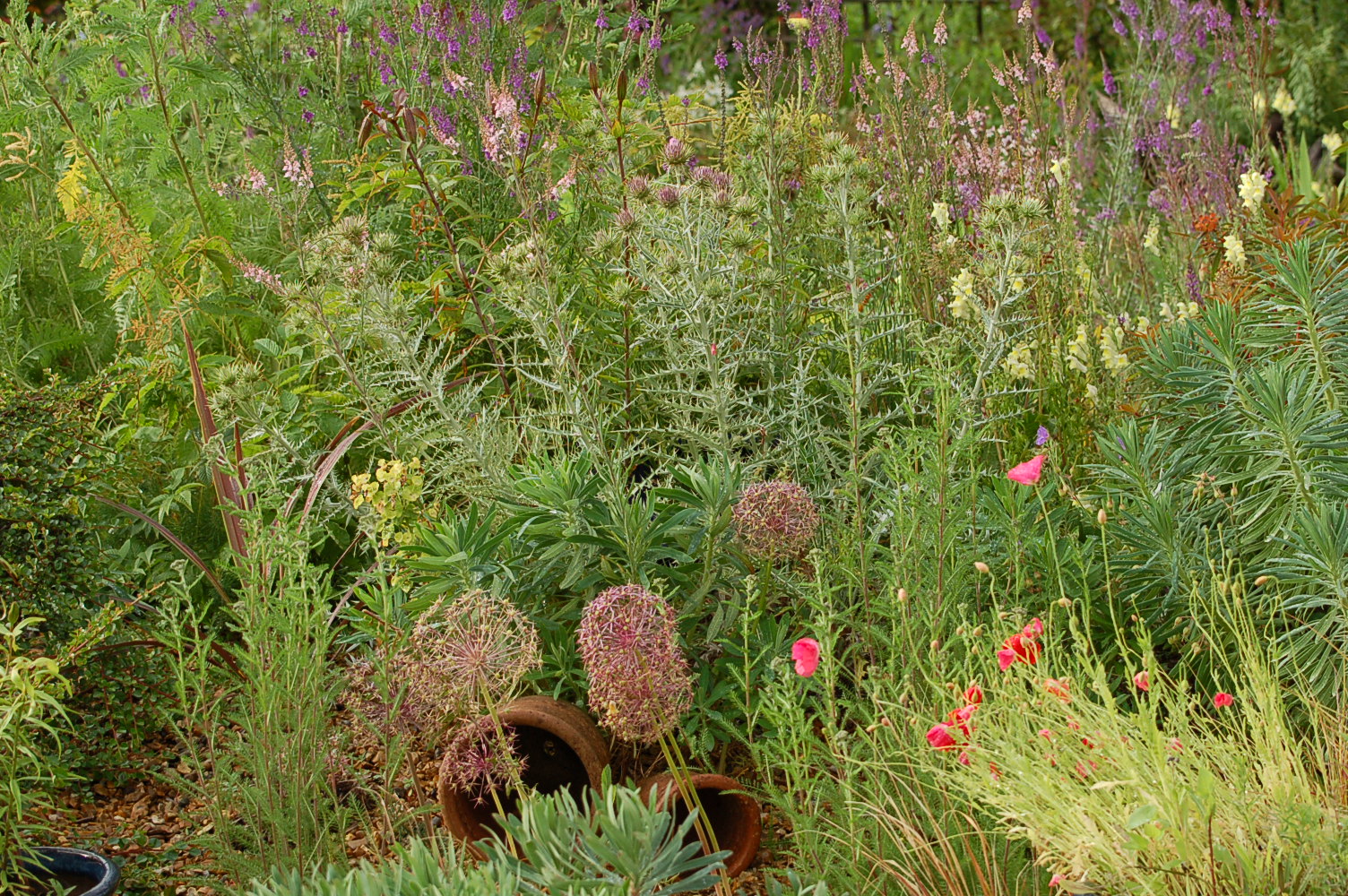
Jude’s Border is a rich combination of purple-leaved shrubs and contrasting perennials.

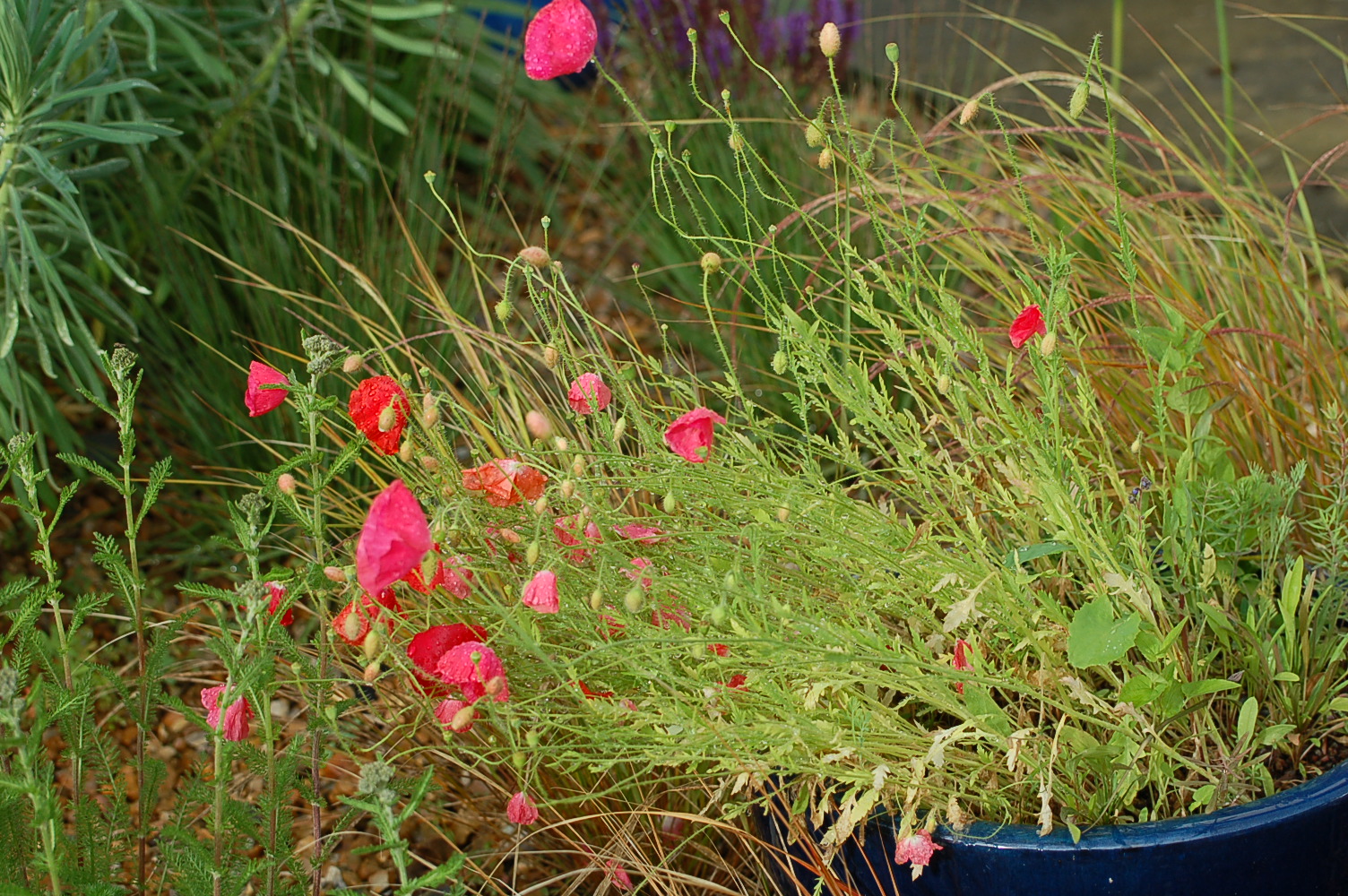
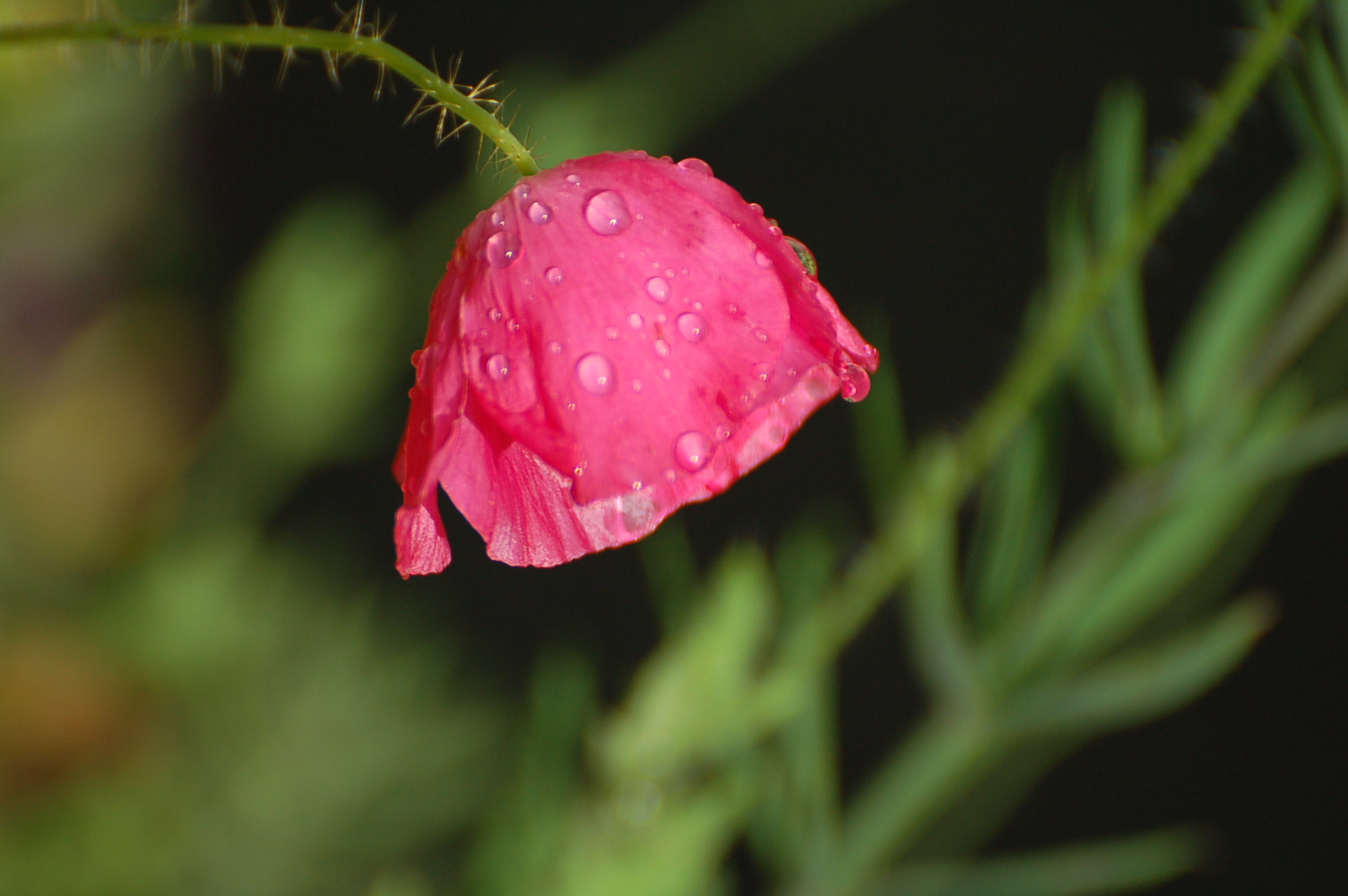
Our mini-meadows  sown in terra-cotta pots have been very successful. Different flowers appear each day. The pink poppy glows in the dullest of weather – a “dayglo” poppy.

By our front door the “Freda Border” continues to provide colour in the perennials and gentle variegated foliage in the shrubs.


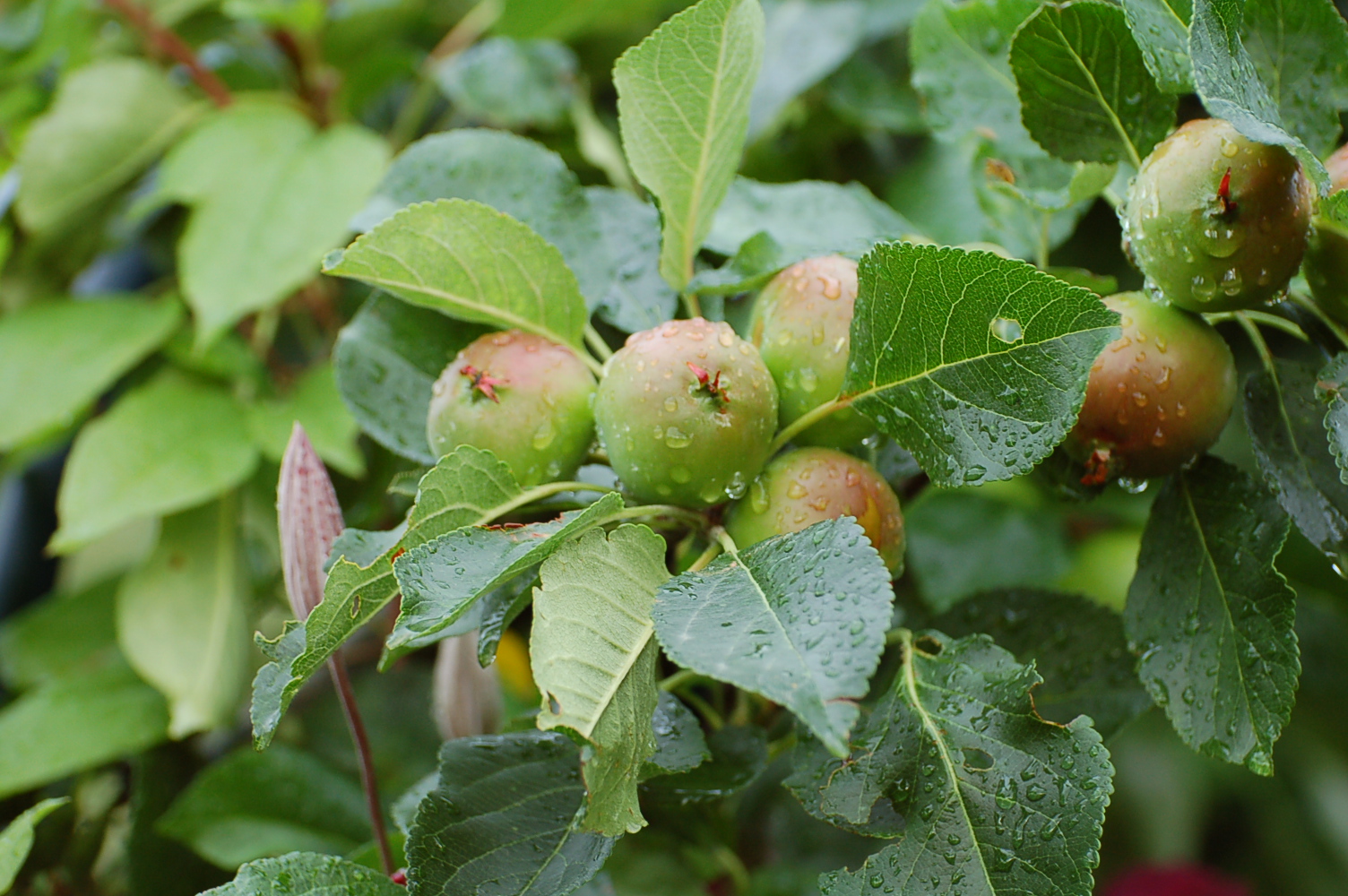
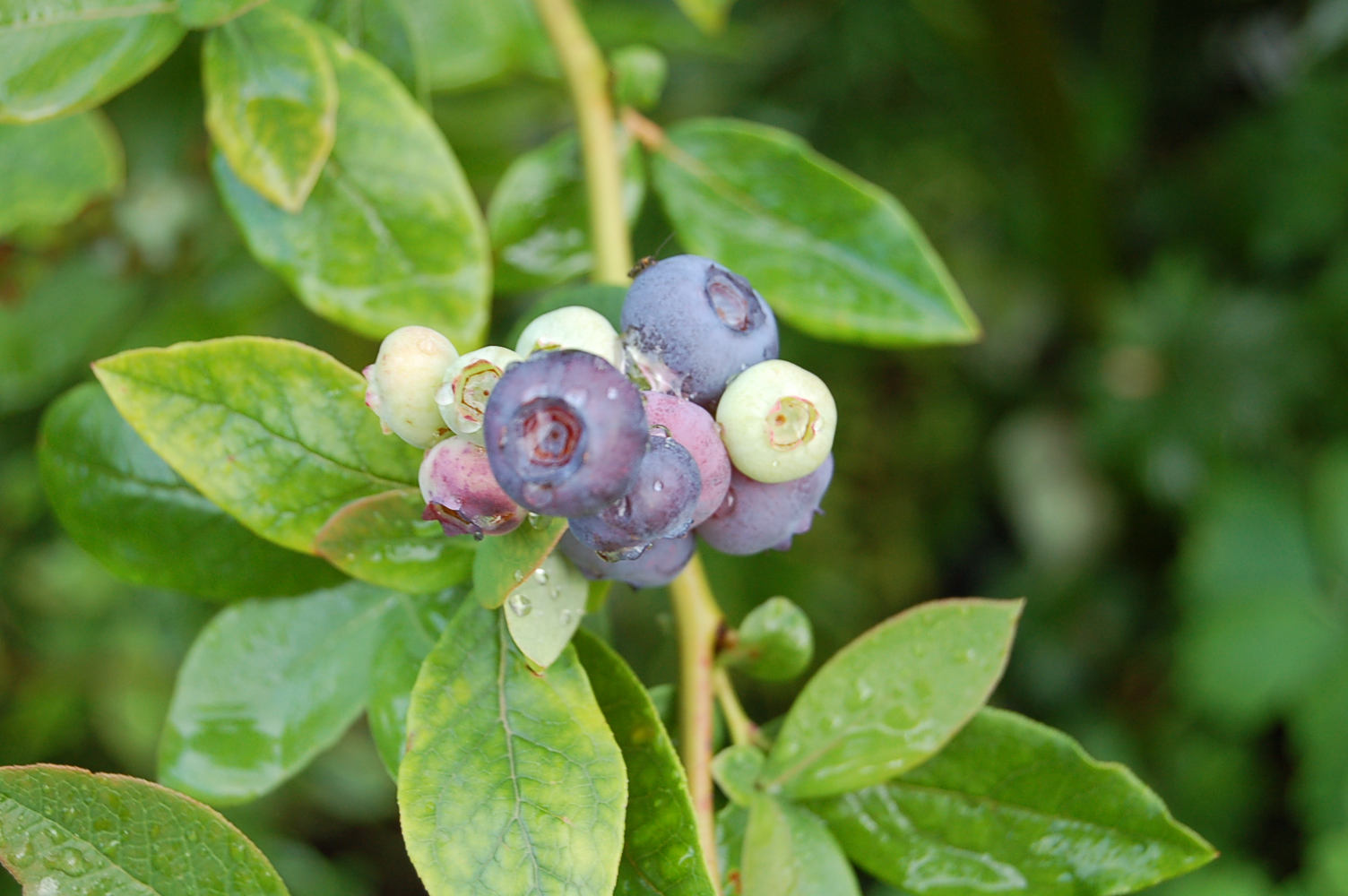
Let us now wander into the back garden and see what’s going on. Our apples are filling in nicely now and even getting a little rosiness as they start to ripen, while the Blueberries change from green to blue.

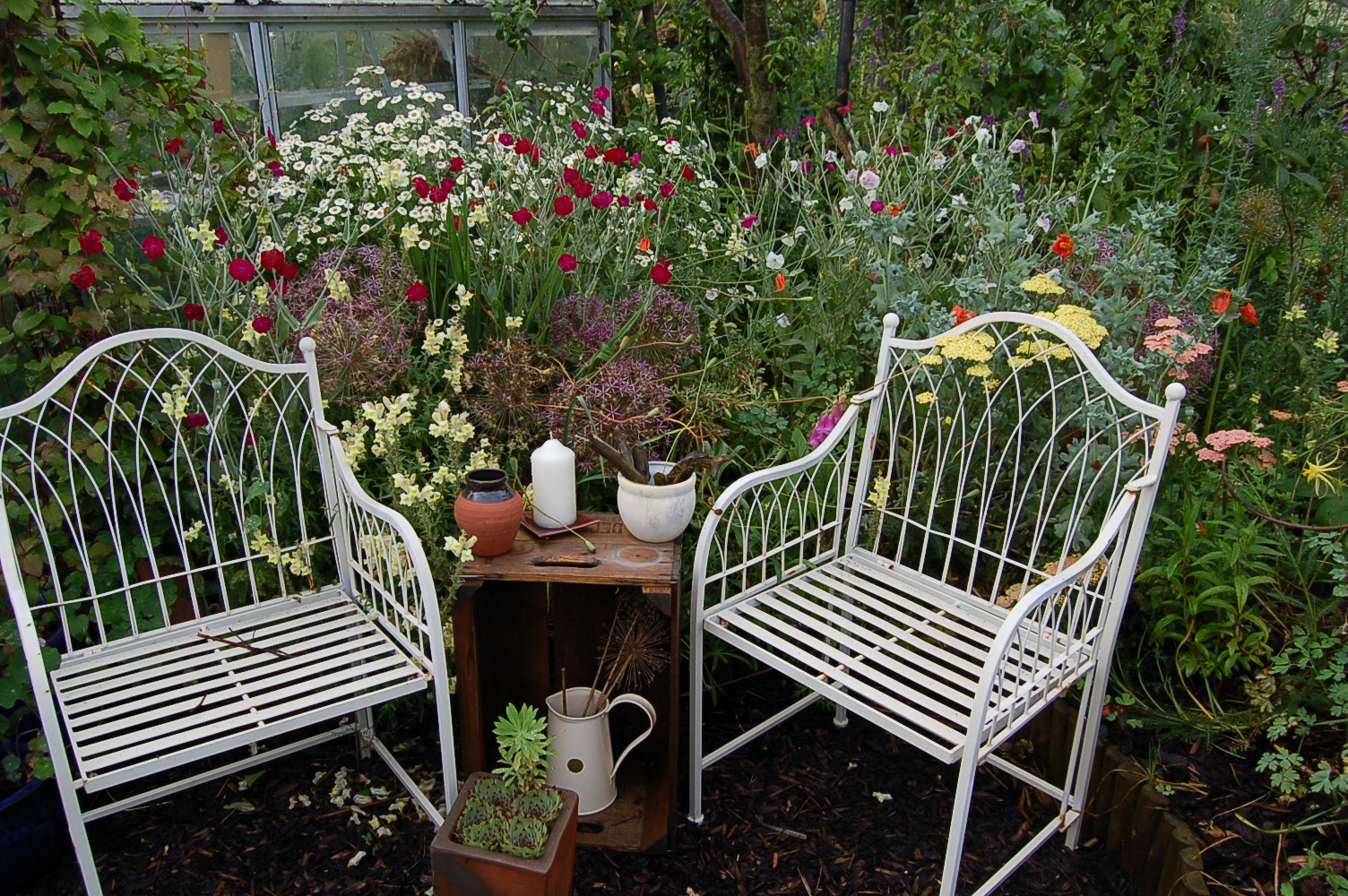
The secret garden is probably the most colourful patch at the moment.

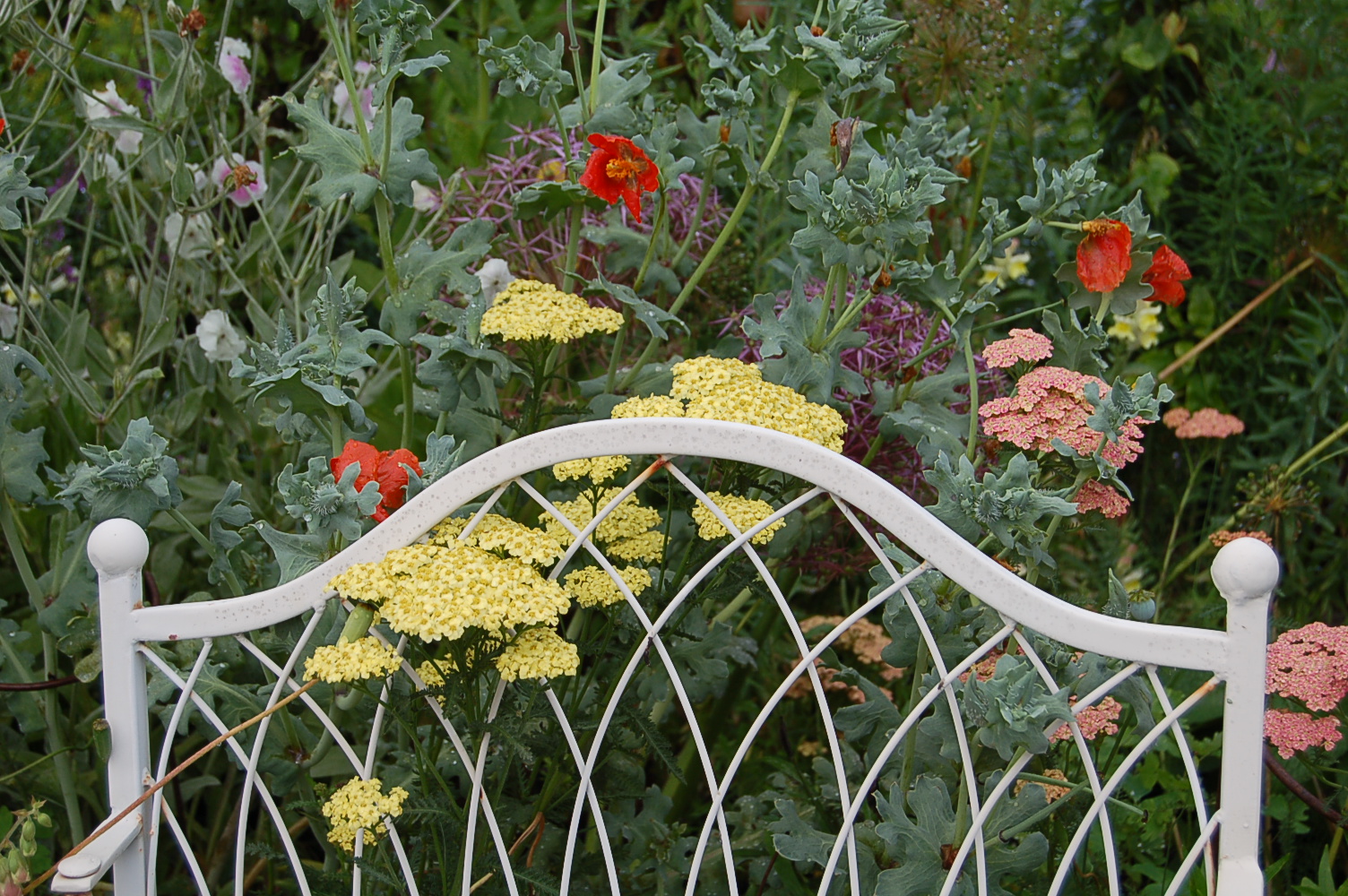
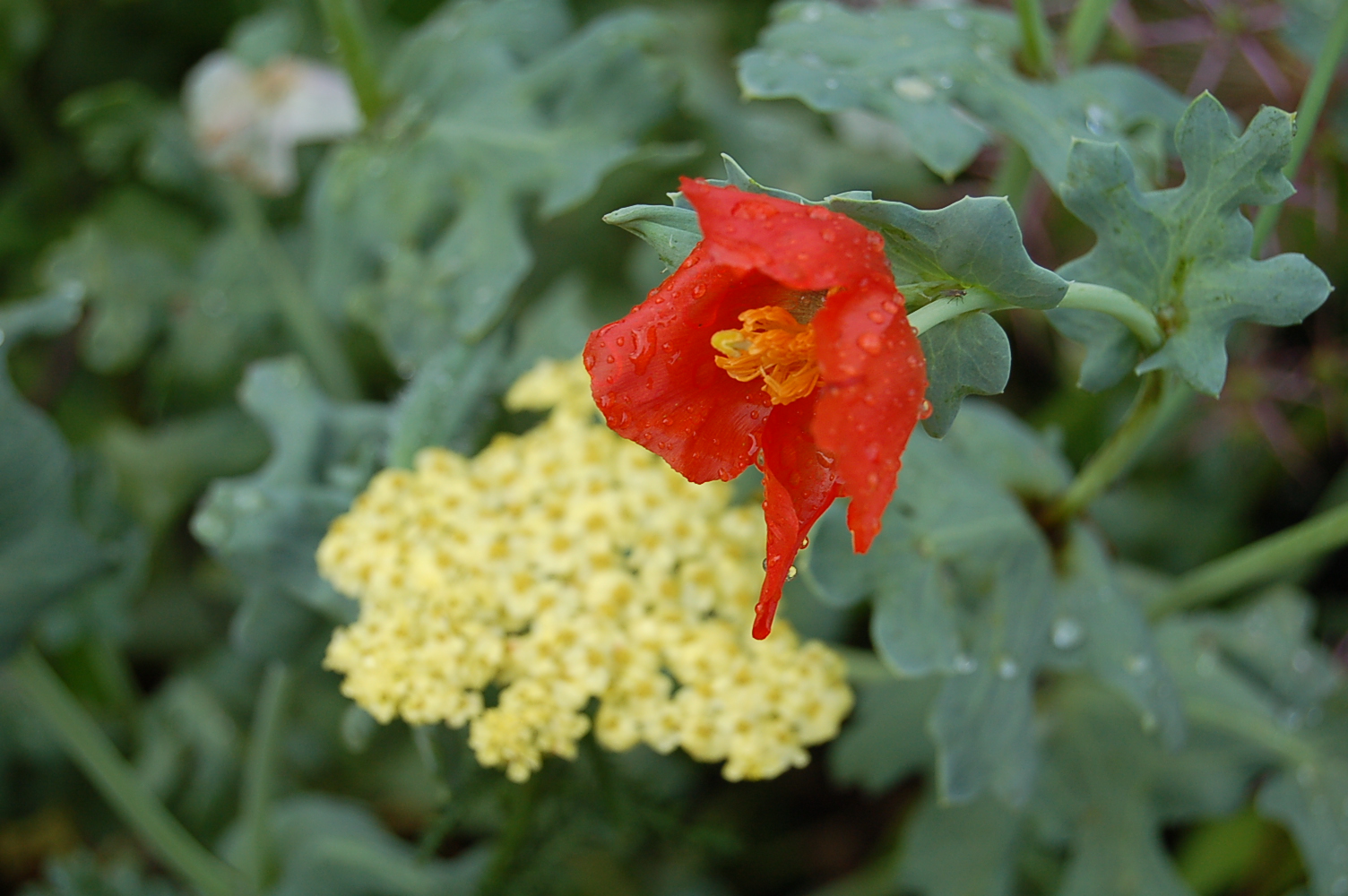
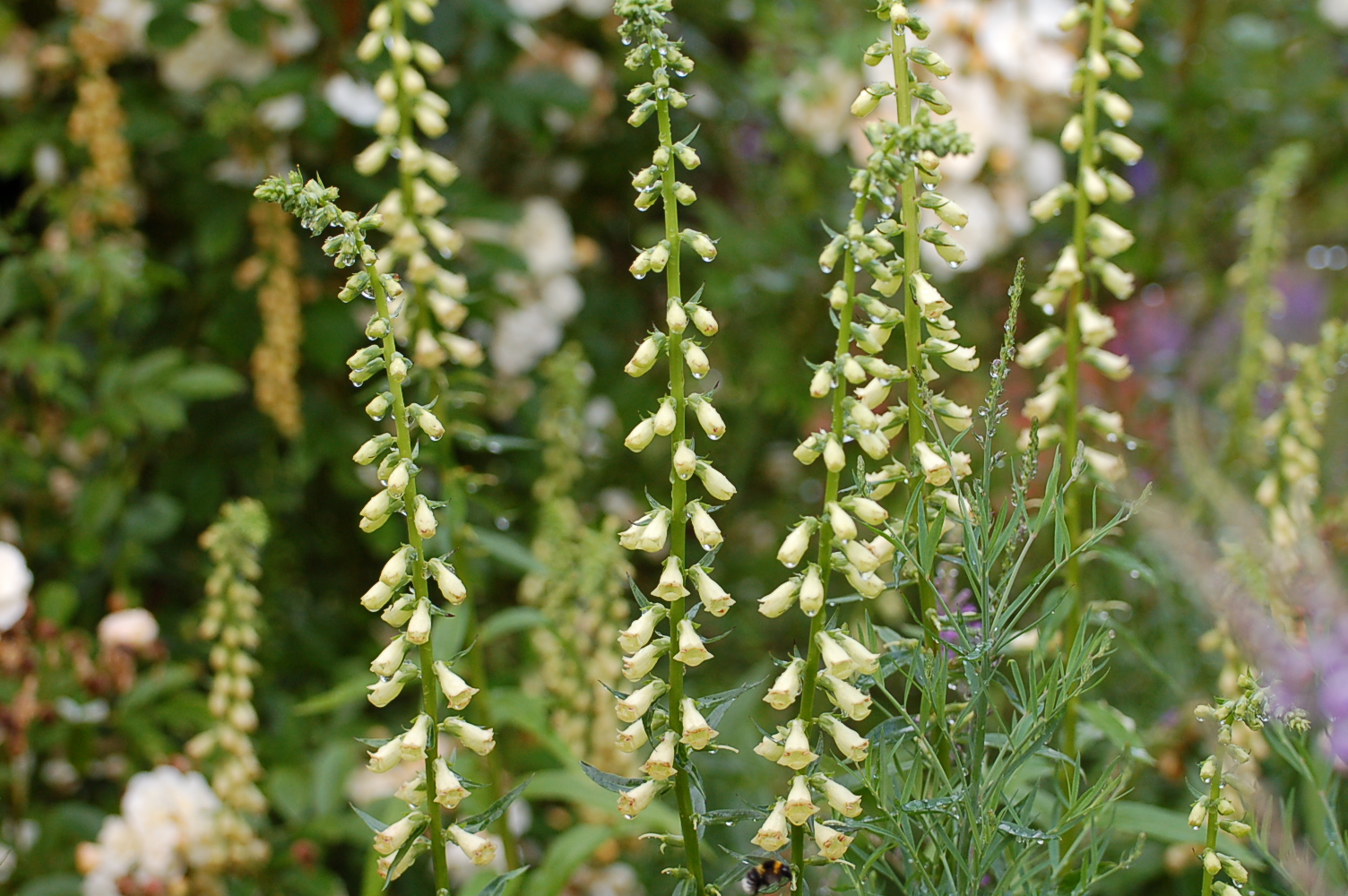
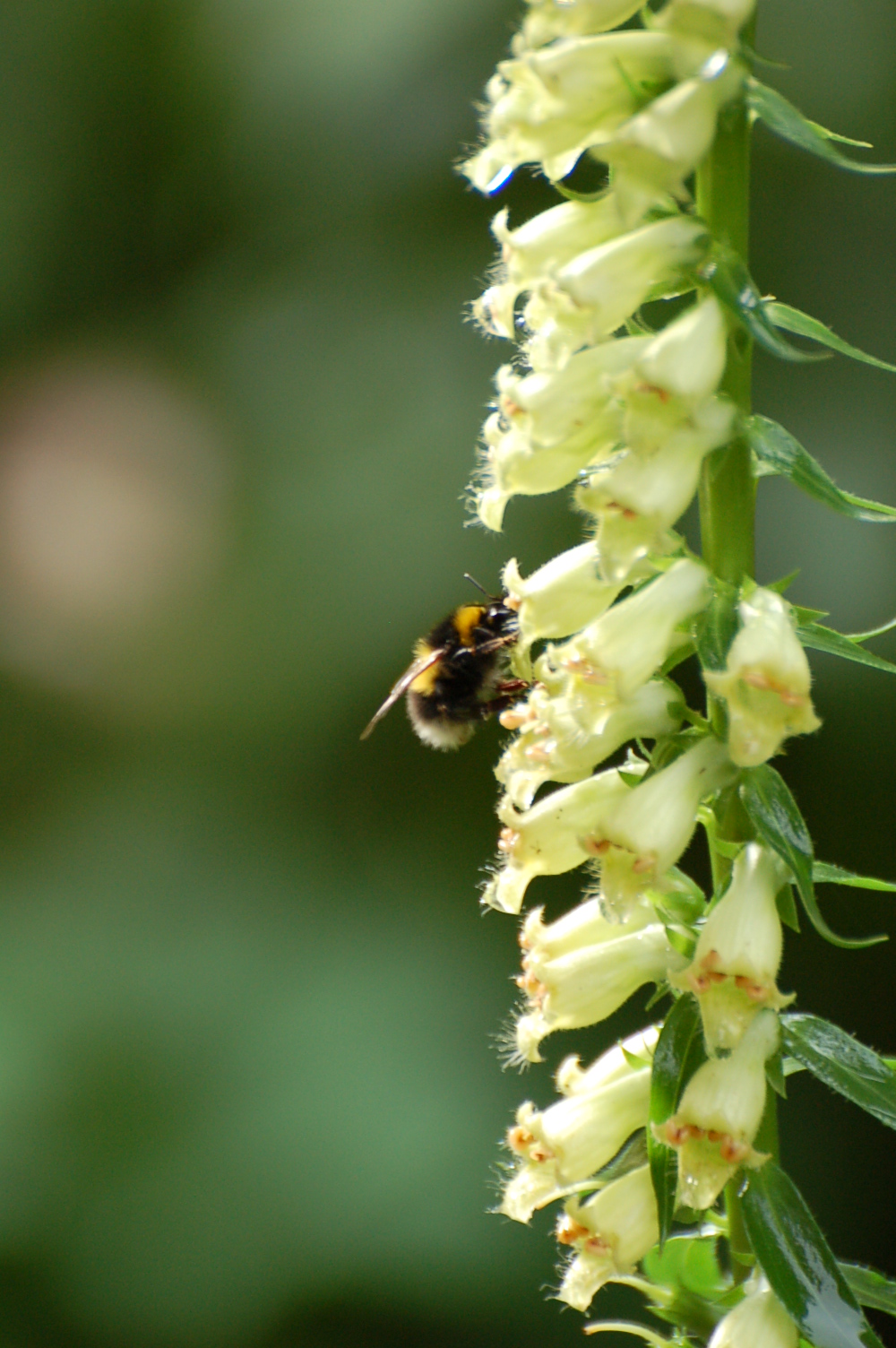
The “Chicken Garden” although less colourful at the moment as the alliums are losing their colour, has an impressive show of perennial foxgloves, favourites of the bees.

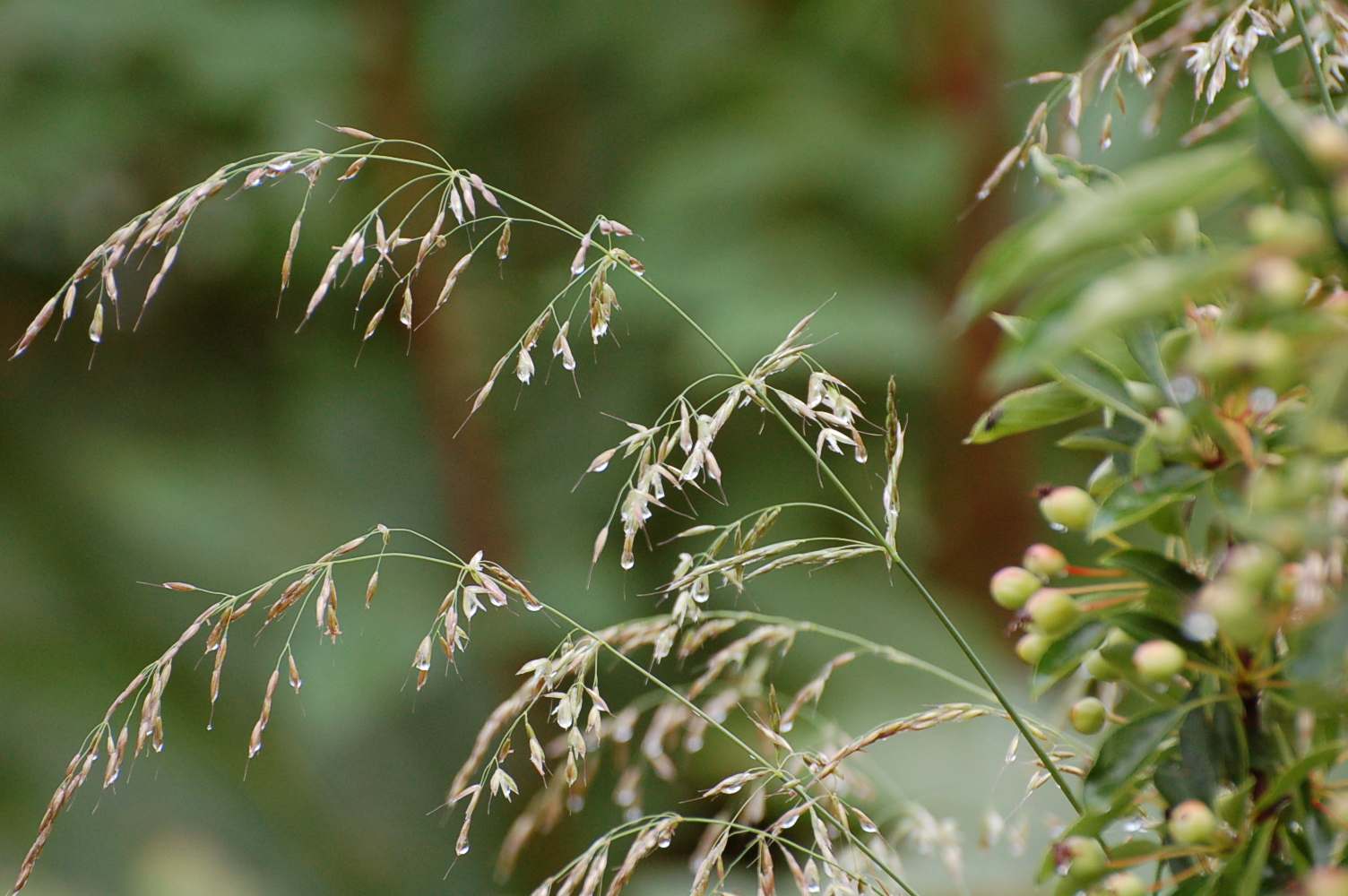
Grasses are flowering delicately in all the borders and often after a storm hold onto rain drops. The droplets of moisture act as prisms as light finds them.

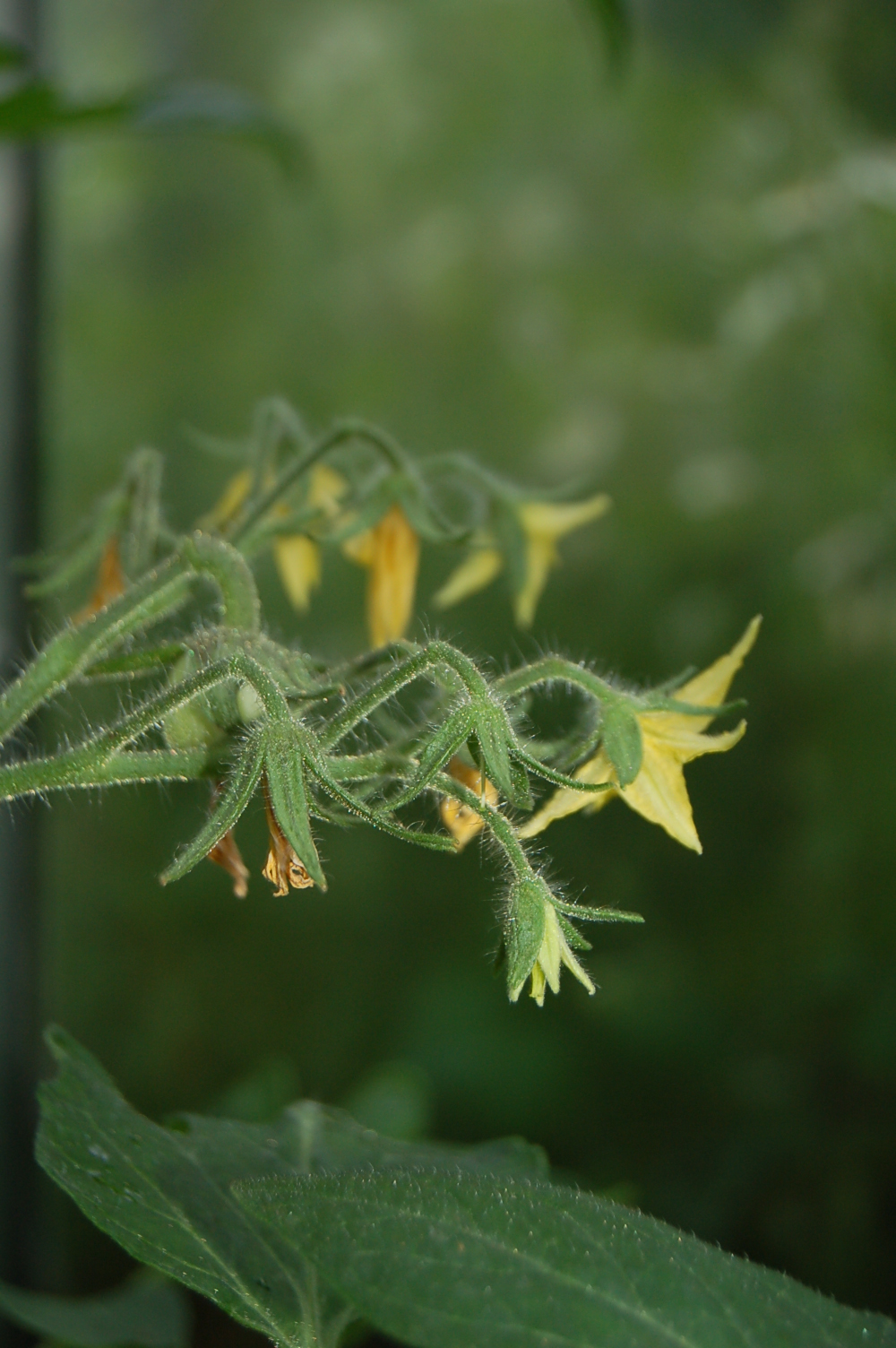
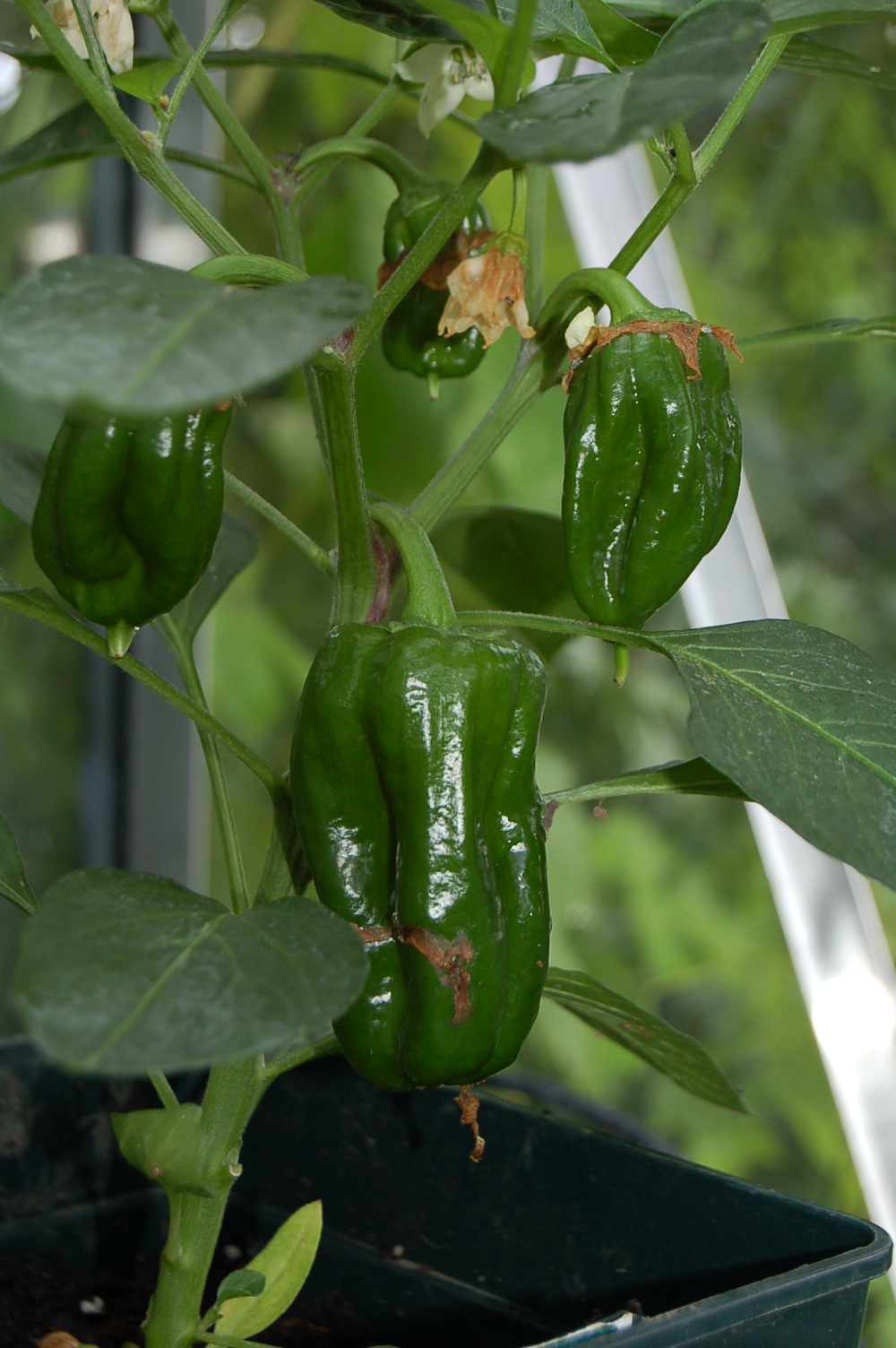
In the greenhouse tomatoes are forming on their trusses and further flowers open from their buds. Peppers like glossy green boxes promise sweetness to come.

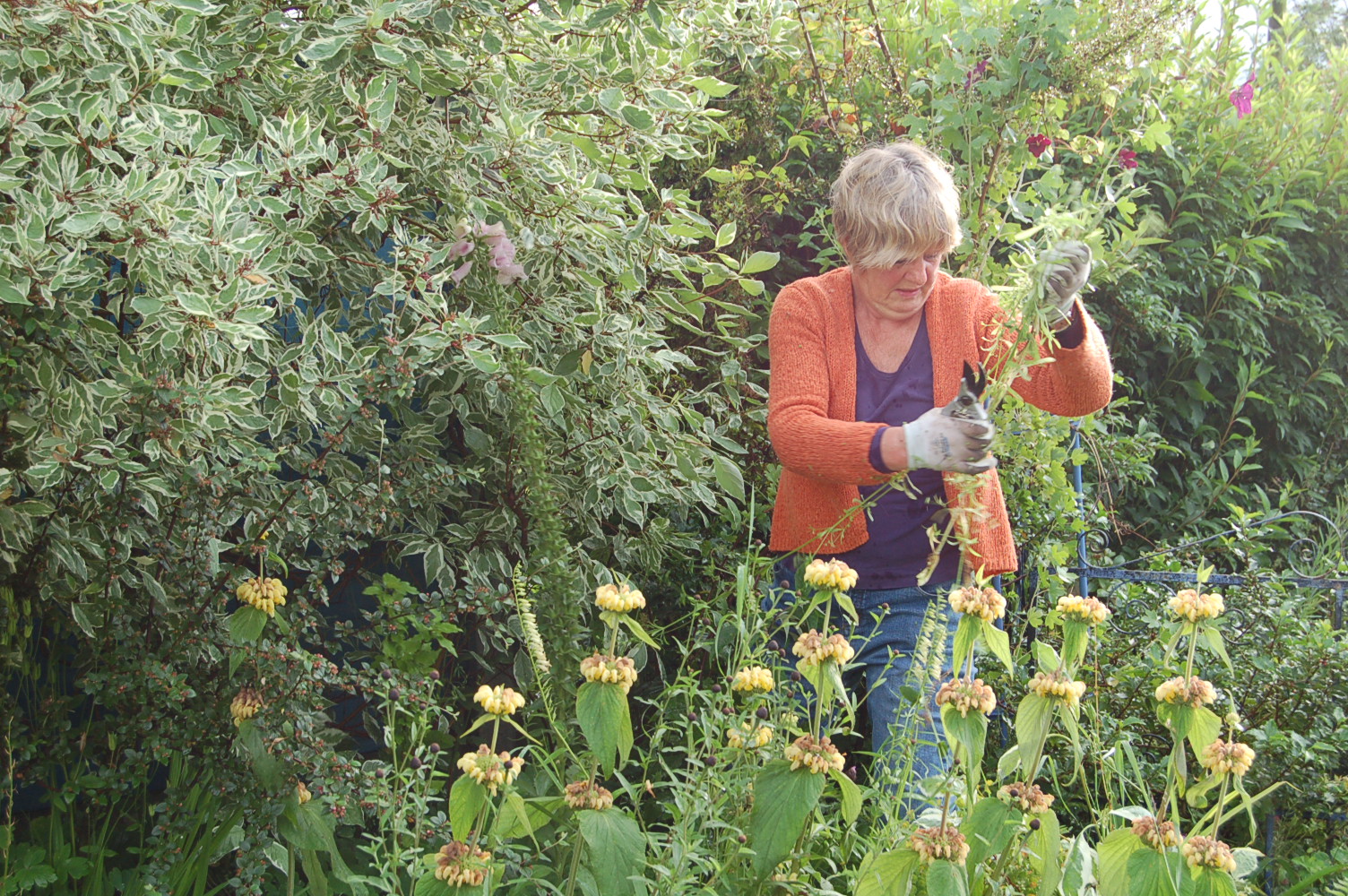
As we approach the middle of July we can but wonder what the rest of the summer can have in store for us. So far we have had the wettest summer months on record – it is hard to imagine that summer will truly arrive. It has been hard to keep up with maintenance in the garden this summer. There is so much growth that herbaceous plants need frequent deadheading and thinning and shrubs pruned to stop them overpowering the plants beneath. Jude, “The Undergardener” is pruning back the lower branches of the variegated dogwood to let light into the smaller plants below.

As the light began to fade I took a few photos to show it glowing through foxgloves.

This Veggie Life

A Vegetarian | Nature Lifestyle Blog

Rambling in the Garden

.....and nurturing my soul

The Arch City Gardener

Journeys In St. Louis Gardening and Beyond

Garden Dreaming at Châtillon

Consult the genius of the place

Storyshucker

A blog full of humorous and poignant observations.

gardeninacity

Notes from a wildlife-friendly cottage garden

PlayGroundology

...an emerging social science

The Official Blog of British Wildlife

'The most important and informative publication on wildlife of our times' - The Independent. This blog is a member of The UK & Ireland Natural History Bloggers group: www.uknhb.blogspot.com

iGrowHort

Inspire - Cultivate - Grow Native Plants - Restore Landscapes

Bishops Meadow Trust

To create and protect a semi-natural wild space for the people of Farnham to enjoy and experience an array of British wildlife in our town

Gardening with Children

The www.gardeningwithchildren.co.uk Blog

UKbirdingtimeline

birding through the seasons, why birds matter and how to conserve them

NATURE WALKER

with a camera in hand

Jardin

Transform your outdoor space

Eva's space

My allotment, cooking and other interests

Old School Garden

my gardening life through the year

LEANNE COLE

Trying to live a creative life

fromacountrycottage

trying to live as lightly as possible on our beautiful planet

Good Life Gardening

Nature lovers from Leicester living the good life.

mybeautfulthings

Finding the beautiful in the everyday

mawsonmichelle

Michelle's Allotment

In and Out of My Garden

thoughts from and about my garden

Greenhousing

Big plans for a small garden

The Scottish Country Garden

A Walled Country Garden in South East Scotland

The Fruity Chicken

Life at the fruity chicken

willowarchway

Off grid living. Self sufficient. "PERMAGANICS RULE".

St Anns Allotments

Nottingham's Grade 2* Listed Allotments and Community Orchard

Manifest Joy Harvests

a journey in suburban vegetable gardening

Allotmental

The madness of growing your own

Penny's Garden: a harvest beyond my front door

A novel approach to vegetable gardening

arignagardener

Sustainable living in the Irish countryside.

NewEnglandGardenAndThread

Master Gardener, amateur photographer, quilter, NH native, and sometimes SC snowbird

dianajhale

Recent work and work in progress and anything else that interests me

planthoarder

a chaotic cottage gardener

Lens and Pens by Sally

a weekly blog that creates a personal philosophy through photographs and words

Dewdrops and Sunshine

Stories from a sassy and classy Southern farmbelle.

The Pyjama Gardener

Simple Organic Gardening & Seasonal Living

gettin' fresh!

turning dirt into dinner

JOY...

today the world is created anew

Garden Birds

Notes from a Devon garden

ShootAbout

Life Through The Lens

Adapting Pixels

A photography blog showcasing the best photography pictures and videos on the internet

Wildlifegardening's Blog

Just another WordPress.com site

naturestimeline

personal observations from the natural world as the search continues for a new approach to conservation.

LATEBLOOMERBUDS

The Wonders of Life through my Eyes, my Heart, my Soul