Categories
architecture buildings Church architecture photography sculpture townscapes

Three Cathedrals – Wells – Part One

Welcome to the next cathedral in my Three Cathedral series of posts.

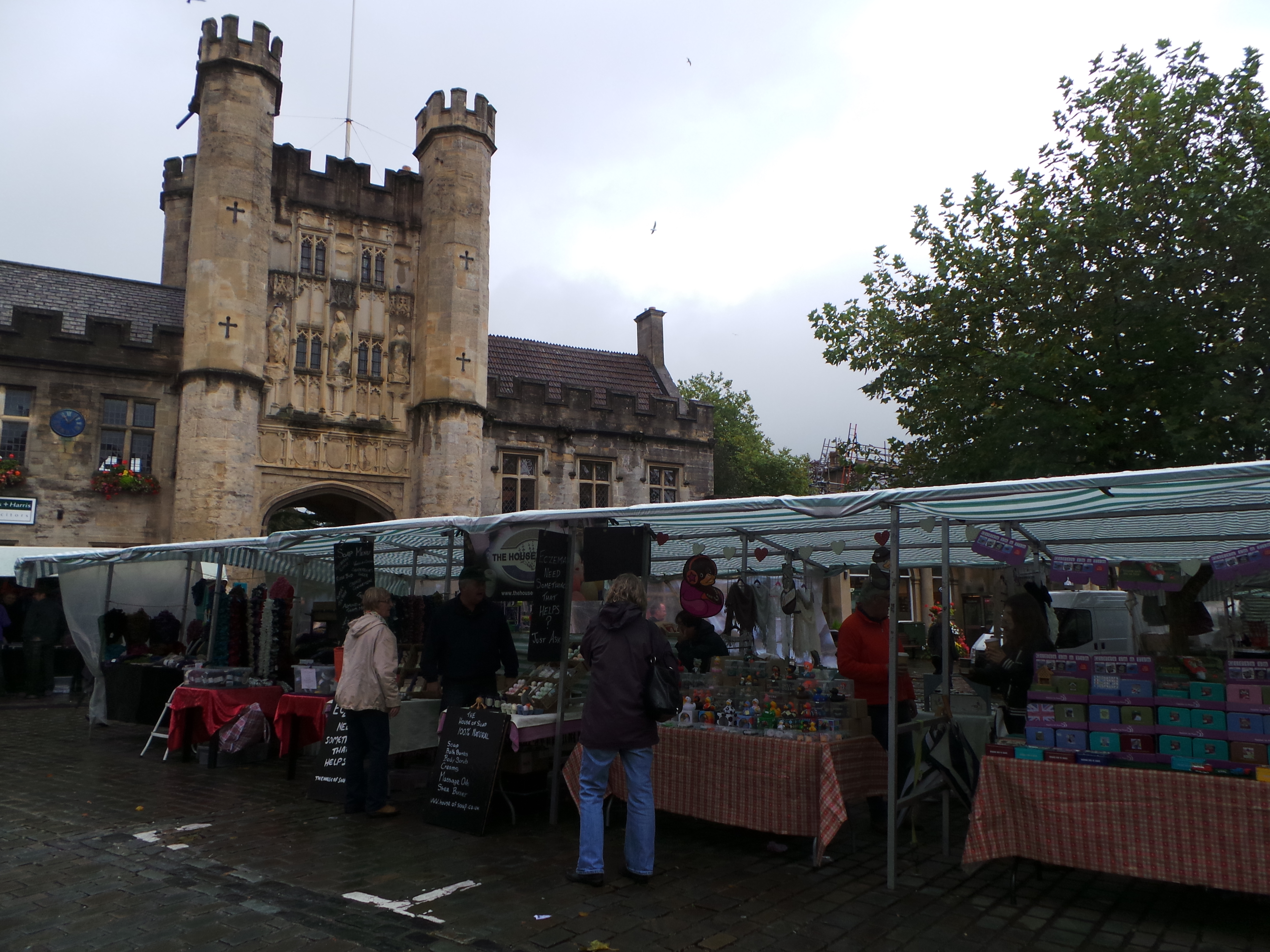
We visited Wells Cathedral decades ago and we remembered very little of it apart from a wide sweeping stone stairway. So when we returned in the autumn we looked forward to reacquainting ourselves with its architecture. We guessed where the Cathedral would be in the little city of Wells by following the wide street with its market right to its very end. The market stalls almost funneled us towards the cathedral gates. 
2014 10 04_5681 2014 10 04_56822014 10 04_5689

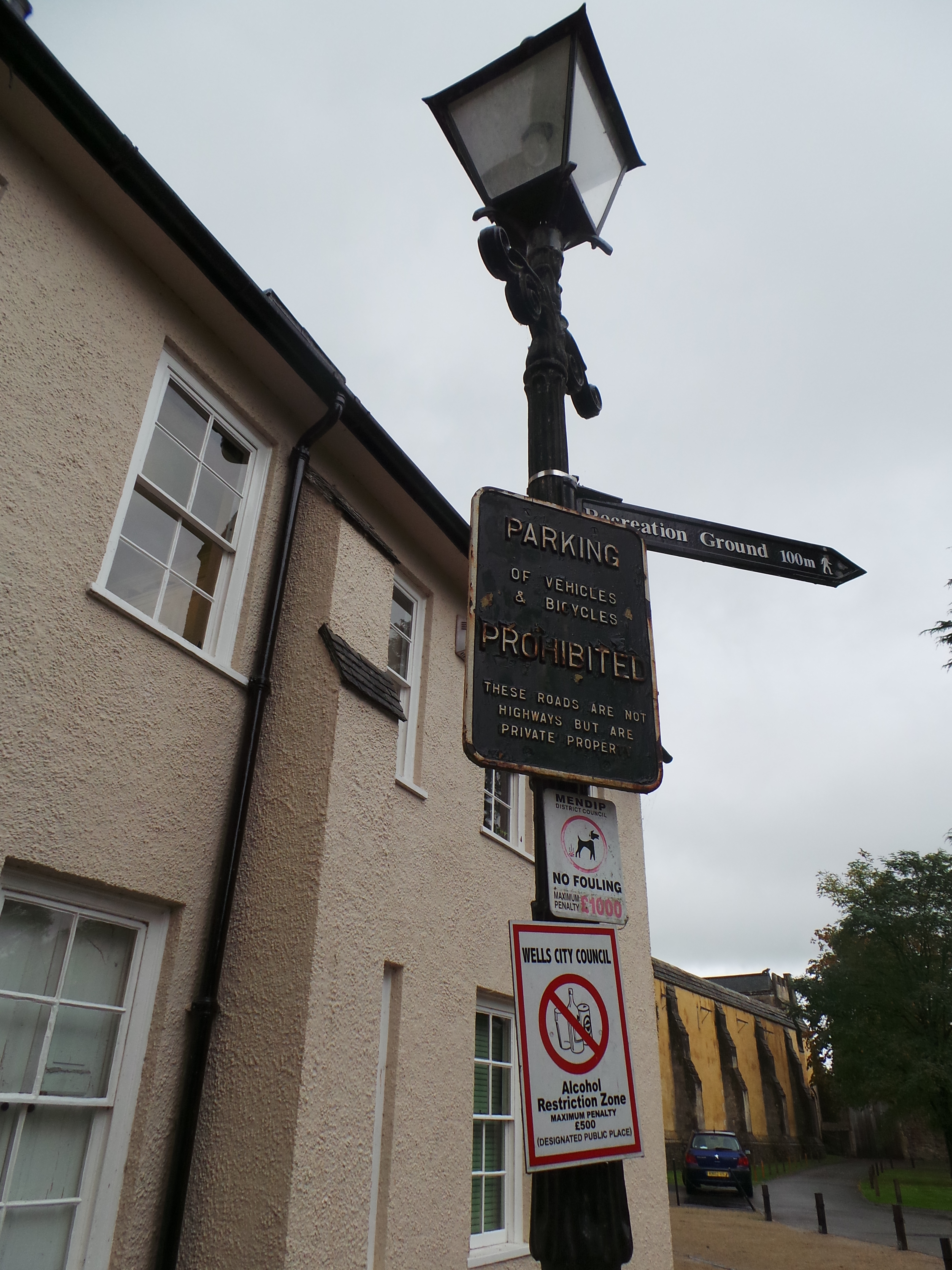
Just before entering the cathedral grounds we came across this beautifully colourful National Trust shop.

2014 10 04_5683 2014 10 04_5684

An open green with specimen trees showed us the way to go.

2014 10 04_5685 2014 10 04_5686  2014 10 04_5688

2014 10 04_5687 2014 10 04_5690

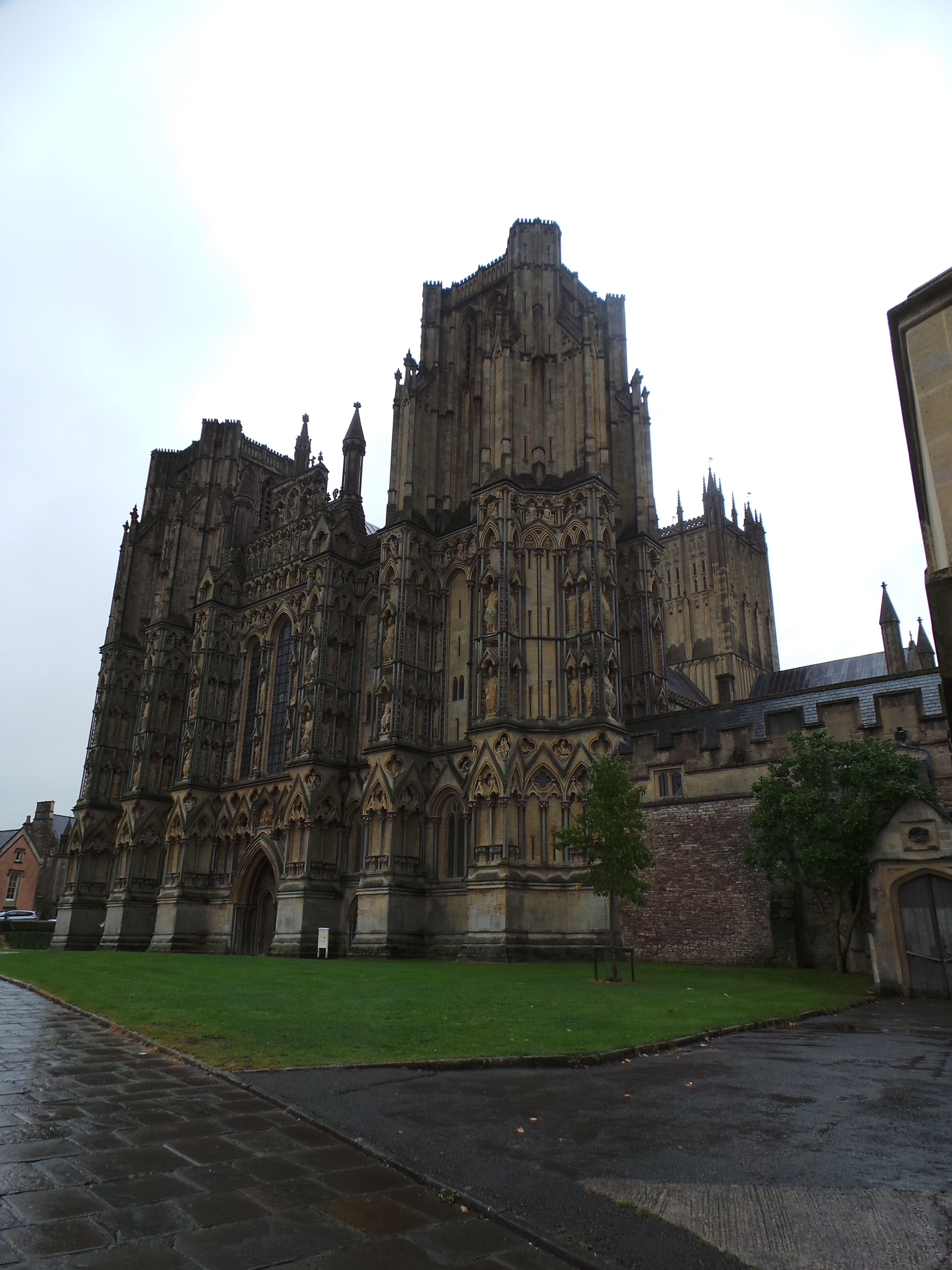
Wells Cathedral is a tall imposing structure designed to dominate the city and its inhabitants.
2014 10 04_5691 2014 10 04_56922014 10 04_5693

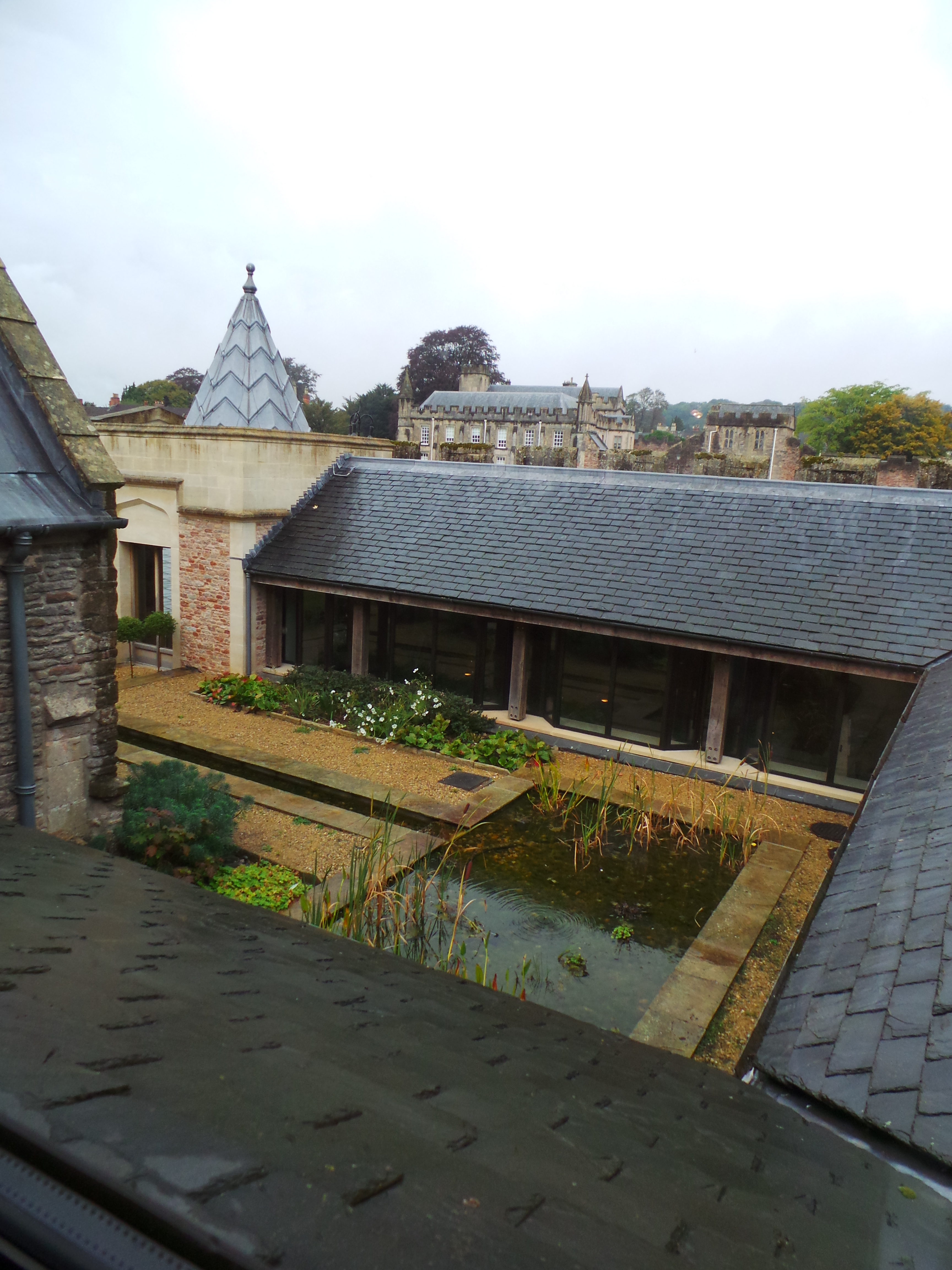
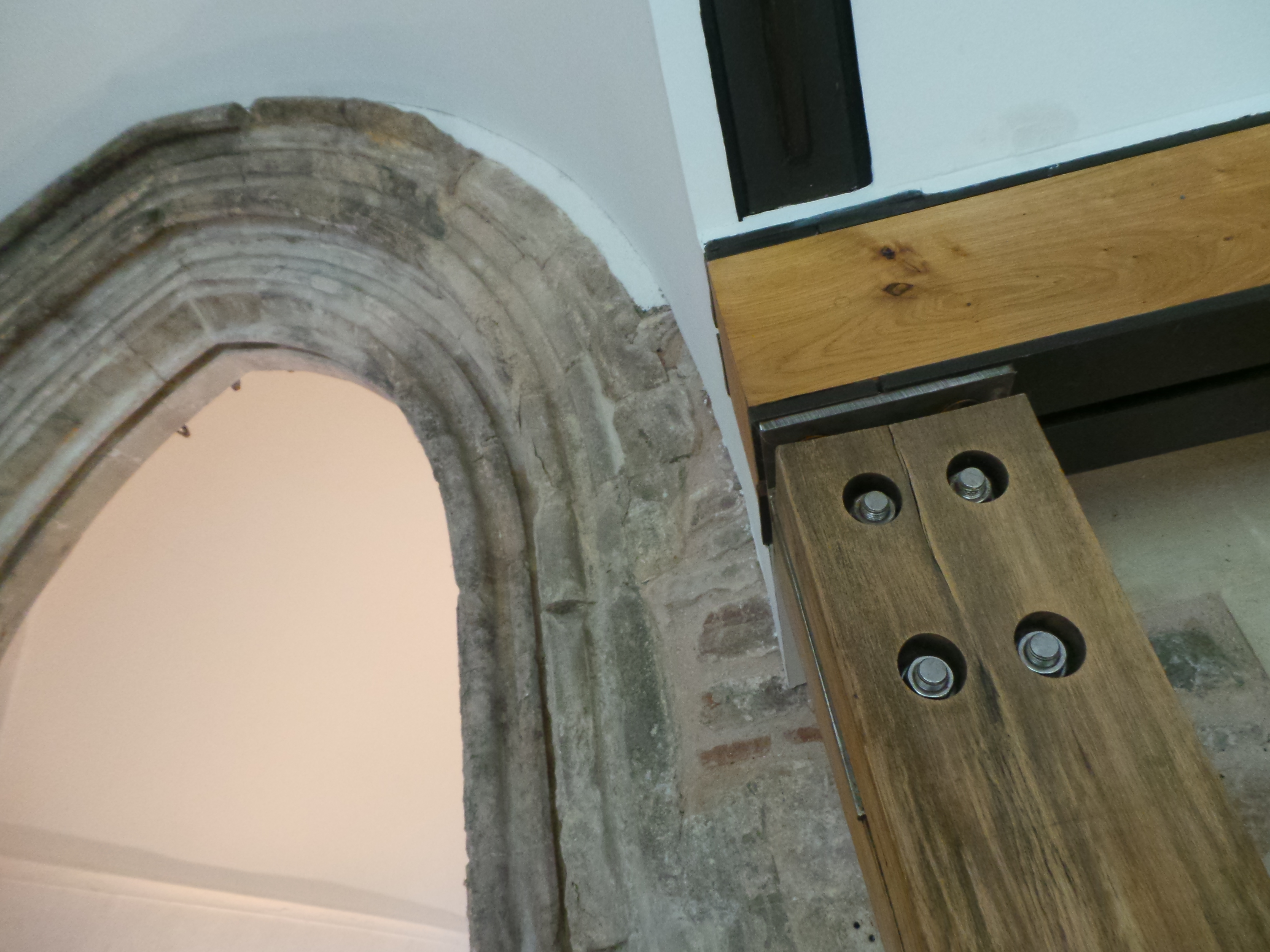
A modern entrance had been added in recent years to give visitors a comfortable way in and to preserve the main doorway in. The use of green oak and matching stone ensured that the modern extension fitted beautifully and most sympathetically. the new entrance also carefully led us to a new cafe again designed to match. From every one of its windows we got views to entice us onward to explore.

2014 10 04_5694 2014 10 04_5695 2014 10 04_5696 2014 10 04_5697 2014 10 04_5698 2014 10 04_5699 2014 10 04_5700 2014 10 04_5701

The vaulted ceiling of the cloister walk has been sensitively restored to show its intricate complex web of wooden beams.

2014 10 04_5704 2014 10 04_5703

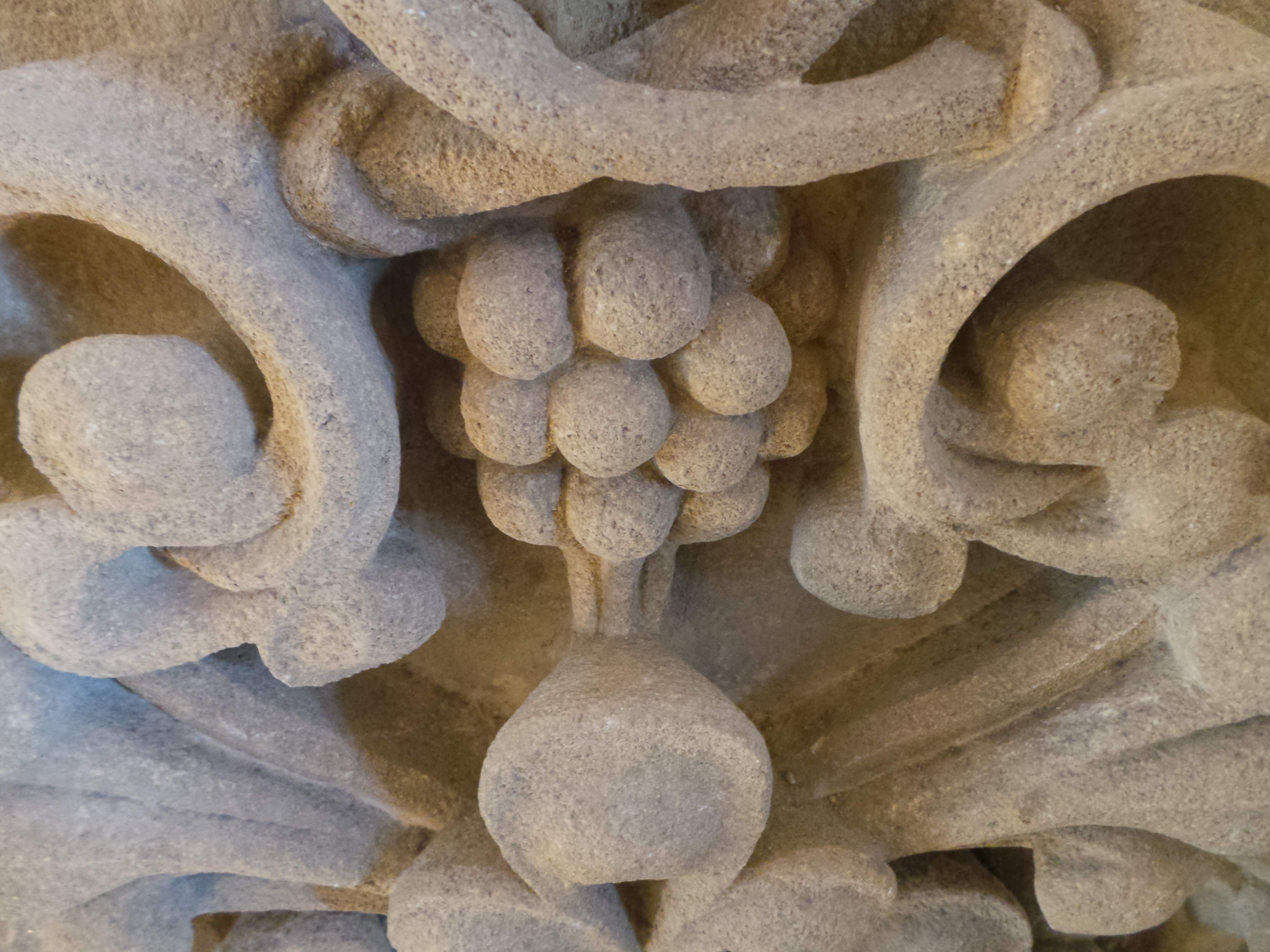
As well as architecture it is the craftsmanship displayed in our old ecclesiastical buildings that impresses us most. It is good to see them well preserved and carefully, lovingly looked after.
2014 10 04_5702 2014 10 04_57072014 10 04_5709 2014 10 04_5710

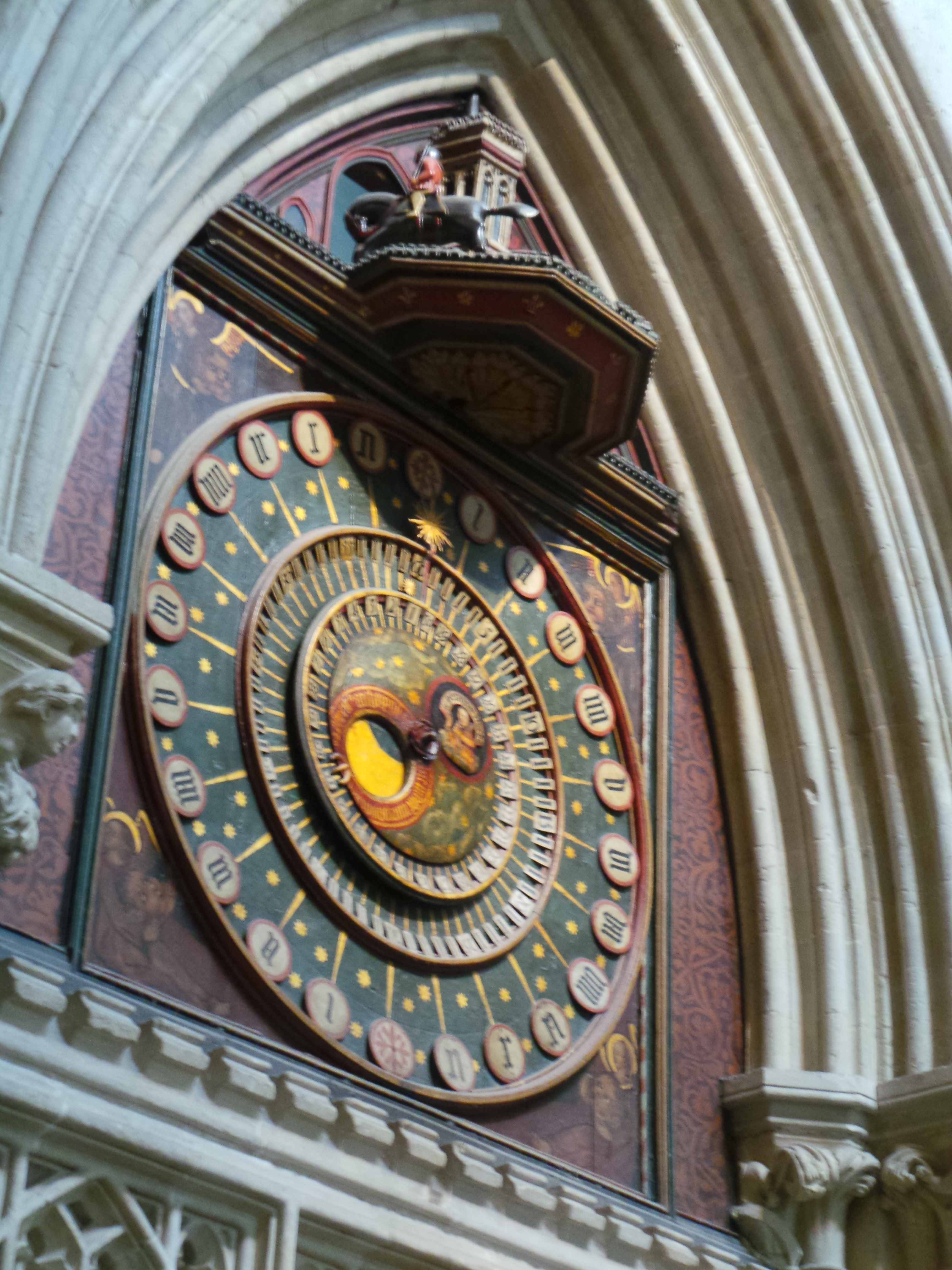
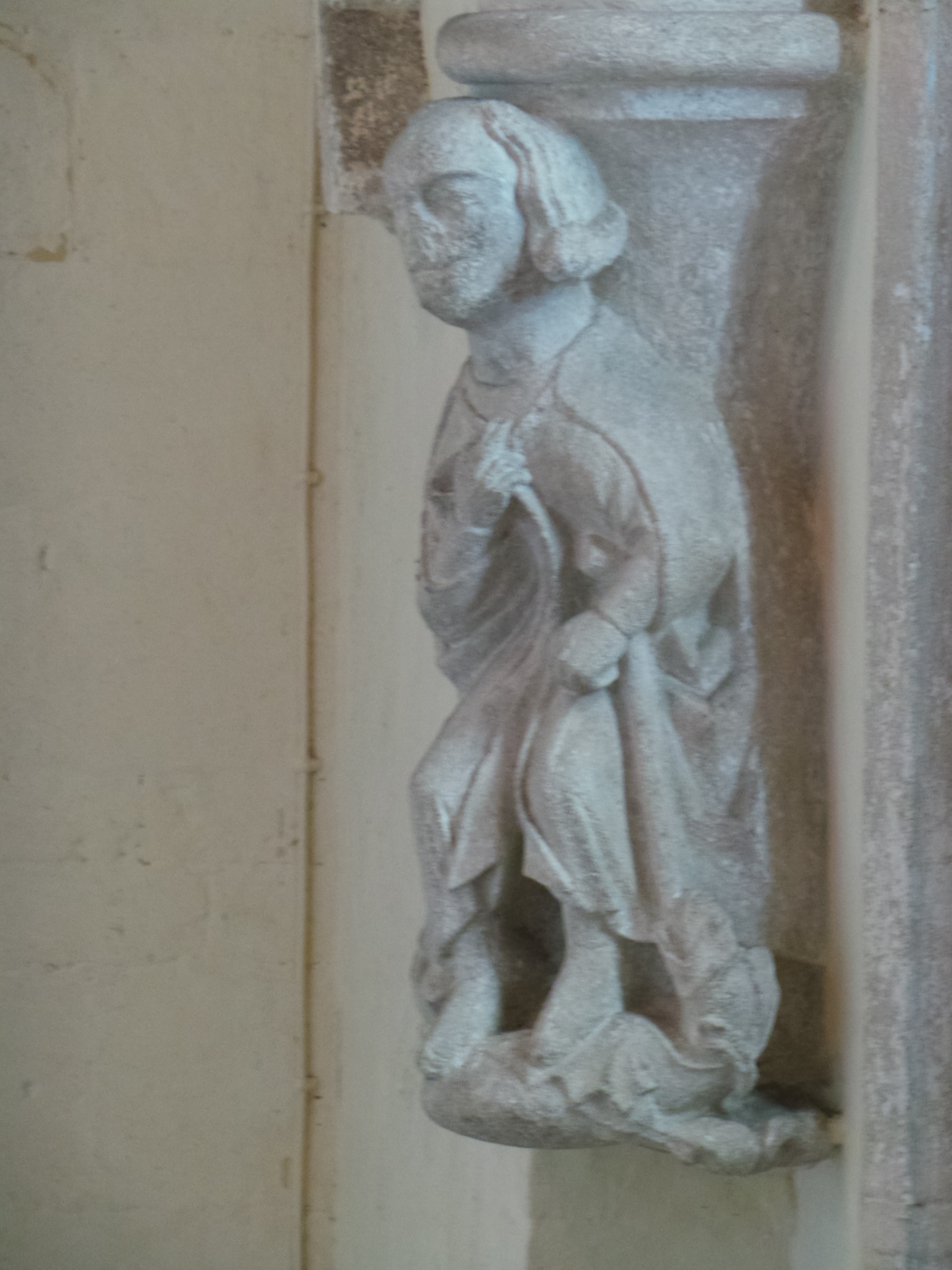
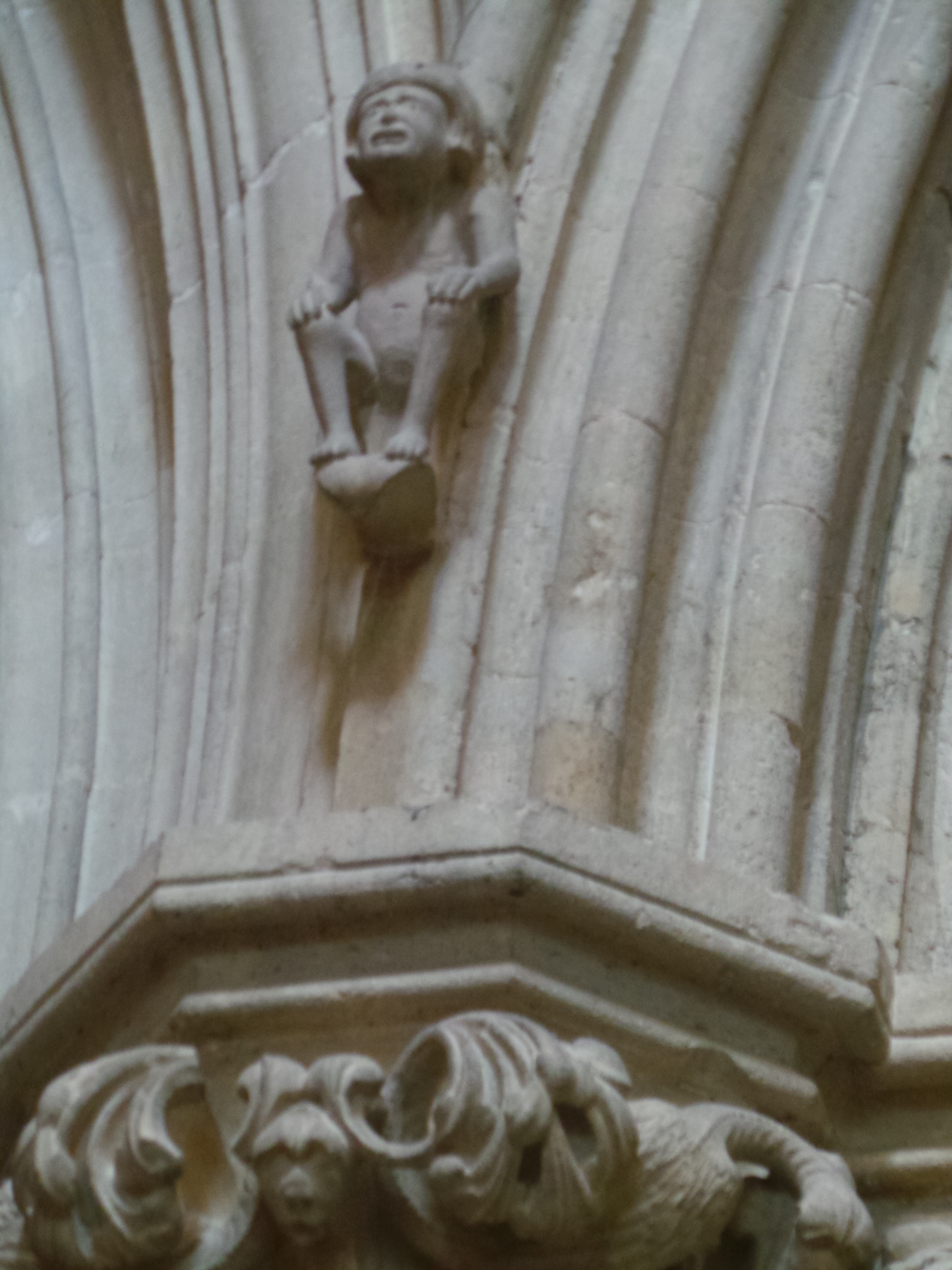
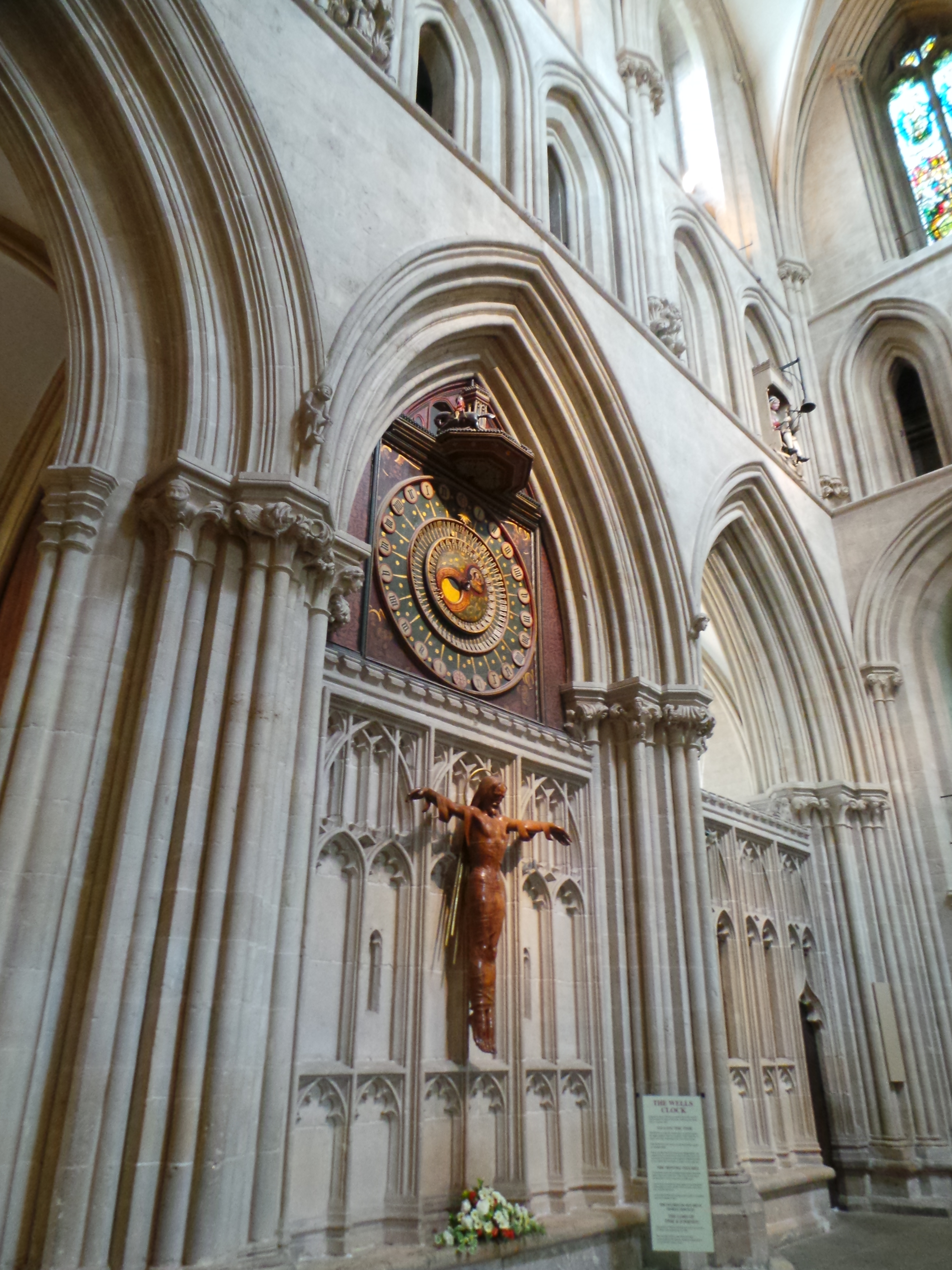
Often when exploring church buildings it is possible by looking up, to discover carvings of characters. like this “impish” character below left. He looks like he is plotting his next trick. The wooden carving on the left was high up and hard to see in detail and he was part of an ancient complex clock.
2014 10 04_5711 2014 10 04_57082014 10 04_5705 2014 10 04_5706

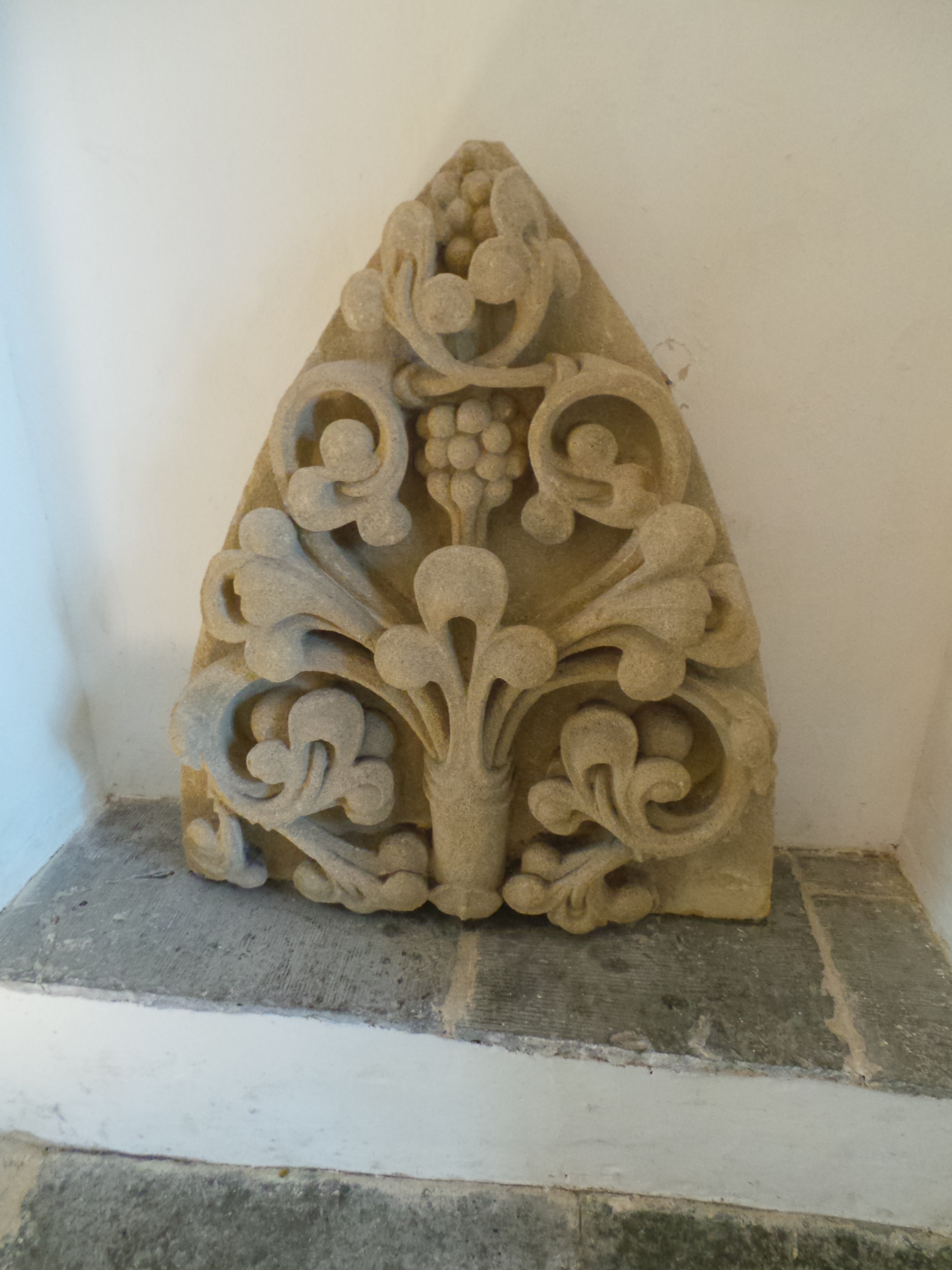
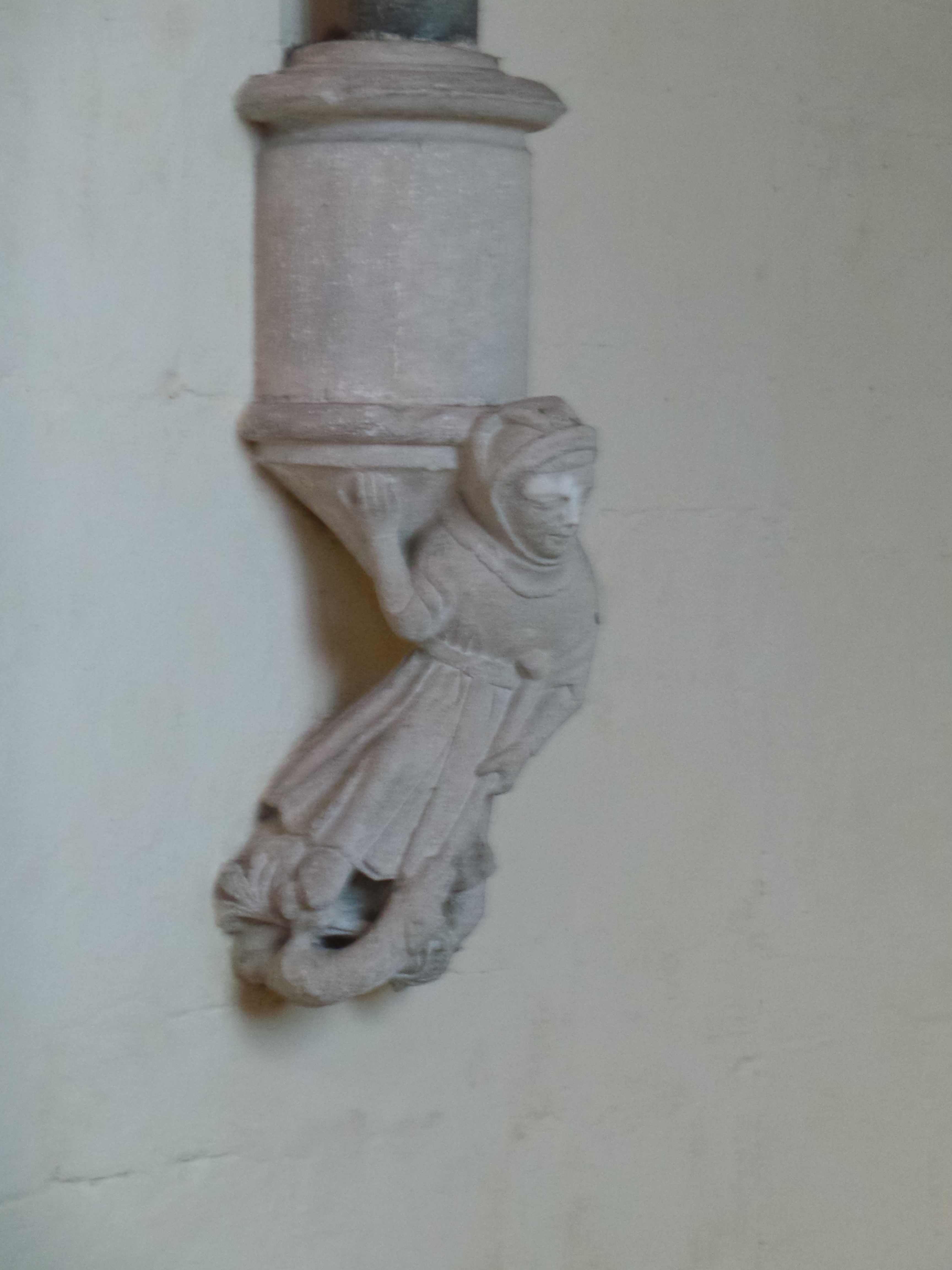
Let us finish this first part of two posts about Wells Cathedral by looking at other characters we managed to find hidden here and there throughout the great building.

2014 10 04_5718 2014 10 04_5724 2014 10 04_5732 2014 10 04_5733 2014 10 04_5735 2014 10 04_5738 2014 10 04_5739 2014 10 04_5758

In part two we carry on with our tour and discover an amazing curved staricase and some modern additions.

Categories
architecture Church architecture

Three Cathedrals – Hereford – Part One

On a freezing cold day in mid January we decided to visit Hereford which, although only an hours journey or so away from us, we had never visited. It is the county capital of Herefordshire. The city centre was not very impressive at all and we had the impression much of its ancient architecture had been destroyed in the ’60’s and ’70’s, exactly the same as had happened to our county town Shrewsbury. A few gems remained but there were an awful lot of ugly building around them.

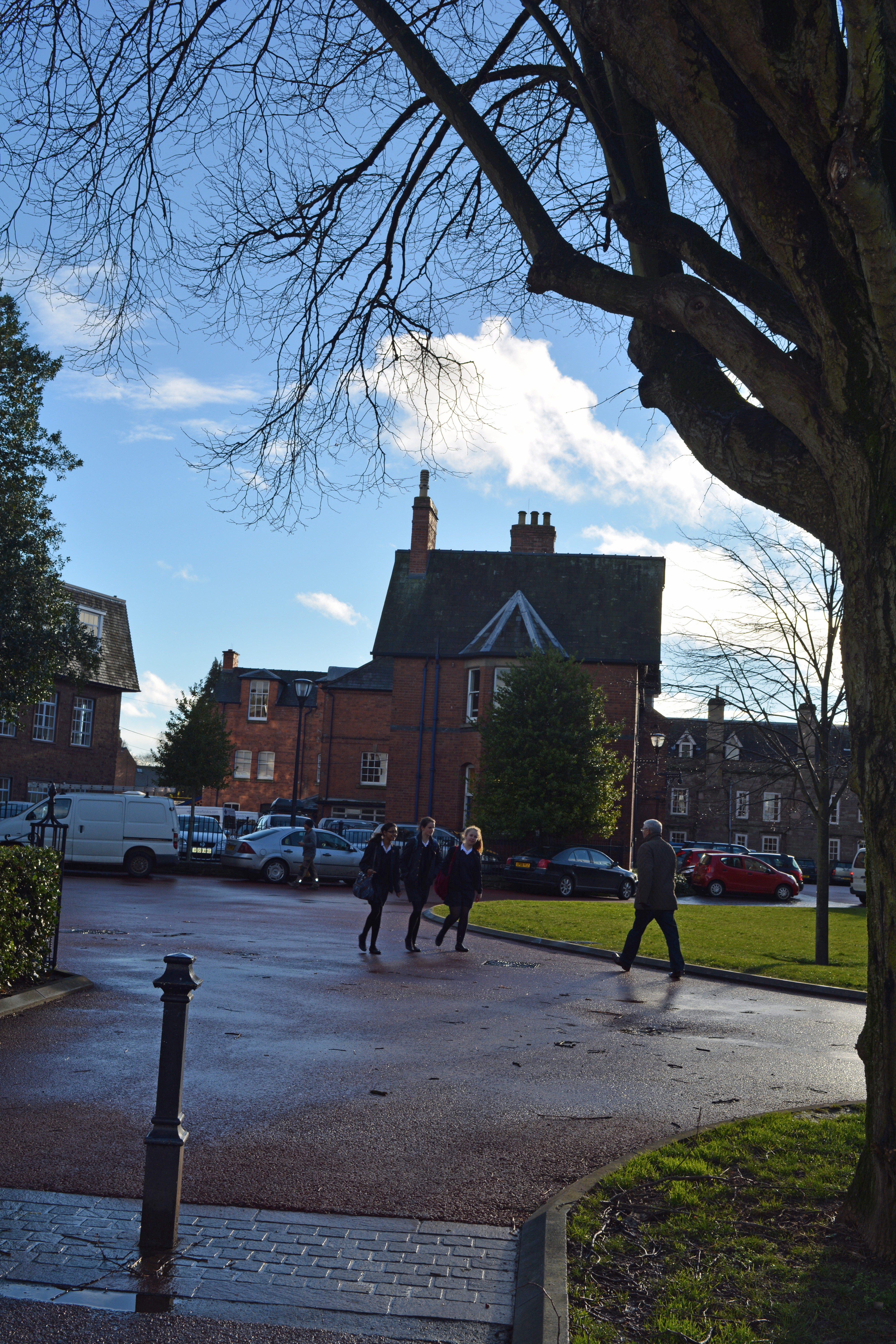
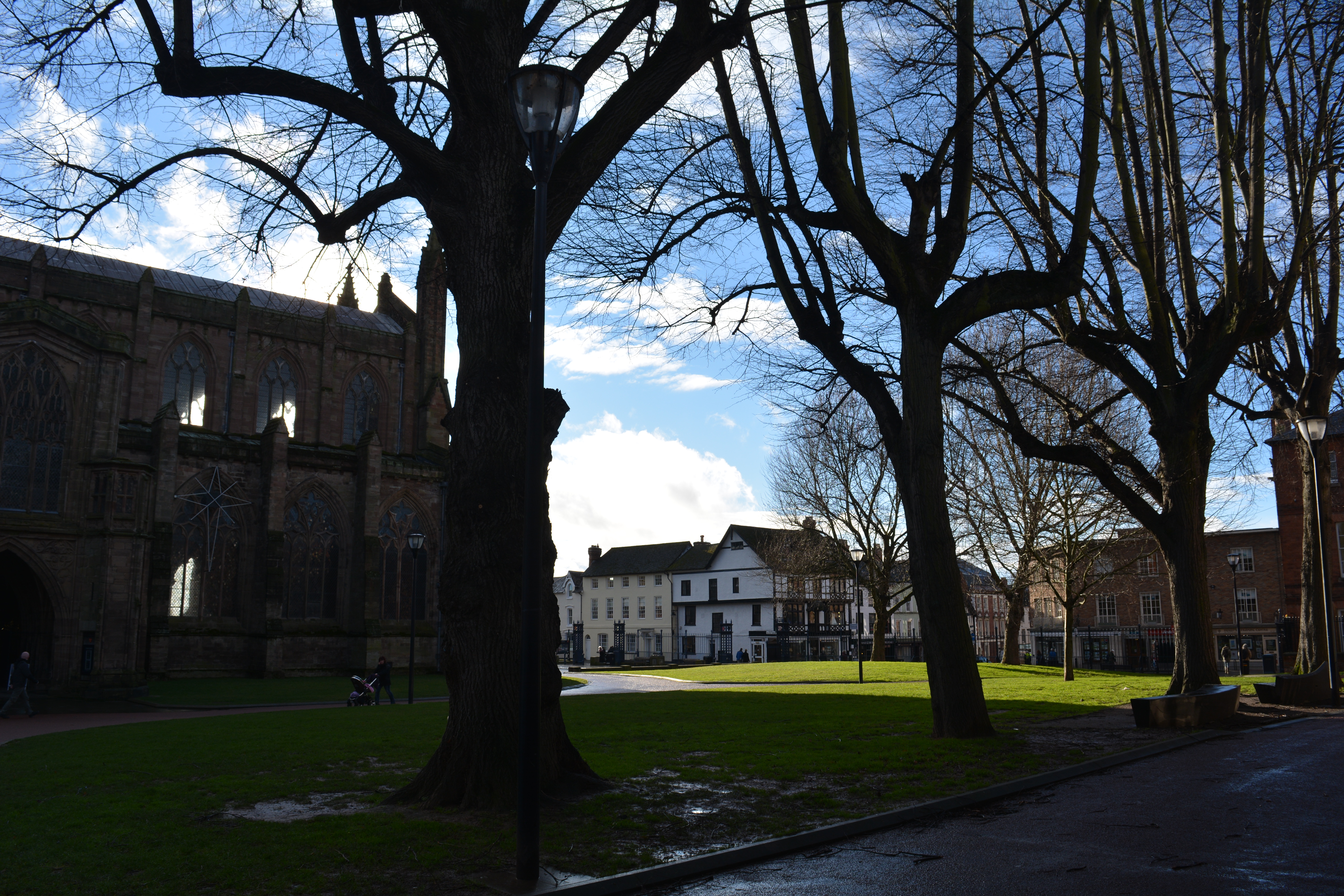
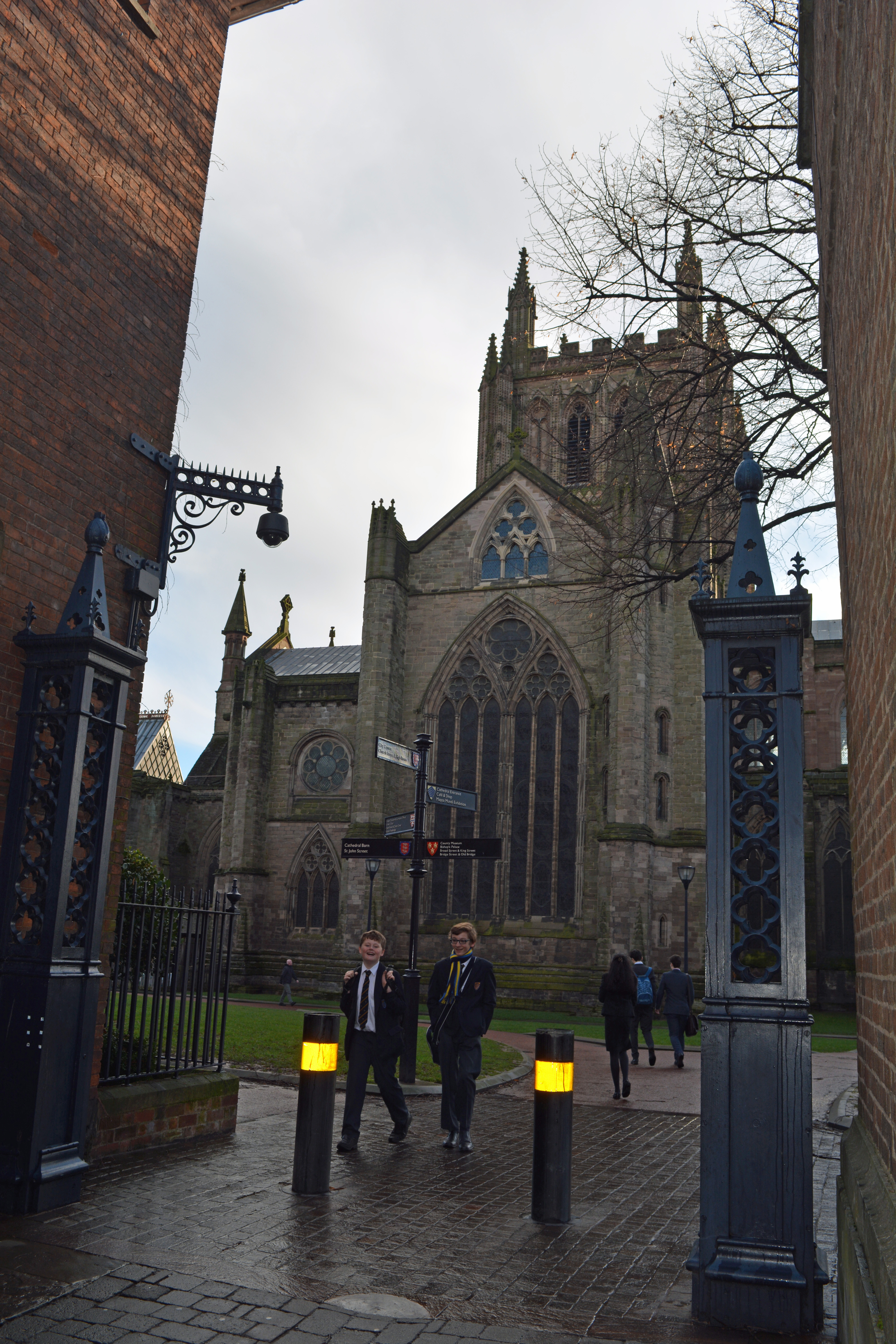
But on a day with sleet and wet snow showers we were here to see the Cathedral. We first sited the cathedral as we walked up a narrow cobbled street with local artisan shops lining each side. The Cathedral School buildings clustered around the entrance gateway to the Cathedral Close so uniformed school children busily and hastily crossed the close in every direction.

2015 01 13_9217_edited-1 2015 01 13_9218_edited-1 2015 01 13_9228_edited-1 2015 01 13_9229_edited-1 2015 01 13_9220

2015 01 13_9219 2015 01 13_9233

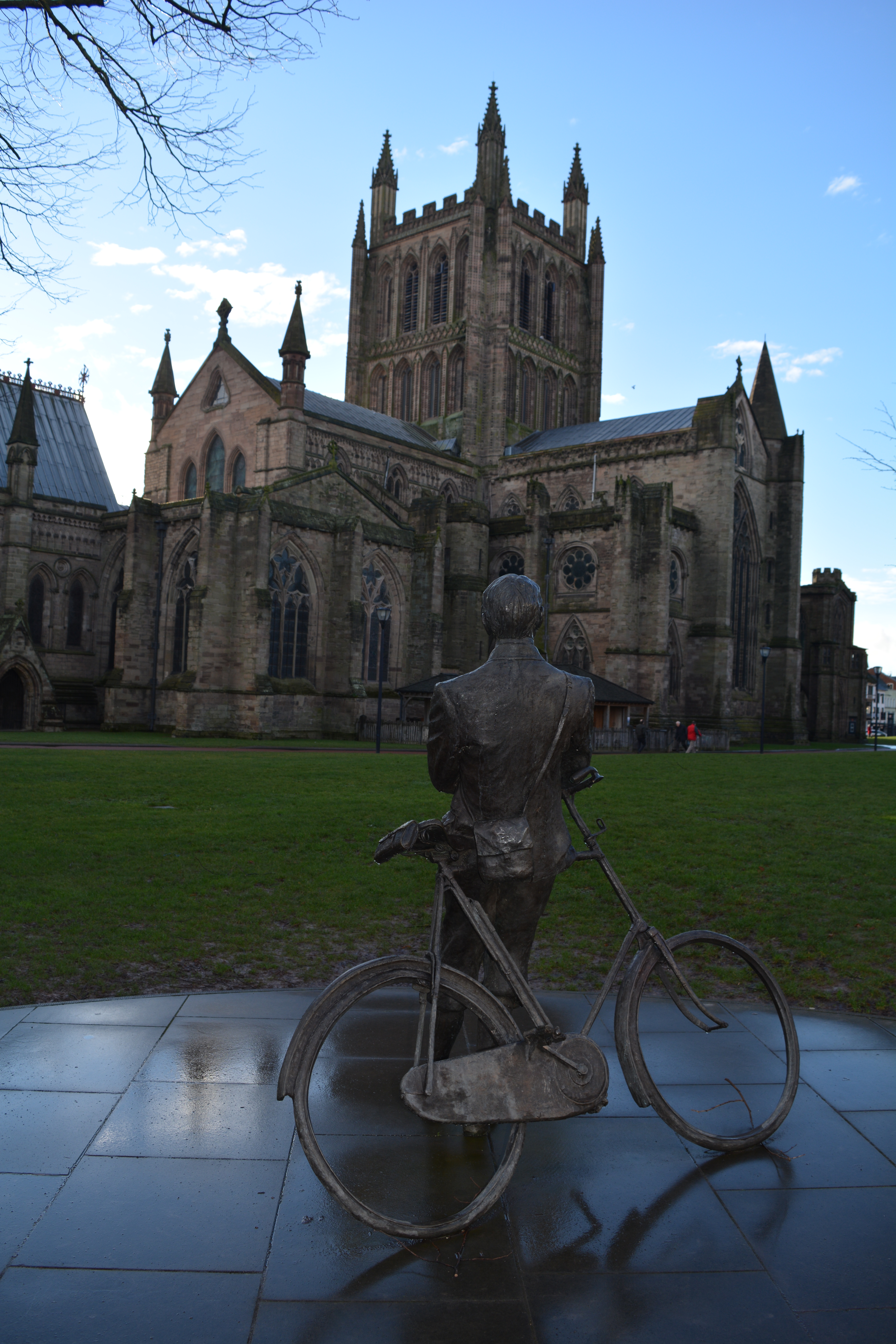
Edward Elgar, composer, is celebrated with this beautiful bronze statue so full of character, where he leans back on his old Samson bicycle admiring the cathedral.

2015 01 13_9222 2015 01 13_9223

A single raindrop had settled itself right on the end of his nose, and hung ready to drip onto his magnificent moustache.

2015 01 13_9224_edited-1

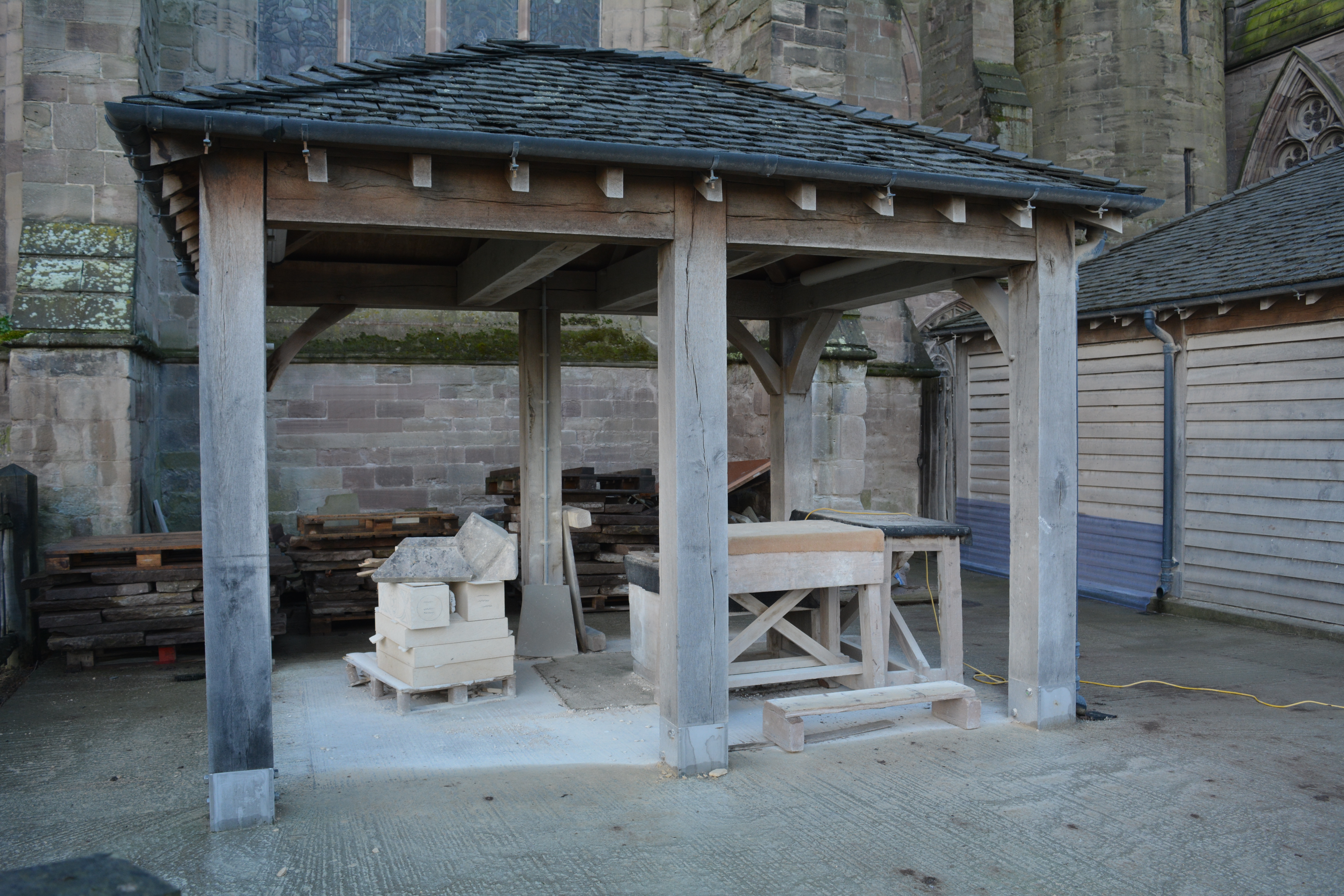
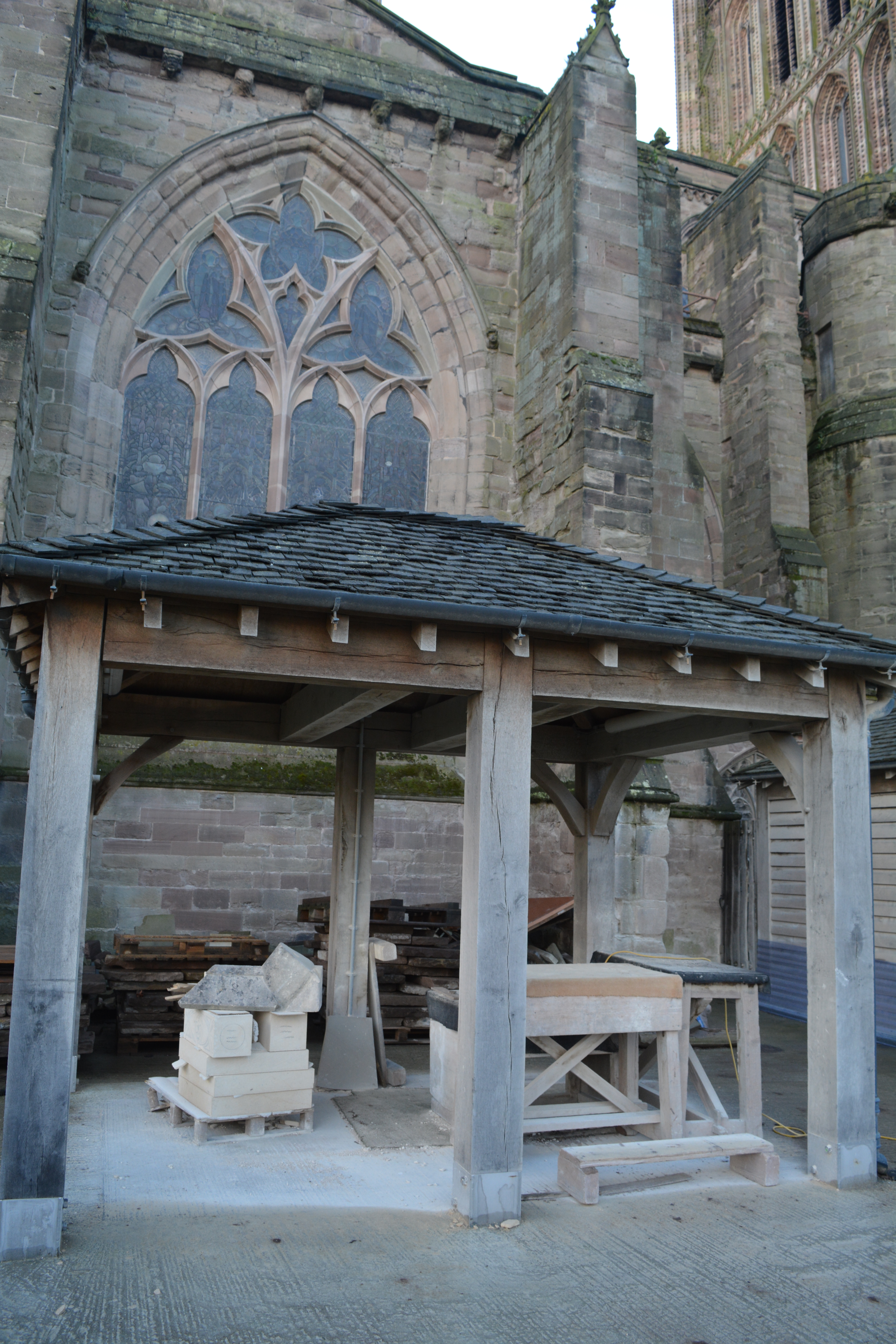
Close to the main Cathedral entrance a recent oak framed building housed the workshop of the stone mason. Masons are constantly kept busy on repairs to stonework in every cathedral around the country.

The Dioscese of Hereford was founded in 676 and the first Cathedral dedicated to King Ethelbert was built in 794. Ethelbert was to become a martyr and the Cathedral dedicated to him became a place of pilgrimage. His bones stored at the Cathedral became a centre of a pilgrimage. A new Cathedral was built between 1020 and 1040 but in 1075 was destroyed by the Welsh.

Thus major rebuilding work followed between 1107 and 1158 in the Norman style, still much in evidence today. So the Cathedral today contains examples of architectural styles from the Norman period right up to the current time.

2015 01 13_9230 2015 01 13_9231

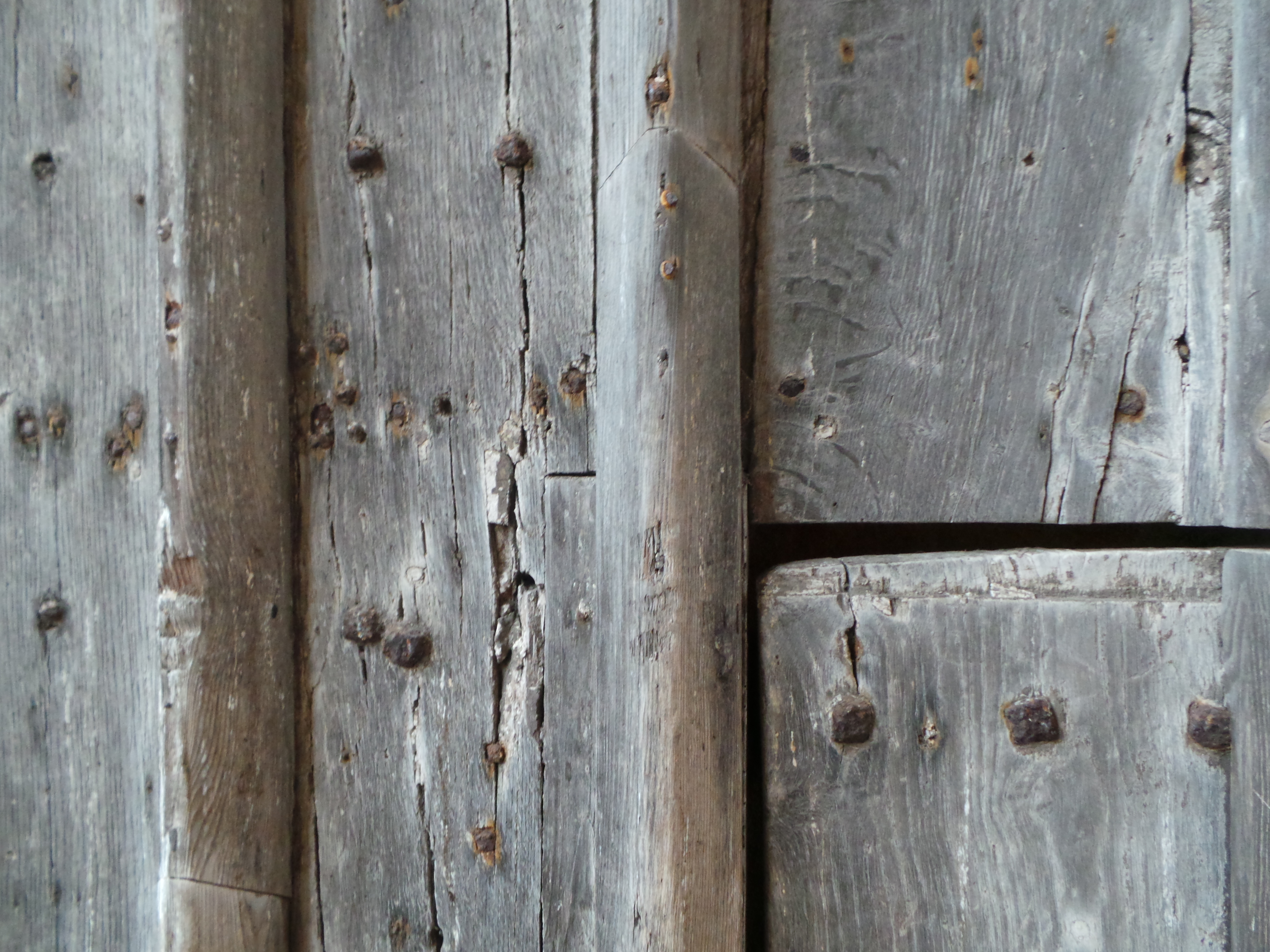
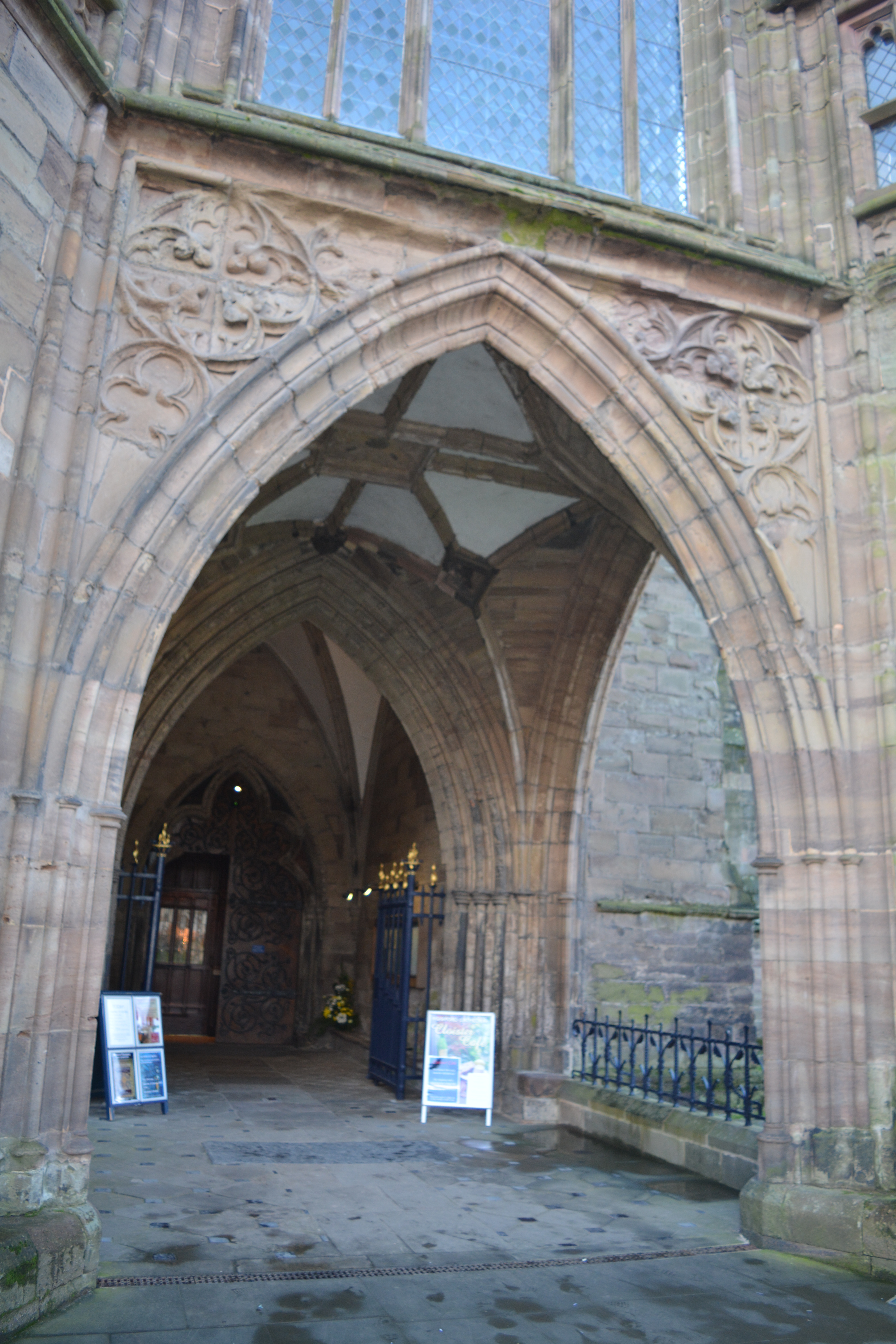
The main way into the Cathedral is through a huge stone porch. Inside massive oak doors were well furnished with iron hinges and a lion headed door knocker.

2015 01 13_9234 2015 01 13_9236

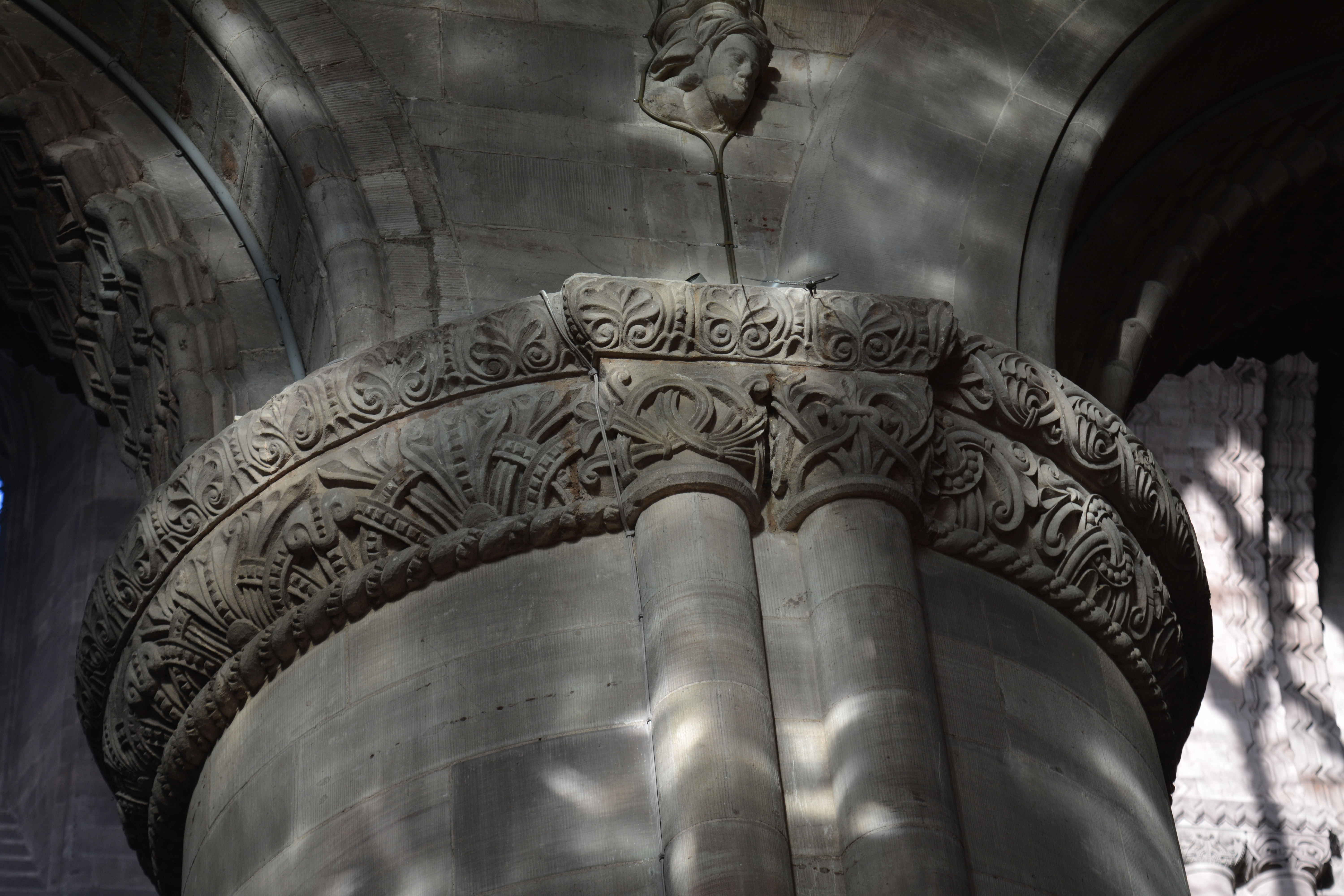
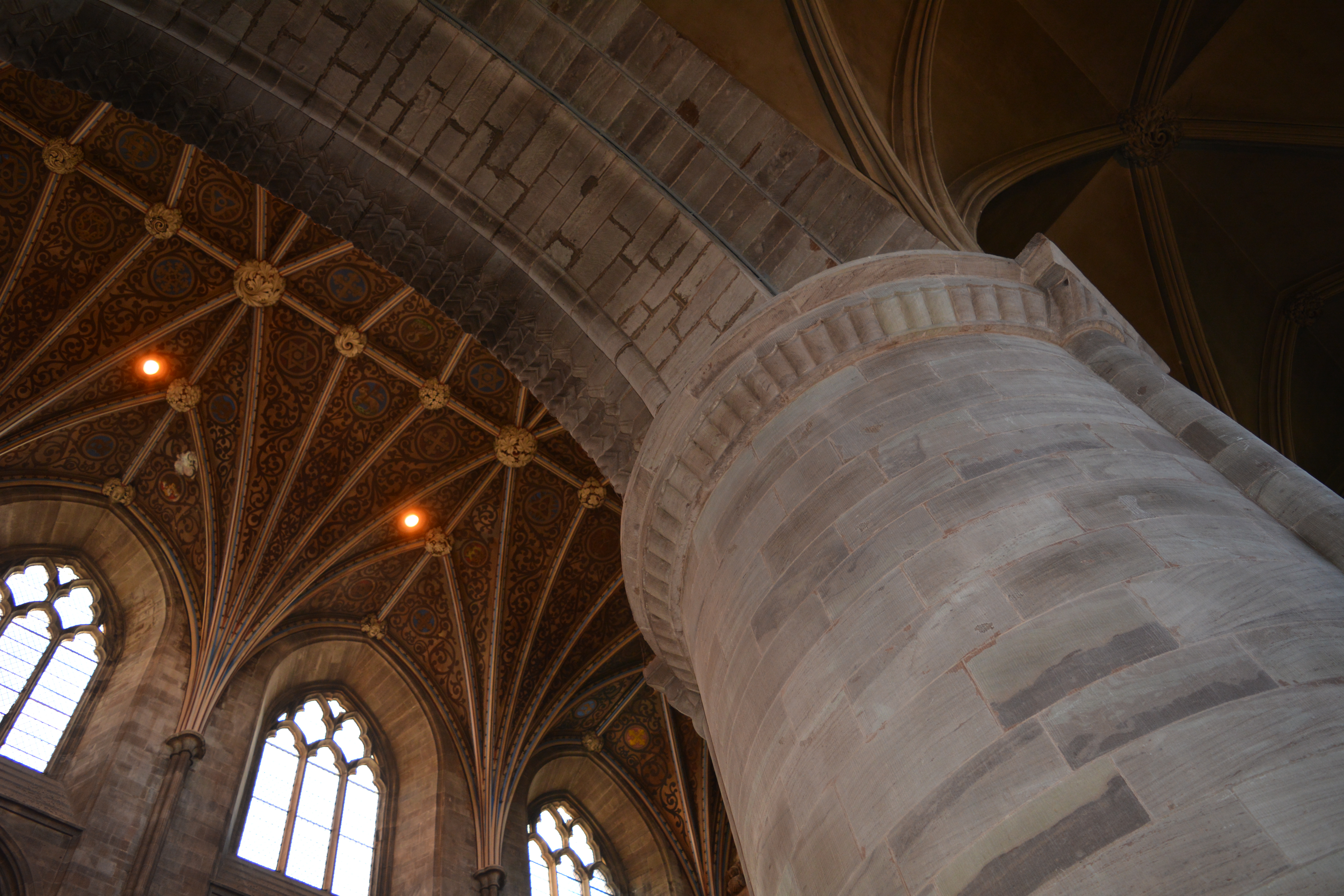
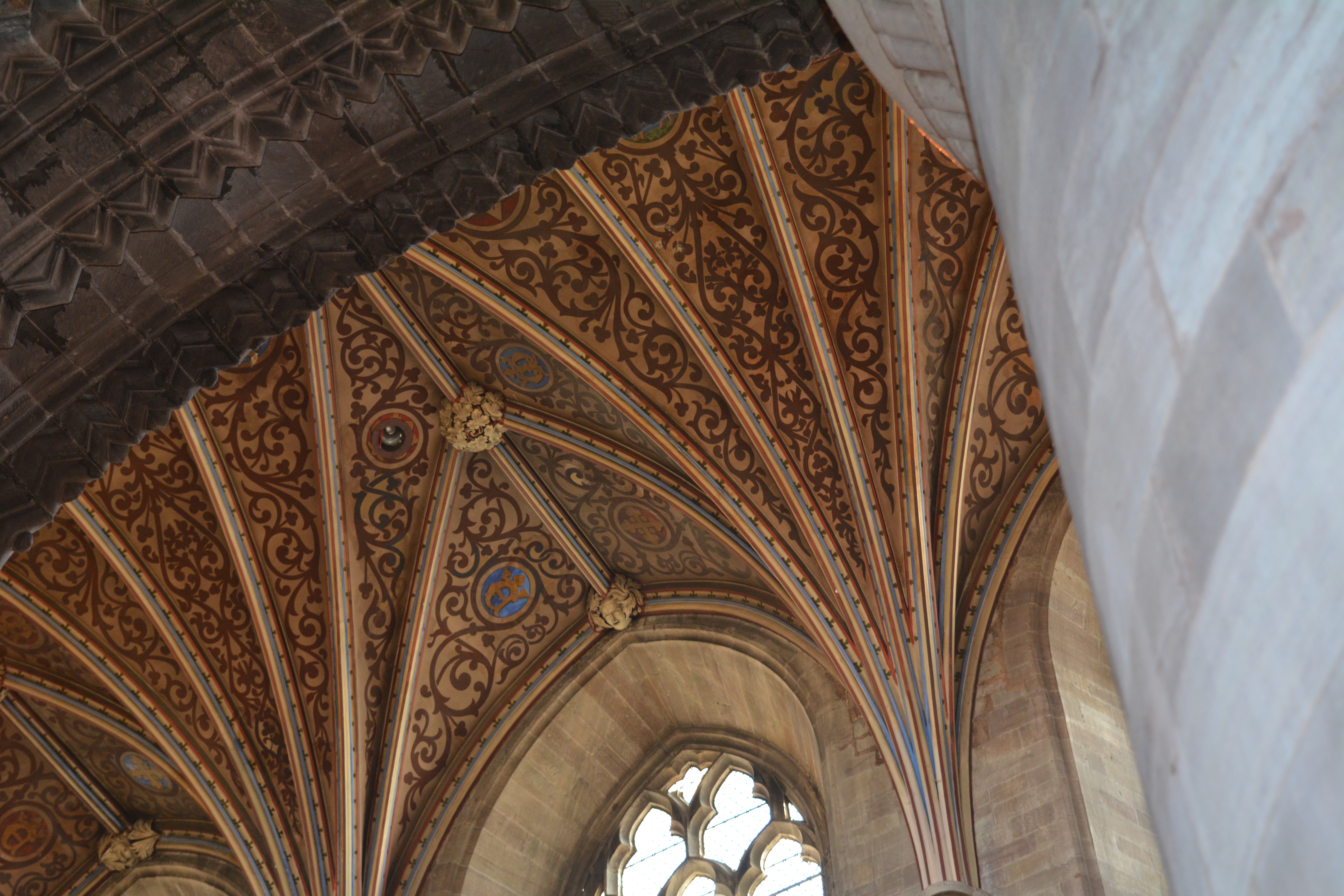
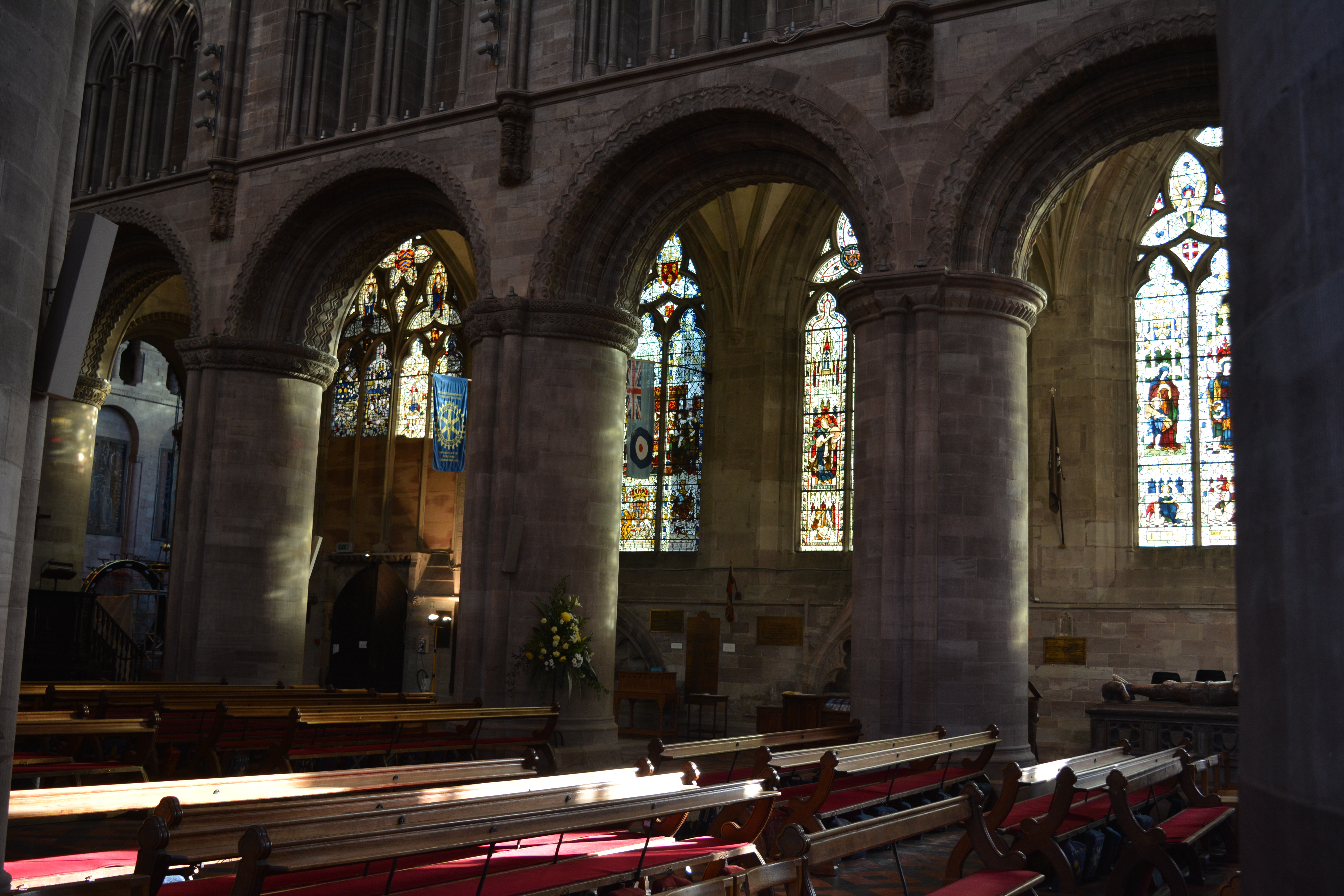
Once inside the incredible height of the building became apparent with wide intricately carved stone pillars leading the eye up to an incredibly beautifully carved and painted vaulted ceiling.

2015 01 13_9237 2015 01 13_92422015 01 13_9243 2015 01 13_92452015 01 13_9250 2015 01 13_9251

It is unusual to see such colour in an Anglican building in this country. We were soon to discover that this building had been very colourfully decorated as we found original examples. Hereford Cathedral is a fine example of English Gothic church architecture. Within it we were to find colour in its stained glass windows, in the tiles on its floor, on wood carvings and in fabric.

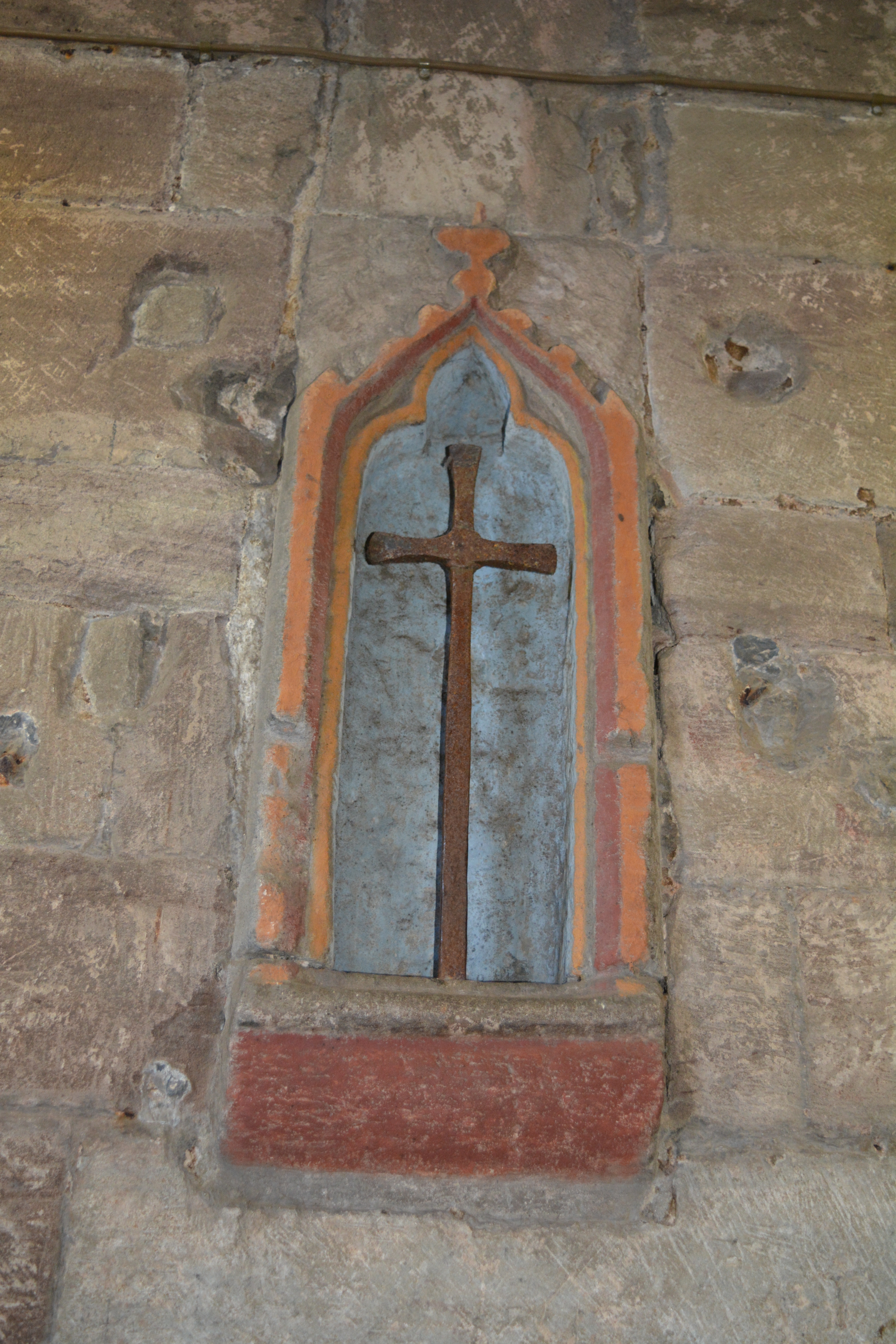
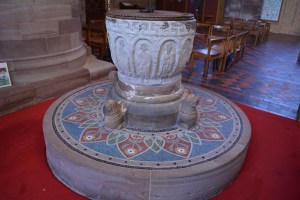
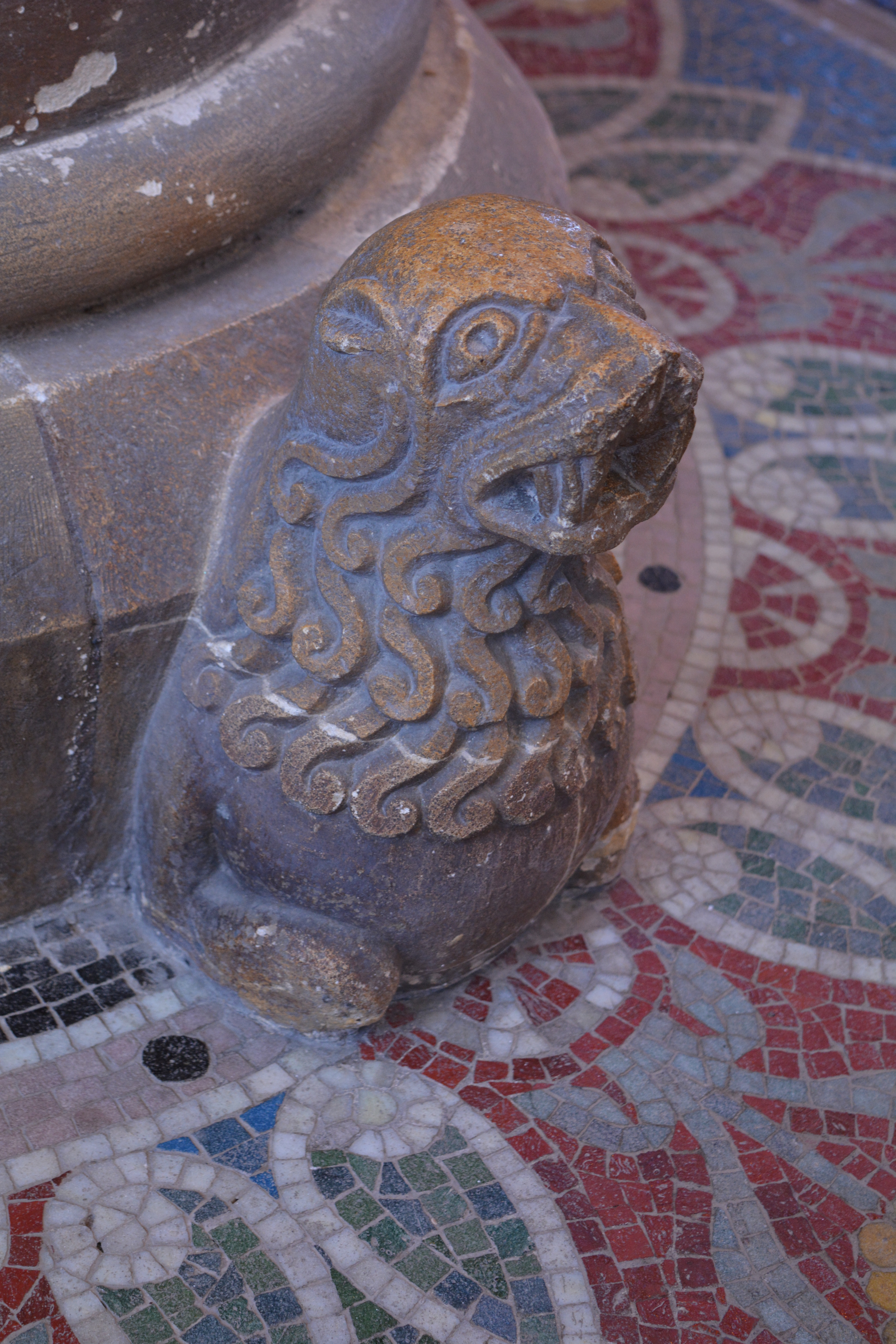
The first example we found was the decoration in orange and red around this tiny stone window but we were soon to find even more colour in the mosaic patterning around the base of the carved stone font.

2015 01 13_9235 2015 01 13_92392015 01 13_9240 2015 01 13_9241

Probably one of the newest examples of colourful craftwork to be found was on the intricately embroidered kneelers hanging from the seats.

2015 01 13_9244

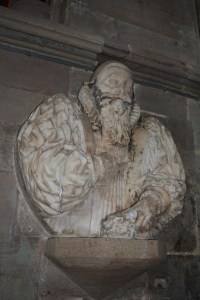
We found many examples of detailed and richly painted carvings in both stone and wood.

2015 01 13_9253  2015 01 13_9257

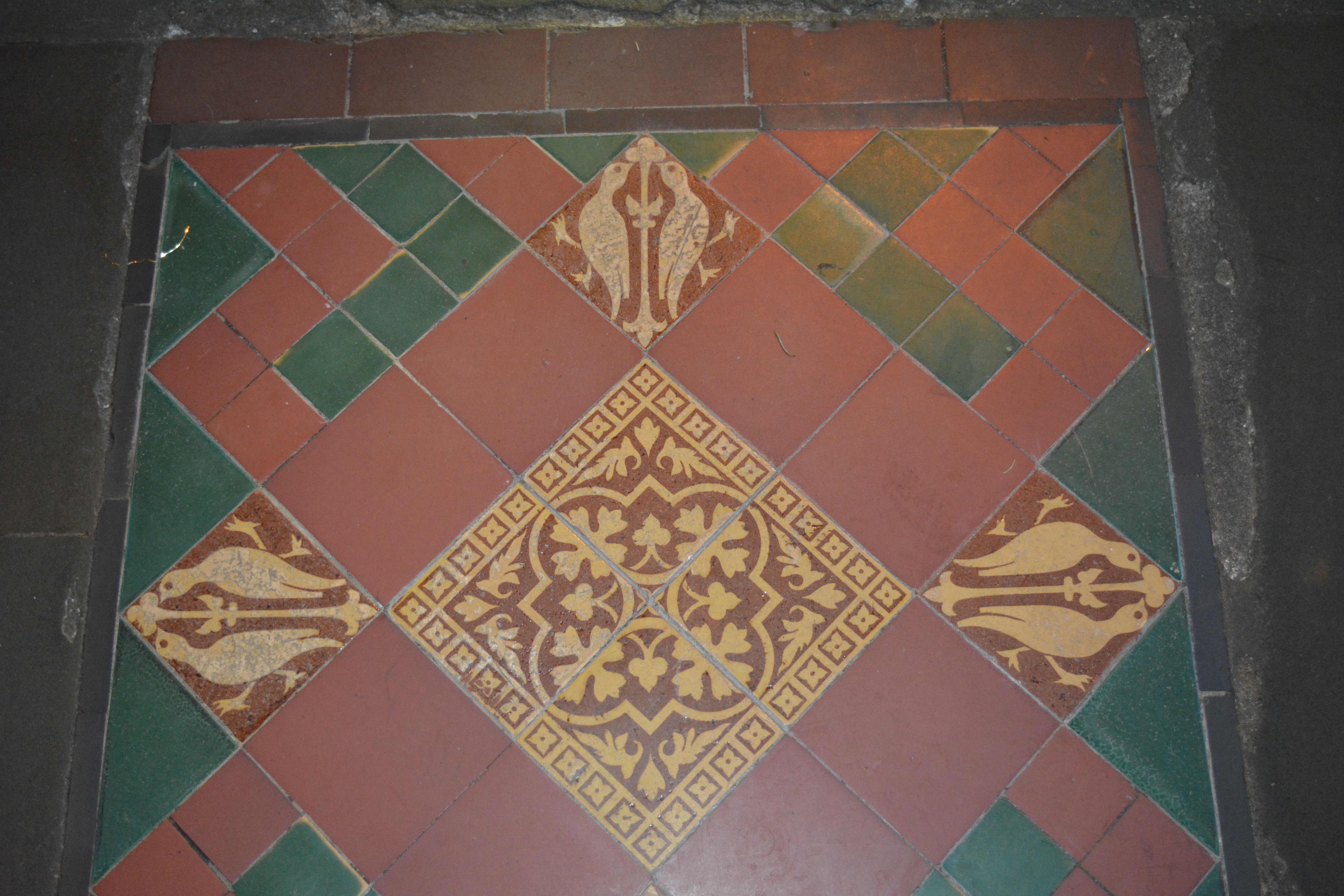
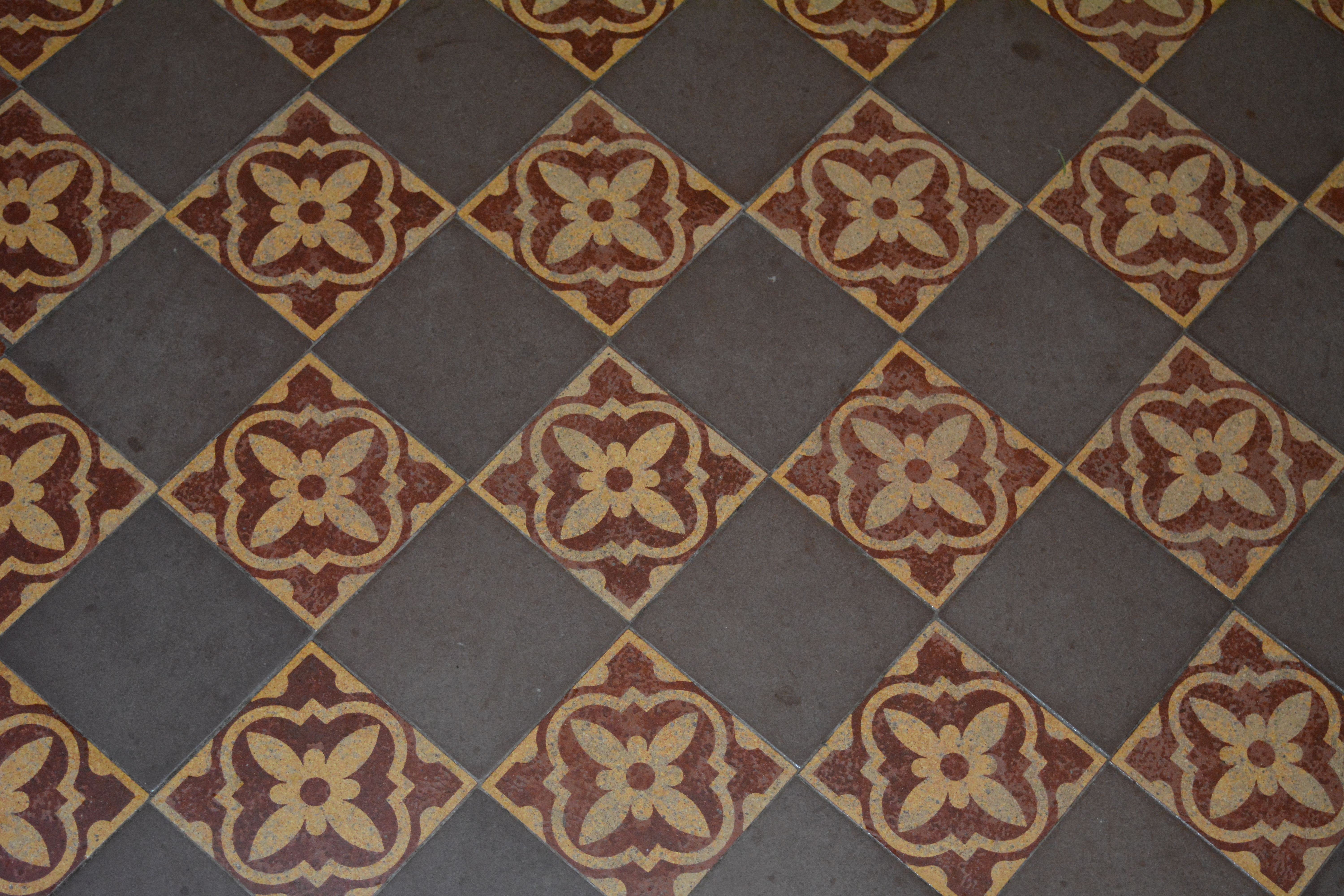
Before we finish part one of our visit to Hereford Cathedral we shall look down at our feet to admire the colourful, patterned tiles.

2015 01 13_9255  2015 01 13_92642015 01 13_9265 2015 01 13_9266

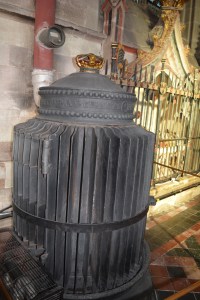
All this ancient delicate craft needs protecting from the damp and cold. Several of these huge, iron, pot-bellied oil burners were working hard to do this. In part two we shall look at carvings in stone and artistry in glass and  in words on paper.

2015 01 13_9252


Categories
architecture buildings photography recycling townscapes Yorkshire

Haworth – Village of the Brontes – Part Two

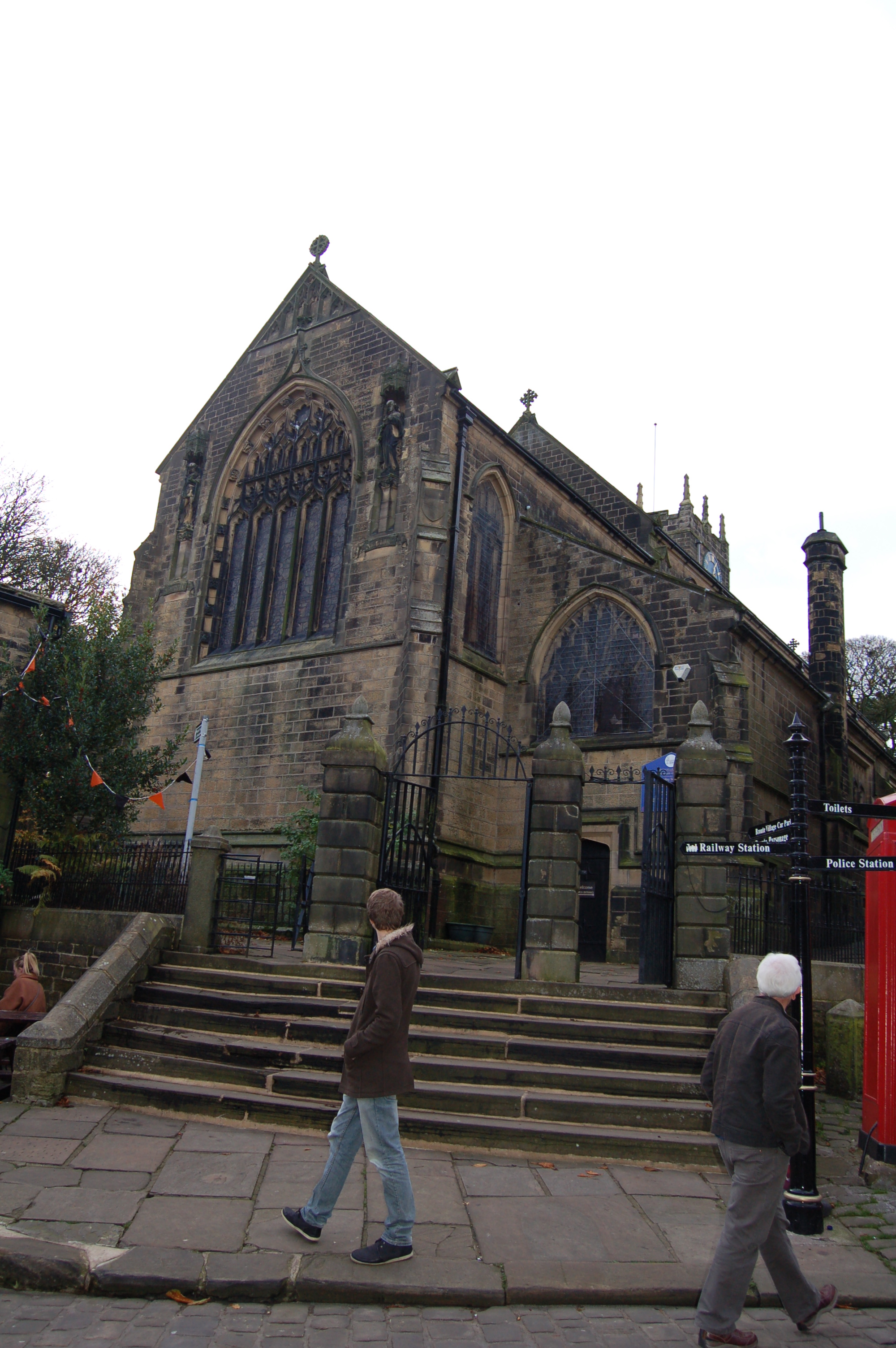
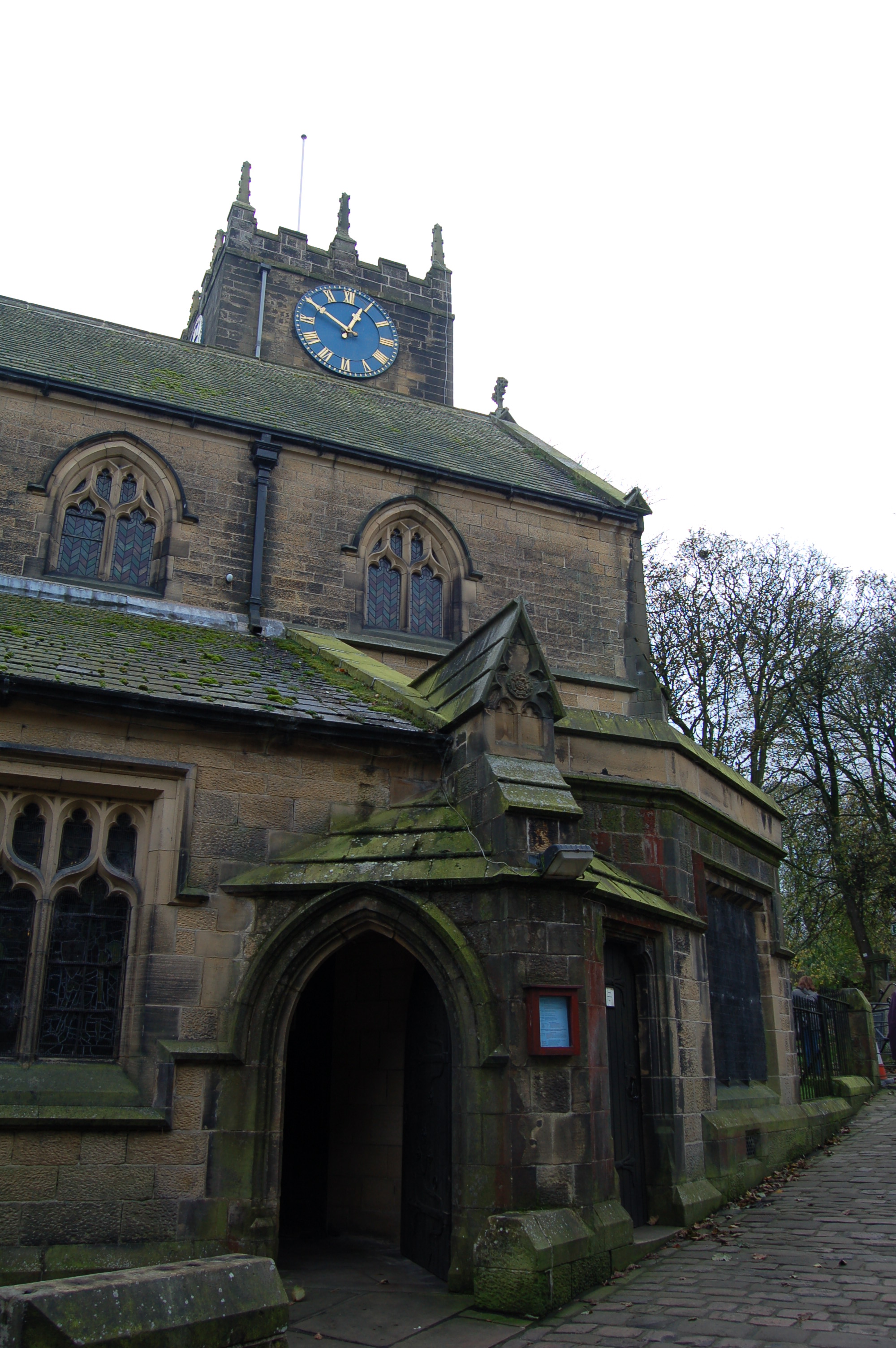
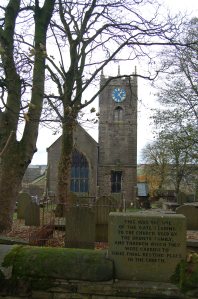
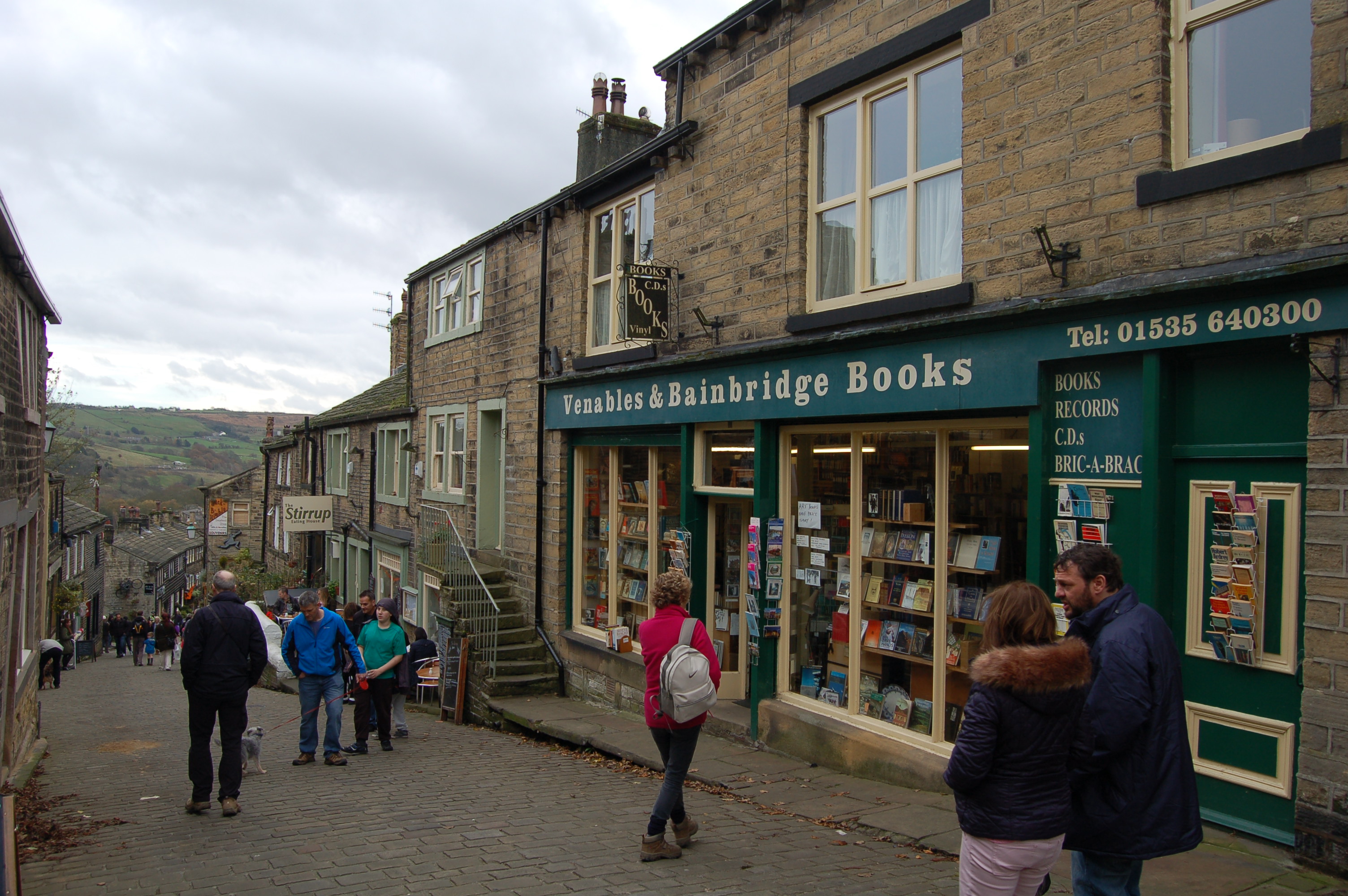
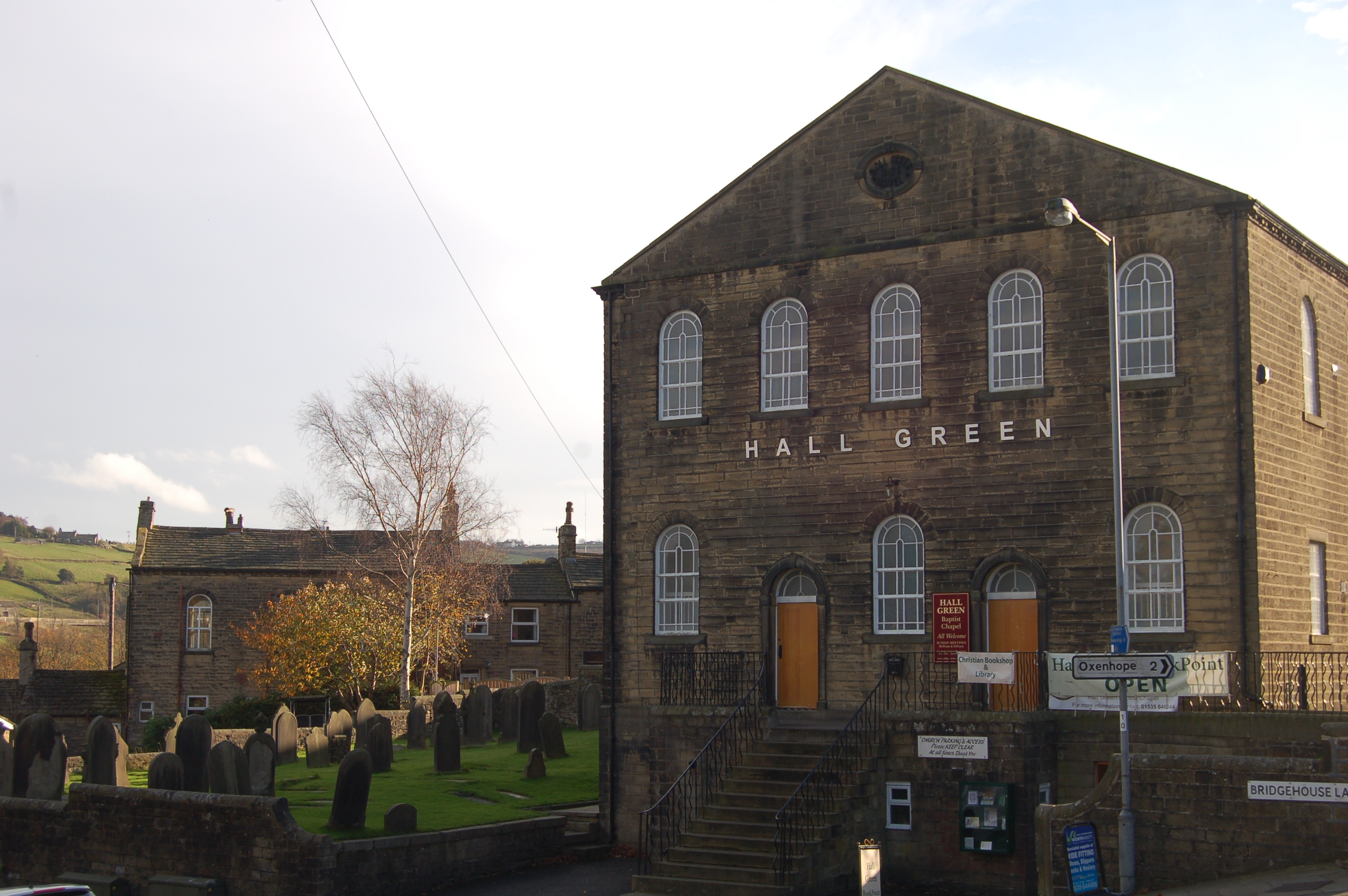
Welcome back to Haworth, the village of the Brontes, where you find us just about to enter the church, in whose parsonage the family of writers lived. As we walked the gently sloping roadway to the church and parsonage we passed another interesting, eccentric shop. Haworth seemed to attract such places. The church itself was a tall, bulky building and very imposing – not an attractive building at all. But visitors are attracted to it for its Bronte links.

2014 11 01_7055 2014 11 01_7062 2014 11 01_70822014 11 01_7120 2014 11 01_7117

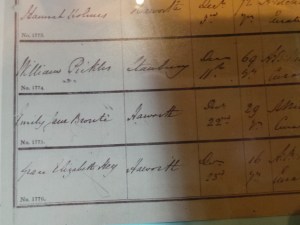
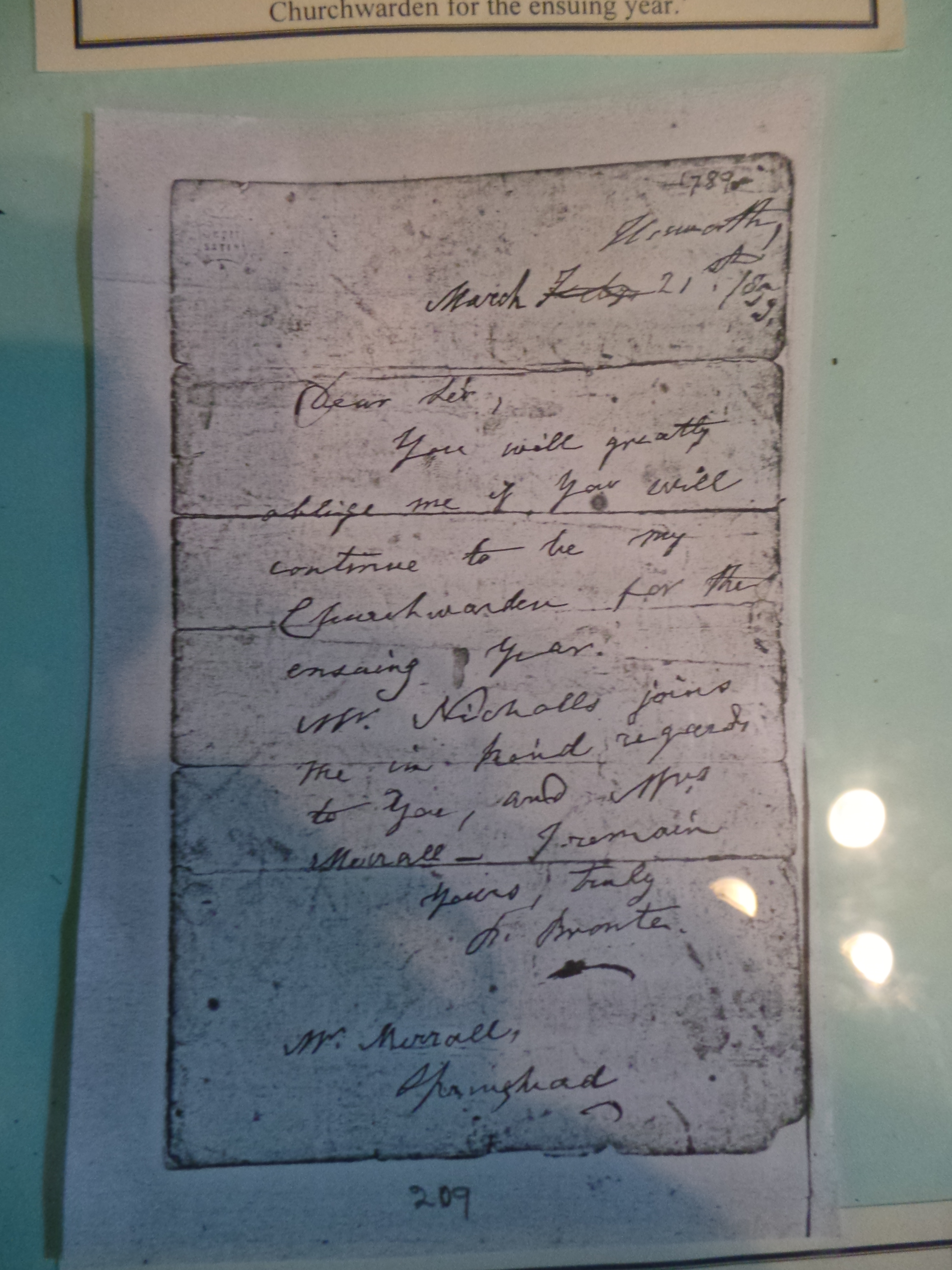
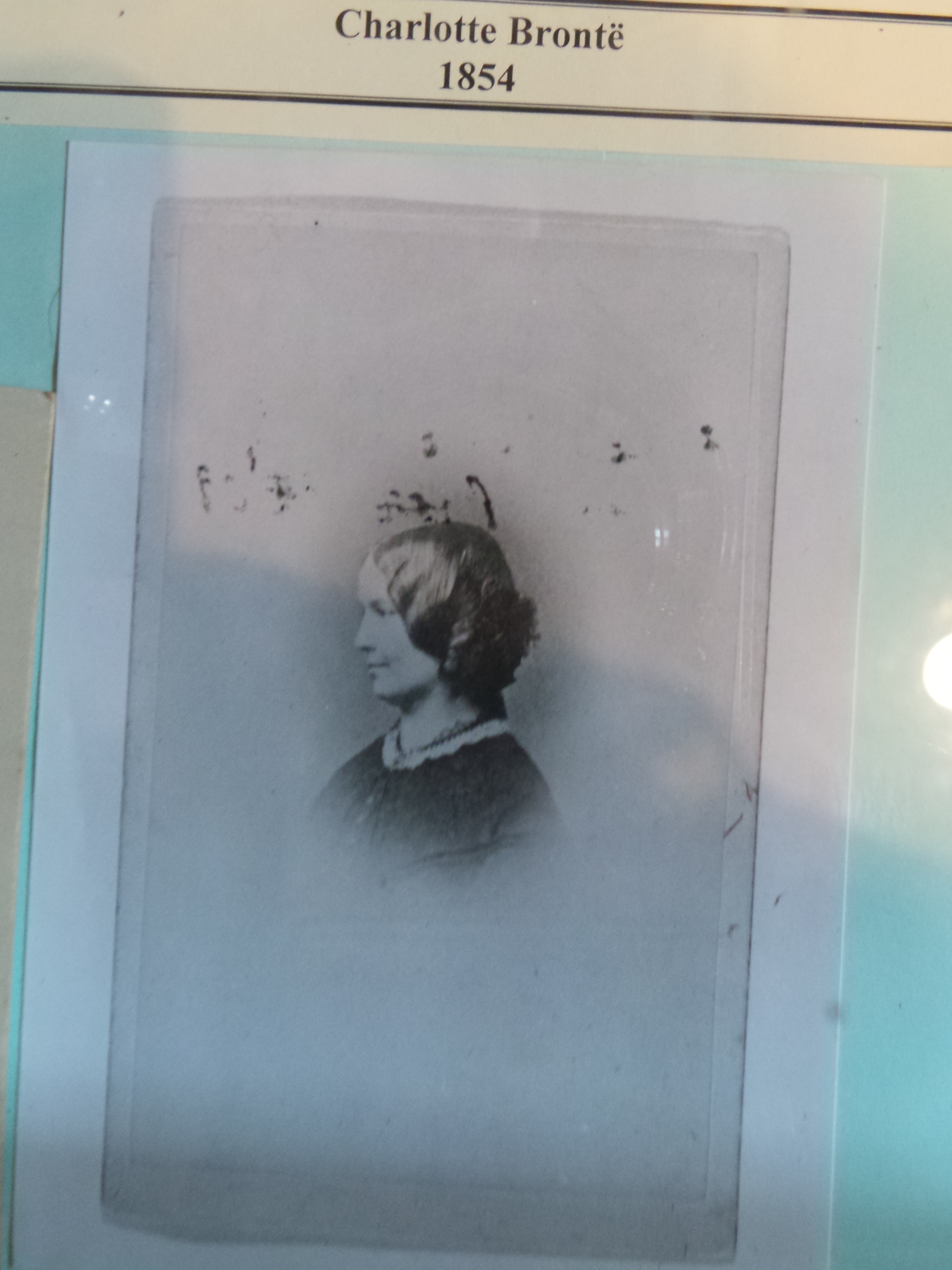
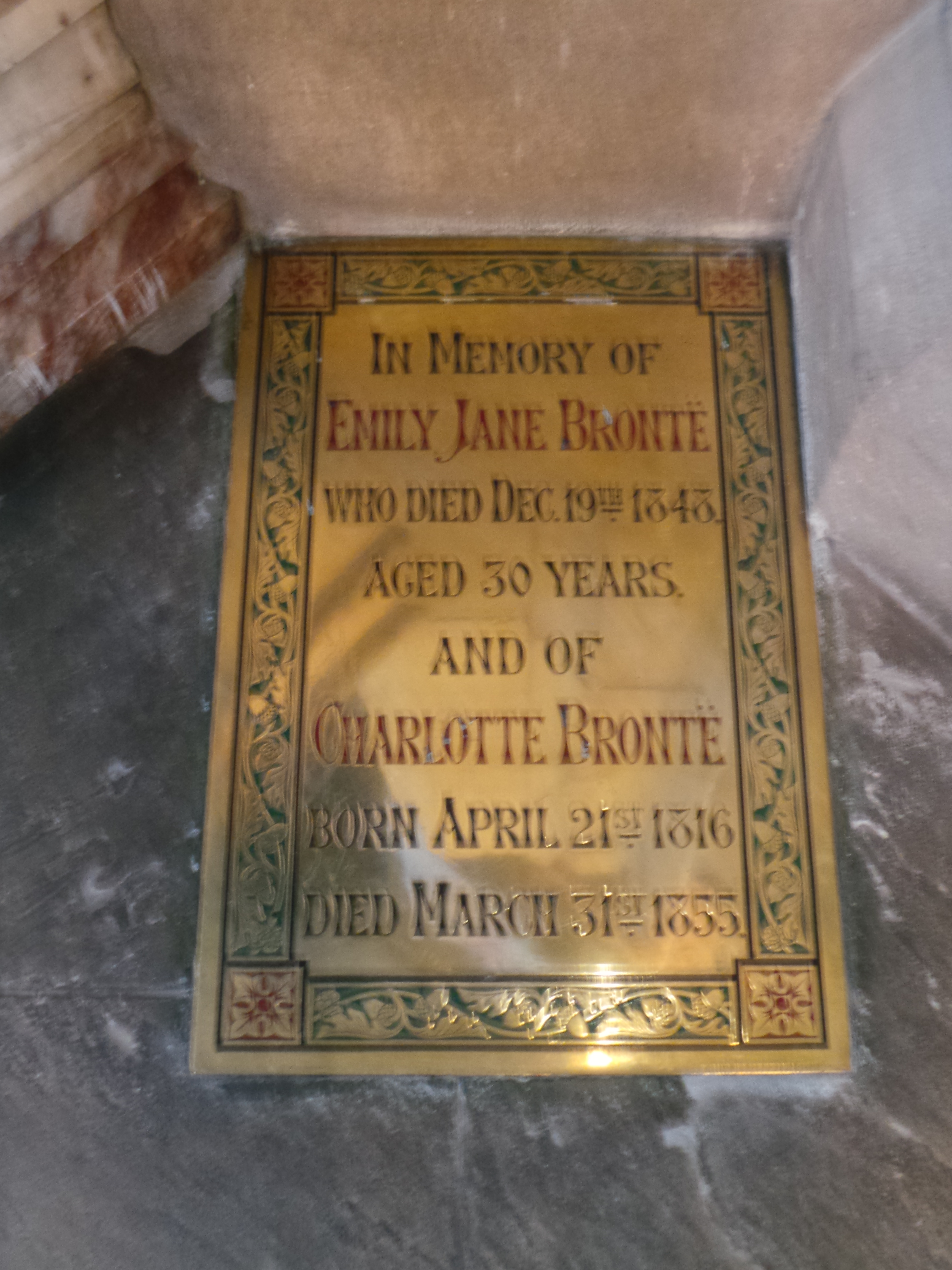
Throughout the church interior we discovered links with the Brontes, which was not always easy in the gloomy interior. Light is always strange inside churches and you feel uncomfortable using a flash. Check out these plaques, old photos and documents.

2014 11 01_7118 2014 11 01_71192014 11 01_7113 2014 11 01_7115

2014 11 01_7111 2014 11 01_7112

2014 11 01_7114 2014 11 01_7116


Almost opposite the church was the school in which Charlotte Bronte taught. It was a very short journey to work!

2014 11 01_7063 2014 11 01_7064

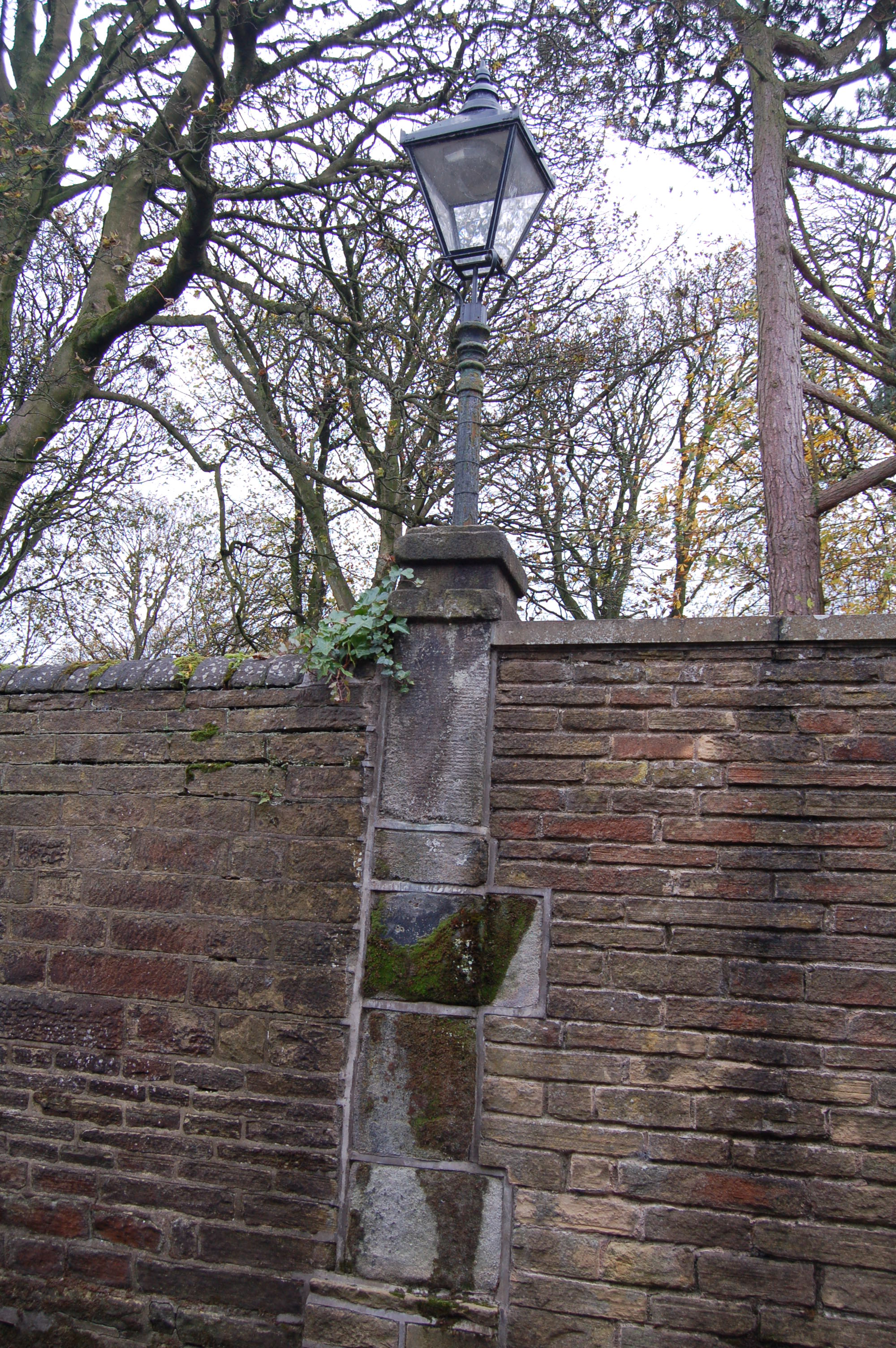
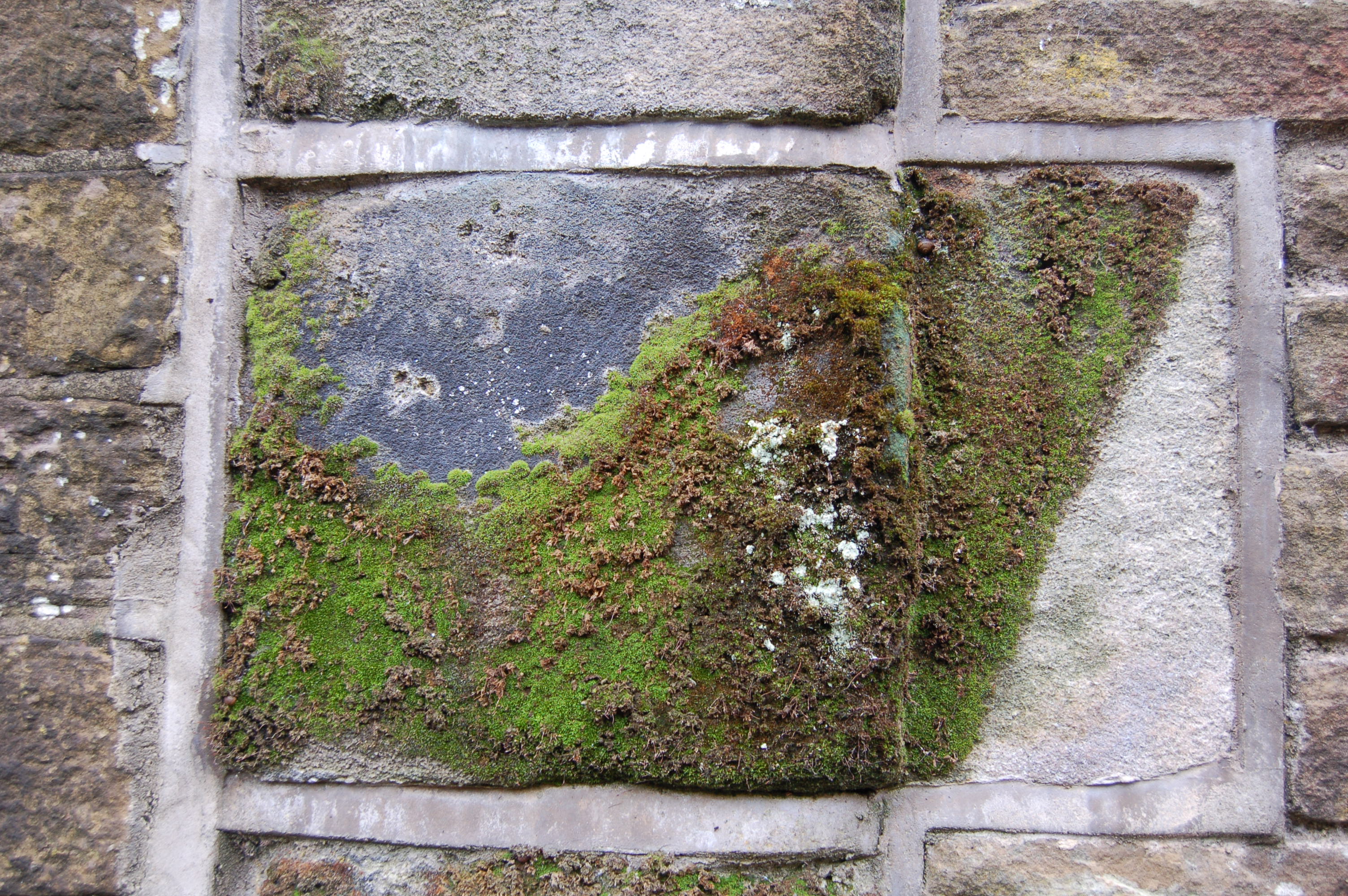
The tall stone wall surrounding the churchyard was covered in mosses. Close up some patches looked like pictures of earth from the air.

2014 11 01_7065 2014 11 01_7066 2014 11 01_7067

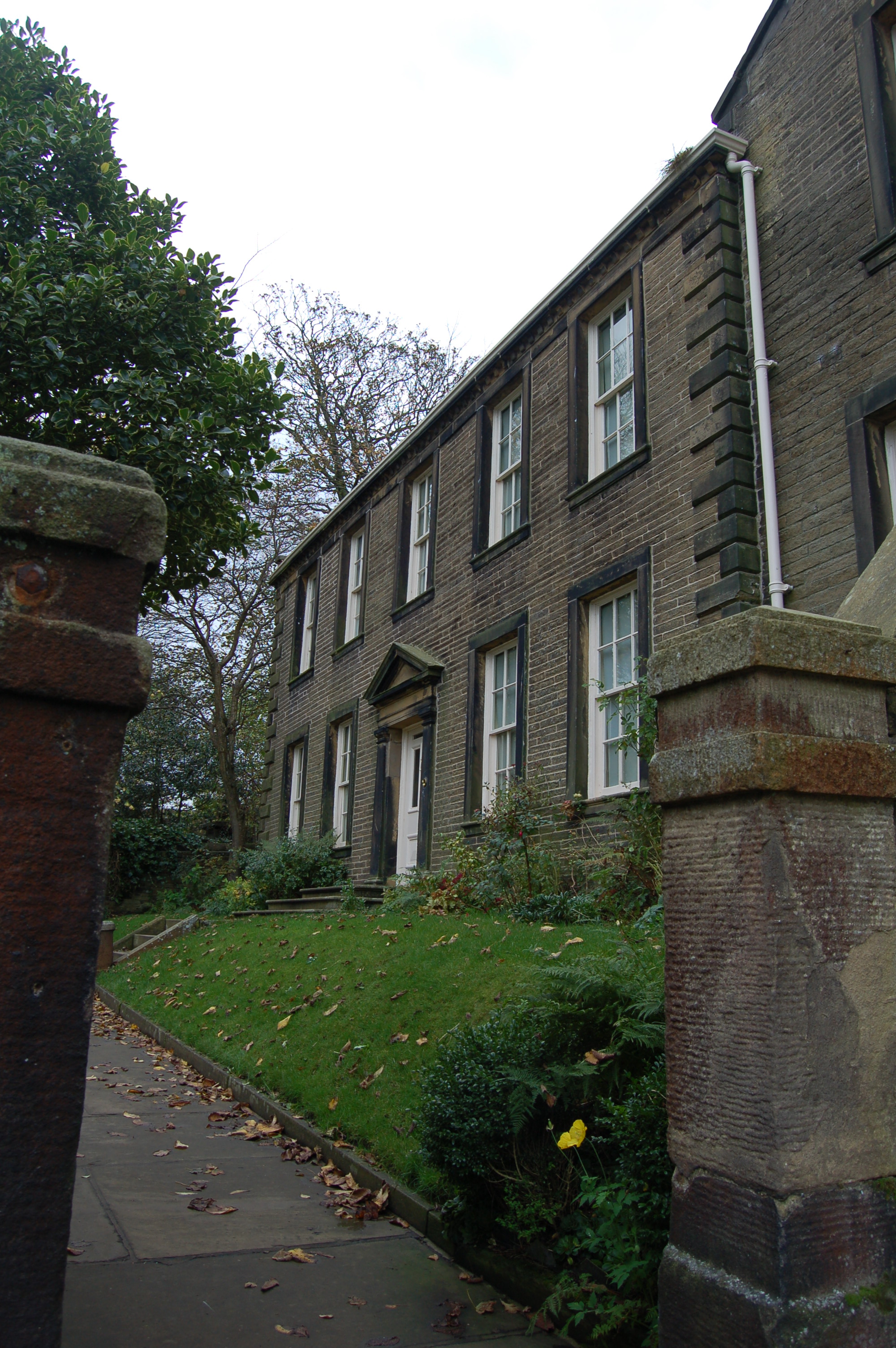
The parsonage frontage looks straight at the church and was built on a high piece of land so looked most imposing.

2014 11 01_7070 2014 11 01_7083

2014 11 01_7068 2014 11 01_7069

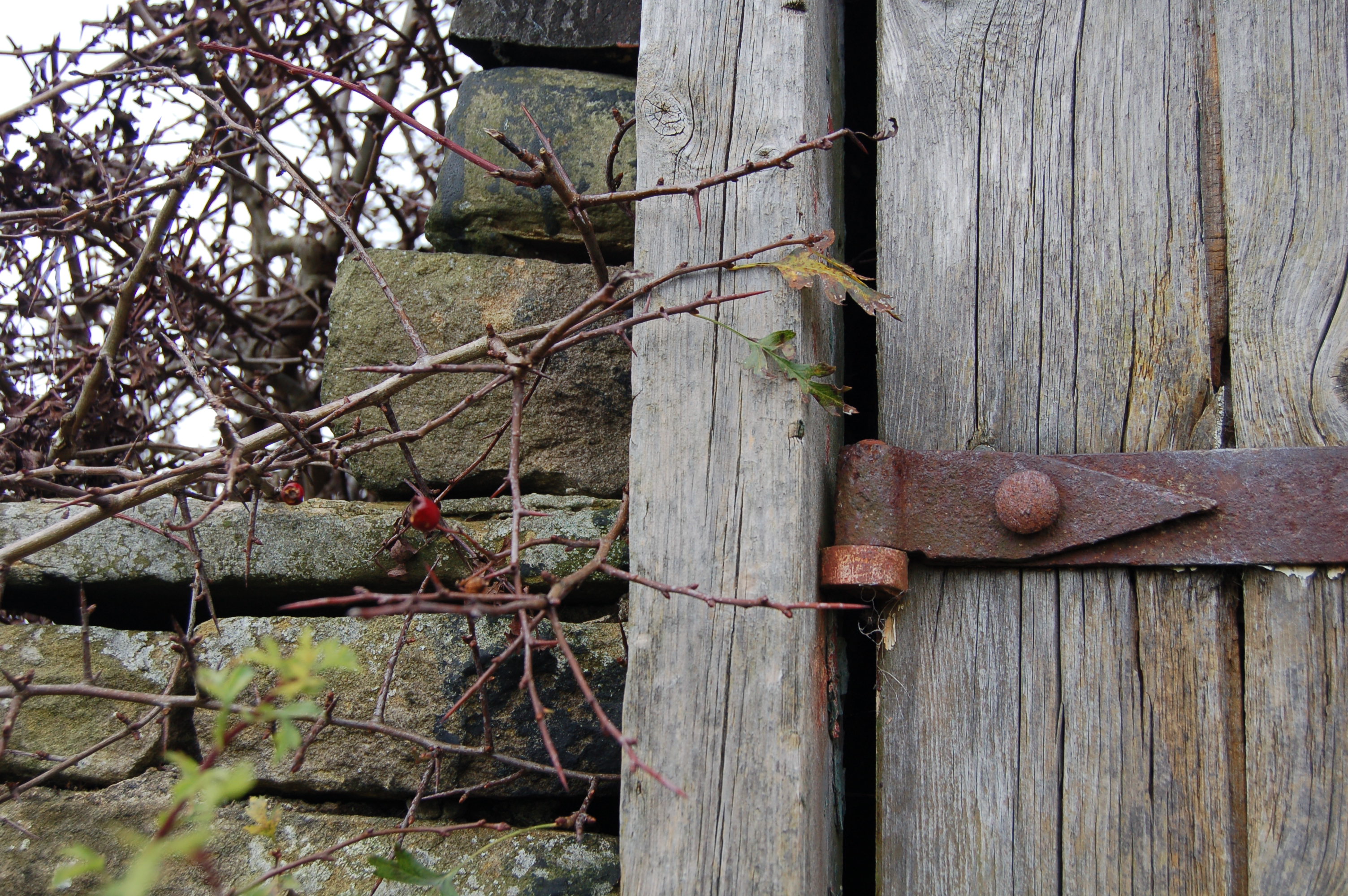
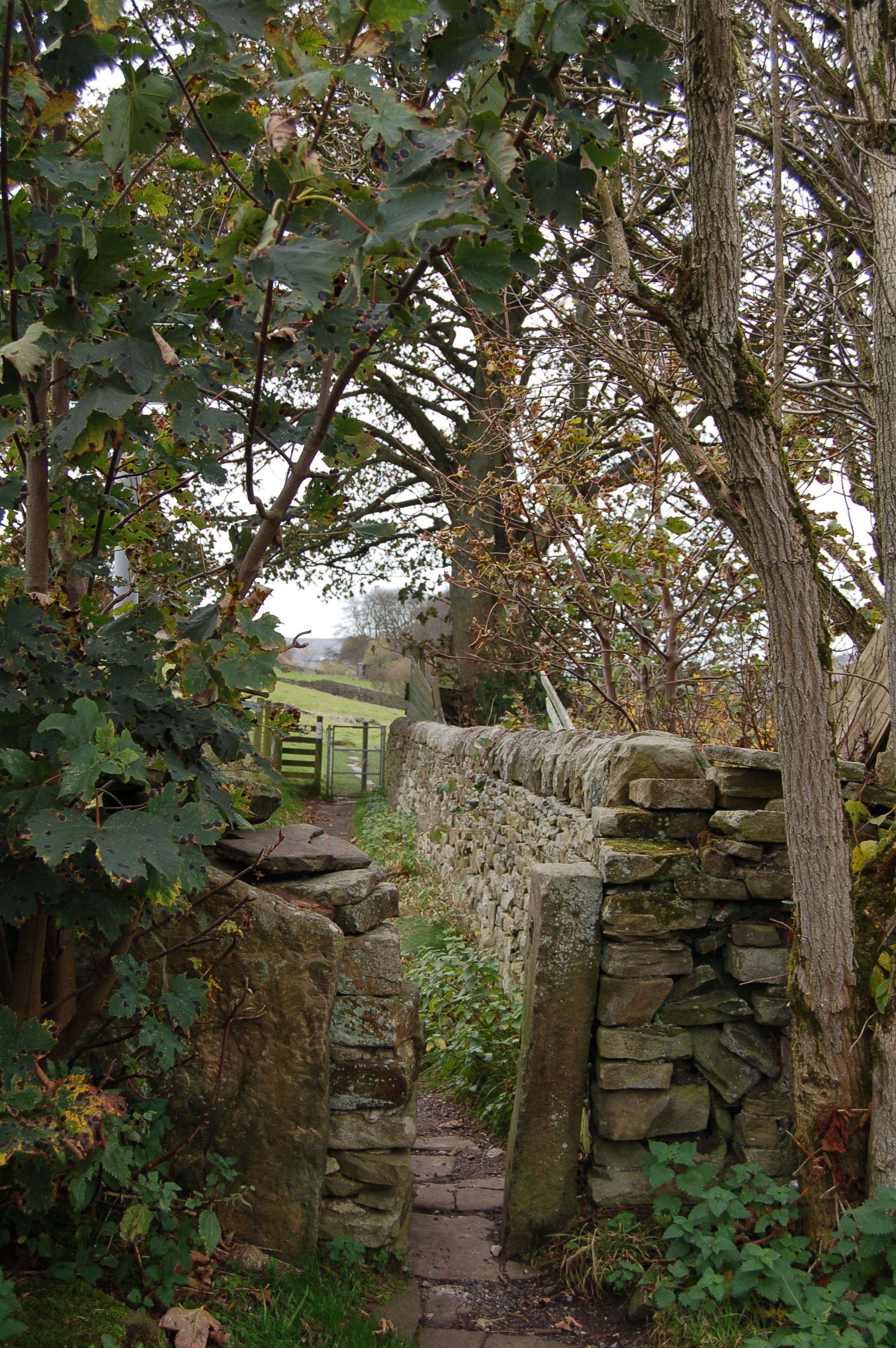
Beyond the Parsonage a narrow footpath took us up to the edge of the moors which influenced so much of the Bronte family writings. Styles and gateways on this track were extremely narrow and walkers had to squeeze through. They were also of strange designs which we had never seen before. The walls alongside the track as it passed the last few village dwellings presented me with the chance to take a few texture shots. In places the path was made of flat stones sunk into the grass.

2014 11 01_7071 2014 11 01_7074 2014 11 01_7077 2014 11 01_7078  2014 11 01_7080 2014 11 01_7081

2014 11 01_7079

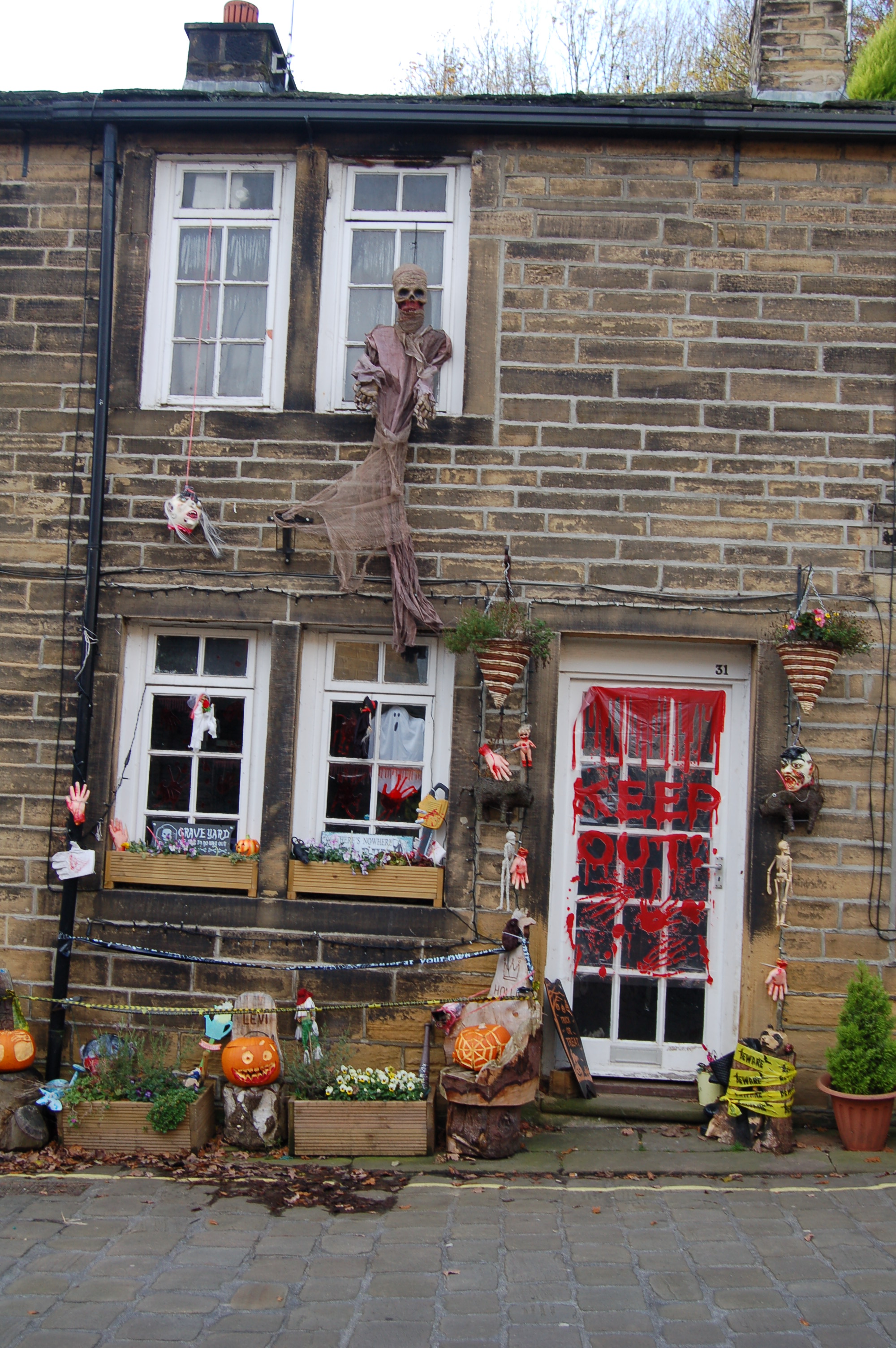
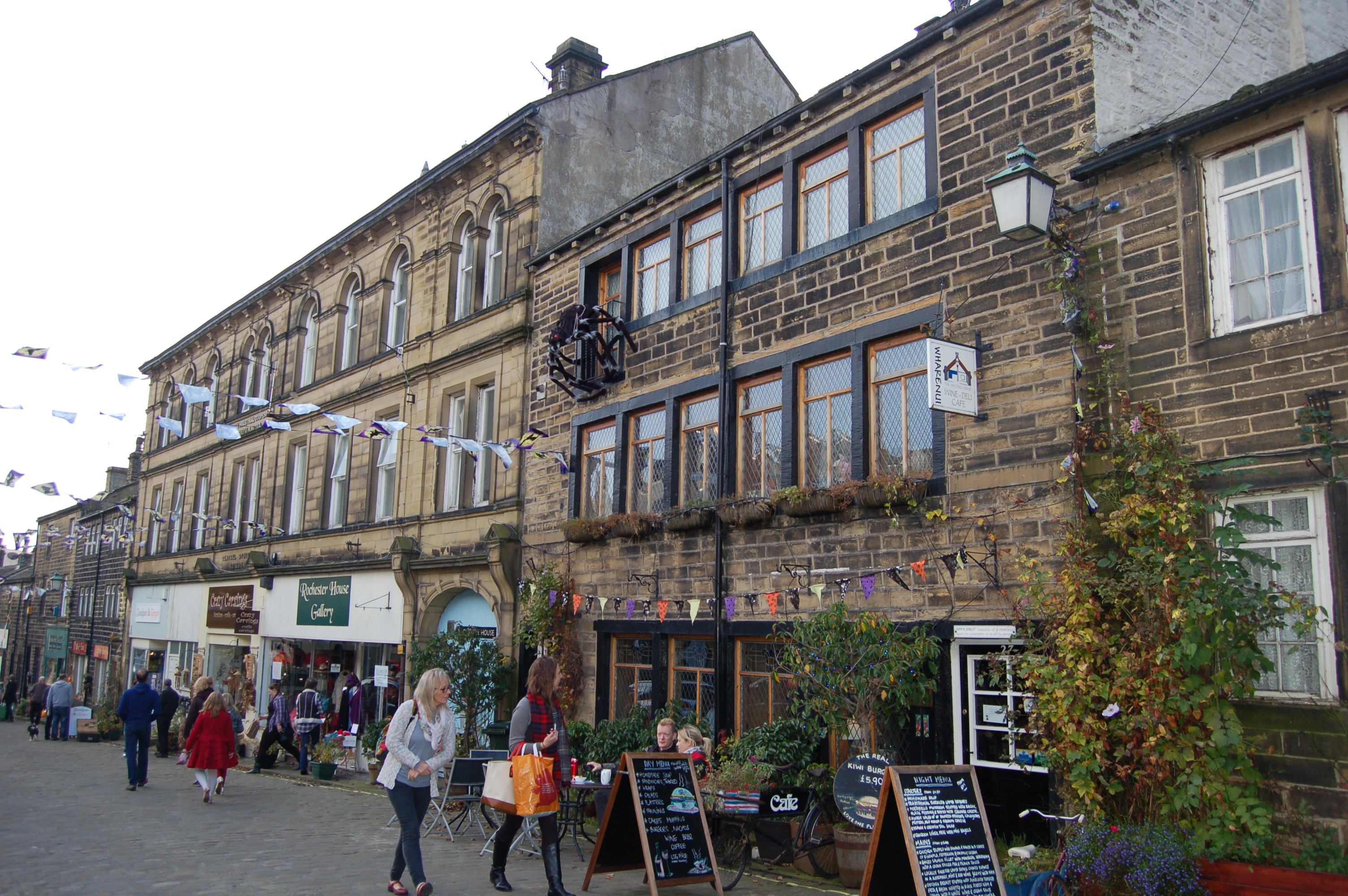
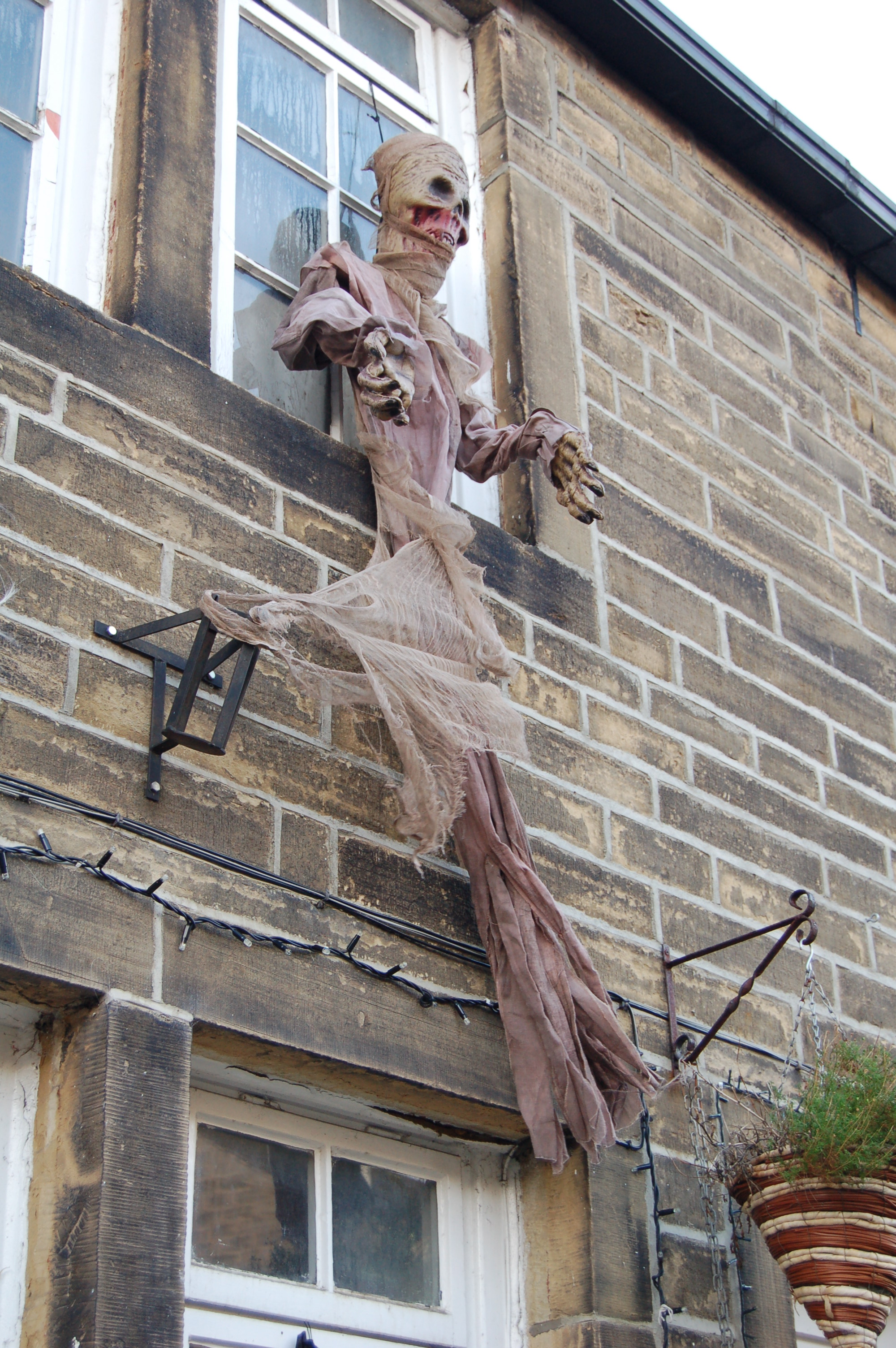
We returned to the village centre and took the gentle stroll down the Main Street, with its eclectic mix of shops many displaying art and crafts. We soon discovered we were visiting soon after the village had celebrated the day the Tour de France cycle race came and the day after it had celebrated Halloween. Spot the recycled cycles and the spooky happenings.

2014 11 01_7092 2014 11 01_7085

2014 11 01_7090 2014 11 01_7095

2014 11 01_7094 2014 11 01_7093  2014 11 01_7091 2014 11 01_7089 2014 11 01_7088 2014 11 01_7087 2014 11 01_7086 2014 11 01_7096

2014 11 01_7098 2014 11 01_7097 2014 11 01_7099 2014 11 01_7100 2014 11 01_7101 2014 11 01_7102 2014 11 01_7103 2014 11 01_7104 2014 11 01_7105 2014 11 01_7106

2014 11 01_7107 2014 11 01_7108 2014 11 01_7109

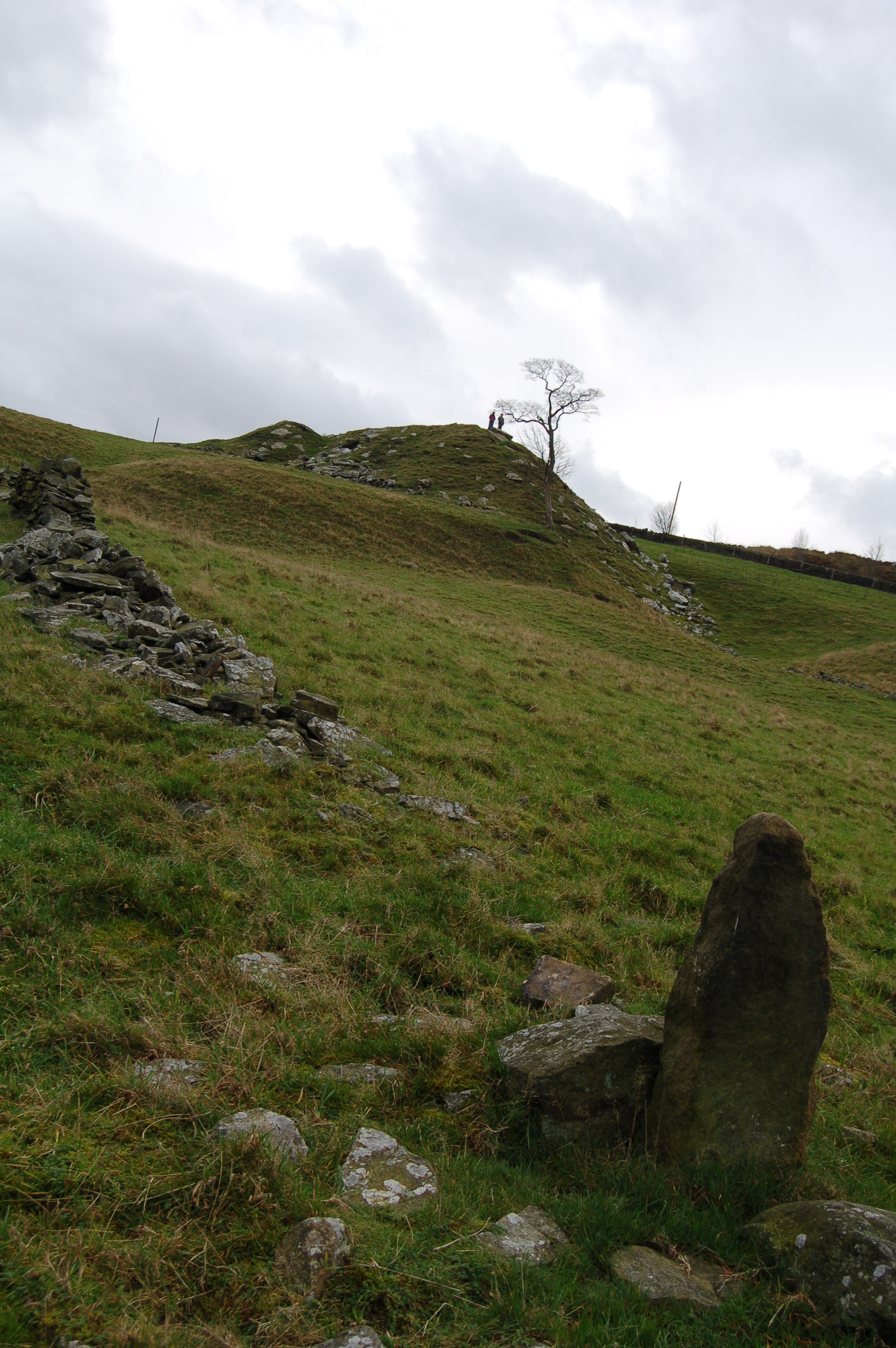
As we left the village to start our long journey home we made a diversion over the moors to take a short wander in the footsteps of the Bronte family. It was easy to see how its isolation and atmosphere provided such inspiration.

2014 11 01_7121 2014 11 01_7122 2014 11 01_7124 2014 11 01_7126 2014 11 01_7127 2014 11 01_7128


Categories
architecture buildings colours garden buildings gardens gardens open to the public Italian style gardens Wales woodland woodlands

Portmeiron – the work of an eccentric.

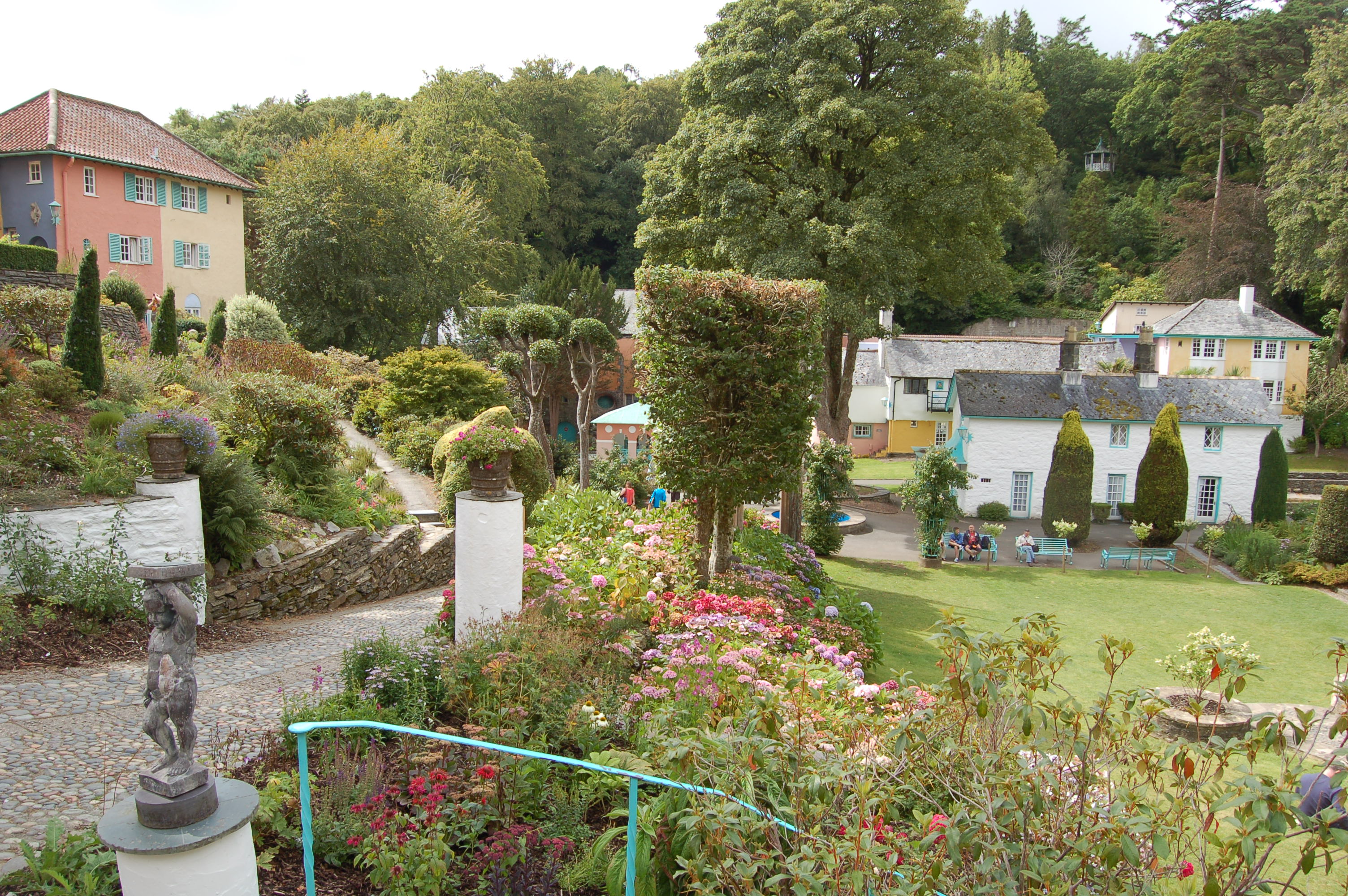
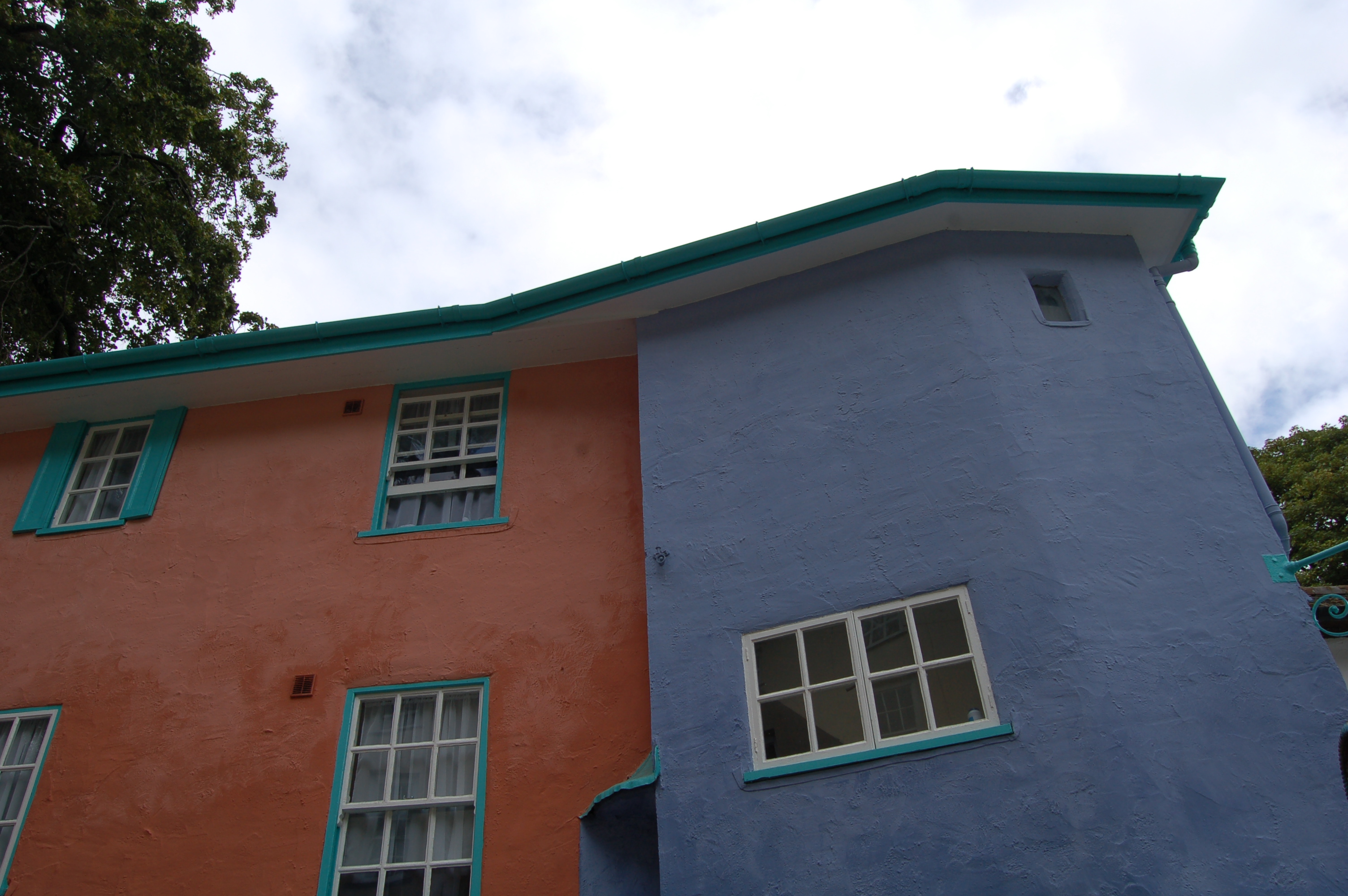
We always enjoy spending the day at this crazy, quirky and totally exuberant “garden” on the Welsh coast near Portmadoc. Portmeiron is a village and gardens created by the eccentric Clough William-Ellis who bought the site in 1925 and then spent the following 50 years developing it into what we can visit and enjoy today.

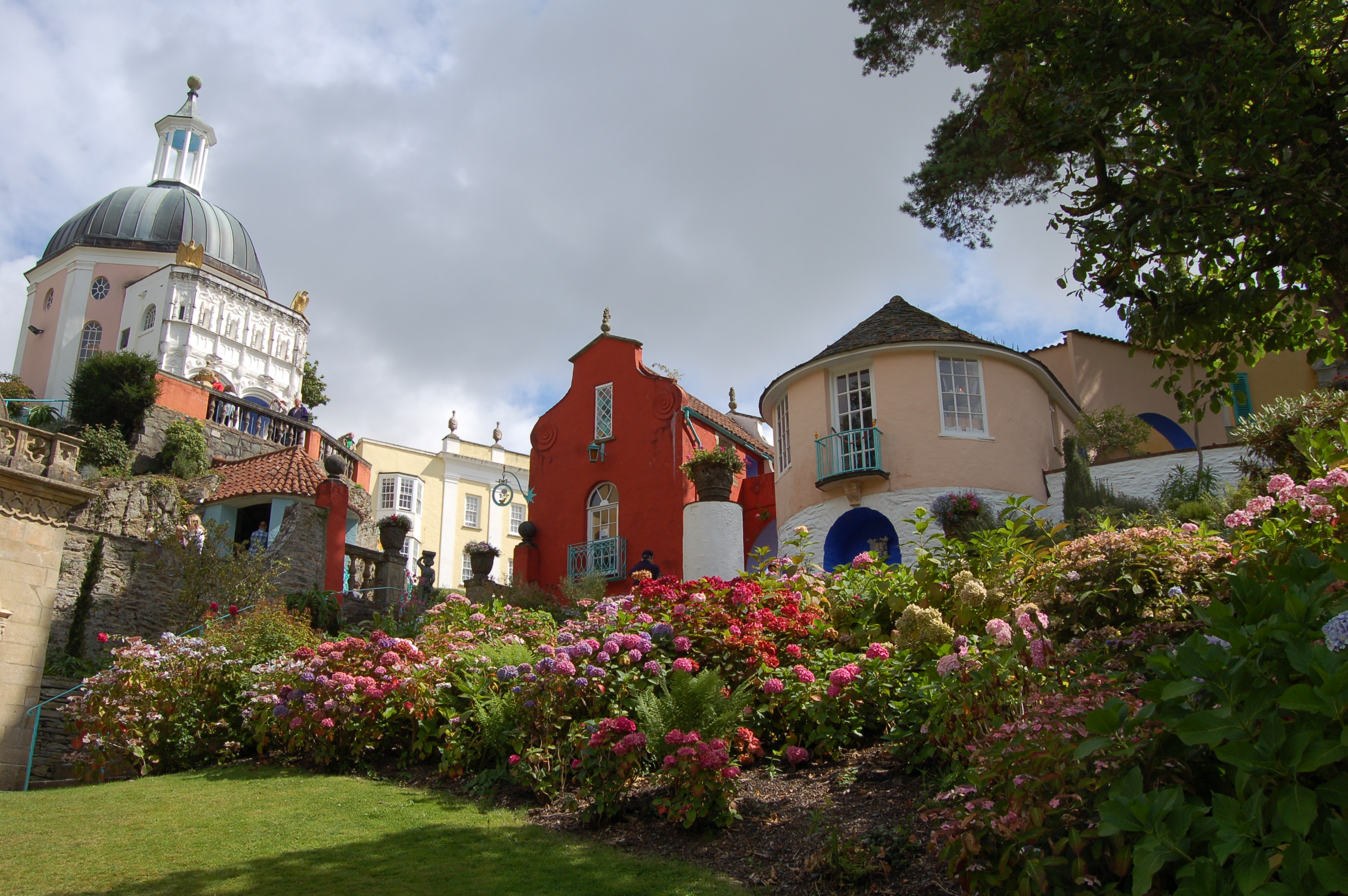
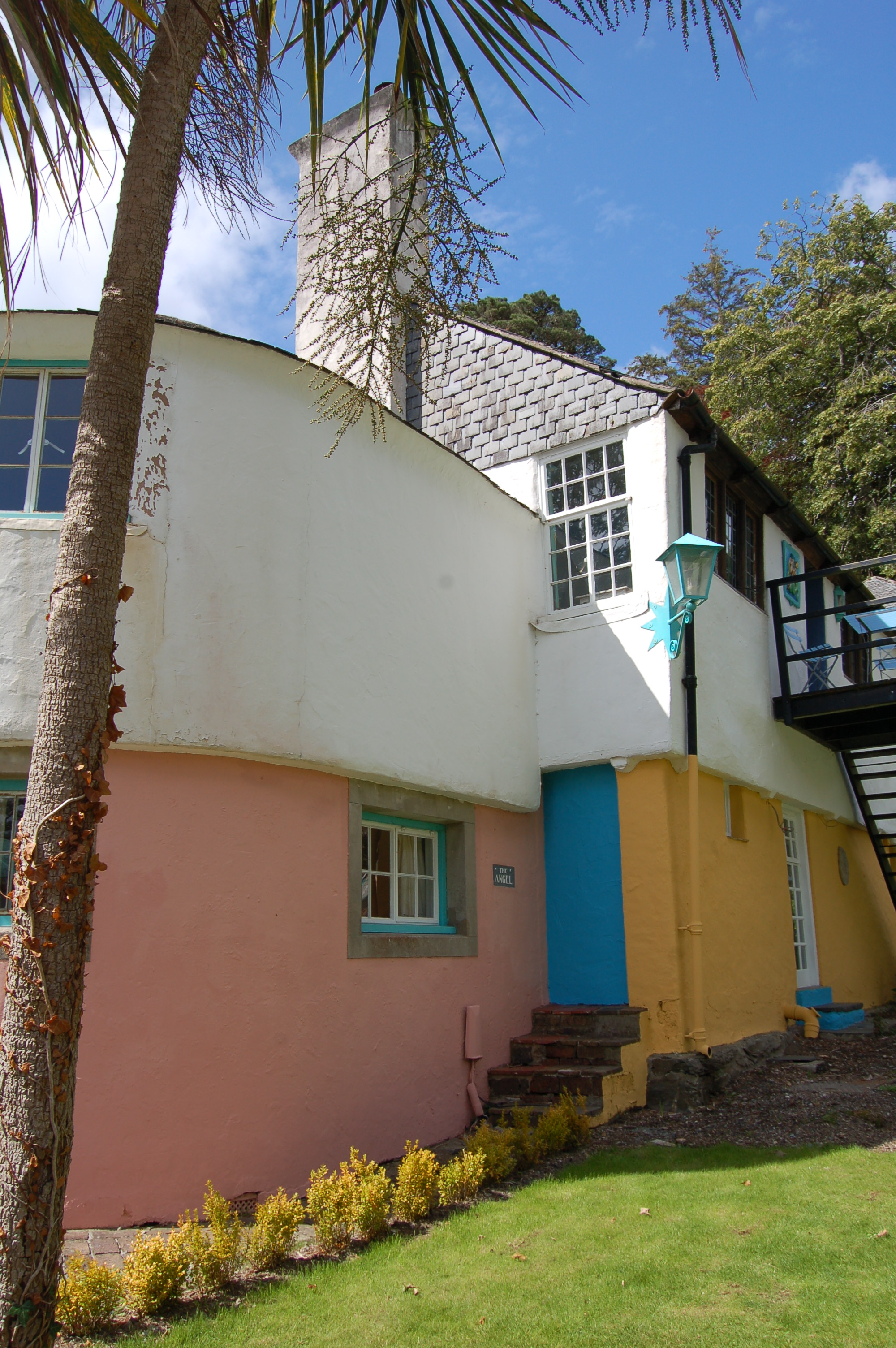
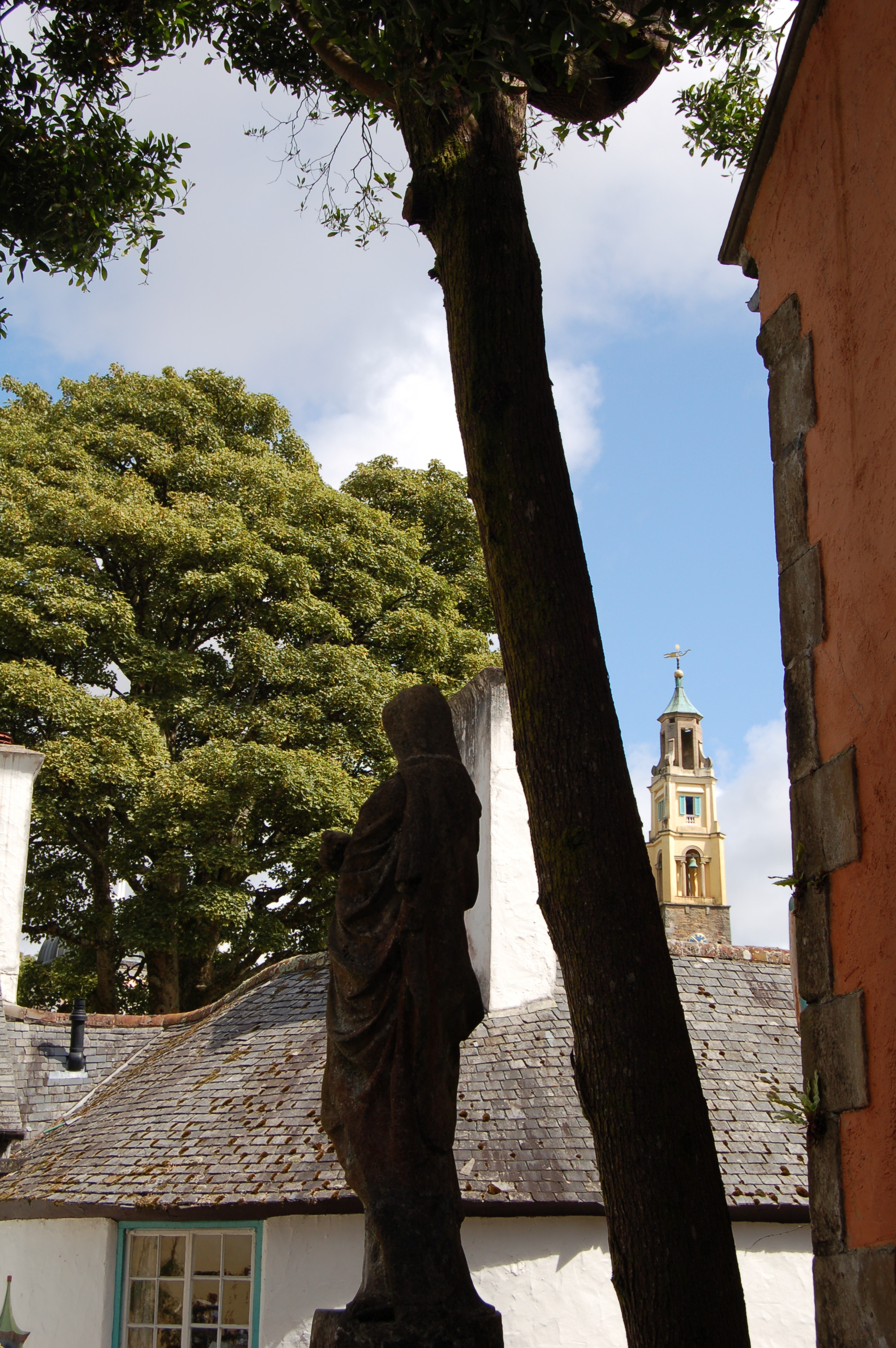
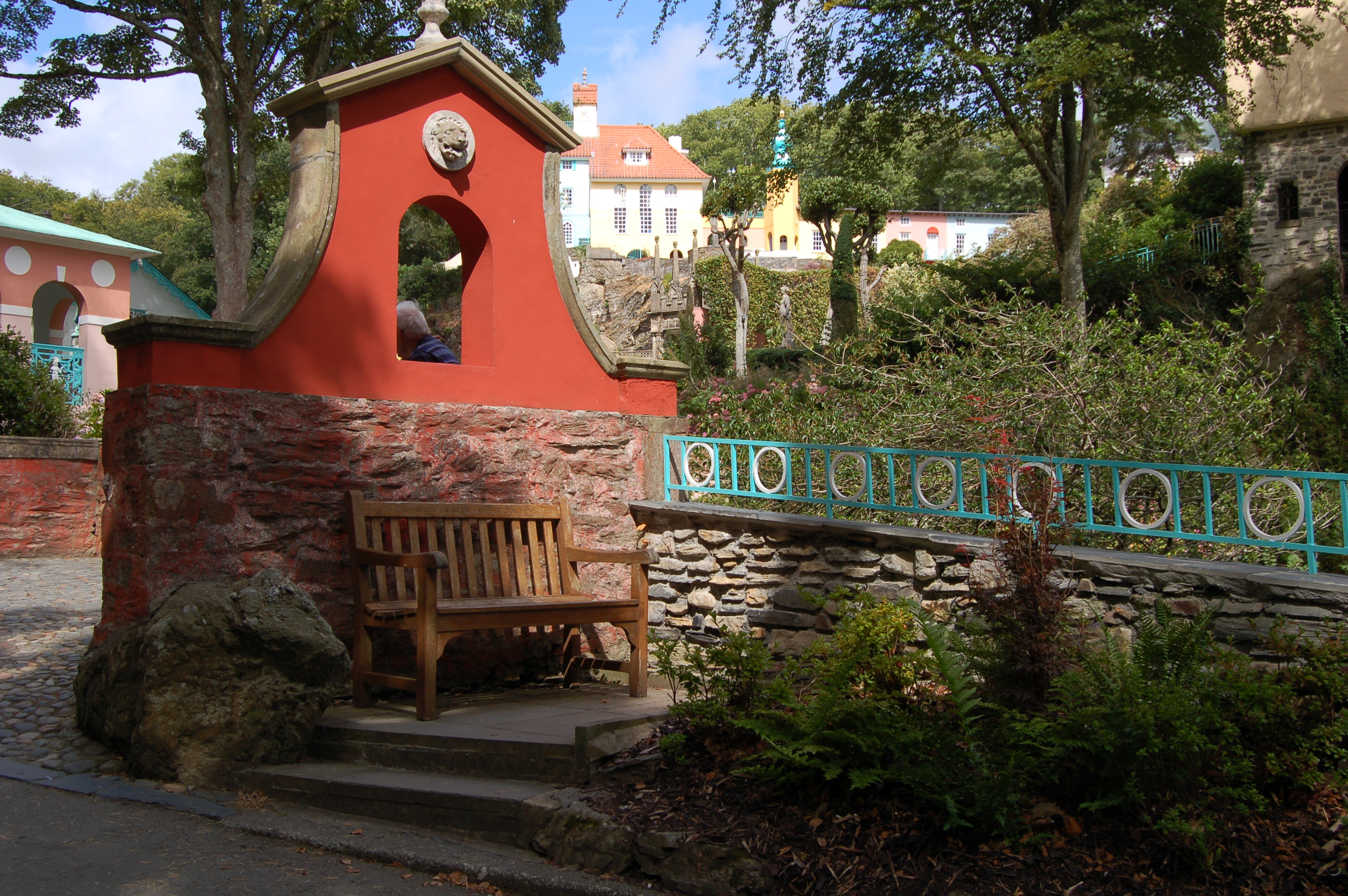
The village is a collection of buildings  reminiscent of an Italianate style. Every wall is brightly painted in an array of extravagant colours. Some are hotels or holiday cottages, others restaurants and cafes while others are shops and galleries. It is a busy little place sitting on a strip of land below the Lleyn Penninsula and it fits snuggly between the beach and a wooded slope.

2014 08 13_3574 2014 08 13_3588

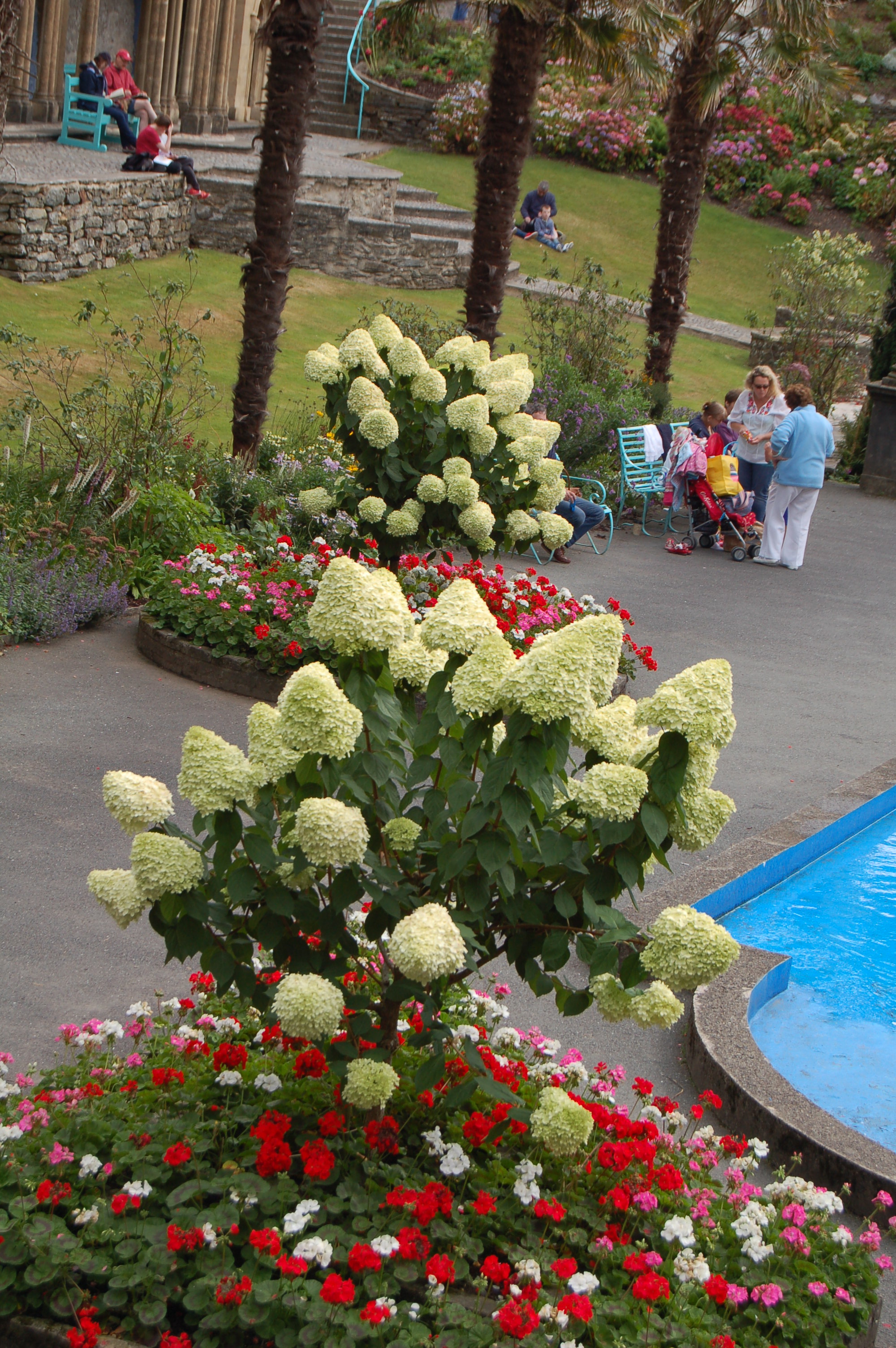
In between the collection of crazy buildings a team  of gardeners work hard to maintain patches of colourful gardens. The soil is both shallow and full of stones and the land is on a steep slope so gardening here is a tough challenge. So come through the towering gateway and wander around with us.

2014 08 13_3569 2014 08 13_3570 2014 08 13_3571 2014 08 13_3573 2014 08 13_3576

2014 08 13_3579 2014 08 13_3580 2014 08 13_3581 2014 08 13_3582 2014 08 13_3583 2014 08 13_3584 2014 08 13_36392014 08 13_3589 2014 08 13_3590 2014 08 13_3592 2014 08 13_3595


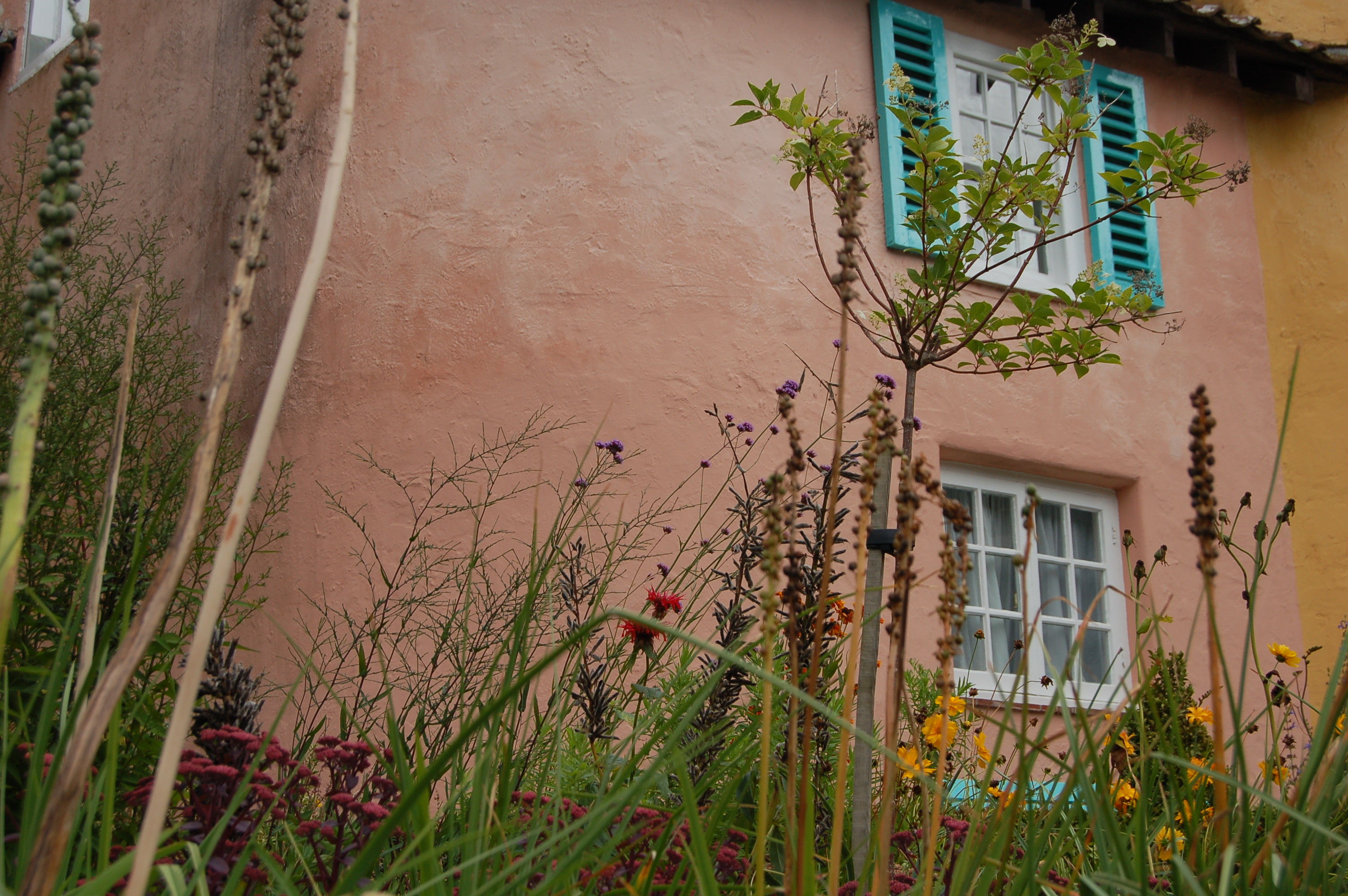
Although the Italianate style of the buildings that fascinates at first glance after a while the interesting juxtaposition of colours begins to catch the eye. Colours that you would not think of putting together when choosing paint for your home actually work beautifully.

2014 08 13_3586 2014 08 13_3597


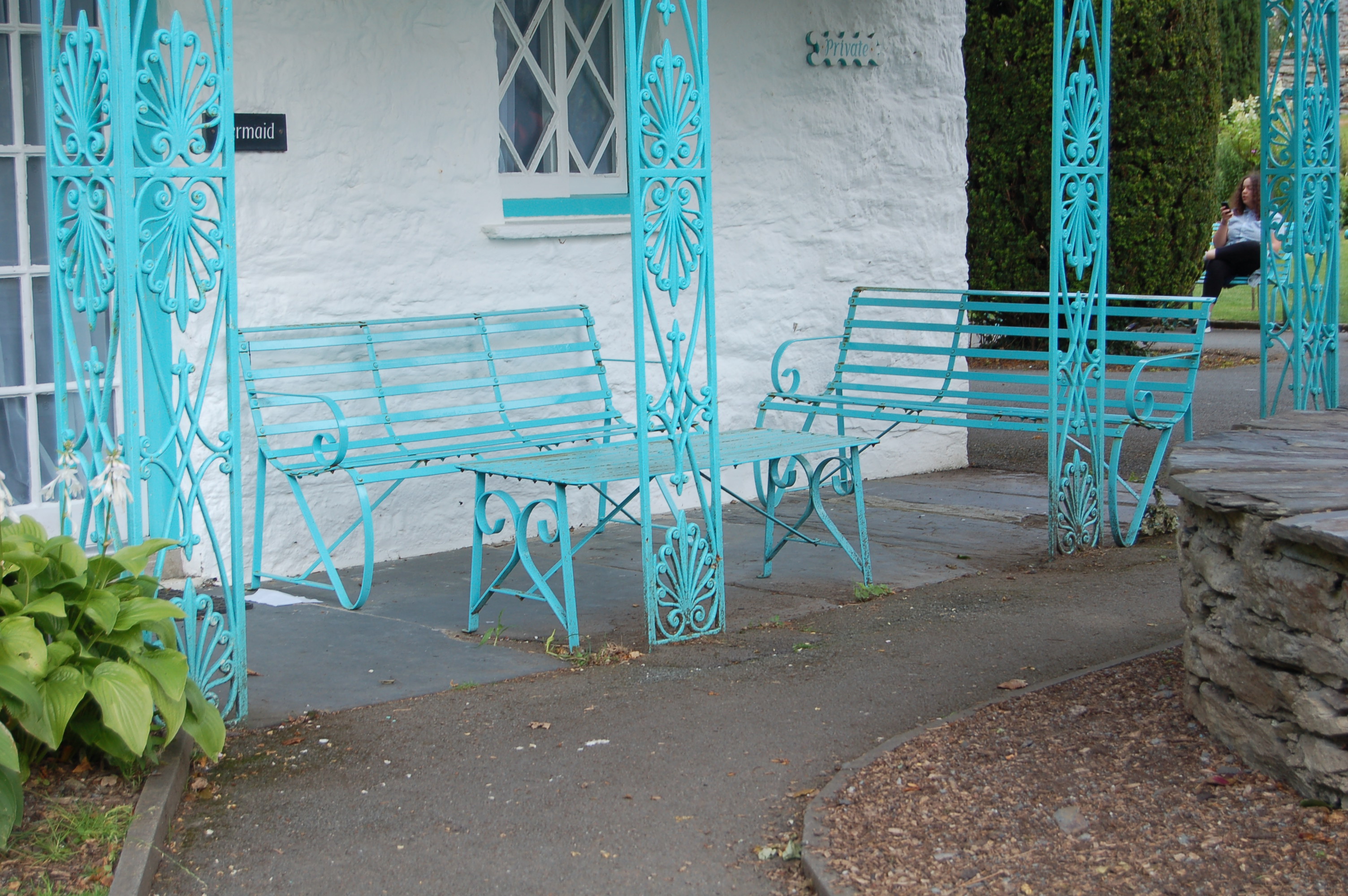
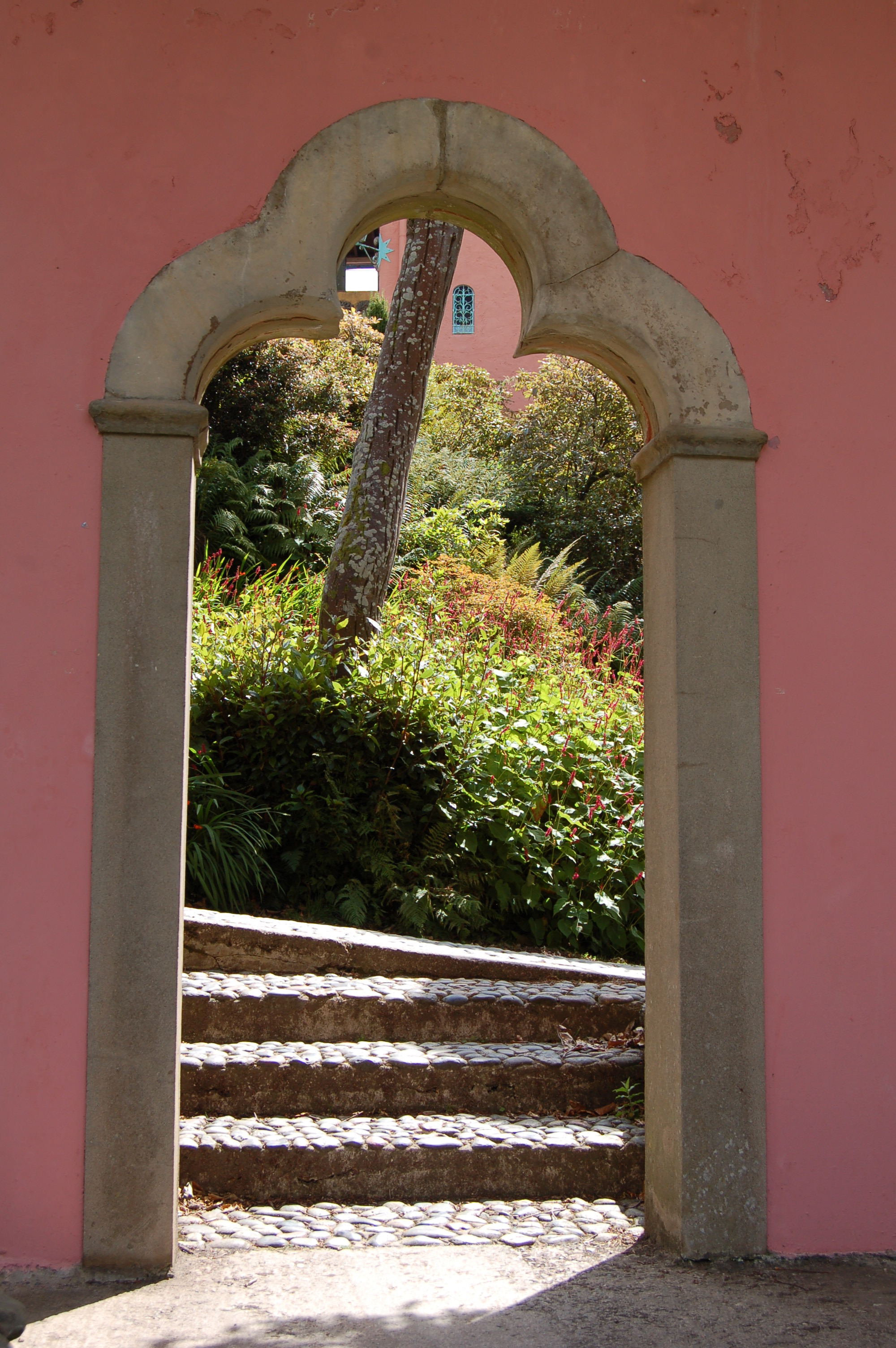
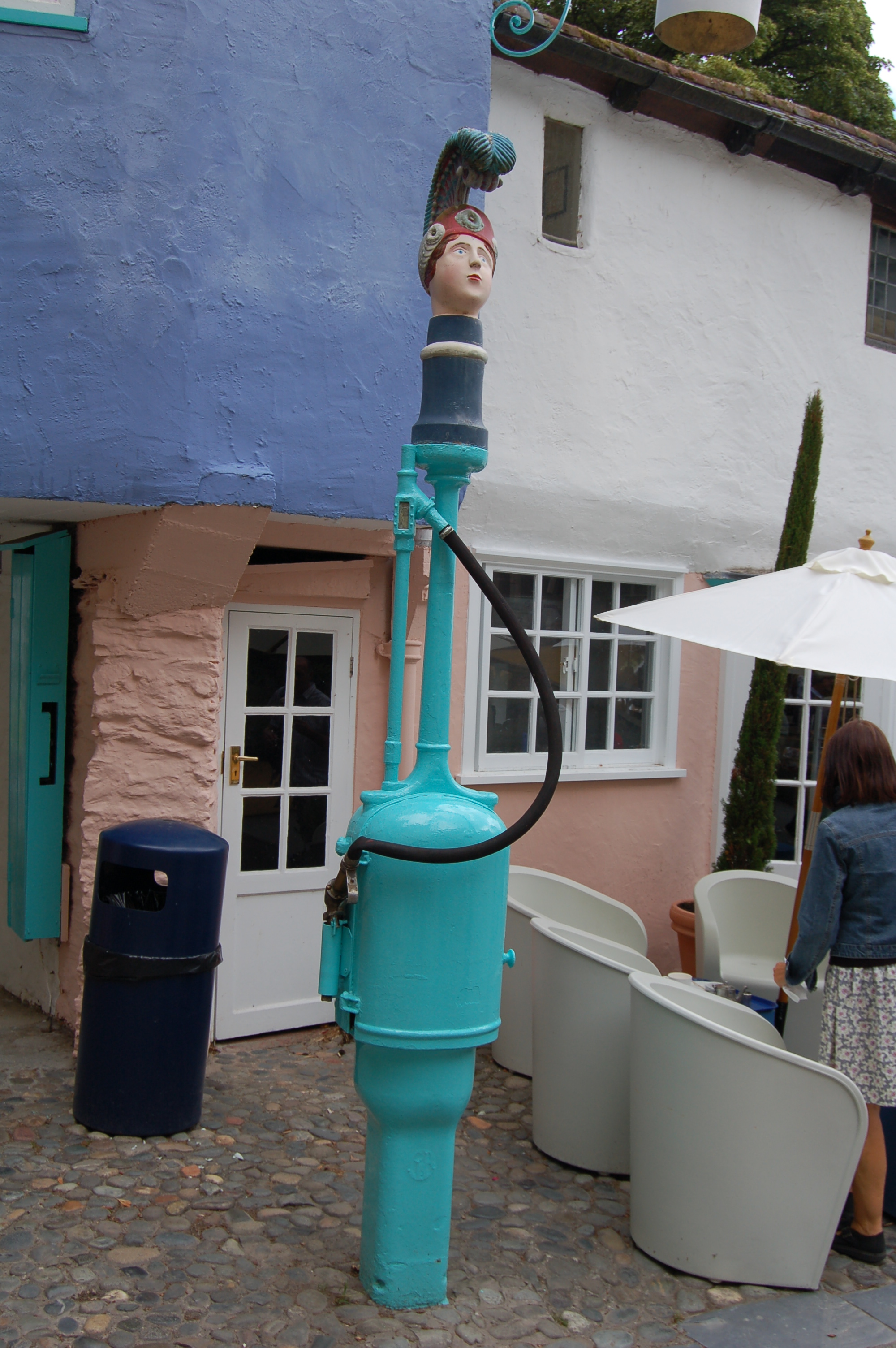
Although the bright colours dominate every scene once your eyes and mind adjust to them interesting details come to the fore, such as these bright blue ironwork, a relief sculpture alongside a ring, classical figures, the beauty of this stone archway and the vintage petrol pump.

2014 08 13_3594 2014 08 13_3598

2014 08 13_3599 2014 08 13_3591 2014 08 13_3585


2014 08 13_3596 2014 08 13_3600

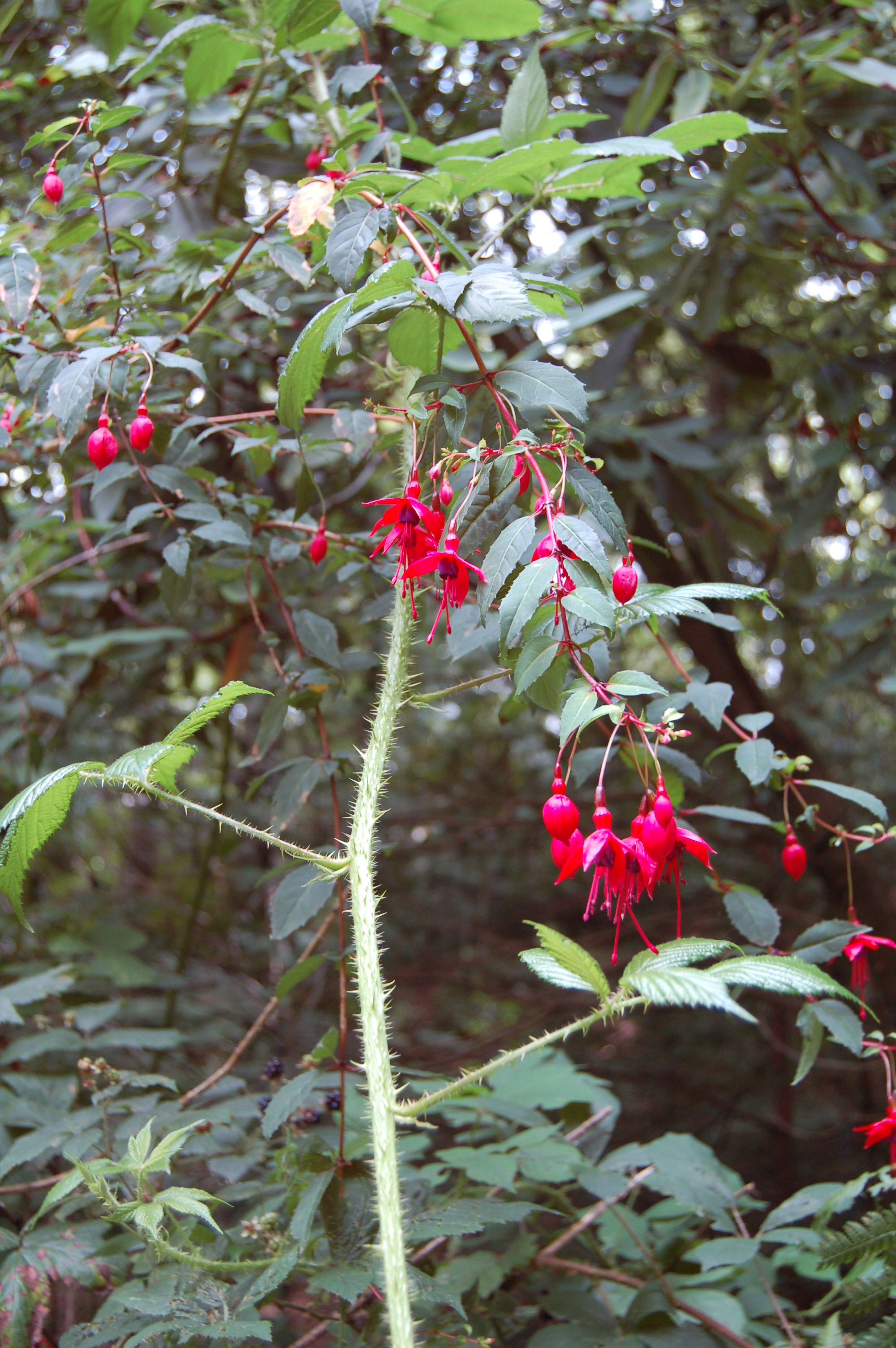
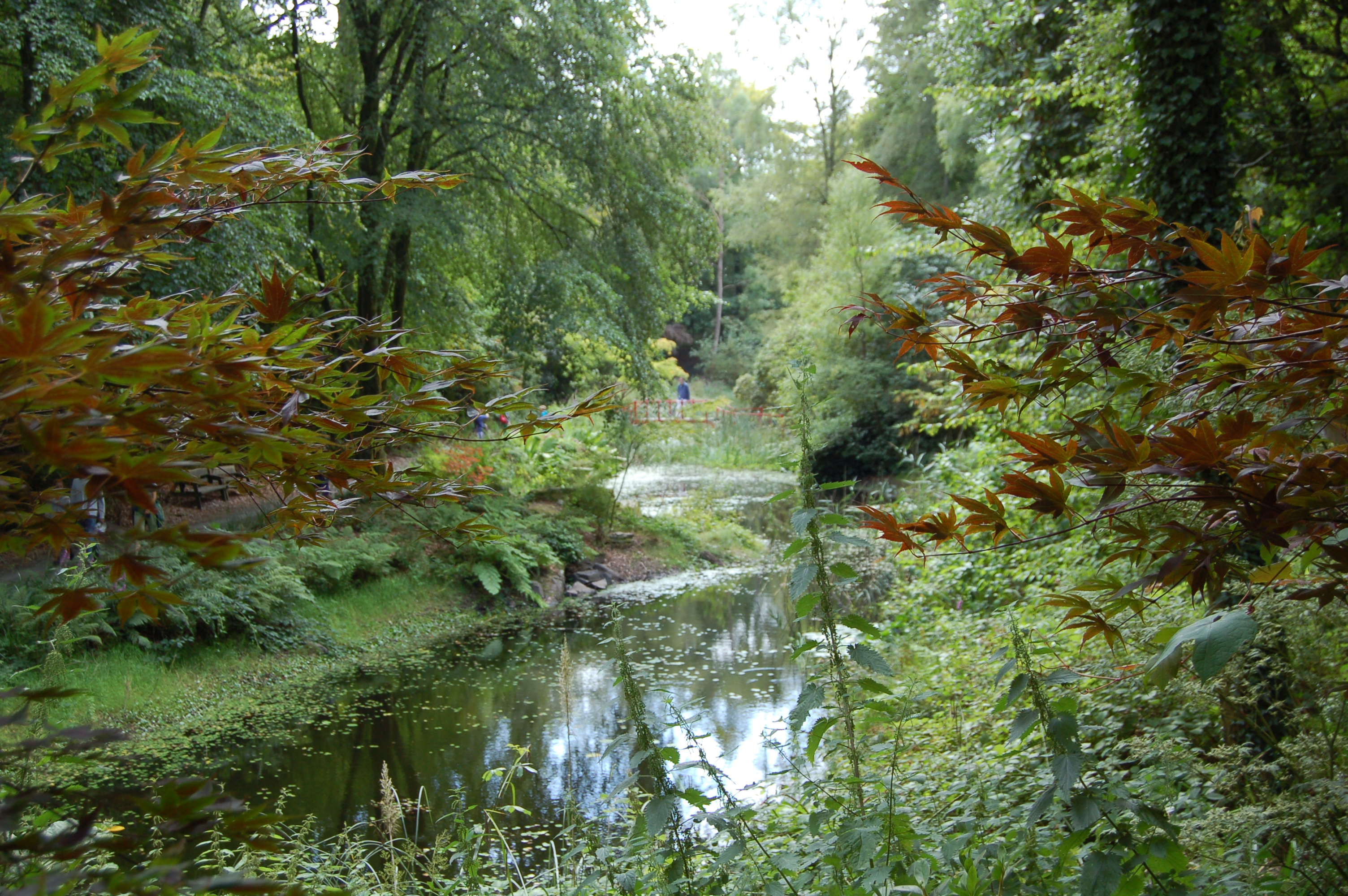
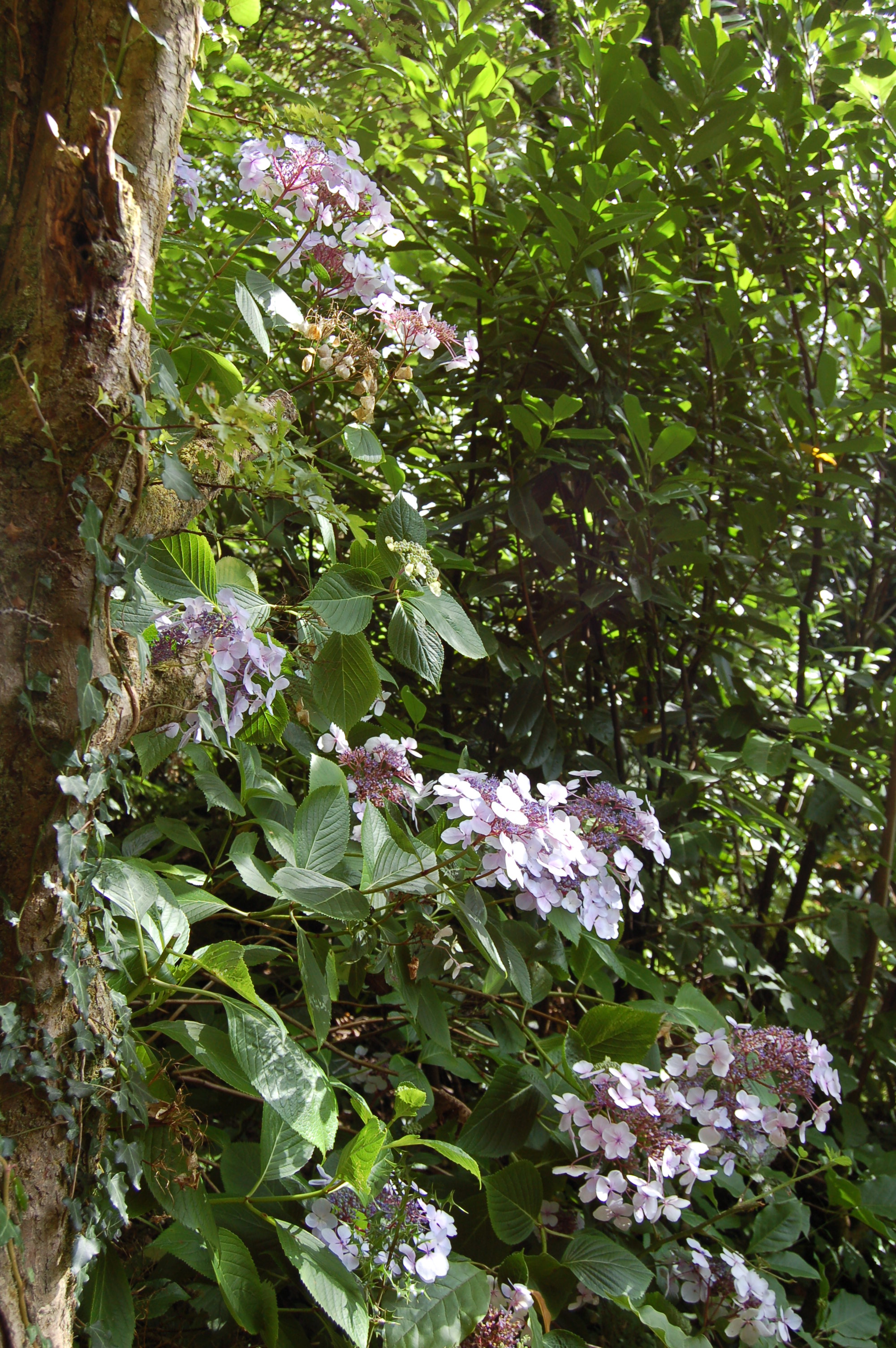
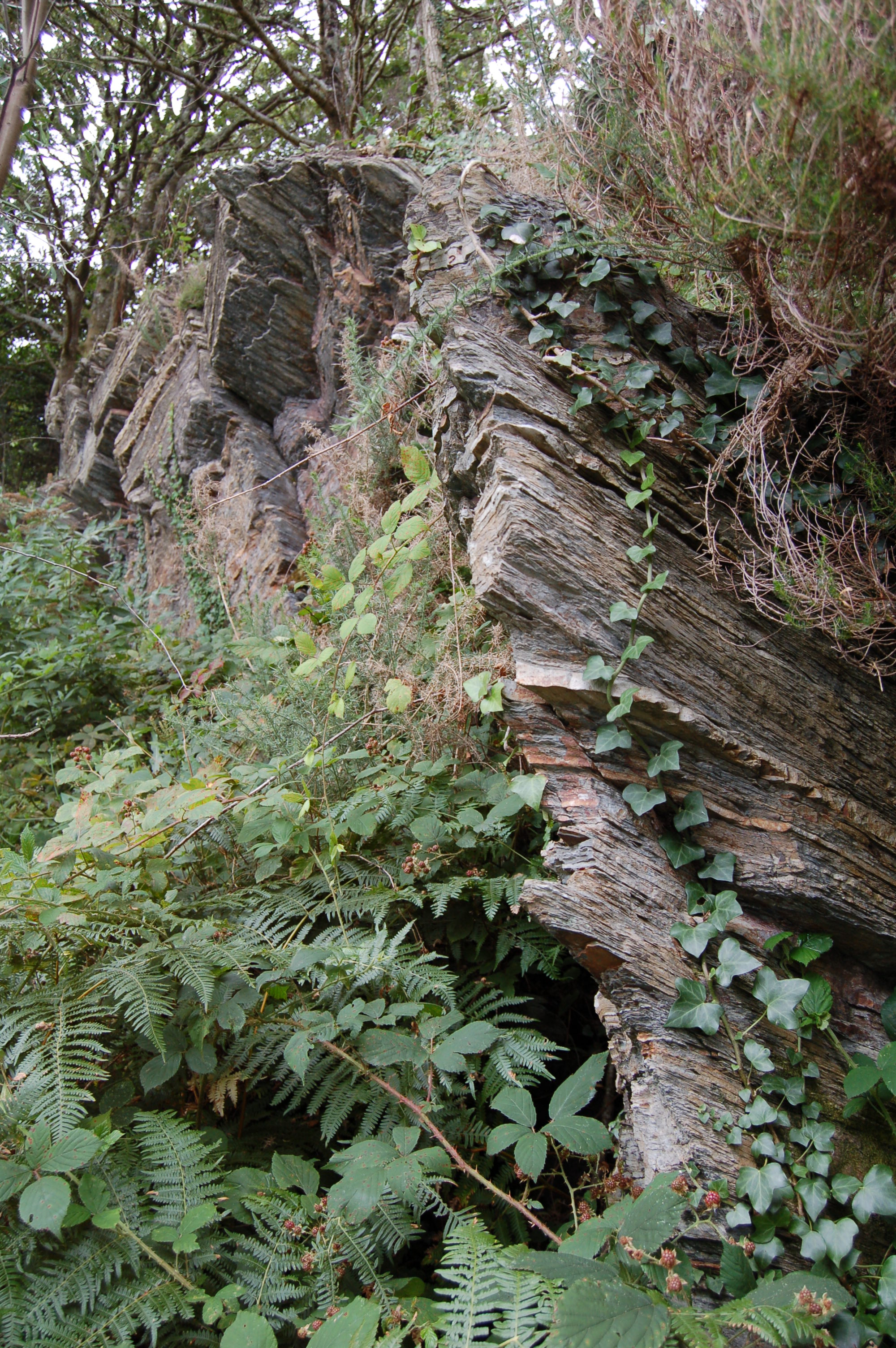
We took a break from the colourful conglomeration of buildings and ambled along through the wooded slopes above the village itself. Here we discovered ancient trees native and cultivated and an atmosphere of peace, with restful greens and relative silence, broken only by the calls and song of birds.

2014 08 13_3602 2014 08 13_3603 2014 08 13_3604 2014 08 13_3605 2014 08 13_3606 2014 08 13_3607 2014 08 13_3608 2014 08 13_3609 2014 08 13_3610 2014 08 13_3611 2014 08 13_3612 2014 08 13_3613 2014 08 13_3614 2014 08 13_3615 2014 08 13_3616 2014 08 13_3617 2014 08 13_3618

2014 08 13_3621 2014 08 13_3622 2014 08 13_3623 2014 08 13_3624 2014 08 13_3625 2014 08 13_3626 2014 08 13_3640

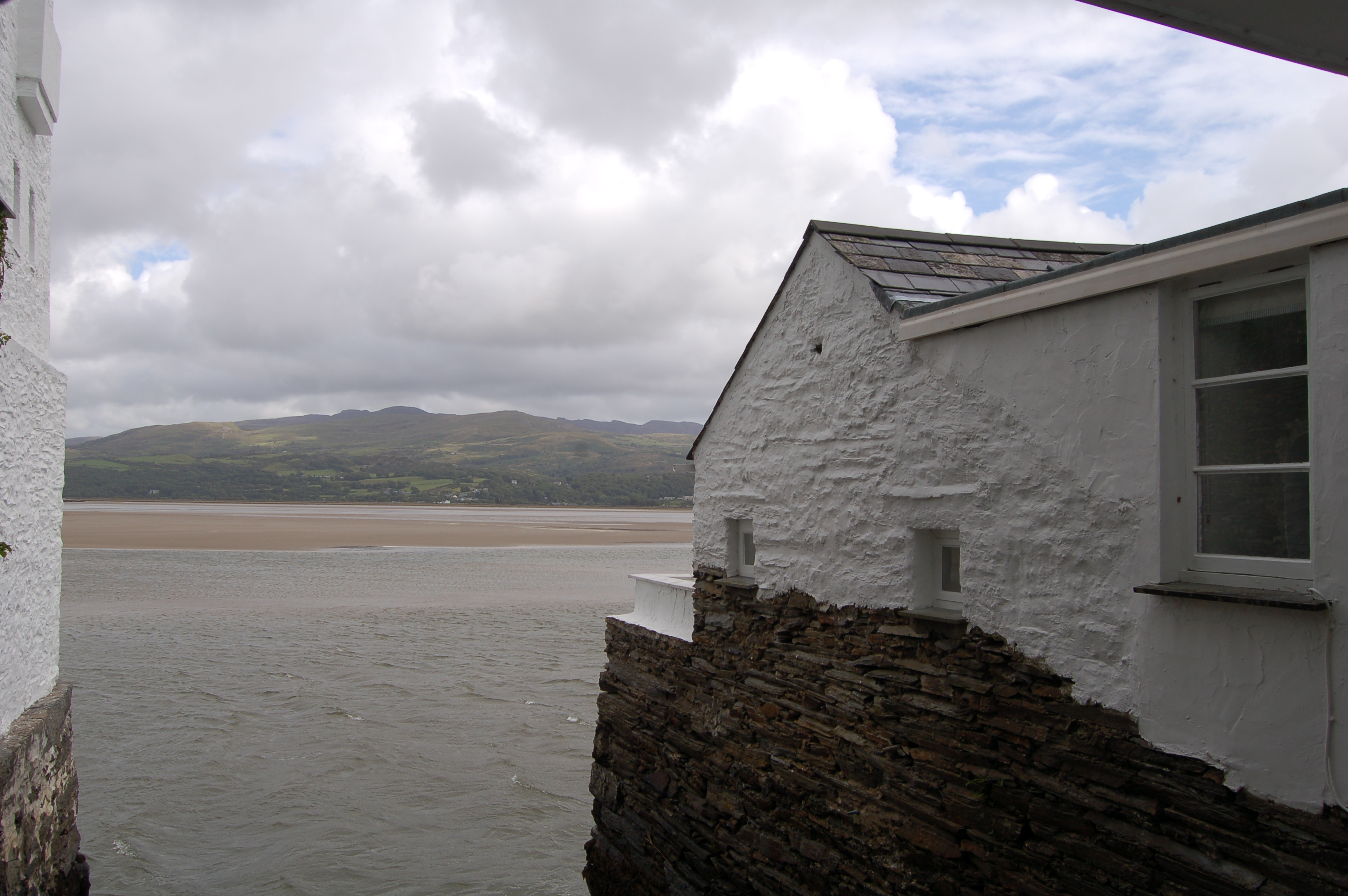
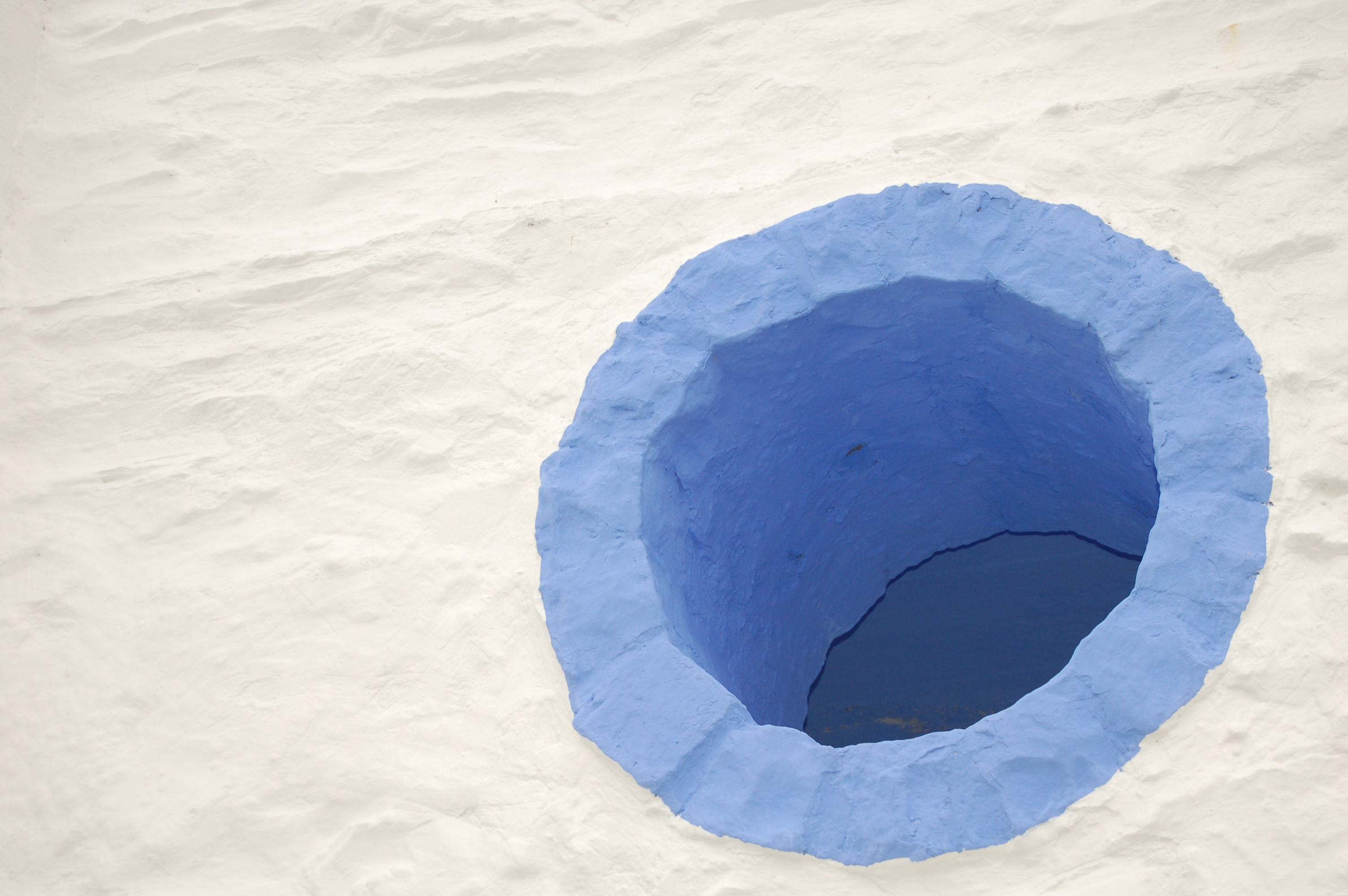
We followed the woodland path until we found ourselves close to the cliff tops and followed it down towards the shore, where the buildings began again. This time they had a maritime twist to their architecture with white and blue colours dominating.

2014 08 13_3628   2014 08 13_3629 2014 08 13_3630 2014 08 13_3631 2014 08 13_3635

As the road way climbed upwards we returned to the brightly coloured buildings of the village.

2014 08 13_3601 2014 08 13_3636

2014 08 13_3637 2014 08 13_3638 

We were fascinated by the interest of some visitors in particular buildings which it appears were featured in a TV series from the 1960’s, The Prisoner, which still has a strong cult following. It adds yet another layer of interest to this utterly fascinating “one-off” place.

Categories
architecture buildings canals light light quality photography reflections

A Canalside Walk in the City Centre

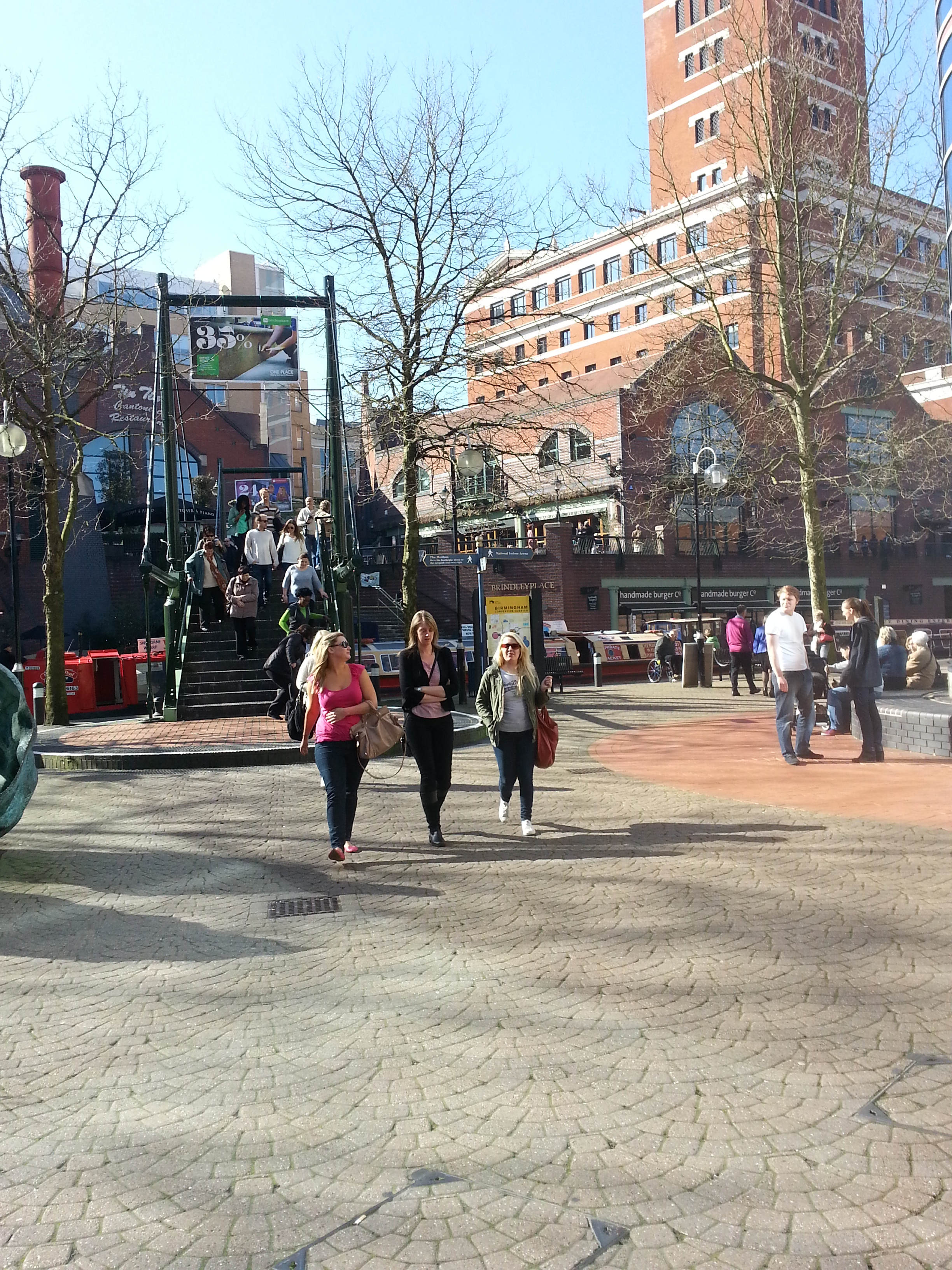
A canalside walk in the city centre! It just has to be Birmingham. You may remember a recent post about the new library in the great city of Birmingham. To those of us who live in the centre of the UK and not in the South and who know the city well, then it is obvious that Birmingham should be the Capital of England and not London. Being in the middle of the country it could represent the whole nation properly without the dreadful North-south divide that having the capital in the south has created.

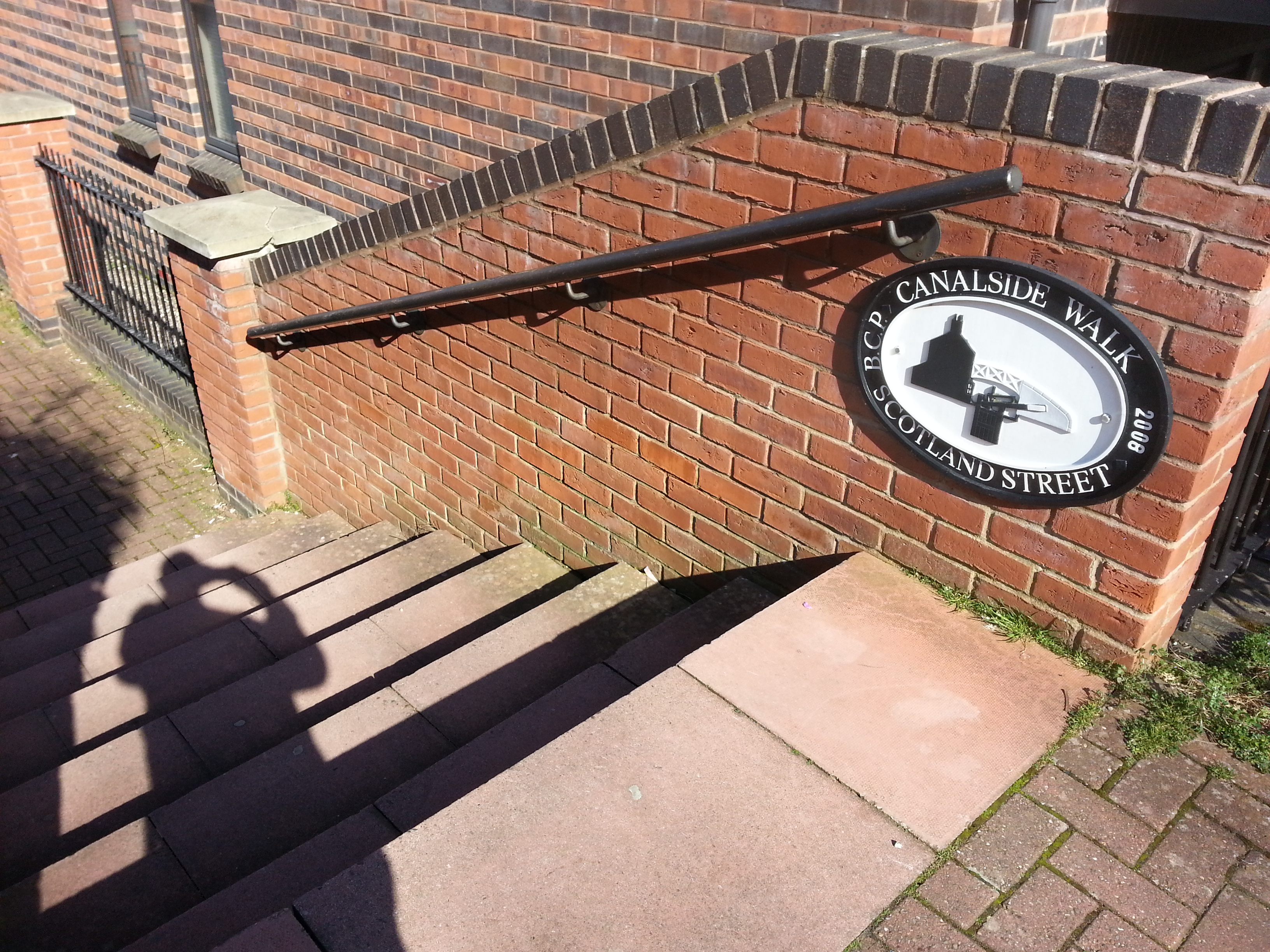
The first photo is a self portrait and also sets the scene. The following batch illustrates the quality of light available for me to use that day. All the photos were taken on my Galaxy Phone’s camera – great little camera to use on the streets when you don’t want to be noticed. People remain at ease if you have a phone in your hand rather than a camera.

2014 03 09_7023

2014 03 09_7024 2014 03 09_7028

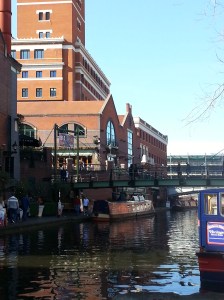
The new library proved what a vibrant, forward thinking city Birmingham is. This post will feature a part of the city’s past that has been brought back to life. Its canals. Here small business thrive, cafes and bars are full of life and people just wander looking contented.

2014 03 09_7038 2014 03 09_7039


2014 03 09_7034

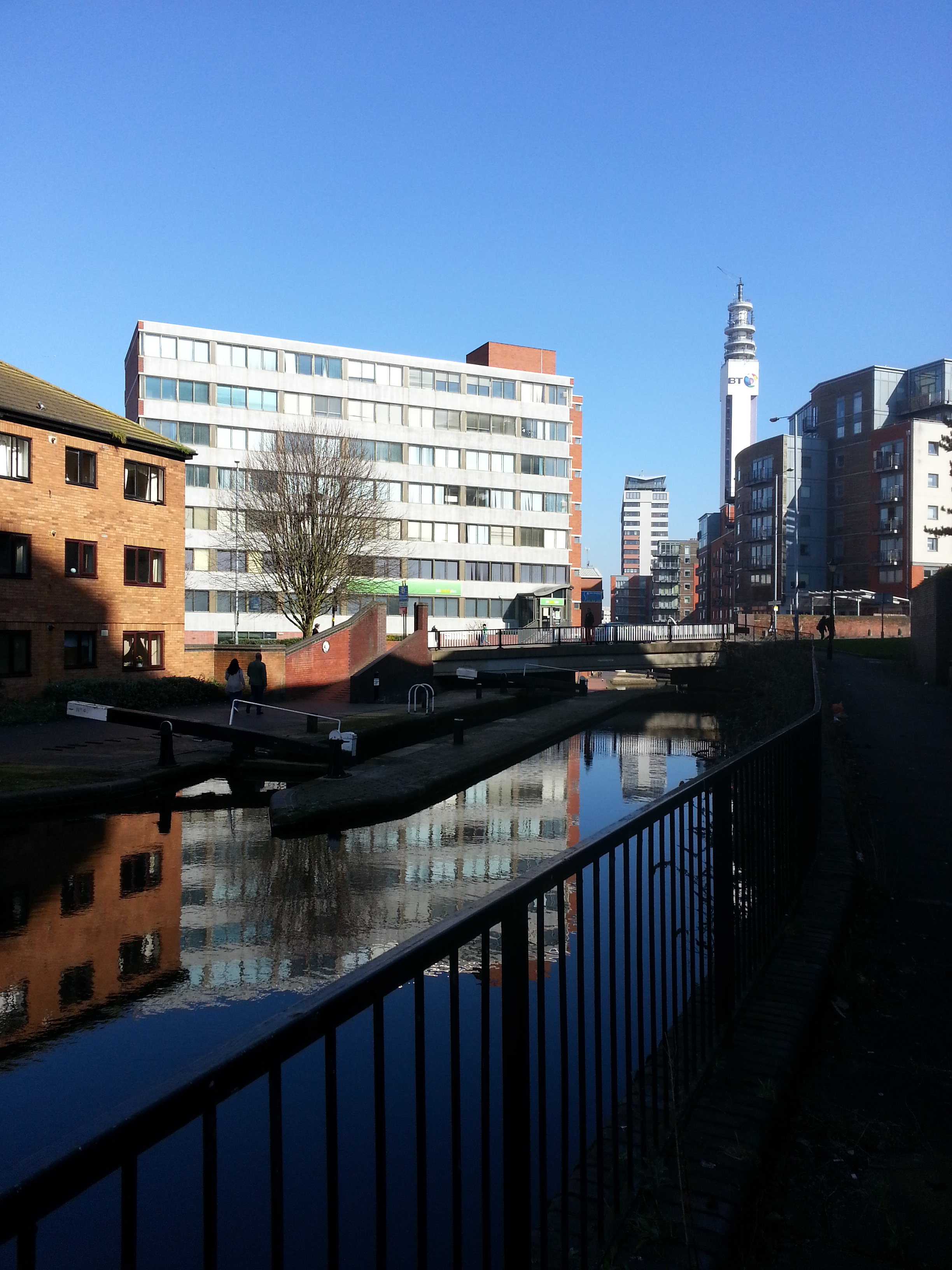
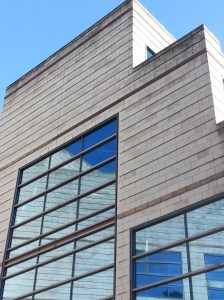
We soon discovered that there is such an array of buildings of all shapes, sizes, functions and ages to be viewed from the canal towpath.

2014 03 09_7017  2014 03 09_7020  2014 03 09_7022   2014 03 09_7025 2014 03 09_7026 2014 03 09_7033

2014 03 09_7035 2014 03 09_7050

2014 03 09_7036 2014 03 09_7071

2014 03 09_7053

It was hard to imagine as we walked the towpaths that this thin strip of water was a hub of transport a few centuries ago, the equivalent of the clogged M6 motorway we had traveled on to get to it. This little tug barge was one of the few signs of the canal’s previous importance.

2014 03 09_7027


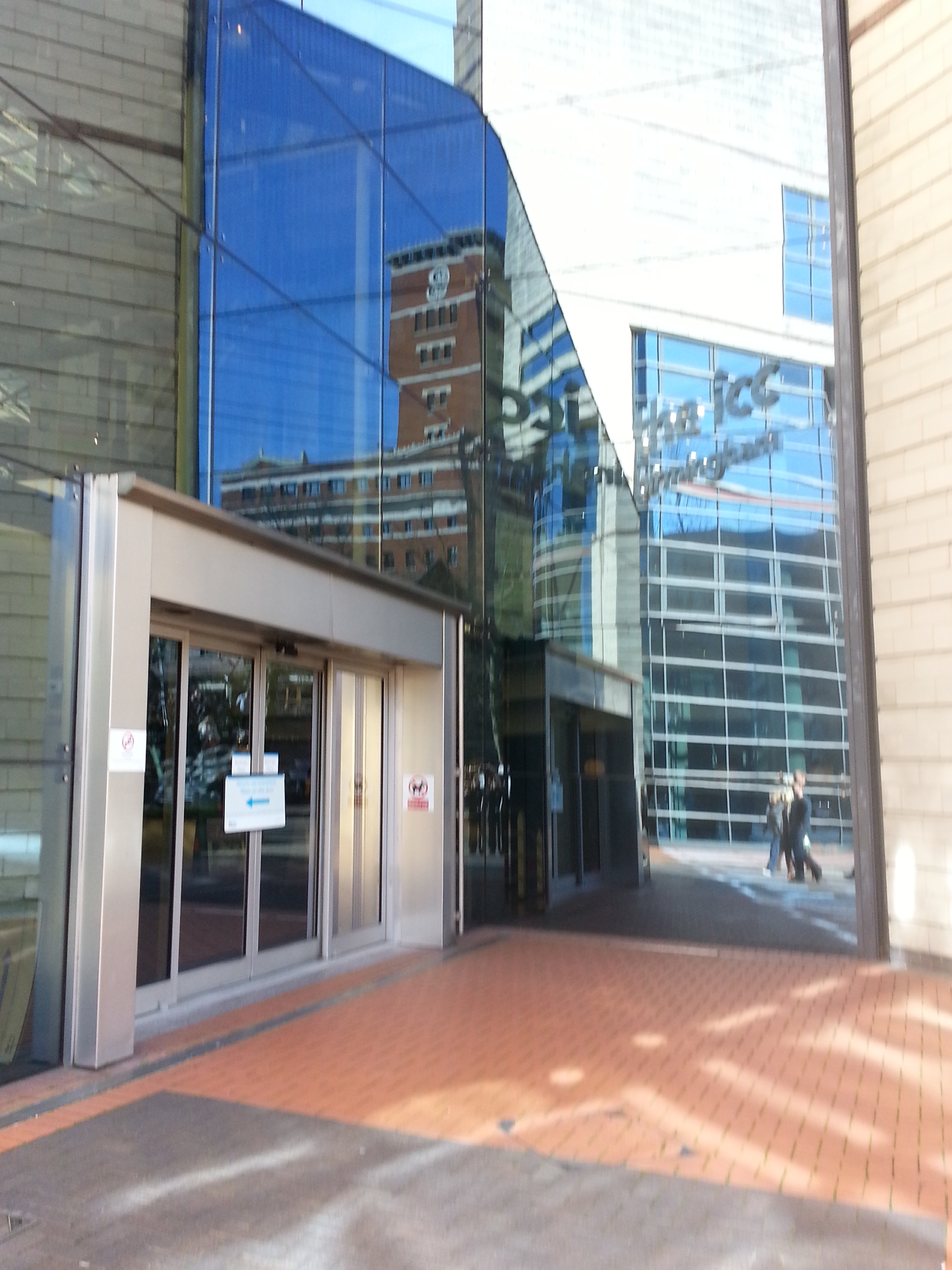
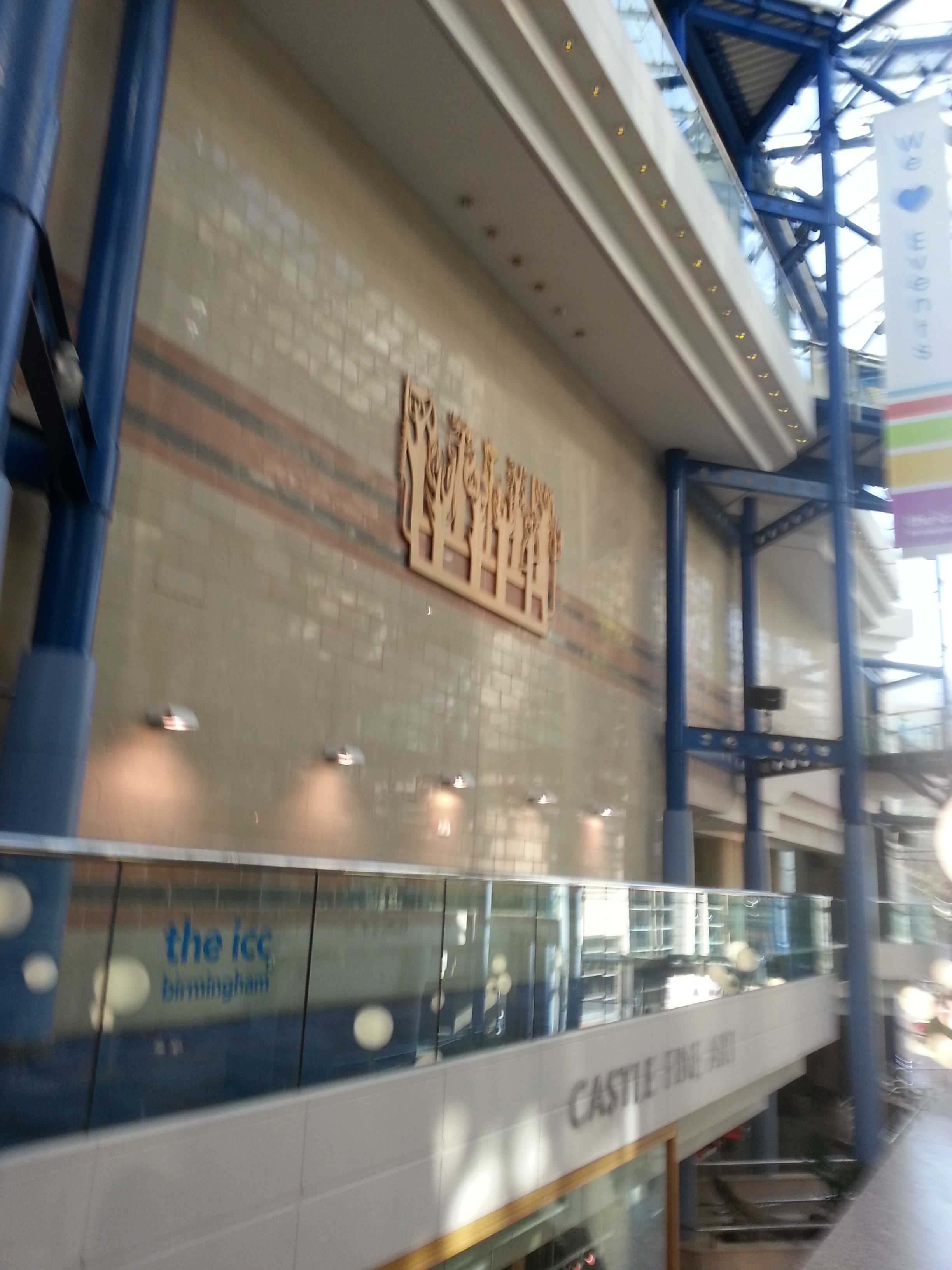
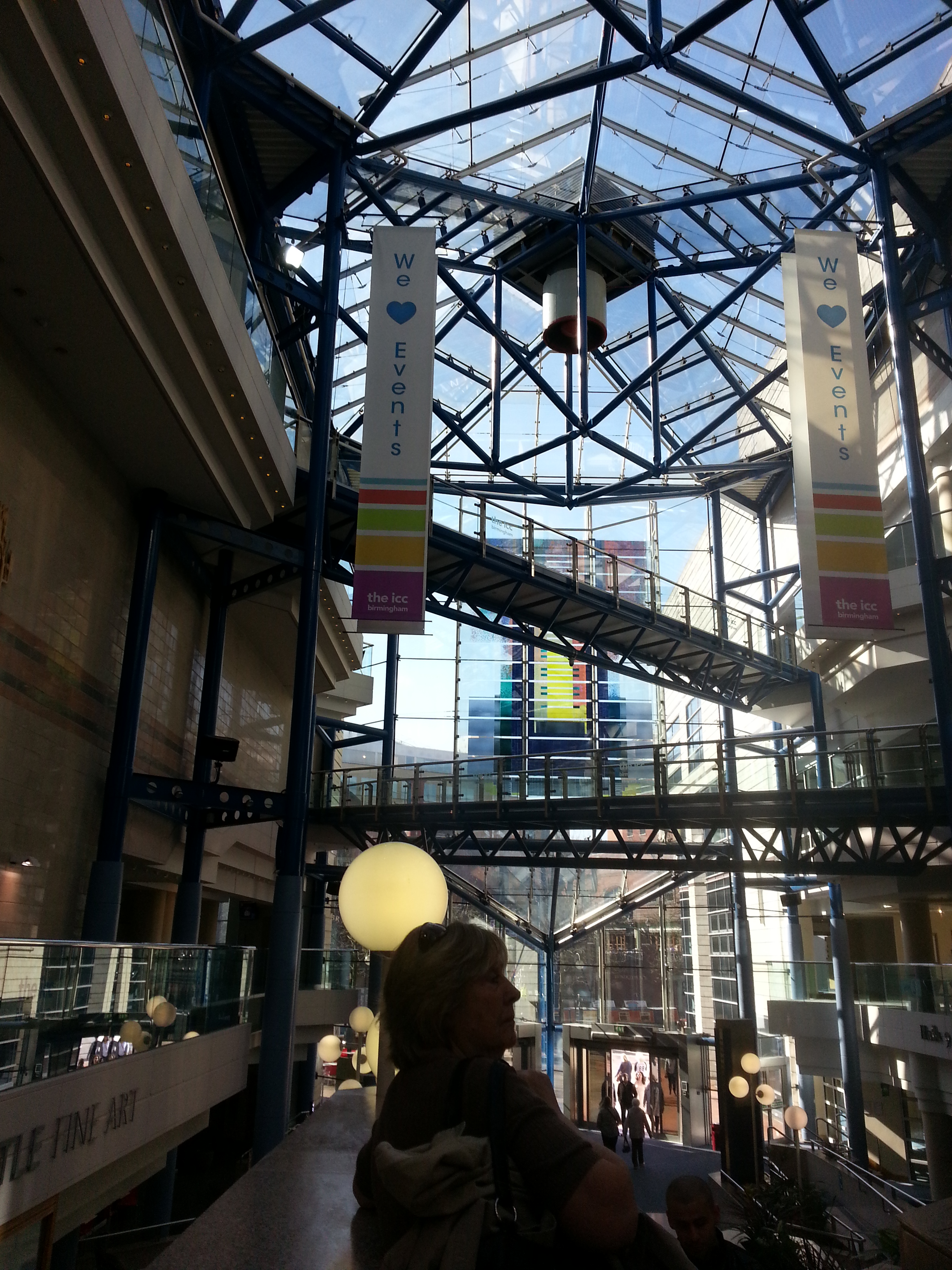
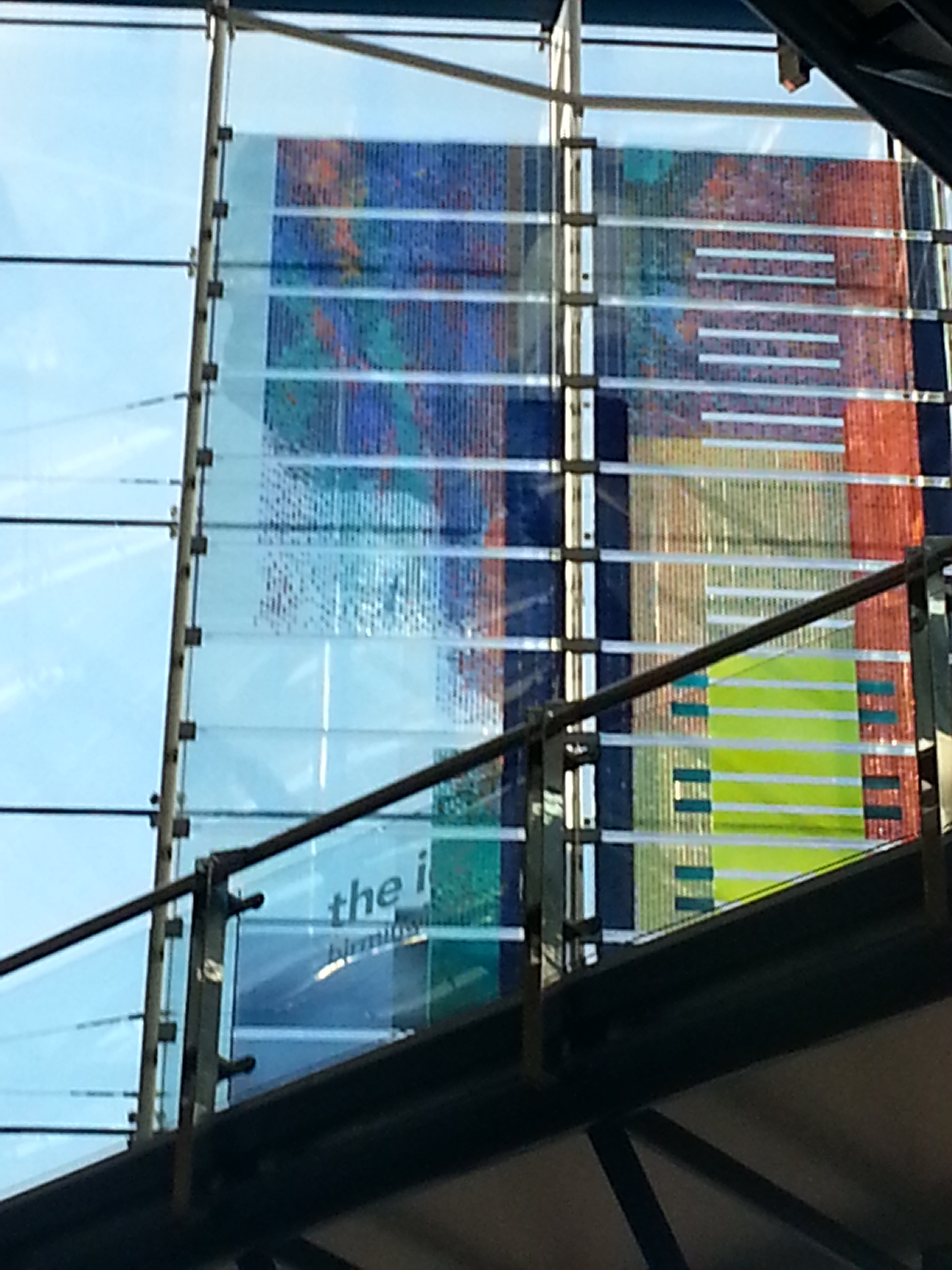
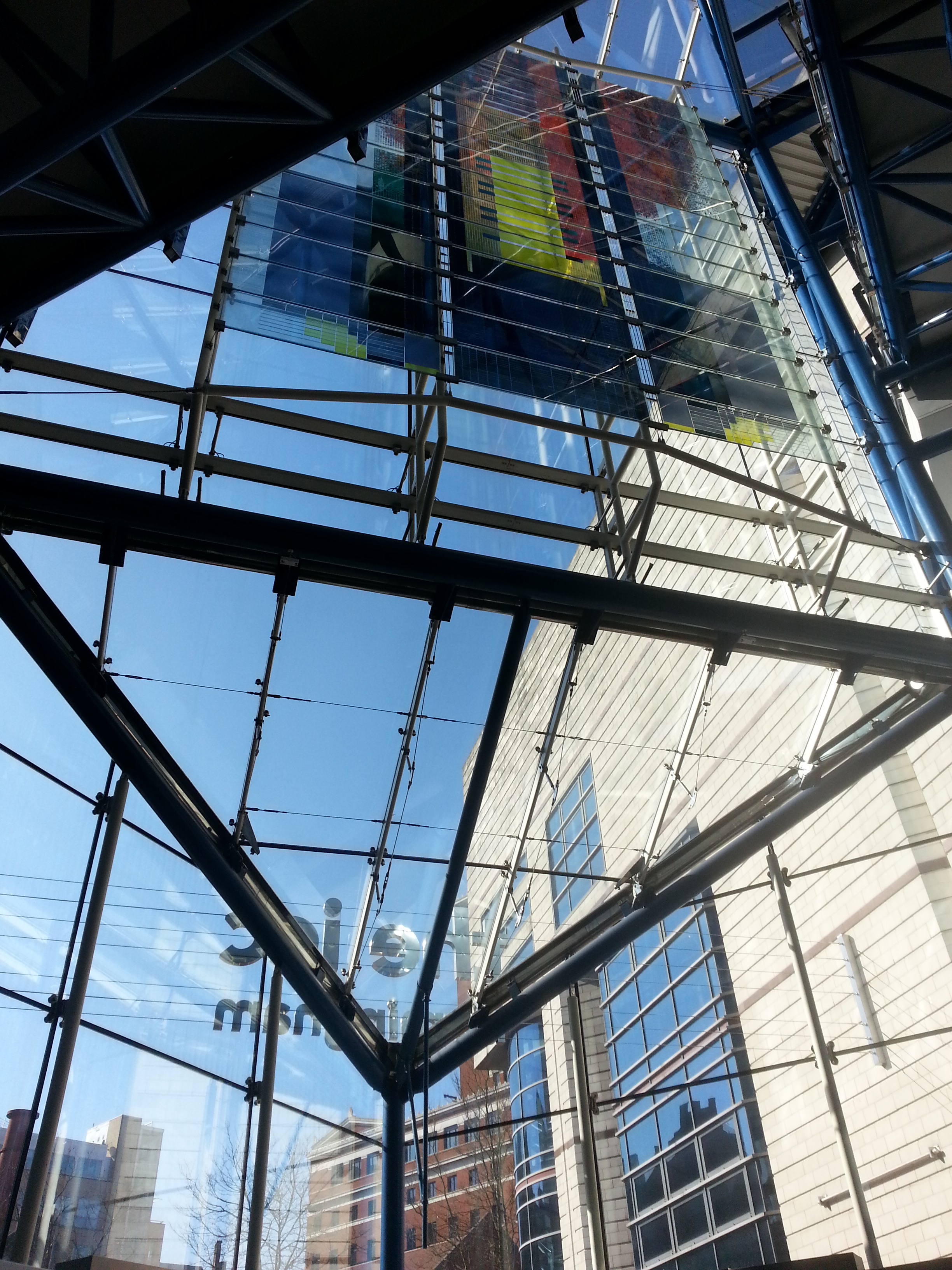
Our usual coffee break was taken within the comfort of one the National Convention Centre cafes. One of our favourite concert venues, the Symphony Hall is integrated with this building. There are some wonderful features here both inside and out.

2014 03 09_7037   2014 03 09_7040 2014 03 09_7041 2014 03 09_7042 2014 03 09_7043  2014 03 09_7044

2014 03 09_7045 2014 03 09_7046

2014 03 09_7048

As we progressed around our canal-side ramble we got occasional glimpses of the New Library. Can you spot it in the picture below?

2014 03 09_7073

No canal wandering can be complete though without a few reflections to enjoy, and not forgetting a nice old curvy bridge!

2014 03 09_7072 2014 03 09_7032

2014 03 09_7018 2014 03 09_7069


I keep trying to get a good picture of shadows created by benches and am never very pleased with the results. The one below I was actually quite pleased with. I then finish off with a pic of patterns found beneath our feet and my favourite photo of the day, the glass globe against a filigree of delicate branches.

2014 03 09_7052 2014 03 09_7021

2014 03 09_7049

Categories
architecture buildings garden design garden photography gardening gardens open to the public National Trust The National Trust

Waddeston – not my style of garden but …….

We went to Waddeston by default! We were planning to visit another garden in Oxfordshire, but as we got close we decided to check the details of the garden, especially how to find it. The trouble was the garden details also showed that we were visiting on a day when it was closed. Oops!!

Plan B quick! Luckily we found another garden literally a mile from where we had parked up to get directions to our original destination. From the description in our book, the garden at Waddeston did not sound my style of gardening but the architecture of the house itself sounded interesting. So we decided to go and have a look.

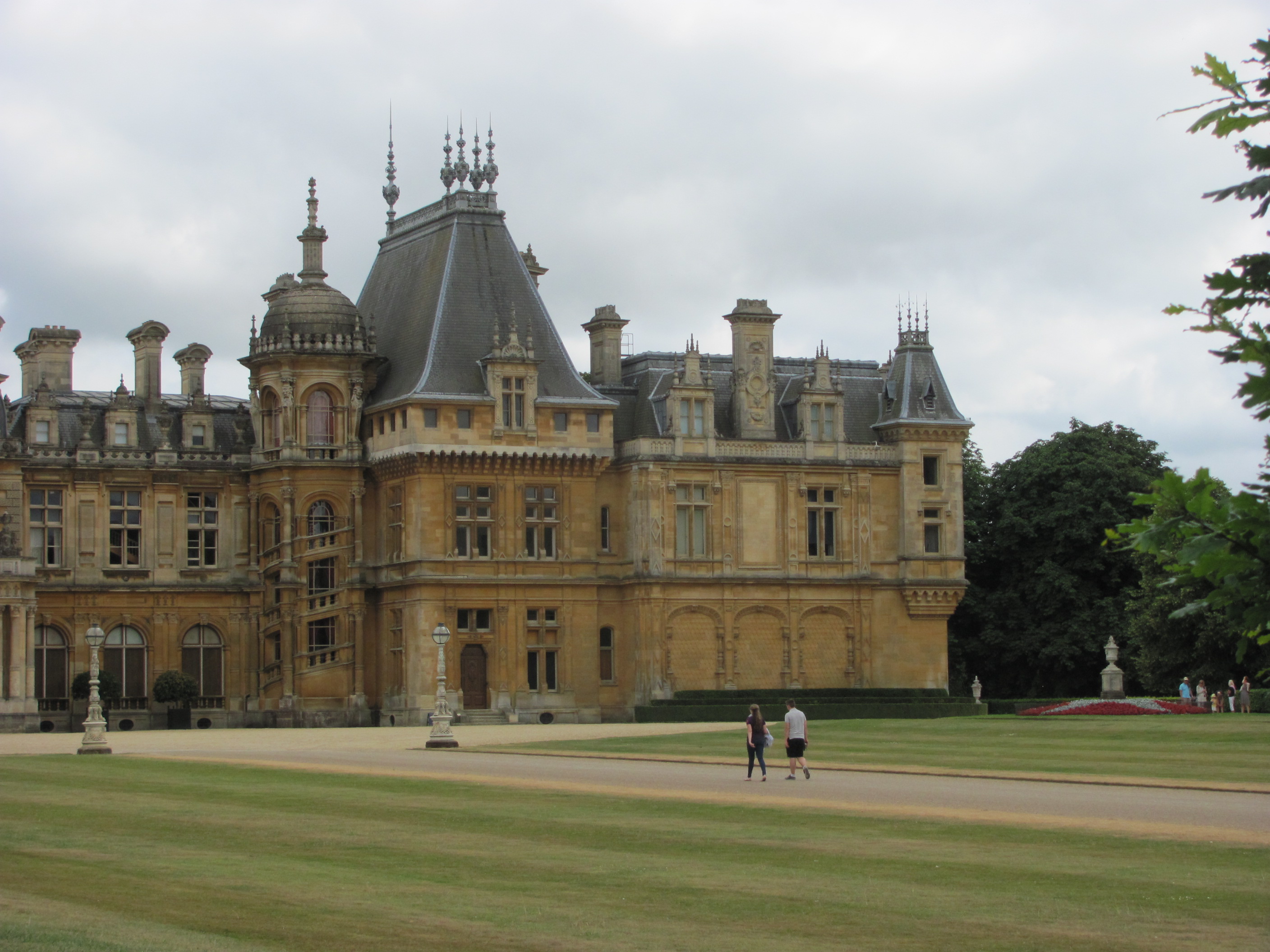
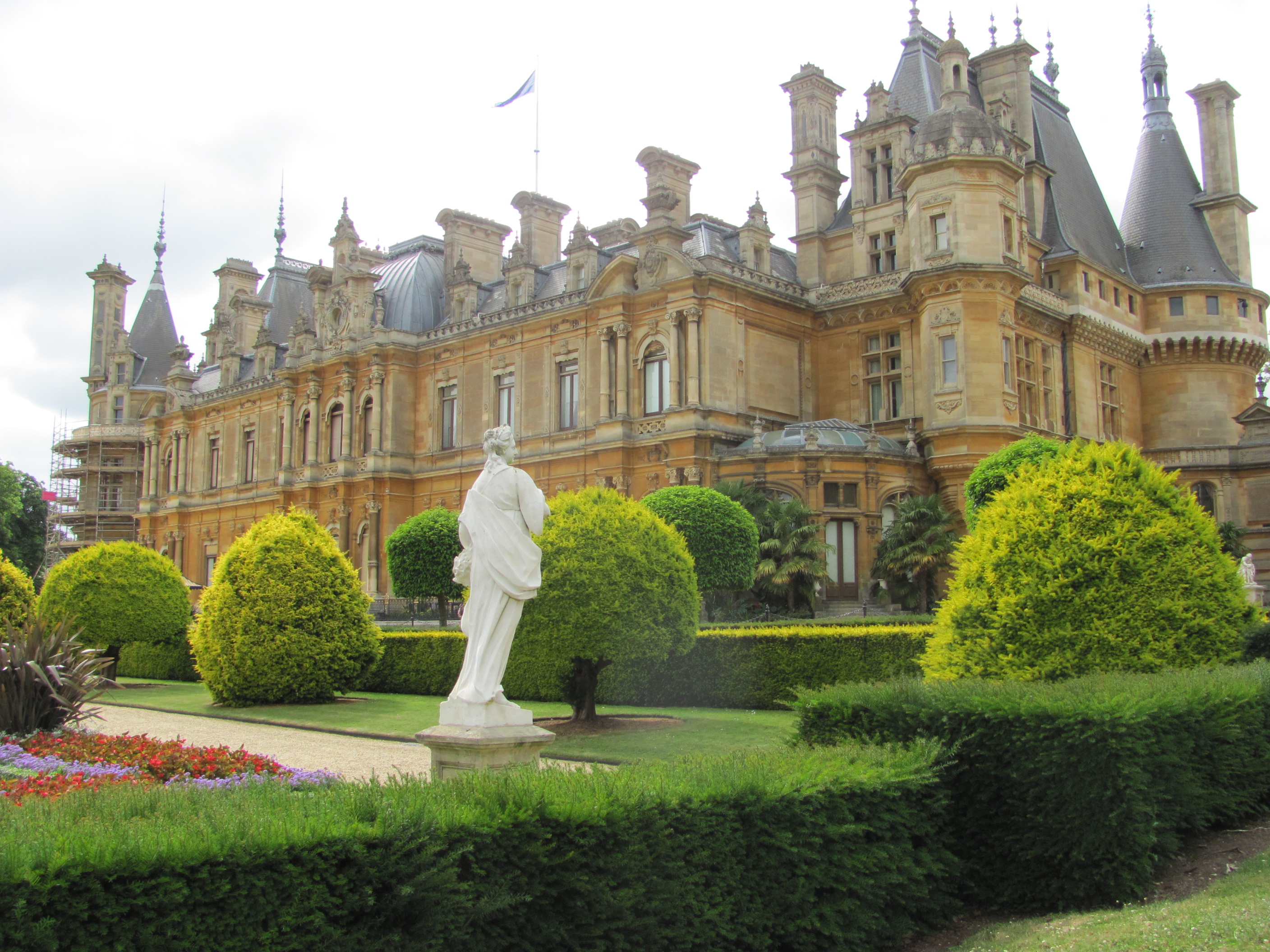
We arrived to discover Waddestonto be an architecturally fussy building in the style of a French chateau. I admired it but didn’t like it. Jude, the Undergardener liked it a lot.

2013 07 24_2046 2013 07 24_2047

2013 07 24_2058

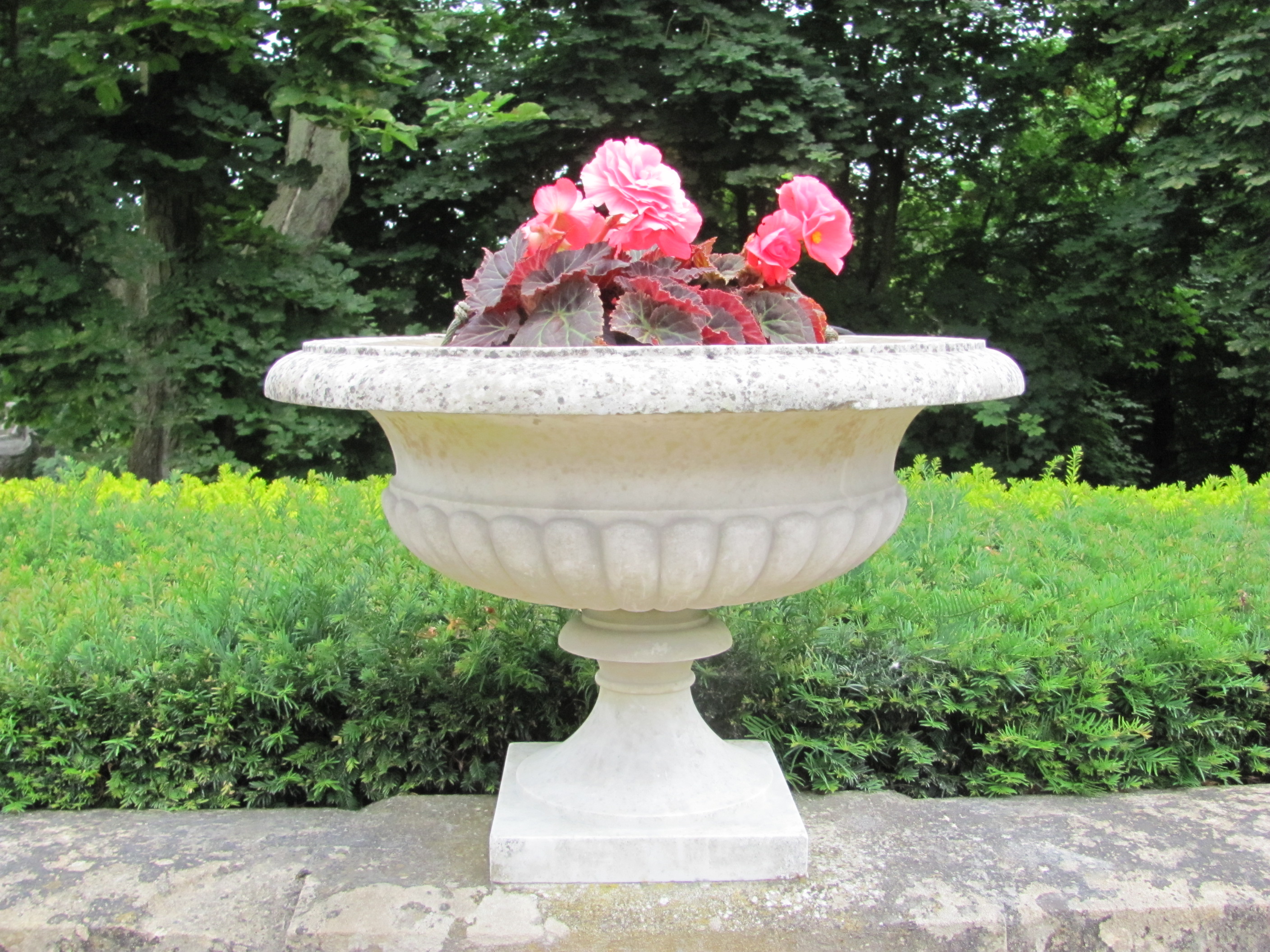
There were lots of fussy little details in the building, such as this ornate gate post.

2013 07 24_2057

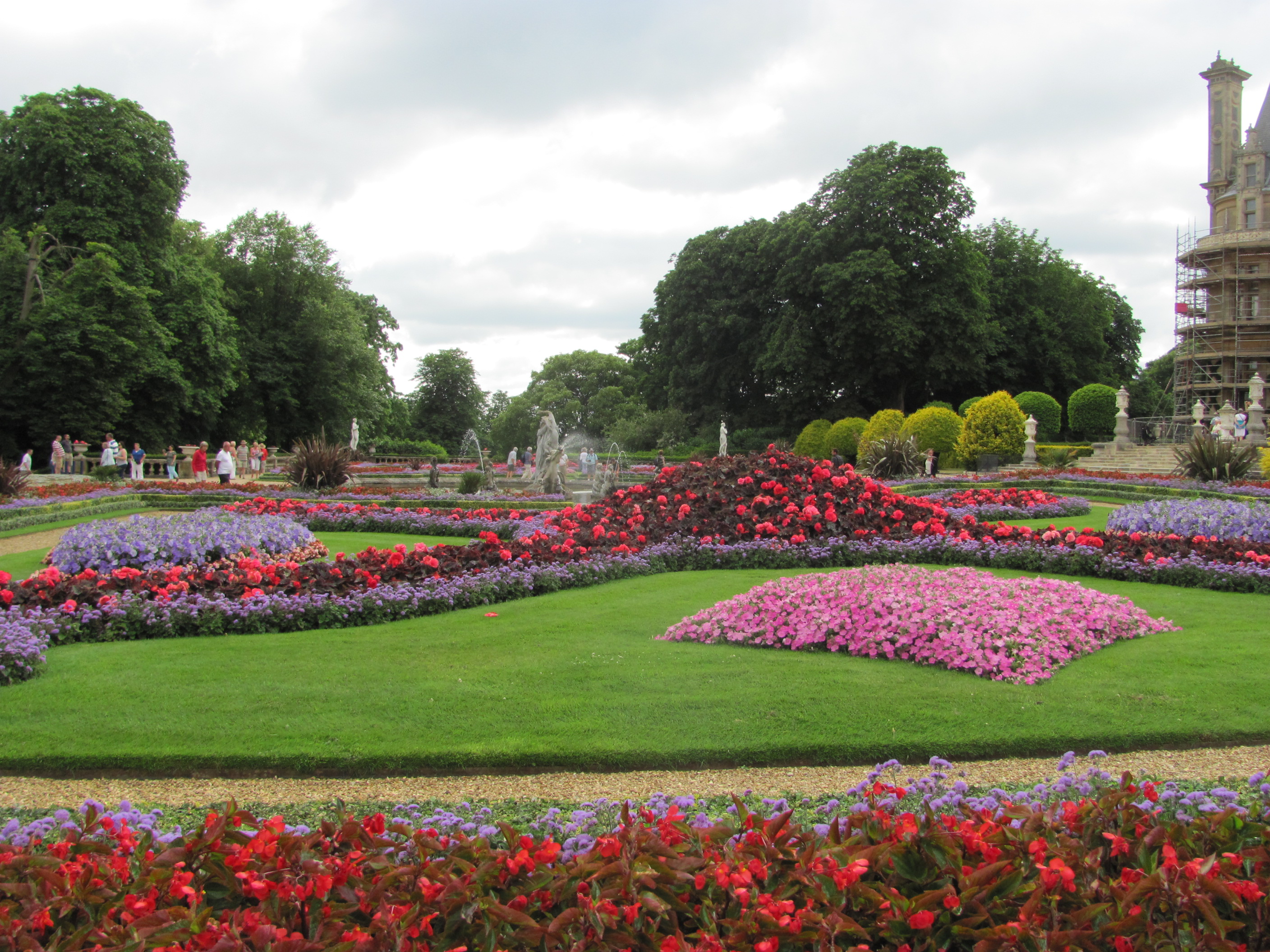
The gardens close to the house were very formal similar to the bedding schemes found in our town parks. Too bright and again too fussy for my liking.

2013 07 24_2051 2013 07 24_2052 2013 07 24_2053 2013 07 24_2056 2013 07 24_2055

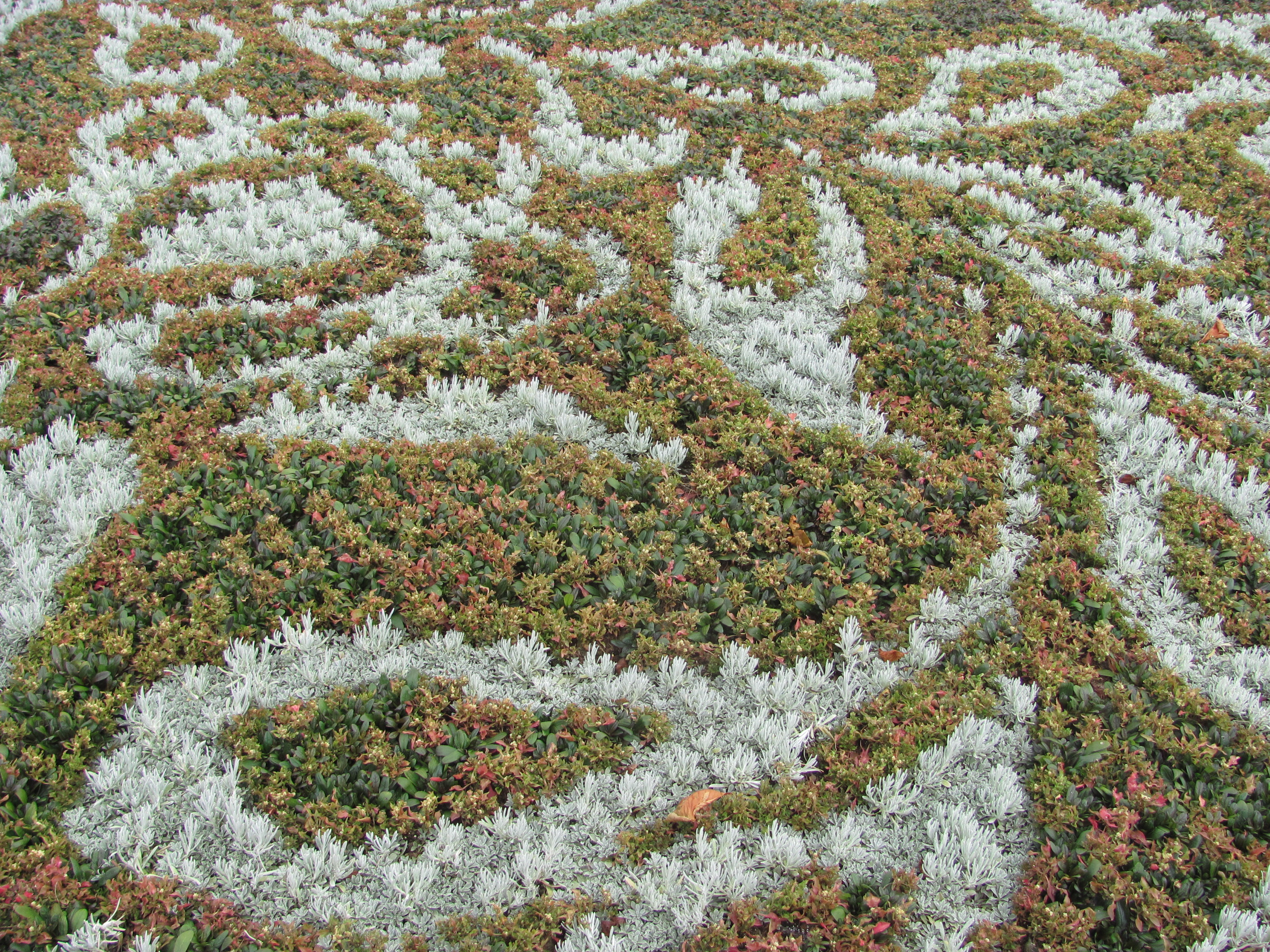
But this one bed was interesting as the colours were far more subtle. It turned out that this border was based on ancient lace work from the house.

2013 07 24_2054

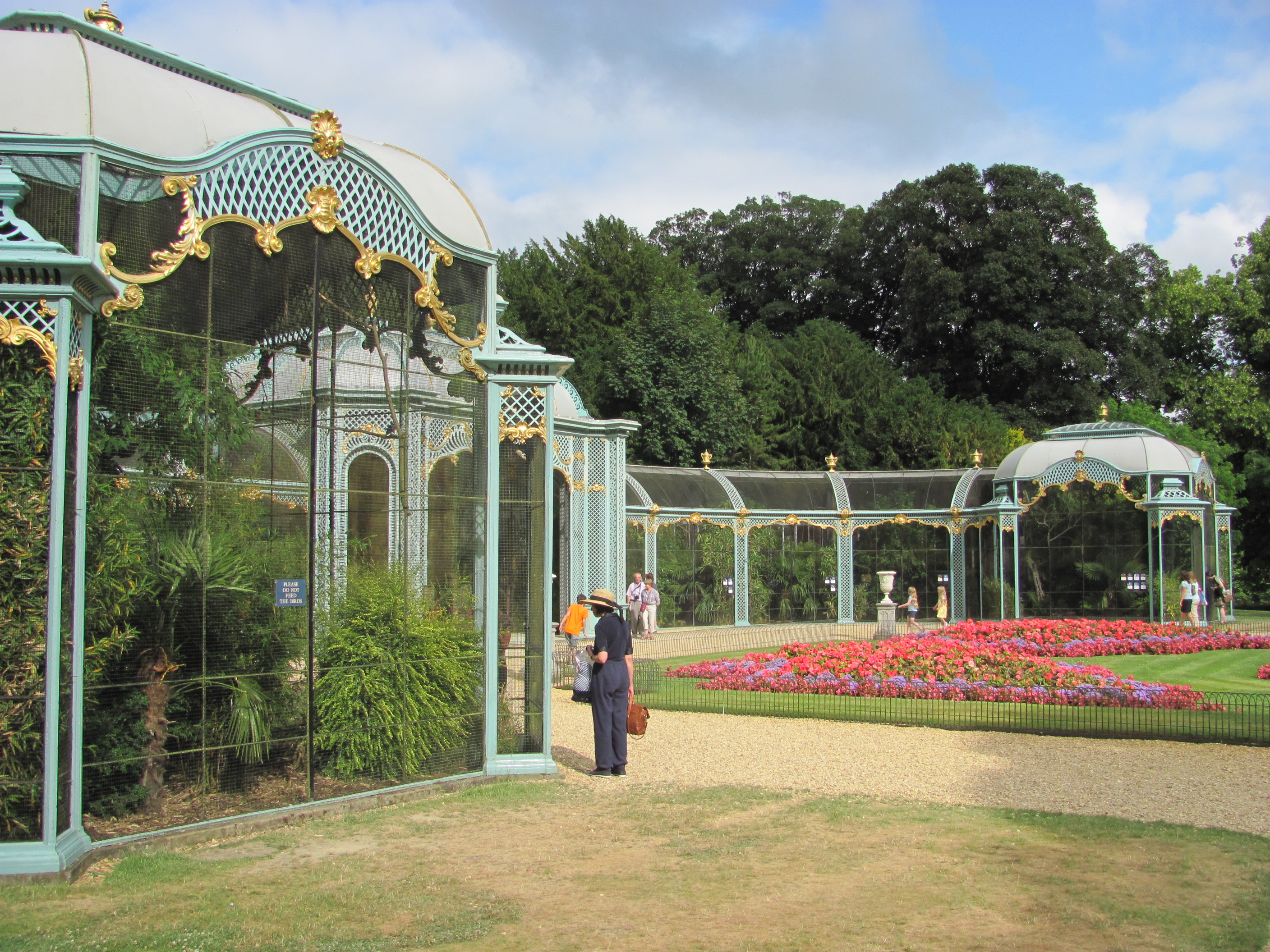
Walking a few minutes from the house into the more informal areas of the garden we came across a real surprise, a very ornate terrace of aviaries housing rare birds. These birds were being bred with the intention of building up species numbers and reintroducing them back into their natural habitats.

2013 07 24_2061 2013 07 24_2062

Further from the house away from the formal gardens there were small cameos which interested me more.

2013 07 24_2065 2013 07 24_2064 2013 07 24_2063 2013 07 24_2060  2013 07 24_2067 2013 07 24_2066

So, although I was unsure when we arrived at Waddeston, I will now admit that I did enjoy the visit. Even though I found the rigidity of the formal bedding schemes with their gaudy colours unpleasant, I can see that they were well executed here.

Categories
architecture buildings renovation Shropshire

Exhibition in The Old Flax Mill

Our daughter, Jo, occasionally shows some of her jewellery at exhibitions. The latest was in an amazing venue, an old and unique building in Shrewsbury, the Flax Mill.

Sadly this special building is little more than a wreck but at last it is being renovated and given a chance of a new life. What makes it unique is that it is the first ever skyscraper in the world. All the earliest skyscrapers in Chicago were based on the construction used here. It is hard to comprehend how the current state of this building has been allowed to happen.

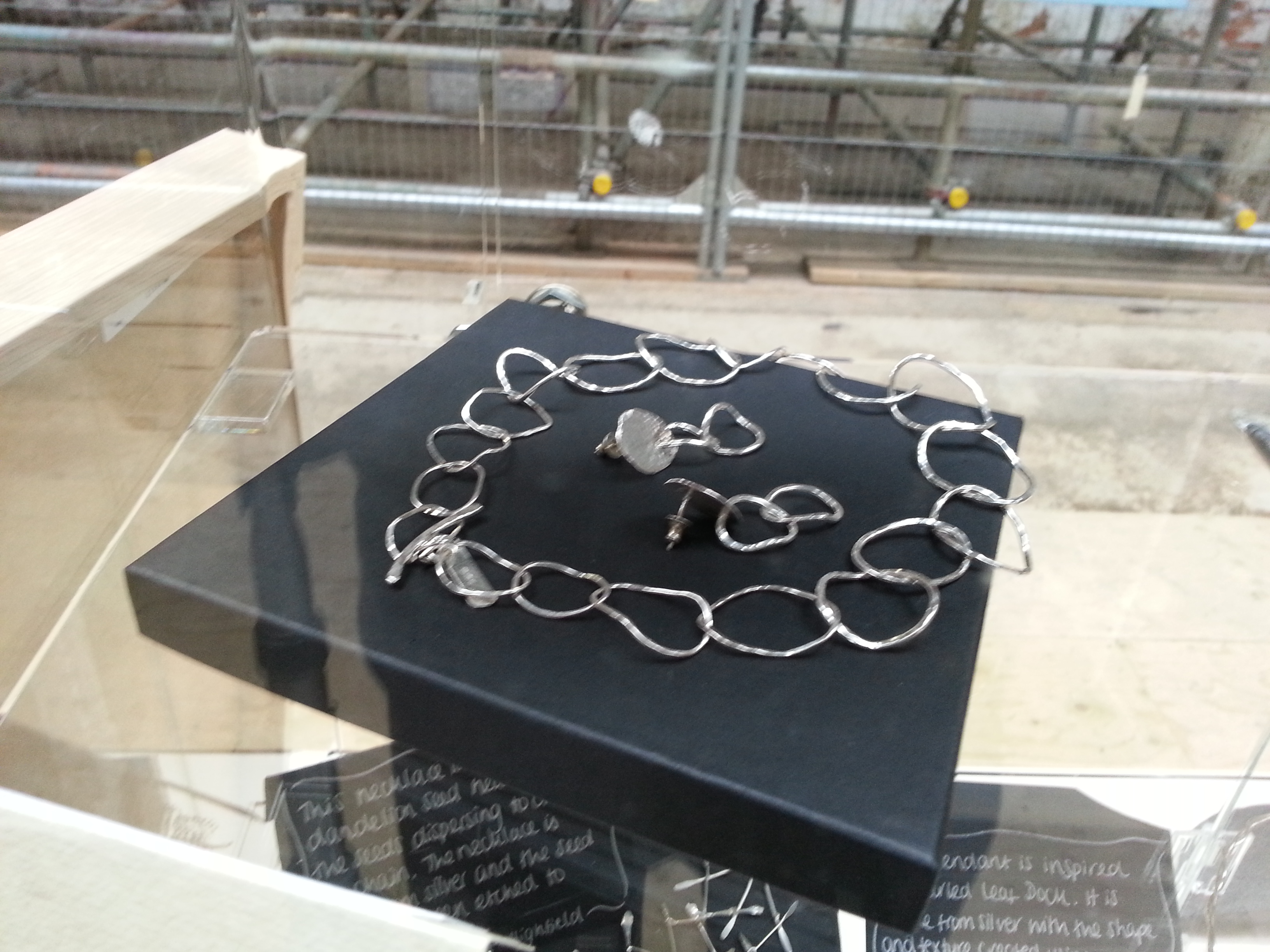
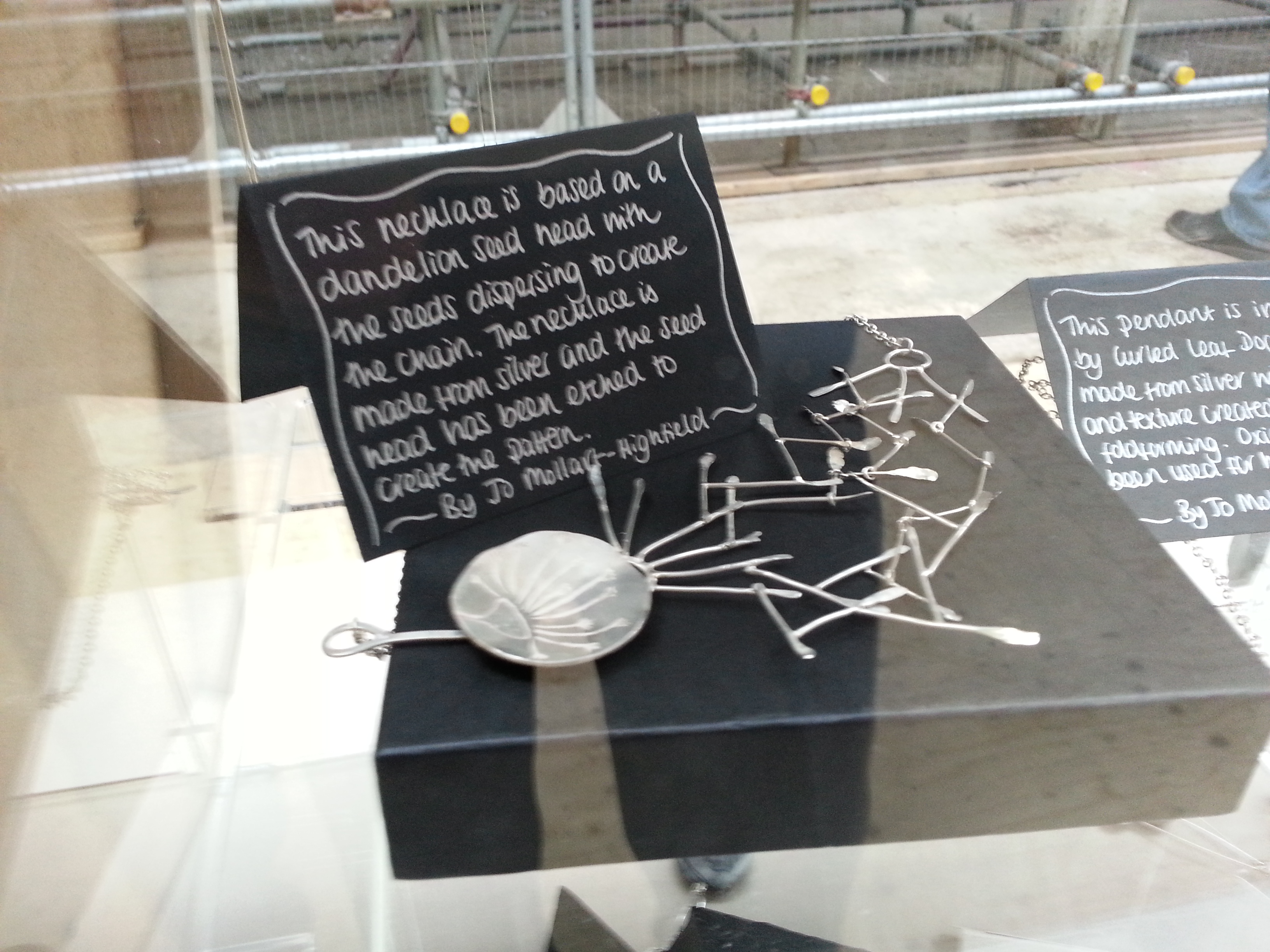
Anyway at last things are looking up. To help launch the redevelopment local artists and craftspeople were invited to exhibit some of their work based on the theme of “regeneration”. Jo showed some of her silver jewellery designed around the theme of the structure of plants that first regenerate a destroyed habitat.

The photos can only give a clue as to their quality as I had to photograph them through the glass of the show case.

116 117 118 119

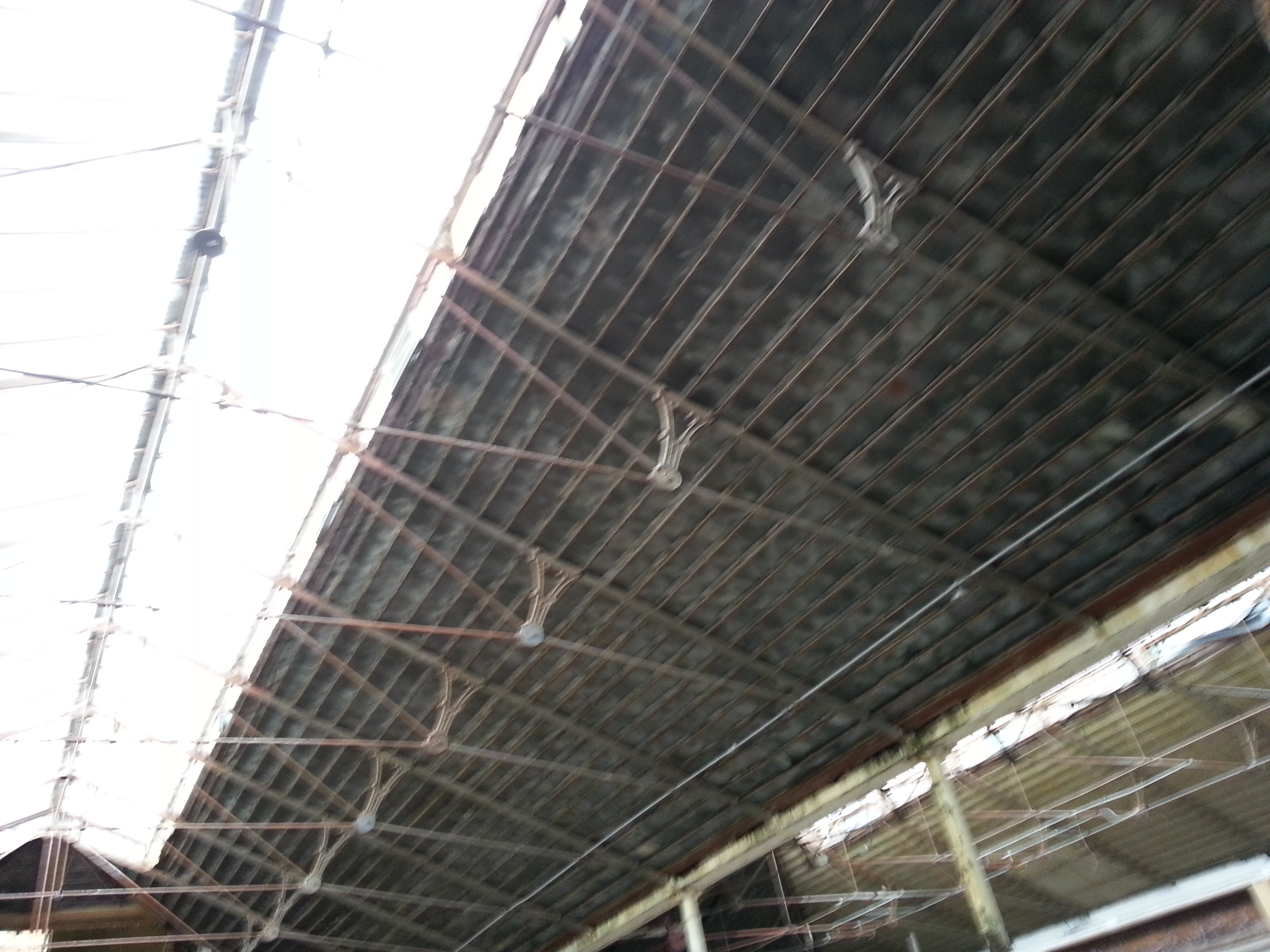
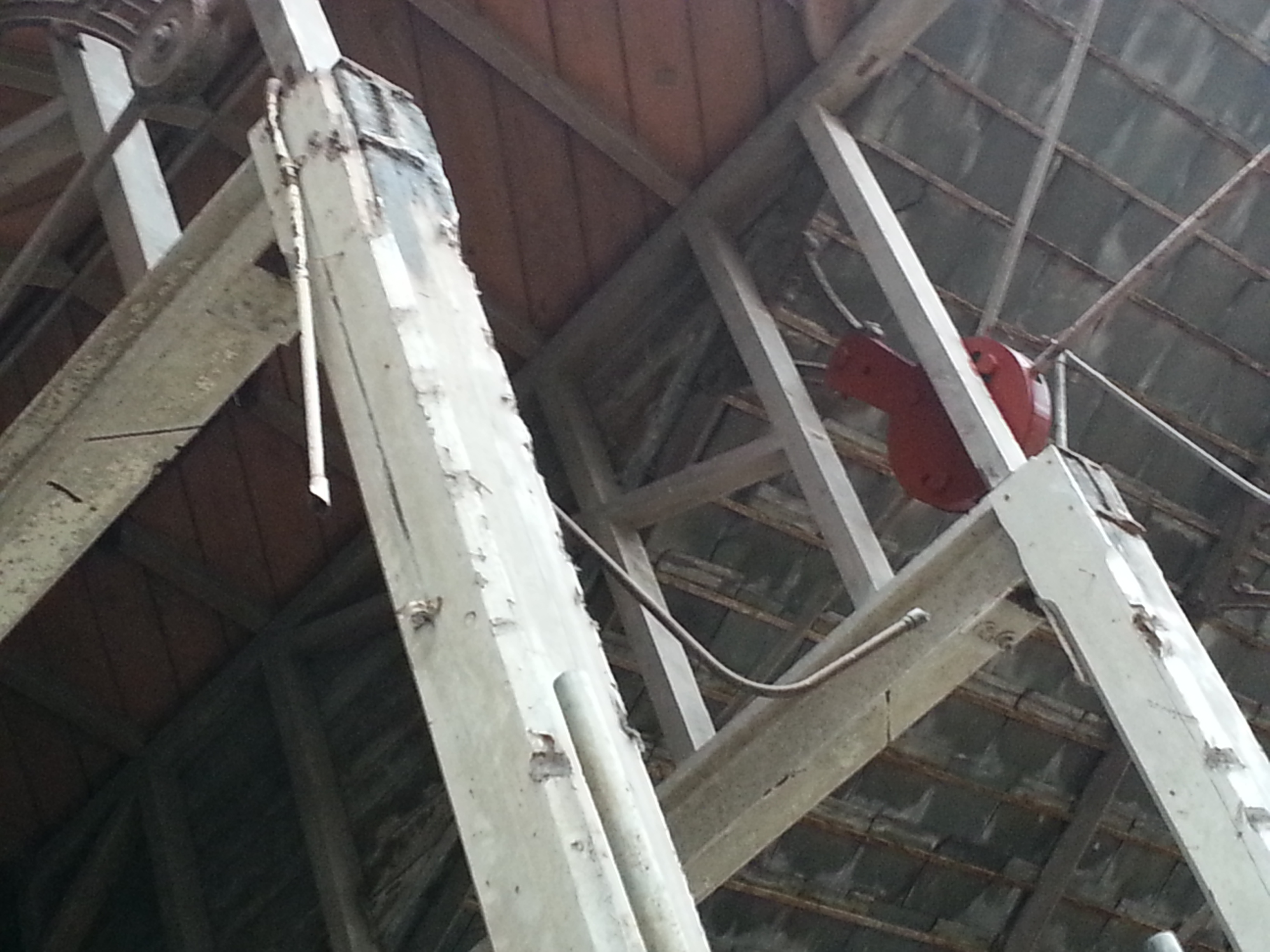
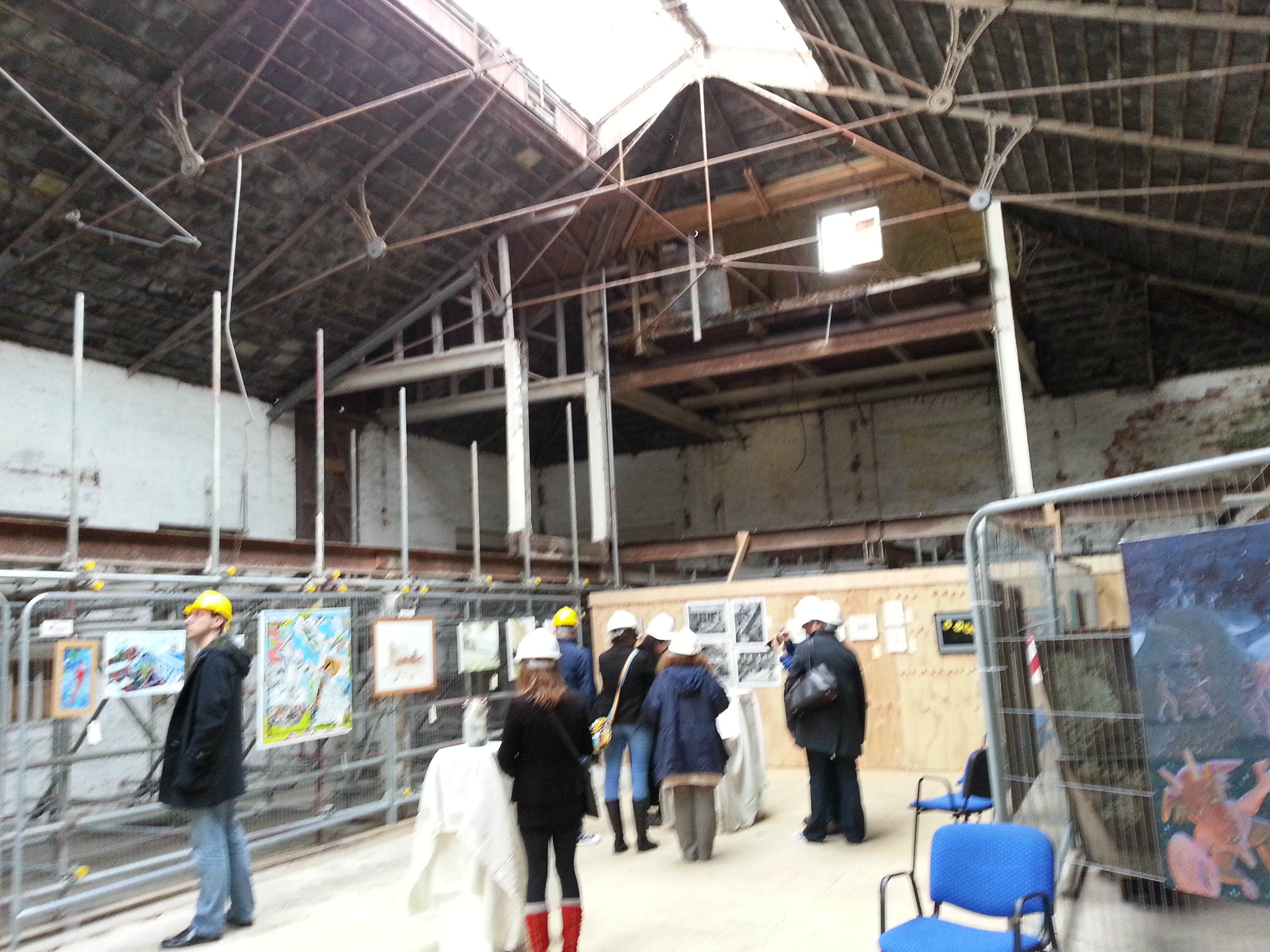
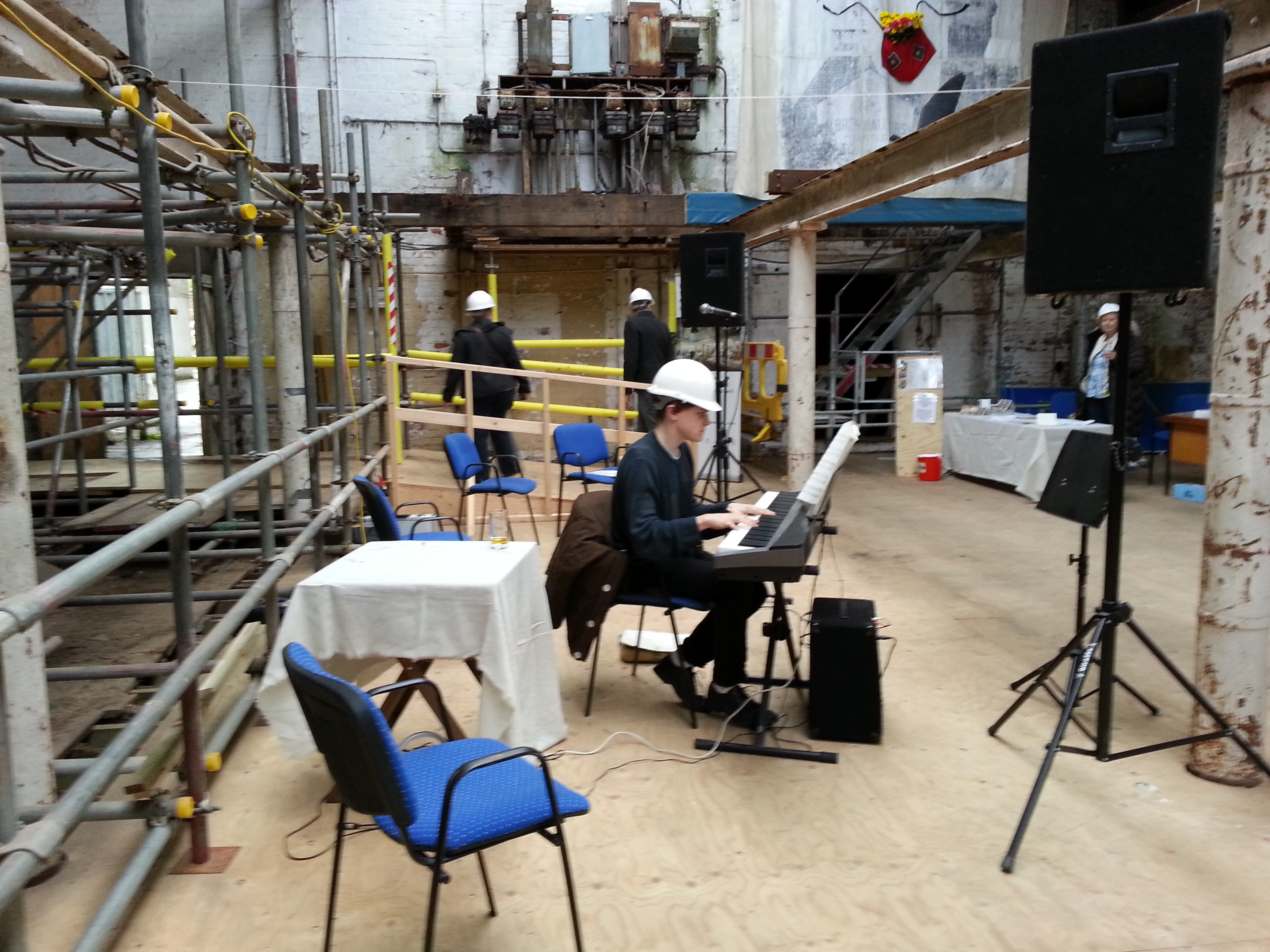
The exhibition gave a rare chance to see inside this building prior to the builders moving in. Signs of old energy supply and structural materials gave glimpses into the previous lives of the building as a flax mill and as a malt house.

121 122 123 125 126 127 128 129 130 131 132 134 135

This unusual venue for art works to be shown presented strange juxtapositions.

112 114 115 151

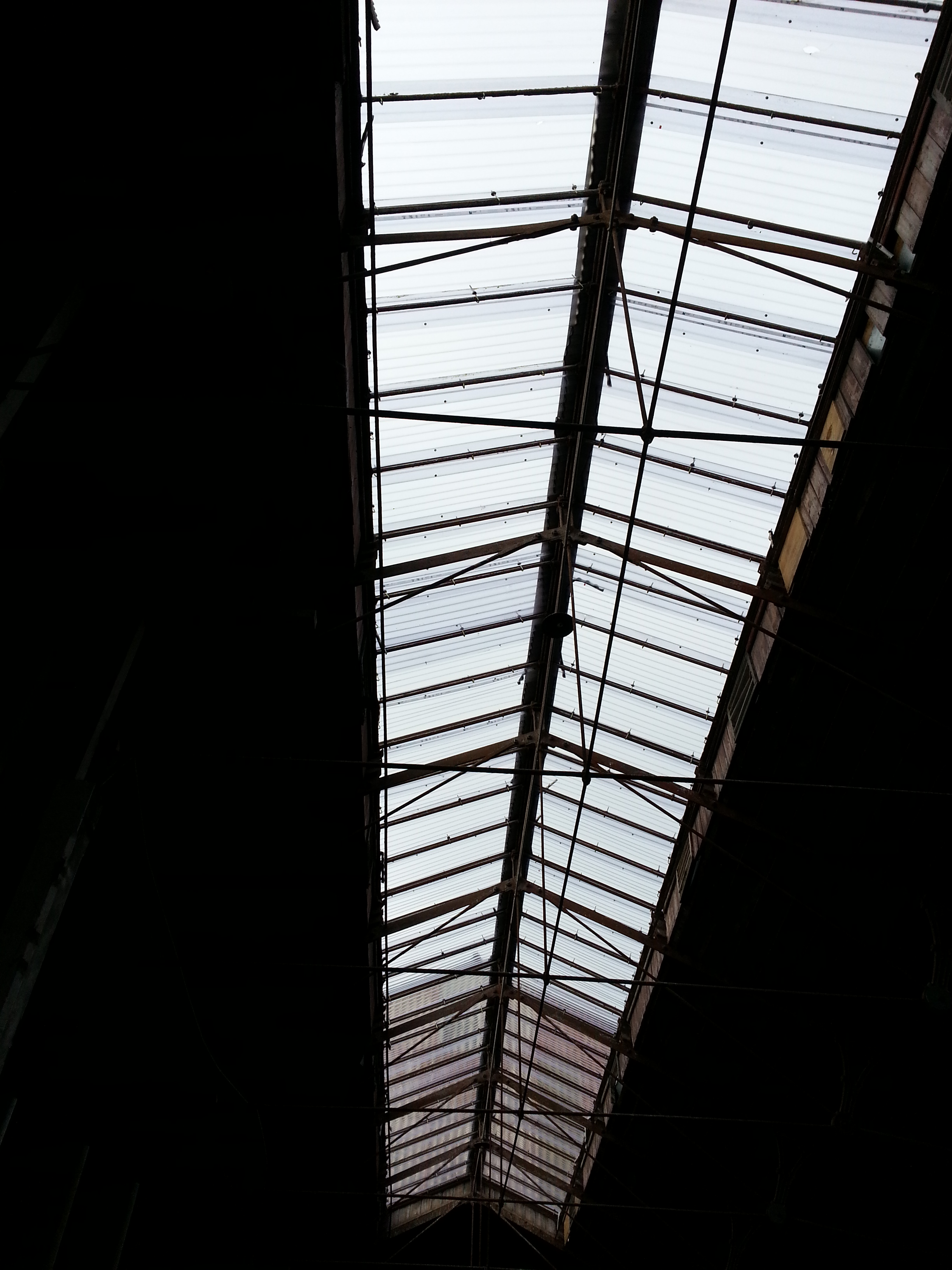
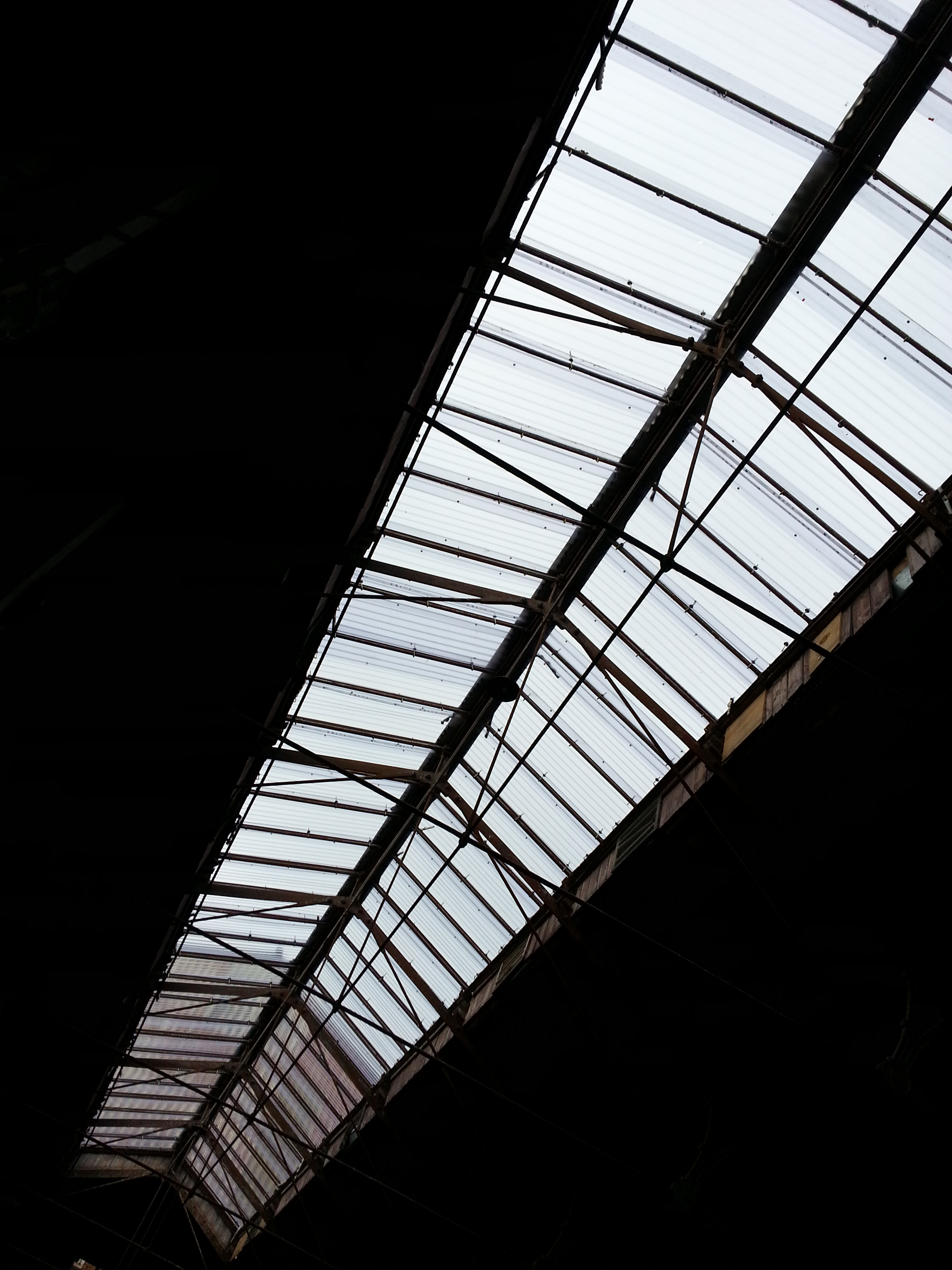
There wereinteresting textures, shapes and colours wherever the camera lens roamed. Click on the “Flax Mill” photo and then follow me and my camera around using the arrows. I hope this helps you experience the strange atmosphere this building evokes.

Categories
architecture buildings Shropshire townscapes

The Architectural Heritage of Shrewsbury Part 2

This is the second post about the architecture of our county town. the photos for the posts were taken in late autumn.

Continuing our journey through the streets, alleys and pathways of Shrewsbury we move away from the station towards the river.

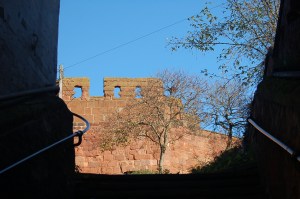
Firstly we go down a narrow steep road where these blue features against the beautiful red stonework of the old town walls caught my eye.

DSC_0027 DSC_0028DSC_0031

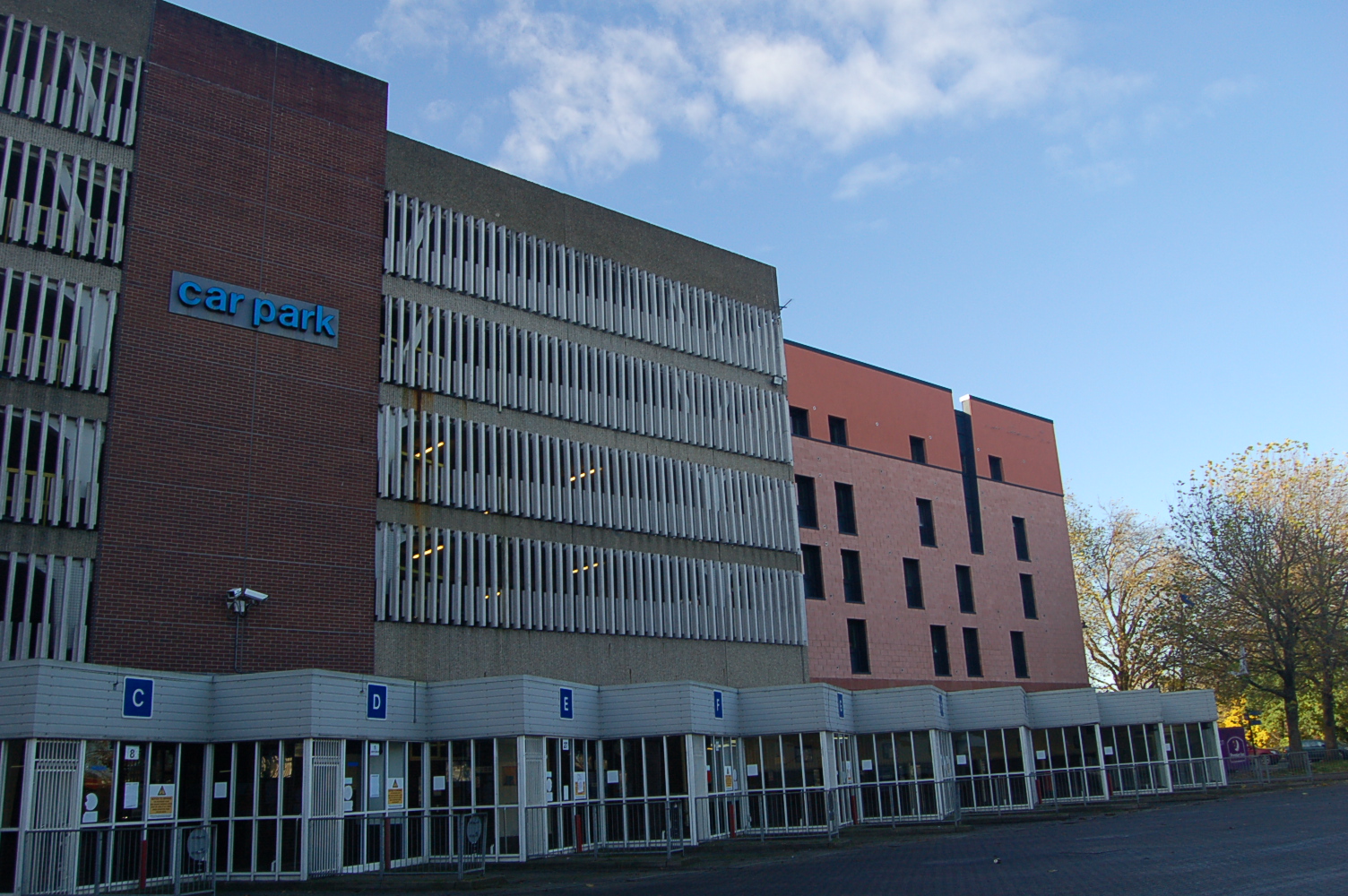
Just to show that Shrewsbury’s architecture isn’t all about the past we next visit some 20th and 21st century buildings. The first picture shows the dreadful 70’s concrete monstrosity that is the town’s only multi-storey car park with a new building attached to its right. At its base is a row of bus-stops.

DSC_0033

When we have a close look at this new building we see that it is a hotel which is still to open. I prefer it to the 70’s building next to it, but we shall have to see how well it weathers.

DSC_0035 DSC_0036 DSC_0037

The reason that there are so few example of good modern architecture in our county town, is that so many residents are stuck in the past. Any proposals for modern architecture are strongly objected to by many. Below is a sad reflection of this where architects have tried to reflect the town’s medieval heritage. We just ended up with this mock half-timbered shopping centre.

DSC_0030

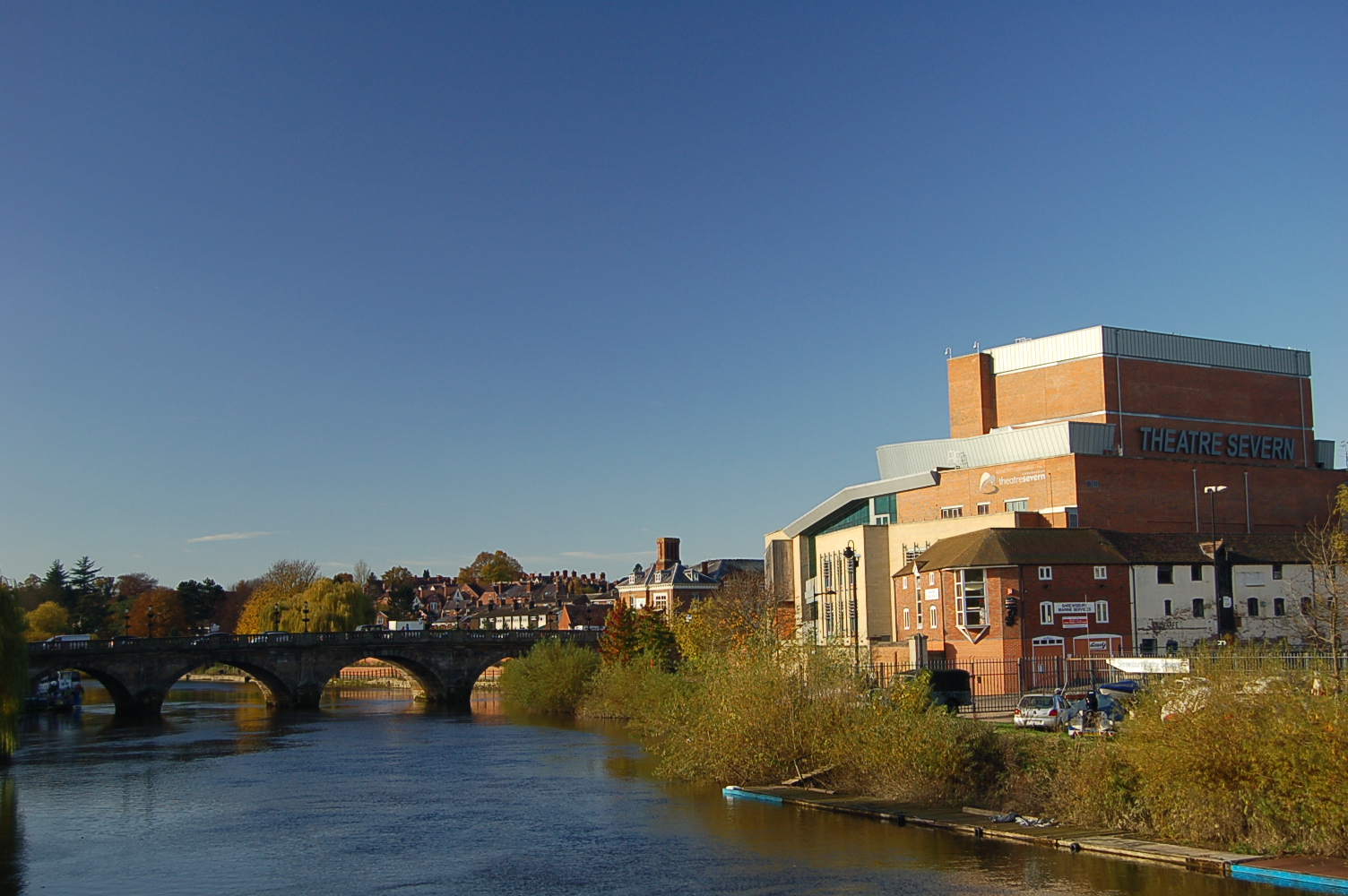
And now off to the riverside! The old centre of Shrewsbury is totally enclosed within a loop of the River Severn.

DSC_0053hb

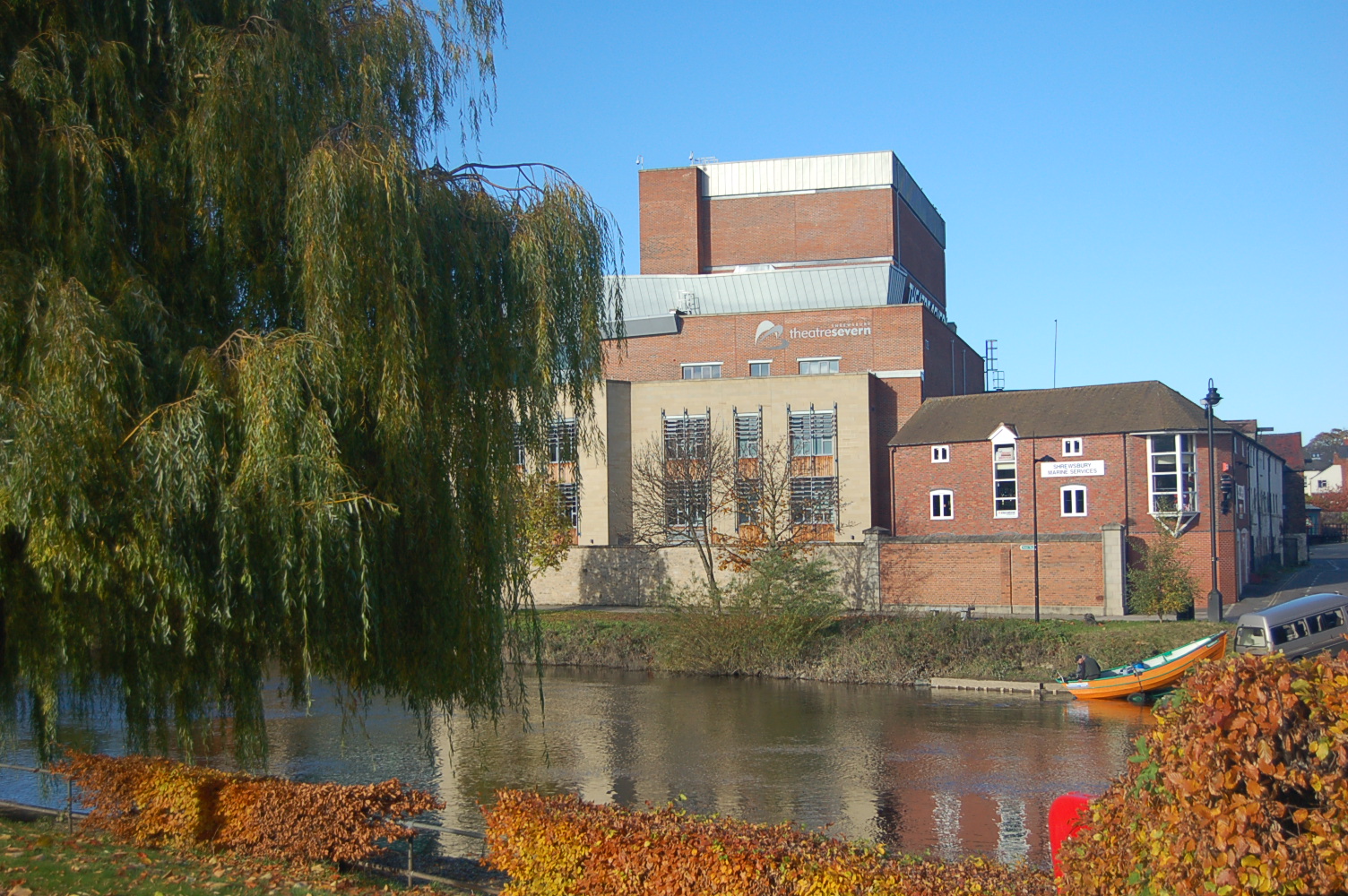
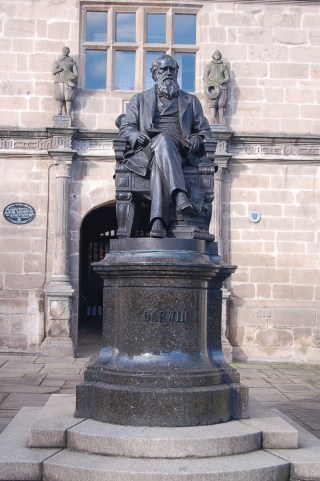
Below is our wonderful new theatre and the new sculpture created to commemorate Charles Darwin.

DSC_0048 DSC_0041 DSC_0049 DSC_0040 DSC_0052 DSC_0051

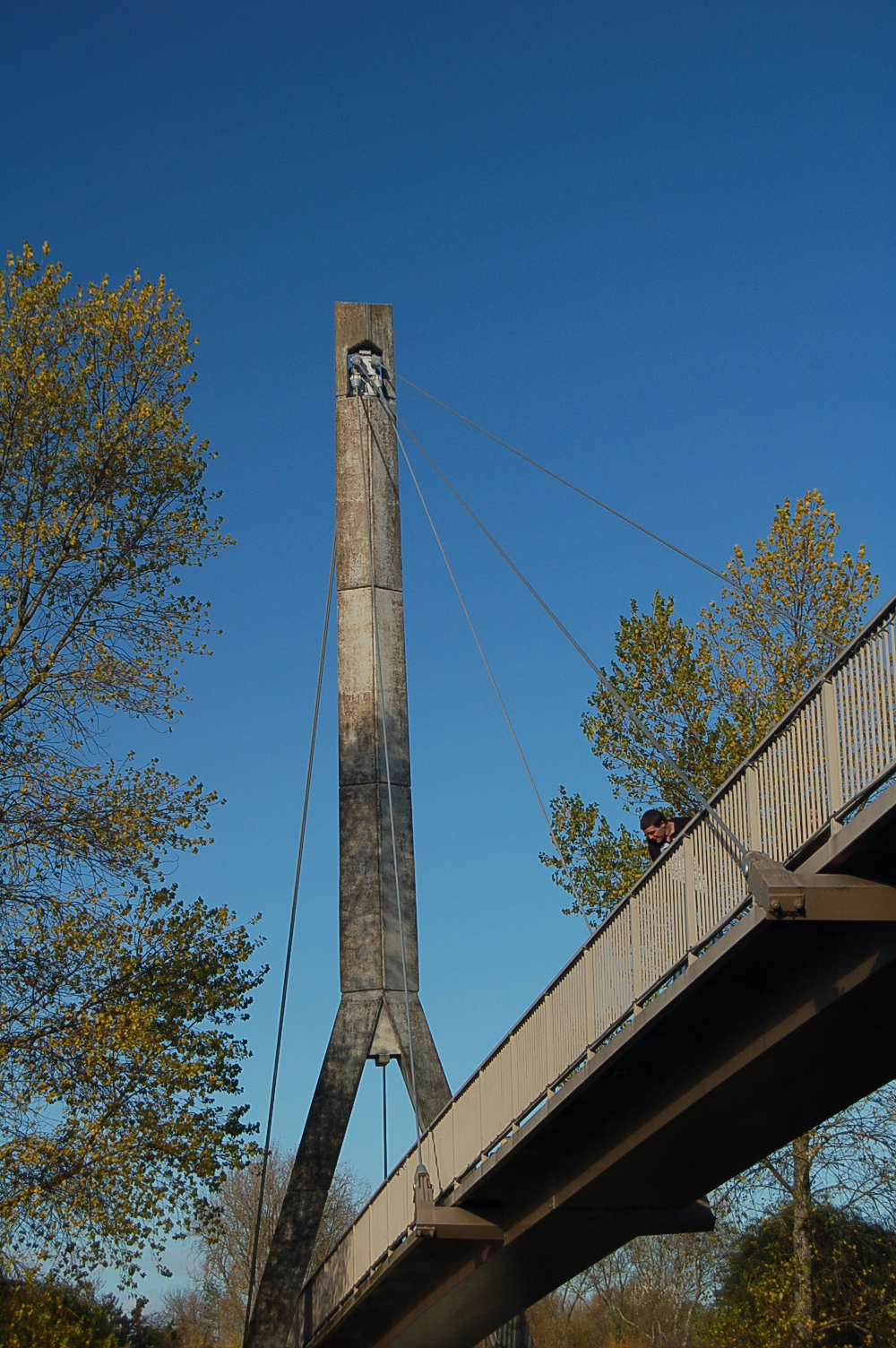
My favourite structure in this part of the town is this pedestrian suspension bridge. It is such a simple but elegant design and certainly invites you to walk over its gentle arching span. It sways as you walk across and the sway gets stronger the more people are crossing over.

DSC_0038

Categories
buildings photography Shropshire

The Architectural Heritage of Shrewsbury – Part 1 From Station to Castle.

Back to some Shropshire architecture for this posting as promised. At the back-end of 2012 I posted a couple of articles based around the market town of Ludlow after being challenged by some followers to feature architecture photos. So here is another batch of posts on the architecture of Shropshire.

Just ten minutes up the road we find the county town of Shropshire. It is not a large town but its ambition is to become a city. Shrewsbury is famous for its historical buildings, for being the birthplace of Charles Darwin and for being the friendliest, most well-mannered town in England.

We don’t go into our shire capital often for the usual reason ie shopping. We avoid shopping whenever we can and try even harder to avoid shopping in town centres. Too much noise, too many people, too much traffic!

But we love Shrewsbury for its buildings and the entertainment it provides for us. Theatre, cinema, jazz club and coffee houses.

This series of posts feature the buildings of our town. They will not follow a chronological order but we shall explore streets, alleys and lanes in bite-sized chunks of town, chunks just the right size to explore in a half day. It would be all too easy and obvious to present the architecture in historical order but I really want to give you the atmosphere of patches of the town. Sometimes the selected areas will seem random but that is how my mind works.

The starting point for today’s random collection of buildings is the coffee shop in Marks and Spencers. After a latte (Malc) and cappuccino (Jude), we are suitably refreshed and warmed up.

First stop is the school attended by Charles Darwin, where we find a big, bronze statue of the great man himself sat outside, while inside on one of the windowsills is the scratched signature of his brother. The building now houses the town’s public library and this famous graffiti is in between the book cases. Darwin is often described as the town’s most famous son, but he is more than that. The most intelligent person ever to have lived for example?

DSC_0006

DSC_0008

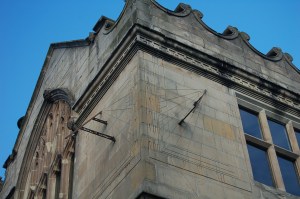
The building displays interesting detail in its stonework and a wonderful big sundial with two faces sits astride the one corner.

DSC_0011

DSC_0017

DSC_0016

DSC_0015

The cobbled lane leading to the library is overlooked by an interesting row of town houses and a beautiful gateway.

DSC_0019

DSC_0018

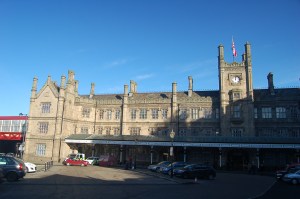
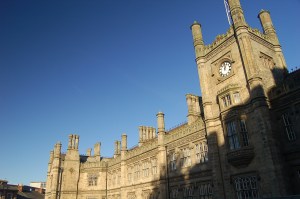
We walked on down Castle Street towards one of Shrewsbury’s most photographed buildings. It appears in many books about railways and about the Victorian era. The railway station. How can a railway station look so good?

DSC_0061

DSC_0071

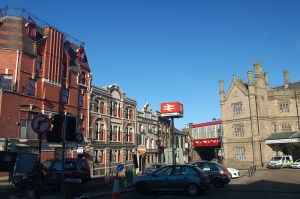
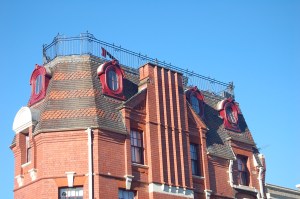
To the left of the station forecourt we spotted a real “Mary Poppins” balustraded roof garden constructed in wonderful shades of red.

DSC_0062

DSC_0063

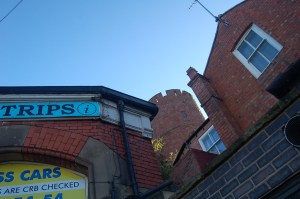
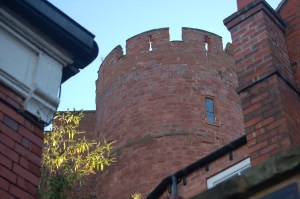
From the railway station we see hints of the castle, so we made our way towards it.

DSC_0067

DSC_0069

DSC_0103

DSC_0093

DSC_0102

DSC_0094

DSC_0110

DSC_0111

As we walked around this small corner of Shrewsbury town little details attracted my eye and my camera lens.

DSC_0074 DSC_0078 DSC_0079 DSC_0082 DSC_0080 DSC_0084 DSC_0091 DSC_0097 DSC_0100 DSC_0105

Categories
architecture buildings conservation Shropshire South Shropshire

Rural Shropshire – Architecture Old and New

 DSC_0122nb

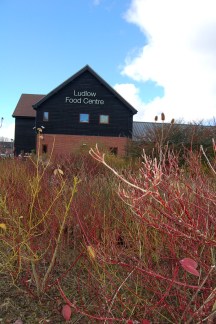
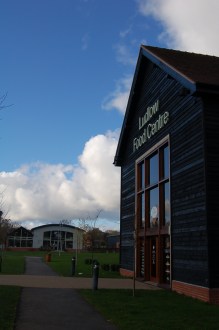
Visitors come to Shropshire for its wonderful countryside, beautiful old market towns and for the peaceful atmosphere. Rural areas of Shropshire are dotted with old farms with ramshackle buildings, barns, cattle biers, cottages and farm houses, but there are isolated examples of good modern architecture. The Ludlow Food Centre provides a good example of this based around old farm buildings and a row of cottages but given a new use and so a new lease of life.

I have always liked their sign seen in the photo above, with the simple representation of fields in natural colours. Sadly recently it has changed to just lettering which is nowhere near as interesting.

There is now just the row of cottages left which have been renovated recently and  are lived in once again. The walls show an attractive combination of brick and wood and the chimneys are most impressive.

DSC_0116


DSC_0118

DSC_0119

DSC_0120

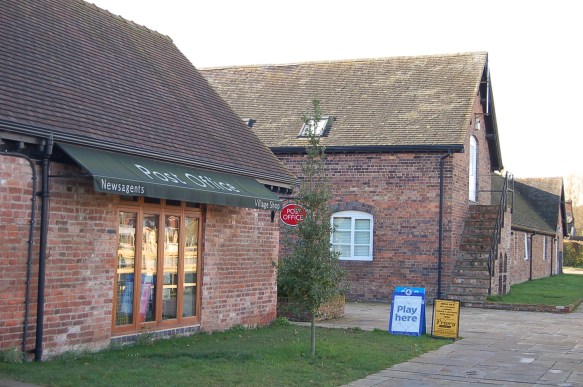
Behind the cottages is the new Food Centre and Garden Centre and these sit alongside a coffee shop and post office in old farm buildings. They have certainly been given a new lease of life. Needless to say we visit the coffee shop whenever we are close by.

DSC_0115

  DSC_0130

SAMSUNG

SAMSUNG

The Food Centre itself is housed in a building that reflects the property’s farming past, with a huge entrance reminiscent of the old barn doorways that allowed loaded carts through and it is clad in darkly painted wood a popular finish for old farm buildings especially barns. Inside local food producers, a baker, a butcher, cheese maker etc, sell their wares and glass walls allow visitors to see food being made and packed before they decide to purchase.

DSC_0123

At the side of the food centre a naturally planted wildlife pool with colourful shrubs enhances the peaceful atmosphere here.

DSC_0127

DSC_0128

DSC_0129

The new plant centre is housed in a new building built just as you would imagine a new upmarket barn would be built. Modern materials are used in a traditional building style. Beautiful local products such as metal sculpture are displayed inside alongside organic gardening fertilisers, bird feeding equipment, books and a rich mixture of gardening sundries. All very tempting! Out back can be found a plant nursery.

DSC_0114

This Veggie Life

A Vegetarian | Nature Lifestyle Blog

Rambling in the Garden

.....and nurturing my soul

The Arch City Gardener

Journeys In St. Louis Gardening and Beyond

Garden Dreaming at Châtillon

Consult the genius of the place

Storyshucker

A blog full of humorous and poignant observations.
gardeninacity

Notes from a wildlife-friendly cottage garden

PlayGroundology

...an emerging social science

The Official Blog of British Wildlife

'The most important and informative publication on wildlife of our times' - The Independent. This blog is a member of The UK & Ireland Natural History Bloggers group: www.uknhb.blogspot.com
iGrowHort

Inspire - Cultivate - Grow Native Plants - Restore Landscapes

Bishops Meadow Trust

To create and protect a semi-natural wild space for the people of Farnham to enjoy and experience an array of British wildlife in our town

Gardening with Children

The www.gardeningwithchildren.co.uk Blog

UKbirdingtimeline

birding through the seasons, why birds matter and how to conserve them

NATURE WALKER

with a camera in hand

Jardin

Transform your outdoor space

Eva's space

My allotment, cooking and other interests

Old School Garden

my gardening life through the year

LEANNE COLE

Trying to live a creative life

fromacountrycottage

trying to live as lightly as possible on our beautiful planet

Good Life Gardening

Nature lovers from Leicester living the good life.

mybeautfulthings

Finding the beautiful in the everyday

mawsonmichelle

Michelle's Allotment

In and Out of My Garden

thoughts from and about my garden

Greenhousing

Big plans for a small garden

The Scottish Country Garden

A Walled Country Garden in South East Scotland

The Fruity Chicken

Life at the fruity chicken

willowarchway

Off grid living. Self sufficient. "PERMAGANICS RULE".

St Anns Allotments

Nottingham's Grade 2* Listed Allotments and Community Orchard

Manifest Joy Harvests

a journey in suburban vegetable gardening

Allotmental

The madness of growing your own

Penny's Garden: a harvest beyond my front door

A novel approach to vegetable gardening

arignagardener

Sustainable living in the Irish countryside.

NewEnglandGardenAndThread

Master Gardener, amateur photographer, quilter, NH native, and sometimes SC snowbird

dianajhale

Recent work and work in progress and anything else that interests me

planthoarder

a chaotic cottage gardener

Lens and Pens by Sally

a weekly blog that creates a personal philosophy through photographs and words

Dewdrops and Sunshine

Stories from a sassy and classy Southern farmbelle.

The Pyjama Gardener

Simple Organic Gardening & Seasonal Living

gettin' fresh!

turning dirt into dinner

JOY...

today the world is created anew

Garden Birds

Notes from a Devon garden

ShootAbout

Life Through The Lens

Adapting Pixels

A photography blog showcasing the best photography pictures and videos on the internet

Wildlifegardening's Blog

Just another WordPress.com site

naturestimeline

personal observations from the natural world as the search continues for a new approach to conservation.

LATEBLOOMERBUDS

The Wonders of Life through my Eyes, my Heart, my Soul