Categories
allotments autumn community gardening garden wildlife gardening gardens grasses meadows wildlife

The Final Cut

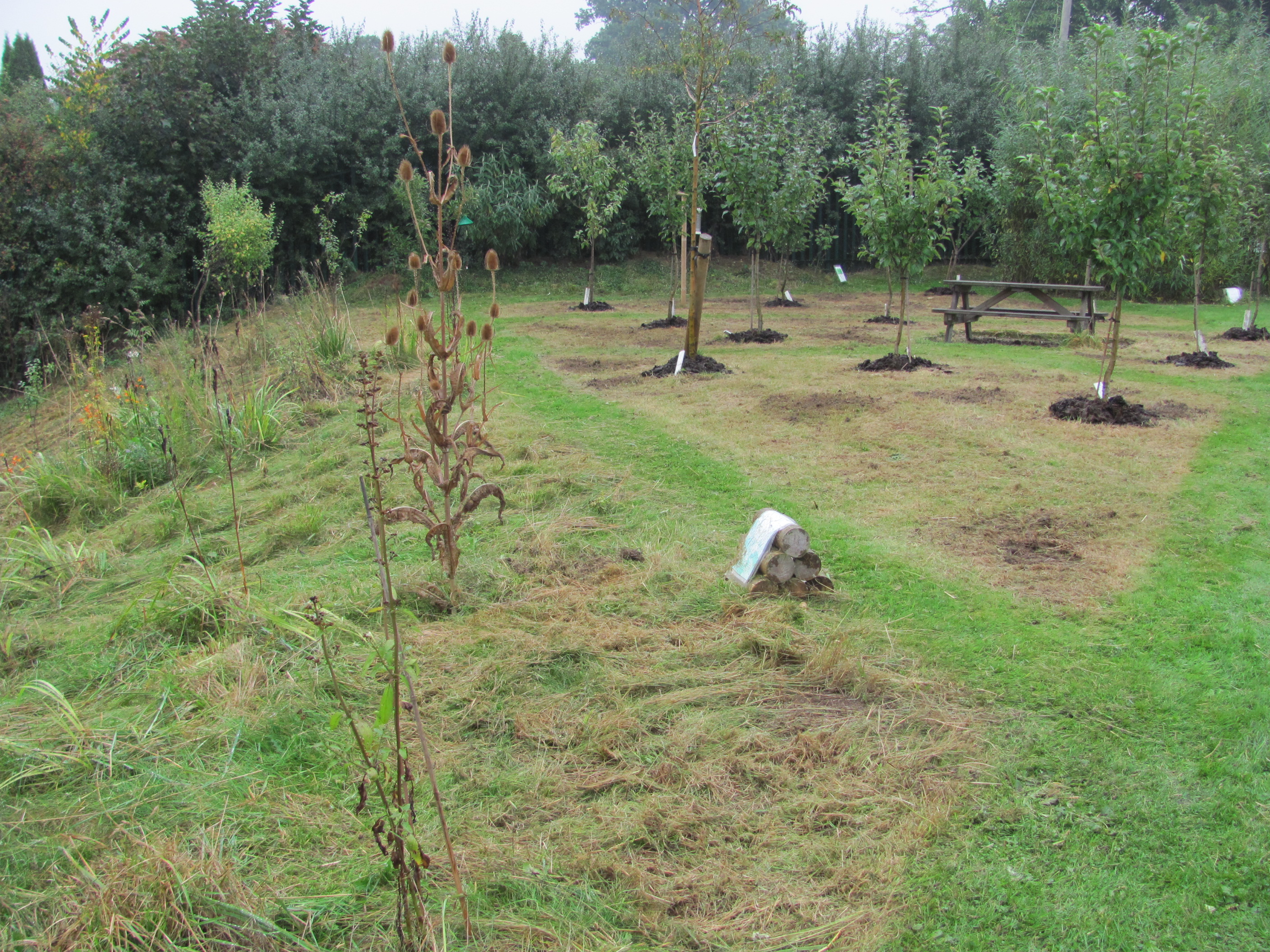
At last a half day of dry weather allowed us a window in which to cut our last meadow on the allotments. This meadow is situated close to our very mature oak tree and within the grasses we grow wildflowers and cultivated plants that we know attract bees, butterflies and moths, hoverflies and all sorts of beneficial insects. It is home too to amphibians, small mammals and even grasshoppers and crickets. The flowering plants here this year just have not stopped flowering their hearts out so we have left cutting the meadow down until last.

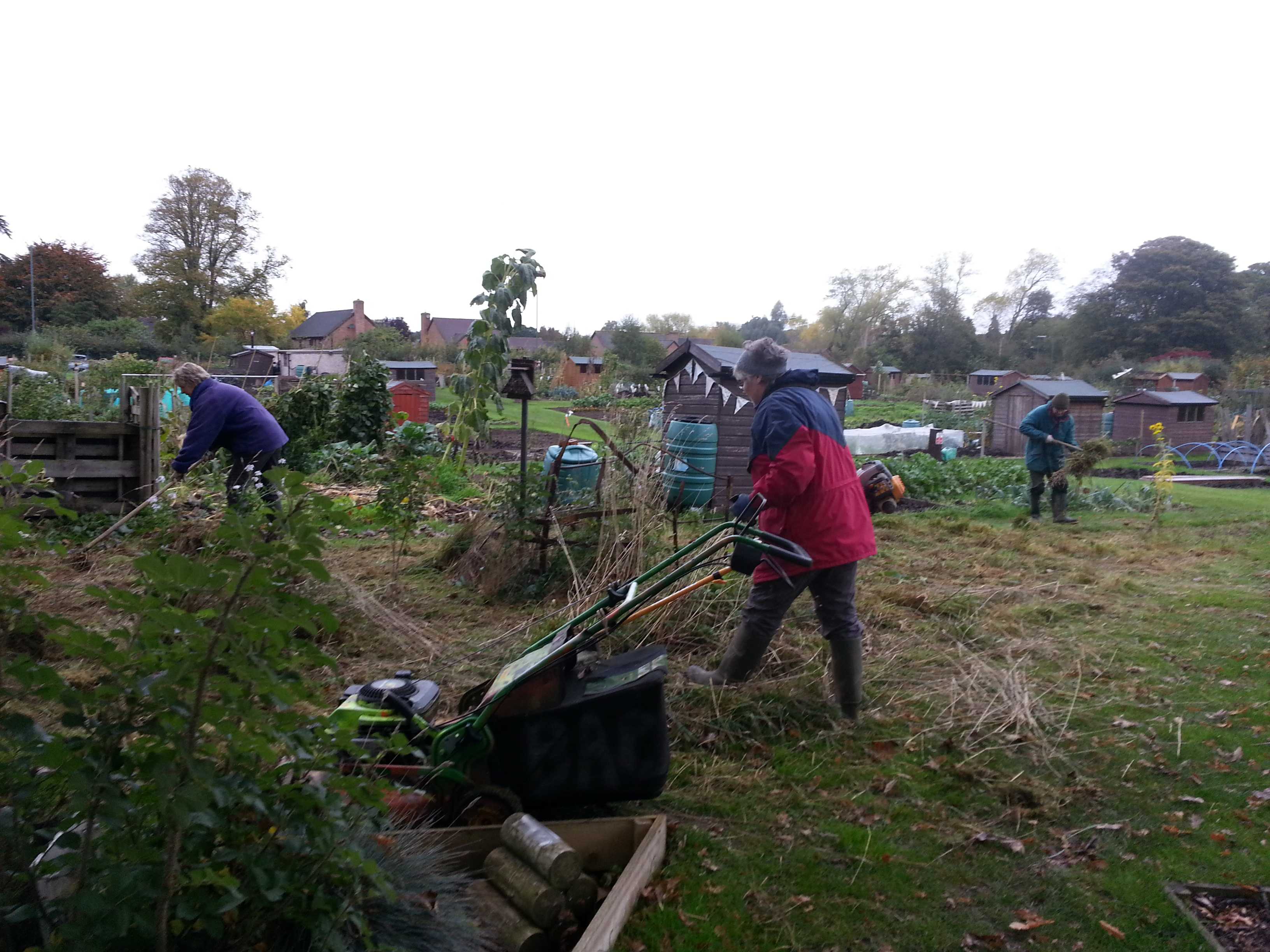
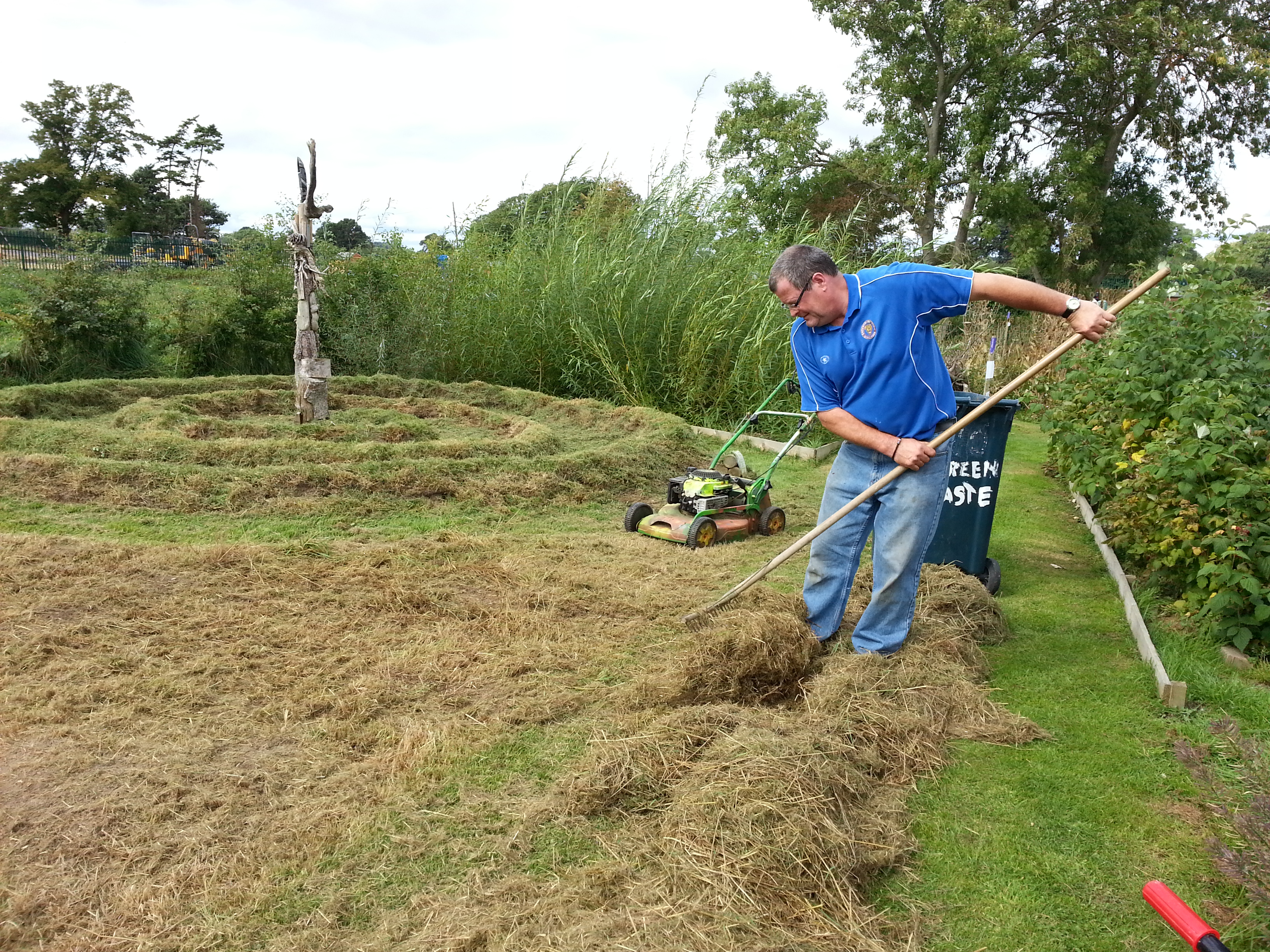
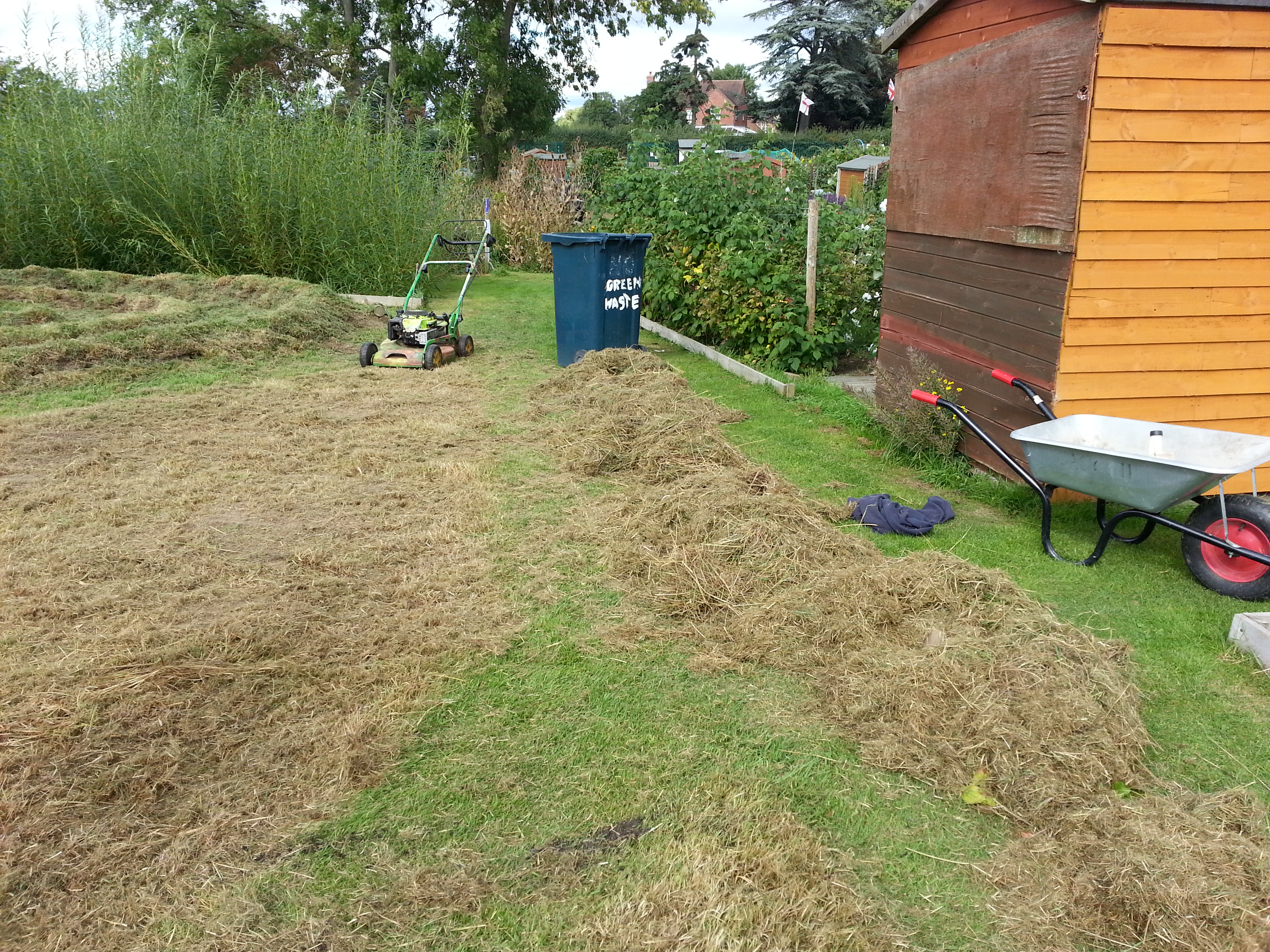
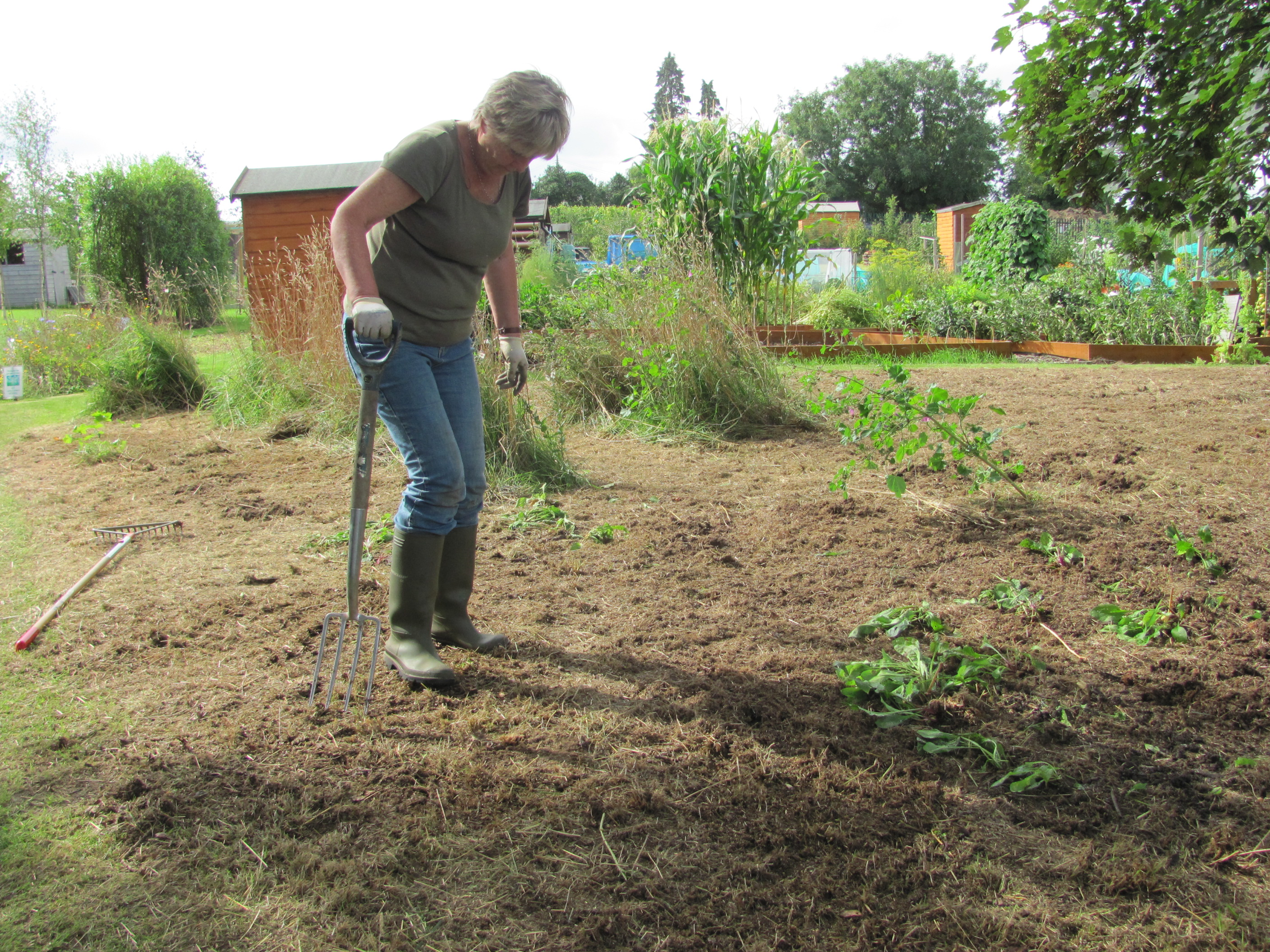
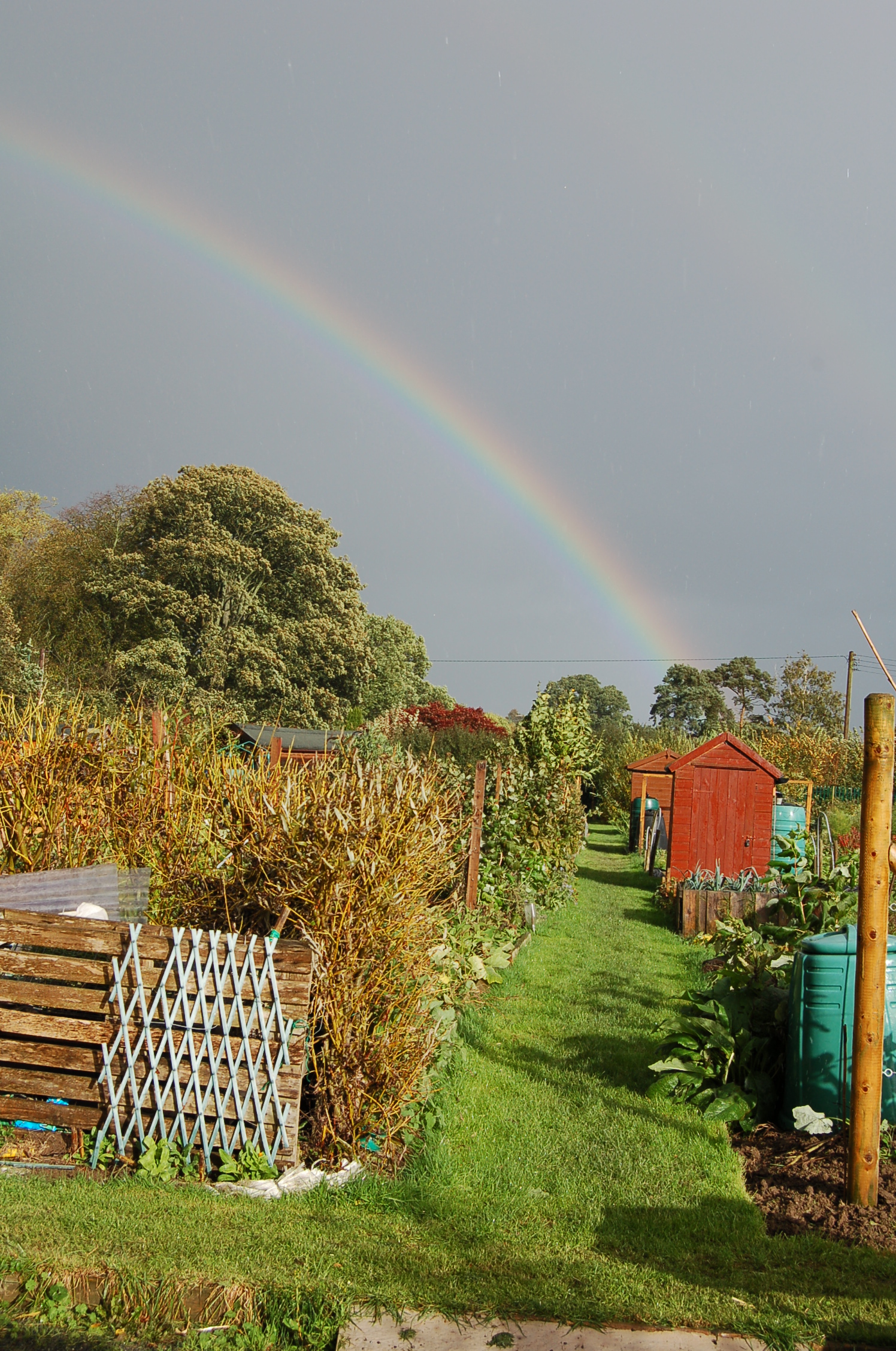
So early in November four of us set to with strimmers, mowers and rakes and we made sure we had our water proof clothes at the ready. An hour into our work and we needed them. But we persevered and got the job done. Beautiful rainbows came out to wish us luck.

2013 10 28_4851 2013 10 28_4852

20131101_102927 20131101_102901

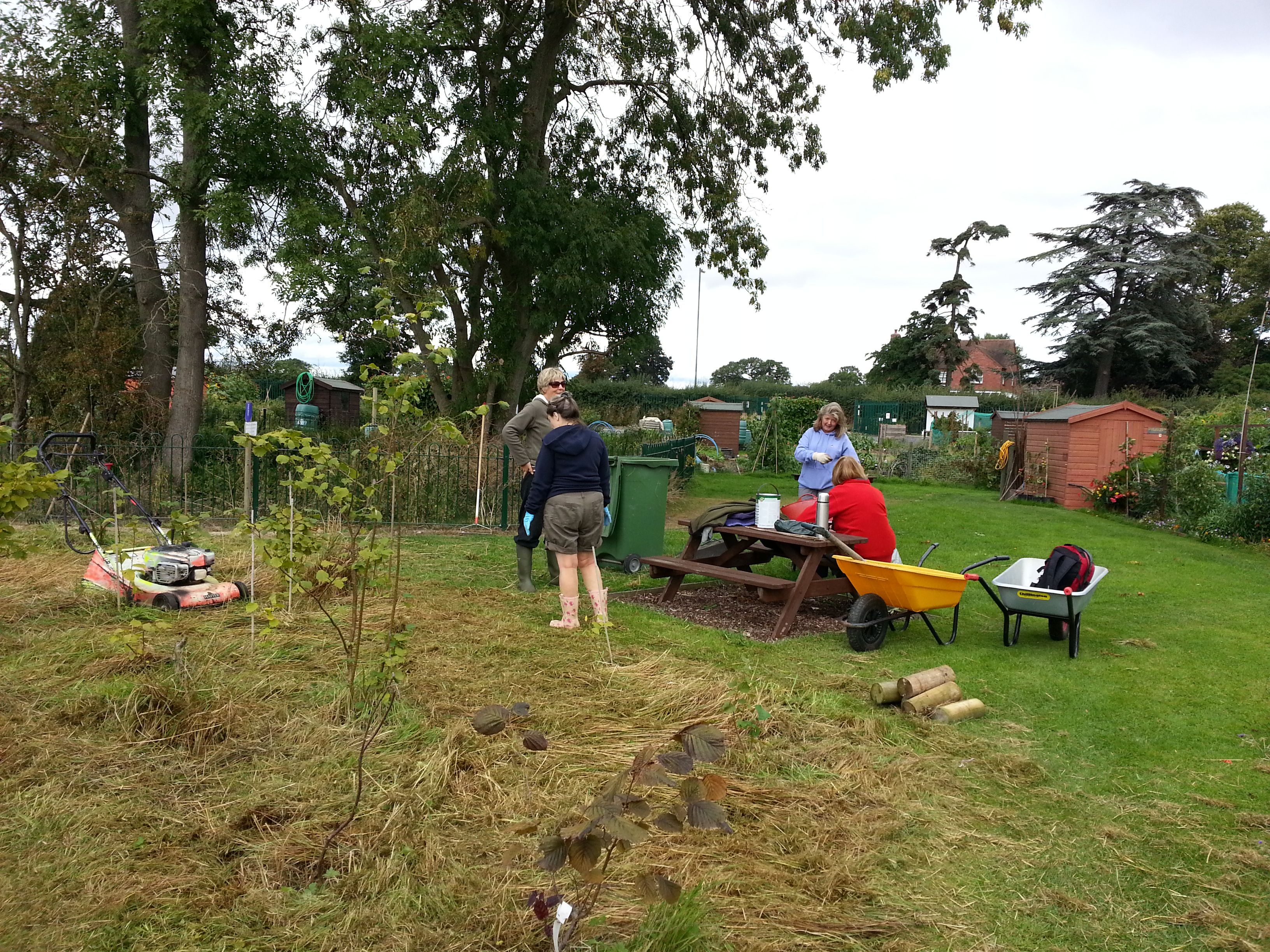
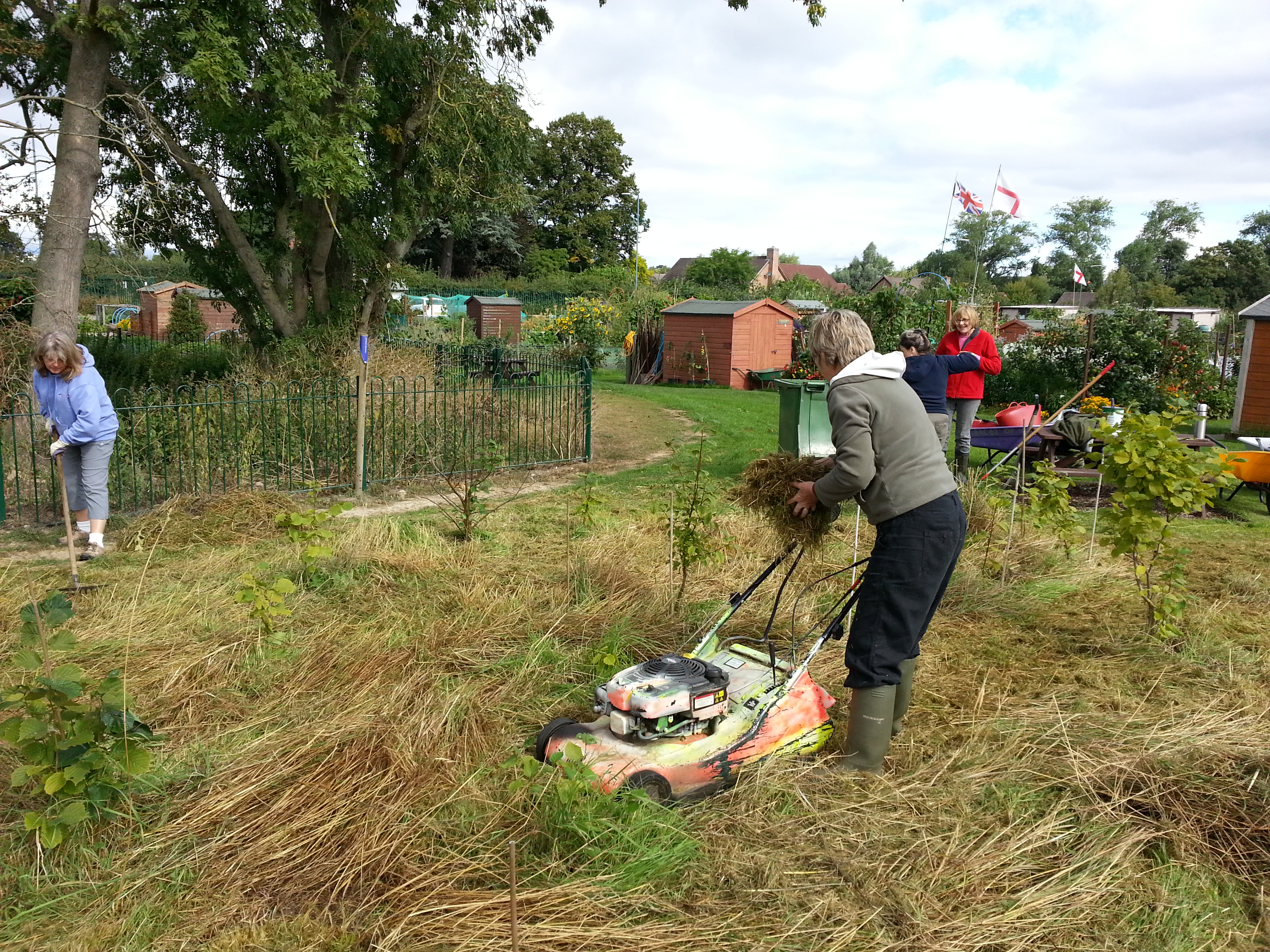
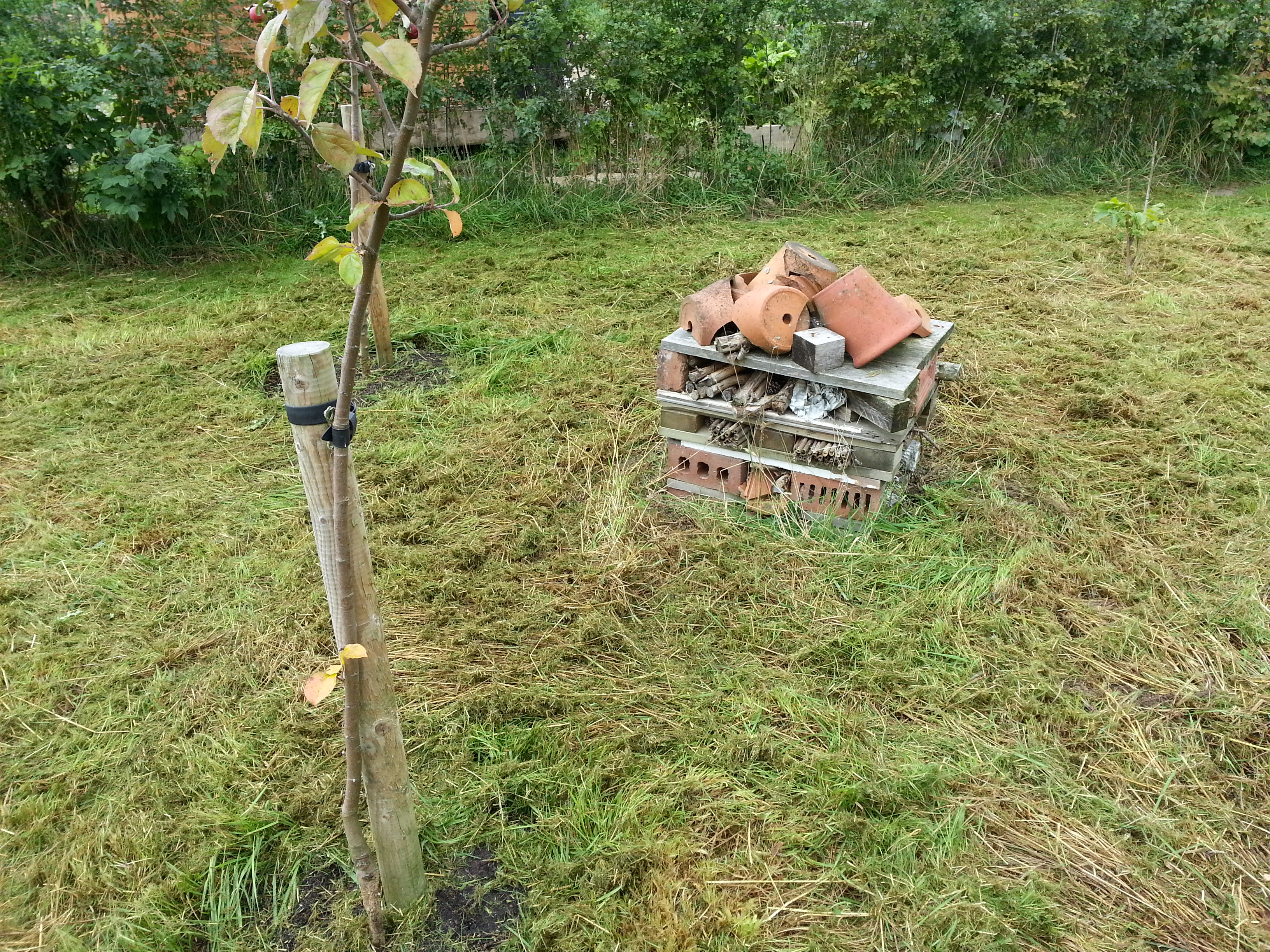
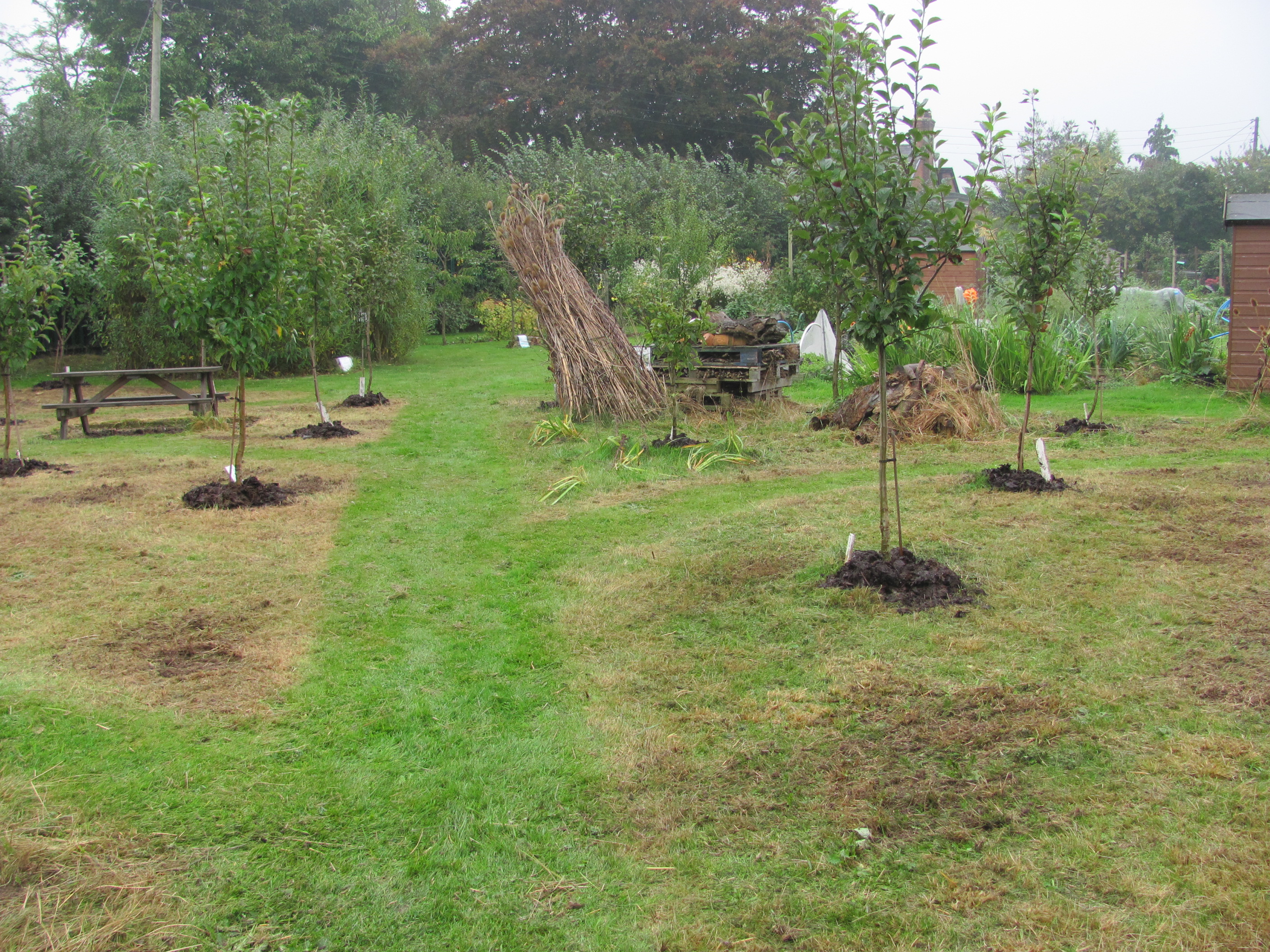
A few weeks earlier lots of members worked together mowing, strimming and raking away on the other meadows while the weather held. We were lucky to get so much done, finishing off all but one of our many meadow areas. It is really important to look after the meadows around the site as they are such an important habitat for wildlife and of course help us with our pest control by harbouring predatory insects.

2013 10 27_4762 2013 10 27_4765

2013 10 27_4766 2013 10 27_4767

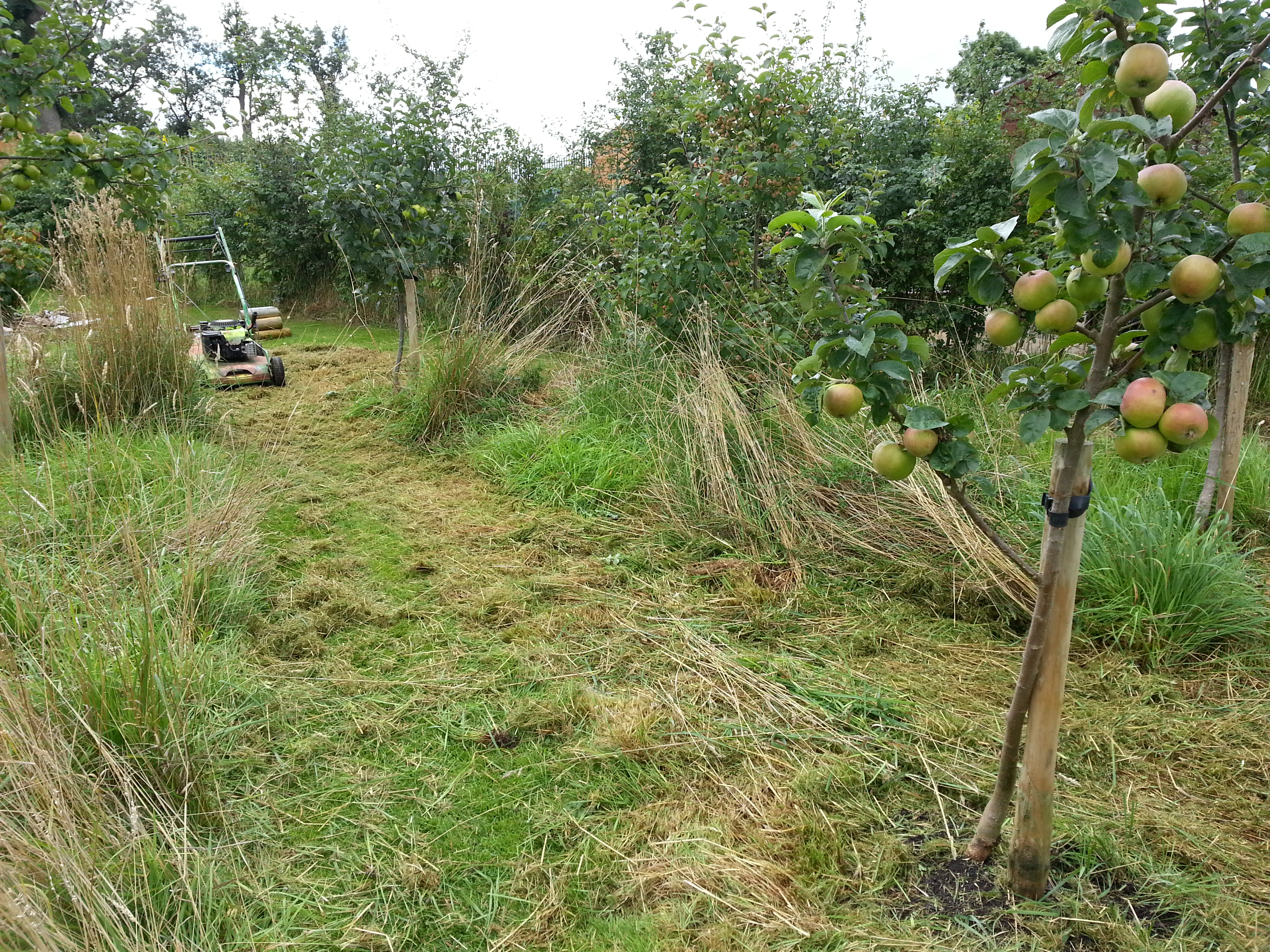
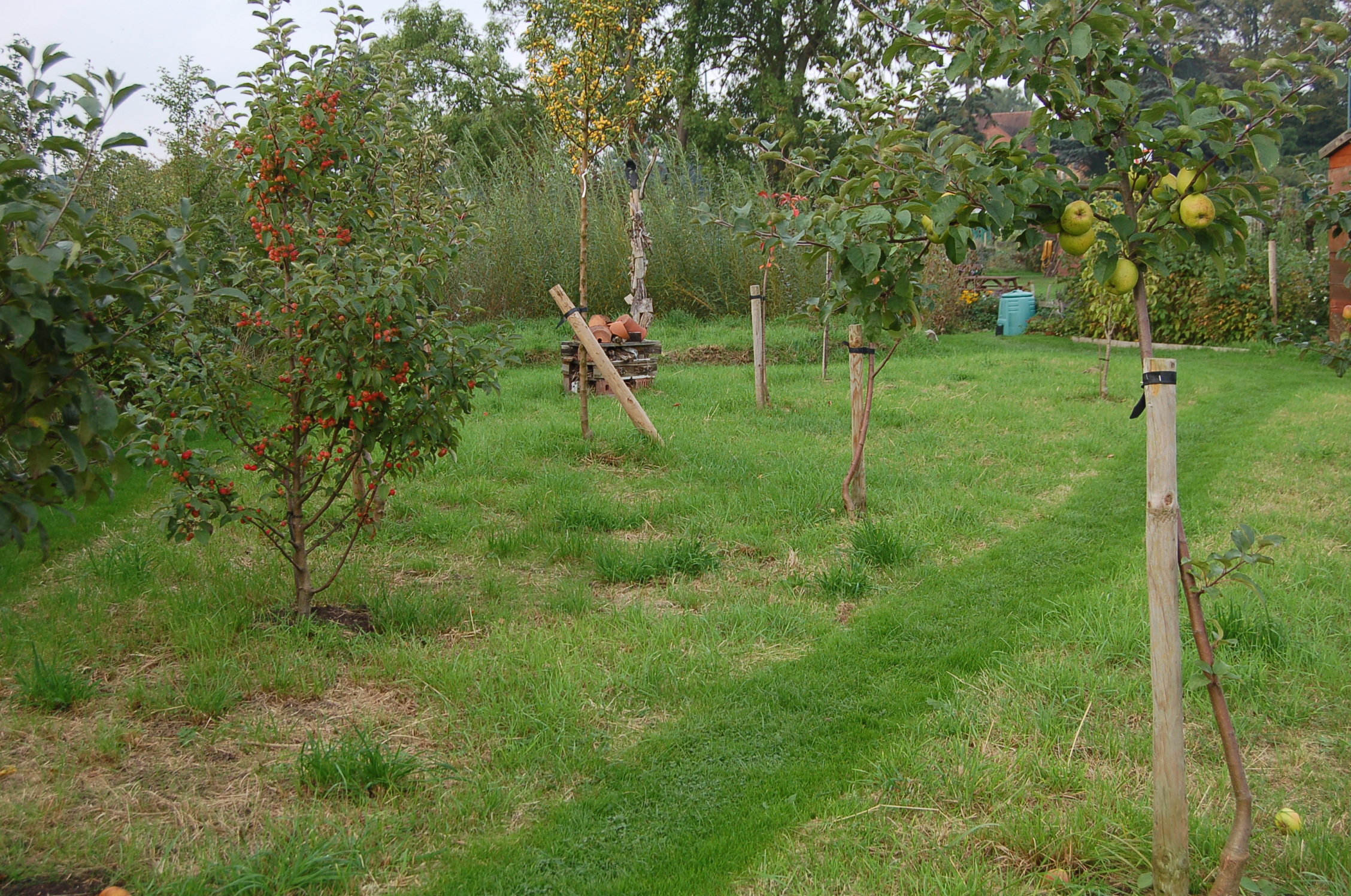
The meadows grasses beneath the fruit trees in the orchard get very thick so take a lot of sorting out. Luckily, Ian one of our committee came along and he is a builder so he made light work of it.

2013 10 27_4759 2013 10 27_4760

2013 10 27_4771 2013 10 27_4768

2013 10 27_4770 2013 10 27_4777

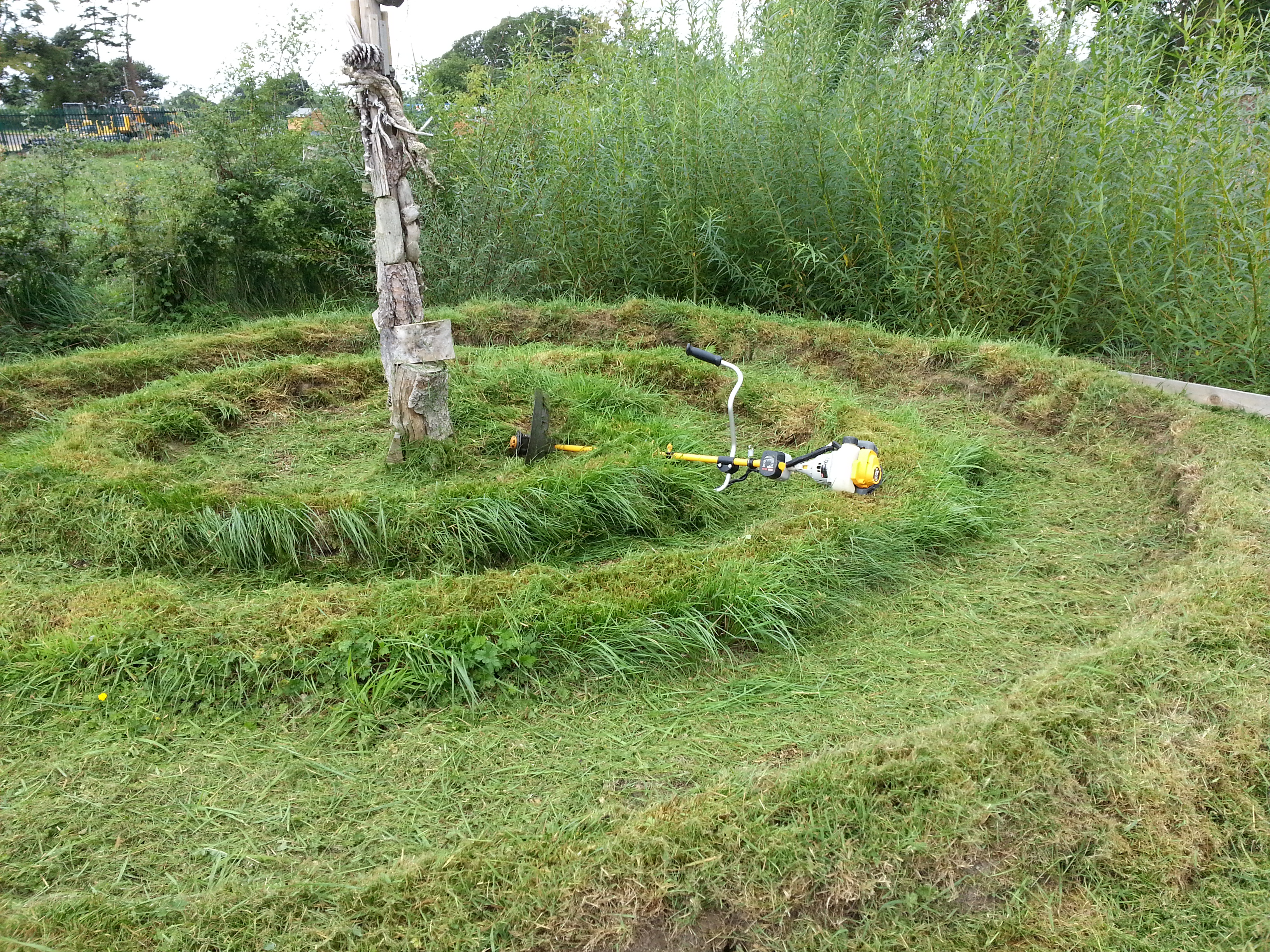
The turf spiral is a very fiddly job but John came along and got to work with his strimmer. He loves strimming so we left him to get on with it! It looked really smart!

2013 10 27_4763 2013 10 27_4764

2013 10 27_4761

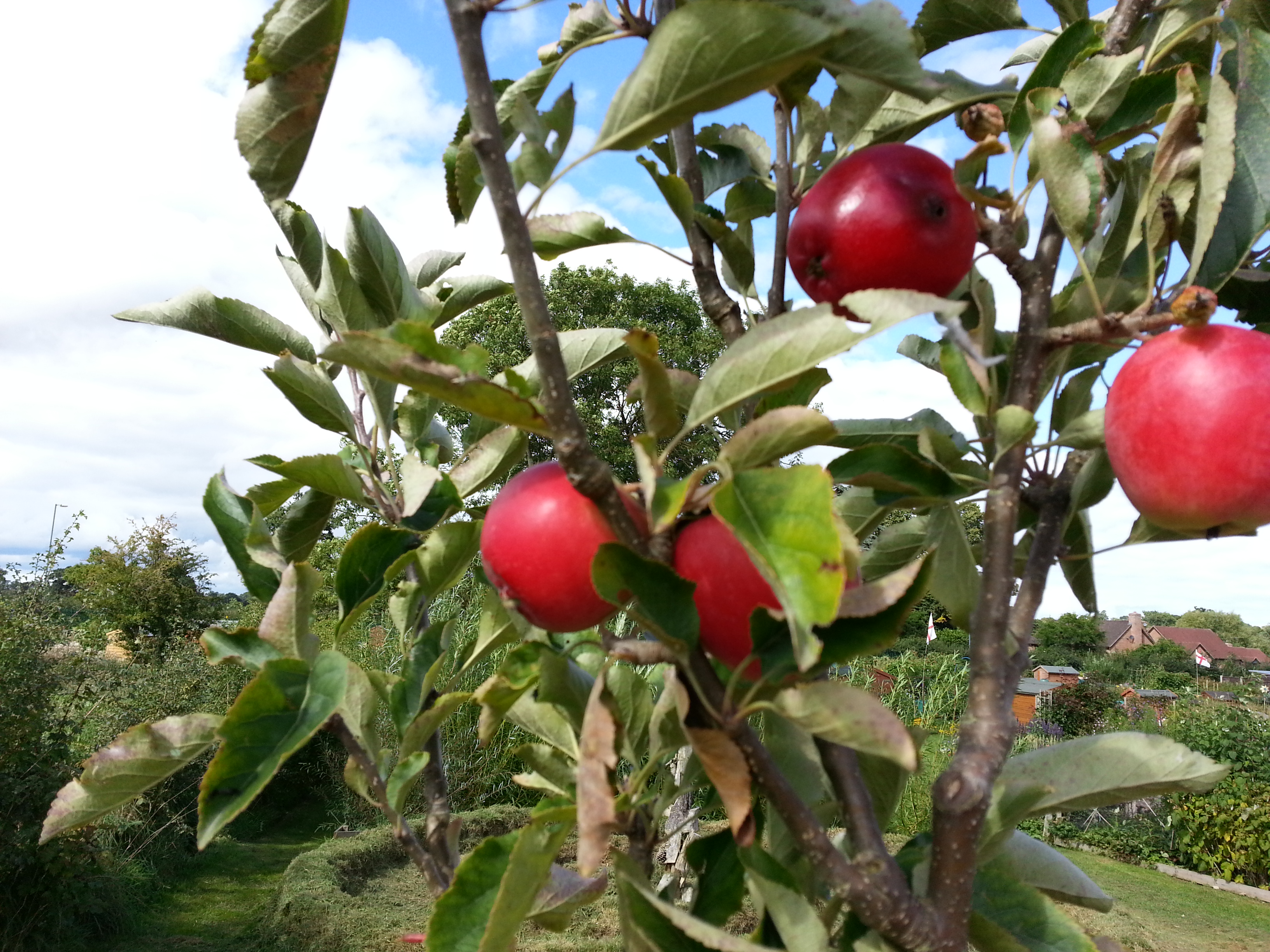
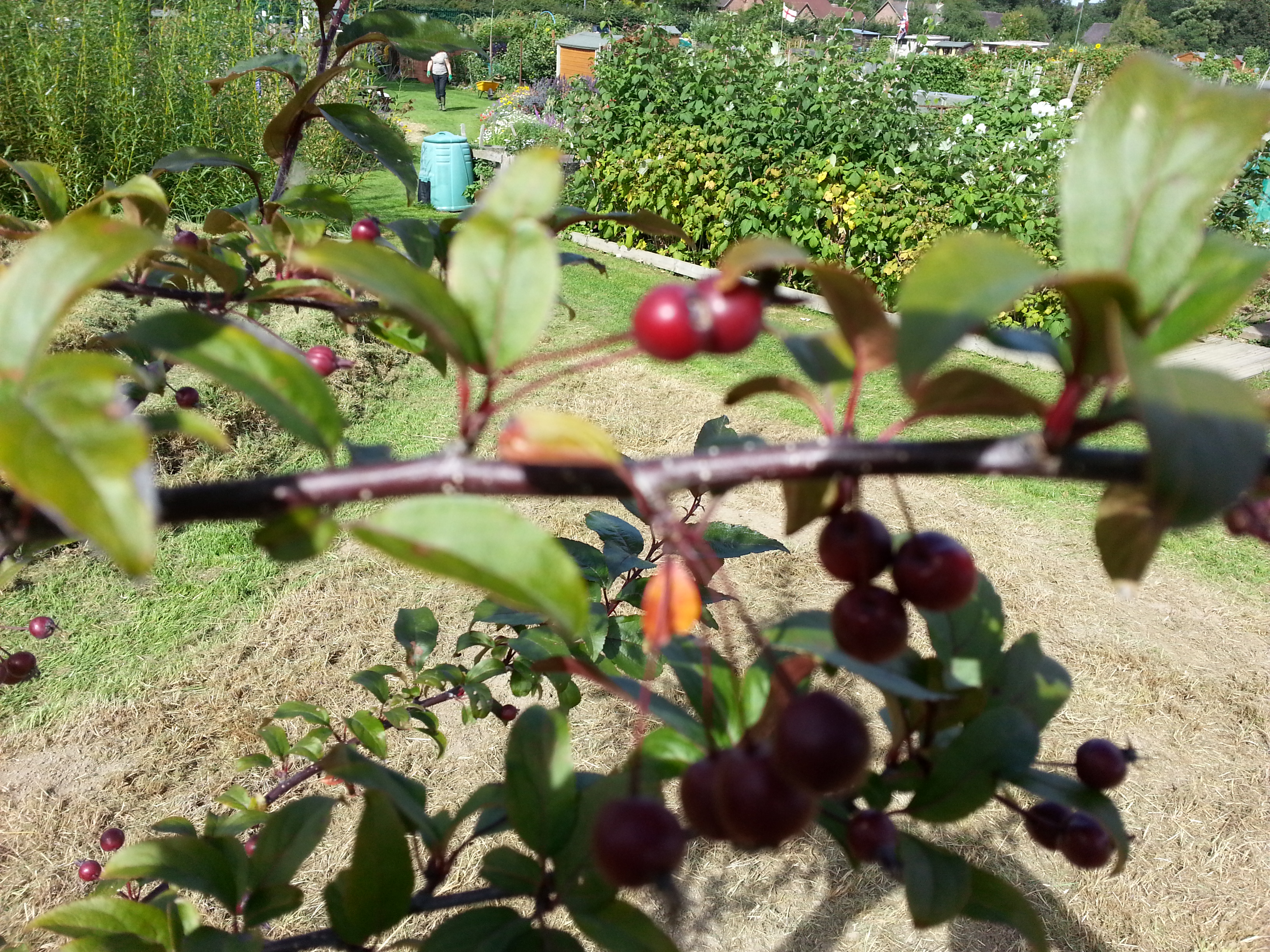
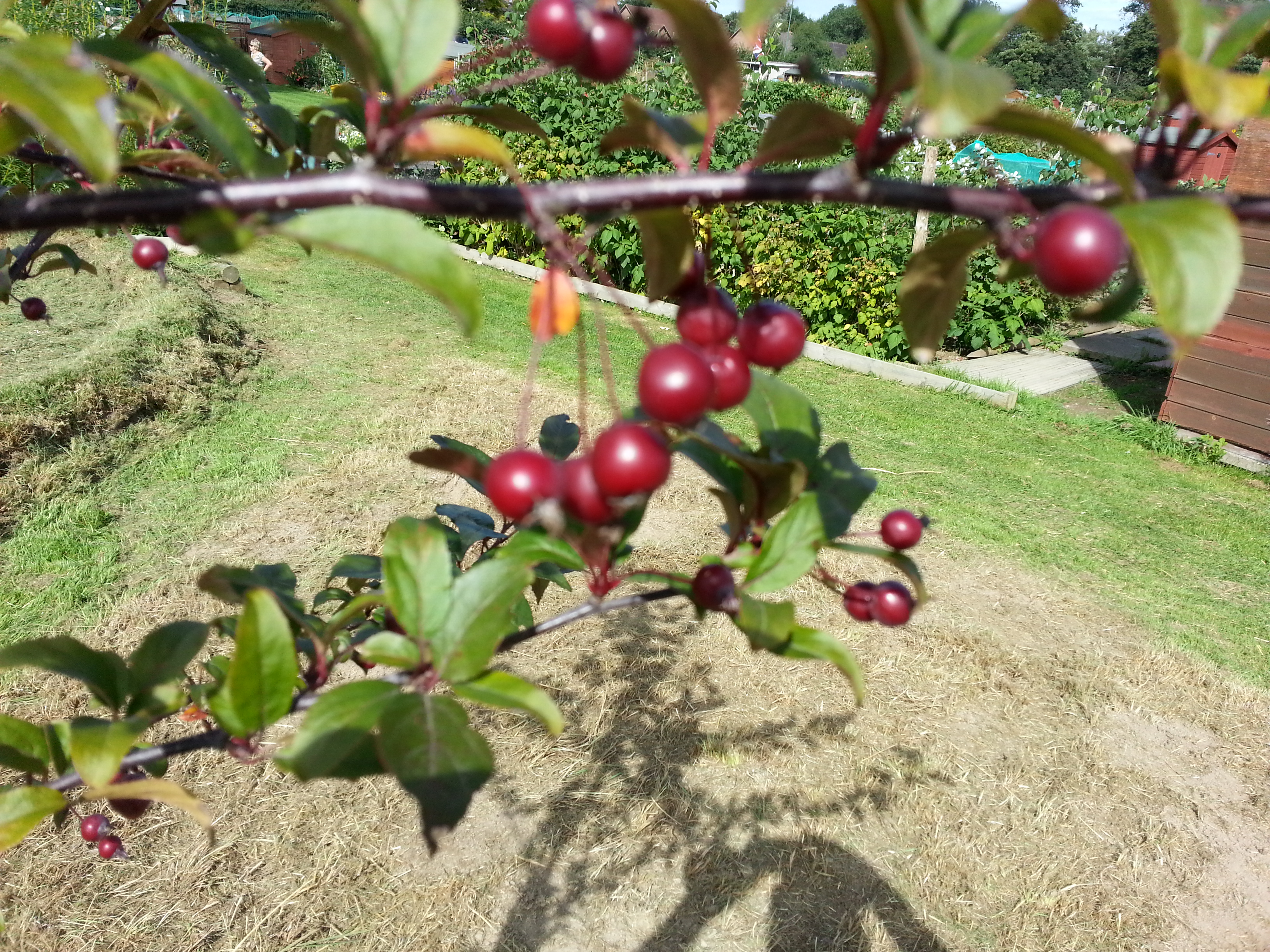
When we had finished we had time to appreciate the wonderful colourful fruit of the Crab Apples which we grow in the orchards to improve the pollination of our main apple trees.

2013 10 27_4780 2013 10 27_4781 2013 10 27_4782 2013 10 27_4783 2013 10 27_4784

When we stopped for our coffee and cake break we discovered that our resident Little Owl had been using the picnic bench before us. He had left a pellet for us to examine. We learned by studying it closely that he had been enjoying meals of beetles and mice.

2013 10 27_4772

Categories
allotments autumn community gardening diy garden buildings garden wildlife gardening gardens Land Art natural pest control recycling Shrewsbury wildlife

Pumpkins, a BBQ and Homes for Wildlife

At the end of October we held our first ever family oriented working party social day at our allotments, Bowbrook Allotment Community. It was a great success even though the whole day was spent in wellies and waterproofs. The ground beneath our feet was saturated and occasional showers got us from above, but neither distracted us from our aims of the day.

We started just after one o’clock when a photographer from the local newspaper came to take some shots of families working together on our “Homes for Wildlife” projects and one of our most recent award, the RHS Britain in Bloom “National Award of Distinction” which we were awarded for our community involvement.

First task was to make some birdboxes and Wren Pouches. All the materials were collected together by one of our picnic benches and tools readied.  It was heartening to see children, their parents and grandparents working together creating these nest boxes. Three generations together!

2013 10 27_4572 2013 10 27_4580

2013 10 27_4590 2013 10 27_4598

2013 10 27_4622 2013 10 27_4599

We made some hanging bug shelters too, created from broken flower pots, driftwood and bits of bark.

2013 10 27_4579

We wished also to make a couple of bug hotels, a small one along the fenceline and our most ambitious yet a 6 ft high creepy crawly cottage both based on recycled wooden pallets. We began with a stack of pallets and a collection of natural objects collected by allotment holders, sticks, old garden canes, stones, fir cones etc.

2013 10 27_4565 2013 10 27_4567 2013 10 27_4569

The “cottage” soon began to take shape as pallets were stacked and fixed together to give the basic structure.

2013 10 27_4571  2013 10 27_4577

2013 10 27_4581 2013 10 27_4584

2013 10 27_4585 2013 10 27_4586

2013 10 27_4587 2013 10 27_4589

2013 10 27_4588   2013 10 27_4591

2013 10 27_4594 2013 10 27_4593

2013 10 27_4597

All we have to do now is choose a name for our new insect home. We have challenged the youngsters from the allotments, our Roots and Shoots group, to choose a suitable one. So far we have a few ideas – “Minibeast Manor”, “Bugtique Hotel” and “Minibeast Metropolis”. The difficulty will be how to decide!

The smaller insect hotel was made from five pallets and again filled with objects that would provide shelter for wildlife. We finished it off with a stone pile, the perfect home for beetles.

2013 10 27_4582 2013 10 27_4583

2013 10 27_4595 2013 10 27_4596

2013 10 27_4578

The final jobs before our BBQ was to plant lots of acorns, sweet chestnuts and hazel nuts to grow on and plant in our hedgerows and to plant up a whole sack of daffodil bulbs alongside the paths in our meadows.

2013 10 27_4600 2013 10 27_4616

The BBQ brought us all back together and once darkness fell we lit our pumpkin lanterns. And we even found time for Jude to do some face painting.

2013 10 27_4618 2013 10 27_4619 2013 10 27_4617 2013 10 27_4627 2013 10 27_4628

As we enjoyed the BBQ the light disappeared and we prepared ourselves for the Twilight Walk, when we wandered around the site with lit pumpkins to light our way in search of sheds decorated as Spooky Sheds.

2013 10 27_4624   2013 10 27_4626 2013 10 27_4623

2013 10 27_4615 2013 10 27_4613 2013 10 27_4612 2013 10 27_4611 2013 10 27_4610 2013 10 27_4609 2013 10 27_4608 2013 10 27_4607 2013 10 27_4606 2013 10 27_4605 2013 10 27_4604 2013 10 27_4602

And as the night fell we disappeared into the gloom with our pumpkins to guide our way.

2013 10 27_4629 2013 10 27_4630

Categories
allotments autumn community gardening garden wildlife gardening gardens meadows wildlife

Autumn Working Parties – sorting the meadows.

Our Autumn Working Parties at the allotments are mostly to do with treating our various meadows to their annual haircut, brush up and manicures. Last year we were badly held up by the wet weather and struggled late in the year to get our meadows sorted. This year we had no such problems and managed to get the ball rolling in mid-September. We did however have an audience who sat and watched us, three of the Mallard ducklings who live on site, eating our slugs and snails with raspberries for dessert. Now that is what you call organic pest control!

2013 09 25_3685

The main wildflower meadows need a lot of work to get the thick grass cut down low and to ensure the thatched grass layer is removed.

When we cut the meadows in the orchards we tidy up by clearing grass back form around each tree and top dress with a good deep mulch of manure. This will keep the area weed free and slowly feed the trees next year. We had given the orchards a quick trim over a few weeks earlier and as can be seen in the photo below the warm moist weather had encouraged fresh growth.

2013 09 25_3692

They looked very neat when we had finished. We can now wait for the first bright green spikes of the bulbs that will give us colour early in the year.

2013 10 01_4027 2013 10 01_4026 2013 10 01_4025

When the meadows are cut very low and well raked, some patches are scarified to allow us to sow seeds of Yellow Rattle, a wild flower which parasitises on the roots of strong growing grass. This weakens the growth of the grass and allows the wild flowers to get better established. It is also good at attracting beneficial insects and bees. So on an allotment site this helps with pest control and pollinating of crops. We spend a lot of time keeping an eye on the meadows to see when the seeds of wild flowers ripen so that we can collect them for re-sowing in the spring.

2013 09 13_3384 2013 09 13_3383 2013 09 13_3386 2013 09 13_3385

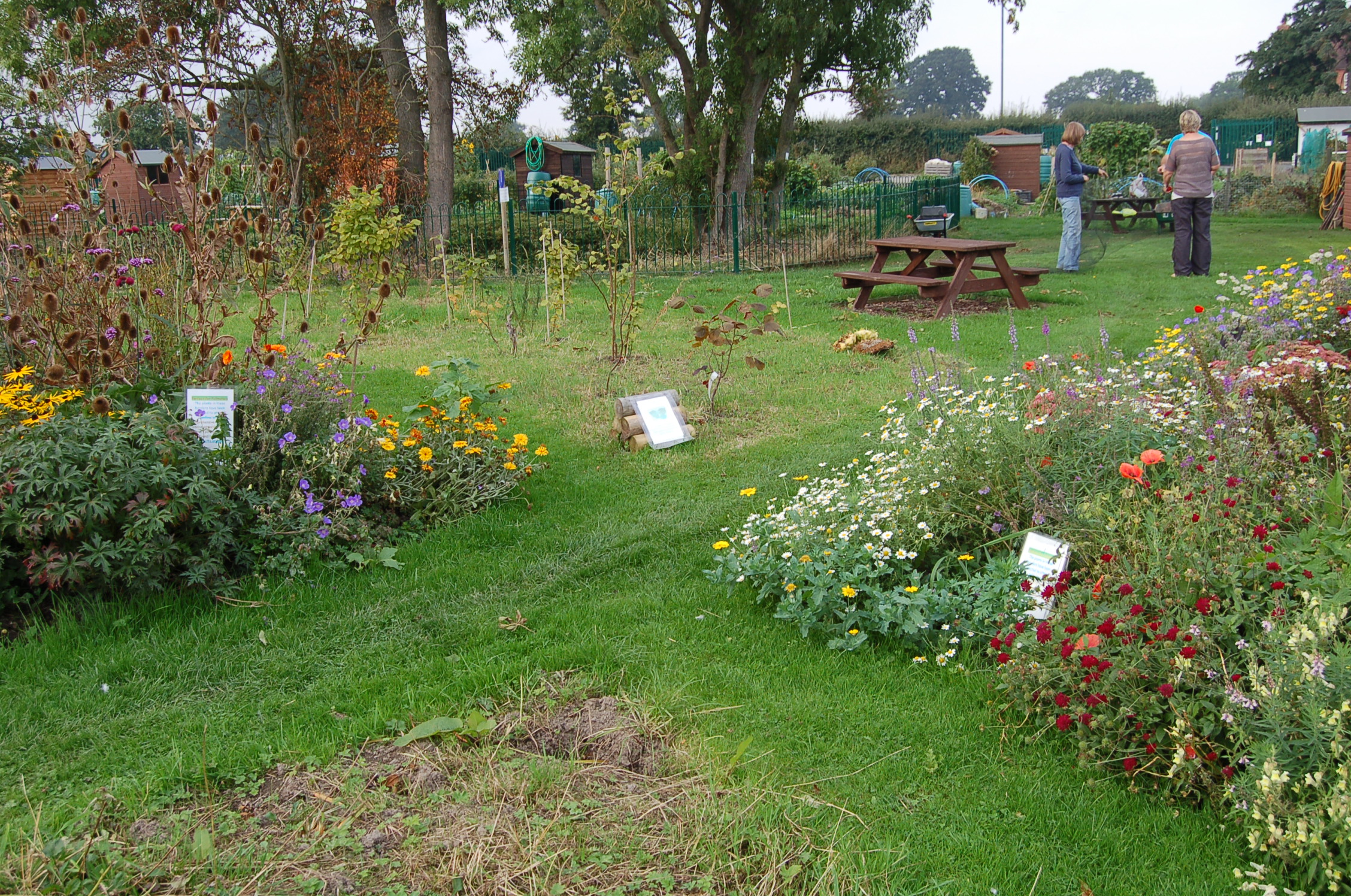
One area will not be getting much attention yet though, the three beds that make up the “Perfect for Pollinators” garden. As the photo illustrates one of these is planted up with garden plants, one with a mix of native and garden plants and the third (at the bottom edge of the photo) is seeded each year with annual wildflowers. This annual bed will be cleared completely and then sown afresh in the spring.

2013 09 25_3701

Categories
bird watching birds garden wildlife house martins migration natural pest control swallows wildlife

Mad Autumn Moments with Martins

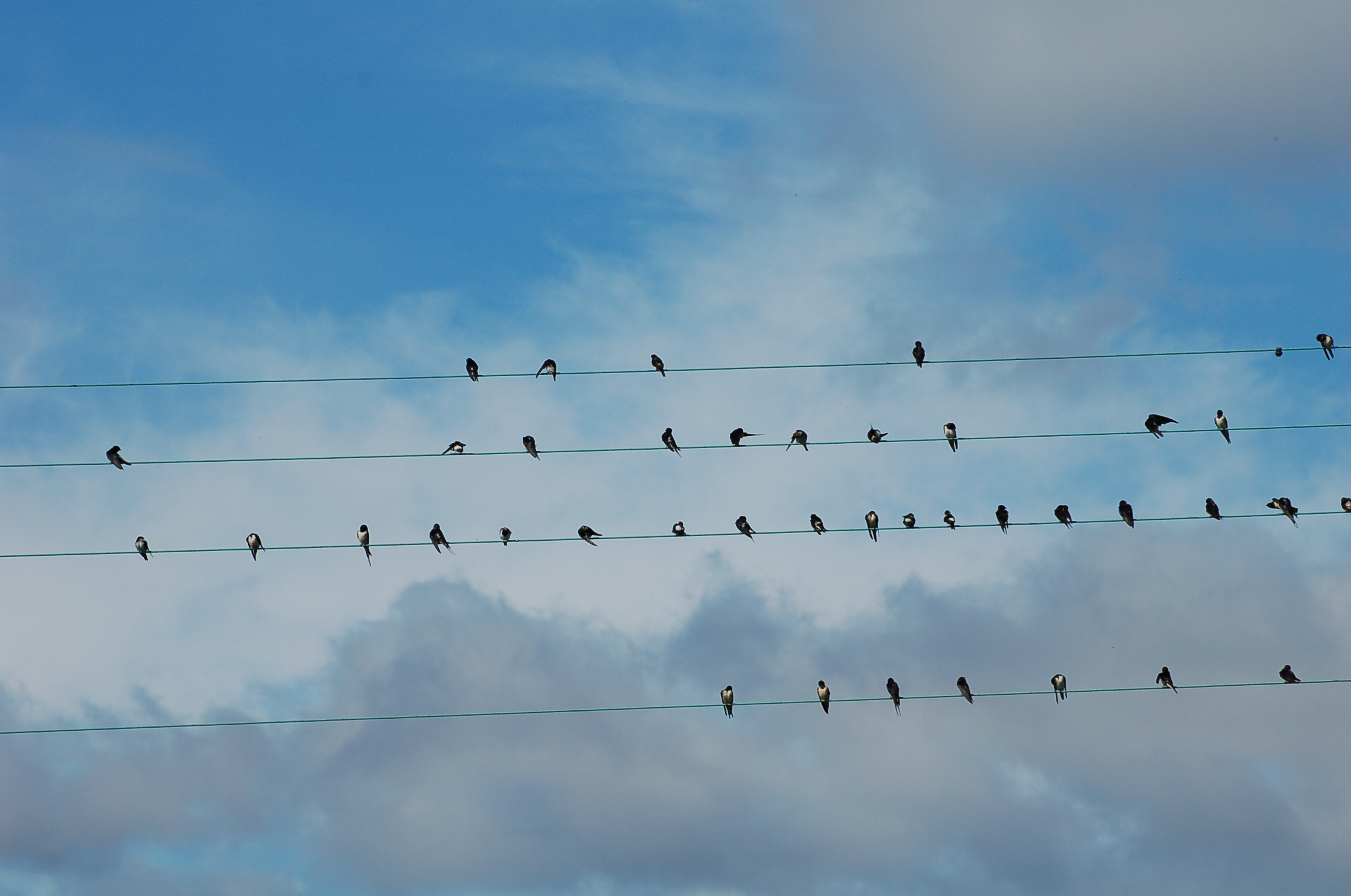
Six weeks or so ago our flocks of martins suddenly departed southward and the swallows gathered on the telephone wires above the road passing the front of our house. They chattered and fidgeted, stretched their wings and tails and preened busily ensuring that they were in the best of trim for their long migratory adventure.

Then one day the skies were silent and the wires empty.

2013 09 13_3454

But a week later as we were working away in the garden borders we heard excited calls overhead and dozens of swallows were swirling around just above shrub height. They were so close to us as they enjoyed a feeding frenzy. They must have been en route south from further up North, Scotland or the Lake District perhaps, when the big old oak tree in the paddock behind us and the gardens of our little group of houses called them down. This place meant insects to gorge on to refill and prepare themselves by stocking up for the next leg of their long migration. As we watched stunned by their excitement, their noise and flying acrobatics, they were joined by an equal number of house martins.

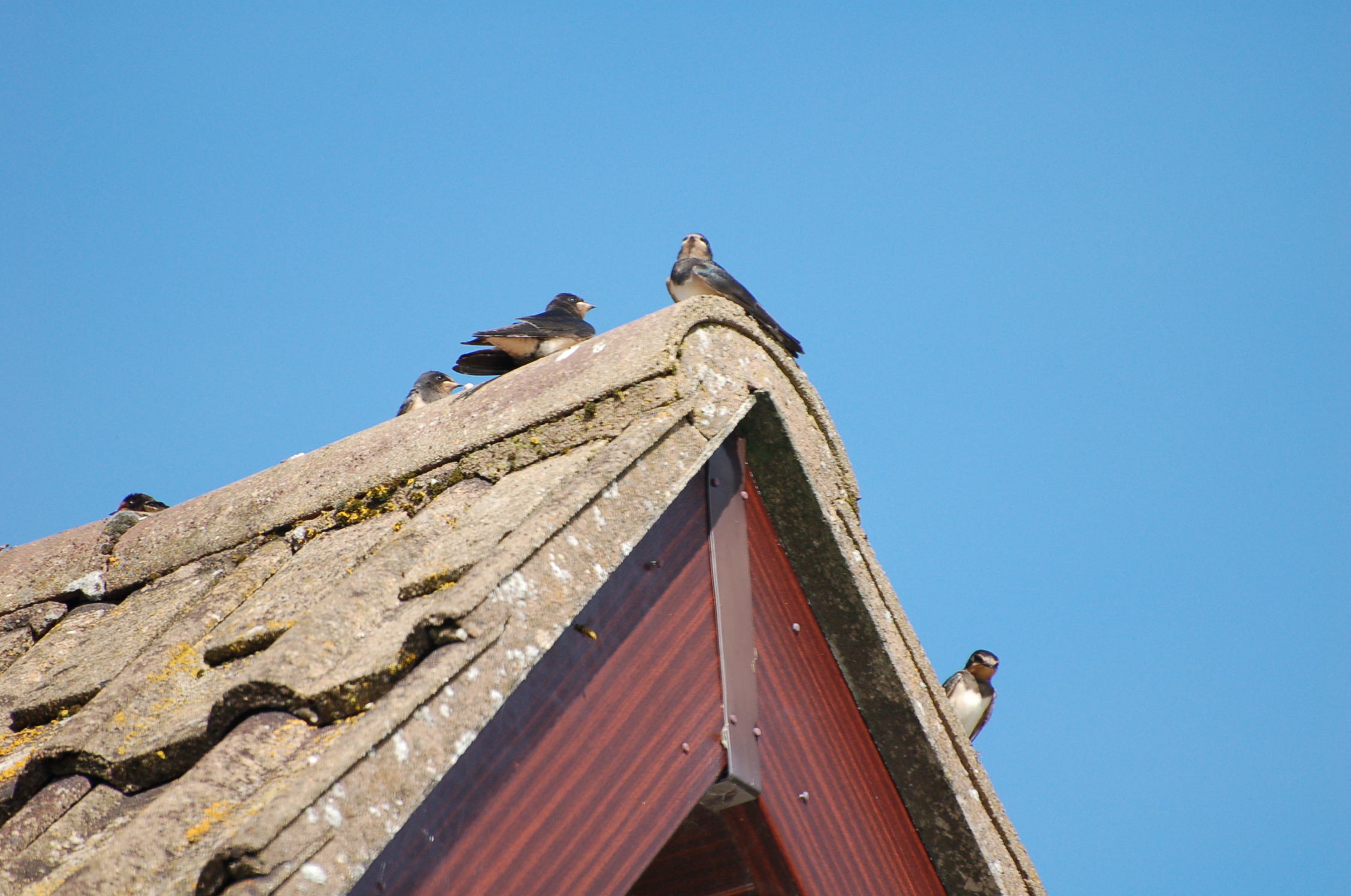
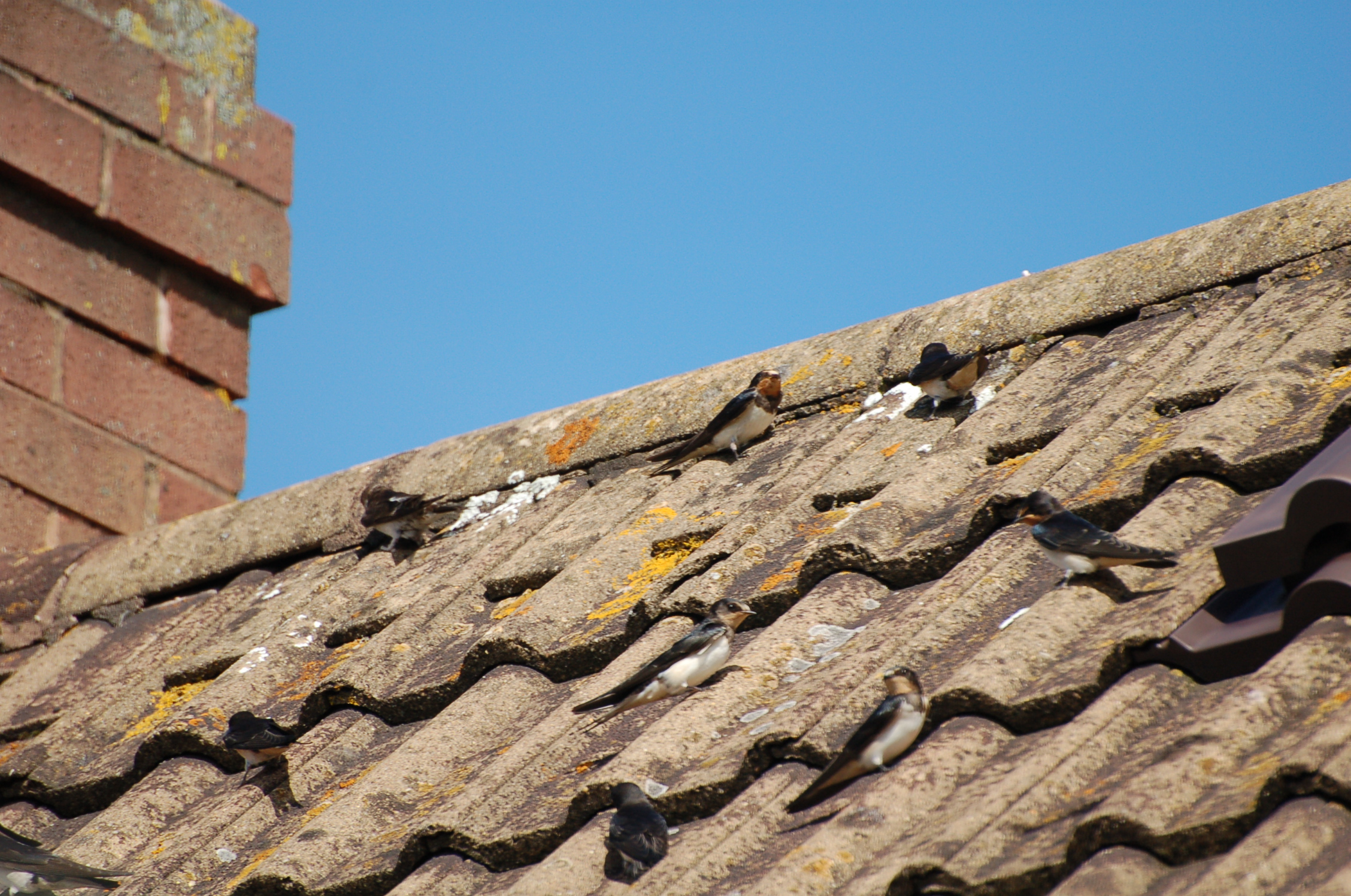
They periodically stopped in mixed groups on our roof ridge to chatter and catch up on the latest migration news. For us of course there was the added bonus of all those garden pests being hoovered up by gaped beaks. Great pest control!

2013 09 13_3459 2013 09 13_3458 2013 09 13_3457 2013 09 13_3456 2013 09 13_3455  Now that is entertainment!

Now in early October they have definitely all gone. We miss their constant chattering in the sky above the garden and await their return in the Spring.

Categories
allotments fruit and veg garden wildlife gardening grow your own kitchen gardens recycling

Trench Composting

Trench composting is an underused way to improve your soil texture and add fertility to your soil. And it has the added bonus of getting rid of those tough old stems of spent sunflowers, sweetcorn and brassicas. We spent a day trench composting the quarter of our allotment in which we shall be growing our roots next year. Many books tell us not to add manure or humus to the patch where you are planning to grow your root crops but we have found by experience that if the trenching is carried out in early autumn it works just fine. As the depth of soil on our plot is less than a border fork deep we need to keep adding to it in an attempt to build up some depth.

The job gets started as Jude, aka Mrs Greenbench or The Undergardener, takes out a 2 foot wide trench down to the hard layer of boulder clay. I then follow on with the rotovator breaking up this hard packed layer of clay and large pebbles. It makes the rotovator work hard and it jumps and lurches around at the bottom of the trench. By doing this we hope to gain depth and let worms and other creatures of the soil work in the humus we will be adding. While the rotovator turns up the stones and pebbles we collect them up to use as a stonepile, a beetle shelter. The beetles are useful predators who will help in our pest control.

2013 10 01_4074 2013 10 01_4075 2013 10 01_4076

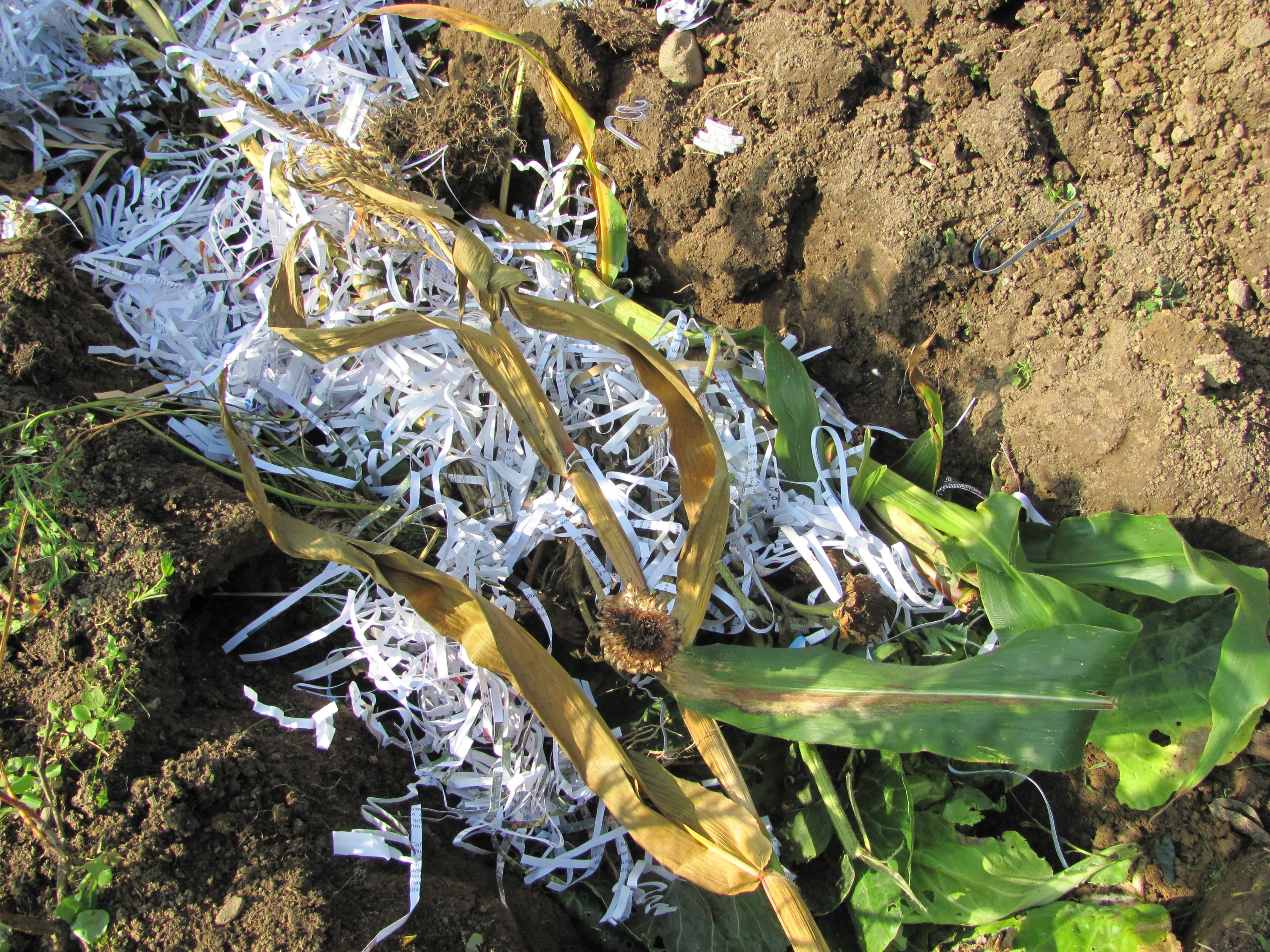
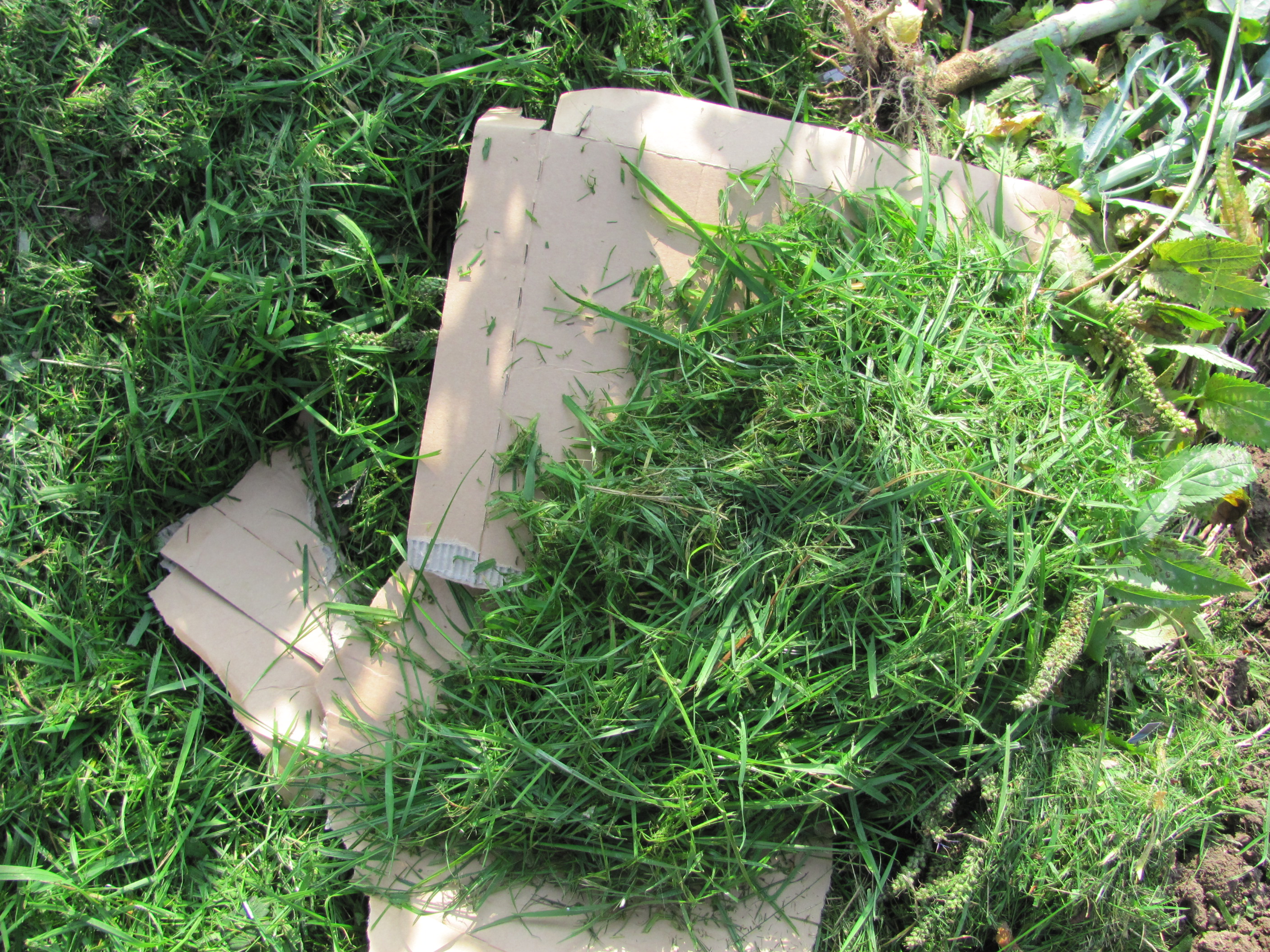
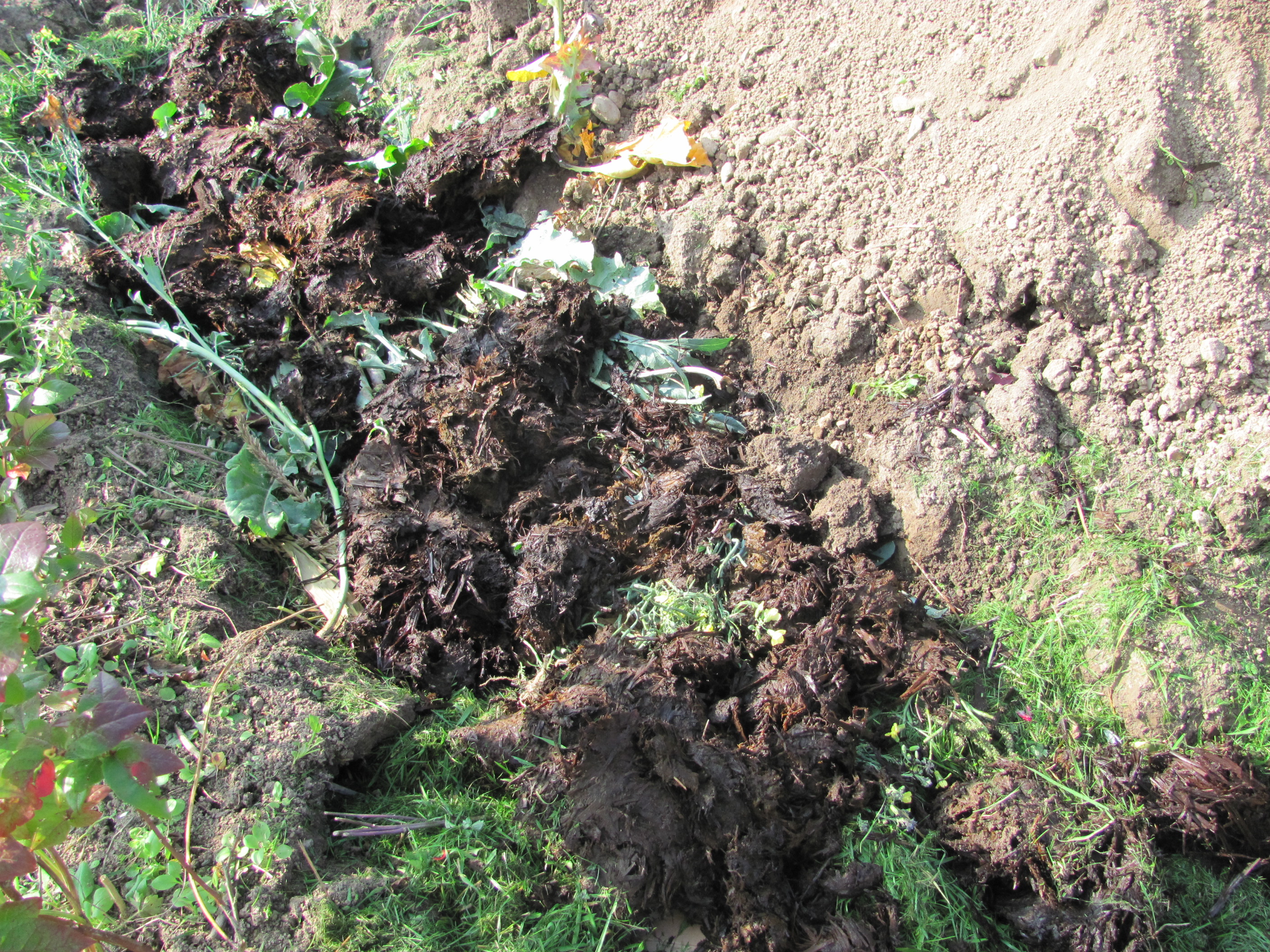
Green waste from the spent crops on the plot are then placed all along the bottom of the trench, with the tougher material needing chopping with a sharp stainless steel spade. Even the toughest of green waste such as brassica stalks, sunflower stems and sweetcorn stalks will break down in the depths of the trench. We also add shredded paper (only non-glossy), torn card board and lawn mowings.

2013 10 01_4077 2013 10 01_4078

2013 10 01_4080 2013 10 01_4082 2013 10 01_4083

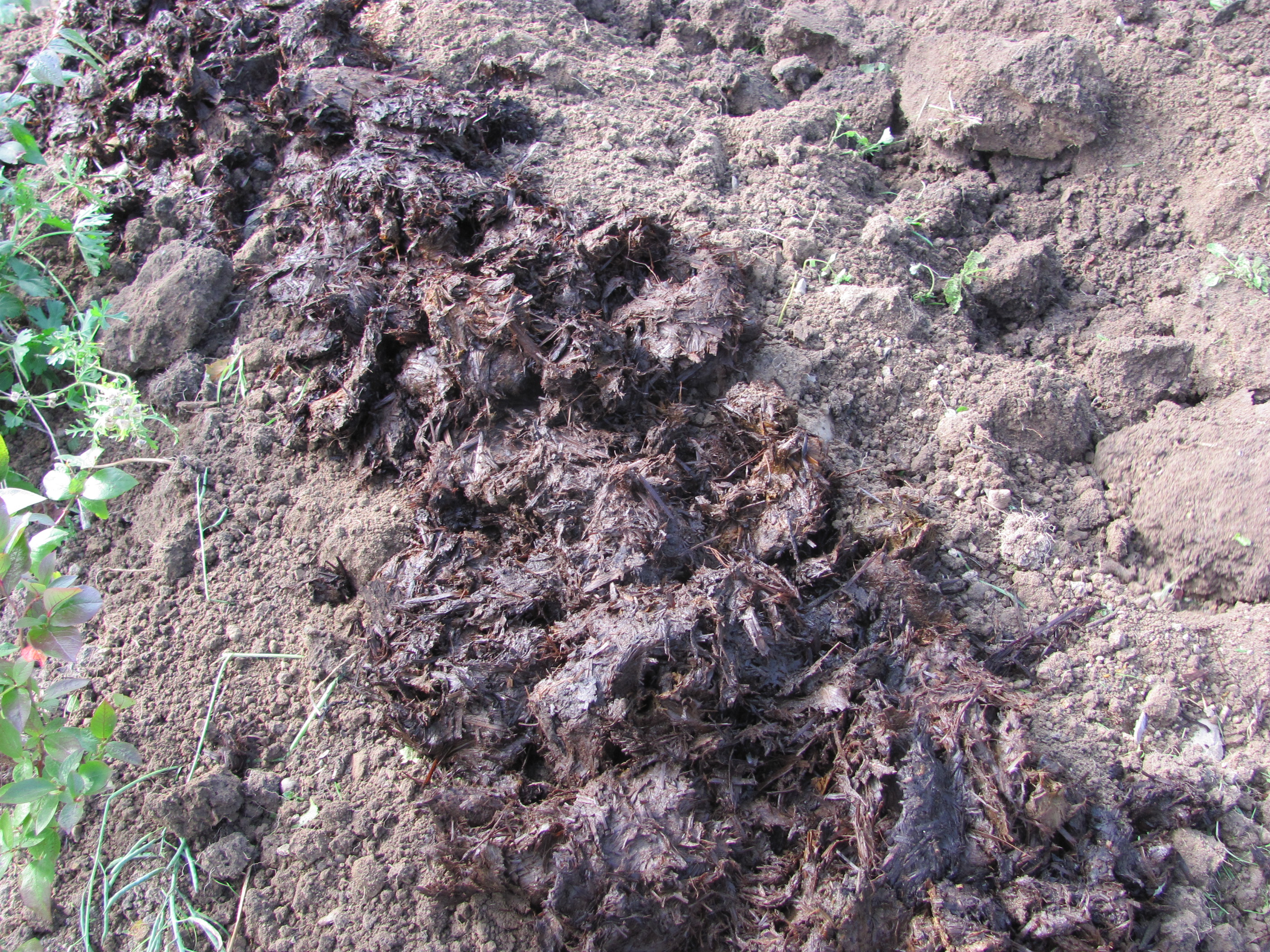
To further improve soil texture and add more nutrient value we  mix in a barrow load of quality farmyard manure.We find this encourages the soil critters to get going.

2013 10 01_4084 2013 10 01_4085

To finish Jude replaces the soil over the top of the material in the trench and as a final touch we add a thick mulch of farmyard manure.

2013 10 01_4086 2013 10 01_4087 2013 10 01_4088 2013 10 01_4089

We then hand the trench with its added ingredients over to the creatures of the soil. When we trench again in a few years time all that material will have totally broken down.

We carry on by digging out another trench alongside the first and keep moving over the area until it has all been trenched. We have our plot divided into four sections to allow for crop rotation so we trench one or two sections each year. This method of composting is a very efficient way of recycling green waste including the tough materials often thrown in refuse bins. Plants grown in the richly textured and nutrient rich soil will grow strongly and therefore be healthier so will be better able to cope with attacks from pests and diseases.

Categories
garden design garden photography garden wildlife gardening gardens open to the public grasses hardy perennials meadows natural pest control ornamental trees and shrubs recycling walled gardens wildlife

Boughton House – The Gardens

Back to Boughton as promised and this time we are off to the more intimate gardens closer to the house. These contrast strongly with the large scale landscaping with the huge land forms.

Refreshed with a good coffee and a slice of lemon drizzle cake from the restaurant in the stableyard we wandered off to the walled garden.

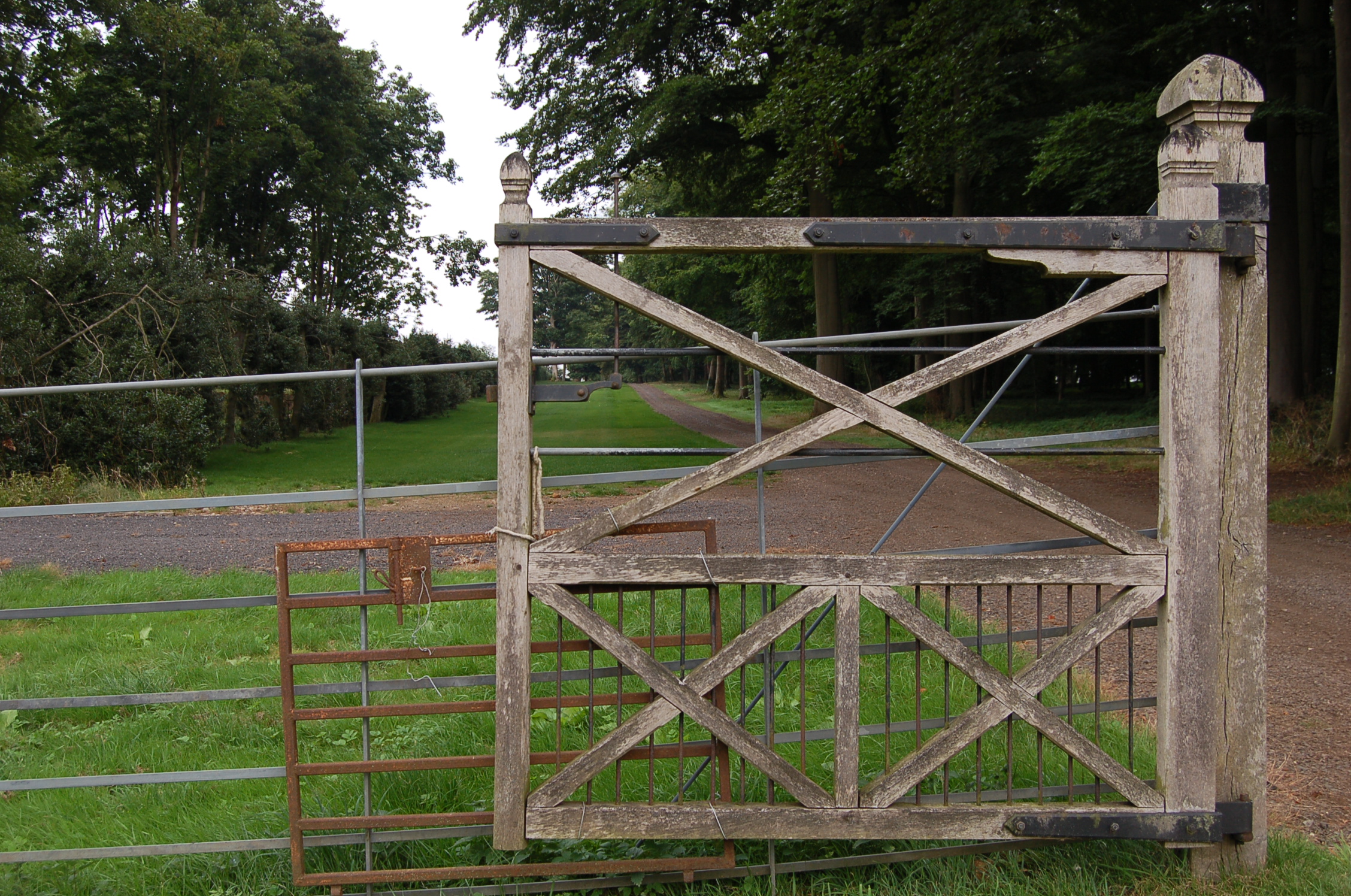
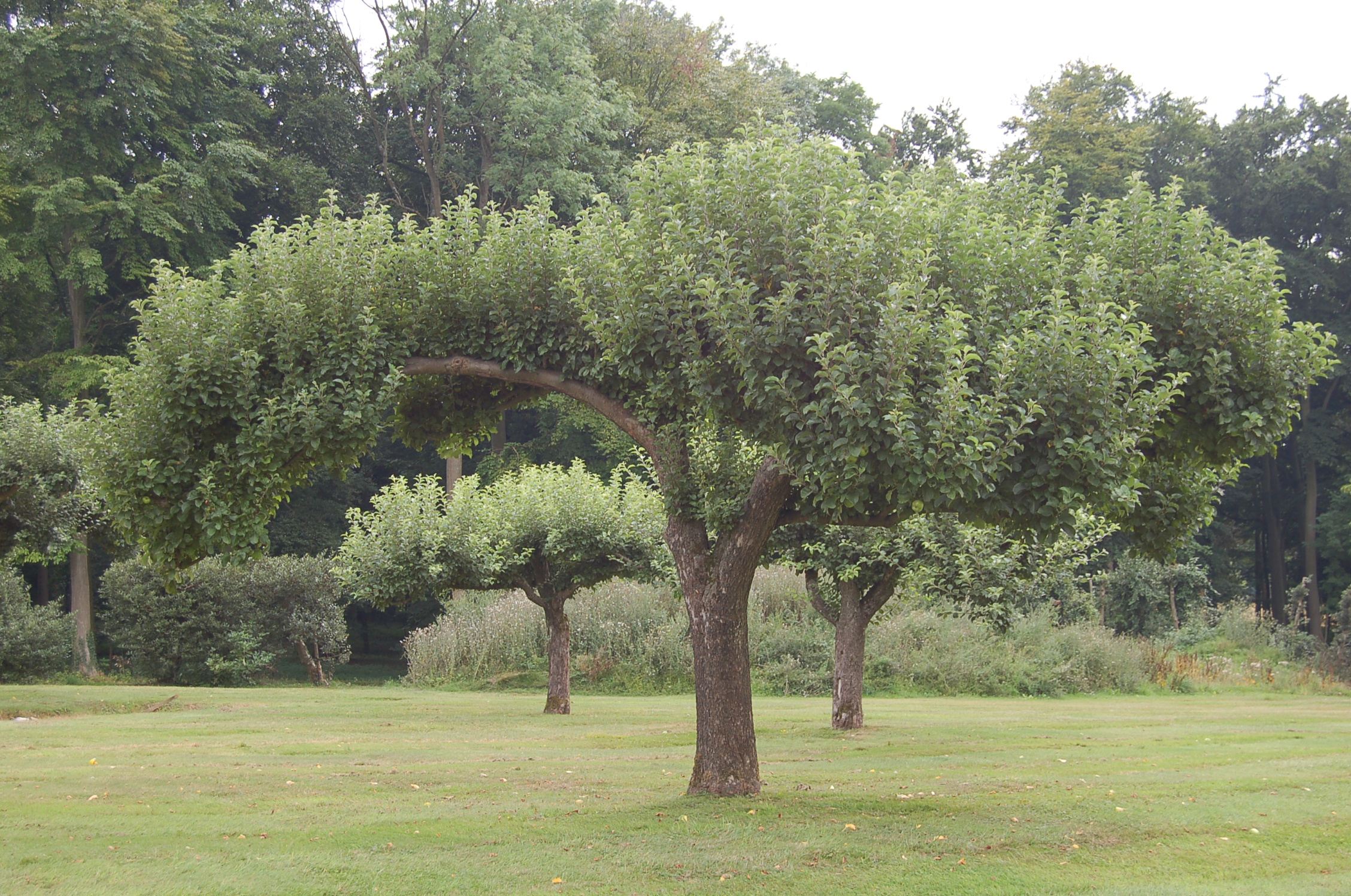
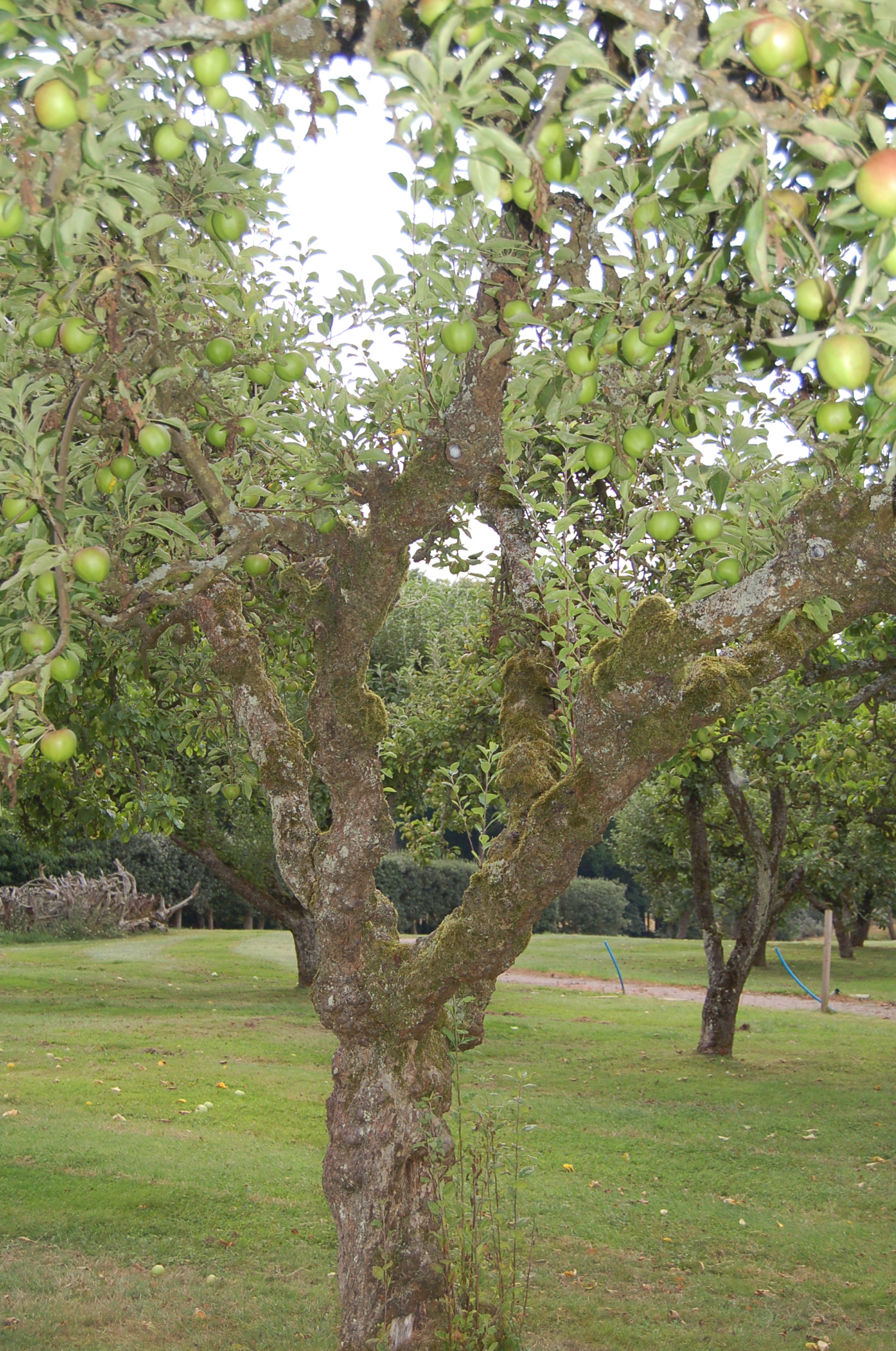
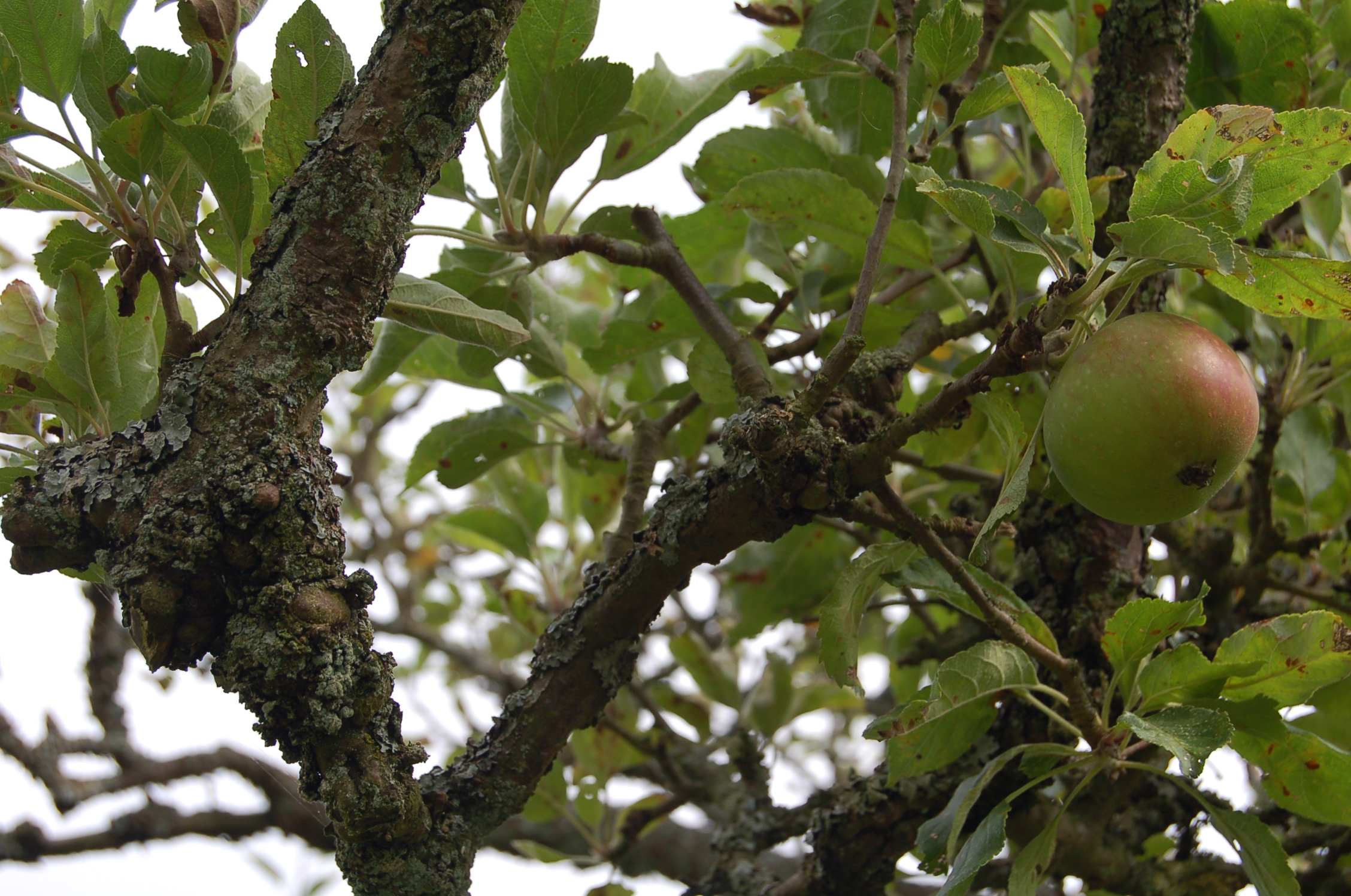
On the way we passed through a couple of old gates, presenting an odd juxtaposition with one so grand and one rather normal. Finding an old orchard was an unexpected pleasure. The old apple trees are being sensitively renewed through careful and very skillful pruning.

2013 08 23_3052 2013 08 23_3054 2013 08 23_3055 2013 08 23_3056

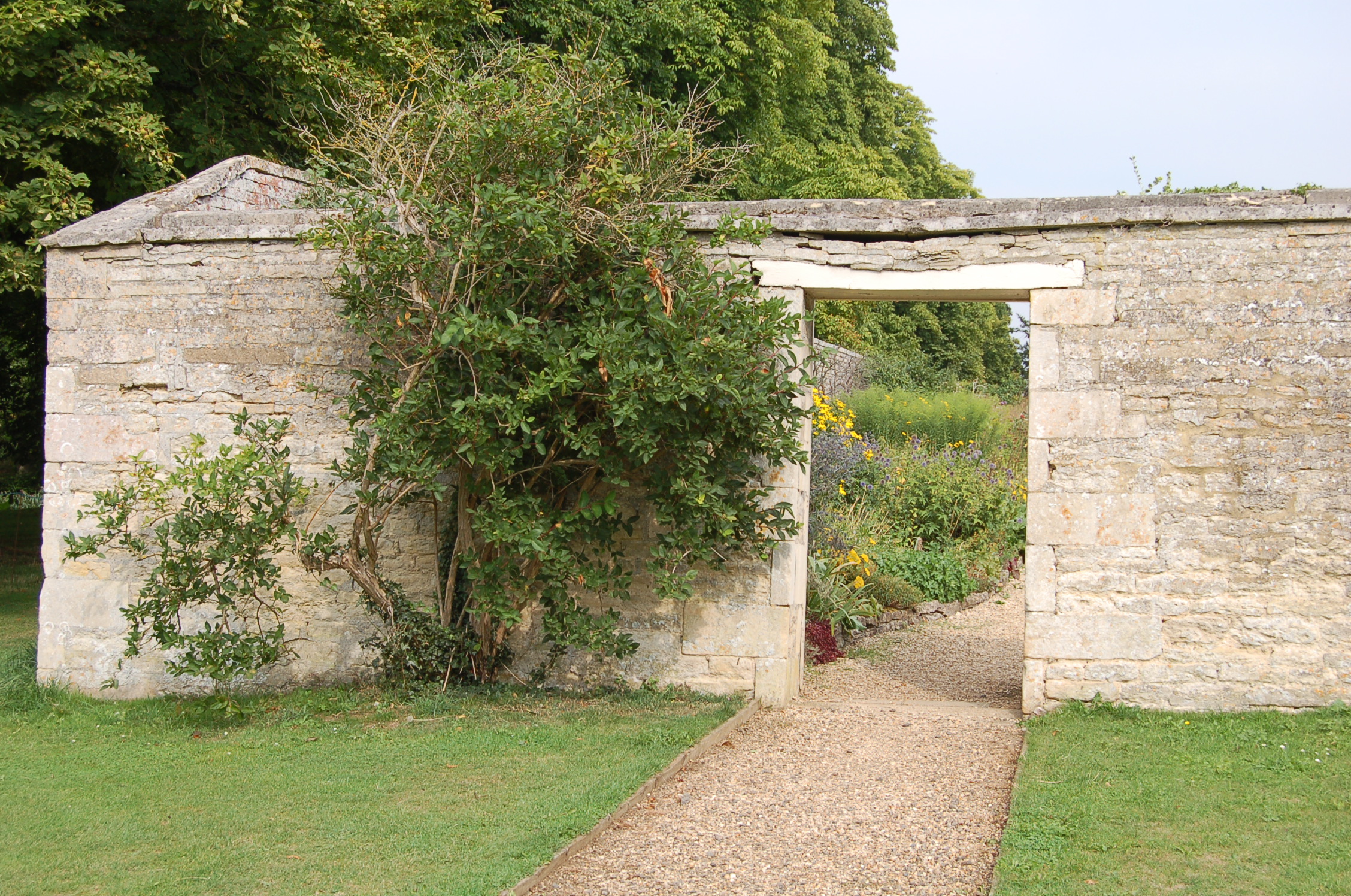
The gateway that led to the walled garden was most welcoming and we accepted readily its generous invitation to enter.

2013 08 23_3057

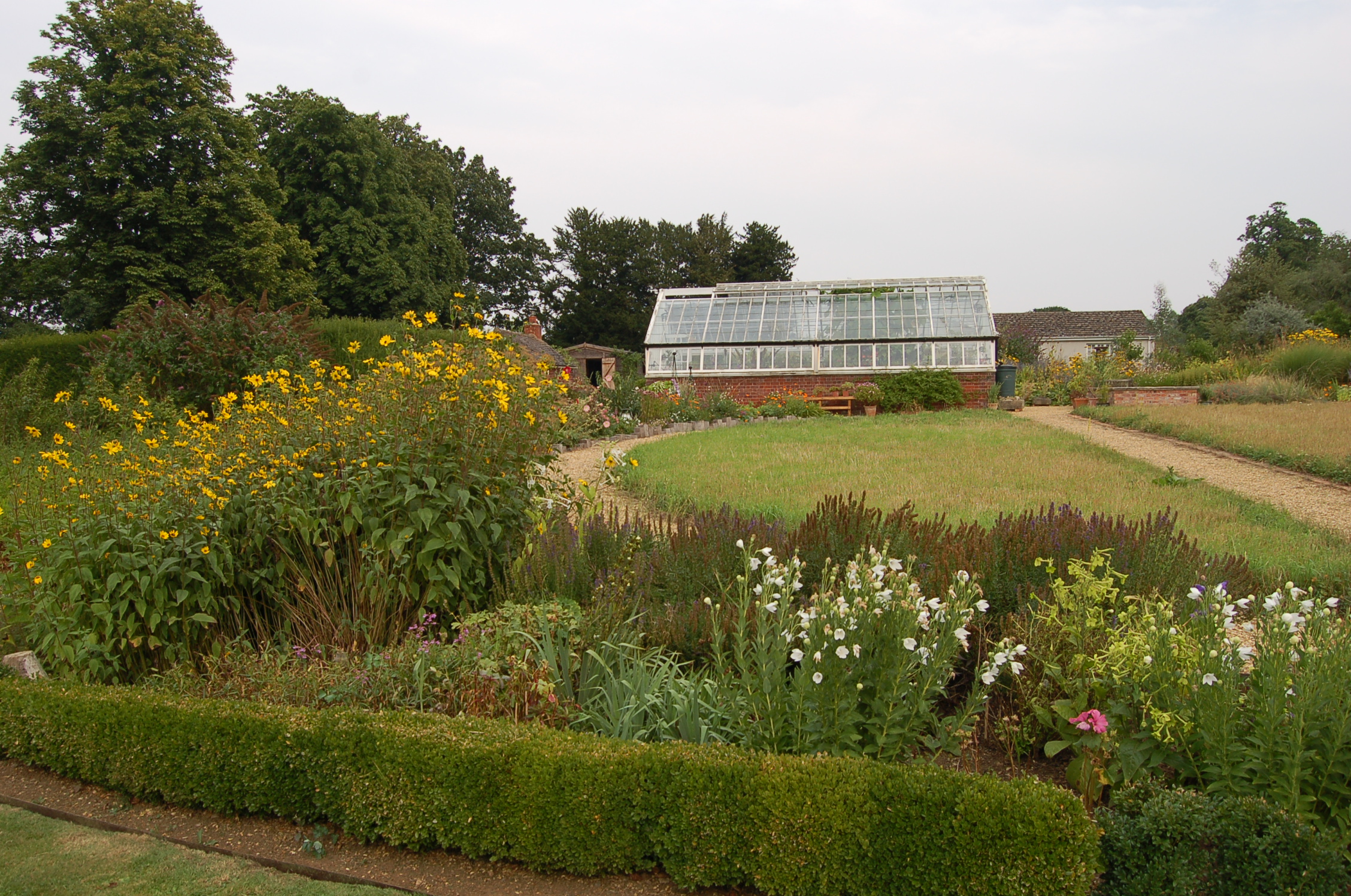
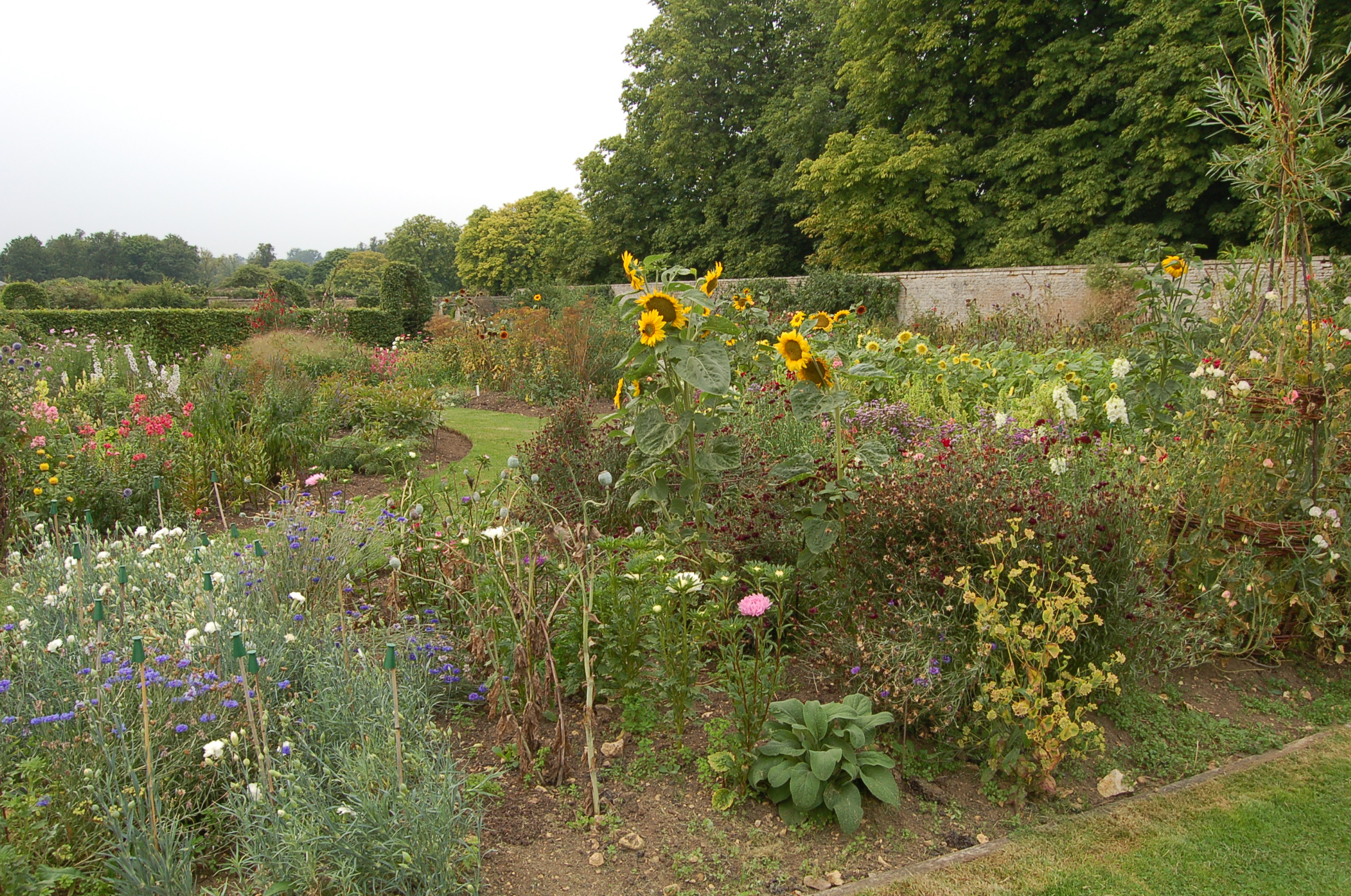
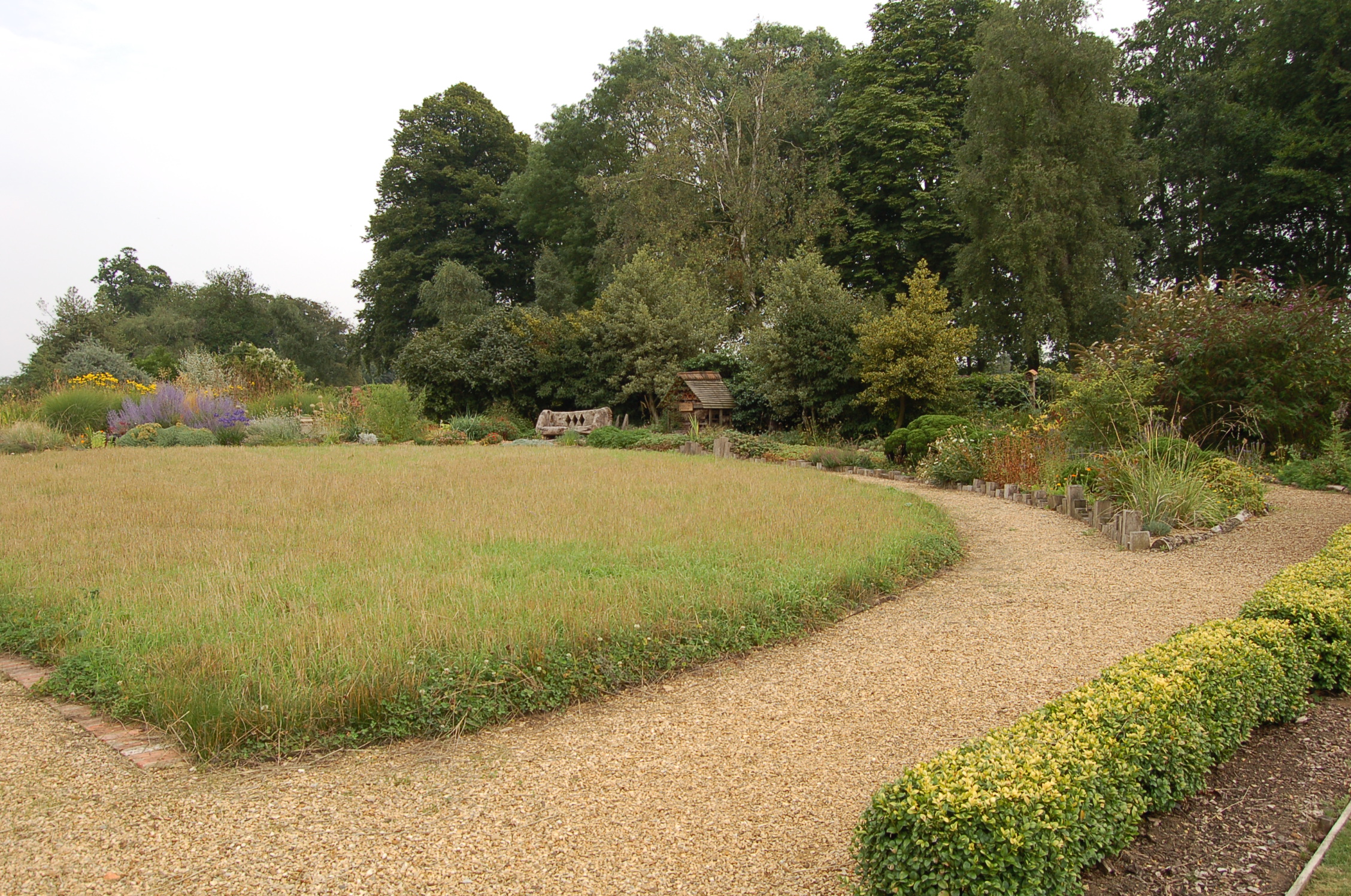
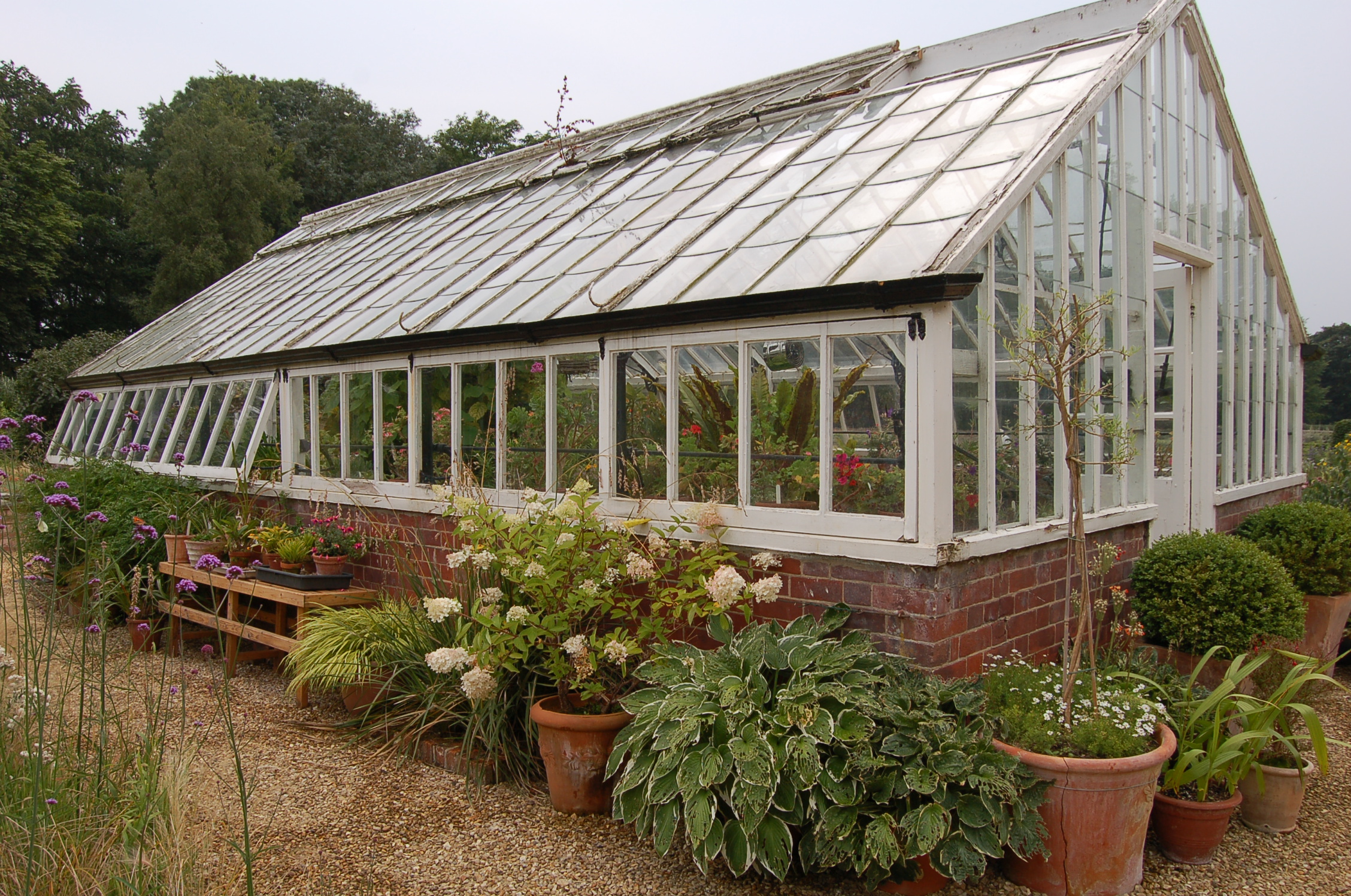
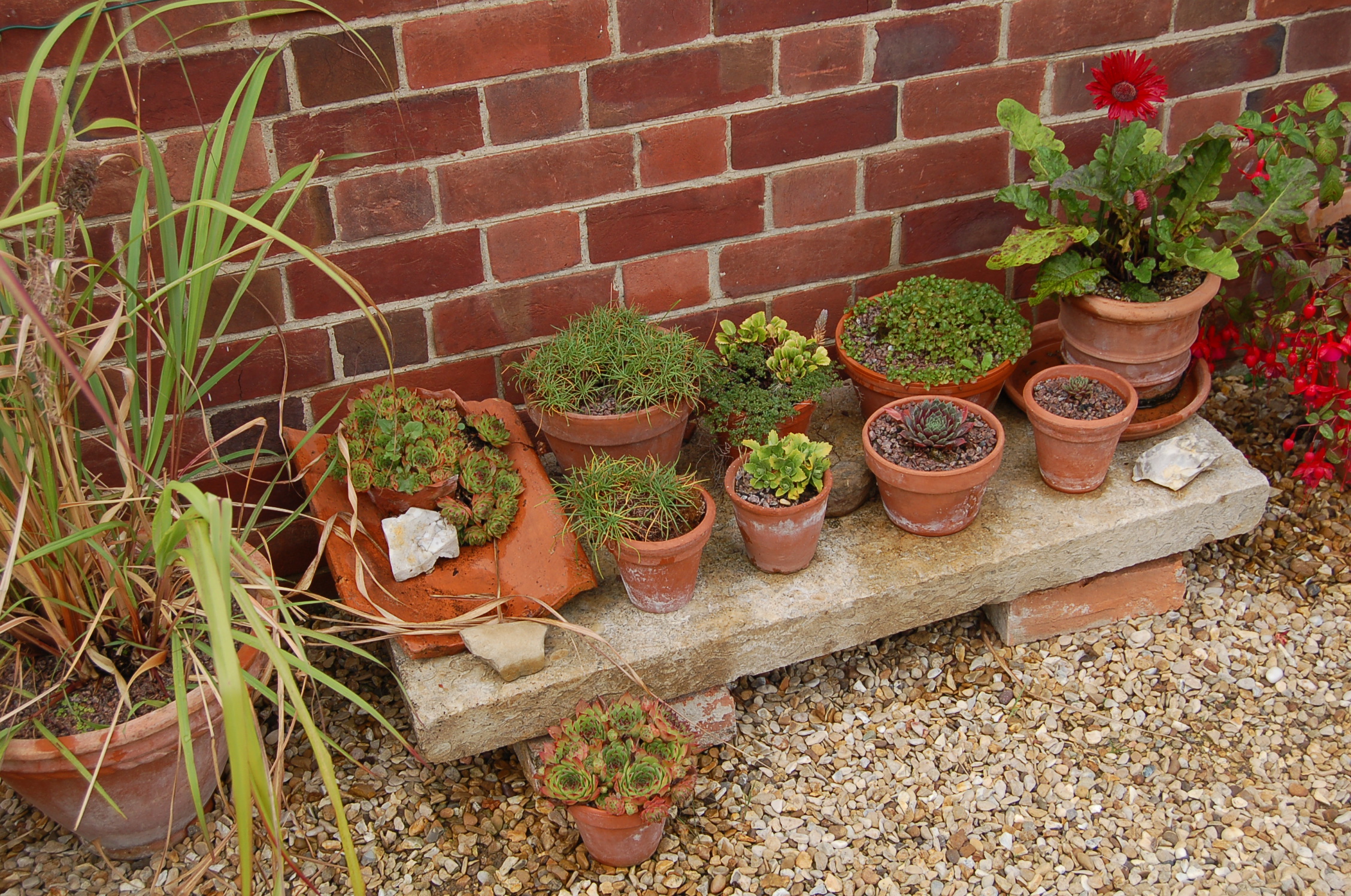
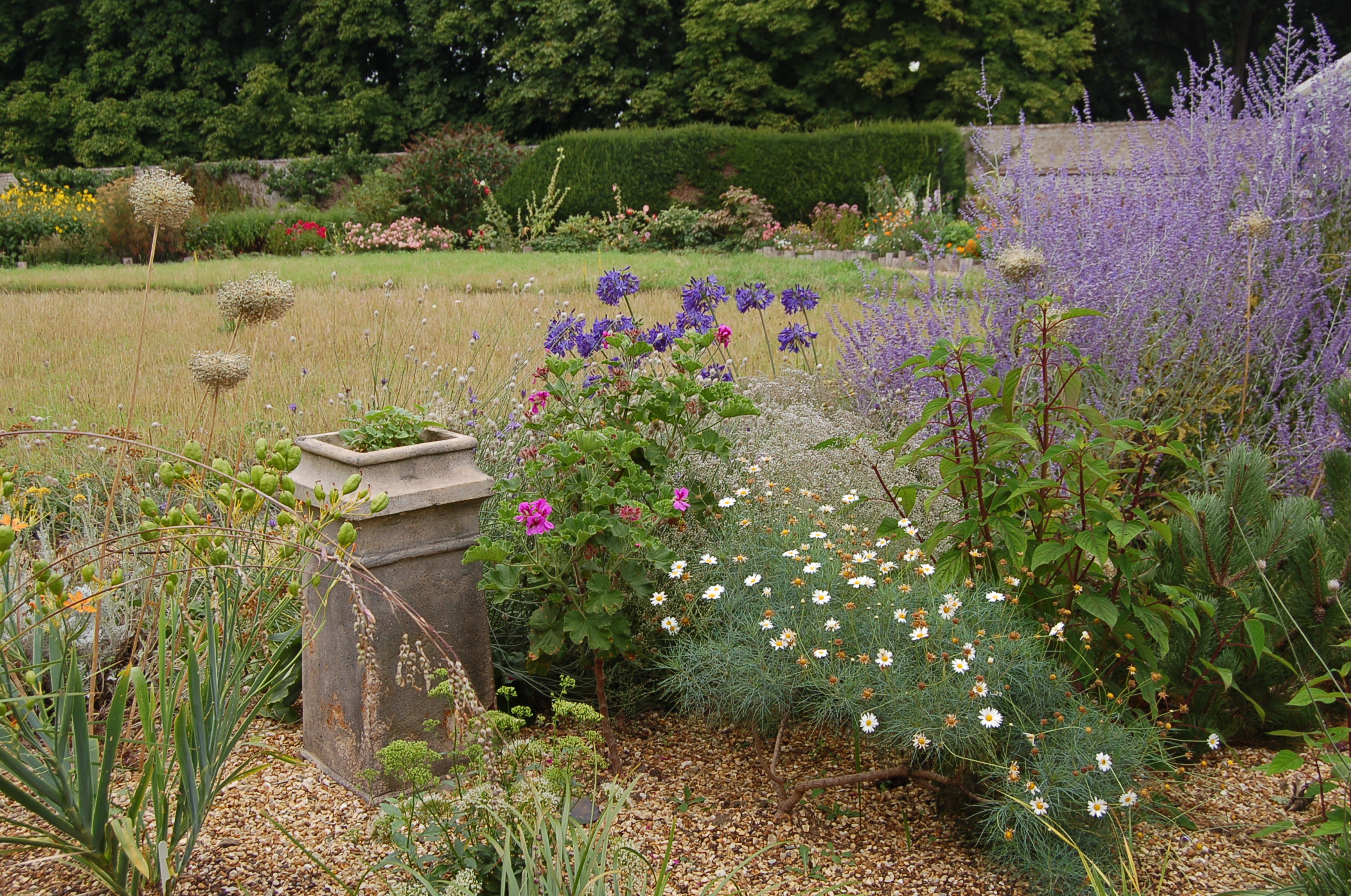
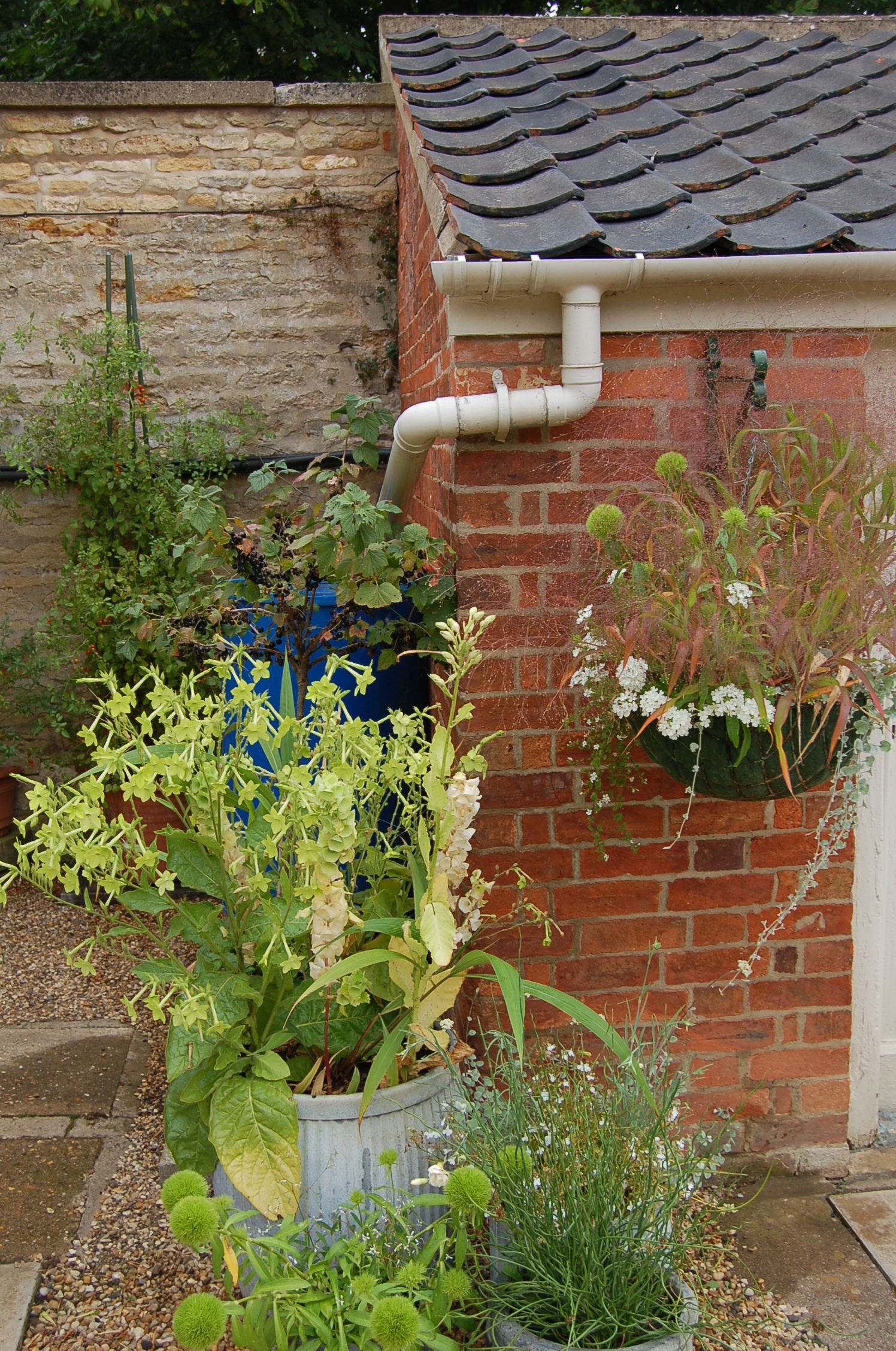
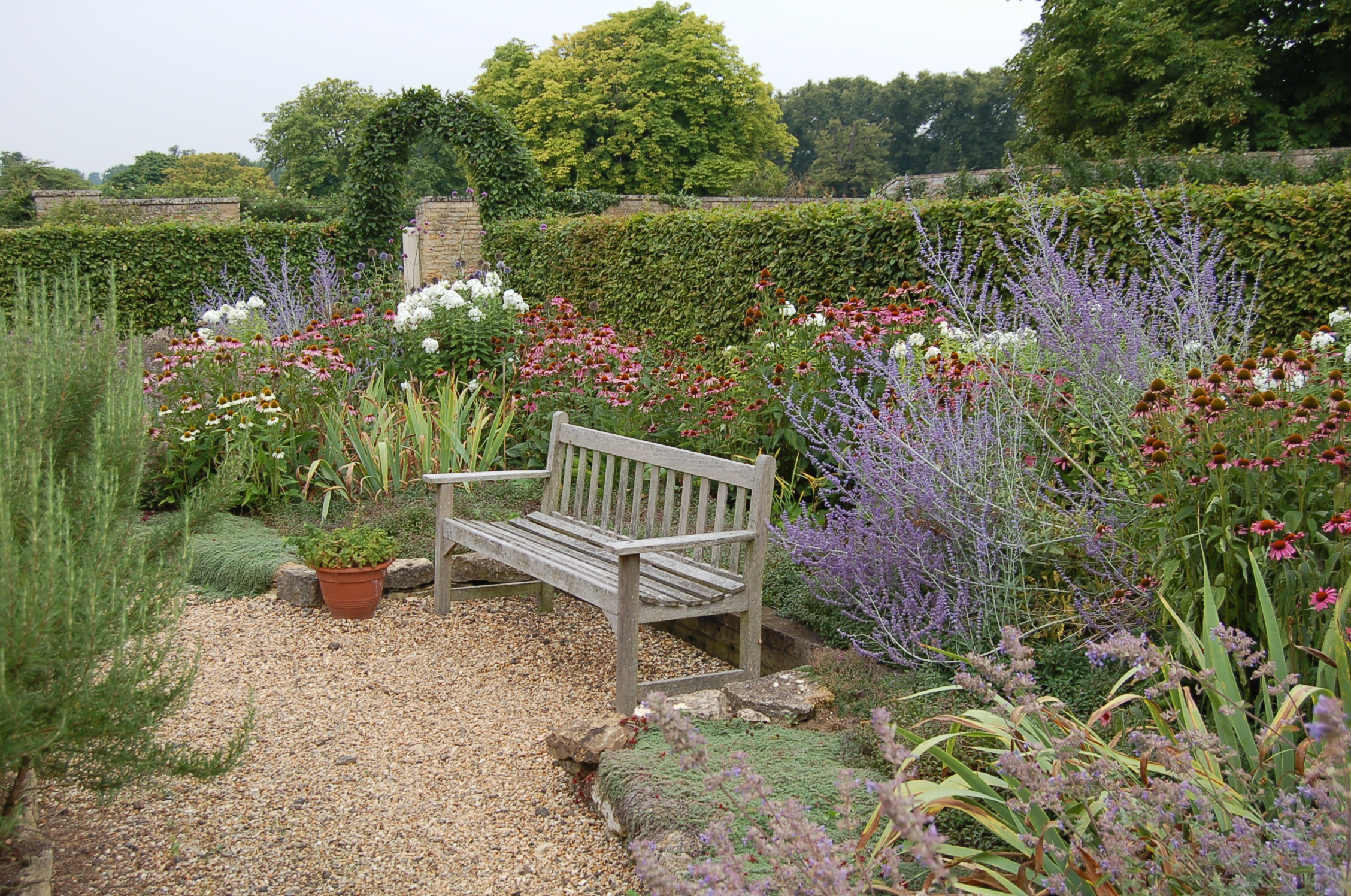
And what a sight met our eyes! The area enclosed by the old honey-coloured stone walls was far larger than we expected and contained a sensory garden, a wildlife garden, herbaceous borders and old greenhouses surrounded by interesting plantings in a selection of eclectic containers.

2013 08 23_3061 2013 08 23_3062 2013 08 23_3063

2013 08 23_3071 2013 08 23_3070 2013 08 23_3069 2013 08 23_3068 2013 08 23_3067

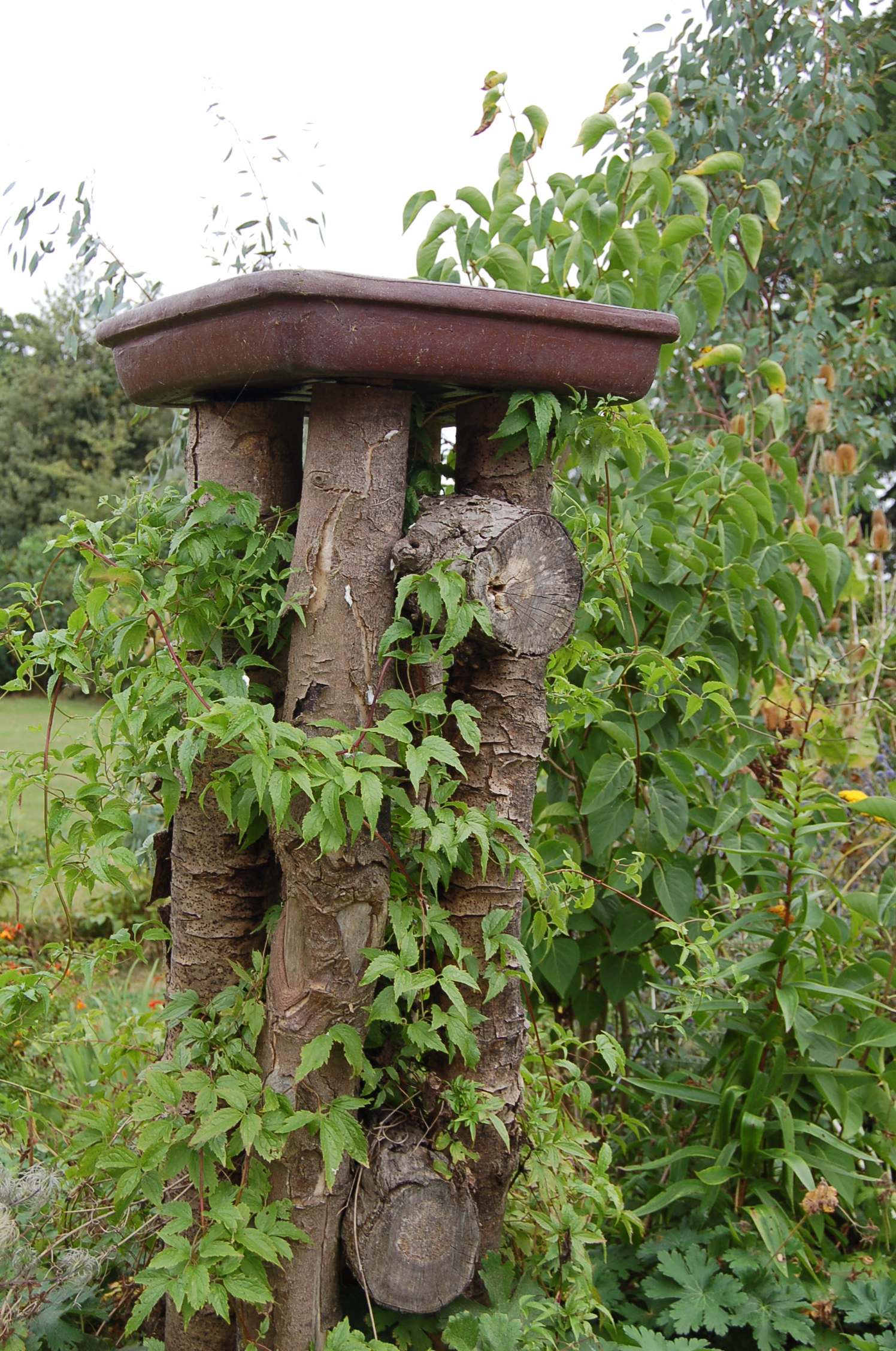
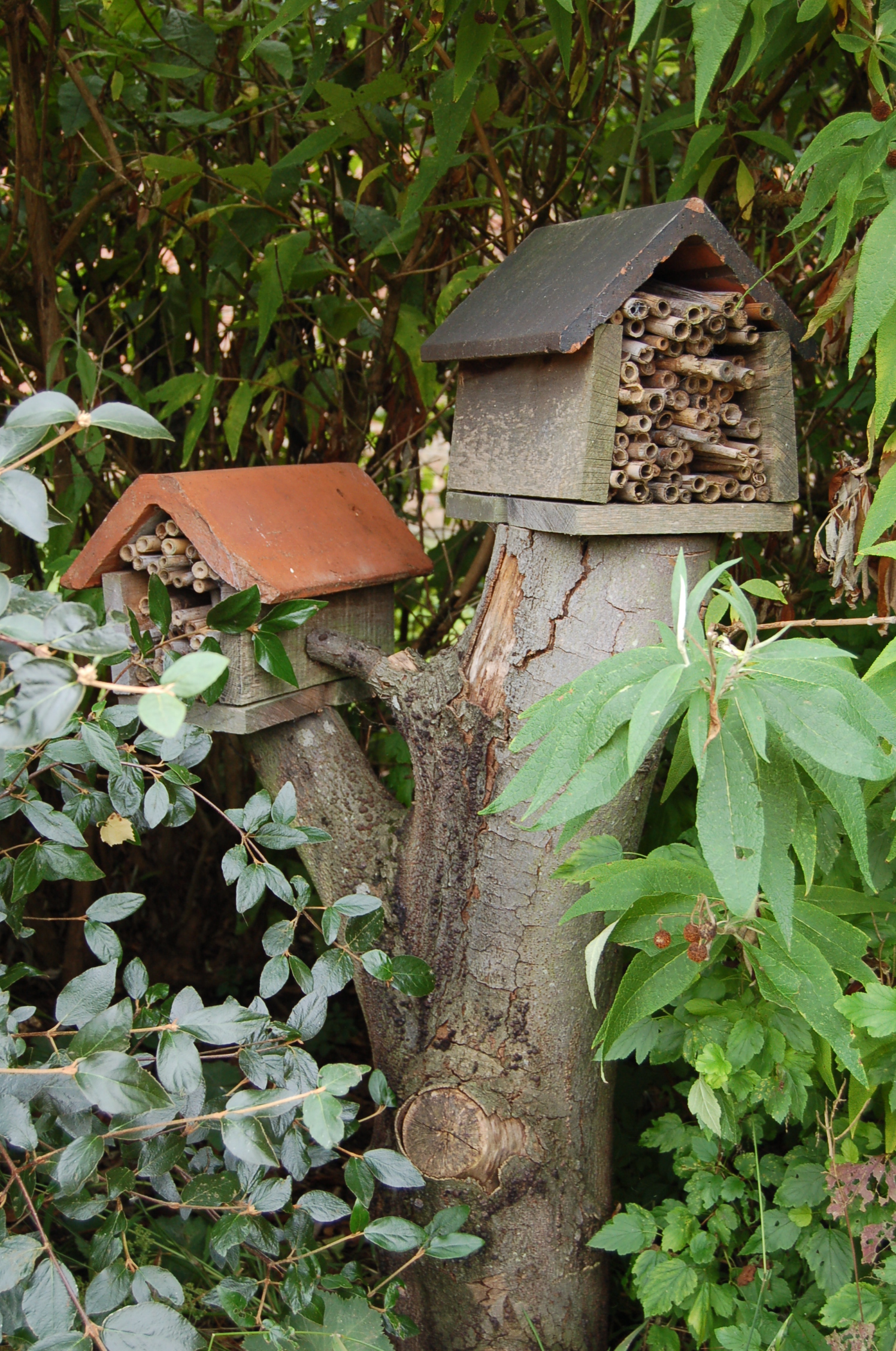
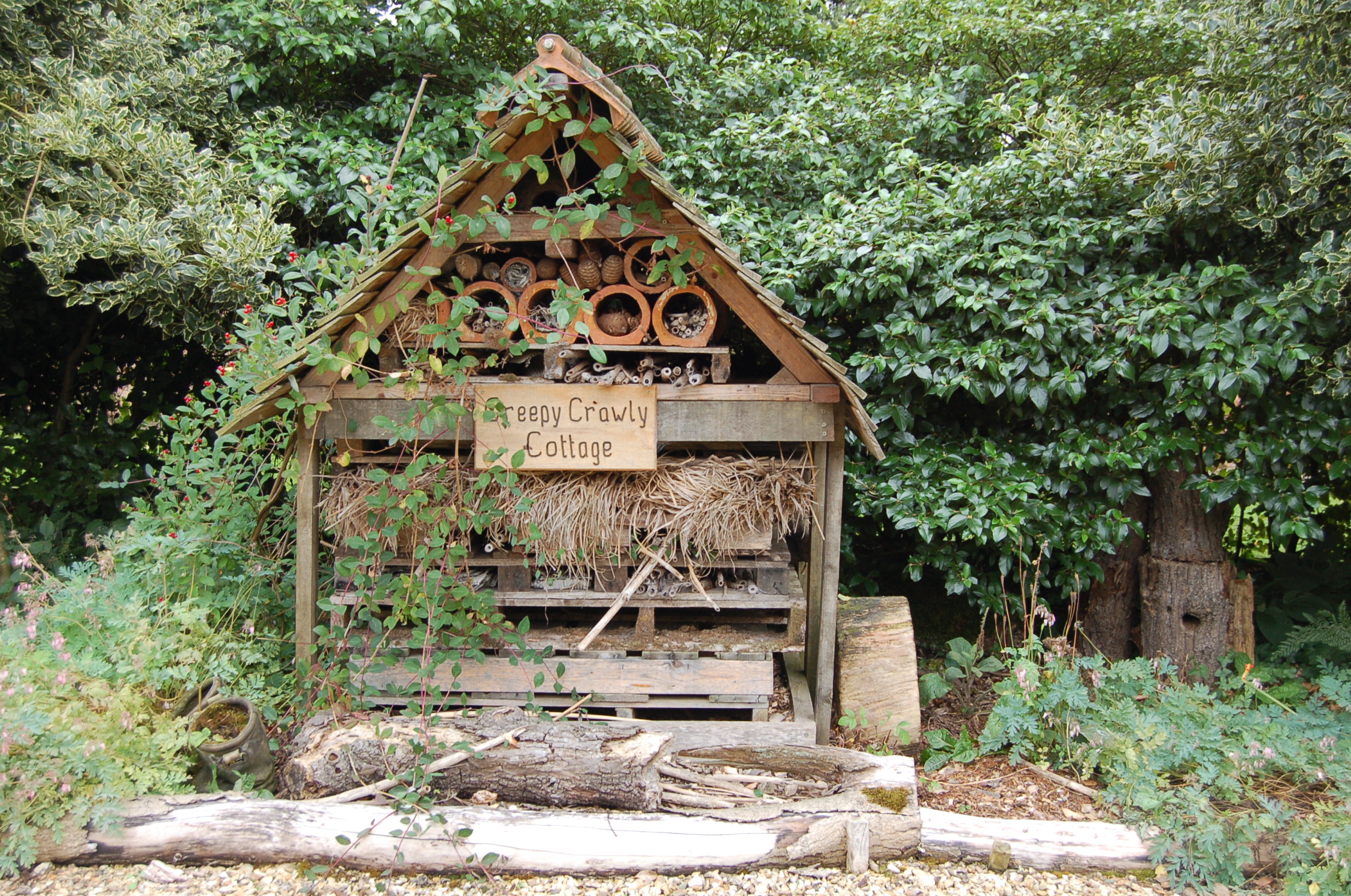
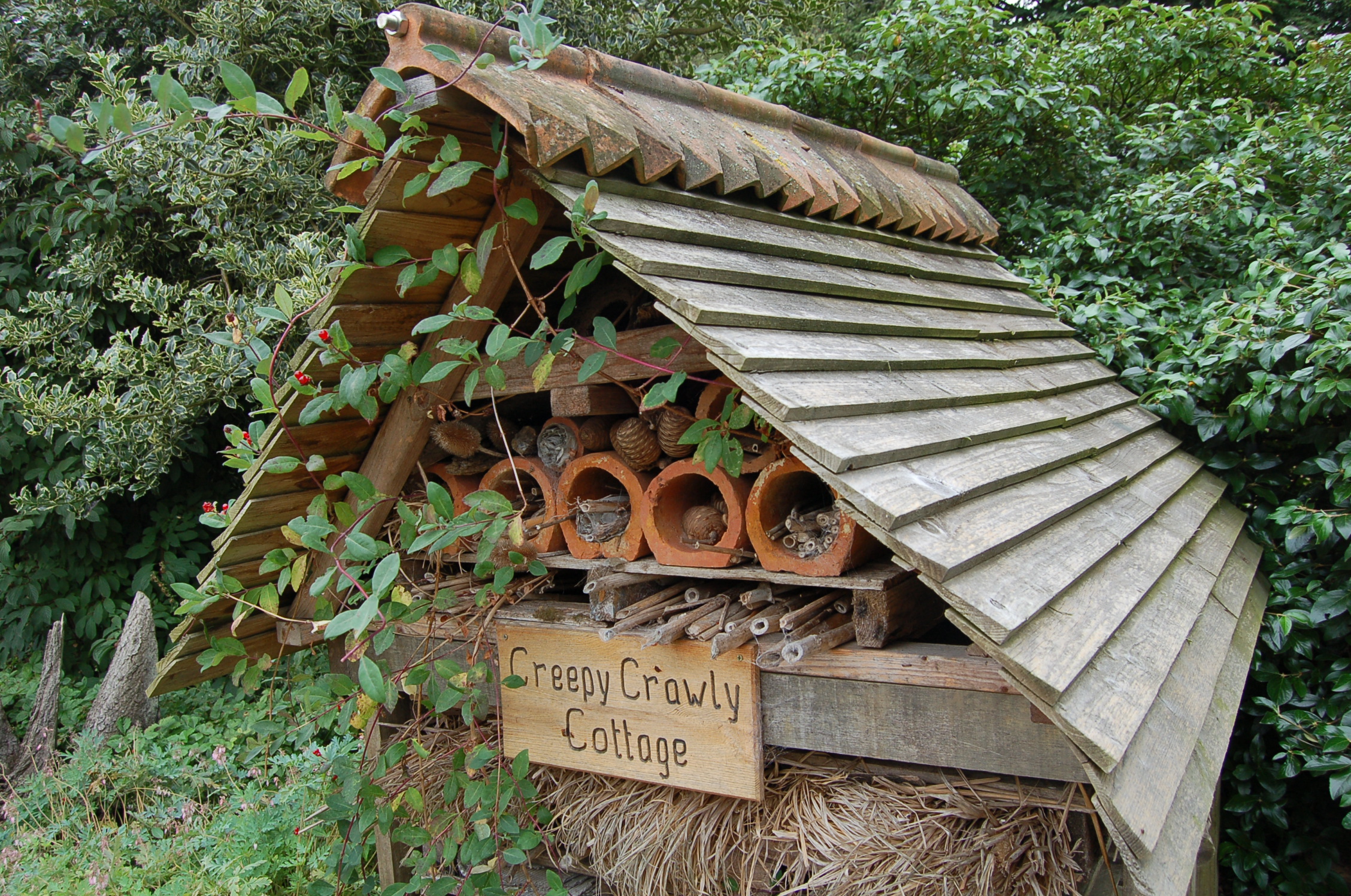
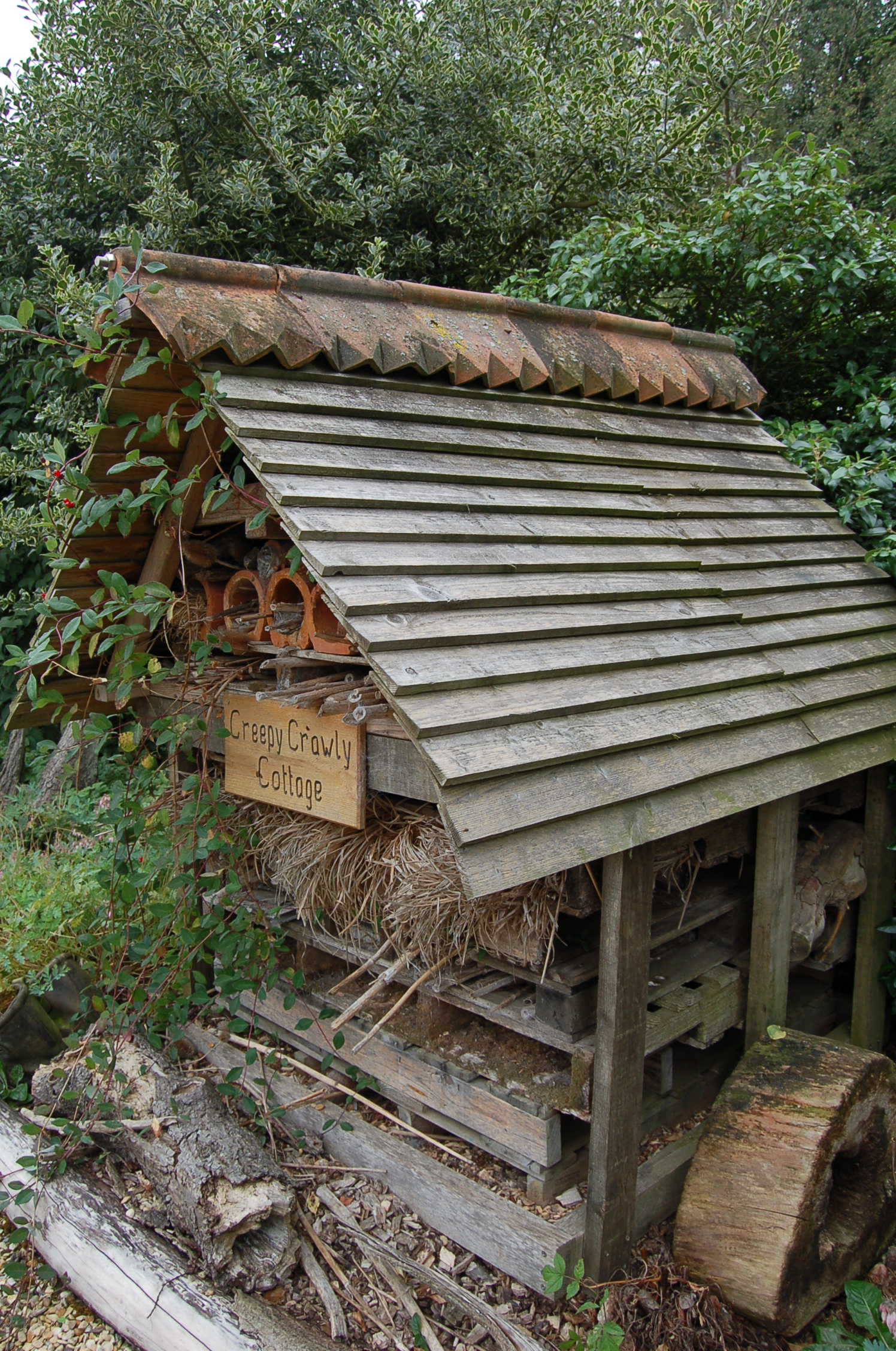
The garden designed to attract wildlife contained some interesting insect shelters and great plants for beneficial “critters”. We were most impressed by the insect home called “Creepy Crawly Cottage and the impressive bird bath.

2013 08 23_3075 2013 08 23_3076 2013 08 23_3077 2013 08 23_3078 2013 08 23_3079 2013 08 23_3080 2013 08 23_3081 2013 08 23_3082 2013 08 23_3084 2013 08 23_3085 2013 08 23_3086 2013 08 23_3087

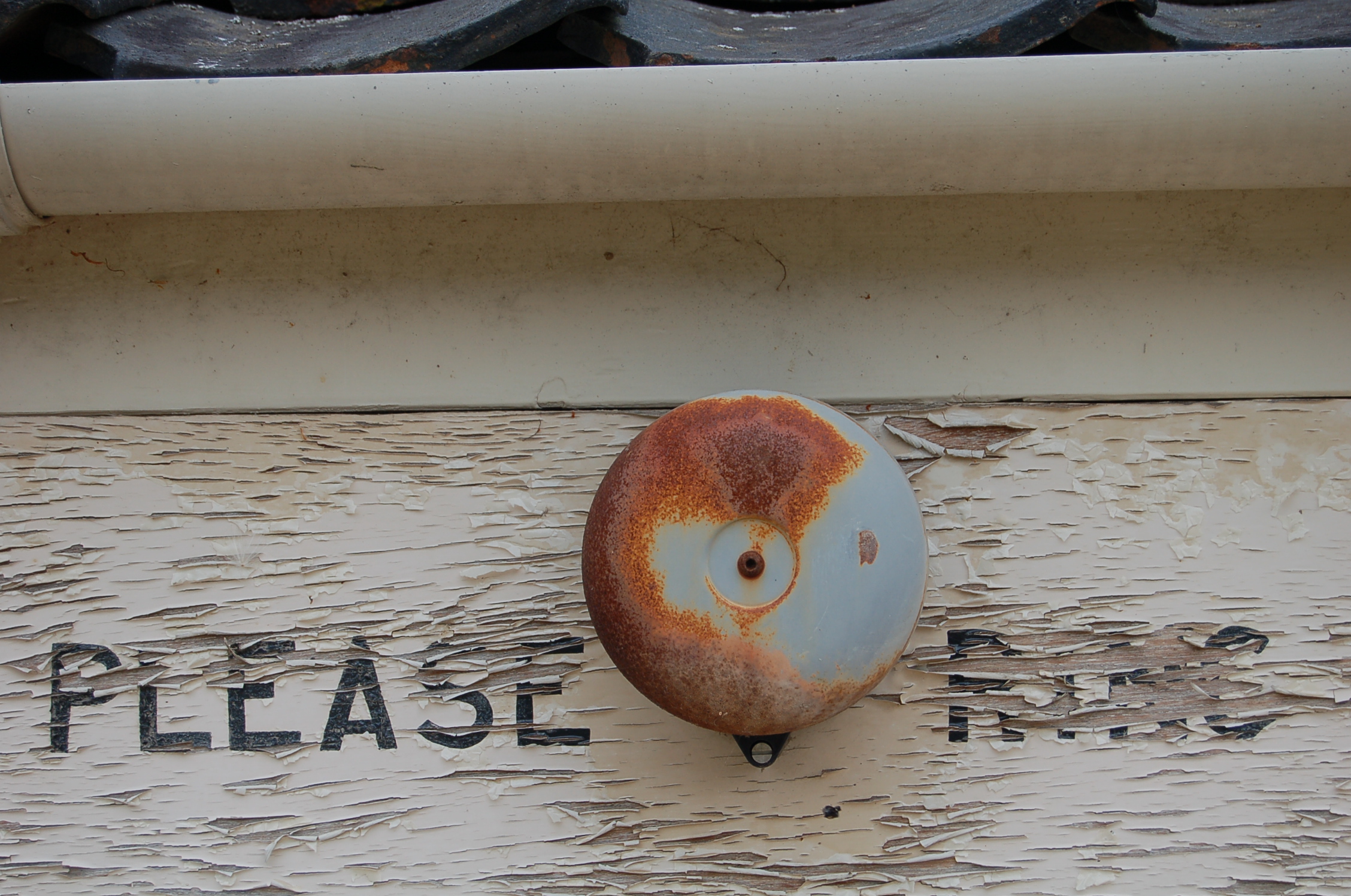
The old gardeners’ bothy was full of character. I loved the bell!

2013 08 23_3090 2013 08 23_3089 2013 08 23_3088

At the far end of the walled garden the sensory garden satisfied our noses with sweet herby scents.

2013 08 23_3091 2013 08 23_3092 2013 08 23_3093 2013 08 23_3094 2013 08 23_3095

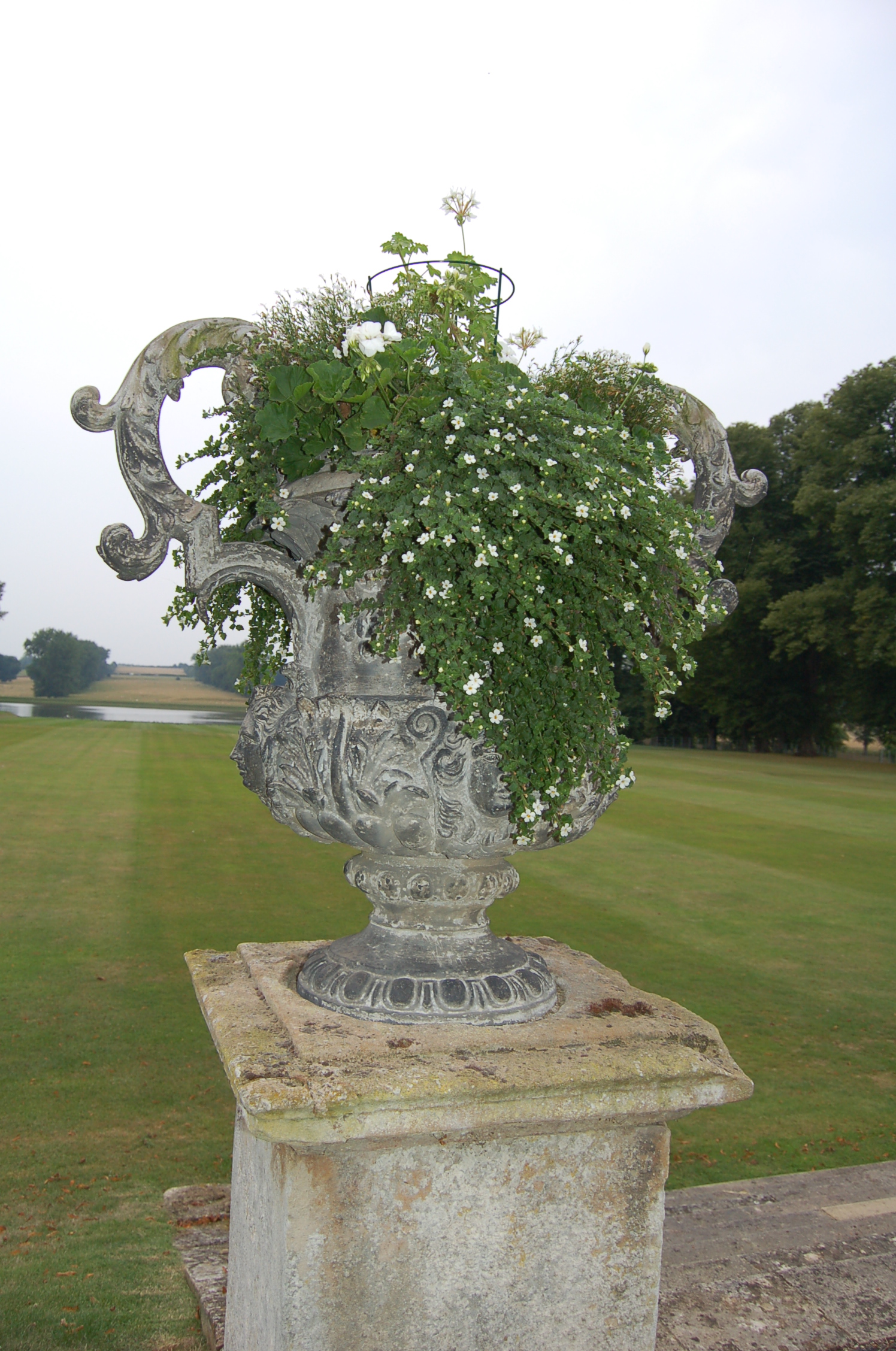
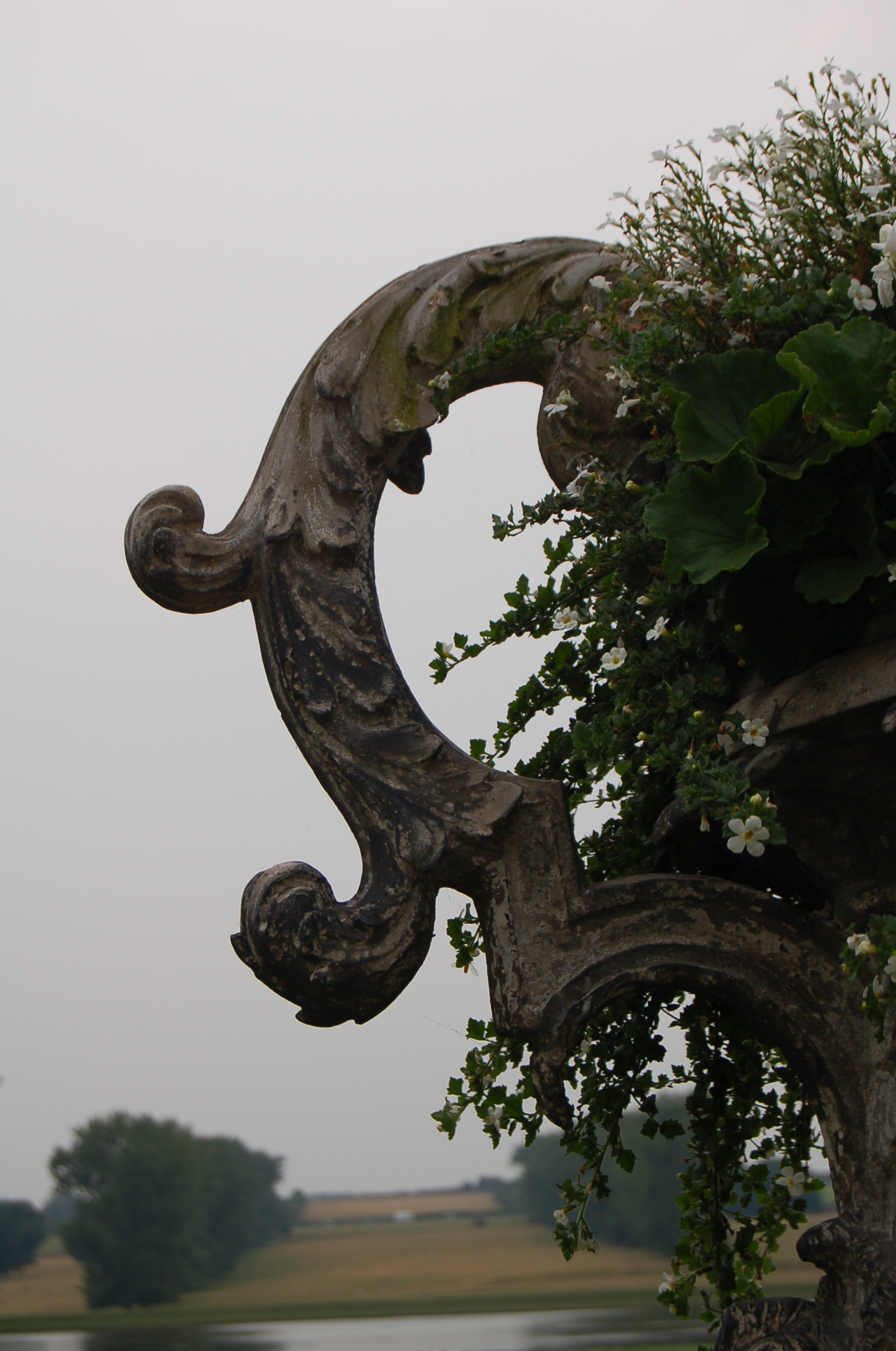
I shall finish this report on Boughton with a couple of interesting features that caught my eye throughout the garden.

2013 08 23_3104 2013 08 23_3103 2013 08 23_3102 2013 08 23_3101 2013 08 23_3100 2013 08 23_3099 2013 08 23_3097 2013 08 23_3095 2013 08 23_3083 2013 08 23_3060 2013 08 23_3059 2013 08 23_3058

Categories
bird watching birds climbing plants colours conservation fruit and veg garden design garden photography garden wildlife gardening grasses hardy perennials ornamental grasses ornamental trees and shrubs photography roses Shropshire village gardens wildlife

A Garden Bouquet for August

It is time I took up my camera and took photos of the delights our garden has to offer. This is a particularly important set of photos as we have decided on August 3rd as the date we are going to open our garden for the National Garden Scheme next year. We keep looking for gaps or places in need of improvements be it little tweaks or bigger tasks such as re-laying our main central path in the back garden.

So I went off around the garden with my zoom lens attached to see what’s what in our patch. As it panned out there was so much to see in the back garden that all this month’s photos were taken there. Please enjoy the journey and feel the damp, cool morning air which acted like a soft lens filter giving a delicate misty blue atmosphere to some of the shots.

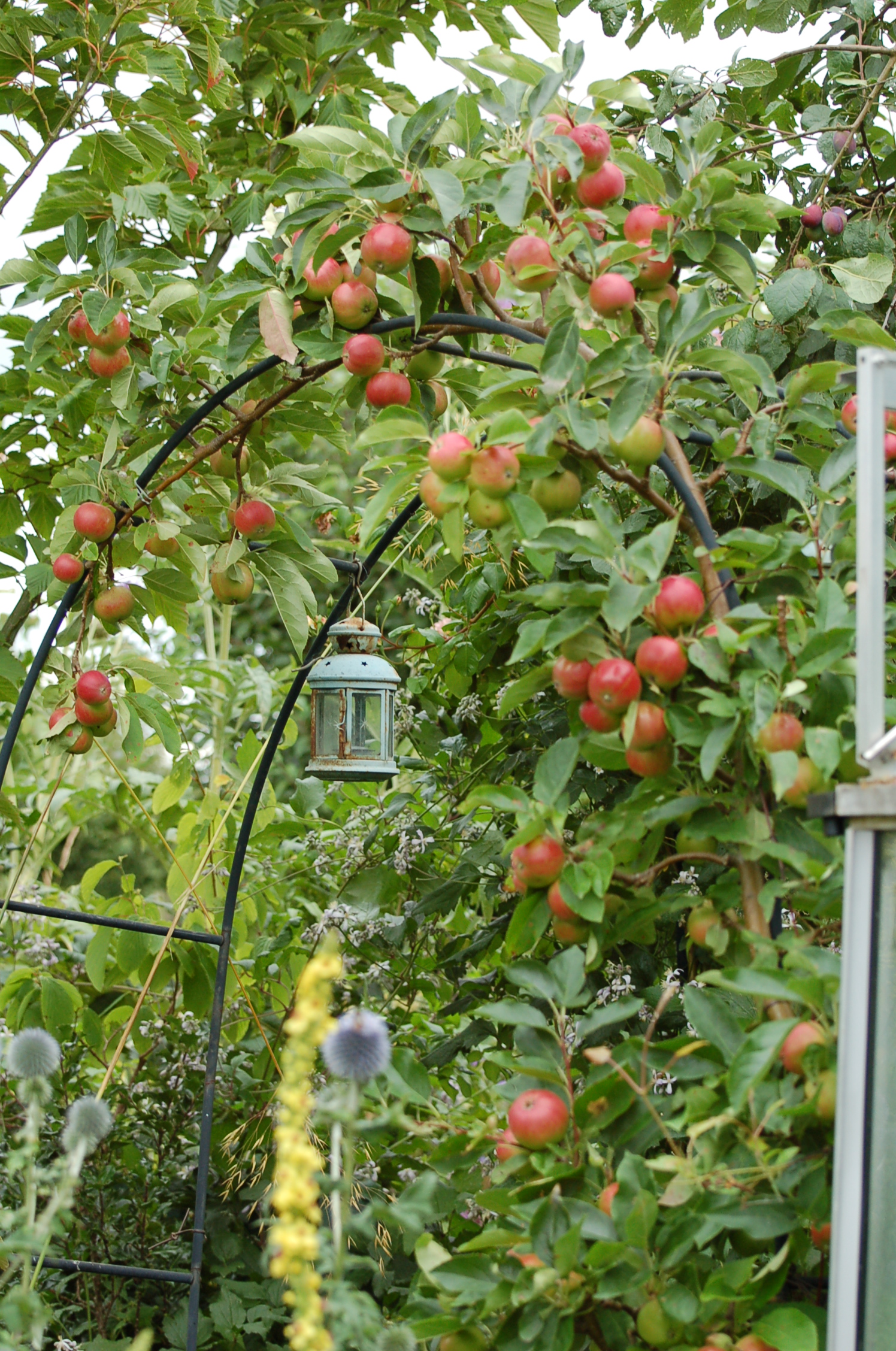
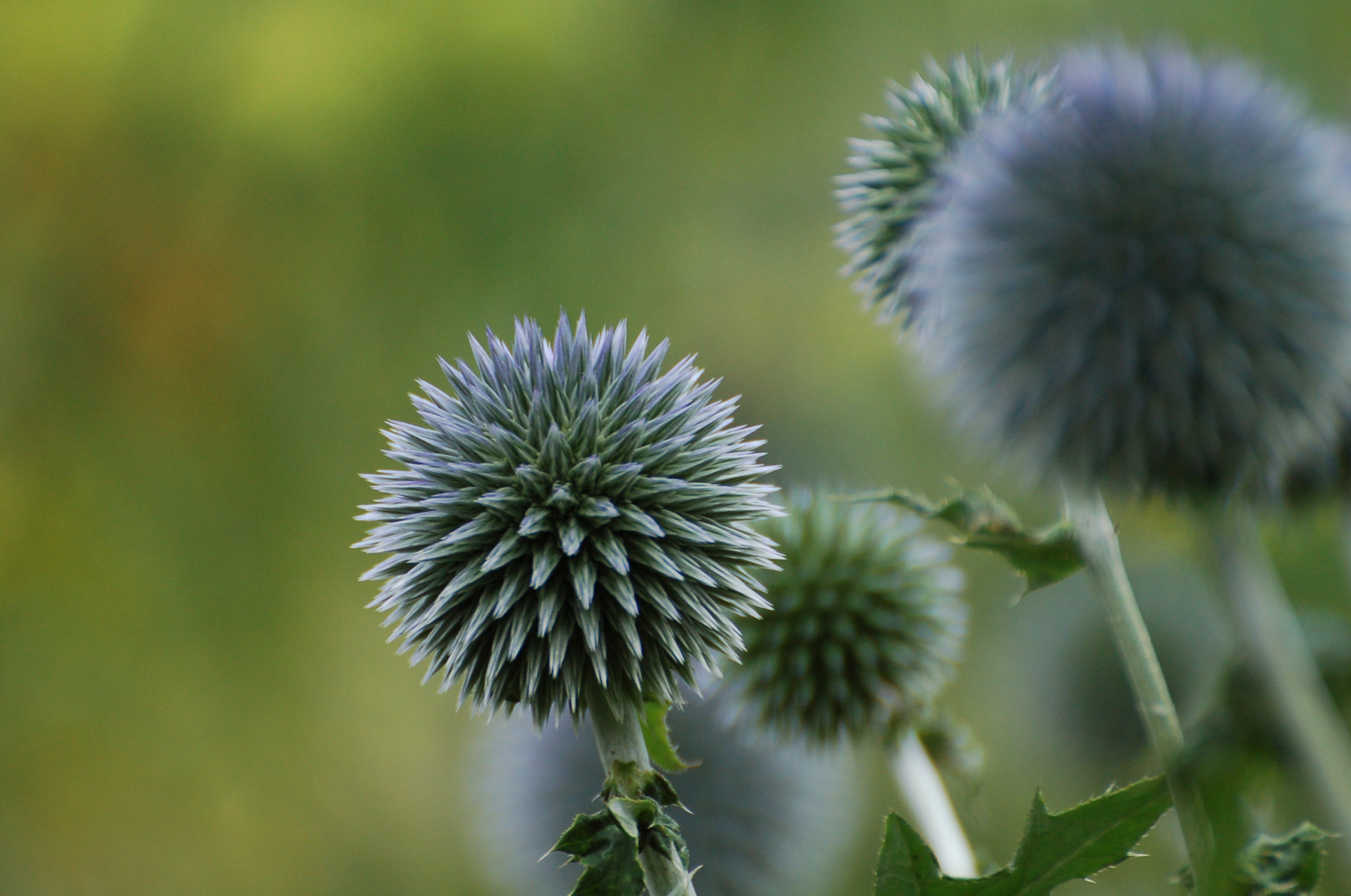
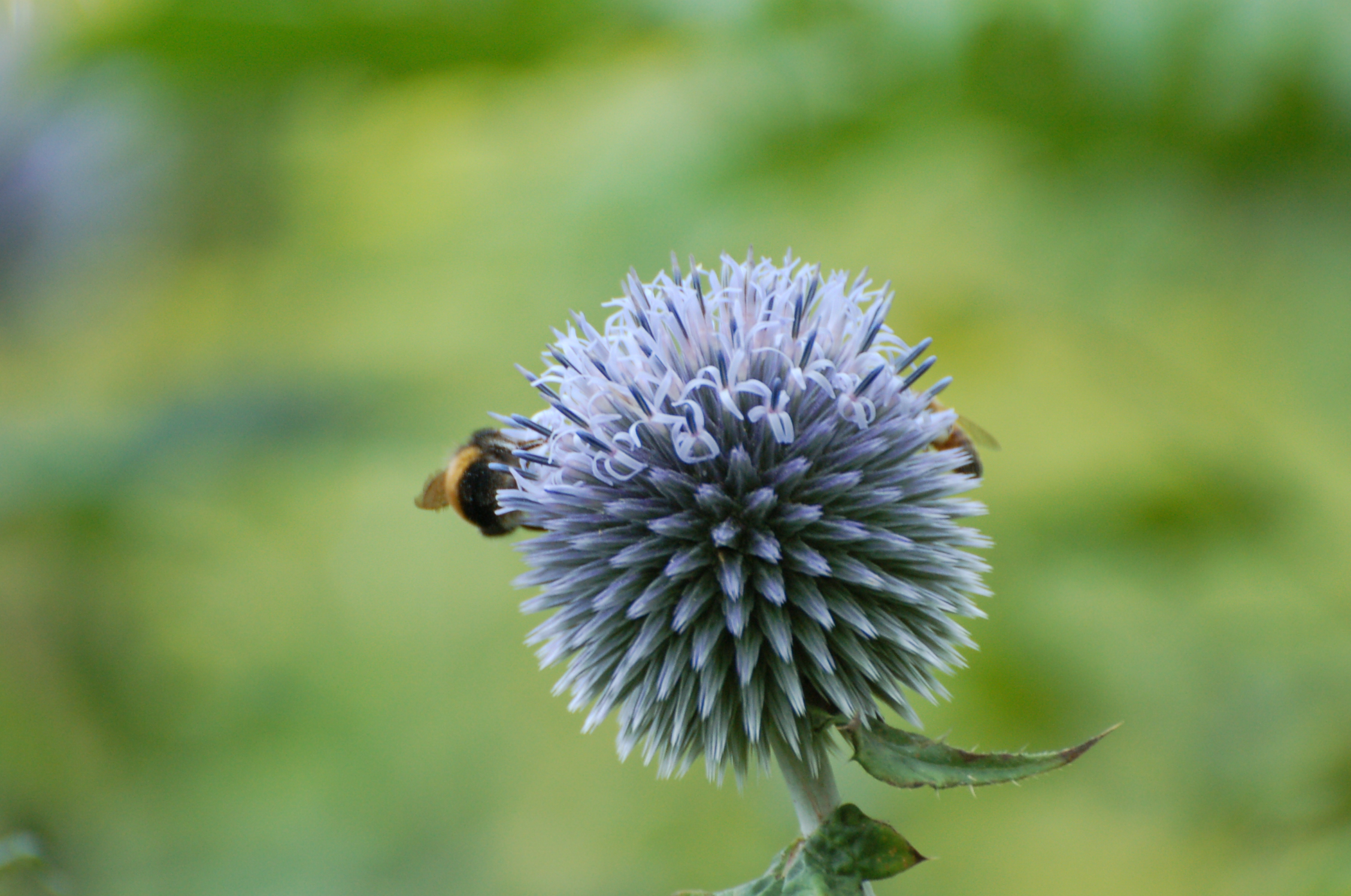
In the “Shed Bed” the delicate china blue flowers popping out of the spiky spheres of the echinops provide sustenance for our bees and the apple tree trained over an arch will provide sustenance for us. The odd white flowers come from the gentle creamy colours of the hydrangea heads.
2013 08 22_2847 2013 08 22_2926 2013 08 22_2927

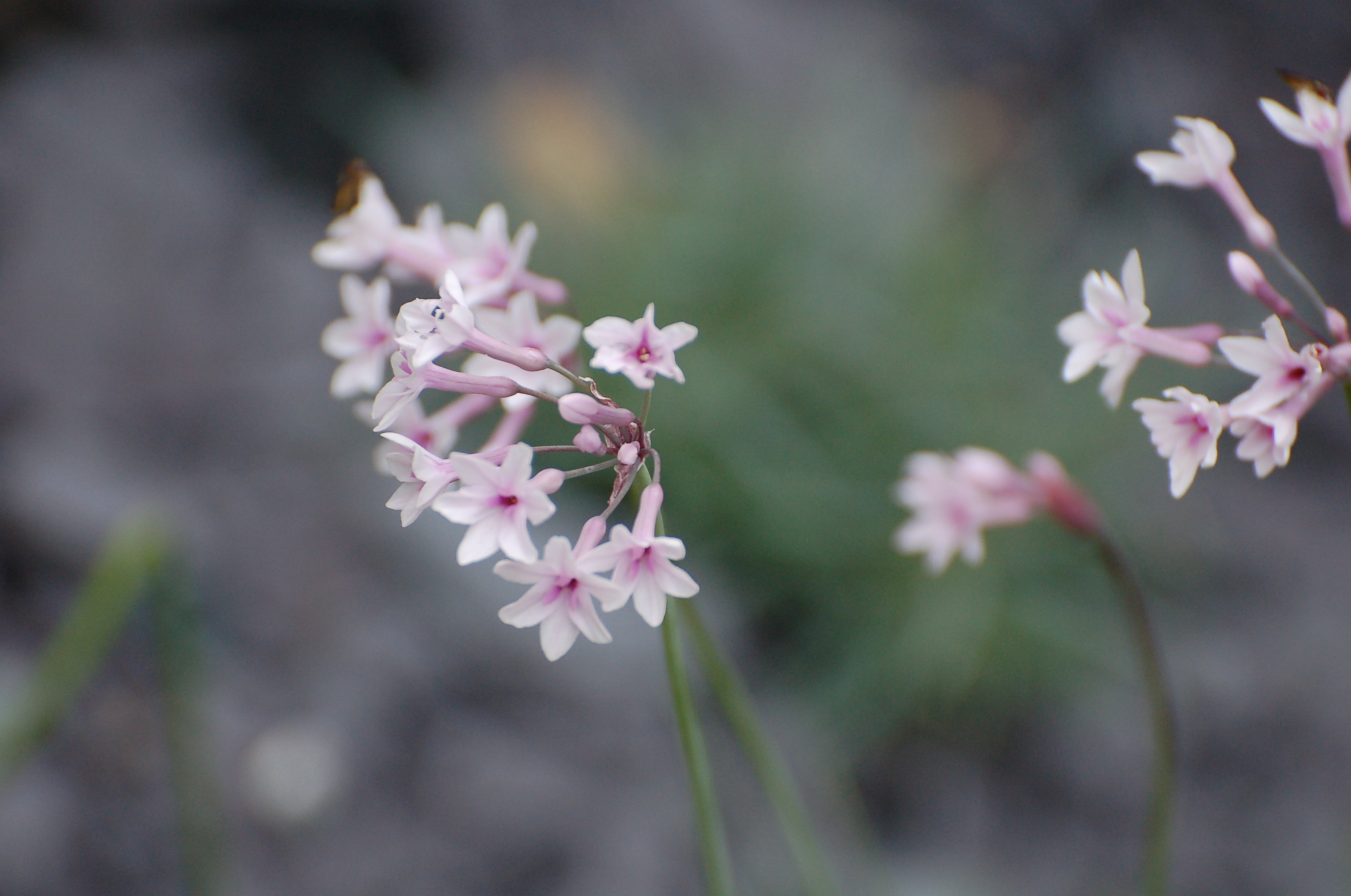
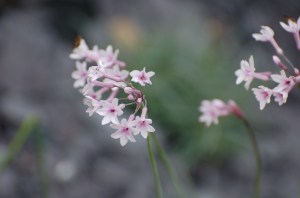
Our tulbagias continue to flower in the new slate garden close by and above them the purple sedum foliage hangs from the old gypsy kettle on our old ladder.
2013 08 22_2928 2013 08 22_2929 2013 08 22_2930 2013 08 22_2931

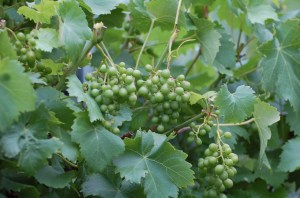
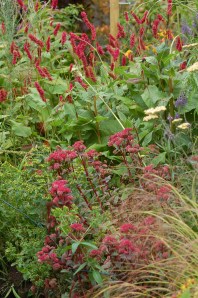
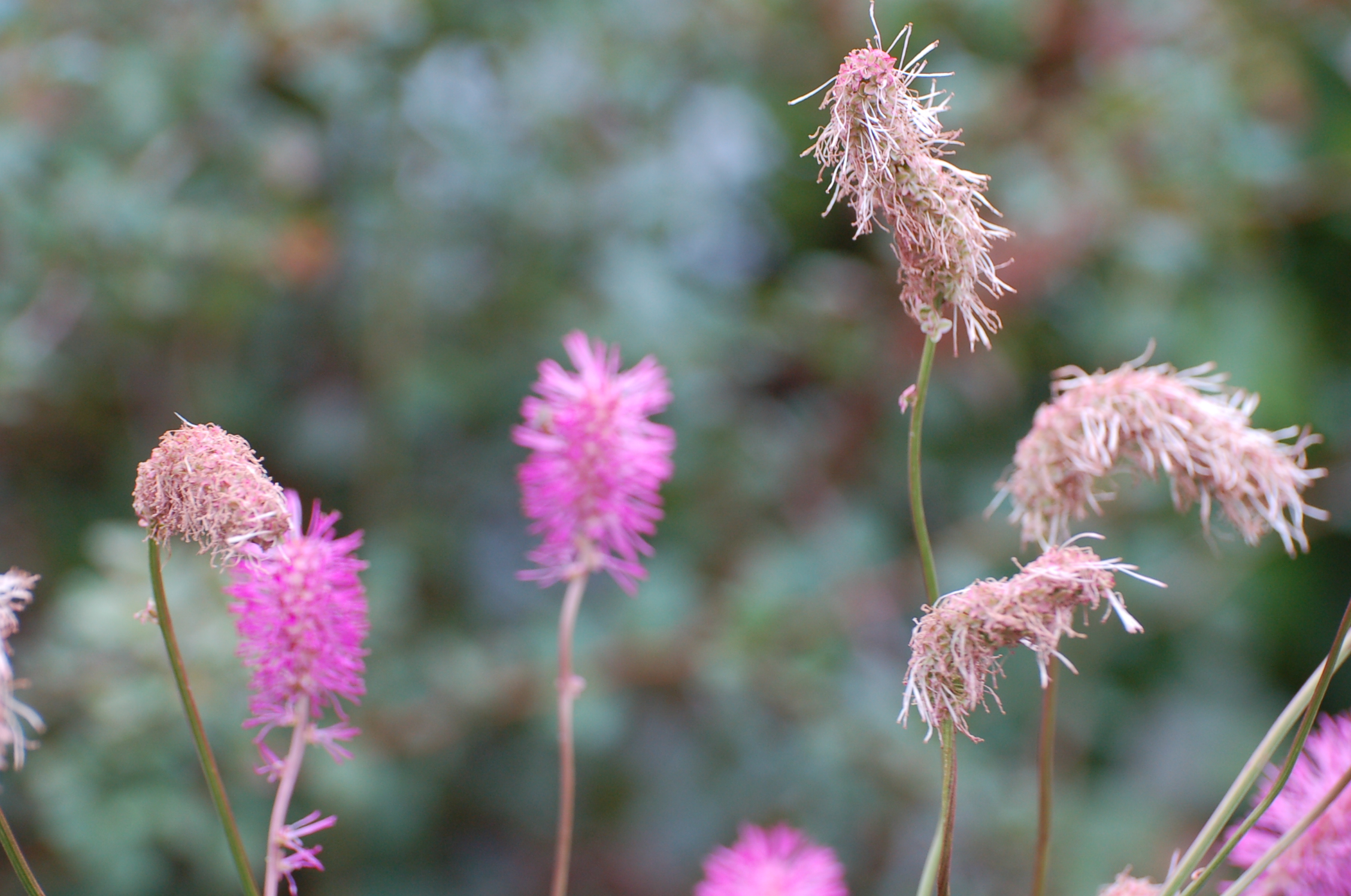
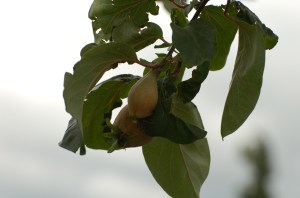
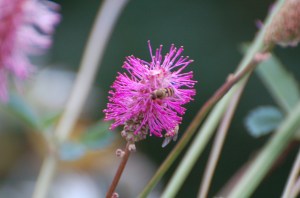
There are lots of plants to look at around the end of the greenhouse where the vine is dripping with grapes awaiting late summer sun to ripen them and paint them in purple and black. The Quince vranga tree has a few fruits hanging at the tips of the branches and the soft pink curled flowers of Sanguisorba “Pink Elephant” brighten the border below.
2013 08 22_2857 2013 08 22_2933 2013 08 22_2935 2013 08 22_2936

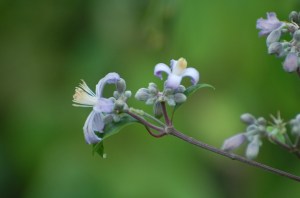
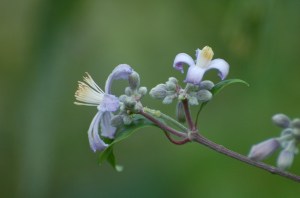
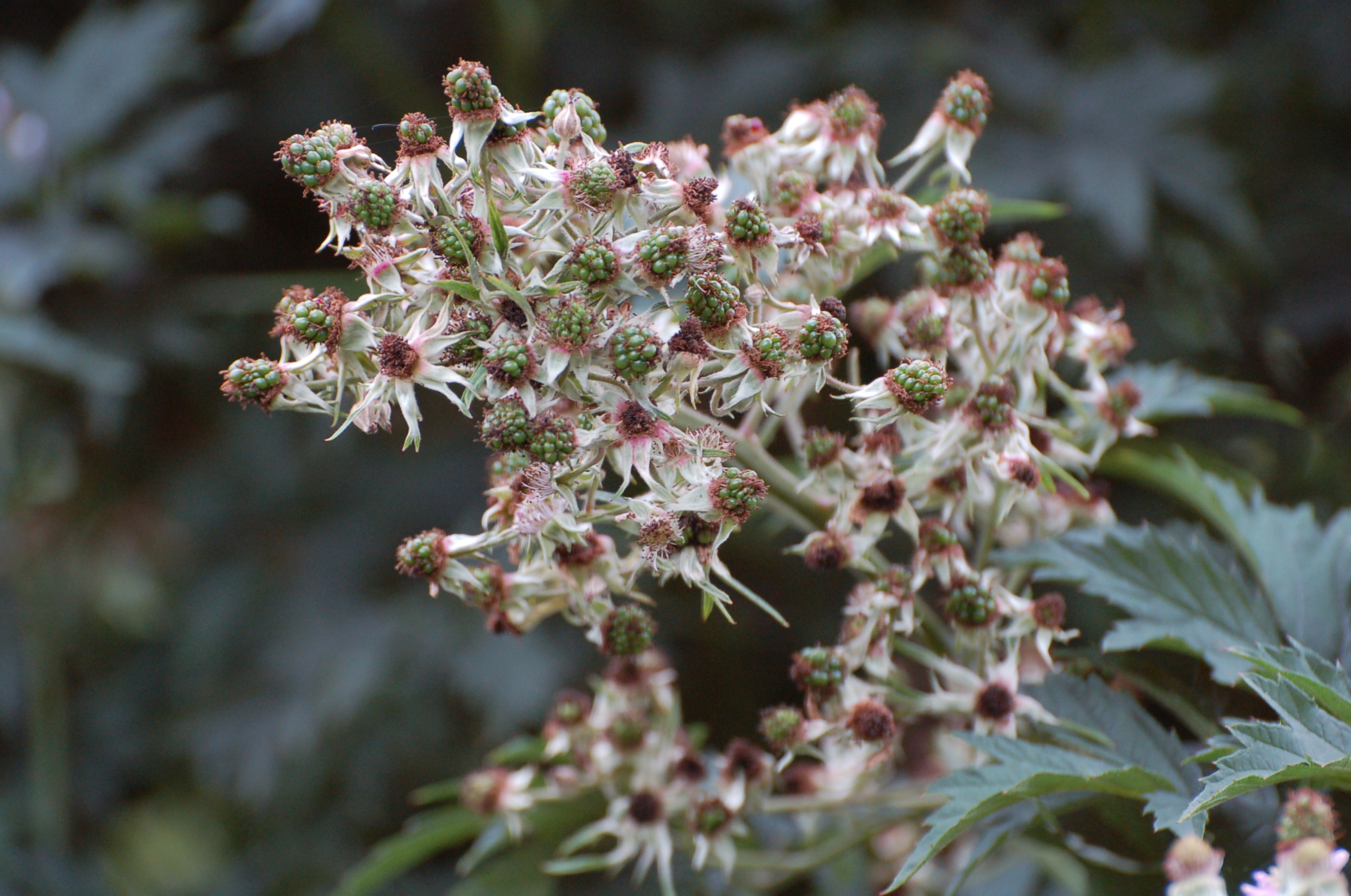
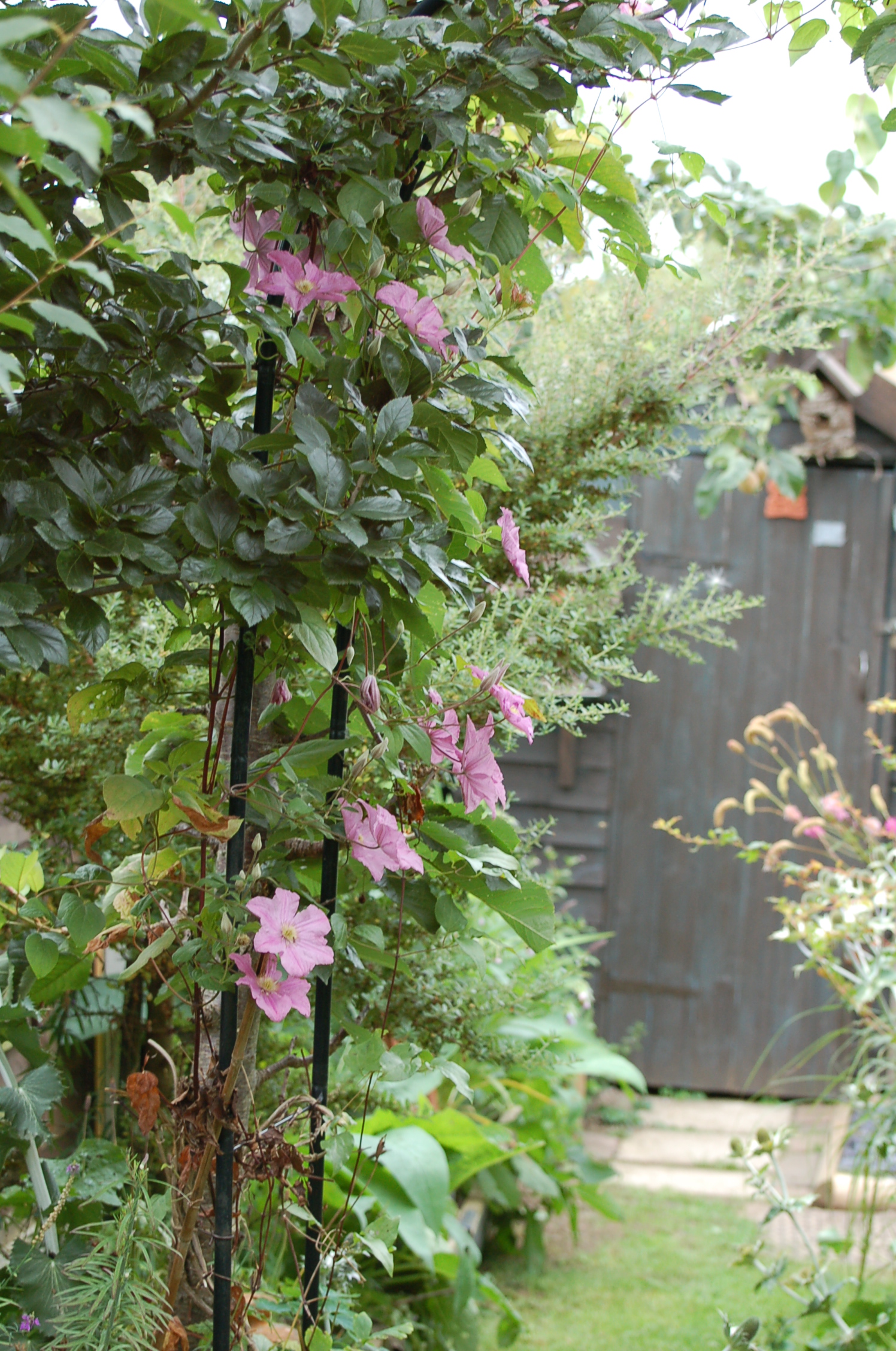
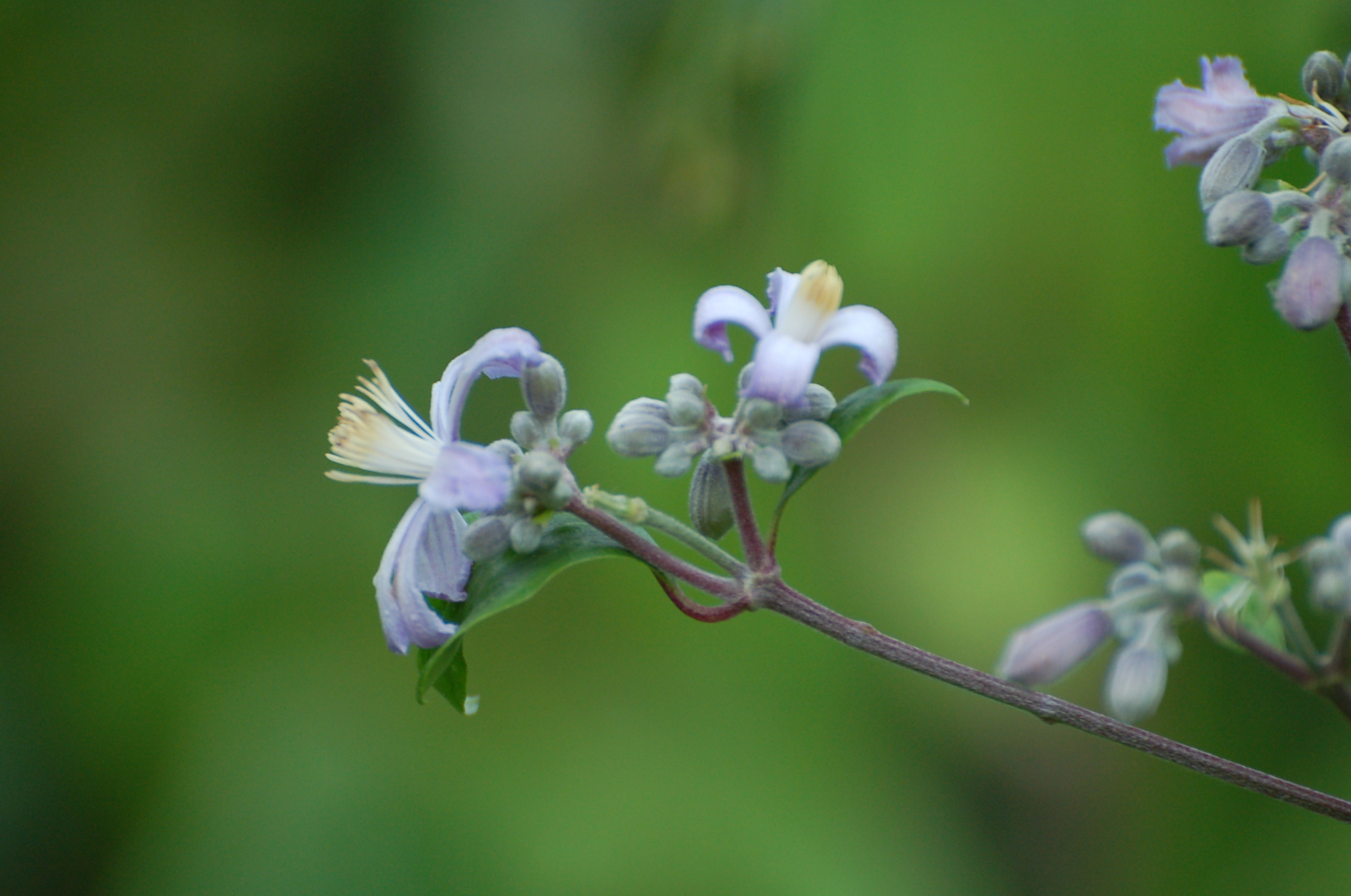
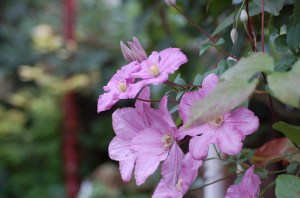
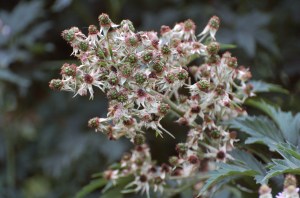
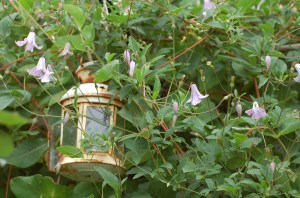
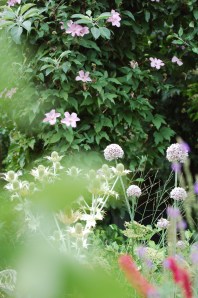
In the long “Tree Border ” this lilac flowered clematis is dripping with flowers and the thornless blackberry is heavy with young unripe fruits.
2013 08 22_2862 2013 08 22_2938

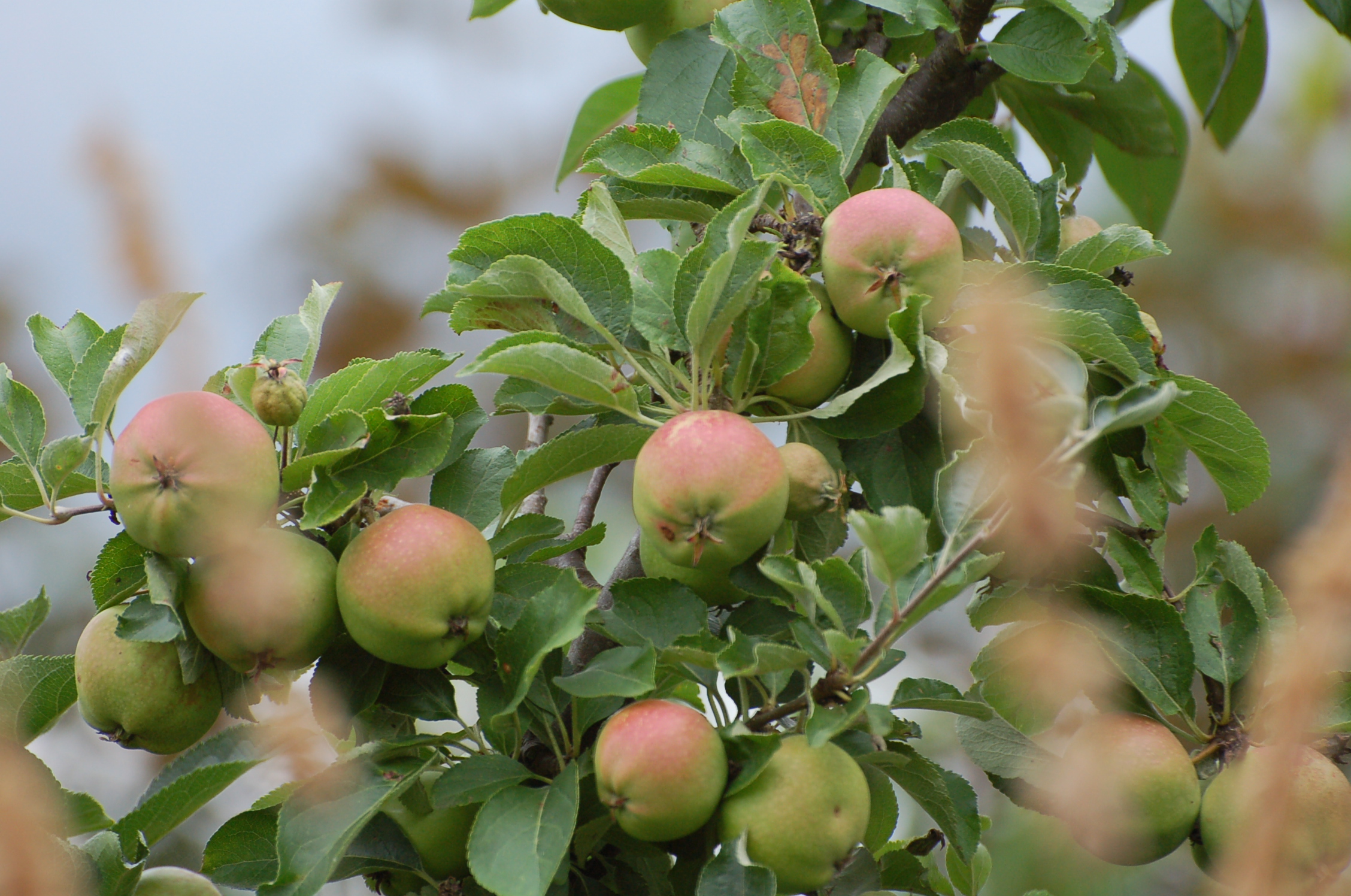
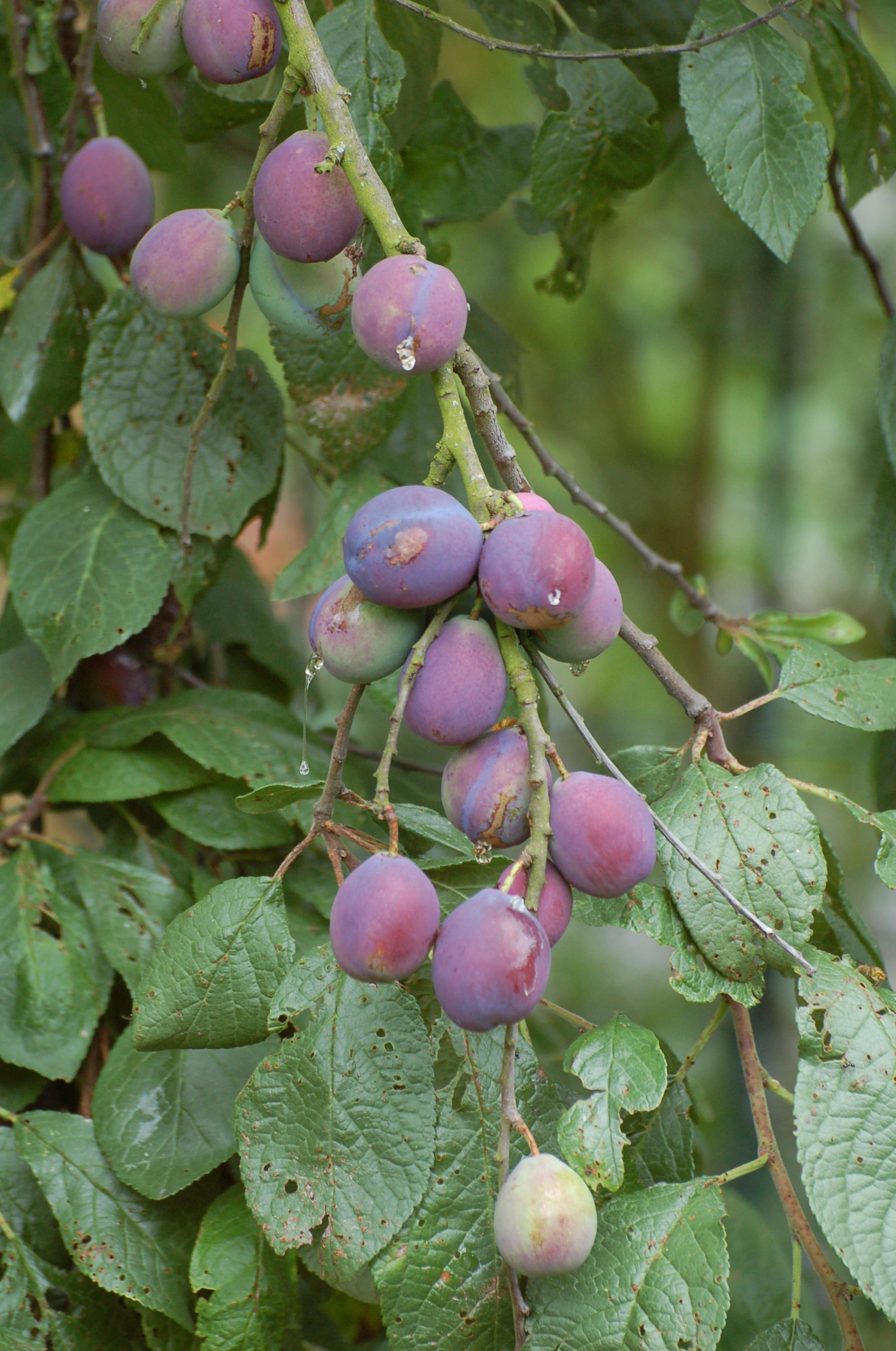
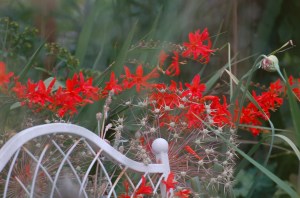
The Secret Garden and the Chicken Garden are at their best, blooming brightly with the cordon apples full of ripening fruit acting as a backdrop, many of which are just beginning to develop a flush in their cheeks. The Shropshire Damson tree overhangs one border and its deep purple fruits are weighing down its branches so heavily that the fruits look like they are reaching out to hold hands with the flowers.

2013 08 22_2939 2013 08 22_2940 2013 08 22_2941 2013 08 22_2867 2013 08 22_2944 2013 08 22_2945 2013 08 22_2946 2013 08 22_2872 2013 08 22_2873 2013 08 22_2949

A few new plants are waiting, still in their pots, in the Secret Garden while we decide where to plant them. They seem to be the colours of citrus fruits!

2013 08 22_2950 2013 08 22_2951

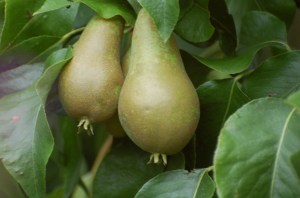
Along the central pathway our pears are close to their peak picking time. As I pass each day I look longingly to see if a couple are ready. Surely this is the ultimate gardening experience, eating a juicy, scented pear still warm from the sunshine just seconds from leaving the branch. The few plums look sad and lonely – from all four cordons we have just one clump of fruit. A poor year!
2013 08 22_2878 2013 08 22_2877 2013 08 22_2955 2013 08 22_2956

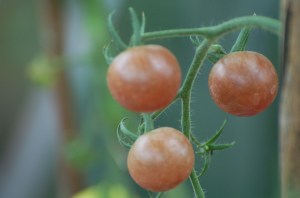
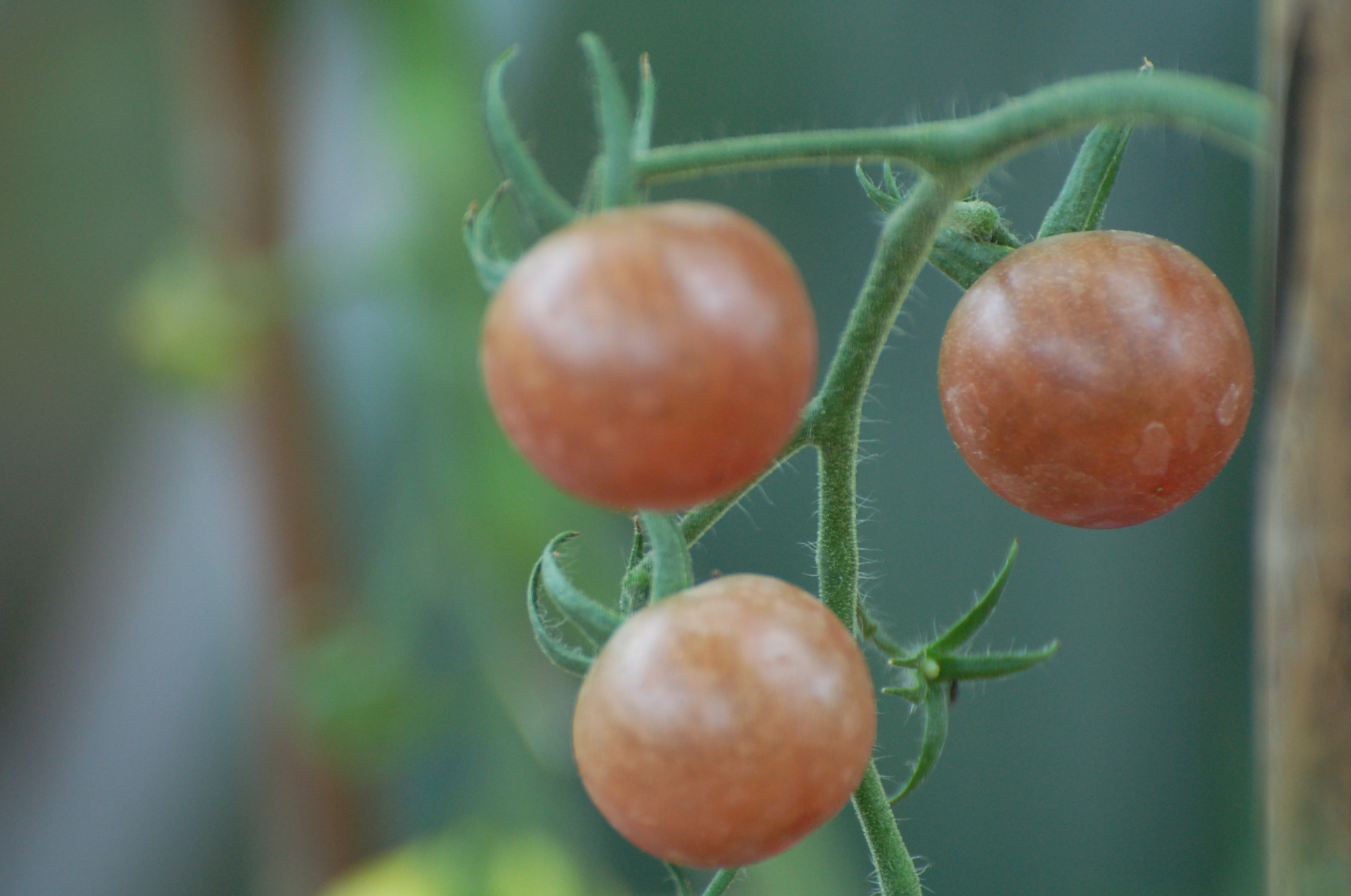
In the greenhouse the tomatoes are producing prolific amount of fruit in shades of yellow, red and purple. We are picking and enjoying them daily and adding some to the store of produce in the freezer. In the late autumn we shall make them into chutney coupled with our onions and apples.

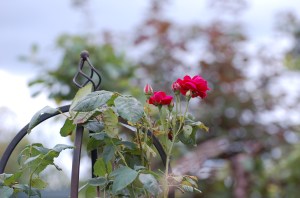
From the greenhouse door I can look out across the “L Bed” and the “Long Border” through an arch draped in richly scented roses and a delicate china blue clematis. This is a herbaceous clematis rather than a climber, but it does enjoy a good scramble over everything in its path.
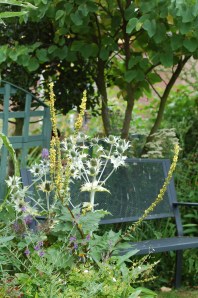
2013 08 22_2958 2013 08 22_2960 2013 08 22_2961

2013 08 22_2963 2013 08 22_2964 2013 08 22_2965 2013 08 22_2967 2013 08 22_2968 2013 08 22_2970

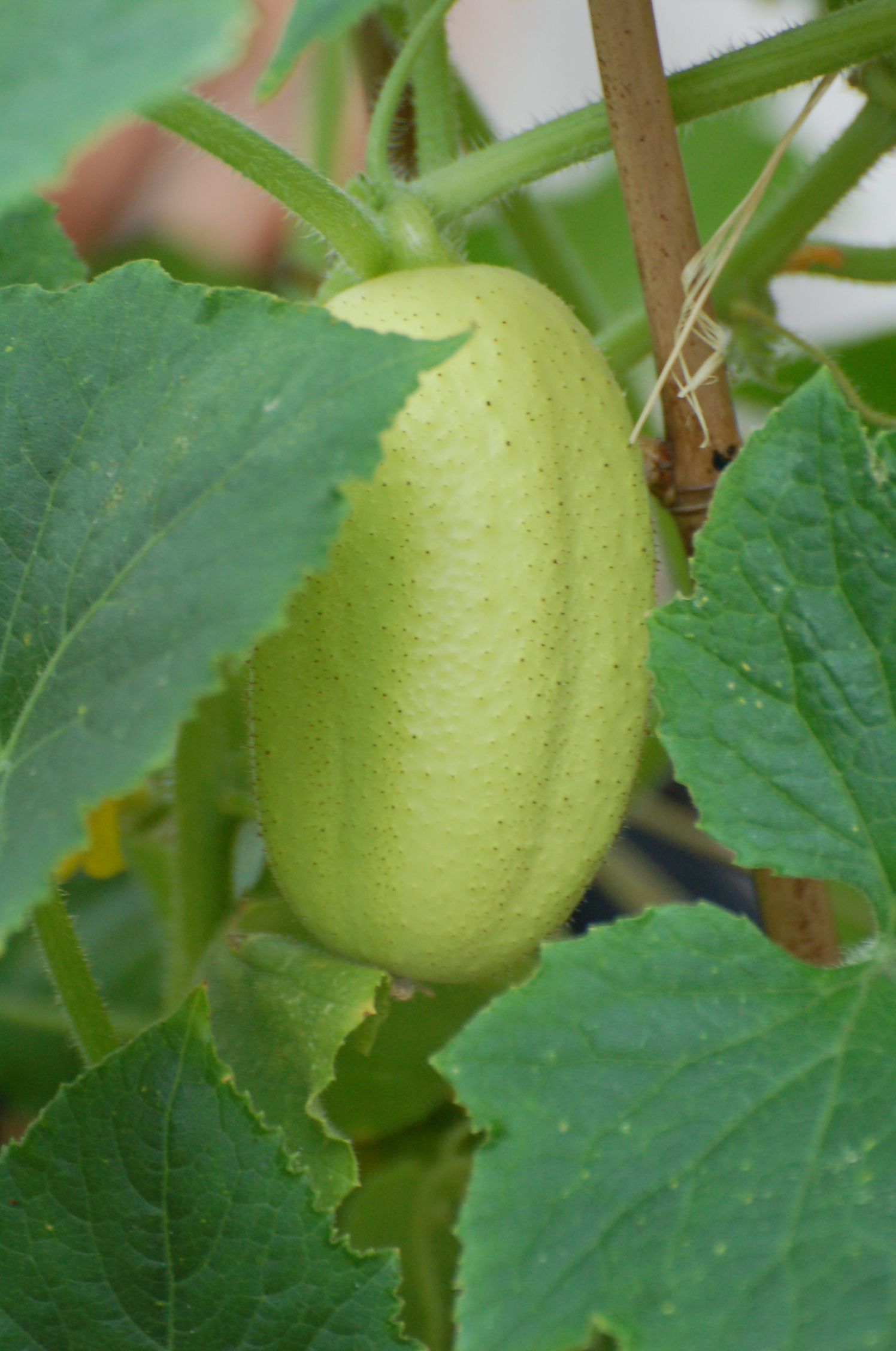
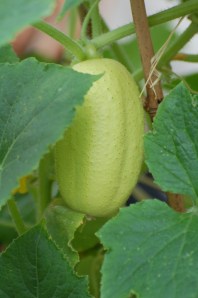
This strange fruit is a heritage cucumber called Booths Blond, which Jude the Undergardener tells me is very tasty. I don’t eat them, they are one of the few fruits and veggies I don’t enjoy. This variety certainly looks very different to the long straight regimental cucumbers sold in supermarkets.
2013 08 22_2971

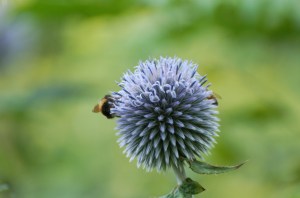
We have been concerned about the lack of butterflies and bees this year but recently they have come back in good numbers. Honey bees, bumble bees and solitary bees are all feeding furiously on any simple flowers. The butterflies are particularly tempted by the buddlejas and the marjorams. We garden with wildlife in mind particularly in the choice of plants we grow. Our flowers tend to be simple and  open, just the sort preferred by pollinating insects. We rely on our insects and birds to look after our garden for us. We garden totally organically relying on wildlife to do our pest controlling and pollinating of our crops.

2013 08 22_2897 2013 08 22_2969

As I am writing this the sky is full of House Martins and Swallows gathering together in readiness for their long migratory journey to the African continent. There they will find flies to feed on while here in the UK the insect population will disappear with the onset of winter. These acrobatic flying little birds seem to be celebrating a good English summer!

In the shrubs and trees warblers and titmice are busy feeding up after a period of moult. August and September are when we tend to see our warblers, Willow, Garden and this year even a Grasshopper Warbler. Chiffchaff and Whitethroat tend to be with us most of the year.

Categories
allotments fruit and veg garden wildlife gardening grow your own July kitchen gardens National Garden Scheme natural pest control NGS Shrewsbury

A lottie visit.

It seems a long while since I featured our allotment plot in Greenbenchramblings and it was from the old green bench on the lottie that my blog was launched, so when I was nominated for a pair of blogging awards I thought it would be a good time to say thank you by taking  you for a quick look around our plot.

Firstly thanks to aristonorganic for the 2Awards in 1! I am not a competitive person but I do feel privileged to know that someone appreciates my blog. It brings a smile to my face.

The awards are “Shine On” and “Very Inspiring Blogger Award”.

By accepting them I promise to tell you 7 things about myself and pass on the nomination to other bloggers I enjoy reading.

7 Things About Me

1 I am registered “Bionic”.

2 I want to know what is going on in our garden at night so have just got a live moth trap.

3 I keep a flock of hens at the bottom of my garden and talk to them regularly. I think they talk back!

4 I enjoy our monthly trip to jazz club.

5 I garden with wildlife in mind.

6 I am chairman of our allotment community.

7 I enjoy watching 20/20 cricket.

Bloggers who I wish to nominate are

mybeautifulthings

The Scottish Country Garden

lensandpensbysally

Penny’s Garden

grandparentsplus2

Catherine Howard’s Garden

pbmgarden

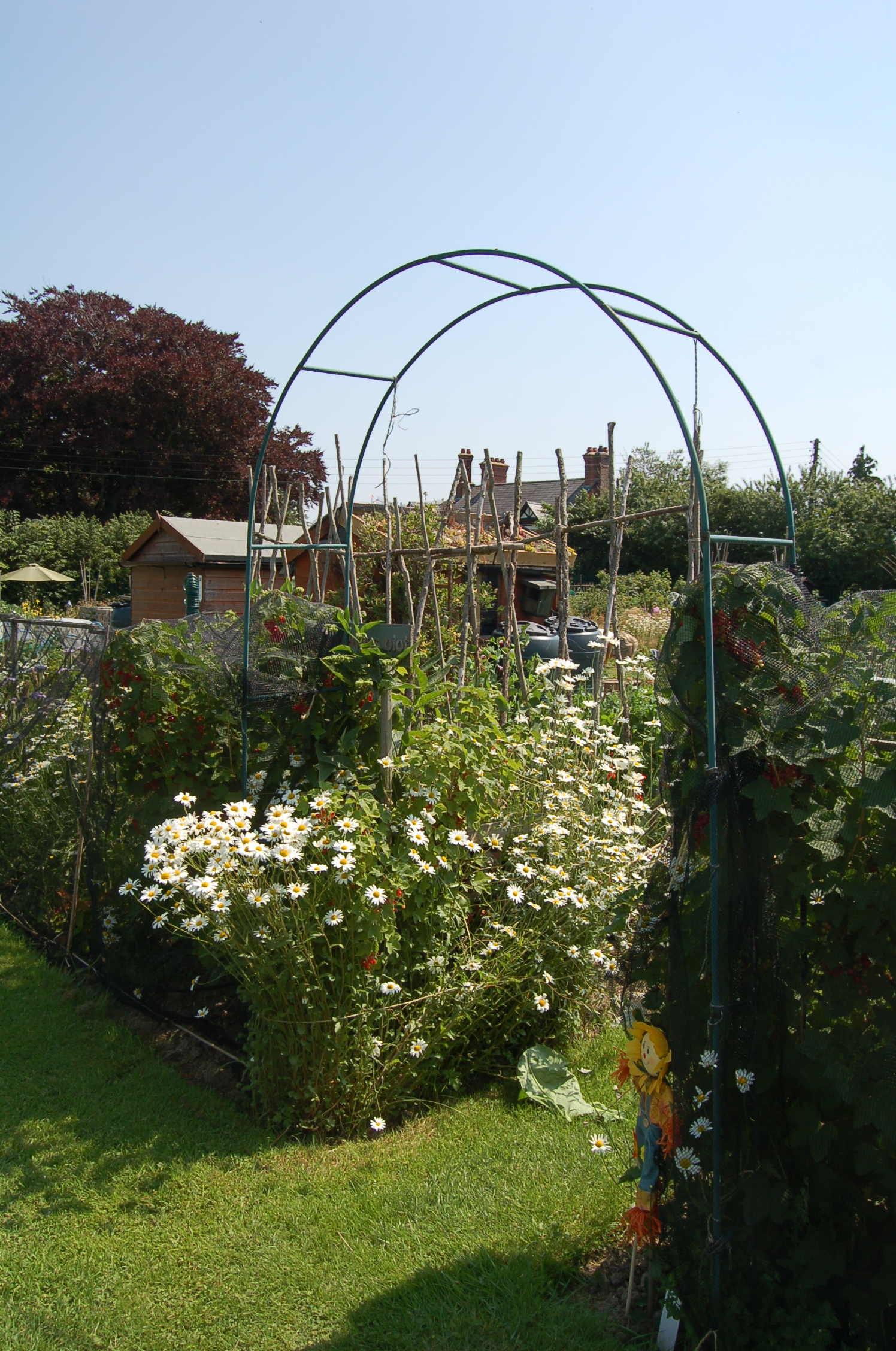
So let us go for a wander around our lottie plot. We welcome you through an archway where a “meeter-greeter” awaits your arrival.

2013 07 09_1825 2013 07 09_1824

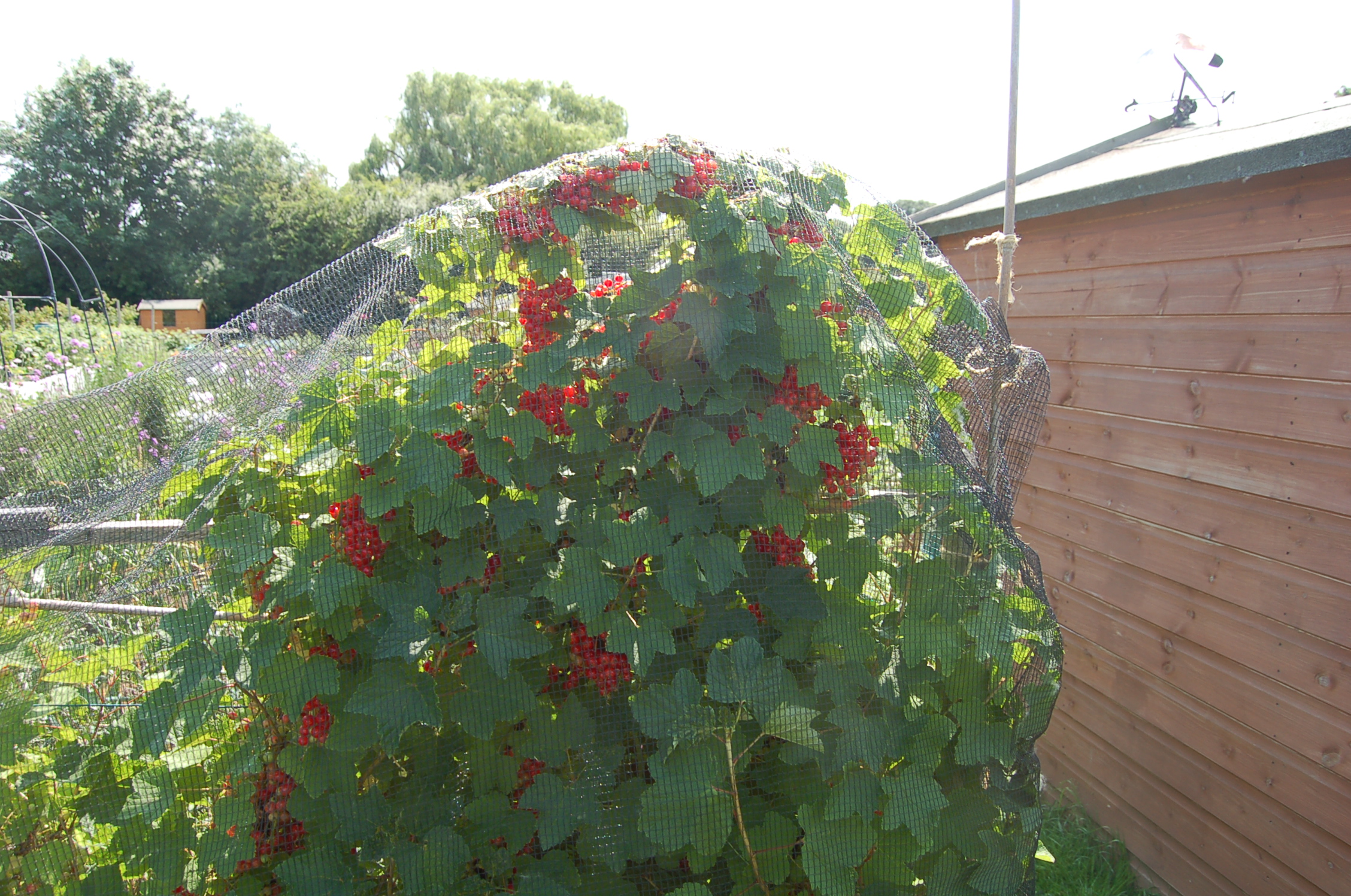
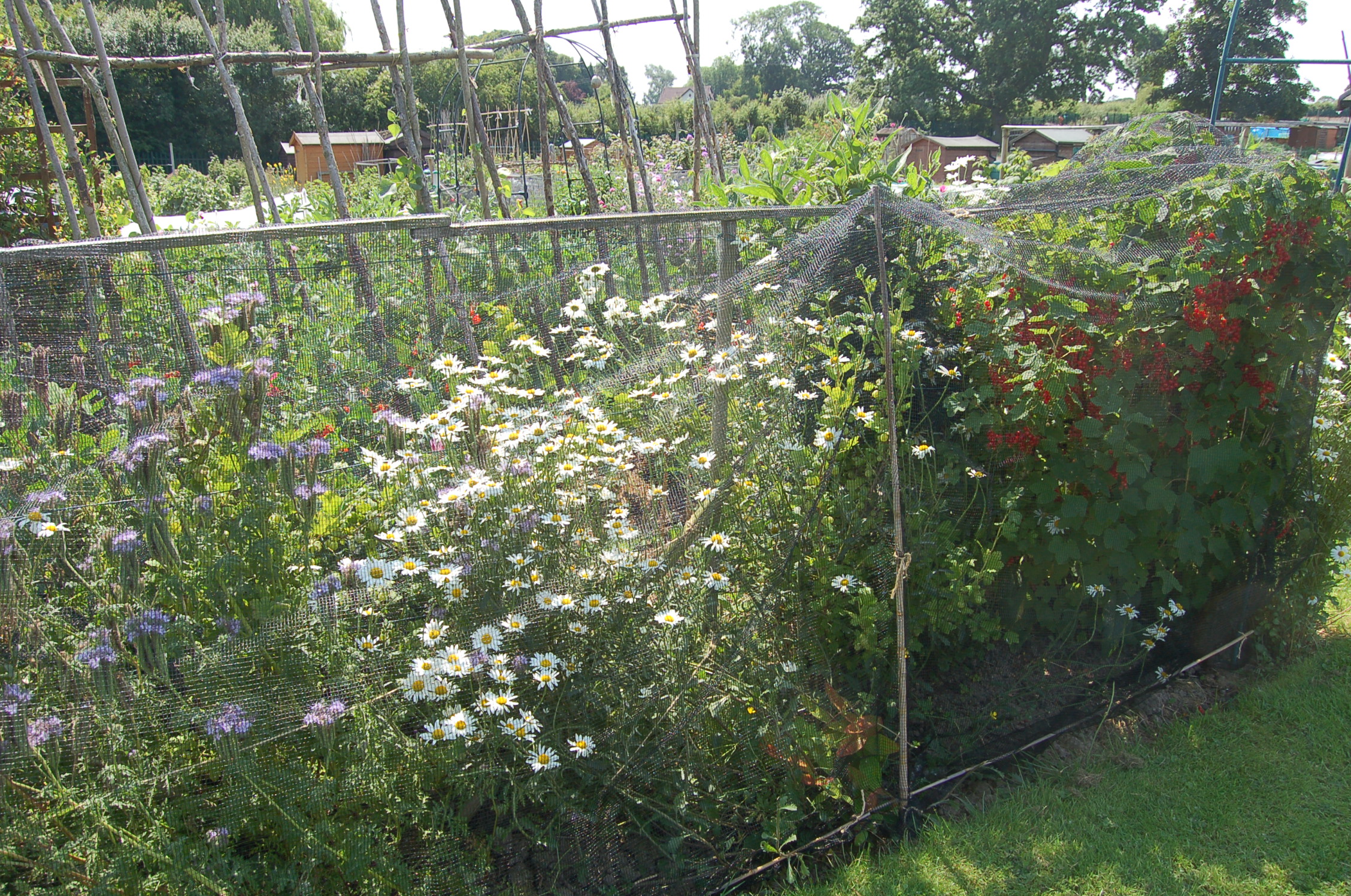
Fruit grown as cordons line our paths and here red currants, almost ready to pick, are netted against the attentions of the local blackbird population. We grow flowers with our fruit to bring in beneficial insects which act as pest controllers and pollinators.

2013 07 09_1826 2013 07 09_1823

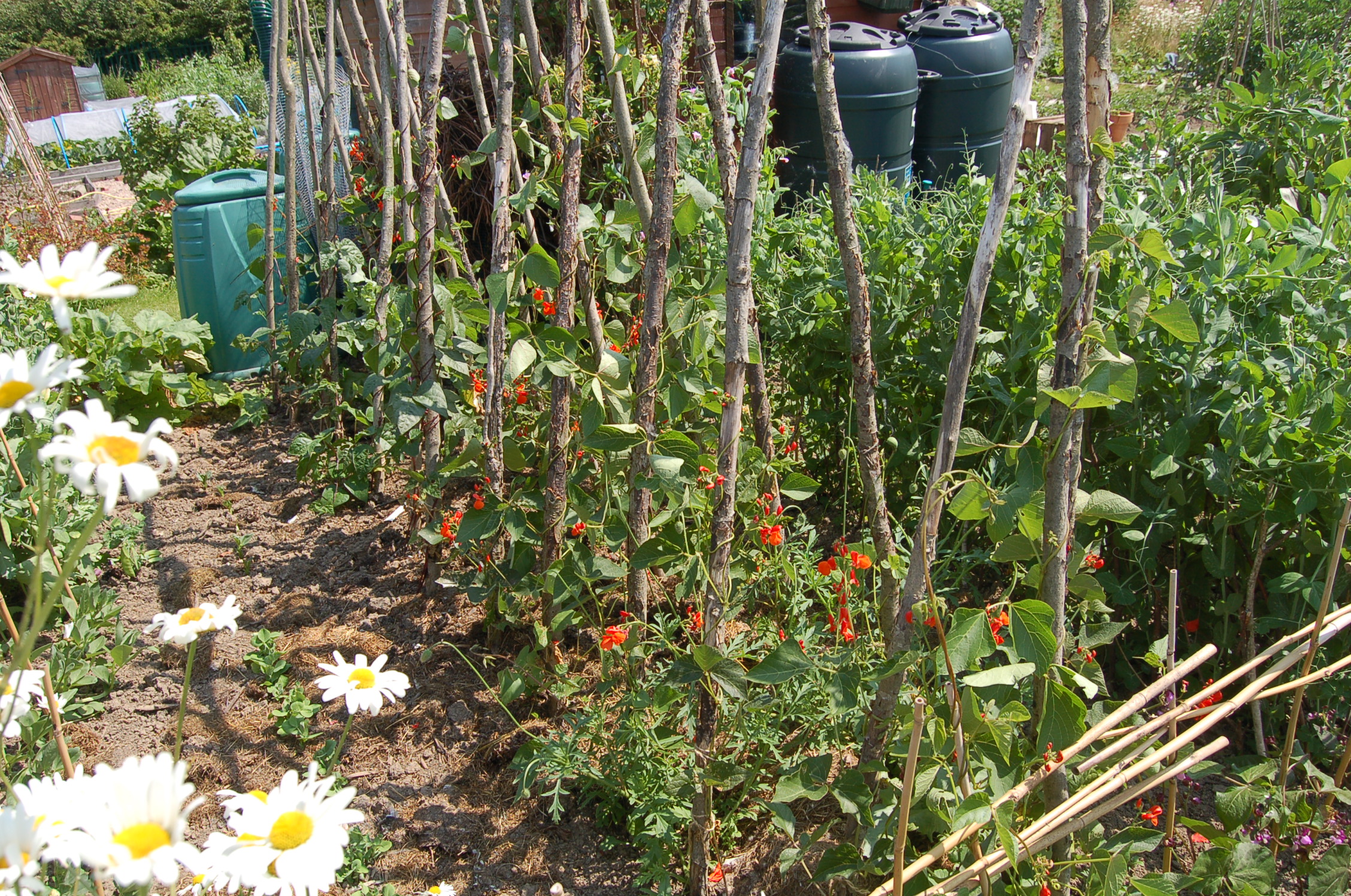
Our Runner Beans are in flower providing bright splashes of red whilst below them French Beans give us purples and mauves to enjoy.

2013 07 09_1827 2013 07 09_1828

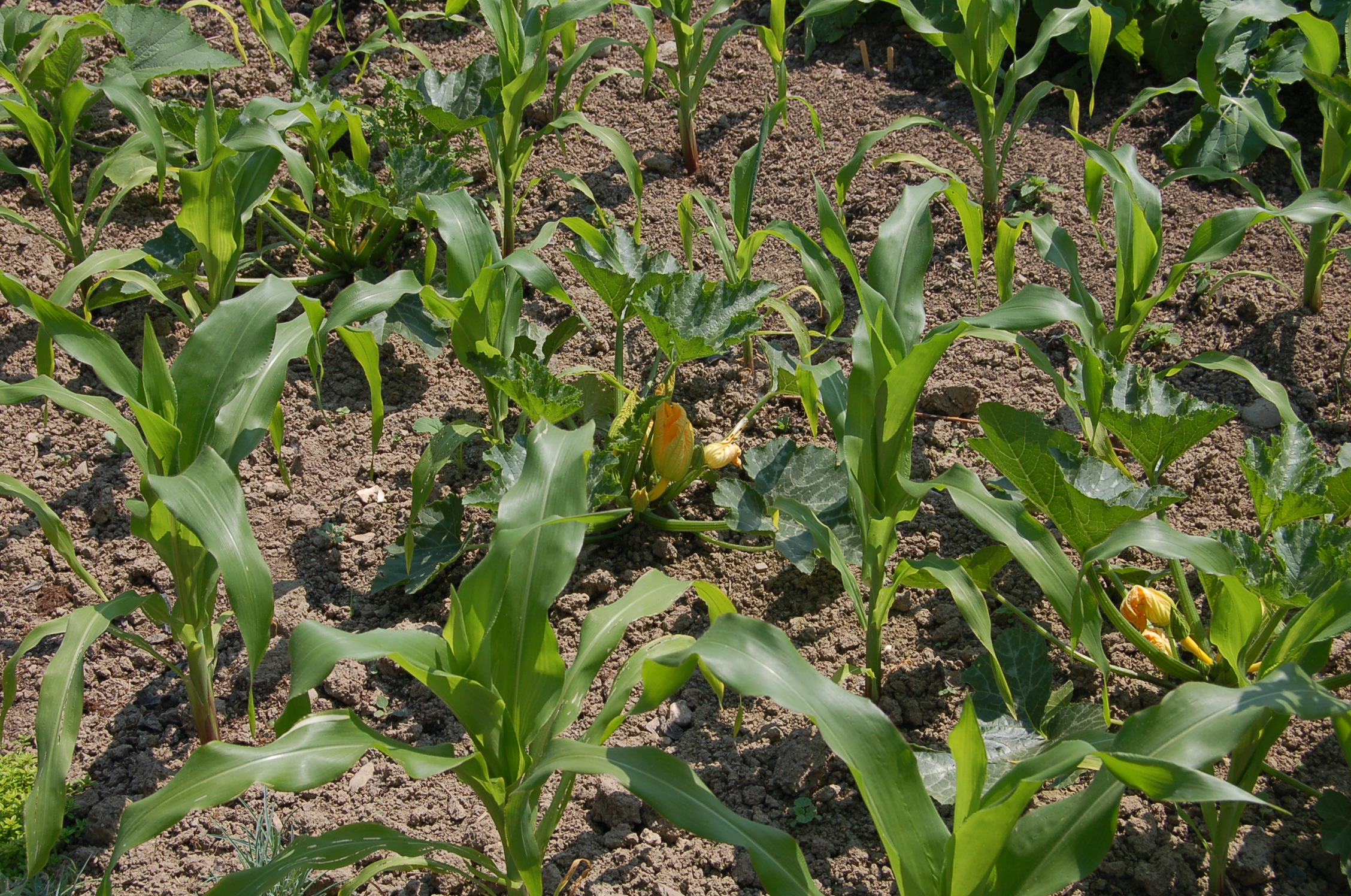
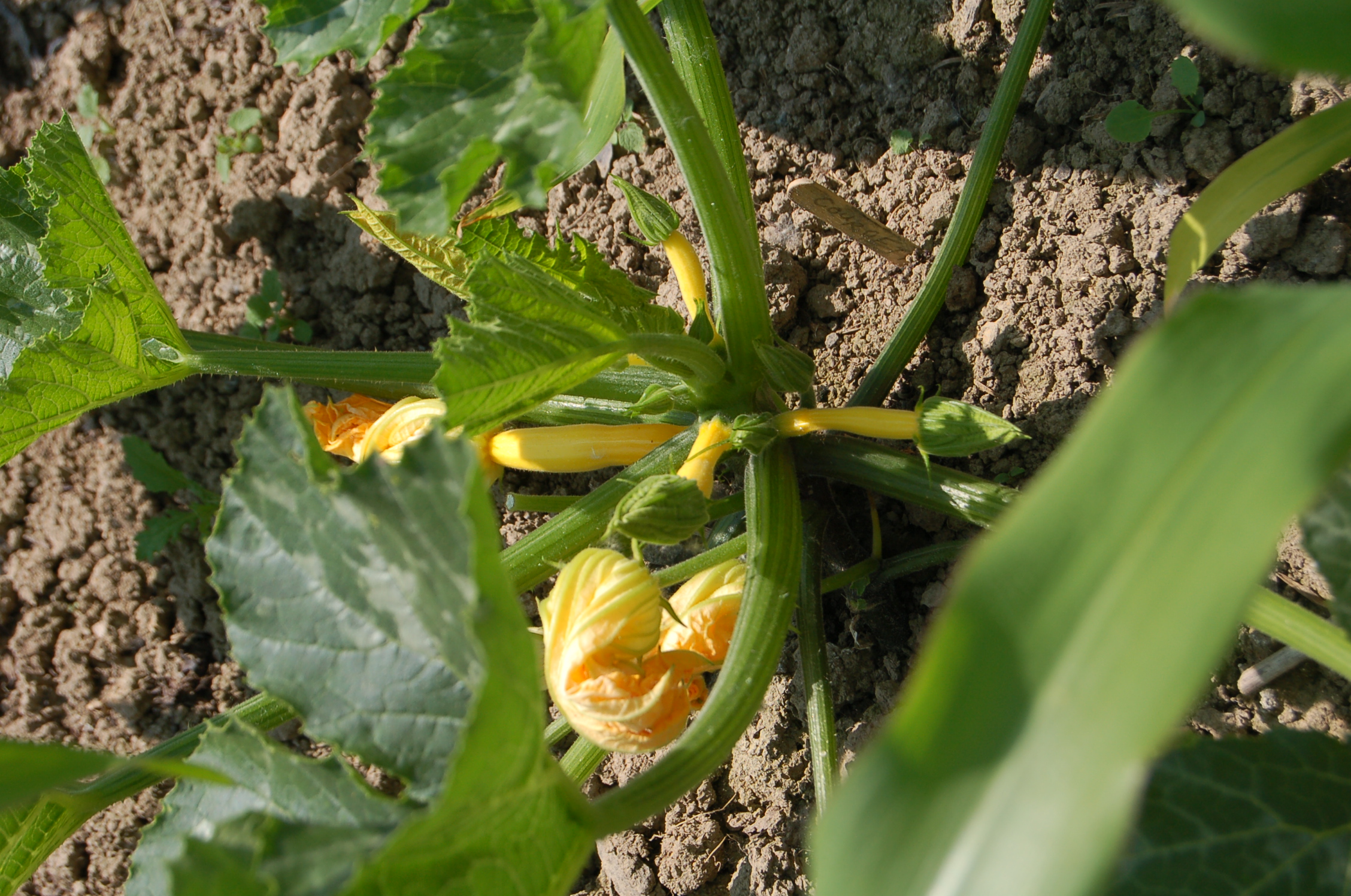
We grow Sweetcorn and Courgette together as they are good companions. The large leaves of the Courgettes provide ground cover holding moisture in the soil and creating a cool root run for the corn. Of course it saves space too!

2013 07 09_1830 2013 07 09_1832

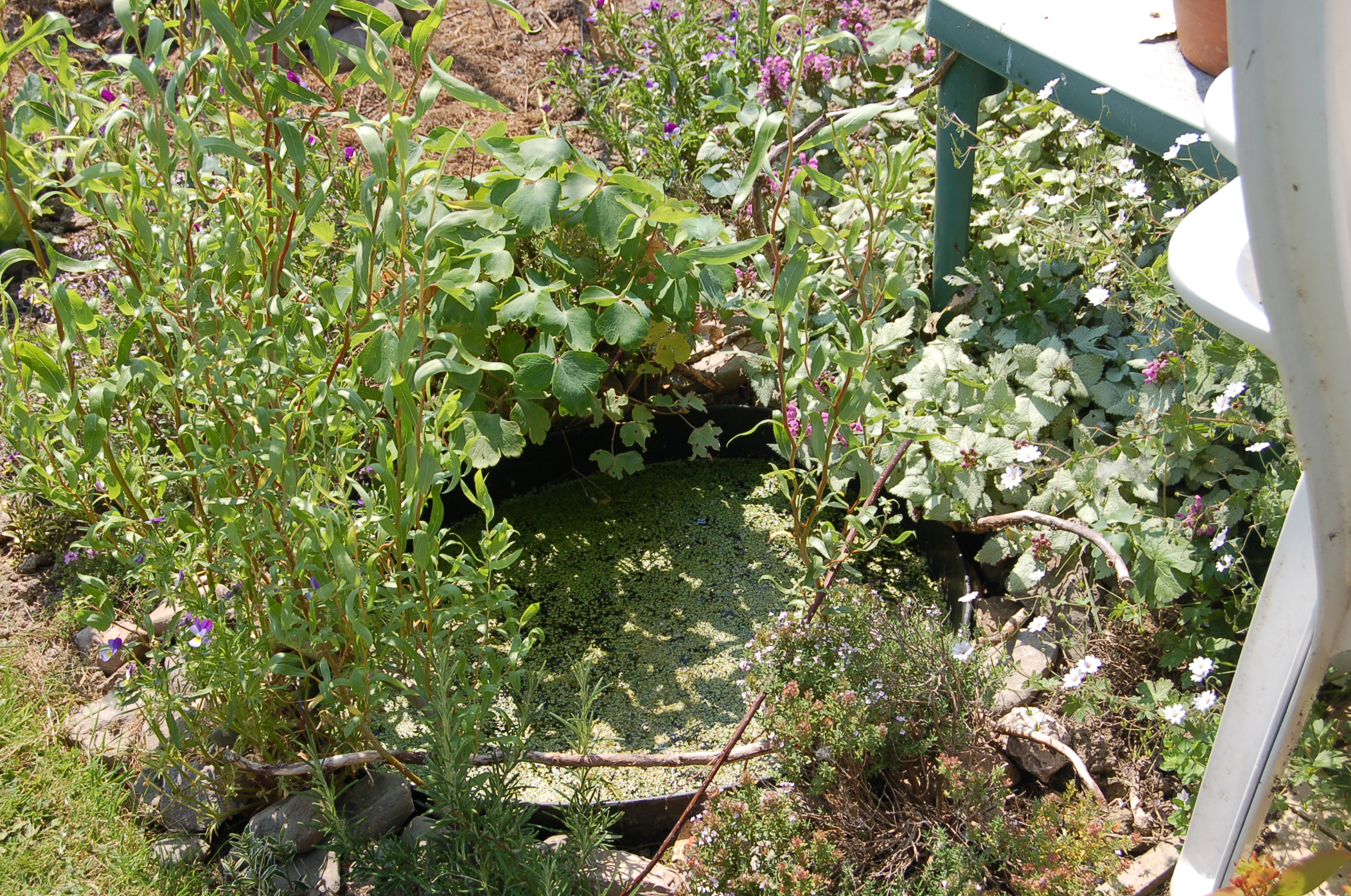
We welcome wildlife onto our plot to benefit us as gardeners and for us to enjoy watching and listening to. Our little pool is alongside our seats. We have little insect hotels dotted around to help us keep our crops healthy and free of pests.

2013 07 09_1840 2013 07 09_1839

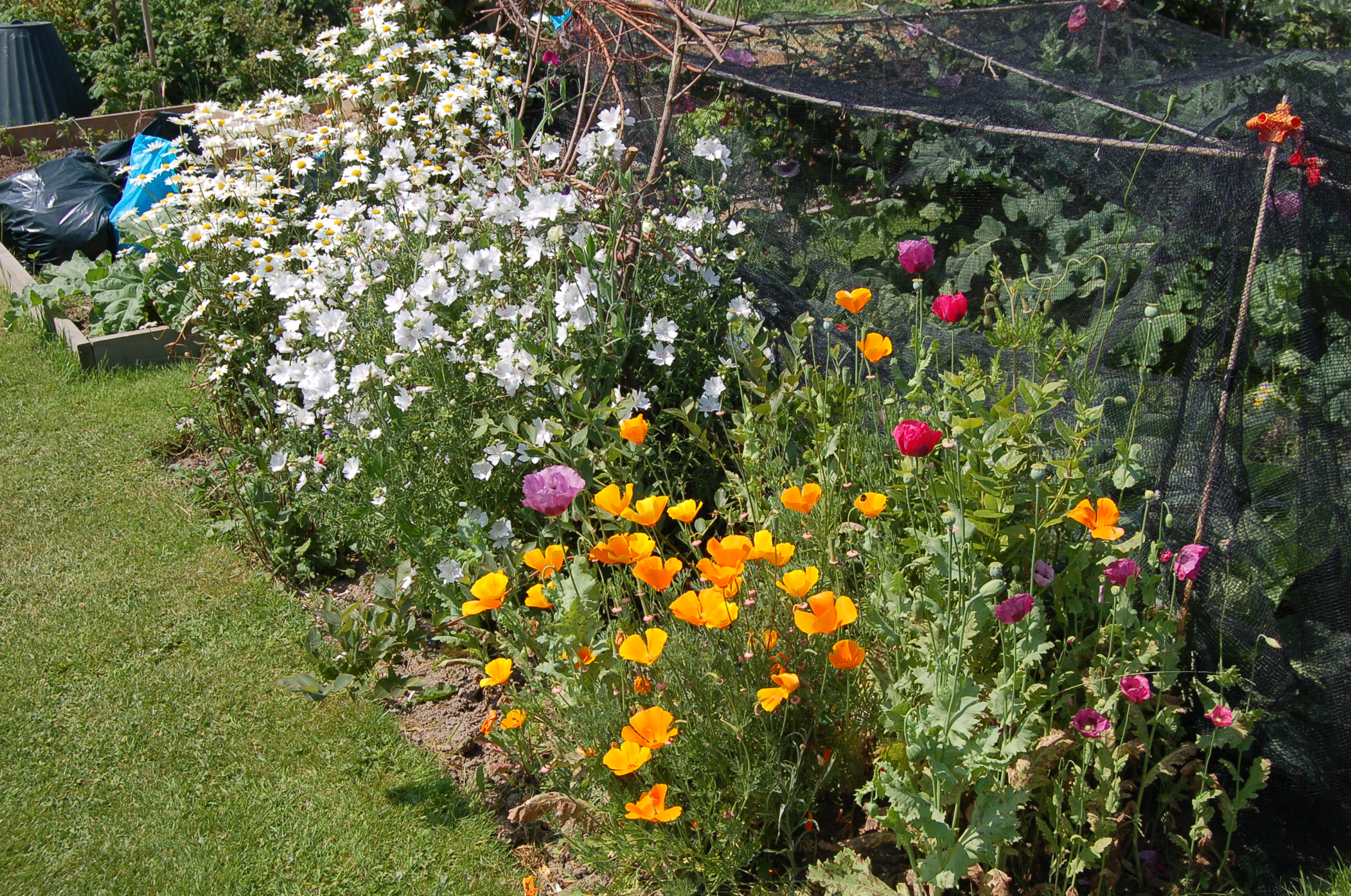
We have a couple of wildflower strips to help our Brassica crops and Blackcurrants.

2013 07 09_1836 2013 07 09_1838

2013 07 09_1837

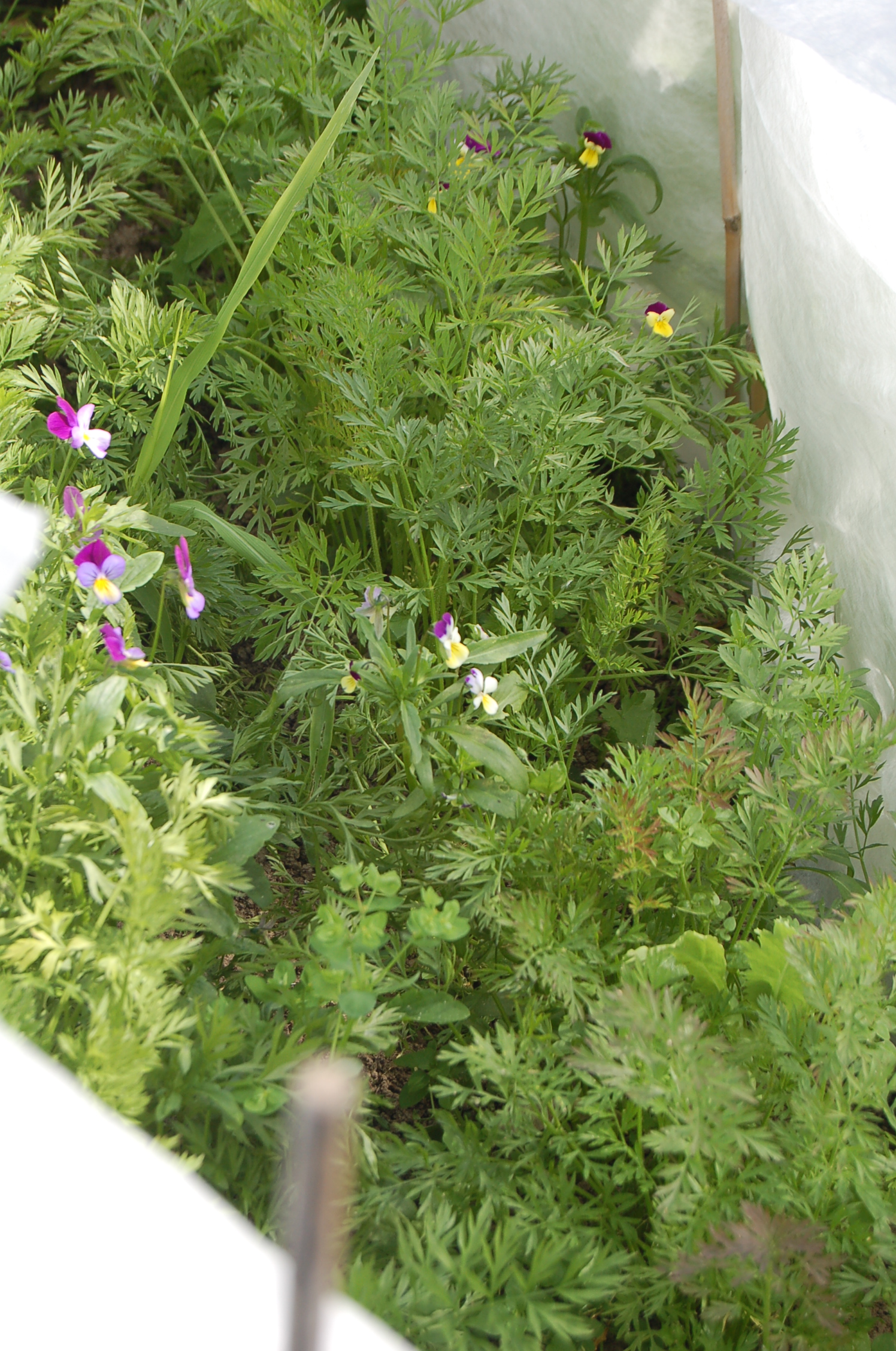
A barrier of fleece keeps Carrot rows free from the attentions of Carrot Rootfly and the flowers of Heartsease bring in beneficial insects. Growing members of the Allium family close by also helps fool them by emitting strong scents to mask the sweet aroma of Carrots.

2013 07 09_1835 2013 07 09_1829

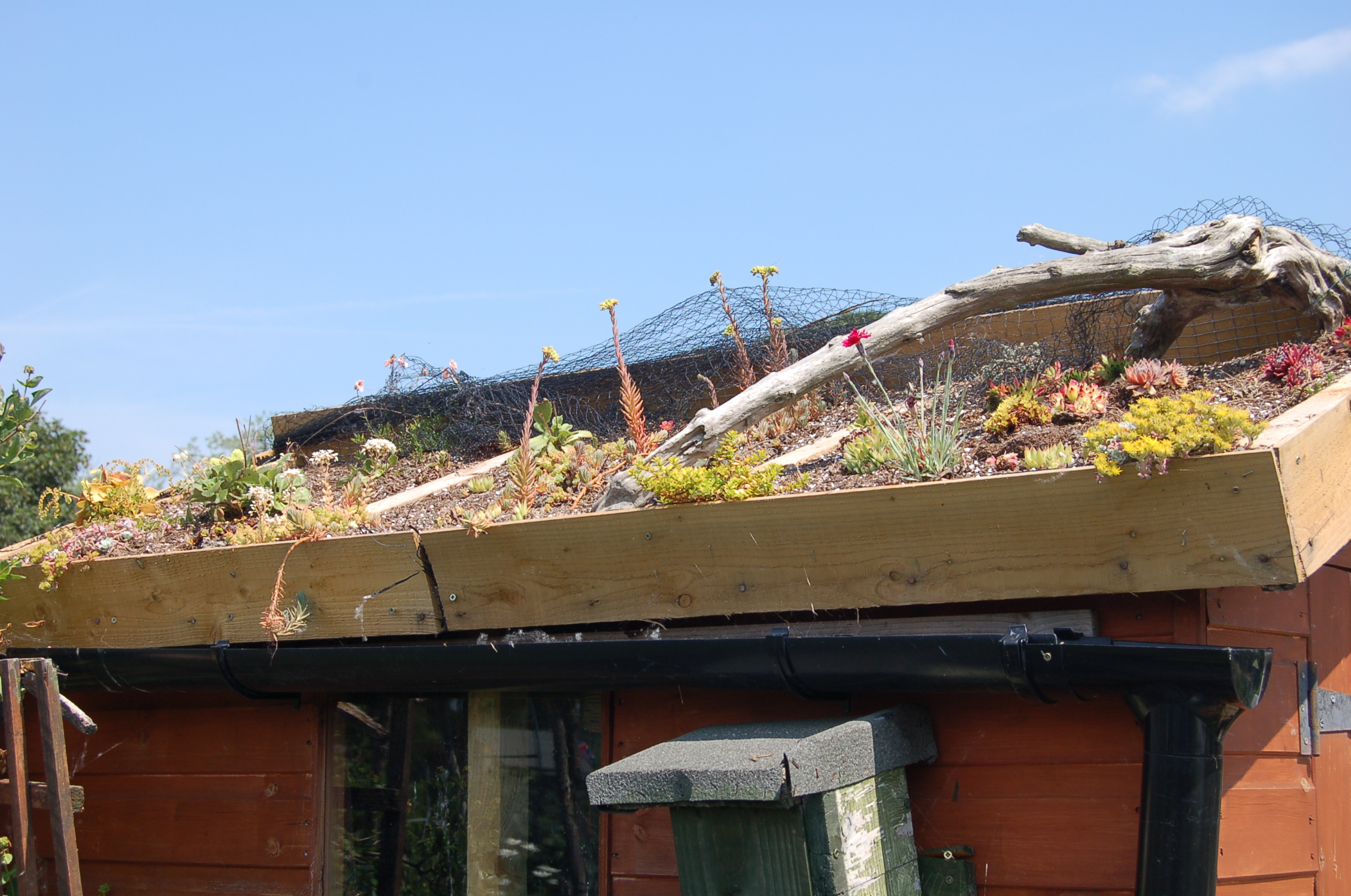
You may remember me telling you about making our green roof atop our shed in a post a few months ago and as you can see it is slowly getting established. On the communal spaces near our plot we have at last got the willow dome complete. It has grown enough to train growth over to form a full roof. It is lovely and quiet, cool and shaded in there and it is a popular place for children to sit and read or to look through the woven window and watch the birds on the feeders. We hold our open day at the allotments this weekend, when we open for charity, under the auspices of the NGS, so we can proudly call ourselves a “Yellow Book Garden”.

2013 07 09_1833   2013 07 09_1845

Categories
colours garden design garden photography gardening hardy perennials meadows spring gardening

Aquilegias in June

As spring-flowering bulbs fade hope relies on the Aquilegias for the next big colour burst. In our garden we have many selections of self-seeded natives and several species from elsewhere. They are grown for their unusual bonnet-shaped flowers, which come in a huge range of colours and shapes but are best recognised by the spurs that fly from the back of the blooms. Some have virtually no spurs at all but others can have spurs several inches long. They are traditional cottage garden plants but in the wild grow in a range of habitats throughout the Northern Hemisphere and can be found in meadows, woodlands and higher up mountain sides.

One of their strengths is their hardiness, defying whatever the weather may throw at them but also shrugging off pests and diseases. We have never had a problem on any of our hundreds of plants, so they are excellent plants for the organic gardener.

Please enjoy a walk around our garden looking for our aquilegias. Just click on any shot and follow the arrow.

Categories
bird watching birds garden design garden photography garden wildlife gardening natural pest control photography Shropshire shrubs village gardens wildlife

Summer house revamp

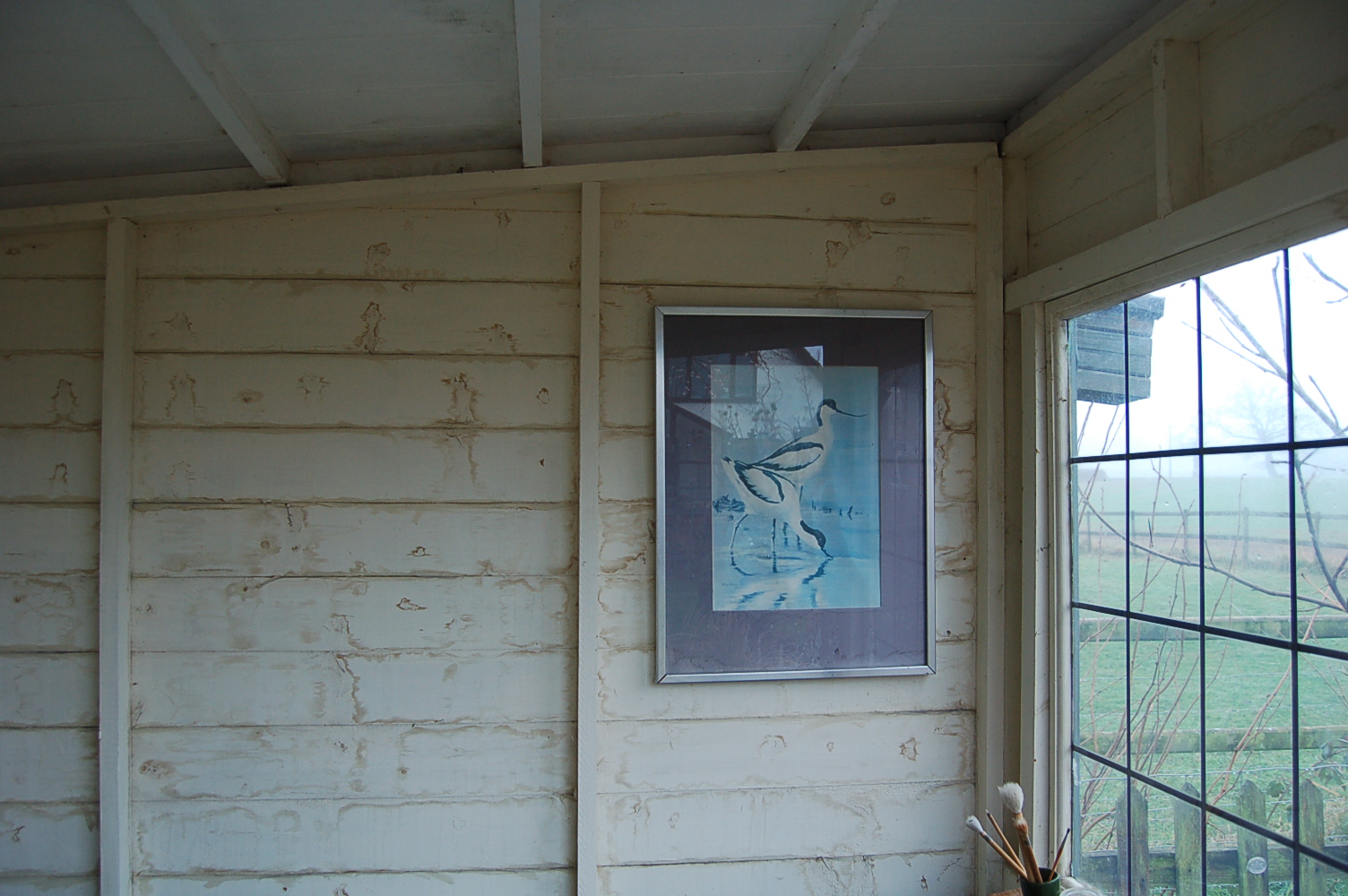
After ten years our summer-house, our little quiet place of escape at the bottom of the garden, was beginning to look worse for wear. The back wall faces directly south so gets harsh sun on it in the summer months and as our garden is at the bottom of a hill temperature inversion in the winter means that the poor summer-house feels the full effect of  the cold frosty air as it rolls down the hill to hit our summer-house first. The first two pics show the summer-house as we began work, with the original interior on the left and the first stages of cladding the walls on the right.

DSC_0041 DSC_0040
We decided to re-clad it inside and out and then repaint both the inside and outside. A job that ended up taking us a long time as we fitted it in between more interesting gardening tasks.
But at last we have finished! A big sigh of relief can be heard all over the garden!

So, first let us share with you what it looks like now.

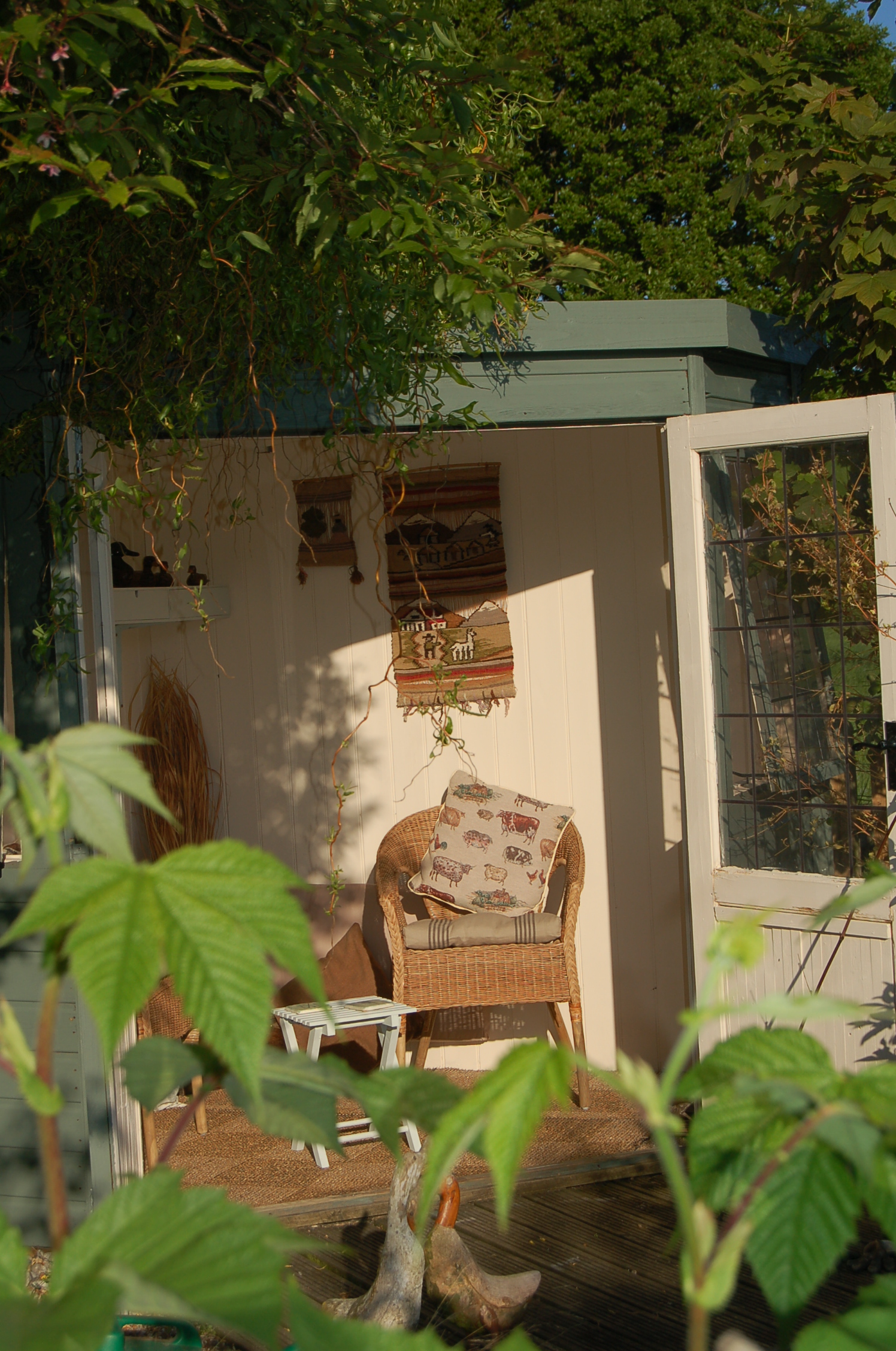
DSC_0001-22 DSC_0002 DSC_0003-22 DSC_0004

The summer-house is our little secret place where we hide at the bottom of the garden and ignore the telephone and doorbell, pretend that television and computers don’t exist and believe there is no lane passing our house.

It catches the evening sun in the last few hours before it sets, so is a great place to end the day. We sit and listen and we can appreciate a different view of our garden. We listen to the calls and songs of our garden birds and those passing over our heads. We can share the intimacy of their bathing as they come to freshen up in the shallow end of our wildlife pool. A square of decking sits in front of the summer-house and hangs over the pool.

Please share the view from our summer-house seat.

DSC_0001-21 DSC_0002

DSC_0003

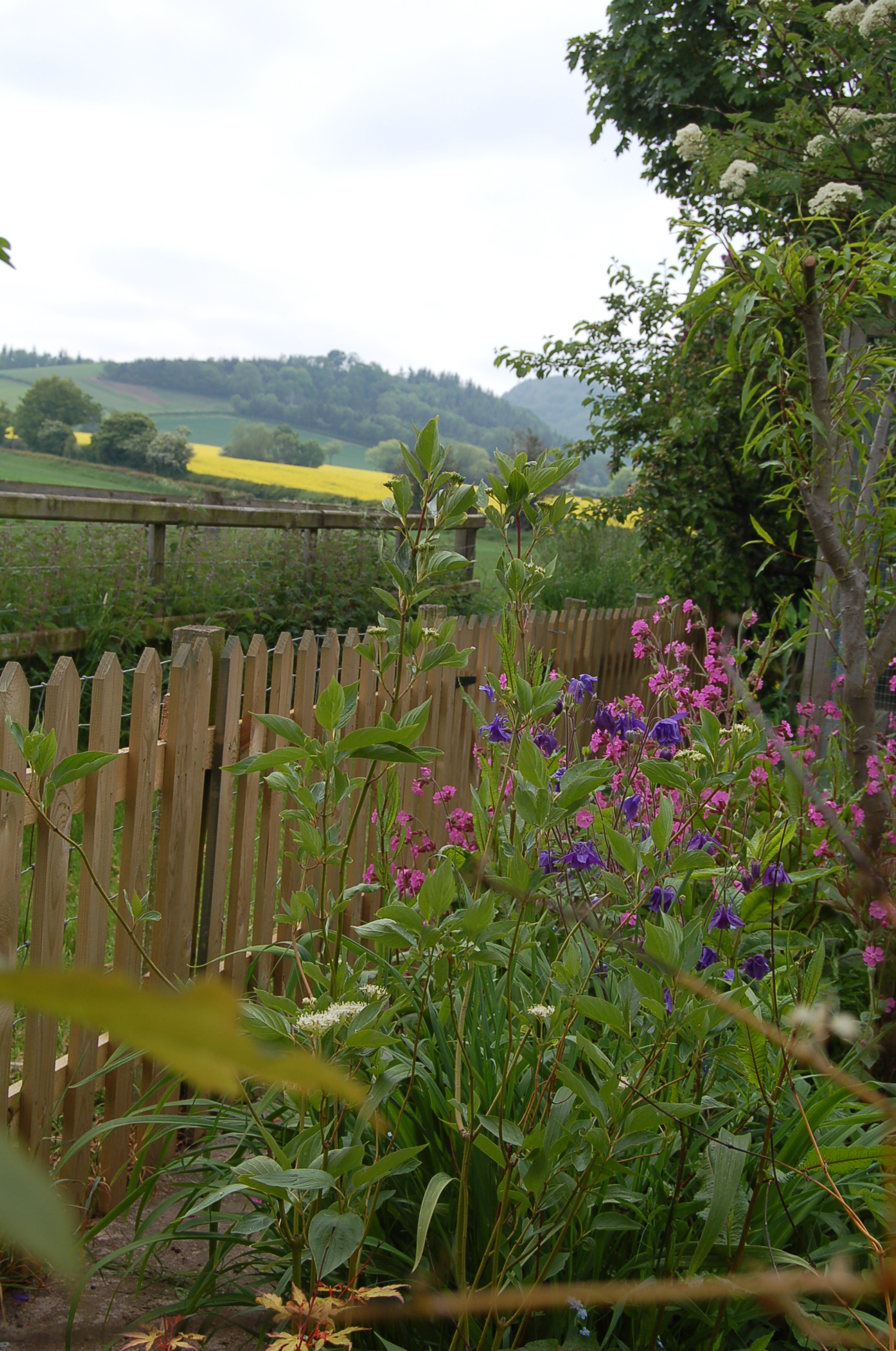
To give you an idea of some of the special things we can see right now from our little house I have taken a few shots with a long zoom on my camera.

DSC_0008 DSC_0007

DSC_0009 DSC_0010

DSC_0011

As we enjoyed a coffee in the summer house today, a female blackbird came to bathe almost splashing our feet. She must have been enjoying a few moments off the nest, a few moments to herself. A house sparrow also came to bathe when the blackbird returned to the nest. On the nearby bird feeders a nuthatch noisily bashed away at the peanuts with its long powerful beak and took small bits back to its young in a hole in a nearby tree. It soon returned for more and we heard its beak tapping on the metal mesh of the feeder.

A blue tit couple are rearing young in a nest box fixed to the summer-house and we watched as they appeared with beaks full of wriggling caterpillars. We could hear the fledglings begging as they open their yellow wide gapes to beg for their share of the wrigglers.
In the pond itself life lives on the film of water and secretly below the surface. Pond skaters dominate the surface but they are frequently joined by sub-surface dwellers in need of a gulp of air, newts, water boatmen and water beetles. Below the surface we can watch tadpoles of frogs and toads feeding and fattening themselves up.

The pond is home to many of our pest controllers such as newts, toads and frogs who all breed here at our feet.

But as we look out and appreciate our garden and its life, one nosey bird looks in to see what we are up to. A robin comes close, perches on the nearby malus and watches us with head cocked to one side as if bemused.

As we rest in our little summer-house world the garden and its wildlife busily carry on close by.

This Veggie Life

A Vegetarian | Nature Lifestyle Blog

Rambling in the Garden

.....and nurturing my soul

The Arch City Gardener

Journeys In St. Louis Gardening and Beyond

Garden Dreaming at Châtillon

Consult the genius of the place

Storyshucker

A blog full of humorous and poignant observations.

gardeninacity

Notes from a wildlife-friendly cottage garden

PlayGroundology

...an emerging social science

The Official Blog of British Wildlife

'The most important and informative publication on wildlife of our times' - The Independent. This blog is a member of The UK & Ireland Natural History Bloggers group: www.uknhb.blogspot.com

iGrowHort

Inspire - Cultivate - Grow Native Plants - Restore Landscapes

Bishops Meadow Trust

To create and protect a semi-natural wild space for the people of Farnham to enjoy and experience an array of British wildlife in our town

Gardening with Children

The www.gardeningwithchildren.co.uk Blog

UKbirdingtimeline

birding through the seasons, why birds matter and how to conserve them

NATURE WALKER

with a camera in hand

Jardin

Transform your outdoor space

Eva's space

My allotment, cooking and other interests

Old School Garden

my gardening life through the year

LEANNE COLE

Trying to live a creative life

fromacountrycottage

trying to live as lightly as possible on our beautiful planet

Good Life Gardening

Nature lovers from Leicester living the good life.

mybeautfulthings

Finding the beautiful in the everyday

mawsonmichelle

Michelle's Allotment

In and Out of My Garden

thoughts from and about my garden

Greenhousing

Big plans for a small garden

The Scottish Country Garden

A Walled Country Garden in South East Scotland

The Fruity Chicken

Life at the fruity chicken

willowarchway

Off grid living. Self sufficient. "PERMAGANICS RULE".

St Anns Allotments

Nottingham's Grade 2* Listed Allotments and Community Orchard

Manifest Joy Harvests

a journey in suburban vegetable gardening

Allotmental

The madness of growing your own

Penny's Garden: a harvest beyond my front door

A novel approach to vegetable gardening

arignagardener

Sustainable living in the Irish countryside.

NewEnglandGardenAndThread

Master Gardener, amateur photographer, quilter, NH native, and sometimes SC snowbird

dianajhale

Recent work and work in progress and anything else that interests me

planthoarder

a chaotic cottage gardener

Lens and Pens by Sally

a weekly blog that creates a personal philosophy through photographs and words

Dewdrops and Sunshine

Stories from a sassy and classy Southern farmbelle.

The Pyjama Gardener

Simple Organic Gardening & Seasonal Living

gettin' fresh!

turning dirt into dinner

JOY...

today the world is created anew

Garden Birds

Notes from a Devon garden

ShootAbout

Life Through The Lens

Adapting Pixels

A photography blog showcasing the best photography pictures and videos on the internet

Wildlifegardening's Blog

Just another WordPress.com site

naturestimeline

personal observations from the natural world as the search continues for a new approach to conservation.

LATEBLOOMERBUDS

The Wonders of Life through my Eyes, my Heart, my Soul