Categories
autumn autumn colours colours forests light light quality memorials nature reserves the South trees woodland woodlands

Walking the New Forest – part two

We will continue our walk where we left off at the end of part one of “Walking the New Forest”.

2015 10 19_6159 2015 10 19_6084

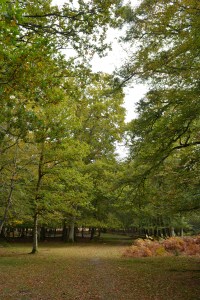
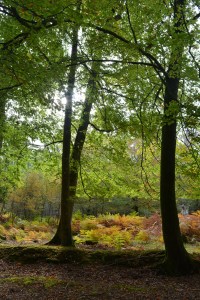
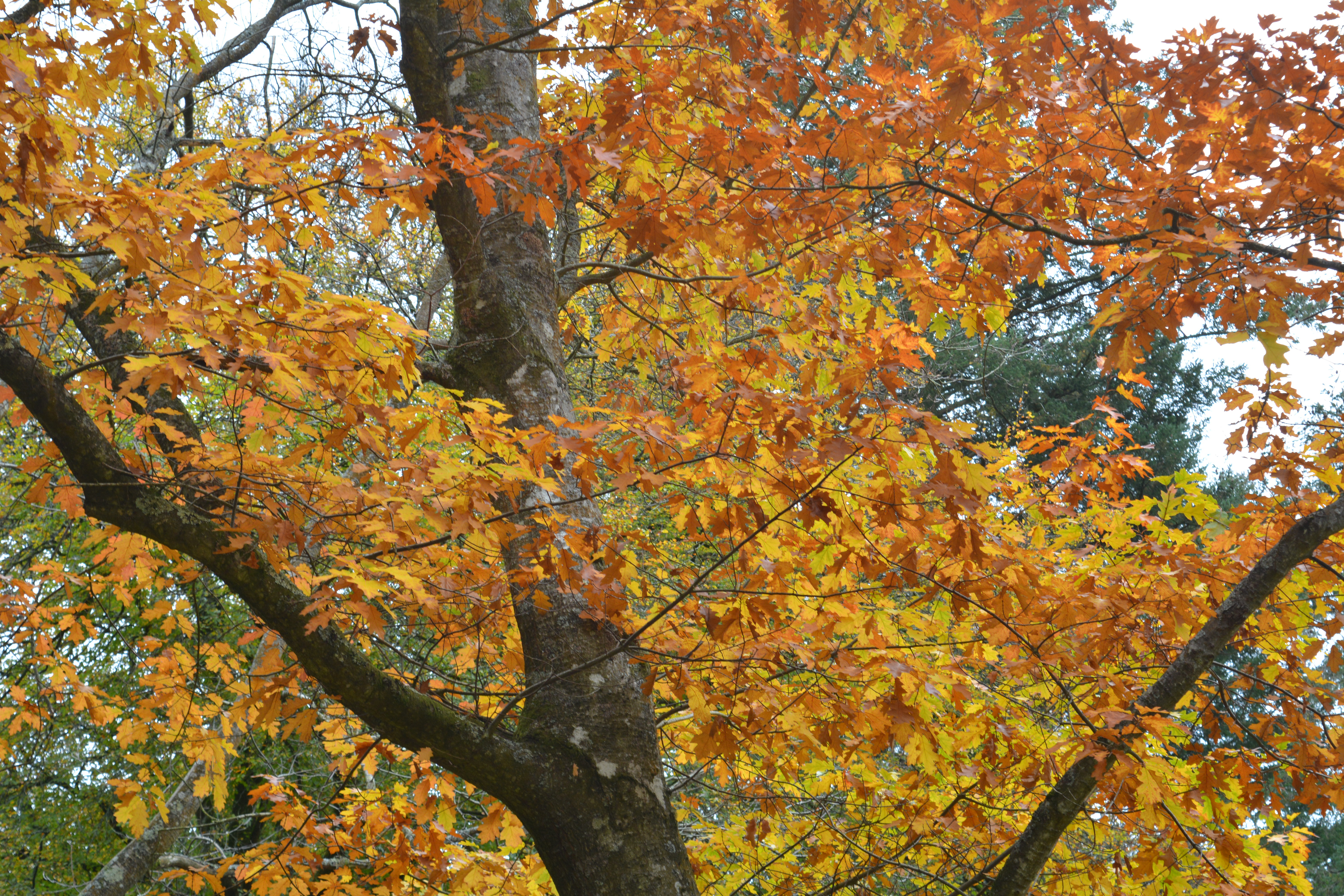
We left the old Oak behind crossed a clearing and followed a pathway through Beech trees as we aimed for an old wooden gate.
2015 10 19_6088 2015 10 19_61022015 10 19_6086

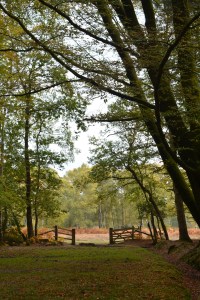
The gateway afforded us views of an open area with few trees and most of those were now of Birch, our native Betula pendula.

Ferns within the wooded area tended to be the Hard Fern variety but once out in the more open and much drier heathland the main ferns were our common Bracken. The Bracken was showing signs of changing into its autumn coat but the Hard Fern is an evergreen and keeps its leathery deep green coloured fronds.

2015 10 19_6100 2015 10 19_60852015 10 19_6109 2015 10 19_61102015 10 19_6108 2015 10 19_6106

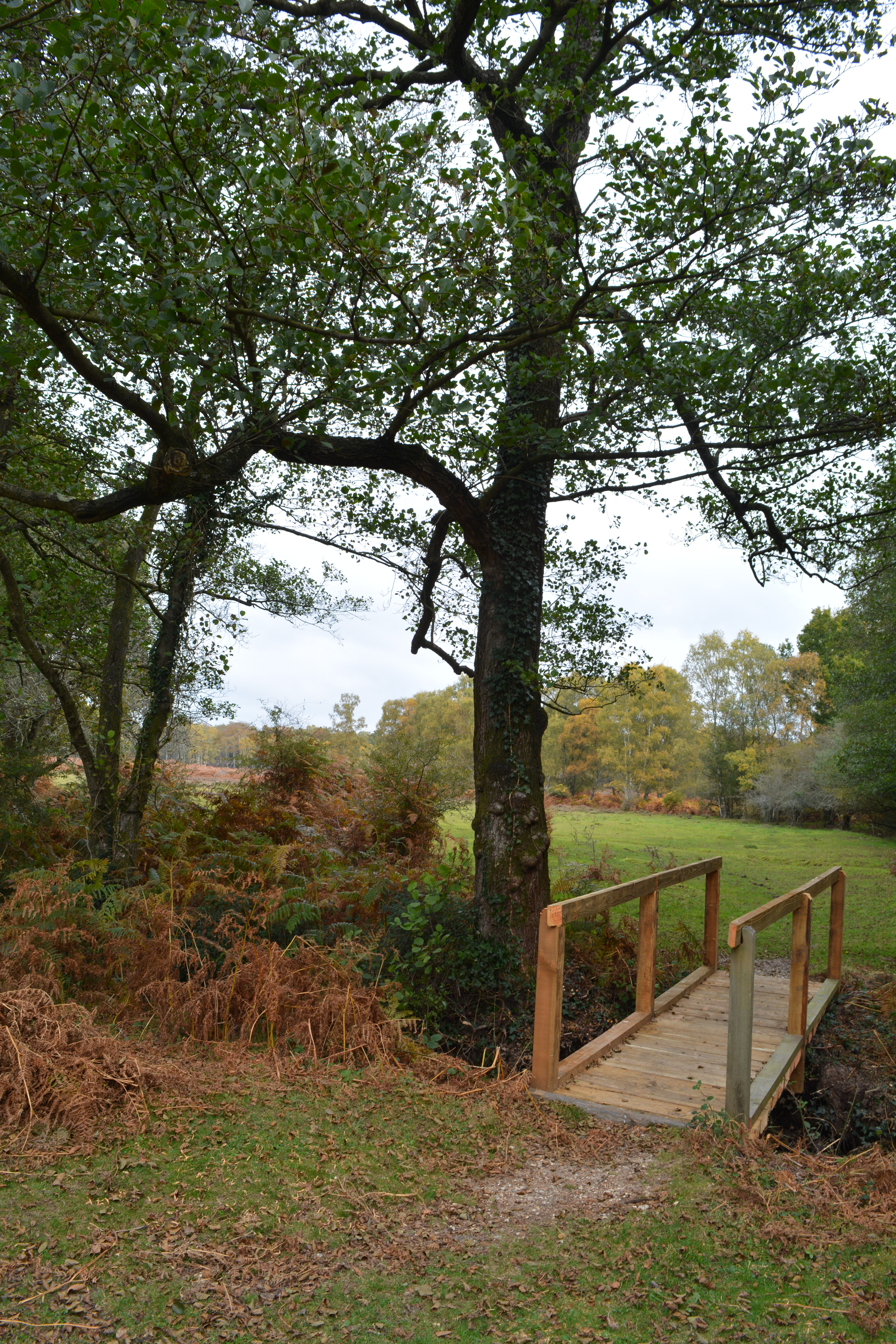
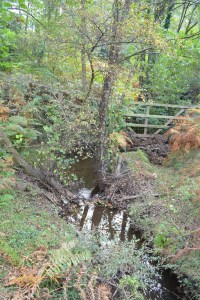
We took an indistinct path which led us diagonally towards a little wooden bridge which enabled us to cross a ditch. As we crossed wet muddy patches we found signs of life, bicycle tracks left by previous human visitors and prints of deer
2015 10 19_6111 2015 10 19_6112

2015 10 19_6104 2015 10 19_6105

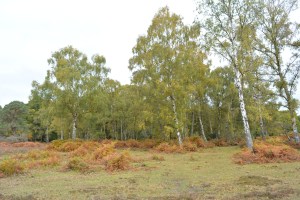
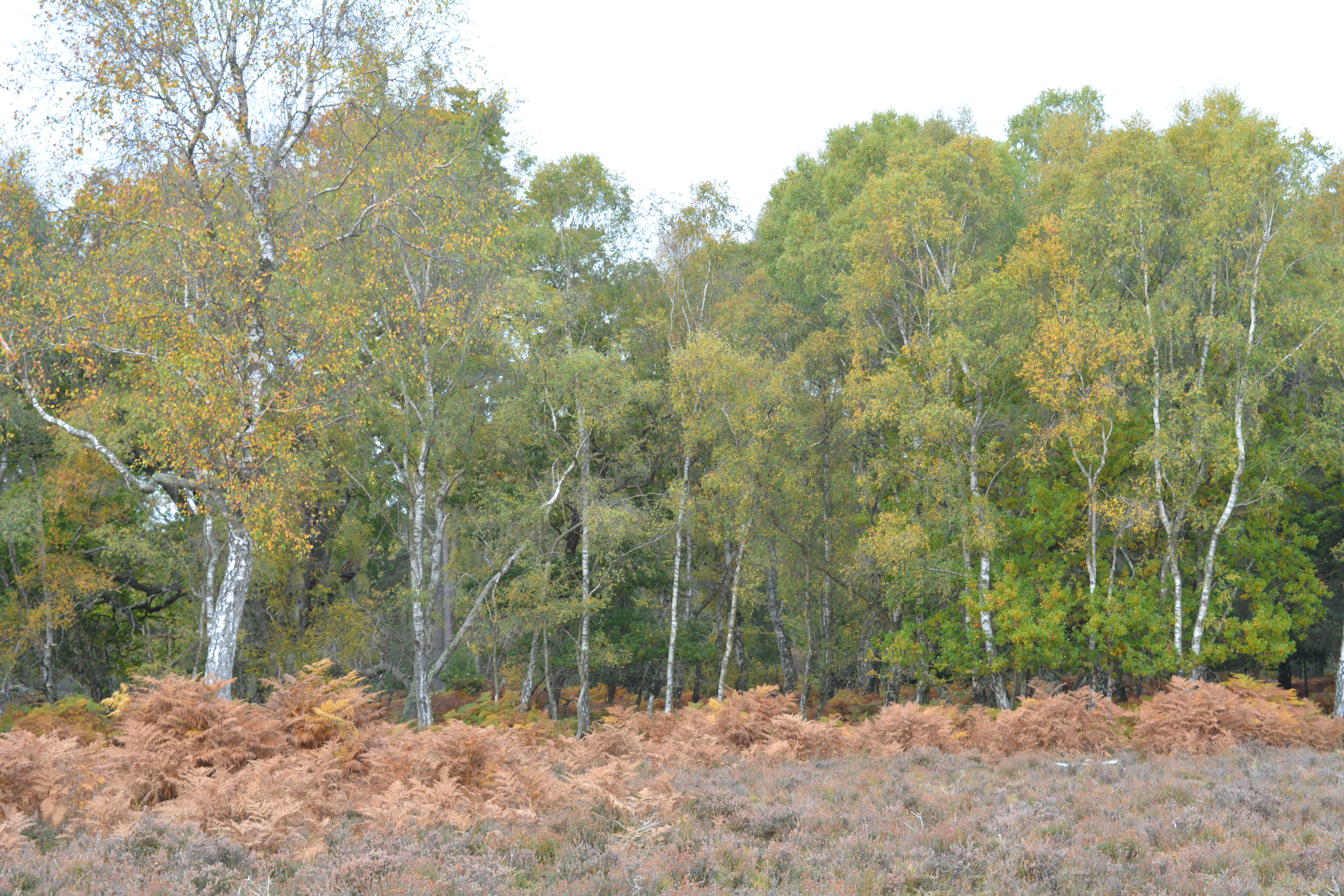
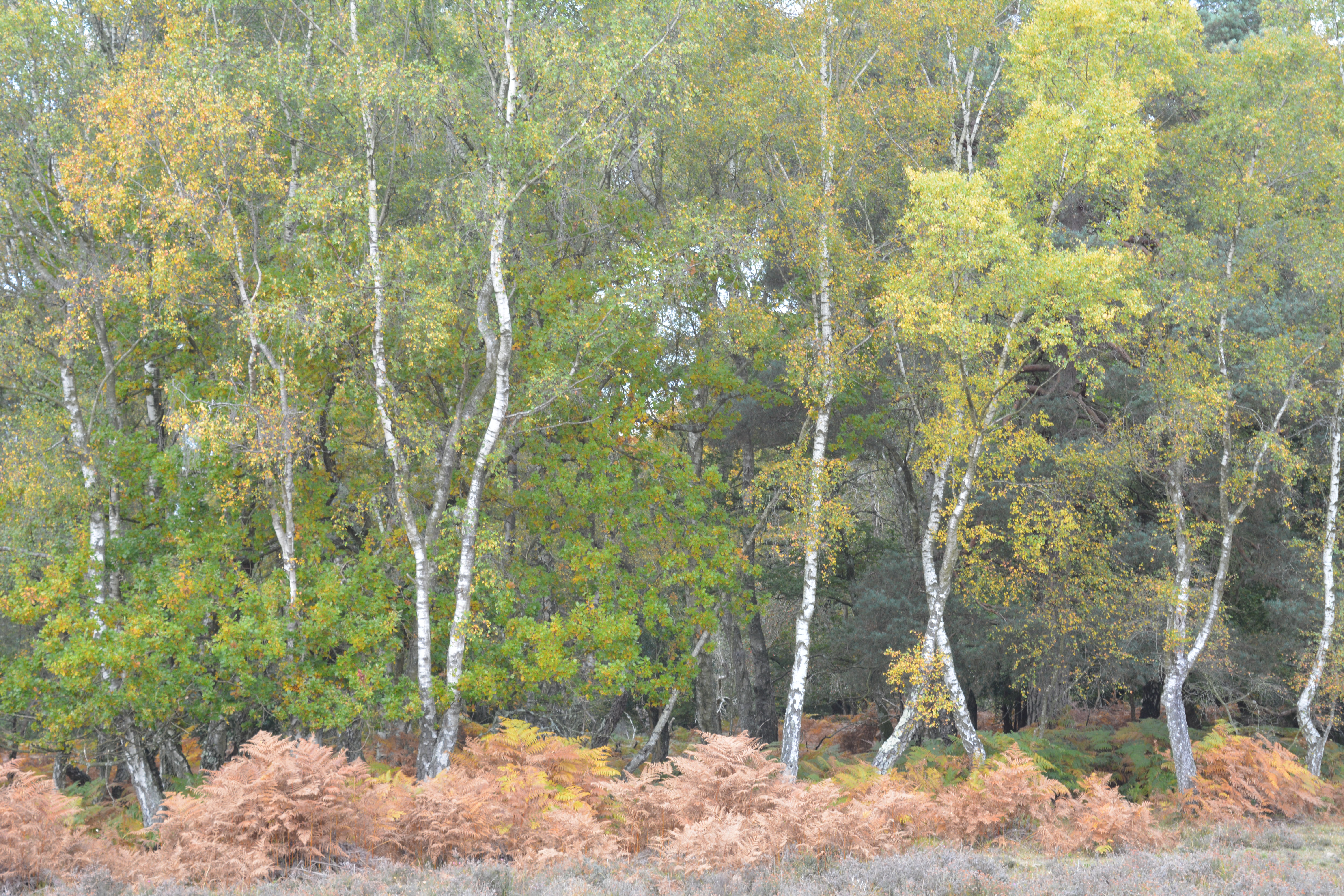
Crossing the footbridge we aimed for a distant stand of brightly coloured Silver Birches.

2015 10 19_6103 2015 10 19_6114 2015 10 19_6115 2015 10 19_6116  2015 10 19_6117 2015 10 19_6119

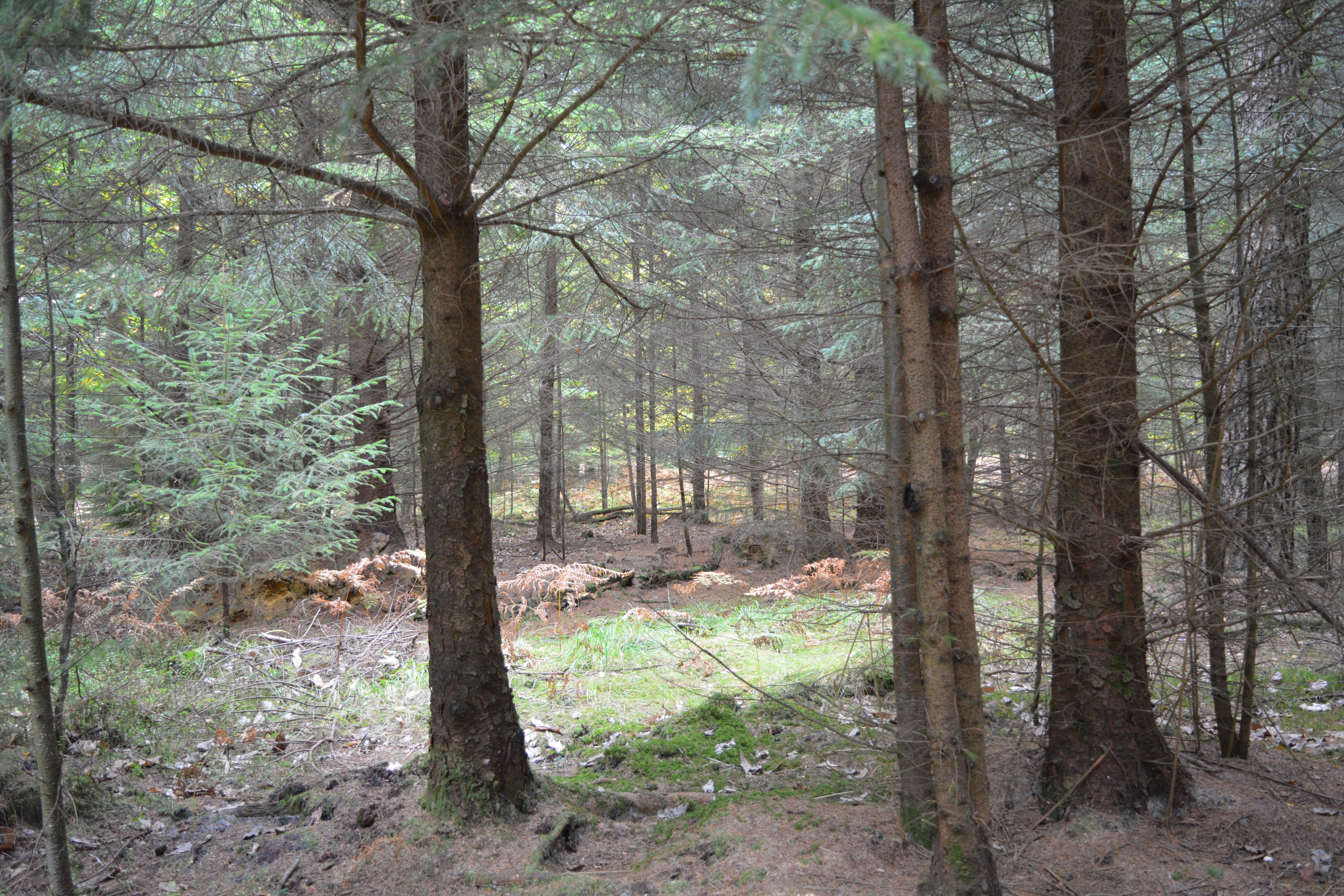
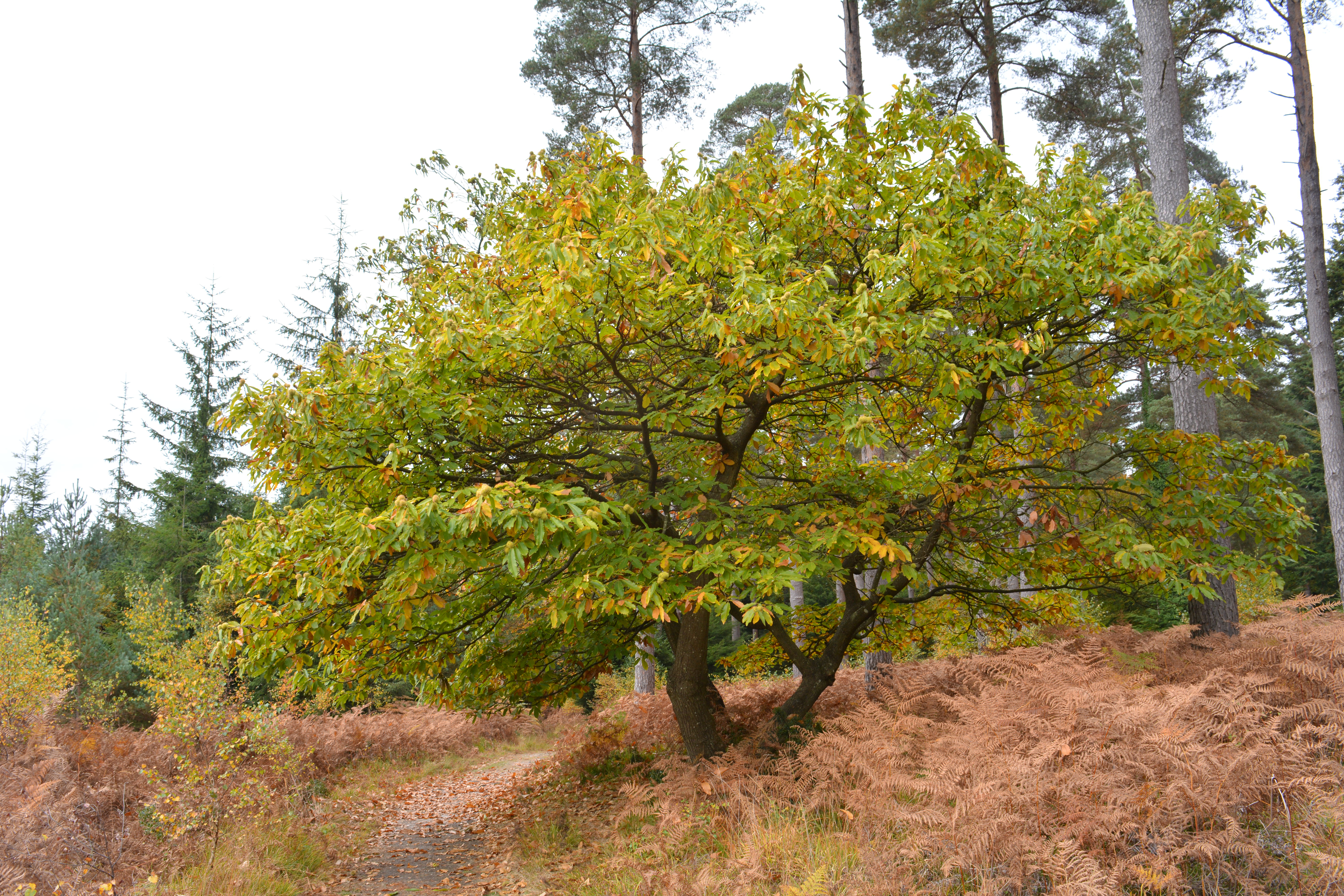
Leaving the heathland behind we crossed over a gravel track that led to a forestry worker’s house and entered a new inclosure of forest. The trees here started off as a selection of mixed deciduous native trees, but before too long conifers crept in. Slowly these dark pines took over completely and we found ourselves walking in dark woodland. Little grew beneath these trees as they blocked out the sunlight. The fresh smell of our native broadleaves was replaced by a resinous aroma reminiscent of pine household cleaners. Less inviting a smell than the warming and welcome scents of our native broadleaves.

2015 10 19_6121 2015 10 19_6125 2015 10 19_6126 2015 10 19_6139 2015 10 19_61332015 10 19_6129 2015 10 19_6134

The path we were following suddenly met a crossroads where a clearing allowed more light through to reach us and the forest floor. Foxgloves appeared both as first year rosettes of leaves preparing to flower next year and as seed heads, the remains of this years flowers and the promise of more Foxgloves to come.

2015 10 19_6132 2015 10 19_6136

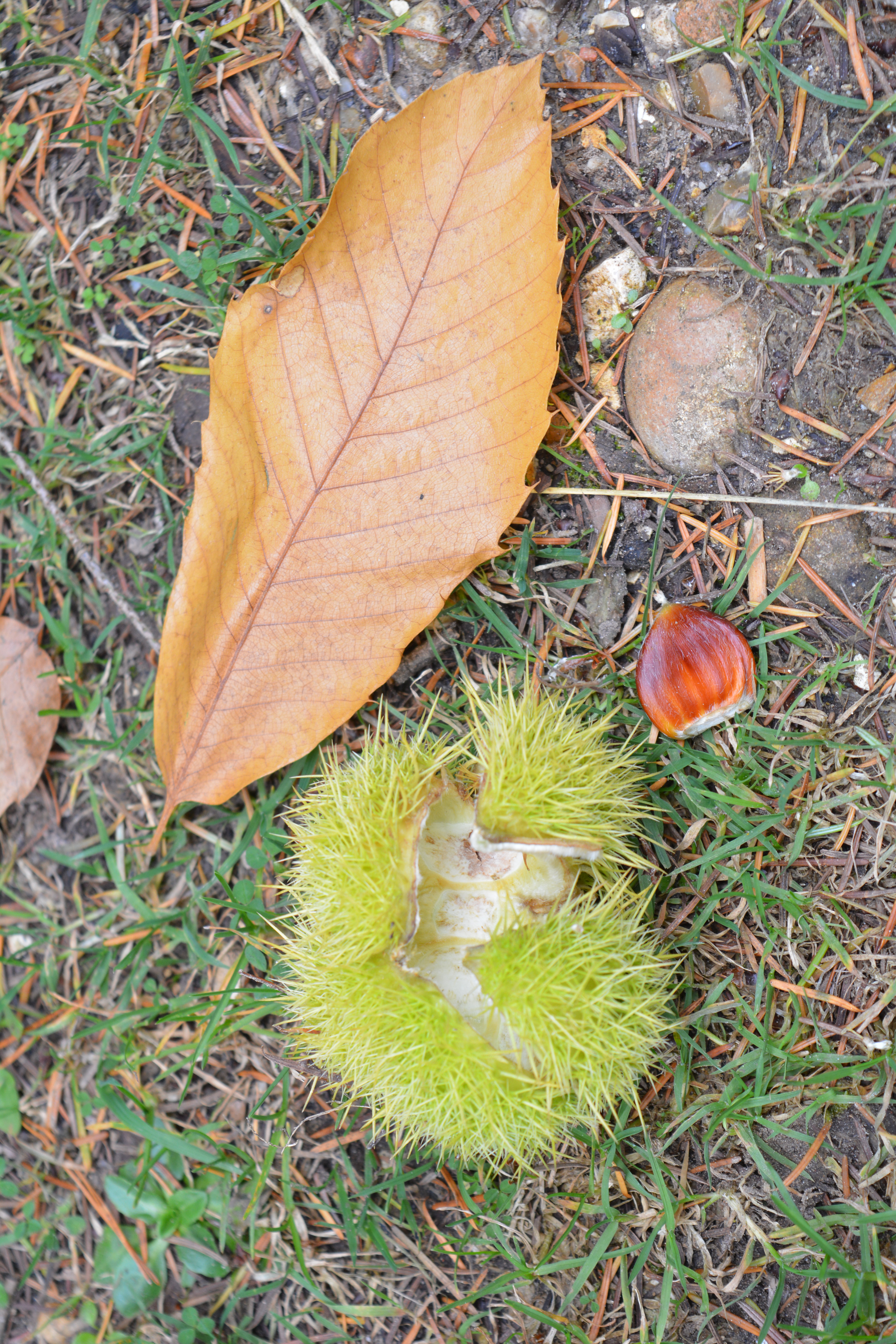
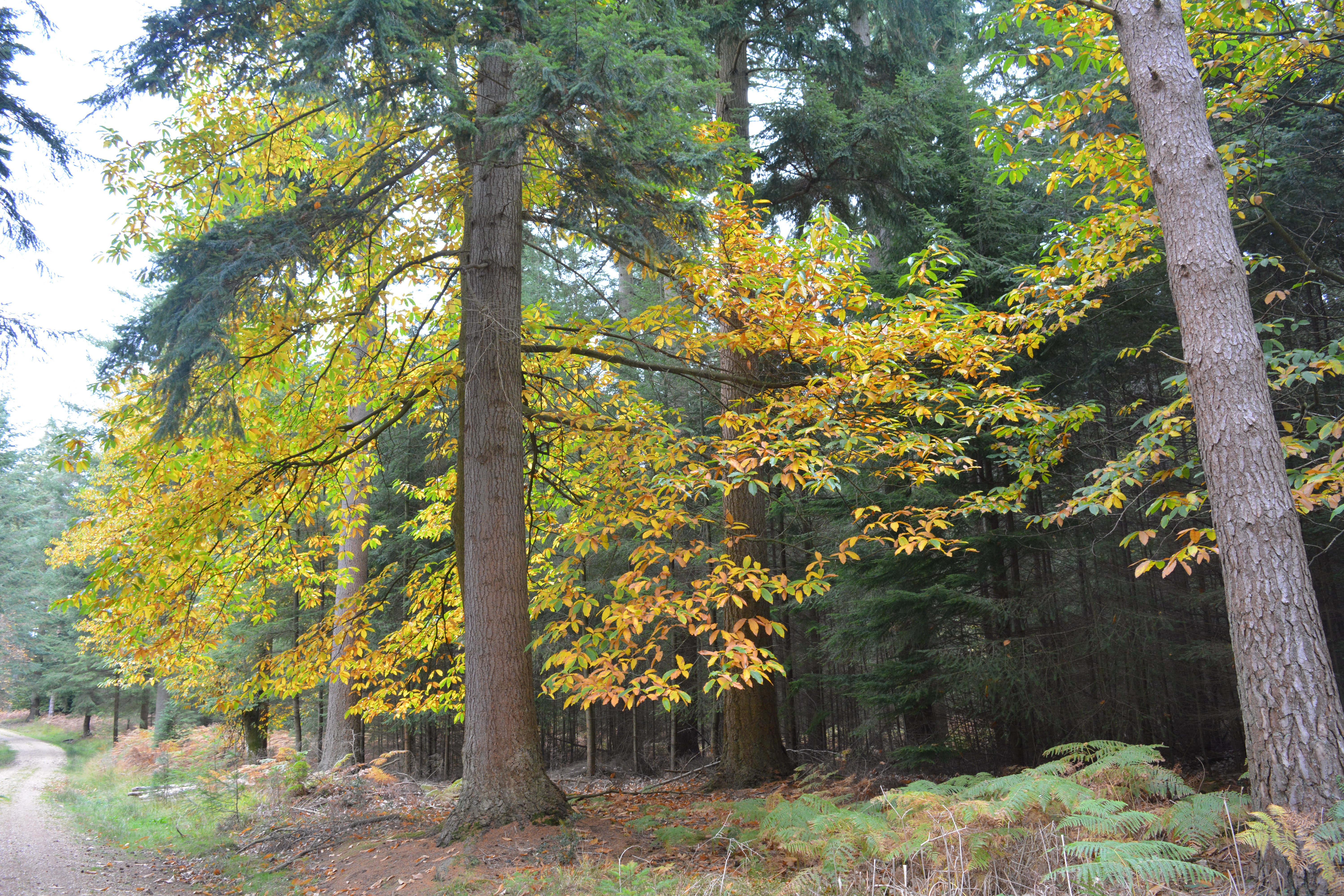
We looked up from the bench where we sat enjoying our coffee break and noticed the bright leaves of Sweet Chestnuts and beneath them we discovered their nuts, nut cases and fallen leaves. We were entertained by the loud noise of rutting stags roaring through trees and the gentler sounds of the diminutive Goldcrests high in the branches of the conifers.
2015 10 19_6135  2015 10 19_6140 2015 10 19_6144 2015 10 19_6145

The final leg of our walk took us along forestry tracks through the conifers and then back into the brighter world of native deciduous trees.
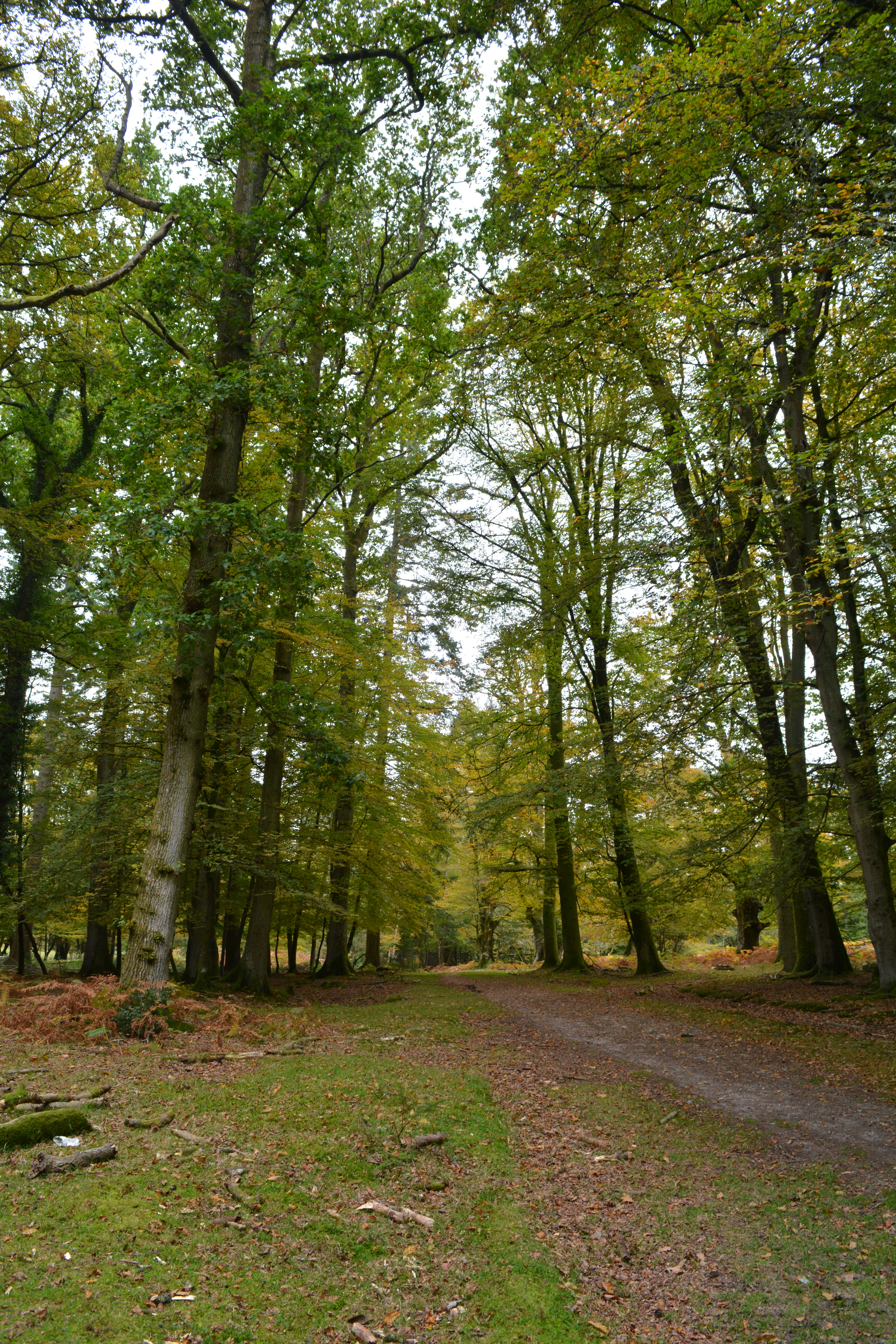
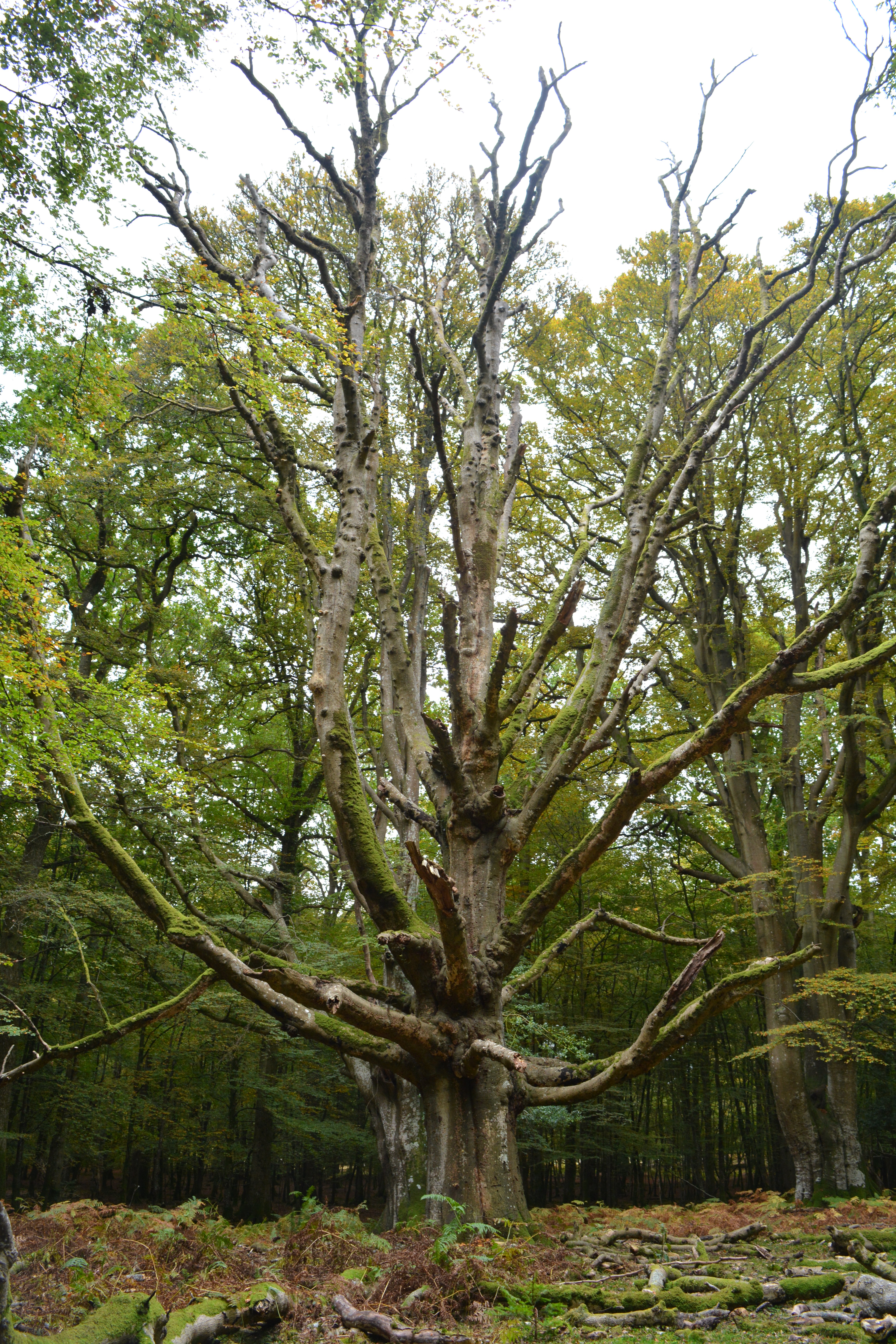
2015 10 19_6156 2015 10 19_6155 2015 10 19_61492015 10 19_6154 2015 10 19_6150

Just before finding the car park we passed alongside a line of huge conifers blown down in strong winds, a line of destruction.
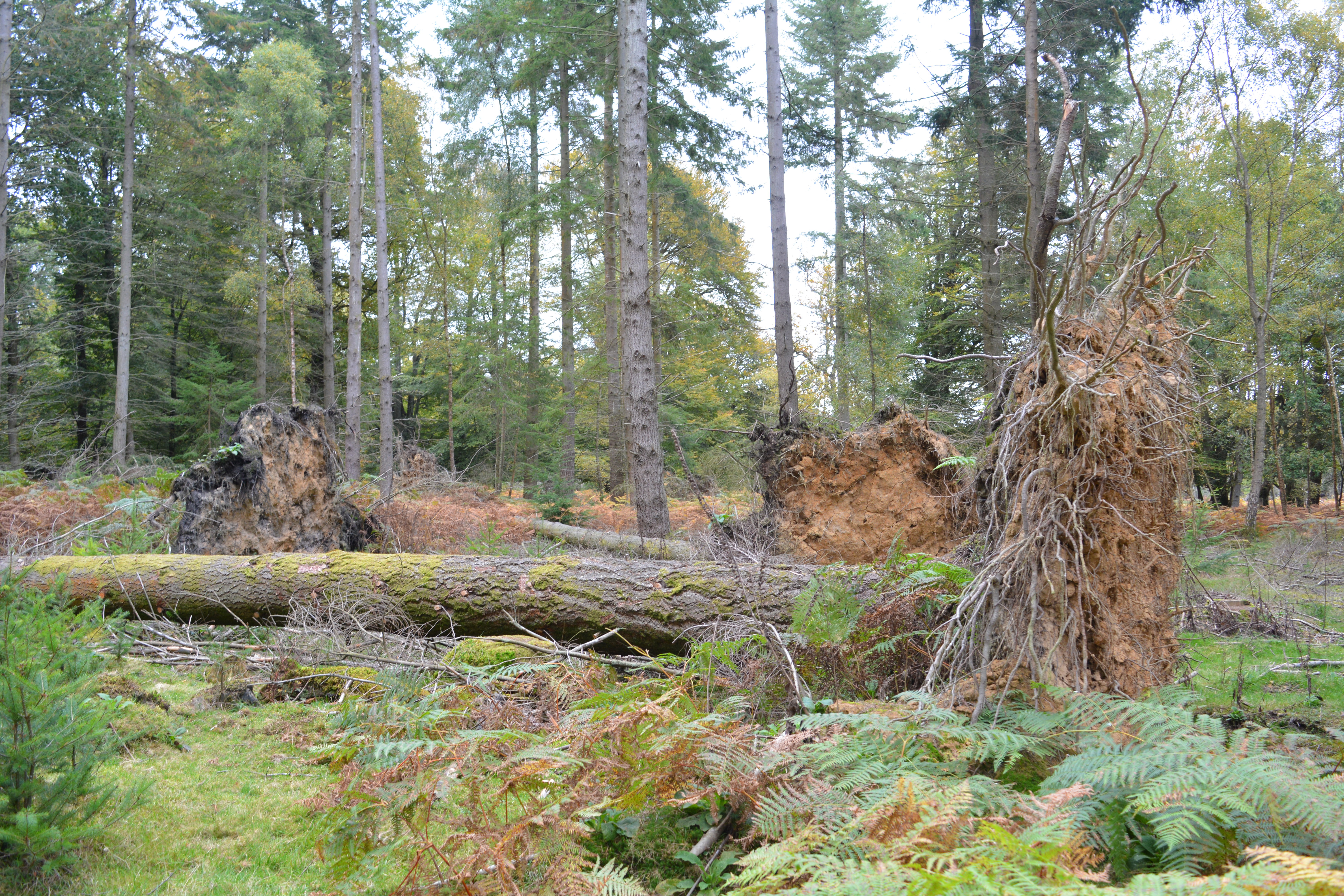
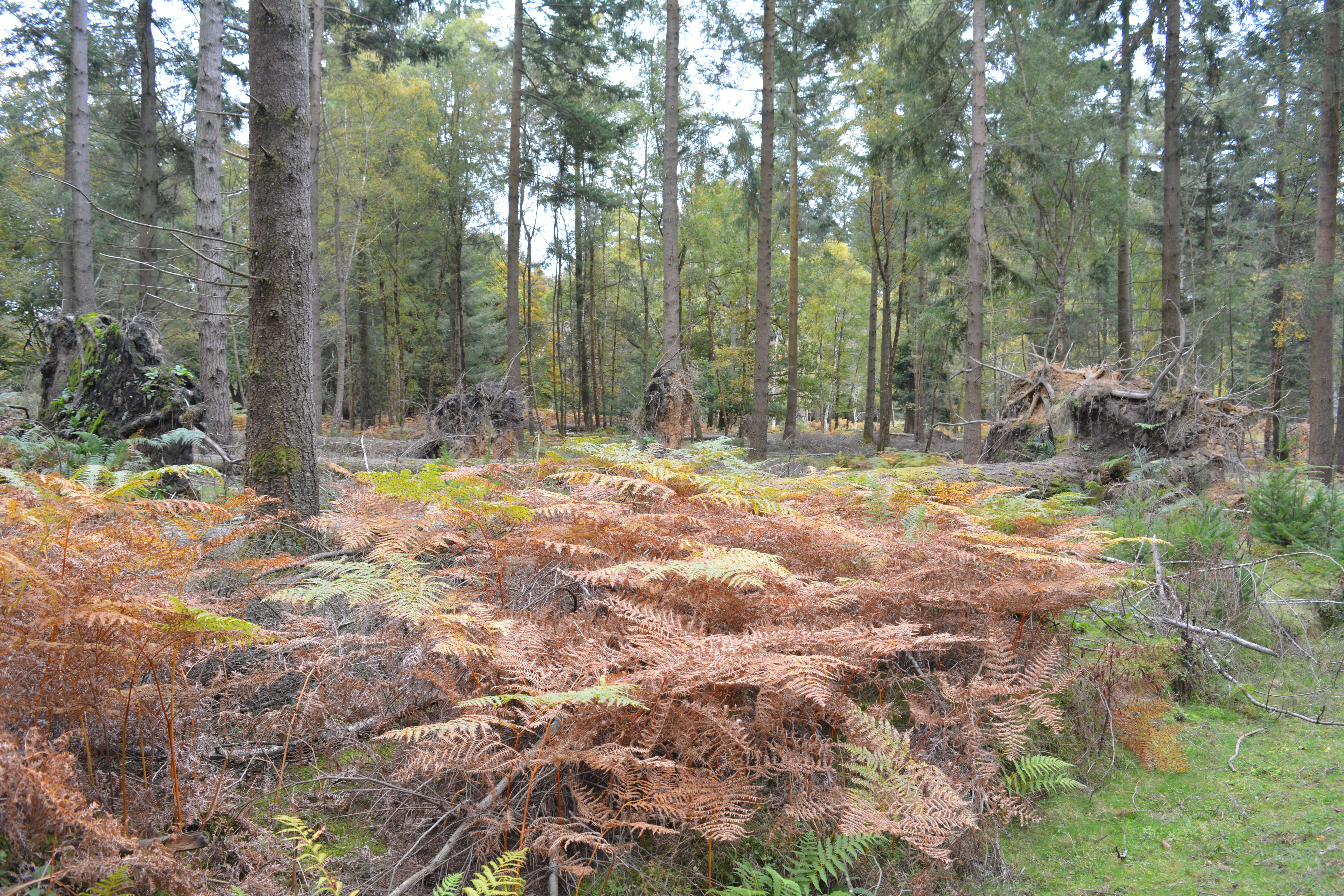
2015 10 19_6148 2015 10 19_6147

We really enjoyed our first experience of the world of the New Forest. We had plenty more planned for our break.

2015 10 19_6157 2015 10 19_6145

Categories
arboreta garden photography ornamental trees and shrubs Shropshire trees

Richard’s Trees

We are lucky to have a good friend who has built up his own arboretum, a personal collection of the trees he loves, Elms, Liquidambers, Oaks, etc etc. But most of all our friend Richard loves Birches so he has built up a huge collection of Betulas from around the world. To get an invitation for a personal tour of Richard’s arboretum was a privilege and an exceptional honour.

So in mid-September we travelled a short distance to Ruyton-XI-Towns just north of Shrewsbury. Richard told us to look out for a lane outside the village and keep going along it until we spotted their yellow farmhouse. A beautiful bright red climbing rose greeted us as we entered their gravel driveway, and we soon received a very warm welcome from Richard and his wife Anne.

While touring the arboretum Richard’s knowledge and love for his trees became obvious to us. He knew the names of every tree and shrub, their botanic name, common name, their place of origin and even the name of the nursery or plantsmen from whom the trees had been sourced. He loved every tree and was proud of them too.

2015 09 12_5344 2015 09 12_5346 2015 09 12_5370

Even though Richard could tell us the name of every tree he ensured that each was accurately and clearly labeled.

2015 09 12_5335 2015 09 12_5348

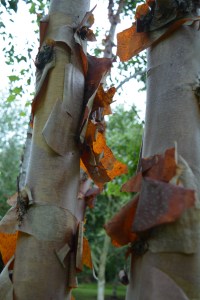
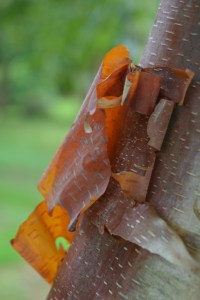
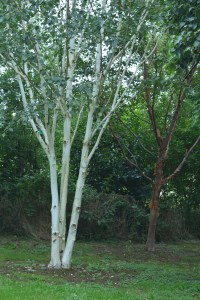
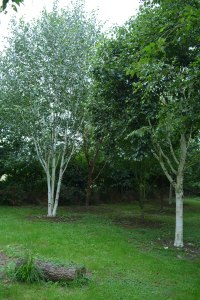
Although he has collected many different trees his true love is the Betula family. Here is a small selection of this wonderful collection. As regular readers of my blog will know I am mad about Betulas so to be able to get close up to so many different ones from around the world was very special to me.

2015 09 12_5347 2015 09 12_53542015 09 12_5345 2015 09 12_5349 2015 09 12_53532015 09 12_5350 2015 09 12_5351 2015 09 12_53522015 09 12_5355 2015 09 12_5356 2015 09 12_53582015 09 12_5357 2015 09 12_5359 2015 09 12_53602015 09 12_5363 2015 09 12_5361 2015 09 12_53622015 09 12_5369 2015 09 12_5364

But there was more to this arboretum than Birches. Just check out the selection below.

2015 09 12_5328 2015 09 12_5329 2015 09 12_5330 2015 09 12_5331 2015 09 12_5332 2015 09 12_5334 2015 09 12_5333  2015 09 12_5336 2015 09 12_5337 2015 09 12_53432015 09 12_5338 2015 09 12_5339 2015 09 12_5340 2015 09 12_5341 2015 09 12_5342       2015 09 12_5365 2015 09 12_5366 2015 09 12_5367 2015 09 12_5368

That is just a small selection of the amazing range of trees to be found at Richard’s arboretum! There are so many delights you feel honoured to visit. To have a friend with his own arboretum is pretty special but to have a friend who also loves Betulas is even better. We have been invited back for another wonderful wander around Richard and Anne’s garden and arboretum in the autumn to see their trees in their autumnal costumes.

Categories
colours garden design garden photography gardening gardens gardens open to the public grasses hardy perennials light light quality National Garden Scheme NGS ornamental grasses ornamental trees and shrubs outdoor sculpture photography Yellow Book Gardens

Aulden Farm – another Yellow Book garden

We open our garden under the auspices of the National Garden Scheme and love to see our garden in its famous Yellow Book. But we also love to visit other gardens from the Yellow Book.
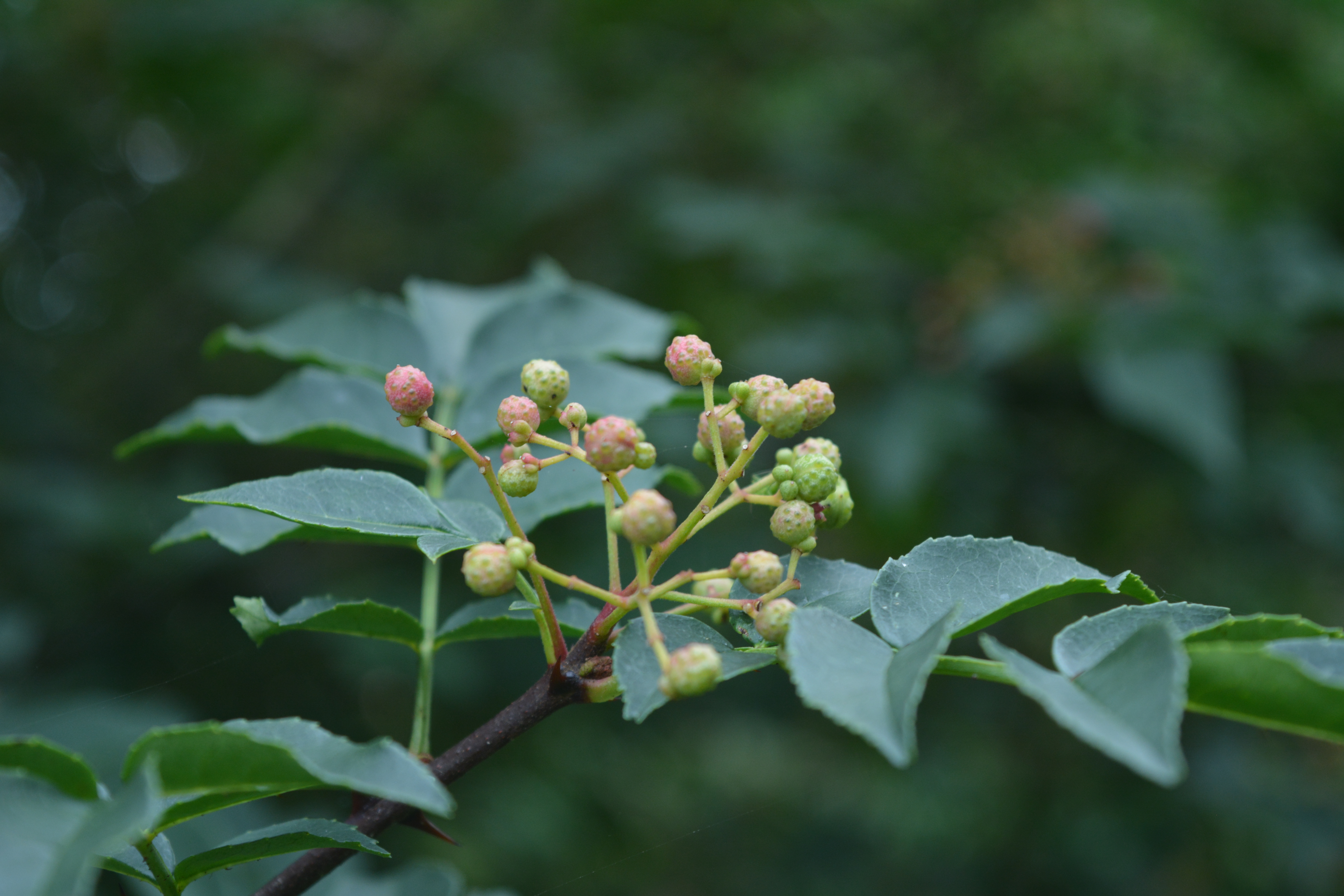
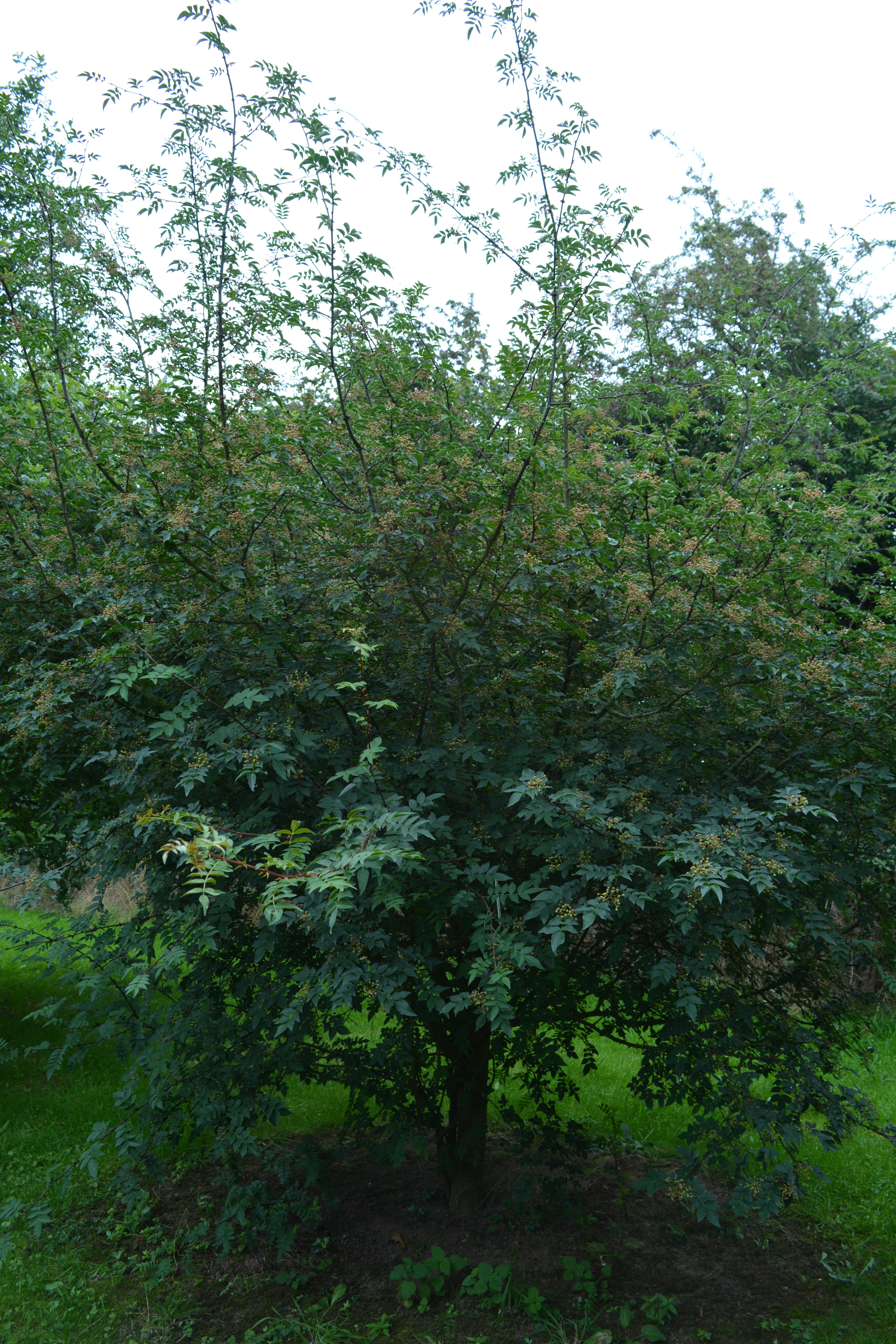
We recently visited Aulden Farm which is in Herefordshire, our neighbouring county and we were particularly keen to wander around this garden as it has a similar description to our own in their Yellow Book entry although it is much larger! “Informal country garden surrounding old farmhouse, three acres planted with wildlife in mind. Emphasis on structure and form, with a hint of quirkiness, a garden to explore with eclectic planting.”

We had a lovely drive through beautiful countryside before parking on the grass verge and wandering up the gravel drive leading to Aulden Farm’s garden. A gravel area surrounded by interesting planting was a great place to enjoy tea and homemade cakes.

2015 09 07_5027 2015 09 07_5028

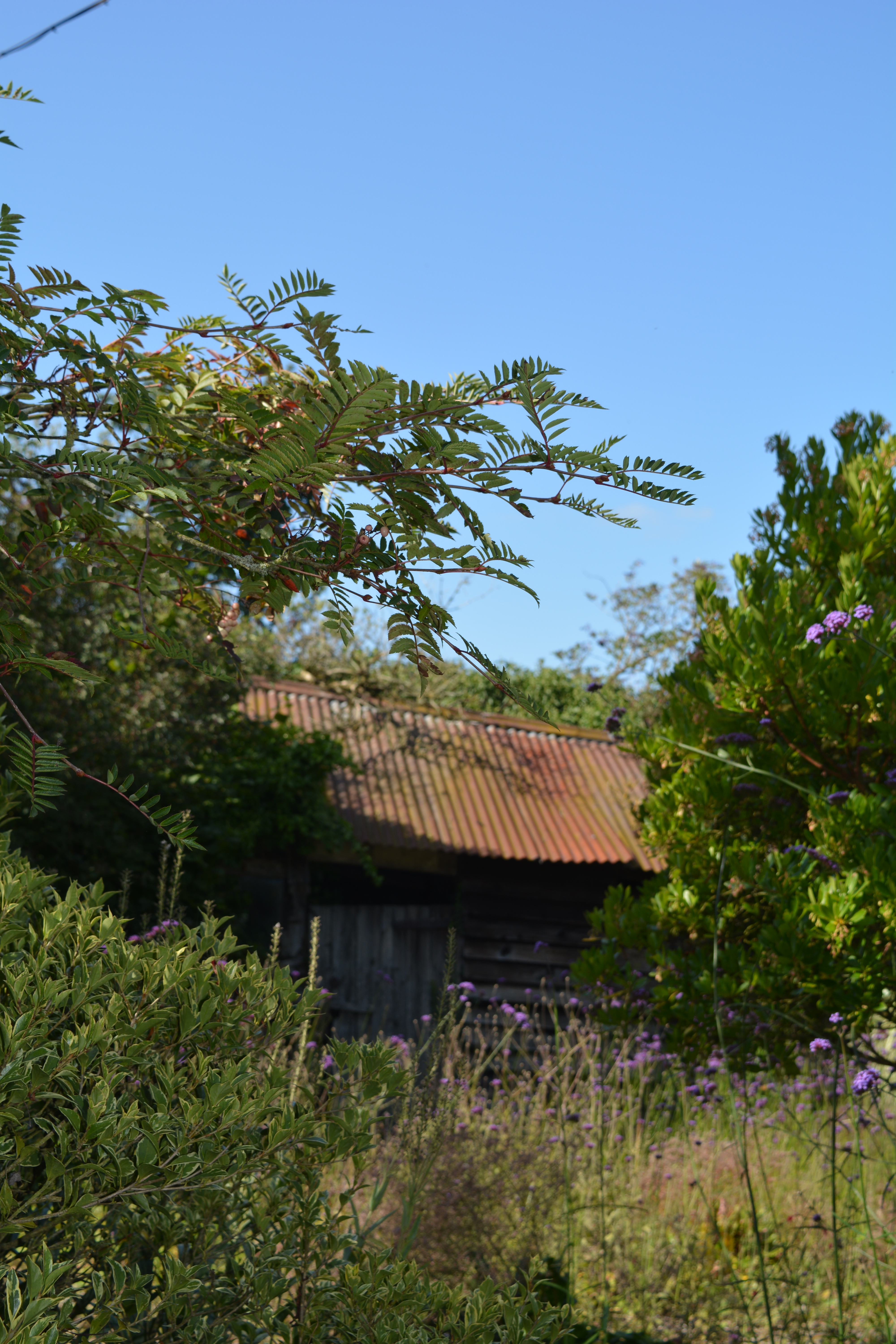
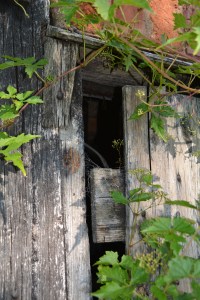
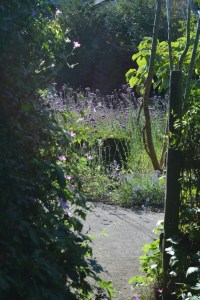
Alongside the tea courtyard was a gravel garden in front of a beautiful barn close to tumbling down. Verbena bonariensis was the star in this garden and the afternoon lit it up dramatically. Butterflies were attracted to it as much as me and my camera. This was an area full of texture and interest too good for any photographer to miss.

2015 09 07_5029 2015 09 07_50302015 09 07_5168 2015 09 07_51622015 09 07_5177 2015 09 07_51782015 09 07_5173 2015 09 07_51662015 09 07_5174 2015 09 07_51702015 09 07_5169 2015 09 07_5171

2015 09 07_5165 2015 09 07_5161

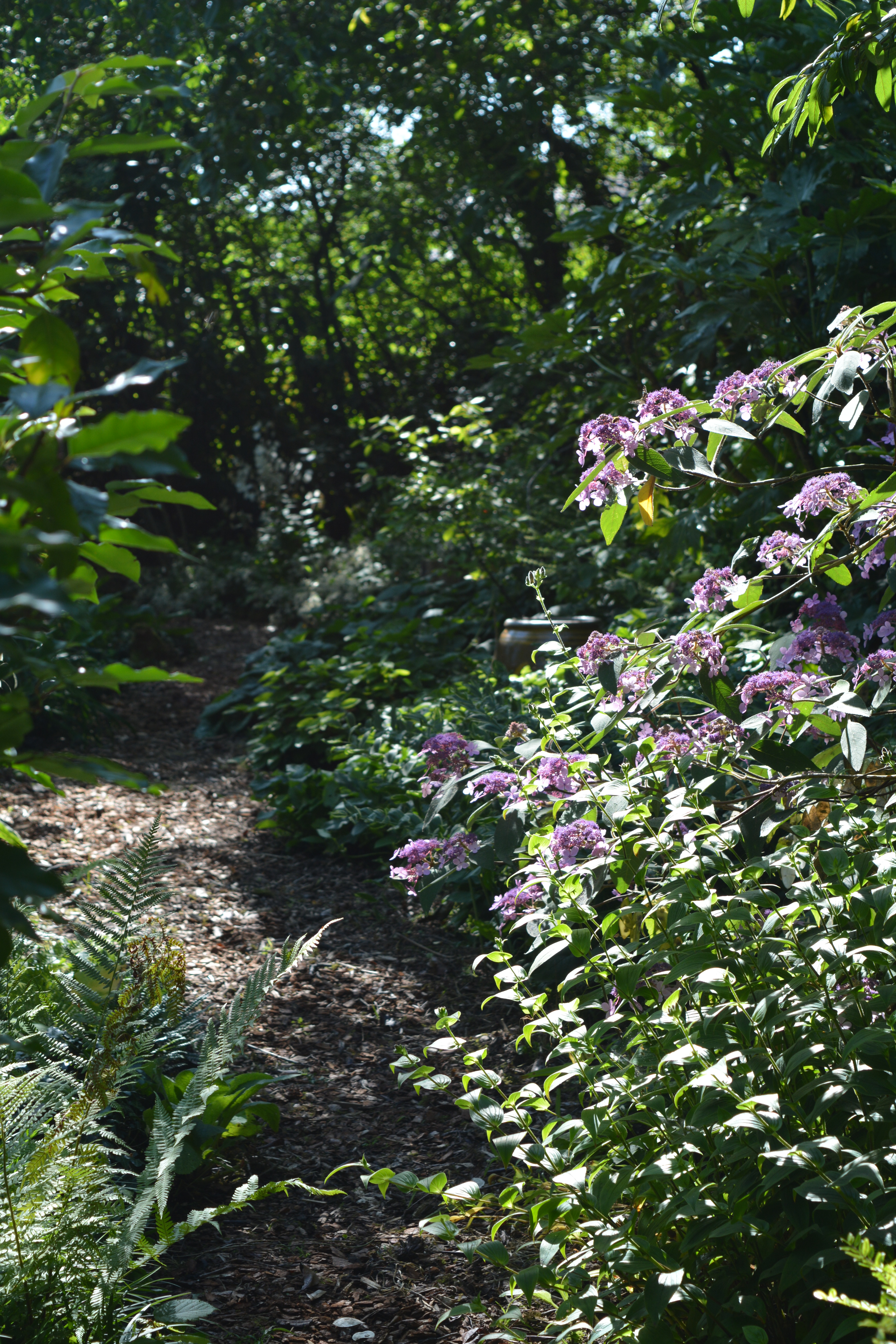
We eventually left behind our tea, cakes, verbenas and butterflies and wandered, suitably refreshed, through the shade garden where the low rays of the sun created pools of light and shade. from here we could choose different routes through the garden described in its own leaflet as “very relaxed, tranquil and some even say romantic, but that is for you to decide”. So we couldn’t wait to find out for ourselves.

2015 09 07_5035 2015 09 07_5036

2015 09 07_5037 2015 09 07_5038 2015 09 07_5040 2015 09 07_5042 2015 09 07_5044 2015 09 07_5047 2015 09 07_5048

Now come for a walk with us around this beautiful garden by enjoying my gallery. Please click on the first photo and navigate with the arrows.

I hope you enjoyed this photographic journey around this wonderful garden. Is it romantic? Yes, definitely so! This is a garden with atmosphere.

We left with an invitation to return whenever we wanted – bliss.

In my next couple of posts about Aulden Farm gardens I will share my images of two special families of plants that caught the beautiful light that day and my imagination, Persicarias and Rudbeckias and also a look at some of the wide ranging sculpture we enjoyed there.


Categories
arboreta colours garden buildings garden design garden photography gardens gardens open to the public hardy perennials light light quality ornamental trees and shrubs outdoor sculpture sculpture trees

Harold Hillier in Hampshire – Part 2

So here we are back in Hampshire and still wandering around the miles of paths along which we explored the Sir Harold Hillier Gardens.

2015 06 23_3141 2015 06 23_30932015 06 23_30952015 06 23_3109

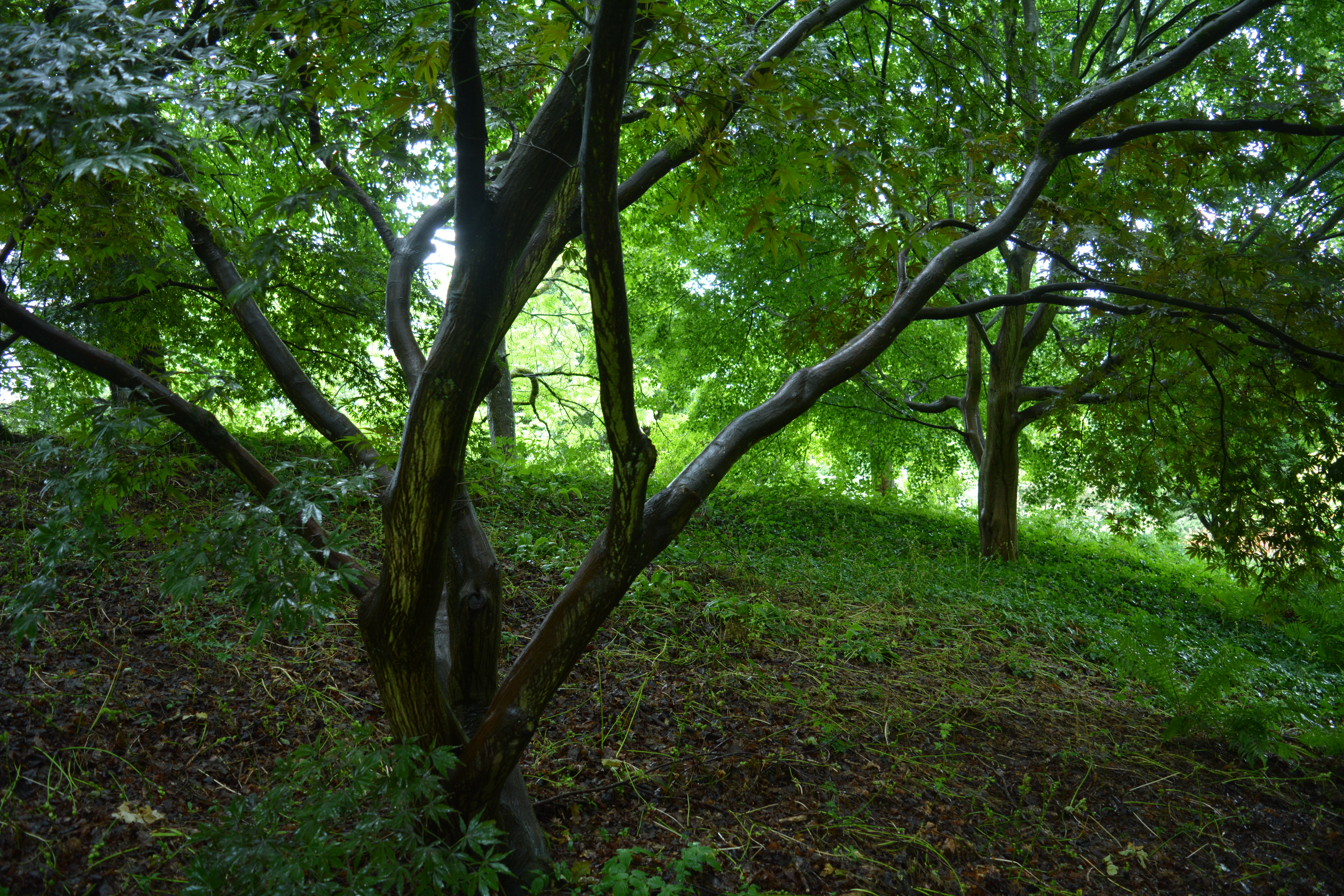
The Acer Grove was full of colour when the sun hit the foliage after the dullness of the rains.

2015 06 23_3033 2015 06 23_30342015 06 23_3035 2015 06 23_3096

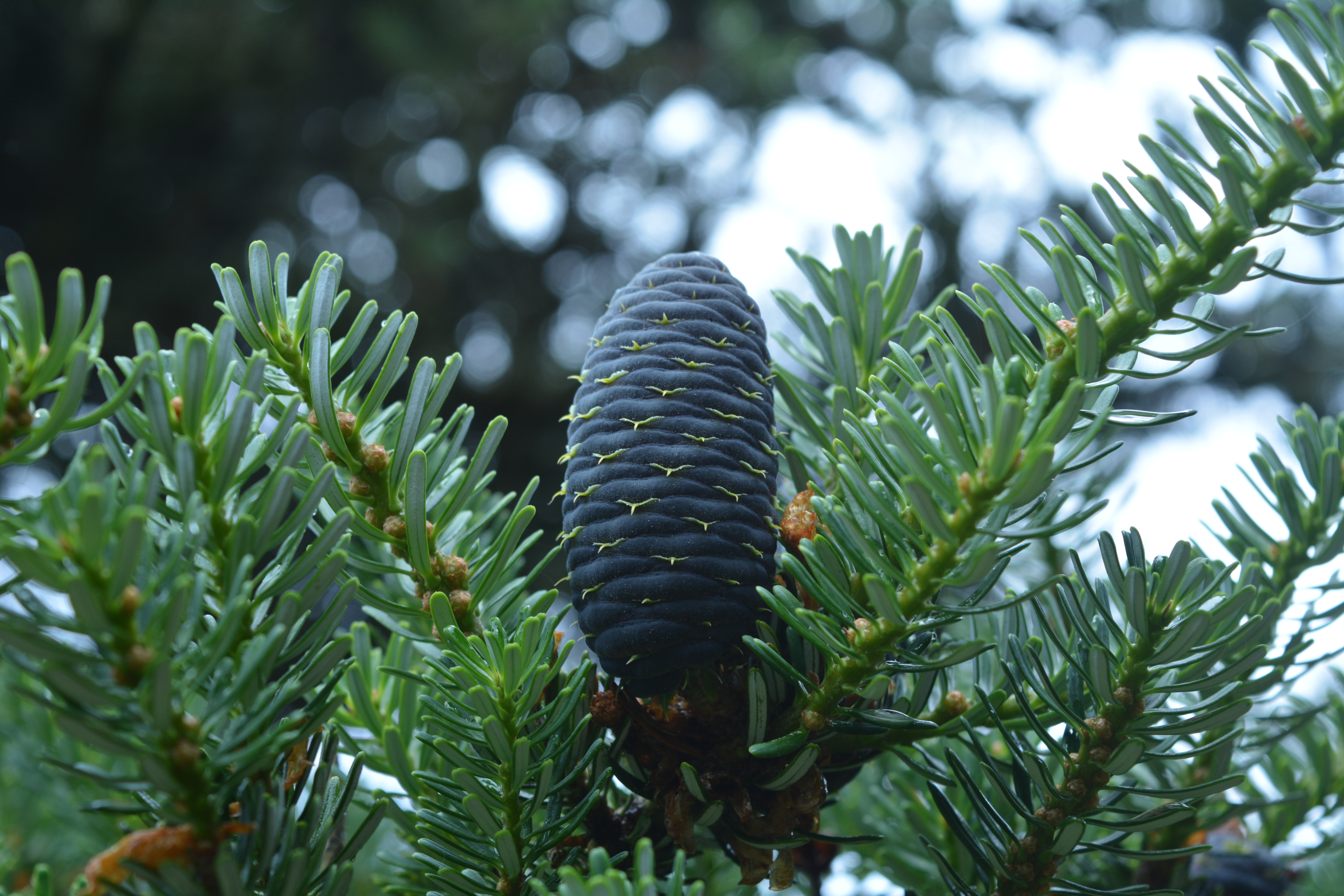
The Pinetum was a wonderful place to explore the many shapes of the trees and the texture and colour of their needles. Cones added even more interest. Not a great lover of conifers I felt myself enjoying being among their rich variety.

2015 06 23_3036 2015 06 23_3037

But the broadleaved trees were my stars of the gardens with their colourful bark, flowers and the leaves.

2015 06 23_3041 2015 06 23_30442015 06 23_3048 2015 06 23_3051 2015 06 23_30832015 06 23_3106

Jude was easily distracted by this wonderfully sculptural swing!

2015 06 23_3046 2015 06 23_3050

We continued to discover a huge variety of sculptural pieces along every path and around every corner.

2015 06 23_3101 2015 06 23_3098 2015 06 23_3100 2015 06 23_3097 2015 06 23_30432015 06 23_3090 2015 06 23_30872015 06 23_3053 2015 06 23_30522015 06 23_3038 2015 06 23_3039 2015 06 23_3080

But there was so much more than trees and sculpture to enjoy at these amazing gardens – we found so many interesting colourful flowering plants too.

2015 06 23_3112 2015 06 23_31102015 06 23_3108 2015 06 23_3102 2015 06 23_30922015 06 23_3107 2015 06 23_3103

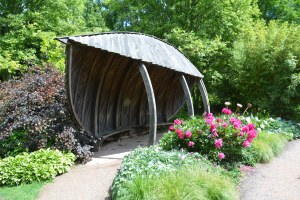
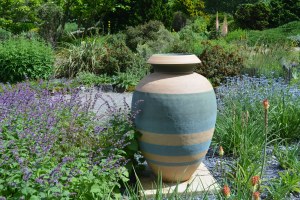
I will finish part two of our visit to the Harold Hillier Gardens with these photos of an amazing archway over a path and a beautifully coloured and shaped pot.

2015 06 23_3085 2015 06 23_3089

Categories
architecture colours garden buildings garden design garden photography garden pools gardens gardens open to the public hardy perennials National Garden Scheme NGS ornamental trees and shrubs outdoor sculpture roses shrubs trees water in the garden Yellow Book Gardens

Miserden Park, a Gloucestershire Garden

We were journeying south towards Hampshire and searched for a place to break our journey. We were pleased to discover Miserden Park was close to the road we travelled. We expected it to be easy to find as we knew which village it was on the outskirts of but poor signage directing us firstly to the village and then to the garden itself made it difficult.

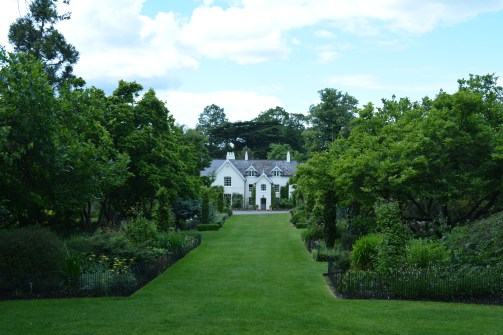
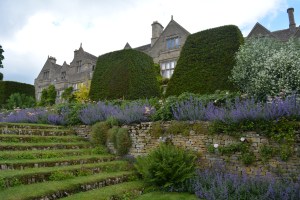
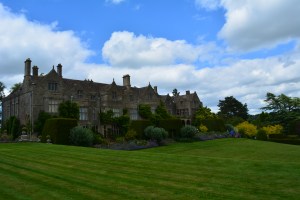
When we saw the house at Miserden we were impressed with the way the gardens around it helped it sit so comfortably in the landscape. The pale blue planting looked so good with the pale limestone of the building.

2015 06 21_2889 2015 06 21_2890

We soon realised that this was one of those gardens which impressed with the tiny details of individual plants and colour combinations but also with the bigger pictures it presented.

2015 06 21_2896 2015 06 21_2893

2015 06 21_2887 2015 06 21_2894

2015 06 21_2888

Metalwork impressed us from the imposing gates to the intimate seats.

2015 06 21_2886 2015 06 21_2884

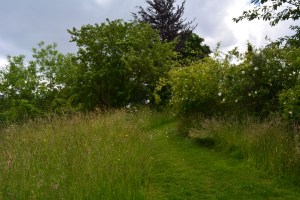
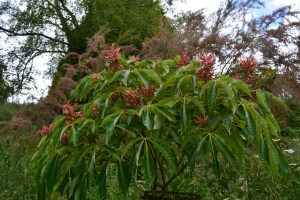
We loved the contrast between the formal gardens and the wilder “Robinsonian” areas. Paths mown through the long grass in these wilder areas led us to surprise plants to appreciate such as this Aesculus.

2015 06 21_2891 2015 06 21_2892

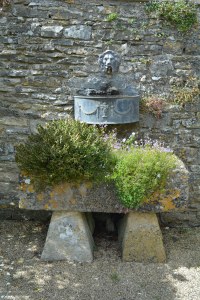
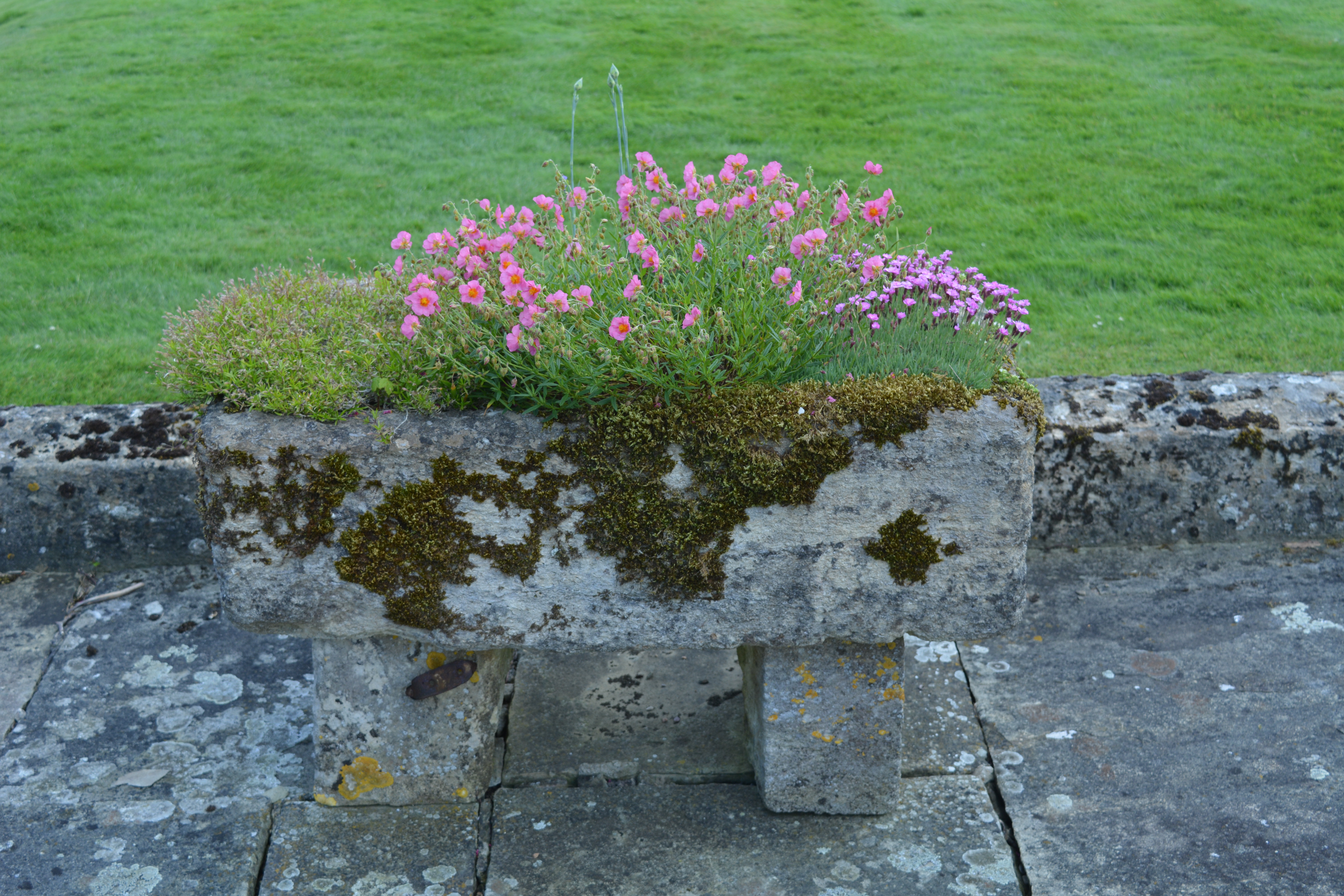
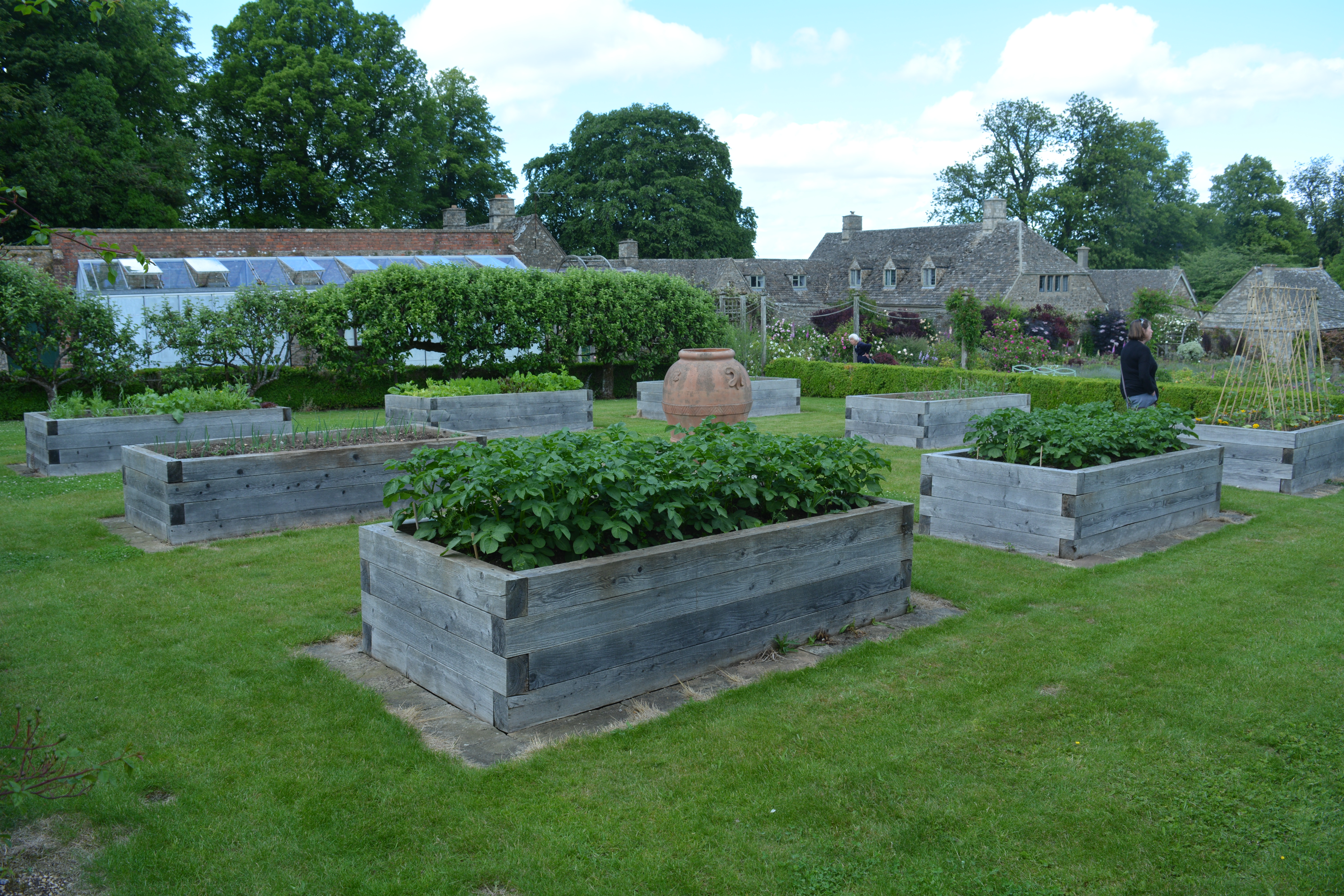
On the paved area which surrounded the house containers planted up with gently coloured plants enhanced the colour of the stonework.

2015 06 21_2911 2015 06 21_2898 2015 06 21_29012015 06 21_2900

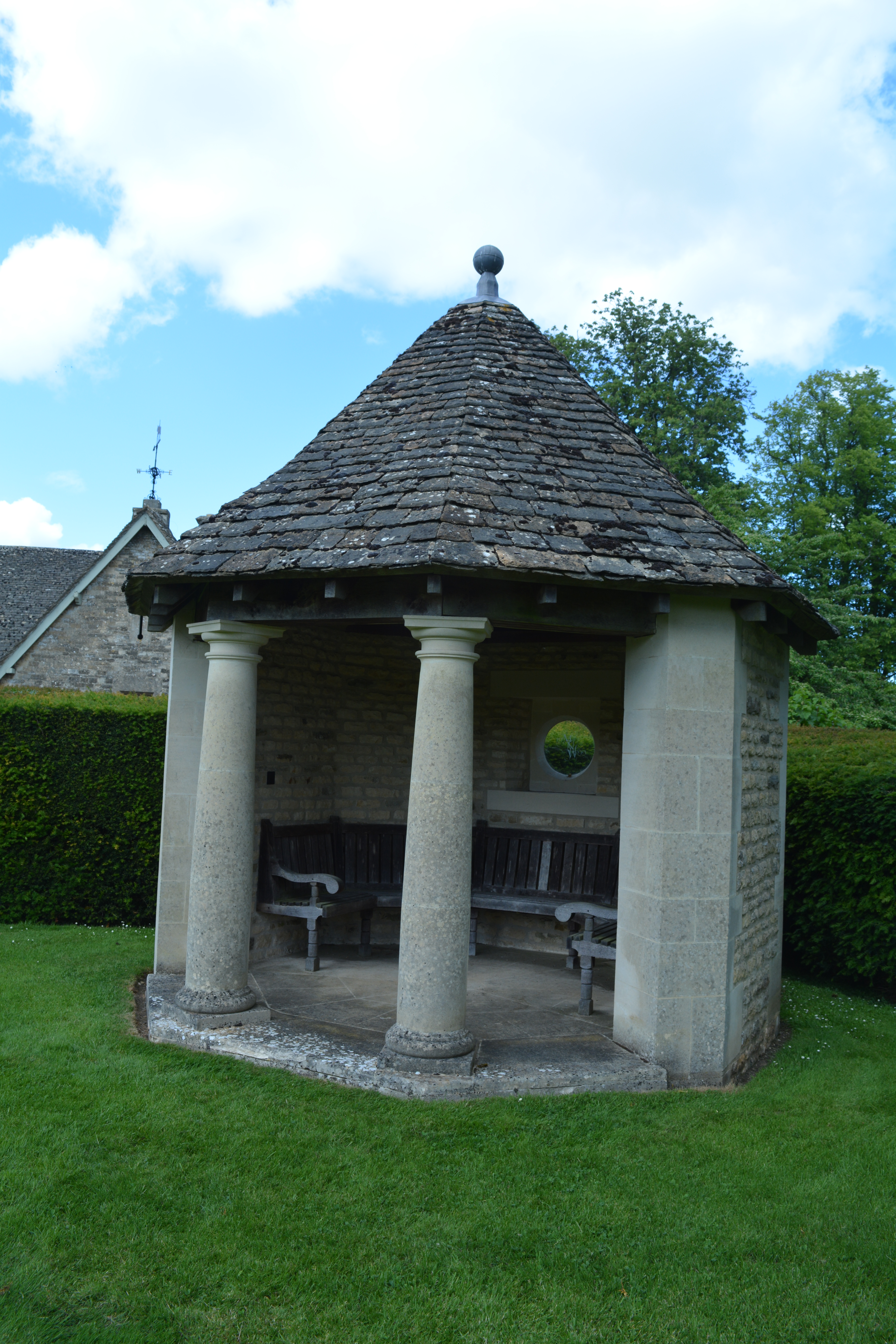
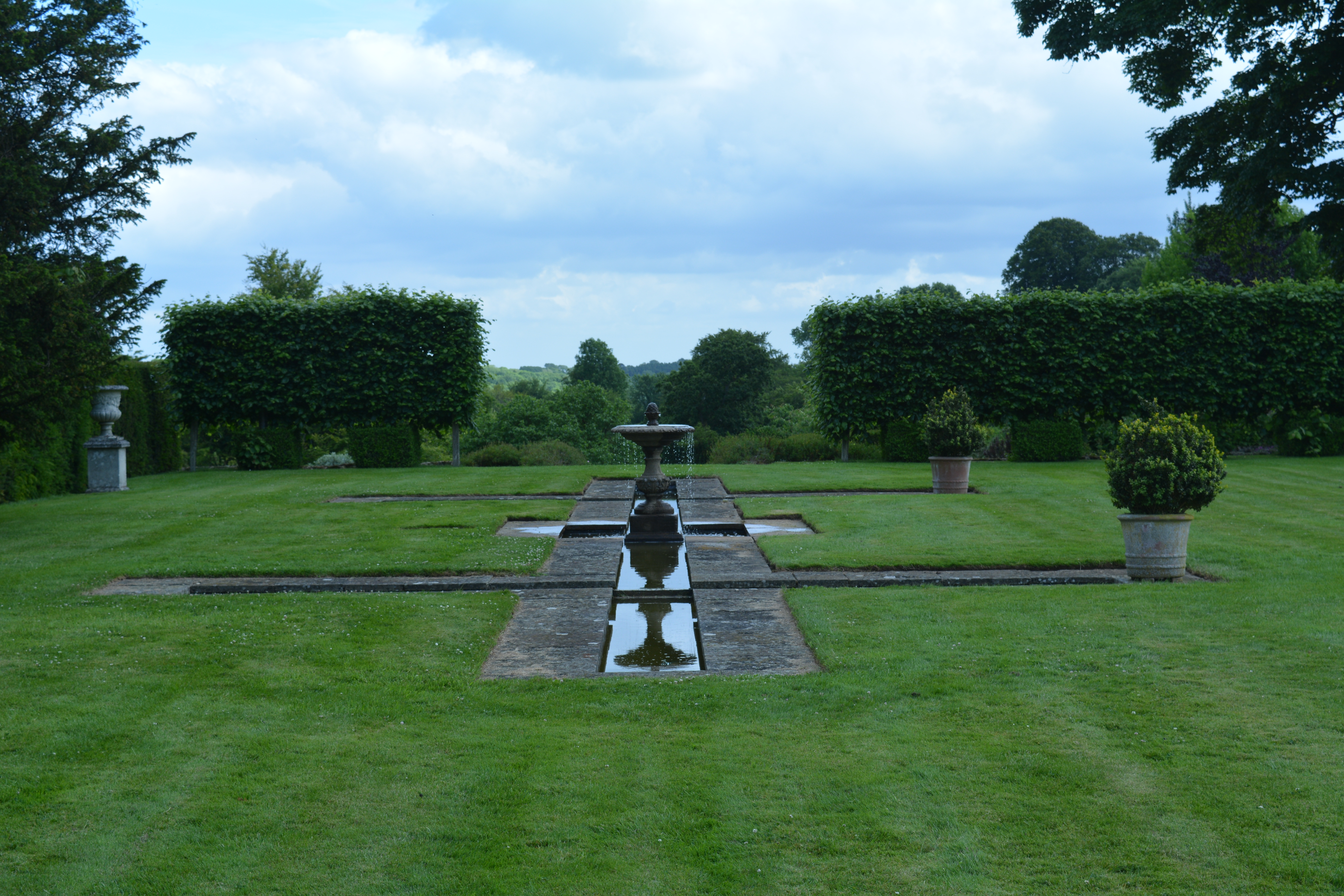
An unusual rill garden had been created to celebrate the Millenium and a nearby conveniently positioned summer house gives visitors a good chance to rest awhile and admire it.
2015 06 21_2907 2015 06 21_2905


2015 06 21_2909 2015 06 21_2910

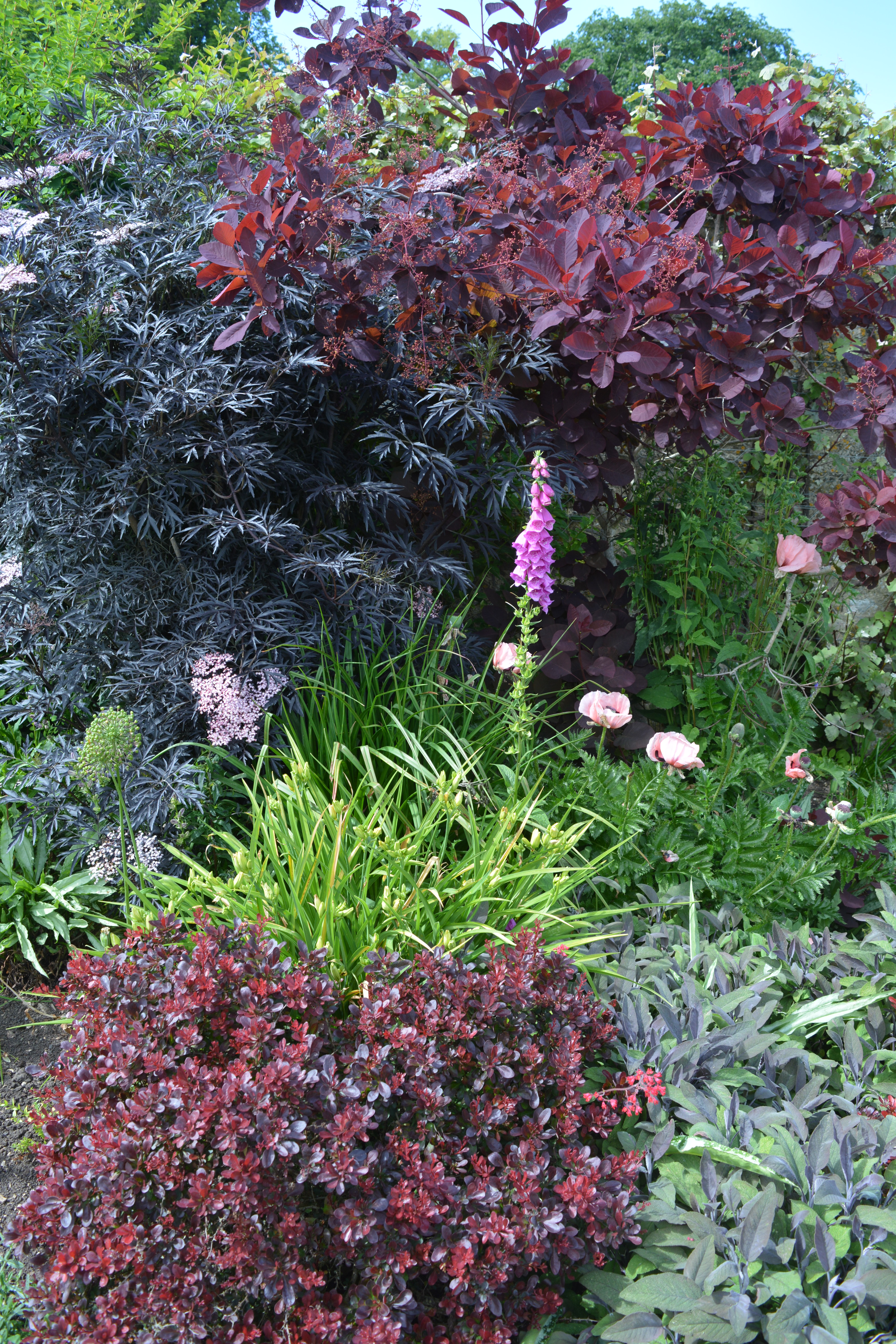
A shrub border full of deep purple leaves provided a rest for the eyes after studying brighter coloured plantings.


2015 06 21_2912 2015 06 21_2915

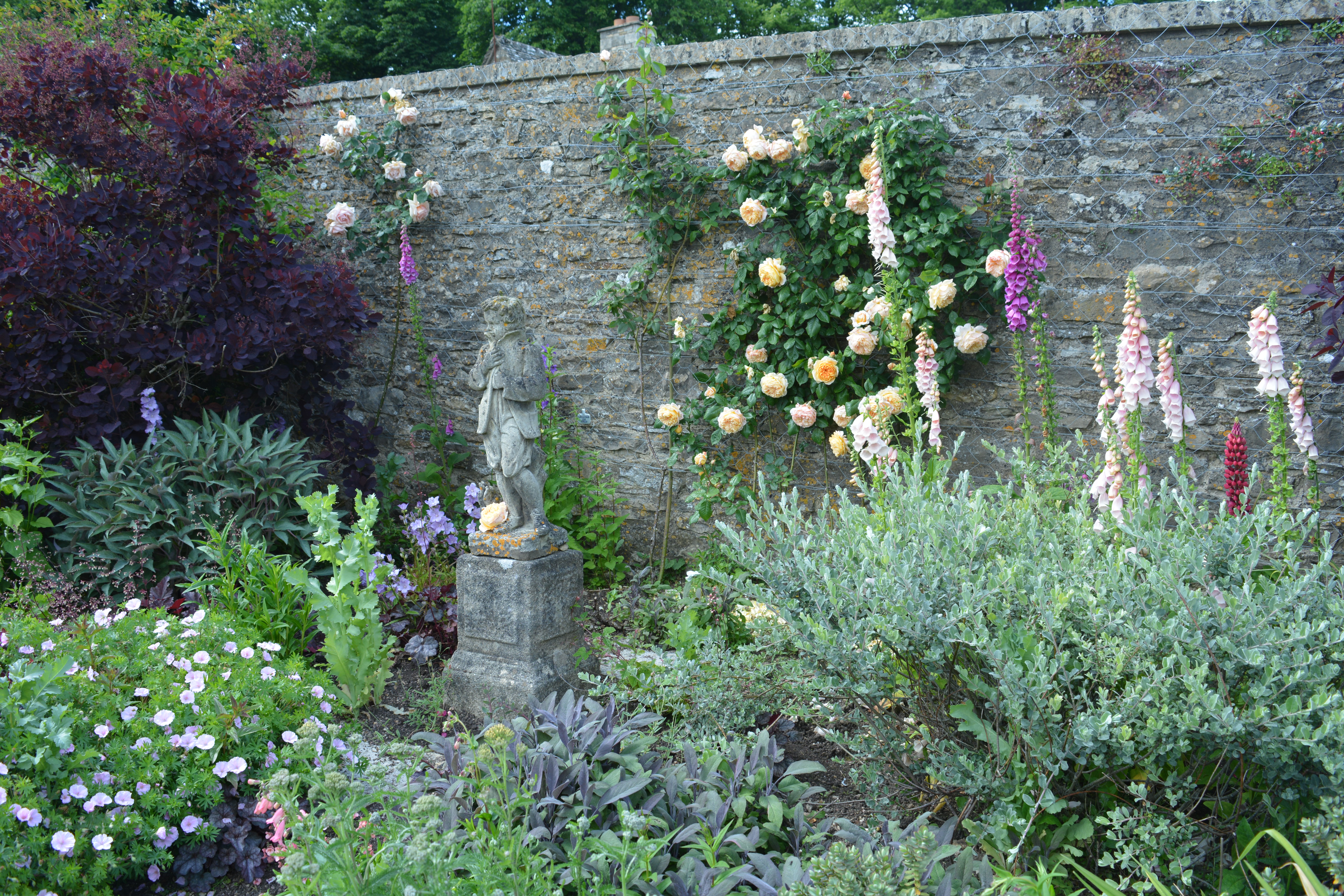
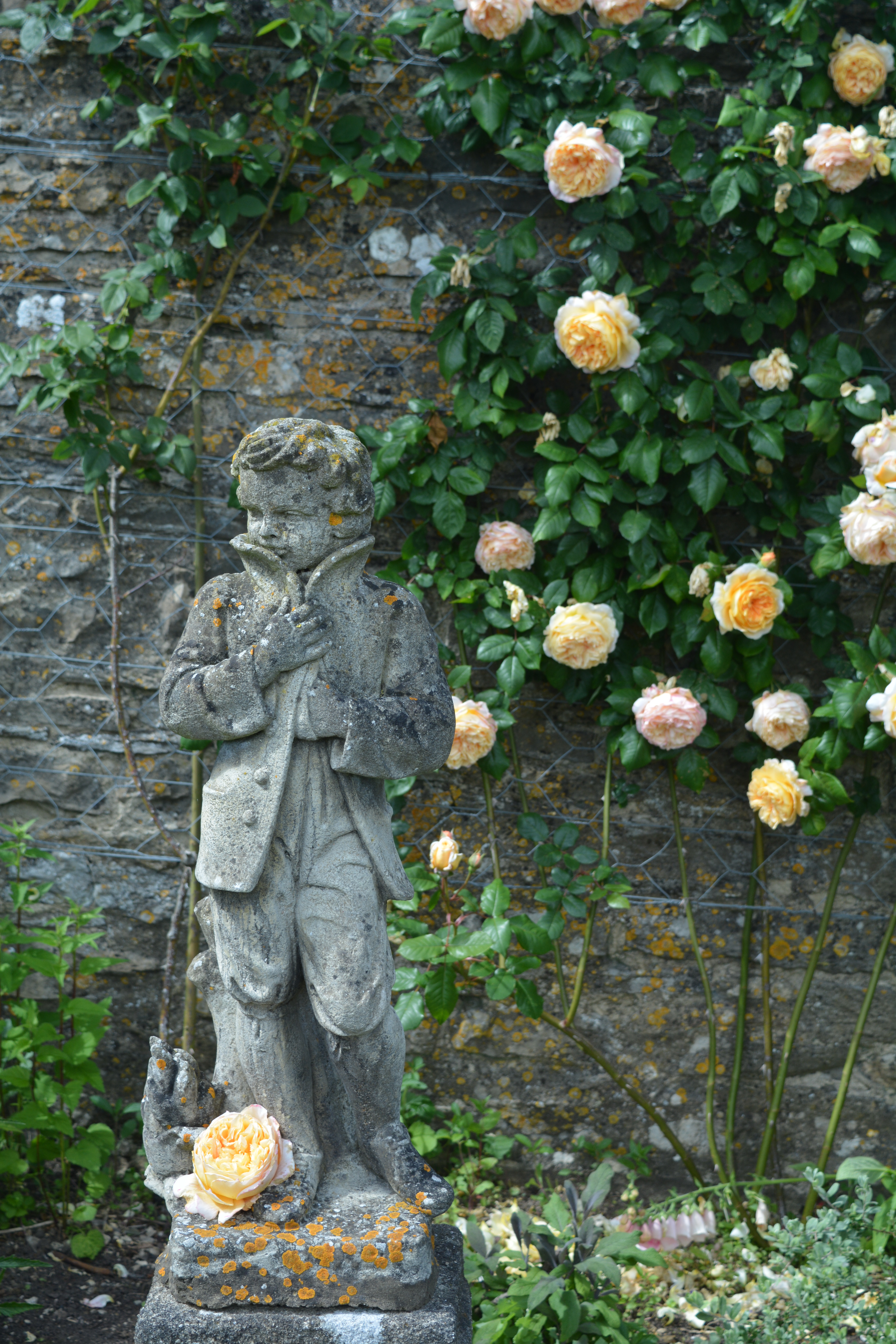
The grey stone walls of local limestone were a perfect foil for gentle coloured roses.


2015 06 21_2916 2015 06 21_2917


One area had been developed much more recently and afforded impressive contrasts of style.

2015 06 21_2918 2015 06 21_2919 2015 06 21_2920 2015 06 21_2921

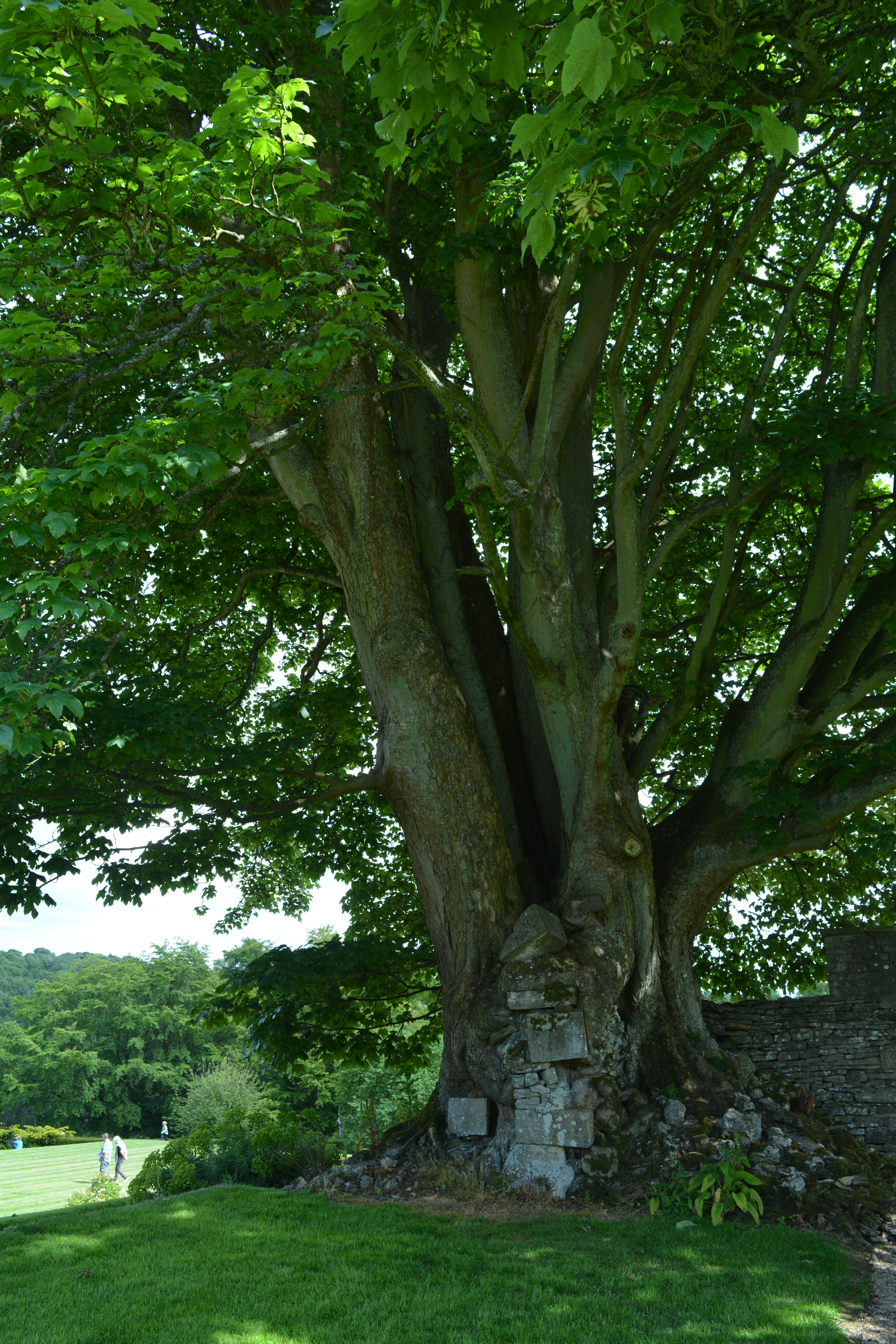
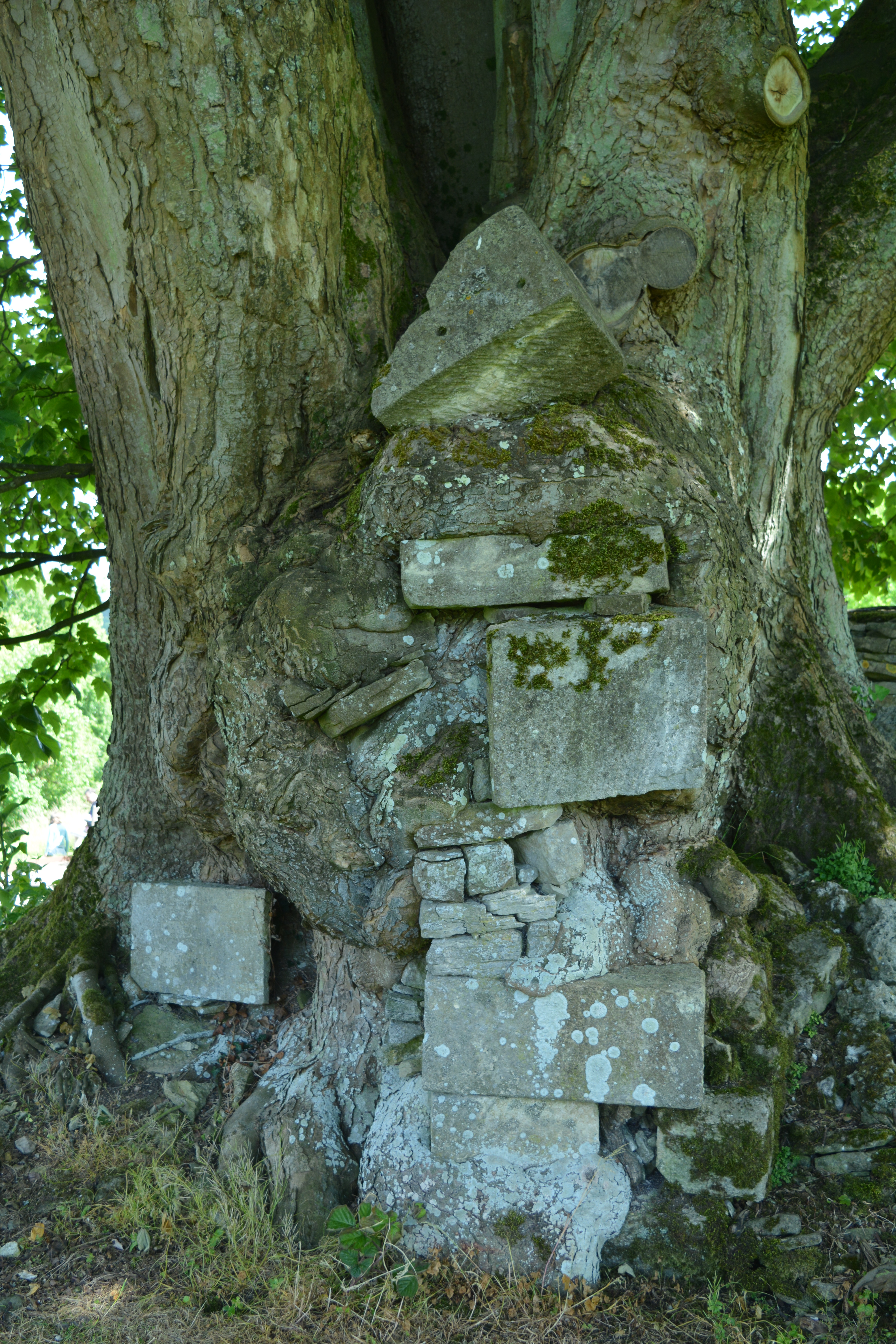
We couldn’t really work out what this strange stonework integrated into the base of an ancient tree was all about.

2015 06 21_2923 2015 06 21_2924

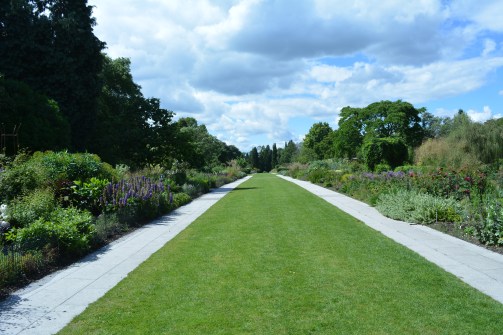
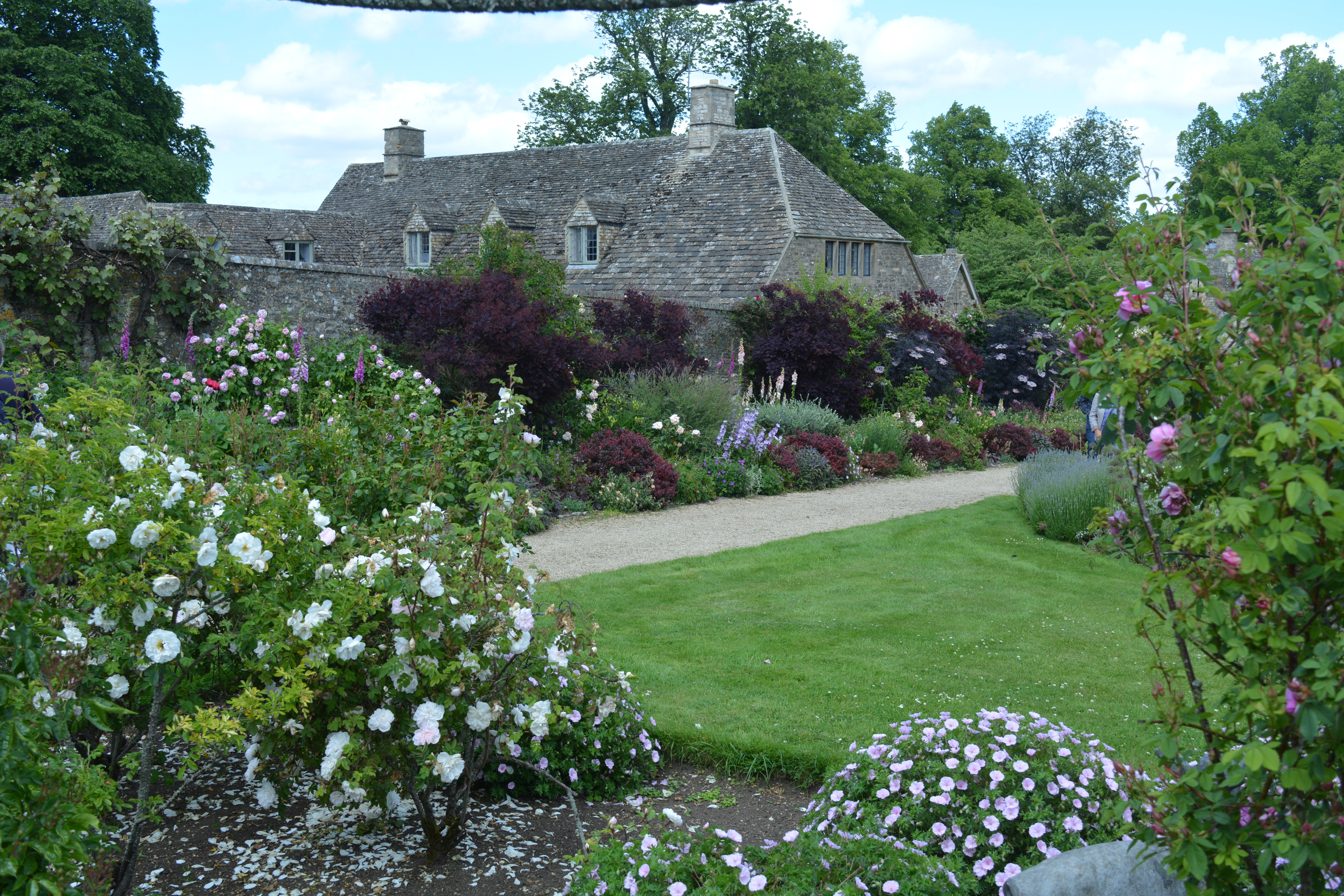
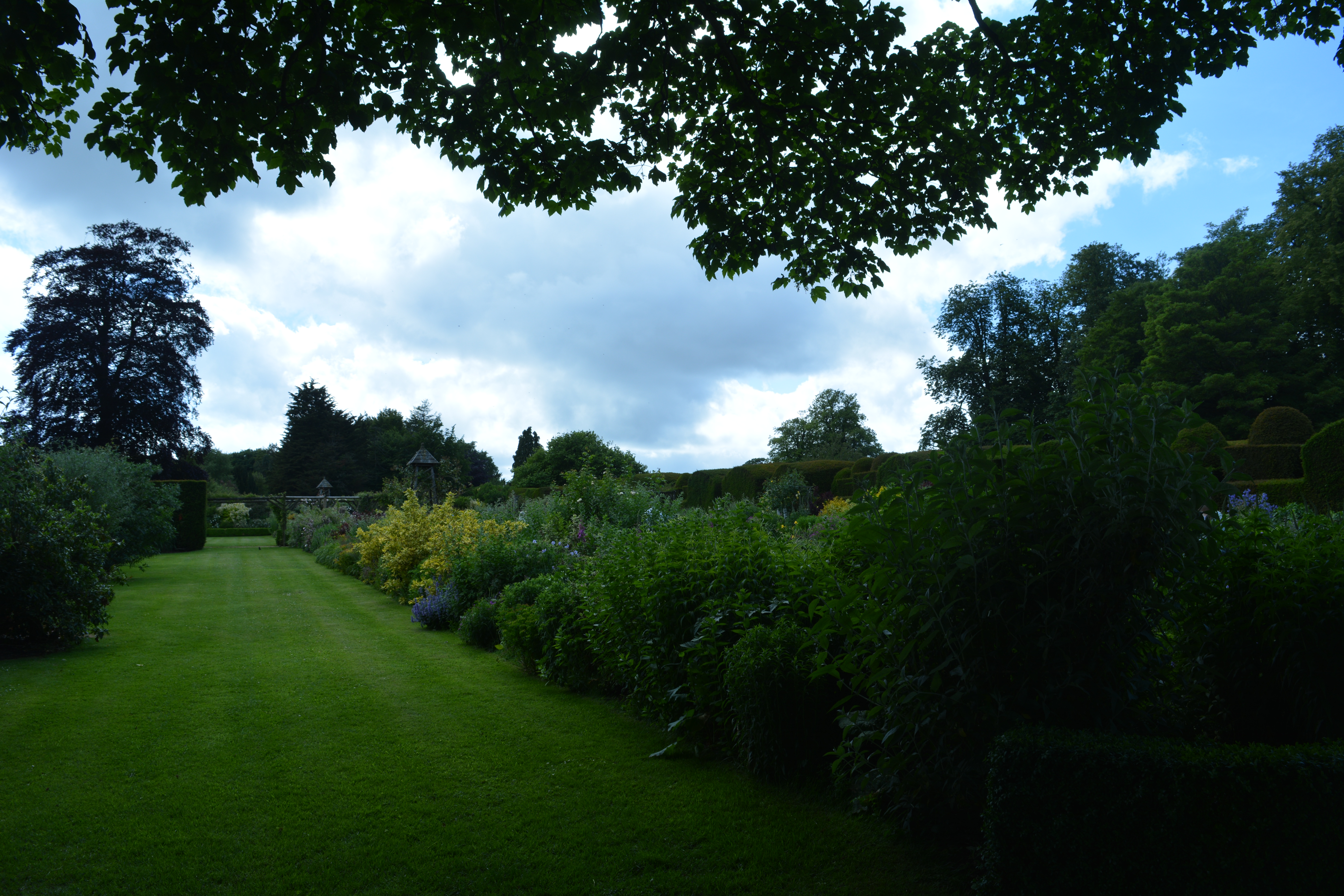
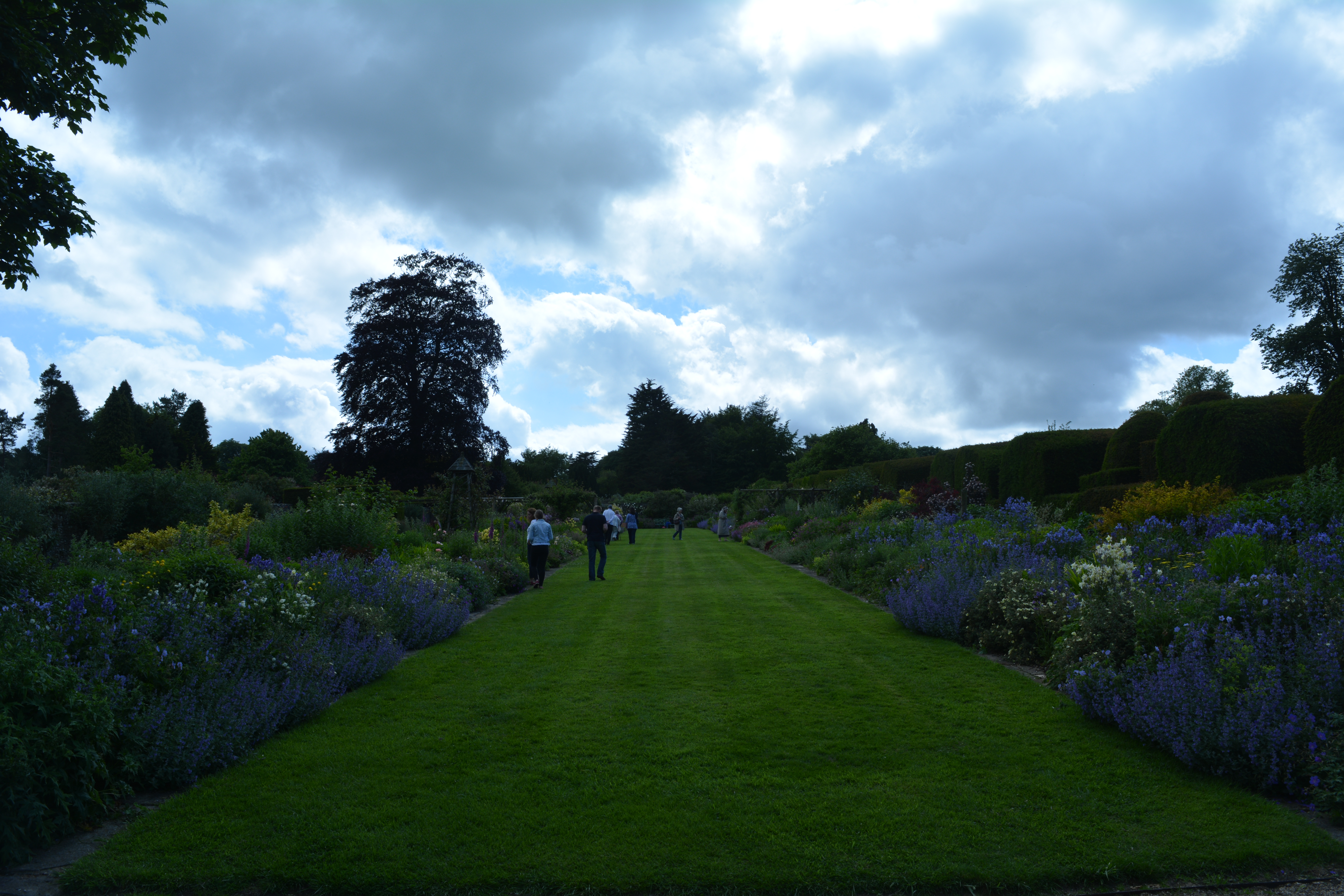
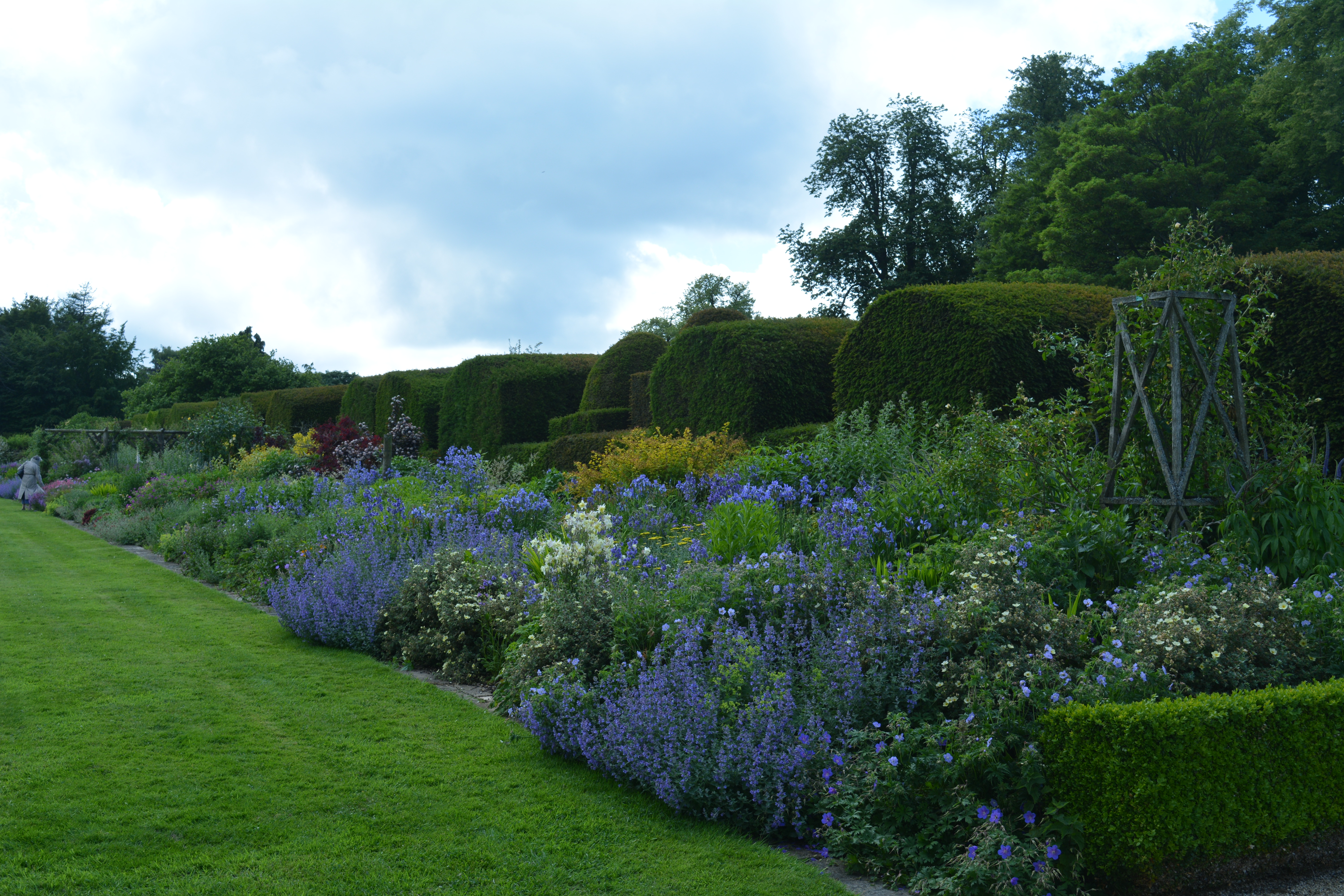
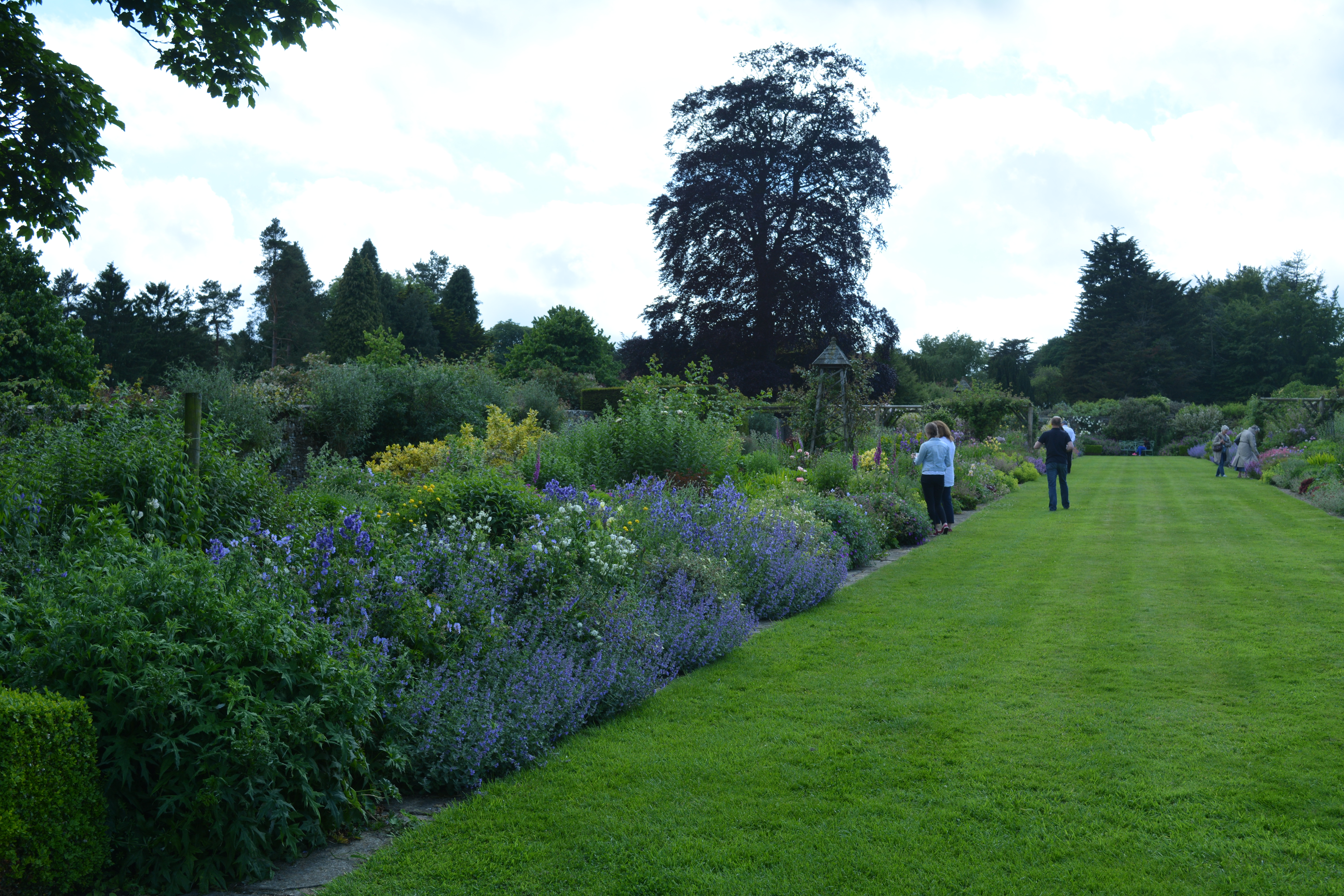
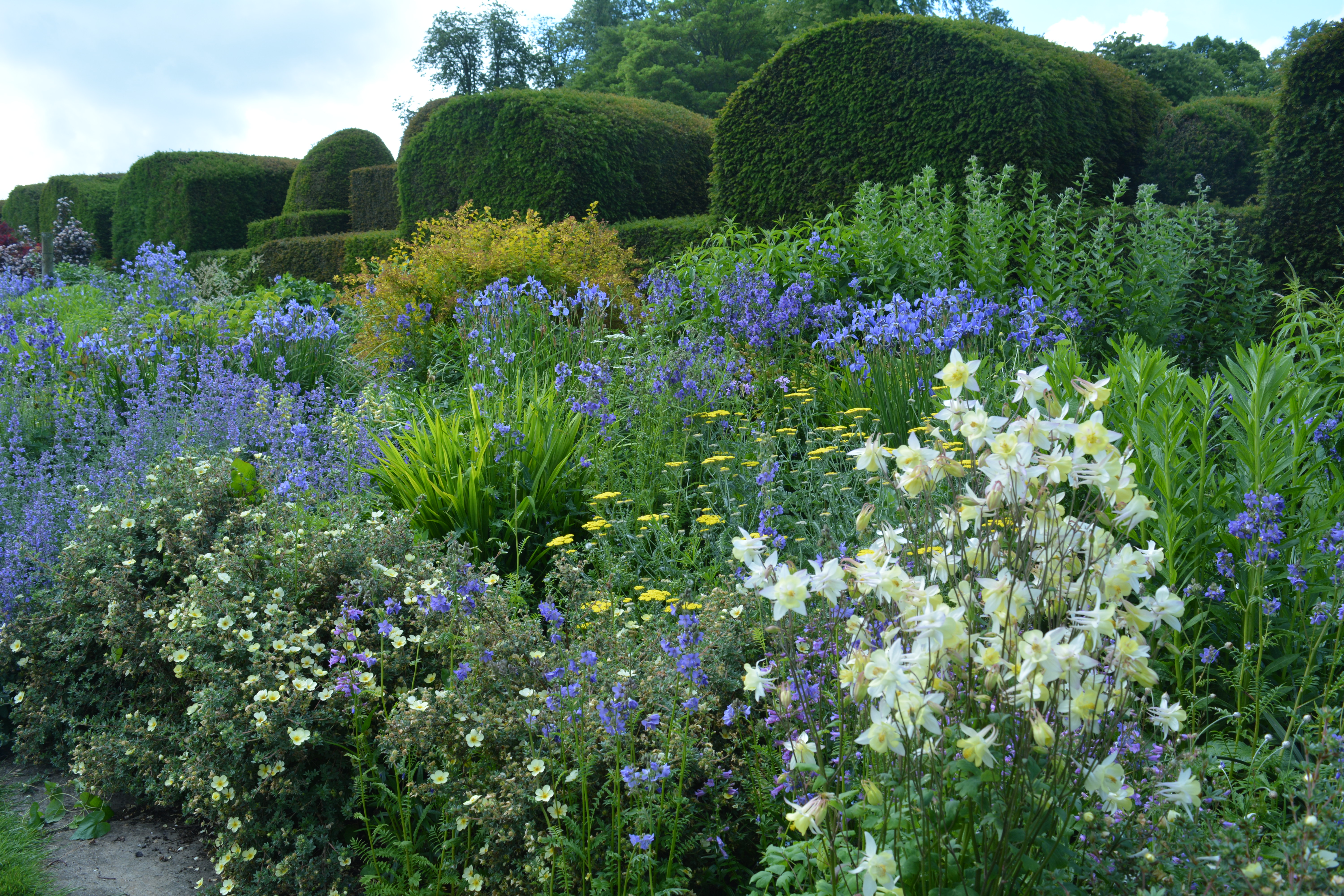
We finished our tour of the gardens at Miserden with a long slow walk along the double herbaceous borders.


2015 06 21_2925 2015 06 21_2926 2015 06 21_2927 2015 06 21_2928 2015 06 21_2929 2015 06 21_2930 2015 06 21_2931 2015 06 21_2932


It is always a bonus to visit a good garden when taking a break in a journey further afield. Miserden was well worth stopping to explore.

Categories
colours garden buildings garden photography gardening gardens gardens open to the public hardy perennials light light quality meadows National Trust ornamental trees and shrubs roses Shropshire South Shropshire The National Trust trees walled gardens

Croft Castle month by month – Part 5 May

2015 05 22_1883_edited-1

We are almost half way through the year now so we were expecting to see some big changes at Croft on our May visit.

2015 05 22_1868_edited-1

We made our May visit to Croft Castle on a warm sunny day so everything in the garden looked colourful and full of cheer. The leaves were fully out on all the trees and herbaceous plants were beginning to flower.

2015 05 22_19282015 05 22_1858 2015 05 22_1859 2015 05 22_1862 2015 05 22_1863

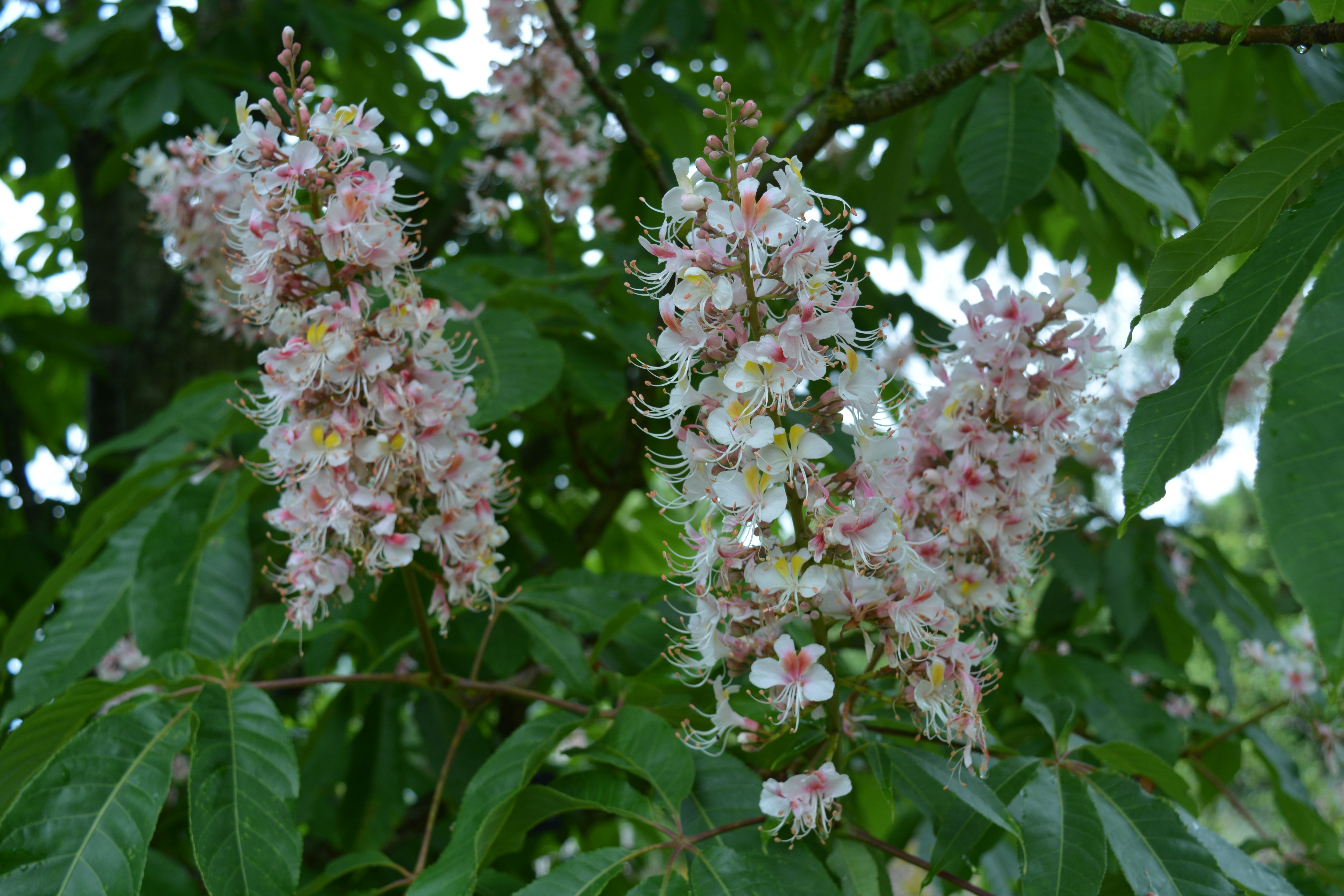
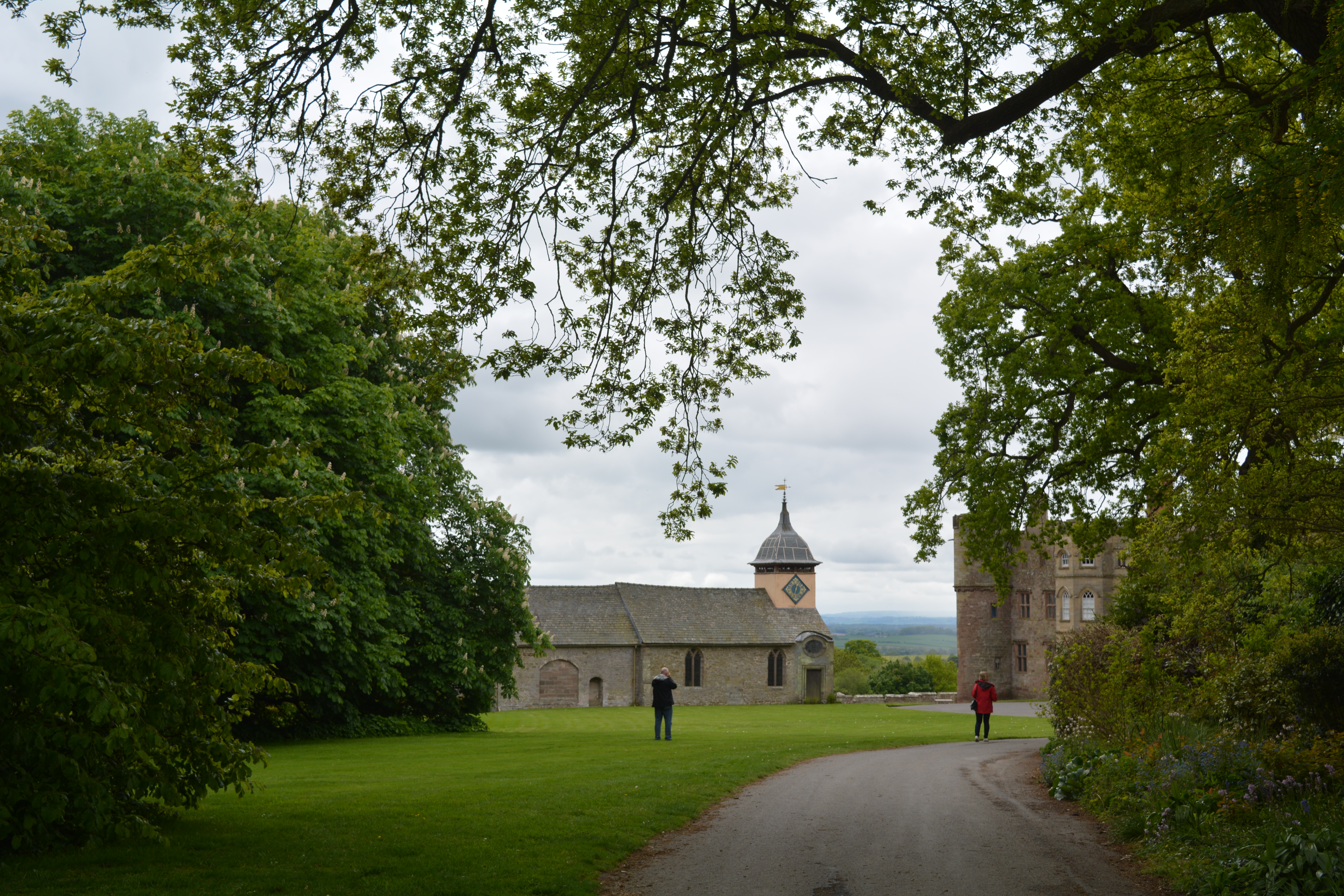
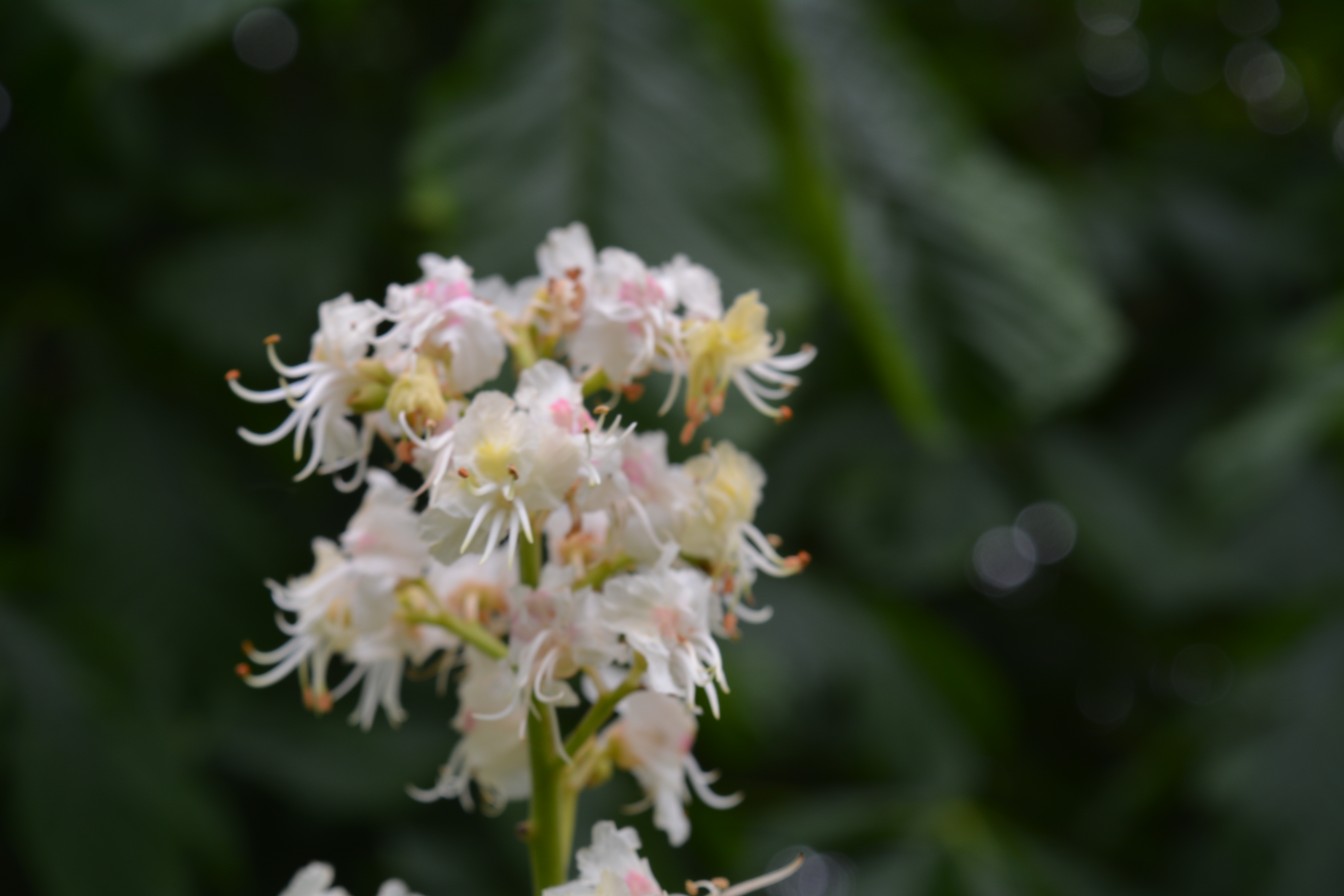
The long border we always pass as we make our way towards the walled garden is now lush with every shade of green with occasional splashes of flower colour. Our view from the long border towards the church and castle is framed beautifully by trees in full leaf. The Horse Chestnuts were in full blossom. They are beautiful flowers when looked at close up.

2015 05 22_1864 2015 05 22_1865 2015 05 22_1866 2015 05 22_1867

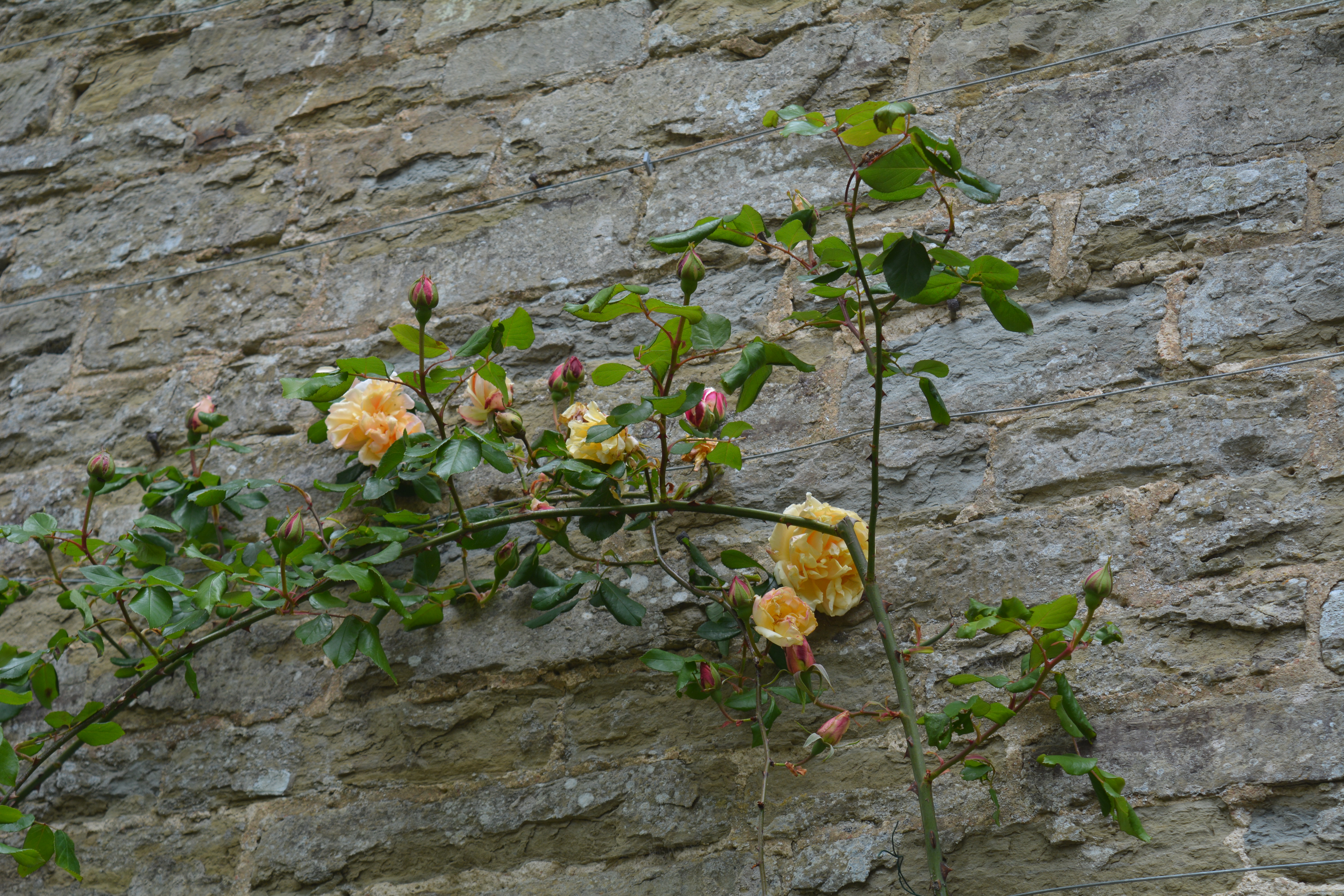
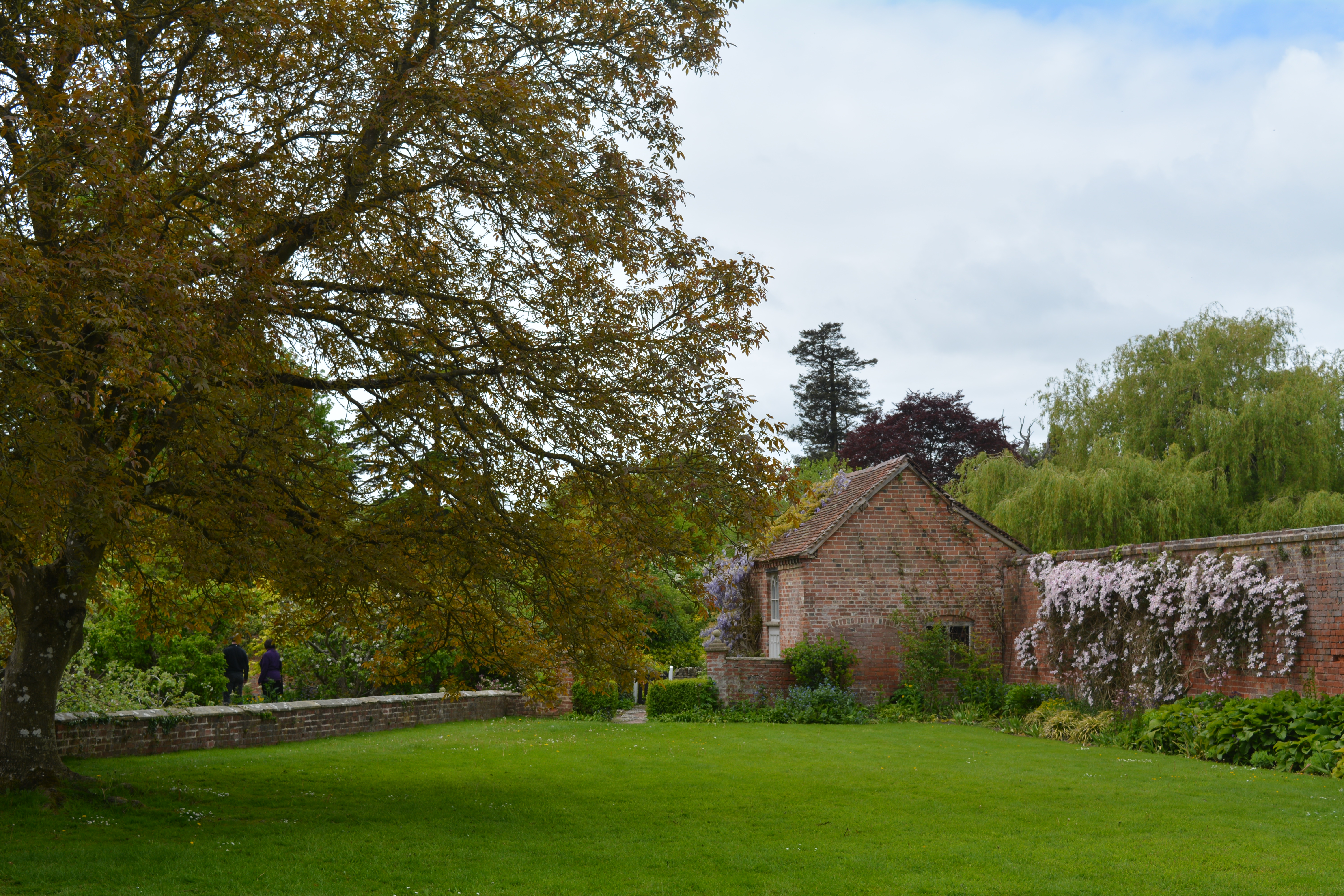
On the walls of the buildings close to the walled garden roses were in full bloom.

2015 05 22_1870 2015 05 22_1871

As we passed through the gateway into the waled garden we were amazed by how much the first view had changed. It simply looked so green and lush.

2015 05 22_1872 2015 05 22_18732015 05 22_1874 2015 05 22_18752015 05 22_1869 2015 05 22_1877

For the first time this year the vineyard at Croft was showing signs of growth with shining bronze-green leaves bursting from every bud.

2015 05 22_1879 2015 05 22_1880

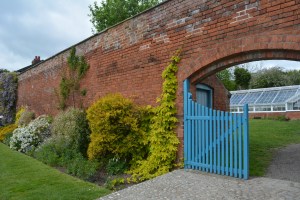
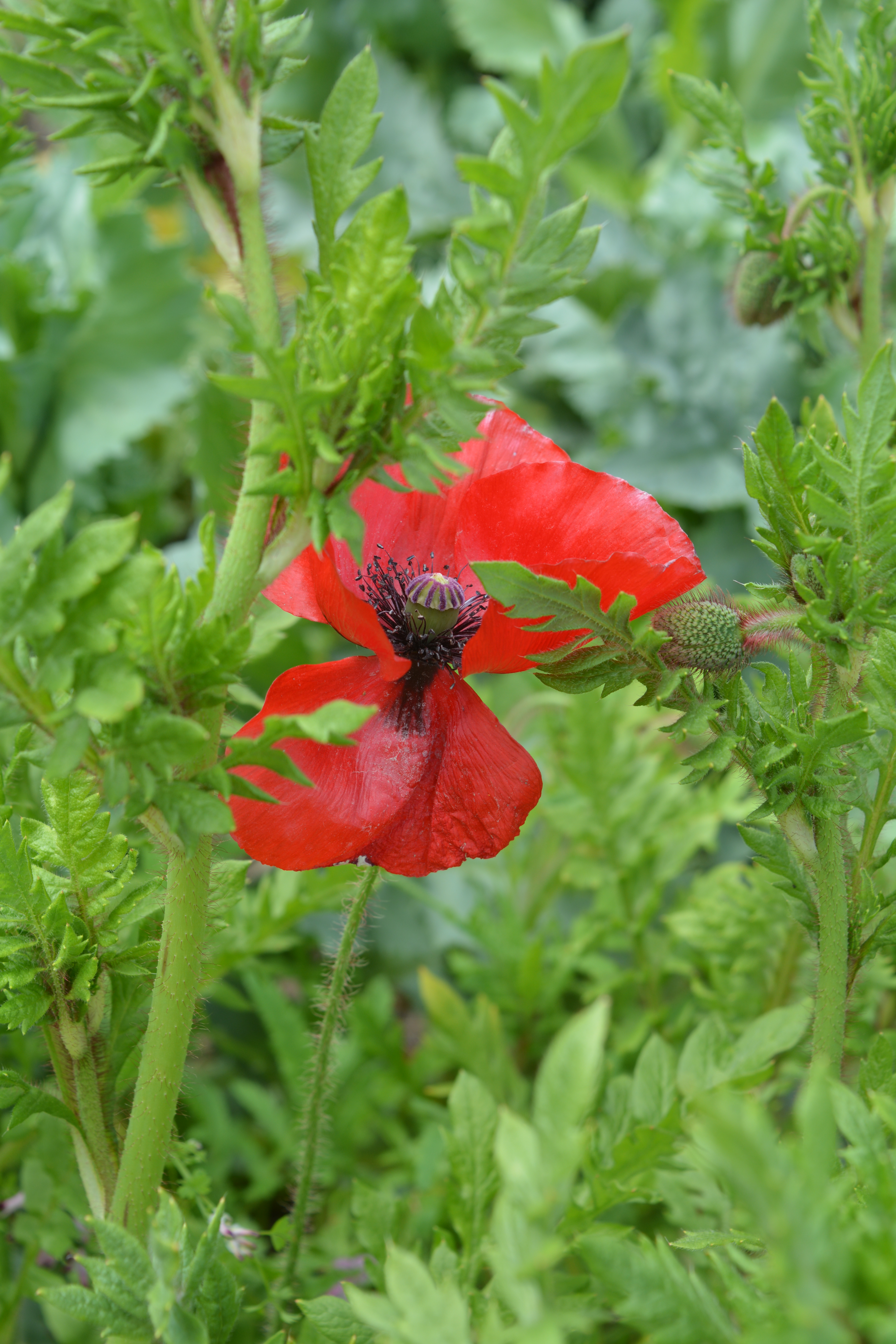
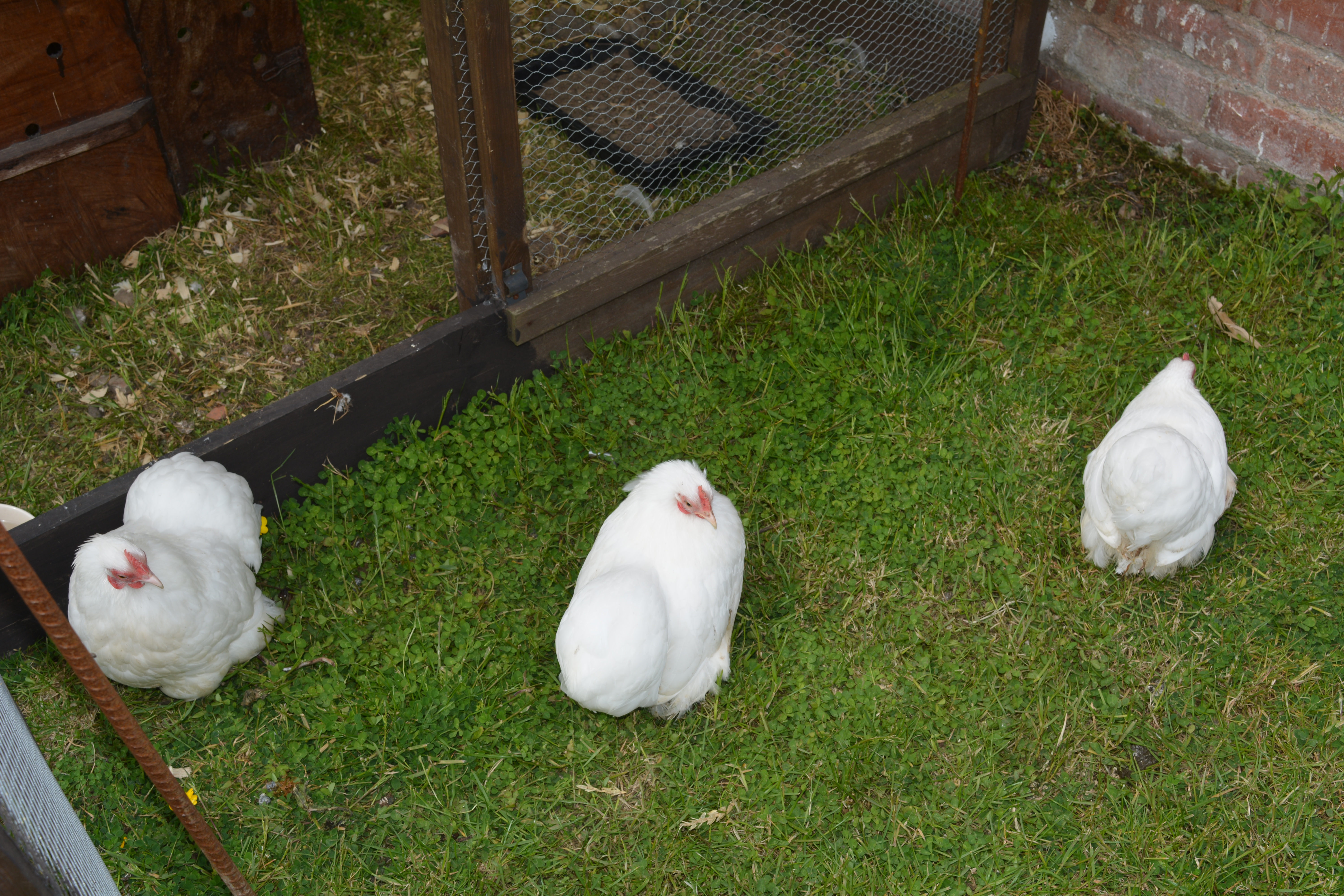
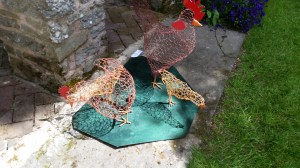
We expected to see major changes as we walked through the blue gates to look at the greenhouse and the surrounding garden. Bright reds of poppies hit us first but close by these cute bantams were definitely new. We certainly found plenty of colour in the greenhouse as plants under cover were flowering way ahead of their normal time.

2015 05 22_1884

2015 05 22_1885 2015 05 22_18862015 05 22_1887

2015 05 22_1891 2015 05 22_1892

Leaving the greenhouse area back through the blue gates we could see that the productive gardens had made a lot of progress since our visit in April. Gooseberries were fruiting and rows of vegetable plants were now established. The sunshine brought out the colours in the borders along the walls.

2015 05 22_1893 2015 05 22_1895 2015 05 22_1896 2015 05 22_1899 2015 05 22_1900 2015 05 22_19062015 05 22_1907 2015 05 22_1904

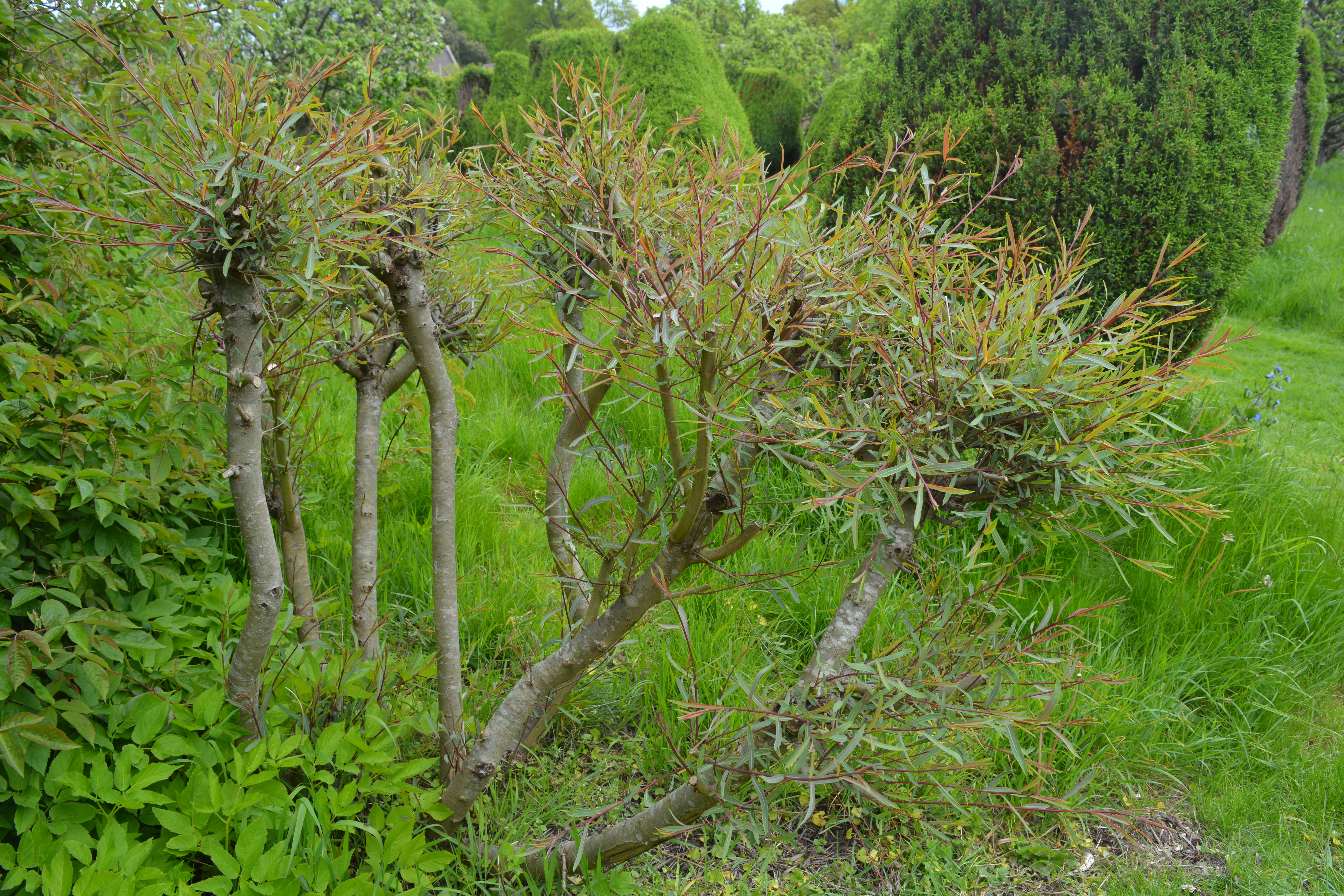
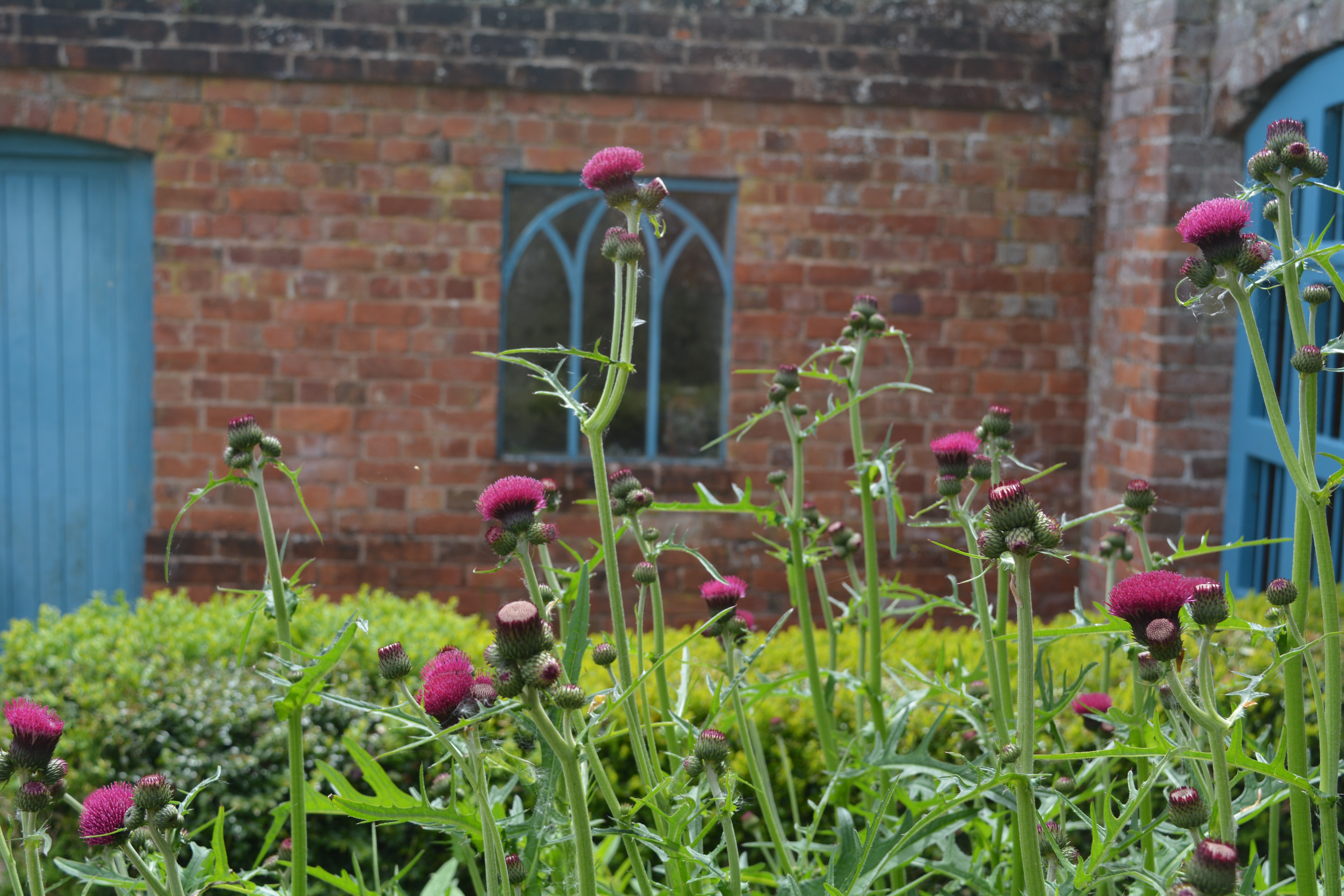
We just had to stop to admire these beautifully pollarded willows, now regrowing strongly. The Cirsium rivulare was in full bloom and looked good against the old garden buildings.

2015 05 22_1908 2015 05 22_19092015 05 22_1911

Along the fourth side of the walled garden the light was so bright that colours seemed extra vibrant and exciting.

2015 05 22_1912 2015 05 22_1913 2015 05 22_1914 2015 05 22_1916 2015 05 22_1915 2015 05 22_1917 2015 05 22_1918 2015 05 22_1919 2015 05 22_1920 2015 05 22_1921

For the first time this year there was interest in the Rose Garden with groundcover beneath the roses in flower and indeed the first roses were open and giving the gift of their scent to anyone passing by.

2015 05 22_1922 2015 05 22_1923 2015 05 22_1924 2015 05 22_1925 2015 05 22_1926 2015 05 22_1927

After leaving the walled garden we wandered around castle itself where we enjoyed tempting views over the meadows to the lake and countryside beyond.

2015 05 22_1935 2015 05 22_1937 2015 05 22_1938 2015 05 22_1939 2015 05 22_1940

The open gate into the meadows was just too tempting for us. We followed a mown path through the wildflowers.

2015 05 22_1941 2015 05 22_1942 2015 05 22_1943 2015 05 22_1945

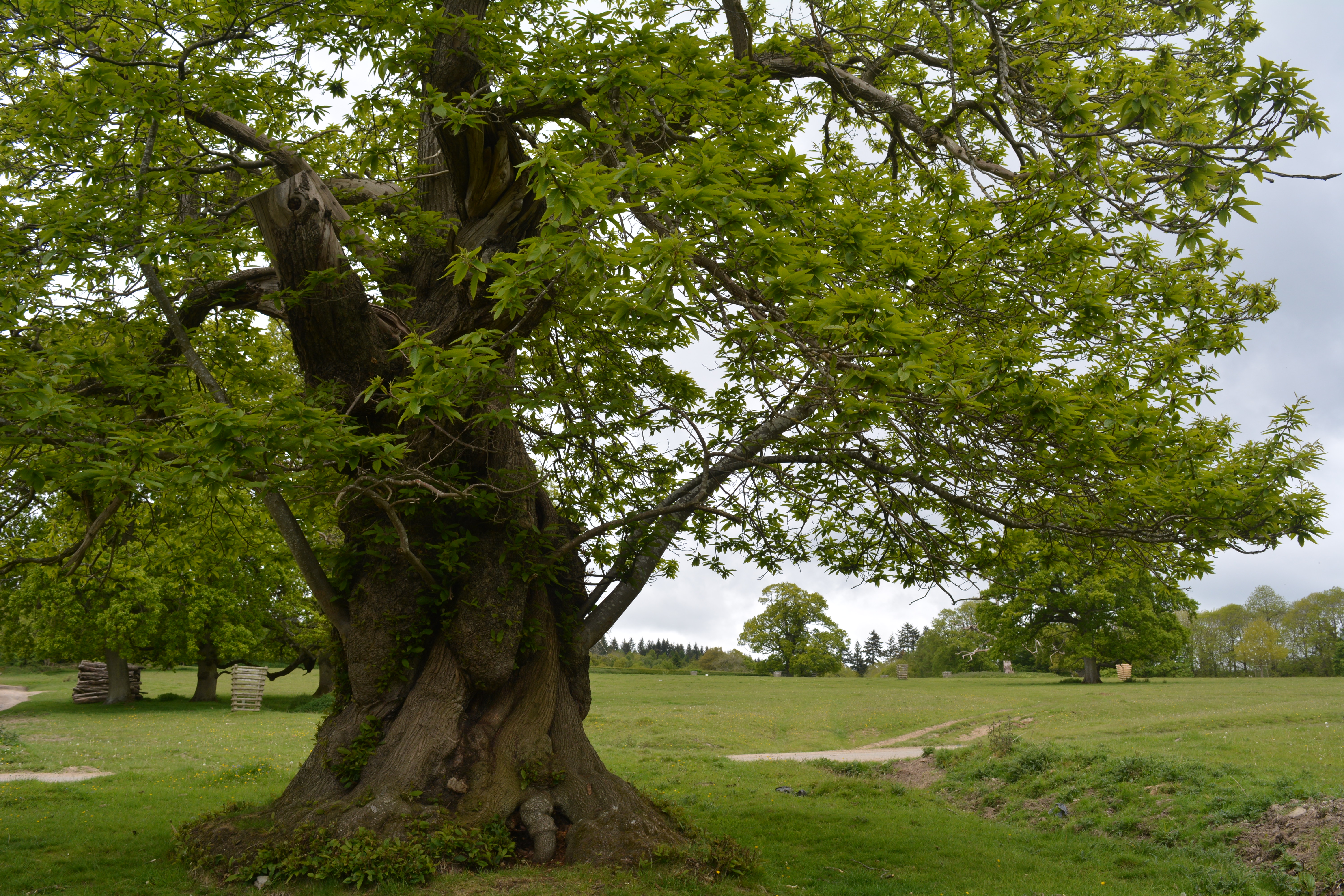
Croft is well-known for its ancient Sweet Chestnut trees. We were fascinated by the texture of the bark on this group.

2015 05 22_1946 2015 05 22_1947 2015 05 22_1948 2015 05 22_1949 2015 05 22_1950 2015 05 22_19542015 05 22_1957 2015 05 22_1958 2015 05 22_1959 2015 05 22_1960

Our next visit in June will be the half way mark through our year of visiting Croft Castle gardens.


Categories
colours fruit and veg garden ponds garden pools garden seating gardens gardens open to the public grow your own kitchen gardens National Garden Scheme ornamental trees and shrubs outdoor sculpture poppies recycling sculpture shrubs trees walled gardens water garden water in the garden Yellow Book Gardens

Yellow Book Gardens – 4 – Upper Shelderton Hall

We set out to visit our fourth Yellow Book garden on a cloudy day that promised showers and with a chill in the air. However as we drove down through the Shropshire countryside the skies cleared and the temperature rose. We left the main road and traveled down lanes that got more narrow as we got closer to our destination, the village of Shelderton.

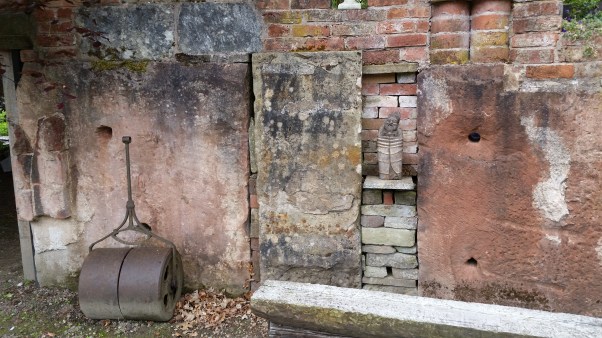
The garden at Upper Shelderton Hall spread to over 6 acres and was mostly a wooded garden with areas of Rhodendrons and borders of herbaceous plantings. As usual we began with tea and cake which we enjoyed sat in the strangest walled garden we had ever experienced. The walls were a truly original creation. Each section was a sculpture in its own right made from a conglomeration of found or collected bricks and stones and ephemera.

2015 05 25_1966 2015 05 25_1964 2015 05 25_1987

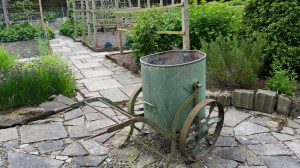
From our seat where we enjoyed our refreshment we could enjoy these amazing walls and also take in glimpses of the kitchen garden nearby. An old water trolley now unused sat alongside.

2015 05 25_1965 2015 05 25_19882015 05 25_1990

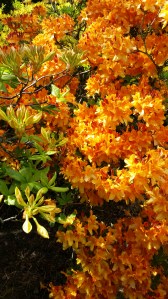
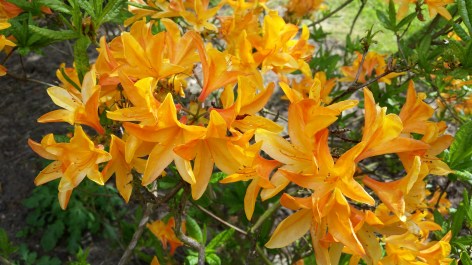
After a wander around the fruit and veg beds we made our way towards a border that glowed with bright yellows, oranges and reds. We discovered that the bright blooms were those of a collection of deciduous Rhodendrons. Our noses were also delighted by these shrubs as the yellow ones had the richest sweetest of fragrances.

2015 05 25_19672015 05 25_1977 2015 05 25_19782015 05 25_1979

We wandered on through the shade of wooded areas with the sound of a stream wandering through it and the scent of Bluebells following our every step.

2015 05 25_19762015 05 25_1970 2015 05 25_1969

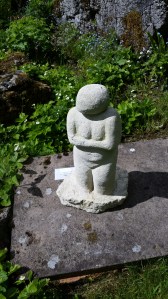
Leaving the shade of the tall trees we stumbled across a beautifully planted pond with crystal clear water. On one bank we discovered a lovely little stone carving, the first of several interesting pieces of sculpture we were to find in the gardens.

2015 05 25_19732015 05 25_1975 2015 05 25_1972 2015 05 25_19852015 05 25_1971 2015 05 25_1989

On the edge of the main garden was an area of more mature woodland of mixed deciduous and coniferous specimen trees. Beneath them larger evergreen Rhodendrons provided splashes of colour.

2015 05 25_1986 2015 05 25_1983 2015 05 25_19802015 05 25_1981 2015 05 25_19822015 05 25_1984

This comfortable set of table and chairs was simply too enticing for us. We just had to have more teas and cakes in order to try them out!

2015 05 25_1963

As we enjoyed our refreshment we also enjoyed the colourful planting around us.

2015 05 25_1991 2015 05 25_1992 2015 05 25_1996

We also looked up to spy this imposing cockerel windvane.  Once we had enjoyed our refreshment we left the gardens of Upper Shelderton Hall having enjoyed yet another brilliant Yellow Book garden. We can’t wait for the next!

2015 05 25_19942015 05 25_1993


Categories
colours ornamental trees and shrubs spring gardening trees

Cercis – the best tree for the May garden?

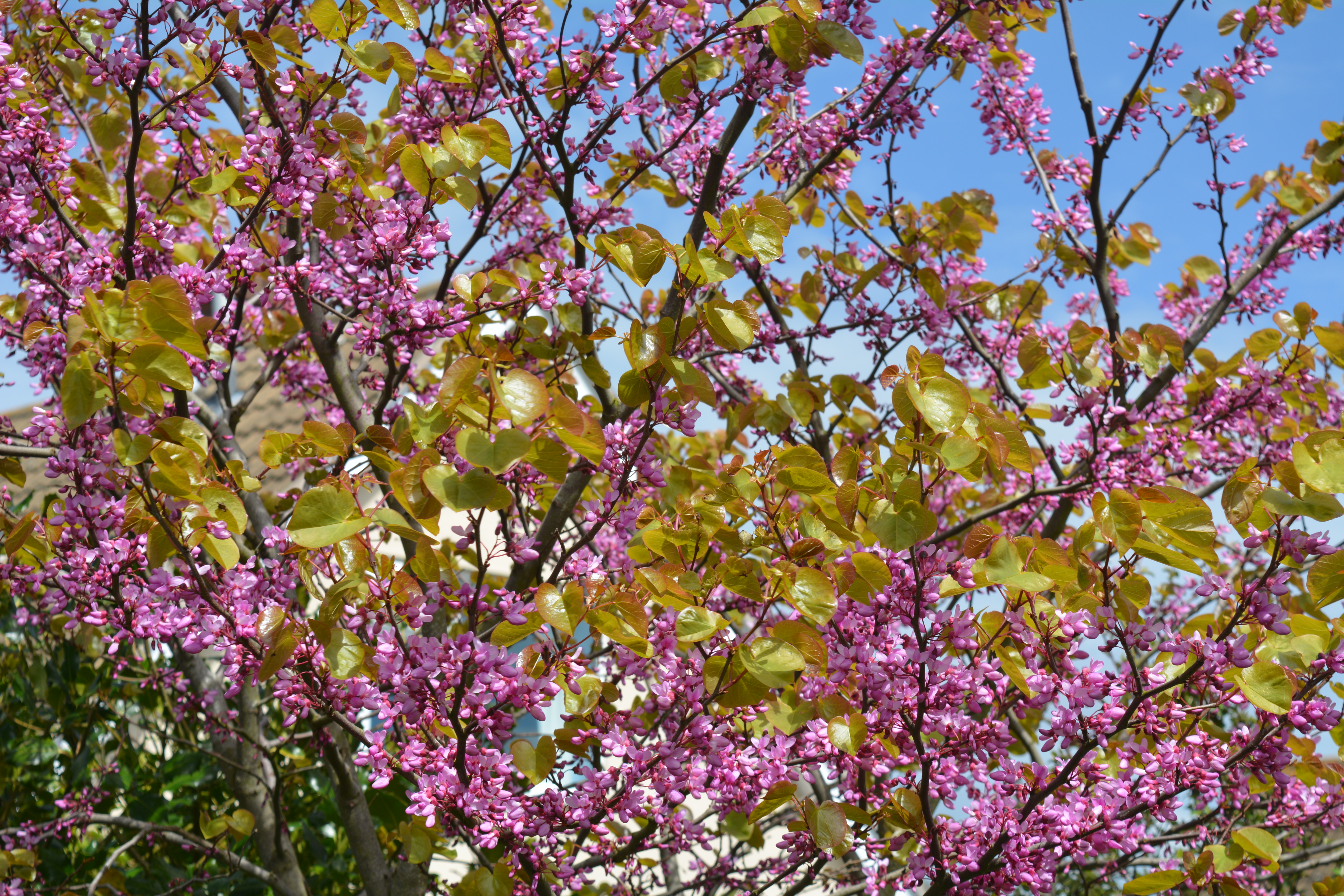
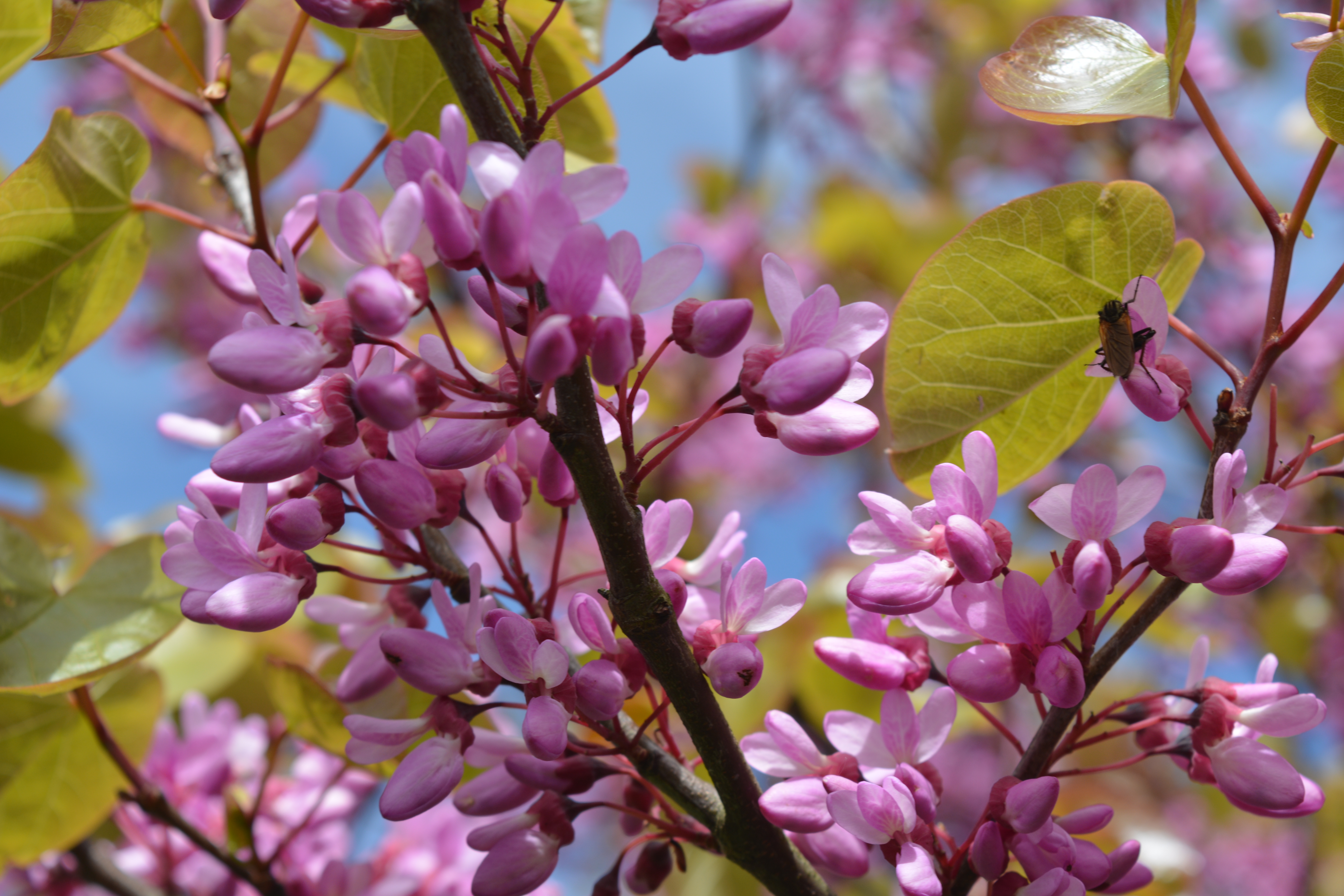
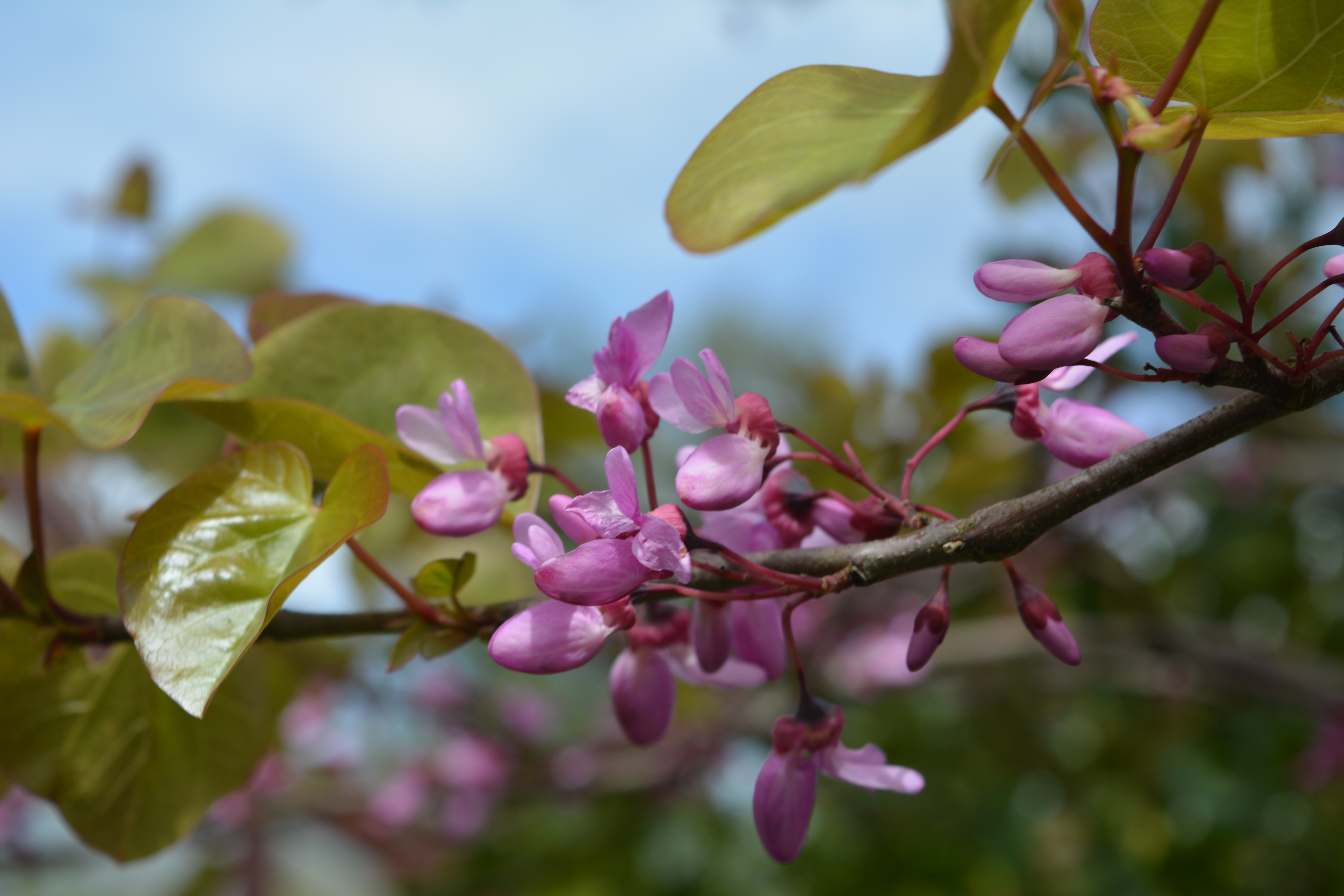
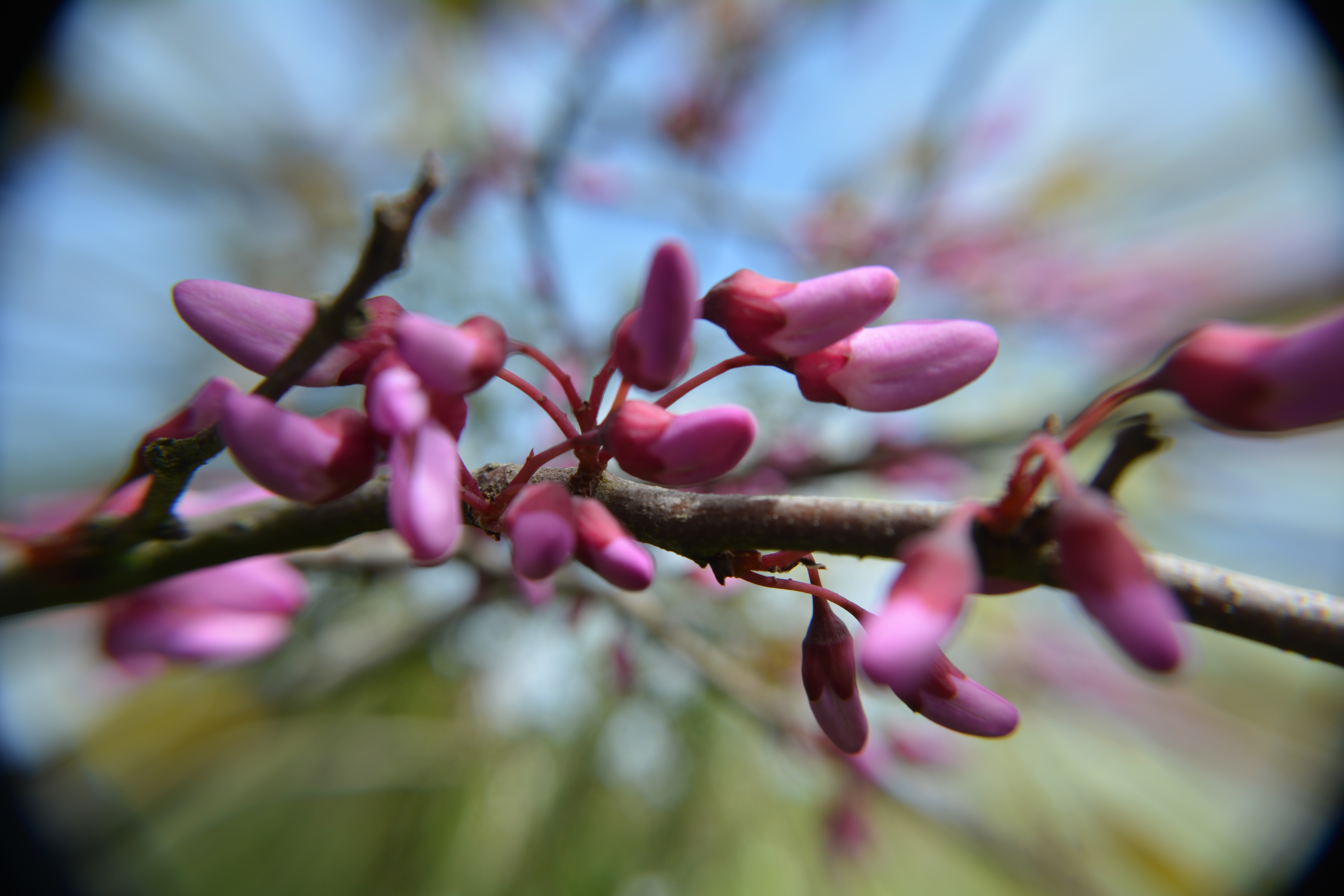
We have a Cercis canadensis in our garden and every year we look forward to its flowering period. The flowers are like small pea flowers and are the deepest brightest pink possible. In some years the flowers come before the leaves make their appearance and in others the leaves and flowers are out together. This May the flowers are at their best just as the leaves are appearing so we can appreciate the pink flowers against the new bronze foliage. Strangely the flowers form straight on the bark of the trunks and branches of this Cercis which attracts attention from our garden visitors.

The common name for this tree is the Judas Tree.

Simply enjoy my photos of this wonderful tree.

2015 05 21_1846 2015 05 21_1848 2015 05 21_1849 2015 05 21_1850   2015 05 21_1853 2015 05 21_1854 2015 05 21_1855 2015 05 21_1856 2015 05 21_1857


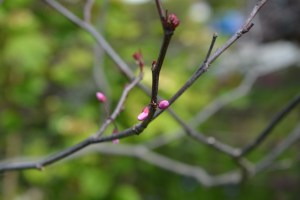
We have a close relative in the front garden called Cercis canadensis “Forest Pansy” which is grown for its deep purple foliage and its black branches in winter. Where we live in the UK midlands this tree doesn’t normally flower but this year following a wet winter and warm dry early spring ours is trying hard to bloom. The buds have been half-open for over a month now and seem to be struggling to open. Perhaps a warm and sunny period of weather will spur it on. Fingers crossed!


2015 05 21_1851 2015 05 21_1852

Categories
colours gardening recycling trees Winter Gardening

The Wonder of Willows – part two

For part two in this series about the wonder of willows we start in our own garden at our home “Avocet” in Shropshire. The first photo shows our striking, architectural Salix erythrocadium flexuosa with the orange coloured tips to its thinnest branches. Together with the colour, the amazing curling, spiraling branches impress everyone who sees it.

2015 02 17_9590 2015 03 15_9902 2015 03 15_9903

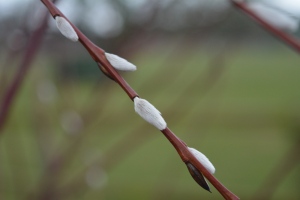
Close by our Violet Willow is equally impressive with its almost black stems which develop a white bloom in the winter. In the late winter and into early spring it produces strongly contrasting sparkling white catkins.

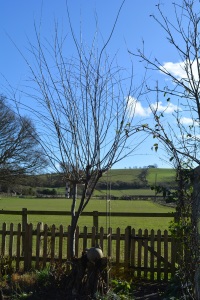
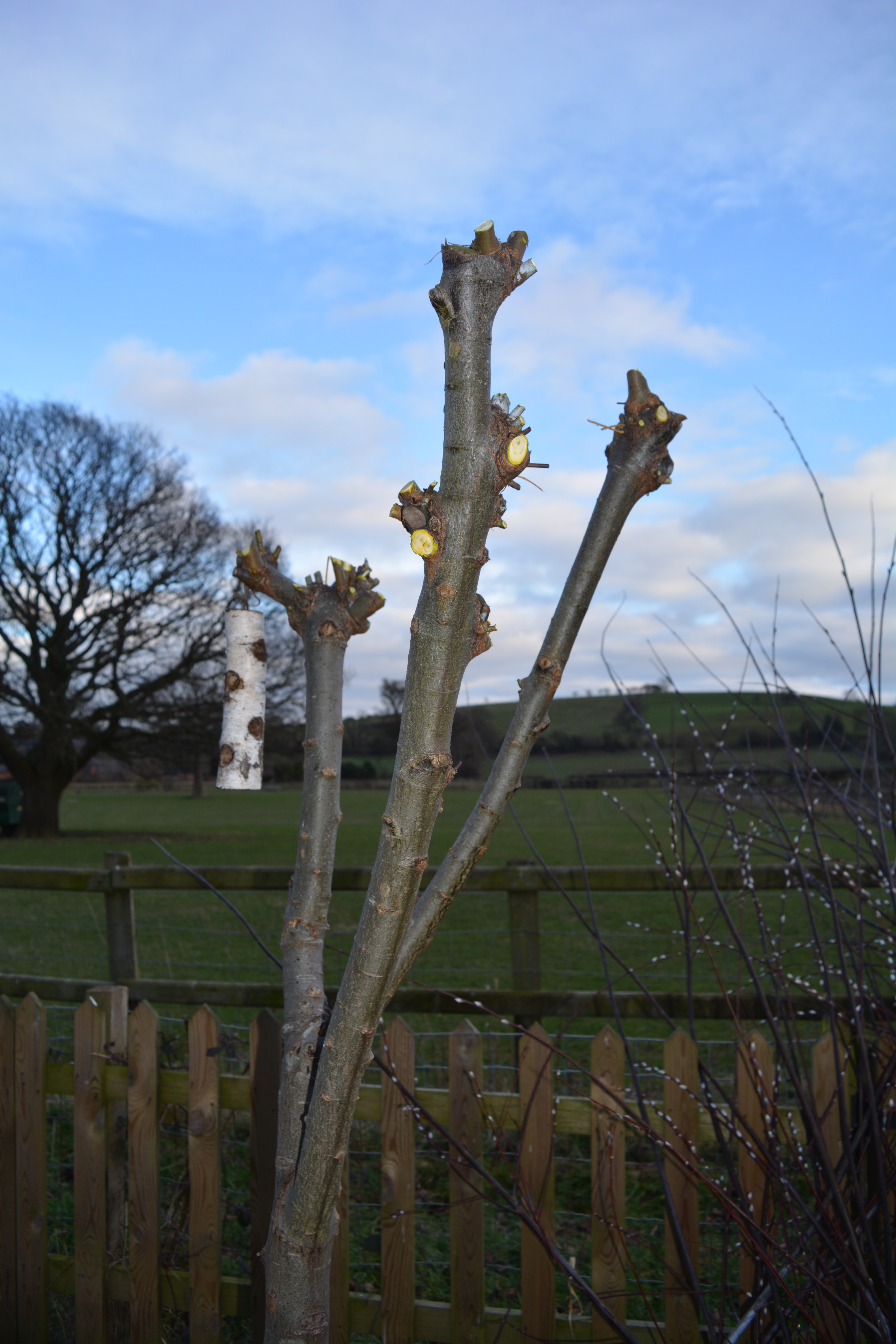
As the group of photos below show we have trained this as a pollarded specimen with its branches pruned down to the pollard stumps at about 8 to 9 feet. This is just tall enough to help us appreciate its catkins against the ever changing sky and also to make pruning easy.

2015 02 17_9594-1 2015 02 17_9581-1 2015 02 17_95772015 02 17_9597-1 2015 02 17_9596-1 2015 02 17_9579-1 2015 02 17_9580-1

In late February or early March each year we prune it hard to give it its skeletal pollarded shape.

2015 02 17_9583-1 2015 02 17_9582-1

These two photos show how much material we pruned off it this year and the amazing range of colours.

2015 02 17_9584-1 2015 02 17_9585-1

Apart from these two specimen willow trees we have this ground hugging Salix variety that barely rises an inch above ground level.

2015 02 17_9599_edited-1  2015 02 17_9598


Categories
colours conservation countryside gardening landscapes nature reserves ornamental trees and shrubs trees Wildfowl and Wetlands Trust Winter Gardening

The Wonder of Willows – part one

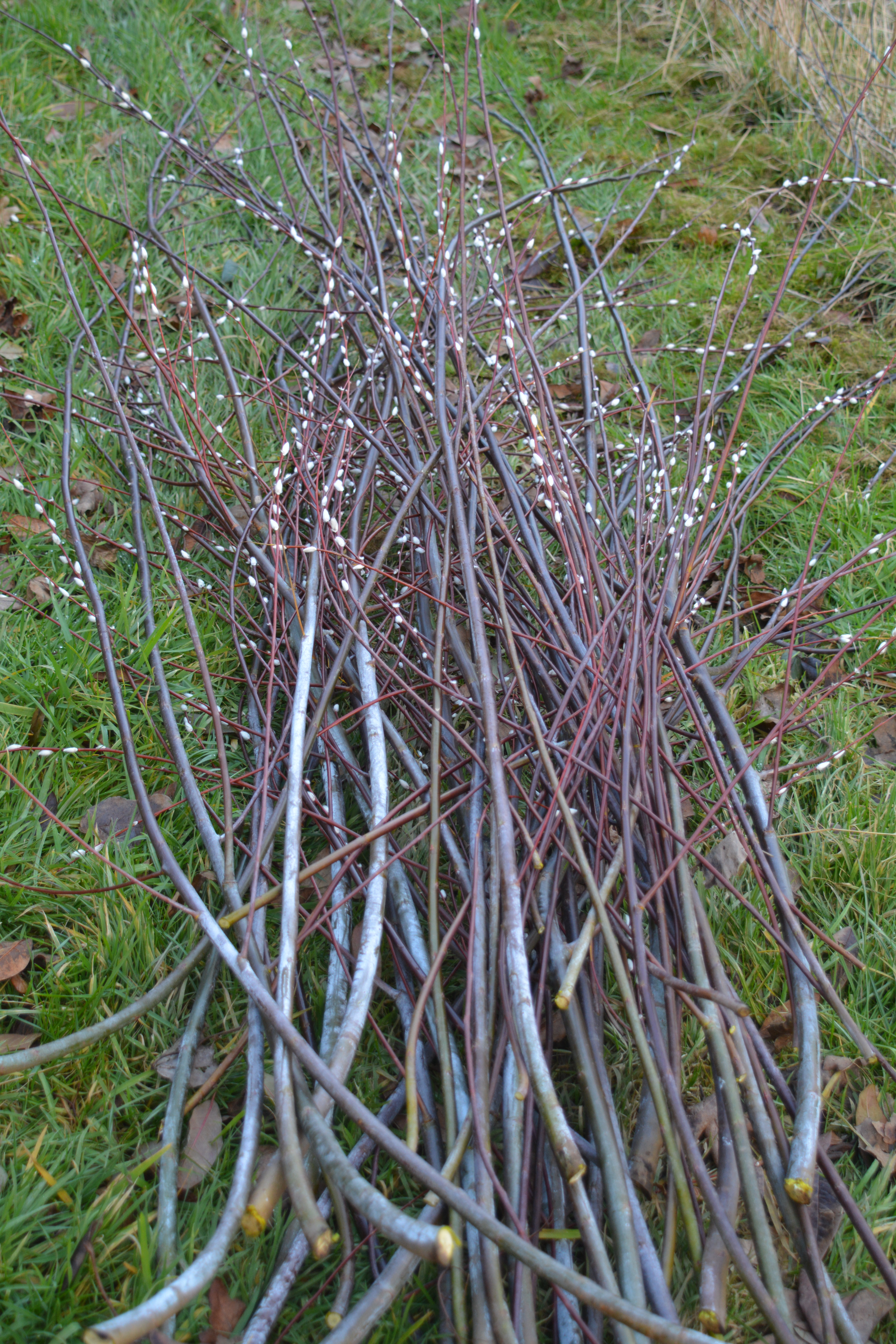
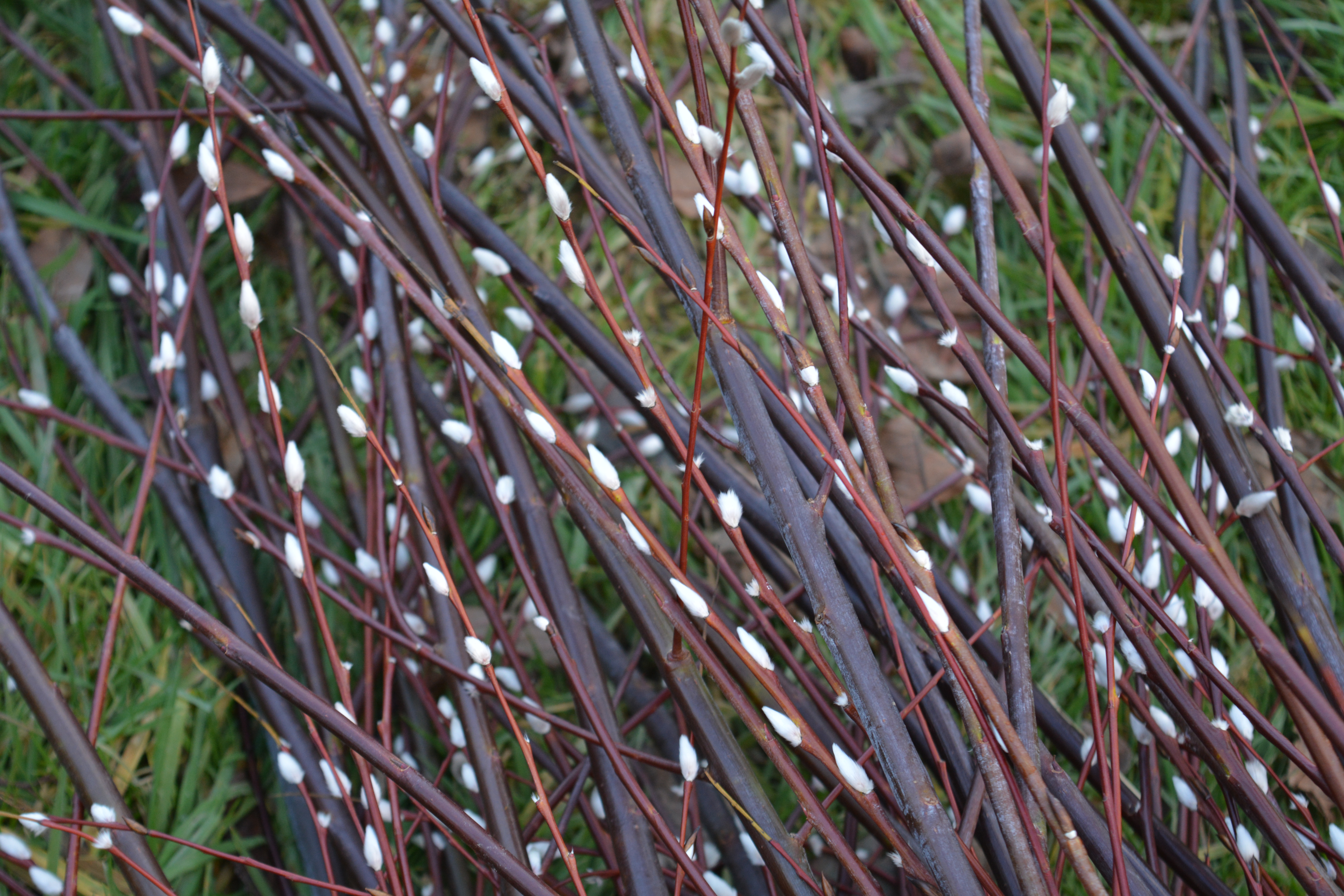
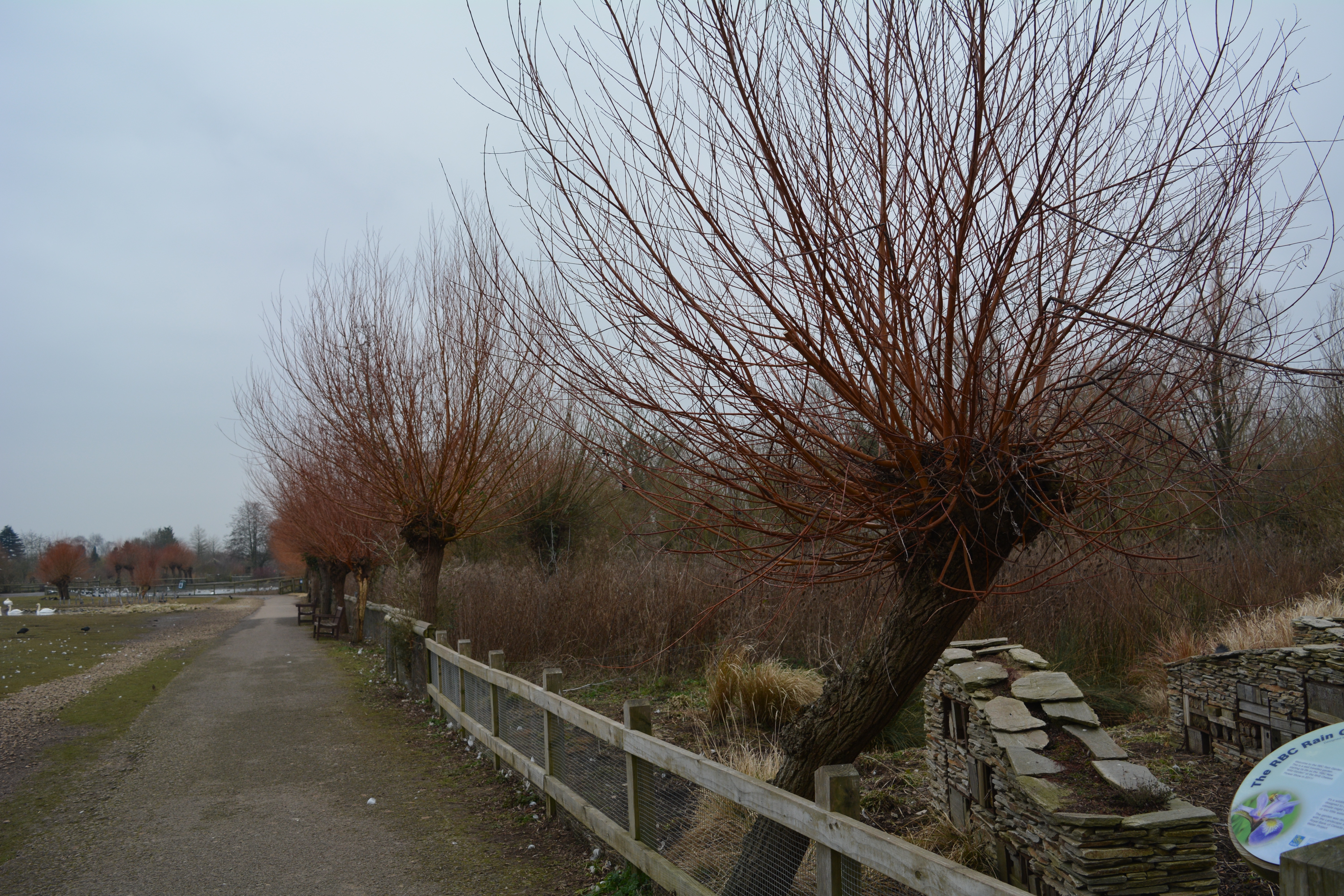
We spent a cold February day at the Wildfowl and Wetland Trust reserve in Gloucestershire, Slimbridge. Work was going on coppicing and pollarding the many willows around the site. It is so good to see this ancient countryside craft still being practised. Many of the willows here at Slimbridge are ancient but there is plenty of planting of willows going on all the time. When the trees have been cut the wands are used around the site. In other parts of the country the willow prunings are used in cottage industries like basket making and hurdle making. Larger pieces are also used as fuel. Willows are so useful but also very beautiful, the branches of no two ever seem the same ranging from greens and yellows to oranges and reds. One in our garden has even got black branches which develop a white bloom on them in the winter, making it a beautiful addition to our garden.

The photo below shows a grove of willows through an observation hatch in a hide.

2015 02 12_9480

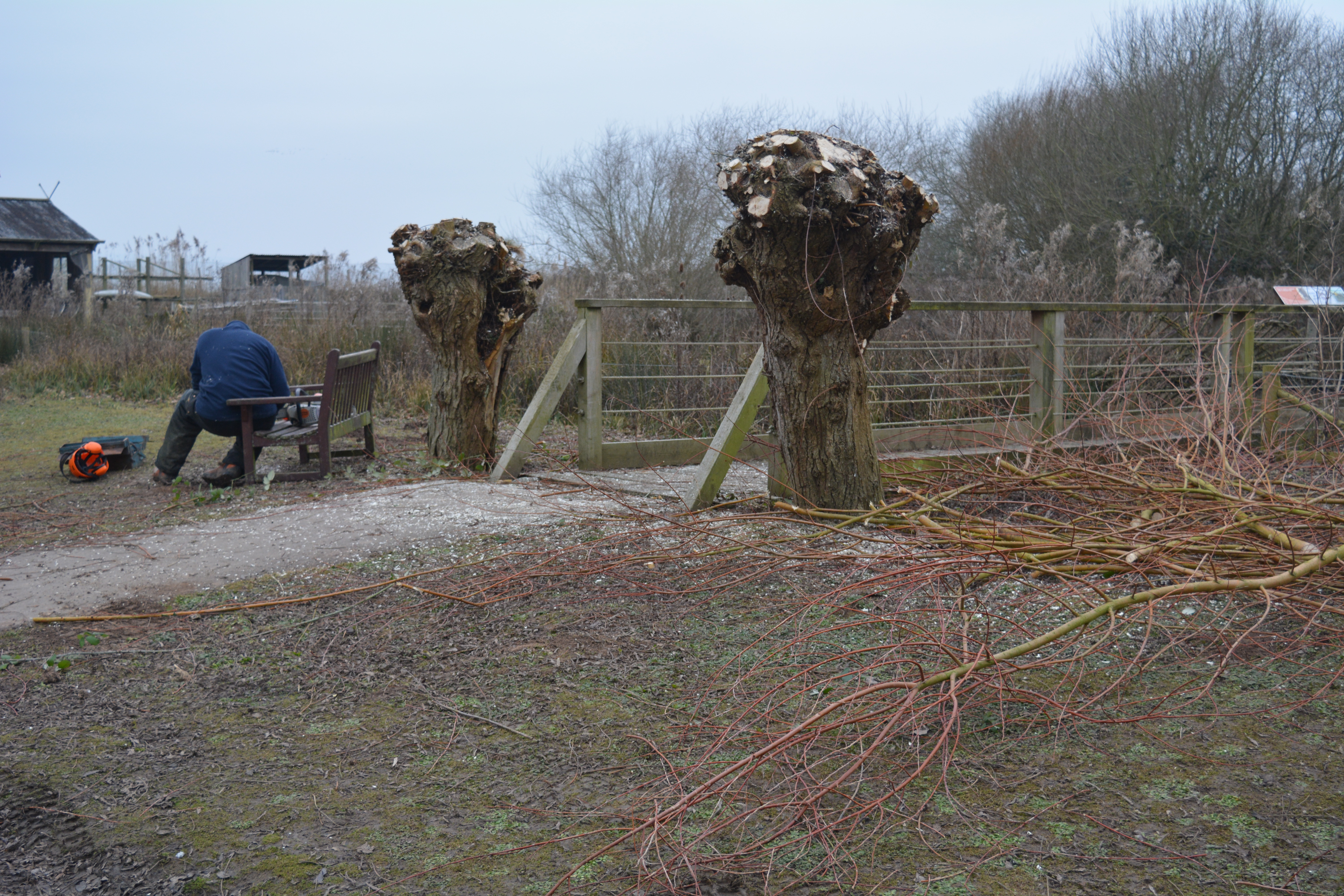
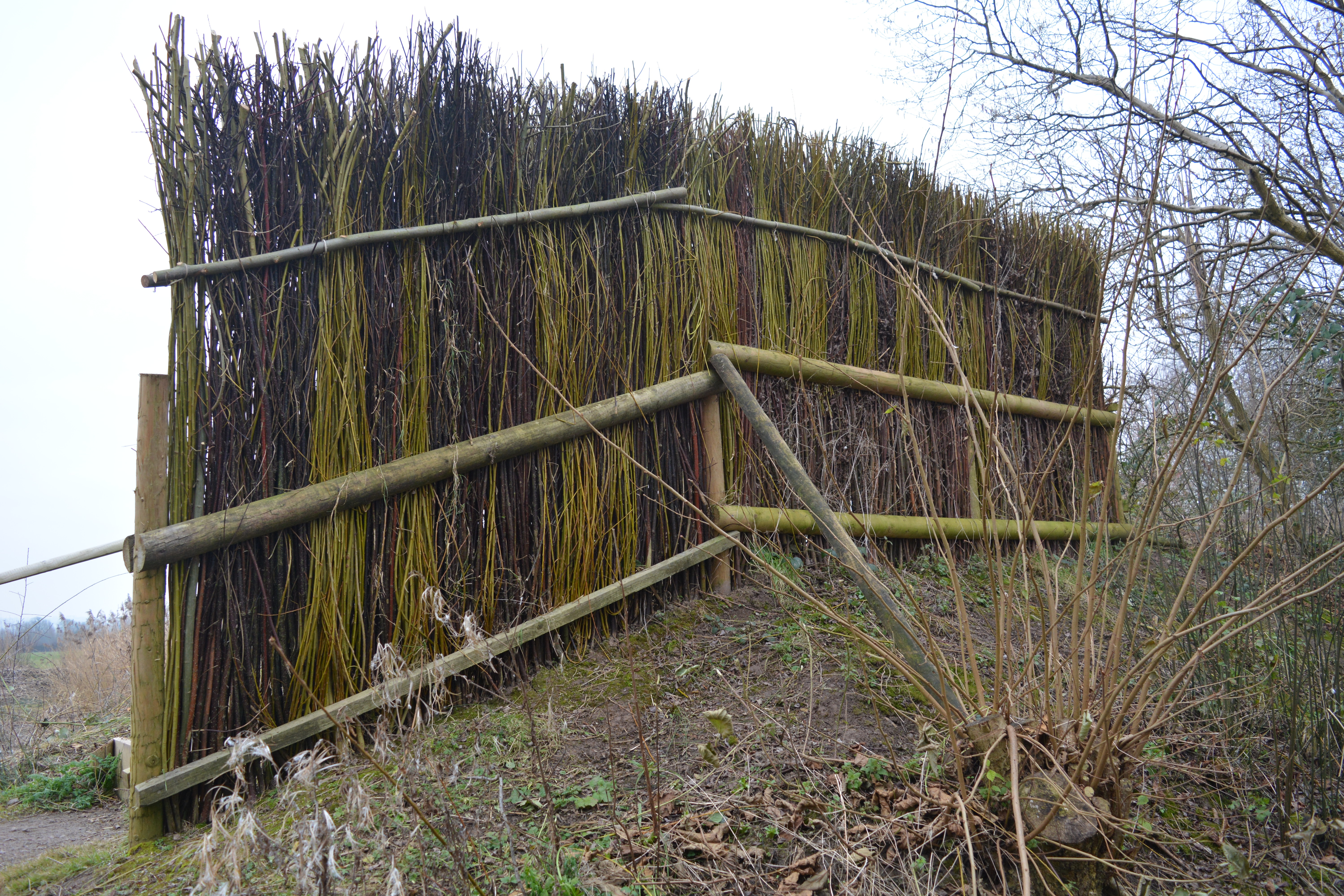
The photo below photo shows a craftsmen head down sharpening his tools and having a break from pollarding these ancient willows. The wands when cut are delivered around the site where they are used to make screens which allow the public to walk around the site without disturbing the wildfowl and waders feeding in the lakes, scrapes and estuarine mud.

2015 02 12_94632015 02 12_9467 2015 02 12_9466

There is evidence of recent coppicing and pollarding at every turn.

2015 02 12_9465

The pair of pictures below show a freshly cut willow and another showing strong regrowth.

2015 02 12_9458 2015 02 12_9451

Some of the older willow trees line the main paths and looking close up you can see the gnarled bark. Some are hollowed out so that in extreme case only a tube of trunk remains.

2015 02 12_9438 2015 02 12_9448 2015 02 12_9450 2015 02 12_9455 2015 02 12_9457

Enjoy this little gallery of photos of individual trees.

2015 02 12_9461 2015 02 12_9462 2015 02 12_9464 2015 02 12_9469 2015 02 12_9470

We came across groves of small willows pollarded at about 4 feet high. When freshly cut they look like a busy crowd of people.

2015 02 12_9476

2015 02 12_9472 2015 02 12_9473

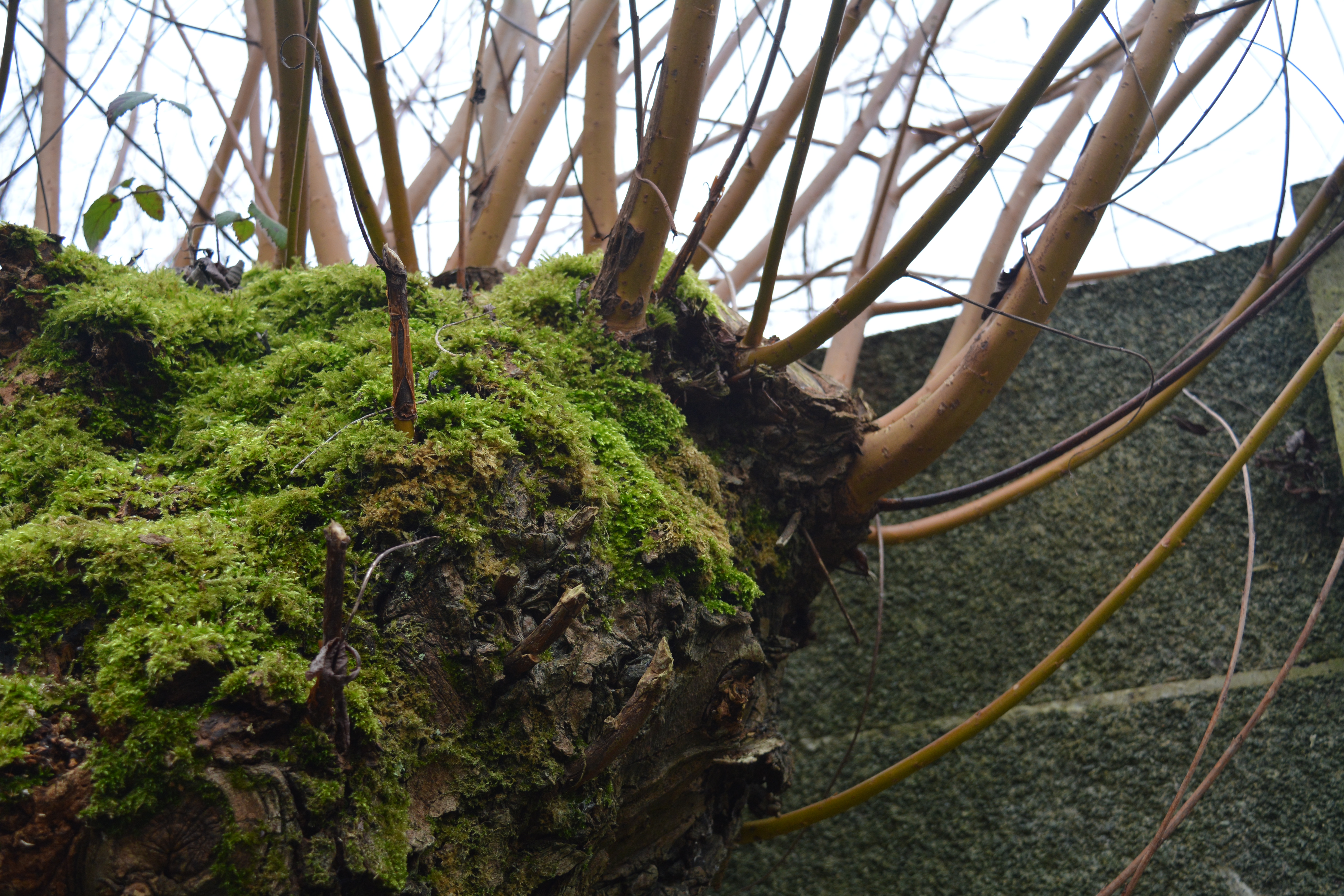
The bowls of ancient willow after years of being subject to regular pollarding create a perfect moist area for mosses to thrive.

2015 02 12_9474 2015 02 12_9475

So there we have it – a brief appreciation of the willows at Slimbridge. They have an important role to play in these wild areas but of course they can also star in our gardens. But, as they say, that is a different story. Soon we will need to pollard and prune the many willows we grow in the community gardens of our allotment site. I shall post a blog celebrating those willows soon.

2015 02 12_9454 2015 02 12_9471

So there we leave Slimbridge with its wonderful willows and look forward to my next post about willows, featuring these versatile trees growing in much smaller places.


This Veggie Life

A Vegetarian | Nature Lifestyle Blog

Rambling in the Garden

.....and nurturing my soul

The Arch City Gardener

Journeys In St. Louis Gardening and Beyond

Garden Dreaming at Châtillon

Consult the genius of the place

Storyshucker

A blog full of humorous and poignant observations.

gardeninacity

Notes from a wildlife-friendly cottage garden

PlayGroundology

...an emerging social science

The Official Blog of British Wildlife

'The most important and informative publication on wildlife of our times' - The Independent. This blog is a member of The UK & Ireland Natural History Bloggers group: www.uknhb.blogspot.com

iGrowHort

Inspire - Cultivate - Grow Native Plants - Restore Landscapes

Bishops Meadow Trust

To create and protect a semi-natural wild space for the people of Farnham to enjoy and experience an array of British wildlife in our town

Gardening with Children

The www.gardeningwithchildren.co.uk Blog

UKbirdingtimeline

birding through the seasons, why birds matter and how to conserve them

NATURE WALKER

with a camera in hand

Jardin

Transform your outdoor space

Eva's space

My allotment, cooking and other interests

Old School Garden

my gardening life through the year

LEANNE COLE

Trying to live a creative life

fromacountrycottage

trying to live as lightly as possible on our beautiful planet

Good Life Gardening

Nature lovers from Leicester living the good life.

mybeautfulthings

Finding the beautiful in the everyday

mawsonmichelle

Michelle's Allotment

In and Out of My Garden

thoughts from and about my garden

Greenhousing

Big plans for a small garden

The Scottish Country Garden

A Walled Country Garden in South East Scotland

The Fruity Chicken

Life at the fruity chicken

willowarchway

Off grid living. Self sufficient. "PERMAGANICS RULE".

St Anns Allotments

Nottingham's Grade 2* Listed Allotments and Community Orchard

Manifest Joy Harvests

a journey in suburban vegetable gardening

Allotmental

The madness of growing your own

Penny's Garden: a harvest beyond my front door

A novel approach to vegetable gardening

arignagardener

Sustainable living in the Irish countryside.

NewEnglandGardenAndThread

Master Gardener, amateur photographer, quilter, NH native, and sometimes SC snowbird

dianajhale

Recent work and work in progress and anything else that interests me

planthoarder

a chaotic cottage gardener

Lens and Pens by Sally

a weekly blog that creates a personal philosophy through photographs and words

Dewdrops and Sunshine

Stories from a sassy and classy Southern farmbelle.

The Pyjama Gardener

Simple Organic Gardening & Seasonal Living

gettin' fresh!

turning dirt into dinner

JOY...

today the world is created anew

Garden Birds

Notes from a Devon garden

ShootAbout

Life Through The Lens

Adapting Pixels

A photography blog showcasing the best photography pictures and videos on the internet

Wildlifegardening's Blog

Just another WordPress.com site

naturestimeline

personal observations from the natural world as the search continues for a new approach to conservation.

LATEBLOOMERBUDS

The Wonders of Life through my Eyes, my Heart, my Soul