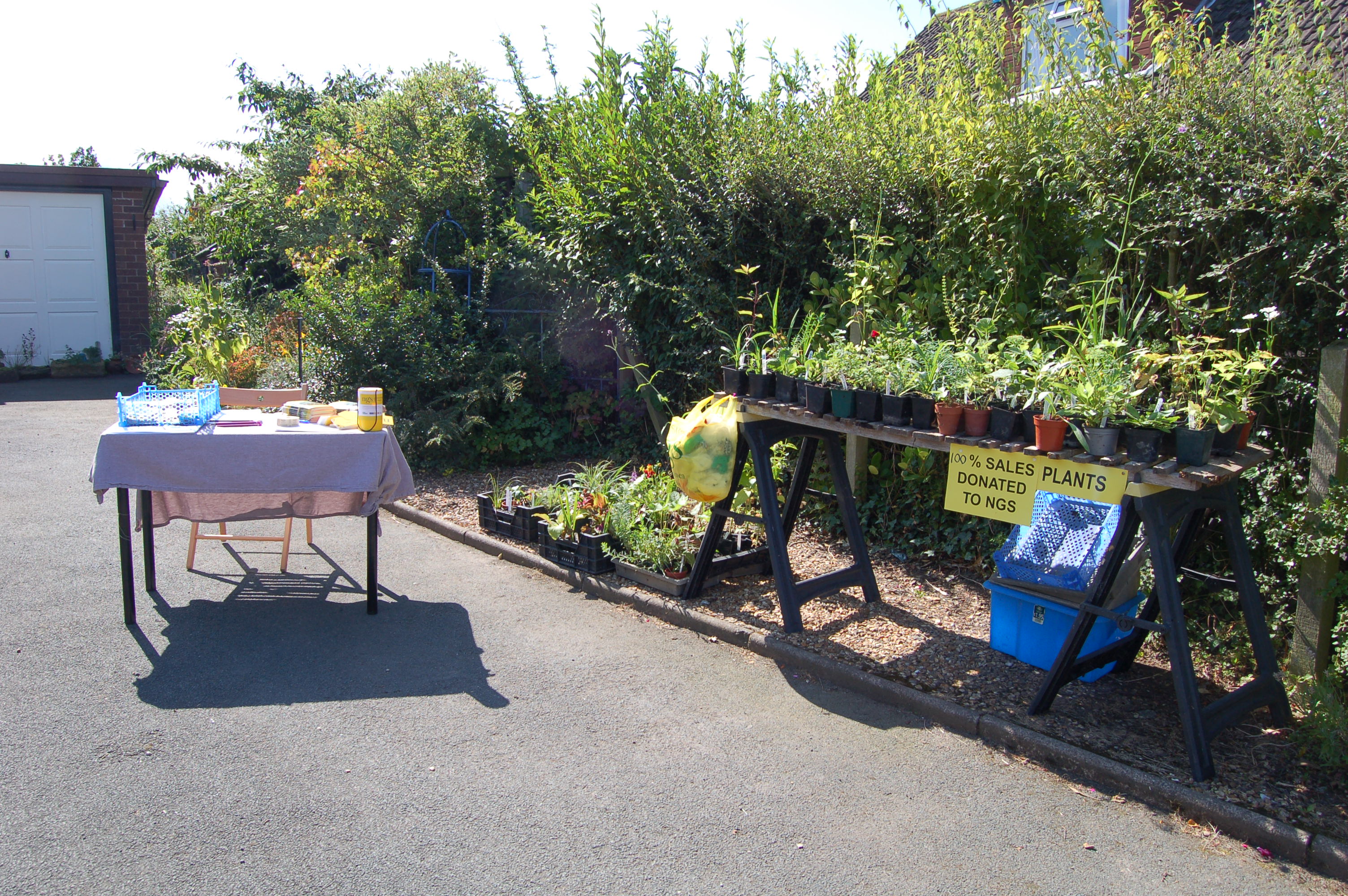
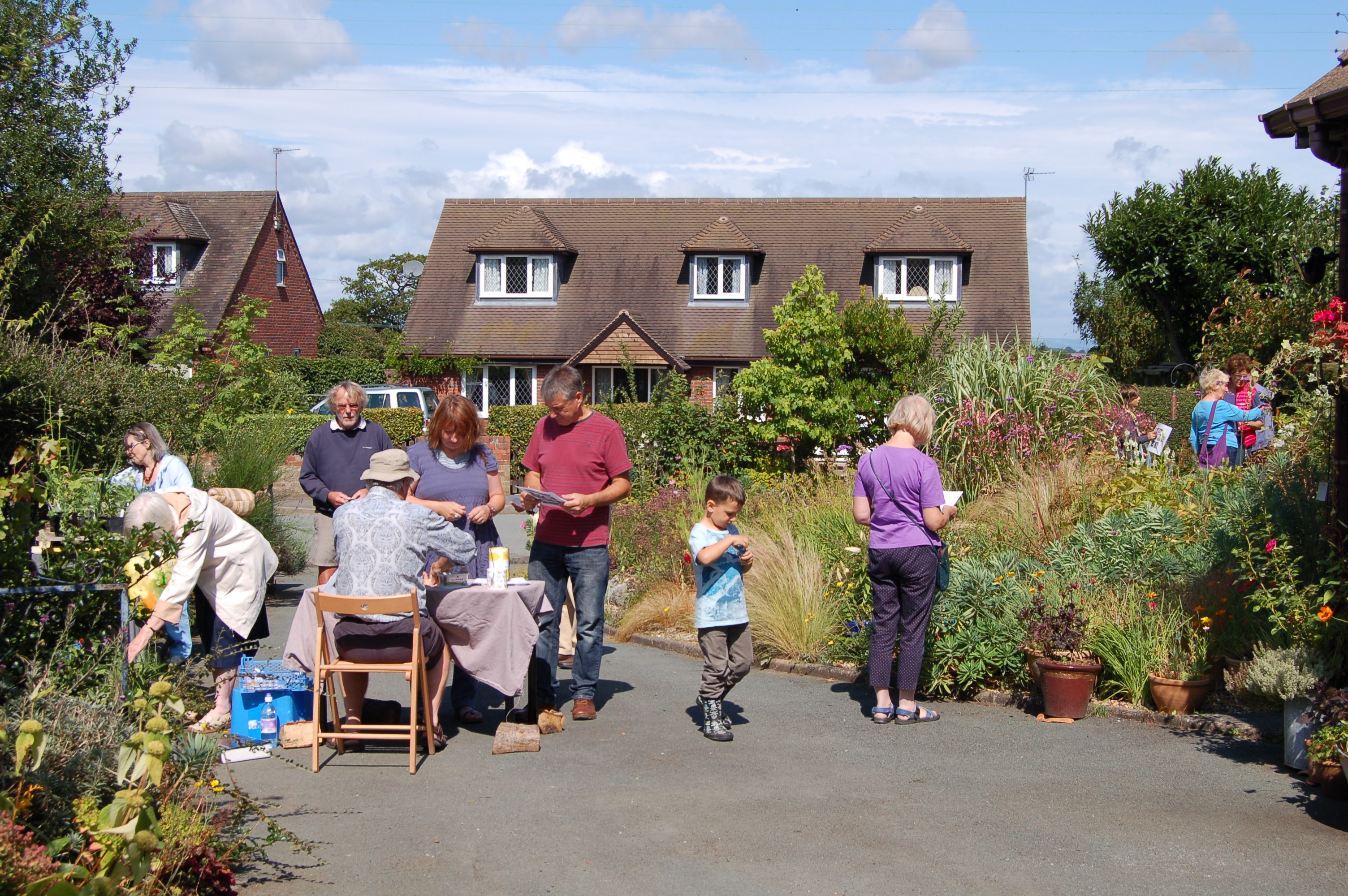
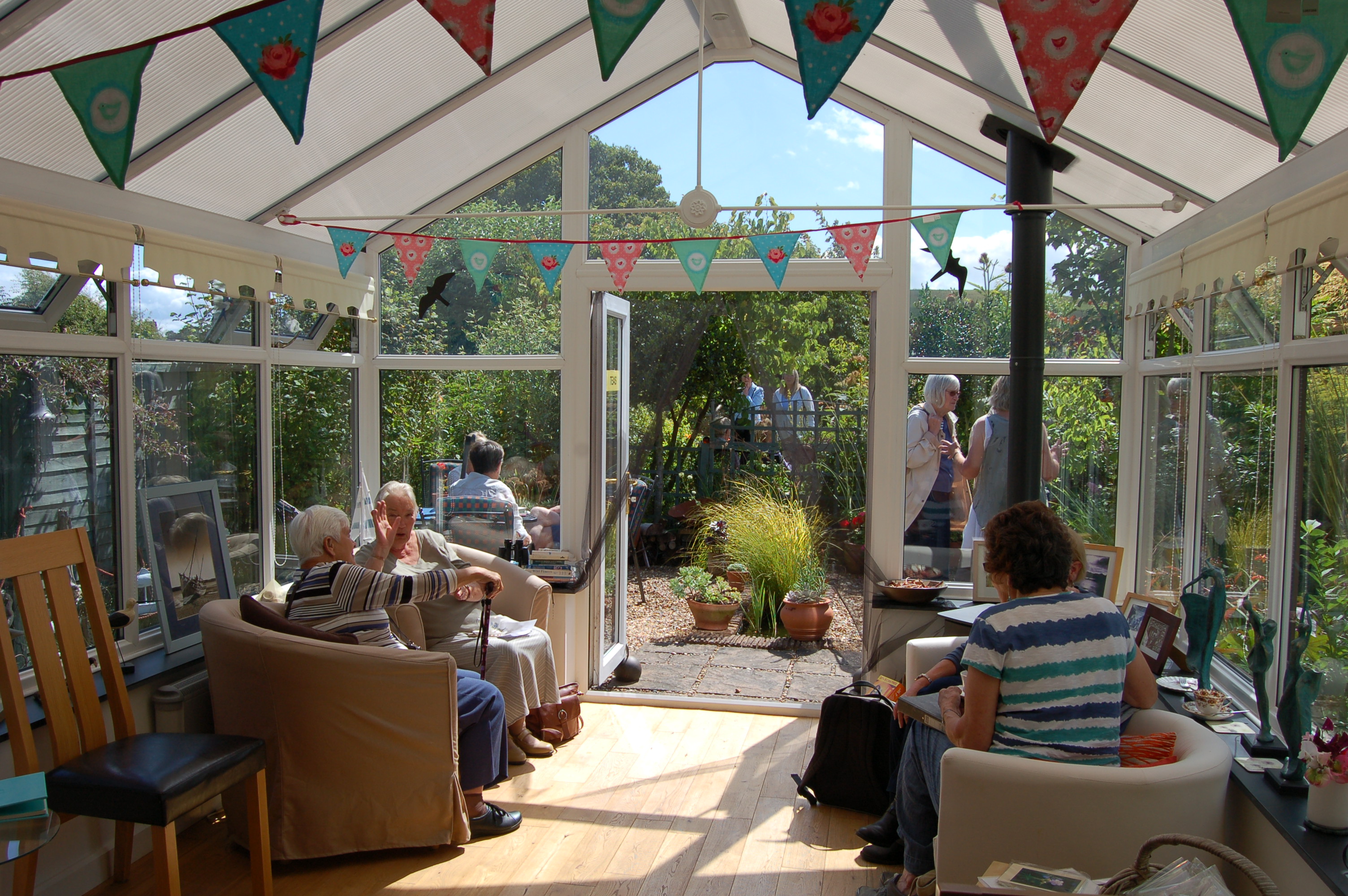
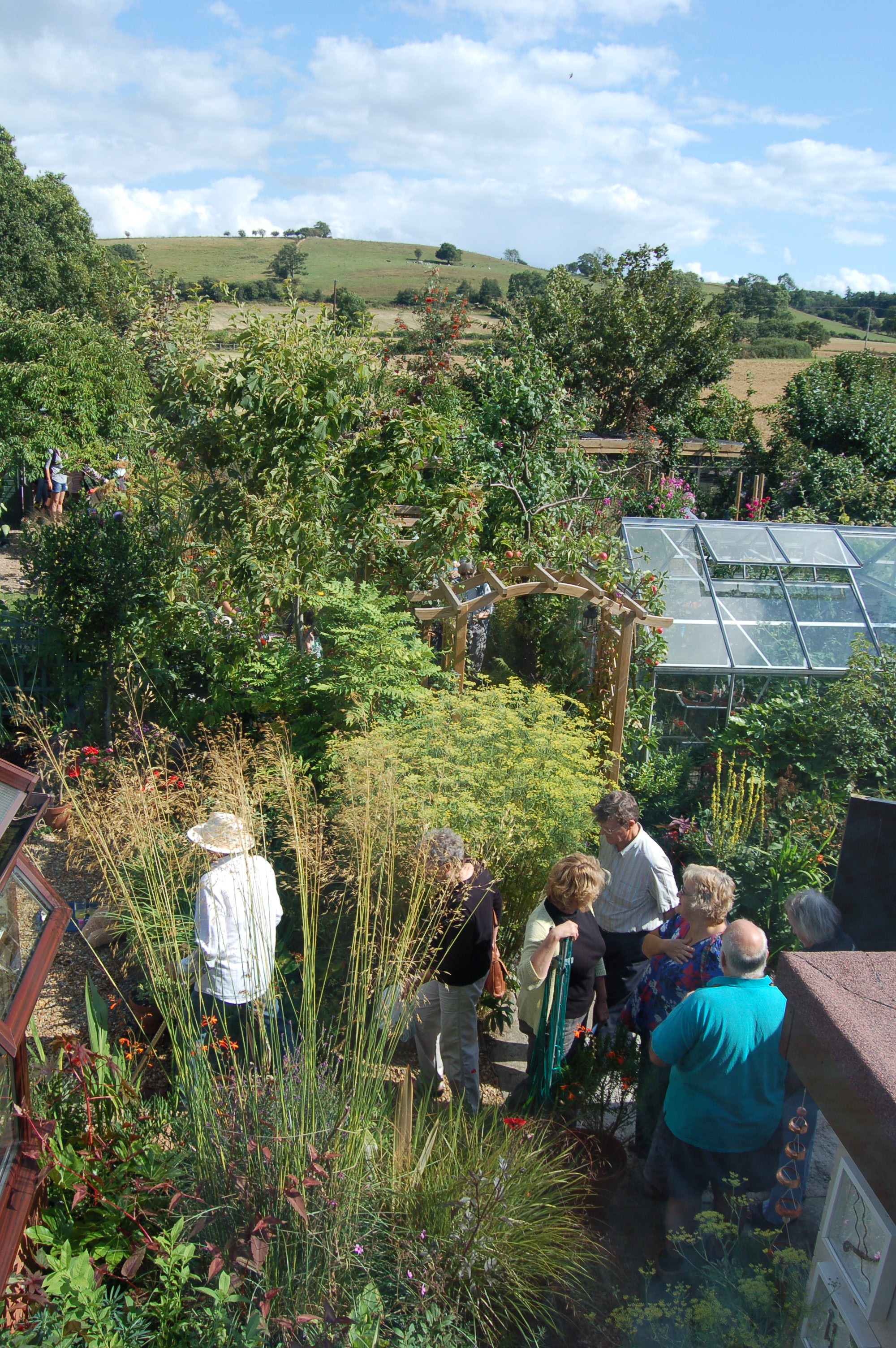
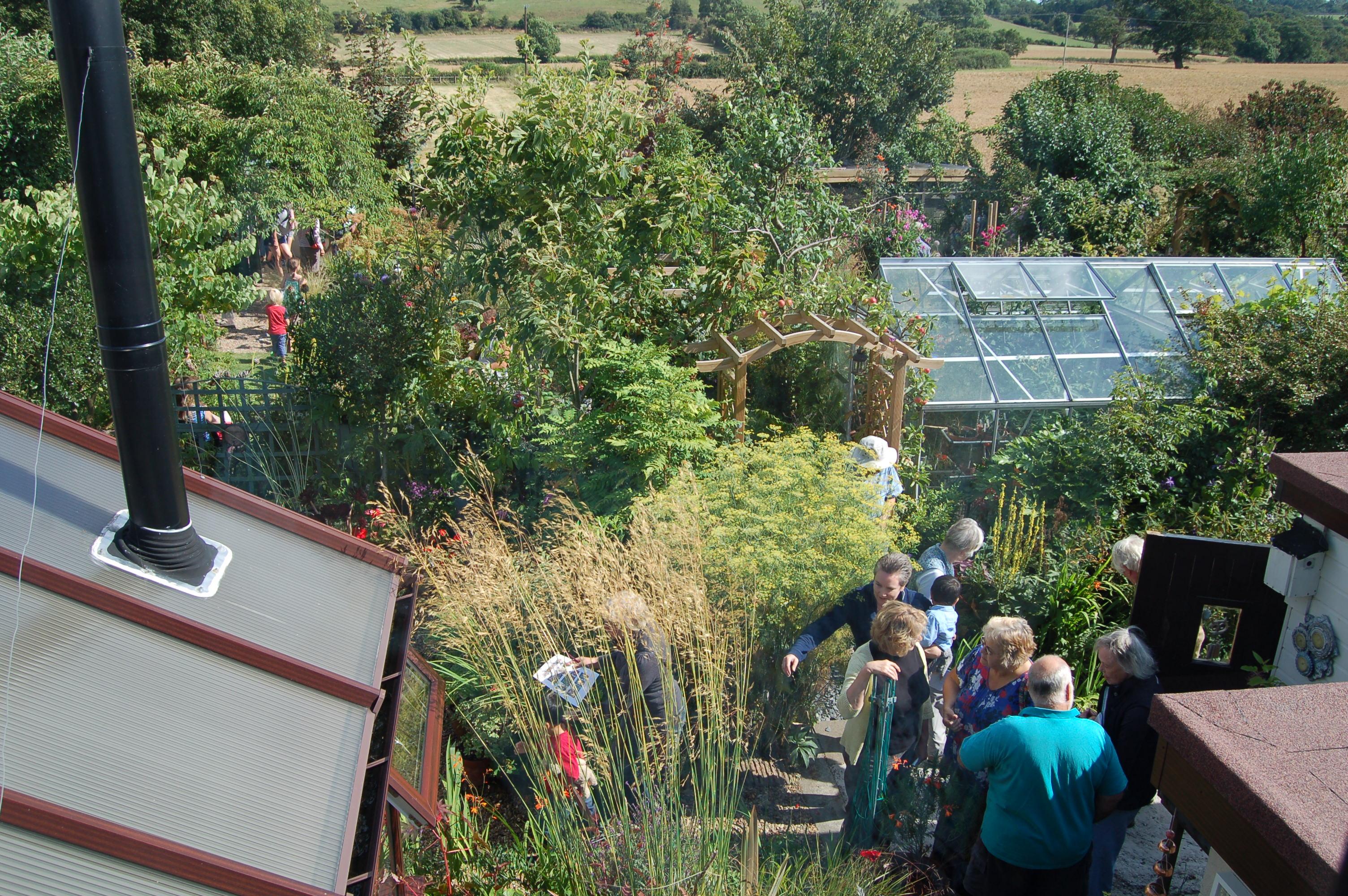
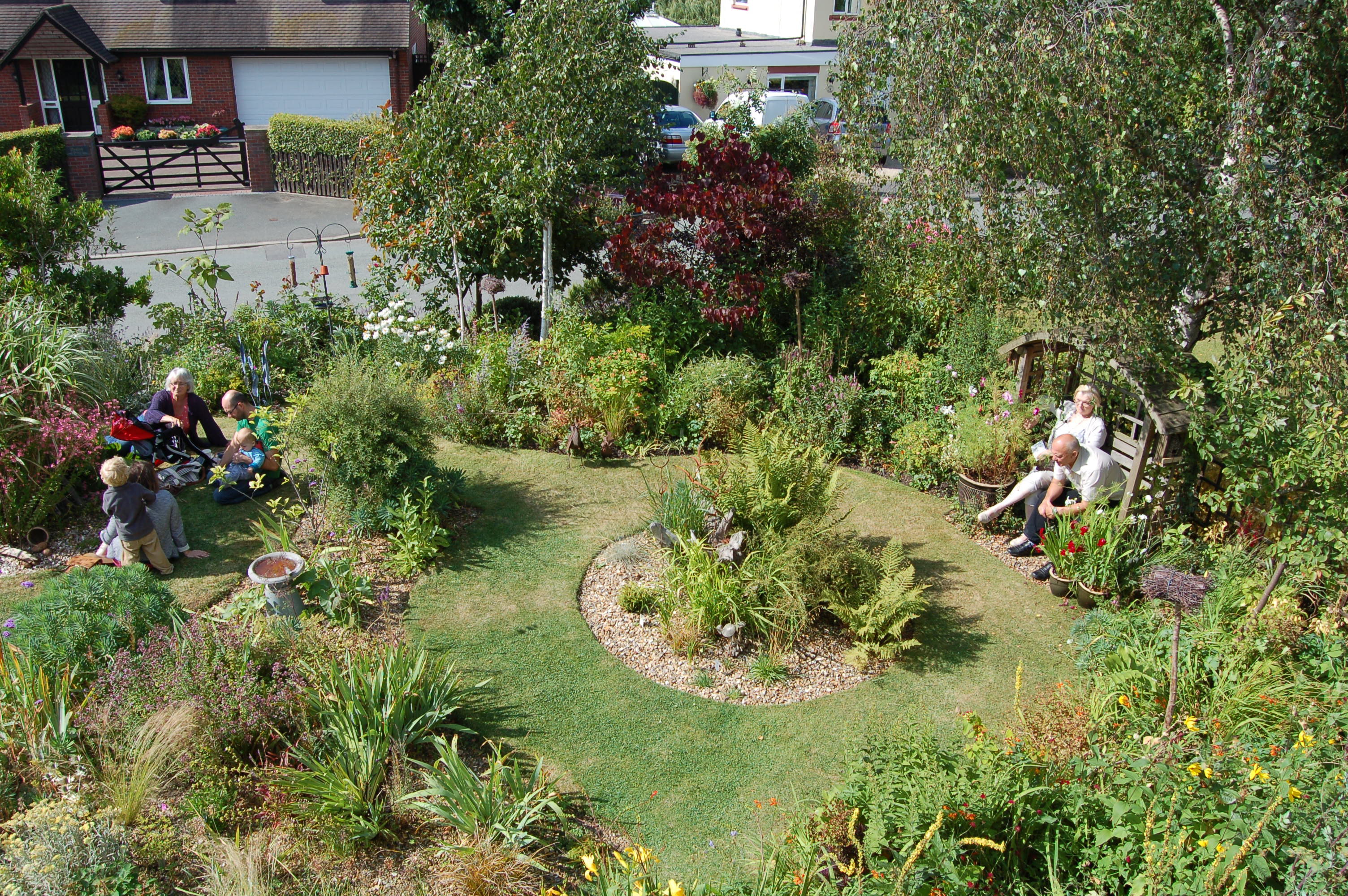
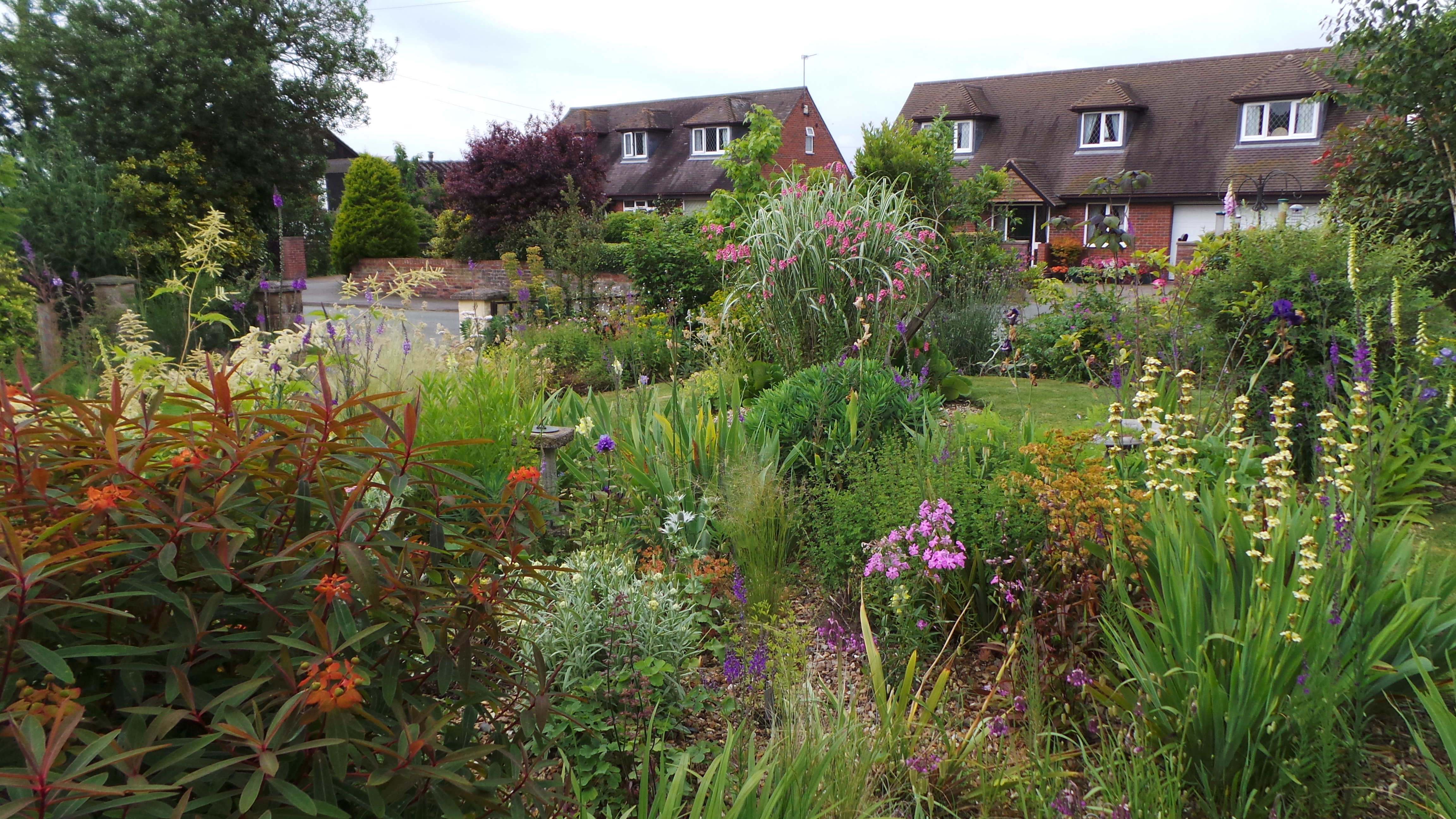
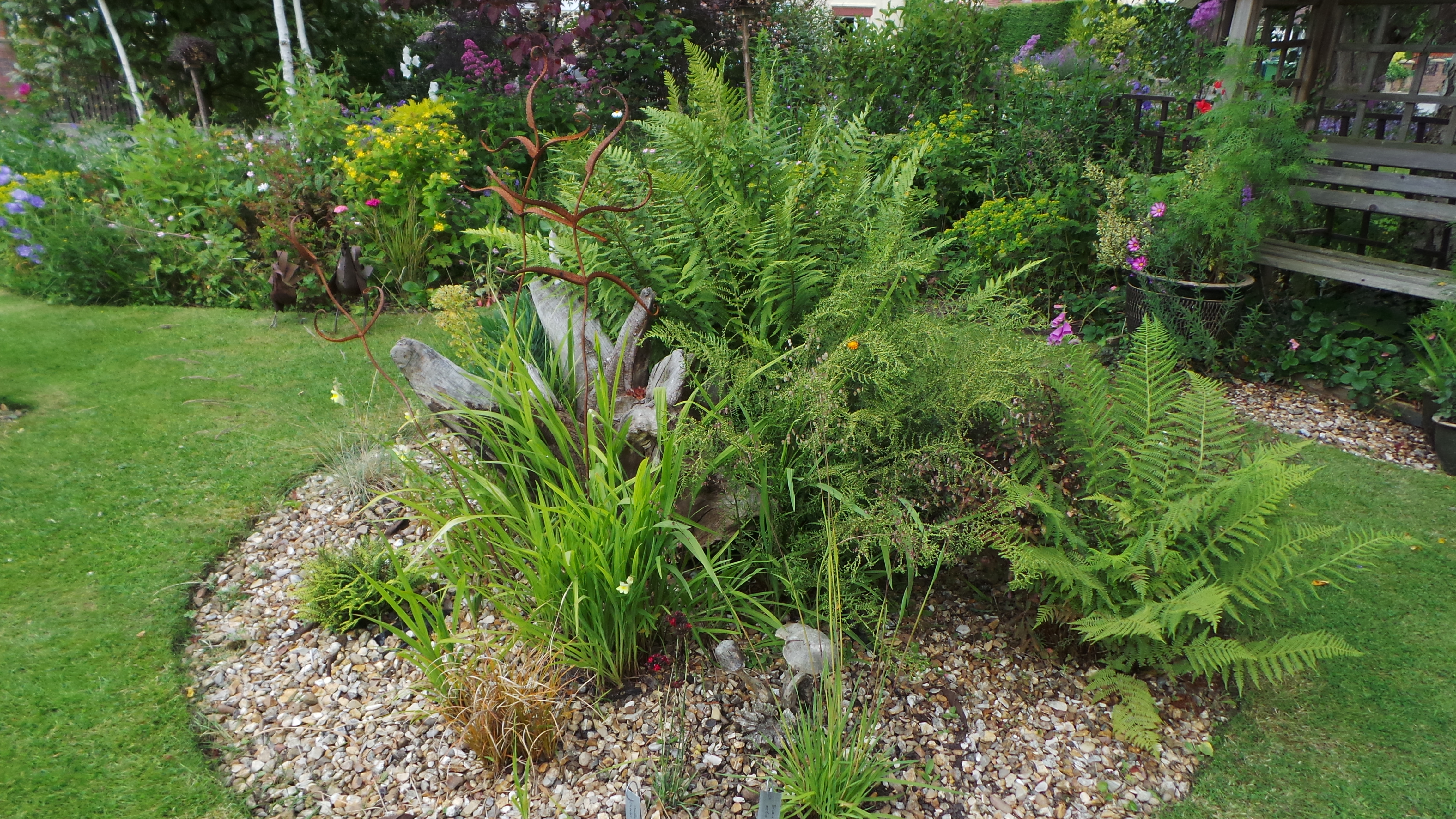
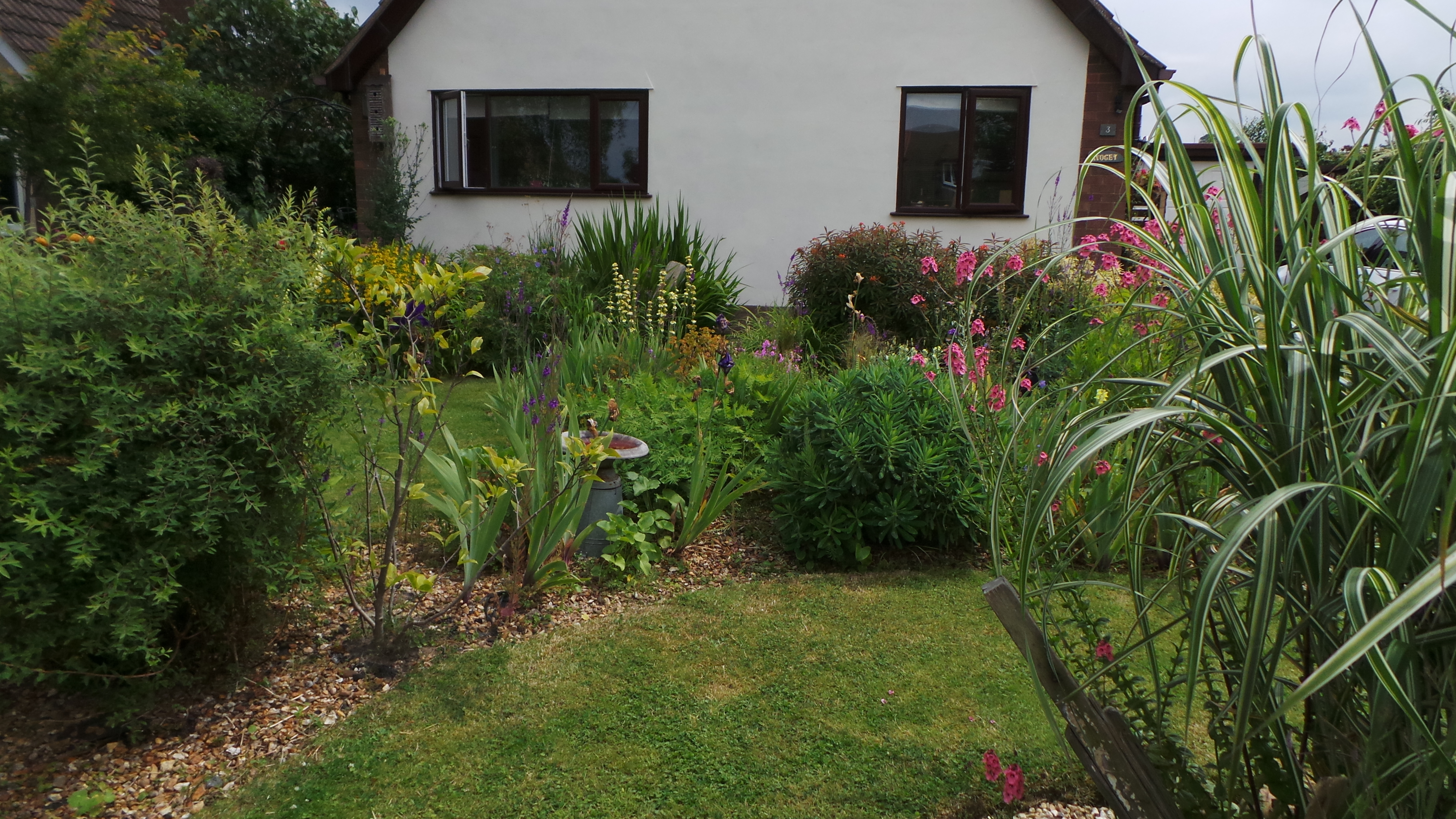
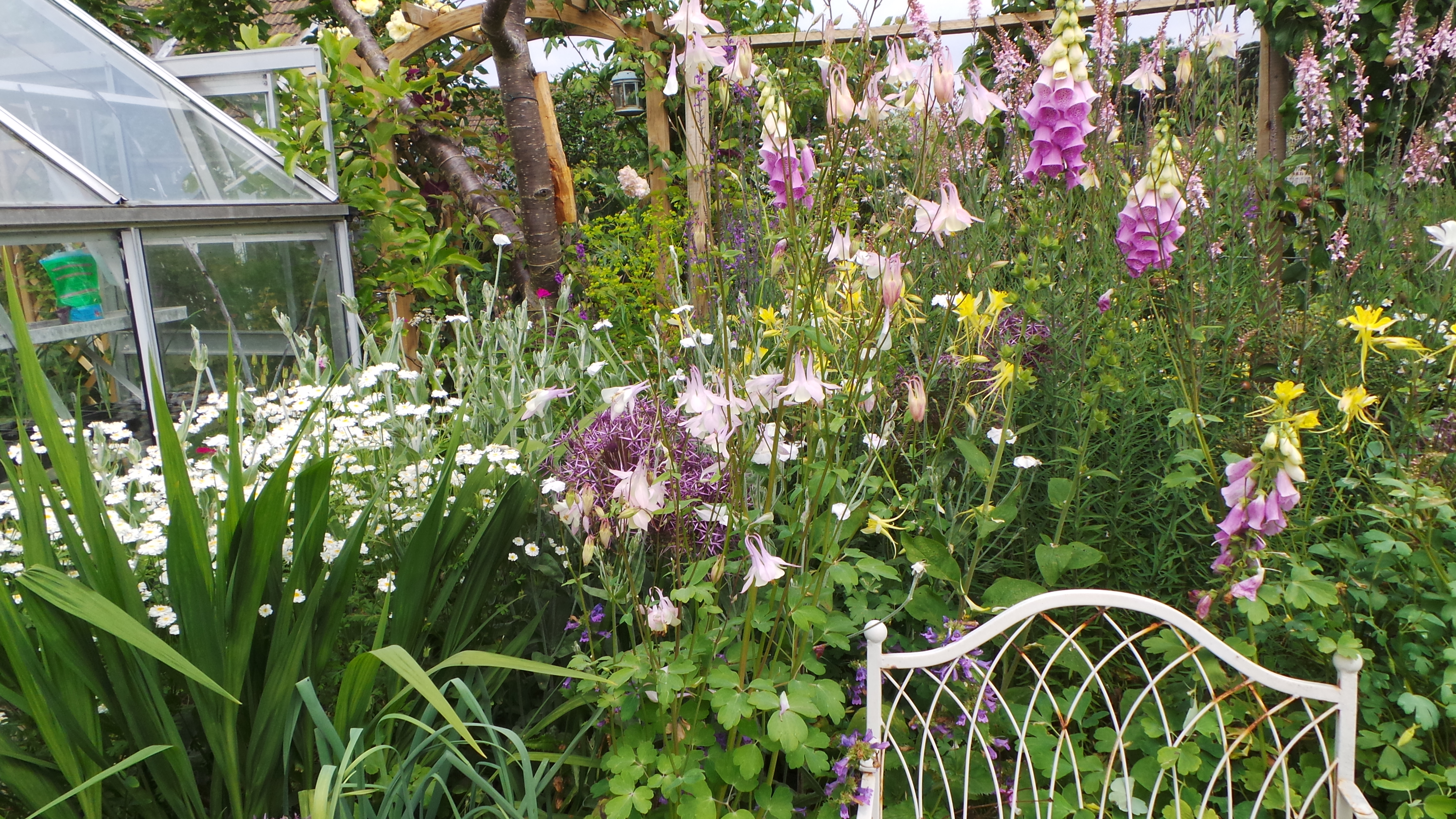
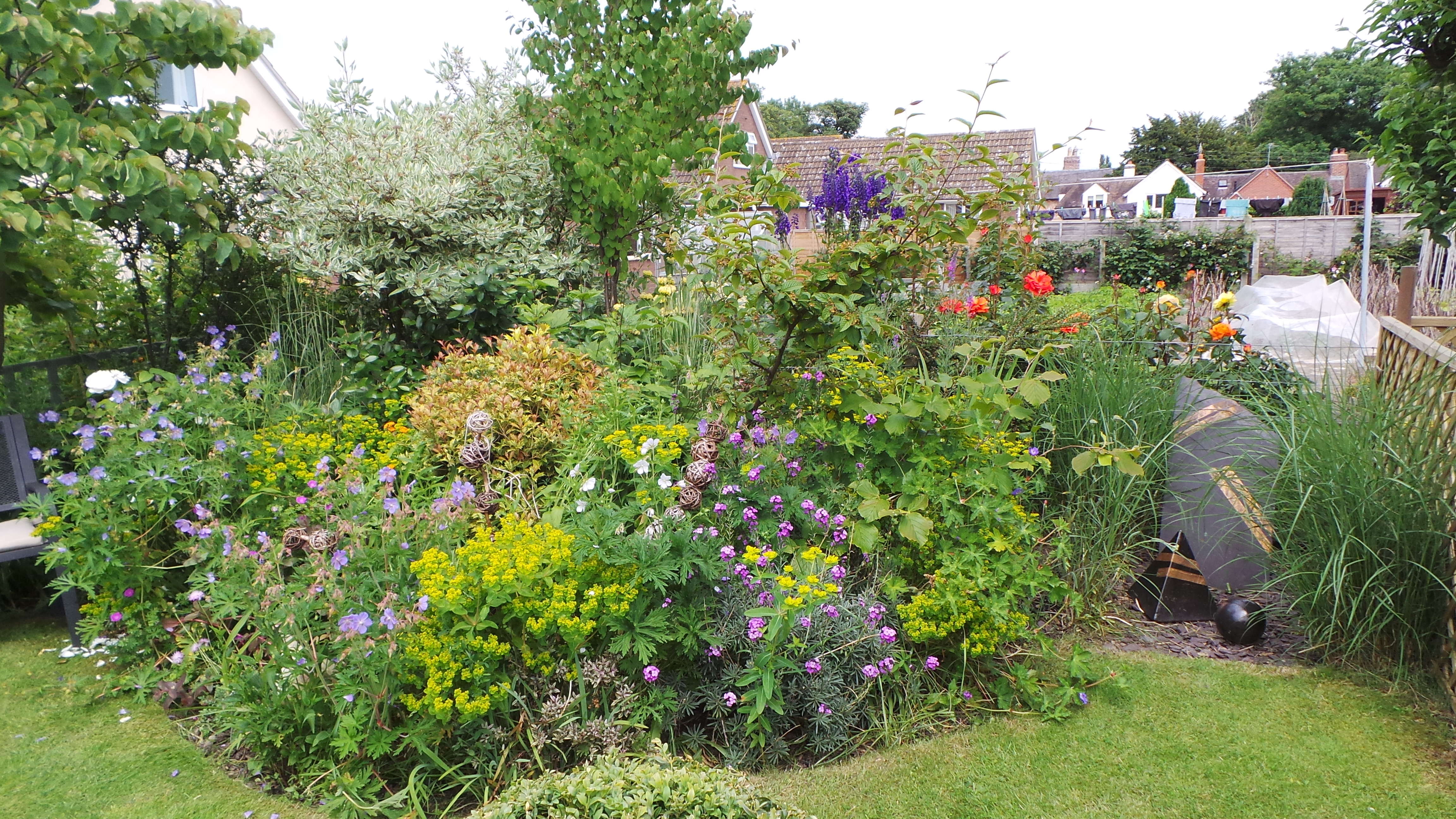
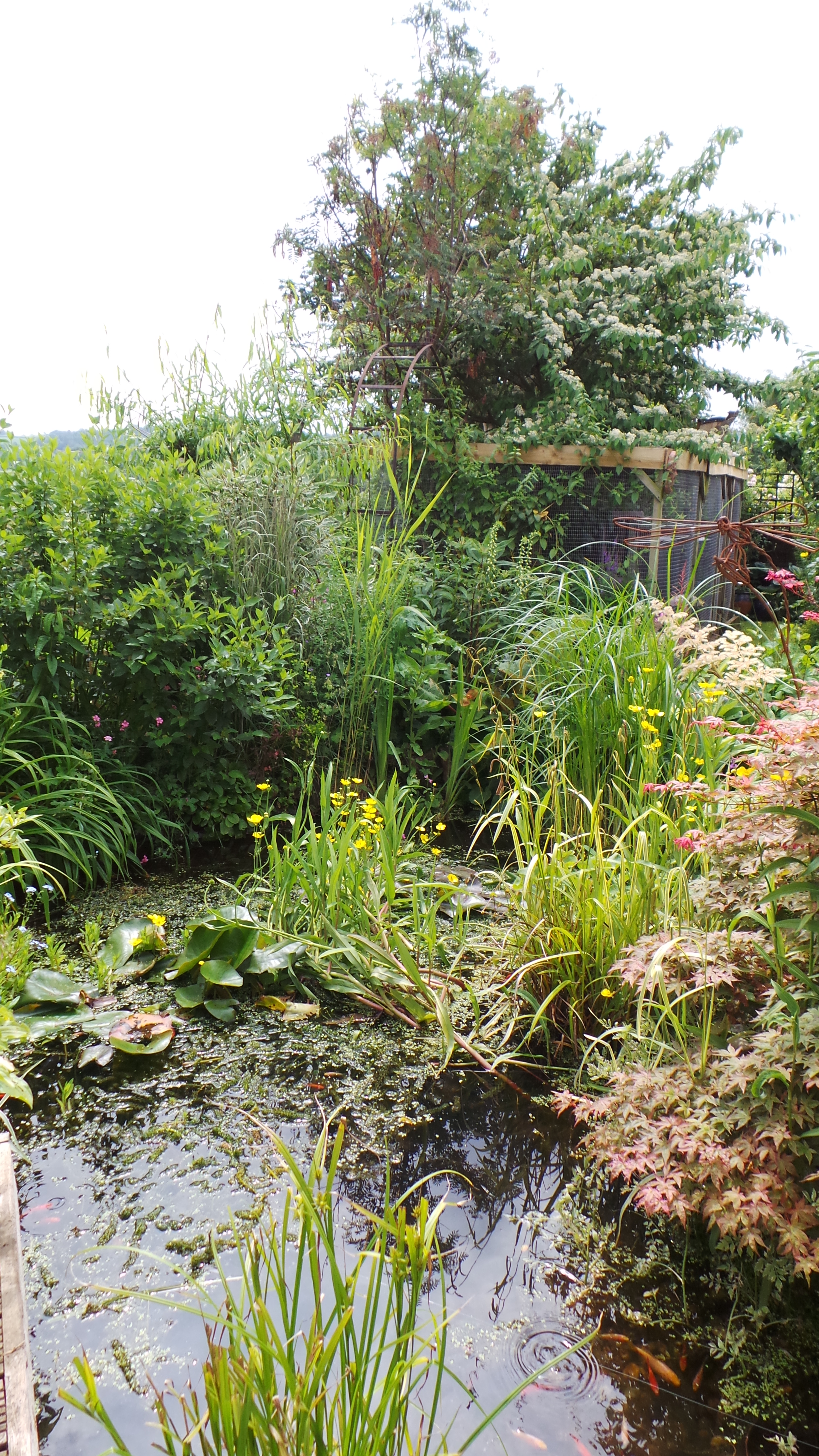
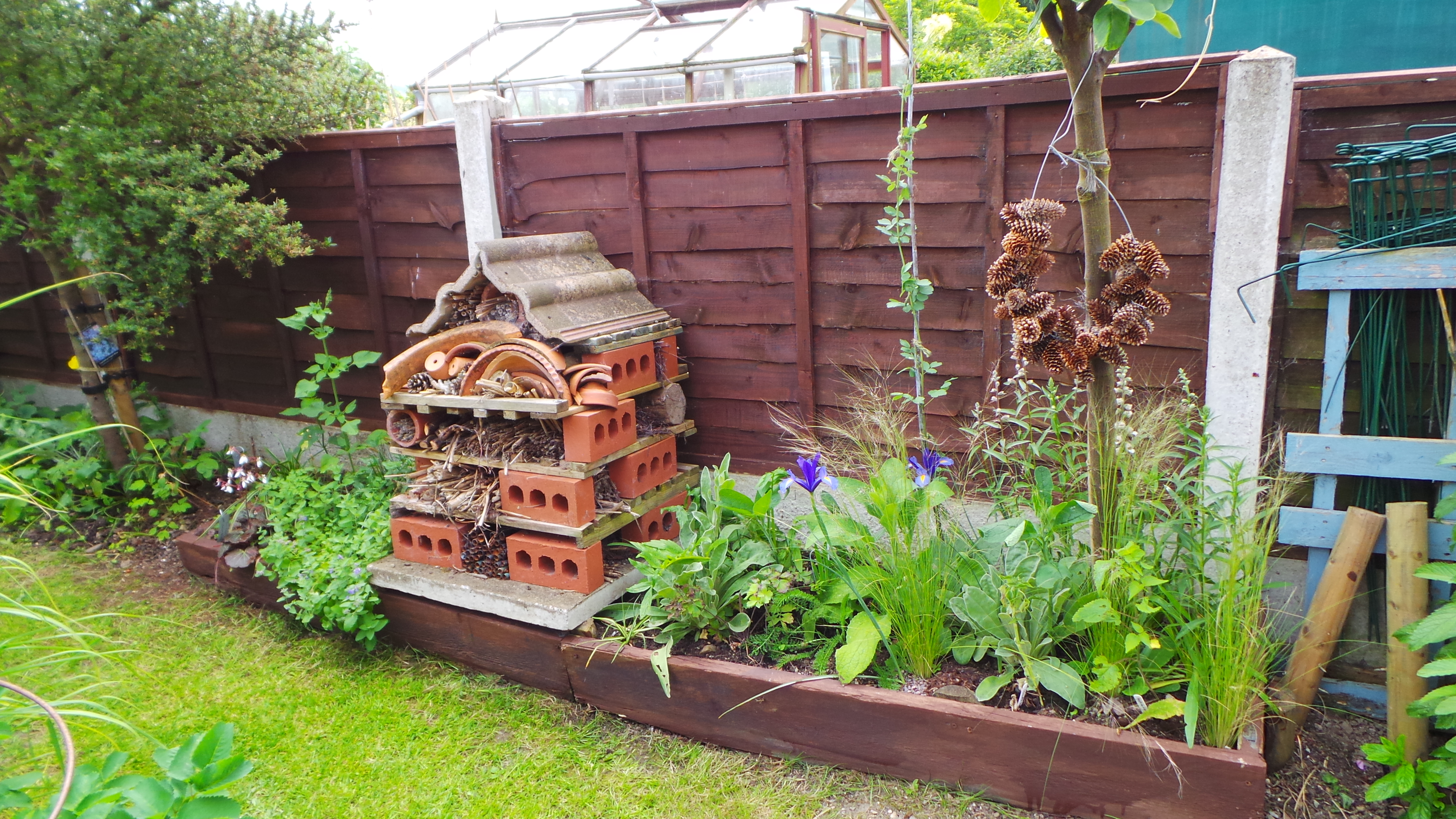
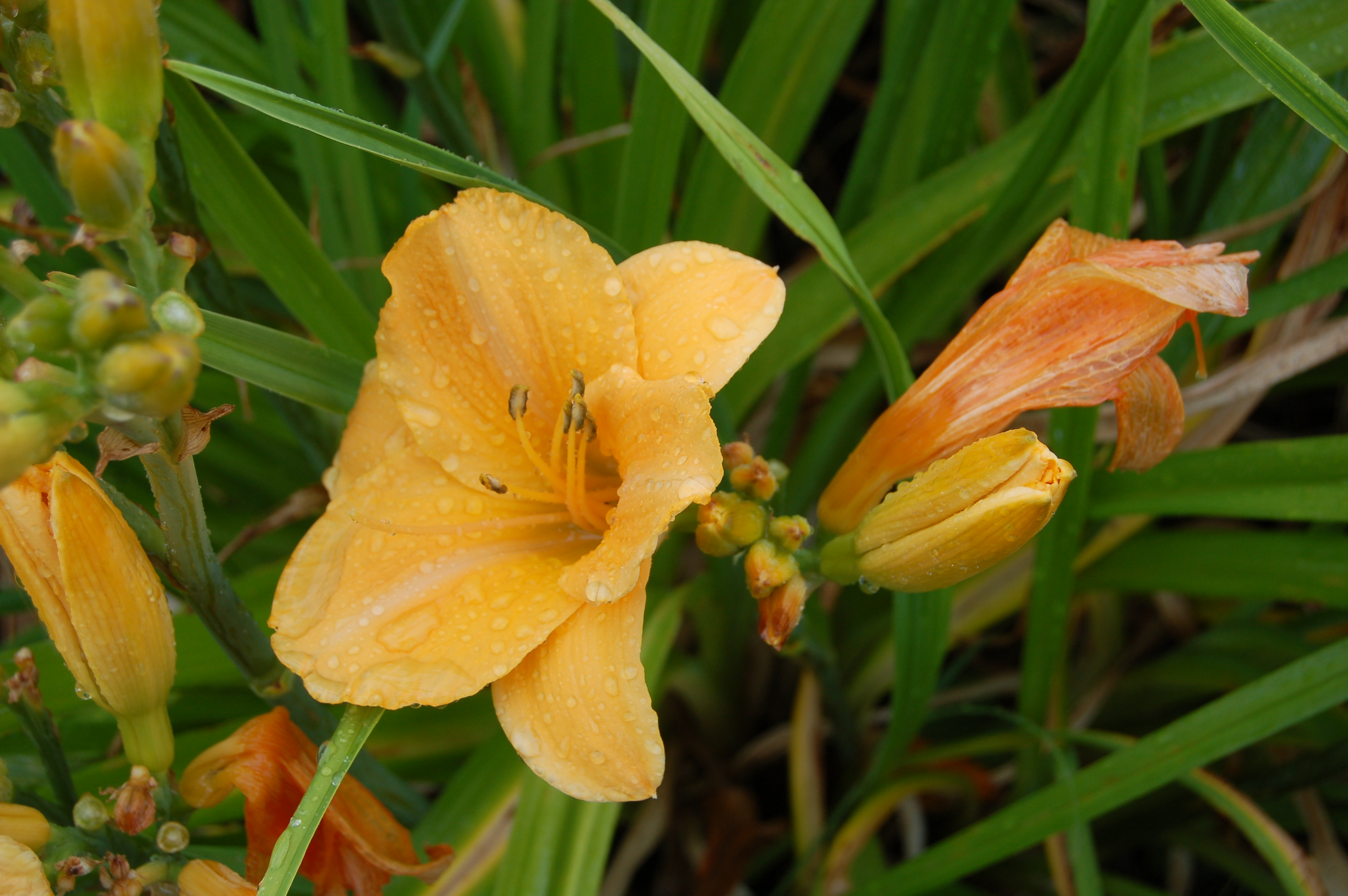
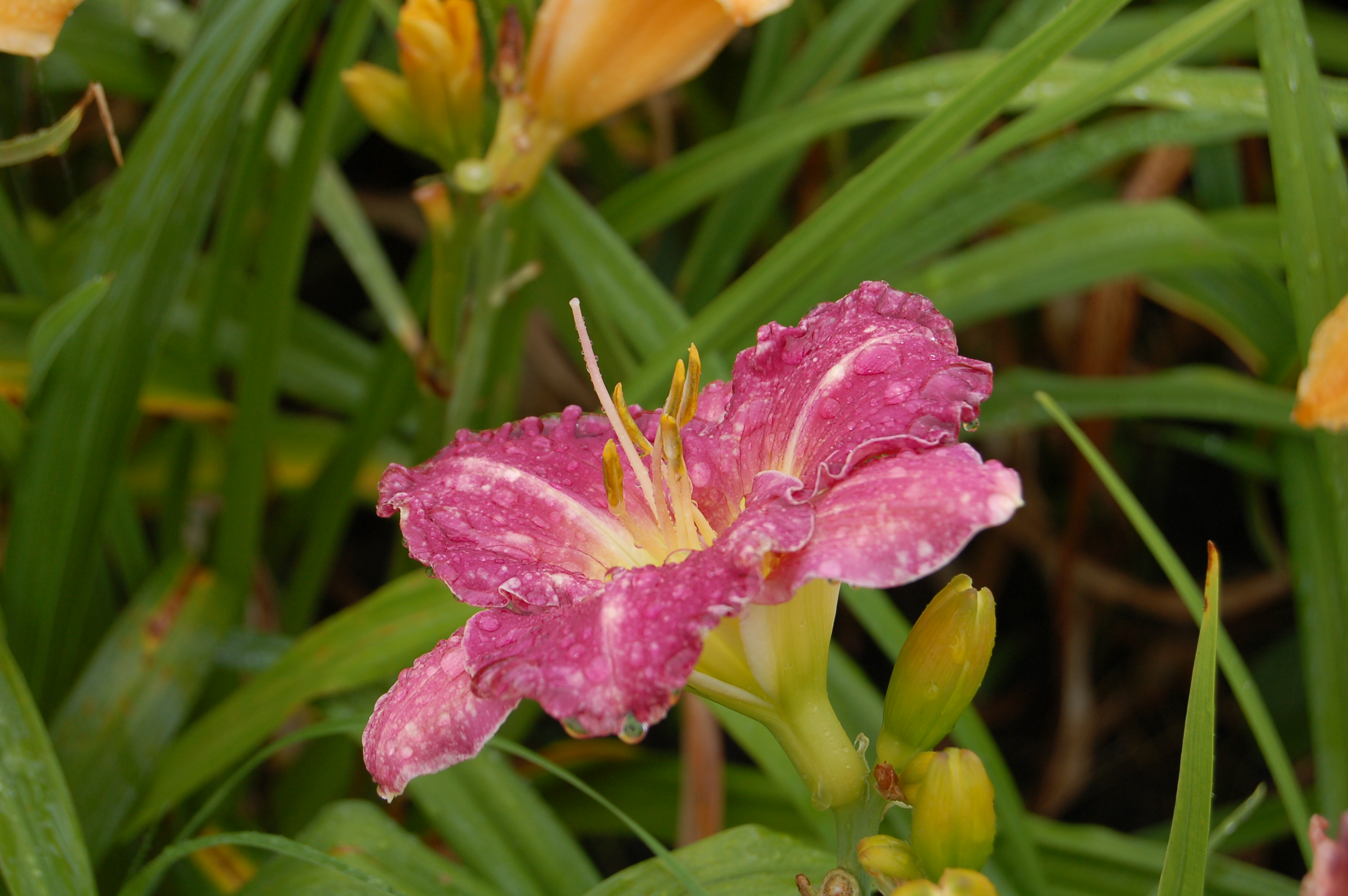
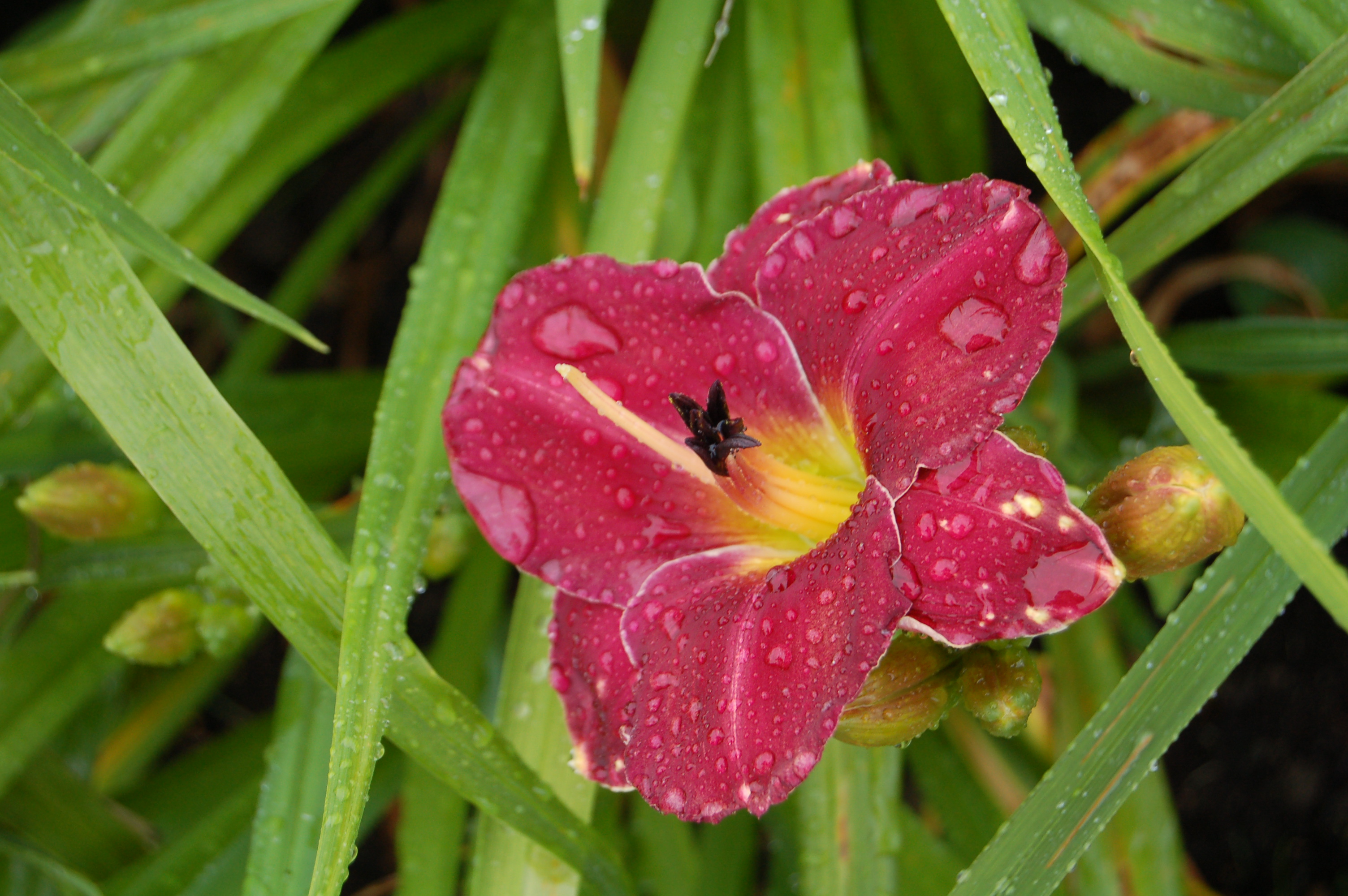
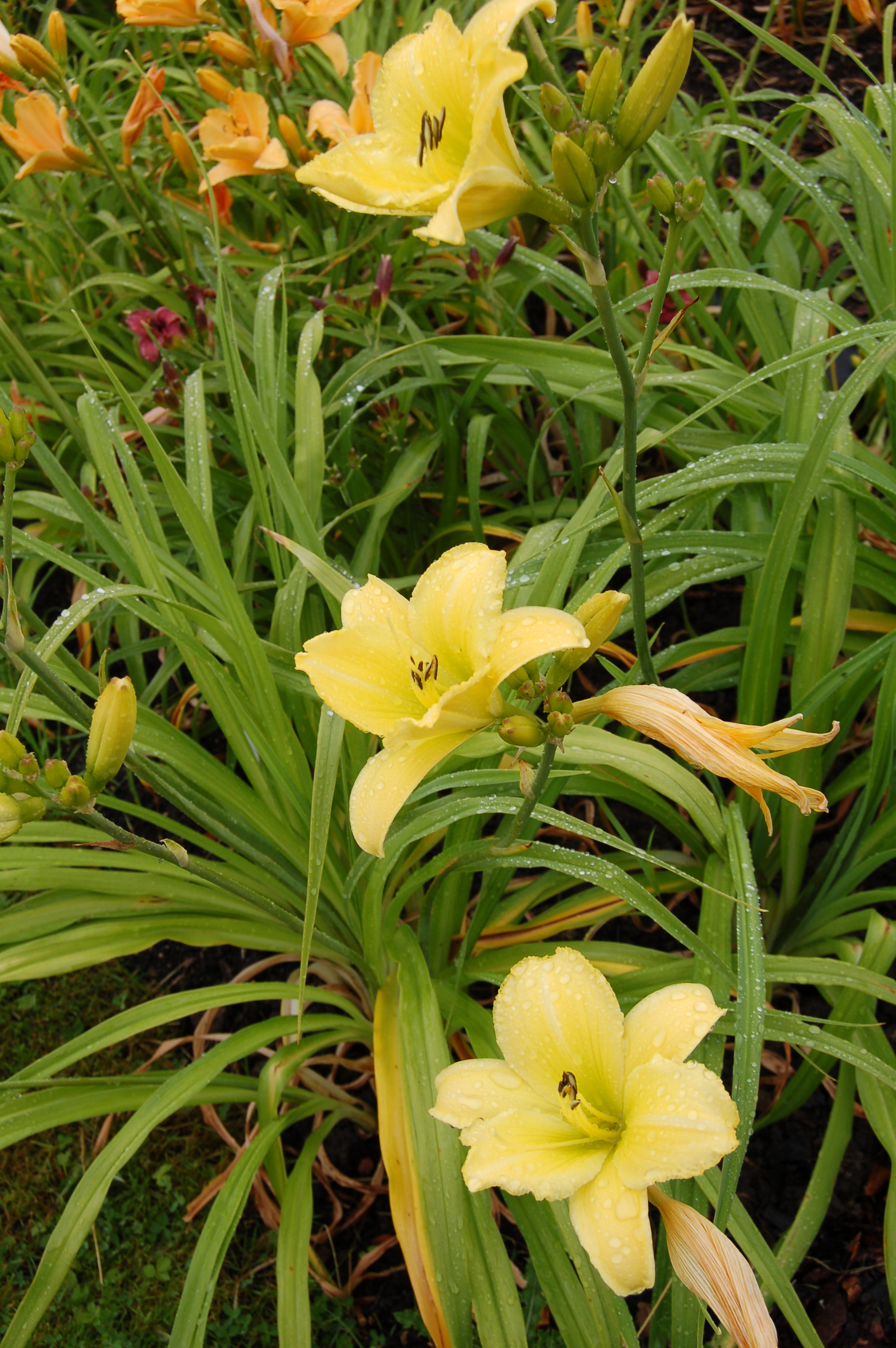
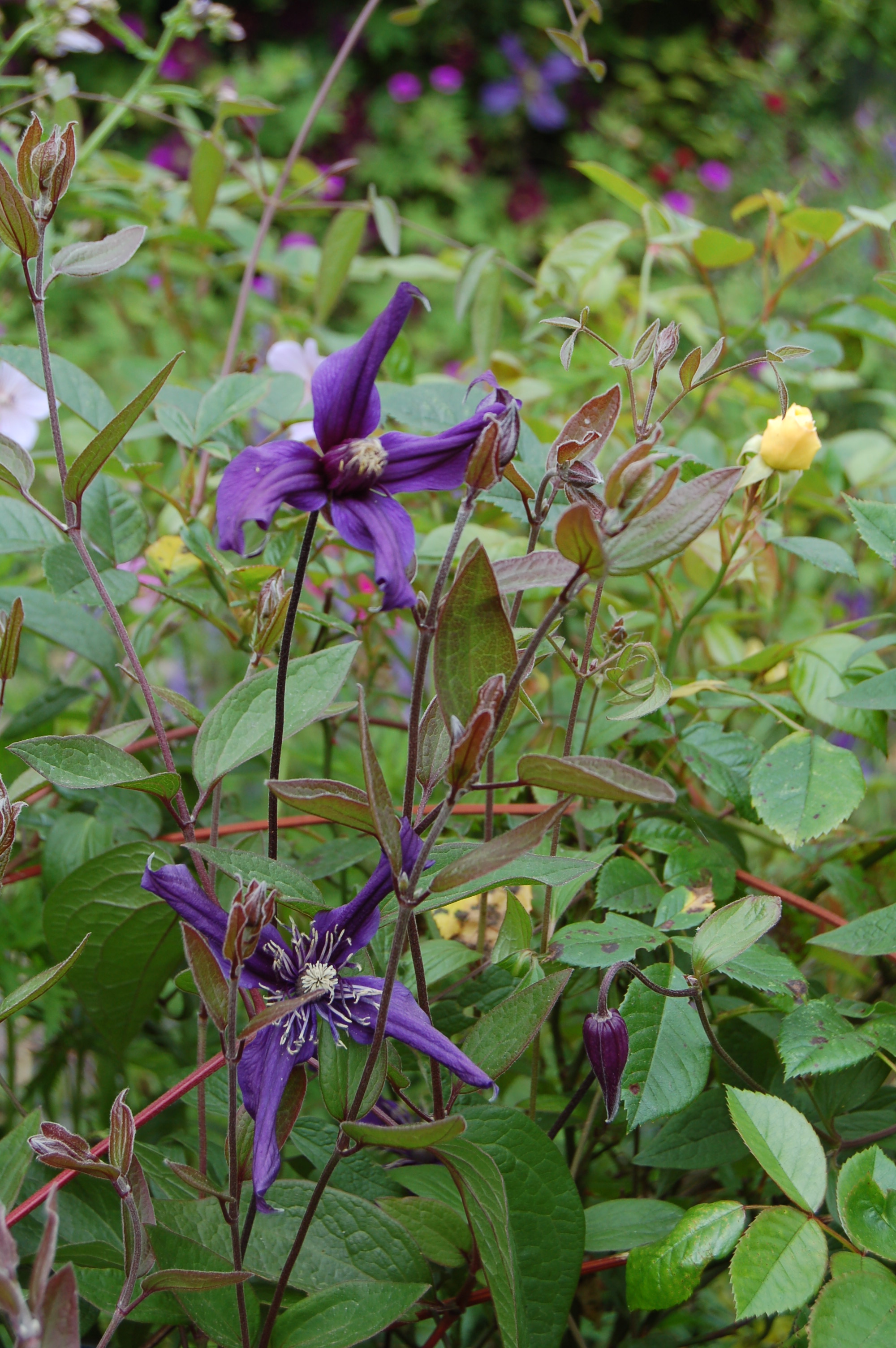
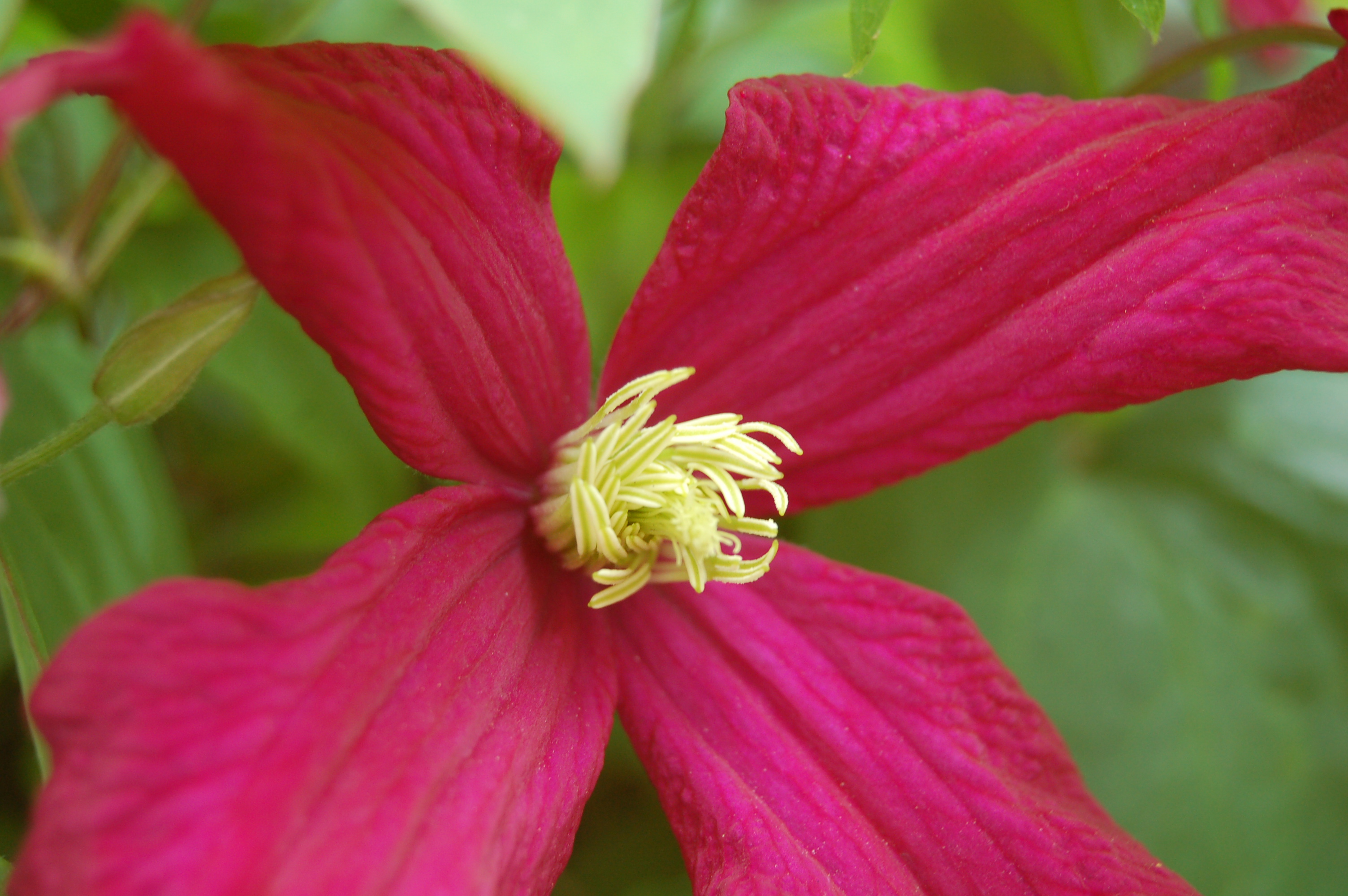
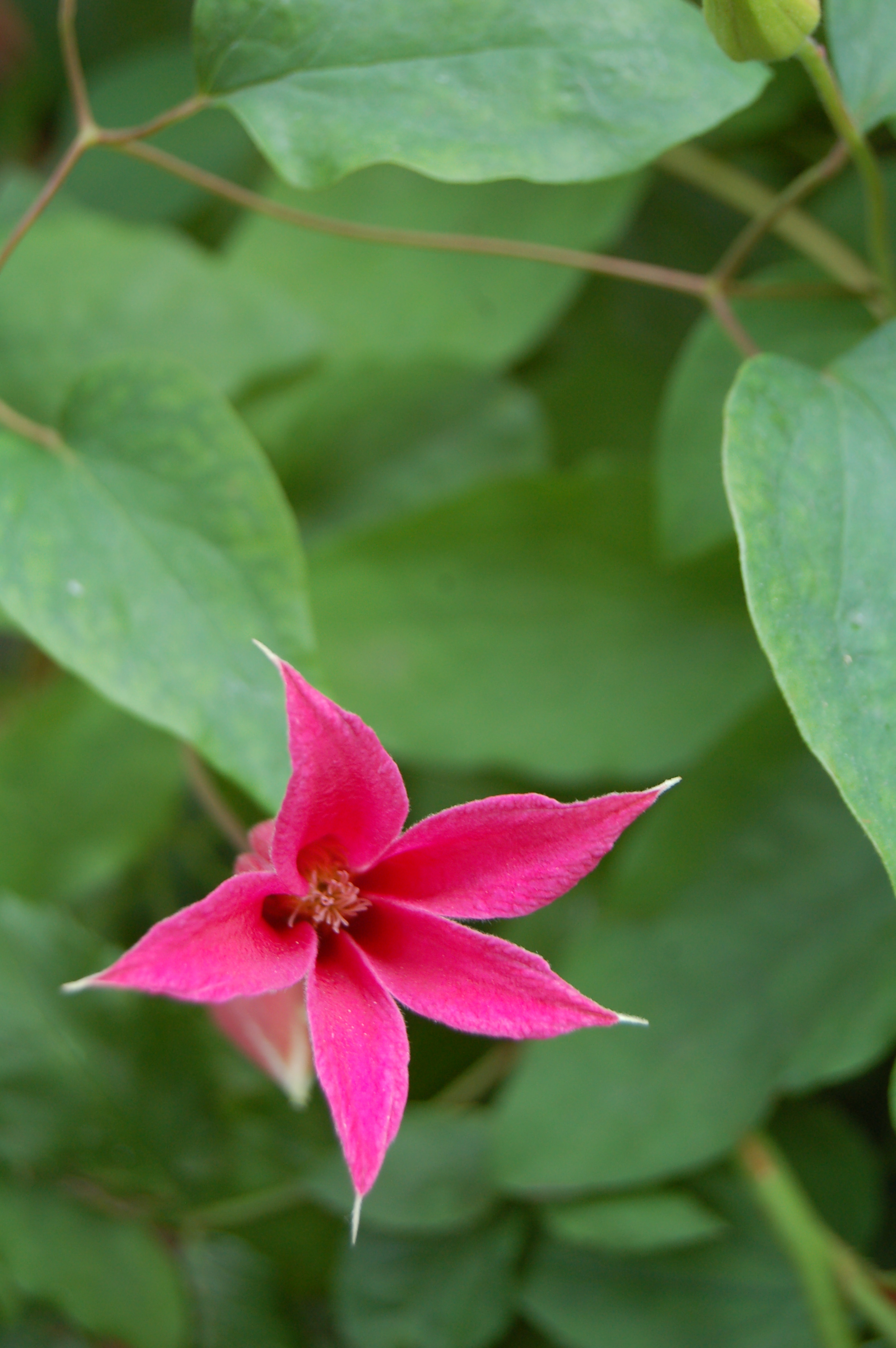
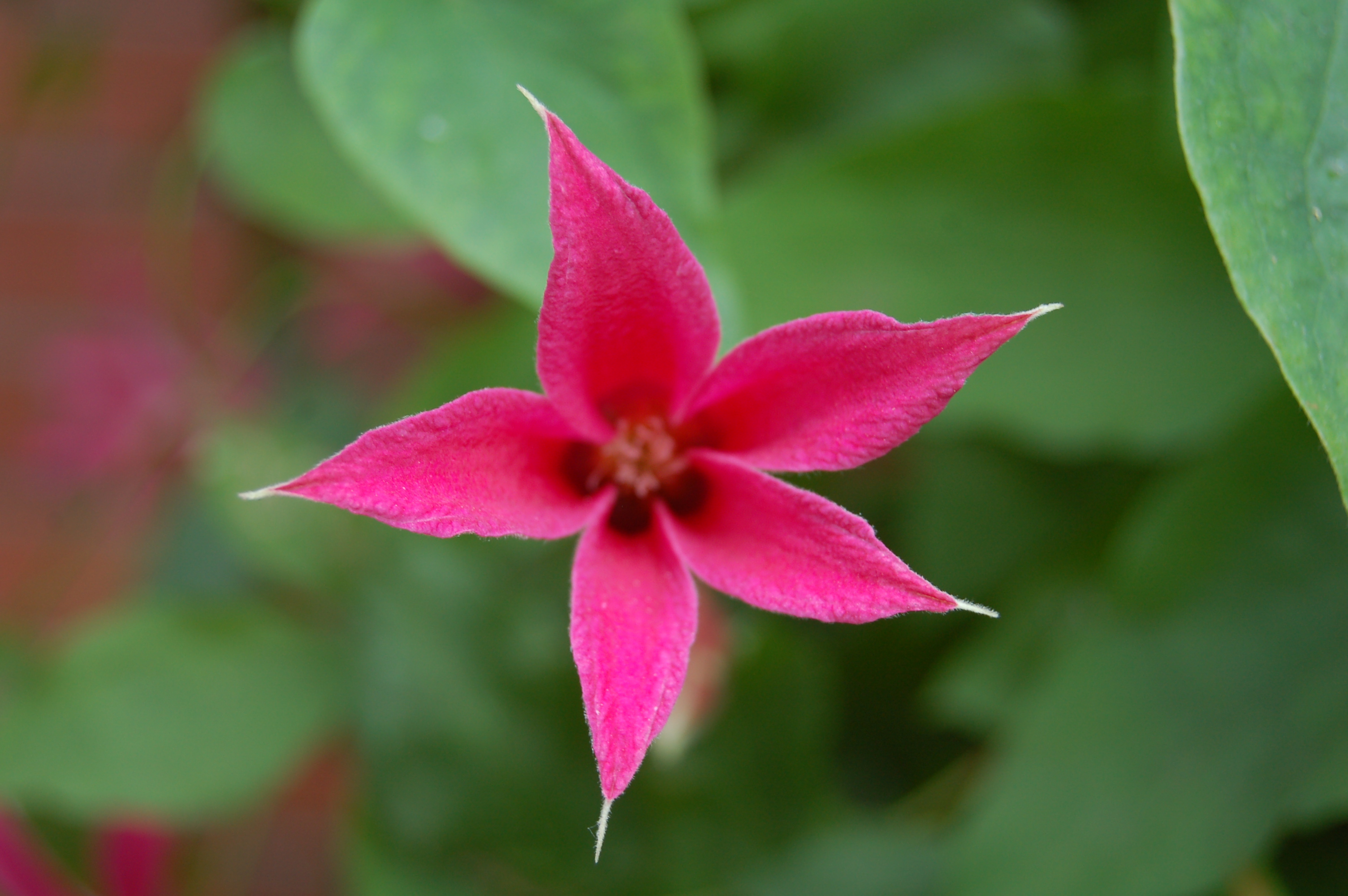
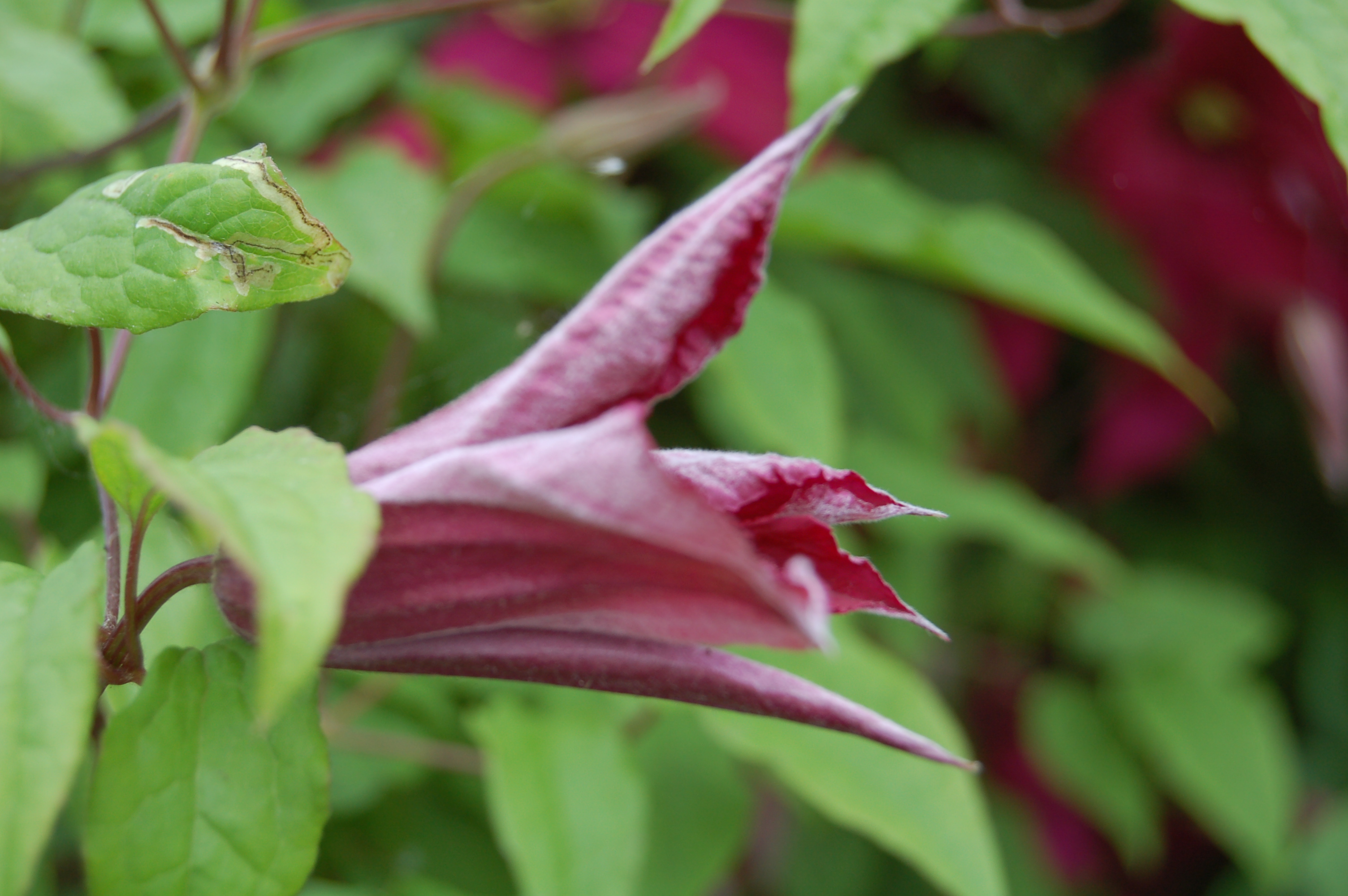
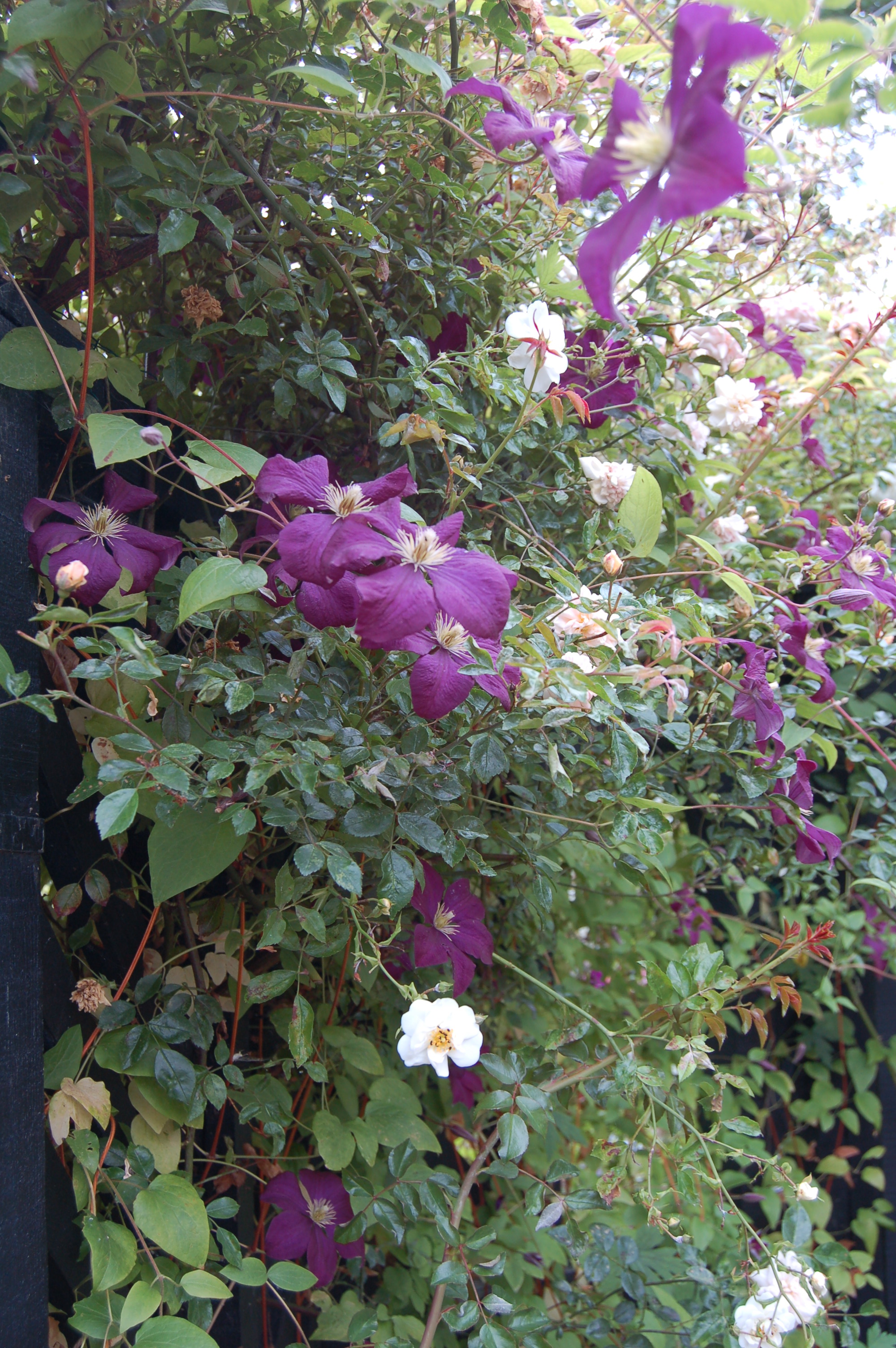
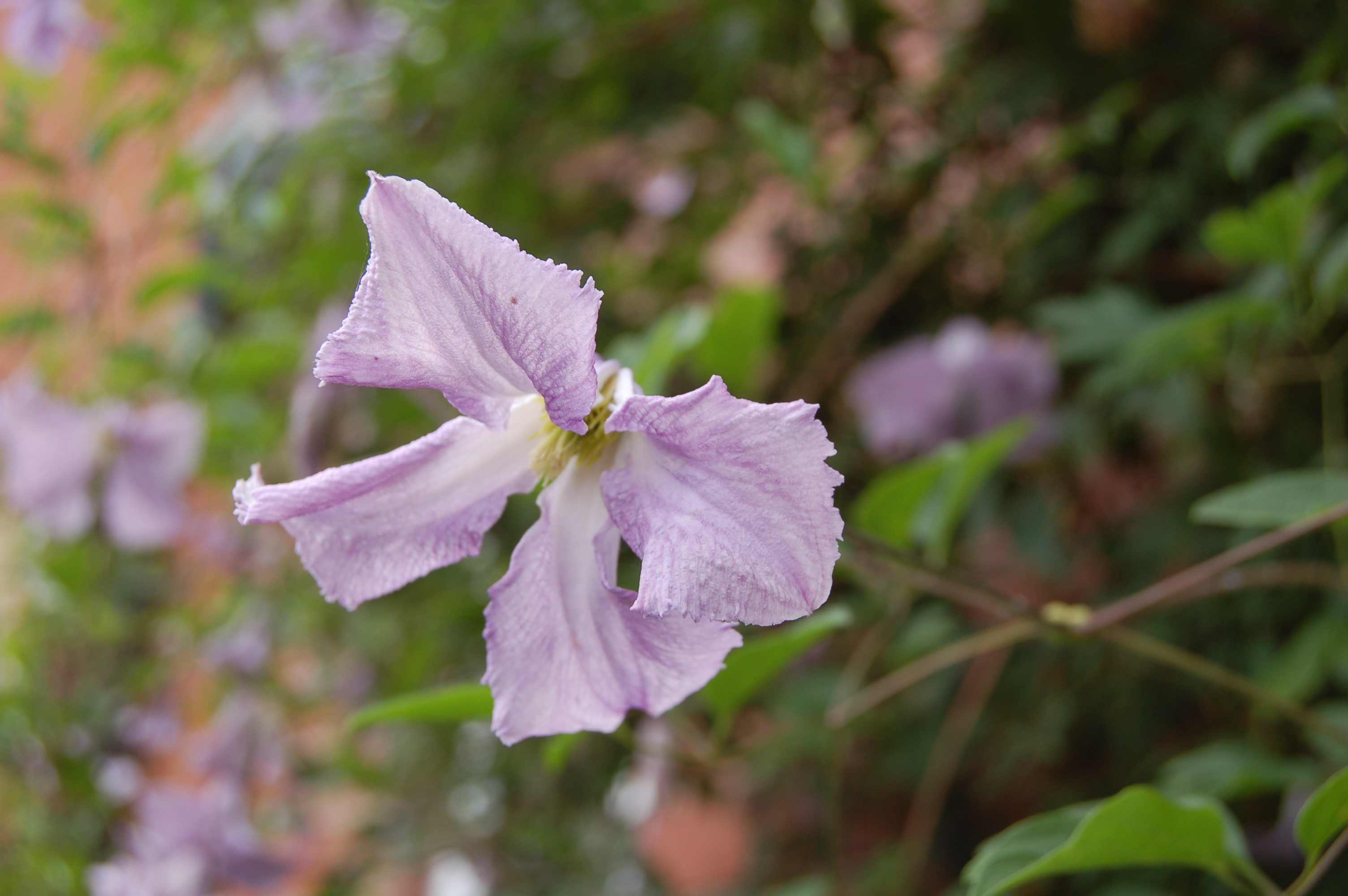
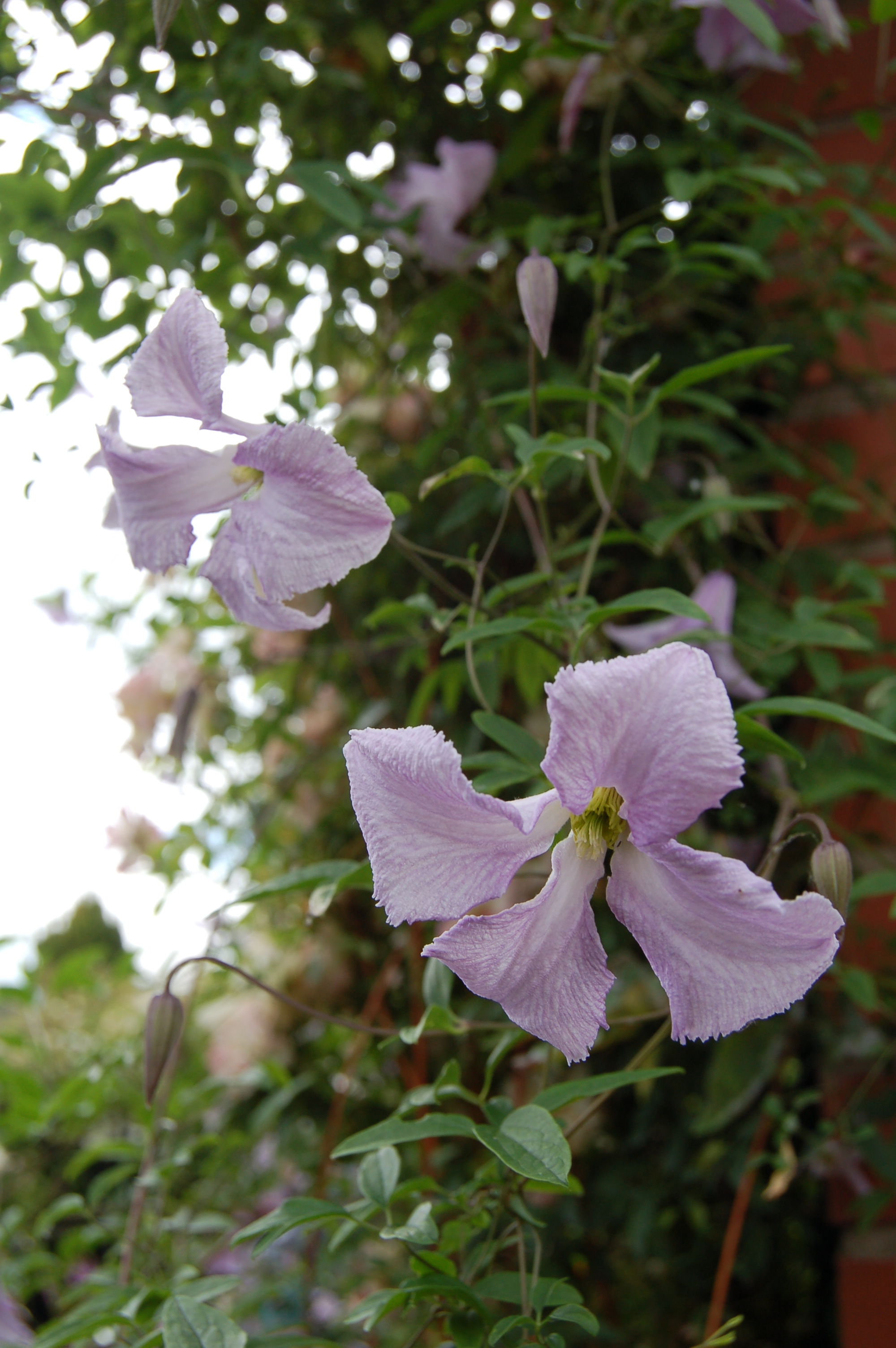
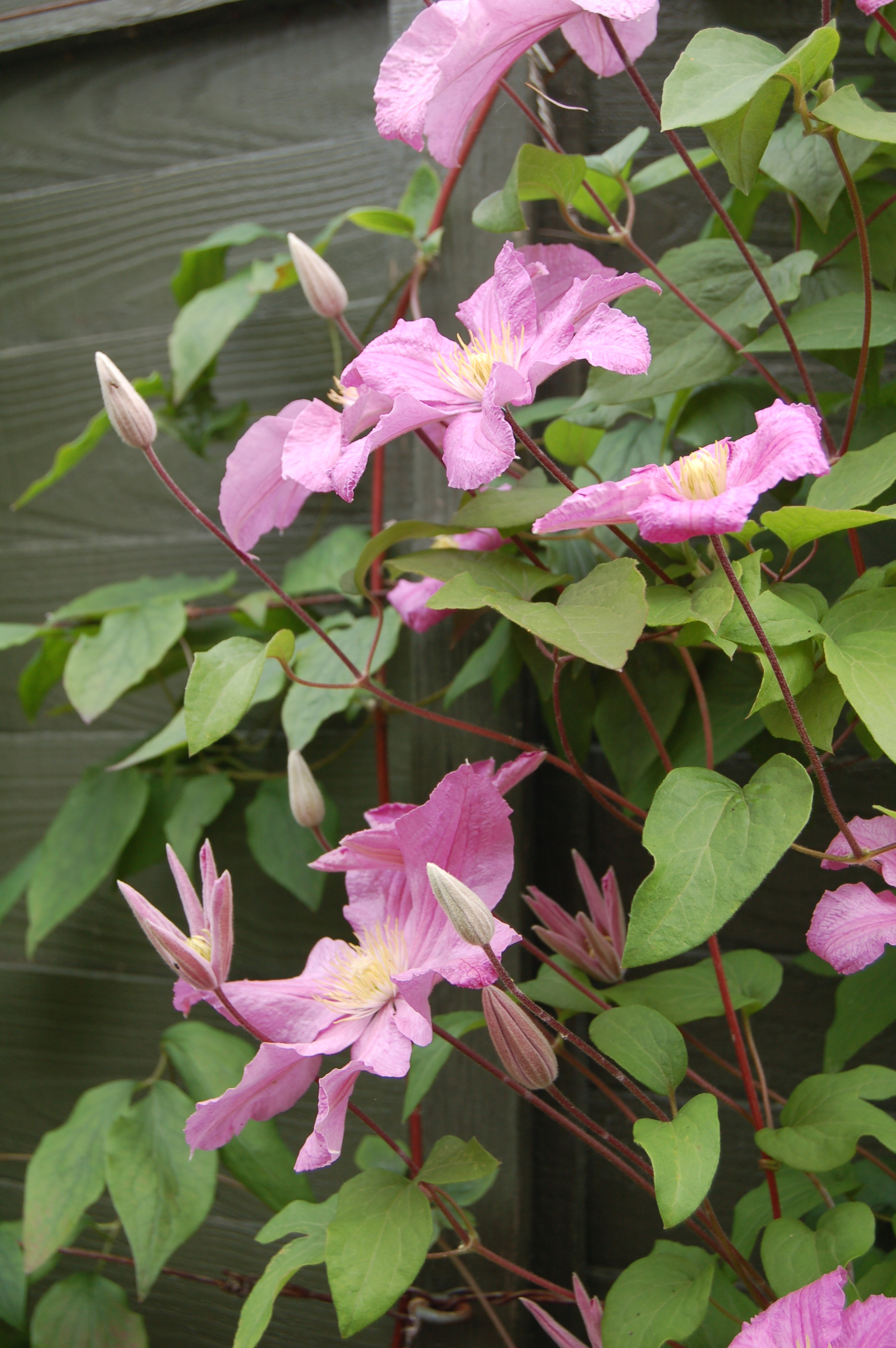
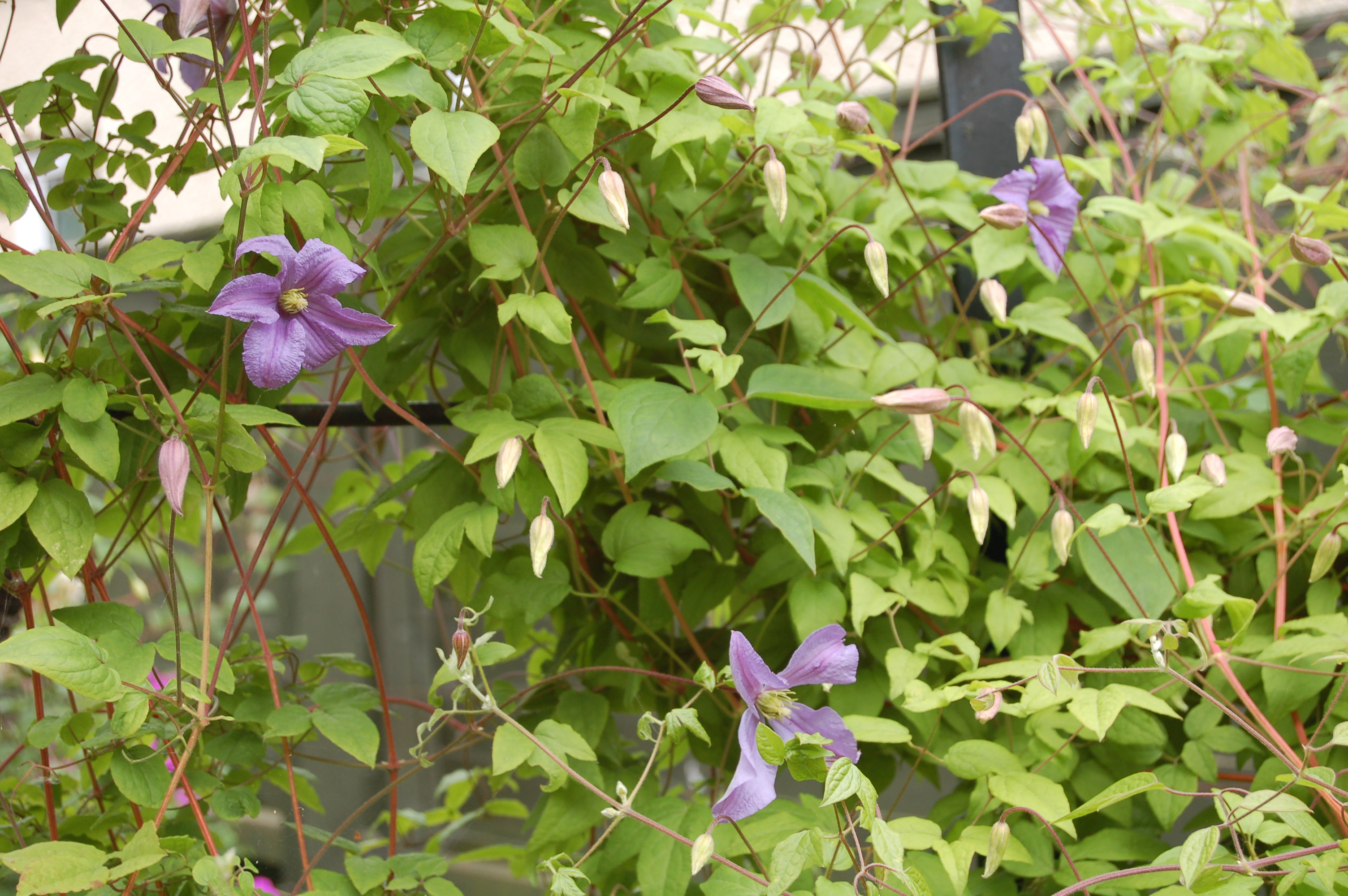
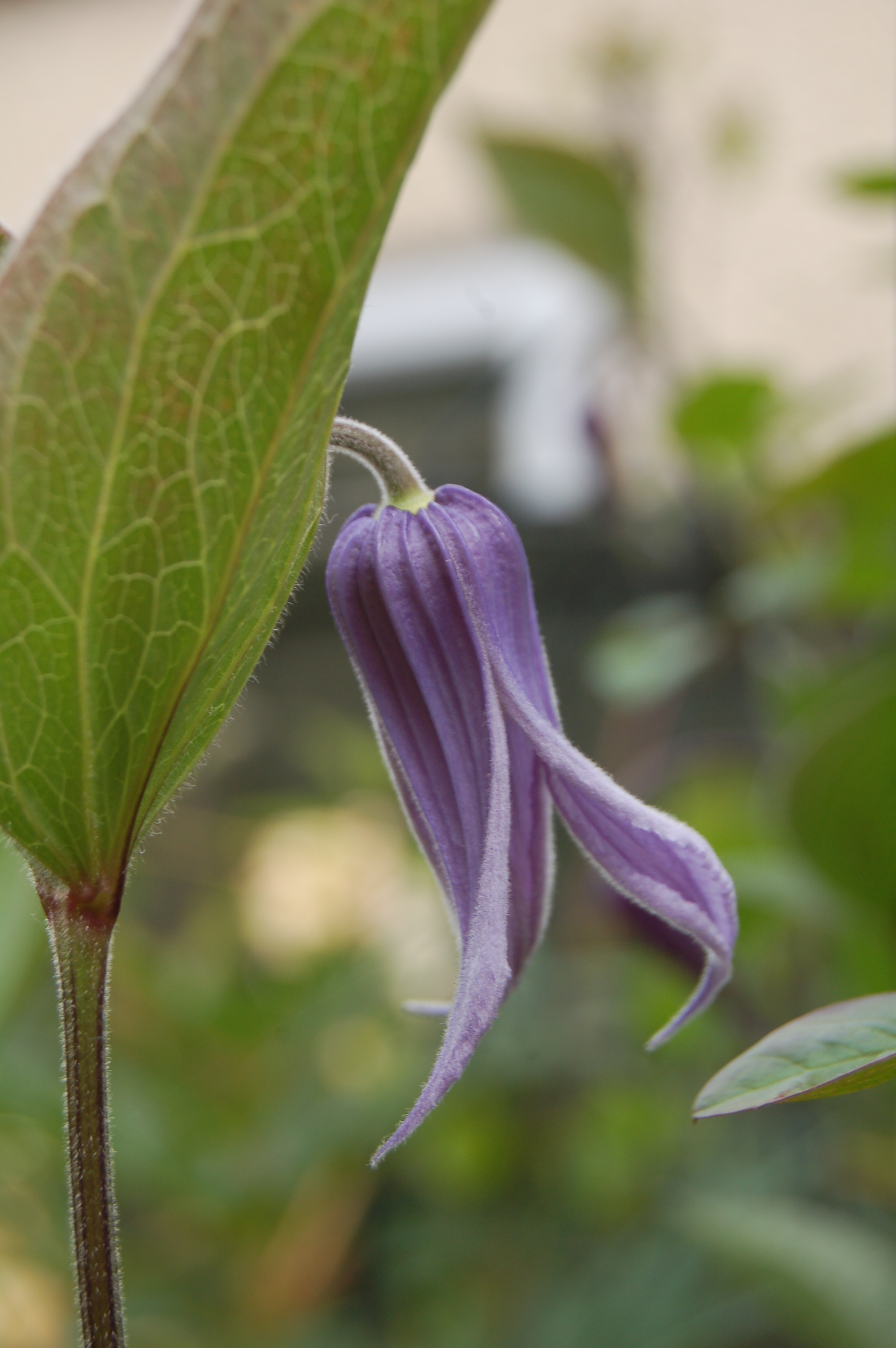
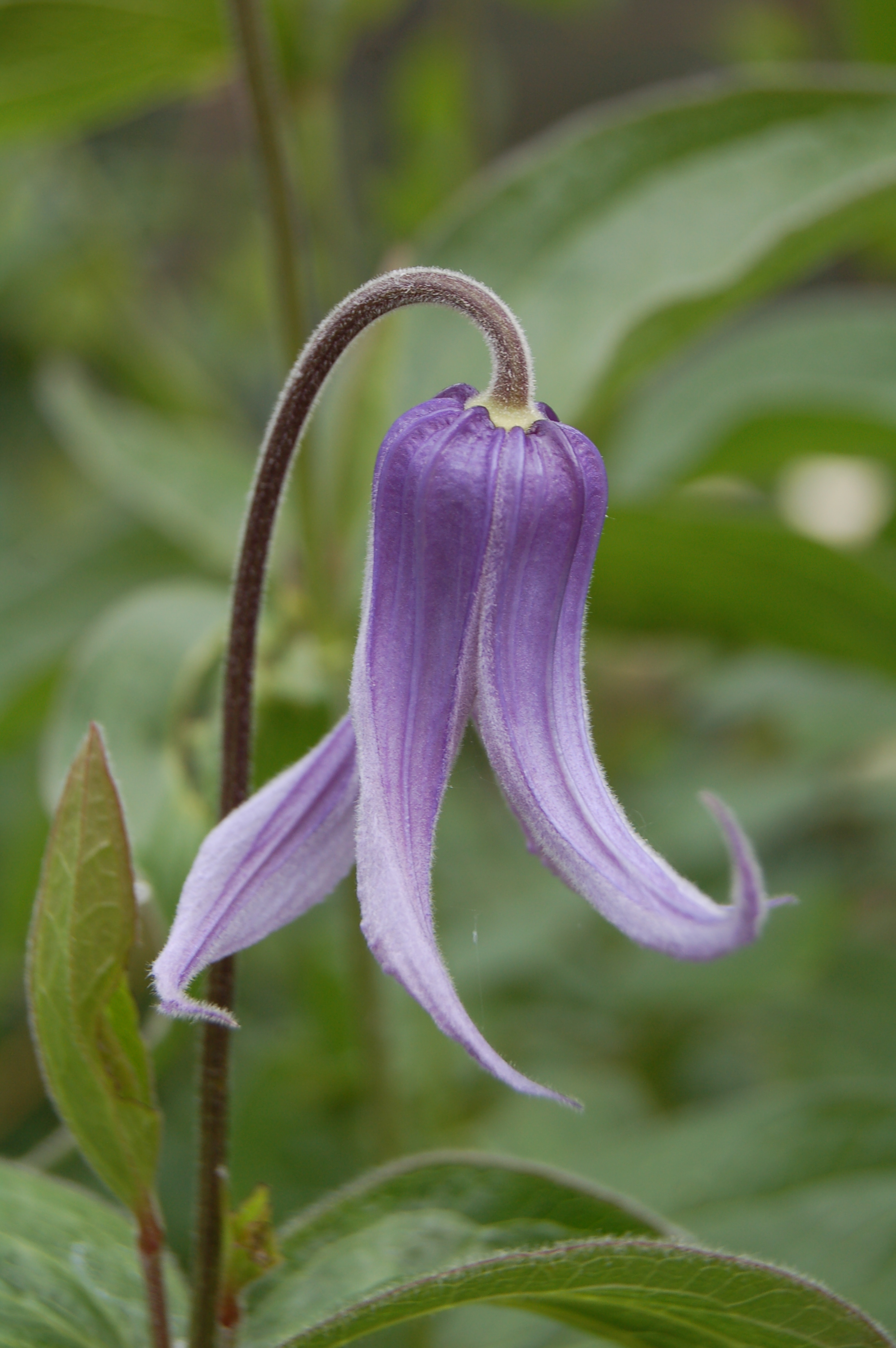
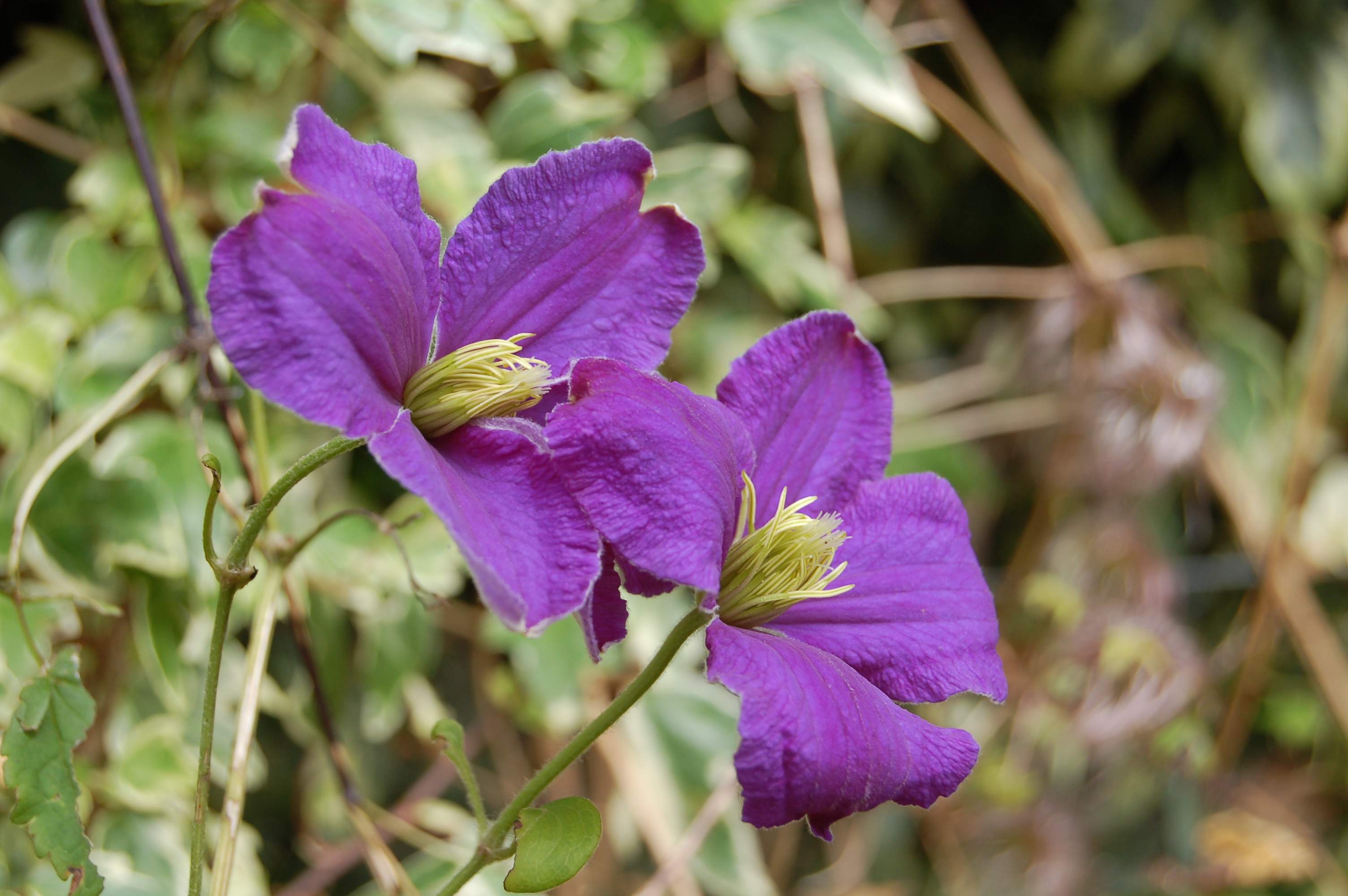
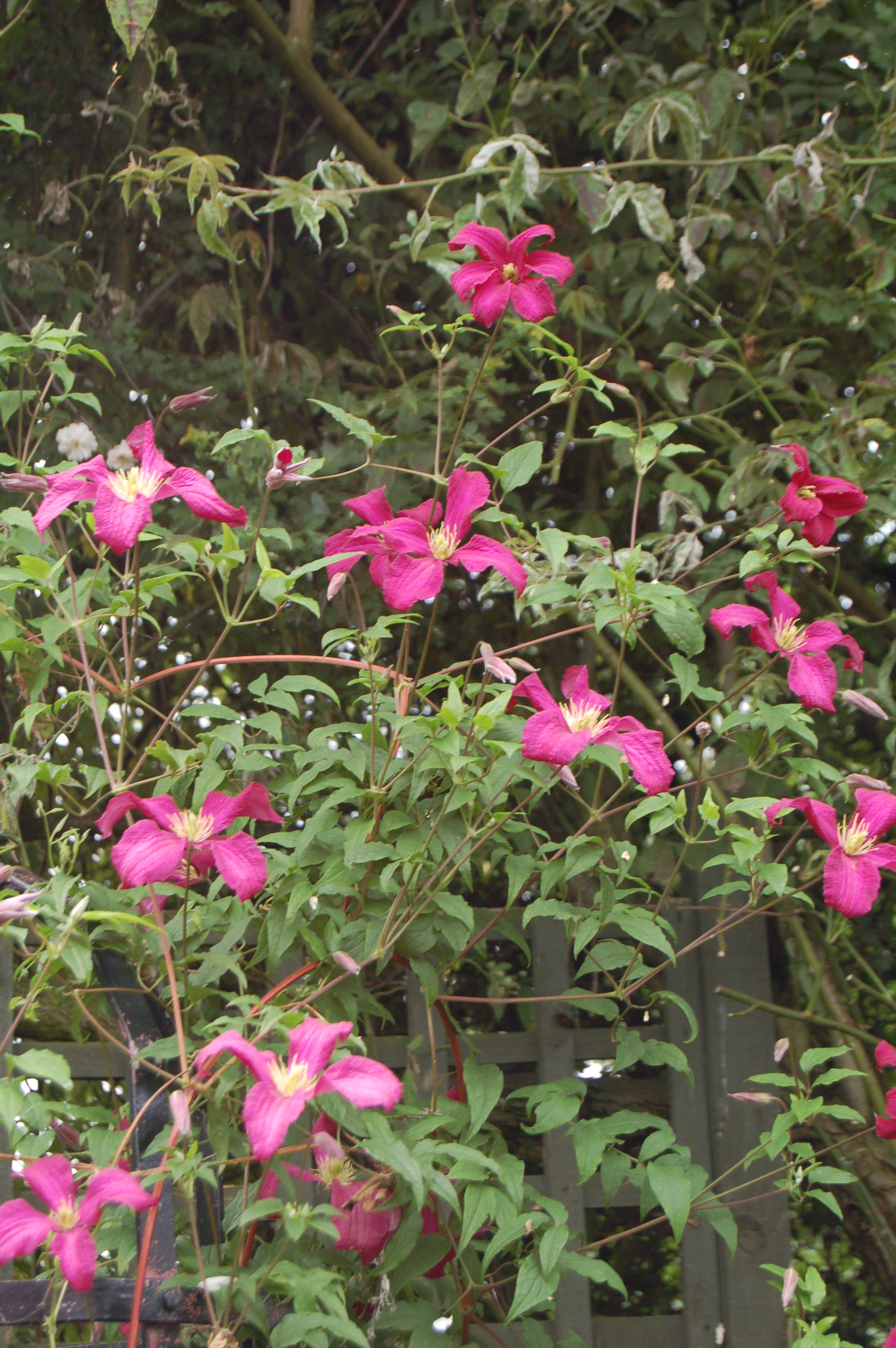
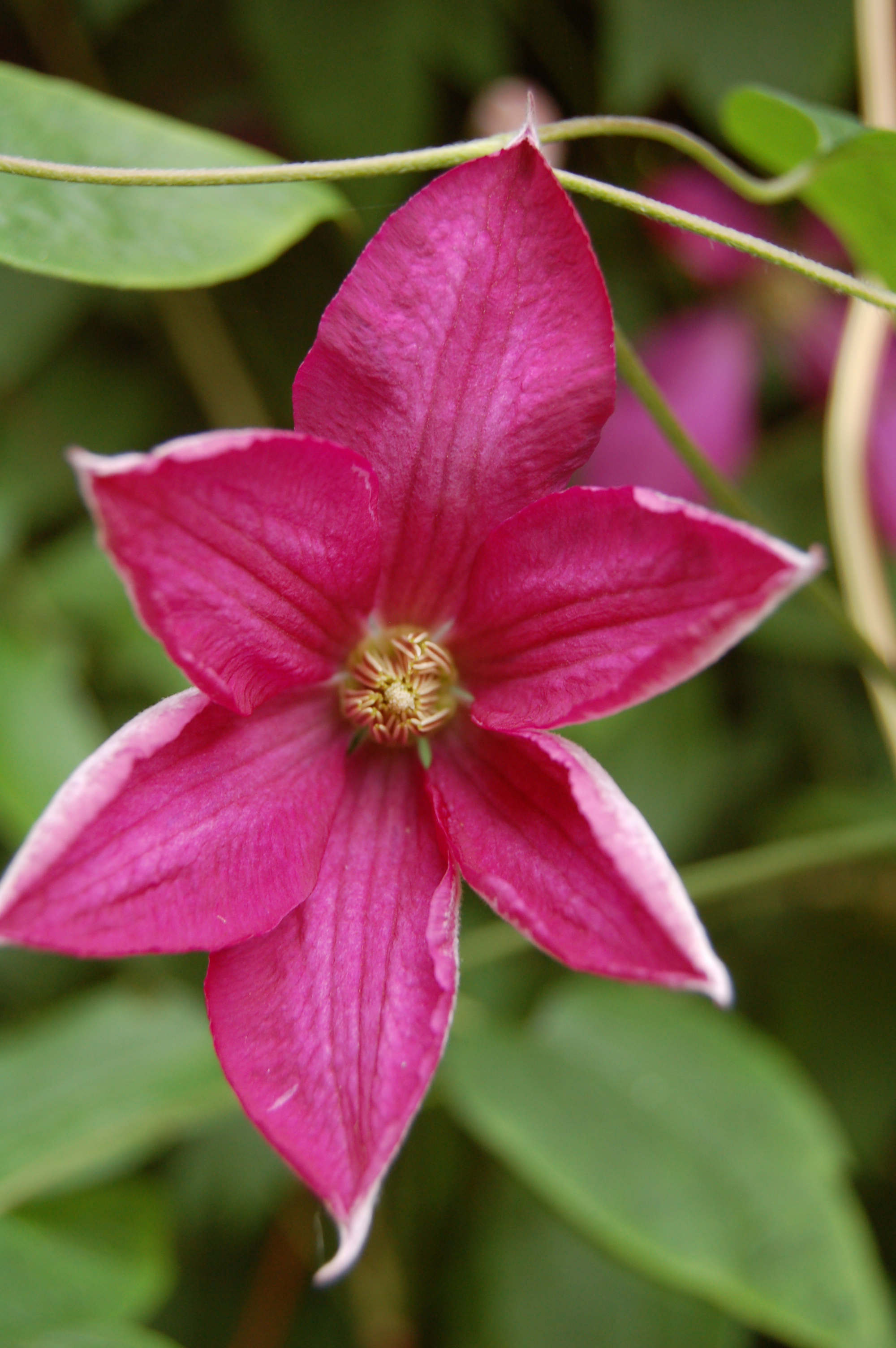
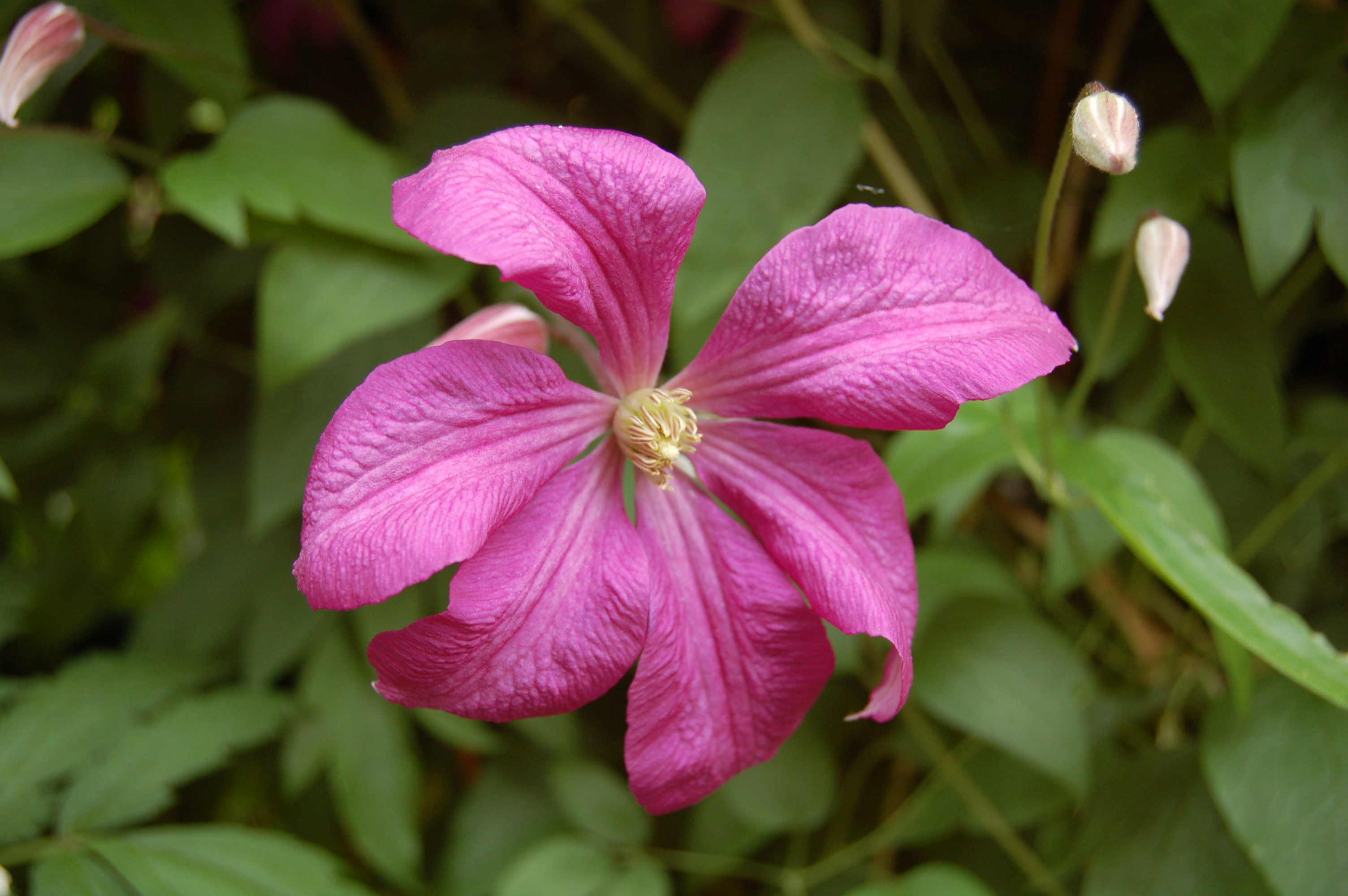
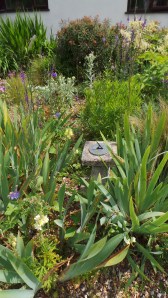
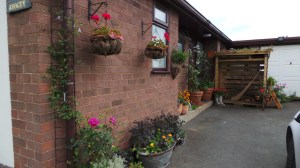
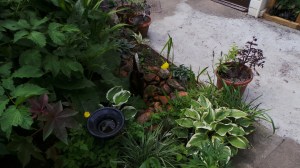
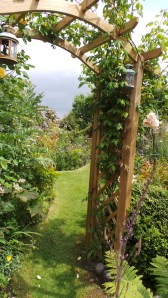
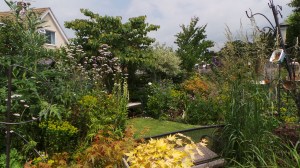
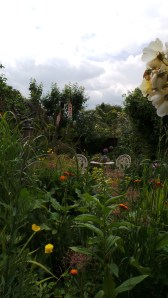
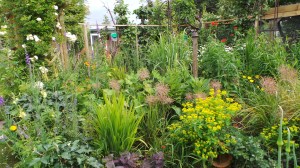
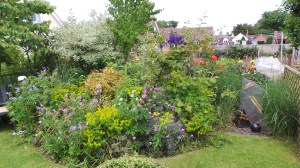
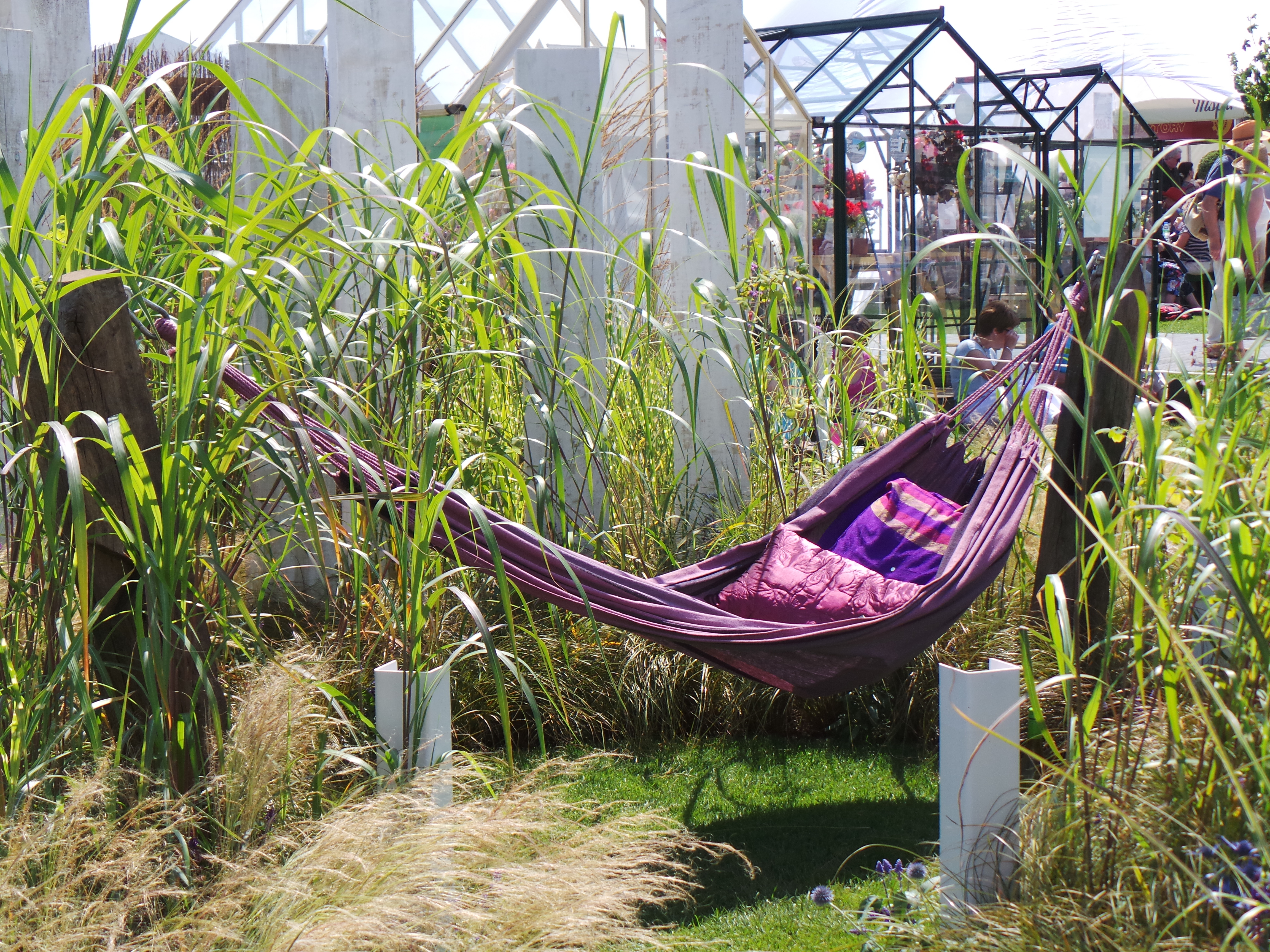
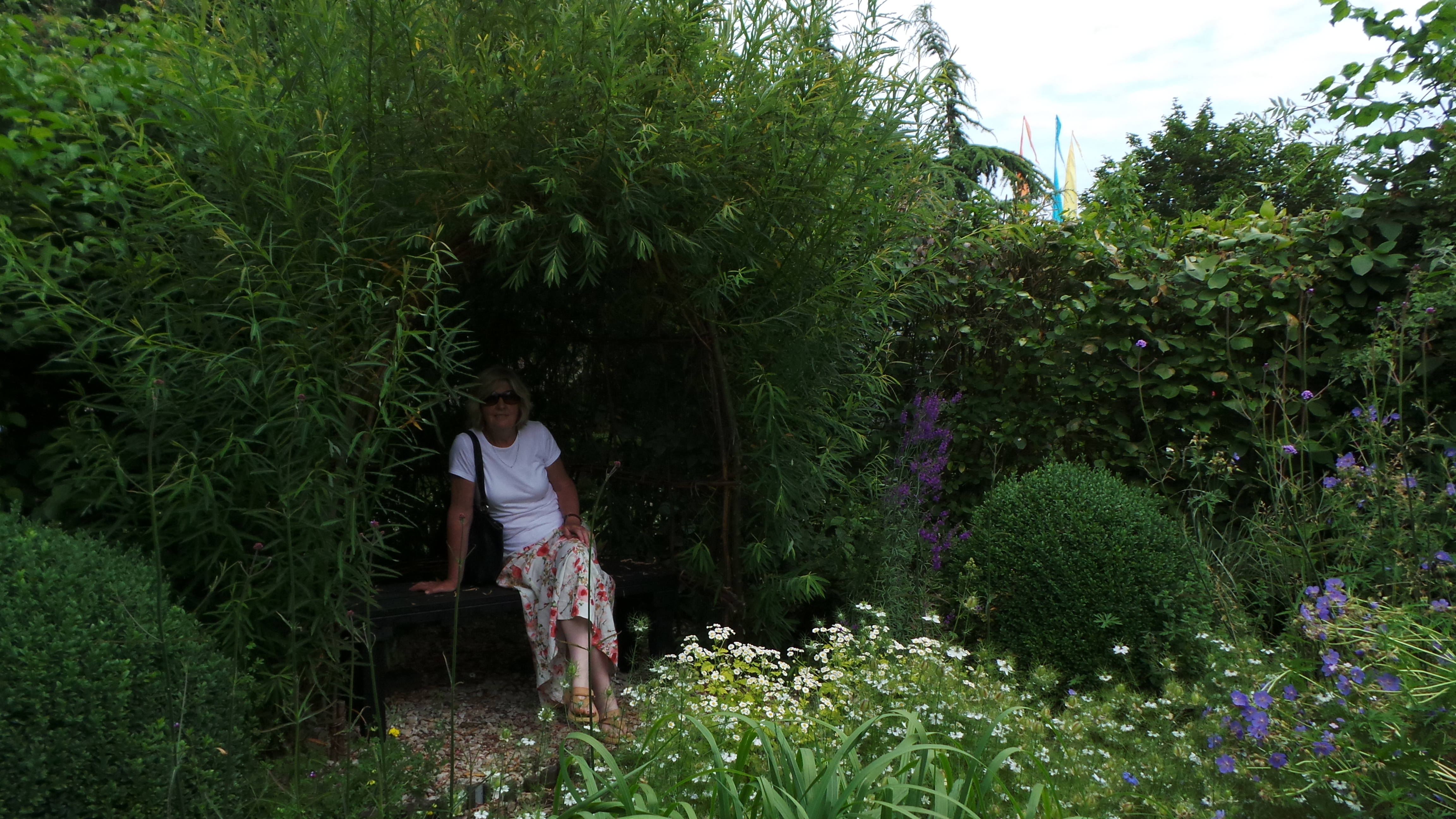
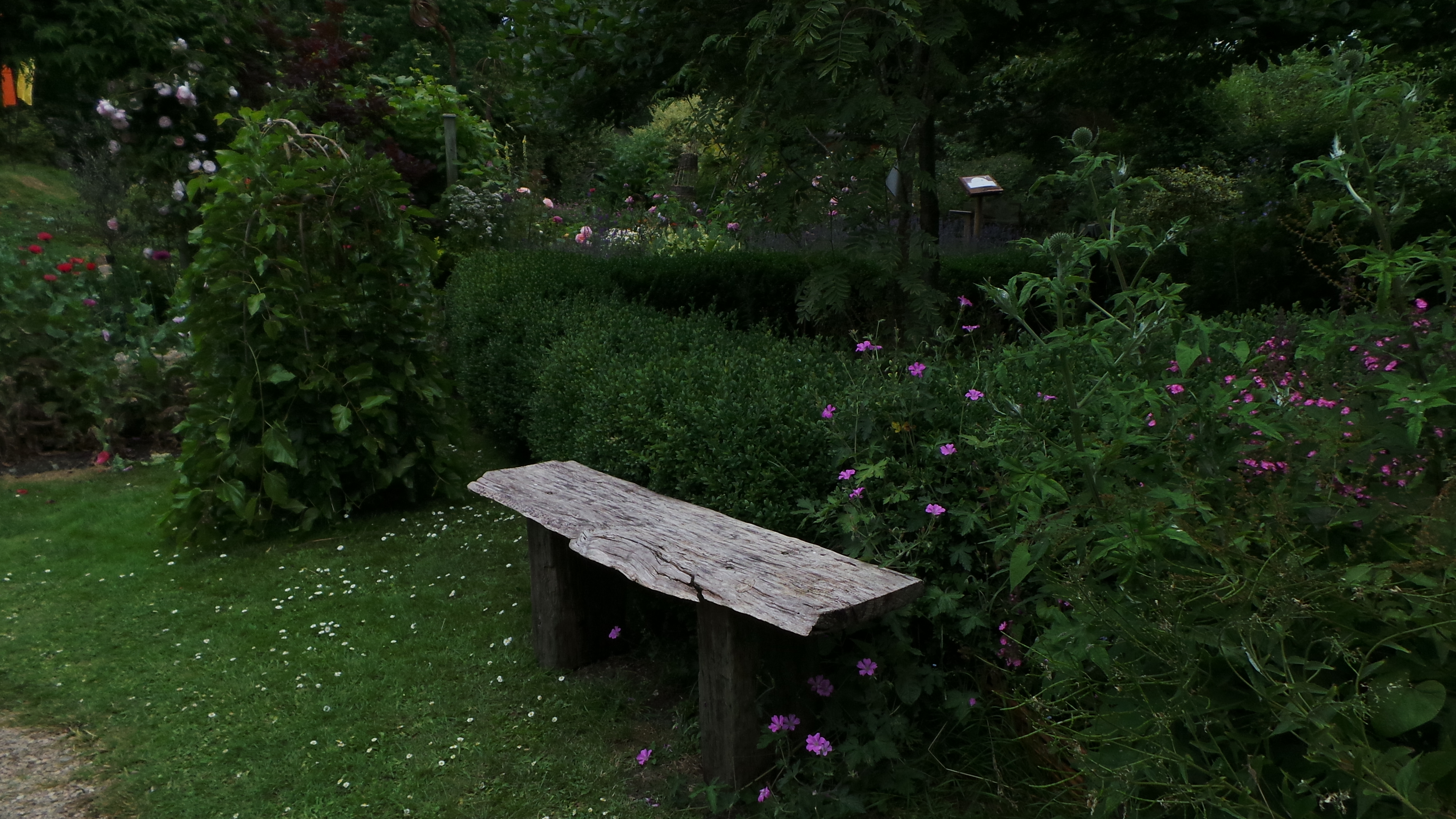
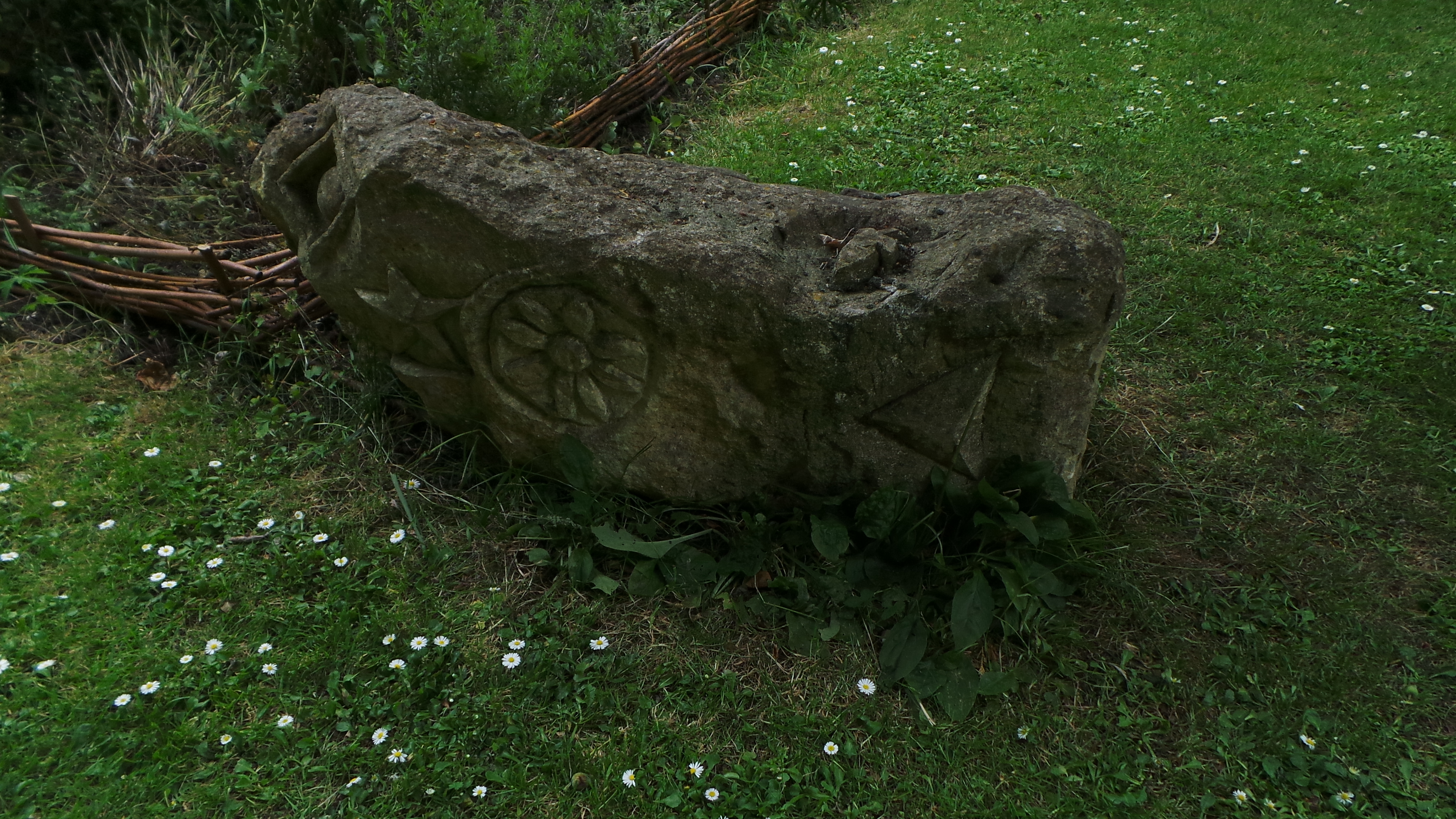
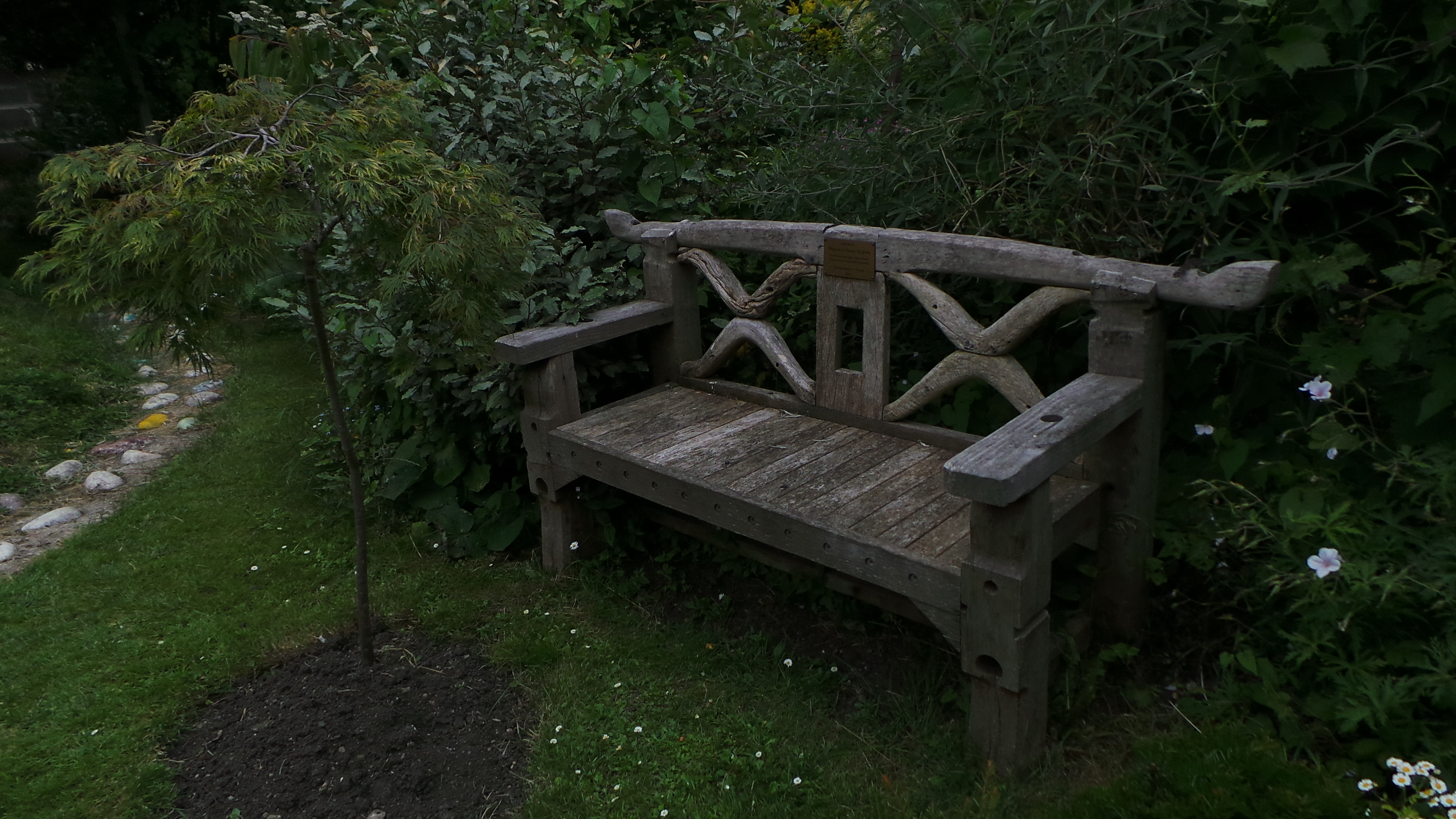
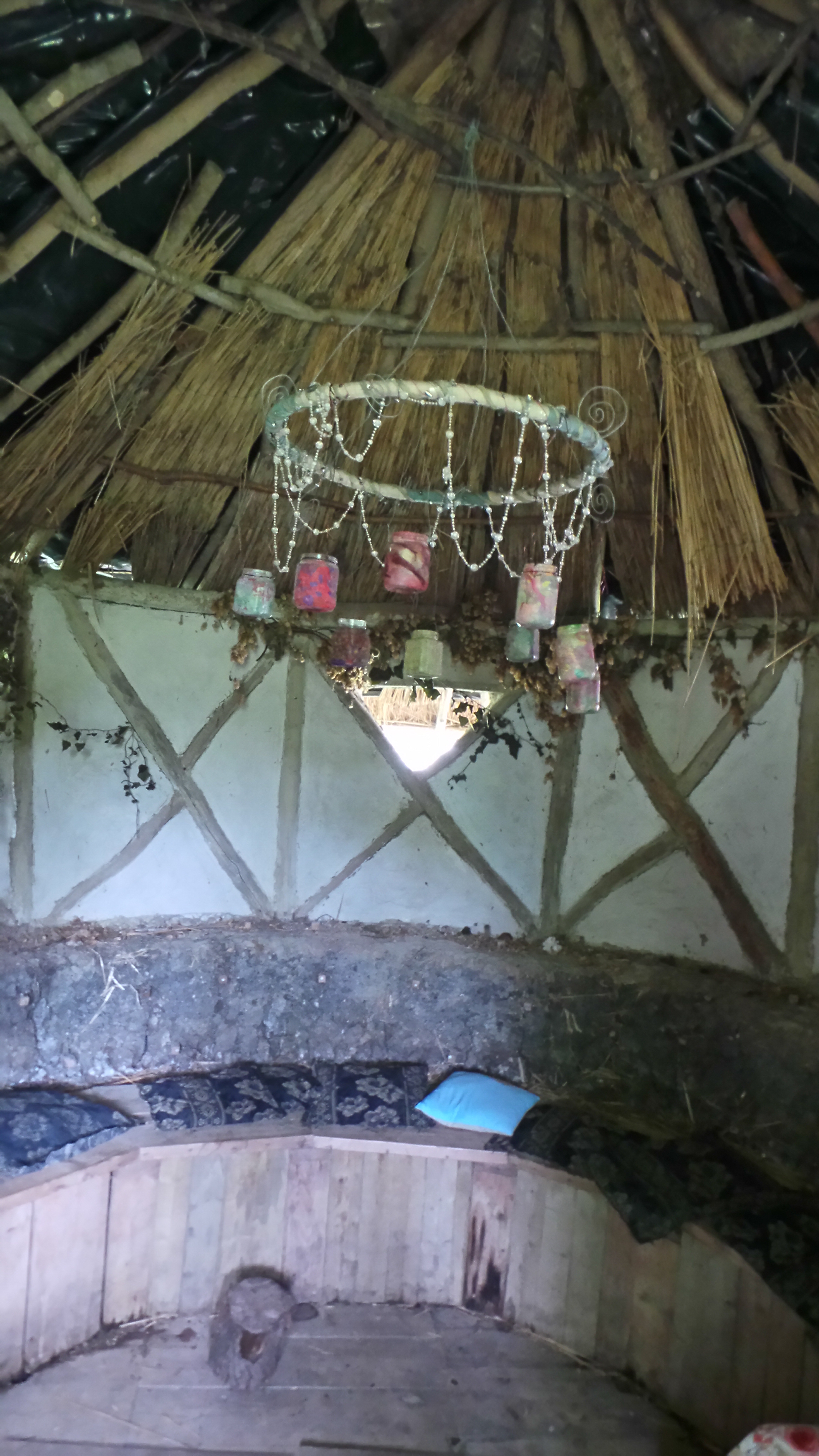
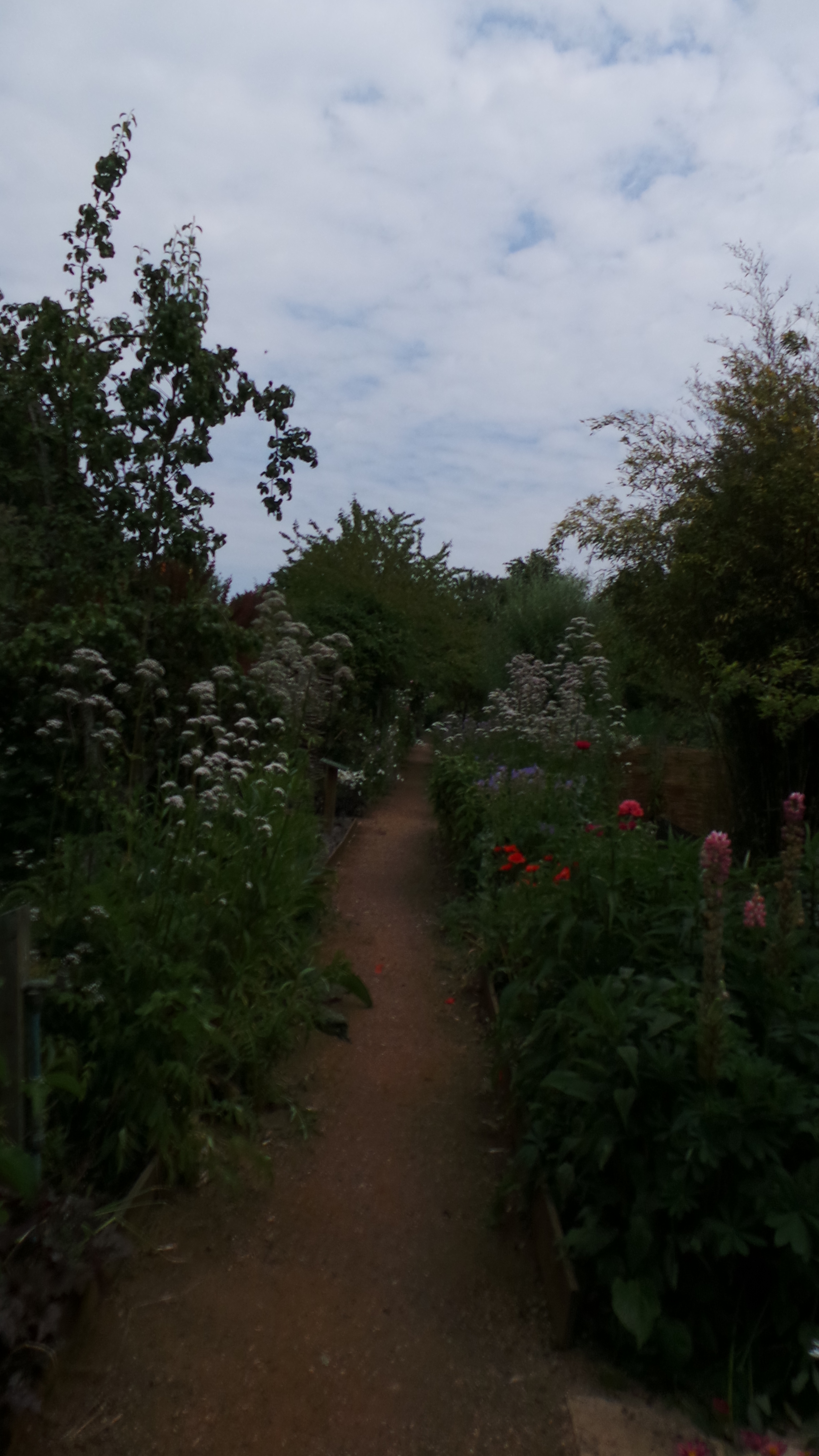
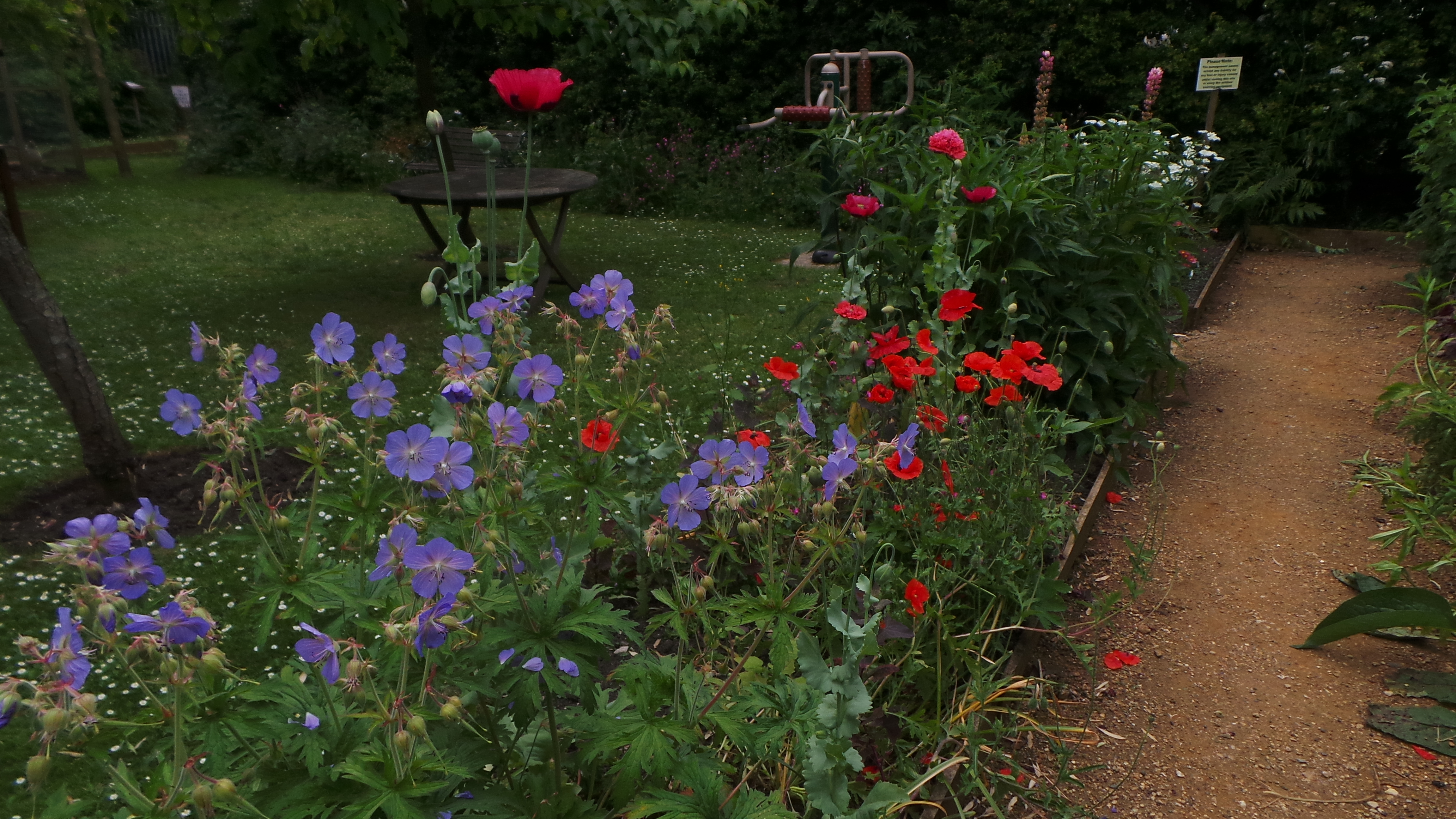
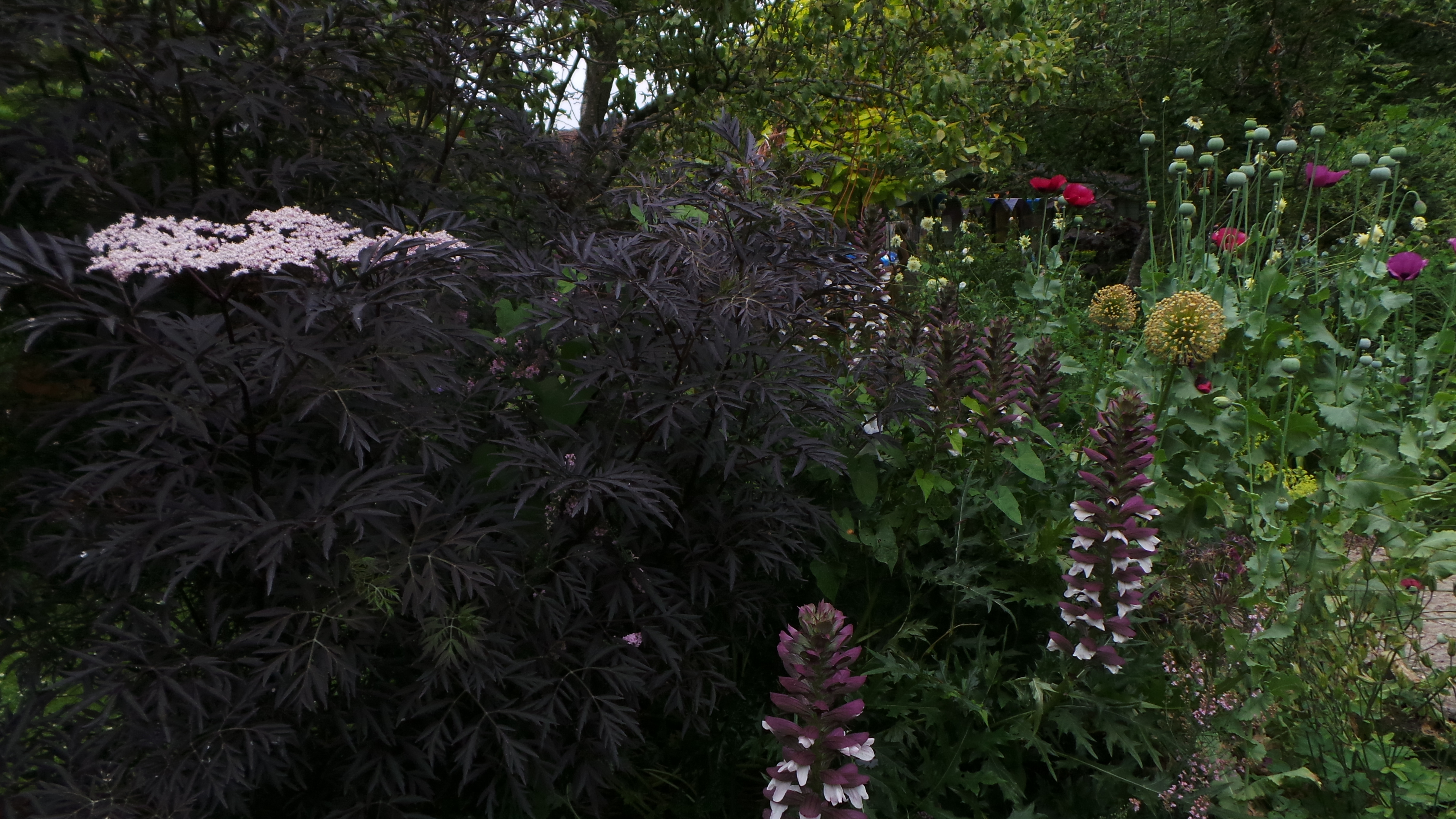
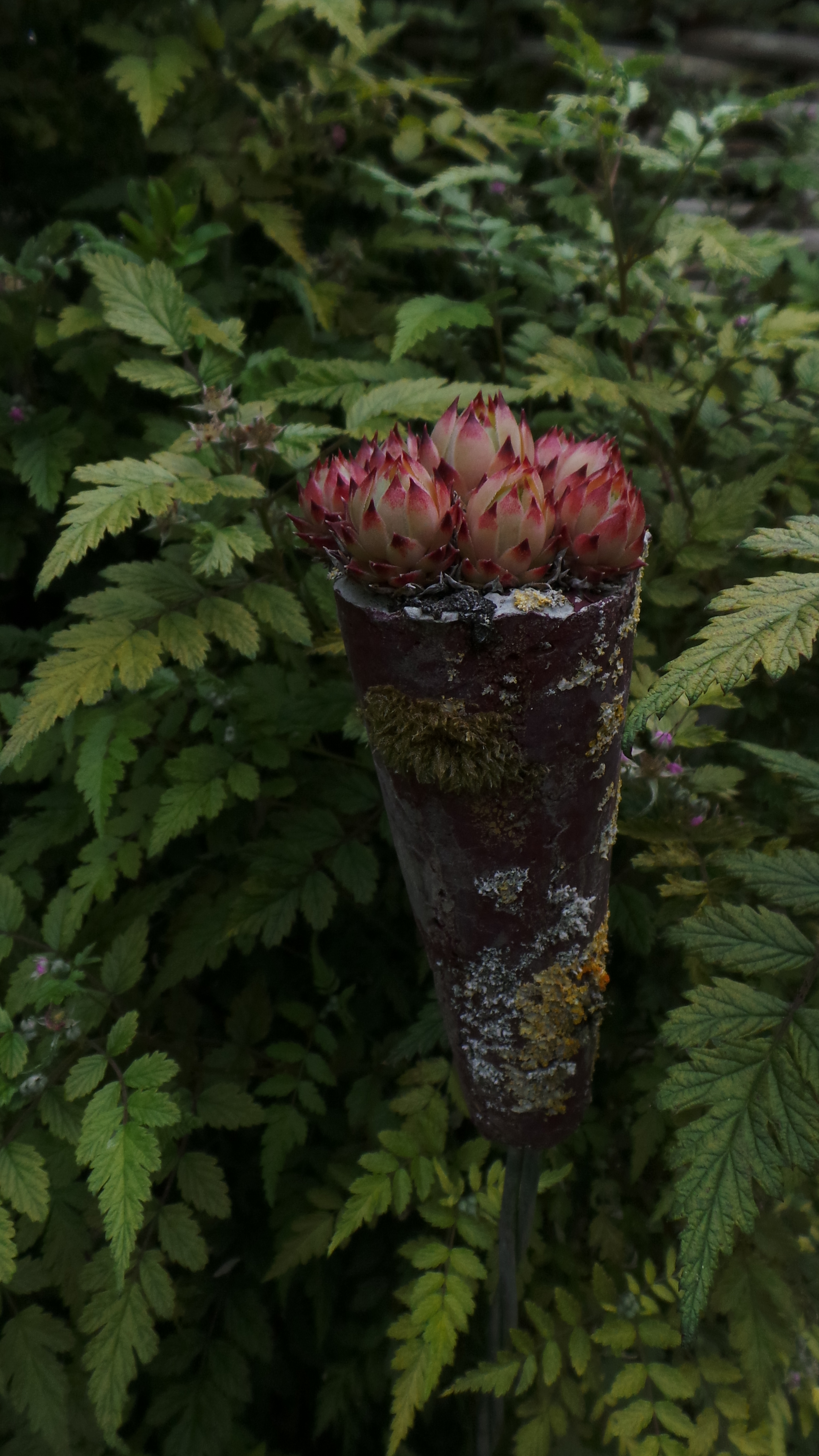
I was seduced once again by the beauty of Clematis when we visited a couple of small village gardens in late late June. The visit was with the Shropshire Group of the Hardy Plant Society. Please enjoy my Clematis Gallery. Thanks to Amy for growing such wonderful clematis.
Author: greenbenchramblings
A retired primary school head teacher, I now spend much of my time gardening in our quarter acre plot in rural Shropshire south of Shrewsbury. I share my garden with Jude my wife a newly retired teacher , eight assorted chickens and a plethora of wildlife. Jude does all the heavy work as I have a damaged spine and right leg. We also garden on an allotment nearby. We are interested in all things related to gardens, green issues and wildlife.
We visited another garden in the countryside of Powis, our neighbouring county. It proved to be very much a garden of two halves. We approached “Cil y Wennol” on foot up a gently sloping curved driveway with trees on both sides dotted around in grass. Closer to the more formal front garden there were interesting land forms with a small meadow facing the sun on an embankment. Moon Daisies shone out almost glaring in the sunshine. As you have gathered from that statement we were experiencing bright sunshine.
This Betula with its beautifully coloured peeling bark had enticed us up the long drive where we were greeted by this bank of smiling daisies.
The front garden was a typical cottage style with interesting plants such as Astrantias, Lilies and Irises dotted throughout.
We had now realised that we had visited this garden years ago so we were not surprised by the sudden change in the garden design that greeted us as we entered the back garden. Here the design was much more modern. It was a garden to explore slowly taking advantage of the invitations presented through good design.
One path invited us into woodland, a relief for a while from the brightness and warmth of the sun. We were impressed by how a beautiful woodland can be created with the commonest of tree species. It proved you don’t have to have rarities to impress. Here the gardeners grew just native Birches, Rowans, Cherries and a few non-natives to add a touch of spice. A lovely atmosphere pervaded this space.
Leaving the woodland we were again presented with several options, different paths to take with different views and different plants.
Closer to the house a gravel area gave a completely different feel. Here were neatly trimmed conifers and Cotinus with their skirts lifted to expose twisted limbs. Soft planting among these features reflected the planting in the nearby borders.

Moving around the side of the property we found another path to take through gap in the hedge where we discovered a swimming pool overlooked by a summerhouse.
We walked from here along a narrow path below a wall with soft planting above, beautifully backlit by the sun.
This was most definitely a garden of many parts beautifully linked with winding paths found through enticing arches and gaps in hedging.
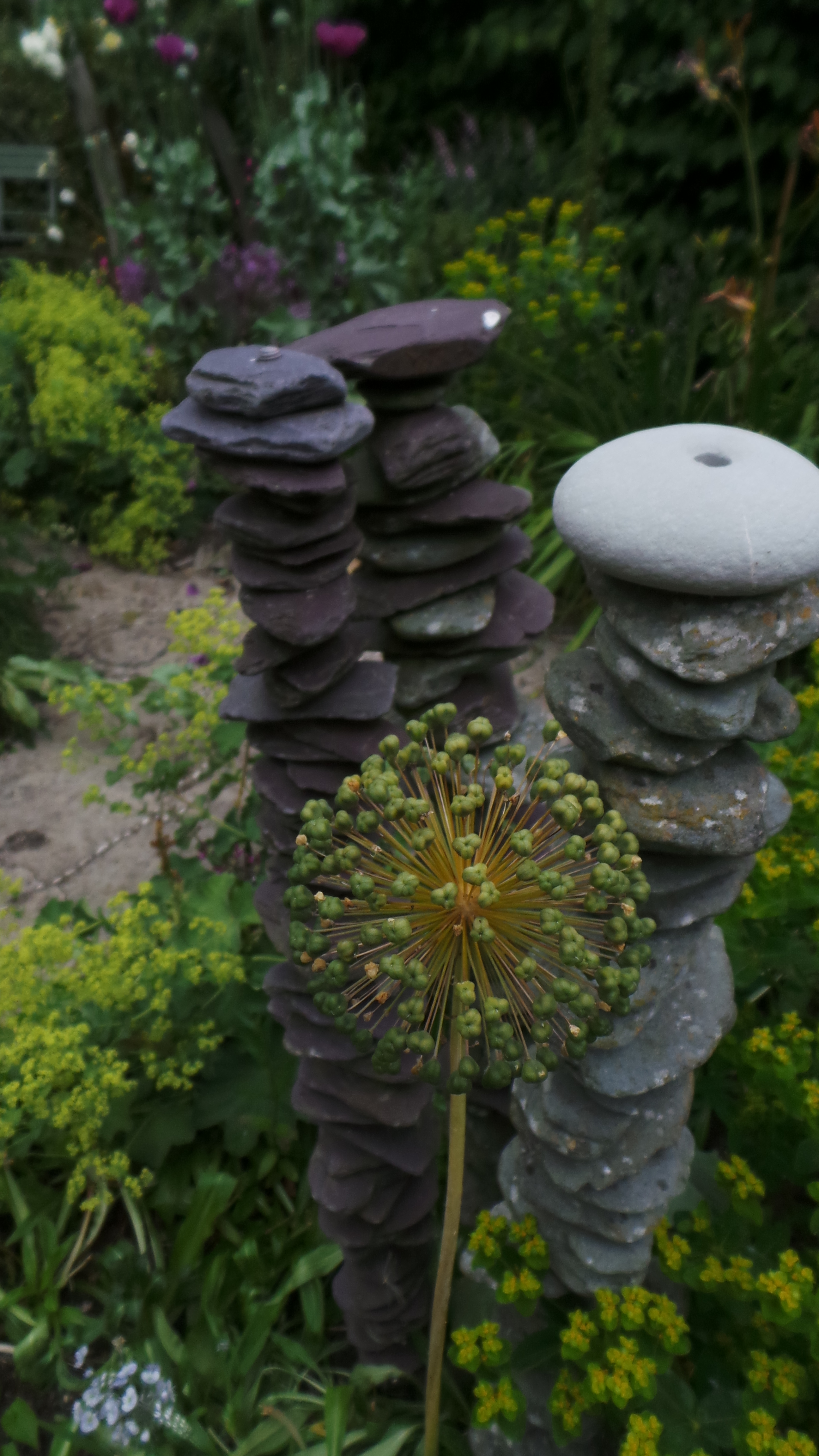
Leaving the garden along the central pathway of the front cottage garden we enjoyed the view behind this wonderful gate. A great garden – it was good to return.

Of course the garden we visited wasn’t really on top of the world, but it certainly felt that way as once more we made our way into the hills of Powys the other side of Welshpool, travelling along narrow single track lanes up steep hills and around sharp bend after sharp bend. It seemed to take ages to get nowhere and the journey did actually take twice as long as we had anticipated. We had to go in Jude’s little car as I had been in hospital the day before having a minor op on my hand so I couldn’t drive. We should have known better and Jude could have driven mine as its more powerful motor wouldn’t have minded the hills so much.
Once we got there however we knew we were in for a treat. Anyone brave enough to tackle the making of a garden in these harsh condition must be a very determined gardener indeed. As we neared our destination we turned up a very narrow lane where the hedges virtually touched the side of the car and we climbed steeply until the lane came to a halt. A gate in the stone wall was open on our right and a sign indicated that this was where we had to park up. On the left another track of rugged slate took us through fields grazed by sheep towards the garden.The gnarled old hedgerow Hawthorns were bowed over and twisted from years of being wind battered on this exposed hillside.
After a steep knee-aching walk across fields we realised we were getting close as the close cropped sheep pastures were replaced by recently planted flower meadows with neatly cut gently winding paths.
After walking the meadow edges we glimpsed the house ahead of us. From this distance it already looked tantalising.
We found it to be a modernised and extended Welsh longhouse with its garden wrapped around it and just as well designed. Coffee and cake were enjoyed in an out building where plants from the garden were for sale. Only a few different plants but very well grown.
As we started to explore the garden it immediately became obvious that an artist was at work here. The planting with carefully selected combinations of texture and colour and scattered artifacts had the feel and look of the artist’s hand and eye at work.
Moving further from the house, closely mown paths enticed us through meadows of white daisies to a curving bench of slate encircling a fire pit and on further to a small but neat productive patch.
Moving back around winding paths towards a pool in the lower part of the garden we found more borders and this metal sculptural bird feeding station. Beyond every border were distant views of hillsides.


The pool and the stream garden running into it was a new venture and still in the early stages of development. We could see such possibility and vowed to return to see developments.
Slate paths through raised beds let us discover further interesting plant combinations. We were impressed in particular by the different Astrantias.
Gardens wrapped around the complex perimeter of the buildings and here more gentle plantings helped root the new building extensions into the land.
As we left the garden behind and anticipated the beauty of the meadows we noticed a green roof under which we must have been seated while enjoying our coffee and cakes. Wandering the close cut grass paths through the meadows was a very gentle way to finish off our visit to this developing garden. We looked forward to returning in the future.
We ventured along narrow winding lanes into the countryside of Powys our neighbouring county across the border into Wales. We were not the only ones out travelling these lanes on a mission on this sunny afternoon. Several members of the Shrewsbury Mini-Group, part of the Shropshire Group of the Hardy Plant Society, were meeting up at a woodland garden and nursery called Tan y Llyn.


The weather was bright. There is no better day to visit a woodland garden than a sunny one as it enhances the contrast between shade and light so well. Even the most ordinary plants such as this Cotoneaster and Yew look so good.
Any flowers in a woodland garden shine out from the shadows.

Dotted around Tan y Llyn are interesting objects and well-composed cameos.


Callum Johnston the garden owner also ran a little nursery specialising in alpines and herbs and he featured many of the plants for sale within a garden around his front door where plants were grown in a selection of pots and containers. They invited close inspection as did the sales benches close by in the shade of deciduous trees.
We were particularly drawn to this dry river bed of pebbles winding through the gravel of the driveway near the cottage’s front door. We immediately began to plan where we could try something similar out at home.
Callum admitted to an obsession – training, twisting and pruning willow into interesting structures. He also obviously loved hedge trimming where on occasion he lets his imagination run riot.


Callum had even trained willows to become bird feeding stations. The birds certainly liked them as did our Hardy Plant friends. Callum and his partner Brenda served us up with cream teas under the shade of trees alongside these feeders so as we reveled in our luxury teas we were entertained by the birds enjoying theirs.
Nearby herbs grew in a terraced border and added their scent and spice to the conducive atmosphere. As with many garden owners who like to share their garden, Callum and Brenda knew how to make us feel comfortable and relaxed.

A classic colour combination of yellow and blue attracted us. Closer to we realised that the yellow was provided by this stunning Lily.
One effective design trick used here was the use of enticing paths and it was very well used.


A final wander around these paths beneath and between the trees was called for after our tea and before we reluctantly left this special place in a wooded Welsh valley.
Callum accompanied us down the drive as he thanked us for visiting and for buying lots of plants. They were very good hosts. At the bottom of the drive we made one final discovery, another surprise conjured up by this truly unique garden. Another of Callum’s tricks with his pruners.
A Wonderful Walled Garden – Cerney House
Both Jude and I love walled gardens whether they keep up the tradition of providing the ideal environment for fruit and veg growing or if they house decorative planting within their walls. On an uncharacteristically hot day in May we spent the afternoon in the walled garden at Cerney House on the edge of the Cotswolds between Cheltenham and Cirencester.
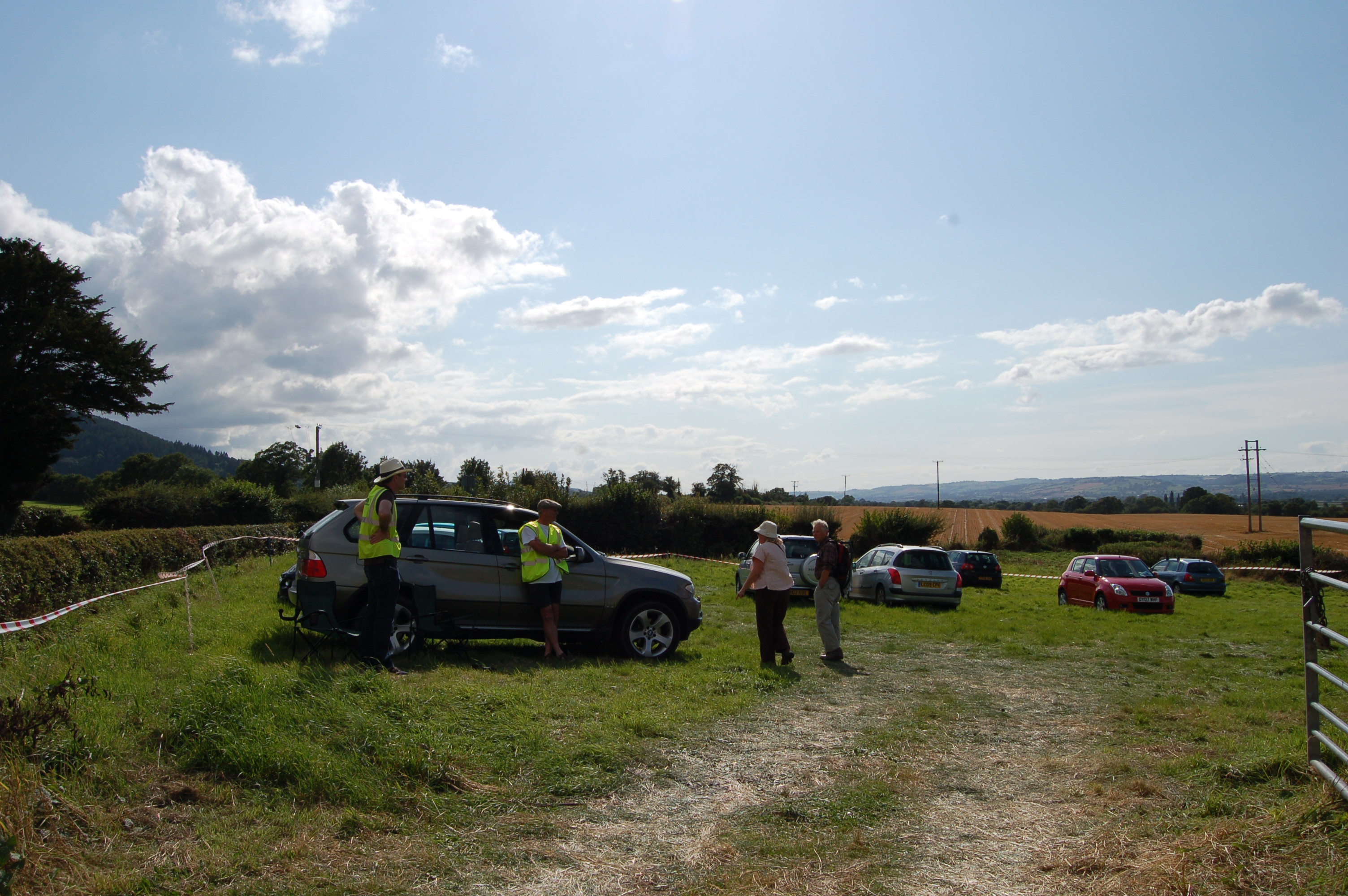
The place for parking the cars was on a freshly mown patch of grass within a huge uncut flowery meadow. This meadow provided a wonderful foreground to the mature trees. We were amused to see these two cars which had obviously been parked up for a few days as the grass had been cut around them. Long grass and flowers lapped at their tyres.


The garden here is on a gentle slope which must have created near perfect conditions for the gardeners to produce fruit and veg. The little gateway into the garden gave a glimpse of what we could look forward to and there were little gems to increase our anticipation.
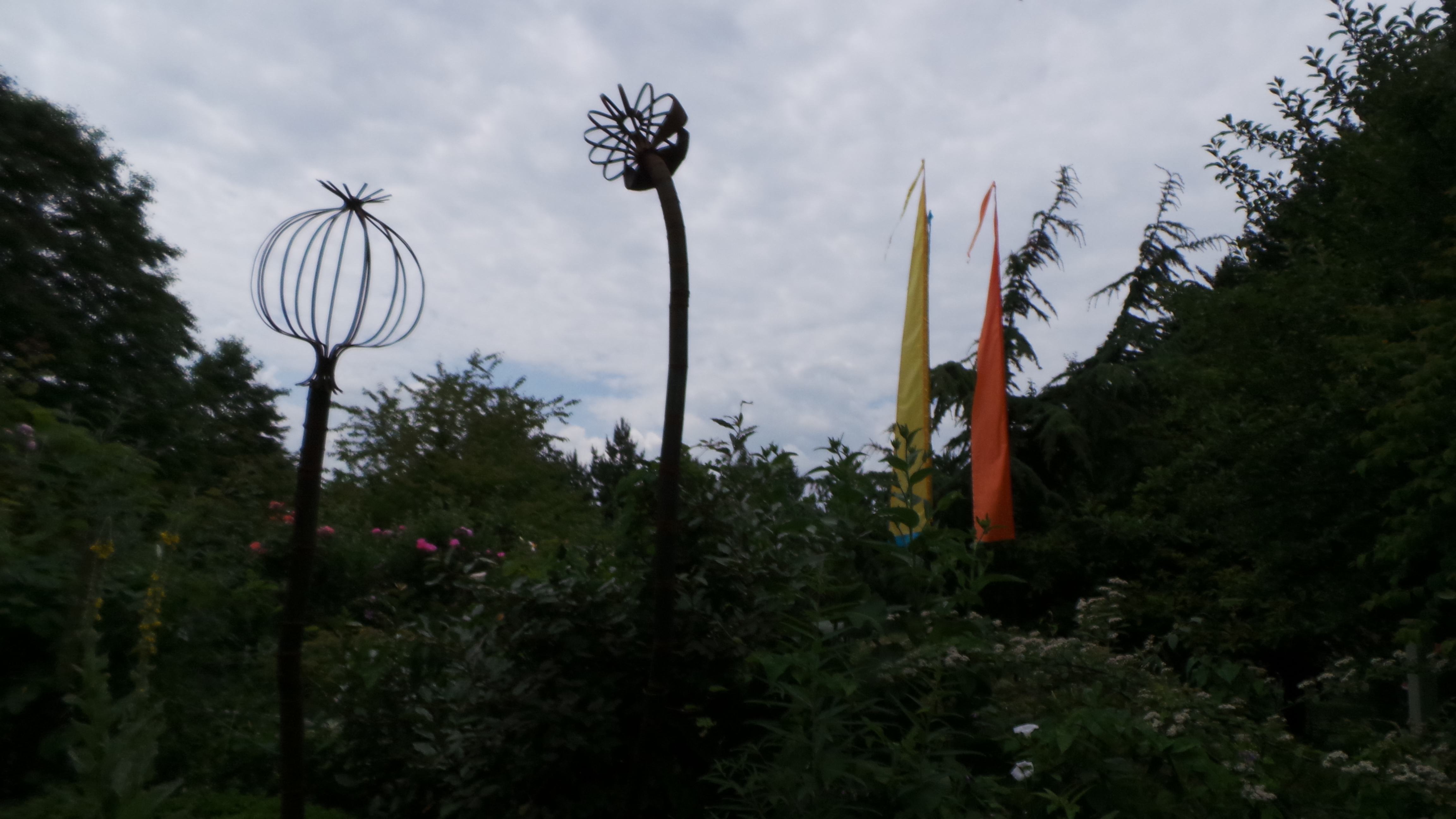
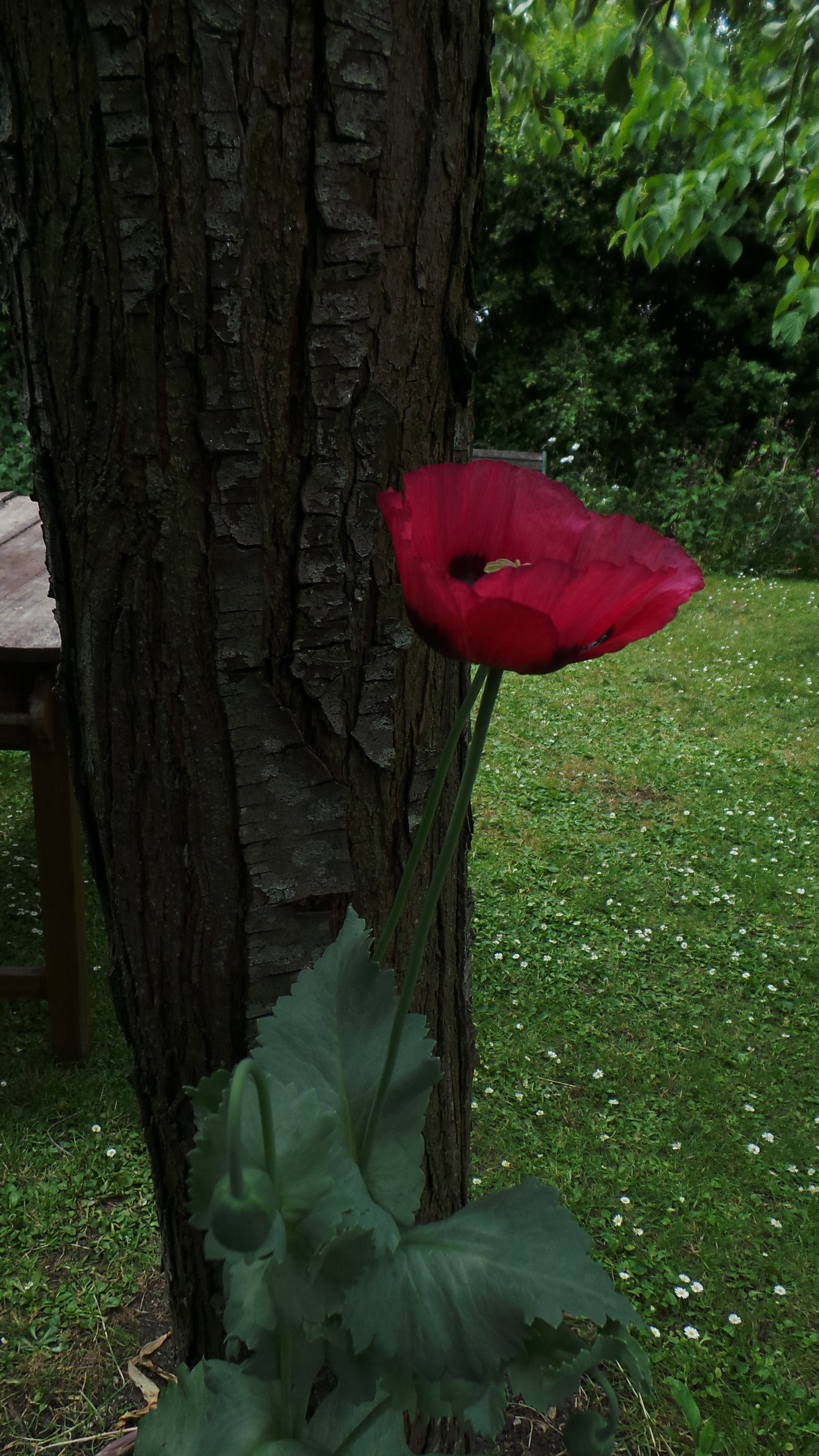

Now long mixed decorative borders run along the slope and in the top corner soon after entering through the gateway we discovered a tea shop in the old gardeners’ bothy. A great place to start our exploration and refresh ourselves before setting off.


There were some lovely old gnarled fruit trees remaining from the old productive garden days, and a lovely old Viburnum still flowering strongly.


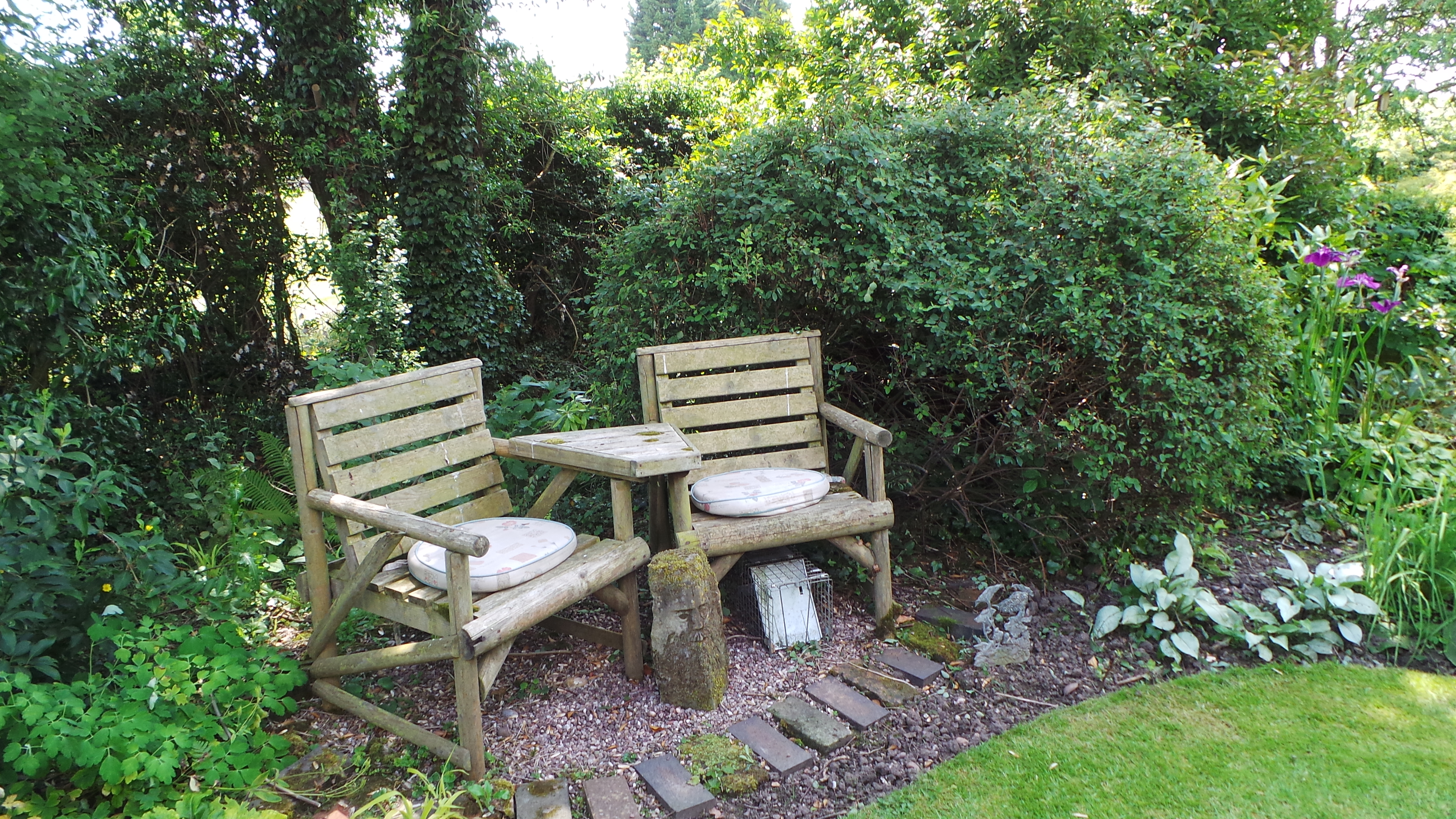
We took a diversion into the edge of the Woodland Garden where the air was scented with Wild Garlic and the ground beneath the trees clothed in a huge variety of Comfreys and Geraniums. The walls here were clothed in Clematis happily rambling along.
The gardens within the walls were a lovely combination of formal and informal, short smartly cut hedges enclosing frothy perennials.
In the centre of a group of four formal beds we enjoyed looking at four old Quinces in flower.


The last view of the garden from the car park as we arrived back after our walk was of groups of mature trees, many of which were Horse Chestnut. I was doubly glad to see them. Firstly because they are my favourite late spring tree with their huge spires of white or pink flowers and secondly because I had just started a post about them.
I shall finish with this Aquilegia leaf shadow sharply painted by the sun onto a boulder.

This may seem a strange title for a post but I had decided to write a post about my favourite flowering tree, the Horse Chestnut but then I came across a beautiful rustic ancient fence made from the wood of a chestnut tree.
Our native chestnuts come with two flower colours white or red. The white is more common and flowers a little earlier than the red.
The first photo shows chestnuts in parkland around the gardens of Cerney House.
The white flowers look particularly good against a blue sky on an early summer’s day. It shows up the pastel shades in the centre, yellow and orange.

The red, or perhaps pink may be a better description, coloured flowers are very dramatic. We found this specimen along the driveway to Bluebell Cottage Gardens and Nursery in Cheshire.
In our own garden we grow a miniature chestnut.

It is small enough to grow in a mixed border where its flowers can mix in with Alliums and the last of the Tulips and its leaves contrast strongly with the grass stems we grow alongside it.


You can see from the photos that it looks a very different colour depending whether you are looking at it into the sun or with the sun behind you. It also boasts beautifully textured ribbed leaves. The bees love the flowers!


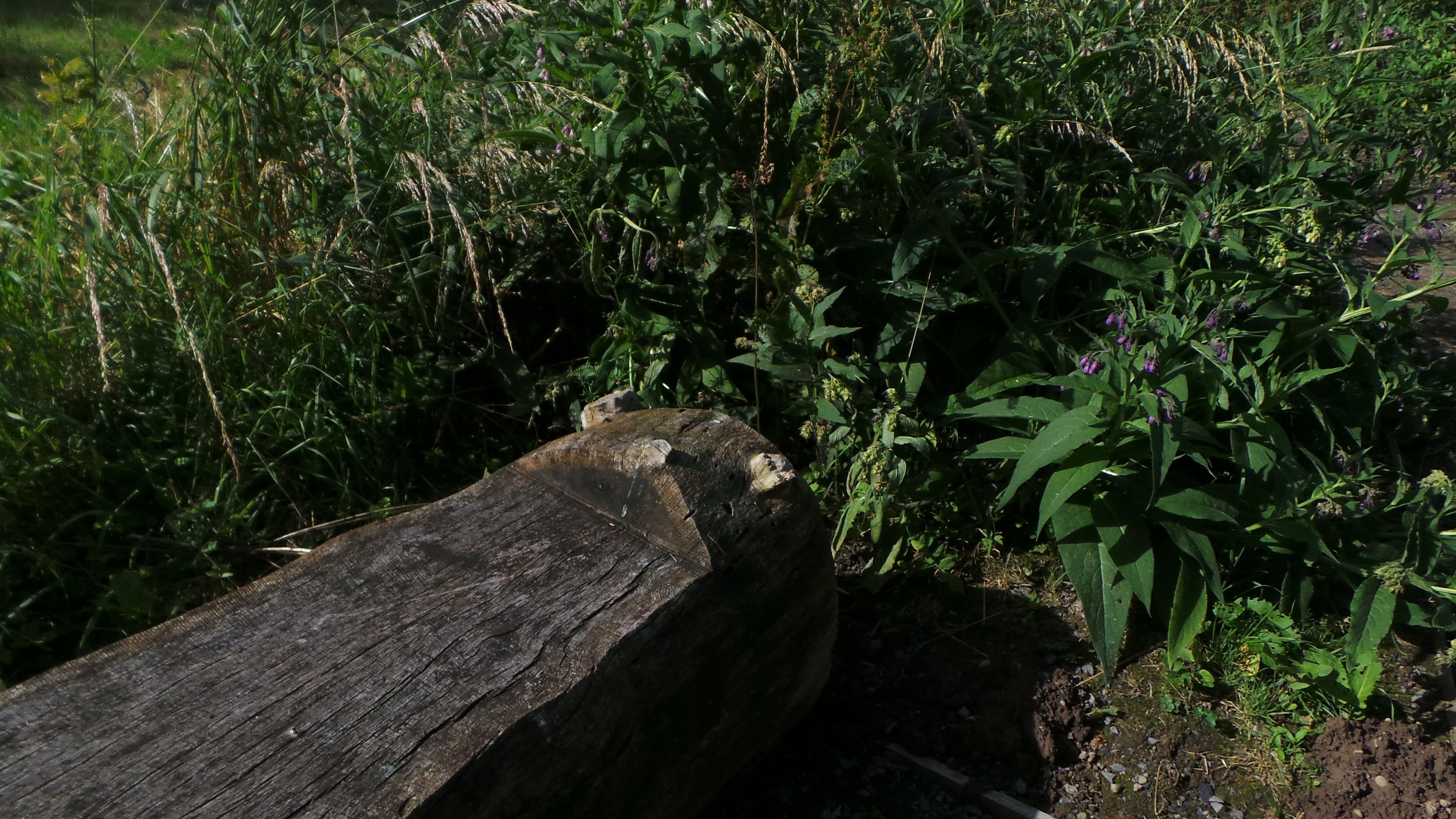
At Croome Park we came across the most beautiful fence, created from the wood of chestnuts. The wood of chestnuts lasts for centuries without any care gradually taking on the most delicate silvery grey colour.
On a recent visit to a woodland garden in Powis we came across this little shrub tucked away in the shade of tall trees. We guessed it was another Chestnut. It had beautiful leaves with dark central veining. Can anyone shed light on this?

Our native chestnuts are essential elements of our hedgerows but have recently been under threat from a disease that turns their leaves prematurely yellow and then drop early. They seem to be fighting back so fingers crossed. Our countryside wouldn’t be the same without them.
We have created an “Interest Trail” around our allotment community garden, and we see it performing two roles, firstly it guides all our visitors around the site taking in as big a variety of features as possible and secondly it performs as an activity trail for children. It has proved very popular. Whenever we come across a similar trail in large gardens or parks we always have a look to see how the idea has been executed. We visited the National Trust garden, Dunham Abbey, primarily to enjoy the Winter Garden but we discovered that since our last visit a few years ago a couple of the gardeners have created a children’s trail so we could not resist trying it out.
It was wonderful! Come with us and enjoy! We found the sign and below it one of the decorated bikes and then enjoyed a woodland wander before discovering the first of many fun and educational features designed for children.

Any child who is brought here is very lucky indeed! At our allotment we also have features and arrange activities for the children and grandchildren of our members and their friends so we left with many new ideas.
A a rare warm day in May we met my sister, Penny and husband Tony, for a walk in the park near their home. But this is no ordinary park – it was Croome a National Trust property near the village of Pershore in Worcestershire. The park and house are undergoing a huge long-term restoration programme. We were pleased to get a chance to enjoy it part way through its rebirth.
The parkland was originally designed by Capability Brown and it is beginning to come back to life after decades of neglect. Sweeping wildflower meadows were punctuated with newly planted trees. From the slightly elevated parts of the park we enjoyed distant views of the Worcestershire countryside.
As we walked along the highest ridge in the park through newly planted shrubs and trees we were amazed to see that one section of the original underground water system had been exposed by a landslip. A glimpse into the genius of those water feature engineers. In places small areas of herbaceous planting had been established. It was refreshing to look at colour close to and in detail as the parkland here is mostly about large-scale views.

A few old specimen trees have survived and their gnarled twisted trunks were a stark contrast to the newly planted shrubs and trees. Beyond them glimpses of the house and church were revealed.
Flowering shrubs seemed particularly happy here with fine examples of sweetly scented Lilac and Hawthorn with their rather unpleasant aroma.
As we left the shrubberies we moved back out into the open passing over an old stone-built bridge over the River Croome where it had been widened out to form a lake. This was typical of the way Capability Brown manipulated the landscape. The fence on the bridge was constructed from the wood of chestnut. This wood makes unusual looking fencing which lasts for centuries without maintenance. (see another post, coming soon, concerning Chestnut trees and fences constructed from their wood)
Overlooking the lake was a grotto which had been lovingly restored and on this extremely hot and humid day it provided some much appreciated shade and cool air. The fissures and cracks within it afforded the local small birds with safe, secret nesting sites. We spotted Wrens, Blue Tits and Coal Tits while we sat and rested a short while. A statue here was dedicated to Sabrina the Goddess of the River Severn. Sabrina is well known to us as our home town, Shrewsbury, huddles within a loop of the River Severn. The goddess lends her name to many a boat and building in the town.
In places the lake’s surface bubbled and frothed with a seething black mass of tadpoles. Amazing!
Our wanderings back to the car park took us along the banks of the River Croome where we were entertained by Sedge Warblers in full song atop waterside plants, through more flower rich meadows.
When we made our monthly pilgrimage to the wonderful gardens at Trentham for my “garden for all seasons” posts, we were particularly taken with the variety of irises on show integrated into the borders designed by Tom Stuart-Smith.
Most were the large flowered exuberant bearded irises but the more delicate demure Iris sibirica were there to be admired too. My first set of pictures are of the blues and purples and all their variations.


Blues and purples combine well with a variety of other colours within the flowers of some irises, with the uprights in a different colour to the falls.
Brown and yellow flowered iris seem to add real depth to mixed plantings in the borders. Some of the browns are very unusual to see in flowers other than iris.


The gardeners here had cleverly matched a clump of brown Irises with the china blue of Amsonias. What a great combination, but not one that springs to mind when designing borders but we shall most certainly remember it for future use.

In one of the display gardens, one designed in a Japanese style, Iris sibirica grows in clumps around the edge of a pool. They contrast well with the yellow of the Trollius in the one shot but compliment the glaucous Hosta foliage in the other.
We also found Iris sibirica growing within the Piet Oudolf designed borders working in a subtle combination with a Nepeta.

As we were on our way out of the garden we walked along the banks of the lake and discovered this lovely bright stand of our native iris, Yellow Flag. These can stop you in your tracks as well as any produced by plant breeders. They are always good to see and flower for a lot longer than their cultivated cousins. They present a most suitable finale to my tribute to the Irises of Trentham.
On our May visit to the gardens in Trentham which we are following this year in order to check it out as a “garden of all seasons” we were in for a surprise. Not only had the gardens blossomed since our April visit but we also arrived to discover that Trentham was celebrating its 10th birthday. So the gardens were full of excited visitors and extra attractions. Balloons and banners soon revealed why there seemed so many more people there than usual. We then realised we had chosen a great day to visit and also a great year to look at the gardens through the months in Greenbenchramblings posts.
The photo above right shows the view across Piet Oudolf’s “River of Grasses” and in the background a stream of visitors passing through to reach the celebrations.

We soon came across strange happenings whenever we turned a corner to enjoy the next section of the garden. The huge colourful butterfly and his friend the giant plant posed willingly for my camera.
Around another corner we discovered a horse and cart passing by and a huge choir preparing to perform the “Happy Birthday song”.
It wasn’t long before we glimpsed two giant gardeners and a strange statue.
The statue wasn’t behaving how statues should. She didn’t just stand elegantly and sublimely for people to admire. She gave an occasional wink, a little smile or smirk at passers by, who were surprised and a few scared out of their skin. Some youngsters just were not sure what to make of her.
Ten years ago the gardens were reborn and opened once again and two of Europe’s greatest garden designers, Tom Stuart-Smith and Piet Oudolf were brought in to redesign great swathes of the old garden creating modern herbaceous plantings within the old parkland and Italian gardens. This juxtaposition of old and new has worked well as anyone who follows this blog will know from my many posts about the garden at Trentham but they also know how to proudly celebrate their birthday.
After treating ourselves to a scone and a cup of tea we discovered a falconry display about to begin. We enjoyed a great display by owls, eagles and falcons.
Children were engaged in many unusual activities. We were particularly taken with this idea. Making faces on the trunk of an old tree out of clay and collected natural objects.

The last treat of our day was to listen to a few songs performed by a local brass band, who had polished their brass instruments and brushed up their uniforms.
So there we have it – the 10 year birthday celebrations of the gardens at Trentham. Here’s to ten more!