Categories
autumn colours garden design garden photography gardening gardens open to the public grasses hardy perennials ornamental grasses photography

A Selection of Sedums

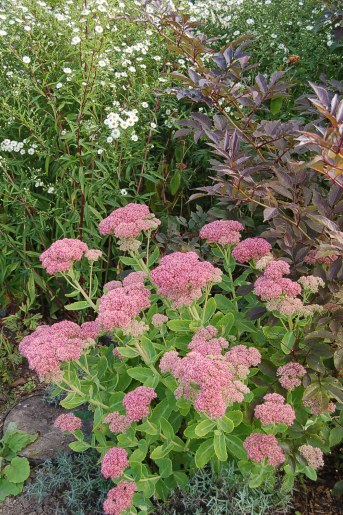
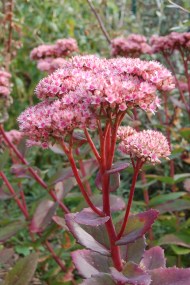
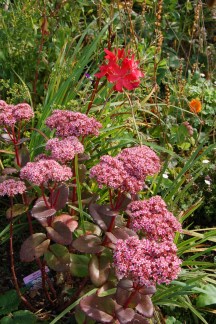
Sedum spectabile “Autumn Joy”. If you had looked for autumn flowering sedums in gardening books 20 years ago that would be the variety that would invariably have popped up. Today things have changed so much.

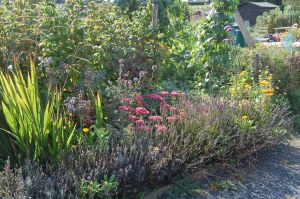
Thanks to the work of garden designers from all over Europe such as Piet Oudolf and Tom Stuart-Smith, who have been seeking out new and imaginative ways of using herbaceous perennials, we have the choice of many. Different flower colours. Different leaf colours, textures and shapes. Different ways of changing their flowers as autumn moves into winter. The photo below illustrates how Piet Oudolf uses Sedum at Trentham.

DSC_0012

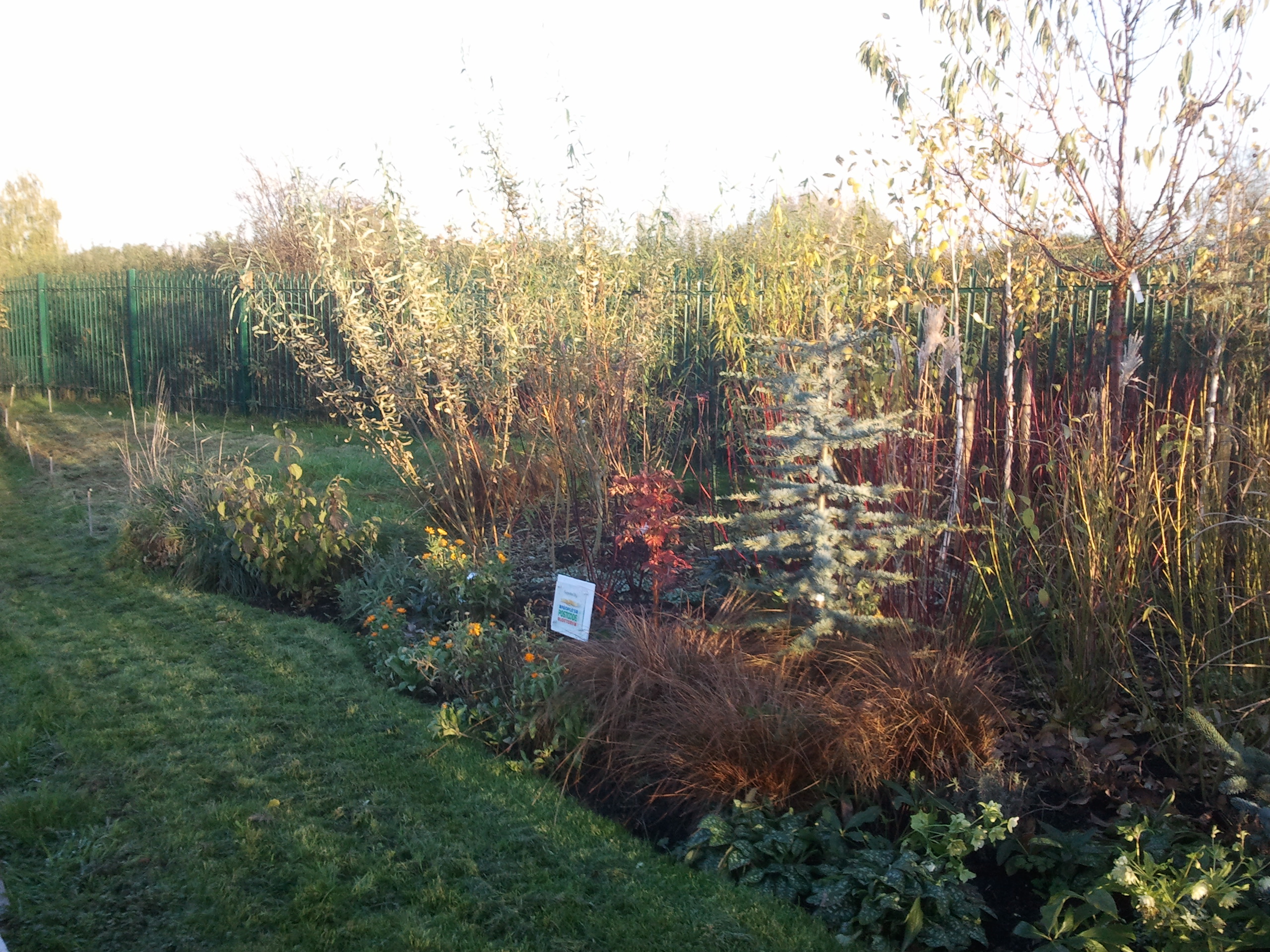
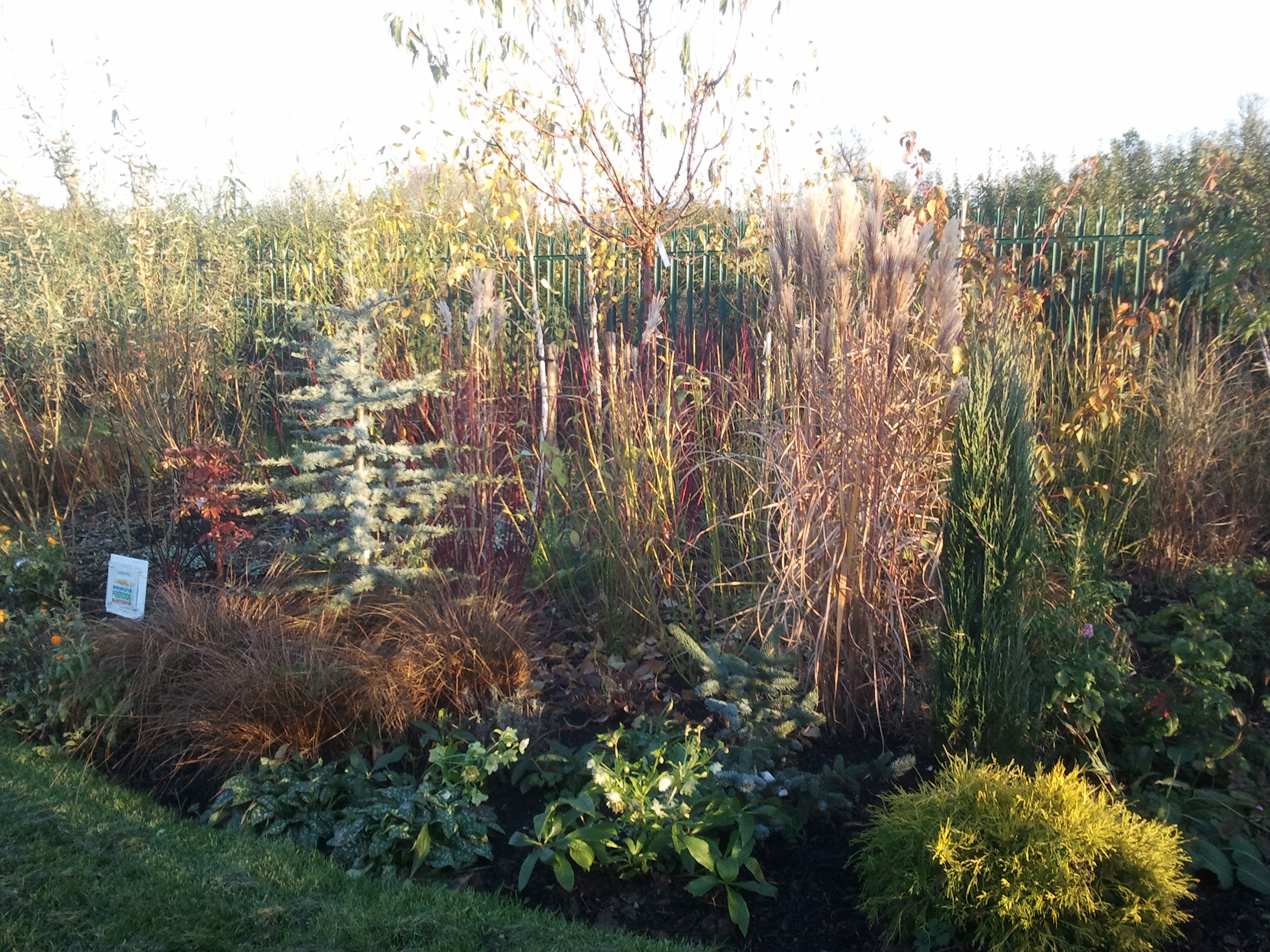
We have been adding many to our newer borders at home and in the communal borders on the allotments and now is the time to look and see how many we have and how we have used them.

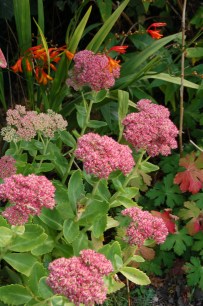
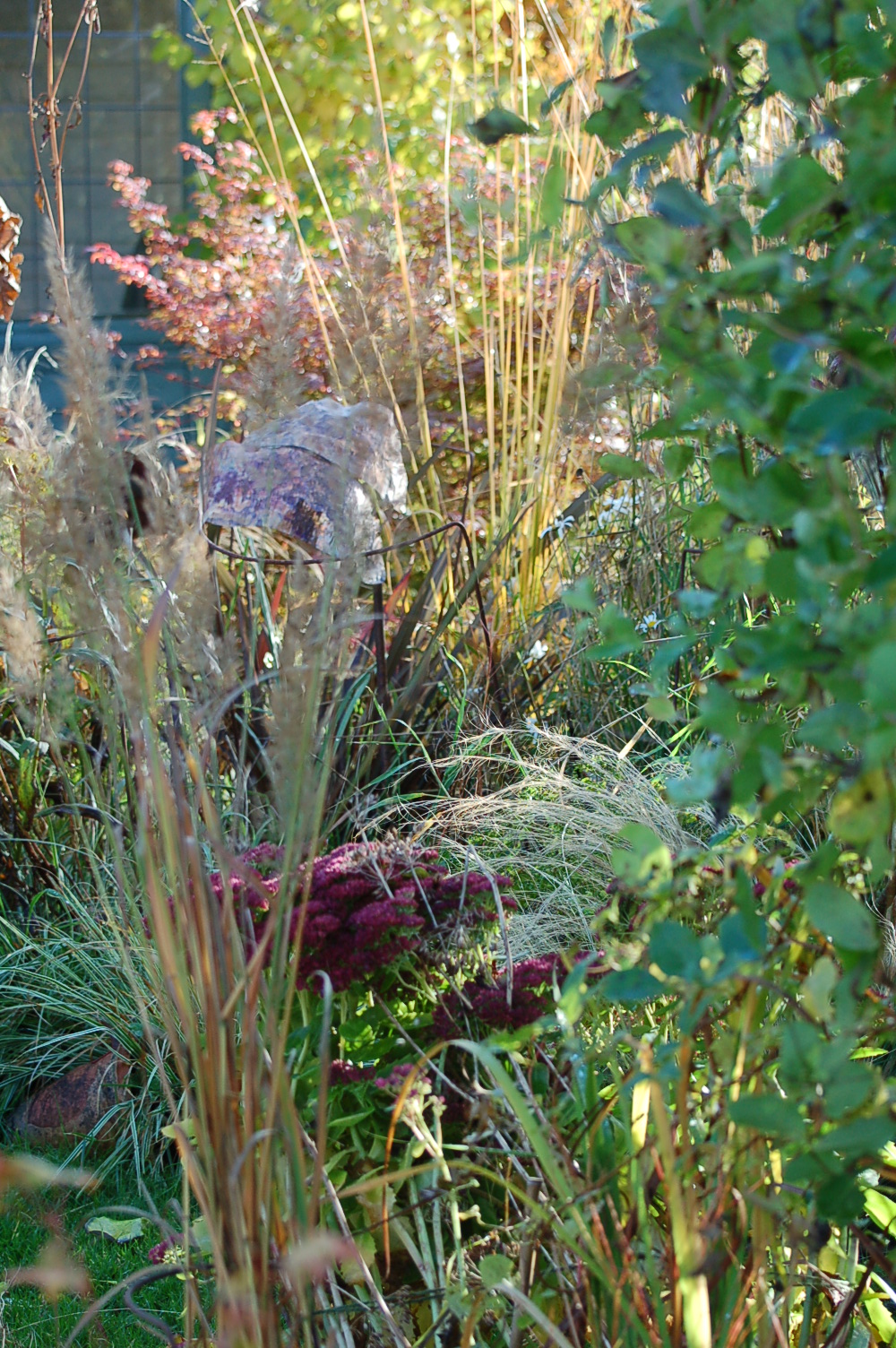
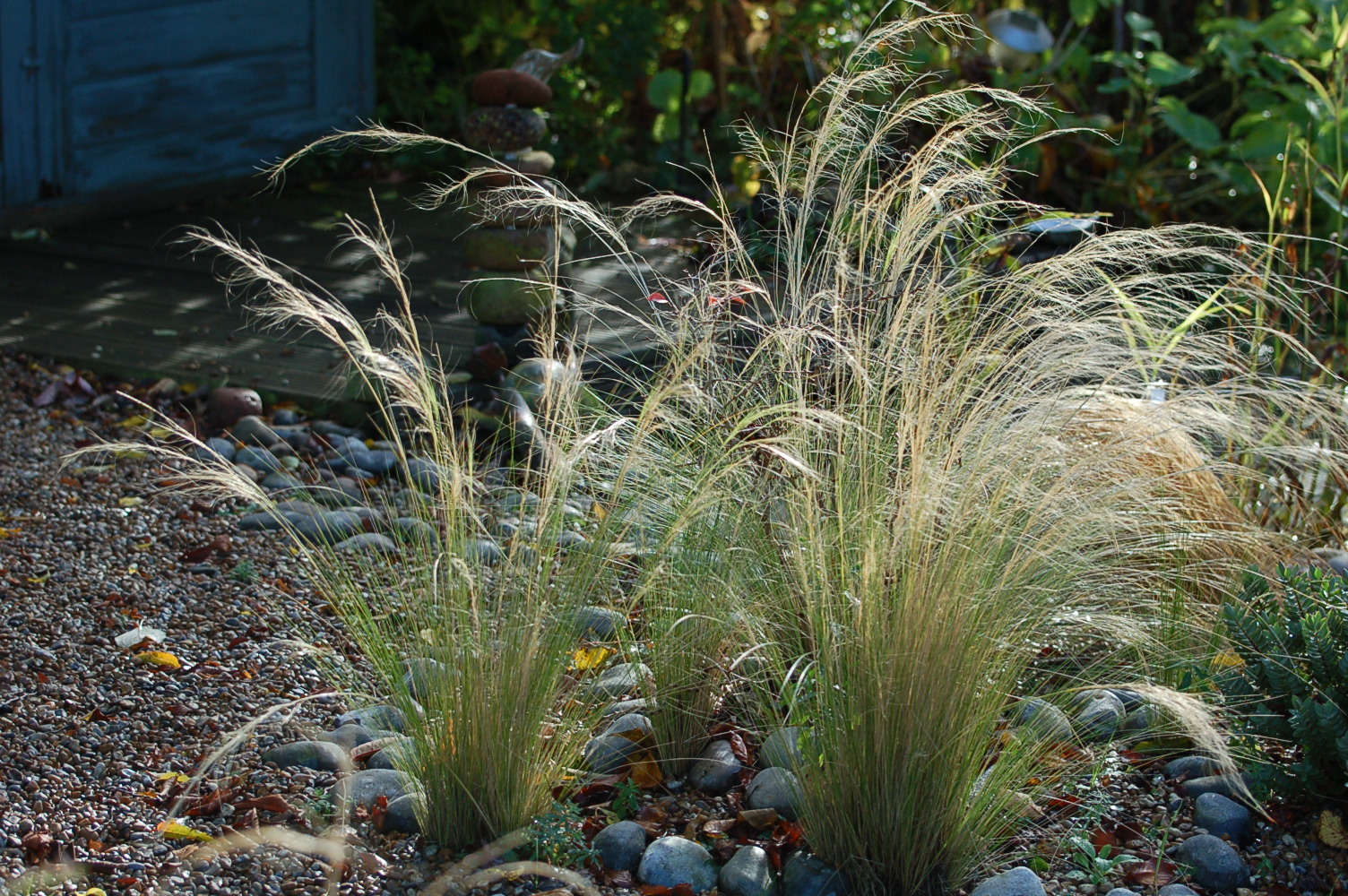
The first selection is from our garden at home, the first two illustrating our favourite way of using them with grasses. The extreme contrast in flower shape – the flat umbrellas of the Sedum with the tall spires of the grasses – make them good companions and the colours of the grasses both in their green coats and in their dried winter cloaks enhance each other.

DSC_0022

Up at the allotments members have donated many different Sedum which we have planted within the communal gardens.

SAMSUNG

DSC_0012

DSC_0015

DSC_0058

DSC_0064

DSC_0060

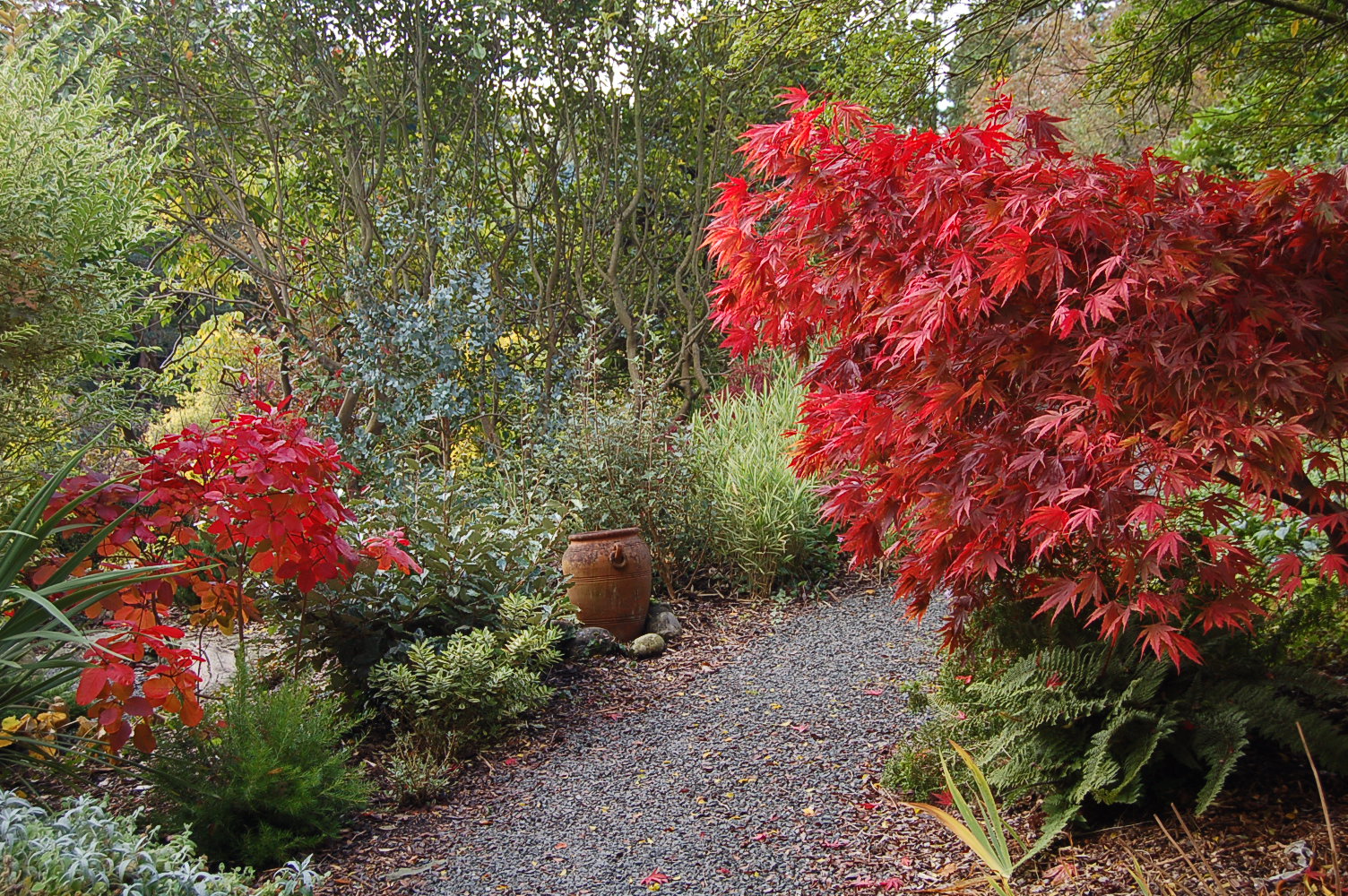
And finally I can’t resist sharing a few shots taken in other people’s gardens.

DSC_0043

DSC_0006

DSC_0013

DSC_0237

So there we have the sedums. Stalwarts or stars?

Categories
autumn autumn colours garden design garden photography gardening gardens open to the public ornamental grasses ornamental trees and shrubs photography the South trees

Images of Savill.

Savill Garden is a special places. Wandering around, its paths leads you to surprises, gentle places, sudden views and unexpected delights.

Categories
colours garden design garden photography gardening gardens open to the public grasses ornamental trees and shrubs photography the South trees winter gardens

The Winter Garden at The Savill Garden

For our second post about the Savill Gardens we shall discover the colours, shapes and textures of the Winter Garden. Although planted with winter interest in mind when we explored in the autumn it was full of interest.

The third and final visit to the Savill Gardens will feature a selection of images from around the gentle walk we took through these stunning gardens. We had looked forward to visiting these gardens for years and when we finally did we were not disappointed in any way.

Categories
autumn autumn colours colours garden design garden photography gardening gardens open to the public grasses hardy perennials ornamental grasses ornamental trees and shrubs photography the South trees

The Savill Garden in October

At last we have got around to visiting the Savill Garden. It was worth waiting for! The new visitor reception is an amazing building, a single storey space under a long, sinuous roof shaped like the tail of a Whale.

Looking up at the wonderful reception building.
Looking down into the garden from the reception building.

The Savill Garden is situated on the edge of Great Windsor Park and is just a small part of the Royal Landscape. We followed the recommended path around the garden so that we could see the effects of Autumn throughout.

In most areas of the garden, Savill had the typical look and feel of a stately home garden, both in plants grown, choice of design features and border arrangements, but hints of newer thinking were showing through, such as the use of grasses and new perennial plantings.

A true highlight of our visit to the Savill Gardens was the surprise at coming across this modern water feature. It looked good and it sounded good.

Although we visited the gardens at Savill in the Autumn one of the most colourful areas was the Winter Garden, already showing many interesting features. So the next post will be about the winter Garden in Autumn.

Categories
autumn autumn colours climbing plants colours garden design garden photography gardening grasses hardy perennials ornamental grasses ornamental trees and shrubs photography poppies roses Shropshire trees

A Wander Around our Garden in November

This is the penultimate garden wander for the year and what a colourful one it is. The weather has turned cold with daytime temperatures failing to reach double figures and night time temperatures only just above freezing. Some days though do please the camera, with deep blue skies in between storms.

This rich red oriental poppy never fails to impress even this late in the year.

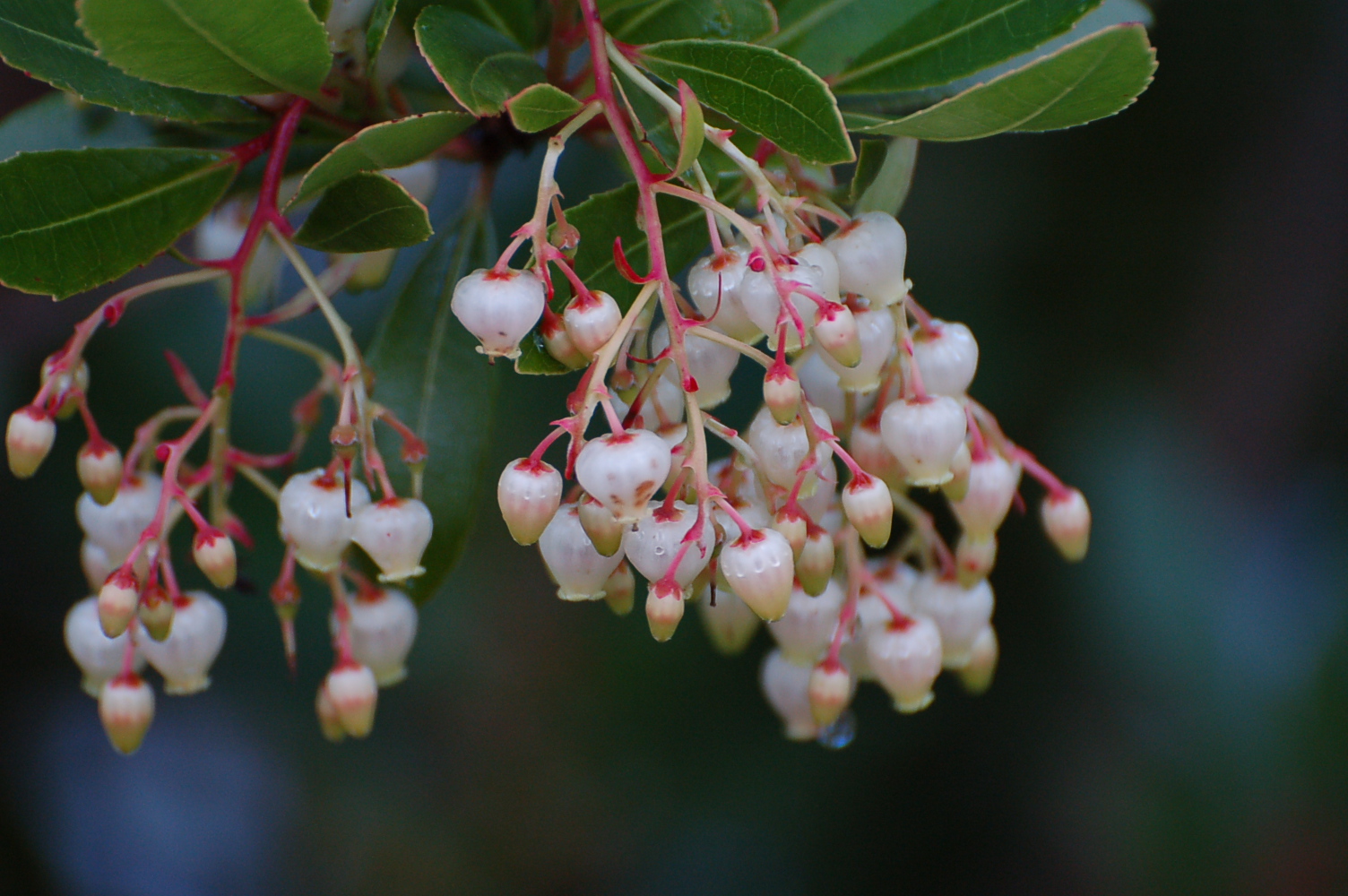
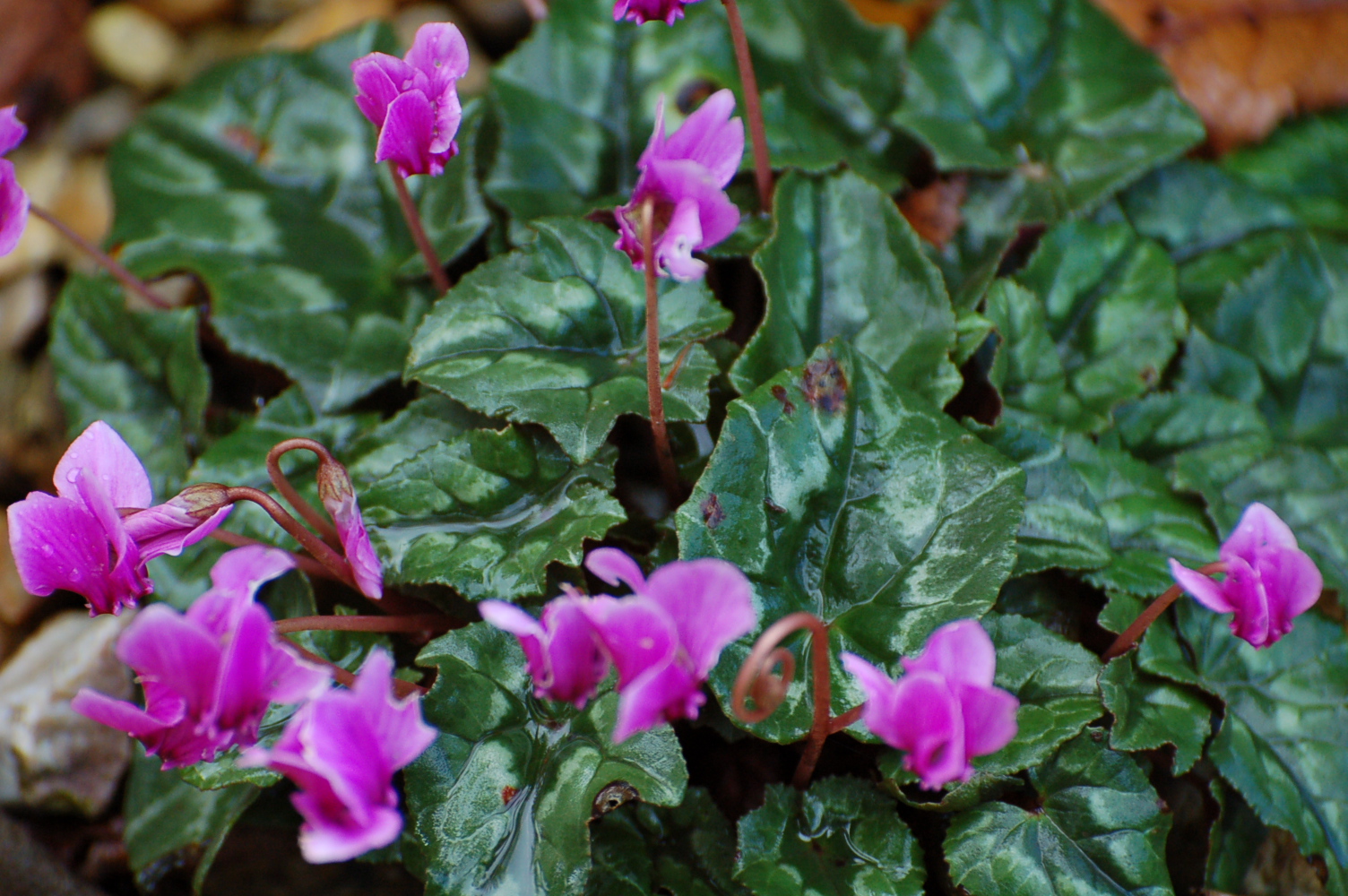
Several of the plants that feature in the November garden seem to sport odd shaped flowers. The Strawberry Tree, Arbutus unedo has flowers that hang like pearly cream bells. Cyclamen hederifolium have curious fly away petals while Shystostylus flowers hang on gently curving stems.

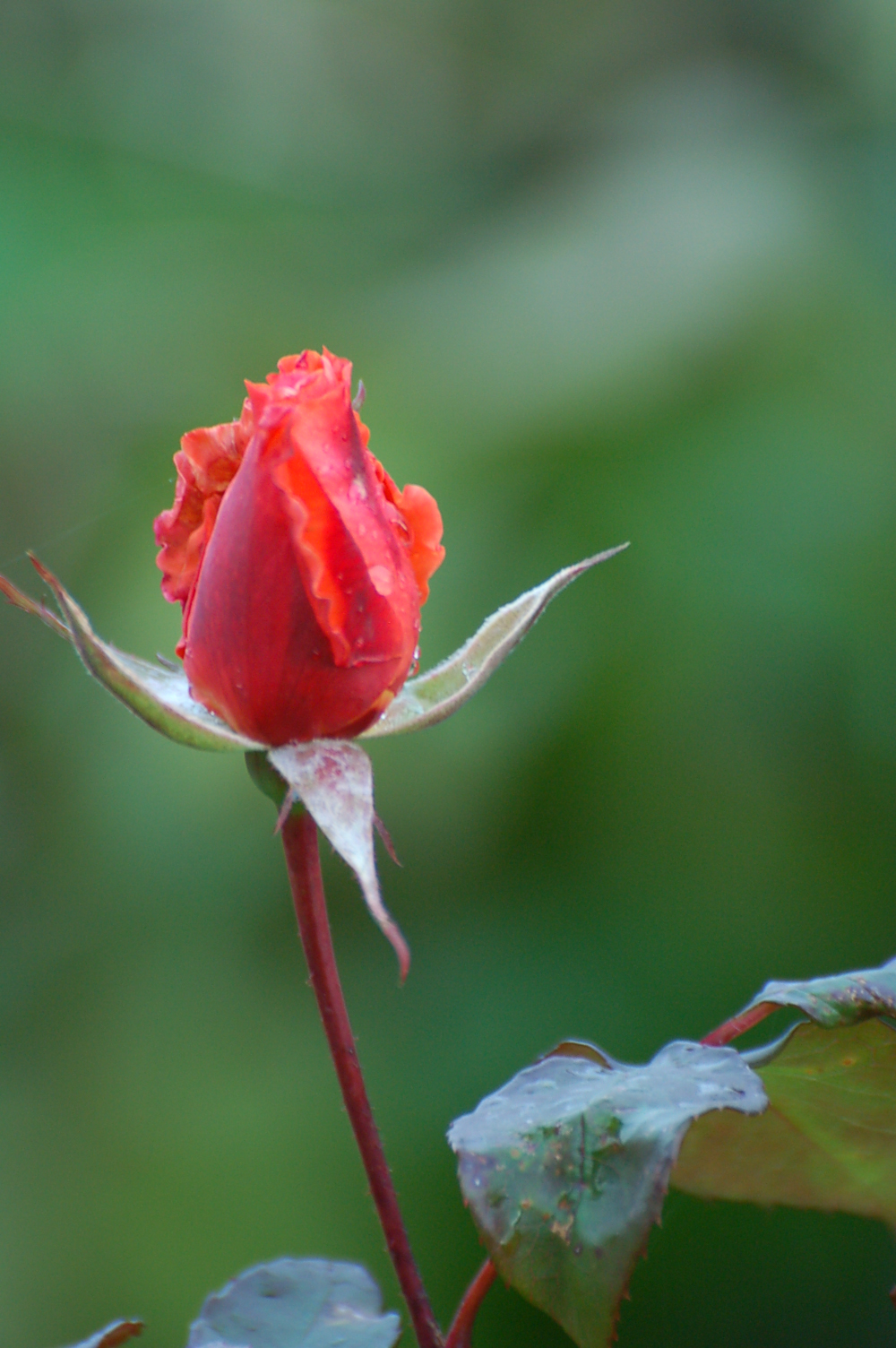
Roses seem to be blooming away giving us brightness for most of the year. Many that started blooming in late May are still flowering now and they are producing buds in readiness to flower right through to the end of the year.

At the moment I pass the wonderfully colourful corner of the Shed Bed, where grasses have coloured up intermingled with the dries flower heads of Eryngium and Agastache. It has to be my favourite November patch in the garden.

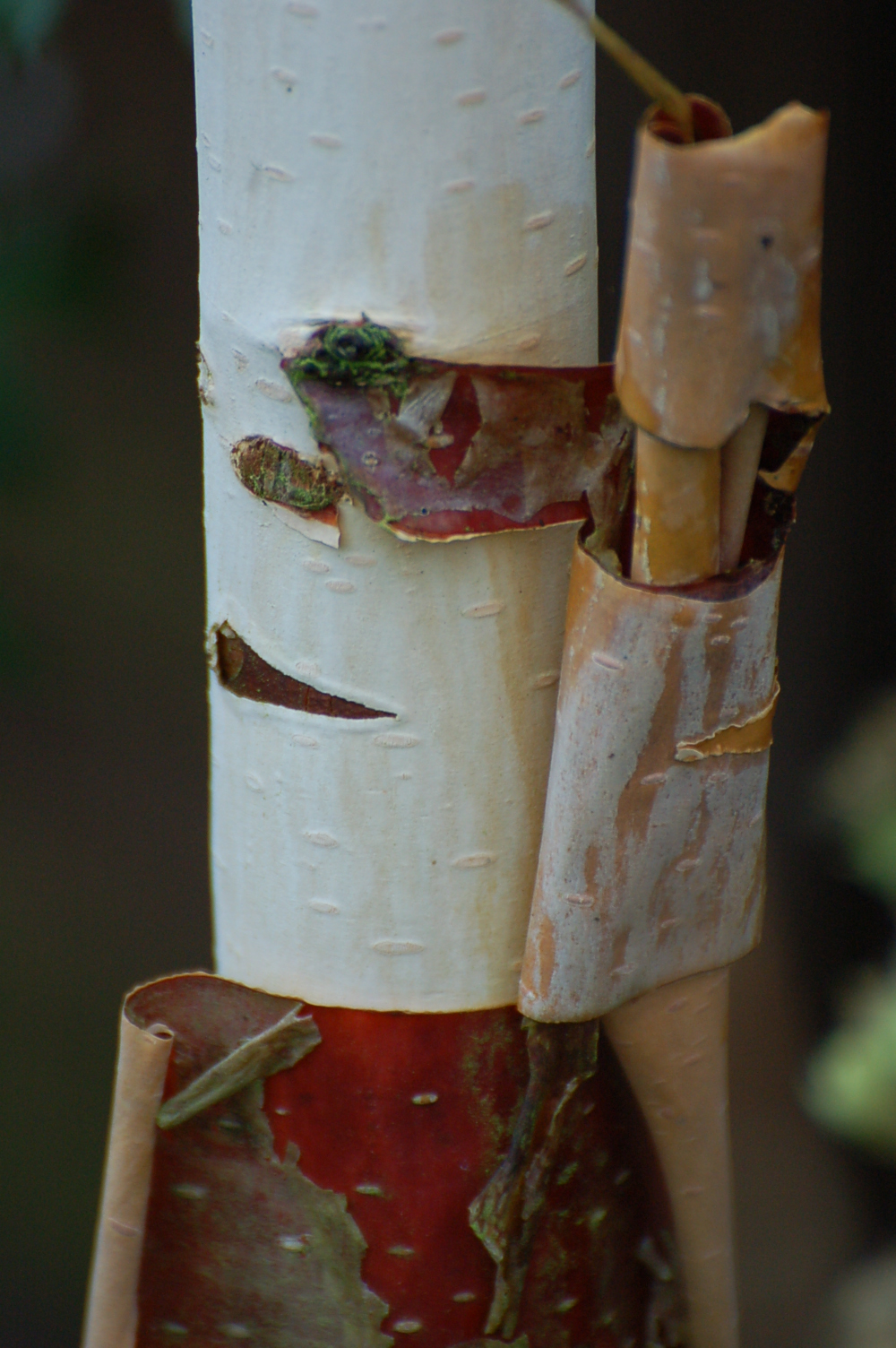
Having passed my favourite corner I pass our trees as I go down to to the bottom of the garden to feed the chicks. Their bark textures and colours change every day. This birch’s chocolate coloured bark is peeling back to reveal snow white smooth bark below, like a white shirt beneath jacket collars.

It seems to be a special year for cotoneaster berries, with every variety covered thickly in readiness for arrival of the winter migrant thrushes.

There is something very special about the freshness of the flowers of the Fatsia, with their creamy, greeny whitish colours. They always look to me as if they should smell of vanilla and be edible!

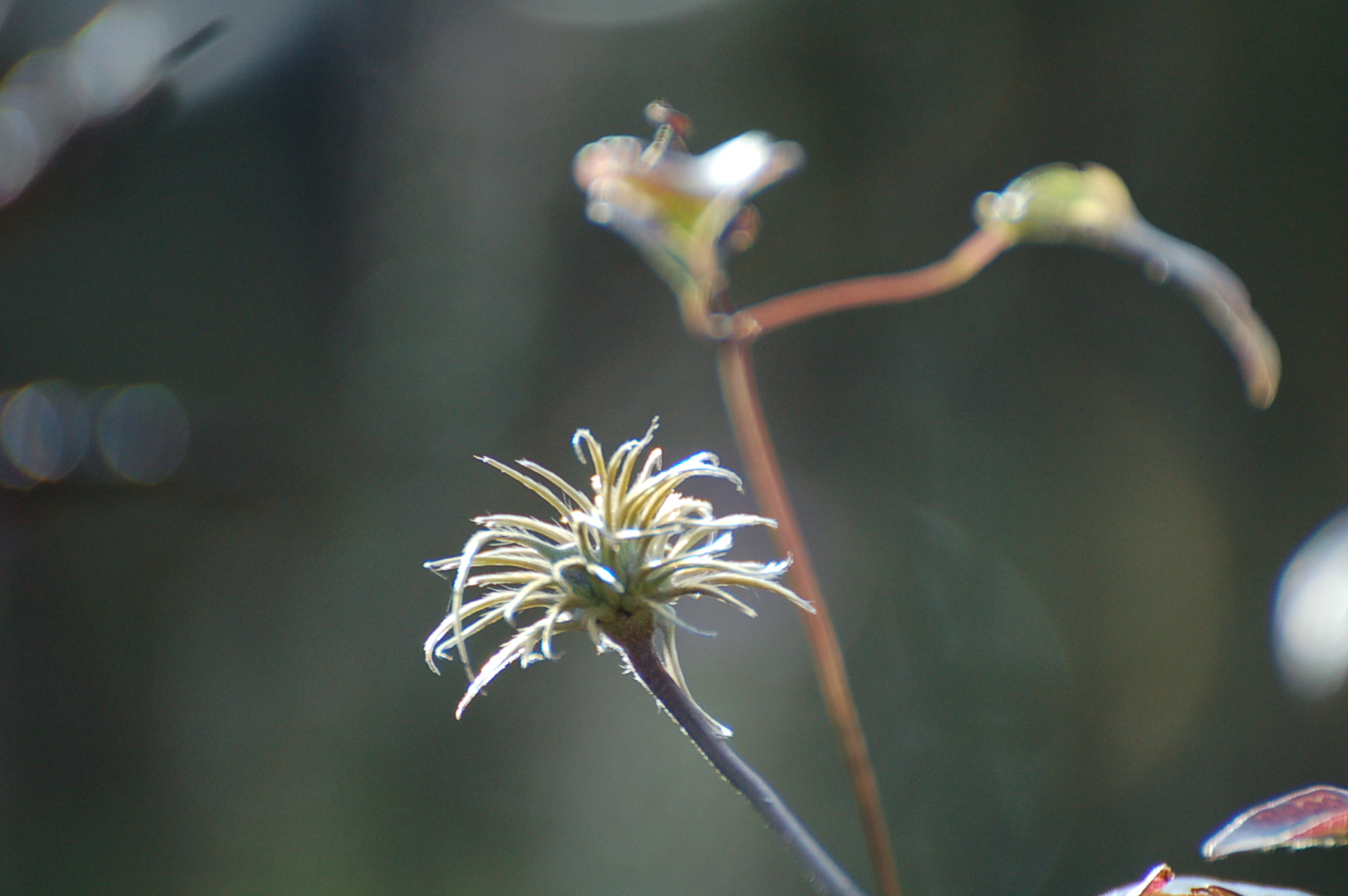
There are difficult decisions to be made in the November garden. Which seed heads to cut down and which to leave for their looks and wildlife value is perhaps the most difficult. How could you possible cut this clematis down when it looks this good? We tend now to leave perennials standing unless or until they fall and become soggy. Once they do this they endanger the lives of the plants they may be smothering. To me the idea of “putting the garden to bed for winter” just doesn’t add up. A garden is for 12 months, all of them

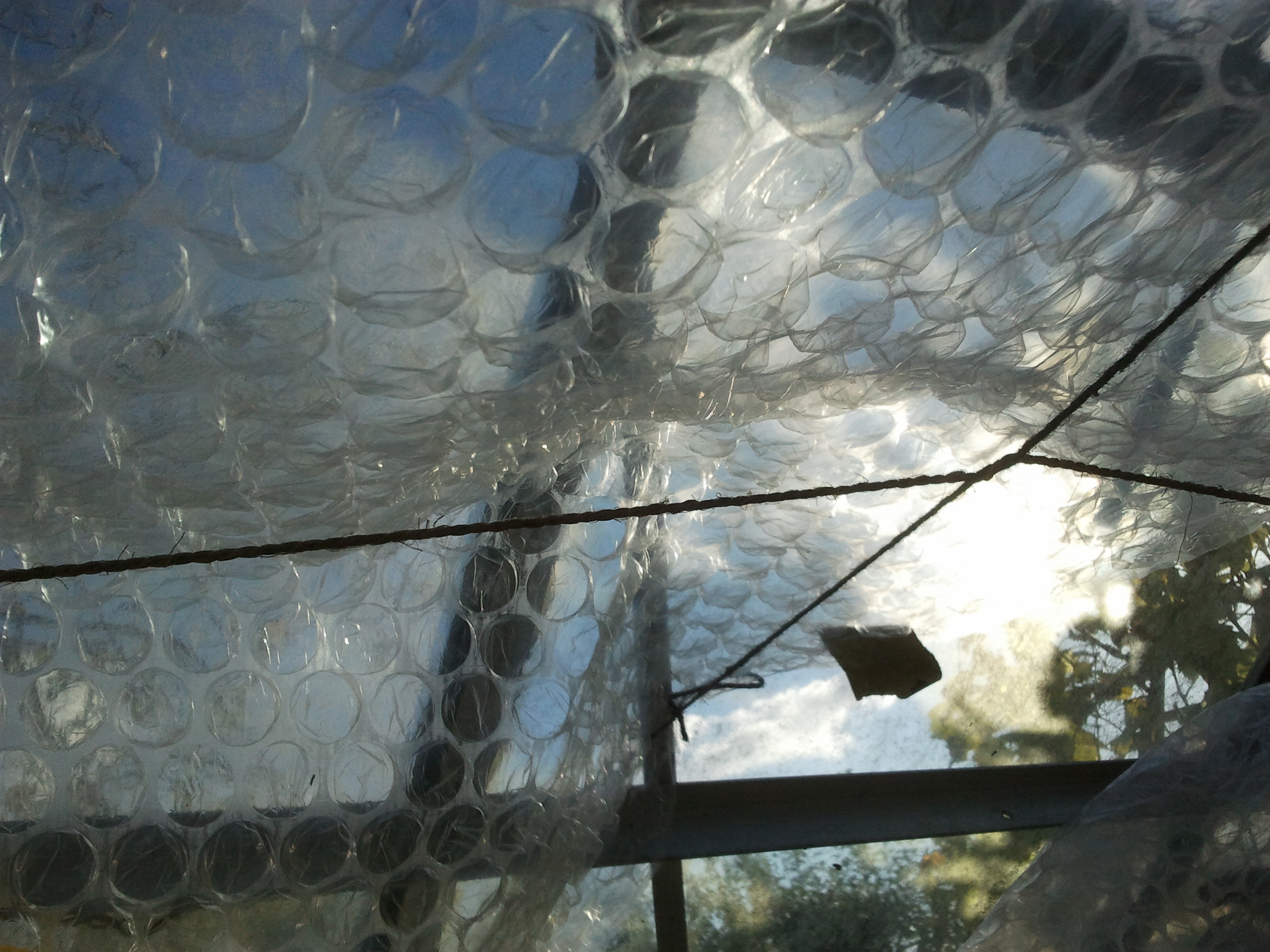
Wrapping the greenhouse in its winter jacket of bubble-wrap is the least favourite of all of our gardening tasks. This Novenber we started on a cold day knowing that as we added the thermal layer to the greenhouse we would heat up as well. But the sun came out and we got too hot. We started off wearing fleece jackets over jumpers but by the time we had finished we had shed both these layers and were down to tee-shirts.

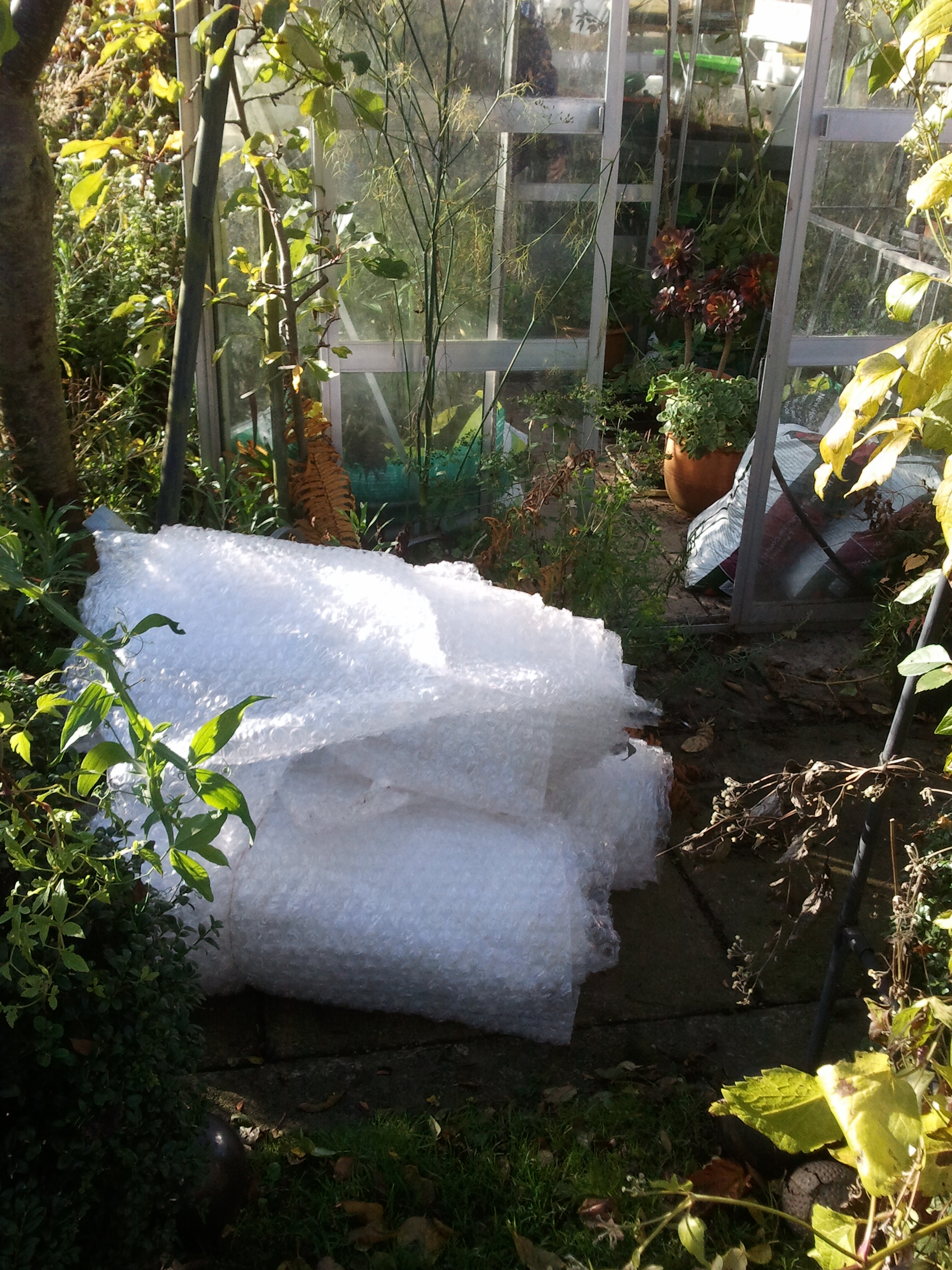
First we collected the rolls of wrap from their summer quarters – the woodshed, and piled them up outside

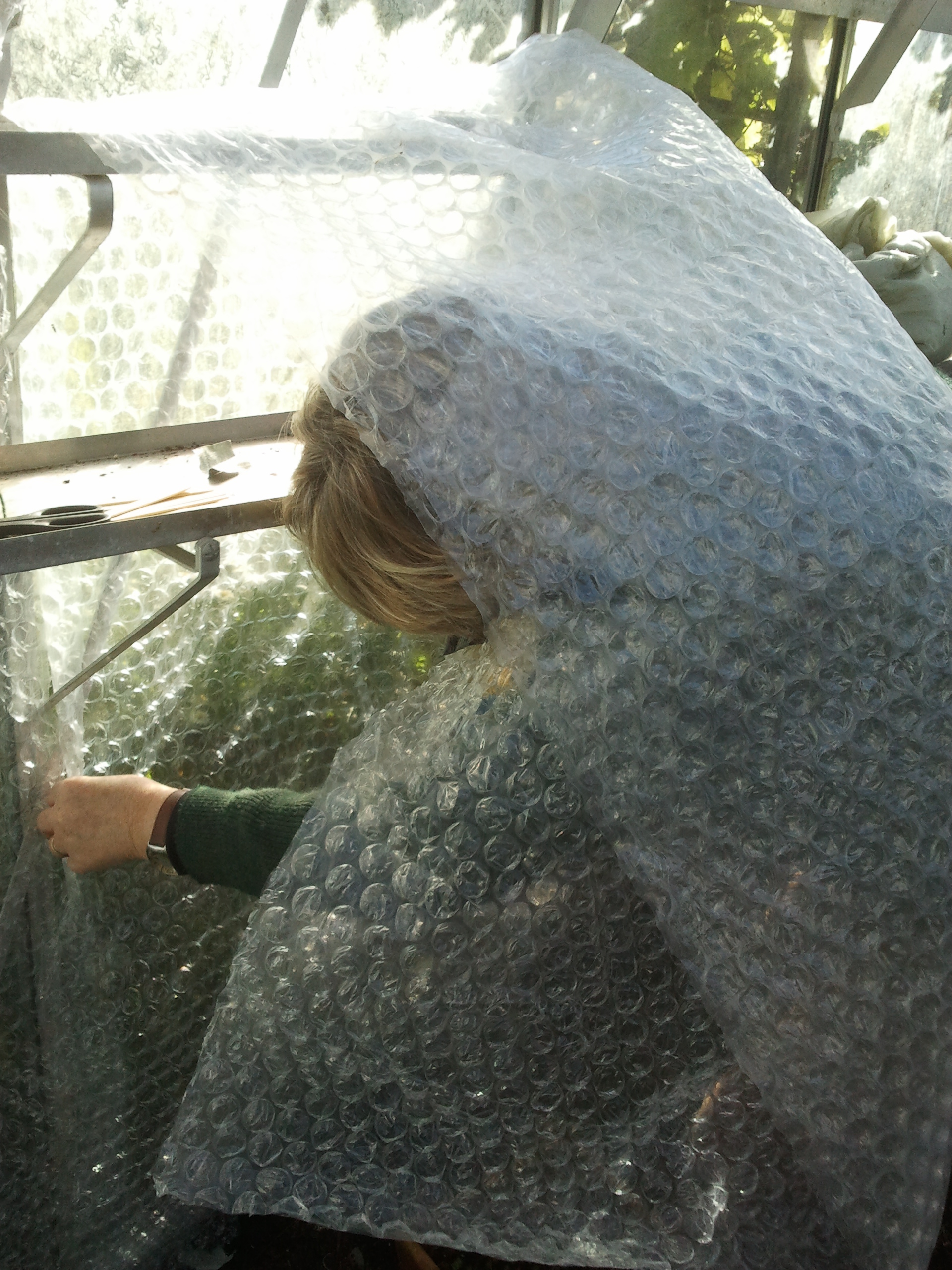
Next we attempted to begin hanging it inside the greenhouse over specially positioned strings and wires. The bubblewrap then attacked Jude, the Undergardener.

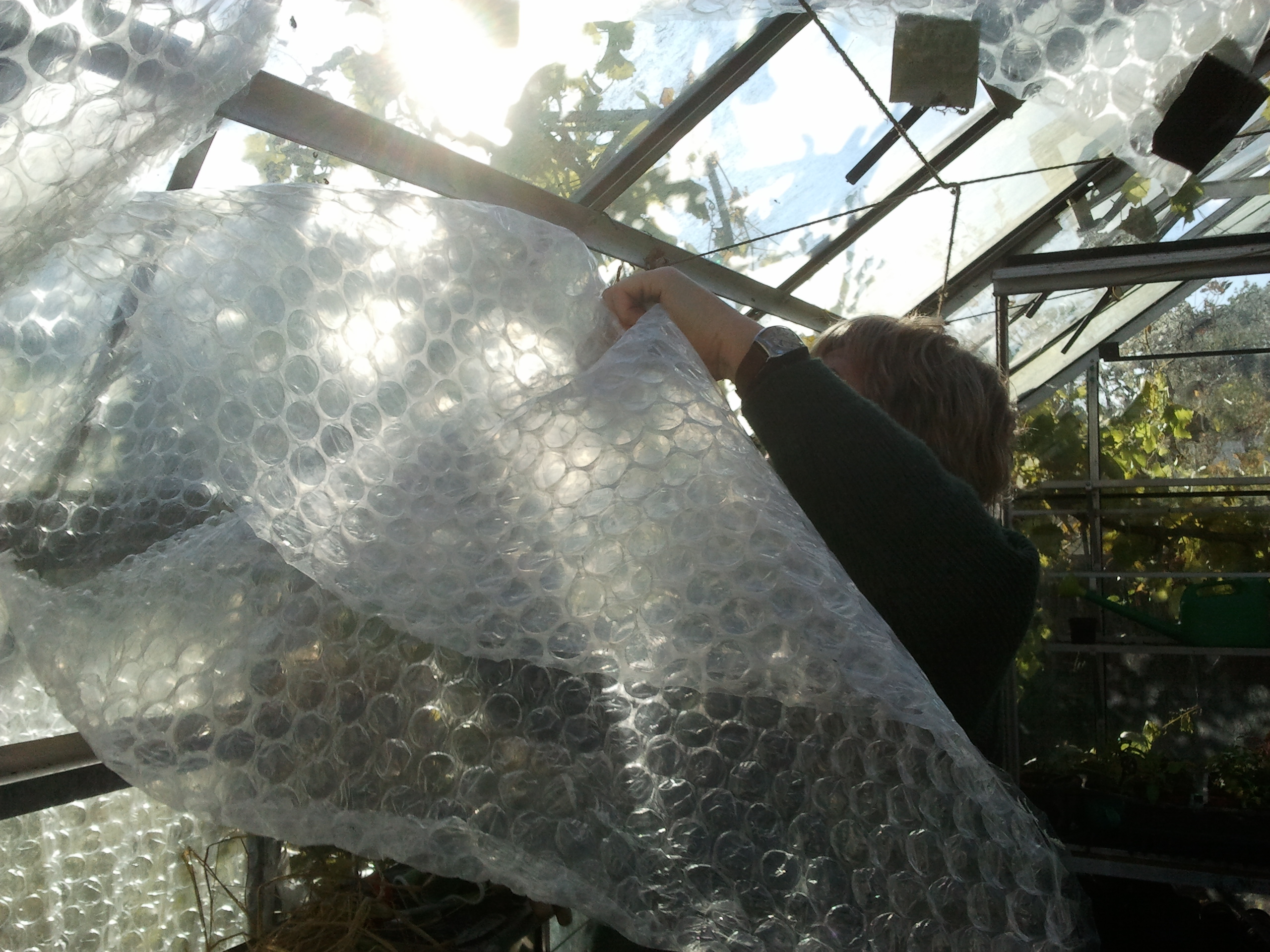
Eventually Jude managed to overcome the wrap and get on with the job in hand, lining the sides and then hanging it over strings tied across the roof. Soon the temperature increased.

I hope these plants appreciate it!

Let’s us finish our November wander with a couple of richly coloured beautifully lit views across borders, and a quick look across our borrowed landscape.

Categories
autumn autumn colours bird watching birds landscapes nature reserves photography Shropshire shrubs wildlife

Bracken and Bilberries – Part 2. The Stiperstones

As promised in the post “Bracken and Bilberries – Part 1” here now is a post about the Stiperstones, the ridge of hills that begins close behind our home and runs down towards the south of the county. It has been a long time since we climbed this rugged landscape, even though it is so close to home. My disabilities with spine and leg troubles coupled with  breathing problems stop me doing such things very often but I set myself a target each year to tackle something crazy! Climbing the Stiperstones was this year’s challenge.

The walk up to the ridge is a steep but wide grass path, shorn short by the resident ponies and cattle. From the gate at the bottom it looks a long way up. It looked even longer when we realised that we had left our flask of coffee at hom!. It was a bright day but there was a cold biting wind so we wrapped up well and set off. It looked much brighter than the day when we recently tackled the walk along the Stapeley Hill ridge.

Our green trackway through bracken was suffering from erosion from recent heavy rains which seem to come each autumn now. New drainage gulleys cross our path which mark an attempt to secure the surface more effectively when feet walk heavily over sodden turf.

Areas of bracken here, just as on the Stapeley Hill trail in my previous “Bracken and Bilberries” post, have been cut down in an attempt to get the heather back. This project is called “Returning to Purple”. Bracken does tend to take over but slowly the purples of heathers are re-emerging in our hills. Apart from bracken and the occasional heathers small evergreen shrubs which produce berries are the commonest plants – Bilberries, Cowberries, Crowberries and Whinberries. Locals still collect these berries for jams, jellies and fruit pies, but in previous centuries they were an important food source and even provided a little income for the cottagers. All these little, low-growing shrubs have dark evergreen leaves and berries offering varied colours and tastes. Cowberries, also known as Lingonberries, have edible berries with a stange mixture of sweetness and sourness. As well as here in the Shropshire Hills they are native to the Arctic Tundra and Boreal Forest. Bilberries produce edible black fruits and Crowberries similarly give black berries which have good flavour but are rather dry.
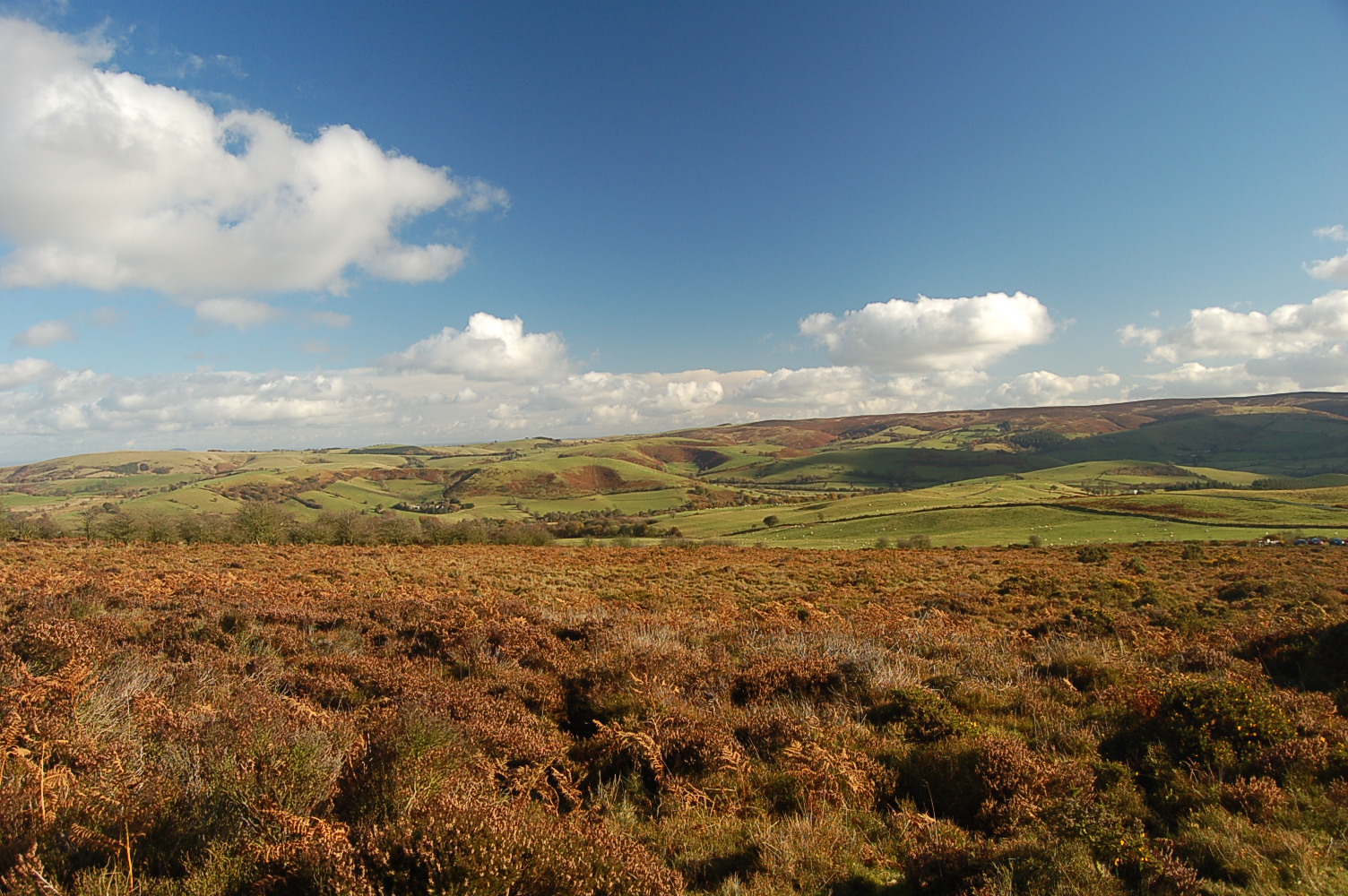
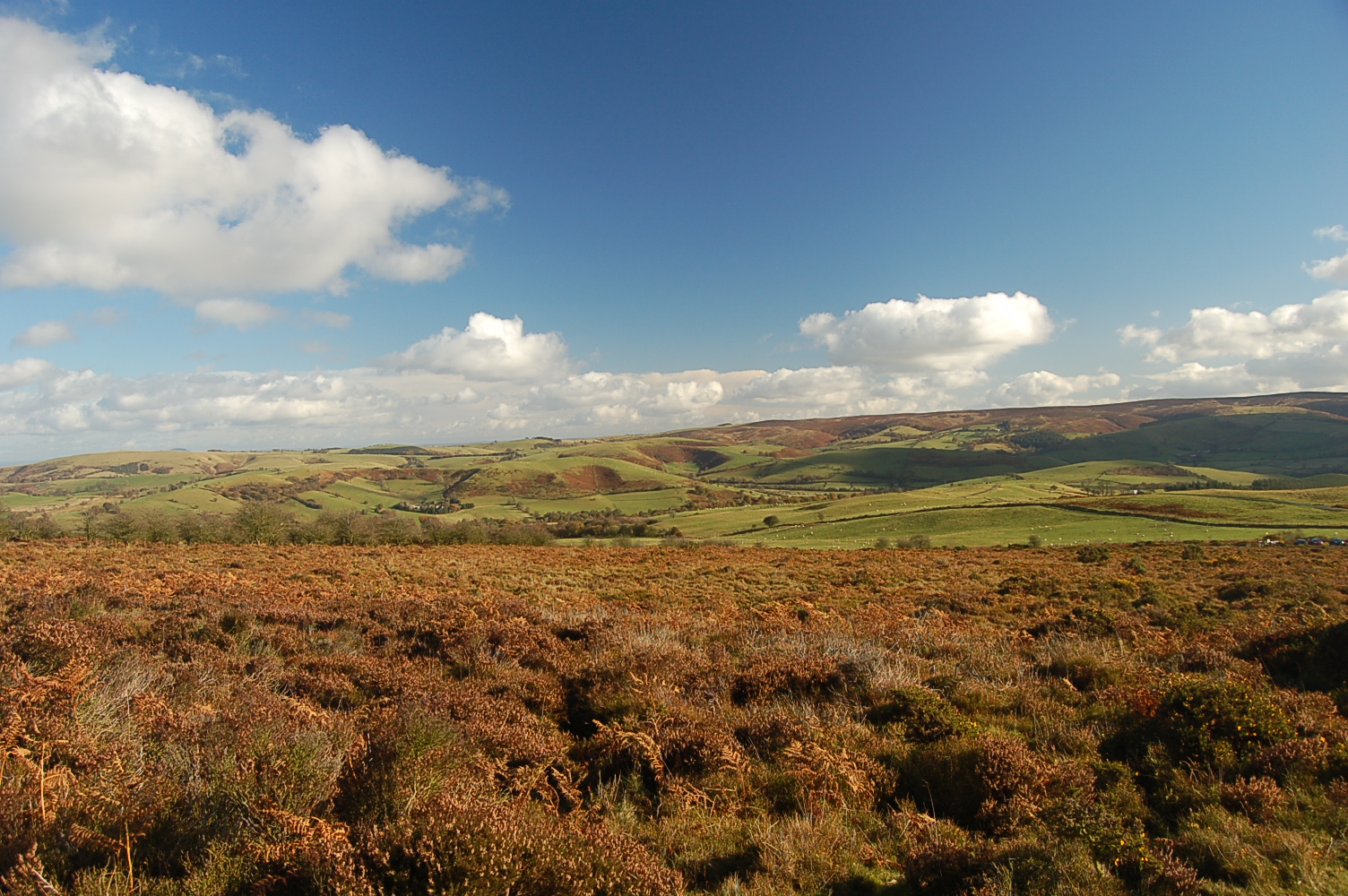
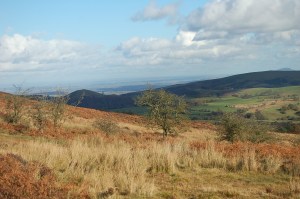
We stopped half way up the slope to get our breaths back and look back over the path we had so far covered. The view over towards “The Long Mynd was lit beautifully. Our next Bracken and Bilberry wander perhaps?
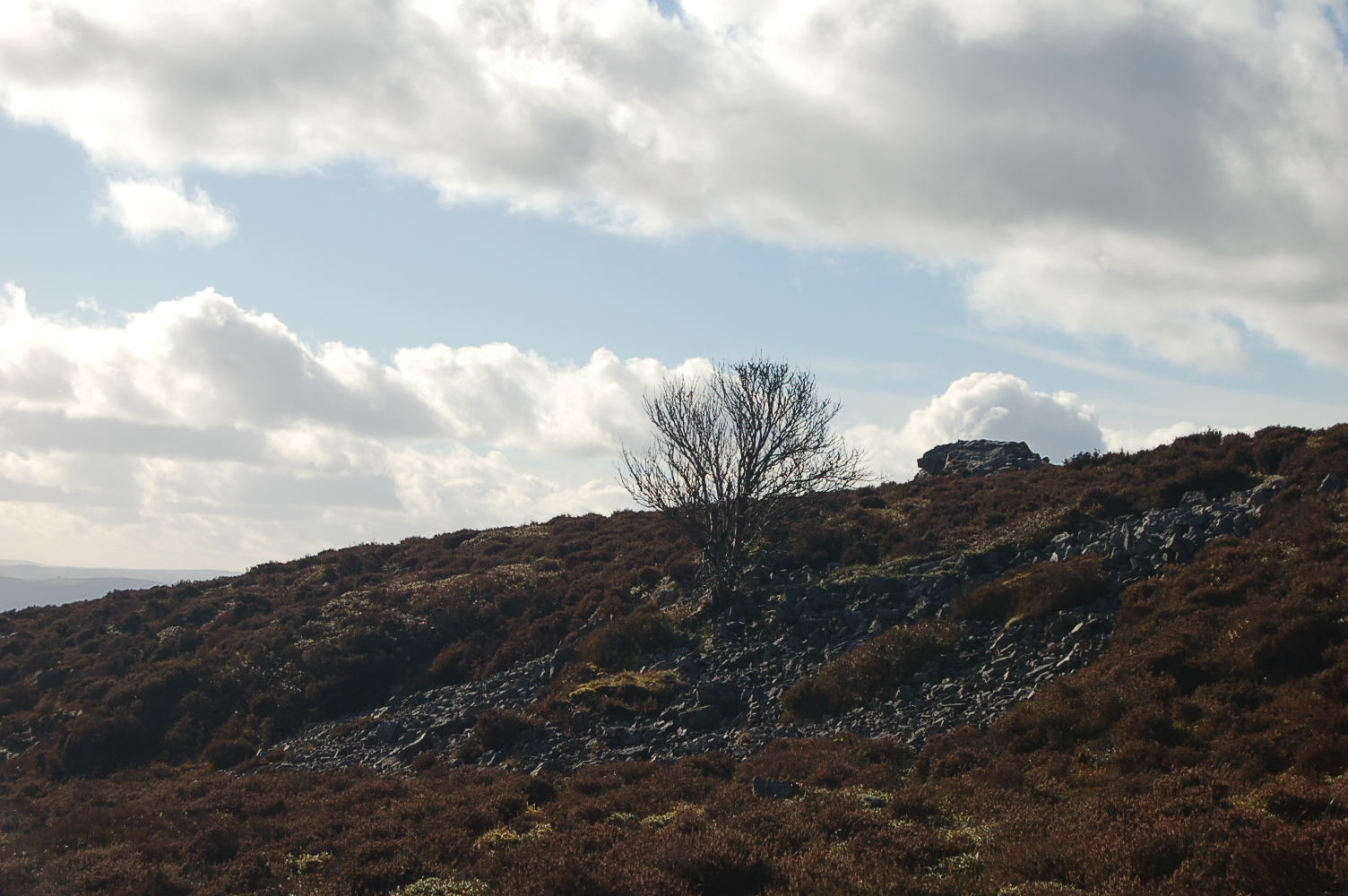
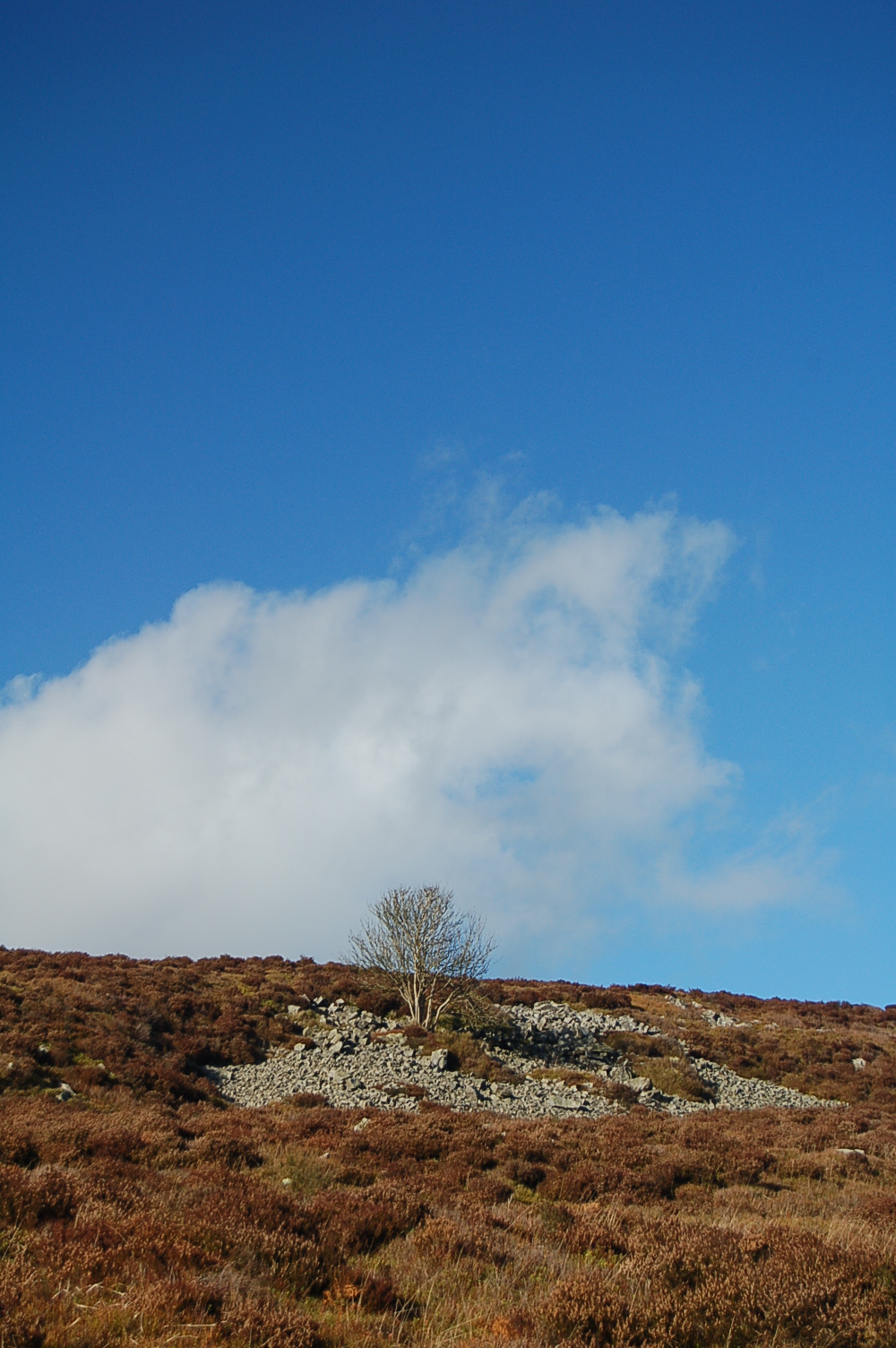
On the next stage of our ascent our eyes were drawn to a solitary tree high up on our left just below the top of the ridge. There are so few trees up here once you leave the low area where we parked the car. Every tree looks extra special because of this exclusivity and its stunted growth due to altitude, poor soils and prevailing weather.

As we neared the ridge the path got rockier and outcrops more frequent. The wind got colder making our eyes sting and run, and our ears. hurt.
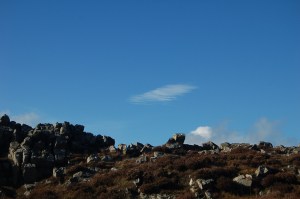
The path divided as we reached the spine of the ridge with the route left taking us a short way along just over the other side of the ridge, the route right taking a long path right along the ridge to a series of rock outcrops. With the time we had left to walk and the sudden drop in temperature that hit us as we met the cold air rising up from the other side of the ridge we decided to do the shorter option. We would come back another day with more time and make sure we did not forget our coffee and fruit sustenance!

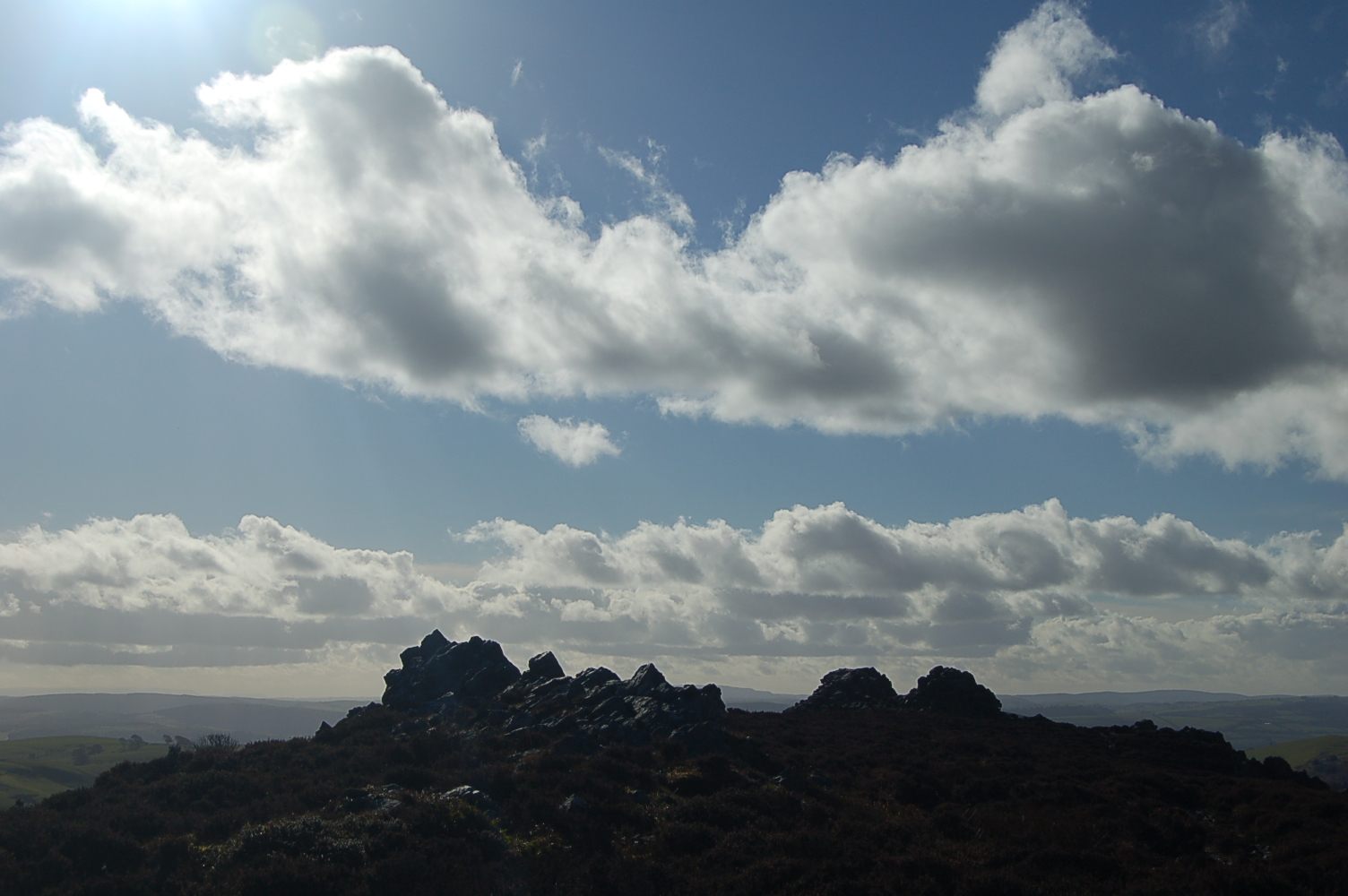
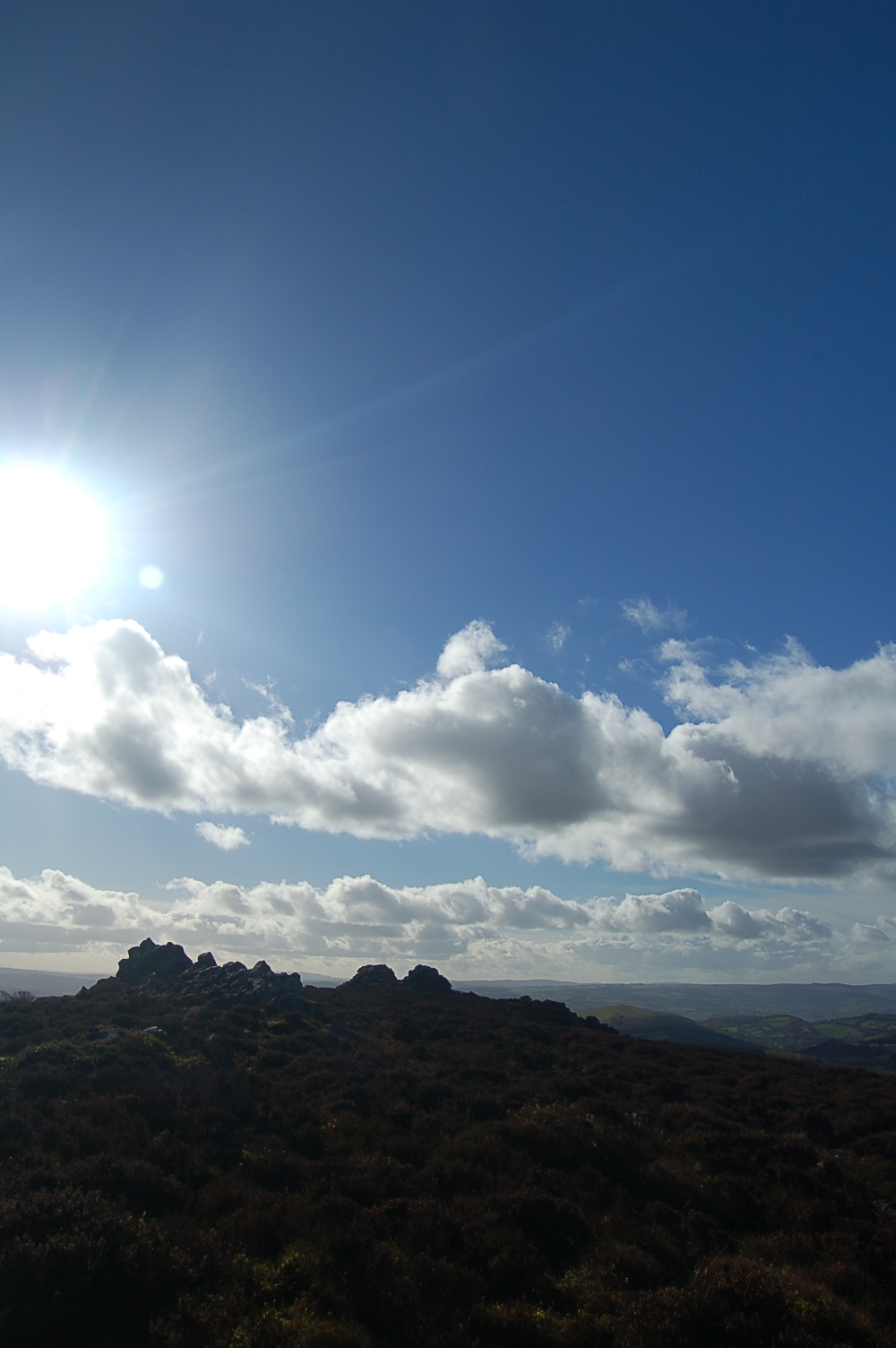
The path we took went  along the sharp top of the ridge occasionally dropping onto the colder side. It was freezing, so cold that little patches of snow lay on the path in places. This is a bit early in the year for snow around here! We walked into the sun and battled the strengthening biting wind, making our way towards the silhouetted rocky outcrops. It proved to be a lazy wind – too lazy to go around us so it went straight through.
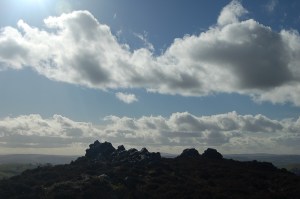
We were so glad of our thermal gloves and thermal coats but we had forgotten our thermal beanie hats. Jude tried to cope with her jacket hood which proved simply too thin. I tried to cope with a baseball cap – the wind that was too lazy to walk around us was sadly not lazy when it came to blowing my hat away!

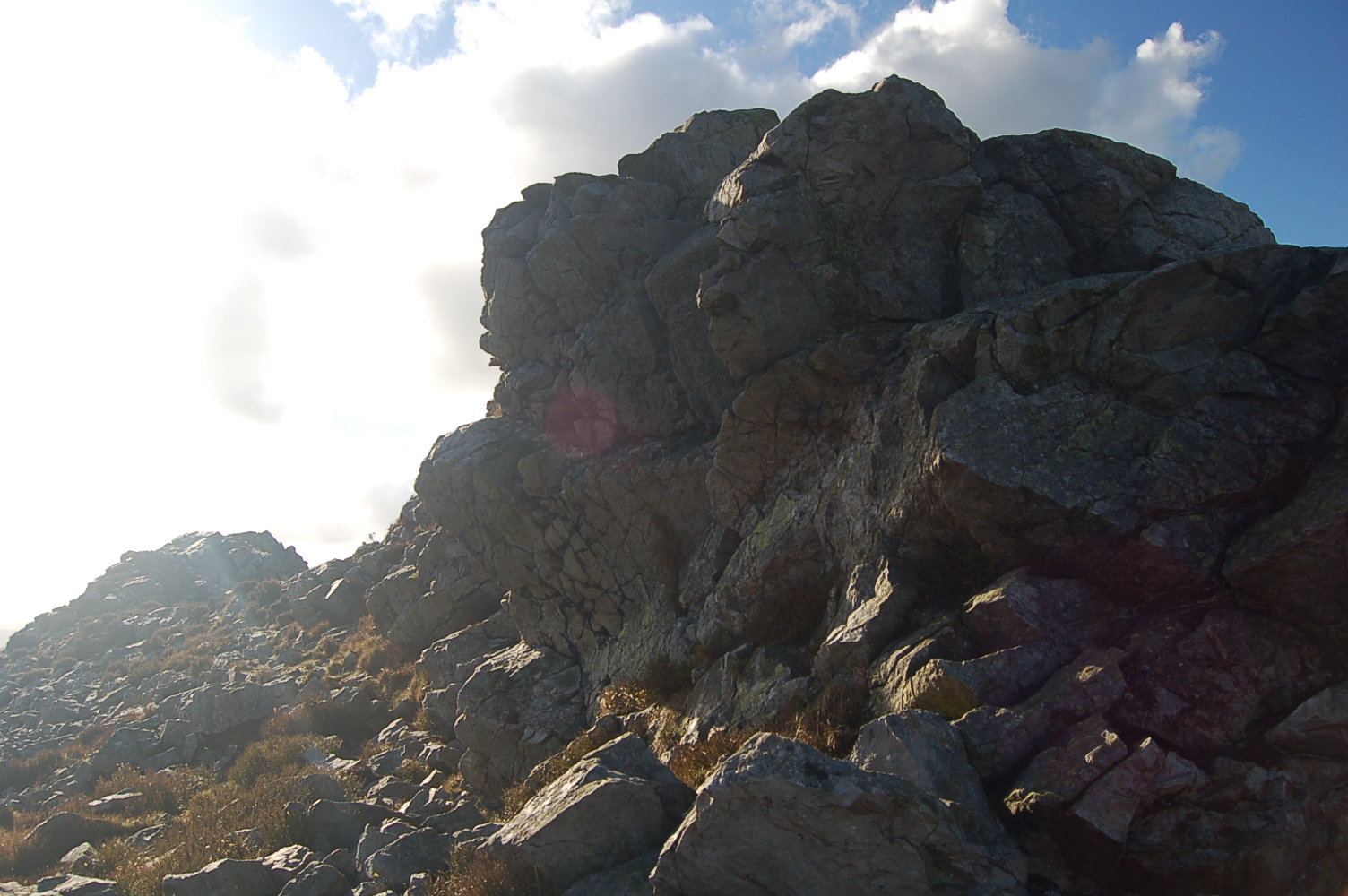
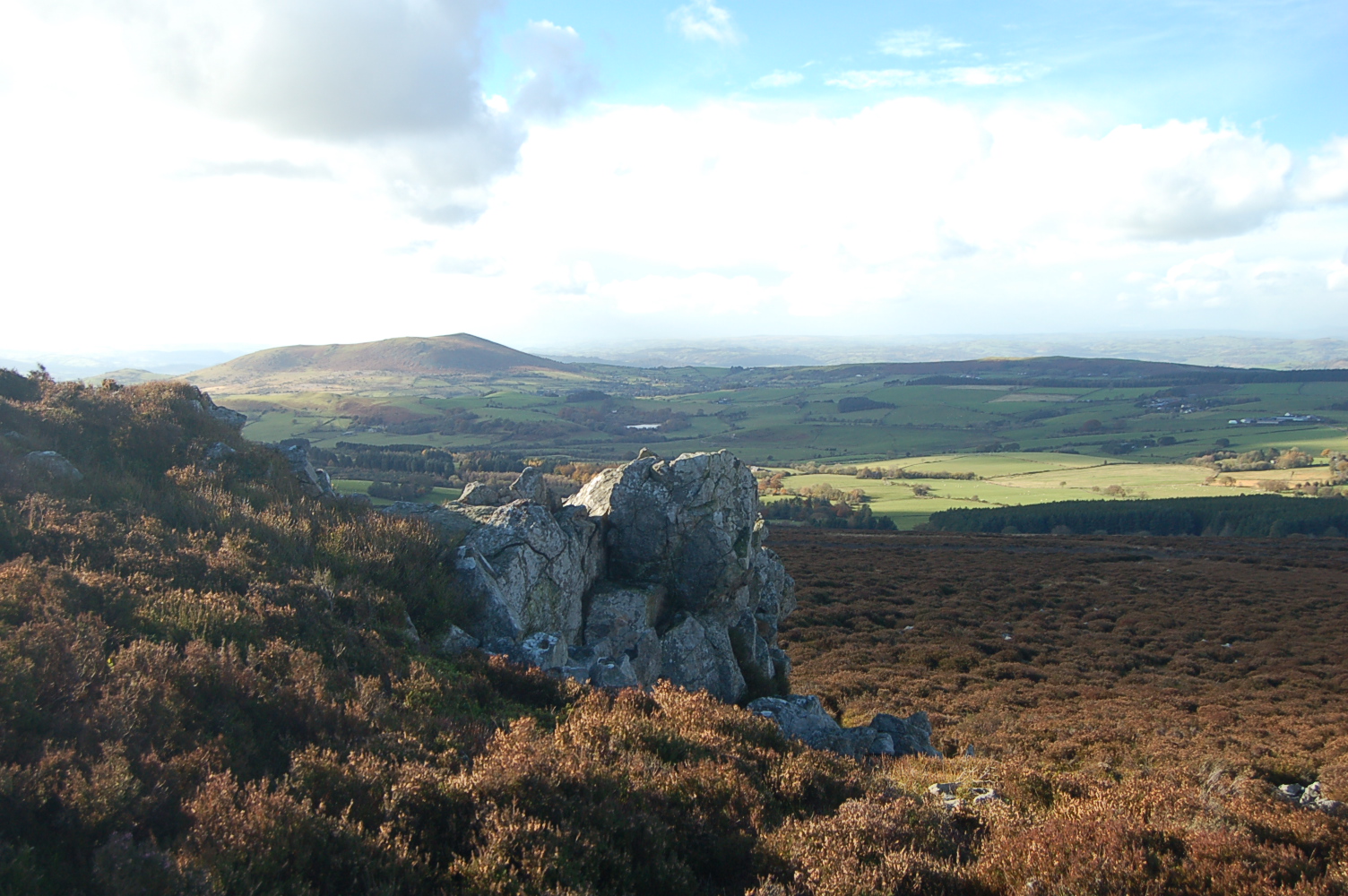
When we reached the rugged outcrop we were aiming for we knew it was worth getting cold for. A dramatic spiky rough outcrop!

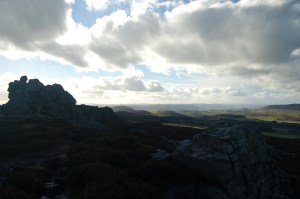
From this ridge the views westward back towards Mitchells Fold and Stapeley Ridge and Wales beyond were breath-taking. Another place to stand together and think what a wonderful place we live in.
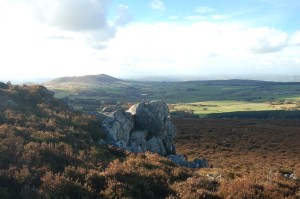
The views to the south were equally stunning.
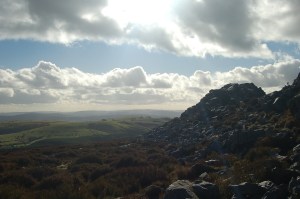
The cold was penetrating too deeply and lack of sustenance was beginning to tell so we turned away from the sun and made our way back to the parting of the paths to begin the descent through the bracken and bilberries along the grassy track. The wind was now on our backs, so biting less and even helping us on our way a little.

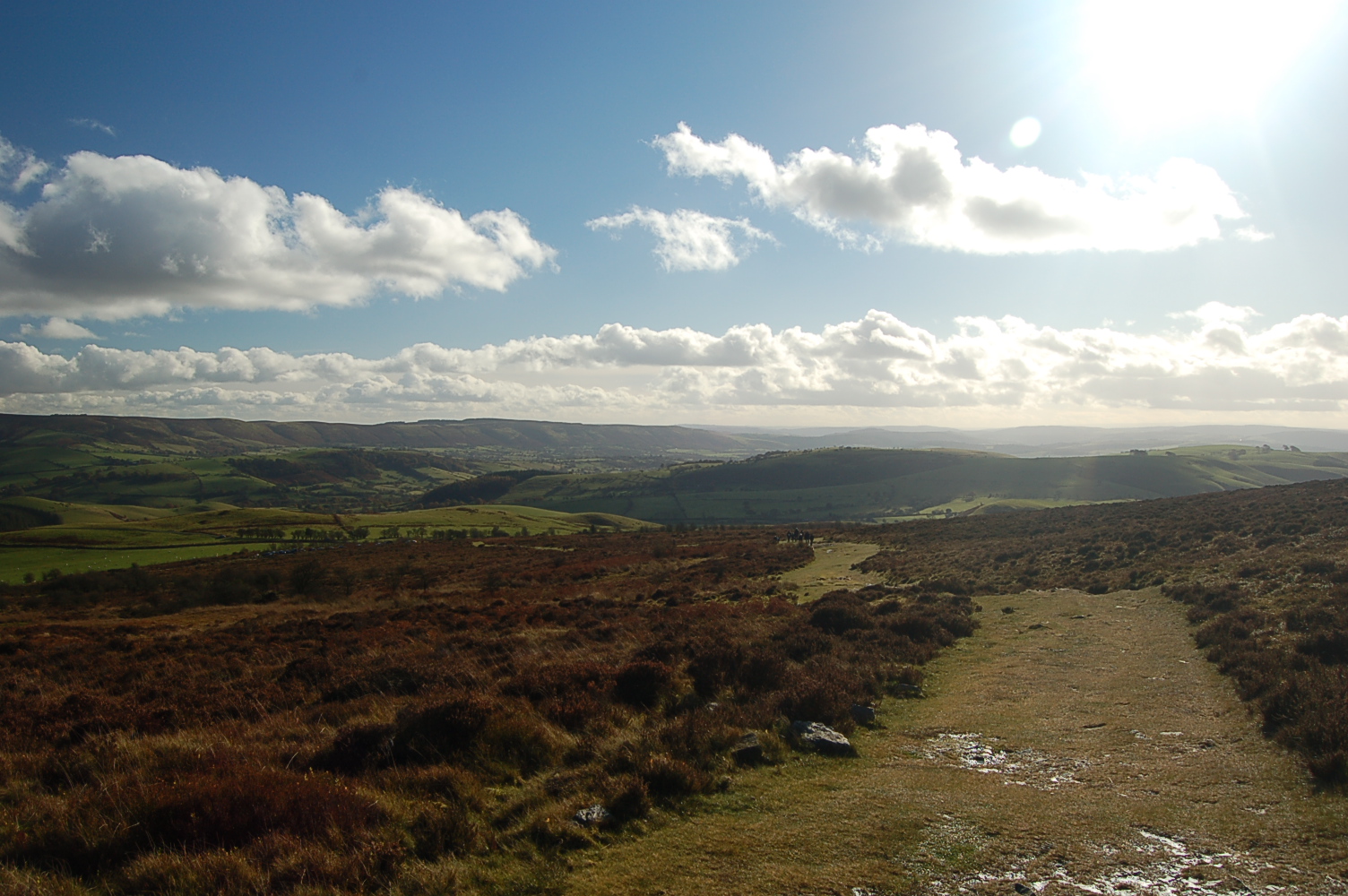
As we reached the paths’ junction before turning back downhill we took a long look along the other walk we were determined to return to tackle another day. It looked inviting with the sun shining on it, calling out to us to return. We couldn’t refuse, so pledged to come back soon.

As we stood considering the trek we would make on our return to the Stiperstones, we watched Red Kite hunting the slopes below us. A rare chance to watch these big predators from above. Little else showed, just one Meadow Pipit and the commonest bird of the day Raven working their way over the hills in pairs.
Categories
allotments autumn autumn colours bird watching colours community gardening fruit and veg garden photography garden wildlife gardening grasses grow your own meadows natural pest control ornamental trees and shrubs photography roses wildlife

A Wander Around our Allotments in November

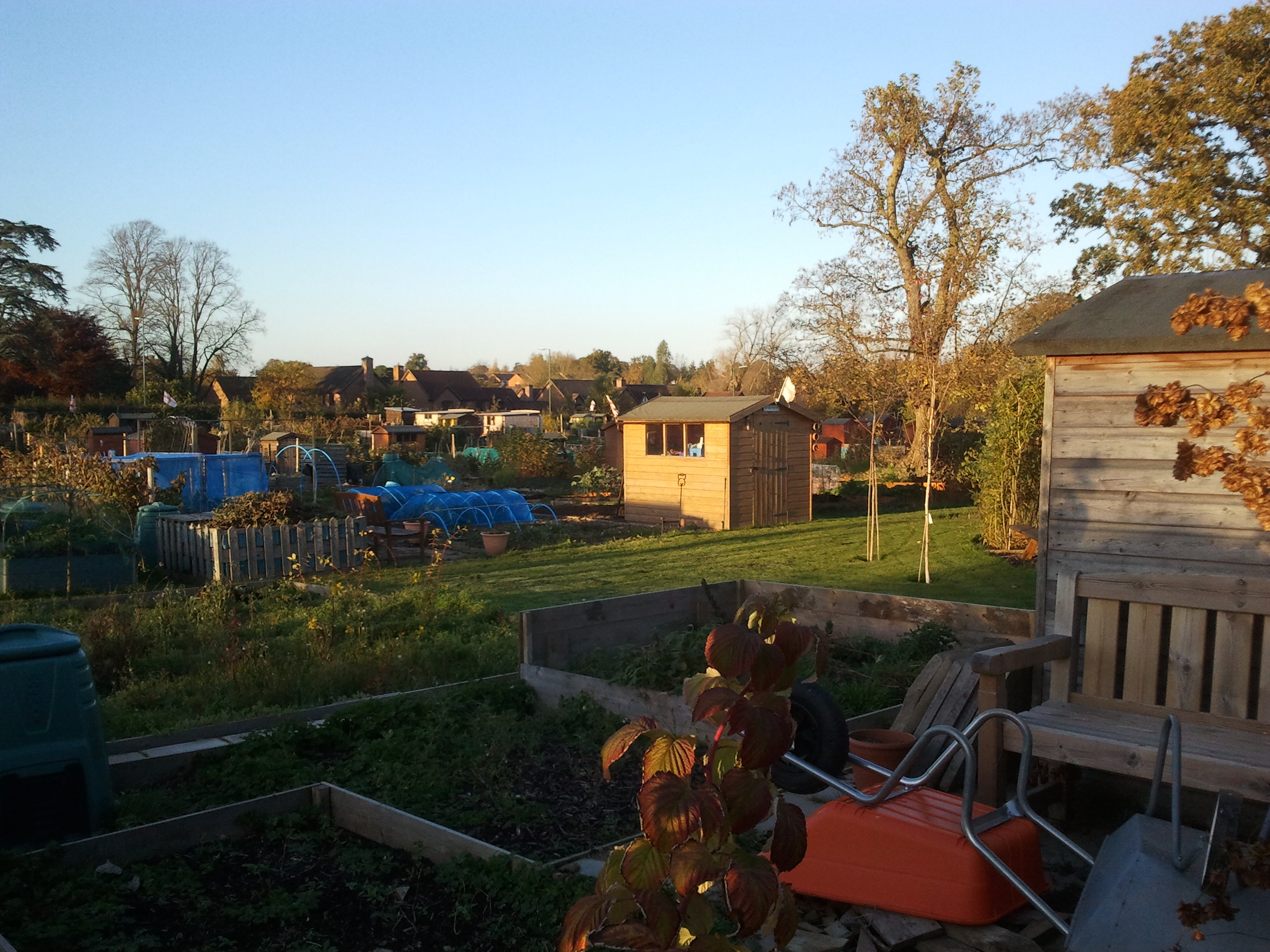
The penultimate lottie wander post for 2012 and at last the weather is providing a few bright cold days. This is what we look forward to in this autumnal month, rather than the wet dark days we have been presented with in the first few days. The light is warm and gives a crisp edge to any photos taken as the blue haze of summer has disappeared.

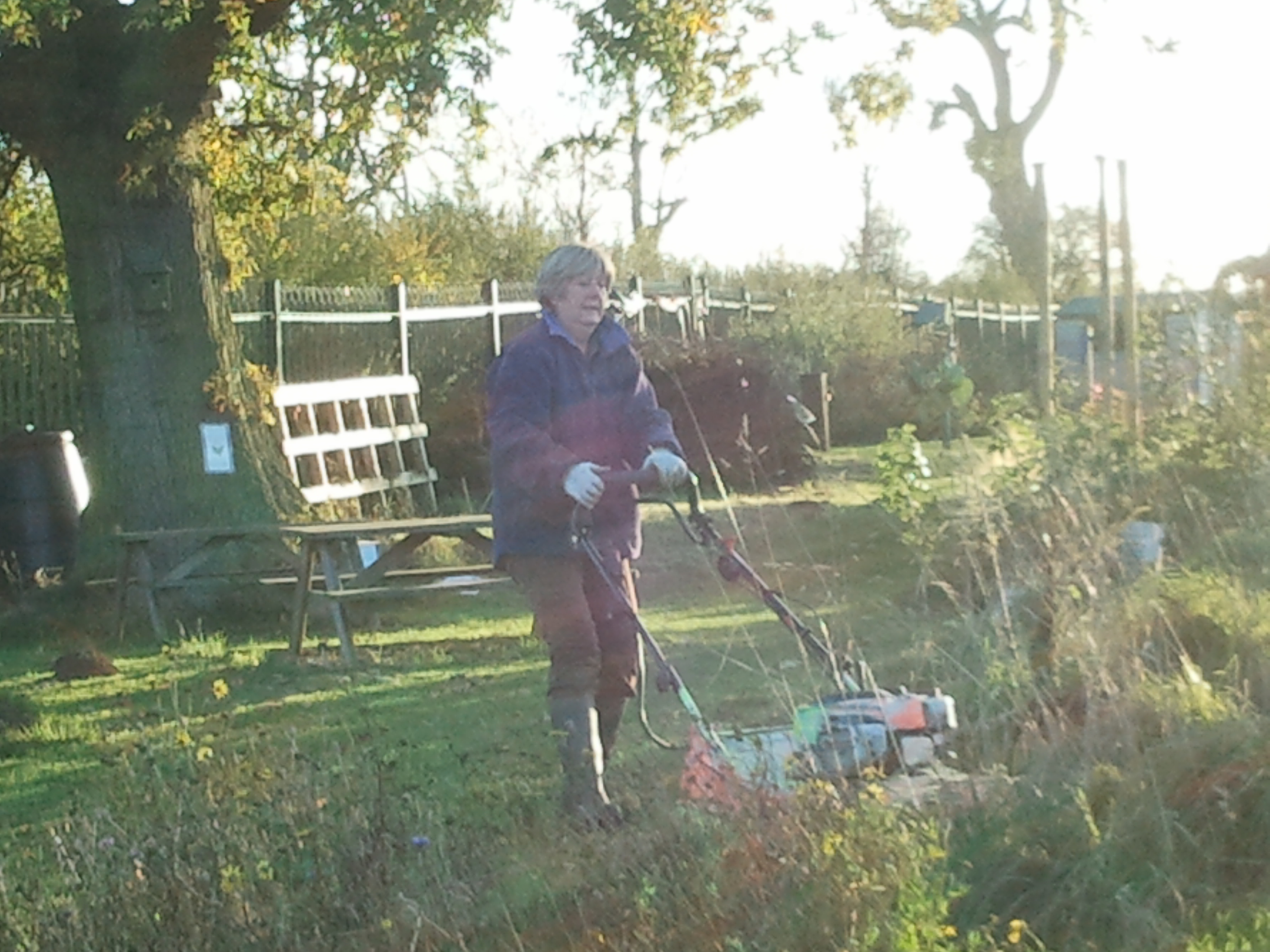
We went up the lottie yesterday to deliver some spare seeds for the Seed Swap basket and to collect some greens left by fellow plot holders for our chickens. They are spoilt by our friends from the site! It was mid-afternoon and we had not intended to stop to work, but we changed our minds. We got out the communal mowers and rakes and gave the final two meadows their annual “hair cuts”. Jude, The Undergardener did most of the work as it is a bit difficult with my spine and leg pains, so I wandered off taking advantage of the special quality of the day’s light and shot off a couple of dozen pics with my Galaxy.

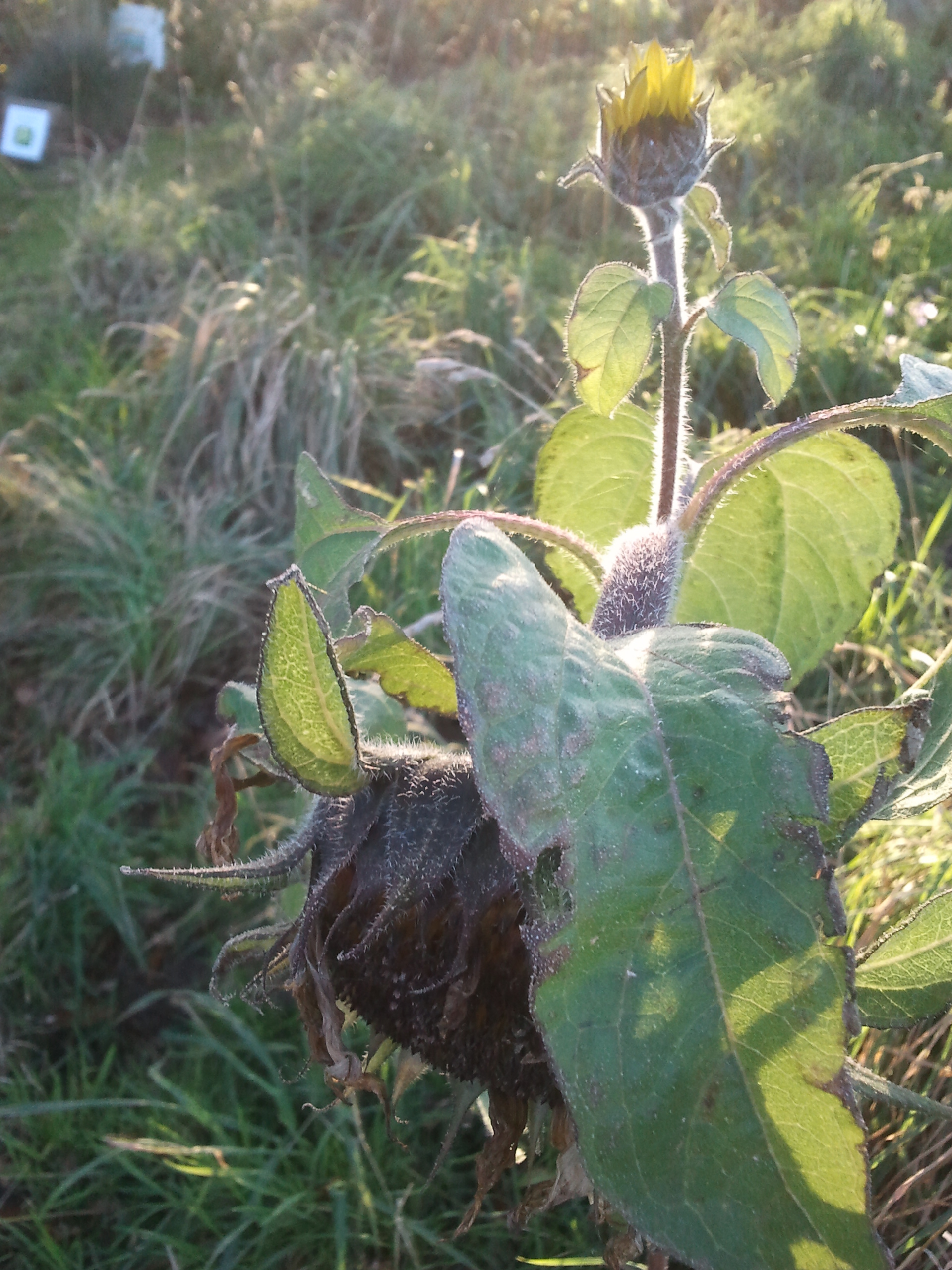
As we worked on the meadows the resident Field Voles scuttled off as they felt the mower’s vibrations and disappeared down their holes. We left a few clumps of wildflowers standing for everyone to enjoy before winter cuts them down. Field Scabious, Mallow and Sunflowers.

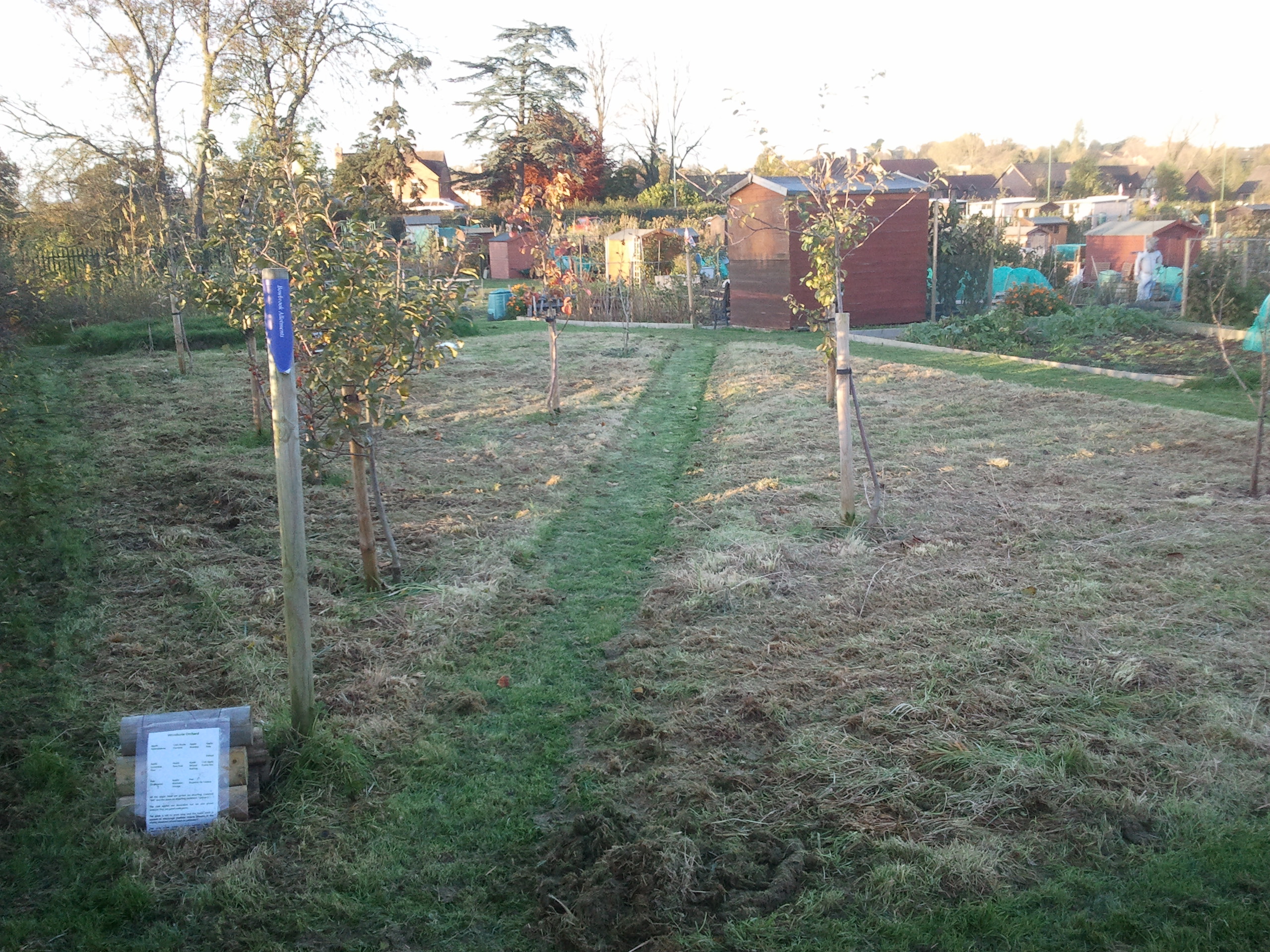
The meadows that are already trimmed look flat and brown, but the pathways mown through them look crisp and green.

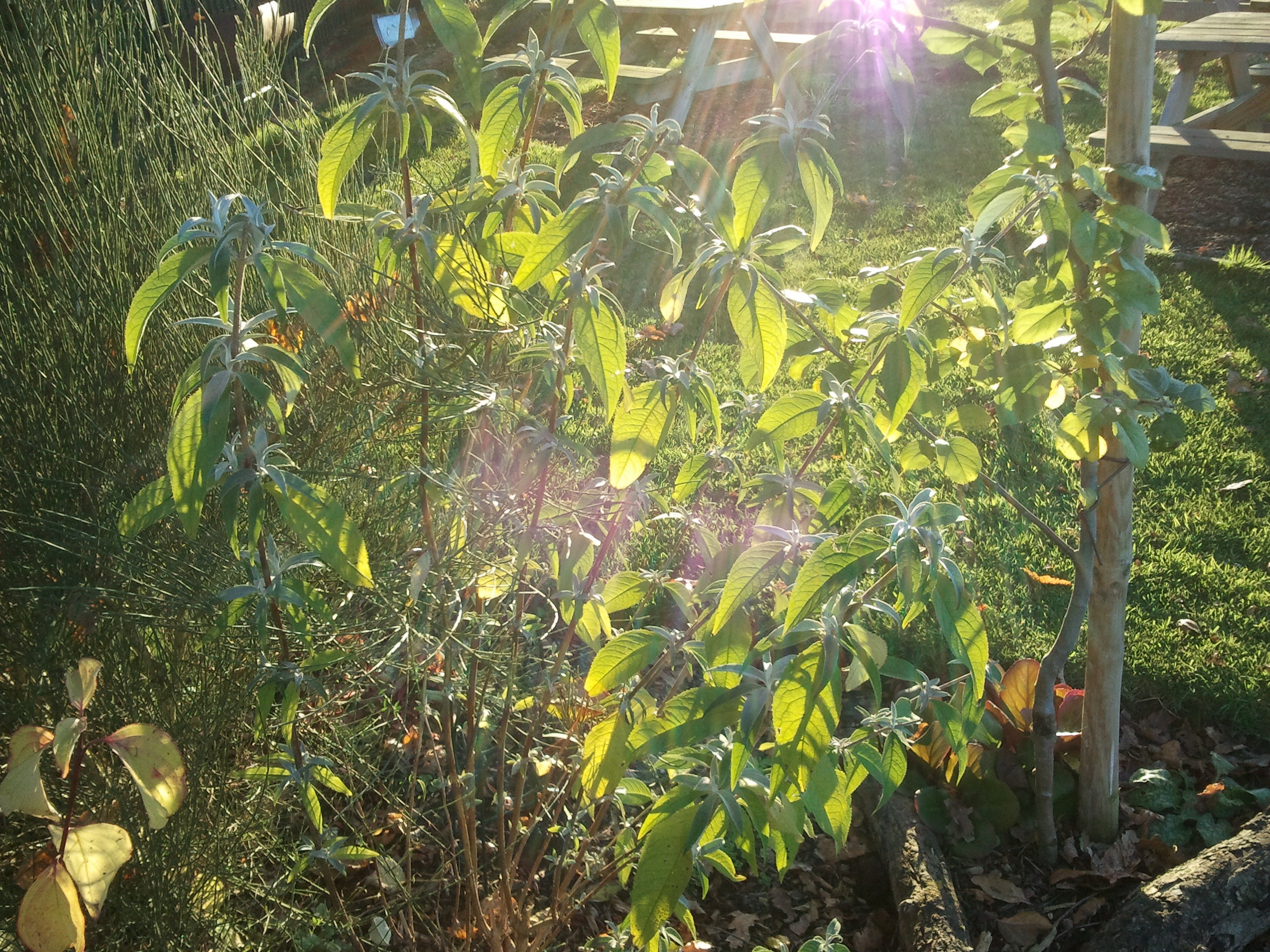
The foliage in our Sensory Garden is given extra vitality in the November sunshine.

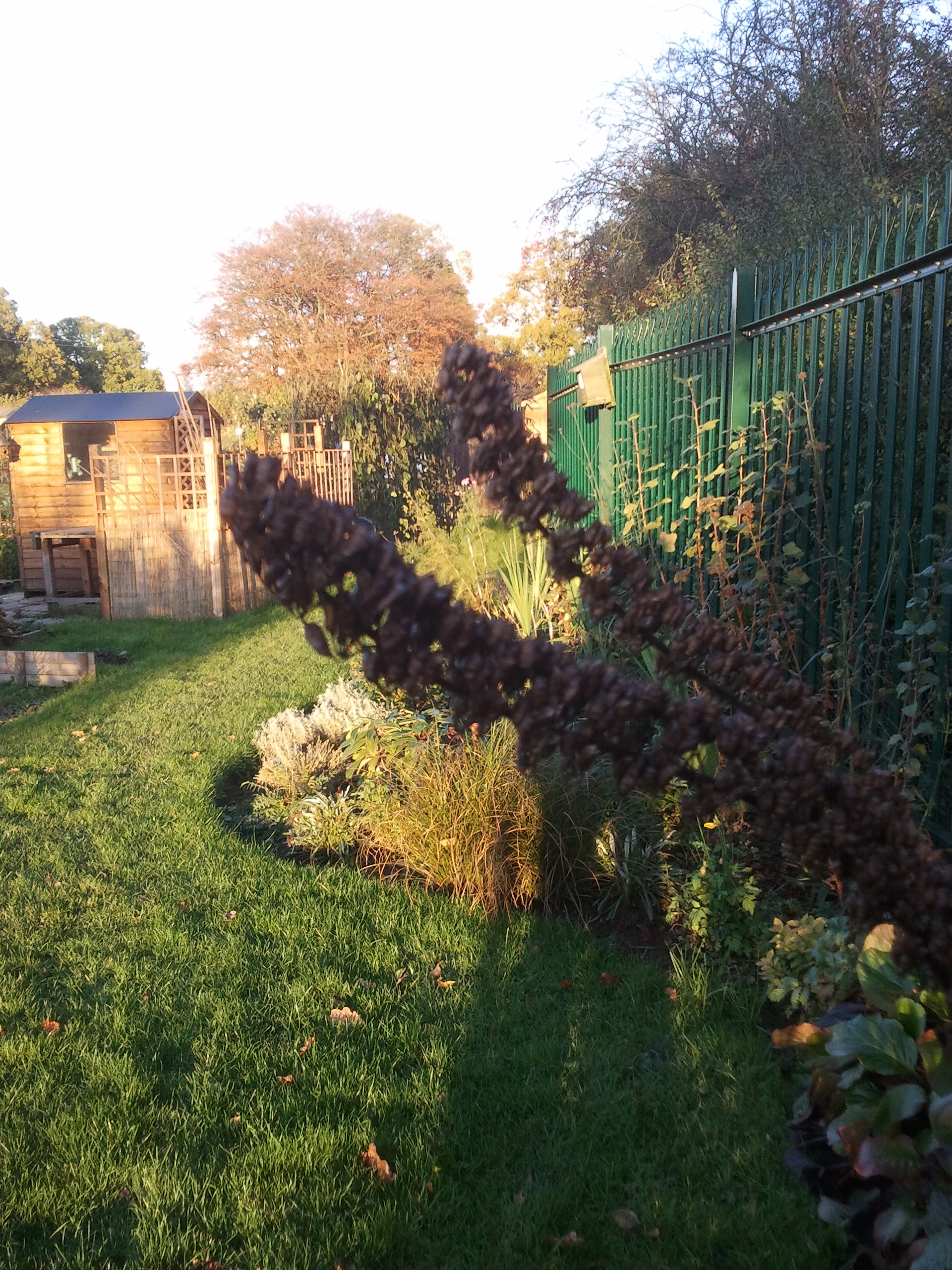
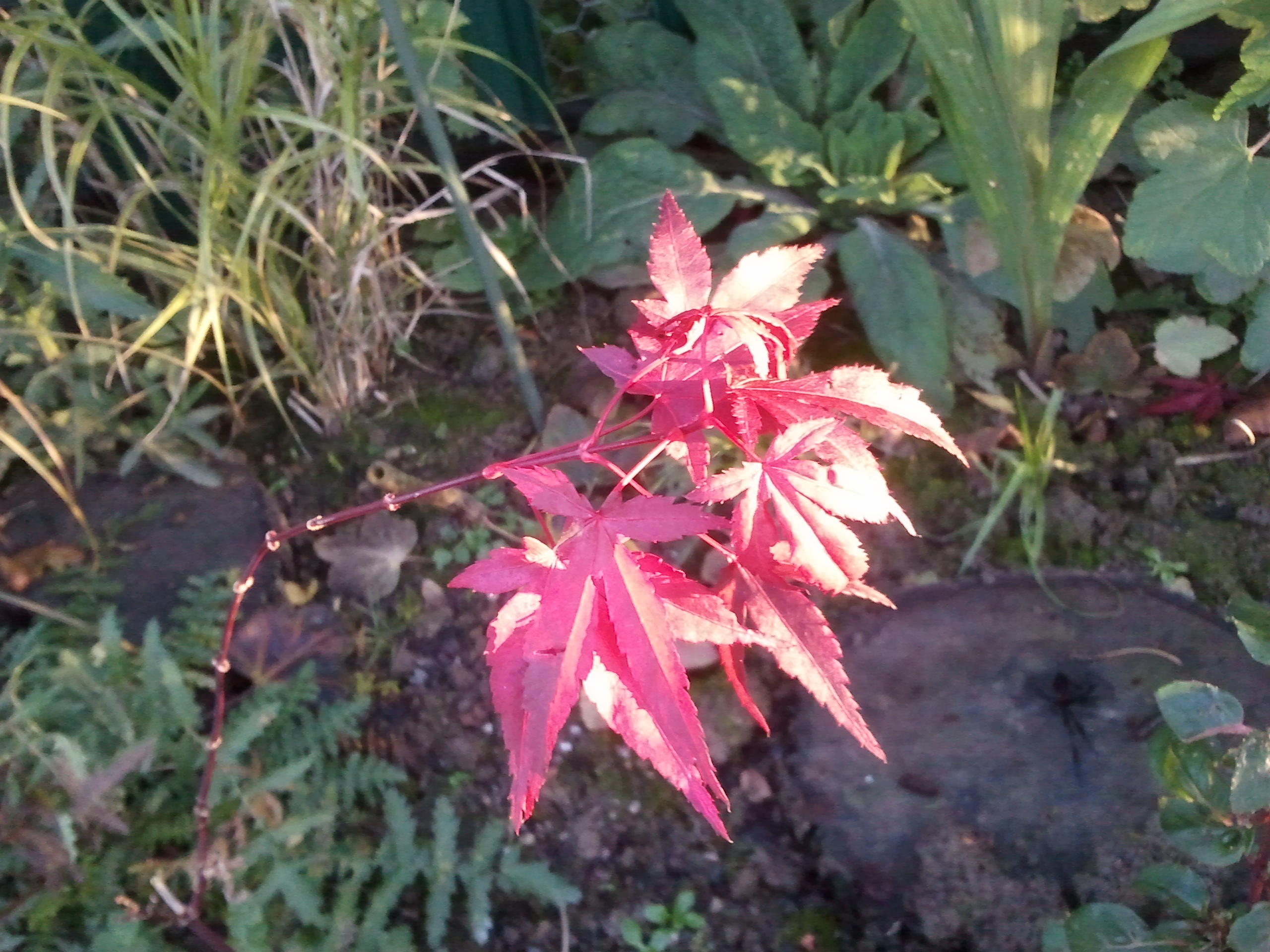
The next shot is a view of the site boundary through the seed heads of a white-flowered Actaea across the Spring Garden. In the Spring Garden a tiny Acer shows that you don’t have to be big to impress.

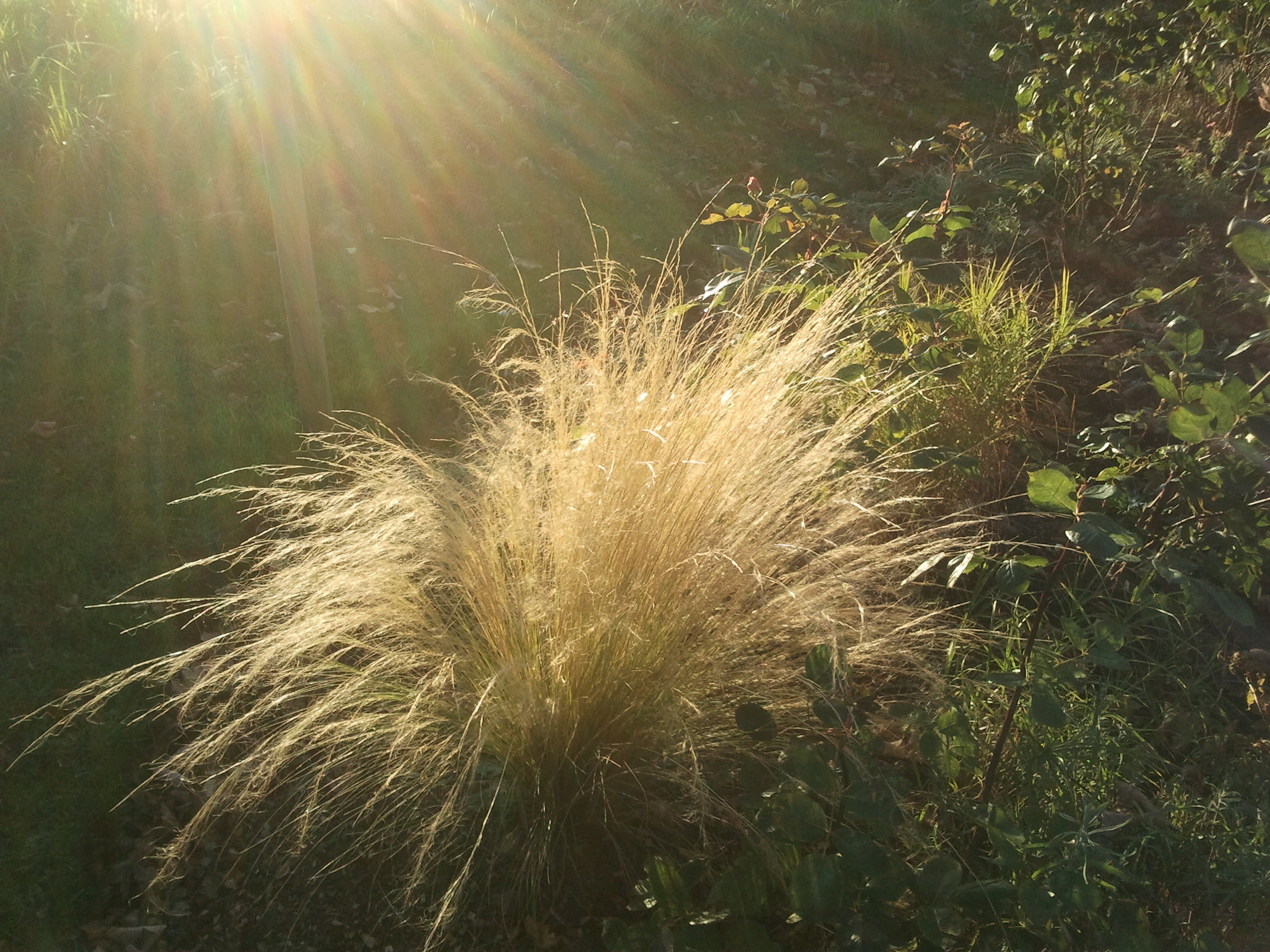
In the meadows the last of the grasses and sunflowers stand tall and proud.

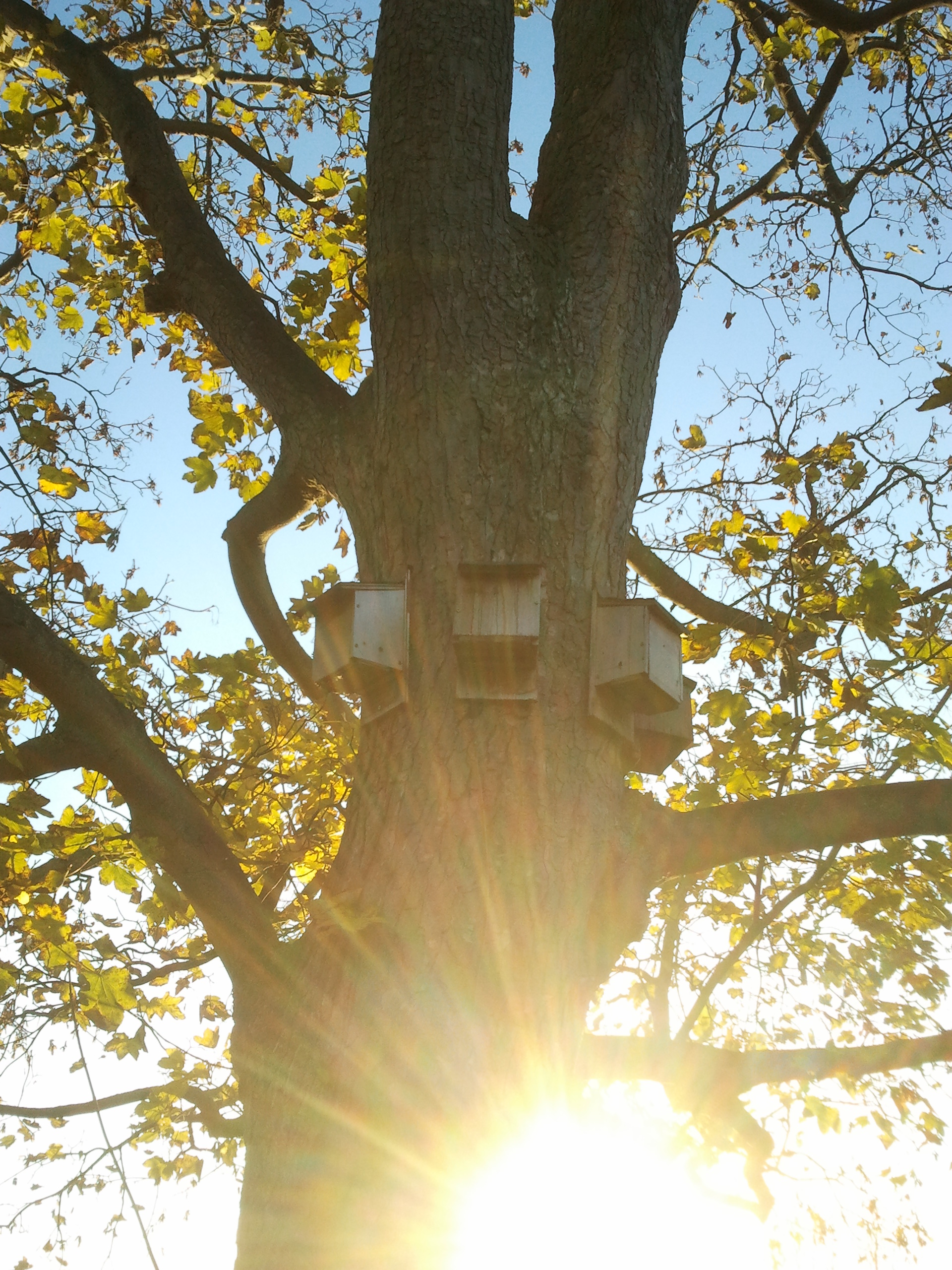
Up in the mature Sycamore and Oak the resident bats will be shuffling around and preening in readiness to leave their roosts in the boxes and go on the feed for moths and night-flying insects. Bats are our night-time pest control patrols. In the daylight hours we are being entertained by birds of prey often being mobbed by our flocks of Jackdaws and Rooks . Peregrines, Buzzard, Red Kite, Kestrel and Sparrow Hawk.

Around the plots the gardeners are preparing their plots for the winter, beds are cleared and manure piled up or spread over the surface.

A few crops remain for winter sustenance.The red stems and purple leaves of Ruby Chard add a burst of colour. Brassicas are covered to give protection from ravenous and greedy Wood Pigeons who love to eat the sweet centres of Brussels Sprouts and the tenderest, newest leaves of cabbages.

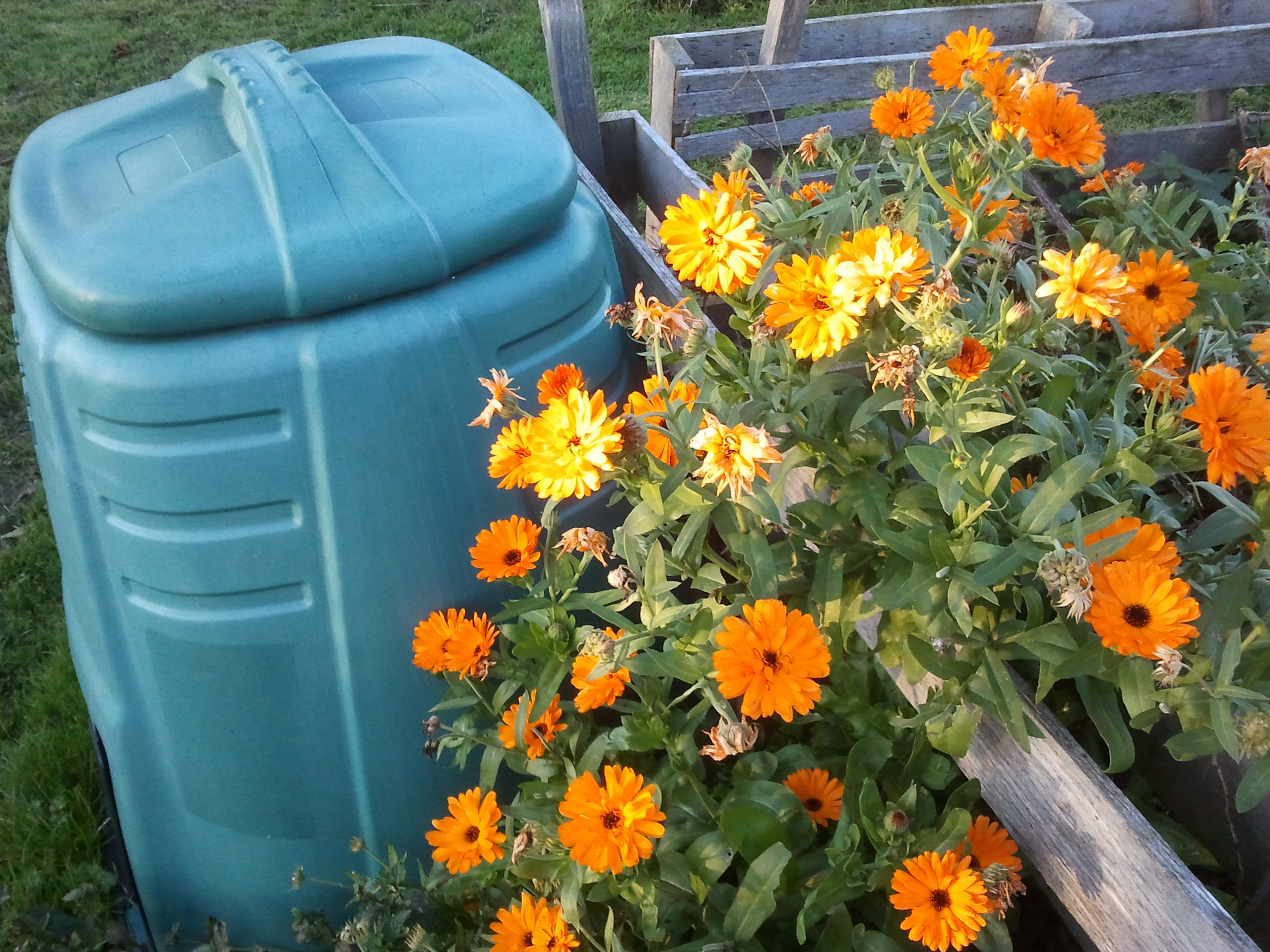
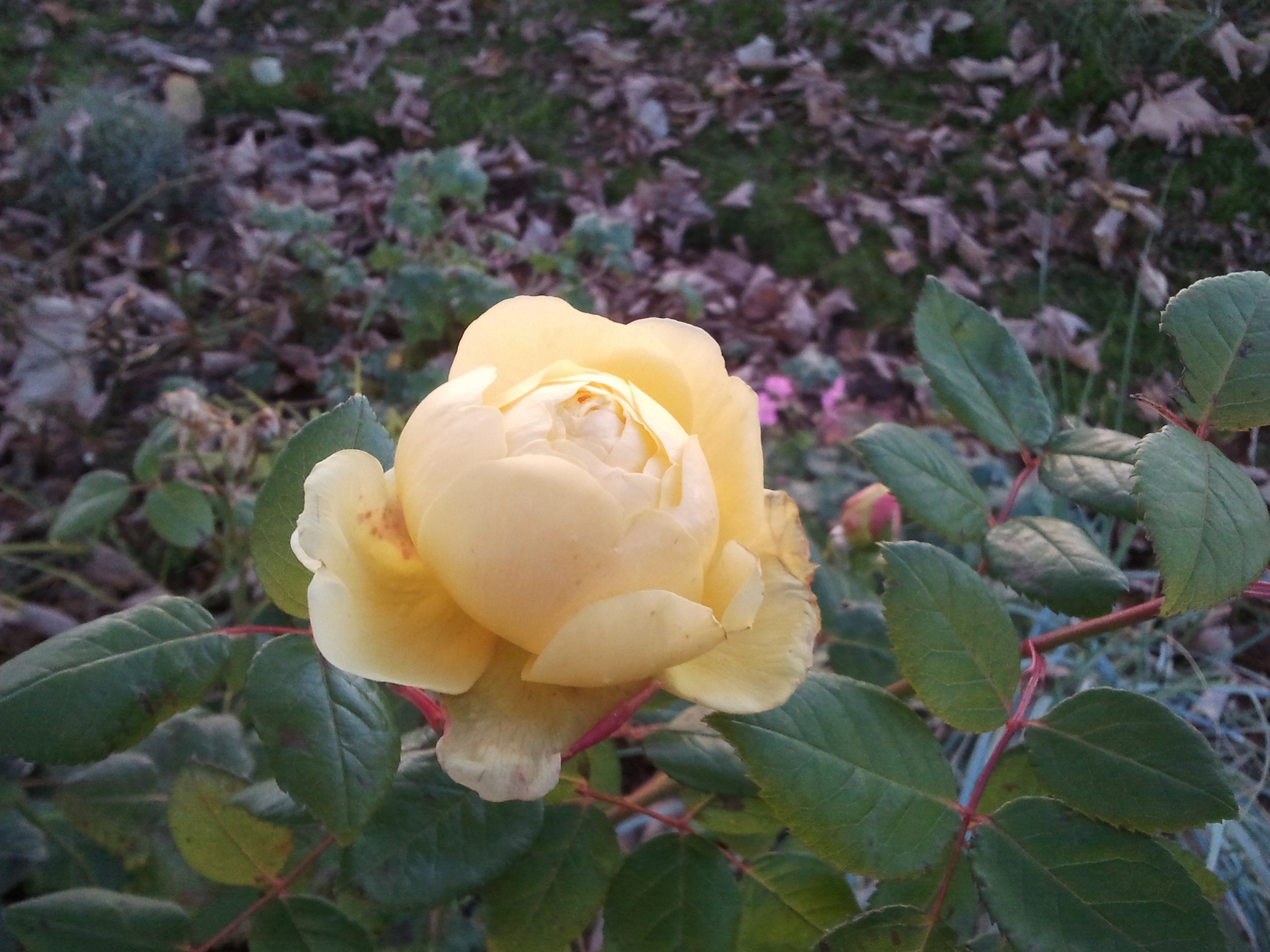
A few remaining flowers add extra brightness to the plots.Tthat most popular of companion plants, the Calendula brightens up compost areas and odd roses still perform in the Summer Garden. We can expect these David Austin roses to continue to treat us to flowers until the new year.

The star of the site for the next few months will be the Winter Garden and it is already showing promises and hints of what delights it has in store for us in times ahead. As leaves fall from trees and shrubs the colours and textures of the stems and trunks will come into their own.

We have endured a wet summer and autumn with each month breaking previous rainfall records. Crops have been poor and we have been flooded four times. Dave, the Scarecrow looks a bit worse for wear too!

Categories
blogging photography thanks

Another thank you.

I was recently nominated for another blogging award, the  Kreativ Blogger  Award, by Penny who writes the blog, harvestbeyondmyfrontdoor.wordpress.com  . I am grateful for her nomination and by accepting it I agree to list 7 things you may not know about me and nominate 7 blogs of my choice for this  Award.

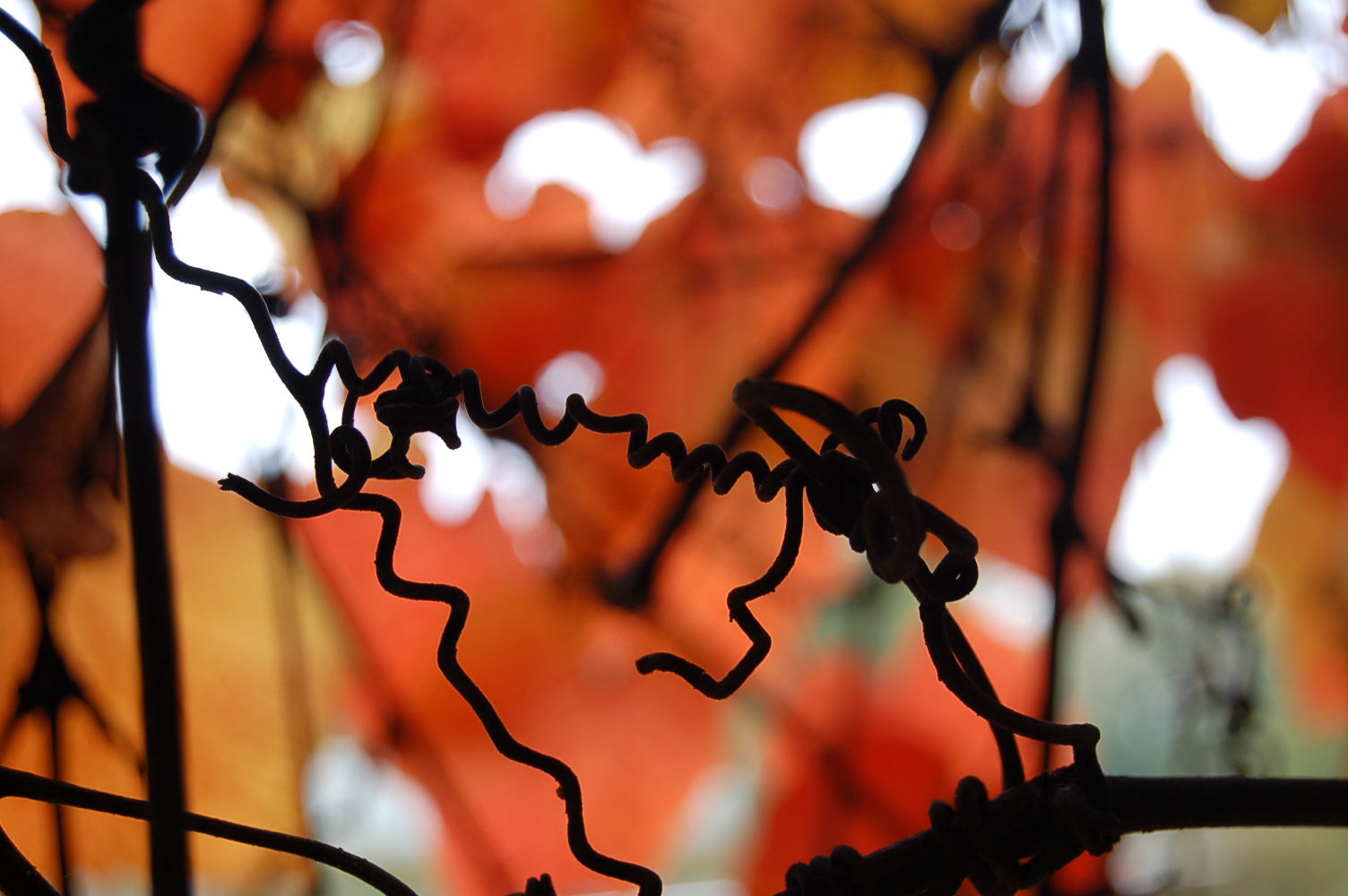
As this award is about creativity I thought I would share just one photo that I created accidentally as I clicked the shutter button whilst carrying my camera out into the garden last week. Hard to tell what it is but it is quite pleasing in a simple way.

Margie, who posts one of my favourite blogs recently asked me about the photographic equipment I use so my 7 items about myself will relate to this.

1. My main camera is a Nikon DSLR

2. I use two lenses, both zooms, a Nikkor 18 – 55 and a Nikkor 70 – 300 VR.

3. If the weather is too wet or if I am shooting in adverse weather conditions I use my Canon Powershot compact.

4. If I forget my camera and find a picture that needs to be taken I use the camera facility on my Galaxy Smartphone which is an exceptionally good camera. It has a good macro facility and is great for shots without flash both indoors or out in the dark.

5. I keep a Skylight Filter on the lenses at all times to protect the precious glassware.

6. The only creative filters I use are a polariser and a +4 close up filter.

7. The software I use is Photoshop Elements.

My nominations for the Kreativ Blogger Award  are

1. allotmental.com

2. photonatureblog.com

3. grandparentsplus2.wordpress.com

4. thepyjamagardener.wordpress.com

5. arignagardener.wordpress.com

6. anartistsgarden.co.uk

7. fennelandfern.co.uk

Categories
autumn autumn colours colours garden design garden photography gardening gardens open to the public National Garden Scheme ornamental trees and shrubs photography shrubs The National Gardening Scheme" trees

The Dingle – A Welsh Garden Wonder

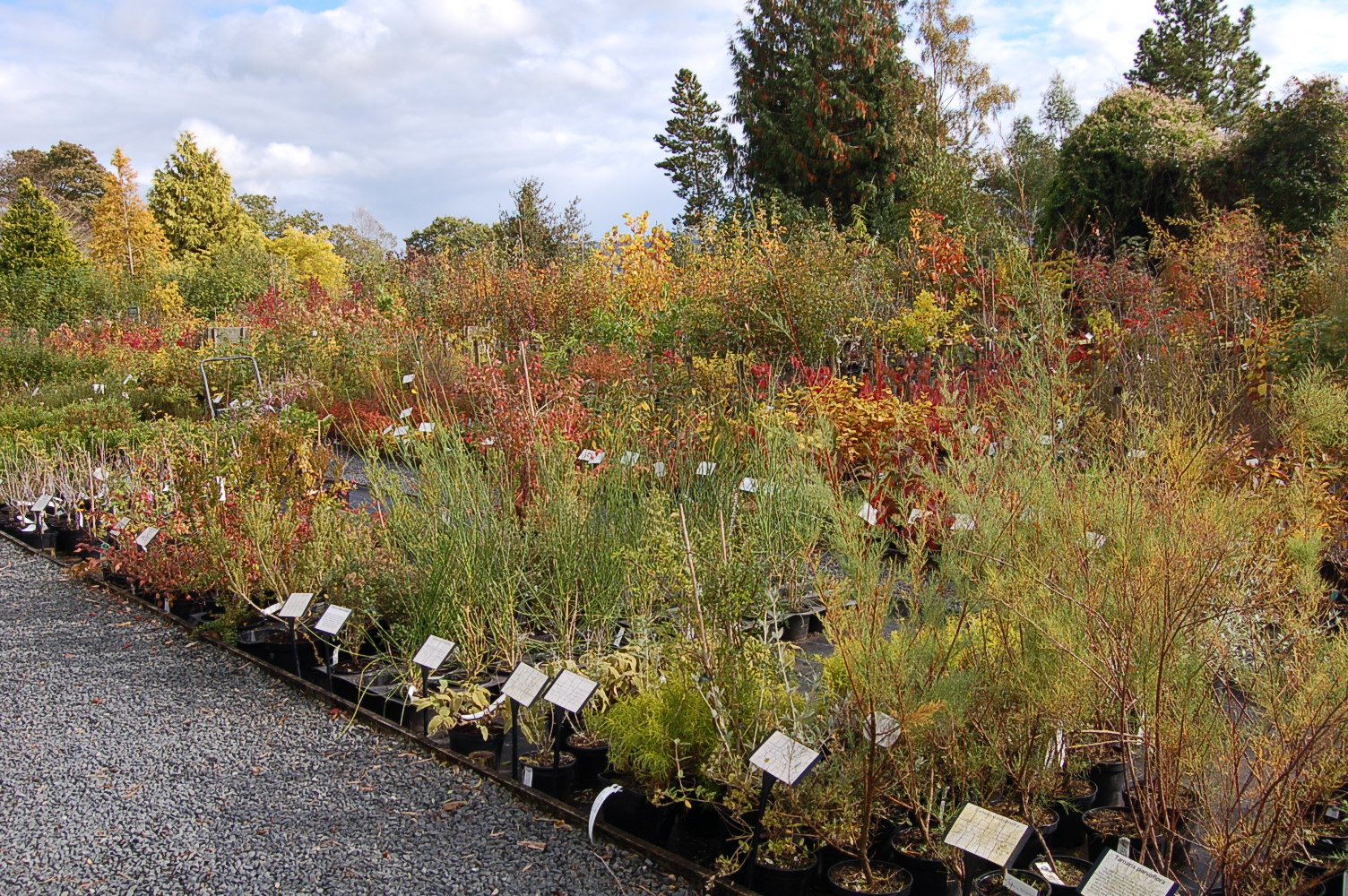
Close to Welshpool, just a half hour from home across the Welsh border, are our favourite nursery and garden centre, The Dingle and The Derwen, part of the same family. They sell unusual trees and shrubs and many good-value perennials all locally grown. But hidden away in the Dingle nursery, through a little wooden gate is a wonderful sloping garden. The garden is mostly a wonderful collection of unusual trees and shrubs on a gentle slope down to a lake, so a visit in the autumn is an assault on the senses.

The nursery which is now over 40 years old, grows thousands of plants on its 150 acres of Welsh countryside. We rarely come away without a gem – and they give free coffee away too!

The garden itself extends to just four acres, but those four acres feel much larger than expected with a complex network of paths which give occasional views which are wide and stunning. This is good garden design.

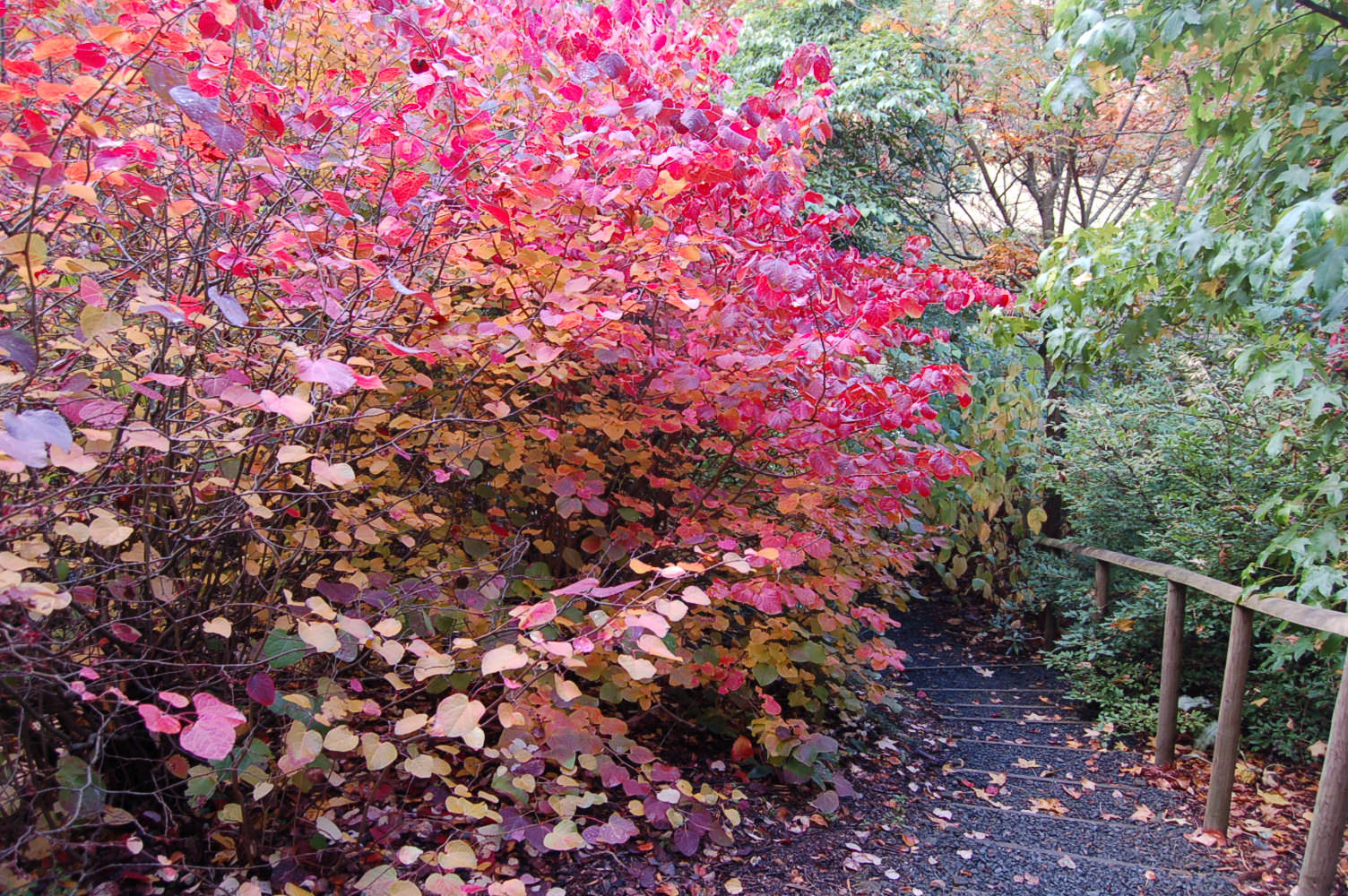
As the paths take us around corners they feature interesting, colourful shrubs and trees to delight the eye before enticing us to find out what is around the next corner.

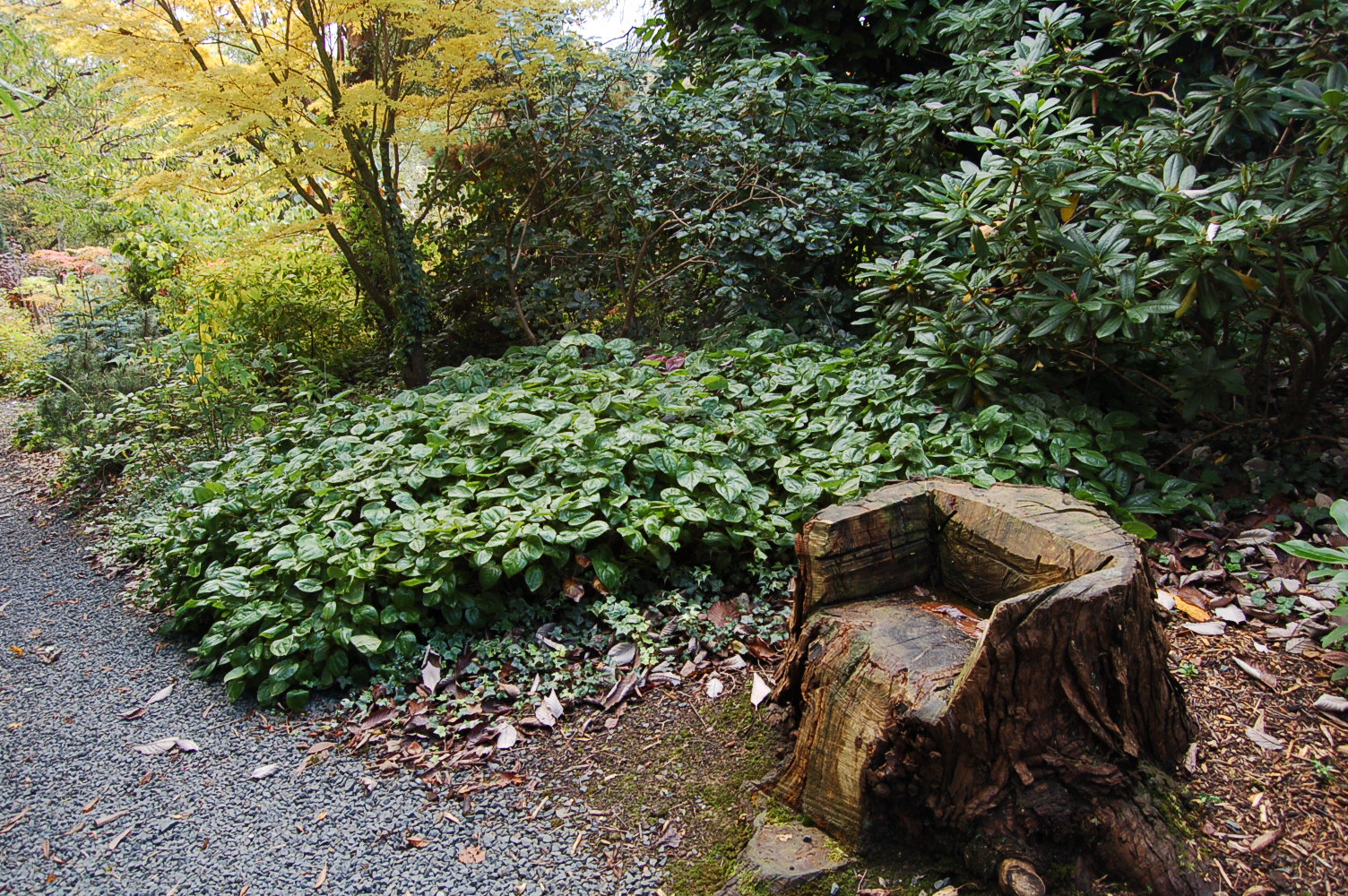
Being on a slope, the garden’s many seats are most warmly welcomed by aching legs.

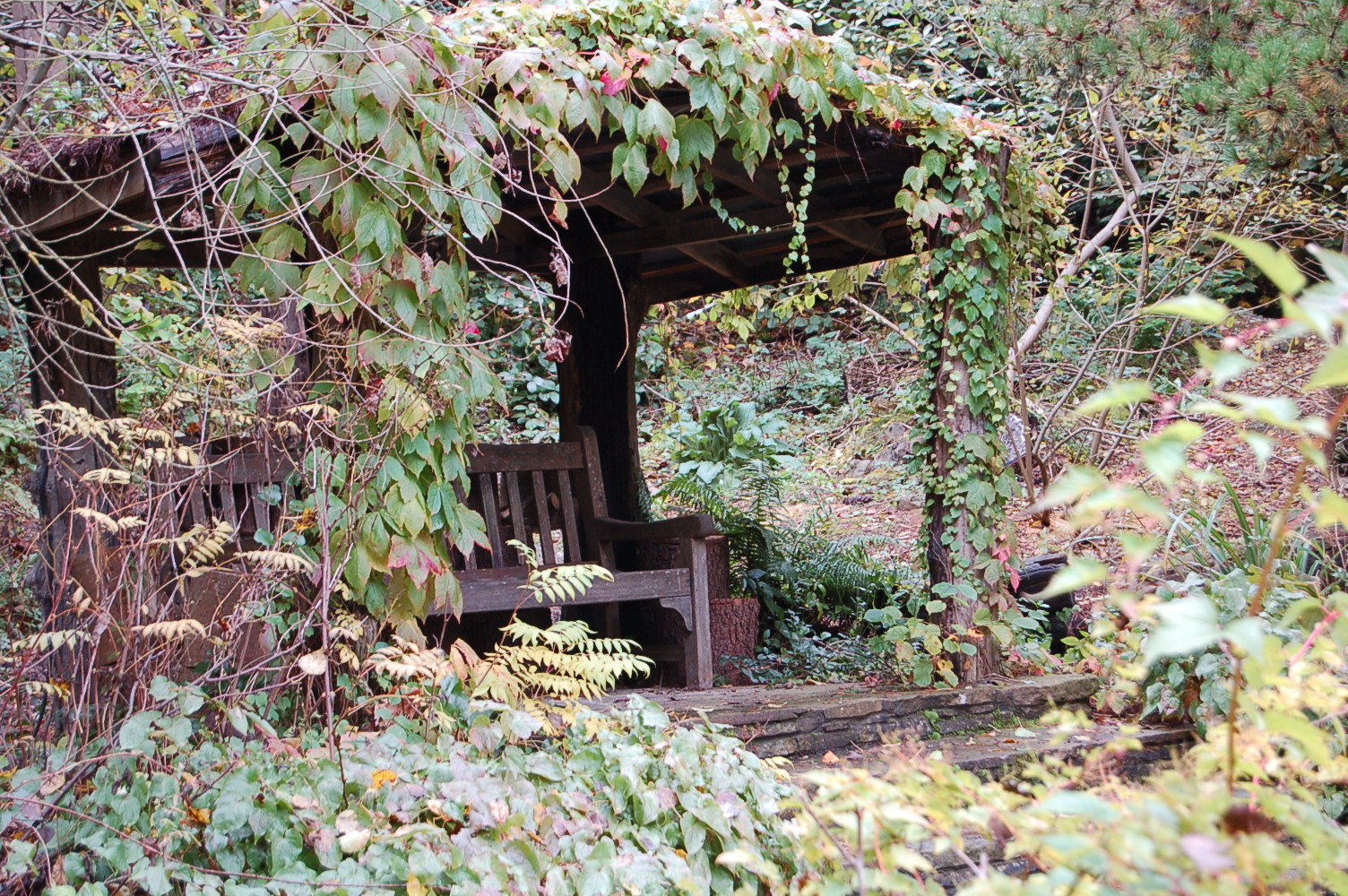
Some of the seating provides cover which proved useful a few times as showers burst from the dark sky just visible through gaps in the trees.

Coloured, textured foliage and bark keep the interest of the plant lover in us going strong and enticing us around each corner.

As in any good garden little cameos stop us in our tracks and catch the eye.

The lake at the lowest point of the garden, provides a restful place – restful to the eye and restful to the legs.

Strong contrasts in foliage colour show up in the brighter weather as we work our way back up the paths to the gate.

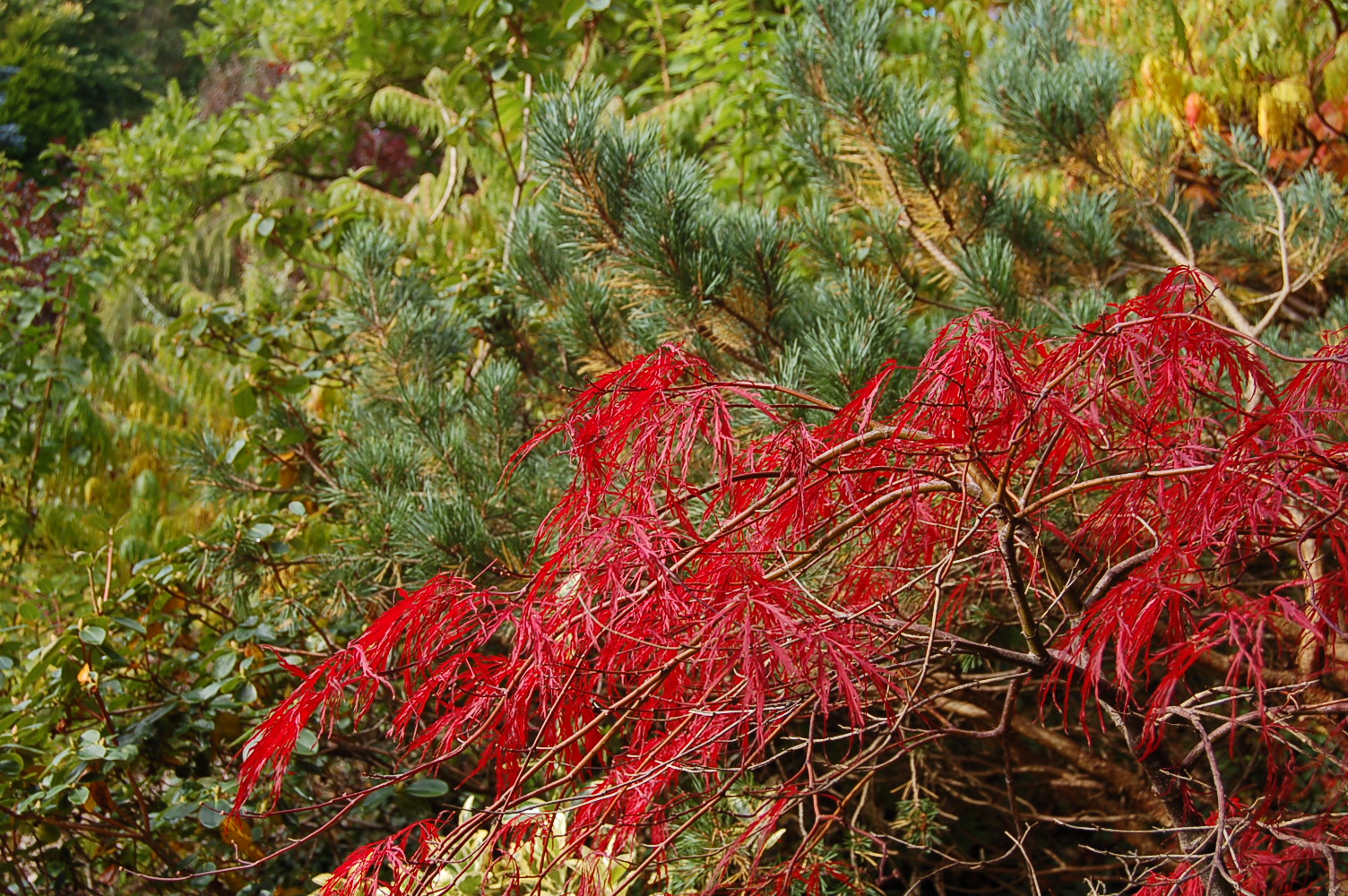
As in any garden specialising in trees and shrubs the stars of the autumn are the Acers.

Back up the top of the garden we pass through the little wooden gate and are tempted for a perusal of the colourful nursery beds.

Categories
garden photography gardens open to the public Land Art outdoor sculpture photography the South

David Nash at Kew Gardens – Part 1

Can you have a better day than this? Outdoor sculpture collection with one of the world’s best exponents – David Nash. The only World Heritage Site that is a garden – Kew. And the best company possible – Jude and our four kids (we started off with two but they each gained another).
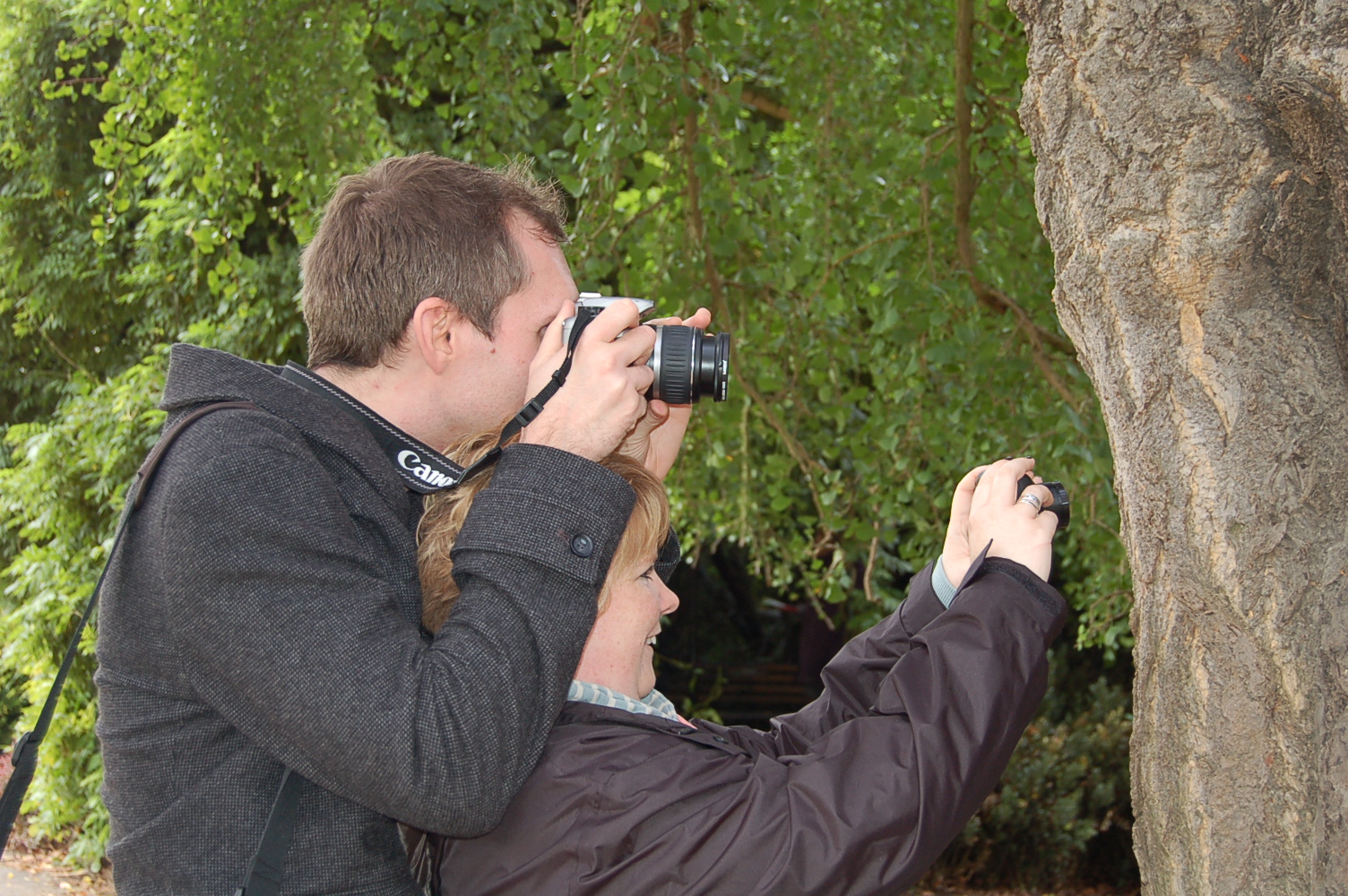
And here they are (well just four of them) taking a break in the Temperate House. Apart from Jude and Sam we are all camera-toters so it is impossible to get a pic of us all together as there is always at least one left somewhere composing their artistic endeavours.

We drove down to London in drizzle and mist – a miserable journey through beautiful countryside we couldn’t see, but after a night’s rest in a comfy hotel room we met our four kids in the White Peaks Cafe just inside the world of Kew. The day was a great improvement over yesterday but as we left the car our ears were subjected to the cacophony of noise made by the parakeets now dominating the parks of the capital. They do not fit here at all. Our native Jays in their subtle outfits of pink and blue were much more in keeping.

Lattes and lemonades safely stored away we followed the Kew App that sent us on the trail of the collection of David Nash pieces. It was over a year since we had seen his retrospective exhibition at the Yorkshire Sculpture Park so we were more than ready to appreciate his work again.

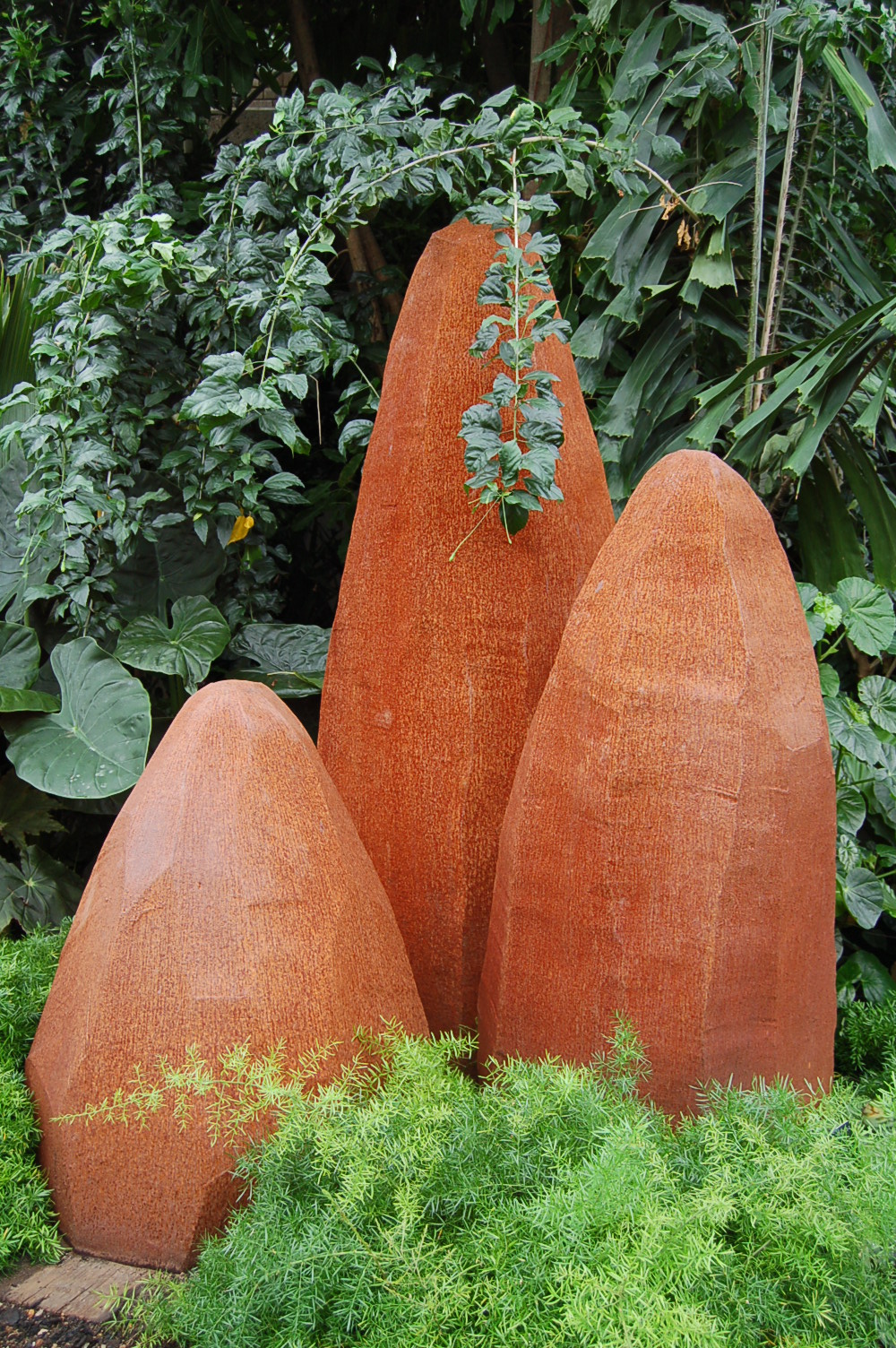
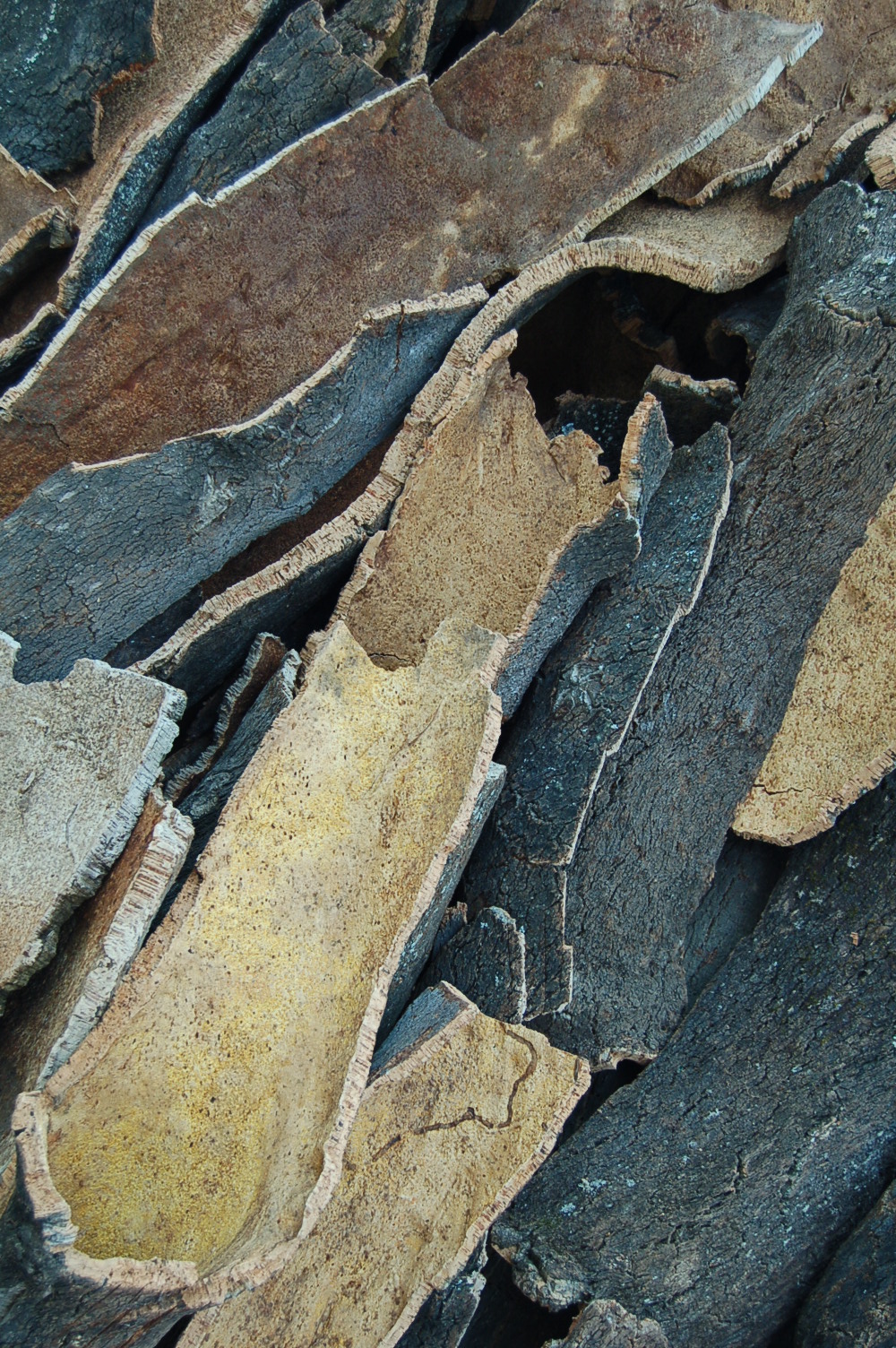
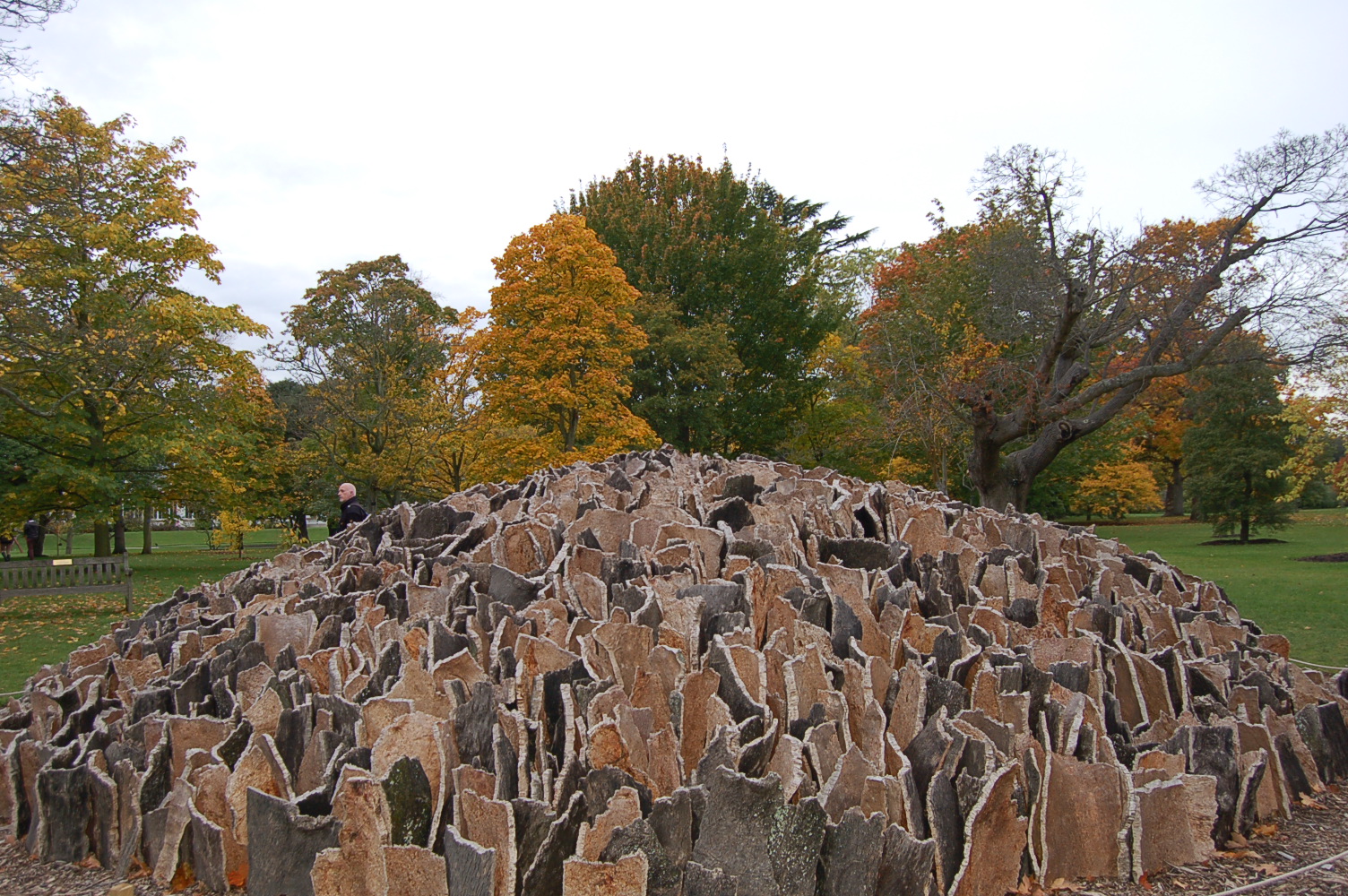
Two of my favourite pieces were created from strips of cork oak bark, a huge cone in the conservatory and a low dome out in the open.

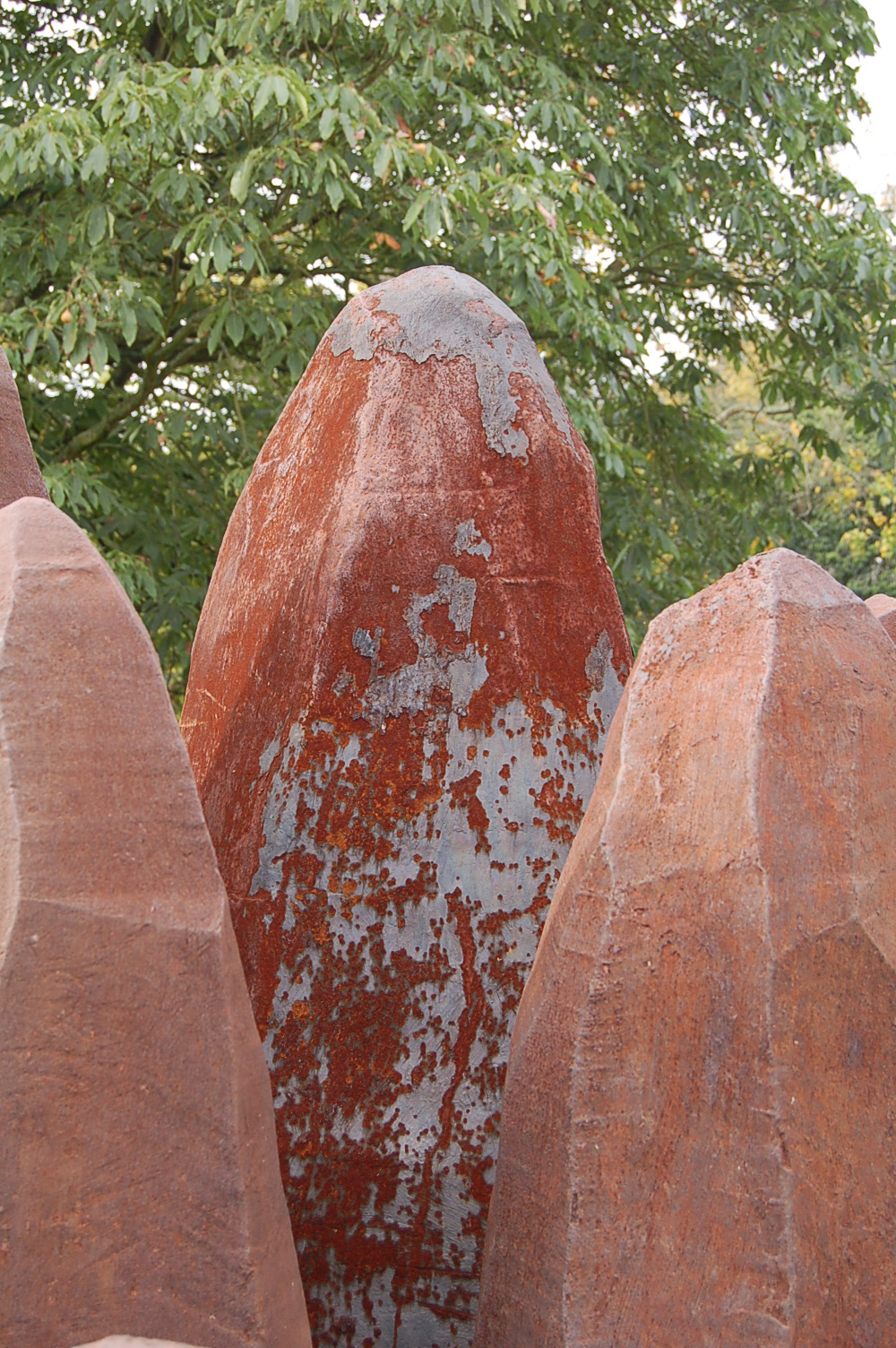
As with much of his work there is beauty in the details.

Suddenly I was presented with a sighting of a wonderful juxtaposition.

So another amazing exhibition of the work of David Nash. I wonder when we shall be treated to his next?

This Veggie Life

A Vegetarian | Nature Lifestyle Blog

Rambling in the Garden

.....and nurturing my soul

The Arch City Gardener

Journeys In St. Louis Gardening and Beyond

Garden Dreaming at Châtillon

Consult the genius of the place

Storyshucker

A blog full of humorous and poignant observations.

gardeninacity

Notes from a wildlife-friendly cottage garden

PlayGroundology

...an emerging social science

The Official Blog of British Wildlife

'The most important and informative publication on wildlife of our times' - The Independent. This blog is a member of The UK & Ireland Natural History Bloggers group: www.uknhb.blogspot.com

iGrowHort

Inspire - Cultivate - Grow Native Plants - Restore Landscapes

Bishops Meadow Trust

To create and protect a semi-natural wild space for the people of Farnham to enjoy and experience an array of British wildlife in our town

Gardening with Children

The www.gardeningwithchildren.co.uk Blog

UKbirdingtimeline

birding through the seasons, why birds matter and how to conserve them

NATURE WALKER

with a camera in hand

Jardin

Transform your outdoor space

Eva's space

My allotment, cooking and other interests

Old School Garden

my gardening life through the year

LEANNE COLE

Trying to live a creative life

fromacountrycottage

trying to live as lightly as possible on our beautiful planet

Good Life Gardening

Nature lovers from Leicester living the good life.

mybeautfulthings

Finding the beautiful in the everyday

mawsonmichelle

Michelle's Allotment

In and Out of My Garden

thoughts from and about my garden

Greenhousing

Big plans for a small garden

The Scottish Country Garden

A Walled Country Garden in South East Scotland

The Fruity Chicken

Life at the fruity chicken

willowarchway

Off grid living. Self sufficient. "PERMAGANICS RULE".

St Anns Allotments

Nottingham's Grade 2* Listed Allotments and Community Orchard

Manifest Joy Harvests

a journey in suburban vegetable gardening

Allotmental

The madness of growing your own

Penny's Garden: a harvest beyond my front door

A novel approach to vegetable gardening

arignagardener

Sustainable living in the Irish countryside.

NewEnglandGardenAndThread

Master Gardener, amateur photographer, quilter, NH native, and sometimes SC snowbird

dianajhale

Recent work and work in progress and anything else that interests me

planthoarder

a chaotic cottage gardener

Lens and Pens by Sally

a weekly blog that creates a personal philosophy through photographs and words

Dewdrops and Sunshine

Stories from a sassy and classy Southern farmbelle.

The Pyjama Gardener

Simple Organic Gardening & Seasonal Living

gettin' fresh!

turning dirt into dinner

JOY...

today the world is created anew

Garden Birds

Notes from a Devon garden

ShootAbout

Life Through The Lens

Adapting Pixels

A photography blog showcasing the best photography pictures and videos on the internet

Wildlifegardening's Blog

Just another WordPress.com site

naturestimeline

personal observations from the natural world as the search continues for a new approach to conservation.

LATEBLOOMERBUDS

The Wonders of Life through my Eyes, my Heart, my Soul