Categories
climbing plants colours flowering bulbs garden designers garden photography gardening gardens gardens open to the public grasses hardy perennials irises Italian style gardens meadows ornamental grasses ornamental trees and shrubs outdoor sculpture Piet Oudolf roses sculpture Staffordshire Tom Stuart-Smith trees water in the garden

A Garden in May – Trentham

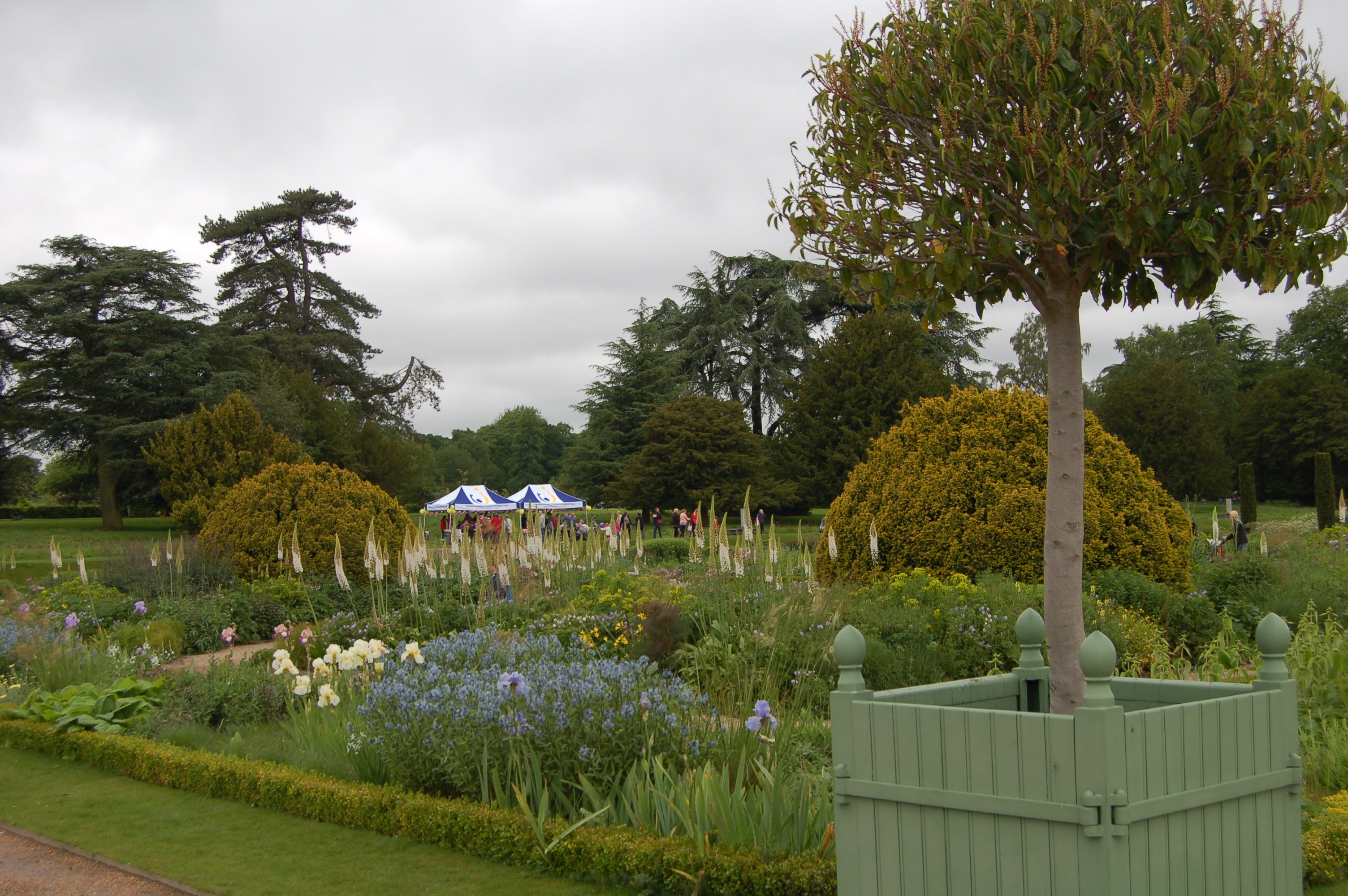
Here we are with post number 5 of this series looking at the gardens at Trentham where we are trying to discover if Trentham really is a “garden of all seasons”. For our May visit we were hoping for better weather as rain has greeted us on every other visit. It may seem a bit late to be posting this post but we have been so busy getting our garden ready for our summer visitors and the allotment community gardens ready for our NGS Open Day we are now behind with everything. We are getting behind at being late!

But the day dawned wet yet again.

2014 05 29_9874 2014 05 29_9827

We were amazed by the number of people around and the queue of visitors waiting to get through the turn styles. The majority of these visitors were young families. Soon we saw clues about what was going on – balloons, bunting and banners. It all pointed to the day being a special one for Trentham Gardens – their 10th birthday since reopening.

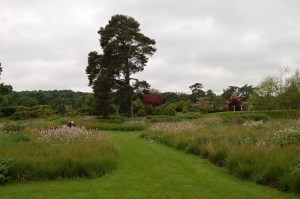
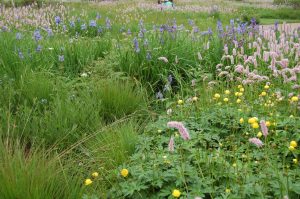
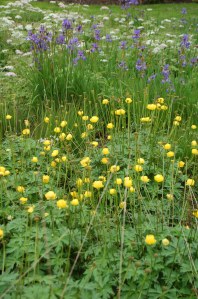
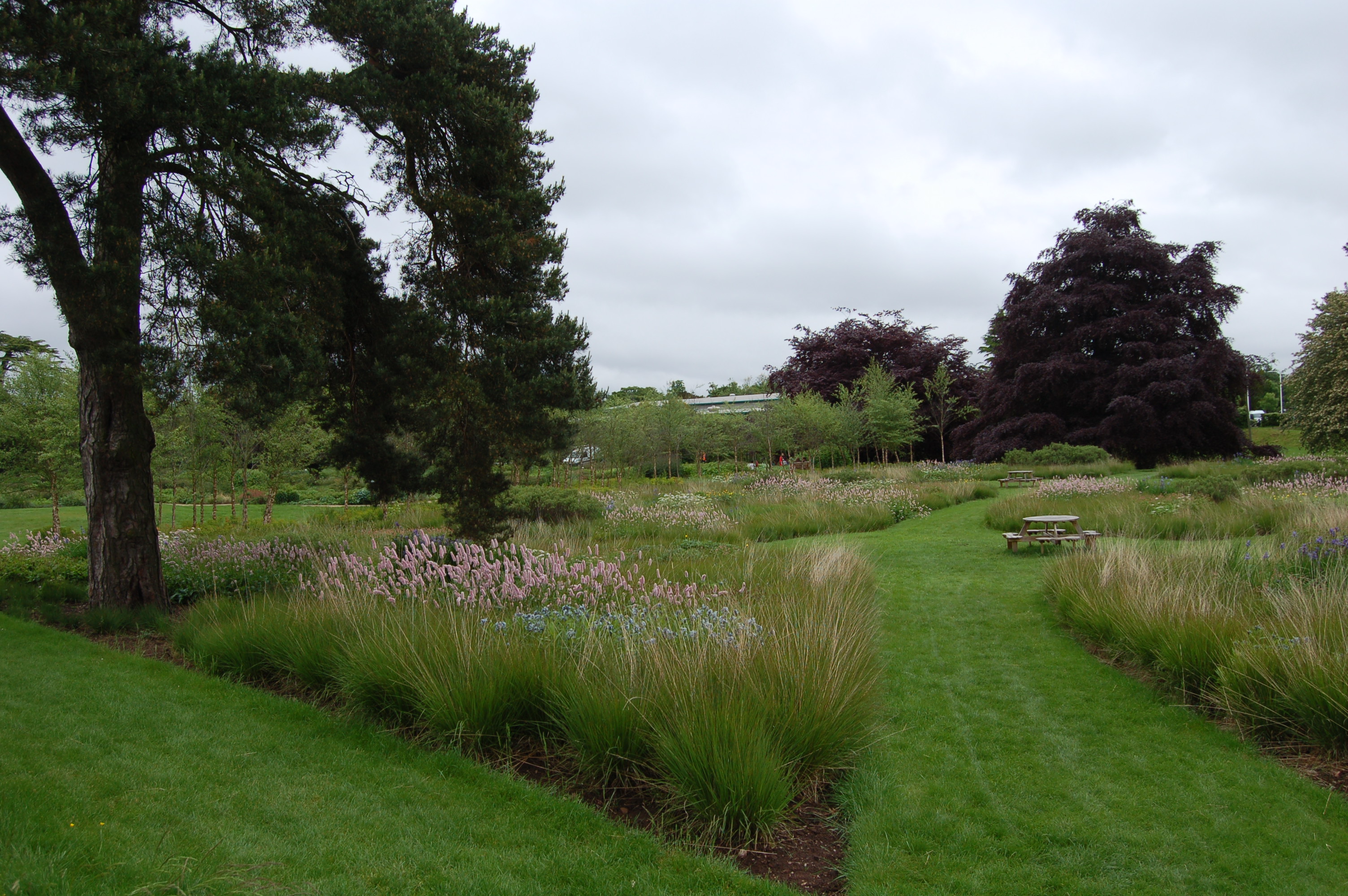
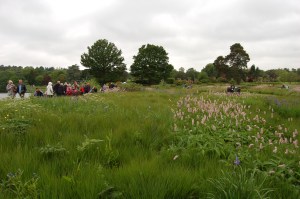
The area called the River of Grasses designed by Piet Oudolf has gained a lot of patches of colour from perennials among the strongly growing grasses. Persicaria bistorta, Amsonia and Trollius were particularly in evidence.
2014 05 29_9685 2014 05 29_9686

2014 05 29_9689 2014 05 29_9687

2014 05 29_9690 2014 05 29_9688

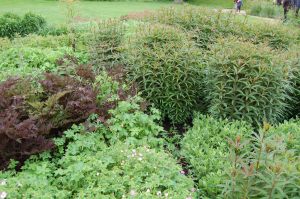
When we moved into the Piet Oudolf prairie borders we noticed that the growth of the herbaceous plants since out last visits was amazing.

2014 05 29_9695 2014 05 29_9697

2014 05 29_9692 2014 05 29_9698

2014 05 29_9693 2014 05 29_9696

2014 05 29_9691 2014 05 29_9694

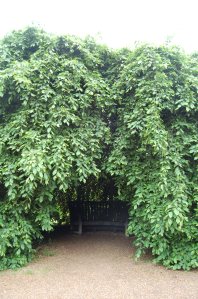
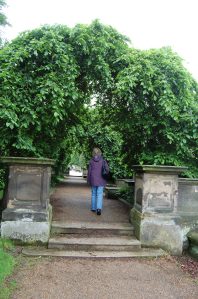
After enjoying the fresh colours in this area we wandered across neatly mown grass towards the Italianate Garden, and on the way we passed the Hornbeam Arbour and through a Hornbeam archway. We found evidence of the newly cut area where seagulls of crocus and snowdrops were earlier in the year (see earlier posts in this series). Now they appear as ghosts in the grass.
2014 05 29_9700 2014 05 29_9701 2014 05 29_9702 2014 05 29_9699

In the Italianate Garden the gardeners were planting out large specimens of Cannas with huge incredibly marked and coloured leaves.


2014 05 29_9703 2014 05 29_9704

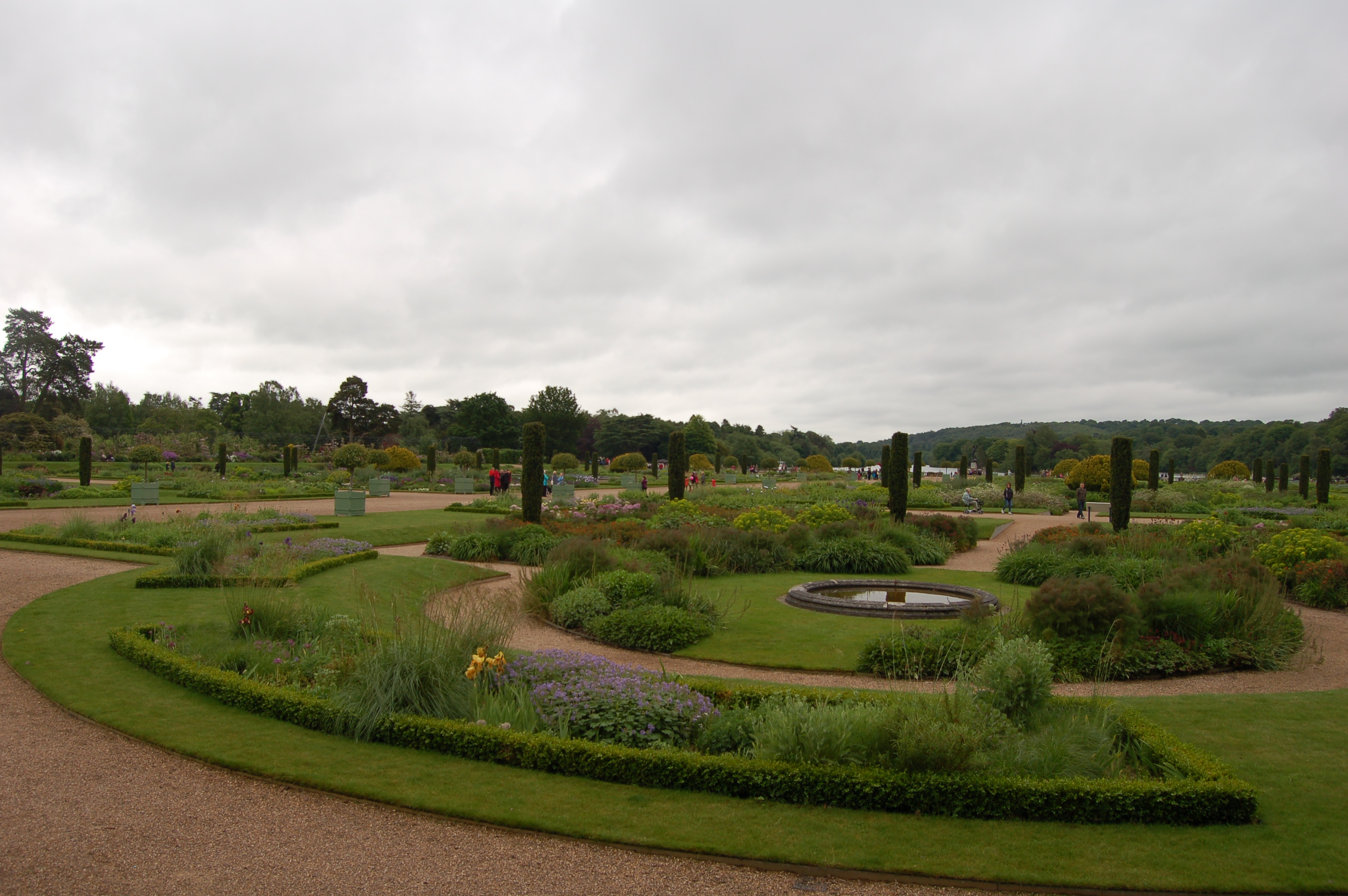
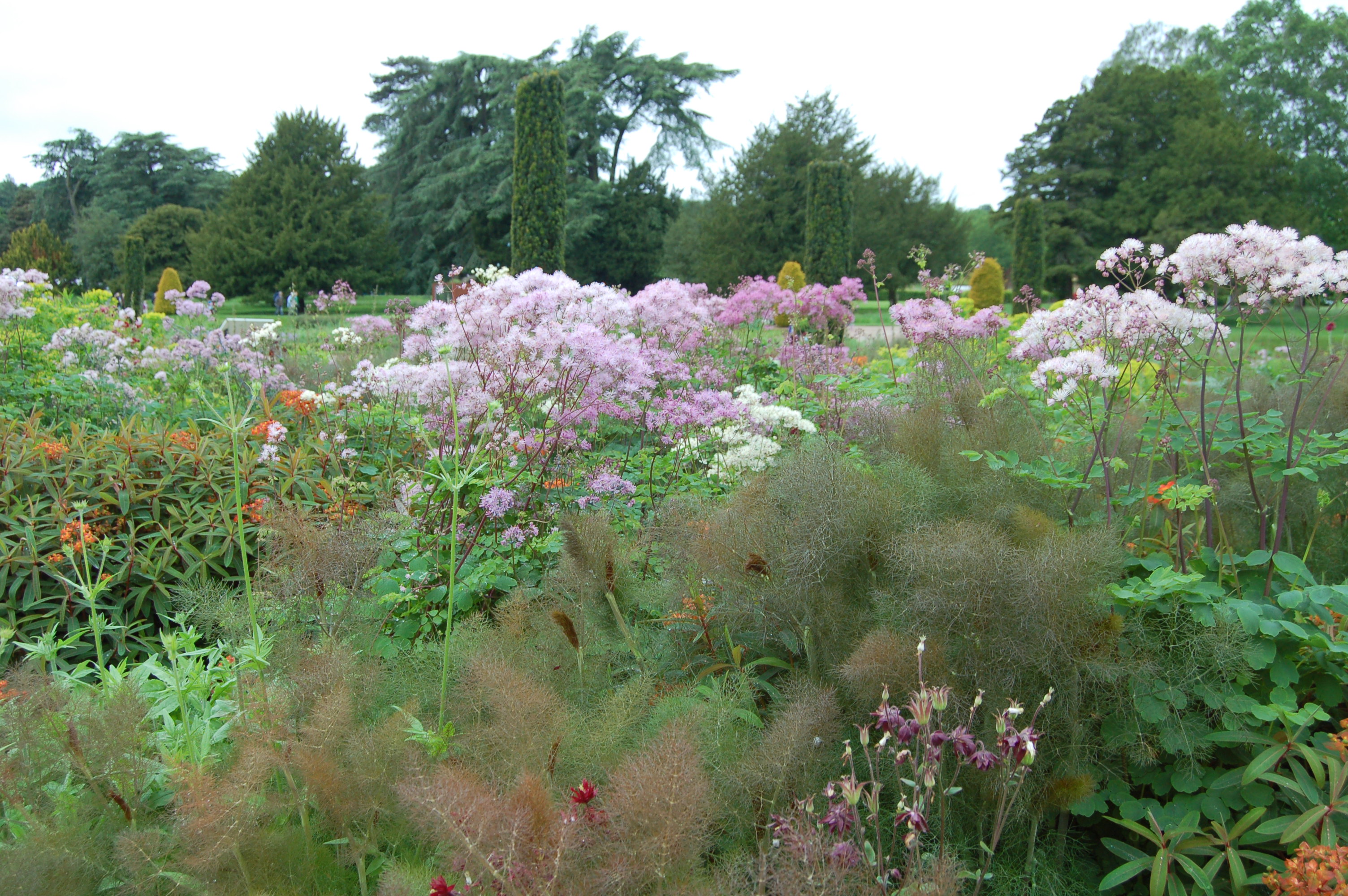
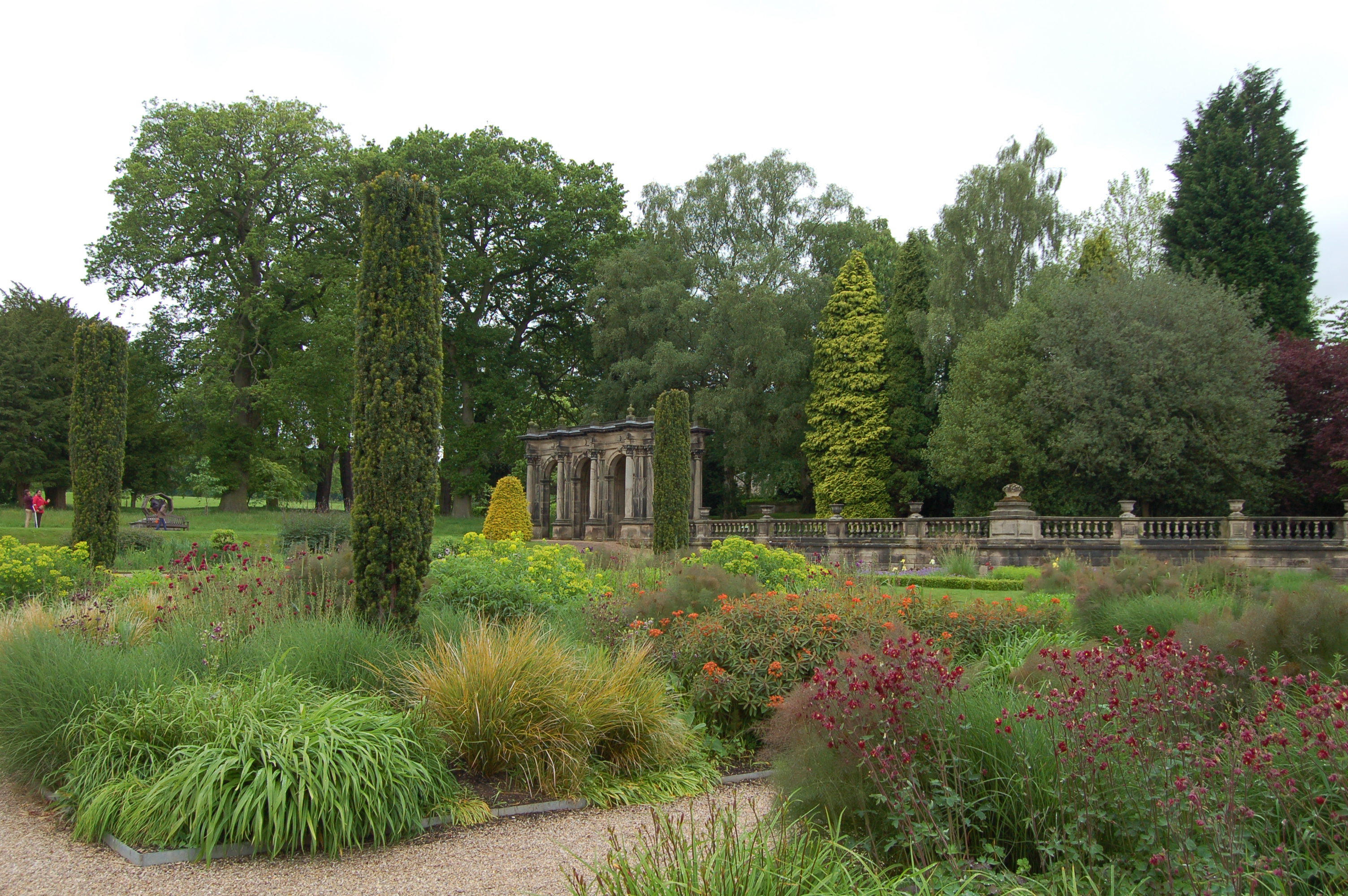
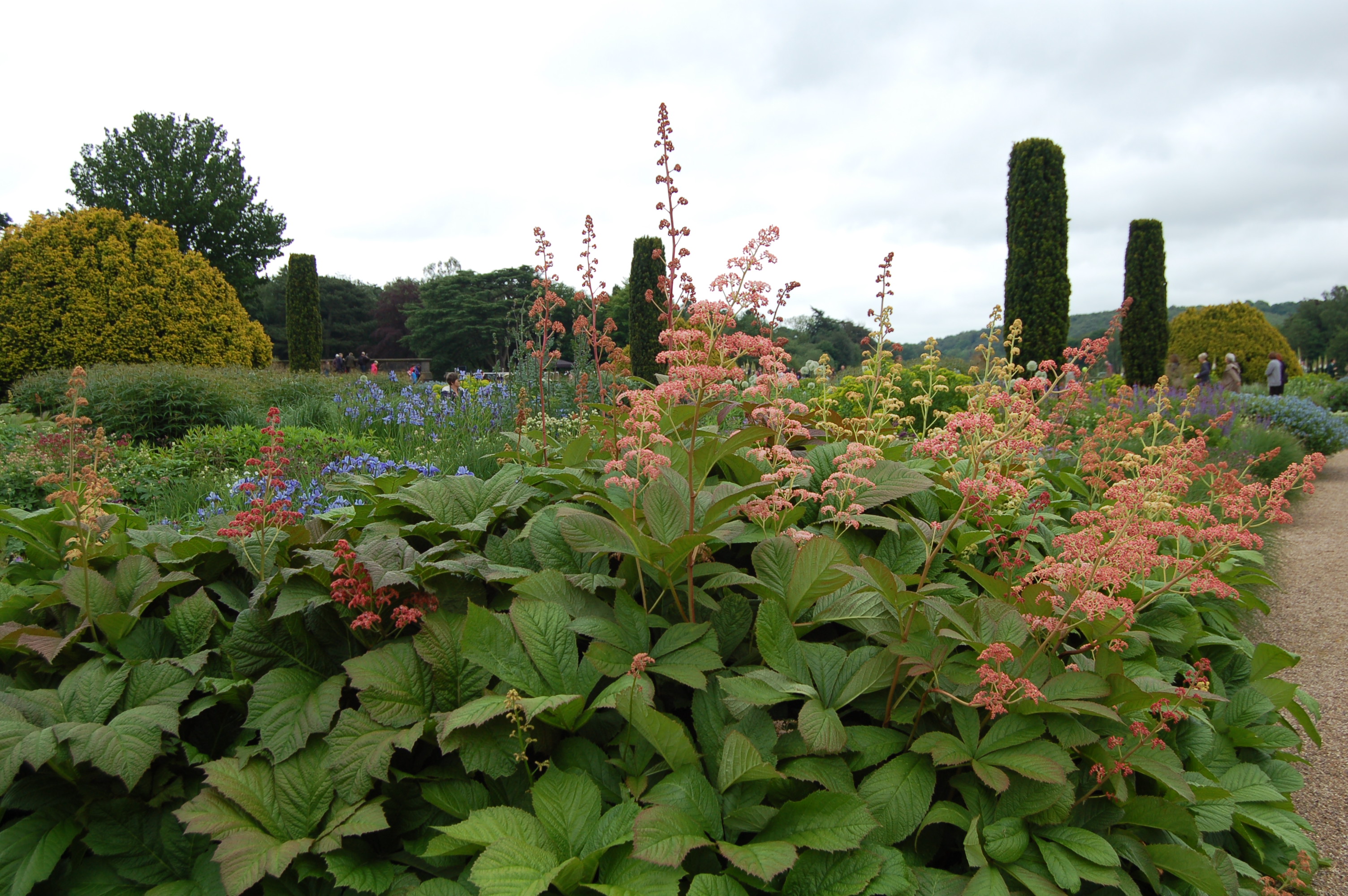
From the Italianate Garden we get our first views of the garden designed by Tom Stuart-Smith, where he imposed modern style herbaceous plantings onto the original Italian Garden. Since last month these borders are showing so much colour and to begin with it is hard to identify what plants are providing all the colour.

2014 05 29_9707 2014 05 29_9708 2014 05 29_9709 2014 05 29_9710

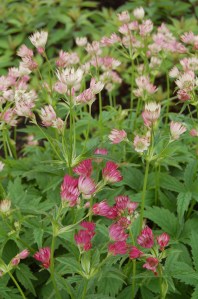
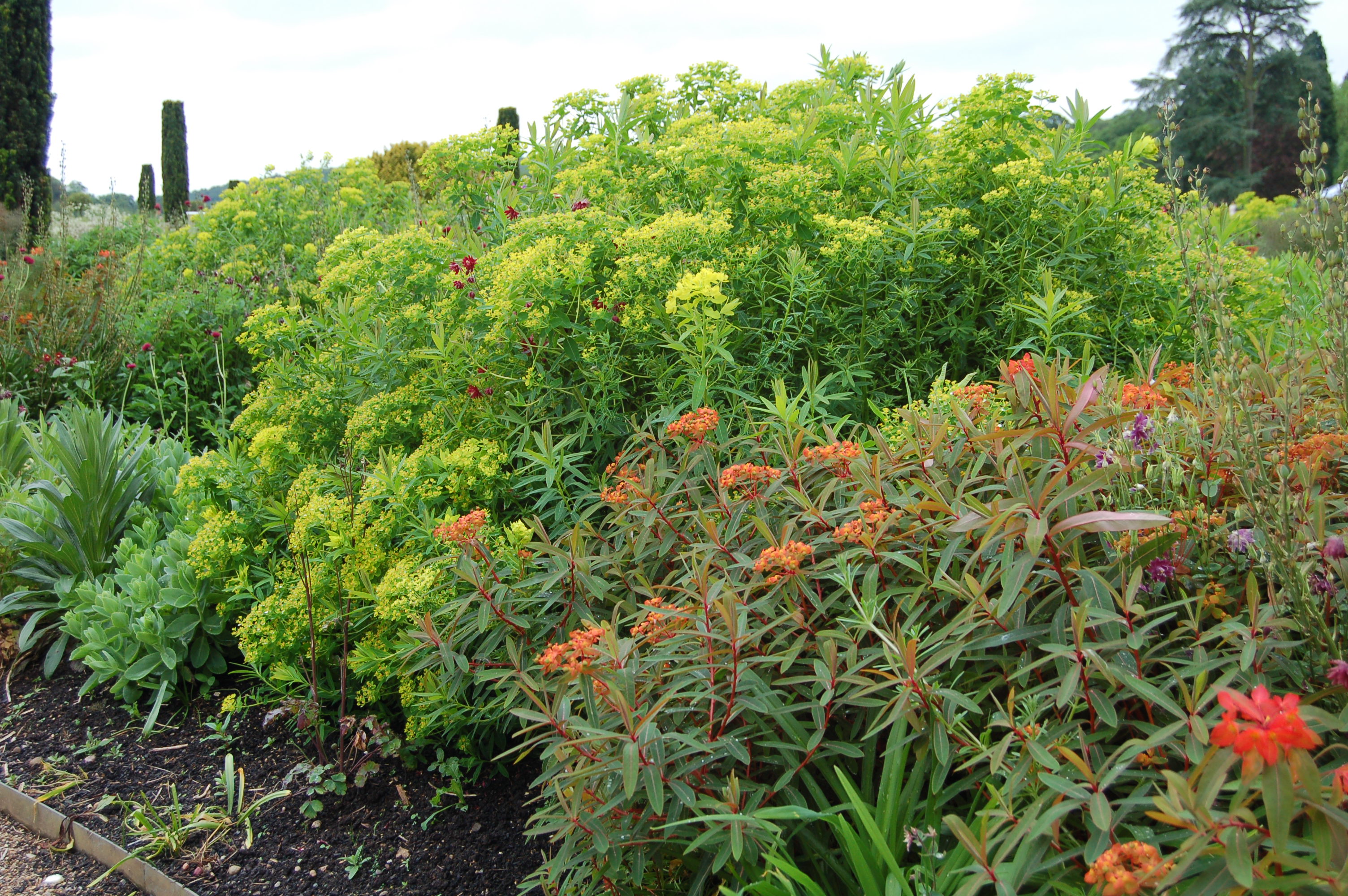
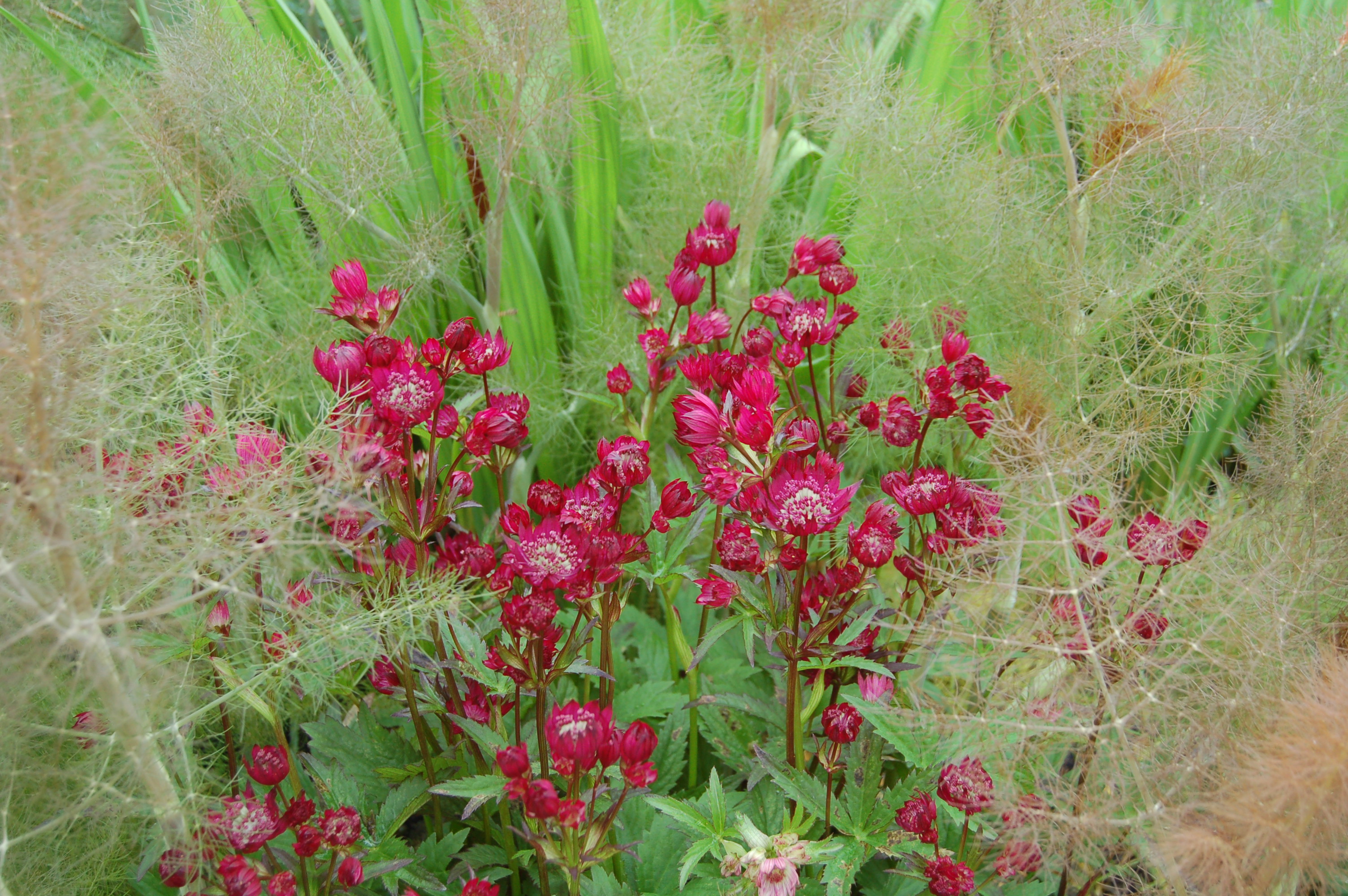
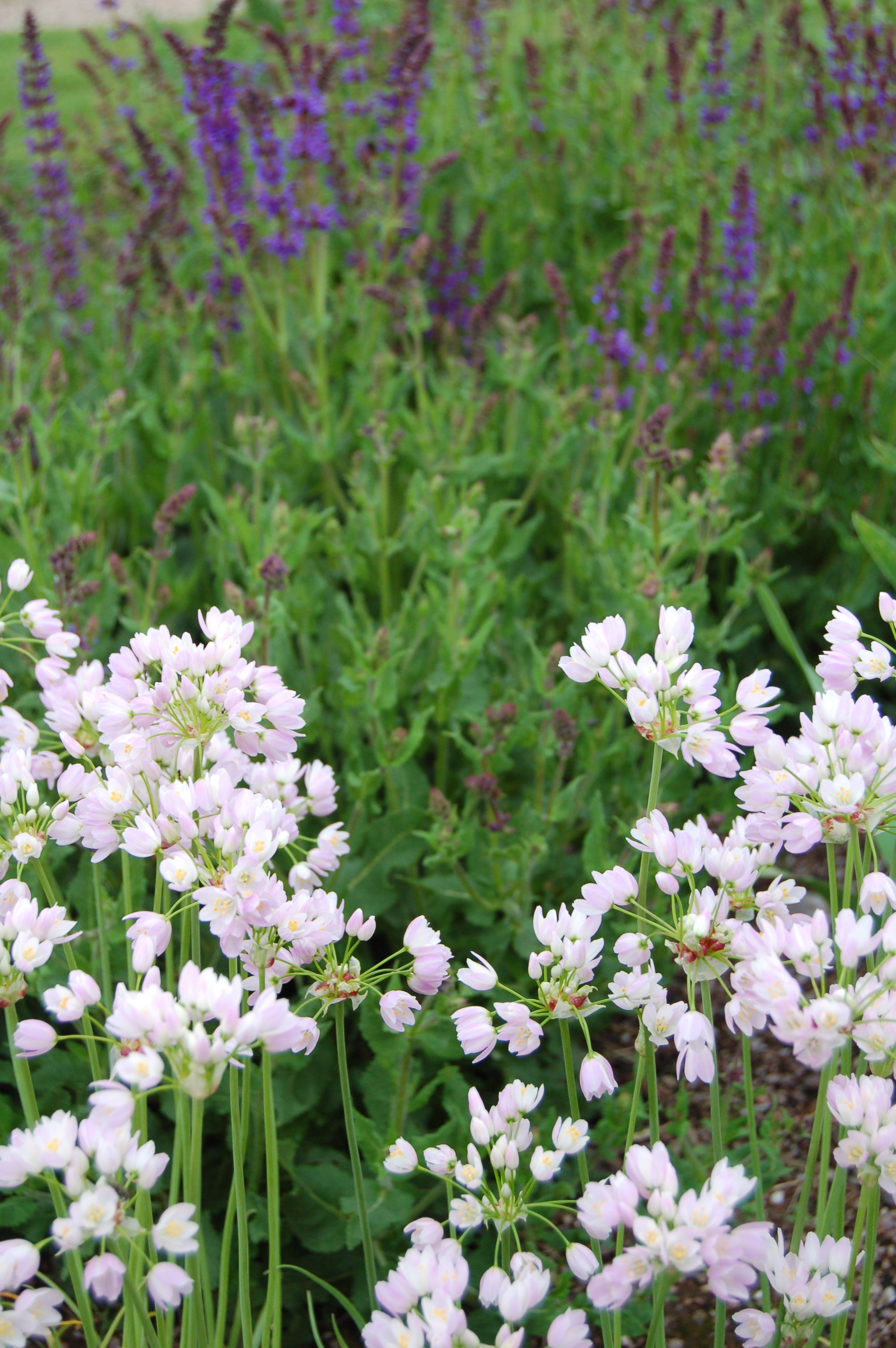
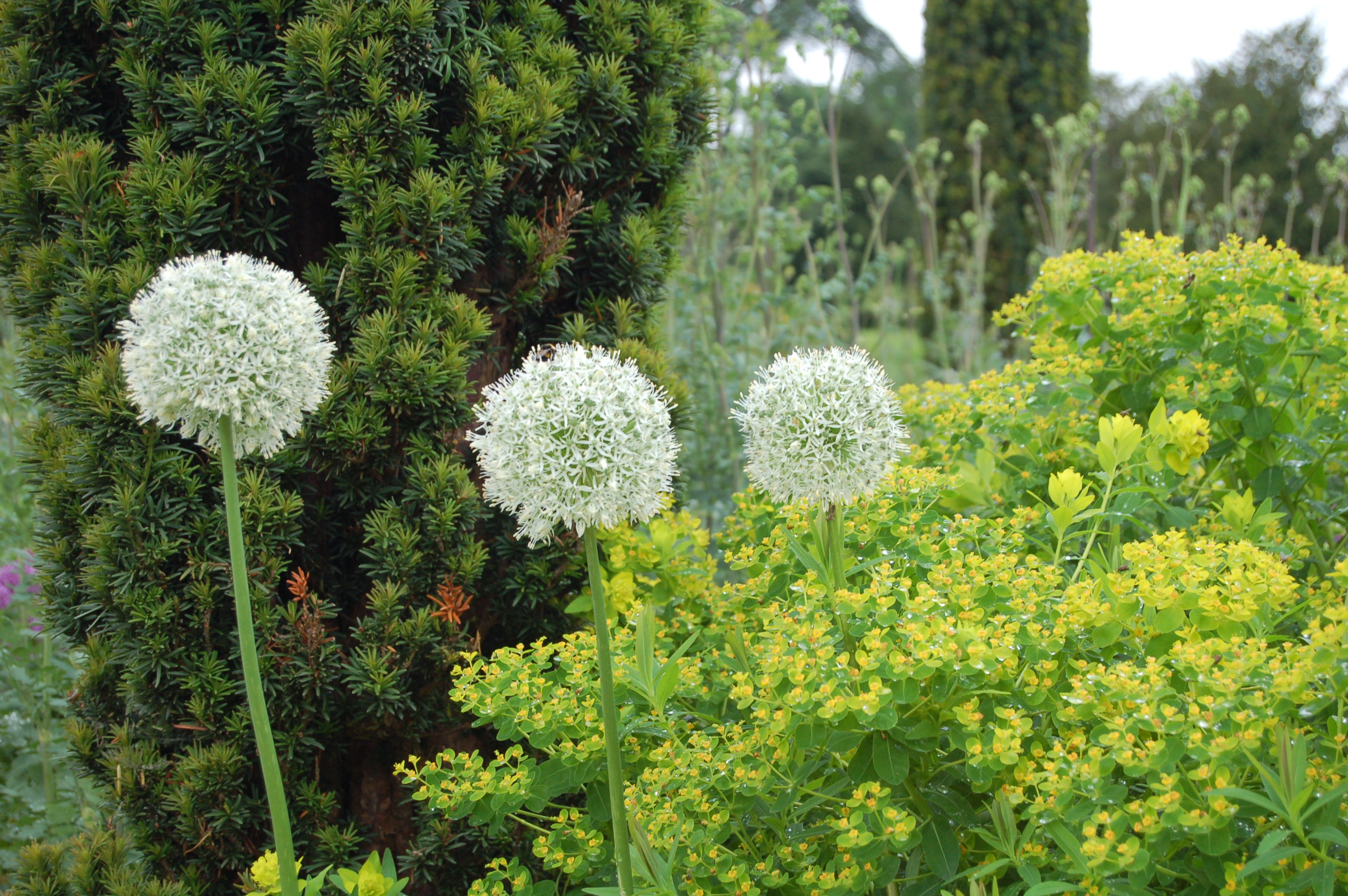
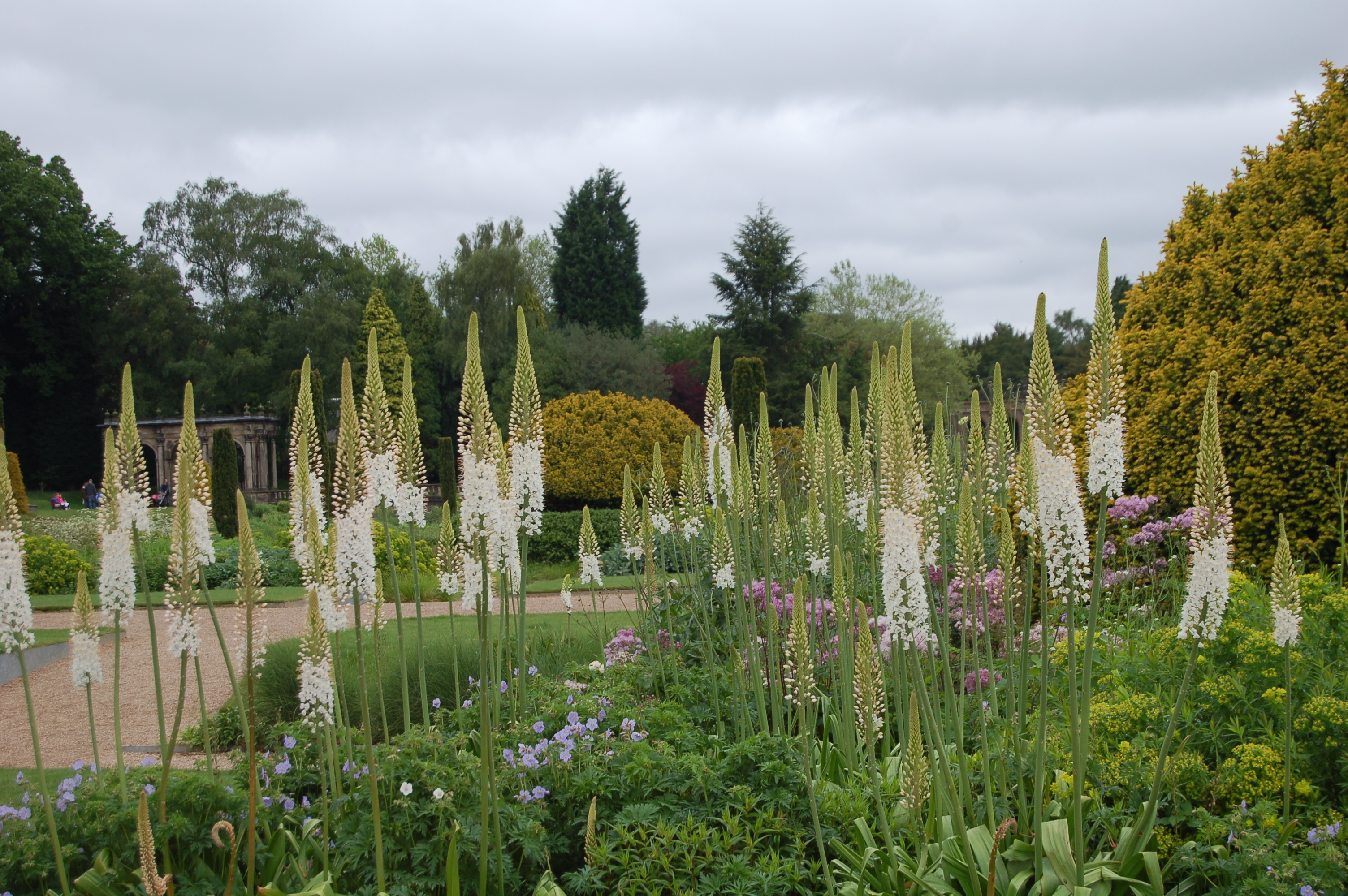
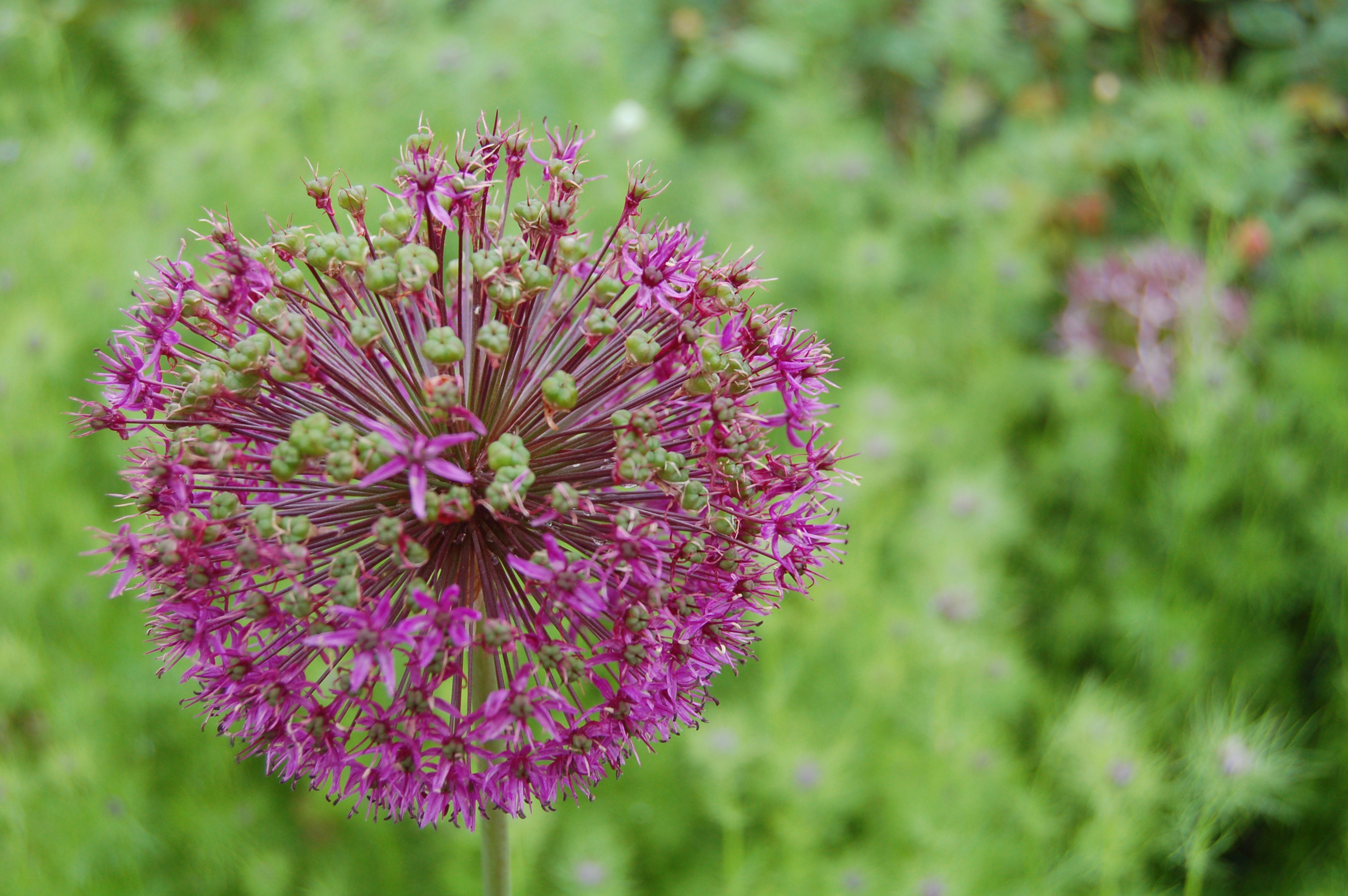
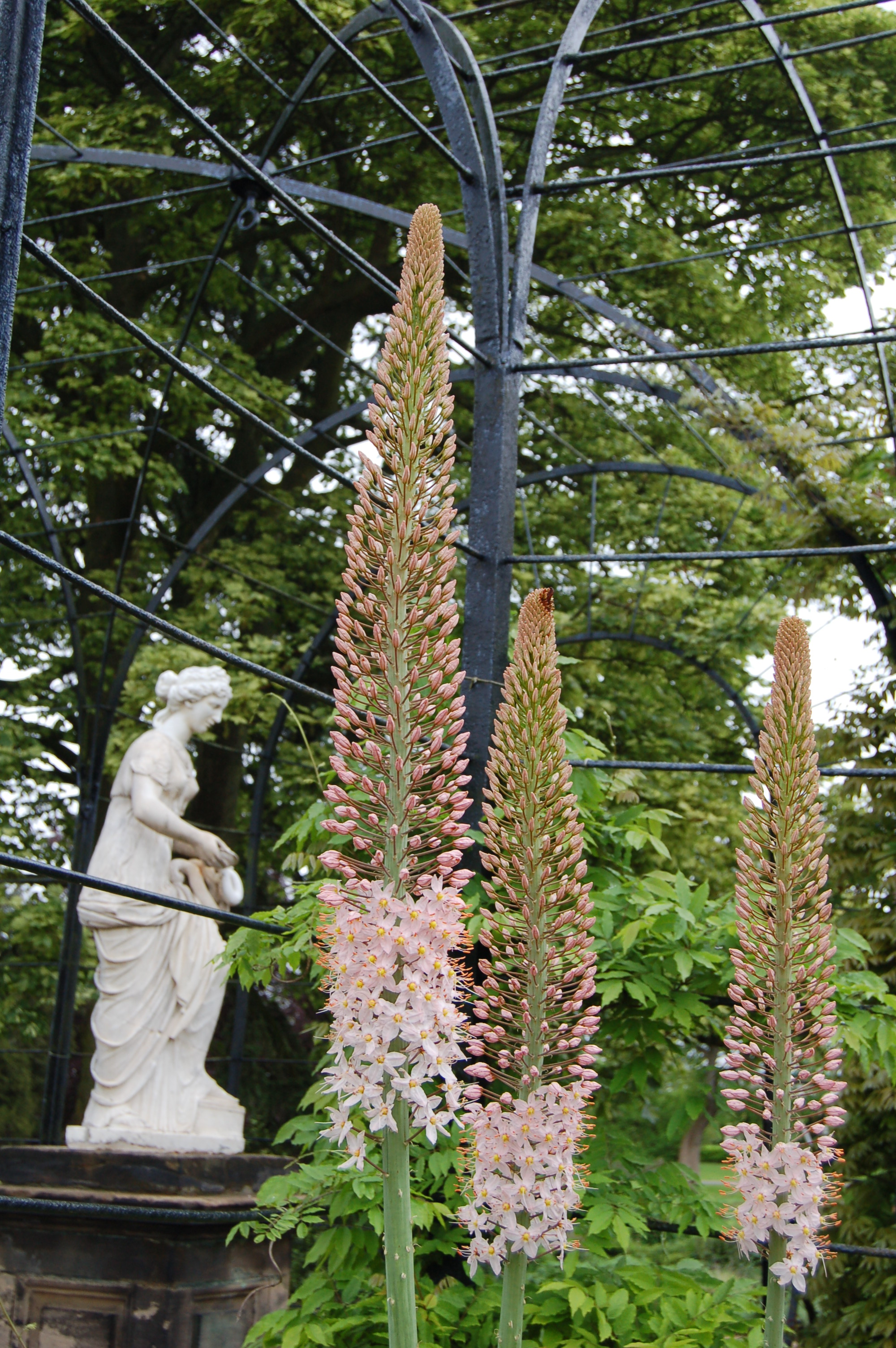
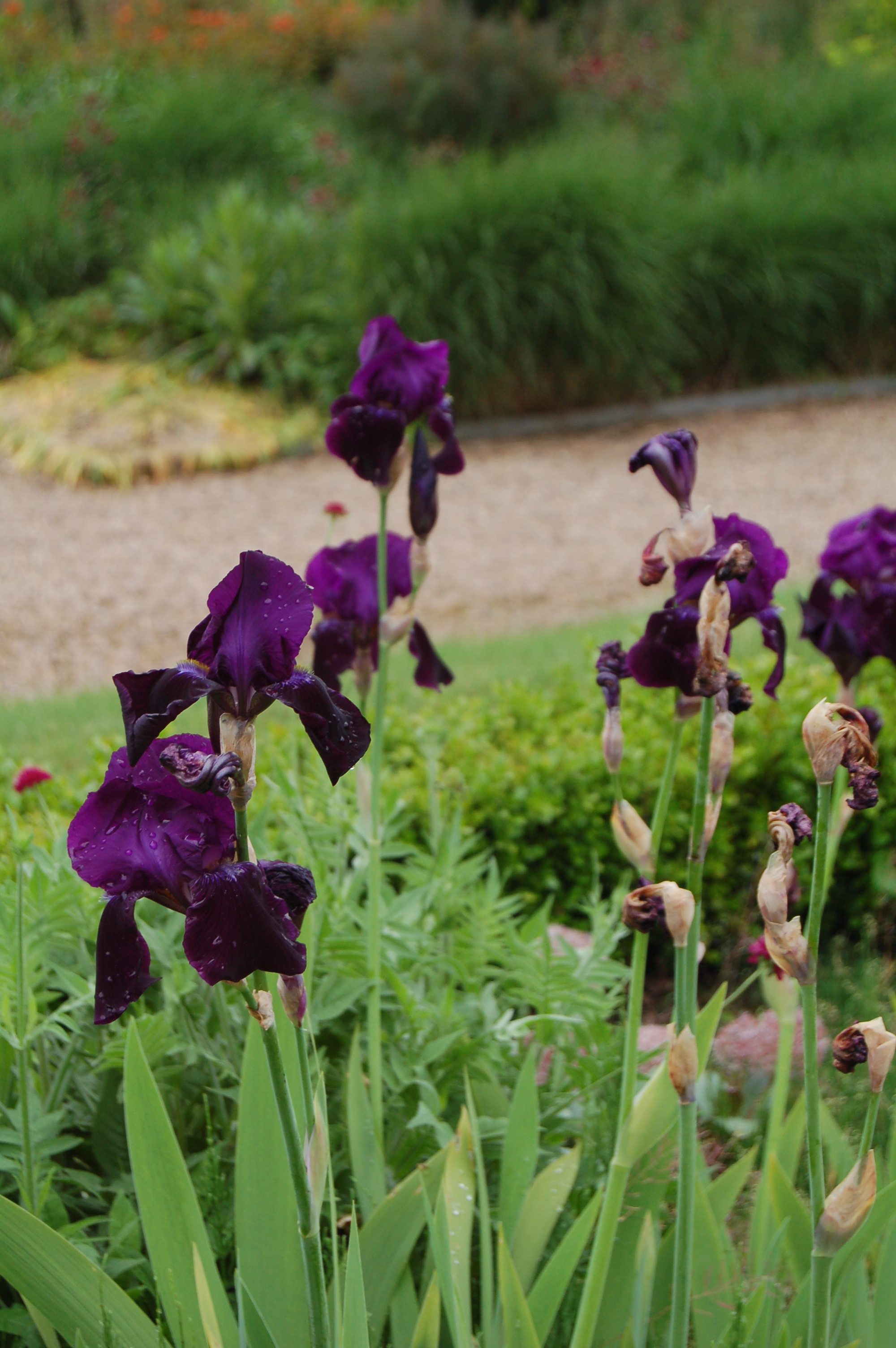
Closer up we found the colour was from Alliums, Euphorbias, Amsonias, Irises, Rogersias and Astrantias. Enjoy a tour of these borders.

2014 05 29_9712 2014 05 29_9714 2014 05 29_9715 2014 05 29_9719

2014 05 29_9723 2014 05 29_9724 2014 05 29_9725 2014 05 29_9727 2014 05 29_9735 2014 05 29_9748 2014 05 29_9749 2014 05 29_9750 2014 05 29_9751 2014 05 29_9752 2014 05 29_9755 2014 05 29_9757 2014 05 29_9758 2014 05 29_9760

2014 05 29_9767 2014 05 29_9768 2014 05 29_9769 2014 05 29_9770 2014 05 29_9781 2014 05 29_9782 2014 05 29_9783 2014 05 29_9784 2014 05 29_9791 2014 05 29_9795

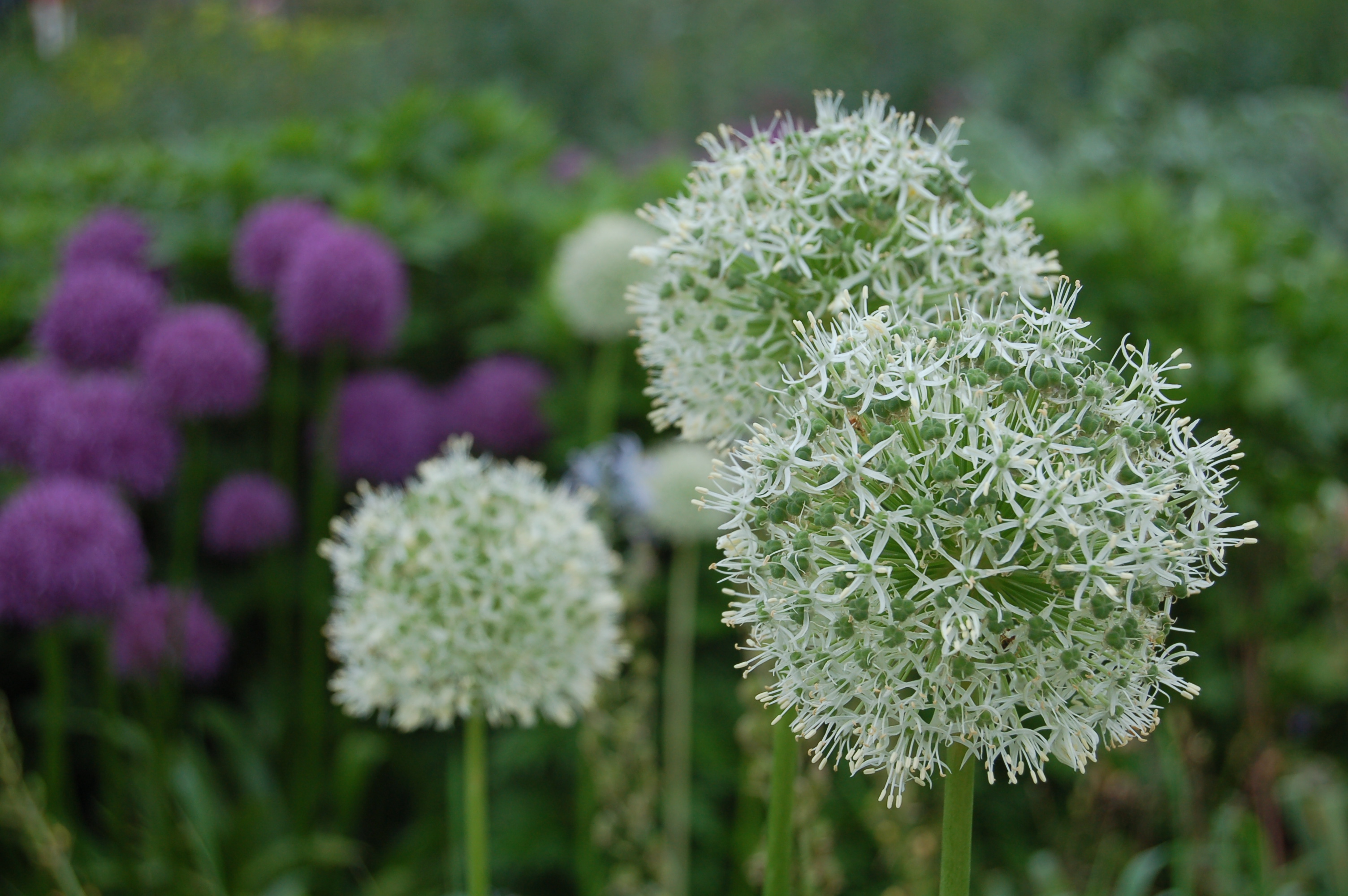
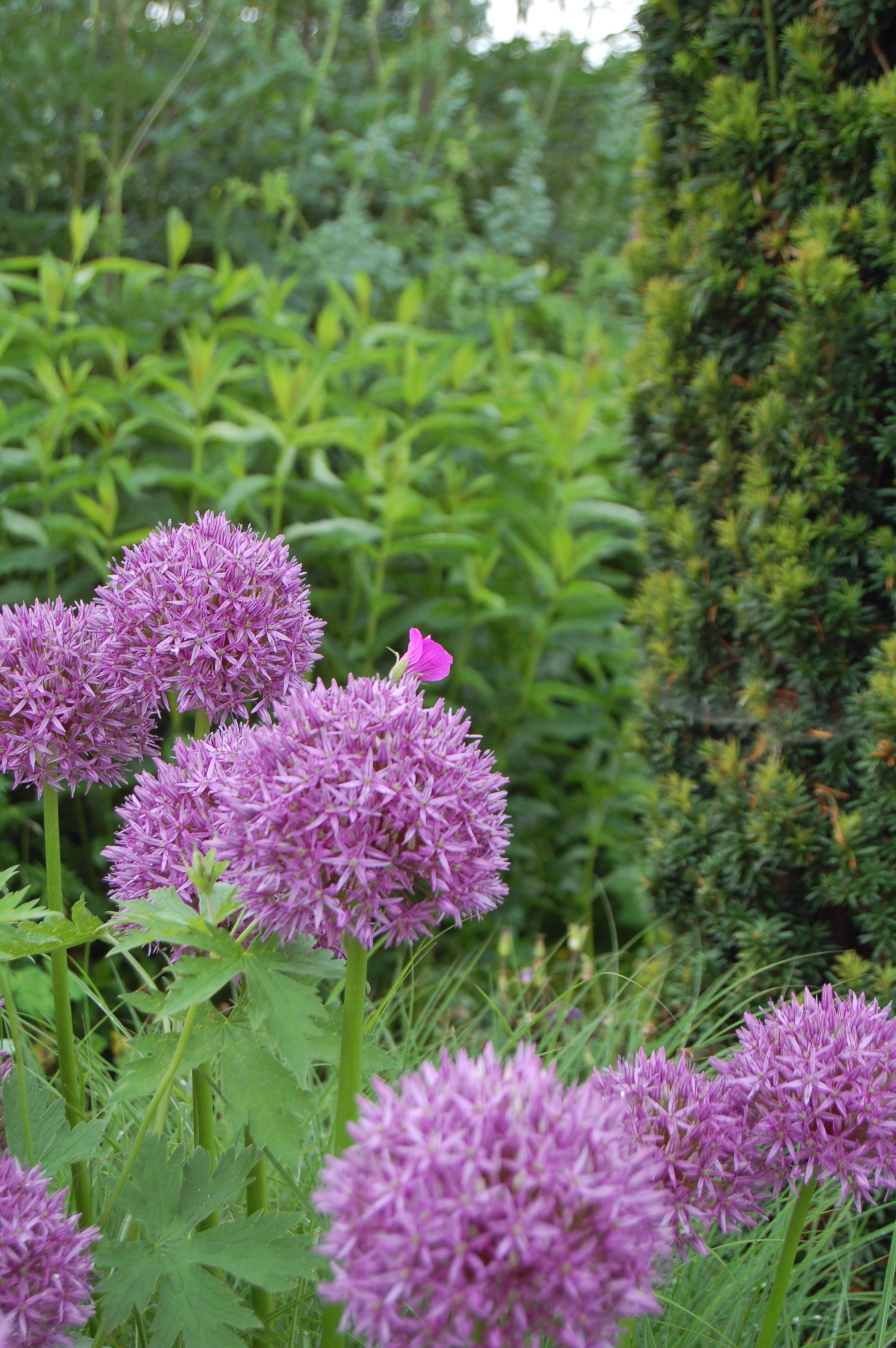
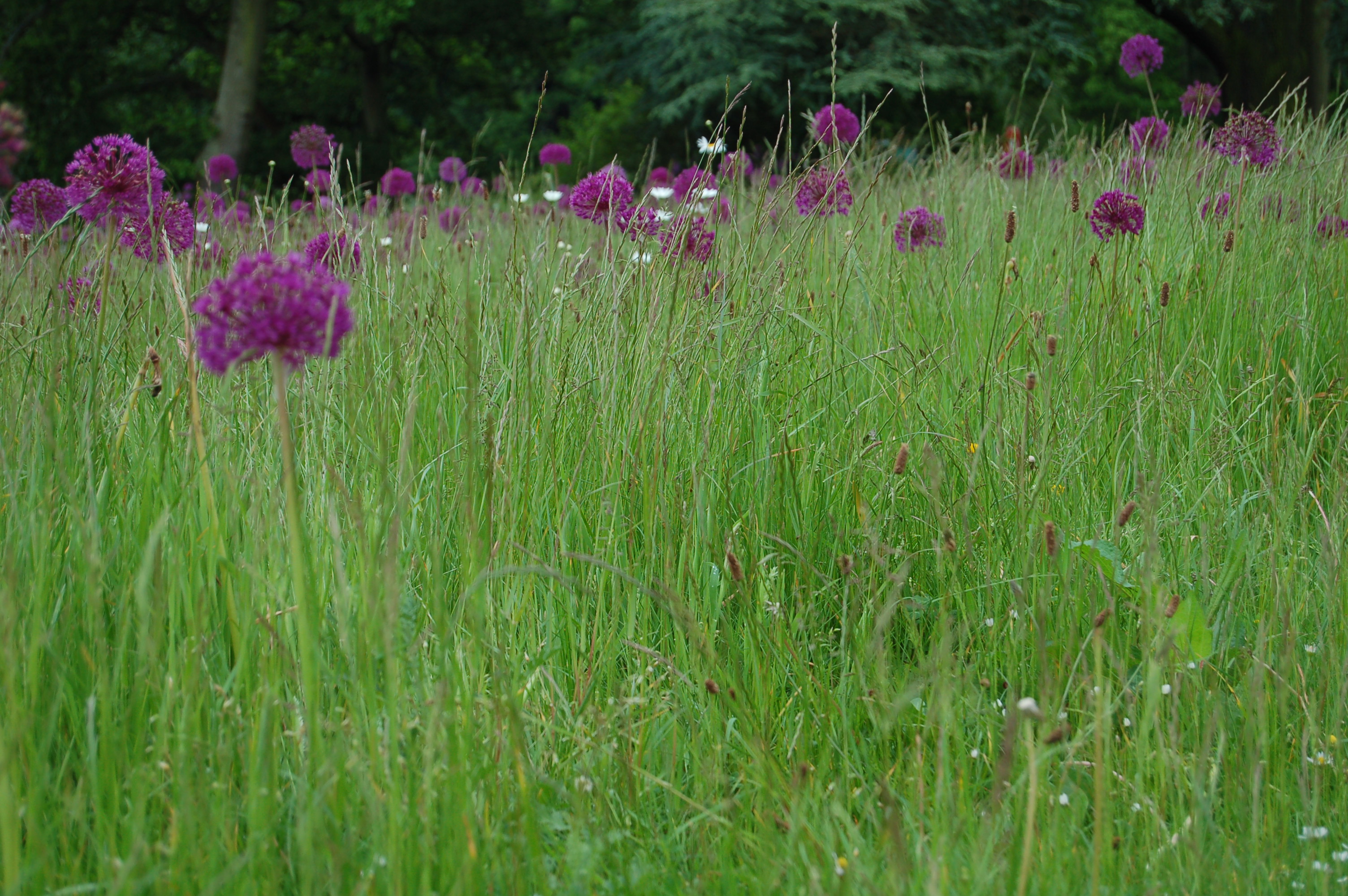
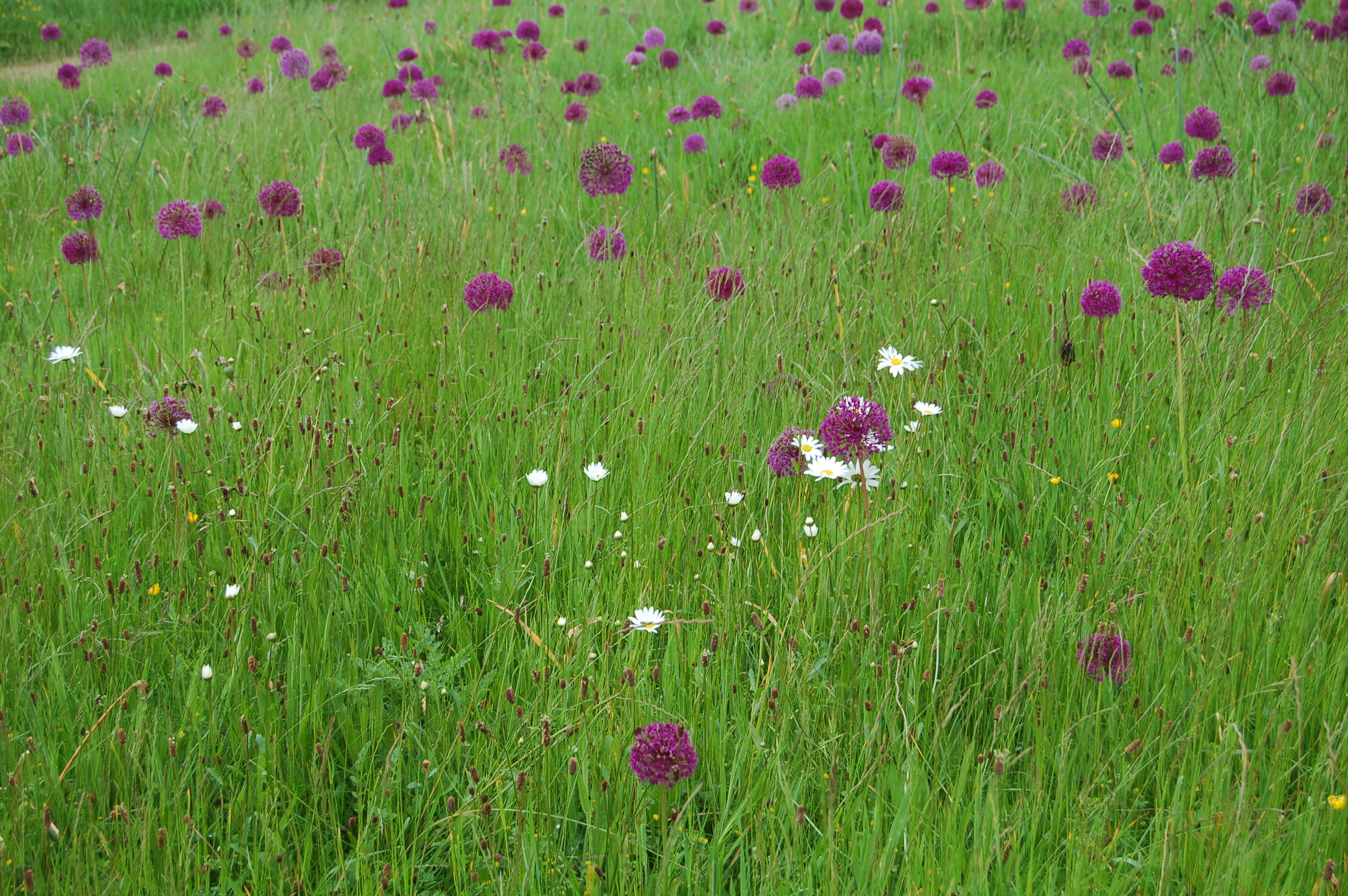
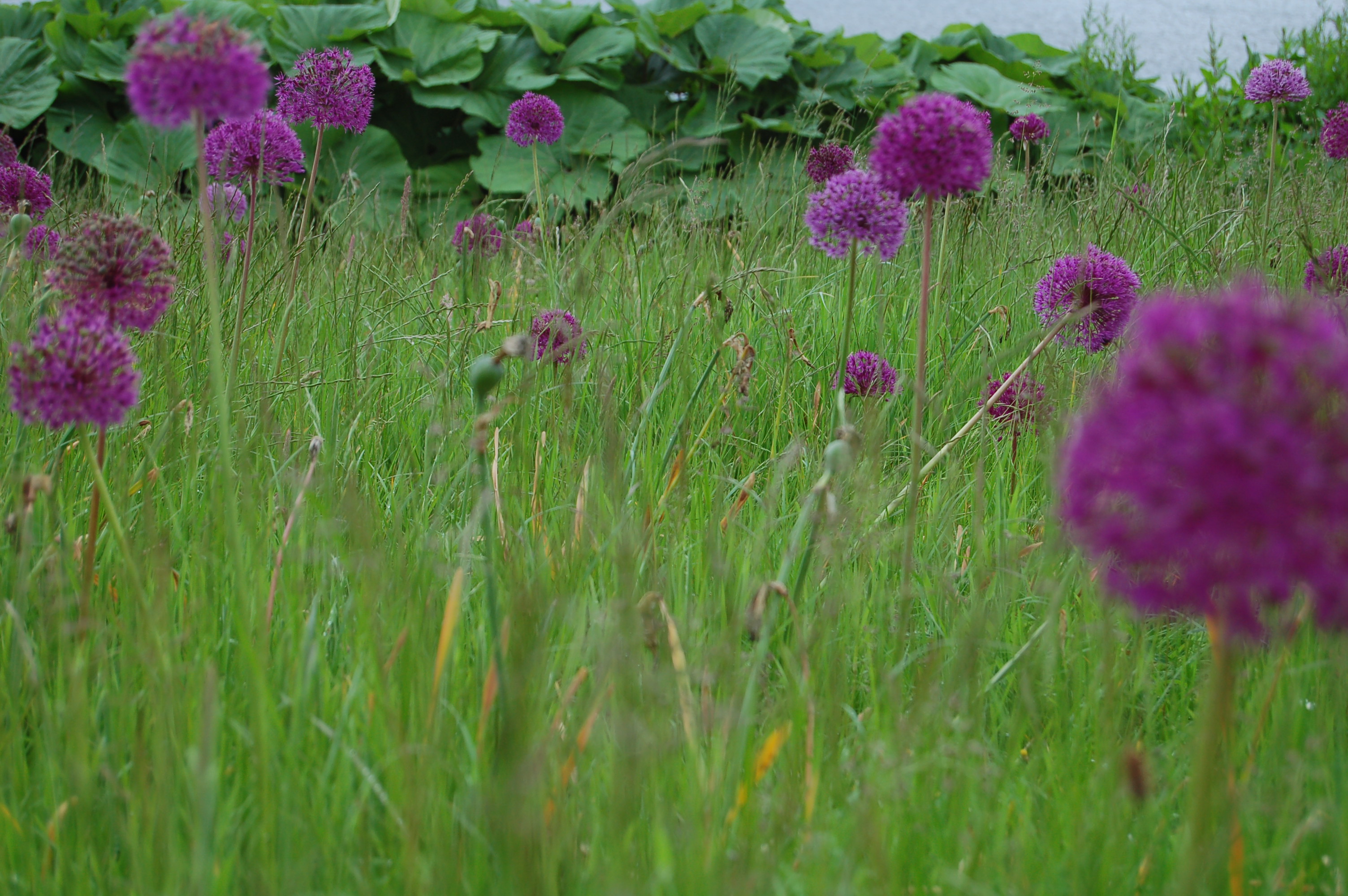
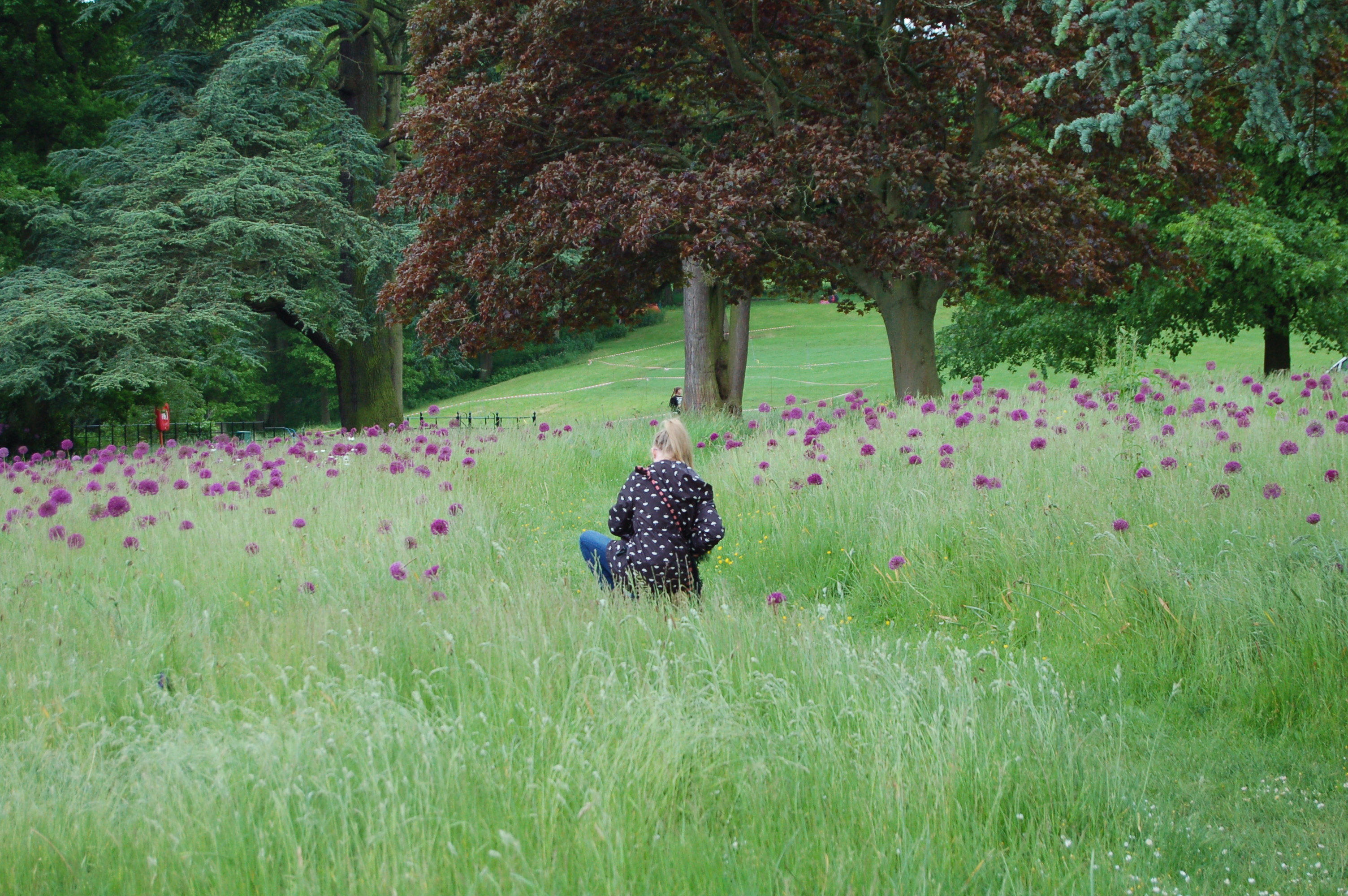
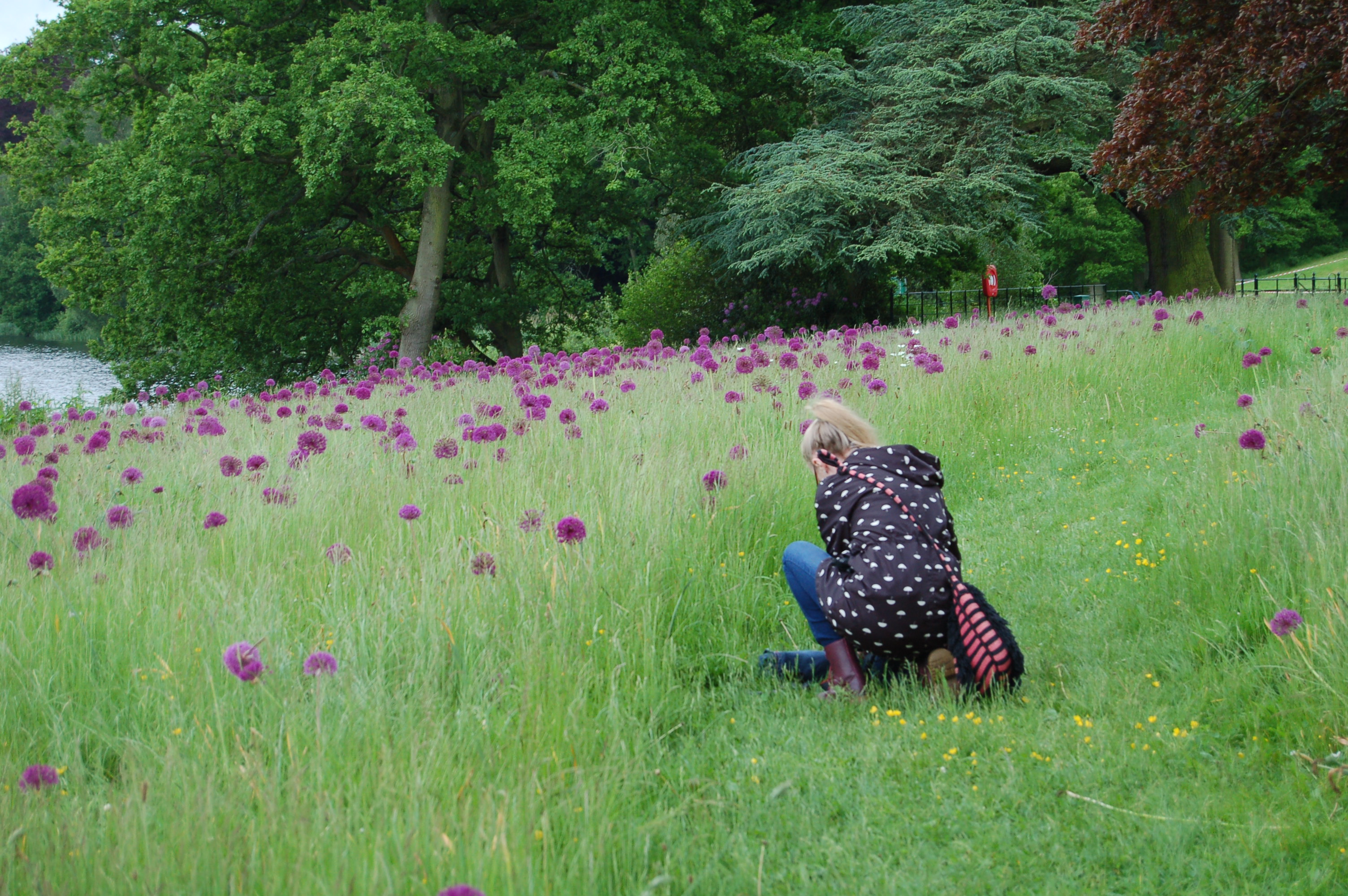
Last time we were here the gardens above the Tom Stuart-Smith borders was yellow with daffodils naturalised in the grassed banks. On this visit the colour was purple and it was provided by hundreds of purple globes of Alliums. A young photographer was snapping away.
2014 05 29_9804 2014 05 29_9805 2014 05 29_9806 2014 05 29_9809 2014 05 29_9808 2014 05 29_9807

A new woven figure has appeared on the grassed banks.

2014 05 29_9810 2014 05 29_9811

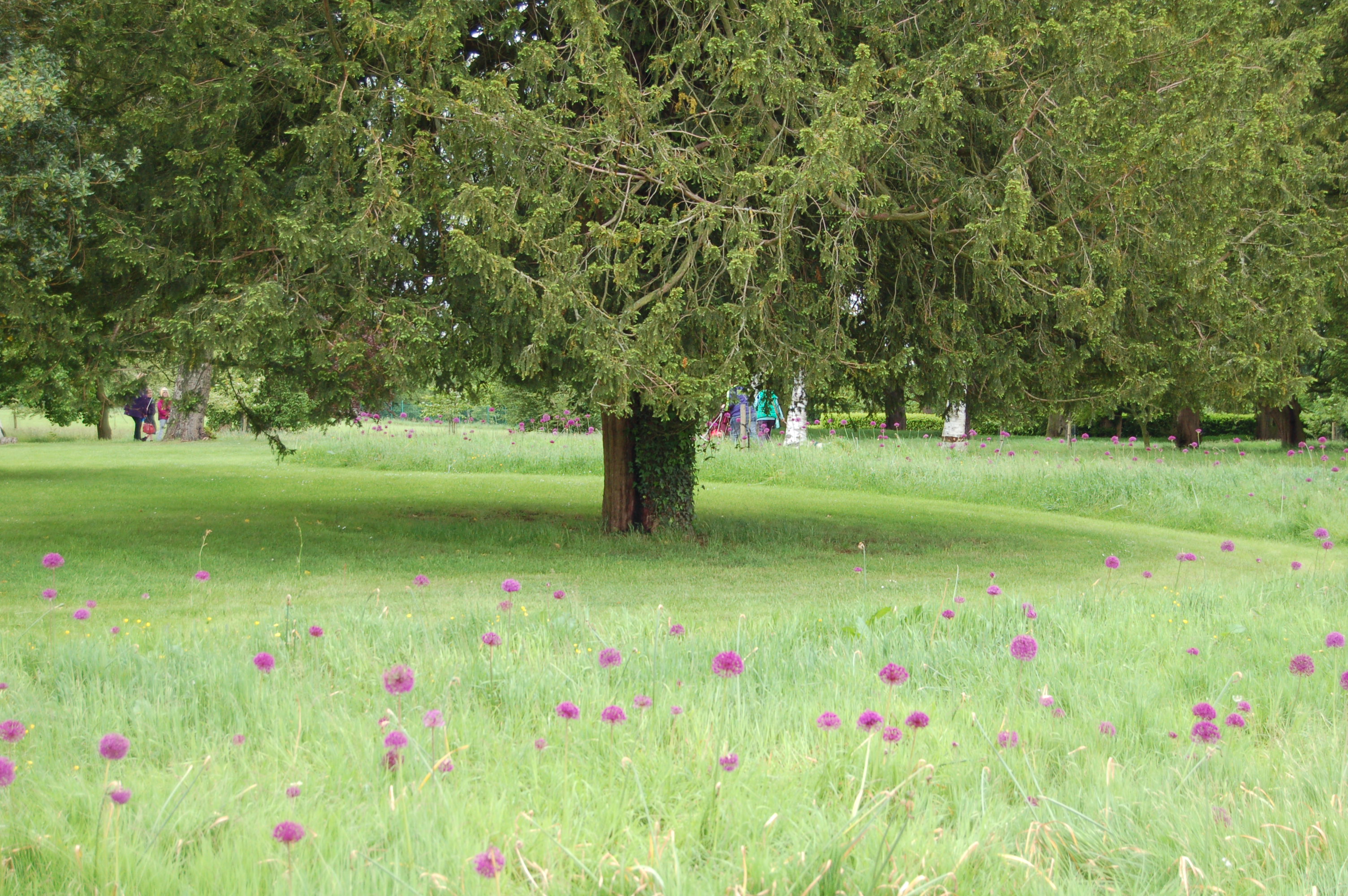
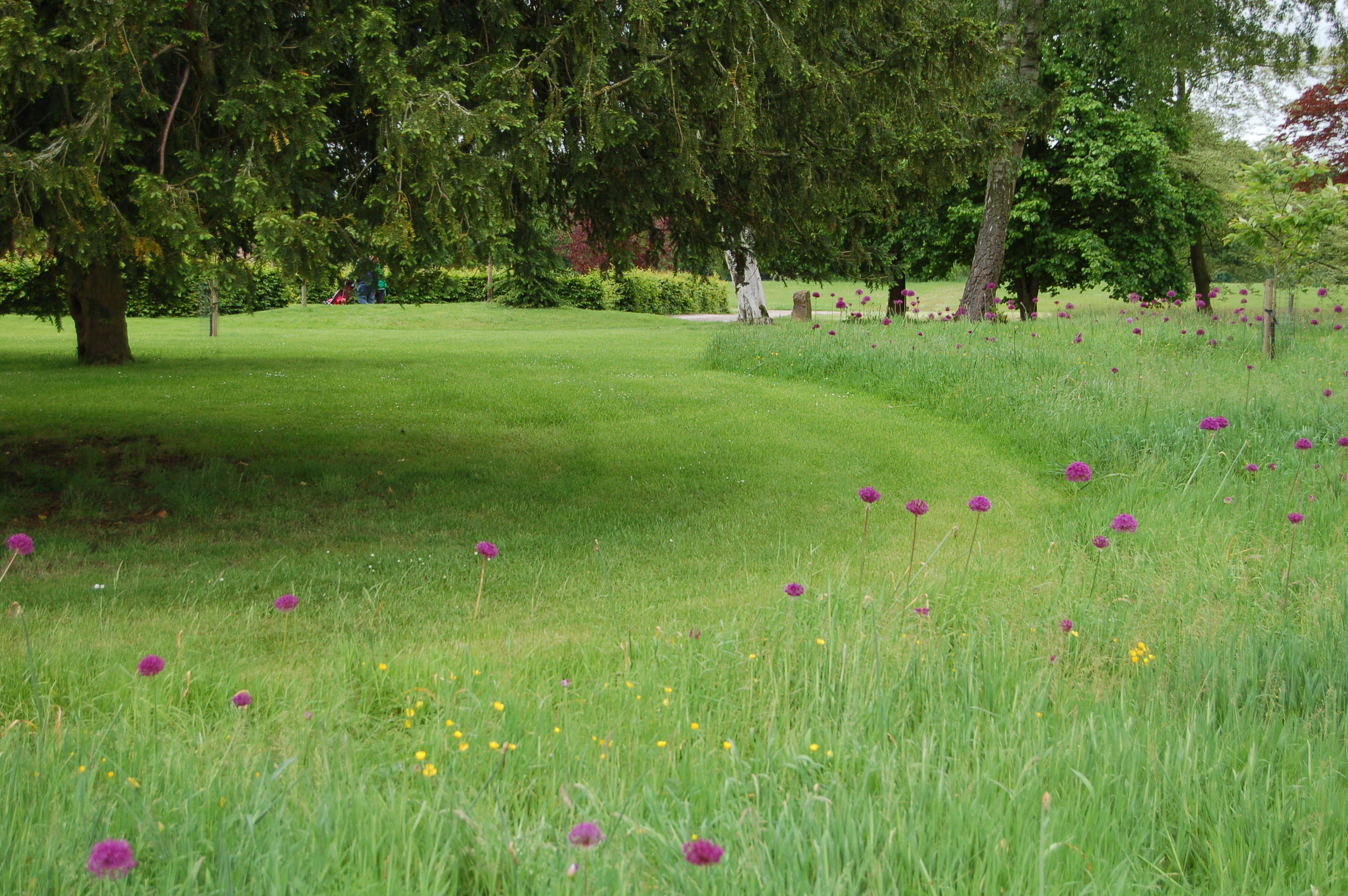
More Alliums were naturalised in the grass beneath the mature trees from the otiginal parkland plantings. They added colour to our walk over to look at the Display Gardens.
2014 05 29_9814 2014 05 29_9815

Here the newly planted gardens were taking shape.

2014 05 29_9818 2014 05 29_9819 2014 05 29_9821 2014 05 29_9822 2014 05 29_9823 2014 05 29_9825

As always our wanderings around the gardens at Trentham finish with a walk along the Rose Walkway. Yet more Alliums grew here in between the roses.
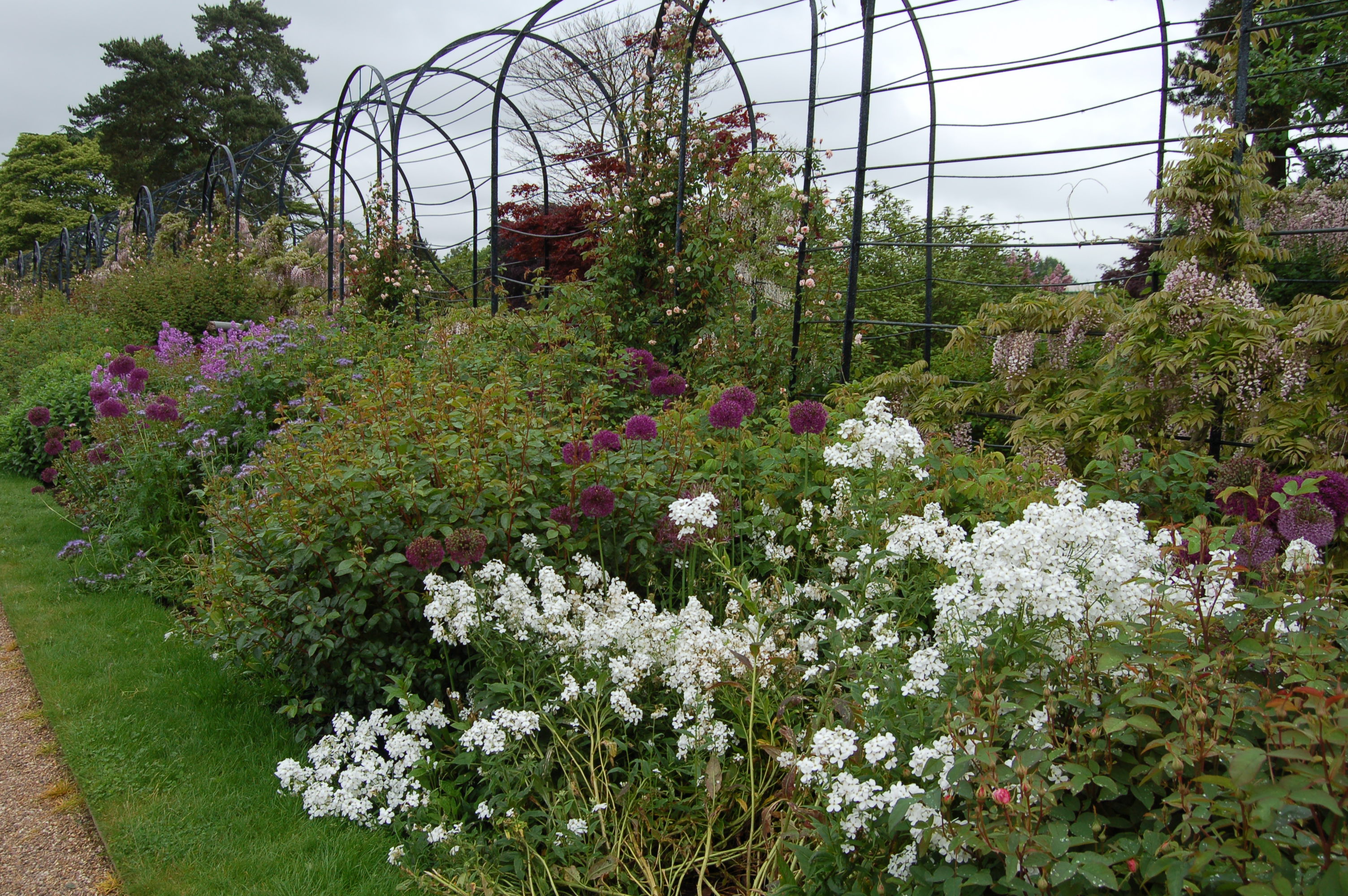
2014 05 29_9856 2014 05 29_9857 2014 05 29_9858 2014 05 29_9859 2014 05 29_9860 2014 05 29_9861 2014 05 29_9862 2014 05 29_9863

Wisterias were flowering as they climbed over the metalwork and added colour and scent to our walk.

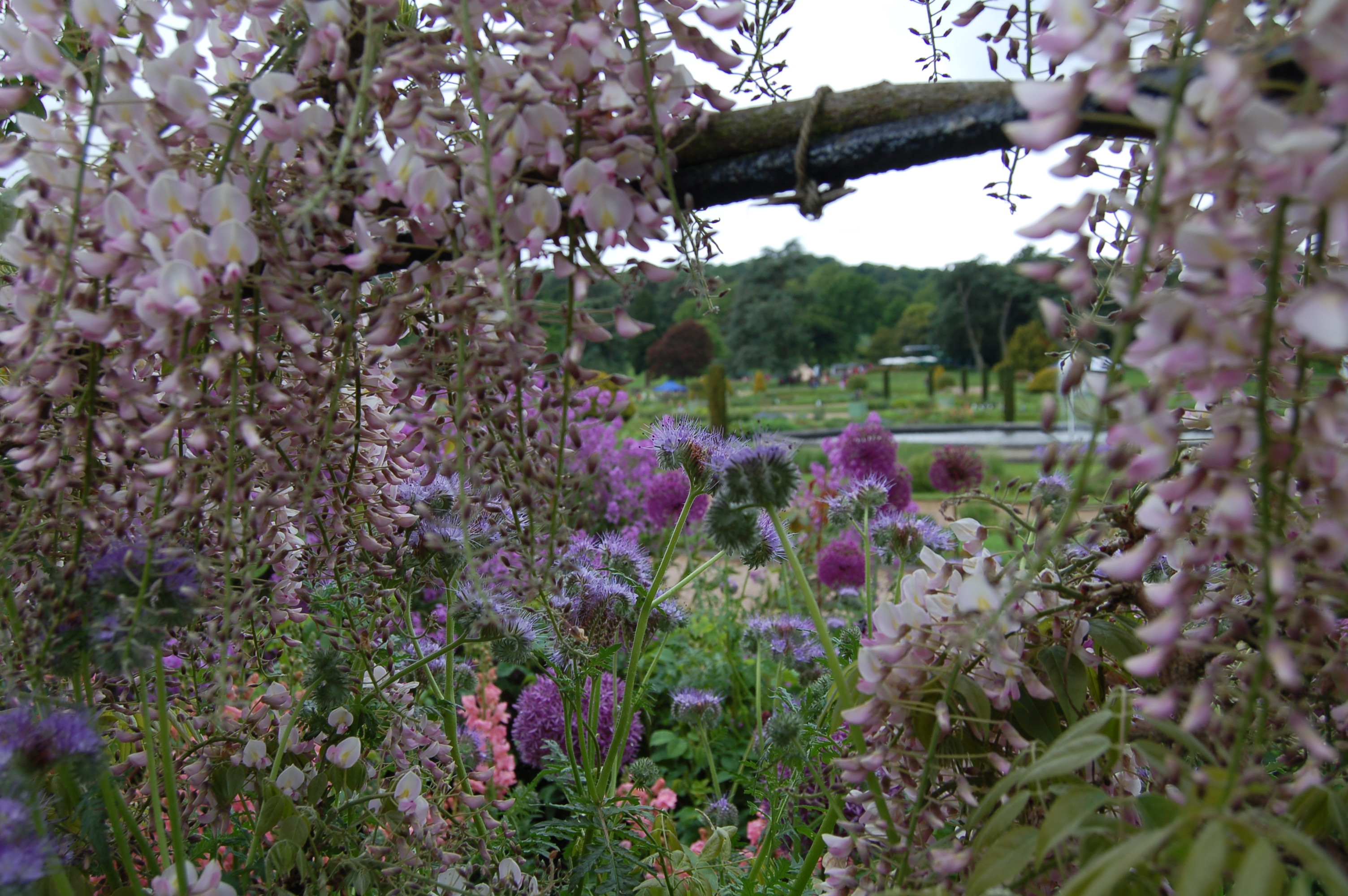
2014 05 29_9864 2014 05 29_9865

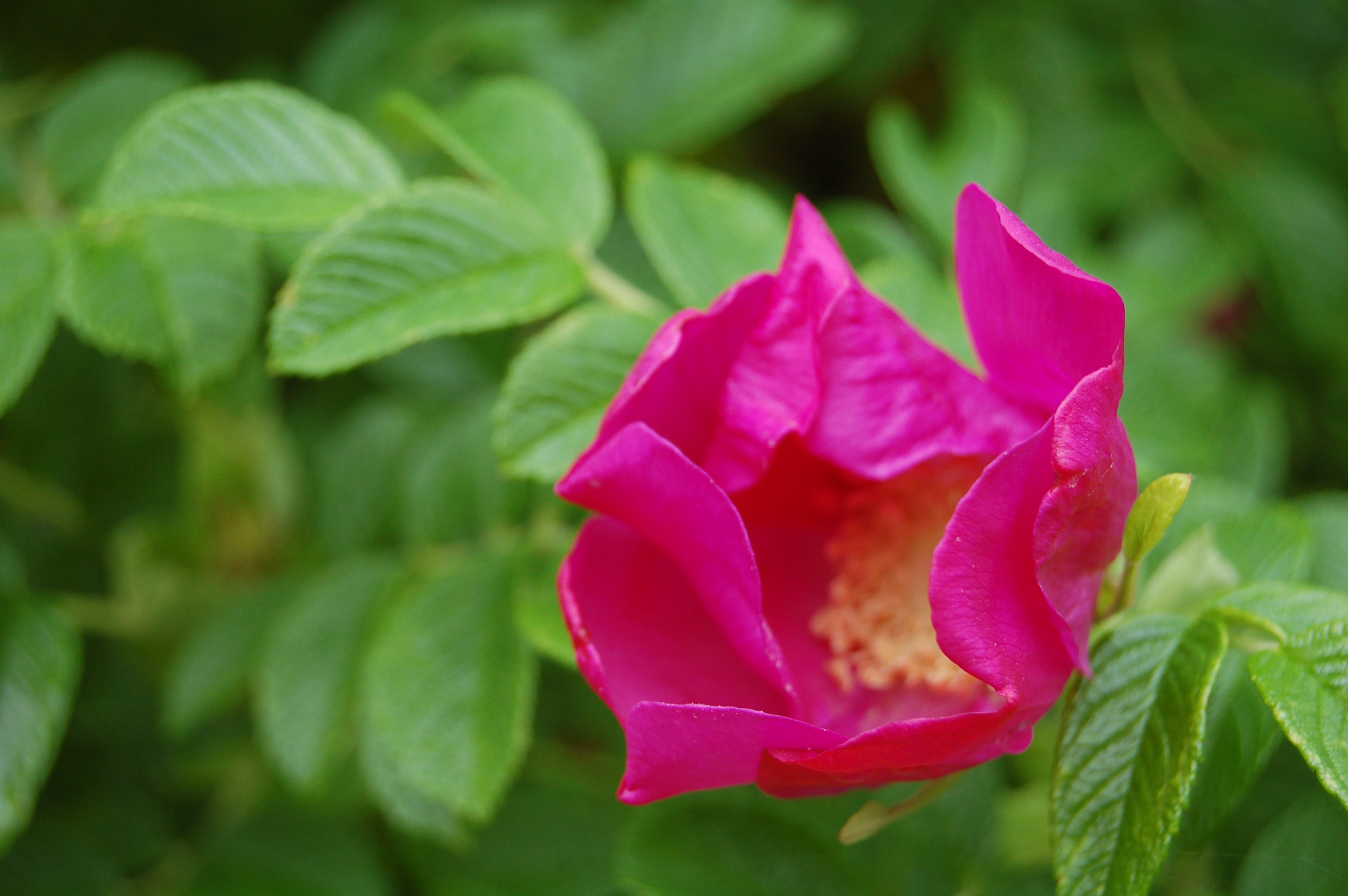
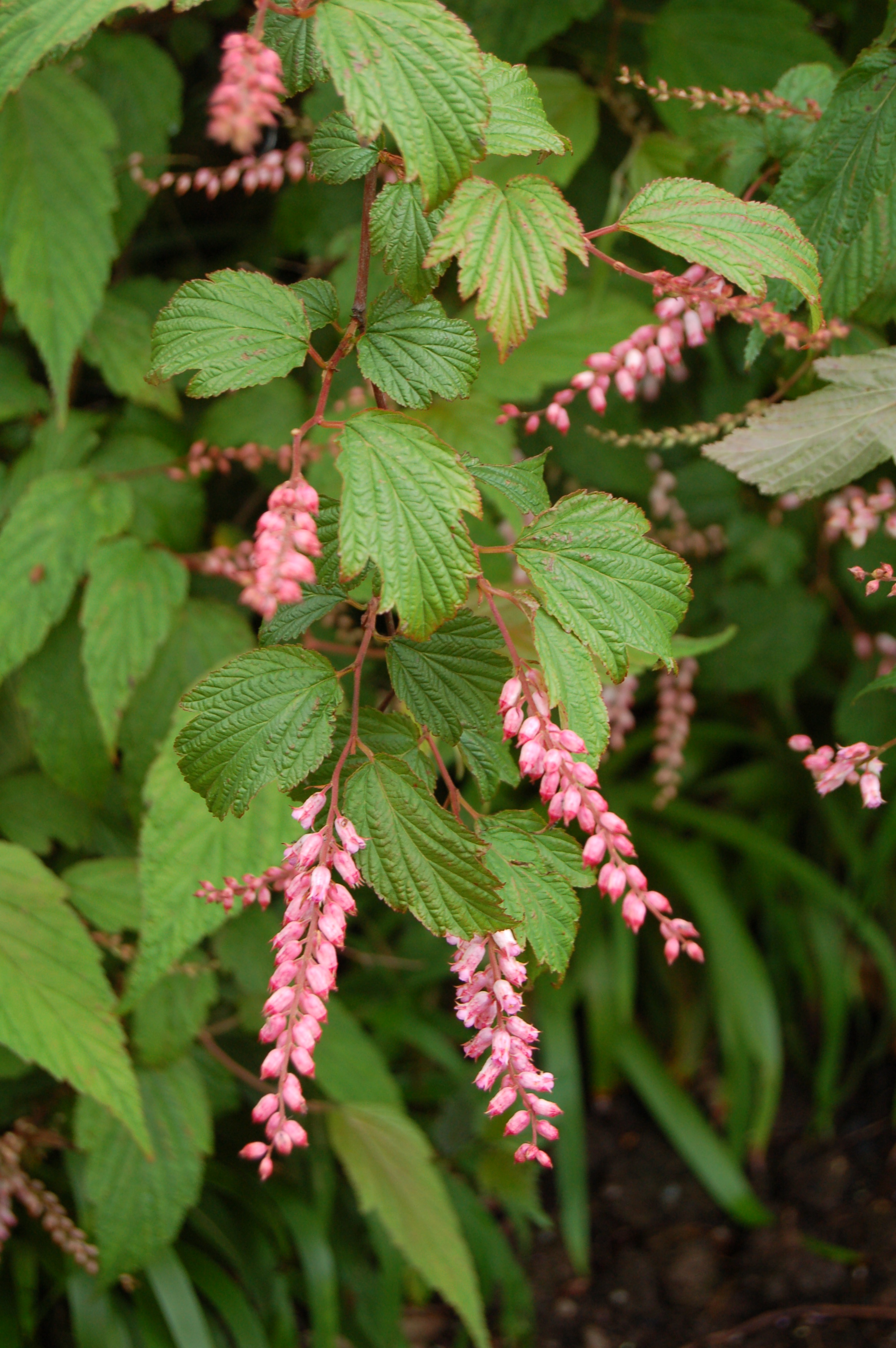
We came across this pink flowered shrub which although we had seen it before we could not remember what it was. It was a beautiful shrub. Any ideas?

I finish our May wander of this amazing garden with a few views from the rose walk looking over the River of Grasses.
2014 05 29_9867 2014 05 29_9869 2014 05 29_9870 2014 05 29_9871


Categories
climbing plants garden design gardening herbs recycling roses

Hide that ugly pipe!

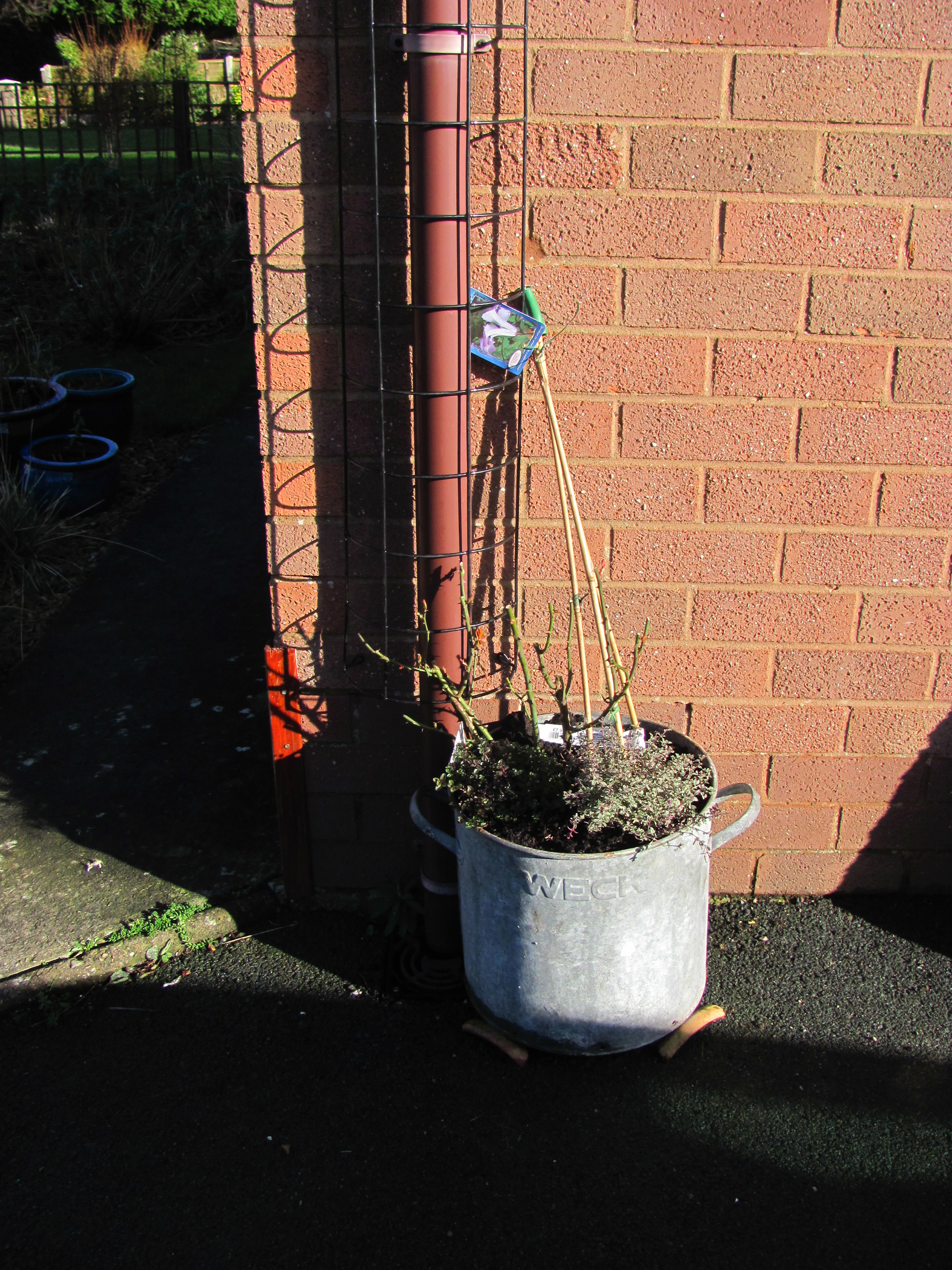
Sometimes the simplest solutions are the best. Recently we saw on a television gardening programme some covers to fix over drain pipes so that you can plant climbing plants to hide the ugly plastic pipe.

So we sent for a pair and then went off to the Antique Centre at nearby Church Stretton in search of an interesting galvanised container suitable for growing some climbing plants in. Success! We found an old cannister hidden in a pile of miscellaneous objects from an old bakers shop. Baking tins, a till, the manager’s desk, enamel signs, and a miscellany of galvanised containers!

2014 02 07_6411 2014 02 07_6412

We were so pleased with ourselves that we treated ourselves to a coffee at a great coffee house across the road, Ginger Green. They make excellent coffee and an amazing array of cakes! As you see from the pics below they pride themselves in the look of the coffee too! 10 out of 10 for presentation.

2014 02 07_6425 2014 02 07_6426   2014 02 07_6427

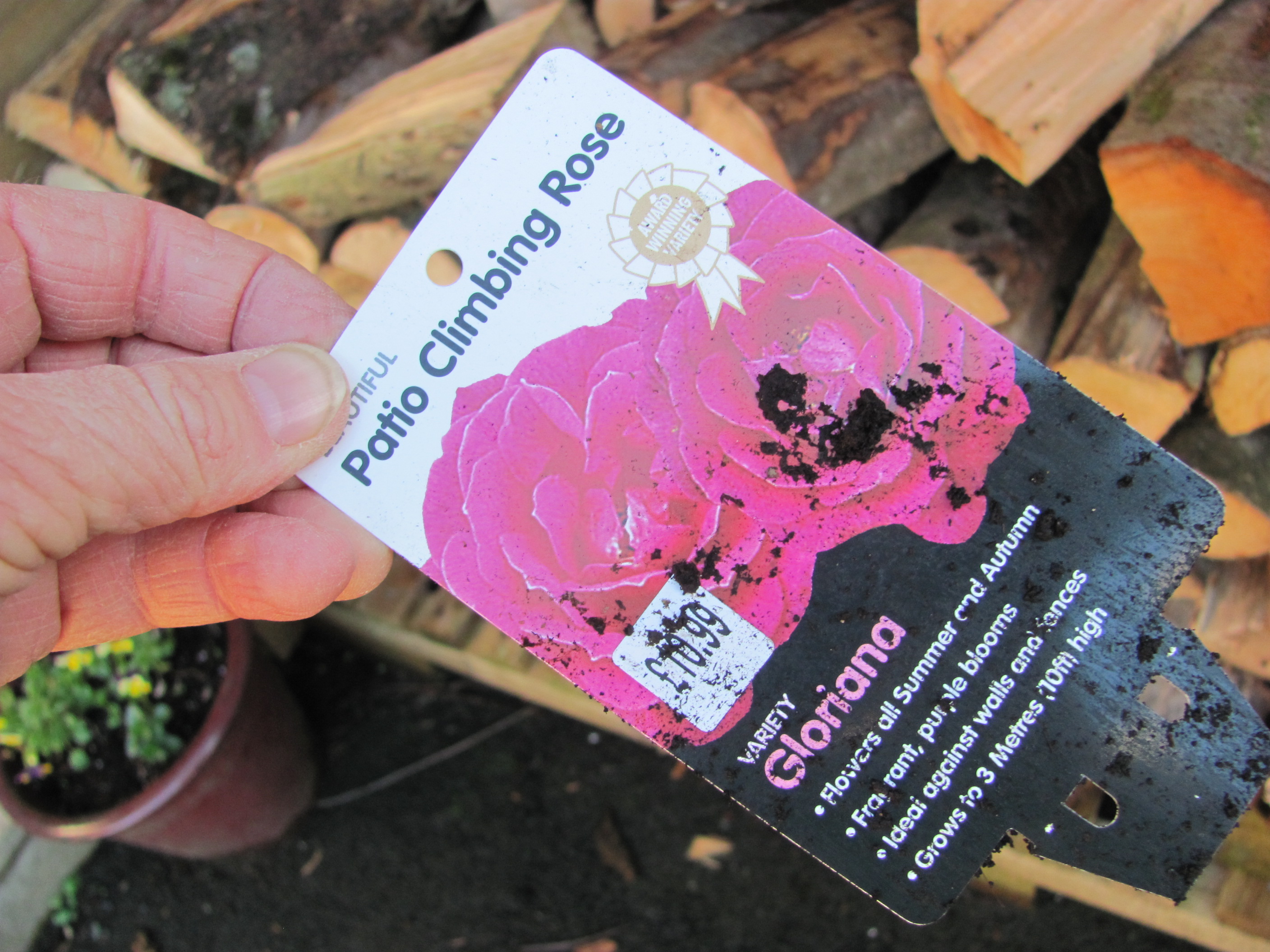
When the climbing frames arrived we fixed them up, put the galvanised cannister in place and drove off to the Derwen Garden Centre near to Welshpool. We came away with a clematis, a climbing patio rose and two thymes perfect for planting up our new planter which waited patiently at home. We were also tempted to a Calyanthus a flowering shrub we had been seeking for a long while.

2014 02 07_6413 2014 02 07_64142014 02 07_6415

We must now sit back and wait for the summer when we shall find out if our planting works and if the plants will climb the frames and hide the ugly pipe.

Categories
garden photography gardening gardens open to the public grasses hardy perennials light light quality ornamental grasses ornamental trees and shrubs roses Winter Gardening winter gardens

A Garden in February – Trentham

As promised we made our promised return to the gardens at Trentham, near Newcastle-under-Lyme in Staffordshire, right on the edge of The Potteries.

The day promised good weather which would make a welcome change. On our last few visits to this garden we had been subjected to rain and often cold winds. For our February exploration the sky was blue and the car’s dashboard read out told us the temperature was 9 degrees. The aim of this return visit and indeed all the following monthly ones was to see how the garden had progressed, how things had changed, which plants were looking good and which ones were the stars.
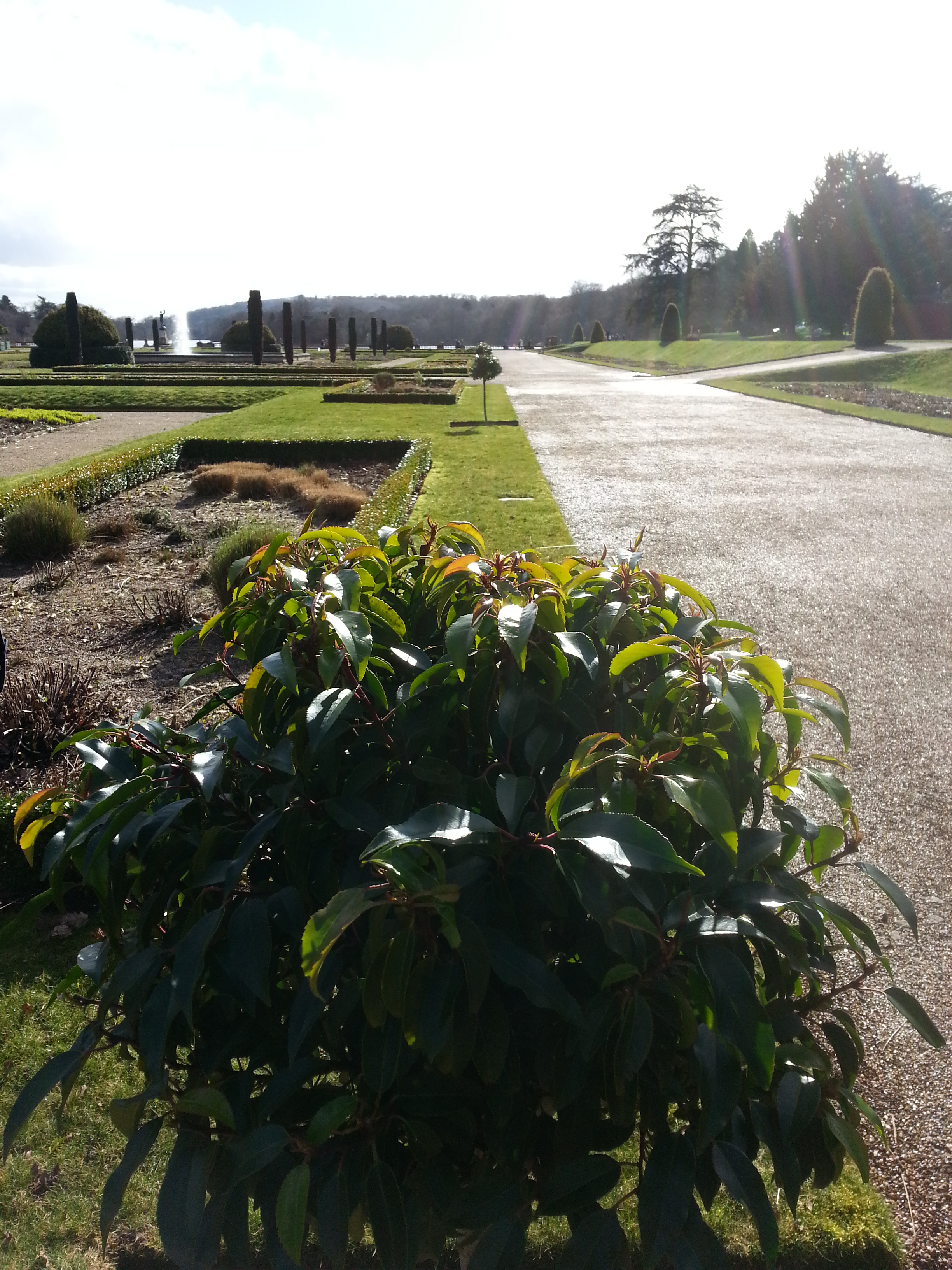
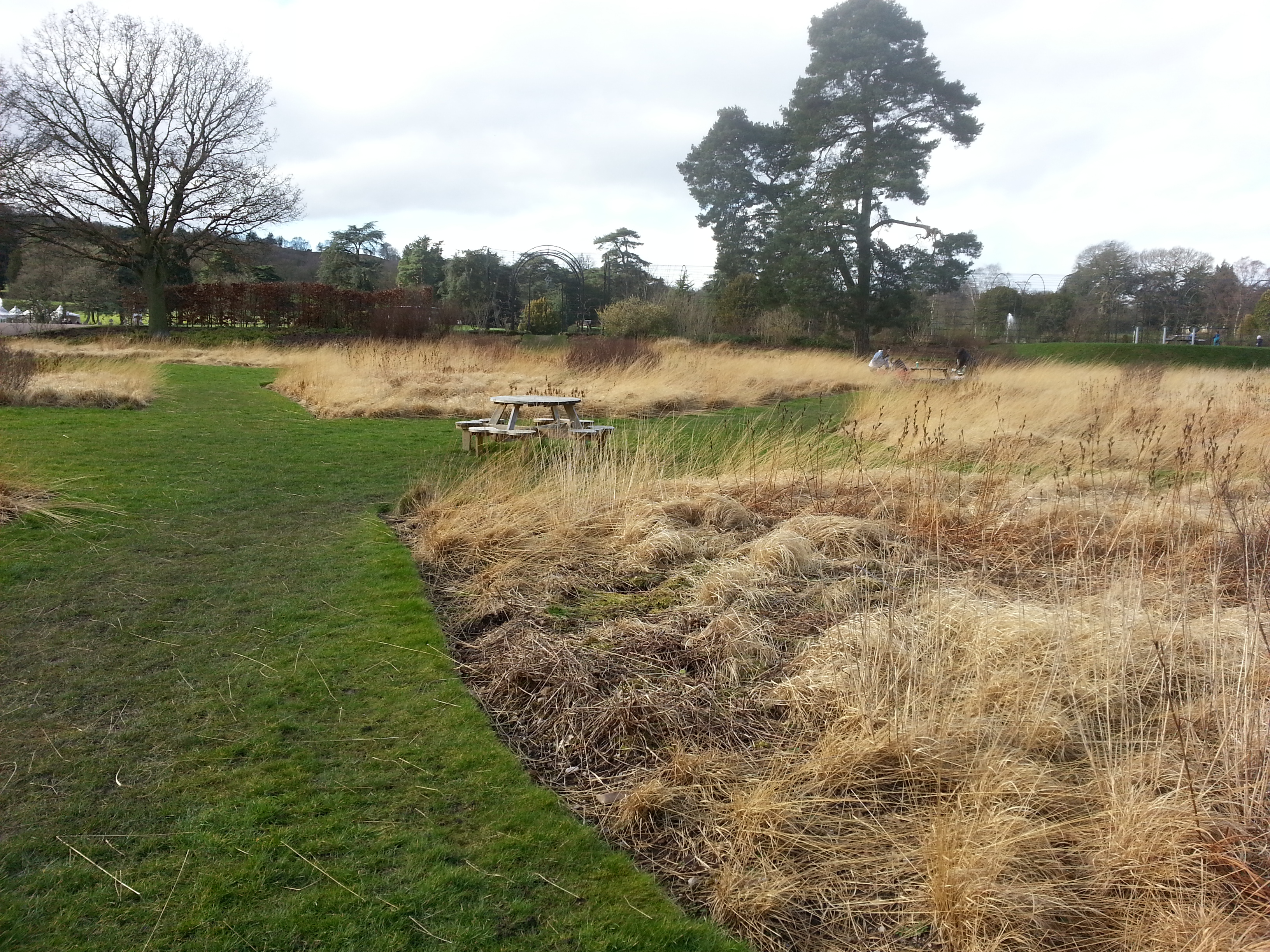
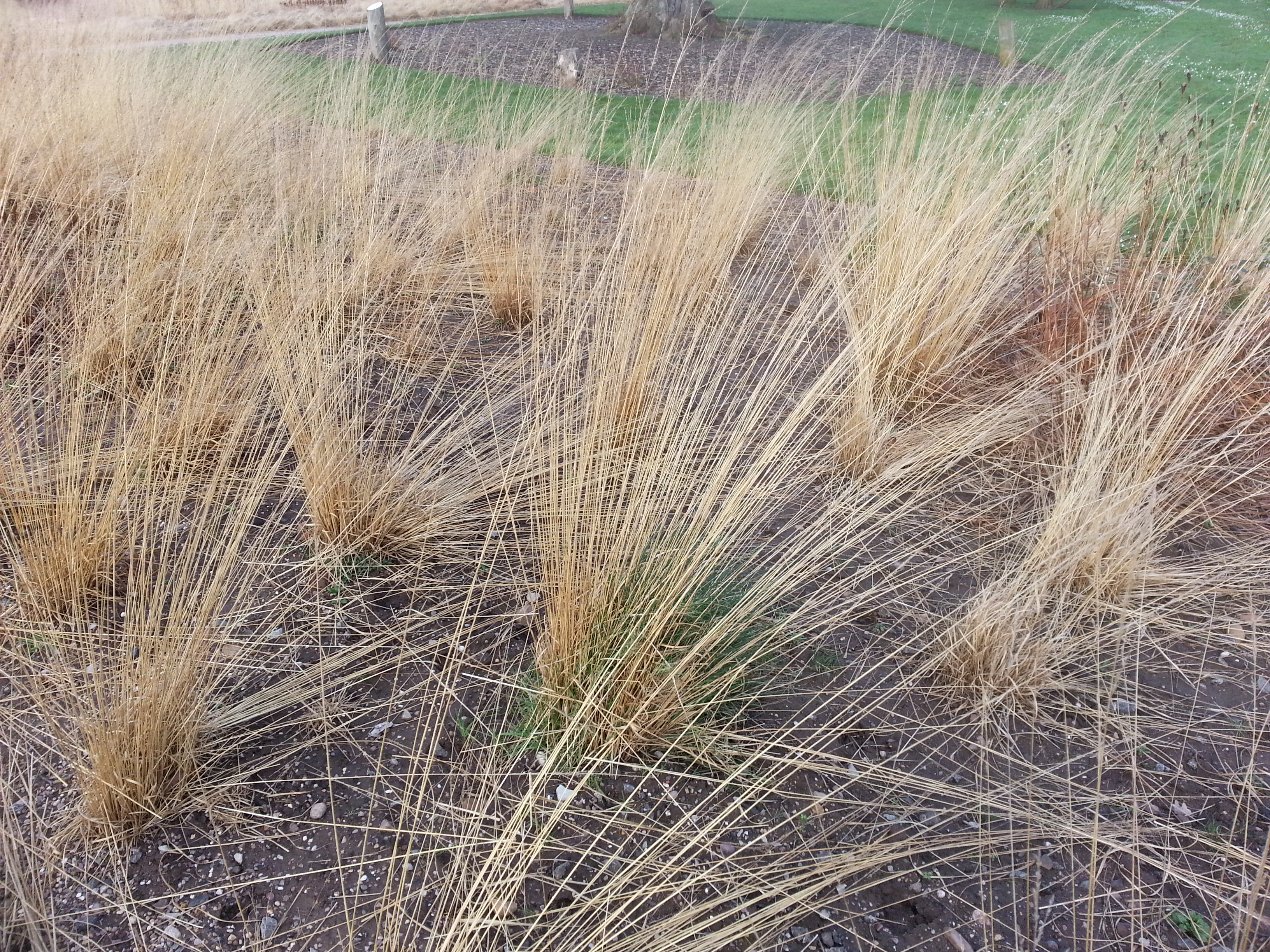
As we passed over the gentle arch of the suspension bridge we could see the “River of Grasses” with the golden stubble of the grasses which had been trimmed down low. In contrast the close mown grass areas along the riverside were bright green decorated with strips of sparkling white snowdrops. I realise the life buoy is a safety requirement and realise it has to be red so that it is easily spotted in an emergency but it is really distracting!

2014 02 20_6498 2014 02 20_6497 2014 02 20_6496

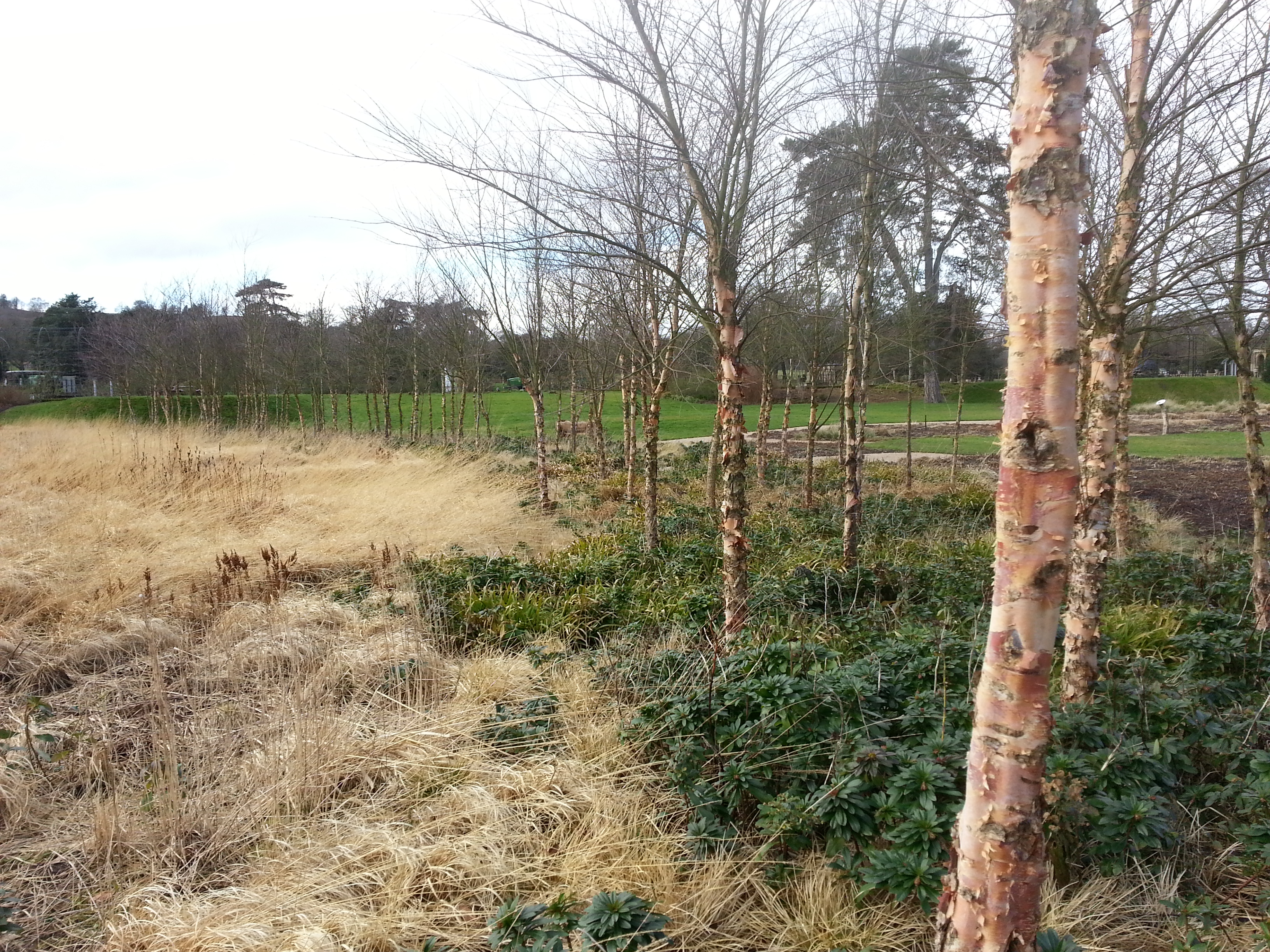
As always the gently curving line of River Birches looked wonderful, with the bark peeling more than when we saw them in January. I liked the meandering line where the dried grass area joins the deep green foliage of the evergreen Euphorbia robbiae with pale green highlights created by their flowering bracts.

2014 02 20_6500

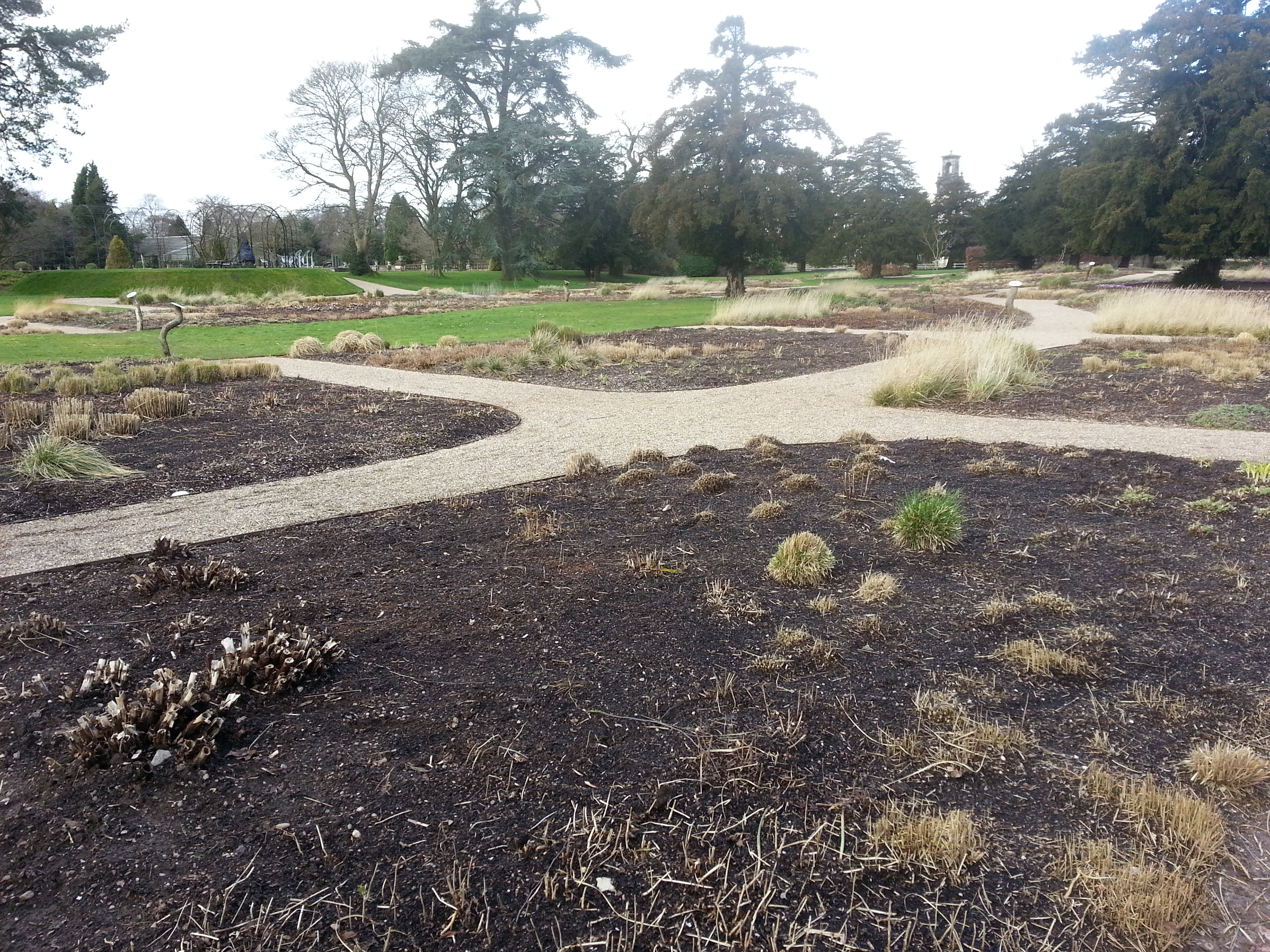
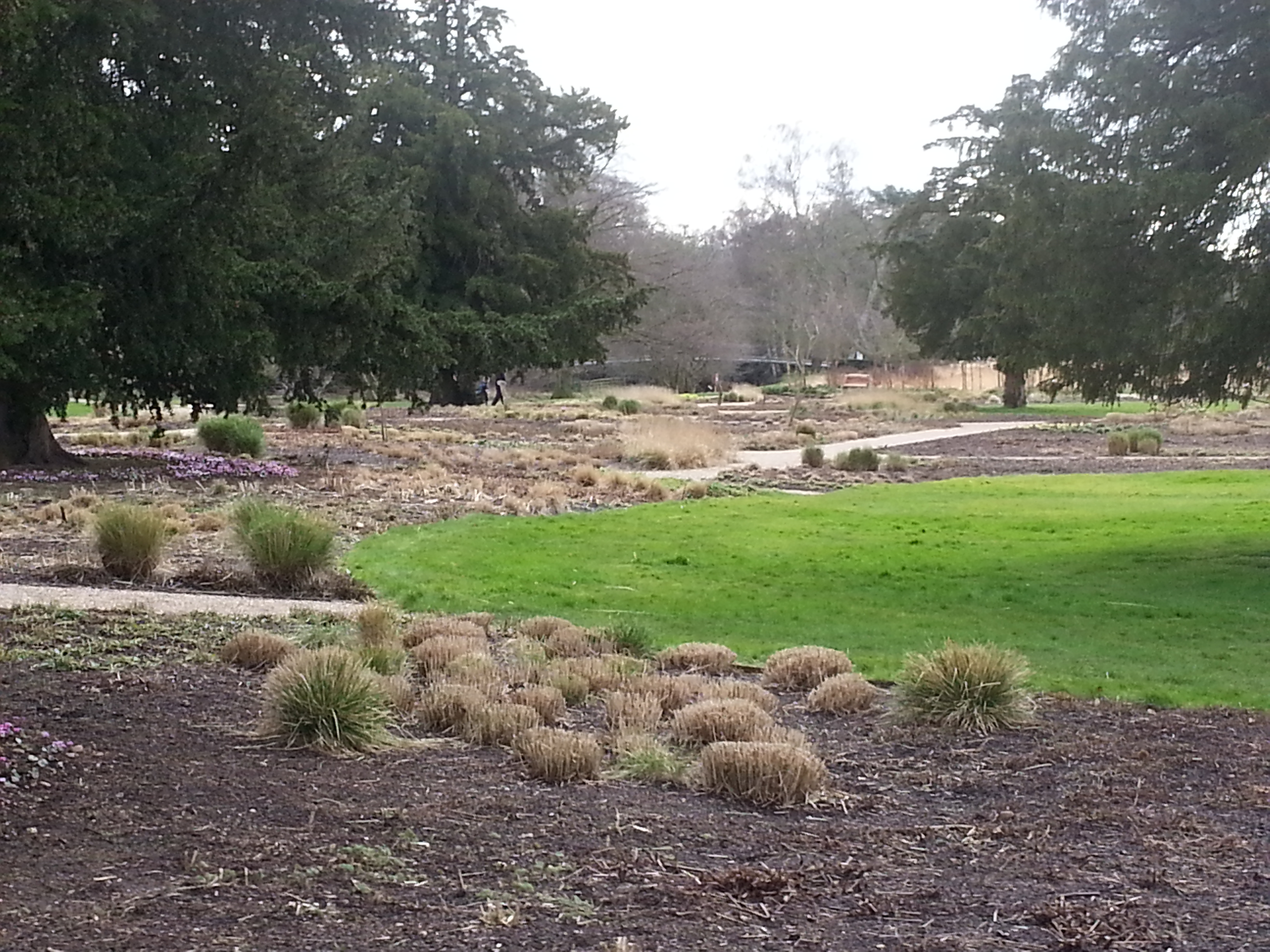
Once beyond the birches the perennial borders designed by Piet Oudolf looked very flat having been trimmed tight to the ground. This was in strong contrast to all the interesting seedheads and stems that decorated it in January. But with the clear view over the area we did spot this lovely wooden seat which we had totally missed in January. The bright green new growth of the Hemerocallis has progressed well since our January visit.

2014 02 20_6501 2014 02 20_6503

2014 02 20_6509 2014 02 20_6502

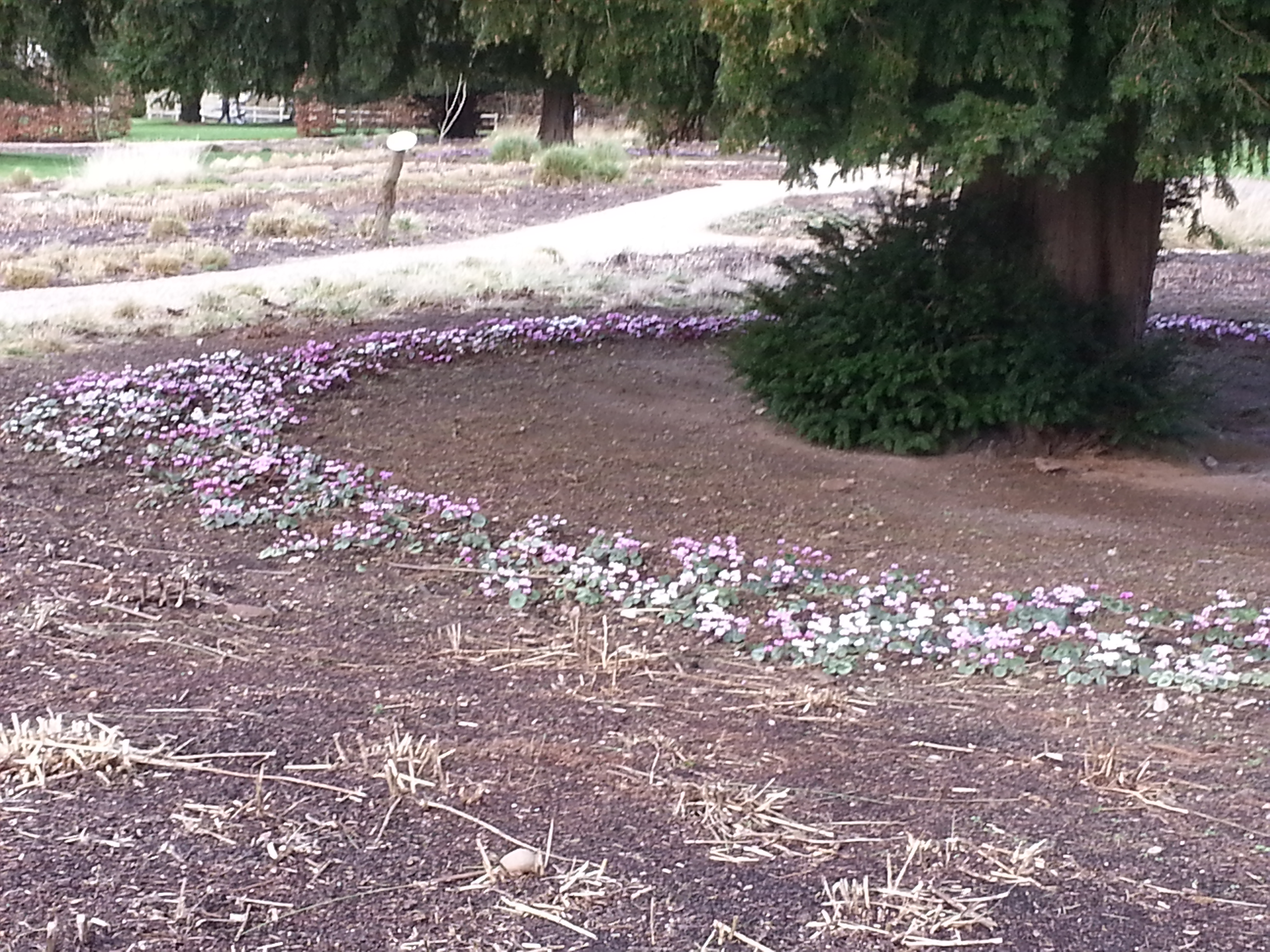
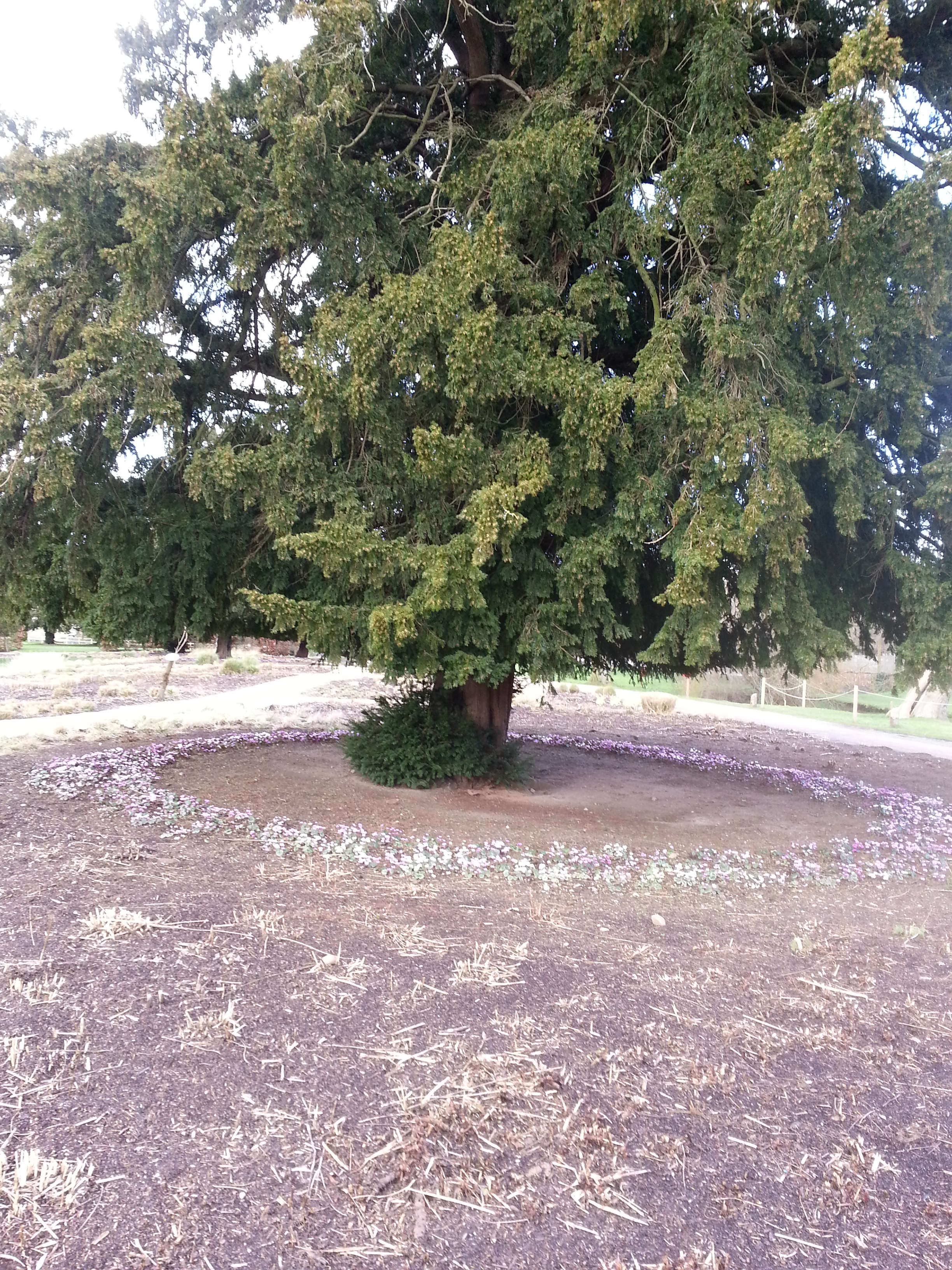
We enjoyed seeing that the rings of cyclamen were still flowering away happily beneath the Yews. They looked good in the sunshine, their colours seeming richer.

2014 02 20_6508   2014 02 20_6506 2014 02 20_6505 2014 02 20_6504

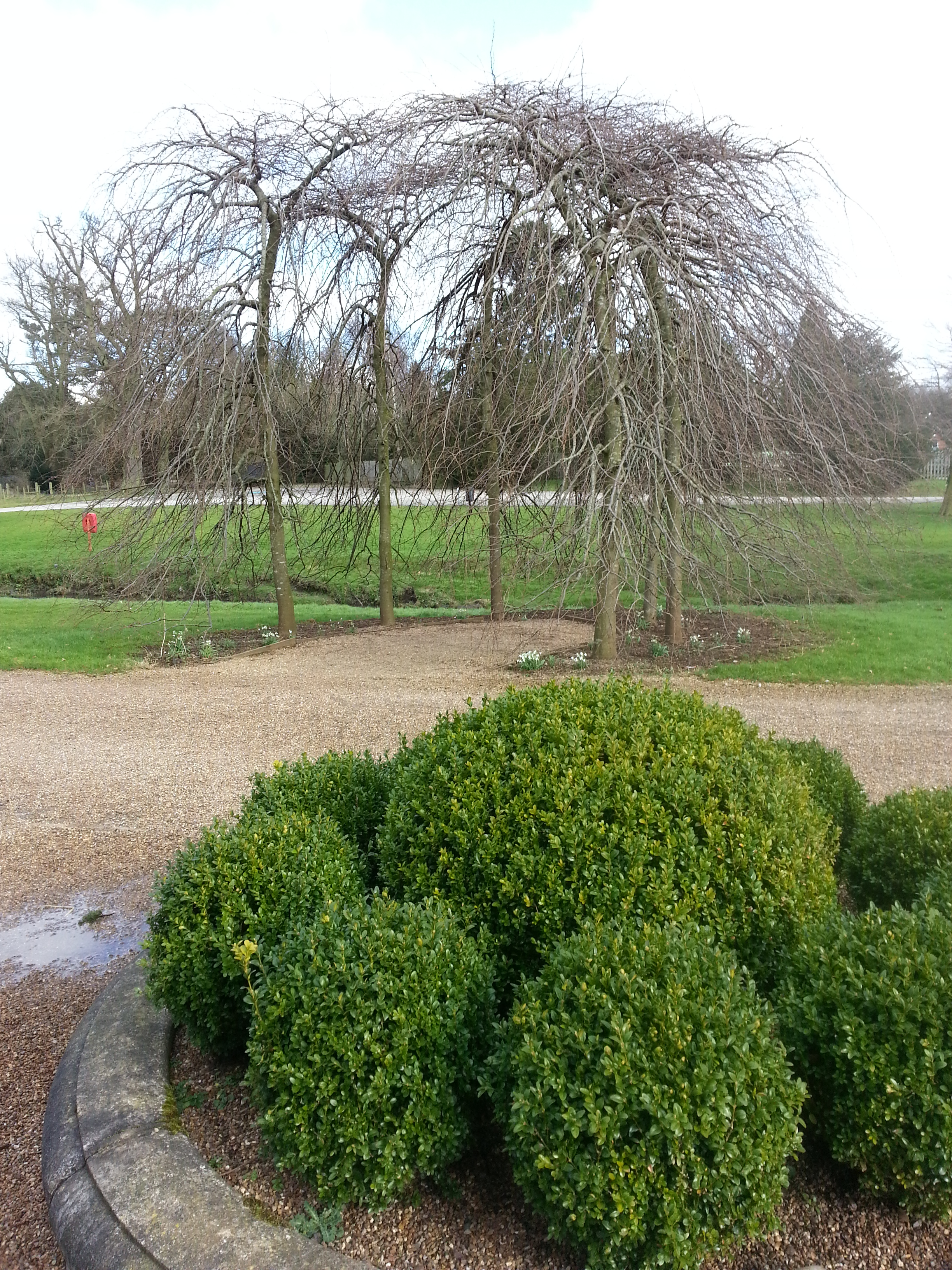
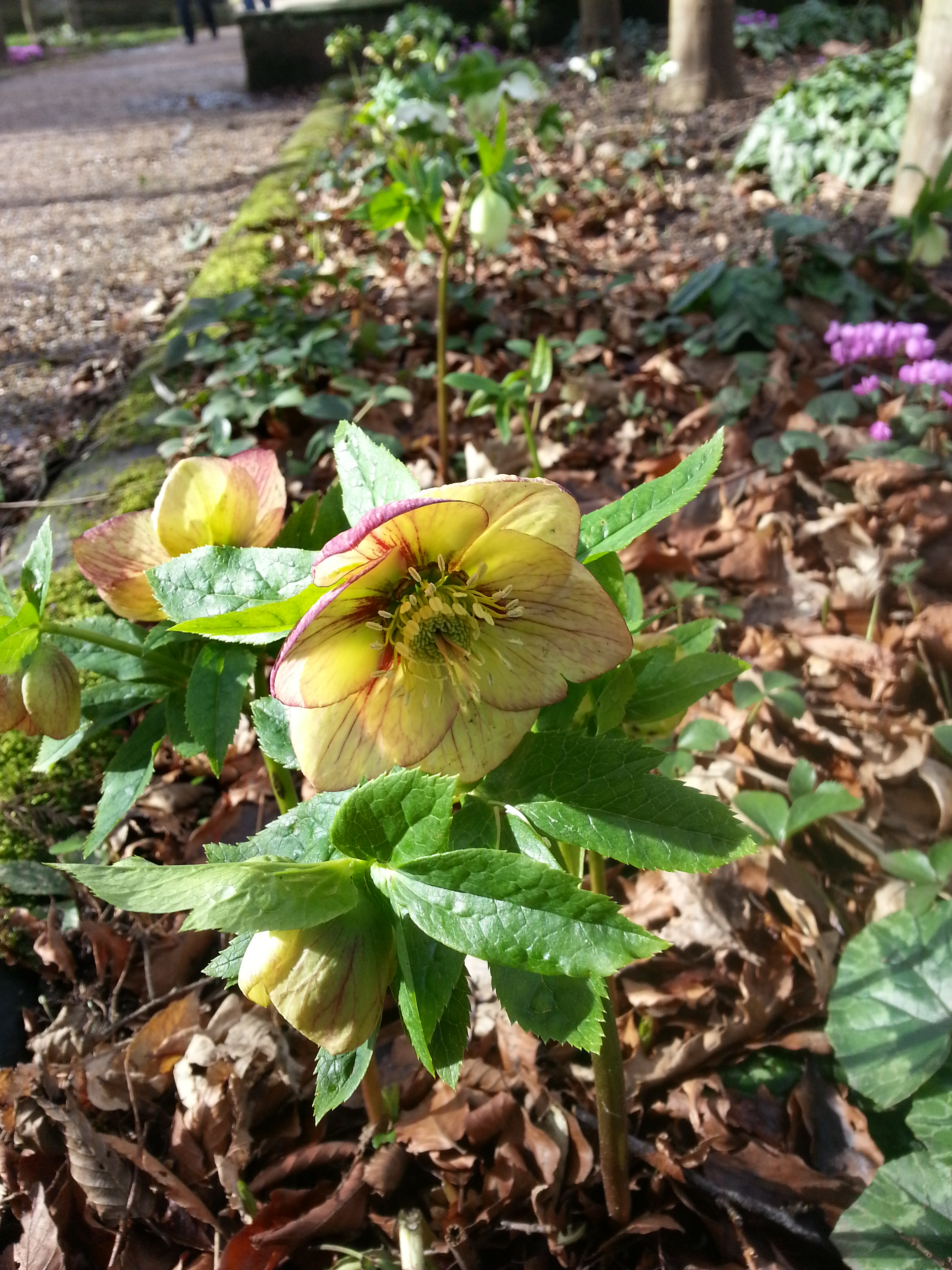
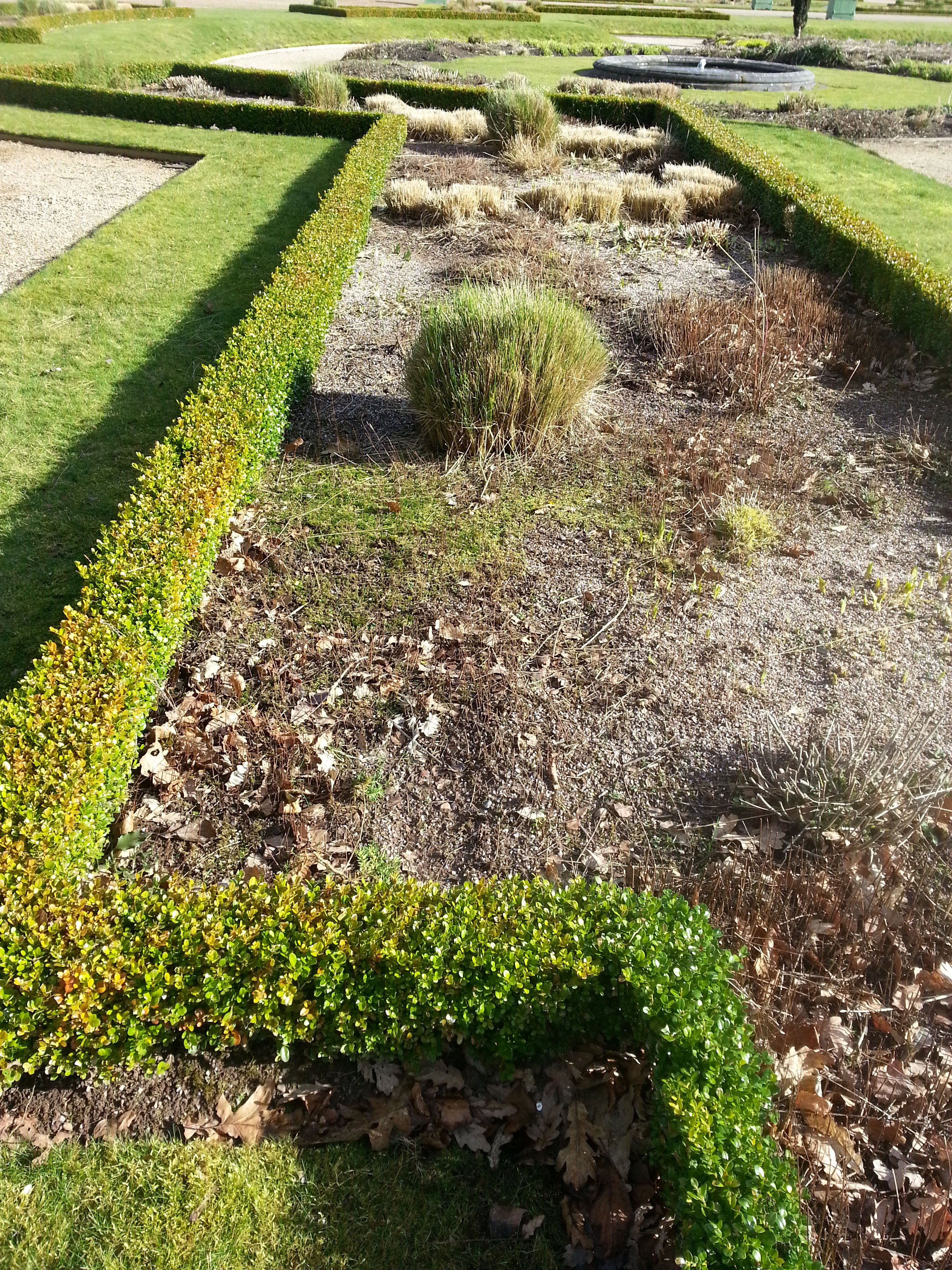
There was little change to be seen at the Hornbeam arbor but we did notice a few white sparkling Snowdrops around the base of their trunks. The trimmed box alongside is most noticeable at this time of year when such green sculptures become one of the stars of the garden. Some other stars of the Trentham gardens on this visit waited for us close by -Hellobores and Cyclamen in full colourful bloom. The Hellebores impressed with more than the colour range however, for they had really proud upright habit. They lit up the shade beneath an allee of Hornbeam.

2014 02 20_6510 2014 02 20_6520 2014 02 20_6515 2014 02 20_6516 2014 02 20_6513 2014 02 20_6517 2014 02 20_6518 2014 02 20_6519 2014 02 20_6521

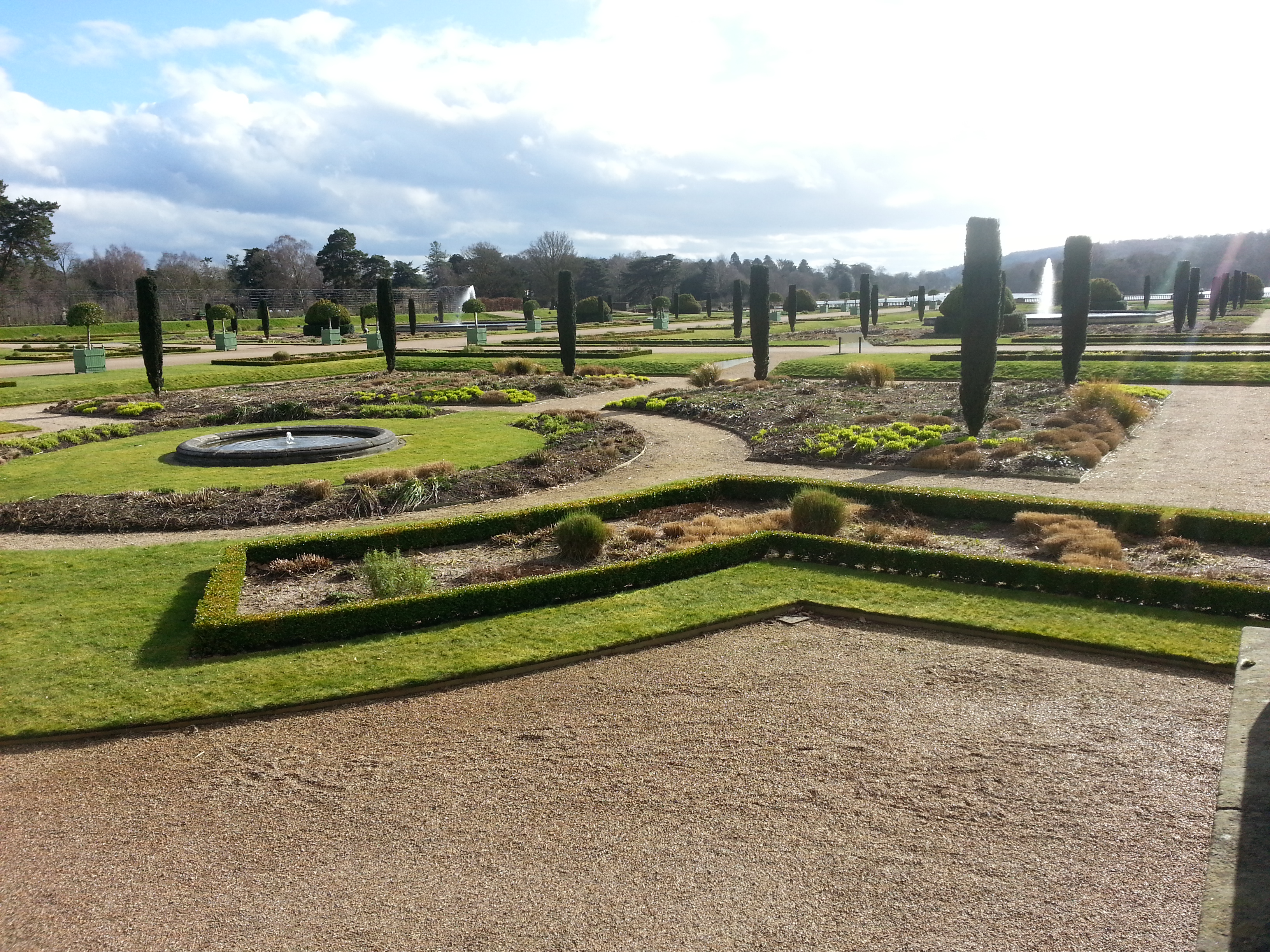
Leaving the Hornbeam allee we entered the old Italian Garden, with its rigidly symmetrical patterns of short cut grass, white chipping and smartly trimmed box edging. The low winter light emphasised this structure. It is not our favourite part of the garden but we always admire the skill taken to keep it looking so neat.

2014 02 20_6522

From here we could look out across the huge Italian Garden, re-designed by Tom Stuart-Smith. Since our last visit the perennials and grasses have been neatly and closely cut ready for the new growth that is sitting just below the soil surface ready to burst out.

2014 02 20_6523 2014 02 20_6524 2014 02 20_6525 2014 02 20_6526 2014 02 20_6527 2014 02 20_6529

Then after walking through these borders in waiting, we went off into the parkland where mature trees tower above the grassed slopes. Under the trees sits the coffee shop where we stopped for our statutory break. Some slopes appeared a bluer green than others and we discovered that the leaves here were of daffodils already with flower buds fit to burst.
Near the coffee house are areas for children and it was noticeable how busy they were. When here in January this area was deserted but on this visit there were lots of families with young children. It was the school half term holiday.

2014 02 20_6539 2014 02 20_6540

On the lake the swan sculptures presented sharp silhouettes taking off over the water.

2014 02 20_6538

Over in the display gardens the low bright light made the colours in foliage, flowers, stem and bark look extra bright.

2014 02 20_6541 2014 02 20_6542 2014 02 20_6543 2014 02 20_6547 2014 02 20_6548 2014 02 20_6550 2014 02 20_6551

We returned through the Tom Stuart-Smith gardens and walked along the rose pergola. The gardeners were busy pruning the roses, weeding and freshening up the soil surface.

2014 02 20_6566 2014 02 20_6568 2014 02 20_6569 2014 02 20_6571 2014 02 20_6573 2014 02 20_6575

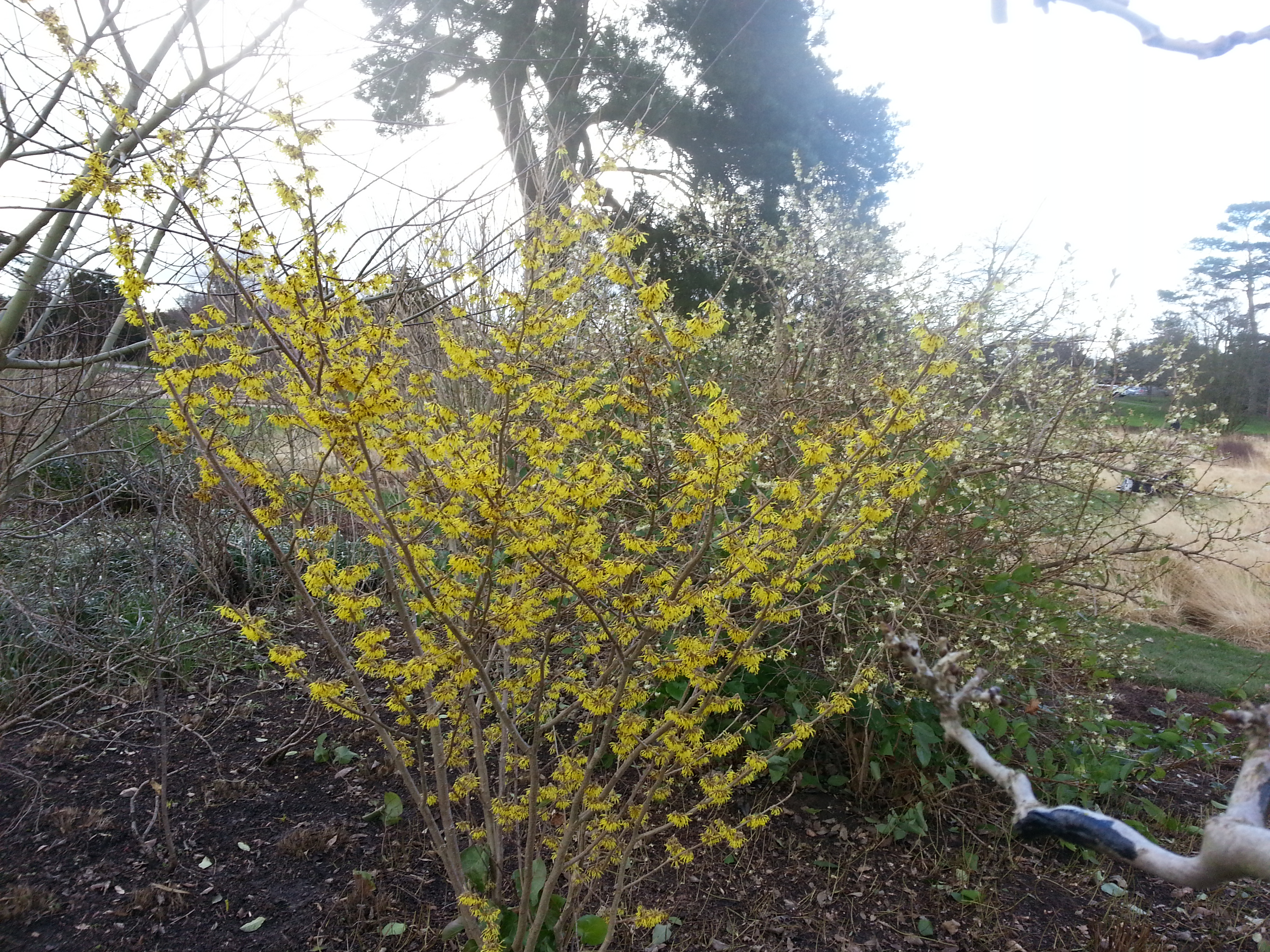
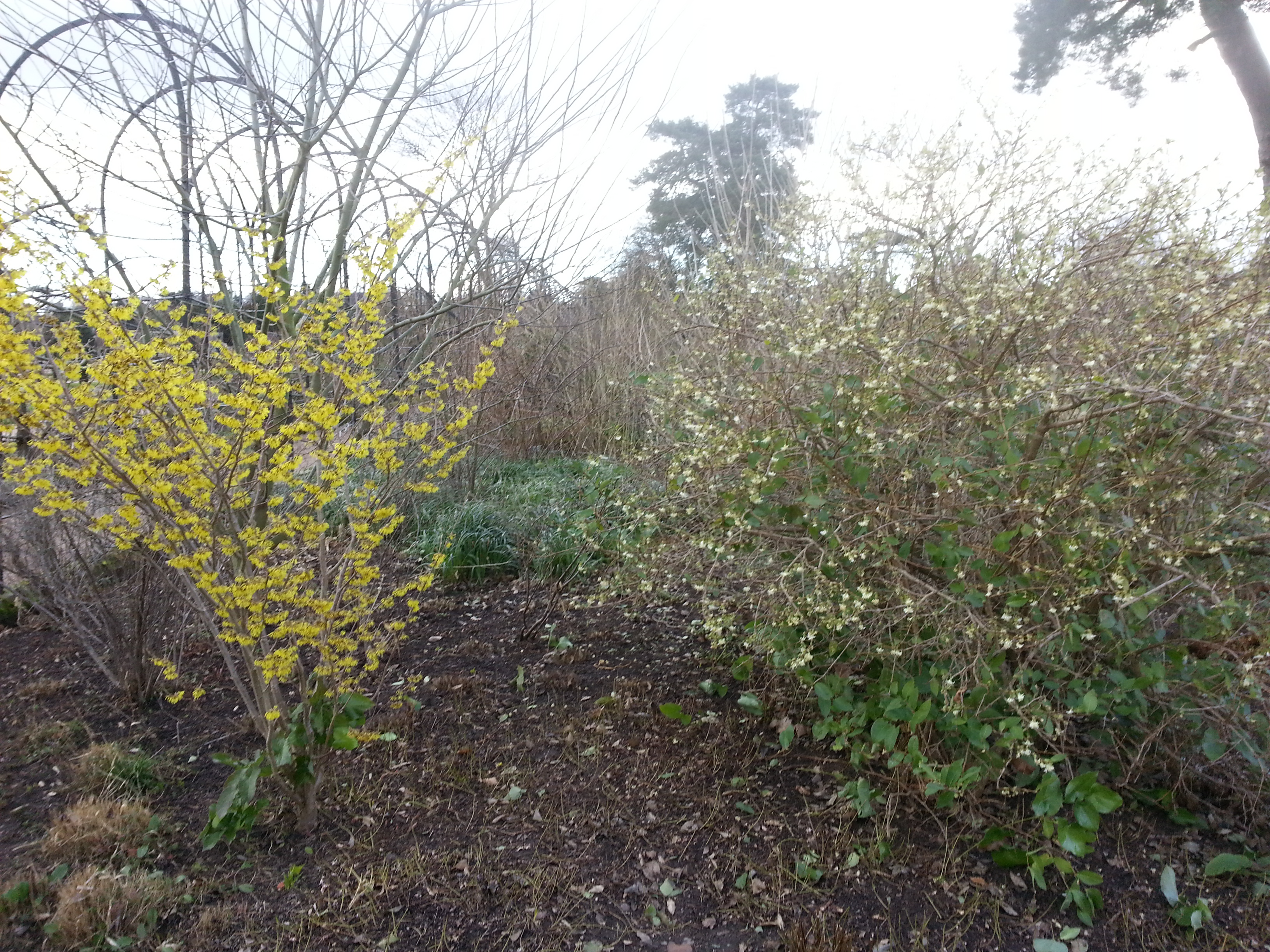
The shrub borders at the end of the rose pergola were showing signs of interesting things happening, the Witch Hazels were shining yellow and the scented but subtle winter flowering honeysuckle sitting along side it looked rather drab. So that finished our February visit to Trentham. The next blog in this monthly series will be in March. Things should be really livening up then.

2014 02 20_6576 2014 02 20_6577

Categories
diy garden design gardening roses

Replacing the garden arches at Avocet

We made the mistake when we designed the garden here at Avocet of using metal arches to span our paths and grow plants over. We have 8 arches altogether around the garden with all sorts of climbing plants over them including trained fruit trees. Most of the climbers are purely decorative, different varieties of clematis, rose, honeysuckle and a purple vine so not only do they look good but many are scented to give wafts of their gentle aromas as we pass through the arches. The productive trees are apples, blackberry and cherry.
We soon found out that the windy site here close to the hills of South Shropshire was not the place for metal arches. We get strong winds swirling around the hill behind our house which often distort, break or blow over our plant covered arches. For years we have carefully repaired them and put them back up with the plants mostly intact. This winter we found our garden was attacked by frequent gale force winds and howling storms so we have given up on the metal arches and are slowly replacing them with much more solid wooden constructions.

We began with the arch nearest the bottom of the garden which by the end of January was leaning at an uncomfortable angle so we had to duck to get through it and parts of it had broken off. This arch was clothed with a rose called Goldfinch, a small yellow early flowering variety which flowers profusely every year without fail but it also grows strongly so has to be pruned extremely hard, so hard you feel cruel doing it! On the other side of the path climbs a purple leaved vine which looks amazing when then the sunlight glows through its foliage. It also flowers and fruits some years producing tiny dark purple grapes which are very bitter – even the birds turn their beaks up at them.

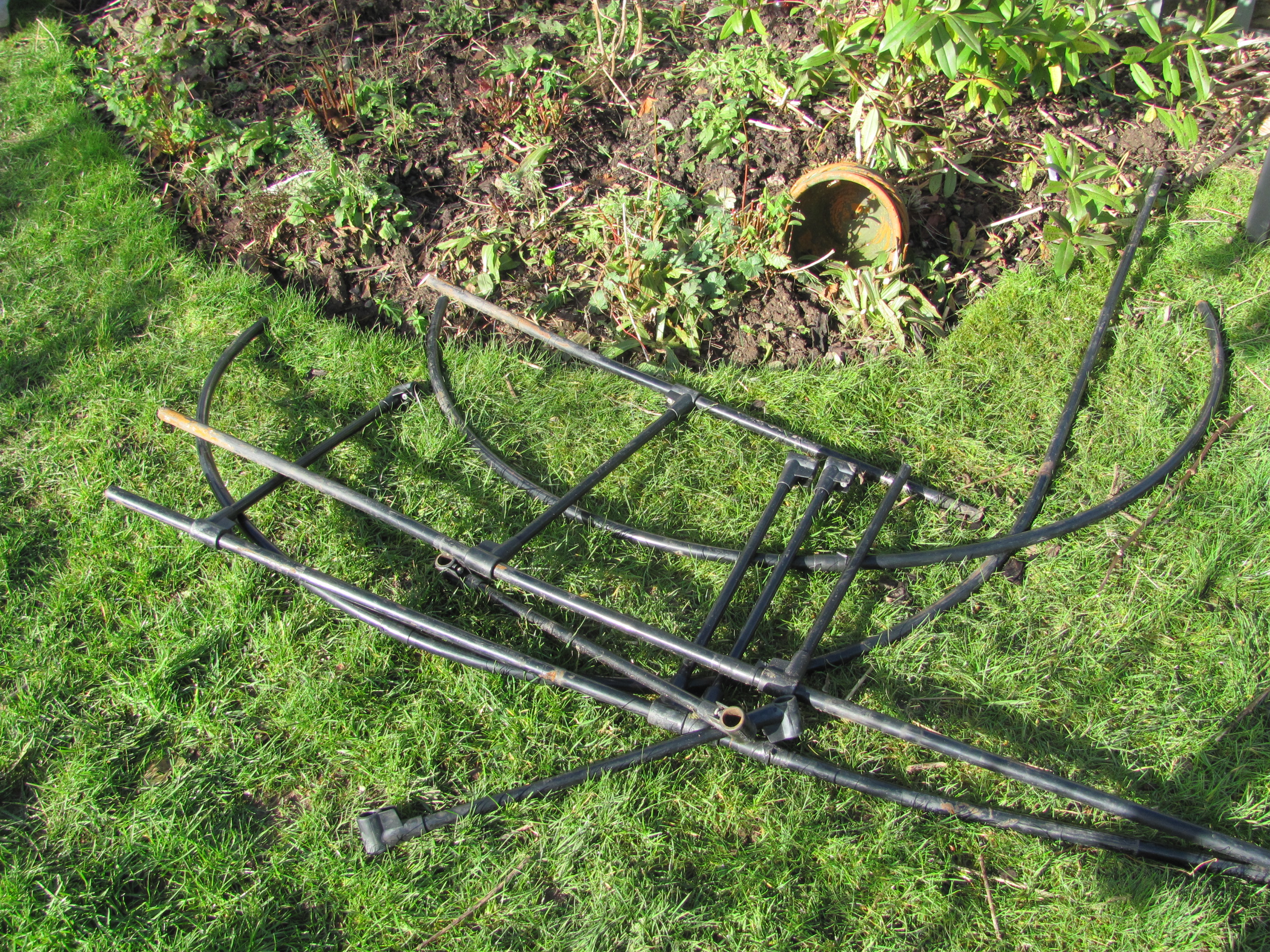
First job was to prune the climbing planting carefully and even more carefully unwind their main stems from the remains of the arch. Then we extricated the arch. It looked a sorry sight lying on our lawn.

2014 02 18_6441

Once pruned the rose hung limply without support until we carefully bent it sideways and tied it onto the wooden support for our cordon plums.

2014 02 18_6440

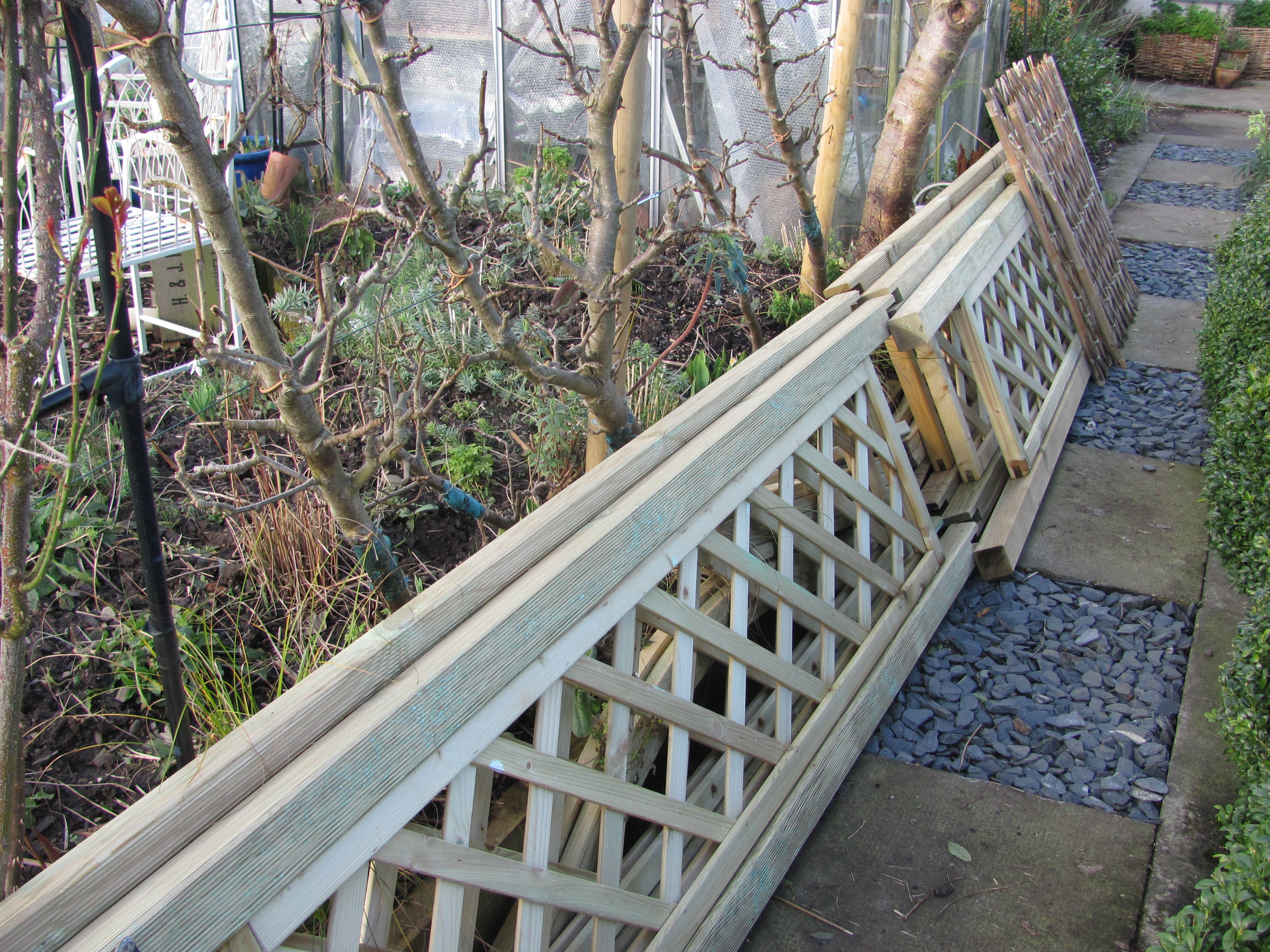
We had three arches delivered and luckily they came in pieces as they were so heavy. At least we could unpack them and move them to where they were to be put up one piece at a time.

2014 02 18_6450

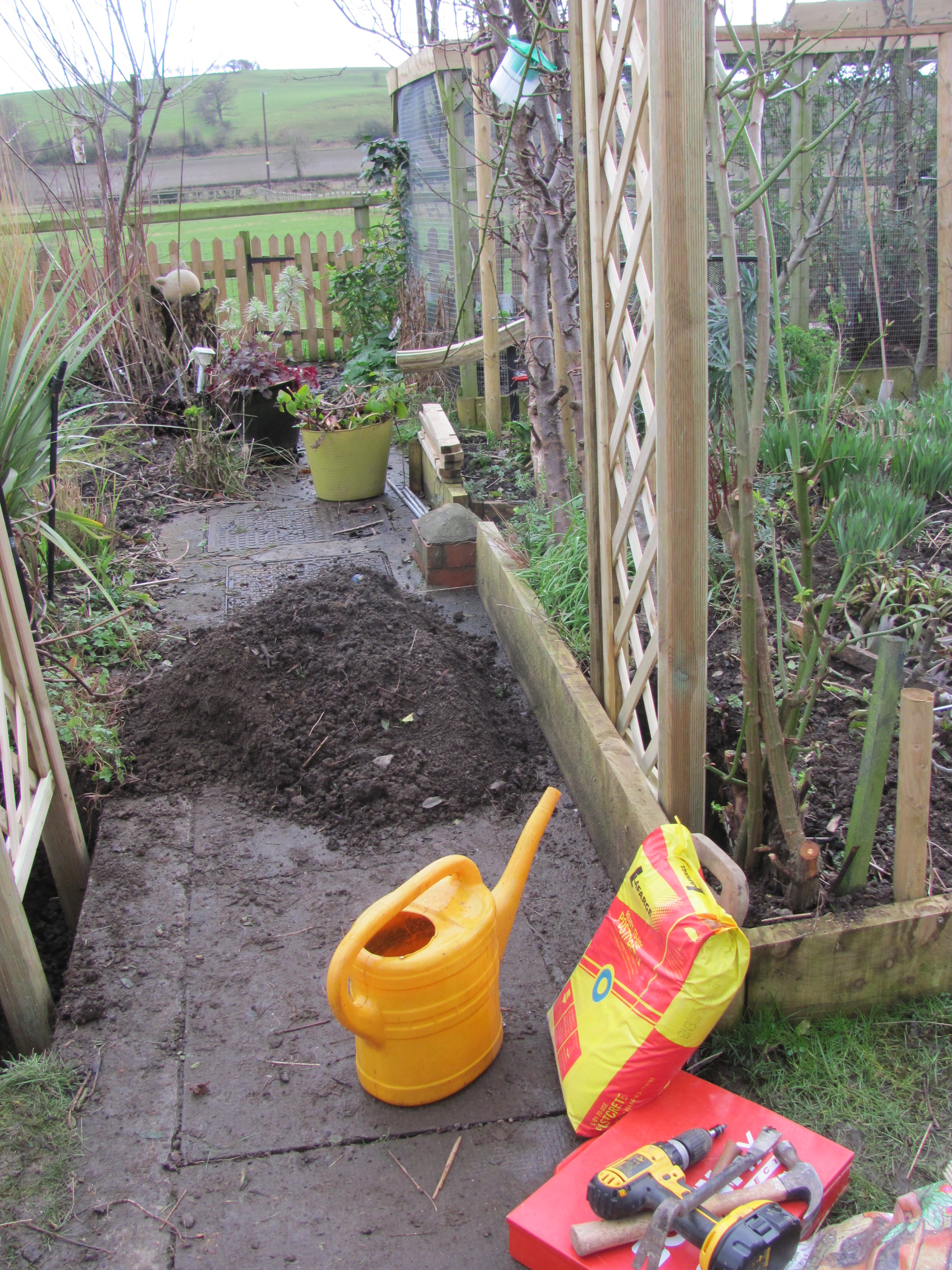
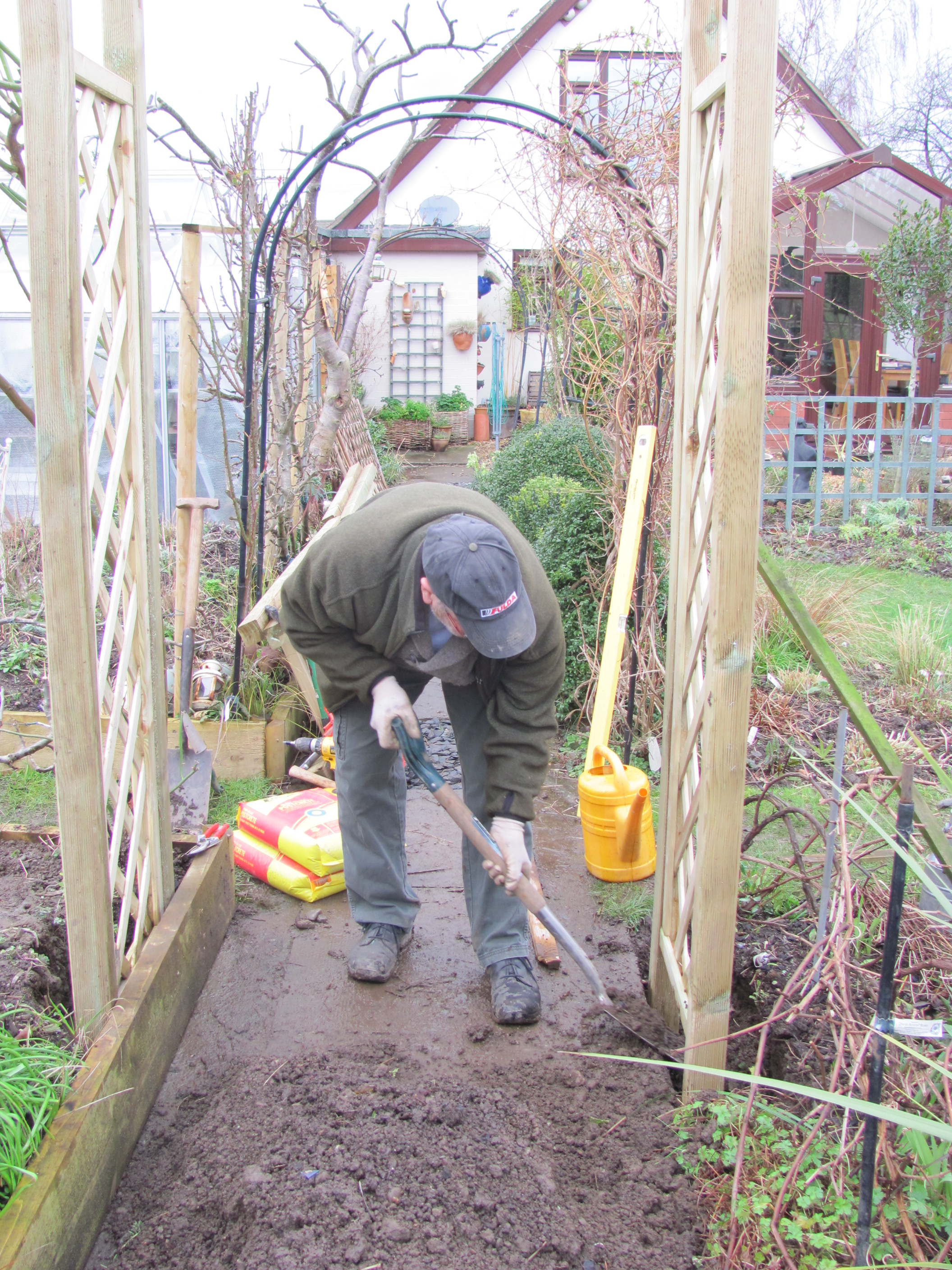
Once the plants were pruned and tied out of the way we could get on with digging out 12 inch deep trenches to fix the uprights into.

2014 02 18_6463 2014 02 18_6435

Once the hole was dug out to the correct depth we then spent a while with a metre long spirit level making sure the upright piece was vertical in both planes. We then poured in the post fix concrete mix and left it to dry.

2014 02 18_6436 2014 02 18_6437 2014 02 18_6438

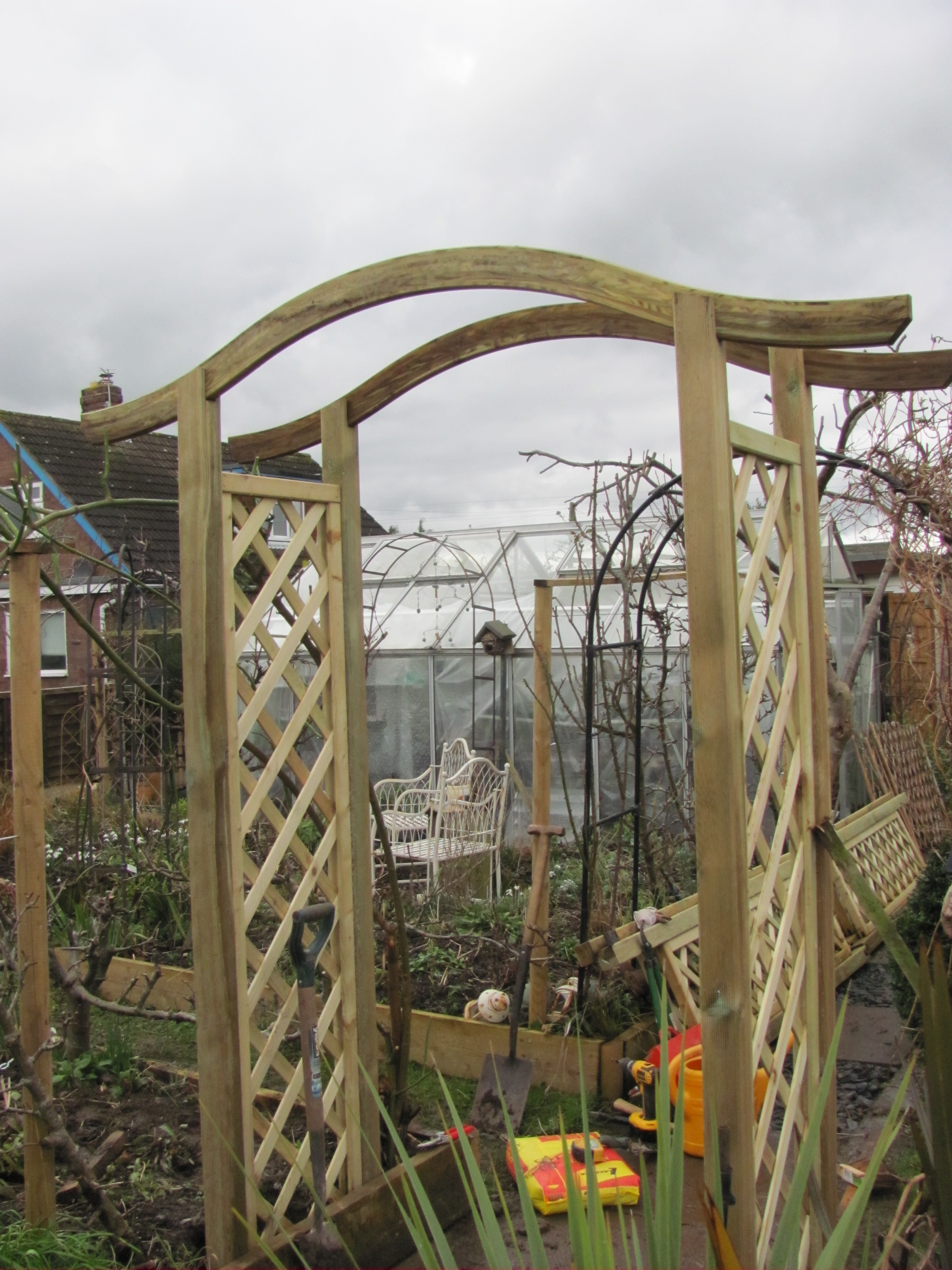
Once the concrete had set we could fit on the top decorative pieces and the job was done. Just the easiest part left – re-tying the climbers back in place. They should now be ready for the spring. Just seven more arches to go!

2014 02 18_6439

Categories
allotments birds community gardening fruit and veg garden photography garden wildlife gardening gardens grasses grow your own hardy perennials kitchen gardens light light quality meadows natural pest control ornamental grasses ornamental trees and shrubs photography roses spring bulbs wildlife Winter Gardening

What’s on the Plots? An end of year wander around the allotments.

Mid-December often sees the allotment site under snow or at least coated in frost, but not this year. We wandered around today with camera in hand and we were appreciative of the bright clear blue sky overhead. The midday sun cast long sharp shadows and it had enough strength in it for us to feel its warmth.

Having checked the post box for messages, and left a few magazines in the communal hut for others to enjoy, we started our tour at Wendy’s lovely plot. There is always something of interest to see and new things going on. We were not to be disappointed today. The sun caught the bright fiery colours of the willow hedge surrounding her compost heap.

2013 12 17_5480 2013 12 17_5481

On an obelisk where the soft bark paths cross the striped flag glowed alongside a sparkling glitterball, while this character decorated her shed door. A cranky old monk? Brother Cadfael perhaps when he was dropped by the BBC.

2013 12 17_5482 2013 12 17_5483

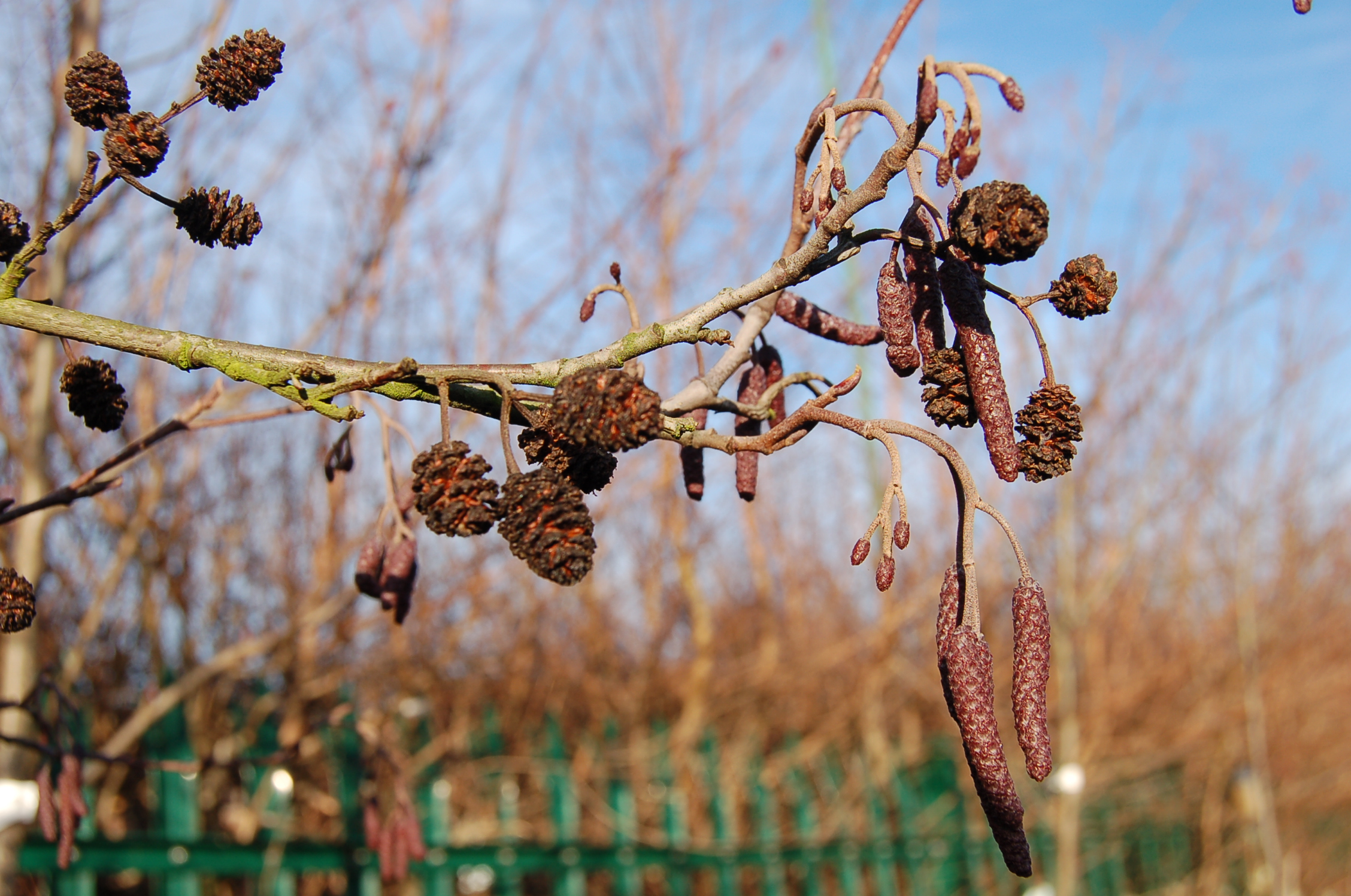
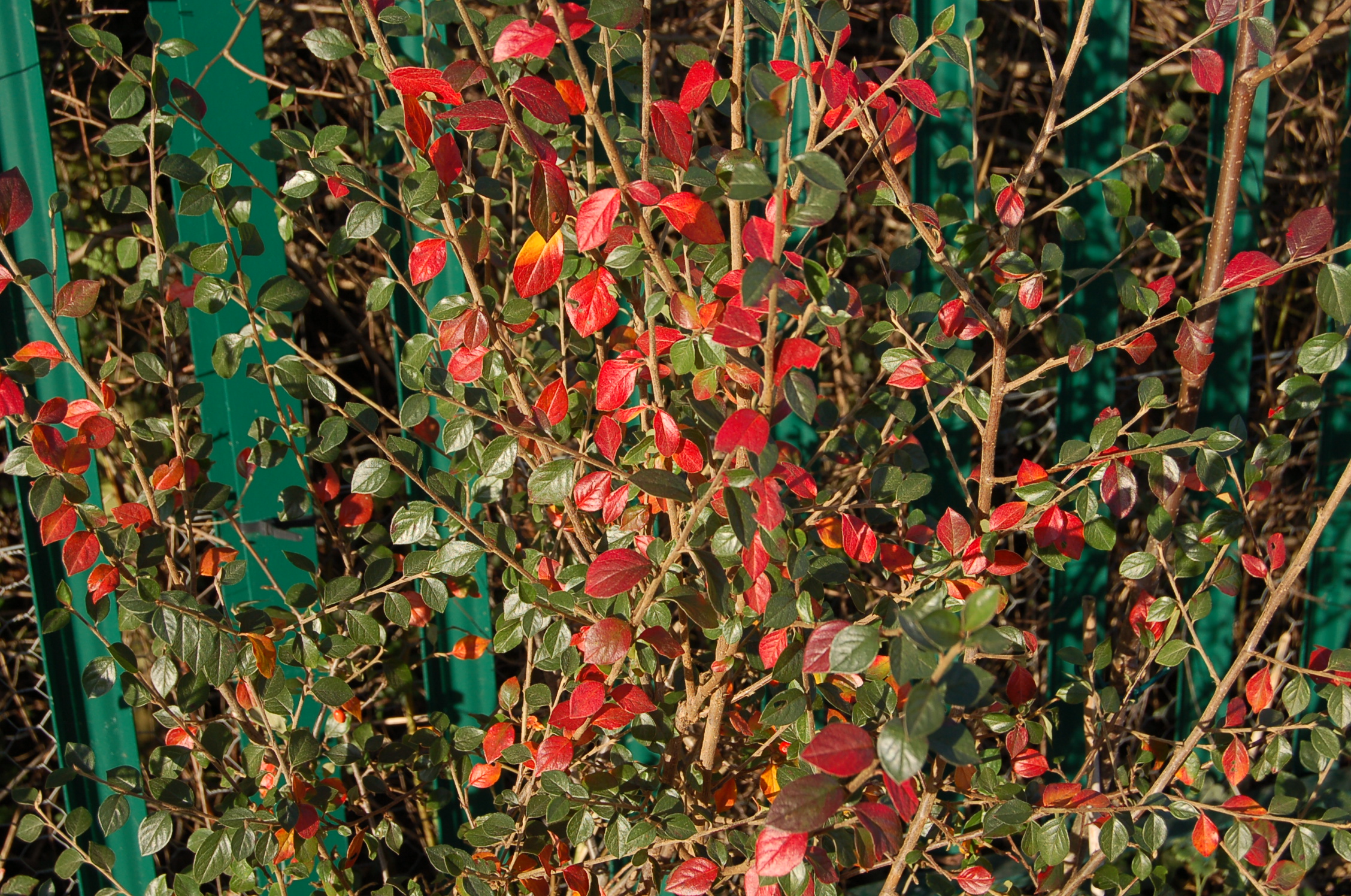
We next moved to the Autumn Garden and our newly planted section alongside our young fedge. The tree here is a Crataegus prunifolia which gives rich red autumn colour and deep red berries which is underplanted with bulbs. The border is planted up with sedum, asters, ferns, some perennial native flora and small shrubs. The cones and catkins of alders are beginning to get their purple hue. Cotoneaster leaves are as red as their berries.

2013 12 17_5486 2013 12 17_5487

2013 12 17_5489

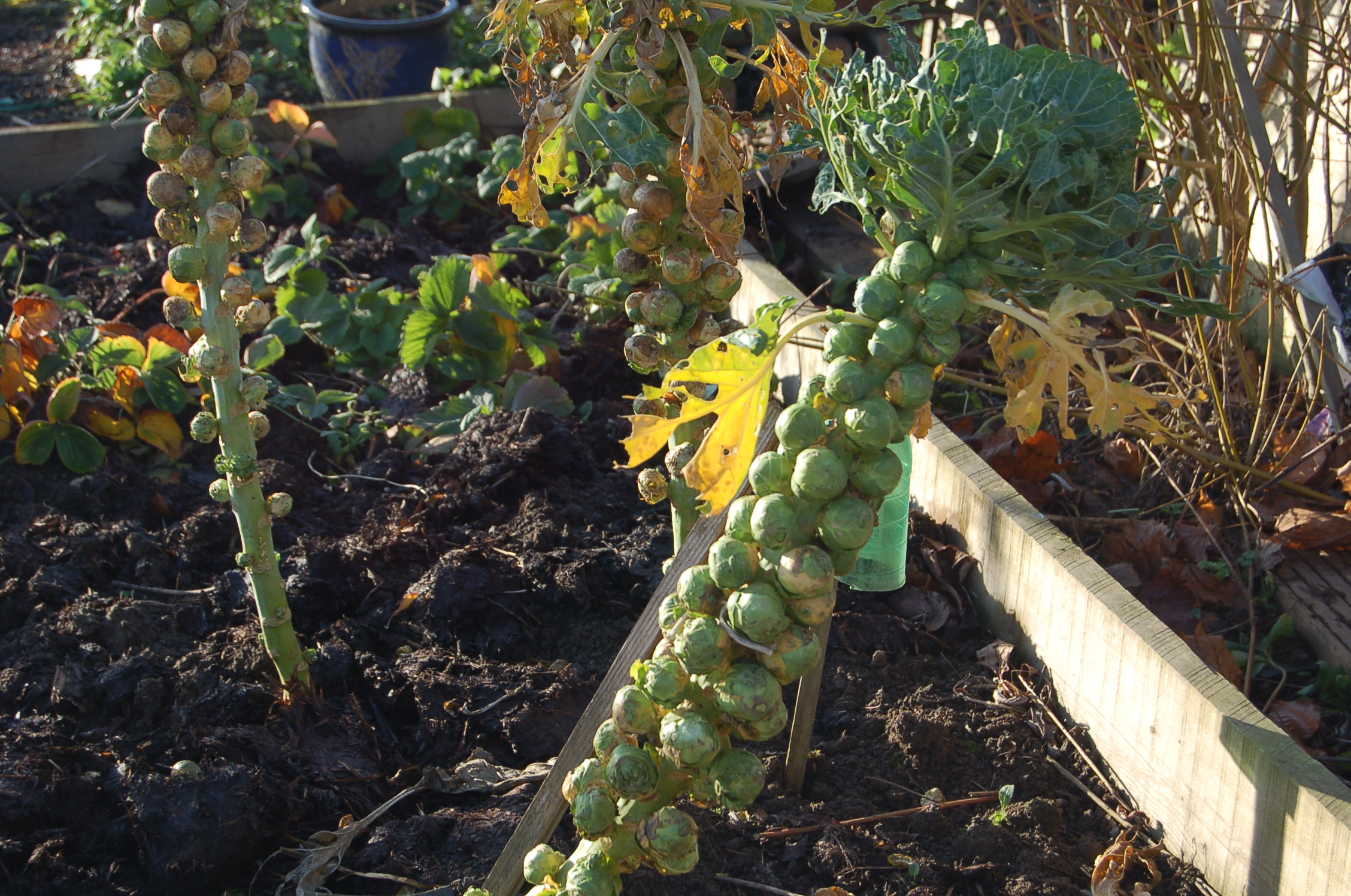
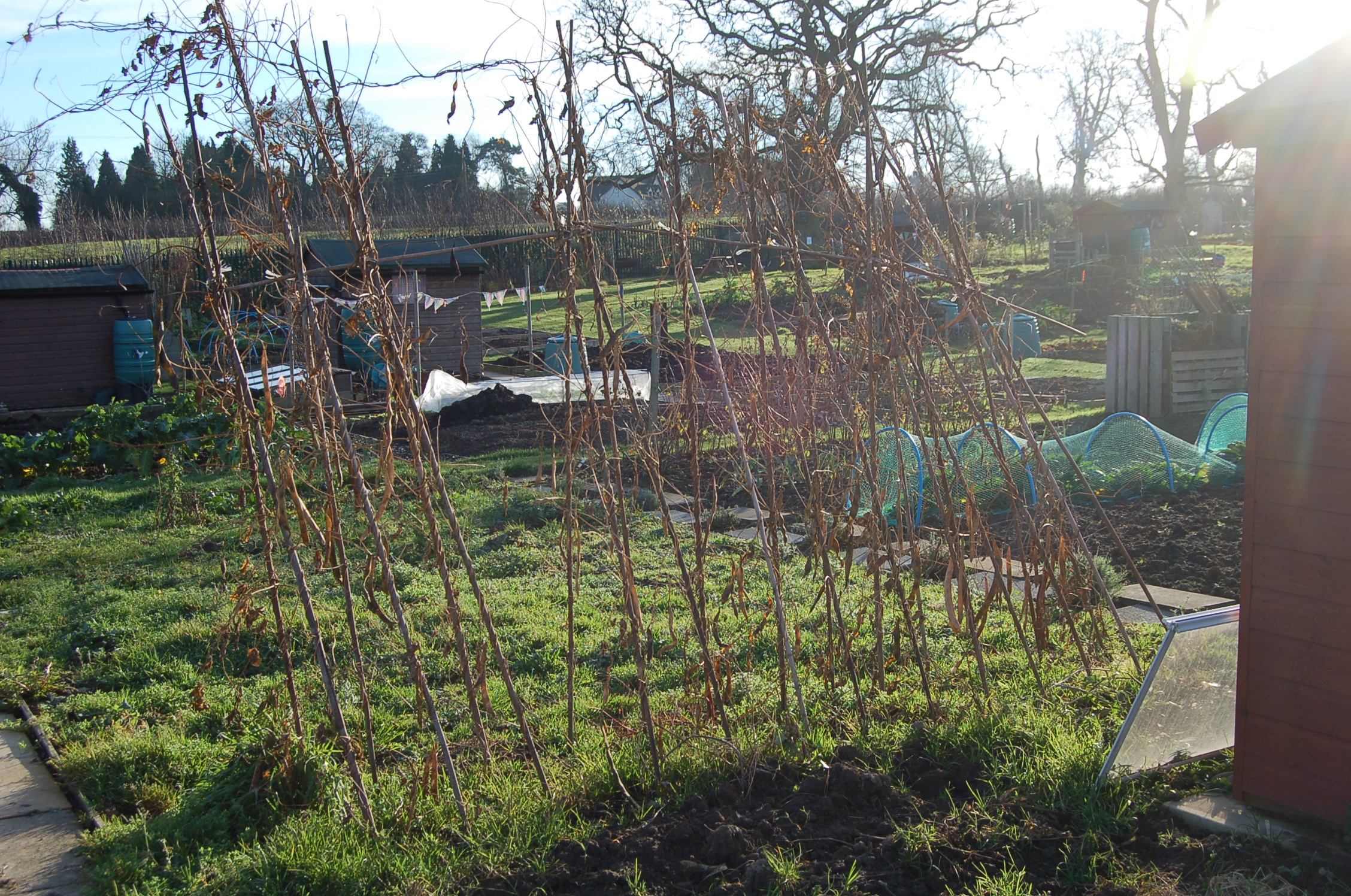
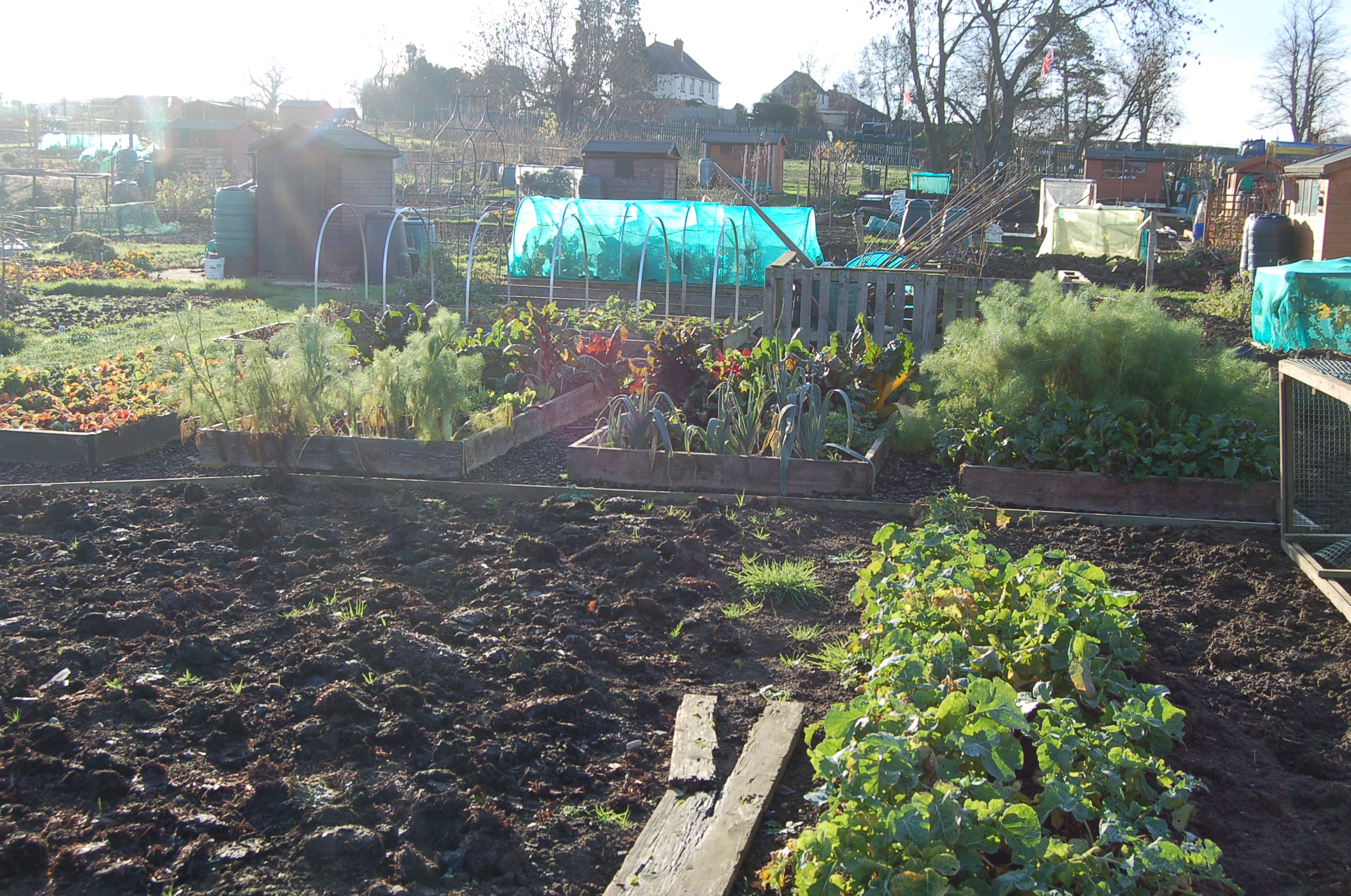
On many plots old crops sit forgotten in places whilst others await being picked throughout the winter. The sprouts will grace a plot holder’s Christmas dinner spread.

2013 12 17_5484 2013 12 17_5485

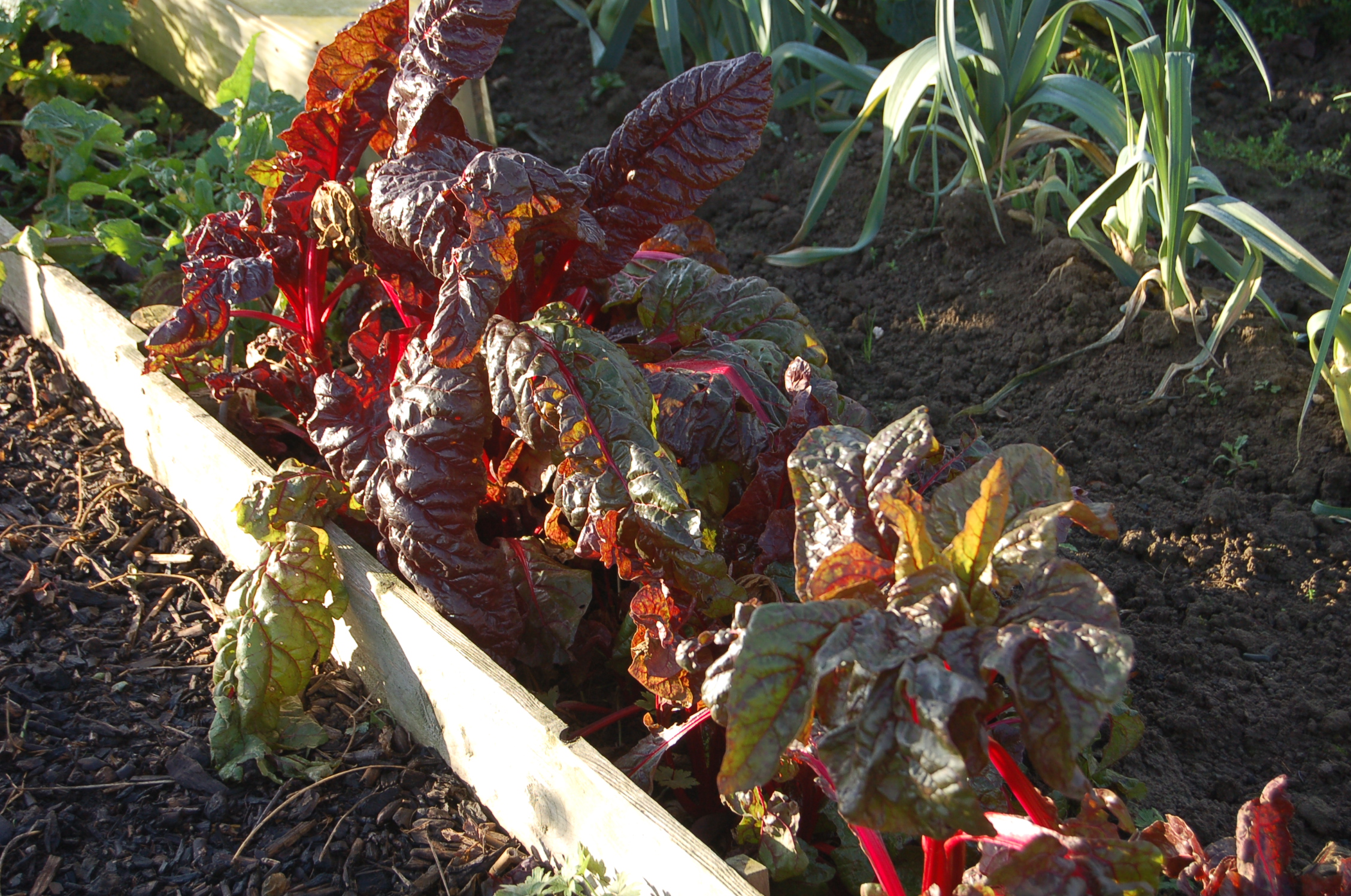
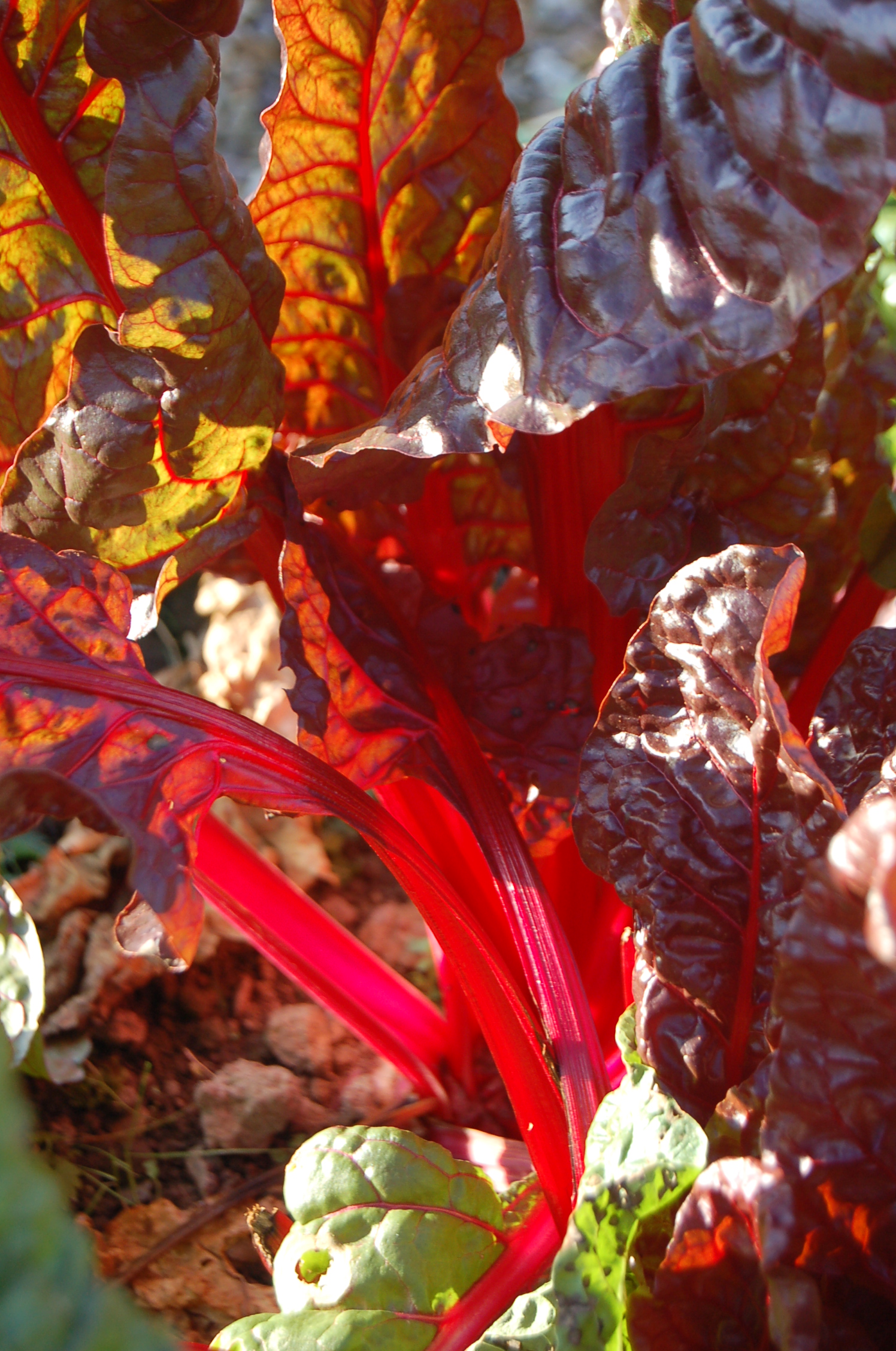
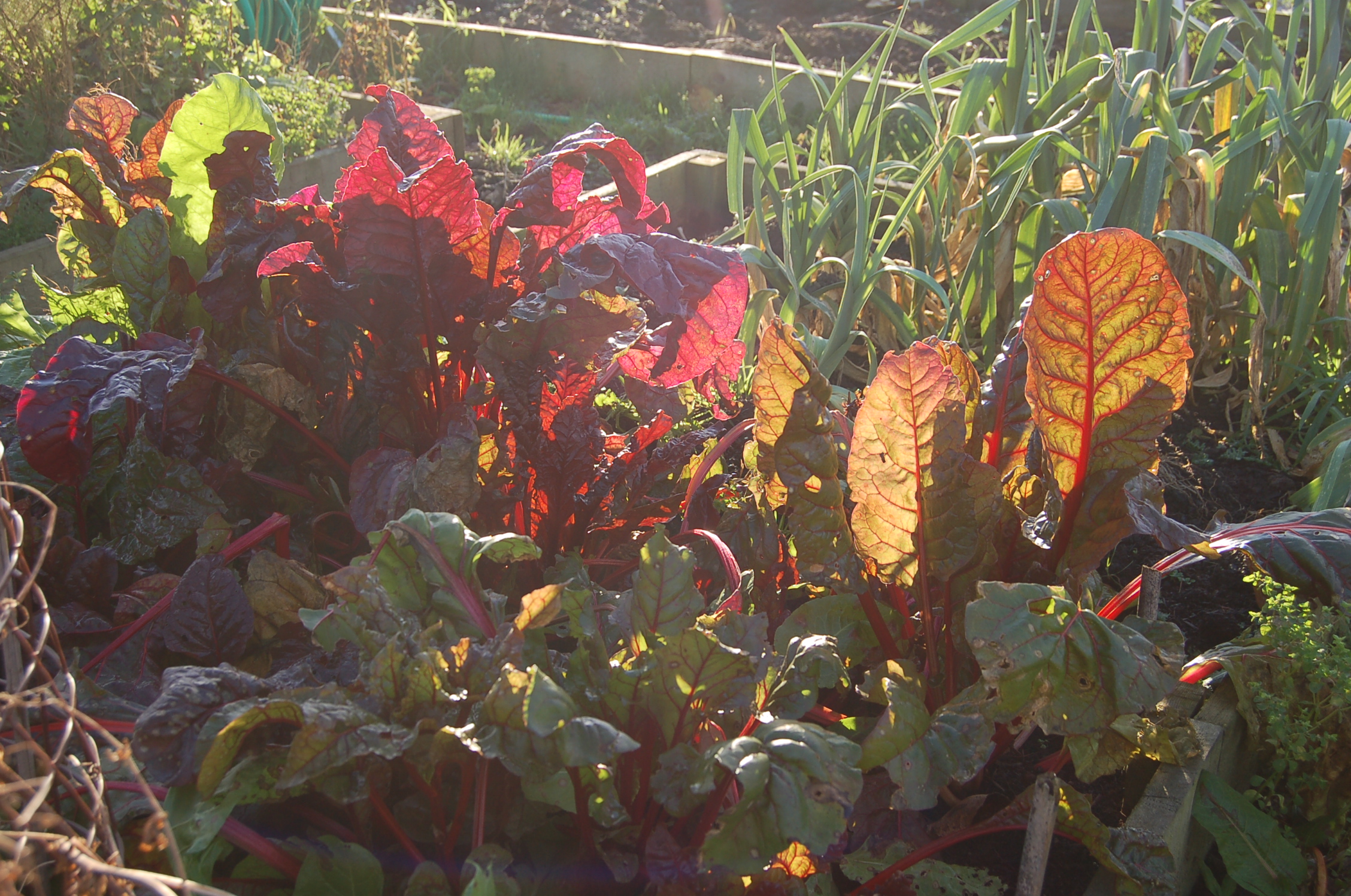
Chard leaves on a sunny day are delightful. The reds, yellows and purples of their leaves and stems glow with the sun behind them.

2013 12 17_5488  2013 12 17_5502

2013 12 17_5495 2013 12 17_5535

Further along the borders of the Autumn Garden we passed Trevor’s plot where there is always an interesting development to find. Today we discovered his new shed number. He must have problems remembering his plot number or needs to arrange to visit an optician.

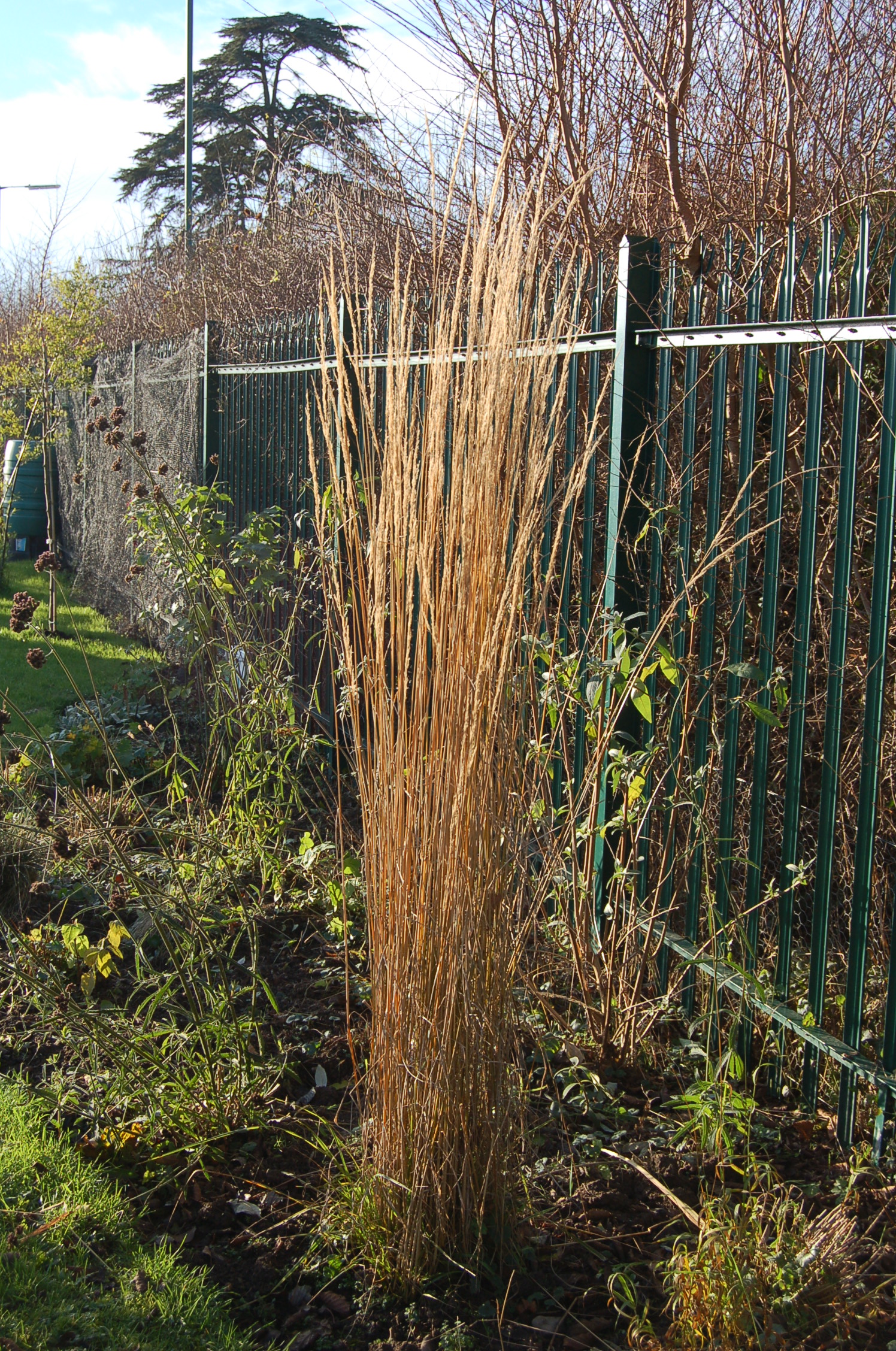
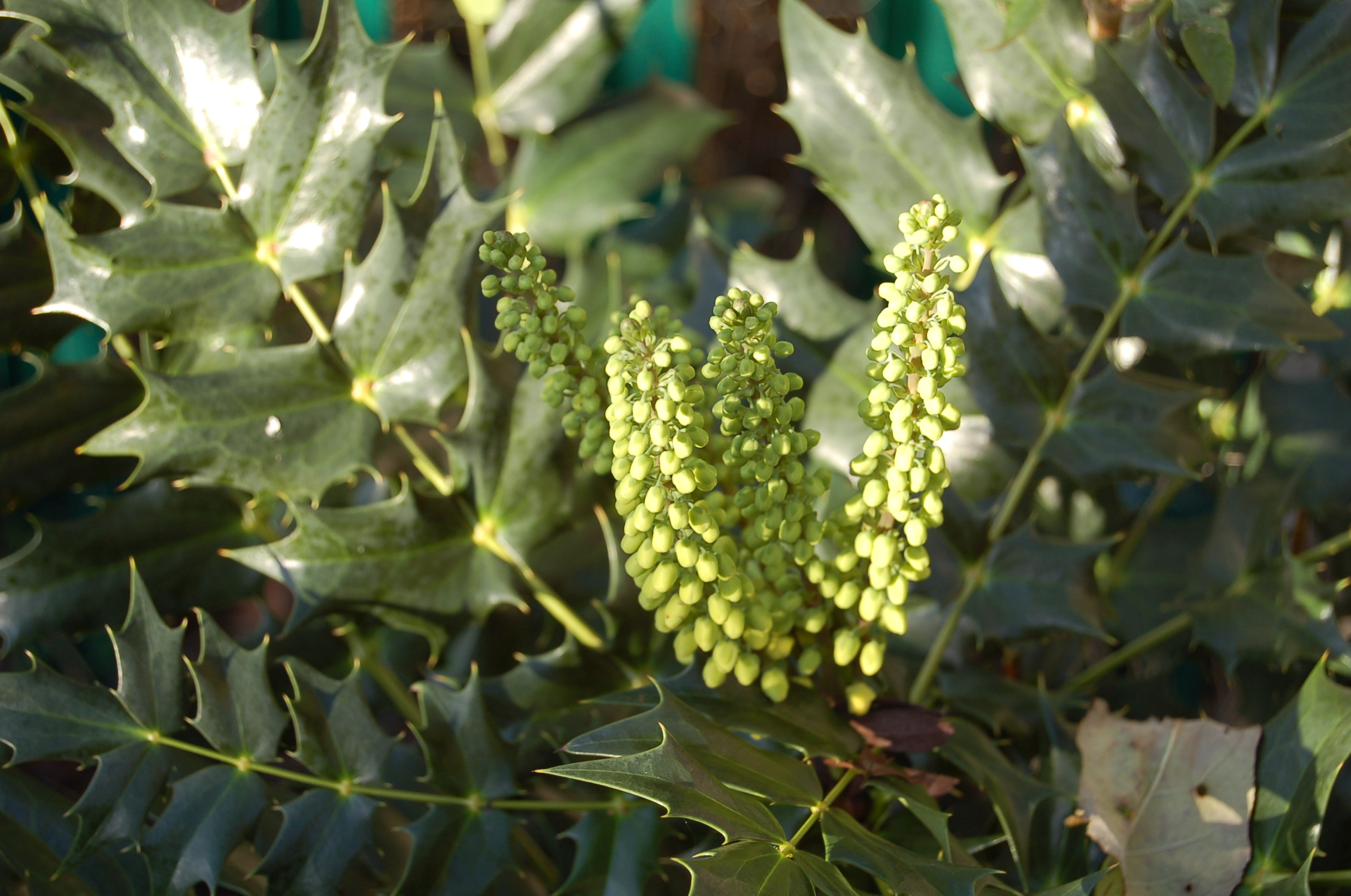
In the final section of the Autumn Garden the grass Calamagrostis acutifolia “Overdam” stand tall and to attention and gentle honey scents flow from the lemon flowered Mahonia.

2013 12 17_5490 2013 12 17_5491 2013 12 17_5492

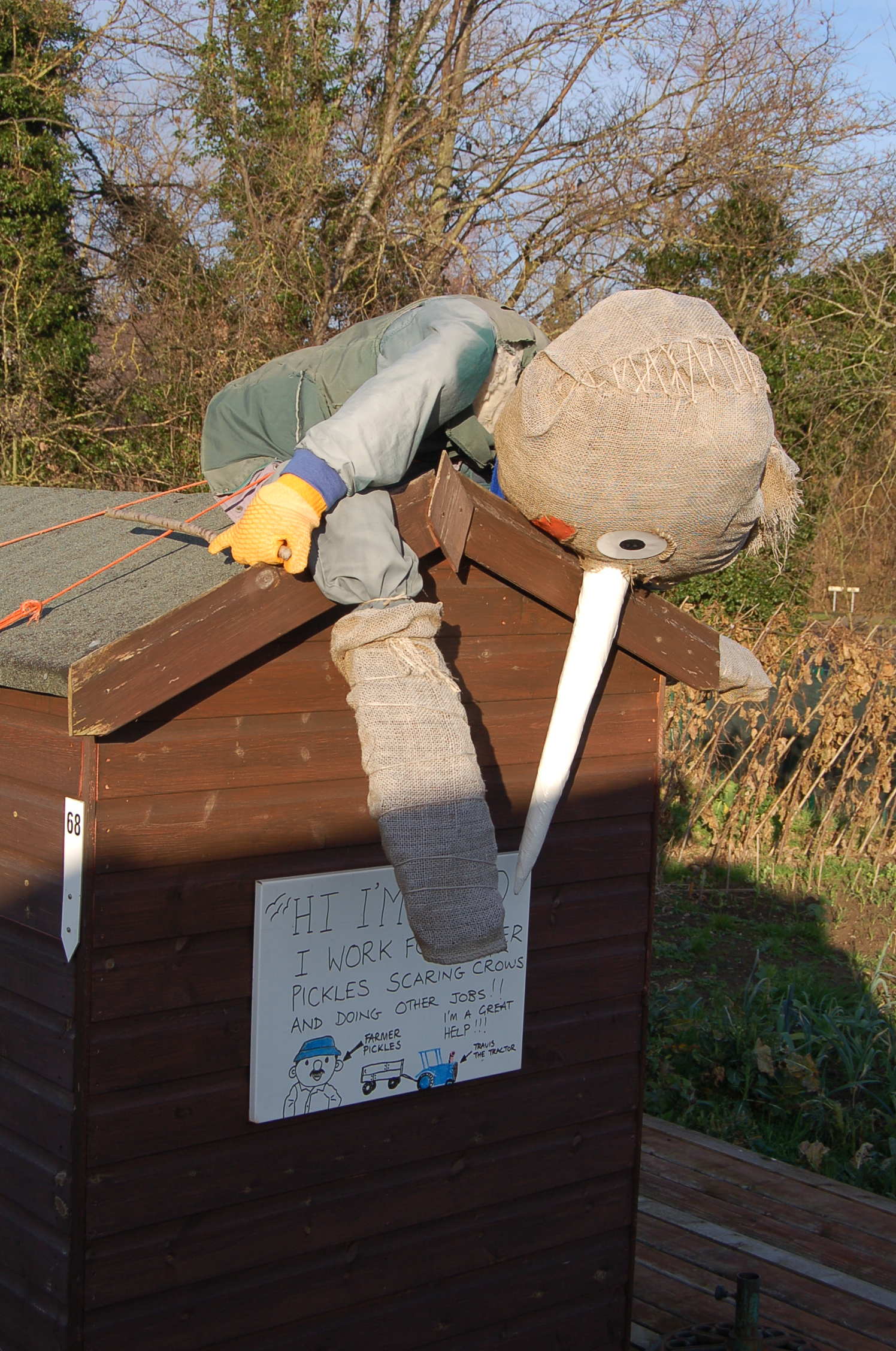
On the shed roof of Plot 68 the massive scarecrow is looking worse for wear after our recent weather featuring heavy rains and strong winds. In the summer he won our annual scarecrow competition. It is hard to believe how he wowed our visitors on our Open Day.

2013 12 17_5493

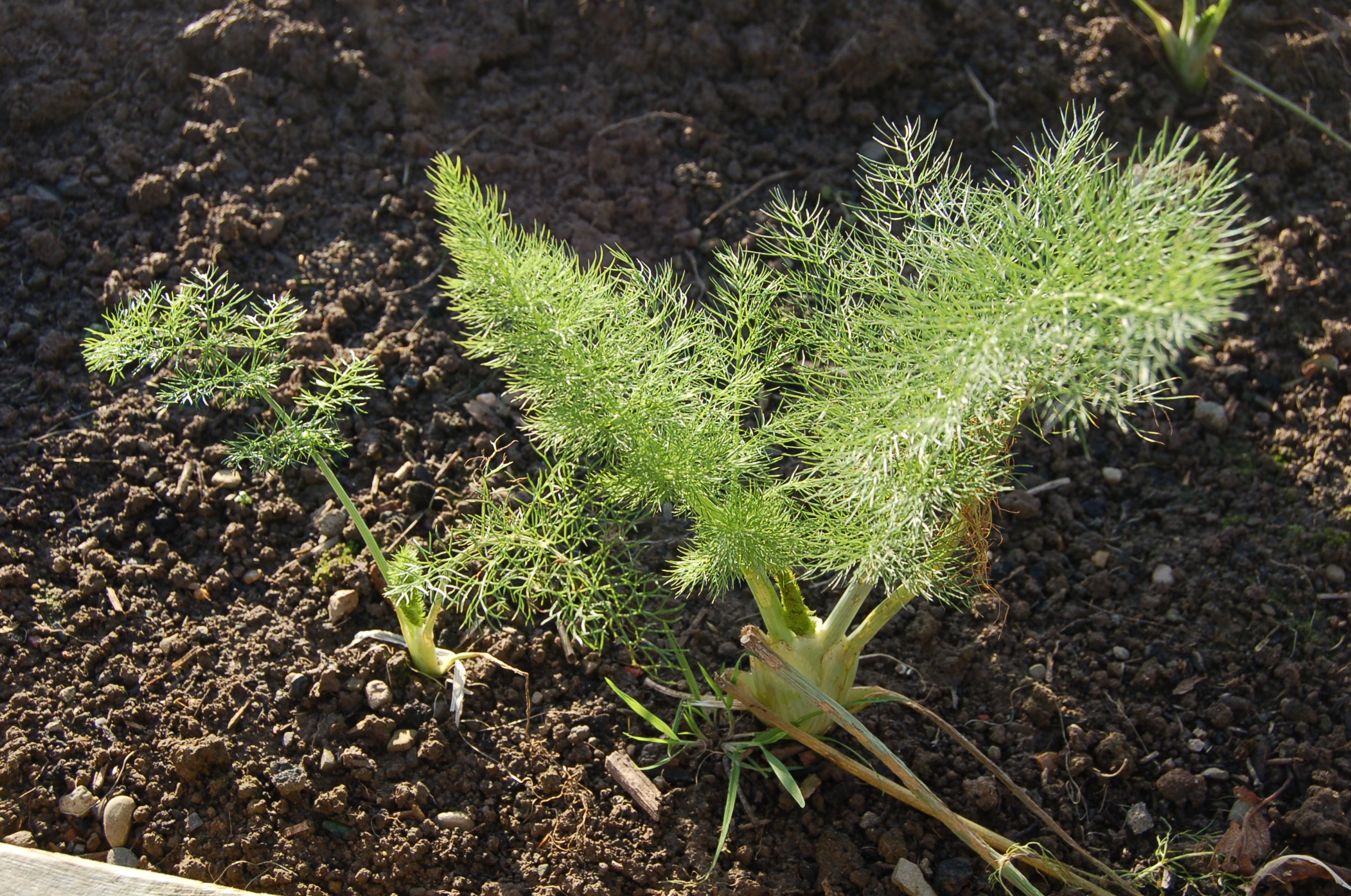
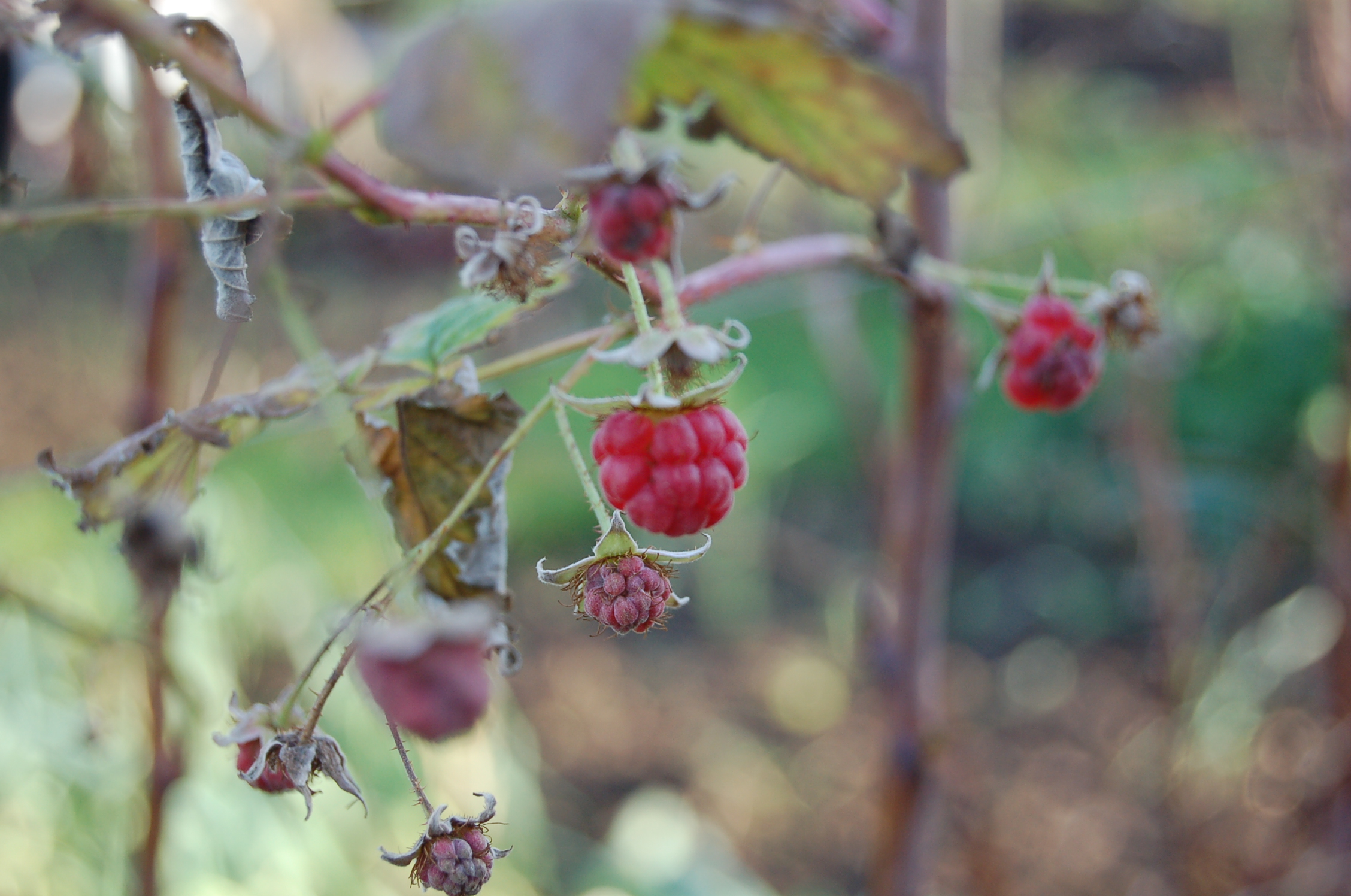
In the first orchard the last fruit hangs on, a golden crab apple. Fennel is already sporting new foliage on Alan’s plot and the last of the Raspberry fruits sit awaiting a hungry Blackbird. Close by in the first Buddleja Border a Shistsotylus bravely blooms on with an early Primula.

2013 12 17_5494  2013 12 17_5497

2013 12 17_5501

2013 12 17_5498 2013 12 17_5499

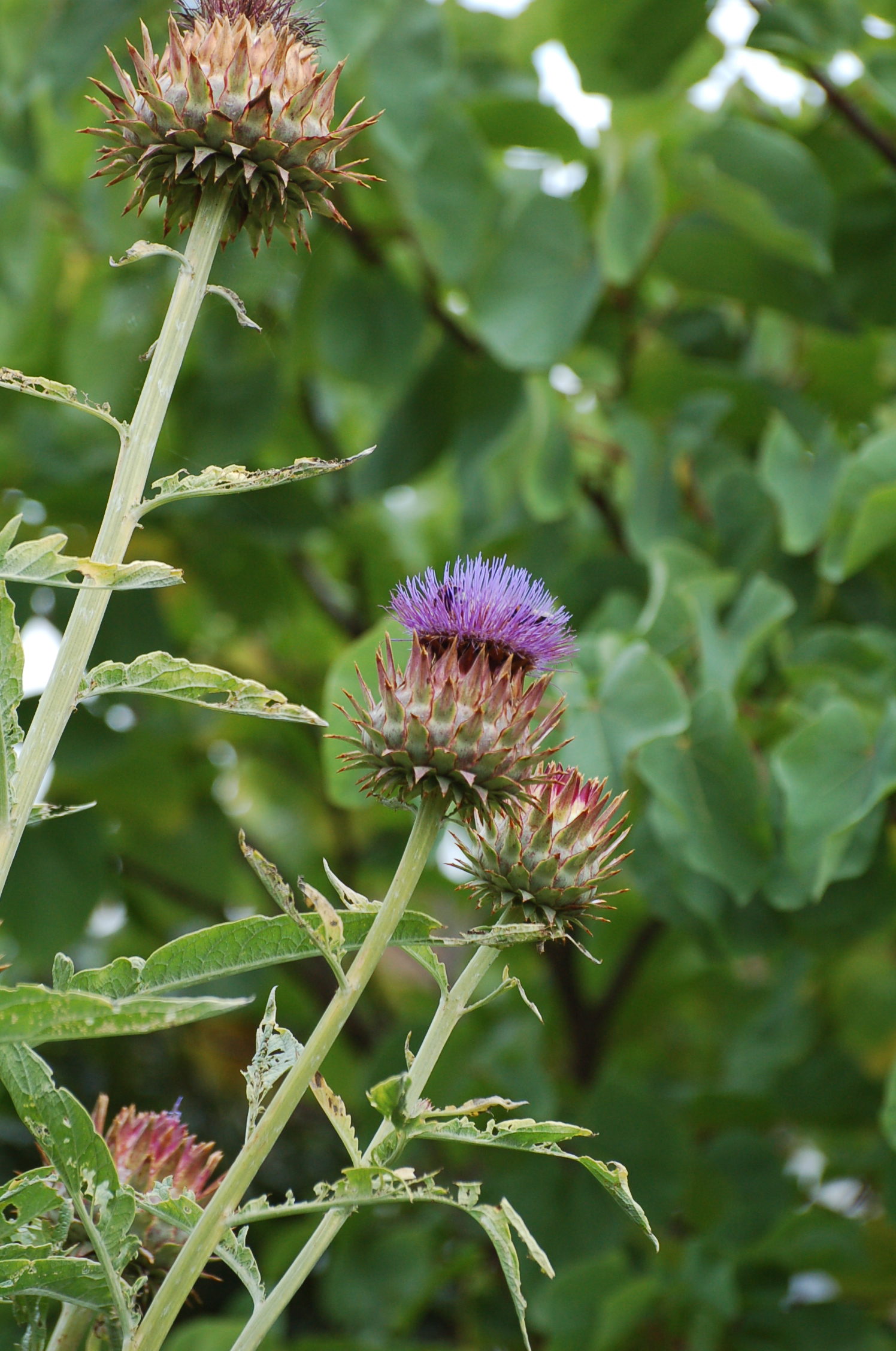
The Globe Artichoke in the second Buddleja Border will soon burst and finches will flock in to feed off them, especially Goldfinches and Linnets.

2013 12 17_5500

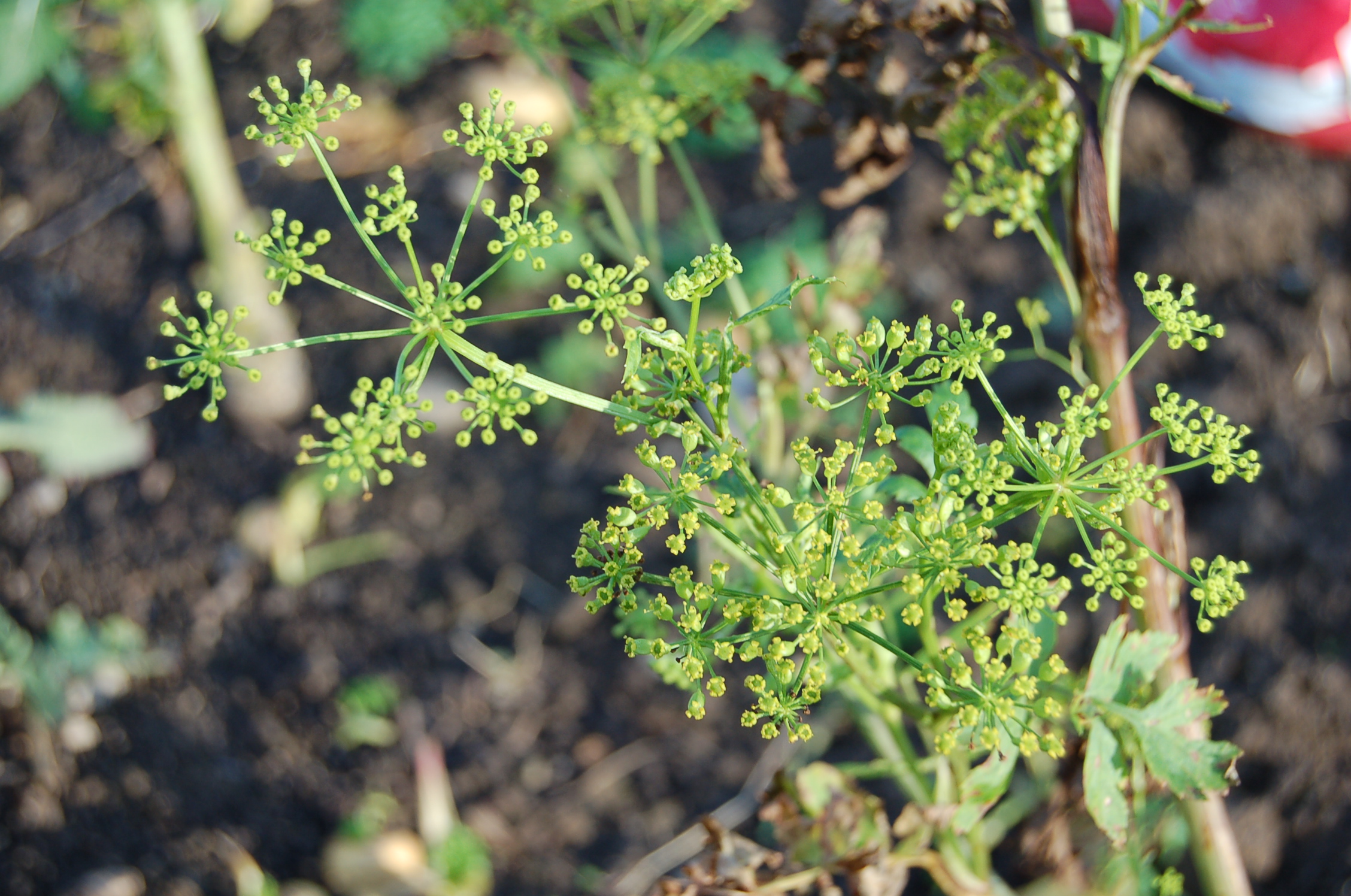
We then took a detour to see what is happening on our own plot, Number 37. The last of the flowers in our wildflower mini-meadow are bravely hanging on and a few of our parsnips have gone to flower producing chartreuse umbrella heads. A few autumn raspberries provide welcome food for Blackbirds.

2013 12 17_5503 2013 12 17_5504 2013 12 17_5505 2013 12 17_5506 2013 12 17_5507 2013 12 17_5508

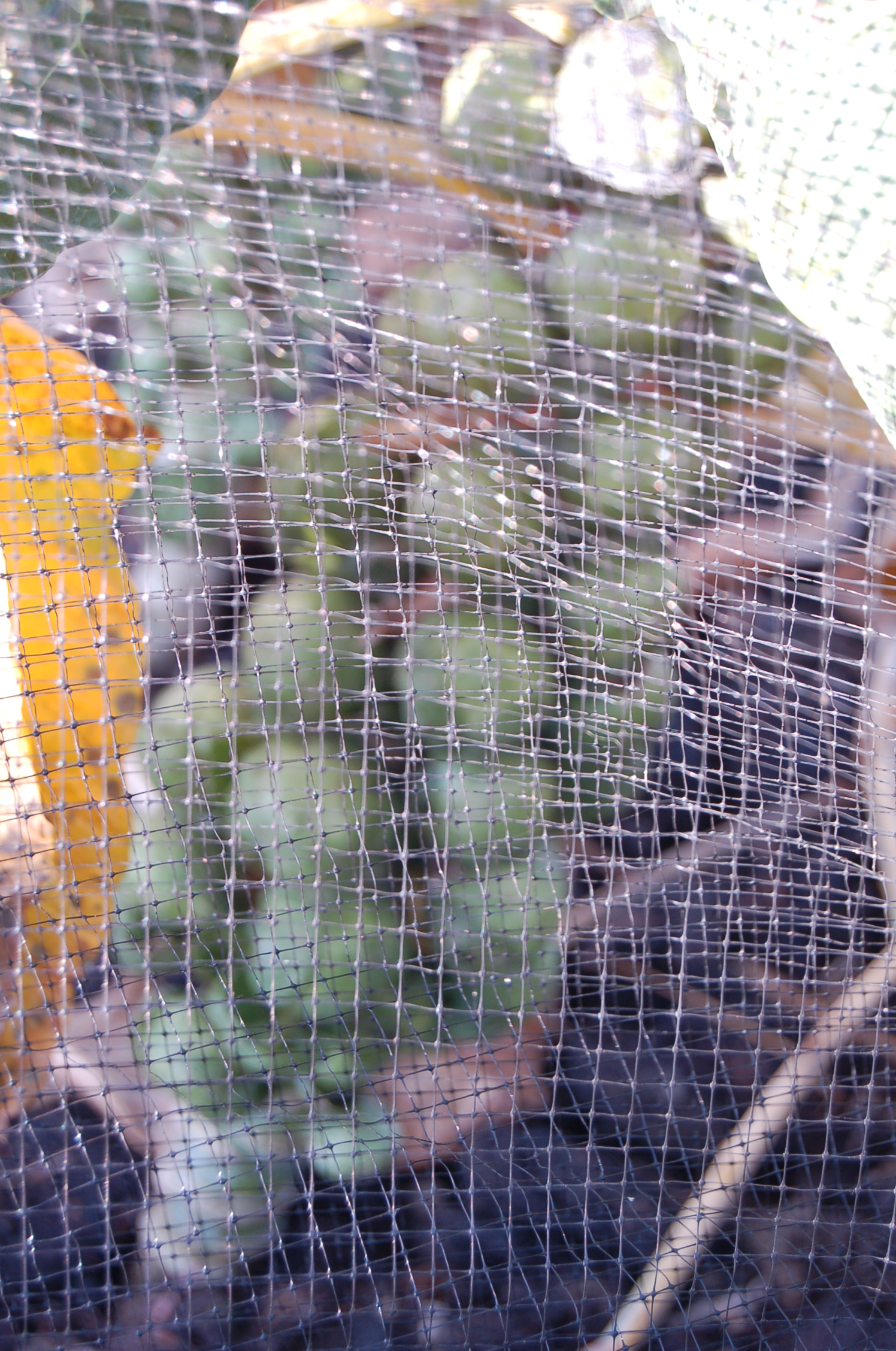
We moved on towards our old oak tree past plots where winter grown crops await Christmas dinners in members homes, leeks with their glaucous strappy leaves and sprouts behind netting protected against marauding Wood Pigeons.

2013 12 17_5509  2013 12 17_5552

2013 12 17_5511

2013 12 17_5510  2013 12 17_5512

This little scarecrow bravely guards overwintering alliums.

2013 12 17_5513

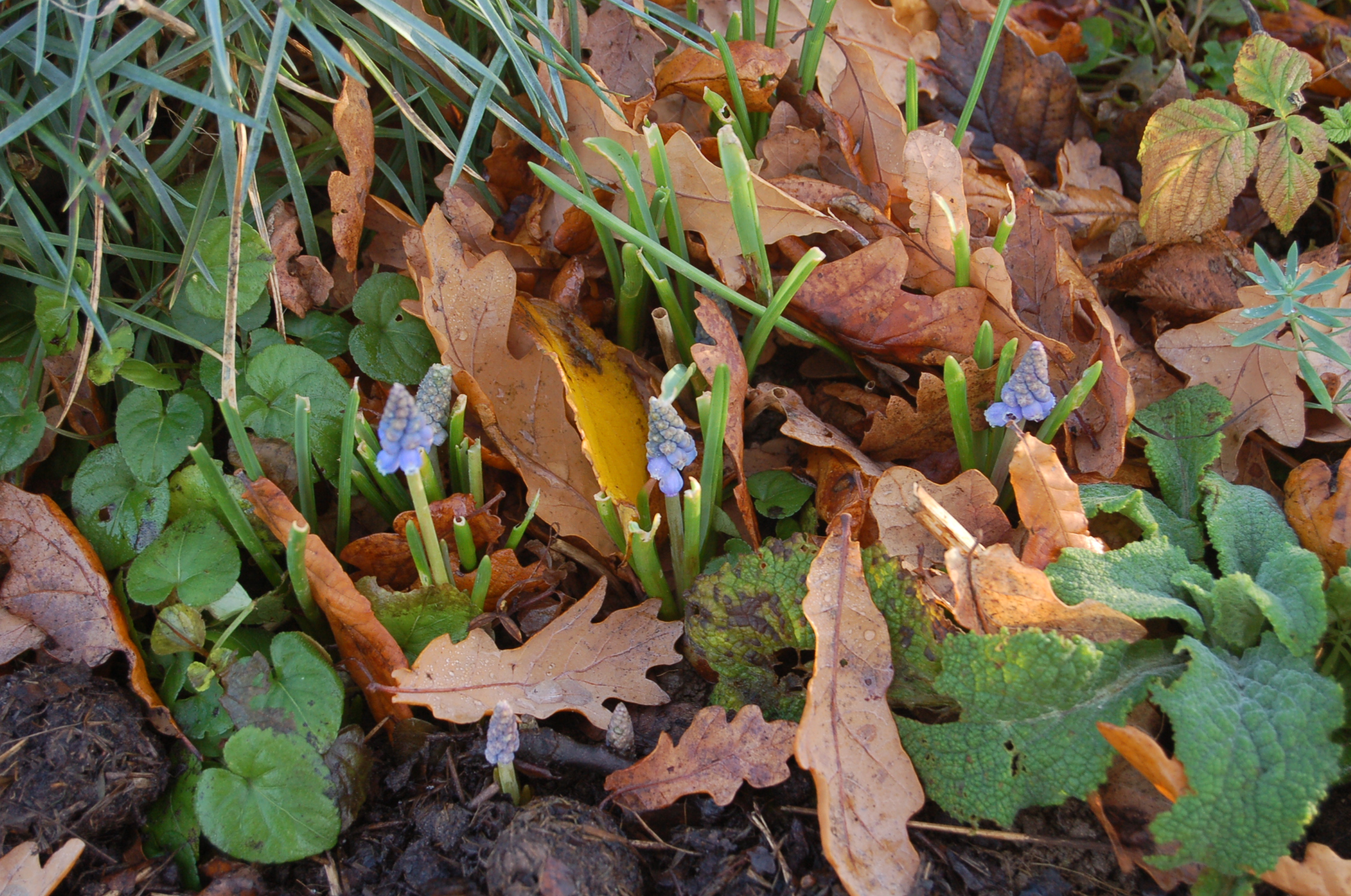
The Oak invariably looks wonderfully majestic but on a winter’s afternoon it excels with its long sharp shadows and silhouette of bare branches. In the spring Garden nearby the first bulbs are coming into flower, a pale Muscari, pushing their way through fallen oak leaves.

2013 12 17_5514 2013 12 17_5515 2013 12 17_5516 2013 12 17_5517 2013 12 17_5518

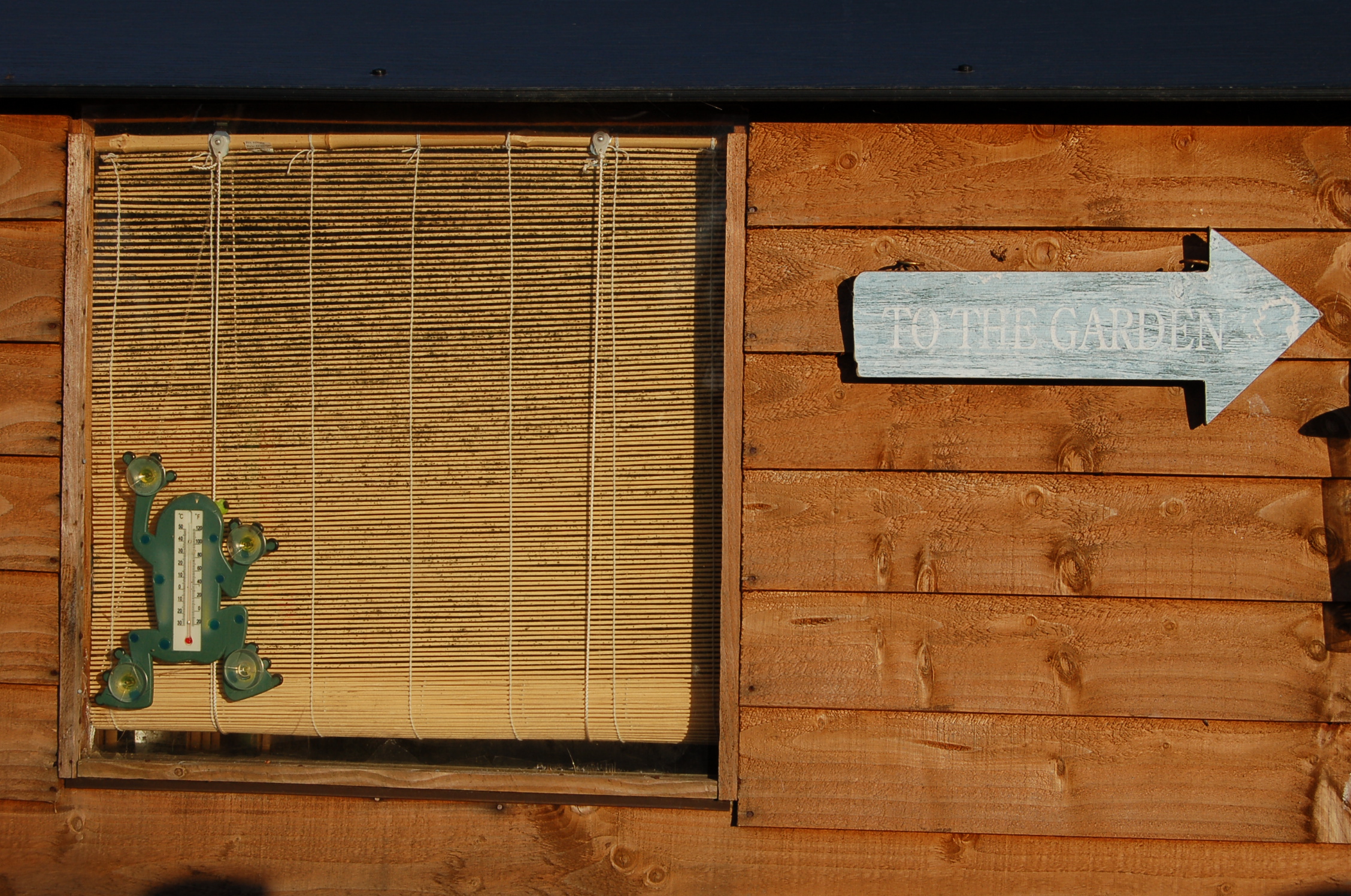
On Sharon’s plot her frog thermometer shows it is mild for December and near by a lone apple hangs waiting to give sustenance to the Blackbirds.

2013 12 17_5519 2013 12 17_5520

Glyn’s plot is well covered in a mat of green manures, so no heavy rain is going to leach away the goodness from the soil. Now that is good gardening!

2013 12 17_5521

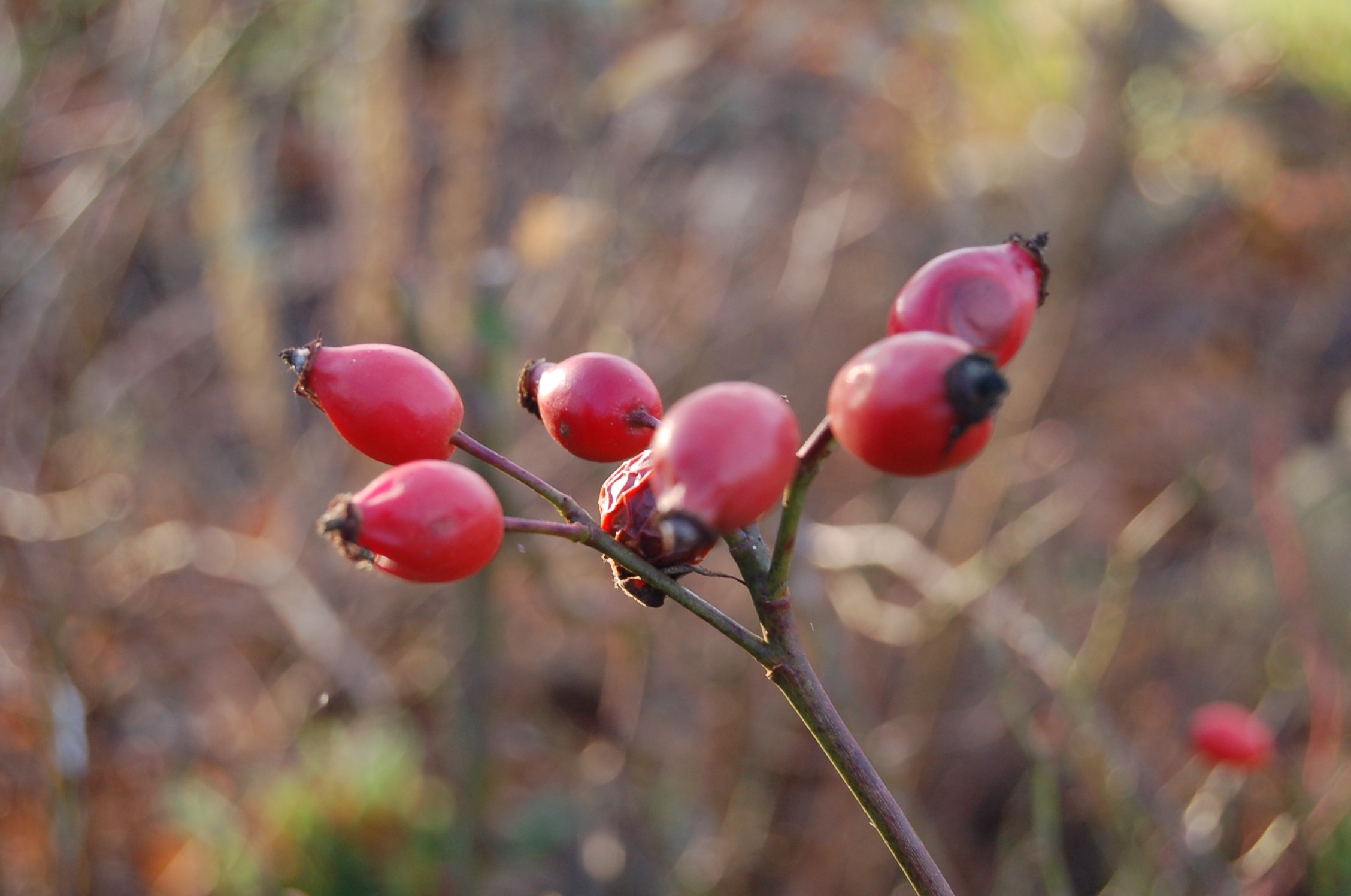
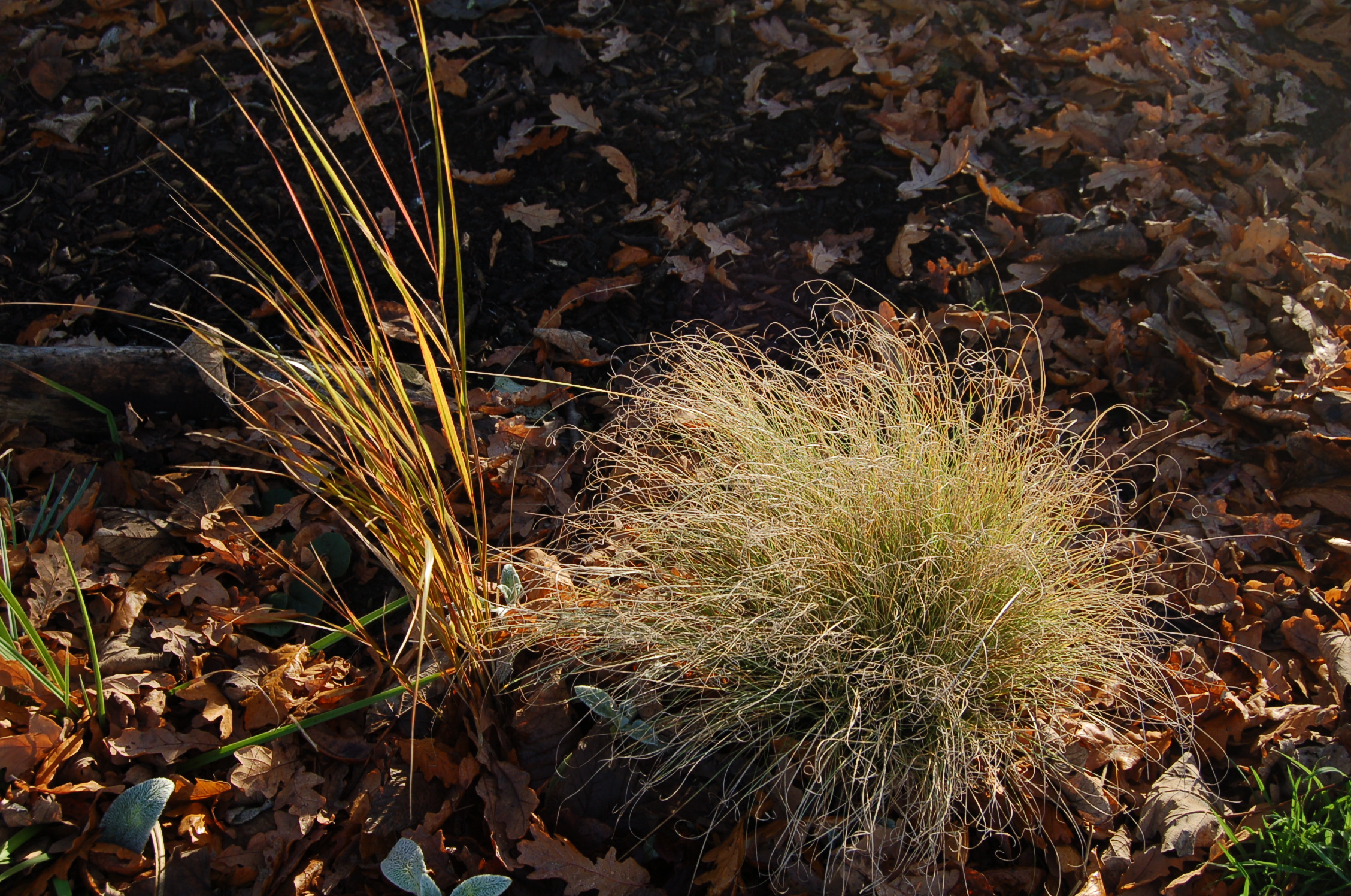
In the Sensory Garden the rose hips sparkle away in the winter sun which glows through the last of the rose bush’s foliage. Grasses here always look good but add extra movement in the gentlest of breezes.

2013 12 17_5522 2013 12 17_5523 2013 12 17_5524

In the big meadow the last of the Red Campion and the Honesty are gamely flowering still. A lone bloom of Rosa Shropshire Lad casts a beautiful fruity scent across the picnic area.

2013 12 17_5526 2013 12 17_5527 2013 12 17_5528

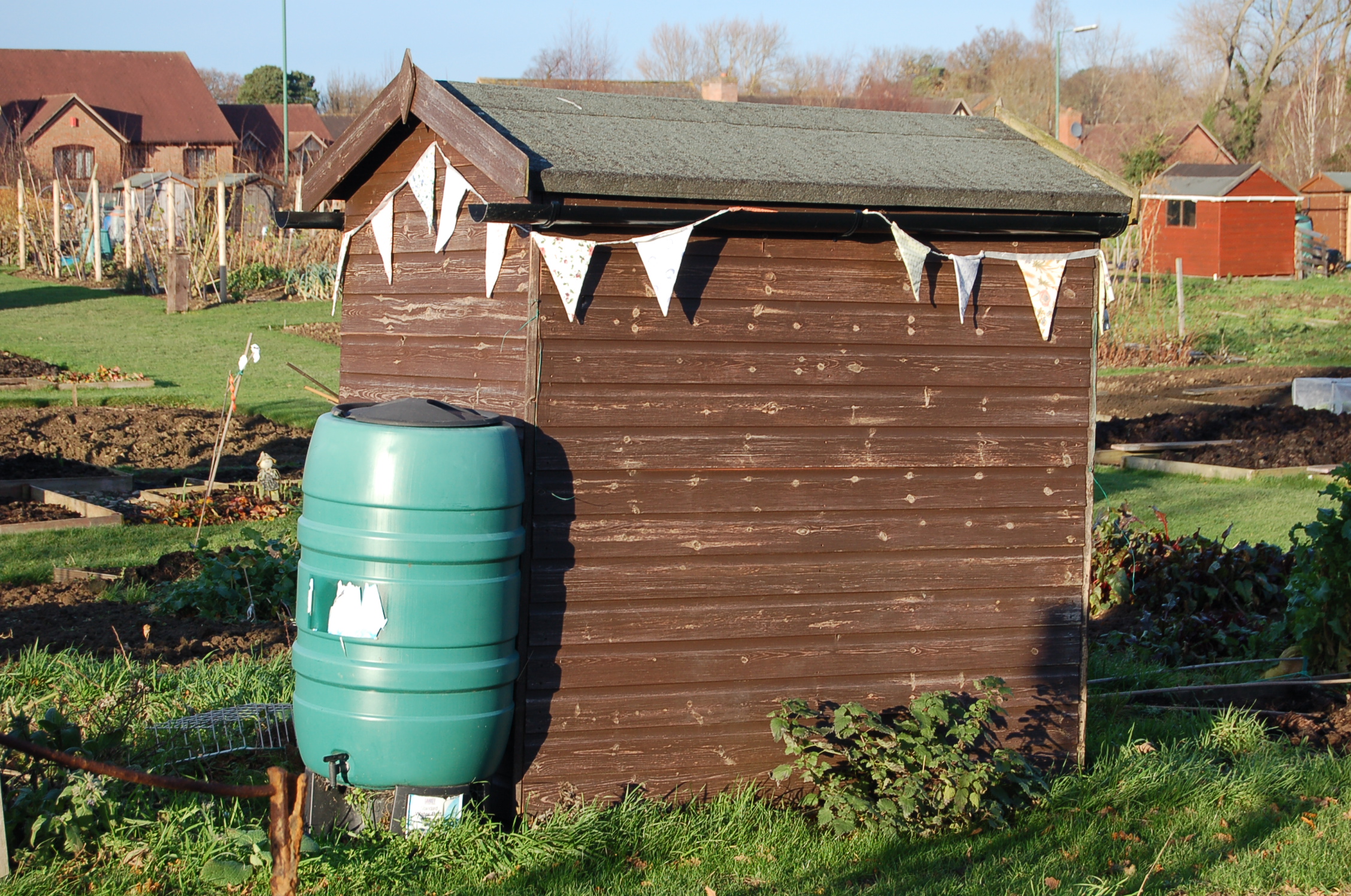
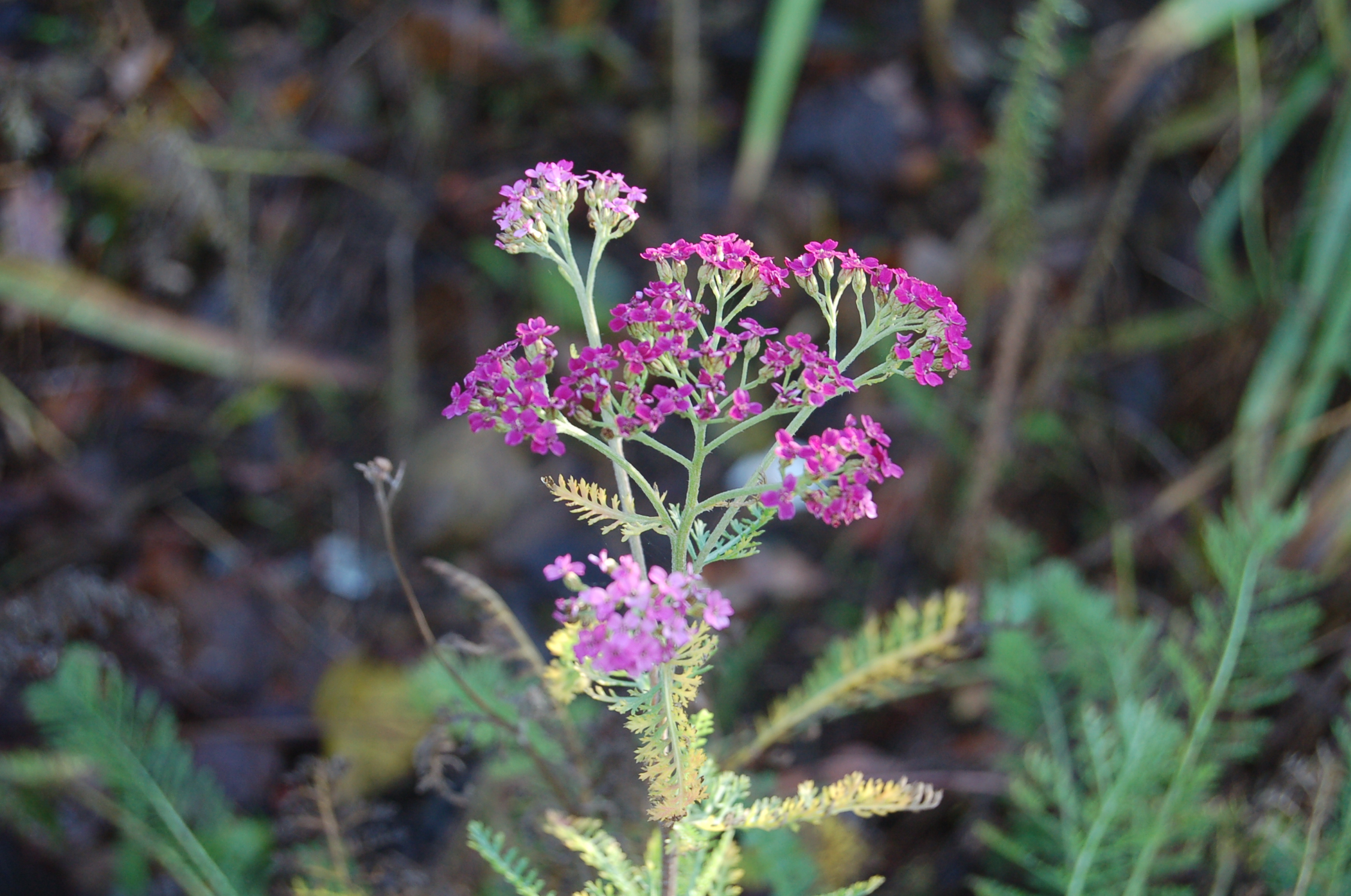
The bunting on Brian’s shed looks faded now but still adds cheer. The sunlight beams through the Dedge and intensifies the flat plate flower heads of the late Achillea.

2013 12 17_5529 2013 12 17_5530 2013 12 17_5531

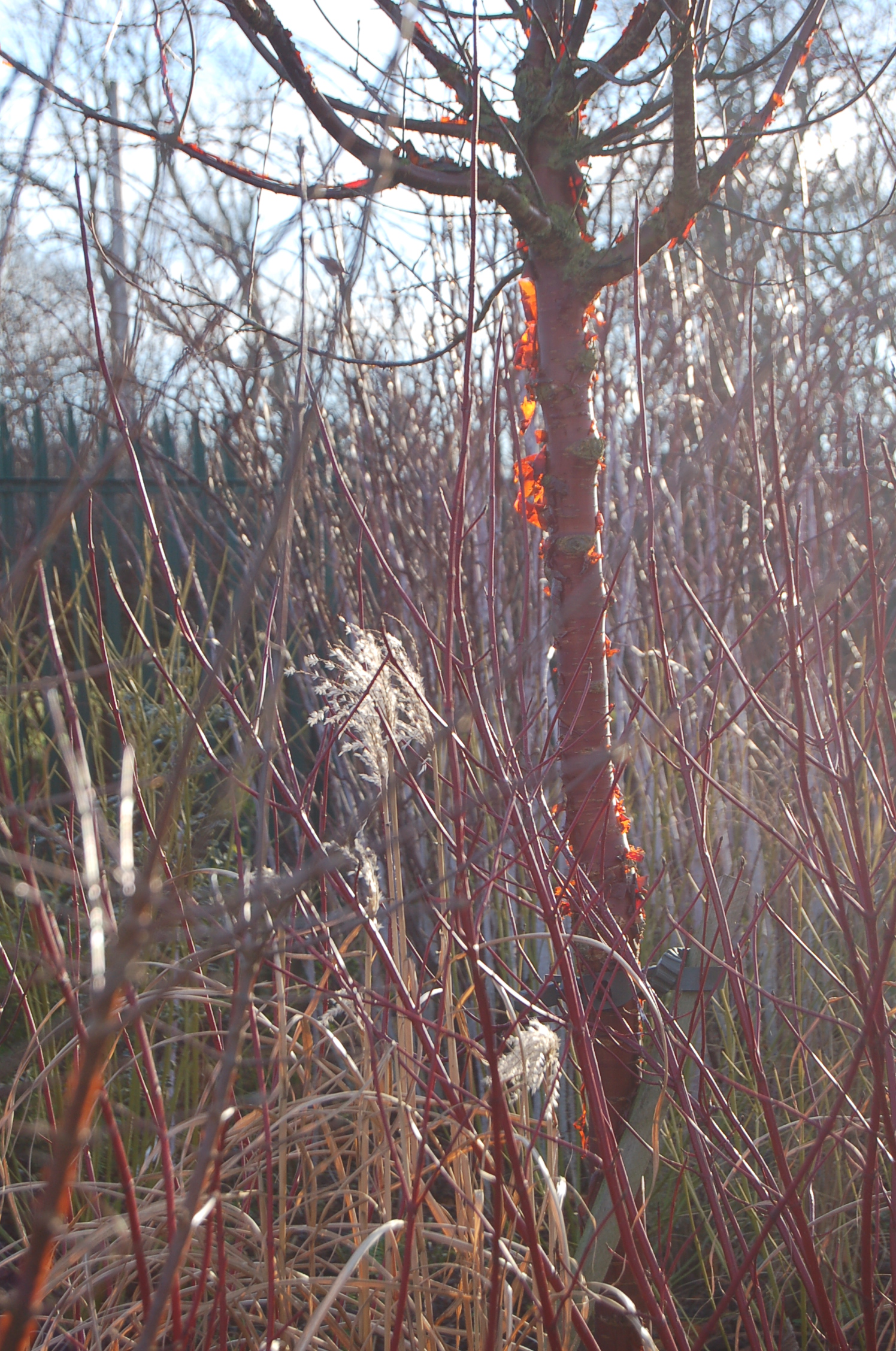
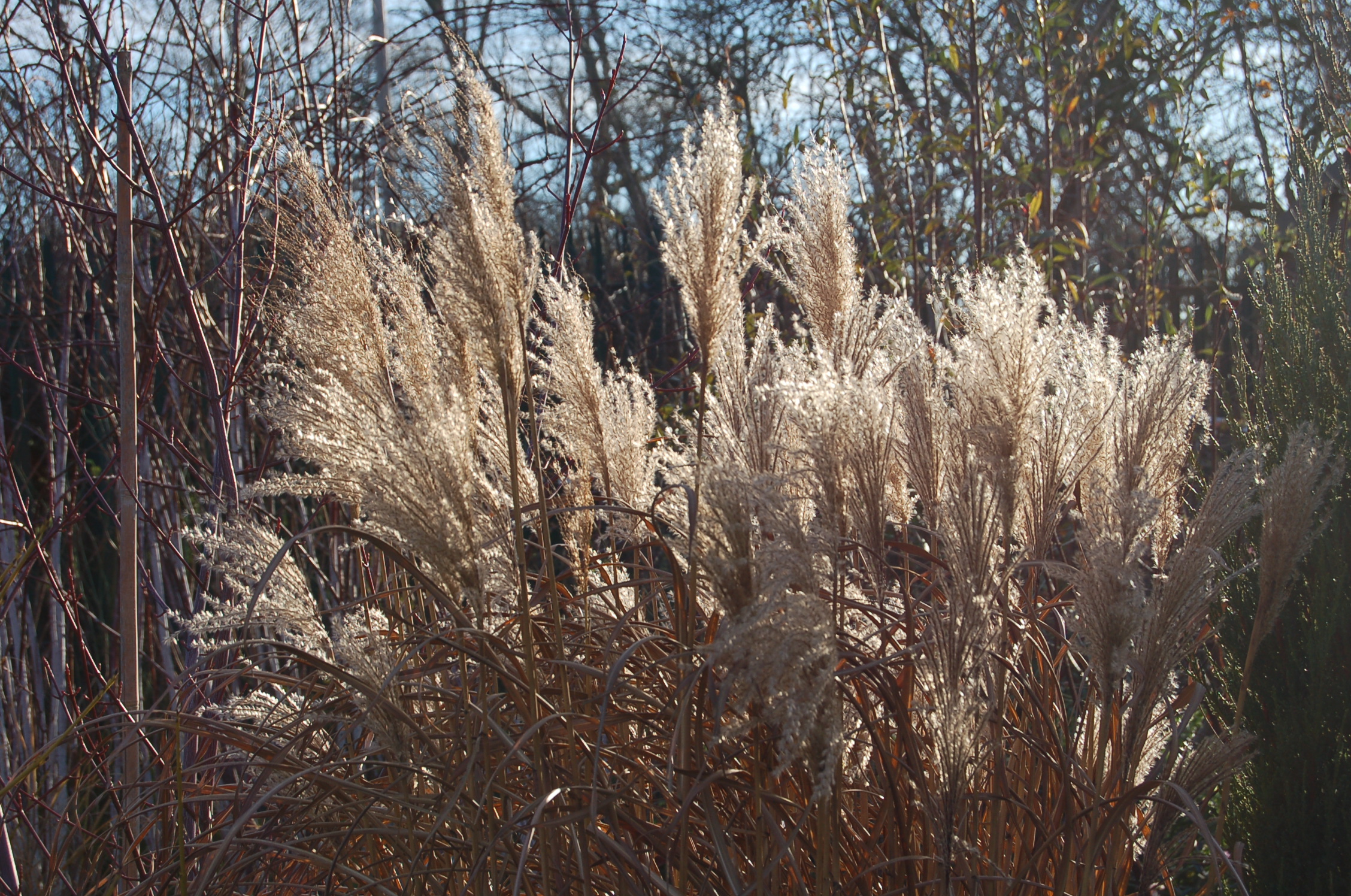
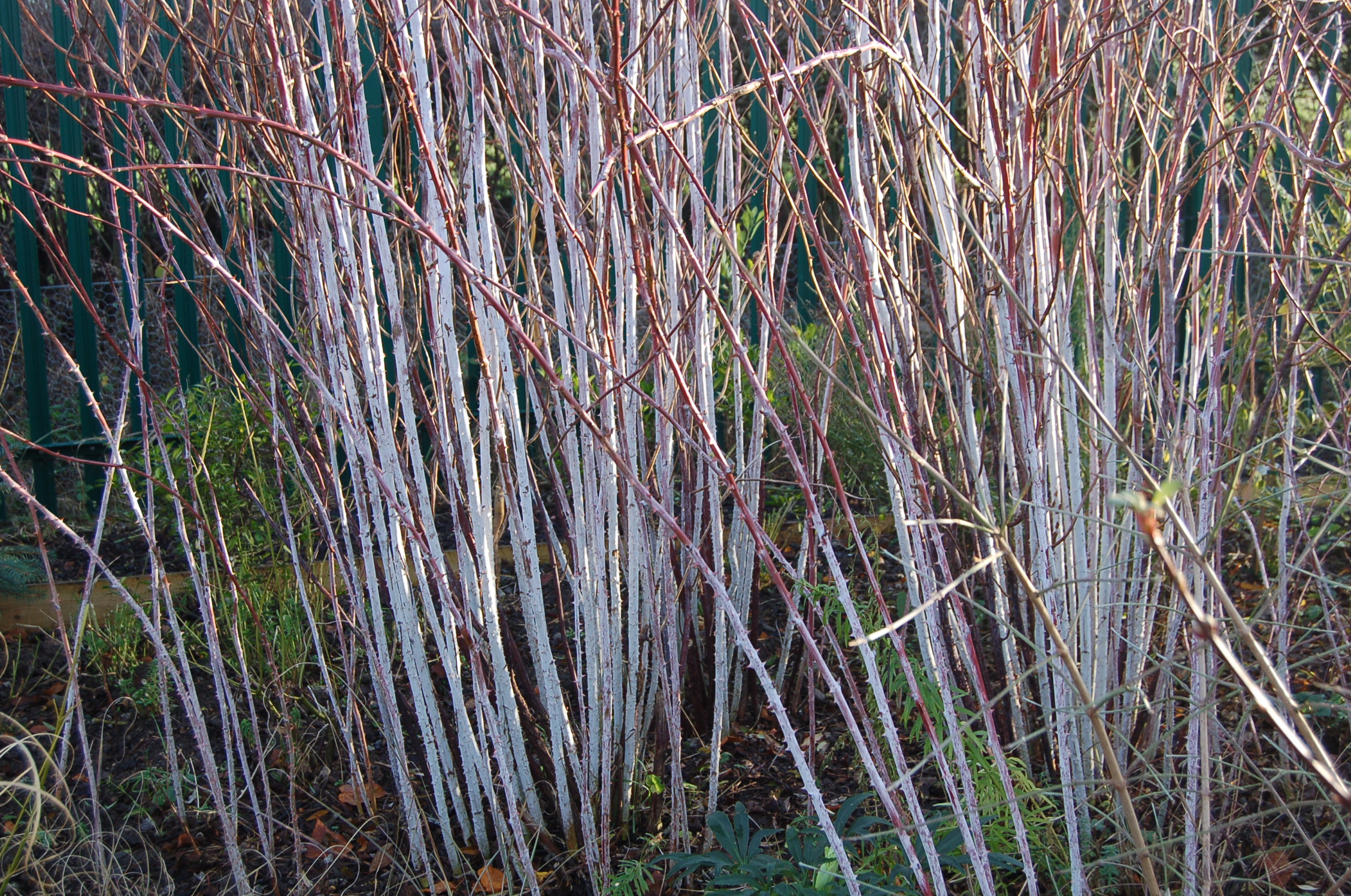
The Winter Garden is beginning to come into its own with peeling bark, powdery white stems and fluffy grass seed heads.

2013 12 17_5532 2013 12 17_5533 2013 12 17_5534

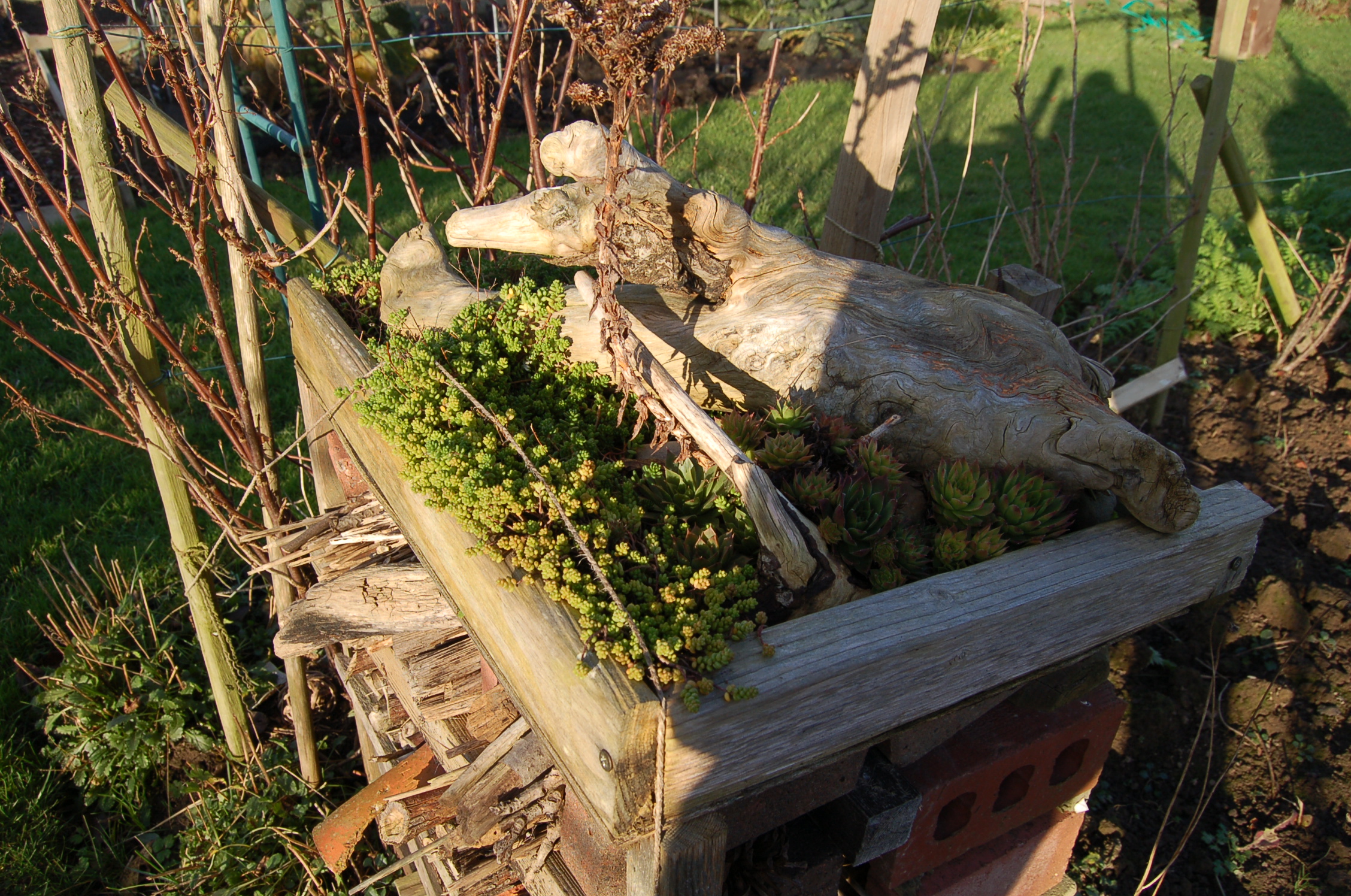
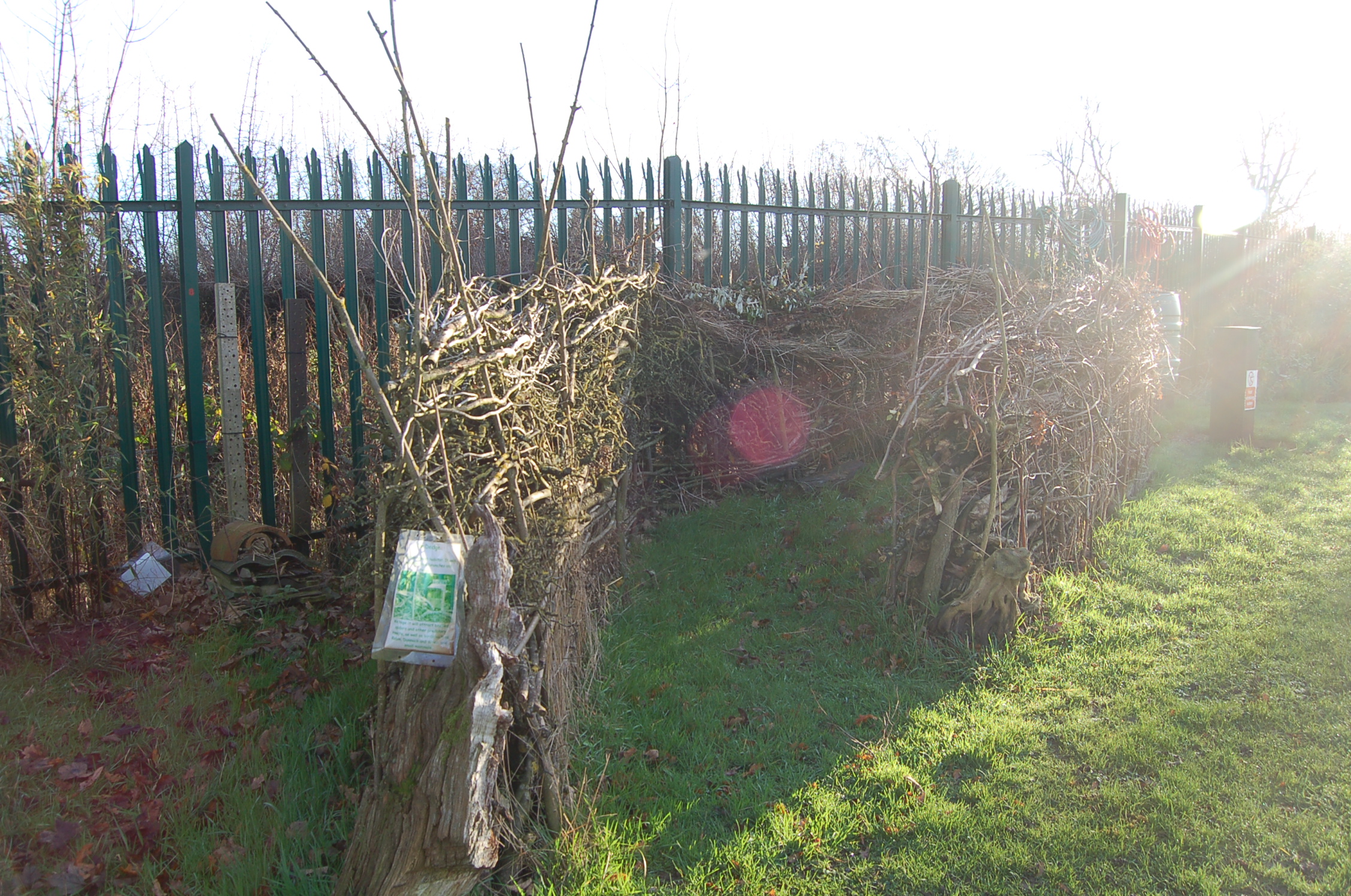
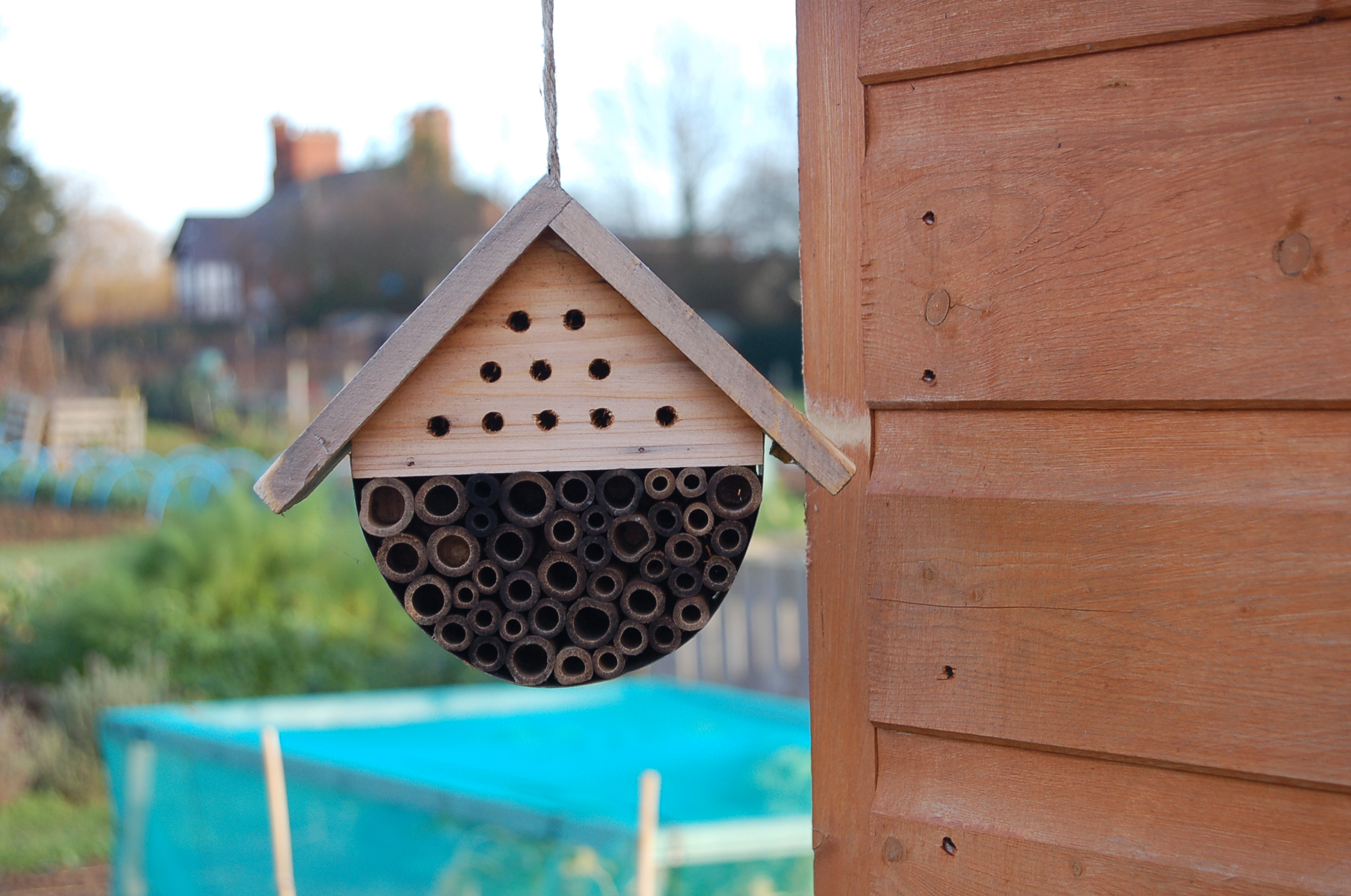
Moving on into the site extension we find our newest insect hotel still standing after recent strong winds. As usual I have string and my Opinel garden knife in my pocket so tie it back to the fence. The bamboo looks settled in its new home at the end of the proposed Garden of Contemplation. From here we can see the mass of “keys” adorning every branch of our ancient Ash tree.

2013 12 17_5536 2013 12 17_5537 2013 12 17_5538

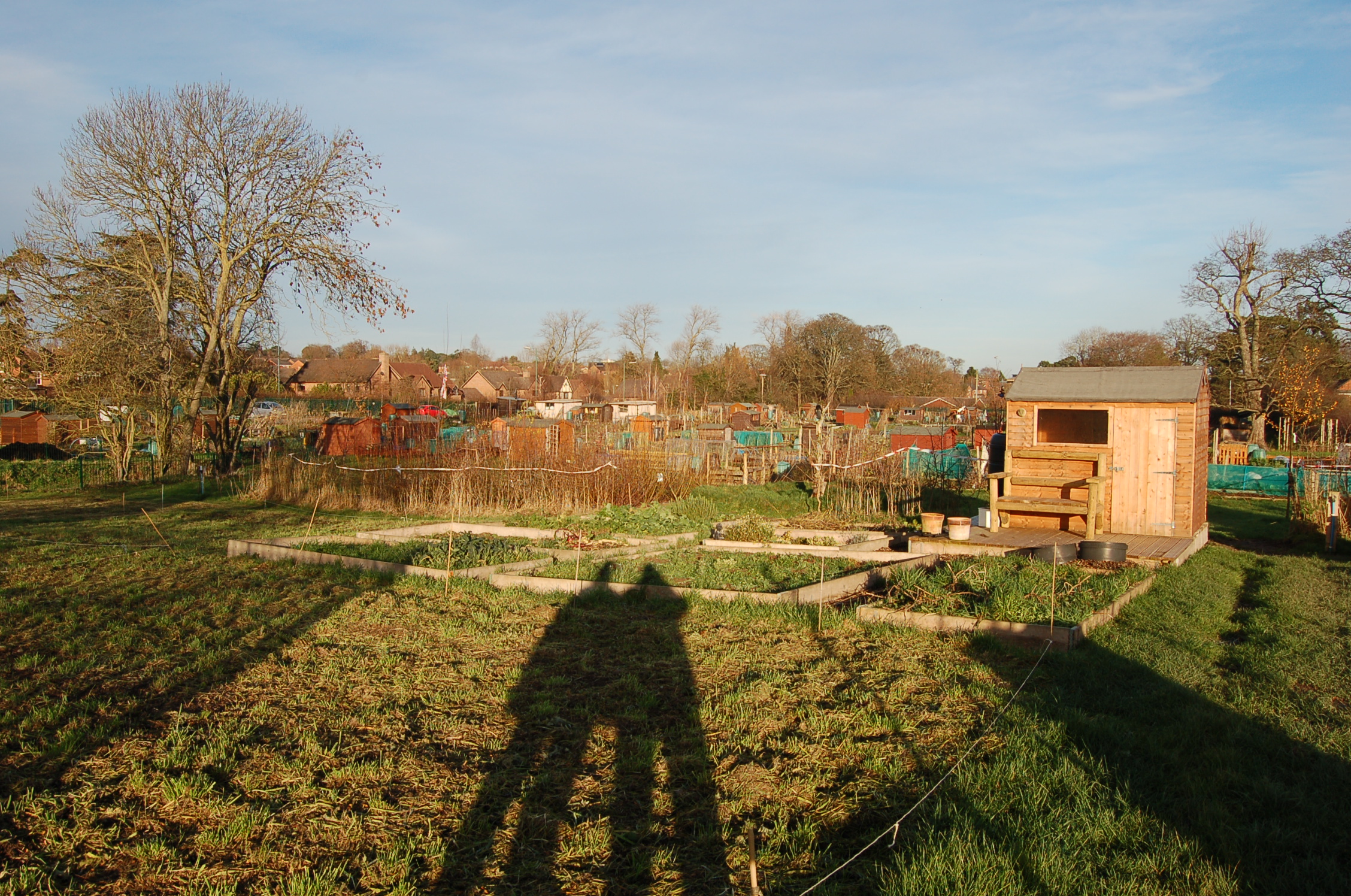
Our long shadows look out across the site.

2013 12 17_5539

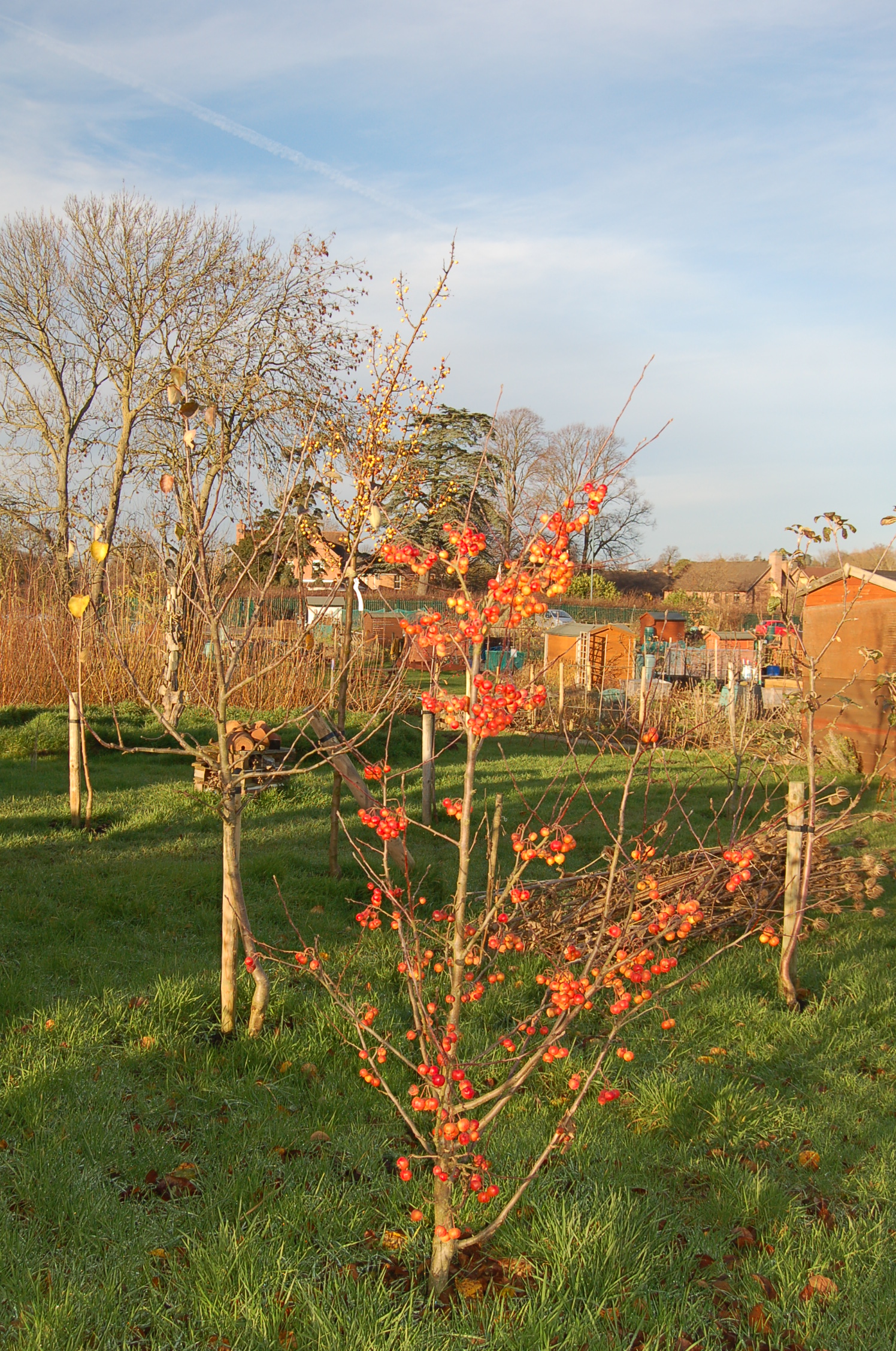
In the second orchard the crab apples still have much fruit left on and these give bright patches of colour visible from all over the site.

2013 12 17_5540 2013 12 17_5541 2013 12 17_5542

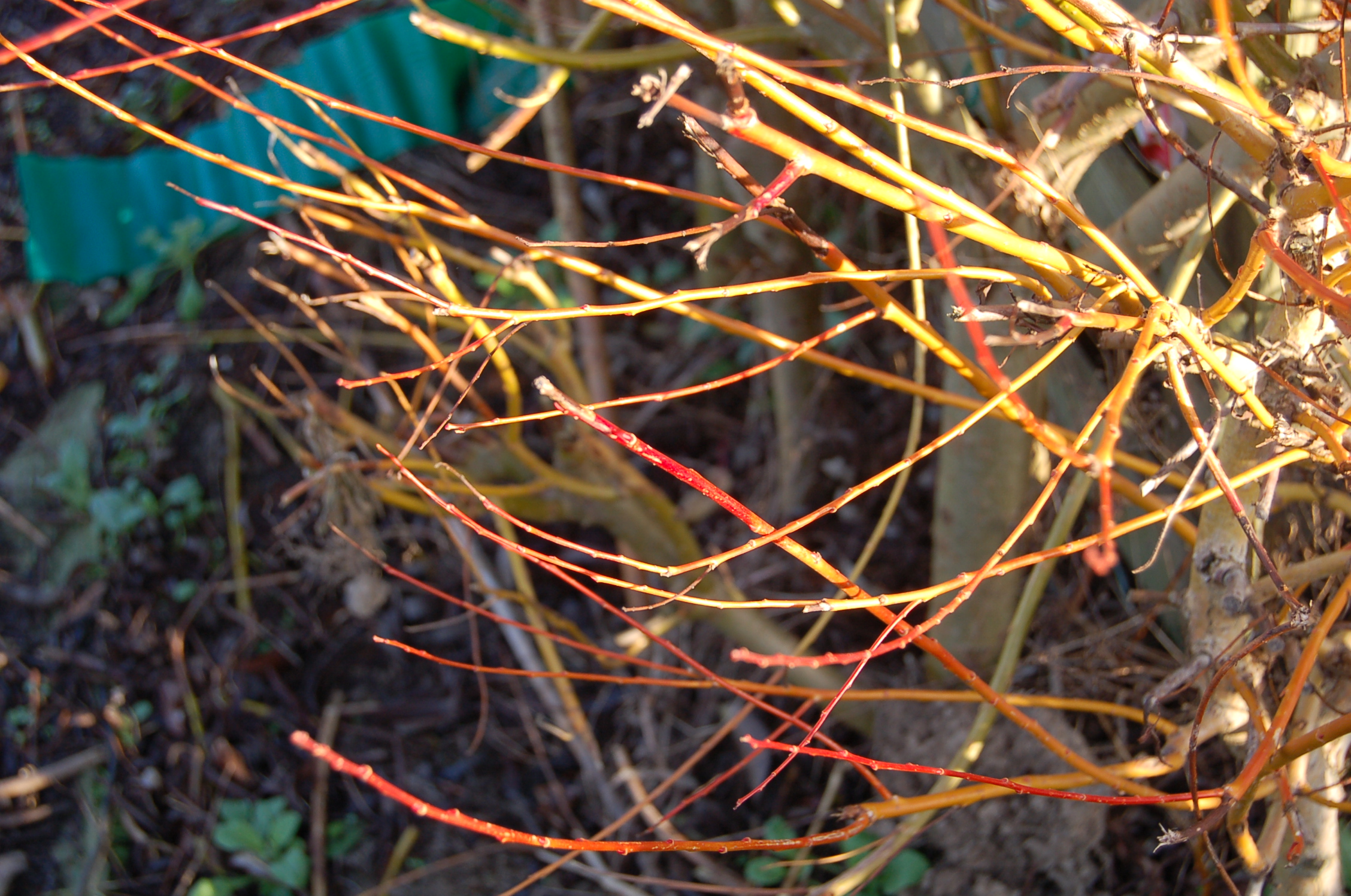
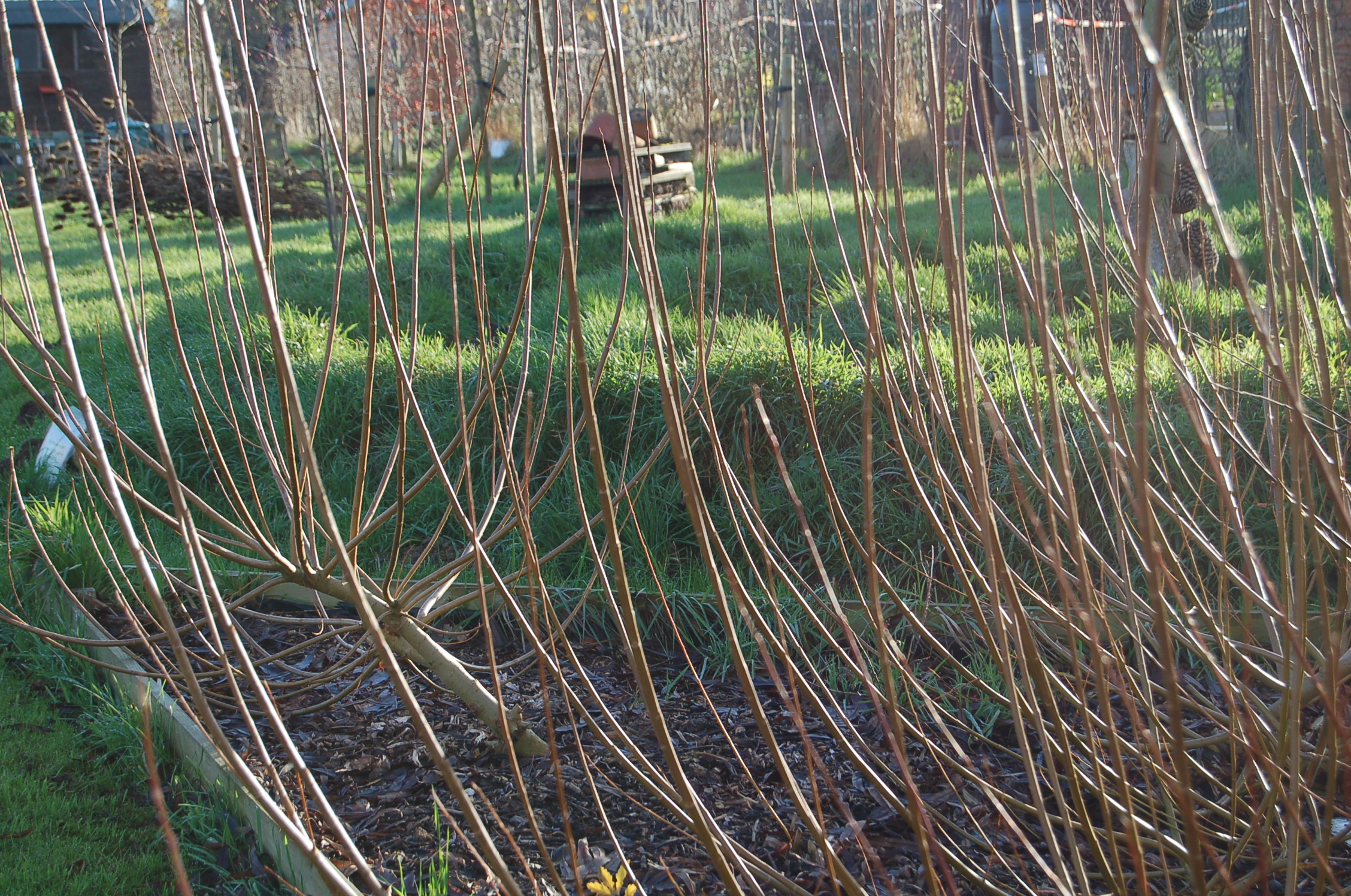
The stems of the coppiced willows in the Withy Bed shine as they start to show their late winter colour. This is something we are looking forward to. We have 17 different willow here in every colour possible.

2013 12 17_5543 2013 12 17_5544

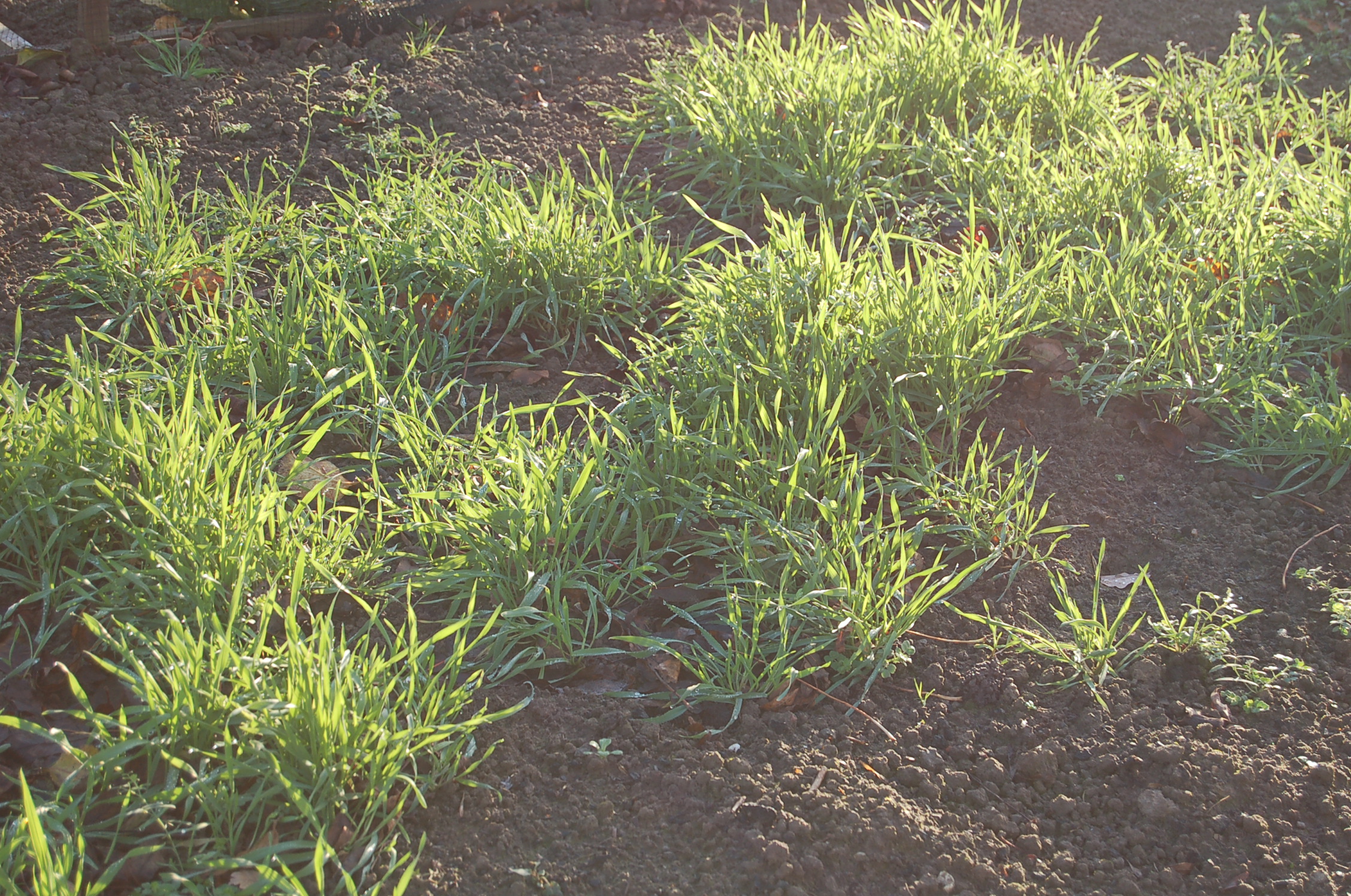
We are just beginning to prepare the ground for our new Prairie Garden which we shall make in the new year. This big patch of bare ground promises to become a riot of year round colour. We can’t wait to get started. On nearby plots we spot a patch of another green manure, Grazing Ryegrass and another lone apple on a tree.

2013 12 17_5545 2013 12 17_5546 2013 12 17_5547

On Ian’s plot a big pile of farmyard manure waits the time when he digs it into the soil to add nutrients, humus and structure. It won’t take him long – he is a strong chap.

2013 12 17_5548

Returning to the communal hut along the wide path we spot this old beer can acting as a cane top rattling away by the old sweetcorn stalks. On Mandy’s plot this little insect home will be looking after hibernating friendly critters who will emerge in the spring to eat pests such as aphids. Dave’s flags hang sadly atop their poles.

2013 12 17_5549 2013 12 17_5550 2013 12 17_5551

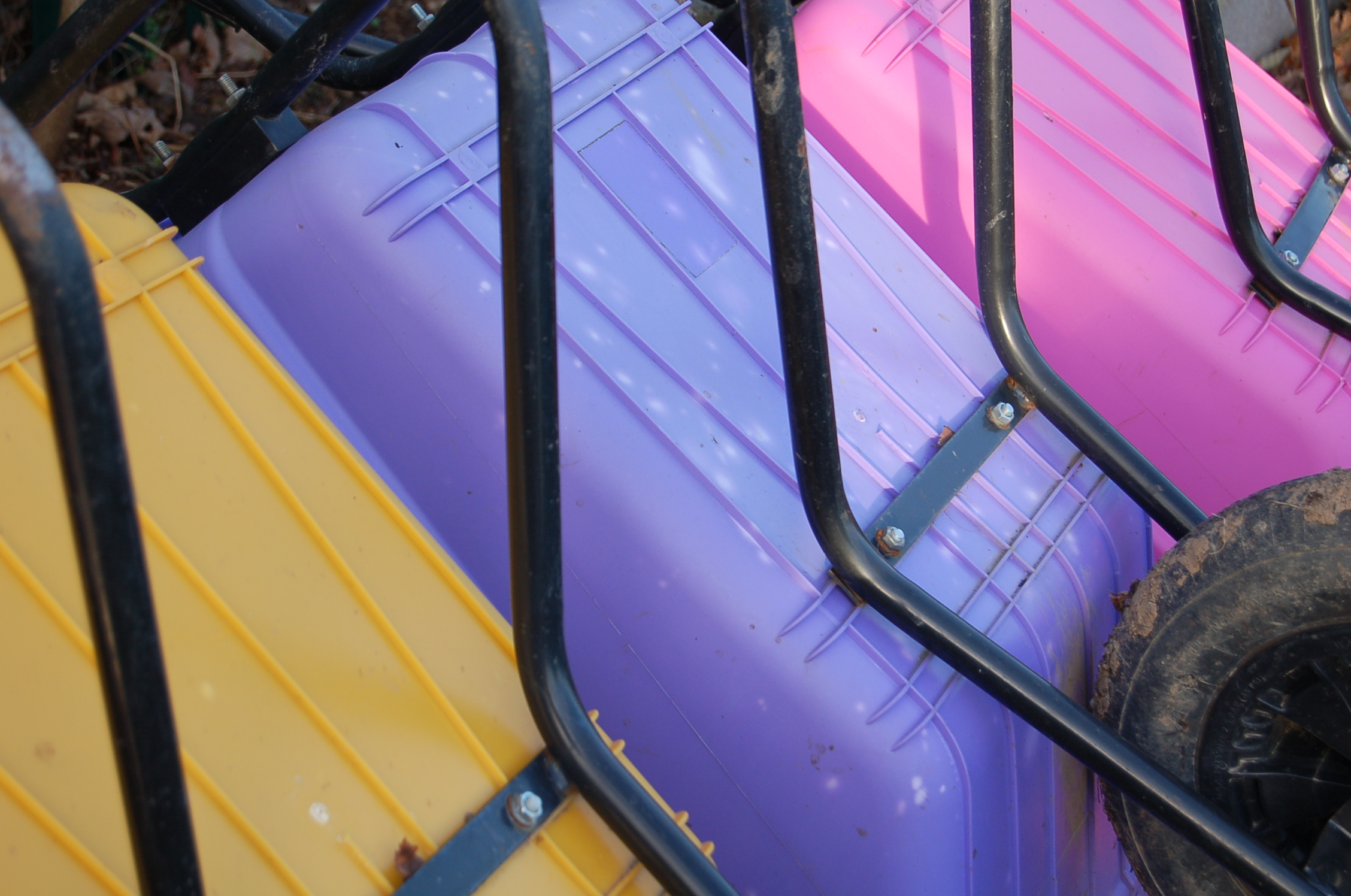
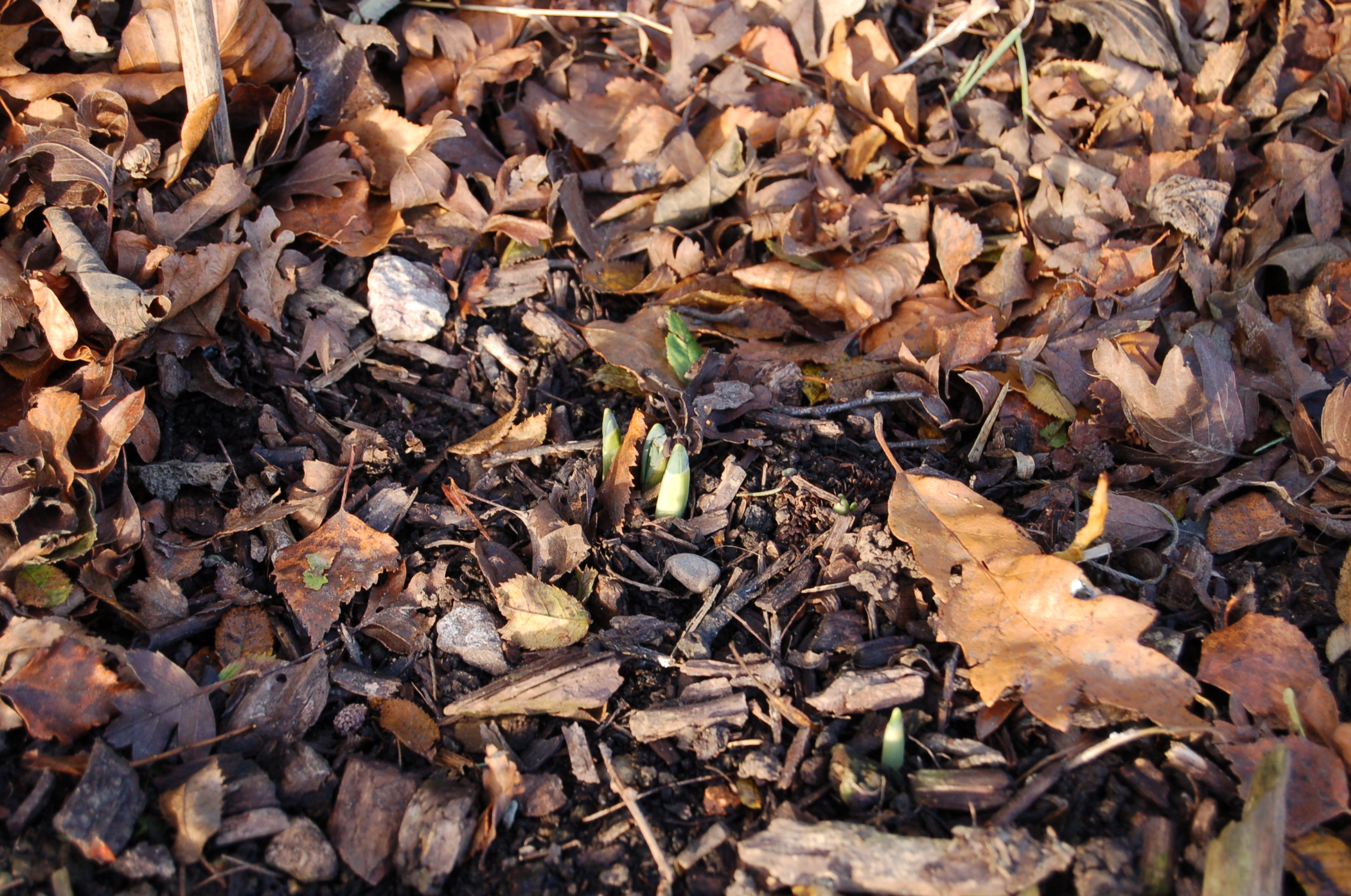
As we returned to the car we noticed the first signs of growth on our spring bulbs. The first leaves of the daffodils have just made their way through the bark mulch. A promise of golden flowers to come. Our wheelbarrows give a big splash of colour in low sunlight.

2013 12 17_5554 2013 12 17_5553

2013 12 17_5555

Categories
autumn autumn colours birds climbing plants colours garden photography garden wildlife gardening gardens grasses hardy perennials migration ornamental trees and shrubs poppies roses trees wildlife Winter Gardening

A Garden Bouquet for December

Already we are almost at the end of the year so here is my December bouquet from our garden,the final chapter in 2013.

2013 12 12_5469_edited-1

It is only mid-December and while in the garden we are treated to the beautiful repetitive piping call of a Song Thrush, already making his territorial proclamation. He must have found a mighty fine territory which he is making sure no-one else can take possession of.

The skies seem full of passing flocks of Redwing and their larger noisier cousins the Fieldfare on migration, escaping their cold food-less summer homes in central Europe. Below them exploring the trees and shrubs of our garden mixed foraging flocks of finches seek out the last of the seeds and berries while amongst them groups of Titmice, Great, Blue, Long-tailed and Coal arrive in hurried flight to explore every nook and cranny of dried stems, tree bark and shrub branches for insects especially spiders.

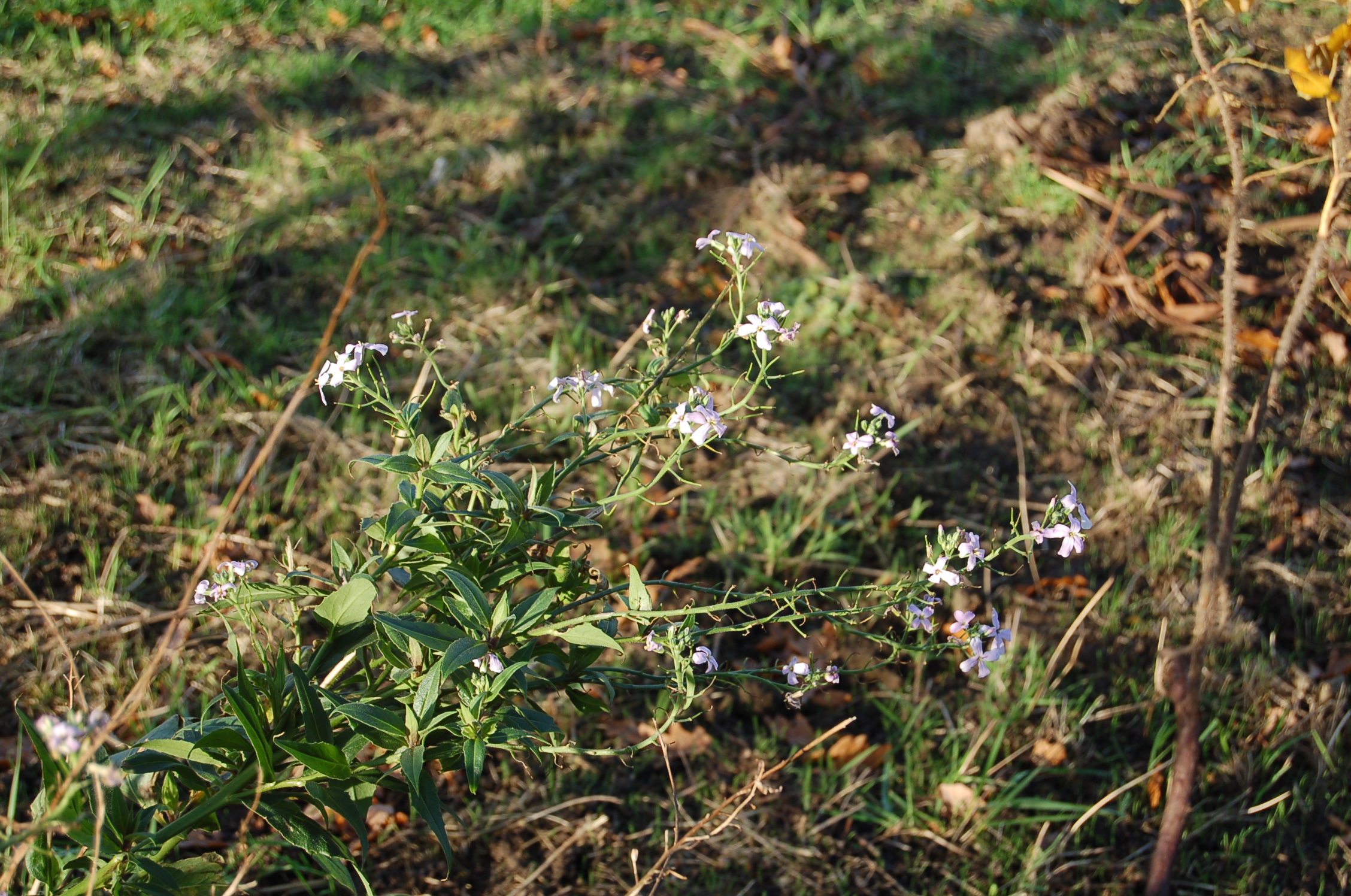
A few delicate looking soft coloured flowers still hang on determined to be the final blooms of the year. It seems amazing but the odd big bumbling Queen Bumble Bee appears to feed on them.

2013 12 12_5438 2013 12 12_5440

2013 12 12_5444 2013 12 12_5452

2013 12 12_5462 2013 12 12_5463

2013 12 12_5468 2013 12 12_5471

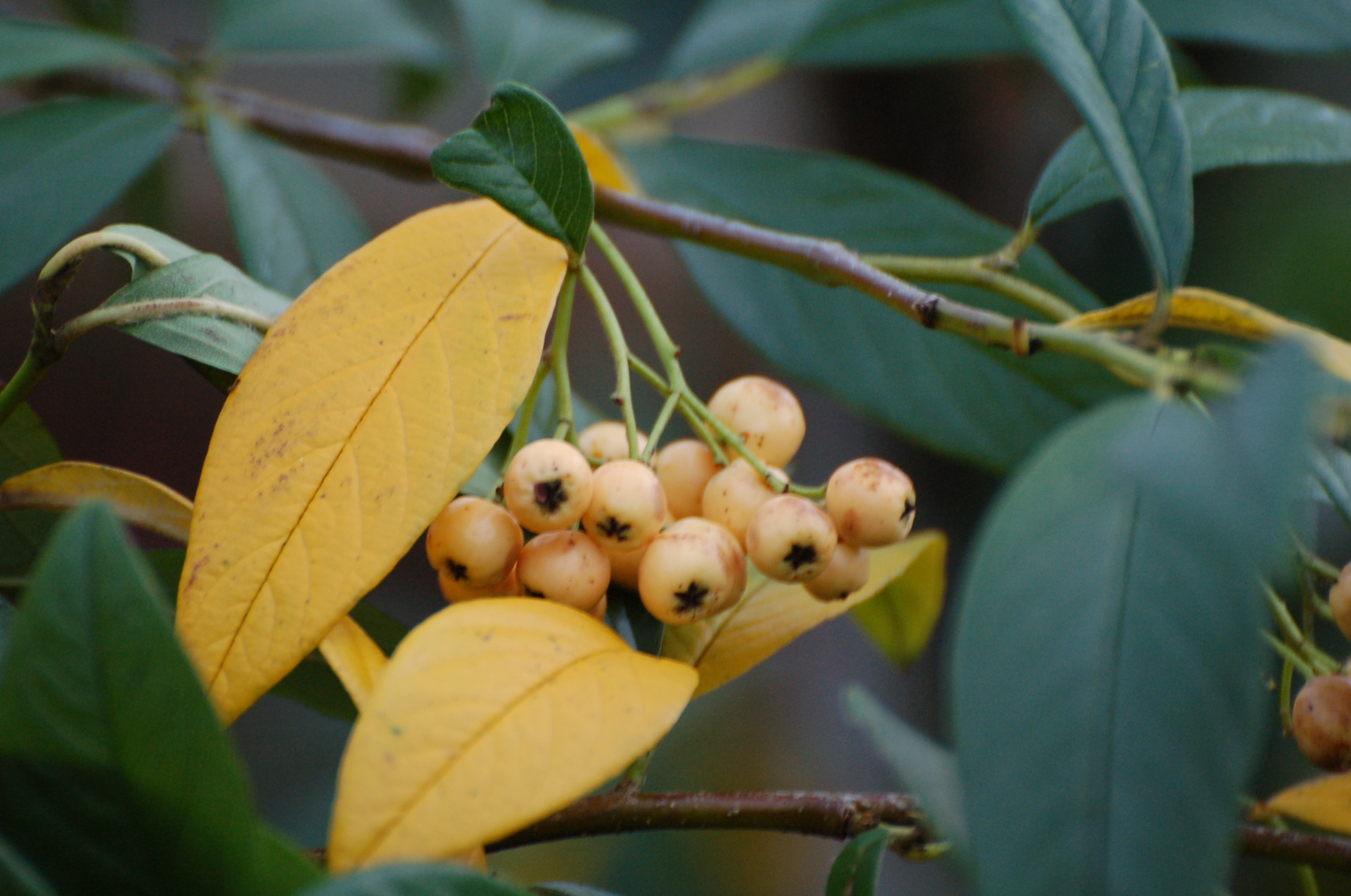
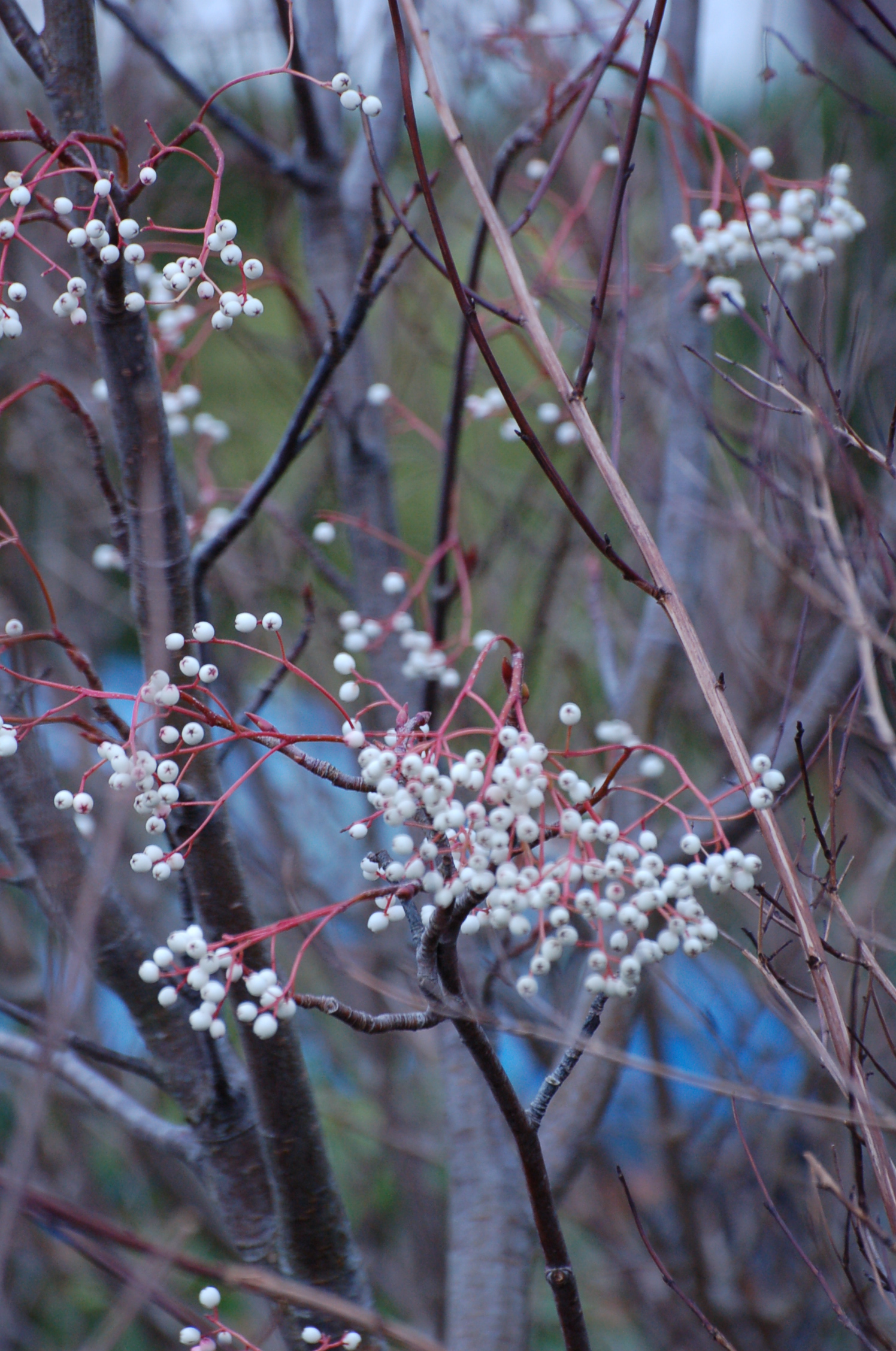
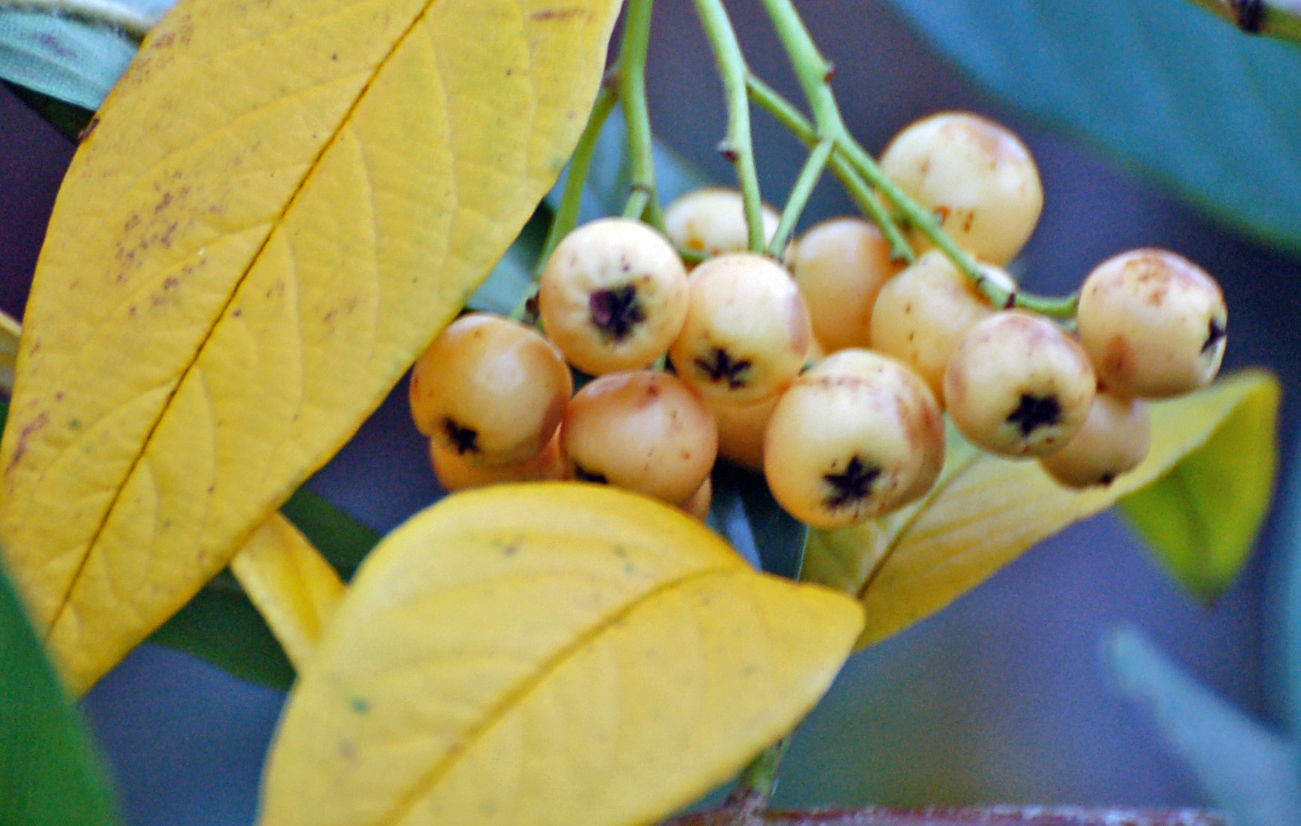
Berries on shrubs and small trees add extra sparkles of colour but the resident Mistle Thrushes guard them from the migrant thrushes. They are the larder for the colder days to come. The red fruit of the Cotoneasters, Hollies and Rowans will be eaten first and most will have been devoured by the thrushes and Blackbirds before the month is out. The creamy-yellow berries of the Cotoneaster rothschildiana will stay longer being mere second choices. The last to go without fail will be the white berries of the Sorbus, so we can get to enjoy them against dark winter storm clouds before the birds eat them.

2013 12 12_5445 2013 12 12_5446

2013 12 12_5454 2013 12 12_5472

2013 12 12_5479 2013 12 12_5445_edited-1

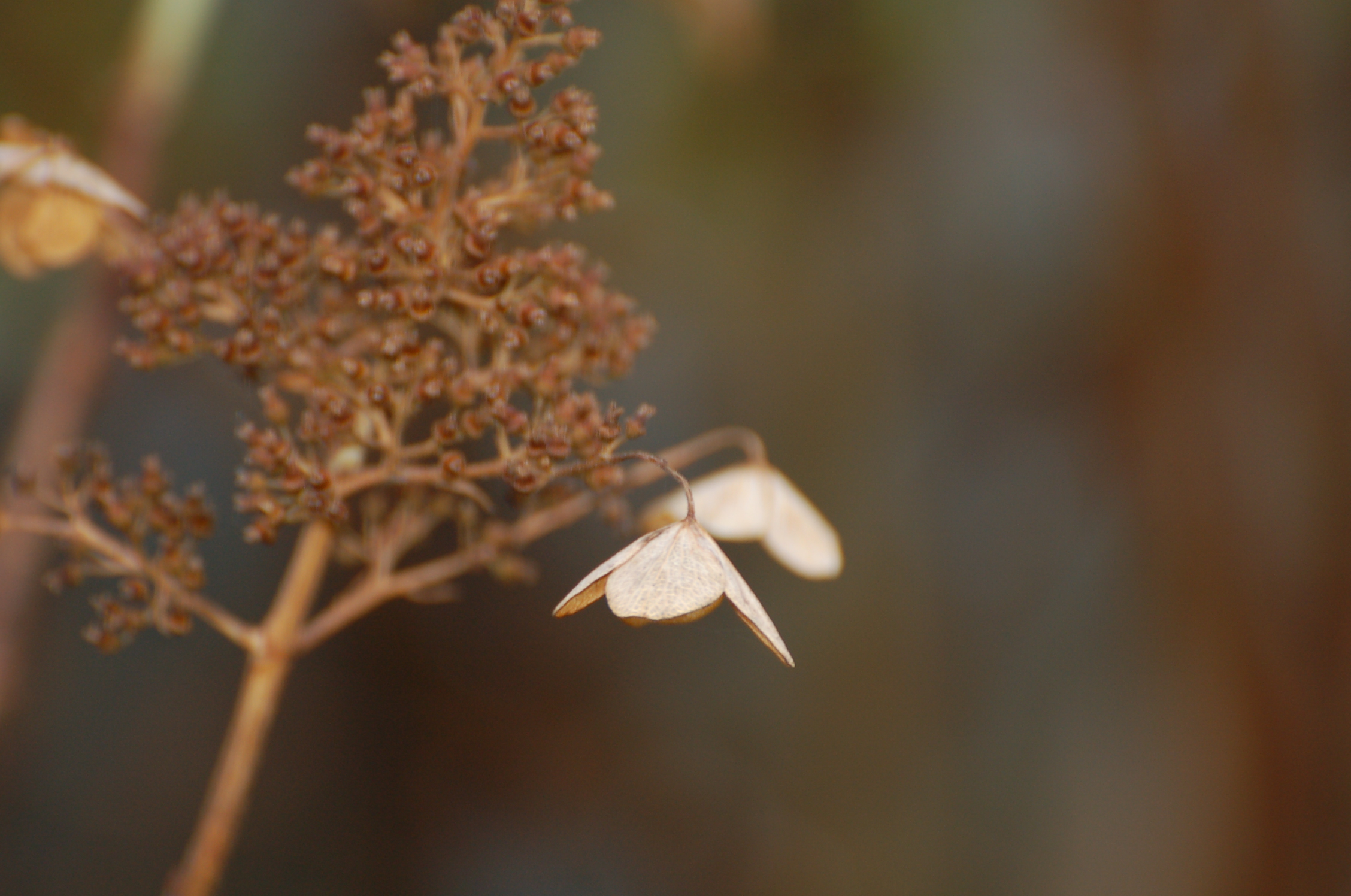
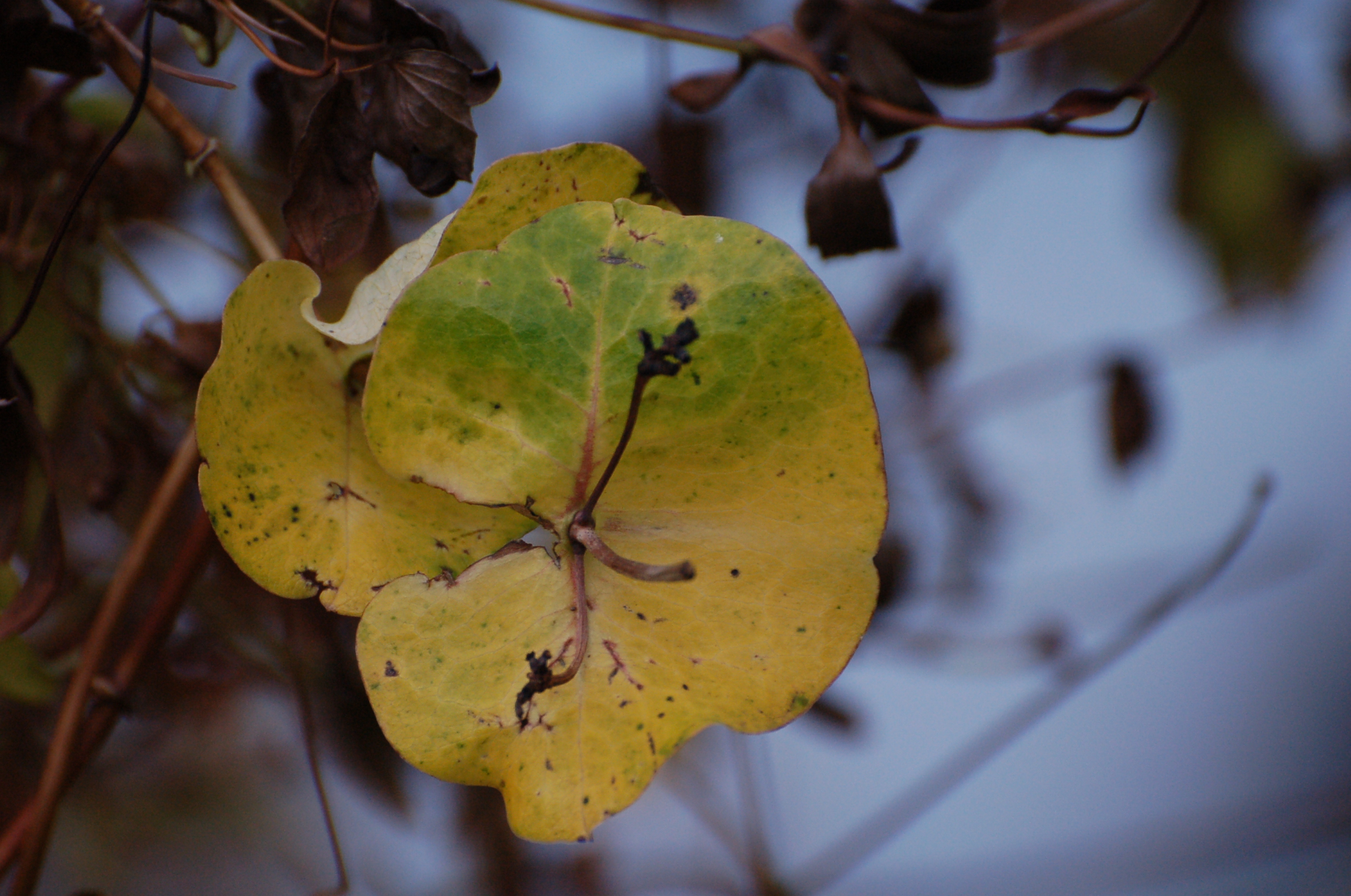
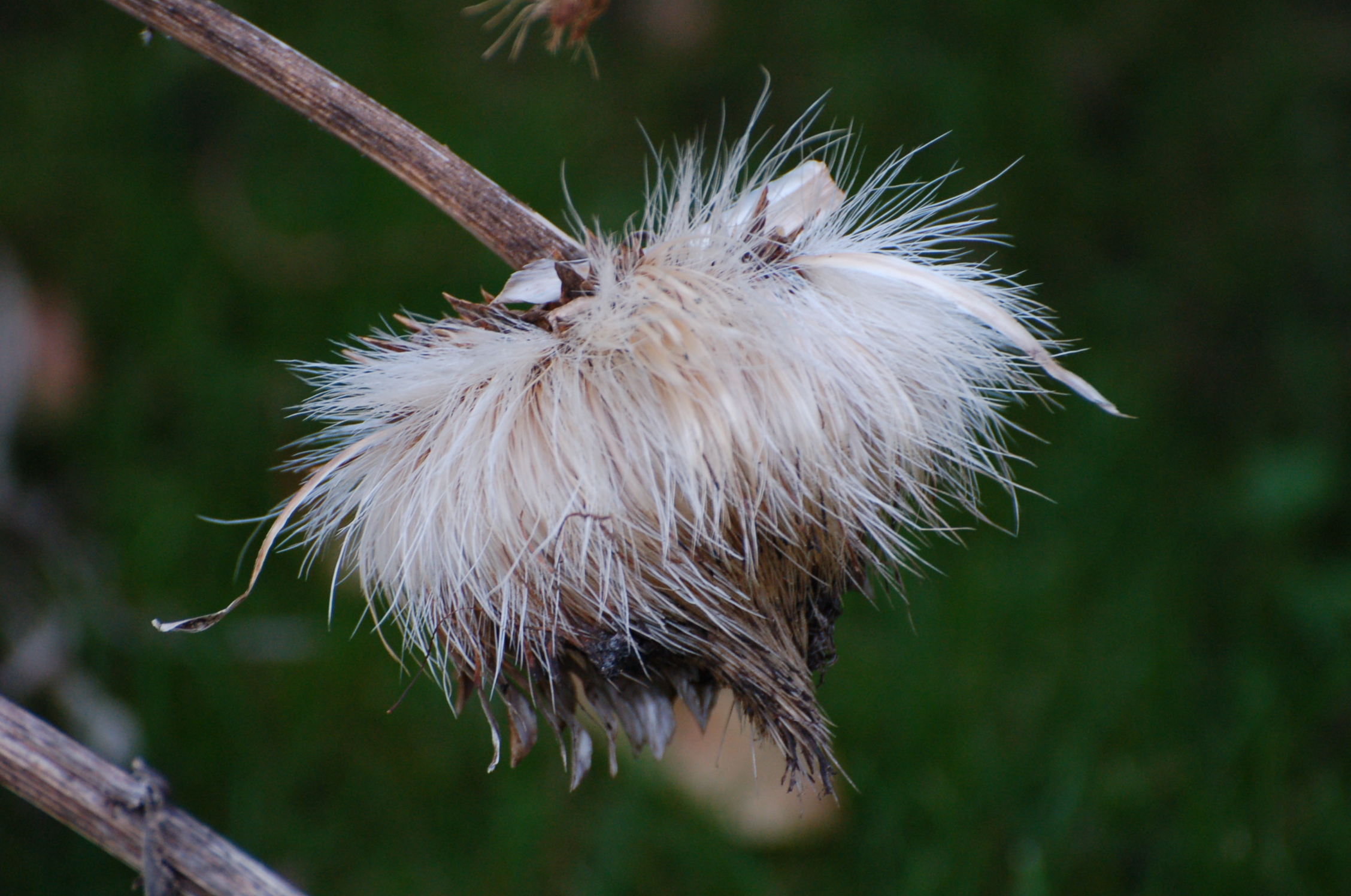
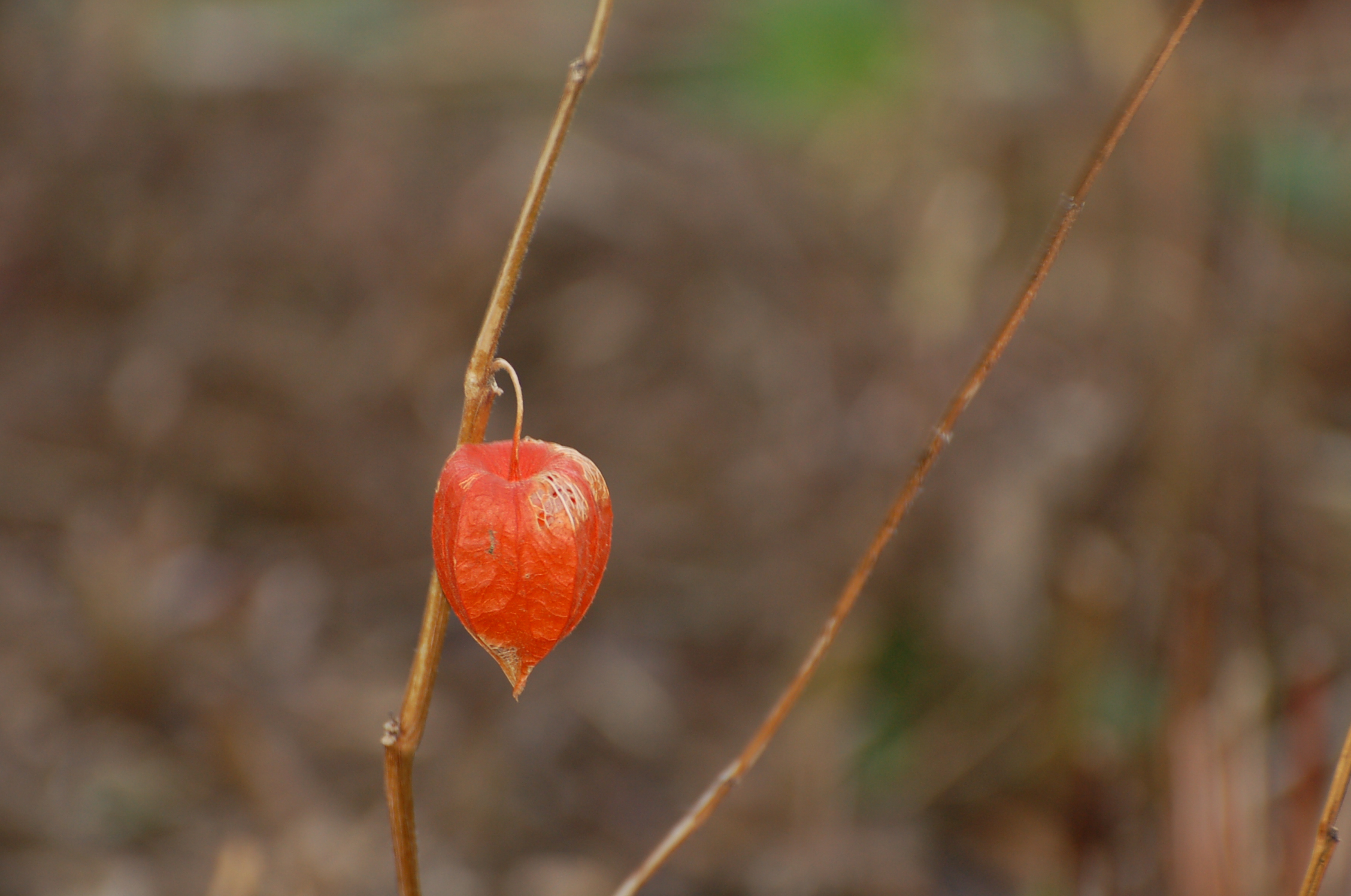
At this time of year we can enjoy the dessicated seed heads and old flower heads that have managed to survive the wet times that autumn invariably brings. This year has been so wet that we seem to have fewer still standing than ever before. But a few are putting on a display for us and when covered in a frosty layer or when donning a hat made of snow will look even better. Within them are the remnant autumn leaves as yet to be blown from their branches by blasts of wind.

2013 12 12_5439   2013 12 12_5442    2013 12 12_5447 2013 12 12_5448 2013 12 12_5449 2013 12 12_5450 2013 12 12_5451

2013 12 12_5453 2013 12 12_5457 2013 12 12_5459 2013 12 12_5460  2013 12 12_5465 2013 12 12_5466 2013 12 12_5467

2013 12 12_5469 2013 12 12_5470 2013 12 12_5475 2013 12 12_5474 2013 12 12_5473   2013 12 12_5477 2013 12 12_5478   2013 12 12_5448_edited-1

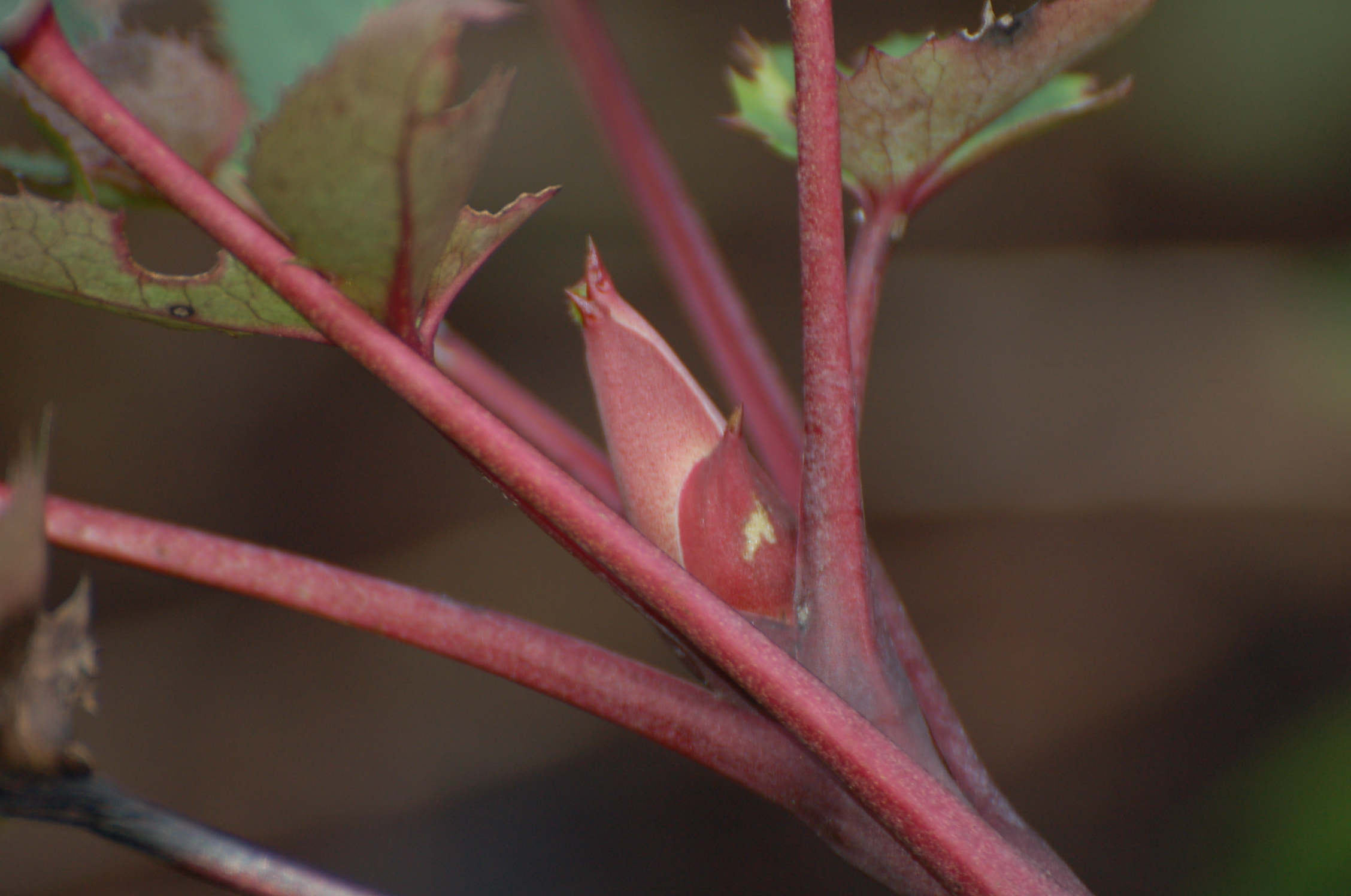
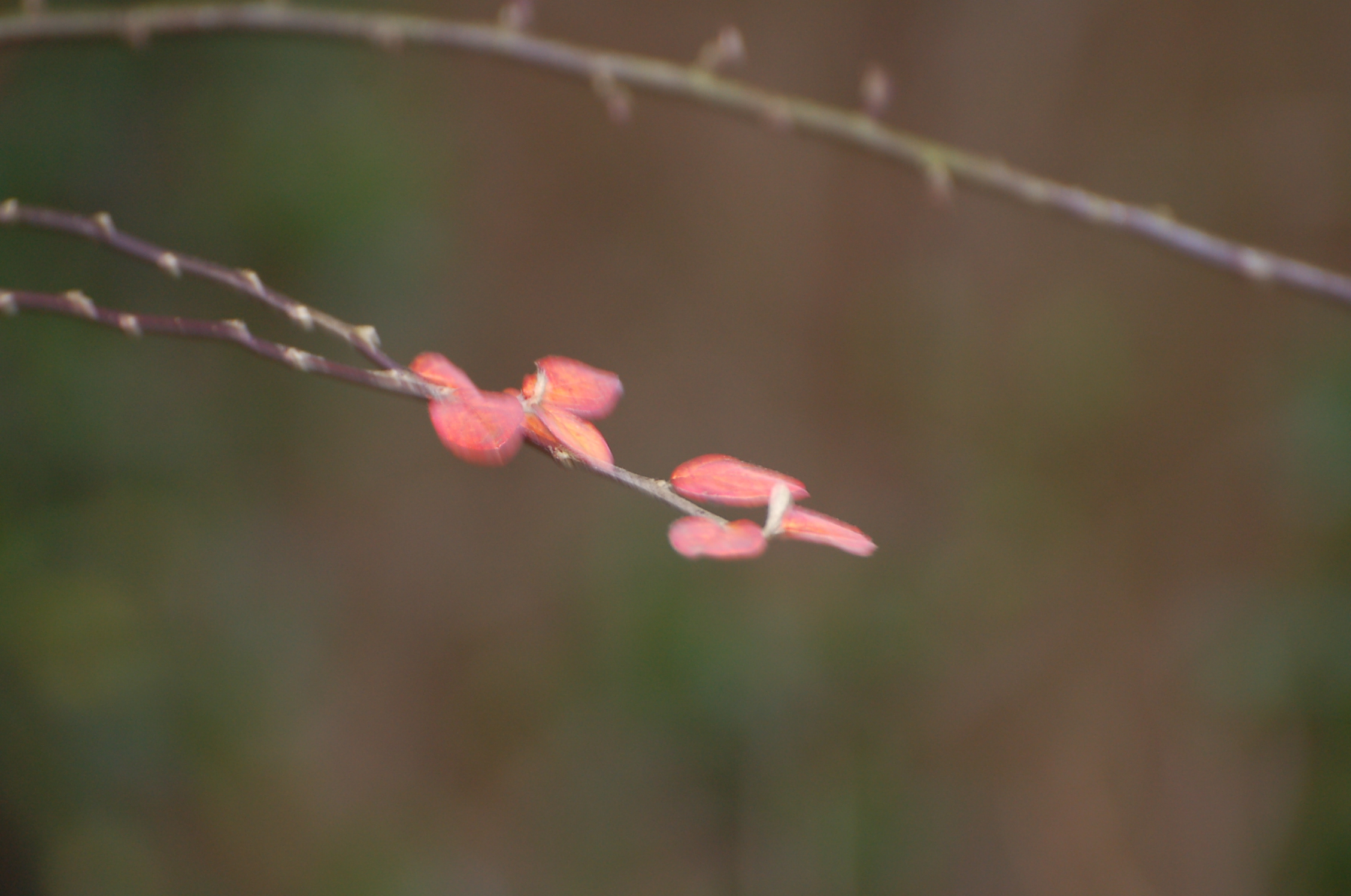
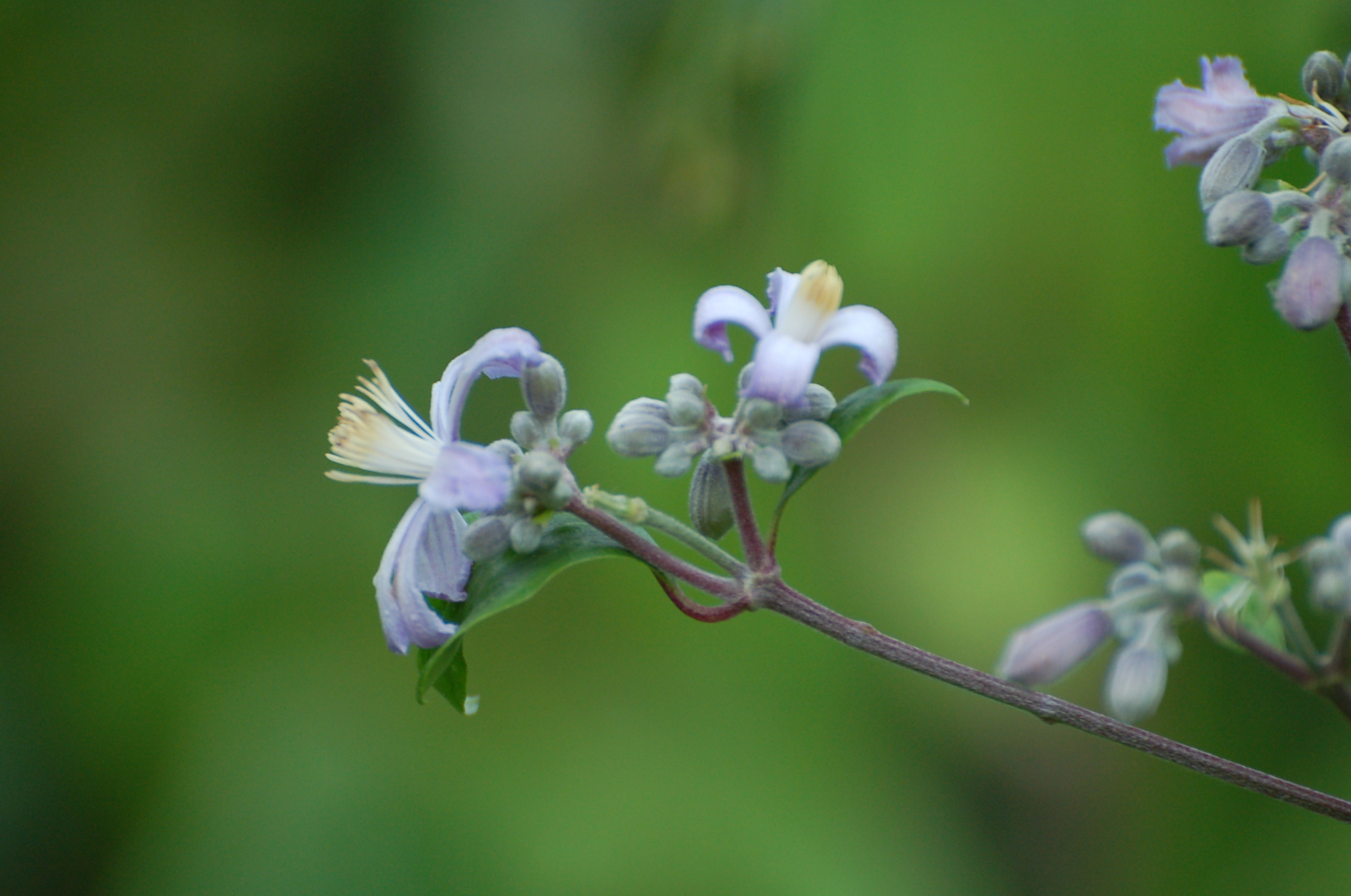
Signs of next year’s growth are already in evidence like this adventurous bud found on a clematis snuggled between stem and petioles.

2013 12 12_5441

Patterns become important in winter as they emerge from seasons hidden away behind plants. So that is the end of my year of garden bouquets for 2013. Perhaps they will return for 2014.

2013 12 12_5460_edited-1 2013 12 12_5459_edited-1 2013 12 12_5464_edited-1

Categories
bird watching birds climbing plants colours conservation fruit and veg garden design garden photography garden wildlife gardening grasses hardy perennials ornamental grasses ornamental trees and shrubs photography roses Shropshire village gardens wildlife

A Garden Bouquet for August

It is time I took up my camera and took photos of the delights our garden has to offer. This is a particularly important set of photos as we have decided on August 3rd as the date we are going to open our garden for the National Garden Scheme next year. We keep looking for gaps or places in need of improvements be it little tweaks or bigger tasks such as re-laying our main central path in the back garden.

So I went off around the garden with my zoom lens attached to see what’s what in our patch. As it panned out there was so much to see in the back garden that all this month’s photos were taken there. Please enjoy the journey and feel the damp, cool morning air which acted like a soft lens filter giving a delicate misty blue atmosphere to some of the shots.

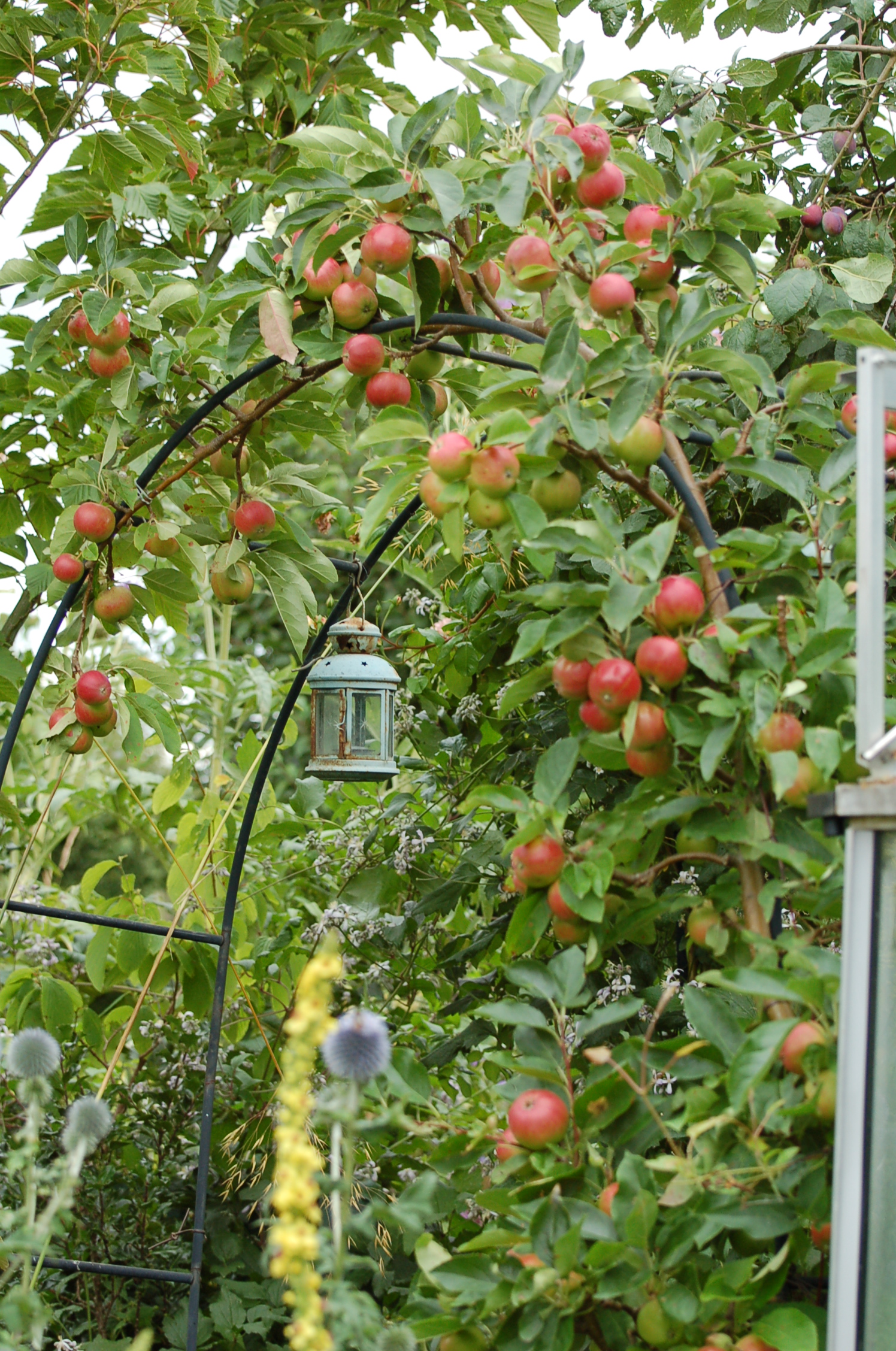
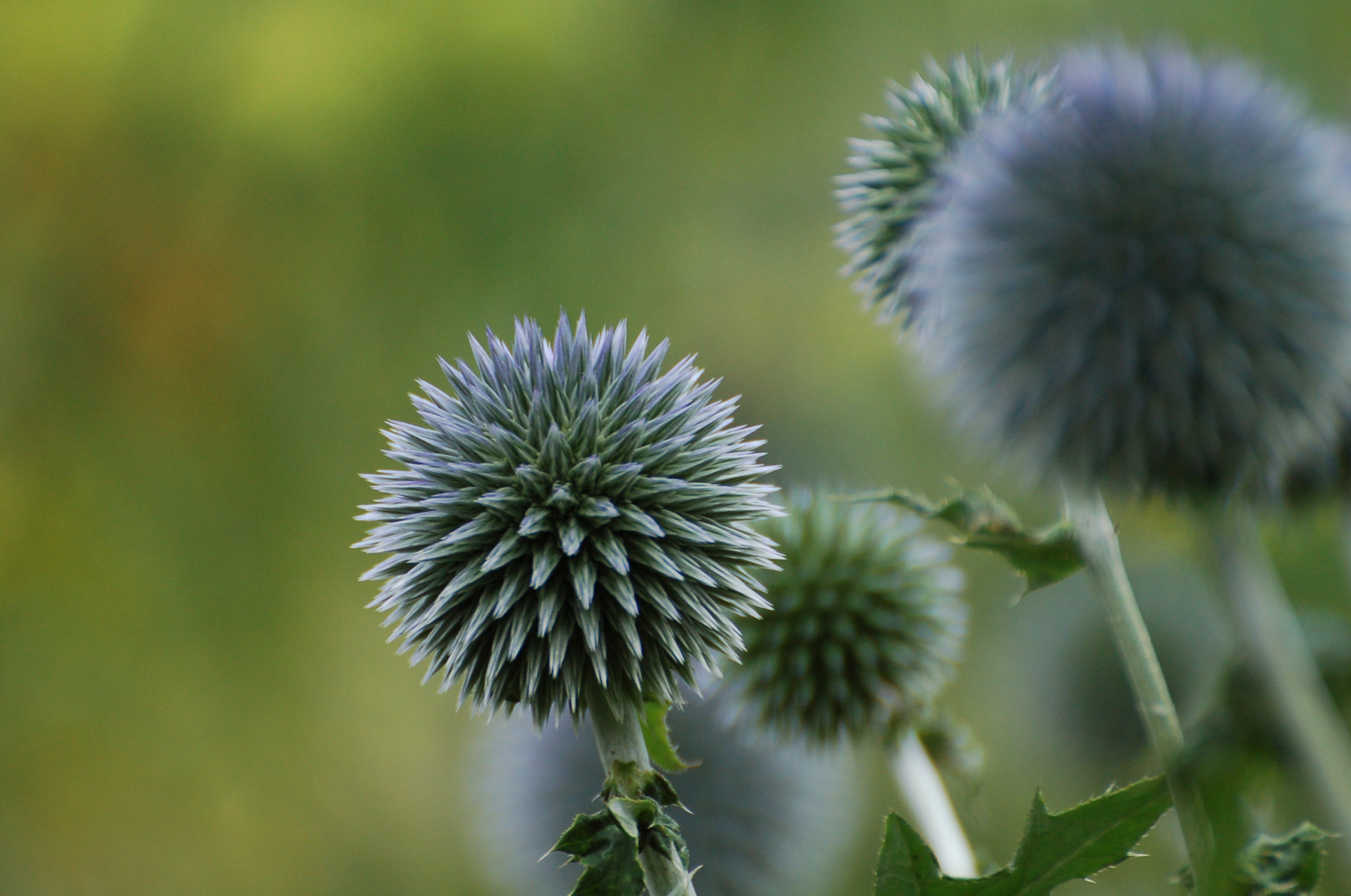
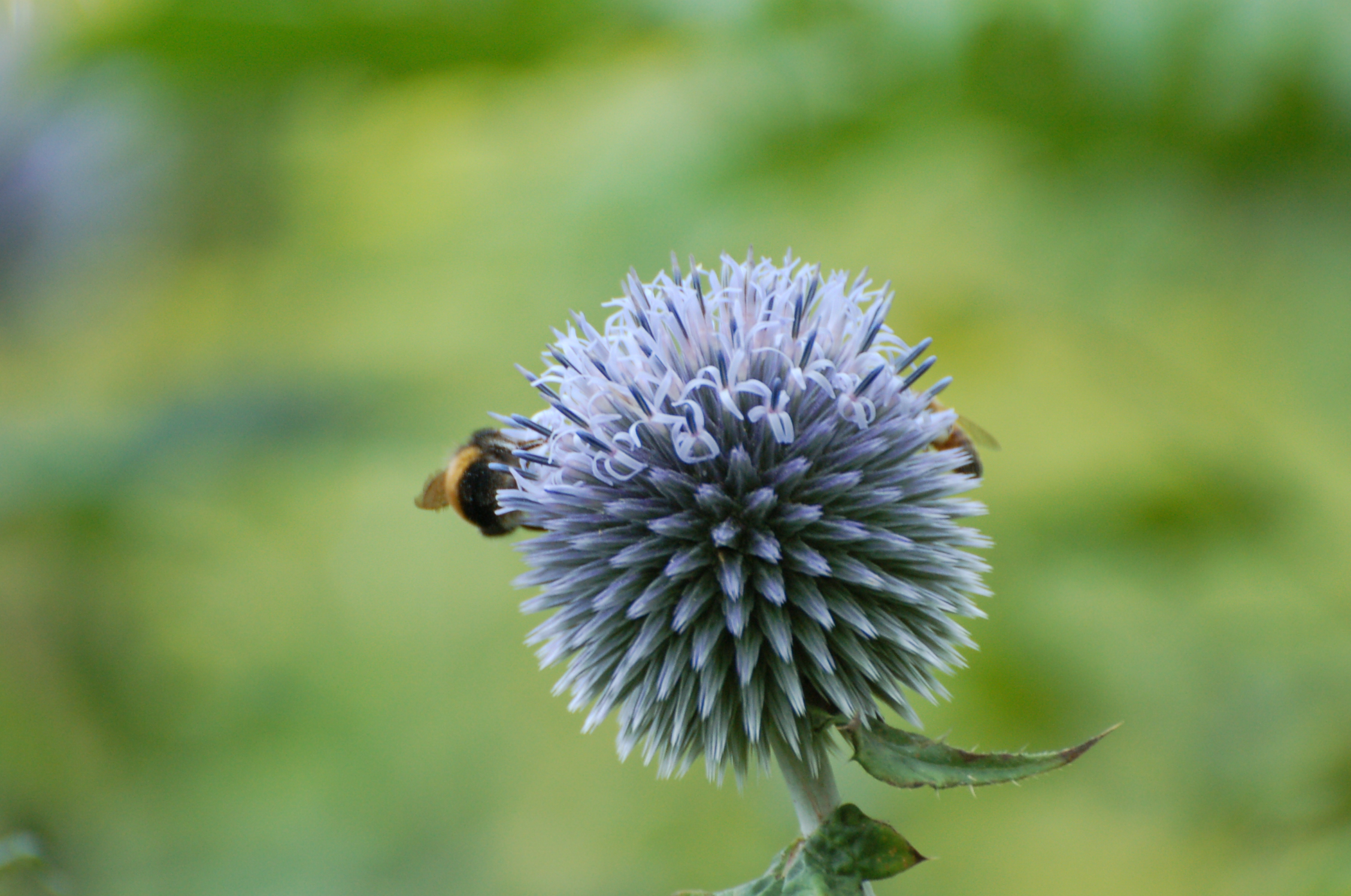
In the “Shed Bed” the delicate china blue flowers popping out of the spiky spheres of the echinops provide sustenance for our bees and the apple tree trained over an arch will provide sustenance for us. The odd white flowers come from the gentle creamy colours of the hydrangea heads.

2013 08 22_2847 2013 08 22_2926 2013 08 22_2927

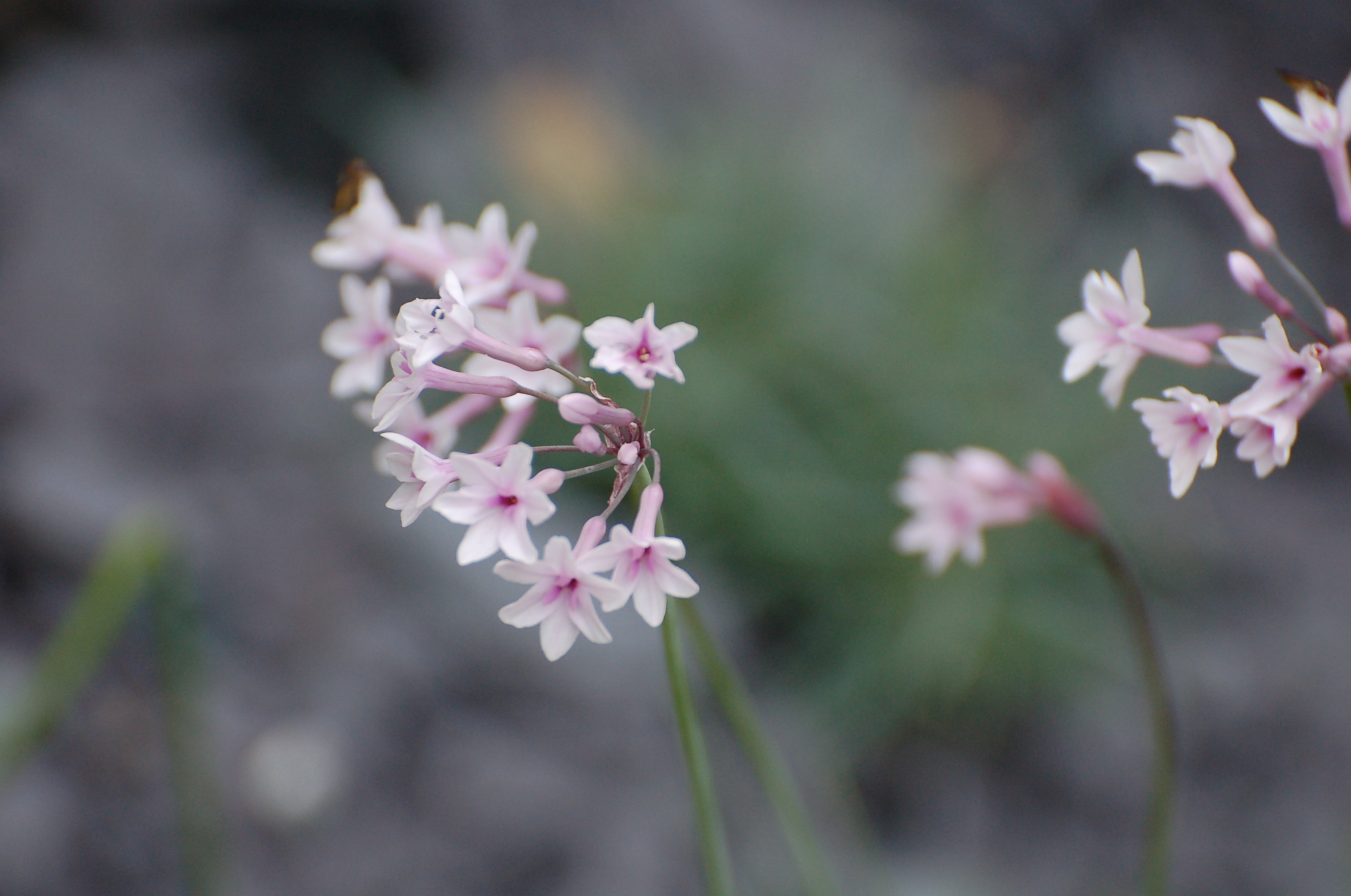
Our tulbagias continue to flower in the new slate garden close by and above them the purple sedum foliage hangs from the old gypsy kettle on our old ladder.

2013 08 22_2928 2013 08 22_2929 2013 08 22_2930 2013 08 22_2931

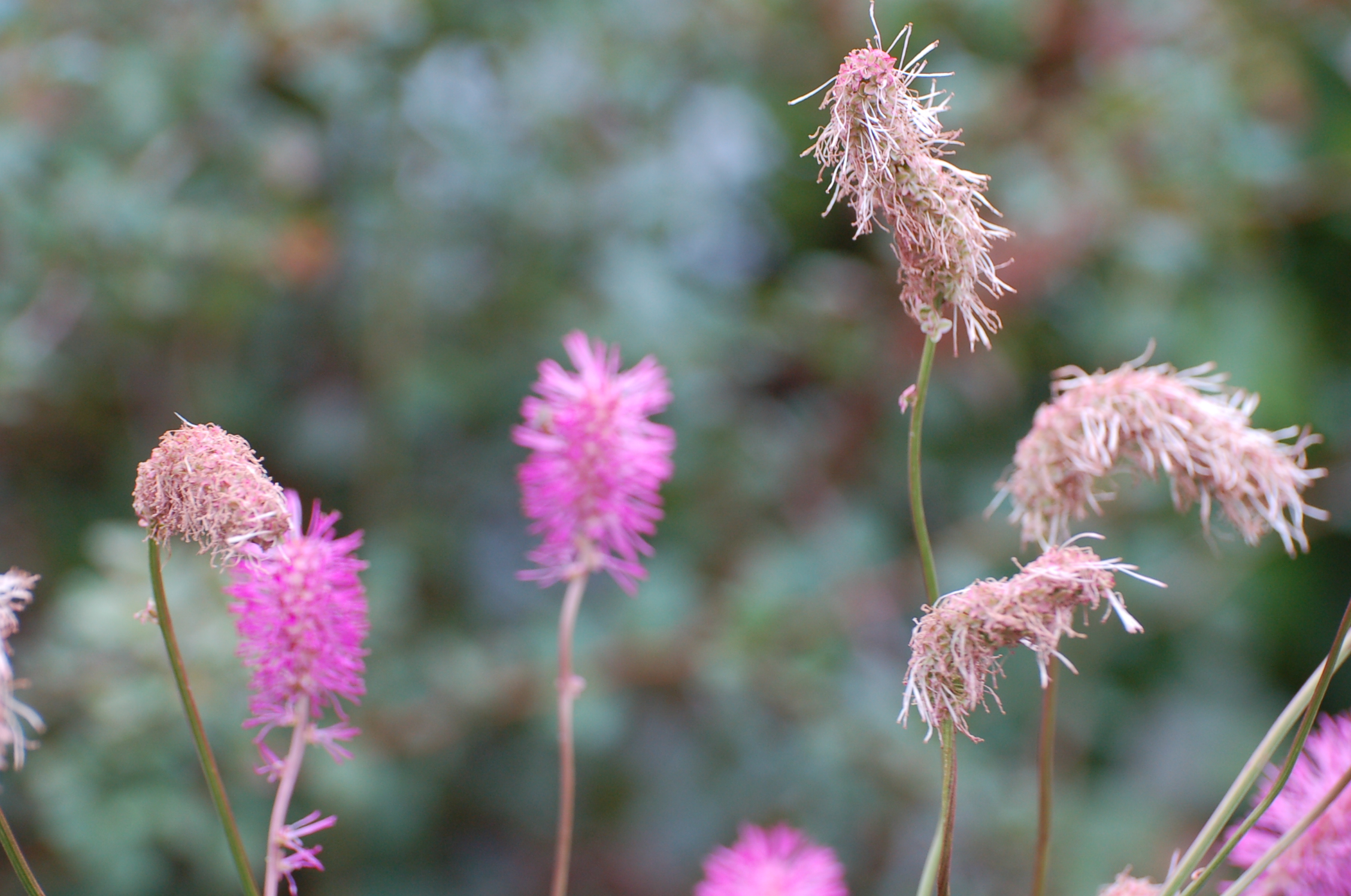
There are lots of plants to look at around the end of the greenhouse where the vine is dripping with grapes awaiting late summer sun to ripen them and paint them in purple and black. The Quince vranga tree has a few fruits hanging at the tips of the branches and the soft pink curled flowers of Sanguisorba “Pink Elephant” brighten the border below.

2013 08 22_2857 2013 08 22_2933 2013 08 22_2935 2013 08 22_2936

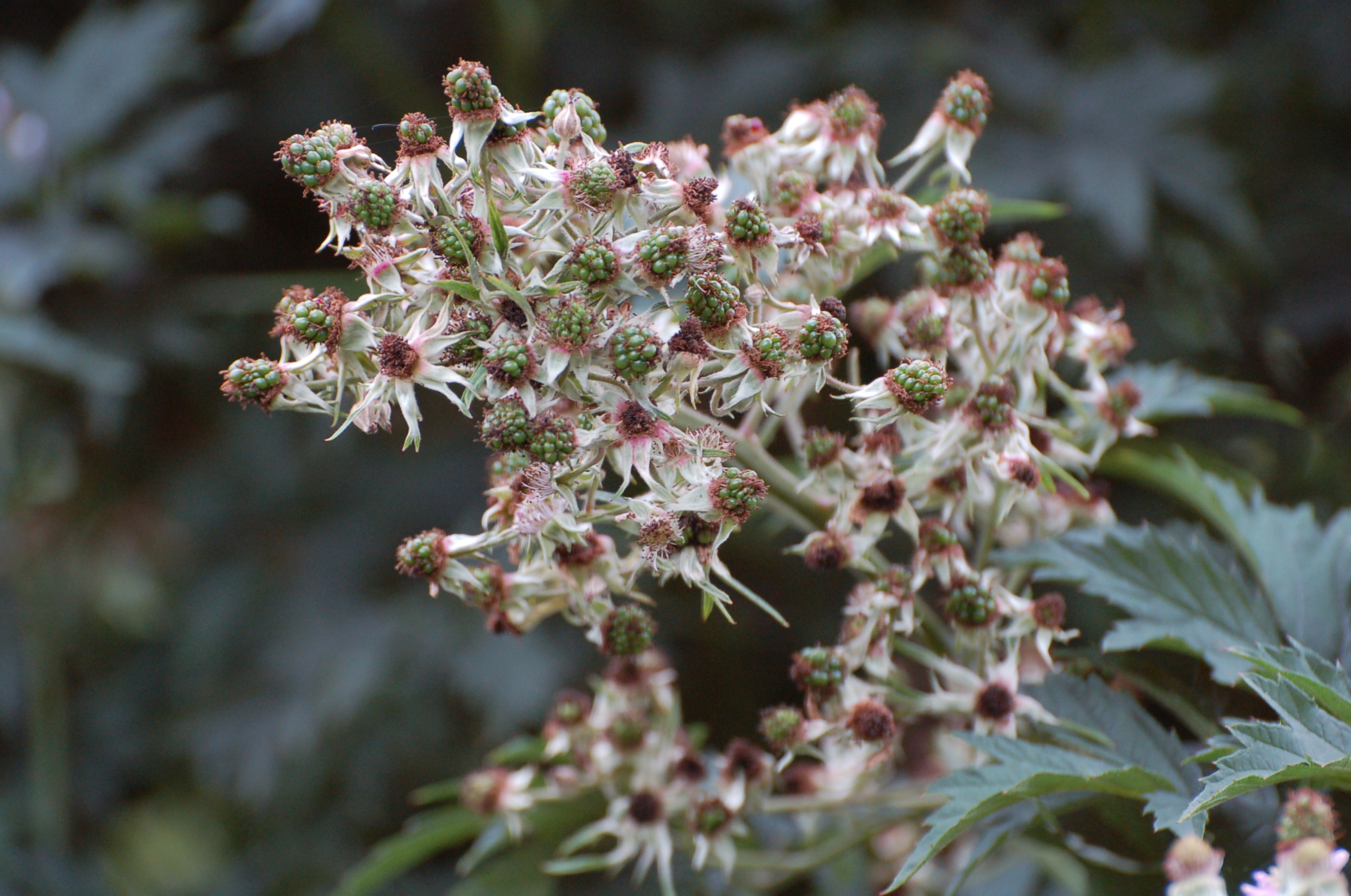
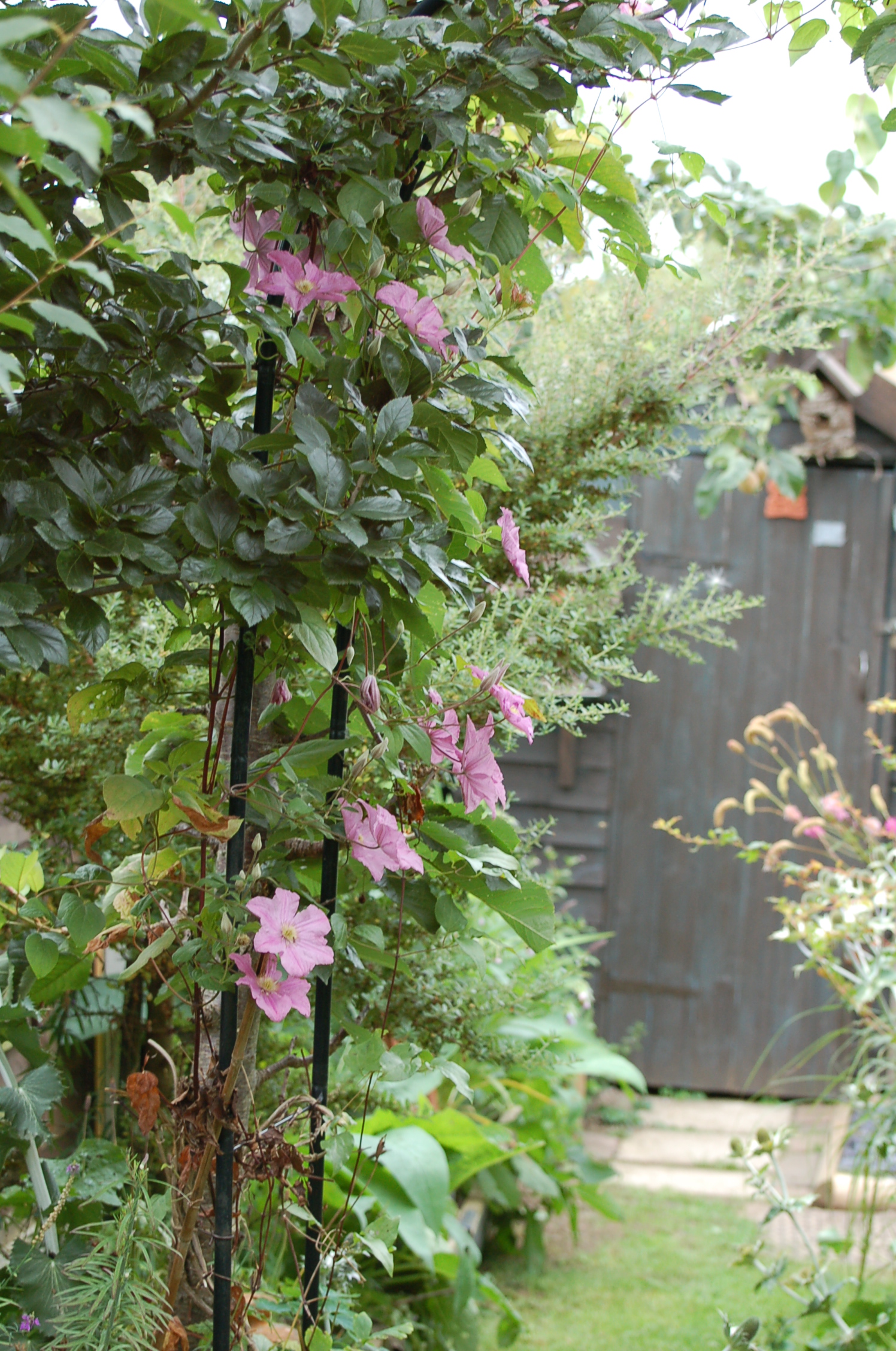
In the long “Tree Border ” this lilac flowered clematis is dripping with flowers and the thornless blackberry is heavy with young unripe fruits.

2013 08 22_2862 2013 08 22_2938

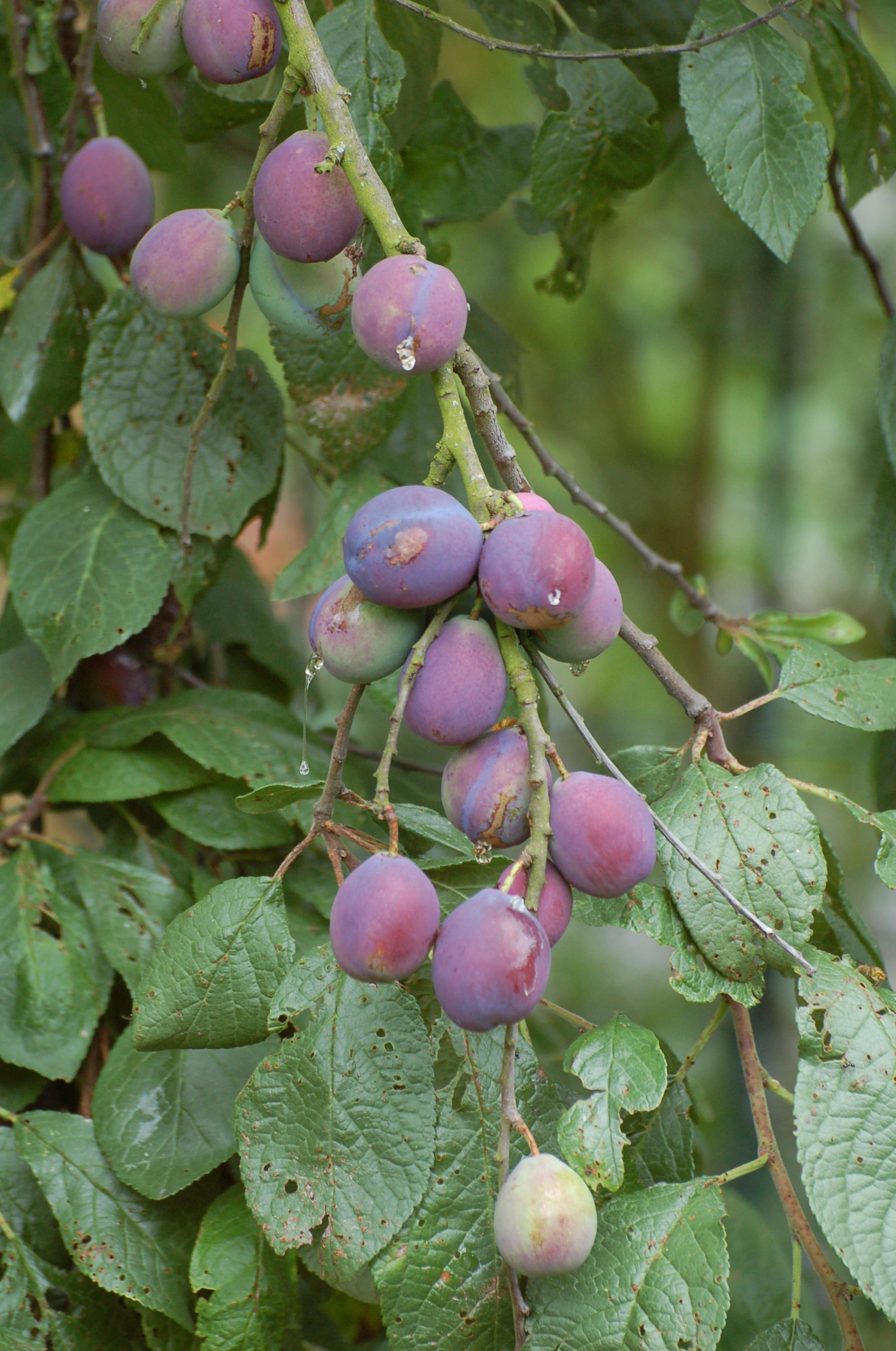
The Secret Garden and the Chicken Garden are at their best, blooming brightly with the cordon apples full of ripening fruit acting as a backdrop, many of which are just beginning to develop a flush in their cheeks. The Shropshire Damson tree overhangs one border and its deep purple fruits are weighing down its branches so heavily that the fruits look like they are reaching out to hold hands with the flowers.

2013 08 22_2939 2013 08 22_2940 2013 08 22_2941 2013 08 22_2867 2013 08 22_2944 2013 08 22_2945 2013 08 22_2946 2013 08 22_2872 2013 08 22_2873 2013 08 22_2949

A few new plants are waiting, still in their pots, in the Secret Garden while we decide where to plant them. They seem to be the colours of citrus fruits!

2013 08 22_2950 2013 08 22_2951

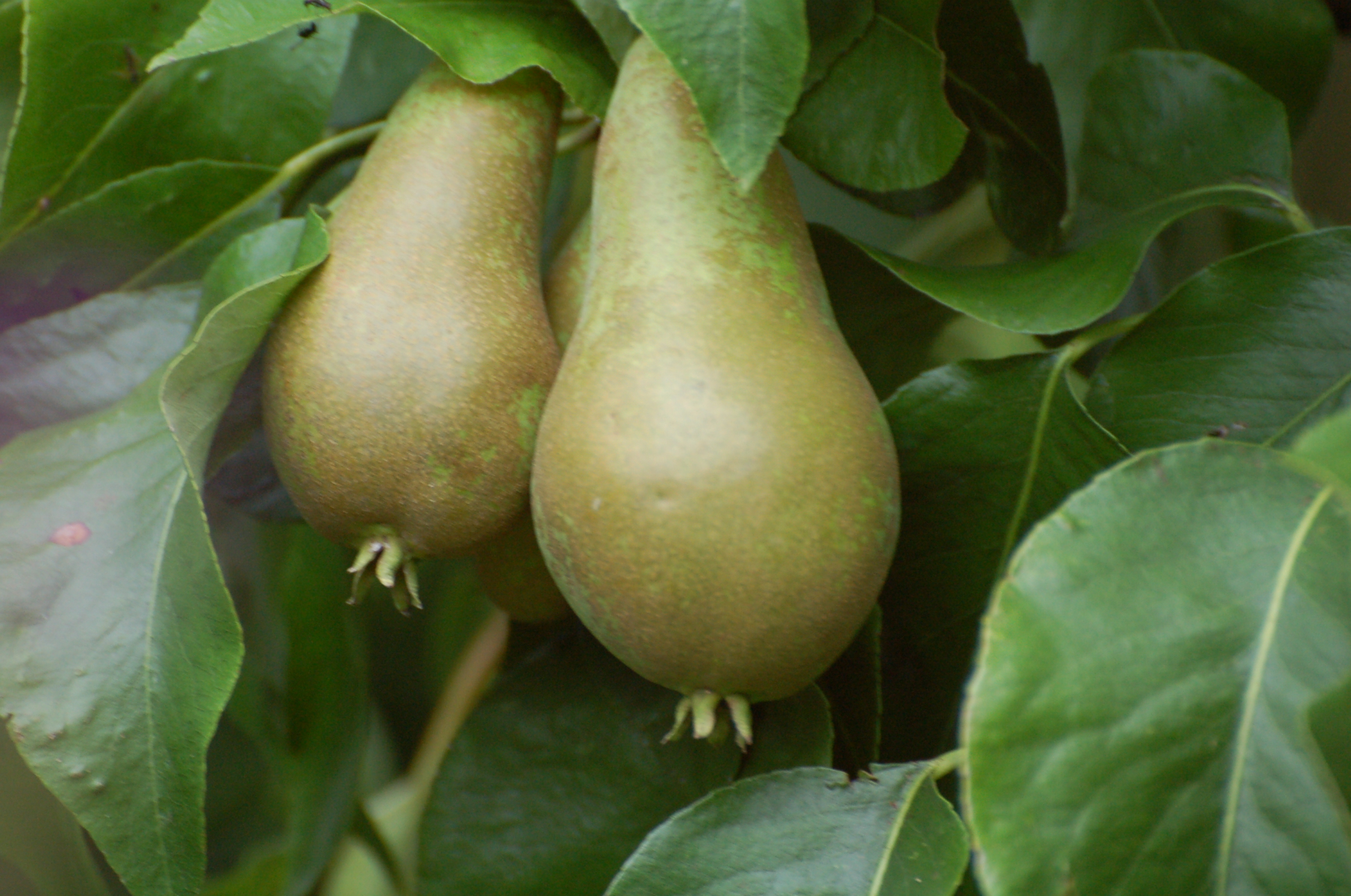
Along the central pathway our pears are close to their peak picking time. As I pass each day I look longingly to see if a couple are ready. Surely this is the ultimate gardening experience, eating a juicy, scented pear still warm from the sunshine just seconds from leaving the branch. The few plums look sad and lonely – from all four cordons we have just one clump of fruit. A poor year!

2013 08 22_2878 2013 08 22_2877 2013 08 22_2955 2013 08 22_2956

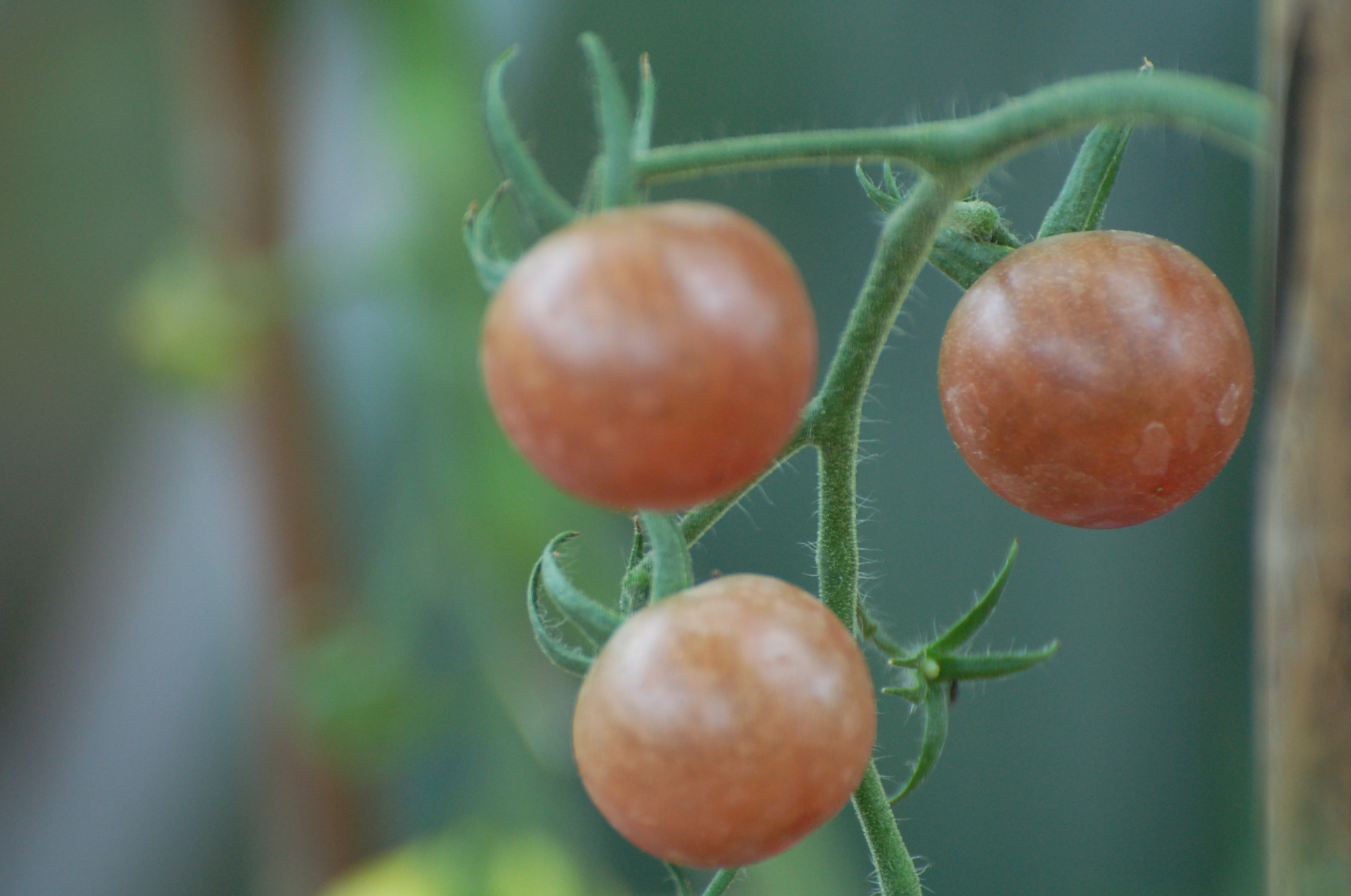
In the greenhouse the tomatoes are producing prolific amount of fruit in shades of yellow, red and purple. We are picking and enjoying them daily and adding some to the store of produce in the freezer. In the late autumn we shall make them into chutney coupled with our onions and apples.

From the greenhouse door I can look out across the “L Bed” and the “Long Border” through an arch draped in richly scented roses and a delicate china blue clematis. This is a herbaceous clematis rather than a climber, but it does enjoy a good scramble over everything in its path.

2013 08 22_2958 2013 08 22_2960 2013 08 22_2961

2013 08 22_2963 2013 08 22_2964 2013 08 22_2965 2013 08 22_2967 2013 08 22_2968 2013 08 22_2970

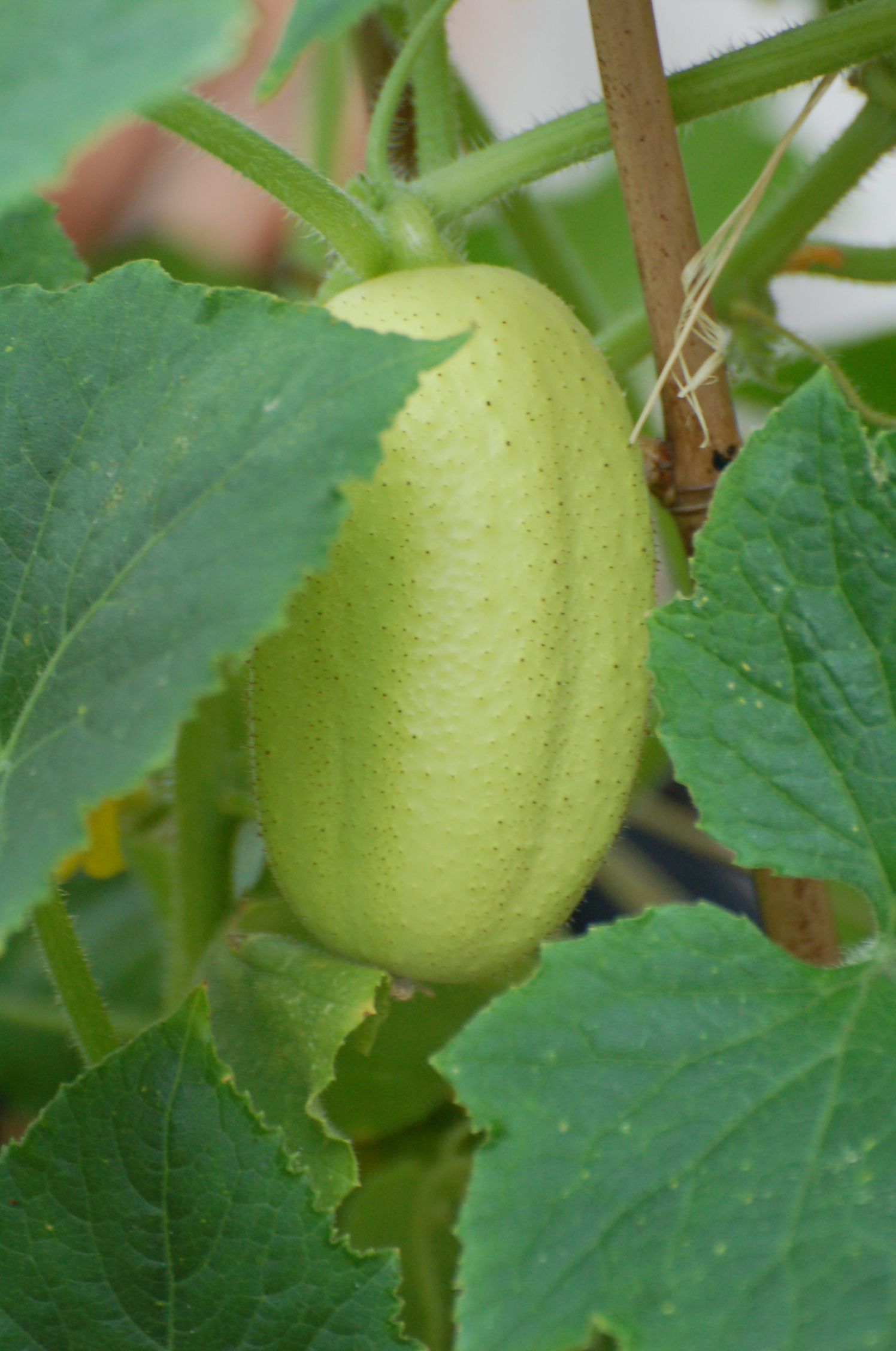
This strange fruit is a heritage cucumber called Booths Blond, which Jude the Undergardener tells me is very tasty. I don’t eat them, they are one of the few fruits and veggies I don’t enjoy. This variety certainly looks very different to the long straight regimental cucumbers sold in supermarkets.

2013 08 22_2971

We have been concerned about the lack of butterflies and bees this year but recently they have come back in good numbers. Honey bees, bumble bees and solitary bees are all feeding furiously on any simple flowers. The butterflies are particularly tempted by the buddlejas and the marjorams. We garden with wildlife in mind particularly in the choice of plants we grow. Our flowers tend to be simple and  open, just the sort preferred by pollinating insects. We rely on our insects and birds to look after our garden for us. We garden totally organically relying on wildlife to do our pest controlling and pollinating of our crops.

2013 08 22_2897 2013 08 22_2969

As I am writing this the sky is full of House Martins and Swallows gathering together in readiness for their long migratory journey to the African continent. There they will find flies to feed on while here in the UK the insect population will disappear with the onset of winter. These acrobatic flying little birds seem to be celebrating a good English summer!

In the shrubs and trees warblers and titmice are busy feeding up after a period of moult. August and September are when we tend to see our warblers, Willow, Garden and this year even a Grasshopper Warbler. Chiffchaff and Whitethroat tend to be with us most of the year.

Categories
Cheshire climbing plants fruit and veg garden design garden photography gardening grow your own hardy perennials Hardy Plant Society HPS kitchen gardens Land Art ornamental trees and shrubs outdoor sculpture roses village gardens

A garden to make you smile.

On a blustery, heavily overcast day last weekend we visited two gardens on a day out with our friends from the Shropshire Branch of the Hardy Plant Society. Bumping down a narrow south Cheshire lane that twisted and turned a little too much for comfort, found us at “The Rowans”, a one acre garden loosely based on an Italianate theme. The elements reminiscent of the Italian styled gardens appeared in the structured garden rooms and the use of ornament especially sculpture, but I felt the theme of happiness was much more in evidence.

There were signs scattered throughout the garden to inform and delight.

2013 08 19_2759 2013 08 19_2776

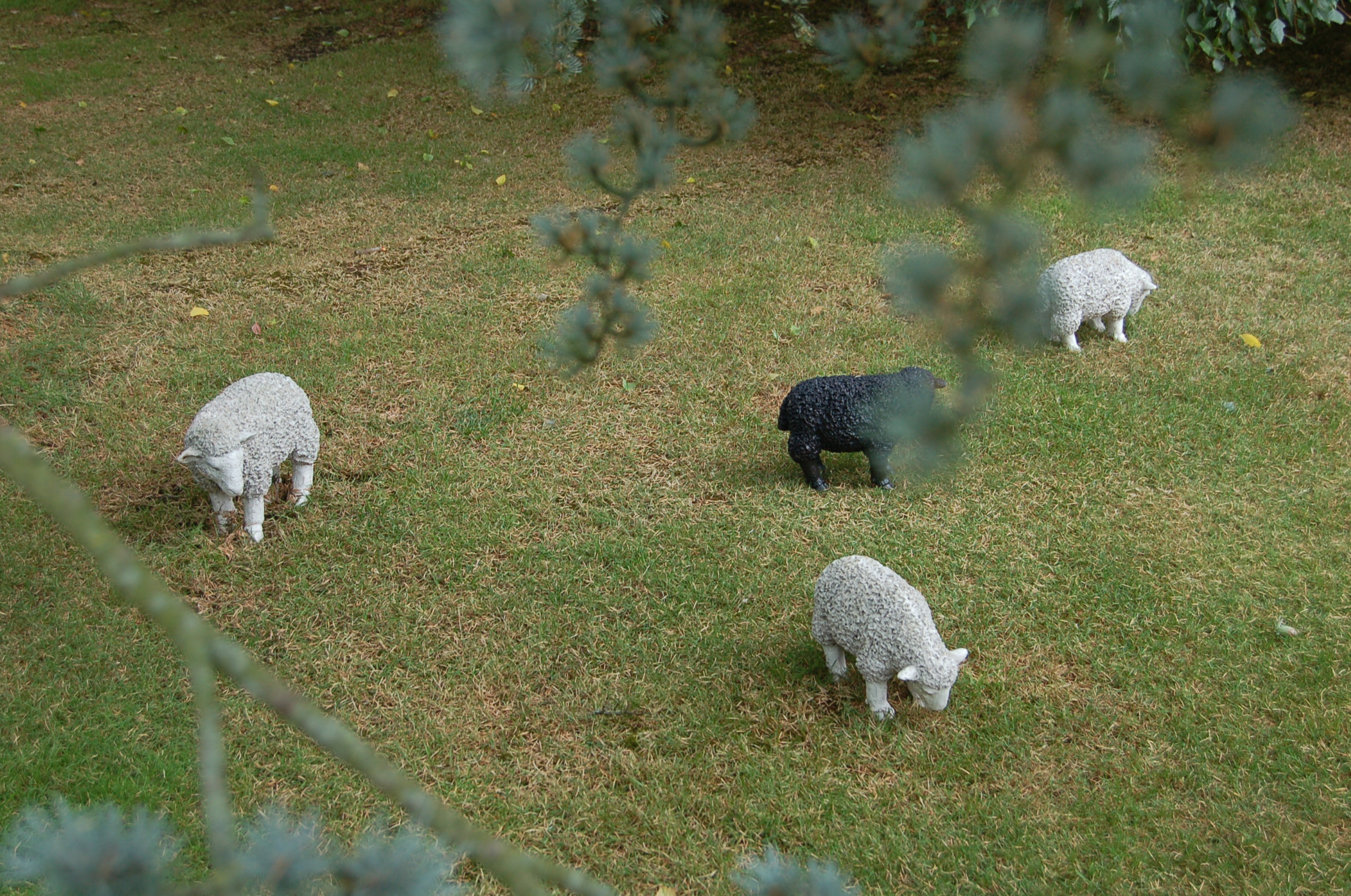
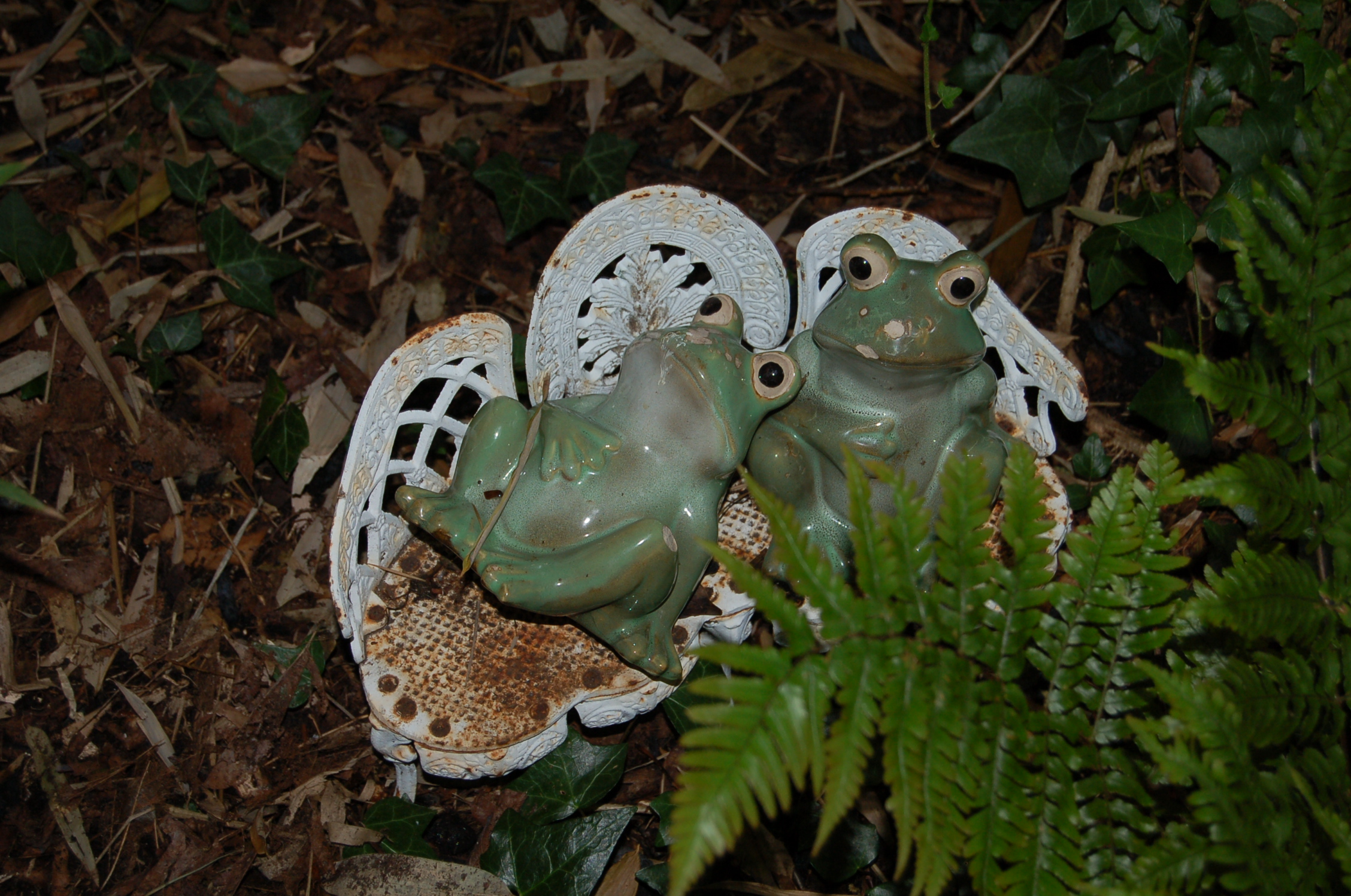
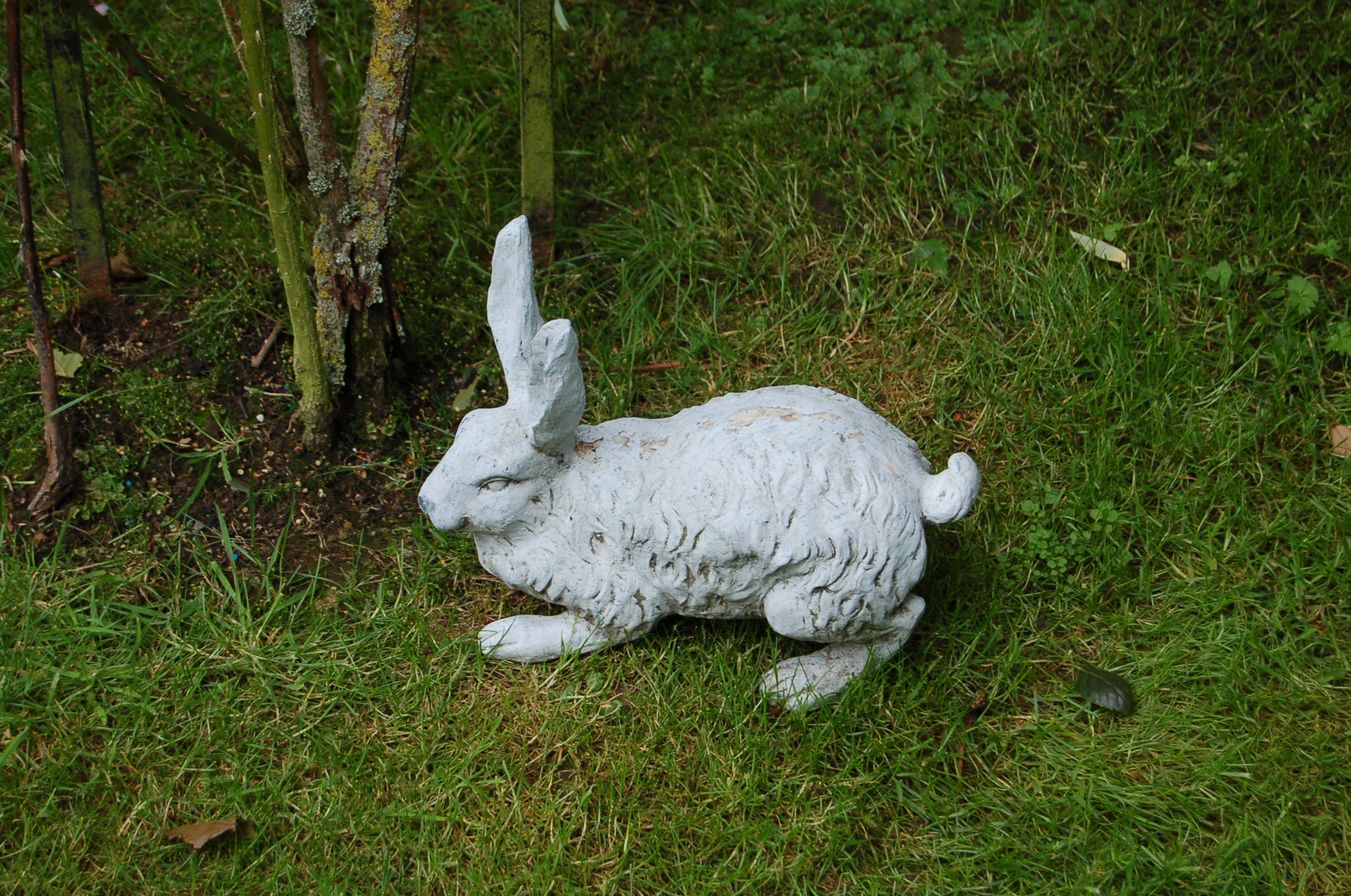
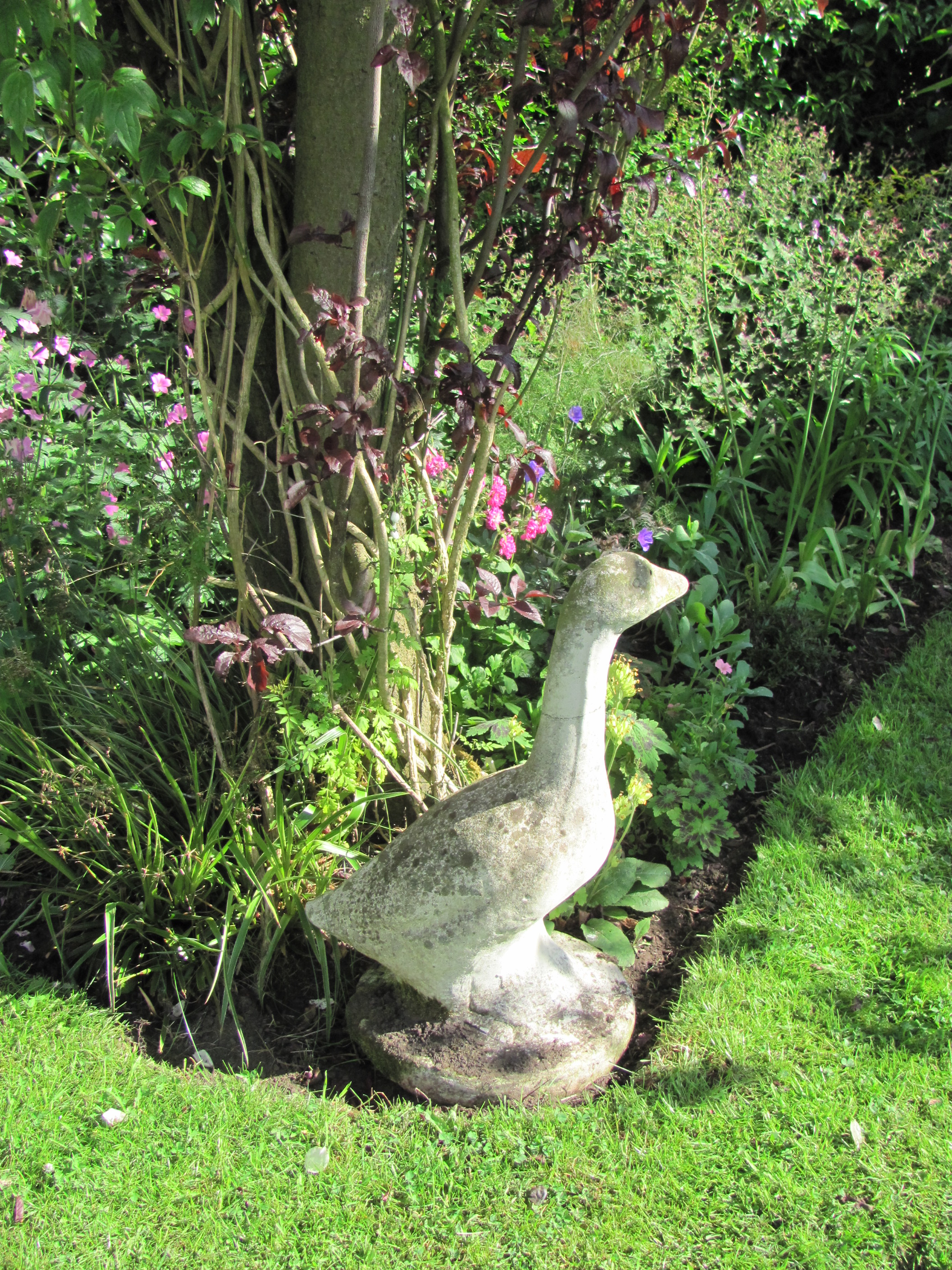
Humour was potently presented in ornament and statuary. Animals dominated!

2013 08 19_2750 2013 08 19_2754 2013 08 19_2758 2013 08 19_2757 2013 08 19_2762 2013 08 19_2777

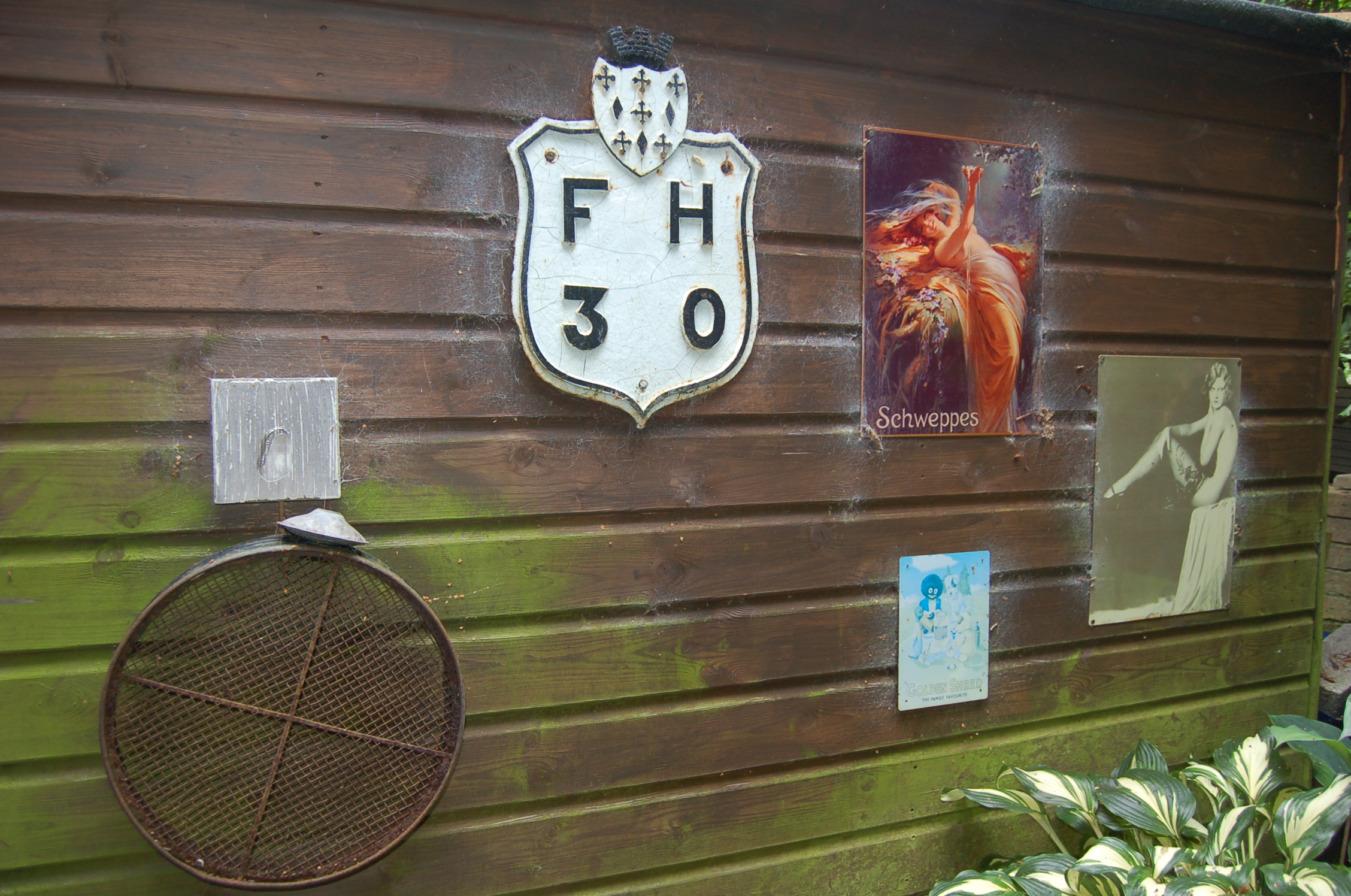
But not all the entertaining was performed by animals – there were lots of varied bits and pieces to find amongst the plantings and hanging from the branches of trees.

2013 08 19_2771 2013 08 19_2770 2013 08 19_2769 2013 08 19_2767 2013 08 19_2765 2013 08 19_2764 2013 08 19_2763 2013 08 19_2761 2013 08 19_2760 2013 08 19_2756 2013 08 19_2753 2013 08 19_2752 2013 08 19_2751

The planting was not of rare or desirable plants but quite ordinary plants well grown and well put together.

2013 08 19_2748 2013 08 19_2768 2013 08 19_2775 2013 08 19_2781 2013 08 19_2780 2013 08 19_2779 2013 08 19_2784 2013 08 19_2783 2013 08 19_2782

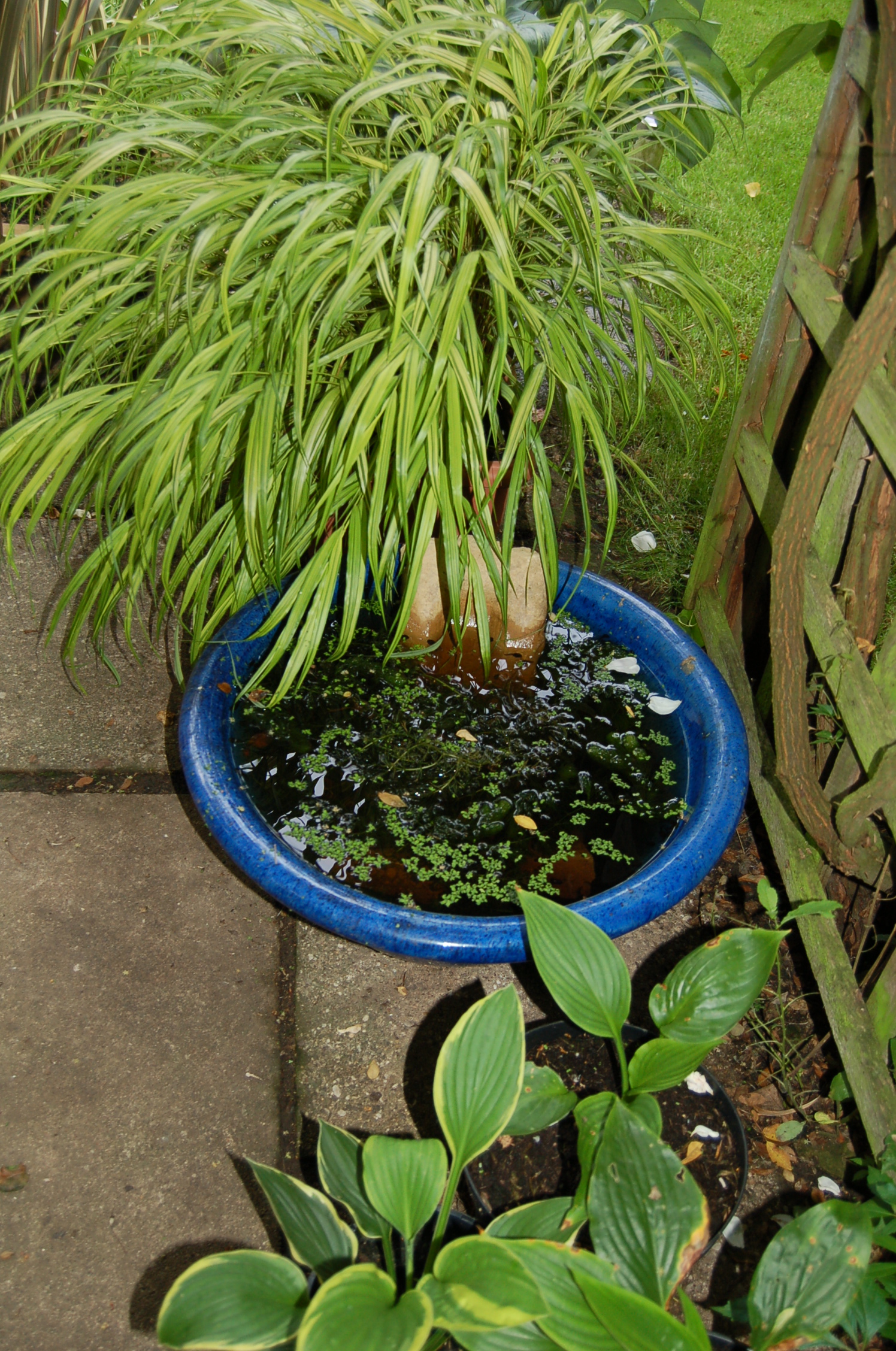
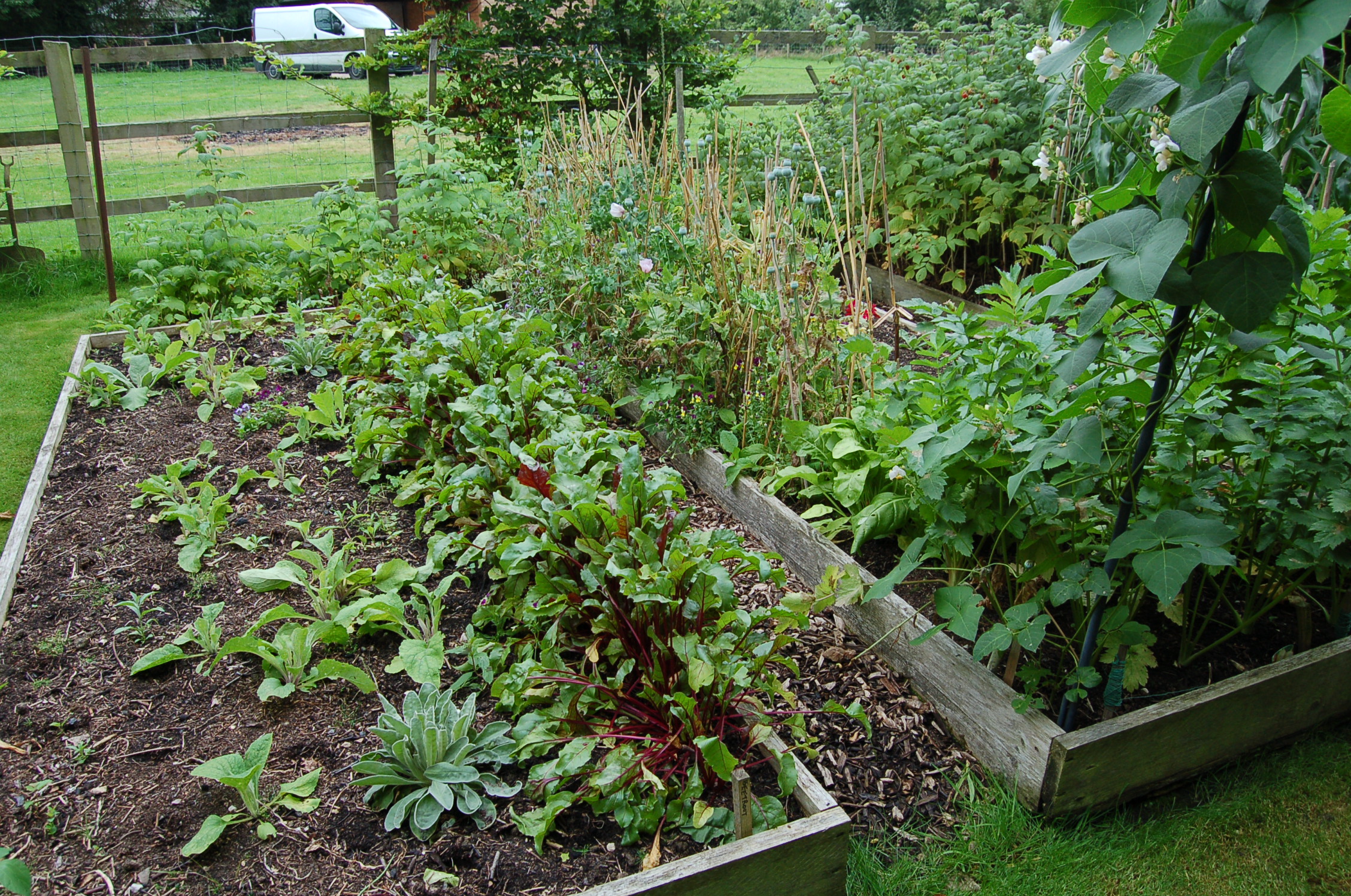
We particularly liked the dense planting in an old wheelbarrow and a miniature pool in a blue glazed pot. Oh, and of course we enjoyed seeing how someone else grows their veggies!

We enjoyed a refreshing cup of tea or two before leaving and left with a promise of some seeds of two plants we liked. The kindness of gardeners shows no bounds.

2013 08 19_2766 2013 08 19_2774 2013 08 19_2773

We then took off back down the bumpy lanes to find our afternoon treat, a woodland garden that is the province of two of our Hardy Plant Society friends. So in my next posting you should find us there enjoying a tasty Hardy Plant Society lunch.

Categories
fruit and veg garden design garden photography garden wildlife gardening gardens open to the public hardy perennials herbs kitchen gardens National Garden Scheme NGS ornamental trees and shrubs poppies roses Shropshire trees

Goldstone Hall – a hotel garden

Not many hotels open their gardens to the public but Goldstone Hall near Market Drayton north of Shrewsbury is an exception to the rule. When we visited the garden on one of its National Garden Scheme open days we were surprised by the sheer volume of the productive garden which sat neatly alongside the beautiful herbaceous borders and rose gardens.

We were here with our Hardy Planters hats on again considering the garden for a possible HPS Shropshire branch day out.

The double herbaceous borders are tiered and this gives them greater depth, gaining a dimension of height. The soil was so well looked after with masses of organic matter in evidence that every plant glowed with health. The wildlife liked it too!

2013 07 29_2338 2013 07 29_2328 2013 07 29_2332 2013 07 29_2323 2013 07 29_2317 2013 07 29_2318 2013 07 29_2319 2013 07 29_2321 2013 07 29_2322

The richness of the soil has made the white epilobium grow huge and collapse under its own weight.

2013 07 29_2320

The rose garden was unusual in that the planting was restricted to just three roses Rhapsody in Blue, Iceberg, Tickled Pink and Silver Wedding. This gave it a very romantic look and I imagine the look was chosen to reflect one of the hotel’s specialities, as a wedding venue.

2013 07 29_2316

There were some wonderful trees in the grounds and many had enticing seats in their shadow.

2013 07 29_2324 2013 07 29_2325

2013 07 29_2331

Long herb walks surrounded two sides of the huge veg and fruit garden. The scents emanating from these herbs was intense in the humidity, especially the helicrysum and thymes. We enjoyed rubbing the leaves of the many varieties of mints.

2013 07 29_2326 2013 07 29_2327 2013 07 29_2329

The productive garden was divided up into several well-protected sections.

2013 07 29_2330

So, we came away thinking we may have found another suitable venue for a HPS garden visit.

2013 07 29_2332 2013 07 29_2333 2013 07 29_2334 2013 07 29_2336 2013 07 29_2337

Categories
climbing plants colours garden design garden photography gardening grow your own half-hardy perennials hardy perennials Hardy Plant Society HPS July ornamental trees and shrubs outdoor sculpture poppies roses Shropshire succulents village gardens

A min-group day out – part two.

So we are still in the little Shropshire village of Ruyton-XI-Towns and we are moving on from Jill’s lovely garden to a neighbour’s garden. We are told this garden has to be seen to be believed as a brilliant example of how to squeeze in lots of top quality plants into a long, twisting space sometimes narrowing to just a path width.

The narrow borders are full to the brim with interesting plants and any vertical surface covered in climbers especially clematis and roses, many of which are richly scented.

2013 06 24_1165 2013 06 24_1166 2013 06 24_1167 2013 06 24_1172

2013 06 24_1180 2013 06 24_1181

2013 06 24_1183 2013 06 24_1184

2013 06 24_1185 2013 06 24_1186

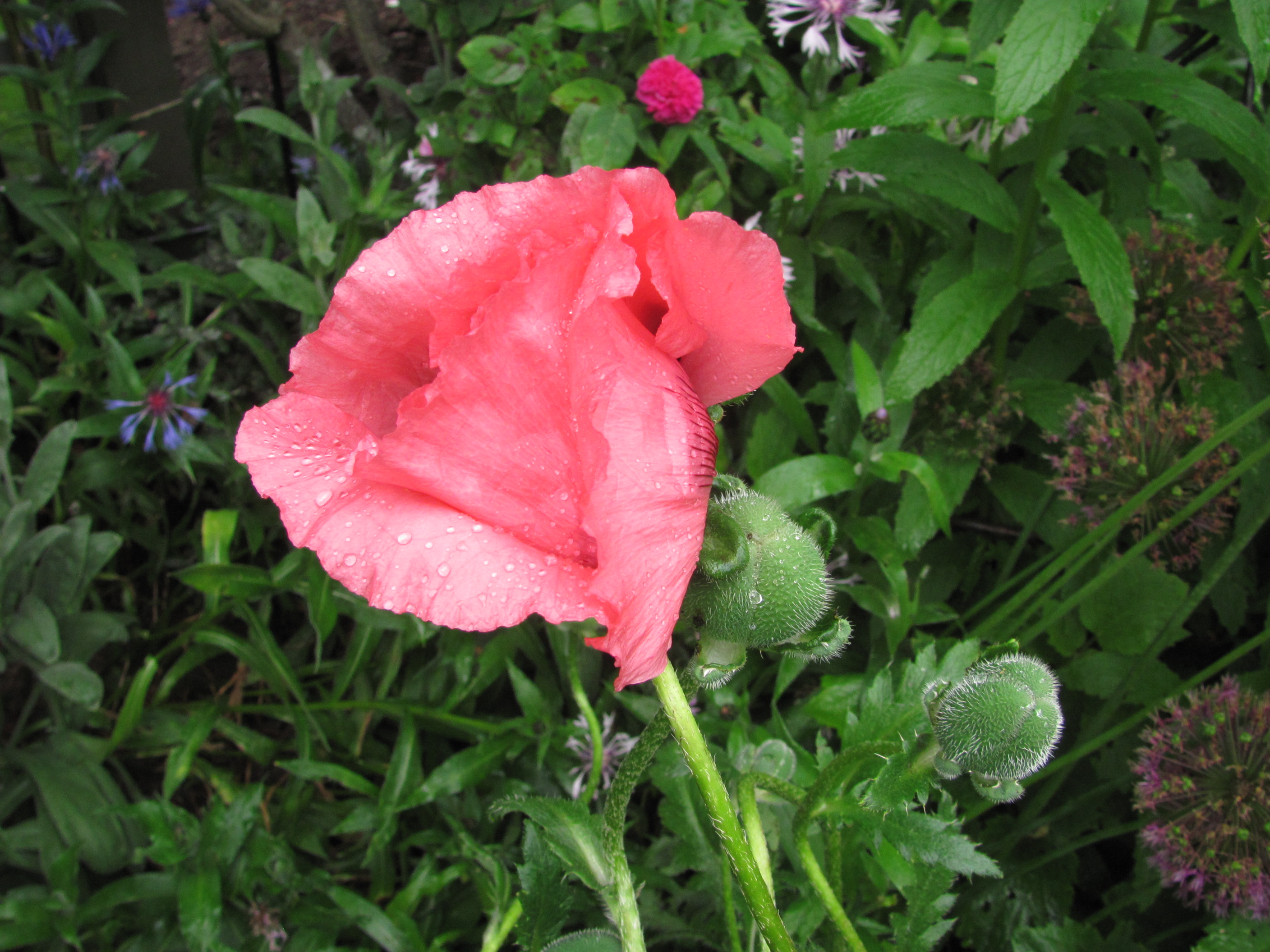
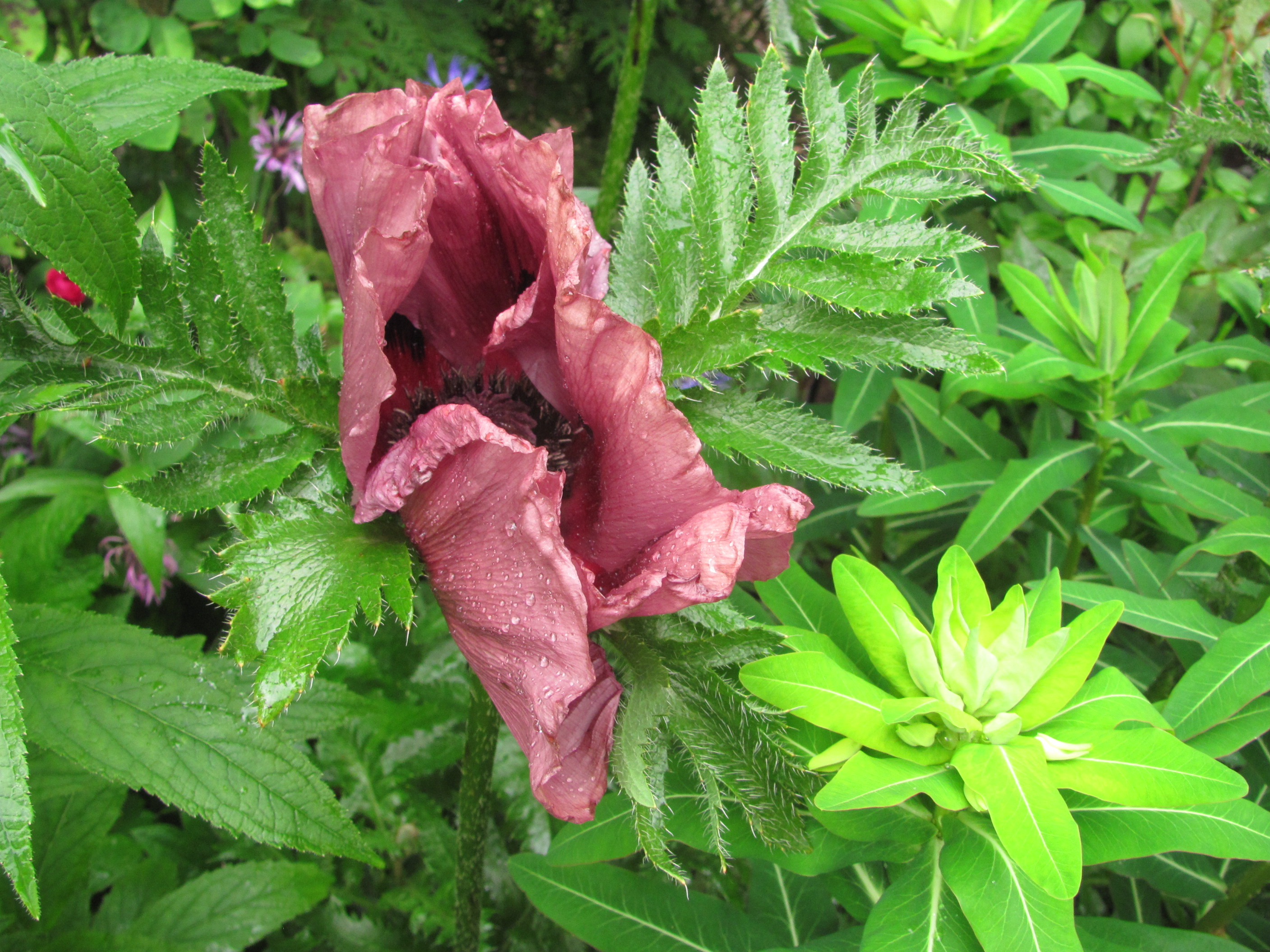
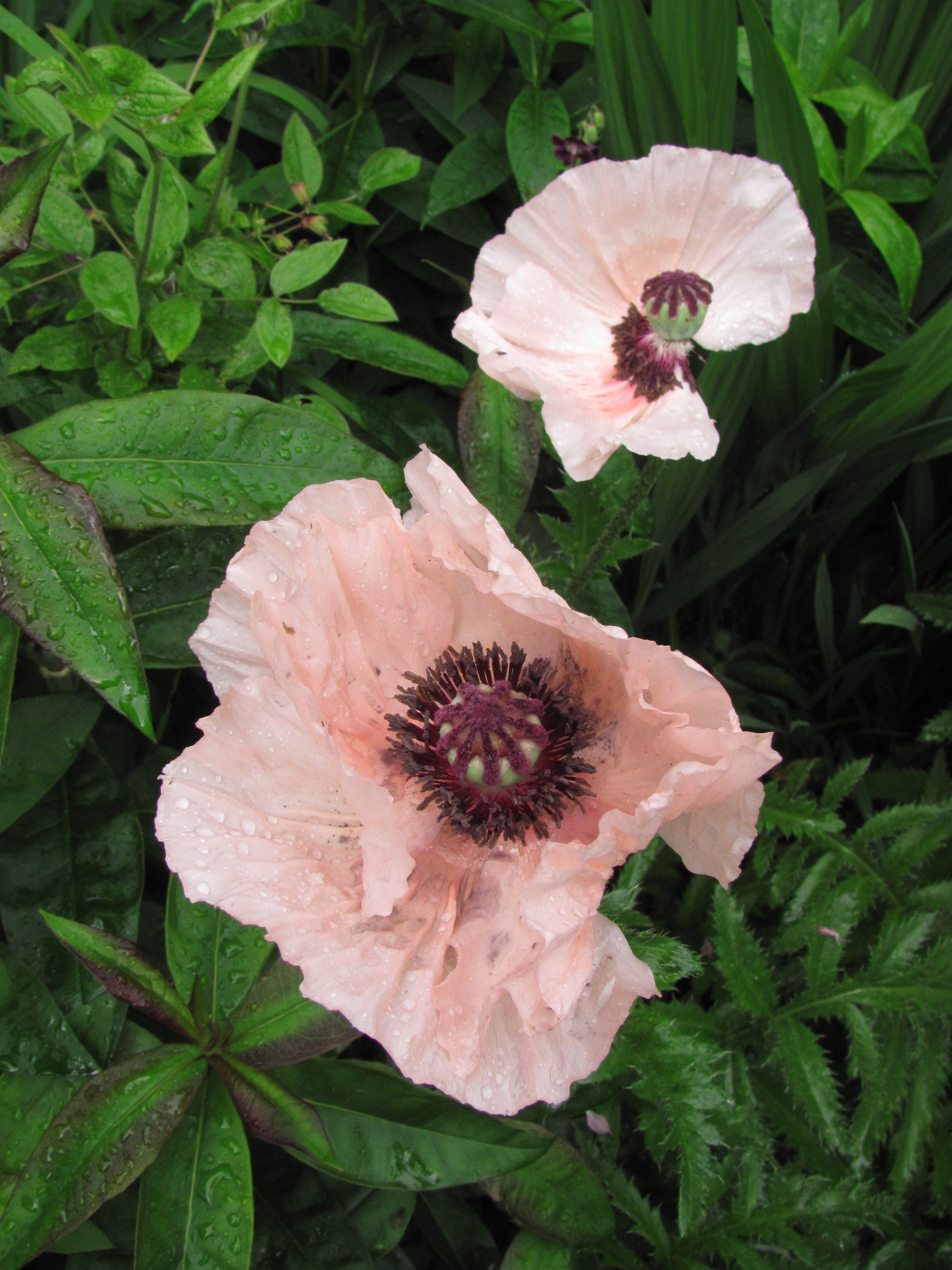
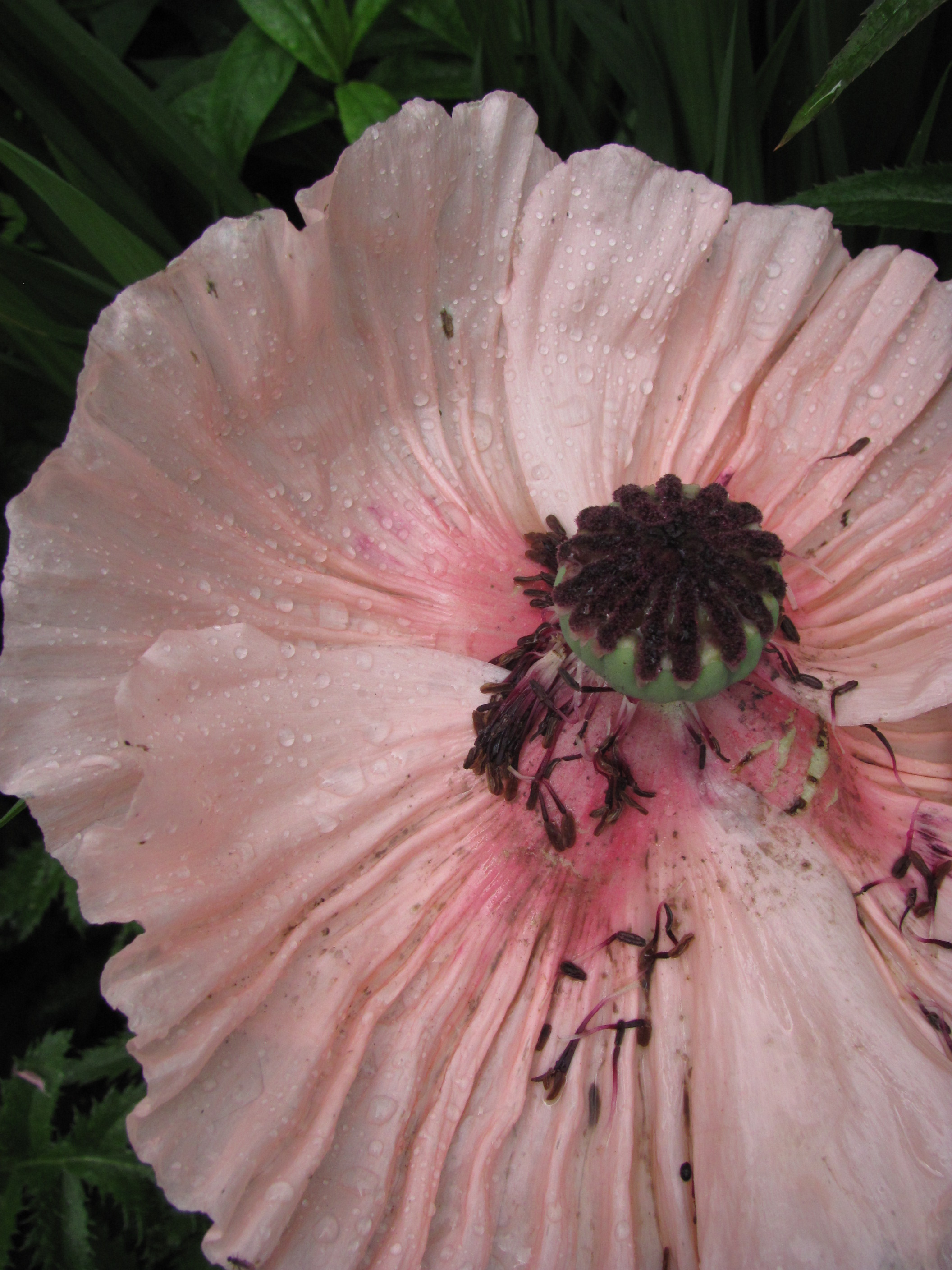
We were impressed with the colour of this  little selection of poppies and their tissue paper petals that unfurled from loose buds.

2013 06 24_1168 2013 06 24_1169 2013 06 24_1170 2013 06 24_1171 2013 06 24_1173 2013 06 24_1174 2013 06 24_1175 2013 06 24_1176 2013 06 24_1177

Our third garden delight of the day was a different kettle of fish all together. It belonged to Chris, another “Hardy Planter” and was out of the village along a narrow country lane with verges rich with native flowers. As we neared our destination cultivated self seeded plants added an extra depth to the colours within the grasses of the verge beneath the hedge.

This garden had a delightful little nursery in the shade of mature trees close to the lawn where we sat to enjoy our tea and cakes. We could see what was awaiting us in the nursery and we were tempted by an unusual pink flowered Geranium phaeum and a Lysimachia “Firecracker”.

2013 06 24_1187

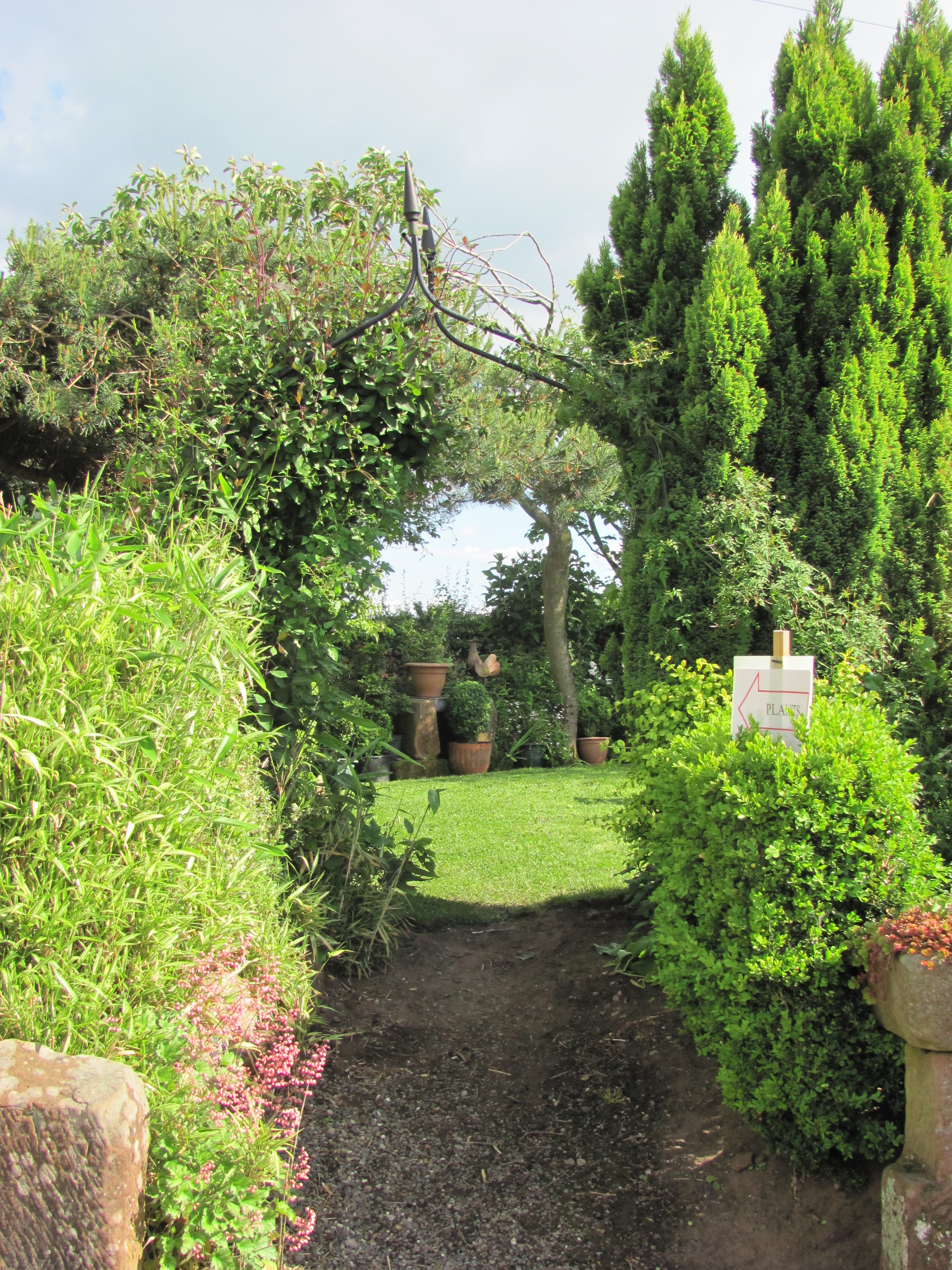
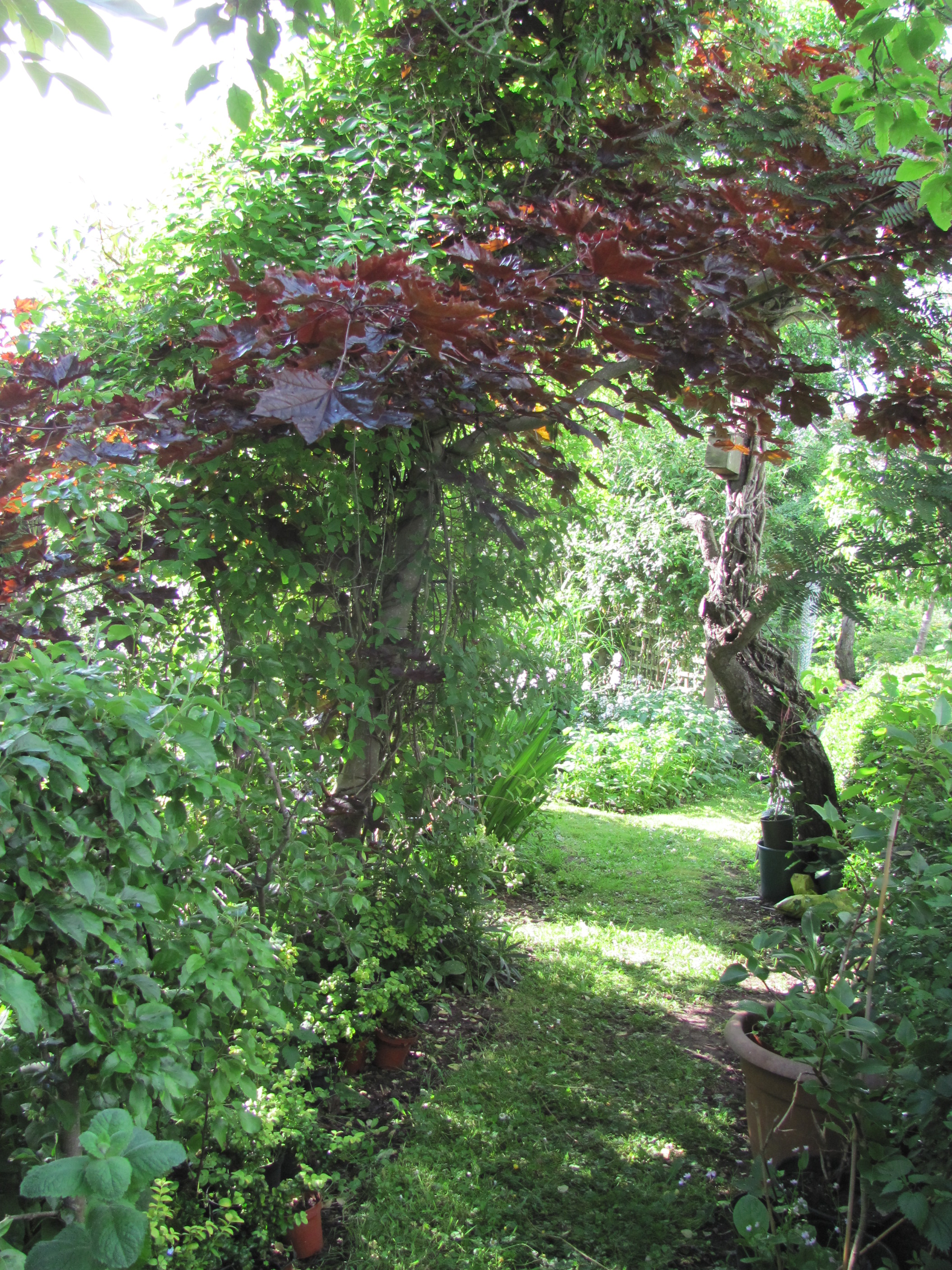
What struck us about the garden was the way shrubs and trees had been used to create frames, gateways and doorways to tempt your footsteps. The low afternoon sun created deep shadows and brightness that invited you onwards.

2013 06 24_1200 2013 06 24_1209 2013 06 24_1199 2013 06 24_1201 2013 06 24_1197 2013 06 24_1198

Closer to little interesting features and details caught our eye.

2013 06 24_1208 2013 06 24_1203 2013 06 24_1202 2013 06 24_1194 2013 06 24_1192 2013 06 24_1189 2013 06 24_1190

We wandered back down the lane after a good wander around, an enjoyable break for tea and cake and after making a few purchases in the little nursery and we were delighted to see that self-seeders from the garden were making their way down the hedgerow and verges.

2013 06 24_1213 2013 06 24_1212 2013 06 24_1211 2013 06 24_1210

This Veggie Life

A Vegetarian | Nature Lifestyle Blog

Rambling in the Garden

.....and nurturing my soul

The Arch City Gardener

Journeys In St. Louis Gardening and Beyond

Garden Dreaming at Châtillon

Consult the genius of the place

Storyshucker

A blog full of humorous and poignant observations.

gardeninacity

Notes from a wildlife-friendly cottage garden

PlayGroundology

...an emerging social science

The Official Blog of British Wildlife

'The most important and informative publication on wildlife of our times' - The Independent. This blog is a member of The UK & Ireland Natural History Bloggers group: www.uknhb.blogspot.com

iGrowHort

Inspire - Cultivate - Grow Native Plants - Restore Landscapes

Bishops Meadow Trust

To create and protect a semi-natural wild space for the people of Farnham to enjoy and experience an array of British wildlife in our town

Gardening with Children

The www.gardeningwithchildren.co.uk Blog

UKbirdingtimeline

birding through the seasons, why birds matter and how to conserve them

NATURE WALKER

with a camera in hand

Jardin

Transform your outdoor space

Eva's space

My allotment, cooking and other interests

Old School Garden

my gardening life through the year

LEANNE COLE

Trying to live a creative life

fromacountrycottage

trying to live as lightly as possible on our beautiful planet

Good Life Gardening

Nature lovers from Leicester living the good life.

mybeautfulthings

Finding the beautiful in the everyday

mawsonmichelle

Michelle's Allotment

In and Out of My Garden

thoughts from and about my garden

Greenhousing

Big plans for a small garden

The Scottish Country Garden

A Walled Country Garden in South East Scotland

The Fruity Chicken

Life at the fruity chicken

willowarchway

Off grid living. Self sufficient. "PERMAGANICS RULE".

St Anns Allotments

Nottingham's Grade 2* Listed Allotments and Community Orchard

Manifest Joy Harvests

a journey in suburban vegetable gardening

Allotmental

The madness of growing your own

Penny's Garden: a harvest beyond my front door

A novel approach to vegetable gardening

arignagardener

Sustainable living in the Irish countryside.

NewEnglandGardenAndThread

Master Gardener, amateur photographer, quilter, NH native, and sometimes SC snowbird

dianajhale

Recent work and work in progress and anything else that interests me

planthoarder

a chaotic cottage gardener

Lens and Pens by Sally

a weekly blog that creates a personal philosophy through photographs and words

Dewdrops and Sunshine

Stories from a sassy and classy Southern farmbelle.

The Pyjama Gardener

Simple Organic Gardening & Seasonal Living

gettin' fresh!

turning dirt into dinner

JOY...

today the world is created anew

Garden Birds

Notes from a Devon garden

ShootAbout

Life Through The Lens

Adapting Pixels

A photography blog showcasing the best photography pictures and videos on the internet

Wildlifegardening's Blog

Just another WordPress.com site

naturestimeline

personal observations from the natural world as the search continues for a new approach to conservation.

LATEBLOOMERBUDS

The Wonders of Life through my Eyes, my Heart, my Soul