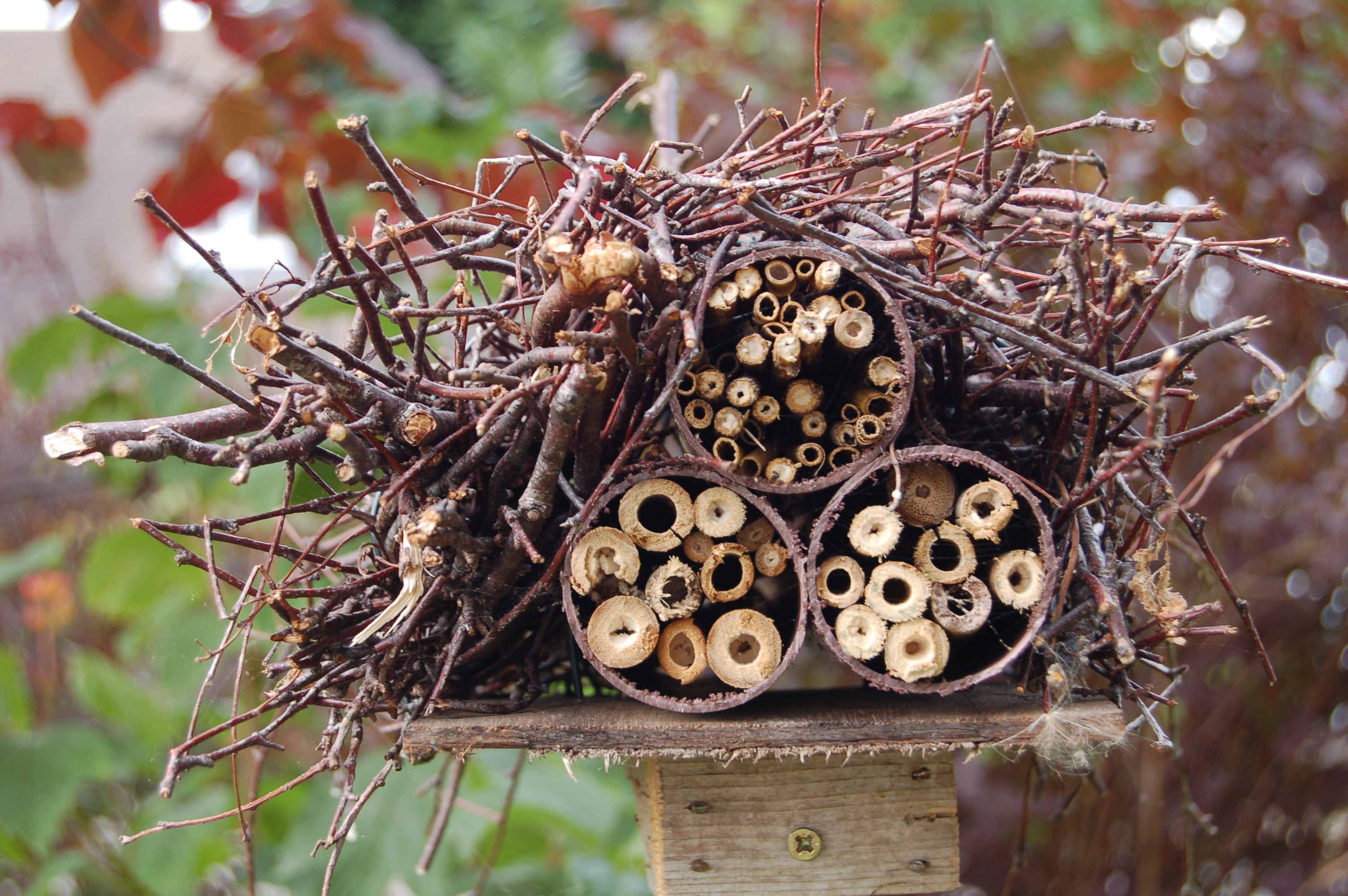
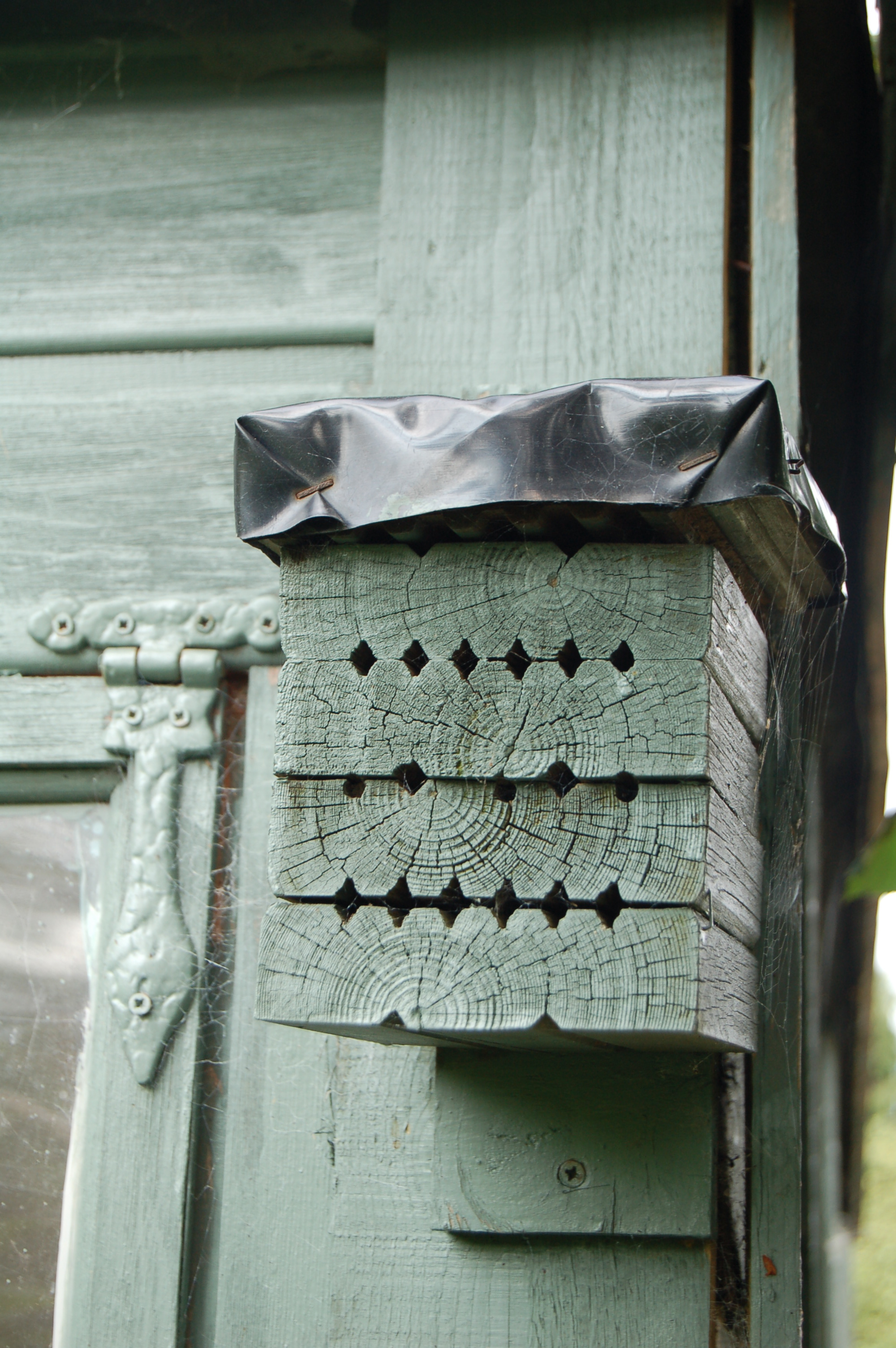
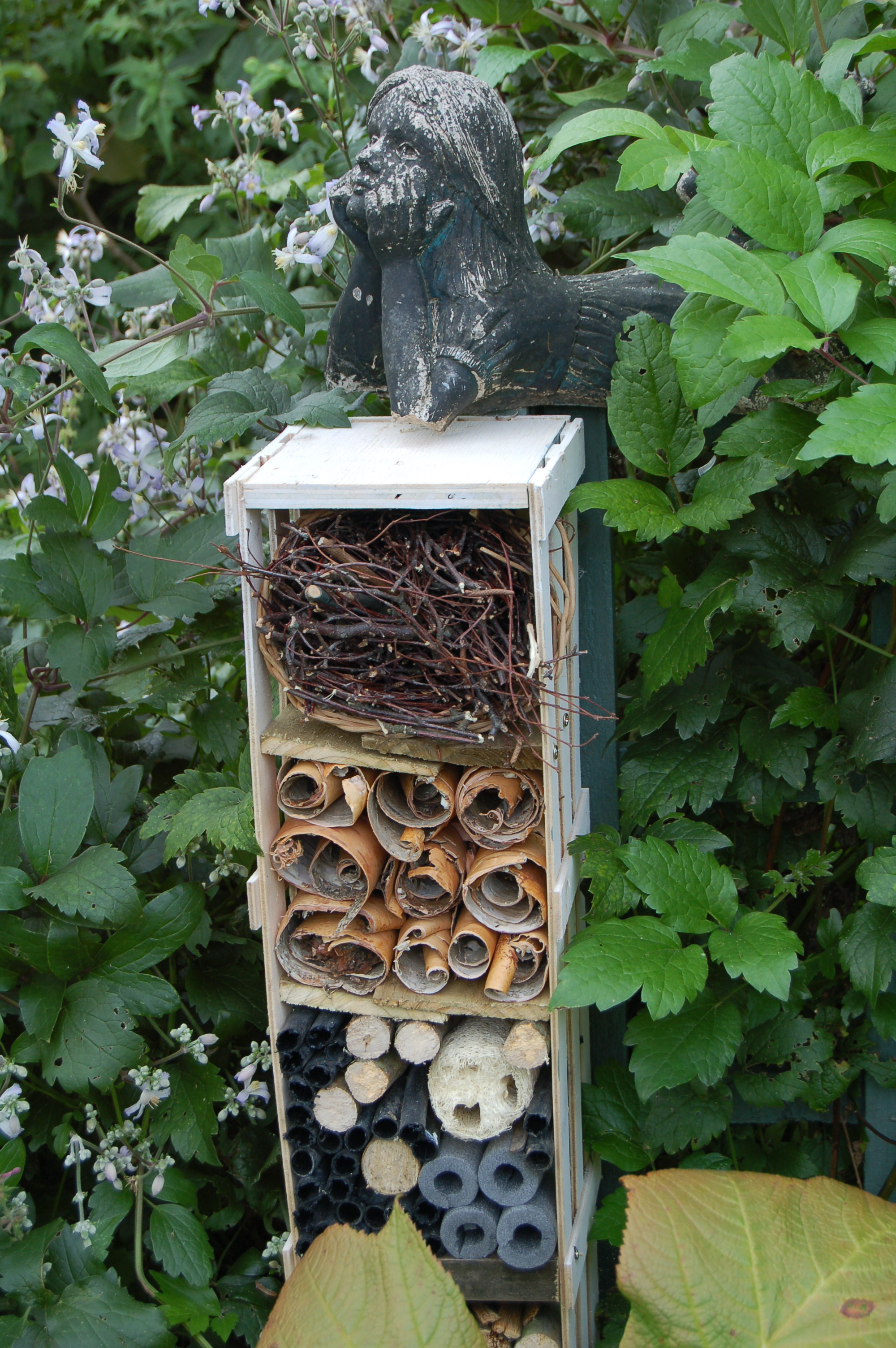
Categories
birds climbing plants flowering bulbs garden photography garden ponds garden pools garden wildlife gardening hardy perennials ornamental trees and shrubs trees water in the garden wildlife

My Garden Journal – August

Here we are with part 8 of my monthly series looking at what I have put into my garden journal. August has been a disappointing month weatherwise, with winds, rain and dull skies, and the plants have responded with short flowering periods and even our roses have failed to repeat flower.

I began my August entries, “The month of school holidays when families make their way to the seaside, is not a holiday in the garden. We have to keep dead-heading and tidying to make sure it looks its best.” and continued with my monthly quote from Jenny Joseph“August is a time of vegetables and smells of leaves and roots as we clear: dusty, musty smell of old growth. What flowers we have in August depends on how diligent you’ve been at dead-heading earlier.”

I continued, “We dead-head our Roses most days in an attempt to keep them in bloom, and cut back dying perennials to encourage both fresh blooms and fresh growth from below.” 

2015 09 03_5007_edited-1

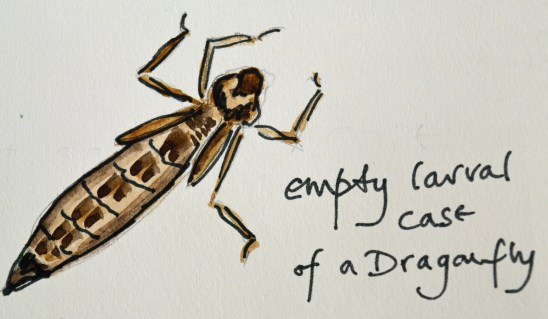
I next referred to our fun activity which takes us back to our childhoods, pond dipping, “An early dip in the pond with our net revealed that young Newts are still very much in evidence. We discovered the shell of a Dragonfly larva and a strangely bodied surface dwelling insect, its shape like an elongated diamond.” I wonder what a pond dipping session will reveal in September as autumn will then be creeping in.
2015 09 03_5014_edited-1 2015 09 03_5015_edited-1

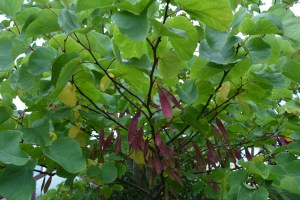
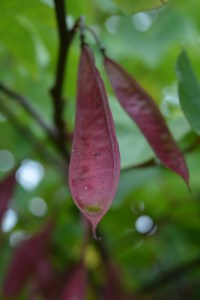
Our Cercis siliquastrum tree featured again as we turn the page of my journal just as it has done in my May entries.

2015 09 03_5008_edited-1

“Discovering new points of interest in the garden is always refreshing. We have always loved our Cercis siliquastrum for its mass of pink flowers in May, but this year we have rows of seed pods hanging from branches like celebratory bunting or prayer flags from Tibet.”
2015 08 10_4637 2015 08 10_4636 2015 08 10_4639 2015 08 10_4638

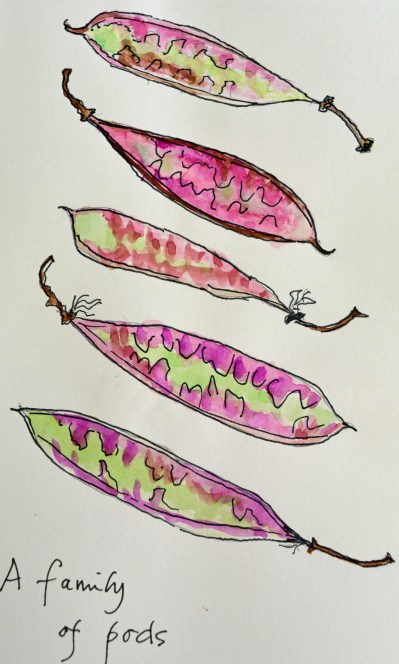
I attempted to paint a watercolour of a selection of pods and this proved to be a real challenge with the subtle variations of green and pink from pod to pod.
2015 09 03_5016_edited-1

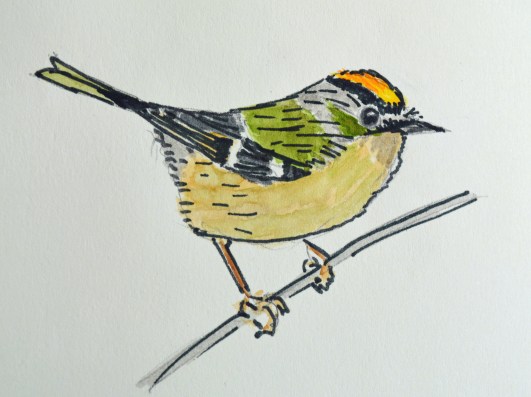
Further notes about the wildlife in our August garden followed on at the turn of the next page, where I noted, “Gardening in August is done with the sounds of Swallows and House Martins wheeling over our heads. Two very contrasting wildlife sounds add to the soundtrack, the deepest croaking grunt of our Toads and the highest pitched song of all our garden birds, the diminutive Goldcrest.” In my painting I tried to capture the character of the Goldcrest, cheerful, jittery and sparkling with life.

2015 09 03_5009_edited-12015 09 03_5018_edited-1

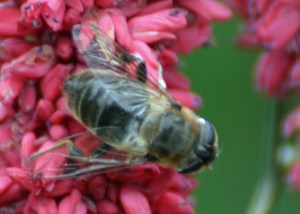
More sounds featured on the facing page, “Gentle, almost inaudible sounds emit from every border, the sounds of Hoverflies. Gentle humming from above flowers, rapid beats make wings almost invisible, the Hoverfly moves in sudden sharp changes of direction. They can be wasp-like, bee-like or fly-like, masters of mimicry and disguise”. I love taking photos of the wildlife that shares our garden and insects and have hundreds in my Photoshop storage space. I have found a few featuring a few of the many different species of Hoverfly to share with you.

2015 08 27_4717-1 2015 08 27_4718_edited-1-12015 08 27_4719_edited-1-1 2015 08 27_4720_edited-1-12015 08 27_4714_edited-1-1

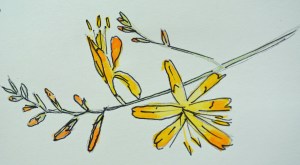
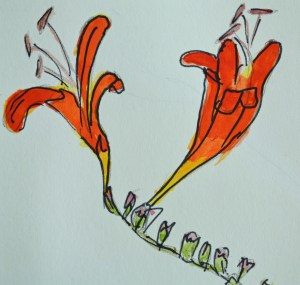
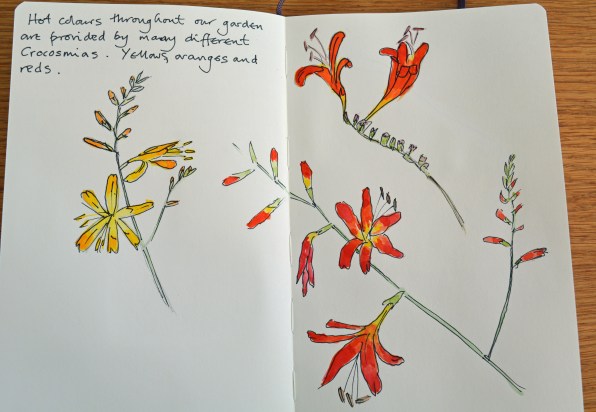
It is one of my favourite families of plants that I featured on the next double page spread, the Crocosmias. “Hot colours throughout our garden are provided by many different Crocosmias. Yellows, Oranges and Reds.” I enjoyed the challenge of creating watercolour paintings of three of our cultivars.
2015 09 03_5019_edited-12015 09 03_5020_edited-1 2015 09 03_5021_edited-1

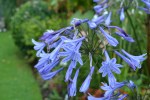
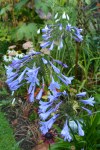
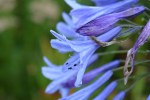
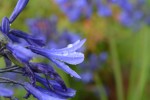
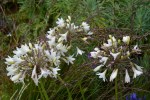
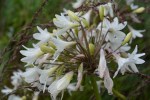
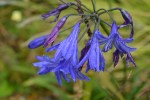
From one bulbous rooted plant to another, from Crocosmias to Agapanthus. “Remember those Aganpanthus buds of July? Well, just look at them now!”

2015 09 03_5011_edited-1

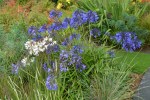
I hope you enjoy this little gallery of photos of our Agapanthus. Just click on the first photo and use the arrows to move on through.

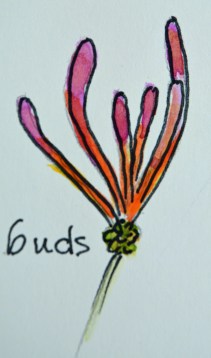
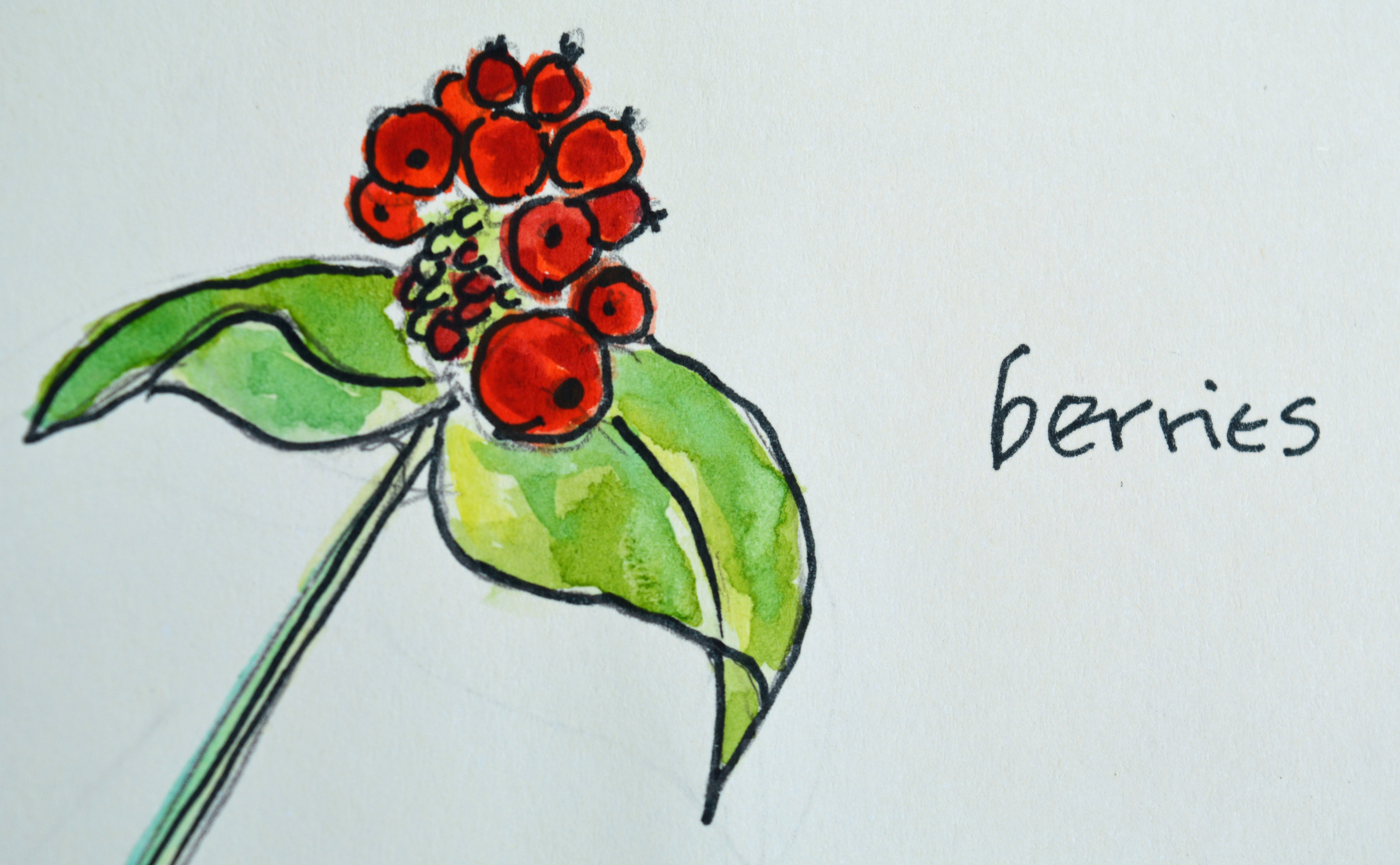
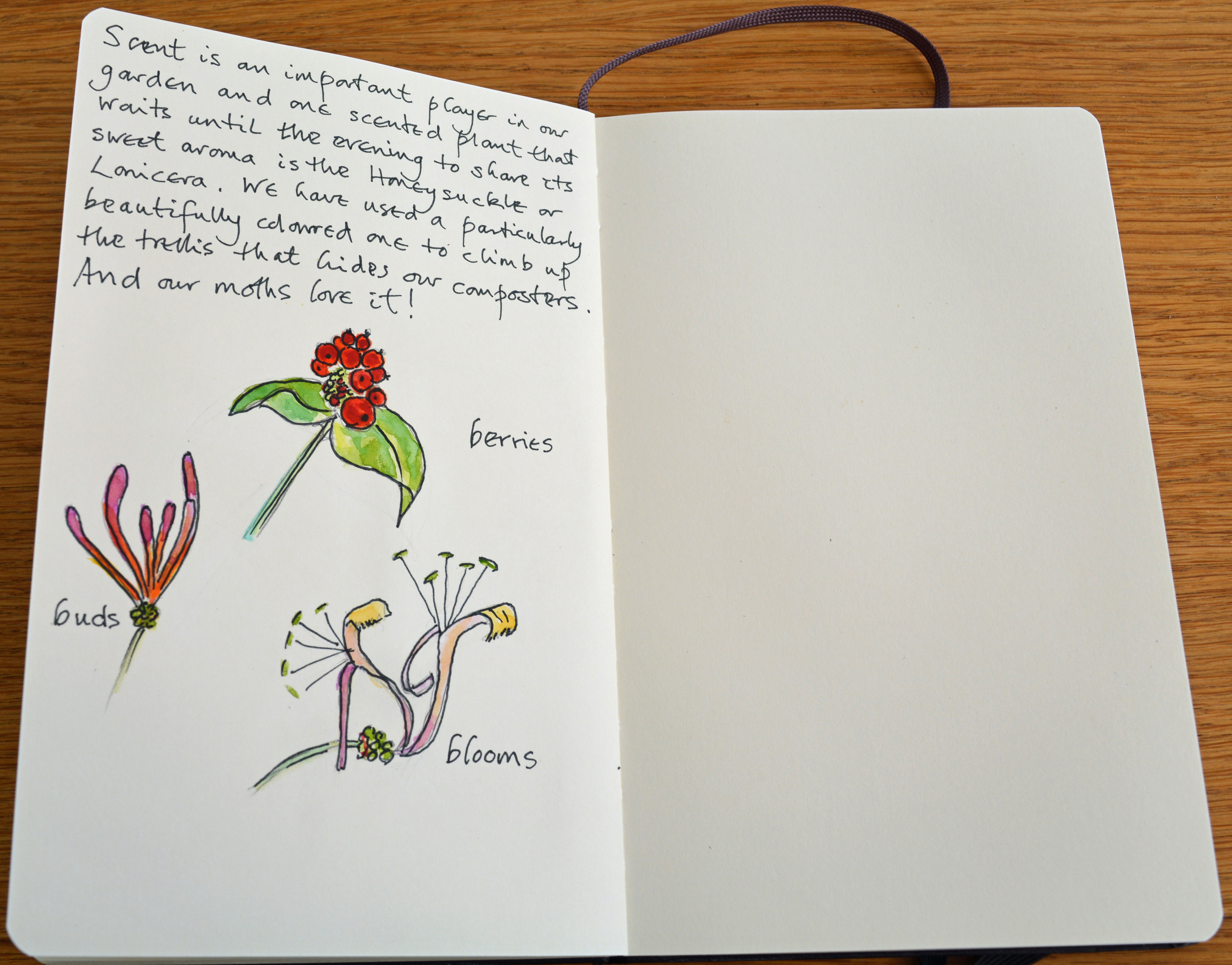
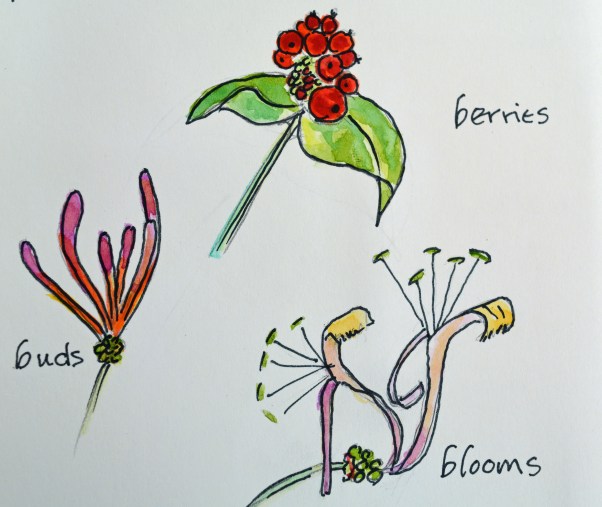
My final page for August featured another garden favourite, this time a climber, the Honeysuckle. I wrote “Scent is an important player in our garden and one scented plant that waits until the evening to share its sweet aromas is the Honeysuckle or Lonicera. We have used a particularly beautifully coloured one to climb up the trellis that hides our composters. And our moths love it!” I turned once again to my beautiful wooden box of watercolour paints to create a little series of pictures of the buds, blooms and berries of the Honeysuckle.
2015 09 03_5012_edited-1   2015 09 03_5025_edited-12015 09 03_5024_edited-1 2015 09 03_5022_edited-1 2015 09 03_5023_edited-1

The next look at my garden journal will be in September when we may be seeing the early signs of Autumn.
Categories
colours countryside flowering bulbs landscapes light light quality photography trees wildlife woodland woodlands

A Week in the Lake District – Part 6 – Bluebells

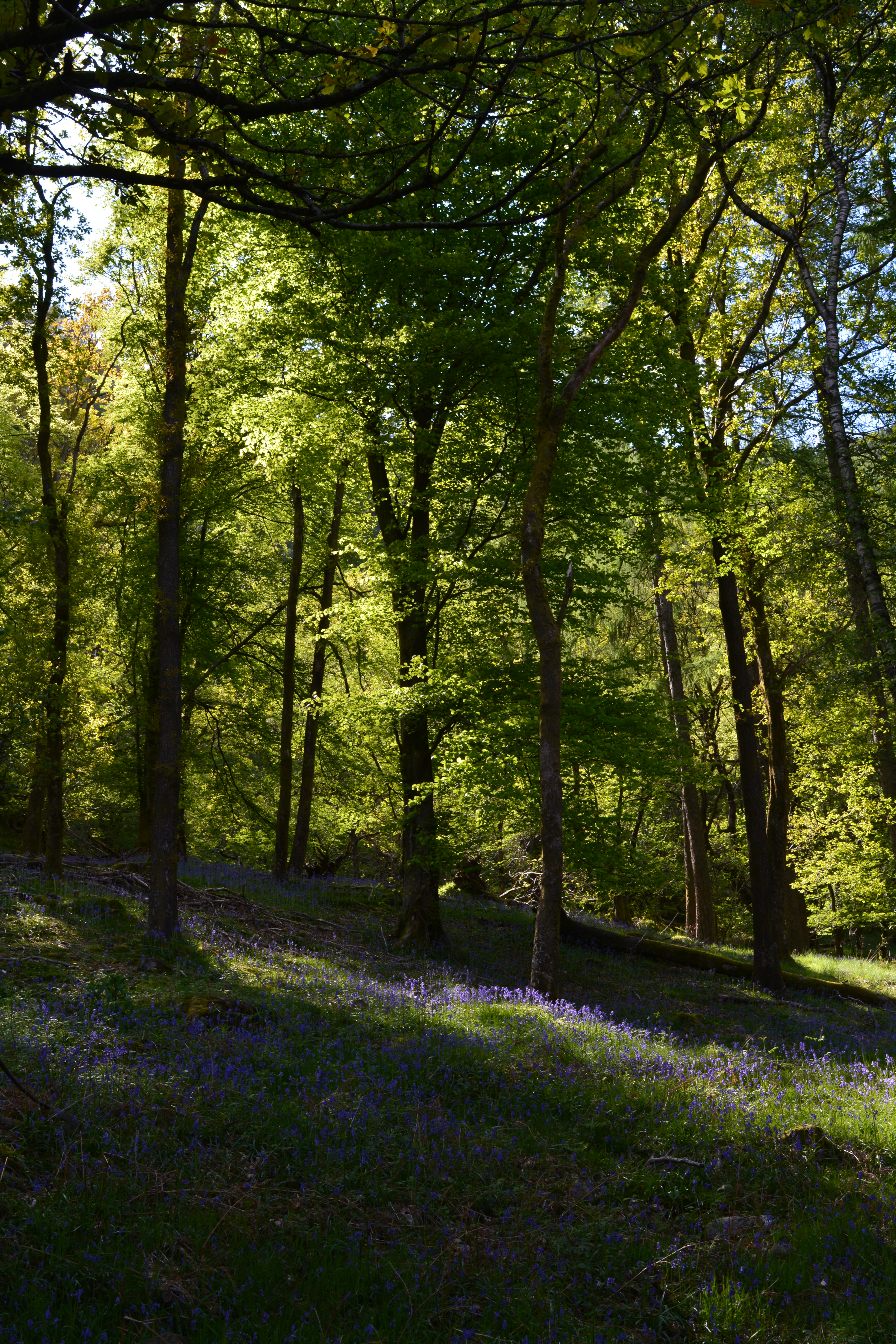
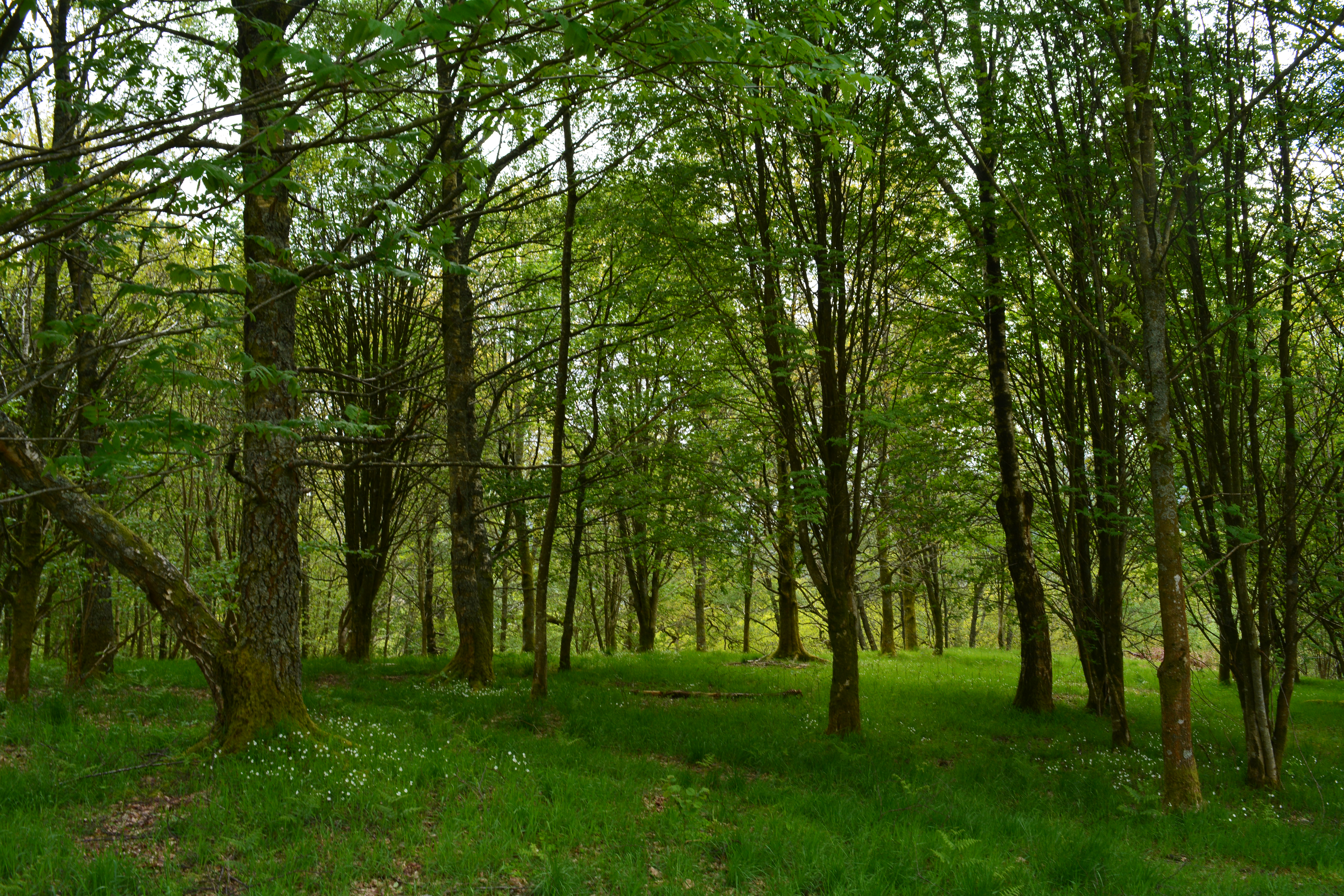
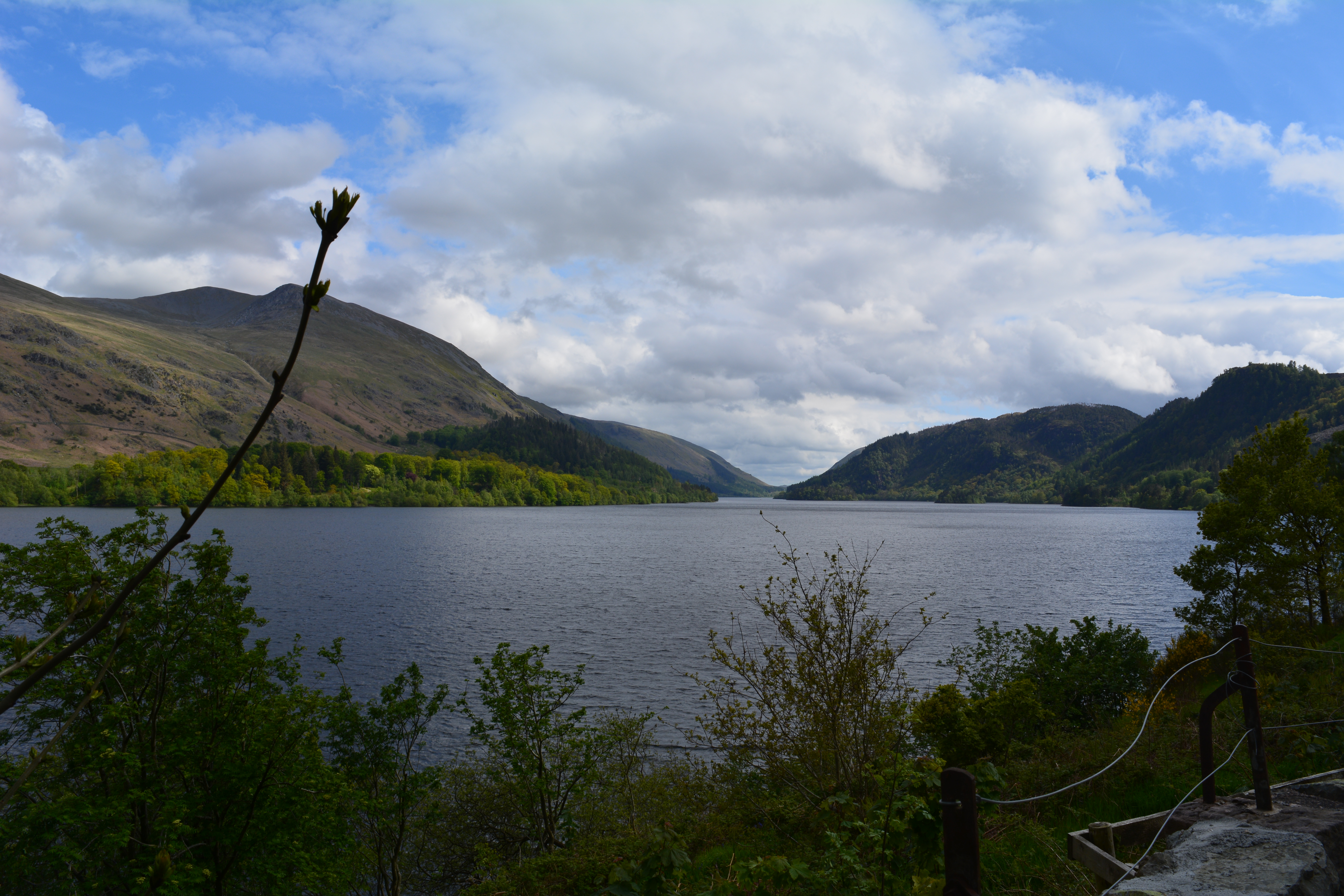
The Bluebells in our Shropshire garden were flowering and sharing their rich scent with us early in May, so we were more than a little surprised to find them only just coming into flower when we visited the Lake District a month later. While driving the perimeter road around the lake called Thirlmere, we followed the road as it moved into woodlands of tall trees elongated as they fought to reach the light.

2015 06 03_2432 2015 06 03_2433

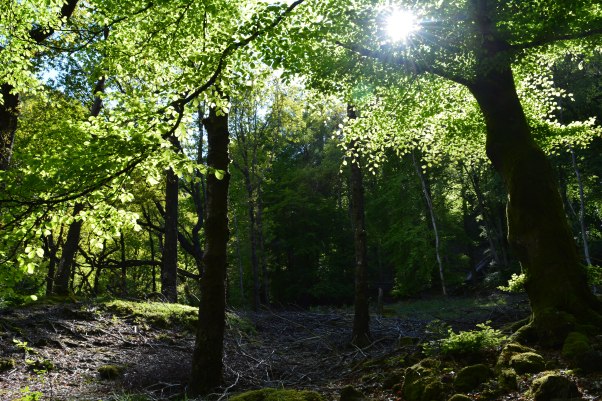
Beneath the canopy, the play of light and shade fascinated us as explored the woods.

2015 06 03_2434 2015 06 03_2435 2015 06 03_24542015 06 03_2448

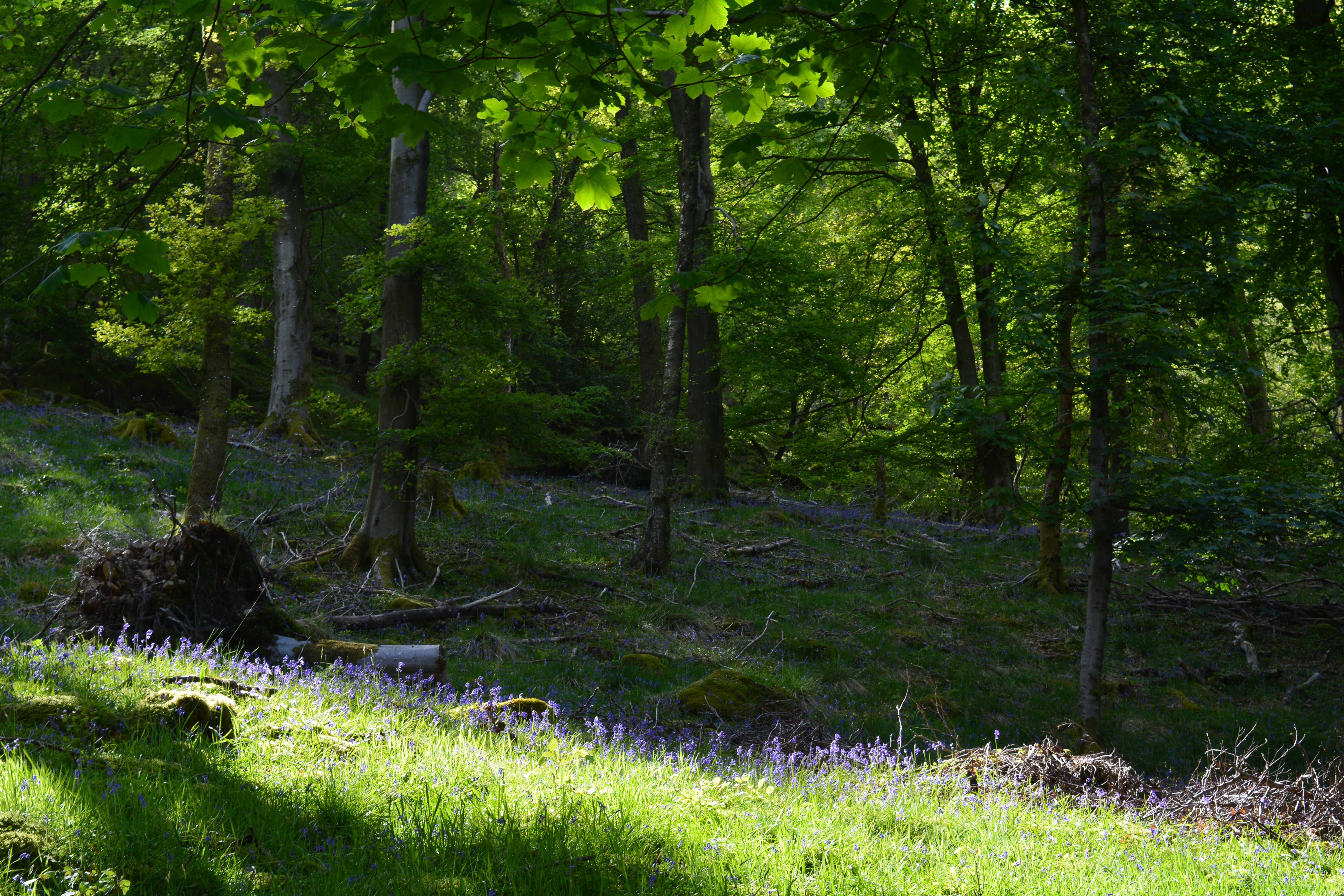
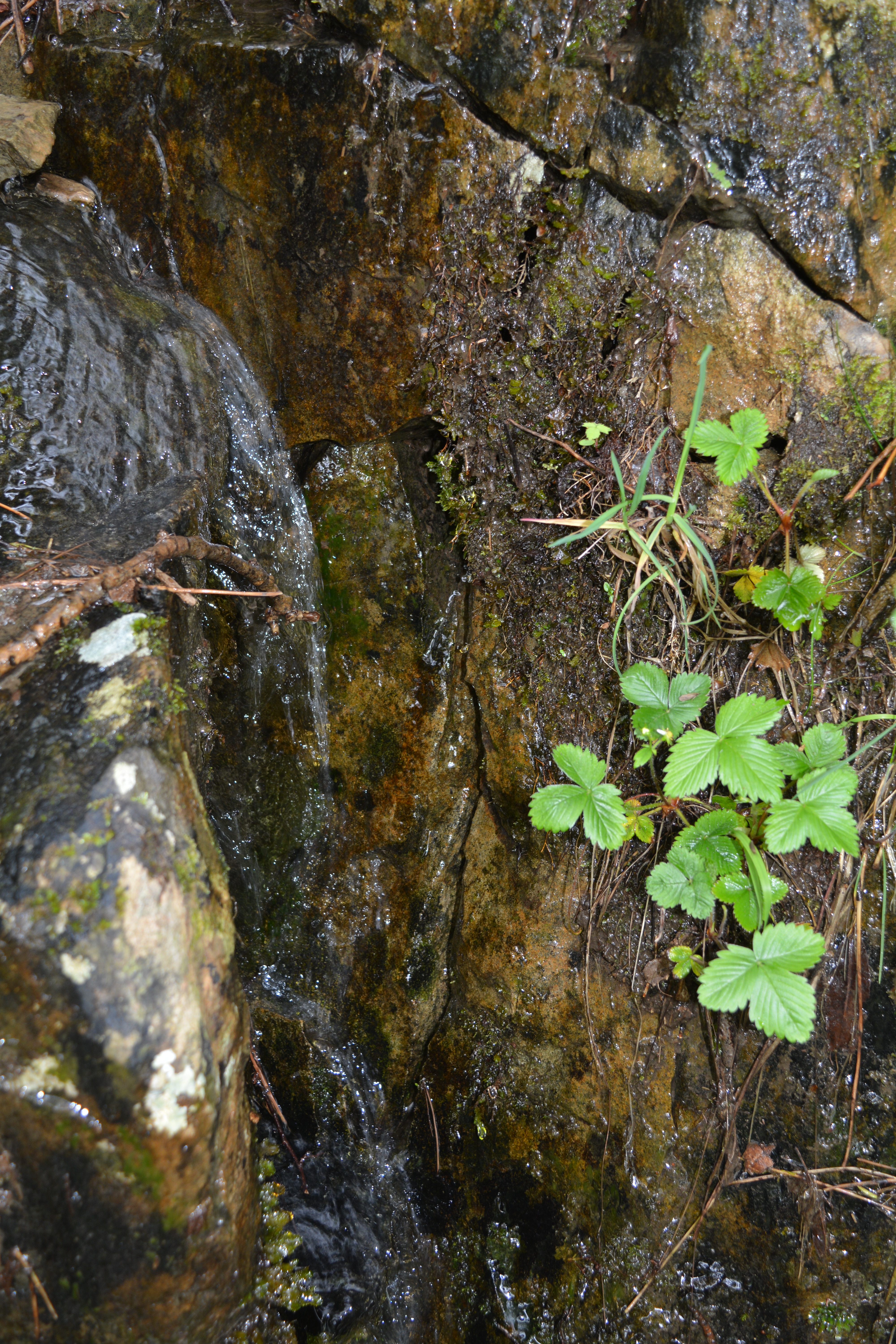
As we explored further we noticed a haze of blue appearing among the fine grasses of the woodland floor. On close inspection we realised they were Bluebells, the wildflower of spring.

2015 06 03_2436 2015 06 03_2438 2015 06 03_2437 2015 06 03_24392015 06 03_2440 2015 06 03_24422015 06 03_2441 2015 06 03_2445 2015 06 03_24432015 06 03_2444 2015 06 03_2446

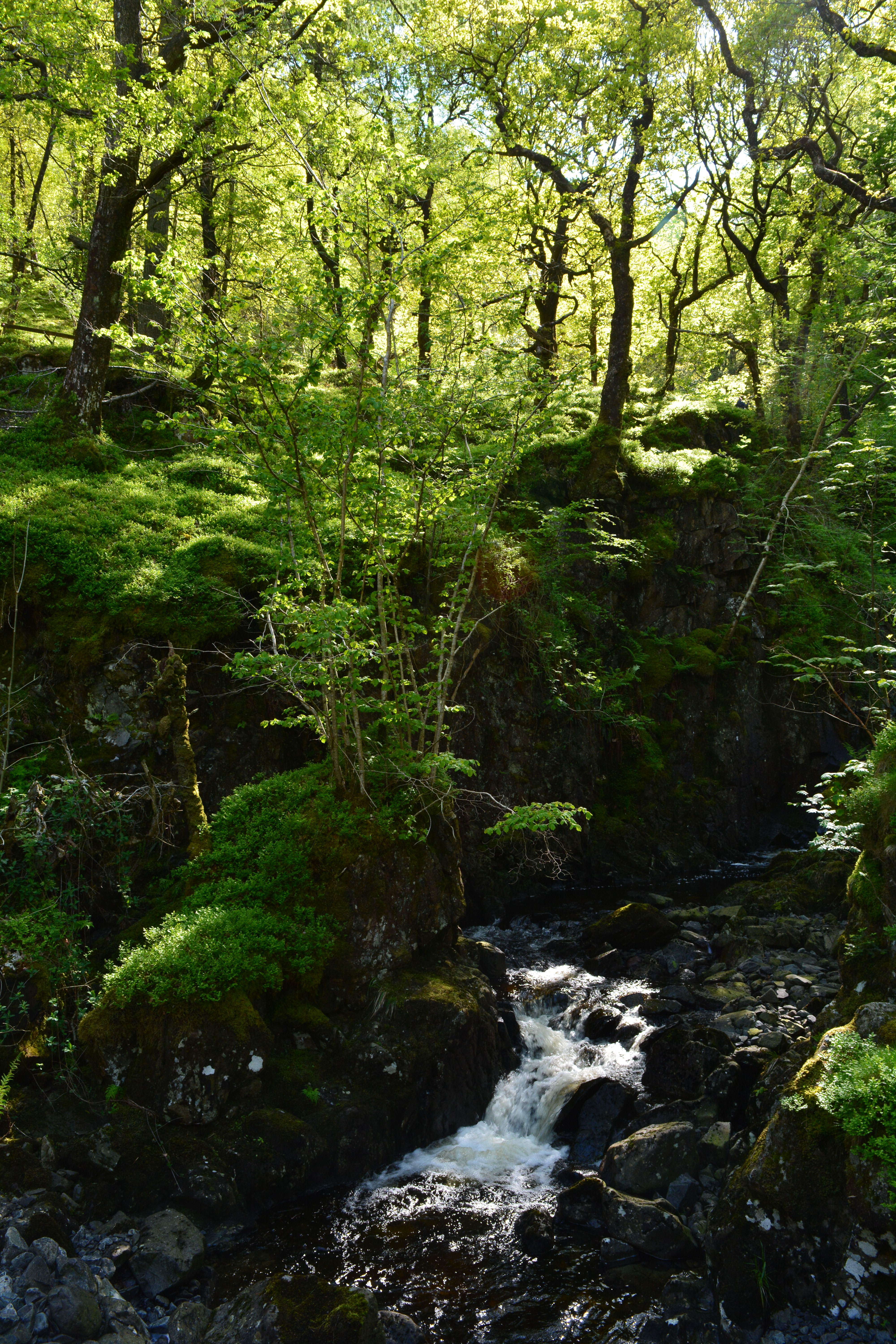
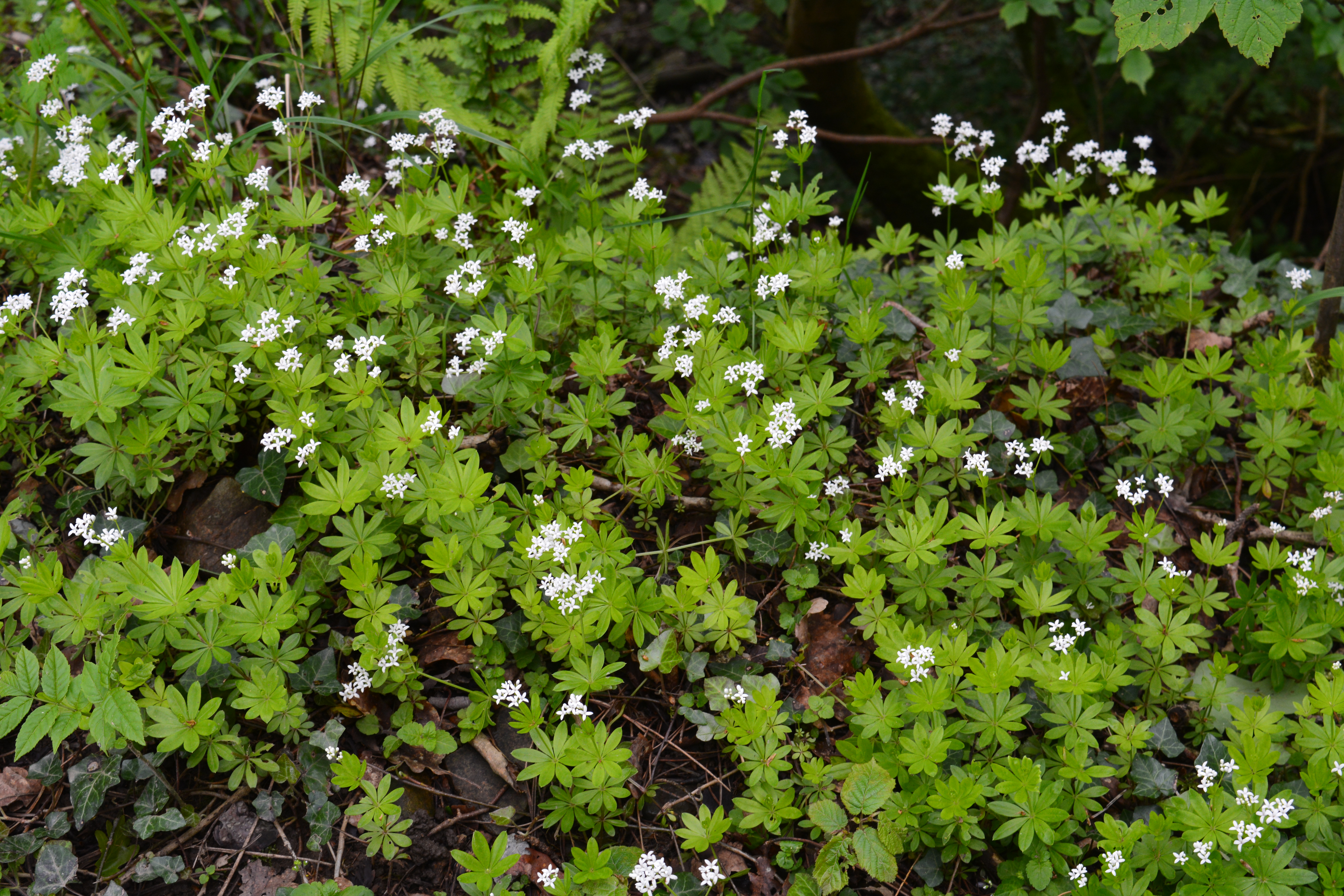
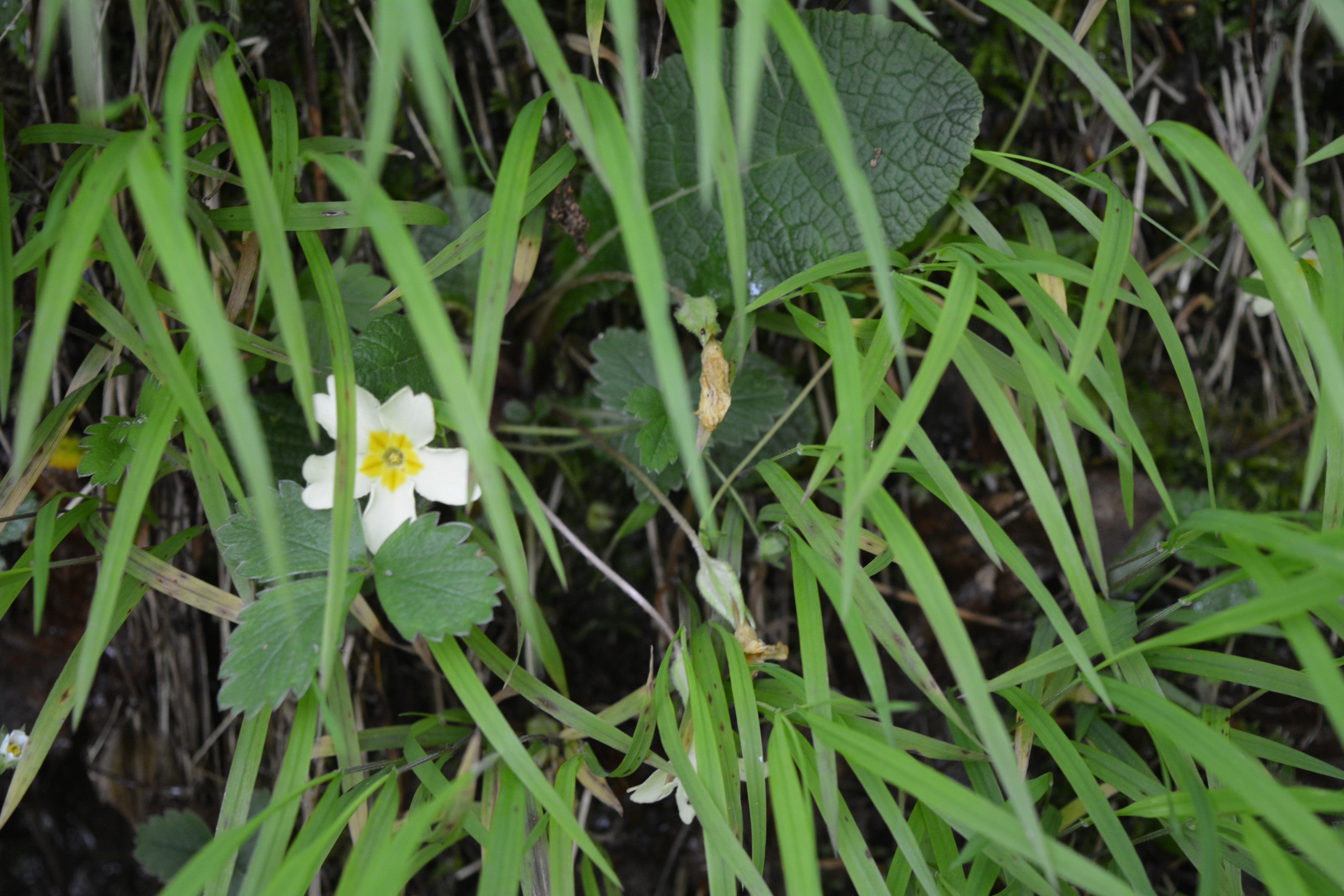
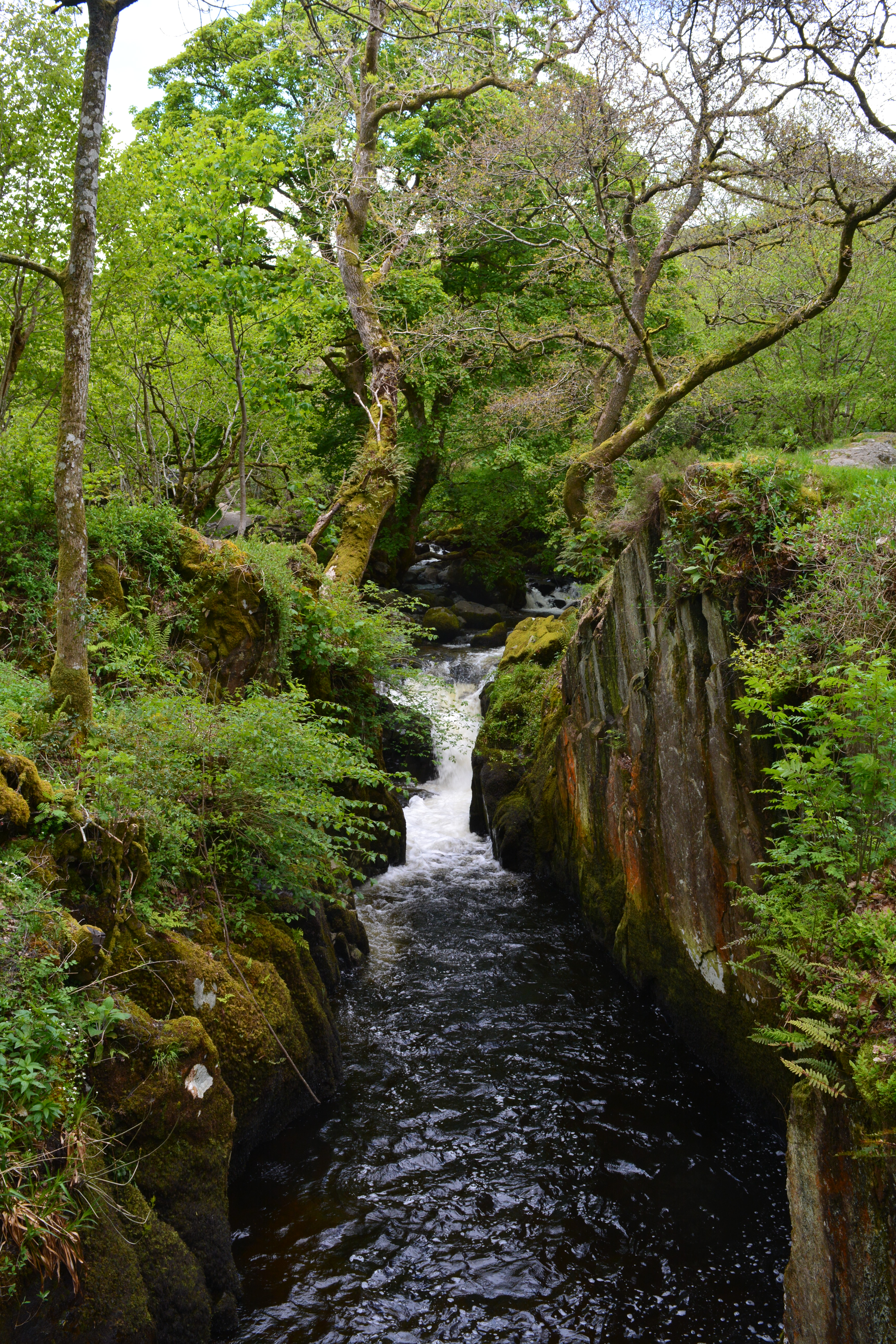
Please enjoy this final set of photographs showing the richness of light in the woods around Thirlmere, one of the many bubbling streams and some of the wild plants growing there.

2015 06 03_2447 2015 06 03_2450 2015 06 03_24552015 06 03_2451 2015 06 03_2452    2015 06 03_2456 2015 06 03_2453

Categories
bird watching birds countryside lakes Land Art landscapes light light quality National Trust nature reserves photography The National Trust trees wildlife woodland woodlands

Aira Force – the walk back.

After enjoying the sights and sounds of the Aira Force water falls we followed the stream as it wandered through the wooded hilltops before we started our walk back down the valley. As we had been sat resting we were mesmerised by the songs and calls of so many birds in the trees and understory. This we would soon discover was to be a feature of our week in the Lakes – the sheer number of birds astounded us! At Aira Force we could hear Nuthatches, Treecreepers, Goldcrests, Coal Tits and all the thrushes, the Song Thrush, the Mistle Thrush and the Blackbird. We heard several warblers too and recognised a few such as the Wood Warbler, Garden Wabler and the Chiffchaff as well as their larger cousins the Redstart, Whitethroat and Blackcap. It made for an entertaining time and emphasised how important these areas of countryside managed by the National Trust are as nature reserves.

2015 06 03_2380 2015 06 03_2381 2015 06 03_2382 2015 06 03_2383 2015 06 03_2384 2015 06 03_2385 2015 06 03_2386 2015 06 03_2387 2015 06 03_2388 2015 06 03_2389

2015 06 03_2390 2015 06 03_2391

We changed direction and began the gentle descent. We enjoyed different views of places we had admired on our ascent.


2015 06 03_2392 2015 06 03_2393

We took a slight detour from the main path to a damp more open area where different plants were growing and even the air itself felt damp to our skin. We were tempted to follow this detour just because of this beautifully constructed stone track. We just had to follow it! It reminded us of the work by land artist Richard Long.


2015 06 03_2394 2015 06 03_2395 2015 06 03_2396 2015 06 03_2397 2015 06 03_2398 2015 06 03_2399 2015 06 03_2400


Our detour finally took us back to our original pathway and we enjoyed the sounds of the tumbling stream once more.

2015 06 03_2403 2015 06 03_2404


2015 06 03_2405 2015 06 03_2406 2015 06 03_2407 2015 06 03_2408 2015 06 03_2409 2015 06 03_2410

So we found ourselves back at our starting point having enjoyed a stimulating, beautiful wander up and down this wooded valley. The waterfall, Aira Force, was the icing on the cake! A great day out!

Categories
allotments bird watching birds community gardening garden wildlife light light quality Shropshire wildlife

The Dawn Chorus at our Allotments

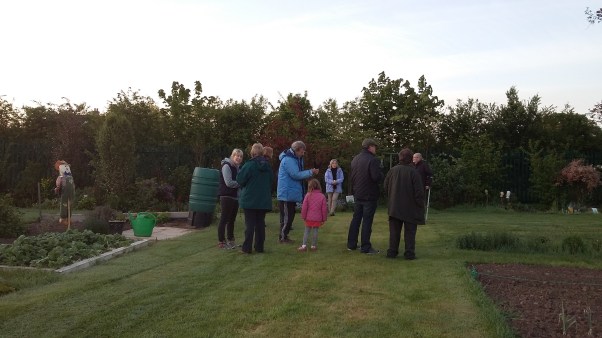
To give an extra dimension to our Spring Celebrations at our allotment community, Bowbrook Allotment Community, we added a second social day. We met just as the sun was rising in order to hear the dawn chorus and experience the site coming to life. We soon met a problem though as the coded padlock on our gates is black so it was very difficult to get the numbers lined up to open up. Once that hurdle was overcome we had a great few hours.

It was strange to be on site when it was so quiet. The sky began to colour up before the sun rose and we admired the patterns that jets were painting with their vapour trails across the sky.

2015 05 17_1717 2015 05 17_1721

We wandered off around the site following our interest trail paths listening out for the songs of birds as they awoke to add their tunes to the dawn chorus. We were lucky to hear a Yellow Hammer singing heartily on top of our wild hedges. The loudest songs were probably those of the many Wrens who share the allotments with us. But the noisiest birds of all were the Rooks which nest in their rookery sited in the group of mature trees close by. As the light began to appear a few scouts left the rookery and noisily flew over our heads and off into the distance. Upon their return ten minutes later they seemed to have brought news of the best place to start the day’s search for food. Slowly small groups of Rooks flew over us all flying in the same direction to return ten minutes or so later.

As the light slowly increased we heard more birds joining in the chorus, Robins, Blackbirds, Song Thrushes, Dunnock, Chaffinches, Greenfinches, Whitethroats and Blackcaps. We spotted Nuthatches, Treecreepers and a Great Spotted Woodpecker who searched our mature Oak and Sycamore trees for bugs to eat. Collared Doves and Wood Pigeons added their repetitive calls to the chorus and a pair of Magpies tried to spoil it all with their raucous cries. The beauty of the dawn chorus could however not be spoiled by a couple of Magpies.

2015 05 17_1726 2015 05 17_1699

We were lucky to see an orange sun rise above the surrounding trees. Young Ella at just five years old was totally speechless! We were engulfed in a golden glow.

2015 05 17_1722 2015 05 17_17022015 05 17_1723

We were lucky to be on site just as the parent birds were leaving the nest boxes. We watched in awe as the adult Blue Tits and Great Tits made so many journeys in search of food and listened to the youngsters greeting their every arrival with raucous cries. We enjoyed our free entertainment. Adults and children alike were mesmerised!

2015 05 17_1719

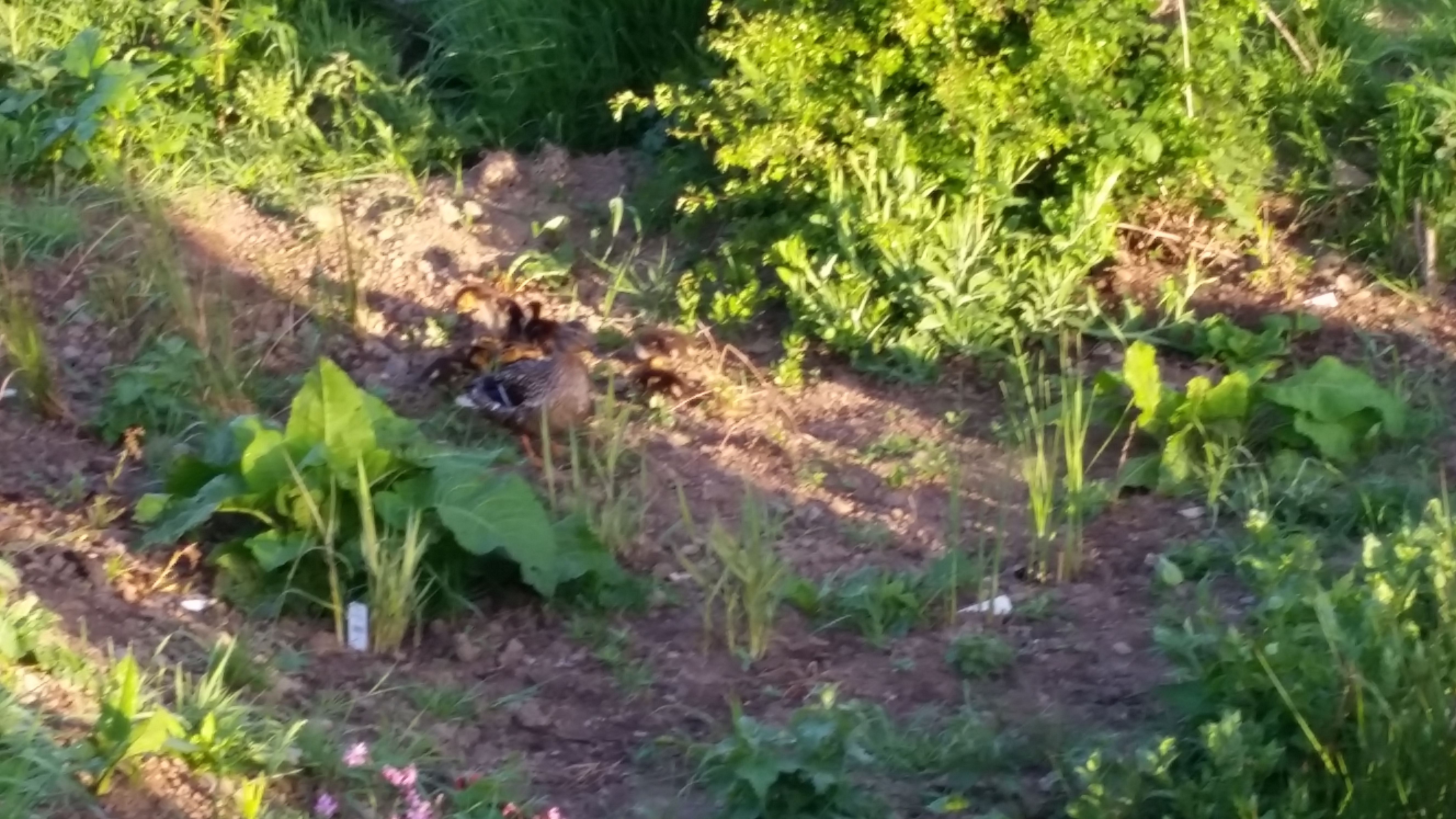
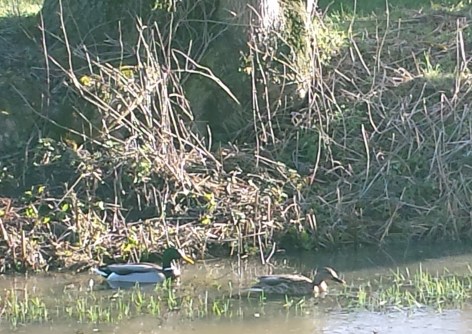
Part way around our walk we were joined by our family of ducks. A mother Mallard and her ducklings. We met them again when we reached the pond, where they swam for a while and then found a spot in the marshy end where the sun was shining for a good long preen. Can you spot them in the third of these photos?

2015 05 17_1733 2015 05 17_17342015 05 17_1705


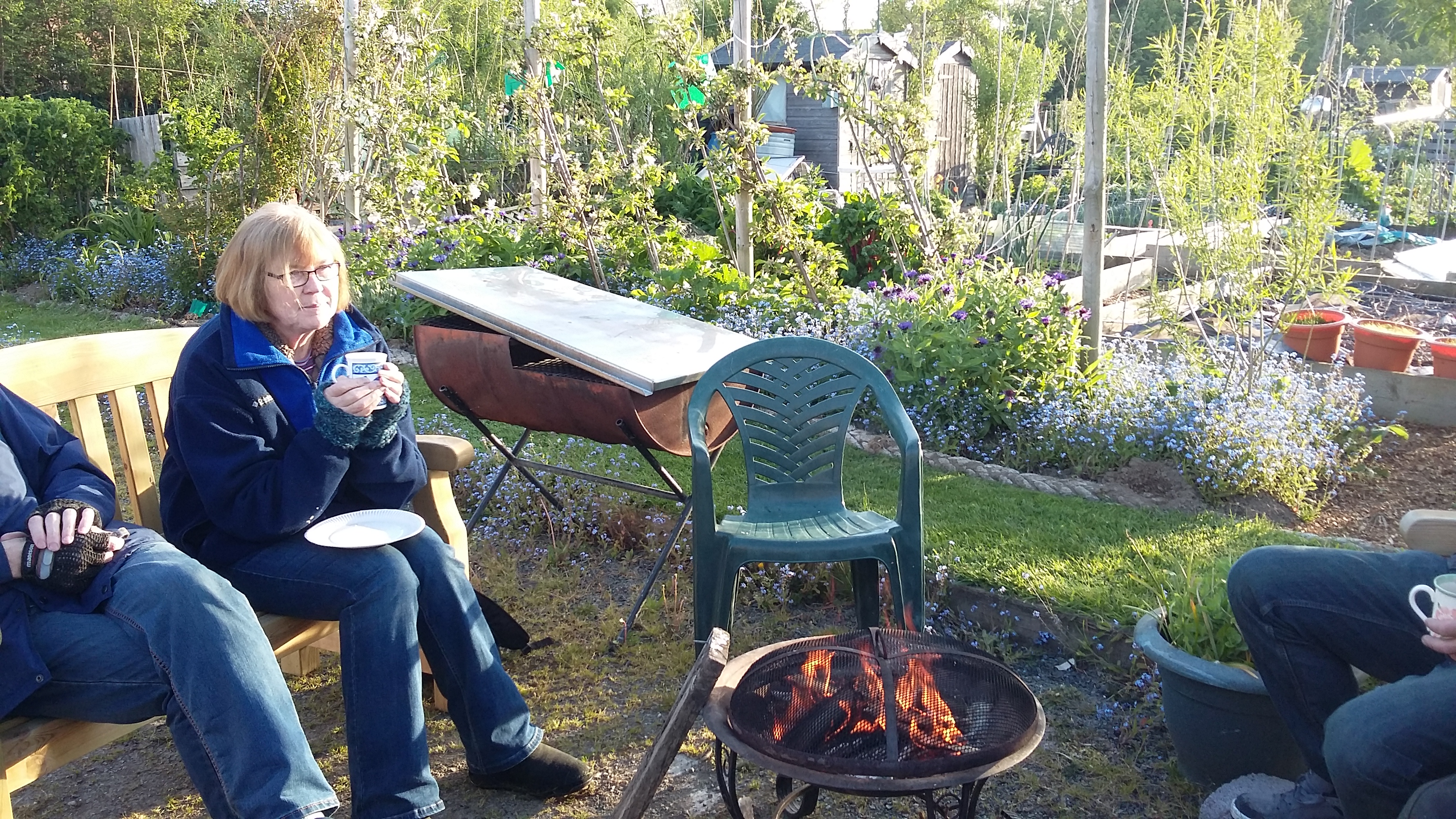
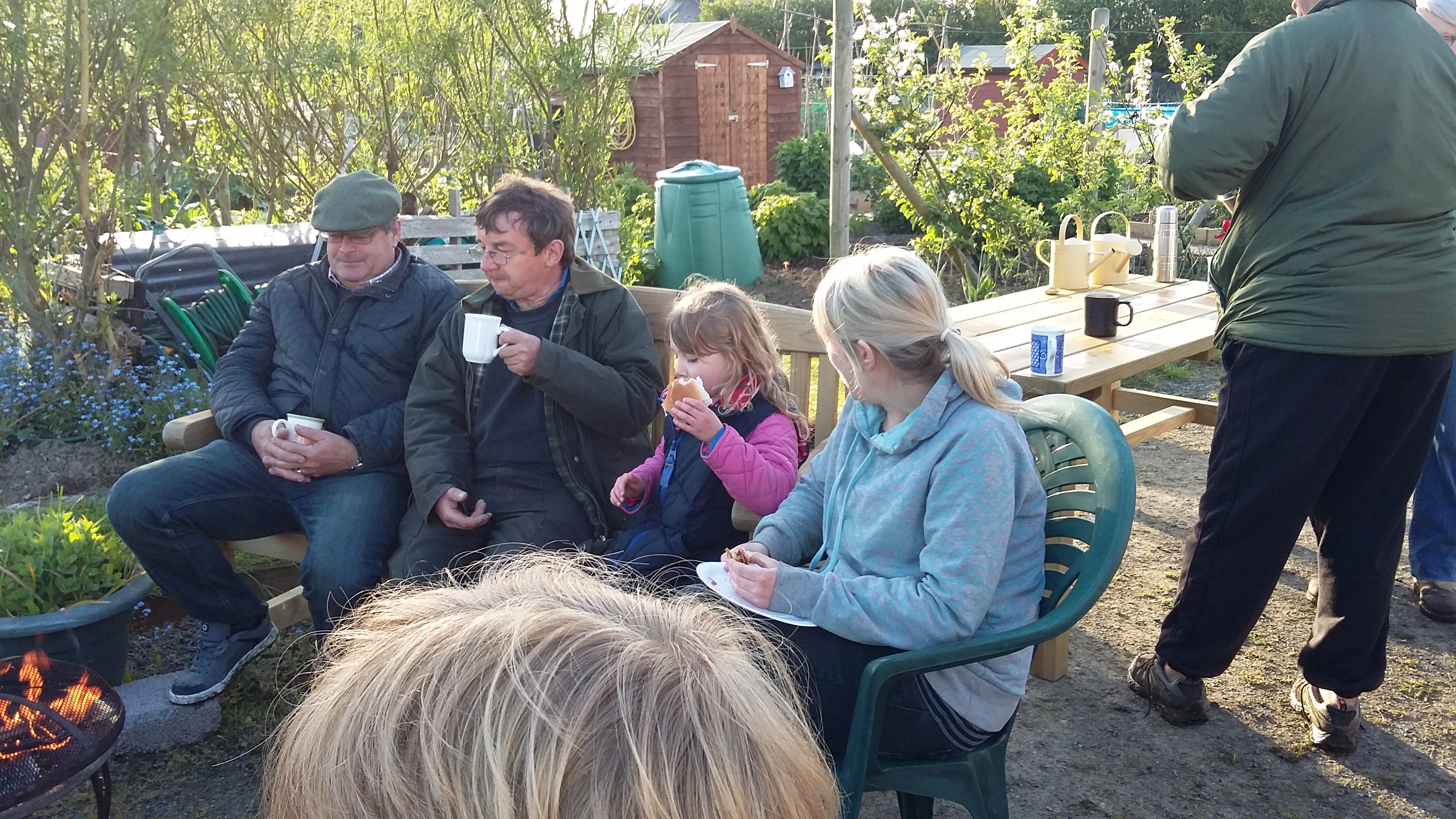
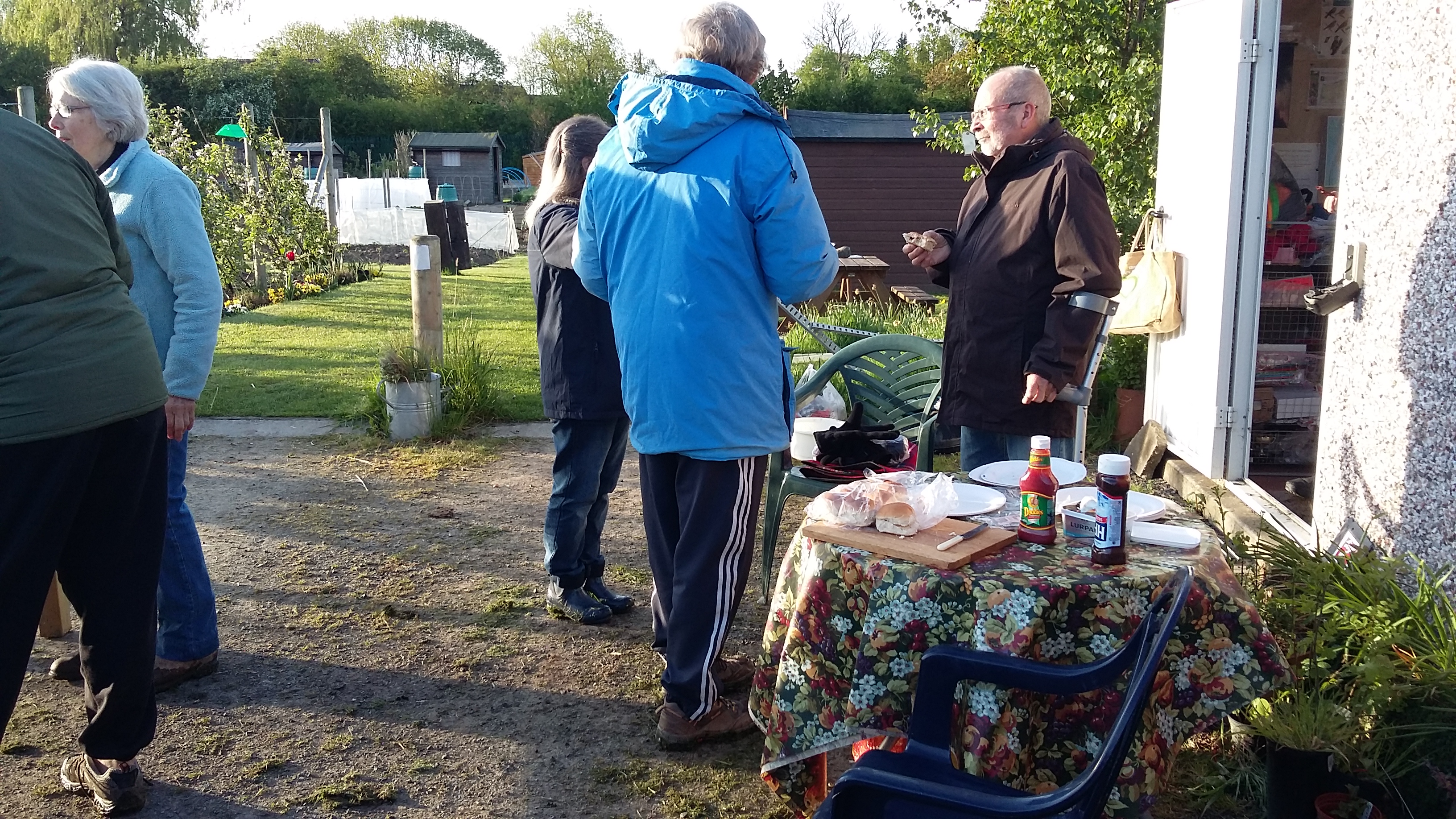
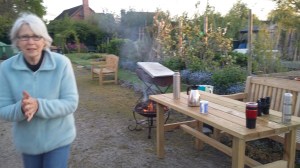
We returned to one of our communal hubs, the one by our communal hut, where we keep our cookers, crockery and cutlery. First job was to light our fire pits to warm us up. We soon had water boiling for warming mugs of tea and coffee and the aroma of bacon frying was most welcoming. So bacon baps and warm drinks finished off a perfect morning experience together.
2015 05 17_1730 2015 05 17_17292015 05 17_1736 2015 05 17_1737 2015 05 17_1738 2015 05 17_17392015 05 17_1732 2015 05 17_1728


Time for a good laugh too!


2015 05 17_1735

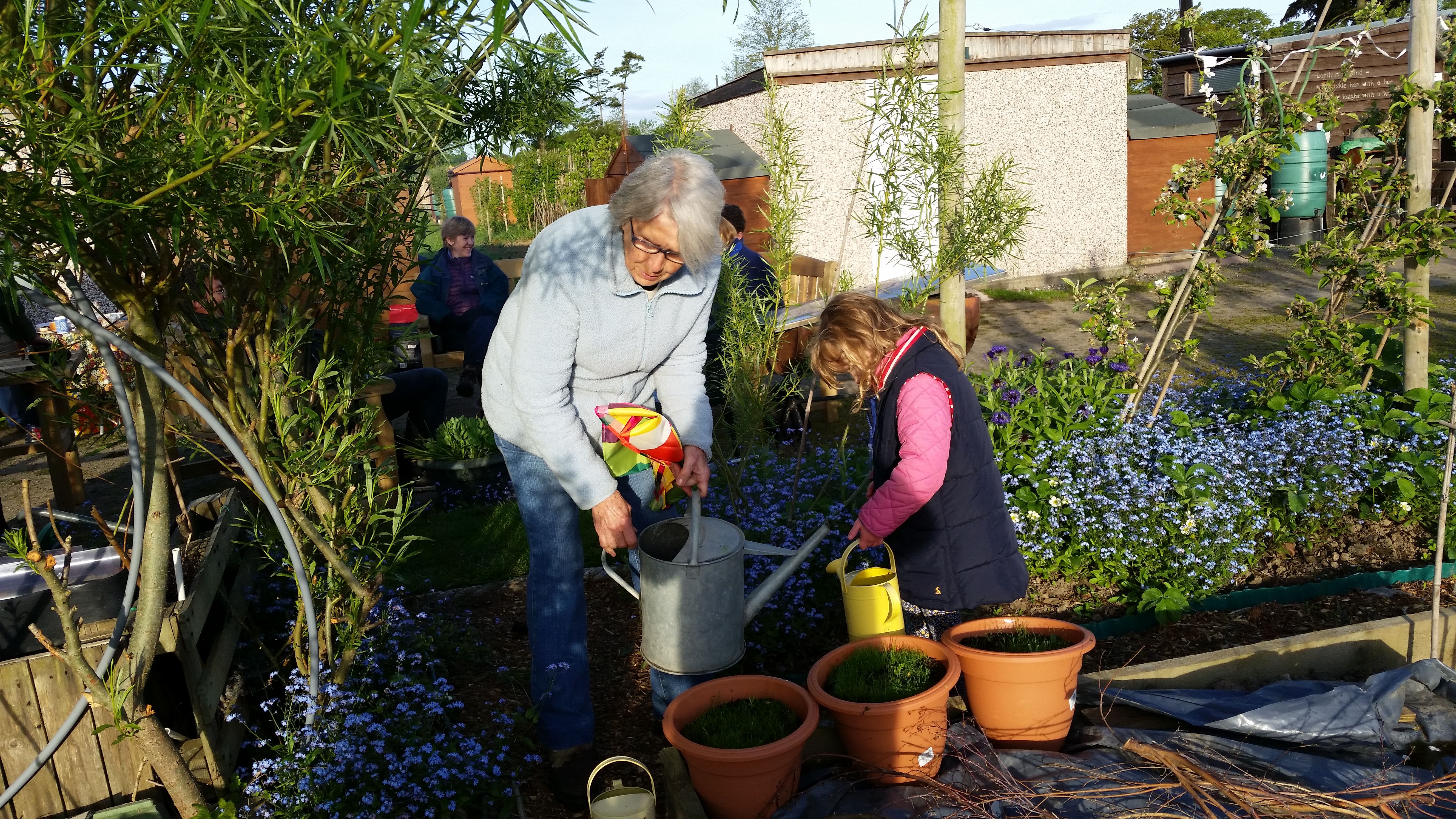
After our breakfast there was time for young Ella to water the children’s mini-meadows, ably assisted by Wendy. It is so good to see different generations gardening together.

2015 05 17_1707 2015 05 17_1711


Categories
birds fruit and veg garden photography garden ponds garden pools garden wildlife gardens National Trust natural pest control NGS ornamental trees and shrubs Shrewsbury shrubs spring gardening The National Gardening Scheme" water in the garden wildlife Yellow Book Gardens

My Garden Journal – April

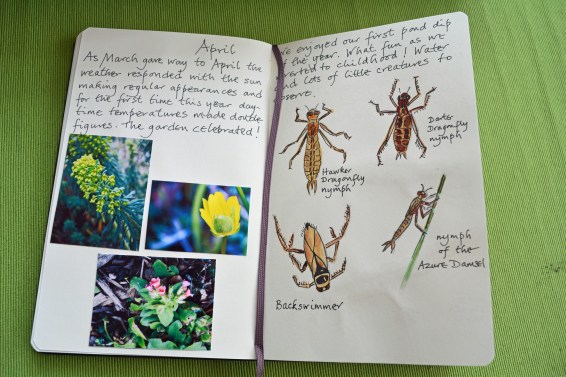
Back to my garden journal where we can see what was interesting me in our garden at Avocet during the month of April. My journal for April begins “As March gave way to April the weather responded with the sun making regular appearances and for the first time this year daytime temperatures made double figures. The garden celebrates!”

It celebrated with bright colours of spring flowers such as Celendines, Pulmonarias and early chartreuse flower s and bracts of Euphorbias.

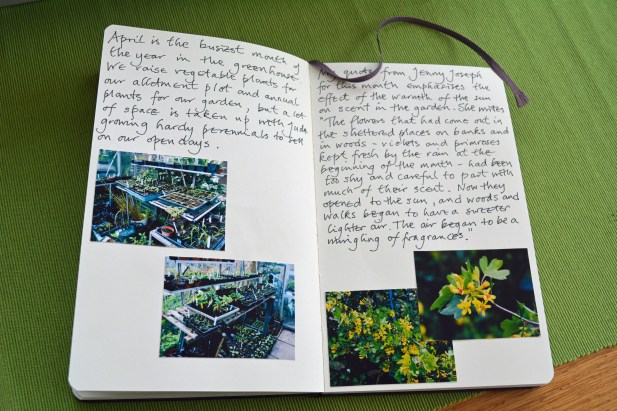
My quote from Jenny Joseph’s book “Led by the Nose – A Garden of Smells” speaks of the delicate scents of the garden and in the countryside that are so important in spring.

The flowers that had come out in the sheltered places on banks and in woods – violets and primroses kept fresh by the rain at the beginning of the month – had been too shy and careful to part with much of their scent. Now they opened to the sun, and woods and walks began to have a lighter sweeter air. The air began to be a mingling of fragrances.”

2015 05 07_1425_edited-1

As the water in the wildlife pond warmed up we thought we would have our first dip with our net to see what wildlife was in evidence beneath the surface. In the journal I wrote “What fun as we reverted to childhood!”We were surprised by just how many different creatures had already stirred into life. I chose to paint the nymphs of Dragonflies and Dameslflies and a Backswimmer. The Damselfly Nymph will hatch out into an Azure Damsel and the two Dragonfly Nymphs into a Hawker Dragonfly and a Darter Dragonfly. They were quite a challenge to paint in their subtle earthy hues.

2015 05 07_1427_edited-1 2015 05 07_1426_edited-1

Continuing on the watery theme on the next page of my garden journal I wrote “Jude gets excited each time she catches a newt when she is on her regular pond maintenance forays. The first this year appeared in early April. Such excitement at Avocet!”  We were so pleased to find so many newts out and about and so active this early in the year. As well as enjoying seeing them using our pond we are even more pleased to know that they are helping us with out pest control out in the borders. They spend much of their time out of water and are partial to slugs. Welcome visitors indeed!

2015 05 07_1428_edited-1

Now these little critters were even more of a challenge to paint than the other pond creatures! Anyway here are the results.

2015 05 07_1430_edited-1

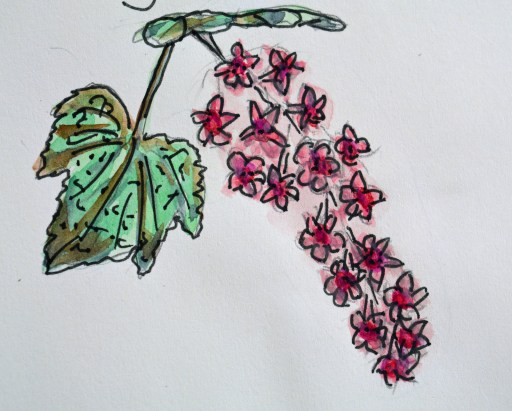
On my next page I wrote, “During Easter Weekend, usually associated with cold and rain, the sky turned the deepest, clearest blue. Temperatures suddenly doubled and the garden buzzed and hummed with the arrival of bees and hoverflies. The most popular of all plants is the flowering currant, Ribes sanguineum.” 

2015 05 07_1429_edited-1

April is the busiest month of the year in the greenhouse. We raise vegetable plants for our allotment plot and annual plants for our garden, but a lot of space is taken up with Jude growing hardy perennials to sell on our open days.

2015 05 07_1431_edited-1 

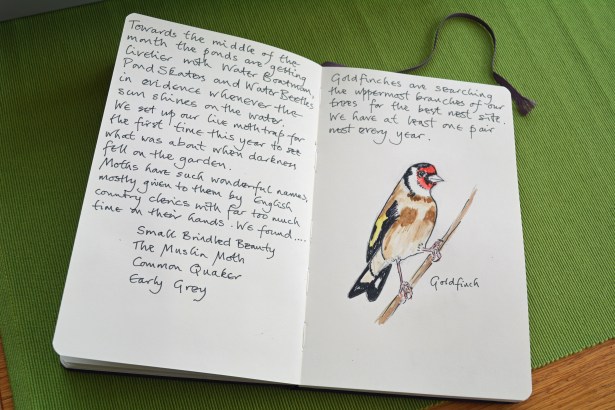
Towards the middle of the month the ponds were getting livelier with Water Boatmen, Pond Skaters and Water Beetles in evidence whenever the sun shone on the water. We set up our live moth trap for the first time this year to see what was about when darkness fell on the garden. Moths have such wonderful names, mostly given to them by English country clerics with far too much time on their hands. We found Small Brindled Beauties, Muslin Moths, Common Quakers and Early Greys.

2015 05 07_1432_edited-1

I next wrote “Goldfinches are searching the uppermost branches of our trees for the best nest site. We have at least one pair nest every year”. I then got out my watercolour paints and pens and attempted a painting of a Goldfinch.

2015 05 07_1433_edited-1

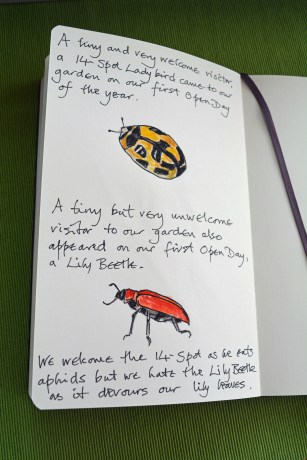
My final page in my journal entries for April featured two colourful beetles which we found in our garden in that month. “A tiny and very welcome visitor, a 14-Spot Ladybird came to our garden on our first Open Day of the year. A tiny but very unwelcome visitor to our garden also appeared on our first Open Day, a Lily Beetle. We welcome the 14-Spot as he eats aphids but we hate the Lily Beetle as it devours our lily leaves.”


2015 05 07_1435_edited-1

Categories
garden design garden wildlife gardening gardens log piles natural pest control wildlife

A Weekend Promoting Gardening for Wildlife

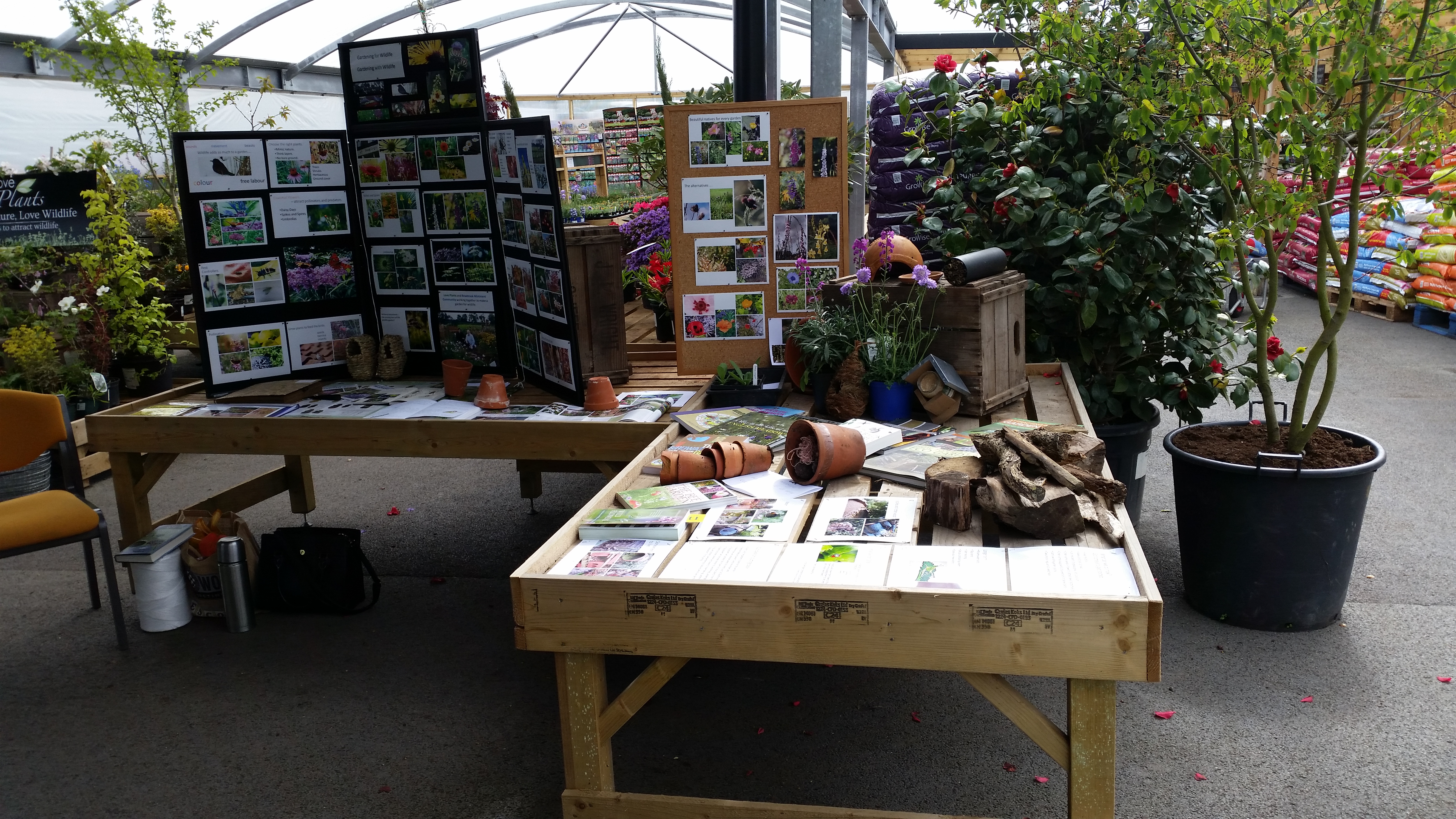
Tim, the plant manager of a local plant centre asked if I would do a weekend there to help promote wildlife gardening. The centre is going to set up a “plants for wildlife” section and this weekend was planned to launch this innovative idea.

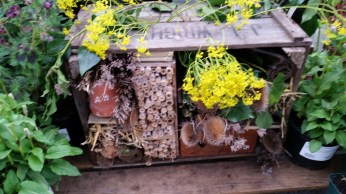
Tim and his plant centre staff had put a collection of suitable plants together with their new sign and Caroline, one of the centre staff had created a bug hotel from an old wooden veggie box.

2015 05 11_14402015 05 11_1442 2015 05 11_1441

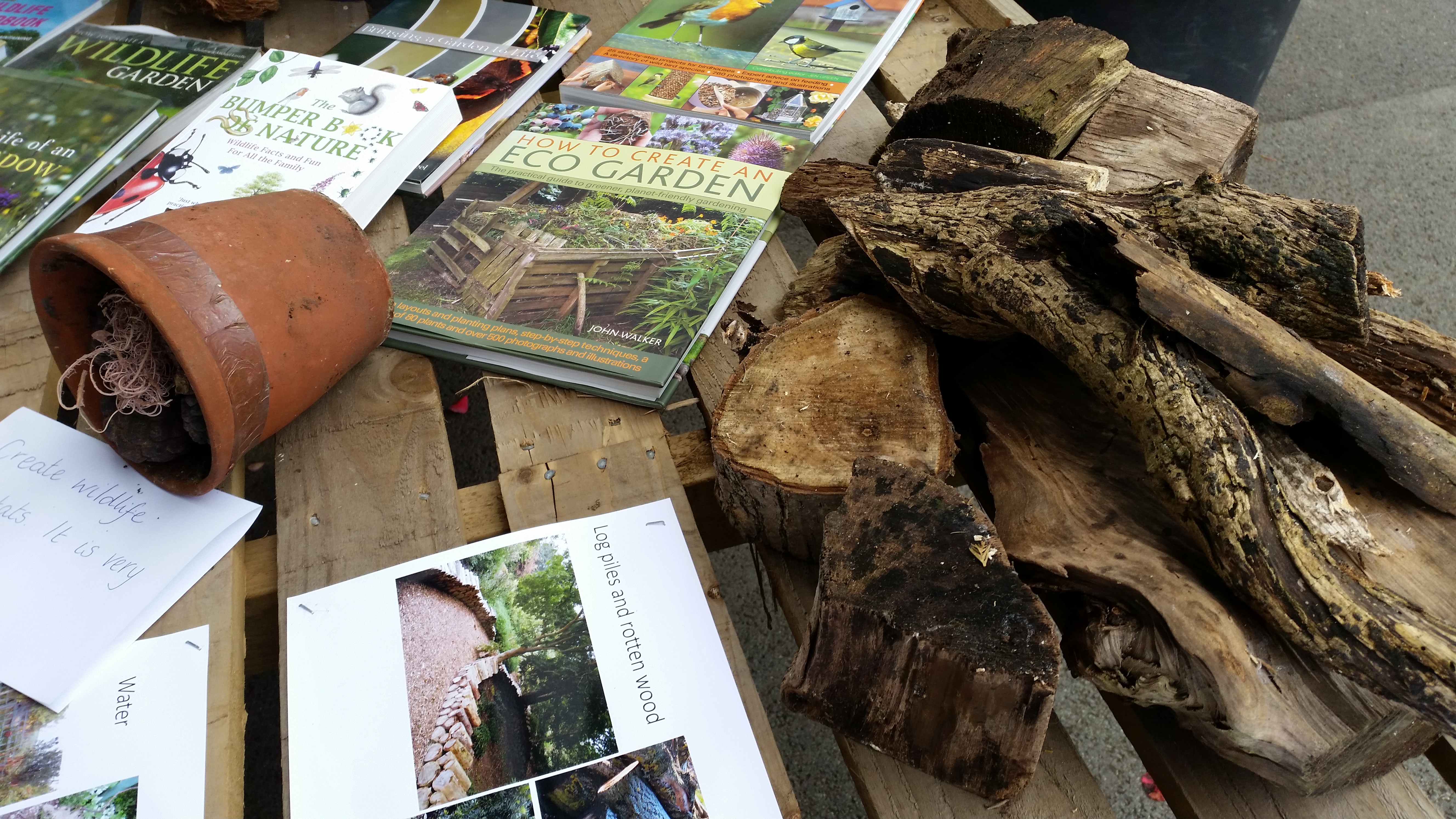
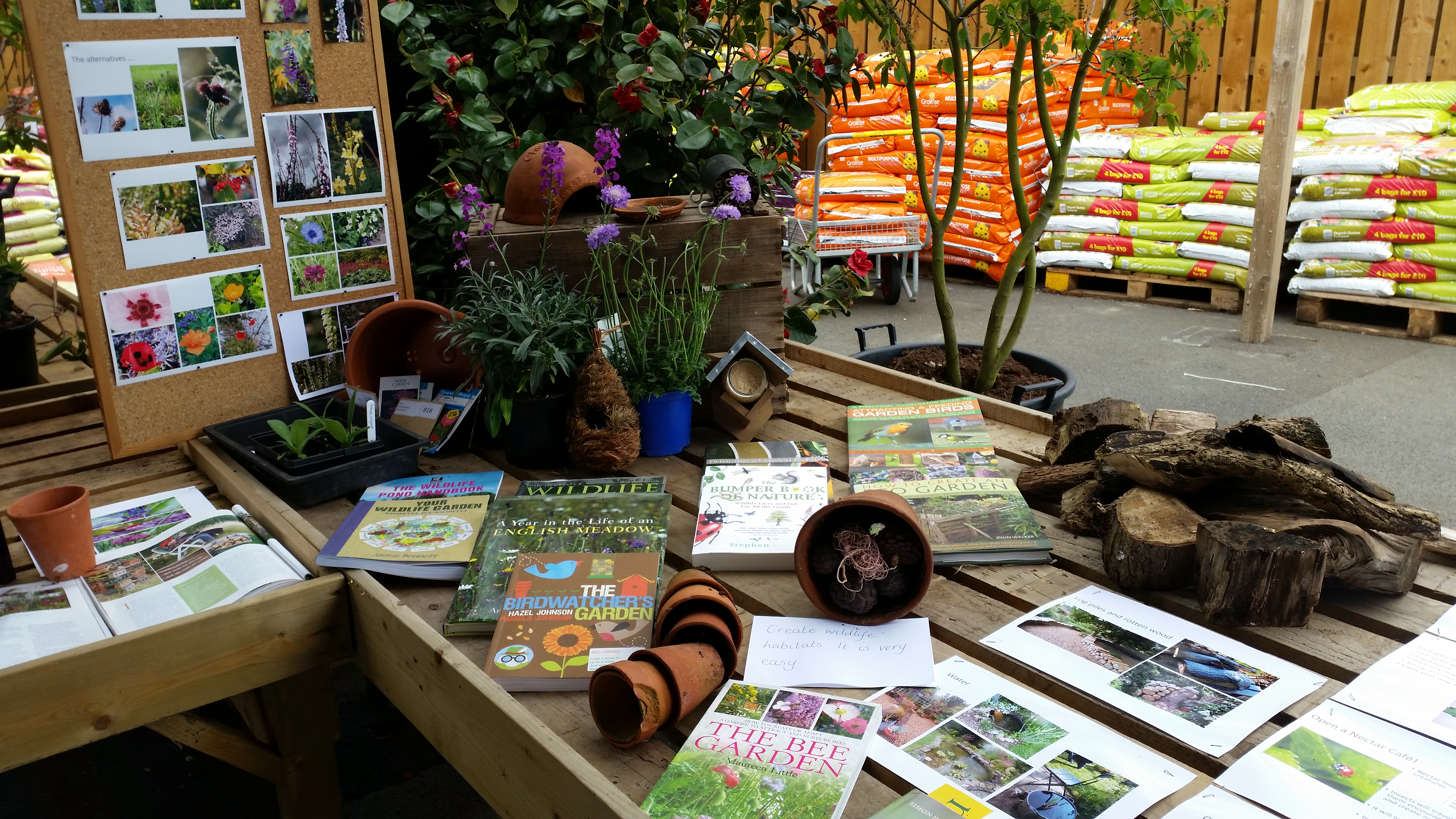
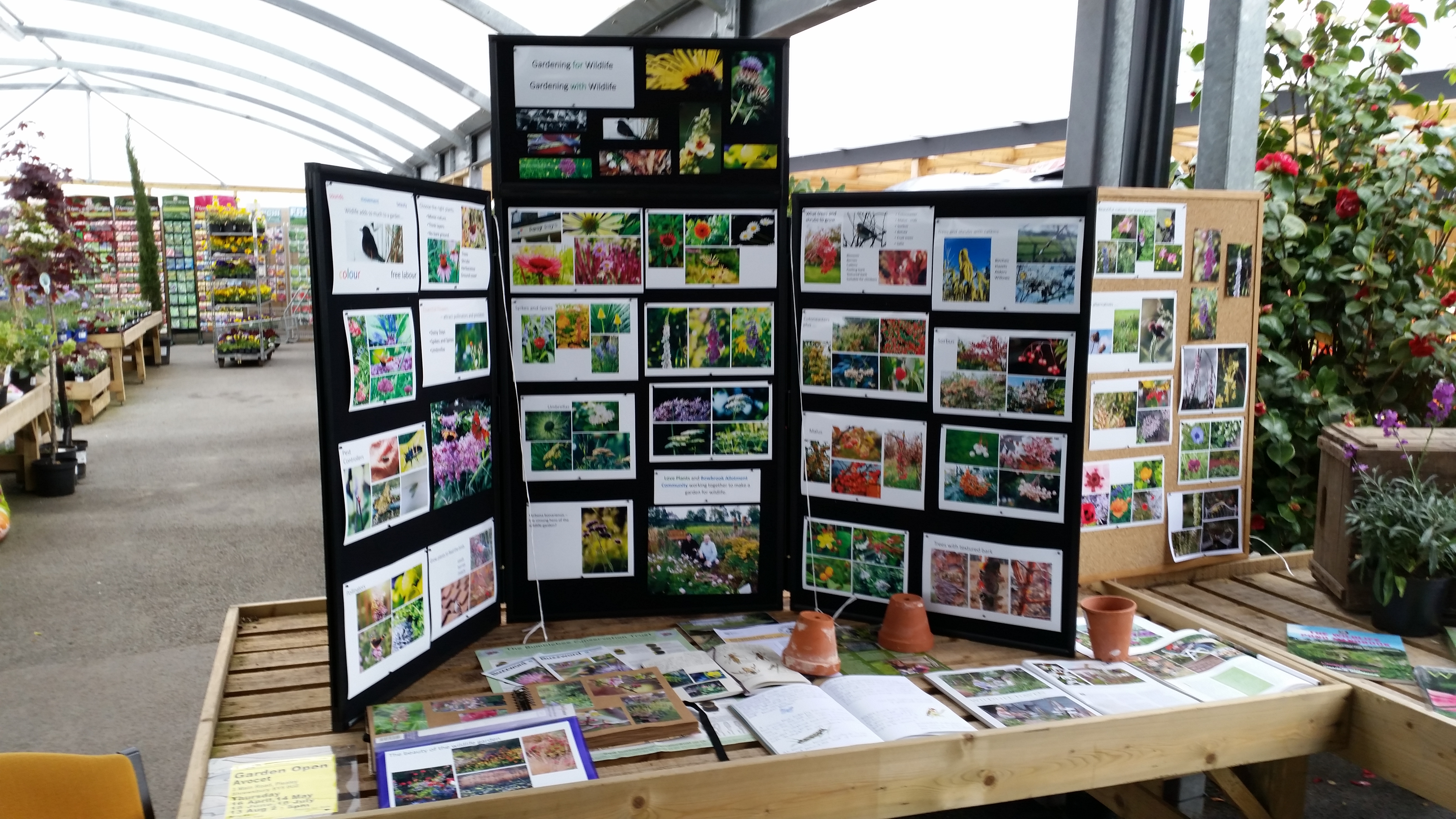
Jude the Undergardener and I set up our display alongside. We had lots of photos and books to display along with my garden journals. We wanted to illustrate the diverse range of suitable plants and to show how easy gardening with wildlife really is. The main focus was on convincing people that wildlife gardens can attract and provide homes, food and shelter for wildlife of all sorts and still look beautiful.

2015 05 11_1448 2015 05 11_1447 2015 05 11_1446 2015 05 11_1445 2015 05 11_1444 2015 05 11_1443

It was great fun talking to so many different people who were interested in gardening for wildlife, gardeners of all ages, all levels of experience but united in their desire to help our wildlife by gardening with it in mind.

Categories
birds buildings Church architecture colours countryside landscapes light Shrewsbury Shropshire trees wildlife

Walking the Shrewsbury Battlefield – Part One

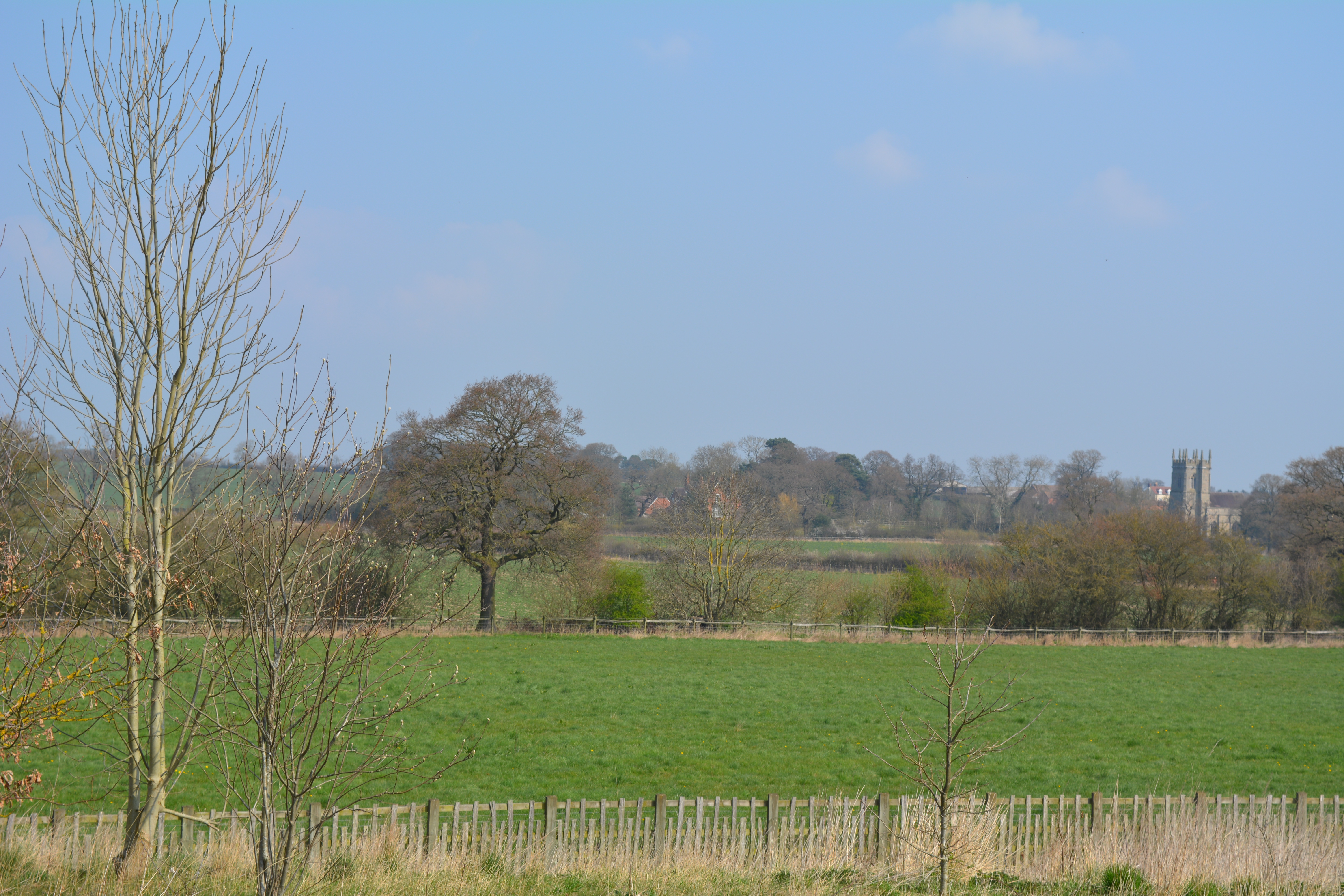
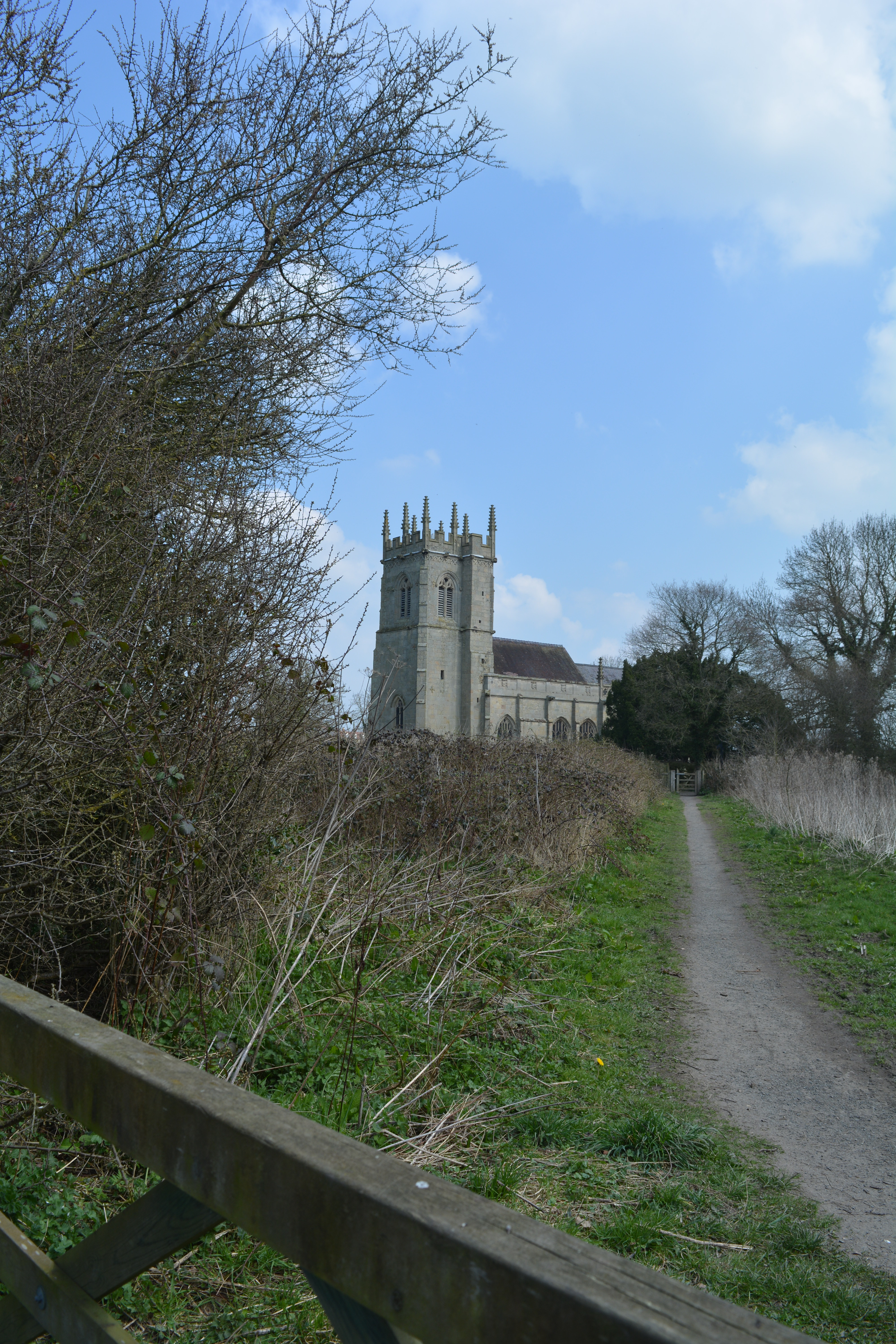
Although we have lived in Shropshire for years it is only now that we have finally visited the site of the famous Battle of Shrewsbury and the Church of St Mary Magdalene built there to commemorate those who died in battle.

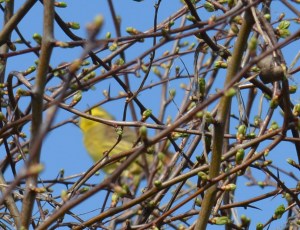
There were absolutely no clues that a battle ever took place here as we walked the footpath across the site of the battle, but we enjoyed wandering along the hedgerows with the song of Skylarks high above us and the distinctive call of the first returning migrant warbler, the Chiffchaff. We enjoyed seeing and hearing a Yellow Hammer a scarce farmland bird.

2015 04 09_0516_edited-1

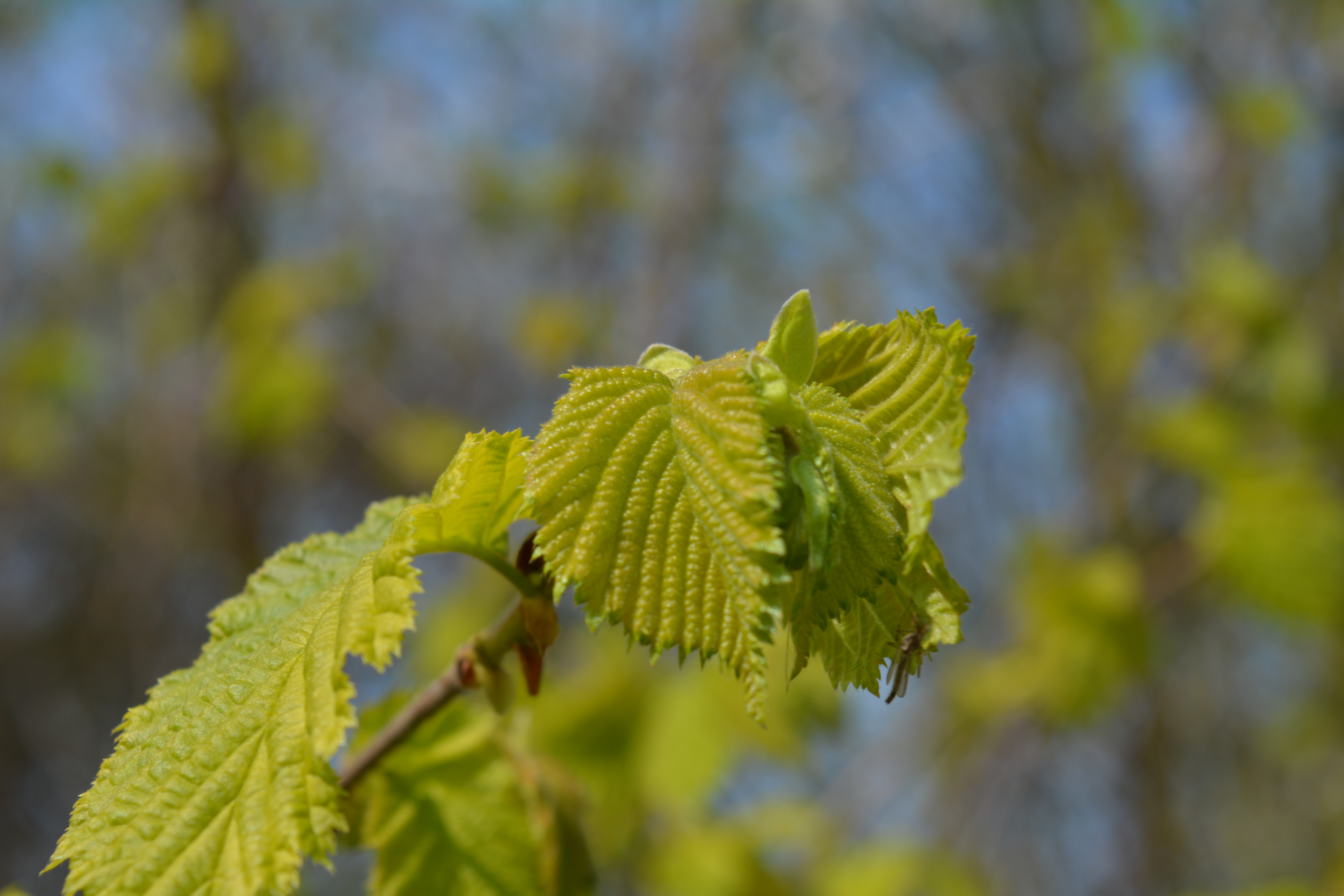
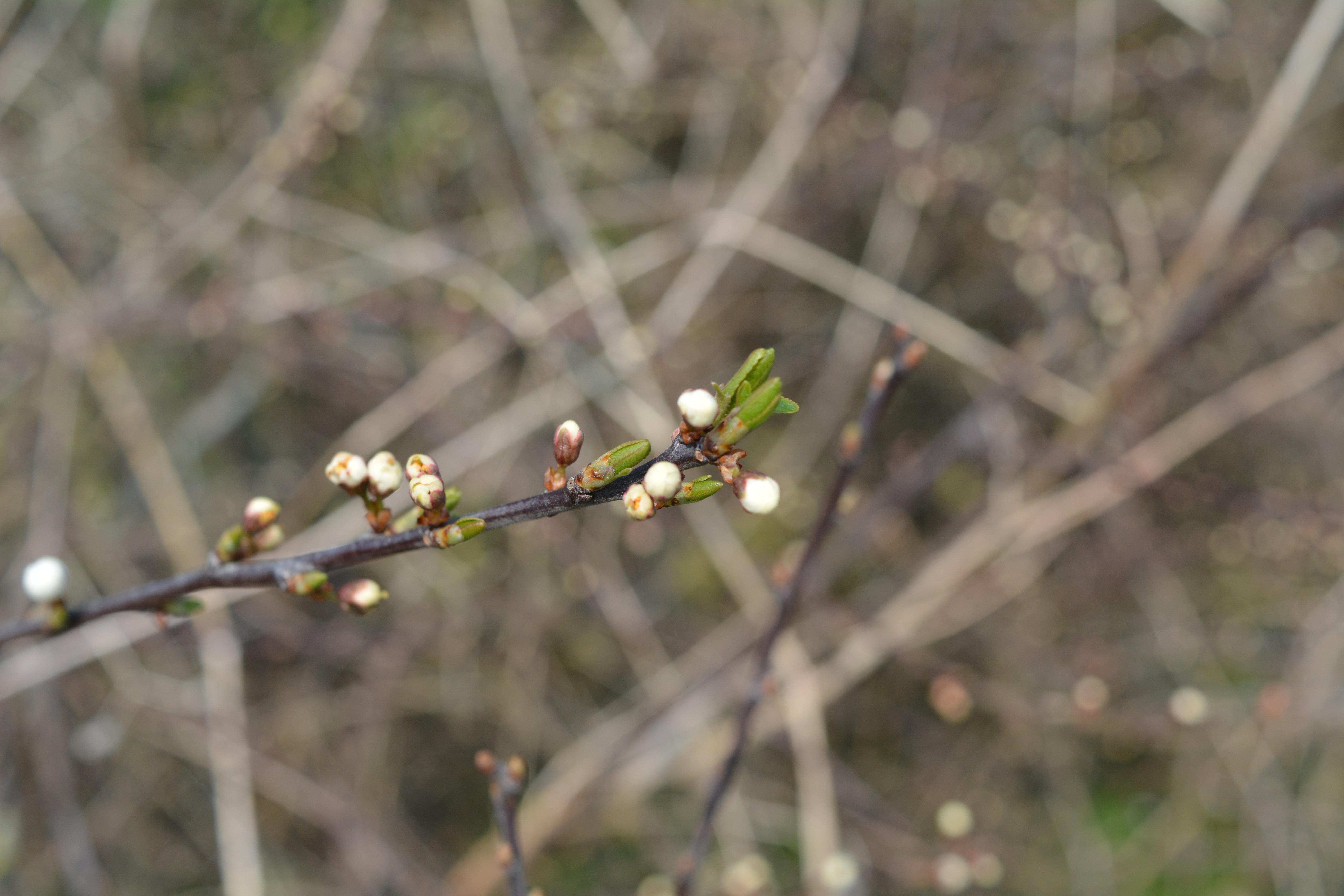
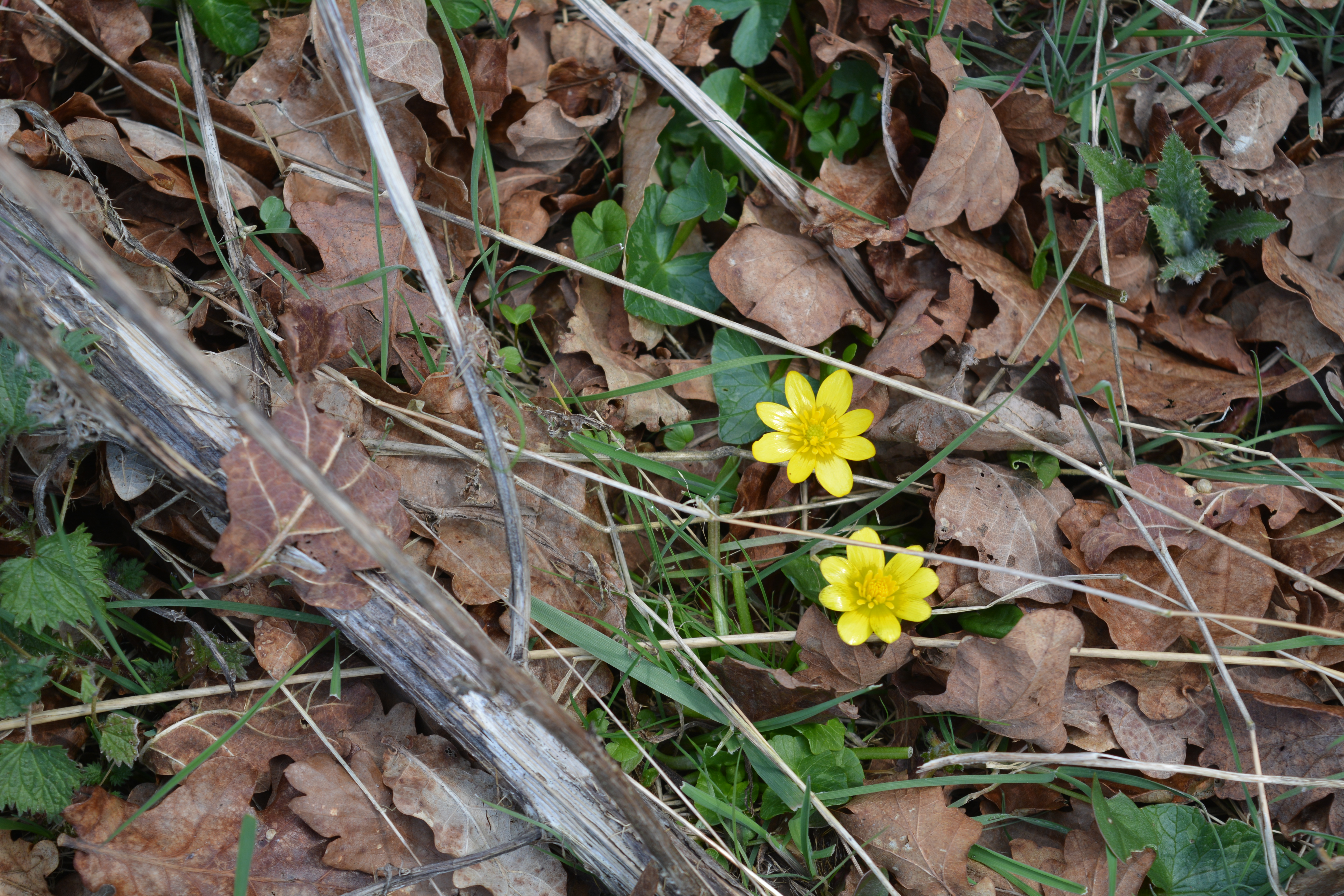
Signs of spring were to be seen every step of the way, freshly bursting buds with the brightest of greens emerging and the earliest of blossoms.

2015 04 09_0510 2015 04 09_0511 2015 04 09_0514 2015 04 09_0529


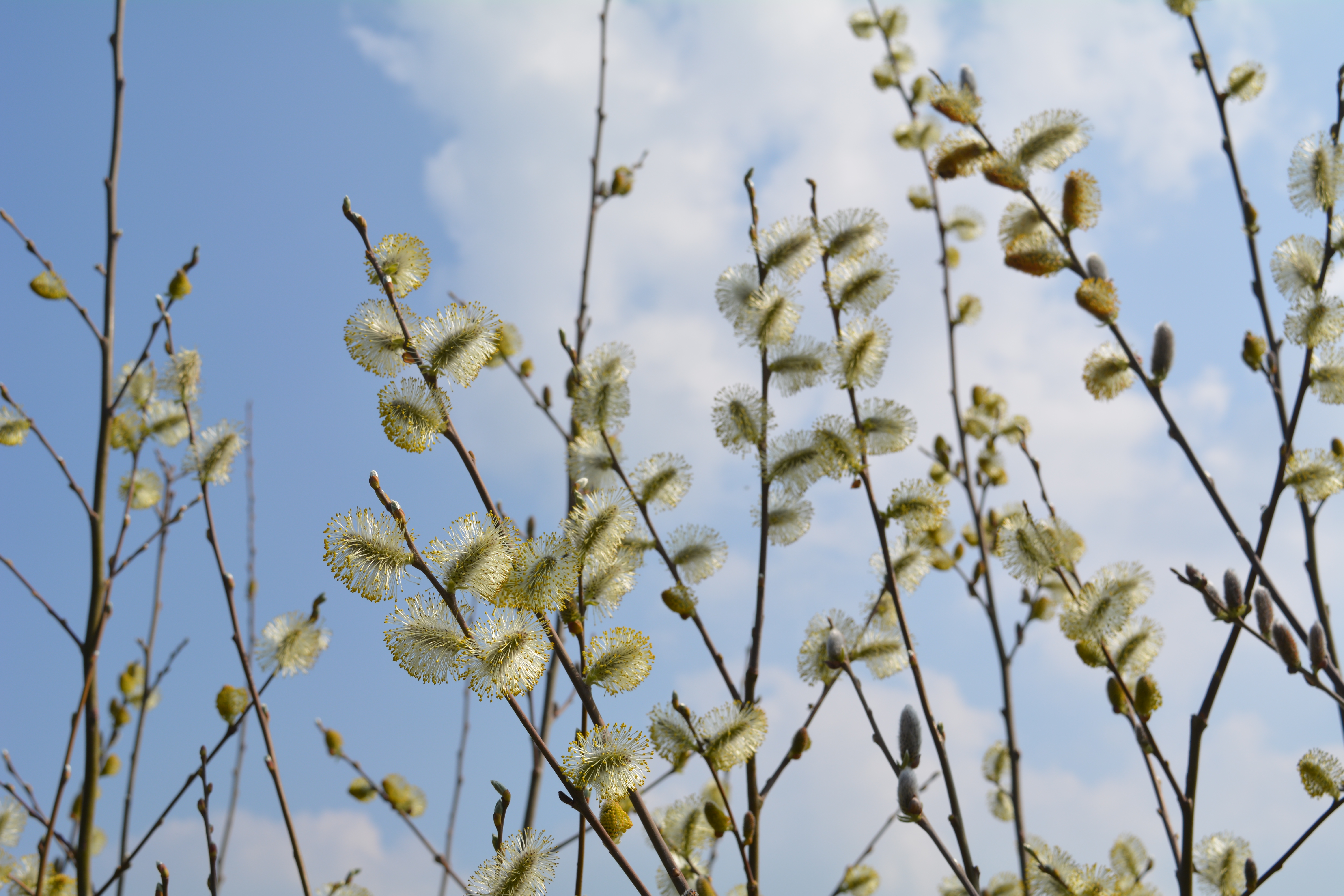
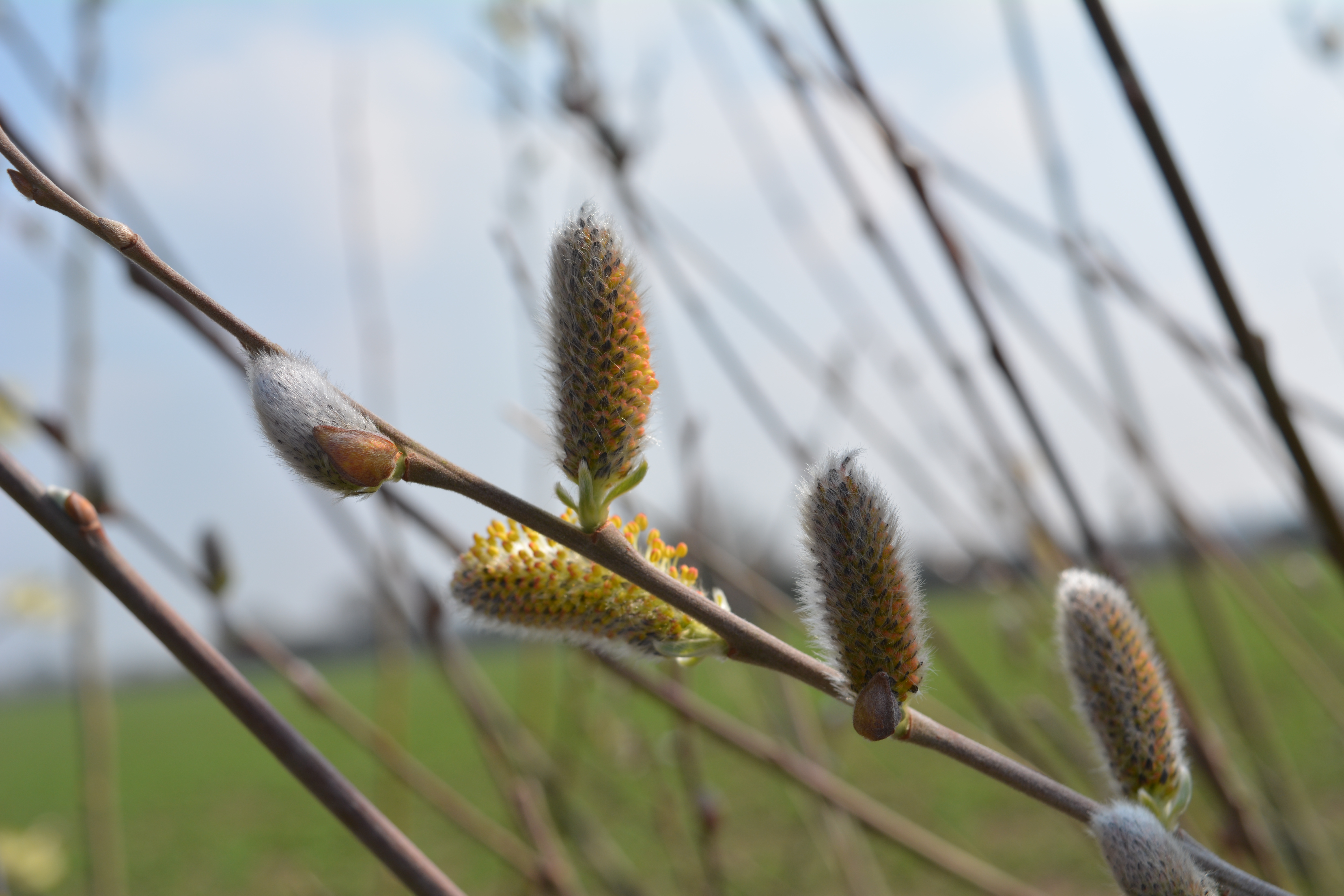
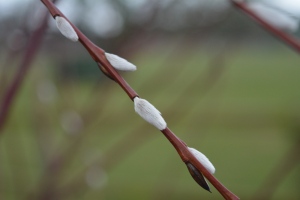
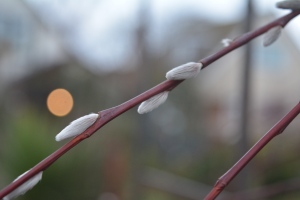
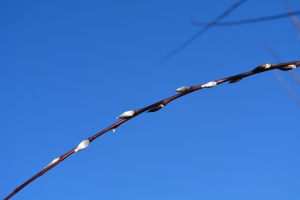
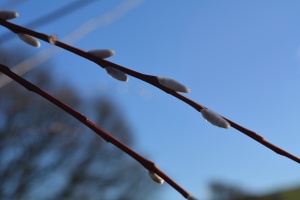
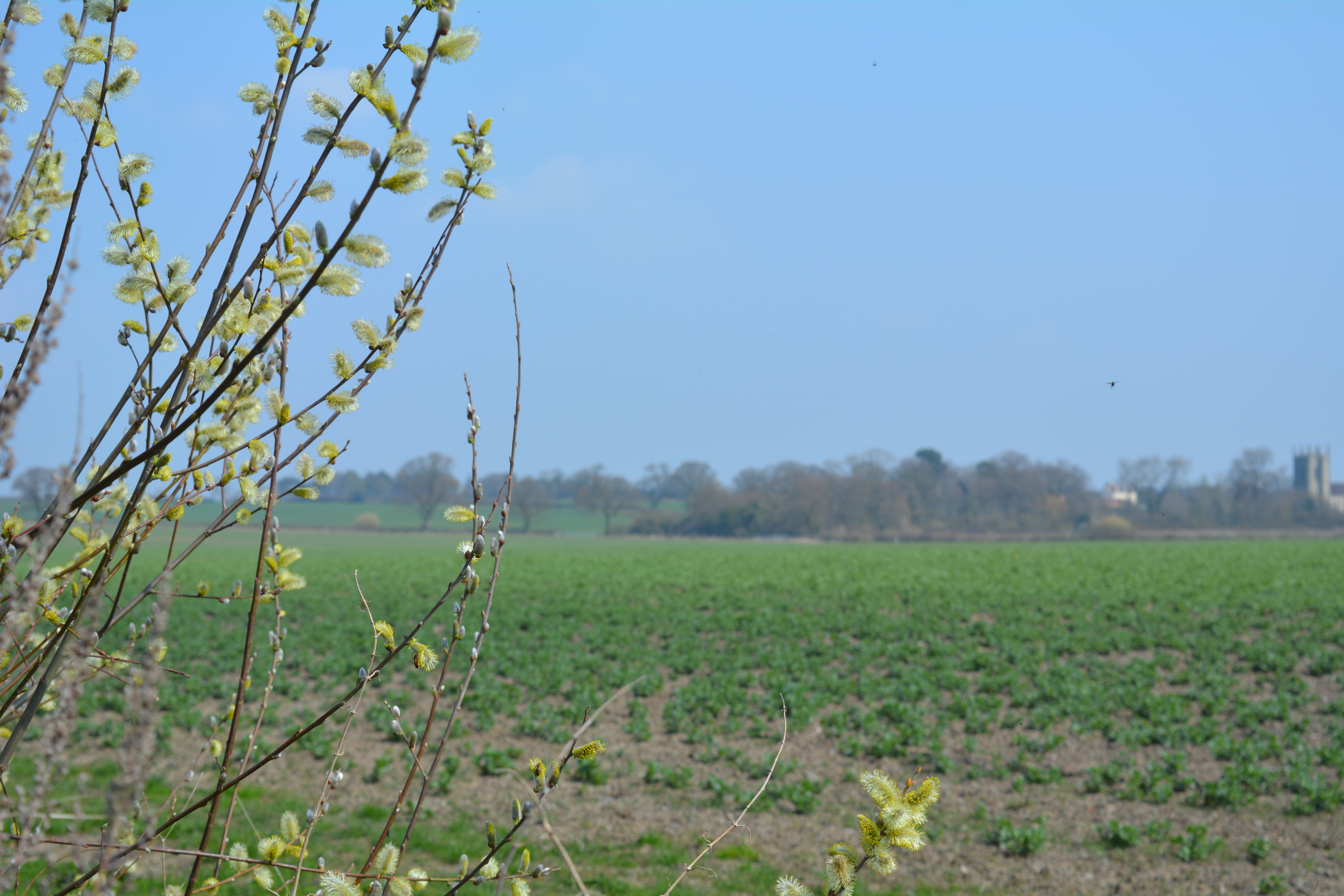
The willows were giving a light show, as the sun shone through their catkins.

2015 04 09_0515 2015 04 09_0518 2015 04 09_0519 2015 04 09_0520  2015 04 09_0531 2015 04 09_05222015 04 09_0563 2015 04 09_05642015 04 09_0523 2015 04 09_0524


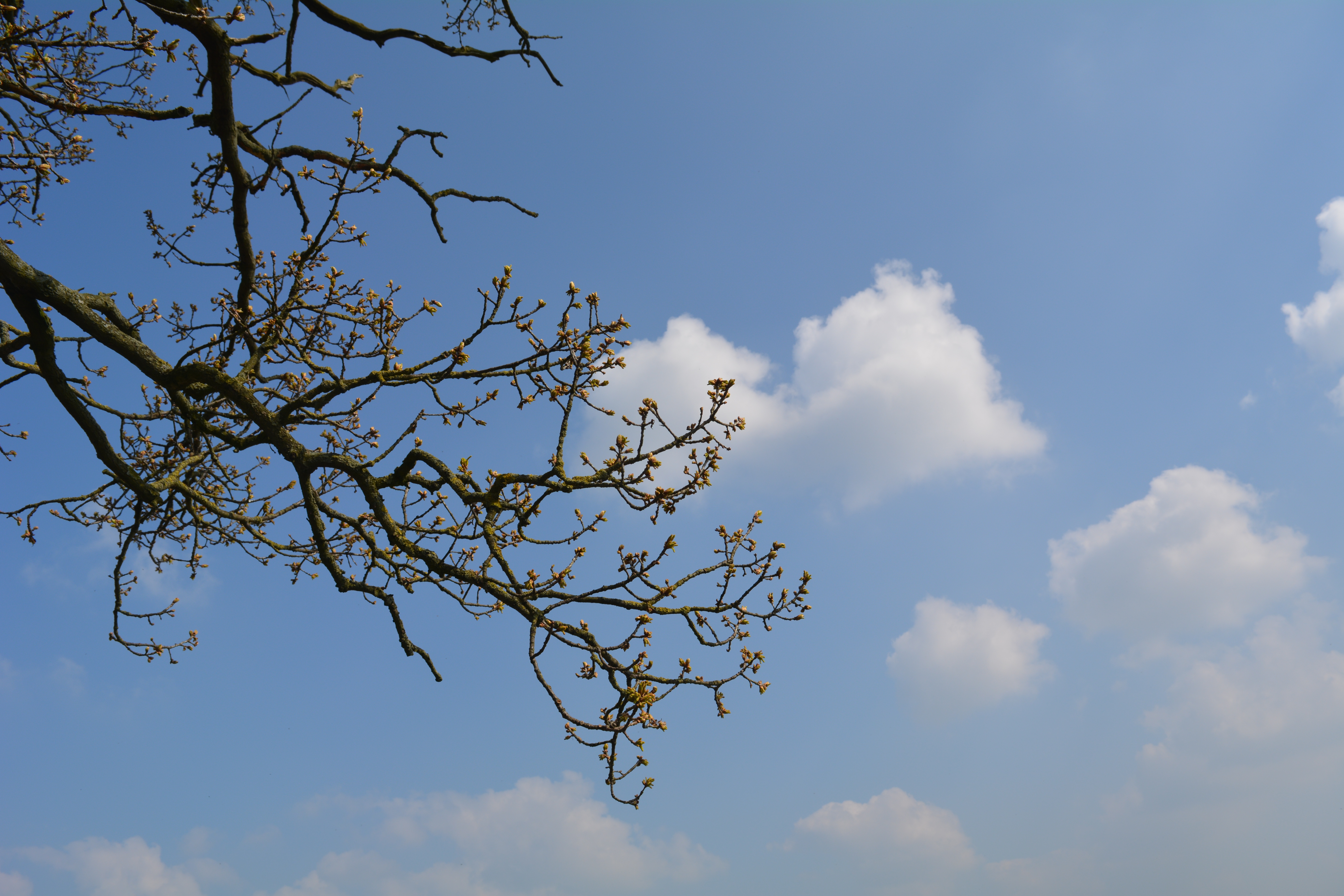
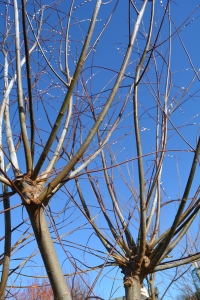
Some trees were still bare skeletons against the blue skies.


2015 04 09_0526 2015 04 09_0527

As we approached the scatter of buildings around the church, a shallow stream flowed alongside with banks of water plants coming to life.


2015 04 09_0528  2015 04 09_0530  2015 04 09_0532 2015 04 09_0533

In the woodland around the church we discovered the remaining fish ponds used by the college chaplains.


2015 04 09_0534 2015 04 09_0535


We wandered past the church and made our way to the nearby Battlefield Farm Shop which luckily had a coffee shop! We decided to have a look at the church on the way back when we would be well-refreshed. In converted old farm buildings an exhibition explained all about the Battle of Shrewsbury.

2015 04 09_0537 2015 04 09_05392015 04 09_0538 2015 04 09_0540 2015 04 09_0541


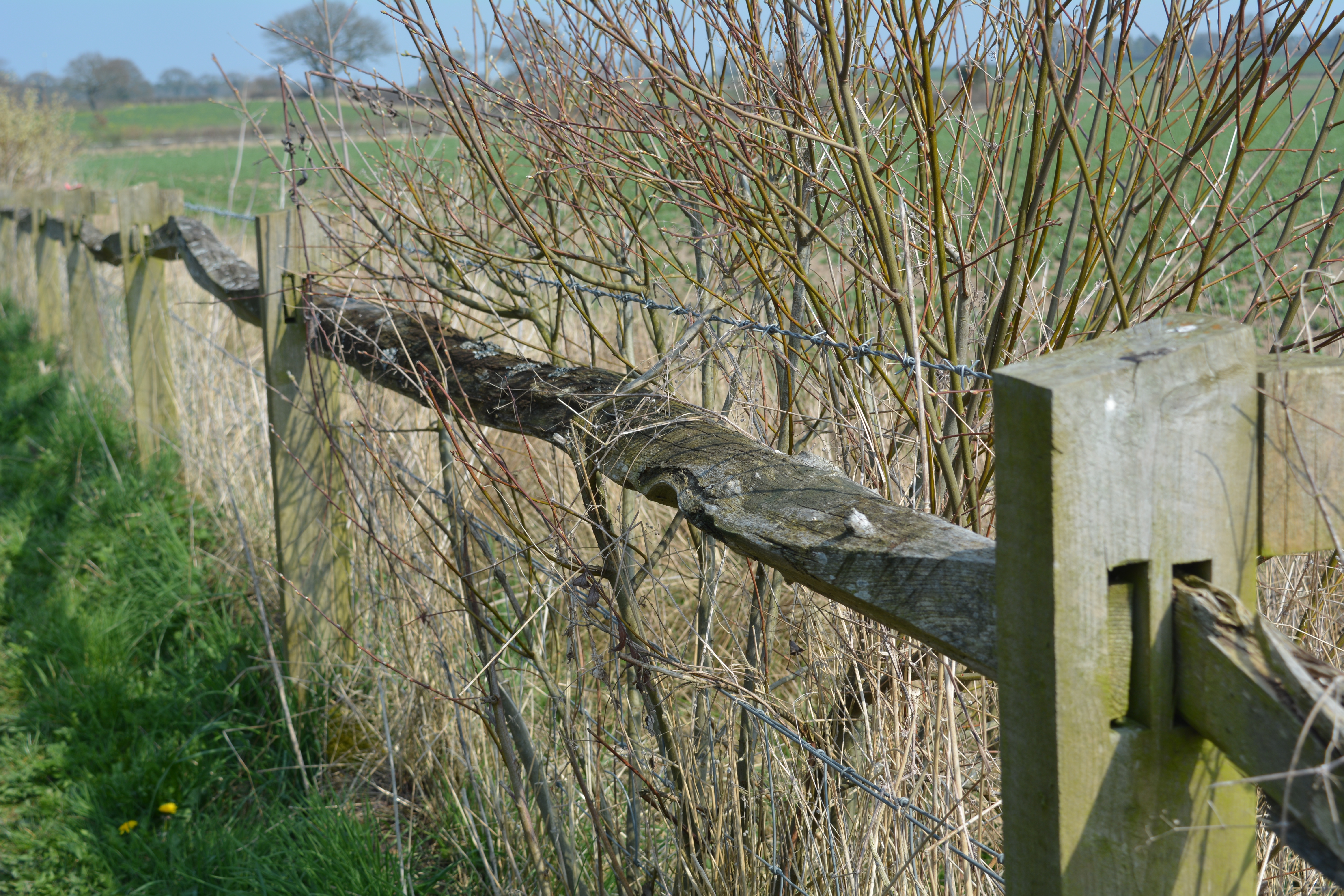
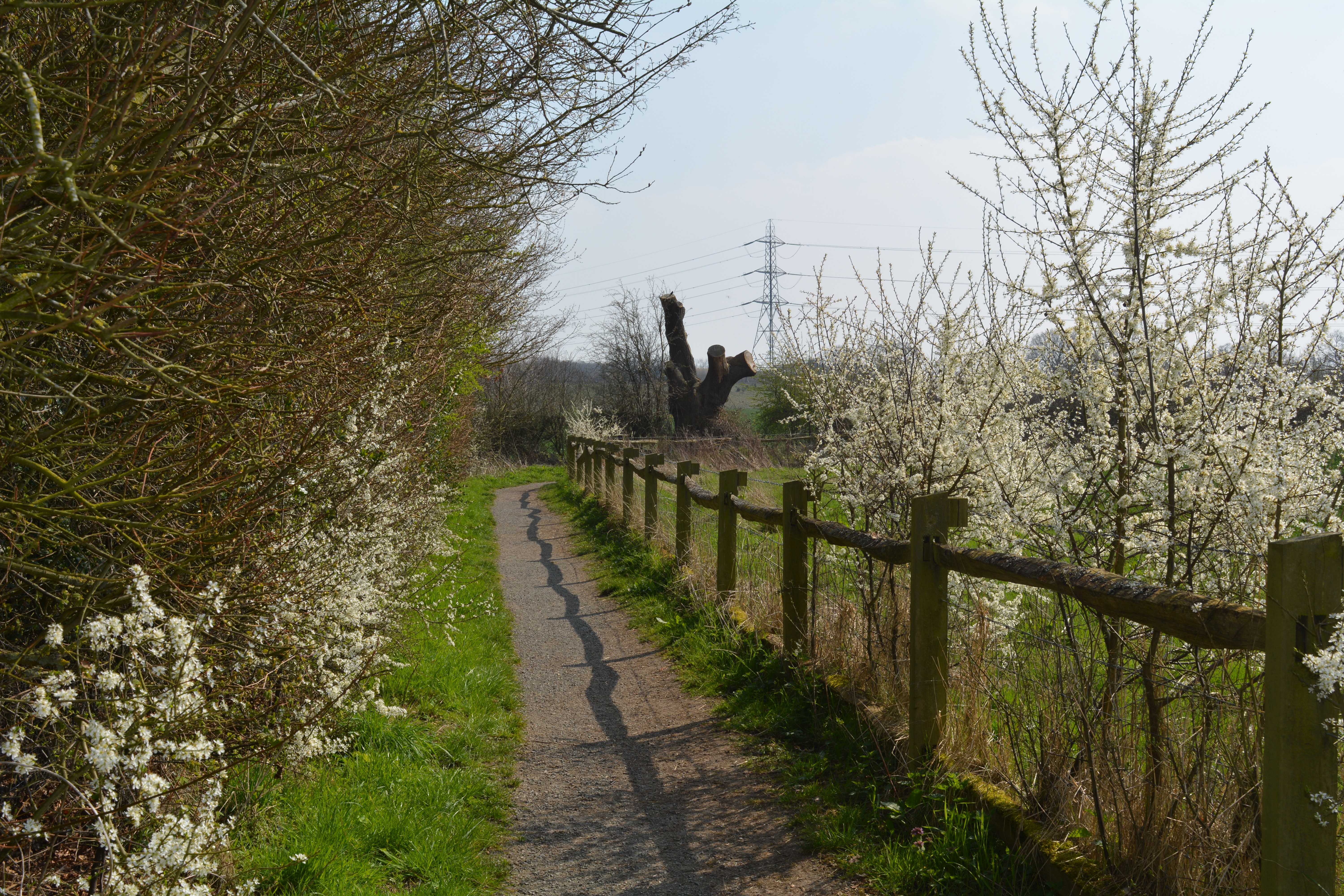
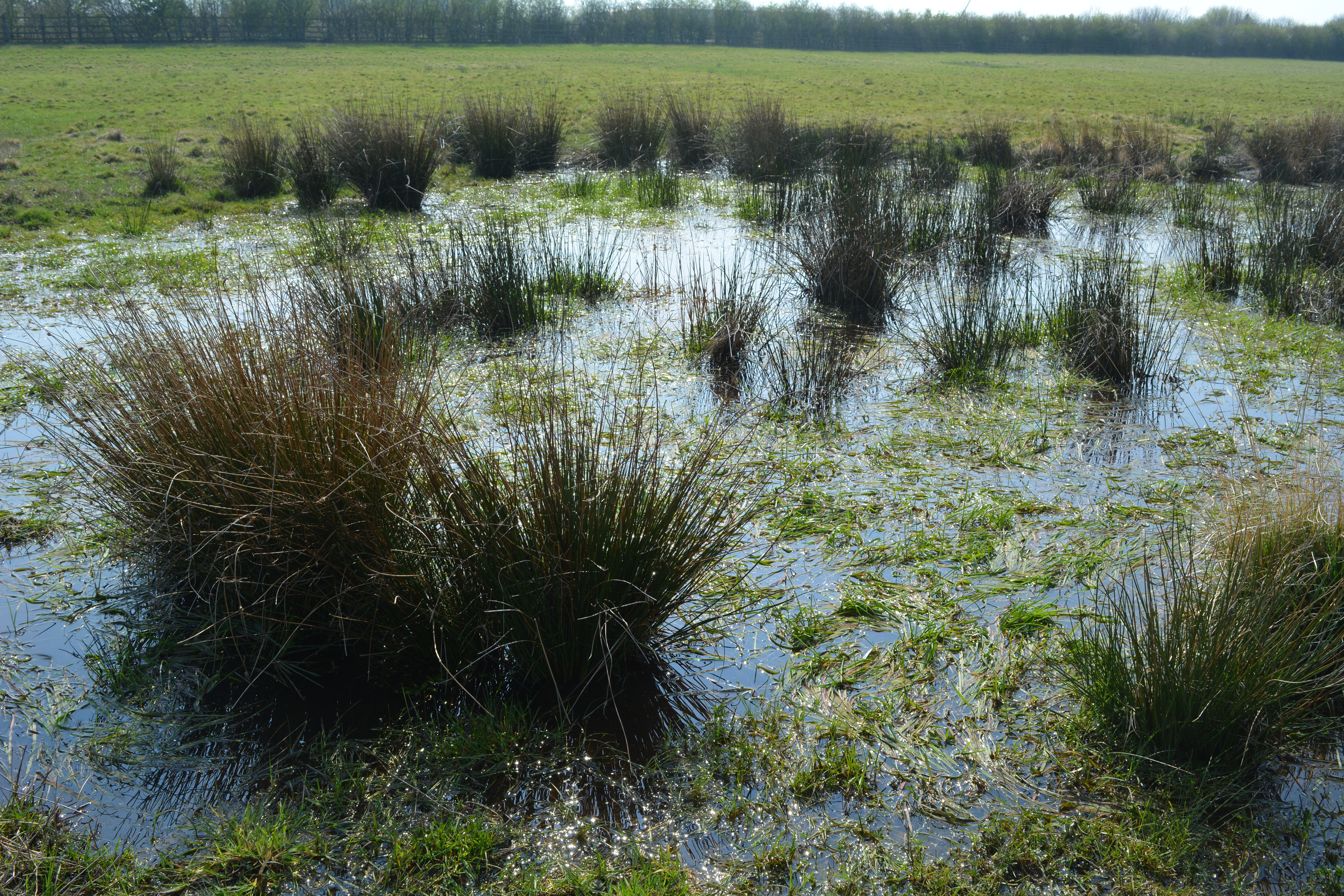
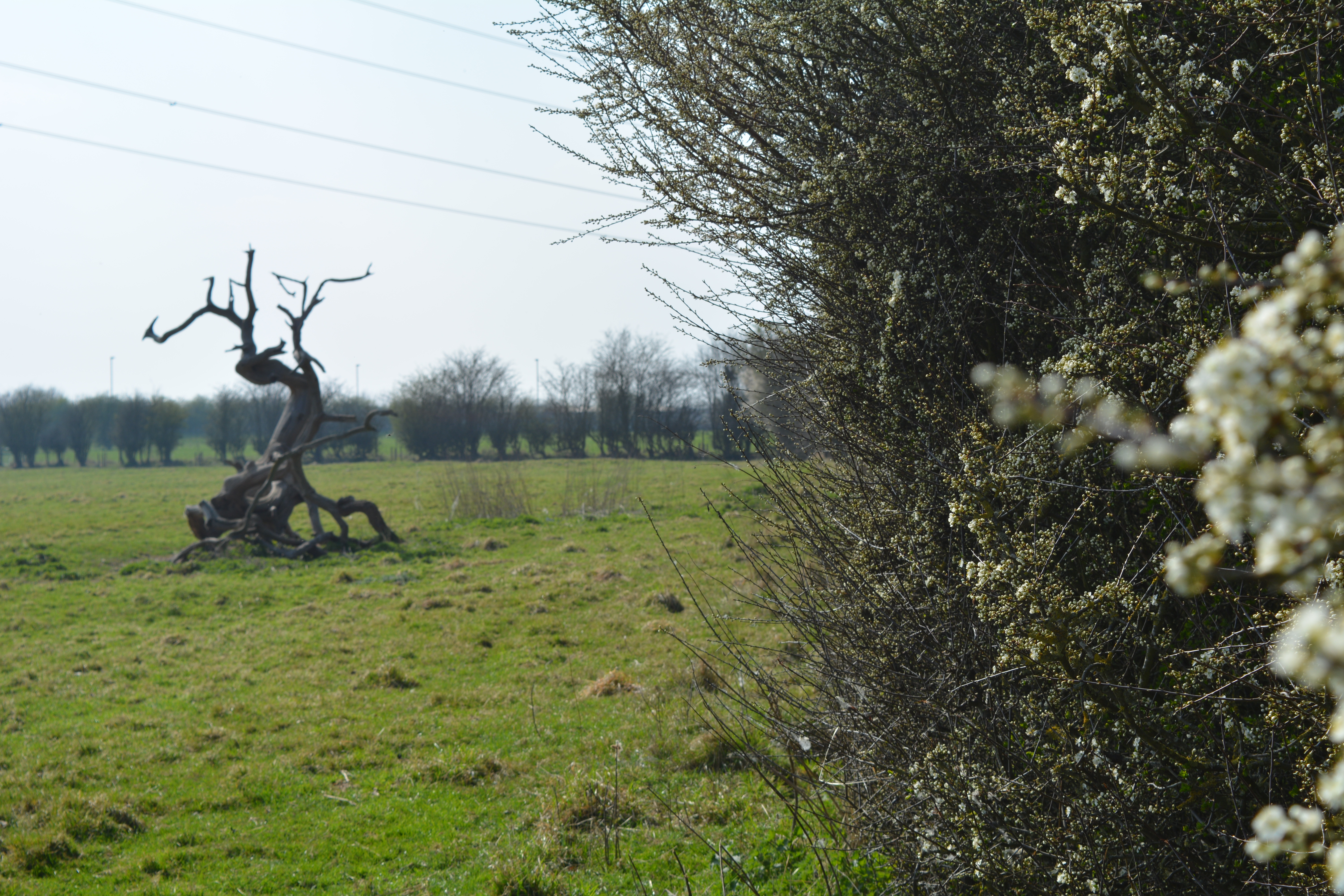
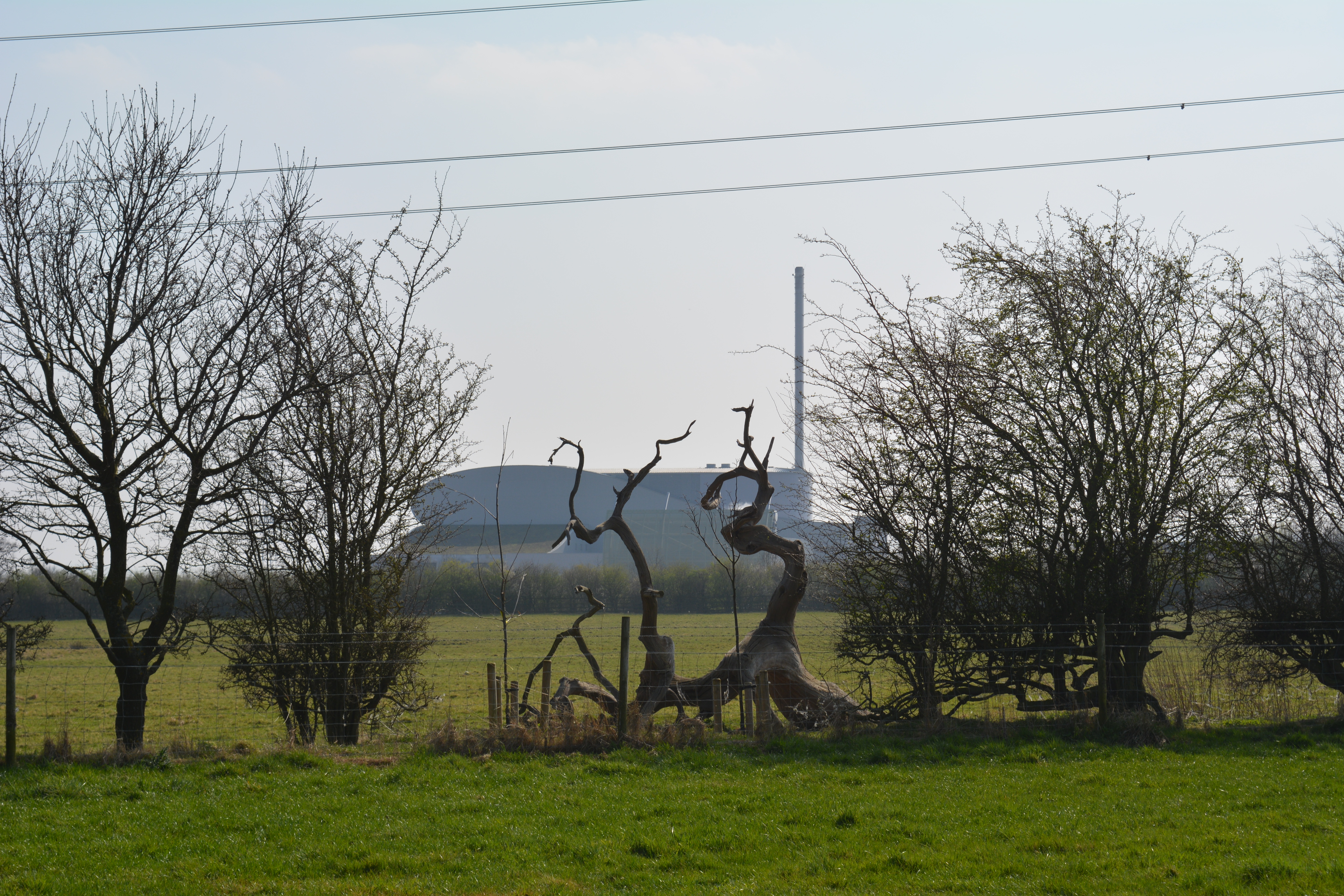
We began our walk back around the battlefield site following a narrow gravel path between a tall hedge and an old chestnut fence. In a field showing signs of ancient ridge and furrows agriculture we spotted a drainage pond rich in vegetation and a old fallen tree with the most amazingly shaped trunk and branches.

2015 04 09_0561 2015 04 09_0565 2015 04 09_0566 2015 04 09_0590 2015 04 09_0591 2015 04 09_0593

In part two of our look at the Shrewsbury Battlefield site we will look at the church and the skeletal tree in more detail.

Categories
allotments bird watching birds community gardening conservation diy garden buildings garden ponds garden pools garden wildlife gardening irises log piles natural pest control recycling renovation Shrewsbury Shropshire trees water garden water in the garden wildlife

The wildlife pond and hide at BAC – part two

As promised we make a return visit to see the work we have been doing on the development of our pond and hide at our allotment site, Bowbrook Allotment Community. In this part we shall look at our hide, some tree surgery and our new duck tube.

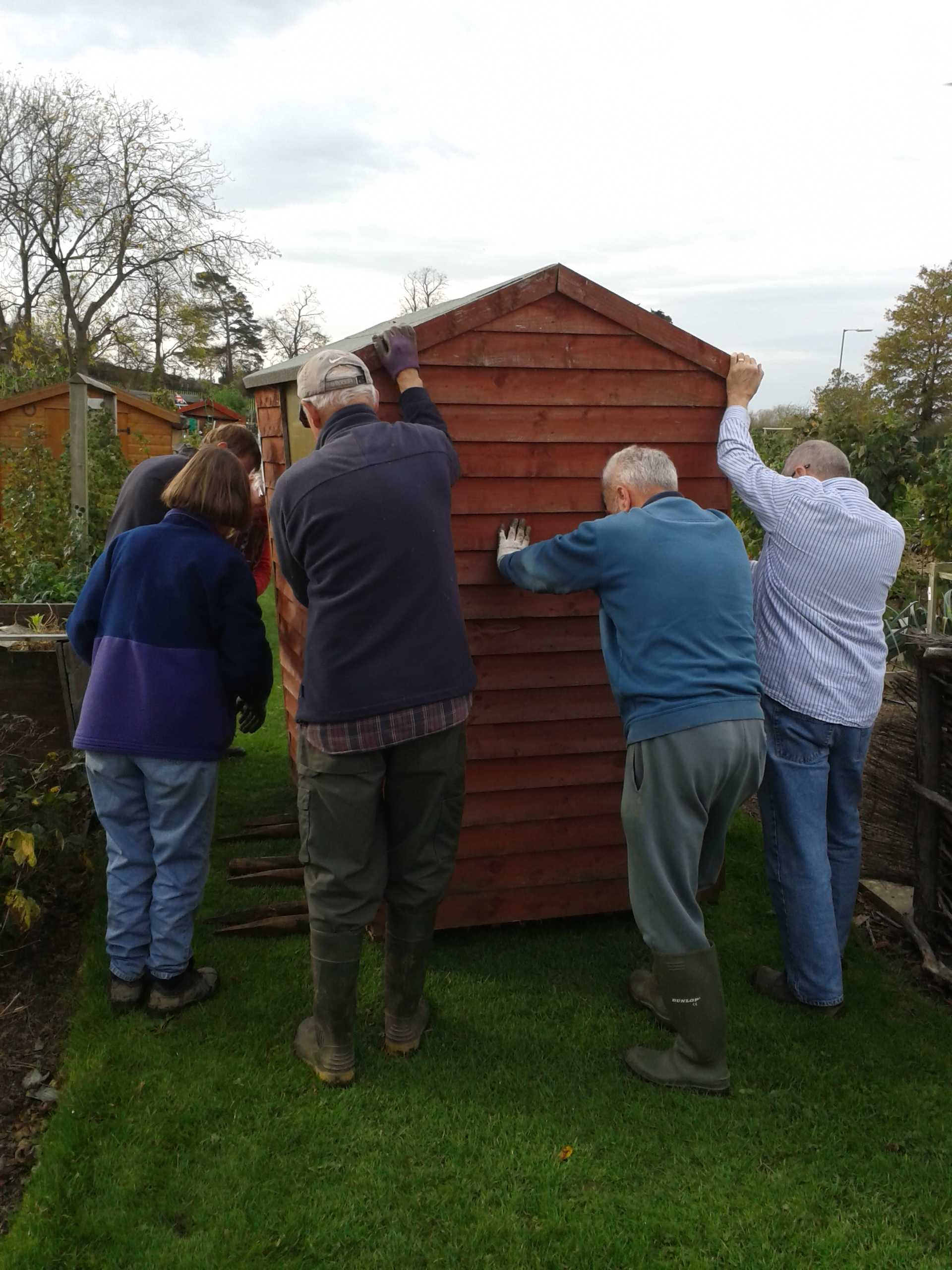
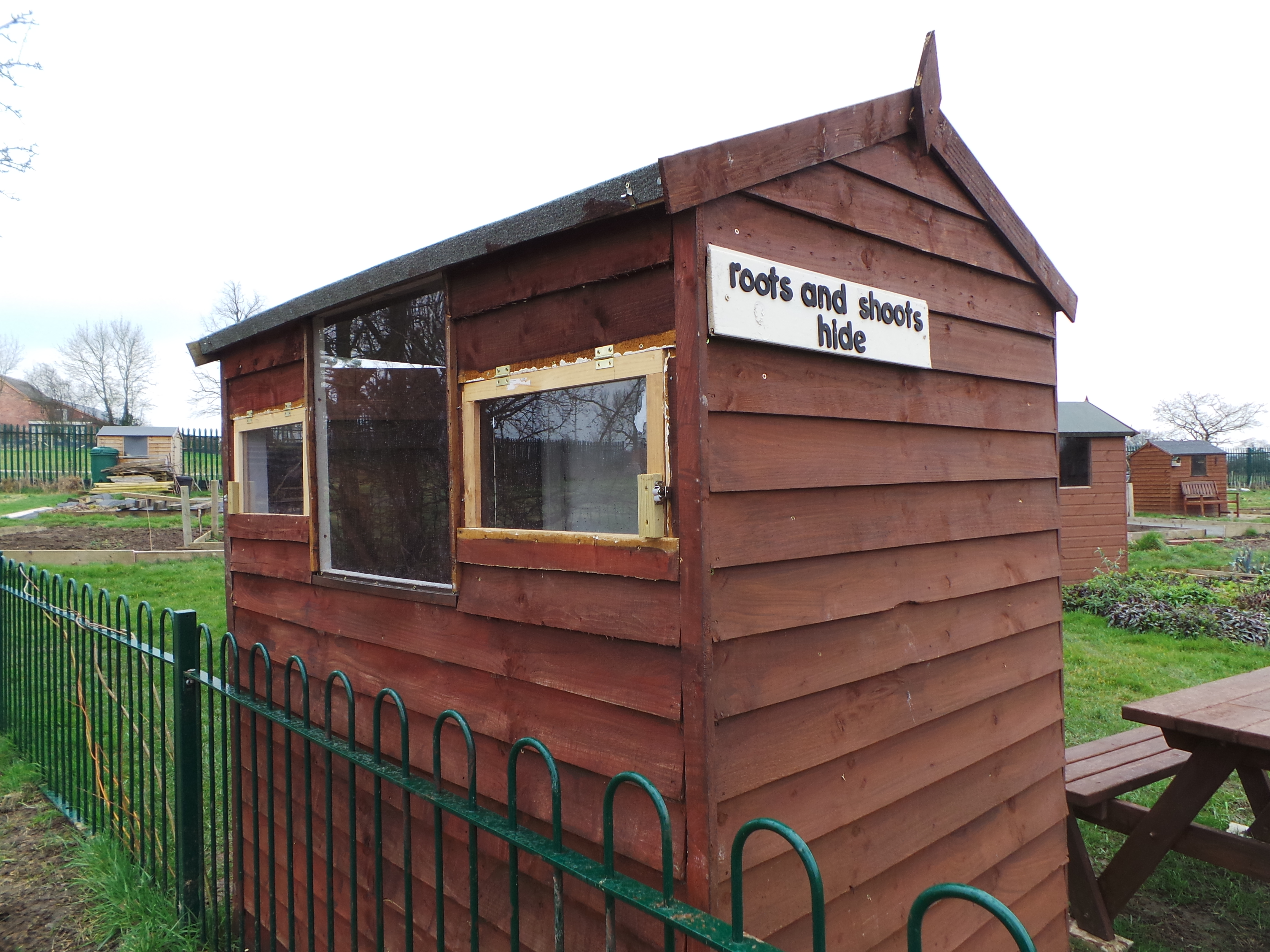
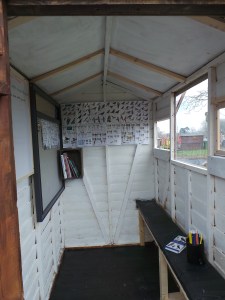
So first let us return to our new hide. If you remember those pictures of us rolling the battered and rather shaky old shed you will be surprised by the photos of it finished. So how about a before and after pair of pics? We made the hide for our allotment youngsters, our Roots and Shoots group, to give them the chance to secretly and quietly watch the life of our pond. With this in mind we set to work on our renovation which took an amazingly large number of volunteer hours.

2014 12 08_8466 2015 03 16_0004

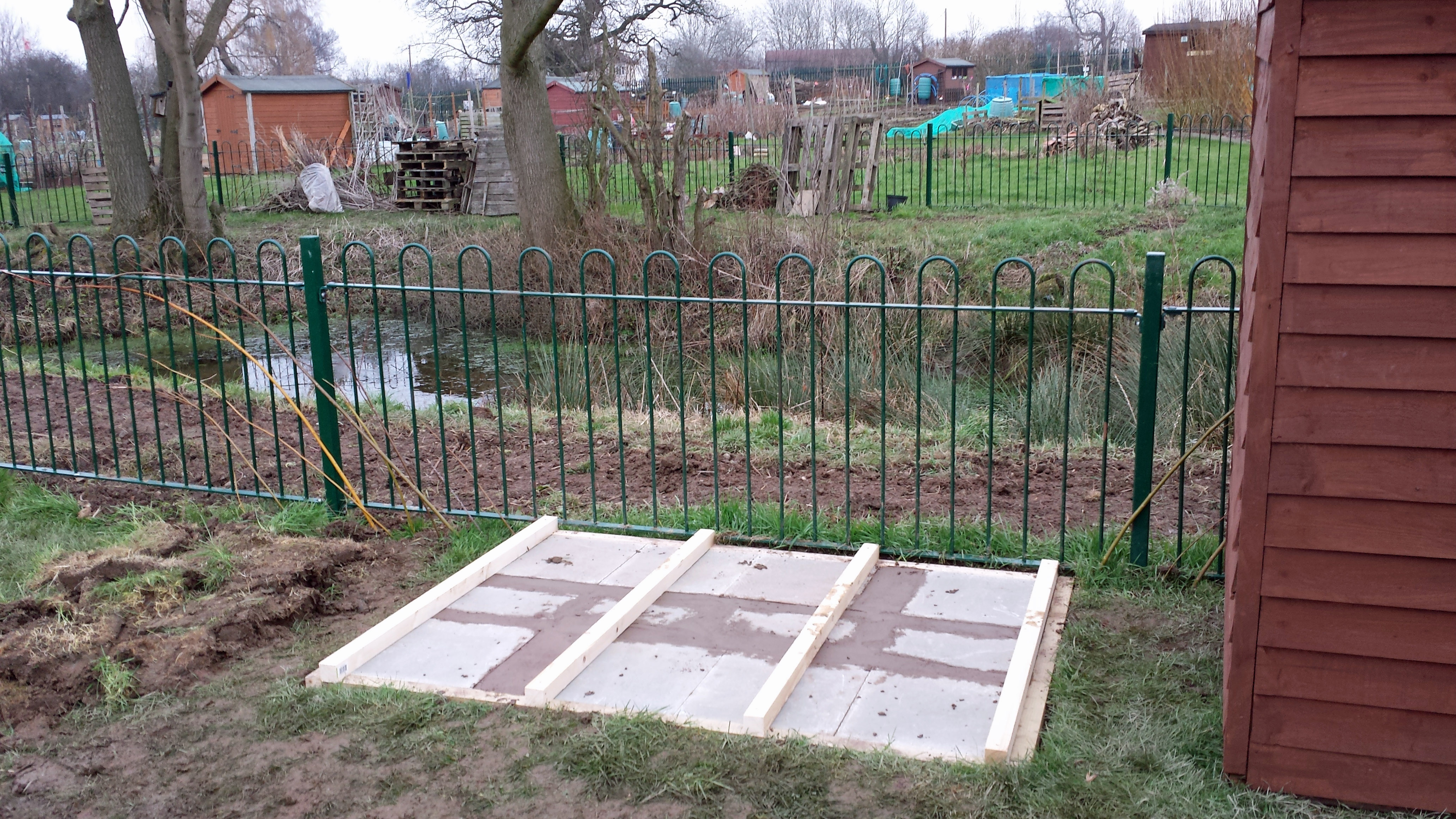
Whenever we go by the pond we can’t help but smile at the transformation! As you can see the old hide was firstly repainted outside by my young apprentice Thomas before we handed it over to two volunteer helpers Sean and his Dad Vince. They are great carpenters so brilliant volunteer helpers to have on board. They put fresh felt on the roof and fabricated a strong framework inside the shed. They made a concrete and slab base and placed the newly strengthen shed on a framework of wooden struts.

20150207_162506-1 sean 3-1

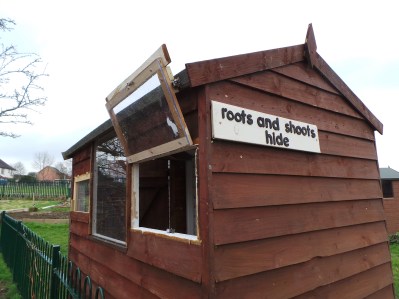
Thomas returned to give the shed another coat of wood preserver and I added a sign I created from wooden letters. It began to look the part from the outside but even more so once the two men added a new sheet of perspex to the window and added two hatches for clear viewing on dry days. These can be seen in the photo below.

2015 03 16_0005

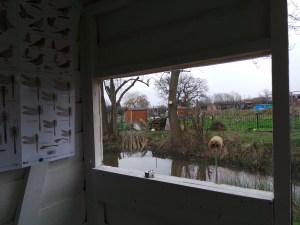
Within a few weeks Sean and Vince with extra help from Sean’s children had put up a noticeboard, made a kneeling bench and shelf for leaning on when the children used the hatches and window. The pictures below show first the bench and secondly the view the children get from the hatch.

2015 03 16_0018 2015 03 16_0016

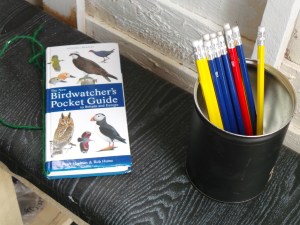
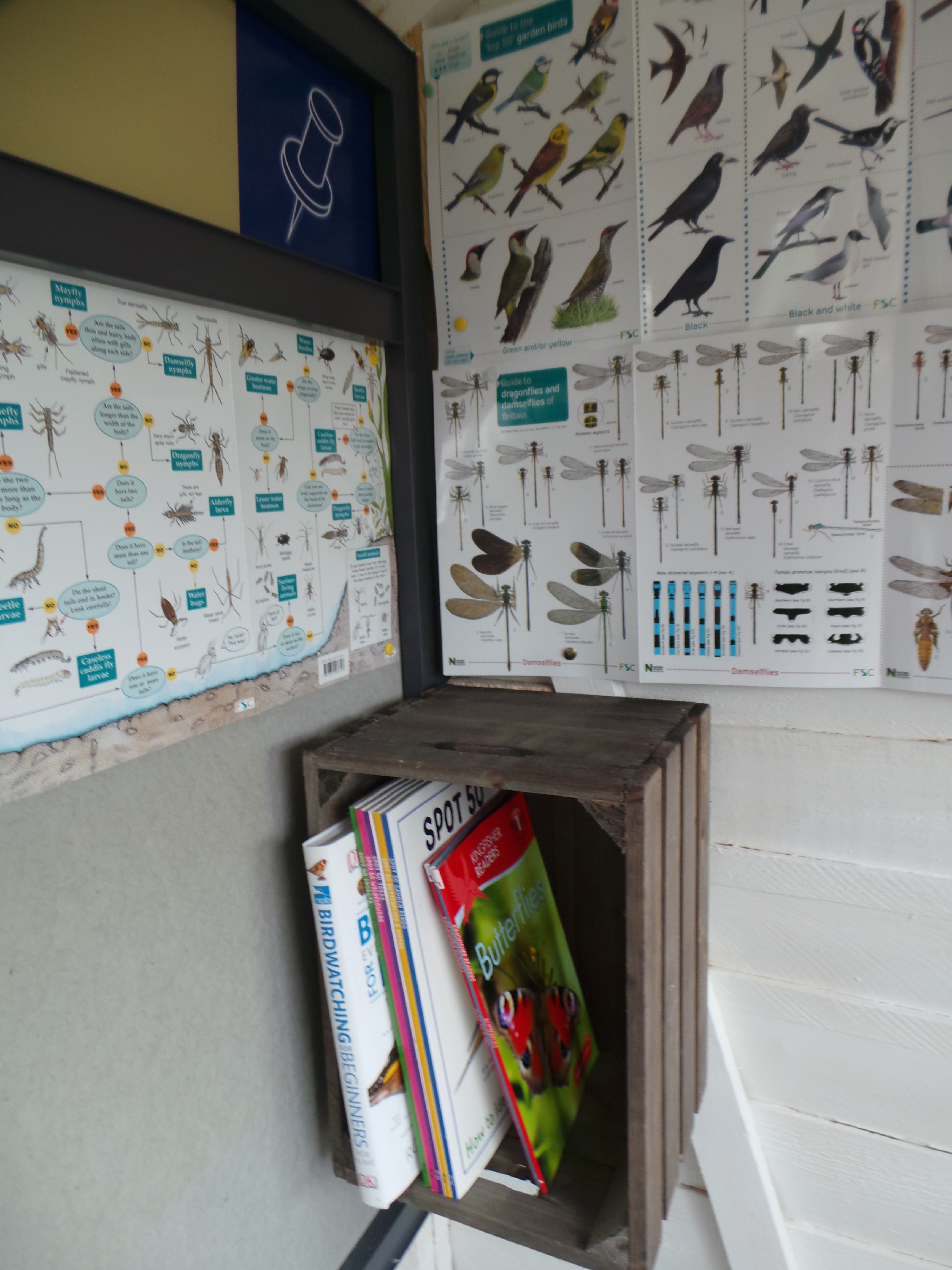
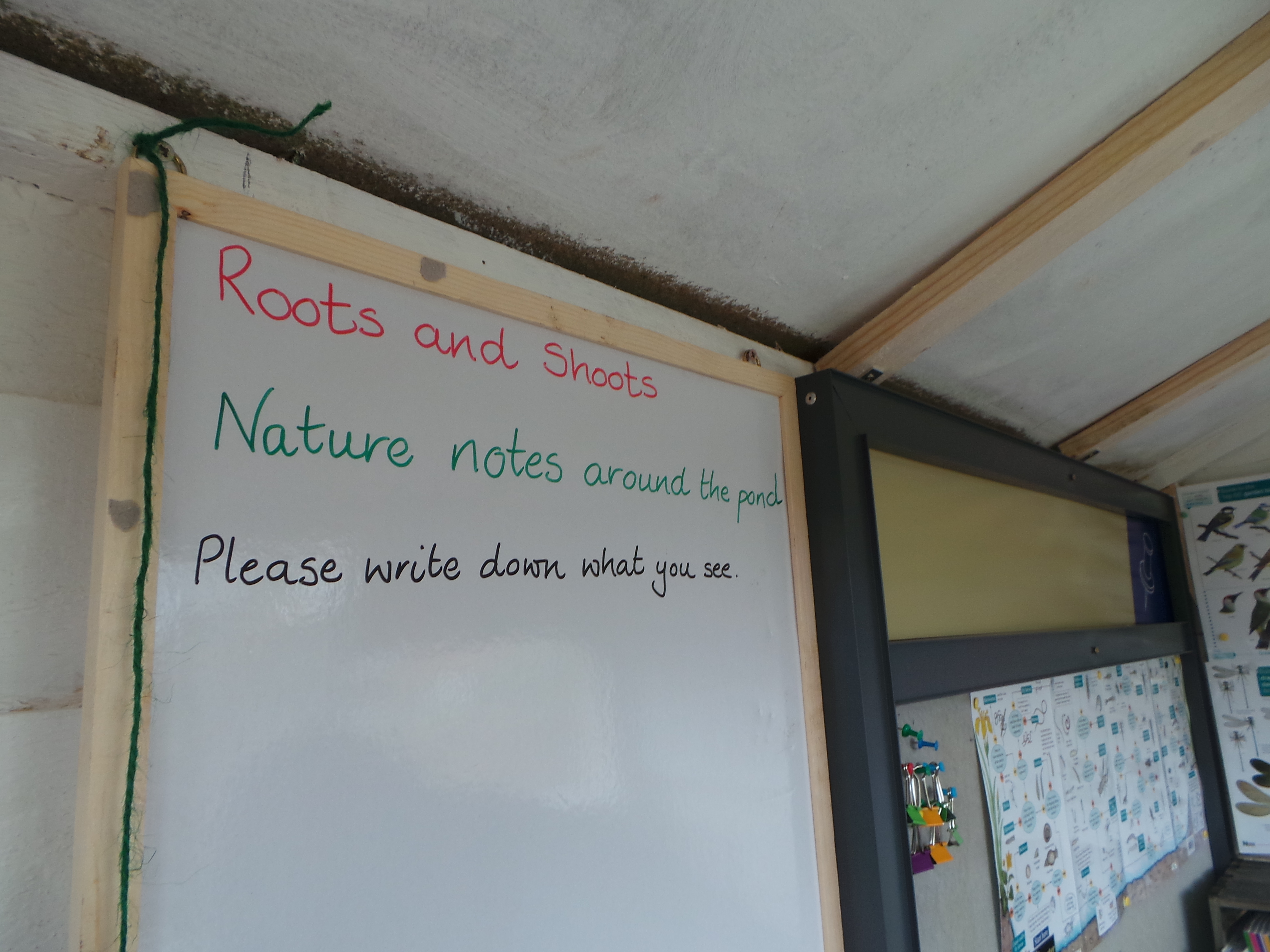
This is the view our Roots and Shoots youngsters will get as they open the hide door. You will see that Jude and I have added identification charts for birds and dragonflies and damselflies and a poster displaying the life on and under the surface of a pond. We also made a little bookcase from a vegetable crate and placed in it some wildlife books for youngsters. We also mounted a whiteboard on which we are inviting the children to note their observations. The final touches are a pair of binoculars a notebook for children to jot down their nature notes.

2015 03 16_0019 2015 03 16_00142015 03 16_0015  2015 03 16_0017

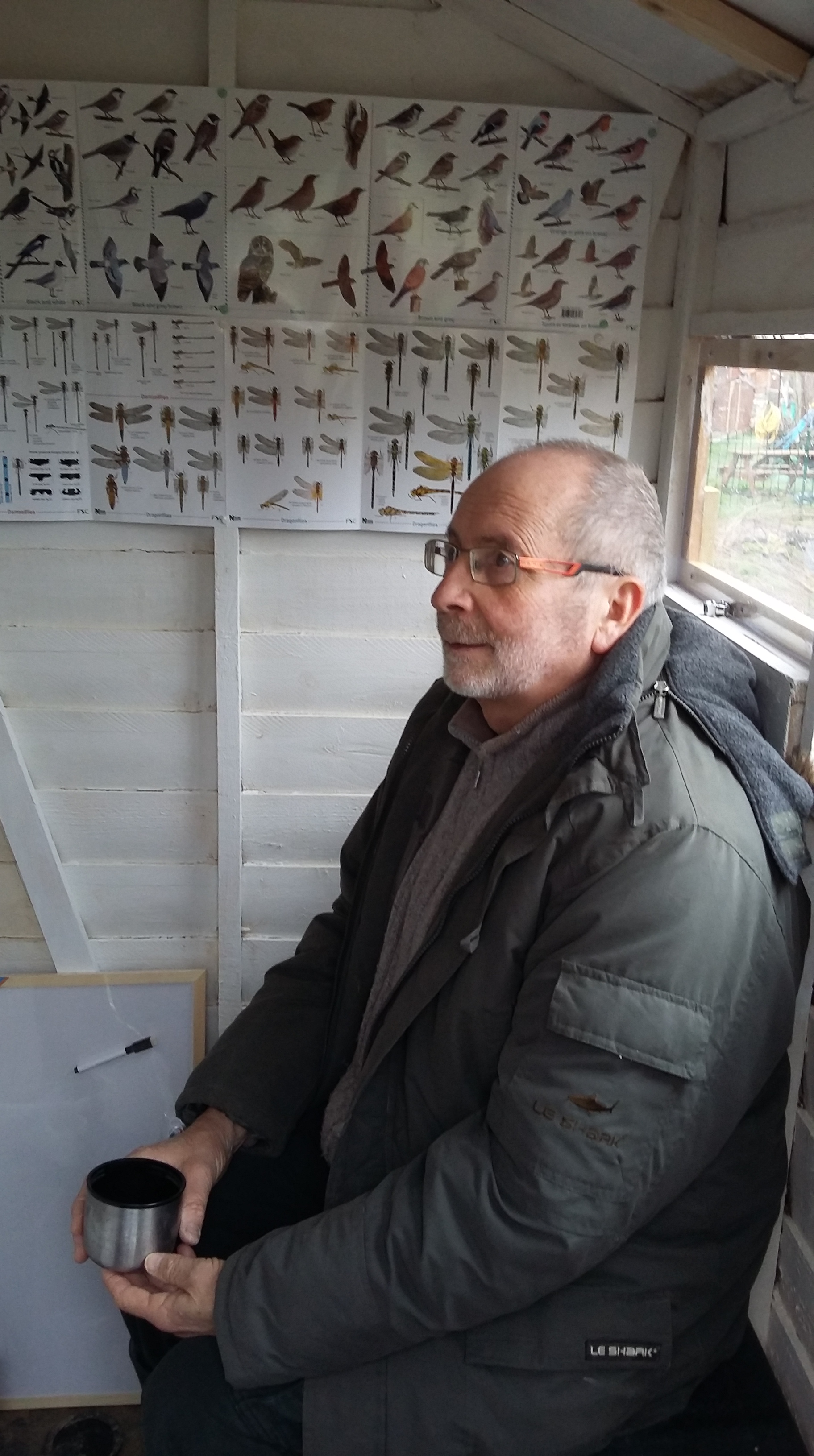
Last job of course was a celebratory cup of coffee perching on the children’s bench and admiring everyone’s handiwork and great efforts.

2015 03 16_9952

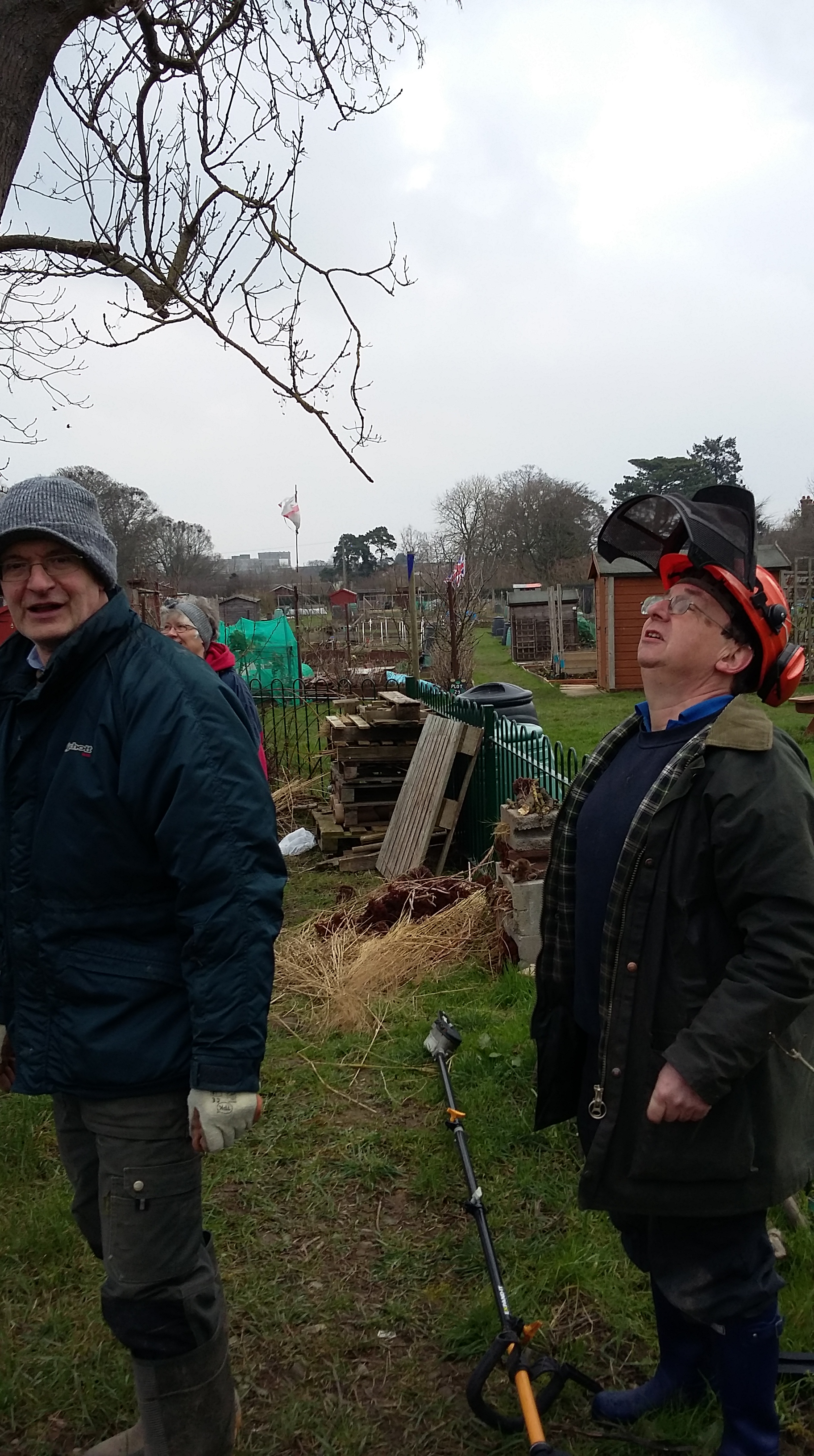
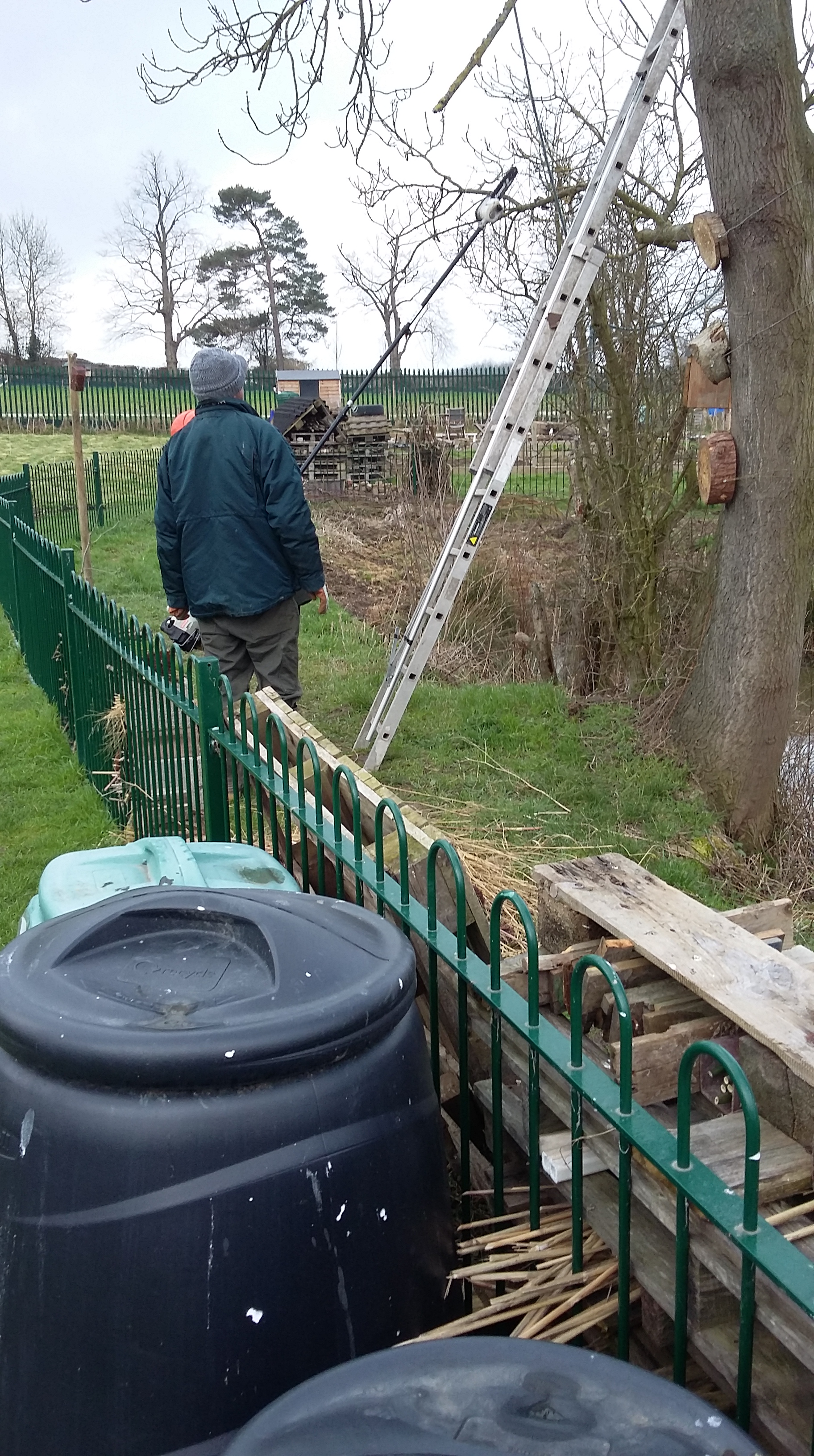
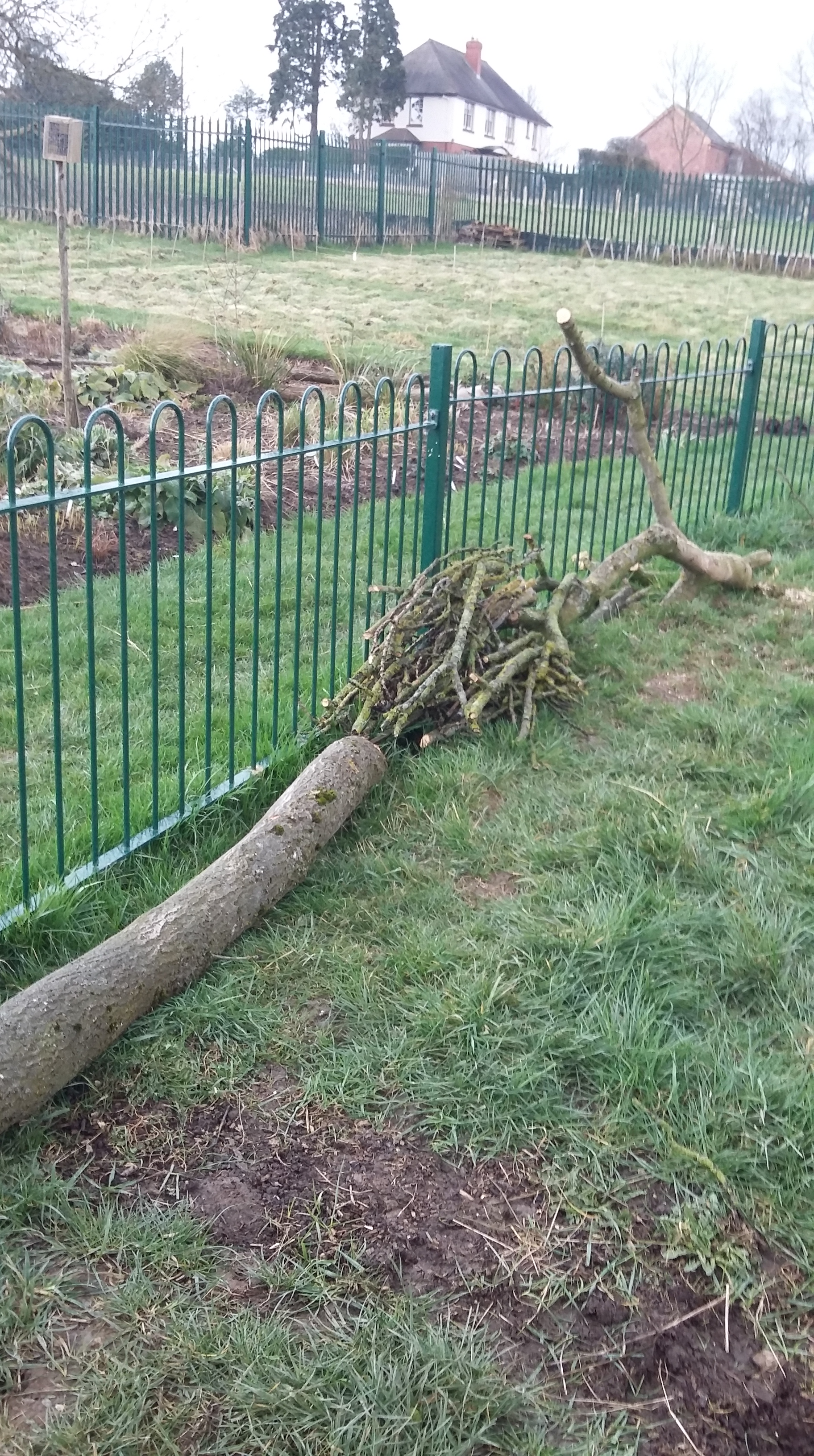
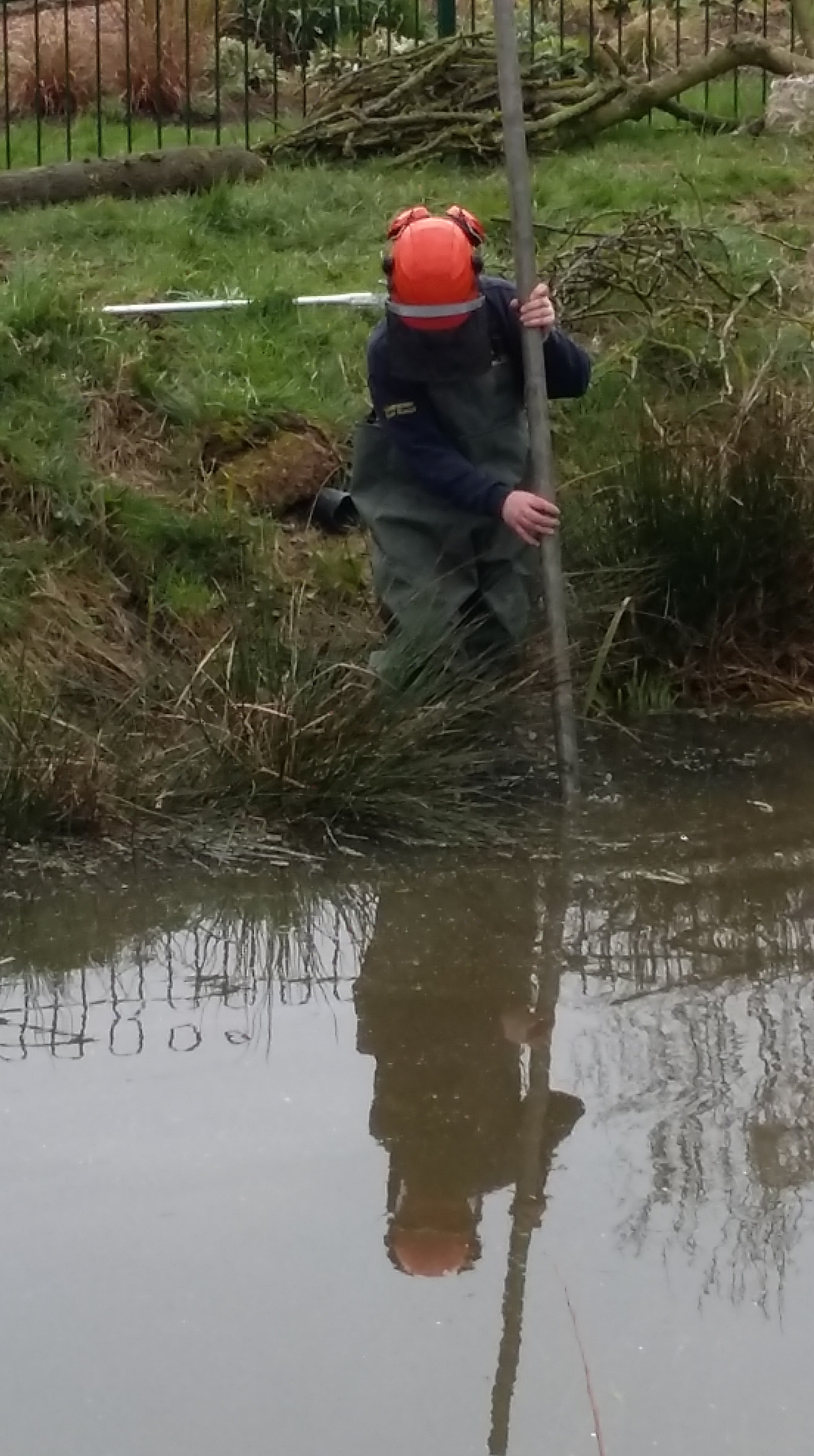
Now let us enjoy a bit of tree surgery carried out so professionally by some more of our volunteers, Pete and Mike. As mentioned in part one we have a few elderly Ash trees around the pond which for safety sake need remedial work. Earlier on we managed to pull down broken branches that had rotted but got tangled in the lower branches as they fell, but this day was a day for the chain saw attachment on our strimmer head to get in the action. One large branch hung right over the pond to the far bank and was slowly splitting so getting lower and lower. The final cut shows the weakness.

2015 03 16_9993

First Mike and Pete looked and stared and studied! They needed a strategy!!

2015 03 16_9925 2015 03 16_9926

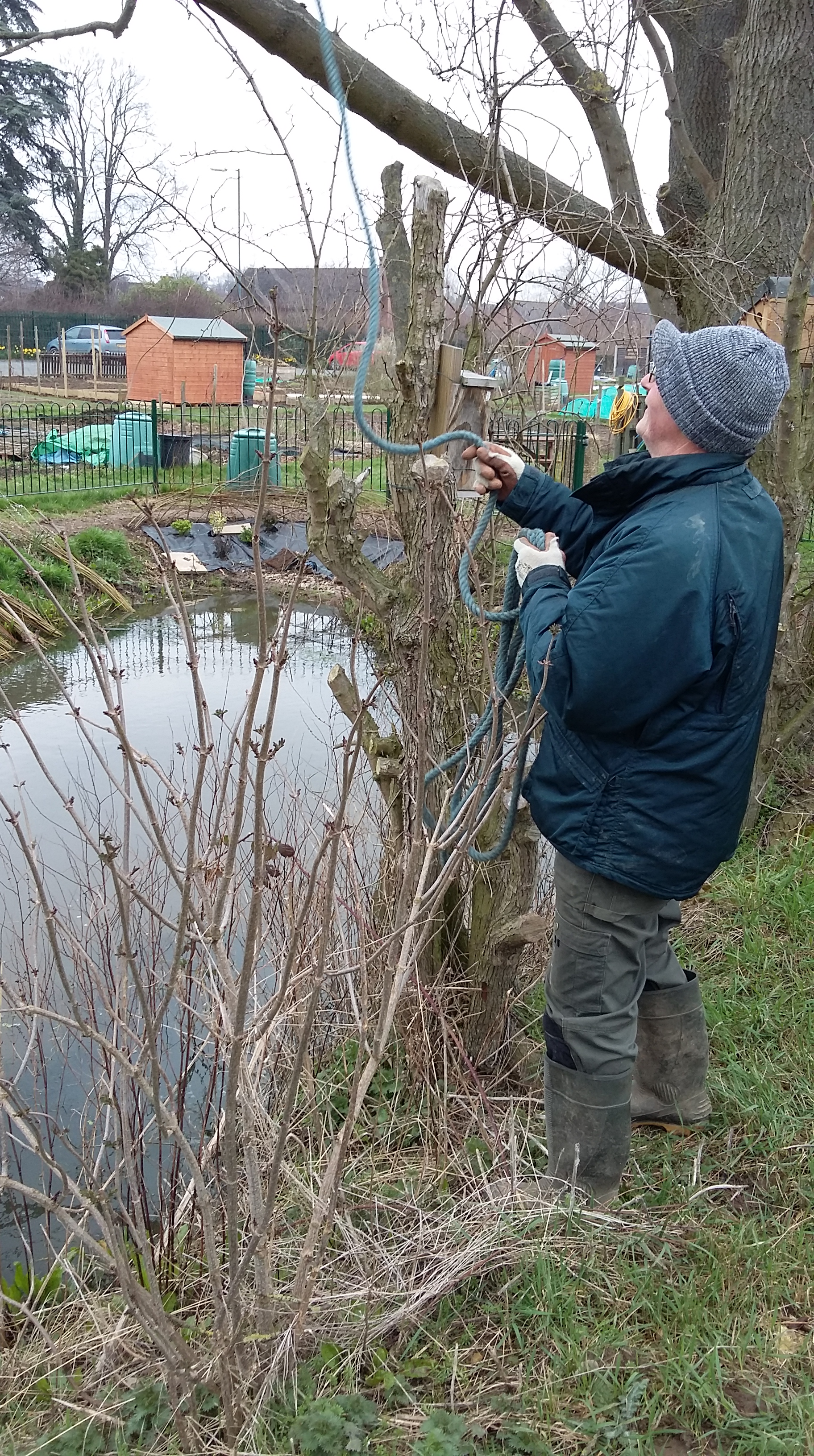
This strategy involved rope thrown up and over a much higher and stronger upper bough, with which they could keep control of the branch once it was sawn through.

2015 03 16_9932 2015 03 16_9928 2015 03 16_9929

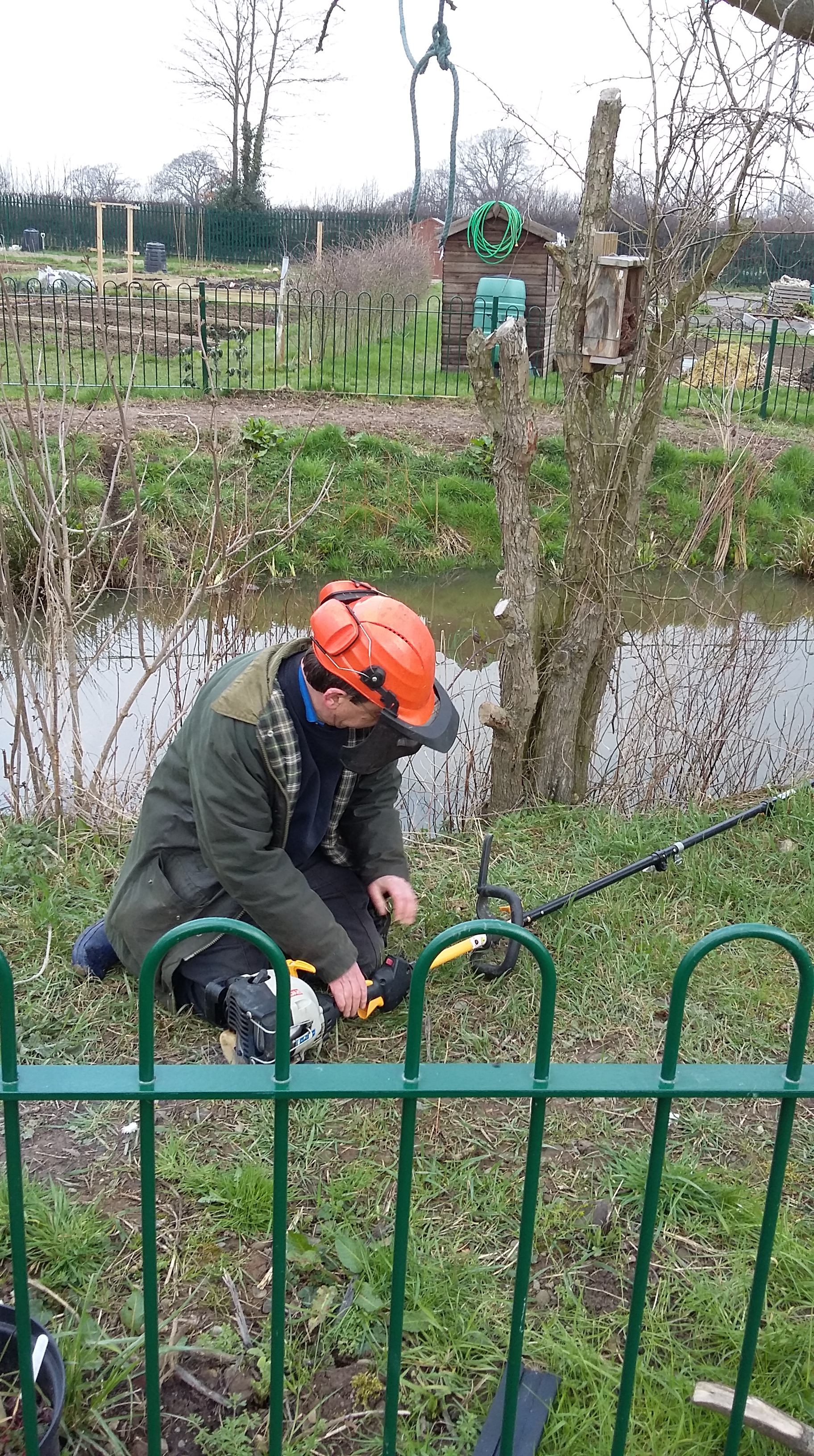
Attachment attached and they were off!

2015 03 16_9933 2015 03 16_9934 2015 03 16_9936

The cut bough hanging obediently could then be pulled in and dealt with on dry land. It will soon be seating for the youngsters, edging for borders and parts of insect homes and log piles and brash heaps to help attract ads shelter wildlife. We discovered an awful lot of rot within the bough so it was great relief to see it down. Trouble is there are a few more going the same way.

2015 03 16_9937 2015 03 16_9938 2015 03 16_9939

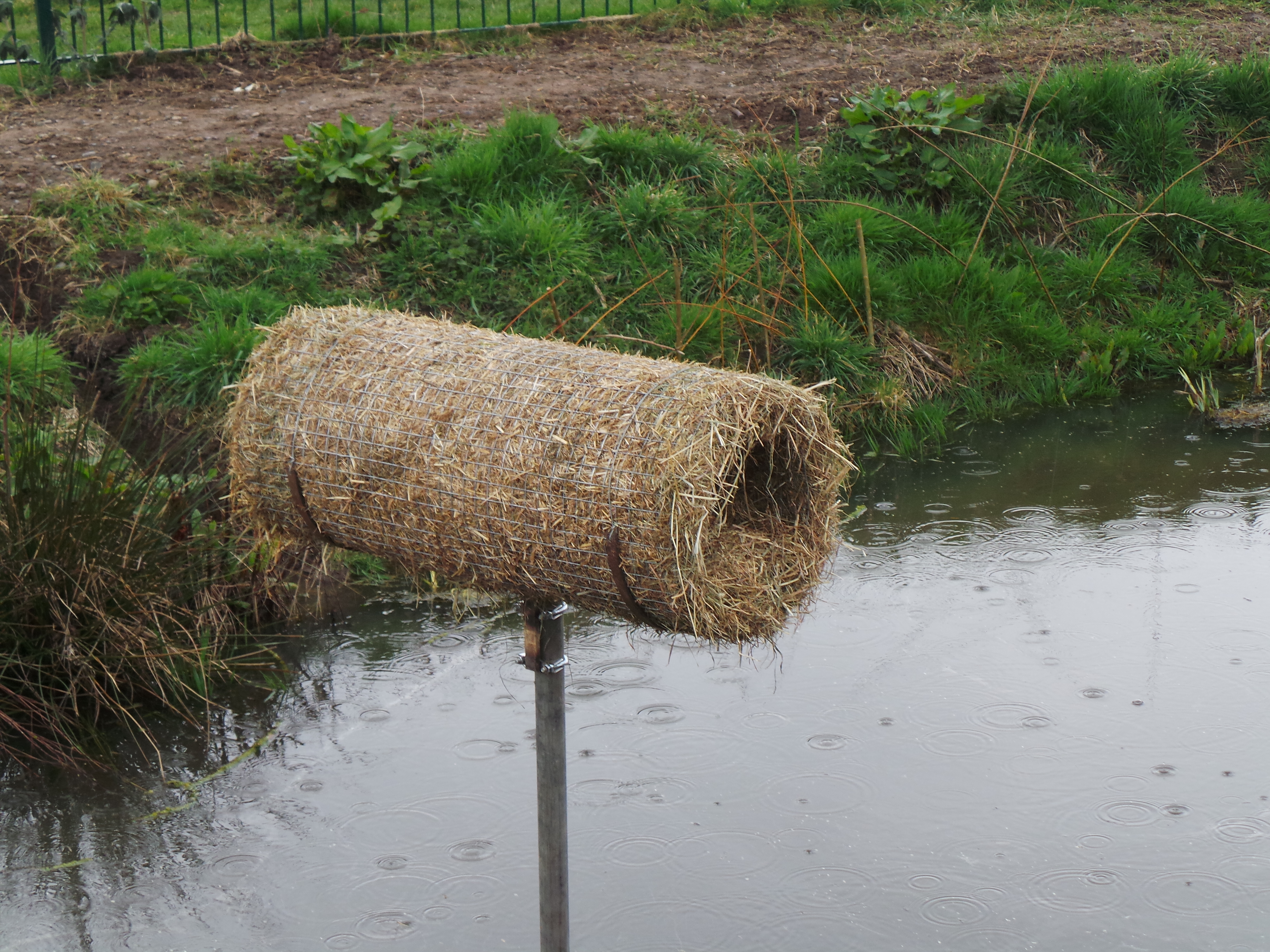
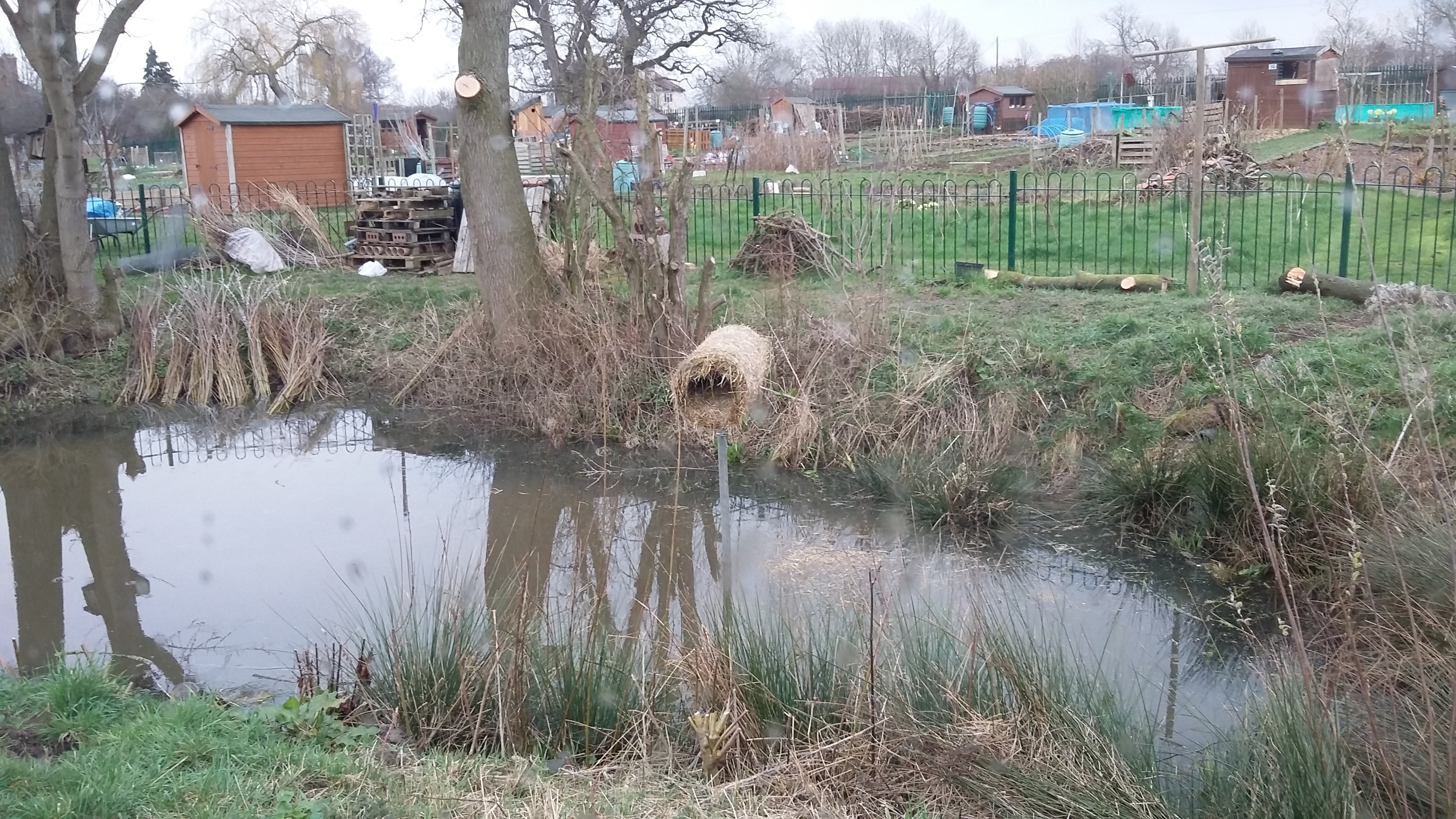
Finally we need to look at our duck tube! The photo below shows why we need one! A pair of Mallards patiently waiting!

20150217_100524

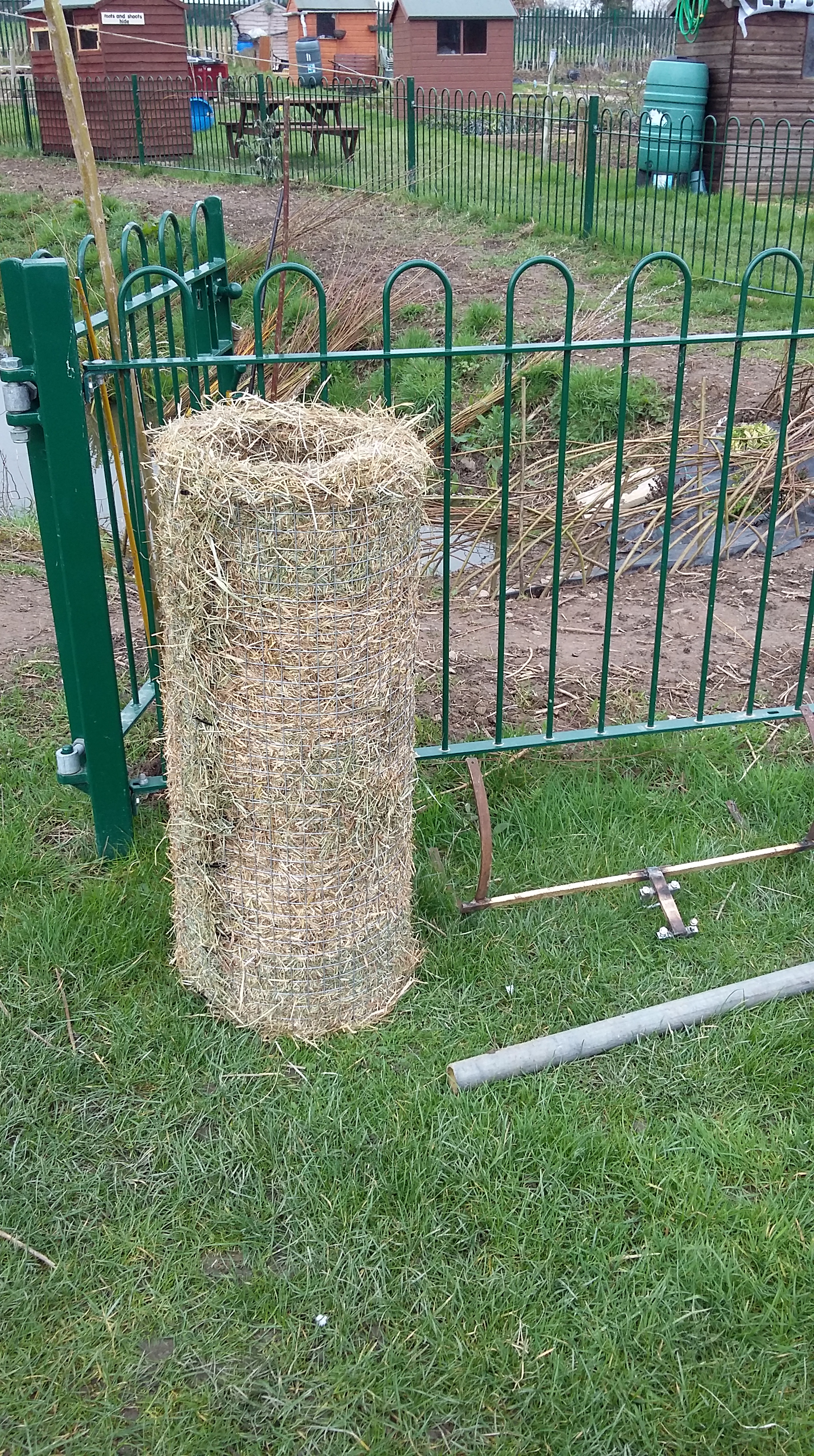
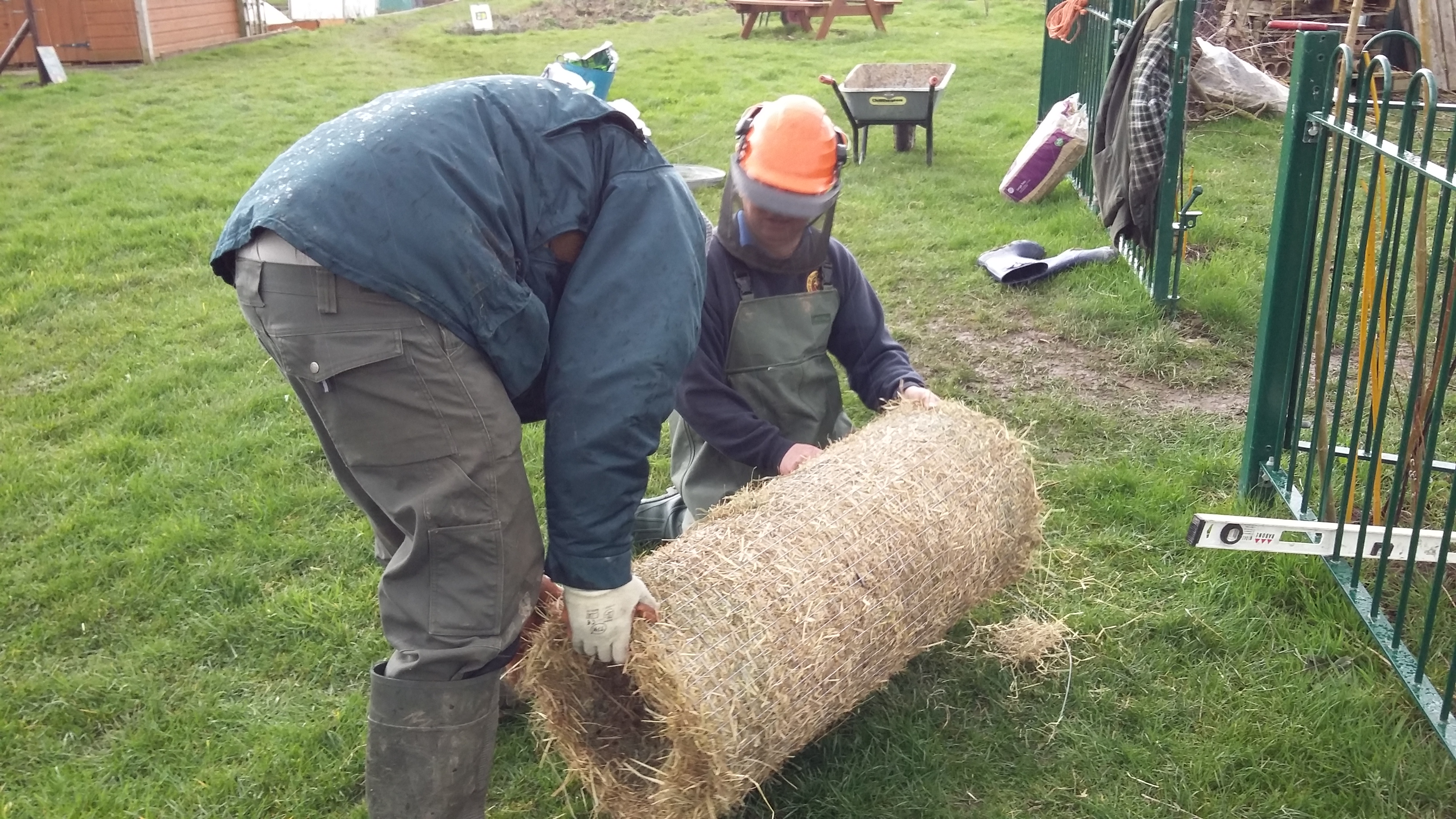
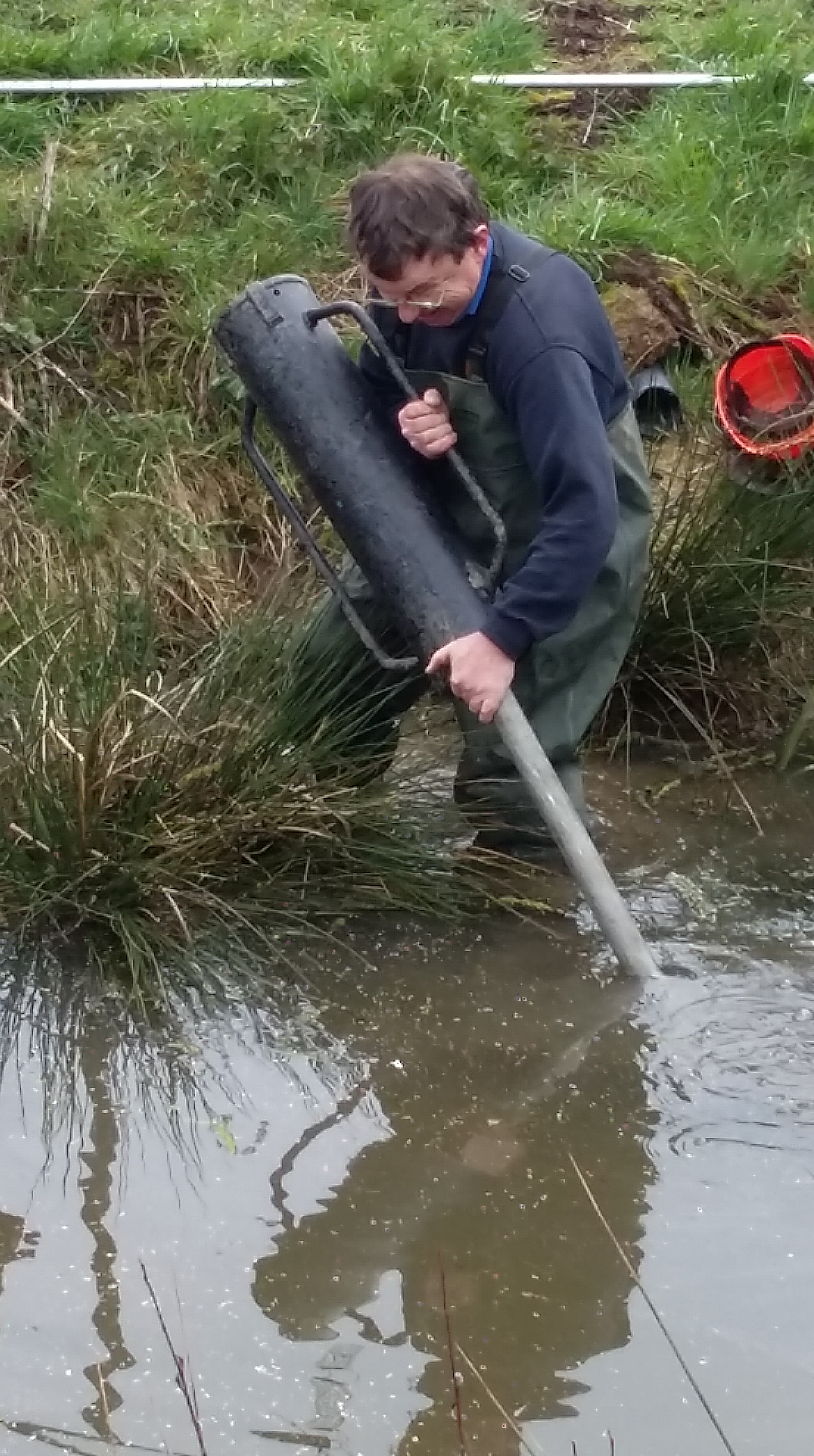
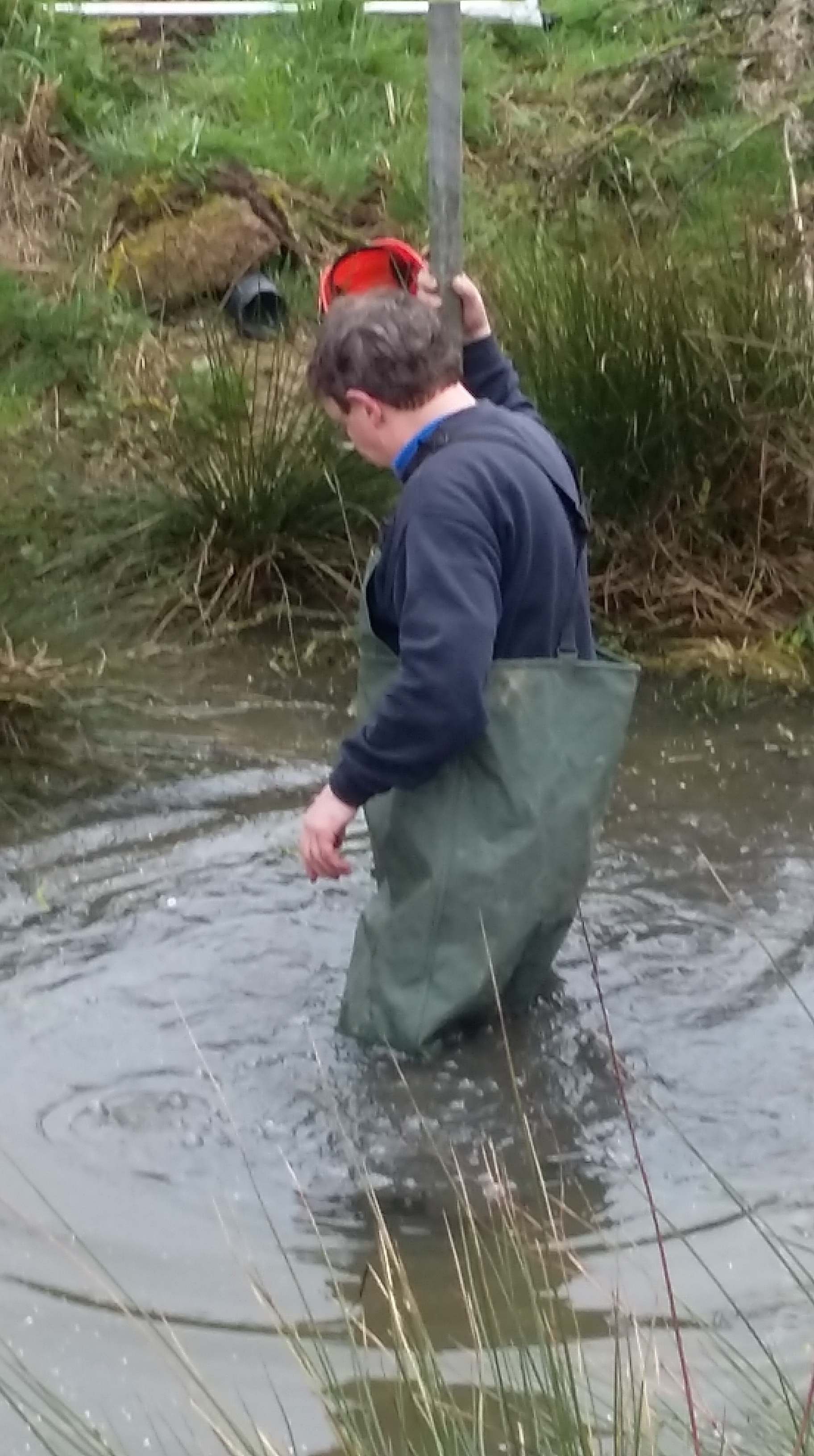
Just follow the picture sequence below and watch Mike’s adventure. Before we made the dam and changed the drainage around it to gain depth for wildlfie the pond was rarely more than 6 inches or so deep!

2015 03 16_9930 2015 03 16_9940 2015 03 16_9941  2015 03 16_9944 2015 03 16_9945 2015 03 16_9946 2015 03 16_9947 2015 03 16_9948 2015 03 16_9949 2015 03 16_9950 2015 03 16_9951 2015 03 16_9994

He is a good chap is Mike! What would we do without him? And below the duck tube in pride of place in the pond in a position where the children can watch activity from their new hide. Brilliant!

2015 03 16_9954

We still have further work on the pond mostly planting but we have a plan for a floating island to give wildlife somewhere to find safety and shade. Pete and Mike have a plan as you might have guessed! But of course that may be the subject of a future post visiting our super wildlife pond! One piece of info I have not mentioned are the dimensions of the area, useful I think to put things in perspective and to emphasise the size of the project. The pool is 22 yards long by 11 yards at its widest point, and the marsh area at the one end is 9 yards by 7 yards at the widest point. Around the pool and marsh between the pond and the fence, the walk around together with the planted areas vary from 3 yards to 5 yards. Quite a size!

Categories
colours flowering bulbs garden photography garden ponds garden pools garden wildlife gardening grasses hardy perennials light light quality ornamental grasses ornamental trees and shrubs recycling Shropshire spring bulbs spring gardening trees wildlife Winter Gardening winter gardens

My Garden Journal – February

Here we are with part two of my post featuring my garden journal, where we can look at what was going on in our garden in February.

2015 03 13_9852_edited-1

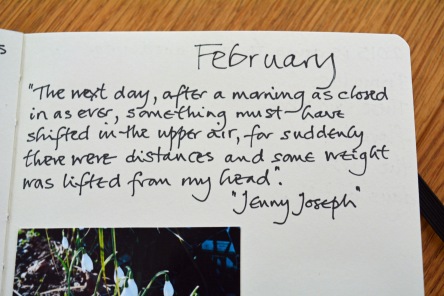
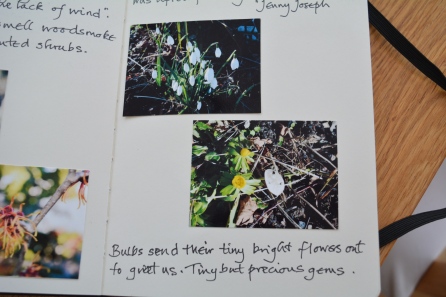
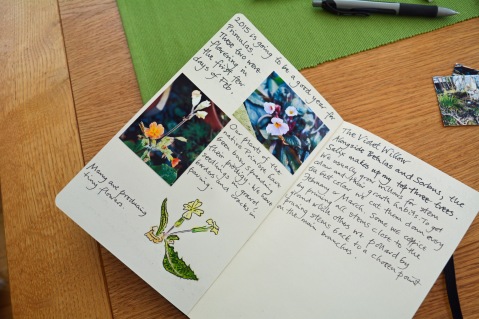
The first entry in my Garden Journal for February shares another quote from Jenny Joseph, “The next day, after a morning as closed in as ever, something must have shifted in the upper air, for suddenly there were distances and some weight was lifted from my head.” The first photos in this month’s journal were of startlingly white Snowdrops. “Bulbs send their tiny bright flowers out to greet us. Tiny but precious gems.” was my accompanying note.

2015 03 13_9853

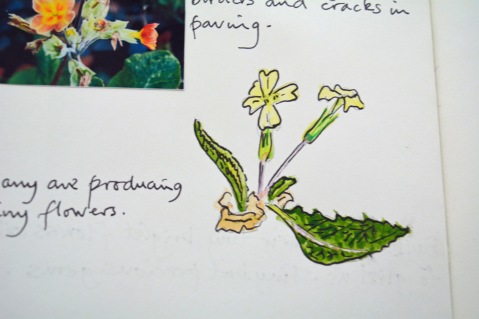
I also featured Primulas this month, “2015 is going to be a good year for Primulas. These two were flowering in the first days of Feb. Our plants of the native Primrose have been busy spreading their prodigy. We have seedlings in the gravel, in borders and in cracks in paving. Many are producing tiny flowers.”

2015 03 13_9855_edited-1

2015 03 13_9854_edited-1

The first day of the new month was spent in the garden and what a wonderful day we had. A bonus day outside in mid-winter is so welcome. We pruned the climbing roses, trimmed down the old growth of perennials to reveal the fresh green shoots eagerly waiting to burst into growth with the onset of Spring. The plant that never fails to impress is the Sedum with its virulent fresh growth waiting thickly at the base of last year’s cut down stumps.

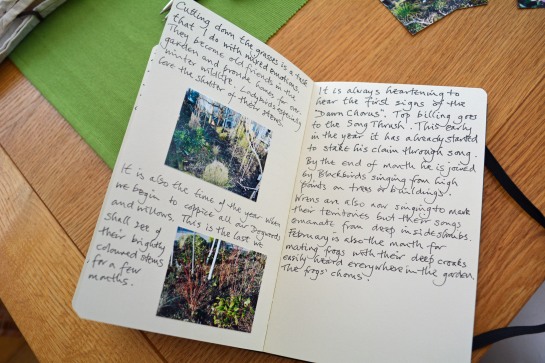
The tall elegant stems of grasses are now cut close to the ground after their winter display. Even the gentlest of breezes has encouraged them to dance, their stems swaying stiffly but gracefully and their seed heads far more fluent in their dances. They will soon be back. In my journal I noted “Cutting down the grasses is a task I do with mixed emotions. They become old friends in the garden and provide homes for over-wintering wildlife. Ladybirds especially love the shelter of their stems.”

2015 03 13_9856_edited-1

We like the month of February, as both Jude the Undergardener and I suffer from S.A.D.(seasonally adjusted disorder)  and mid way through February we can spot a change in the light and literally feel an improvement in light quality and with it an improvement in our mood. I am sure the garden feels the same as all that future growth waits underground to burst forth and all those buds lie waiting on the resting bare branches of the deciduous trees and shrubs.

Birds are showing signs of getting themselves prepared for the rituals of spring that awaits them. Blue Tits are exploring nest boxes already with two boxes already held by two pairs. Collared Doves, those invaders to our shores, entertain us by filling the sky with their acrobatics designed to impress their mates. They fly diagonally backwards into the air!

In my journal I wrote “It is always heartening to hear the first signs of the “Dawn Chorus”. Top billing goes to the Song Thrush. This early in the year it has already started to stake his claim through song. By the end of the month he is joined by Blackbirds singing from high points on trees or buildings. Wrens are also now singing to mark their territories but their songs emanate from deep inside shrubs.”

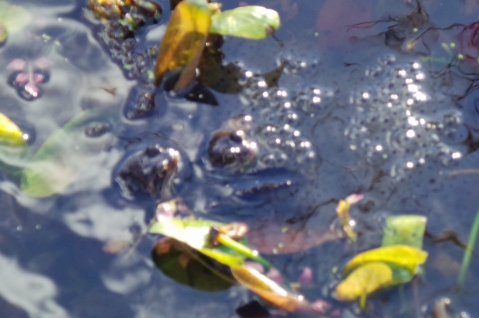
Our attention is drawn to the wildlife pond from mid-February onwards as it is around this time that we start to hear the deep croaks of the male frogs calling the females in to join them in the water. One evening coming in from the garden we made a plan to clear the leaves and any winter debris from the pond the next day before the first frogs arrived. But  they beat us to it for as we went into the garden to do just that a pair of mating frogs was in residence and close by lay a large glob of spawn. Our job became more difficult as we tried not to disturb their nuptials. My journal notes “February is also the month for mating frogs with their deep croaks heard from everywhere in the garden, “The Frogs’ Chorus!” We love frogs in the garden where they act as great pest controllers. Some move into the greenhouse once they leave the pond and work in there for us too. Free labour!

2015 02 28_9789_edited-1

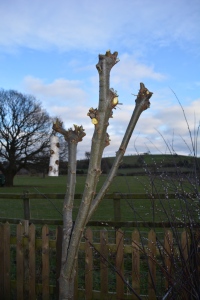
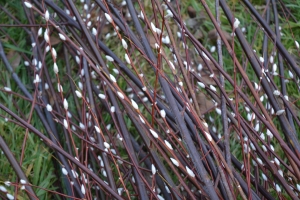
We can still enjoy the coloured stems of Cornus and Salix and the coloured textured trunks of the trees. The Betulas glow white with hints of silver, cream or salmon, while the Prunus serrula shines gold and brown. The brightest of all though must be Cornus “Midwinter Fire”. Late in this month however we begin the task of coppicing and pollarding, hard pruning to give us bright new stems with brighter colours in the year to come. My journal says, “It is also the time of year when we begin to coppice all our Dogwoods and willows. This is the last we shall see of their brightly coloured stems for a few months.” I move on to make special mention of the Violet Willow of which we have a trained multi-stemmed pollarded specimen which holds a great presence in the garden at every time of the year.

The photos below illustrate how its many colours vary with the changing light.

2015 02 17_9597-1 2015 02 17_9596-12015 02 17_9579-1 2015 02 17_9580-1

These shots show the before pruning and after pruning images, so you can see how hard we prune them down. We certainly need our strong, sharp loppers for this job.

2015 02 17_9581-1 2015 02 17_9582-1

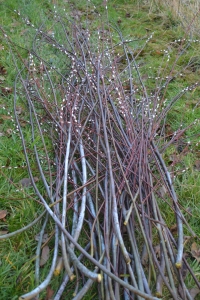
The final pictures illustrate just how much wood is removed and shows the colours of the branches. All this material will be used for making plant supports and will be useful when we make a willow dome for some friends’ garden in a week or so (look out for a post about this). This is a fine example of recycling in action in the garden.

2015 02 17_9585-1 2015 02 17_9584-1

We shall make the next visit to my garden journal in the month of March which we hope is full of the promise of spring.


Categories
birds garden wildlife gardening log piles natural pest control wildlife Yellow Book Gardens

Wildlife Homes and Green Men

When we opened our garden last August under the auspices of the National Garden Scheme and appeared in its famous Yellow Book we included in our details that we welcomed children. We were aware that few gardens make this obvious so we decided to reverse the trend. We made a few quiz sheets available for them to encourage them to look closely. They were very popular and most youngsters had a go. Some were very determined to find everything on the sheets. Great fun!

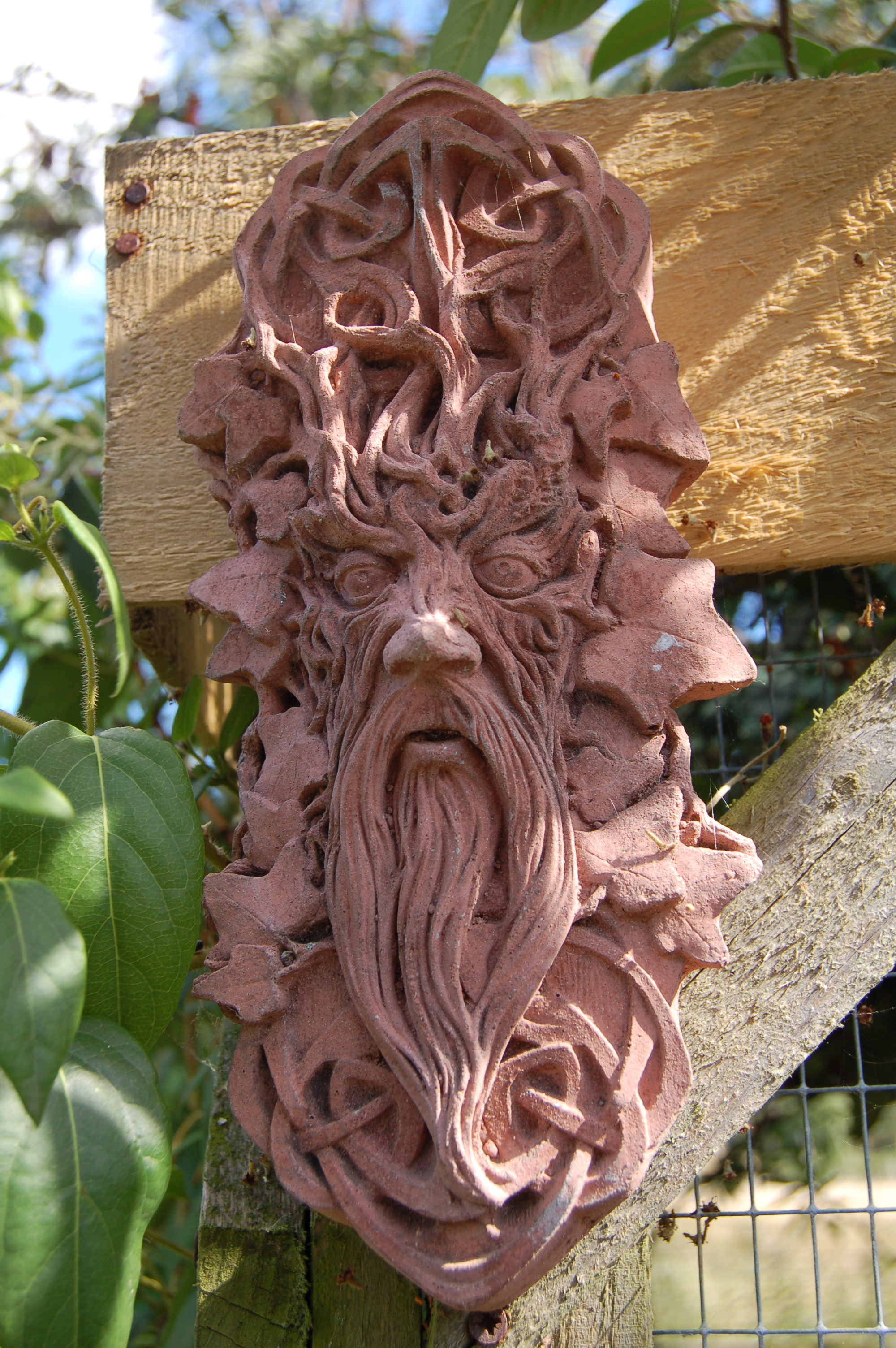
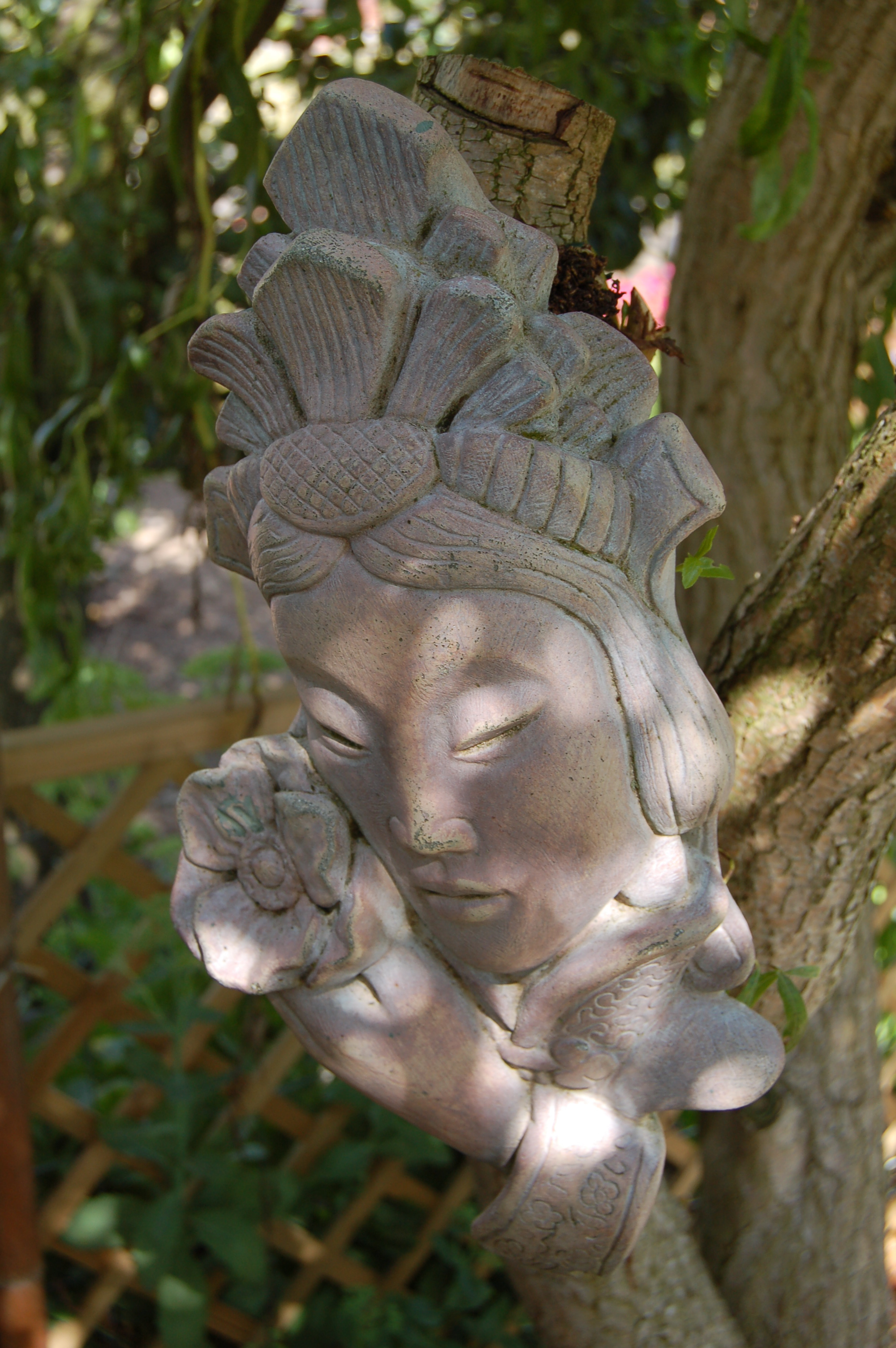
One quiz sheet featured our little collection of “green men” which we have scattered around the garden, some of which are hard to find.

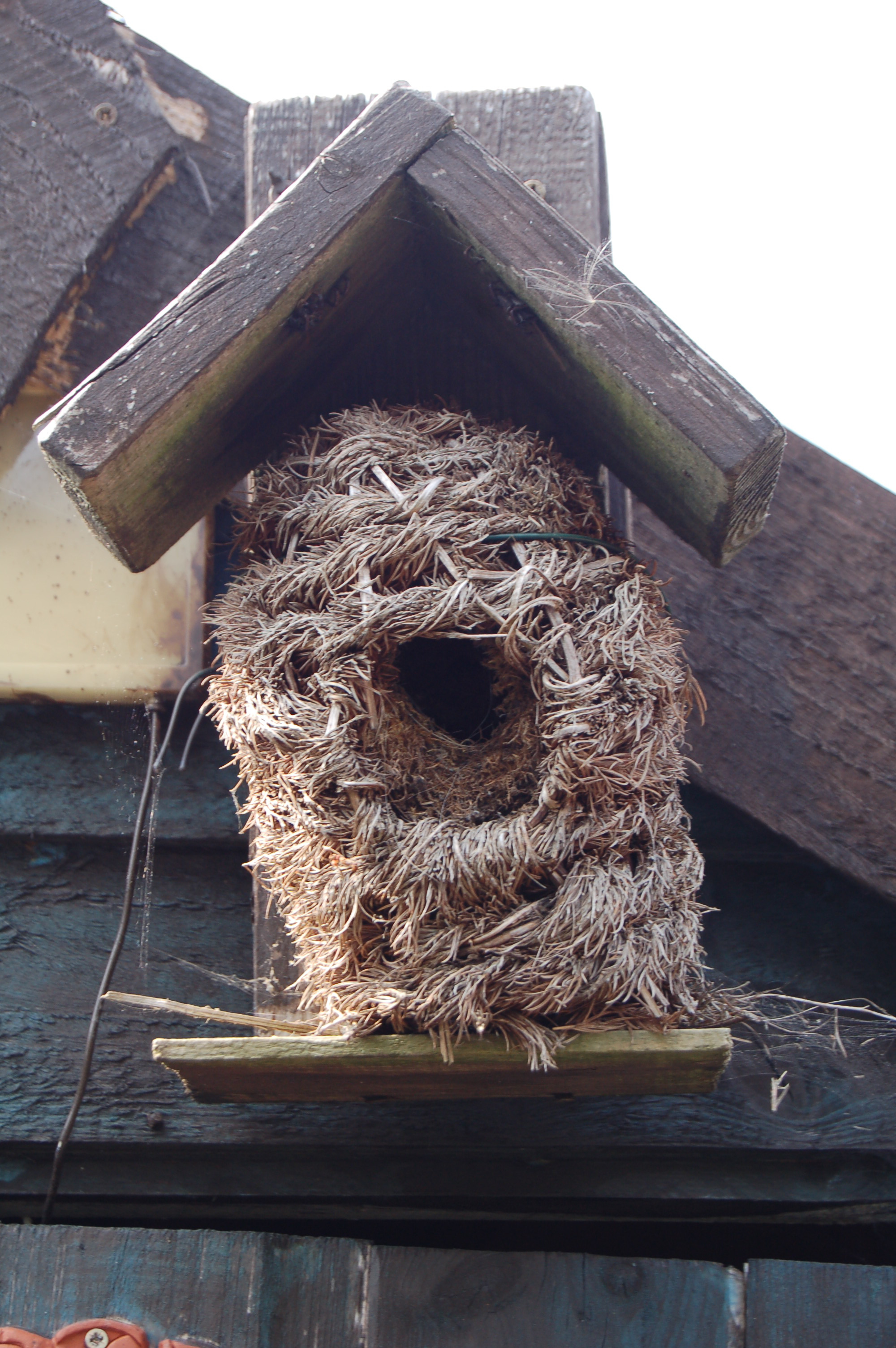
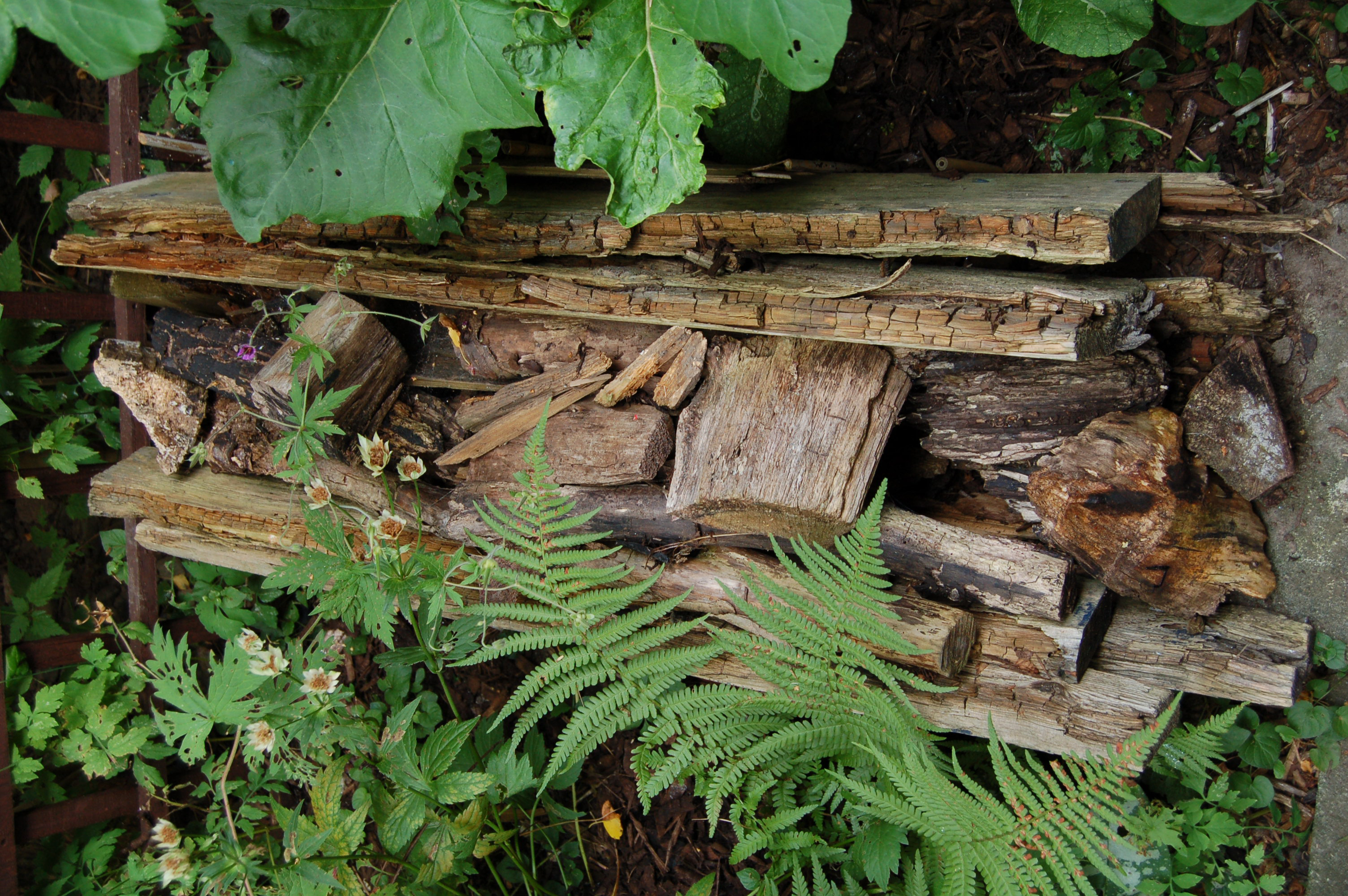
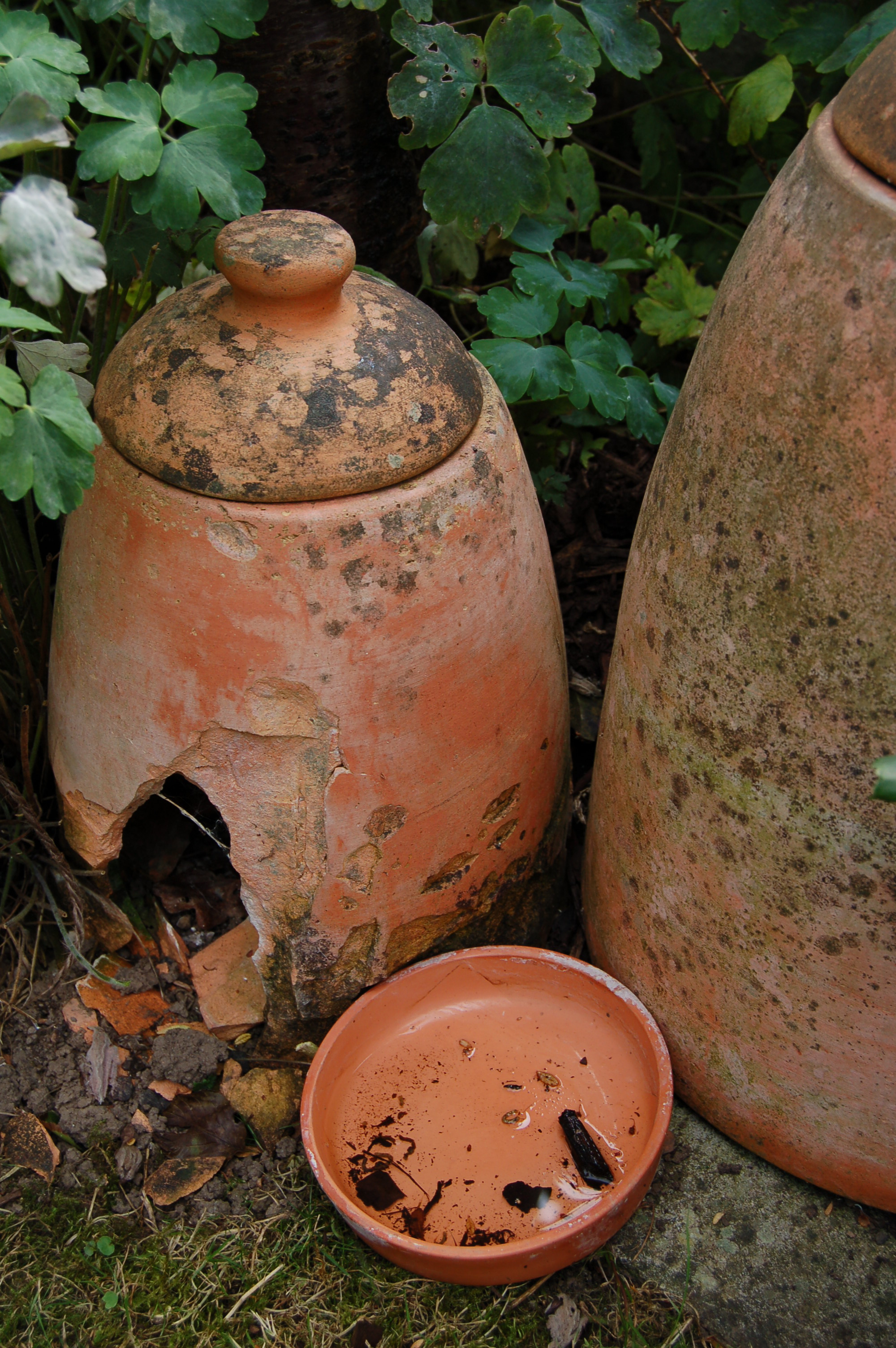
The other invited our children visitors to seek out the large variteies of wildlife homes, shelters and nesting places.

I thought you might like to see the photos of the green men and our wildlife features. Amongst the green men is a definite intruder who lives in our Japanese Garden on the trunk of the Salix flexuosa.

2014 07 31_2248-1

2014 07 31_2249-1 2014 07 31_2250-1 2014 07 31_2251-1 2014 07 31_2252-1 2014 07 31_2247-2

So now to our huge variety of wildlife features all designed and carefully placed to welcome all sorts of creatures, large and small.

Places for our feathered friends to roost and nest ………………

2014 07 31_2230-1 2014 07 31_2242-12014 07 31_2246-1 2014 07 31_2240-1

2014 07 31_2231-1 2014 07 31_2234-1

Places for beetles, invertebrates and amphibians ……………………….

2014 07 31_2229-1 2014 07 31_2235-12014 07 31_2243-1

Places for bees, lacewing and ladybirds ……………..

2014 07 31_2228-1 2014 07 31_2237-1

2014 07 31_2233-1 2014 07 31_2245-12014 07 31_2239-1

Places for all sorts of beneficial creatures – whoever wishes to drop in ……………………

2014 07 31_2232-1 2014 07 31_2238-1 2014 07 31_2241-1

We will have to think up some more quizes for our young visitors later this year.


This Veggie Life

A Vegetarian | Nature Lifestyle Blog

Rambling in the Garden

.....and nurturing my soul

The Arch City Gardener

Journeys In St. Louis Gardening and Beyond

Garden Dreaming at Châtillon

Consult the genius of the place

Storyshucker

A blog full of humorous and poignant observations.

gardeninacity

Notes from a wildlife-friendly cottage garden

PlayGroundology

...an emerging social science

The Official Blog of British Wildlife

'The most important and informative publication on wildlife of our times' - The Independent. This blog is a member of The UK & Ireland Natural History Bloggers group: www.uknhb.blogspot.com

iGrowHort

Inspire - Cultivate - Grow Native Plants - Restore Landscapes

Bishops Meadow Trust

To create and protect a semi-natural wild space for the people of Farnham to enjoy and experience an array of British wildlife in our town

Gardening with Children

The www.gardeningwithchildren.co.uk Blog

UKbirdingtimeline

birding through the seasons, why birds matter and how to conserve them

NATURE WALKER

with a camera in hand

Jardin

Transform your outdoor space

Eva's space

My allotment, cooking and other interests

Old School Garden

my gardening life through the year

LEANNE COLE

Trying to live a creative life

fromacountrycottage

trying to live as lightly as possible on our beautiful planet

Good Life Gardening

Nature lovers from Leicester living the good life.

mybeautfulthings

Finding the beautiful in the everyday

mawsonmichelle

Michelle's Allotment

In and Out of My Garden

thoughts from and about my garden

Greenhousing

Big plans for a small garden

The Scottish Country Garden

A Walled Country Garden in South East Scotland

The Fruity Chicken

Life at the fruity chicken

willowarchway

Off grid living. Self sufficient. "PERMAGANICS RULE".

St Anns Allotments

Nottingham's Grade 2* Listed Allotments and Community Orchard

Manifest Joy Harvests

a journey in suburban vegetable gardening

Allotmental

The madness of growing your own

Penny's Garden: a harvest beyond my front door

A novel approach to vegetable gardening

arignagardener

Sustainable living in the Irish countryside.

NewEnglandGardenAndThread

Master Gardener, amateur photographer, quilter, NH native, and sometimes SC snowbird

dianajhale

Recent work and work in progress and anything else that interests me

planthoarder

a chaotic cottage gardener

Lens and Pens by Sally

a weekly blog that creates a personal philosophy through photographs and words

Dewdrops and Sunshine

Stories from a sassy and classy Southern farmbelle.

The Pyjama Gardener

Simple Organic Gardening & Seasonal Living

gettin' fresh!

turning dirt into dinner

JOY...

today the world is created anew

Garden Birds

Notes from a Devon garden

ShootAbout

Life Through The Lens

Adapting Pixels

A photography blog showcasing the best photography pictures and videos on the internet

Wildlifegardening's Blog

Just another WordPress.com site

naturestimeline

personal observations from the natural world as the search continues for a new approach to conservation.

LATEBLOOMERBUDS

The Wonders of Life through my Eyes, my Heart, my Soul