Categories
Uncategorized

Accidental scraffito on a pavement

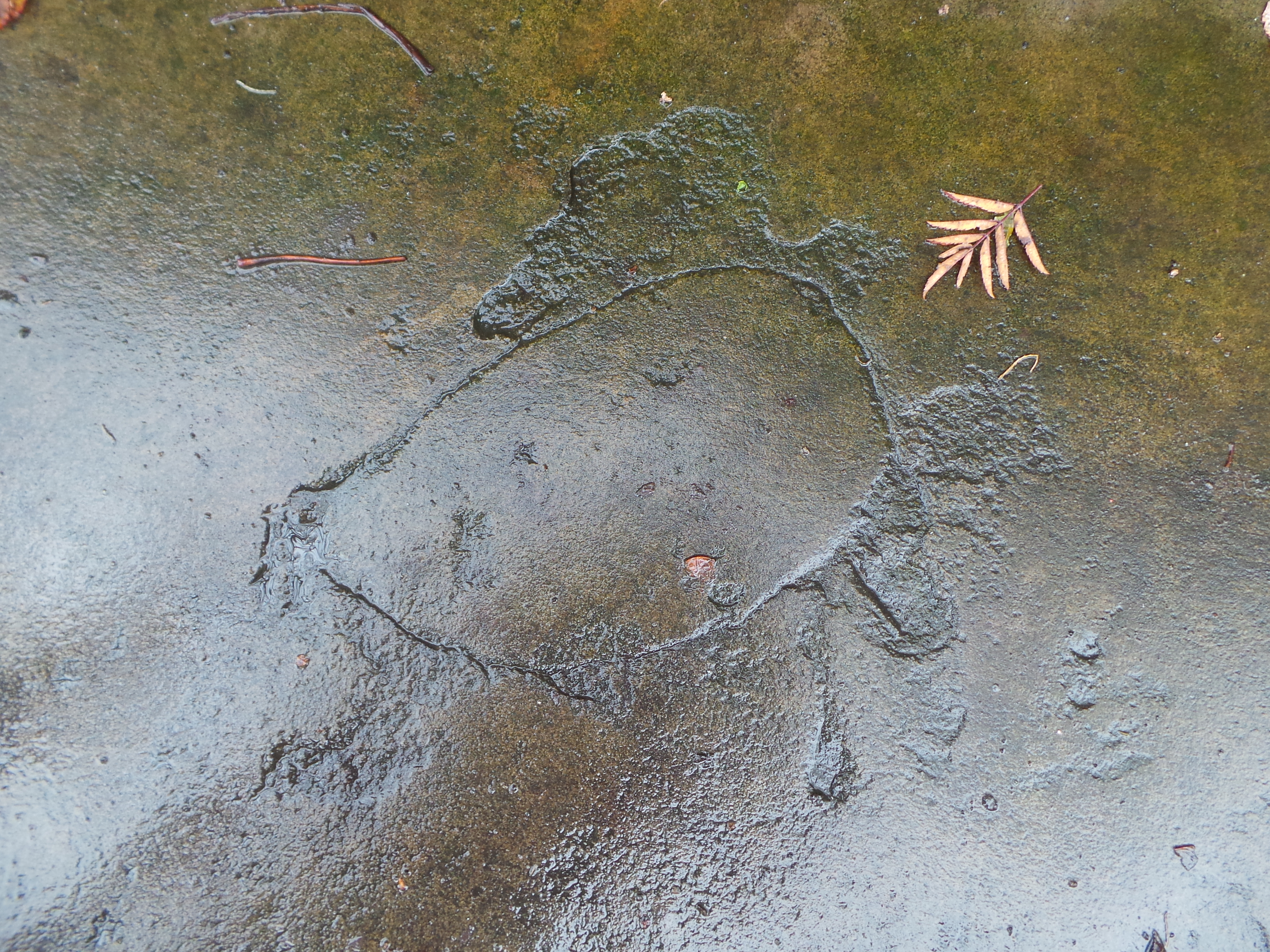
I often look down when I walk as having no feeling in my right leg I need to know where my foot is going next. This presents risks in itself such as walking into trees or lamp posts and can make me seem anti-social as I walk straight past people I know. But on a wet day in November when looking down at the pavement I stopped as I spied a creature drawn into the stone, like an ancient cave painting.

2014 10 30_6728

Isn’t it lovely – a creature scratched into the surface. An ancient hedgehog perhaps? A leaping over-weight lion?

Categories
colours light light quality

December Sunrise

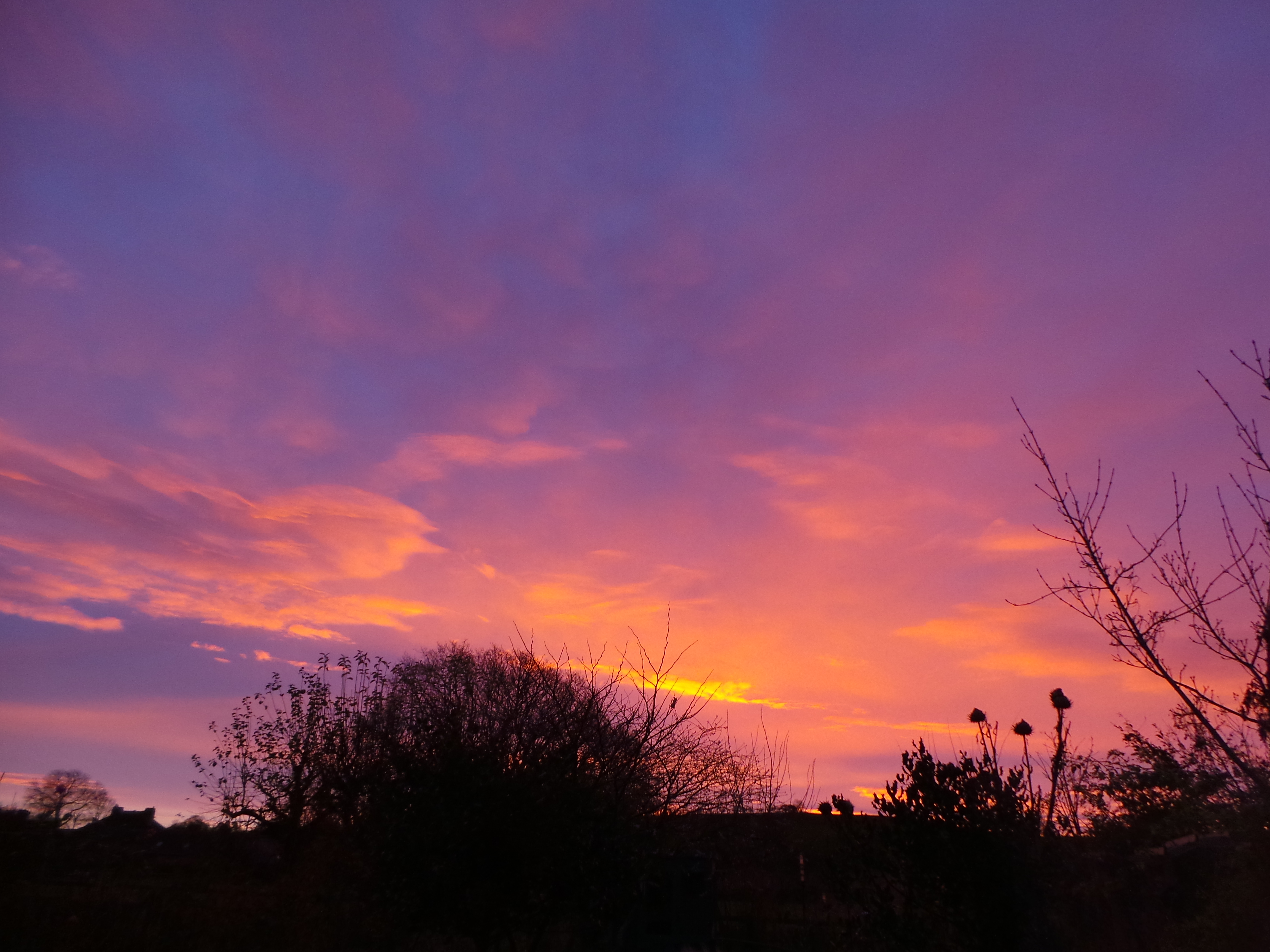
What a delightful way to wake up! We woke to this most beautiful sunrise possible today and watched as the colours got richer and the whole sky brighter. Then we watched as it cooled down, the colours disappearing and the sky becomeing a typical cold December morning sky.

2014 12 09_8718 2014 12 09_8717 2014 12 09_8716 2014 12 09_8719


Categories
architecture buildings Yorkshire

Saltaire – a unique village – Part Two

So here we are suitably refreshed with part two of my postings about the village of Saltaire. We are carrying on with our wander after a well-earned coffee stop. The staff were so friendly and so cheerful, which seems typical of everyone we met in the village. People enjoyed a chat and offered a smile!

We left our tour of Saltaire previously in Alexandra Square where we found the almhouses.

2014 10 30_6738 2014 10 30_6739

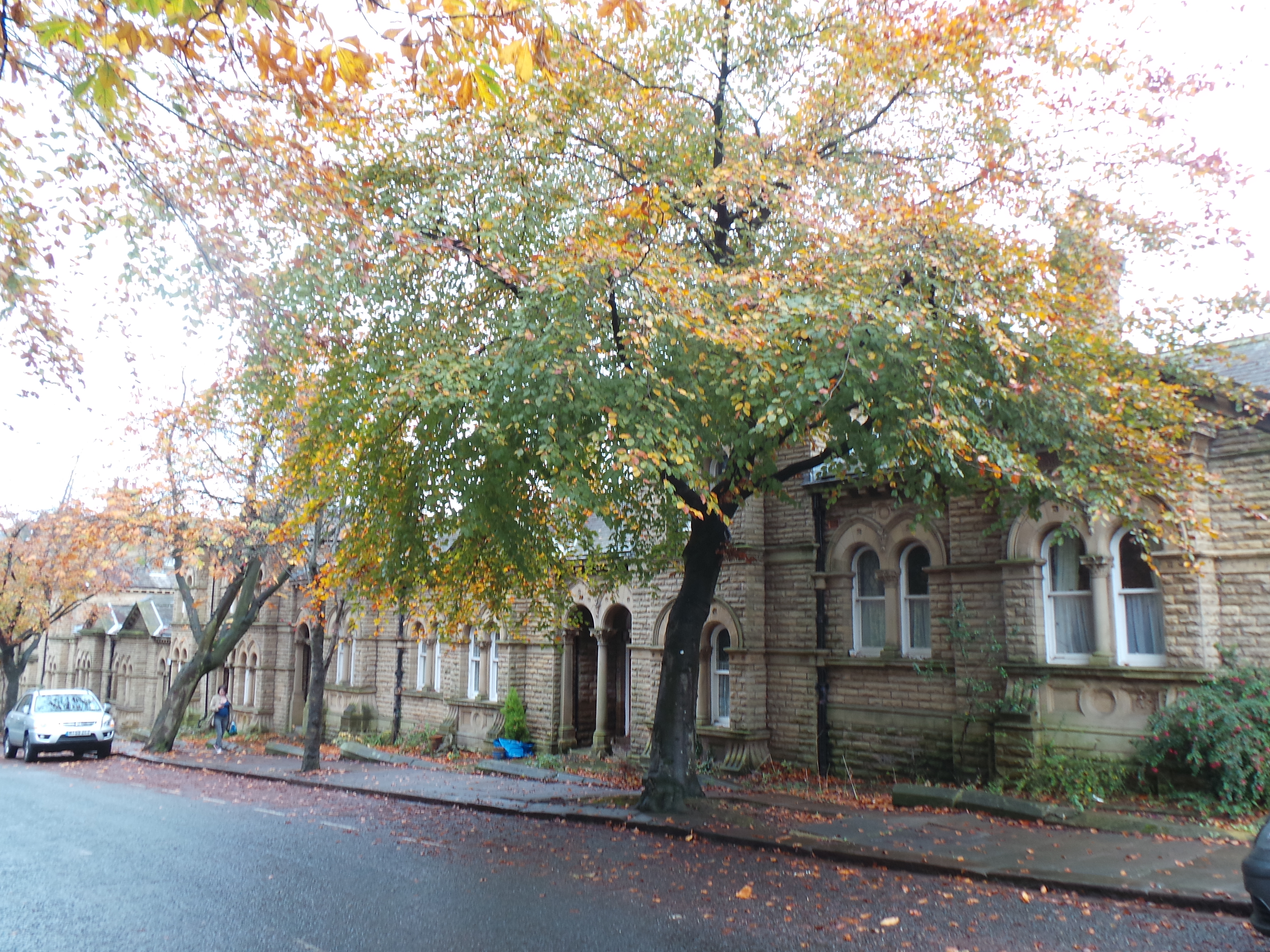
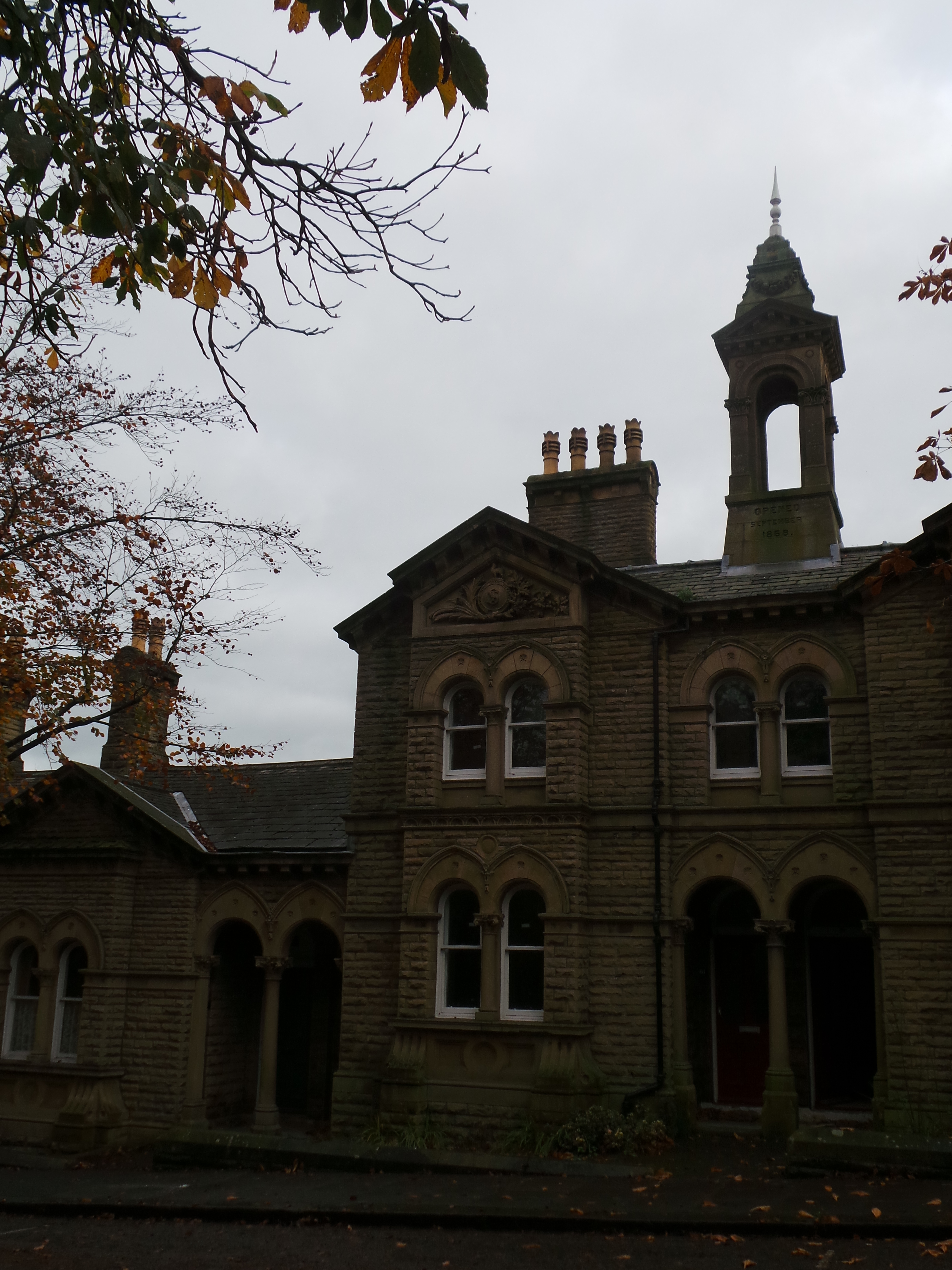
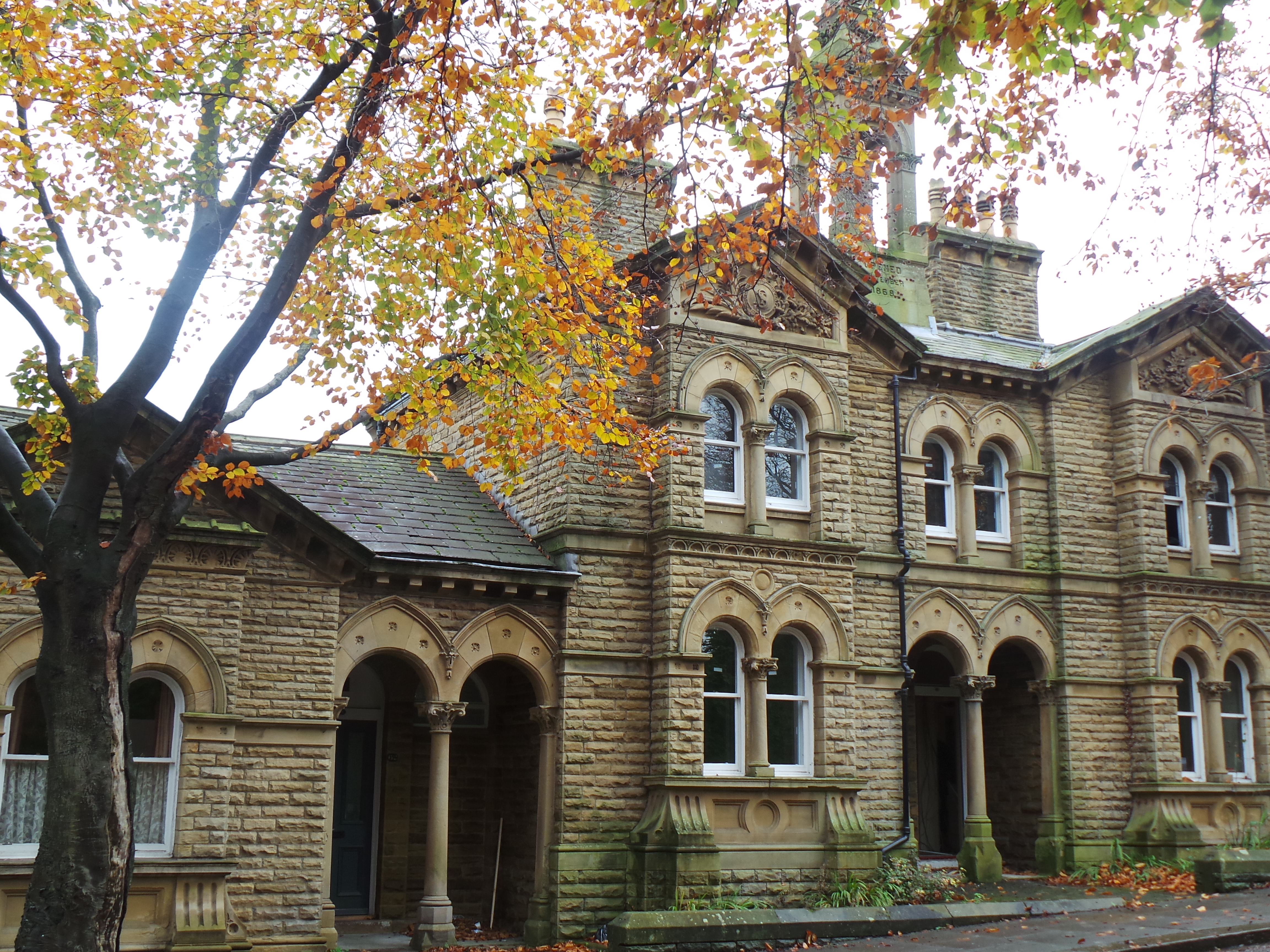
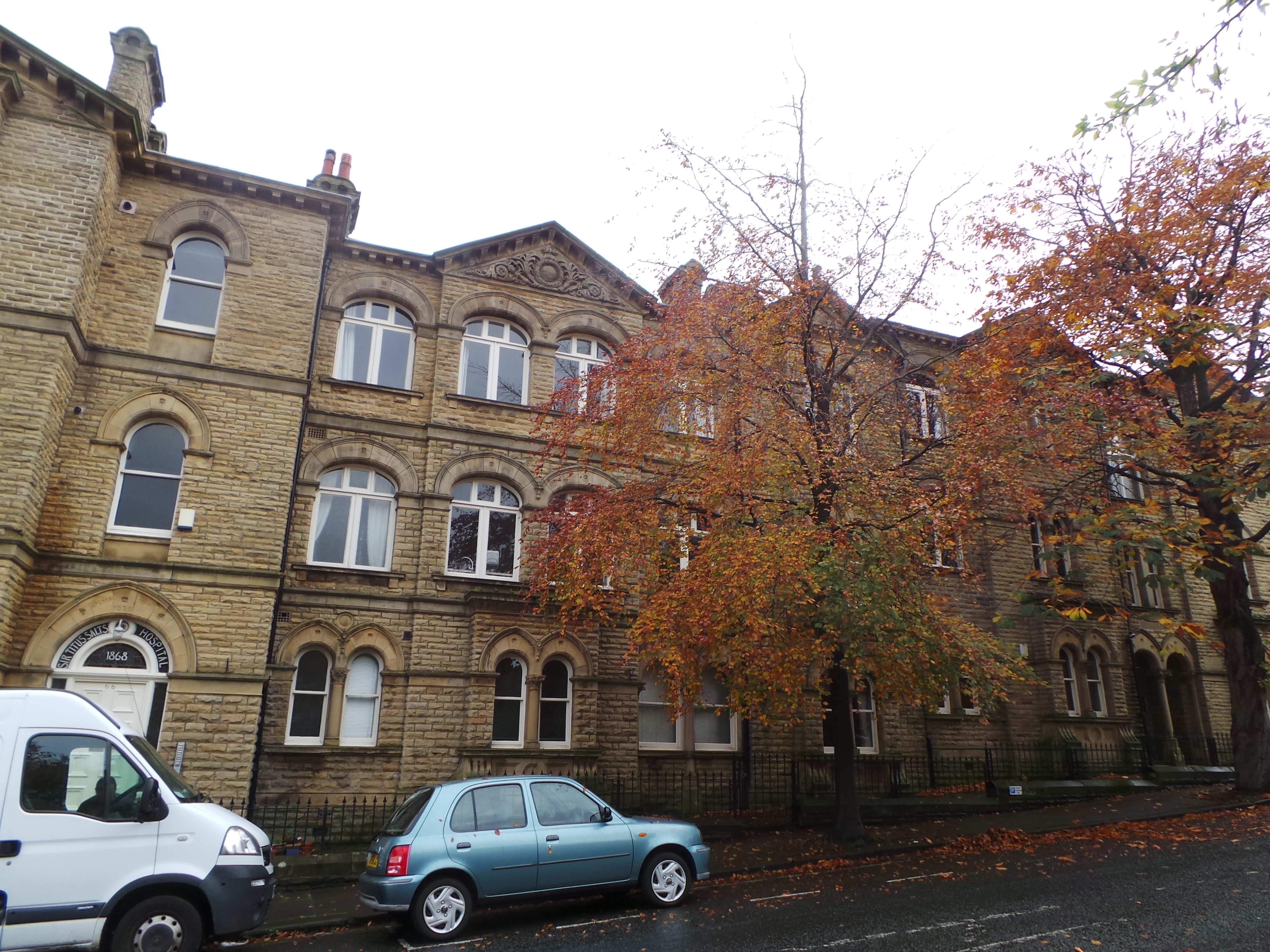
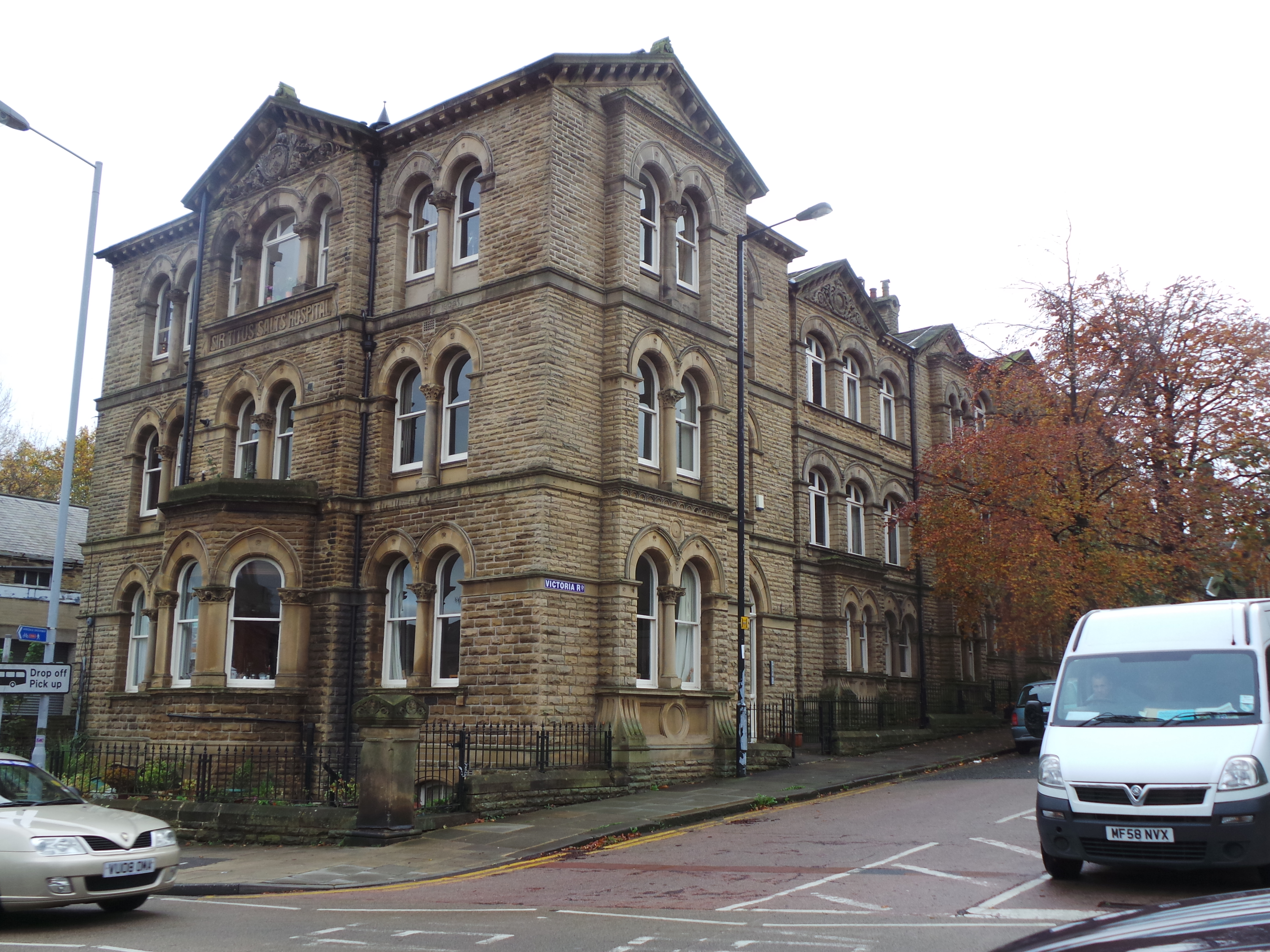
Now we set off in search of the social and community buildings proved by Titus Salt and soon found ourselves studying the impressive building which housed the hospital. Medical care was provided for the Saltaire mill workers way in advance of the idea of the National Health Service. Elsewhere medical care was the province of the rich.

2014 10 30_6740 2014 10 30_6741 2014 10 30_6742 2014 10 30_6743 2014 10 30_6744 2014 10 30_6746

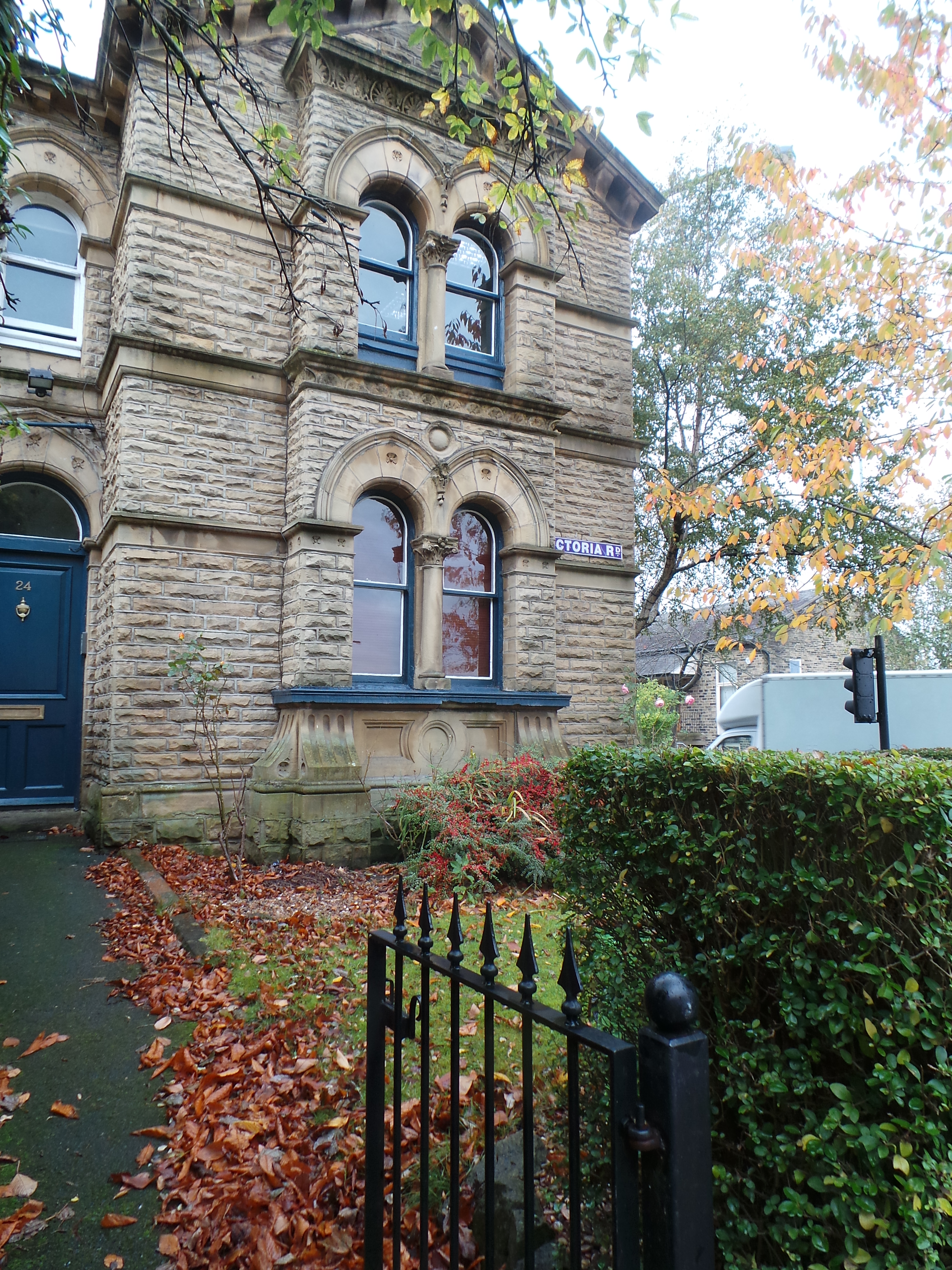
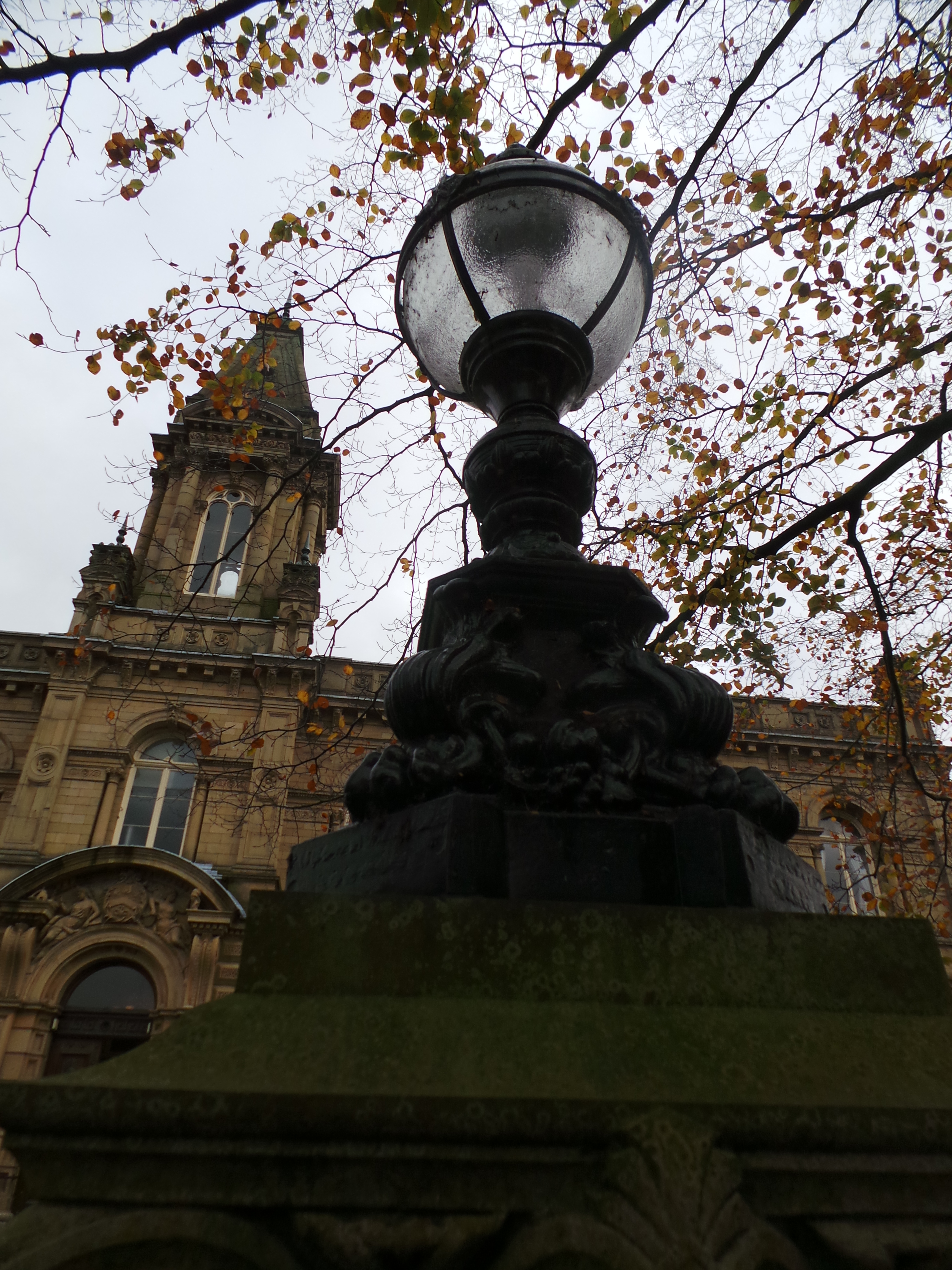
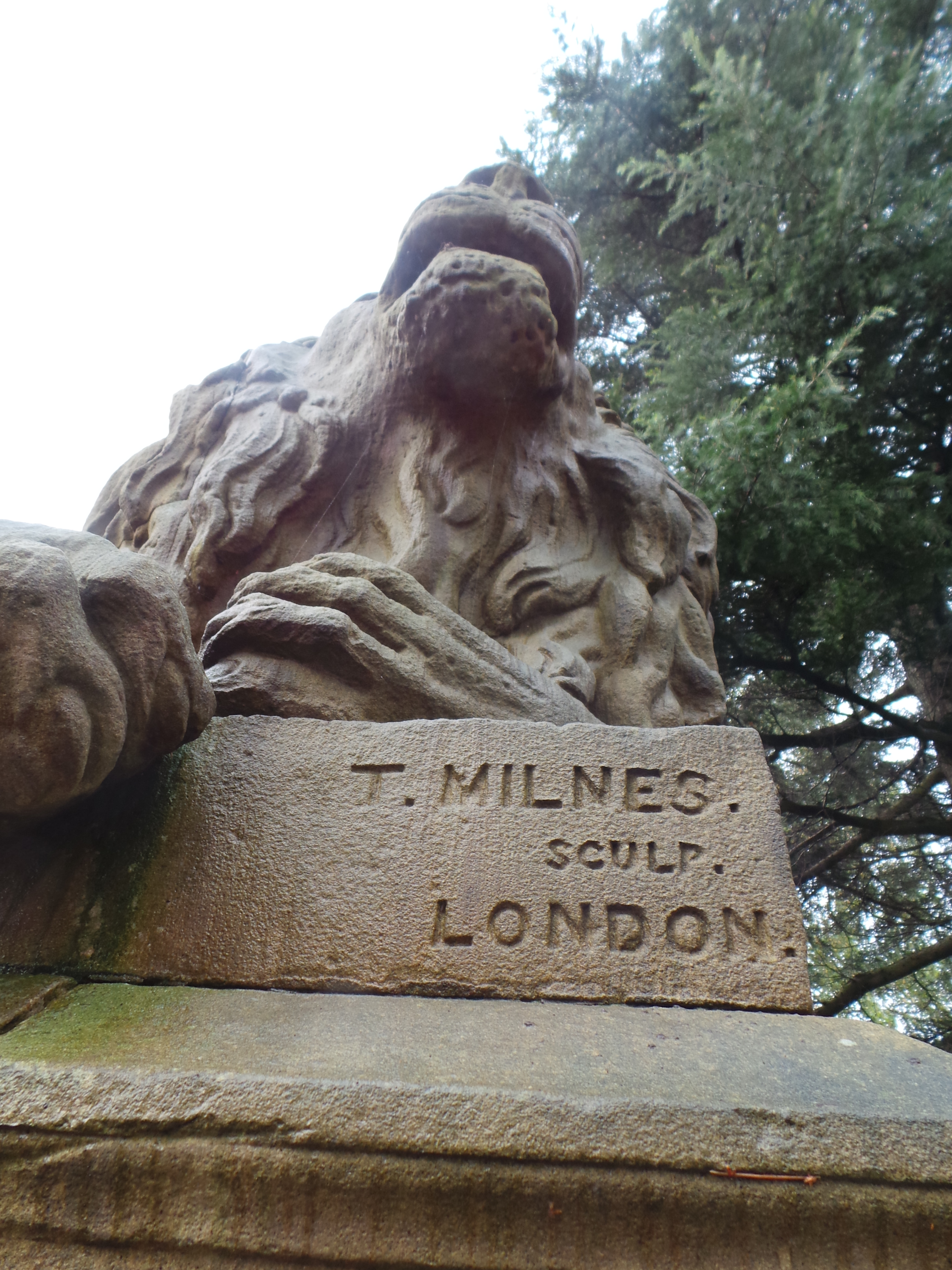
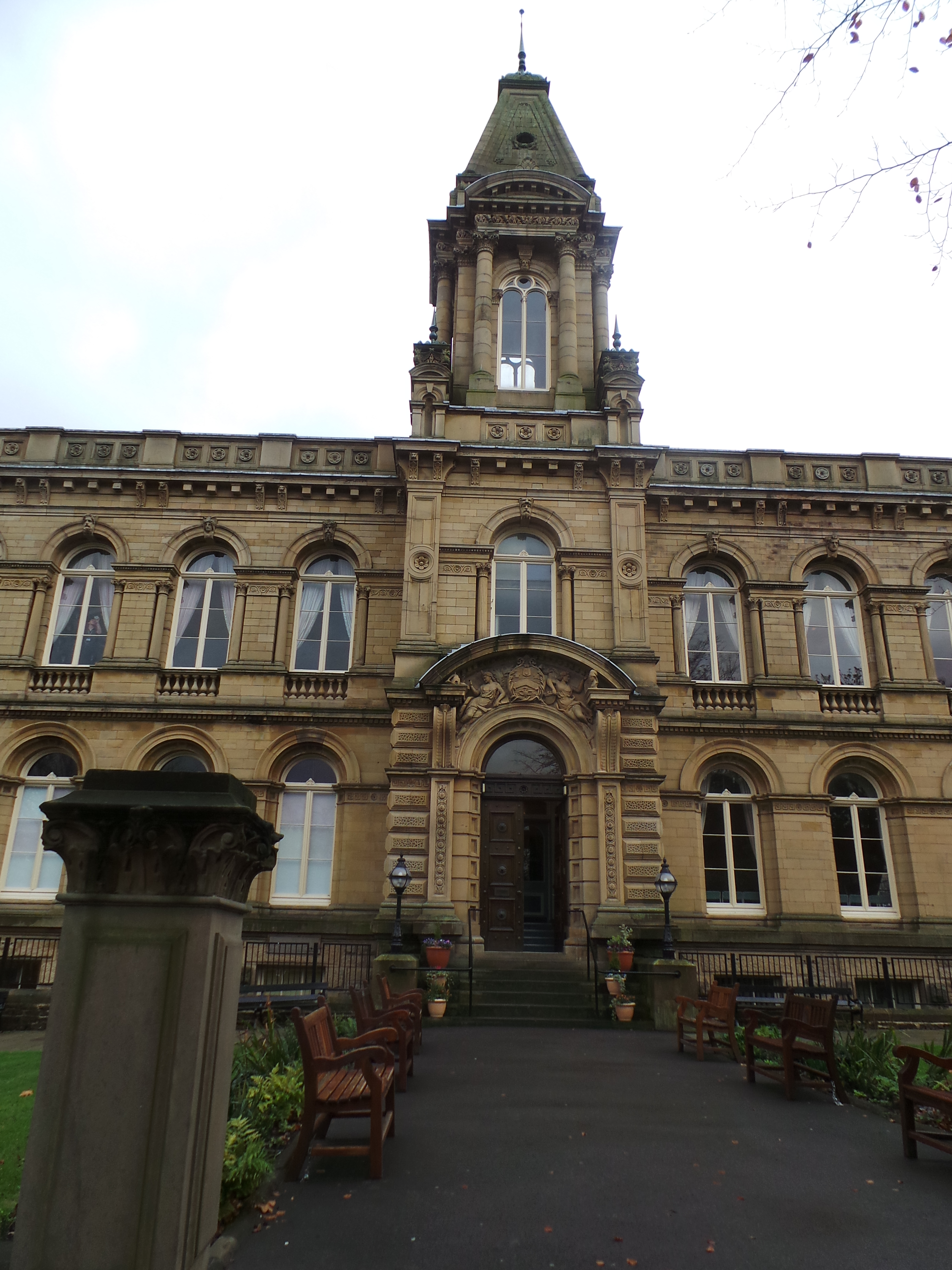
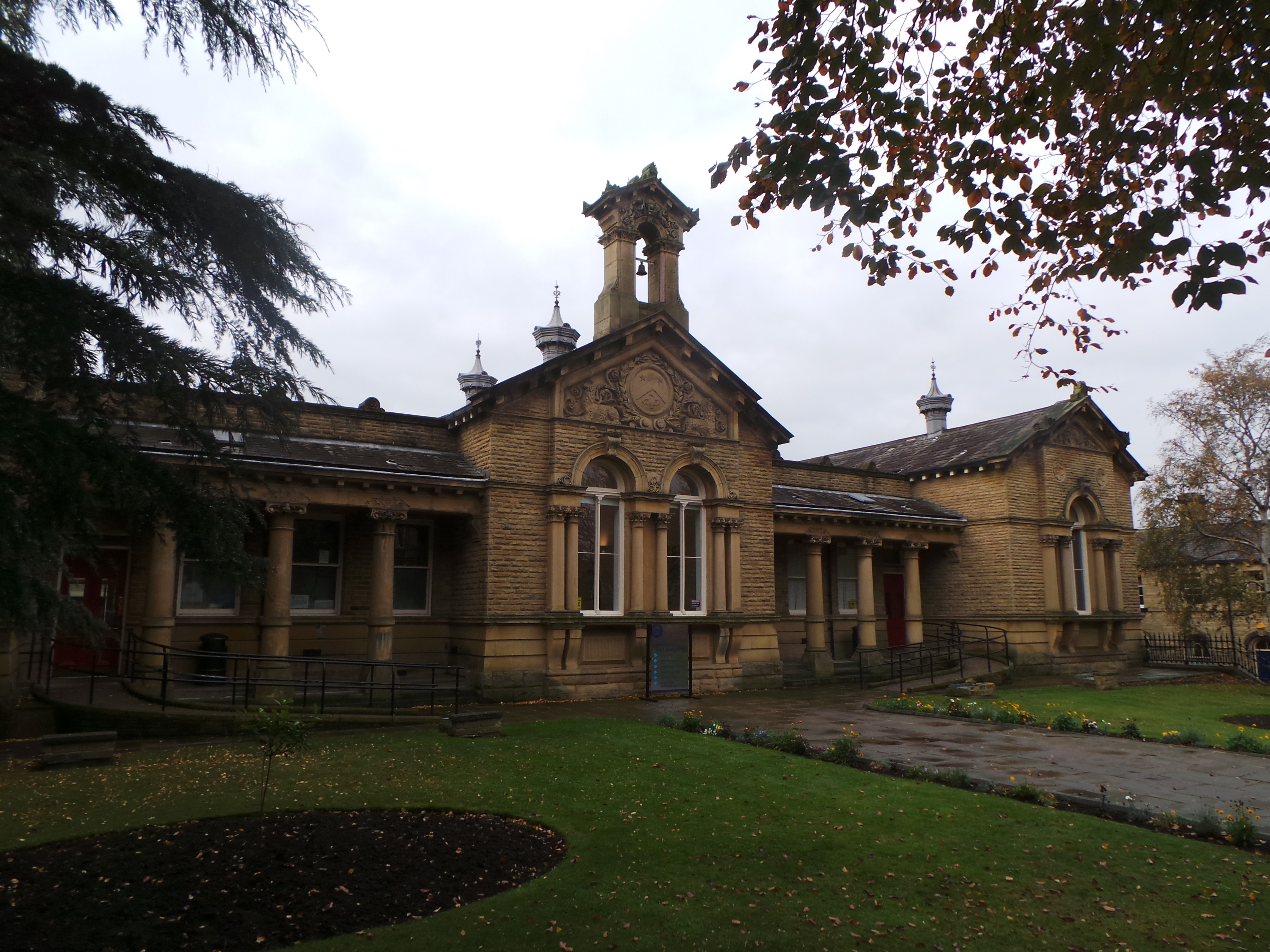
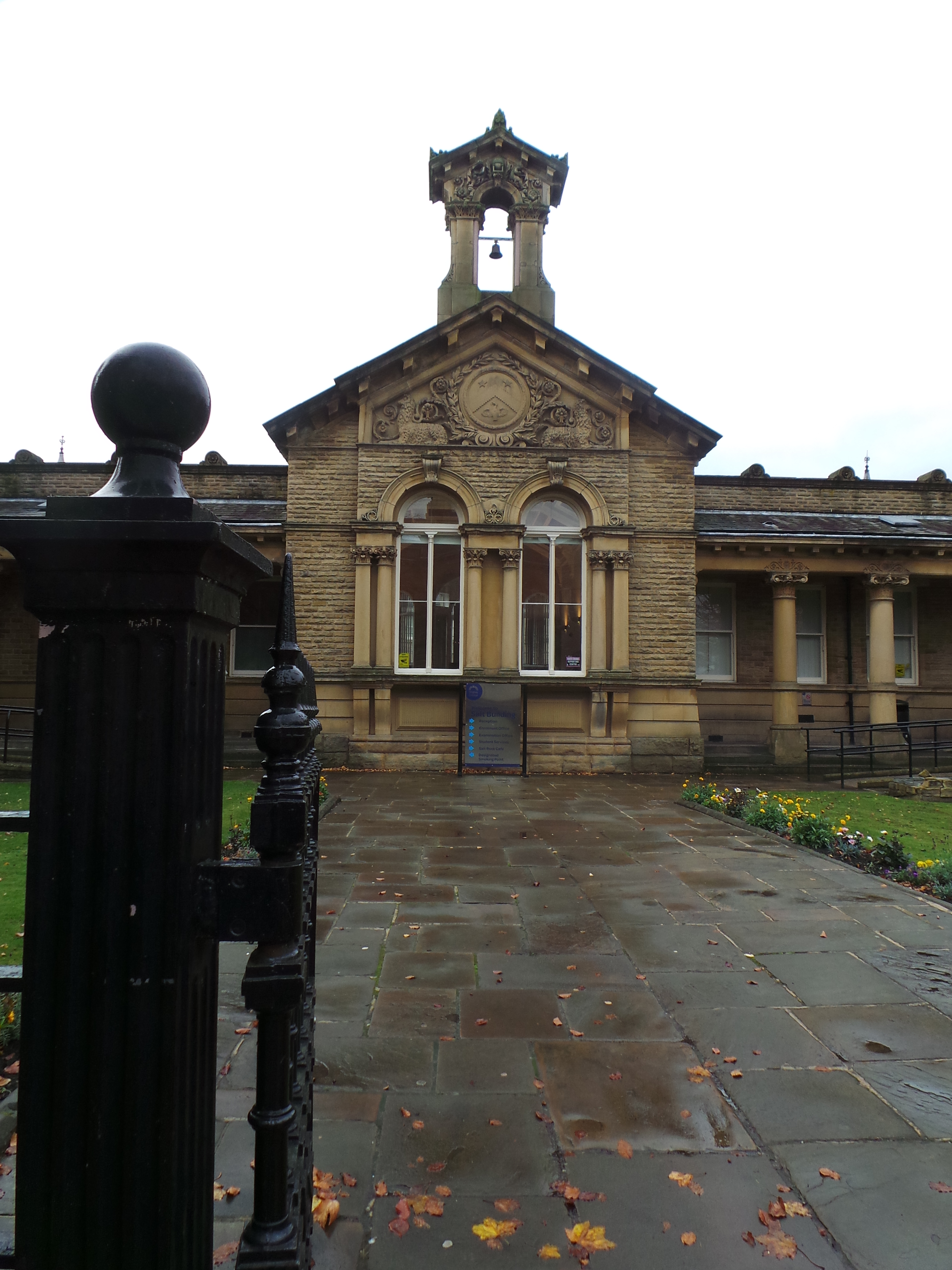
Further up Victoria Road we discovered the institute building which afforded the mill workers opportunities for adult education and socialising. It contained a library, lecture hall, gymnasium and games room, another example of how forward thinking Titus Salt was. On each corner of the wall surrounding the front lawn and entrance to the institute we found 4 lions, one on each corner each with very different expressions.

2014 10 30_6752 2014 10 30_67542014 10 30_6749 2014 10 30_67552014 10 30_6753 2014 10 30_6756


Directly opposite the institute is where the youngsters were educated, the school. It is an impressive building which reflected the importance and emphasis Salt placed on education This was at a time when the mills relied on cheap child labour to boost the work force, but a law was in force to control their working hours.

2014 10 30_6750 2014 10 30_6751


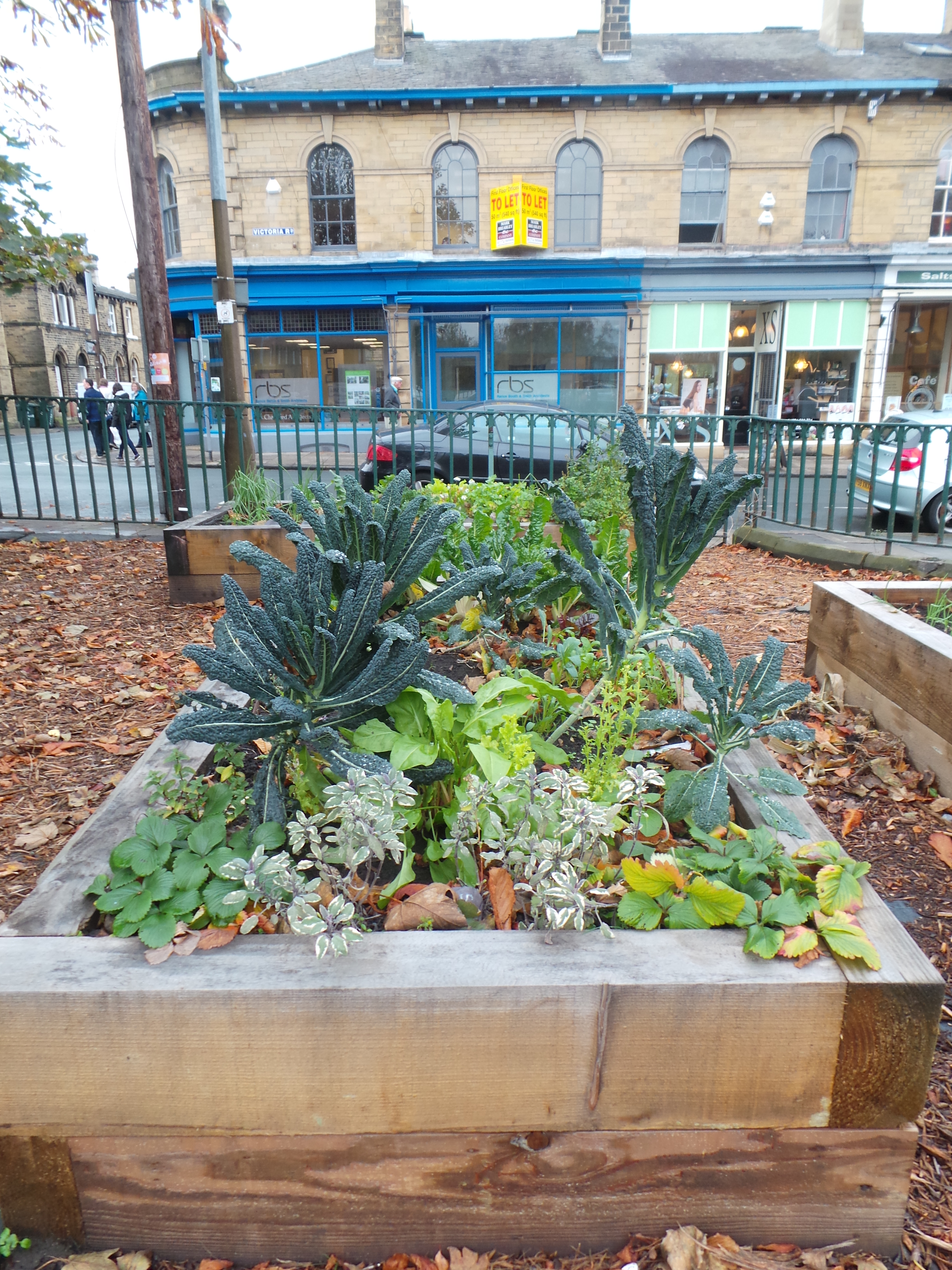
If you cast your mind back to the end of part one, you will remember that Salt had provided allotments for his workers. The first picture below shows part of this community garden. Close by recently created miniature raised beds perform the same function.

2014 10 30_6763 2014 10 30_67622014 10 30_6759 2014 10 30_6760

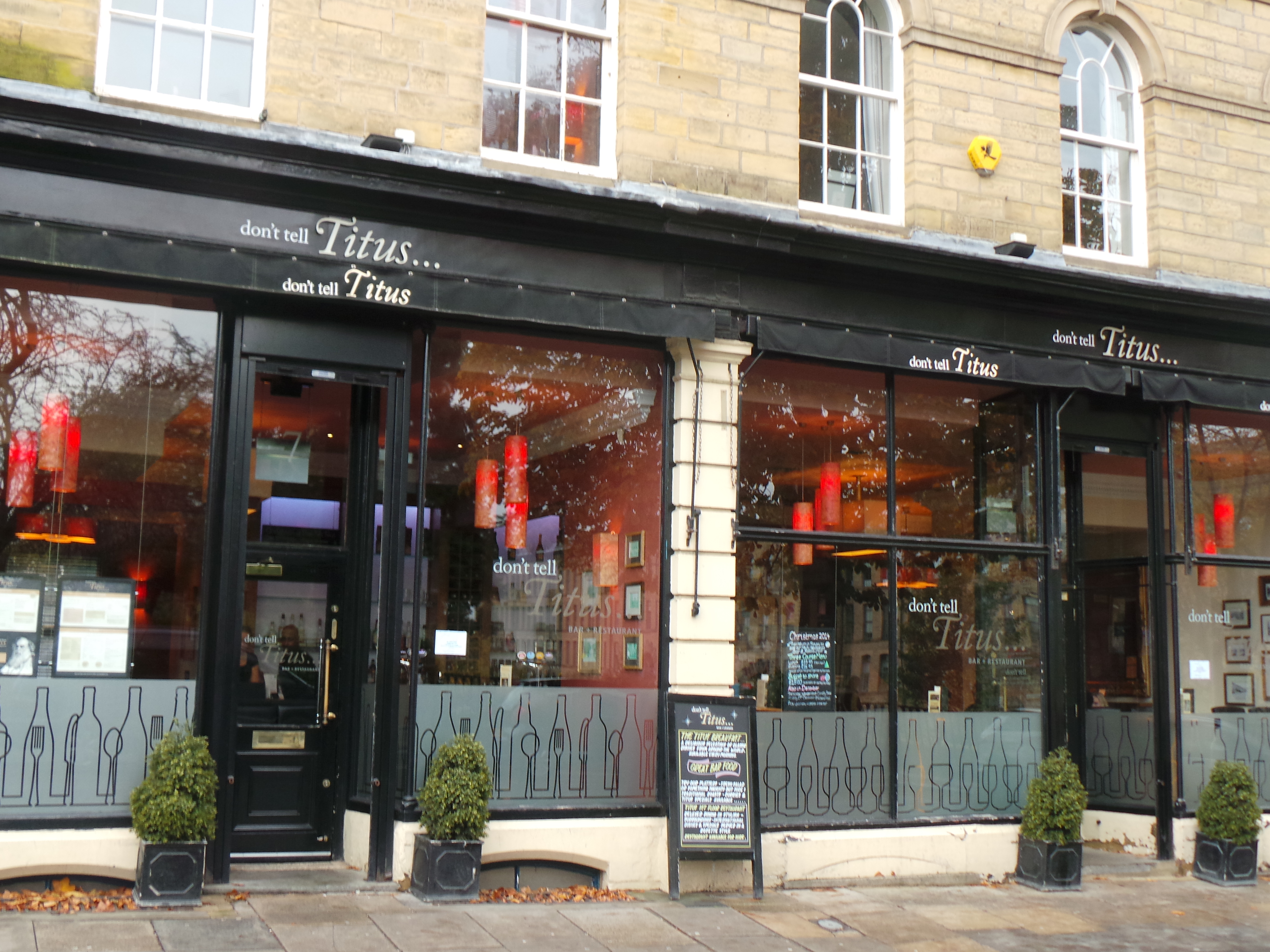
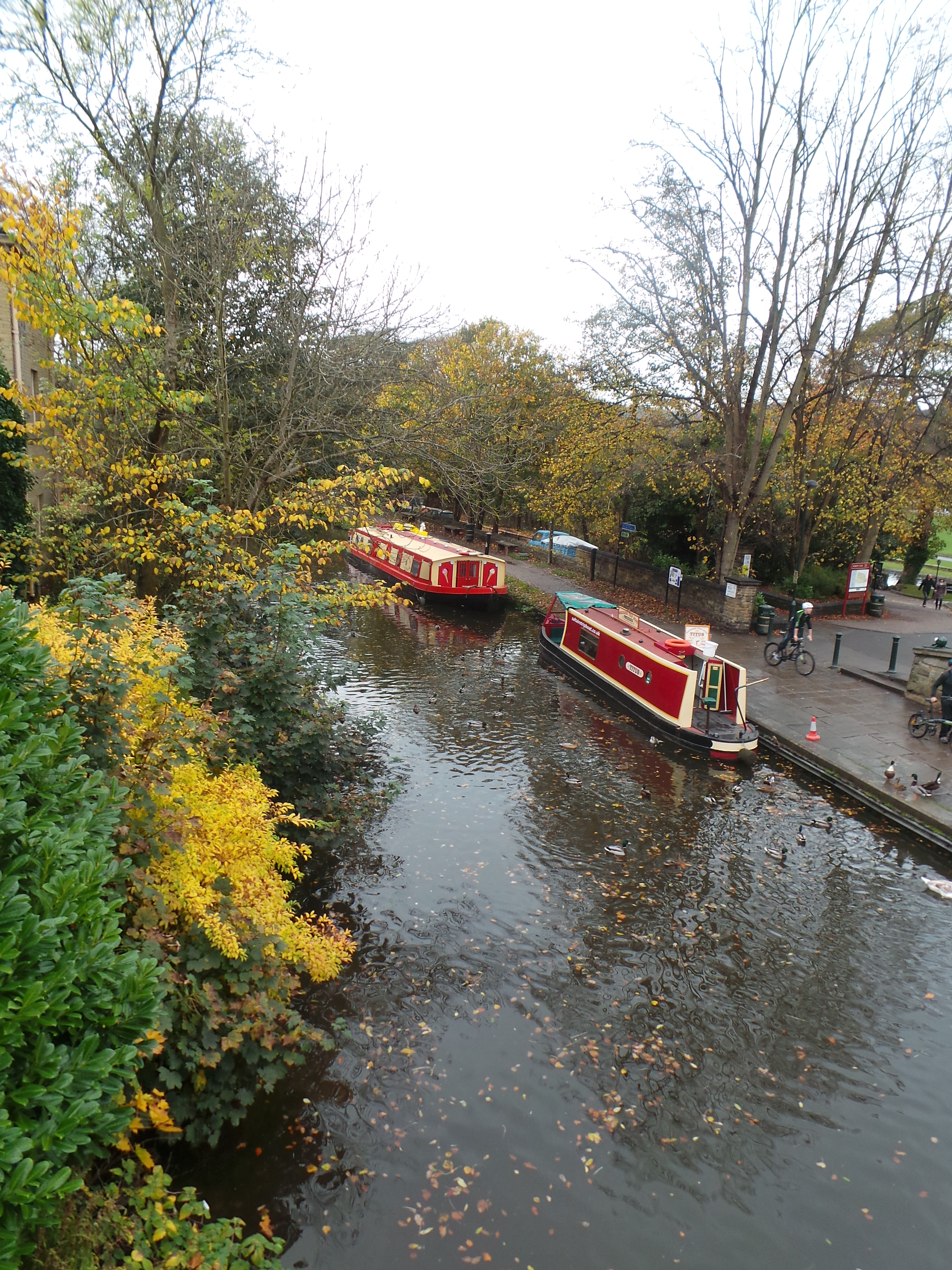
After enjoying these little productive plots we began making our way back to the mill and the canal and the river Aire that run alongside it. We wanted to look around the park on the far side of the canal. On our way we were delighted to see a contemporary tribute to Titus Salt, “Titus Teas”.


2014 10 30_6761

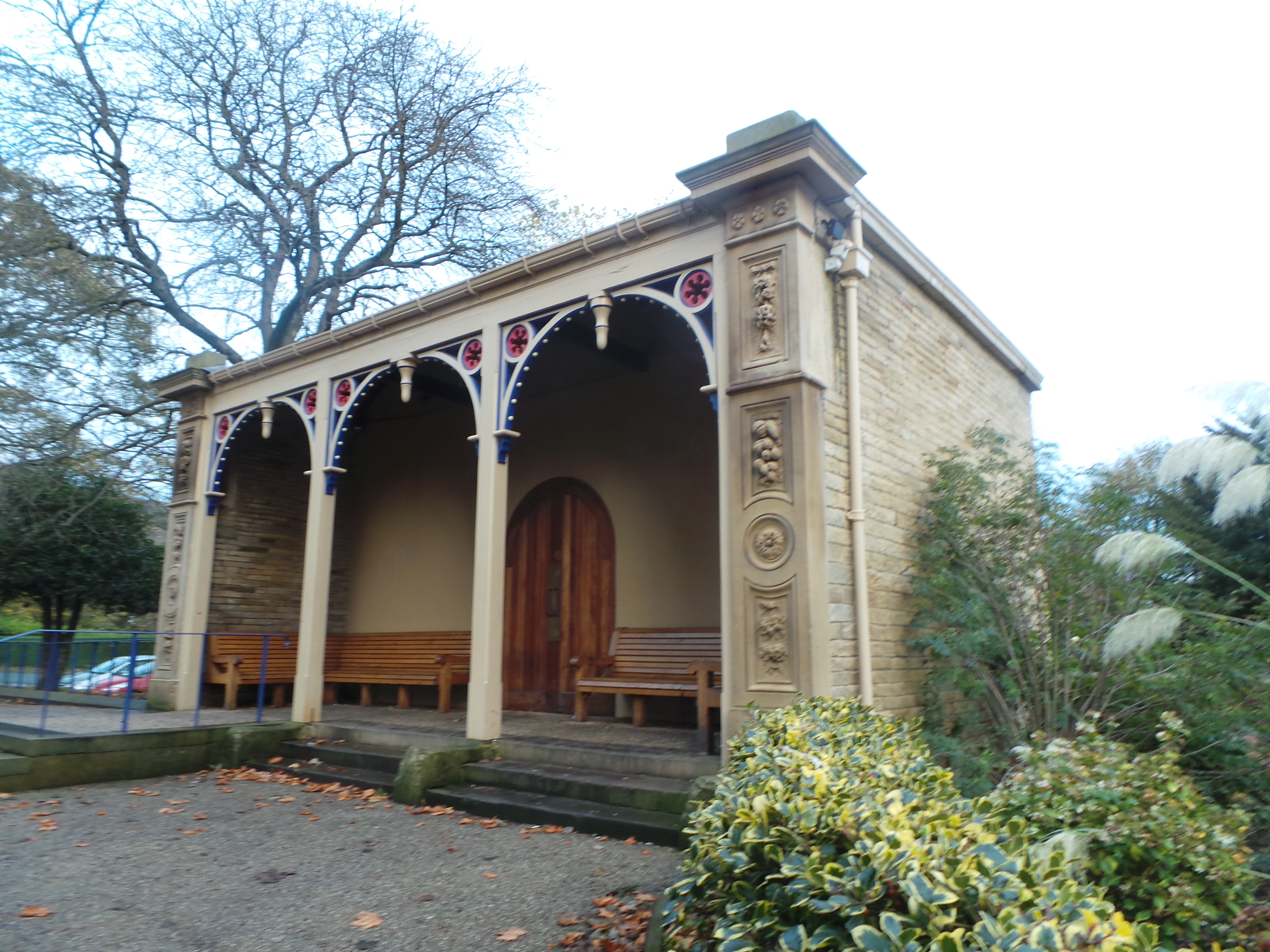
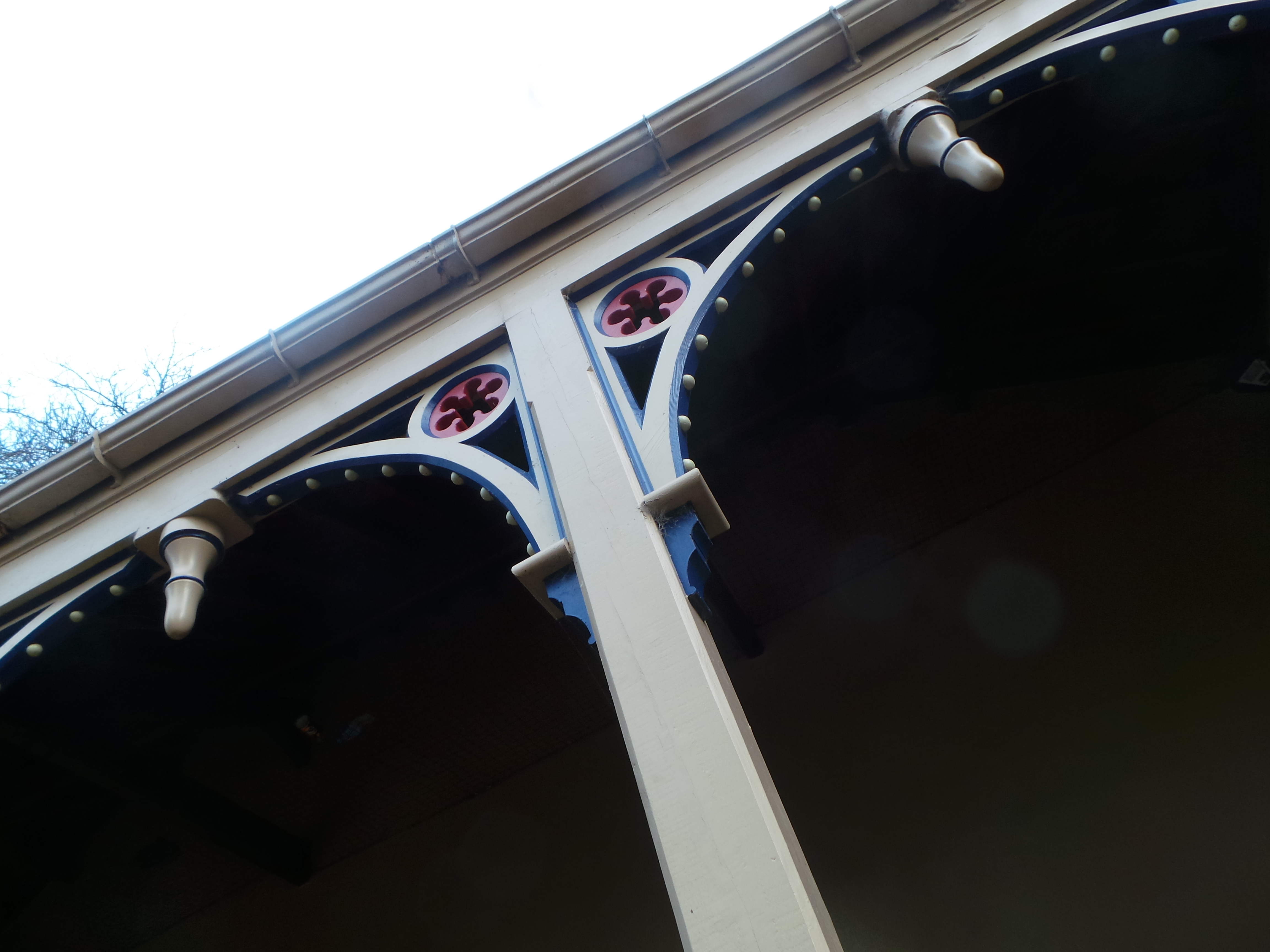
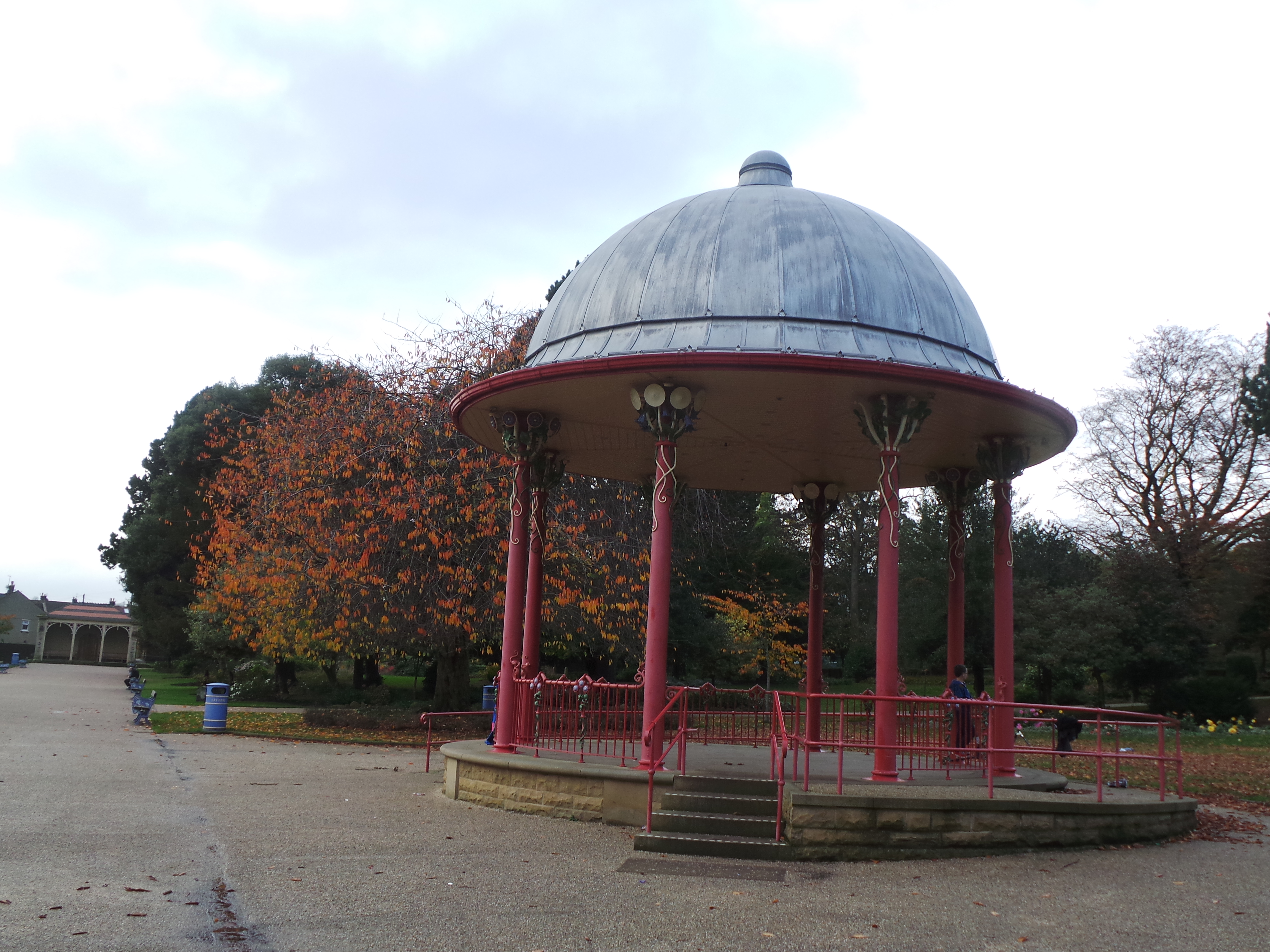
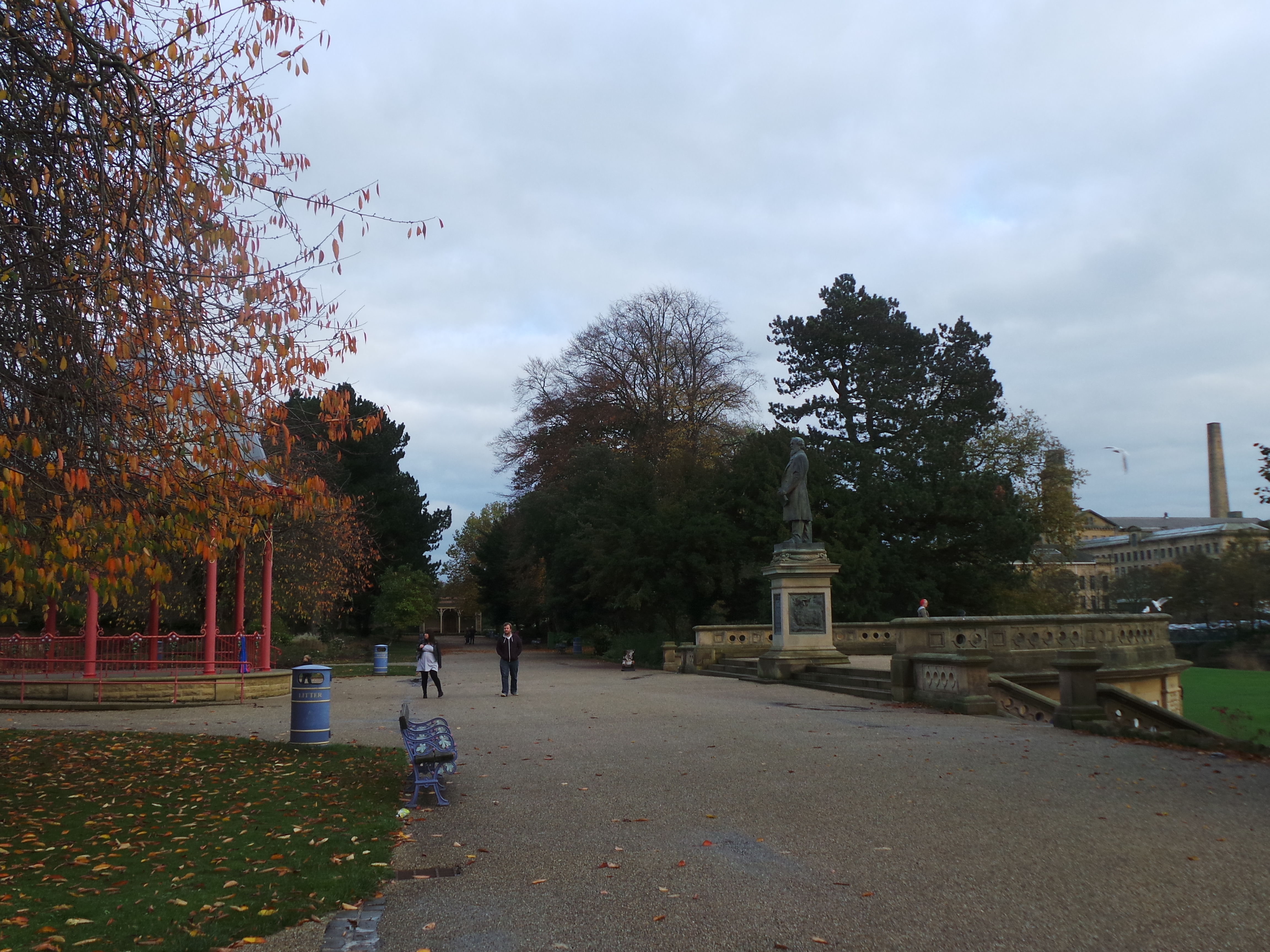
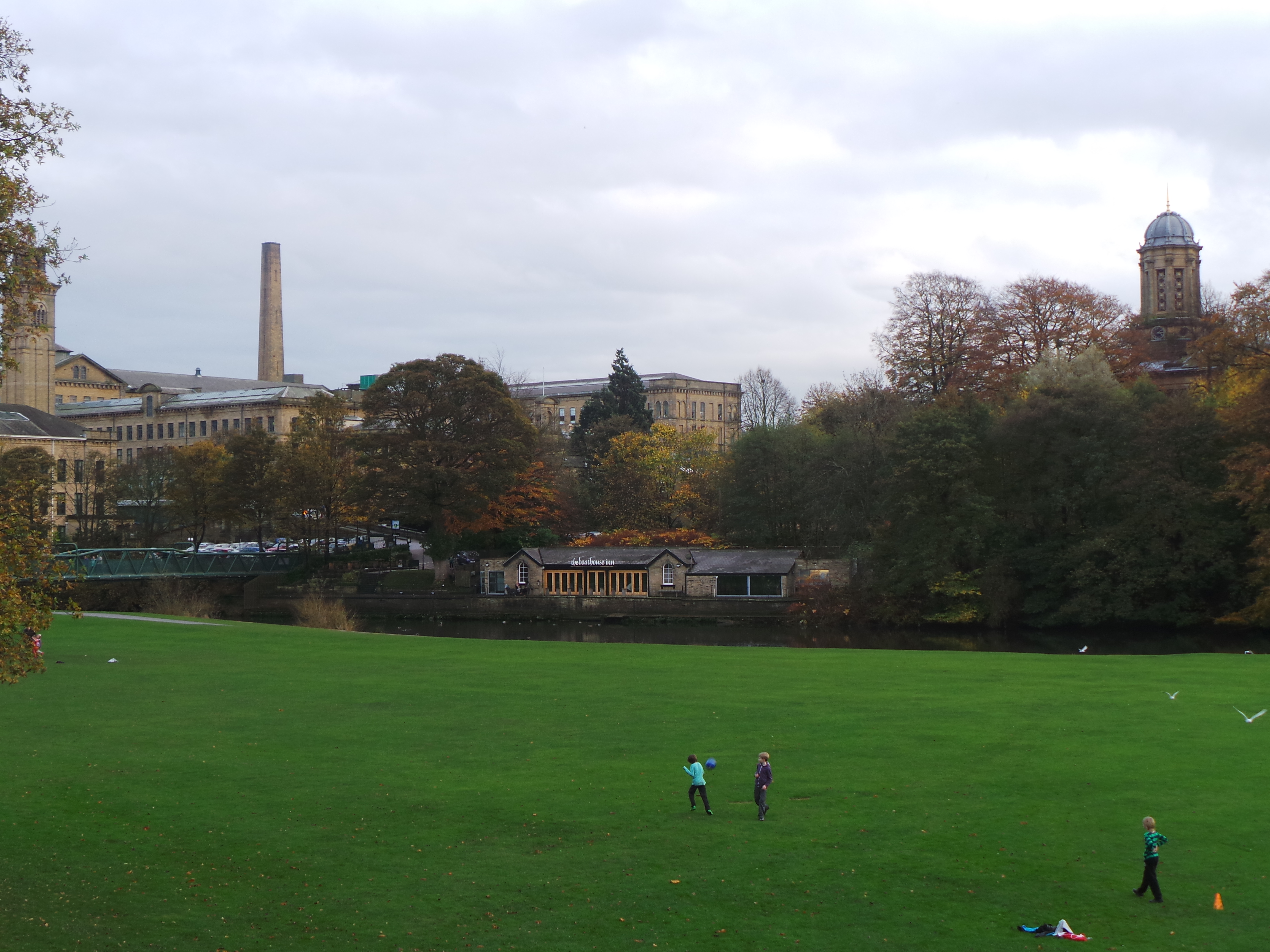
The park is a large open green space away from the mill and the village where Salt’s workers would have had the opportunity to appreciate the space and the freedom to wander. The contrast to work must have been so powerful! Every opportunity to add colour has been taken here, even on the metalwork of the seats and bandstand.

2014 10 30_6764 2014 10 30_6765 2014 10 30_6766 2014 10 30_6768 2014 10 30_6770 2014 10 30_6771 2014 10 30_6772 2014 10 30_6773

2014 10 30_6774 2014 10 30_6778

2014 10 30_6775 2014 10 30_6776

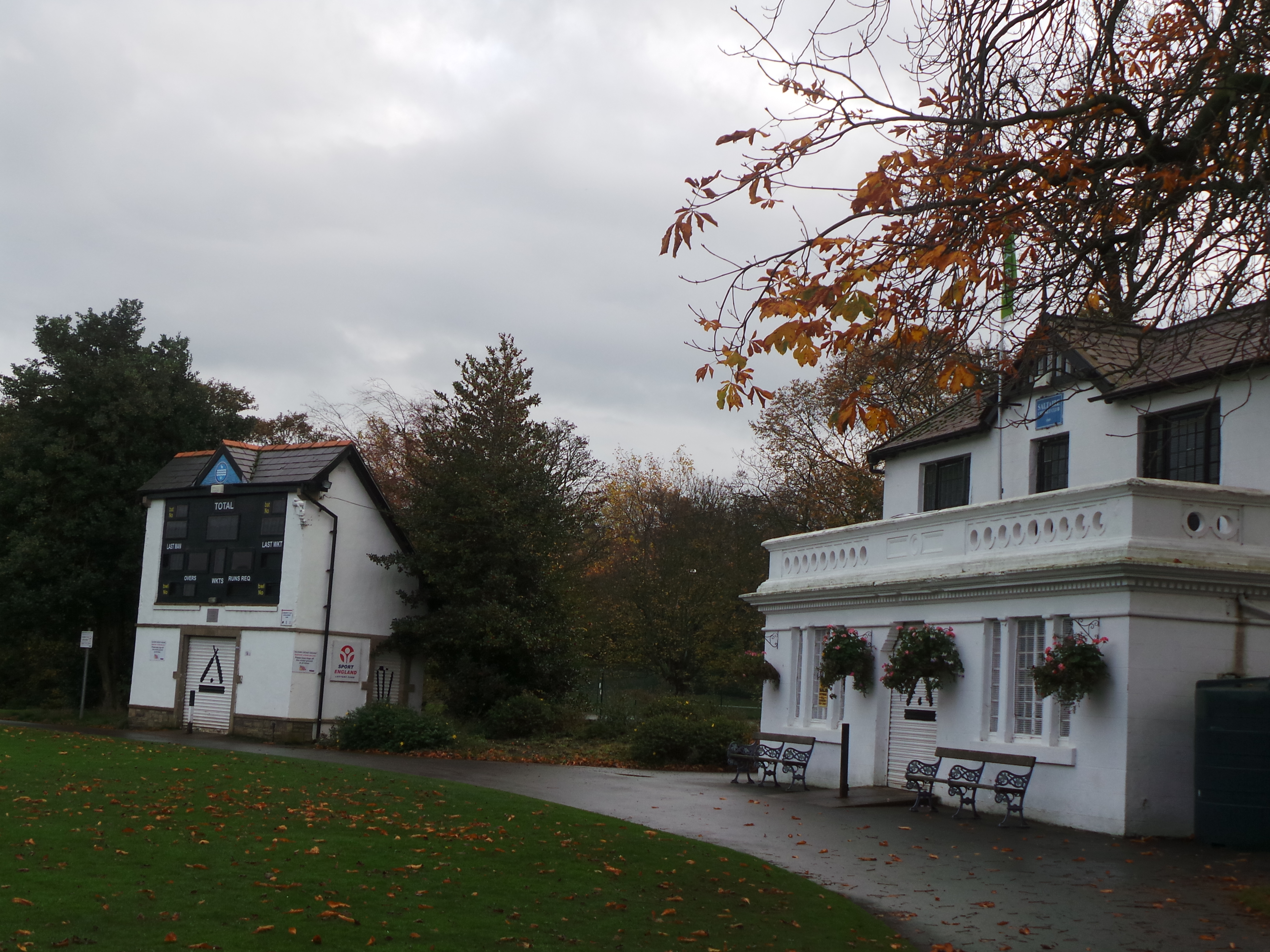
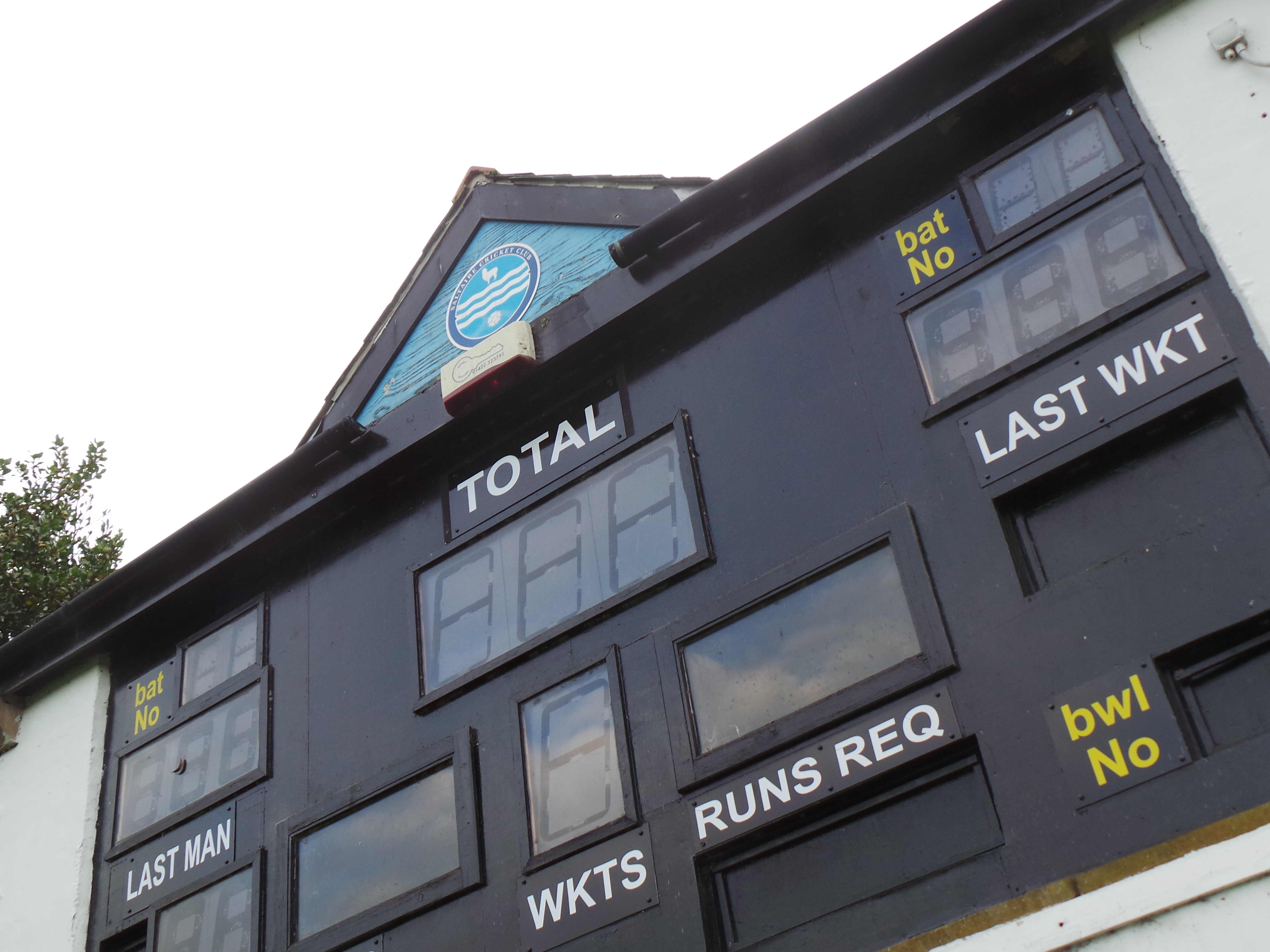
The cricket pitch with its pavilion must have been a real luxury. This is still used today and has been modernised through the addition of an electronic score-board. It was so good to see the thoughts and works of Titus salt still having a meaning in today’s world. The park he created was busy with families and groups of youngsters enjoying the freedom it gives.

Salt was years ahead of his time. His philanthropy pre-empted the things we take for granted today, those things that make our lives more pleasant, such as the health service and pensions. It was a privilege to walk through his model village, to see what he achieved and imagine what it meant to his workers.

2014 10 30_6779 2014 10 30_6780 2014 10 30_6777

Categories
architecture buildings model villages townscapes Yorkshire

Saltaire – a unique village – Part One

Saltaire is a place with a special atmosphere and a special place in British history, but also a place which very few people have ever heard of. We visited last year but then because of time and terribly wet weather we did not have time to look around the village itself. At that time we spent the day exploring the Salts gallery, where you can see so many pieces of art work from David Hockney, as well as galleries of furniture and beautiful craftwork.

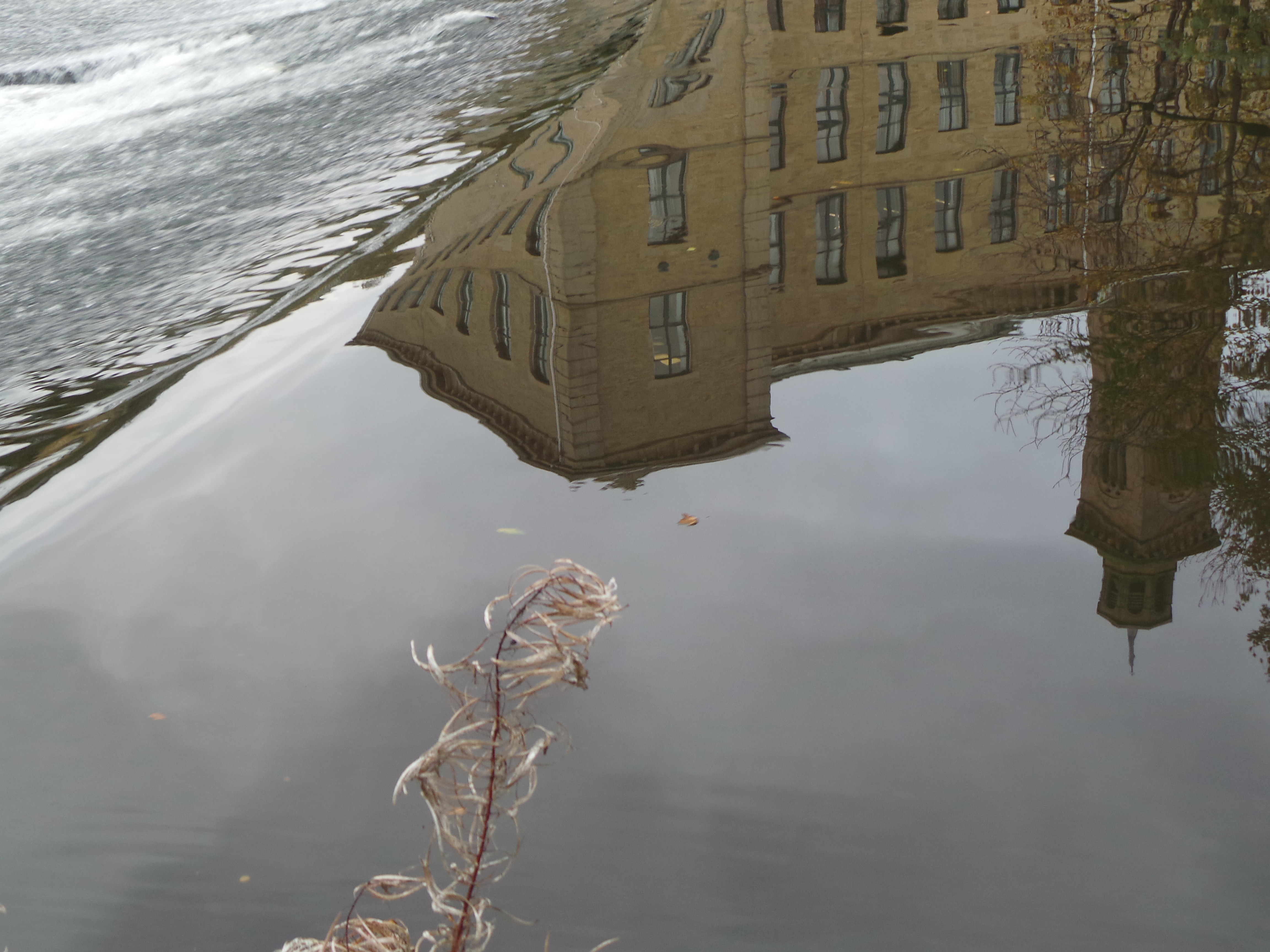
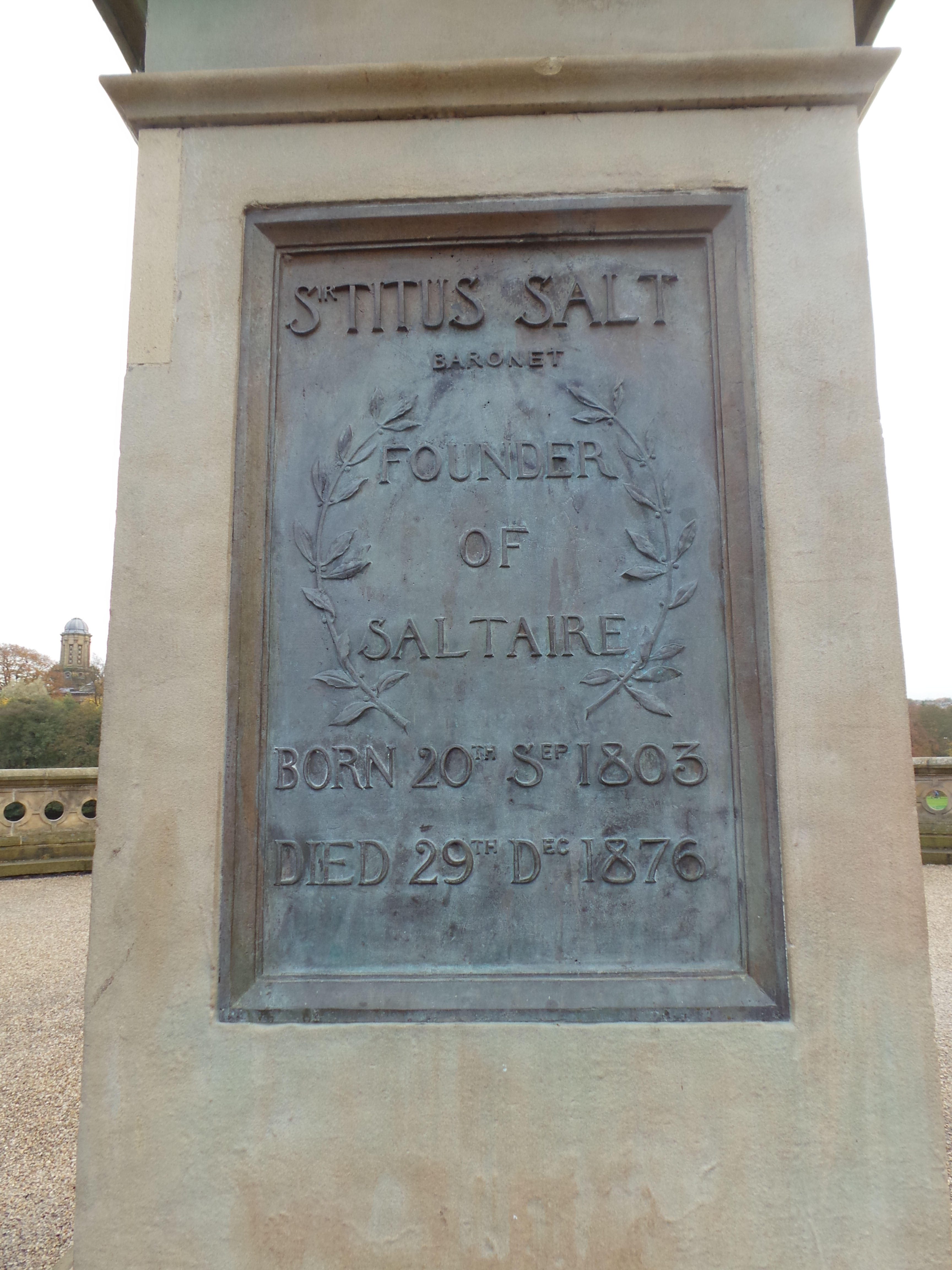
Saltaire is a World Heritage Site and is recognised for the part it played in the development of the society we live in today. When you visit it is hard to believe it was the creation of one man, Titus Salt, a true visionary. He began as a successful business man, indeed one of England’s most eminent Victorian industrialists. He began by building a mill where he aimed to produce the finest wool fabrics utilising the most efficient methods available at the time.

2014 10 30_6765 2014 10 30_67622014 10 30_6732

What made Salt stand “head and shoulders” above his contemporaries was his desire to provide his workers with the healthiest working conditions possible. coupled with this was his ambition to provide his workers and their families with social and community benefits virtually unknown during this period of British social history. We discovered how he achieved this as we explored the “model village” of Saltaire.

It was great to arrive again at Saltaire with the weather slightly better than on our last visit. Dull, overcast but not raining! So follow in our footsteps along the cobbled streets as Jude the Undergardener negotiates the town trail leaflet which took us down into Albert Terrace.

2014 10 30_6708 2014 10 30_6707

We turned into William Henry Street where we noticed a variety of styles and sizes of house, from the smallest terraces with no front garden to three story town houses and larger semi-detached homes with gardens. This reflected the status and responsibilities of the tenant. Every street in Saltaire is wide enough to ensure natural light for every home. The three story buildings comprised shared lodgings for single workers whereas those adjoining with a small front garden were homes to the factory foremen.

2014 10 30_6710 2014 10 30_6711 2014 10 30_6712

In Caroline Street the front door of every house opens directly onto the street showing that these tenants were the lowliest workers. The back lanes between the rear yards of these terraces, which once would have been home to the washing lines and ash cans have become the habitat of the wheelie-bin.

2014 10 30_6713 2014 10 30_6719

When we turned the corner into Albert Road we noticed a distinct change. The houses here were larger, grander residences and all semi-detached. These were home to company executives, teachers and the church minister. These would have been built  on the outer boundary to ensure their tenants had a view of open countryside as befitting their status at that time. Open spaces throughout were left for small squares and gardens for communal use. The bunting hanging in the trees shows that this still holds true today.

2014 10 30_6717 2014 10 30_6716

All homes whatever the status of the tenant had better conditions than anywhere else in the country at that period. Every house had running water, gas lights, a yard and an outside toilet. There must have been a great sense of pride here. The alternative conditions which most of their contemporaries endured would have been a different world. Salt had moved his factories and his workforce out of Bradford which was then the fastest growing town in the UK. The mill workers of Northern mill towns such as Bradford would have suffered terrible, dirty, dangerous working conditions and slums as homes. Working conditions would still have been difficult and the hours long but Salt was a philanthropic employer.

2014 10 30_6722 2014 10 30_6726

2014 10 30_6715 2014 10 30_67232014 10 30_6727 2014 10 30_6730 2014 10 30_6731

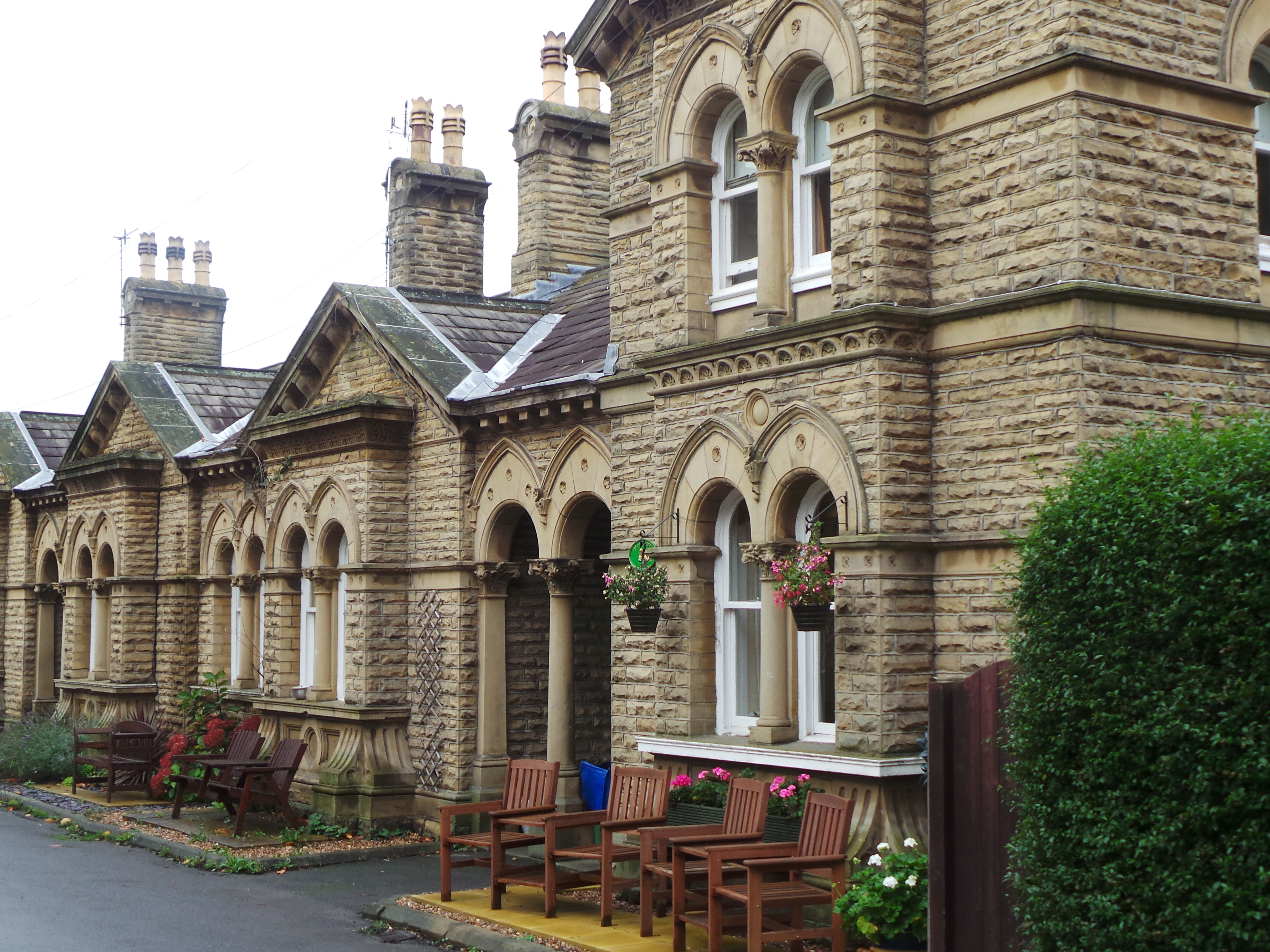
One of Titus Salt’s most thoughtful and forward thinking ideas was the provision of almhouses, which we found situated around Alexandra Square. These were homes for elderly and infirm persons “of good moral character”. The inhabitants of the almhouses were also given a pension, all this 40 years before the first state pension. The buildings themselves were very decorative and overlooked an open area of garden.

2014 10 30_6733 2014 10 30_6734 2014 10 30_6735 2014 10 30_6736

We were by this time well in need of a lunch break so made our way to the small area of shops and cafes in the centre. In part two you will find us in search of the social and community buildings, of which Titus Salt provided many. I leave you with another view of the mill with the allotments in the foreground. Salt ensured that there were green areas between the mill and his workers’ homes. The green spaces around the church served the same purpose.

2014 10 30_6705 2014 10 30_6703


Sadly someone left Saltaire less happy than we were – they went home with only one glove!

2014 10 30_6704


Categories
Uncategorized

Watch this – it is wonderful

pippahoyland's avatarBishops Meadow Trust

Xoanxo Cespon has visited and watched the Meadow over the last year and created the video linked below.  We all know the Bishop’s Meadow is special and Xoanxo has captured that for us all.

View original post

Categories
autumn autumn colours colours garden design garden photography gardening gardens gardens open to the public grasses hardy perennials ornamental grasses ornamental trees and shrubs RHS trees winter gardens Yorkshire

Autumn at RHS Harlow Carr – Part One

We visit the RHS garden, Harlow Carr situated just outside Harrogate, at least once each year. We do this simply because we love the place whatever time of year and whatever the weather. On our latest visit we wanted to see it in the autumn.

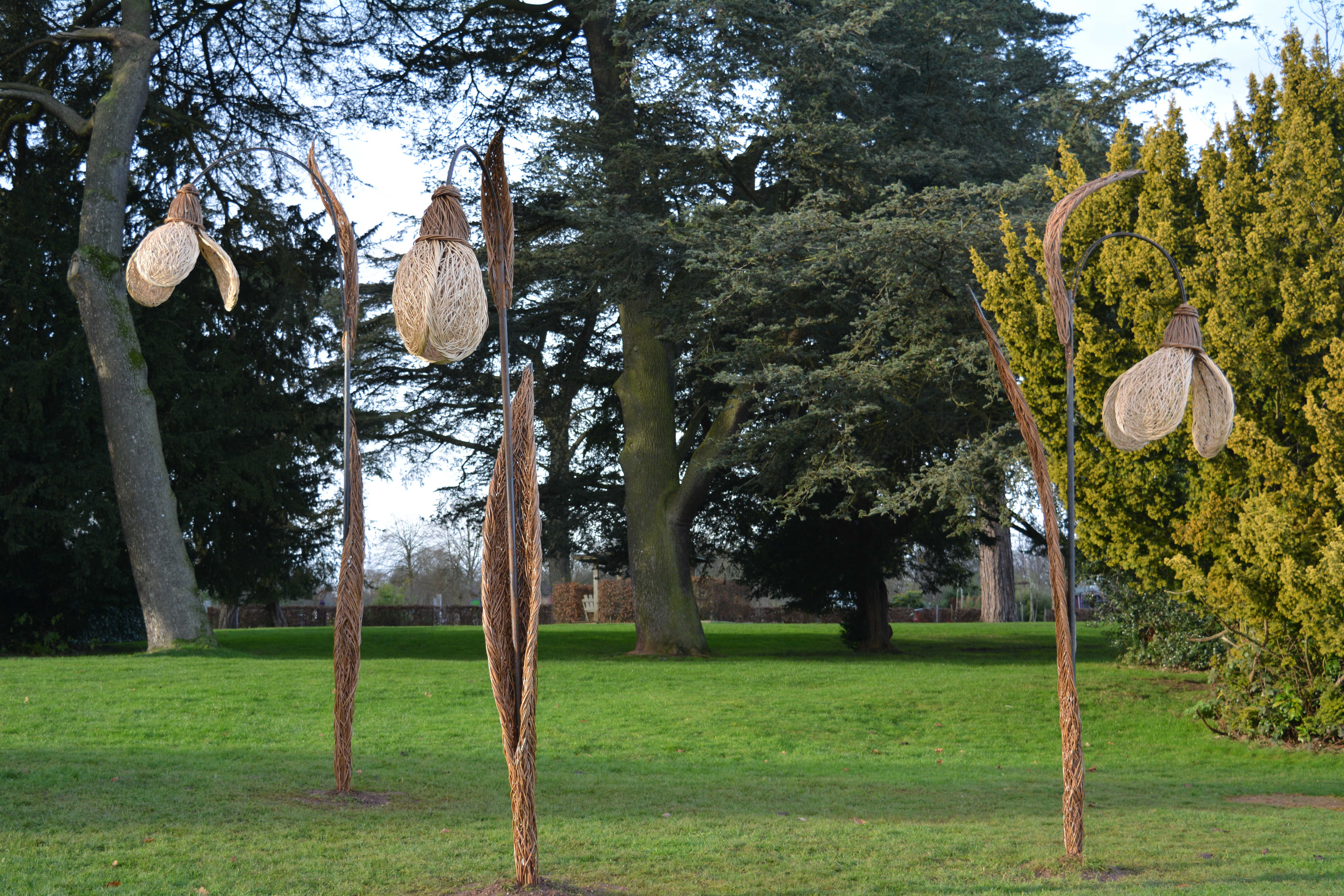
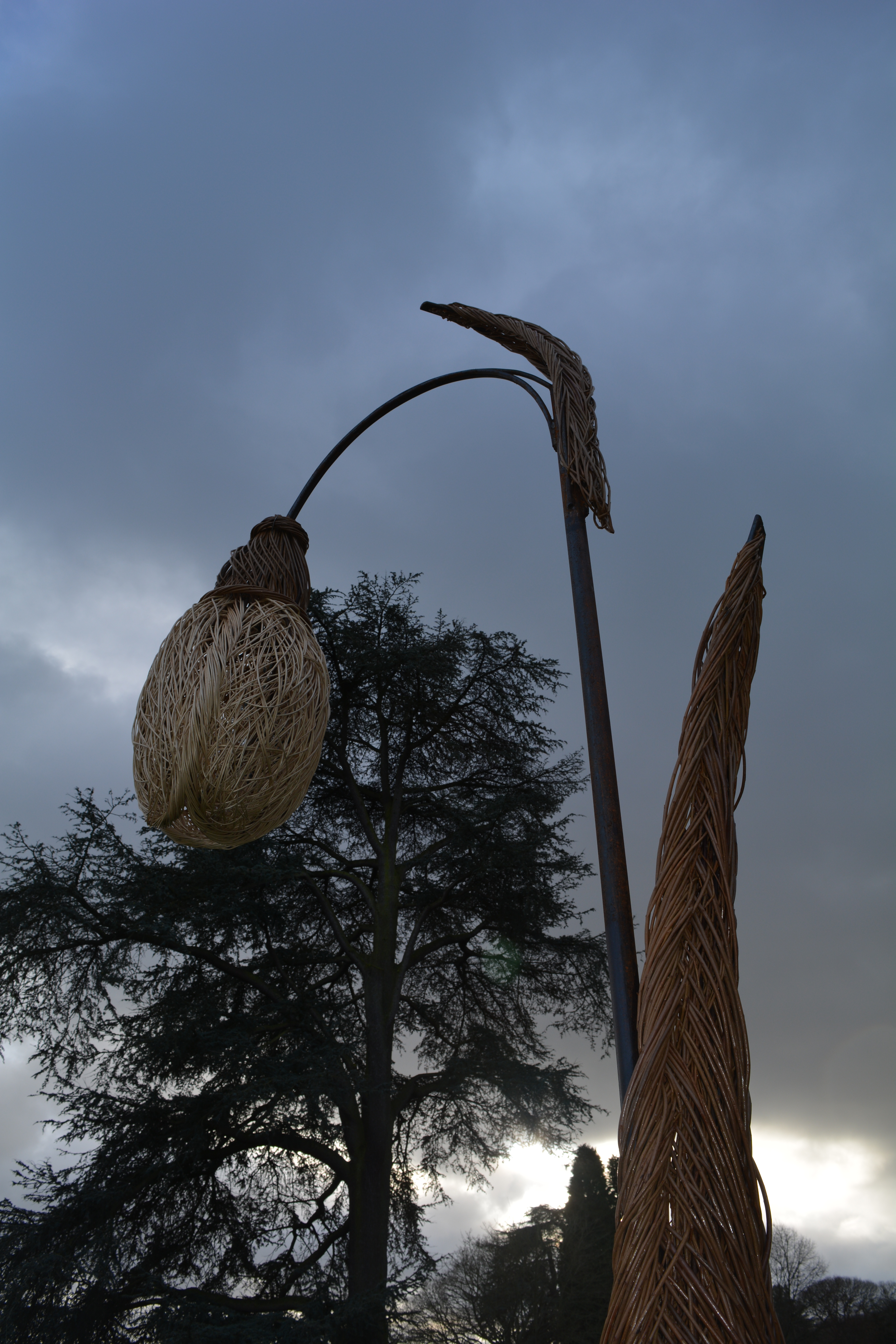
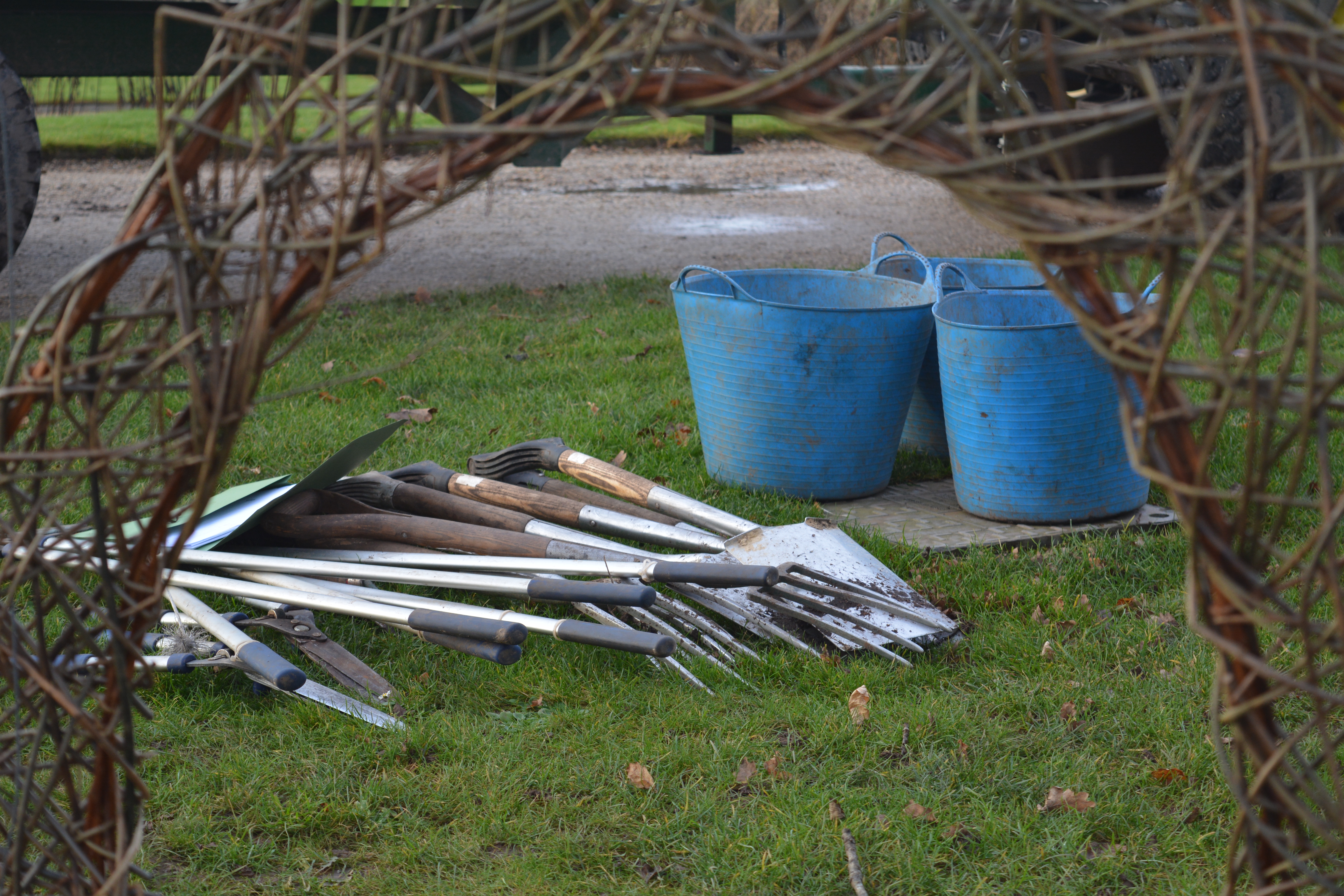
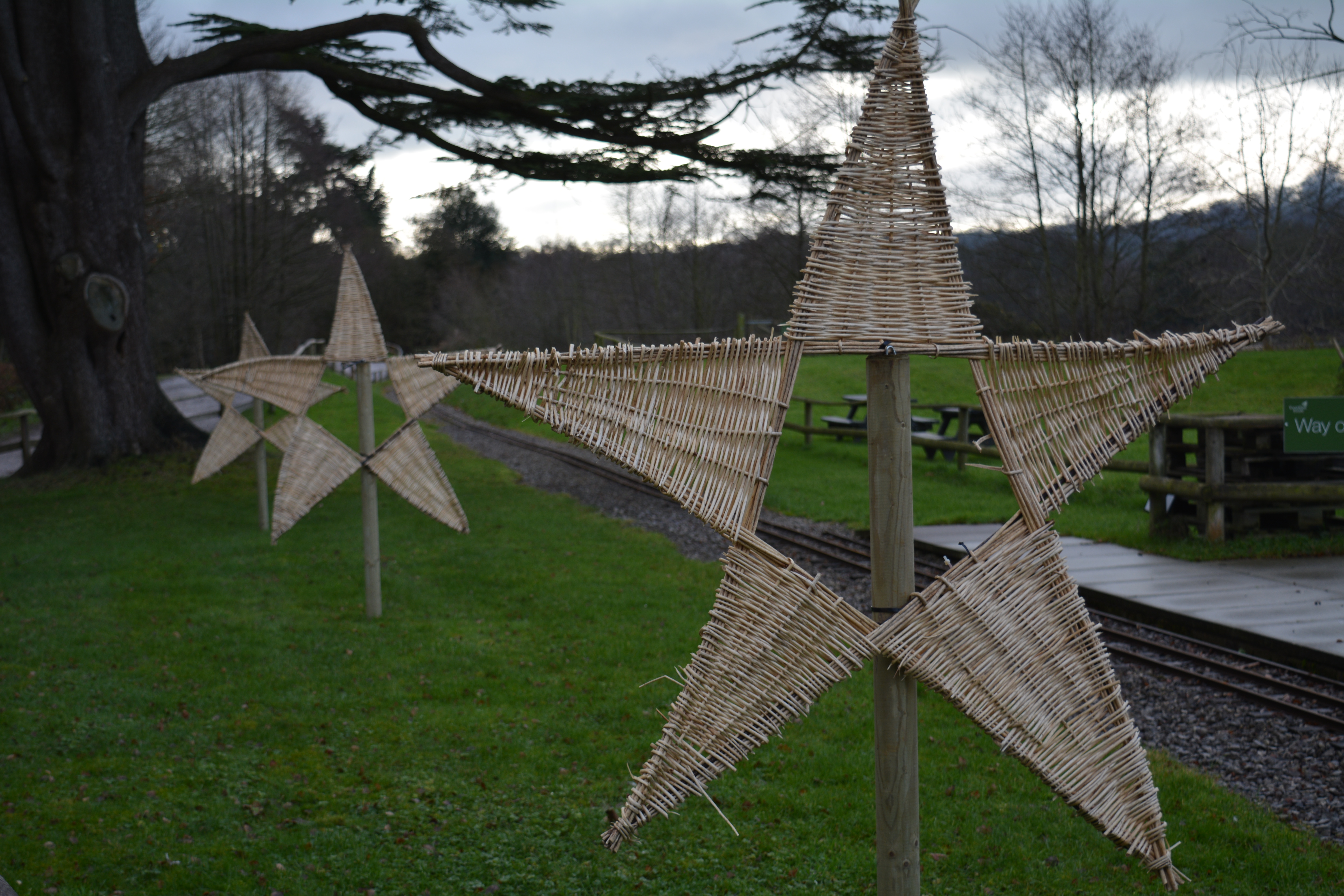
As soon as we arrived we realised there were a few things going on to celebrate the autumn. In the entrance foyer there were clues that a Willow Trail had been set out for children to follow.

2014 10 31_6788 2014 10 31_6789

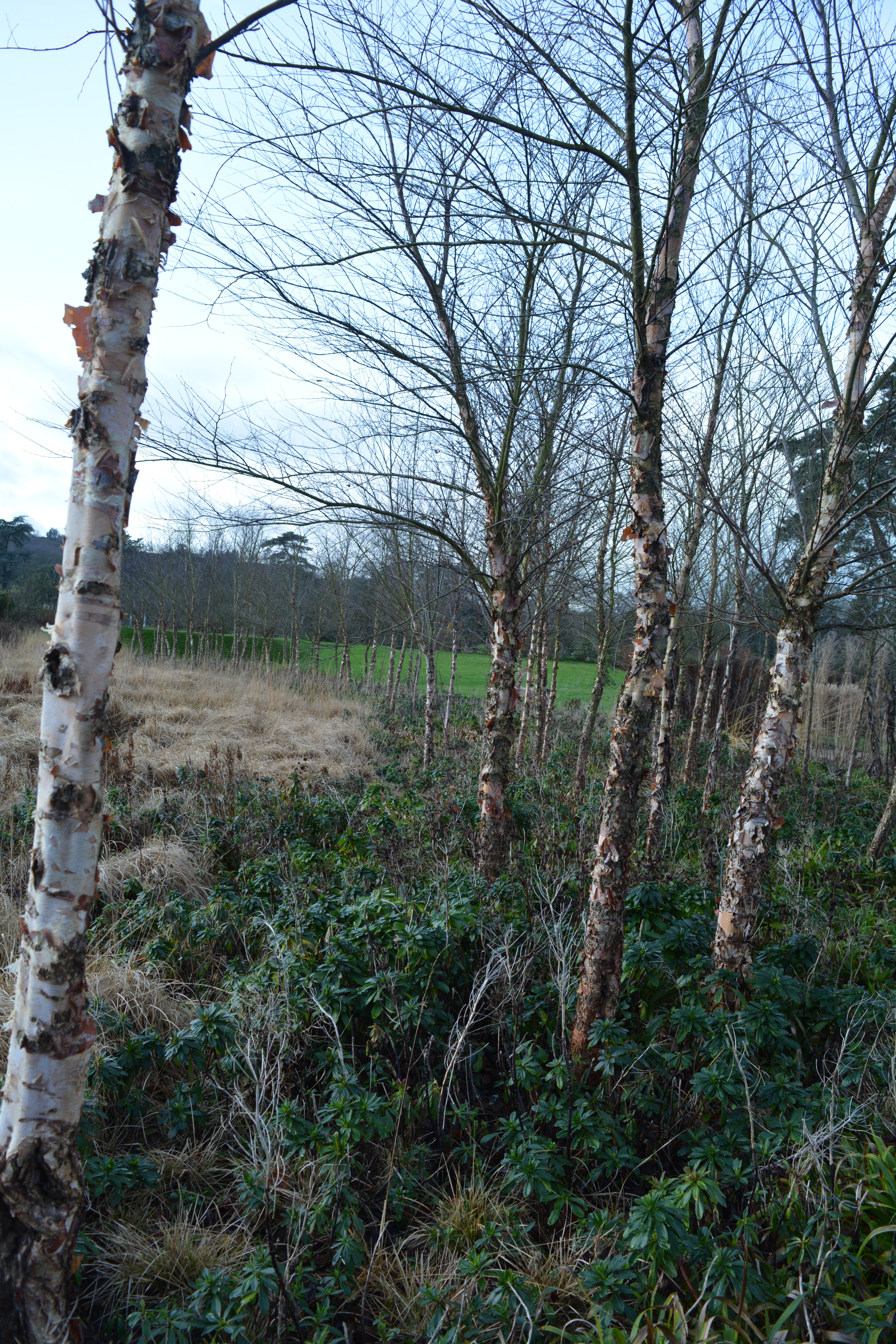
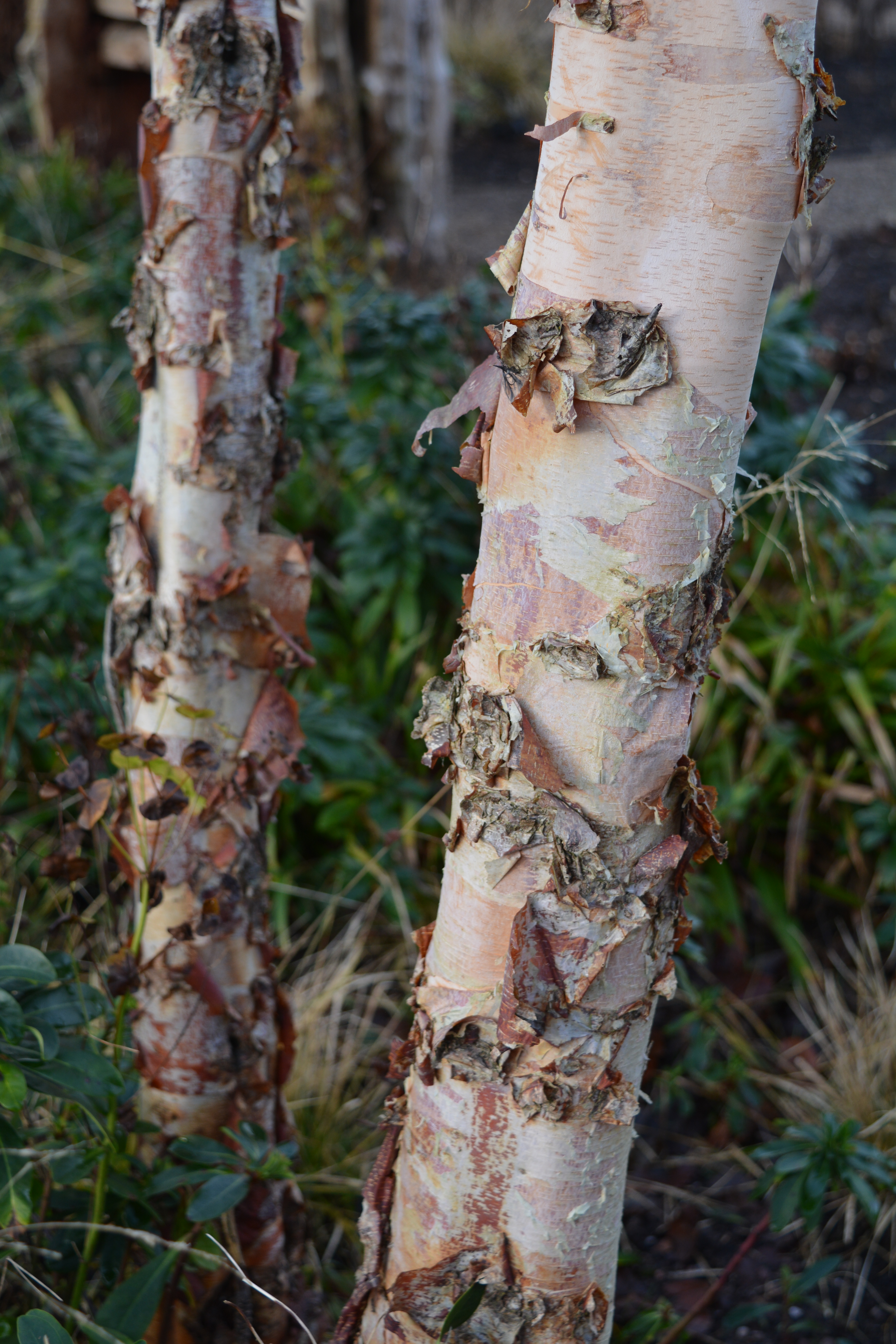
Beautiful pure white stems of Betulas welcomed us into the garden.

2014 10 31_6790 2014 10 31_6791

Recent high winds had stripped the leaves off many of the trees so on this visit it looked as if we were not going to be seeing much of the autumnal hues we thought we were going to enjoy. The garden was already showing signs of winter. Long views across the gardens afforded us views of tree skeletons combined with just a few orange leaved shrubs and the deeper greens of the conifers.


2014 10 31_6792 2014 10 31_67942014 10 31_6793 2014 10 31_67952014 10 31_6804 2014 10 31_6883

The Winter Garden soon proved itself to be a brilliant place in the autumn too. Berries gave the strongest colours closely followed by the remnant leaves of shrubs.

2014 10 31_6799  2014 10 31_68012014 10 31_6800 2014 10 31_68092014 10 31_6810 2014 10 31_68112014 10 31_6813 2014 10 31_68122014 10 31_6865

2014 10 31_6808 2014 10 31_6802 2014 10 31_6803 2014 10 31_6881

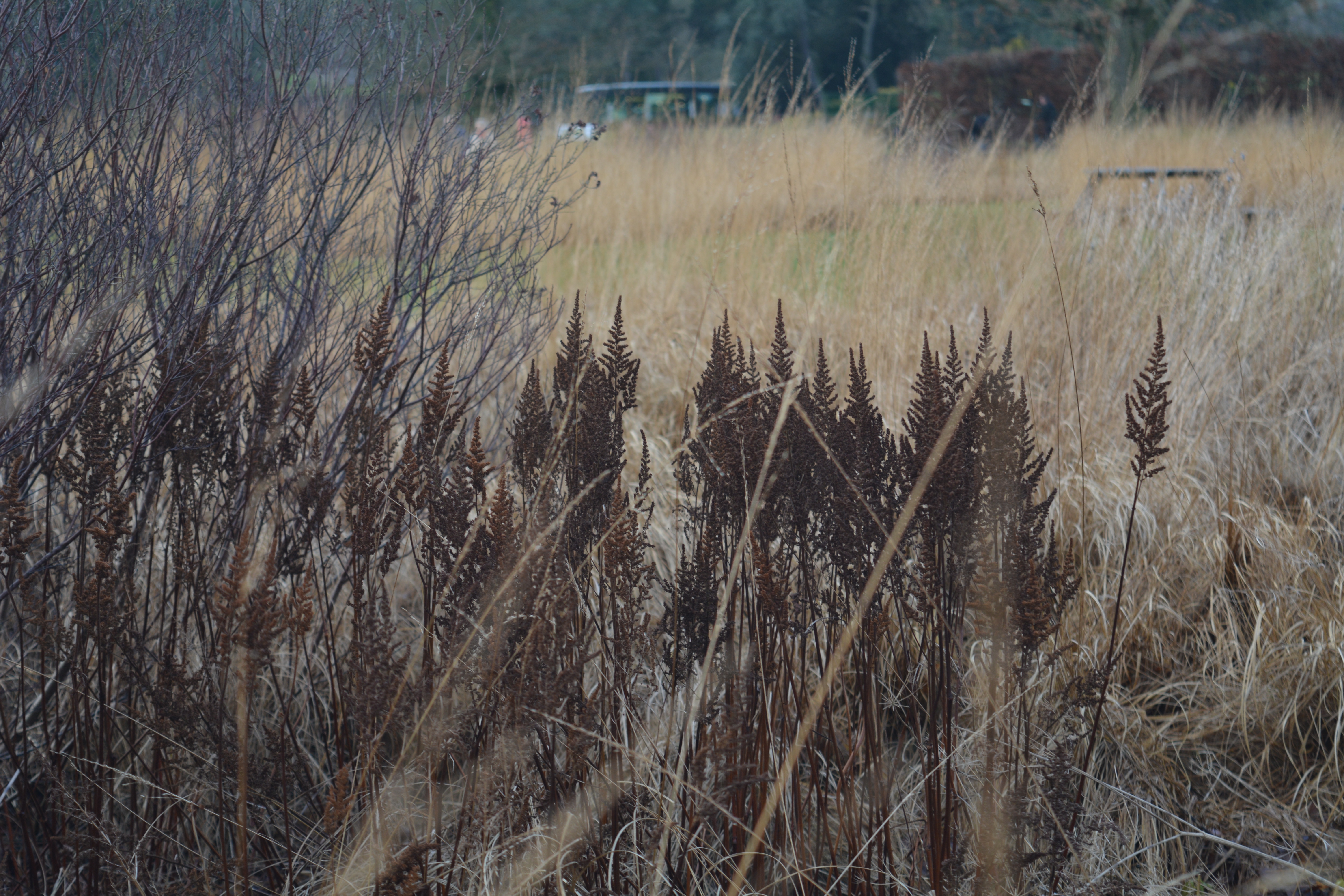
The whisps of the ornamental grasses appeared white at first glance but close up we realised they were the subtlest of biscuit shades.

2014 10 31_6805 2014 10 31_6806

2014 10 31_6814 2014 10 31_6817

2014 10 31_6850 2014 10 31_6861

There were still plenty of surprises to be found including the bright colours of late flowers in the perennial meadows.

2014 10 31_6822 2014 10 31_68182014 10 31_6832  2014 10 31_6835 2014 10 31_6836 2014 10 31_6863

As the days get shorter more and more of these perennials dry to shades of biscuit, ginger and brown.

2014 10 31_6834

2014 10 31_6882 2014 10 31_6862

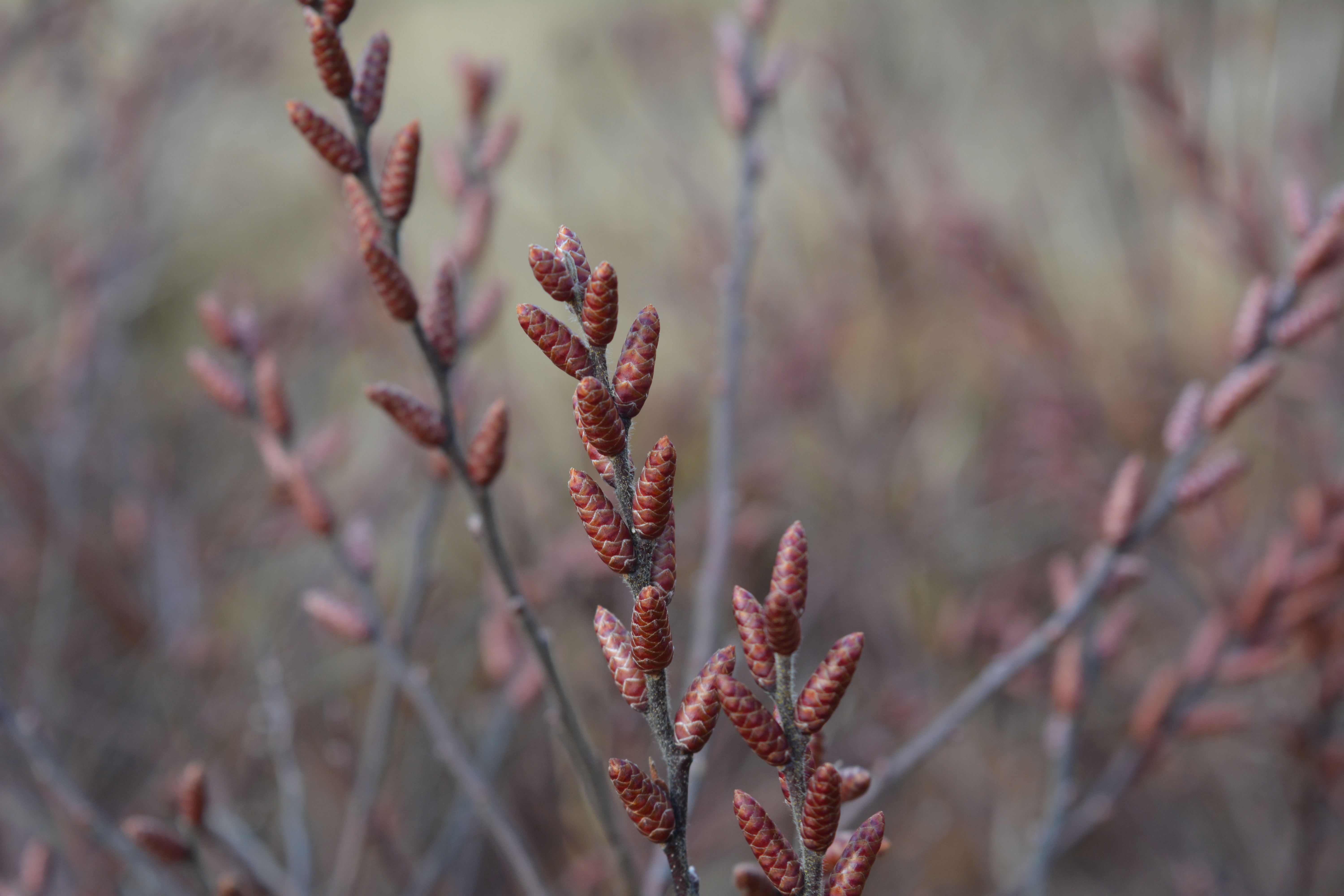
This little corner was probably my favourite part of the garden with the slender trees showing off their coloured trunks and the shrubs beneath them displaying brightly coloured stems.

2014 10 31_6870 2014 10 31_6871 2014 10 31_6872 2014 10 31_6873 2014 10 31_6874 2014 10 31_6875

Although still late autumn when we visited some of the scents of winter were already pervading the air. The pink flowered Viburnums emitted the strongest scent of all.2014 10 31_6868

In part two of our visit to Harlow Carr we will explain what else this exceptional all-season garden had to offer us.

Categories
garden design garden furniture garden photography garden seating gardening gardens

Are you sitting comfortably? – part four of a very occasional series.

So here we are back with another selection of garden seats. Twenty more special places to sit and rest!

Sometimes you come across a garden seat with a design that sets it out above the rest. These “Eye Seats” in the Piet Oudolf garden at Hauser and Wirth’s Gallery in somerset fit perfectly in that category. They shared their patch of grass with sleek black loungers.

2014 10 04_5442 2014 10 04_5443 2014 10 04_5441 2014 10 04_5440

Just occasionally when wandering around a garden you discover a seat that fits into its space comfortably like a favourite slipper. In the community gardens at the Bishops Garden at Wells Cathedral in Somerset we came across a little collection that sat beautifully in a glade of old trees. Elsewhere in the main part of the palace garden we found two very different seats, one traditional wooden bench and a modern very sleek cast concrete bench with carved calligraphy.

2014 10 04_5564 2014 10 04_5563 2014 10 04_5553 2014 10 04_5548

When we visited the gardens designed by Tom Stuart-Smith at the family home, Serge Hill, we were interested in the positions in which he placed seats. Each was put where you could best relax or sit and contemplate, a few were very isolated and given a lot of space.

2014 06 22_0675-2 2014 06 22_0732-2 2014 06 22_0745-1 2014 06 22_0757-1

These two seats are in the tiniest garden possible. In fact the garden is just the seats on the path outside terraced cottages in the Yorkshire village of Haworth, famous for its links with the Bronte family. Several of the street side cottages here wrap pots and containers overflowing with plants around the steps from the front doors.

2014 11 01_7028 2014 11 01_7027

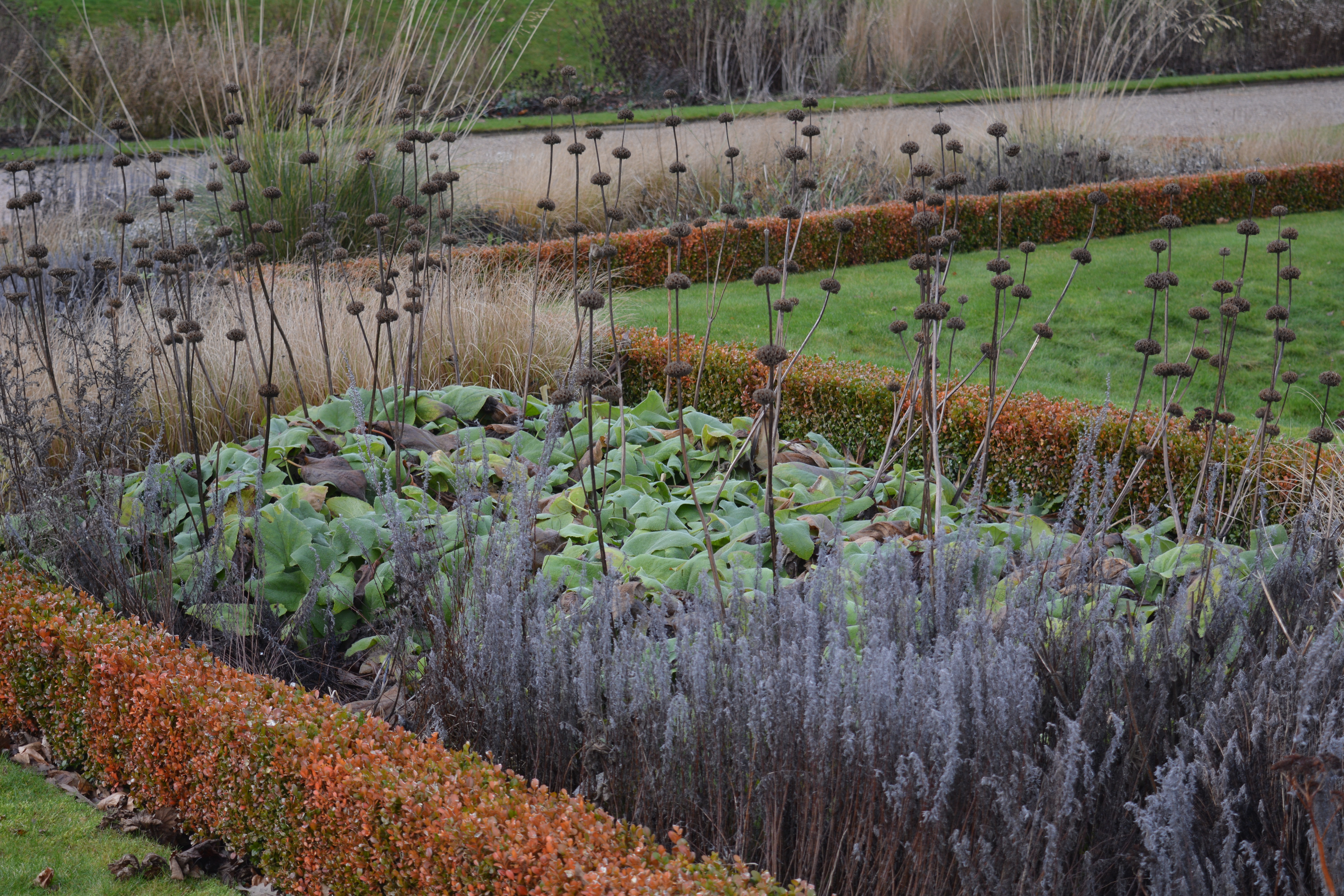
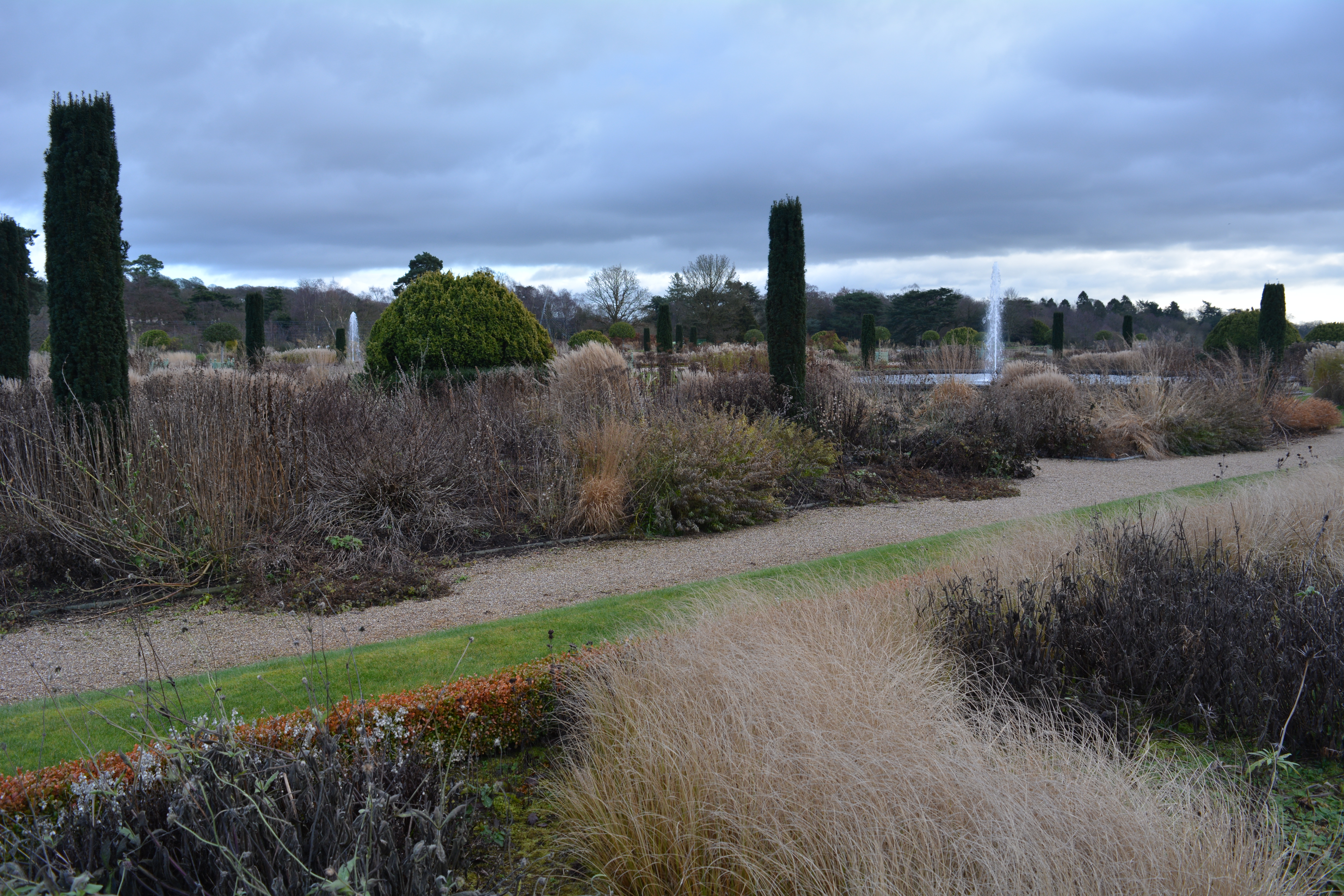
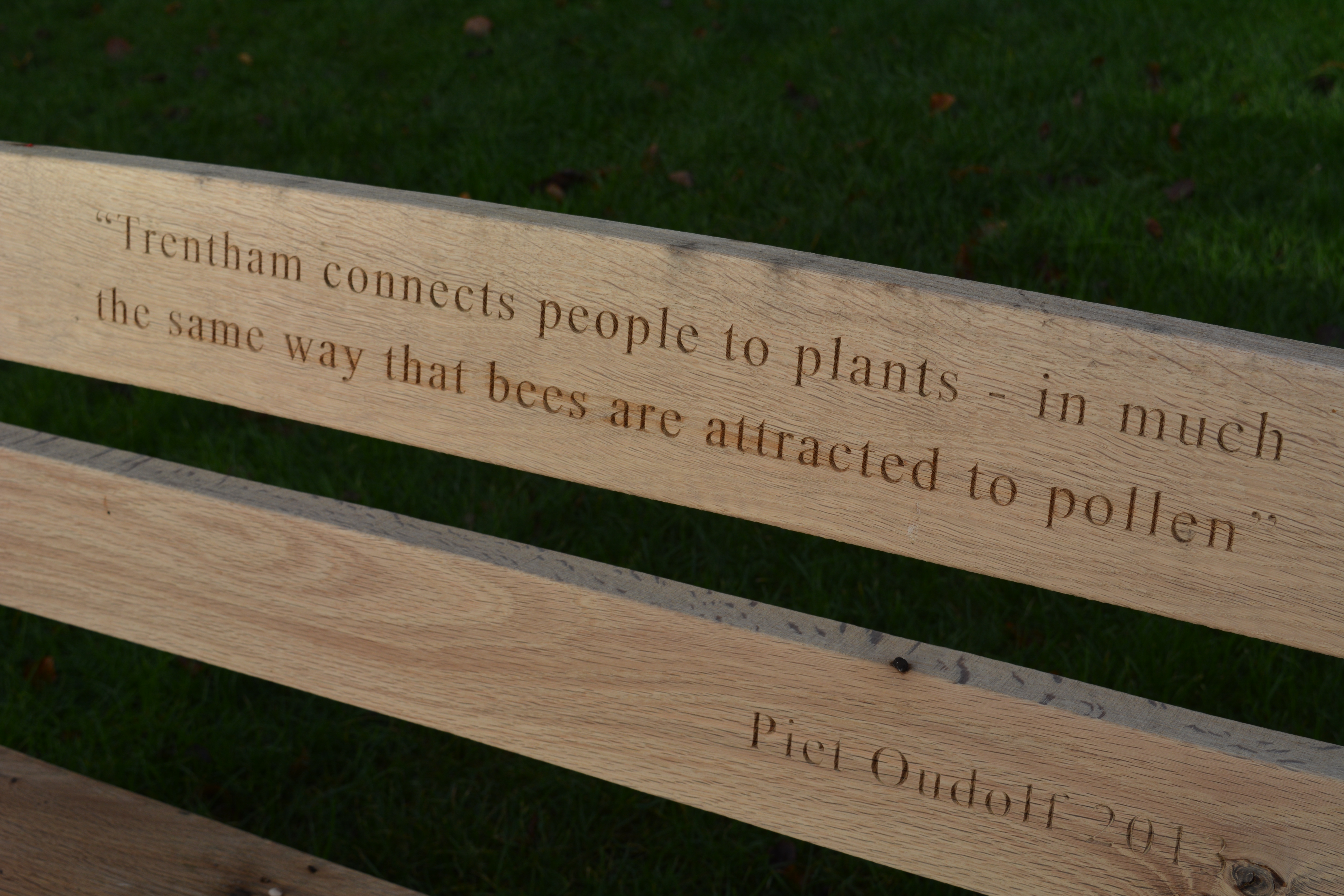
These seats are in a completely different environment, the vast open gardens at Trentham. They are situated in Piet Oudolf’s “River of Grasses”.

2014 11 04_7147 2014 11 04_7149

Can you spot the wooden bench in the photo below also taken at Trentham. It is hidden away in the amazing Hornbeam arbour here wearing its golden autumn coat.

2014 11 04_7175

When we visited the National Botanic Garden of Wales on a wet November day we spotted these beautifully designed chairs. They were well suited to their situation but it was far too wet to try them out for comfort.

2014 11 21_7837 2014 11 21_7843 2014 11 21_7832

Categories
autumn autumn colours climbing plants colours garden design garden photography gardening grasses hardy perennials light light quality ornamental grasses ornamental trees and shrubs roses Shropshire

Aiming for an all year round garden – our garden in November

The penultimate posting in my monthly look at how well our Avocet garden is looking is already here. We are aiming for an all year round garden so we hope this series will help us check up on how we are progressing. The first week of November has been so changeable with bright, mild days, windy chilly days, nights with near freezing temperatures and cloudy dull days. We can still get in the garden to potter but we have to be ready to grasp any opportunity.

As usual we shall begin our tour by the gateway at the end of the drive and take a glance into the garden where it borders the lane. Our newly planted boxes are now well-established. From the lane berries dominate in the shrubs and trees and below them leaf textures capture our interest.

2014 11 06_7220 2014 11 06_7221 2014 11 06_7222 2014 11 06_7223 2014 11 06_7224 2014 11 06_7225 2014 11 06_7226 2014 11 06_7227

The Beth Chatto garden lights up in the low autumn light and makes the Tulbaghia and Verbena flowers glow.

2014 11 06_7228 2014 11 06_7229

Leaves have been stripped from many of the shrubs and trees leaving skeletons of coloured stems and seed heads above grasses and coloured foliage of evergreen perennials. Fungi on the lawn are definite sign of the season.

2014 11 06_7230 2014 11 06_7231 2014 11 06_7233 2014 11 06_7234 2014 11 06_7235 2014 11 06_72362014 11 06_7237 2014 11 06_7238 2014 11 06_7239 2014 11 06_7240

The most colourful tree must be the Liquidamber. With luck it will keep its leaves until the new year.

2014 11 06_7232

As we pass the shed on the way into the back garden this little alpine Erodium catches the eye. But it is the much more fiery colours that draw us in for a closer look as we turn the corner and see the Shed Bed. The bright yellow petals of the Welsh Poppy, Meconopsis cambrica bring out the palest hues in the palmate leaves of the Ricine Plant, Ricinus cambriensis. The Ricinus is such a garden worthy annual, interesting in every possible way. Flowers, fruit, buds, leaves and stems. The heavily textured leaves begin life orange and metamorphose into the deepest bronze through every shade of red.

2014 11 06_7242 2014 11 06_7243 2014 11 06_7244 2014 11 06_7245

In the Tropical Border the white flowers show up well against the Persicaris  deep purple foliage. By the pond in the Rill Garden the seedheads of this Clematis are just as white. Walking down the central pathway there are plenty of out of season blooms to spot. Rosa Teasing Georgia clambers over the arch with late flowering Sweet Peas and alongside the path an orange flowered Primula which is normally a late spring flowerer is performing now. In a pot alongside the path a Dahlia has produced a very late and very pink bloom.

2014 11 06_7246 2014 11 06_72472014 11 06_7248 2014 11 06_72492014 11 06_7260 2014 11 06_7259

Throughout the borders to the left of the central path grasses put on a strong performance in the autumn light. The cerise of the Lychnis coronaria looks brighter than ever. It has been in flower for months now.

2014 11 06_7250 2014 11 06_7251 2014 11 06_7252 2014 11 06_7253 2014 11 06_7254 2014 11 06_7256

2014 11 06_7257 2014 11 06_7258

Moving across the central path we can see the Chicken Garden and the Secret Garden, where there are still plenty of flowers to put on a colourful show.

2014 11 06_7261 2014 11 06_7262 2014 11 06_7263 2014 11 06_7264 2014 11 06_7265 2014 11 06_7266

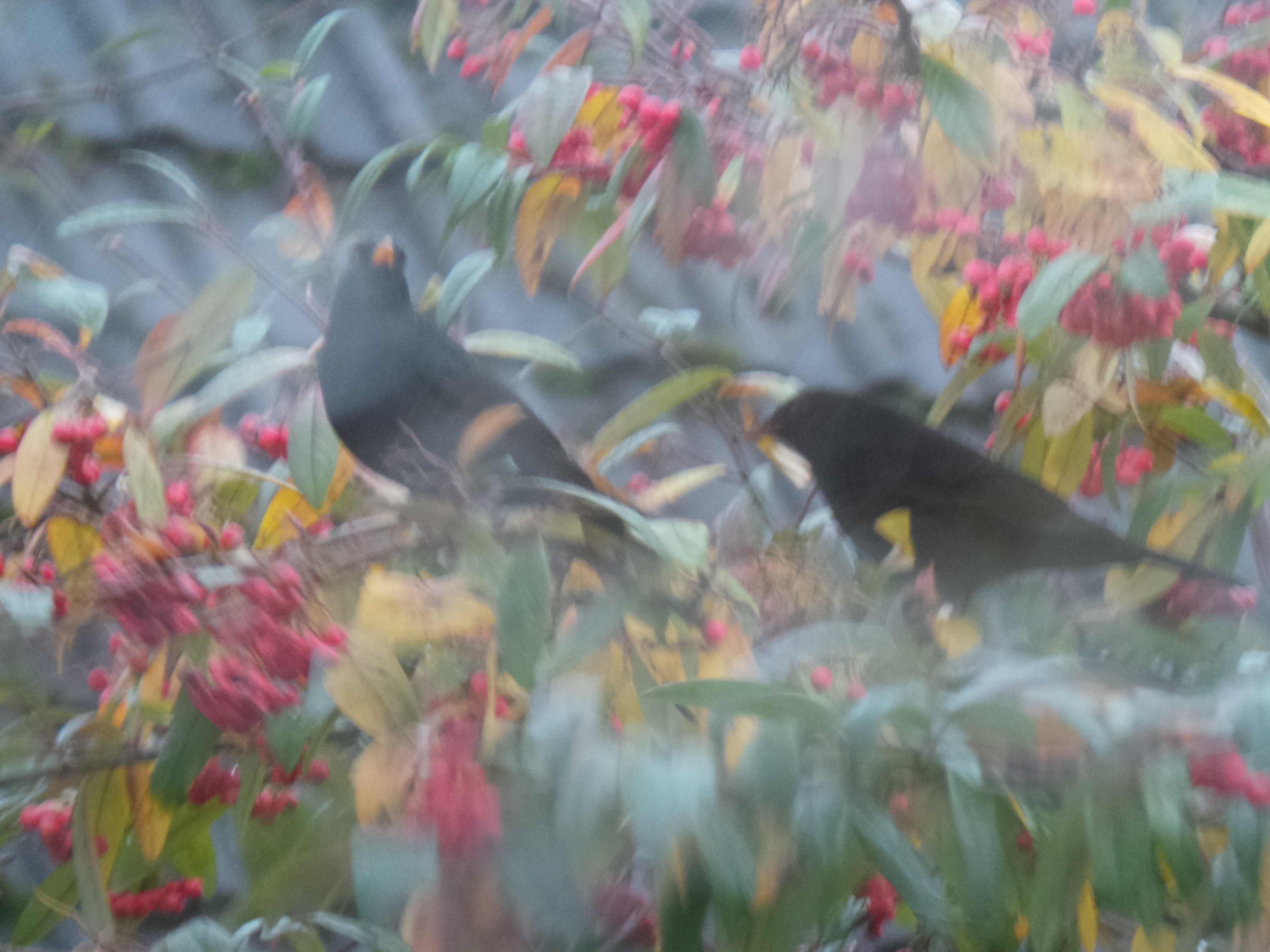
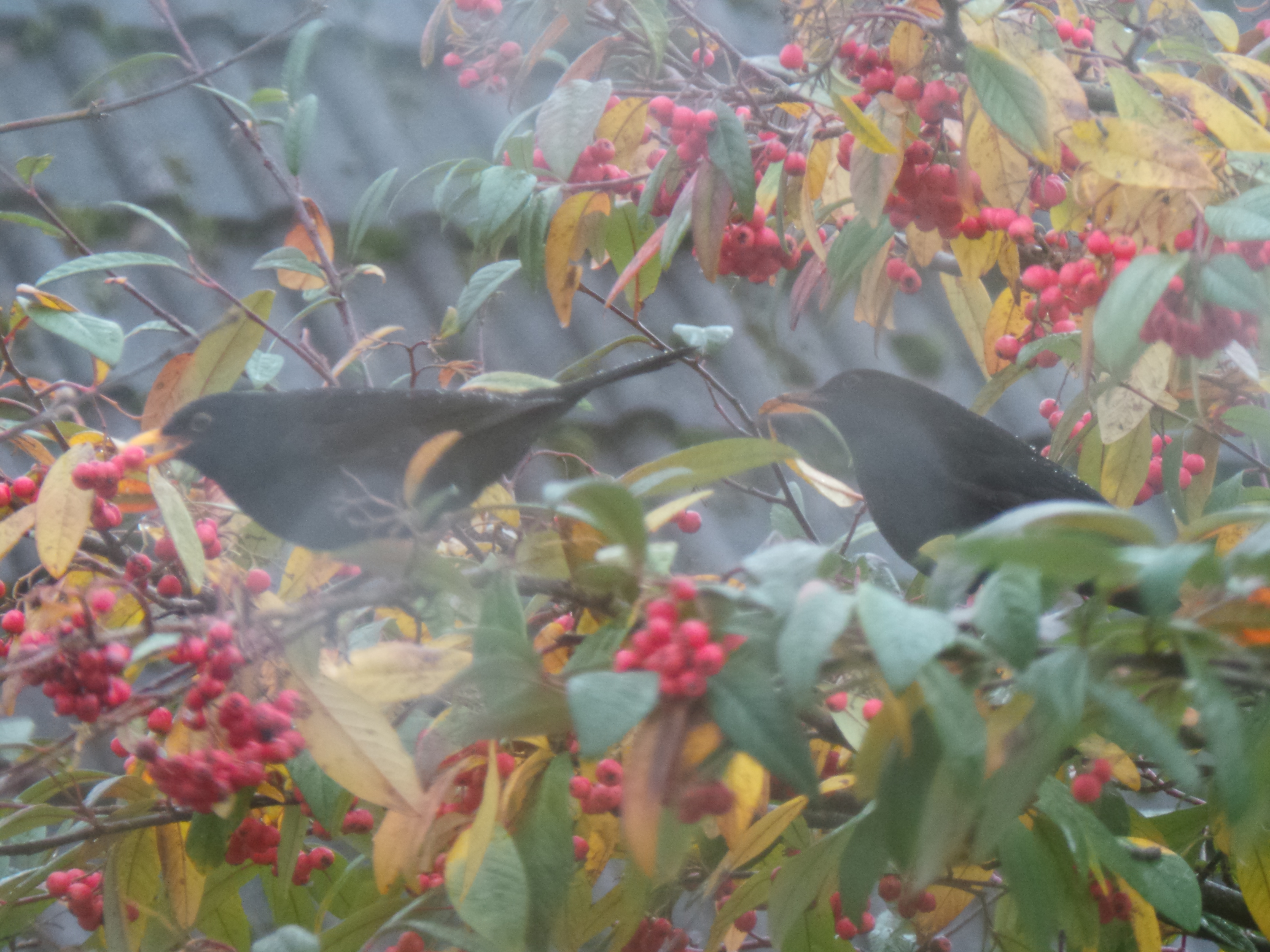
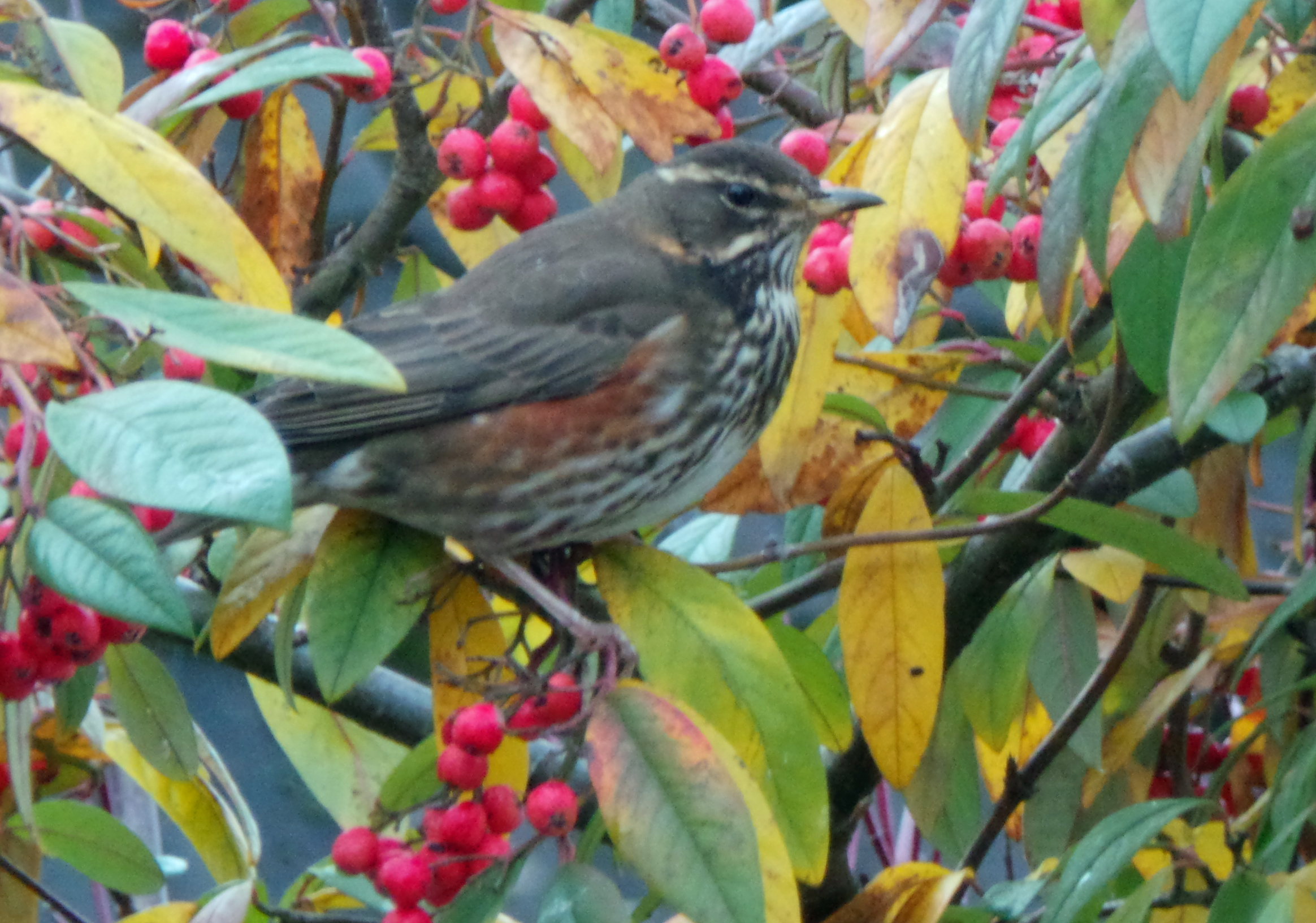
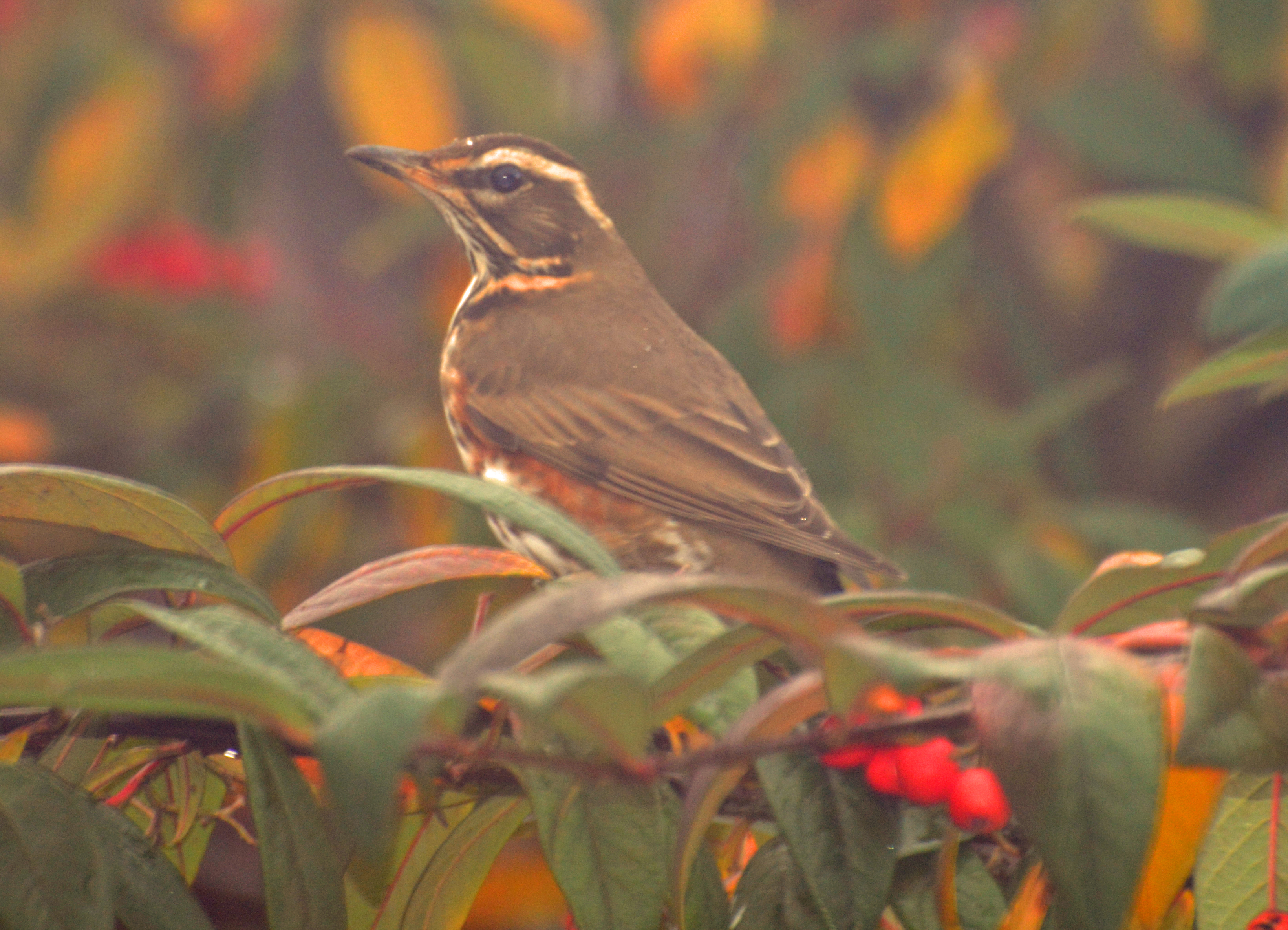
When we take the path alongside the Spring Garden it is the fruit and berries that give extra interest for ourselves and for the Blackbirds and Thrushes. The Blackbirds seem intent in finishing off the Crataegus berries. The yellow berries of the Cotoneaster rothschildiana will last much longer. They are low on their list of favourites.

2014 11 06_7267 2014 11 06_7268 2014 11 06_7269 2014 11 06_7270 2014 11 06_7271 2014 11 06_7272 2014 11 06_7273 2014 11 06_7274

I shall finish my November look at our garden with these two photos both featuring yellow. On the left a very out of season Oxlip is flowering strongly while on the left the last of the Gazanias has dropped its petals to reveal a brightly coloured central boss. Next month I shall be considering our Avocet garden in December and my look at the garden in 2014 will have come full circle.

2014 11 06_7275 2014 11 06_7276


Categories
architecture buildings photography recycling townscapes Yorkshire

Haworth – Village of the Brontes – Part Two

Welcome back to Haworth, the village of the Brontes, where you find us just about to enter the church, in whose parsonage the family of writers lived. As we walked the gently sloping roadway to the church and parsonage we passed another interesting, eccentric shop. Haworth seemed to attract such places. The church itself was a tall, bulky building and very imposing – not an attractive building at all. But visitors are attracted to it for its Bronte links.

2014 11 01_7055 2014 11 01_7062 2014 11 01_70822014 11 01_7120 2014 11 01_7117

Throughout the church interior we discovered links with the Brontes, which was not always easy in the gloomy interior. Light is always strange inside churches and you feel uncomfortable using a flash. Check out these plaques, old photos and documents.

2014 11 01_7118 2014 11 01_71192014 11 01_7113 2014 11 01_7115

2014 11 01_7111 2014 11 01_7112

2014 11 01_7114 2014 11 01_7116


Almost opposite the church was the school in which Charlotte Bronte taught. It was a very short journey to work!

2014 11 01_7063 2014 11 01_7064

The tall stone wall surrounding the churchyard was covered in mosses. Close up some patches looked like pictures of earth from the air.

2014 11 01_7065 2014 11 01_7066 2014 11 01_7067

The parsonage frontage looks straight at the church and was built on a high piece of land so looked most imposing.

2014 11 01_7070 2014 11 01_7083

2014 11 01_7068 2014 11 01_7069

Beyond the Parsonage a narrow footpath took us up to the edge of the moors which influenced so much of the Bronte family writings. Styles and gateways on this track were extremely narrow and walkers had to squeeze through. They were also of strange designs which we had never seen before. The walls alongside the track as it passed the last few village dwellings presented me with the chance to take a few texture shots. In places the path was made of flat stones sunk into the grass.

2014 11 01_7071 2014 11 01_7074 2014 11 01_7077 2014 11 01_7078  2014 11 01_7080 2014 11 01_7081

2014 11 01_7079

We returned to the village centre and took the gentle stroll down the Main Street, with its eclectic mix of shops many displaying art and crafts. We soon discovered we were visiting soon after the village had celebrated the day the Tour de France cycle race came and the day after it had celebrated Halloween. Spot the recycled cycles and the spooky happenings.

2014 11 01_7092 2014 11 01_7085

2014 11 01_7090 2014 11 01_7095

2014 11 01_7094 2014 11 01_7093  2014 11 01_7091 2014 11 01_7089 2014 11 01_7088 2014 11 01_7087 2014 11 01_7086 2014 11 01_7096

2014 11 01_7098 2014 11 01_7097 2014 11 01_7099 2014 11 01_7100 2014 11 01_7101 2014 11 01_7102 2014 11 01_7103 2014 11 01_7104 2014 11 01_7105 2014 11 01_7106

2014 11 01_7107 2014 11 01_7108 2014 11 01_7109

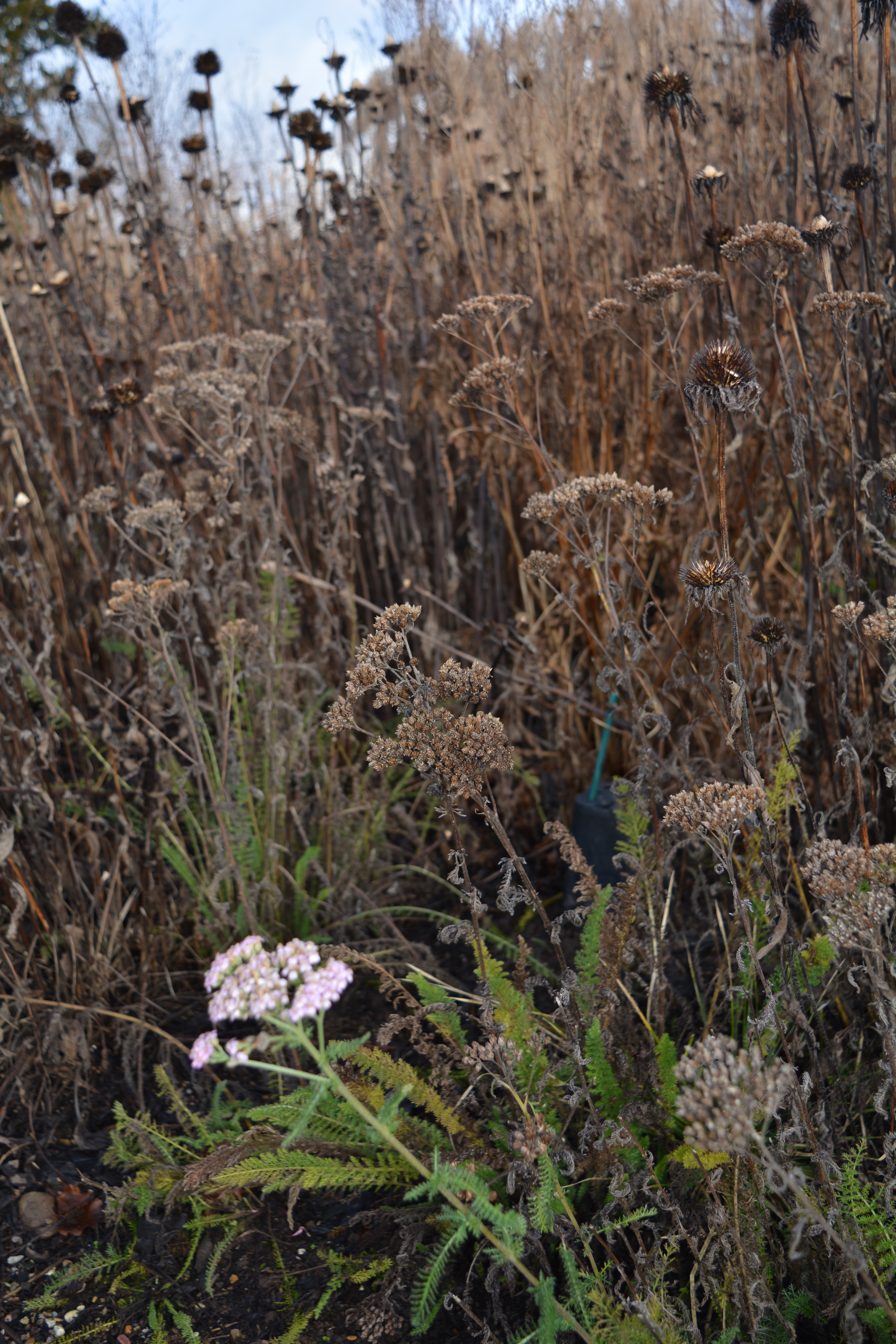
As we left the village to start our long journey home we made a diversion over the moors to take a short wander in the footsteps of the Bronte family. It was easy to see how its isolation and atmosphere provided such inspiration.
2014 11 01_7121 2014 11 01_7122 2014 11 01_7124 2014 11 01_7126 2014 11 01_7127 2014 11 01_7128


Categories
architecture buildings Church architecture photography Yorkshire

Haworth – Village of the Brontes – Part One

We spent a midweek break in Yorkshire this autumn, combining a return visit to the RHS Garden Harlow Carr, with a return to Saltaire and a first visit to the village of the Brontes, Haworth. A busy few days full of interest, enjoyment and variety.

First I shall share with you our visit to Haworth a village up on the moors of Yorkshire. The village and the moors are closely linked to the well-known and much loved family of writers, the Brontes. We found the village after miles of travelling high in the moorland on roads with regular steep climbs and descents. The road began to drop steeply as we approached the village and signposts indicated a car park on the edge of the village. We parked up in a car park hidden in woodland and from there a footpath took us into the very heart of the village.

Haworth is a beautiful place! A village with a strong community feel to it and a centre for creativity where many artists and craftspersons live, work and display their work. To add to the enjoyment of Haworth we discovered that Halloween was due to be celebrated fully. We also discovered that the village has some most excellent coffee houses!

The path took us down below the village’s allotments where the hens entertained us with their contented clucking as we passed unnoticed. We passed the back of the church and entered the very heart of the village, the Square.

2014 11 01_7019 2014 11 01_70182014 11 01_7020 2014 11 01_7022

Small businesses clustered around the Square welcoming visitors. You can see how the street drops steeply away from the Square. We decided that the number of coffee shops reflected the steepness of this hill – visitors need lots of places to stop and rest!

2014 11 01_7023 2014 11 01_70242014 11 01_7025 2014 11 01_7026

We soon realised that this village had a real sense of community feeling accompanied by an equal sense of pride with a gentle humour running through. Just look at the path gardens under the front windows of these cottages complete with seats. A great place to share your thoughts with neighbours, greet visitors with a friendly smile and watch the life of the village going by. Nearby this little humorous figure enjoyed life in another front garden.

2014 11 01_7027 2014 11 01_70282014 11 01_7044

There were frequent reminders too of the place that the Brontes hold in the hearts of the villagers.

2014 11 01_7030

We followed part of the village trail that encompassed the places most relevant to the life of the Bronte family. We had to walk to the edge of the village to find the starting point where we began with a look at the Sun Inn where in the mid-19th century turn pike tolls would have been collected, and then close by we found the schoolroom which was linked to the West Lane Methodist Chapel which has since been demolished. Behind this schoolroom, which is now the meeting place for the Methodist congregation, we found the old graveyard which afforded wide spreading views over the valley.

2014 11 01_7032 2014 11 01_70312014 11 01_7033 2014 11 01_7034

Close by was the rival West Lane Baptist Chapel which had an extensive school room added at the rear. It seemed amazing that this little village huddled in a valley bottom supported several chapels and a church. It reflects the life style of the time, when employers expected their workers to attend their chosen place of worship in order to keep their jobs. Some believed it would keep them out of the inns and public houses.

The second photo below shows a strange arrangement of old gate post ornamentation now displayed atop a garden wall.

2014 11 01_7035 2014 11 01_7037

A short walk down the street back towards the heart of the village we found this beautiful and very old building, Townend Farm with its attached barn. These were built in the 17th century but still retained much of the original features including the most beautiful windows.
2014 11 01_7040 2014 11 01_7038 2014 11 01_7039 2014 11 01_7042

We next found a row of back-to-back workers cottages, and we could tell from the relatively large area of upstairs windows that some sort of weaving must have gone on here. The terraces also had basement dwellings below the street level.

2014 11 01_7043 2014 11 01_7045 2014 11 01_7046

The trail leaflet took us back to the centre where we stopped to look at the interesting array of shops. The Tourist Information Centre was housed in this strange thin building squeezed in a small space between two streets as they merged. The building has a short tower and pyramidal roof which was added when it changed from being the “Mechanics’ Institute” to the “Yorkshire Penny Bank”. The square here sits at the base of the wide steps leading up to the church. The village stocks are still in place outside what were once the post office and a temperance hotel. This teetotal hotel was supported by Patrick Bronte whereas rather ironically Branwell Bronte preferred the building opposite, The Old White Lion Inn.

2014 11 01_7055 2014 11 01_7047

2014 11 01_7048 2014 11 01_7049 2014 11 01_7050 2014 11 01_7052

2014 11 01_7051  2014 11 01_7053 2014 11 01_7054  2014 11 01_7057 2014 11 01_7058 2014 11 01_7059

The Main Street led us out of the square as it dropped away steeply. We took a detour to the church before embarking on the downhill climb to discover the delights of that street. Part 2 of my Bronte posts will see us visiting the church and the Main Street.

2014 11 01_7056


thinkinGardens

for people who want more than gardening from gardens

This Veggie Life

A Vegetarian | Nature Lifestyle Blog

Rambling in the Garden

.....and nurturing my soul

The Arch City Gardener

Journeys In St. Louis Gardening and Beyond

Garden Dreaming at Châtillon

Consult the genius of the place

Storyshucker

A blog full of humorous and poignant observations.

gardeninacity

Notes from a wildlife-friendly cottage garden

PlayGroundology

...an emerging social science

The Official Blog of British Wildlife

'The most important and informative publication on wildlife of our times' - The Independent. This blog is a member of The UK & Ireland Natural History Bloggers group: www.uknhb.blogspot.com

iGrowHort

Inspire - Cultivate - Grow Native Plants - Restore Landscapes

Bishops Meadow Trust

To create and protect a semi-natural wild space for the people of Farnham to enjoy and experience an array of British wildlife in our town

Gardening with Children

The www.gardeningwithchildren.co.uk Blog

UKbirdingtimeline

birding through the seasons, why birds matter and how to conserve them

NATURE WALKER

with a camera in hand

Jardin

Transform your outdoor space

Eva's space

My allotment, cooking and other interests

Old School Garden

my gardening life through the year

LEANNE COLE

Trying to live a creative life

fromacountrycottage

trying to live as lightly as possible on our beautiful planet

Good Life Gardening

Nature lovers from Leicester living the good life.

mybeautfulthings

Finding the beautiful in the everyday

mawsonmichelle

Michelle's Allotment

In and Out of My Garden

thoughts from and about my garden

Greenhousing

Big plans for a small garden

The Scottish Country Garden

A Walled Country Garden in South East Scotland

The Fruity Chicken

Life at the fruity chicken

willowarchway

Off grid living. Self sufficient. "PERMAGANICS RULE".

St Anns Allotments

Nottingham's Grade 2* Listed Allotments and Community Orchard

Manifest Joy Harvests

a journey in suburban vegetable gardening

Allotmental

The madness of growing your own

Penny's Garden: a harvest beyond my front door

A novel approach to vegetable gardening

arignagardener

Sustainable living in the Irish countryside.

NewEnglandGardenAndThread

Master Gardener, amateur photographer, quilter, NH native, and sometimes SC snowbird

dianajhale

Recent work and work in progress and anything else that interests me

planthoarder

a chaotic cottage gardener

Lens and Pens by Sally

a weekly blog that creates a personal philosophy through photographs and words

Dewdrops and Sunshine

Stories from a sassy and classy Southern farmbelle.

The Pyjama Gardener

Simple Organic Gardening & Seasonal Living

gettin' fresh!

turning dirt into dinner

JOY...

today the world is created anew

Garden Birds

Notes from a Devon garden

ShootAbout

Life Through The Lens

Adapting Pixels

A photography blog showcasing the best photography pictures and videos on the internet

Wildlifegardening's Blog

Just another WordPress.com site

naturestimeline

personal observations from the natural world as the search continues for a new approach to conservation.