Categories
autumn autumn colours climbing plants colours fruit and veg garden design garden photography gardening grasses half-hardy perennials ornamental grasses ornamental trees and shrubs Shropshire

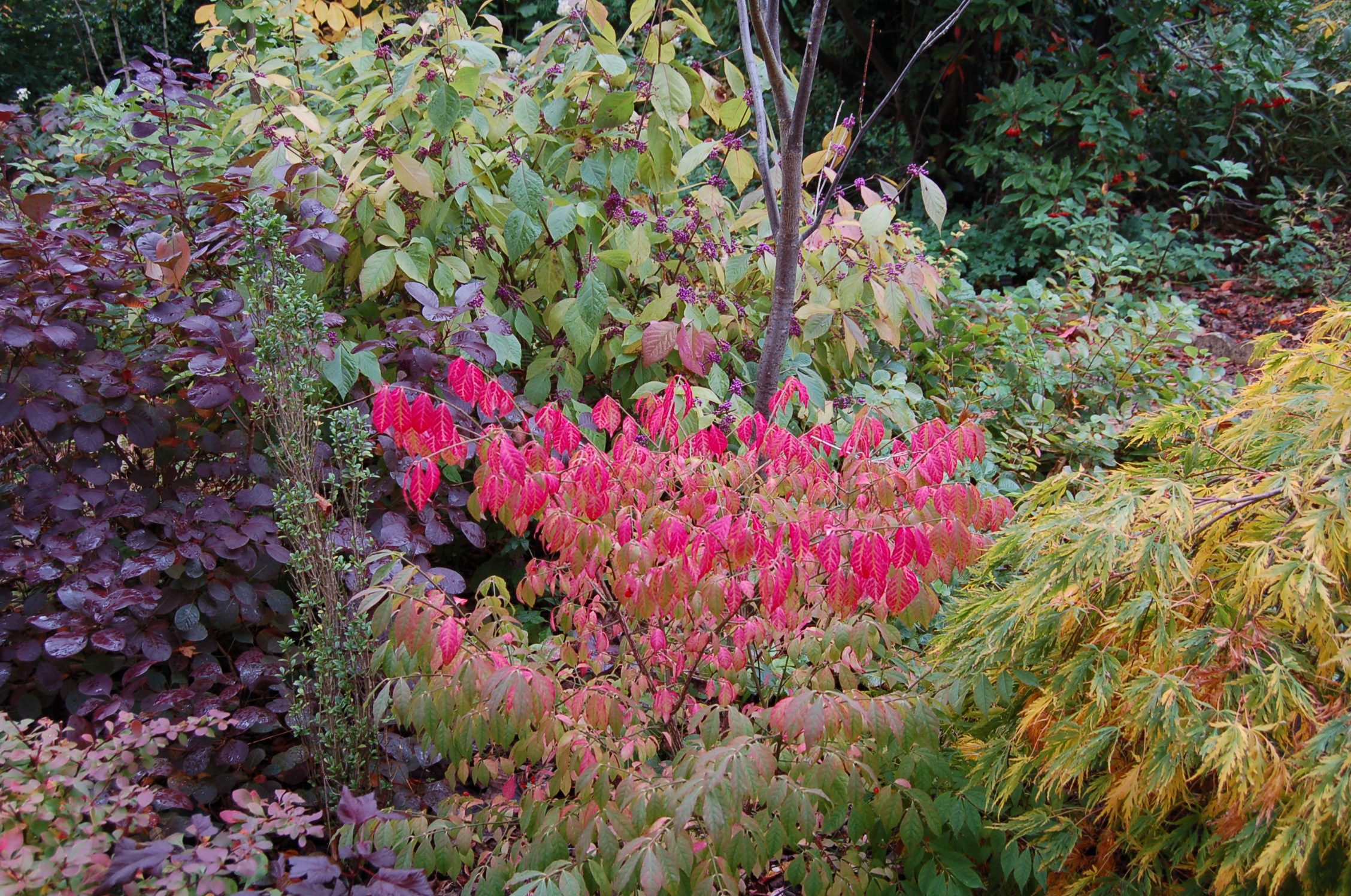
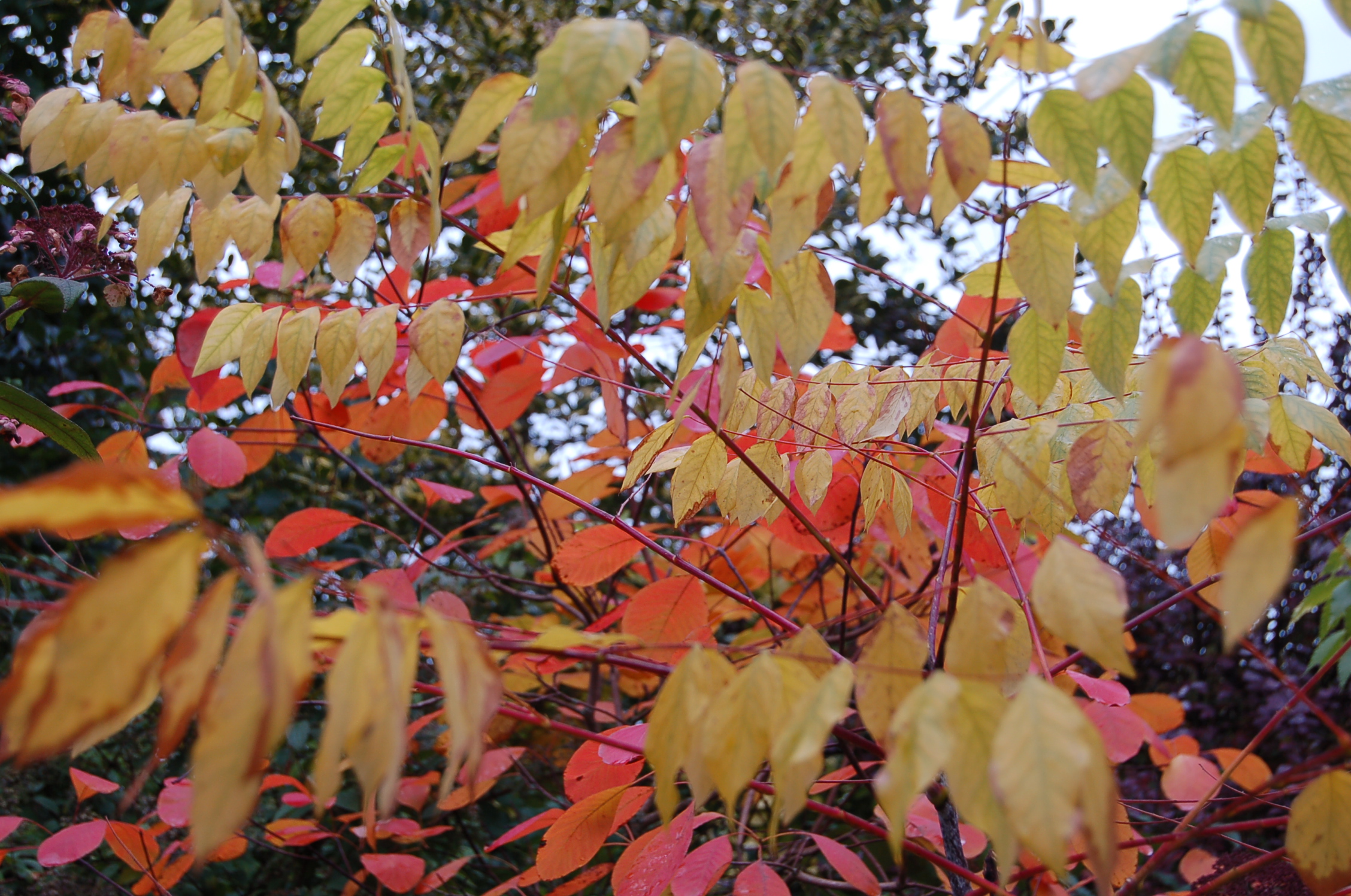
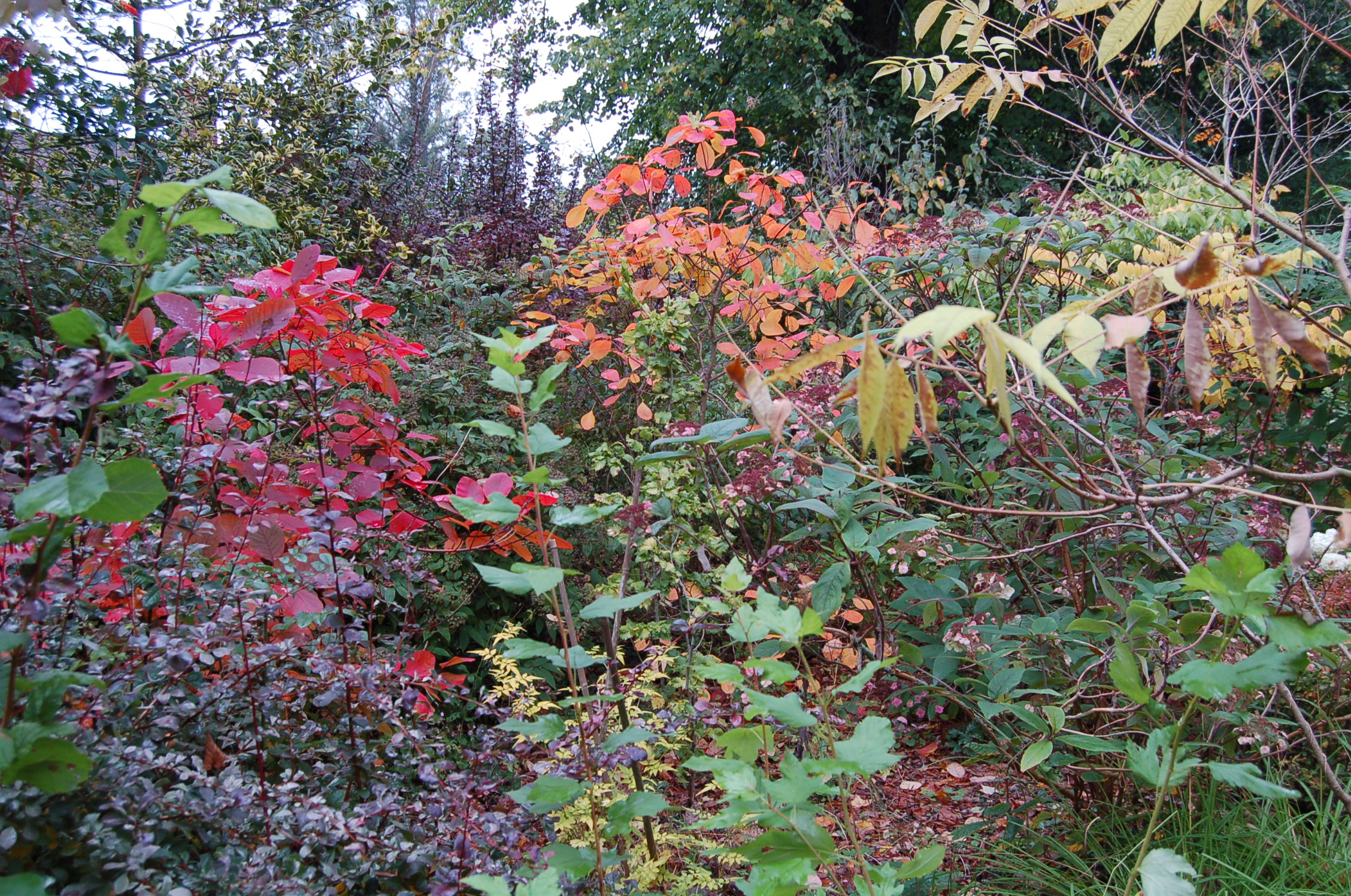
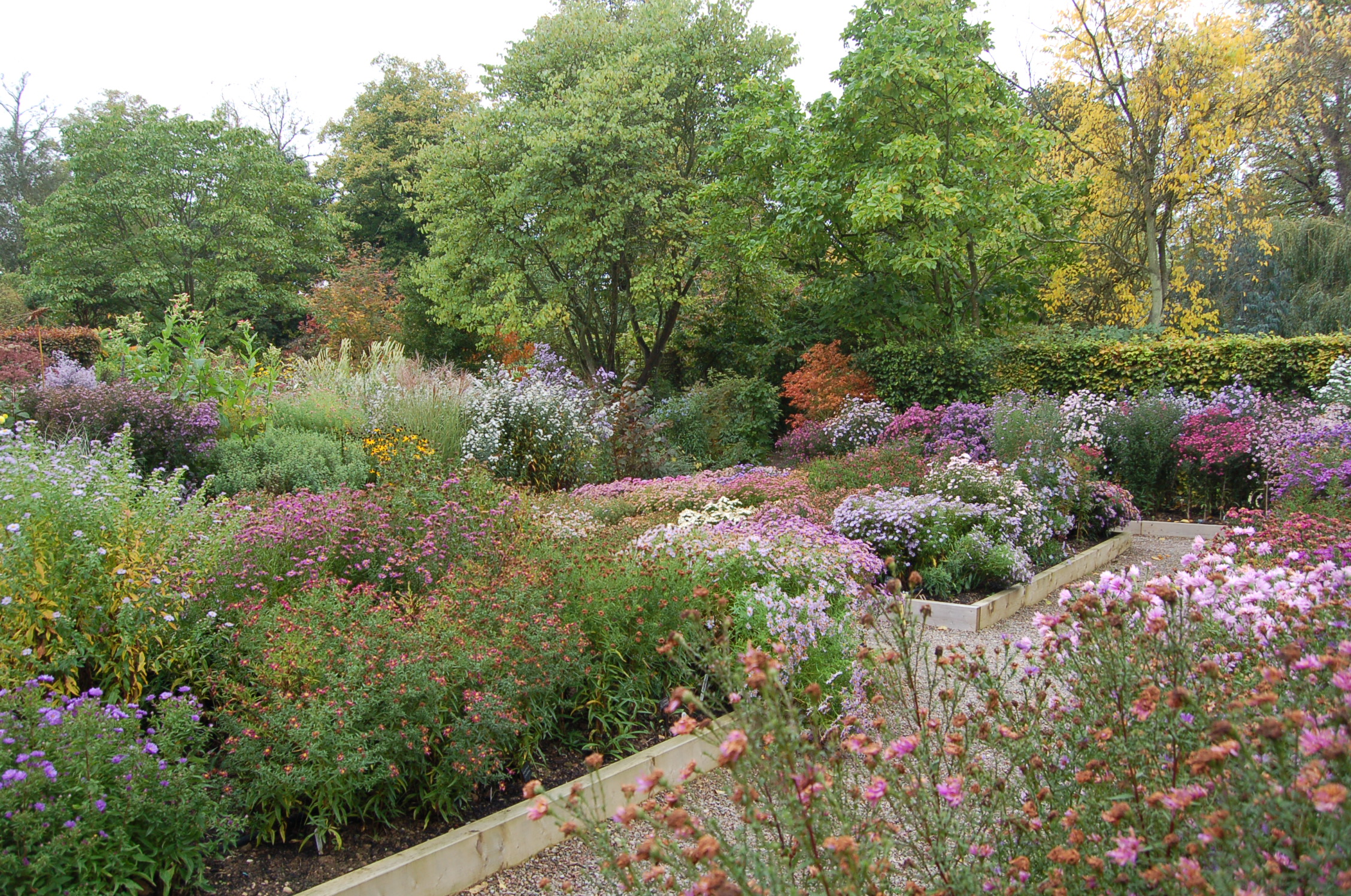
A Garden Bouquet for October

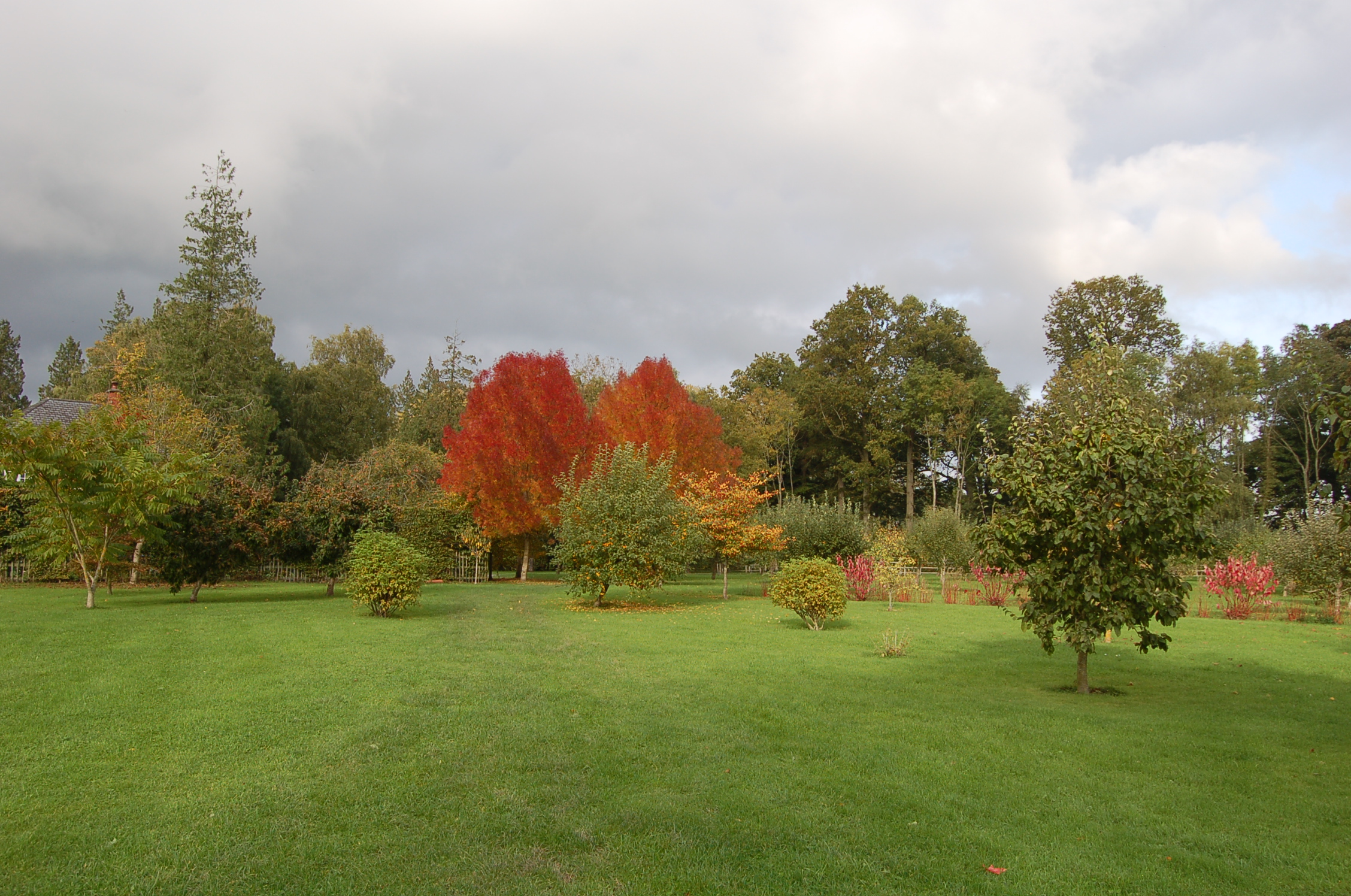
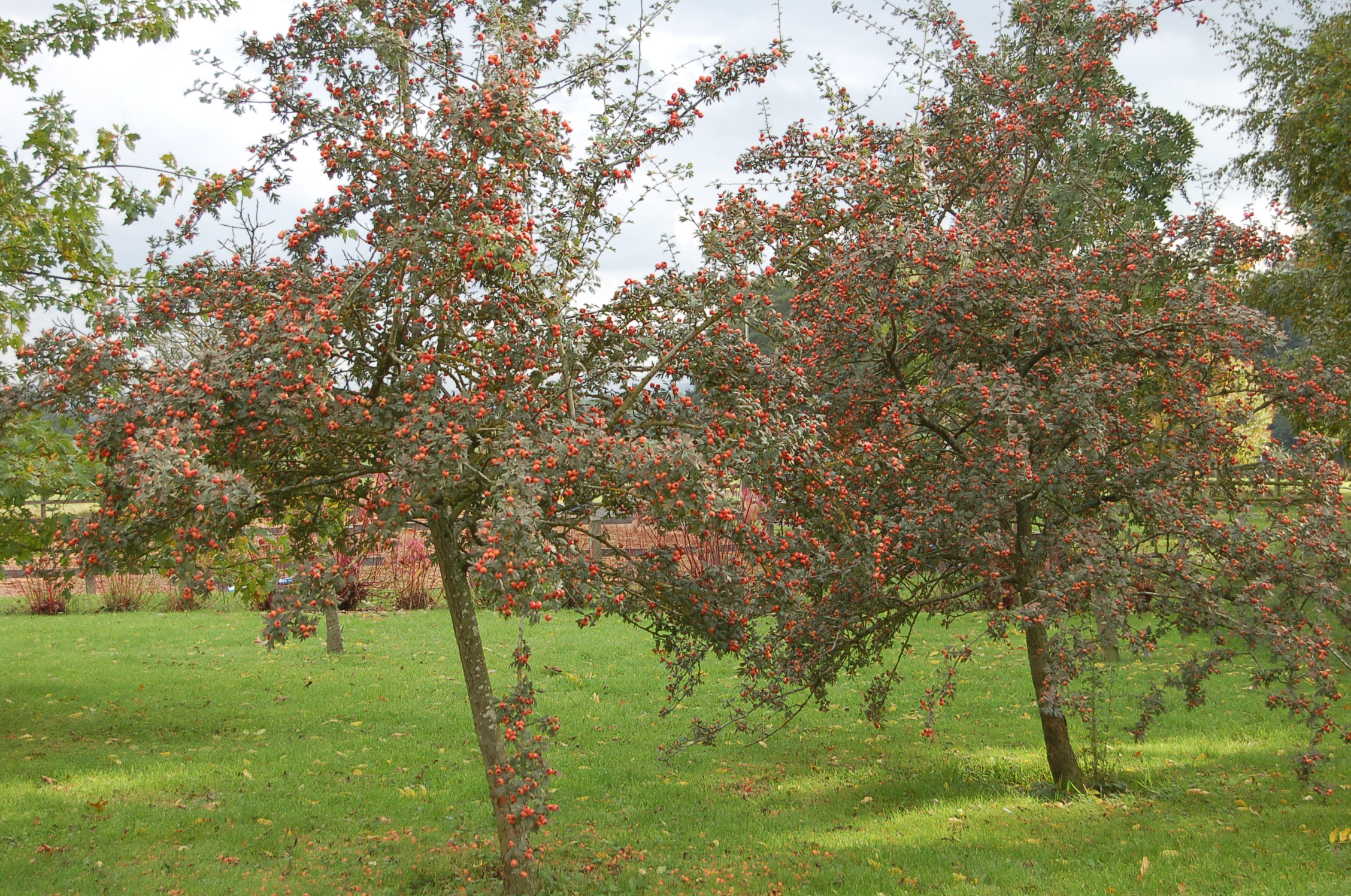
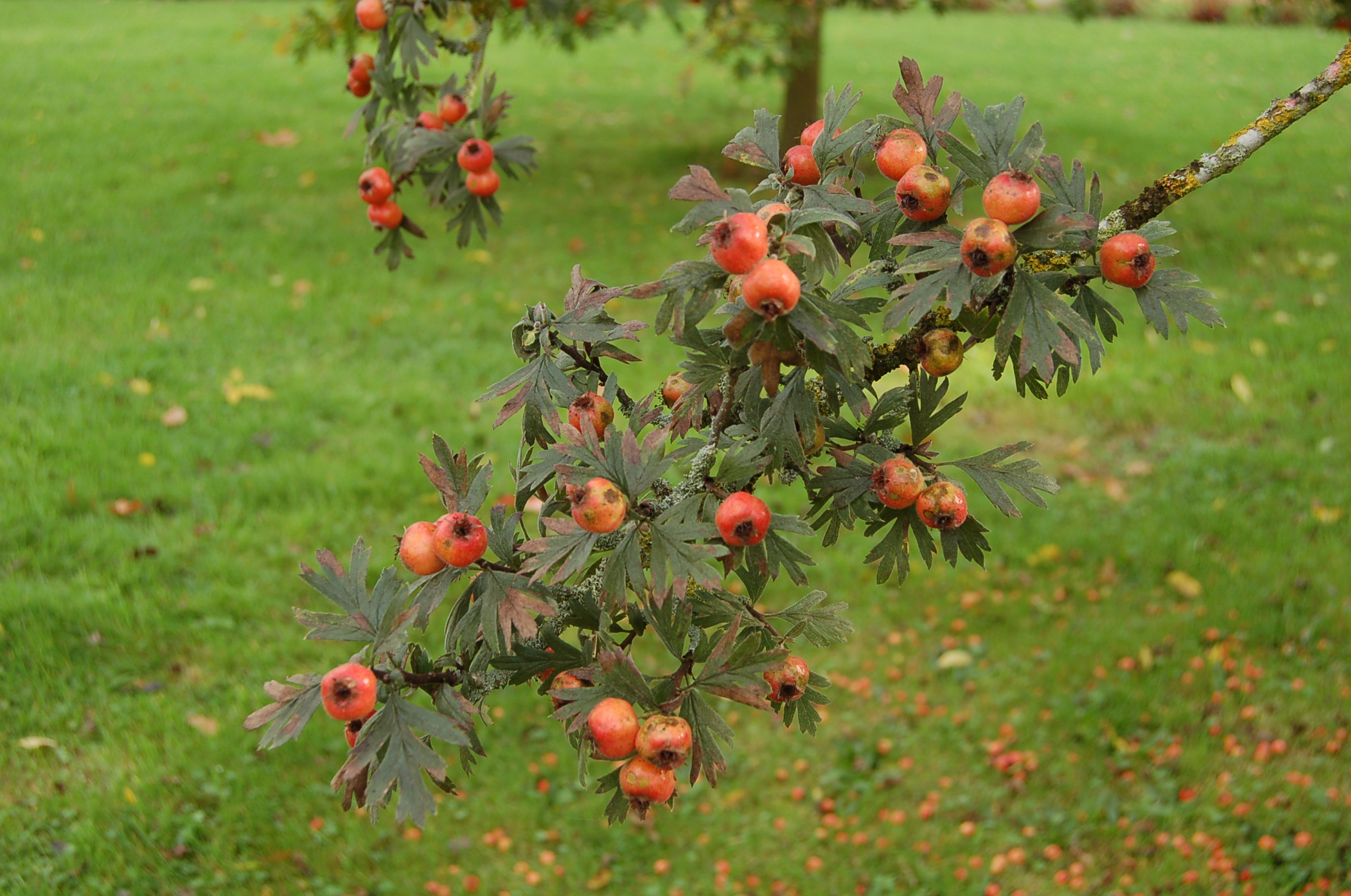
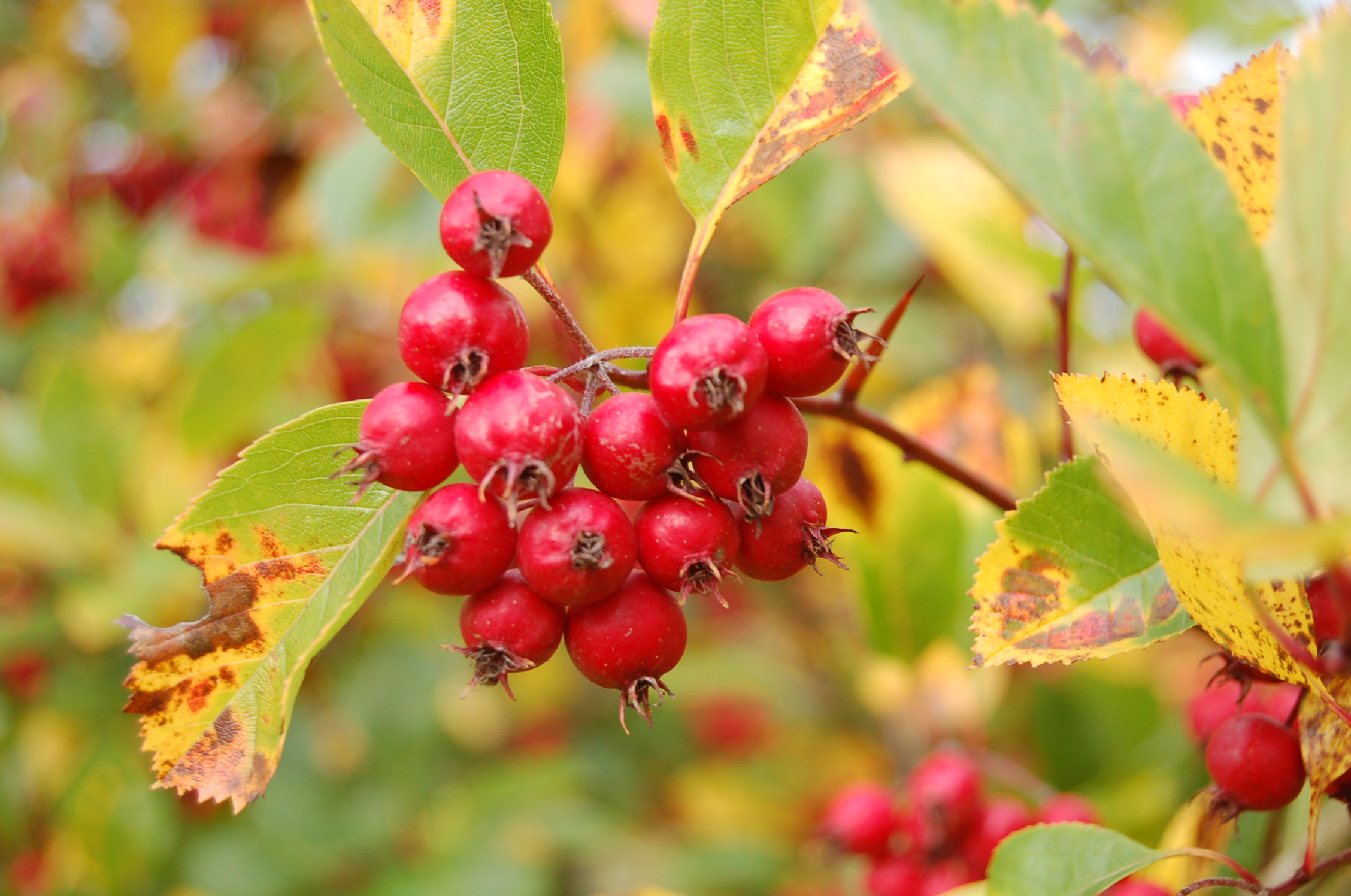
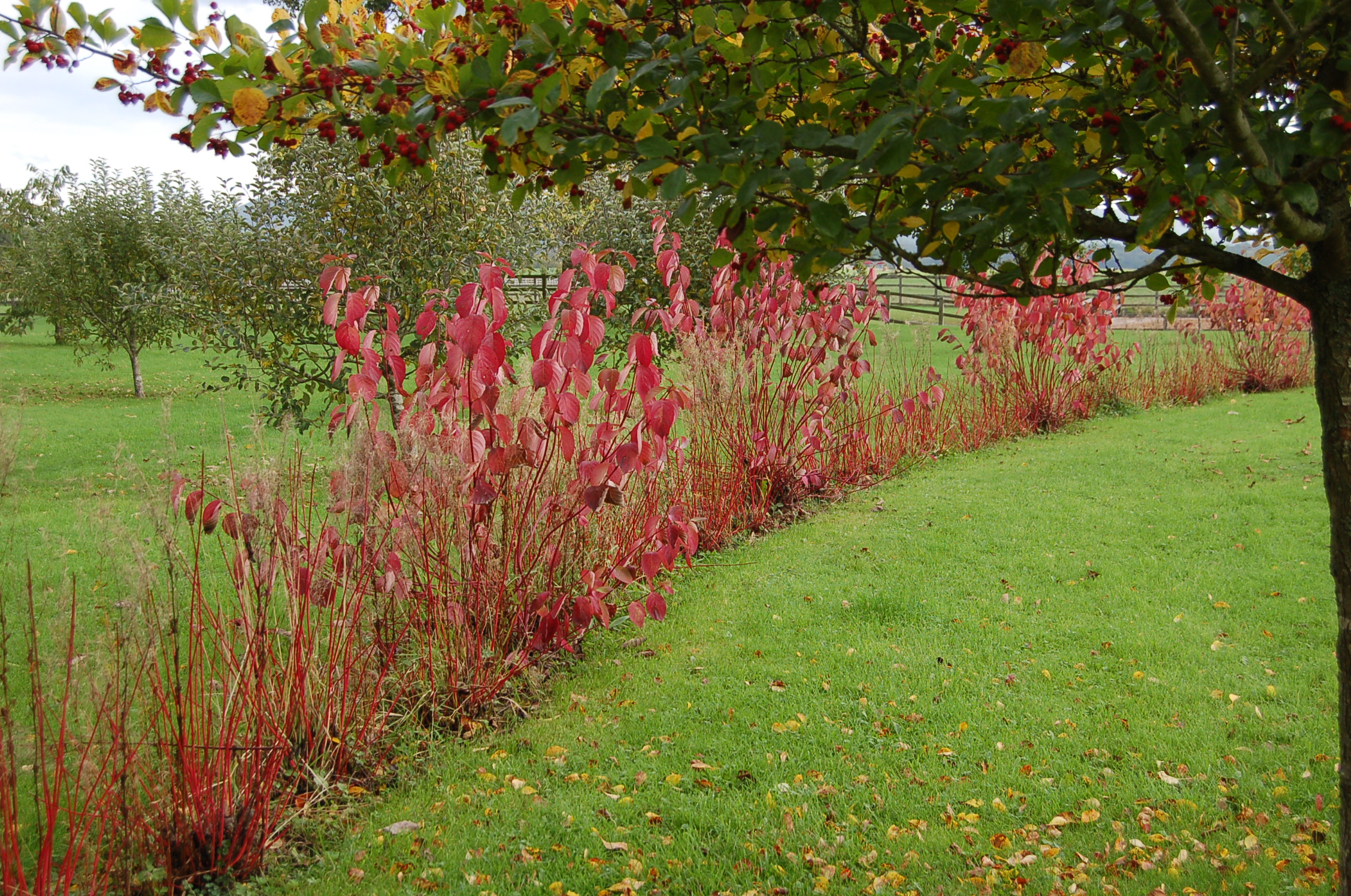
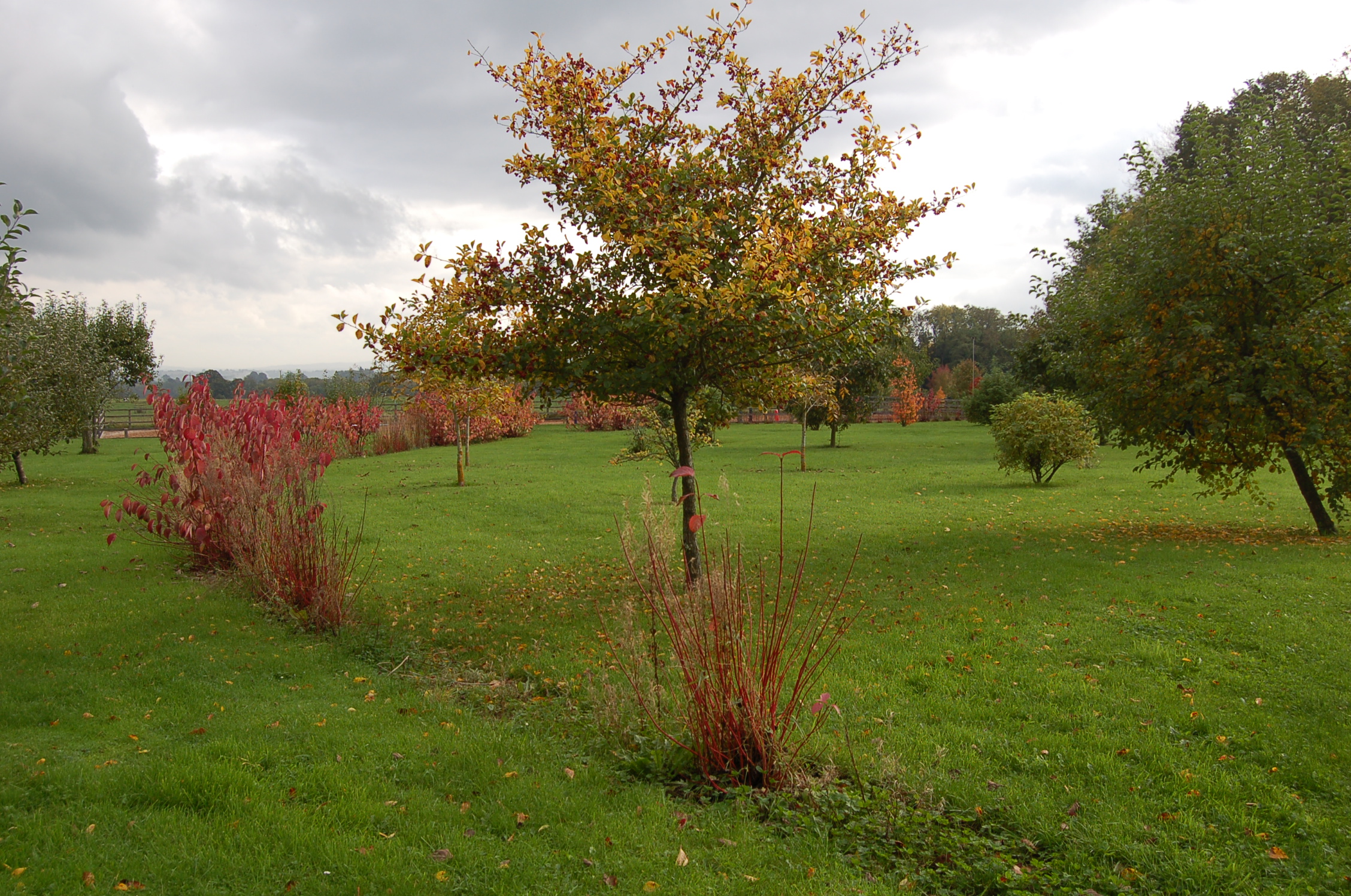
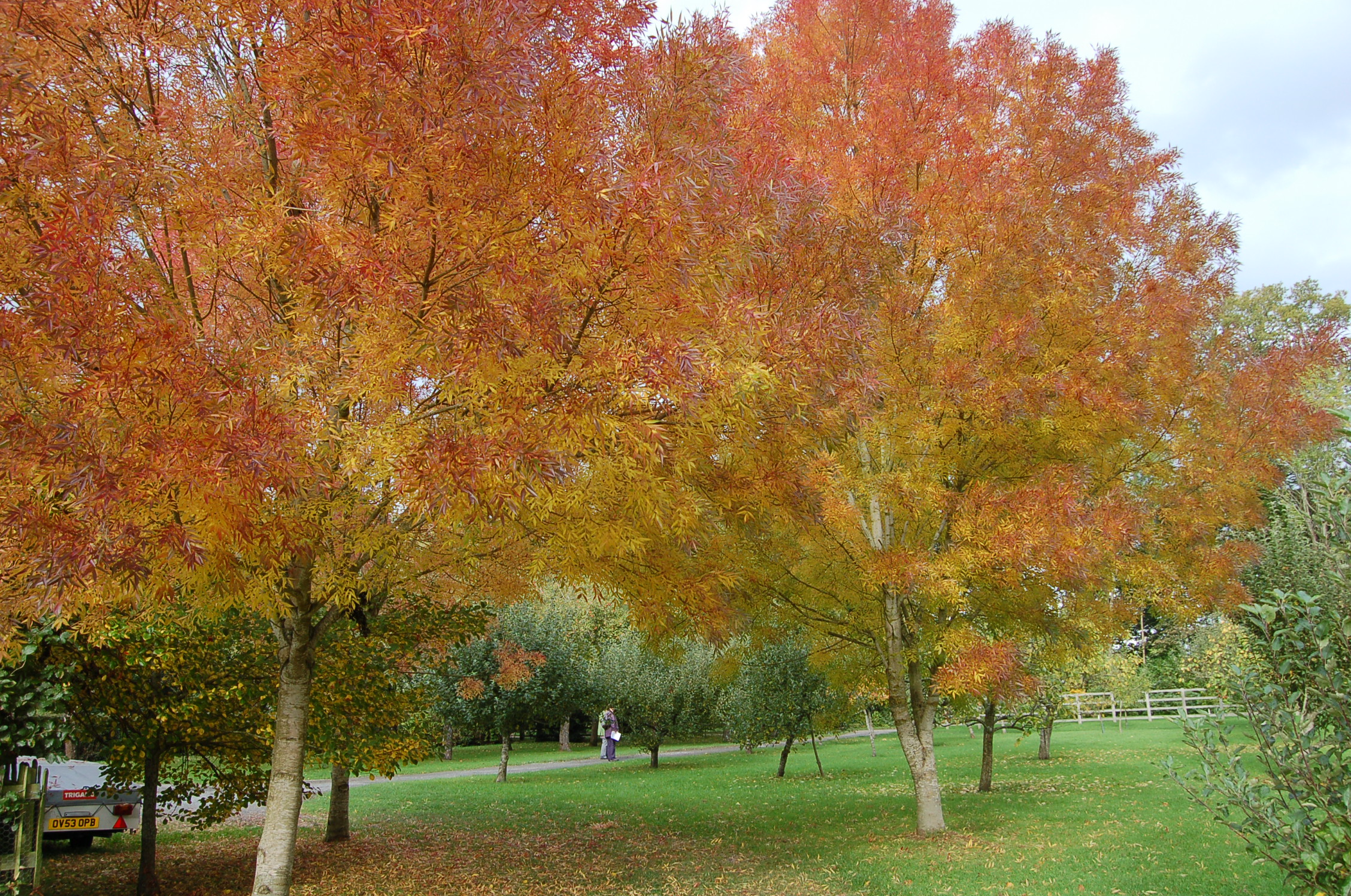
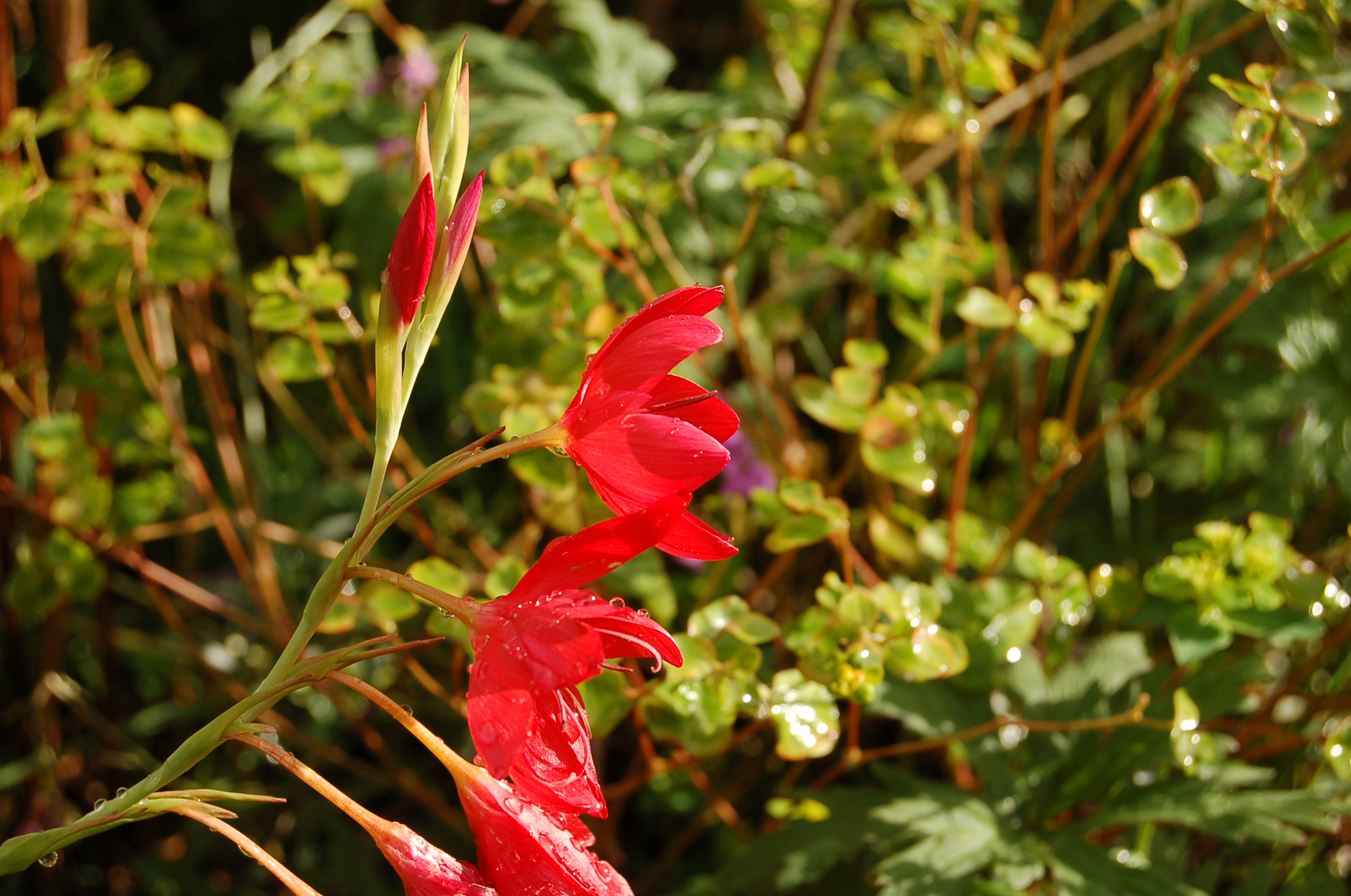
October this year is a very confused month, with some plants thinking it is already well into autumn and others believing they are still in mid-summer. And some, judging by the number of berries dripping from the trees must be getting ready to feed the winter migrant birds. Come with me for a wander and you will see what I mean.

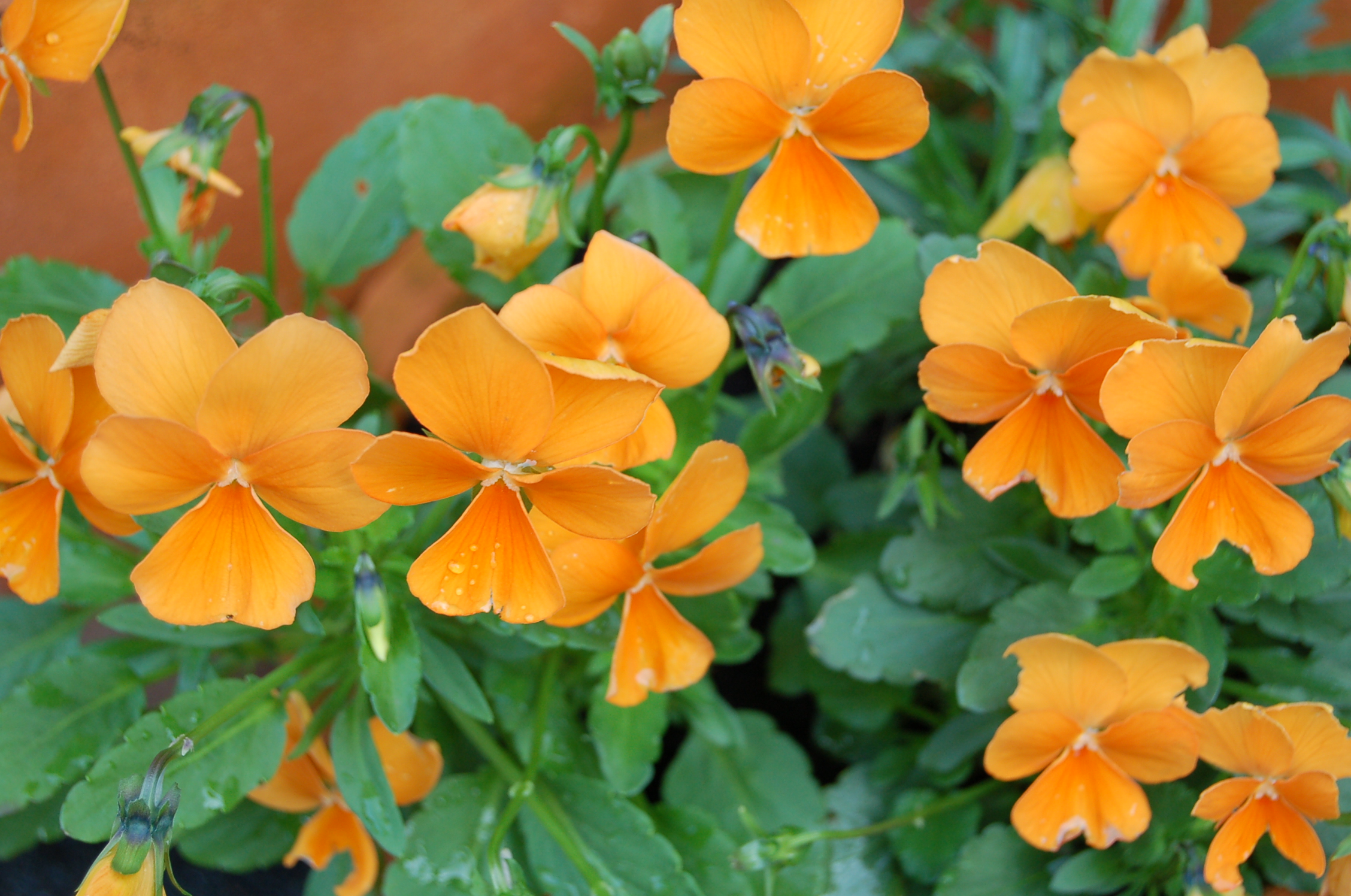
In the Freda Garden opposite the front door this beautiful Crocosmia with its flowers in orange with an unusual hint of pink continues to flower profusely. By the front door the pots are filling up with bright orange violas giving a cheerful welcome to visitors.

2013 10 22_4376 2013 10 22_4377

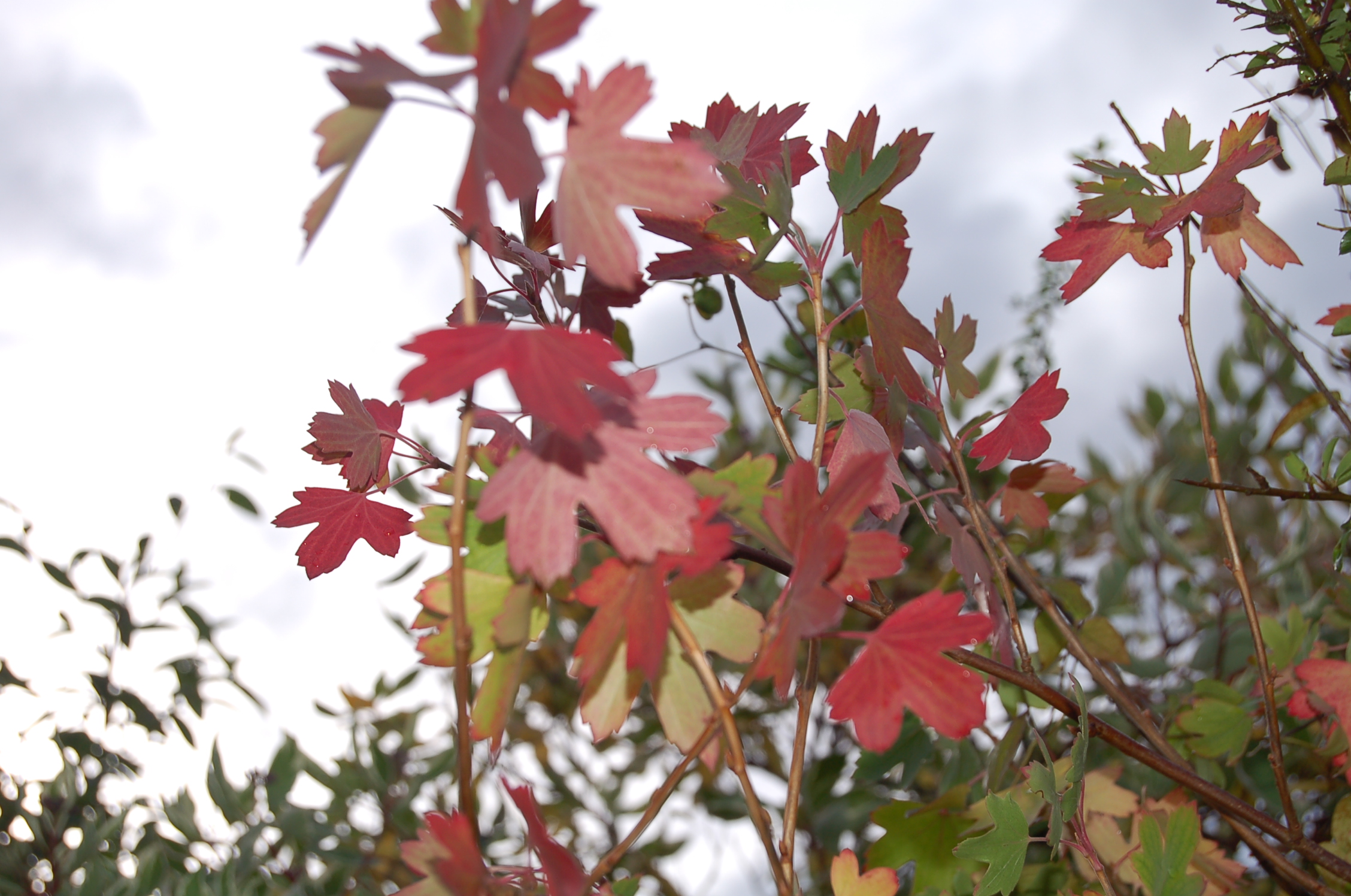
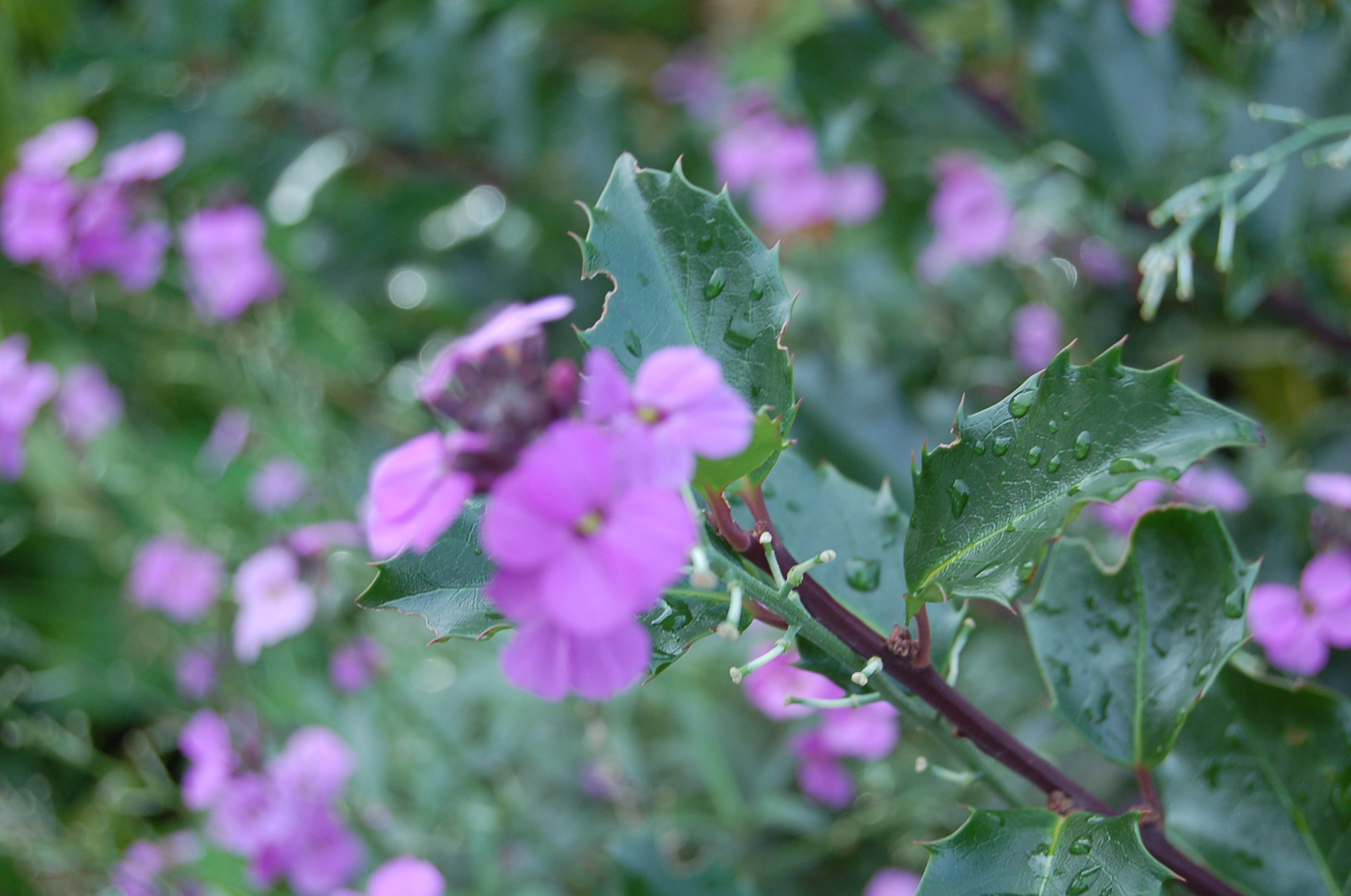
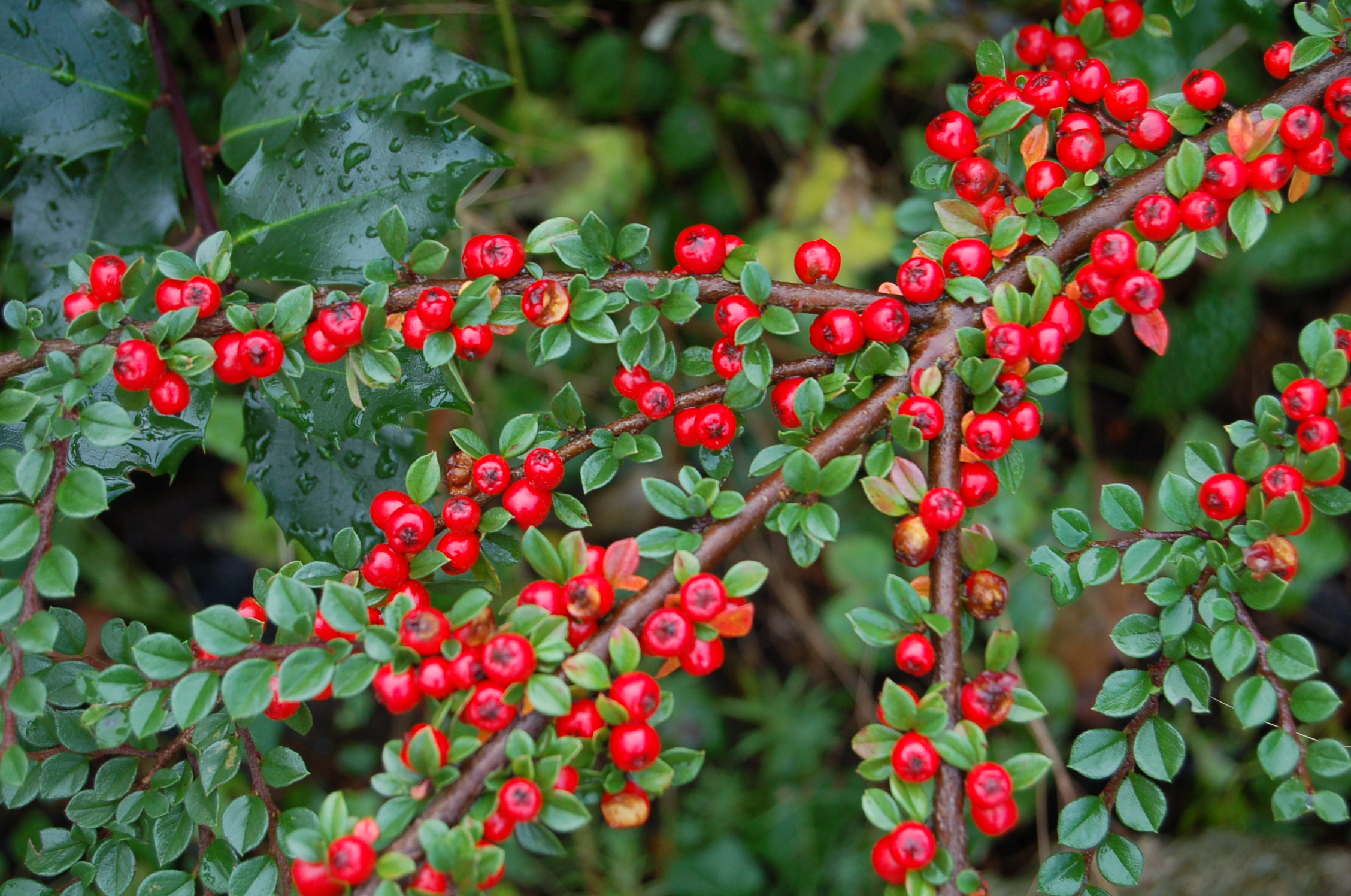
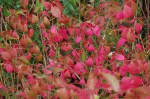
The leaves of the yellow winter flowering Ribes are turning all shades of pink and red while beneath it the perennial wallflower, Bowles Mauve, continues to flower even though it has barely had a rest all year. The lovely yellow Crocosmia sits comfortably alongside the Cotoneaster which is already heavy with berries.

2013 10 22_4380 2013 10 22_4382

2013 10 22_4381 2013 10 22_4383

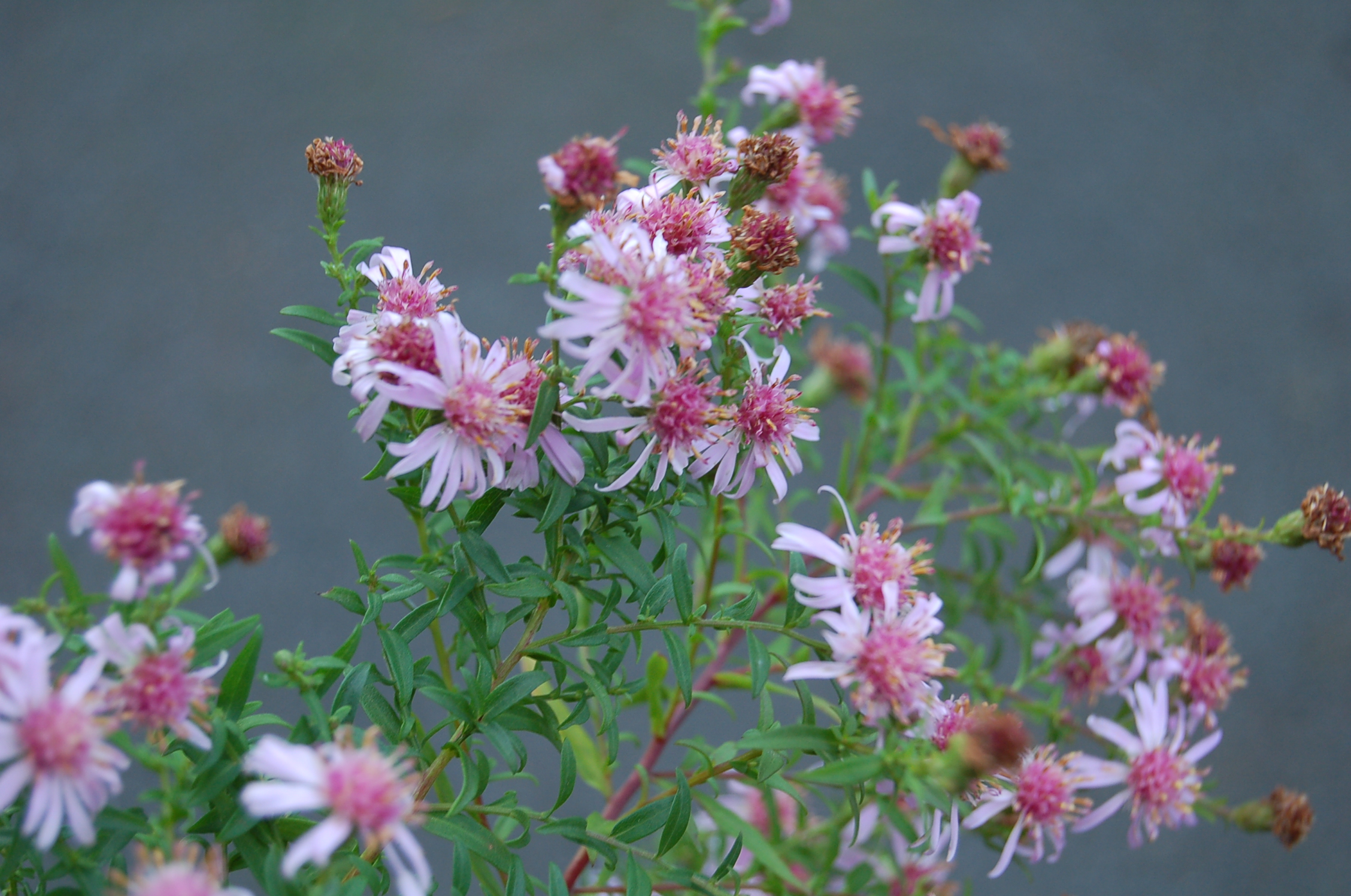
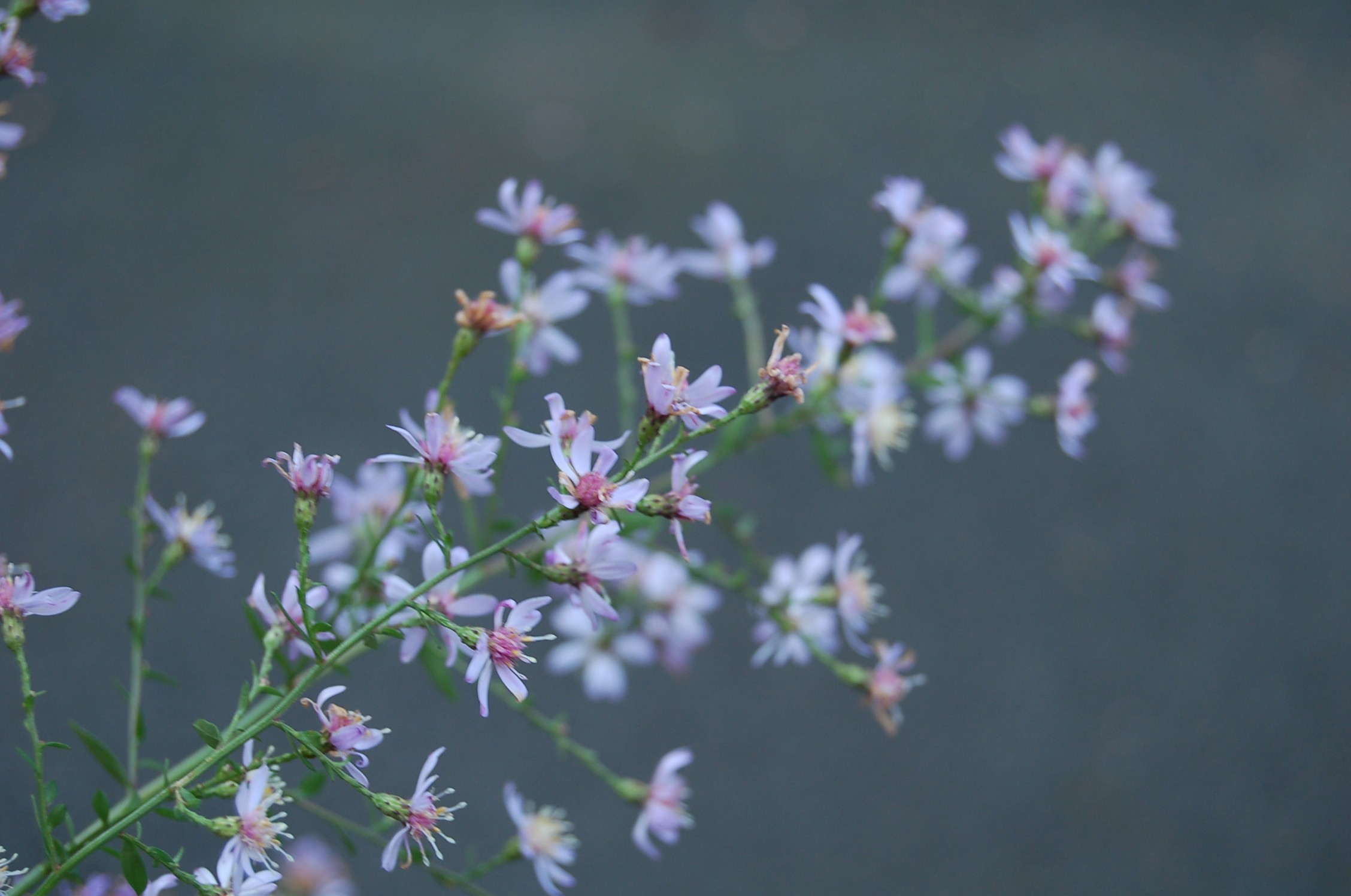
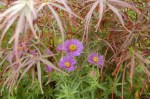
In pots alongside the wood store sit these two Michaelmas Daisies which we bought from the Picton Garden recently and they still sit in pots waiting for us to find a spot for them. On the left is the variety “Coombe Fishacre” and on the right the species “elegans”.

2013 10 22_4378 2013 10 22_4379

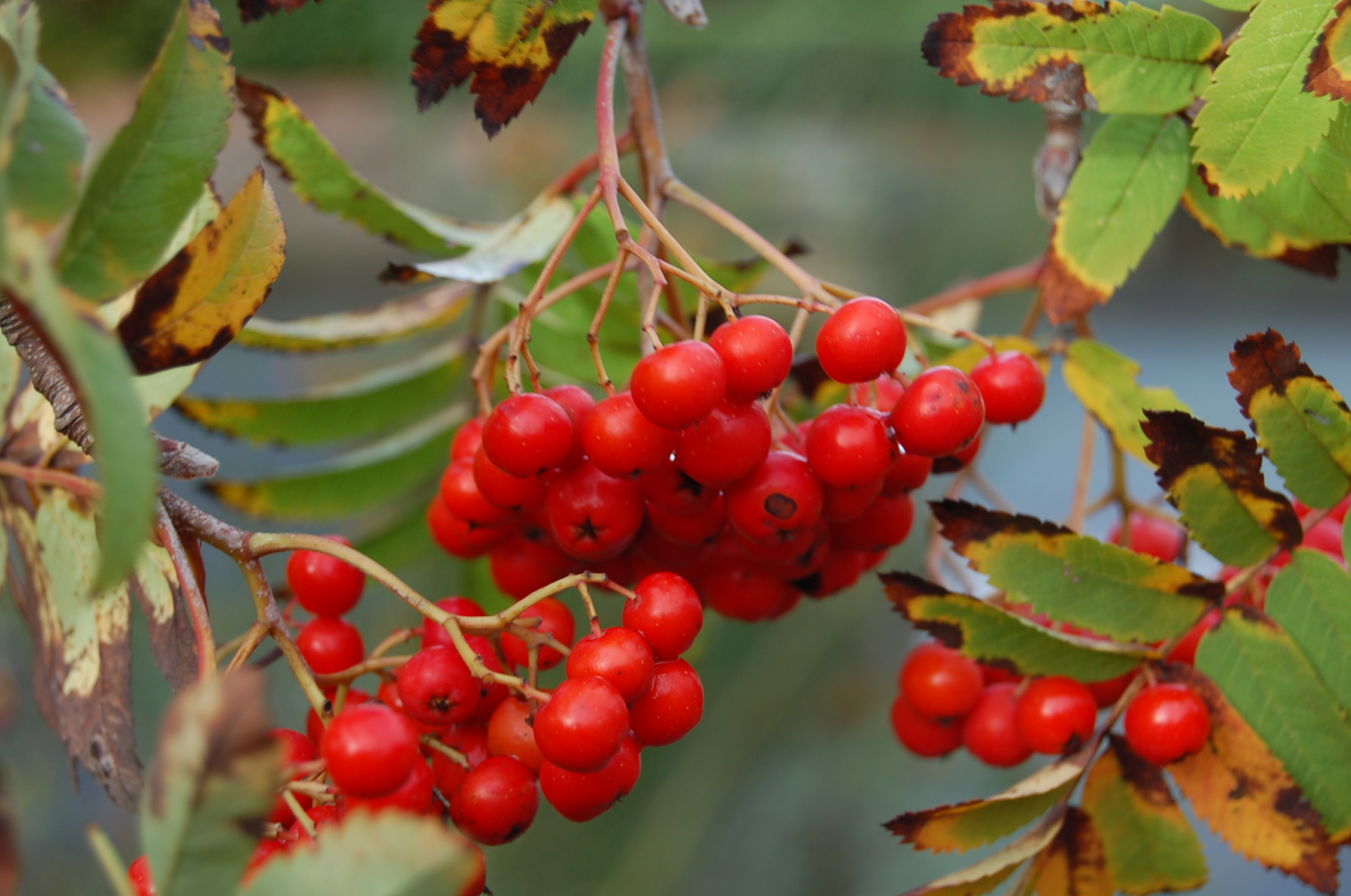
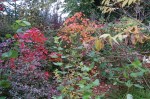
Down the drive the berries of Cotoneasters and Rowan await the arrival of the winter thrushes but we will enjoy their rich red colouring while we can. Opposite them this beautiful blue Aster looks extra blue with the golden hues of the little grasses alongside.

2013 10 22_4384 2013 10 22_4385 2013 10 22_4386 2013 10 22_4387

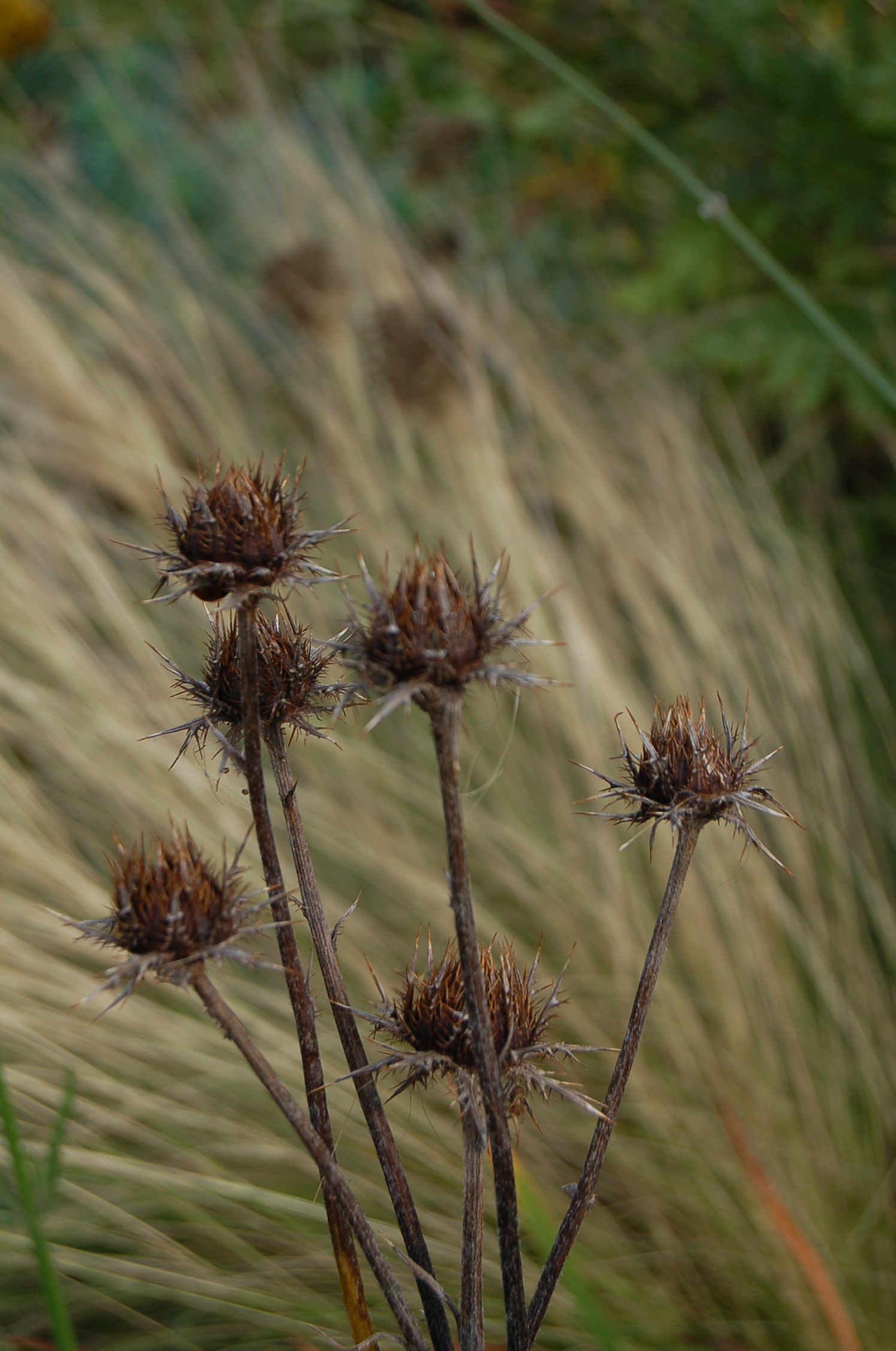
In the Chatto Garden, which looks good every day of the year, the whispy strands of the Stipa tenuissima  move in the slightest of breezes behind the rigid dried heads of Bherkeya and the mauve flowers of Verbena bonariensis

2013 10 22_4388 2013 10 22_4389

Glaucous leaves of this Euphorbia afford a good background for the seed heads of Amaryllis. Close by another Euphorbia, griffithii “Dixter”, dies to a bright pink in stem and leaf.

2013 10 22_4391 2013 10 22_4392

The sword-like Iris leaves are similarly glaucous and they enrich the deepest pink of Huskers Red Pentstemon. A beautiful combination!

2013 10 22_4393

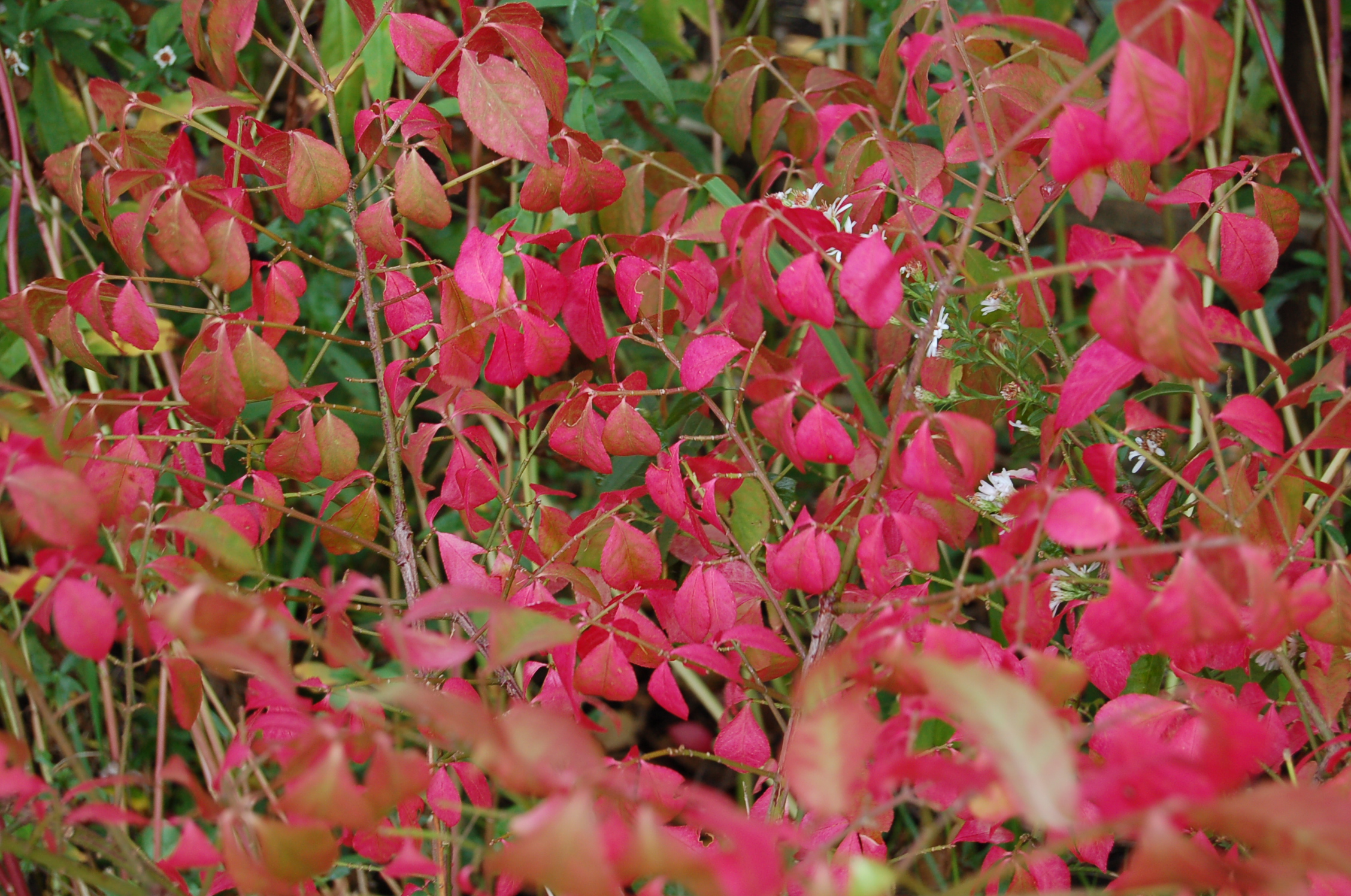
The white stems of Betula utilis jacqemontii “Silver Queen” glow against the evergreen background afforded by the Red Robin. In the same bed two varieties of deciduous Euonymus are changing into reds and pinks and busy white bell shaped flowers of Arbutus, the Strawberry Tree hang in full bunches. We have never seen so many flowers on our Arbutus before so we are anticipating a profusion of “strawberries” later on.

2013 10 22_4394 2013 10 22_4395 2013 10 22_4396 2013 10 22_4397

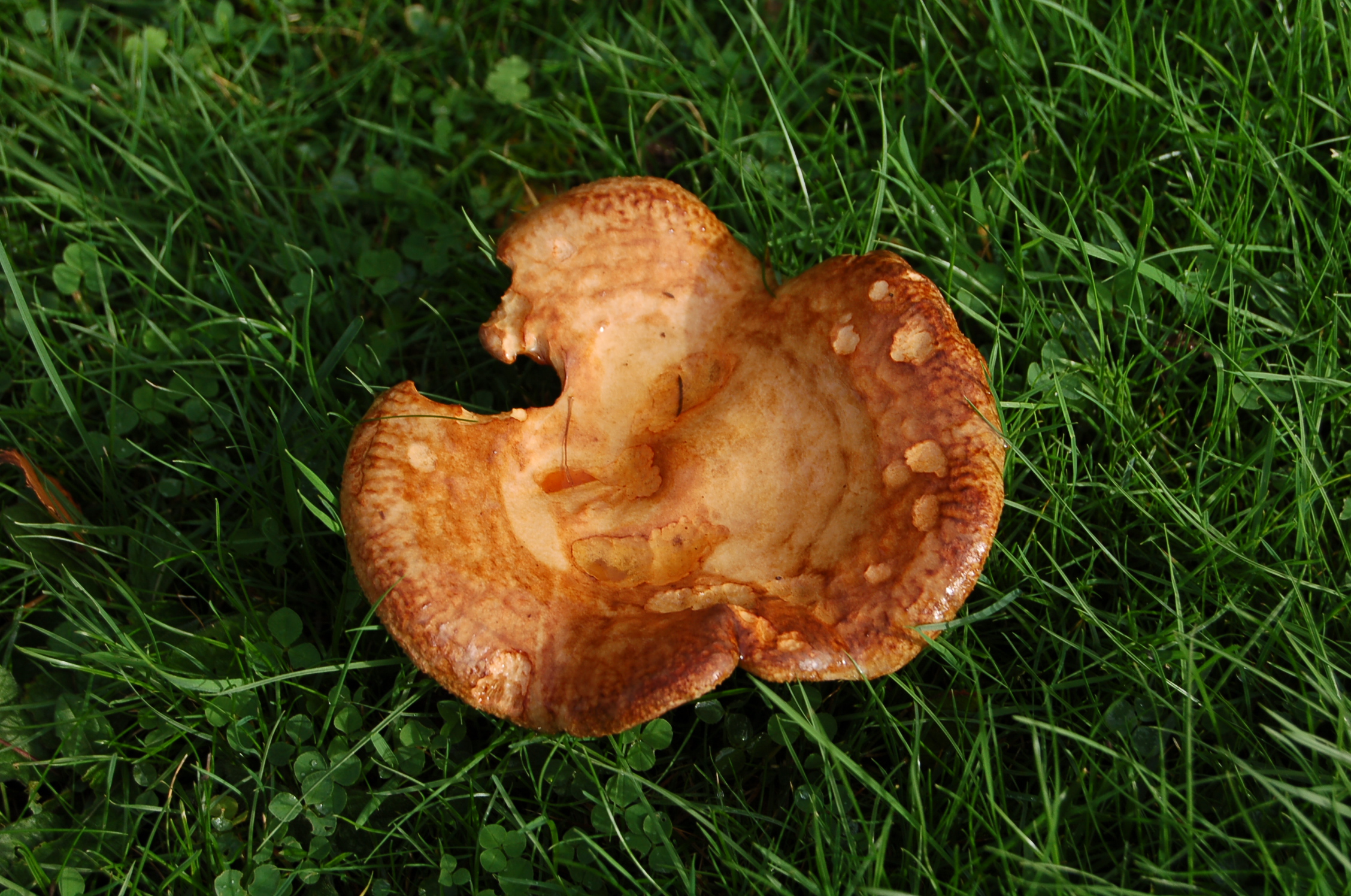
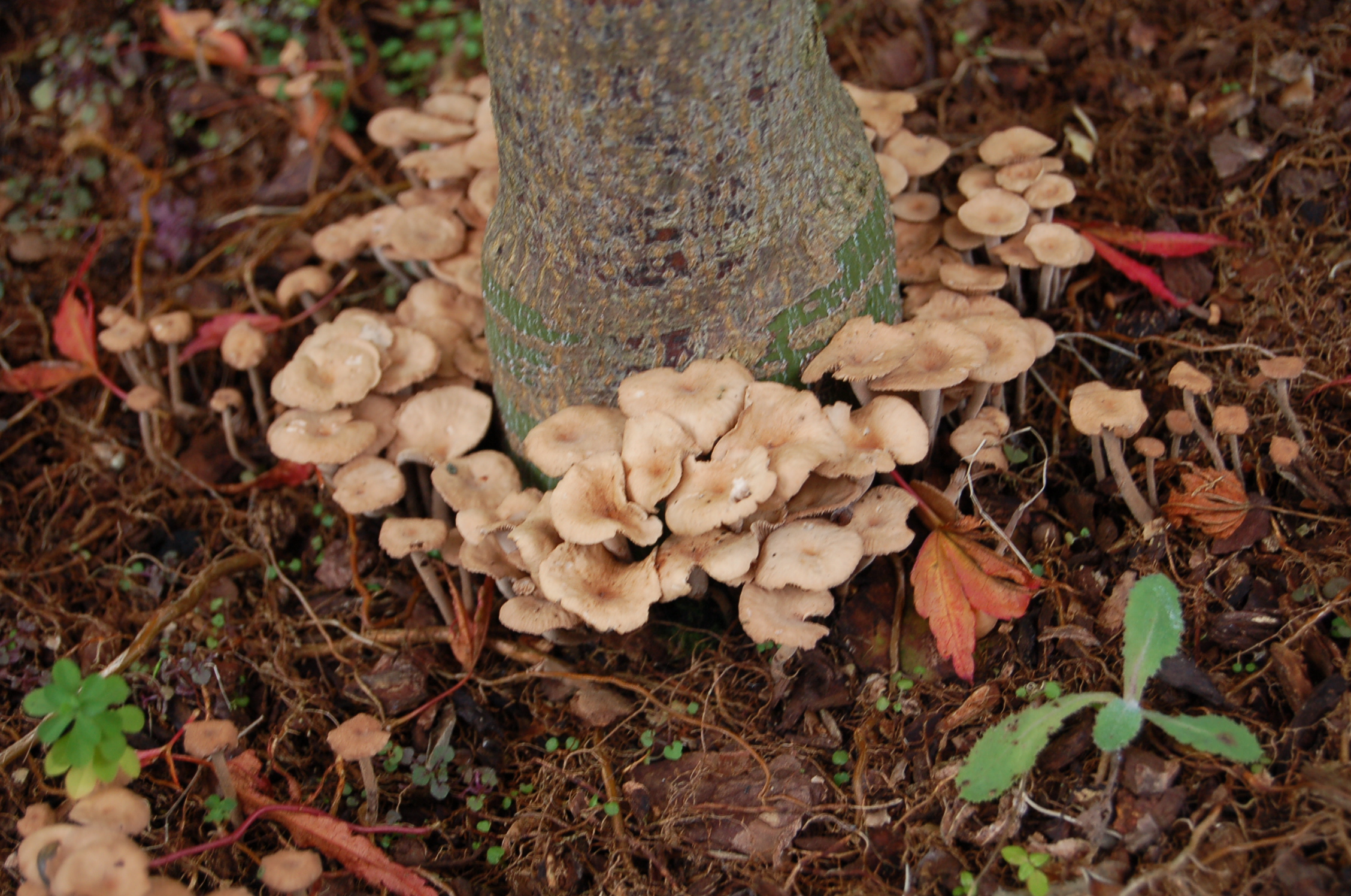
On the grass giant fungi sit like plates, dining plates for the slugs that feast on them.

2013 10 22_4398

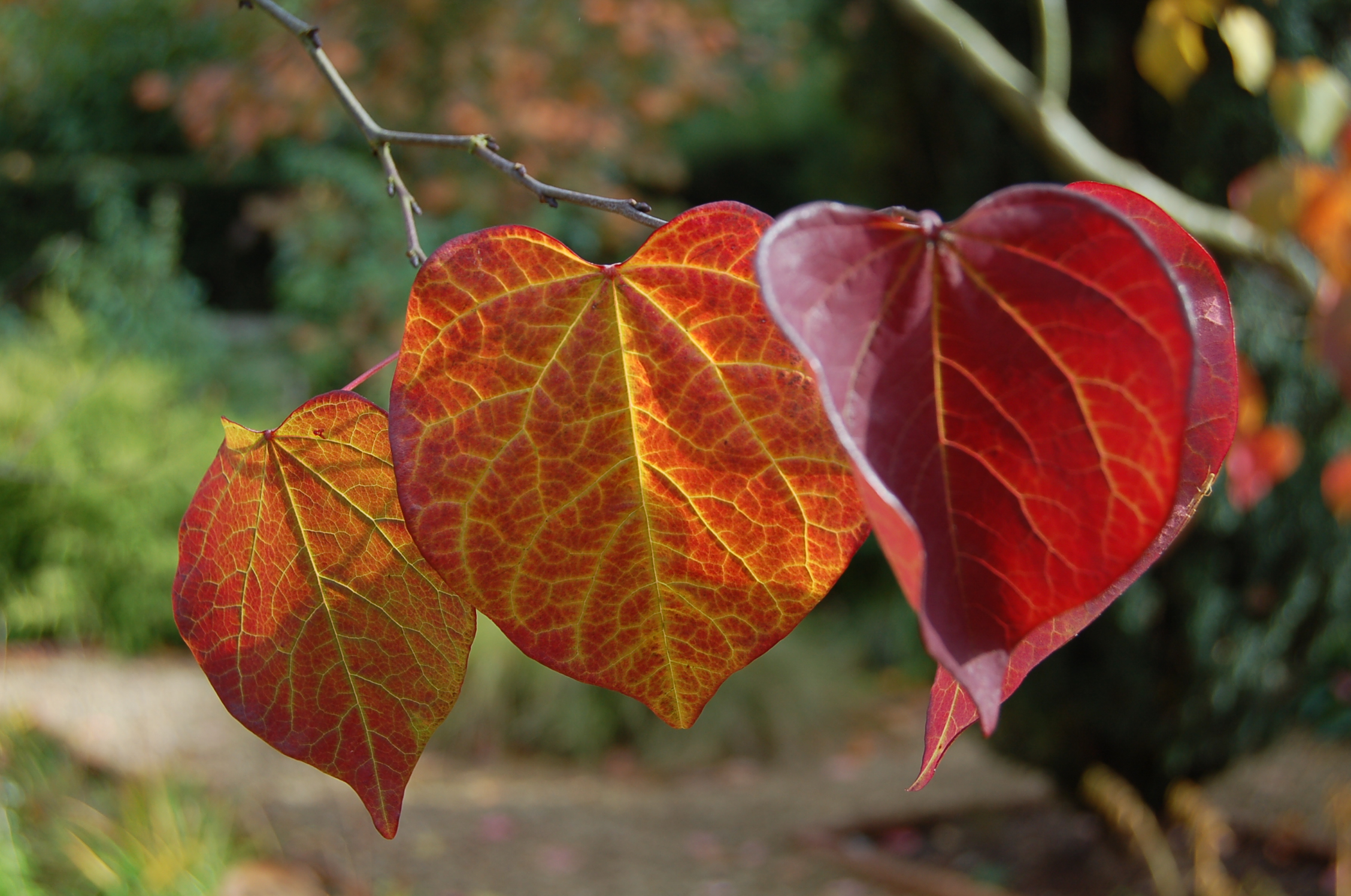
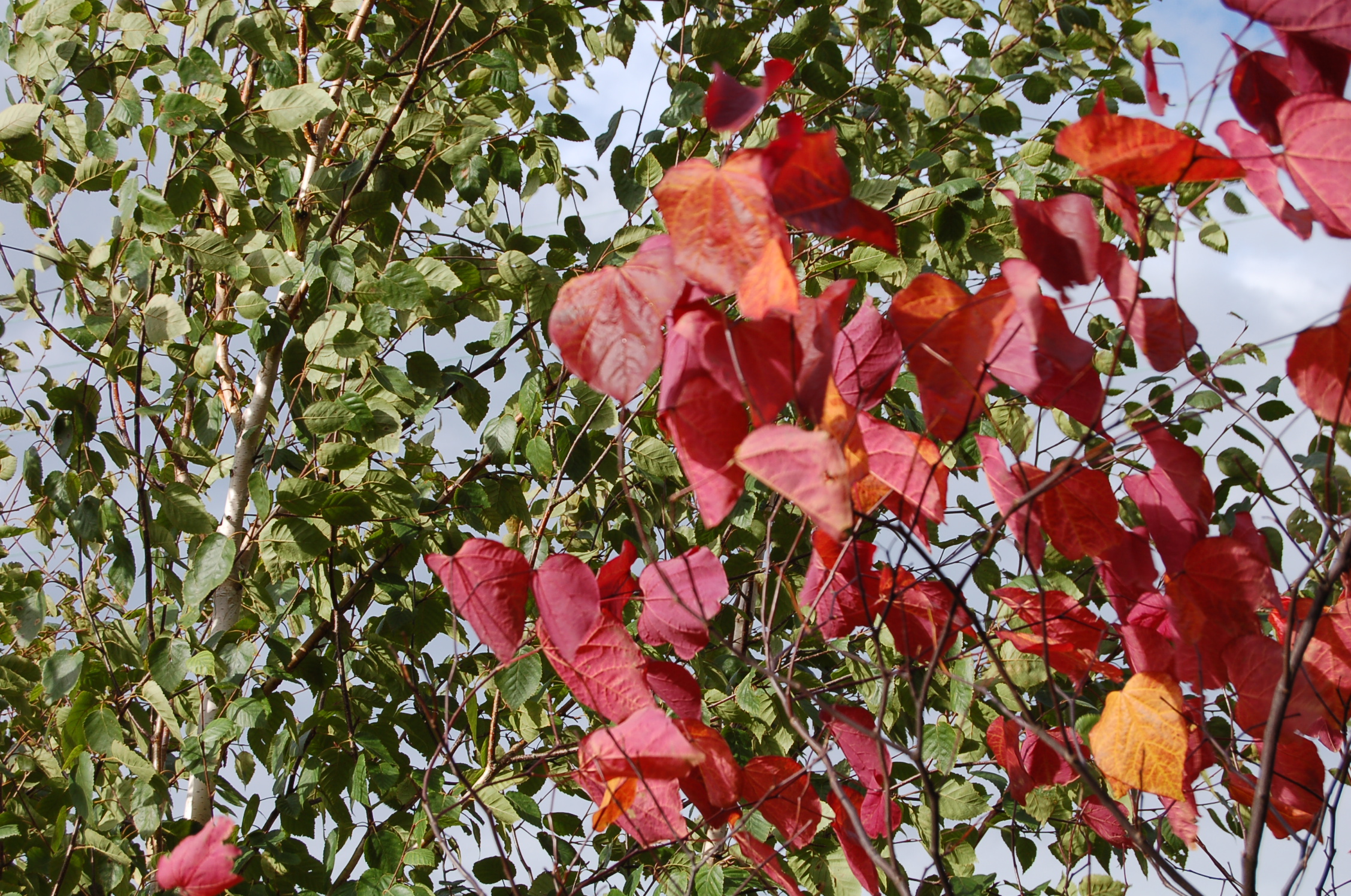
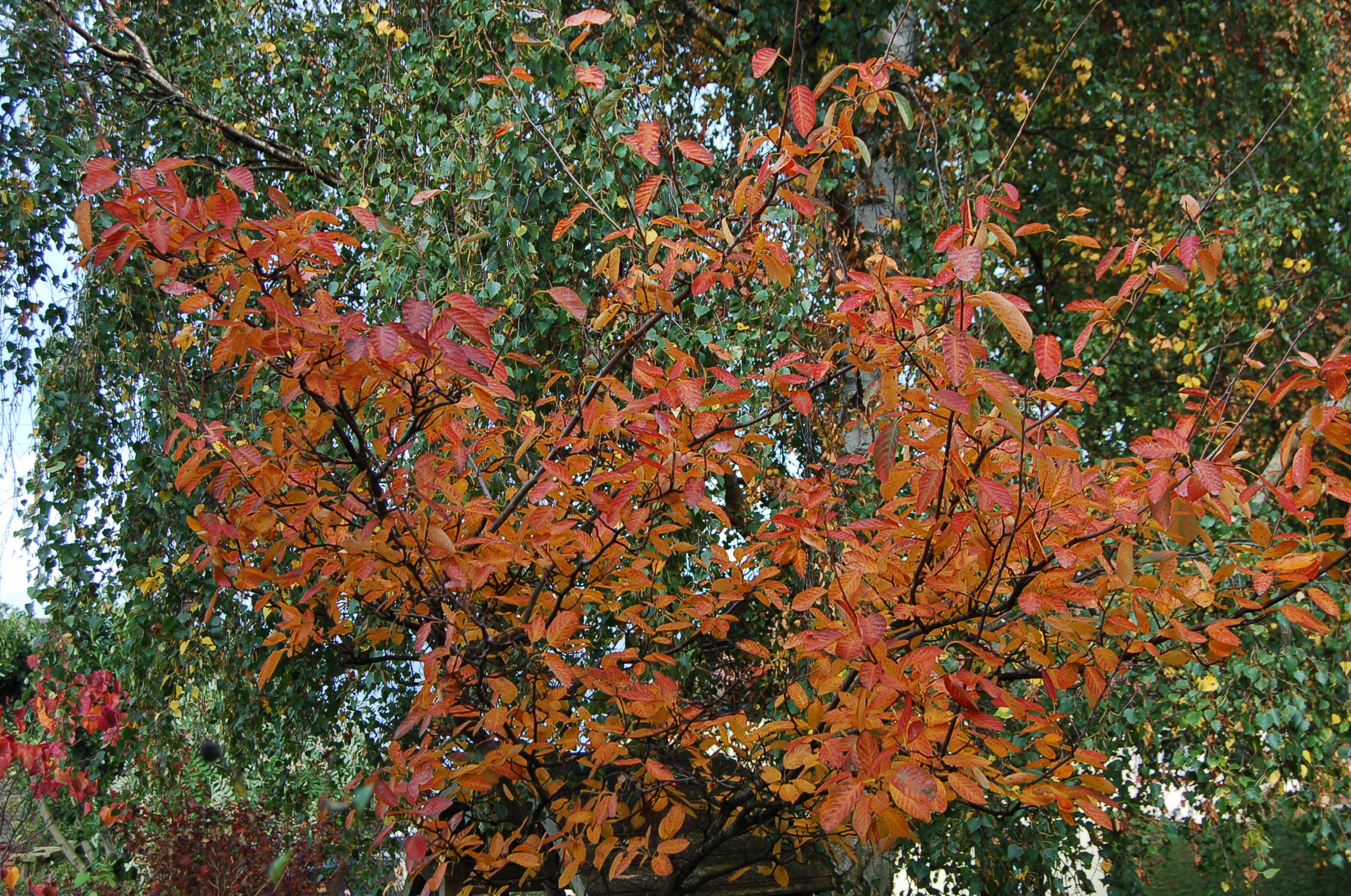
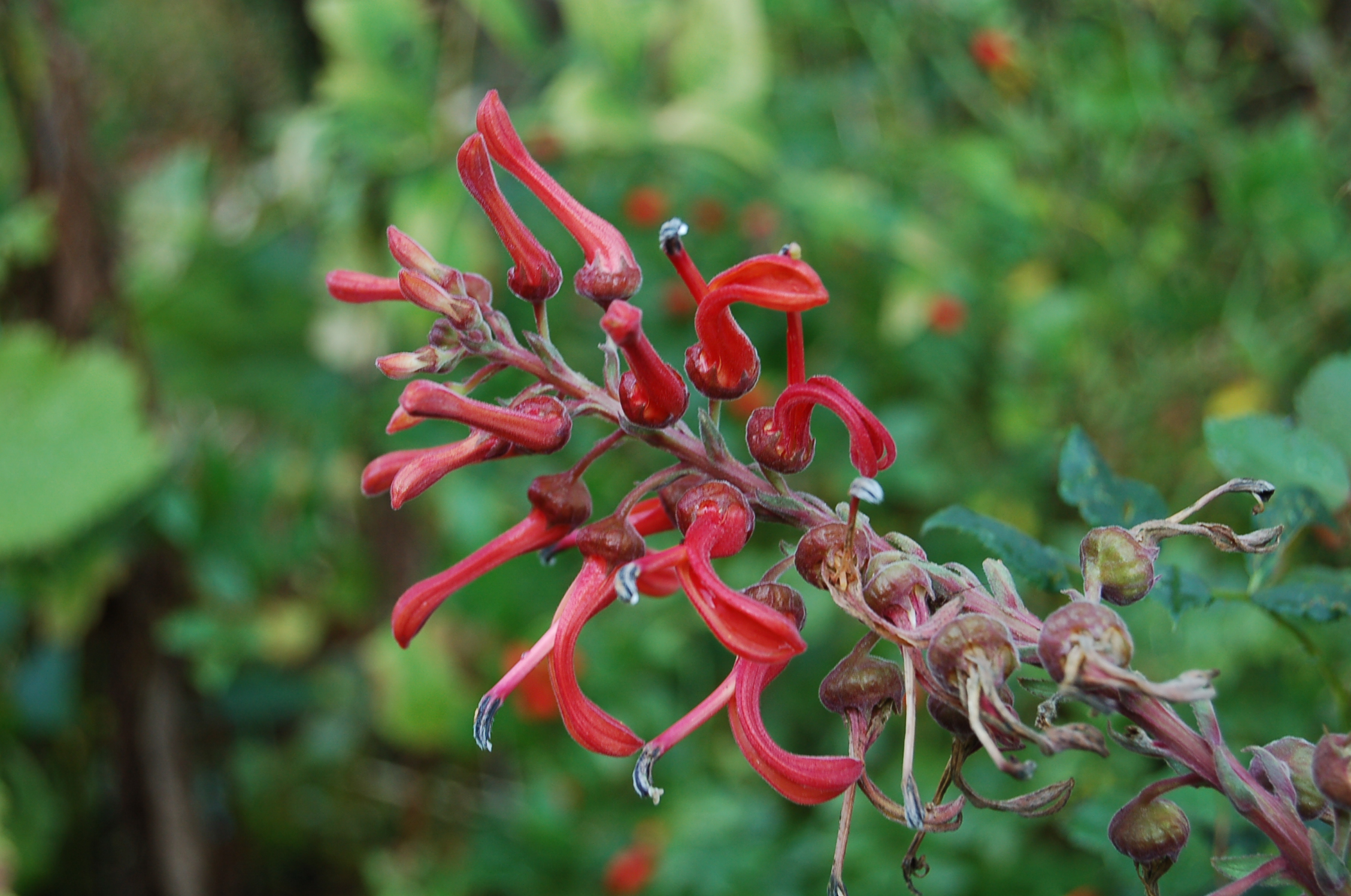
Autumn colour is particularly well advanced on the Cercis “Forest Pansy”, Stransvesia and Amelanchier. The strange pink flowers of Lobelia tupa appear in a different place each year as they migrate around the Hot Border.

2013 10 22_4399 2013 10 22_4400 2013 10 22_4401 2013 10 22_4402

Moving into the back garden via the shade border we find the contrasting leaf shapes of Inula and ferns.

2013 10 22_4403 2013 10 22_4404

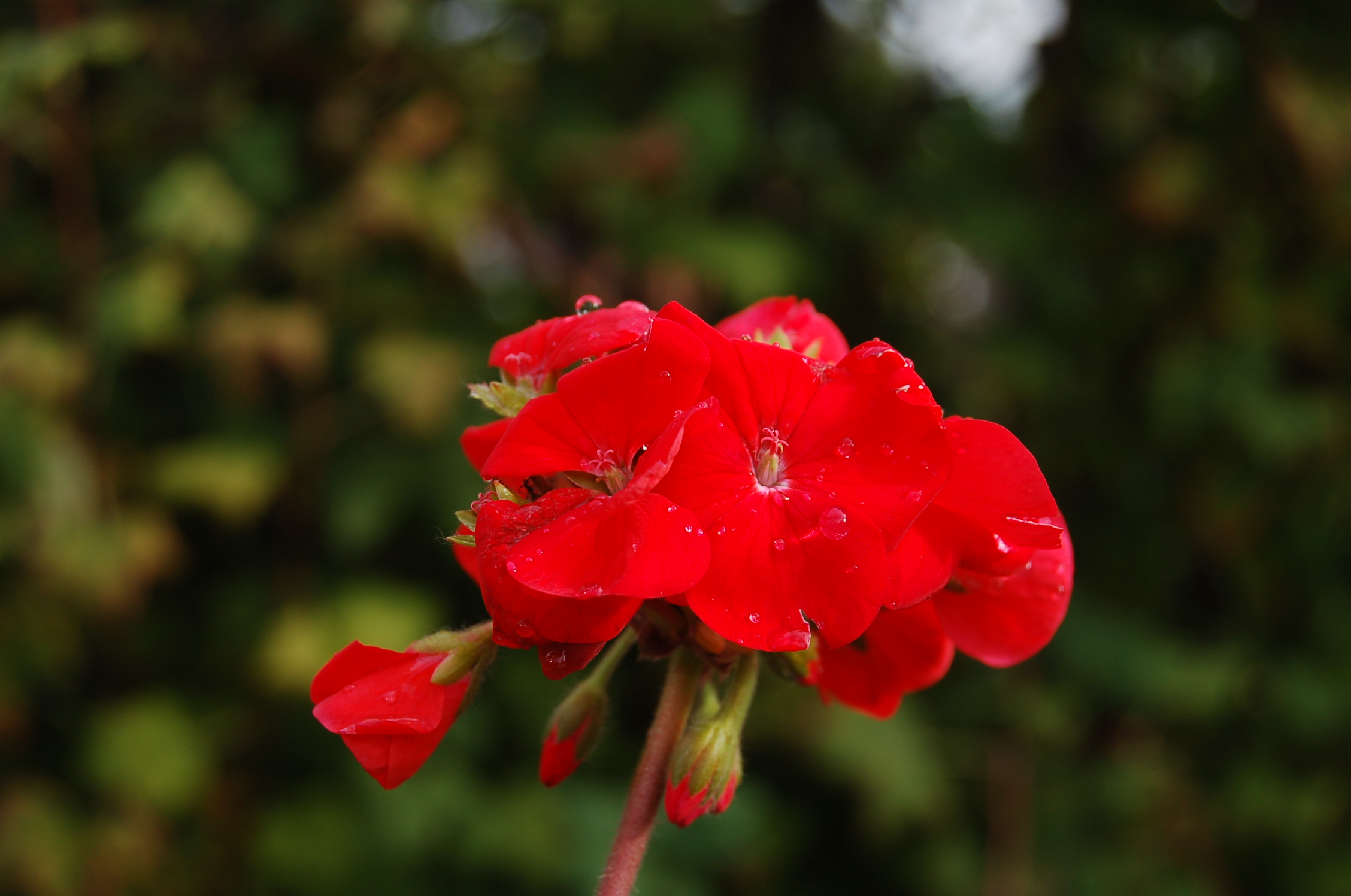
Arriving in the Rill Garden we can appreciate how the remnant flowers of the Pelargoniums match the berries strung out along the stems of the Cotoneaster.

2013 10 22_4405 2013 10 22_4406

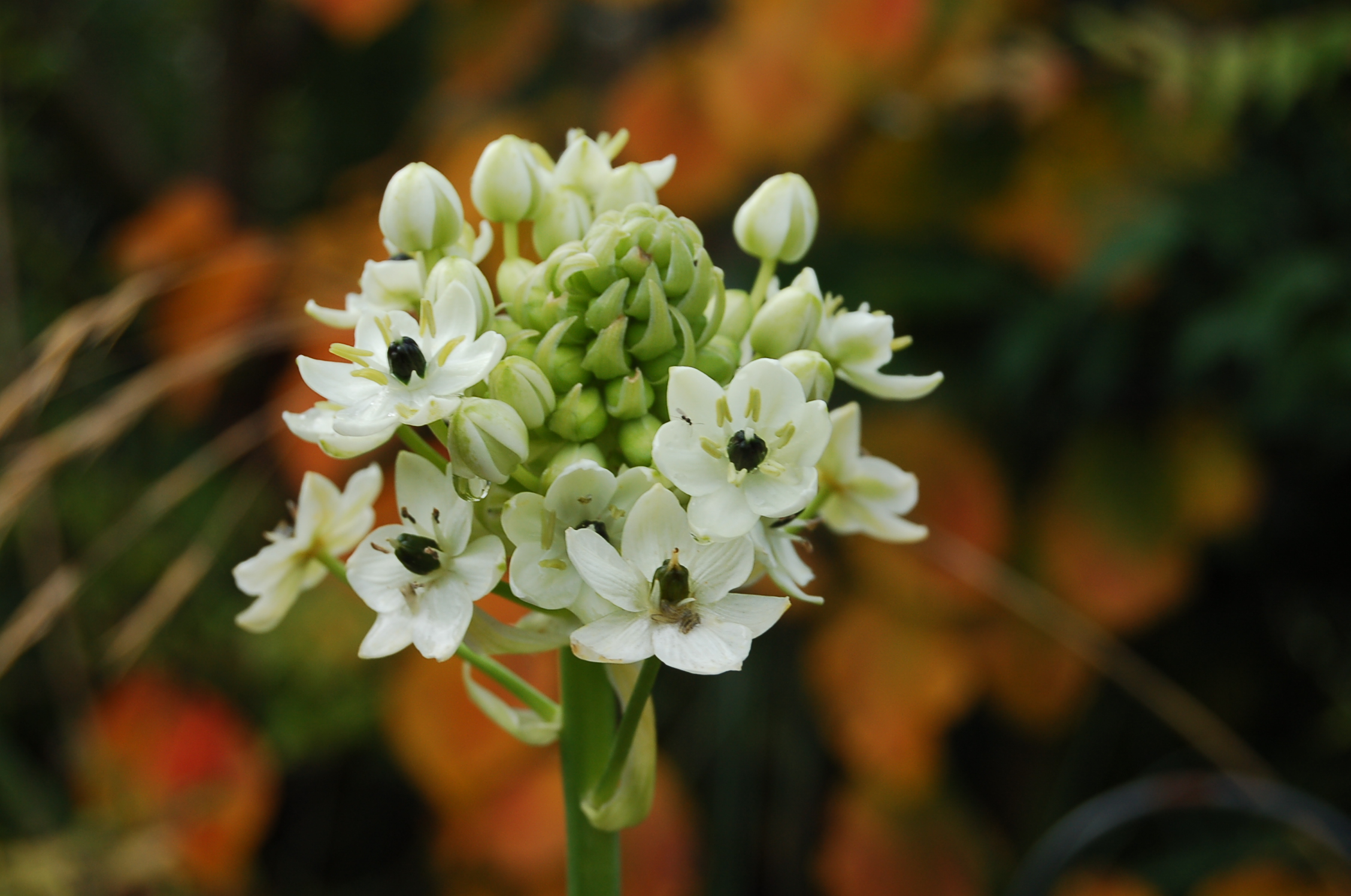
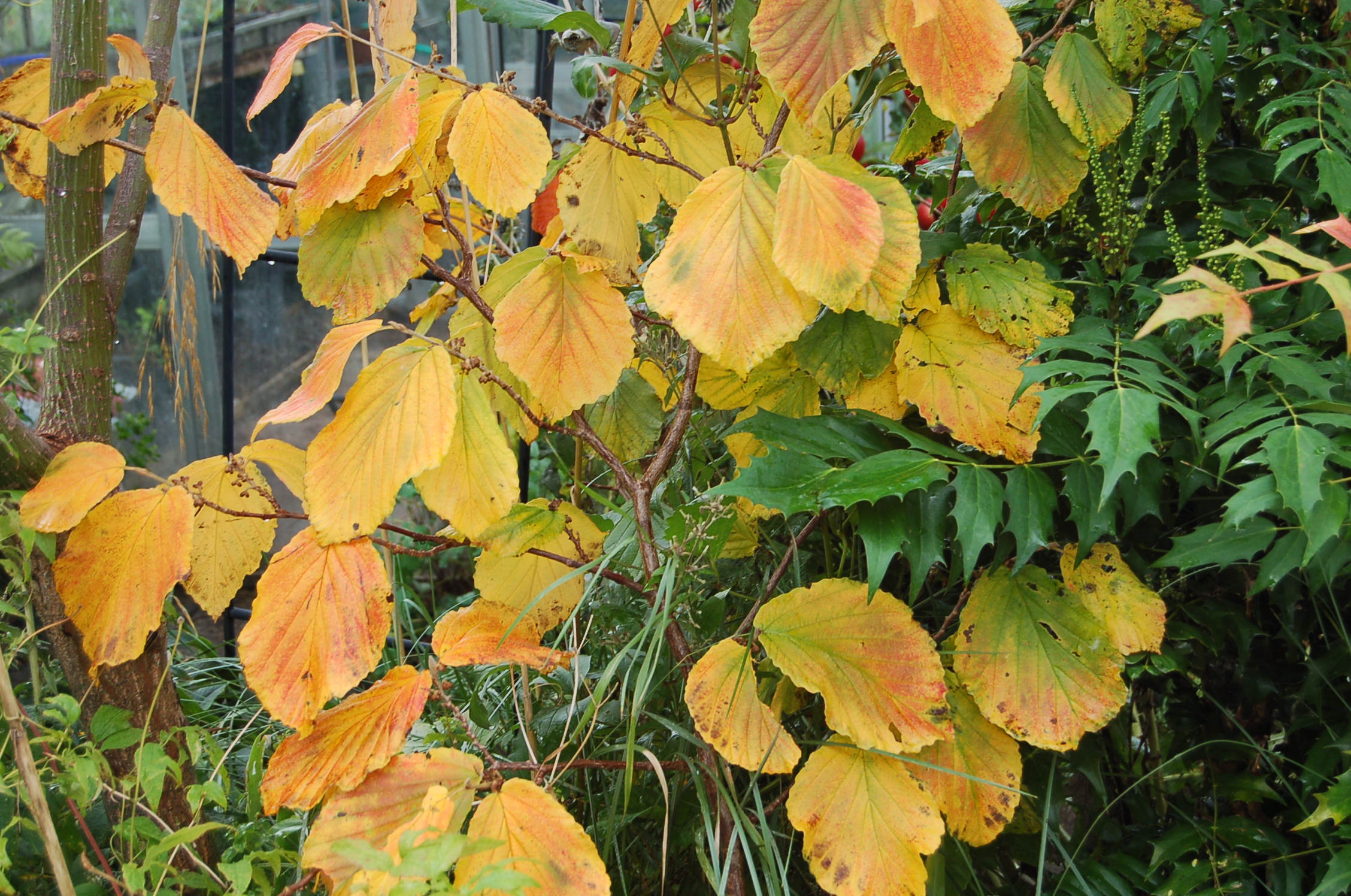
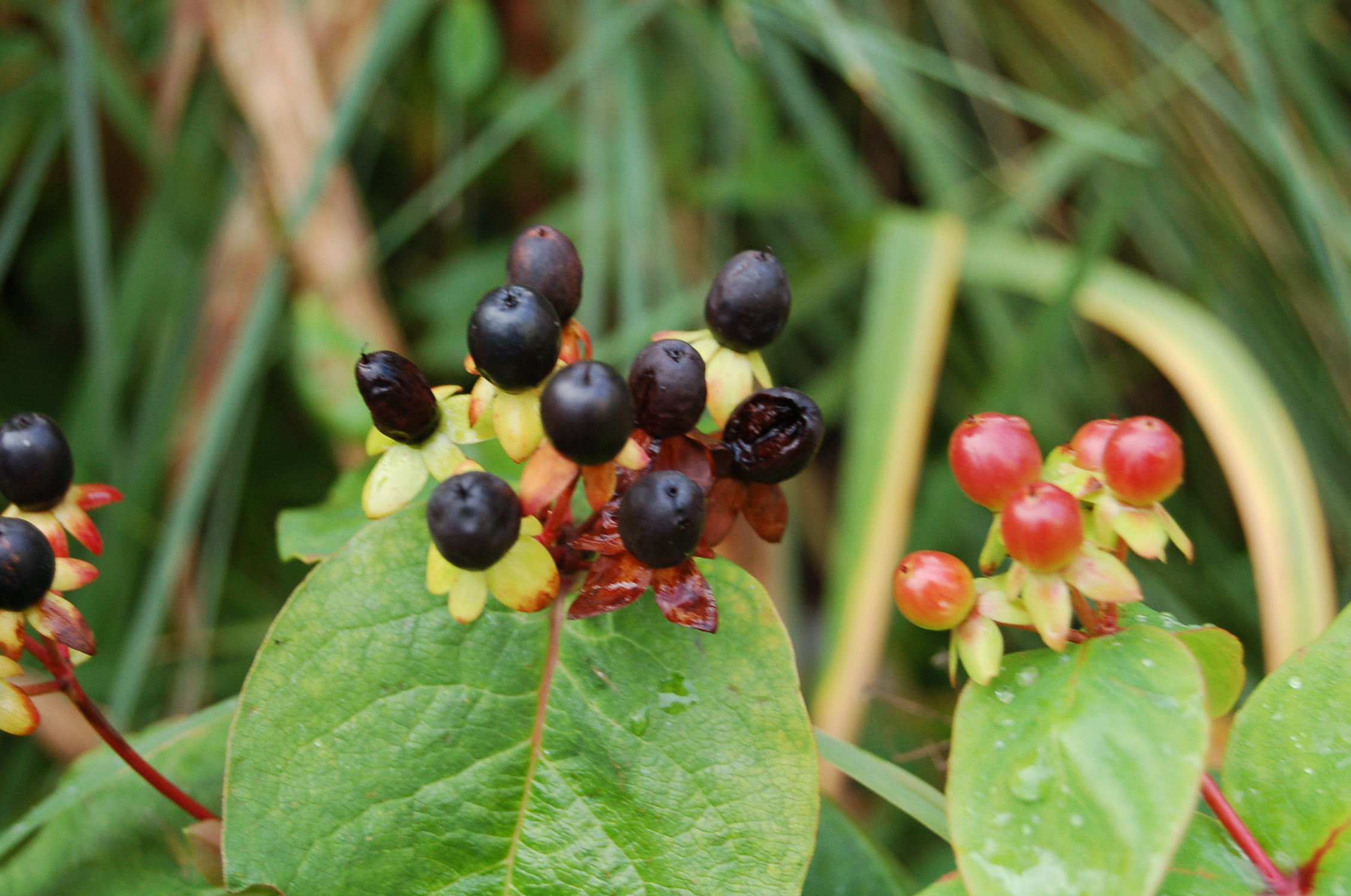
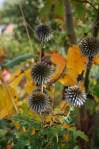
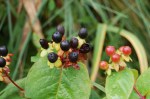
These Ornithogalum are a new plant for us this year – we are so glad we grew them. It seems an awful long time ago we planted the bulbs in their big terracotta pots. In the border behind them the leaves of the Witch Hazel are colouring up nicely in patterns, the Hypericum berries are now shiny black and the Echinops flowers sit stiffly on rigid stems like silvery blue spheres.

2013 10 22_4407 2013 10 22_4408

2013 10 22_4409 2013 10 22_4410 2013 10 22_4412

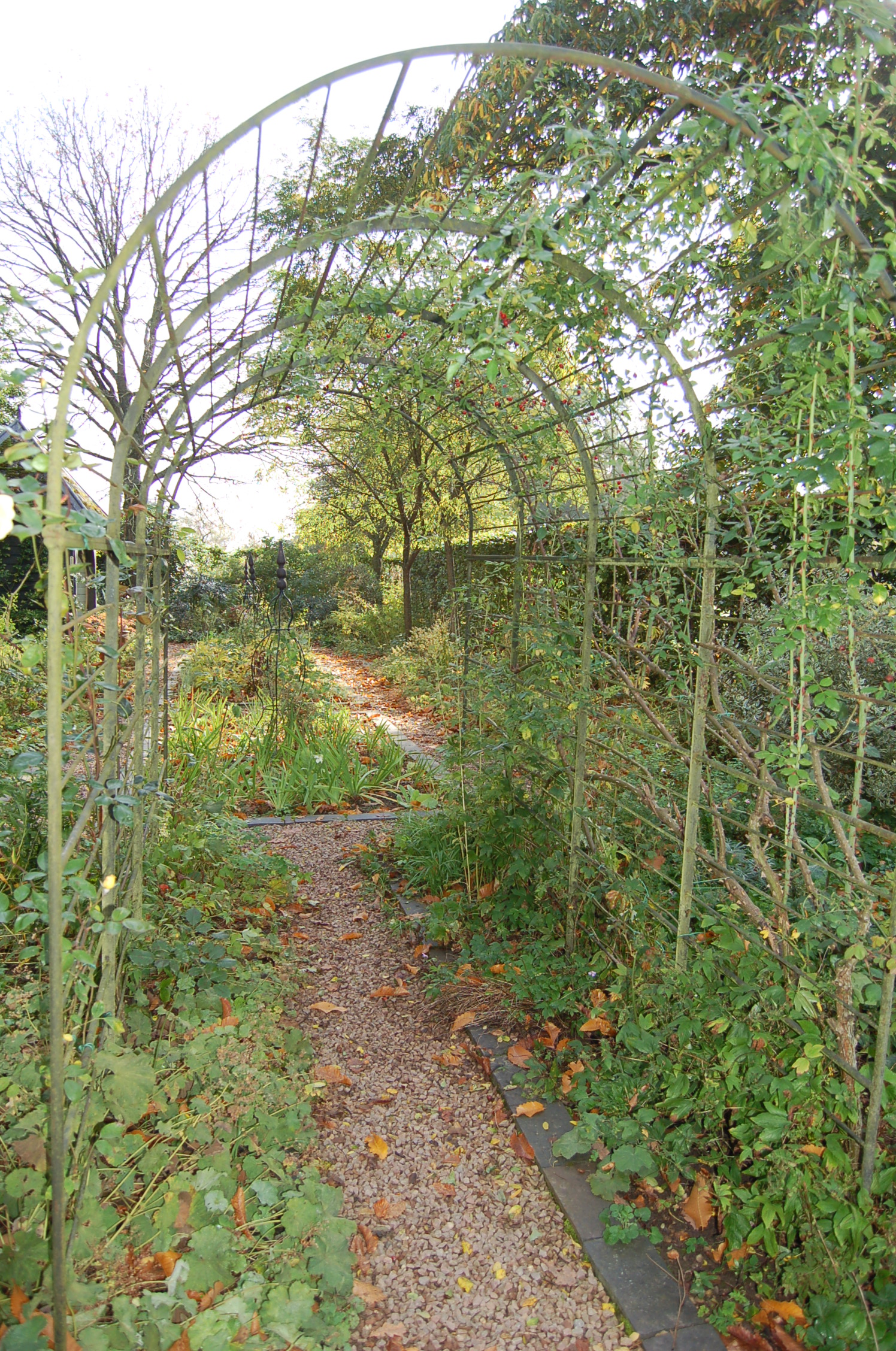
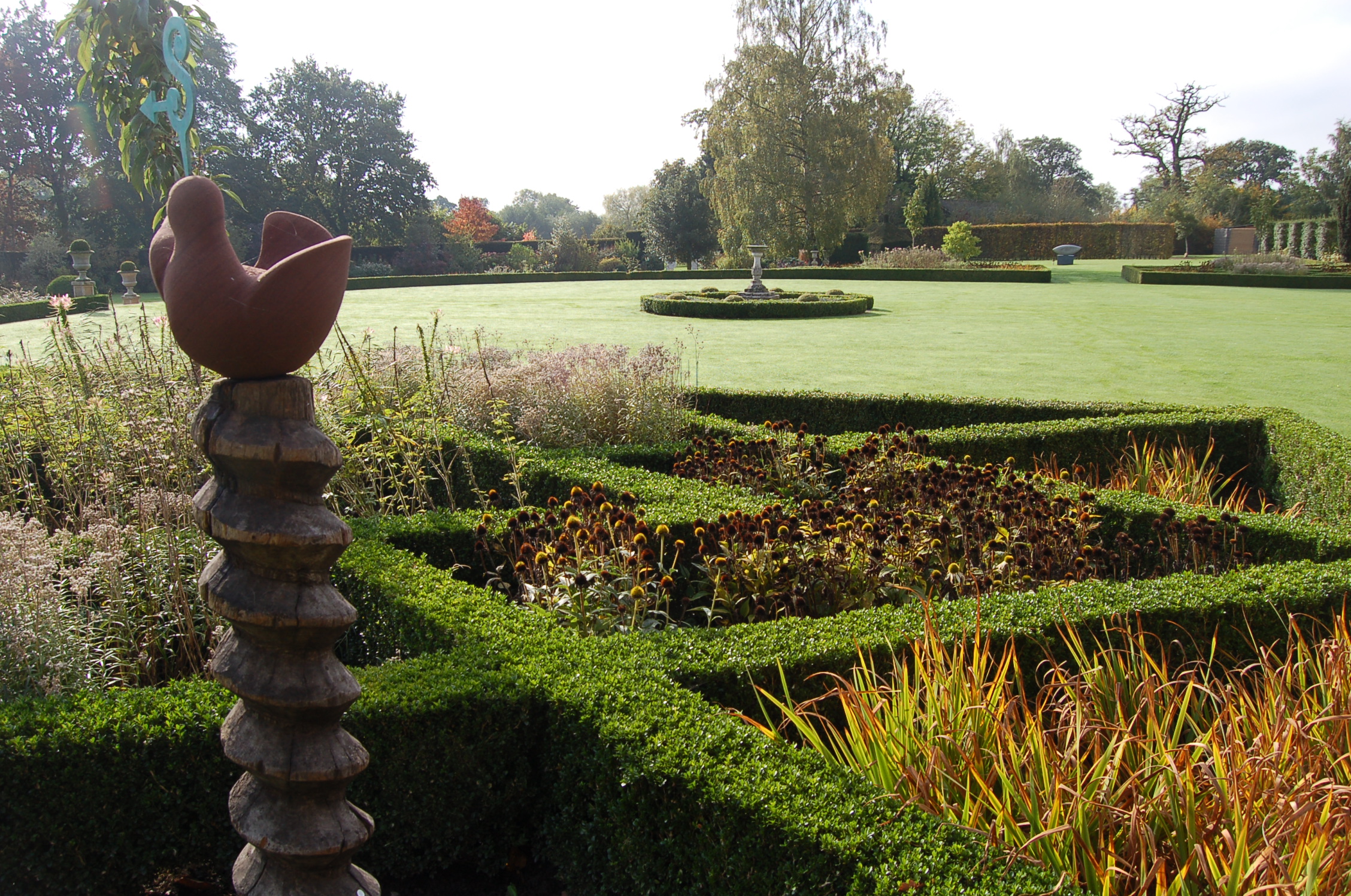
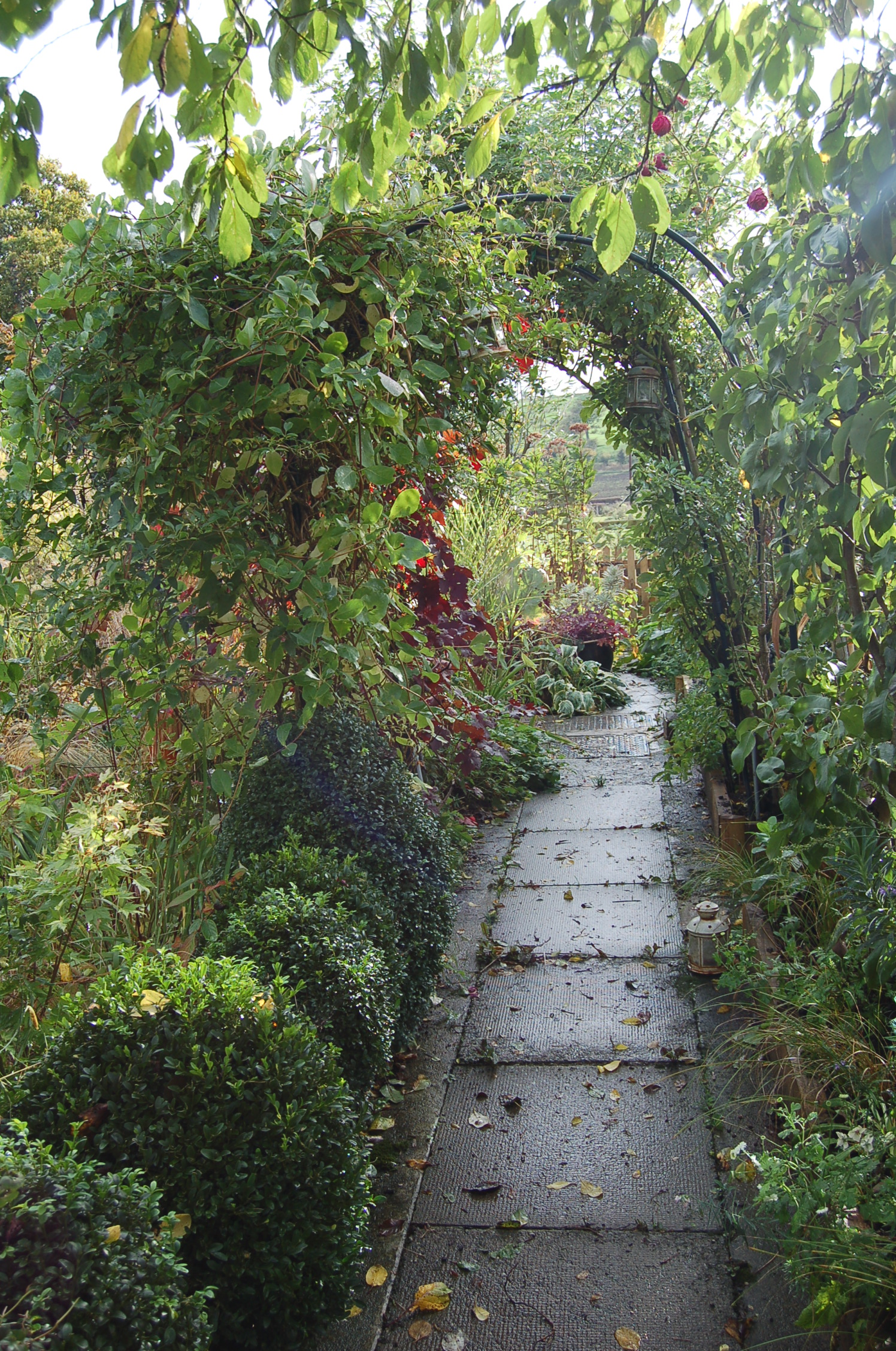
Looking down the central path of the back garden the glowing red fruit of Apple Scrumptious still decorate the arch over the path.

2013 10 22_4413 2013 10 22_4415

I shall feature a few special favourites and then create a gallery for you to enjoy to illustrate what else is going on in the back garden. Schistostylus are a real late autumn flower but can flower at any time, some responding to the first frosts before they show. We have just bought this pale pink one but have enjoyed the red one for years now.

2013 10 22_4449 2013 10 22_4419

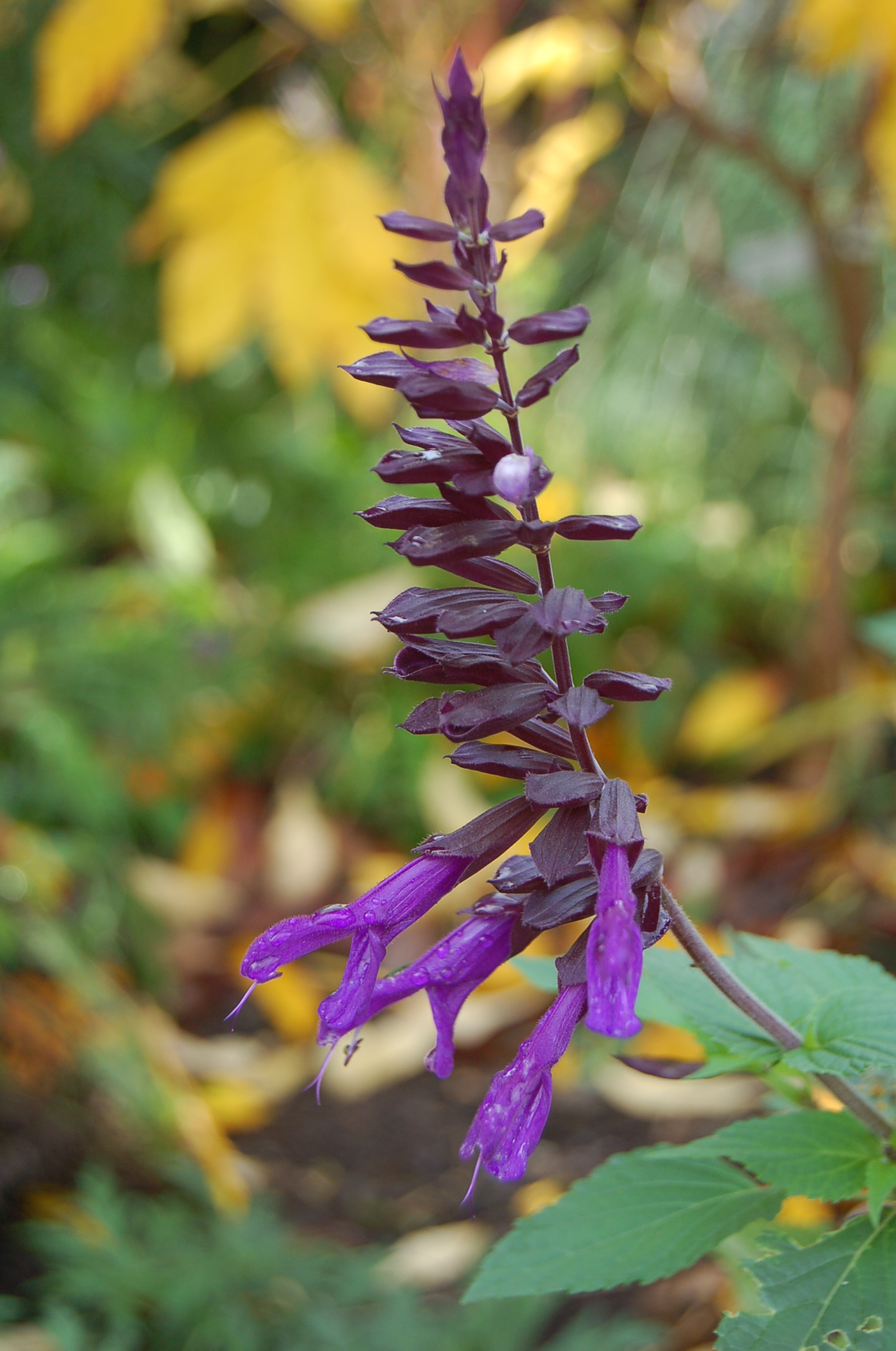
How about this for a Salvia – you can’t get blue much richer or deeper than this! The Persicaria is P. aucuparia Firetail which produces its poker-like flowers for months through the summer and autumn. Some of the flower heads at the moment are a good 3 inches long and an inch wide.

2013 10 22_4437 2013 10 22_4436

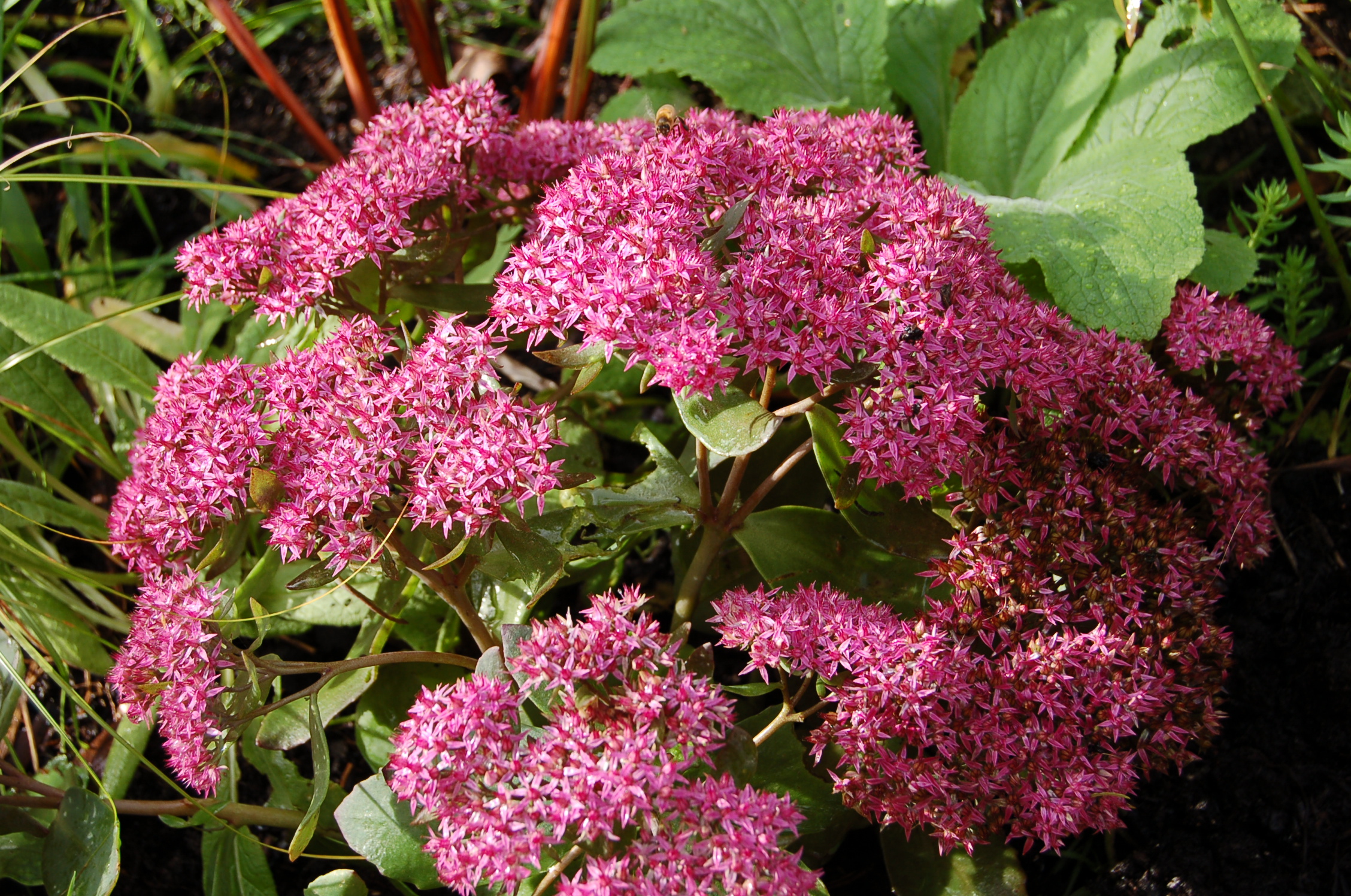
These two umbrella shaped flower heads are very different in habit. The glowing pink Sedum sits low to the ground on floppy glaucous stems while the Vernonia stands proud aloft tall 4 foot rigid stems.

2013 10 22_4434 2013 10 22_4422

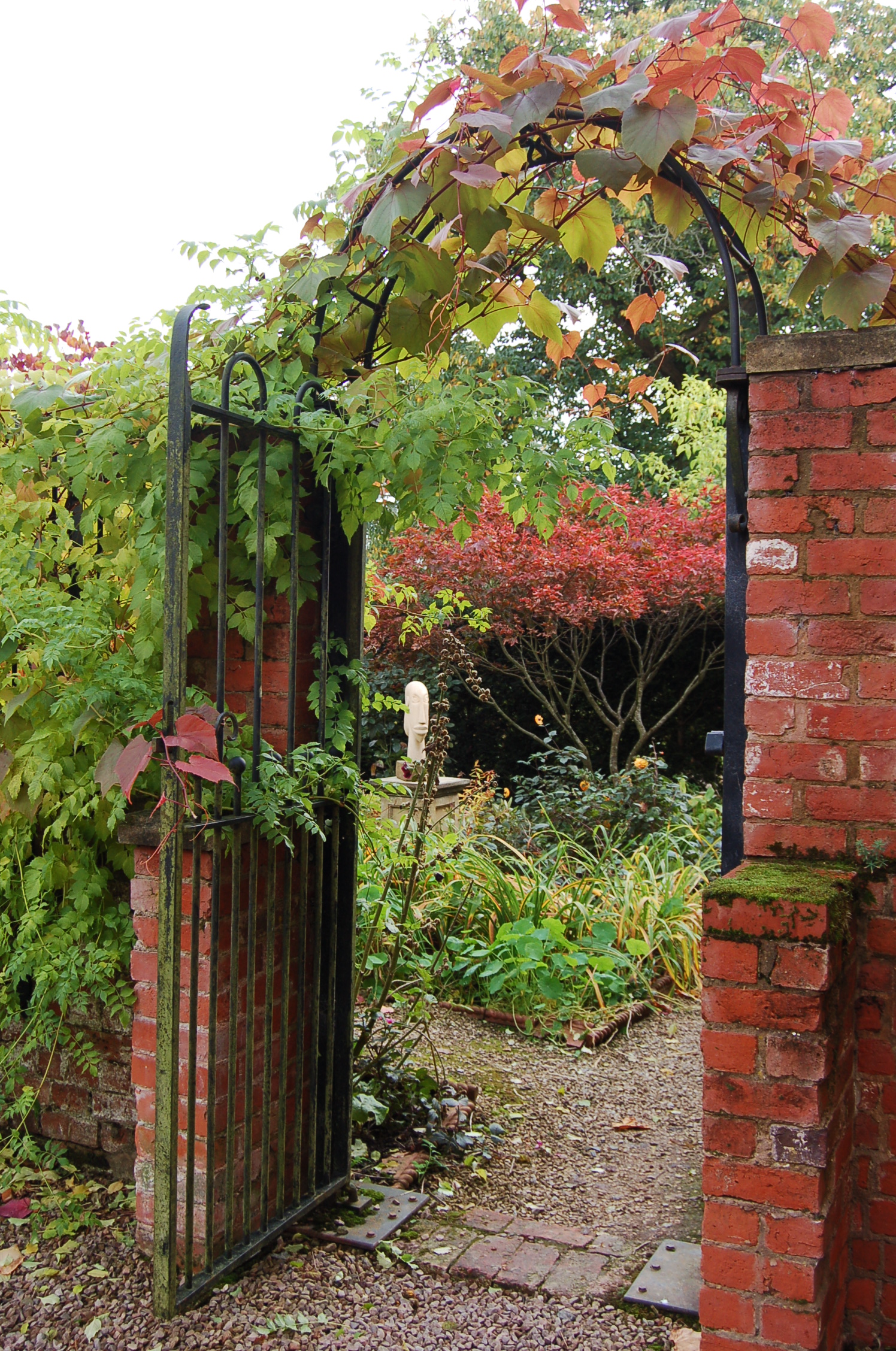
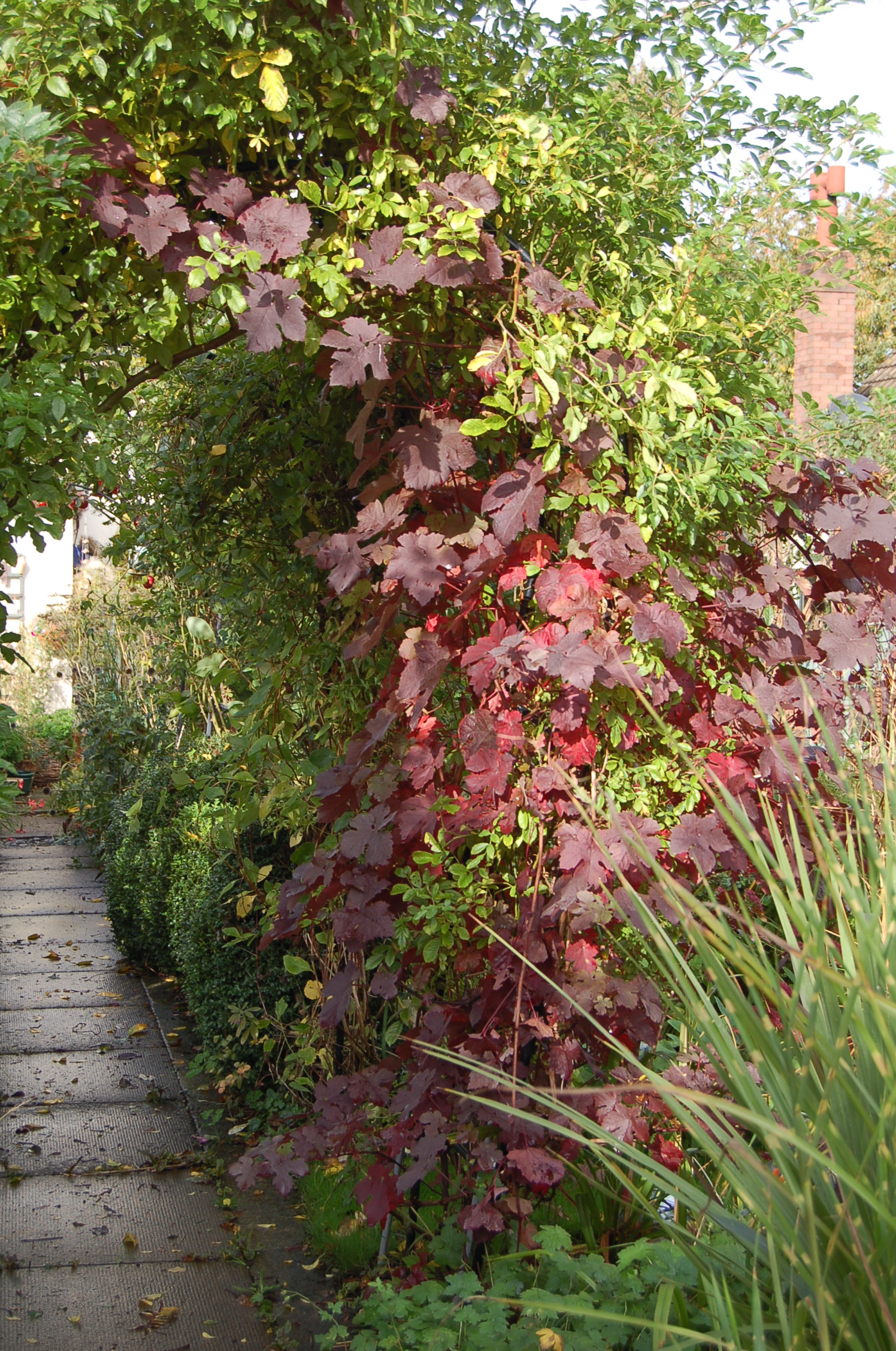
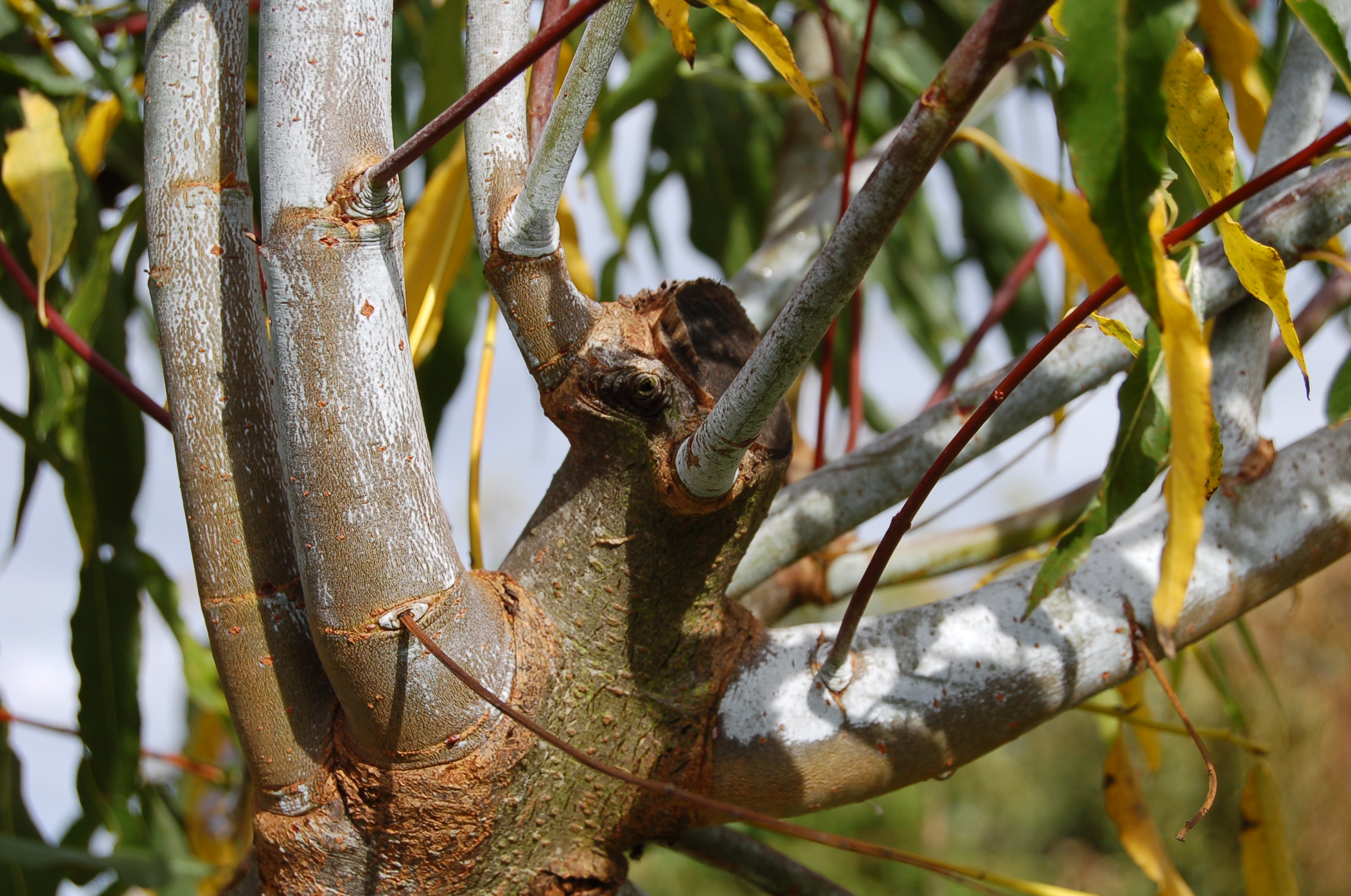
An archway leading to the pool and Japanese Garden is covered in the red leaves of Vitis purpurea and alongside the pool is this willow. The stems of the Violet Willow are covered in a white bloom from now through to the spring when the winter rains return them to deep violet-black.

2013 10 22_4431 2013 10 22_4429

Now enjoy a wander around the back garden to see what October has in store for us to appreciate.

Categories
autumn birds garden wildlife hedgerows migration

The Little Edible Hedge

When we were visiting my mother recently I was amazed to see just how much food for wildlife the old hedge alongside her back garden was presenting to the mammals and birds and of course the odd late flying butterfly and wasp. This stretch of hedge was originally an old field boundary and it illustrates just how much damage to Mother Nature’s larder the destruction of our hedges by intensive style agriculture actually causes. Here we have a 20 yard stretch of mixed natives with an odd cultivated plant creeping in from the garden that is a veritable larder for all sorts of wildlife.

2013 10 18_4344 2013 10 18_4354

2013 10 18_4349

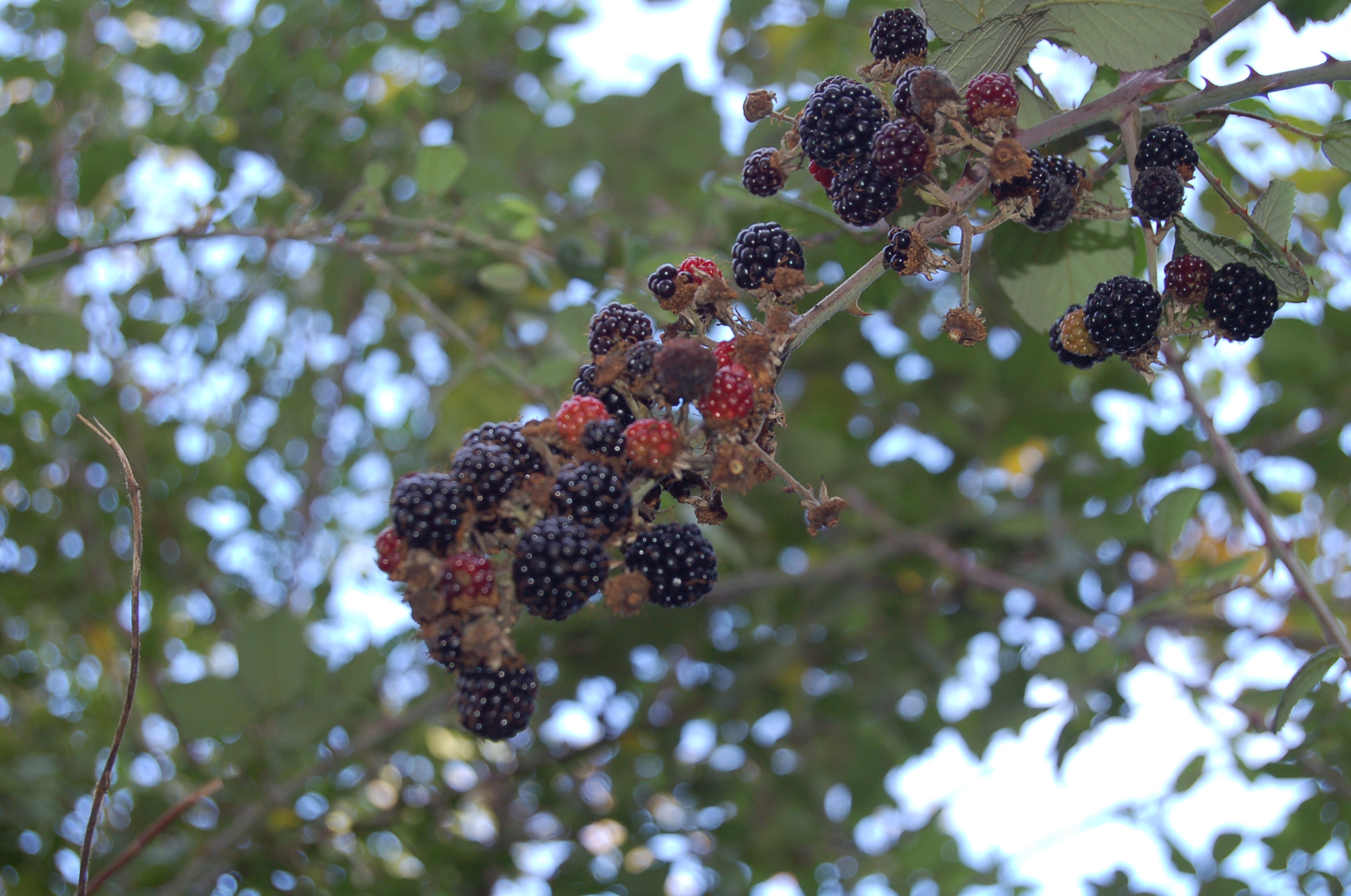
Think of hedgerow food for wildlife and the first fruit to come to mind will be the Bramble or Blackberry. This may be simply because we enjoy a tasty nibble of these glossy black gems ourselves. We might also think of Roses with their red fruit following on from their beautiful pink or white flowers. As children we may remember them as natural itching powder – remember the effects of popping a crushed hip down a friend’s jumper? Admit it! Humans have also long collected the hips of the wild roses to produce Rose Hip Syrup.

Rose Hips have long been enjoyed by humans as well as wildlife, being used for jams, jellies, marmalades, wine and tisanes. More recently it has been appreciated for its medicinal benefits in relation to alleviating the effects of arthritis, gradually displacing glucosamine. Our pets also appreciate them as apparently they are given to chinchillas and guinea pigs as a treat.

2013 10 18_4326 2013 10 18_4350

2013 10 18_4352 2013 10 18_4334 2013 10 18_4335

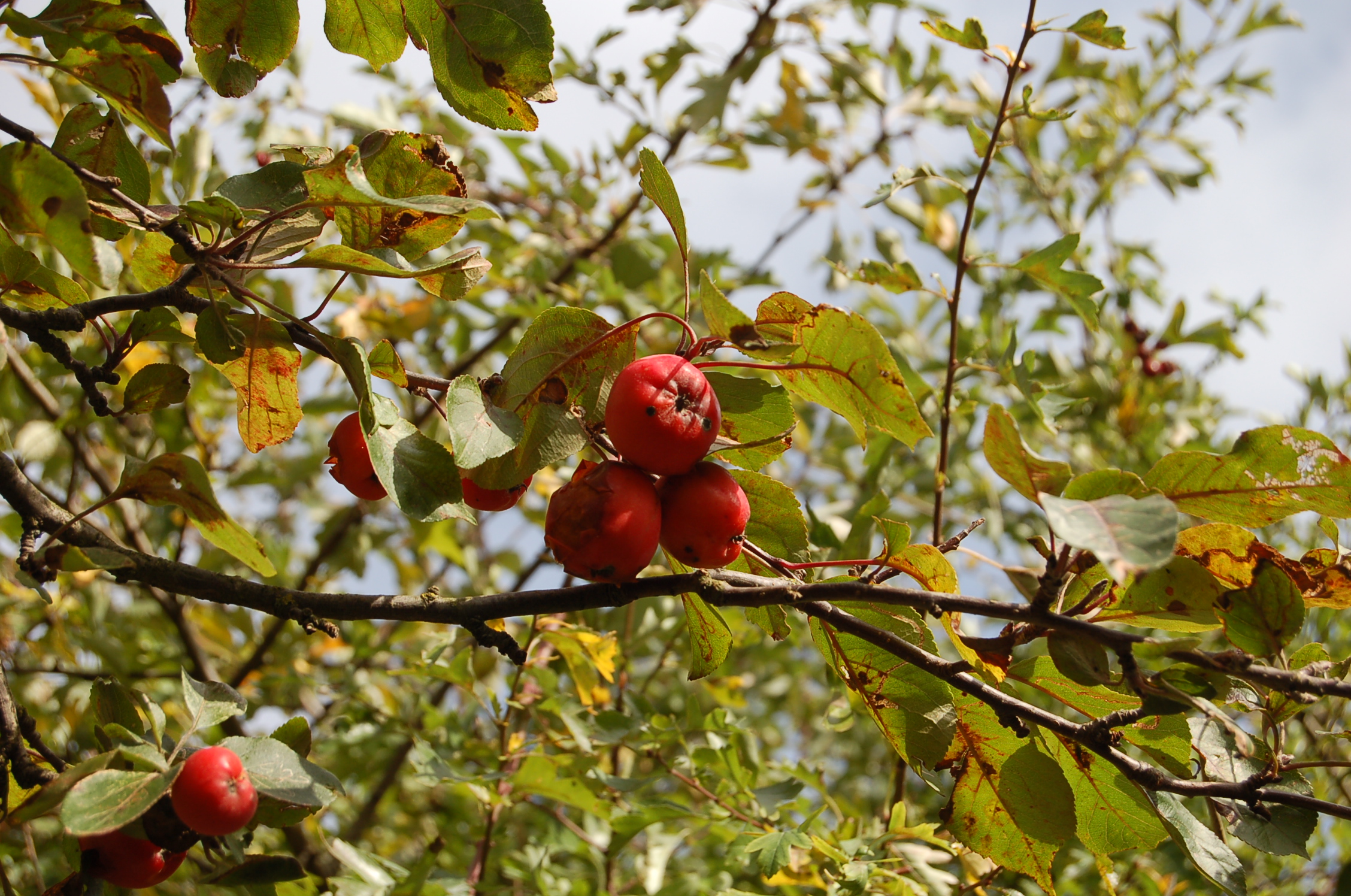
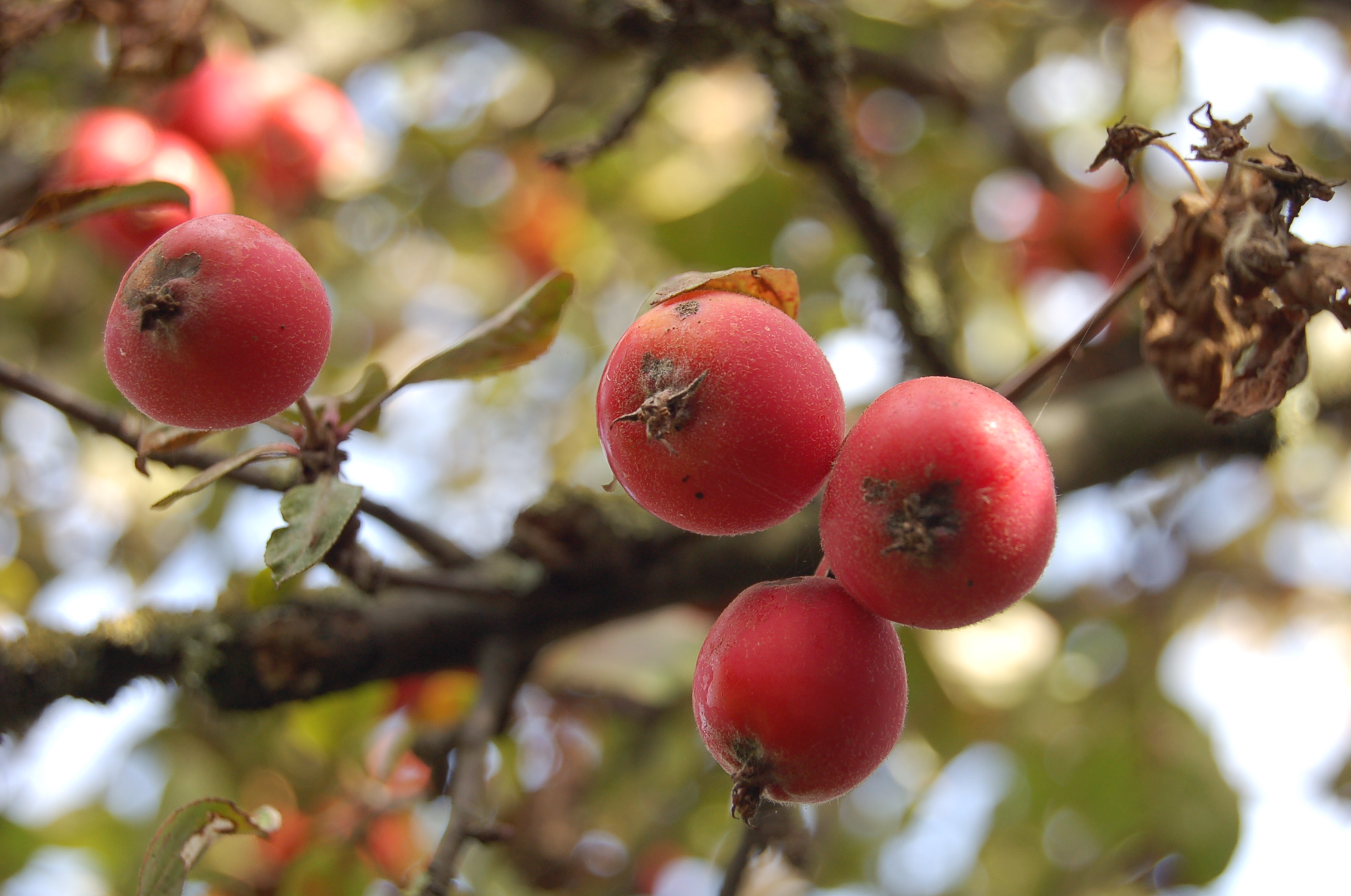
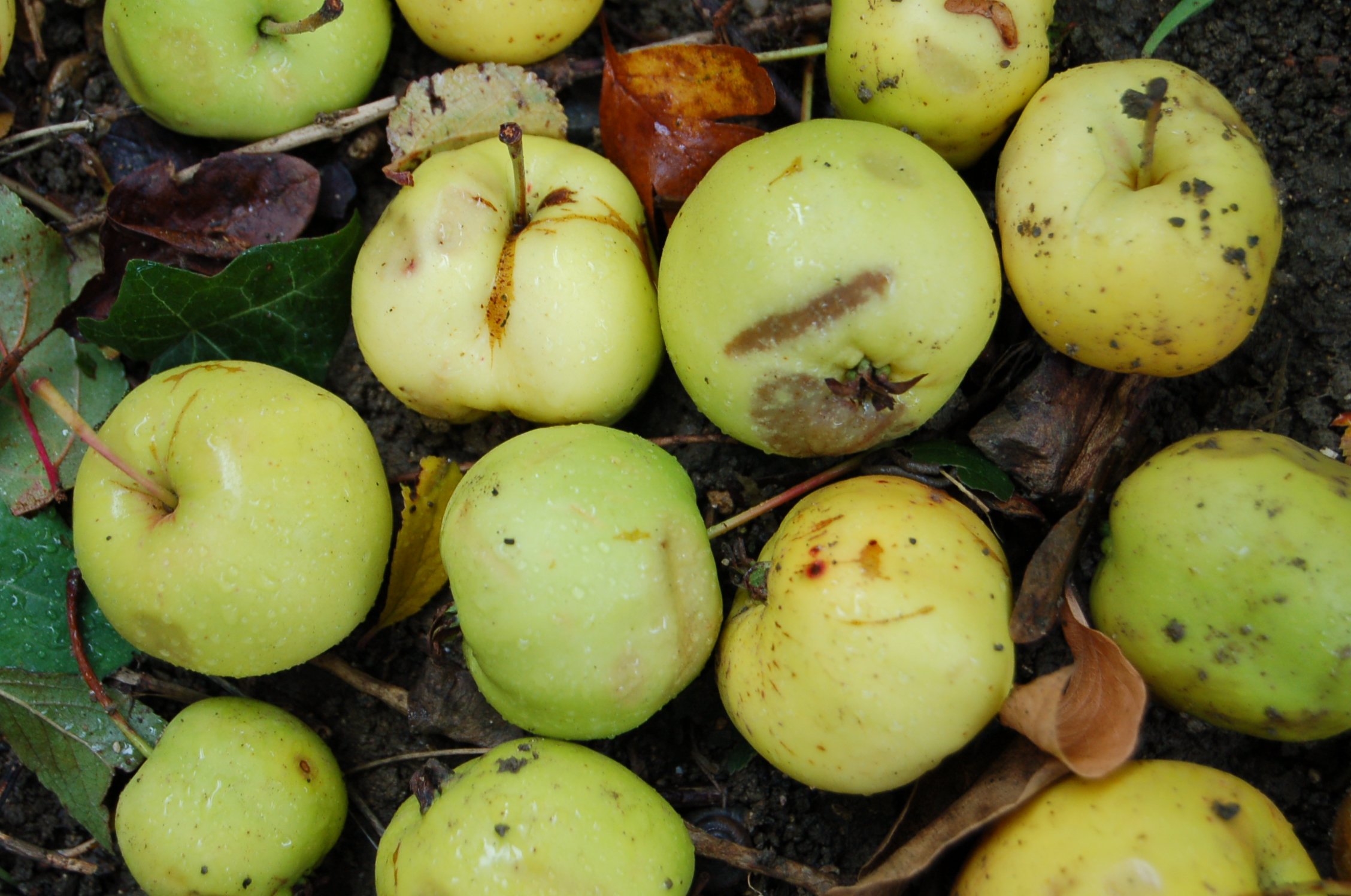
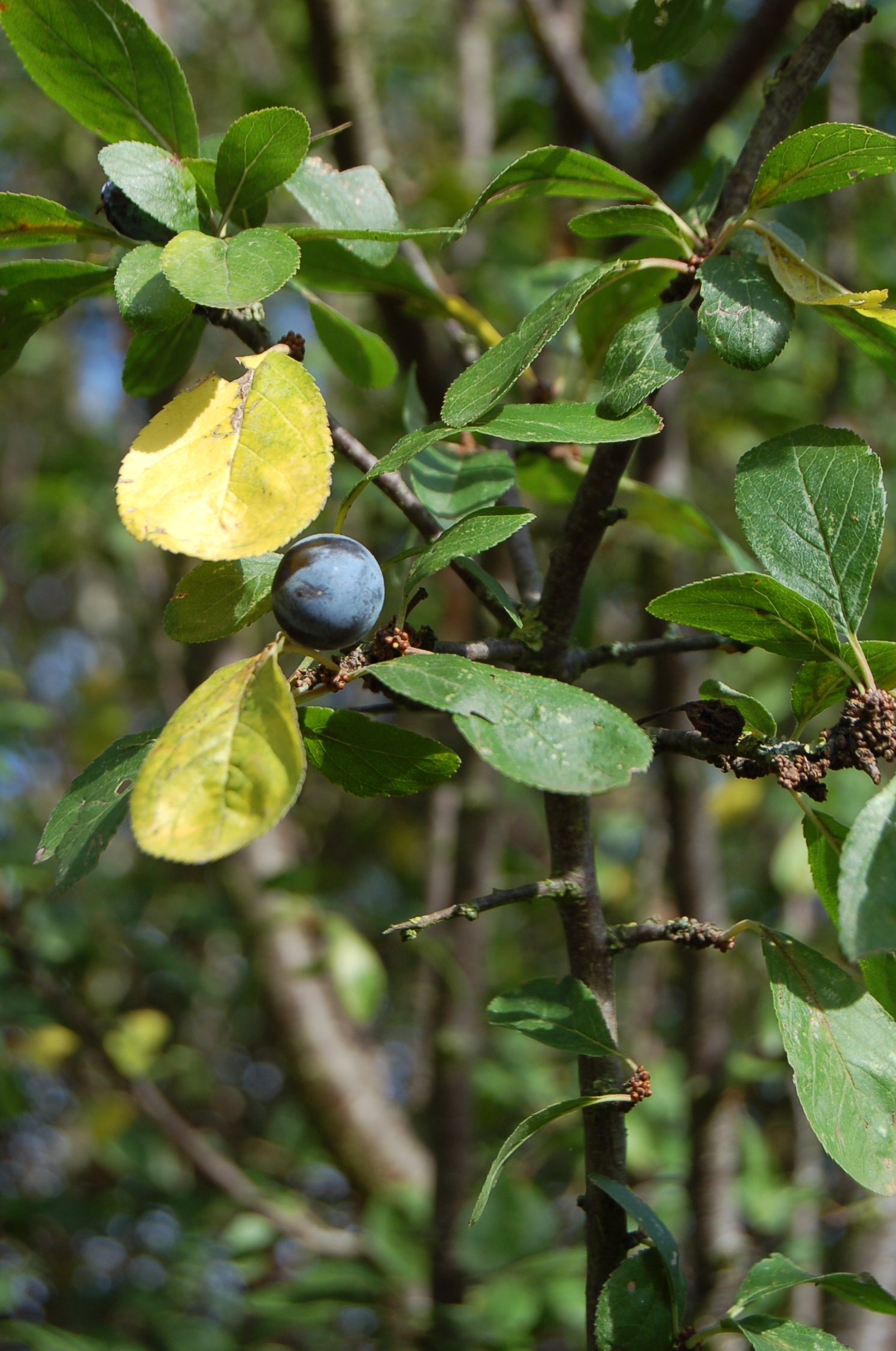
A couple of hedge row fruits are also favourites of foragers, the Sloe and the Crab Apple as we readily turn these into tasty winter warmers Sloe Gin and Crab Apple Jelly. In this little length of hedge we found a wild crab and a cultivated crab growing a few feet away from each other. Our birds and mammals probably view them as equally important sources of winter nutrition. They will not be concerned that one has been planted to delight my mother with its spring blossom and red autumn fruits.

2013 10 18_4351 2013 10 18_4345

2013 10 18_4346 2013 10 18_4347

2013 10 18_4331 2013 10 18_4353

2013 10 18_4332 2013 10 18_4338

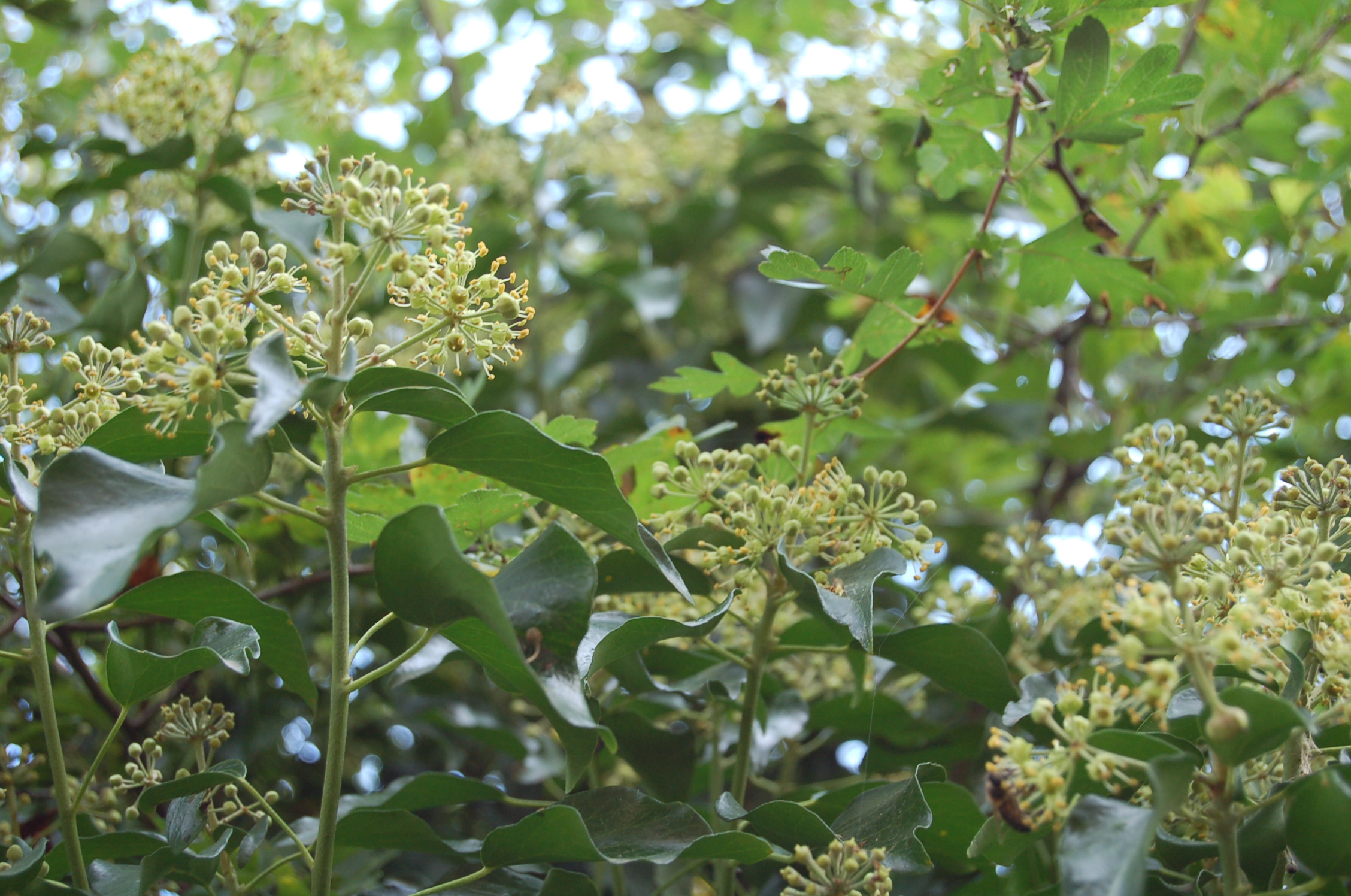
One important food source for wildlife is a little black berry that clumps together in spheres but this will not be until later on in the winter. For now the Ivy is still in flower and these tiny green florets are just starting to become berries. The Ivy plant is a vital  for wildlife throughout the whole year. It provides shelter for all sorts of creatures from the tiniest insect to the plump Wood Pigeons, nest sites for birds such as Wrens, Blackbirds, Song Thrush and Robins and again the Wood Pigeon. In winter the Ivy provides warmth and secret hiding places for all sorts of creatures.

2013 10 18_4324 2013 10 18_4325

2013 10 18_4323 2013 10 18_4328

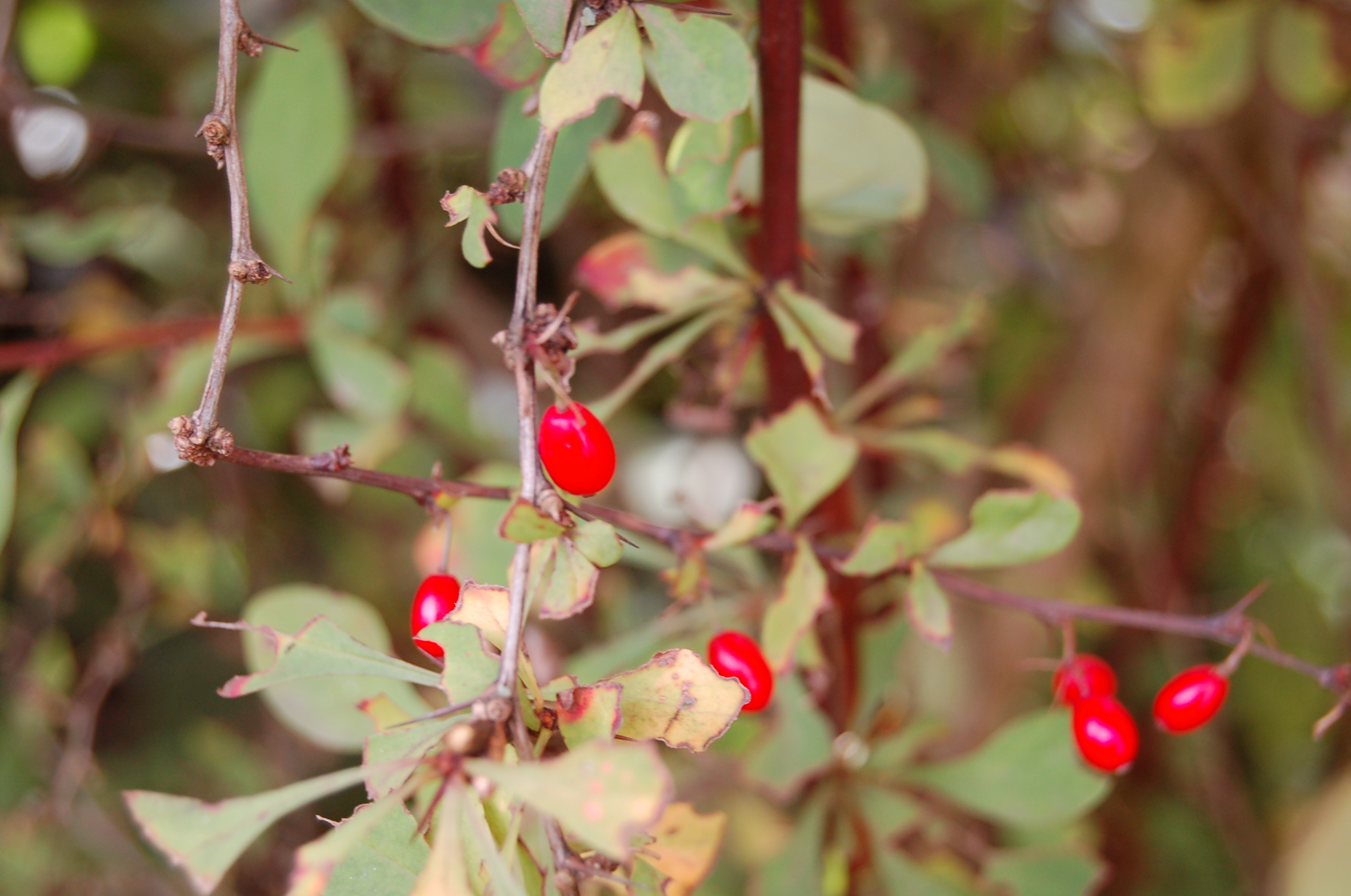
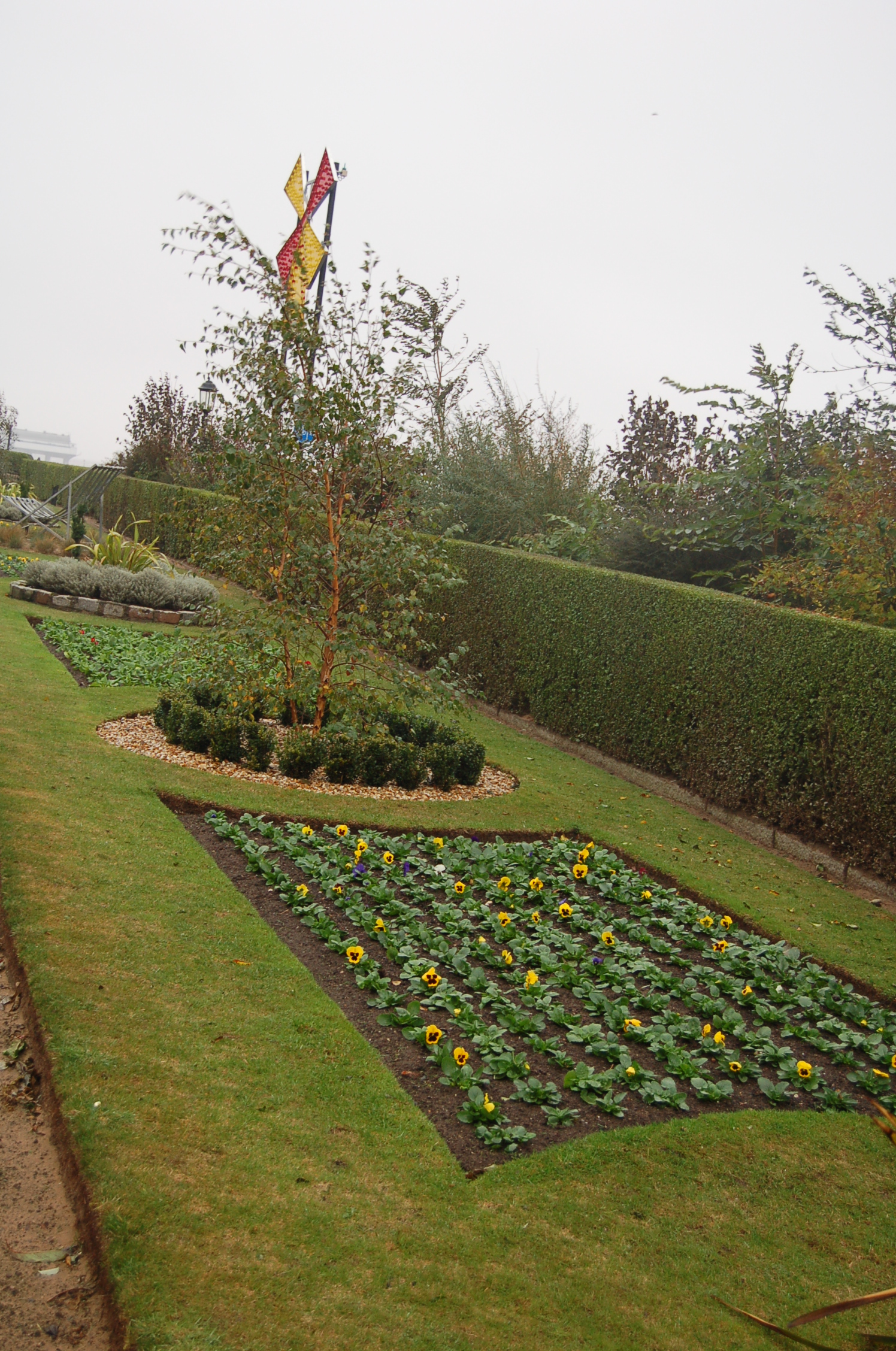
Less useful for wildlife are the cultivated plants that make their way into the hedge but the local Blackbird population will not turn their beaks up at the tiny long tear drop berries of the Berberis.
2013 10 18_4355 2013 10 18_4356

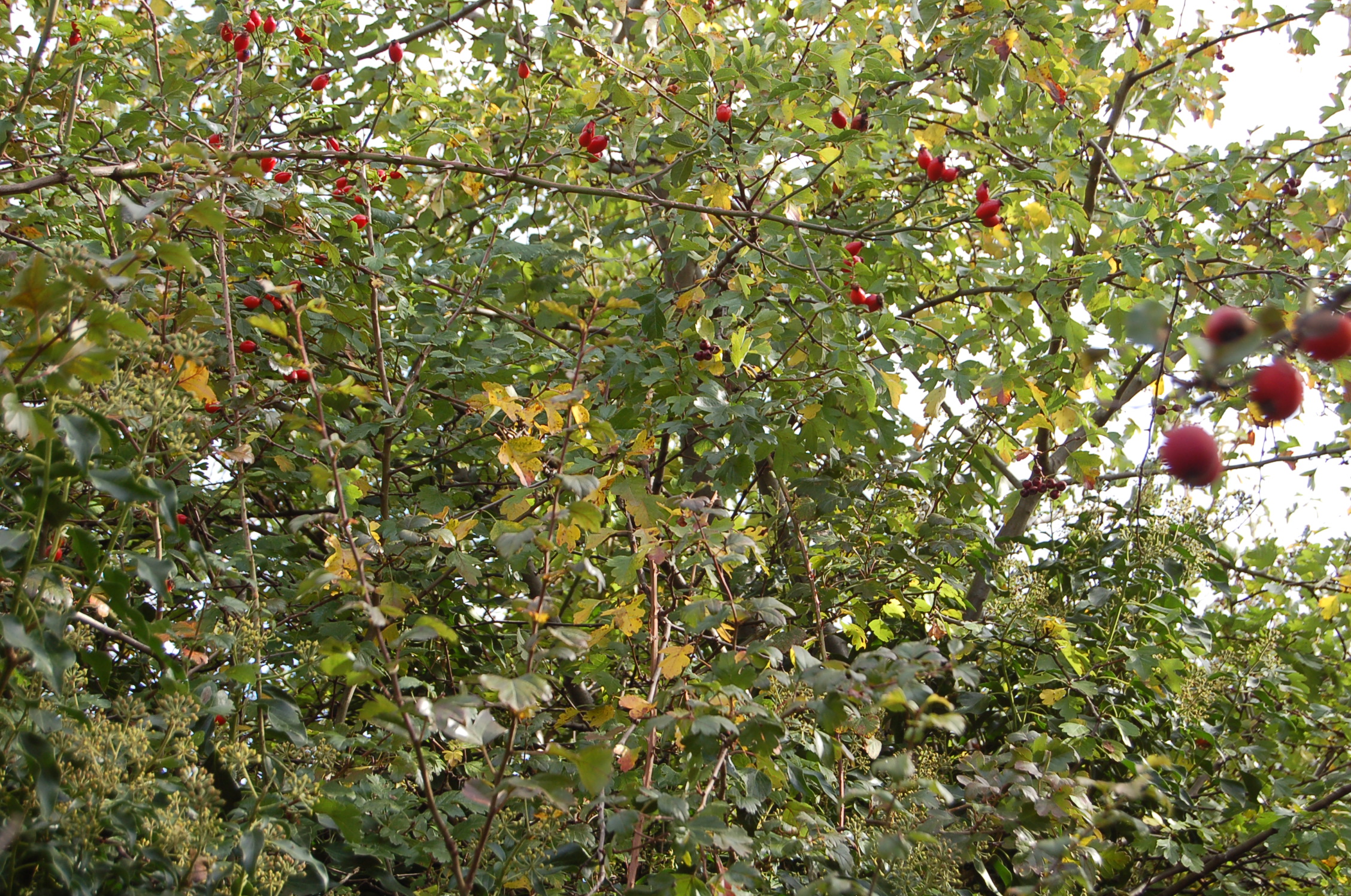
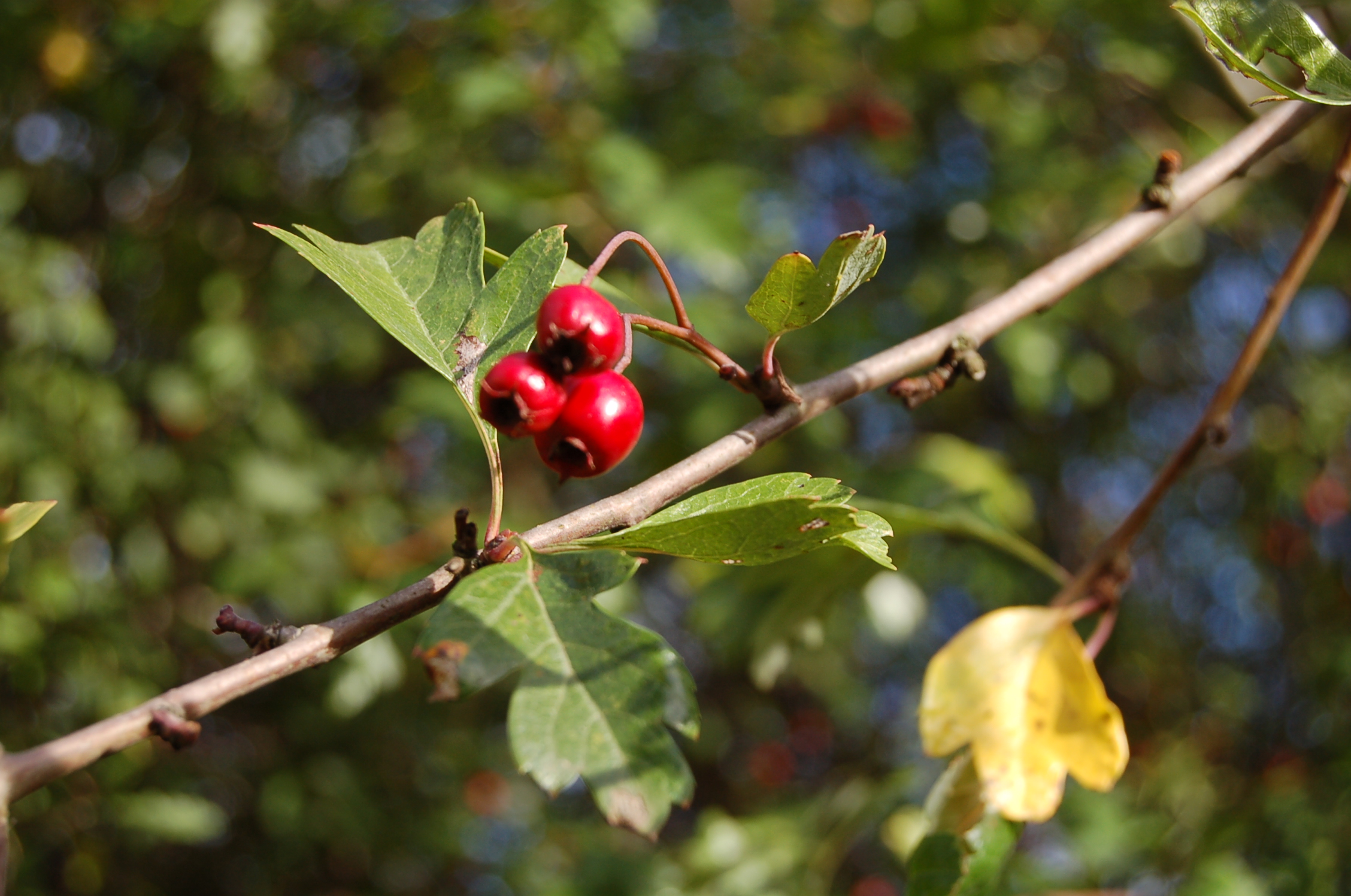
In contrast the deep red berries hanging in full bunches on the Hawthorns will be appreciated by many birds both residents and winter migrants. Once the Redwings and Fieldfares arrive on the back of the cold wet storms of autumn they will soon disappear.

The hawthorn berries have a place to play in human lives as well as wildlife, perhaps not yet seen as important as rose hip but it is being researched at the moment in relation to heart functions. For centuries it has been a part of the cuisine in China. Interestingly the name haw, which is now used to mean the berries, was originally a name meaning “hedge”.

2013 10 18_4333 2013 10 18_4336

2013 10 18_4337

So this short section of hedge of native shrubs mixed with the odd garden specimen will soon become the favourite restaurant for our avian neighbours.

Categories
autumn autumn colours garden design garden photography gardening gardens gardens open to the public grasses hardy perennials nurseries ornamental grasses ornamental trees and shrubs trees

Pride of Picton – Michaelmas Daisies

Near one of England’s most beautiful landscapes, the Malvern Hills is the village of Colwall, where we found the National Collection of Asters. The Picton Gardens and nursery which snuggle in beneath the hills is the place to go if you like Michaelmas Daisies. If you are already a fan you will become a bigger fan when you realise the vast range of flower colours, and how many different sized and shaped plants there are. If you were not a fan and went there you would come out a lifetime fan!

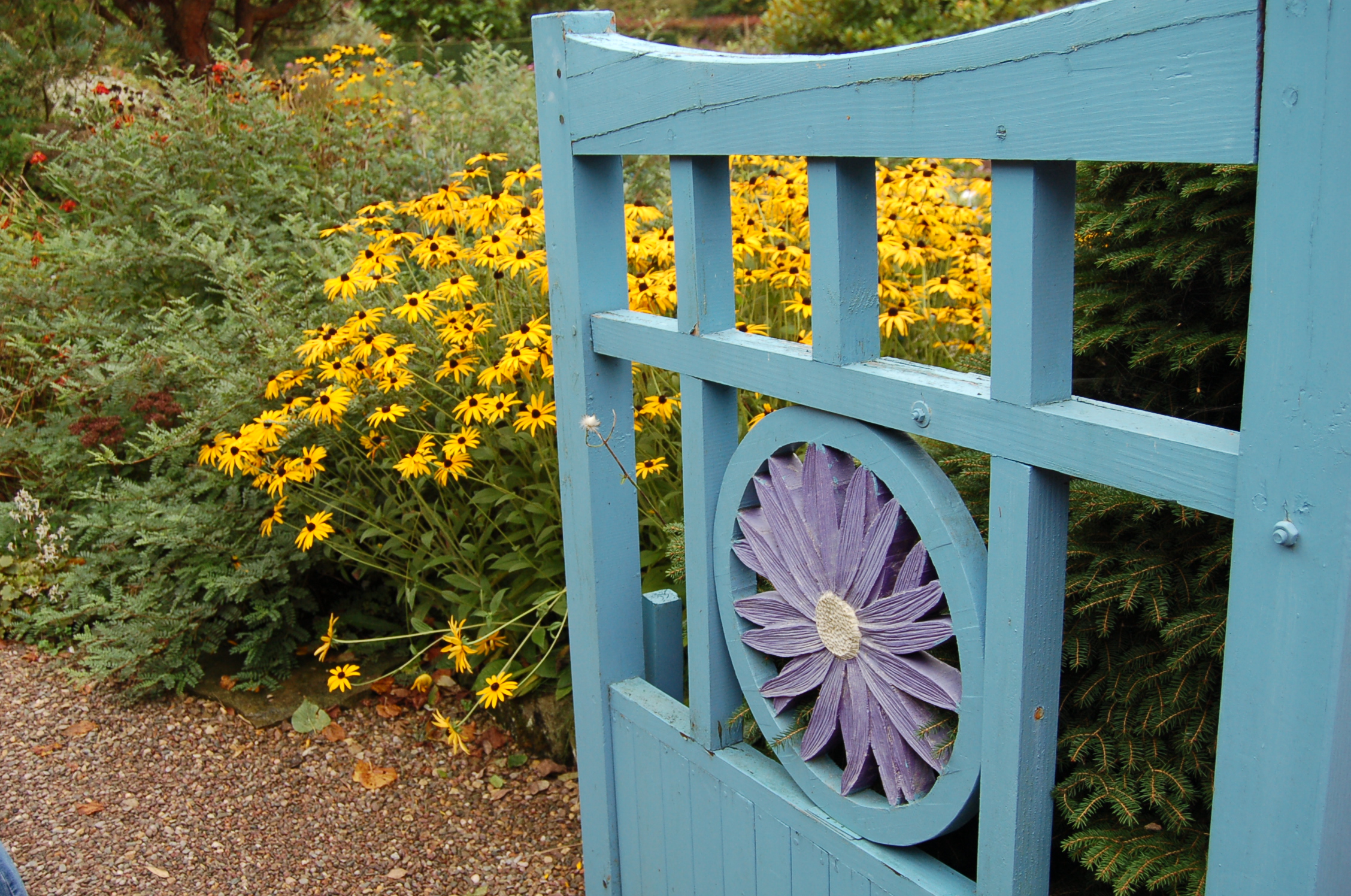
Even the gate welcomes you with a daisy!

2013 10 18_4255

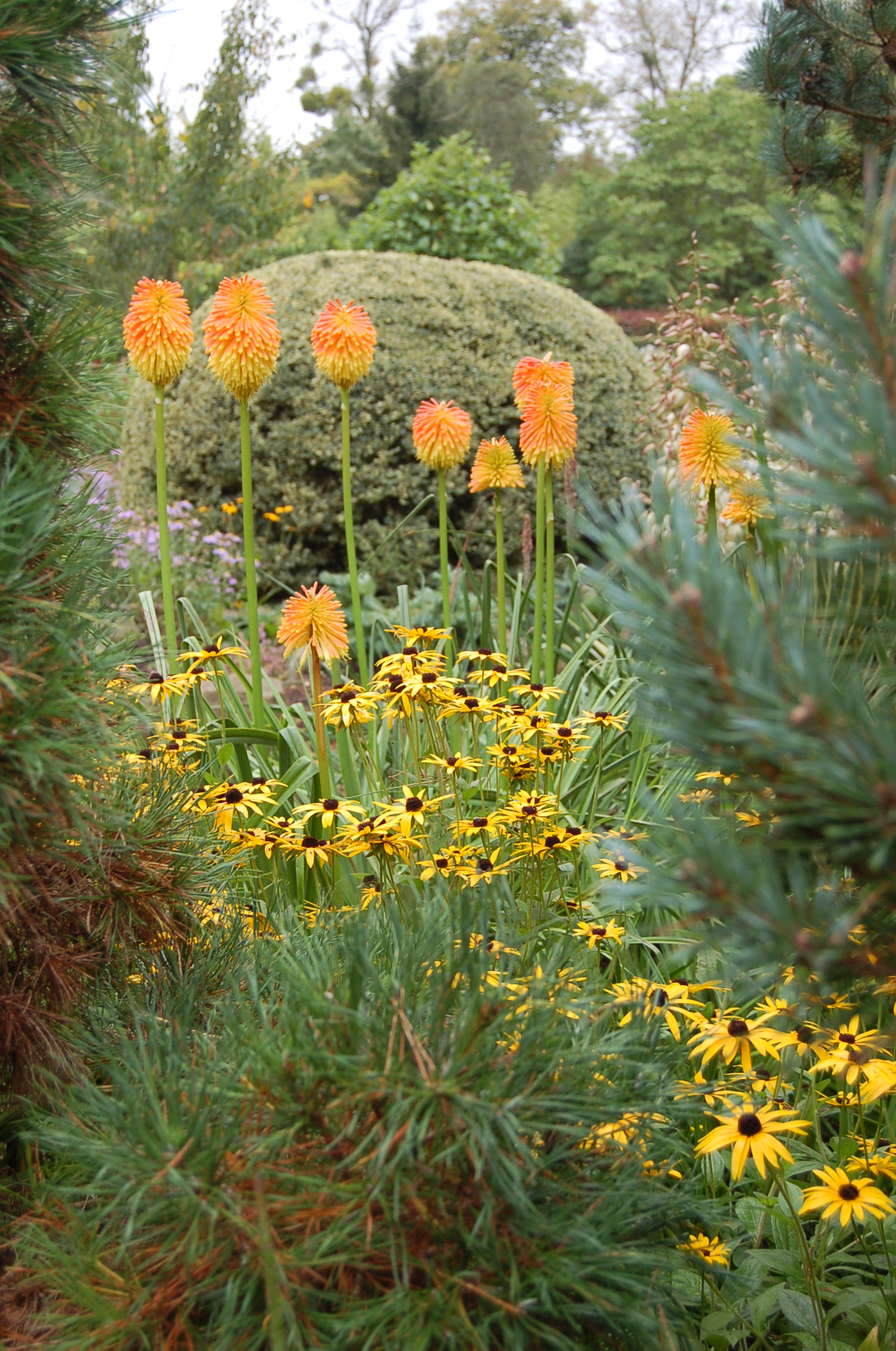
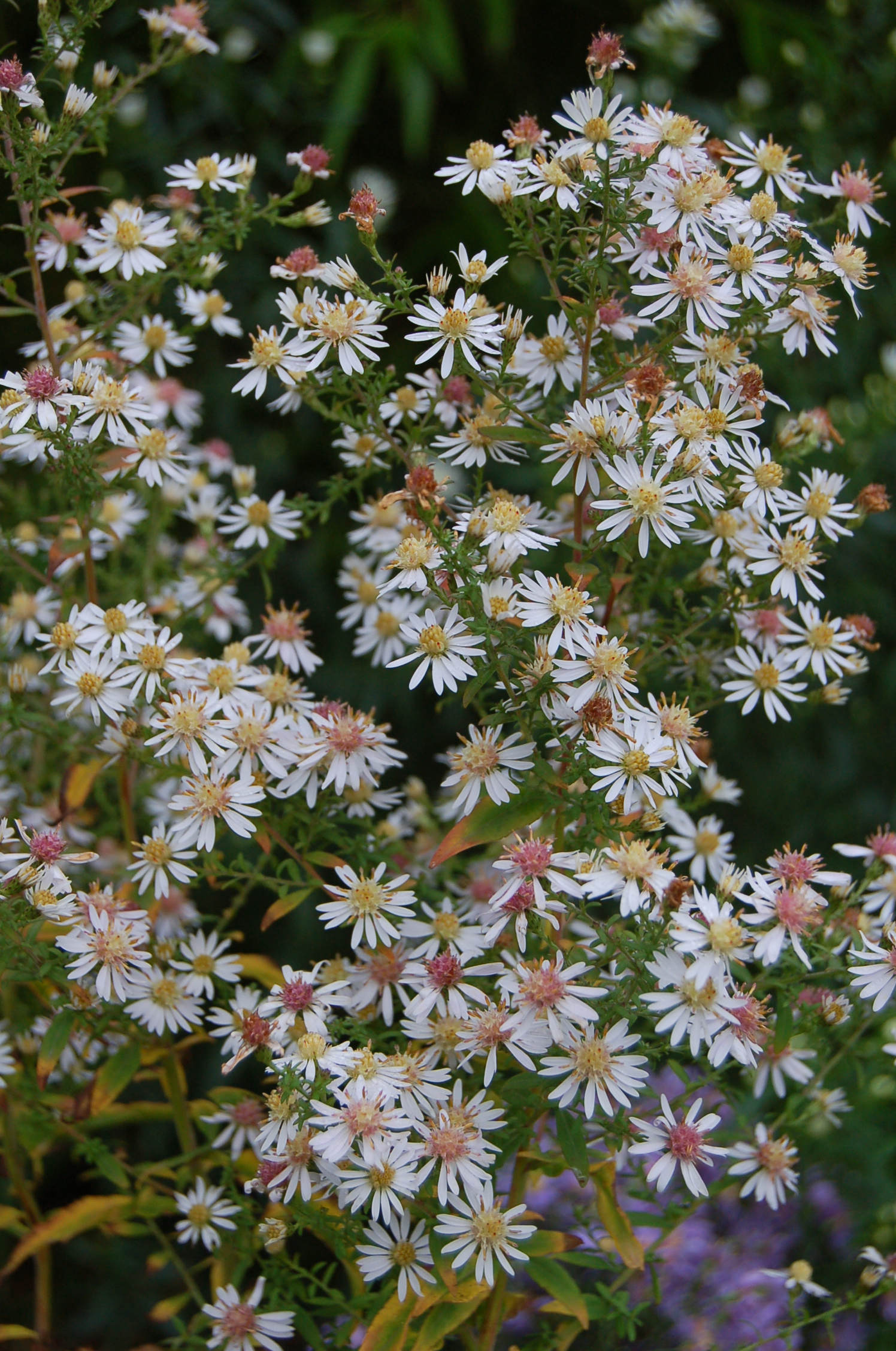
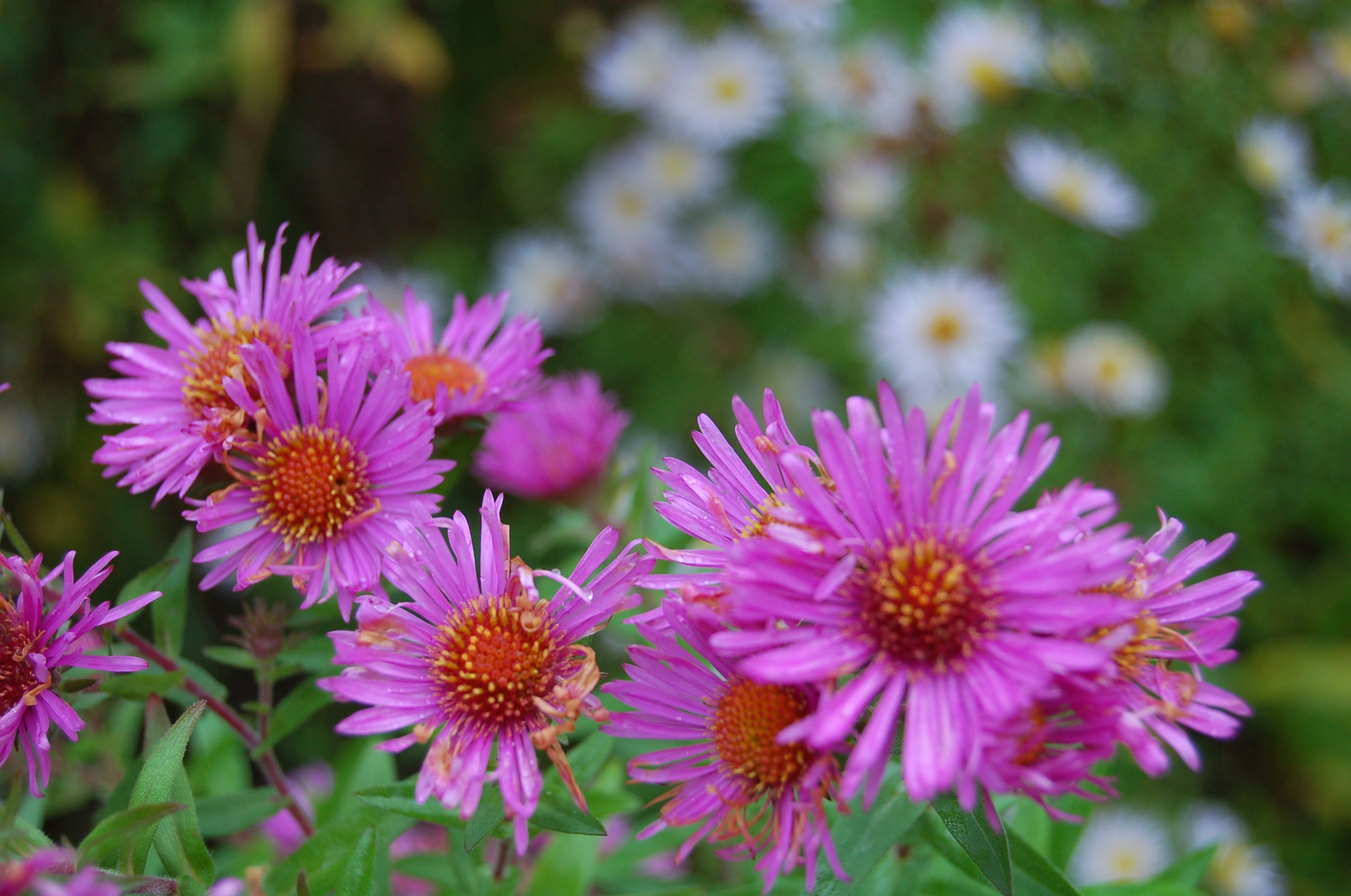
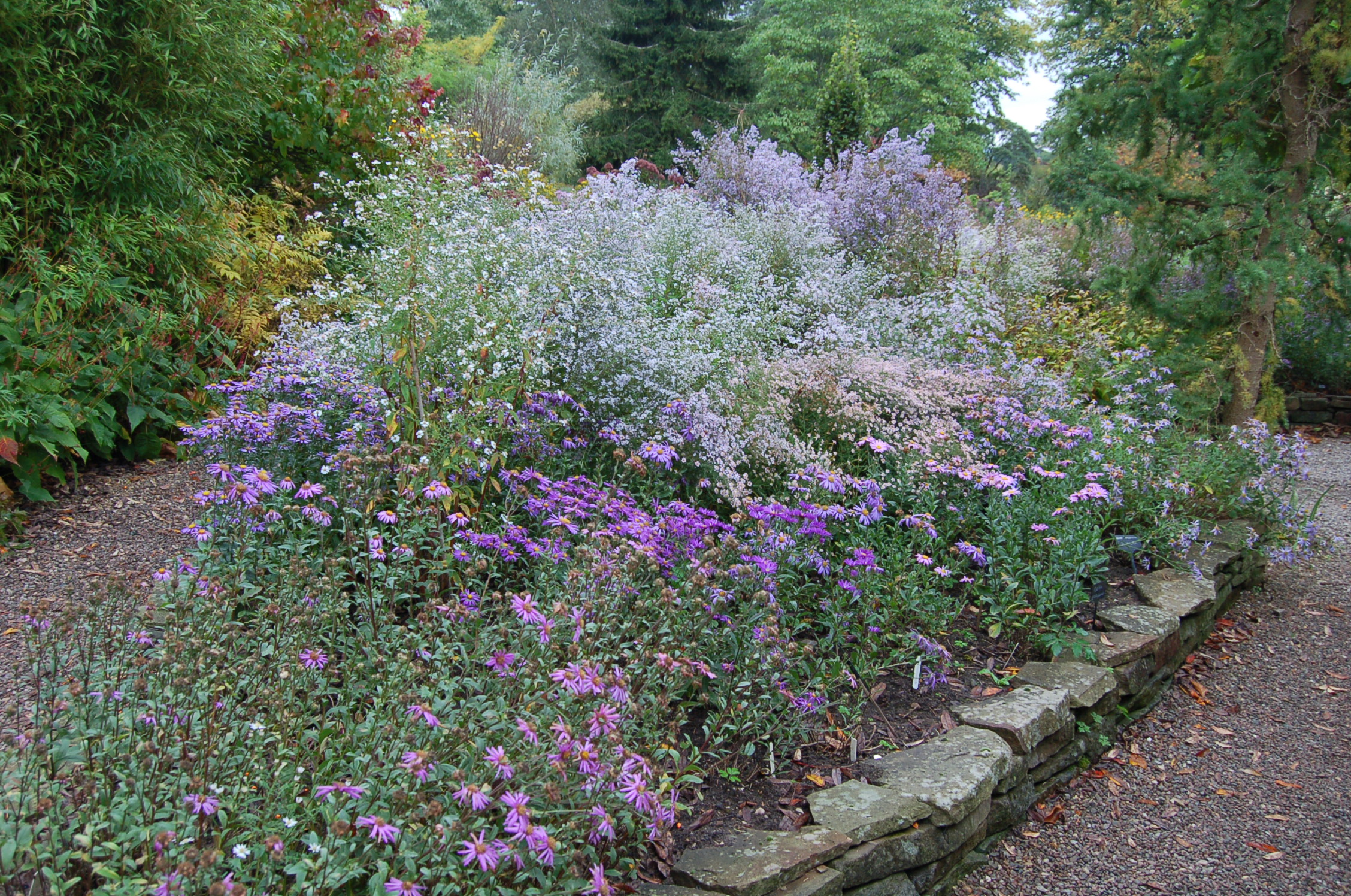
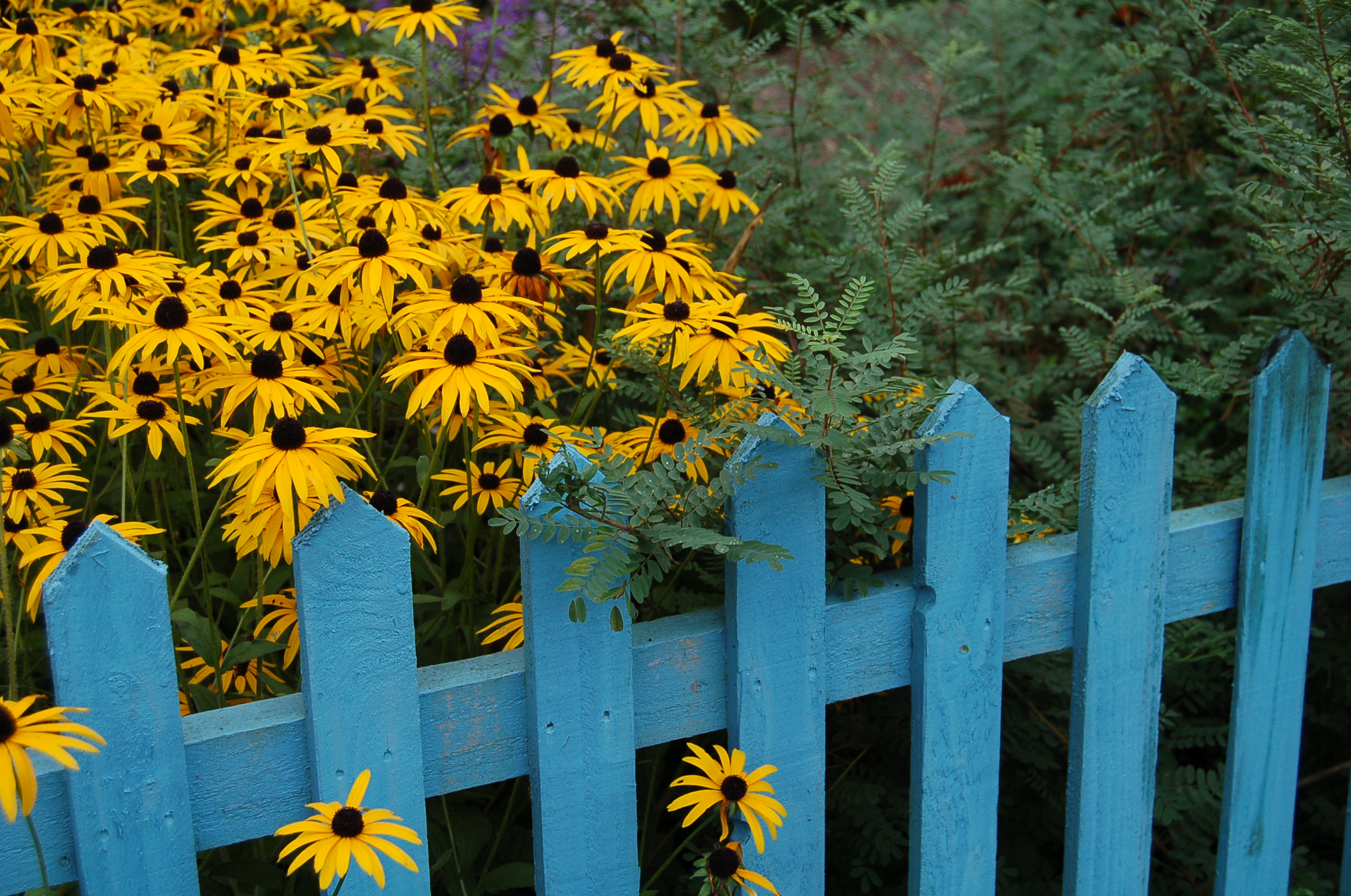
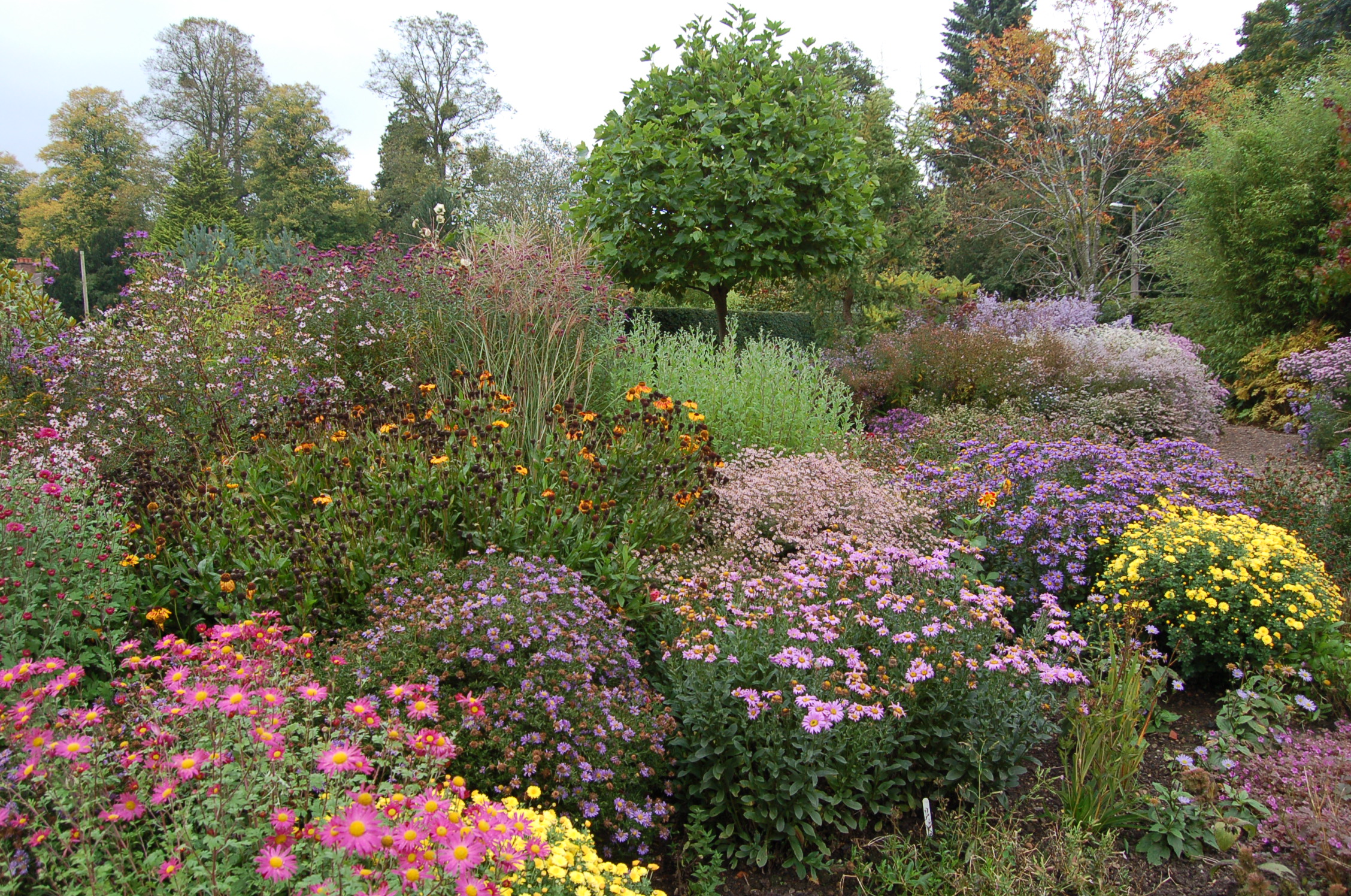
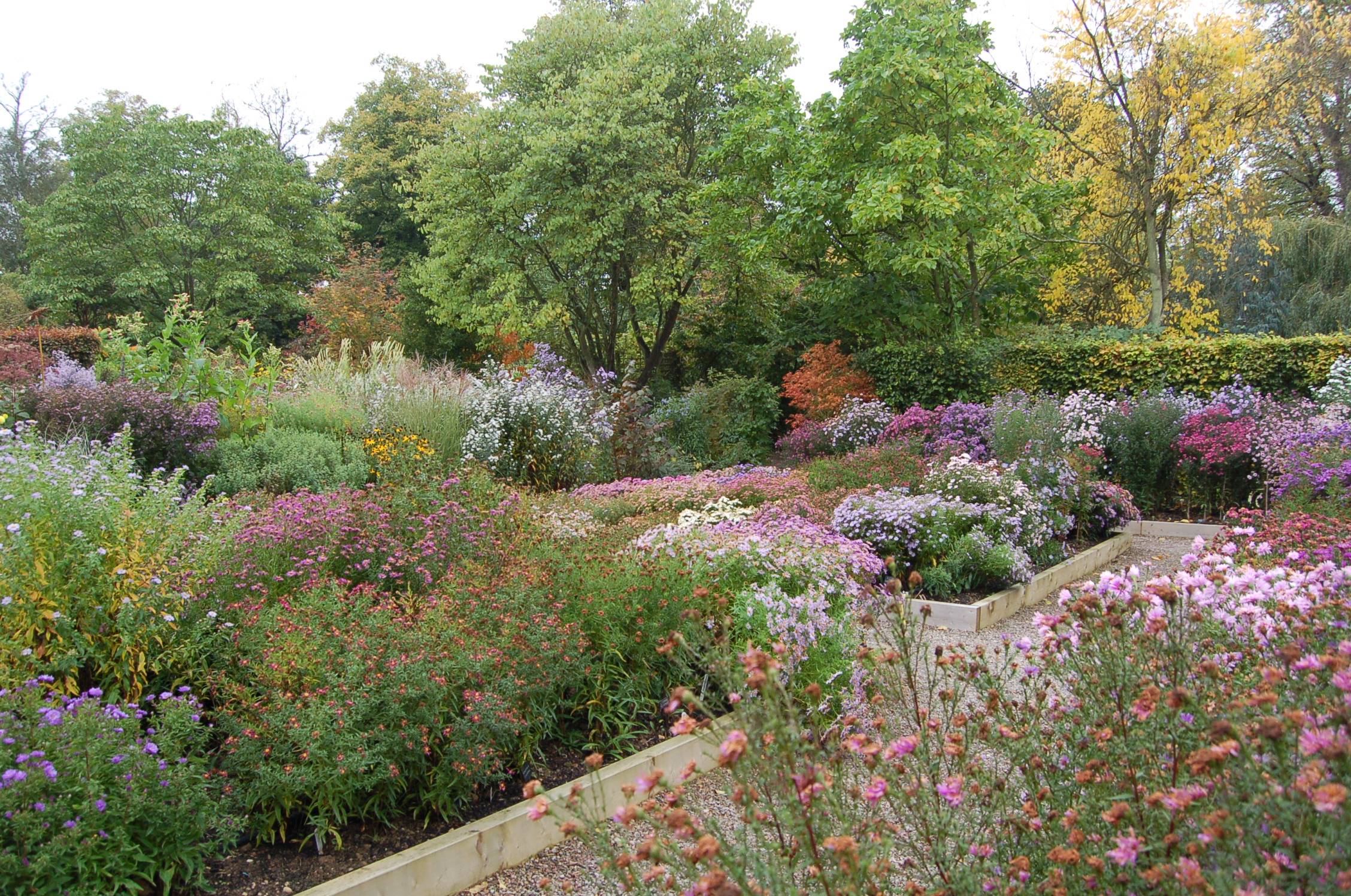
Now follow us around as we explore this 2 acre autumn garden. The first set of photos were taken within ten minutes of starting out and already we had discovered the huge range of colours asters are painted in. But this garden is not just a collection of Michaelmas Daisies but a beautifully designed illustration of how good a garden can look in October. The yellows of Helianthum, Kniphofia and Rudbeckia all contrast with the pinks and purples of the Asters and grasses such as Miscanthus provide a perfect foil.

2013 10 18_4256 2013 10 18_4257 2013 10 18_4258 2013 10 18_4259 2013 10 18_4260 2013 10 18_4261 2013 10 18_4262 2013 10 18_4264 2013 10 18_4265 2013 10 18_4266 2013 10 18_4267 2013 10 18_4268

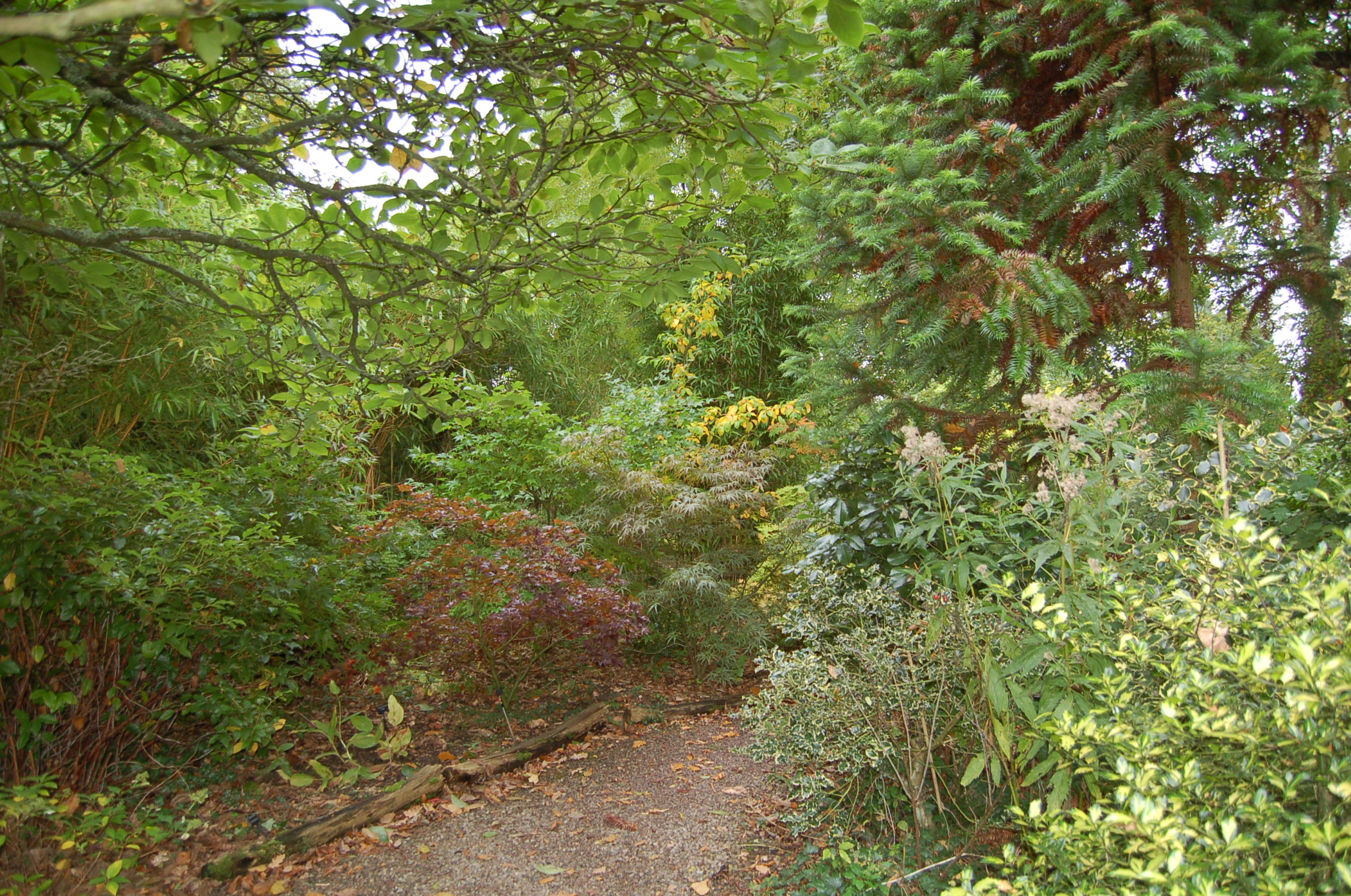
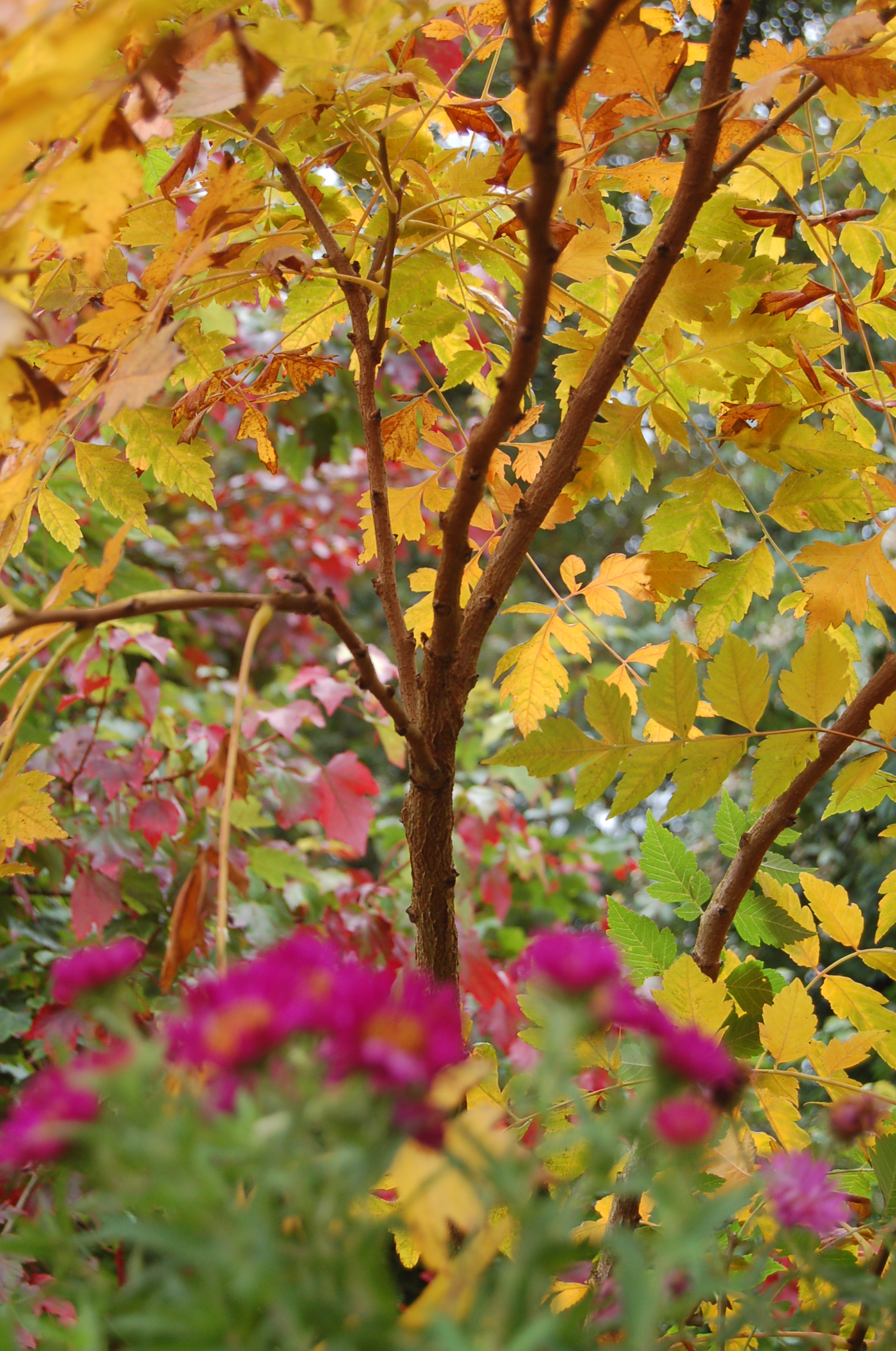
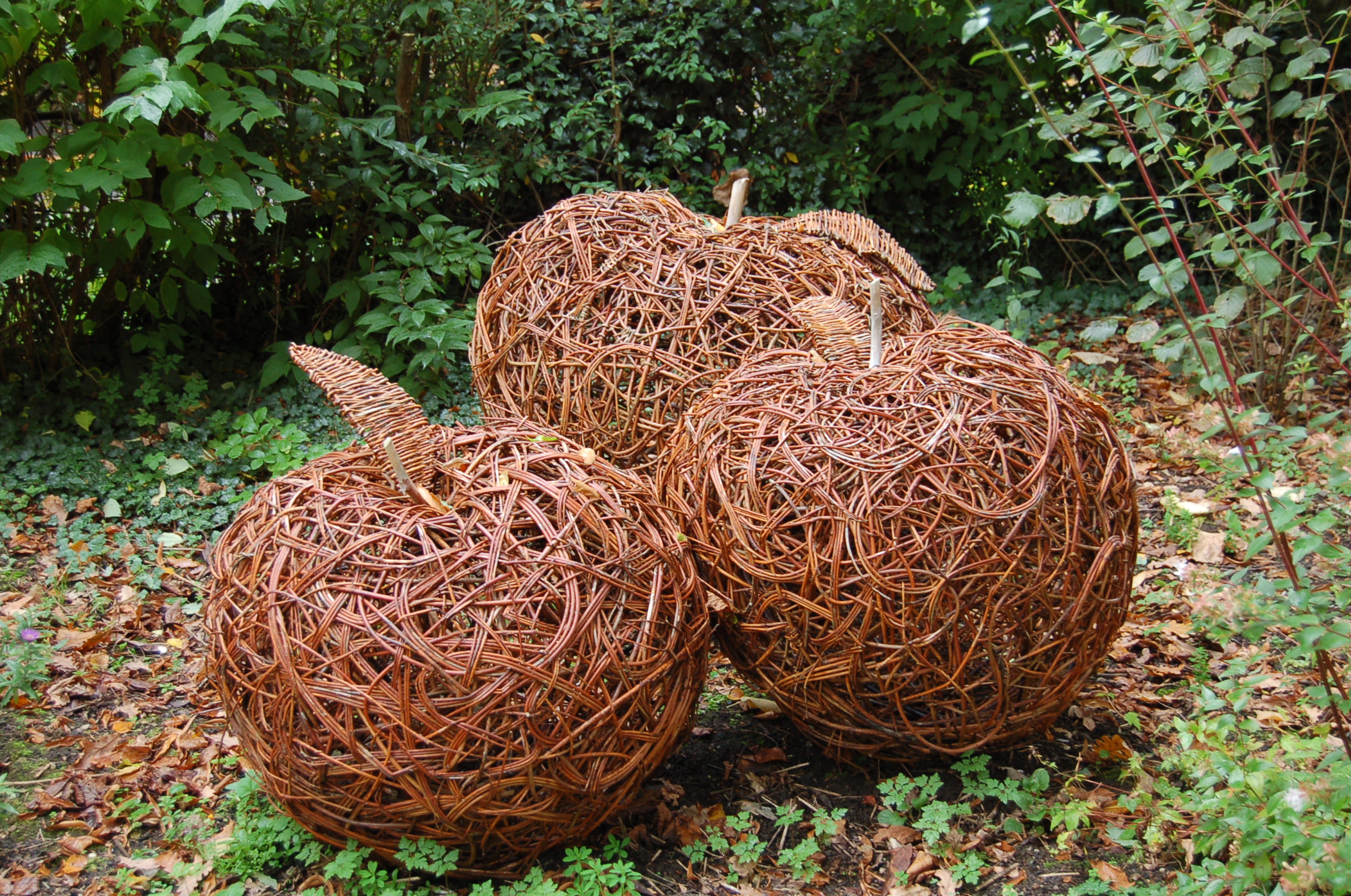
We had already come across Cotinus and Rhus which gave rich jewels of deep coloured foliage adding structure to the borders. Shrubs and trees featured more as we moved on, enticed by this gently curving pathway. Acers, deciduous Euonymus and Cornus fwere the stars here before the path led us out of the trees, with the woven apples sitting in the border, to the next section of the garden.

2013 10 18_4292

2013 10 18_4271 2013 10 18_4273 2013 10 18_4278 2013 10 18_4280 2013 10 18_4288 2013 10 18_4289 2013 10 18_4290 2013 10 18_4291

This area featured smaller shrubs punctuated by taller trees such as a rich gold and bronze Sorbus amid areas of perennials, a large percentage of which were of course Asters.

2013 10 18_4304 2013 10 18_4302 2013 10 18_4303 2013 10 18_4301 2013 10 18_4300 2013 10 18_4299 2013 10 18_4298

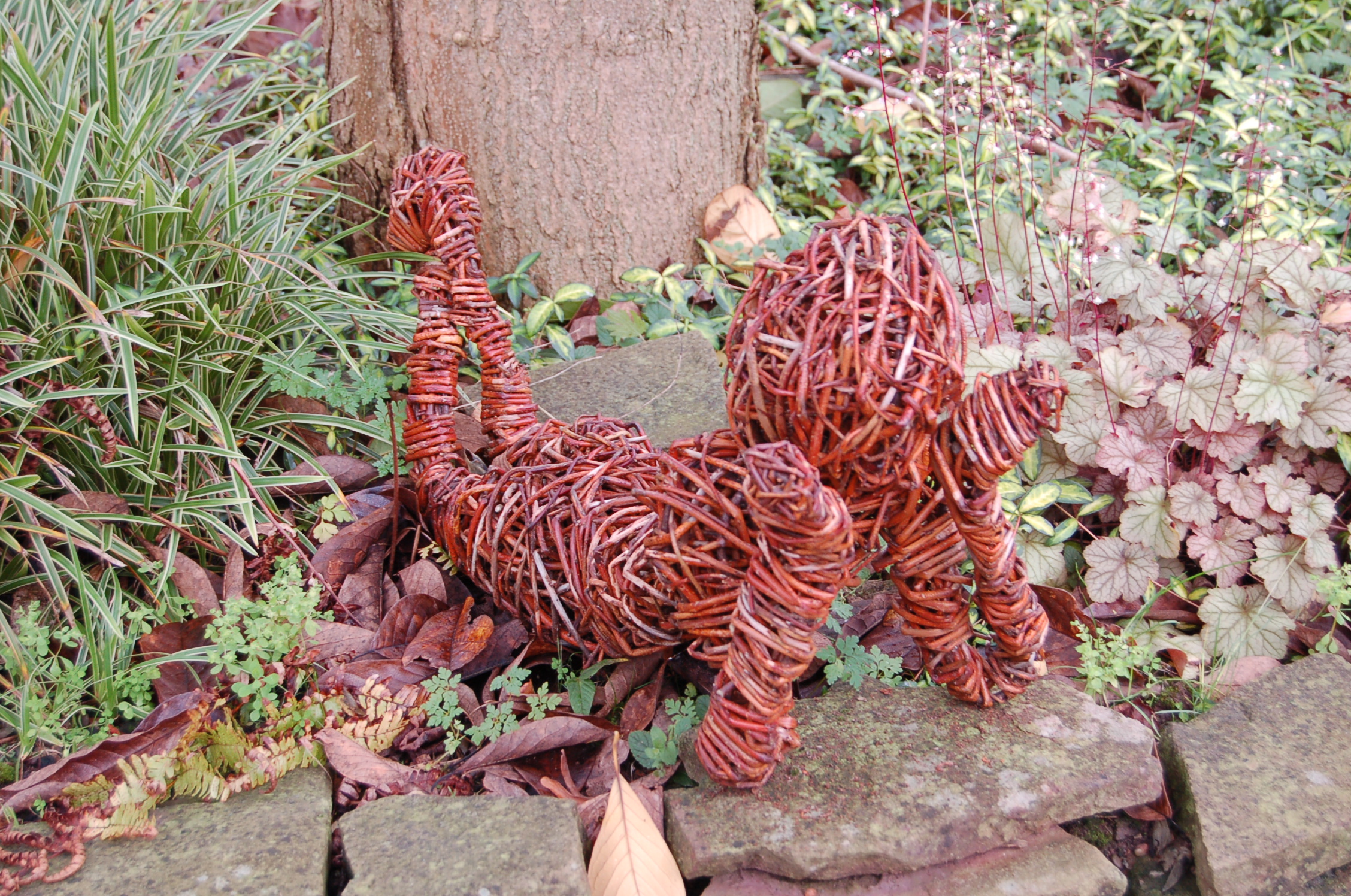
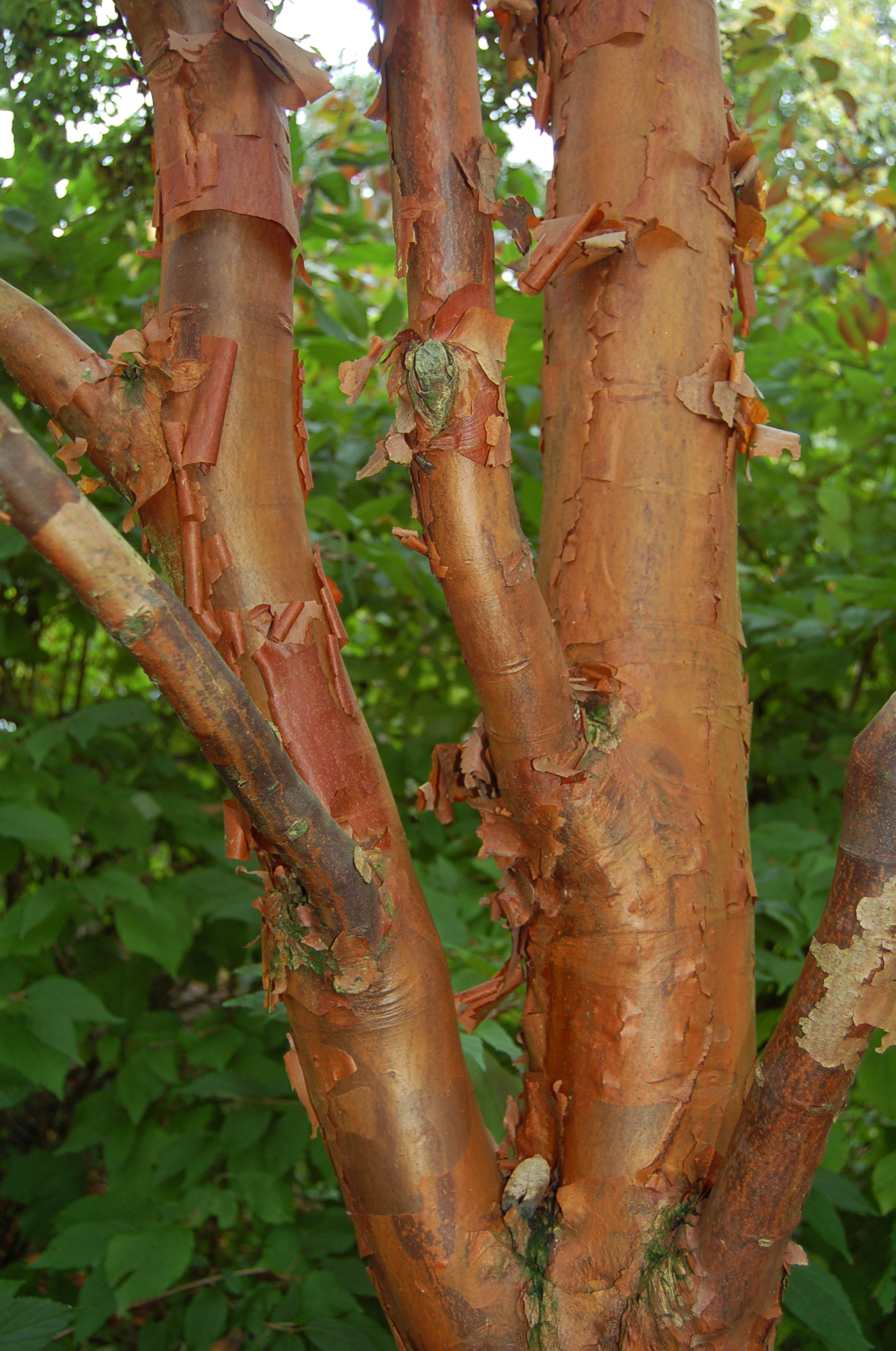
Beneath the peeling trunk of an Acer griseum these two woven youngsters were enjoying leisure time in the garden, the young girl quietly absorbed while her brother concentrates on perfecting his hand stands.

2013 10 18_4297 2013 10 18_4296 2013 10 18_4295 2013 10 18_4294 2013 10 18_4293 2013 10 18_4305 2013 10 18_4308 2013 10 18_4313

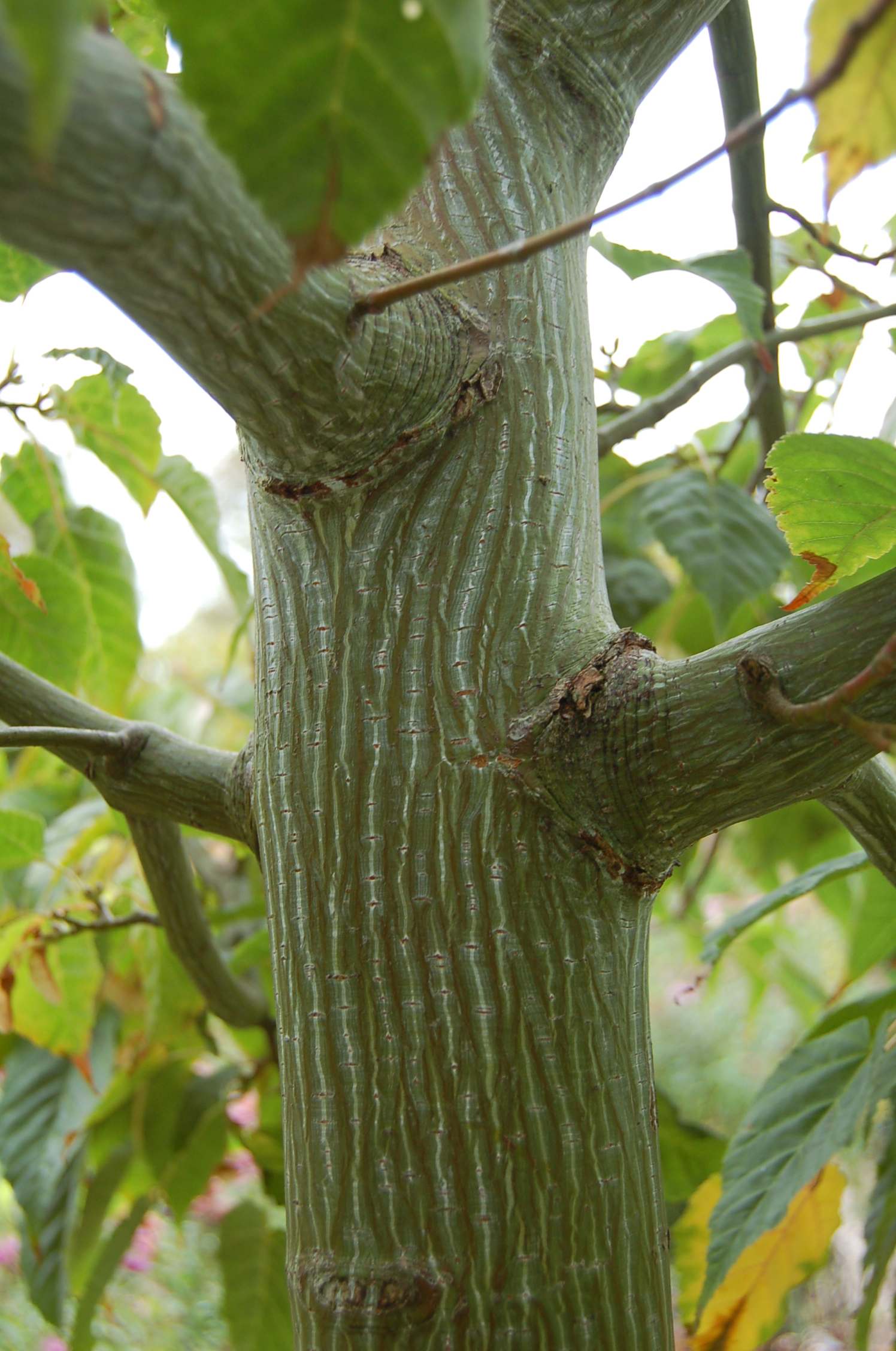
Even though we were emerged in Asters we could not help but be impressed by the incredible variety of texture in the bark of the trees.

2013 10 18_4321 2013 10 18_4319 2013 10 18_4300

2013 10 18_4320 2013 10 18_4322 2013 10 18_4306_edited-1 2013 10 18_4318 2013 10 18_4317 2013 10 18_4316 2013 10 18_4314 2013 10 18_4313 2013 10 18_4308 2013 10 18_4304 2013 10 18_4303 2013 10 18_4302 2013 10 18_4298 2013 10 18_4287 2013 10 18_4286 2013 10 18_4285 2013 10 18_4284 2013 10 18_4281 2013 10 18_4283 2013 10 18_4280 2013 10 18_4279

The only way to finish this post is to indulge in a rich mix of Asters.

Categories
garden seating gardens

Are you sitting comfortably? A series dedicated to garden seating.

Seating in a garden turns a display of plants into a place in which to become entranced. We only have a quarter of an acre of garden but we have a seat  around every corner and a seat to enjoy every view. I started taking photographs of seating in gardens at the beginning of last year’s garden visiting season, photographs of any bench or chair that appealed to me or seemed particularly well-placed or particularly welcoming. In this series of posts I shall choose an interesting selection for you to enjoy.

First up is this elegant metal table and chairs in a wild area of a garden away from the house where tea and cakes can be enjoyed whilst appreciating the wildlife that shares the peace that pervades this patch .

IMG_0628

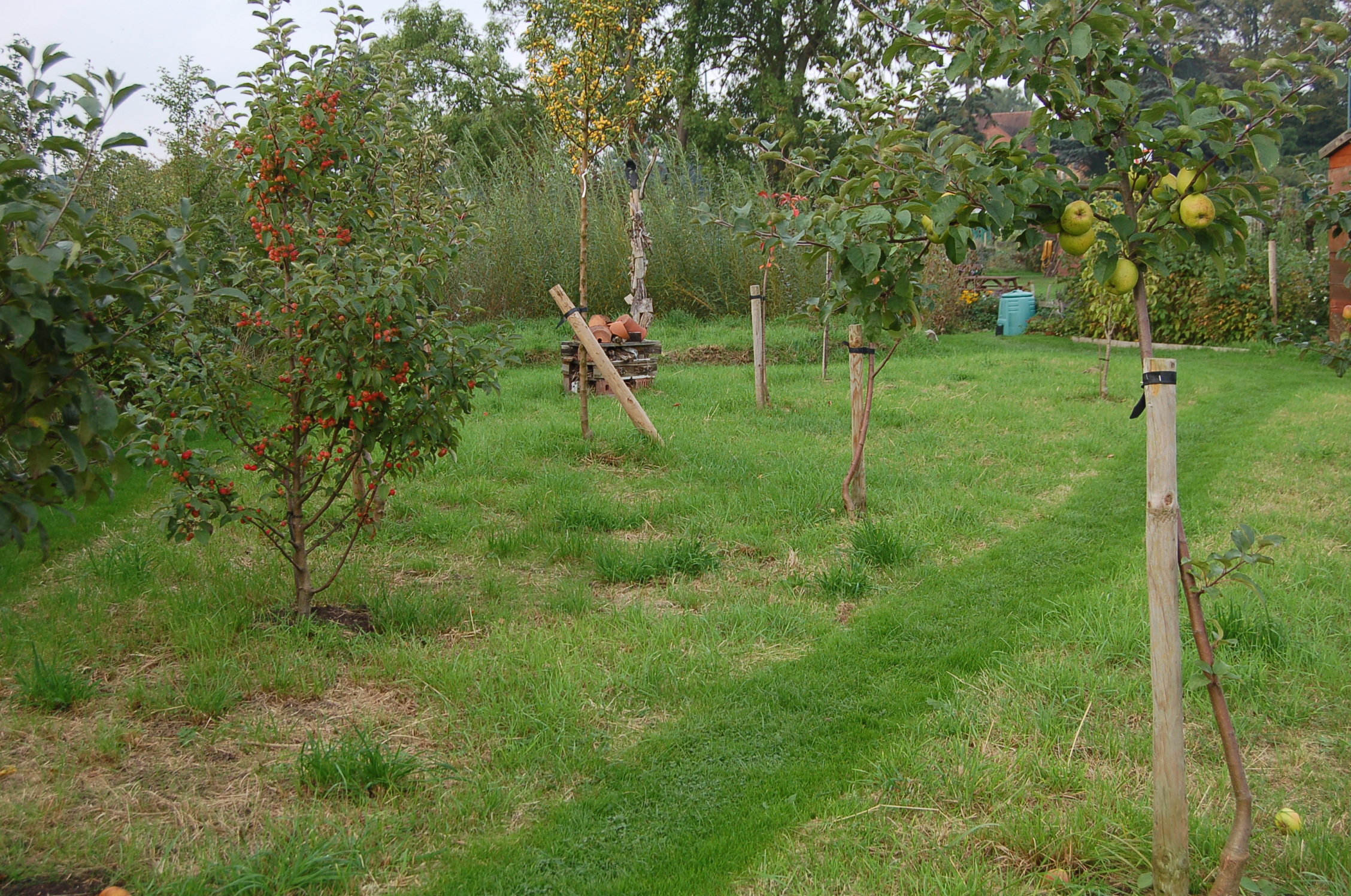
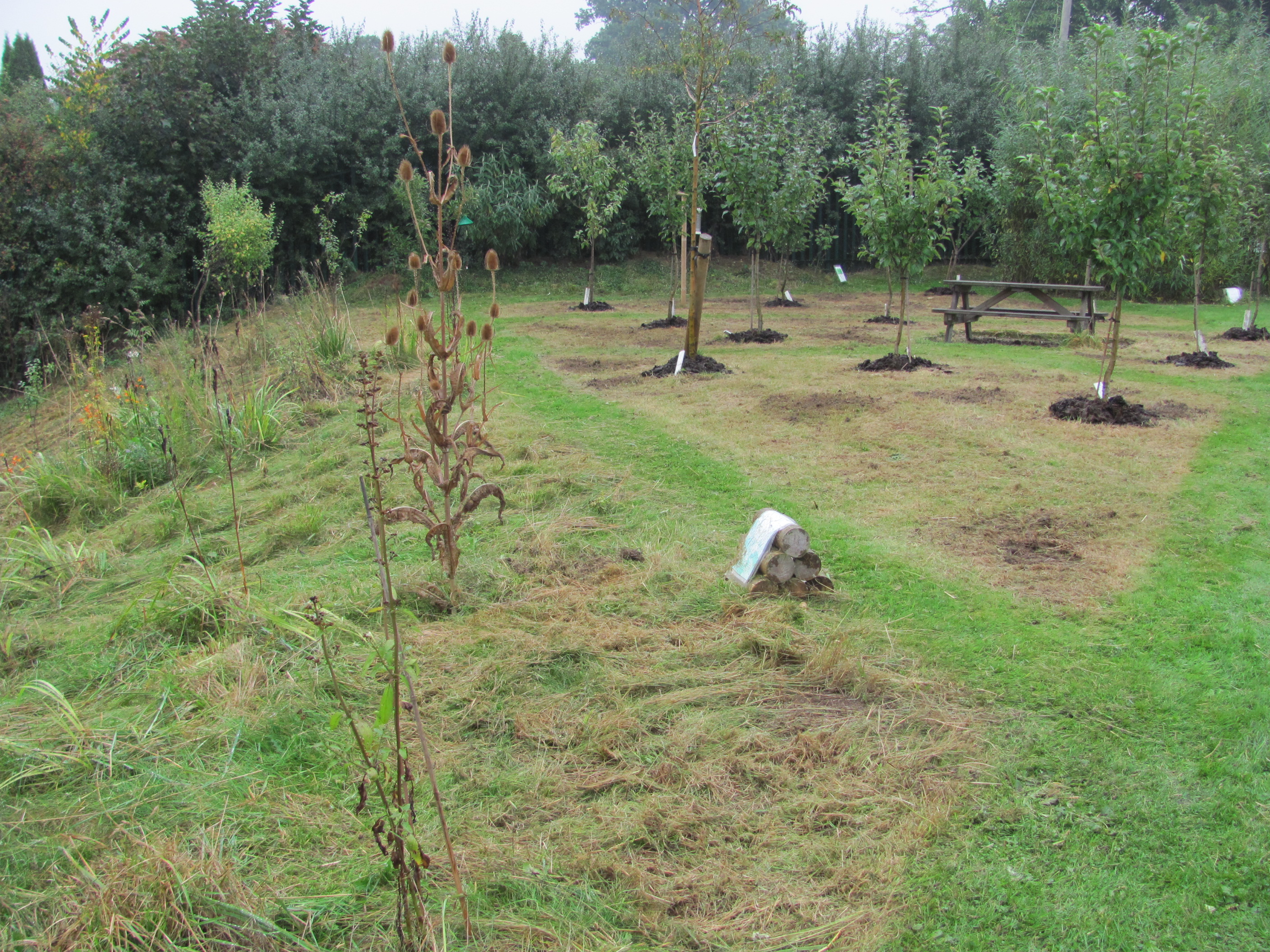
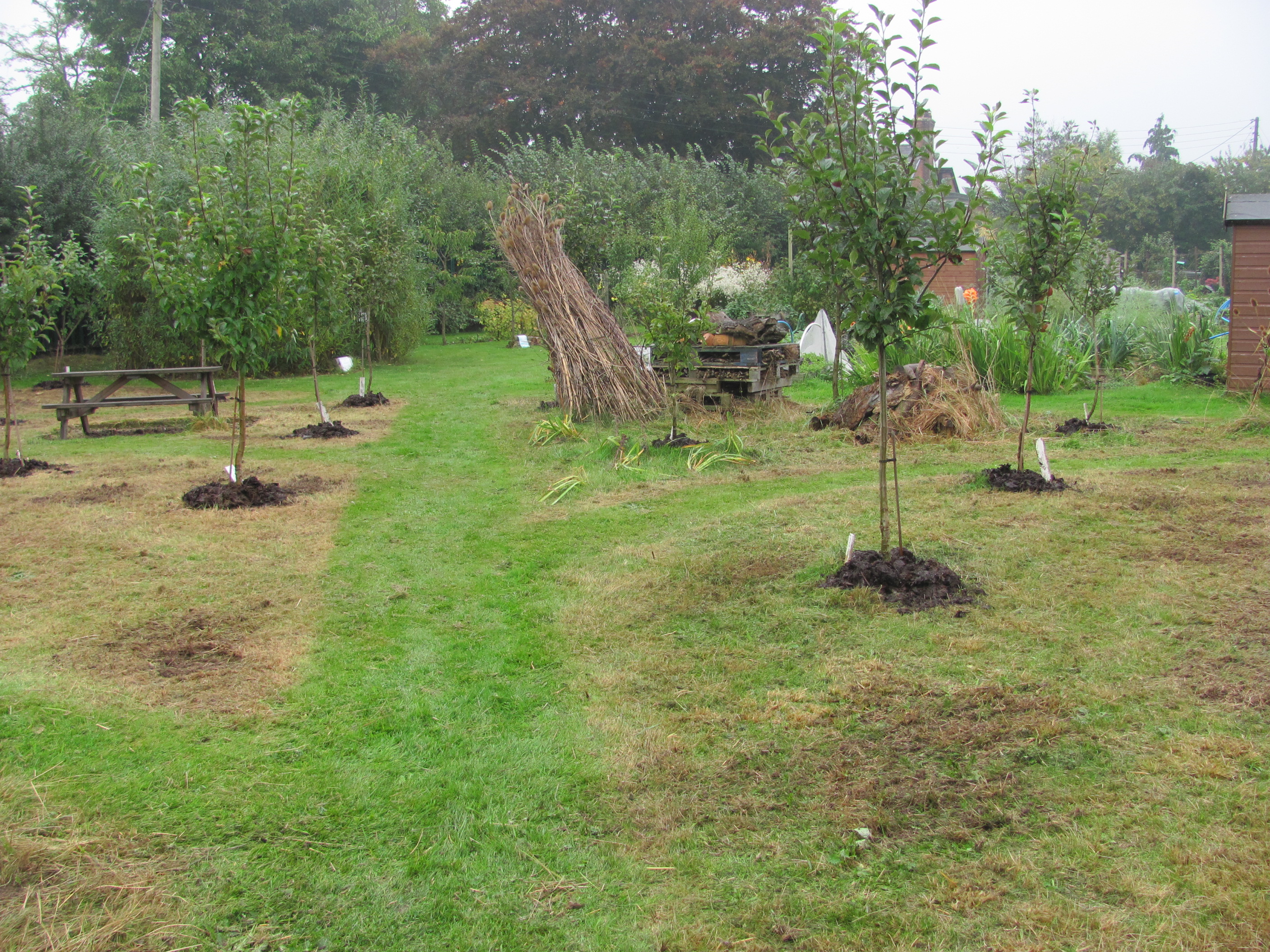
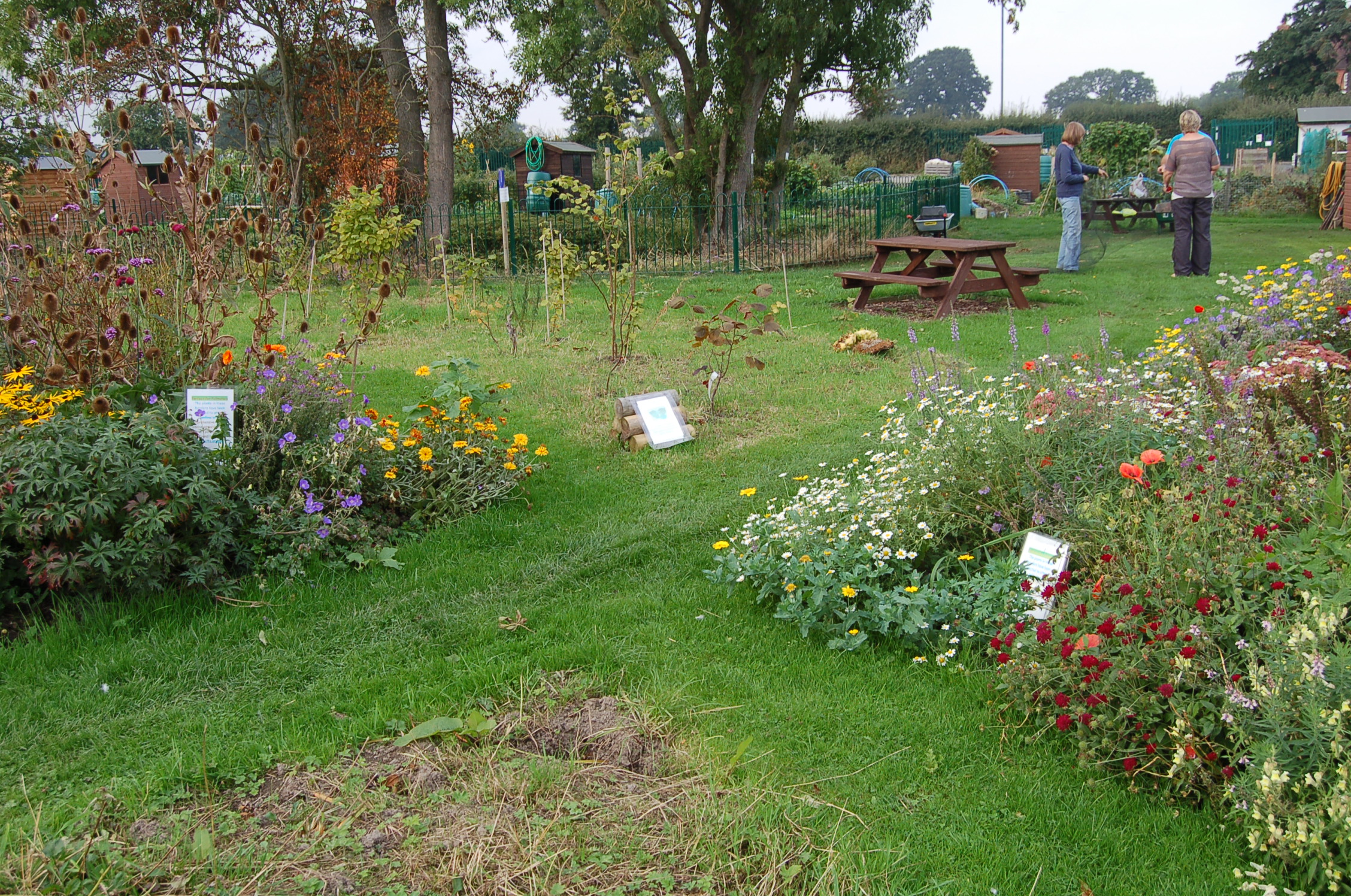
This benches in one of the green spaces at our allotment site provides an ideal place for a picnic. Here we can sit amongst meadows of grasses and wildflowers growing beneath young apple trees in one of our orchards. The feeding stations and “Edible Hedge” close by attract lots of entertaining wildlife. The birds feel safe so confidently feed a few metres from us.

IMG_1617

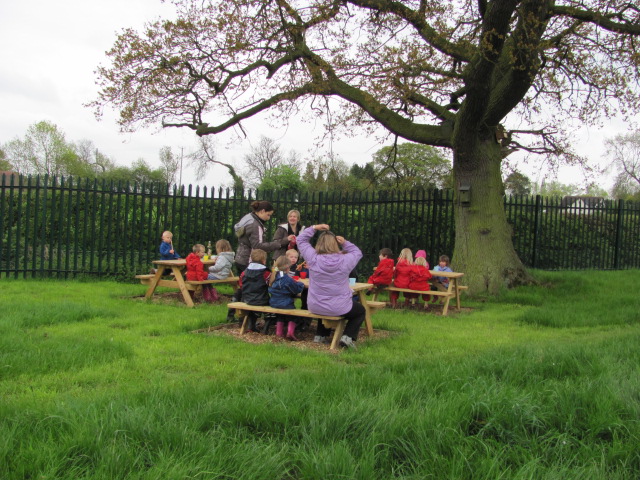
Under the big old Oak tree other picnic benches provide a resting place for youngsters who visit our allotments. After exploring the meadows and the turf spiral a time to rest is in order.

IMG_0603

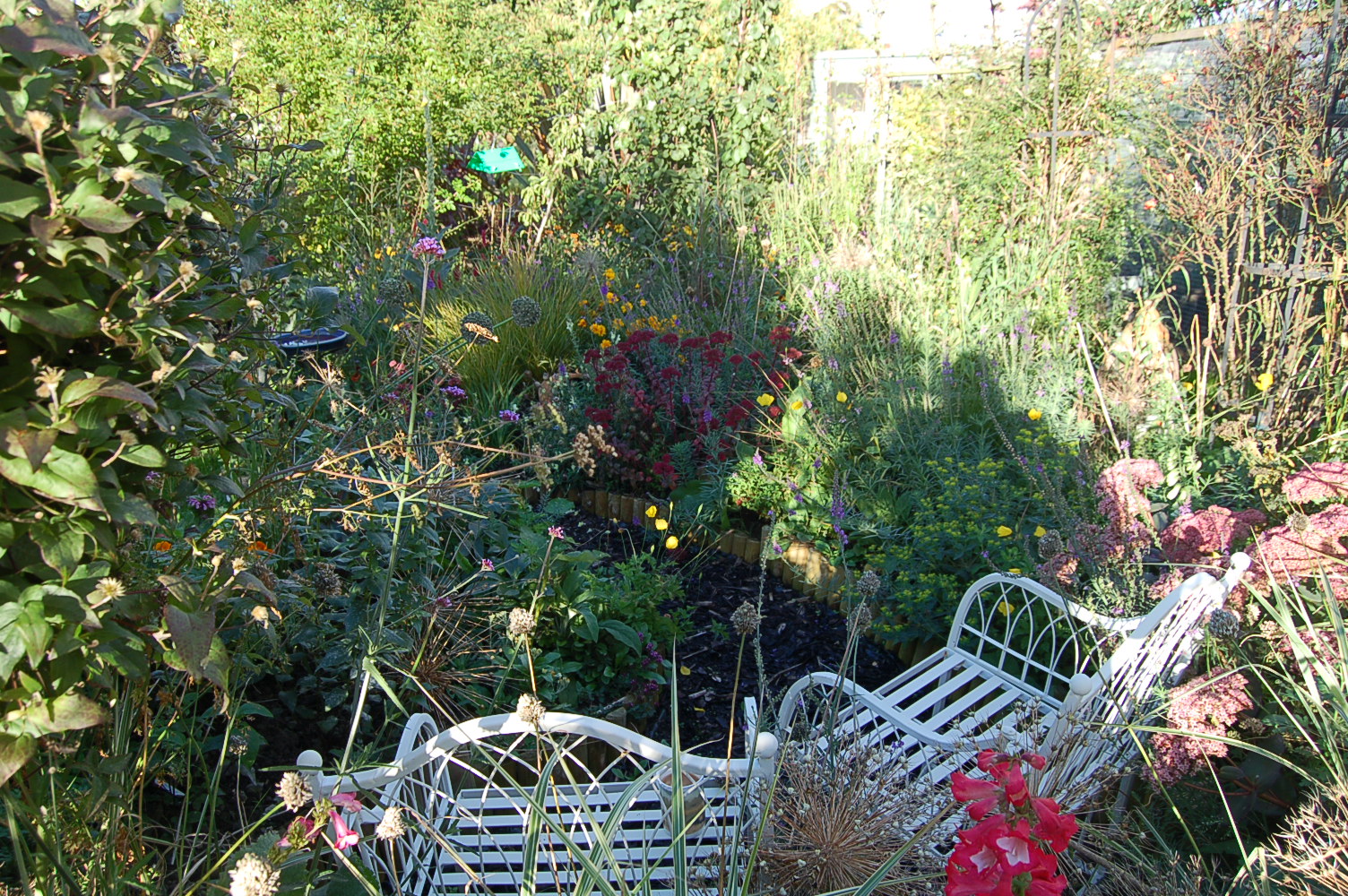
In our own garden we have seats wherever there is a view or where we can sit and relax engulfed in plants.

DSC_0002 DSC_0005

In the next post dedicated to the humble garden seat we shall search the gardens of Yorkshire and find places to sit comfortably. Throughout the autumn and winter I shall post issues of  “Are You Sitting Comfortably” so keep an eye out for them.

Categories
Uncategorized

Abandonned

I couldn’t resist taking a few pics of this little cameo!

20130926_155558 20130926_155545

So many questions!

Are the bucket and spade not wanted any more? Were they left by an unhappy little toddler? Sad!

Did a family sit down for a rest and put the bucket and spade down by their side and then walk off leaving them behind? Sadder!

Did a family sit down to rest and a big wave took the family out to sea? Even sadder!

Categories
garden buildings

Building a new log store

Why do piles of logs neatly stacked always look so good in a garden? They are somehow welcoming indicating perhaps that inside there awaits the comfort of an open log fire or roaring log burner. We have always stored our logs under the overhang alongside our front door, which smells lovely as you approach or as you open the door in the morning. That lovely smell of cut wood.

2013 09 27_3712

However this summer we have had a wood burner fitted in our conservatory so we need more wood storage. We had logs piled in any vacant space we could find around the house and garden. In the picture below these logs are piled up leaning against my fishing storage shed on the edge of the path between the shed and our garage. It was all getting a bit annoying.

2013 09 27_3711

The answer was another wood shed and in a rash moment I decided I could make one! I decided I would design and construct one that would store a whole load of logs and at the same time hide the refuse wheelie bins.

2013 09 27_3710 2013 09 27_3709

Well I did manage but will admit it did take a few weeks to achieve.

2013 10 04_4091 2013 10 04_4090

But I have to say I am rather pleased with the end result. Now I must telephone Ben the woodsman for a trailer load of logs. I feel sure the logs will be well-seasoned as I have allowed for plenty of air movement and it should get plenty of sun.

Categories
bird watching birds garden wildlife house martins migration natural pest control swallows wildlife

Mad Autumn Moments with Martins

Six weeks or so ago our flocks of martins suddenly departed southward and the swallows gathered on the telephone wires above the road passing the front of our house. They chattered and fidgeted, stretched their wings and tails and preened busily ensuring that they were in the best of trim for their long migratory adventure.

Then one day the skies were silent and the wires empty.

2013 09 13_3454

But a week later as we were working away in the garden borders we heard excited calls overhead and dozens of swallows were swirling around just above shrub height. They were so close to us as they enjoyed a feeding frenzy. They must have been en route south from further up North, Scotland or the Lake District perhaps, when the big old oak tree in the paddock behind us and the gardens of our little group of houses called them down. This place meant insects to gorge on to refill and prepare themselves by stocking up for the next leg of their long migration. As we watched stunned by their excitement, their noise and flying acrobatics, they were joined by an equal number of house martins.

They periodically stopped in mixed groups on our roof ridge to chatter and catch up on the latest migration news. For us of course there was the added bonus of all those garden pests being hoovered up by gaped beaks. Great pest control!

2013 09 13_3459 2013 09 13_3458 2013 09 13_3457 2013 09 13_3456 2013 09 13_3455  Now that is entertainment!

Now in early October they have definitely all gone. We miss their constant chattering in the sky above the garden and await their return in the Spring.

Categories
countryside landscapes light light quality photography Shropshire South Shropshire wildlife

Return to the Fold

You may remember in an earlier posting on my Greenbenchramblings blog that we enjoyed a walk up a local hill to find the stone circle called Mitchell’s Fold. Recently when my brother and his wife, Graham and Vicky, came to stay with us in lovely Shropshire they fancied a walk somewhere with a feeling of openness, calm and peace. So, we returned to “The Fold”.

For the first set of photos I stood in the middle of the stone circle and took a series of six pics as I moved around in a circle taking in the 360 degree view.

2013 09 23_3497 2013 09 23_3498 2013 09 23_3499 2013 09 23_3500 2013 09 23_3501 2013 09 23_3502

And then I took a series of shots of the stones themselves, the stones that give this special place a unique feeling and atmosphere. Calm. Peace. Contentment. When we stood within the circle of stones we realised why it has been for thousands of years a place of worship and magic.

2013 09 23_3504 2013 09 23_3505  2013 09 23_3503 2013 09 23_3506 2013 09 23_3507 2013 09 23_3508 2013 09 23_3509

Mother nature has been at work here growing beautiful grasses, sedges, fungi and flowers specially suited to the difficult terrain.

2013 09 23_3510 2013 09 23_3512 2013 09 23_3513 2013 09 23_3520

2013 09 23_3521 2013 09 23_3530

Graham and Vicky who live down in a town in the South of England, were blown away by the massive views and the 360 degrees through which eyes and mind can wander.

2013 09 23_3515 2013 09 23_3514 2013 09 23_3516 2013 09 23_3517

This place is where we expect to see unusual birds but not very many of them. Today was no exception as we enjoyed the sight of small pipits and finches being buffeted in the winds and birds of prey such as Hen Harrier, Red Kite, Kestrel and Buzzard hunting in their own special ways taking advantage of the slopes and thermals. We met a special creature on our way up the track from the stone circle to the cairns atop the hill. A dung beetle. Its name is a little off-putting as is its habit of moving dung around by rolling it into balls. But they are fascinating little critters who are one of nature’s great recyclers. This little glossy black spherical beetle had iridescent kingfisher blue legs that flashed as it moved and when turned over it revealed similar brightness

2013 09 23_3519 2013 09 23_3518

As we turned at the end of the outward leg of our trek we made our way up to the top of the ridge where we stop for refreshment at the cairn. We searched for a stone as we moved uphill as we like to follow the tradition of putting our own stone on the cairn to mark our presence. The views from the cairn wre stunning and simply huge!

2013 09 23_3522 2013 09 23_3523

Our little stone sat happily among its much larger cousins who will protect it from the extremes of our weather.

2013 09 23_3524

The coffee and fruit stop was most welcome and came at the right time as Vicky and Graham’s looks of anticipation illustrate.

2013 09 23_3525 2013 09 23_3526 2013 09 23_3527 2013 09 23_3528

Suitably refreshed and impressed with the hill top cafe facilities we made our way along the ridge and slowly back down to the car.

2013 09 23_3531 2013 09 23_3532

On the way back down we came across an area where the bracken was glossy and shone in the afternoon sunshine, a phenomena we have not experienced before.

2013 09 23_3534 2013 09 23_3536

Categories
allotments fruit and veg garden wildlife gardening grow your own kitchen gardens recycling

Trench Composting

Trench composting is an underused way to improve your soil texture and add fertility to your soil. And it has the added bonus of getting rid of those tough old stems of spent sunflowers, sweetcorn and brassicas. We spent a day trench composting the quarter of our allotment in which we shall be growing our roots next year. Many books tell us not to add manure or humus to the patch where you are planning to grow your root crops but we have found by experience that if the trenching is carried out in early autumn it works just fine. As the depth of soil on our plot is less than a border fork deep we need to keep adding to it in an attempt to build up some depth.

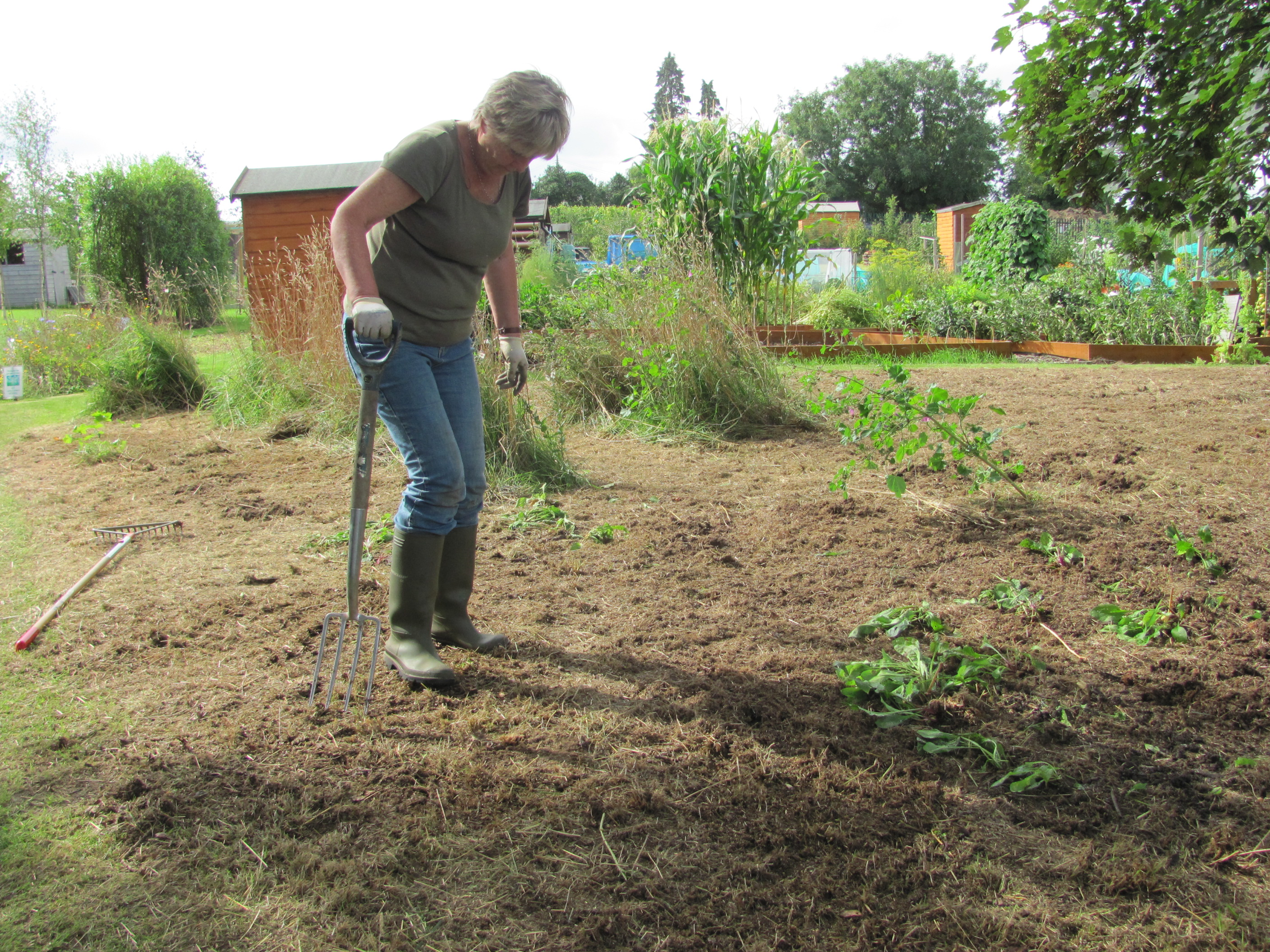
The job gets started as Jude, aka Mrs Greenbench or The Undergardener, takes out a 2 foot wide trench down to the hard layer of boulder clay. I then follow on with the rotovator breaking up this hard packed layer of clay and large pebbles. It makes the rotovator work hard and it jumps and lurches around at the bottom of the trench. By doing this we hope to gain depth and let worms and other creatures of the soil work in the humus we will be adding. While the rotovator turns up the stones and pebbles we collect them up to use as a stonepile, a beetle shelter. The beetles are useful predators who will help in our pest control.

2013 10 01_4074 2013 10 01_4075 2013 10 01_4076

Green waste from the spent crops on the plot are then placed all along the bottom of the trench, with the tougher material needing chopping with a sharp stainless steel spade. Even the toughest of green waste such as brassica stalks, sunflower stems and sweetcorn stalks will break down in the depths of the trench. We also add shredded paper (only non-glossy), torn card board and lawn mowings.

2013 10 01_4077 2013 10 01_4078

2013 10 01_4080 2013 10 01_4082 2013 10 01_4083

To further improve soil texture and add more nutrient value we  mix in a barrow load of quality farmyard manure.We find this encourages the soil critters to get going.

2013 10 01_4084 2013 10 01_4085

To finish Jude replaces the soil over the top of the material in the trench and as a final touch we add a thick mulch of farmyard manure.

2013 10 01_4086 2013 10 01_4087 2013 10 01_4088 2013 10 01_4089

We then hand the trench with its added ingredients over to the creatures of the soil. When we trench again in a few years time all that material will have totally broken down.

We carry on by digging out another trench alongside the first and keep moving over the area until it has all been trenched. We have our plot divided into four sections to allow for crop rotation so we trench one or two sections each year. This method of composting is a very efficient way of recycling green waste including the tough materials often thrown in refuse bins. Plants grown in the richly textured and nutrient rich soil will grow strongly and therefore be healthier so will be better able to cope with attacks from pests and diseases.

Categories
autumn autumn colours climbing plants colours flowering bulbs fruit and veg garden design garden photography gardening grasses grow your own half-hardy perennials hardy perennials light light quality ornamental grasses ornamental trees and shrubs shrubs succulents trees village gardens

A Garden Bouquet for September

September is the month when the first signs of autumn creep in and there is something special happening to the light. Misty mornings give the garden a fresh atmosphere. Darkness comes too early each day. Fruit picking is the order of the day and we get out our pruning kit, secateurs, pruning saws and loppers large and small to tackle the trees and shrubs.

Grasses begin to change colour, some flowers and seed heads are turning redder and more purple others towards the pale tints of biscuit.

2013 09 27_3768 2013 09 27_3769 2013 09 27_3770 2013 09 27_3771

The Blackberry vine is so heavy with fruit that it blocks the pathway and apples hang in thick bunches but seem slow to ripen. At last colour is creeping into the greenness of the grapes. Fingers crossed that the weather is kind to them and therefore kind to us.

2013 09 27_3772 2013 09 27_37732013 09 27_3777

2013 09 27_3774 2013 09 27_3776

This Buddleja is a special one with purple flowers at the tip of each arching branch. The out side of each individual flower is dusty purple-grey but the rich bright purple inside provides a beautiful contrast. Buddleys lindleyana is a very special shrub. A real favourite! And it looks even better alongside a bright orange neighbour in the guise of a Crocosmia. While we are on the subject of bright flowered Crocosmia the yellow one nearby is gentler but still a true bright beauty.

2013 09 27_3778 2013 09 27_3713

2013 09 27_3714

Shrubs and trees are thinking ahead to the winter and painting their leaves in reds, oranges and yellows. The first two photos are of a special Ribes which will give us yellow flowers in the winter. These are followed by deciduous varieties of Euonymus and Cercis “Forest Pansy”.

2013 09 27_3715 2013 09 27_3716

2013 09 27_3719 2013 09 27_3721

On the gravel garden, our Beth Chatto Garden, grasses are starring alongside the autumn stars, Michaelmas Daisies.

2013 09 27_3717 2013 09 27_3718  2013 09 27_3720  2013 09 27_3722

Bulbs usually mean late winter or early spring but these cyclamen and tulbaghia are showstoppers right now.

2013 09 27_3723 2013 09 27_3724 2013 09 27_3729

So off we go into autumn!

This Veggie Life

A Vegetarian | Nature Lifestyle Blog

Rambling in the Garden

.....and nurturing my soul

The Arch City Gardener

Journeys In St. Louis Gardening and Beyond

Garden Dreaming at Châtillon

Consult the genius of the place

Storyshucker

A blog full of humorous and poignant observations.

gardeninacity

Notes from a wildlife-friendly cottage garden

PlayGroundology

...an emerging social science

The Official Blog of British Wildlife

'The most important and informative publication on wildlife of our times' - The Independent. This blog is a member of The UK & Ireland Natural History Bloggers group: www.uknhb.blogspot.com

iGrowHort

Inspire - Cultivate - Grow Native Plants - Restore Landscapes

Bishops Meadow Trust

To create and protect a semi-natural wild space for the people of Farnham to enjoy and experience an array of British wildlife in our town

Gardening with Children

The www.gardeningwithchildren.co.uk Blog

UKbirdingtimeline

birding through the seasons, why birds matter and how to conserve them

NATURE WALKER

with a camera in hand

Jardin

Transform your outdoor space

Eva's space

My allotment, cooking and other interests

Old School Garden

my gardening life through the year

LEANNE COLE

Trying to live a creative life

fromacountrycottage

trying to live as lightly as possible on our beautiful planet

Good Life Gardening

Nature lovers from Leicester living the good life.

mybeautfulthings

Finding the beautiful in the everyday

mawsonmichelle

Michelle's Allotment

In and Out of My Garden

thoughts from and about my garden

Greenhousing

Big plans for a small garden

The Scottish Country Garden

A Walled Country Garden in South East Scotland

The Fruity Chicken

Life at the fruity chicken

willowarchway

Off grid living. Self sufficient. "PERMAGANICS RULE".

St Anns Allotments

Nottingham's Grade 2* Listed Allotments and Community Orchard

Manifest Joy Harvests

a journey in suburban vegetable gardening

Allotmental

The madness of growing your own

Penny's Garden: a harvest beyond my front door

A novel approach to vegetable gardening

arignagardener

Sustainable living in the Irish countryside.

NewEnglandGardenAndThread

Master Gardener, amateur photographer, quilter, NH native, and sometimes SC snowbird

dianajhale

Recent work and work in progress and anything else that interests me

planthoarder

a chaotic cottage gardener

Lens and Pens by Sally

a weekly blog that creates a personal philosophy through photographs and words

Dewdrops and Sunshine

Stories from a sassy and classy Southern farmbelle.

The Pyjama Gardener

Simple Organic Gardening & Seasonal Living

gettin' fresh!

turning dirt into dinner

JOY...

today the world is created anew

Garden Birds

Notes from a Devon garden

ShootAbout

Life Through The Lens

Adapting Pixels

A photography blog showcasing the best photography pictures and videos on the internet

Wildlifegardening's Blog

Just another WordPress.com site

naturestimeline

personal observations from the natural world as the search continues for a new approach to conservation.

LATEBLOOMERBUDS

The Wonders of Life through my Eyes, my Heart, my Soul