Categories
colours flowering bulbs garden design garden photography garden ponds garden pools gardening gardens grasses hardy perennials light light quality ornamental trees and shrubs photography shrubs spring bulbs spring gardening water in the garden

Aiming for a year round garden – early spring.

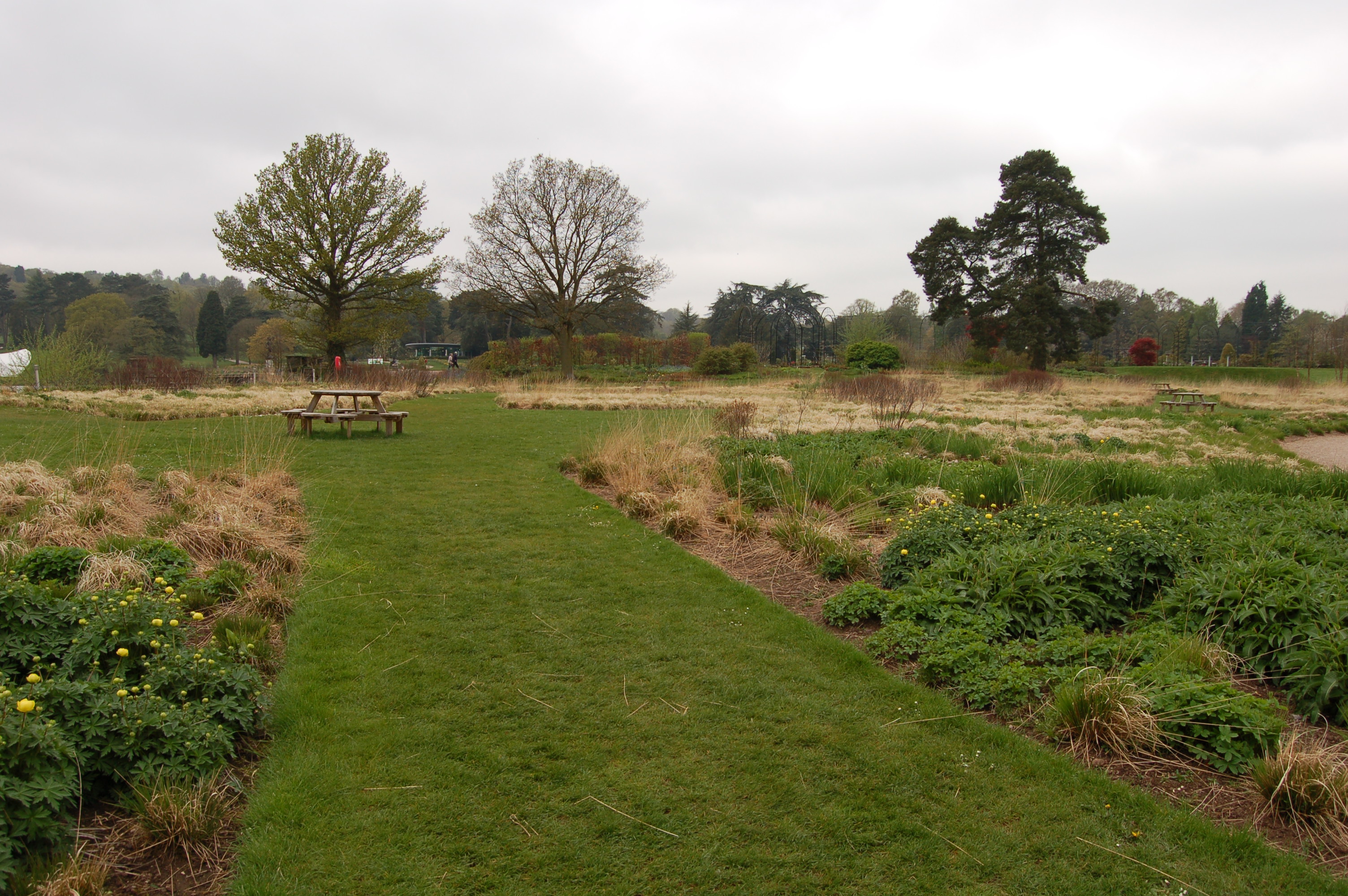
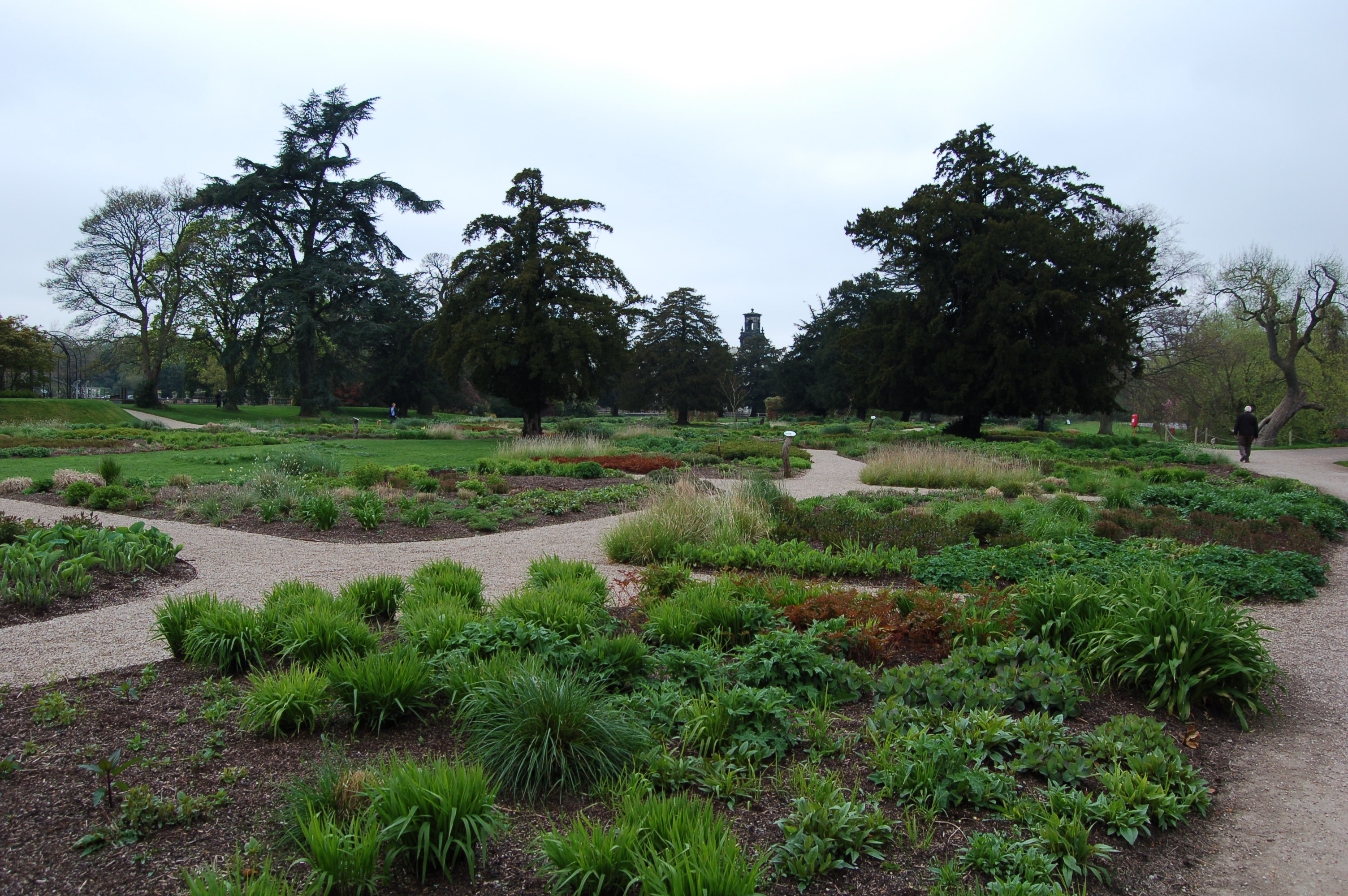
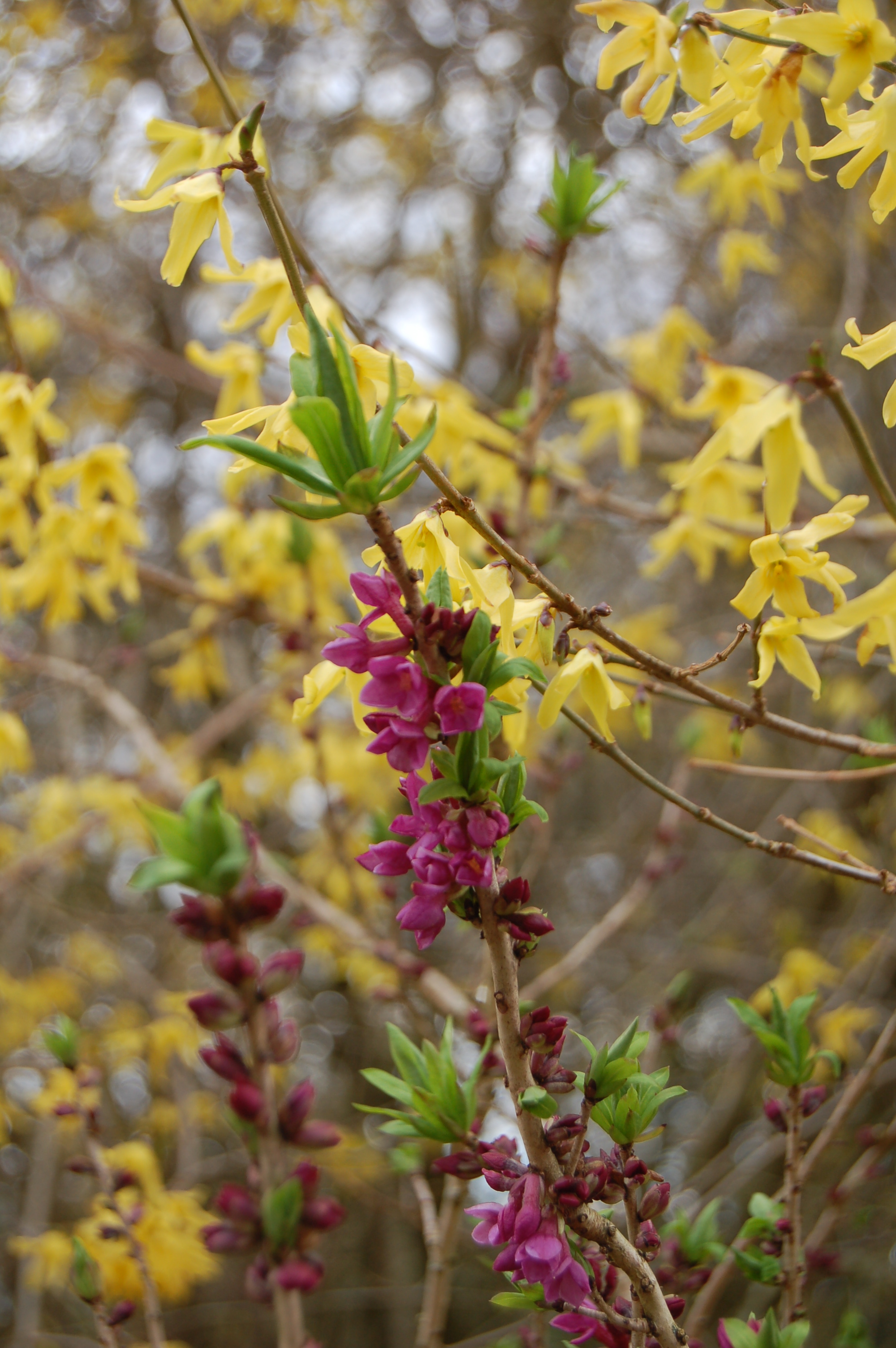
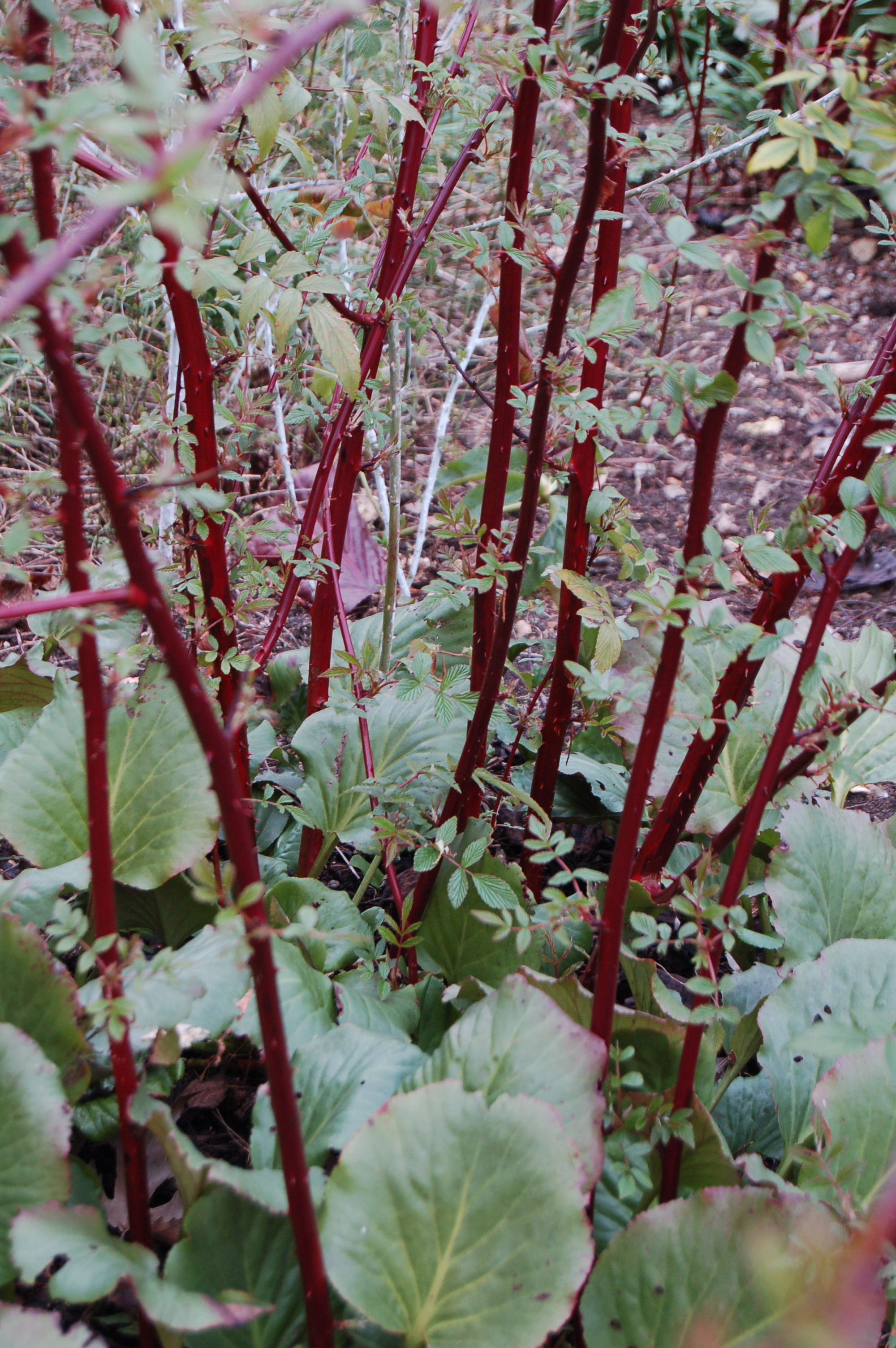
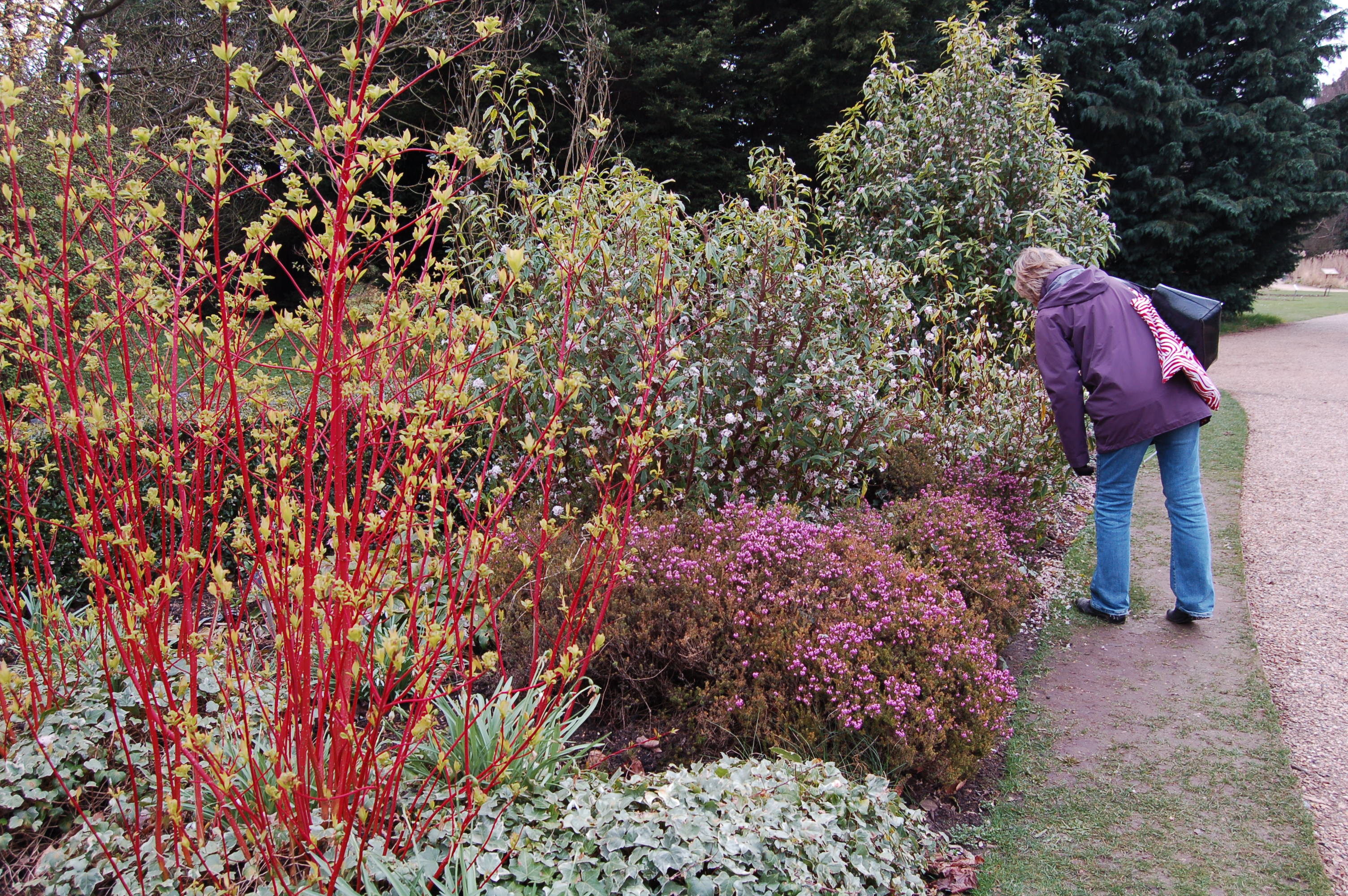
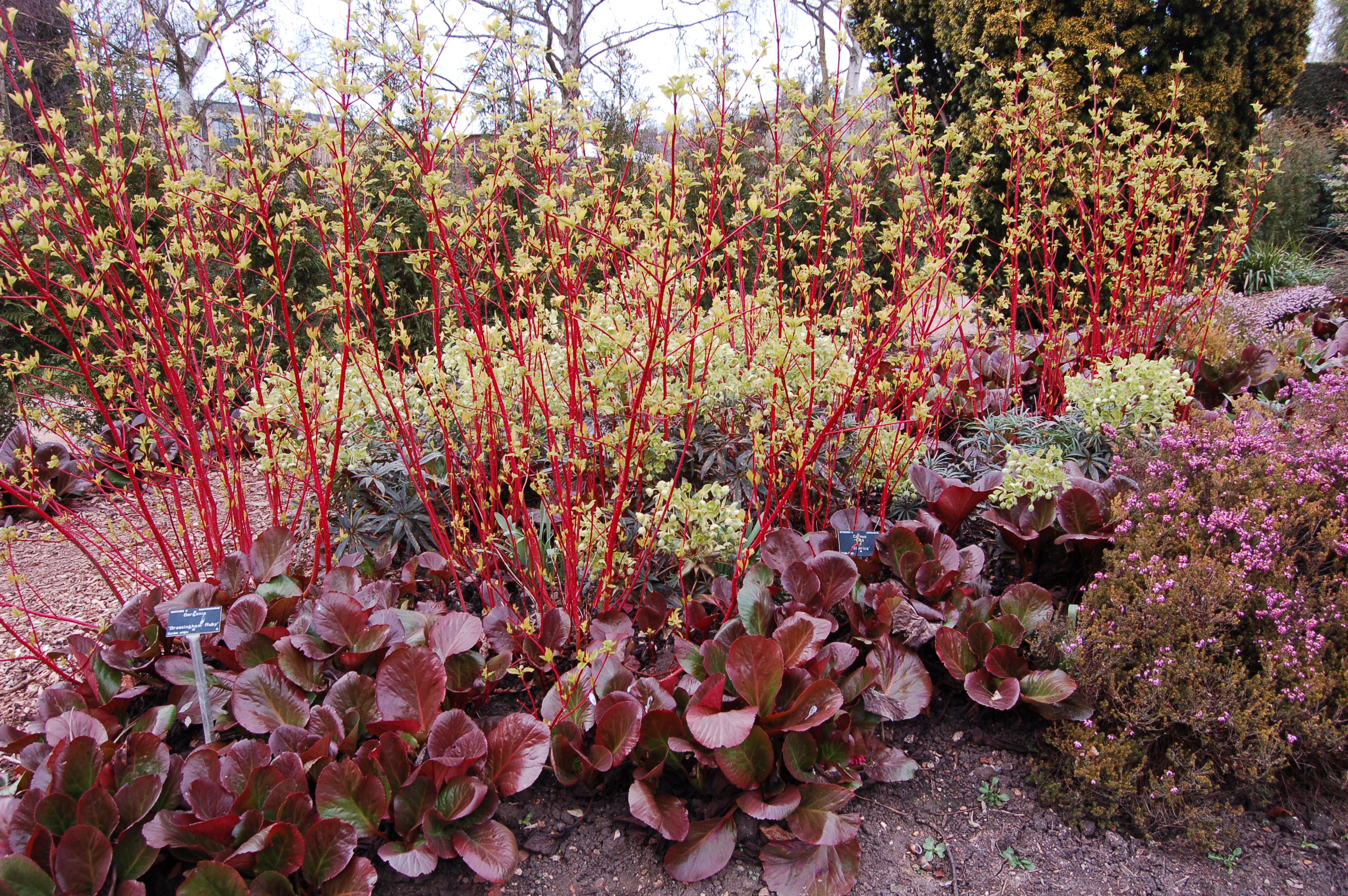
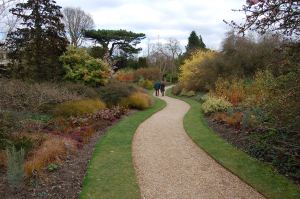
We looked at our garden in late winter to see if our aim of creating a garden with interest all year was paying off. Now in Early April things have changed a lot in the garden since our last look so I thought we could have a look at it in early spring. Are we getting there?

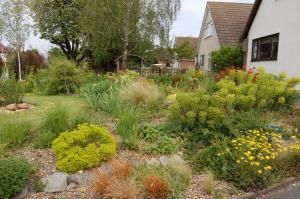
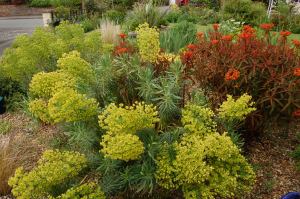
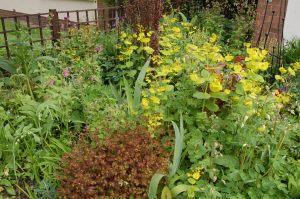
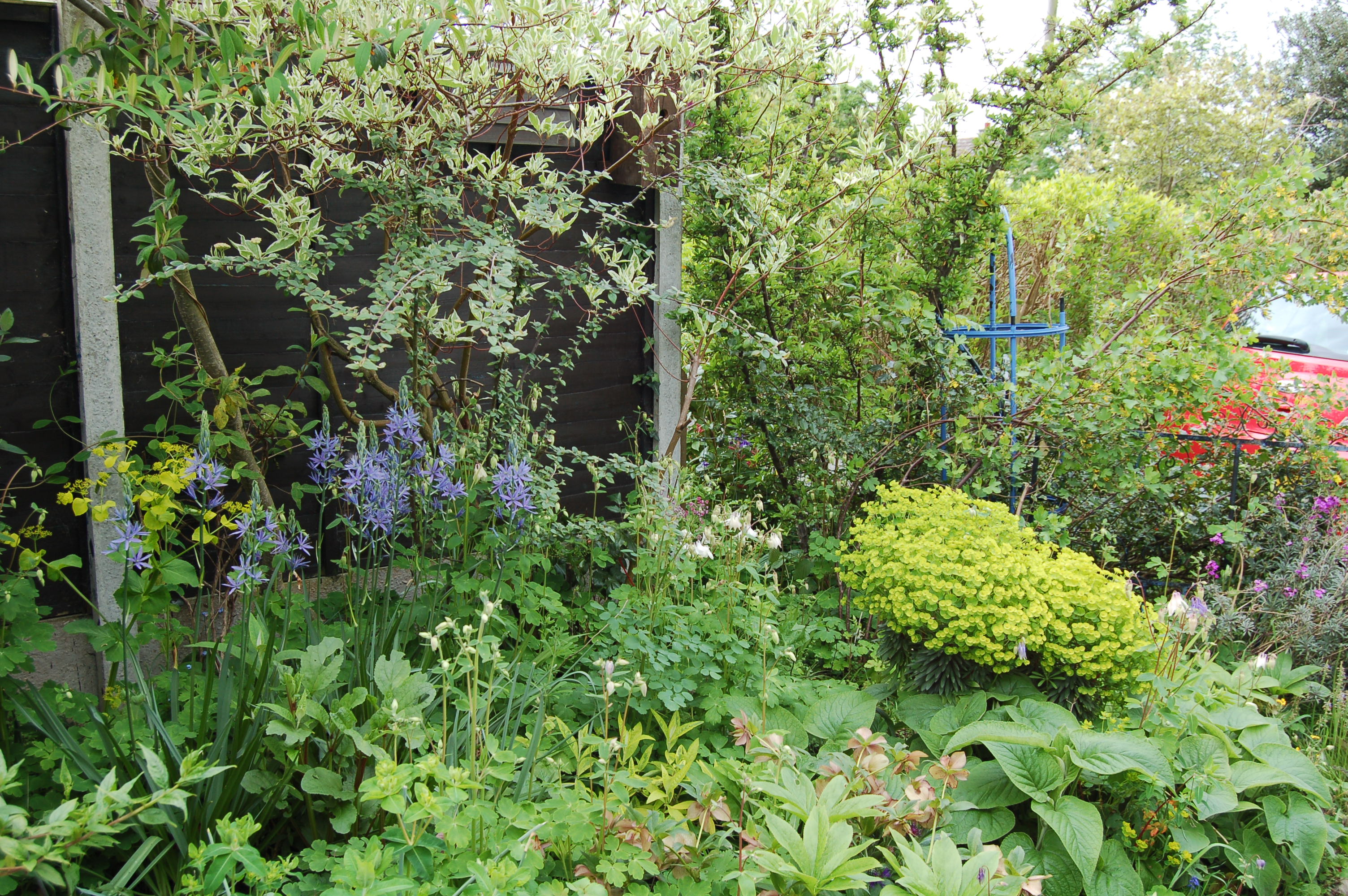
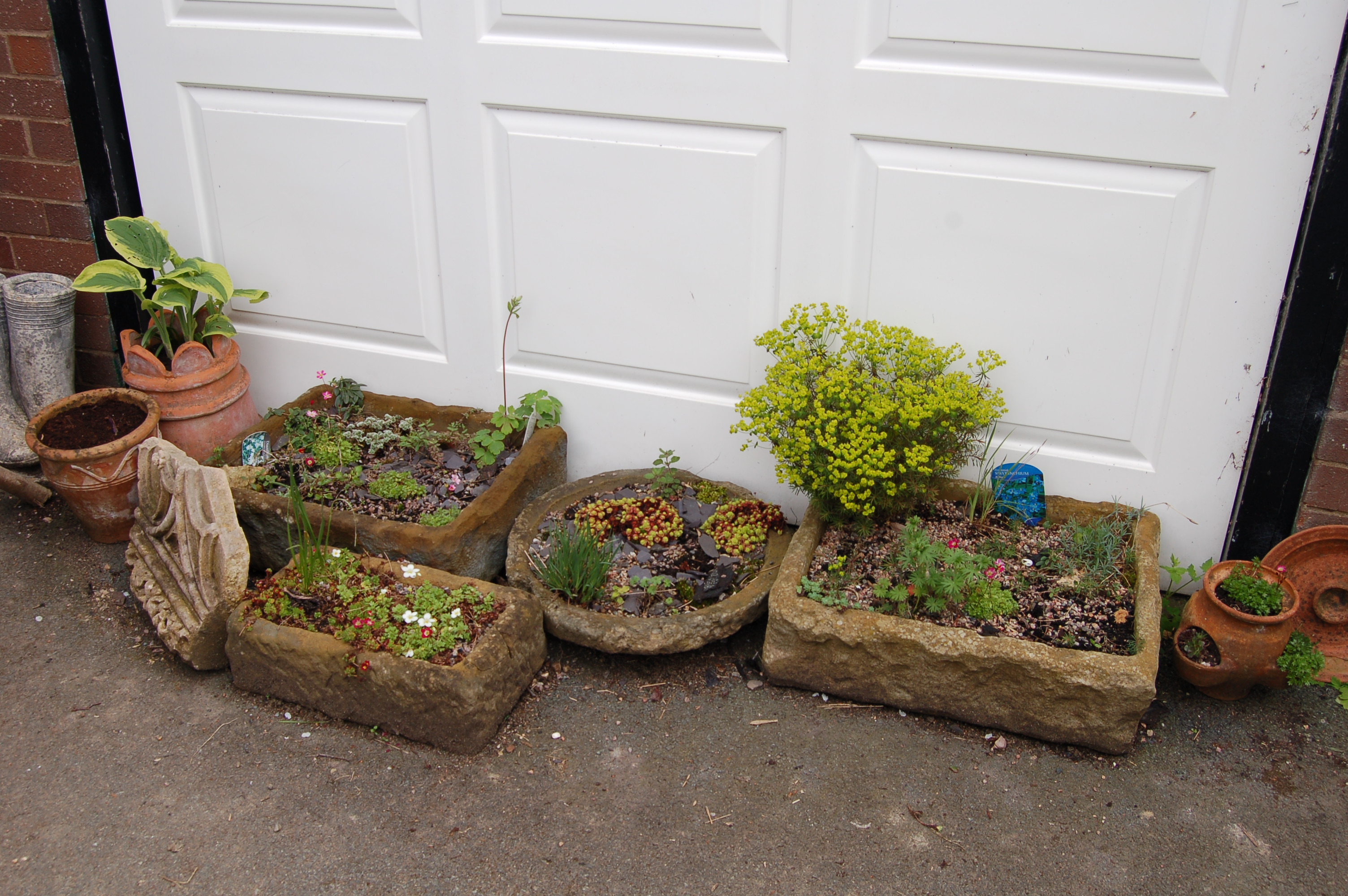
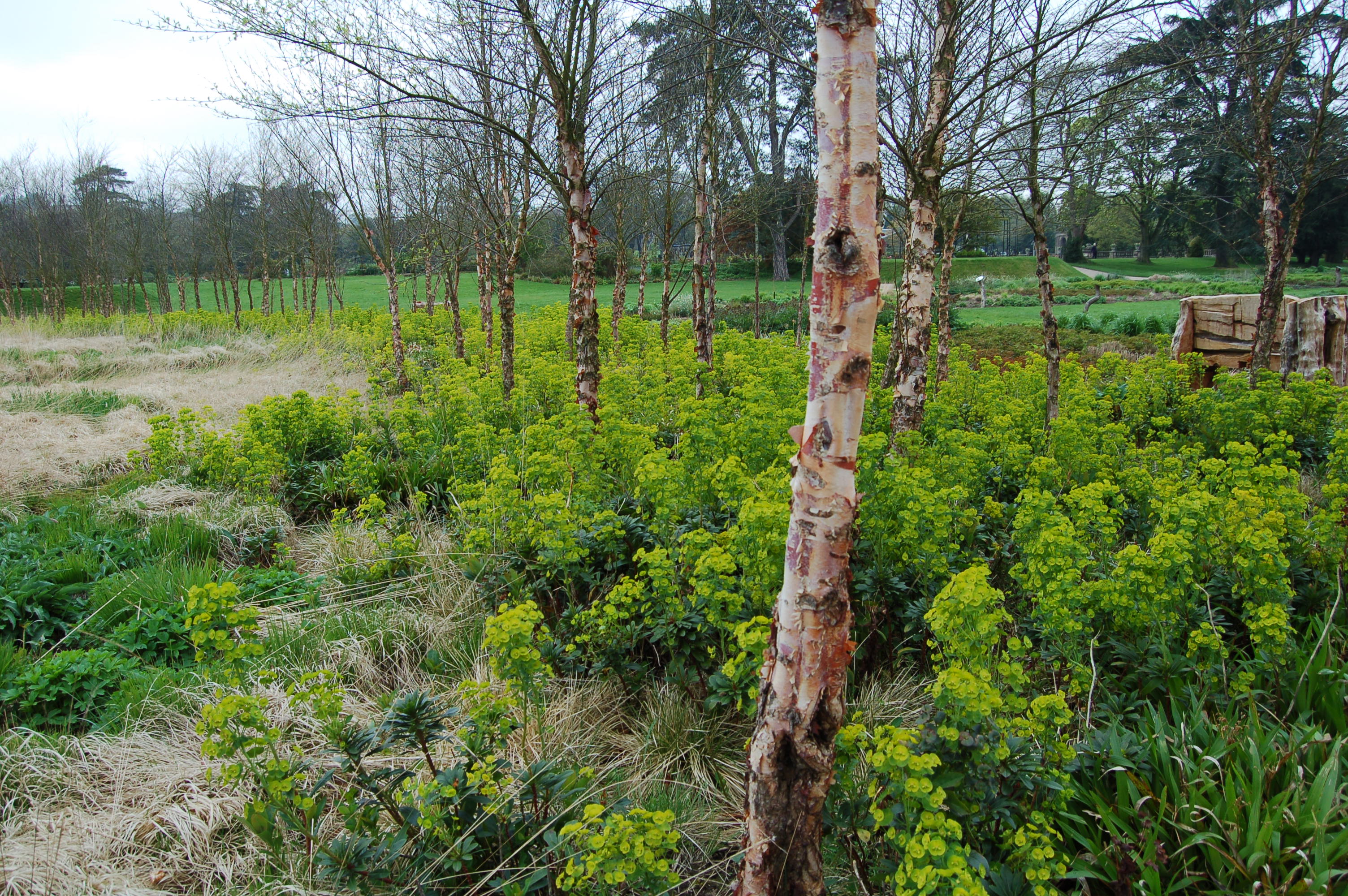
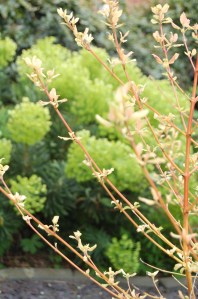
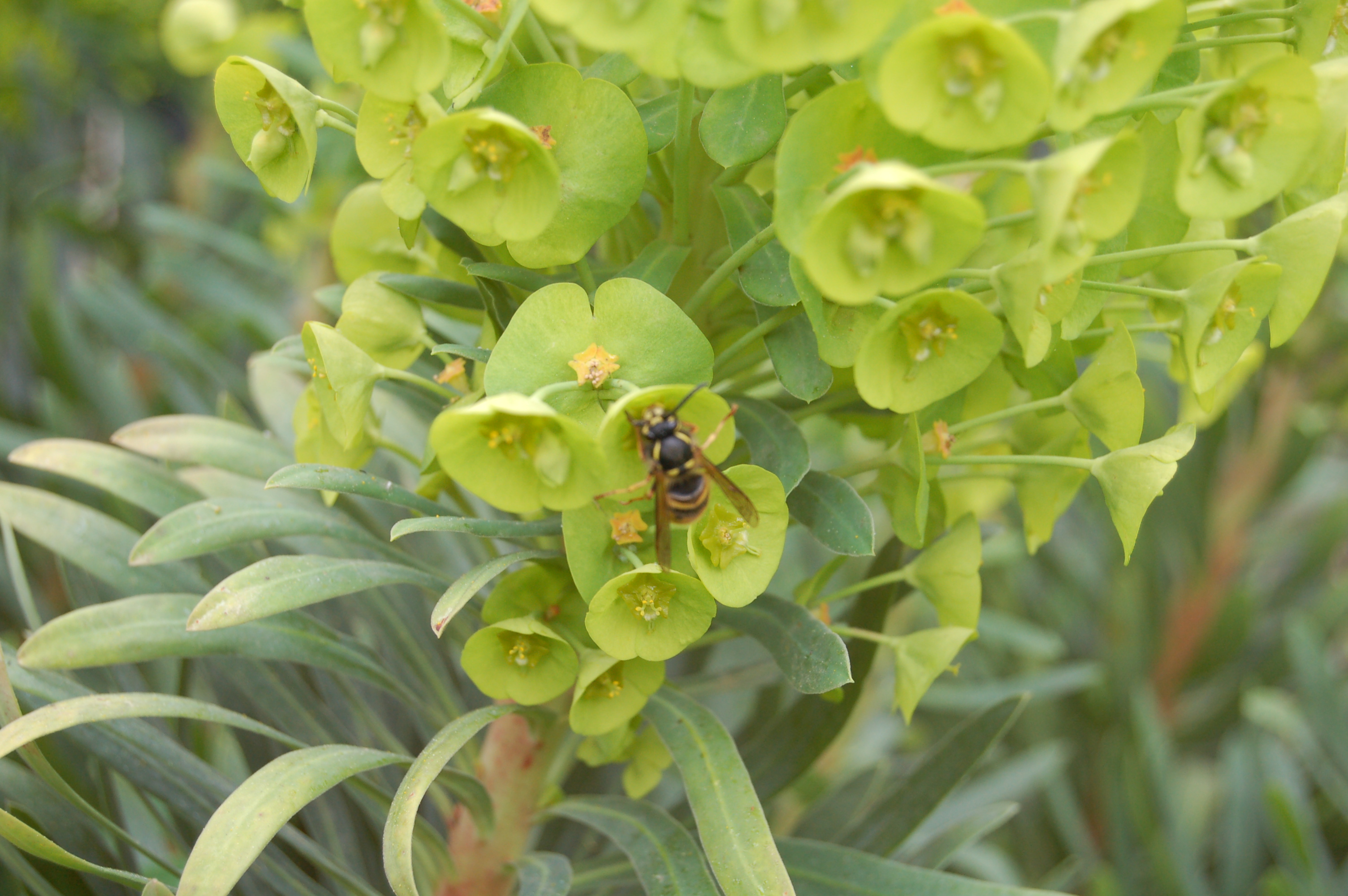
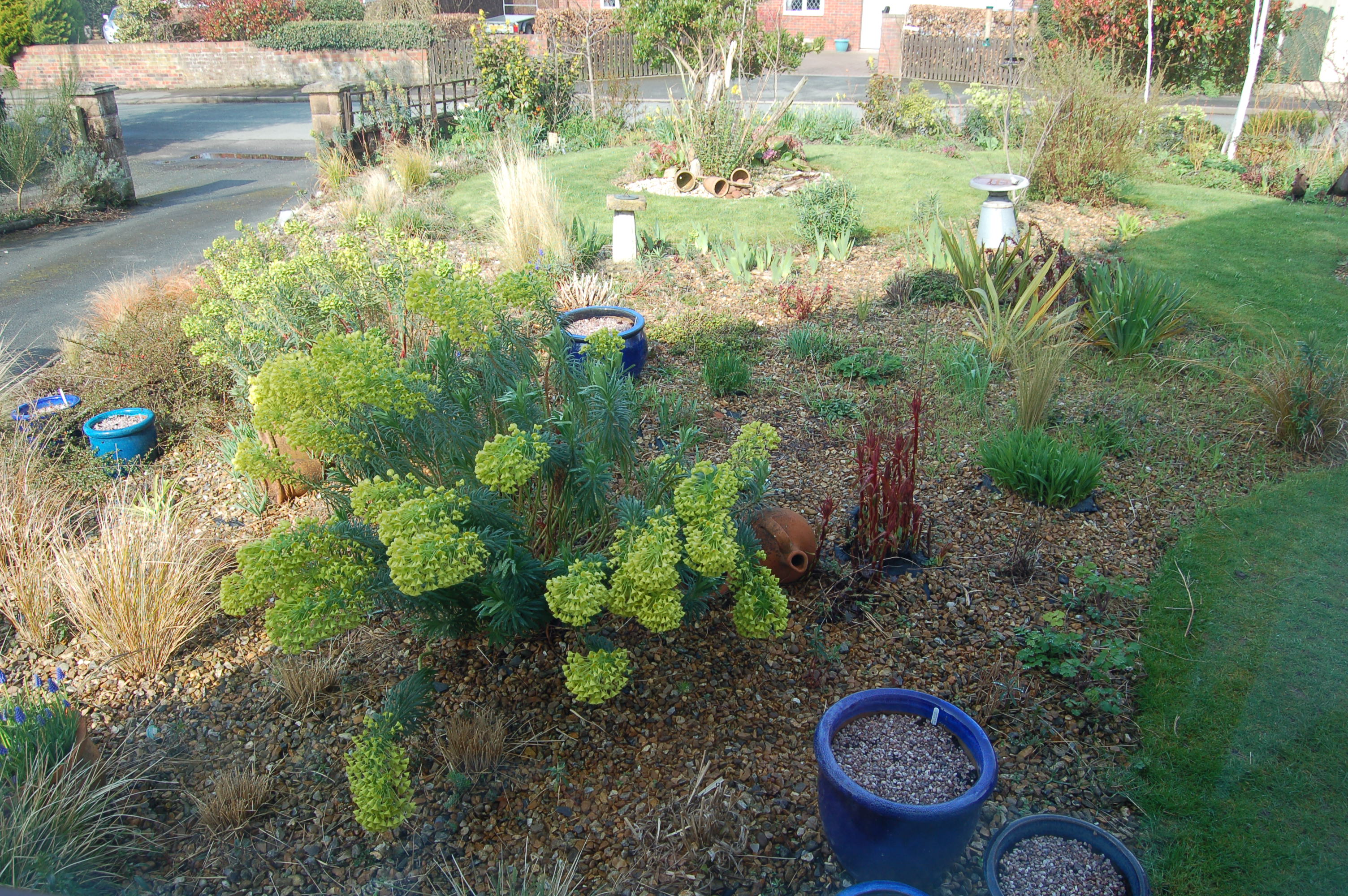
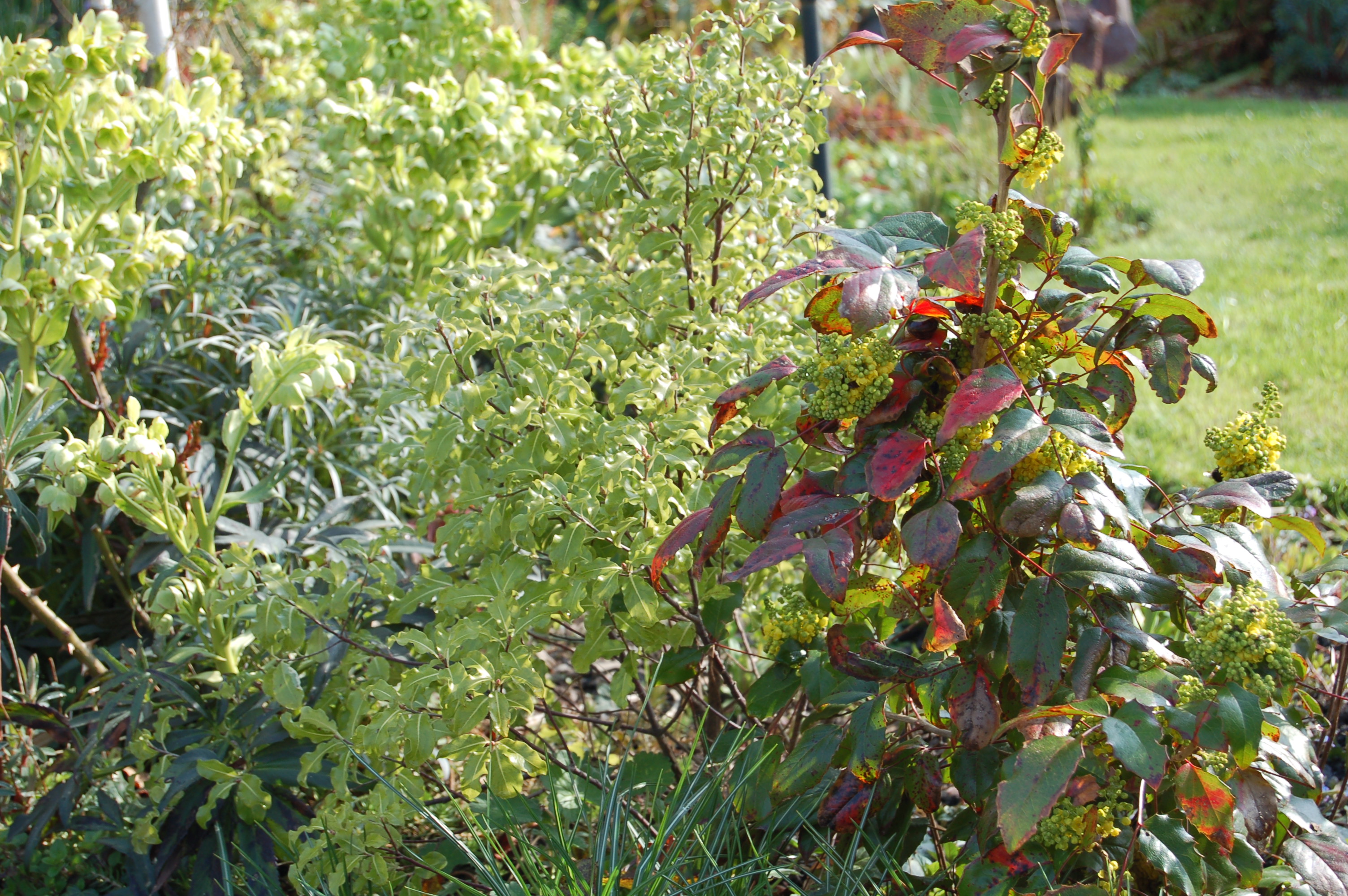
I shall start with a look out over our gravel garden, The Chatto Garden, which illustrates just how important Euphorbias are at this time of year. The second shot illustrates how our new border has developed since we planted it up earlier this year.

2014 03 30_7556 2014 03 30_7579

2014 03 30_7583 2014 03 30_7558

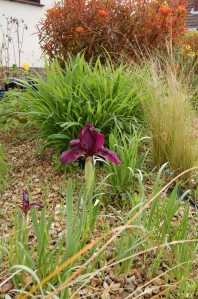
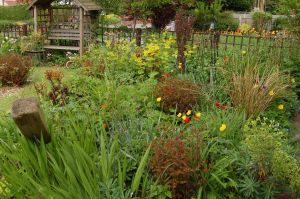
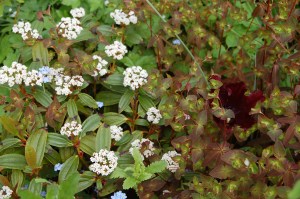
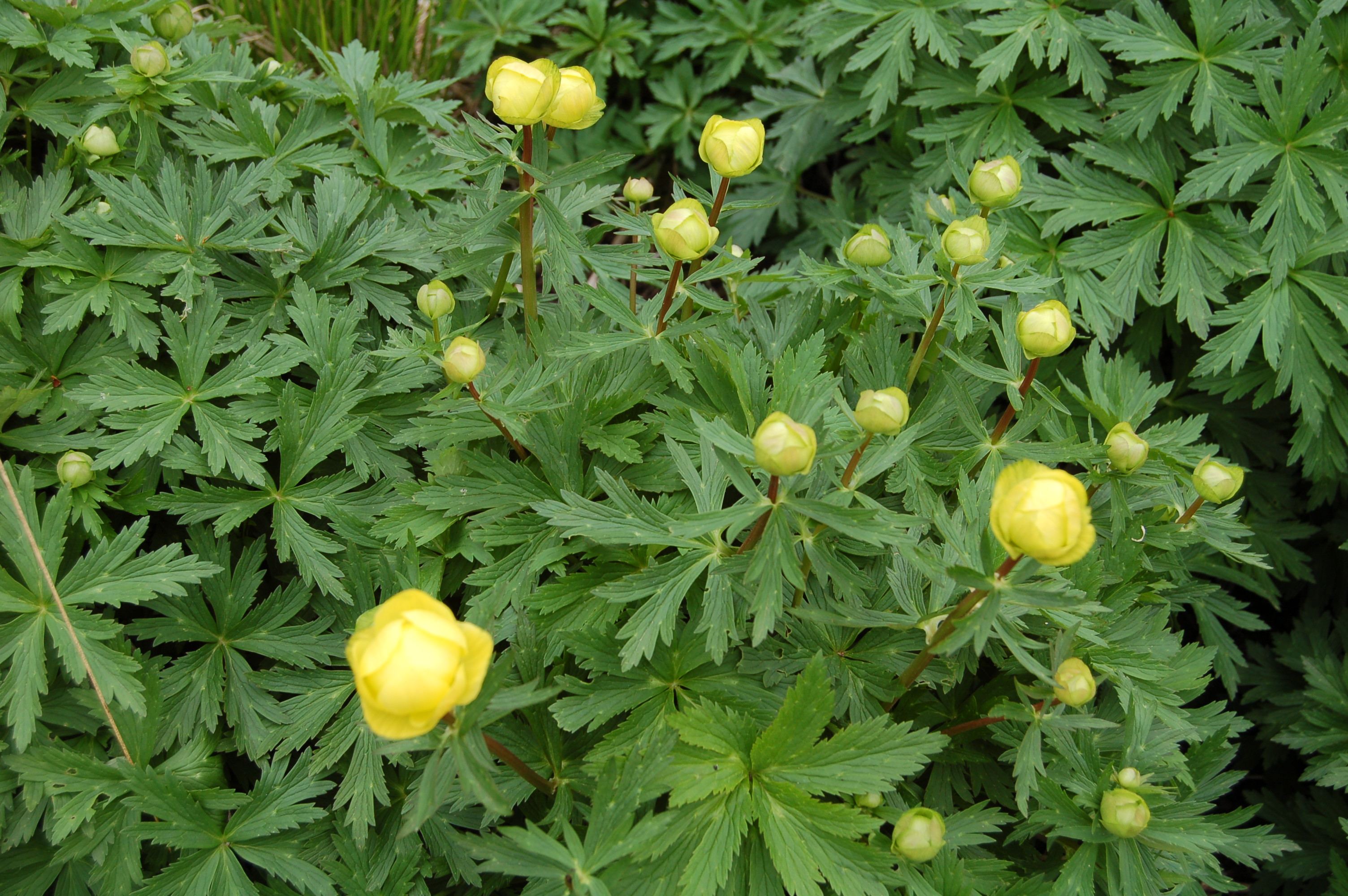
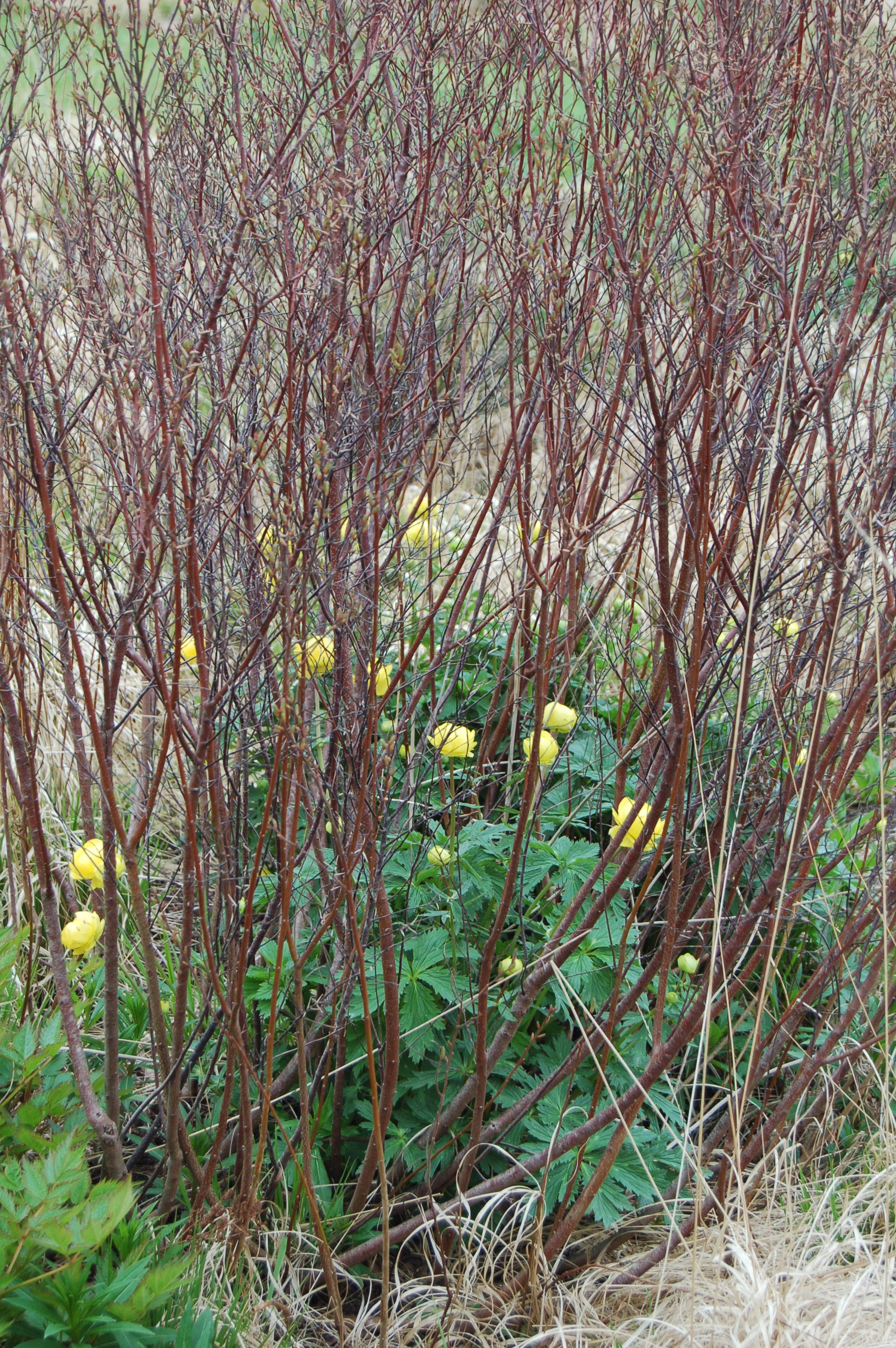
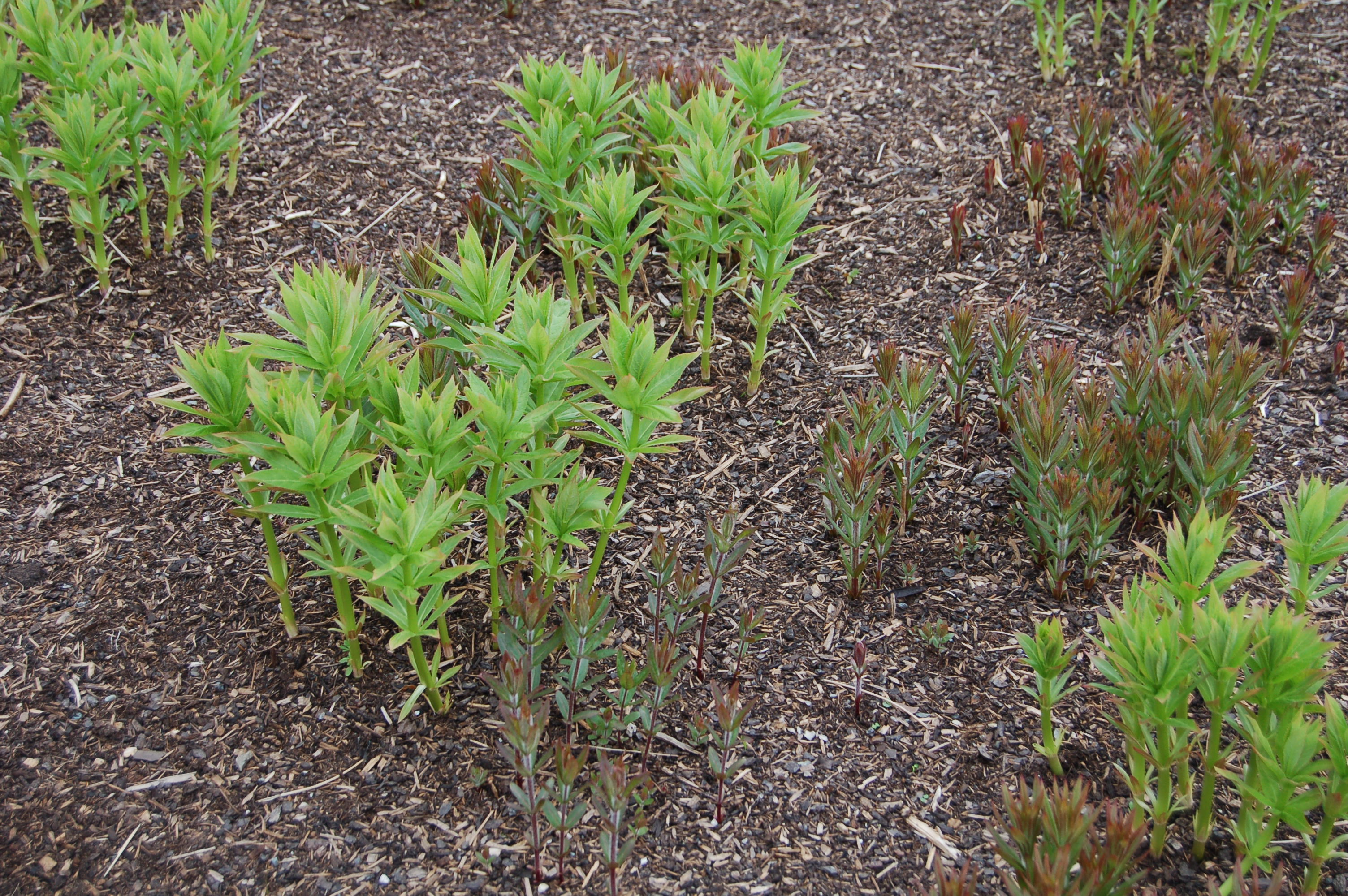
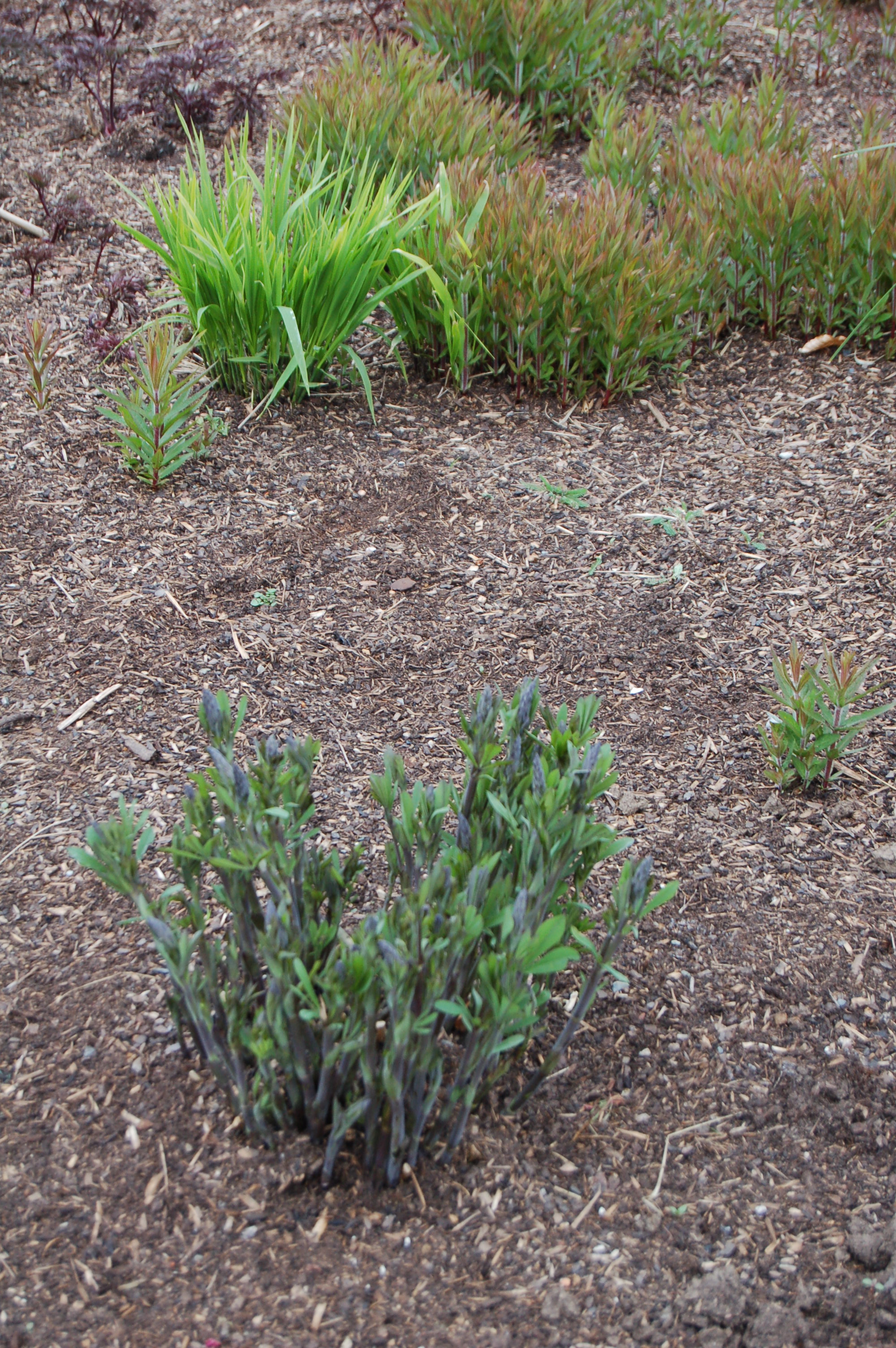
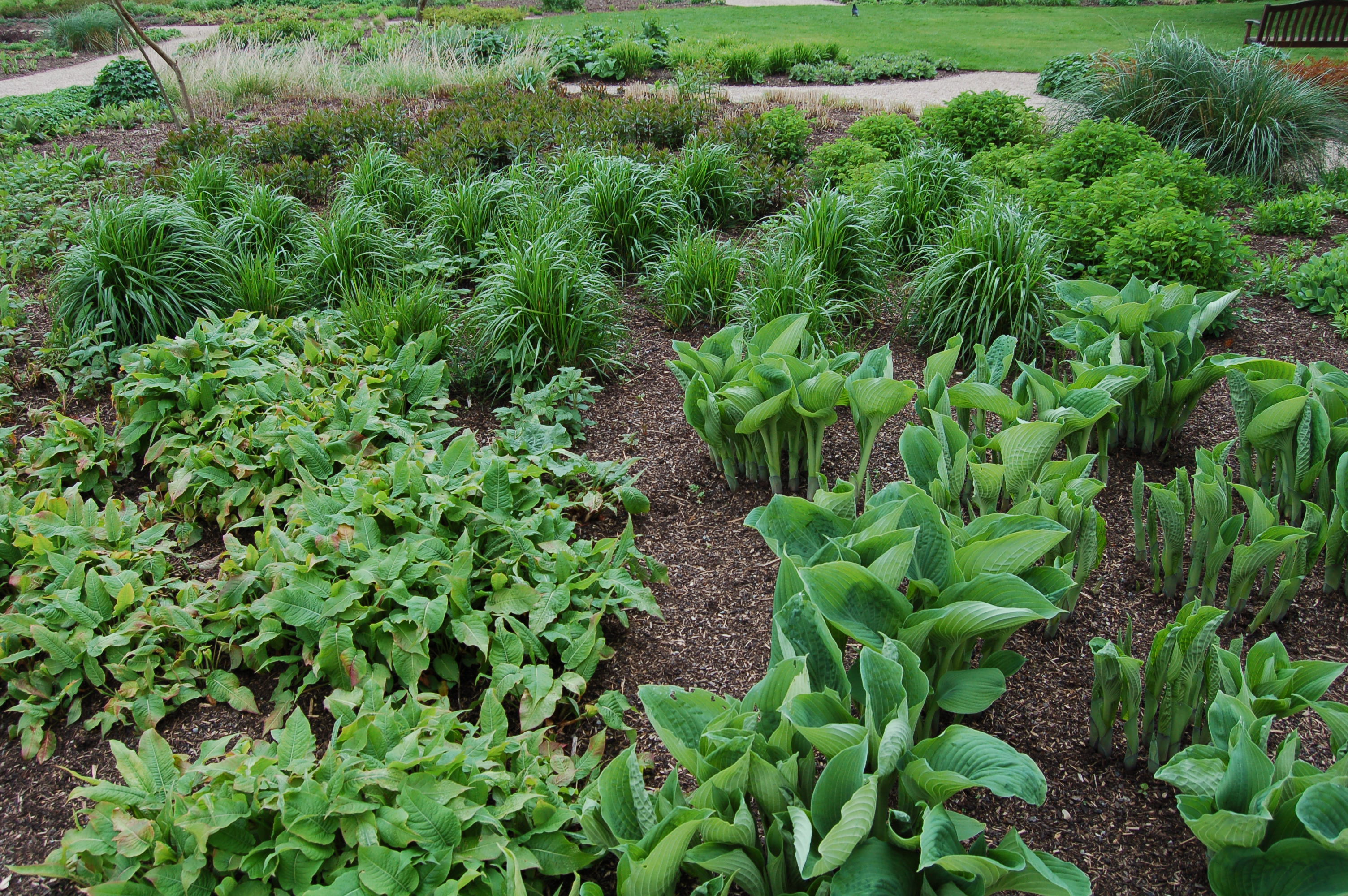
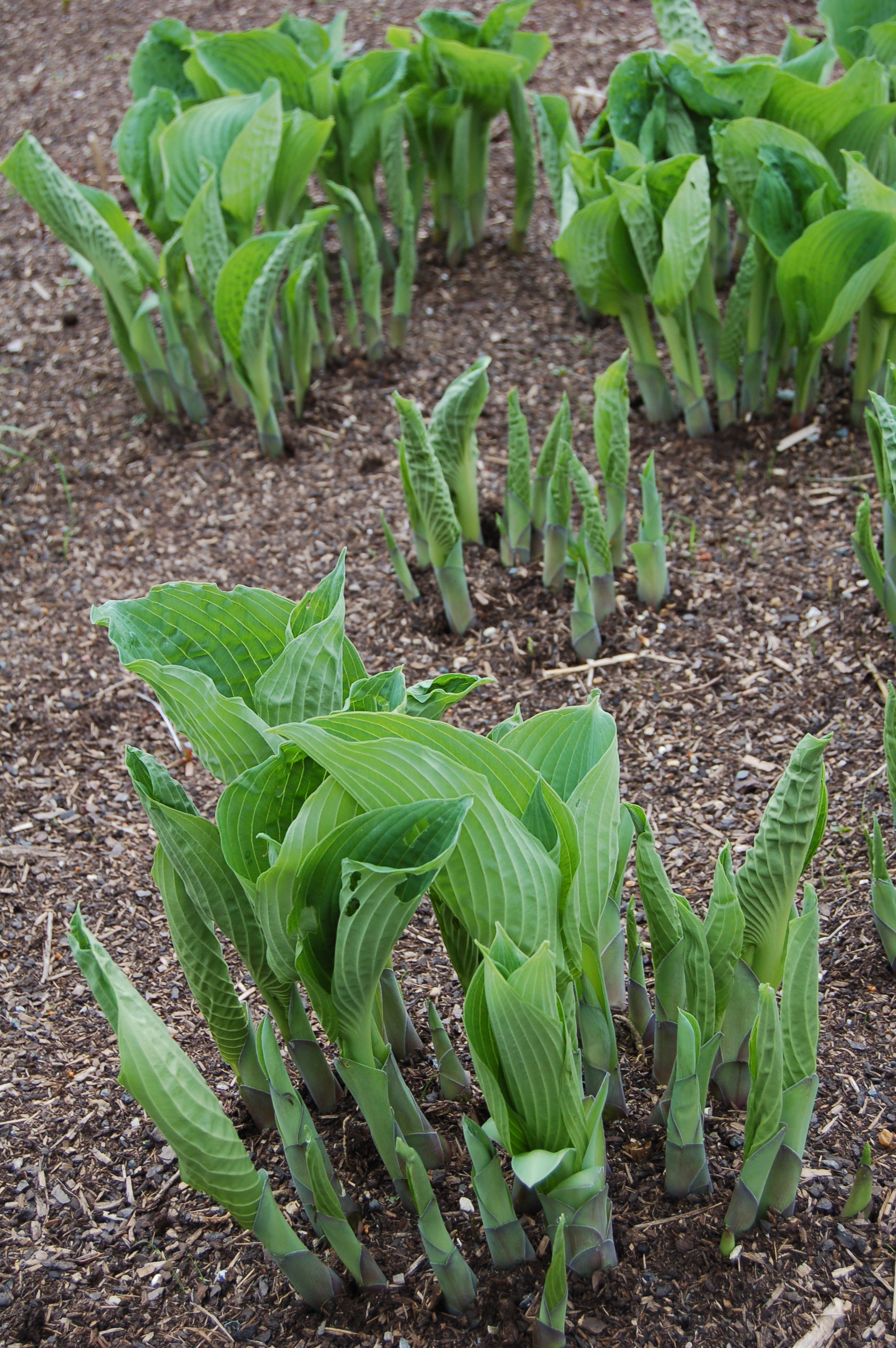
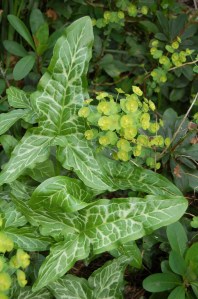
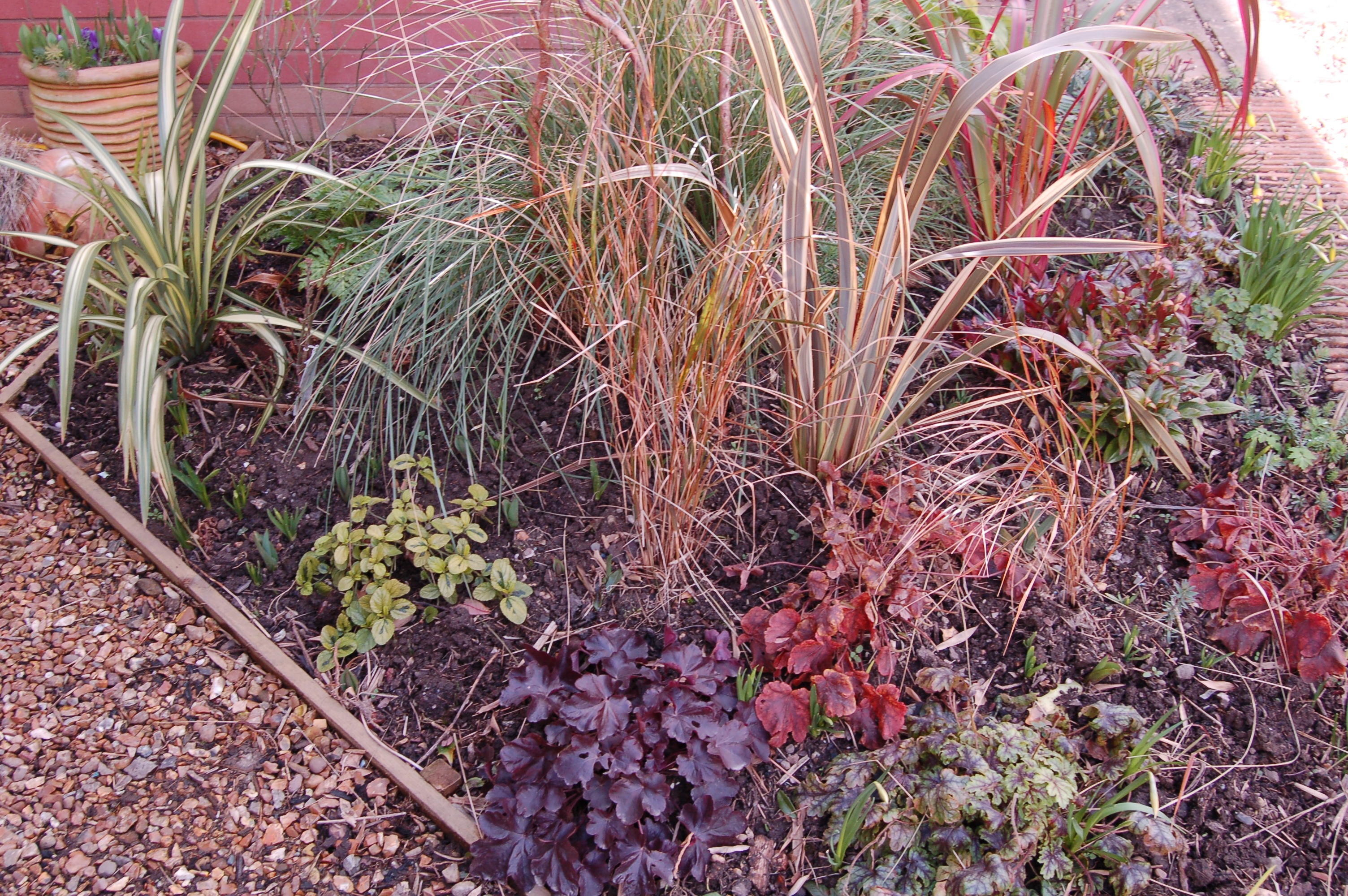
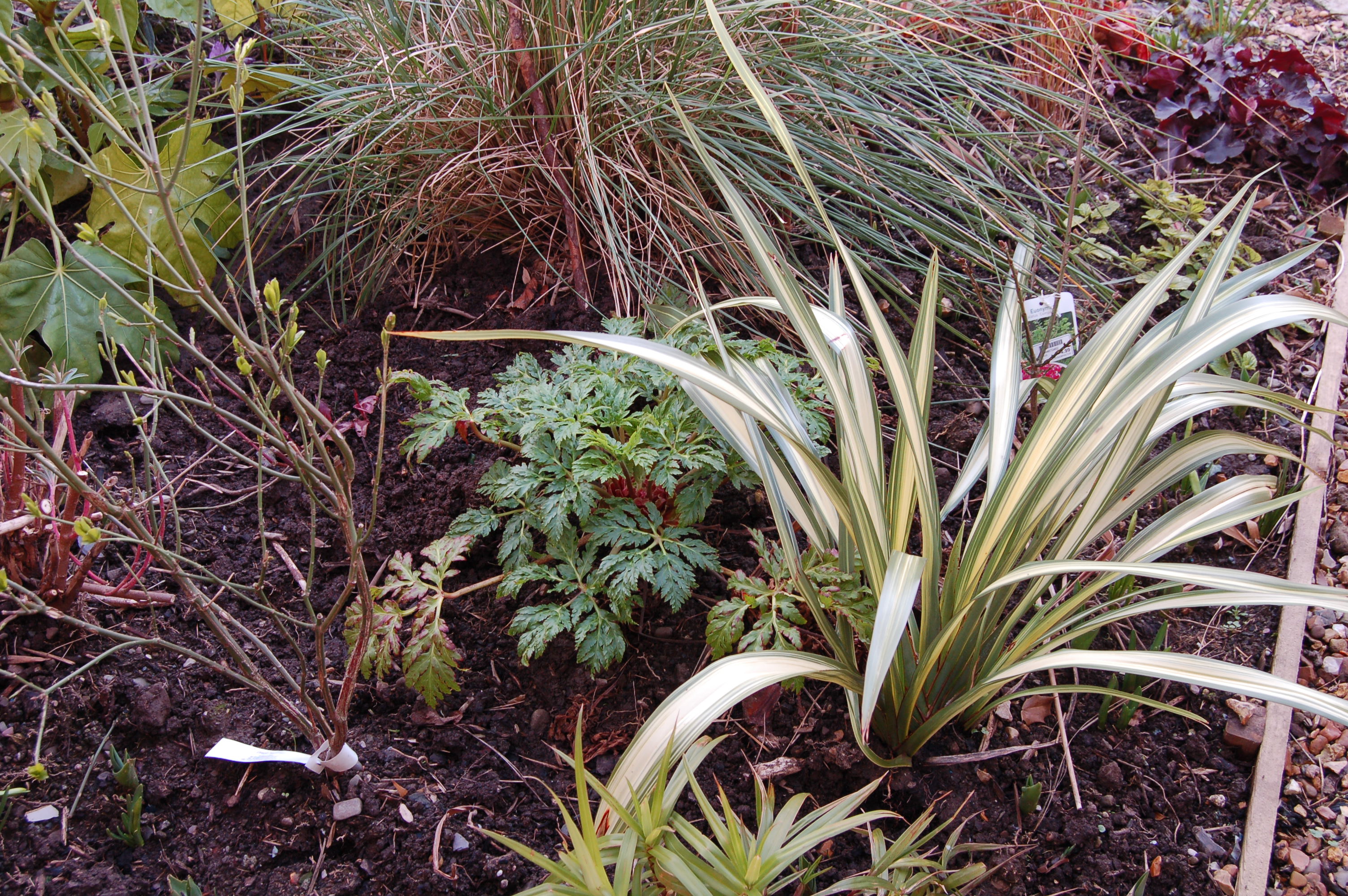
Foliage is still a key element in early Spring including fresh foliage of newly emerging herbaceous plants.

2014 03 30_7559 2014 03 30_7581

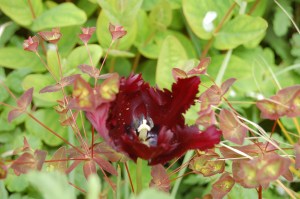
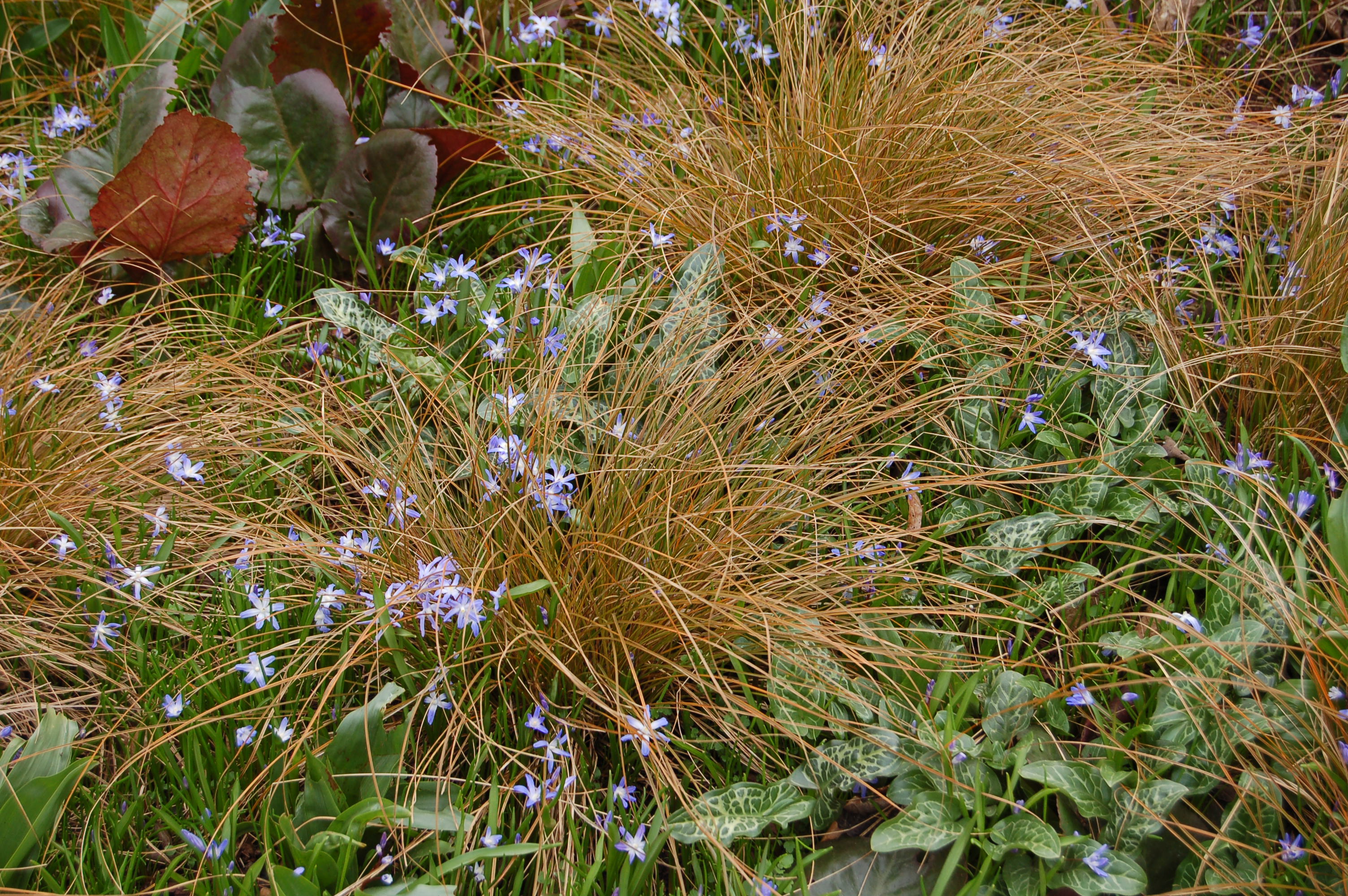
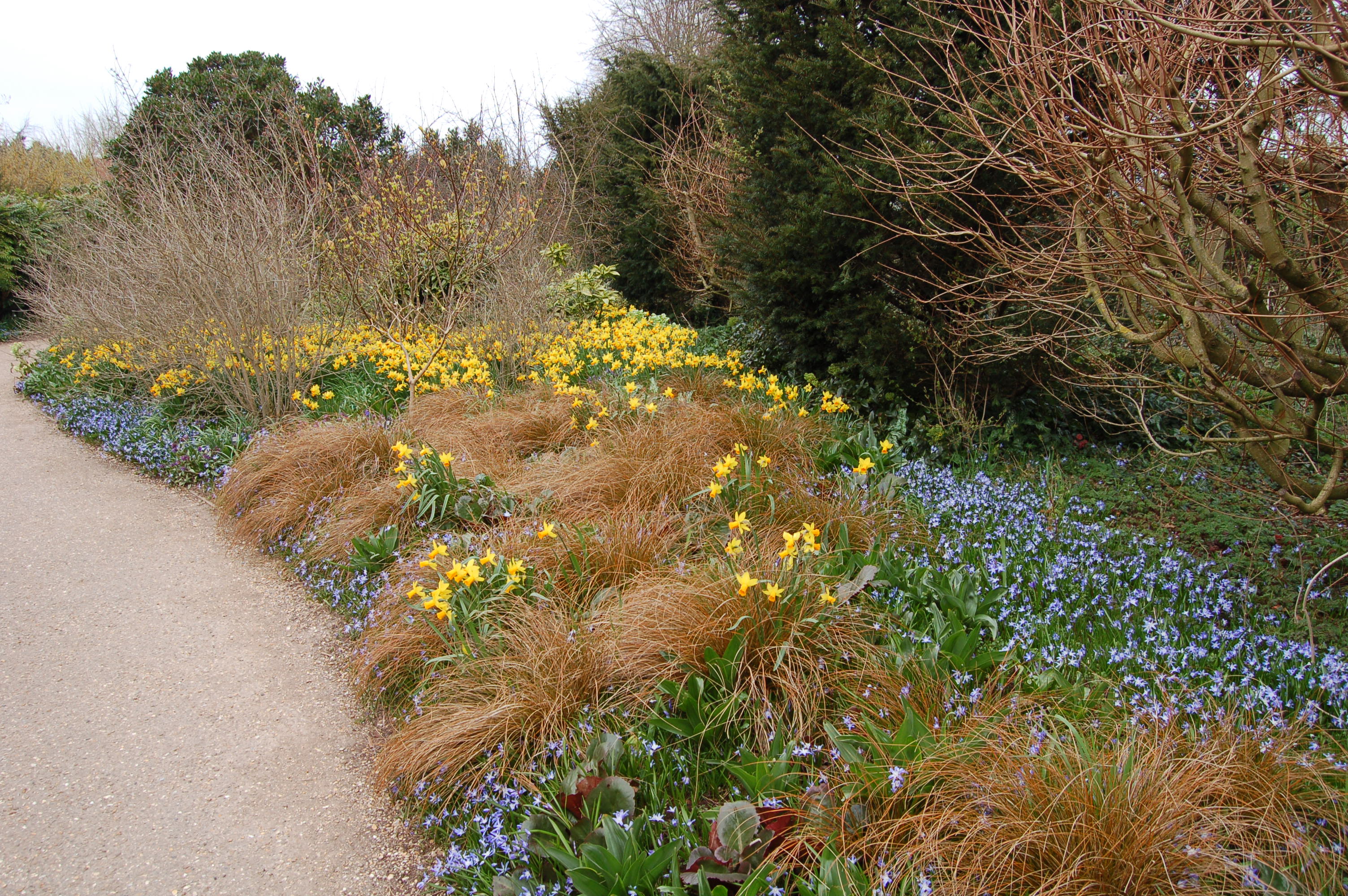
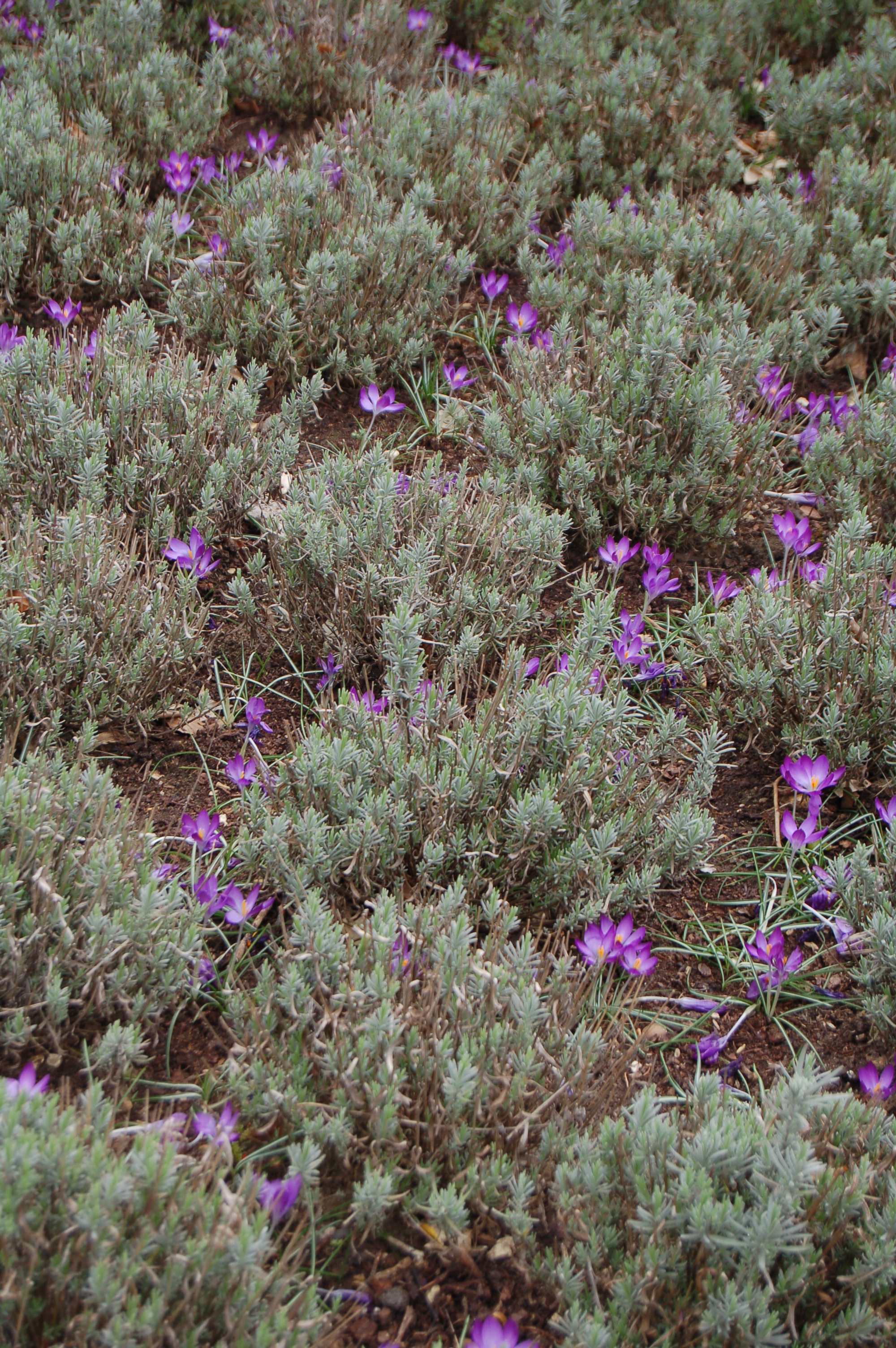
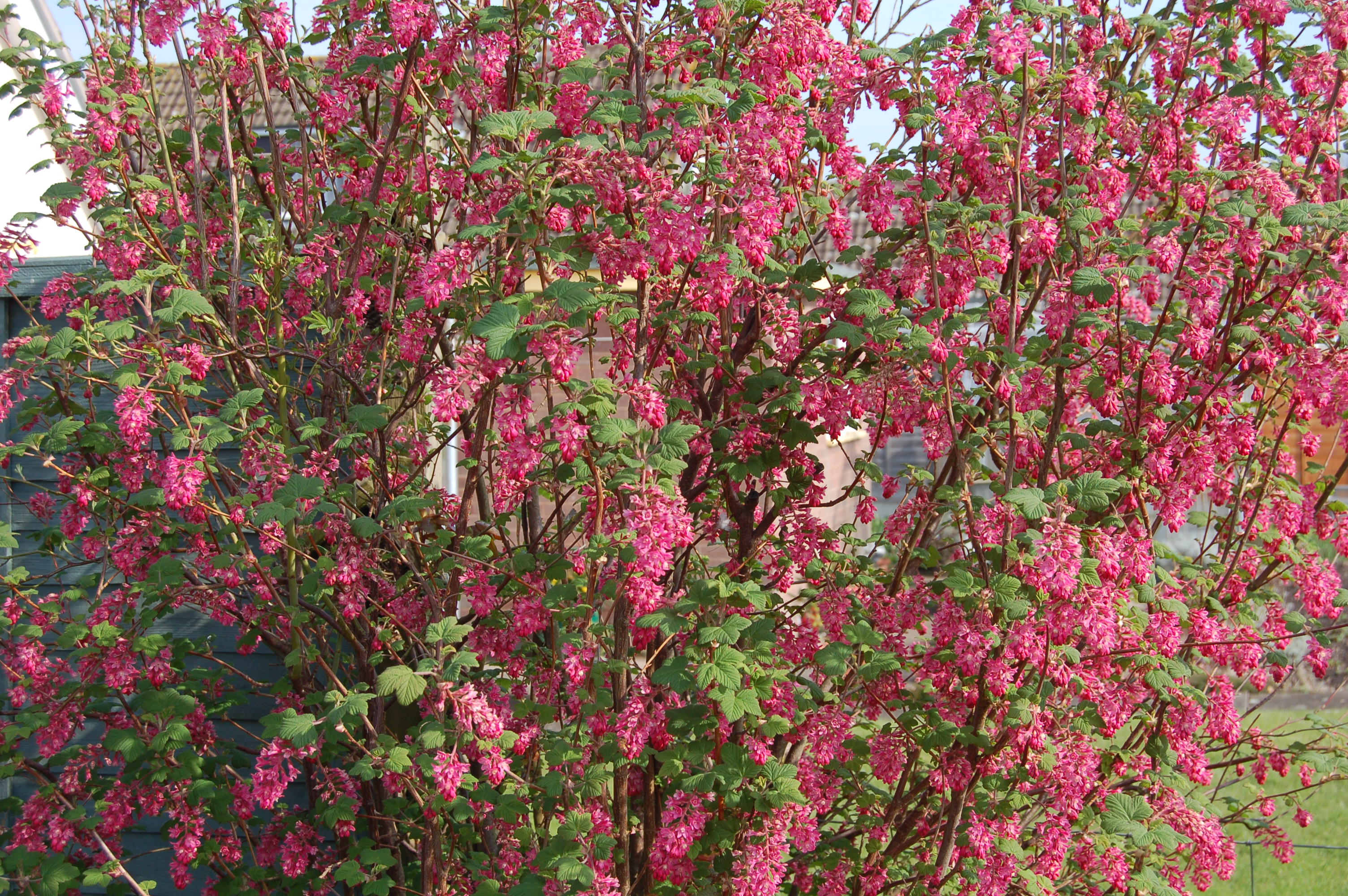
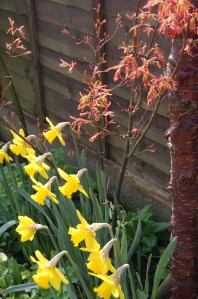
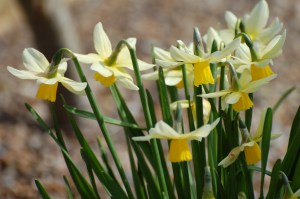
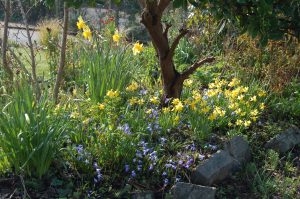
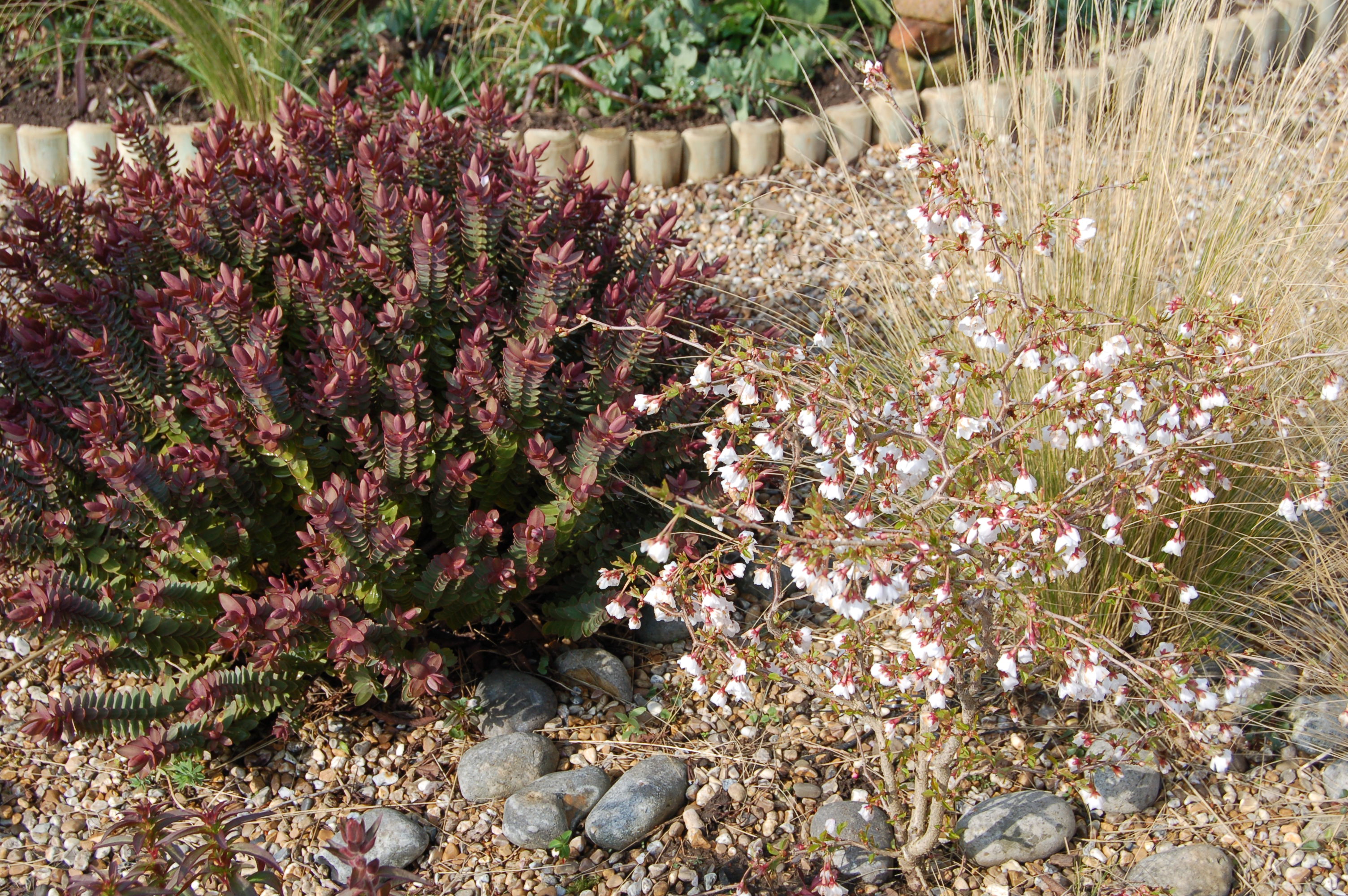
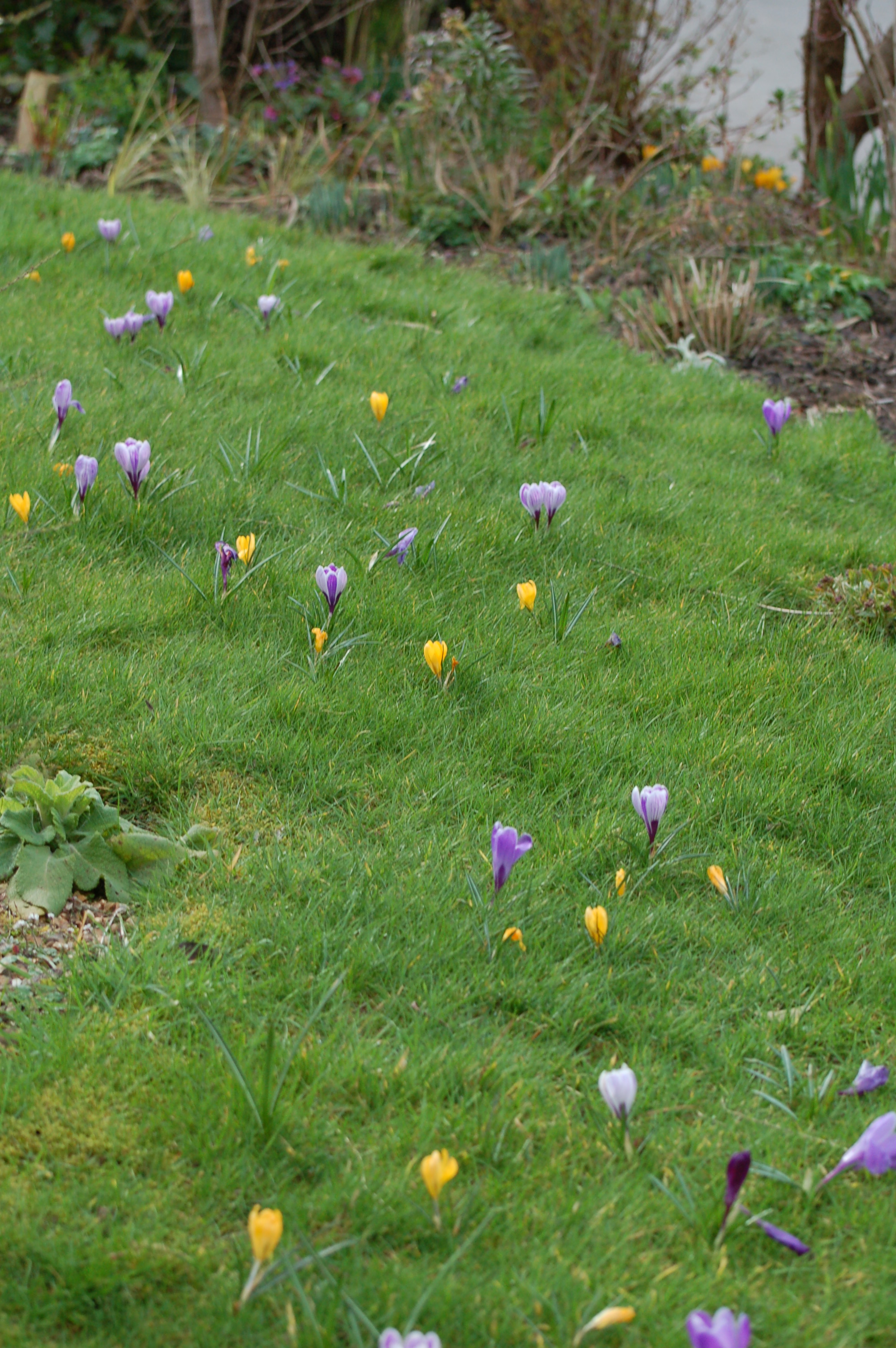
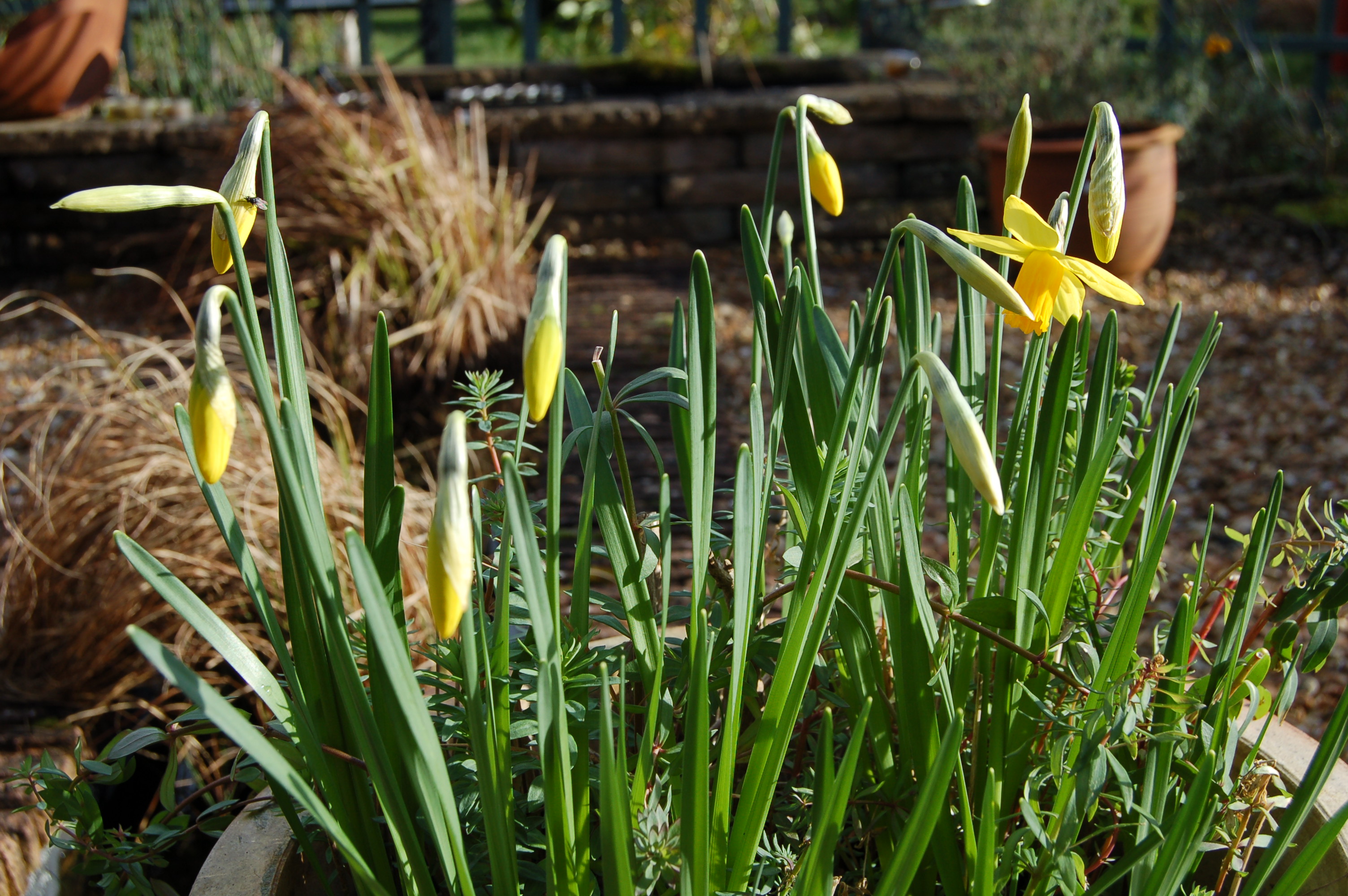
Plants don’t have to be new to be good! Just look at the old favourite shrub, the flowering currant – just ask the bees and they will say how important they are! And of course daffodils and muscari bring life to our spring gardens every year without fail. All bulbs give little splashes of colour to brighten the dullest spring day.

2014 03 30_7560  2014 03 30_7592

2014 03 30_7562 2014 03 30_7563 2014 03 30_7565

2014 03 30_7571 2014 03 30_7573

2014 03 30_7574 2014 03 30_7575

2014 03 30_7576 2014 03 30_7596

2014 03 30_7584 2014 03 30_7587

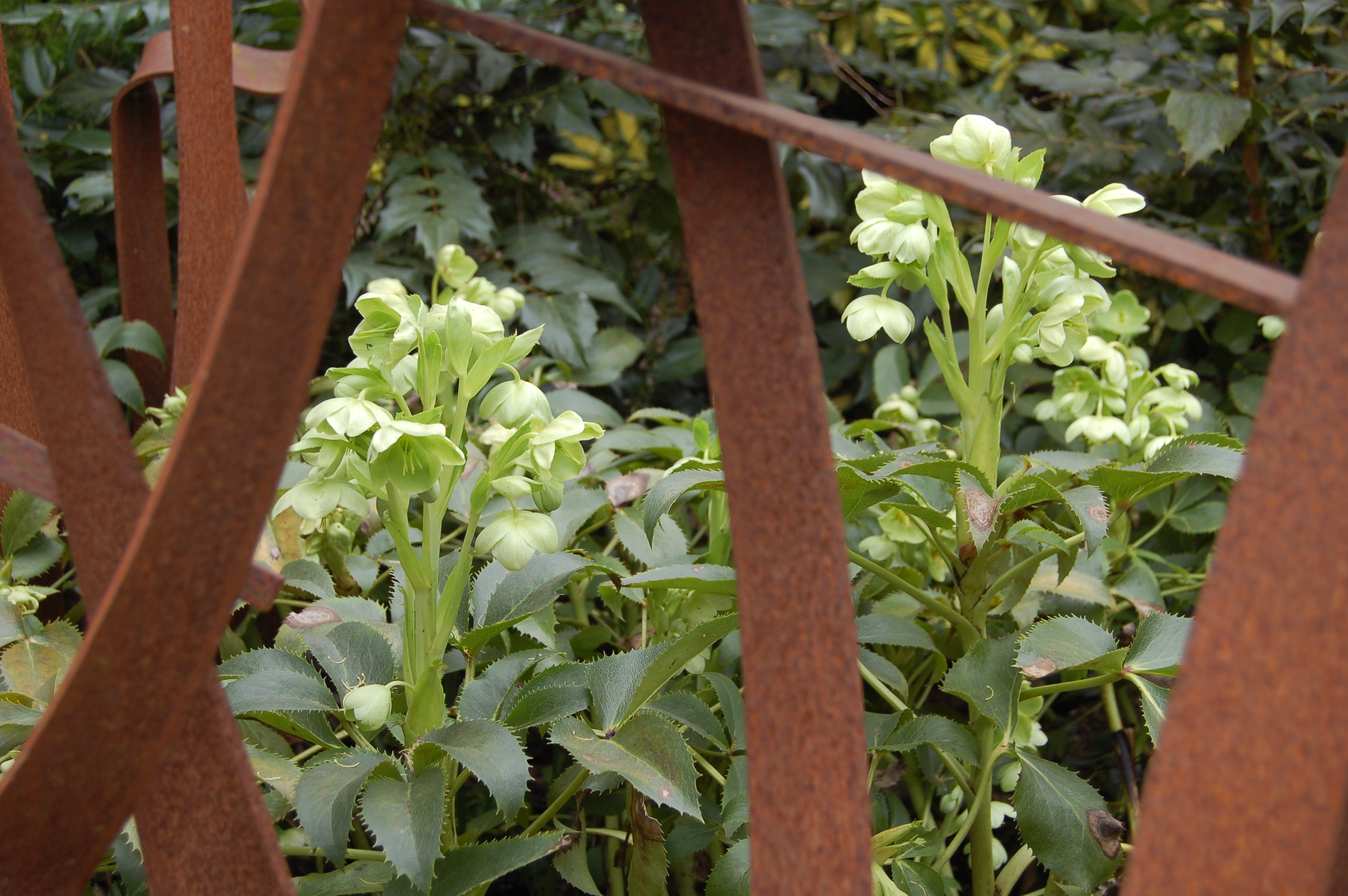
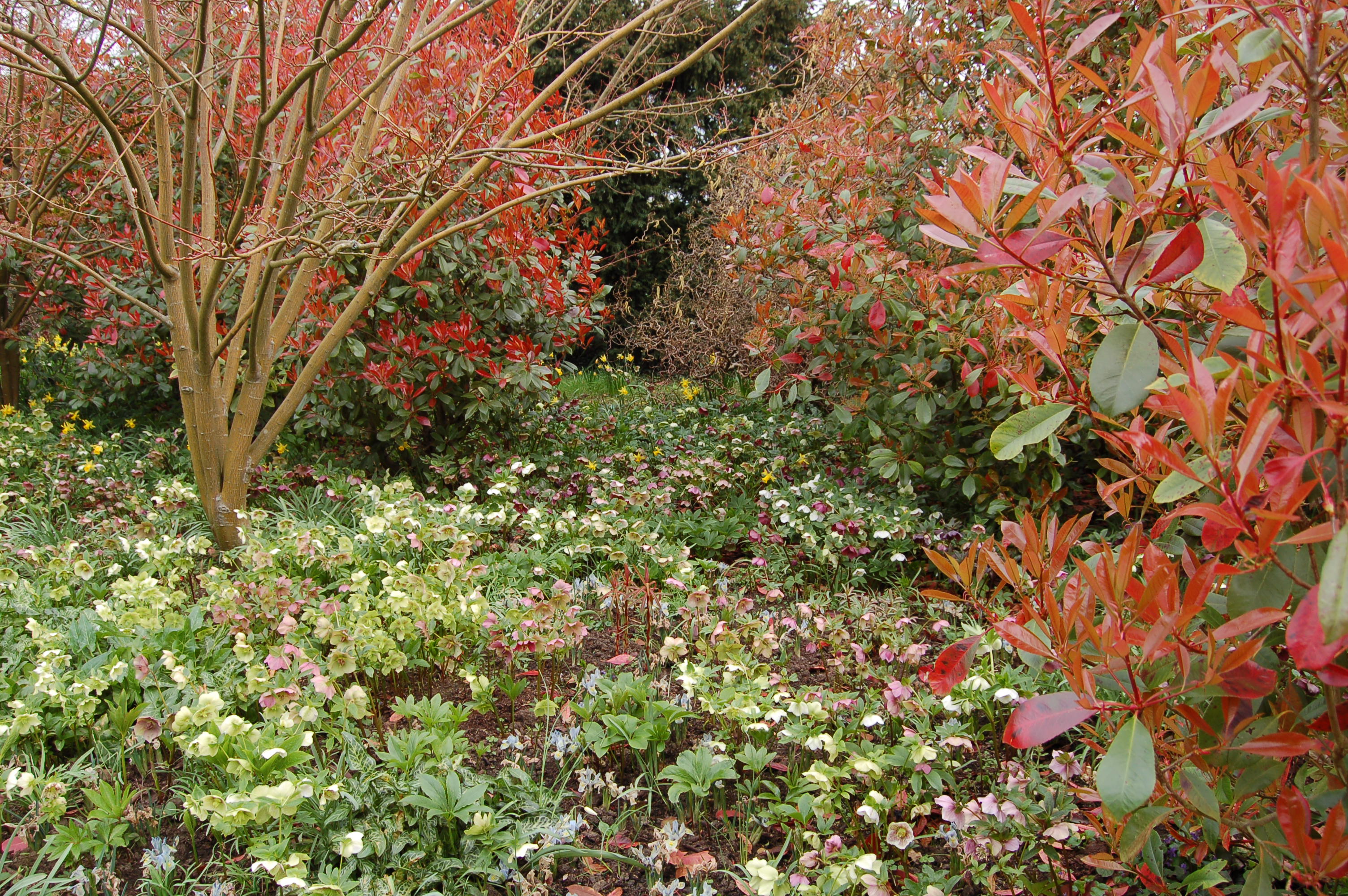
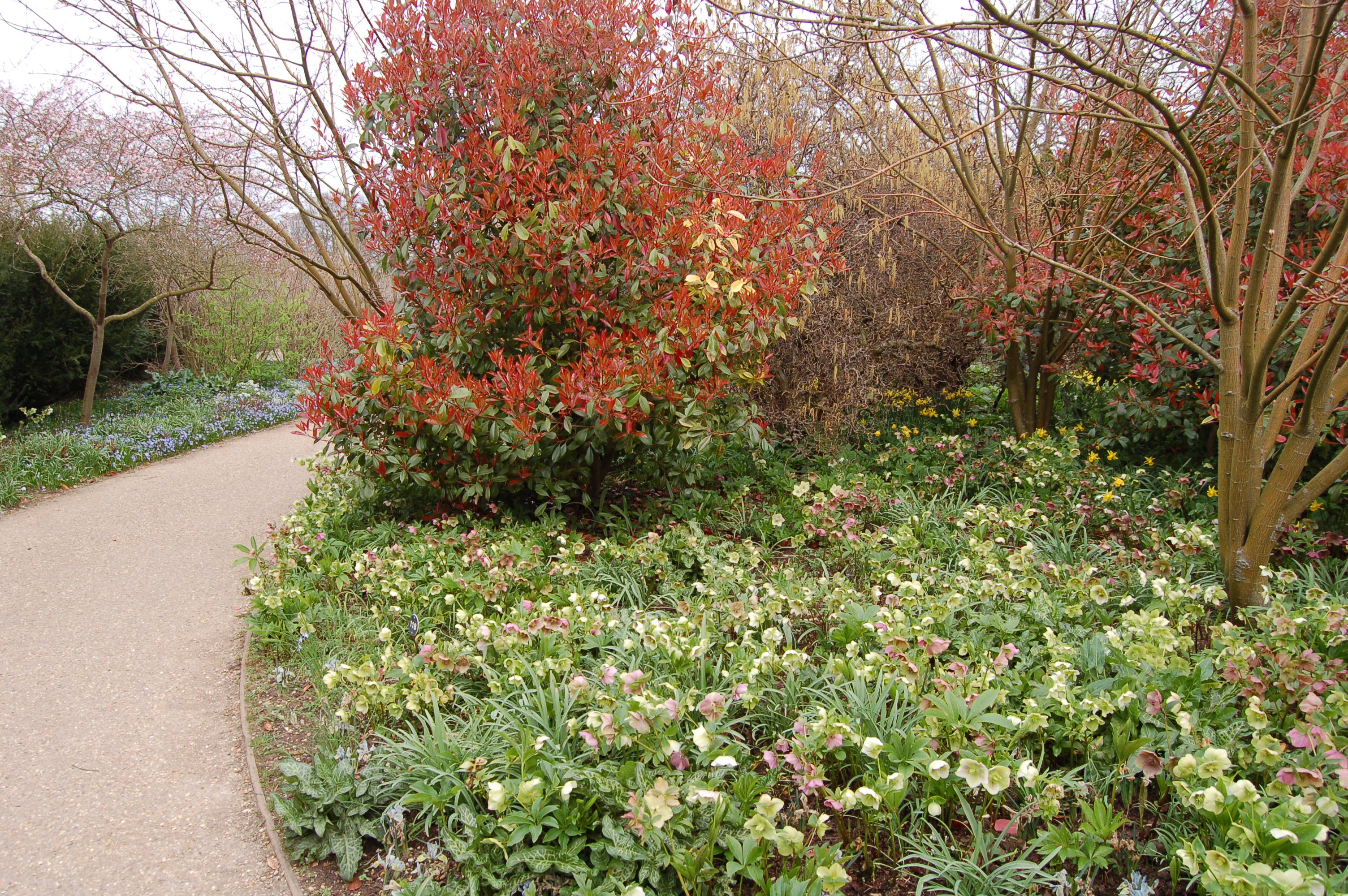
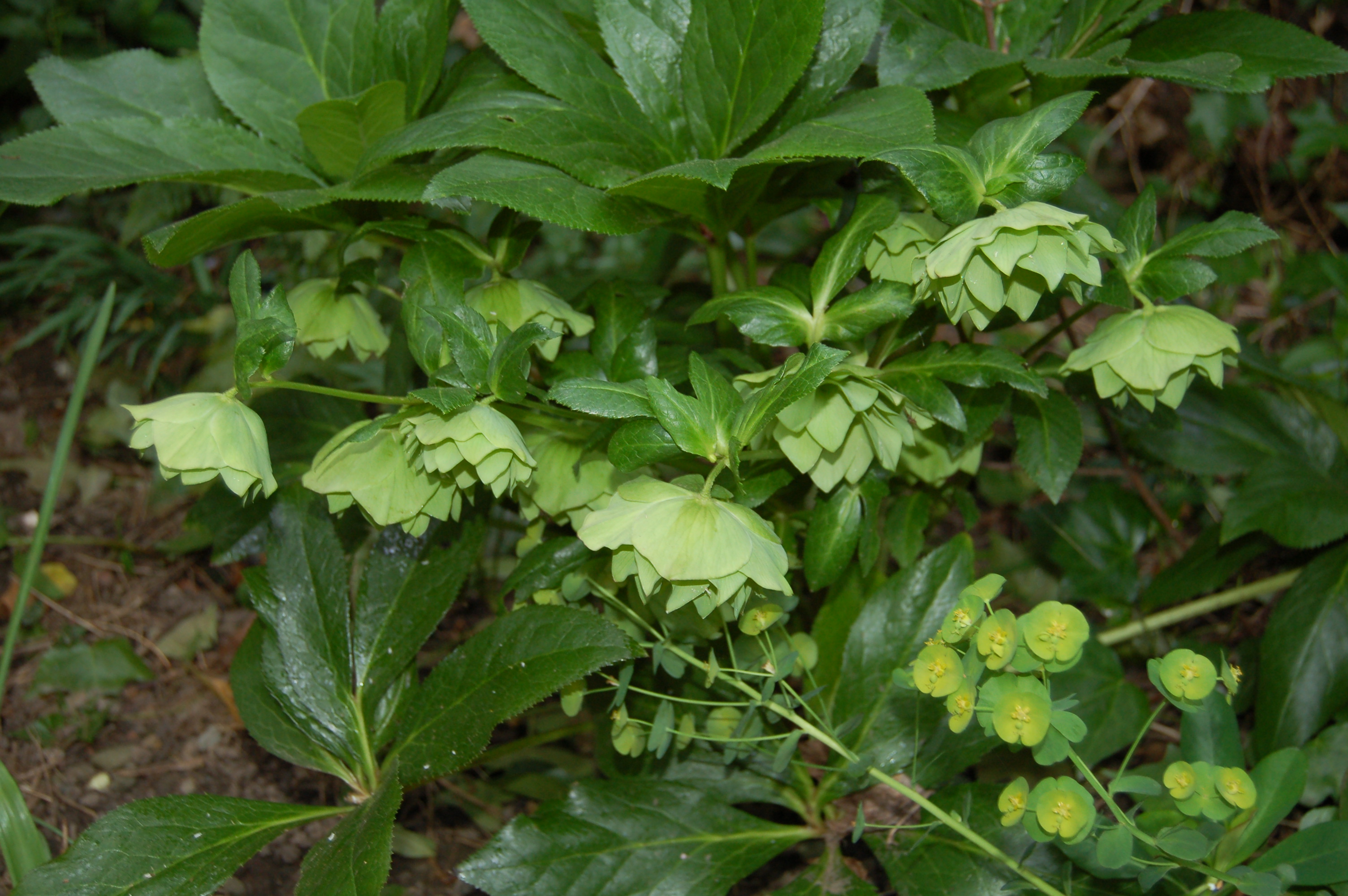
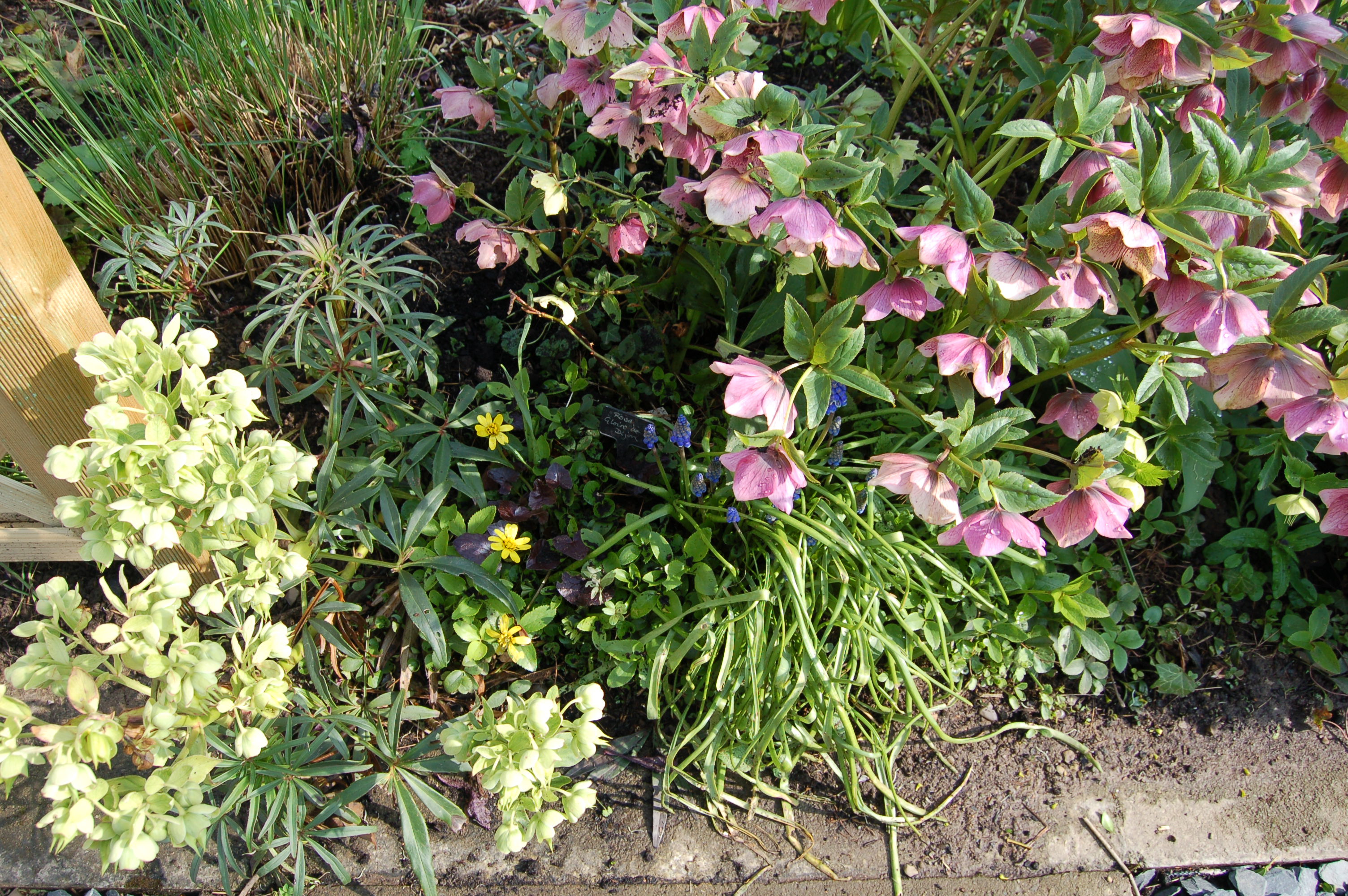
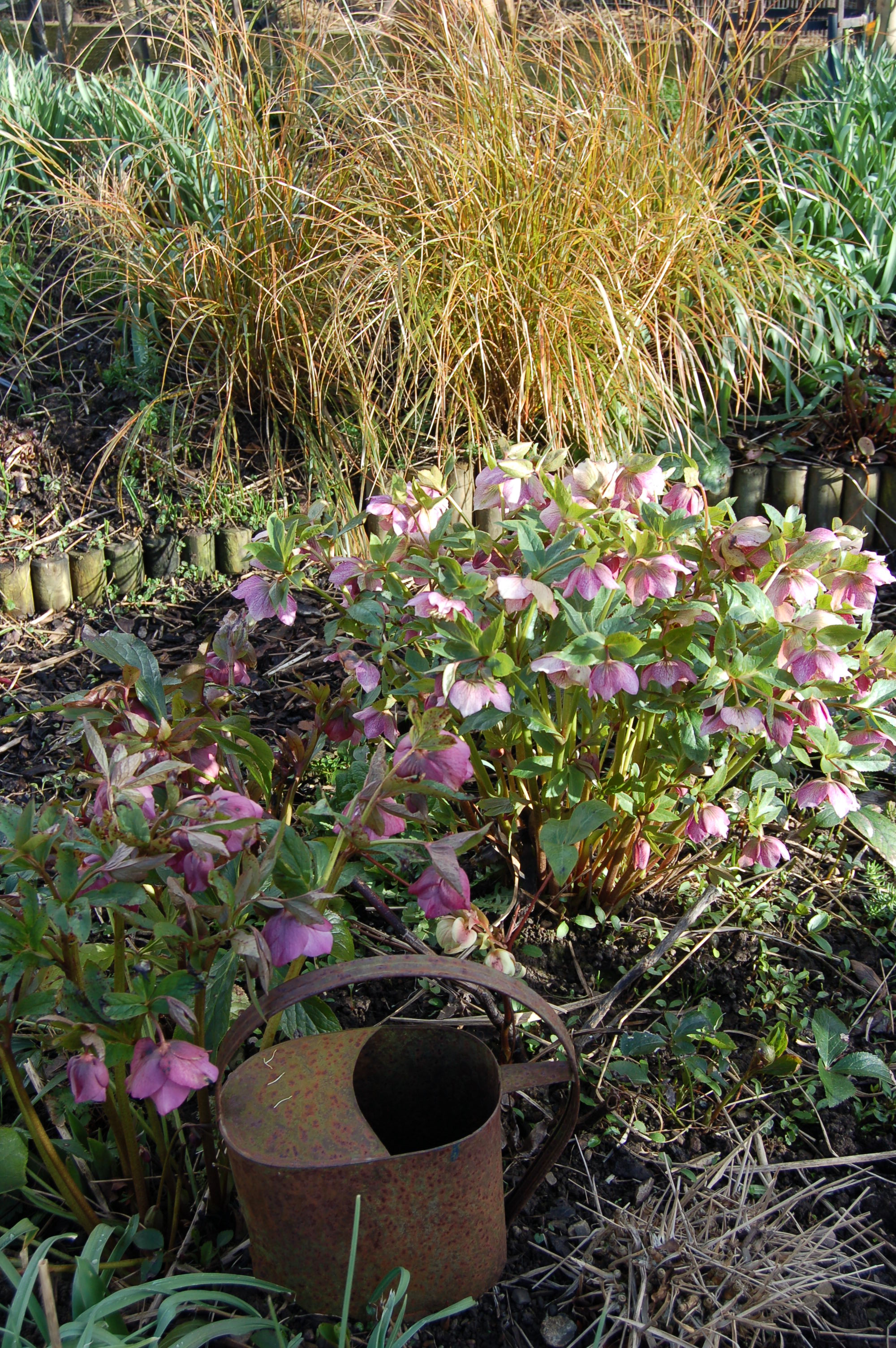
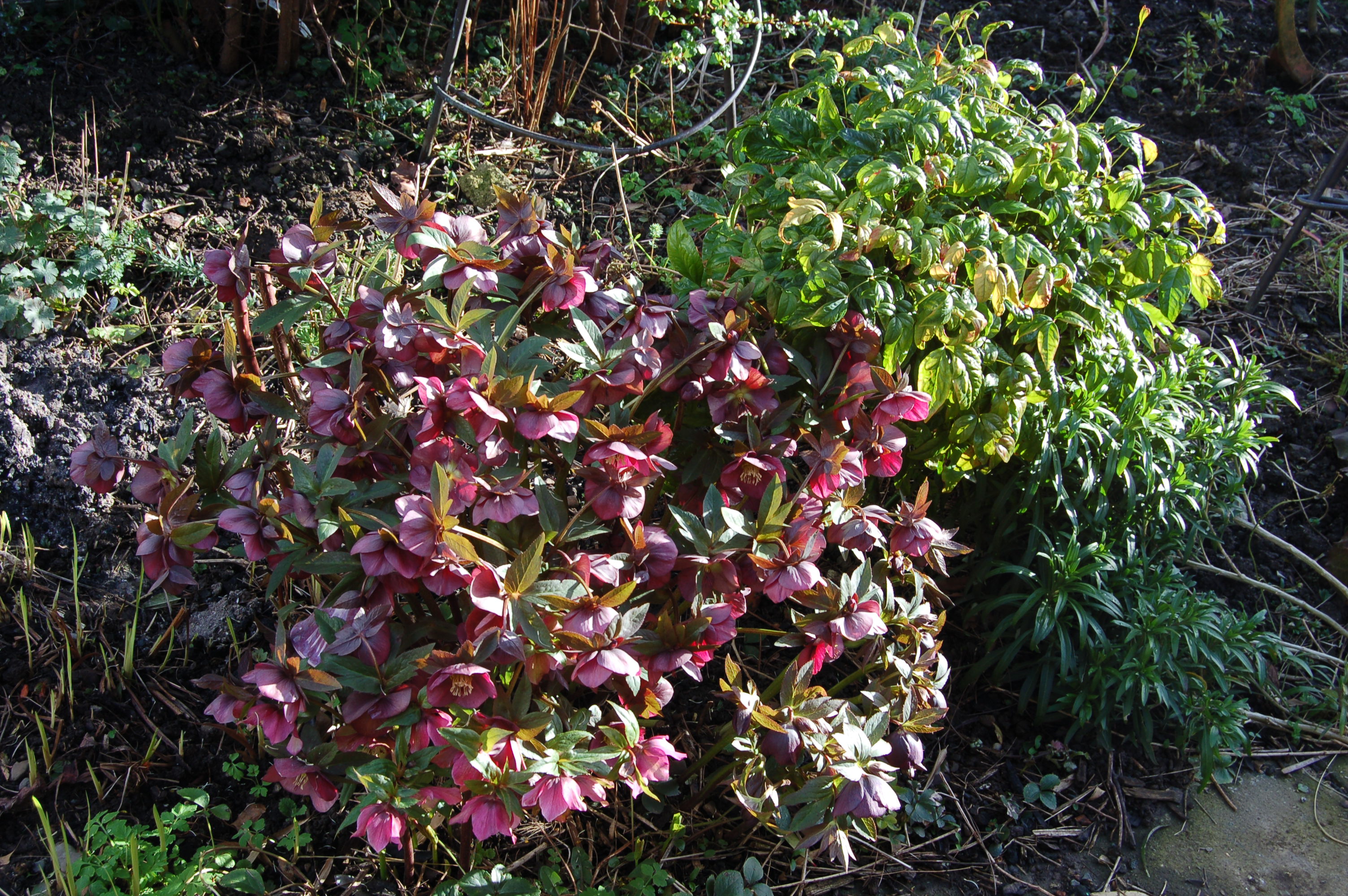
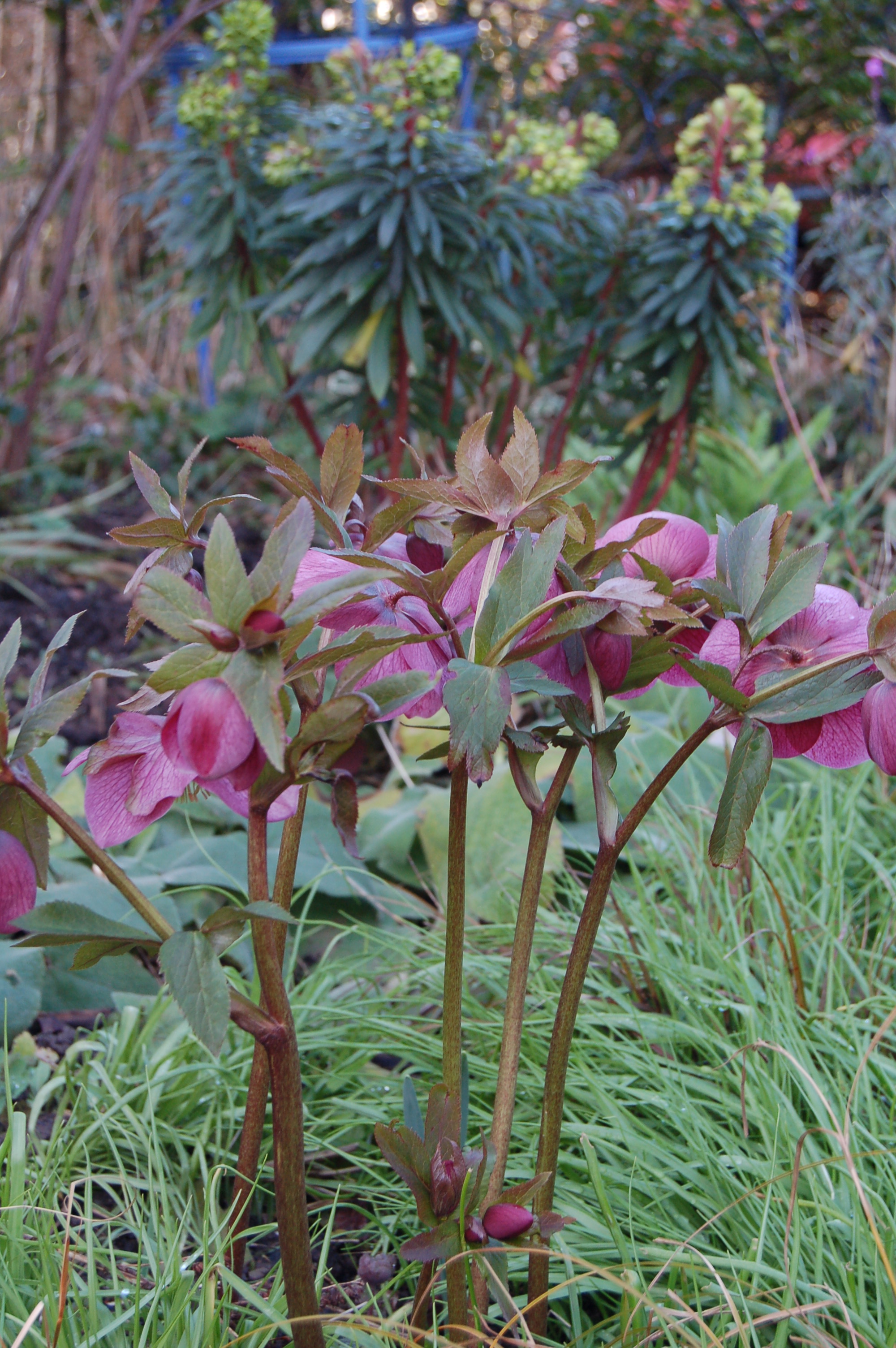
Our Hellebores are still going strong.

2014 03 30_7564

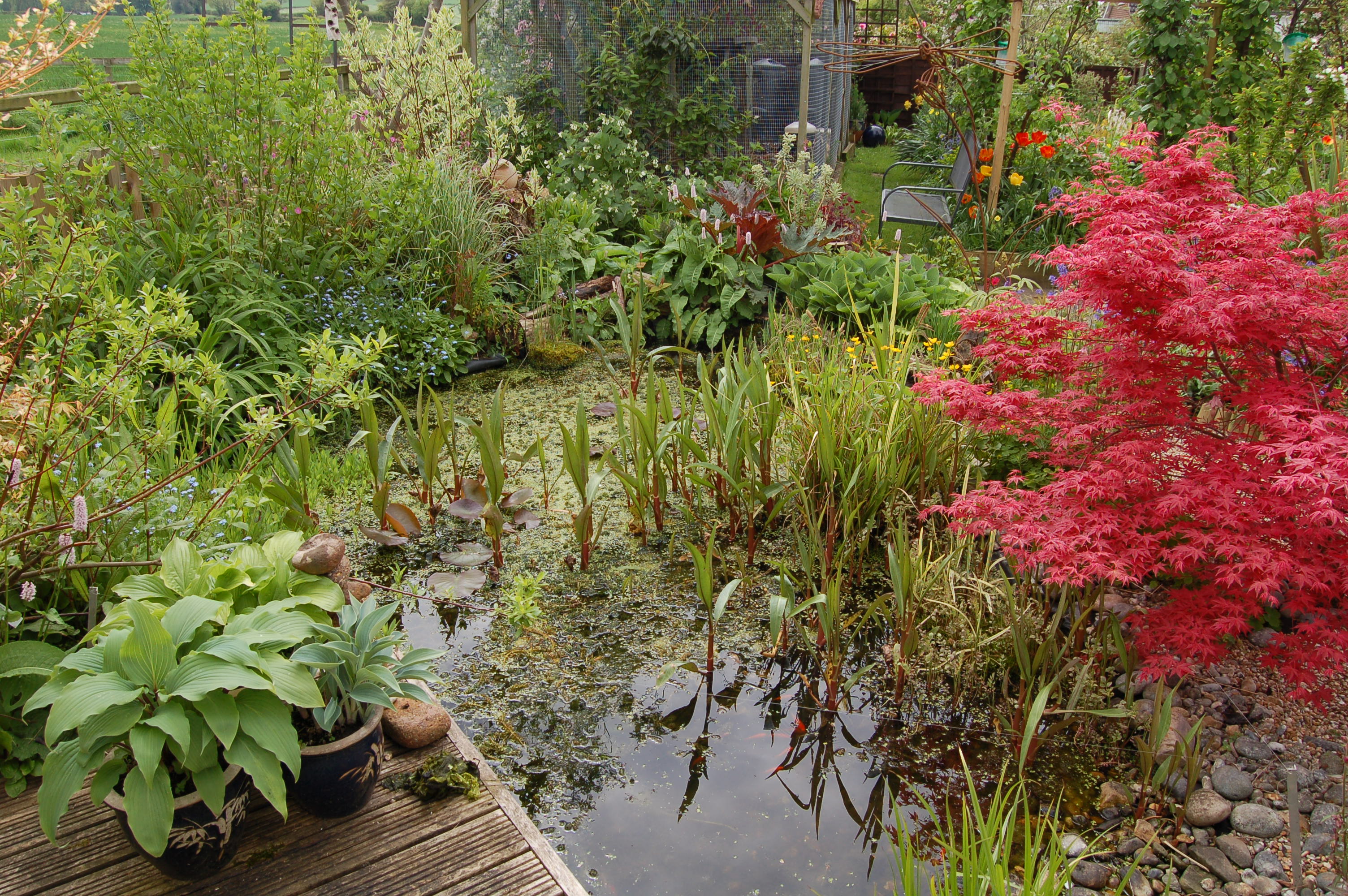
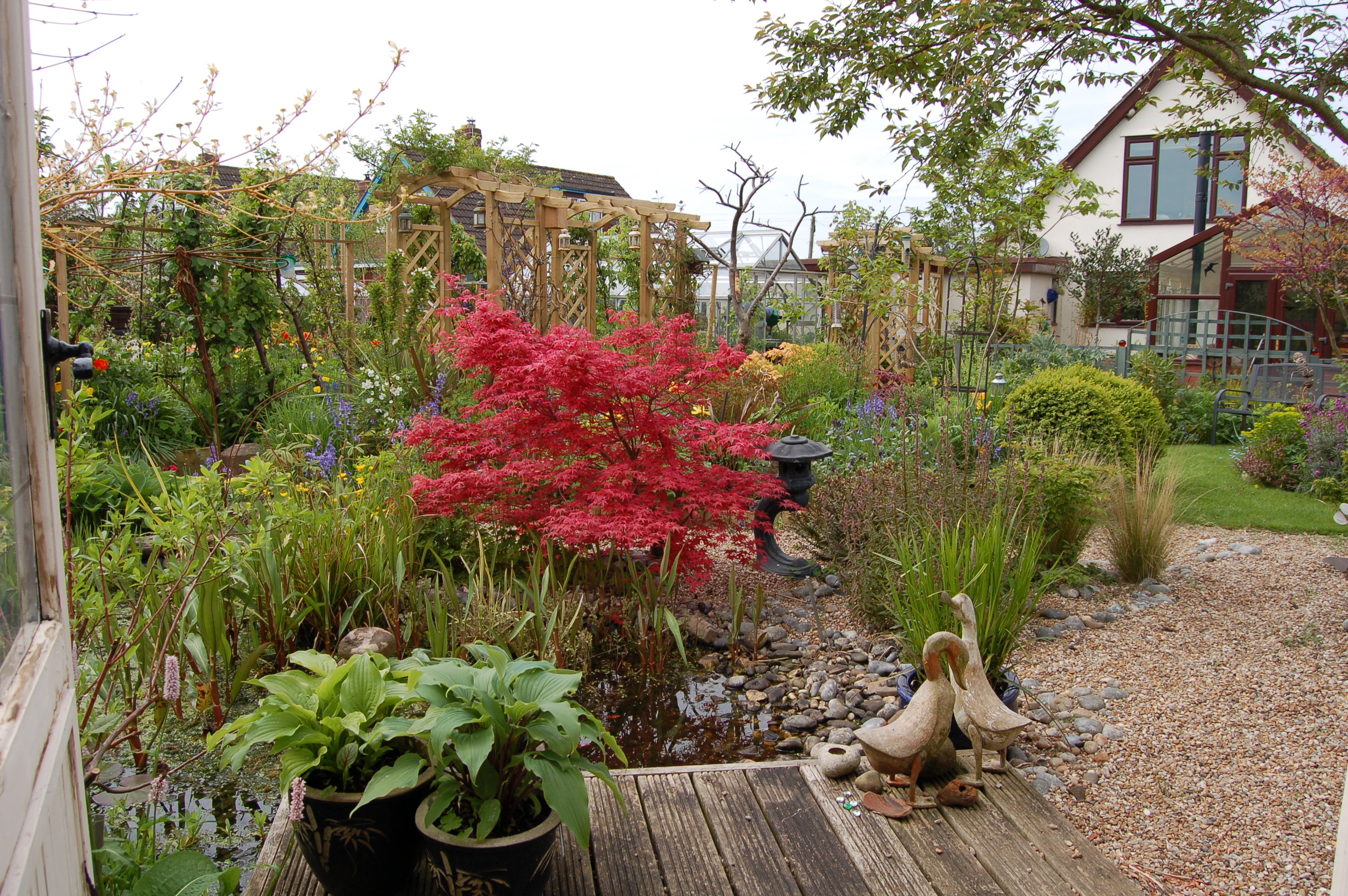
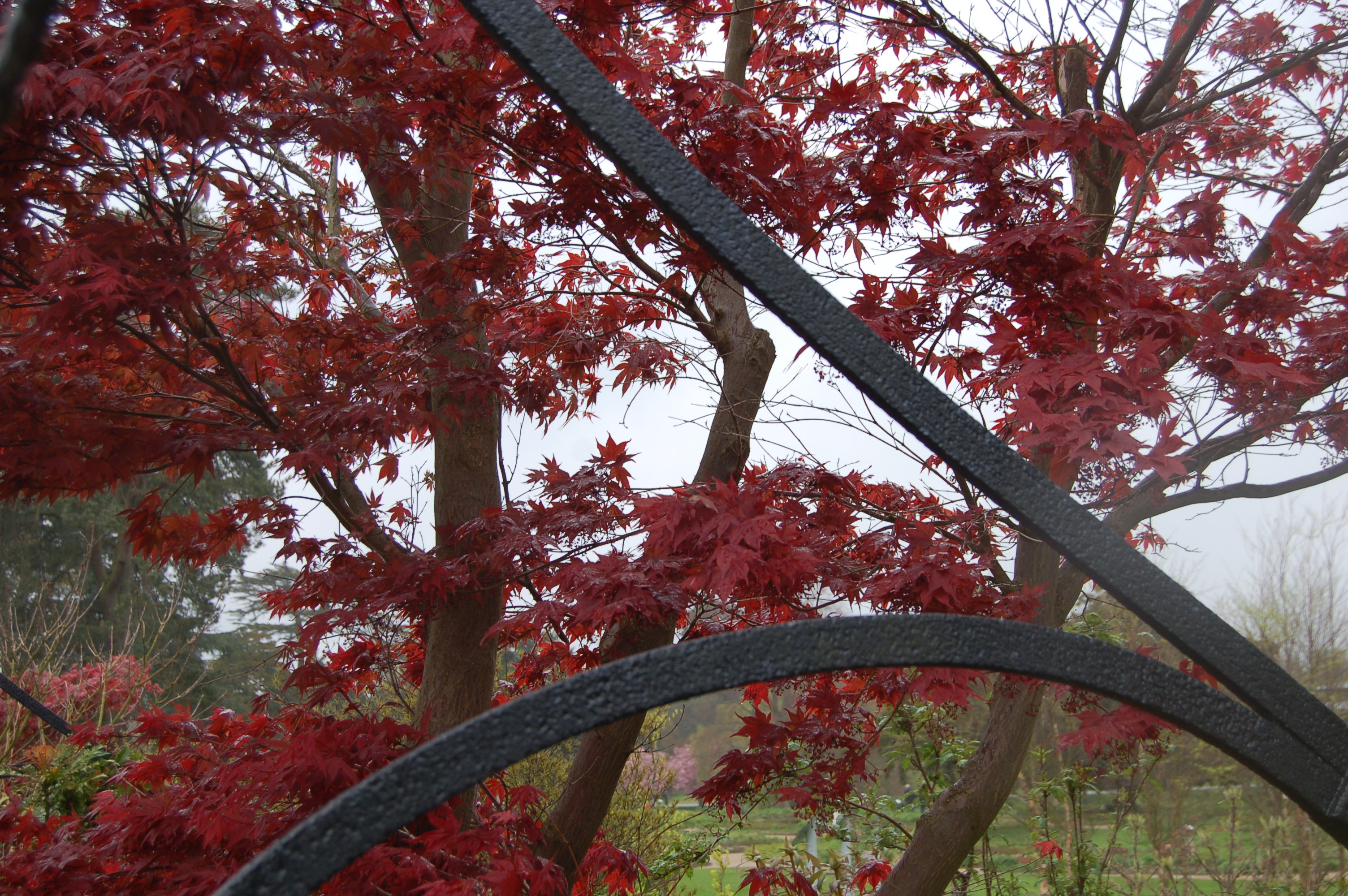
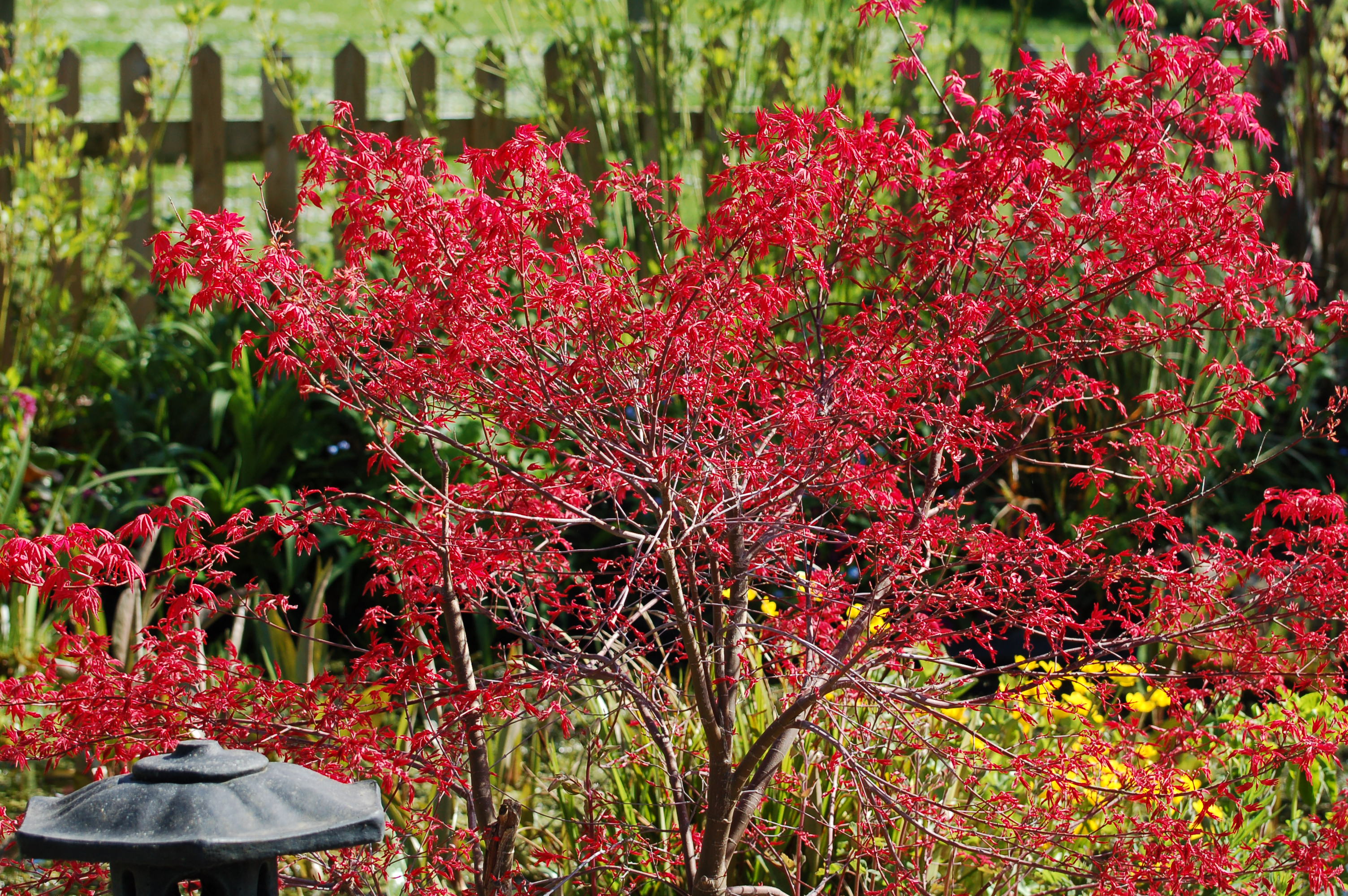
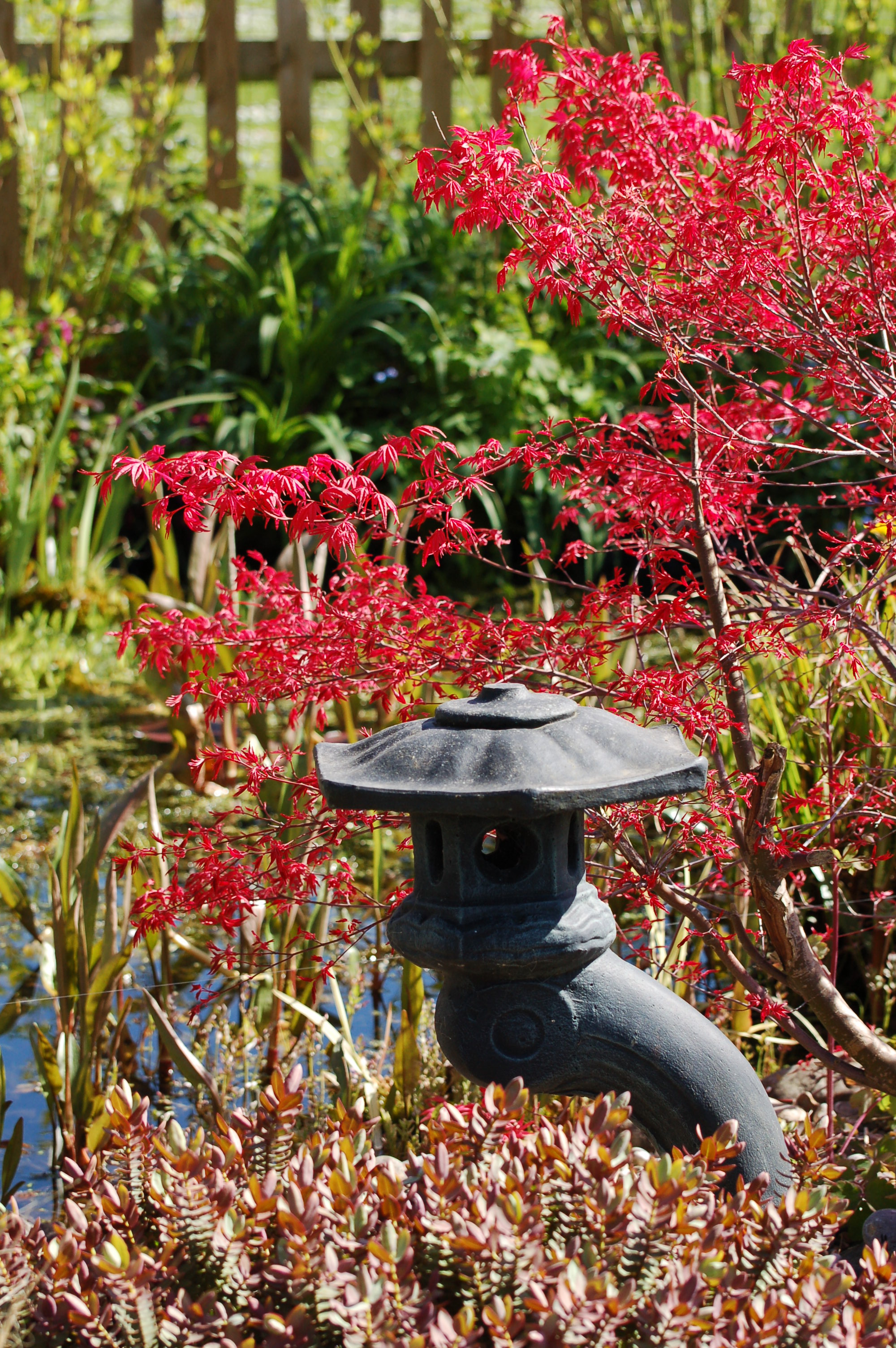
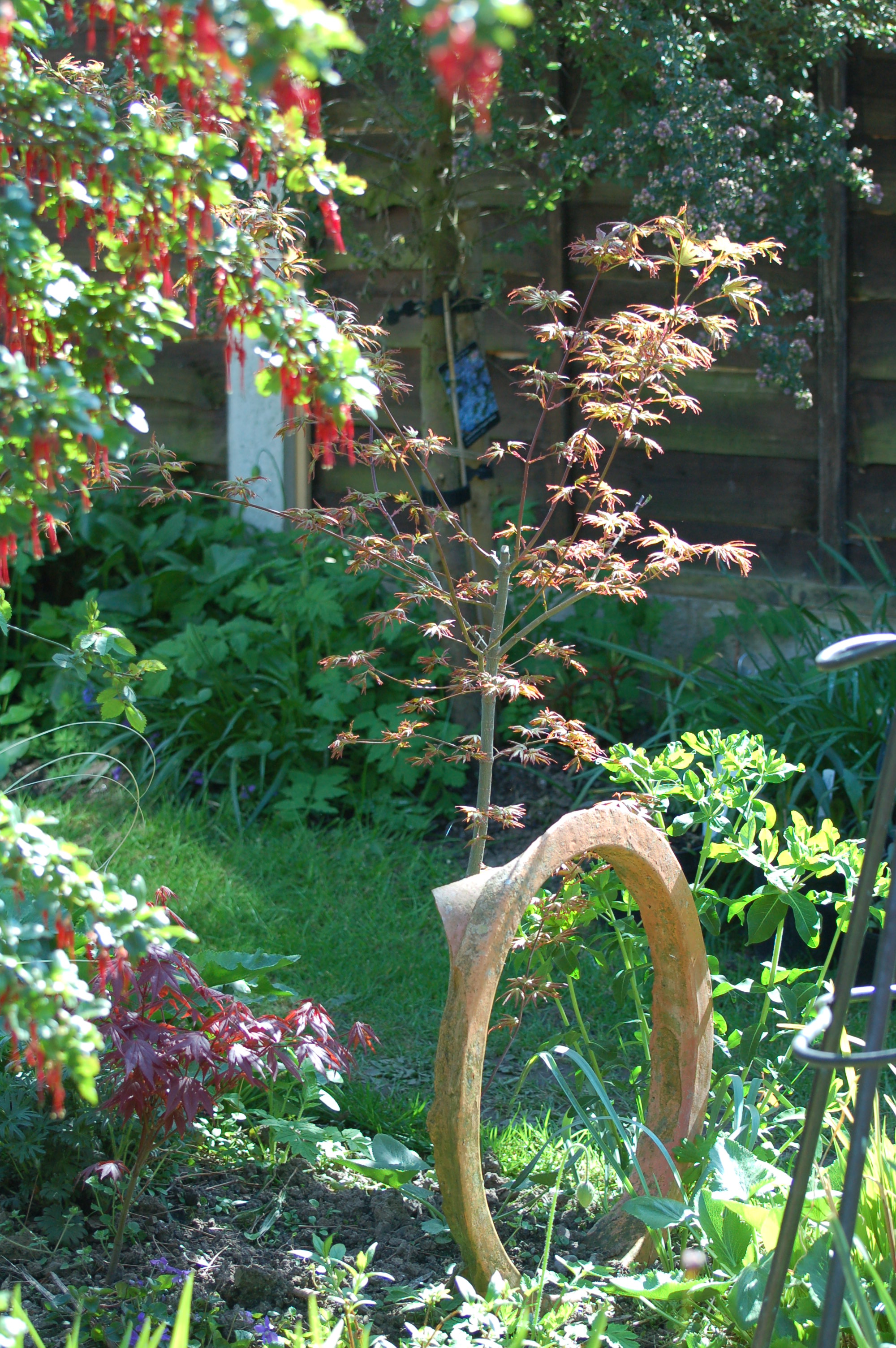
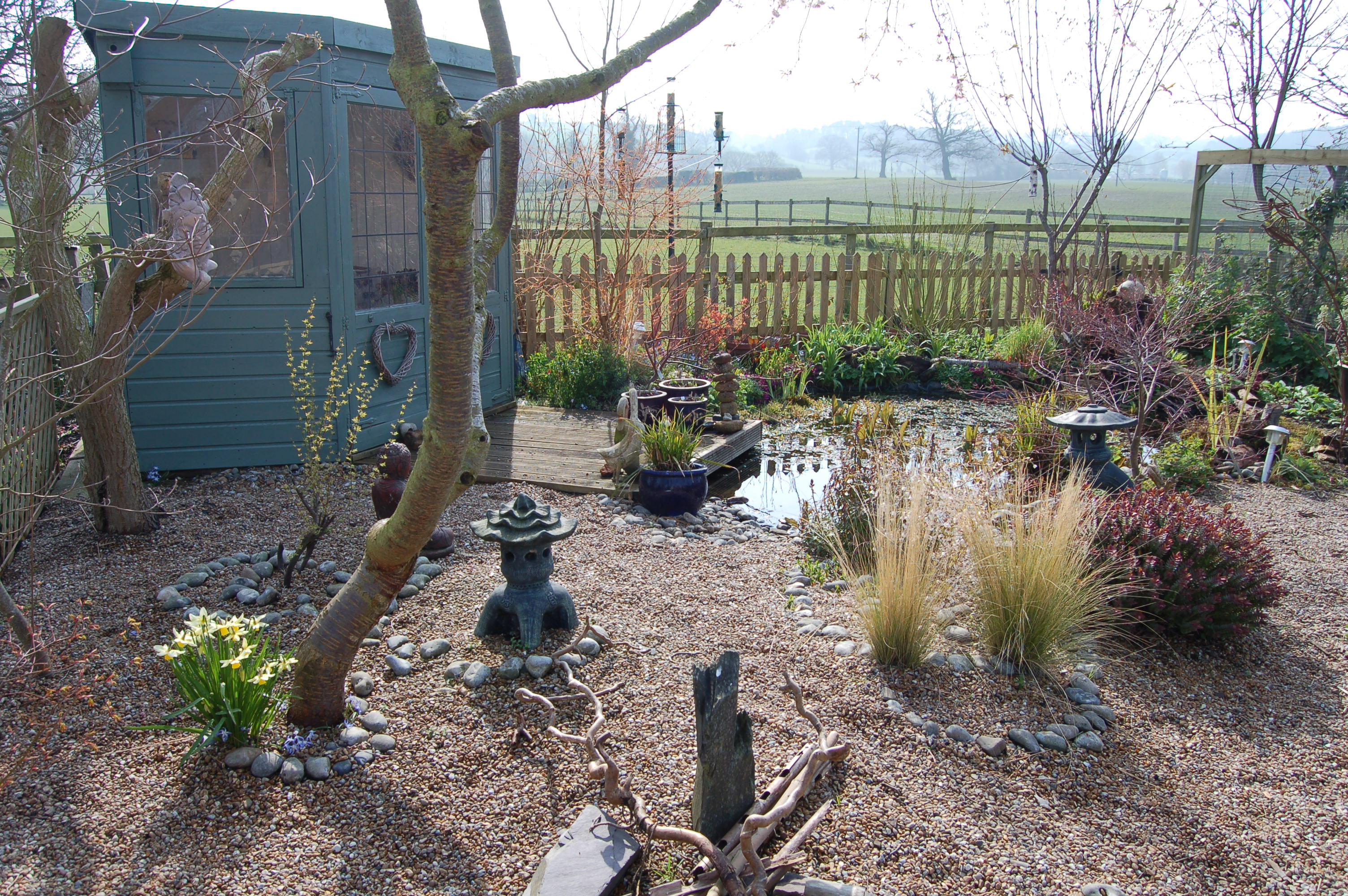
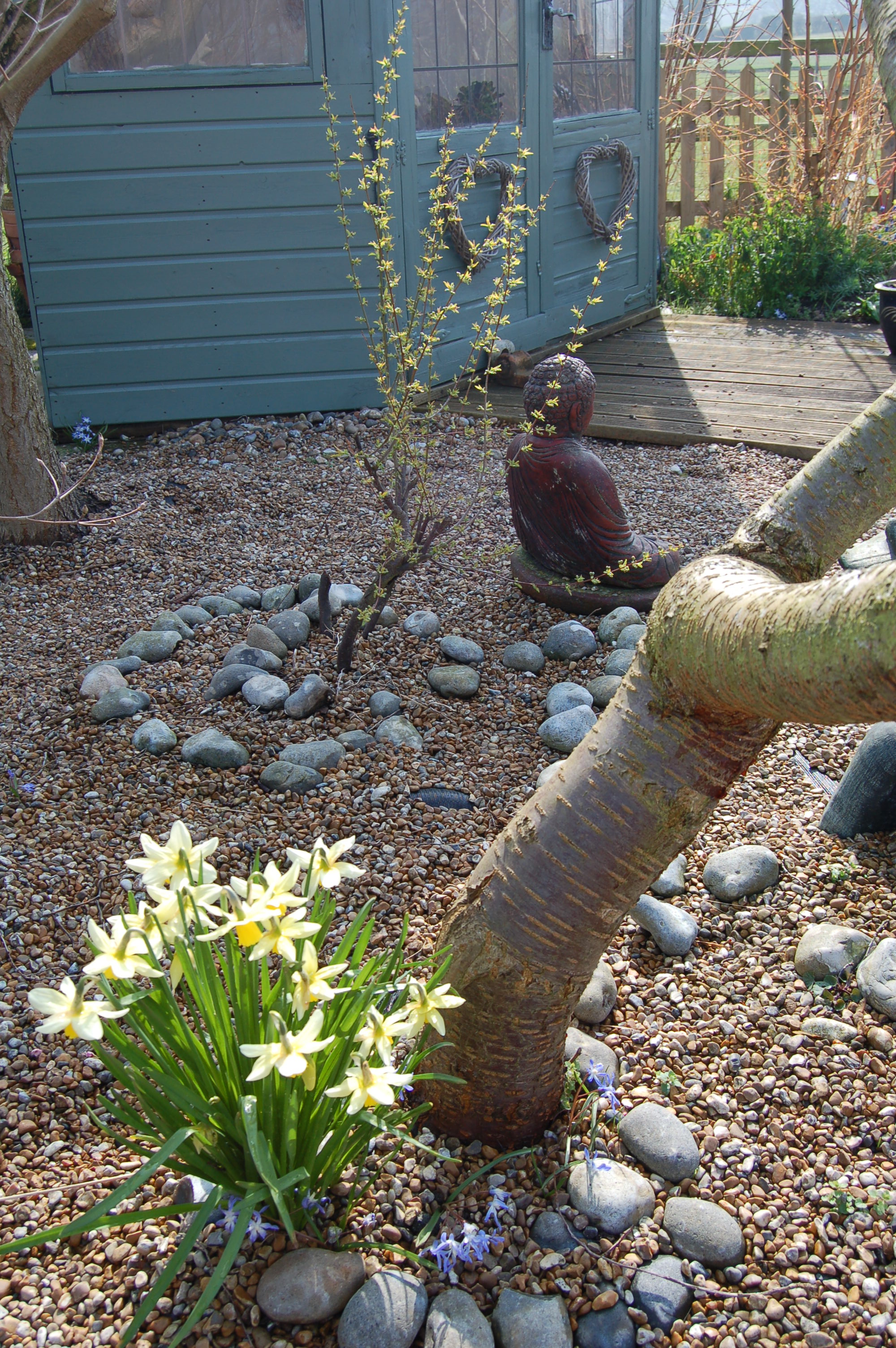
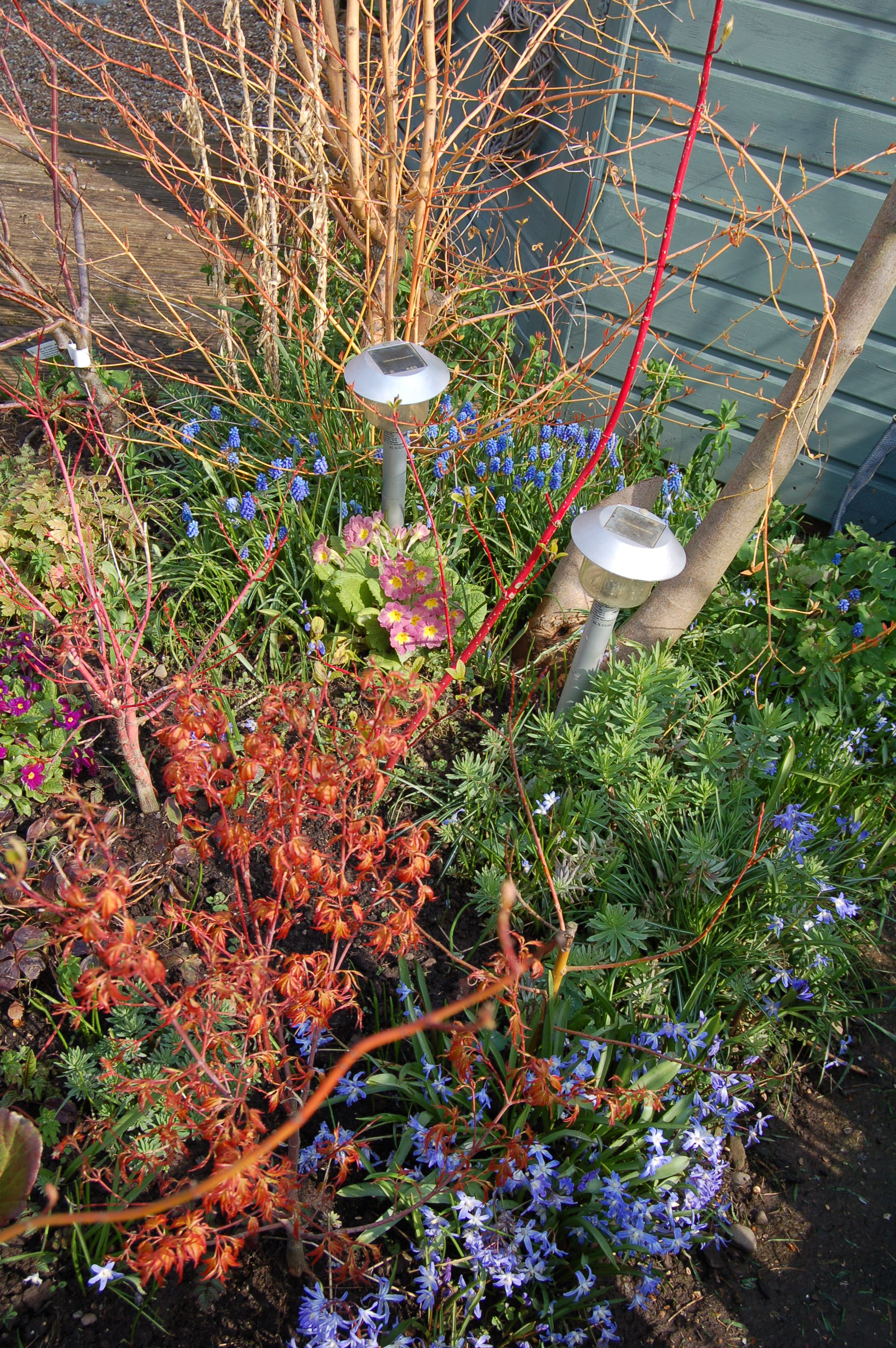
And now a quick visit to our Japanese Garden and the pond side border alongside. There is a lot of colour to find here.

2014 03 30_7566 2014 03 30_7567


2014 03 30_7568 2014 03 30_7570 2014 03 30_7569  2014 03 30_7572

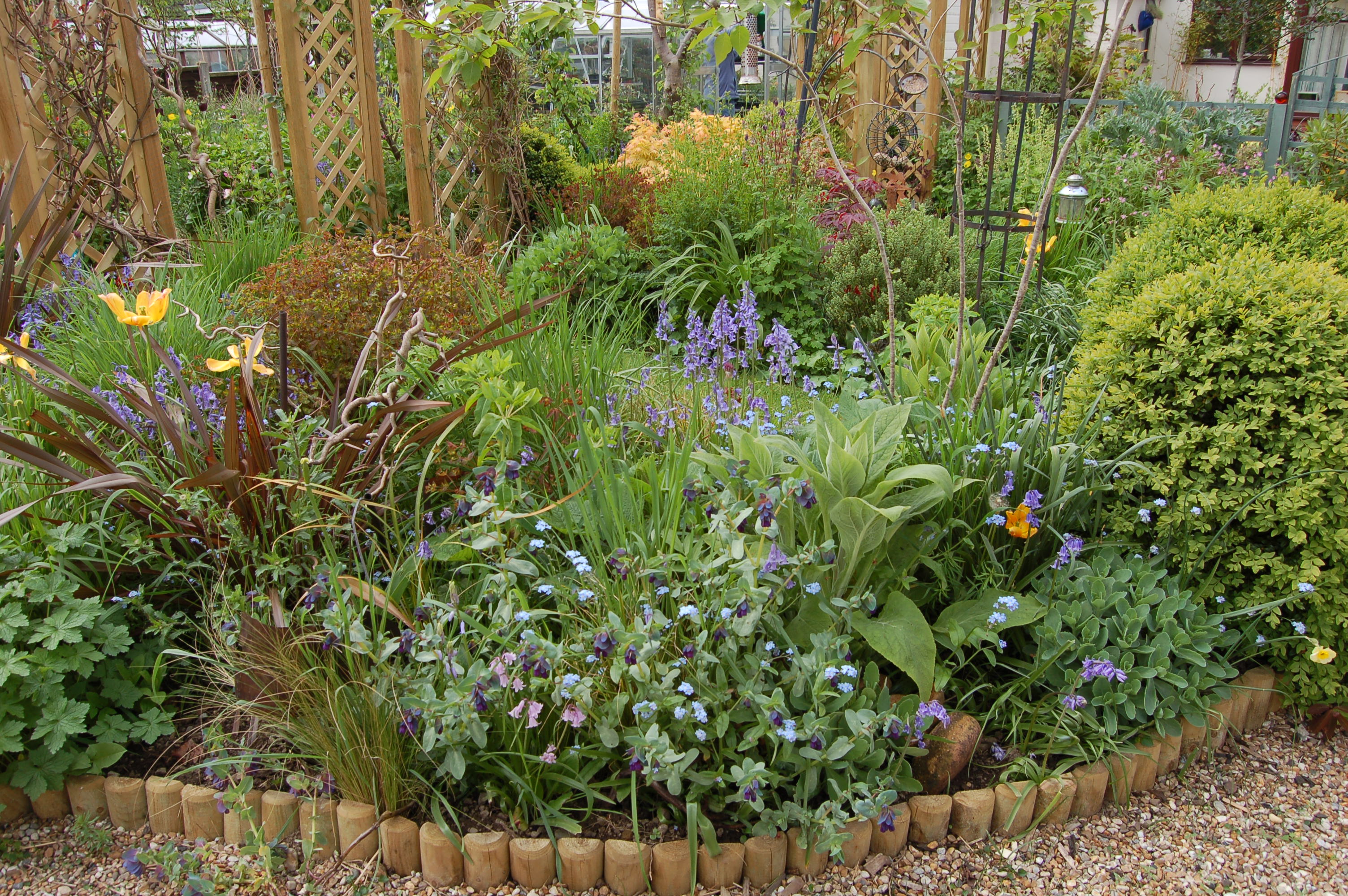
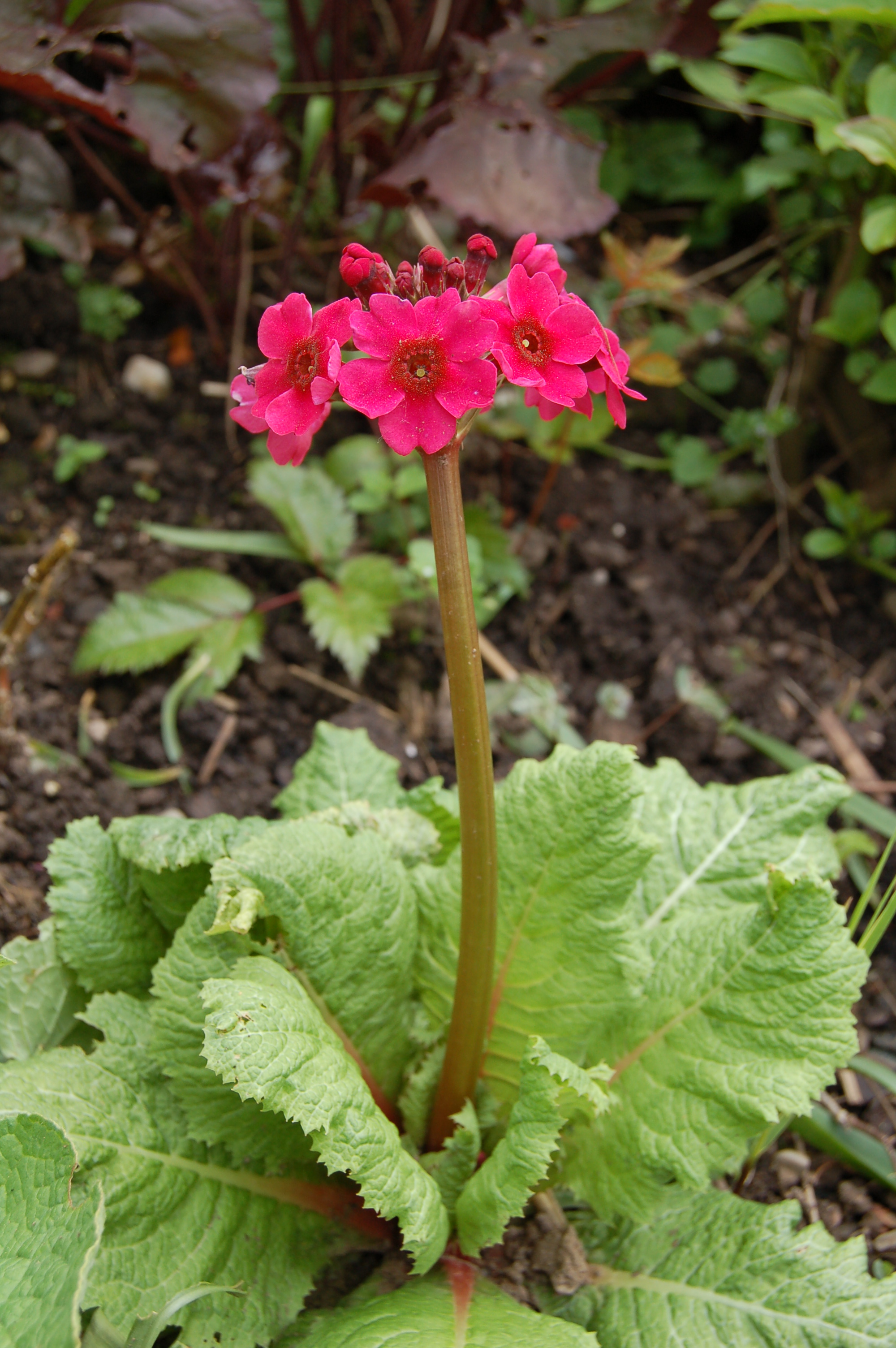
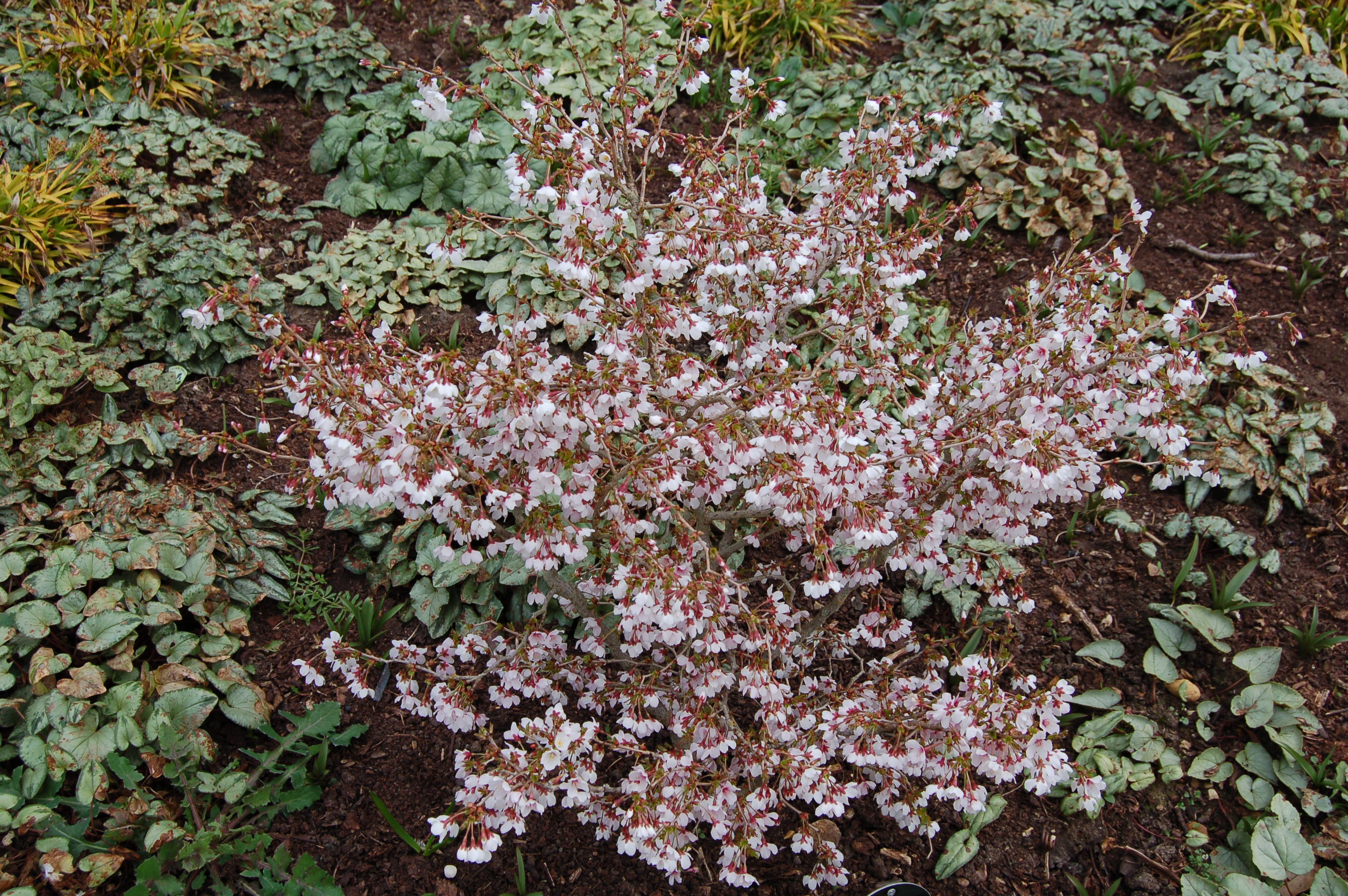
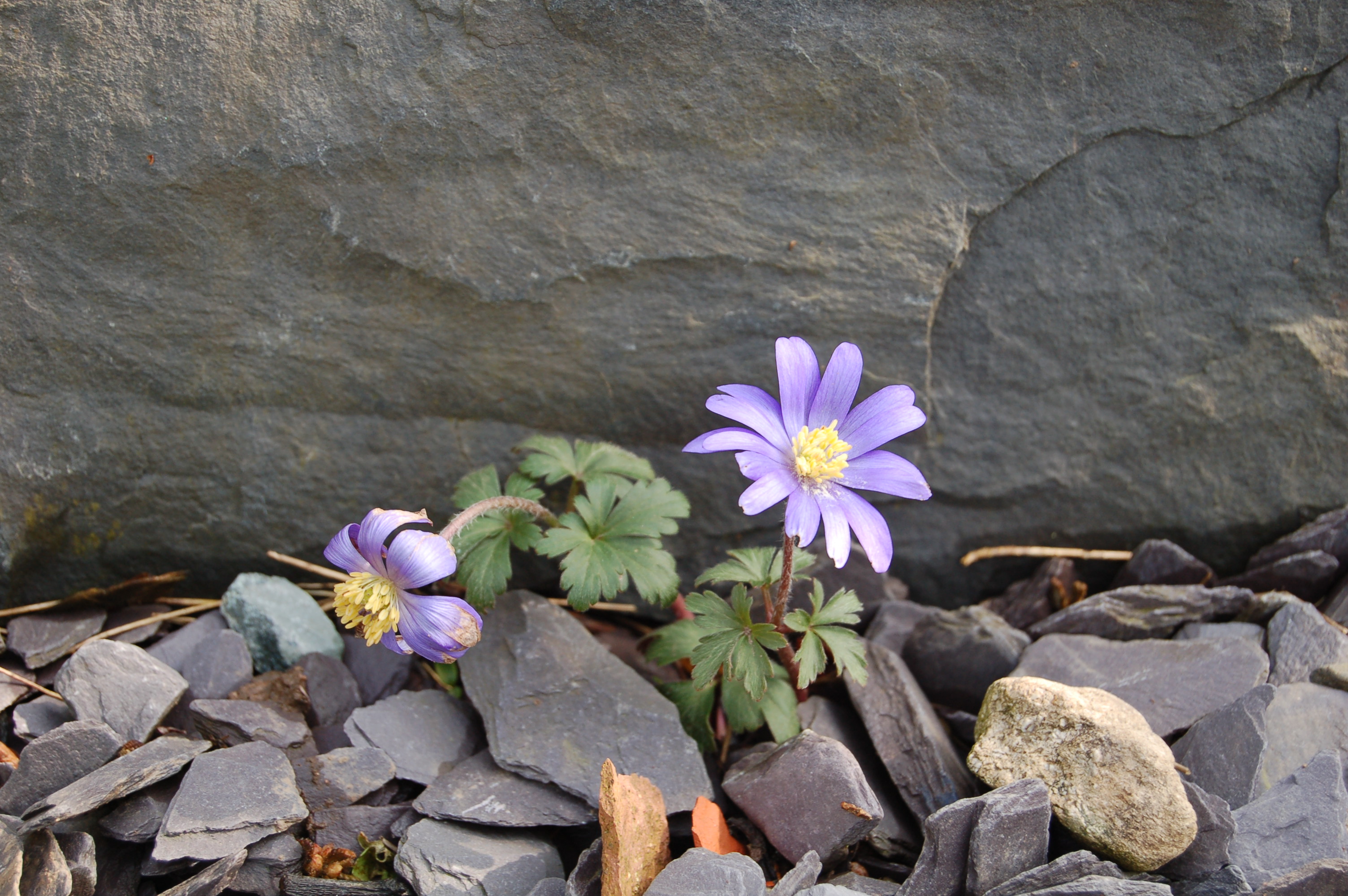
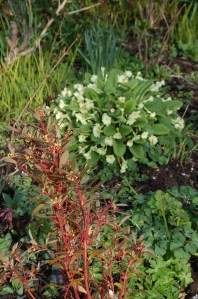
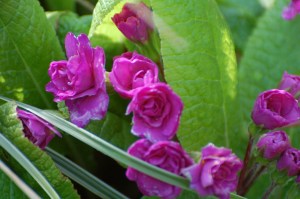
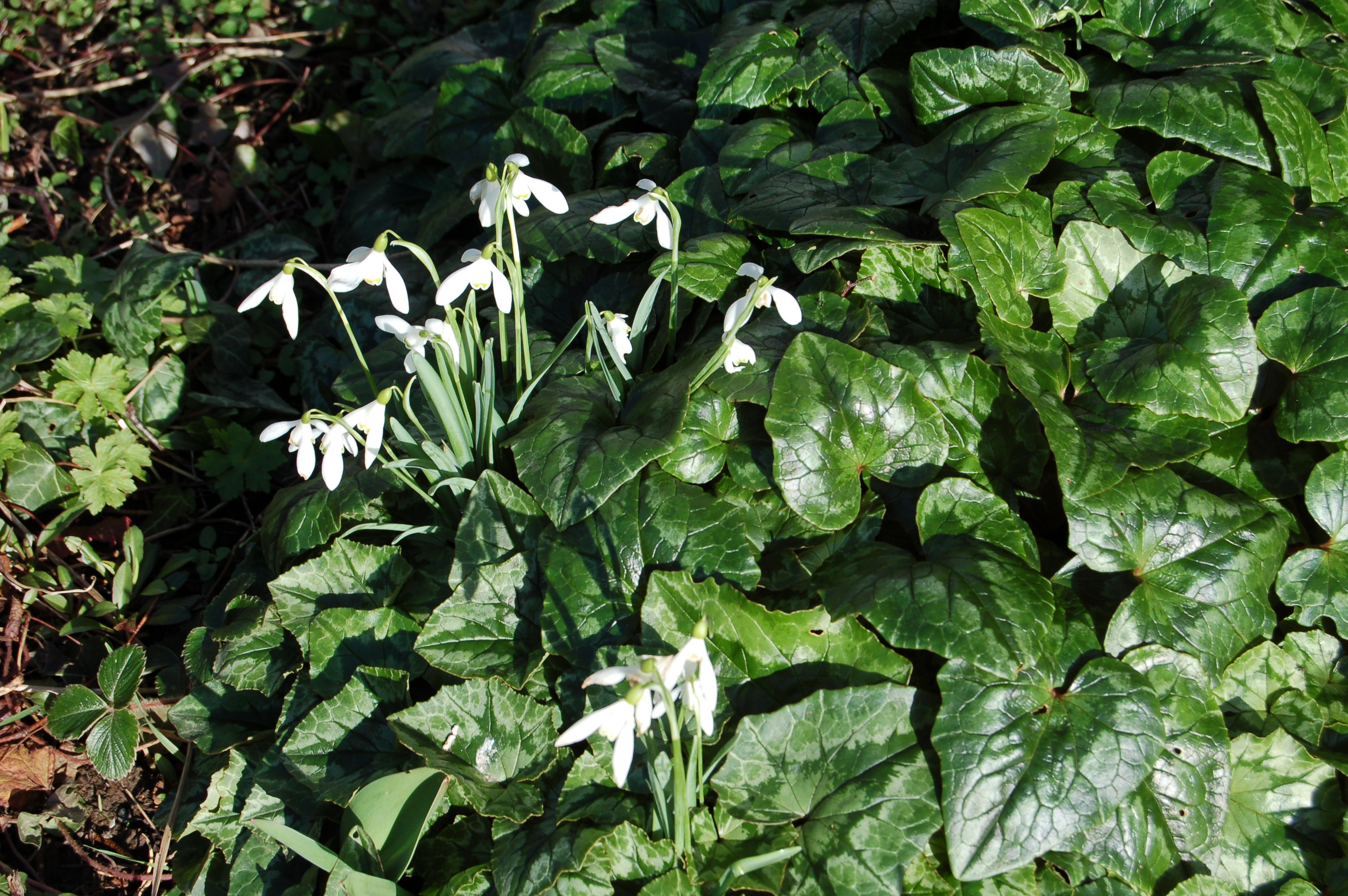
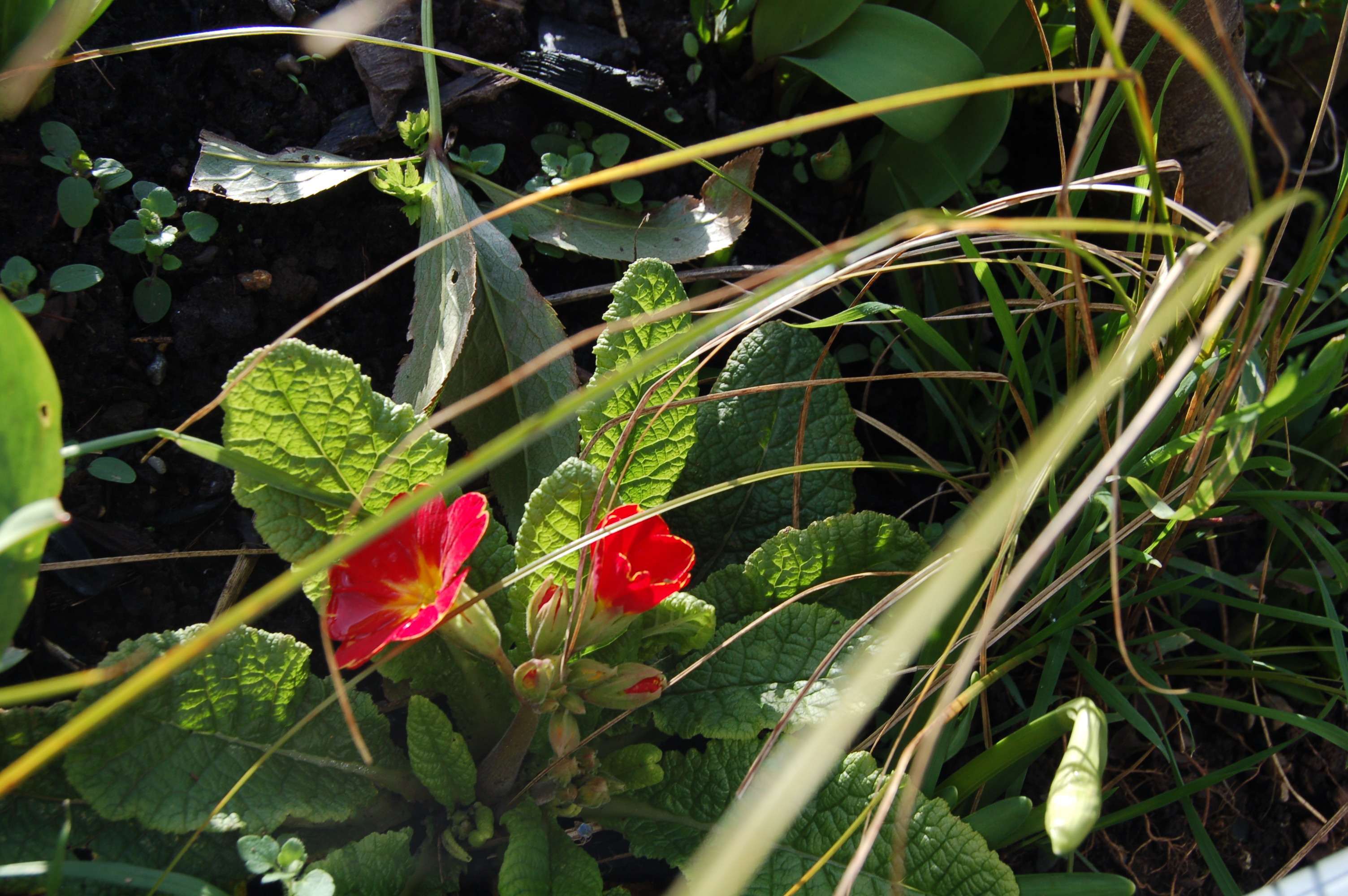
Our native Primrose is perhaps our favourite plant in our garden at this time of the year with the delicacy of its scent and colour. Other small flowers star before their larger neighbours take over the borders.

2014 03 30_7577 2014 03 30_7578

2014 03 30_7582 2014 03 30_7594

2014 03 30_7593 2014 03 30_7590

2014 03 30_7585 2014 03 30_7586

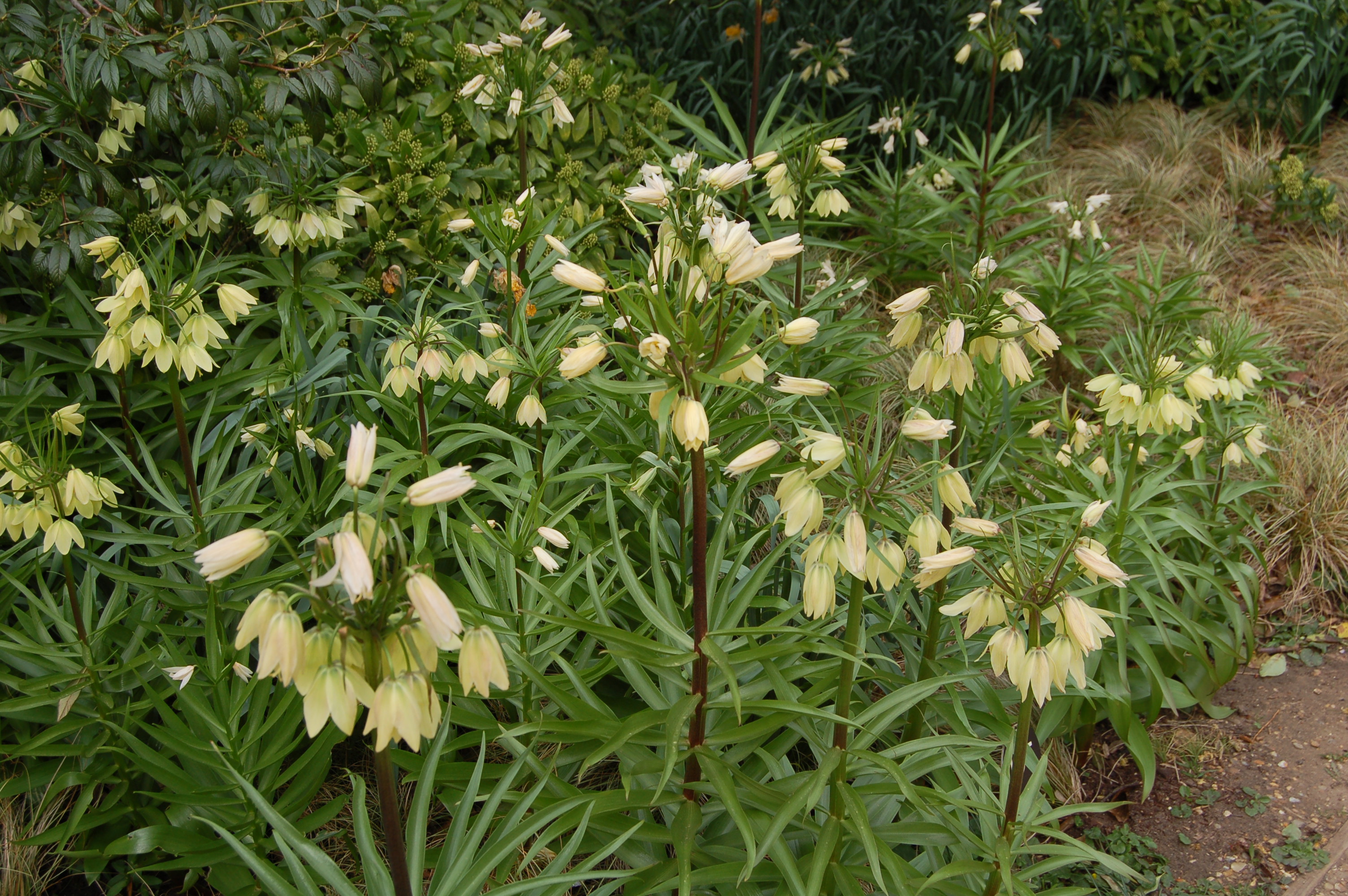
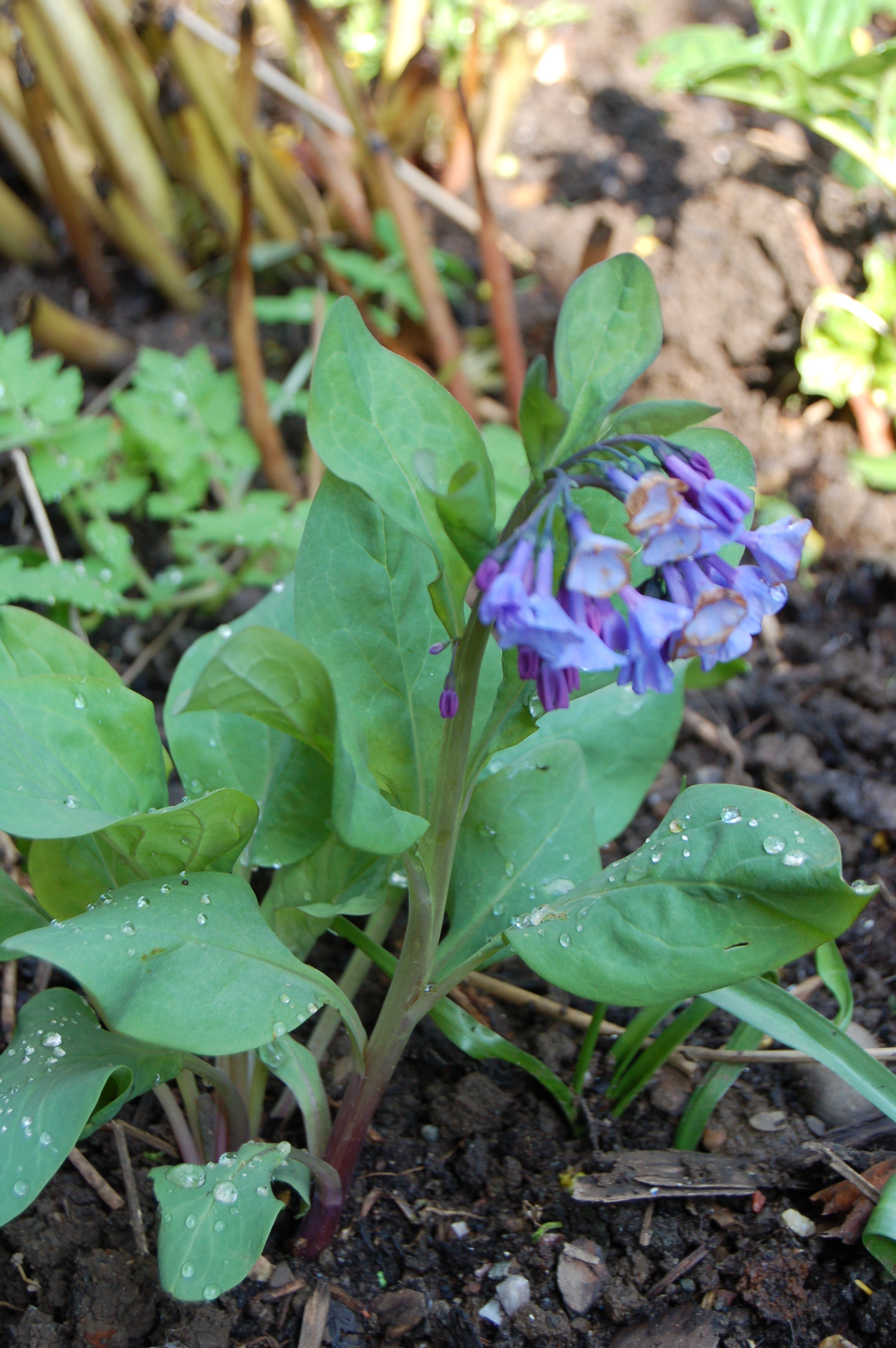
The star plant in our garden for early spring has to be the Chatham Island Forget-me-Not, Myosotidium hortemsium, with the flowers in a shade of blue that is so intense it is impossible to describe in words or give labels to. It lives in our Shade Garden so we have to make an effort to go and see it. It deserves our effort.

2014 03 30_7589

One part of the garden that we have given a spring clean to is the Seaside Garden which was in need of a face lift.

2014 03 30_7591

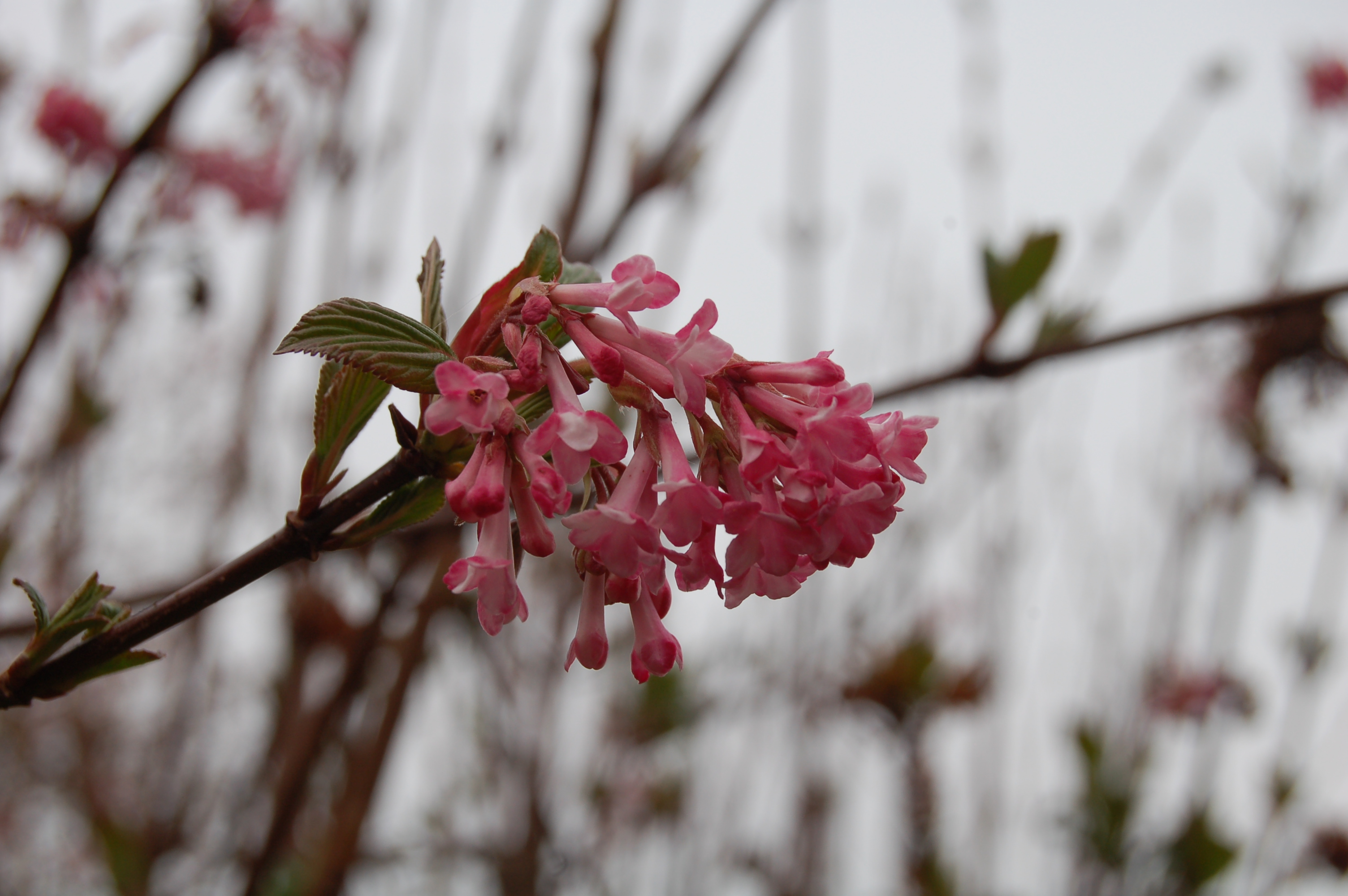
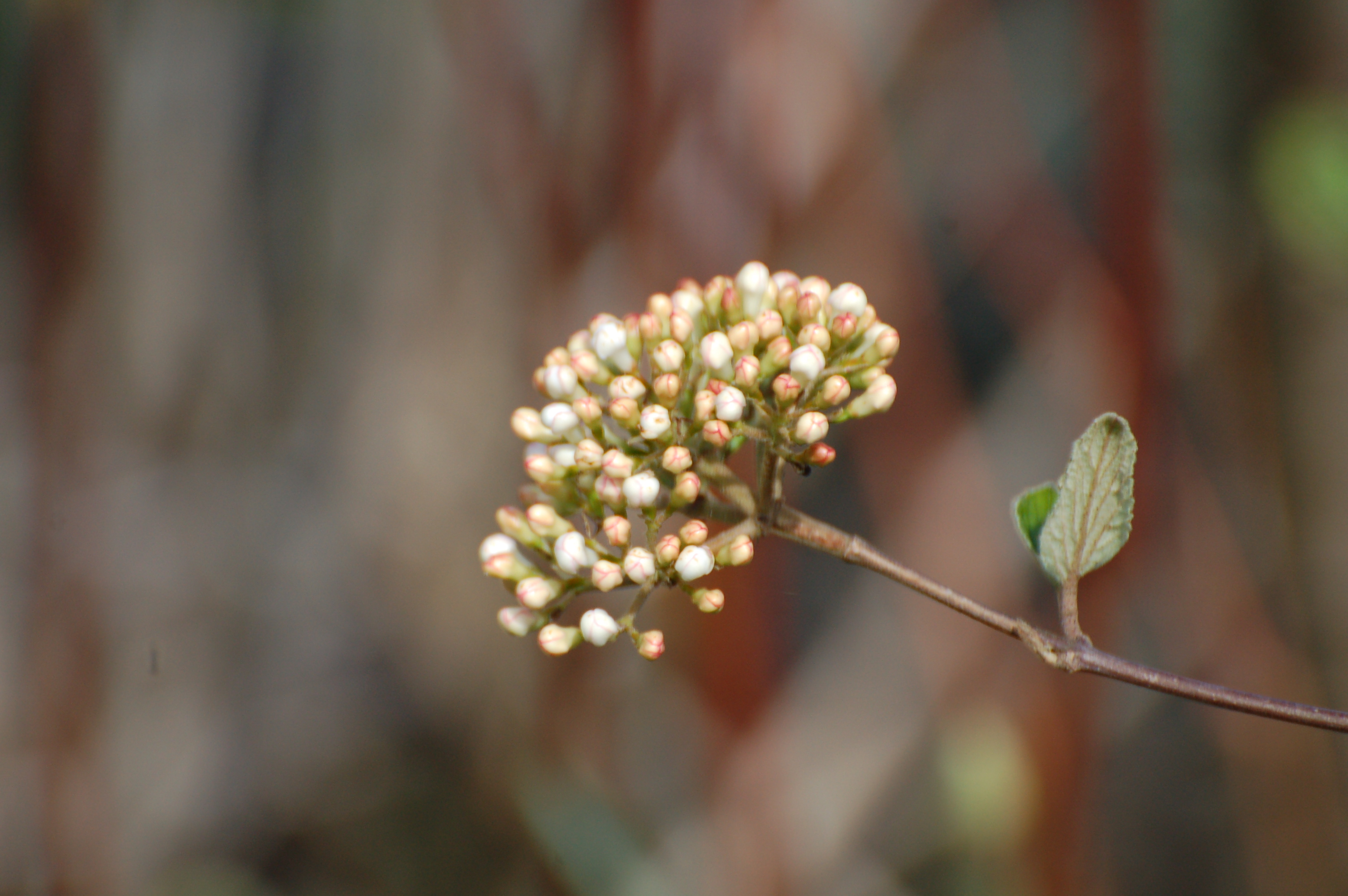
And for a promise of scent and colour soon to come  we need to turn to the Viburnum family.

2014 03 30_7595

There are just too many photos left so I shall move into a gallery for you to enjoy.
Categories
allotments diy fruit and veg gardening grow your own natural pest control recycling

Revamping our Strawberry Bed

We have now had our allotment for 5 years and this means our strawberries and raspberries are getting weaker and producing poorer crops. After this period of time the threat of virus hangs over them.
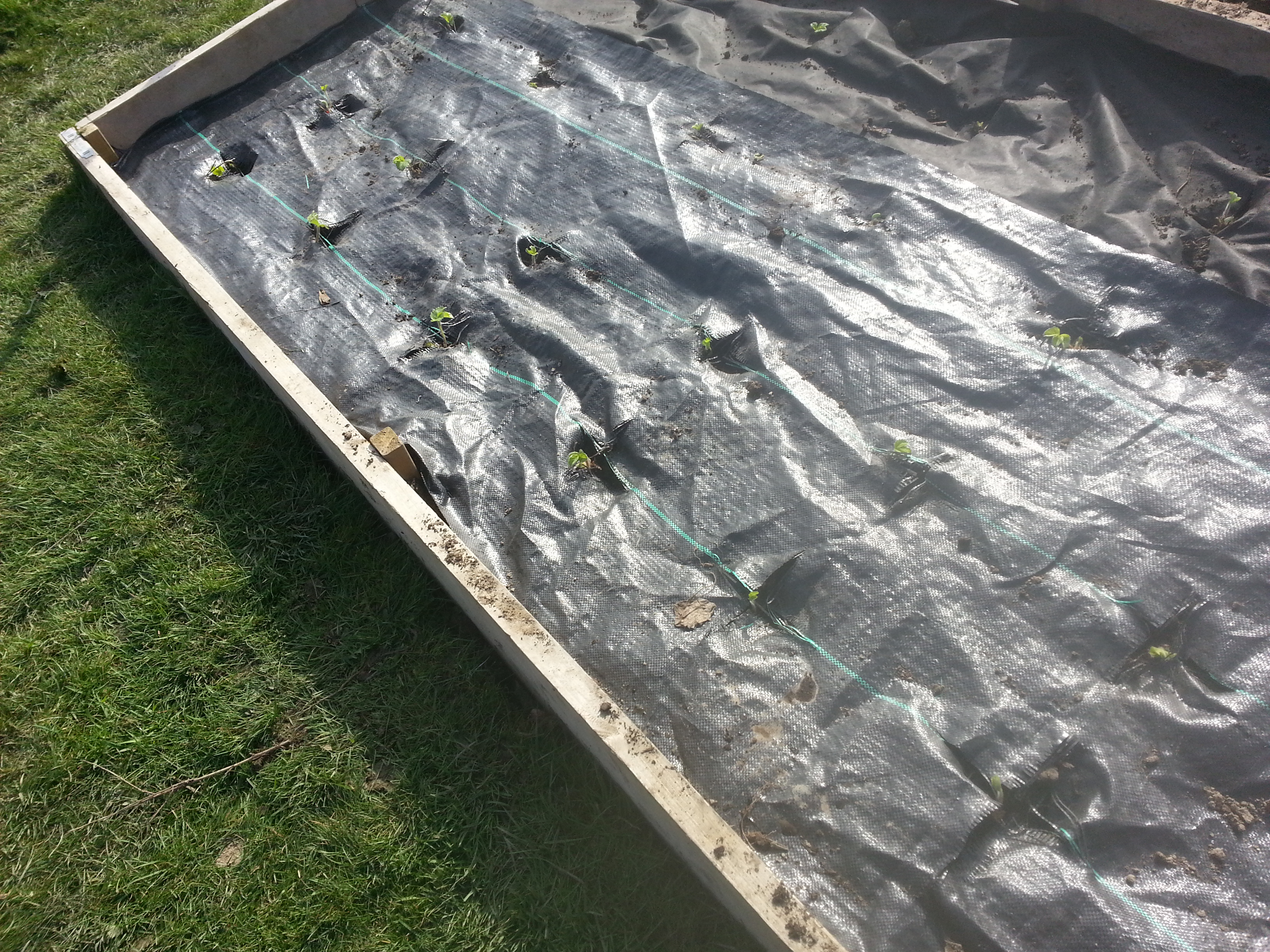
We renewed our raspberry canes last autumn and so it is time to renew our strawberry plants. A bright warm early spring day found us digging up and composting our old plants which had become woody. We got rid of the old weed suppressing membrane and dug over the flattened soil below. We then added lots of organic matter in the form of old growbags, our own chicken manure and composted chicken bedding. A quick rotovate and the soil looked good, full of organic matter and a great texture.
We made the wooden surround from recycled scaffold boards which fits our 3-Rs policy which we follow on our plot. Reduce – Reuse – Recycle.

To protect our strawberry plants from pests and to help effective pollination we have sown a wildflower strip close by.

Soon we had new membrane down and we spread out our new little plants spaced out to give the best yields.

2014 03 14_7135 2014 03 14_7137

We planted the little plantlets very carefully as they felt so delicate. When we had finished they looked tiny in their new raised bed. We now have 12 Honeoye and 12 Cambridge Scarlet which will hopefully keep us in strawberries for the next five years.

2014 03 14_7134 2014 03 14_7133

The little plants looked so vulnerable when we had finished but just a week later we checked on them and they were showing signs of strong bright green growth.

2014 03 14_7136  

Categories
climbing plants colours flowering bulbs garden design garden photography garden wildlife gardening gardens grasses hardy perennials ornamental grasses ornamental trees and shrubs Shropshire spring bulbs trees Uncategorized Winter Gardening winter gardens

Aiming for a year round garden. Part One – The Winter

Over the last few years we have worked hard planning to make our garden look and feel good all year round. So today I took a wander with camera in hand to see how well we had done so far. See what you think. Are we getting there?

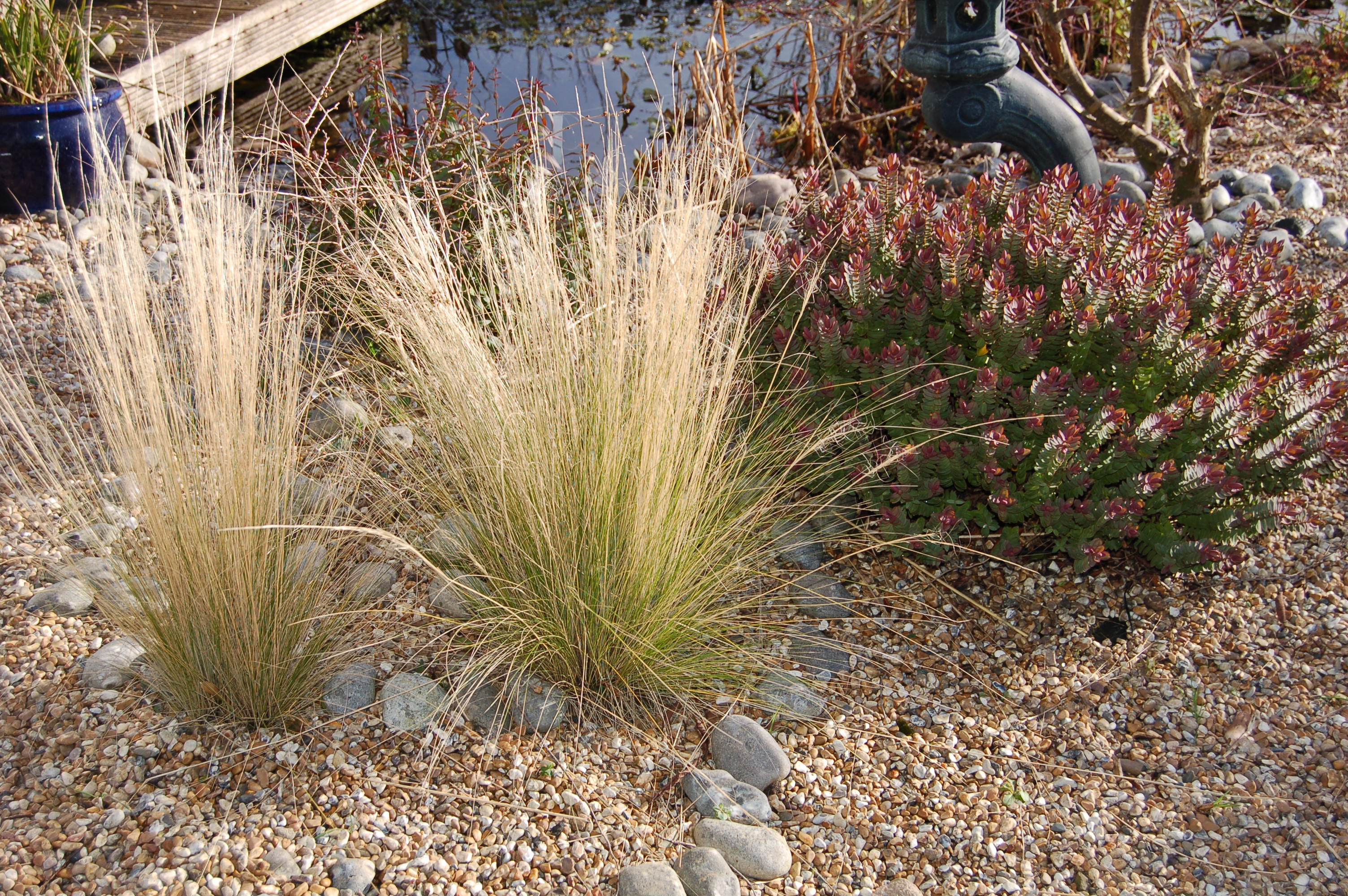
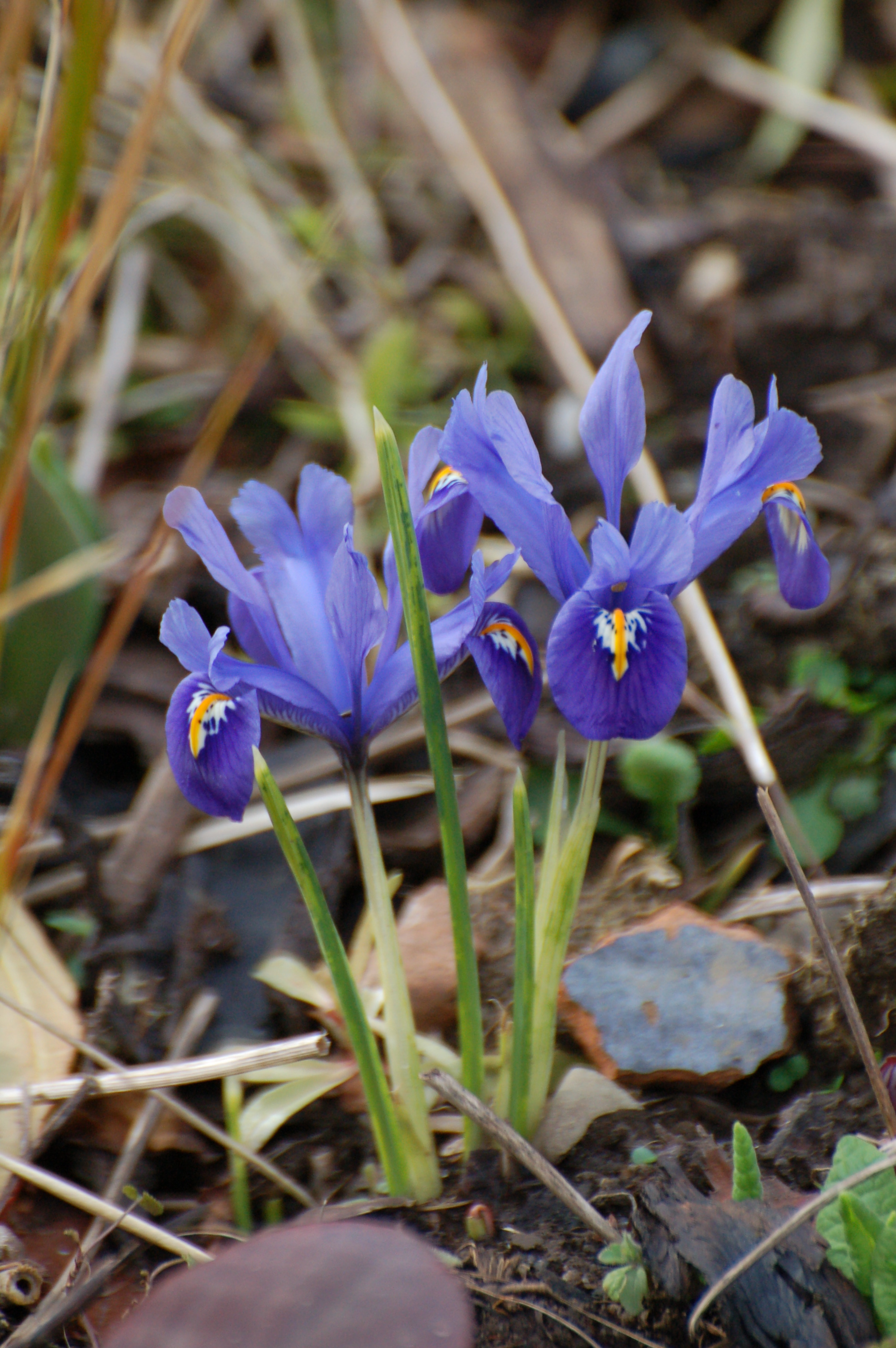
Of course flowering bulbs come into their own at this time of year and we now have a wide selection of crocus, muscari, miniature narcissi and Iris reticulata throughout the garden. Grasses are of equal importance but only recently have they been accepted as an essential element of the winter garden. The first photo shows how well our Pony Tails Grasses contrast with the foliage of Hebes. In the second crocus team up with grasses to create a great combination of colours and textures.

2014 03 03_6817 2014 03 03_6792

2014 03 06_6878 2014 03 06_6876 2014 03 06_6875 2014 03 06_6874

2014 03 03_6829 2014 03 03_6805

A have a soft spot for celandines, enjoying the glossy yellow native plant that lights up our hedgerow bases as well as the cultivated bronze leaved Brazen Hussey and the “Giant Celandine” in the photograph below.

2014 03 06_6868 2014 03 06_6867 2014 03 06_6866 2014 03 06_6865

2014 03 03_6788 2014 03 03_6789

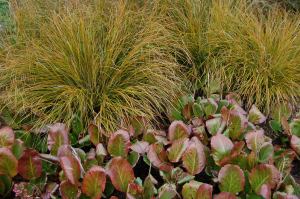
Euphorbias are another of those families of plants that are all year round essentials in our gardens but at this time of year their new bracts glow on overcast days. Foliage is perhaps more important than flowers in the winter garden as it provides variations of colour, pattern and texture. Phormiums, Heucheras and grasses are most effective.

2014 03 03_6832 2014 03 03_6806

2014 03 03_6831 2014 03 03_6830  2014 03 03_6828 2014 03 03_6827 2014 03 03_6811

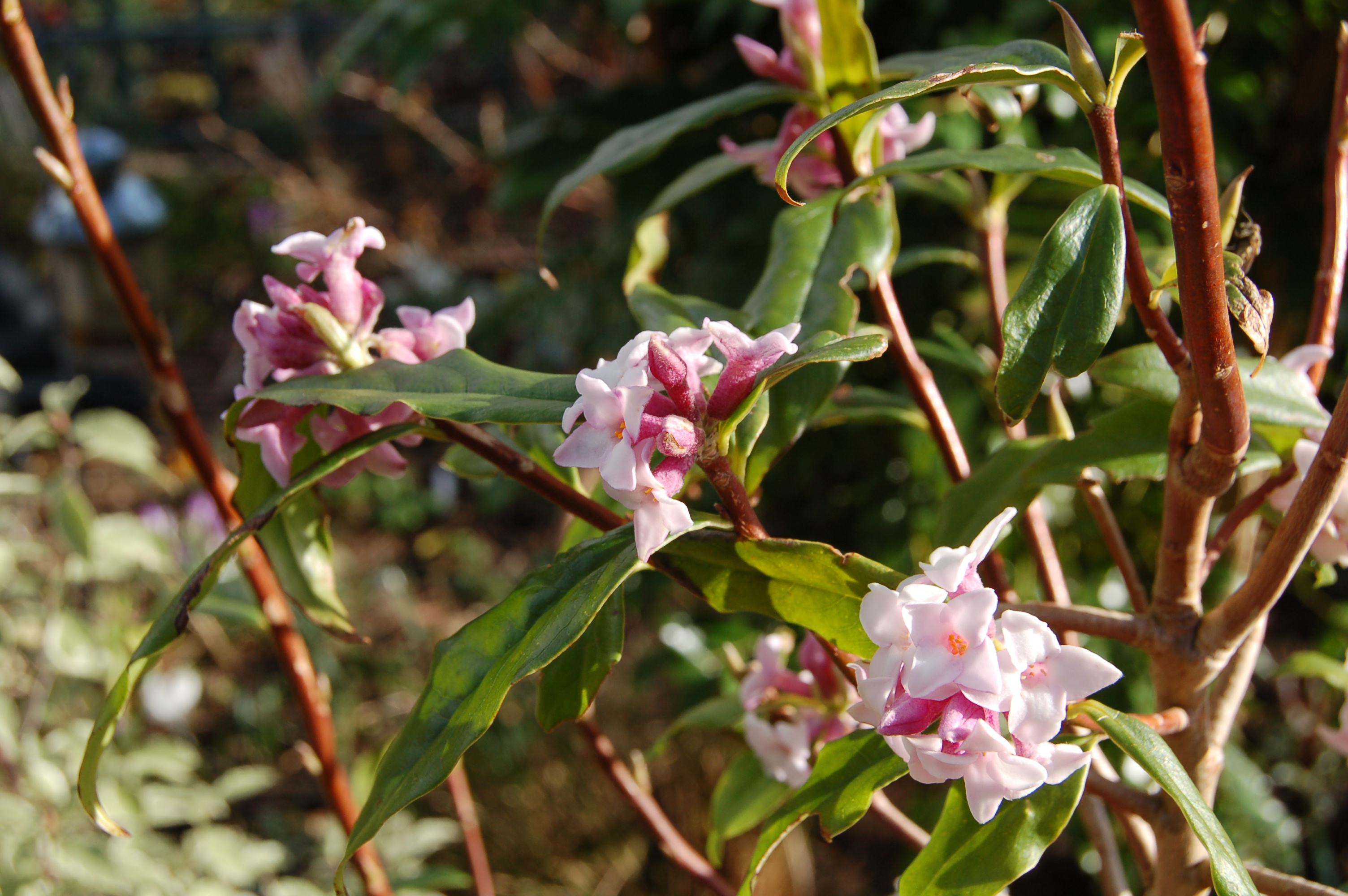
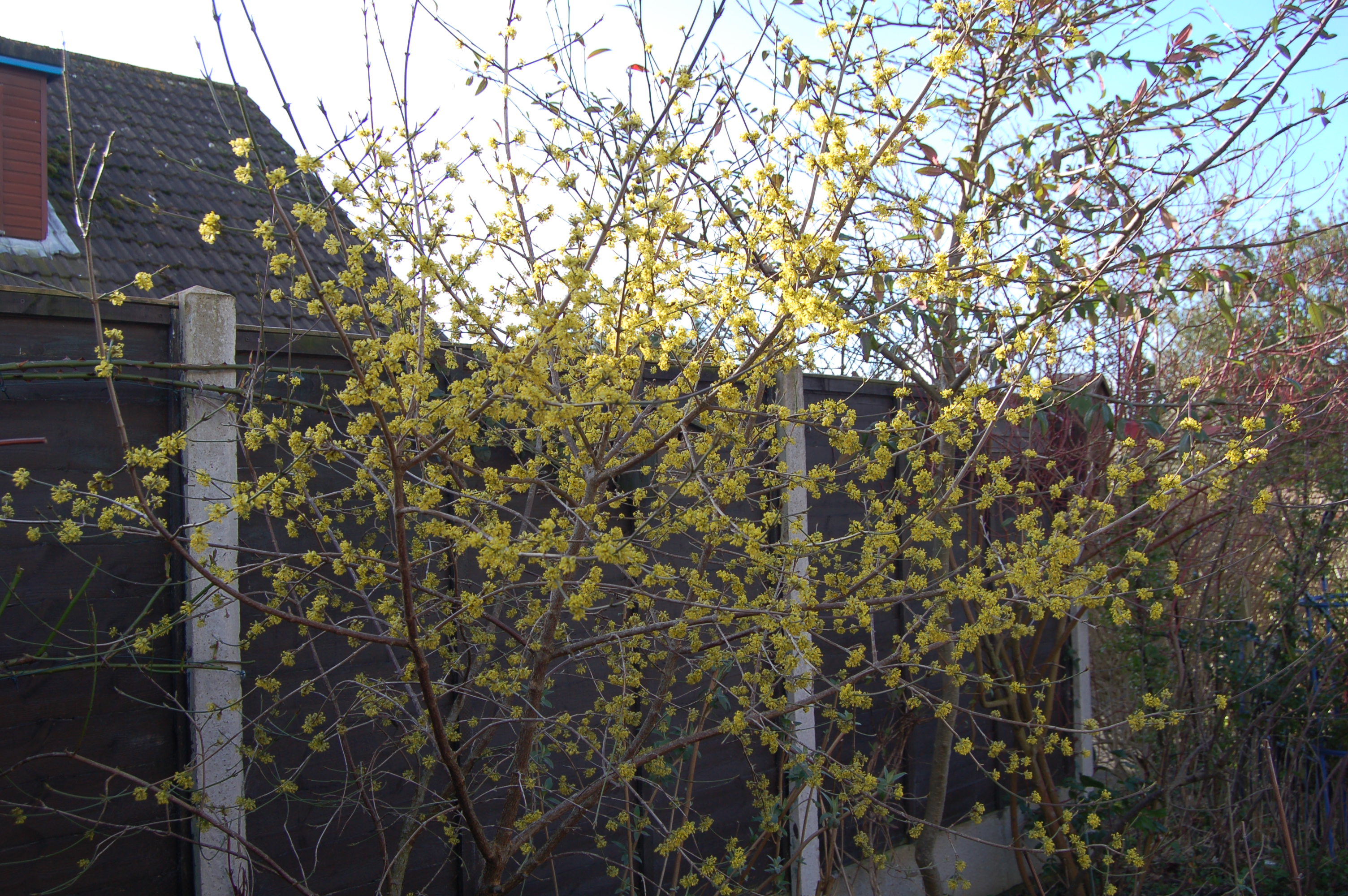
Scent can play its part as it pervades the calm air and delights us as we wander with the thought of brighter warmer days. Daphnes, Sarcoccocas, Cornus, Mahonias and Viburnums all perform well in our garden.

2014 03 03_6825 2014 03 03_6824 2014 03 03_6823 2014 03 03_6786

2014 03 03_6808 2014 03 03_6796

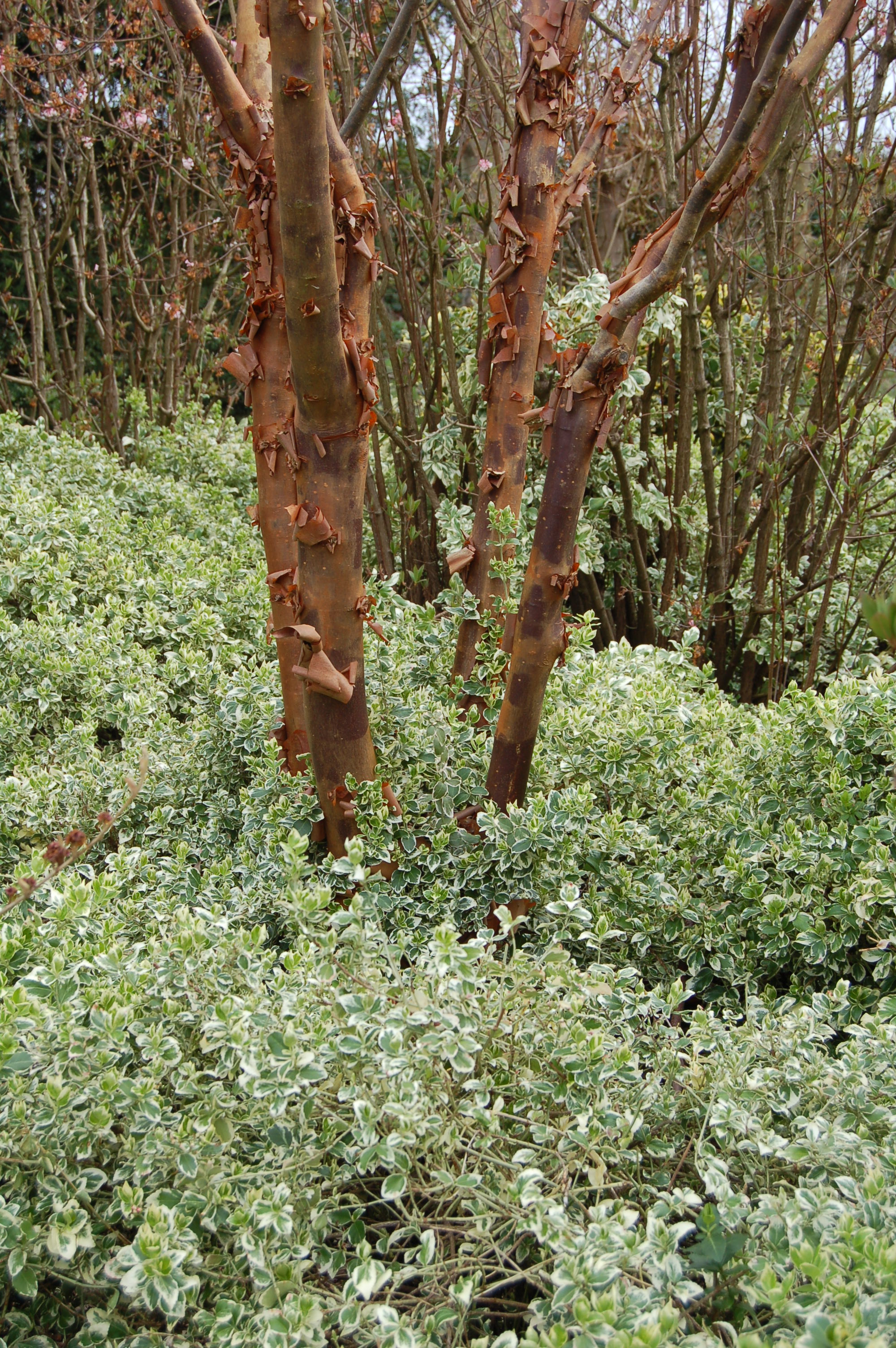
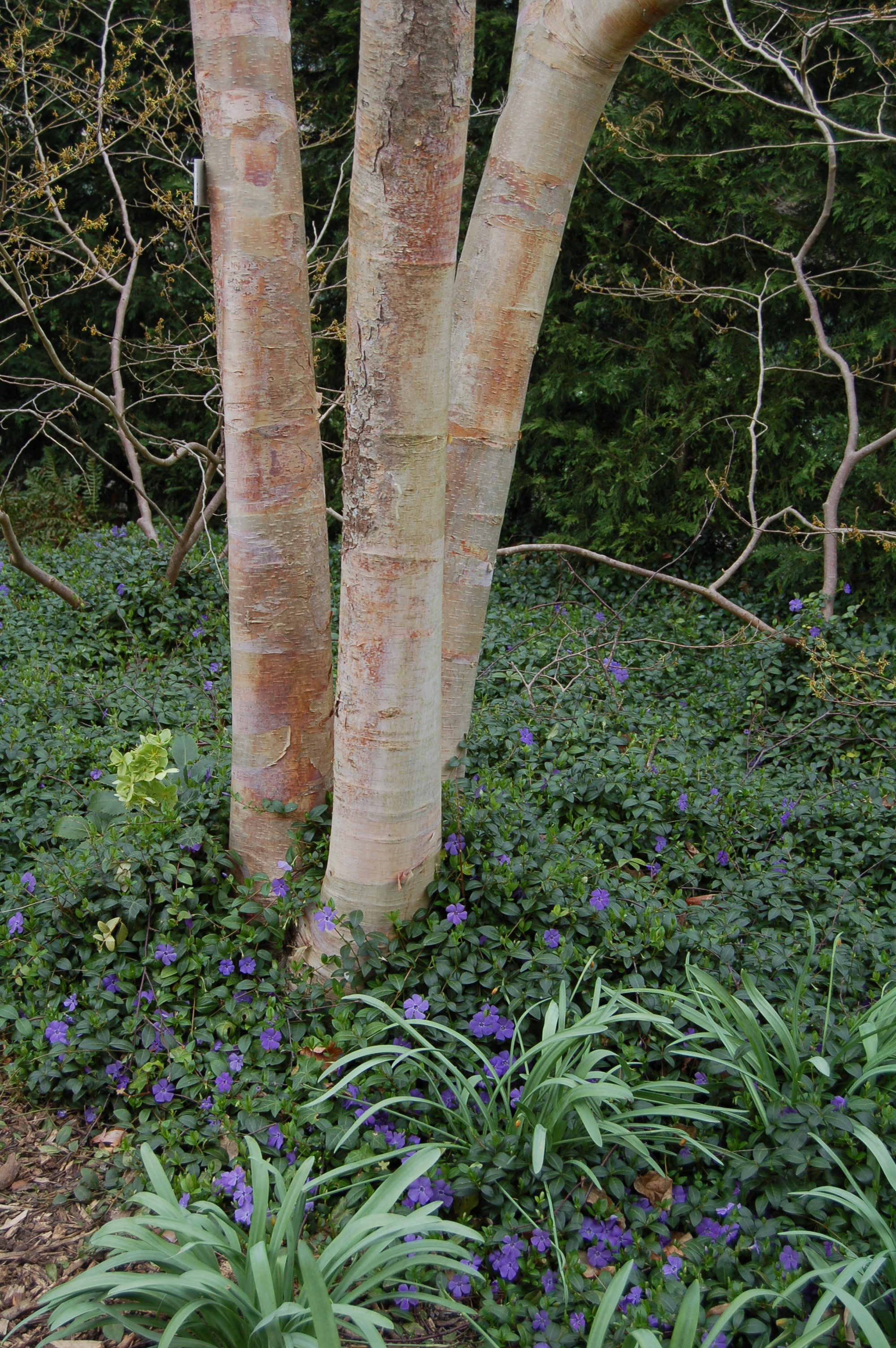
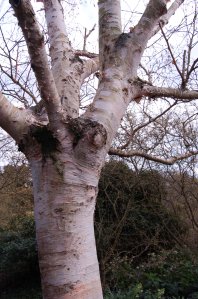
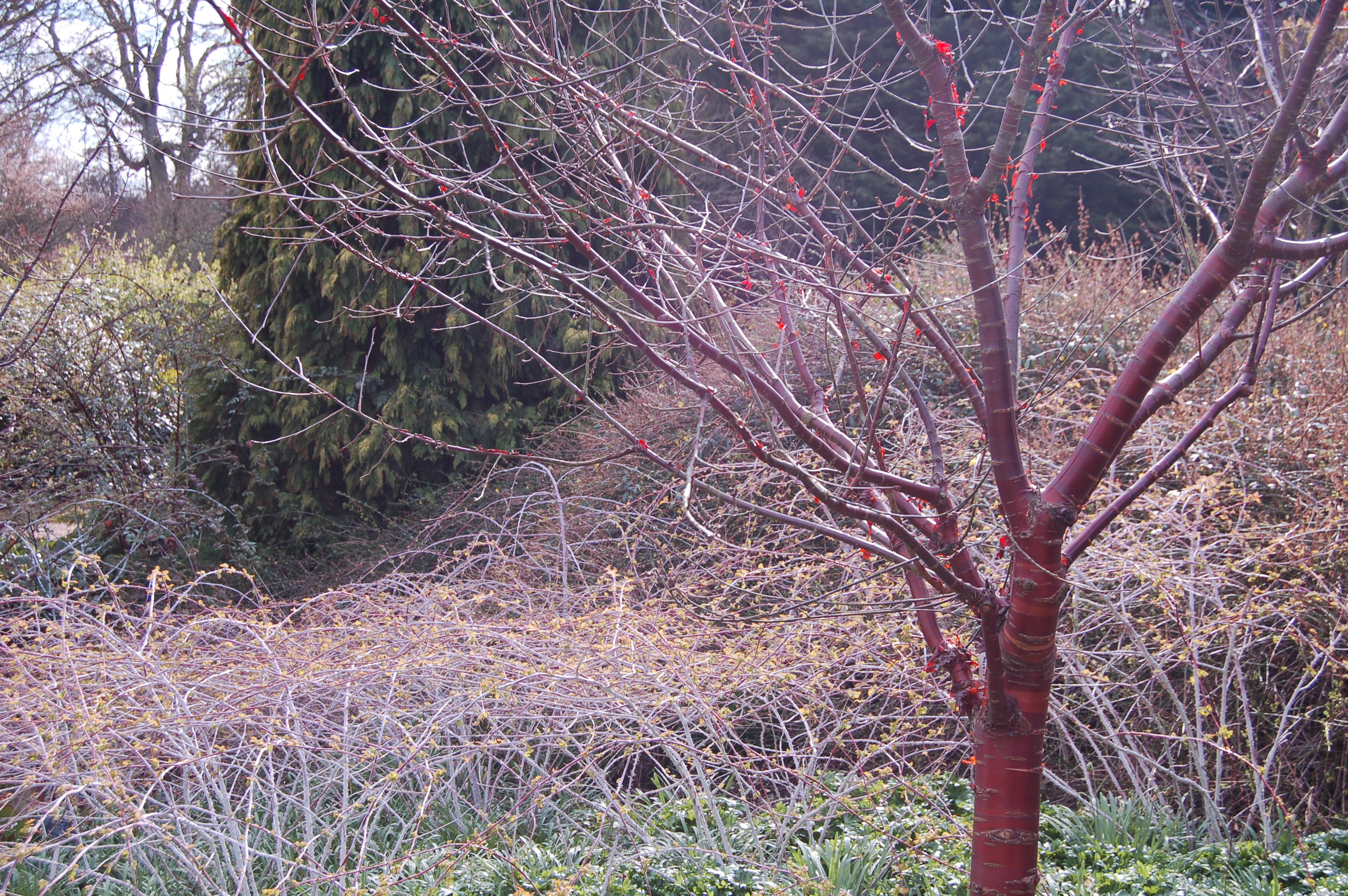
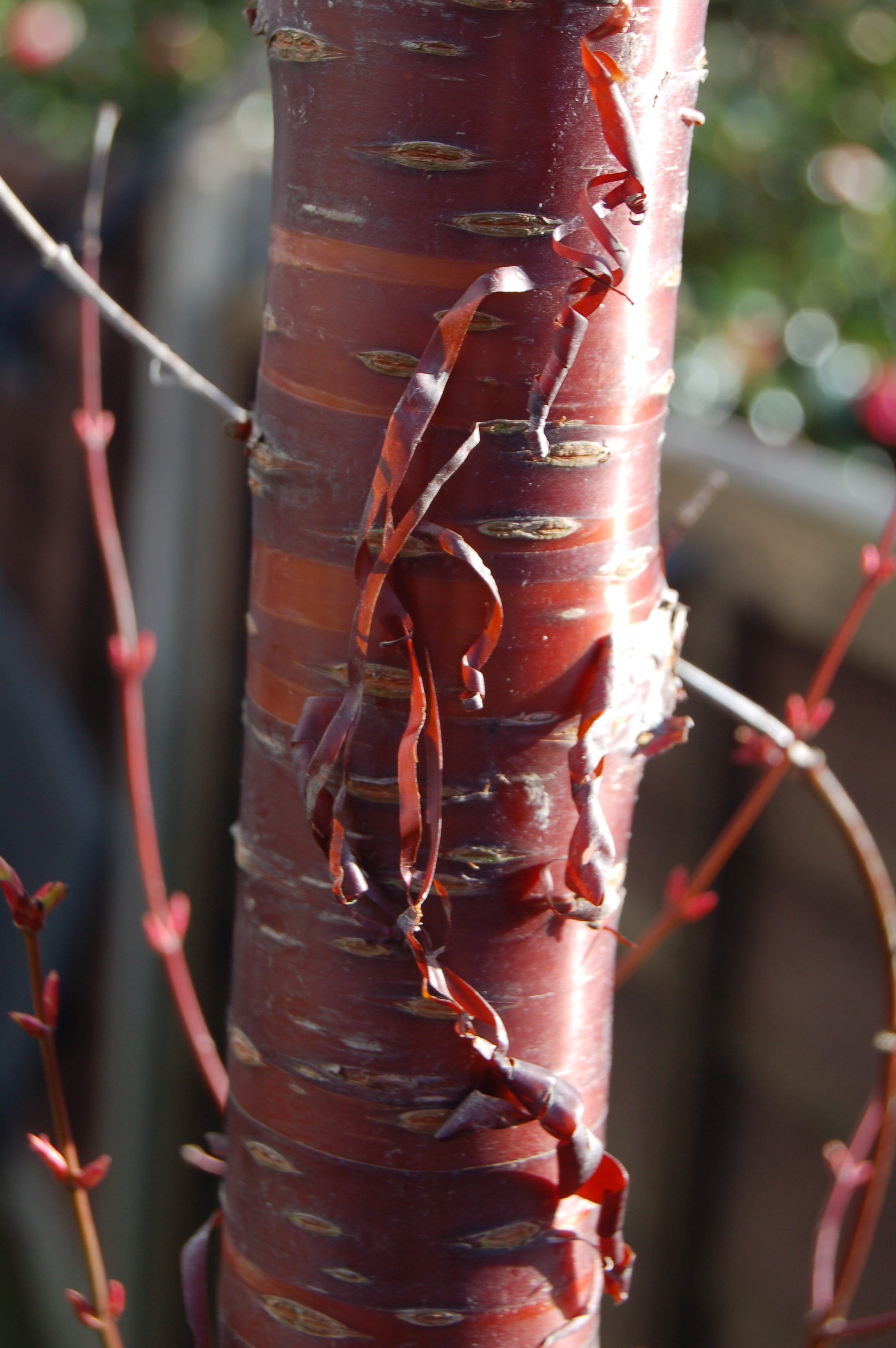
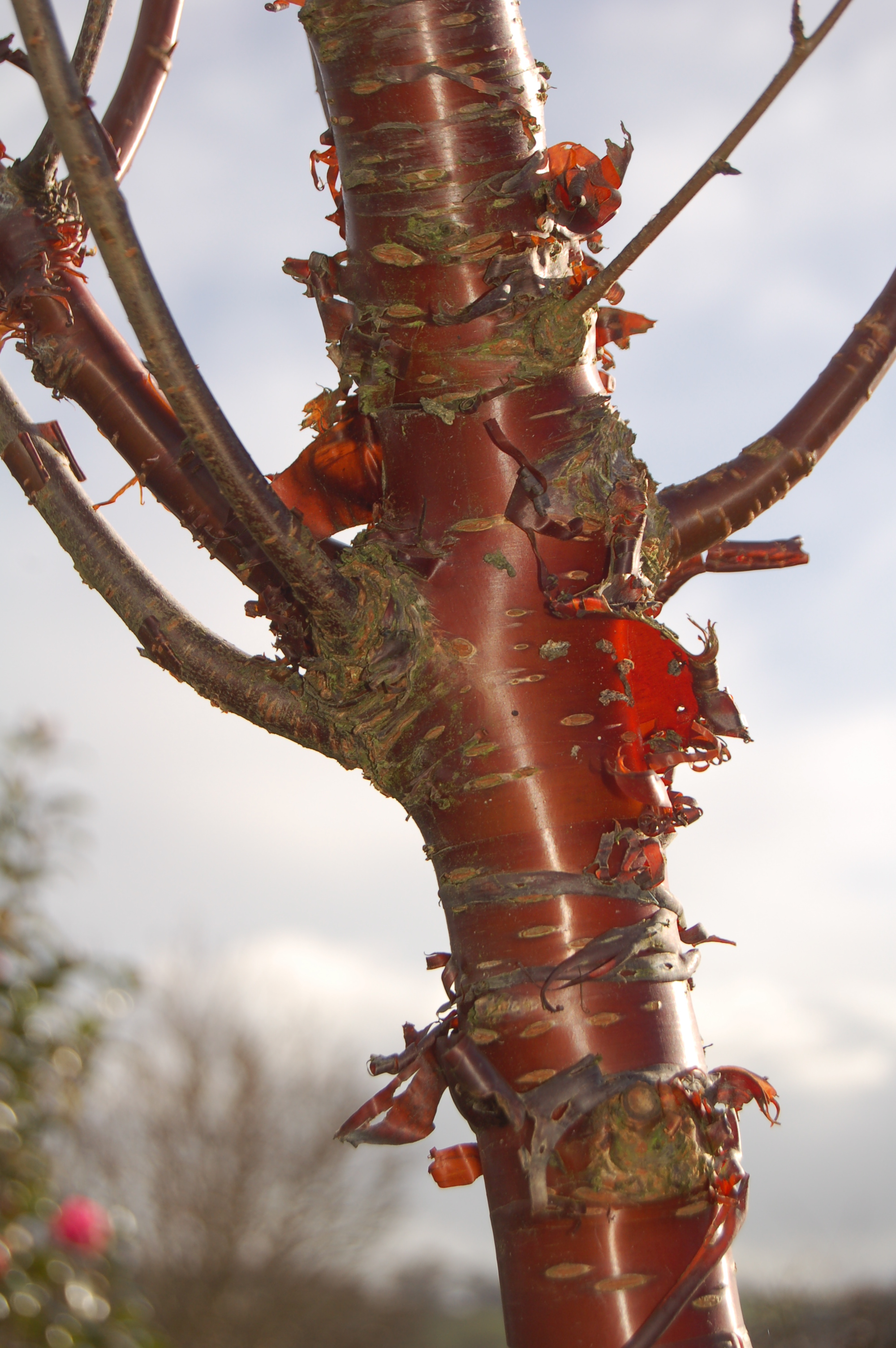
Textured bark on our trees in our Spring Border looks especially good in winter light. The peeling orange bark of the Prunus serrula and the birch is like slithers of brittle toffee.

2014 03 03_6821 2014 03 03_6820 2014 03 03_6819

Hellebores star in most gardens in winters since so many wonderful easily grown specimens have become available in most garden centres and nurseries.

2014 03 03_6818 2014 03 03_6813

2014 03 03_6812 2014 03 03_6790

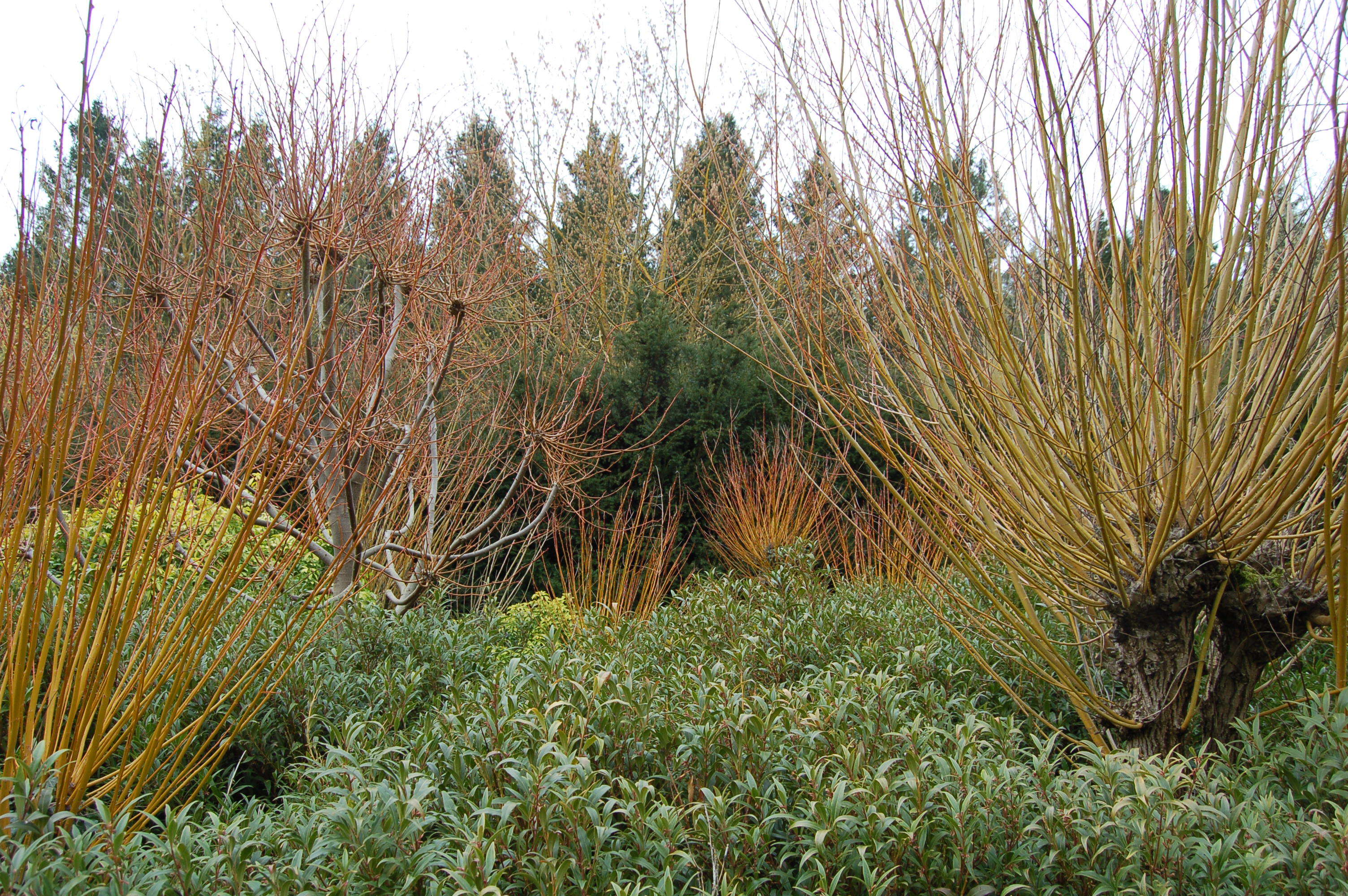
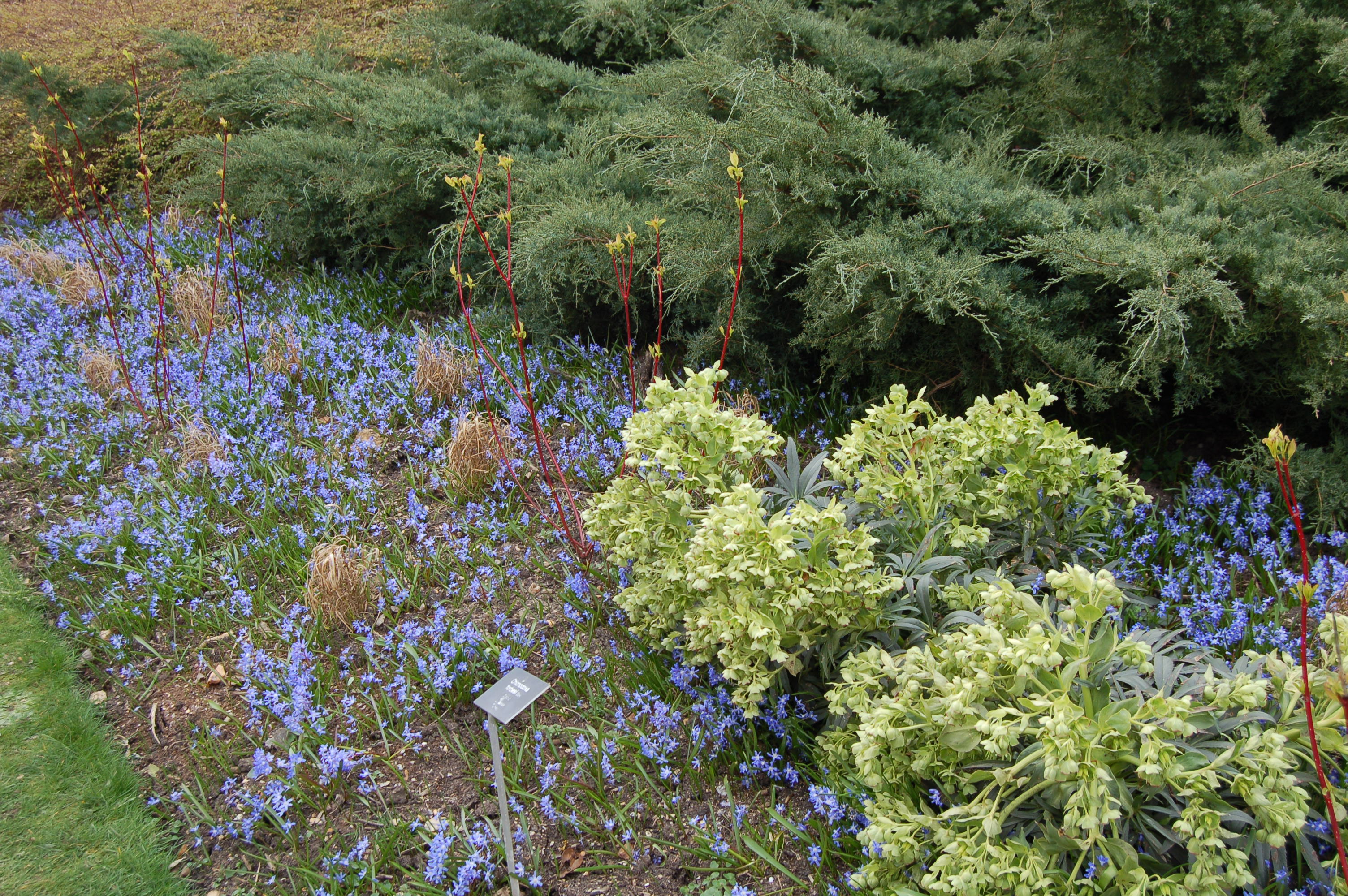
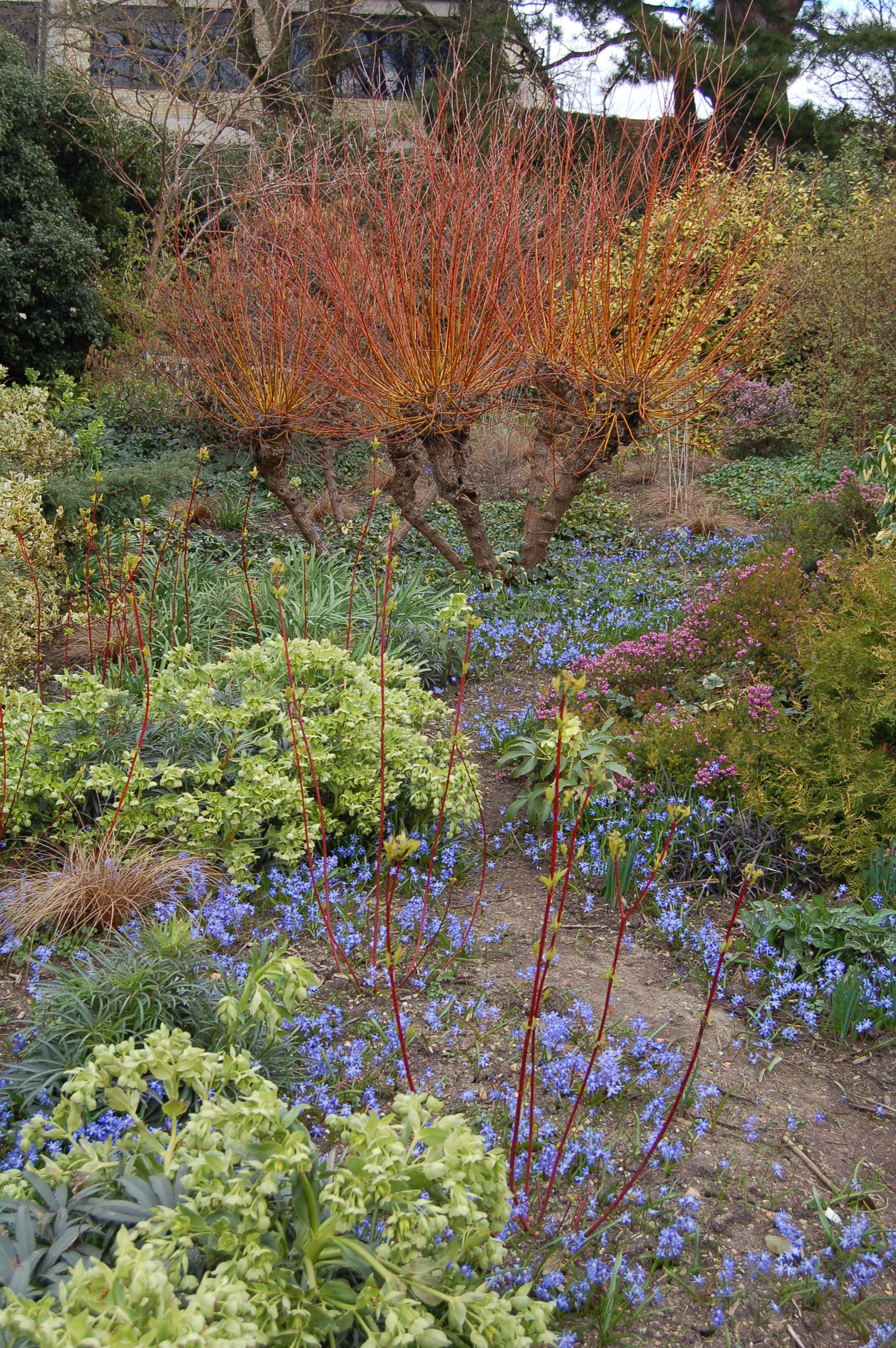
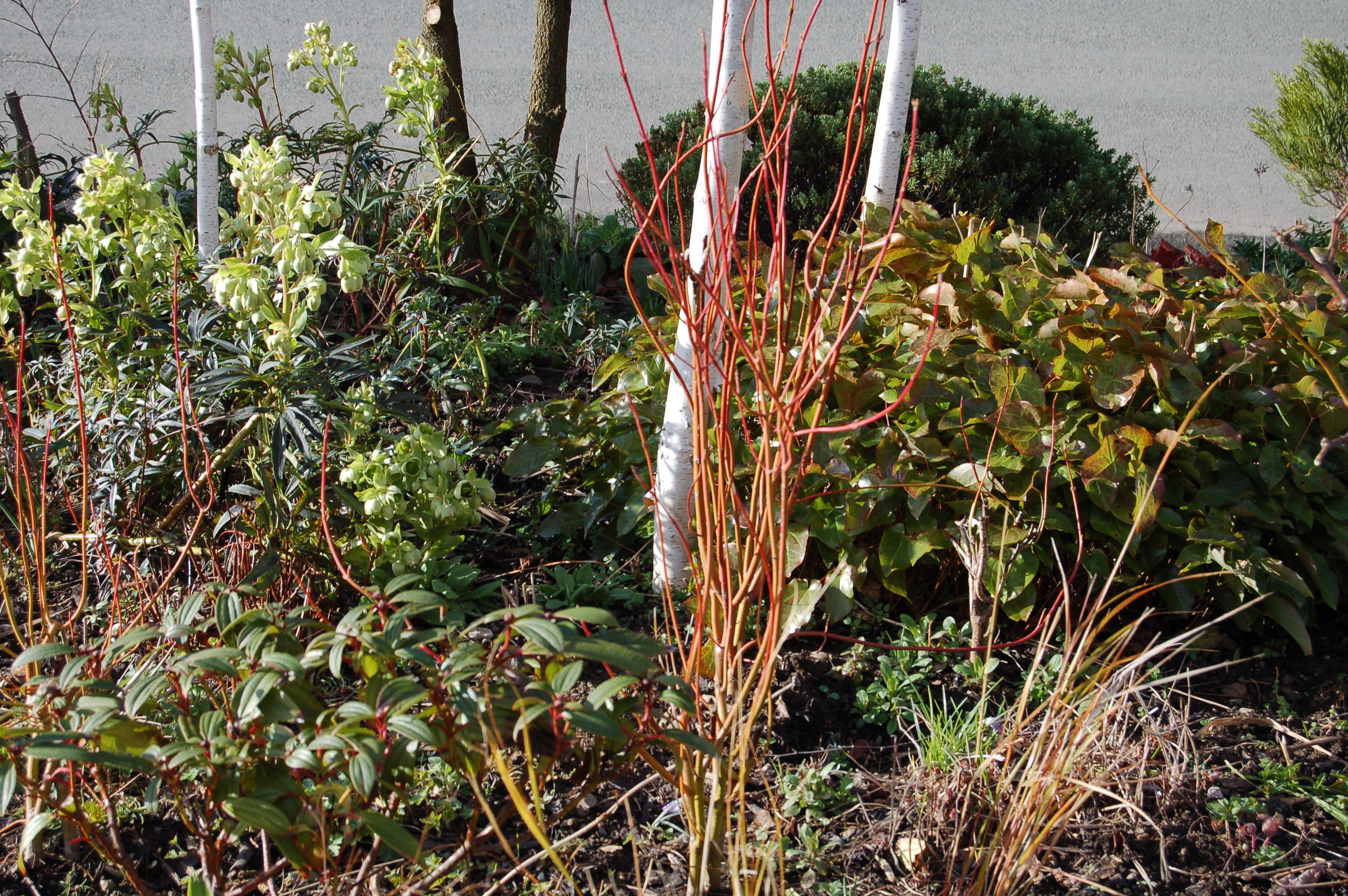
Here some of our many hellebores  are twinned with coloured stemmed cornus and salix.

2014 03 03_6809

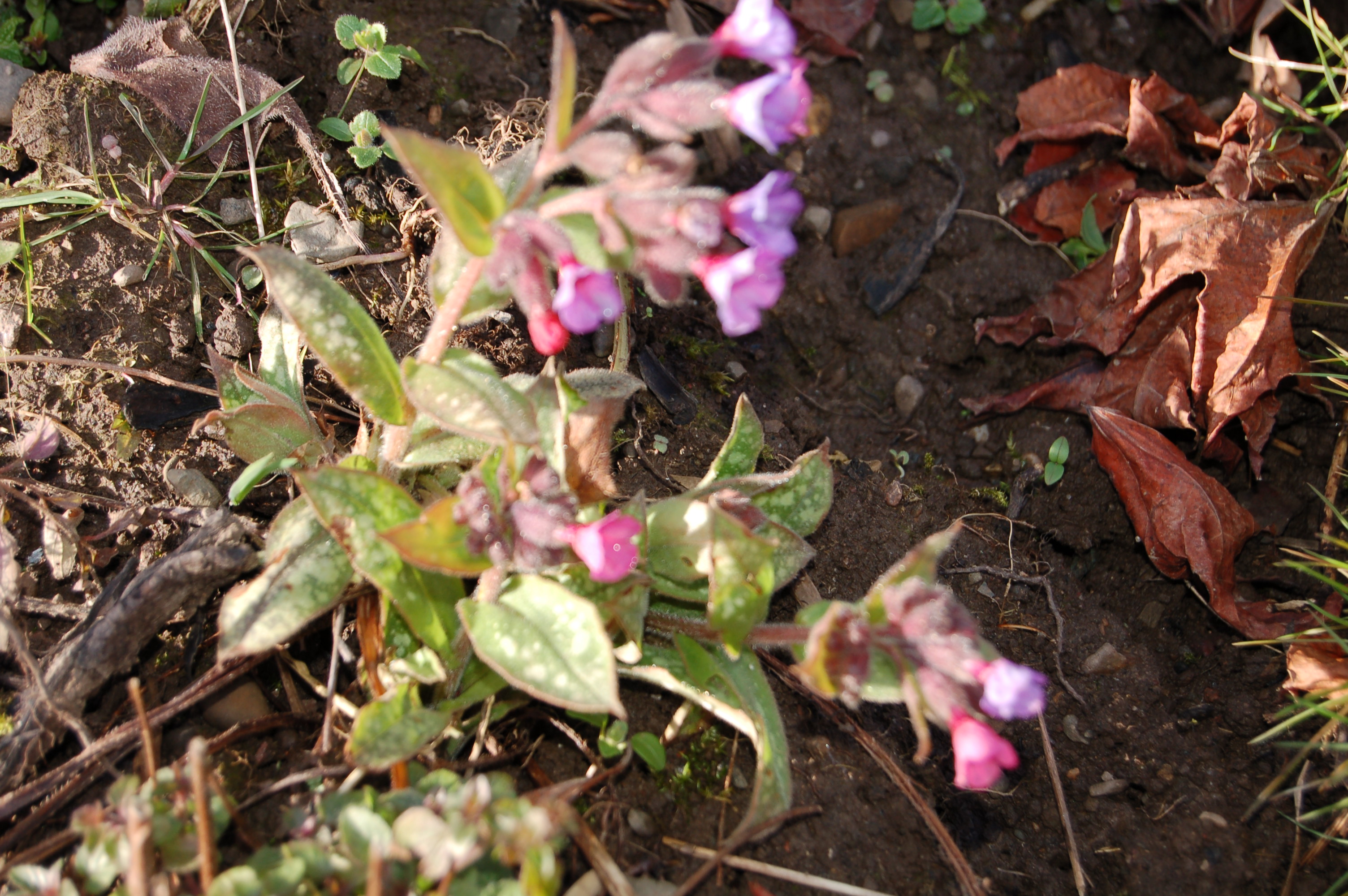
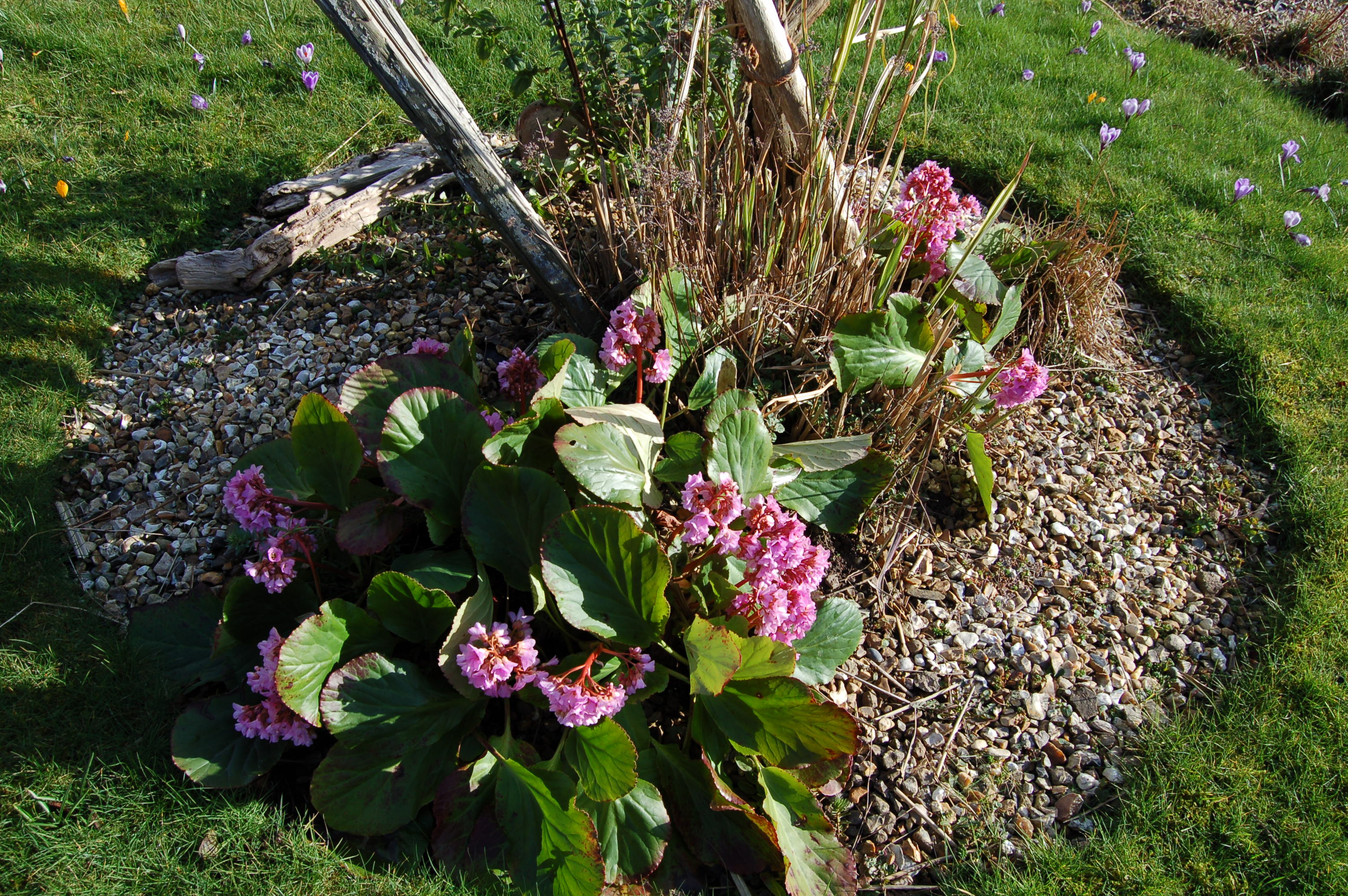
Any flower brave enough to appear in the winter is worthy of mention be they primulas, witch hazels, pulmonarias or bergenia. They would perhaps seem quite ordinary if they flowered among the stars of the summer garden but in the winter they are extraordinarily good garden plants.

2014 03 03_6816 2014 03 03_6815     2014 03 03_6810   2014 03 03_6807

2014 03 03_6797 2014 03 03_6799

2014 03 03_6798 2014 03 03_6791

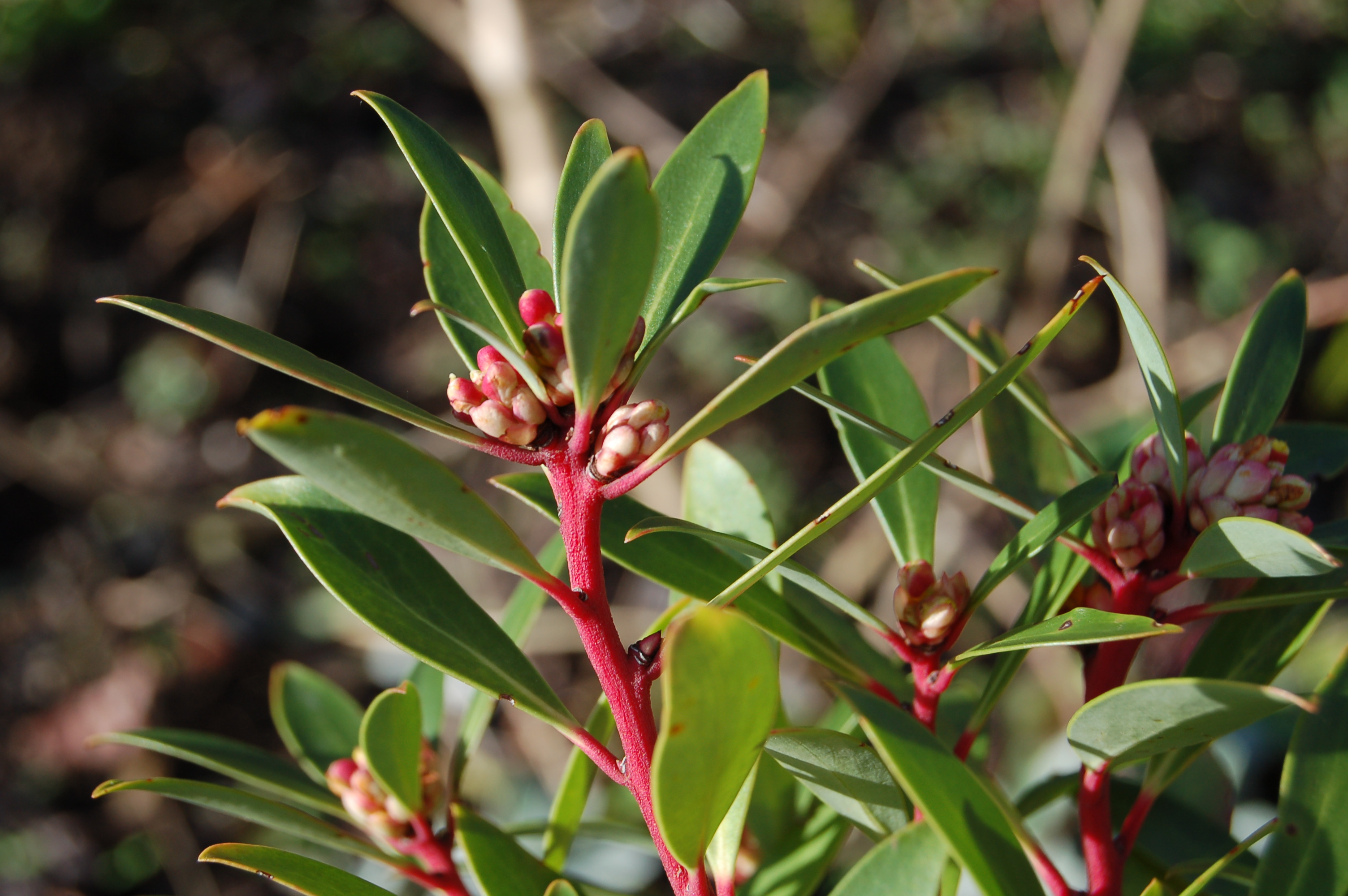
A recent discovery is the shrub Drimys with its red stems, glossy green foliage and buds looking fit to burst into life.

2014 03 03_6804  2014 03 03_6803

2014 03 03_6802     2014 03 03_6795 2014 03 03_6794 2014 03 03_6793

Structures such as our cloud pruned box hedge that lines our central path become much more important and noticeable in the emptier garden of winter. But we hope our garden is now richer in this the coldest and darkest of our seasons.

2014 03 03_6814

We must not forget the role our feathered friends play in adding colour, sound and movement to our garden in winter.

2014 03 03_6842

Part Two of our search for the all year round garden will consider our garden in Spring. Signs of that season are already giving hints of what is to come such as in the buds of the quince fruit tree.

2014 03 03_6822

Categories
garden design garden photography gardening outdoor sculpture

Garden Art

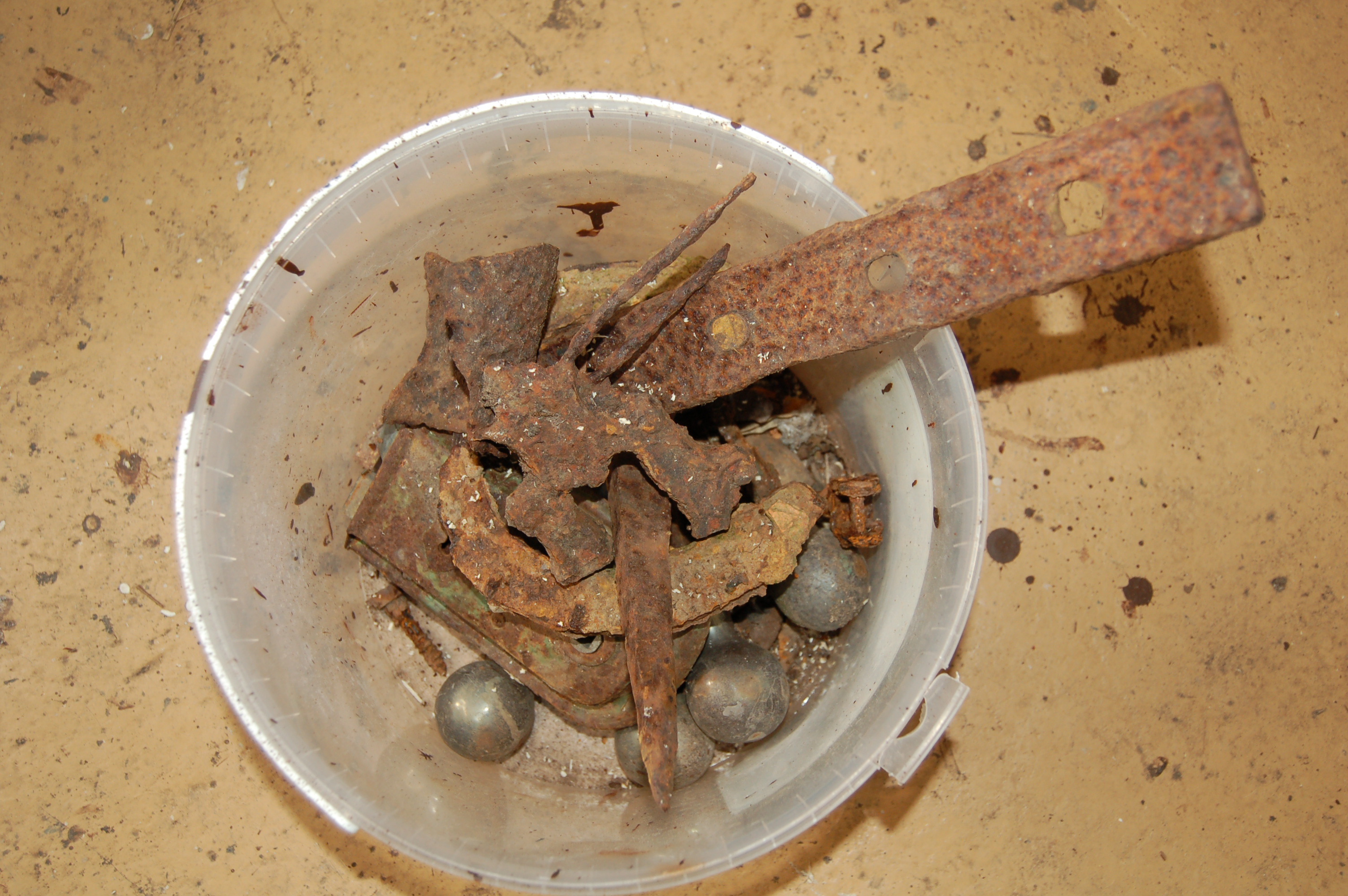
When we work in the garden we like looking at the bits of broken pottery, metal and glass that we unearth. I presume most of us gardeners do the same. Ever since we first moved to our garden here at Plealey ten years ago we have been collecting together the more interesting pieces without a thought of what we might do with them. Our bucket filled up until recently I thought I would select out interesting pieces that would go together to make a few pictures with.

2014 03 14_7122 2014 03 14_7123

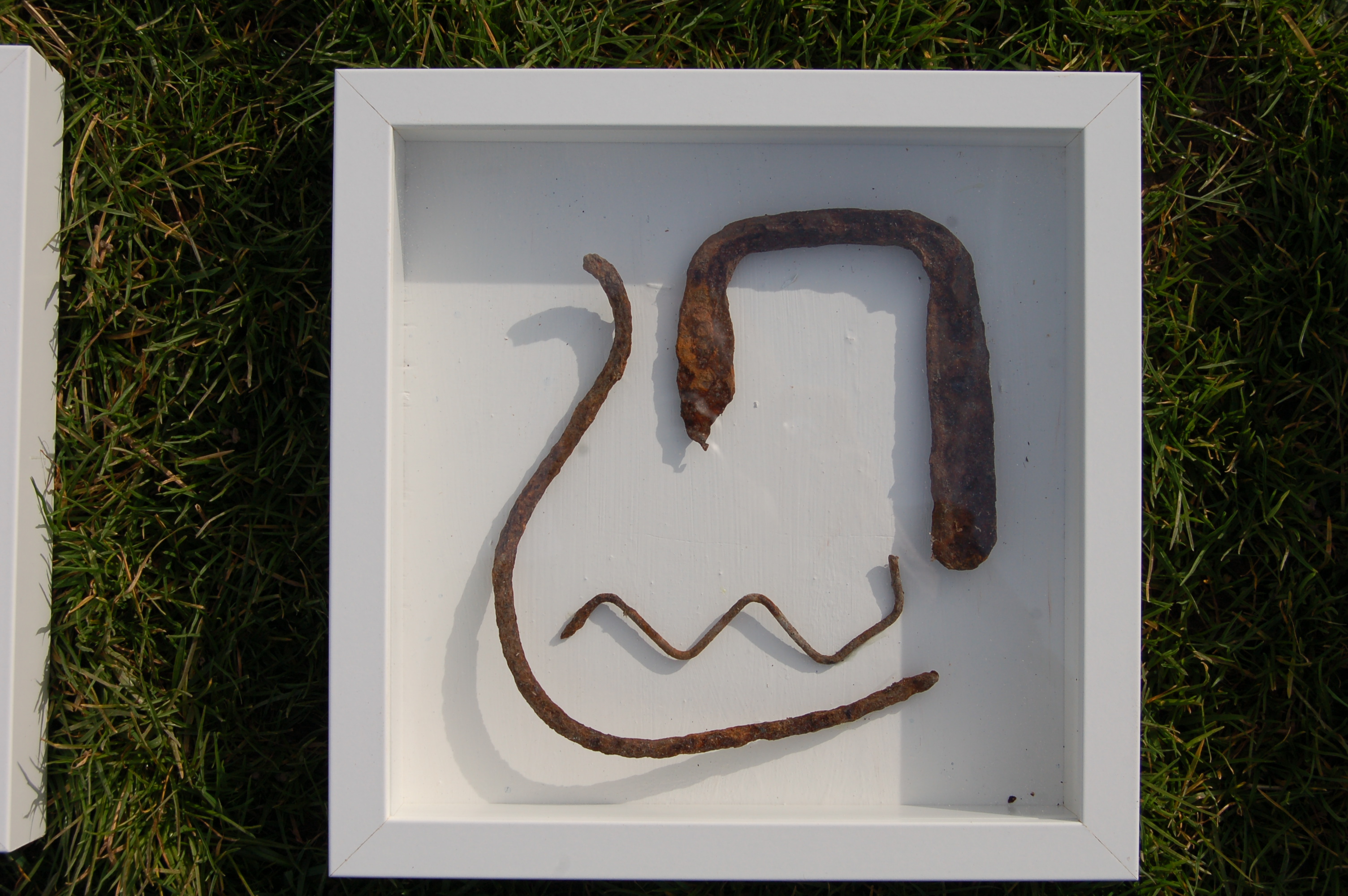
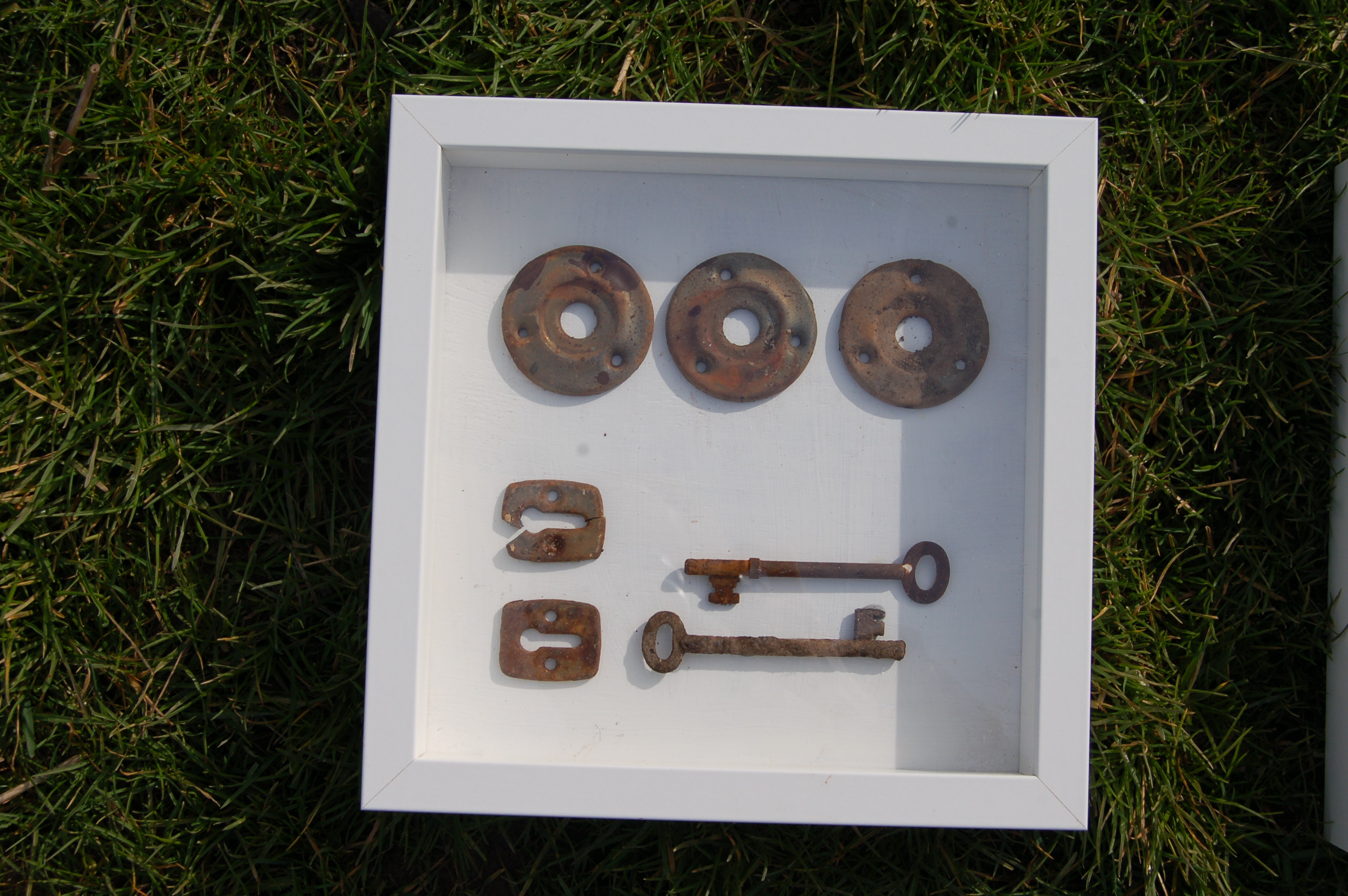
We chose square white frames to give simple plain backgrounds and I managed to create these three pictures.

2014 03 14_7100

Here they are in more detail. I hope you enjoy looking at them – I certainly enjoyed making them. I like their simplicity and crispness. I photographed them outside on the lawn when the sun would add shadow but they have a place waiting for them. We intend to hang them on a wall outside which is painted a pale cream colour.

2014 03 14_7103

2014 03 14_7102

2014 03 14_7101

Categories
garden design garden photography gardening gardens gardens open to the public ornamental trees and shrubs trees

The Trees in Two Gardens

When we visit gardens I tend to concentrate on taking photographs of borders and flowering plants, and often ignore the wonderful silhouette of the trees.

So when we went to Dunham Massey and Trentham in February I concentrated on their trees so just sit back and enjoy my photos. A tribute to trees.

Firstly enjoy the trees of Dunham Massey.

2014 02 20_6543 2014 02 25_6685 2014 02 25_6724 2014 02 25_6684 2014 02 25_6682 2014 02 26_6774-1 2014 02 25_6676-1 2014 02 25_6677-1 2014 02 25_6675-1 2014 02 25_6673-1 2014 02 25_6674-1 2014 02 25_6672-1 2014 02 25_6677

2014 02 25_6673 2014 02 26_6774

And now to Trentham and its trees. The first photos show trees planted during the recent renovation of the garden and the latter photos the mature trees from the original parkland.

2014 02 20_6499 2014 02 20_6541 2014 02 20_6543 2014 02 20_6567

2014 02 20_6552 2014 02 20_6554

2014 02 20_6556 2014 02 20_6555

2014 02 20_6557 2014 02 20_6558 2014 02 20_6559 2014 02 20_6560 2014 02 20_6561 2014 02 20_6562 2014 02 20_6563 2014 02 20_6564 2014 02 20_6565  2014 02 20_6578

Categories
garden photography gardening gardens open to the public grasses hardy perennials light light quality ornamental grasses ornamental trees and shrubs roses Winter Gardening winter gardens

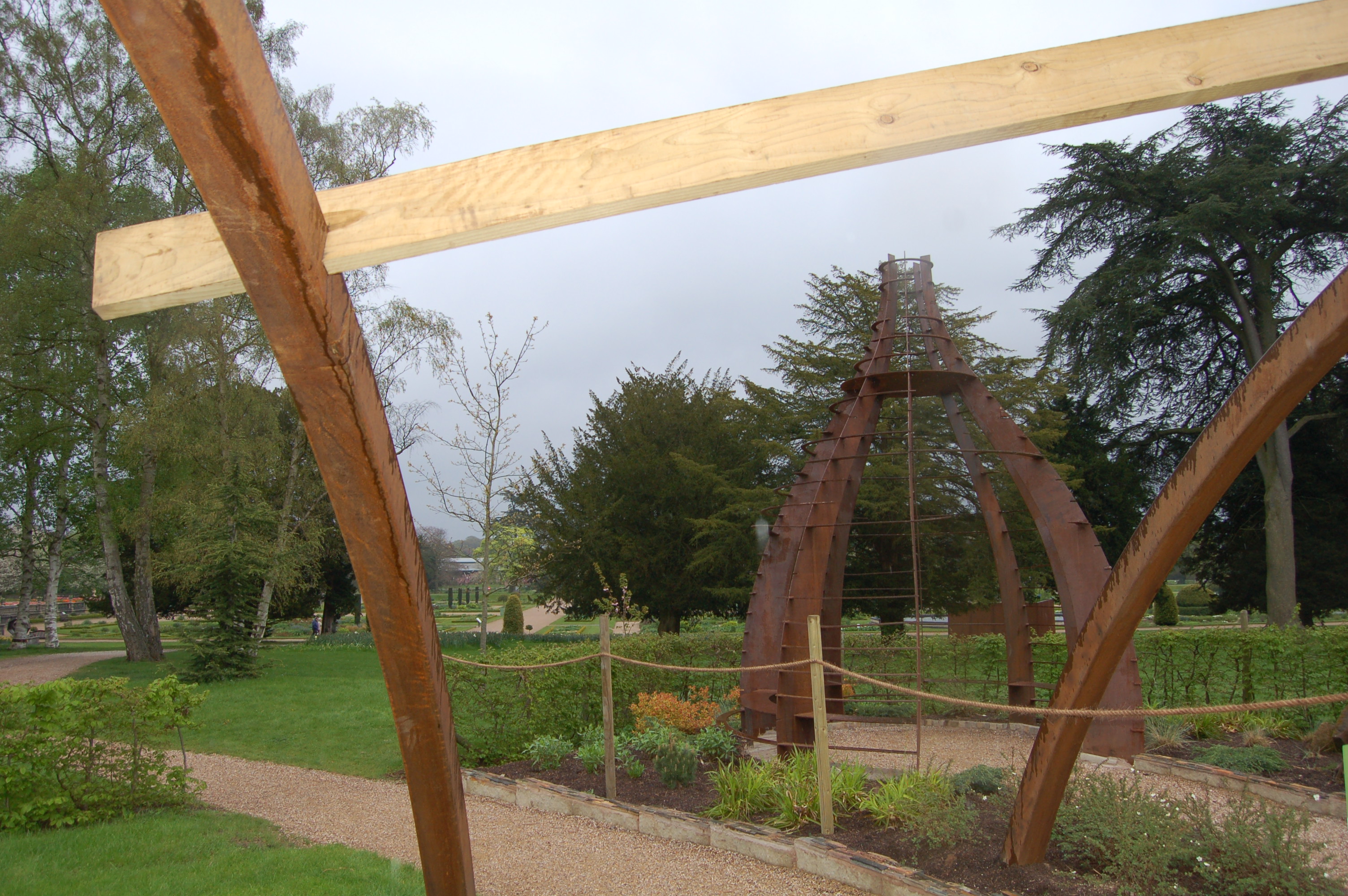
A Garden in February – Trentham

As promised we made our promised return to the gardens at Trentham, near Newcastle-under-Lyme in Staffordshire, right on the edge of The Potteries.

The day promised good weather which would make a welcome change. On our last few visits to this garden we had been subjected to rain and often cold winds. For our February exploration the sky was blue and the car’s dashboard read out told us the temperature was 9 degrees. The aim of this return visit and indeed all the following monthly ones was to see how the garden had progressed, how things had changed, which plants were looking good and which ones were the stars.

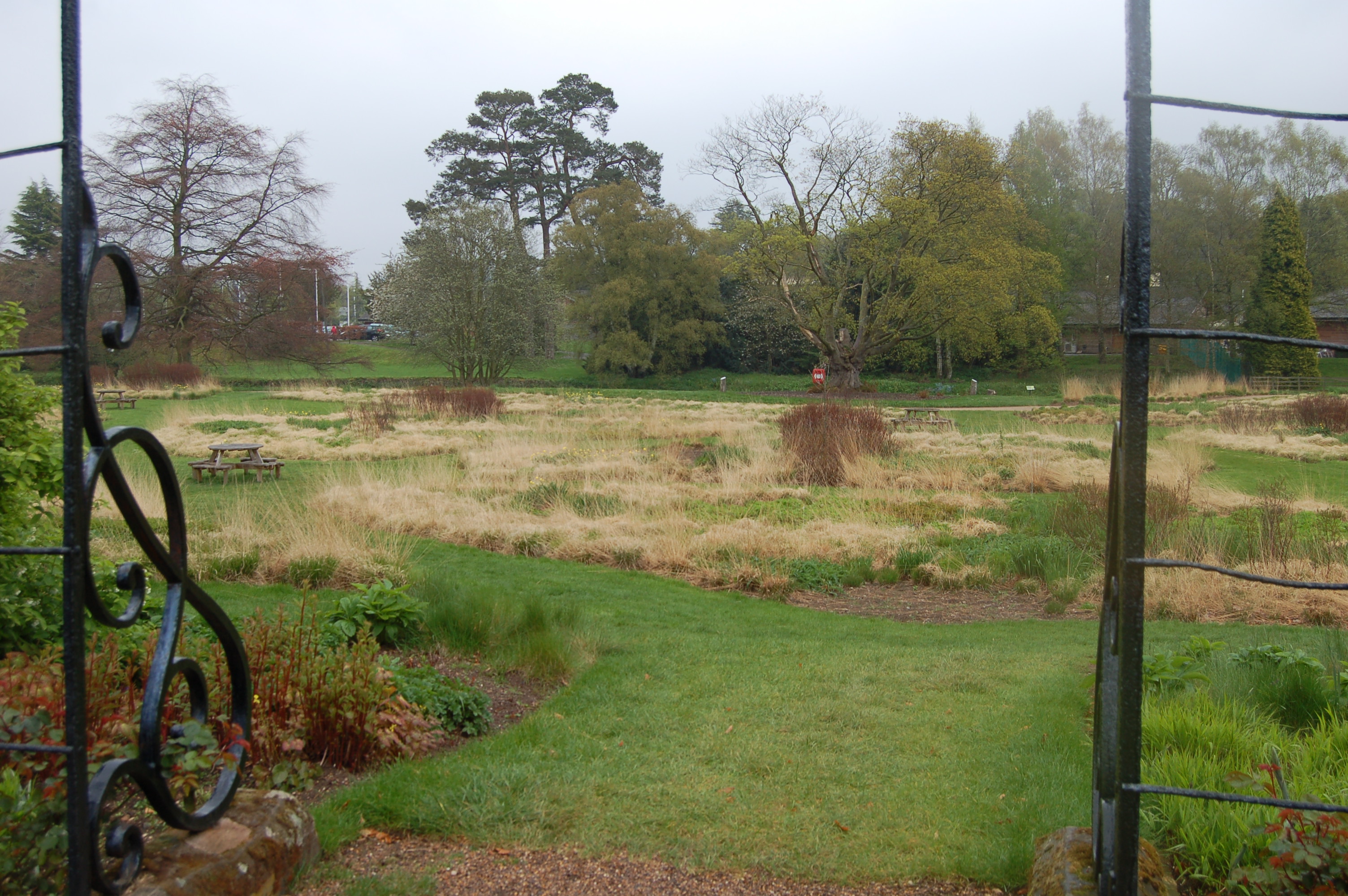
As we passed over the gentle arch of the suspension bridge we could see the “River of Grasses” with the golden stubble of the grasses which had been trimmed down low. In contrast the close mown grass areas along the riverside were bright green decorated with strips of sparkling white snowdrops. I realise the life buoy is a safety requirement and realise it has to be red so that it is easily spotted in an emergency but it is really distracting!

2014 02 20_6498 2014 02 20_6497 2014 02 20_6496

As always the gently curving line of River Birches looked wonderful, with the bark peeling more than when we saw them in January. I liked the meandering line where the dried grass area joins the deep green foliage of the evergreen Euphorbia robbiae with pale green highlights created by their flowering bracts.

2014 02 20_6500

Once beyond the birches the perennial borders designed by Piet Oudolf looked very flat having been trimmed tight to the ground. This was in strong contrast to all the interesting seedheads and stems that decorated it in January. But with the clear view over the area we did spot this lovely wooden seat which we had totally missed in January. The bright green new growth of the Hemerocallis has progressed well since our January visit.

2014 02 20_6501 2014 02 20_6503

2014 02 20_6509 2014 02 20_6502

We enjoyed seeing that the rings of cyclamen were still flowering away happily beneath the Yews. They looked good in the sunshine, their colours seeming richer.

2014 02 20_6508   2014 02 20_6506 2014 02 20_6505 2014 02 20_6504

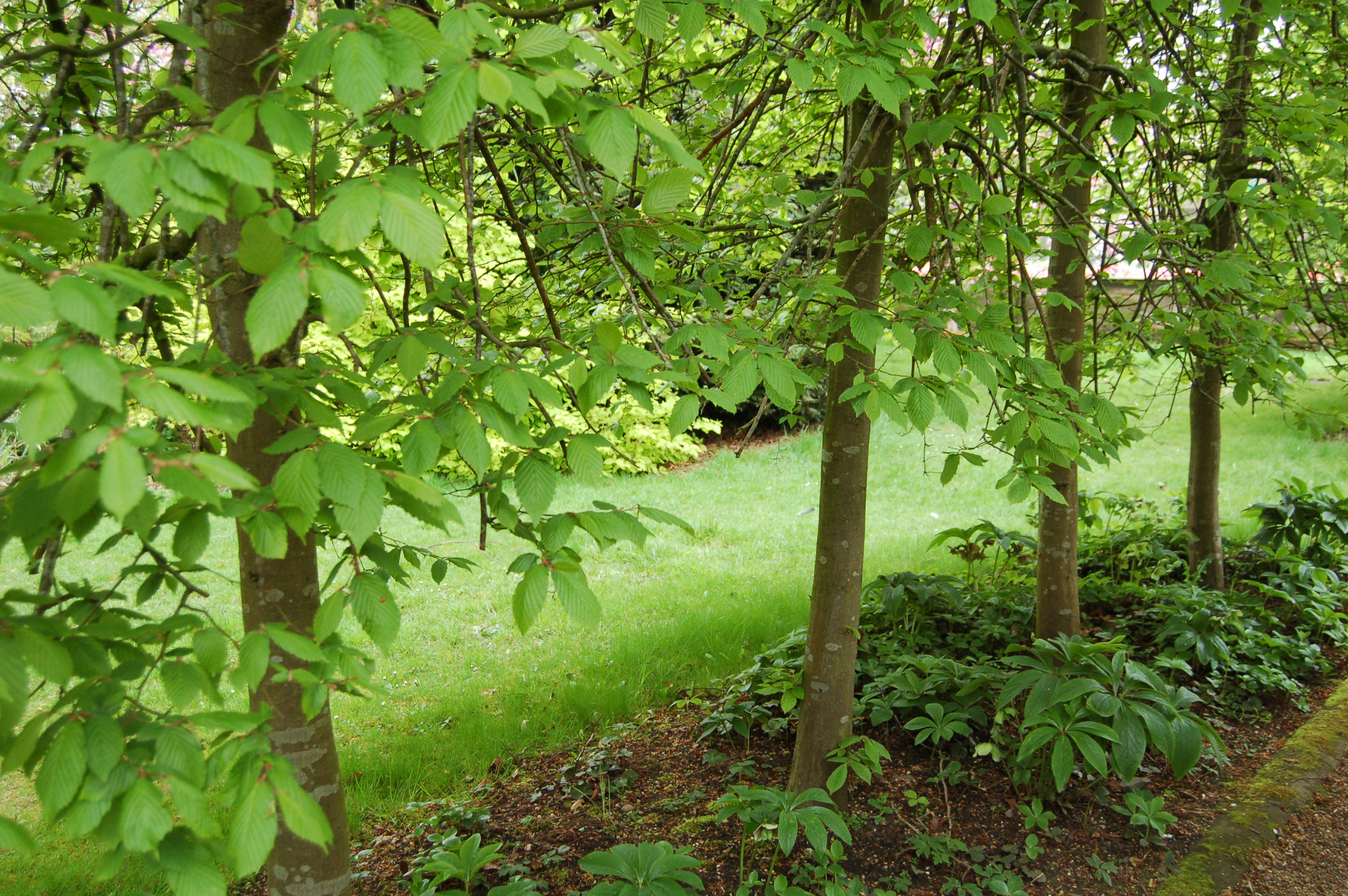
There was little change to be seen at the Hornbeam arbor but we did notice a few white sparkling Snowdrops around the base of their trunks. The trimmed box alongside is most noticeable at this time of year when such green sculptures become one of the stars of the garden. Some other stars of the Trentham gardens on this visit waited for us close by -Hellobores and Cyclamen in full colourful bloom. The Hellebores impressed with more than the colour range however, for they had really proud upright habit. They lit up the shade beneath an allee of Hornbeam.

2014 02 20_6510 2014 02 20_6520 2014 02 20_6515 2014 02 20_6516 2014 02 20_6513 2014 02 20_6517 2014 02 20_6518 2014 02 20_6519 2014 02 20_6521

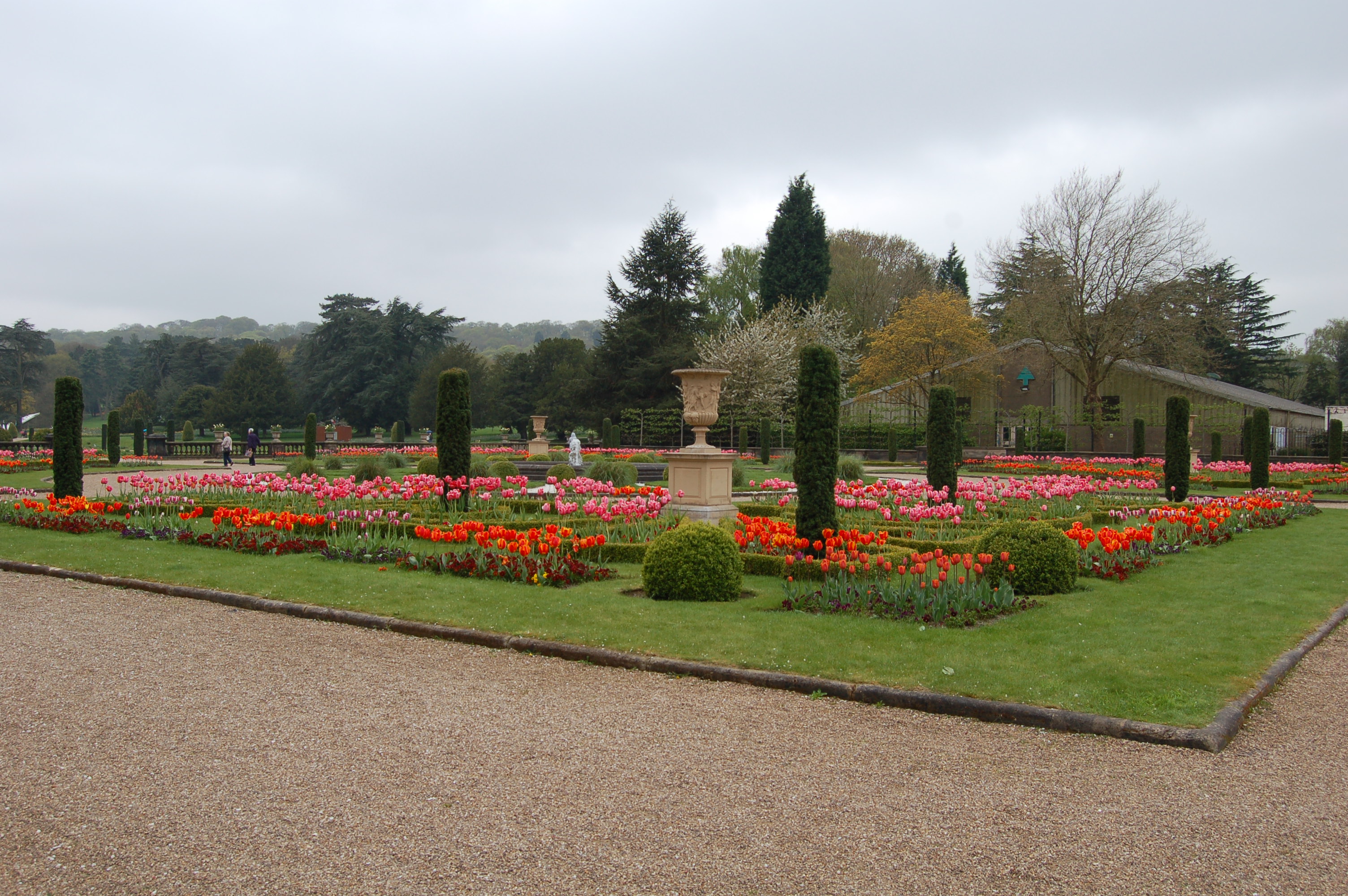
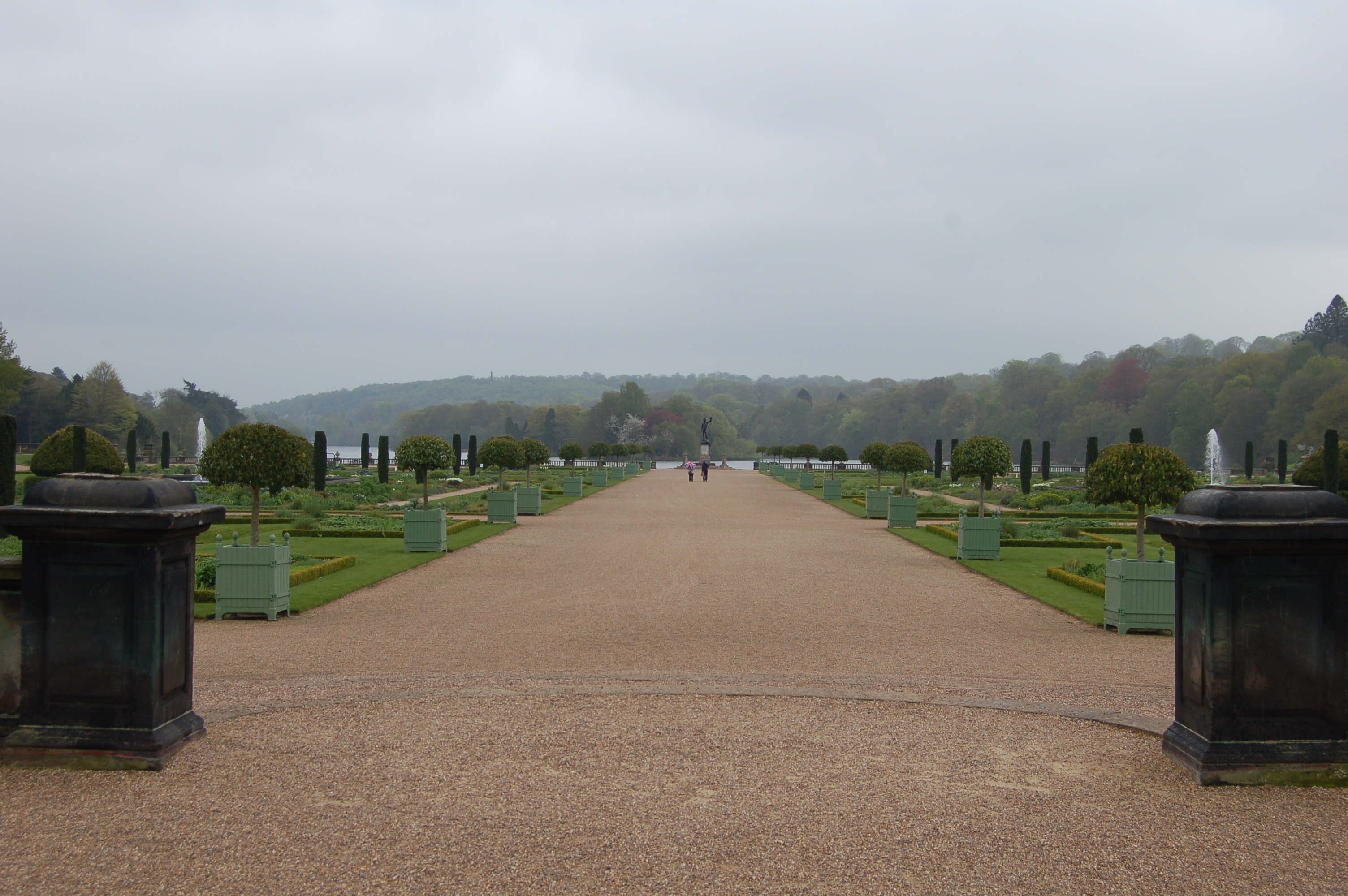
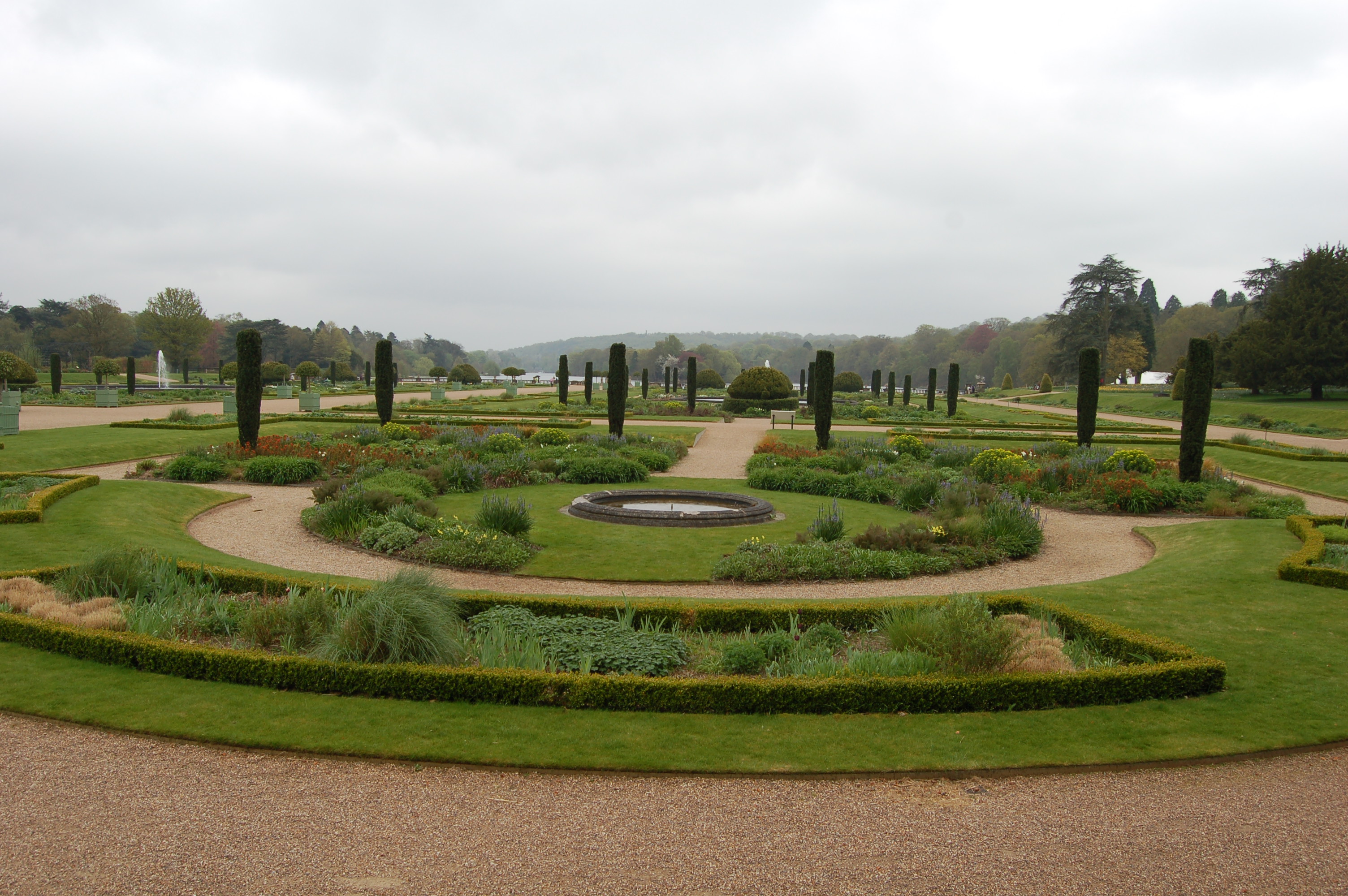
Leaving the Hornbeam allee we entered the old Italian Garden, with its rigidly symmetrical patterns of short cut grass, white chipping and smartly trimmed box edging. The low winter light emphasised this structure. It is not our favourite part of the garden but we always admire the skill taken to keep it looking so neat.

2014 02 20_6522

From here we could look out across the huge Italian Garden, re-designed by Tom Stuart-Smith. Since our last visit the perennials and grasses have been neatly and closely cut ready for the new growth that is sitting just below the soil surface ready to burst out.

2014 02 20_6523 2014 02 20_6524 2014 02 20_6525 2014 02 20_6526 2014 02 20_6527 2014 02 20_6529

Then after walking through these borders in waiting, we went off into the parkland where mature trees tower above the grassed slopes. Under the trees sits the coffee shop where we stopped for our statutory break. Some slopes appeared a bluer green than others and we discovered that the leaves here were of daffodils already with flower buds fit to burst.

Near the coffee house are areas for children and it was noticeable how busy they were. When here in January this area was deserted but on this visit there were lots of families with young children. It was the school half term holiday.

2014 02 20_6539 2014 02 20_6540

On the lake the swan sculptures presented sharp silhouettes taking off over the water.

2014 02 20_6538

Over in the display gardens the low bright light made the colours in foliage, flowers, stem and bark look extra bright.

2014 02 20_6541 2014 02 20_6542 2014 02 20_6543 2014 02 20_6547 2014 02 20_6548 2014 02 20_6550 2014 02 20_6551

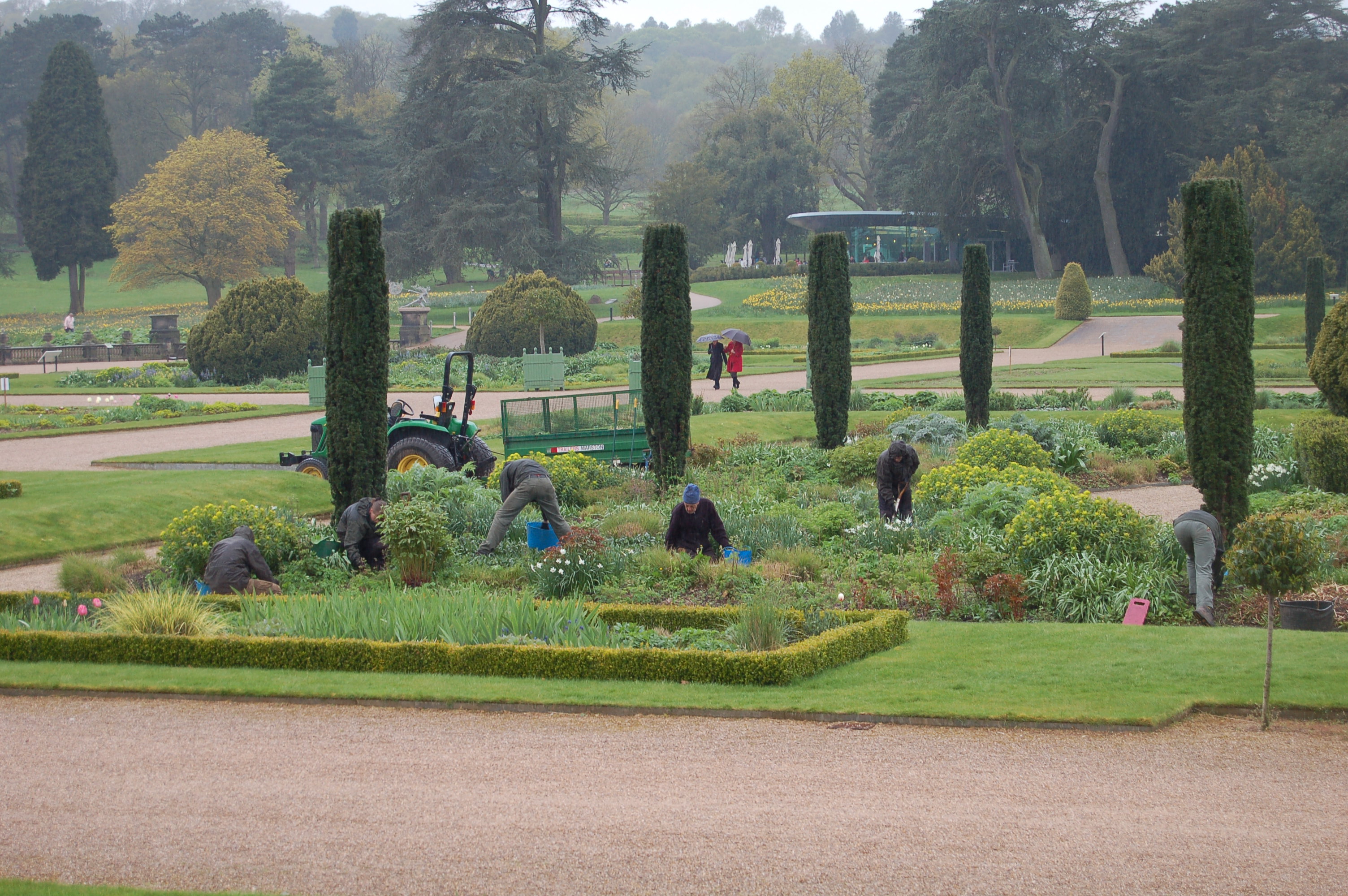
We returned through the Tom Stuart-Smith gardens and walked along the rose pergola. The gardeners were busy pruning the roses, weeding and freshening up the soil surface.

2014 02 20_6566 2014 02 20_6568 2014 02 20_6569 2014 02 20_6571 2014 02 20_6573 2014 02 20_6575

The shrub borders at the end of the rose pergola were showing signs of interesting things happening, the Witch Hazels were shining yellow and the scented but subtle winter flowering honeysuckle sitting along side it looked rather drab. So that finished our February visit to Trentham. The next blog in this monthly series will be in March. Things should be really livening up then.

2014 02 20_6576 2014 02 20_6577

Categories
garden wildlife gardening gardens log piles natural pest control recycling wise watering

A bit of work on our shade border.

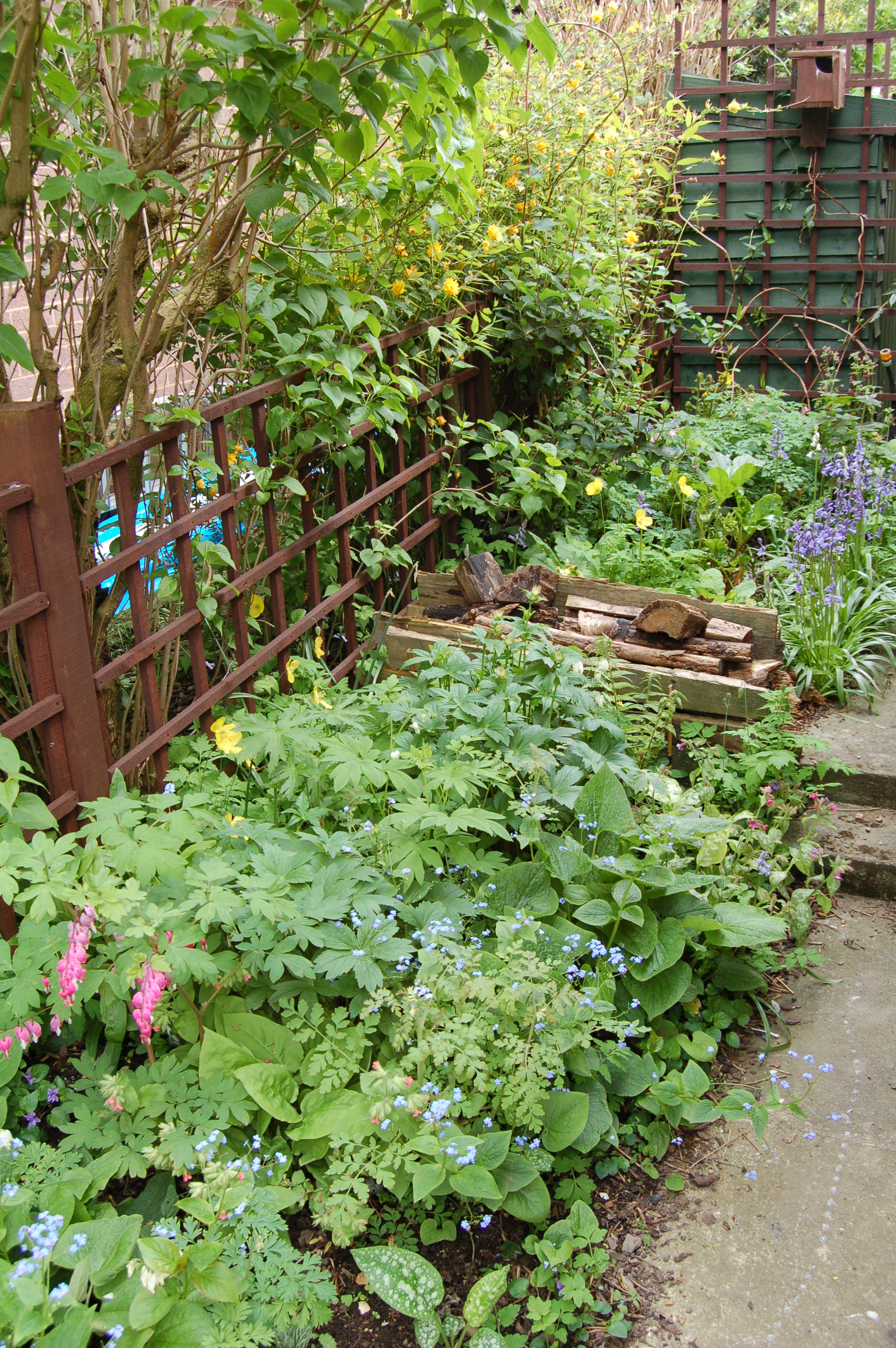
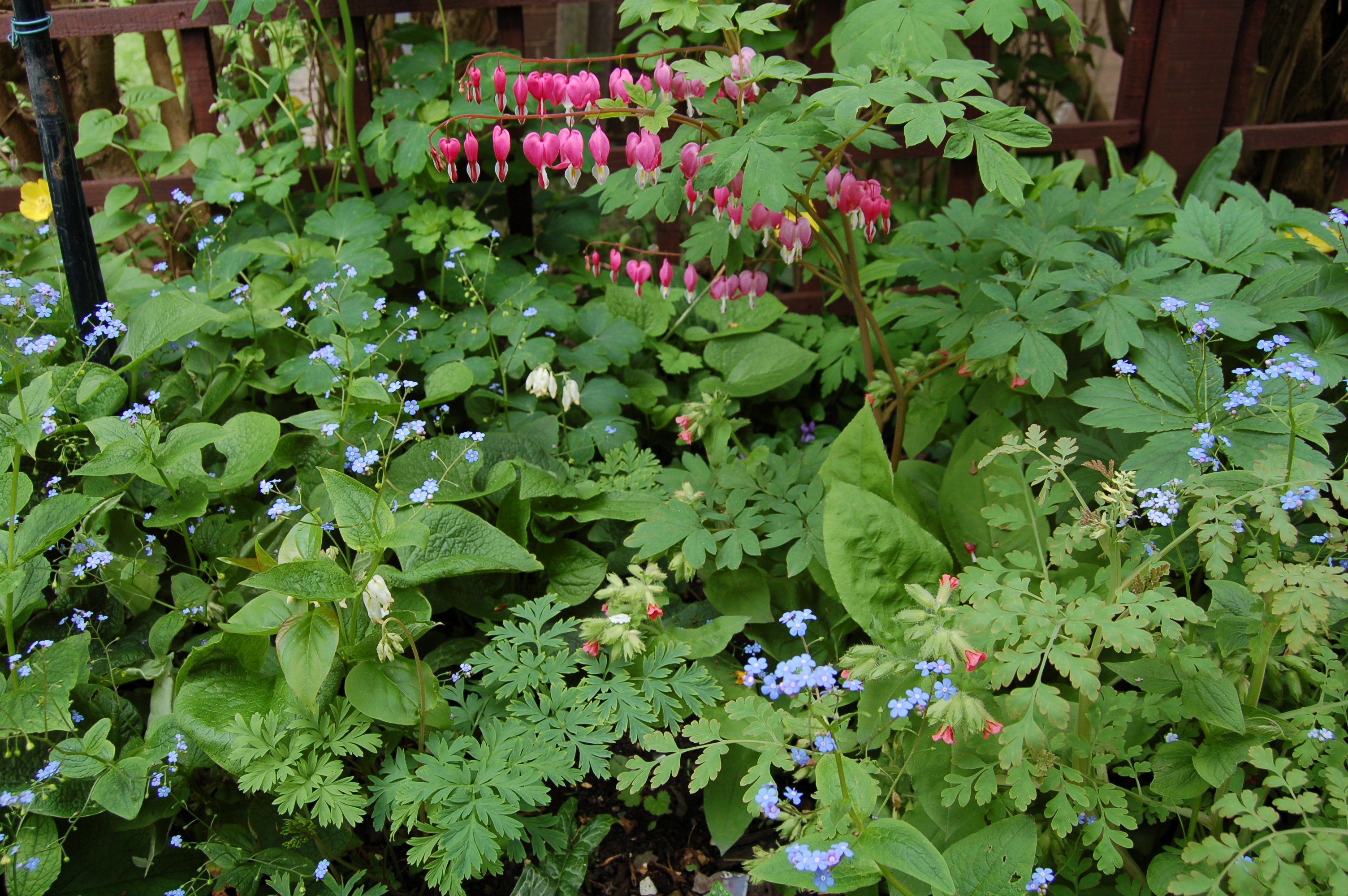
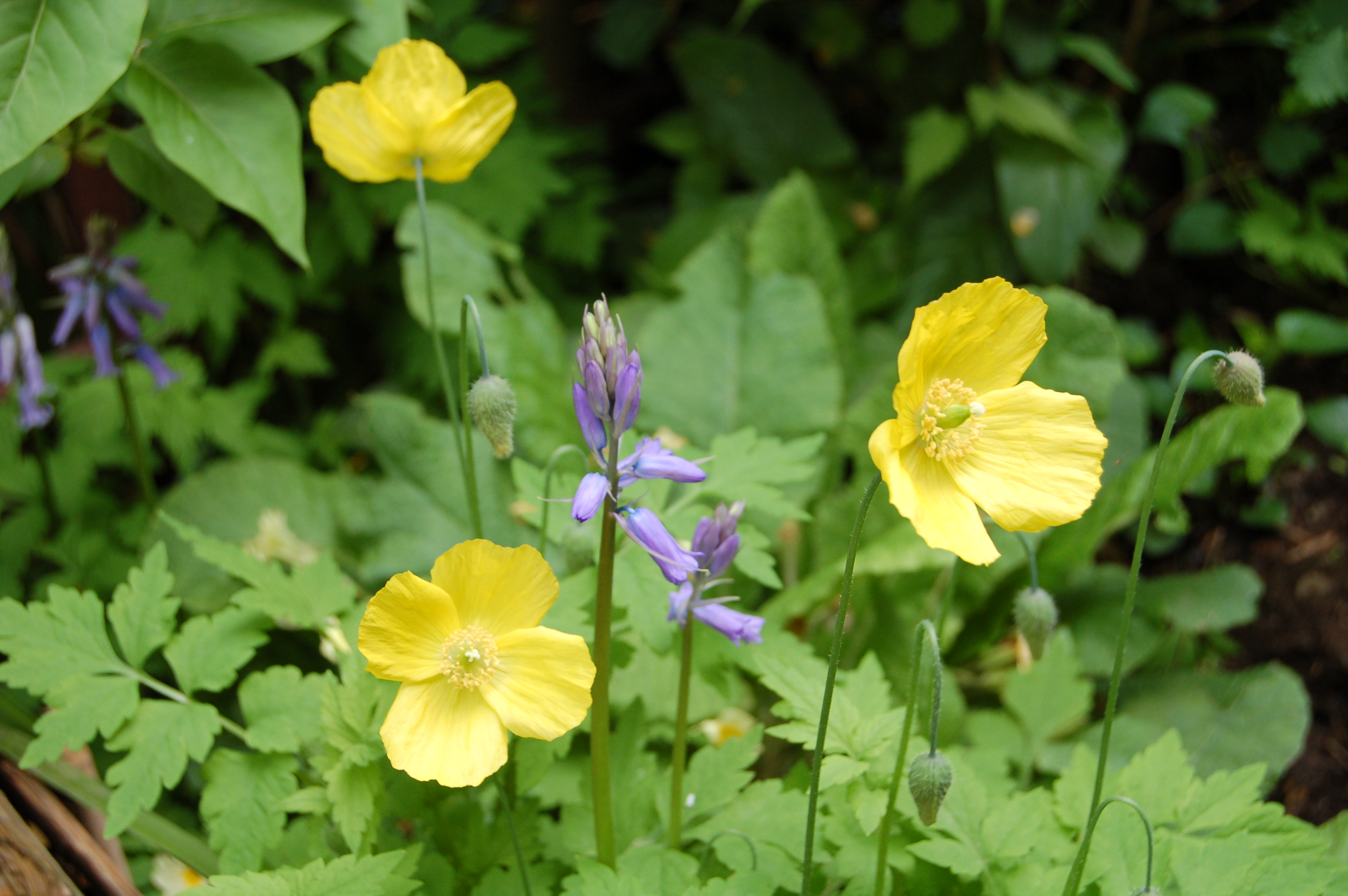
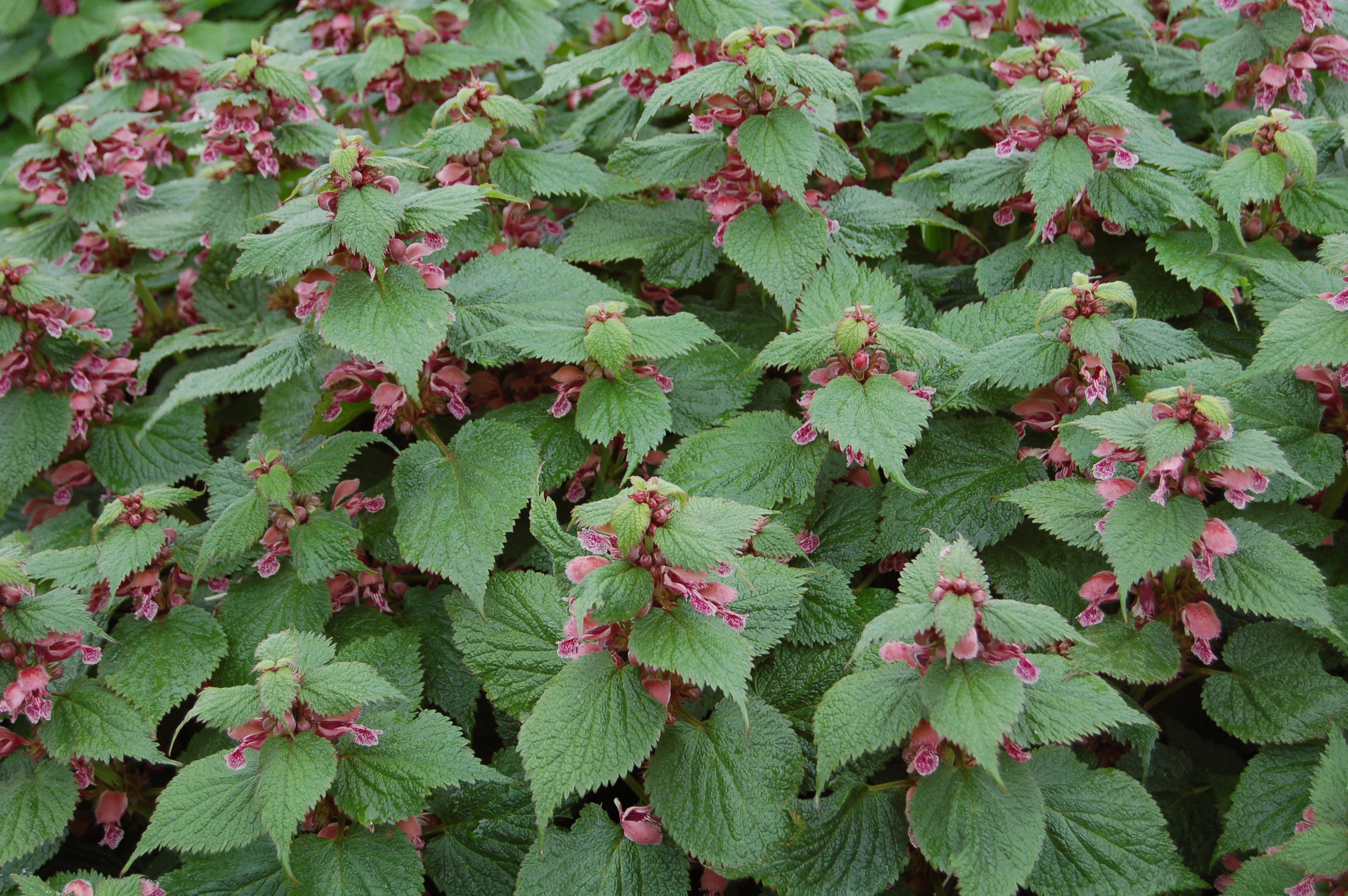
Today we spent a few hours improving the moisture content in the soil in our “Shade Border”. This is the only fully shaded part of our garden so it where we can grow plants that would not appreciate the brightness or warmth of the other sunnier borders. Here we have several Meconopsis Poppies in blue, white and cream, several varieties of Corydalis, some ferns and anemones. The first flowers appear on our  Pulmonarias in blue, pink, red and white soon followed by the tiny blue flowers of Brunnera and the whites and pinks of the uniquely shaped Dicentras. The beautifully cut lace like foliage of various Corydalis provide a perfect foil for their nodding little flowers. These all flower when the deciduous shrubs along the fence are still skeletal. Once the leaves give extra shade overhead the Ferns, Anemones and my favourite nettle the Giant Red Deadnettle, Lamium orvala.

Our worry is that in periods of dry weather the bed gets too dry for these plants and they begin to suffer. We decided the only answer was to use seep hose. It took just an hour to perform this important task which we hope will make these shade-loving plants much happier in the warmer summer months.

Firstly we cut some tough galvanised wire into 12 inch lengths and bent them into pegs like giant staples. We laid the pipe across the surface of the border in a serpentine pattern, leaving one end exposed where a hose can be attached when needed.

2014 02 20_6614 2014 02 20_6615

We dug out a 3 inch deep trench alongside the hose, placed the hose into the trench and then pegged the hose down with the wire.

2014 02 20_6616 2014 02 20_6617

We added a good dose of our “black gold”, rich home made garden compost over the hose and then over the whole area. The compost in the trench will act as a wick for the water from the seep hose which we hope will slowly creep into the compost around the plants.

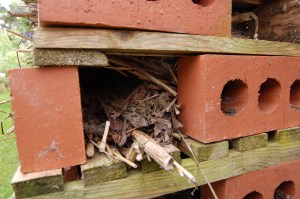
The final touch was to build a log pile out of rotting wood to attract beetles which are useful predators. They will help look after the plants for us.

2014 02 20_6618 2014 02 20_6619

We had to carry this out very carefully as the first sign of flowers had already begun. This red Pulmonaria is the first flower in the shade garden this year.

2014 02 20_6620

Categories
diy garden design gardening roses

Replacing the garden arches at Avocet

We made the mistake when we designed the garden here at Avocet of using metal arches to span our paths and grow plants over. We have 8 arches altogether around the garden with all sorts of climbing plants over them including trained fruit trees. Most of the climbers are purely decorative, different varieties of clematis, rose, honeysuckle and a purple vine so not only do they look good but many are scented to give wafts of their gentle aromas as we pass through the arches. The productive trees are apples, blackberry and cherry.

We soon found out that the windy site here close to the hills of South Shropshire was not the place for metal arches. We get strong winds swirling around the hill behind our house which often distort, break or blow over our plant covered arches. For years we have carefully repaired them and put them back up with the plants mostly intact. This winter we found our garden was attacked by frequent gale force winds and howling storms so we have given up on the metal arches and are slowly replacing them with much more solid wooden constructions.

We began with the arch nearest the bottom of the garden which by the end of January was leaning at an uncomfortable angle so we had to duck to get through it and parts of it had broken off. This arch was clothed with a rose called Goldfinch, a small yellow early flowering variety which flowers profusely every year without fail but it also grows strongly so has to be pruned extremely hard, so hard you feel cruel doing it! On the other side of the path climbs a purple leaved vine which looks amazing when then the sunlight glows through its foliage. It also flowers and fruits some years producing tiny dark purple grapes which are very bitter – even the birds turn their beaks up at them.

First job was to prune the climbing planting carefully and even more carefully unwind their main stems from the remains of the arch. Then we extricated the arch. It looked a sorry sight lying on our lawn.

2014 02 18_6441

Once pruned the rose hung limply without support until we carefully bent it sideways and tied it onto the wooden support for our cordon plums.

2014 02 18_6440

We had three arches delivered and luckily they came in pieces as they were so heavy. At least we could unpack them and move them to where they were to be put up one piece at a time.

2014 02 18_6450

Once the plants were pruned and tied out of the way we could get on with digging out 12 inch deep trenches to fix the uprights into.

2014 02 18_6463 2014 02 18_6435

Once the hole was dug out to the correct depth we then spent a while with a metre long spirit level making sure the upright piece was vertical in both planes. We then poured in the post fix concrete mix and left it to dry.

2014 02 18_6436 2014 02 18_6437 2014 02 18_6438

Once the concrete had set we could fit on the top decorative pieces and the job was done. Just the easiest part left – re-tying the climbers back in place. They should now be ready for the spring. Just seven more arches to go!

2014 02 18_6439

Categories
garden design garden photography garden pools garden seating gardening gardens gardens open to the public grasses hardy perennials light light quality meadows natural pest control ornamental grasses outdoor sculpture trees water in the garden Winter Gardening winter gardens

A Garden in January – Trentham – Part Two

Welcome back to Trentham in January where we find ourselves in the part of the garden featuring the Italian Garden re-designed by Tom Stuart-Smith.

2014 01 07_5867_edited-1

From the raised terraces of the Italian Parterre we can see how symmetrical and rigid the structure is. Tom Stuart-Smith has designed a brilliant garden within this structure using grasses and perennials similar to those used by Piet Oudolf. If anything the planting is more varied. The impressive thing about his design is the way soft flowing plant combinations can look so good in a formal setting.

2014 01 07_5835 2014 01 07_5836 2014 01 07_5837 2014 01 07_5838 2014 01 07_5839

I always particularly like these corner beds with their plantings of low grasses, sedum, phlomis, marjoram and knautia. The little box edging is a most effective foil for the softness of the planting.

2014 01 07_5840 2014 01 07_5841

2014 01 07_5847_edited-1 2014 01 07_5848_edited-1 2014 01 07_5849_edited-1 2014 01 07_5850_edited-1

2014 01 07_5865_edited-1

Our walk around Tom Stuart-Smiths plantings was interrupted by a shower of freezing rain accompanied by cold winds. We sheltered in the loggia conveniently located nearby. This afforded us a good view over much of this area.

2014 01 07_5842_edited-1 2014 01 07_5851_edited-1

We managed another five minutes exploration of this garden when the heavens opened once again. Conveniently by this time we were close to the coffee shop which is always our half way stopping point so we retreated to enjoy a welcomed beverage and slice of something sweet. The cafe is housed in a beautifully designed modern building based on a semi-circle. It sits snuggly within a clump of trees. The seating fits all around the floor to ceiling windows giving great views over the Tom S-S gardens.

2014 01 07_5862_edited-1

The wind was moving the grasses around and skewing the water in the fountains. It illustrated how important grasses can be in any garden, as even the slightest breeze sets them waving.

2014 01 07_5864_edited-1  2014 01 07_5873_edited-1

2014 01 07_5877_edited-1

Within the grasses the seedheads of the perennials were the stars of the show.

2014 01 07_5866_edited-1 2014 01 07_5872_edited-1

2014 01 07_5869_edited-1 2014 01 07_5870_edited-1 2014 01 07_5871_edited-1   2014 01 07_5874_edited-1 2014 01 07_5876_edited-1

The garden team were busy cutting down the perennials in the beds which had been worst effected by the winter weather. If you look carefully you may spot the one gardener’s amusing headgear! When she bent over it looked as if it was Yogi Bear doing the work!

2014 01 07_5868_edited-1

We made a diversion into the area beyond the cafe and tall trees where the show gardens are. We found a few new gardens including a “Stumpery” (a favourite garden feature of Mrs Greenbench) and this row of colourful dogwoods, Cornus Midwinter Fire.

2014 01 07_5854_edited-1 2014 01 07_5852_edited-1

The glass panels in one of the gardens looked brilliant alongside the russet coloured grasses.

2014 01 07_5855_edited-1

Close to the cafe is an area for children’s play with climbing frames, a maze, a bare foot walk, road ways for sit-on toys and these superb sandpits. Because of the poor weather they were sadly deserted today but they are usually very popular. It is so good to see children absorbed in play that does not involve screens or batteries!

2014 01 07_5861_edited-1

As we neared the end of our wander we walked beneath the metal archways of the “Trellis Walk” running alongside the David Roses border. Here there were roses still trying to bloom and others with hips on. The gardens are maintained organically so within these borders we found lovely insect shelters and clumps of Phacelia plants both designed to bring in beneficial insects. Four beautiful relief panels were spread out along the border depicting different garden movements  from the past. We could see through the trellis walkway back to the “River of Grasses” and in the ever-darkening late afternoon light the grasses really seemed to glow. We now look forward to re-visiting in February to see what is going on.

2014 01 07_5878_edited-1 2014 01 07_5880_edited-1 2014 01 07_5882_edited-1 2014 01 07_5884_edited-1

Categories
colours garden design garden photography gardening gardens gardens open to the public grasses hardy perennials light light quality meadows ornamental grasses ornamental trees and shrubs photography trees Winter Gardening winter gardens

A Garden in January – Trentham – Part One

Since I began my blog a few years ago I have written monthly features with photos about our own garden on Greenbenchramblings but for a change this year I decided to visit another favourite garden, Trentham. So every month throughout 2014 we shall take you on a journey around these unique gardens so that you can enjoy them in all their different guises. Different plants will become the stars throughout the year.

2014 01 07_5836    2014 01 07_5884_edited-1

So enjoy a visit with us as we enjoy a winter wander in mid-January. The garden’s major features are huge areas designed by two of my favourite garden designers, Piet Oudolf and Tom Stuart-Smith, both of whom have appeared before on Greenbenchramblings. These two new areas fit well within a huge parkland area created by Capability Brown including a mile-long lake with woodland all around, open grassland and specimen trees. There is also an Italianate Parterre designed by Charles Barry and an area where small show gardens display good modern designs full of ideas for visitors to take home with them. A huge maze with a viewing mound, a rose walk featuring David Austin roses and areas specially designed for children make Trentham one of the best days out in the Midlands where it is possible to indulge oneself whatever your age.

A beautifully designed modern suspension bridge welcomes you into the garden where Piet Oudolf’s “Rivers of Grass” greets you. Massed plantings of grasses dotted with patches of perennials are full of the colours of all sorts of tasty biscuits. Wide mown grass paths wind sinuously throughout providing plenty of choices of ways through. The atmosphere is one of complete calm, a place to be quiet and listen to the rustling of the grasses as they move in the slightest breezes.

2014 01 07_5884_edited-1 2014 01 07_5796 2014 01 07_5797

Seedheads on perennials cleverly left by the gardeners draw the visitor in for a closer look where the rich gingers, browns, greys and russets can by fully appreciated. No doubt the resident finches enjoy the seeds too and bugs such as ladybird and lacewing larvae shelter in their hollow stems.

2014 01 07_5798 2014 01 07_5799 2014 01 07_5800 2014 01 07_5801 2014 01 07_5802 2014 01 07_5804

A row of River Birch act as an open barrier cutting across between the River of Grasses and Oudolf’s “Floral Labyrinth” which we entered next. The pink, silver and peach coloured bark of these Betula come to life with its peeling strips of orange paper.

2014 01 07_5805 2014 01 07_5806

The Floral Labyrinth is explored from winding gravel paths and wider expanses of mown grass. This is in the style now called “New Wave Perennial Planting” featuring tall prairie style plants mixed with grasses especially miscanthus and pennisetum. Again the seedheads are key elements at this time of year.

2014 01 07_5811 2014 01 07_5812

2014 01 07_5813 2014 01 07_5814

2014 01 07_5816 2014 01 07_5817

Where many plants have fallen or suffered from rotting in the winter deluges the gardeners have cleared up and signs of new growth are appearing. Here Day Lillies look raring to go!

2014 01 07_5819

This fallen leaf has curled up into the shape of a Woodlouse or Pill Bug.

2014 01 07_5821

Many of the seedheads when studied as individuals are like constellations of tiny stars.

2014 01 07_5807 2014 01 07_5808 2014 01 07_5809  2014 01 07_5820

Others are like thin church spires.

2014 01 07_5810

Many of the taller stems are now falling after all our strong winds.

2014 01 07_5815 2014 01 07_5818

Under large mature Yew trees, cyclamen have been planted in circles. The leaves shine in the low sun and the little swept back petals of the flowers give so many shades of pink as well as a few white.

2014 01 07_5825 2014 01 07_5823

2014 01 07_5824 2014 01 07_5826_edited-1

Moving on from Piet Oudolf’s pair of gardens we wander through an area of open lawns with features of the older gardens and get views of the derelict buildings which must at one time have been impressive and dominating in the landscape. Pioneer plants such as Buddleja and Cotoneaster are gaining a foothold on the masonry as it crumbles. Try to spot them near the top of the ruins.

2014 01 07_5833 2014 01 07_5834

2014 01 07_5842_edited-1

As we finish the first half of our tour we can look forward to more startling planting creations but these have been created within the old structure of the Italian Gardens. These will be featured in part two, my next post.

2014 01 07_5841

What a wonderful way to spend a cold January day!

This Veggie Life

A Vegetarian | Nature Lifestyle Blog

Rambling in the Garden

.....and nurturing my soul

The Arch City Gardener

Journeys In St. Louis Gardening and Beyond

Garden Dreaming at Châtillon

Consult the genius of the place

Storyshucker

A blog full of humorous and poignant observations.

gardeninacity

Notes from a wildlife-friendly cottage garden

PlayGroundology

...an emerging social science

The Official Blog of British Wildlife

'The most important and informative publication on wildlife of our times' - The Independent. This blog is a member of The UK & Ireland Natural History Bloggers group: www.uknhb.blogspot.com

iGrowHort

Inspire - Cultivate - Grow Native Plants - Restore Landscapes

Bishops Meadow Trust

To create and protect a semi-natural wild space for the people of Farnham to enjoy and experience an array of British wildlife in our town

Gardening with Children

The www.gardeningwithchildren.co.uk Blog

UKbirdingtimeline

birding through the seasons, why birds matter and how to conserve them

NATURE WALKER

with a camera in hand

Jardin

Transform your outdoor space

Eva's space

My allotment, cooking and other interests

Old School Garden

my gardening life through the year

LEANNE COLE

Trying to live a creative life

fromacountrycottage

trying to live as lightly as possible on our beautiful planet

Good Life Gardening

Nature lovers from Leicester living the good life.

mybeautfulthings

Finding the beautiful in the everyday

mawsonmichelle

Michelle's Allotment

In and Out of My Garden

thoughts from and about my garden

Greenhousing

Big plans for a small garden

The Scottish Country Garden

A Walled Country Garden in South East Scotland

The Fruity Chicken

Life at the fruity chicken

willowarchway

Off grid living. Self sufficient. "PERMAGANICS RULE".

St Anns Allotments

Nottingham's Grade 2* Listed Allotments and Community Orchard

Manifest Joy Harvests

a journey in suburban vegetable gardening

Allotmental

The madness of growing your own

Penny's Garden: a harvest beyond my front door

A novel approach to vegetable gardening

arignagardener

Sustainable living in the Irish countryside.

NewEnglandGardenAndThread

Master Gardener, amateur photographer, quilter, NH native, and sometimes SC snowbird

dianajhale

Recent work and work in progress and anything else that interests me

planthoarder

a chaotic cottage gardener

Lens and Pens by Sally

a weekly blog that creates a personal philosophy through photographs and words

Dewdrops and Sunshine

Stories from a sassy and classy Southern farmbelle.

The Pyjama Gardener

Simple Organic Gardening & Seasonal Living

gettin' fresh!

turning dirt into dinner

JOY...

today the world is created anew

Garden Birds

Notes from a Devon garden

ShootAbout

Life Through The Lens

Adapting Pixels

A photography blog showcasing the best photography pictures and videos on the internet

Wildlifegardening's Blog

Just another WordPress.com site

naturestimeline

personal observations from the natural world as the search continues for a new approach to conservation.

LATEBLOOMERBUDS

The Wonders of Life through my Eyes, my Heart, my Soul