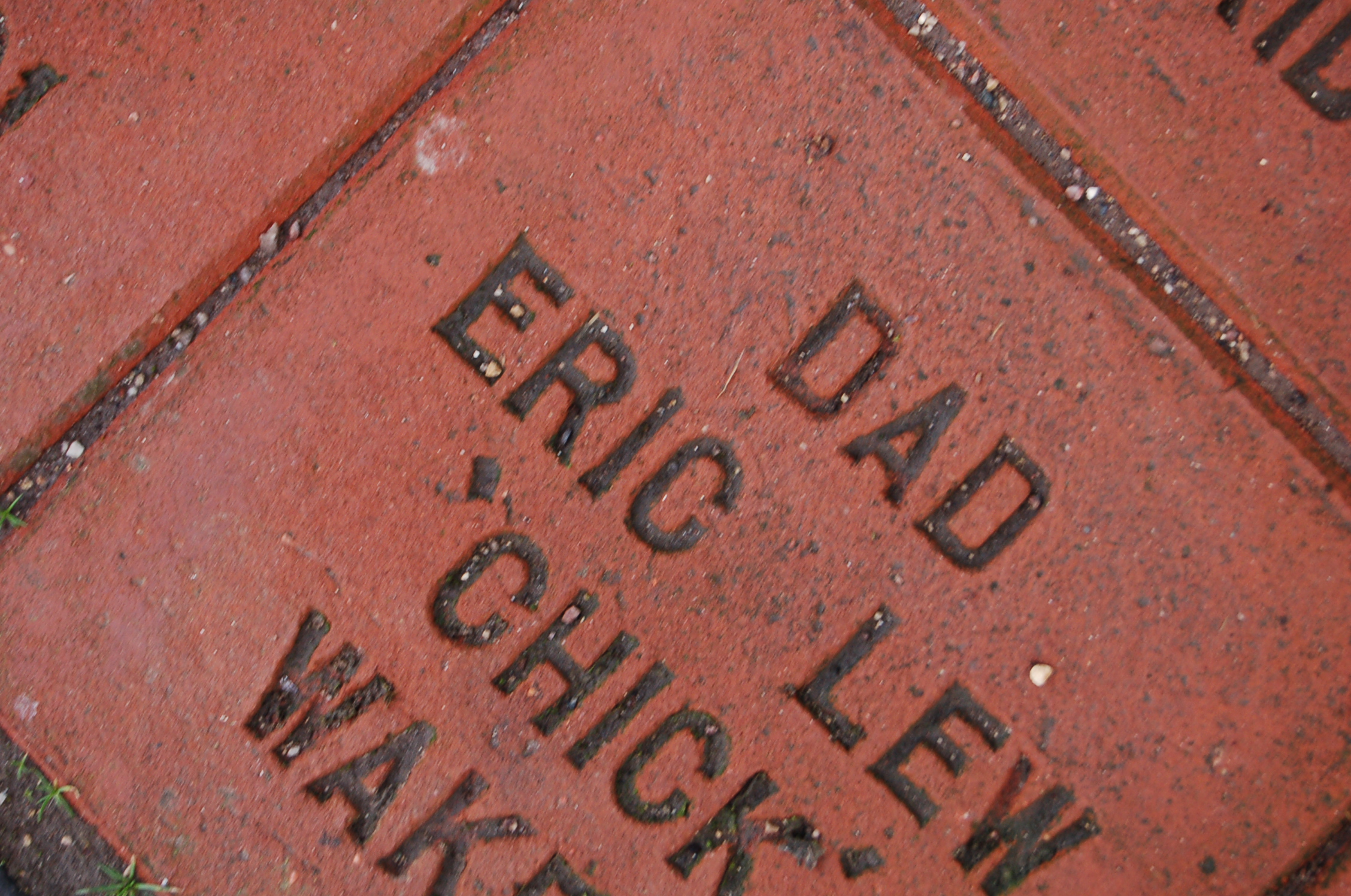
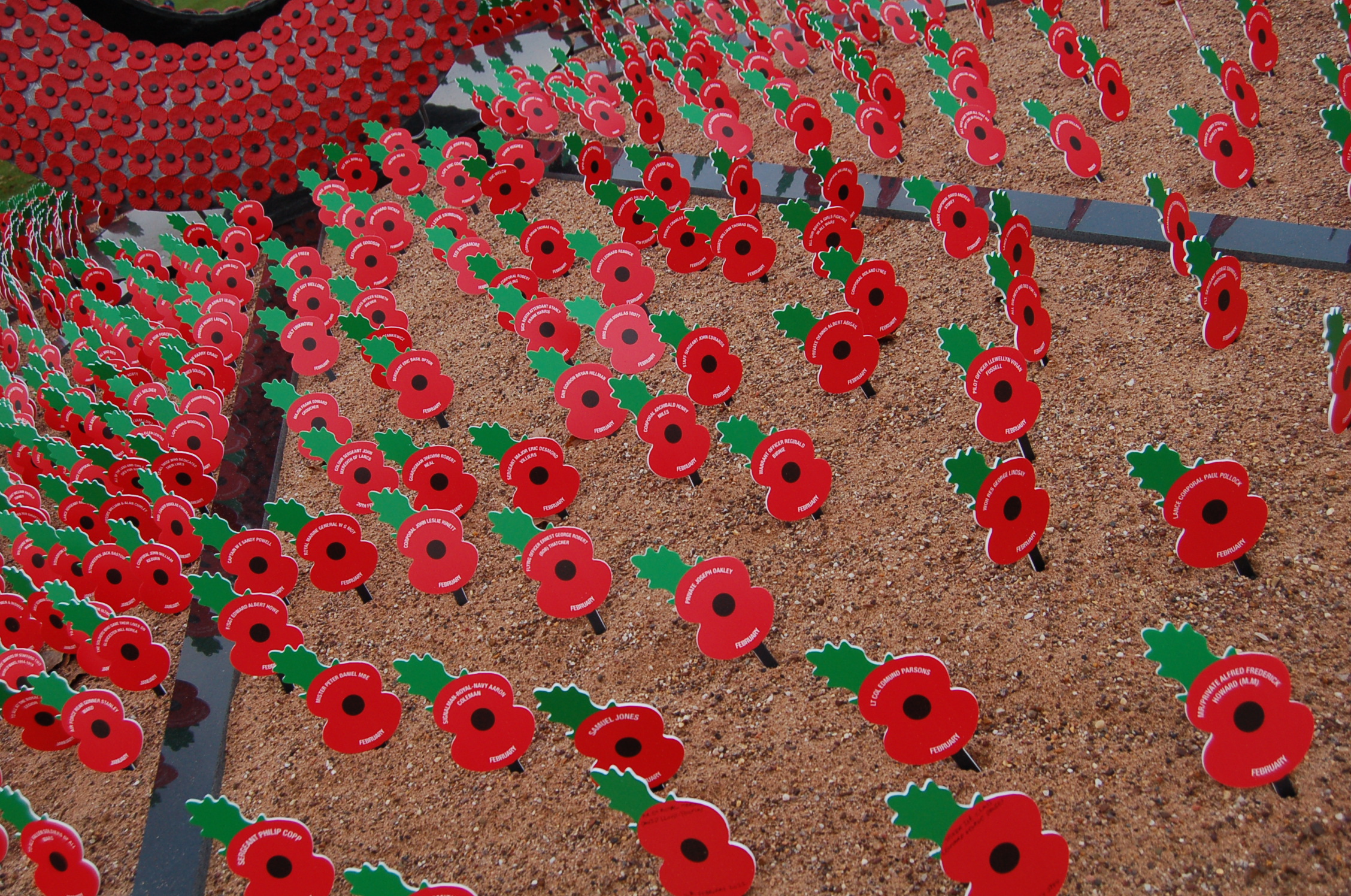
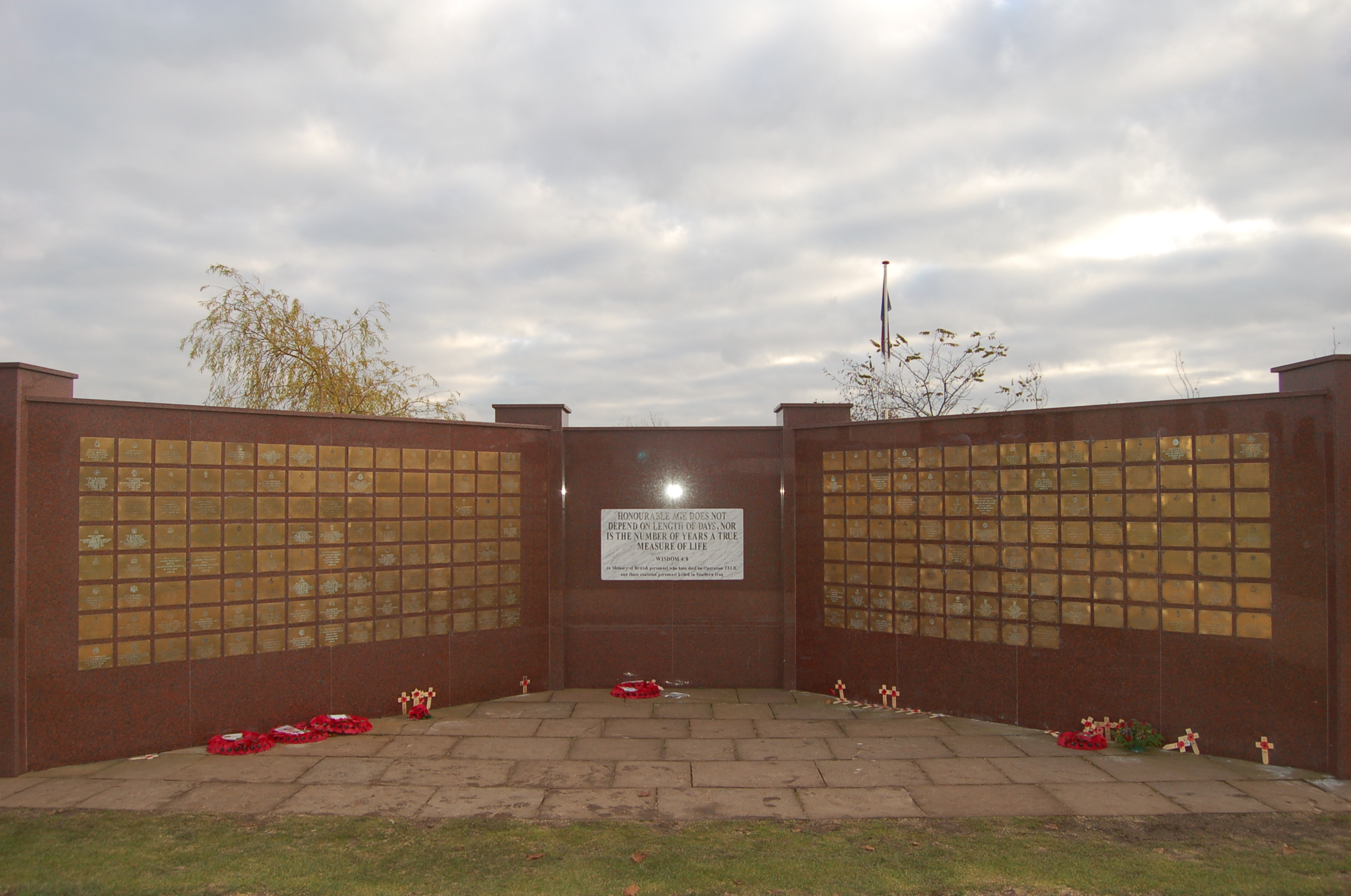
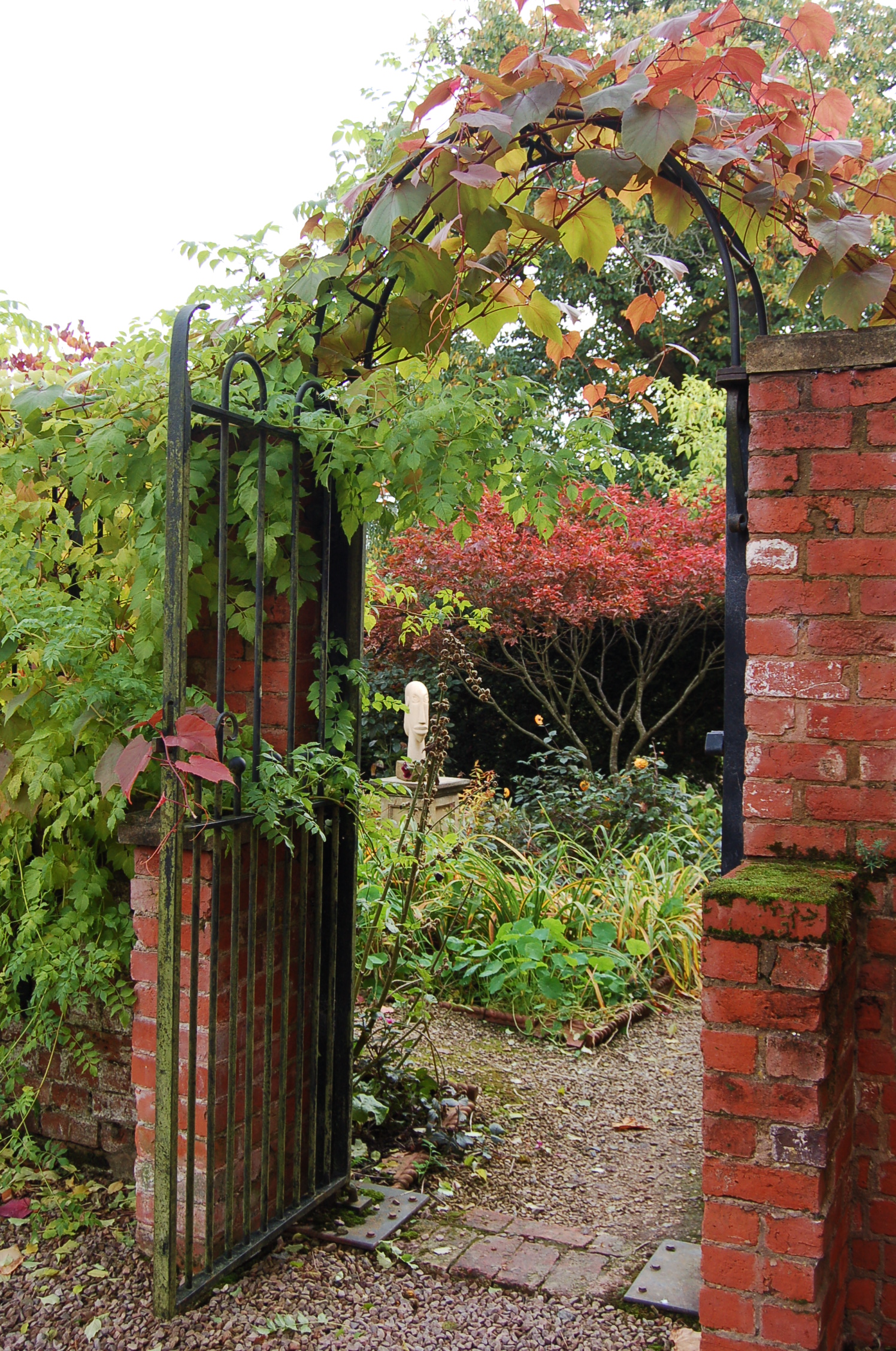
Categories
climbing plants colours flowering bulbs garden designers garden photography gardening gardens gardens open to the public grasses hardy perennials irises Italian style gardens meadows ornamental grasses ornamental trees and shrubs outdoor sculpture Piet Oudolf roses sculpture Staffordshire Tom Stuart-Smith trees water in the garden

A Garden in May – Trentham

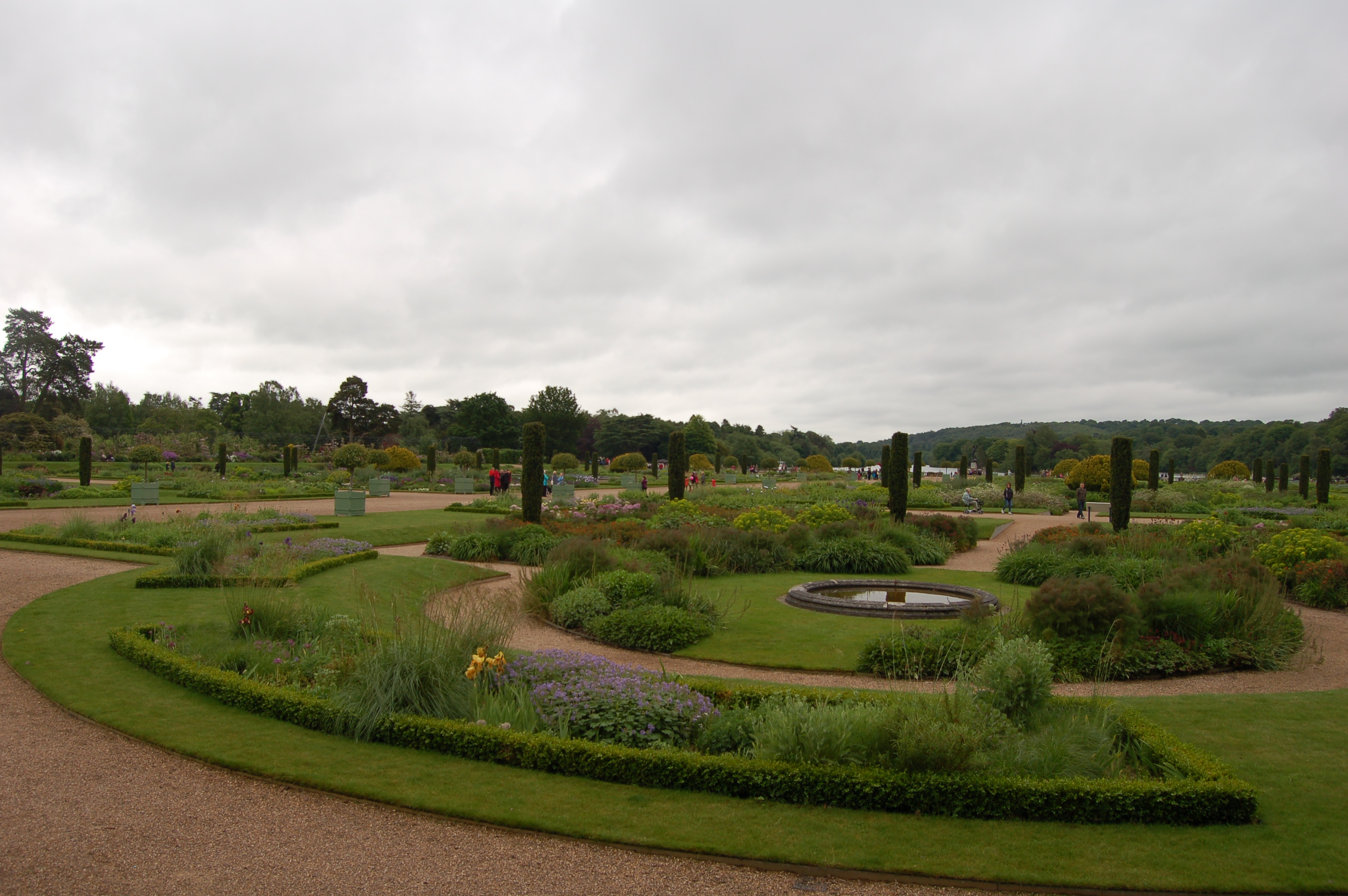
Here we are with post number 5 of this series looking at the gardens at Trentham where we are trying to discover if Trentham really is a “garden of all seasons”. For our May visit we were hoping for better weather as rain has greeted us on every other visit. It may seem a bit late to be posting this post but we have been so busy getting our garden ready for our summer visitors and the allotment community gardens ready for our NGS Open Day we are now behind with everything. We are getting behind at being late!

But the day dawned wet yet again.

2014 05 29_9874 2014 05 29_9827

We were amazed by the number of people around and the queue of visitors waiting to get through the turn styles. The majority of these visitors were young families. Soon we saw clues about what was going on – balloons, bunting and banners. It all pointed to the day being a special one for Trentham Gardens – their 10th birthday since reopening.

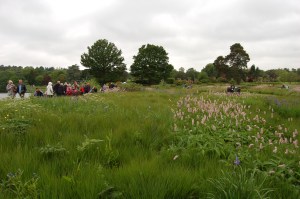
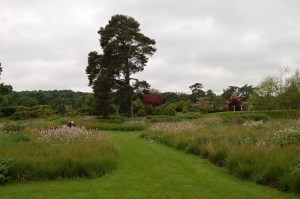
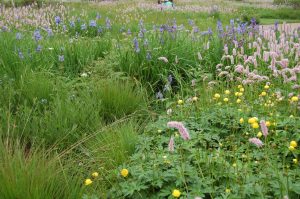
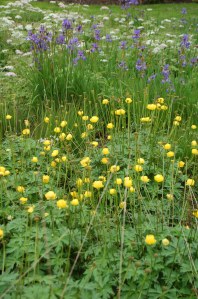
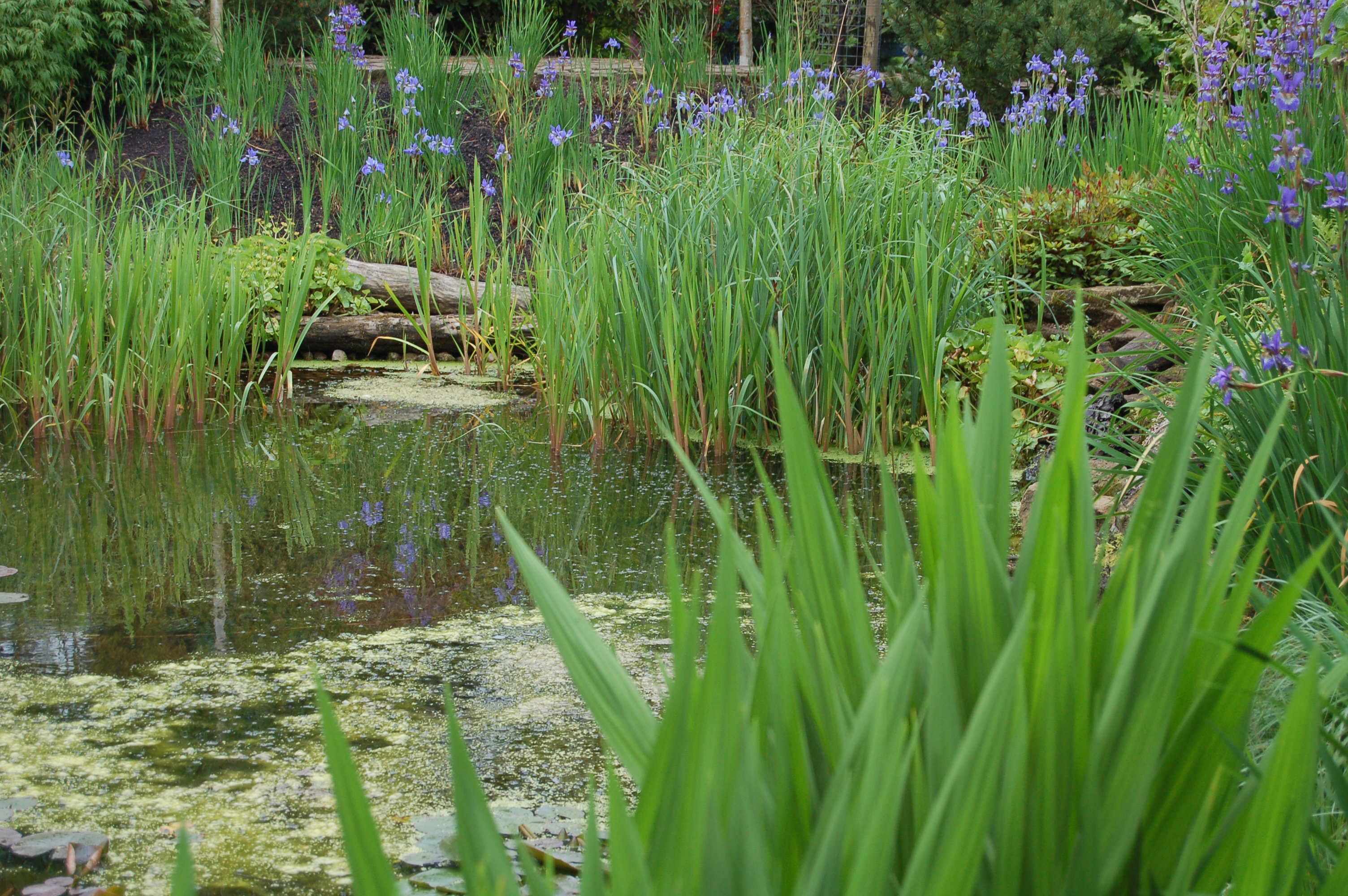
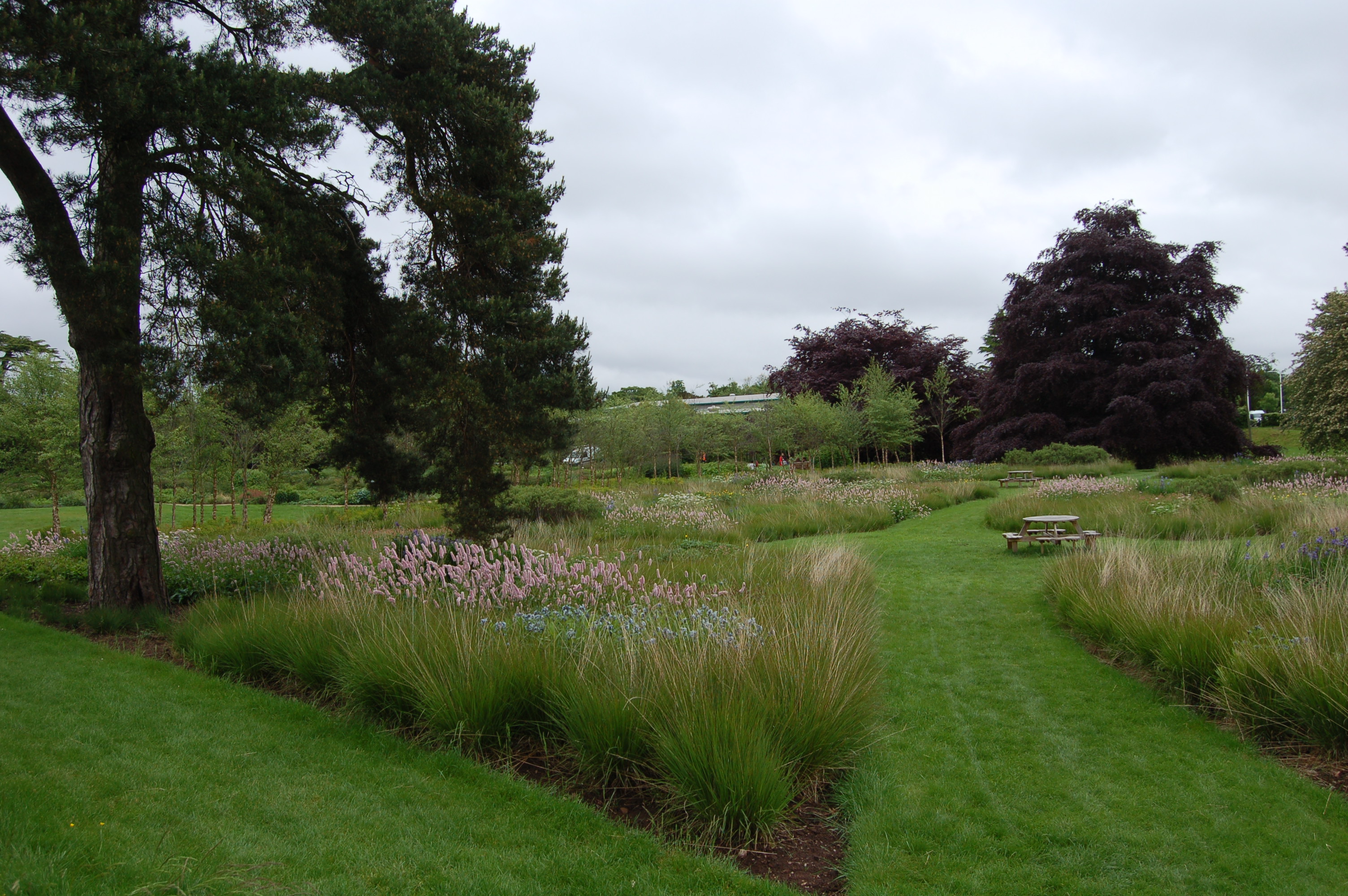
The area called the River of Grasses designed by Piet Oudolf has gained a lot of patches of colour from perennials among the strongly growing grasses. Persicaria bistorta, Amsonia and Trollius were particularly in evidence.

2014 05 29_9685 2014 05 29_9686

2014 05 29_9689 2014 05 29_9687

2014 05 29_9690 2014 05 29_9688

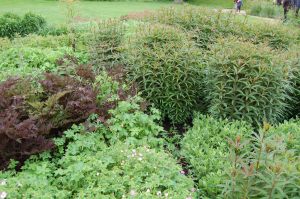
When we moved into the Piet Oudolf prairie borders we noticed that the growth of the herbaceous plants since out last visits was amazing.

2014 05 29_9695 2014 05 29_9697

2014 05 29_9692 2014 05 29_9698

2014 05 29_9693 2014 05 29_9696

2014 05 29_9691 2014 05 29_9694

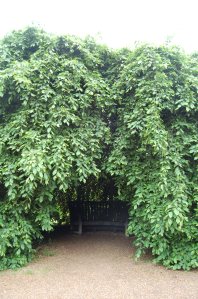
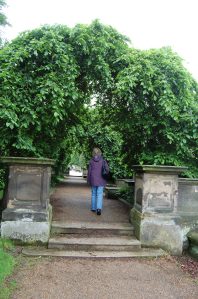
After enjoying the fresh colours in this area we wandered across neatly mown grass towards the Italianate Garden, and on the way we passed the Hornbeam Arbour and through a Hornbeam archway. We found evidence of the newly cut area where seagulls of crocus and snowdrops were earlier in the year (see earlier posts in this series). Now they appear as ghosts in the grass.

2014 05 29_9700 2014 05 29_9701 2014 05 29_9702 2014 05 29_9699

In the Italianate Garden the gardeners were planting out large specimens of Cannas with huge incredibly marked and coloured leaves.

2014 05 29_9703 2014 05 29_9704

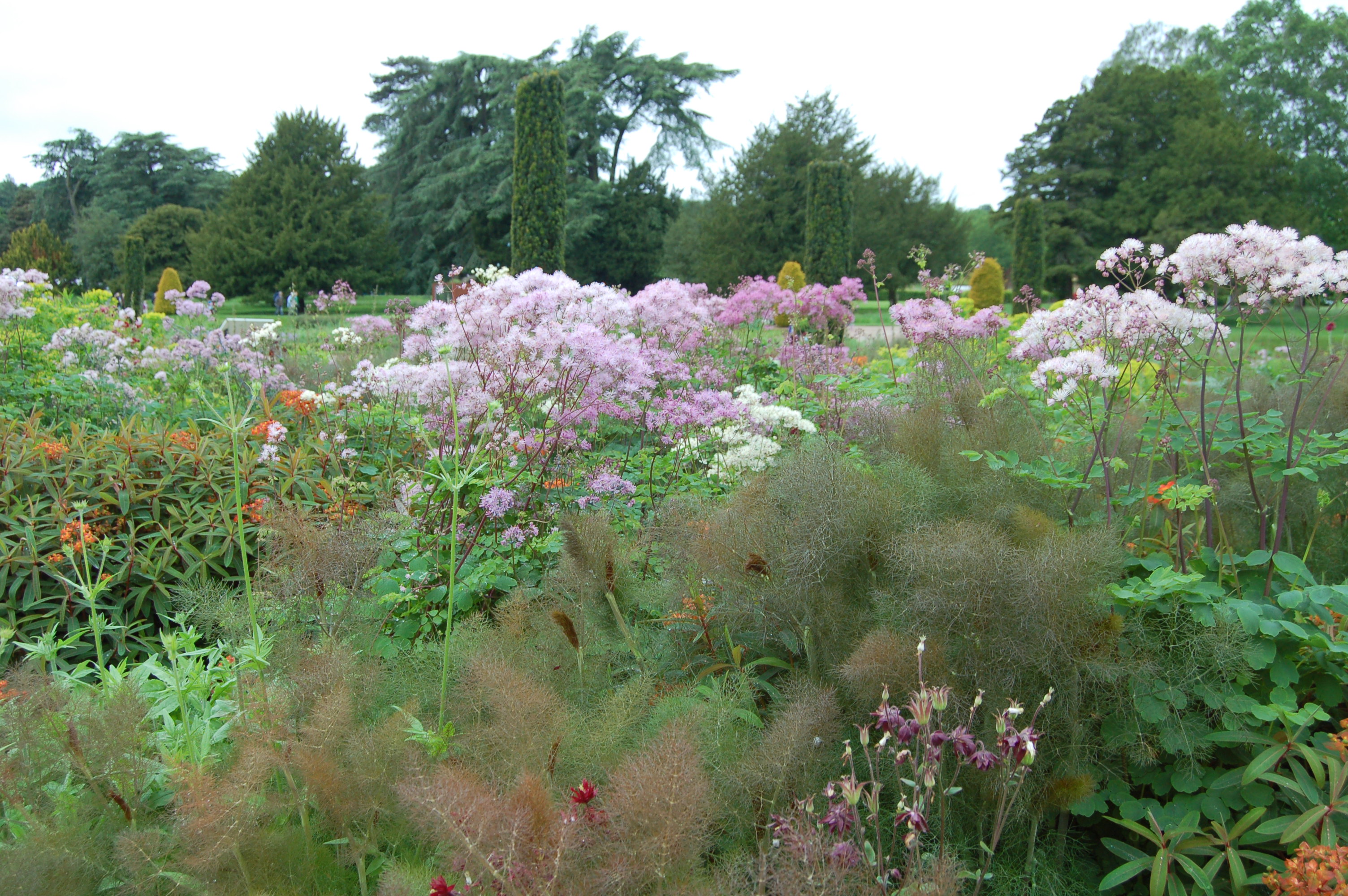
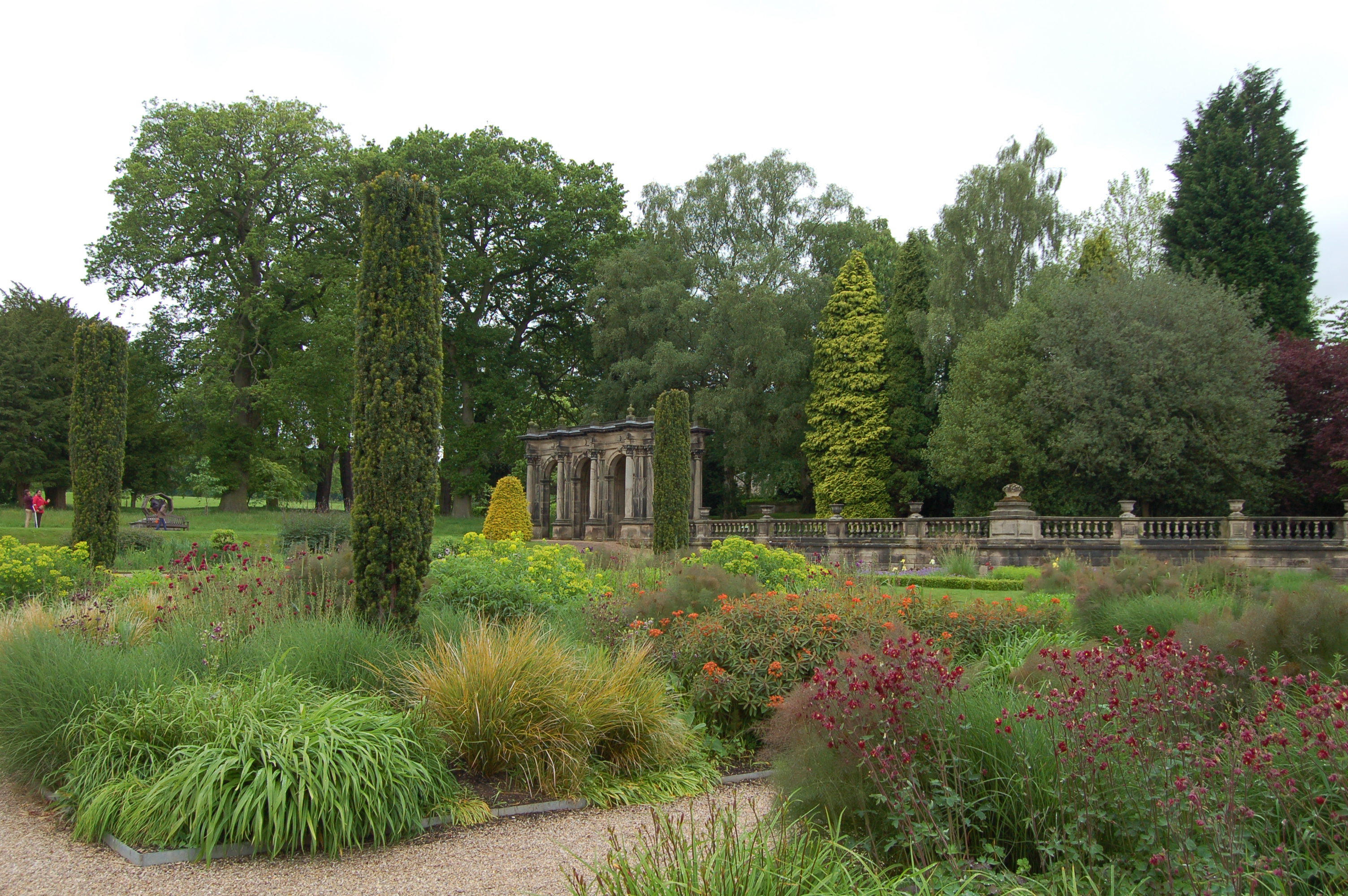
From the Italianate Garden we get our first views of the garden designed by Tom Stuart-Smith, where he imposed modern style herbaceous plantings onto the original Italian Garden. Since last month these borders are showing so much colour and to begin with it is hard to identify what plants are providing all the colour.

2014 05 29_9707 2014 05 29_9708 2014 05 29_9709 2014 05 29_9710

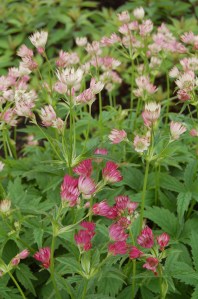
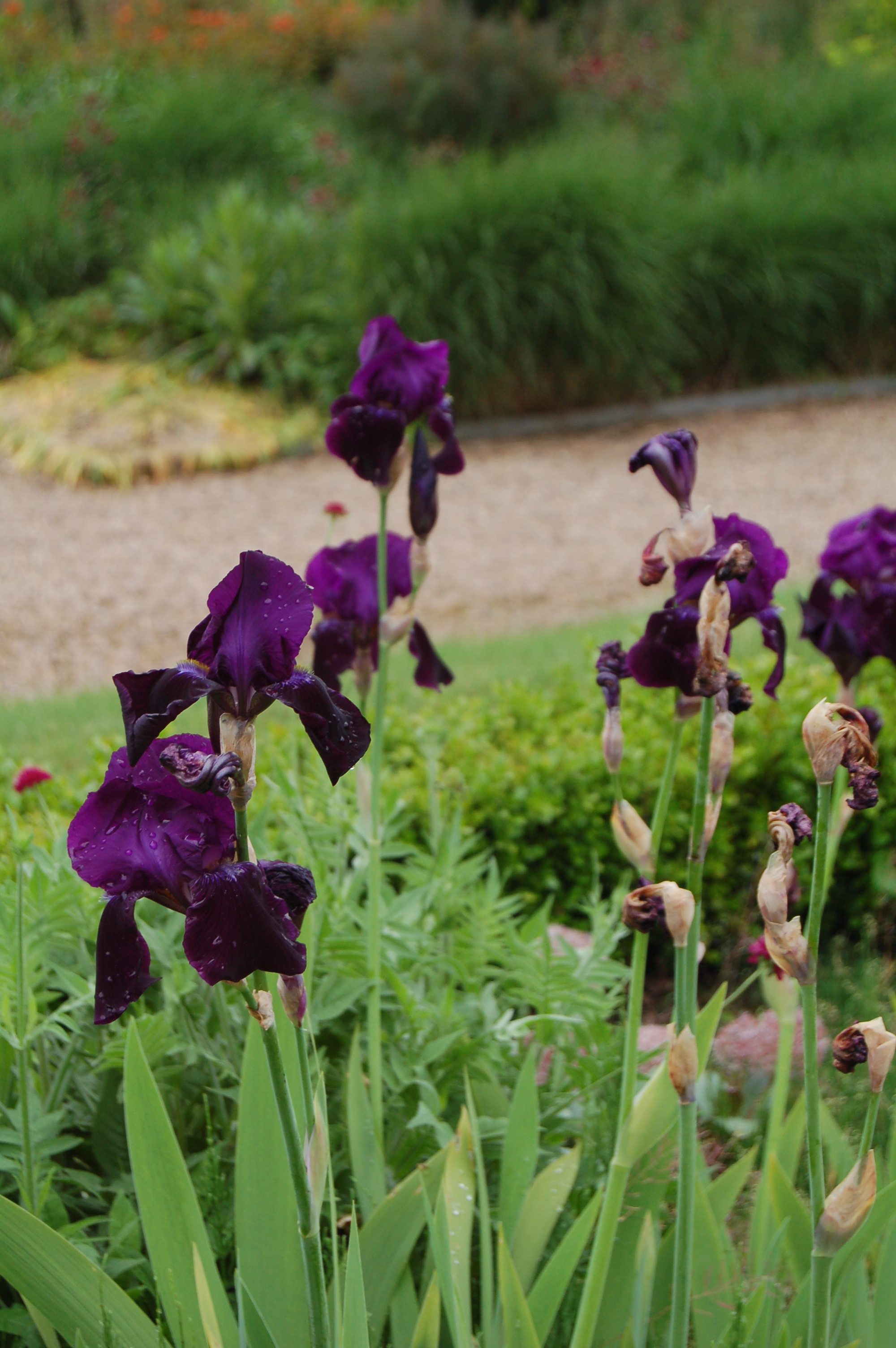
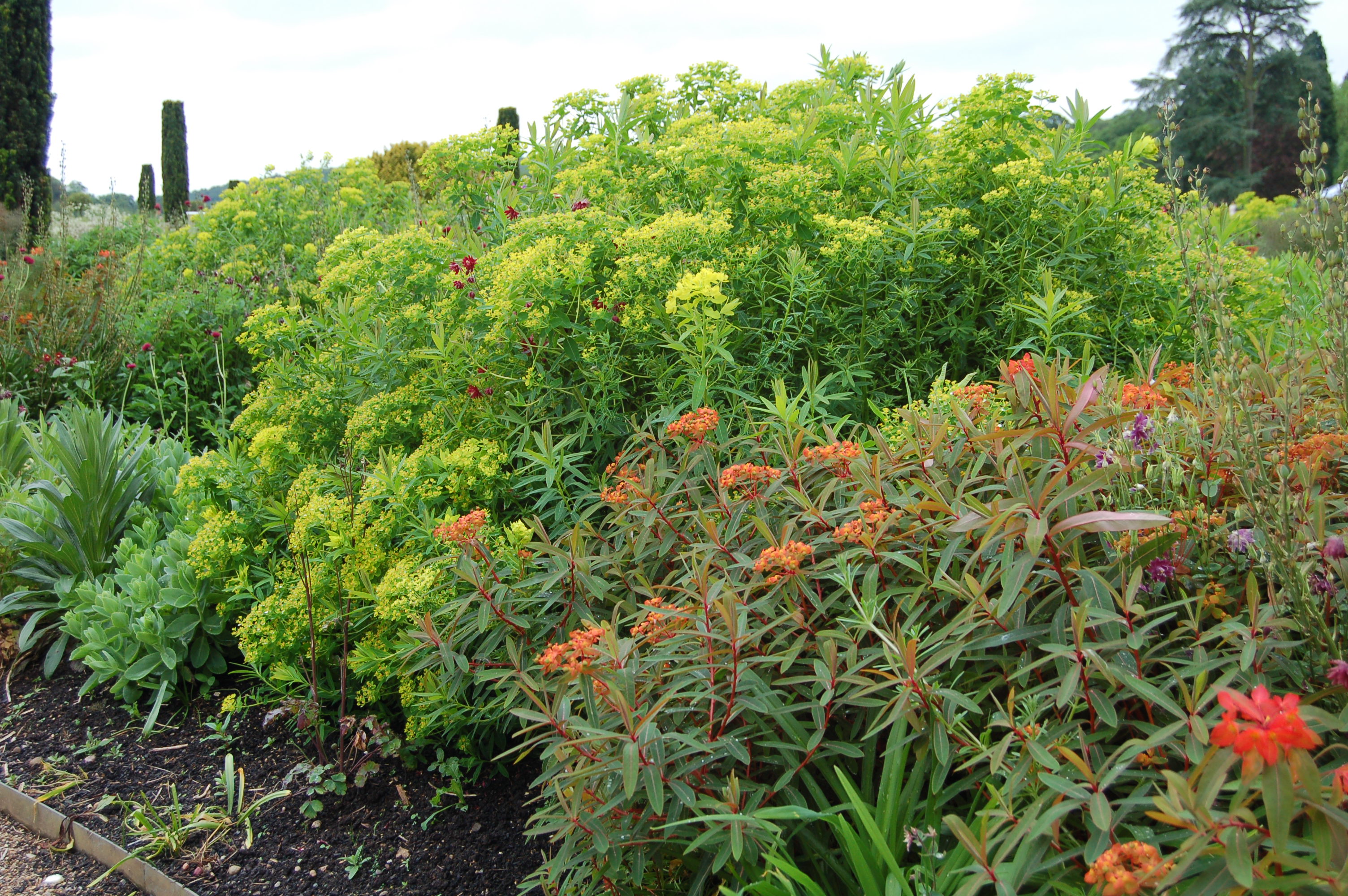
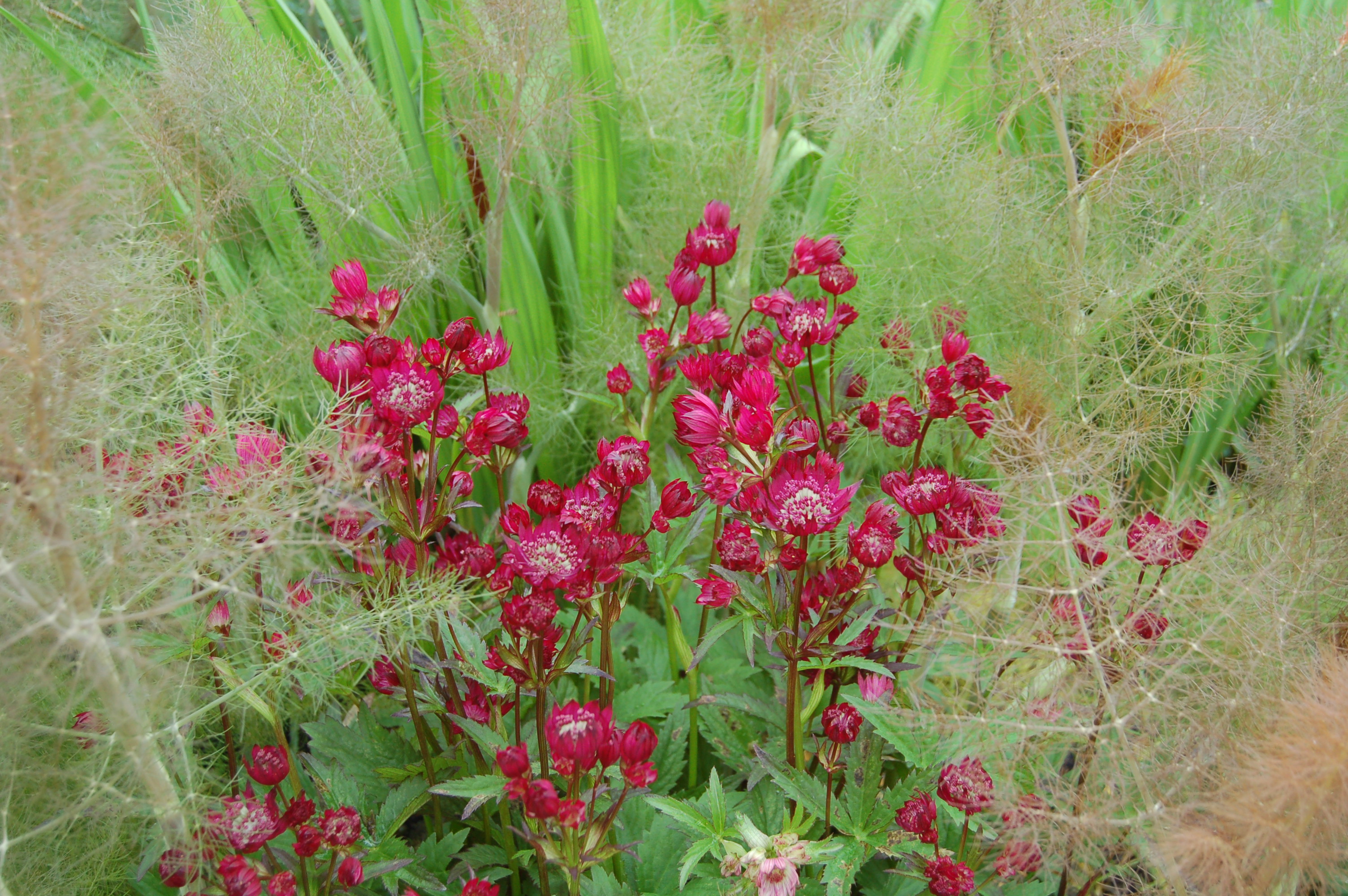
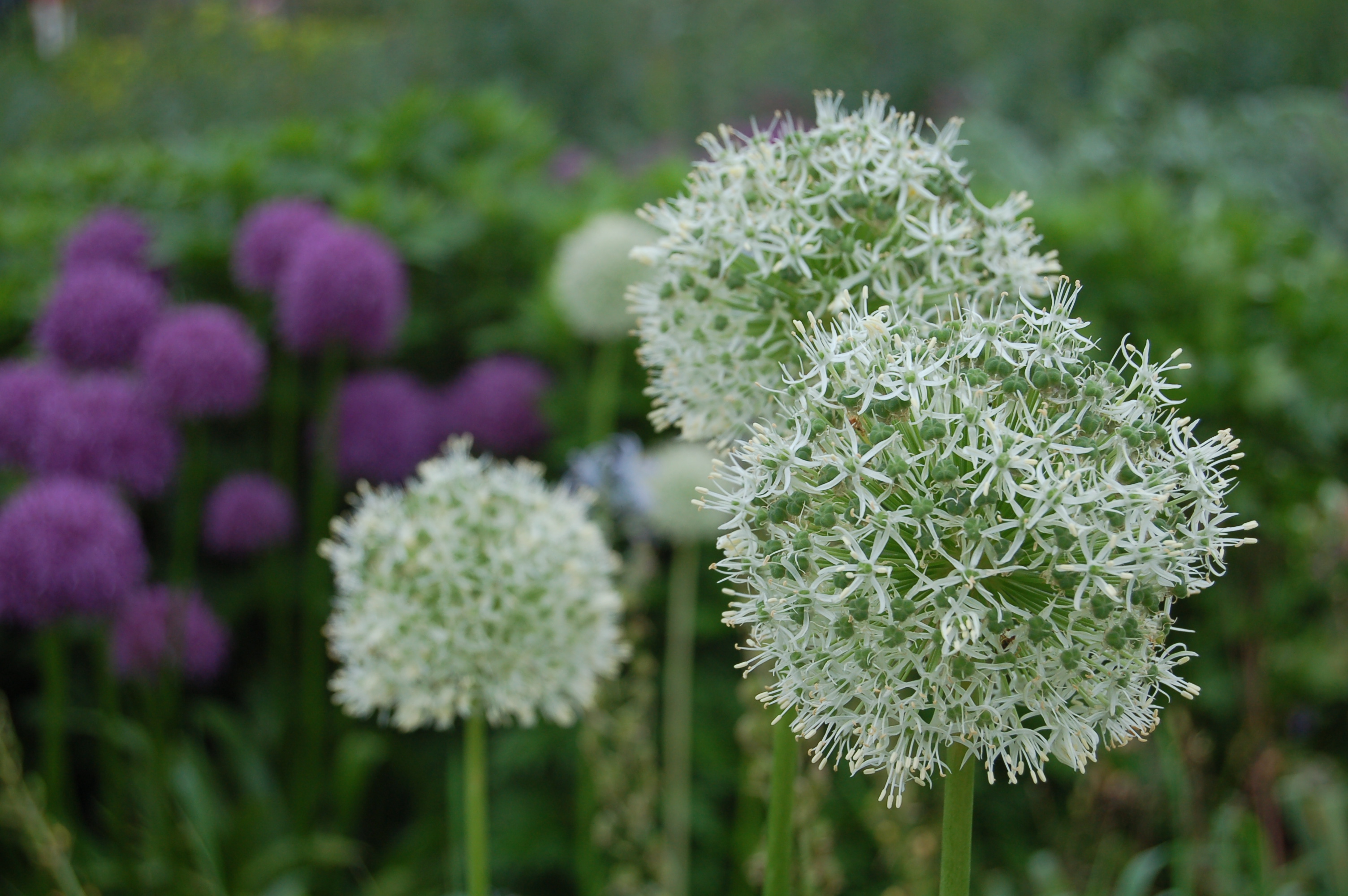
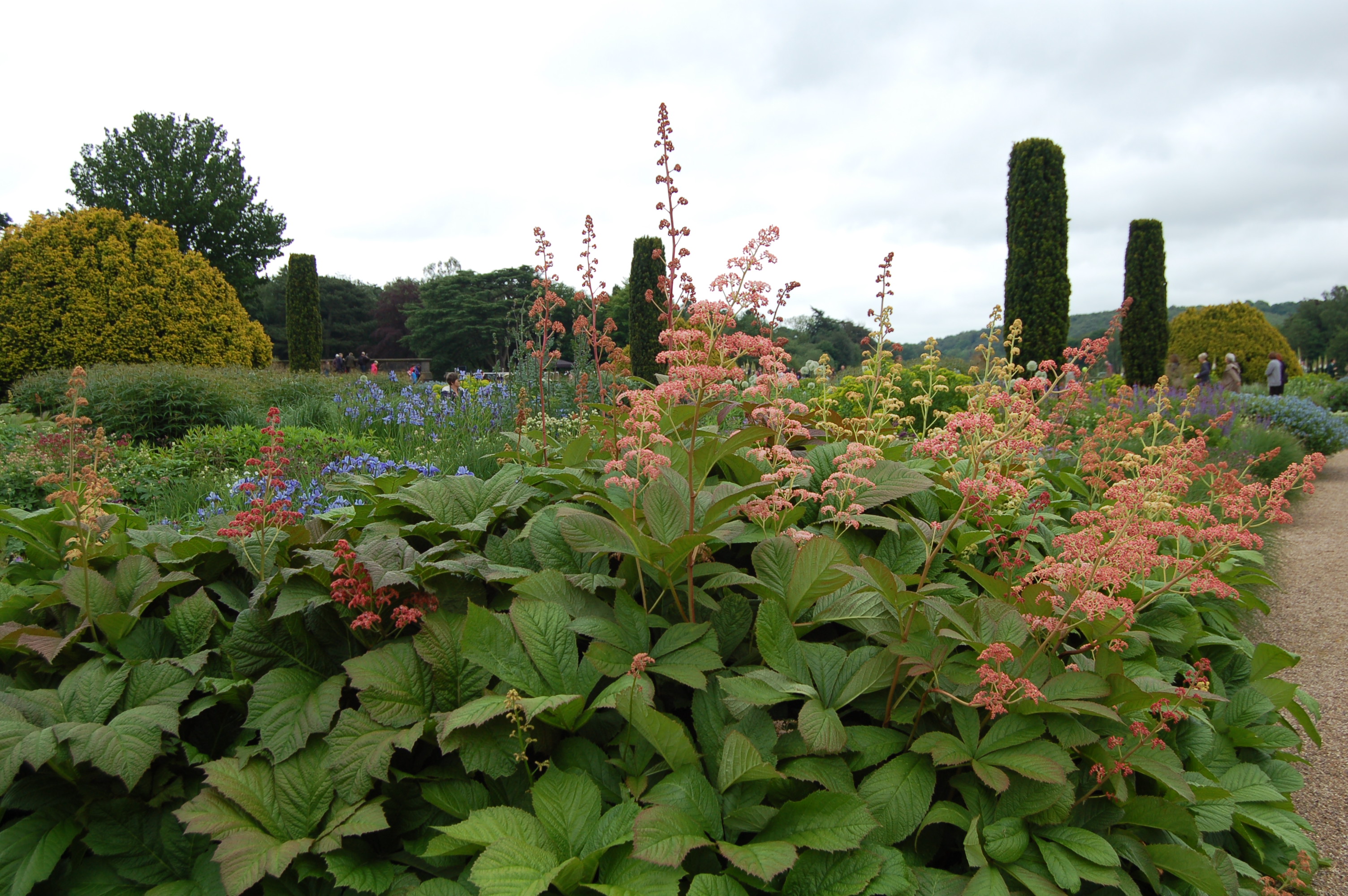
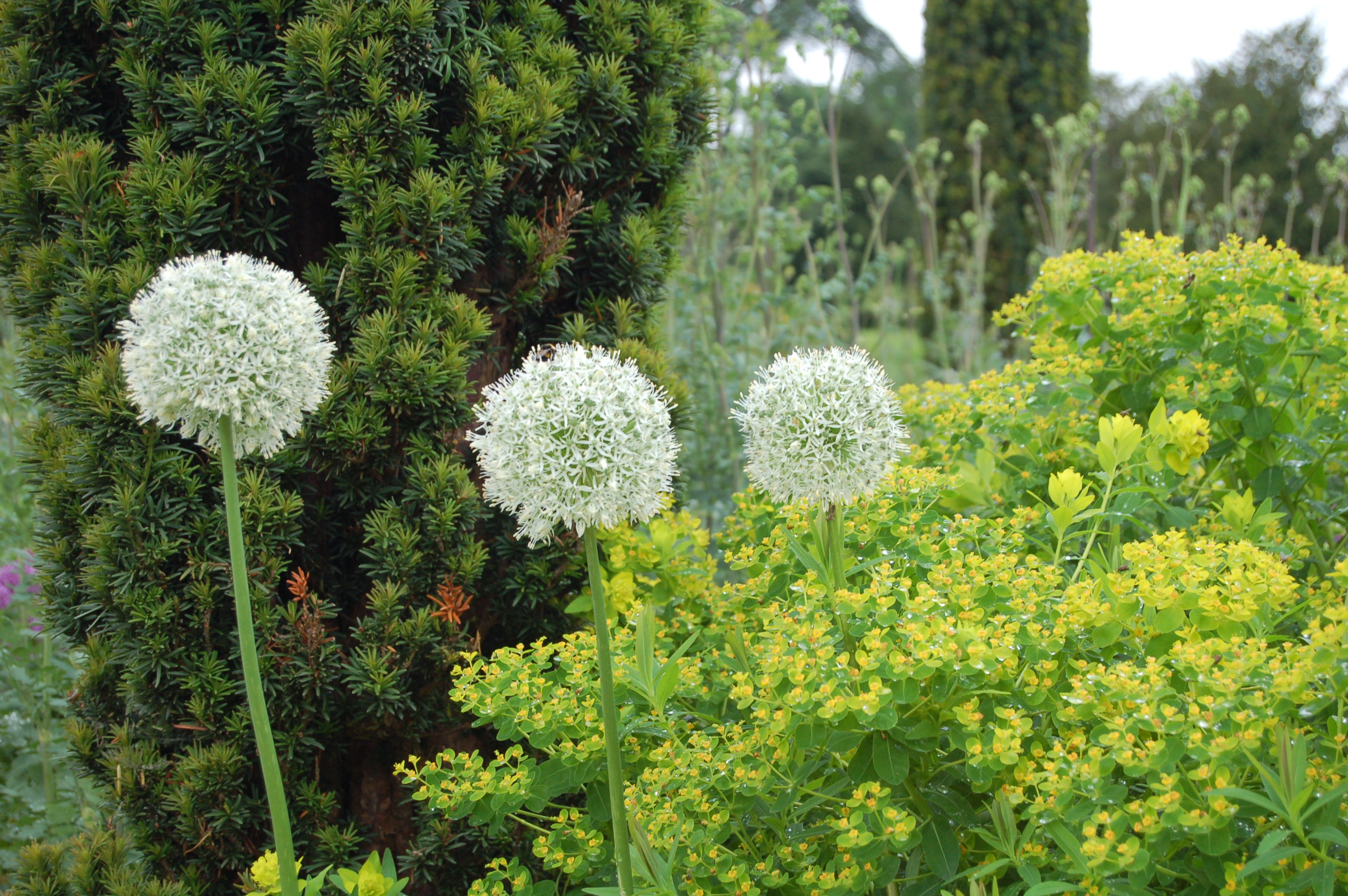
Closer up we found the colour was from Alliums, Euphorbias, Amsonias, Irises, Rogersias and Astrantias. Enjoy a tour of these borders.

2014 05 29_9712 2014 05 29_9714 2014 05 29_9715 2014 05 29_9719

2014 05 29_9723 2014 05 29_9724 2014 05 29_9725 2014 05 29_9727 2014 05 29_9735 2014 05 29_9748 2014 05 29_9749 2014 05 29_9750 2014 05 29_9751 2014 05 29_9752 2014 05 29_9755 2014 05 29_9757 2014 05 29_9758 2014 05 29_9760

2014 05 29_9767 2014 05 29_9768 2014 05 29_9769 2014 05 29_9770 2014 05 29_9781 2014 05 29_9782 2014 05 29_9783 2014 05 29_9784 2014 05 29_9791 2014 05 29_9795

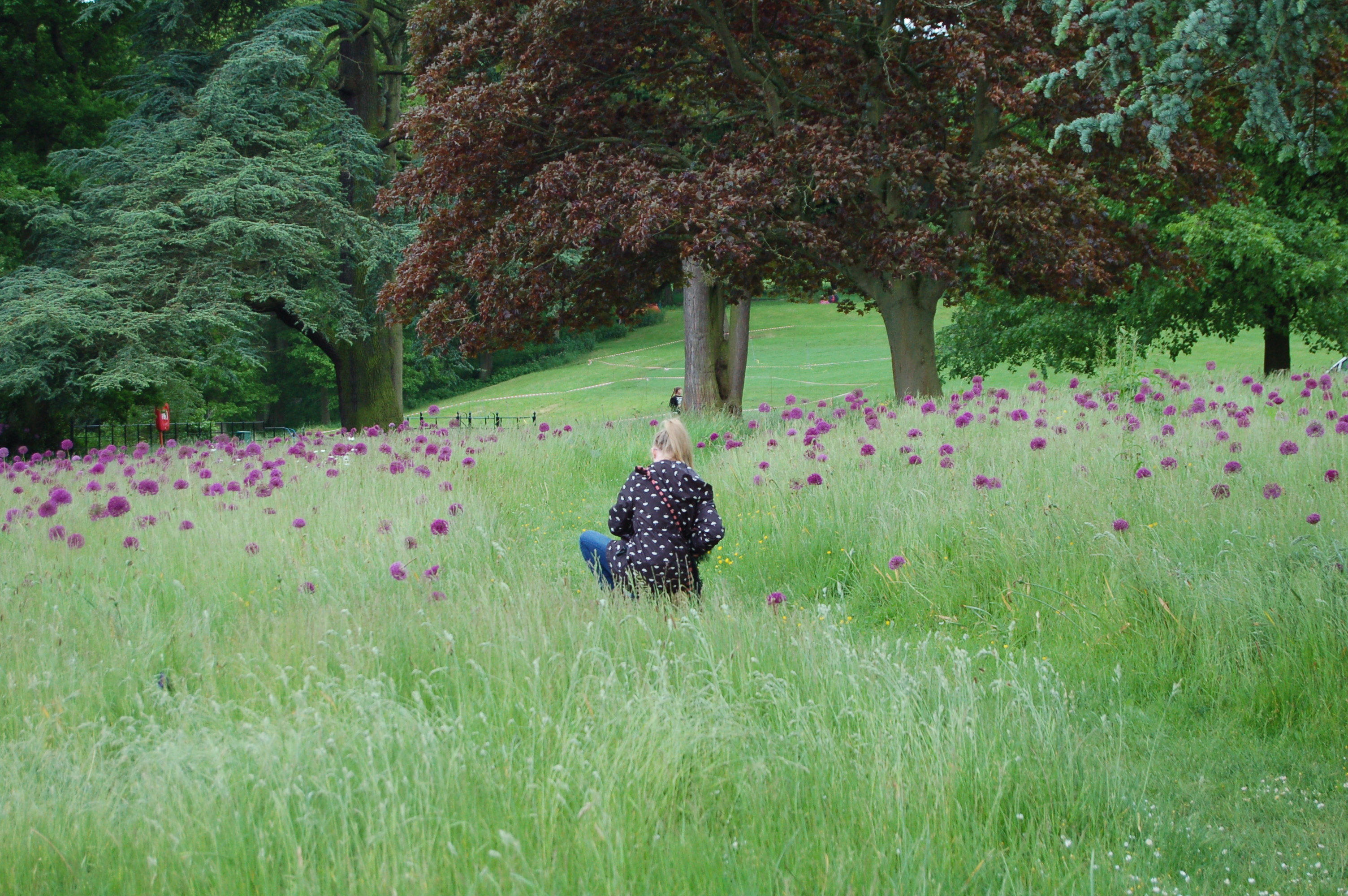
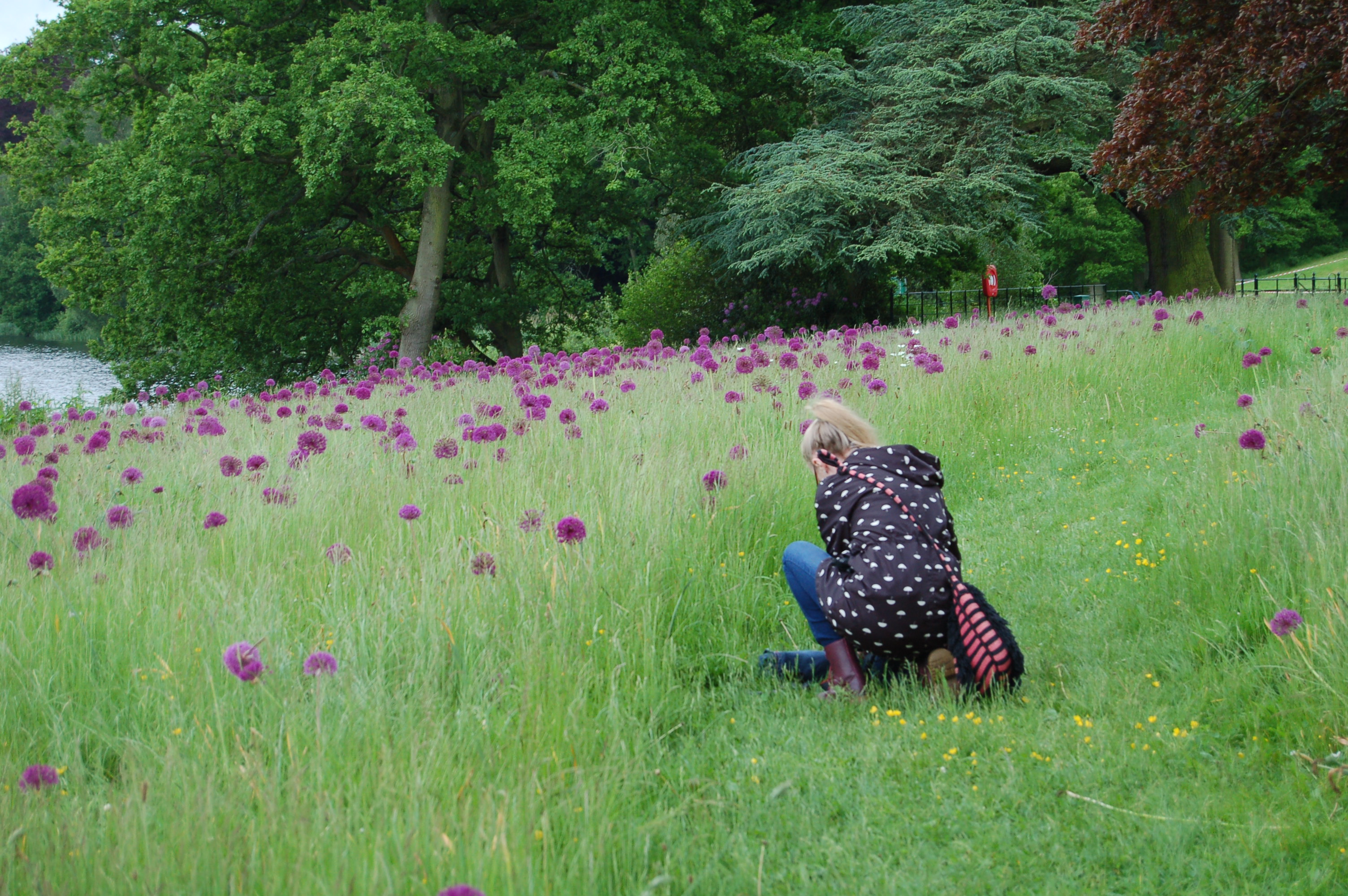
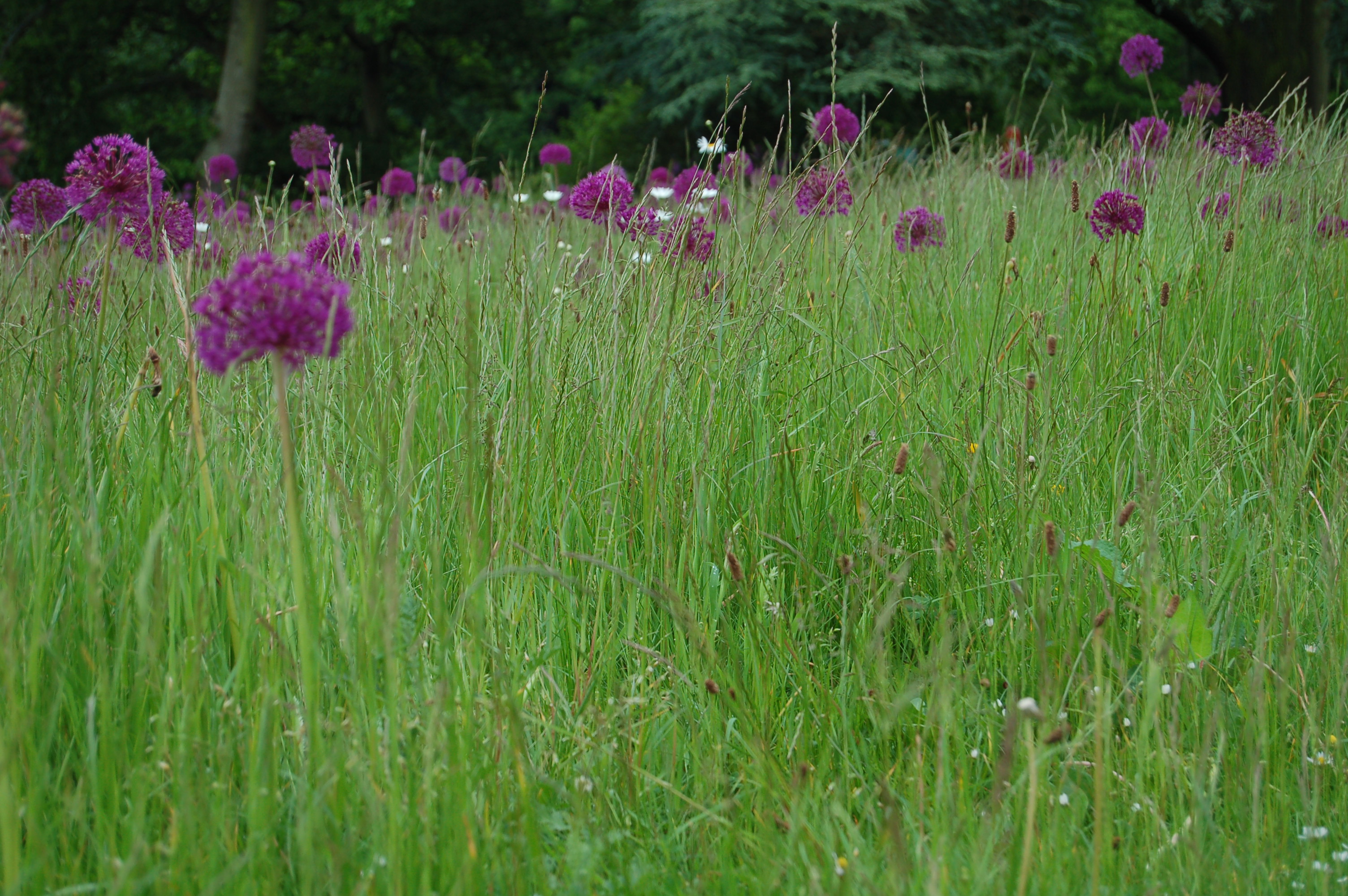
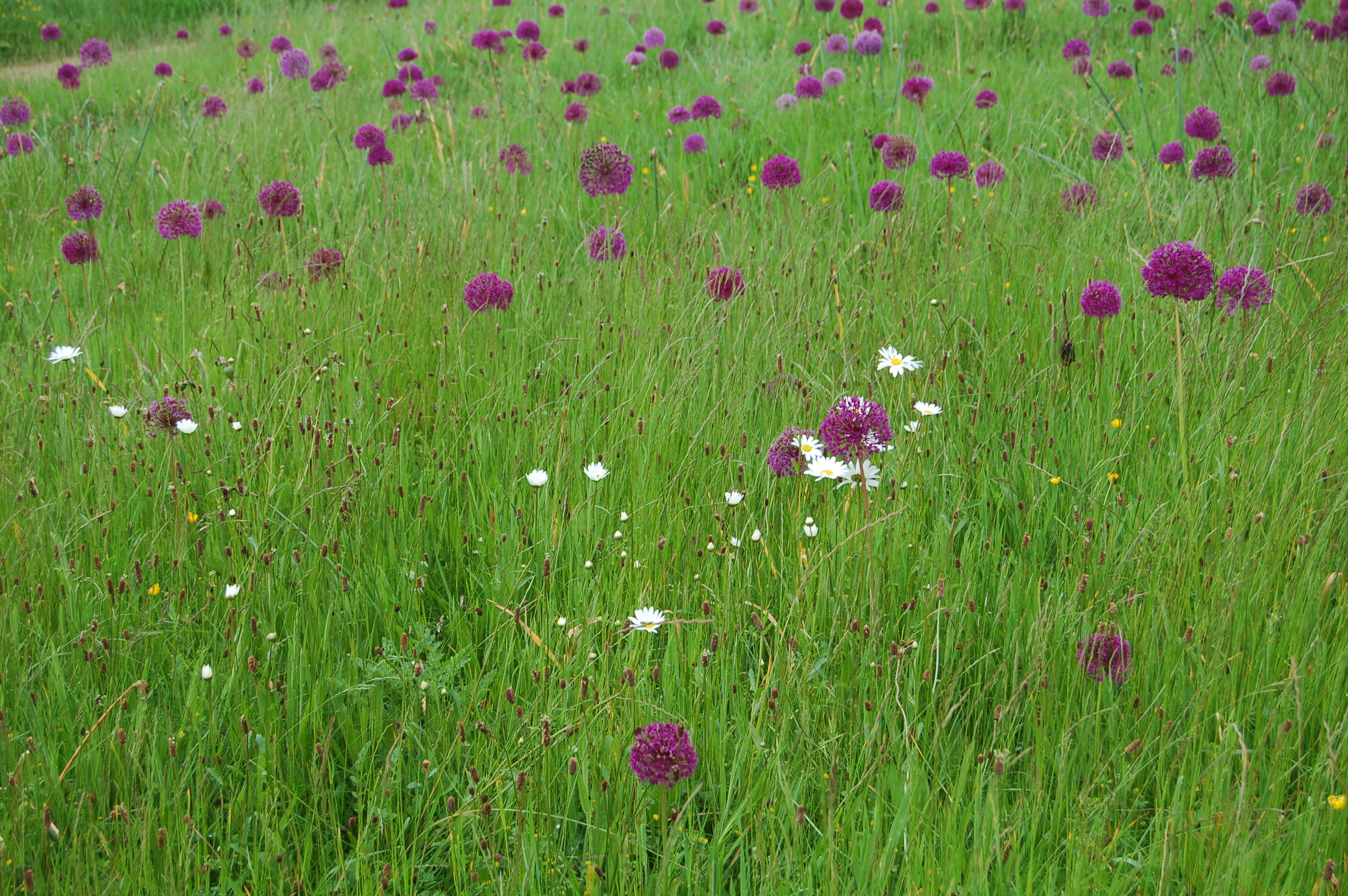
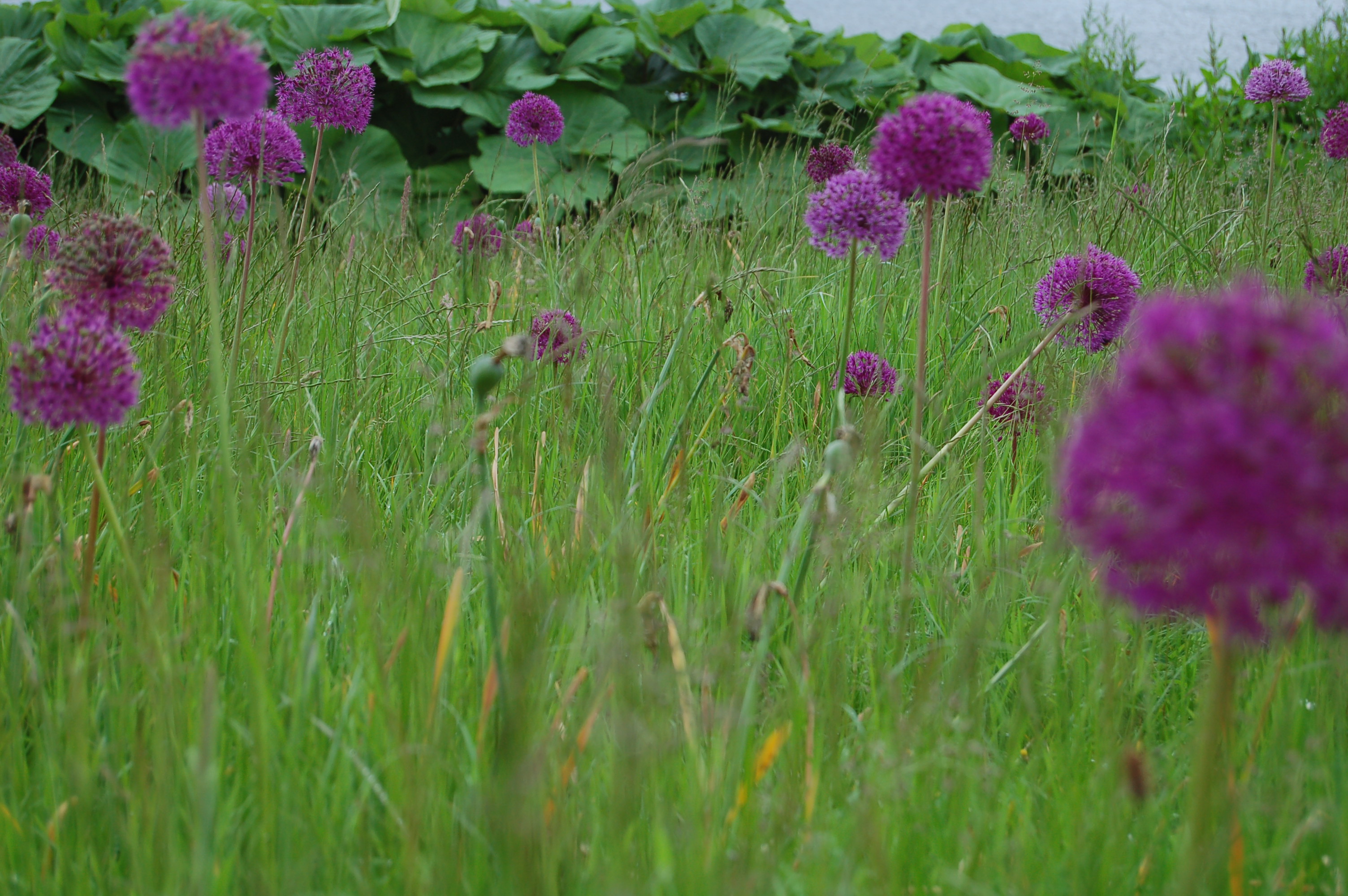
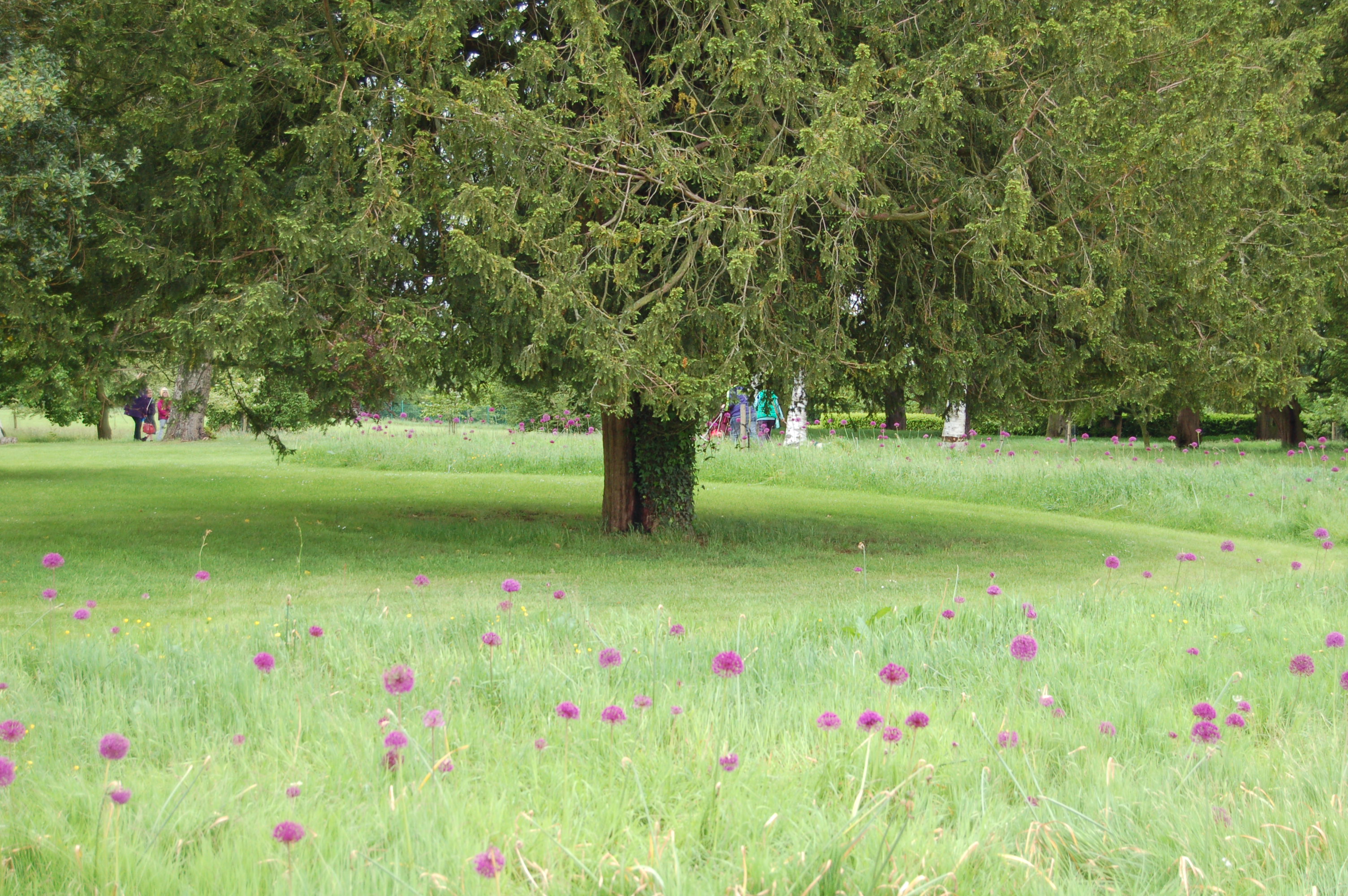
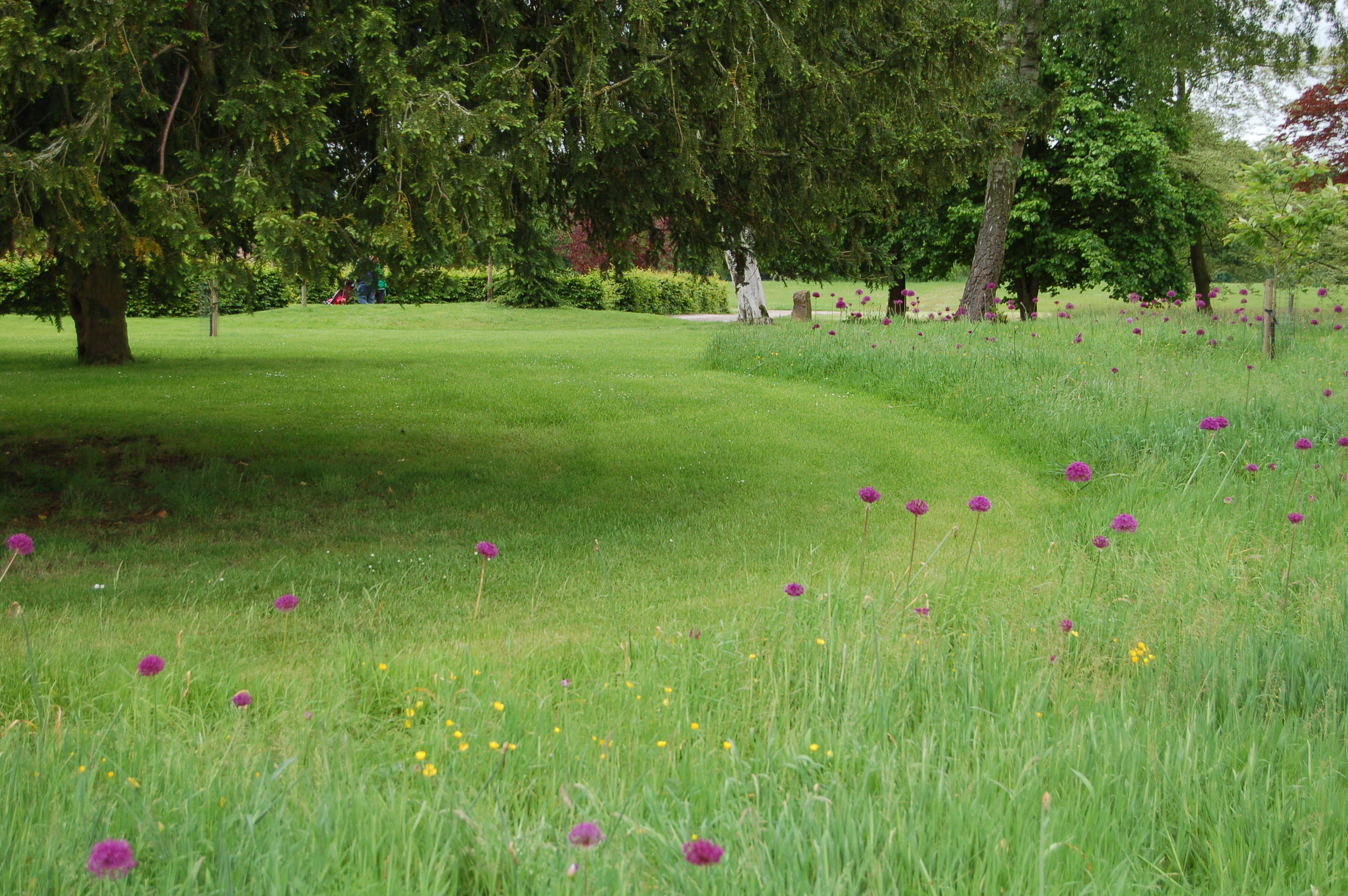
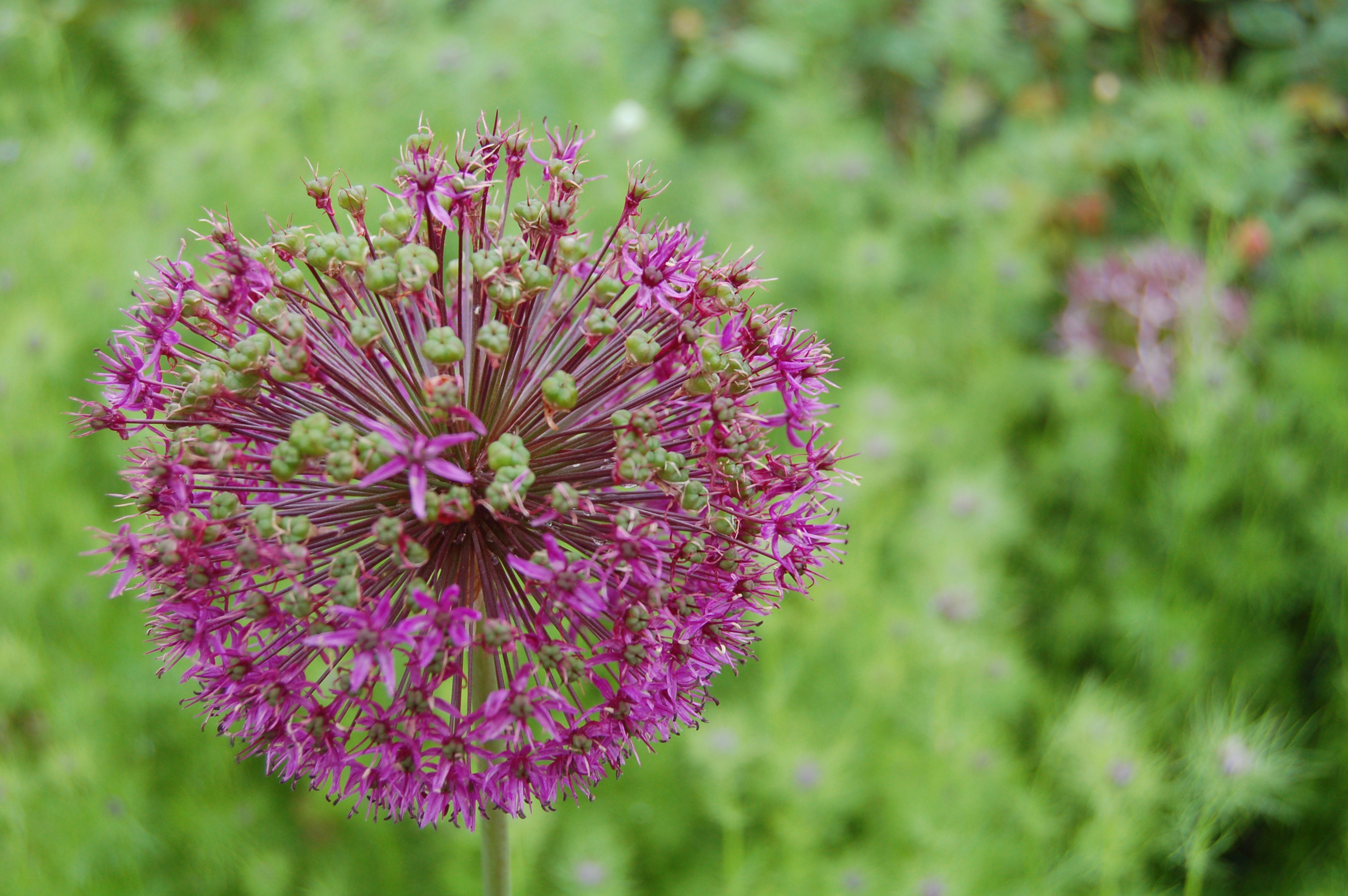
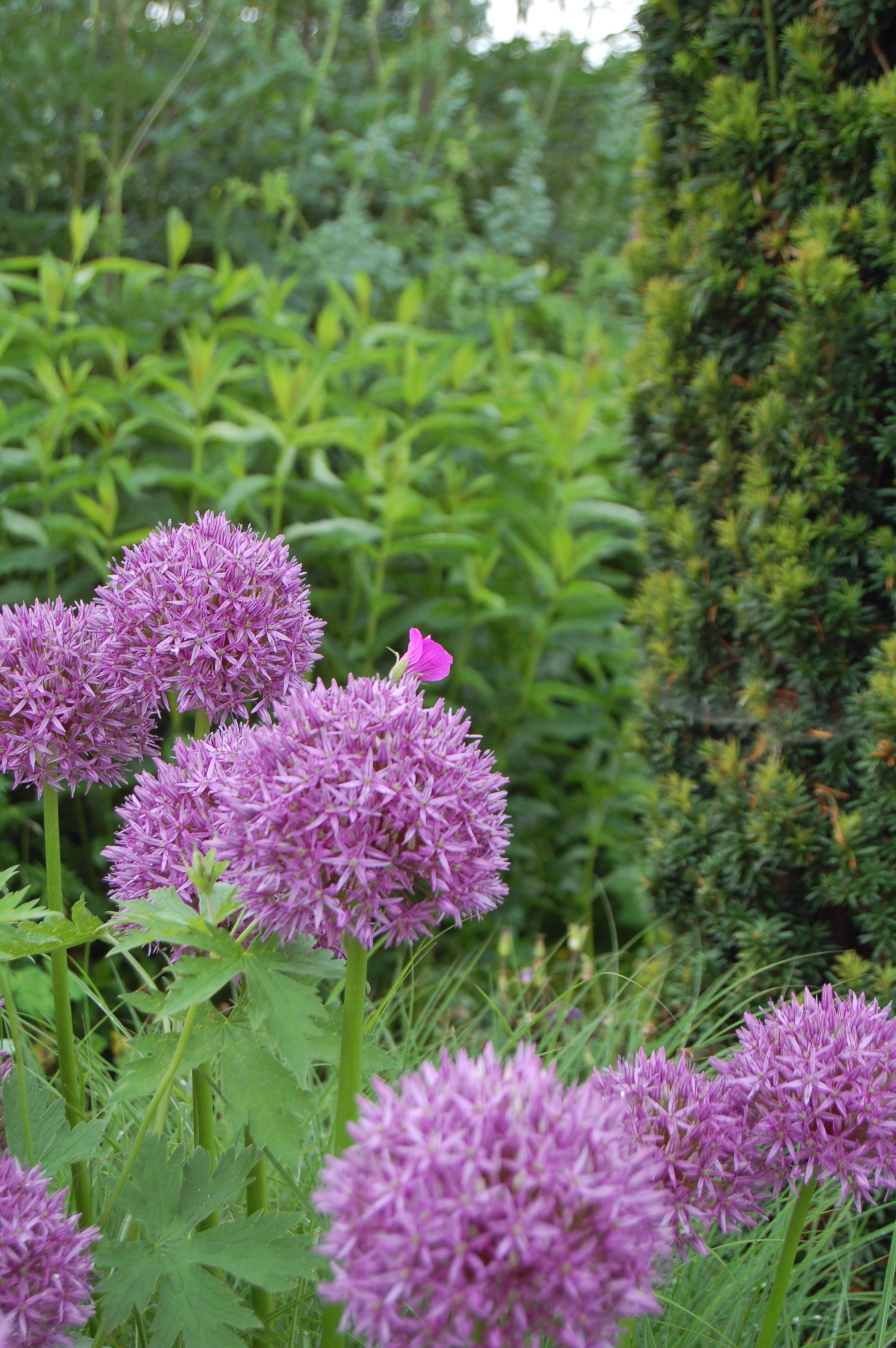
Last time we were here the gardens above the Tom Stuart-Smith borders was yellow with daffodils naturalised in the grassed banks. On this visit the colour was purple and it was provided by hundreds of purple globes of Alliums. A young photographer was snapping away.

2014 05 29_9804 2014 05 29_9805 2014 05 29_9806 2014 05 29_9809 2014 05 29_9808 2014 05 29_9807

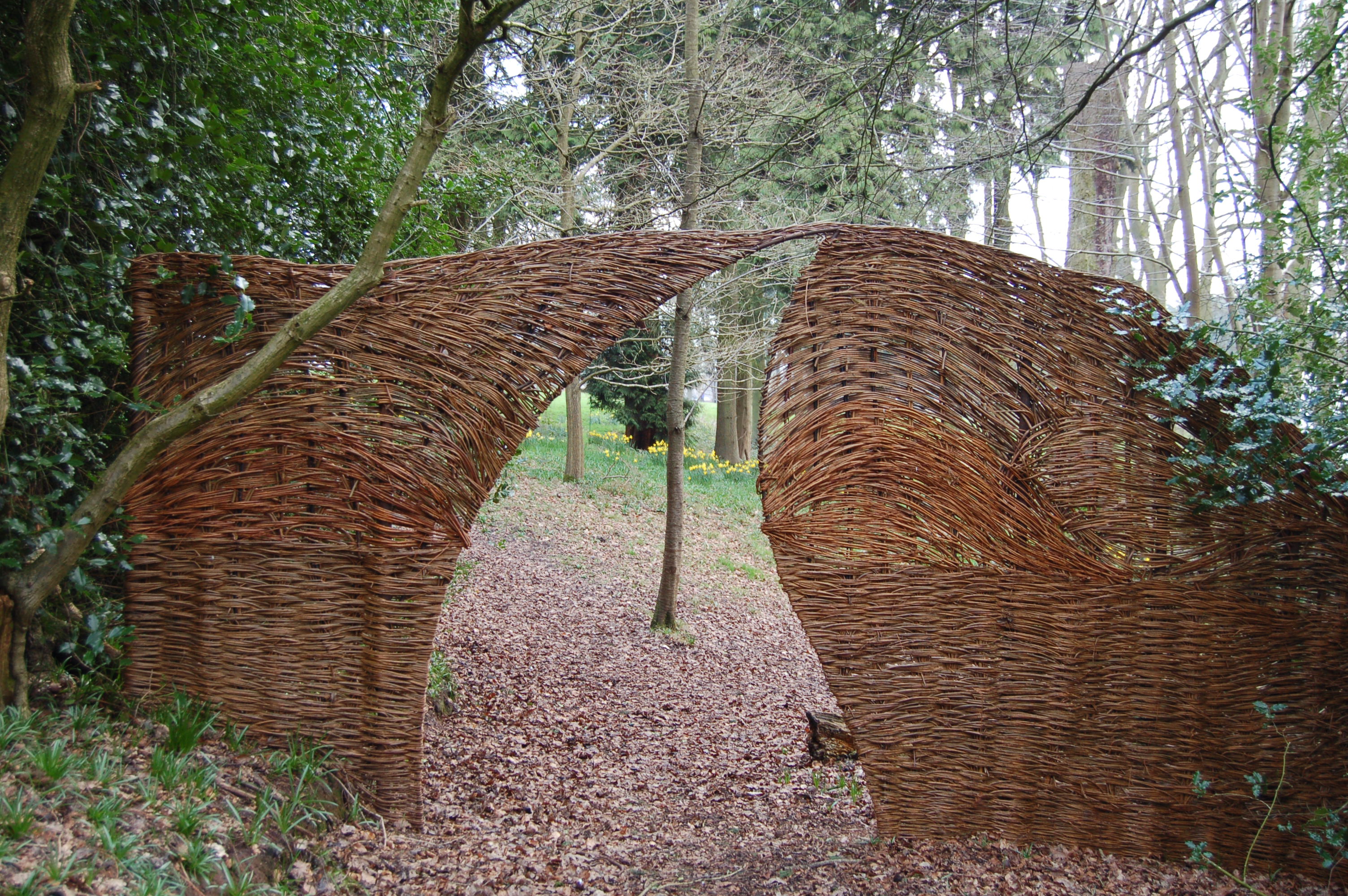
A new woven figure has appeared on the grassed banks.

2014 05 29_9810 2014 05 29_9811

More Alliums were naturalised in the grass beneath the mature trees from the otiginal parkland plantings. They added colour to our walk over to look at the Display Gardens.

2014 05 29_9814 2014 05 29_9815

Here the newly planted gardens were taking shape.

2014 05 29_9818 2014 05 29_9819 2014 05 29_9821 2014 05 29_9822 2014 05 29_9823 2014 05 29_9825

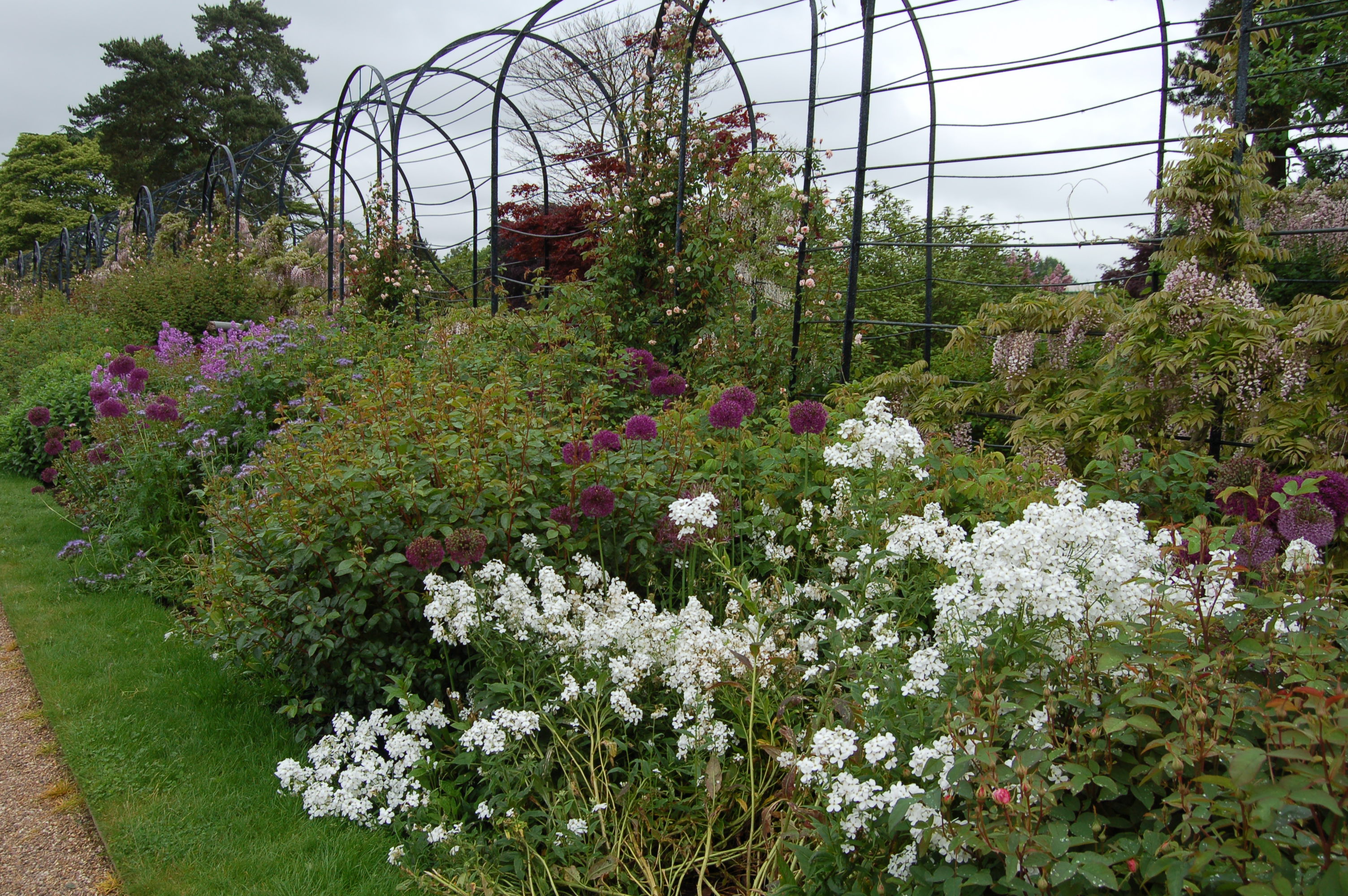
As always our wanderings around the gardens at Trentham finish with a walk along the Rose Walkway. Yet more Alliums grew here in between the roses.

2014 05 29_9856 2014 05 29_9857 2014 05 29_9858 2014 05 29_9859 2014 05 29_9860 2014 05 29_9861 2014 05 29_9862 2014 05 29_9863

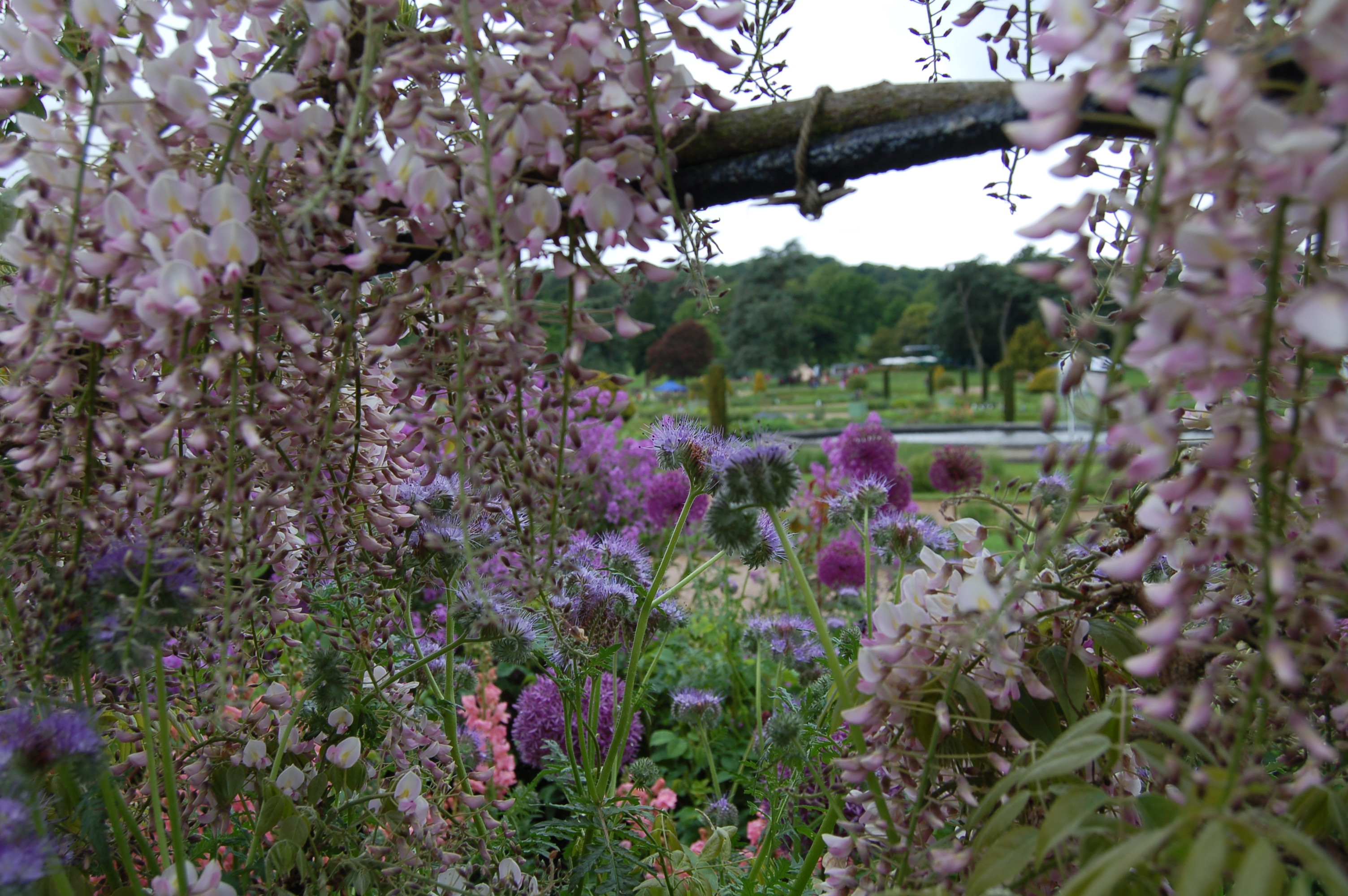
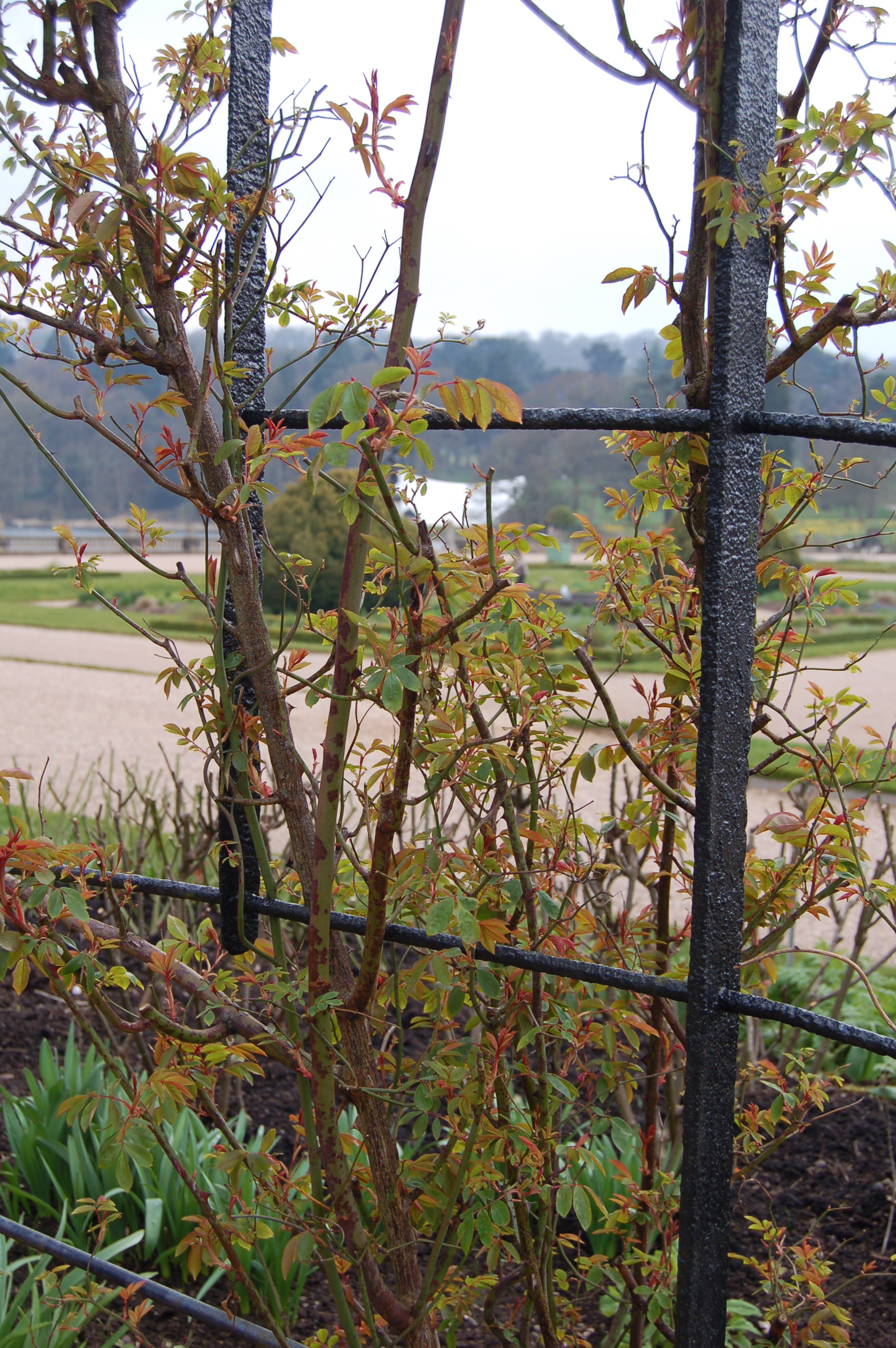
Wisterias were flowering as they climbed over the metalwork and added colour and scent to our walk.

2014 05 29_9864 2014 05 29_9865

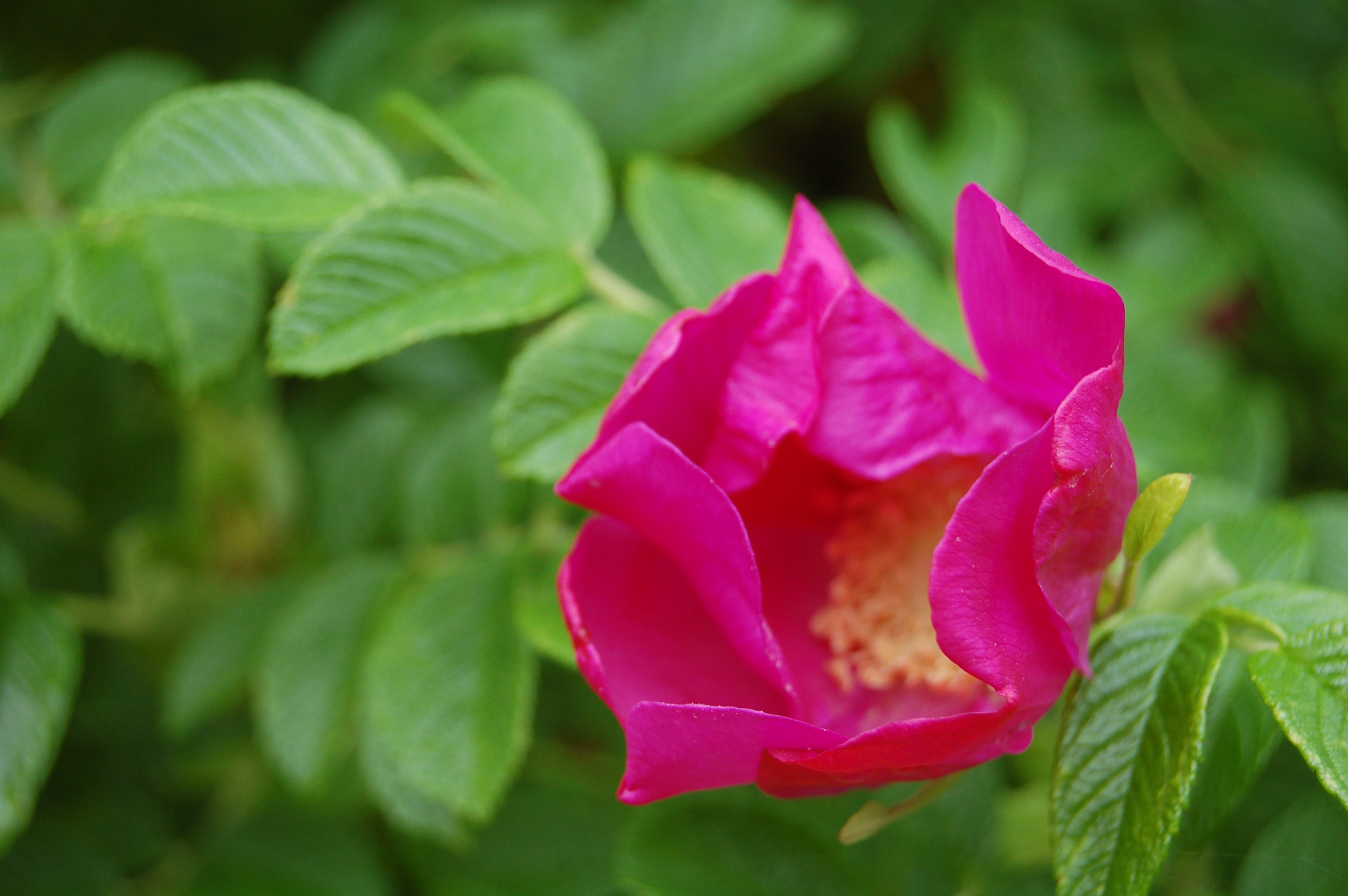
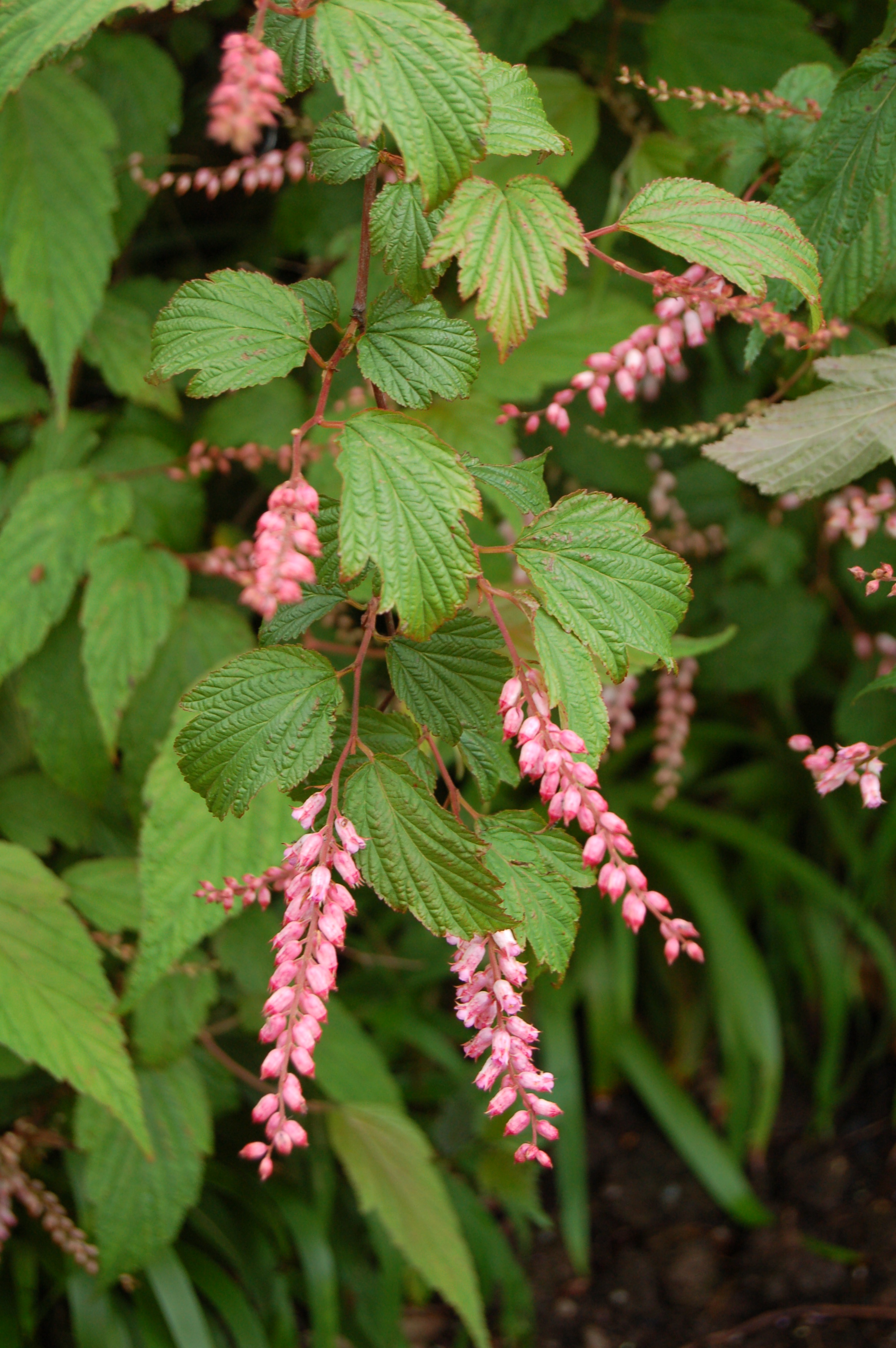
We came across this pink flowered shrub which although we had seen it before we could not remember what it was. It was a beautiful shrub. Any ideas?

I finish our May wander of this amazing garden with a few views from the rose walk looking over the River of Grasses.

2014 05 29_9867 2014 05 29_9869 2014 05 29_9870 2014 05 29_9871


Categories
colours flowering bulbs garden buildings garden design garden photography garden seating gardening hardy perennials ornamental trees and shrubs outdoor sculpture recycling sculpture spring bulbs spring gardening town gardens trees water in the garden

An Artist’s Back Garden

I often write and share my photos of gardens open to the public, often large and under the auspices of the National Trust or affiliated to the Royal Horticultural Society or smaller and open under the Yellow Book (NGS) scheme. Recently I wrote about a small garden owned by our friend and fellow Hardy Plant Society member Anne, in a post simply called “Anne’s Garden”. I shall be writing more about such gardens in this occasional series of posts of which this is the second.

We spent a few days down in Surrey in April staying in the lovely town of Farnham where my brother, Graham and his wife Vicky live. We re-visited that great garden, Nymans and it was good to see it at a different at a different time of year. We enjoyed a walk on “The Downs” for the first time ever and a walk around the old town of Farnham for the first time in decades.

But breakfast outside on an unusually warm spring morning in Graham and Vicky’s garden made me collect my camera as the light was so good. The sun was low in the sky so lit up the tiniest detail and the gentlest textures. Come with me and look through the lens of my trusty Nikon as we look around this artist’s garden.

One step out of the side door and immediately we have a clue as to what to expect.

2014 04 23_8658 2014 04 23_8661

The first view of the back garden shows how long and thin it is and how beautifully planted, and a look down the garden also finds Jude the Undergardener and my brother Graham enjoying breakfast in the sun.

2014 04 23_8663 2014 04 23_8676

2014 04 23_8734

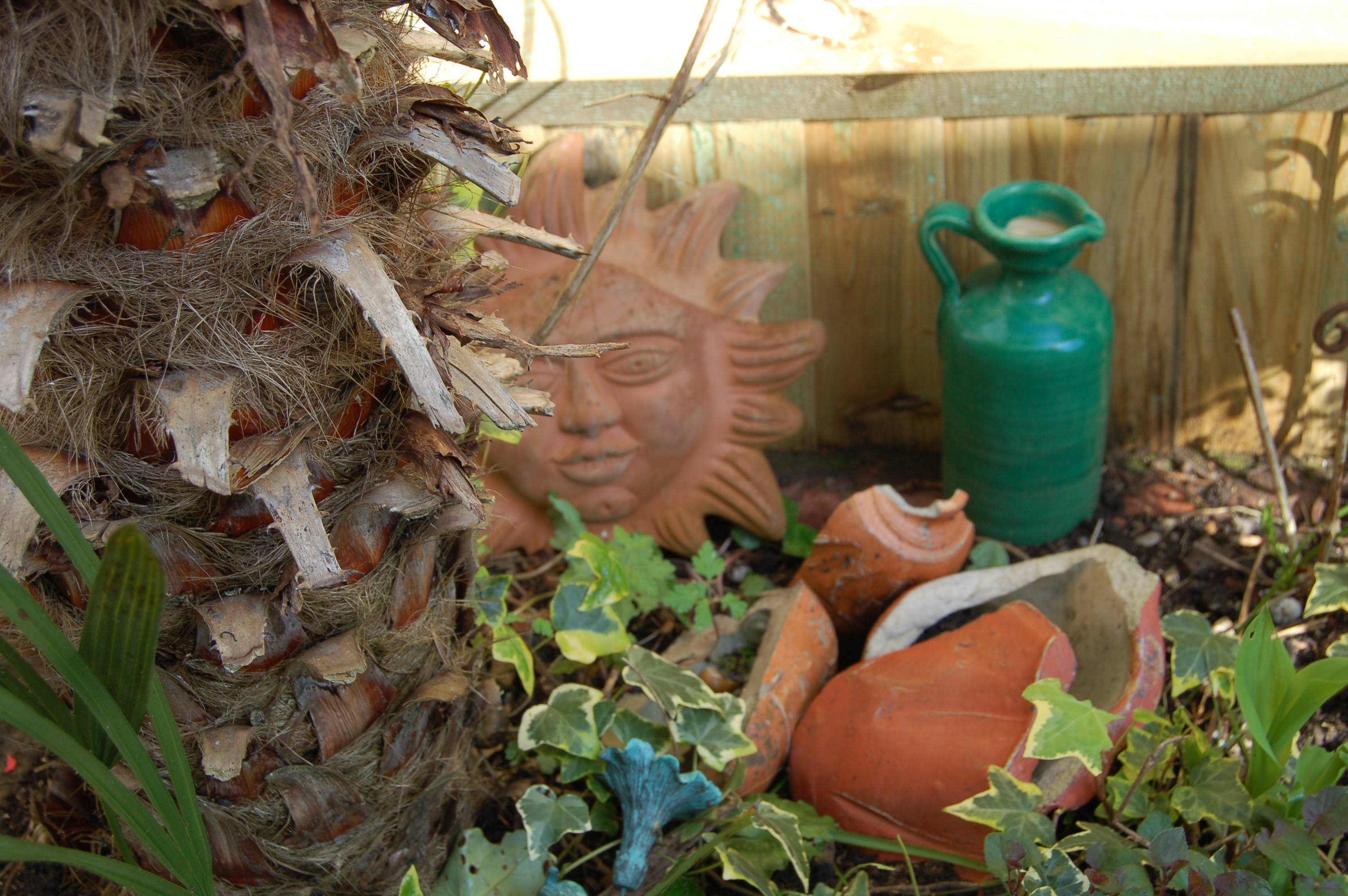
Sculptural pieces are found within the borders and look natural alongside the plants snuggling up to them.

2014 04 23_8665 2014 04 23_8666

Effective plant combinations are a strength of this garden, where foliage plays a key role.

2014 04 23_8667 2014 04 23_8673

2014 04 23_8672  2014 04 23_8674

2014 04 23_8702 2014 04 23_8713

But specimen plants stand out and make you stop for a second closer look.

2014 04 23_8659 2014 04 23_8668

2014 04 23_8670 2014 04 23_8671

2014 04 23_8669 2014 04 23_8681

2014 04 23_8695 2014 04 23_8696

2014 04 23_8710

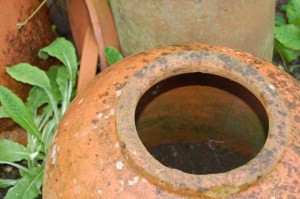
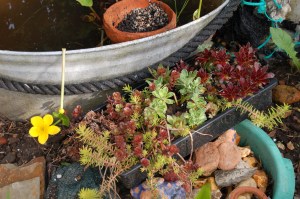
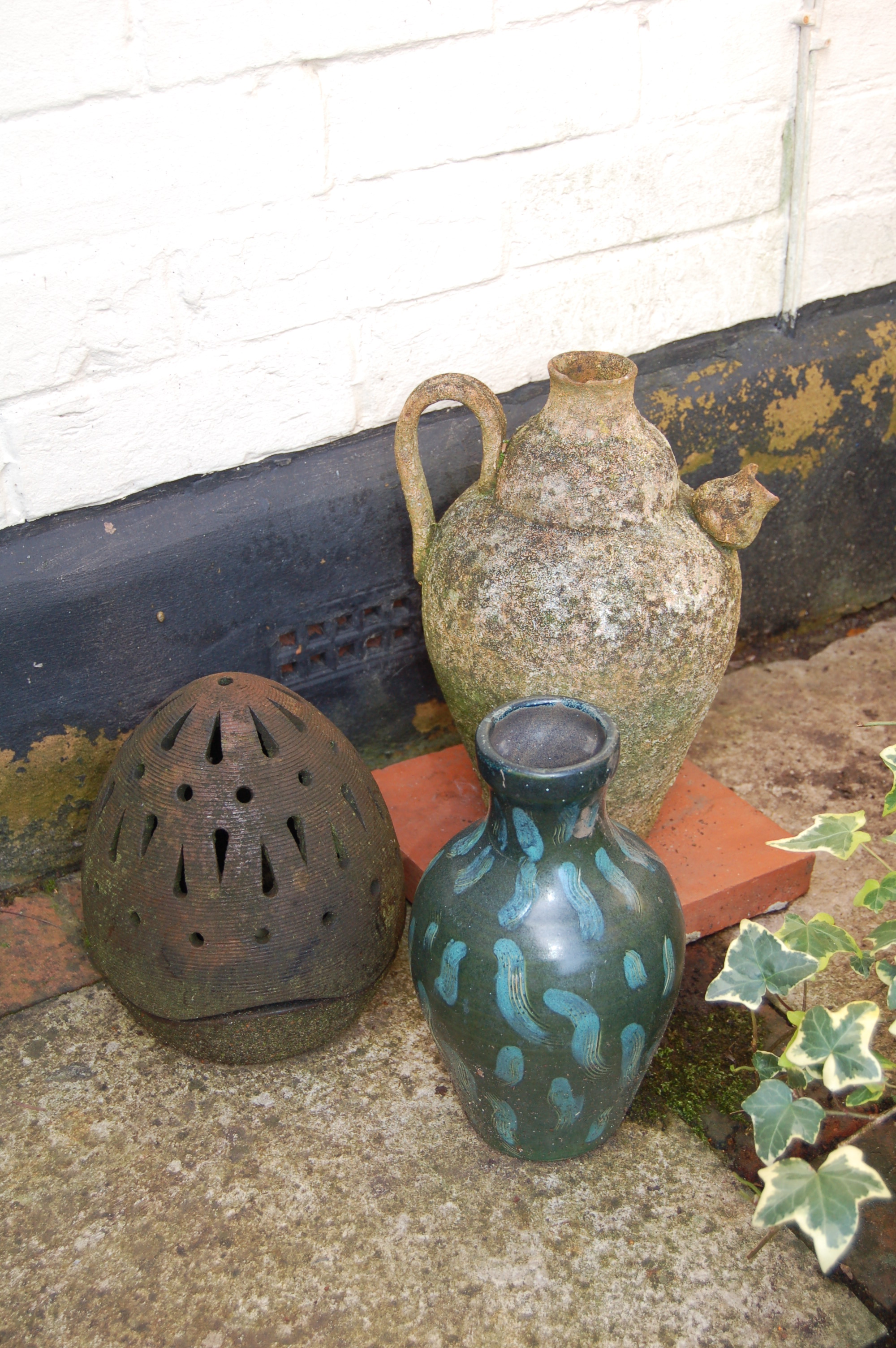
Containers of all shapes and sizes and made from all sorts of materials add more interest.

2014 04 23_8664 2014 04 23_8677

2014 04 23_8678 2014 04 23_8679

2014 04 23_8700 2014 04 23_8714

2014 04 23_8735

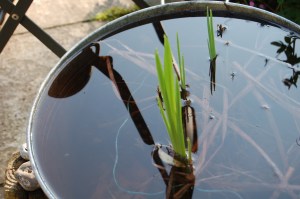
Early morning is definitely the time for shadows.

2014 04 23_8675

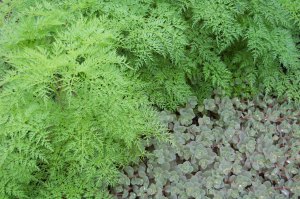
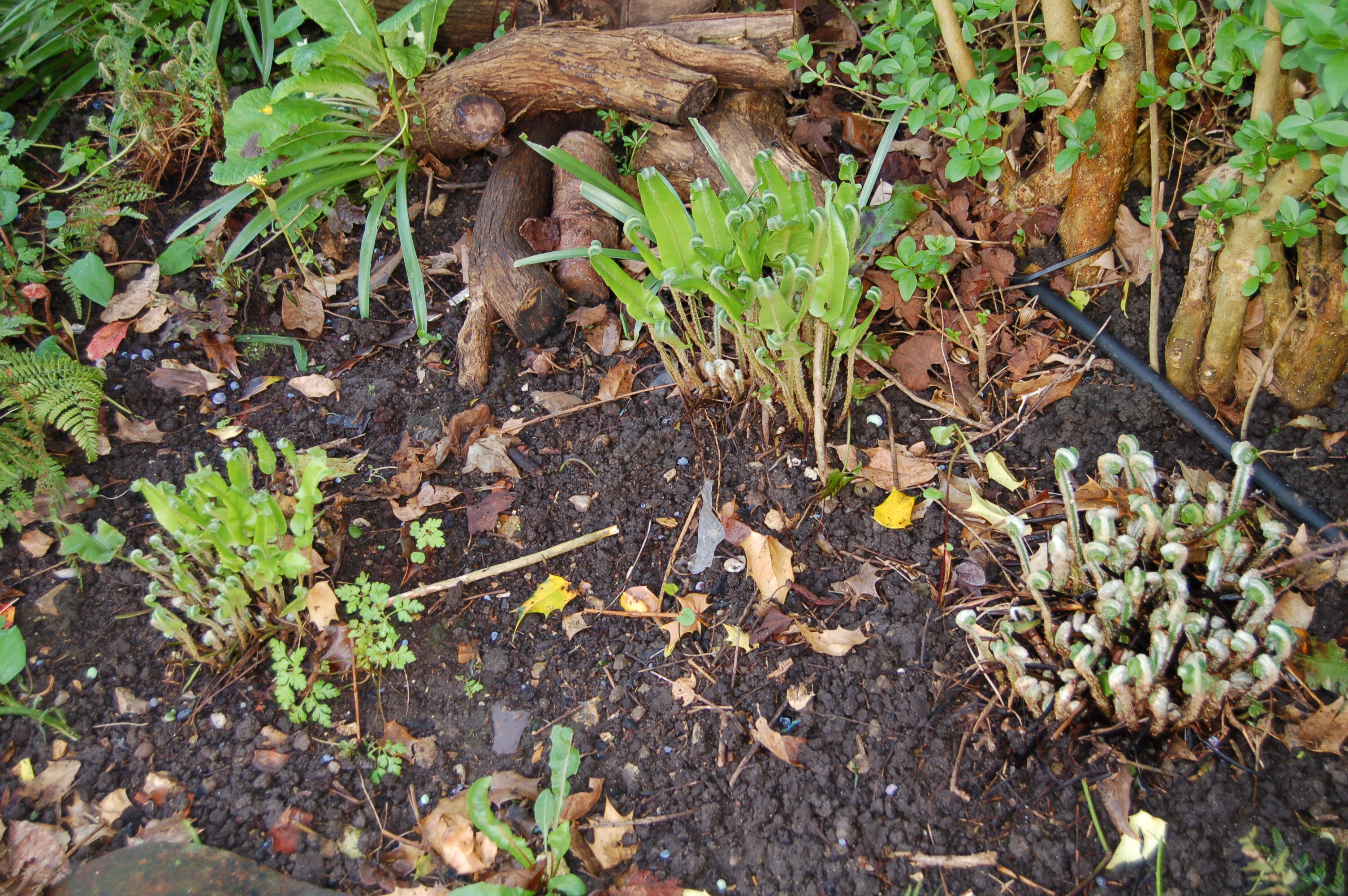
Close to the house the shady border is full of promise with new growth breaking through the soil with the ferns looking particularly dramatic.

2014 04 23_8684 2014 04 23_8685 2014 04 23_8686 2014 04 23_8712

2014 04 23_8737

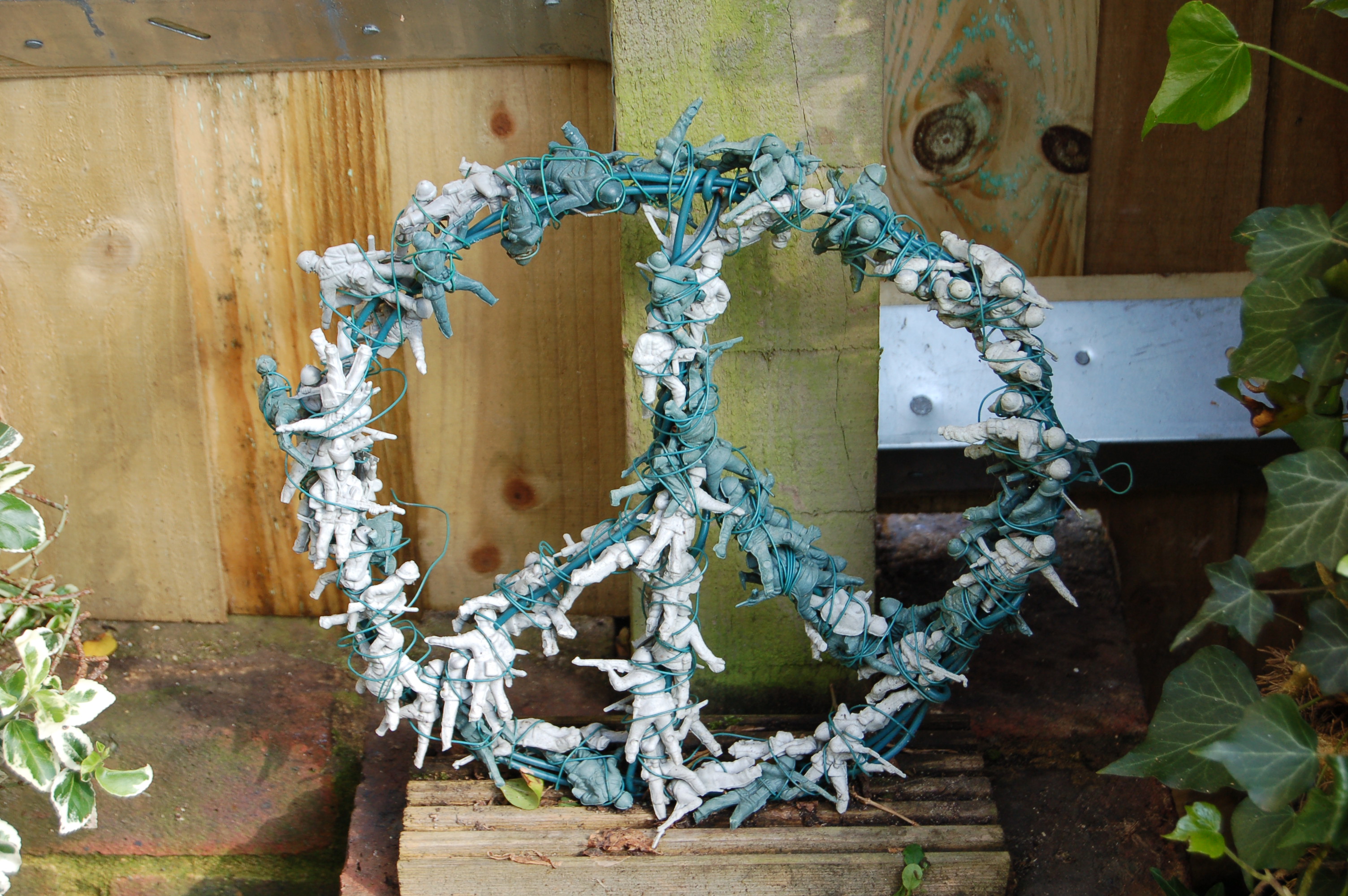
An artist’s garden has to be full of interesting objects and happenings.

2014 04 23_8688 2014 04 23_8690 2014 04 23_8691 2014 04 23_8692    2014 04 23_8697 2014 04 23_8708

2014 04 23_8698 2014 04 23_8699  2014 04 23_8701 2014 04 23_8704

2014 04 23_8706 2014 04 23_8707

2014 04 23_8715 2014 04 23_8736

An artist must have a studio and what better place for it but at the bottom of the garden! Close by is a closely planted group of Mountain Ash, sown by birds – a great feature which I have never seen before. Well done the birds!

2014 04 23_8703 2014 04 23_8723

2014 04 23_8729 2014 04 23_8730

But one thing that no gardener wants in the garden is snails and this garden is full of them! On the plants, climbing the fences, the house walls and even climbing up the window panes. They are everywhere!

2014 04 23_8717 2014 04 23_8716

So we shall finish off this look at Graham and Vicky’s garden with a few shots of the front garden, the last shot showing Graham kindly digging up a plant for us to take home for our own garden.

2014 04 23_8745 2014 04 23_8746  2014 04 23_8747  2014 04 23_8744

The next post in this occasional series about our friends’ gardens will feature a woodland garden of friends Pauline and Derek.

Categories
Italian style gardens outdoor sculpture Uncategorized

A Garden in March – Trentham

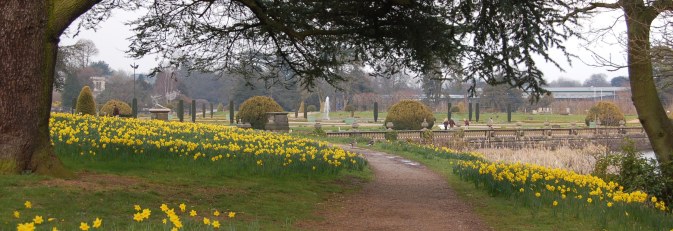
This post sees us visiting one of our favourite gardens to visit, Trentham, for the third time this year.

panorama trentham

We were hoping for slightly better weather for our March wander but it was cold and mostly overcast. The breeze was icy enough to make our eyes and noses run!

nb

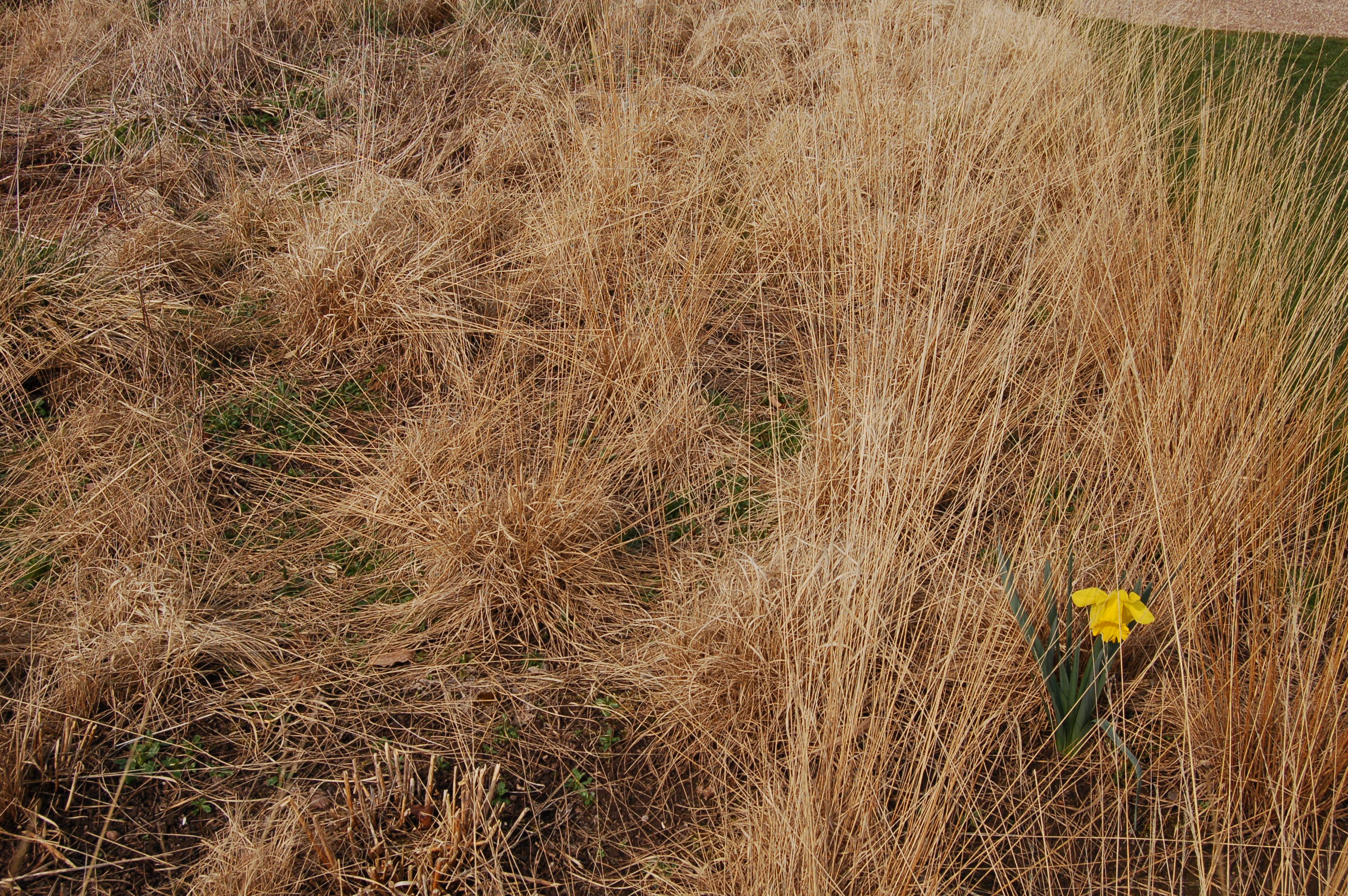
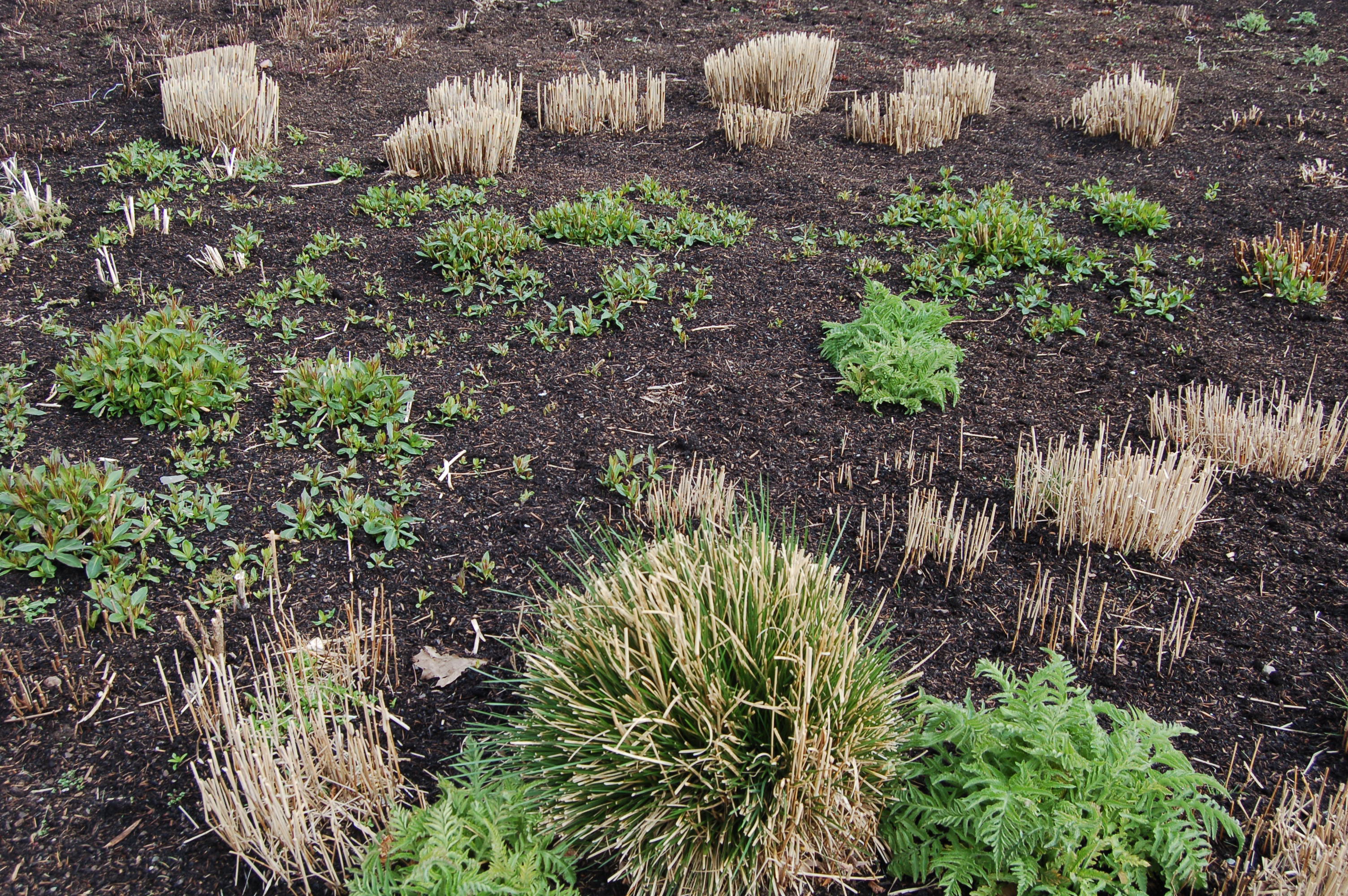
Passing over the bridge over the River Trent we get our first glimpse of the gardens and at first sight little has changed in Piet Oudolf’s River of Grasses. There remains a lot of straw coloured stems mostly now cut low to the ground but within them we found one lonely daffodil blooming away cheerfully. A joke by a gardener perhaps? A rogue that came in a wheelbarrow from the compost heap? Beneath the trees in the sweep of River Birches the chatreuse bracts of the euphorbias glow like swarms of glow Worm.

2014 03 27_7490 2014 03 27_7491

2014 03 27_7489 2014 03 27_7492

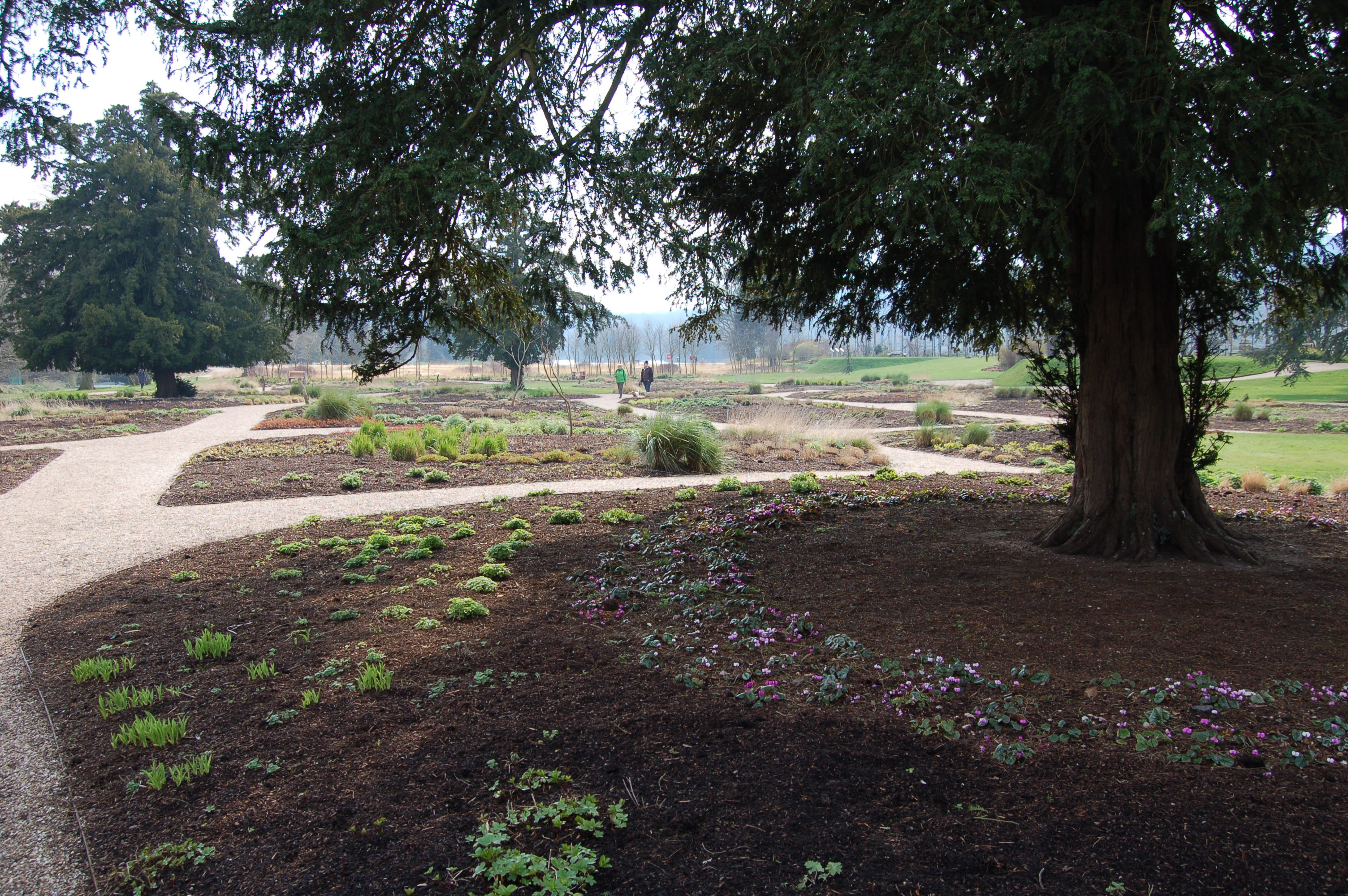
Moving into the Piet Oudolf prairie borders there are signs of strong growth on many perennials especially the Thalictrum, Papavers and Monardas. Beneath the old Yew trees the circles of Cyclamen continue to bloom for the third month running.

2014 03 27_7493 2014 03 27_7494 2014 03 27_7496 2014 03 27_7497

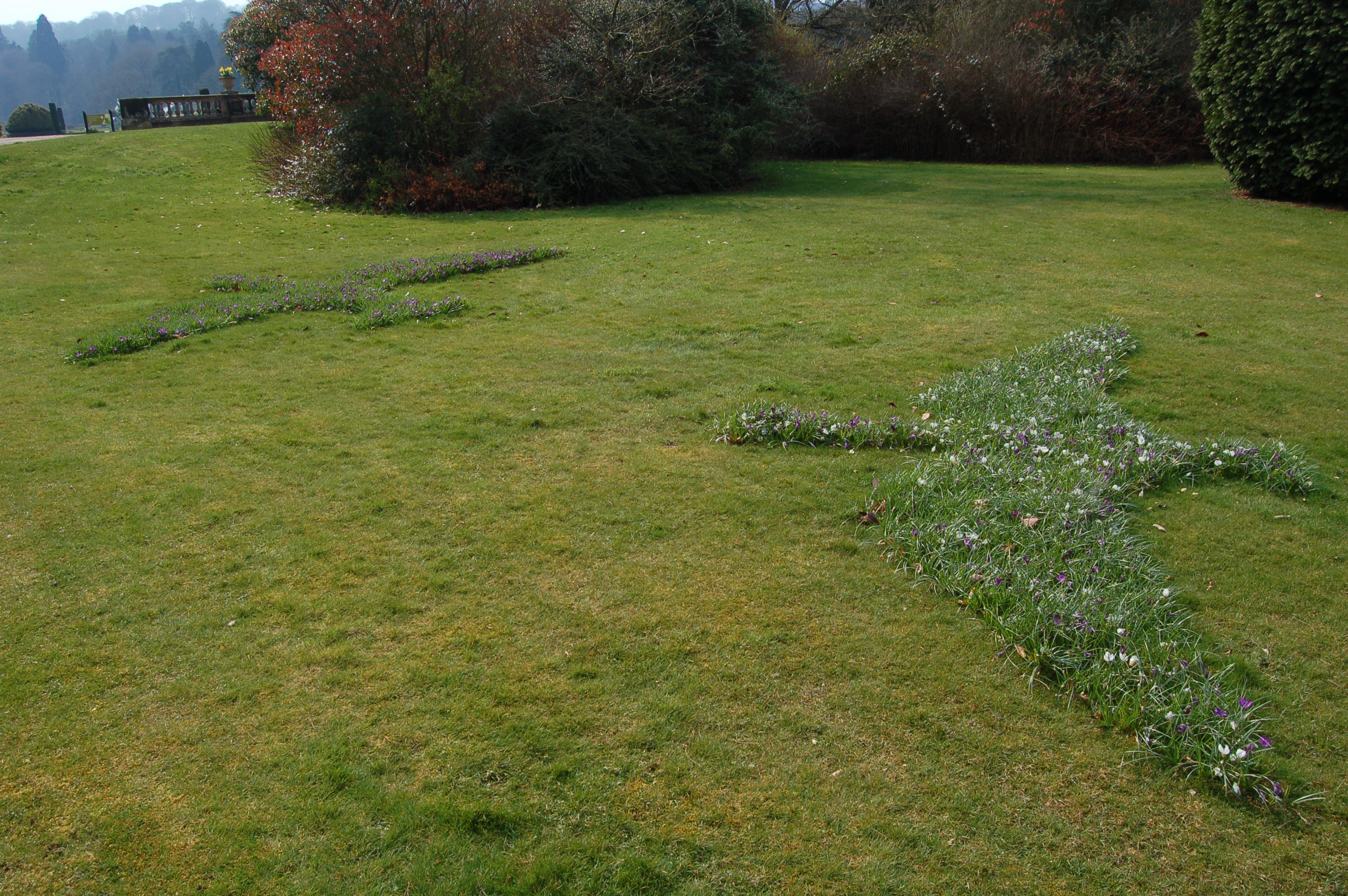
The only change with the Hornbeam arbour is that the leaf buds are on the verge of bursting and the gardeners have painted the bench. Nearby we found seagull shaped areas of crocus in the lawns just as last month we had found them created from snowdrops.

2014 03 27_7498 2014 03 27_7499

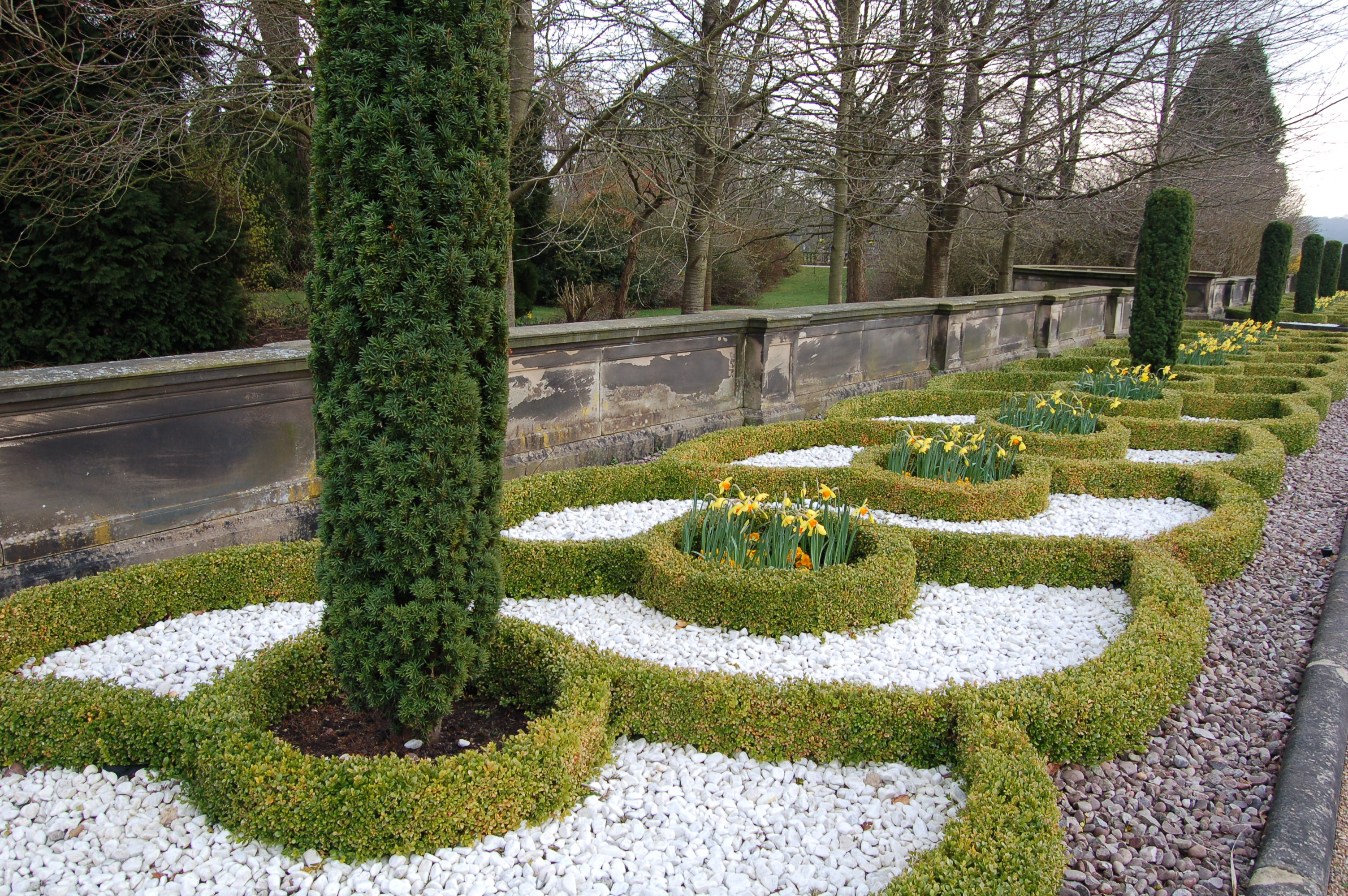
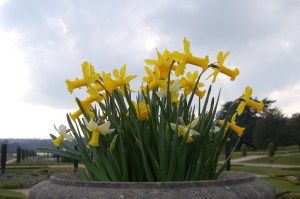
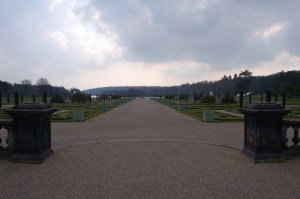
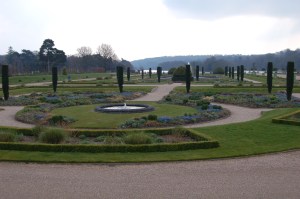
Moving through the Hornbeam tunnel we discovered that the Helebores we enjoyed so much in February were still going strong. When we reached the Italian Garden with their formal beds we found much more colour than on previous visits with daffodils, pansies and primulas flowering within the box hedging. A splash of yellow from a Forsythia matched the golden blooms of the daffodils growing in the urns along the stone balustrades. They were lovely daffs with clear yellow colour throughout and long trumpets with slightly reflex petals (flying backwards!).

2014 03 27_7501 2014 03 27_7502

2014 03 27_7503 2014 03 27_7504 2014 03 27_7505 2014 03 27_7508

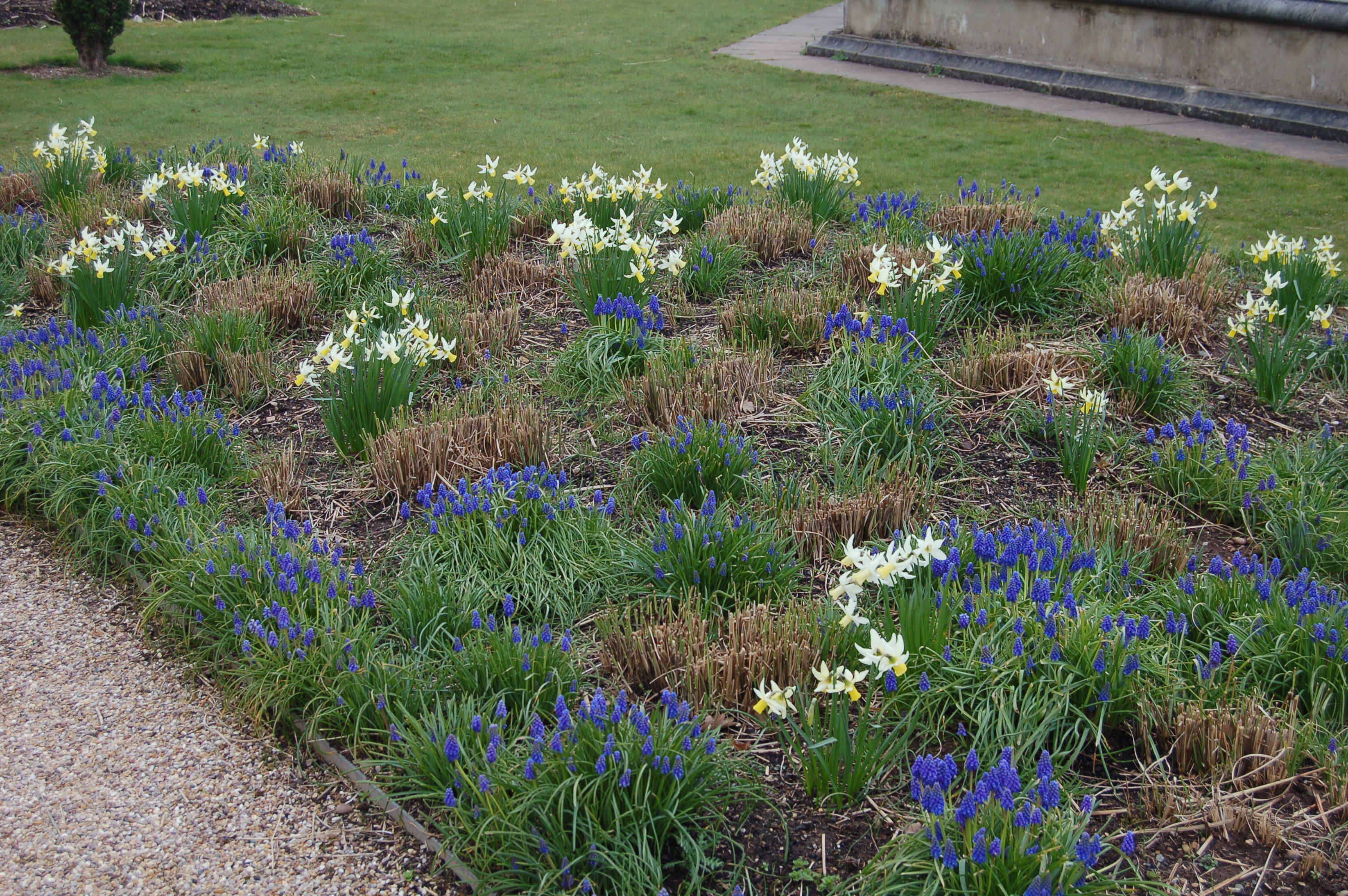
The distant view over the Tom Stuart-Smith Italinate Garden looked much the same until we peered over the ballustrades and we immediately noticed a sea of blue mist. On closer inspection we discovered the colour was from masses of Scillas. It is a good year for Scillas – such common little bulbs but such a brilliant blue that enhances everything that is alongside it. We found them with the fresh bronze-purple filigree foliage of fennel, with narcissi and with another small bulb which I think may have been Chionodoxa.

2014 03 27_7507 2014 03 27_7506

2014 03 27_7511 2014 03 27_7512  2014 03 27_7514 2014 03 27_7515 2014 03 27_7516

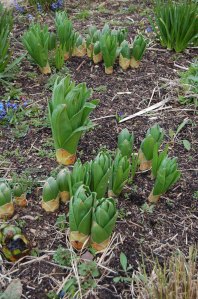
These huge, strongly bursting bulbs we believe may be Cardiocrinum gigantium. We shall find out on future visits.

2014 03 27_7513 2014 03 27_7517

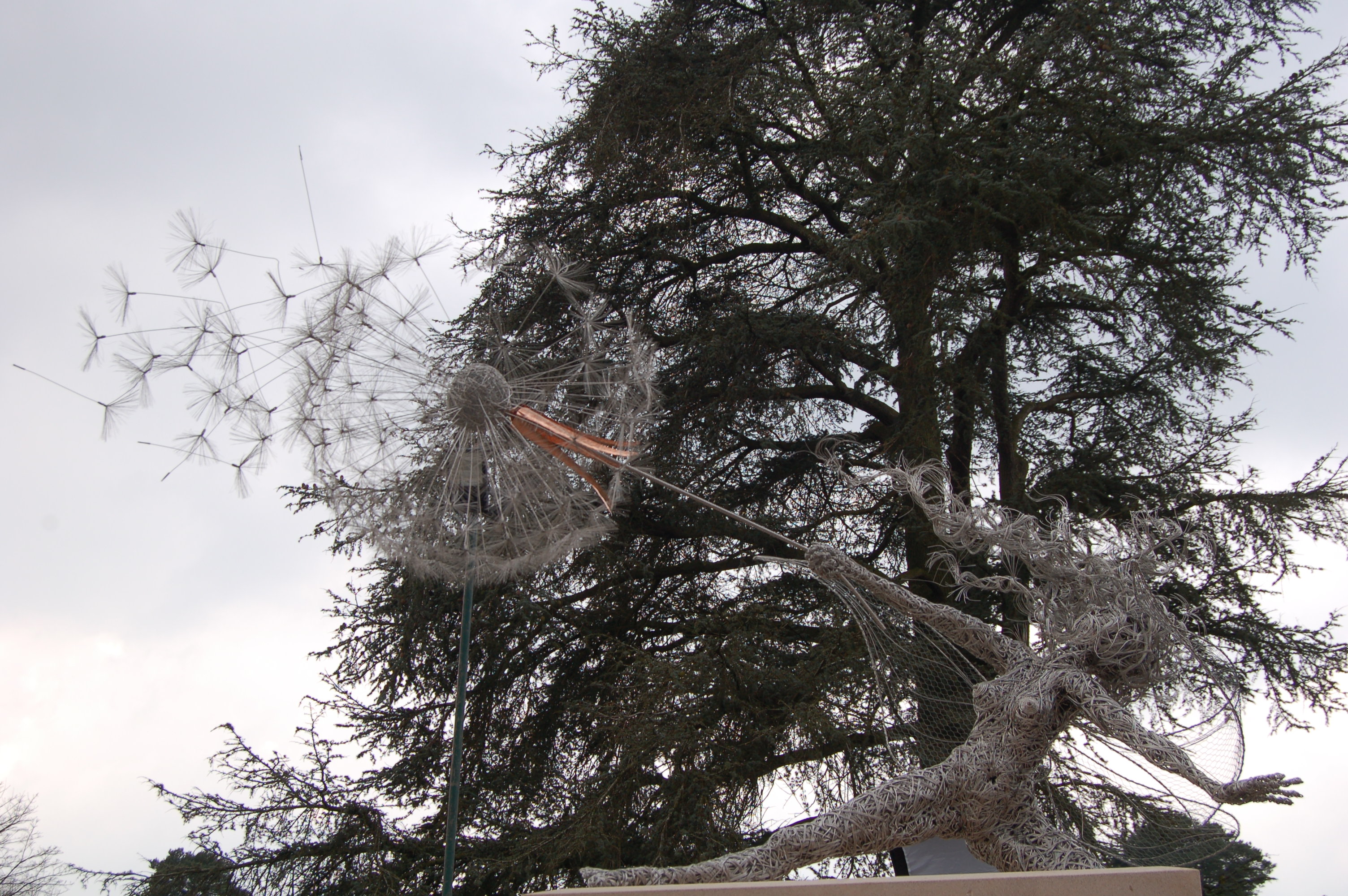
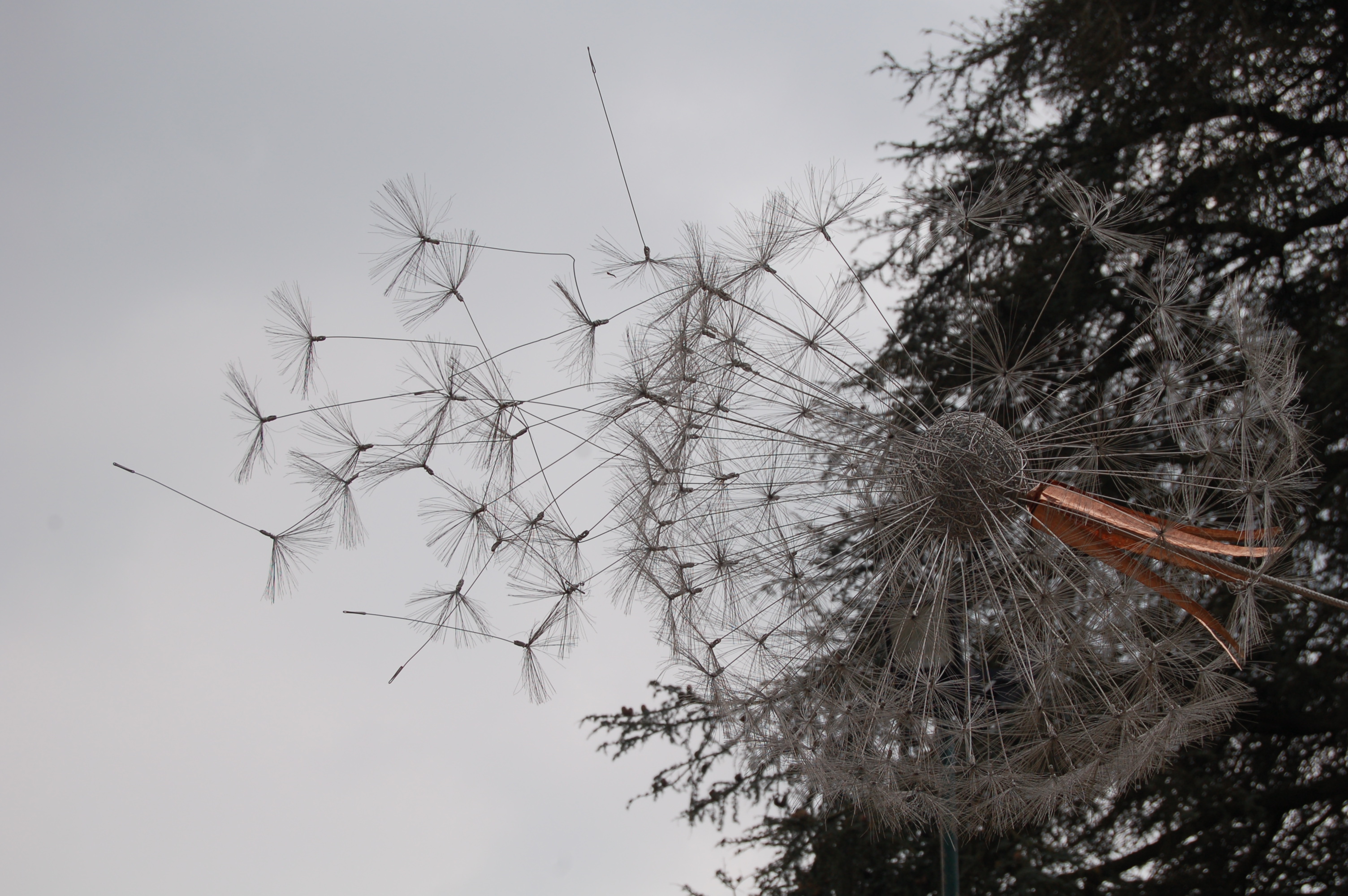
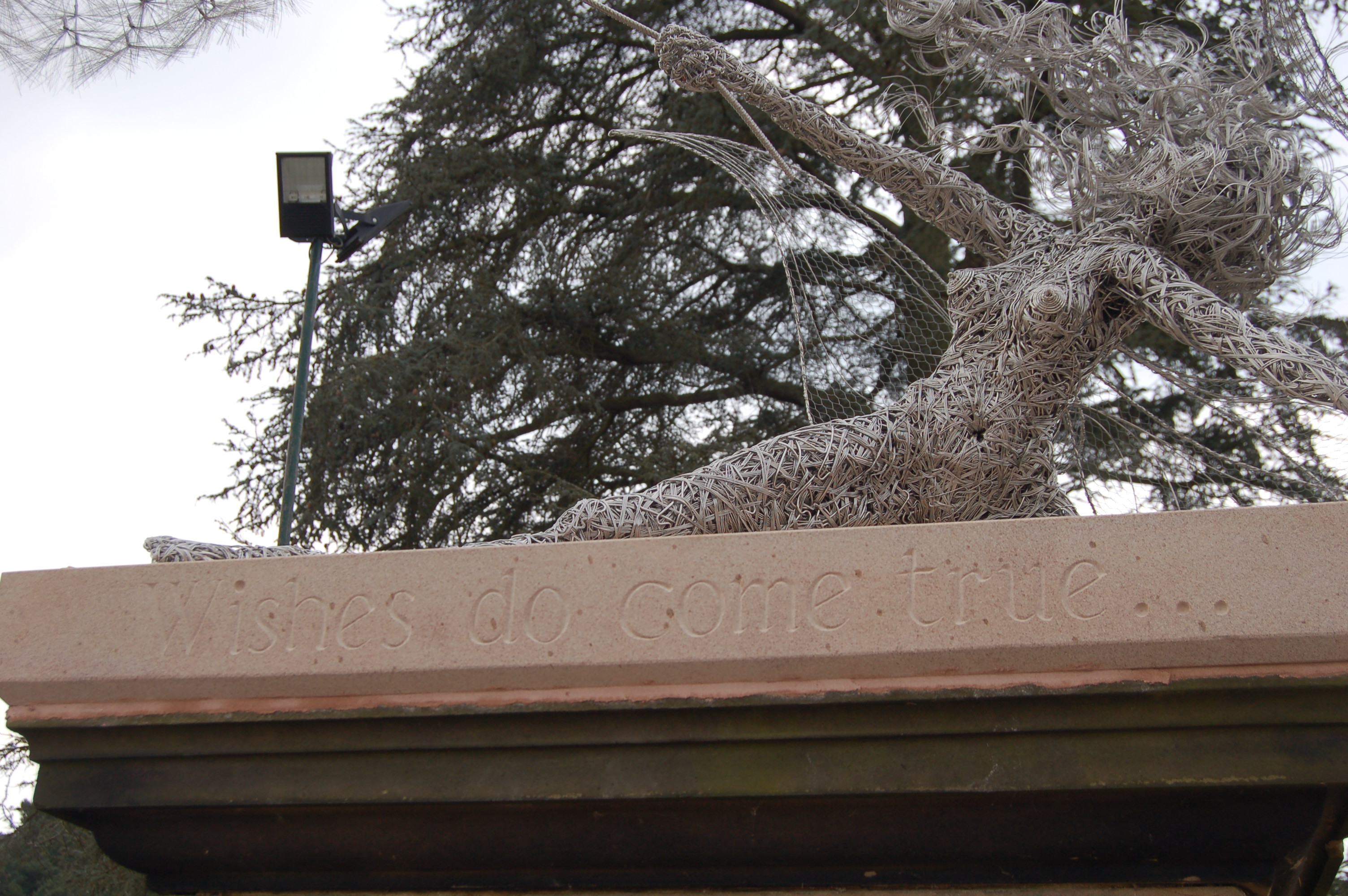
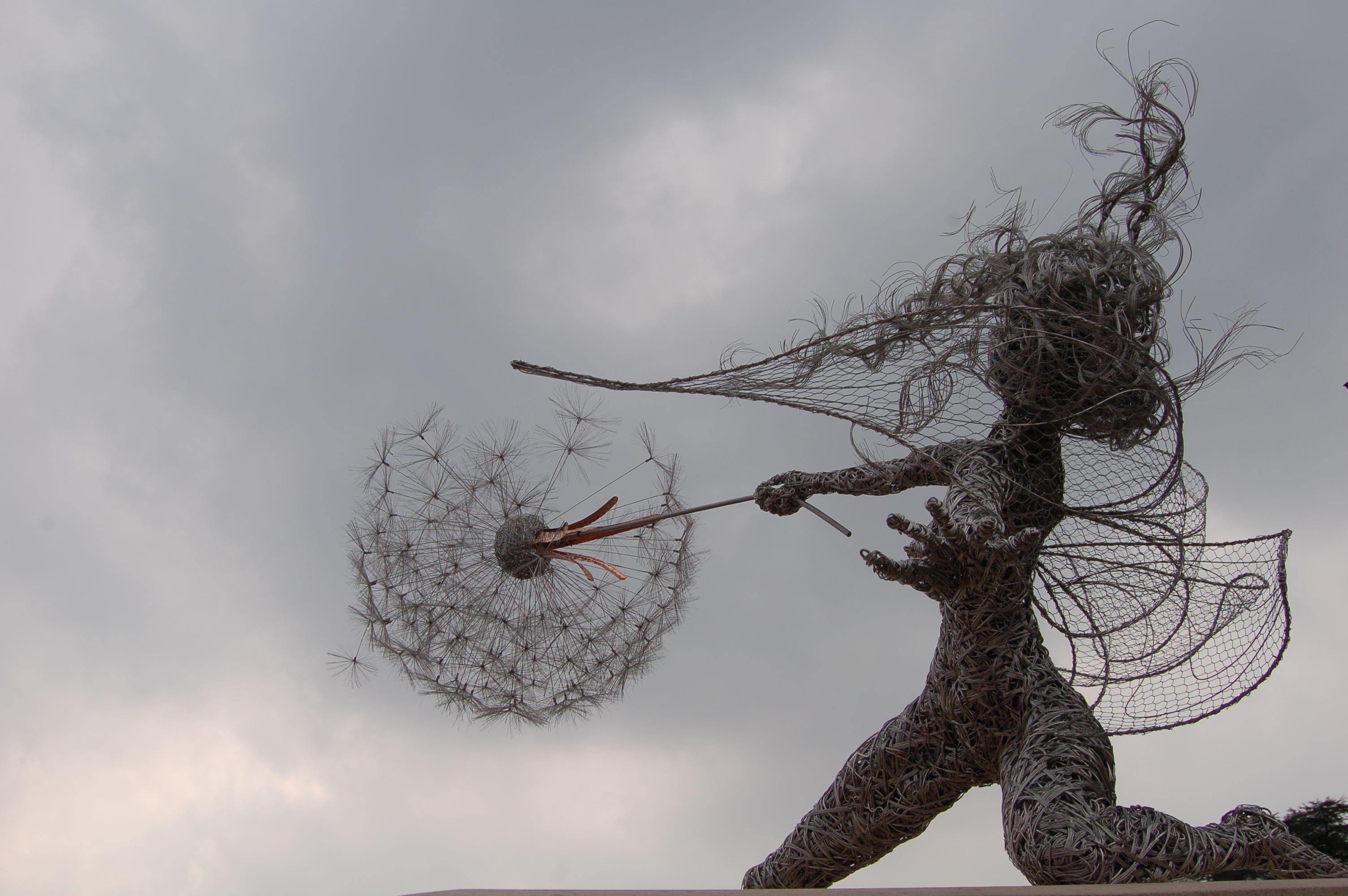
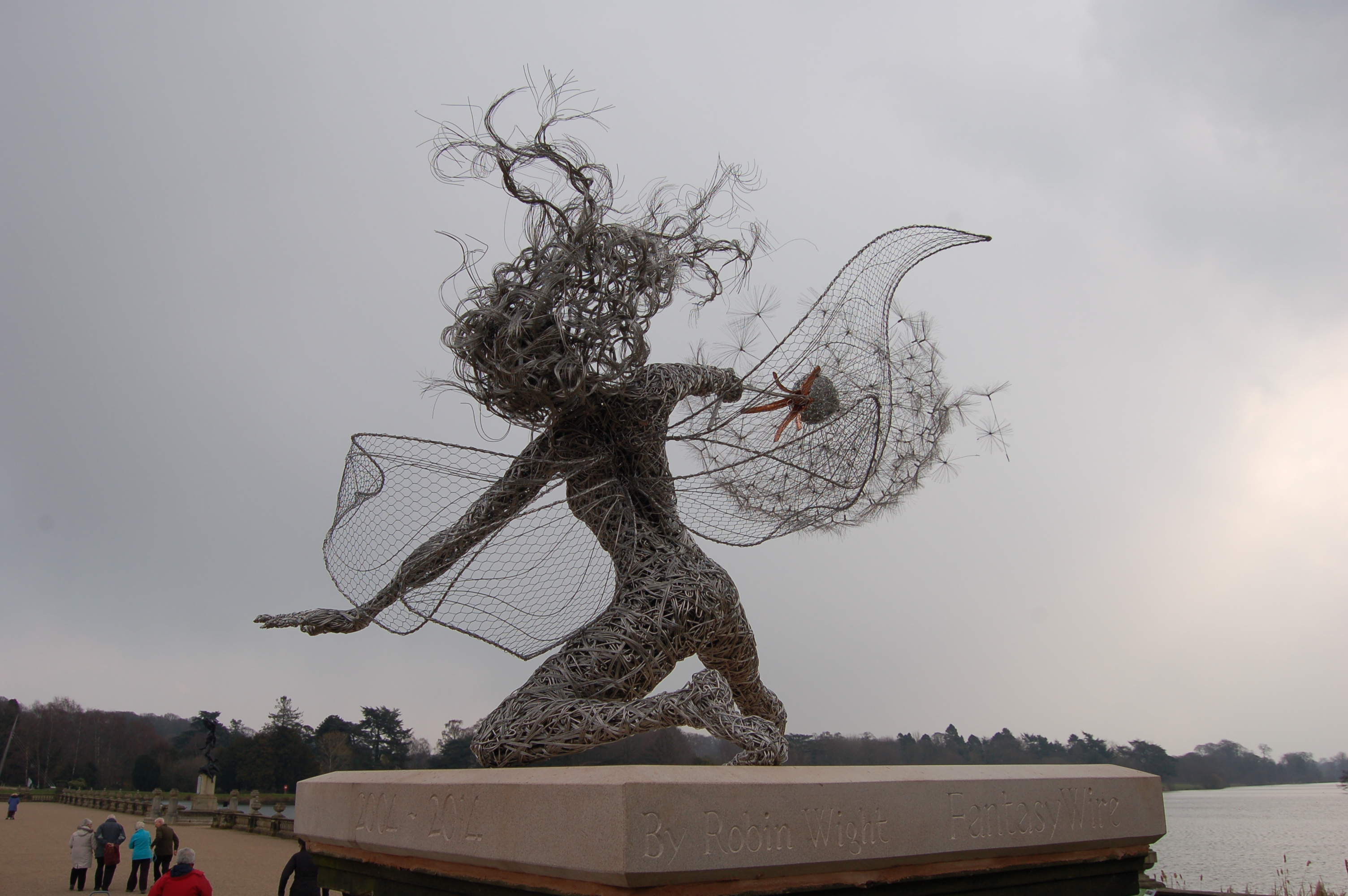
Moving from Tom Stuart-Smith’s garden towards the old parkland we came across a new addition to the collection of fairy sculpture dotted around the gardens. This new one is by far the best, a fairy blowing the seed parachutes from a dandelion seedhead. So delicate! My photos do not do it justice.

2014 03 27_7518 2014 03 27_7519 2014 03 27_7521 2014 03 27_7522 2014 03 27_7523


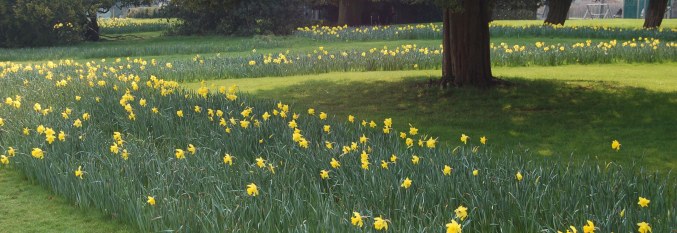
We were enjoying the sight of thousands of daffodils growing in the lawns when a sudden shower of icy rain and hail forced us to take an early coffee break but we were soon wandering again through the “display gardens”. You can see that the first picture of the daffs was taken through a haze of rain.

2014 03 27_7534 2014 03 27_7524

2014 03 27_7528

2014 03 27_7526 2014 03 27_7527  2014 03 27_7529 2014 03 27_7530 2014 03 27_7532  2014 03 27_7531


Watch this space! One area of the display gardens was being re-developed so we shall have something new to discover on our April visit. There were some exiting metal structures going up but apart from that we couldn’t even guess what the gardeners and landscapers were up to.

2014 03 27_7533

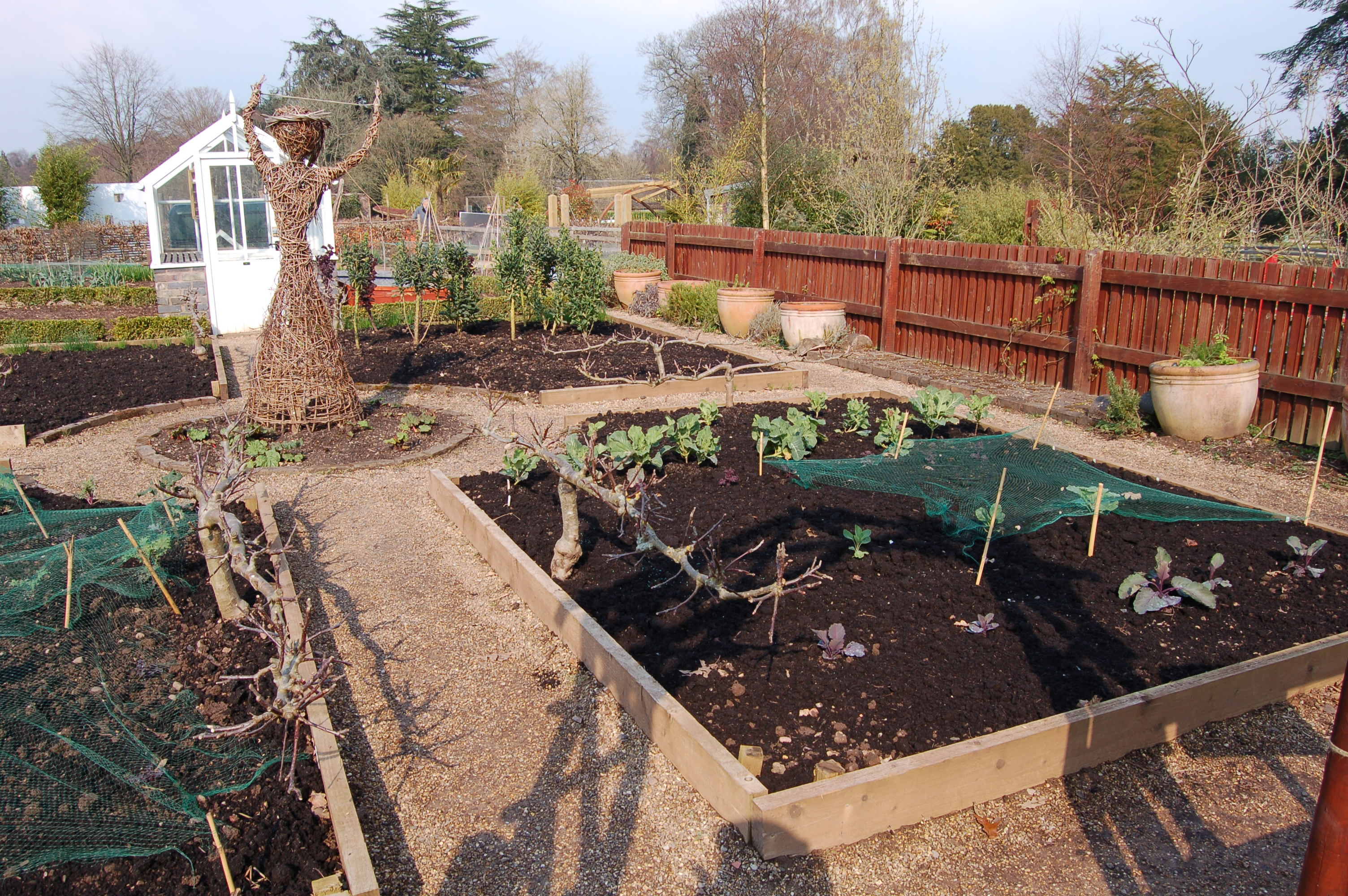
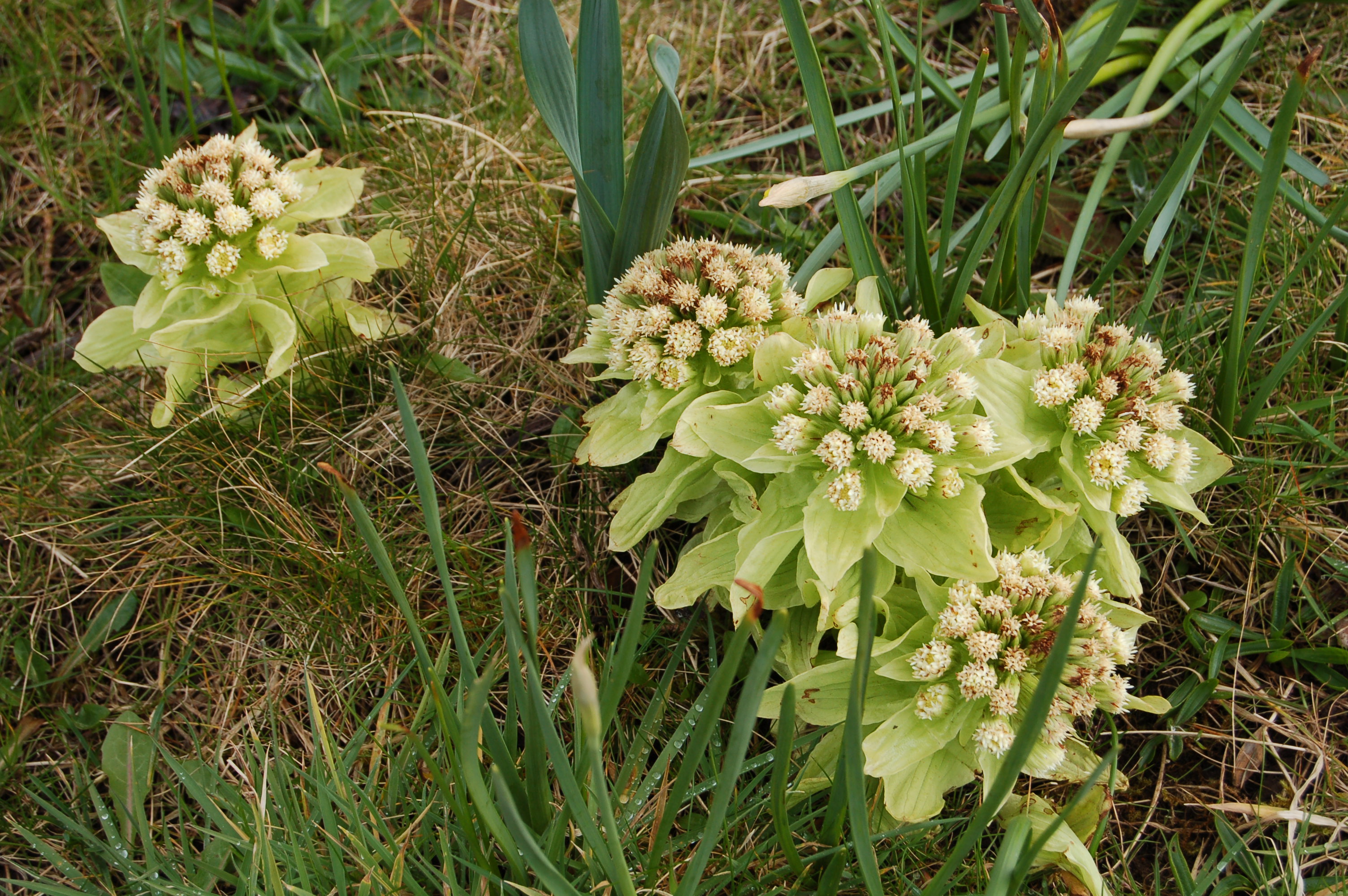
We took a detour into a part of the gardens that we did not even know existed – a short woodland trail. We couldn’t access it all as work was being done to the fire pit area but we liked what we saw. Sadly the visit to the bird hide was a waste as the multitude of bird feeders hanging there were empty! The woodland is alongside the lake and on the lakeside we found batches of this mysterious looking plant with yellow-green flowers in a tight umbrella shaped head. Does anyone recognise it?

2014 03 27_7536  2014 03 27_7538 2014 03 27_7539 2014 03 27_7540

Den building was an activity provided for the children and it looked as if they had been enjoying being creative.

2014 03 27_7541 2014 03 27_7542 2014 03 27_7543 2014 03 27_7544 2014 03 27_7545 2014 03 27_7546

2014 03 27_7548 2014 03 27_7550

Making our way back to the car we passed the rose border where perennials were coming into growth strongly. The view through to Piet Oudolf’s River of Grasses looked just as it did last month. The roses were making new growth especially the climbers. We found a colourful planting of hellebores and Brunnera “Jack Frost” as we left the garden which was a real bonus.

2014 03 27_7552 2014 03 27_7553 2014 03 27_7554 2014 03 27_7555

I shall close with my one successful photo of the fairy sculptures – at least one worked! So we are now looking forward to out April visit when there should be a lot of change. The growth rate will be accelerating nicely by then.

adce


Categories
architecture canals outdoor sculpture Yorkshire

A Week of Culture – Part 4 – The Hepworth Wakefield Gallery

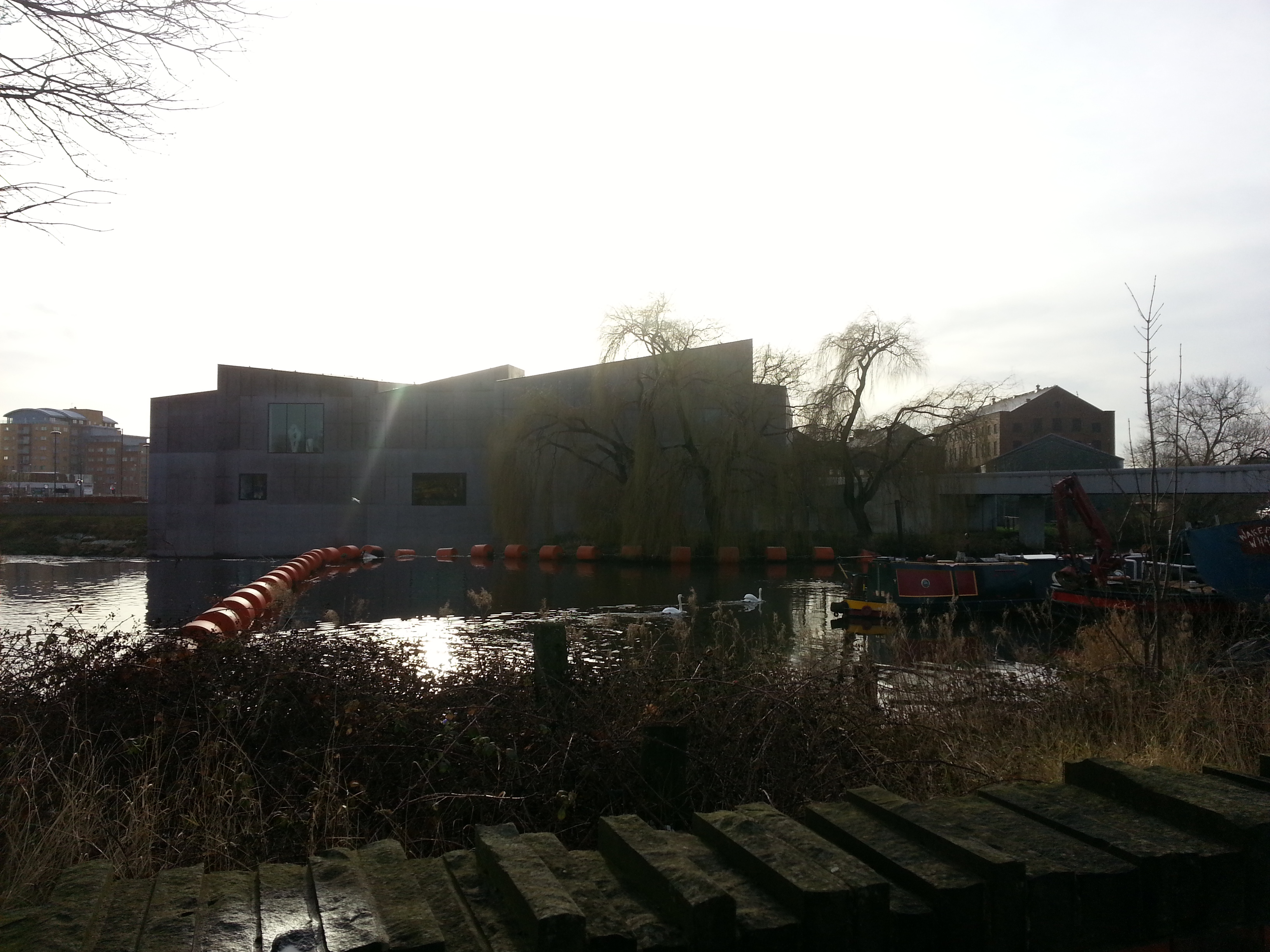
Part Four of our culture week sees us visiting the new Hepworth Wakefield Gallery within the city of Wakefield in Yorkshire. Wakefield has been graced with a new gallery partly dedicated to the work of Barbara Hepworth as it was the city of her birth.

2014 01 26_6119

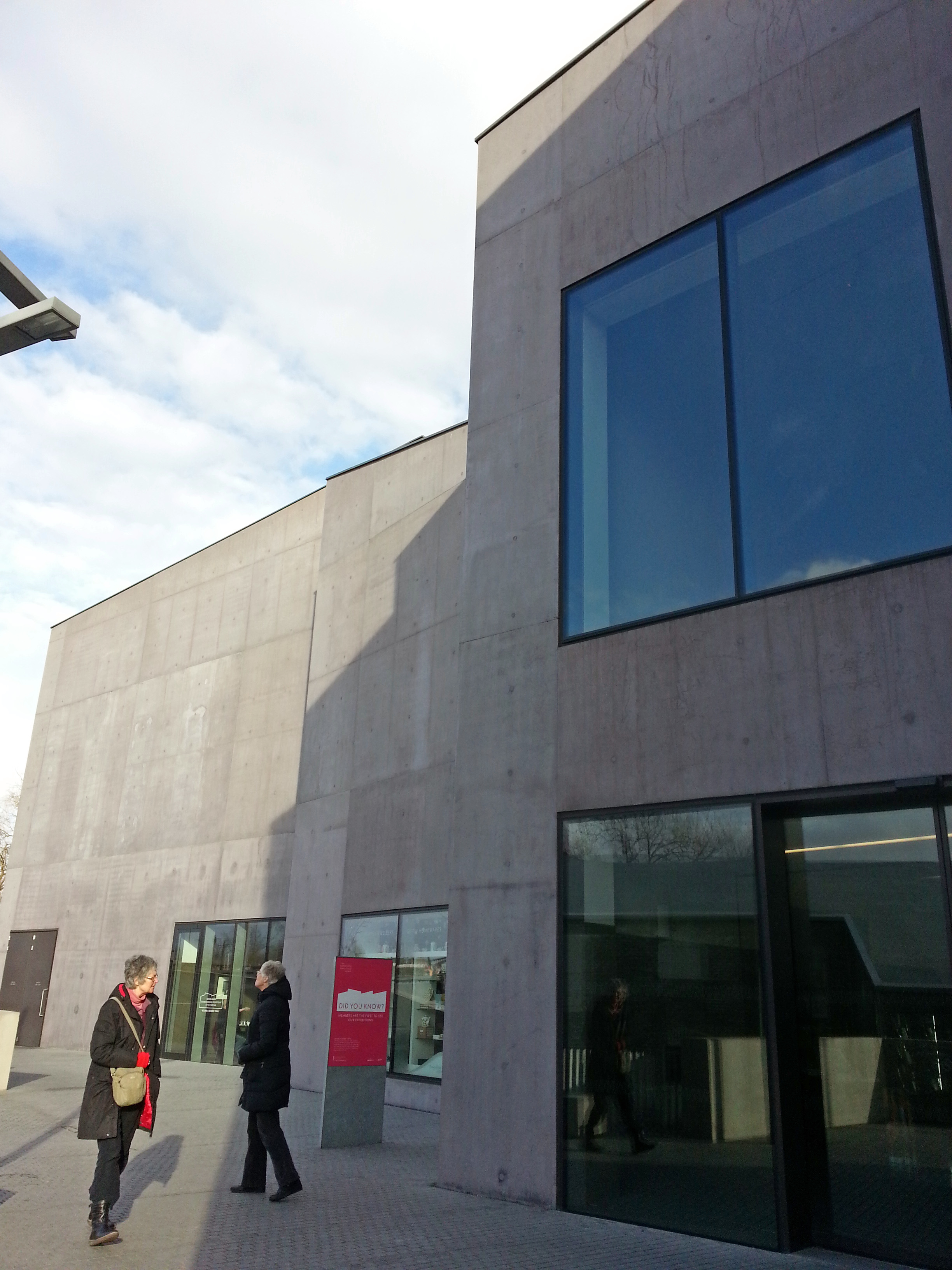
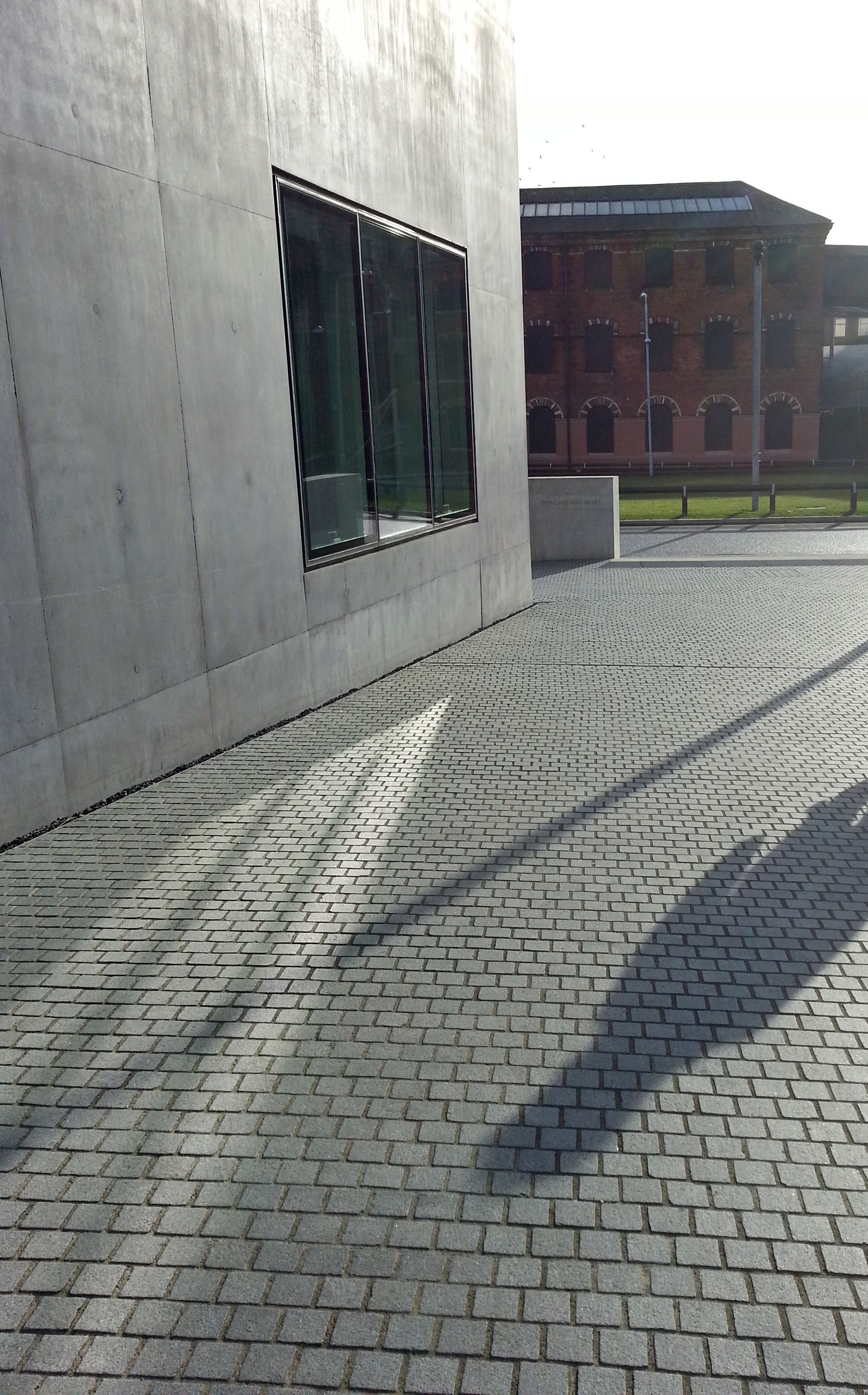
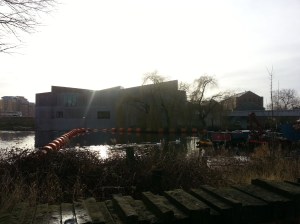
We had seen photographs of this newly constructed gallery and had wanteded to visit since its opening. The building itself is an imposing grey structure based on slightly irregular cubes and cuboids. A long dramatic walkway over the canal took us over moored barges with their wood fires adding the aroma of burning wood to the misty damp atmosphere.
2014 01 26_6120 2014 01 26_6121

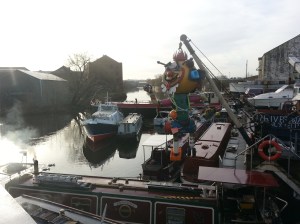
From the walkway we spied this character hanging from a crane in the metal reclamation yard alongside the canal. He is made up of all sorts of scrap materials and from a distance he looks as if he is made of huge sweets – liquorice allsorts.
2014 01 26_6122 2014 01 26_6123

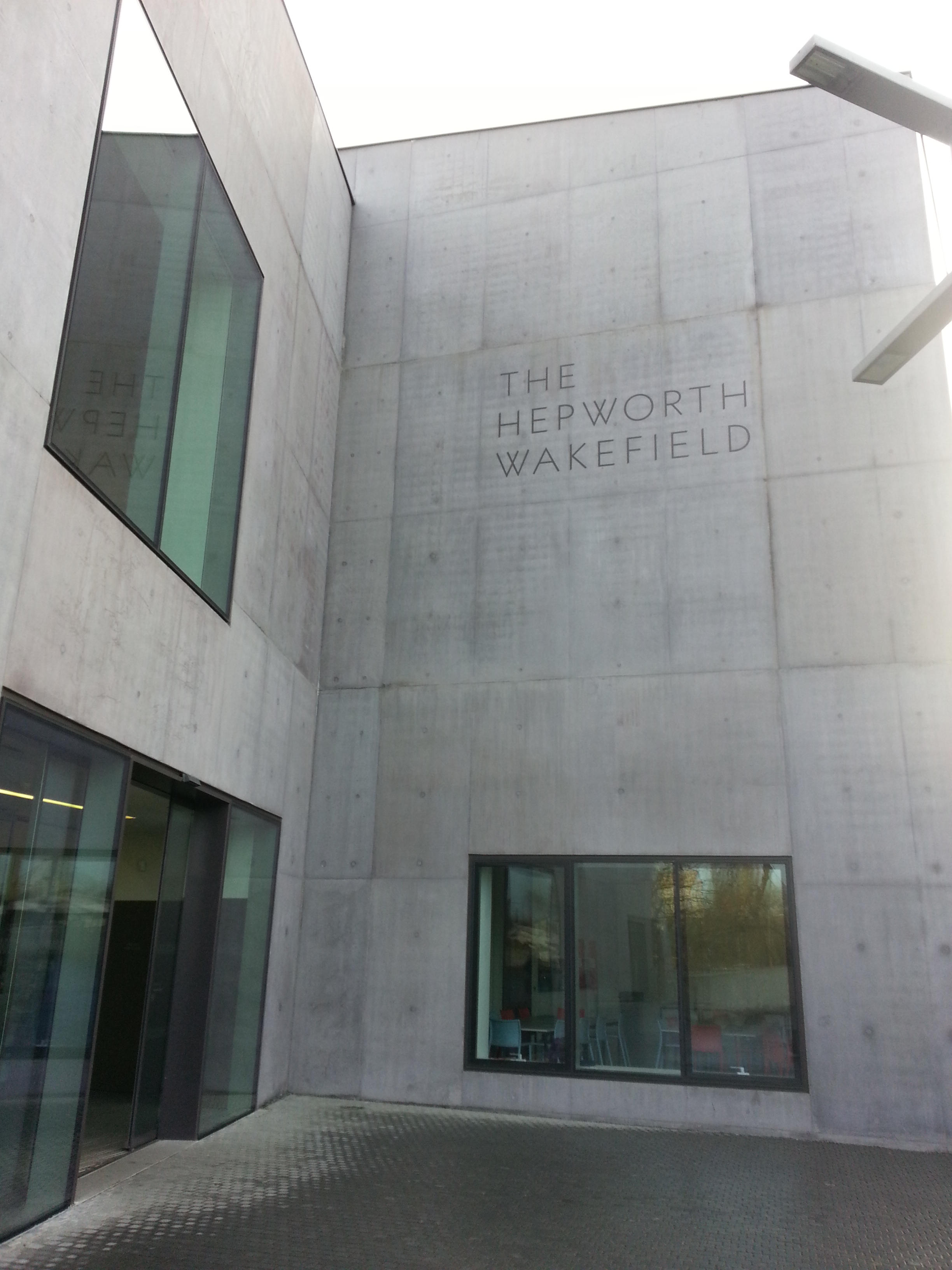
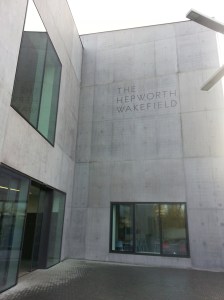
As we got close to the entrance we realised just how vast this gallery is with its grey slabbed sides rising up above us.
2014 01 26_6124   2014 01 26_6127

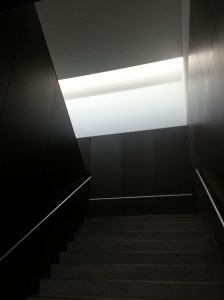
Inside, the building is equally dramatic with deeper greys and black being the dominant colours in the spaces outside the gallery rooms themselves, which as expected are all of a stark white. The outside surfaces are matt in sharp contrast with the shining interiors.
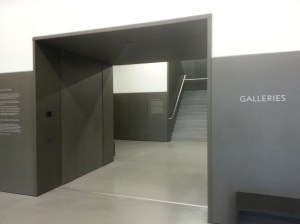
2014 01 26_6126 2014 01 26_6125

With all these straight lines and monochrome surfaces that constitute the fabric of the buiding the art work on show would need to be good and well displayed to brighten the visitors’ experience along with some comfortable seating on which to sit and appreciate the art works. People also make a difference and we received a warm welcome from the smiling face behind the reception desk.

The first gallery contained a couple of pieces by British sculptor Henry Moore – Reclining Figures. They looked good with plenty of space around them and with bright even lighting. But our warm welcome from the receptionist was somewhat negated by the steward in this room who called across at me “You are not allowed to touch them!” when I was pointing out a particularly nice curved line. Sadly because of this we didn’t stay so I failed to photograph Moore’s work. We put it down to bad training and moved on quickly to the next gallery where a delightful surprise awaited us.

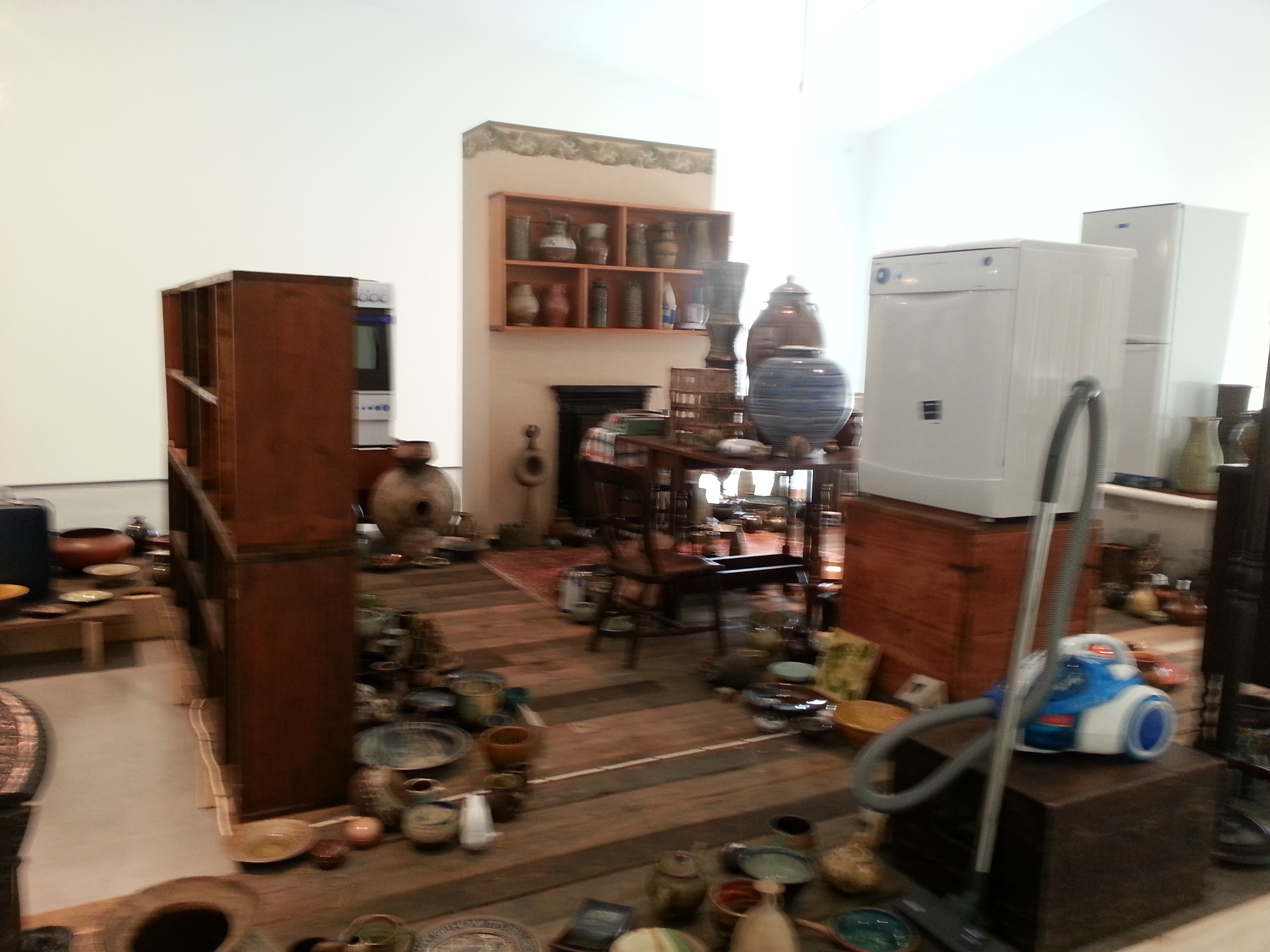
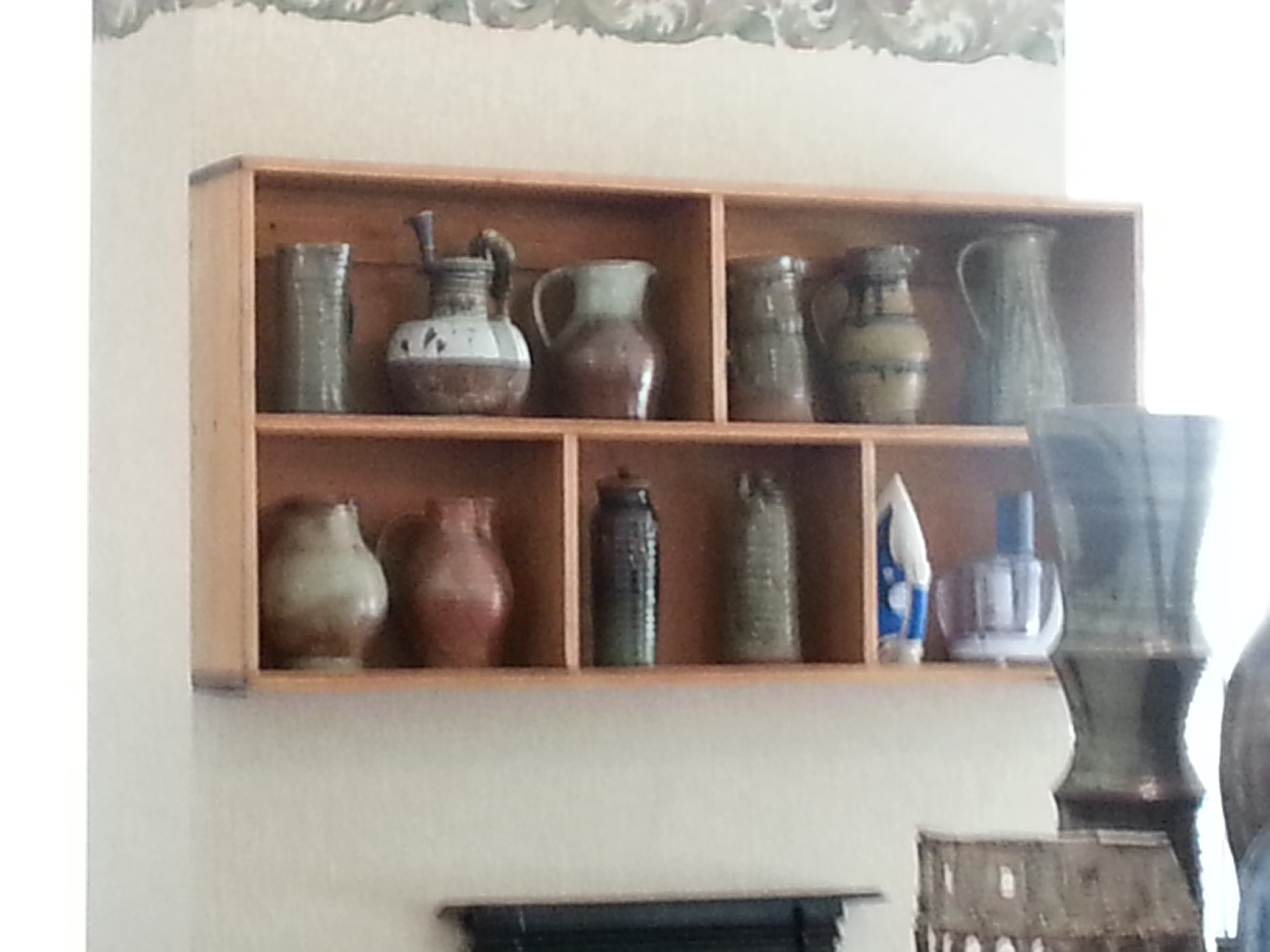
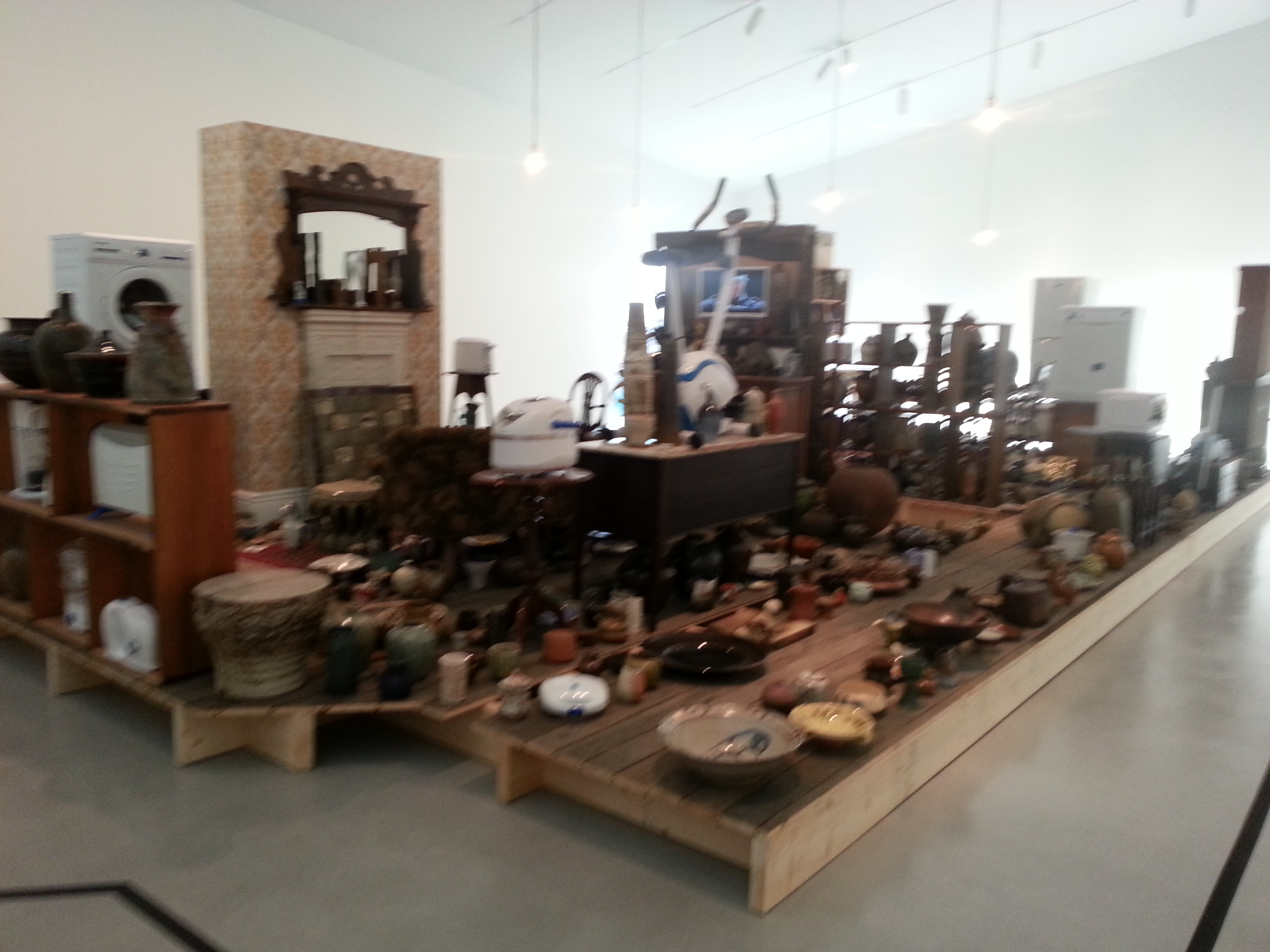
We were taken aback as we were confronted by a crazily overcrowded room set. This was the collection of William Alfred Ismay. At first it looked a jumble of worthless pieces of junk thrown together in what is often put forward by some artists as sculpture. We once saw a garden shed in a gallery  full of old dusty tools looking as if it had been lifted from a vegetable patch and dropped in the gallery – it even had a radio playing. The gallery presented it as an important installation and went on to propound its value as a work of art. We didn’t buy into that and we had a feeling we might be in for a similar experience here. But no! Here was a collection accumulated over decades by a local Wakefield librarian who became an obsessive collector of quality ceramics. His home became filled to the brim with them covering every surface even the table at which he ate his meals, leaving a little gap just big enough for his plate! A close look among the jumble of items led us to discover pieces from potters whose work we recognised. Most of the well-known 20th century potters and ceramists were in fact represented. Wandering around the room set became a voyage of discovery picking out beautiful pieces from amongt the cheap white goods of his era. The pieces were displayed on pieces of Ismay’s furniture and the whole set up was like looking into his house with the walls stripped away.

2014 01 26_6128 2014 01 26_6129 2014 01 26_6130 2014 01 26_6131 2014 01 26_6132

In the gallery where Ismays collection was displayed we were again made to feel uncomfortable. A black line surrounded the display and a sign asked visitors not to step over it. Sadly as we walked around the young room stewards followed our every move keeping a close eye on our feet. This must again reflect their training because when we engaged them in conversation they were very pleasant, knowledgeable and enthusiastic.

The third gallery we entered was spotlighting the work of American artist Dana Schutz. This is the New York based painter’s first UK exhibition. Her large extremely colourful work did not appeal to either myself or Jude as we found them disturbing in an unpleasant way. This gallery though did give them the space needed to appreciate them coupled with excellent lighting. If you were a Schulz fan you would have appreciated how good they looked in this setting. You can see the hard surface of the bench here. It didn’t invite you to sit and peruse the paintings and did nothing to soften the hard lines of the building and whiteness of the room. Comfortable benches which invite the visitor to sit and consider a piece in more depth are sadly lacking throughout the gallery.
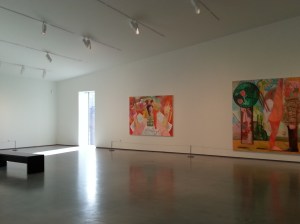
2014 01 26_6136

We moved through galleries displaying the work of Albert Wainwright whose work varied a great deal, from simple book and magazine illustrations to landscapes of Northern England and the occasional poster. Photography was not permitted in this room.

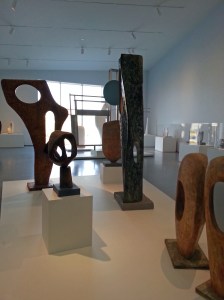
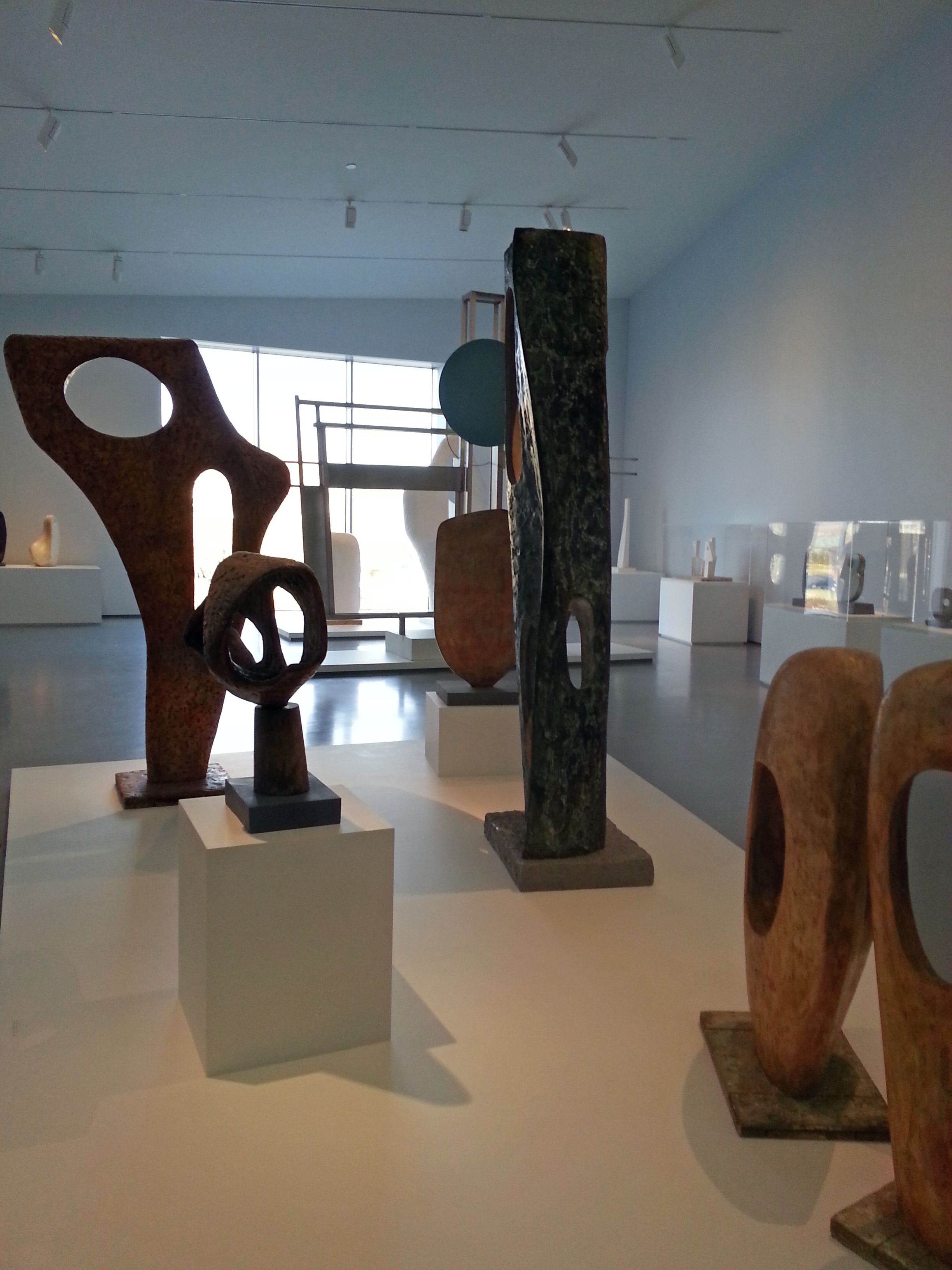
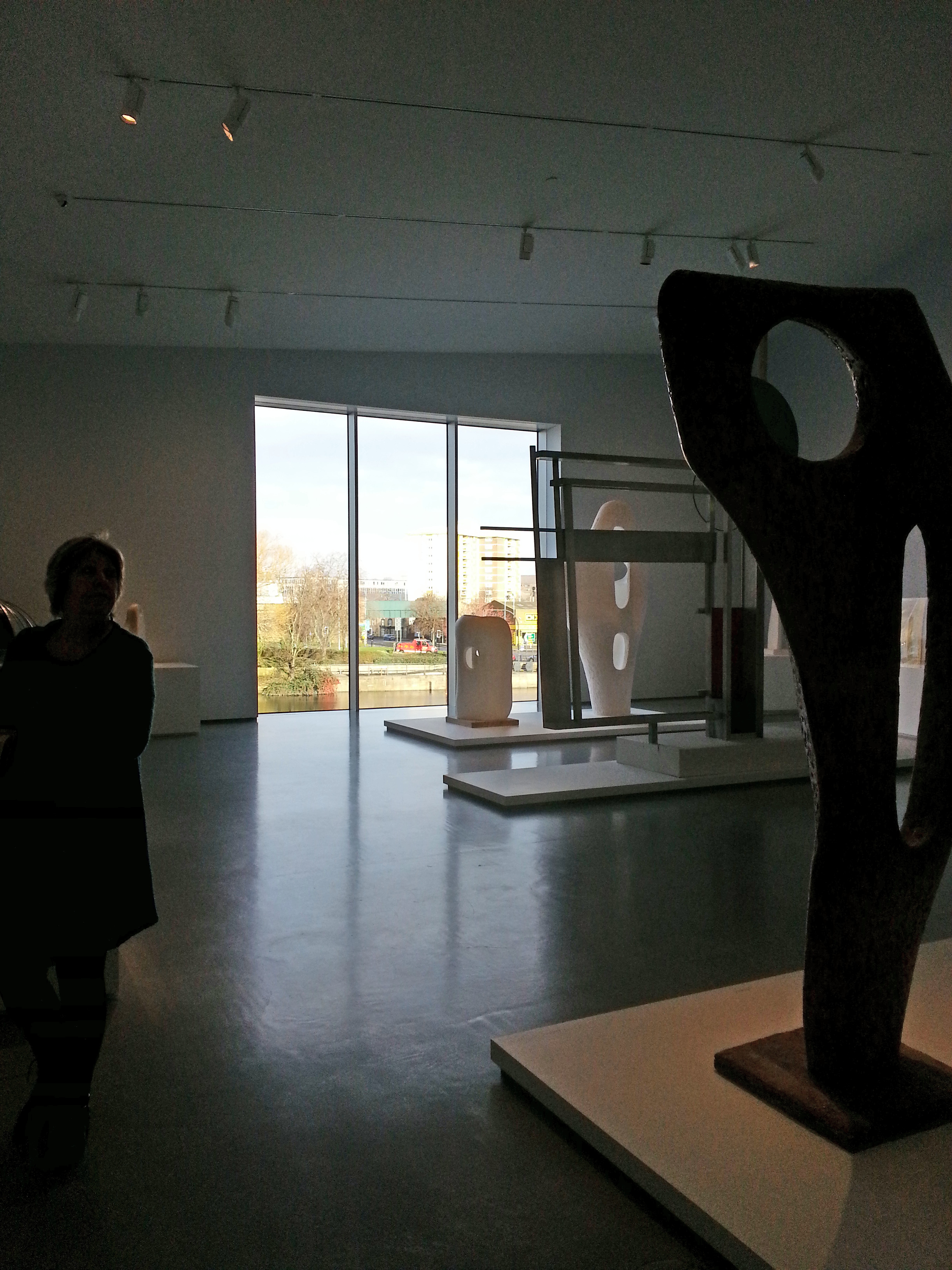
We moved on to Galleries 4,5 and 6 where the work of Barbara Hepworth was on show. Her work suited the style of gallery with their huge walls of glass which let the light stream in. The views out of these windows were out over the river towards the city.
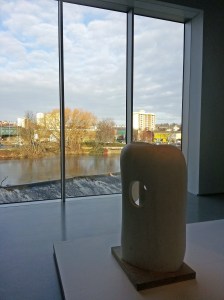
2014 01 26_6152_edited-1 2014 01 26_6148_edited-1 2014 01 26_6142_edited-1 2014 01 26_6139_edited-1

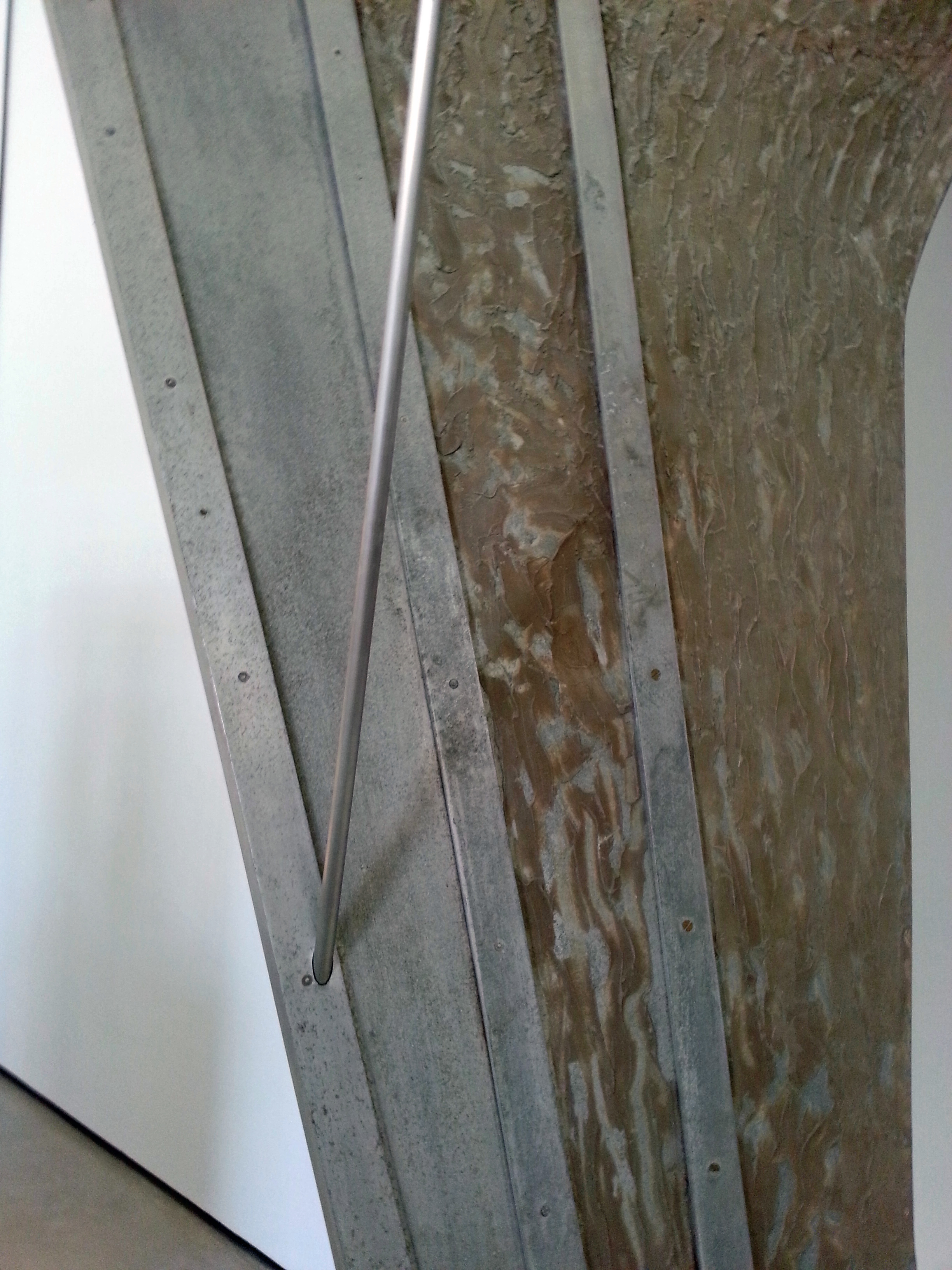
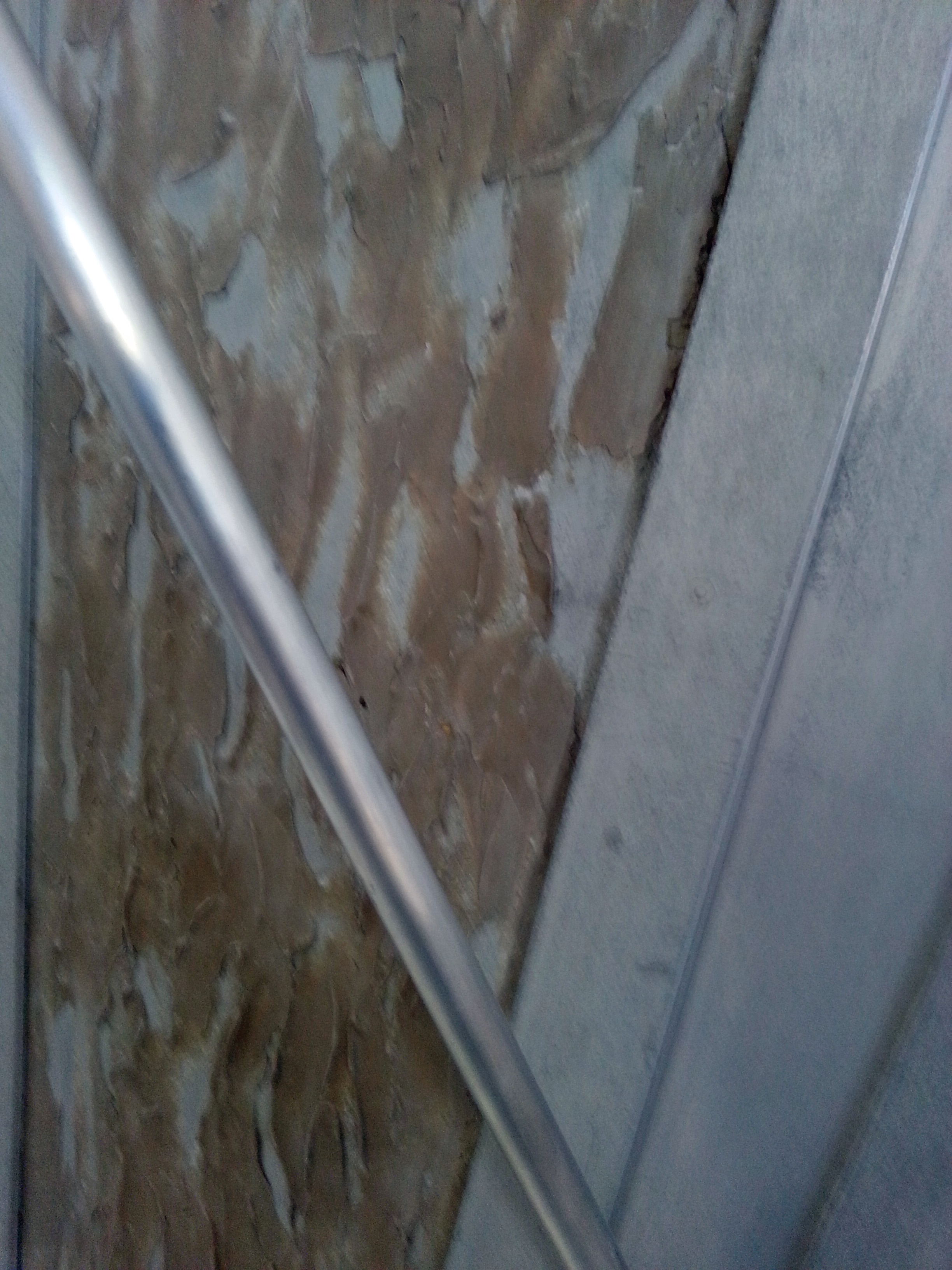
We were pleased to see a full sized prototype of the well known piece “Winged Figure” which was designed to grace the John Lewis store in Oxford Street. We think of Hepworth as being just a sculptor so it was interesting to see some of her 2-D graphic works. It was a great privilege to get really close to this iconic piece and see the variety of textured surfaces.
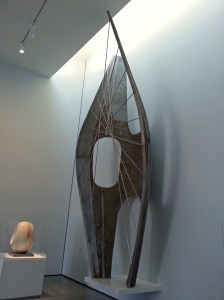
2014 01 26_6140_edited-1

2014 01 26_6143_edited-1 2014 01 26_6144_edited-1 2014 01 26_6146_edited-1 2014 01 26_6145_edited-1

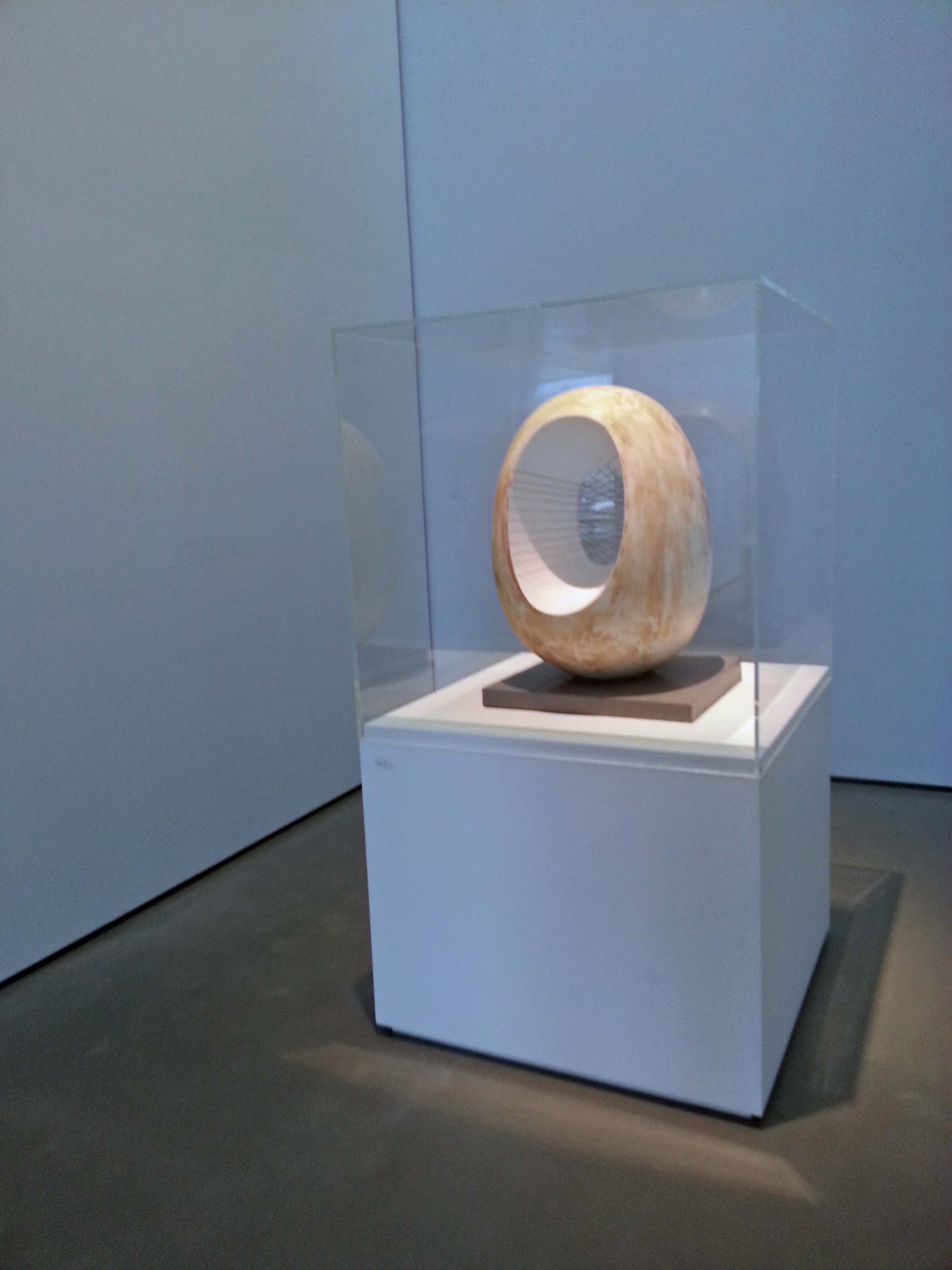
It was strange to see some of her work in glass cases but I can appreciate that these particular pieces are delicate.

2014 01 26_6156_edited-1 2014 01 26_6157_edited-1

Enjoy this set of photos showing the variety of Hepworth’s work.
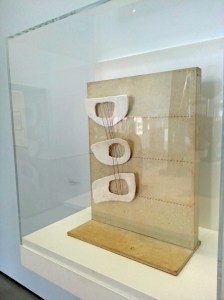
2014 01 26_6141_edited-1 2014 01 26_6151_edited-1 2014 01 26_6153_edited-1 2014 01 26_6154_edited-1

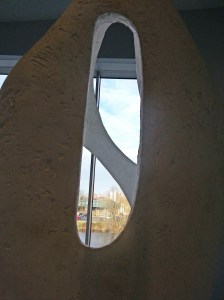
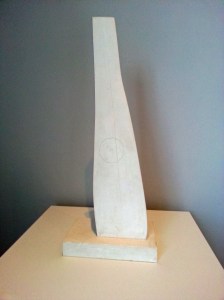
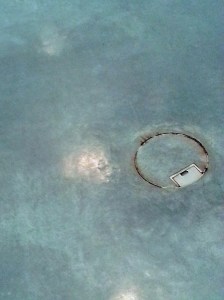
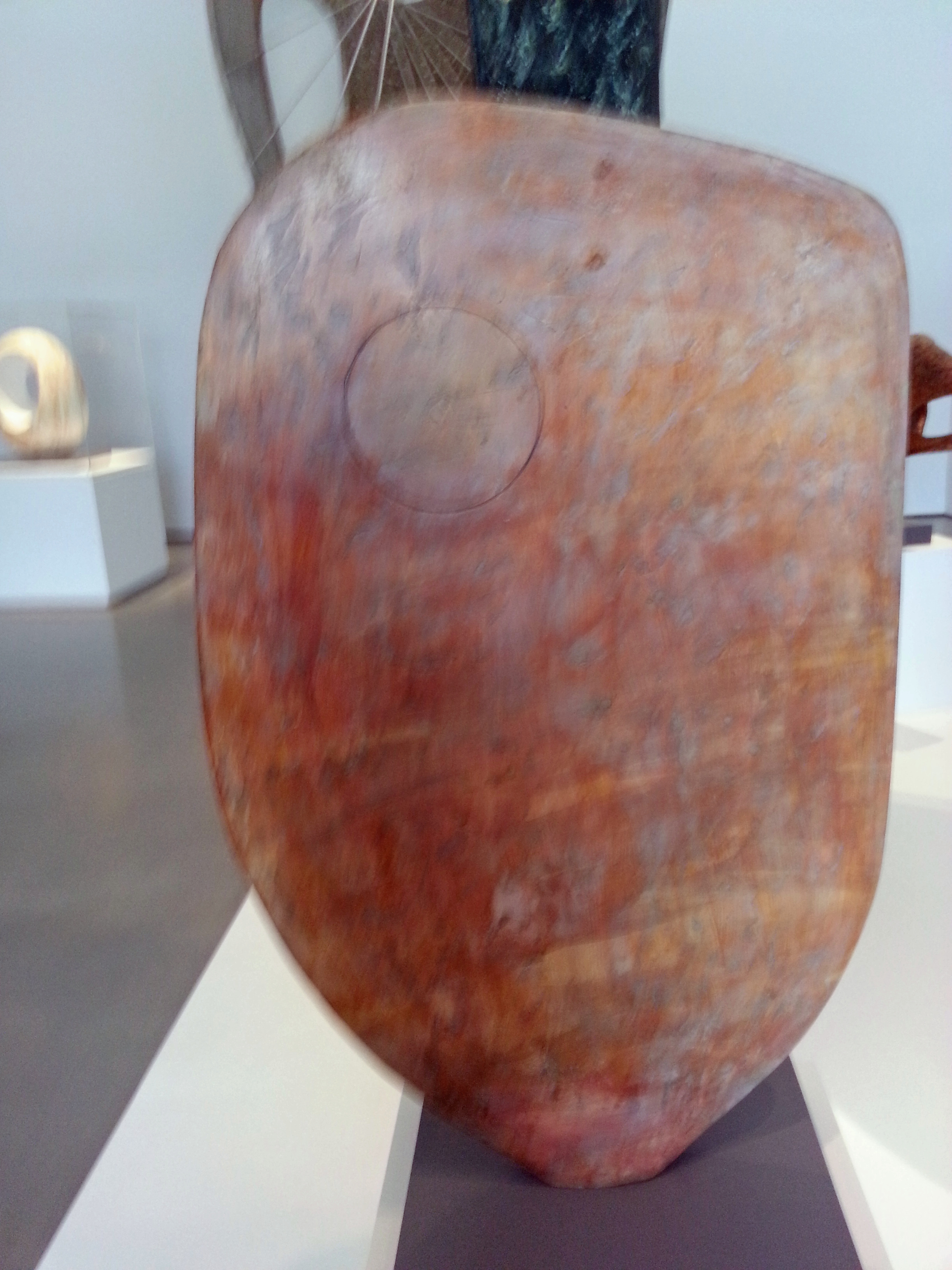
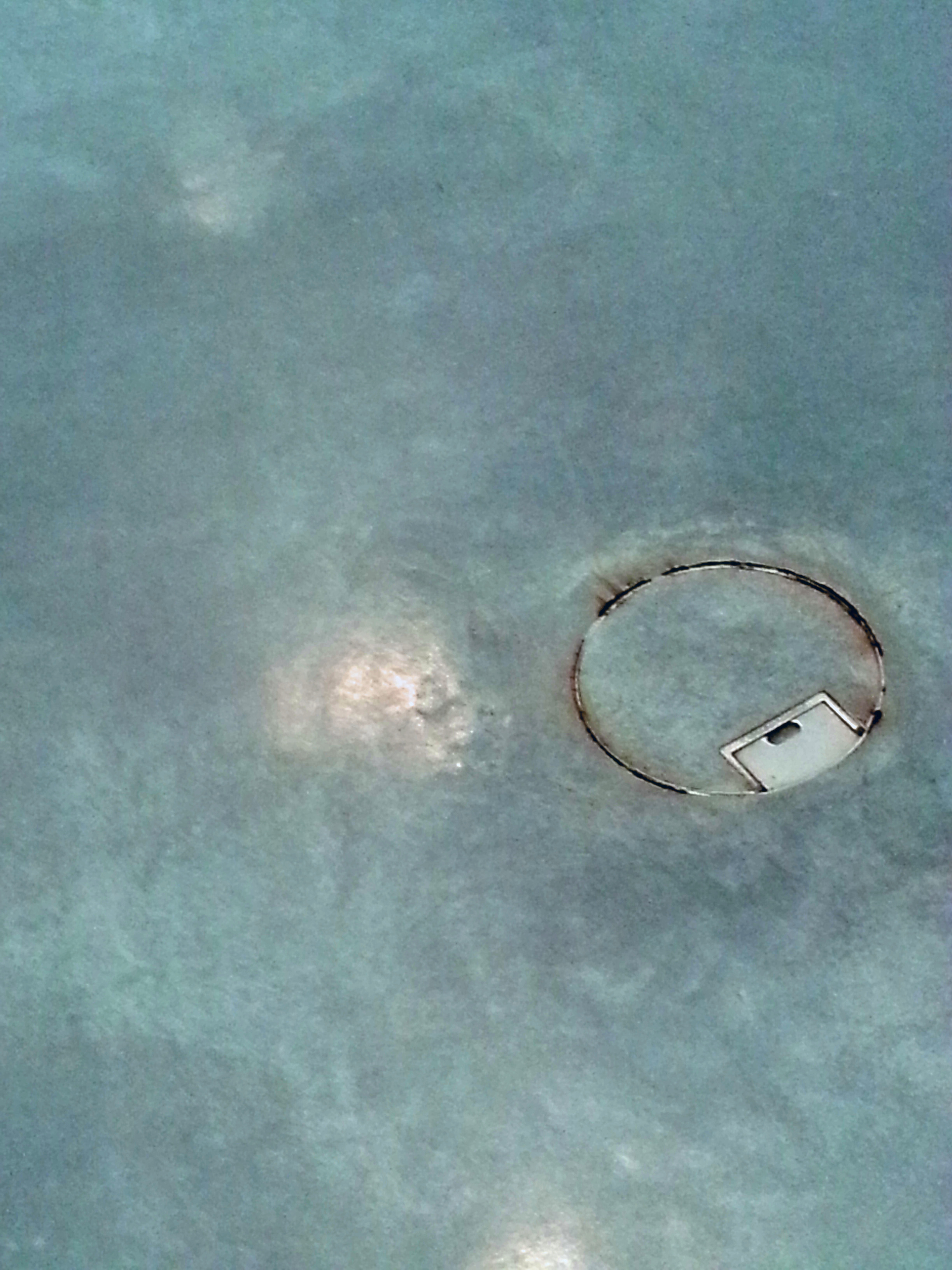
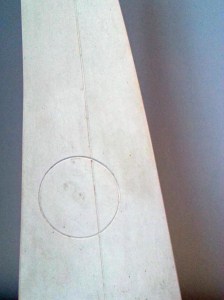
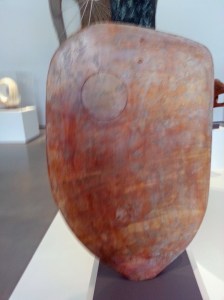
If we look at the following set of 5 photos we can see they feature a similar simple circle. The first photo is a close up of the last piece in the set of photos above, then we have a photo of the whole of a different piece of work followed by a close up of it. The final shot looks as if it fits with them but all it is is a shot I took accidentally as I walked through the gallery. I was carrying the phone set on camera mode facing down and inadvertently took a photo of the floor with a circle of an electric socket cover. Strangely in keeping!
2014 01 26_6155_edited-1 2014 01 26_6149_edited-1 2014 01 26_6150_edited-1 2014 01 26_6135_edited-1

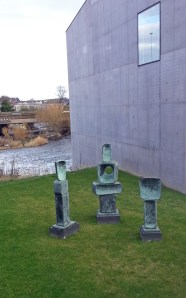
We finished our visit by going back outside to look at the rest of the building itself and a few pieces displayed on the grassed areas alongside, including more of the Barbara Hepworth “Family of Man” pieces some of which we had already enjoyed at the sculpture park.

2014 01 26_6163_edited-1 2014 01 26_6164_edited-1 2014 01 26_6165_edited-1 2014 01 26_6168_edited-1 2014 01 26_6169_edited-1    2014 01 26_6185_edited-1

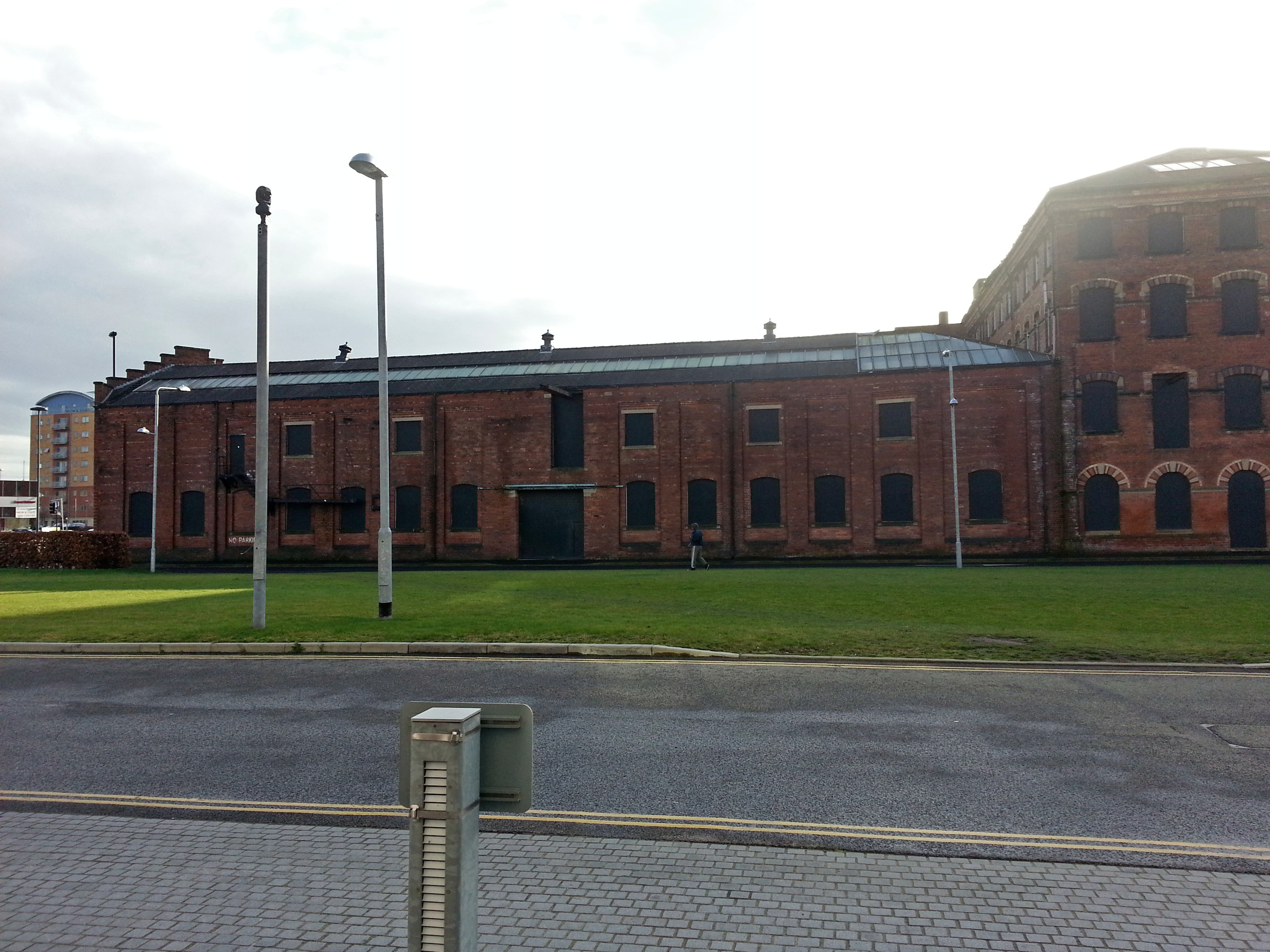
We were also able to view the old mill building, The Calder, which will hold exhibitions in conjunction with the Hepworth Wakefield. These old warehouses present a stark contrast to the modern geometric architecture of the new gallery close by.

2014 01 26_6171_edited-1 2014 01 26_6172_edited-1

So that is two parts of the Yorkshire Sculpture Triangle visited which just leaves the venues in Leeds, The Henry Moore Institute and the Leeds Art Gallery, to discover sometime in the future.

Categories
landscapes outdoor sculpture Yorkshire

A Week of Culture – Part Three – My Favourites at the YSP

For this third post in the Week of culture I promised to share with you some of my favourite  scultptors who have created pieces to display outdoors. Yorkshire Sculpture Park is the ideal setting with its acres of grounds which was an area of parkland associated with a grand house. The sloping hillsides, the lake and woodland areas provide ideal settings for pieces of outdoor sculpture for both pure sculptors and land artists.

On our visit this winter the favourites we enjoyed were Barbara Hepworth, Henry Moore, David Nash and Richard Long.

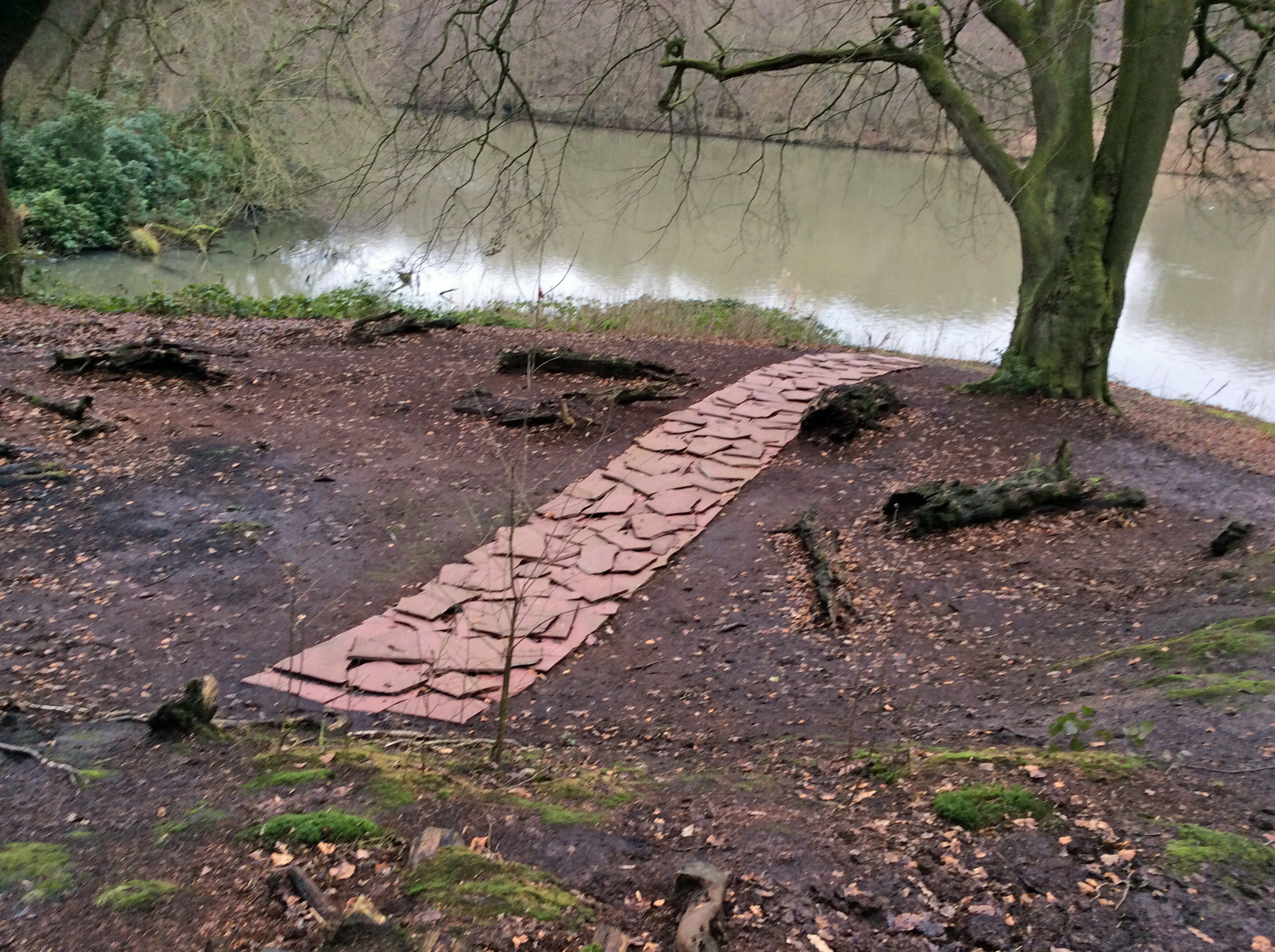
I shall begin with a piece by Richard Long simply because this is the first time we have ever seen any of his work. Much of his work is based on a line, a walk or circles. He is the best known British land artist famous for his work made while walking. He has been honoured with a CBE for his art, the land art, sculpture, photography and paintings and in 1989 received the Turner Prize. At the sculpture park we had to walk along the shores of the lake through woodlands before we found this piece. The photo was taken on my i Pad so do not do the piece justice. The stone pieces were of red sandstone.

2014 01 26_6358_edited-1 2014 01 26_6356_edited-1 2014 01 26_6355_edited-1 2014 01 26_6354_edited-1 2014 01 26_6353_edited-1

My second artist to feature is David Nash who has a few pieces permanently at Yorkshire Sculpture Park but we have also seen  a massive exhibition of hs work here a few year ago after his year as artist in residence there. Both pieces we saw on this visit are in the woodland with one on the banks of the lake on the shore between the wood and the water.

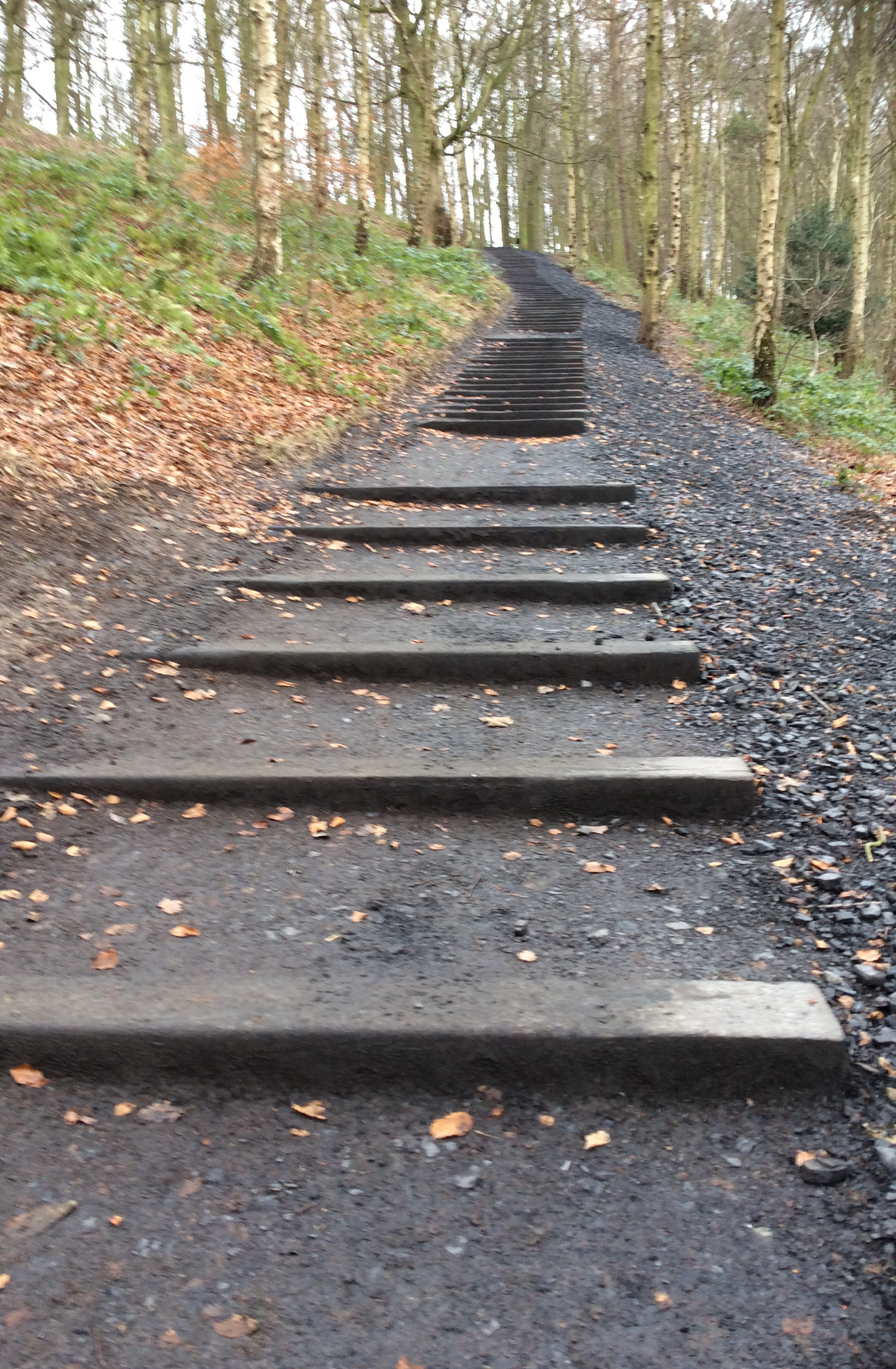
The first of his works we found was entitled “71 Steps” and it climbed a hillside up through the wooded slope. The first few photos are to set the scene.

2014 01 26_6349_edited-1 2014 01 26_6348_edited-1

2014 01 26_6345_edited-1 2014 01 26_6346_edited-1  2014 01 26_6344_edited-1

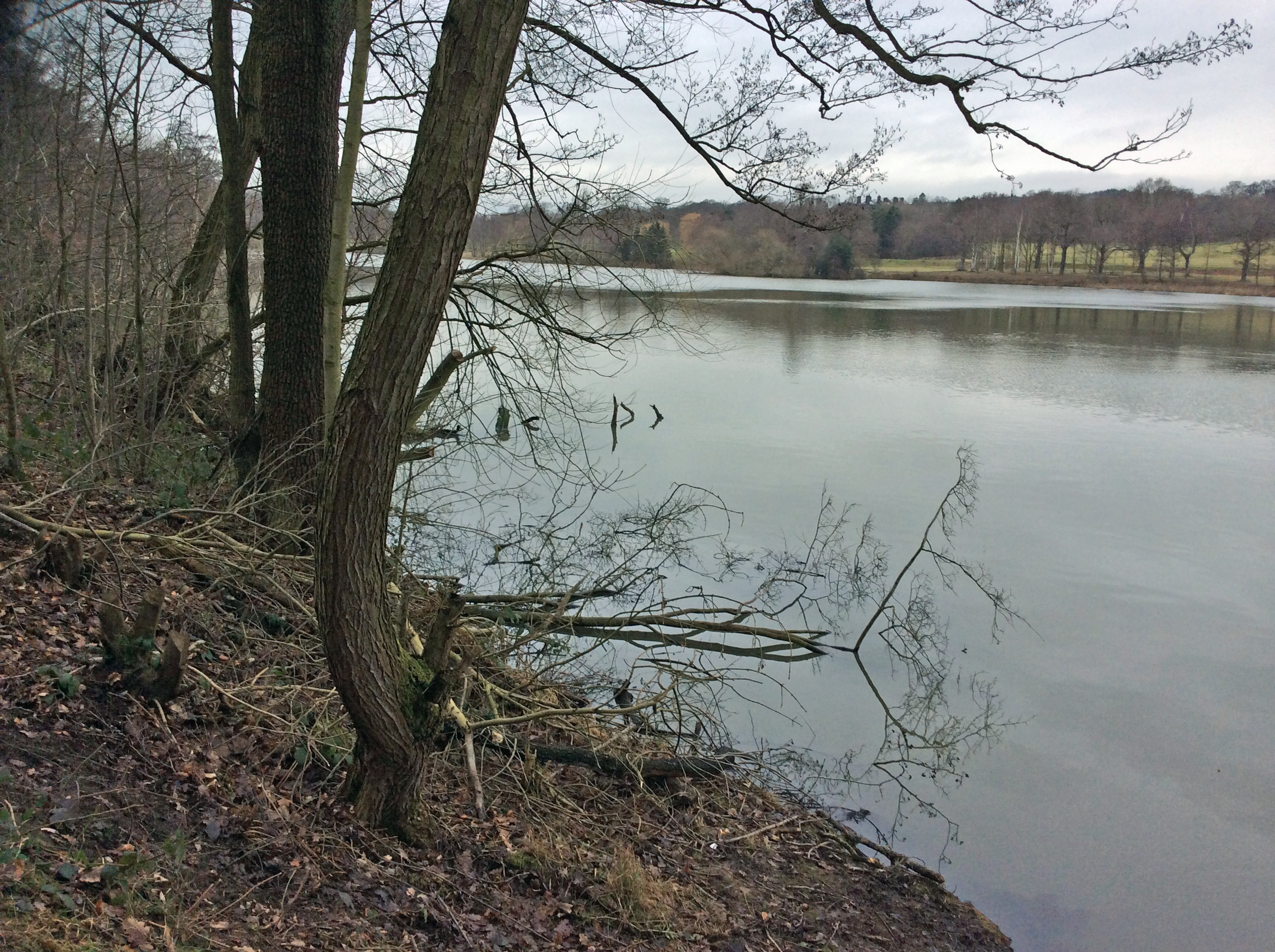
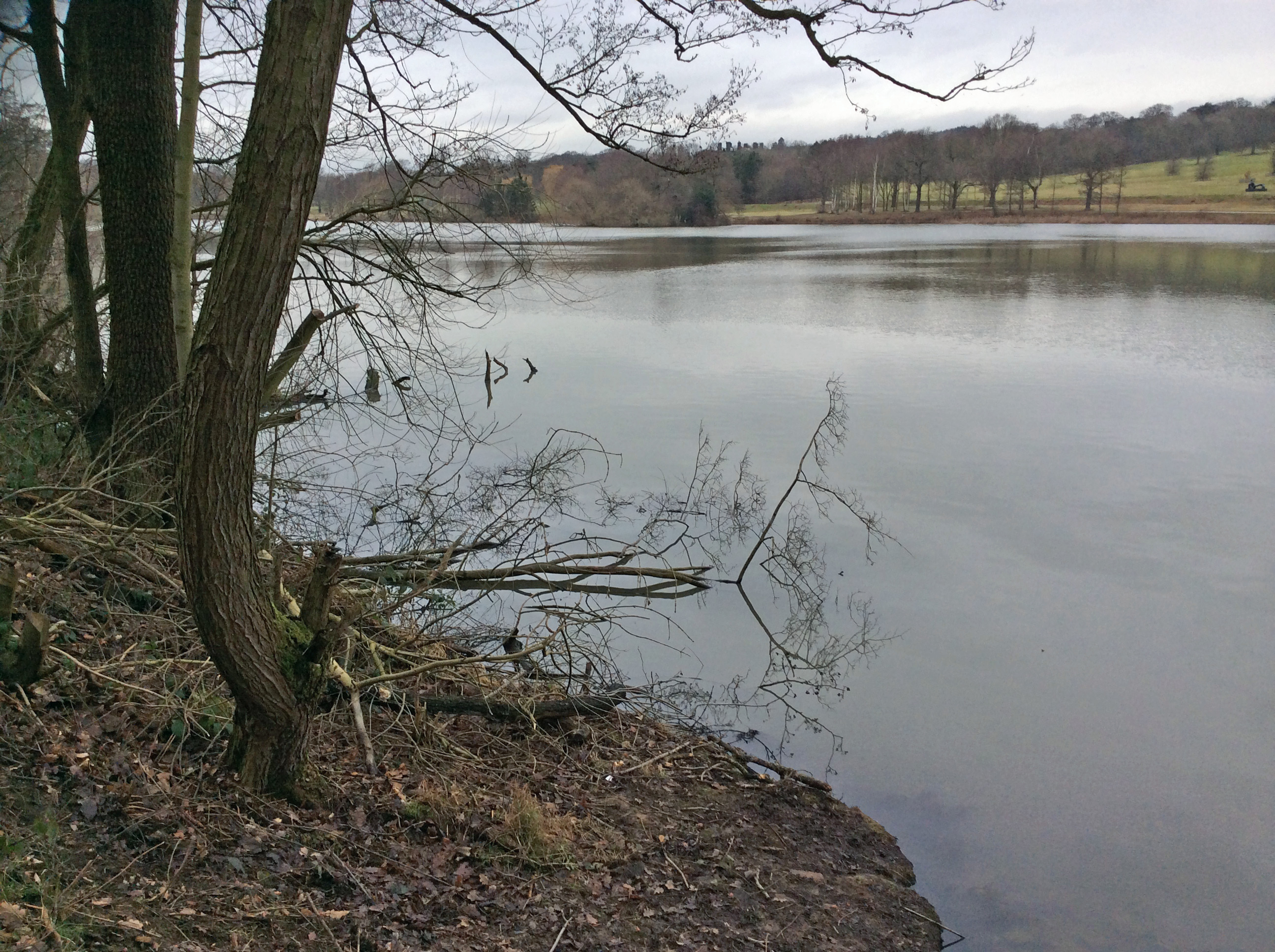
Close by we spotted these beautiful pieces of wood and tree sculpted by Mother Nature and reflected in the water. They were flowing out into the lake.

2014 01 26_6350_edited-1 2014 01 26_6351_edited-1

2014 01 26_6352_edited-1

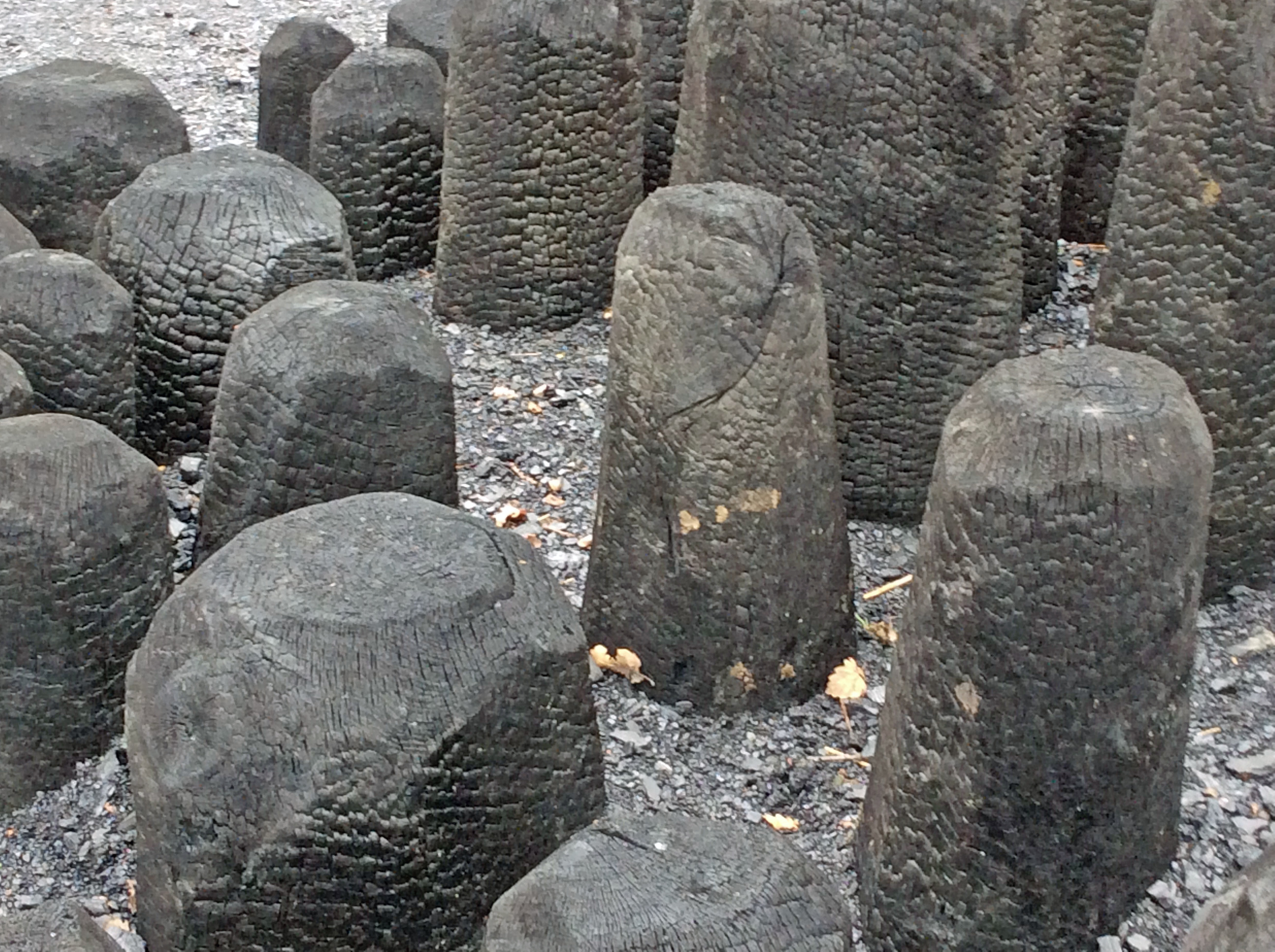
The second of the David Nash pieces was closer to the water’s edge between the trees and the biscuit coloured leaves. Just like the steps the wood had been scorched by burning. Sadly the camera on my i Pad couldn’t cope with the contrasts so the beautiful colour of the dried reeds has burnt out.

2014 01 26_6337_edited-1 2014 01 26_6338_edited-1 2014 01 26_6339_edited-1 2014 01 26_6341_edited-1 2014 01 26_6342_edited-1 2014 01 26_6343_edited-1

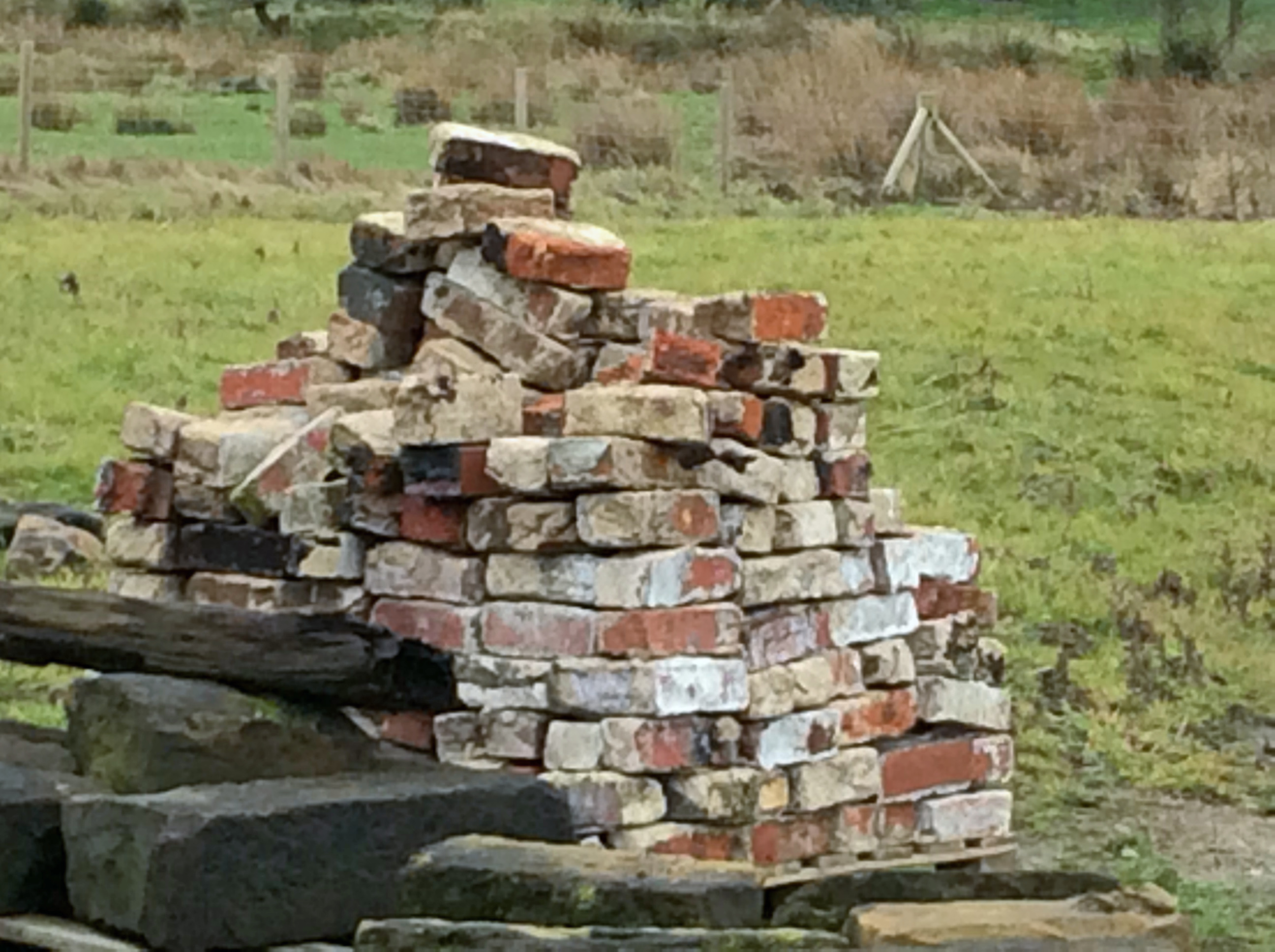
On a piece of rough ground close to the lake we came across a builder’s store where old bricks and building stones were being kept whilst work was being completed on an old chapel in the grounds. We couldn’t help but wonder what a good land artist would have created using these pieces! Close by mother Nature had created a piece of her own land art based on a fallen tree.

2014 01 26_6335_edited-1 2014 01 26_6336_edited-1

2014 01 26_6334_edited-1

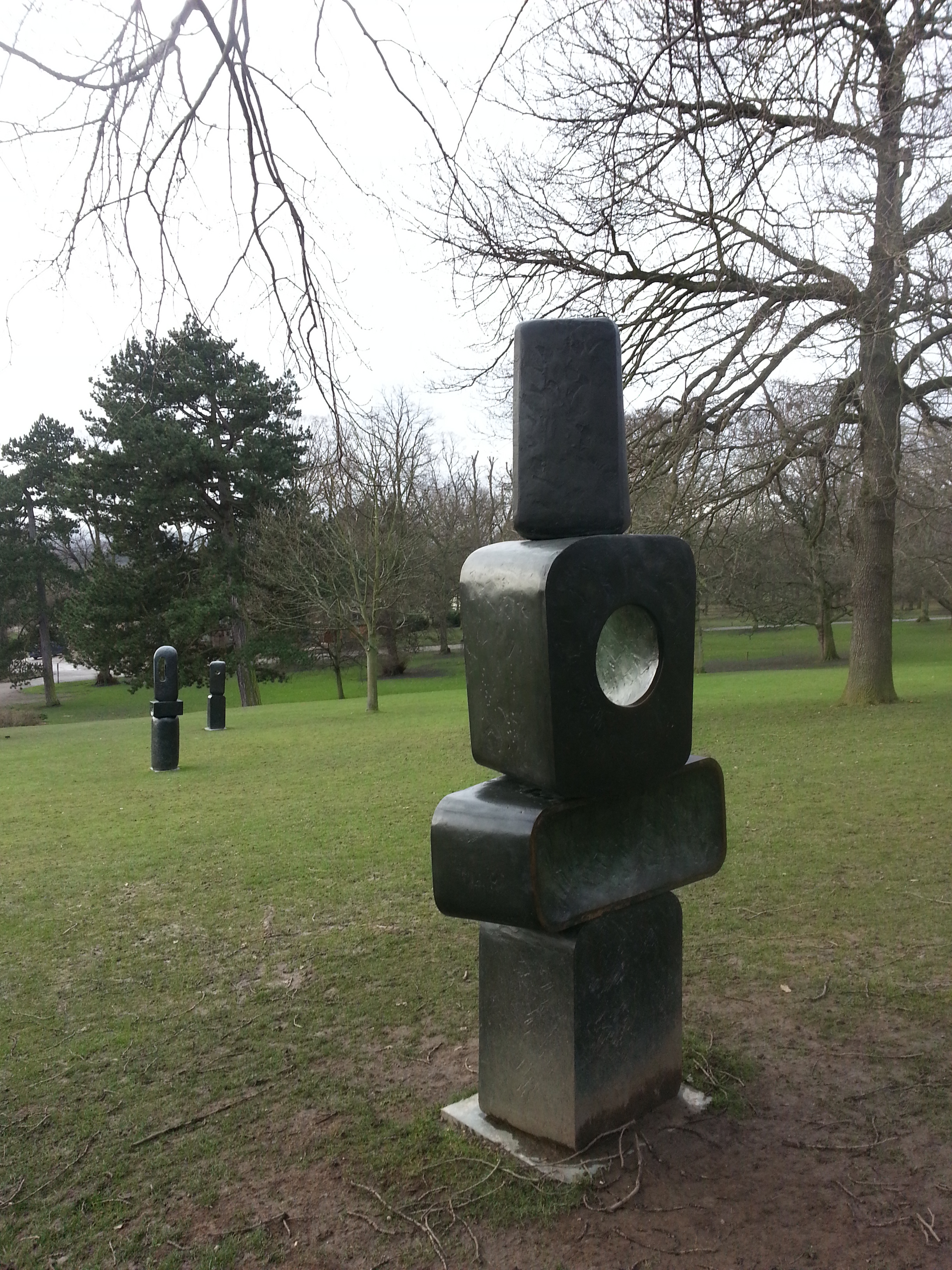
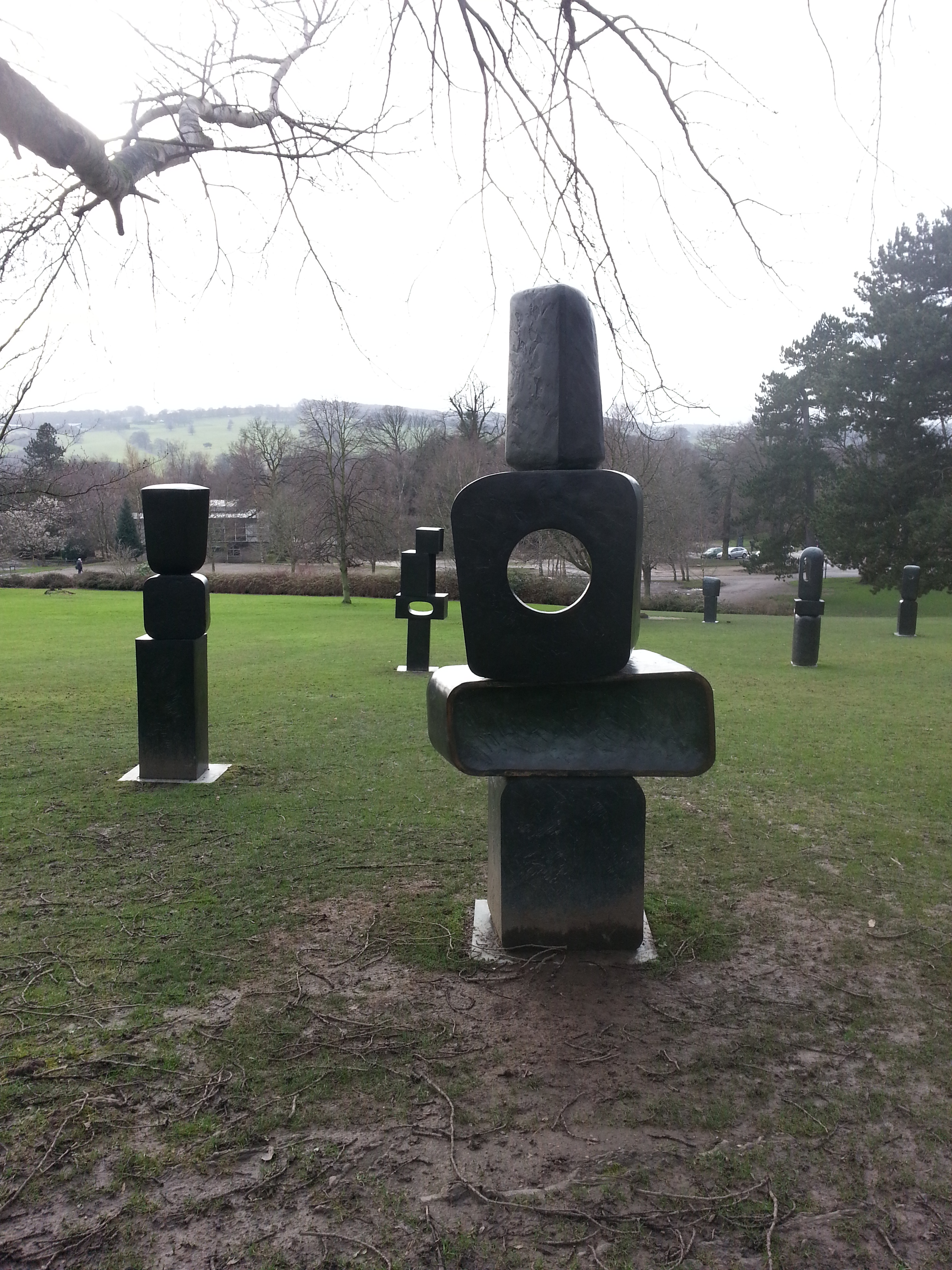
Barbara Hepworth’s work is well represented here at the sculpture park as her pieces called the “Family of Man” are displayed most sympathetically on a sloping piece of sparcely planted woodland. On the way to find these pieces we passed this interesting sign where the face of our Labour Party leader had been added. Similar photos of faces had been pasted to trees but the weather had got the better of these.

2014 01 26_6234

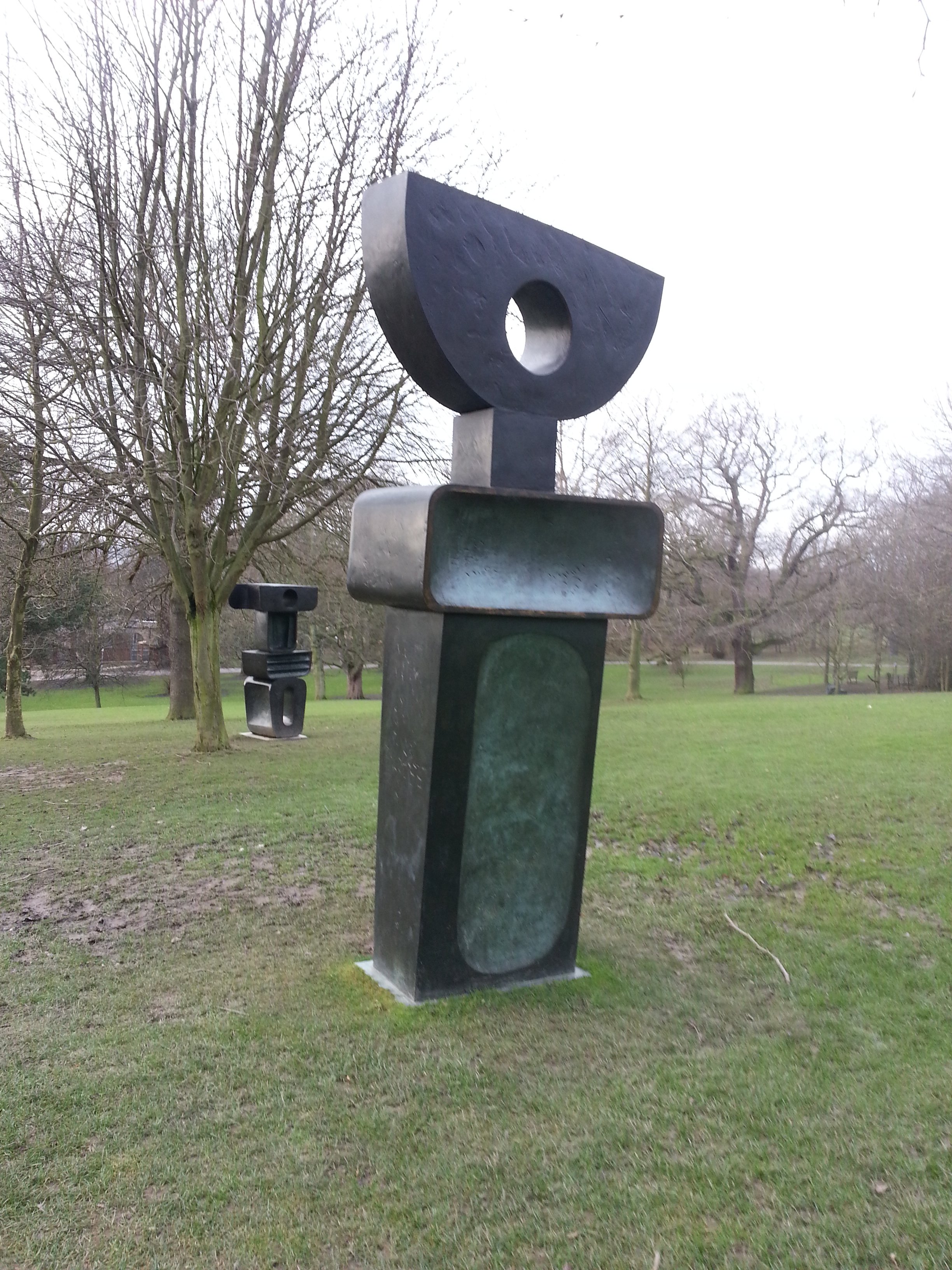
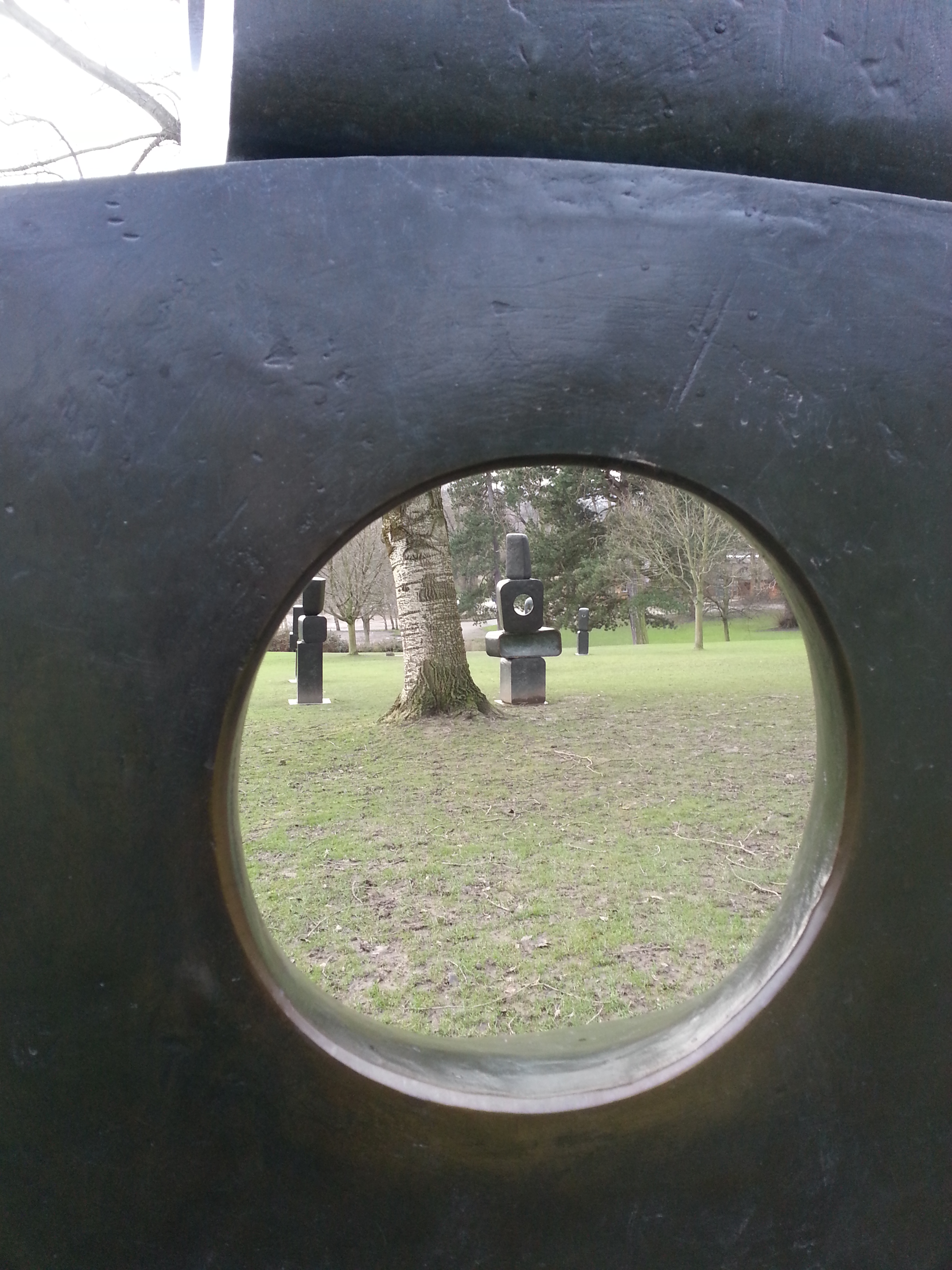
I have included some close up photos of a few of the pieces by Barbara Hepworth to show where the hand of the artist has left her marks. I enjoy studying the texture of any piece of sculpture as it can be as important as the overall shape of the work.

2014 01 26_6237 2014 01 26_6241 2014 01 26_6240 2014 01 26_6239 2014 01 26_6238   2014 01 26_6245 2014 01 26_6246 2014 01 26_6247

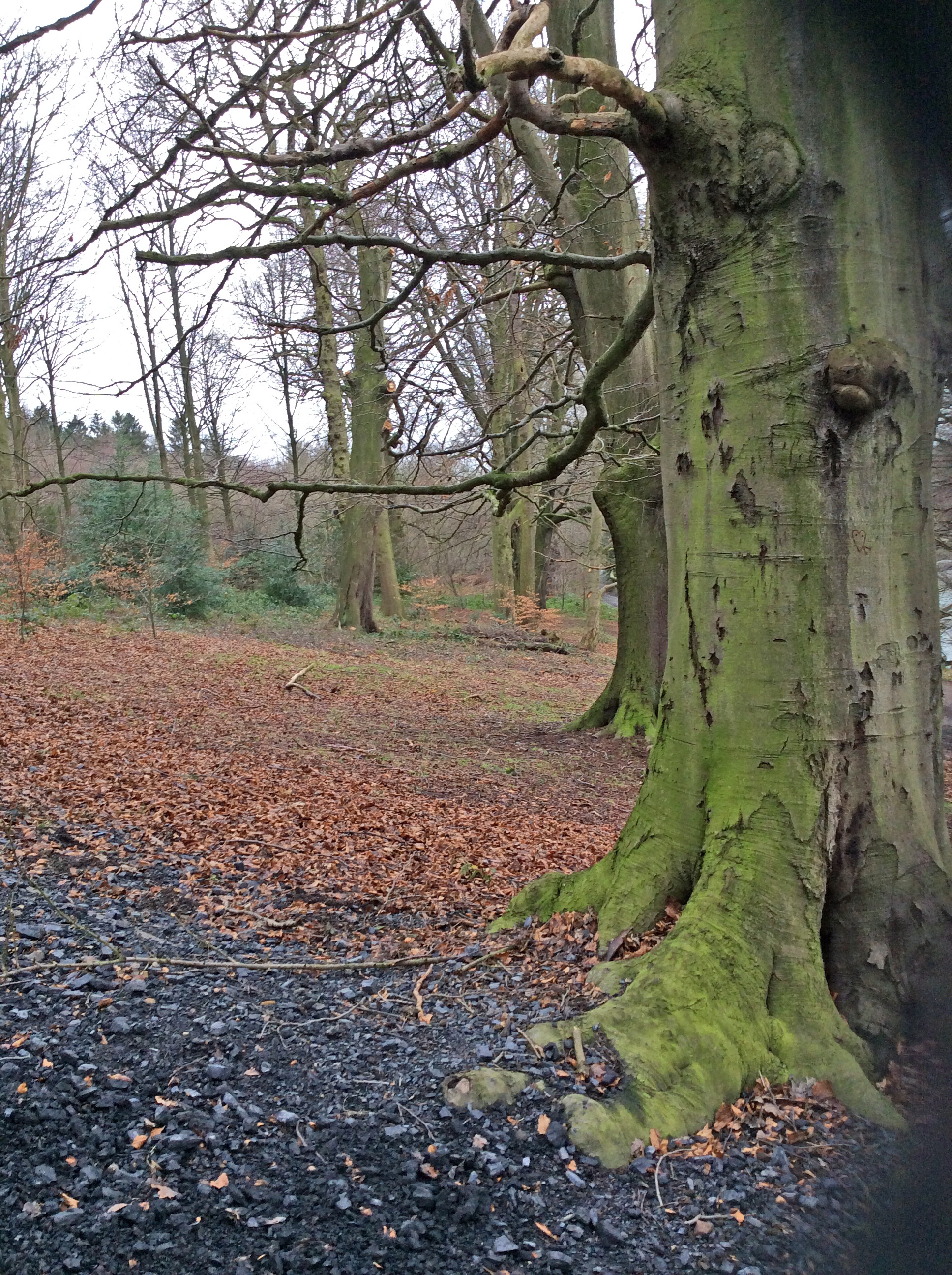
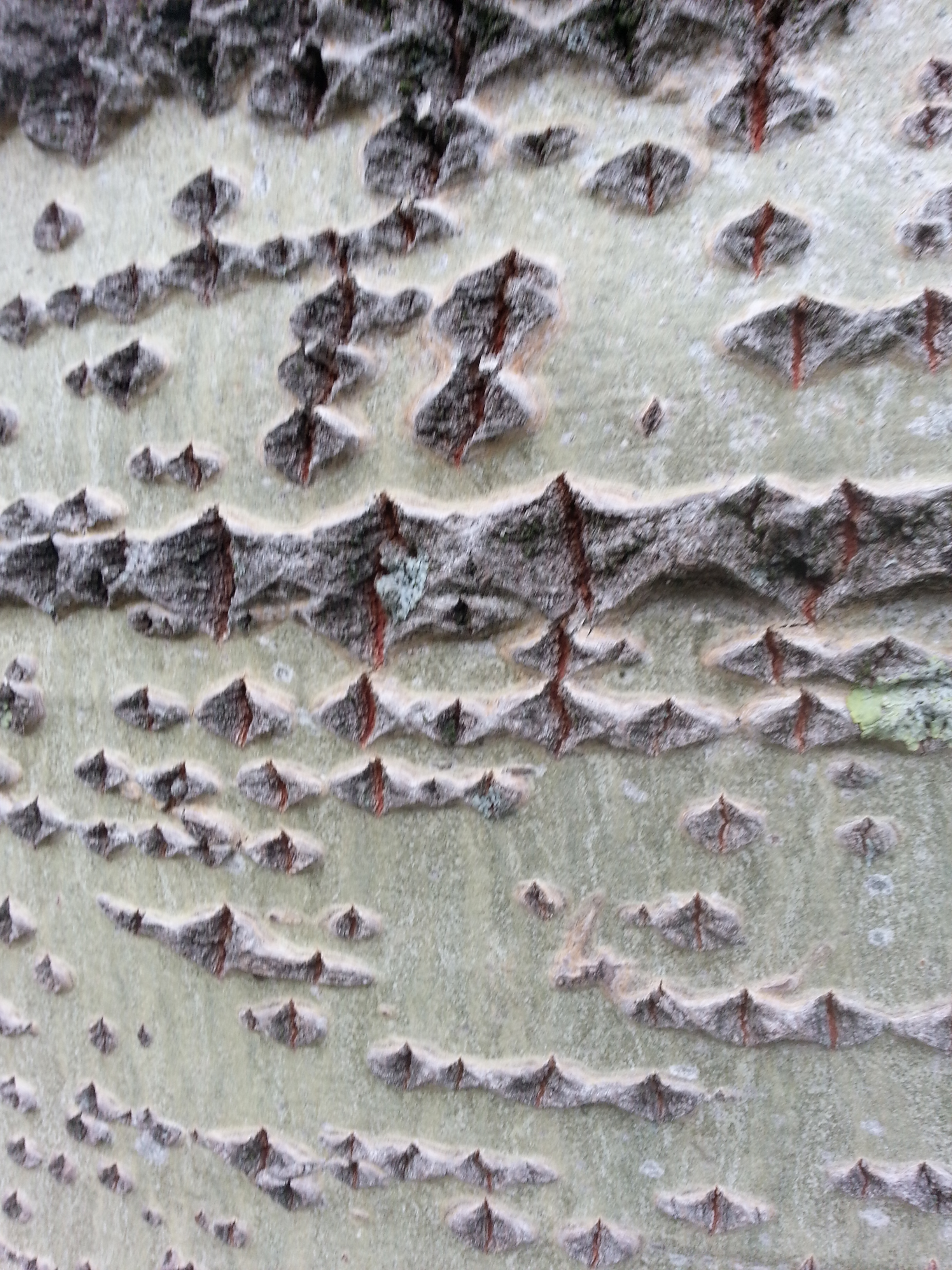
The bark of this tree caught my eye as we moved between the Barbara Hepworth pieces. It was the texture that attracted me and the pattern of diamonds sculpted into the bark. Even the carved graffiti seemed to add to the character of the tree, telling a part of its story.

2014 01 26_6243 2014 01 26_6244

2014 01 26_6242

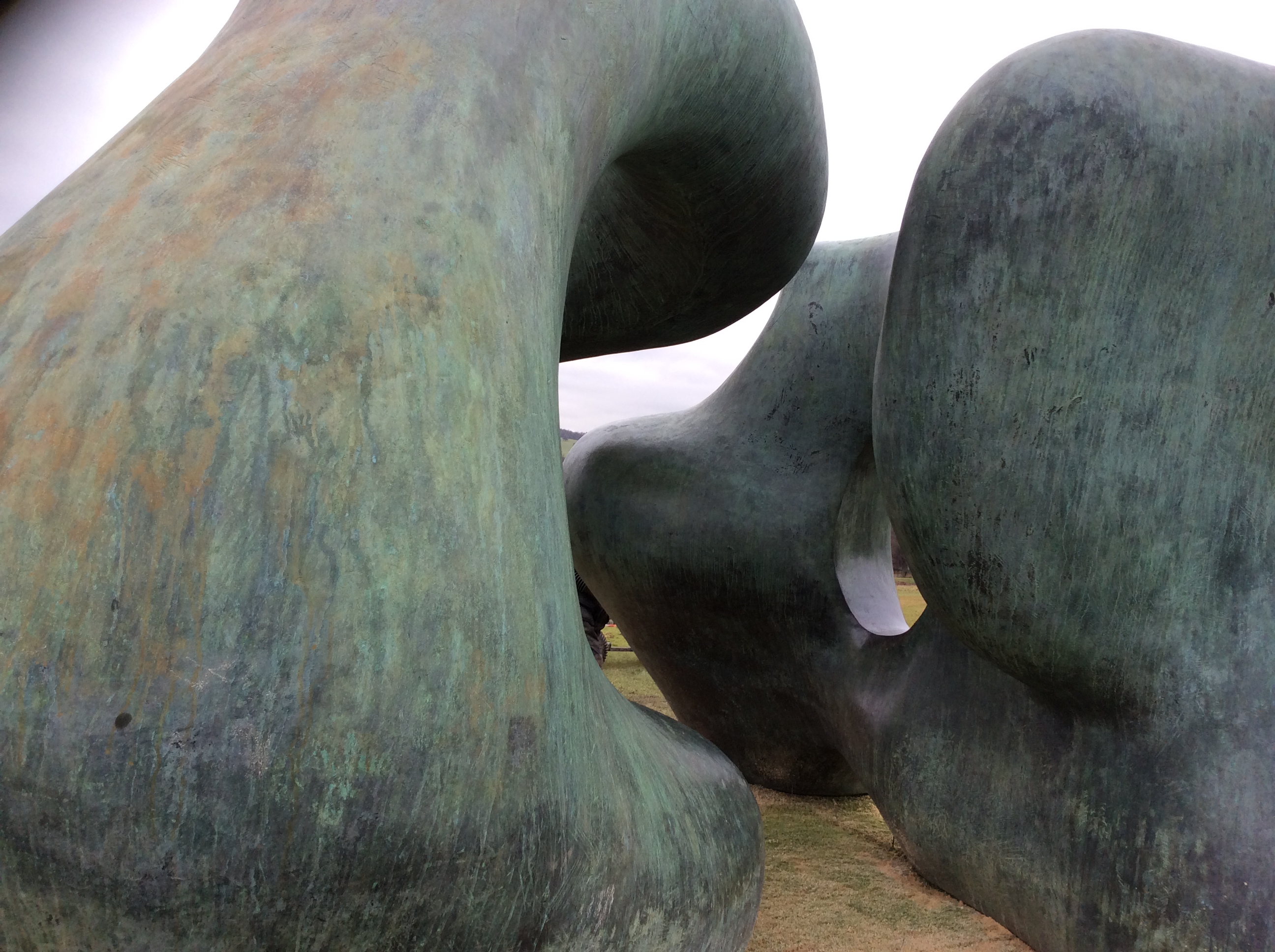
You can see from the photo of Jude below that the weather was not making wandering around the site too easy. The ground beneath our feet was very slippery. This meant that when we came to seek out the work of Henry Moore we found it difficult to get to them as the ground was impossible to walk on due to the steep sloping land where they were situated.

But we can enjoy this one piece.

2014 01 26_6235

2014 01 26_6333 2014 01 26_6332

For part 4 of this week of culture we move on to the Hepworth Wakefield Gallery in the city of Wakefield itself.

Categories
architecture gardens gardens open to the public National Trust ornamental trees and shrubs outdoor sculpture recycling The National Trust

A Week of Culture – Part One – Hardwick Hall

We spent a few cold January days up in Derbyshire and Yorkshire for a culture fix. It was extremely cold and occasional rain and hail storms lashed us but we did not give in. We bravely went onward defying whatever the weather threw at us and enjoyed every moment. Day one of our winter adventure found us stopping off in Derbyshire at Hardwick Hall for a spot of architecture appreciation.

Although the day was a memorable one, not all the memories were happy ones as my trusty friend my Nikon DSLR packed up and it did not allow me to focus or use flash so it is now being looked at in the camera hospital at Nikon UK. Fingers crossed for a speedy recovery. Isn’t it devastating when your camera goes awry? So all the pics following are taken on my Samsung Galaxy Phone, which does have a quality camera, thank goodness.

2014 01 26_6255 2014 01 26_6259

2014 01 26_6267 2014 01 26_6271

2014 01 26_6269

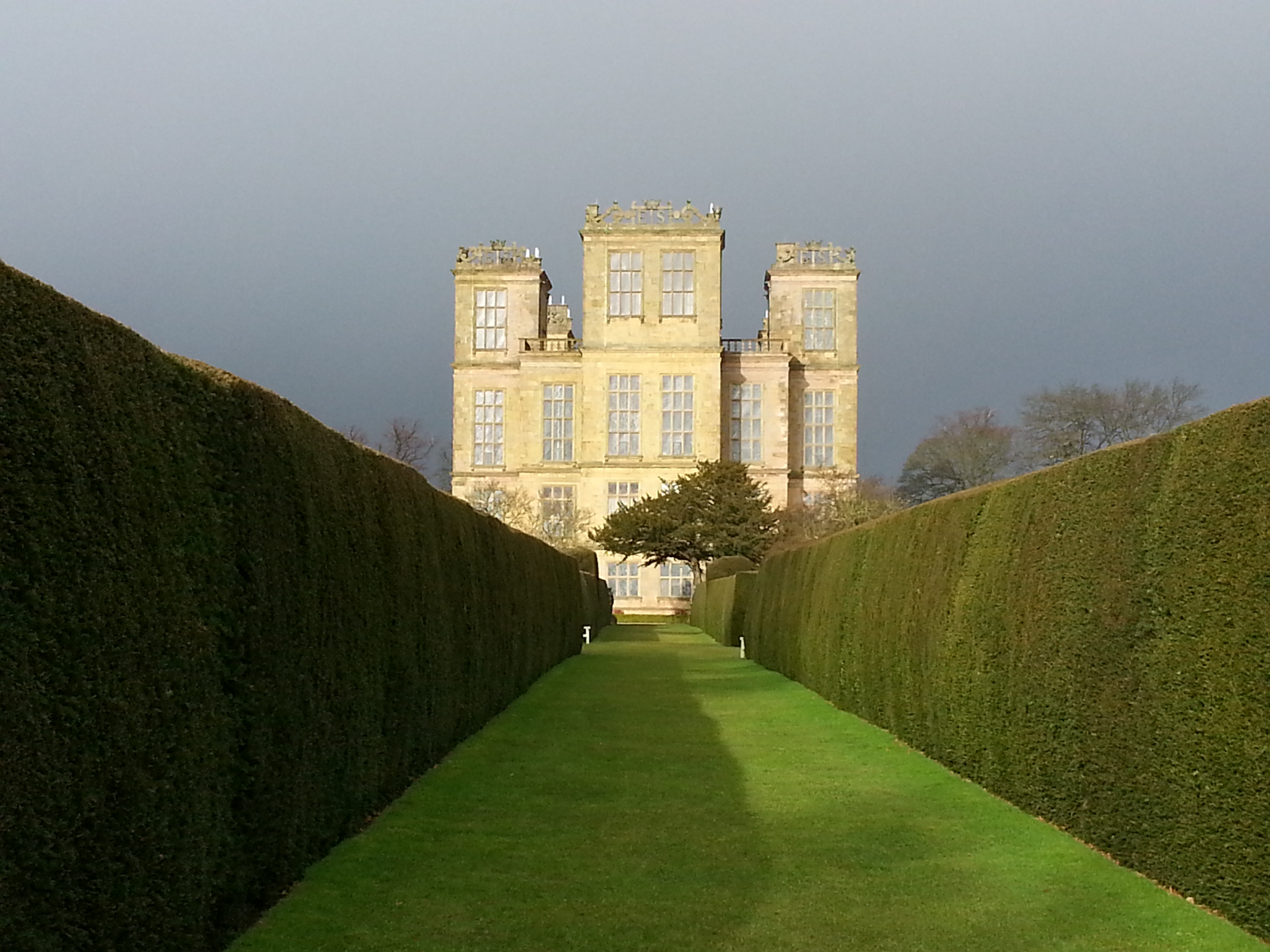
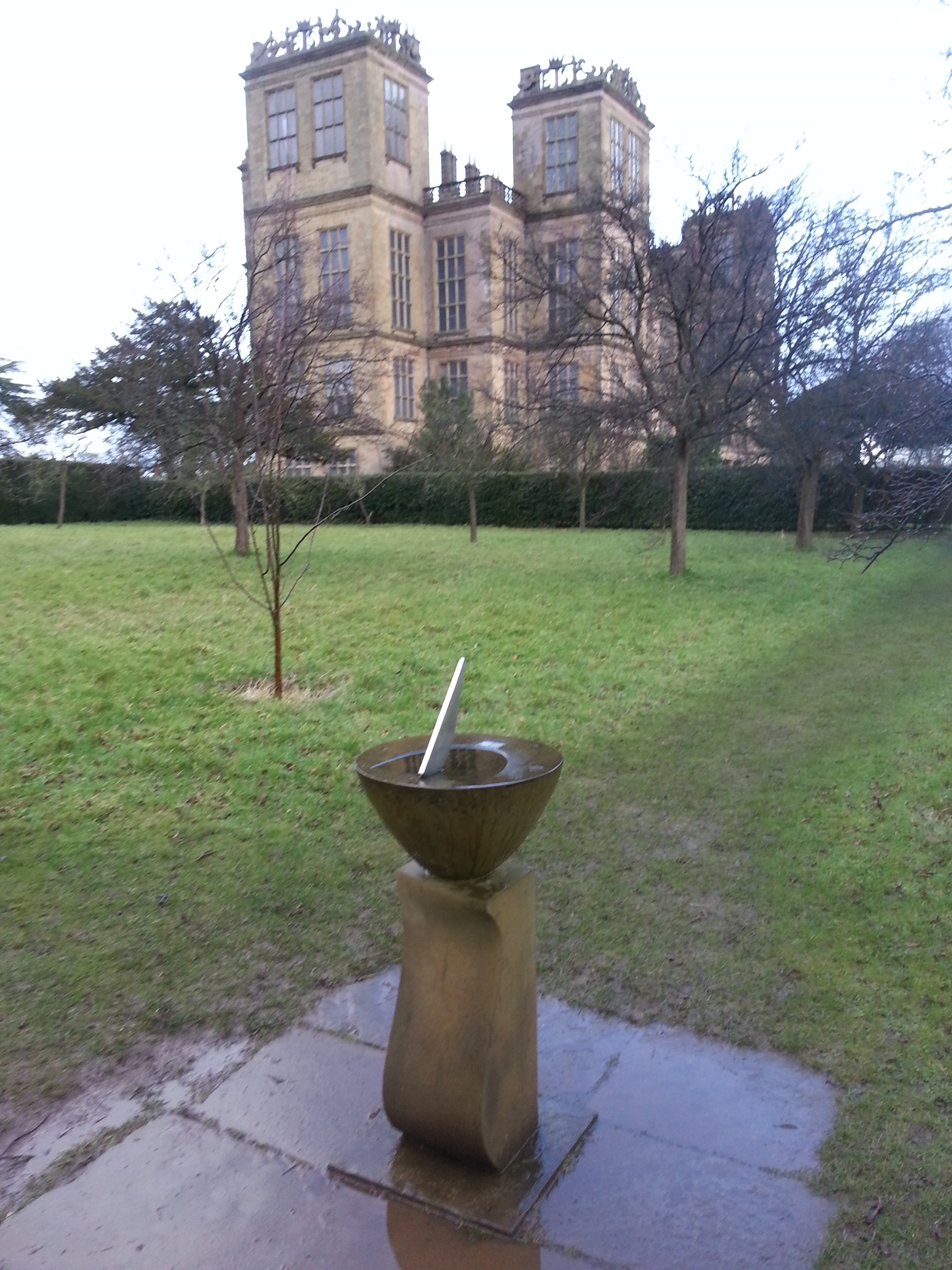
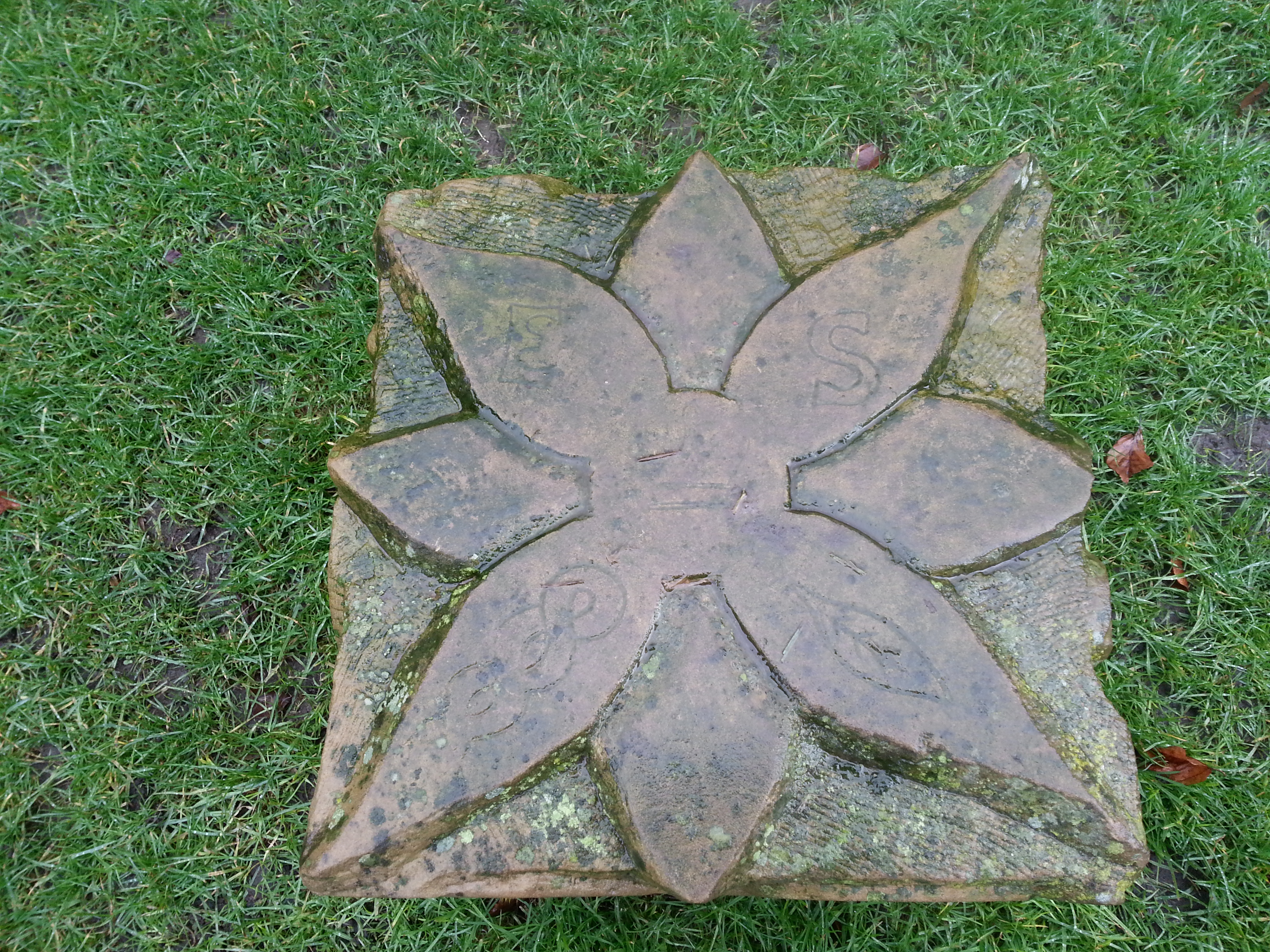
The grounds of Hardwick Hall , now under the auspices of the National Trust, is unusual in having two “big houses”. The newer hall was built in the late 1500’s by Bess of Hardwick, a powerful woman at a time when powerful women were few and far between.  She wanted everyone to now how important she was hence the size of Hardwick. She features her initials all over the building including huge letters along the top of the building The letter E refers  to her name Elizabeth and the S refers to Shrewsbury. She married George Talbot who was the Earl of Shrewsbury at the time making Bess Countess of Shrewsbury. No-one could have visited this place when she was there without knowing how powerful she was.

2014 01 26_6274

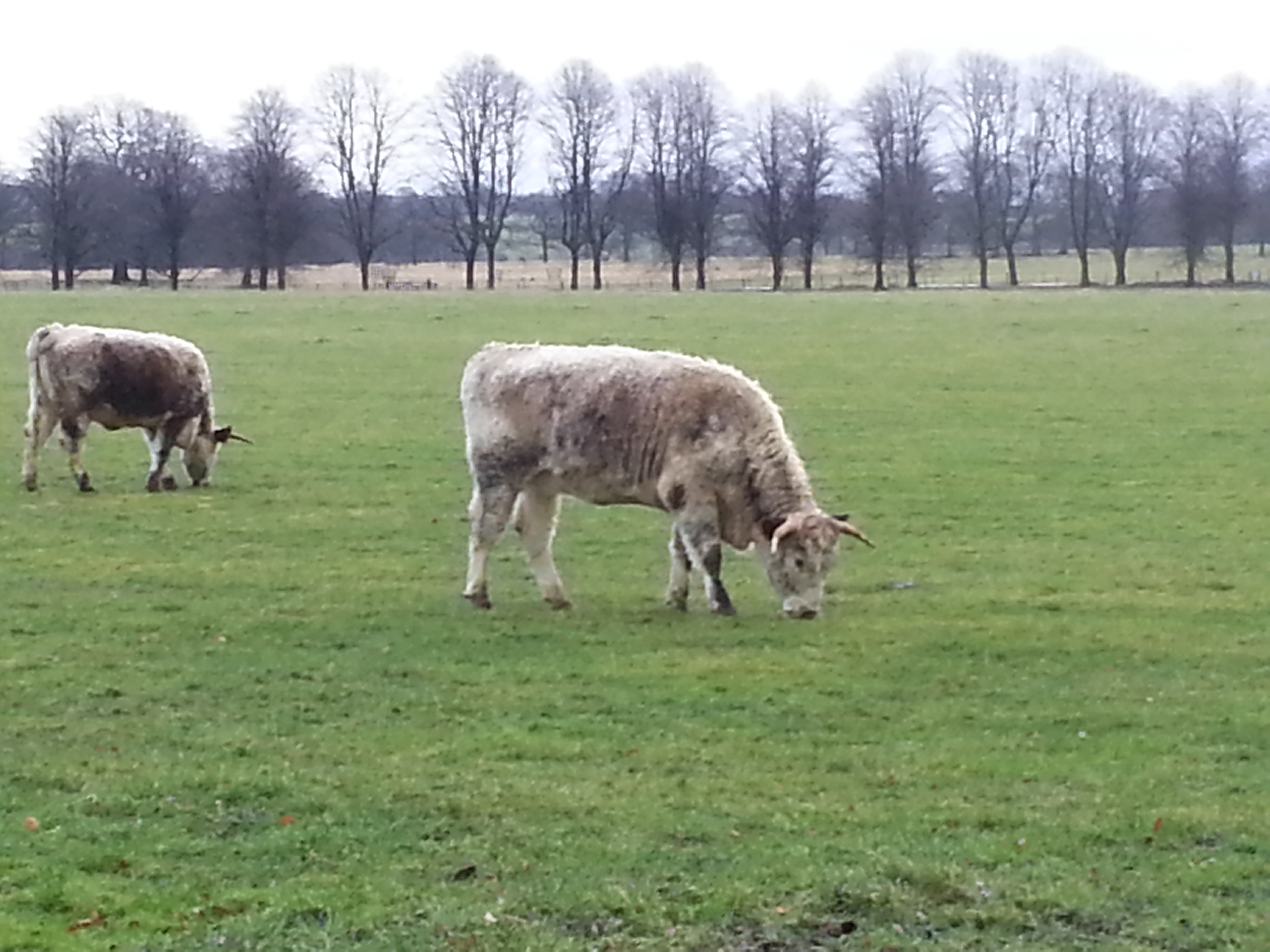
From the rear gardens we were able to appreciate close views of the heritage cattle, the Shorthorns.

2014 01 26_6272

The gardens are small but the parklands are impressive and extensive. A range of buildings once stable blocks, workers’ cottages and workshops have been lovingly restored and put to good use as holiday cottages, shop, restaurant etc.

2014 01 26_6315 2014 01 26_6316

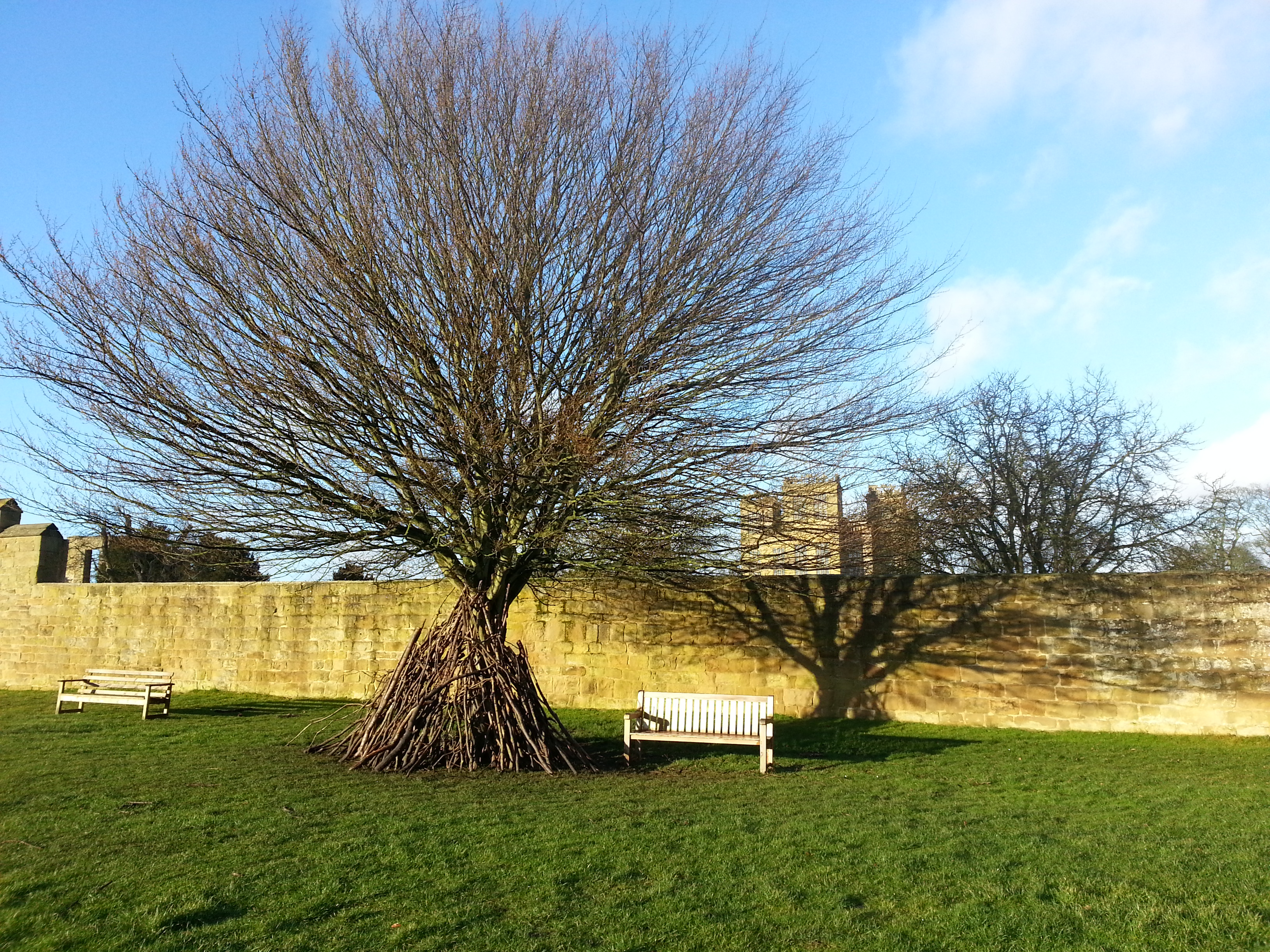
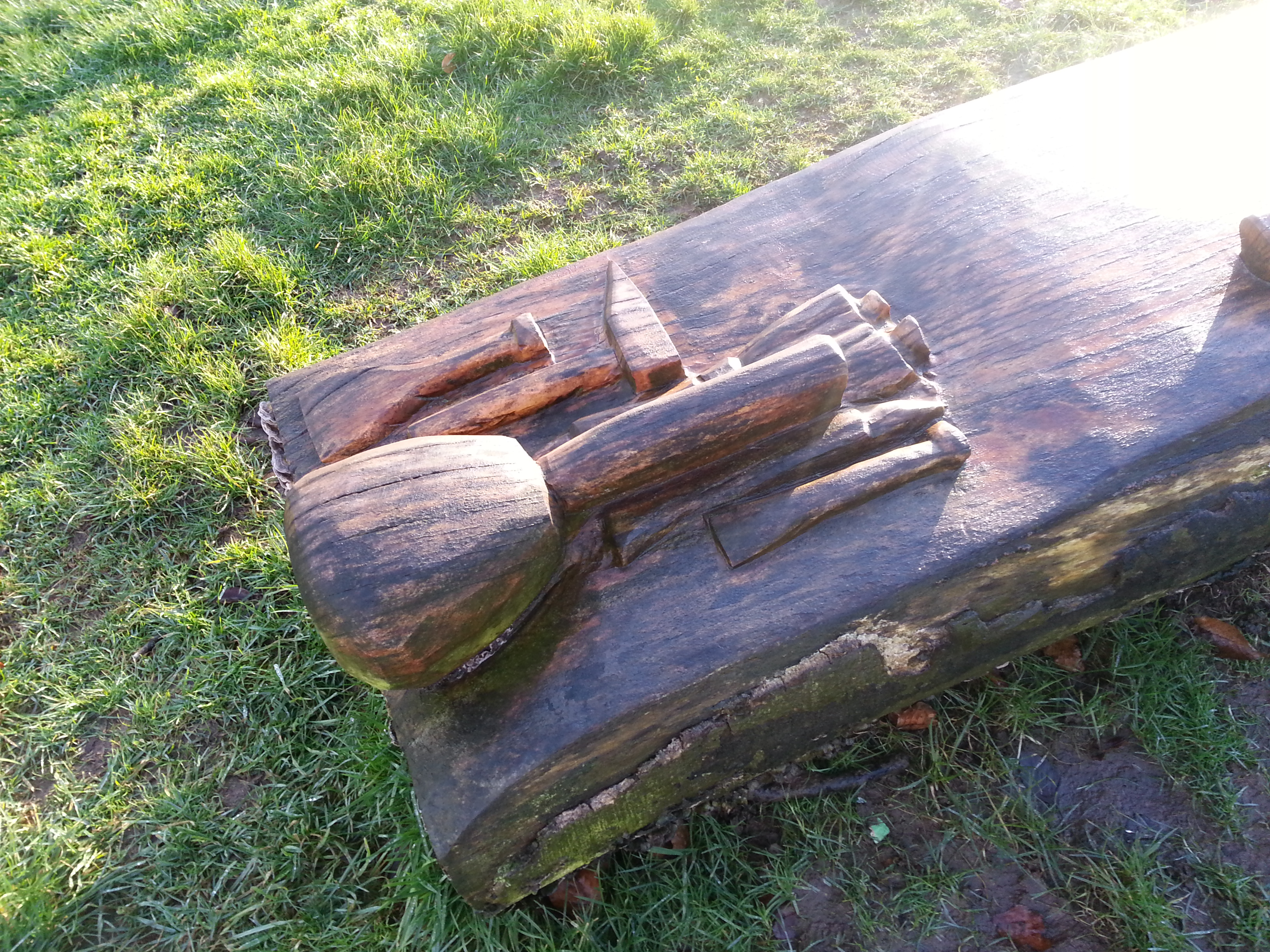
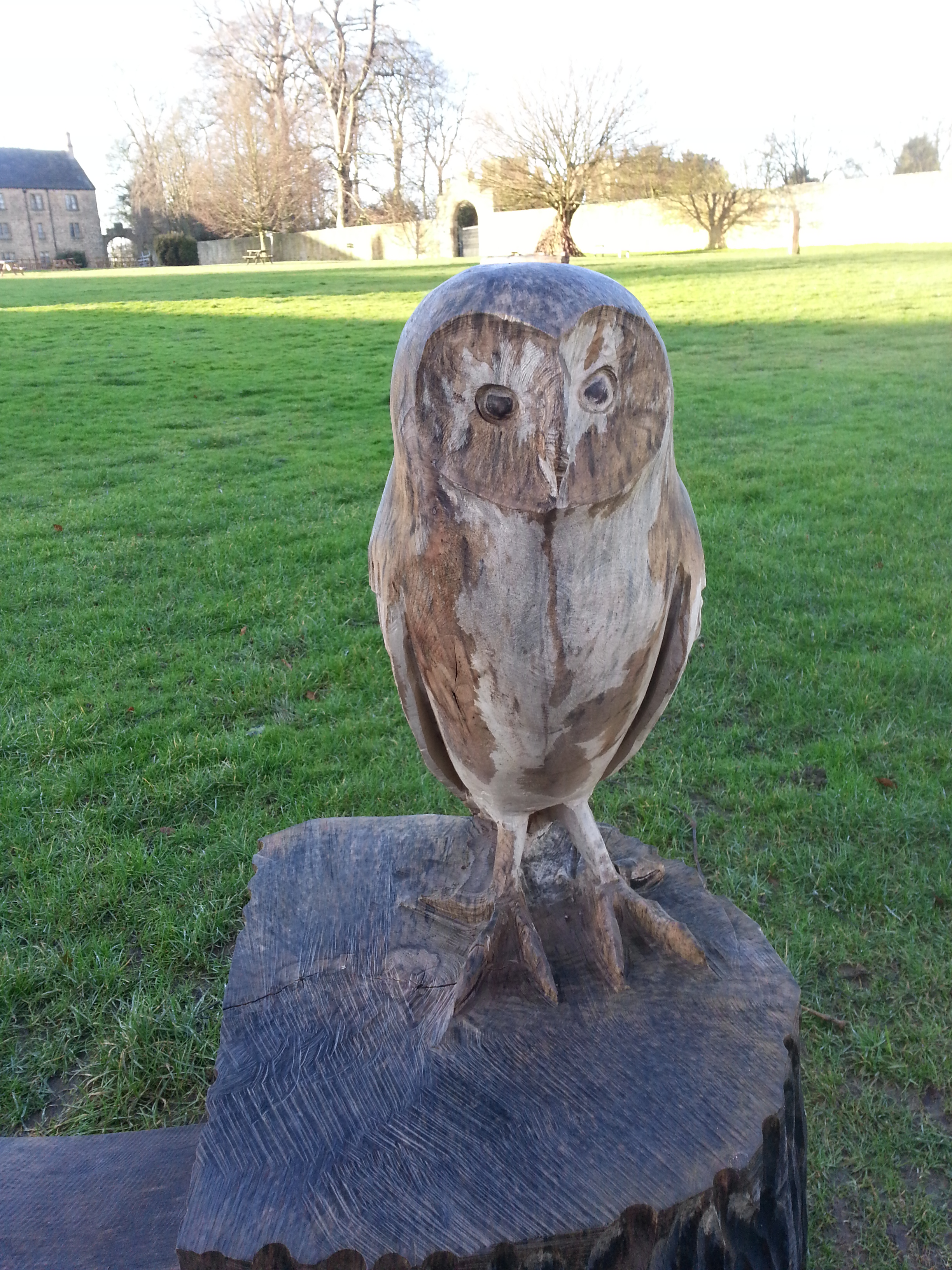
Signs of a recent den building activity day for children were in evidence in the grassed area enclosed by the stable block buildings, as were wood sculptures celebrating the skills of the craftsmen who would have helped to maintain the grounds at Hardwick. The carvings were created from trees that had been felled due to disease. Even the tables and chairs in one of the buildings celebrated the work of the estate millers.

2014 01 26_6319 2014 01 26_6320

2014 01 26_6321 2014 01 26_6322

2014 01 26_6323 2014 01 26_6324

We were highly impressed by the “green credentials” of the building revamp and felt it needed celebrating. Well done to the National Trust! As well as excellent insulation there are several innovative ideas in action. Water collected from the roofs is used to flush toilets, solar panels on the roofs pre-heats water to be used in the kitchen, heat generated by the condensers of the fridges and freezers is collected and the boiler is of a bio-mass type.

The more formal gardens are enclosed areas snuggly fitted close to the house surrounded by tall hedges so that each area is a surprise to the visitor. Some beautiful coppicing work in “The Nuttery” was evidence of the skilled gardeners here now. The trees here are Hazels, their prunings providing brash stacks for wildlife shelters.

2014 01 26_6257

2014 01 26_6261 2014 01 26_6262 2014 01 26_6264 2014 01 26_6265 2014 01 26_6263 2014 01 26_6266

We discovered some beautifully and skillfully trained and pruned plants, a rose and some Yew which brought a smile to our faces. It was cold day so a smile was most welcome! Just after taking these photos the sky turned black with heavy storm clouds, the temperature dropped, the wind speed increased and we were attacked by a ferocious hail storm. We took shelter in the entrance to the hall where I took these photos some showing the wet glossy paths to illustrate how wet it was.

2014 01 26_6270          2014 01 26_62812014 01 26_6282

2014 01 26_6286 2014 01 26_6287

2014 01 26_6285 2014 01 26_6288

     2014 01 26_6289

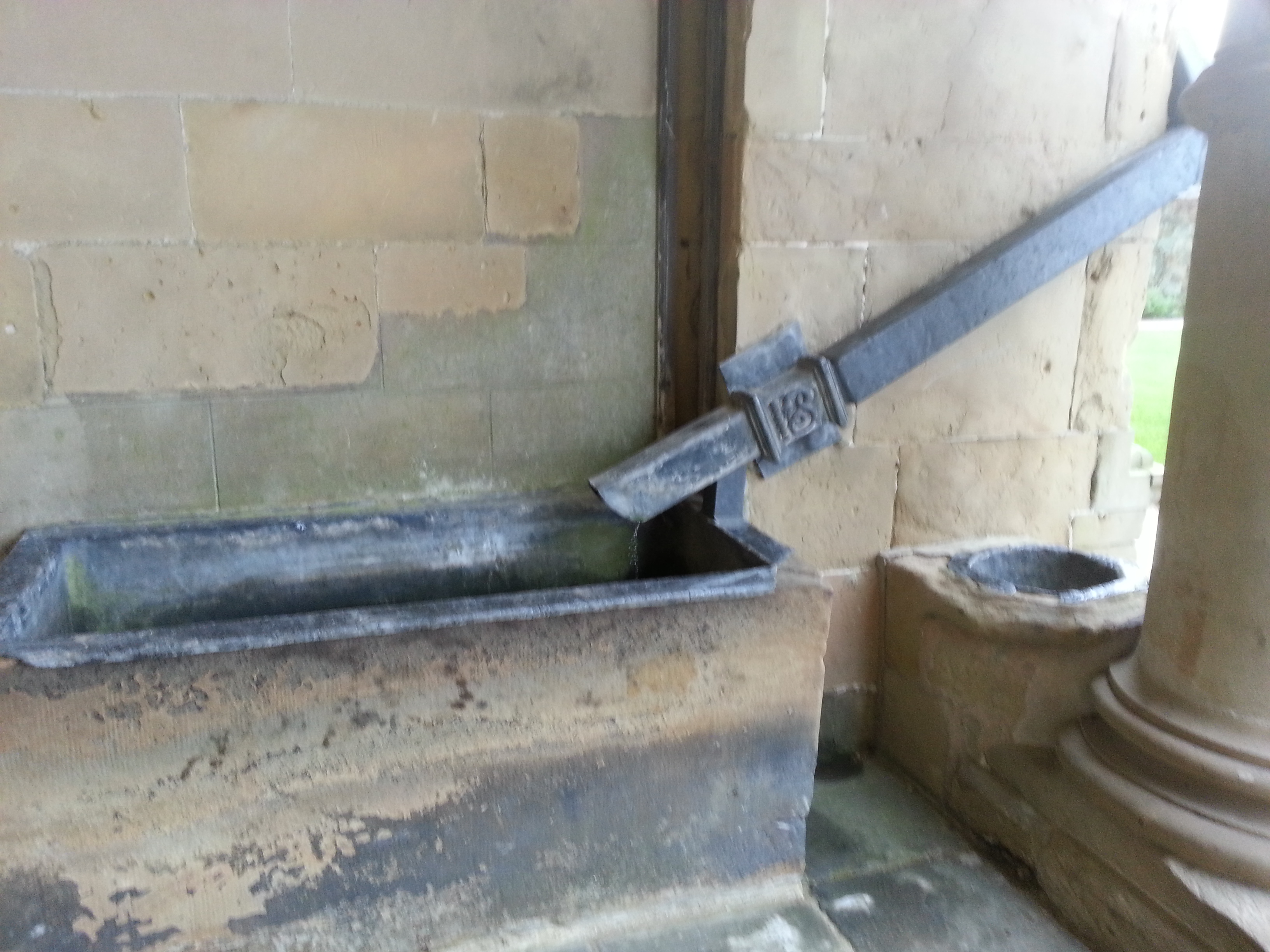
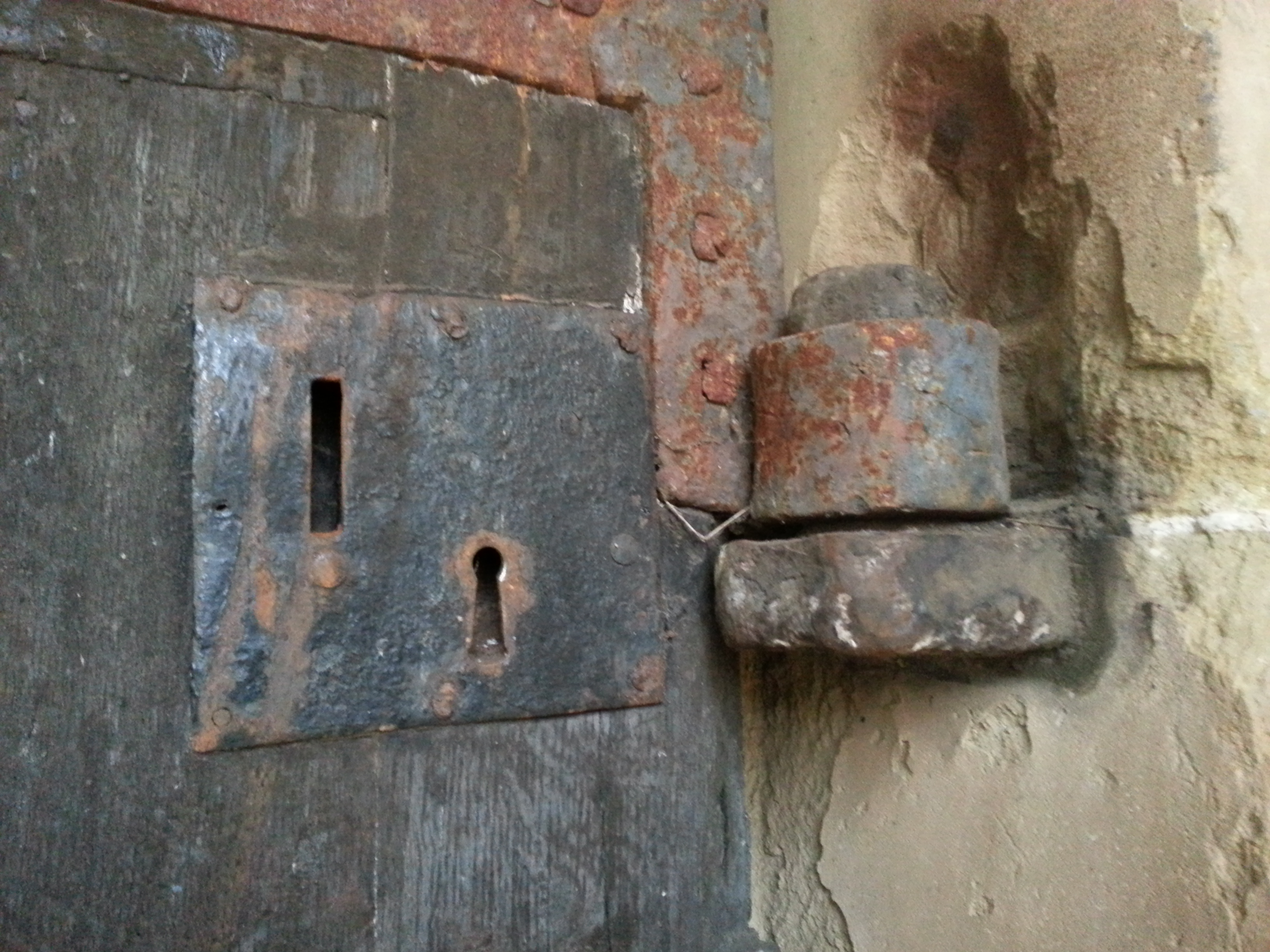
After sheltering out the time of the storm we looked for architectural details of the building and discovered these gems.

2014 01 26_6283 2014 01 26_6284

2014 01 26_6293 2014 01 26_6294

2014 01 26_6295

So let us have a look at a few shots of the “new” hall before we explore the old hall.

2014 01 26_6290 2014 01 26_6291 2014 01 26_6292

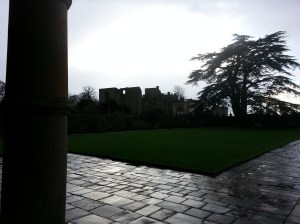
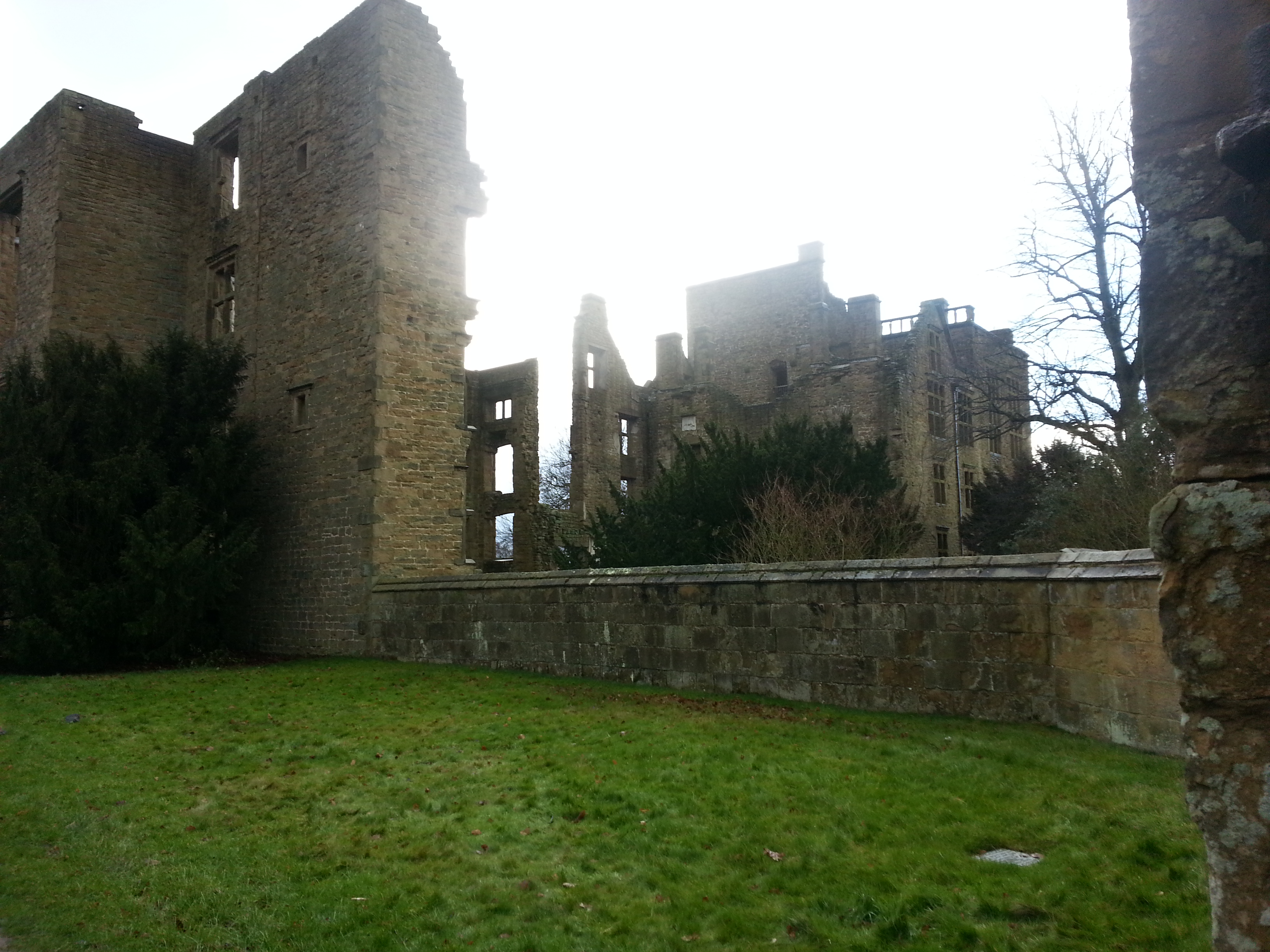
As we approached the old hall, which was the family home of Bess, our first view was in silhouette. As we moved around the building the detail revealed itself.

2014 01 26_6296 2014 01 26_6297

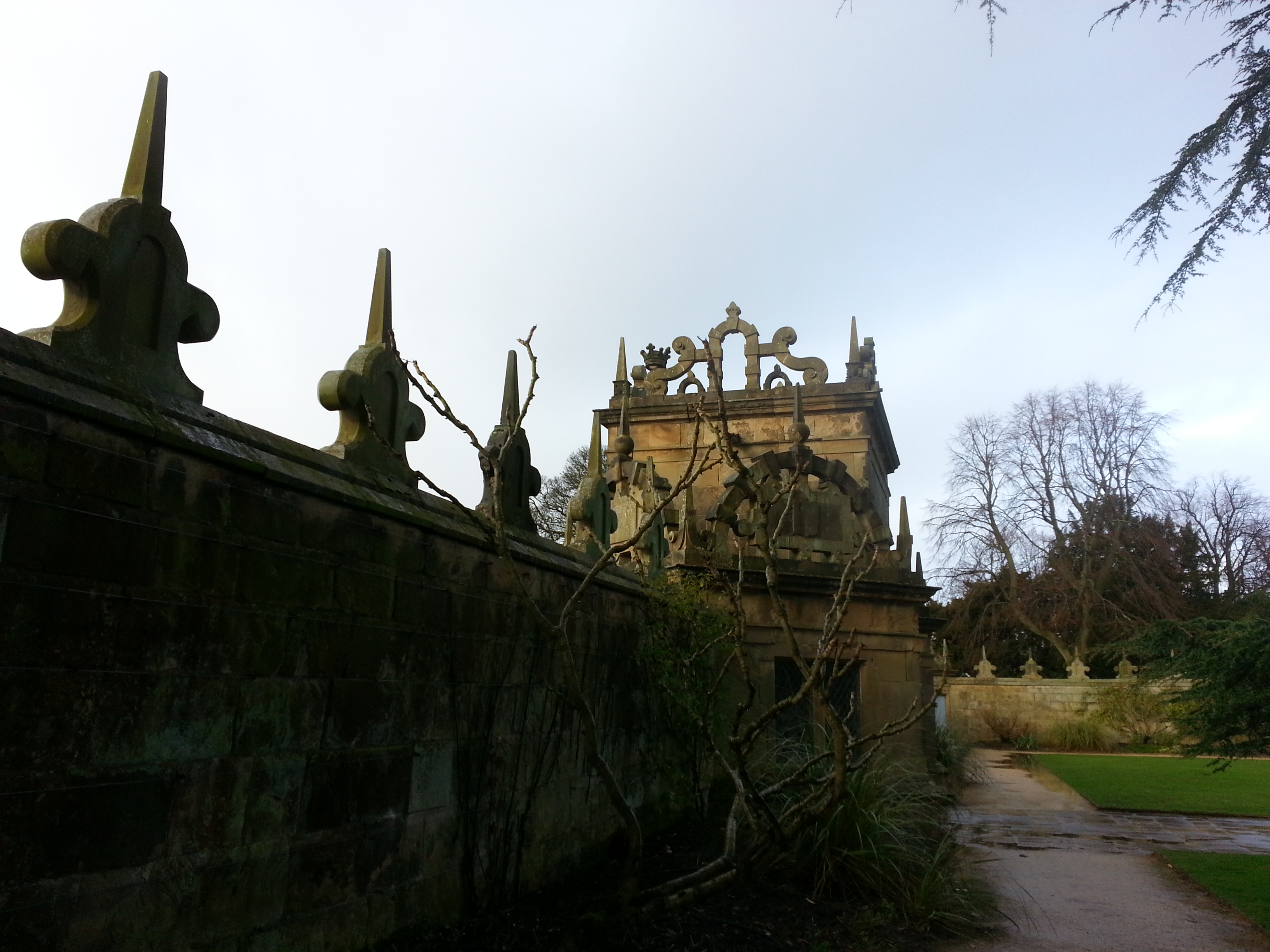
As we passed through the gateway we came across this piece of stonework. We had no idea what it was but were interested to find another set of Bess’ initials. You can just about see them if you look really carefully.

2014 01 26_6298 2014 01 26_6299

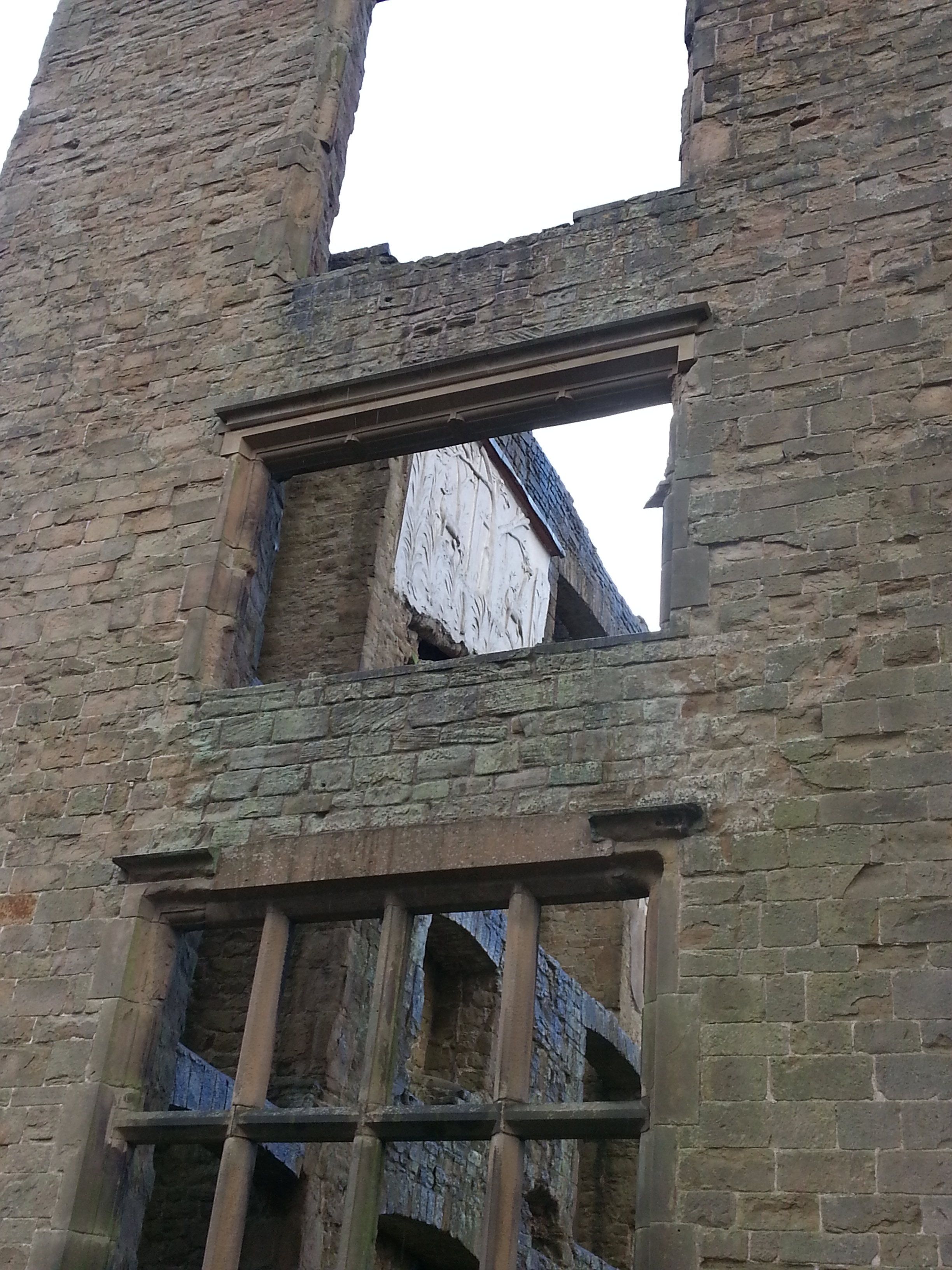
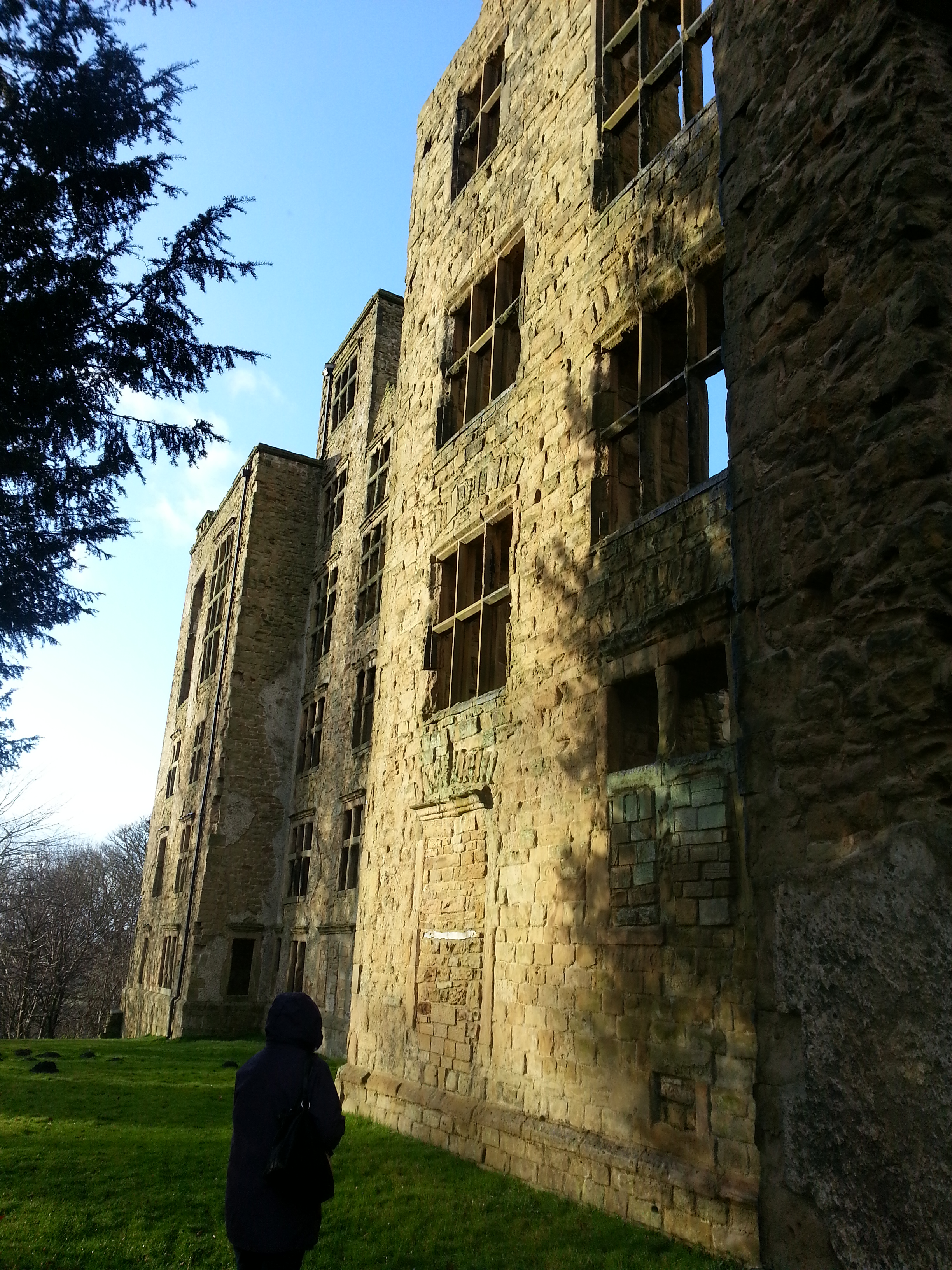
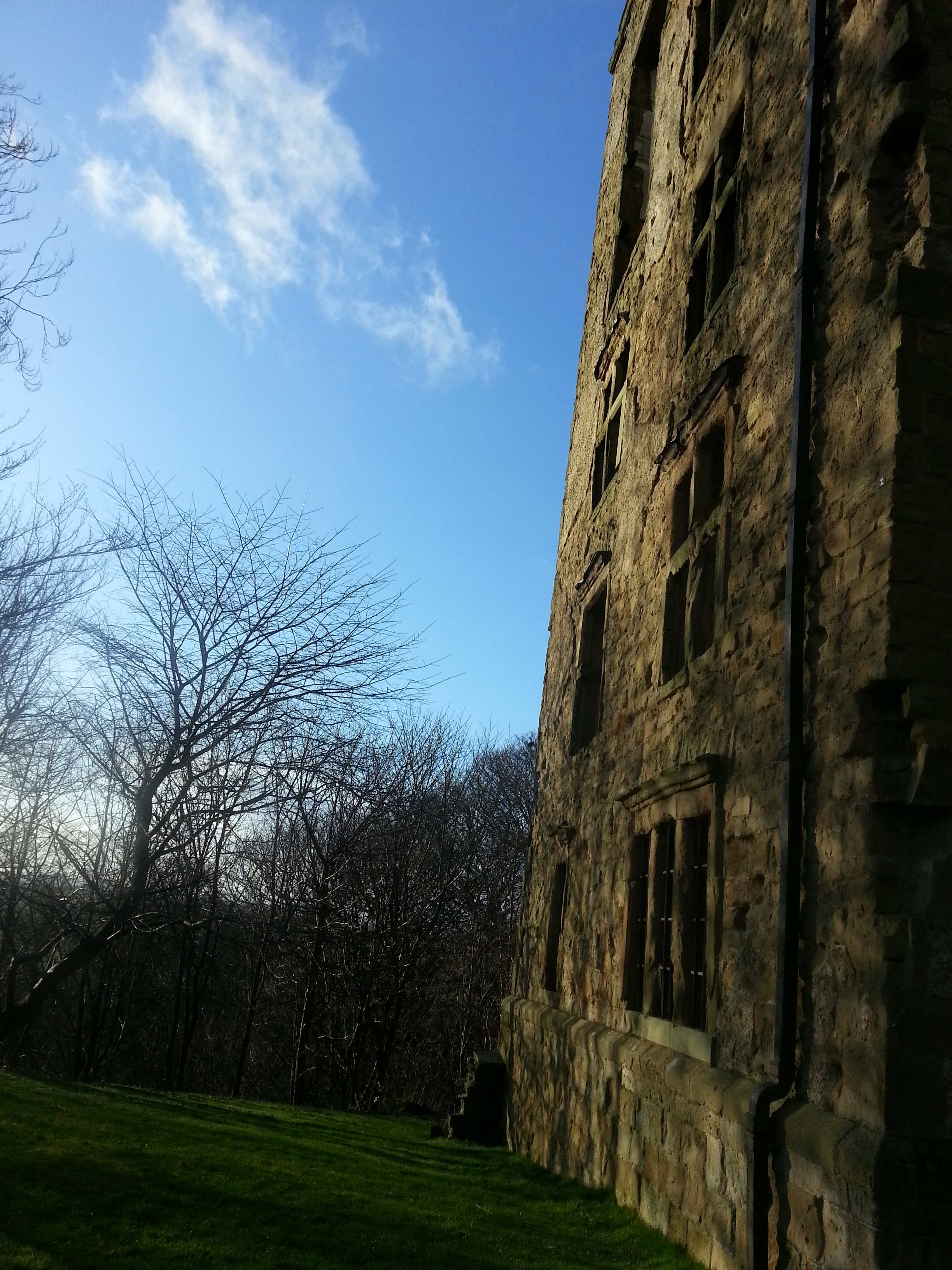
A close up look around the tall walls of the old hall showed how beautiful it must have been. It had a certain beauty even in decay.

2014 01 26_6300    2014 01 26_6304 2014 01 26_6305   2014 01 26_6308  2014 01 26_6310 2014 01 26_6311

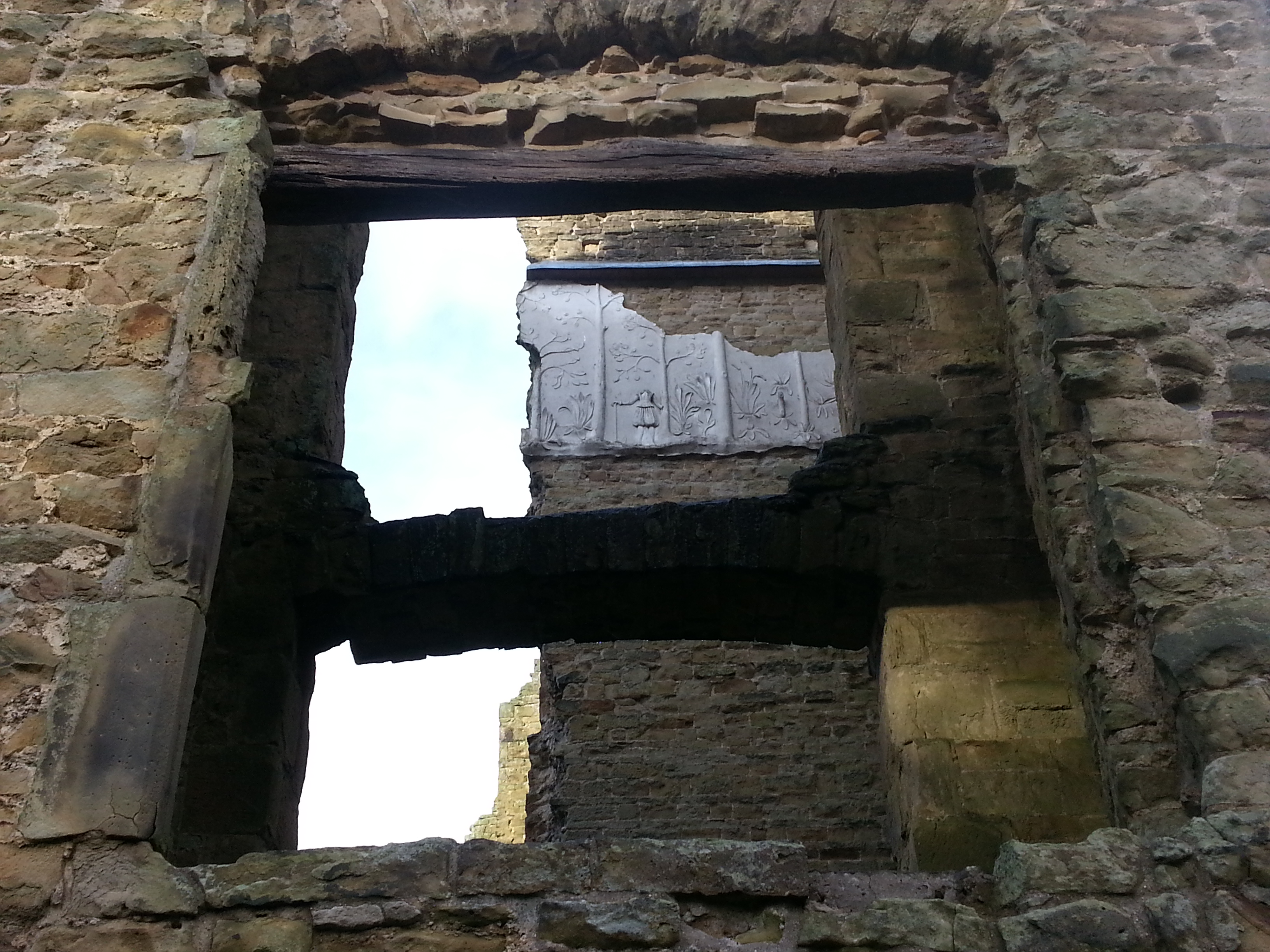
We were drawn to the signs of old plaster work hanging on the inside walls.

2014 01 26_6312 2014 01 26_6302

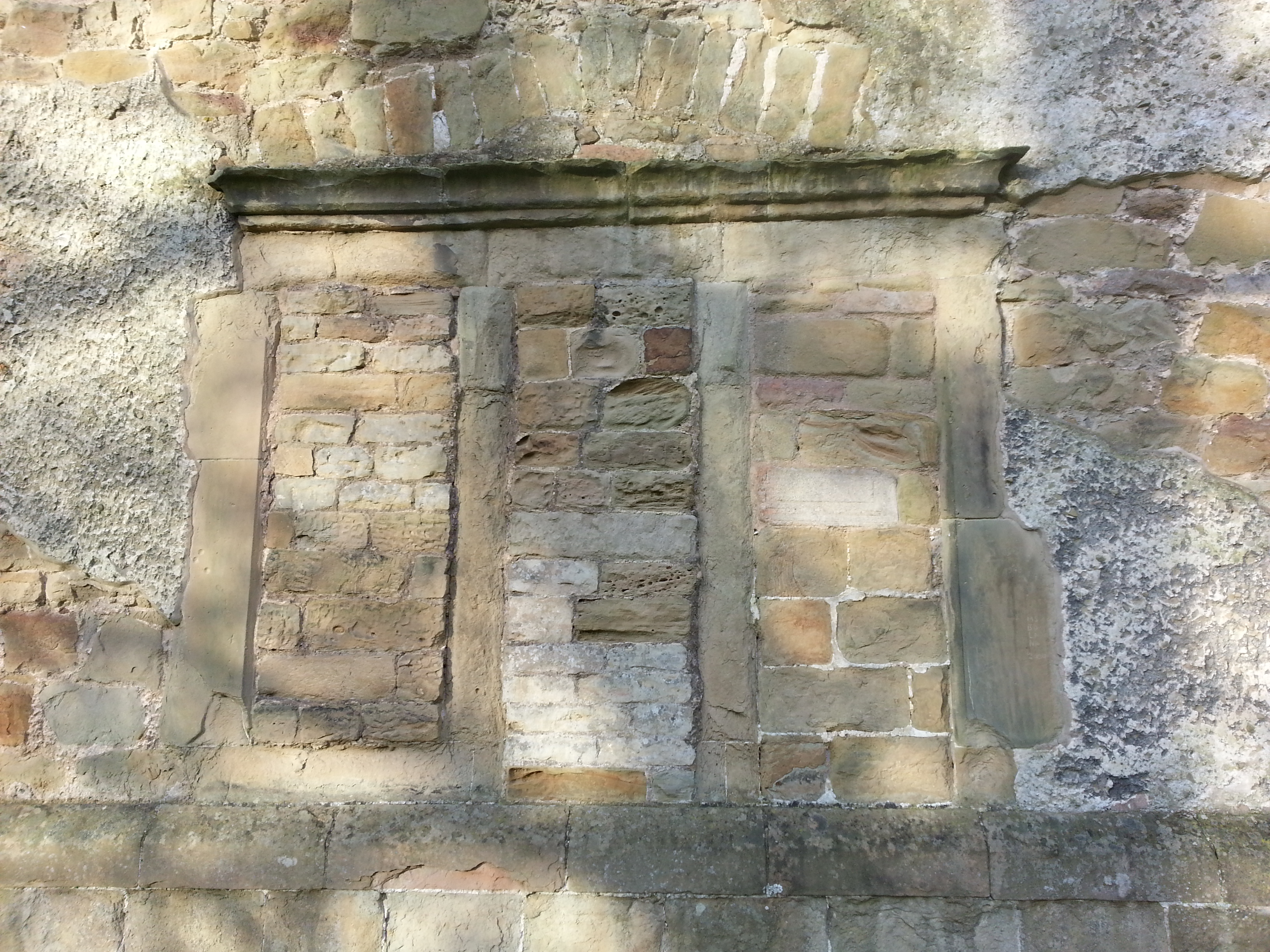
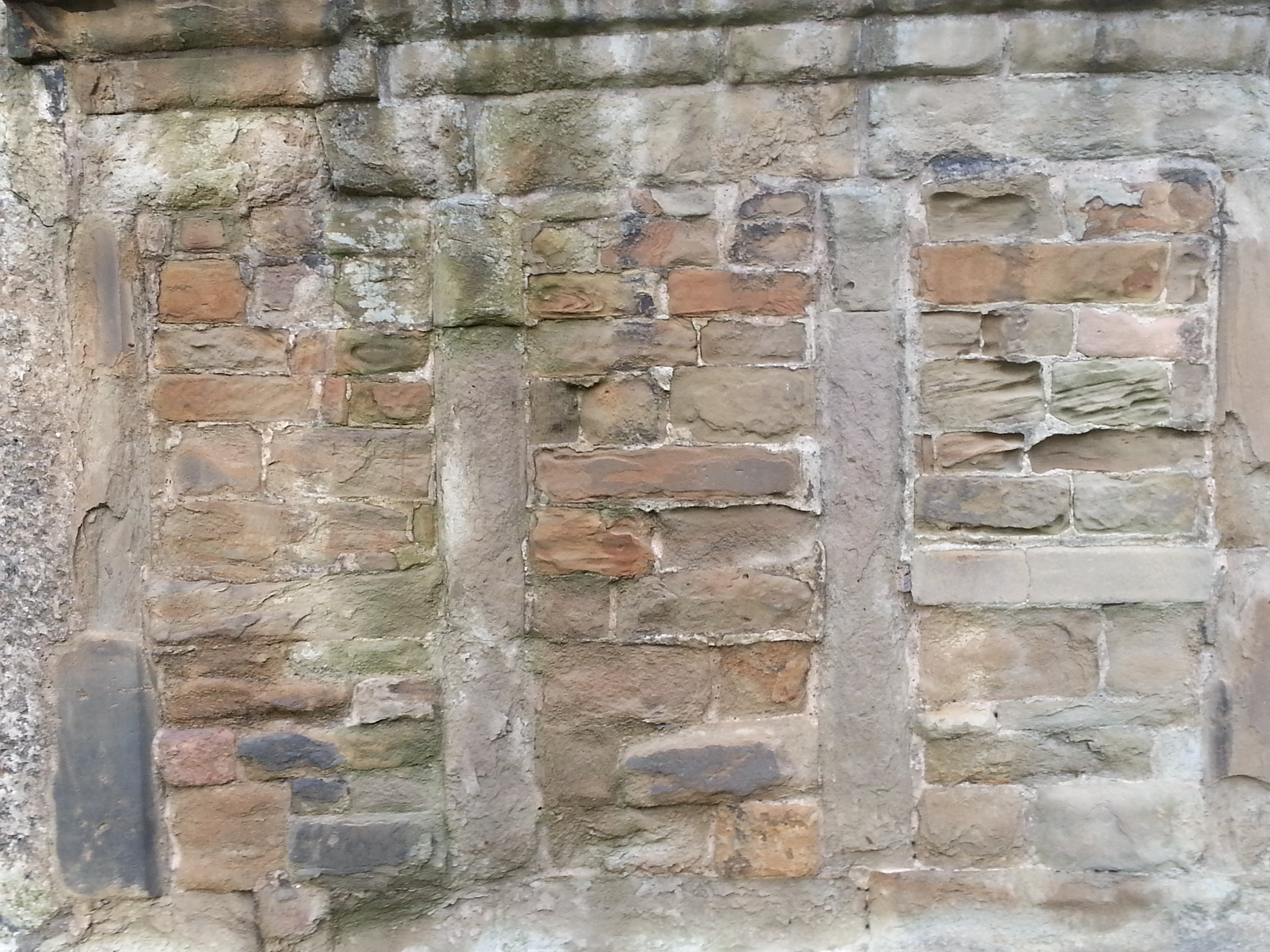
Many old windows and doors had been filled in at various times and this resulted in what appeared as framed textured paintings. Beautiful!

2014 01 26_6309 2014 01 26_6307

2014 01 26_6301 2014 01 26_6306

As we walked away from the old hall I looked back and took this shot of it as the sky cleared and the sun returned.

2014 01 26_6314

As we returned to the car park the sun was setting behind the tall trees alongside the path showing just how long we had been discovering the delights of the old halls at Hardwick. We also came across this stone sculpture based on seeds found in the grounds.

2014 01 26_6330 2014 01 26_6329

We travelled further North and made our way out of Derbyshire into Yorkshire where we stayed a few days in Wakefield. Here we would experience more of our culture fixes.

Categories
arboreta autumn memorials poppies remembrance trees woodland

The National Memorial Arboretum Part Two

We return in this second post about the National Memorial Arboretum where we left off.

2013 11 30_5345_edited-1

This was a quiet place, full of bird song and the quiet voices of the visitors deeply affected by the sense of the place.

2013 11 30_5380

Seats to sit upon

to sit and think

to sit and to remember

lost ones.

Share now a few images of the place to show its variety, its beauty and its sadness.

2013 11 30_5372  2013 11 30_5386 2013 11 30_5387 2013 11 30_5385

 2013 11 30_5434 2013 11 30_5433

2013 11 30_5435

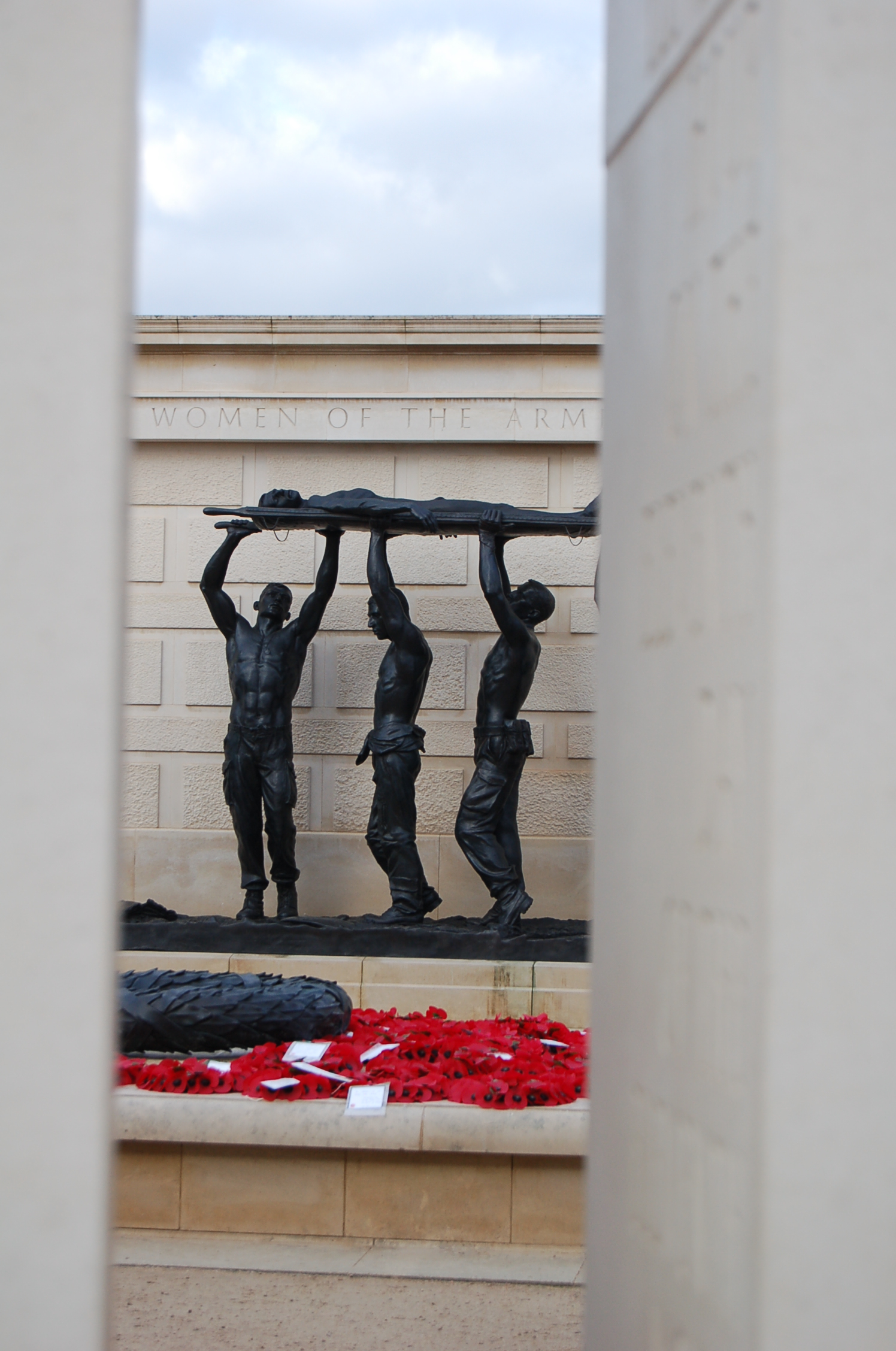
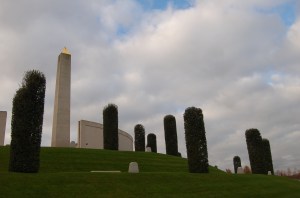
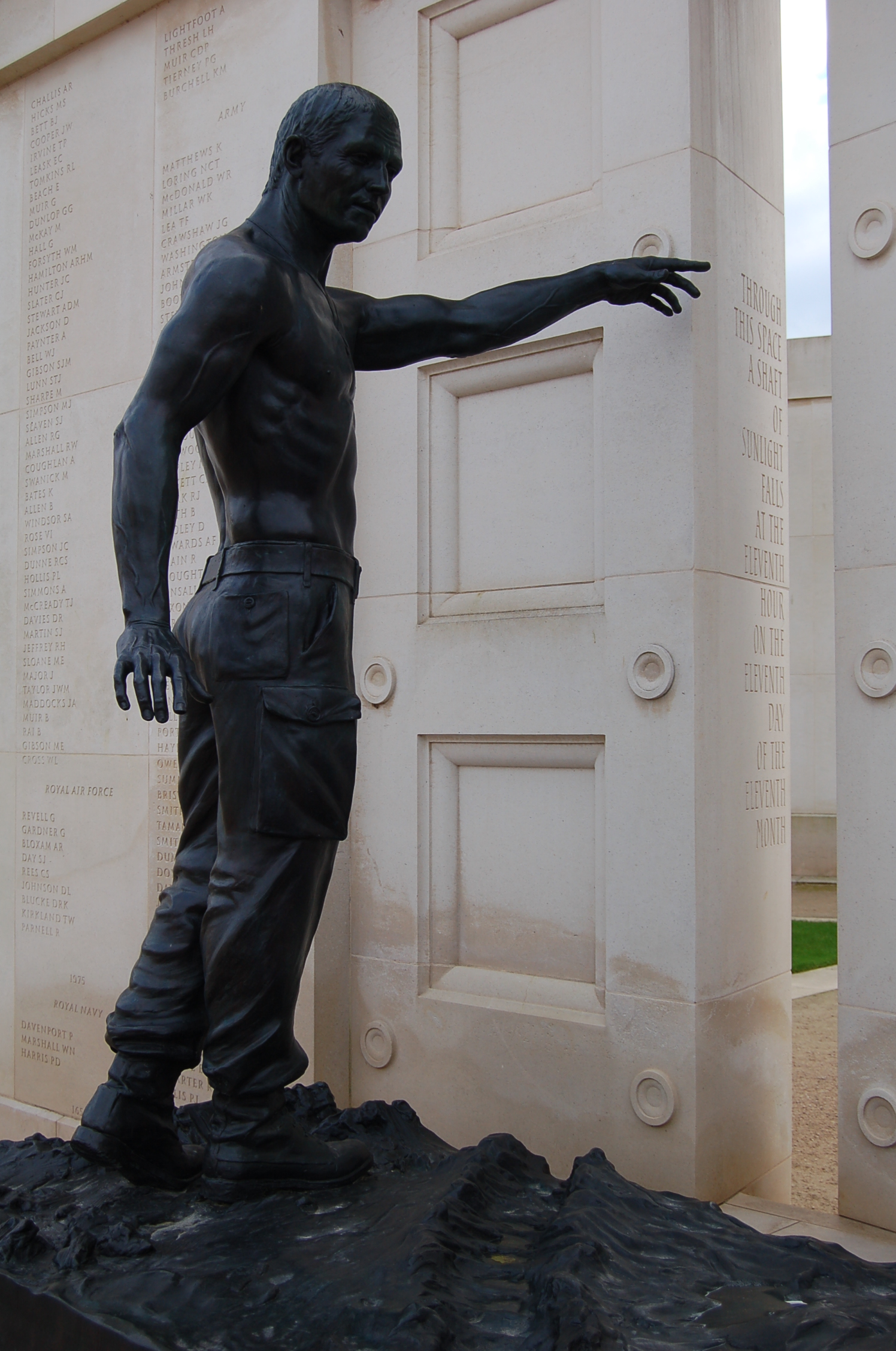
We walked slowly up a gentle sloping path giving us a spiral route to the “Armed Services Memorial” with a solemn “wall of names”. The sculptural pieces here were astonishing, powerful and thought provoking.

2013 11 30_5376 2013 11 30_5356

 2013 11 30_5358 2013 11 30_5359 2013 11 30_5360 2013 11 30_5361 2013 11 30_5362

Below, the sculpted hand indicates the place where a shaft of sunlight pierces two slits in two walls. They line up on the 11th hour of the 11th day of the 11th month each year the time when the First World War ended. It is the time the nation remembers each year the members of the armed forces lost serving their country.

2013 11 30_5363 2013 11 30_5364

2013 11 30_5370 2013 11 30_5371

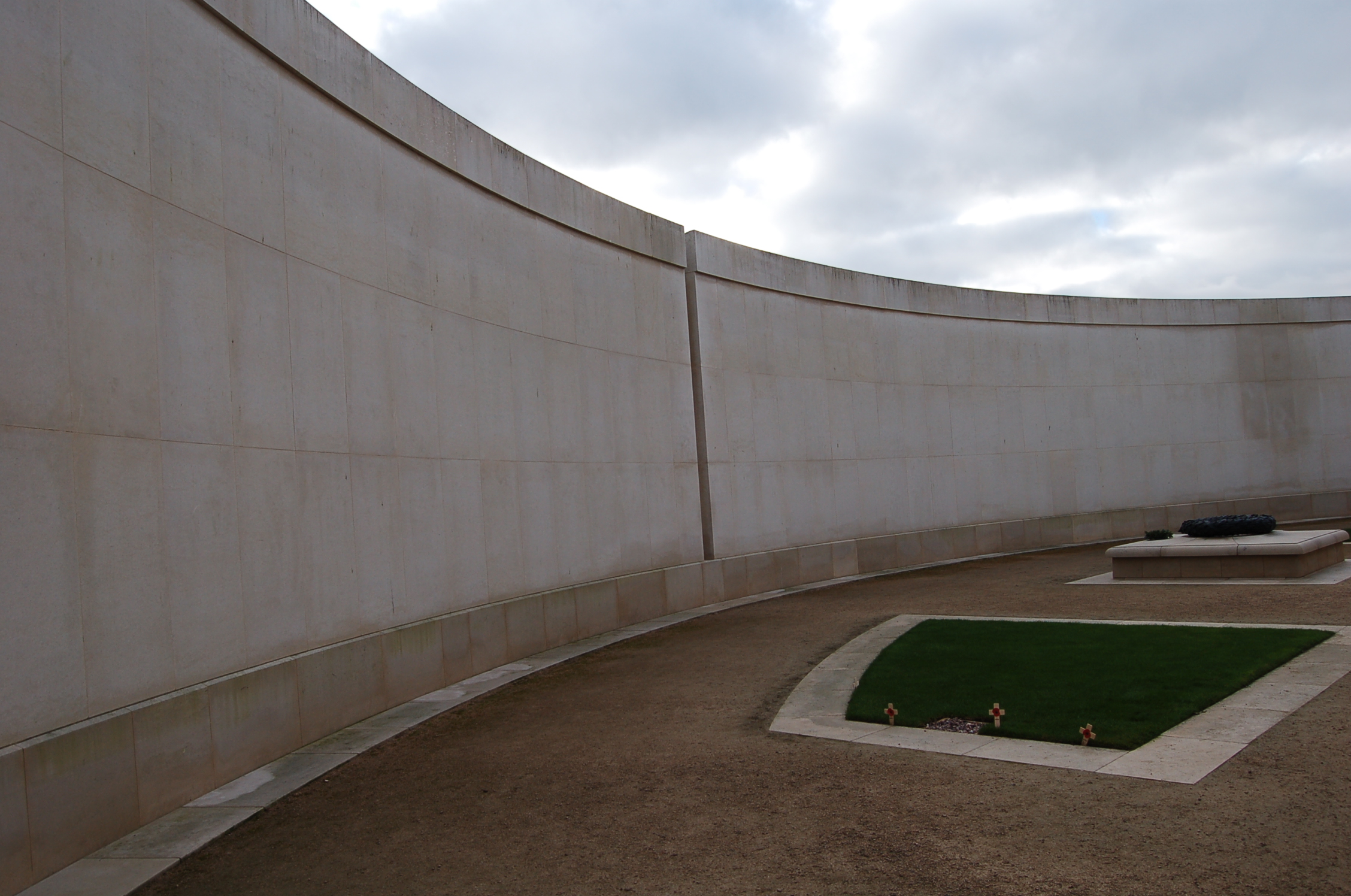
A massive curving wall has carved into it the names of all armed service personel who have died in service since the end of the Second Wall War. To see all these names together illustrates the futility of war so clearly. Worst of all was the huge area left blank as space for those yet to die. The United Nations should hold their meetings here and every Member of Parliament from every nation should spend some time here at the beginning of every session of their parliament. I wonder if it would make any difference?

2013 11 30_5365

2013 11 30_5367 2013 11 30_5368 2013 11 30_5369

We found smaller memorials which were more specific and sometimes outside the realms of armed conflicts.

 2013 11 30_5377  2013 11 30_53792013 11 30_5378

The essential work of the Bevin Boys, the miners who kept the mines open during WW2 was celebrated in these wonderful relief carvings. Powerful just like the Bevin boys themselves.

2013 11 30_5381 2013 11 30_5382 2013 11 30_5383 2013 11 30_5384

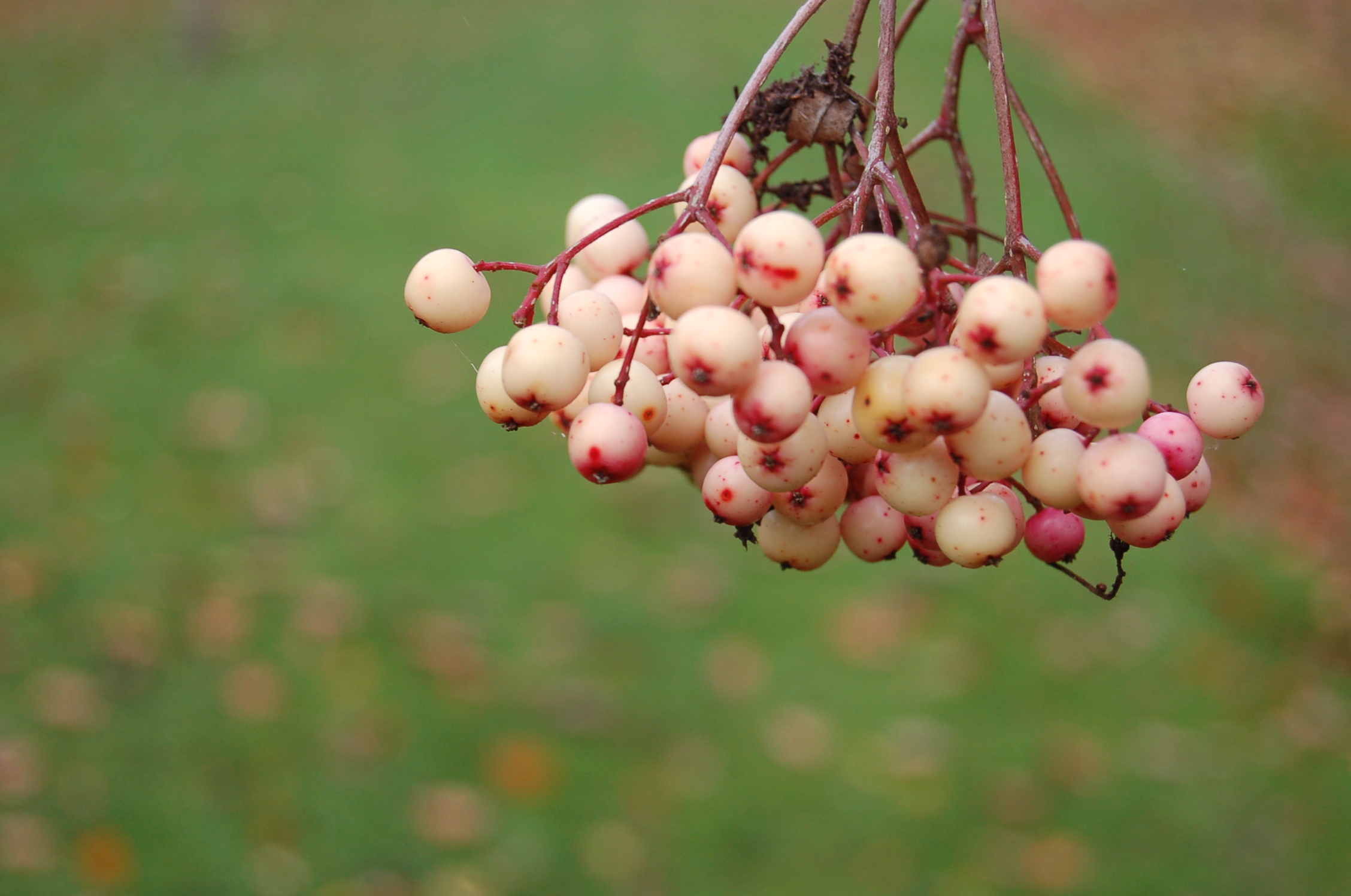
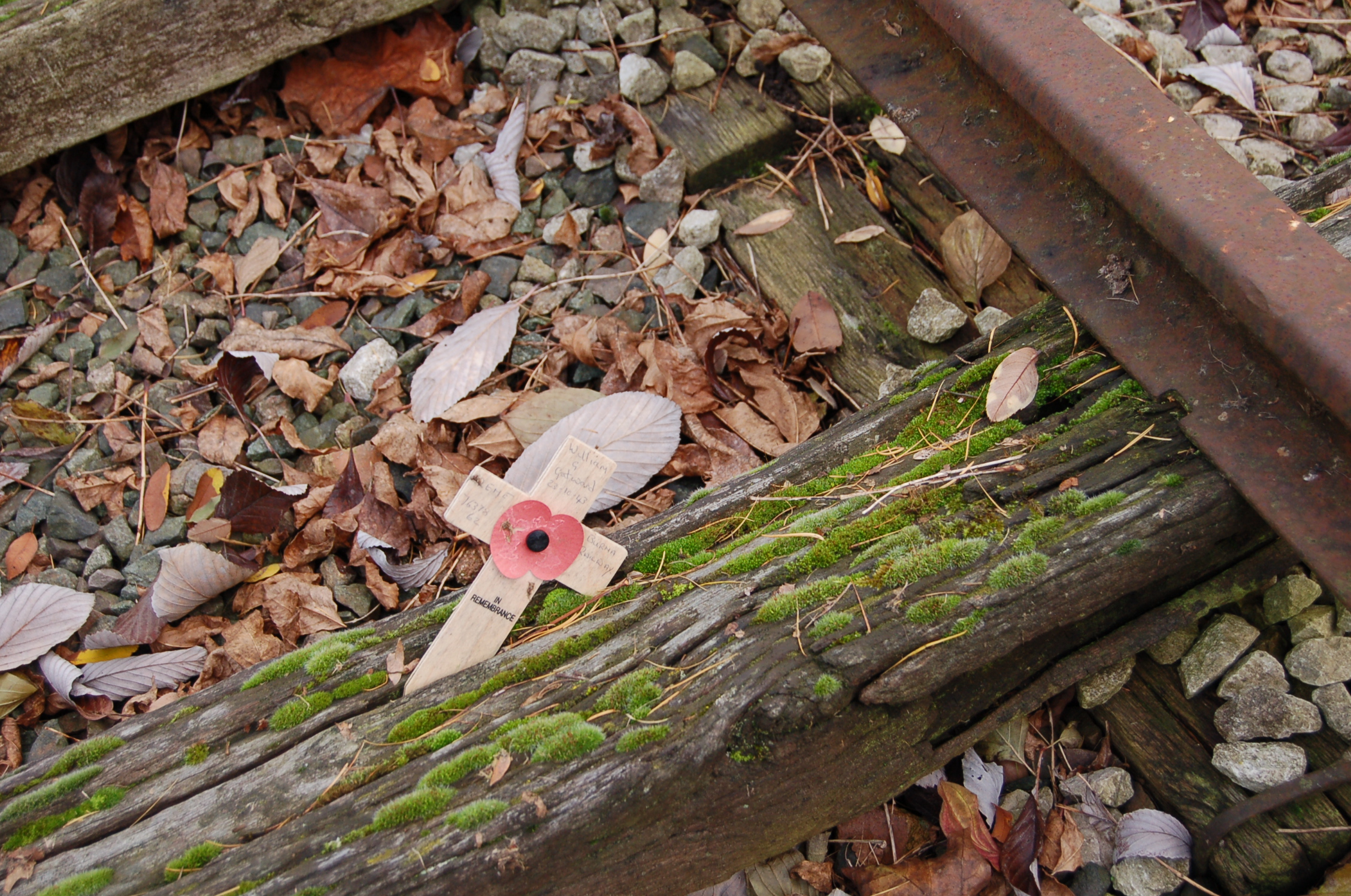
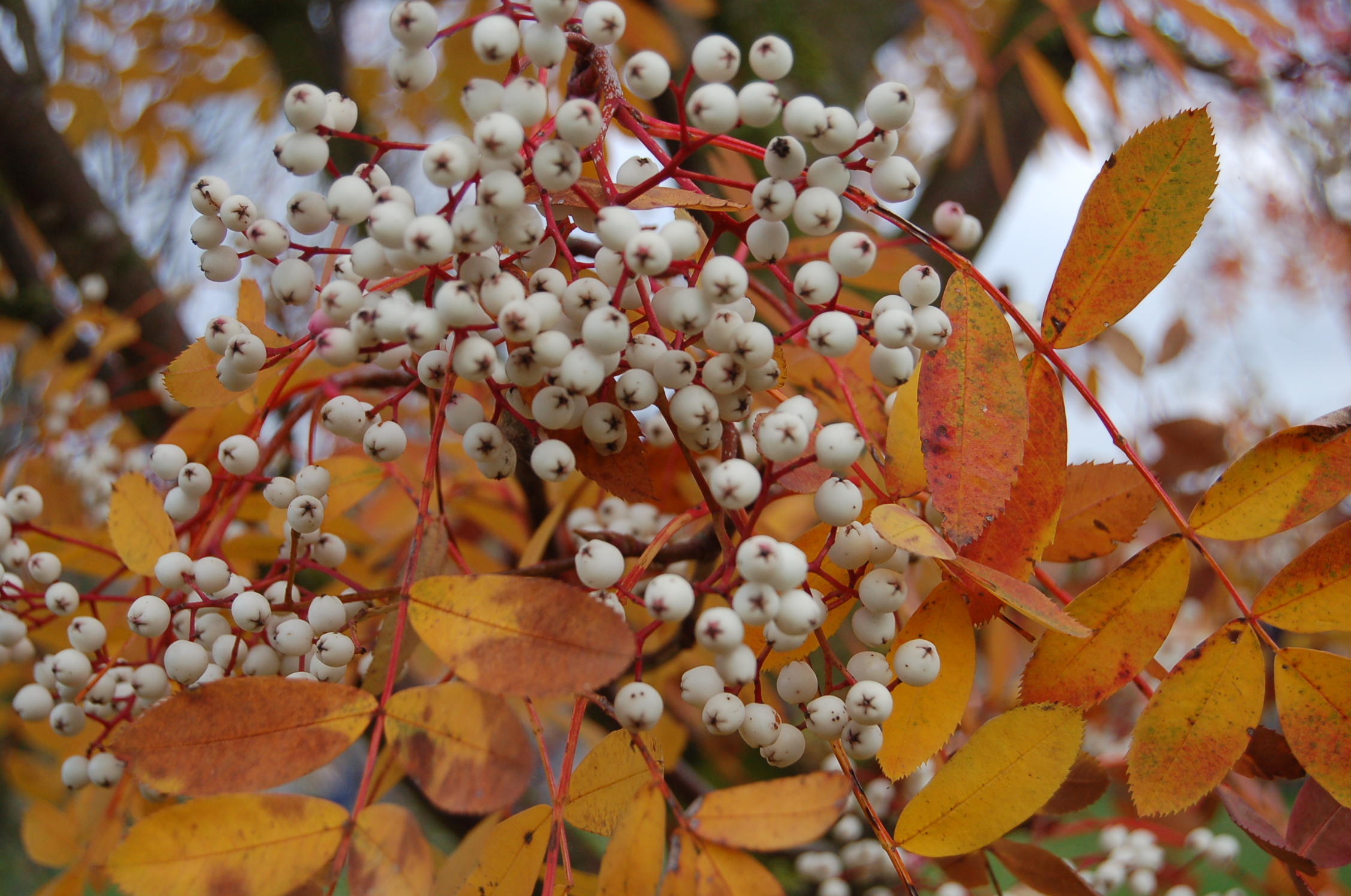
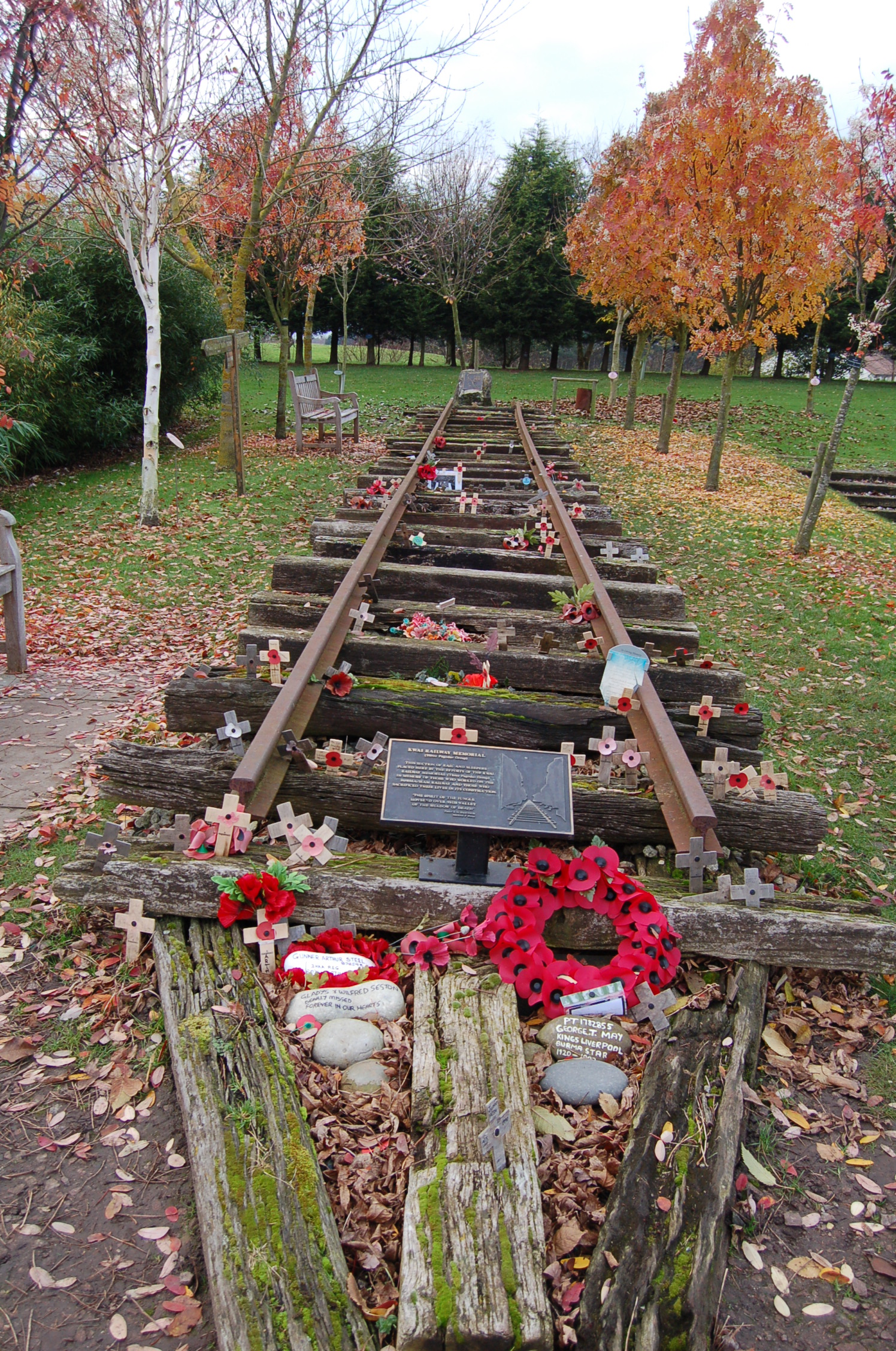
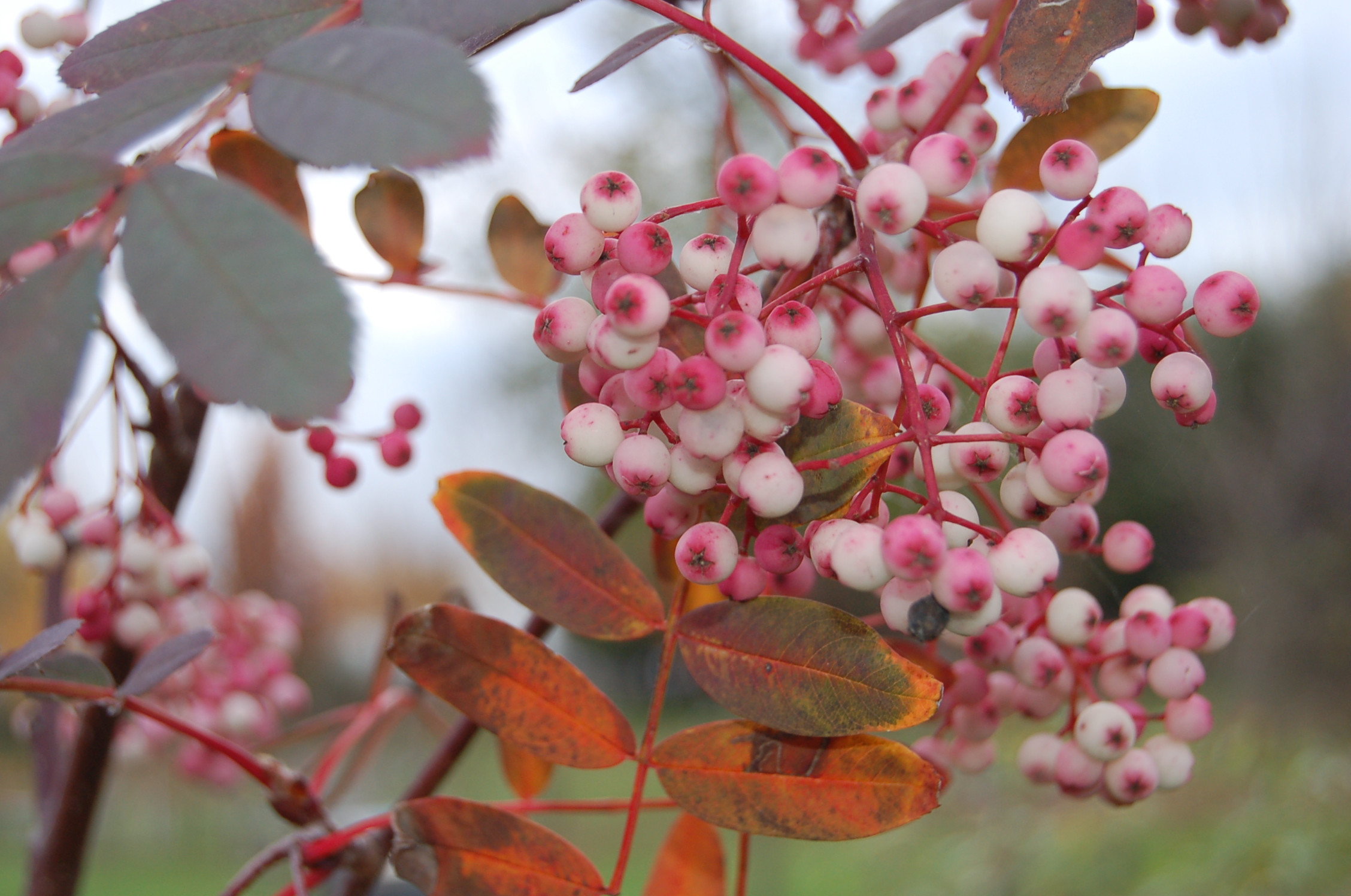
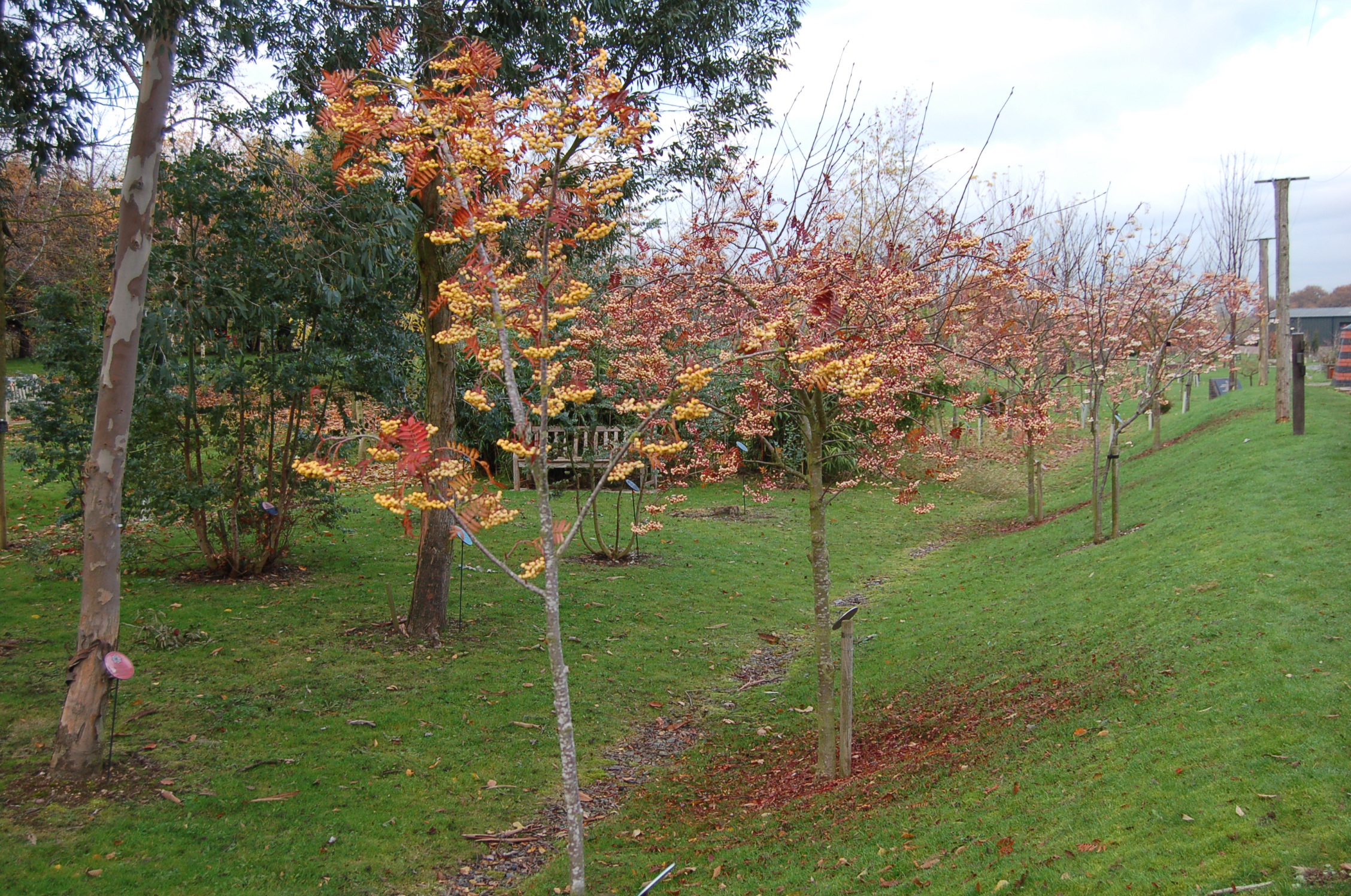
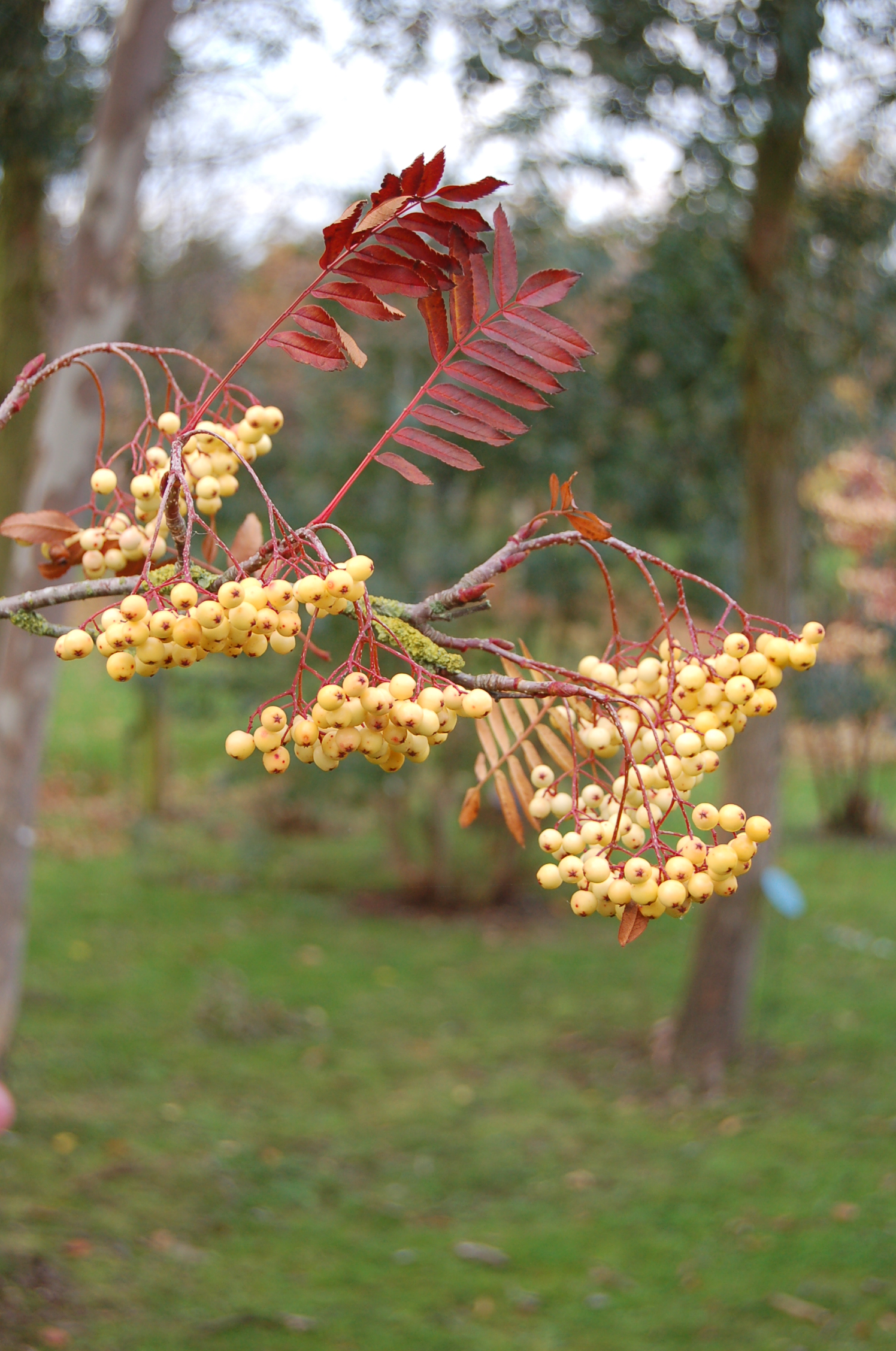
Men who lost their lives building the railways in the Far East as prisoners of war were commemorated by a garden of many varieties of Sorbus growing around reconstructed sections of railway lines.

2013 11 30_5392 2013 11 30_5395 2013 11 30_5397 2013 11 30_5398 2013 11 30_5399 2013 11 30_5400 2013 11 30_5401 2013 11 30_5402 2013 11 30_5403 2013 11 30_5404 2013 11 30_5405

A few of the gardens help us remember the loss of lives of those serving the nation but not in the armed services. Here we celebrate the bravery of the men of the Royal National Lifeboat Institution. A sturdy figure carved from stone reflects the strength of character of these people as he looks over a seaside landscape.

2013 11 30_5422

2013 11 30_5432 2013 11 30_5431

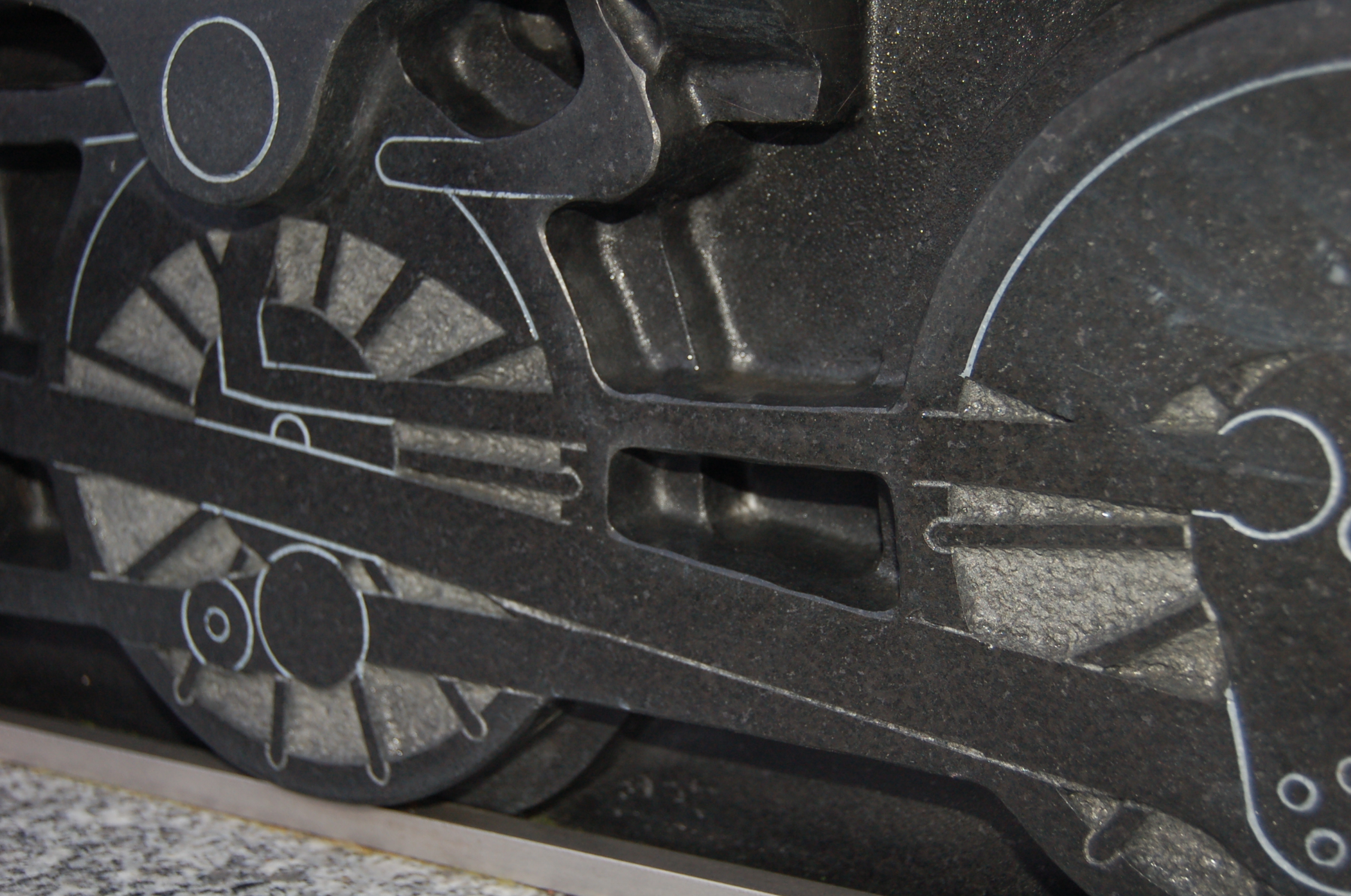
One of the most incredible memorials was a tribute to the men of the railways.

2013 11 30_5430 2013 11 30_5429 2013 11 30_5428 2013 11 30_5427 2013 11 30_5426 2013 11 30_5425 2013 11 30_5424 2013 11 30_5423

We even found a memorial to the soldiers from our home county of Shropshire.

2013 11 30_5413

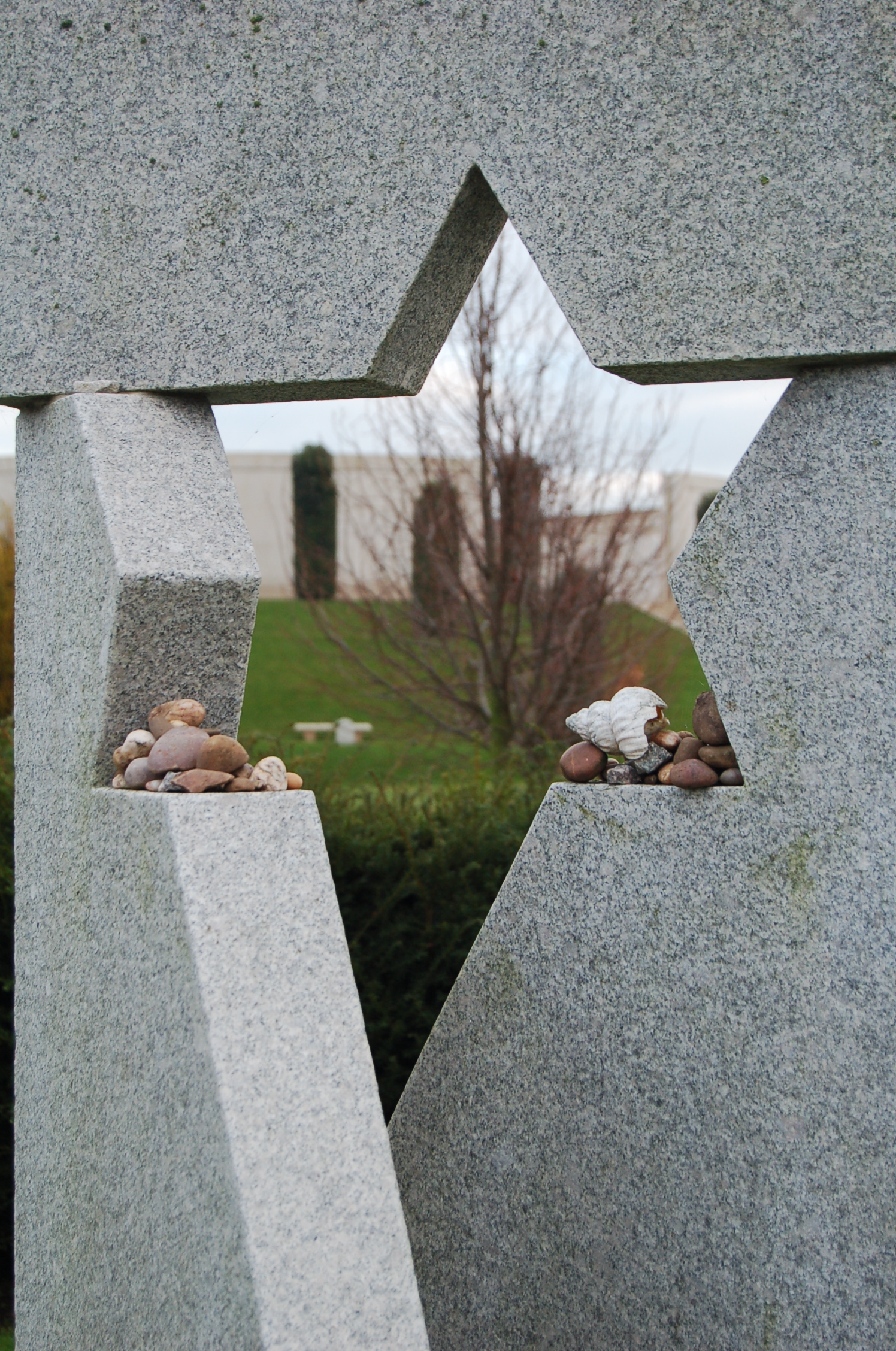
The Jewish Memorial was a truly beautiful piece of art as well as a moving memorial piece.

2013 11 30_5414 2013 11 30_5415 2013 11 30_5416

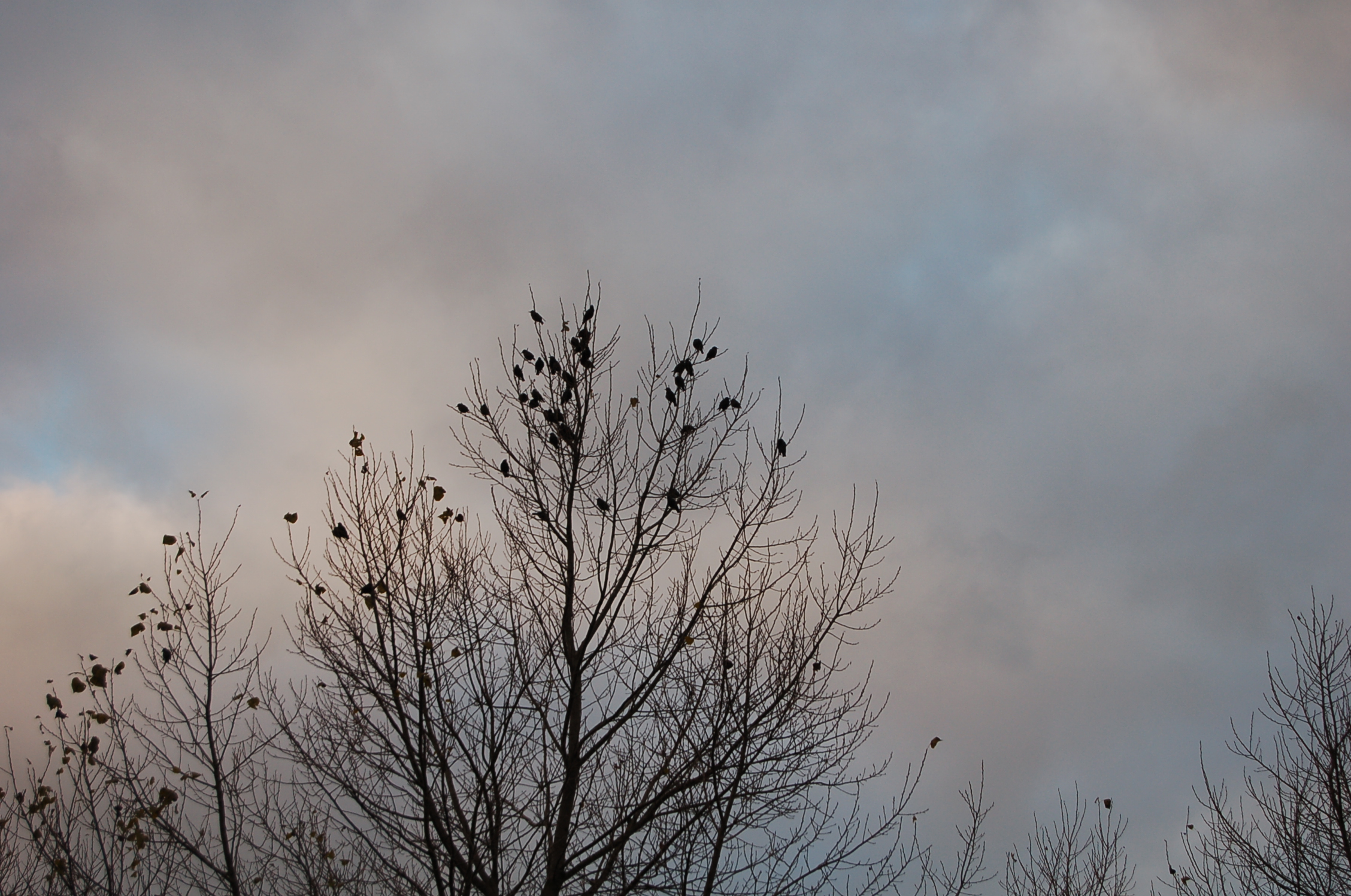
As the light faded over the memorial arboretum the trees tops began to fill with the sounds of starlings settling down to roost. To the birds this garden is a home giving them shelter, food and a place to nest.

2013 11 30_5417

I will leave you with a few deeply moving pictures.

2013 11 30_5409 2013 11 30_5364_edited-1

2013 11 30_5410 2013 11 30_5411

2013 11 30_5421 2013 11 30_5418

2013 11 30_5437 2013 11 30_5436

And finally a picture of the Bazra Wall to illustrate that we never learn. With all the waste of lives over the centuries it still goes on.

2013 11 30_5375

Categories
autumn autumn colours garden design garden photography gardening gardens kitchen gardens Land Art ornamental trees and shrubs outdoor sculpture trees walled gardens walled kitchen gardens

The Gardens at Newport House

2013 10 24_4456 2013 10 24_4457

As promised we return to Newport House to concentrate more on the gardens. The pictures above show the enclosed courtyard gardens behind the cafe building. From there we moved on towards the gardens in front of the house.

2013 10 24_4460 2013 10 24_4461 2013 10 24_4465 2013 10 24_4466

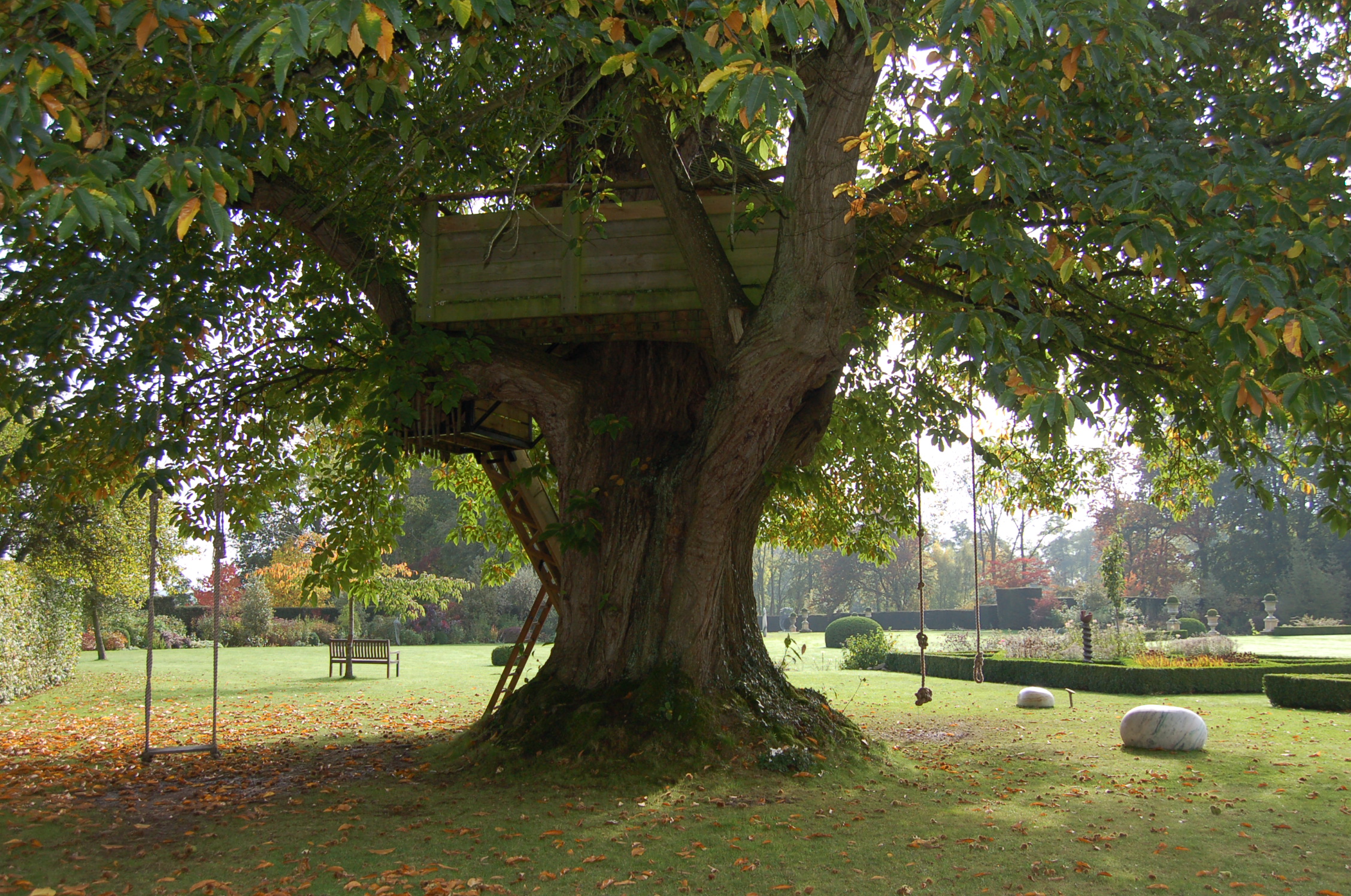
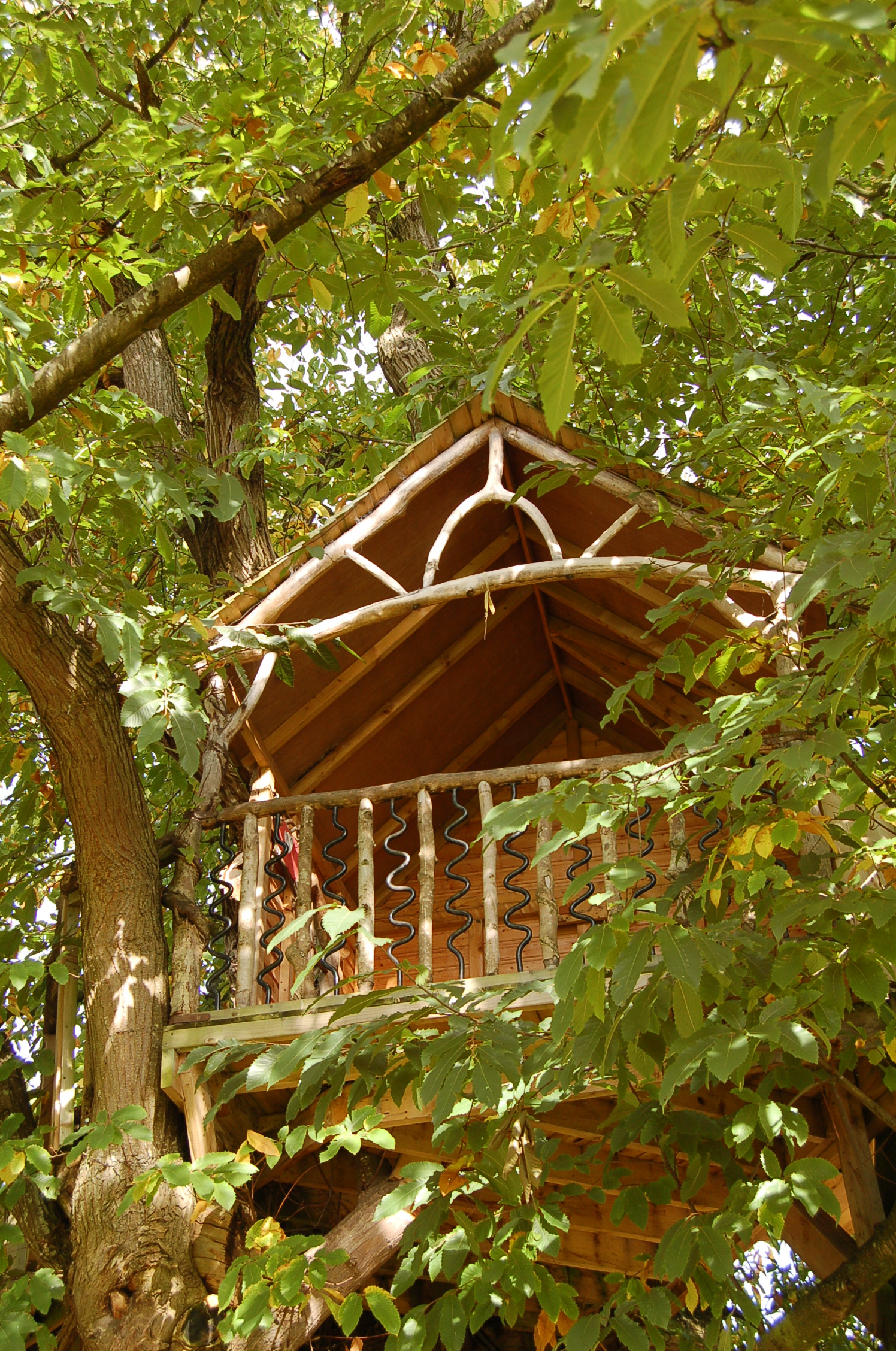
The view across open expanses of lawn was broken by the sight of this magnificent Sweet Chestnut which was made all the more magnificent by tree house lovingly crafted to embrace the trunks and main boughs.

2013 10 24_4467 2013 10 24_4470

2013 10 24_4474

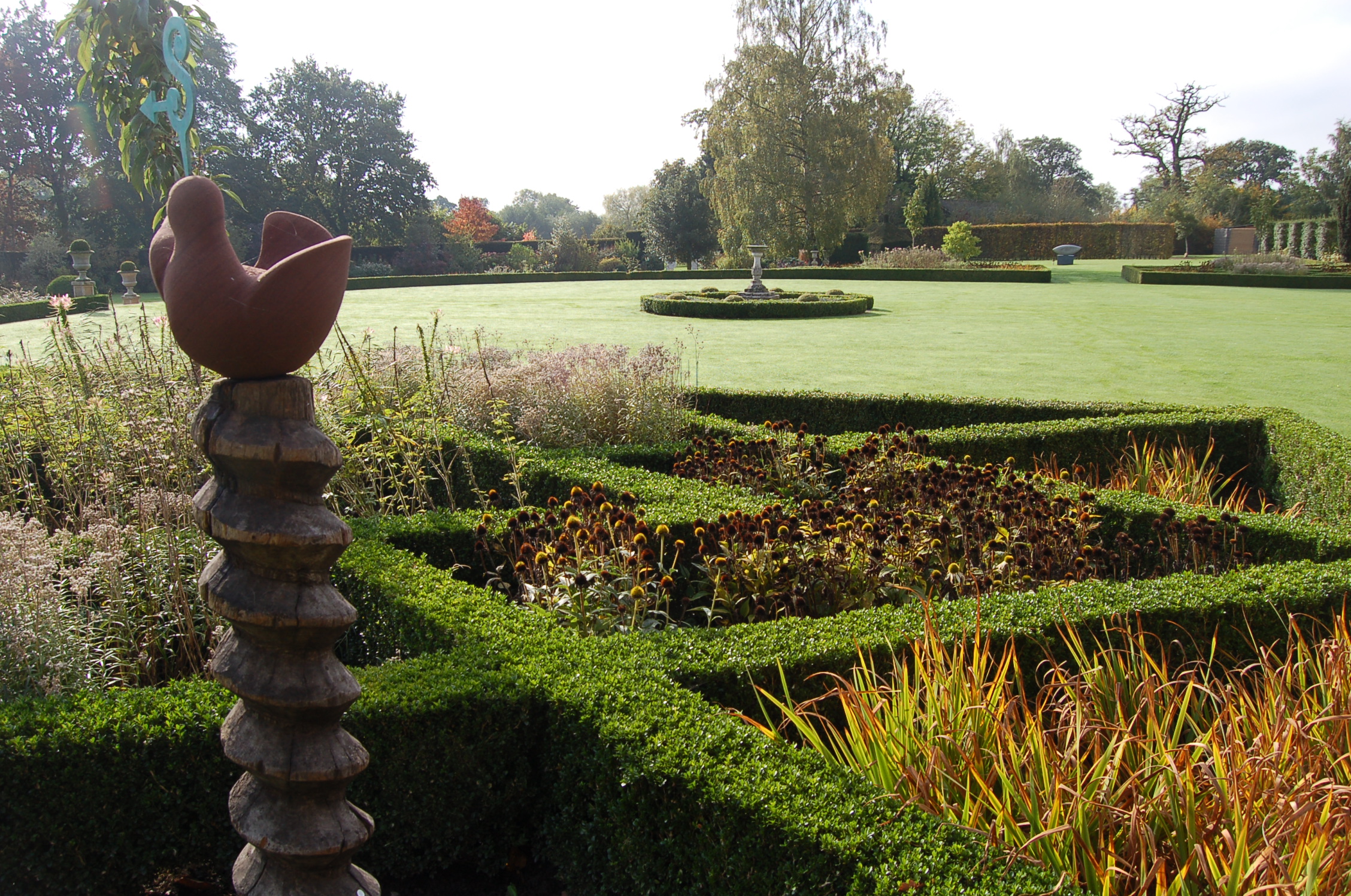
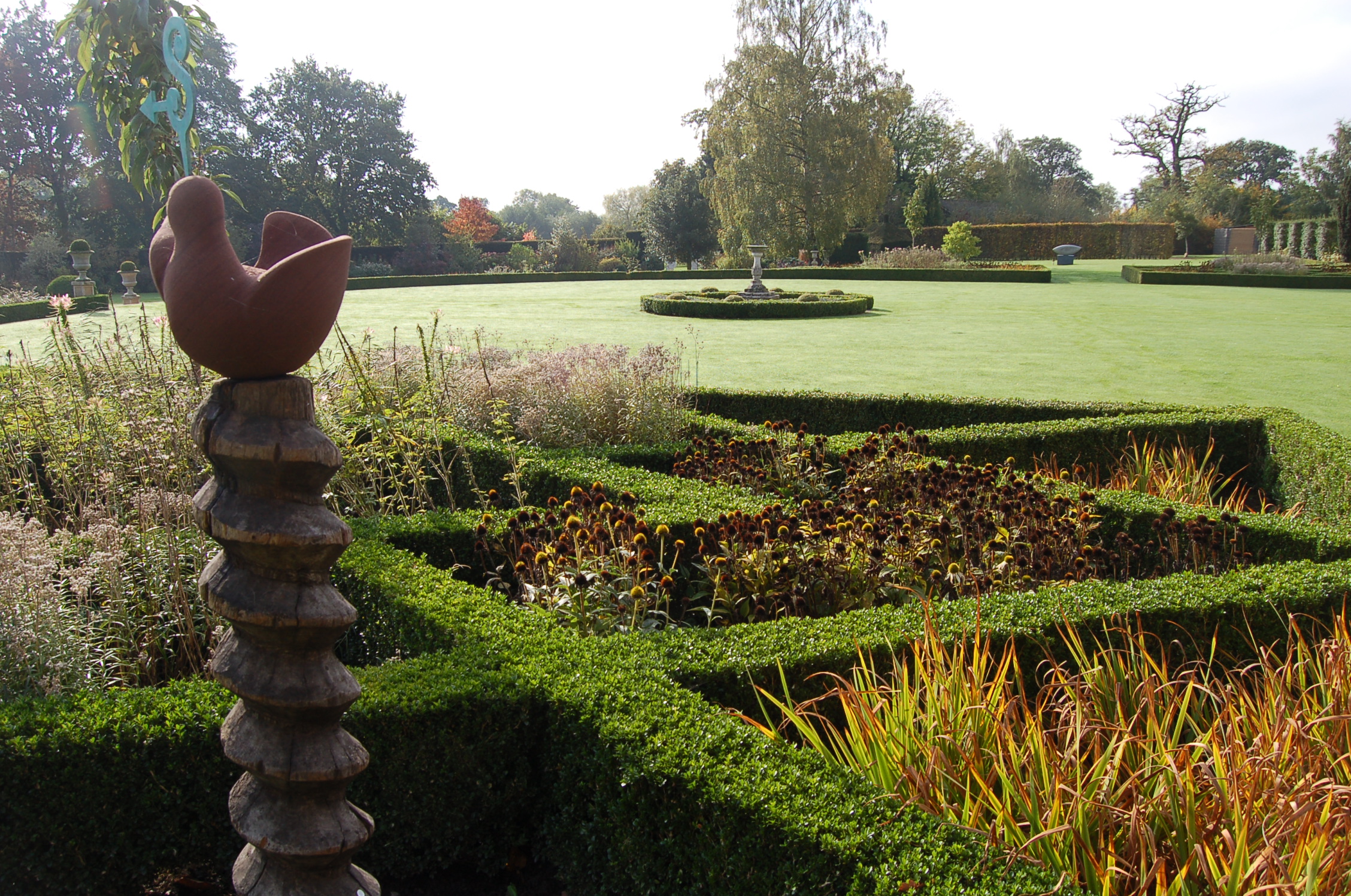
Formal Italian styled gardens with frameworks of low box hedging were cut into the lawns but inside these box structures was soft herbaceous plantings.

 2013 10 24_4468 2013 10 24_4469   2013 10 24_4472  2013 10 24_4473  2013 10 24_4475 2013 10 24_4476

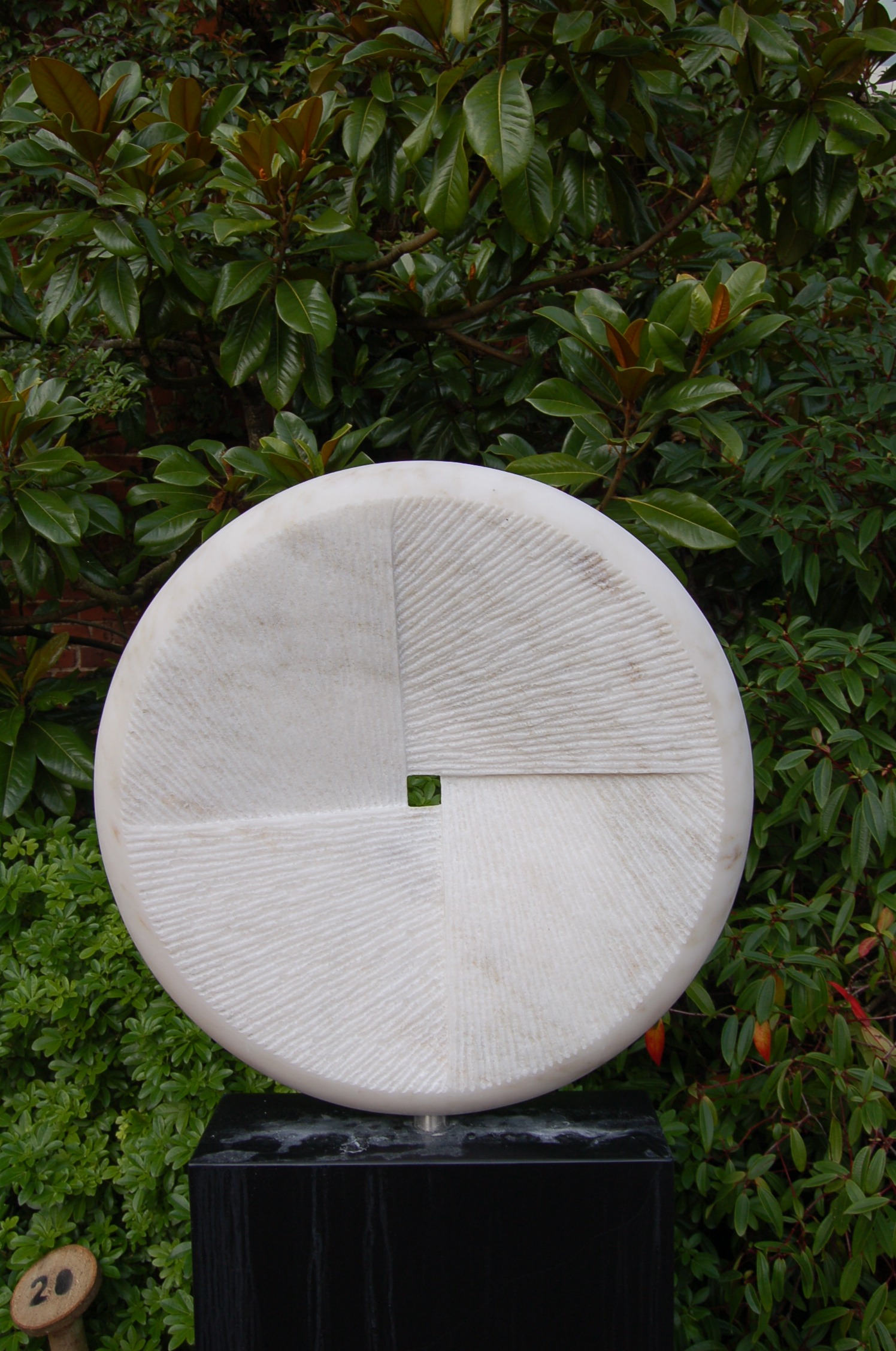
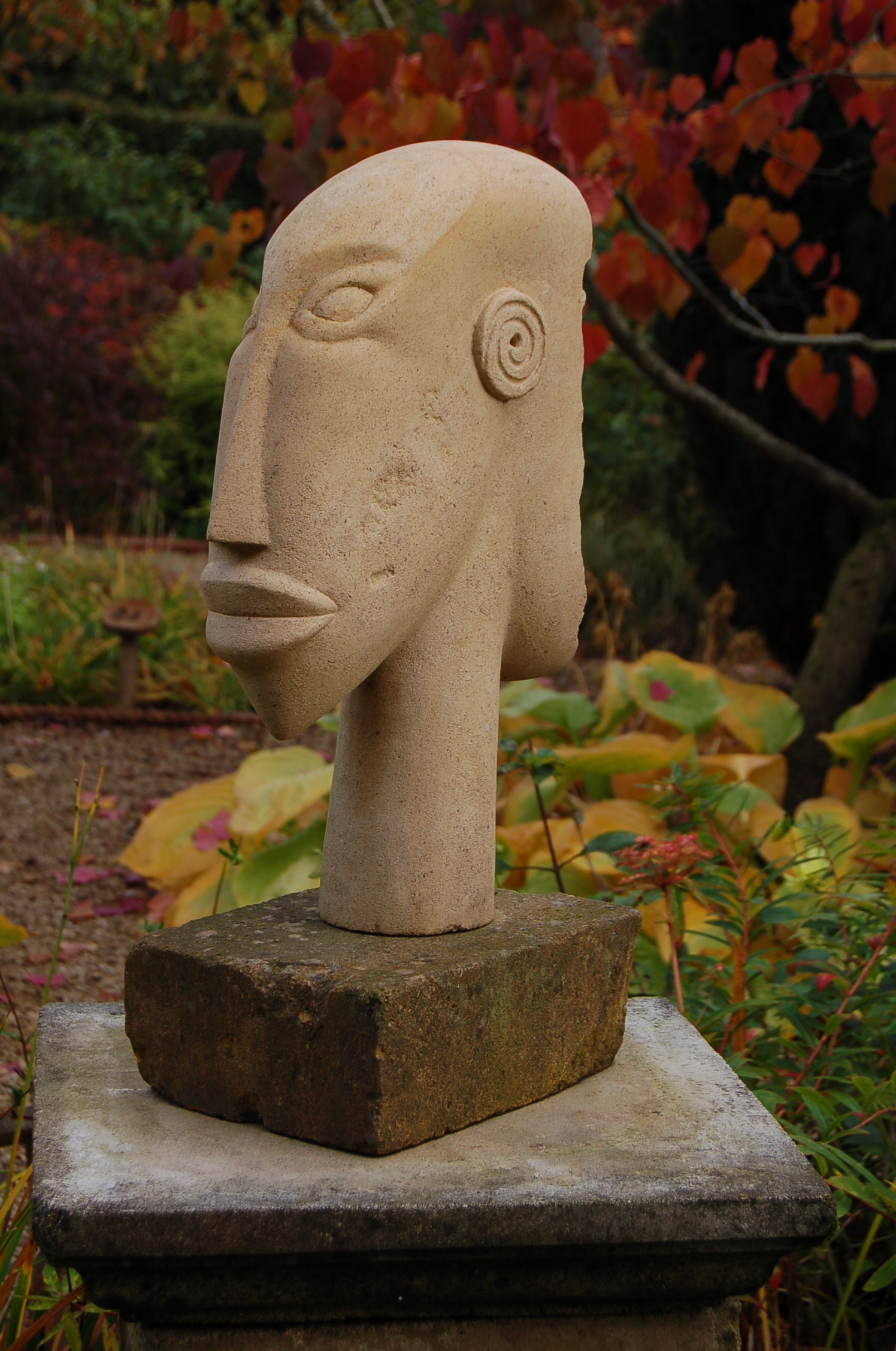
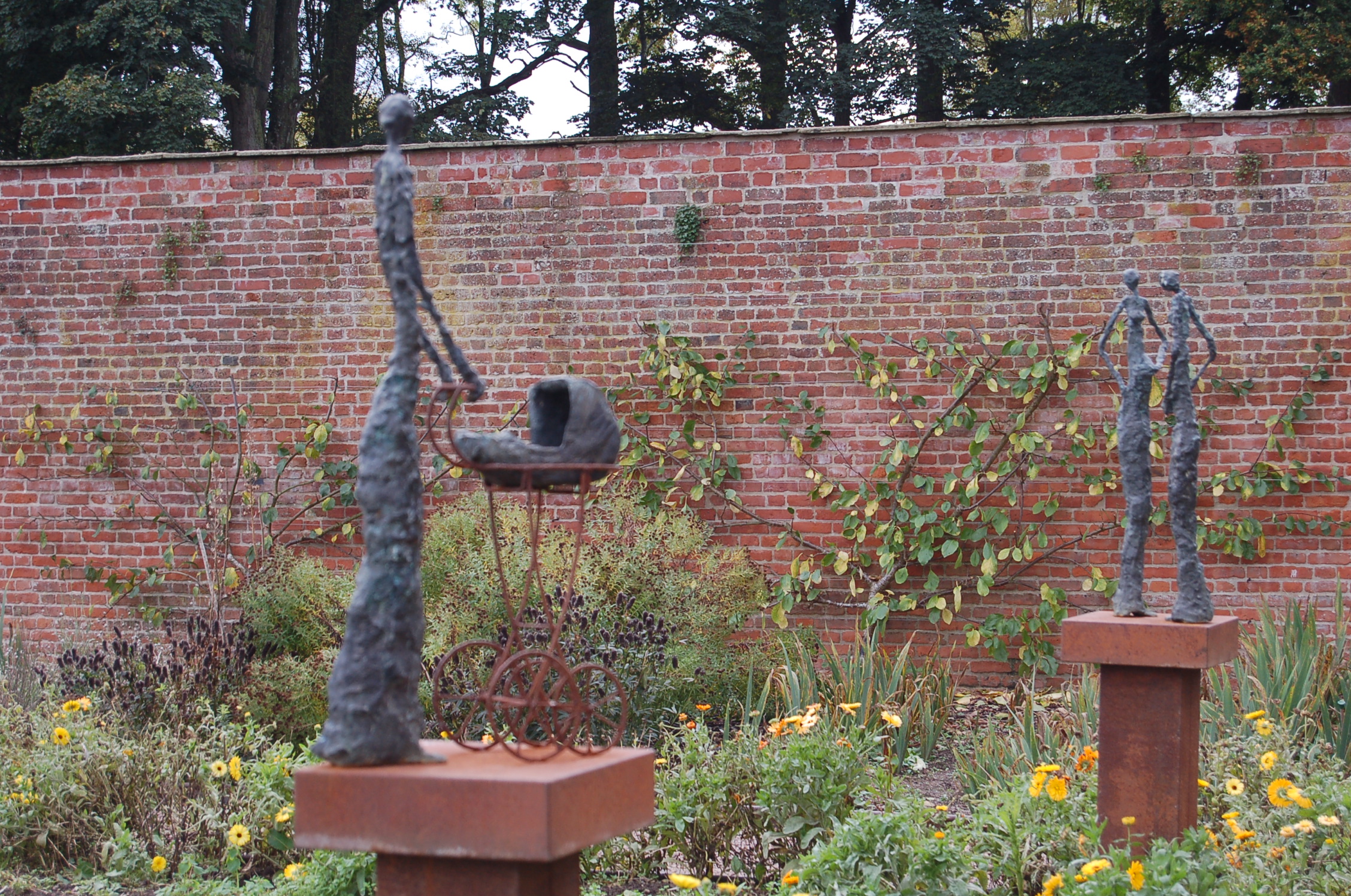
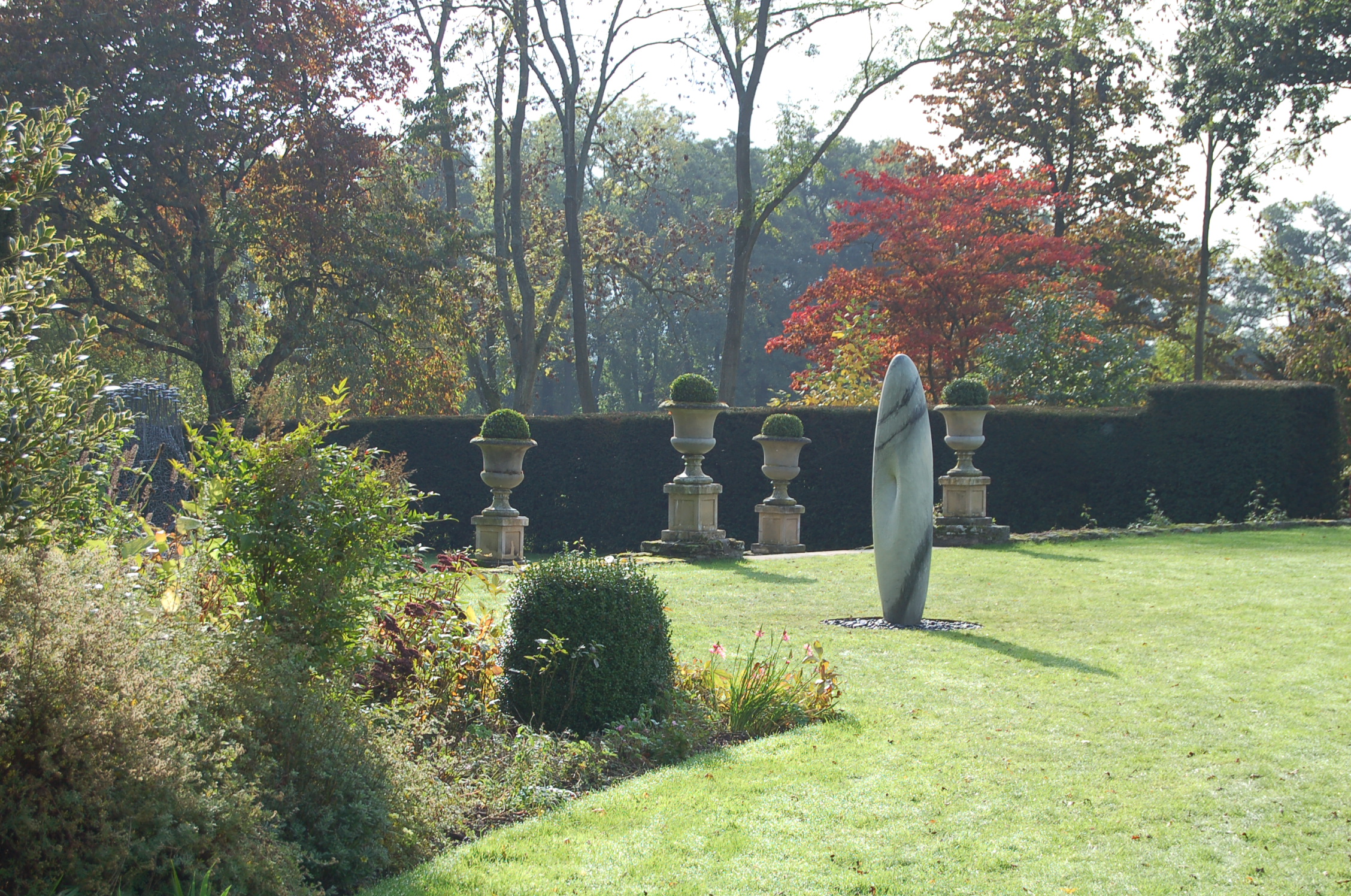
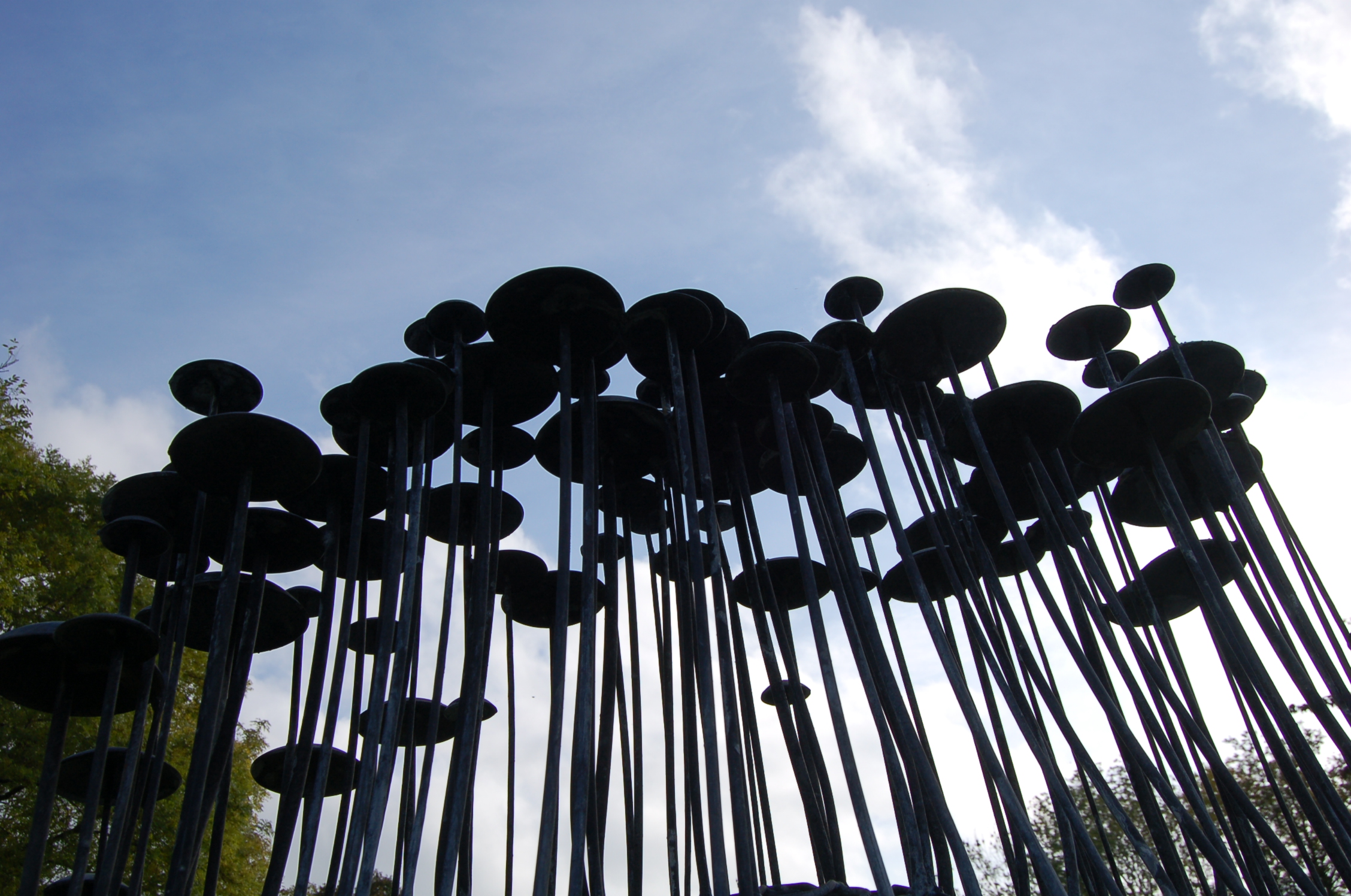
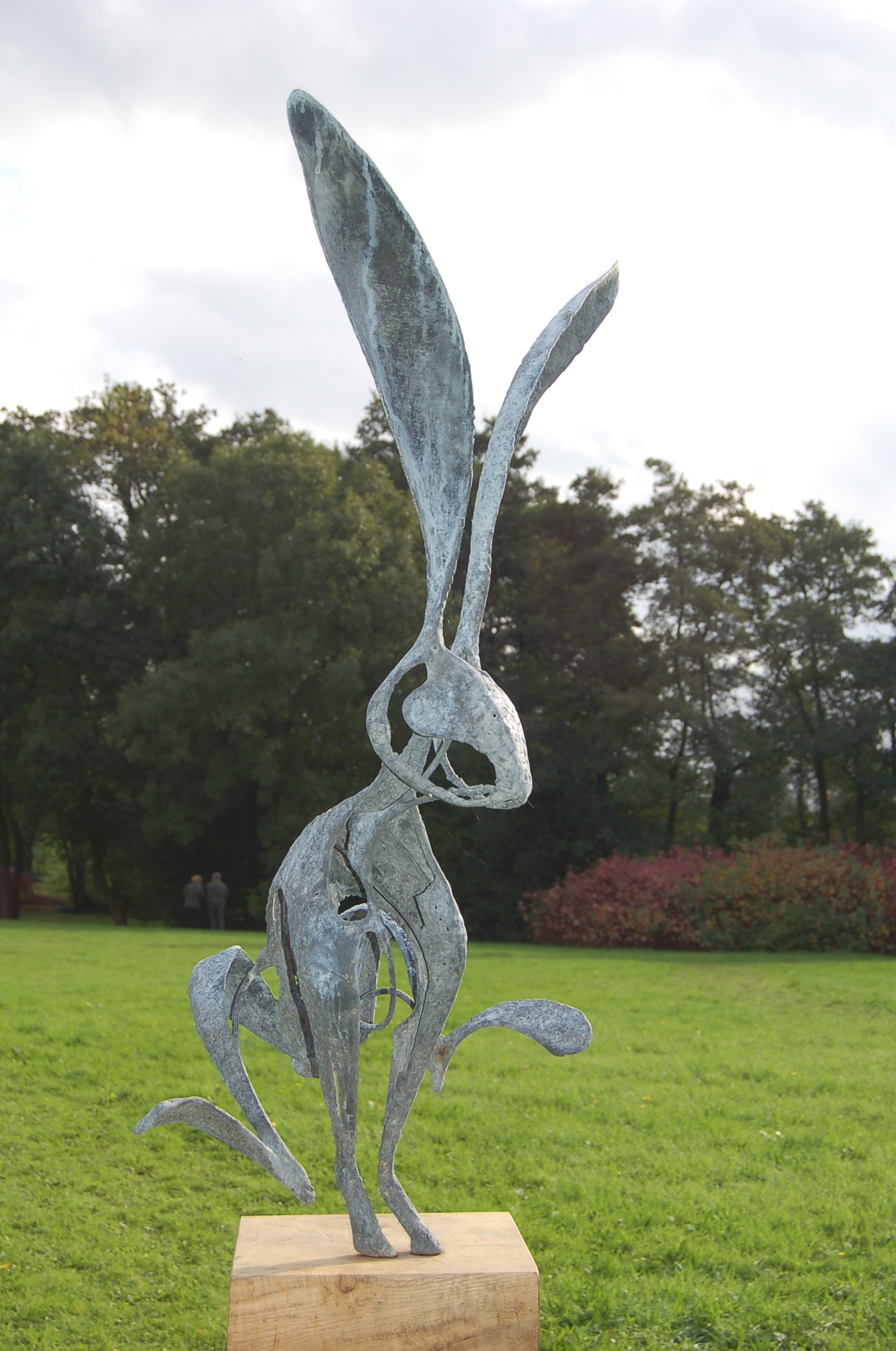
Further pieces of sculpture were positioned within these plantings and on the lawn itself.

2013 10 24_44772013 10 24_44792013 10 24_44812013 10 24_4482

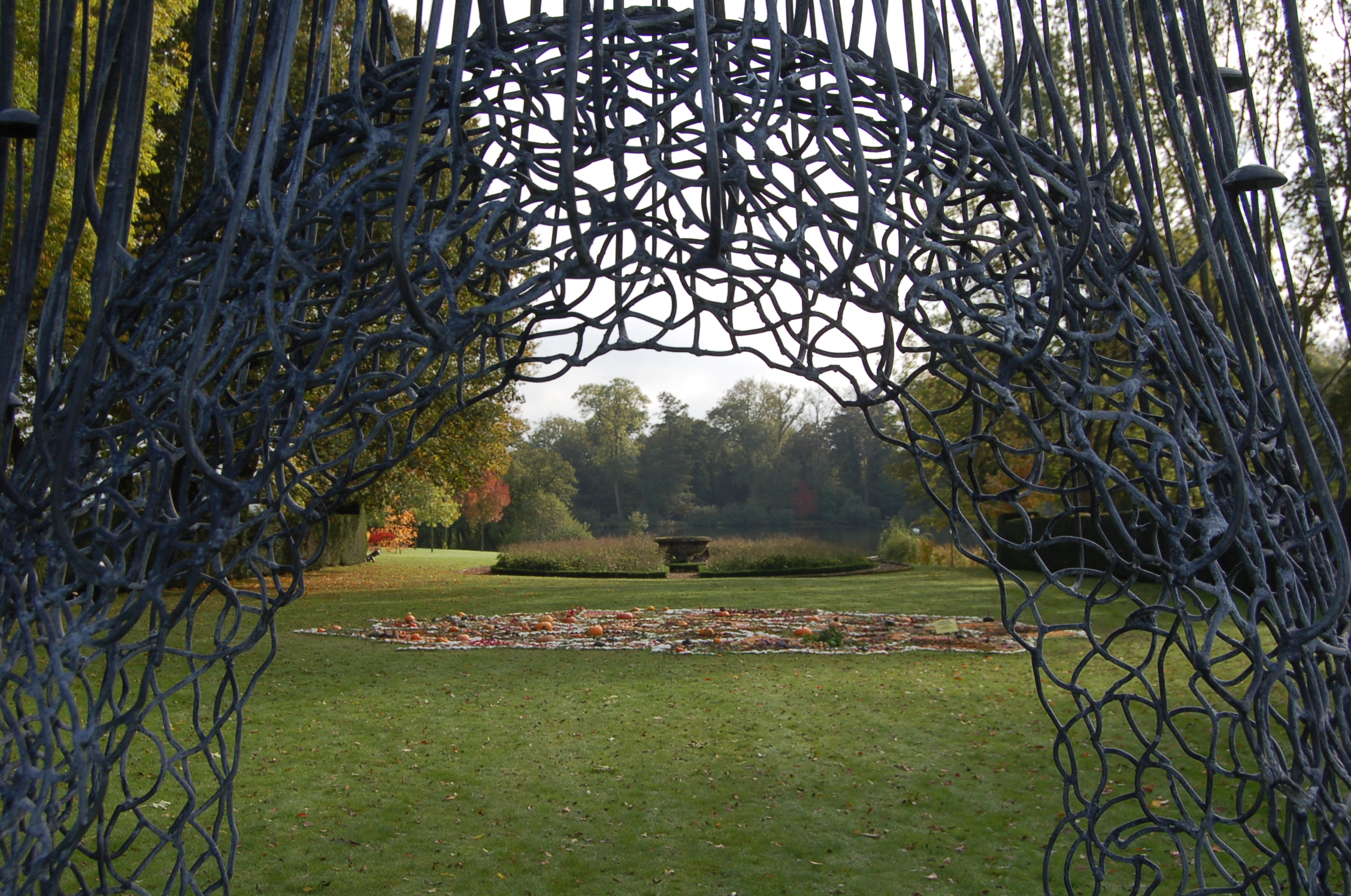
A particular favourite piece of all four of us was positioned to frame the lake and woodlands beyond.

2013 10 24_4488 2013 10 24_4494

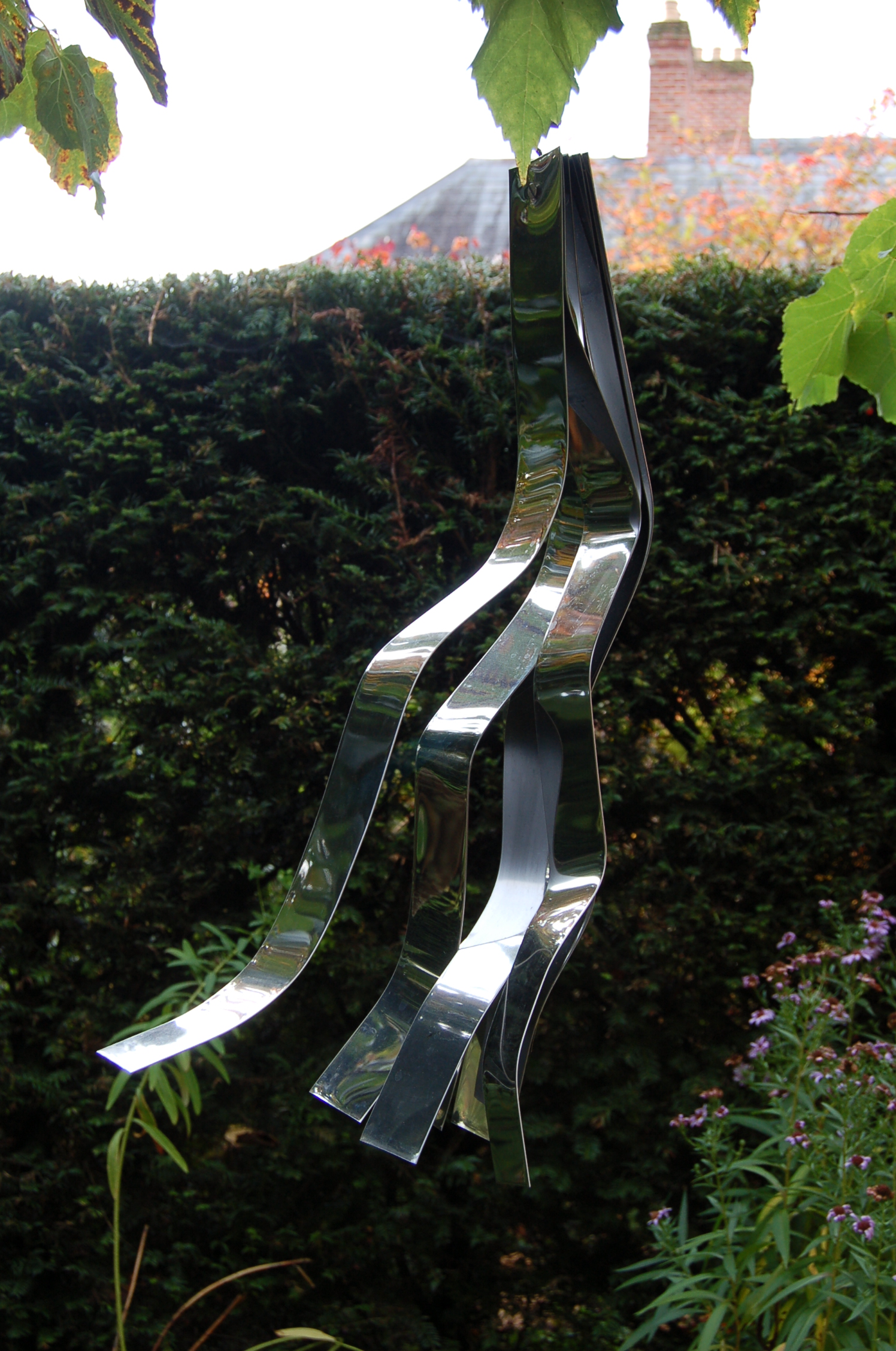
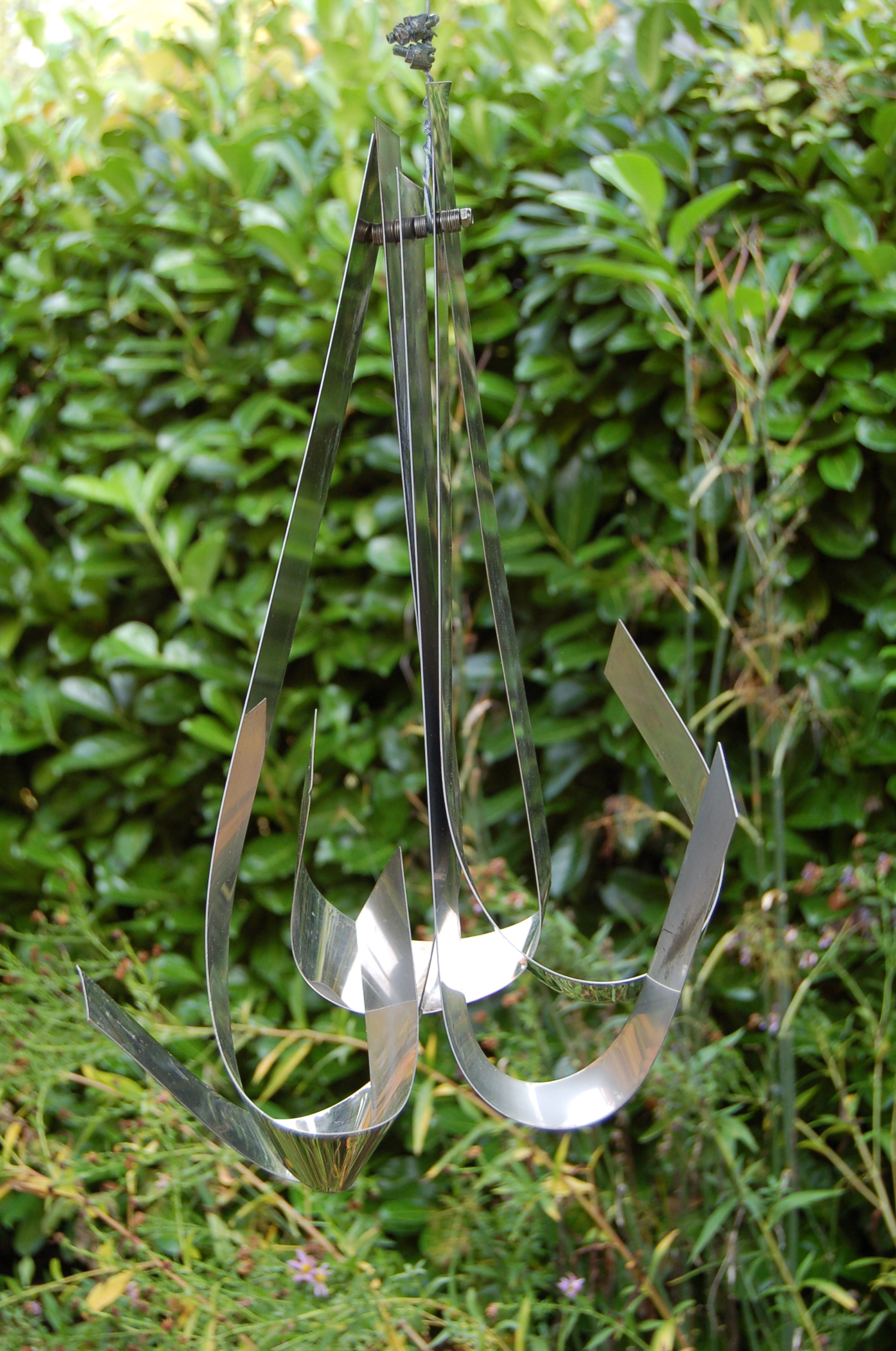
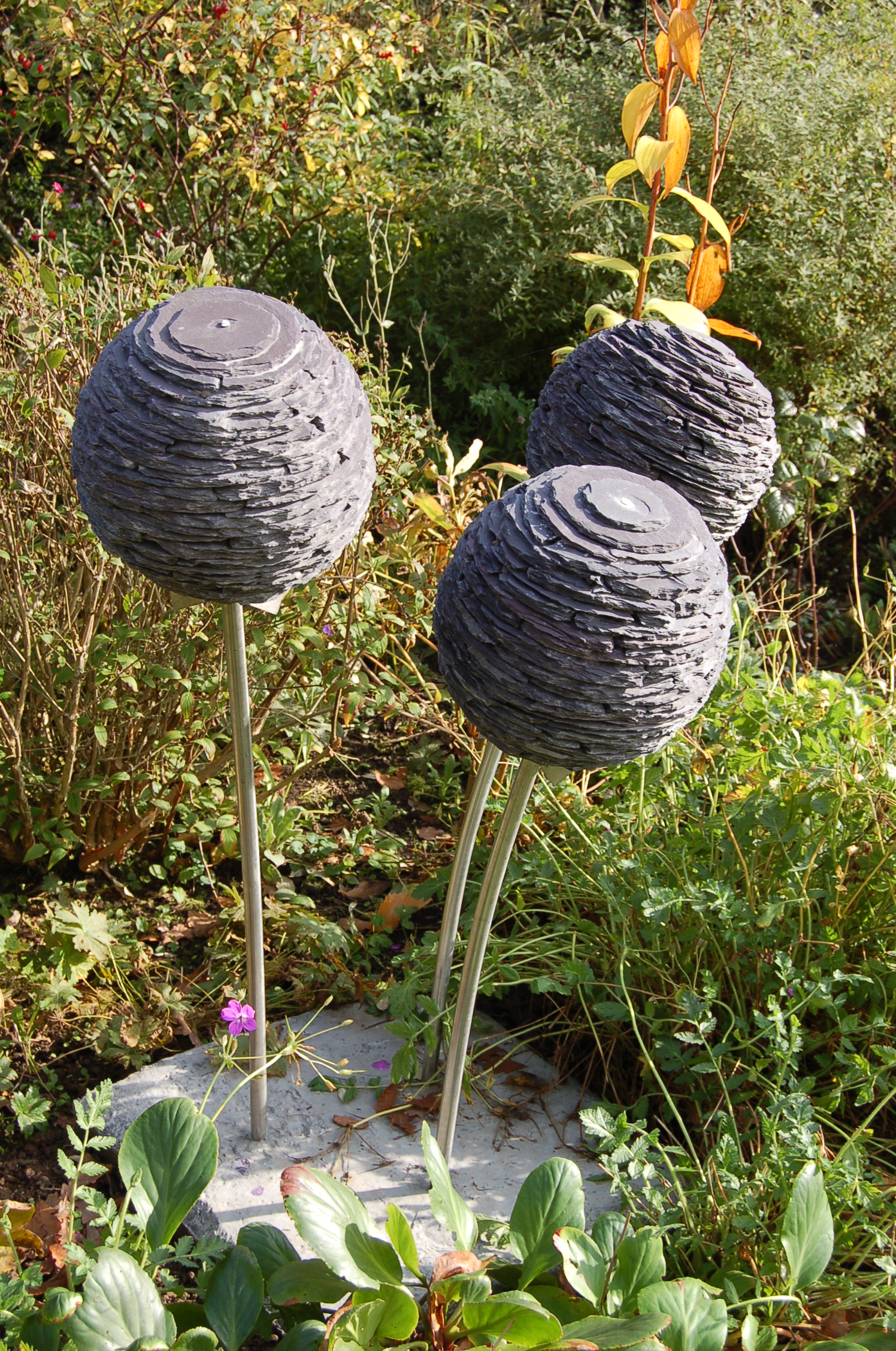
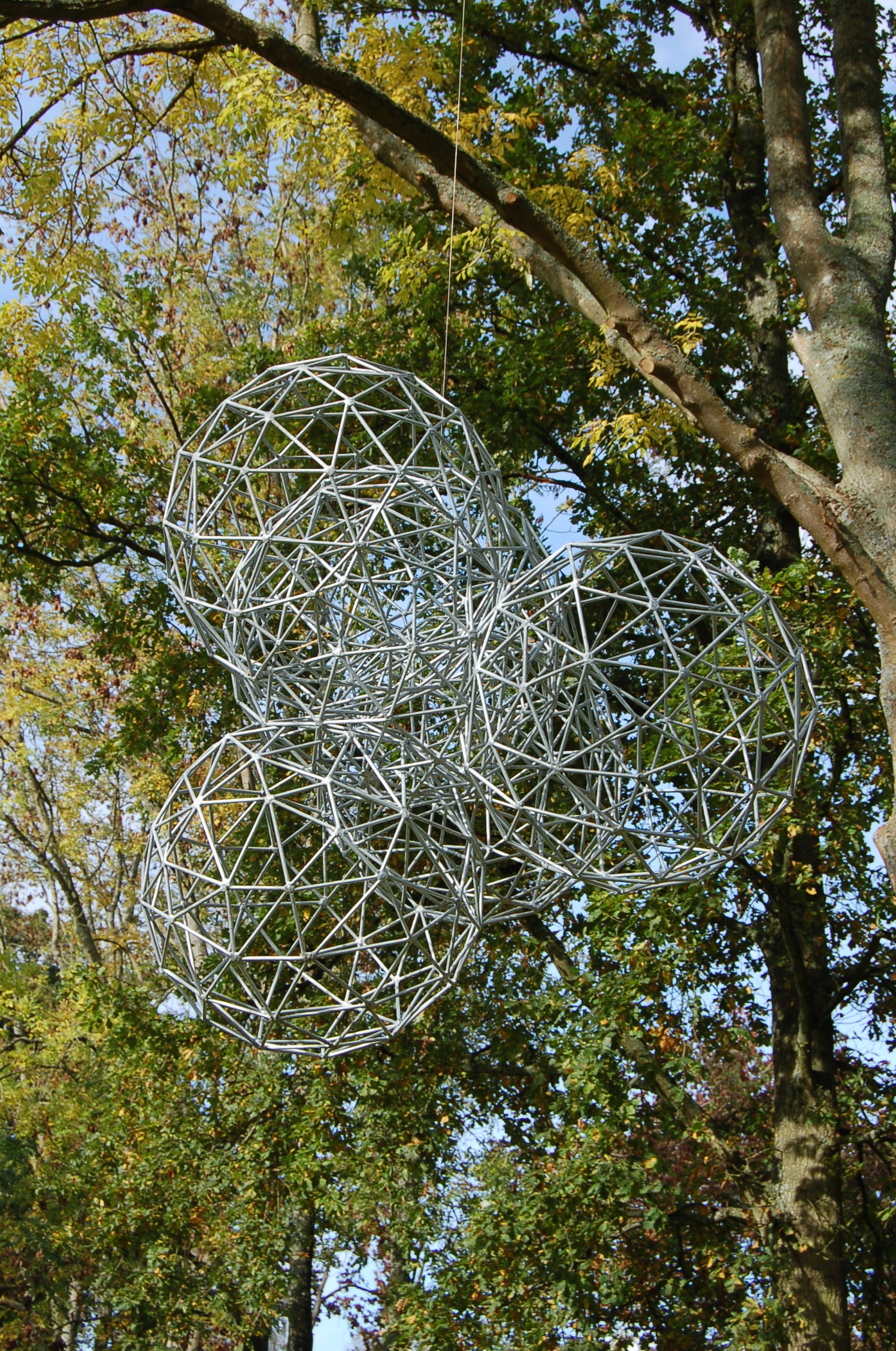
From the lower branches of trees hung other pieces such as these steel spheres.

   2013 10 24_4495

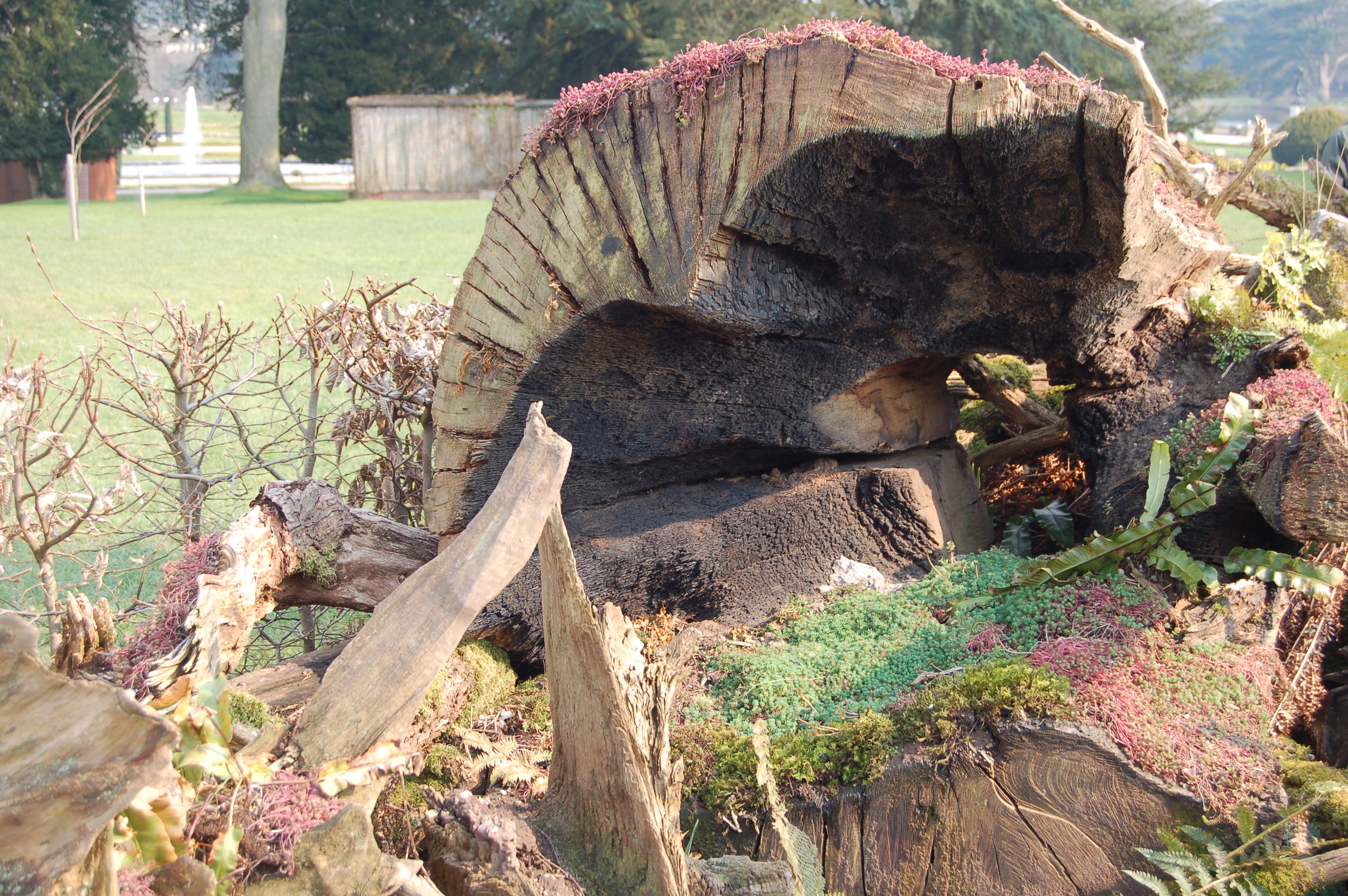
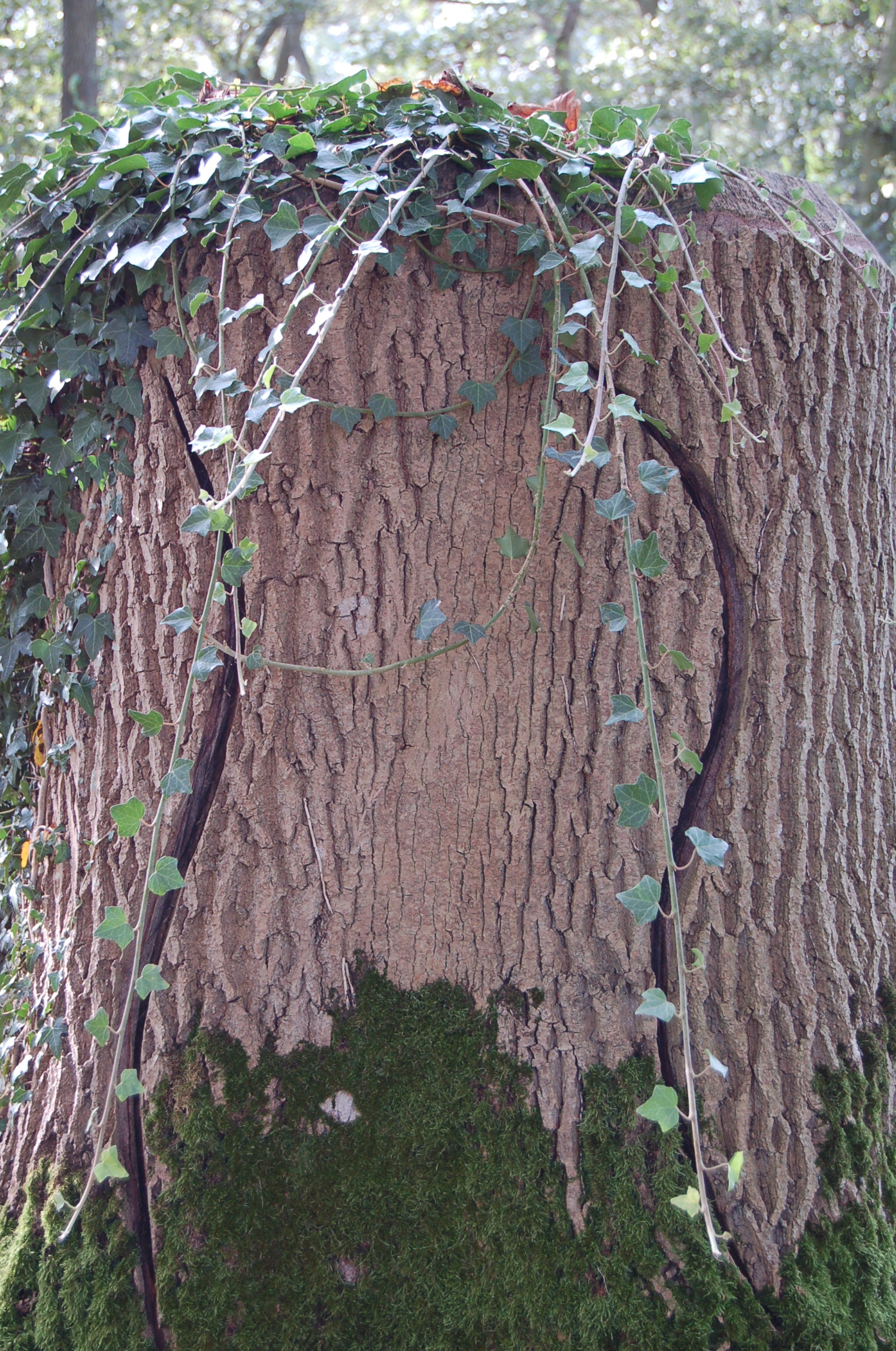
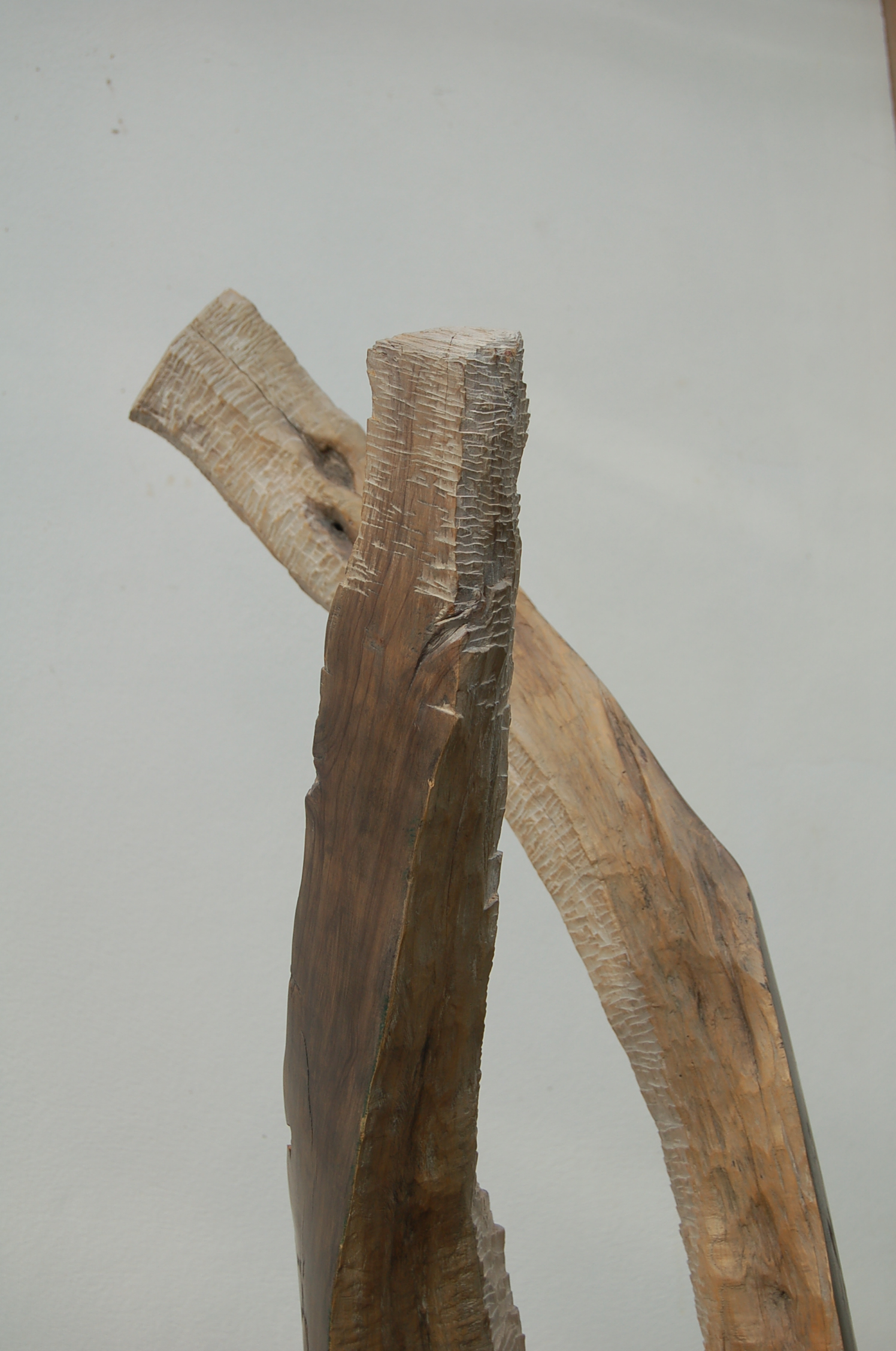
Mother Nature herself was not to be outdone, so she cut these gently curving lines into an old stump of a felled tree. Around the other side of the stump we found that it had been carved into a giant story telling chair with other small wooden seats scattered in front of it.

2013 10 24_44962013 10 24_4497

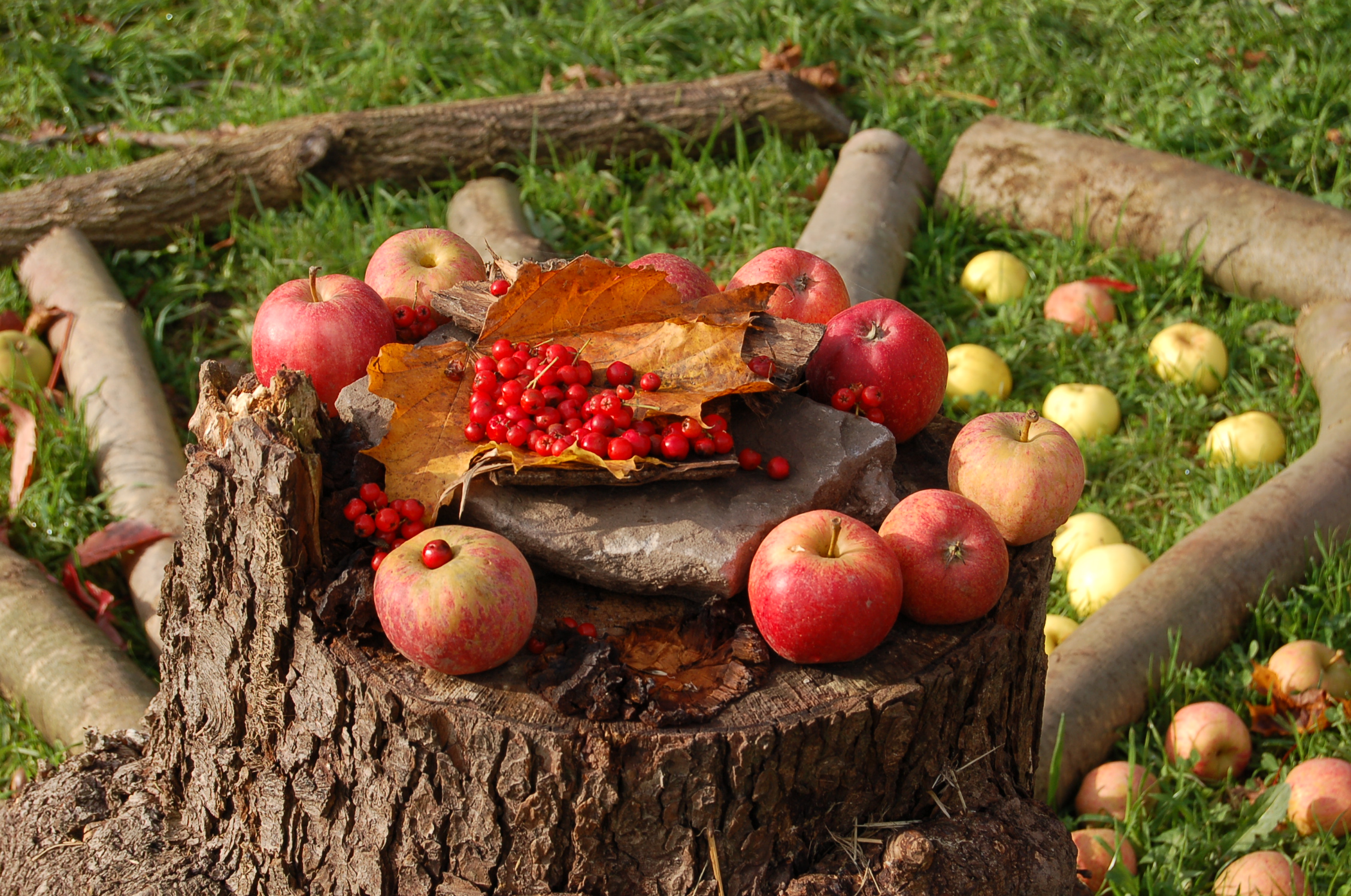
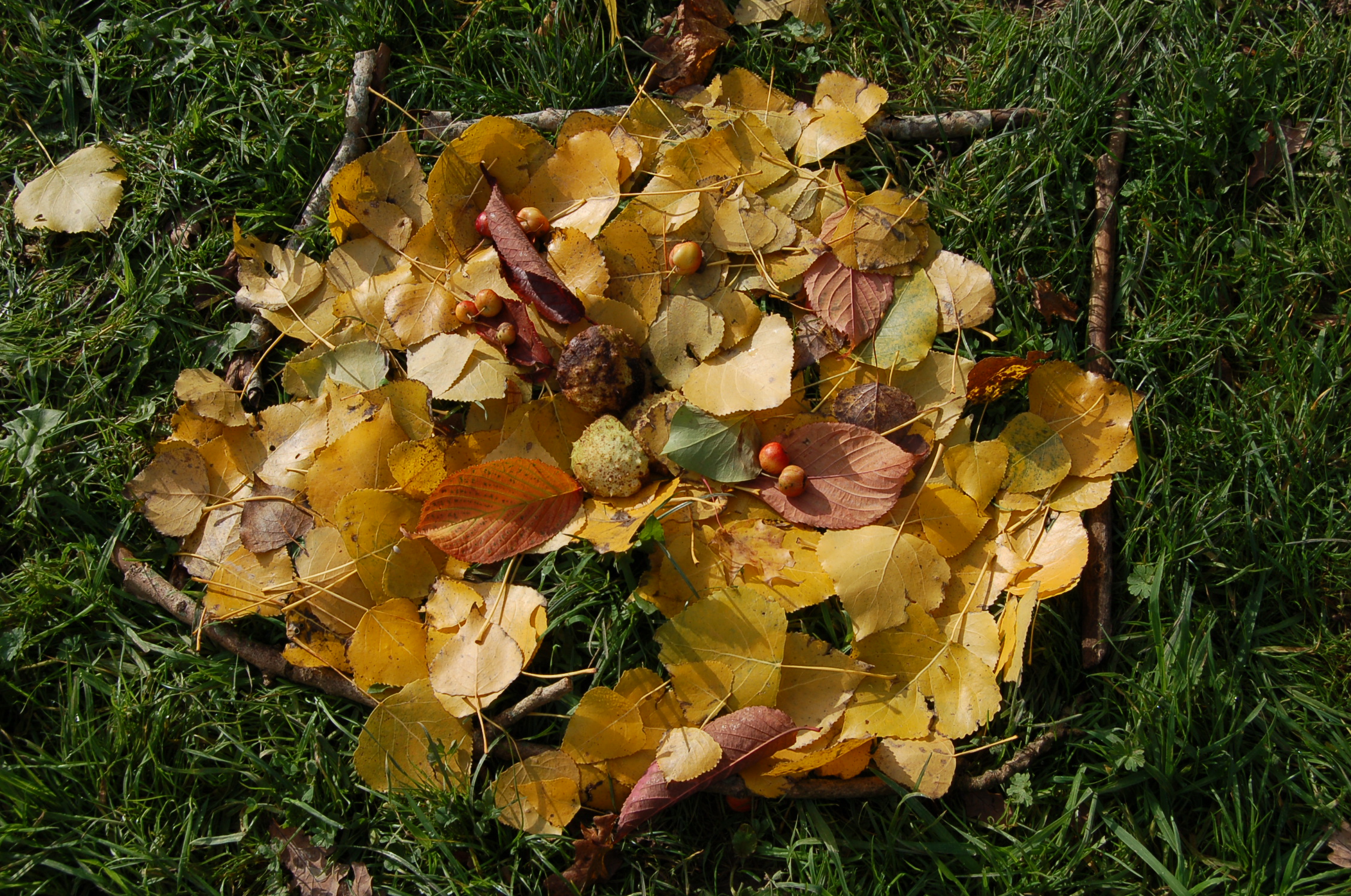
We were delighted to stumble across these pieces of Land Art created using pieces of natural materials found within the garden as part of a recent workshop.

2013 10 24_4508 2013 10 24_4507 2013 10 24_4506 2013 10 24_4505 2013 10 24_4509 2013 10 24_4510 2013 10 24_4511

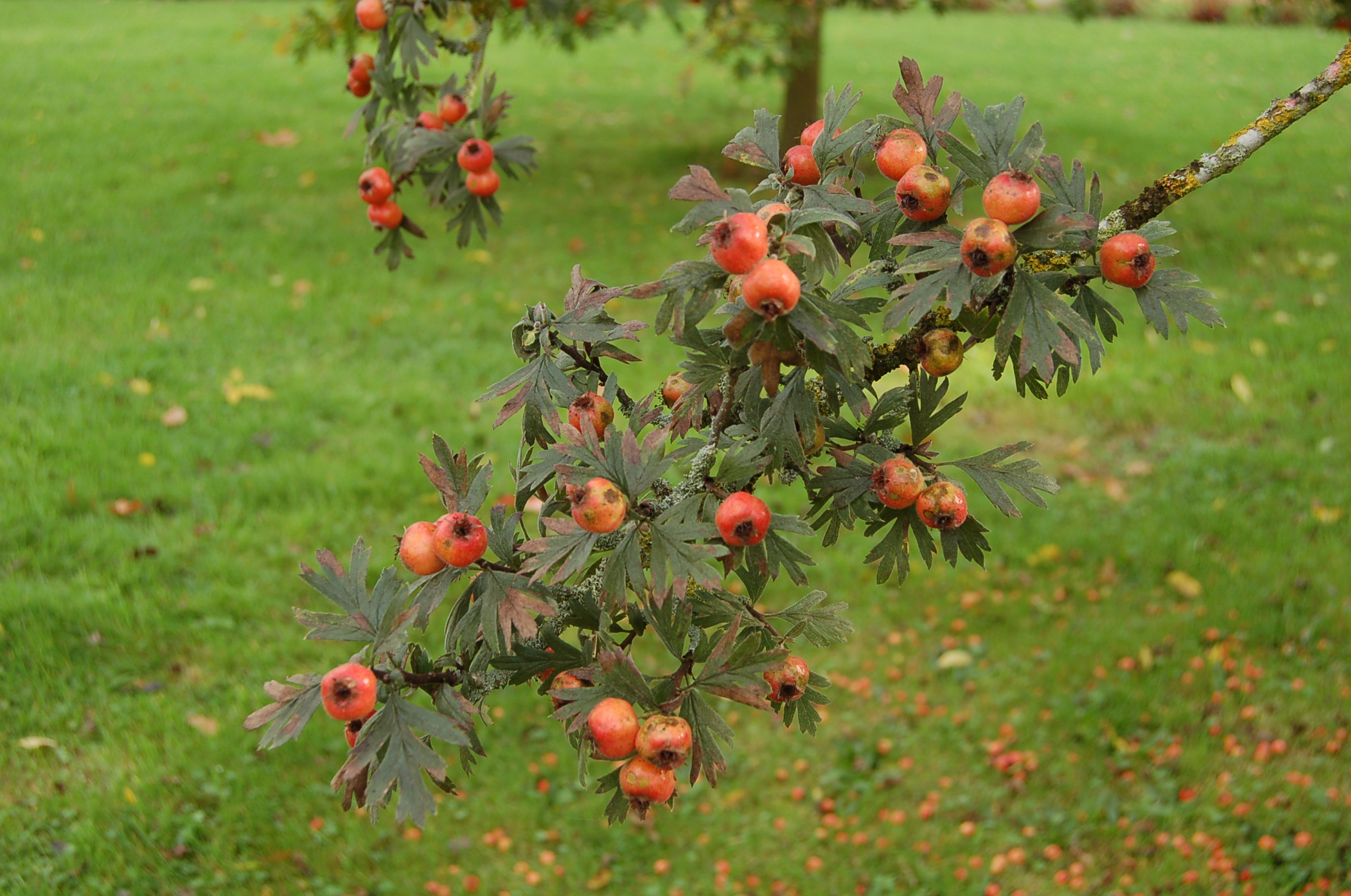
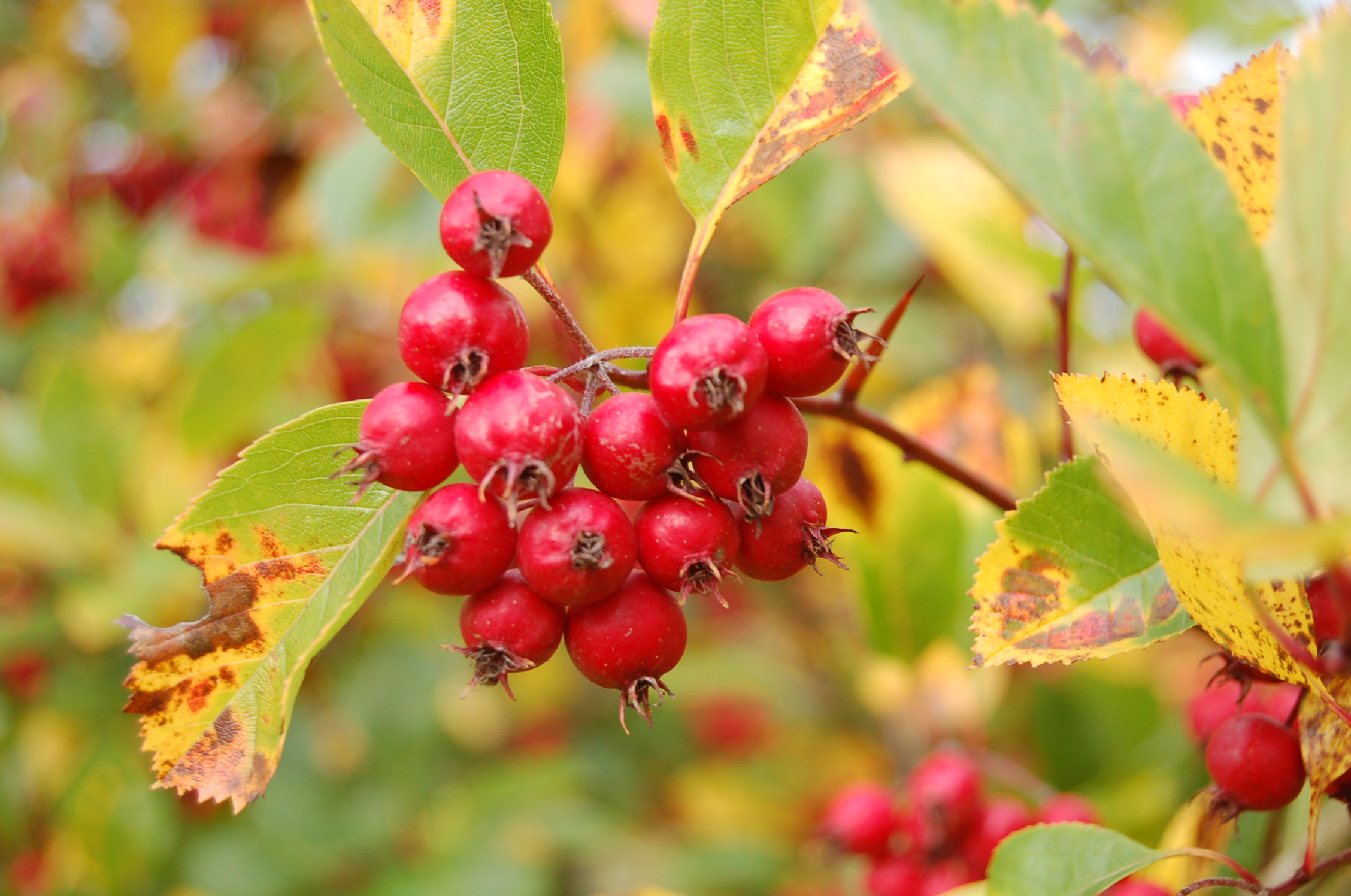
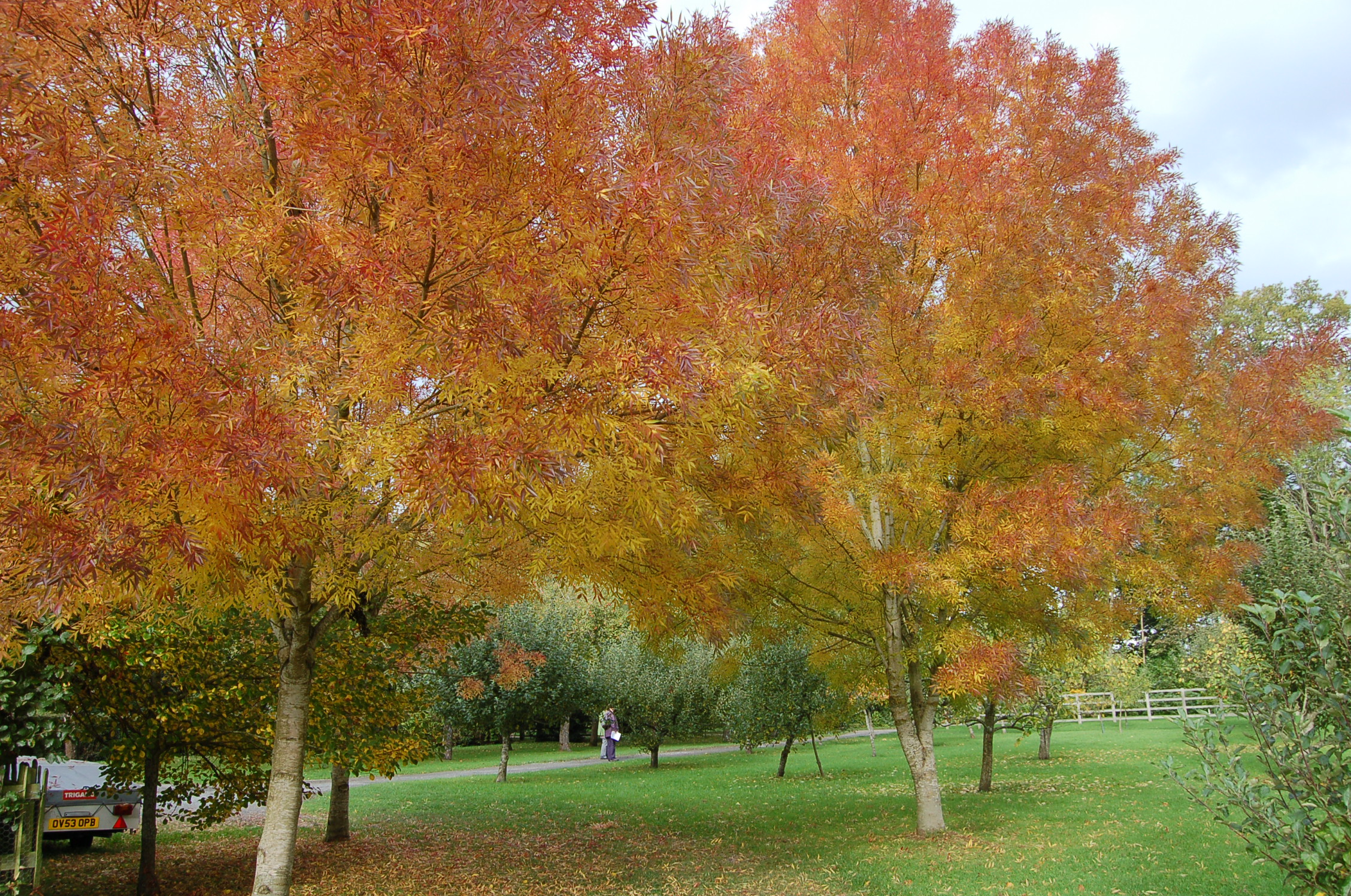
A small arboretum featured some interesting young trees which looked particularly good in their early autumn foliage colours. The tree below on the right was a stunning Crataegus and one that none of us recognised and the following two pics show the leaves and haws closer up. I have since found out it is Crataegus orientalis.

2013 10 24_4513 2013 10 24_4516 2013 10 24_4517 2013 10 24_4518

This tree in the following two pictures was another Crataegus  – prunifolia I think. After that the two photos following are of a tree with a neat habit, but again it was one we did not recognise. I thought it could possibly have been a Nyssa sylvatica but I shall have to check it out.

2013 10 24_4519 2013 10 24_4520

2013 10 24_4493 2013 10 24_4492

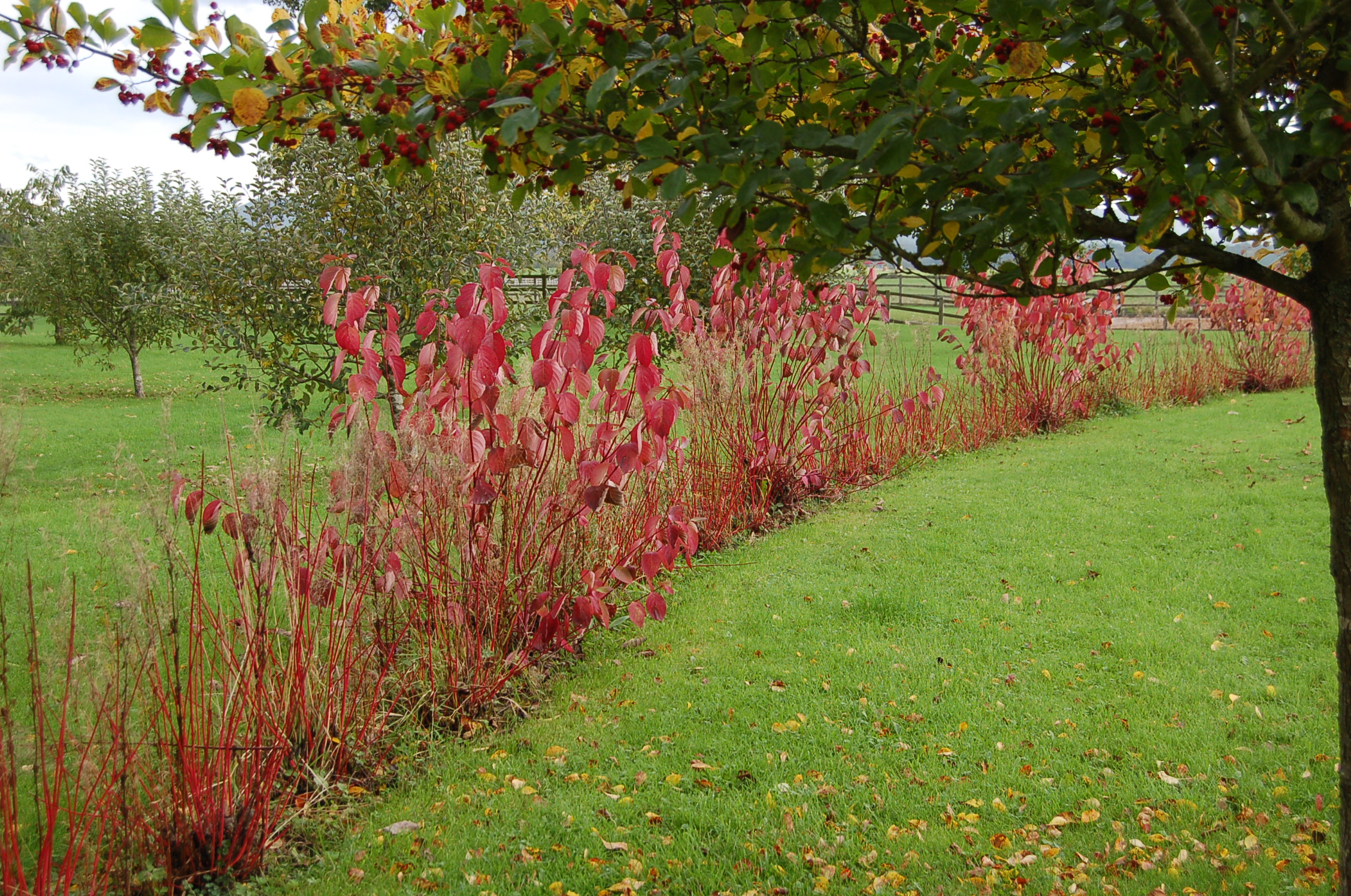
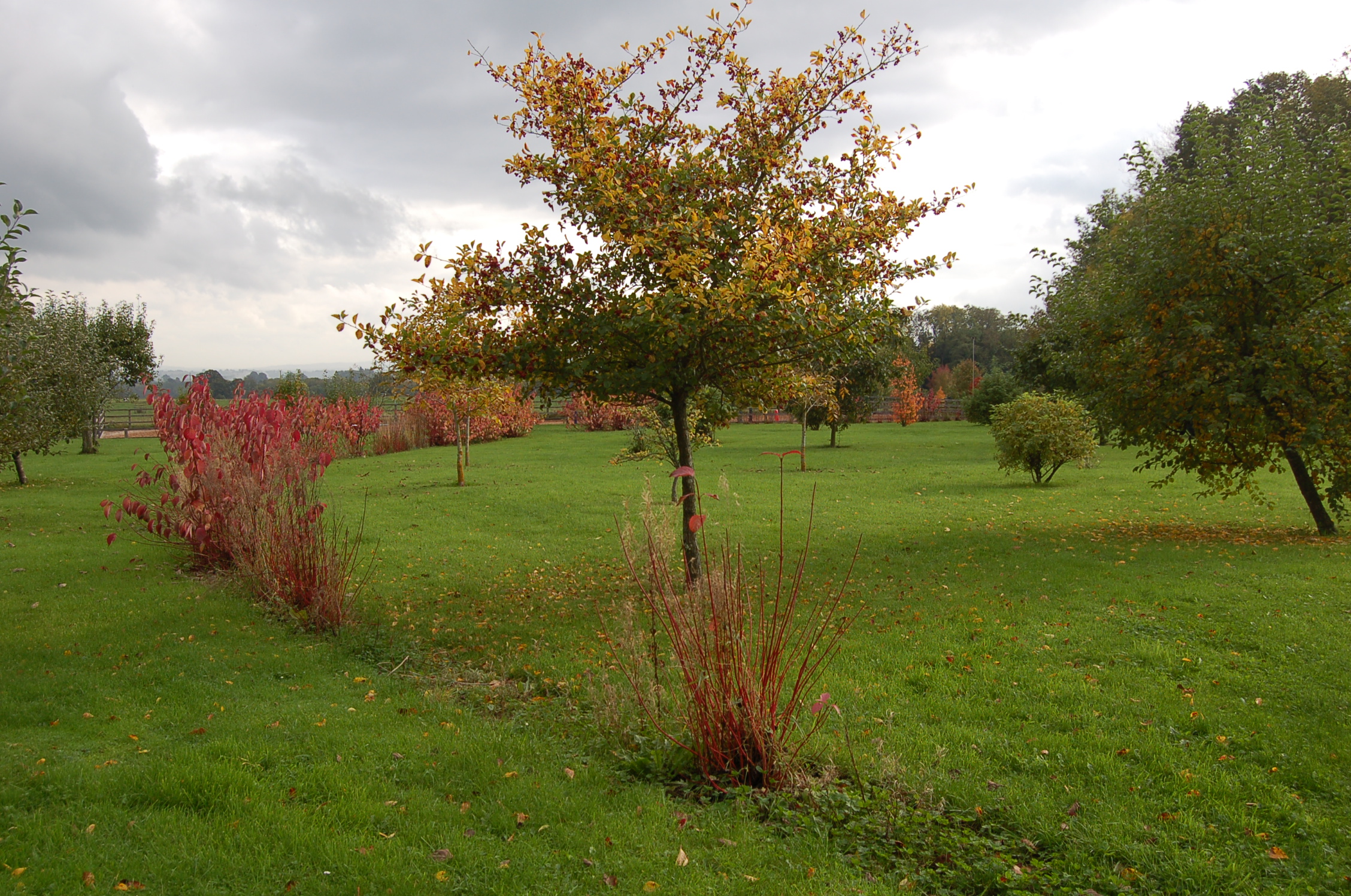
This lovely curved bed of coloured stemmed dogwoods acted as a boundary to the arboretum. The Cornus were displaying their rich red colours of autumn.

2013 10 24_4521 2013 10 24_4522  2013 10 24_4524

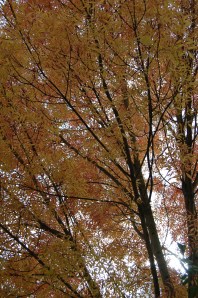
The next tree featured in the photos below is probably the best variety of Ash you can get, Fraxinus angustifolia “Raywood”, the Claret Ash.

2013 10 24_4523 2013 10 24_4533

2013 10 24_4532 2013 10 24_4534

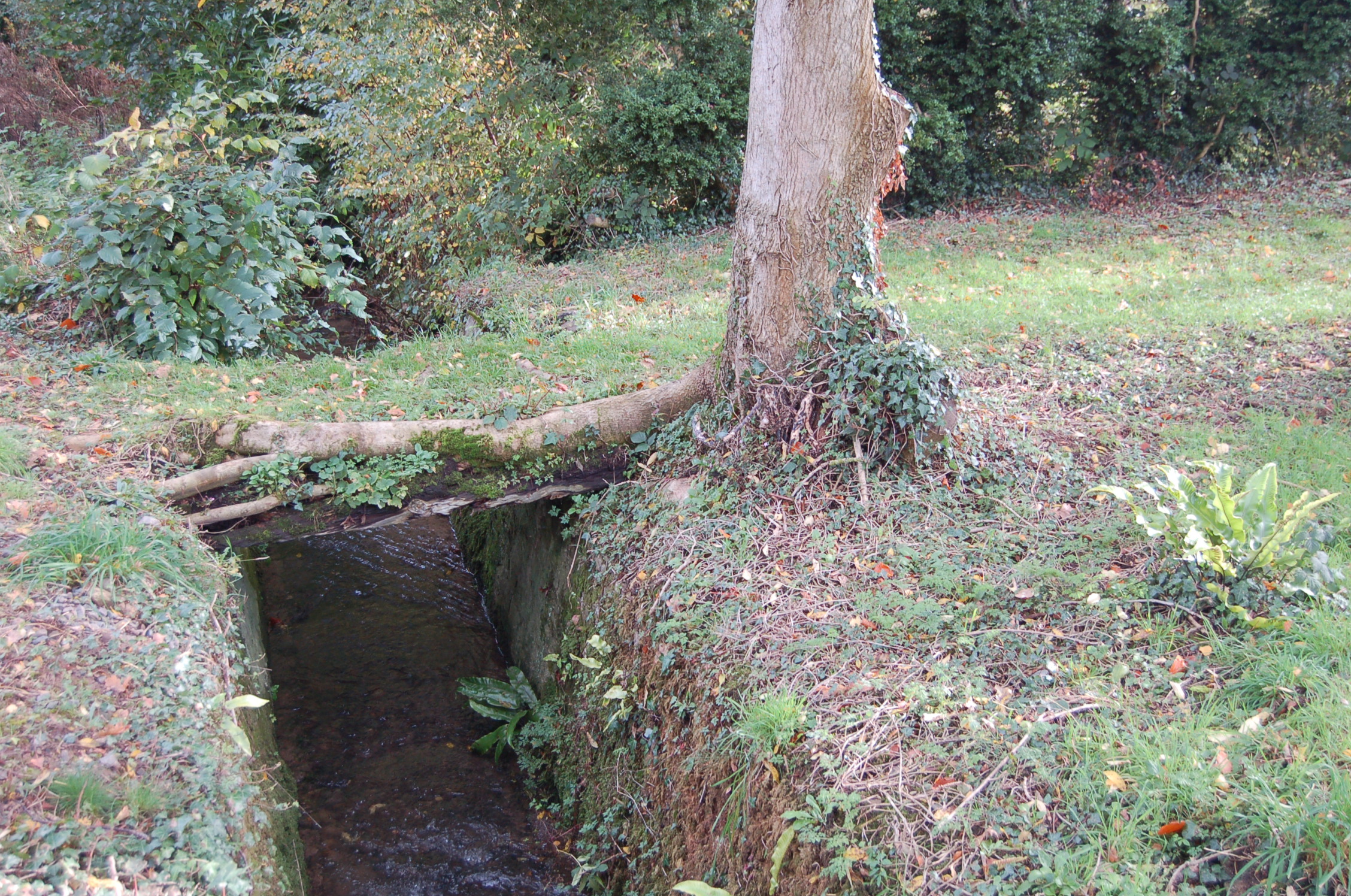
Leaving the arboretum, after enjoying studying the selection of interesting trees, we wandered off towards the walled garden, passing a ditch crossed by a bridge formed from the roots of the native Ash alongside.

2013 10 24_4535

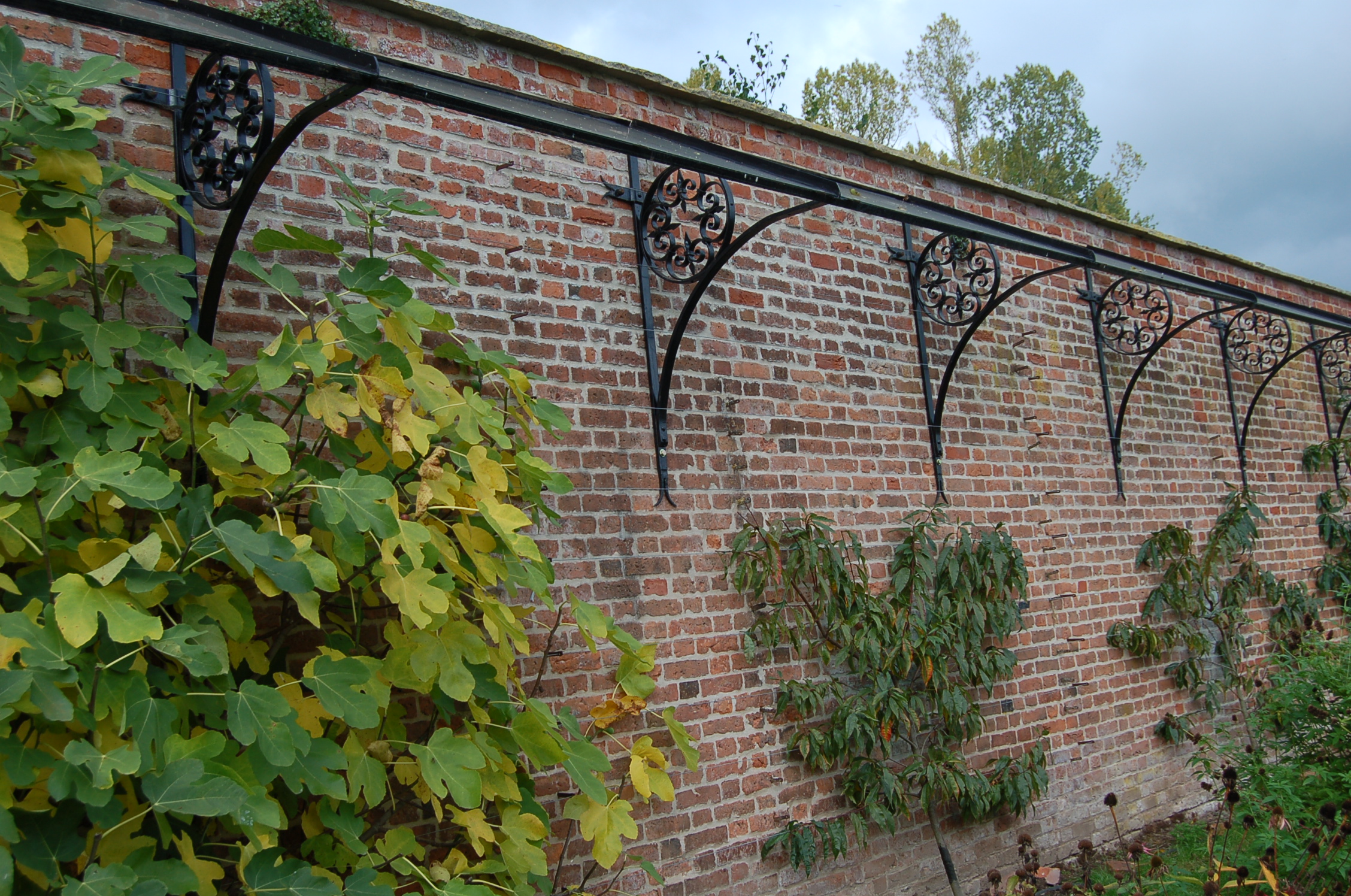
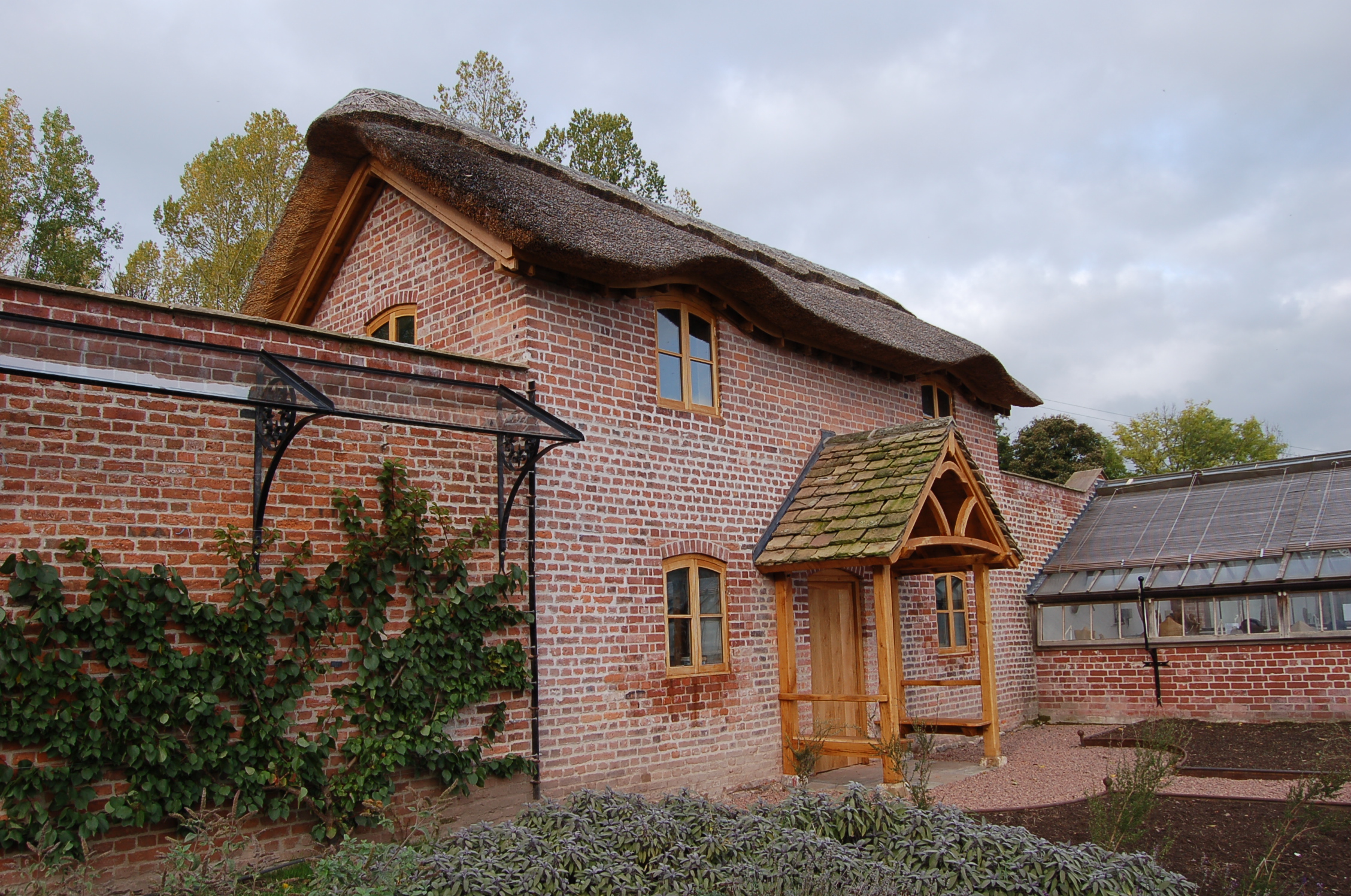
The walled garden itself was fascinating with unusual features to enjoy. The first photo below shows a peach canopy. The gardener’s cottage had been beautifully restored as had the greenhouses.

2013 10 24_4536 2013 10 24_4541 2013 10 24_4548 2013 10 24_4552 2013 10 24_4553 2013 10 24_4551 2013 10 24_4555

The pergolas which bridged the central paths was made of iron and were beautifully decorated.

2013 10 24_4558 2013 10 24_4559 2013 10 24_4560 2013 10 24_4561 2013 10 24_4563

So, although we came to Newport House to see the outdoor sculpture we found much to interest us in the gardens themselves.

Categories
community gardening garden design garden photography gardening gardens Land Art outdoor sculpture photography walled gardens

Out of Nature – an outdoor sculpture exhibition.

2013 10 24_4450 2013 10 24_4451

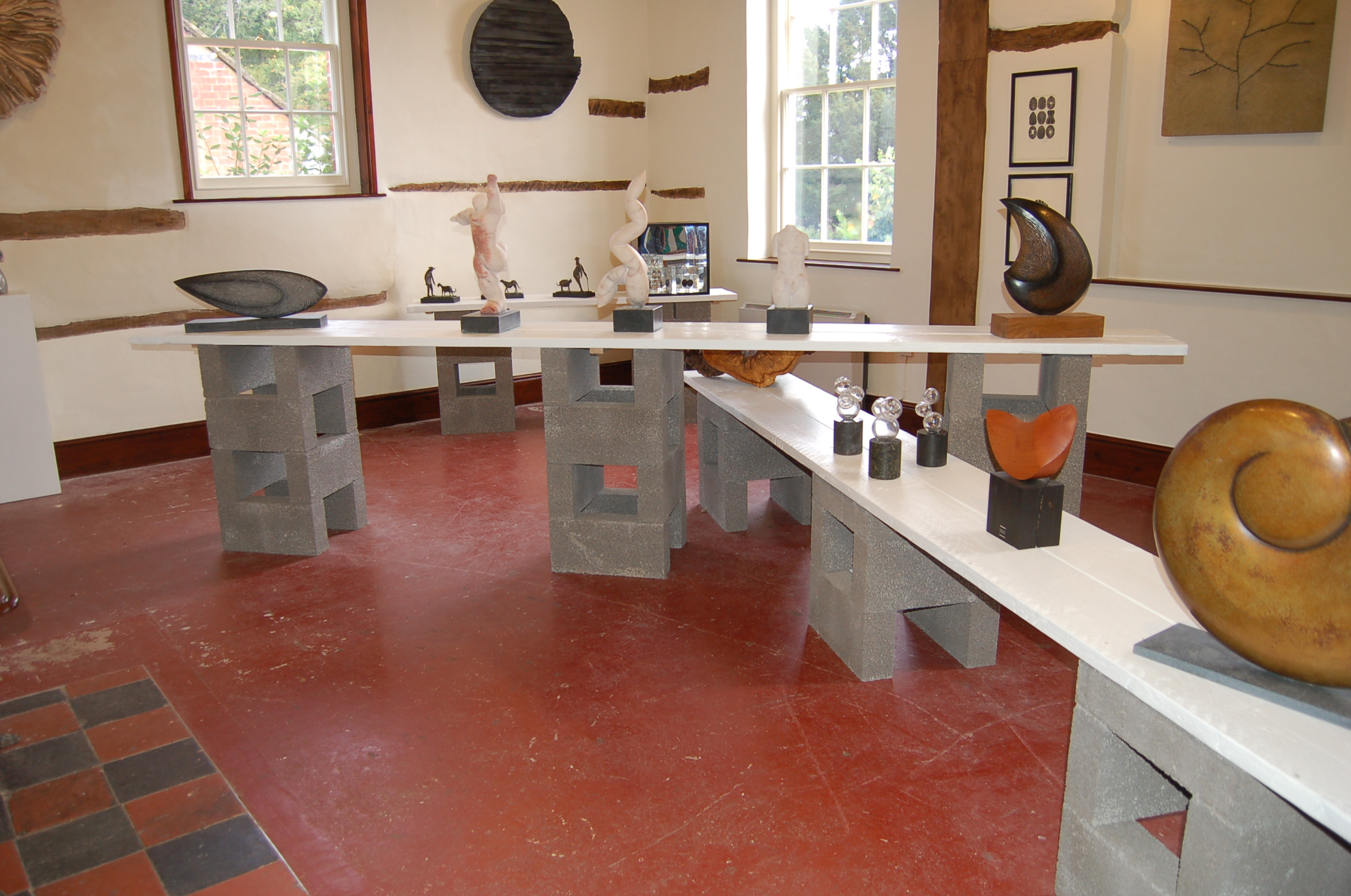
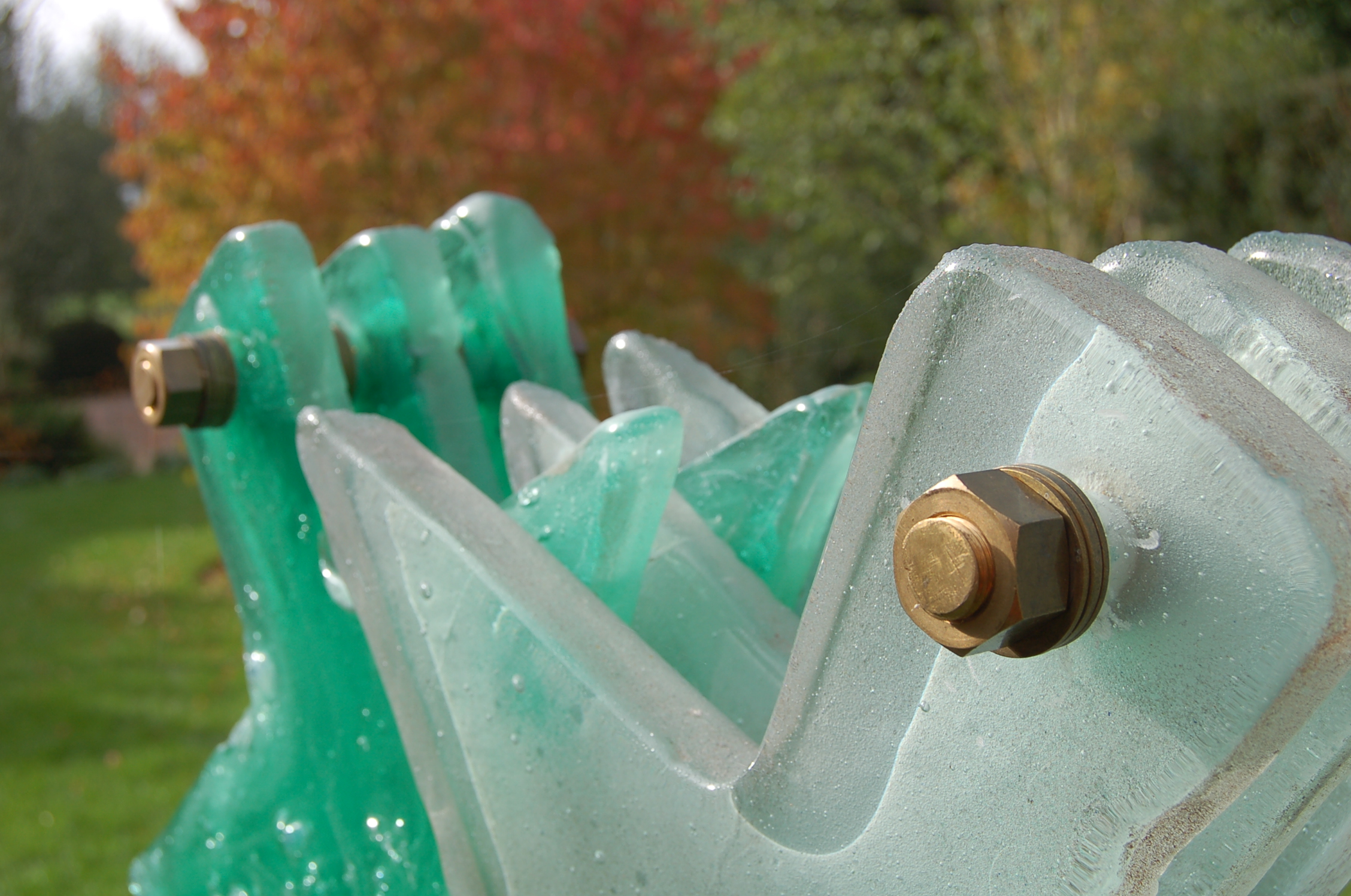
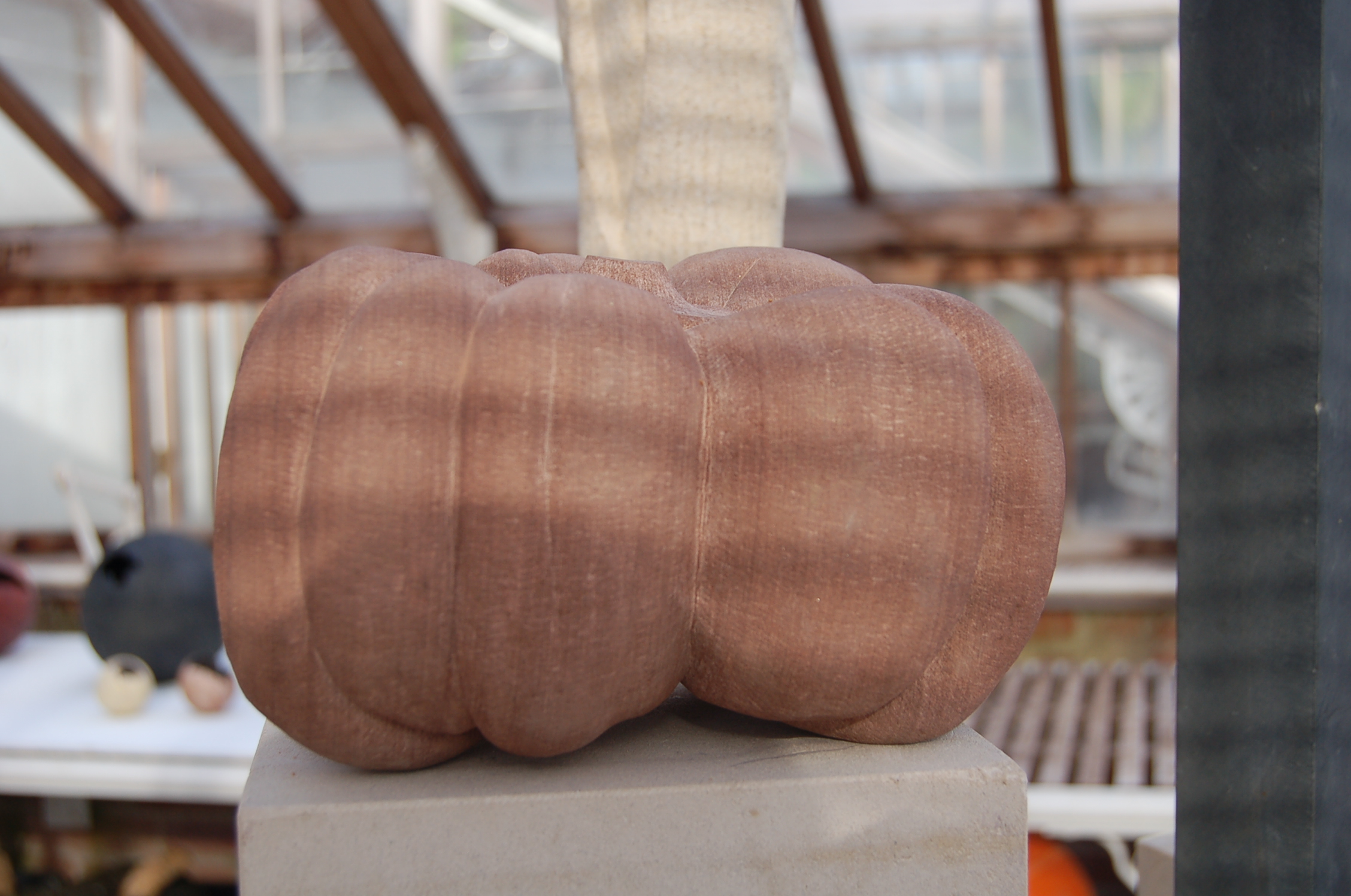
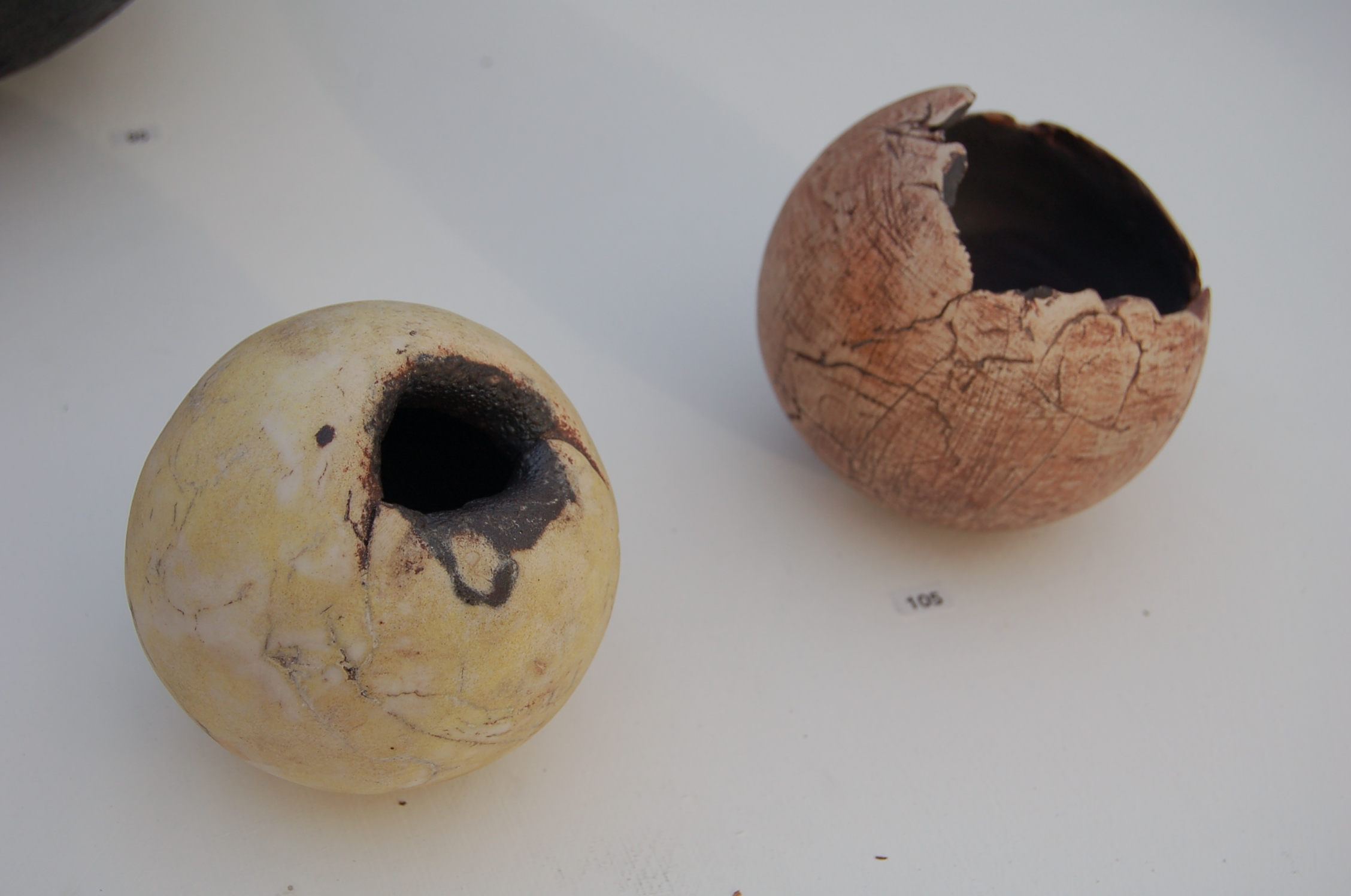
“Out of Nature” was the name given to a sculpture exhibition staged in Newport House in Herefordshire situated a little south of Kington. Most of the pieces were displayed in the sensitive background of the gardens but a few were featured in the cafe. The photo above shows how simple staging can be very effective and can enhance the pieces themselves especially those created from stone or metal. The staging was simply recycled scaffold planks as shelving and breeze block stands.

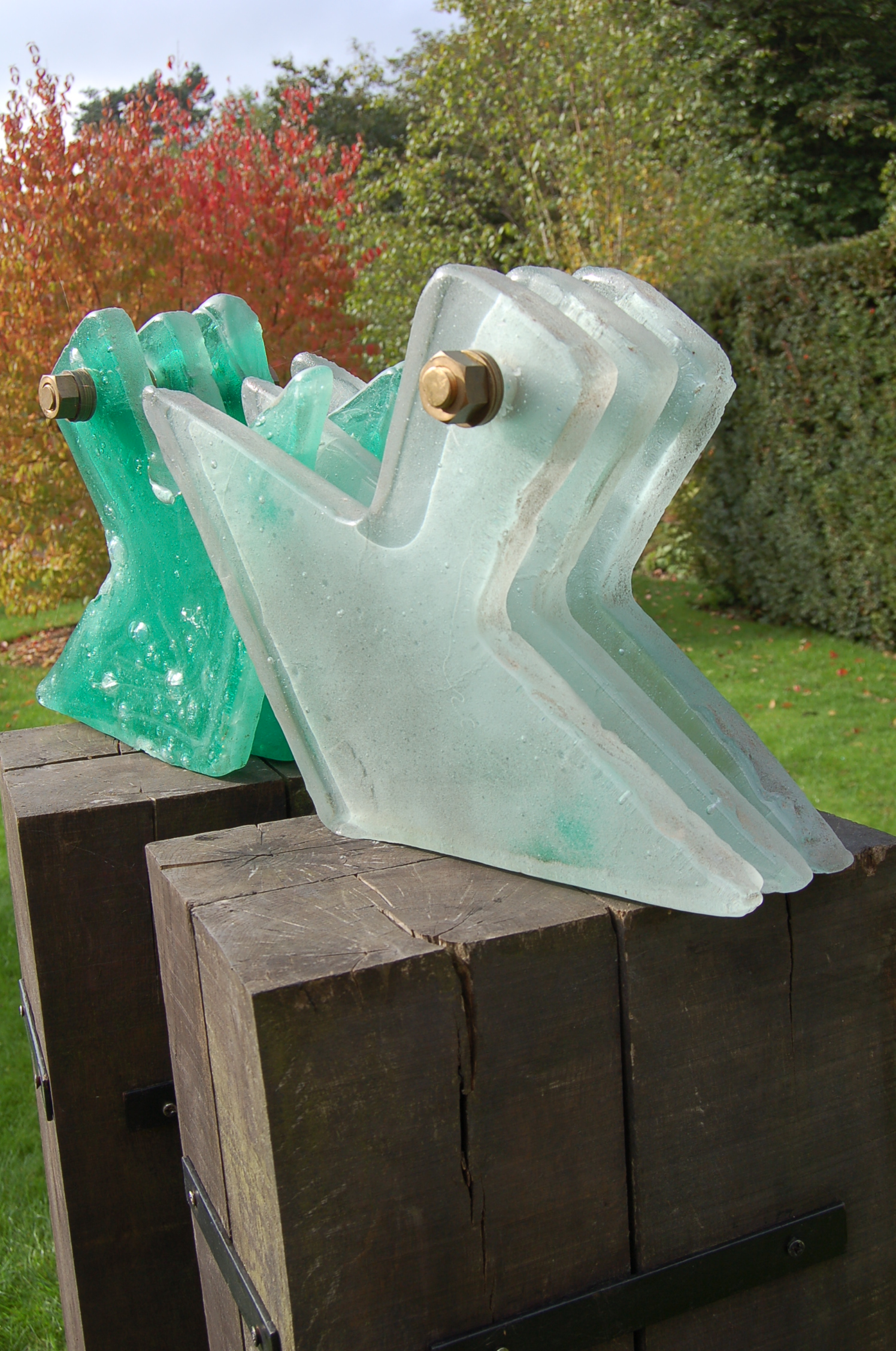
On the lawn alongside the entrance to the cafe this semi-transparent piece glowed and demanded a closer look.

2013 10 24_4452 2013 10 24_4453

Behind the buildings was a series of small brick enclosed gardens and here the light of early autumn gave extra vibrancy to the sculpture pieces.

2013 10 24_4454 2013 10 24_4455 2013 10 24_4456 2013 10 24_4457 2013 10 24_4458 2013 10 24_4459

Leaving the enclosed gardens we walked through an avenue where each tree displayed hanging metal pieces.

2013 10 24_4462 2013 10 24_4463 2013 10 24_4464

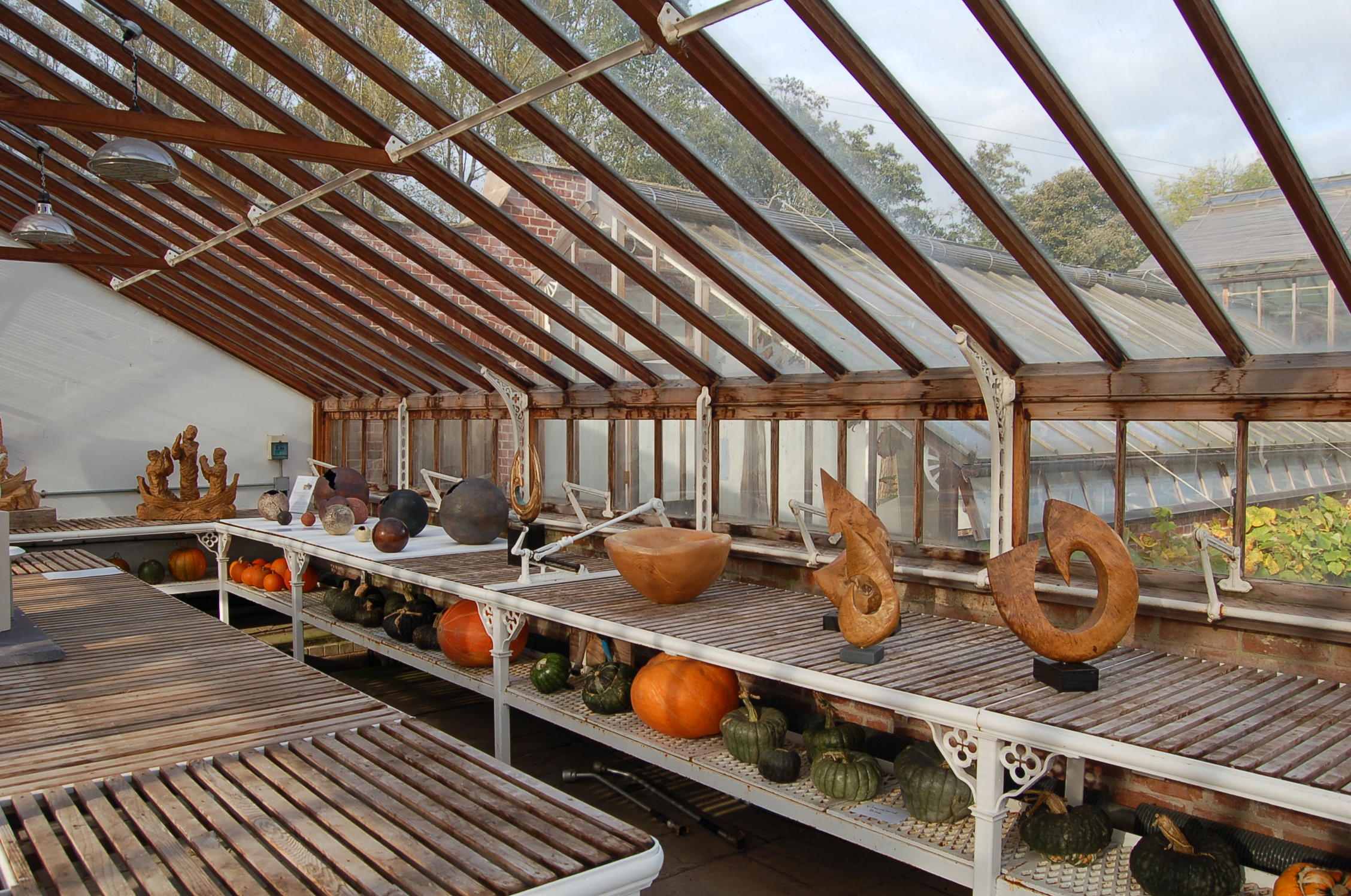
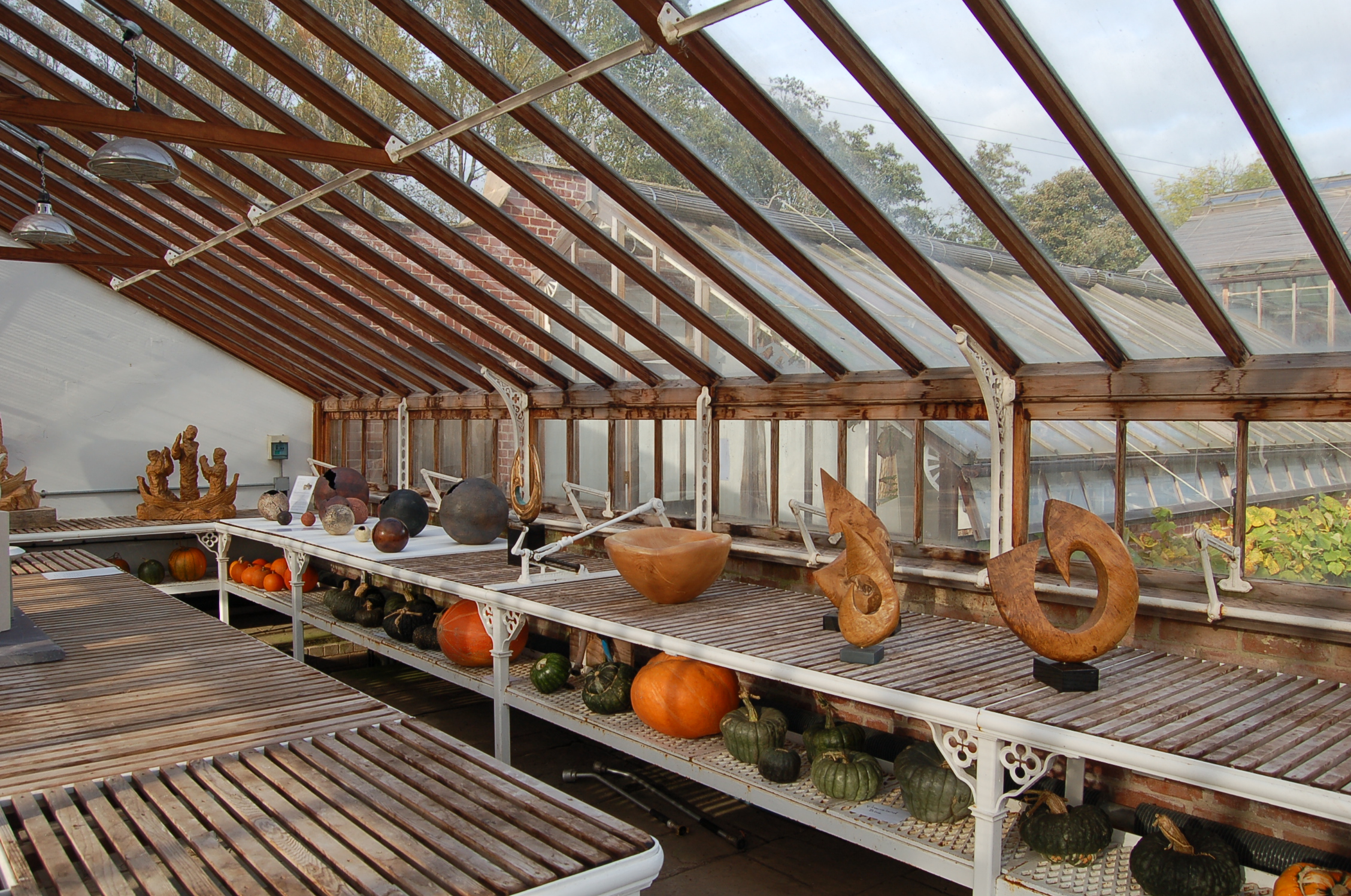
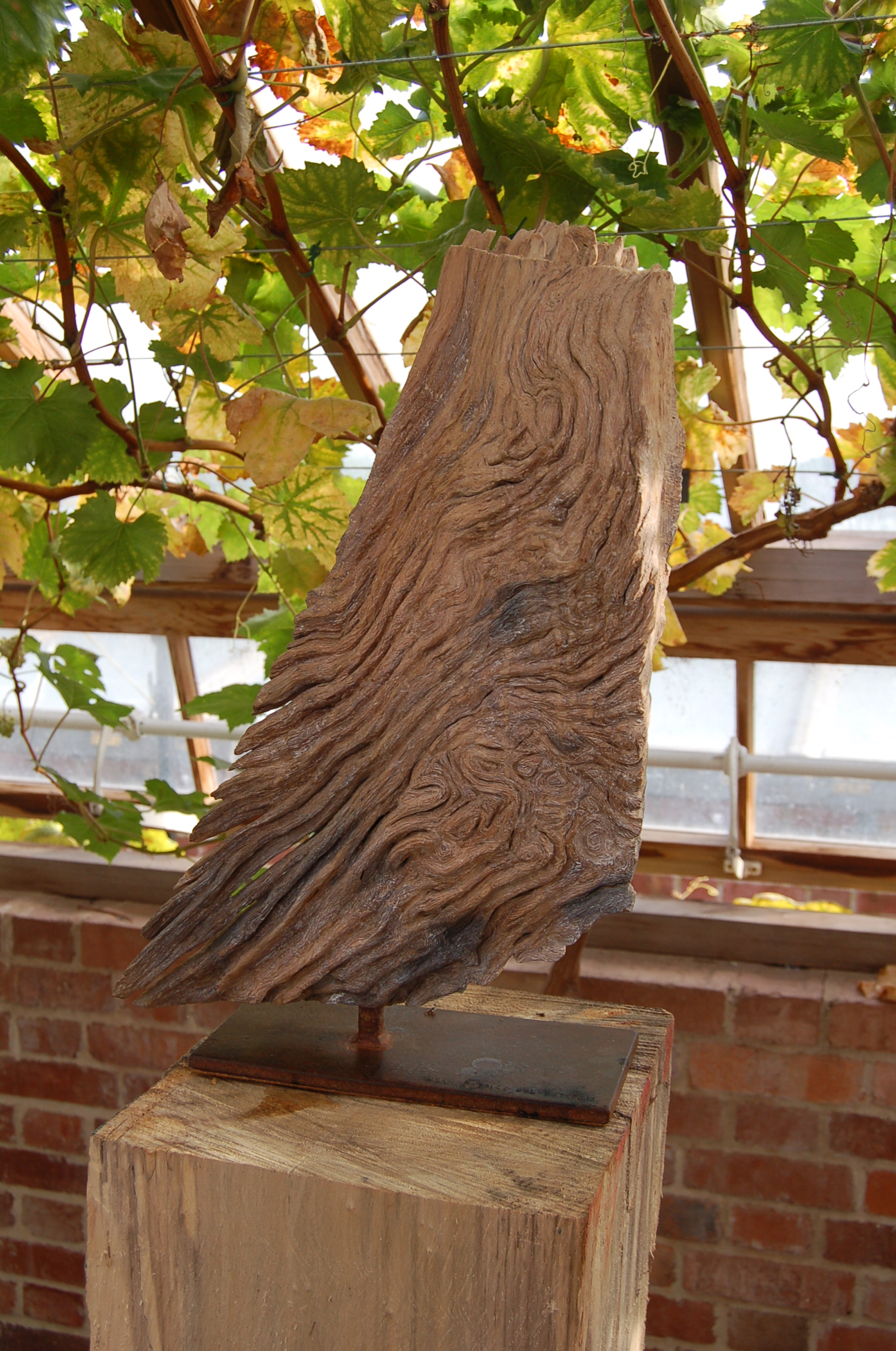
The walled garden was a short walk down the drive and along a trackway where we found an archway in the tall brick walls. Through this we found old restored greenhouses where sculptures were displayed. We found others lining the path to the greenhouses.

2013 10 24_4538 2013 10 24_4537 2013 10 24_4543 2013 10 24_4542 2013 10 24_4540 2013 10 24_4544 2013 10 24_4546 2013 10 24_4547 2013 10 24_4549 2013 10 24_4550 2013 10 24_4551 2013 10 24_4554 2013 10 24_4556 2013 10 24_4557

2013 10 24_4472 2013 10 24_4471 2013 10 24_4478 2013 10 24_4480 2013 10 24_4481 2013 10 24_4484 2013 10 24_4485 2013 10 24_4486 2013 10 24_4487 2013 10 24_4488 2013 10 24_4489 2013 10 24_4491 2013 10 24_4495 2013 10 24_4498 2013 10 24_4503 2013 10 24_4502 2013 10 24_4501 2013 10 24_4500 2013 10 24_4499

The gardens themselves had many attractive features and are worth a visit in their own right, so my my next blog will give you a taste of what they have to offer.

Categories
allotments autumn community gardening diy garden buildings garden wildlife gardening gardens Land Art natural pest control recycling Shrewsbury wildlife

Pumpkins, a BBQ and Homes for Wildlife

At the end of October we held our first ever family oriented working party social day at our allotments, Bowbrook Allotment Community. It was a great success even though the whole day was spent in wellies and waterproofs. The ground beneath our feet was saturated and occasional showers got us from above, but neither distracted us from our aims of the day.

We started just after one o’clock when a photographer from the local newspaper came to take some shots of families working together on our “Homes for Wildlife” projects and one of our most recent award, the RHS Britain in Bloom “National Award of Distinction” which we were awarded for our community involvement.

First task was to make some birdboxes and Wren Pouches. All the materials were collected together by one of our picnic benches and tools readied.  It was heartening to see children, their parents and grandparents working together creating these nest boxes. Three generations together!

2013 10 27_4572 2013 10 27_4580

2013 10 27_4590 2013 10 27_4598

2013 10 27_4622 2013 10 27_4599

We made some hanging bug shelters too, created from broken flower pots, driftwood and bits of bark.

2013 10 27_4579

We wished also to make a couple of bug hotels, a small one along the fenceline and our most ambitious yet a 6 ft high creepy crawly cottage both based on recycled wooden pallets. We began with a stack of pallets and a collection of natural objects collected by allotment holders, sticks, old garden canes, stones, fir cones etc.

2013 10 27_4565 2013 10 27_4567 2013 10 27_4569

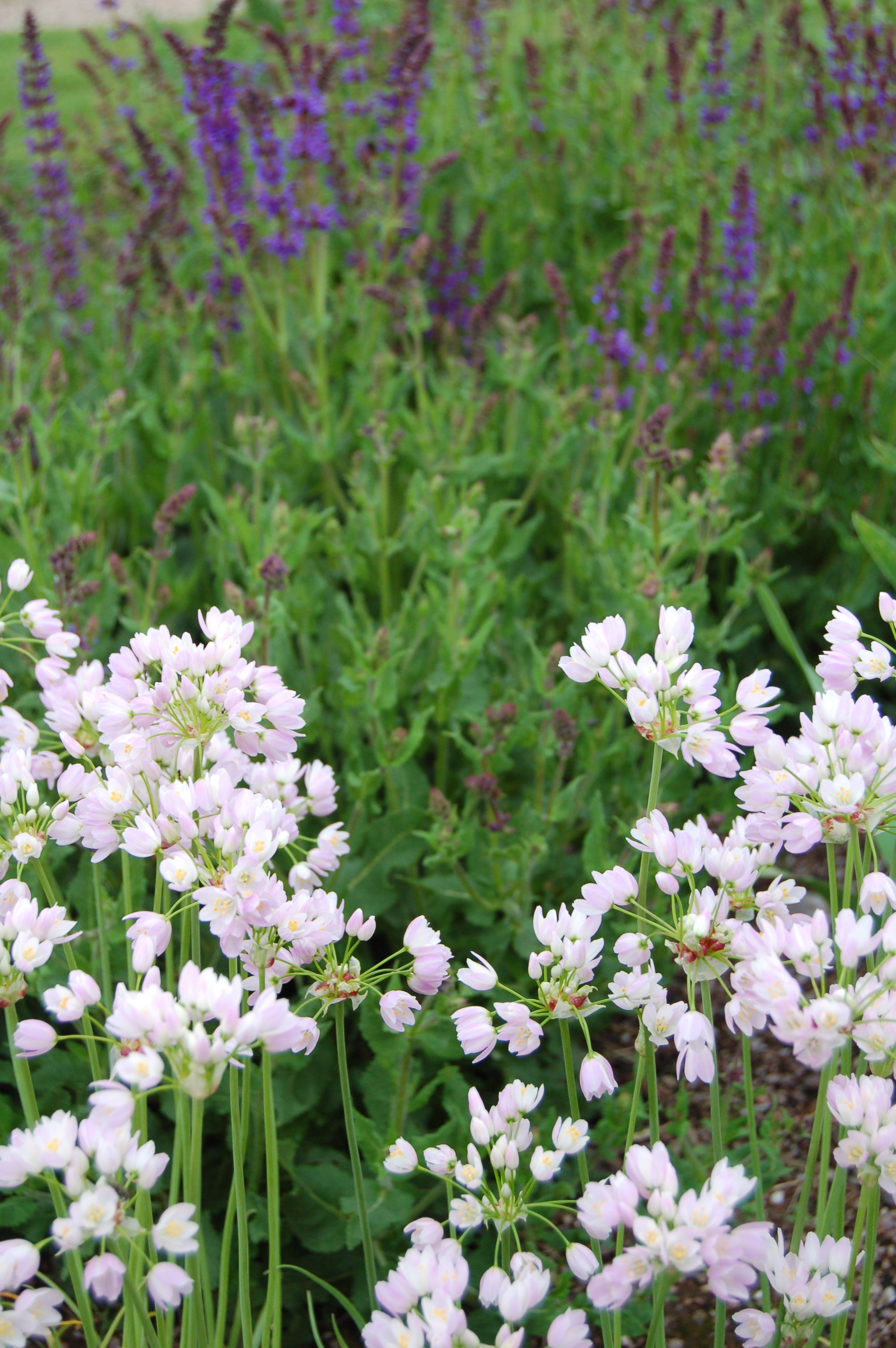
The “cottage” soon began to take shape as pallets were stacked and fixed together to give the basic structure.
2013 10 27_4571  2013 10 27_4577

2013 10 27_4581 2013 10 27_4584

2013 10 27_4585 2013 10 27_4586

2013 10 27_4587 2013 10 27_4589

2013 10 27_4588   2013 10 27_4591

2013 10 27_4594 2013 10 27_4593

2013 10 27_4597

All we have to do now is choose a name for our new insect home. We have challenged the youngsters from the allotments, our Roots and Shoots group, to choose a suitable one. So far we have a few ideas – “Minibeast Manor”, “Bugtique Hotel” and “Minibeast Metropolis”. The difficulty will be how to decide!
The smaller insect hotel was made from five pallets and again filled with objects that would provide shelter for wildlife. We finished it off with a stone pile, the perfect home for beetles.
2013 10 27_4582 2013 10 27_4583

2013 10 27_4595 2013 10 27_4596

2013 10 27_4578

The final jobs before our BBQ was to plant lots of acorns, sweet chestnuts and hazel nuts to grow on and plant in our hedgerows and to plant up a whole sack of daffodil bulbs alongside the paths in our meadows.

2013 10 27_4600 2013 10 27_4616

The BBQ brought us all back together and once darkness fell we lit our pumpkin lanterns. And we even found time for Jude to do some face painting.

2013 10 27_4618 2013 10 27_4619 2013 10 27_4617 2013 10 27_4627 2013 10 27_4628

As we enjoyed the BBQ the light disappeared and we prepared ourselves for the Twilight Walk, when we wandered around the site with lit pumpkins to light our way in search of sheds decorated as Spooky Sheds.

2013 10 27_4624   2013 10 27_4626 2013 10 27_4623

2013 10 27_4615 2013 10 27_4613 2013 10 27_4612 2013 10 27_4611 2013 10 27_4610 2013 10 27_4609 2013 10 27_4608 2013 10 27_4607 2013 10 27_4606 2013 10 27_4605 2013 10 27_4604 2013 10 27_4602

And as the night fell we disappeared into the gloom with our pumpkins to guide our way.

2013 10 27_4629 2013 10 27_4630

This Veggie Life

A Vegetarian | Nature Lifestyle Blog

Rambling in the Garden

.....and nurturing my soul

The Arch City Gardener

Journeys In St. Louis Gardening and Beyond

Garden Dreaming at Châtillon

Consult the genius of the place

Storyshucker

A blog full of humorous and poignant observations.

gardeninacity

Notes from a wildlife-friendly cottage garden

PlayGroundology

...an emerging social science

The Official Blog of British Wildlife

'The most important and informative publication on wildlife of our times' - The Independent. This blog is a member of The UK & Ireland Natural History Bloggers group: www.uknhb.blogspot.com

iGrowHort

Inspire - Cultivate - Grow Native Plants - Restore Landscapes

Bishops Meadow Trust

To create and protect a semi-natural wild space for the people of Farnham to enjoy and experience an array of British wildlife in our town

Gardening with Children

The www.gardeningwithchildren.co.uk Blog

UKbirdingtimeline

birding through the seasons, why birds matter and how to conserve them

NATURE WALKER

with a camera in hand

Jardin

Transform your outdoor space

Eva's space

My allotment, cooking and other interests

Old School Garden

my gardening life through the year

LEANNE COLE

Trying to live a creative life

fromacountrycottage

trying to live as lightly as possible on our beautiful planet

Good Life Gardening

Nature lovers from Leicester living the good life.

mybeautfulthings

Finding the beautiful in the everyday

mawsonmichelle

Michelle's Allotment

In and Out of My Garden

thoughts from and about my garden

Greenhousing

Big plans for a small garden

The Scottish Country Garden

A Walled Country Garden in South East Scotland

The Fruity Chicken

Life at the fruity chicken

willowarchway

Off grid living. Self sufficient. "PERMAGANICS RULE".

St Anns Allotments

Nottingham's Grade 2* Listed Allotments and Community Orchard

Manifest Joy Harvests

a journey in suburban vegetable gardening

Allotmental

The madness of growing your own

Penny's Garden: a harvest beyond my front door

A novel approach to vegetable gardening

arignagardener

Sustainable living in the Irish countryside.

NewEnglandGardenAndThread

Master Gardener, amateur photographer, quilter, NH native, and sometimes SC snowbird

dianajhale

Recent work and work in progress and anything else that interests me

planthoarder

a chaotic cottage gardener

Lens and Pens by Sally

a weekly blog that creates a personal philosophy through photographs and words

Dewdrops and Sunshine

Stories from a sassy and classy Southern farmbelle.

The Pyjama Gardener

Simple Organic Gardening & Seasonal Living

gettin' fresh!

turning dirt into dinner

JOY...

today the world is created anew

Garden Birds

Notes from a Devon garden

ShootAbout

Life Through The Lens

Adapting Pixels

A photography blog showcasing the best photography pictures and videos on the internet

Wildlifegardening's Blog

Just another WordPress.com site

naturestimeline

personal observations from the natural world as the search continues for a new approach to conservation.

LATEBLOOMERBUDS

The Wonders of Life through my Eyes, my Heart, my Soul