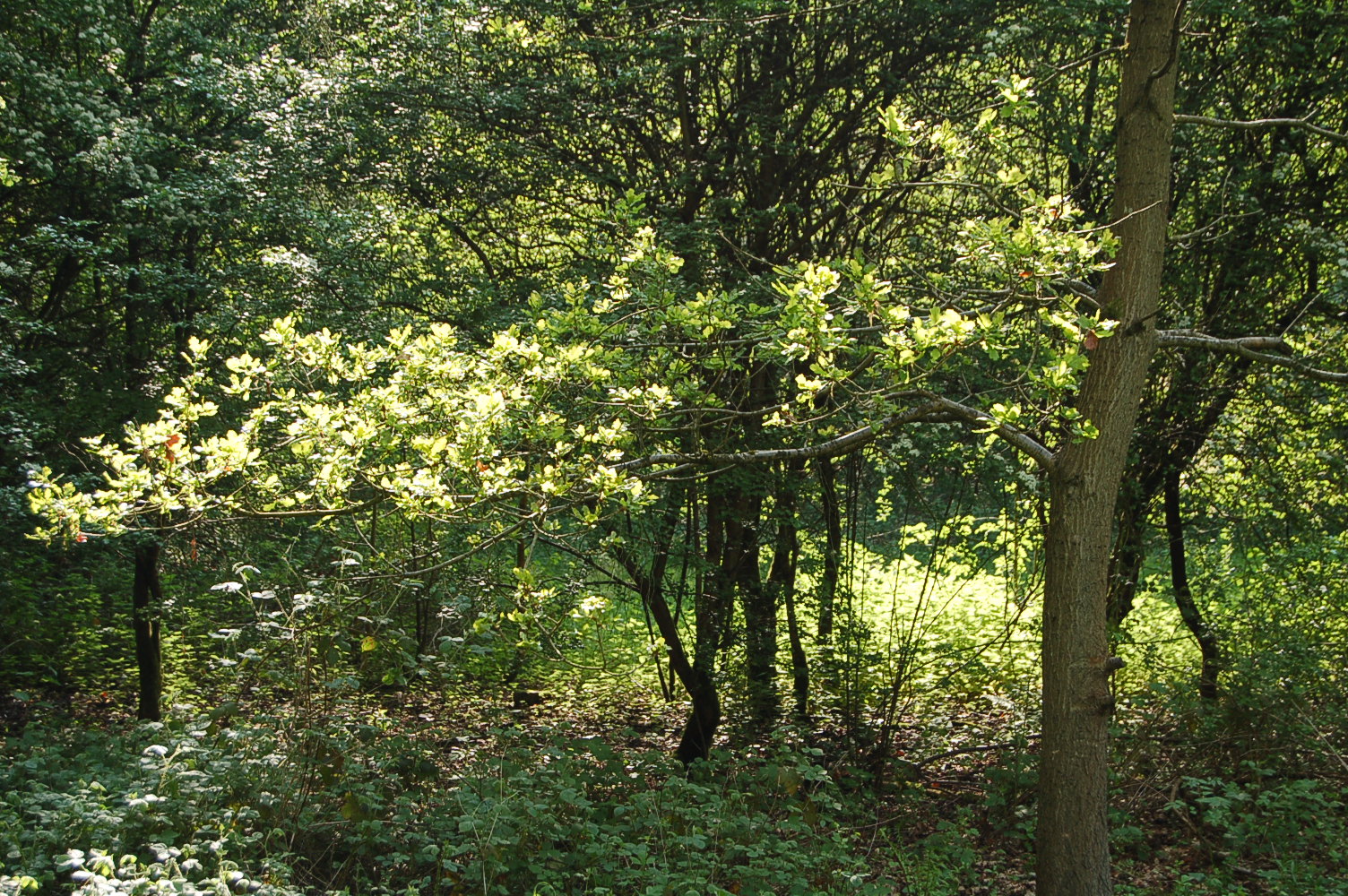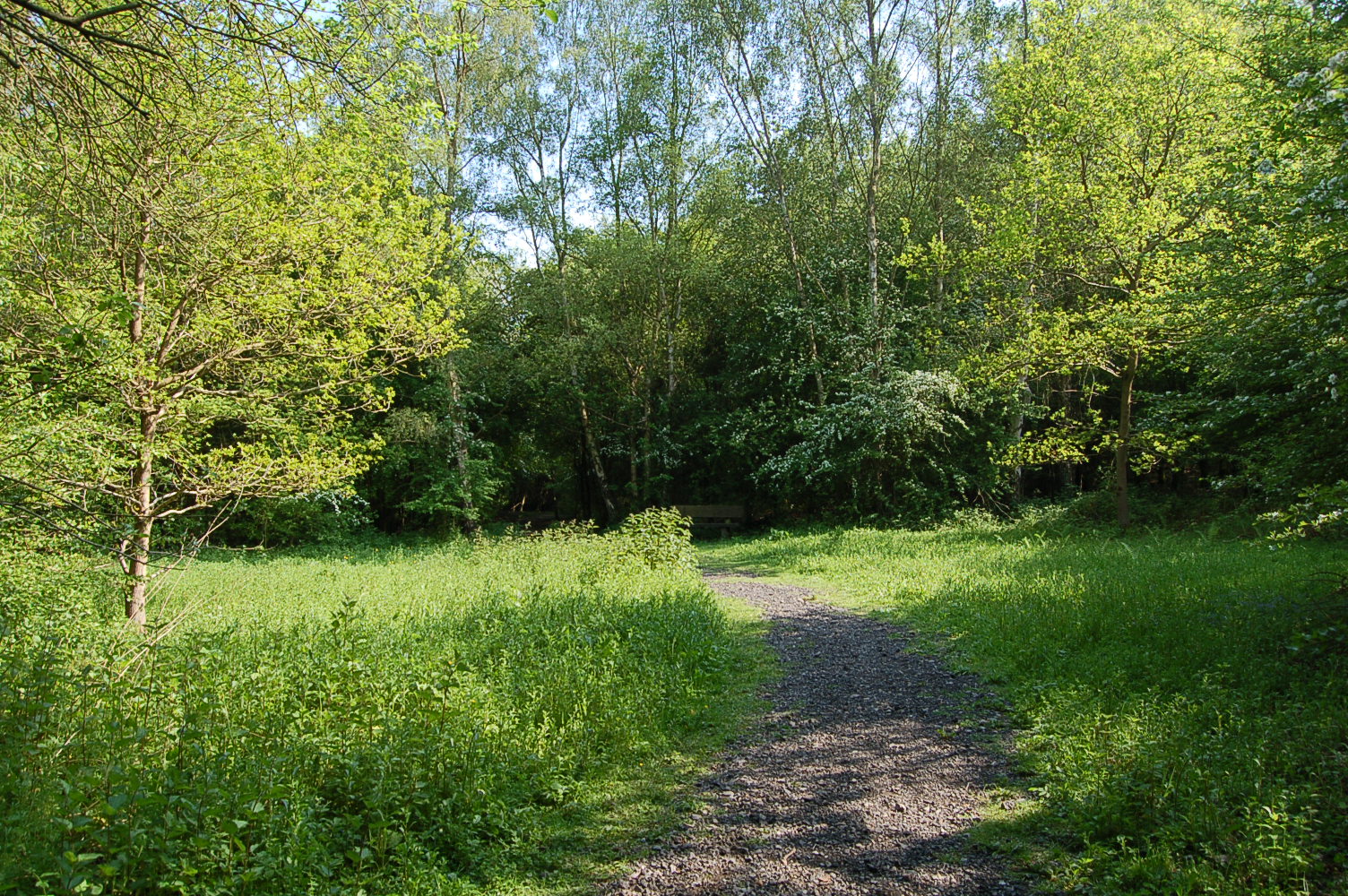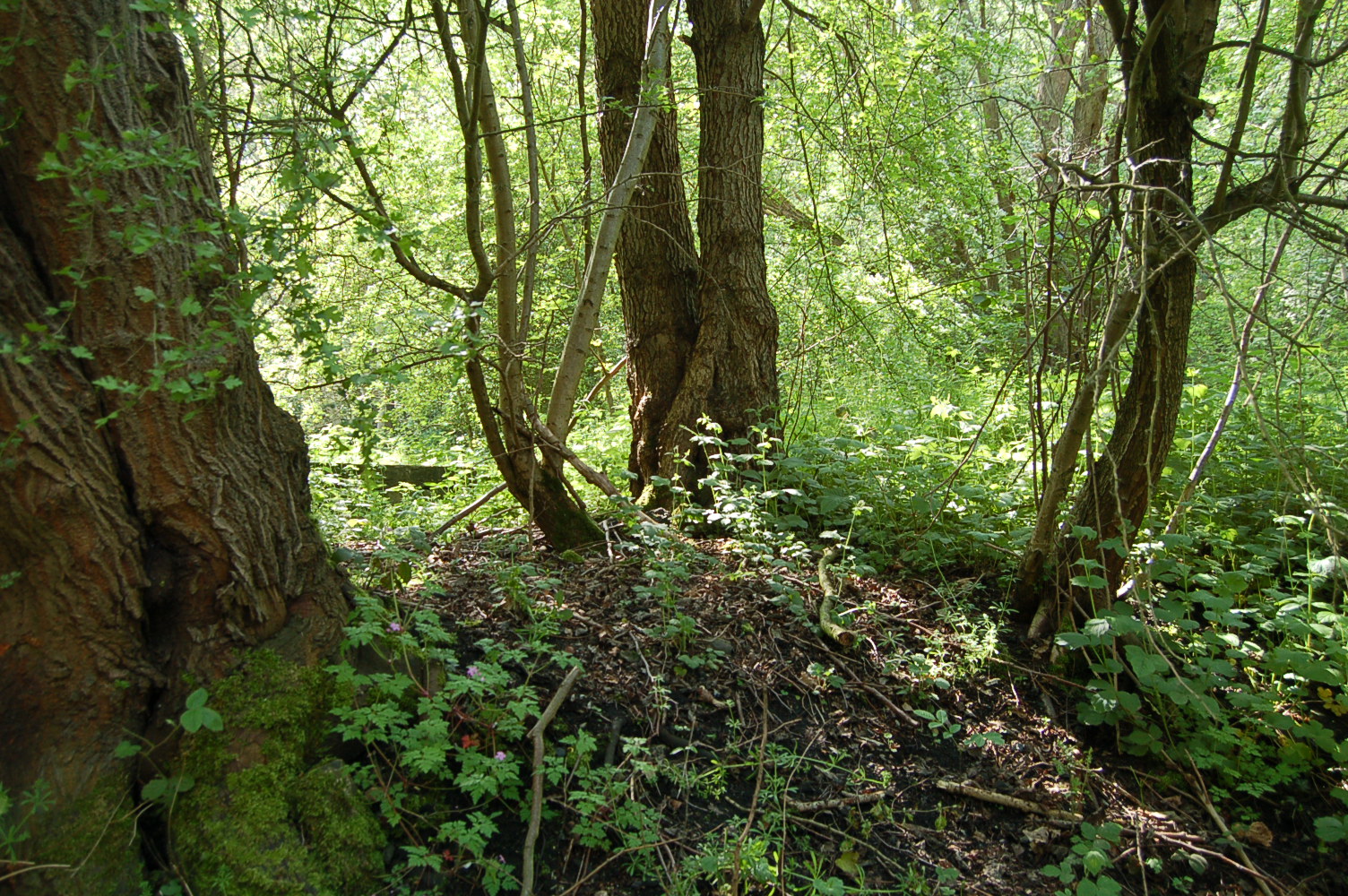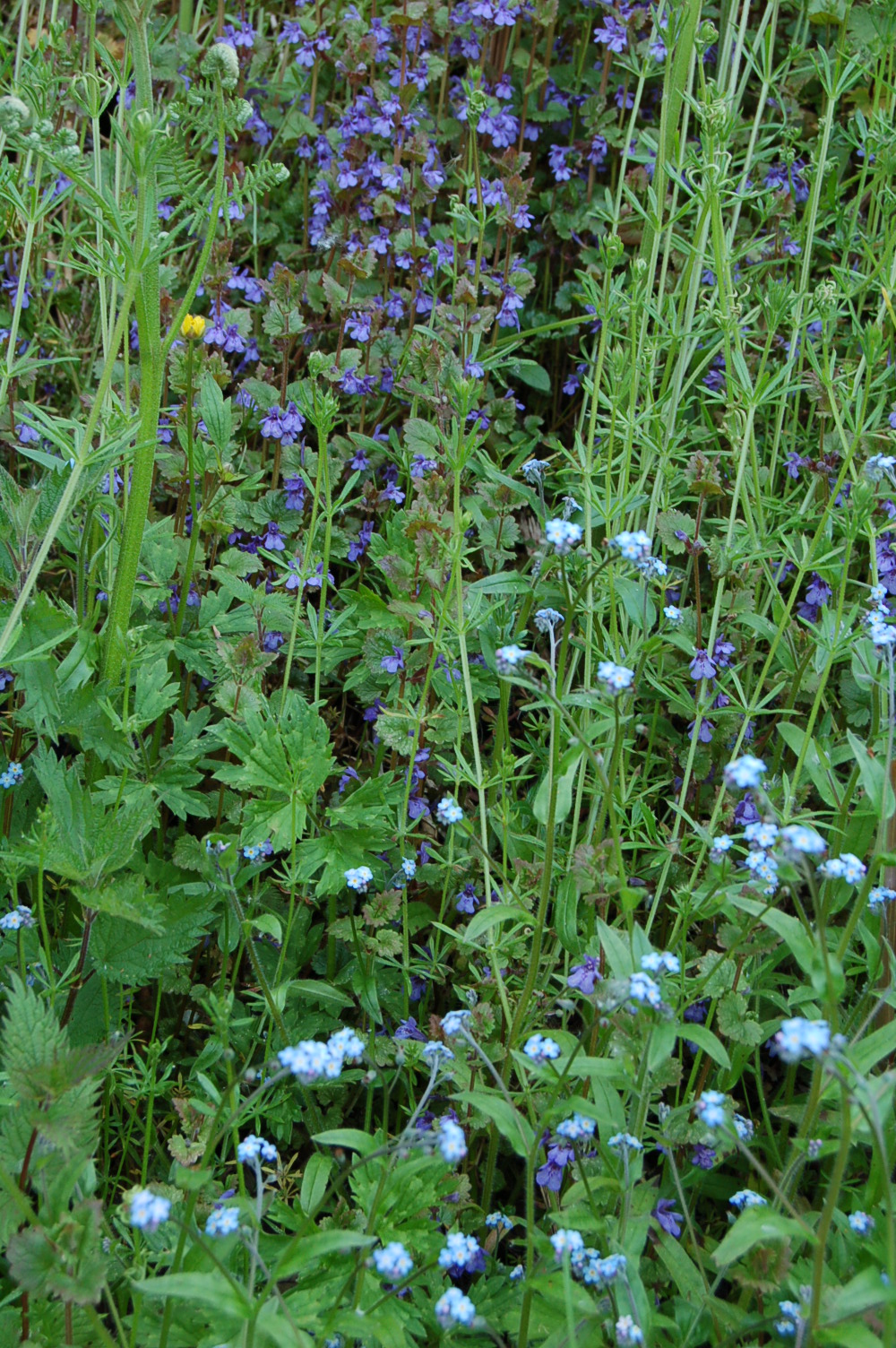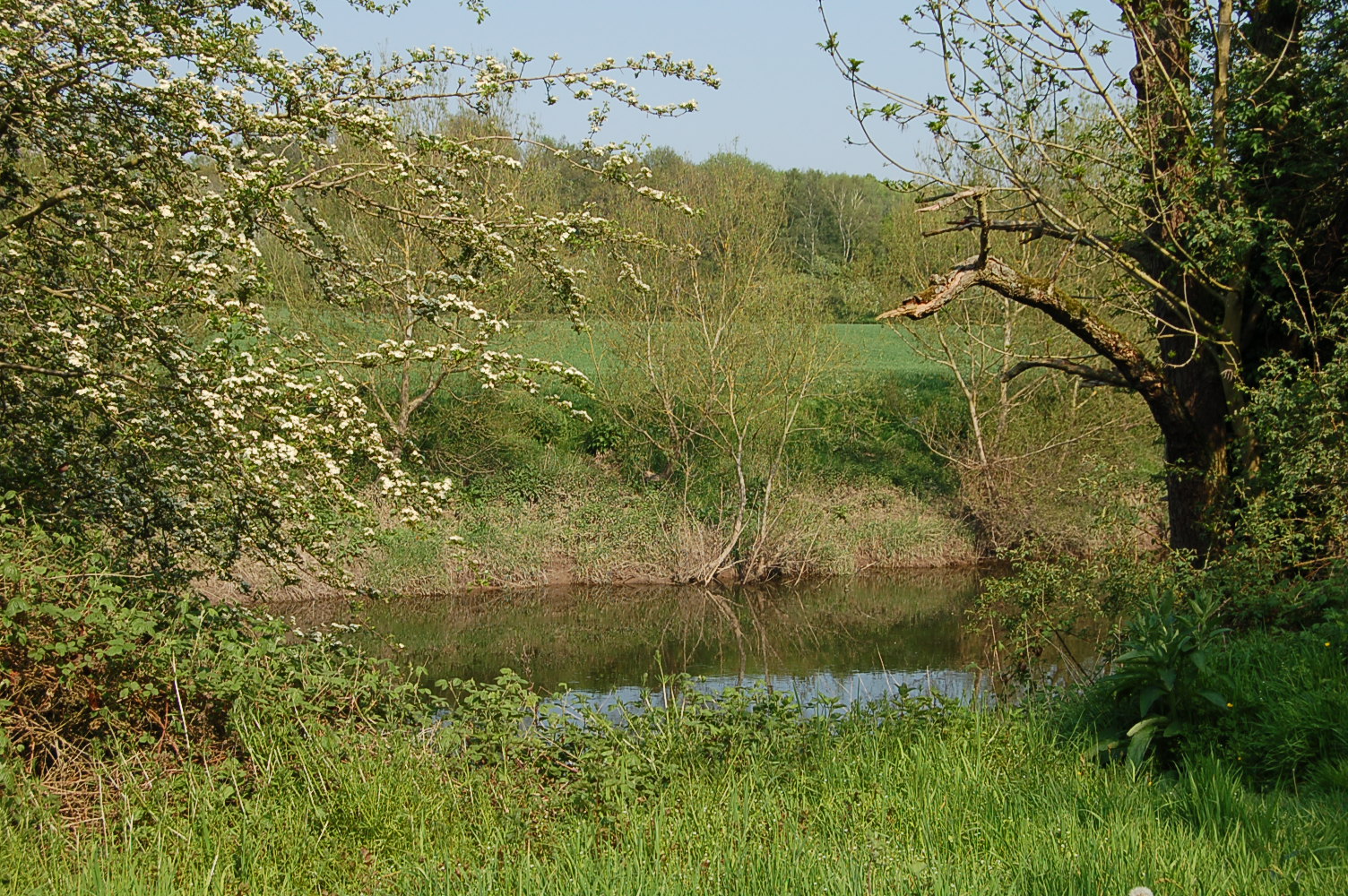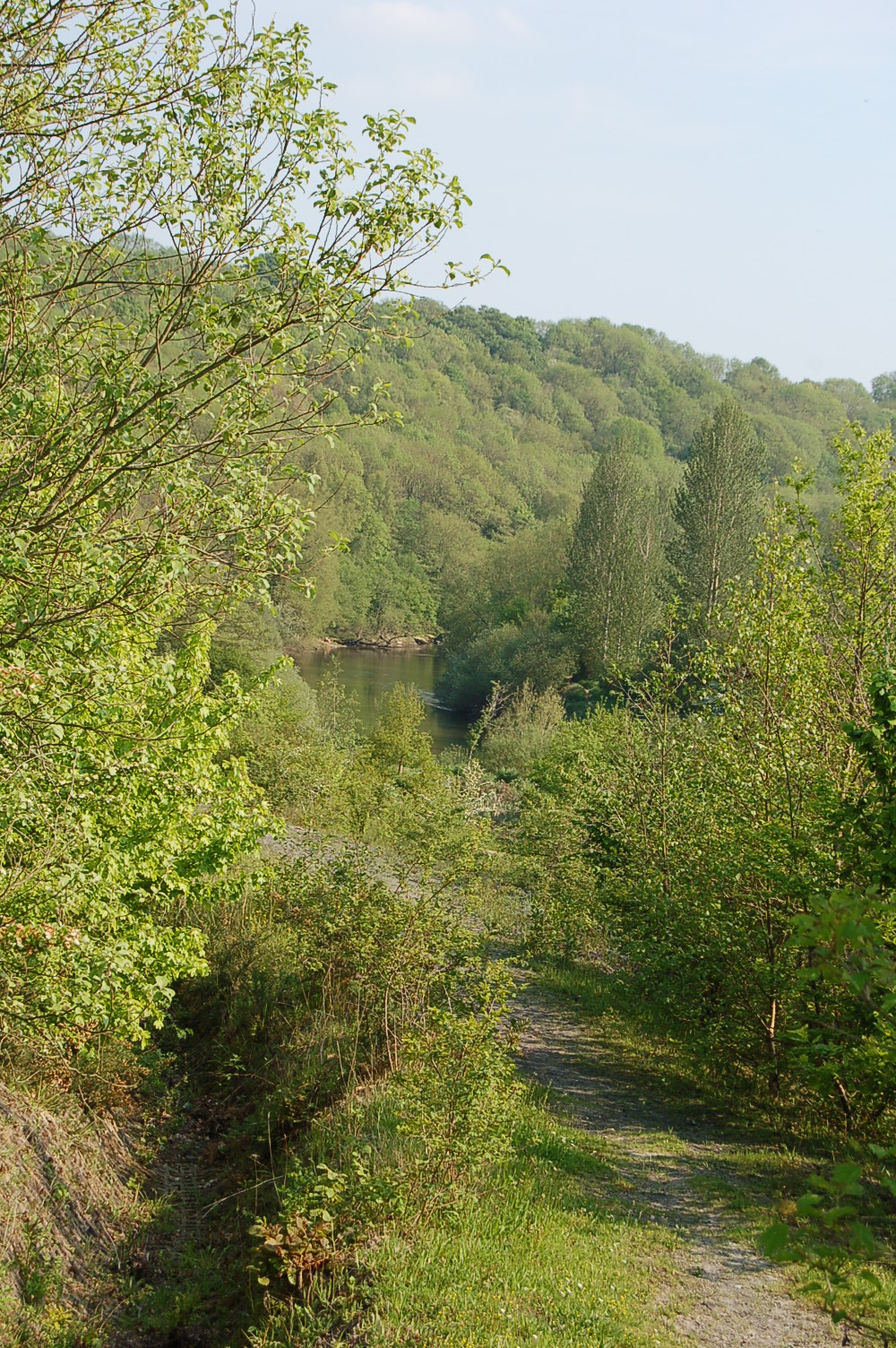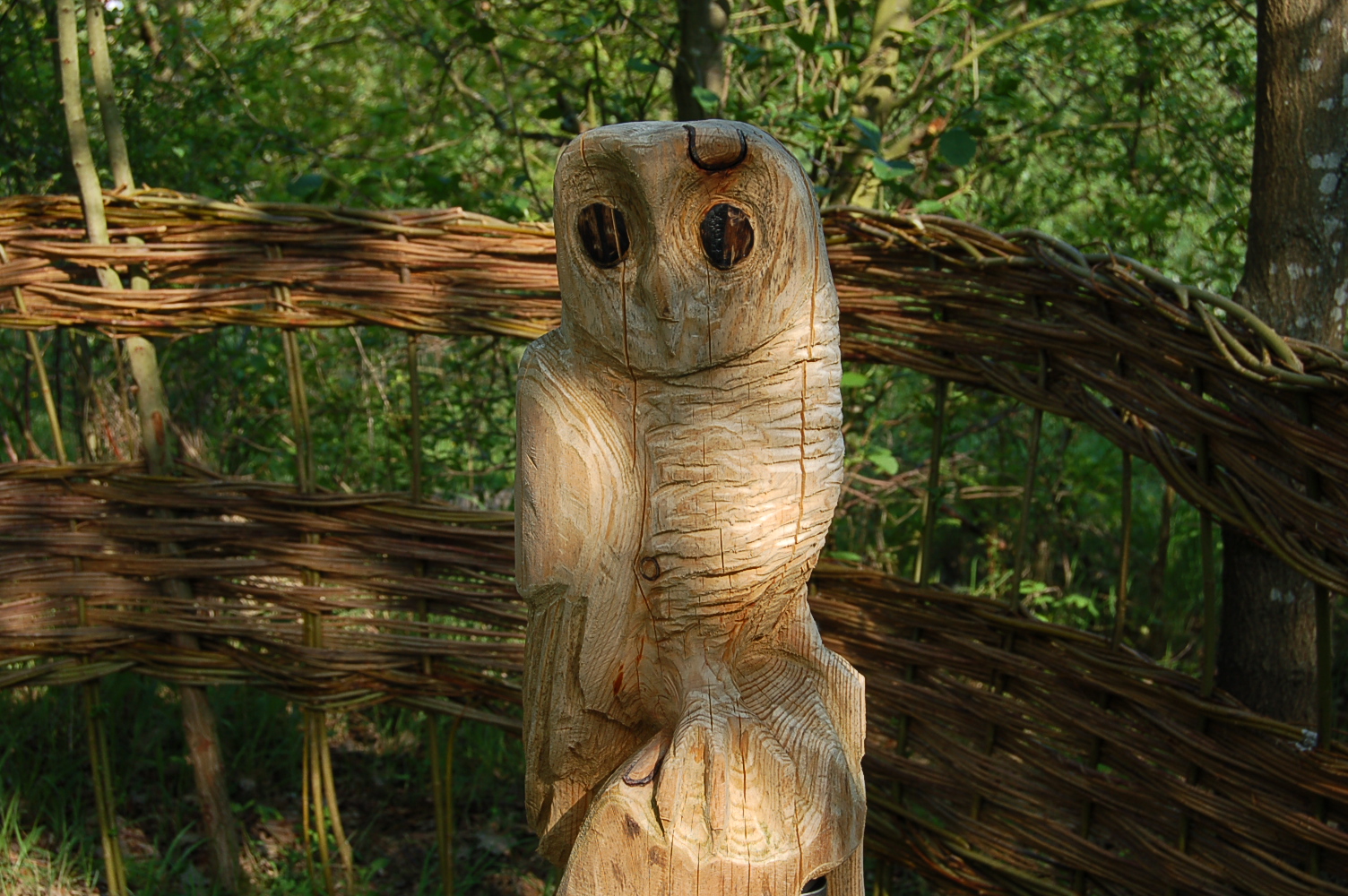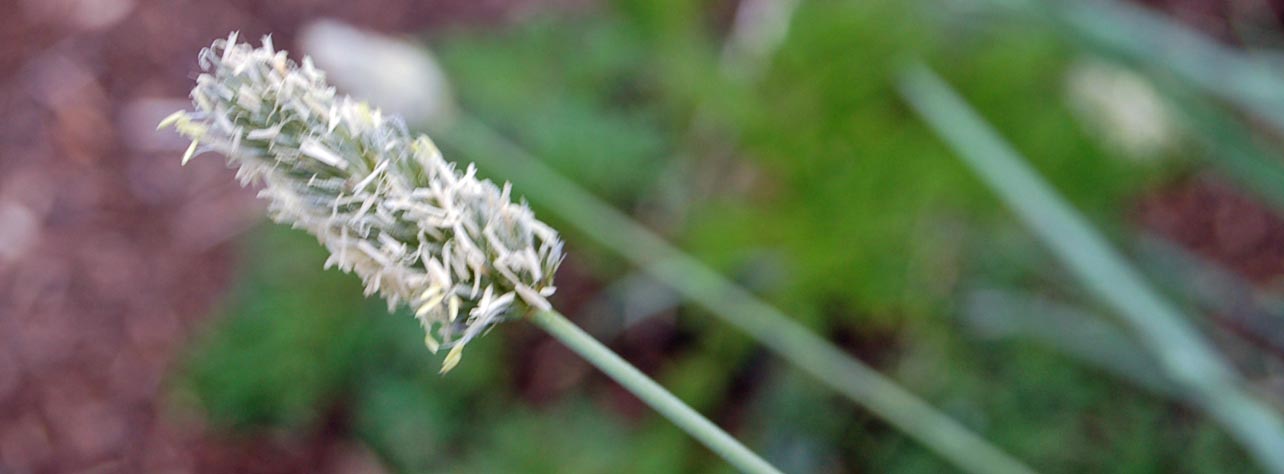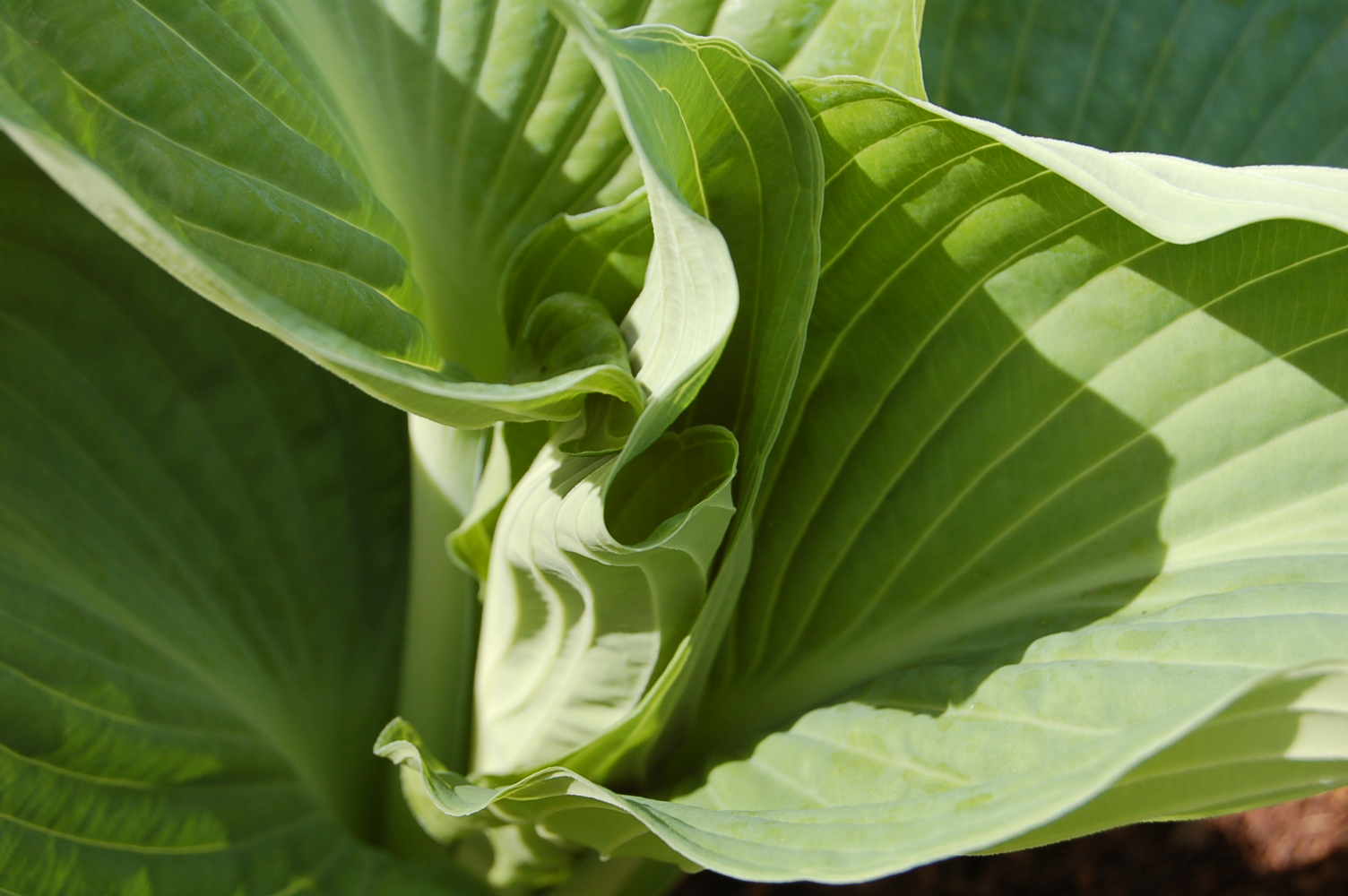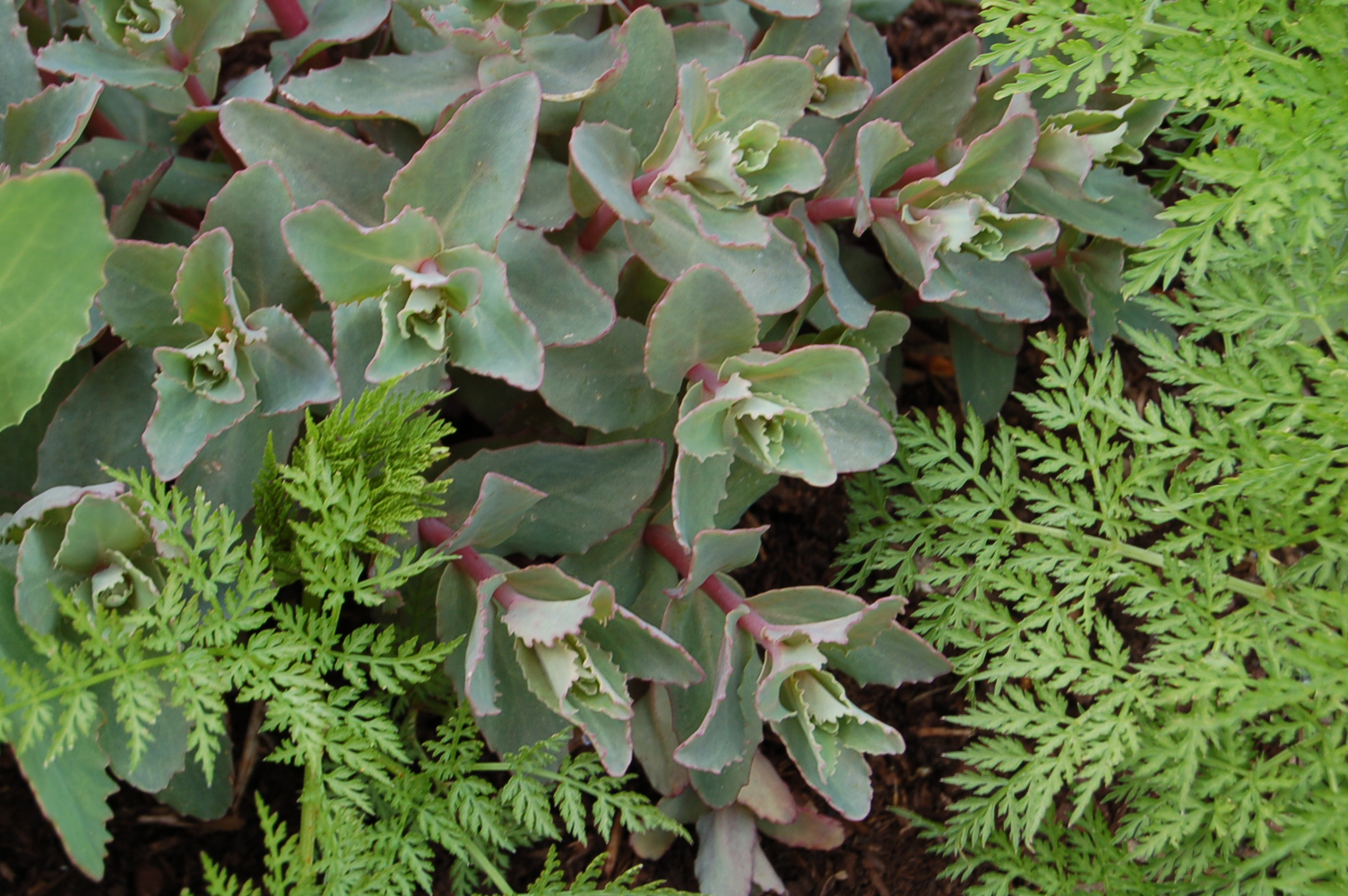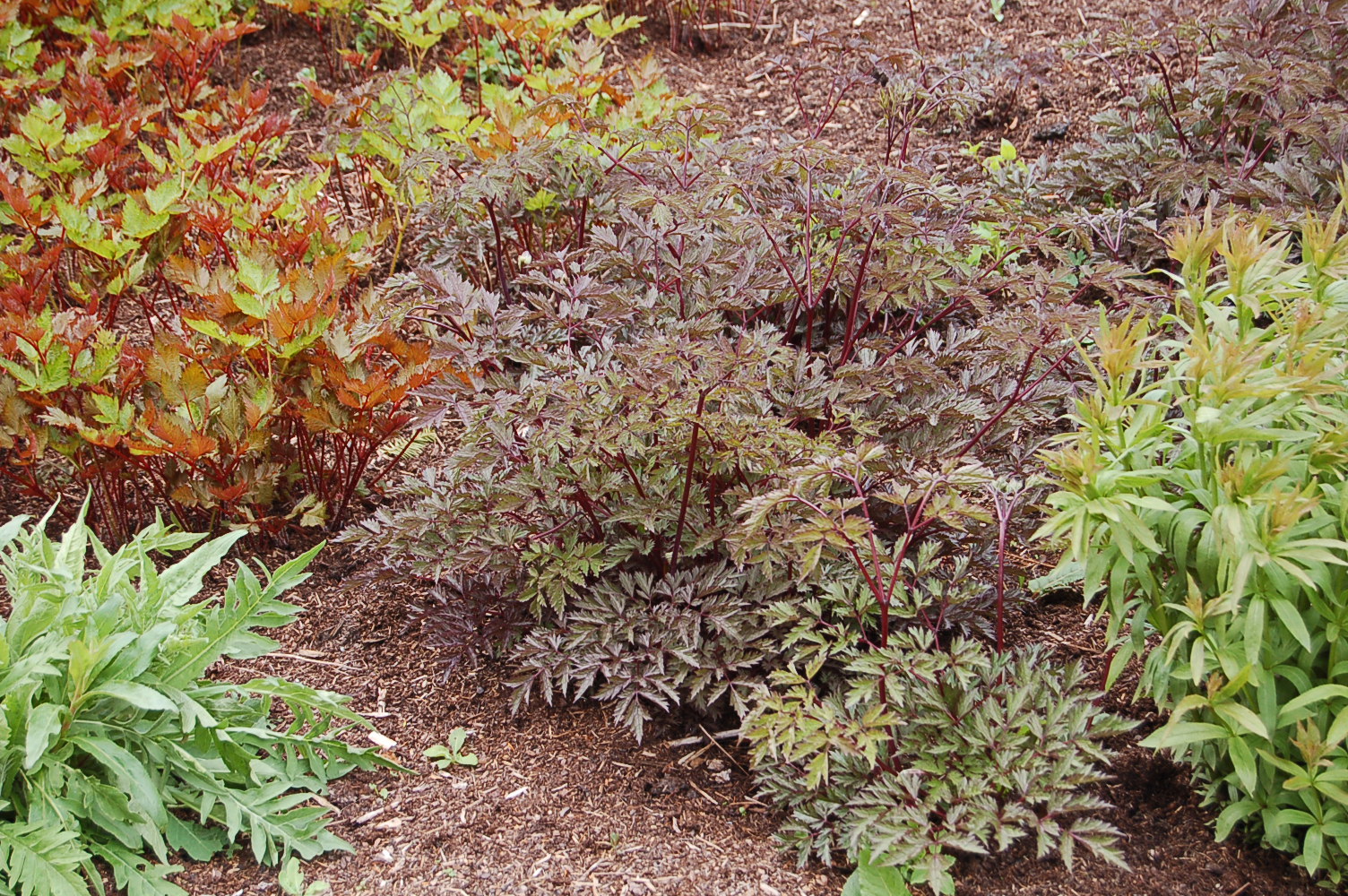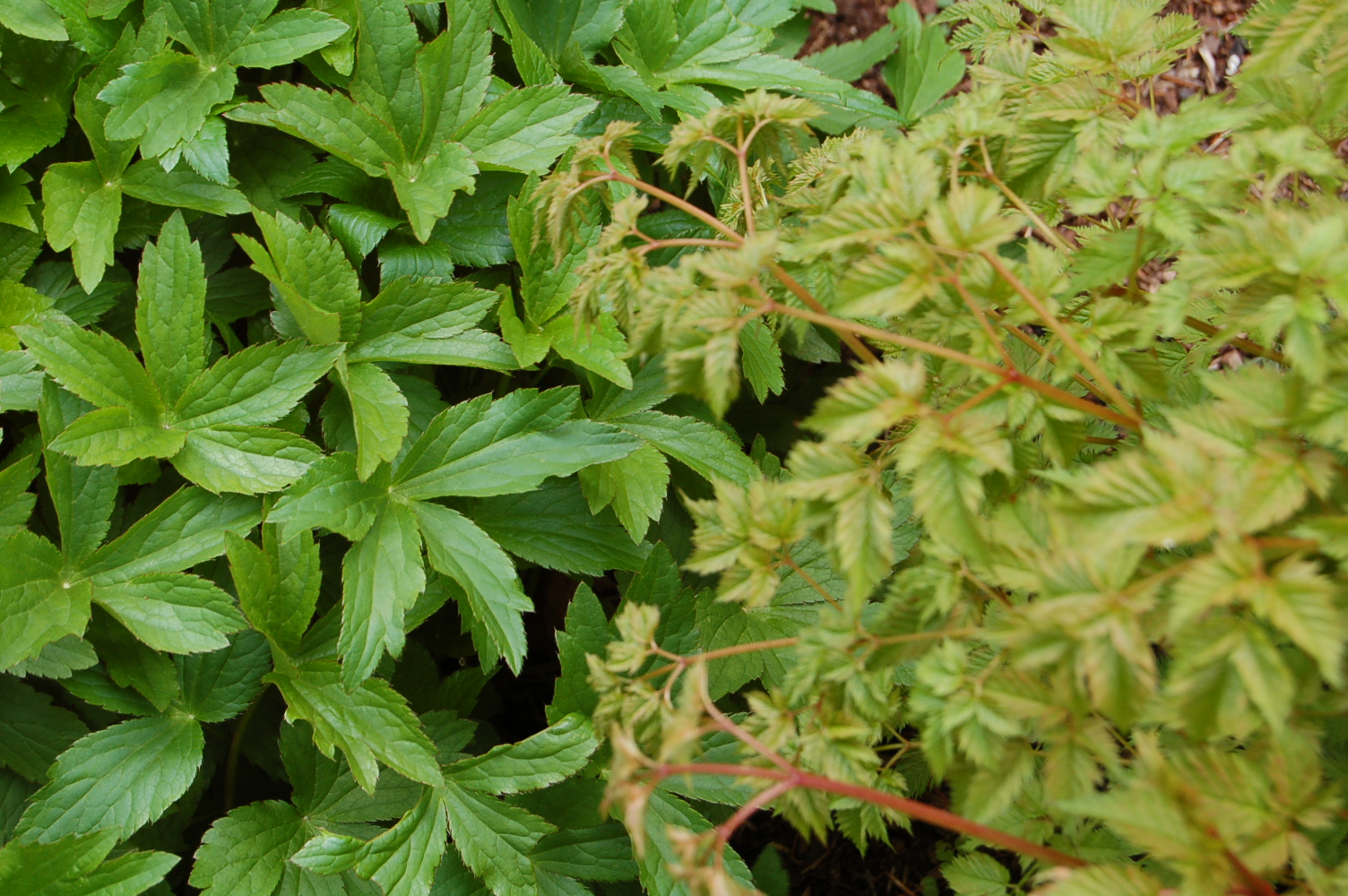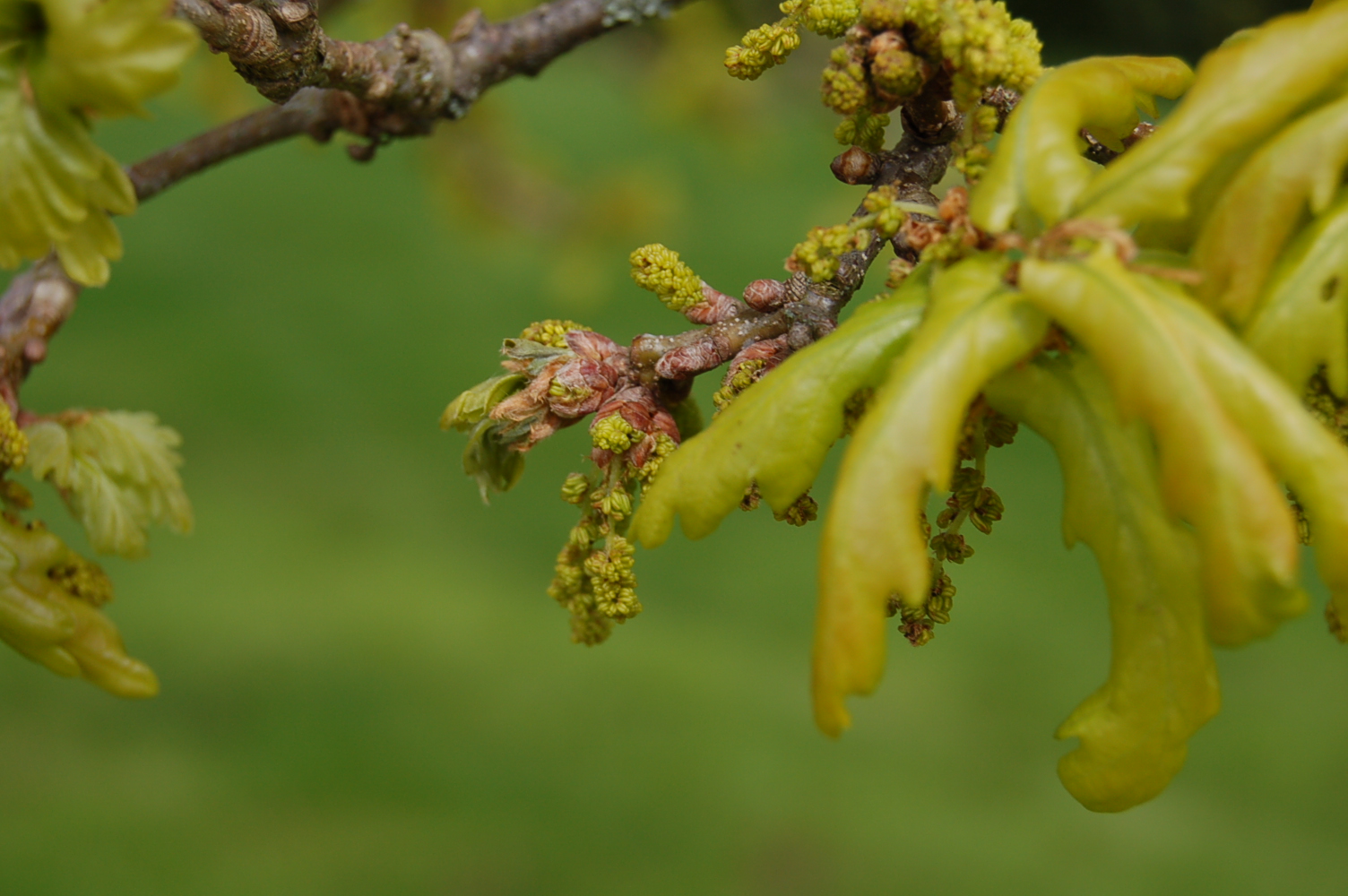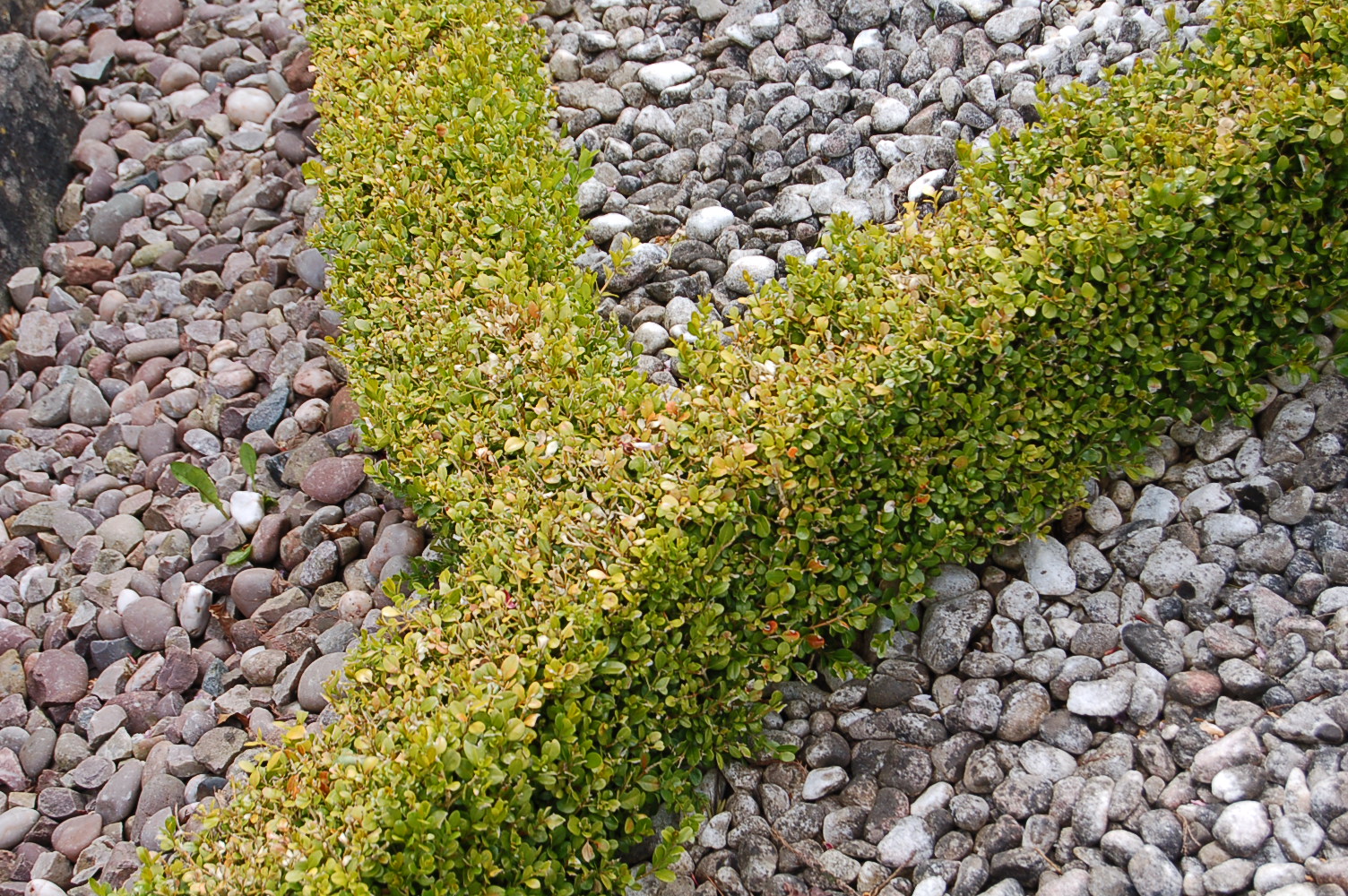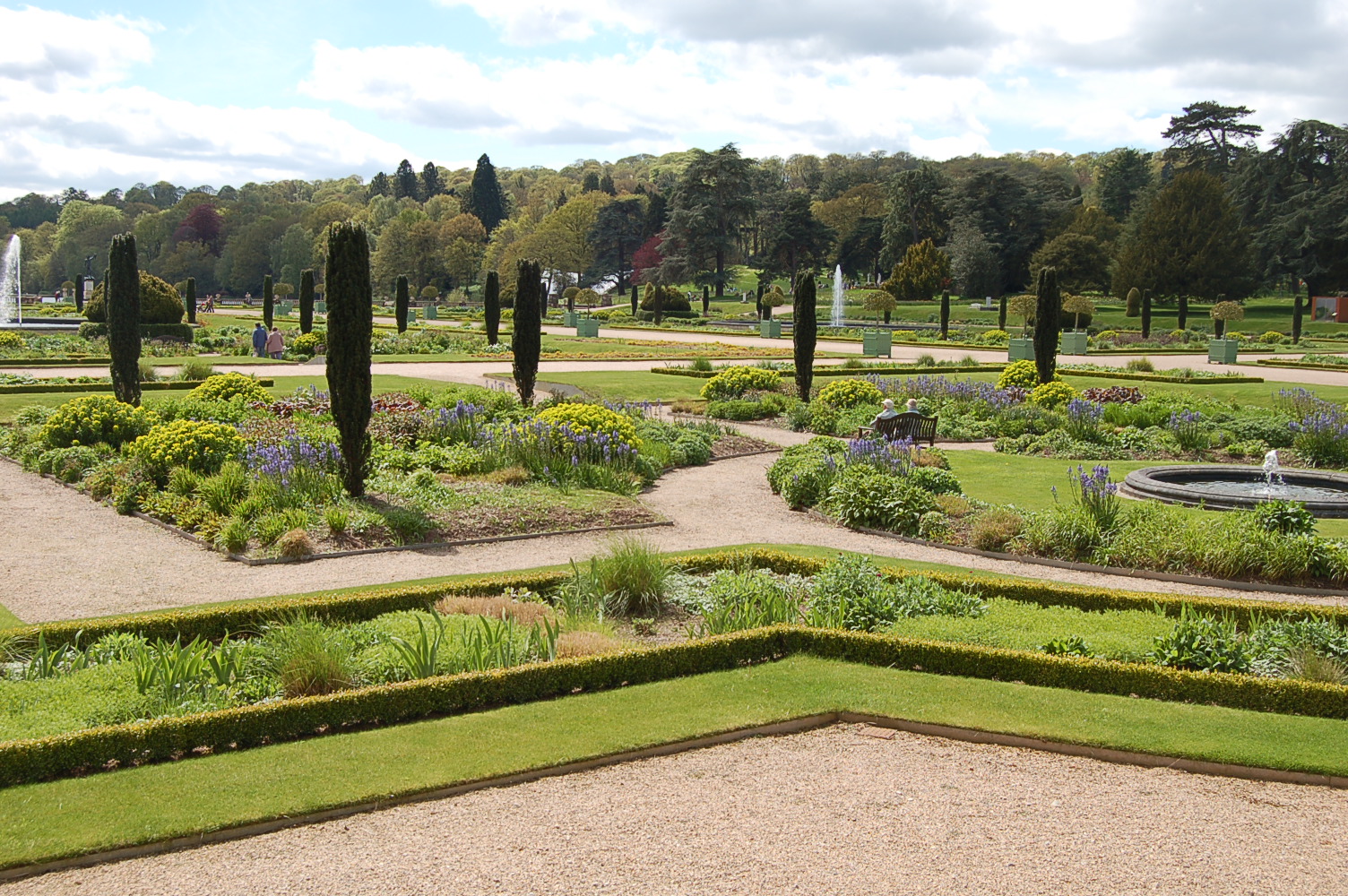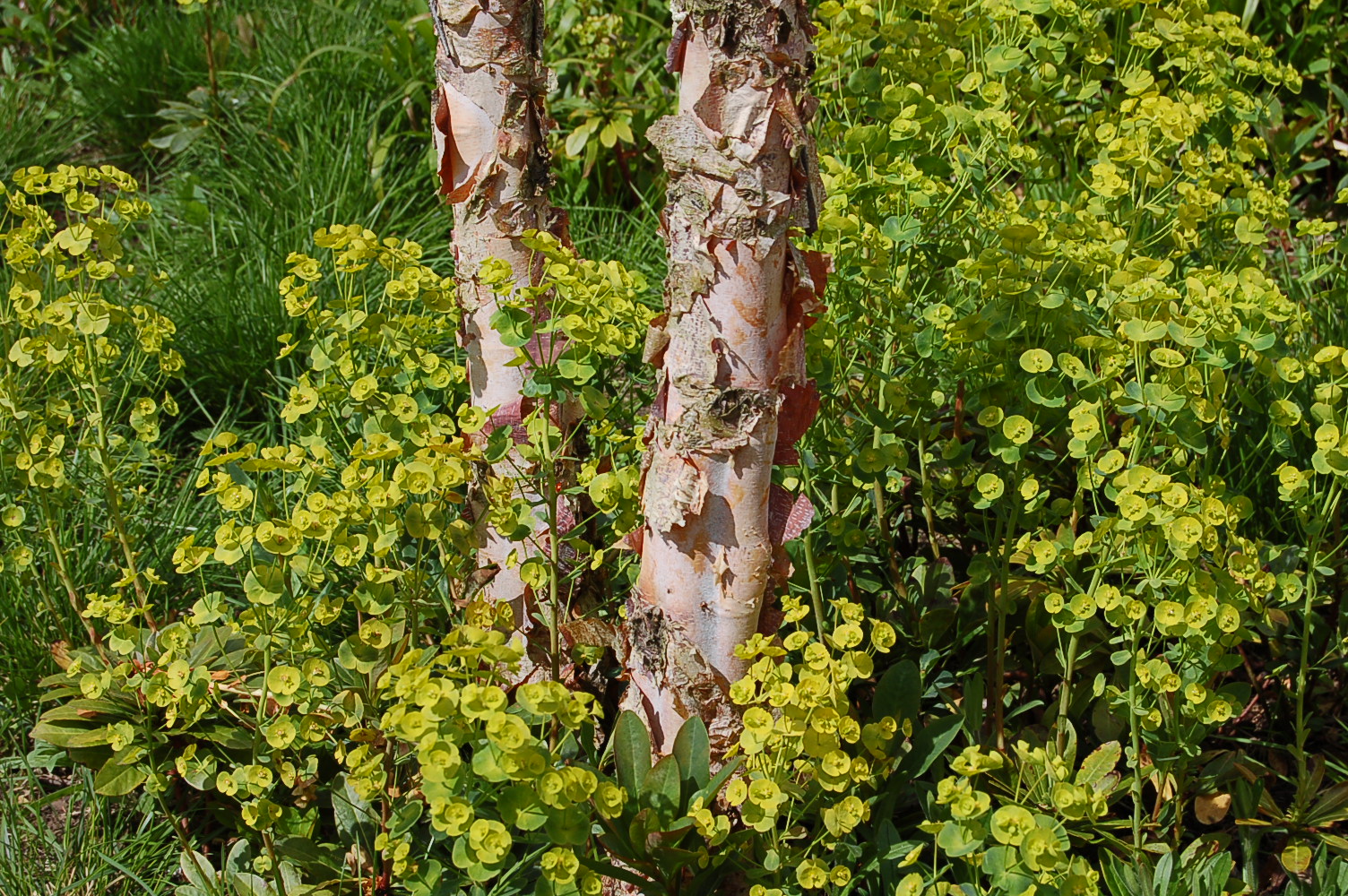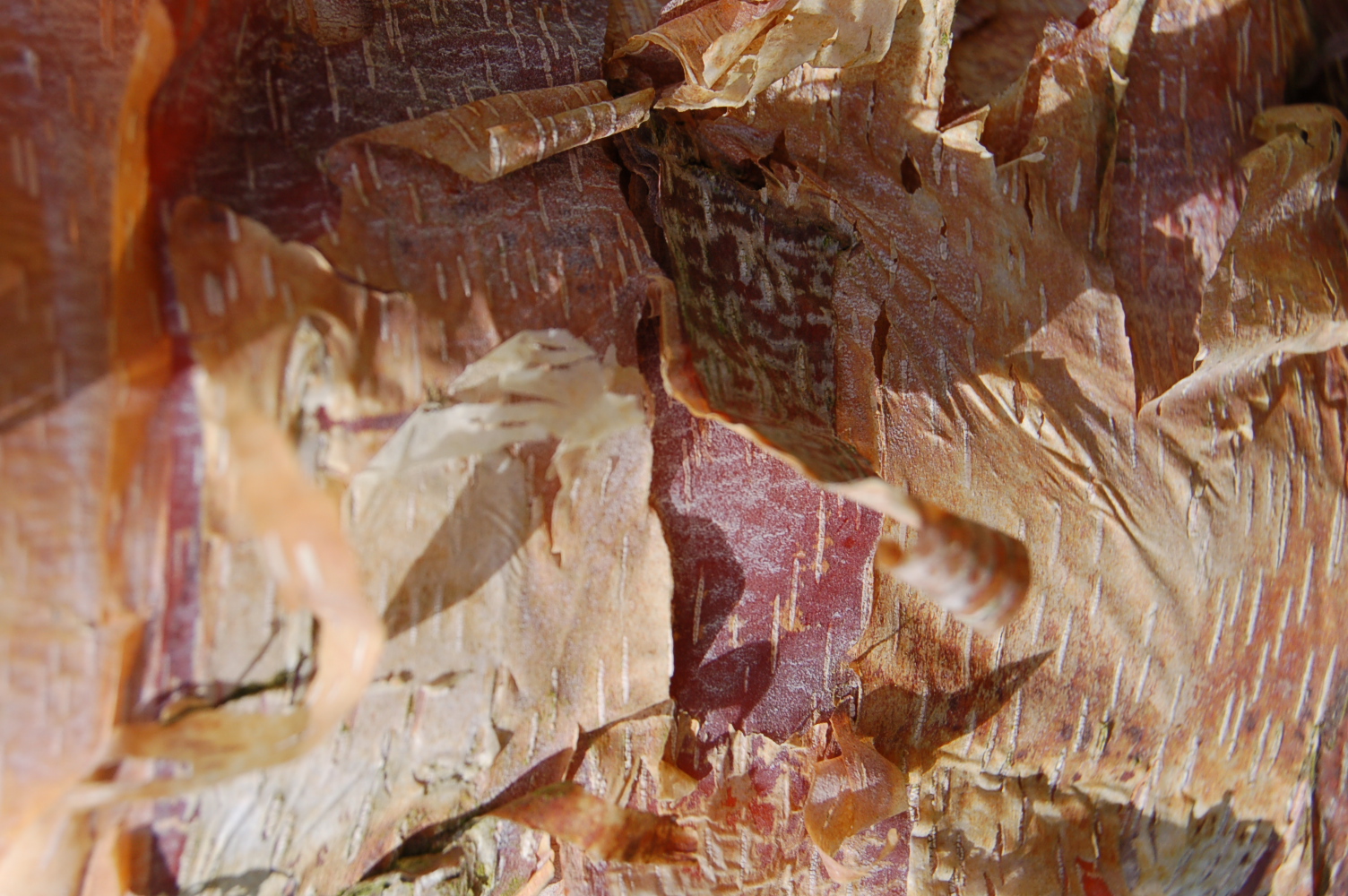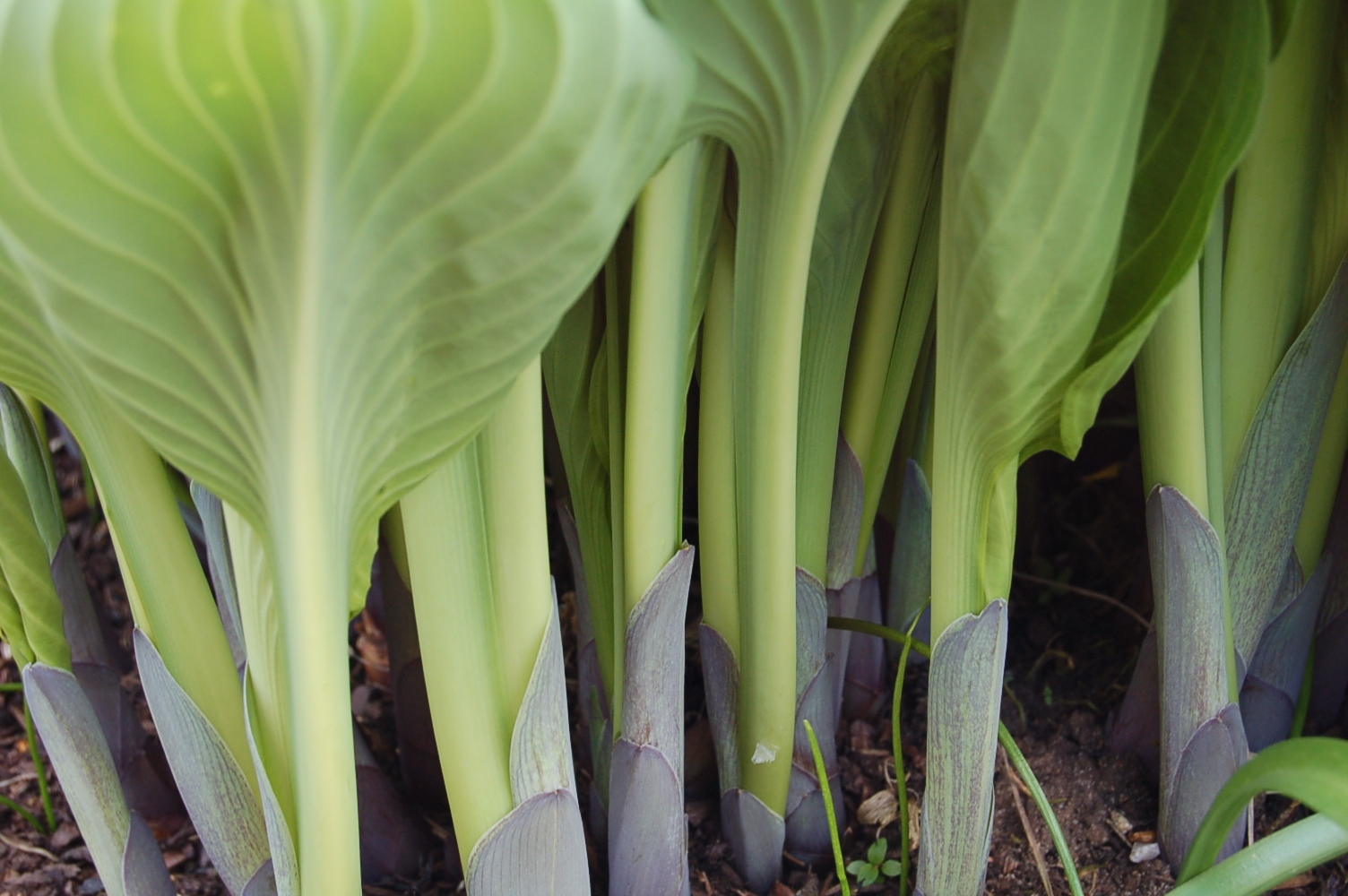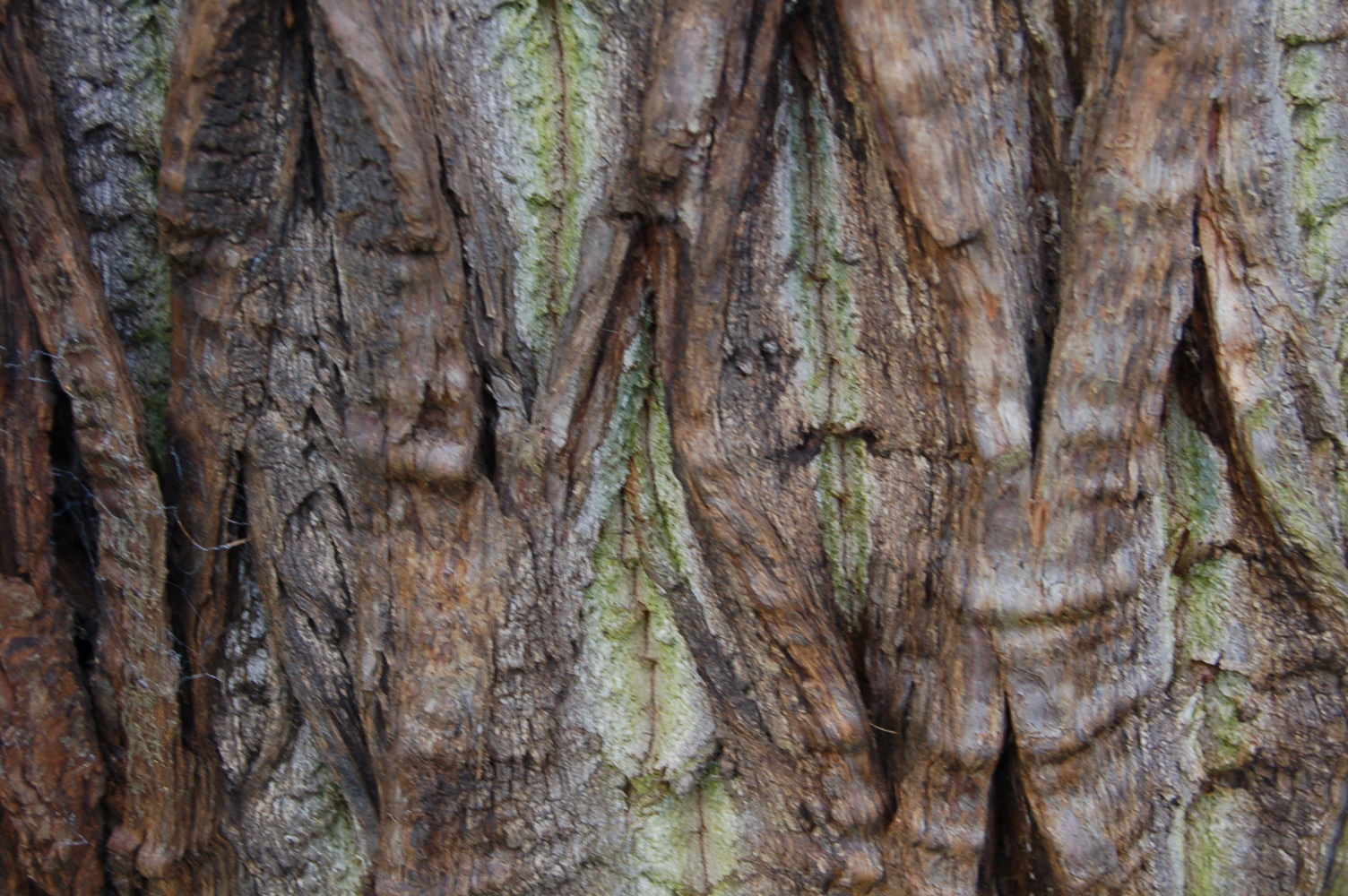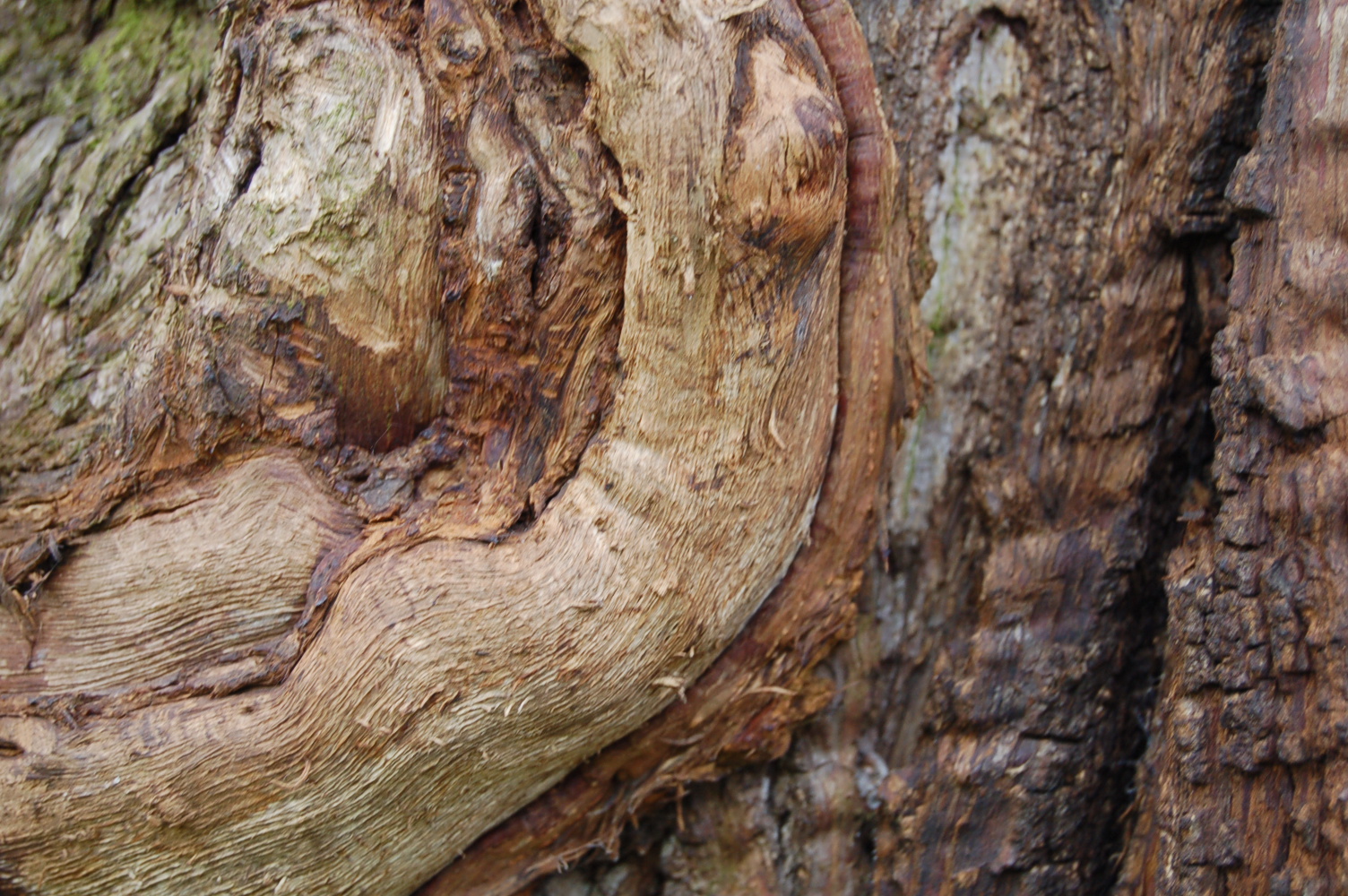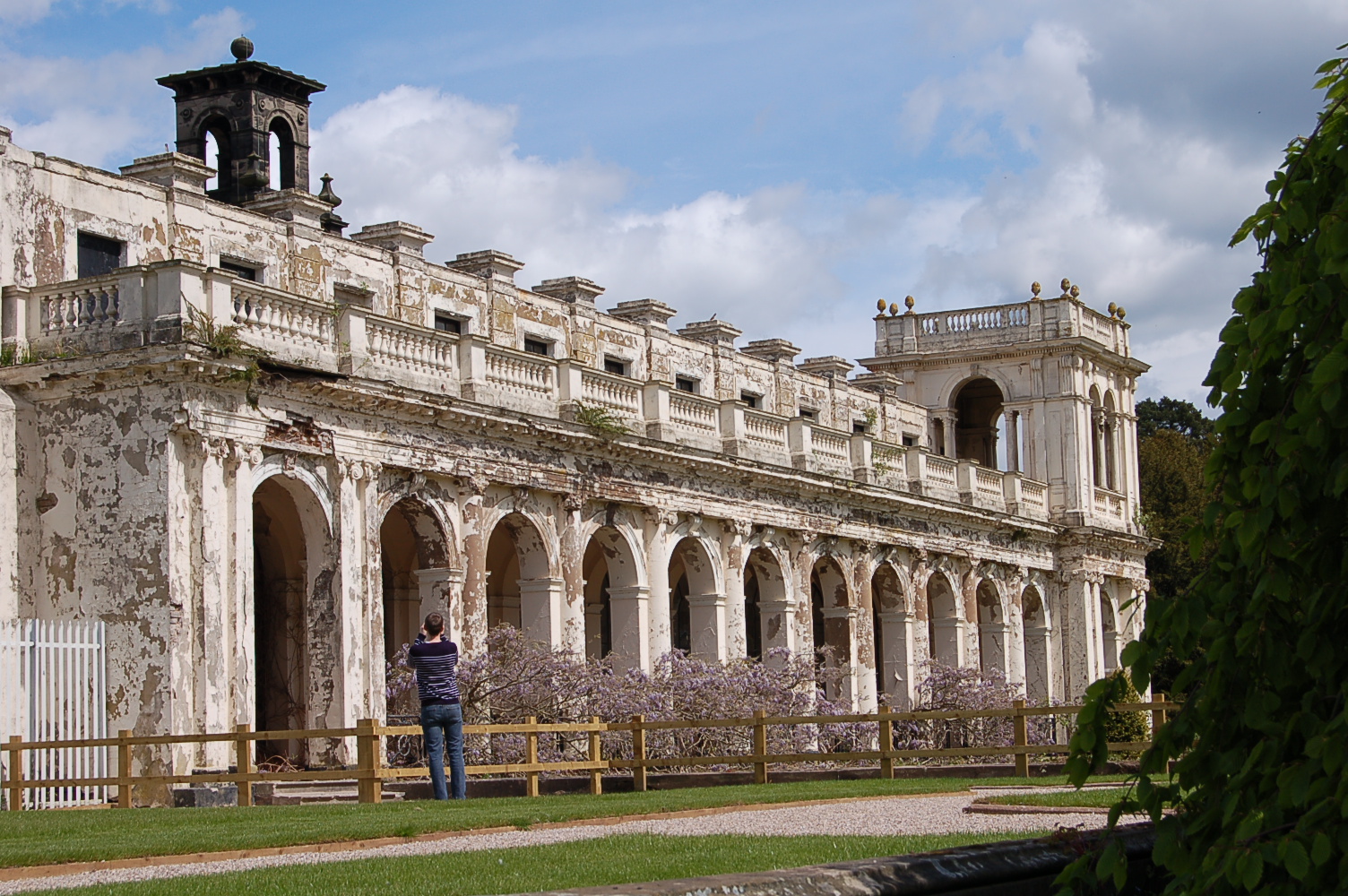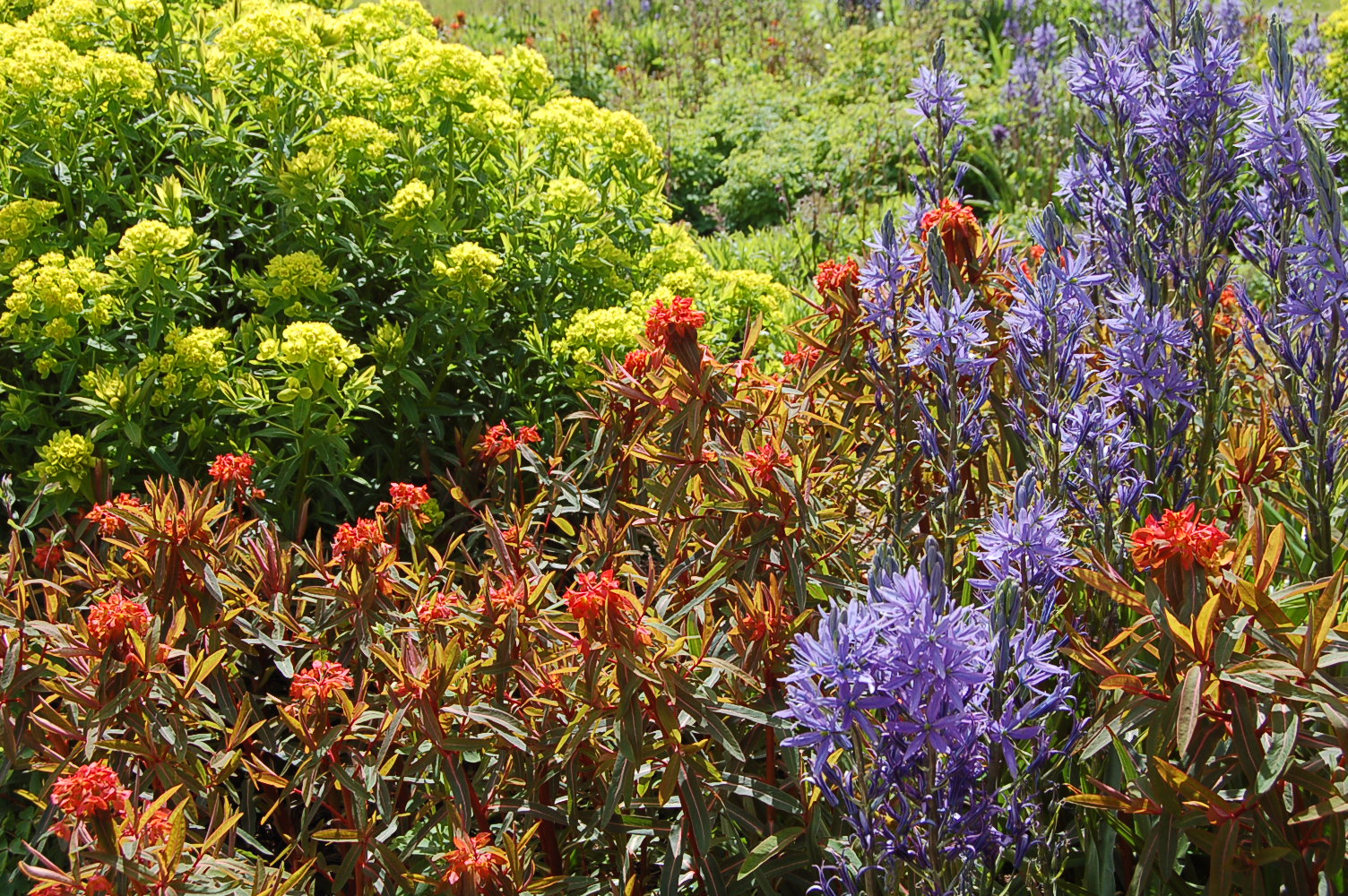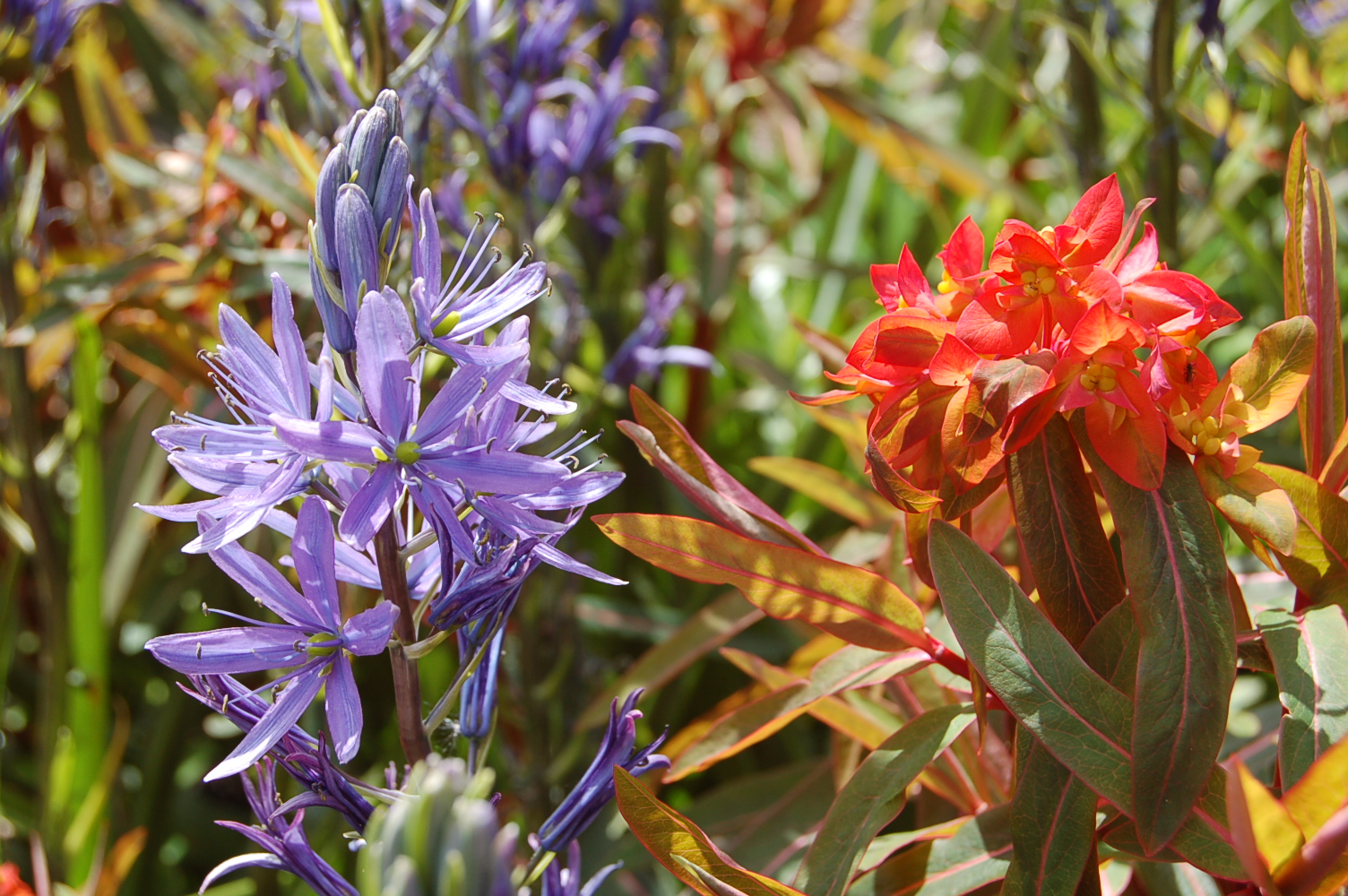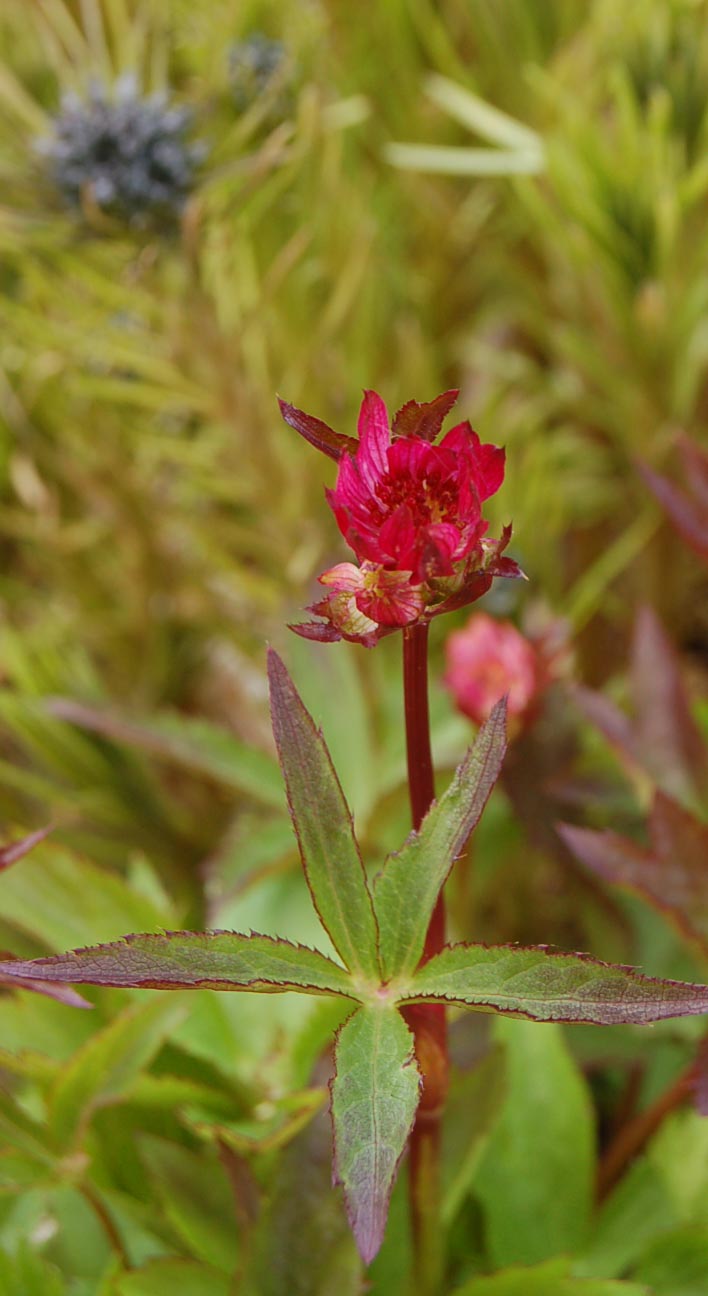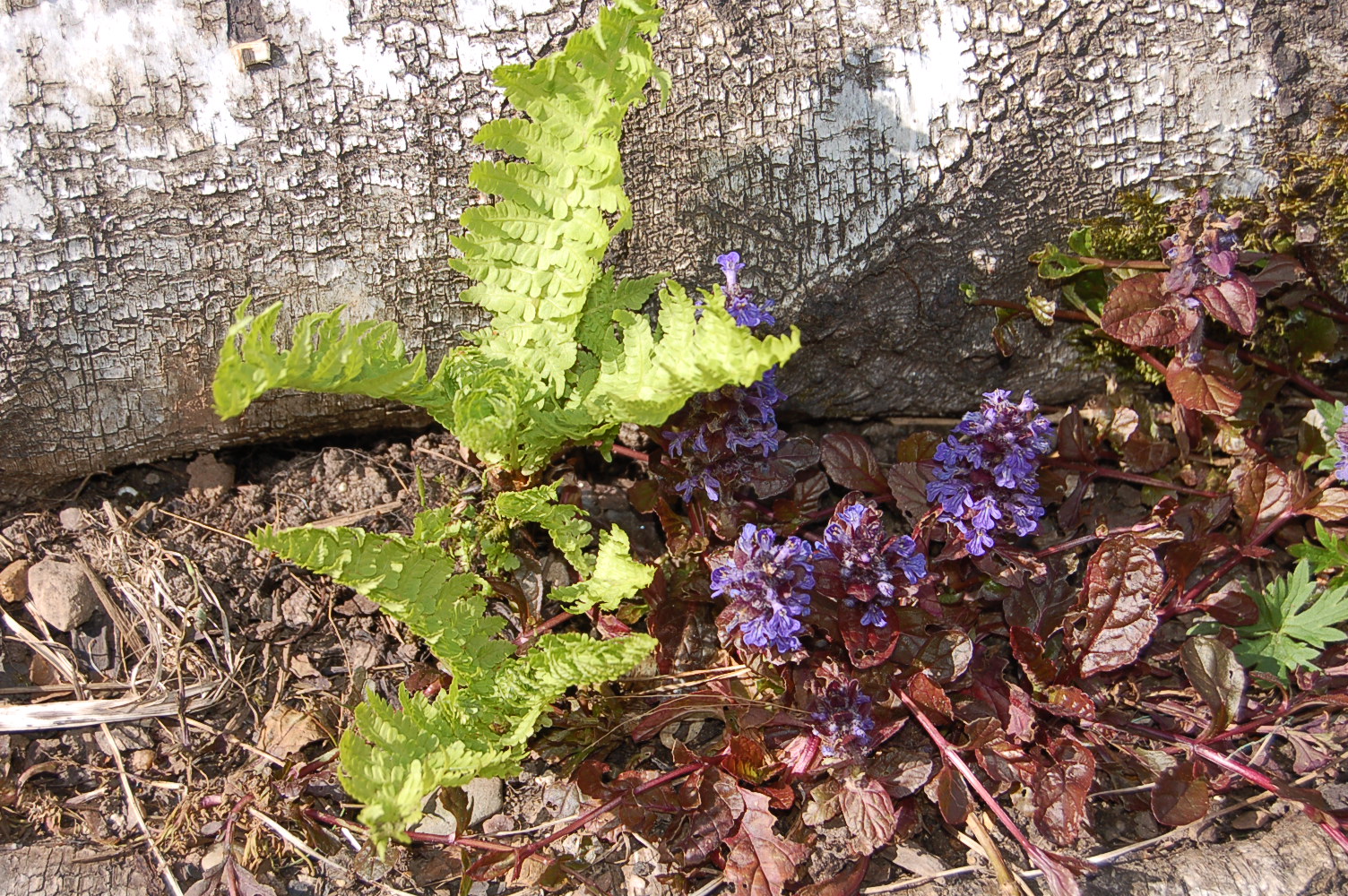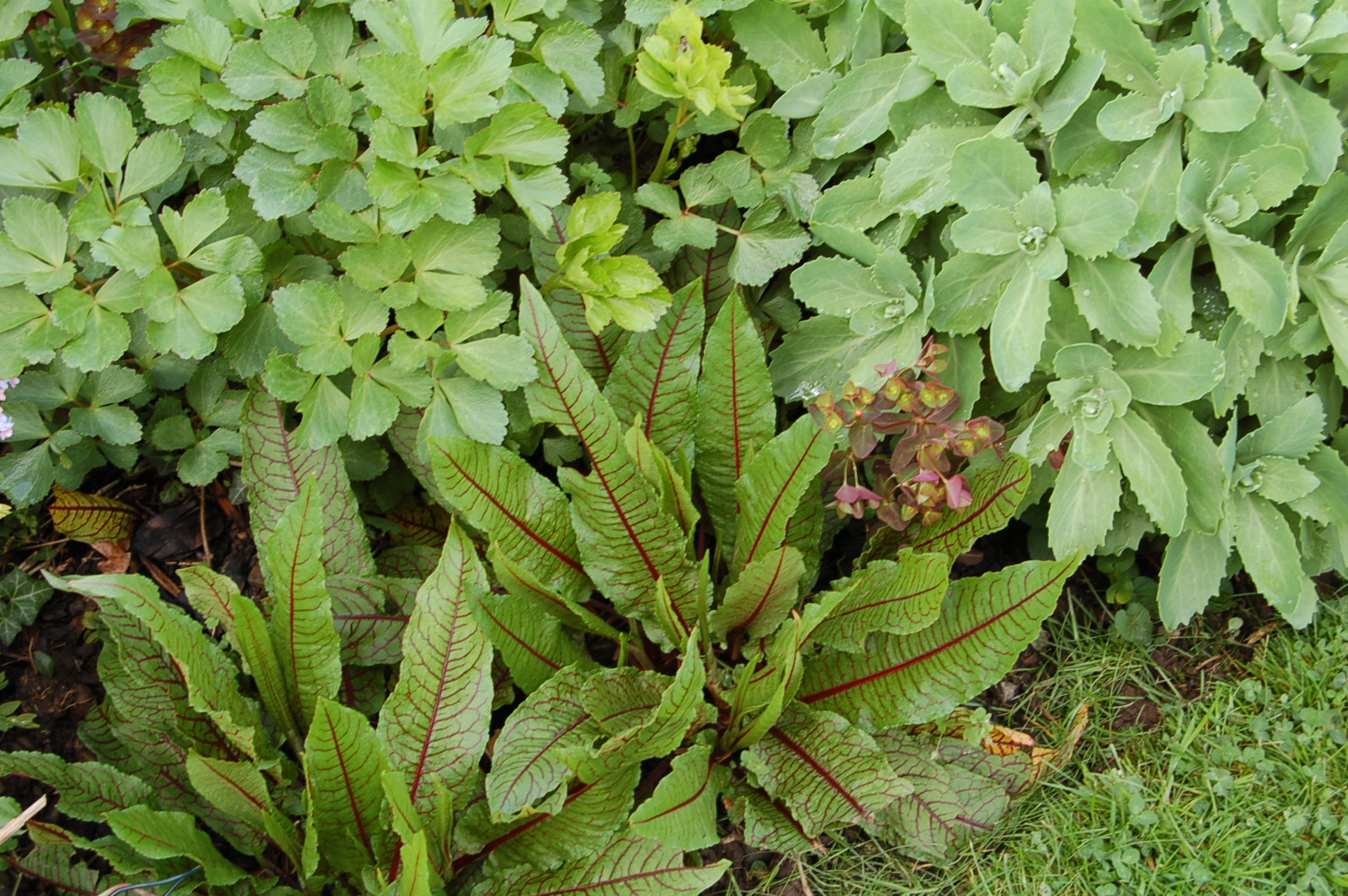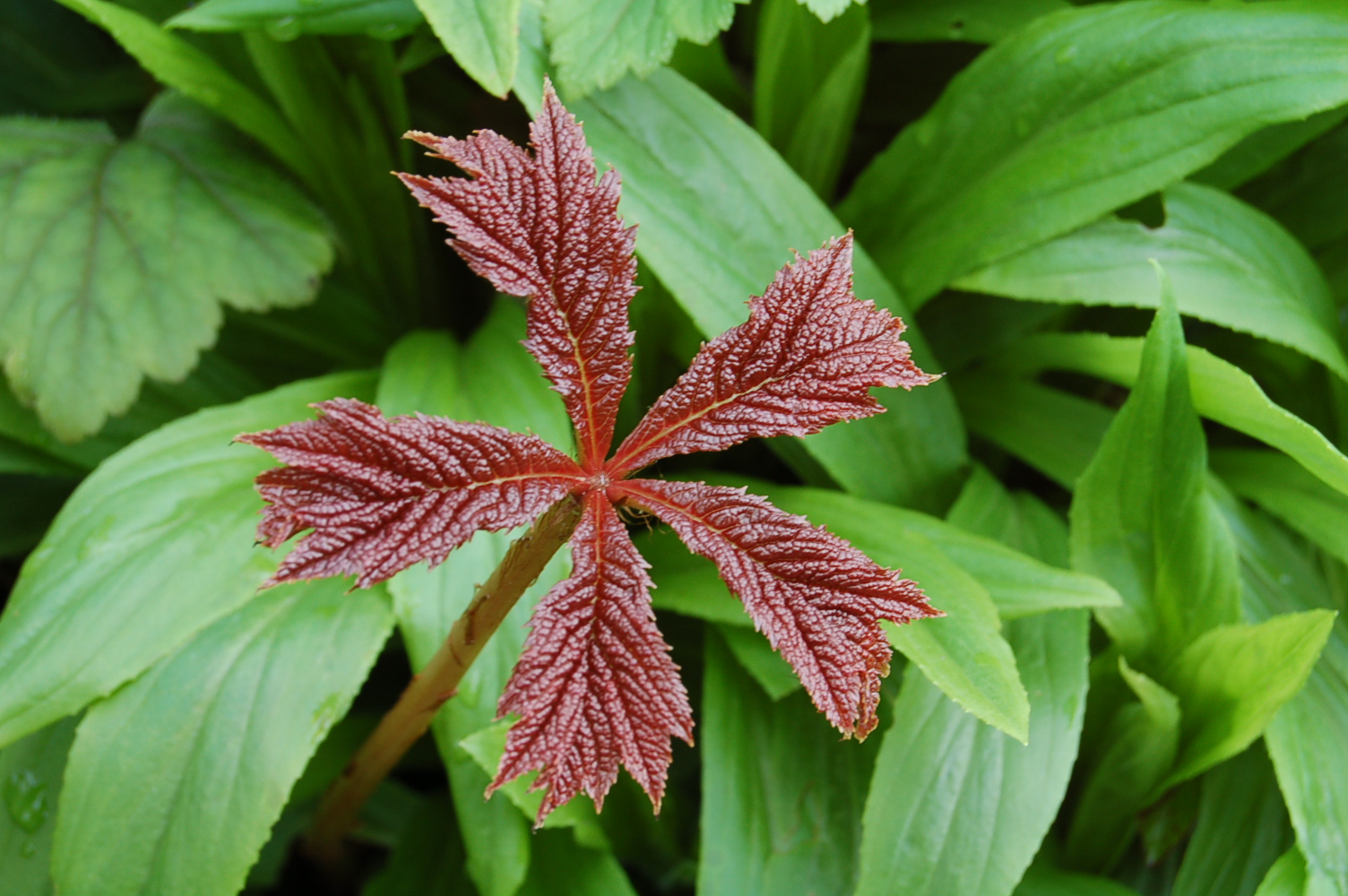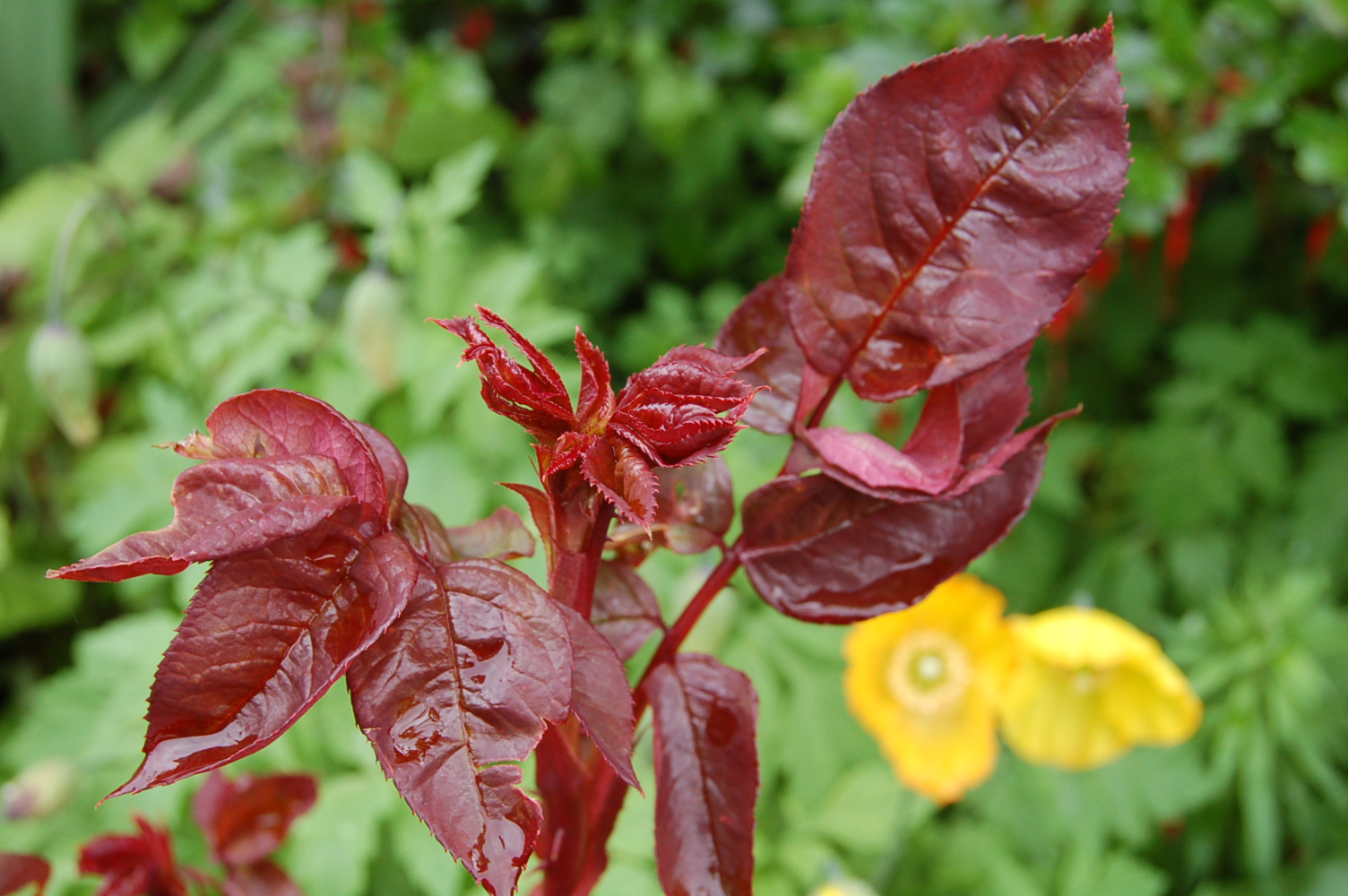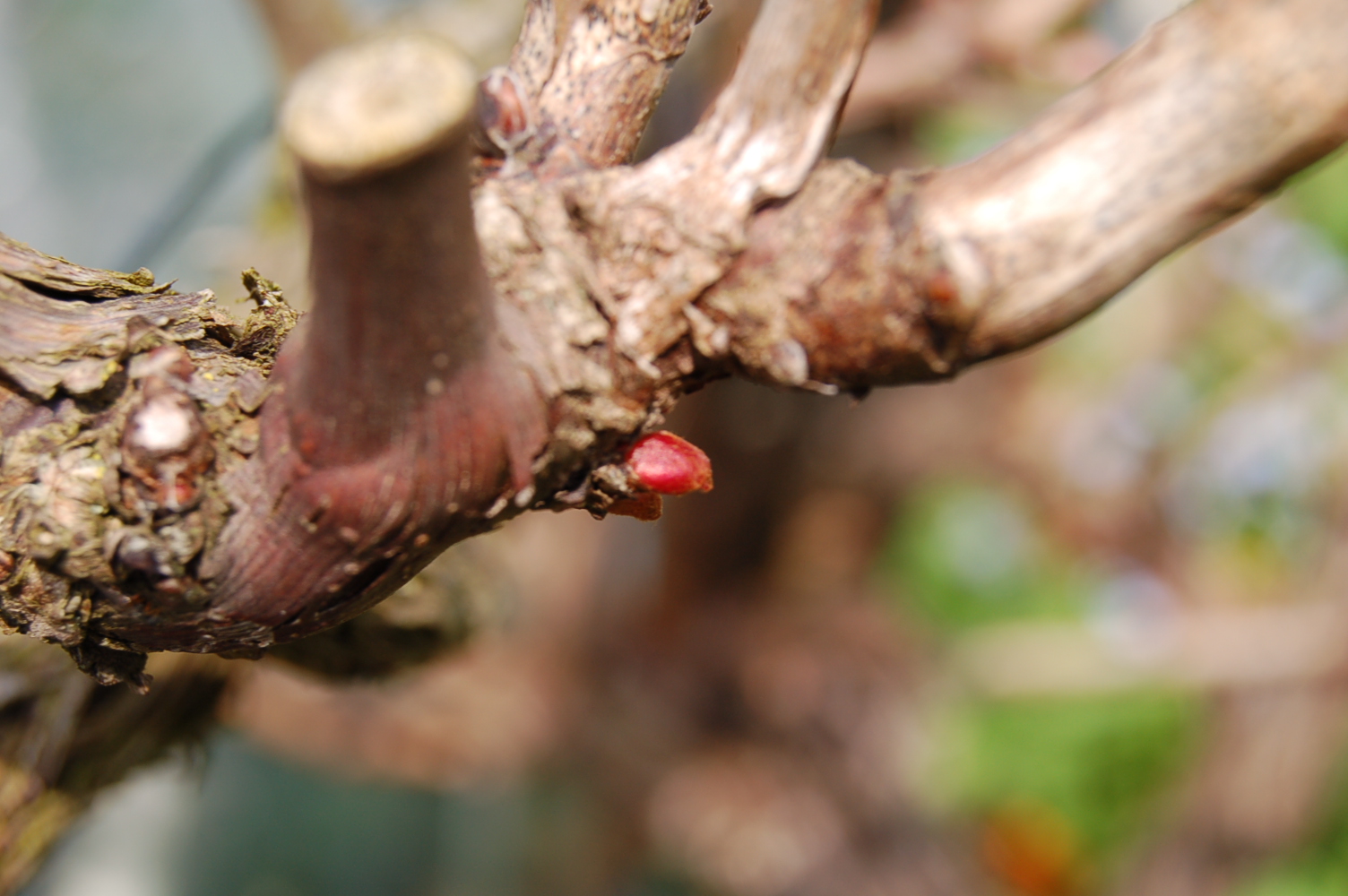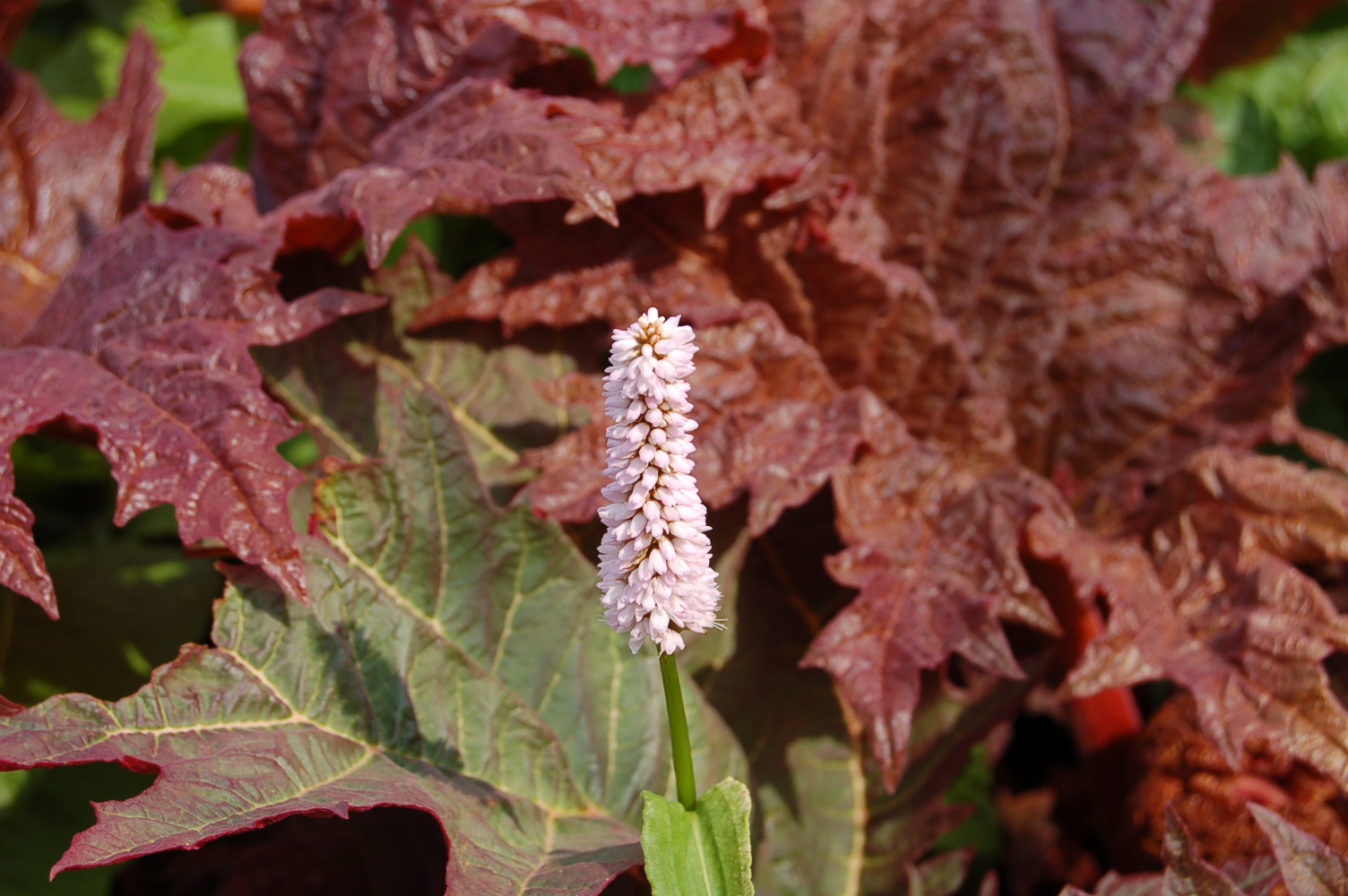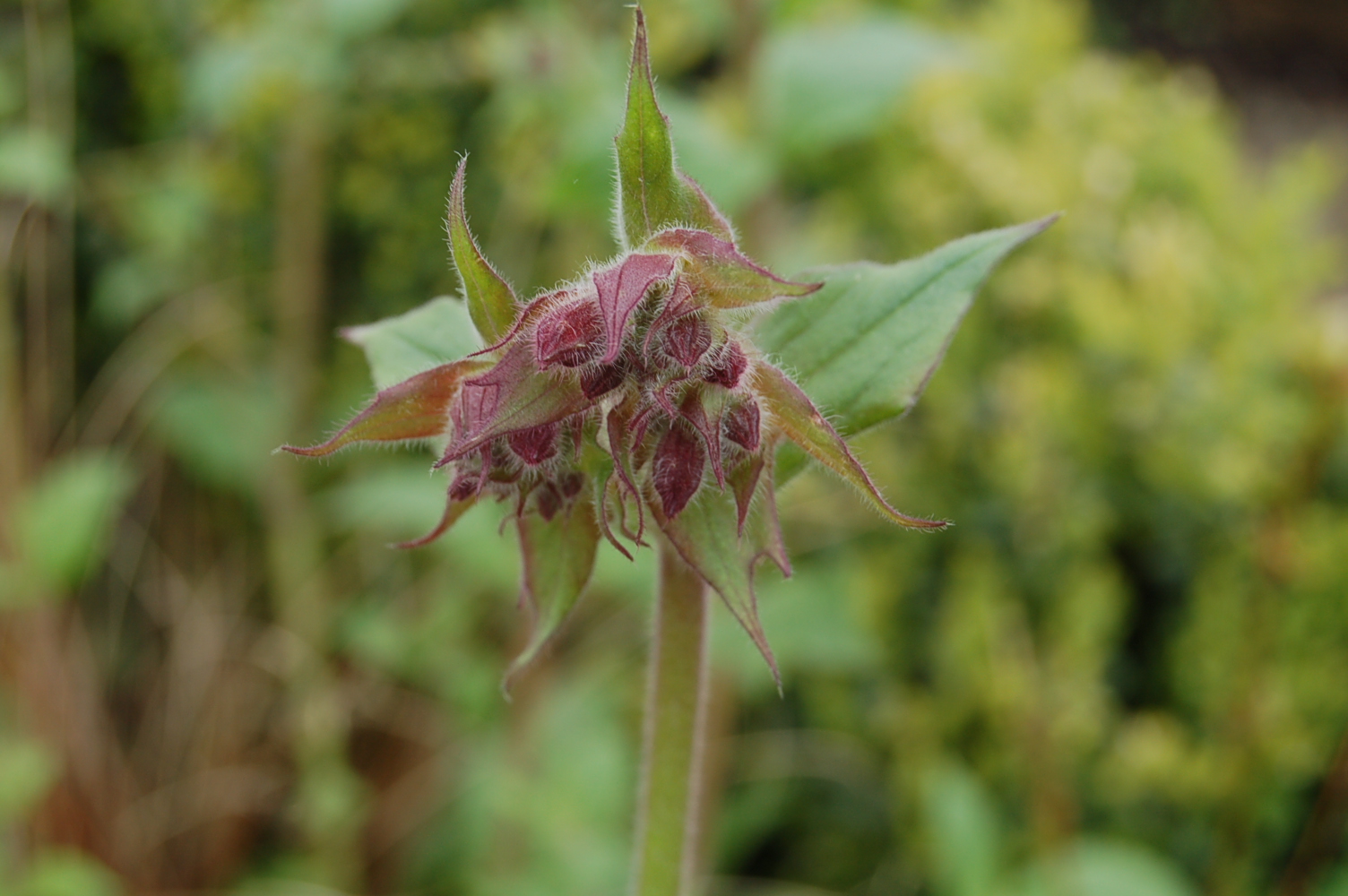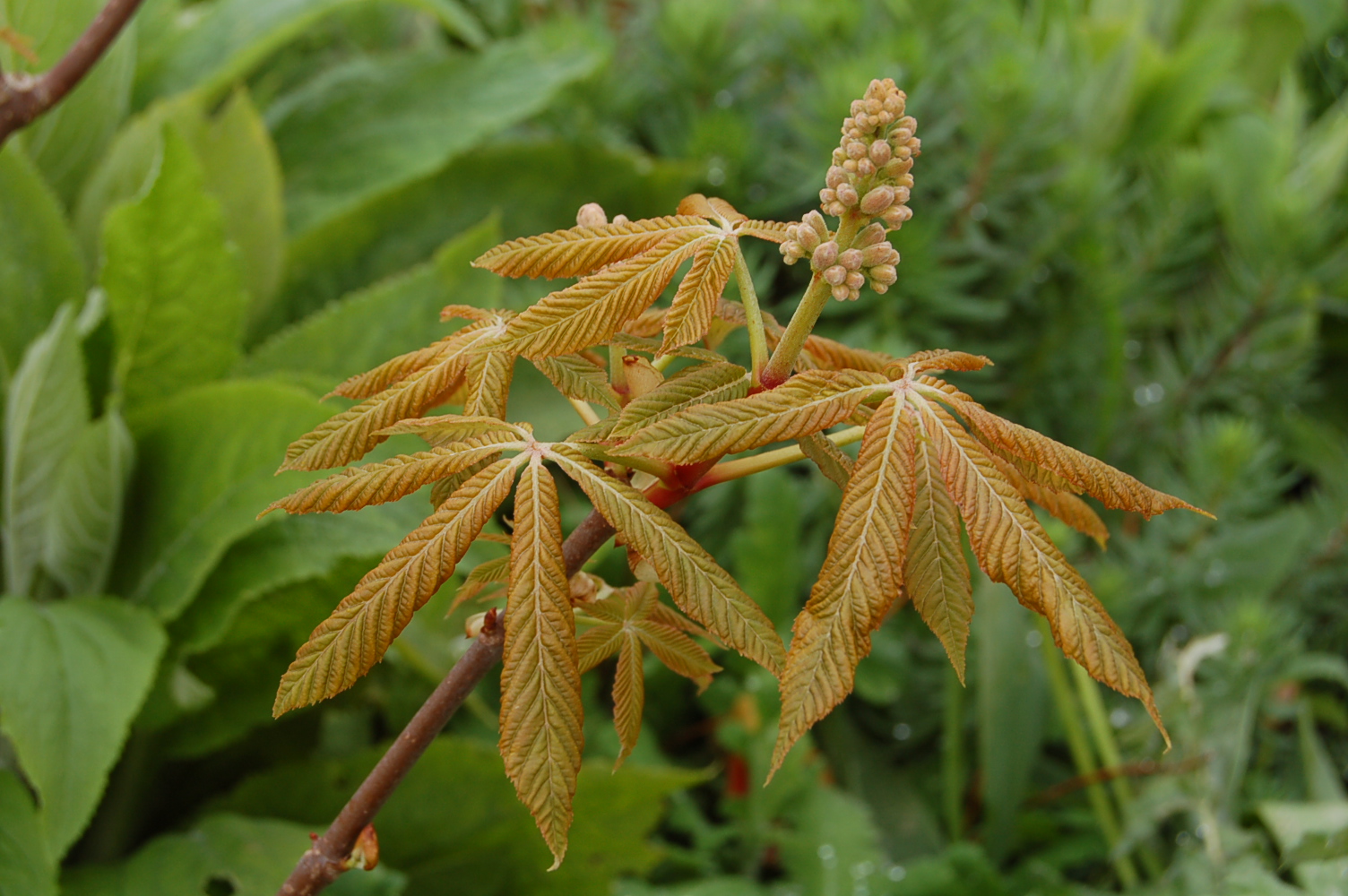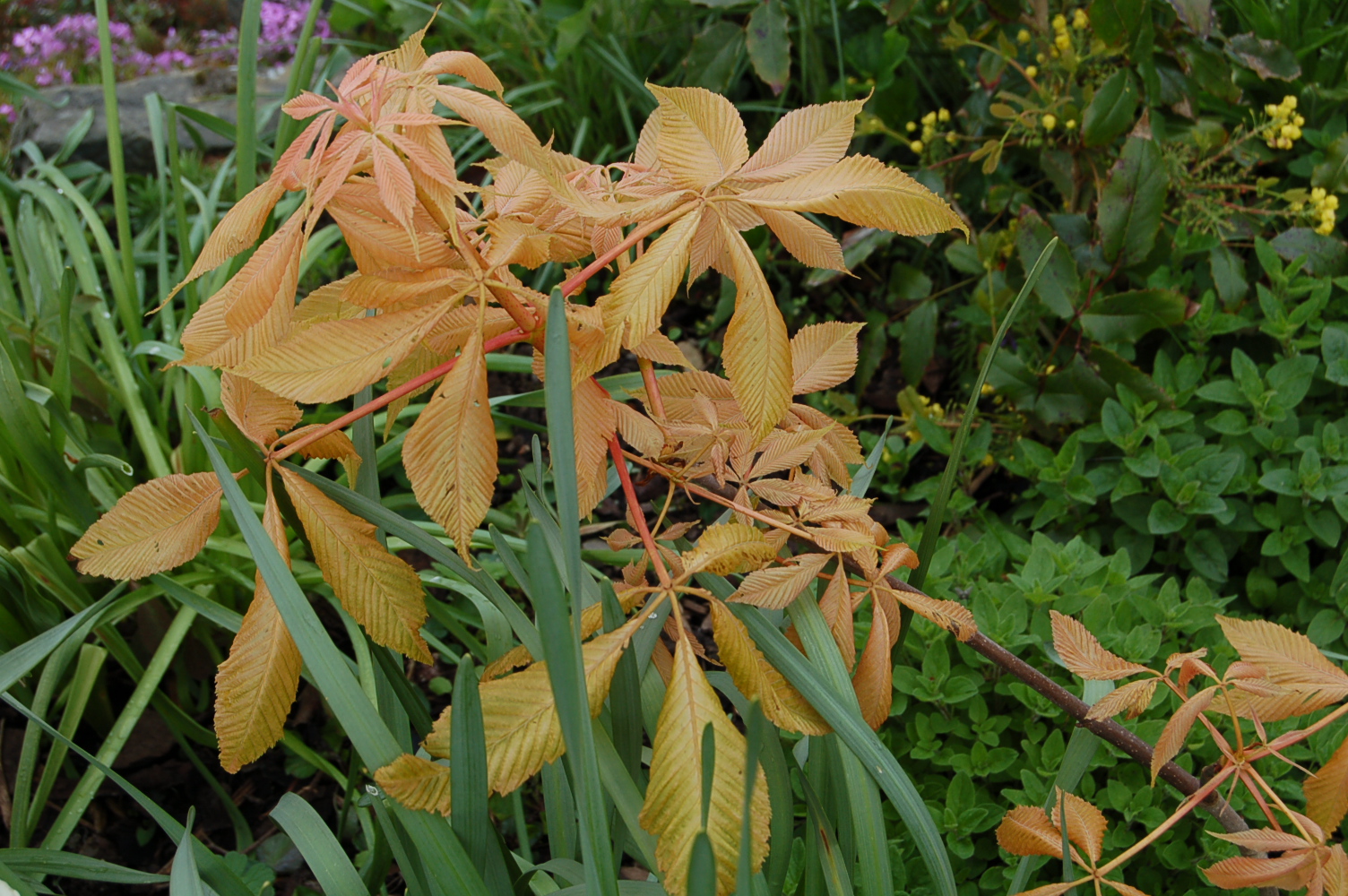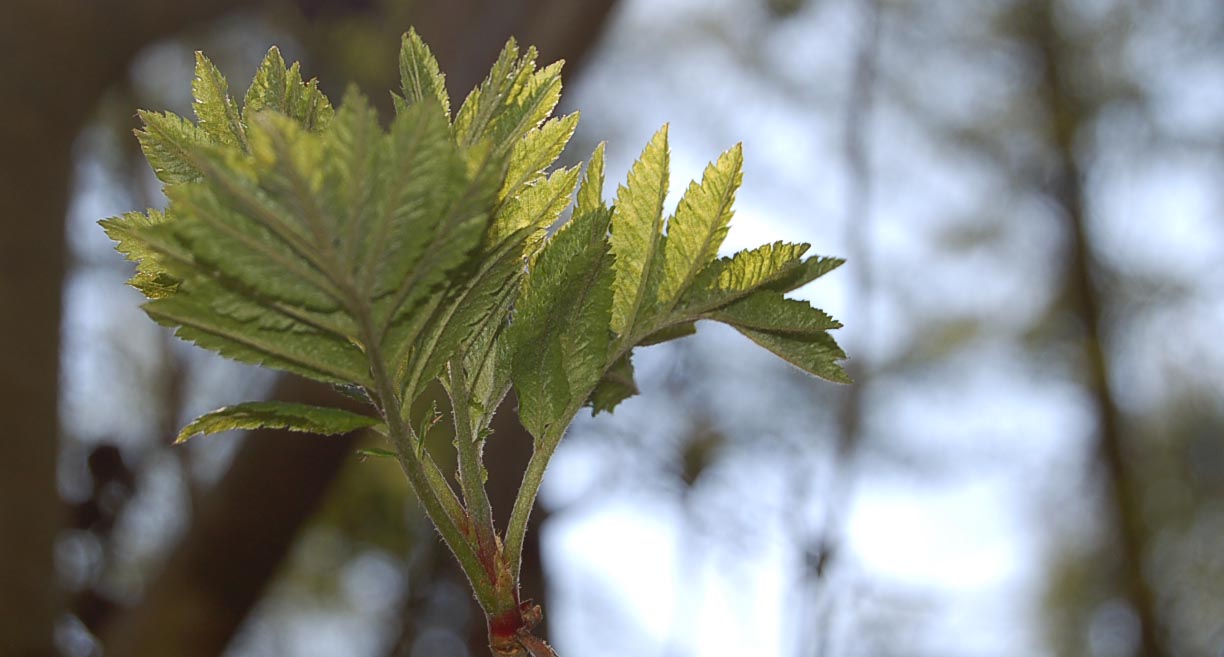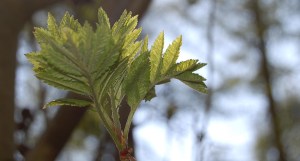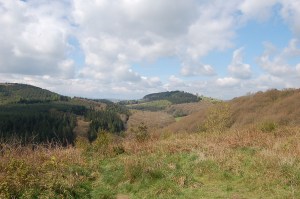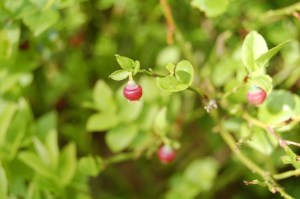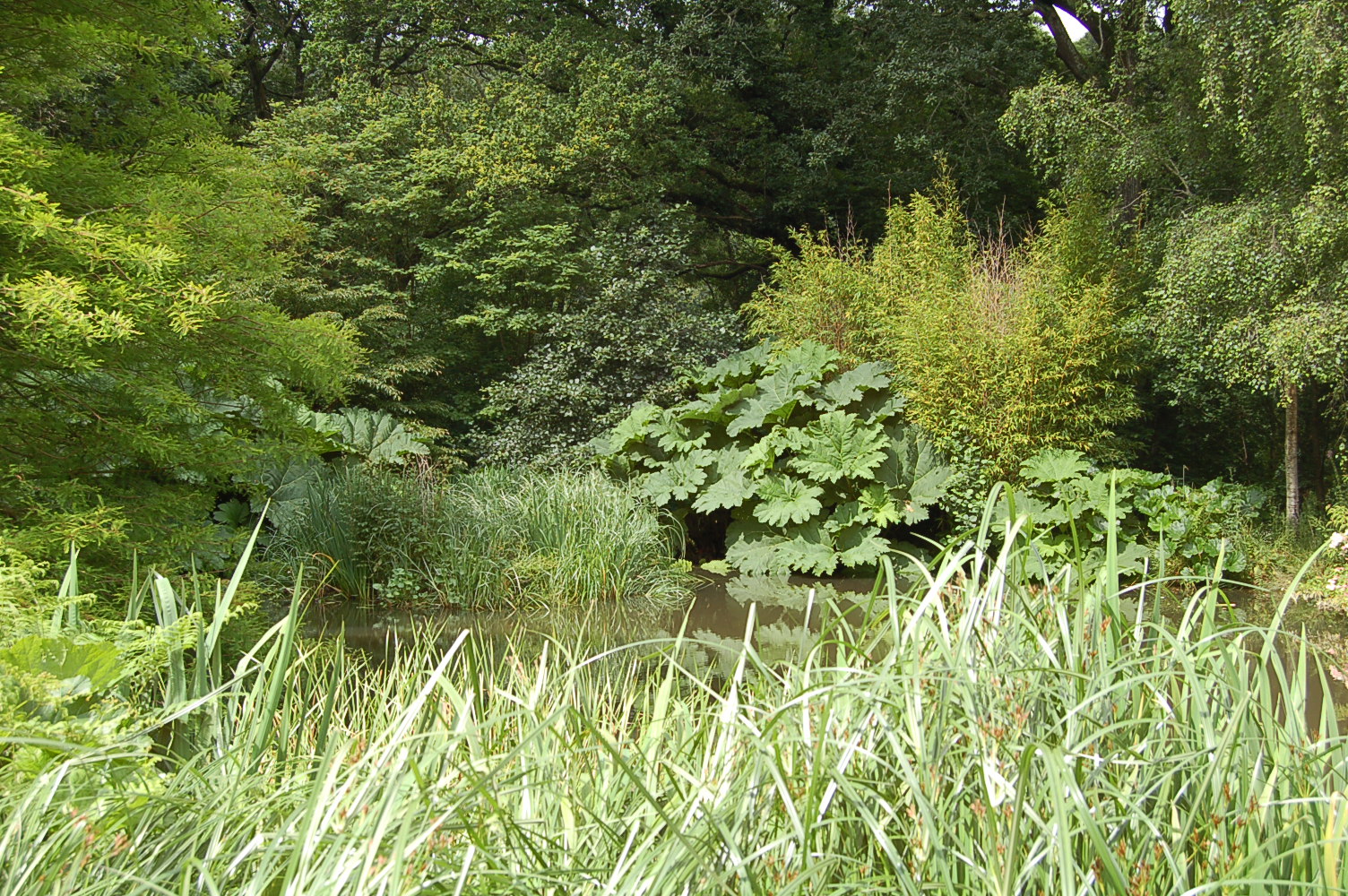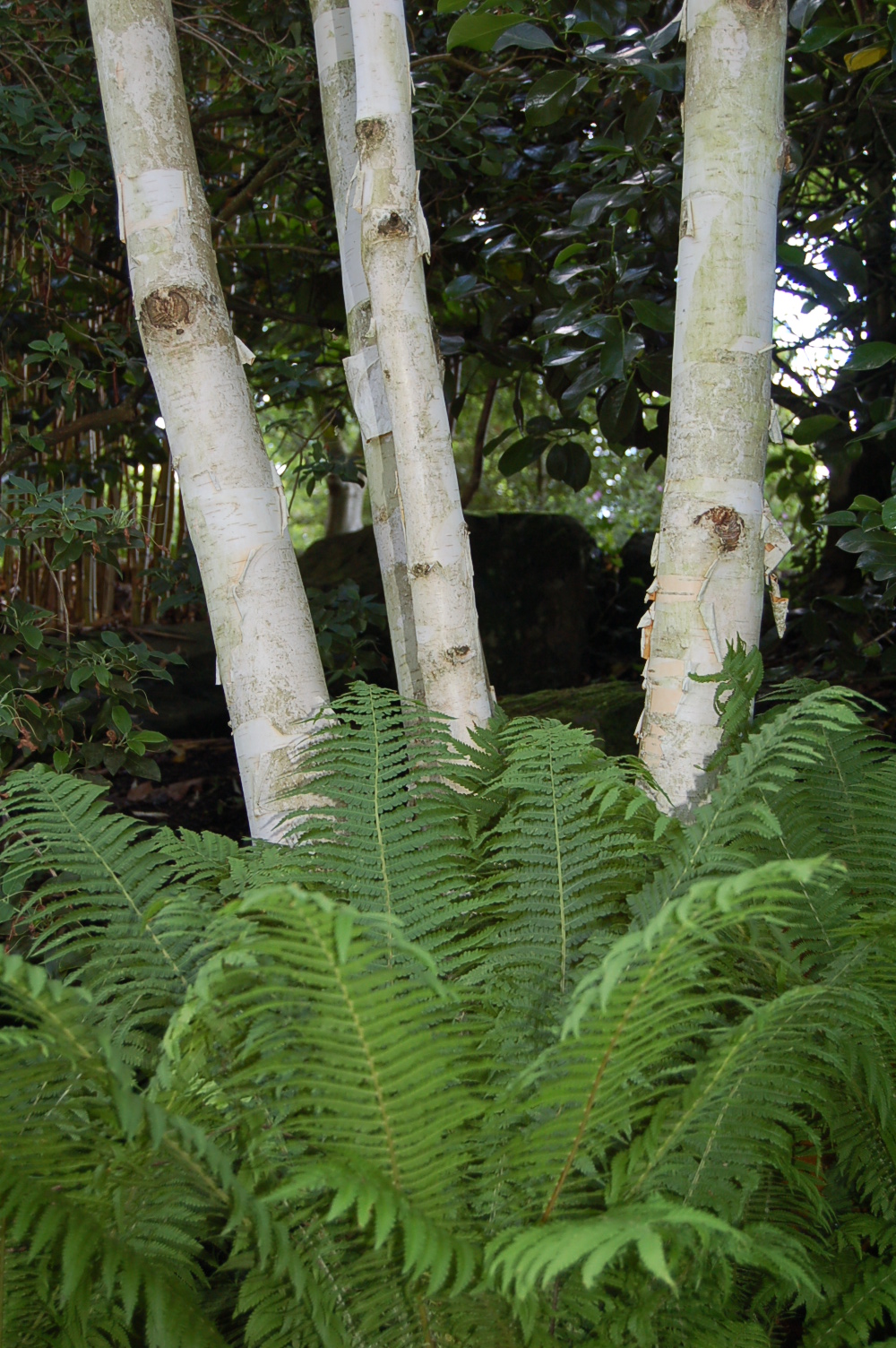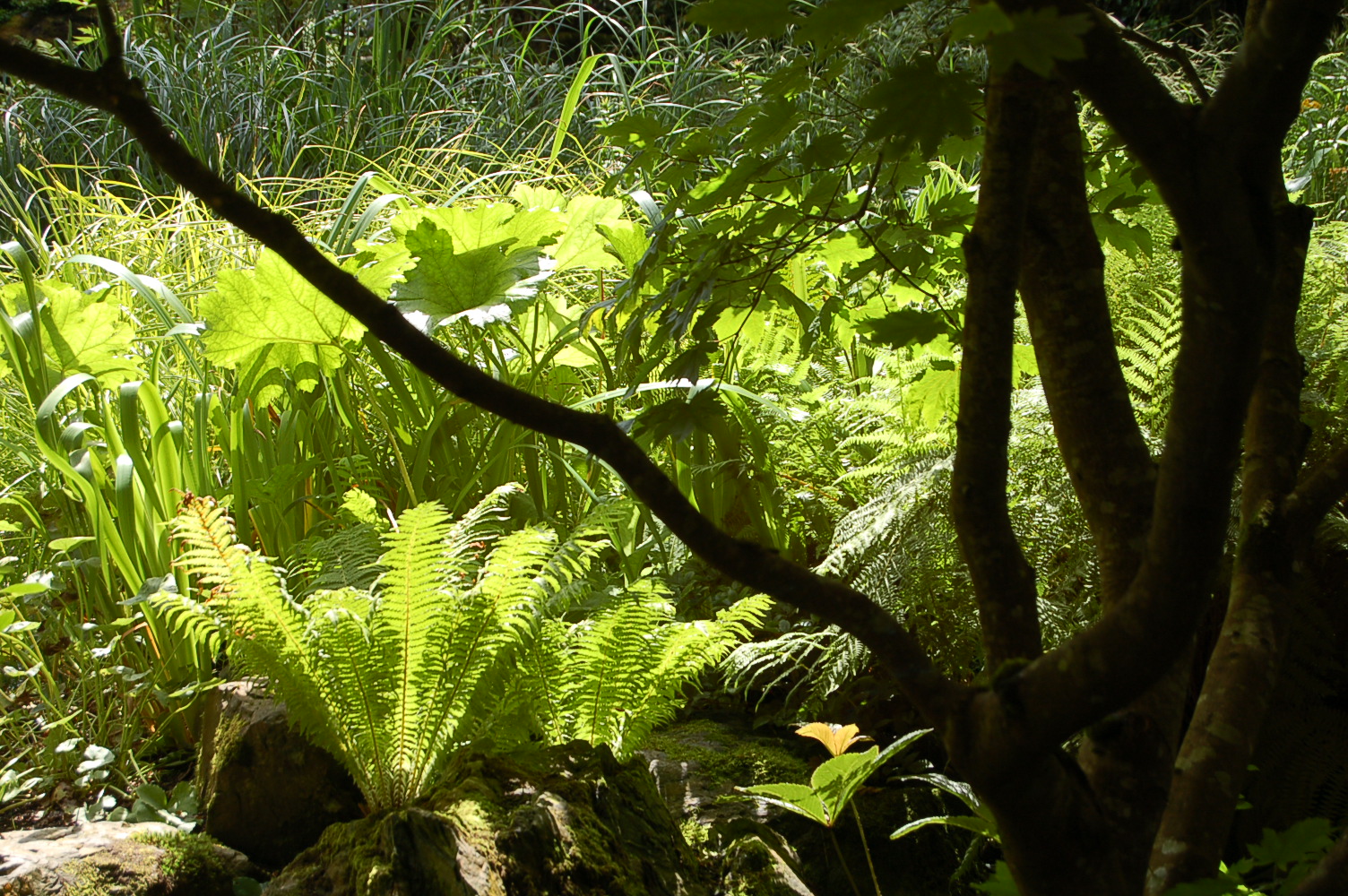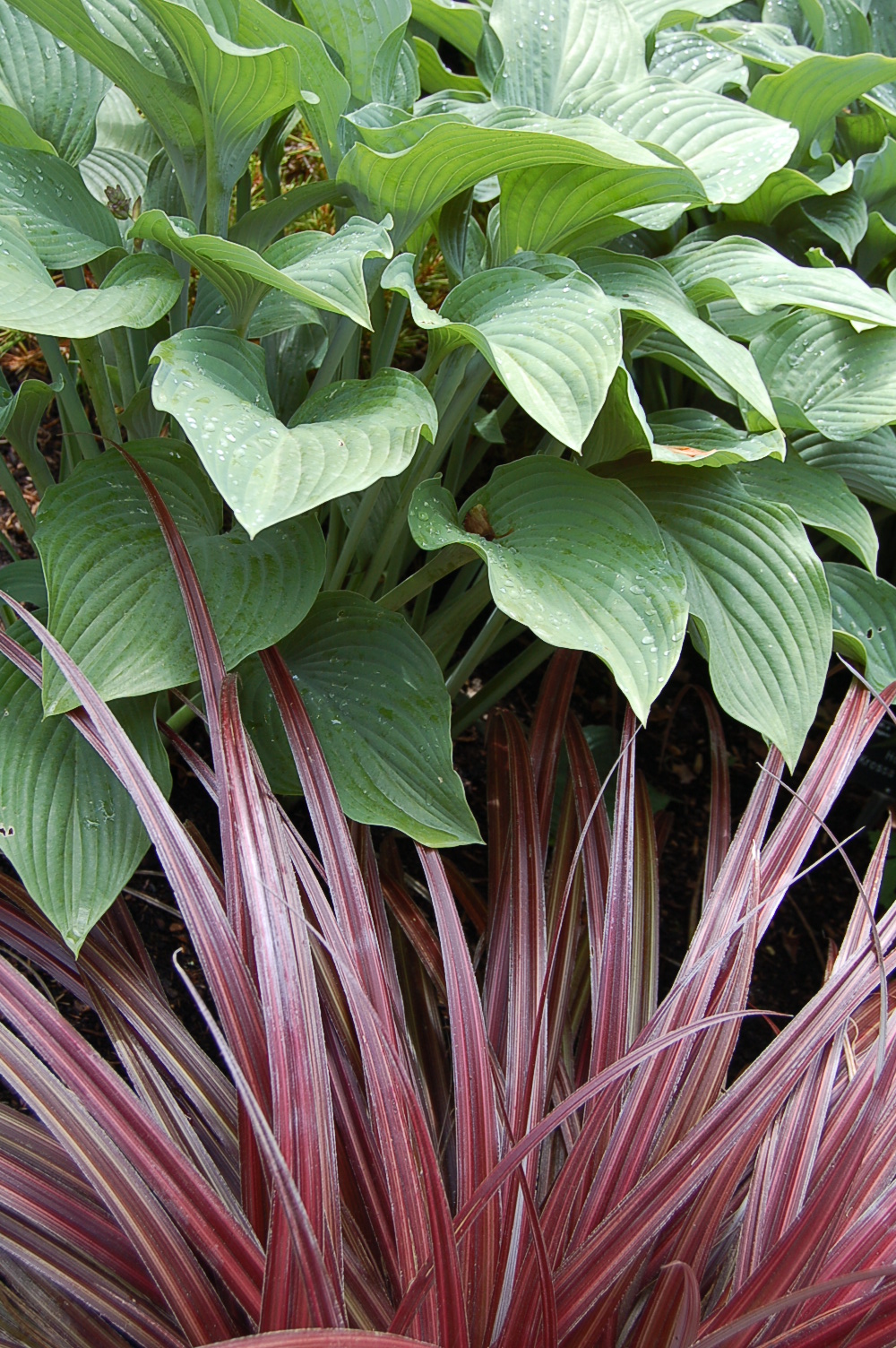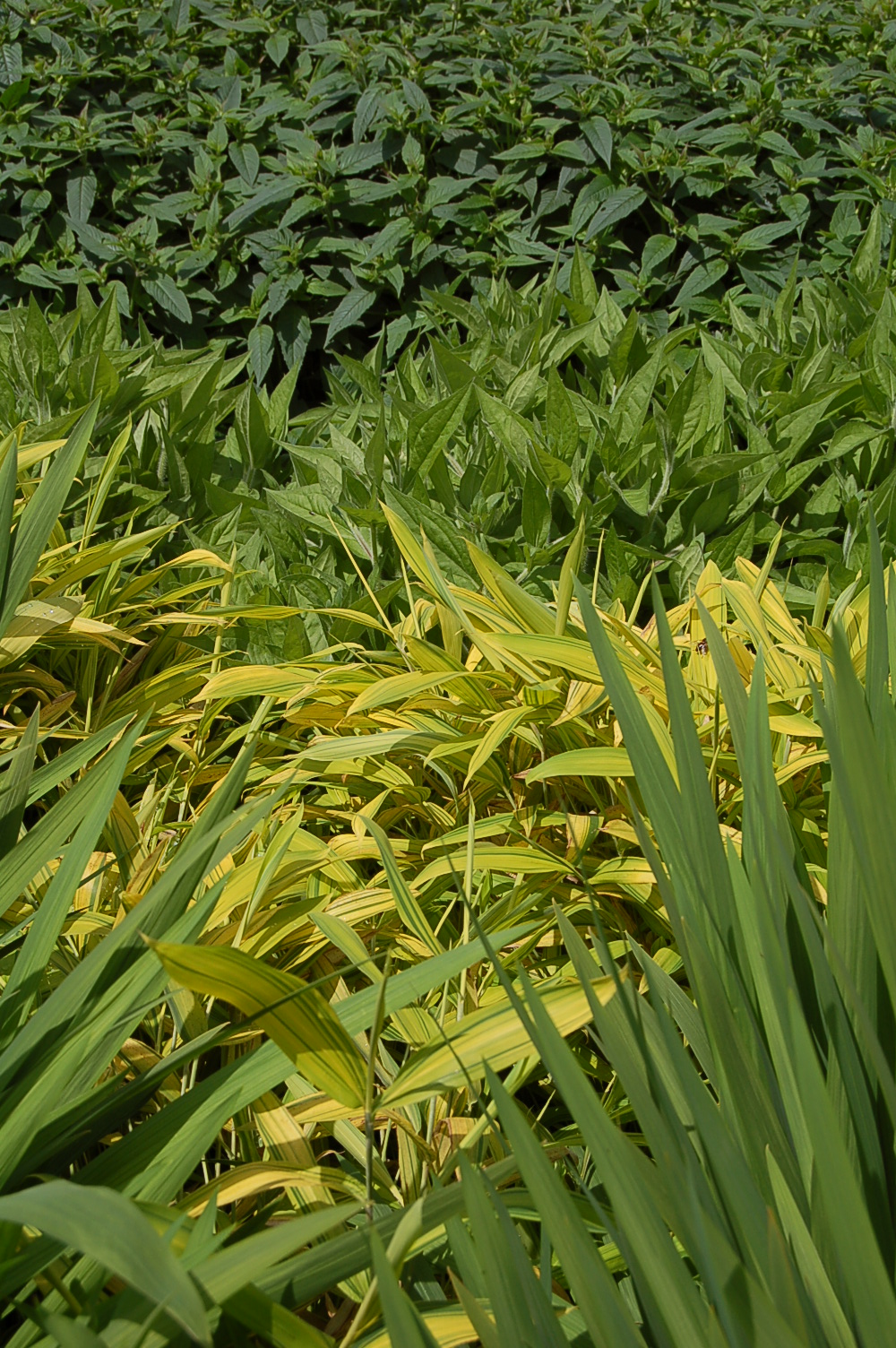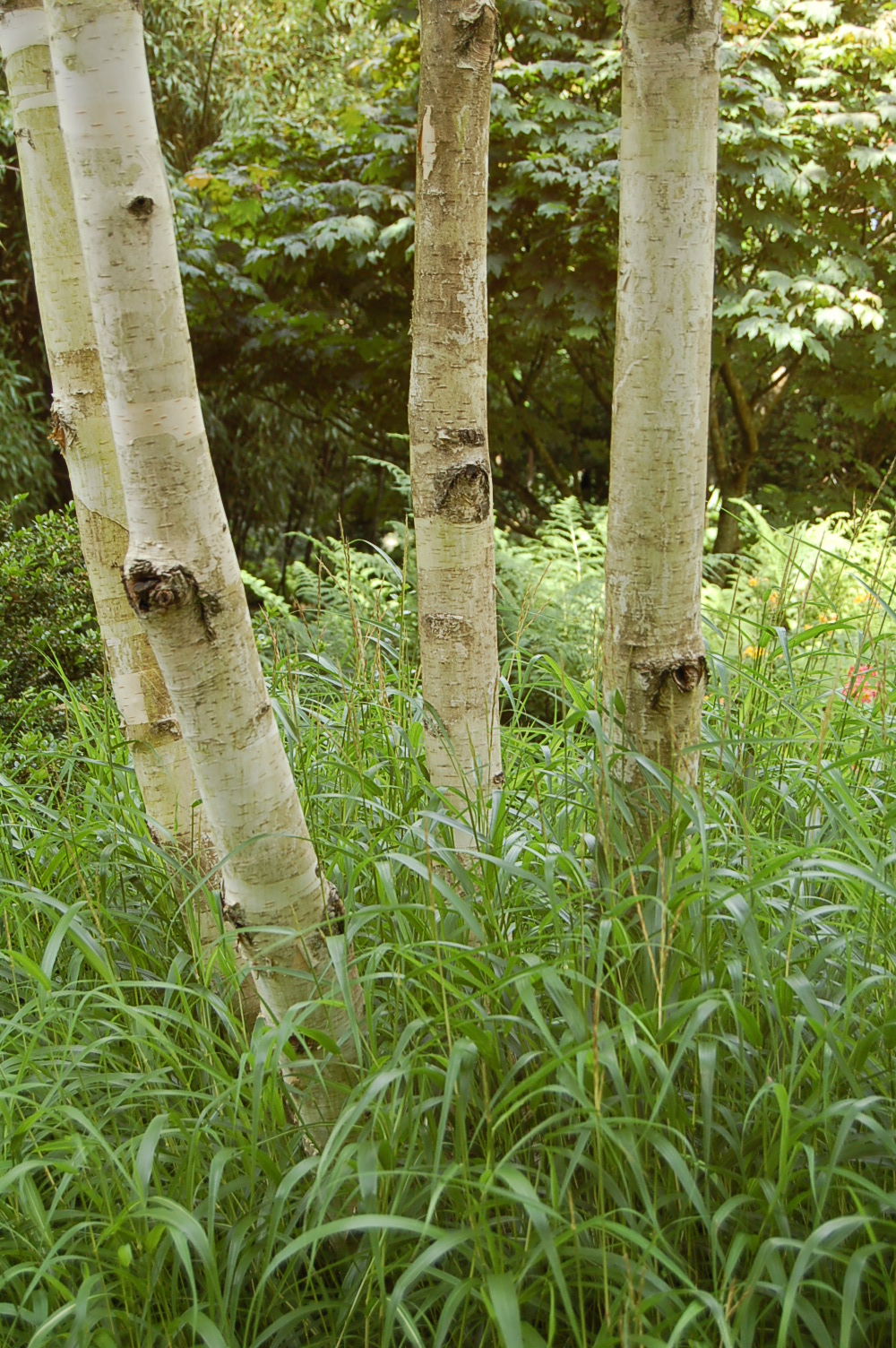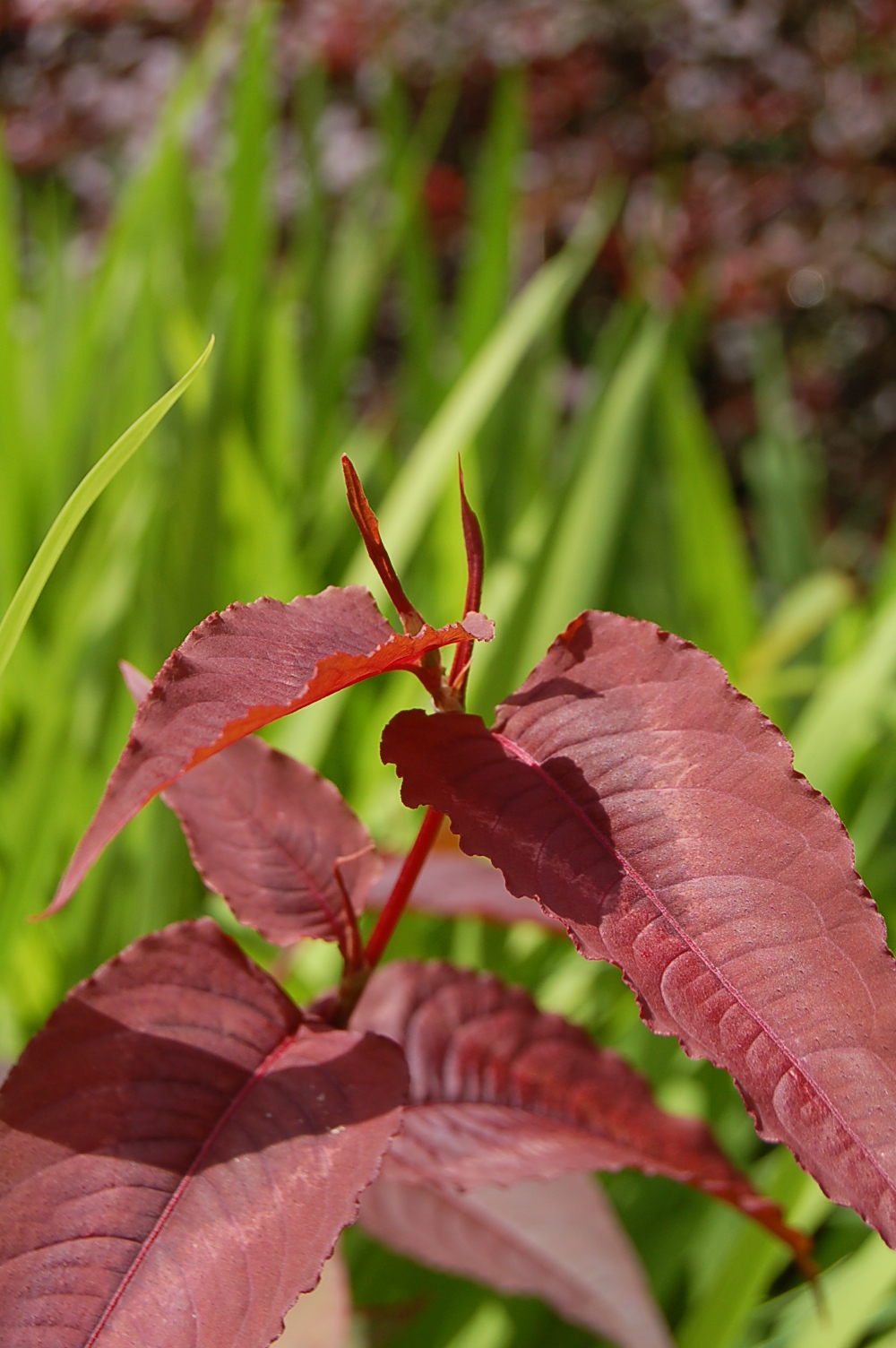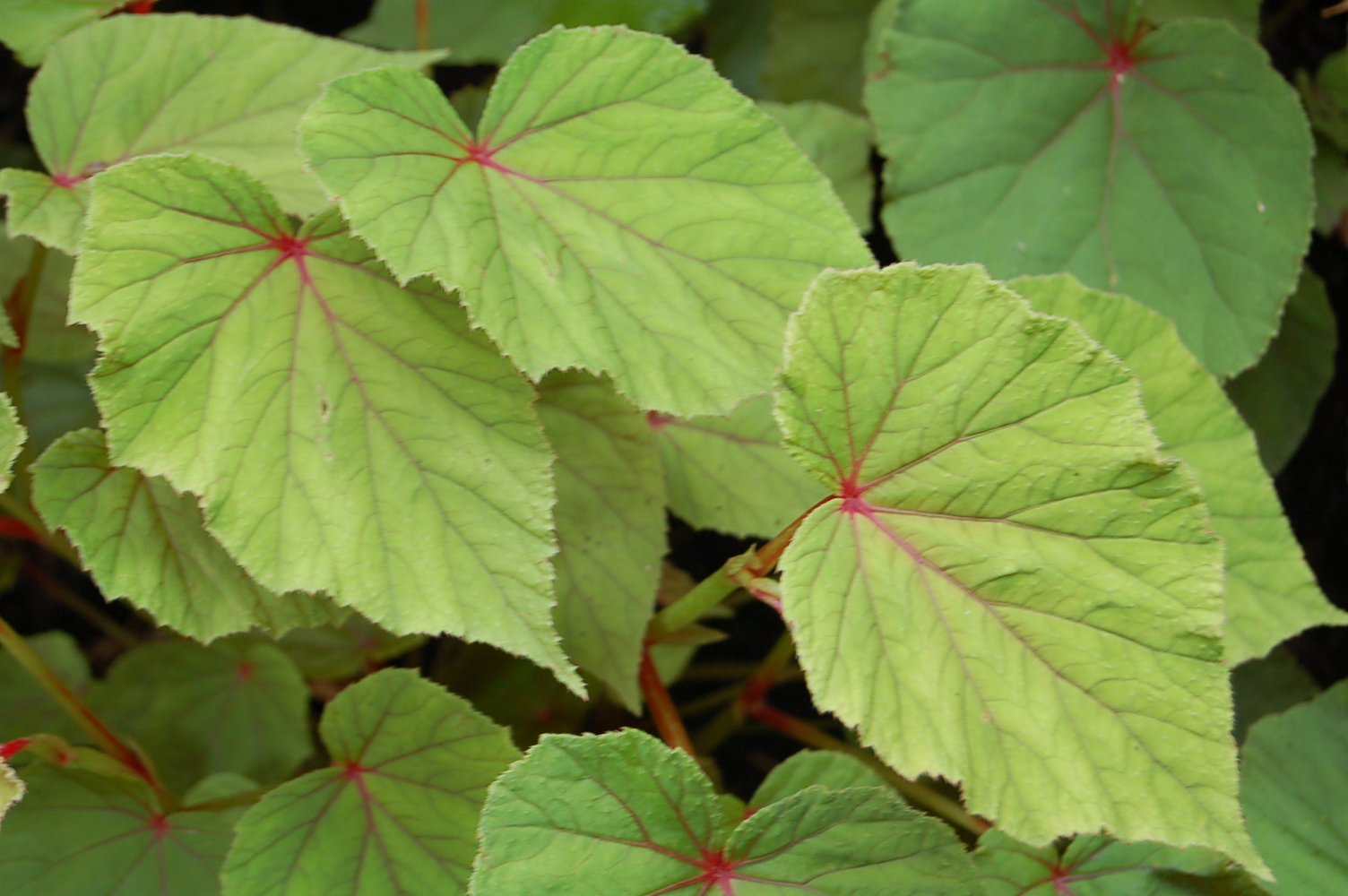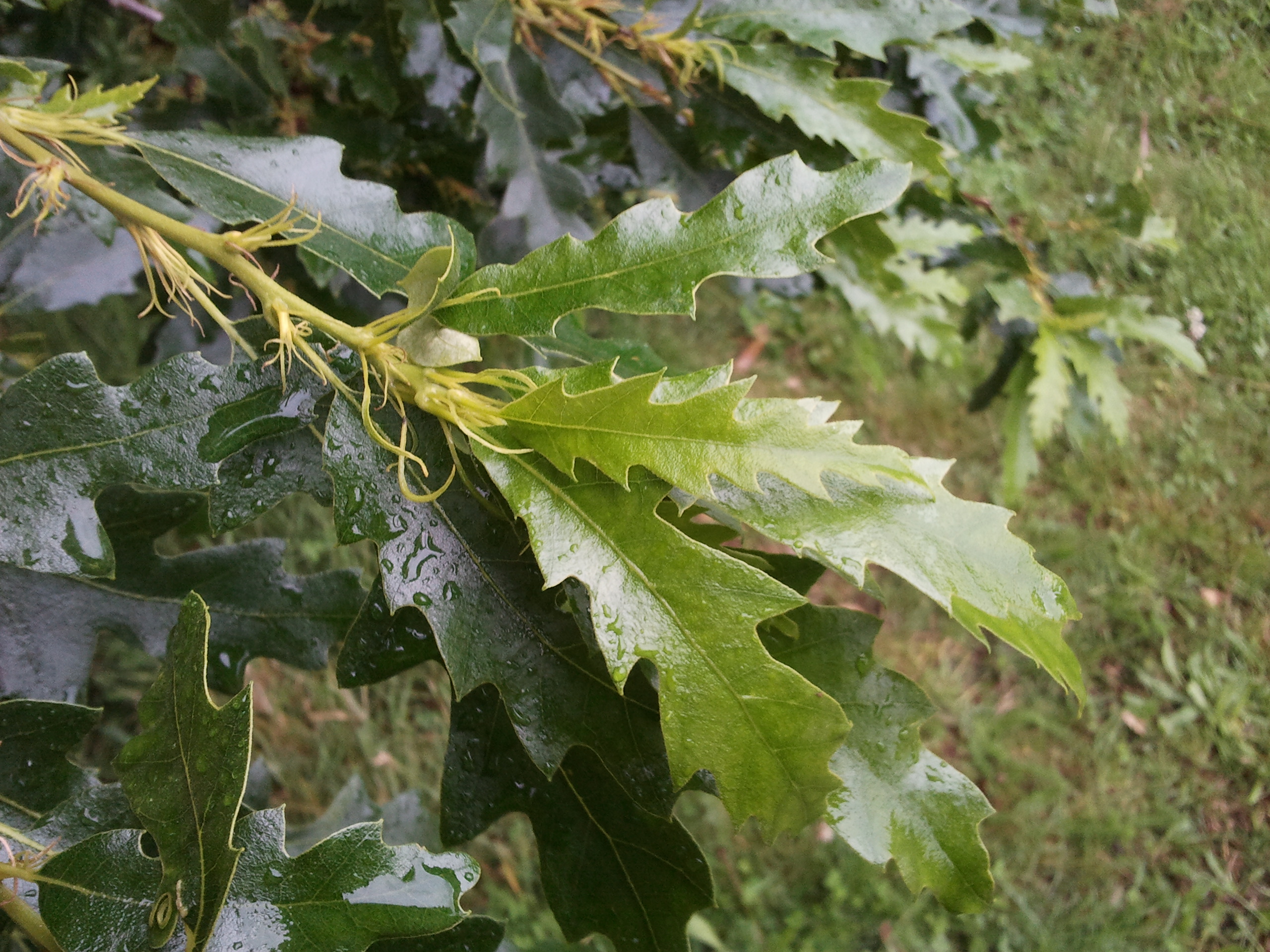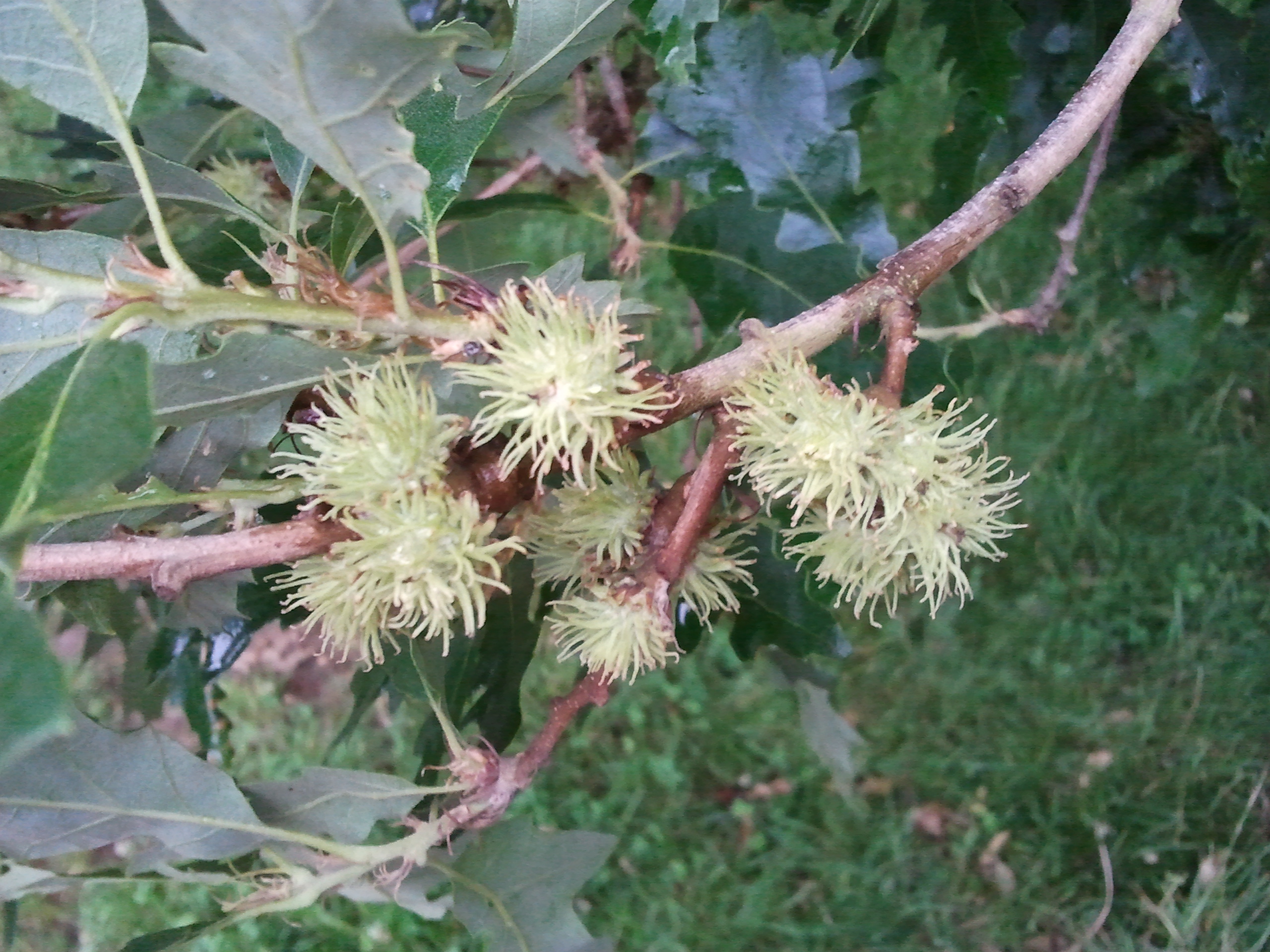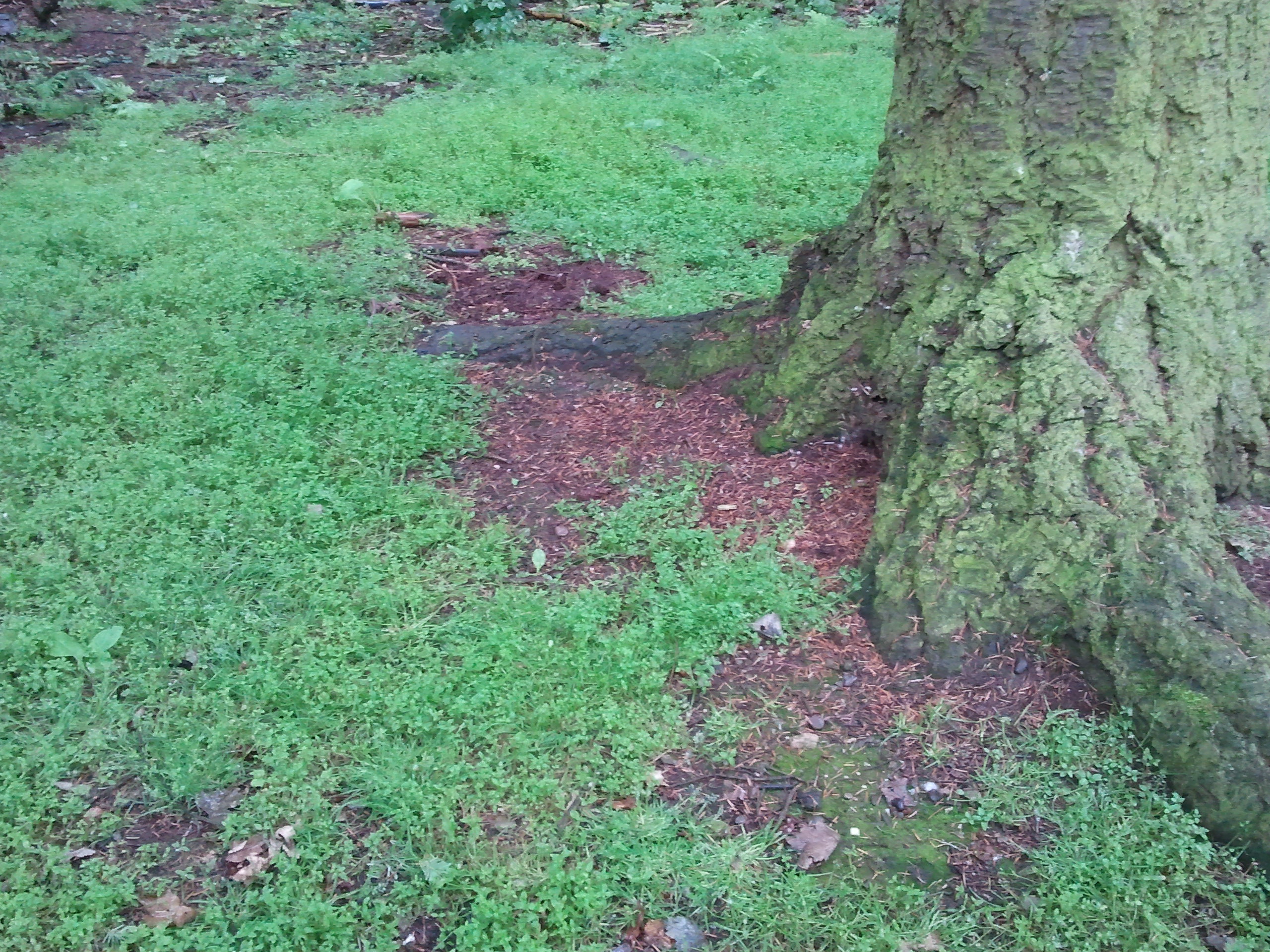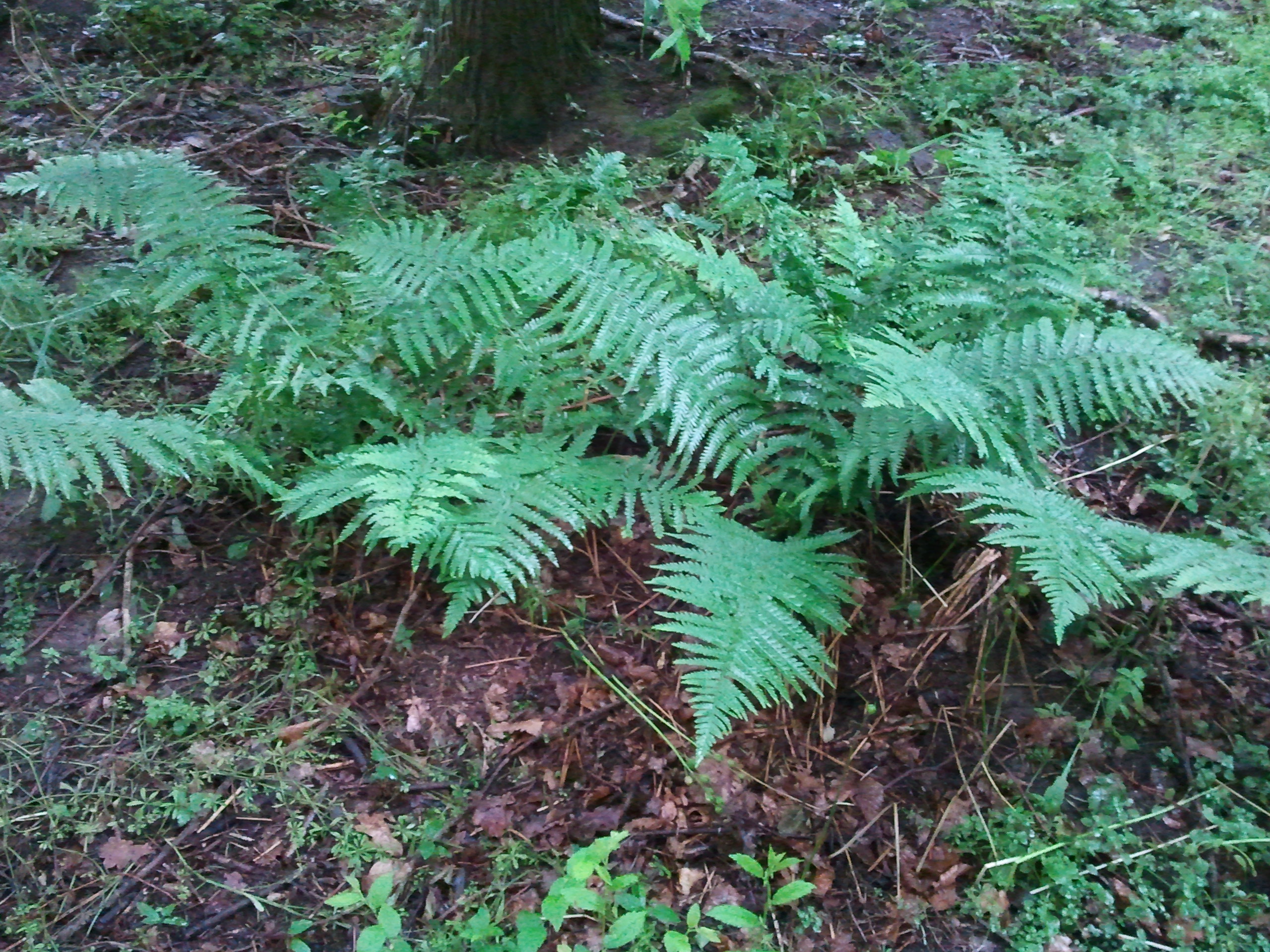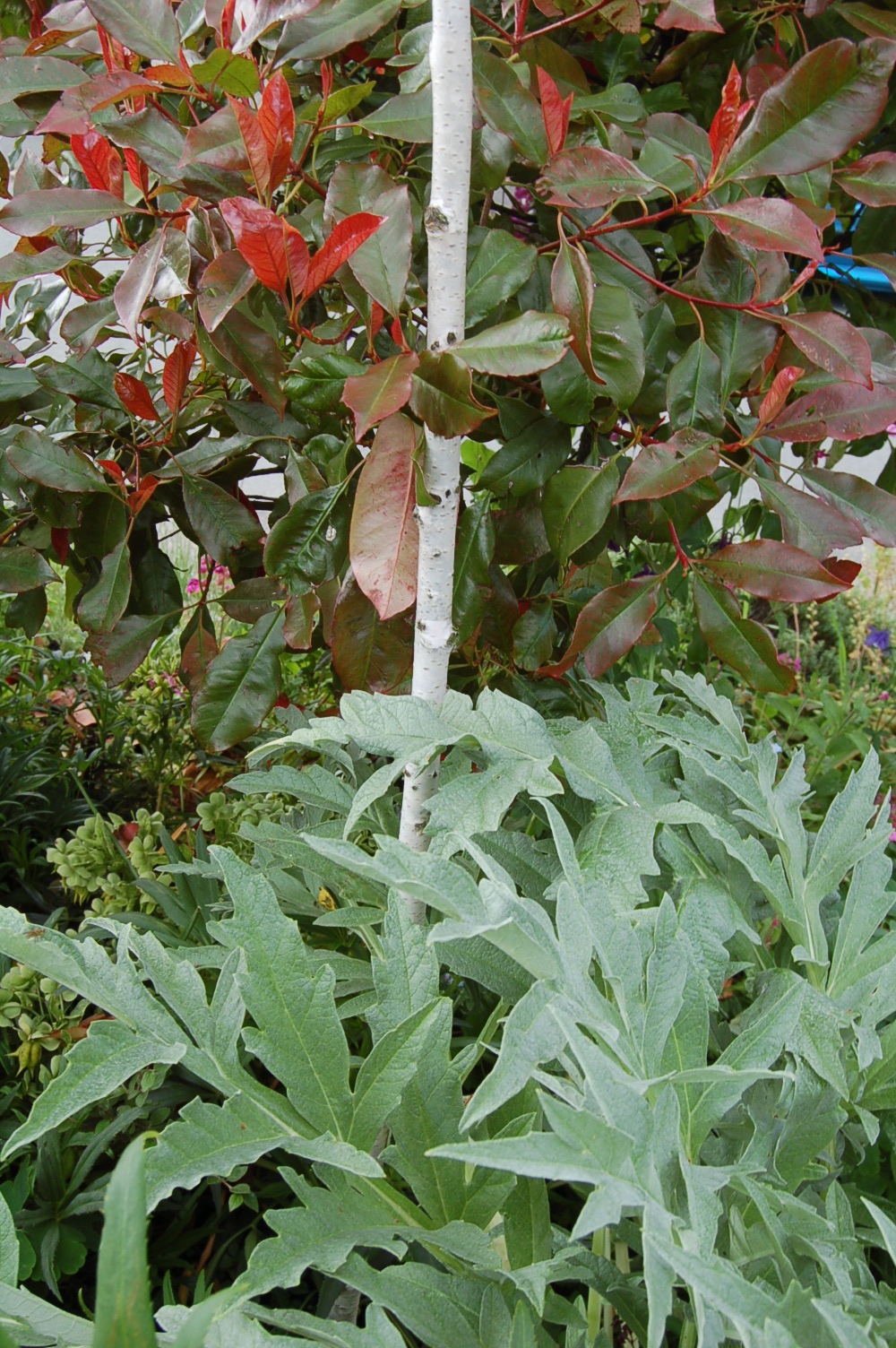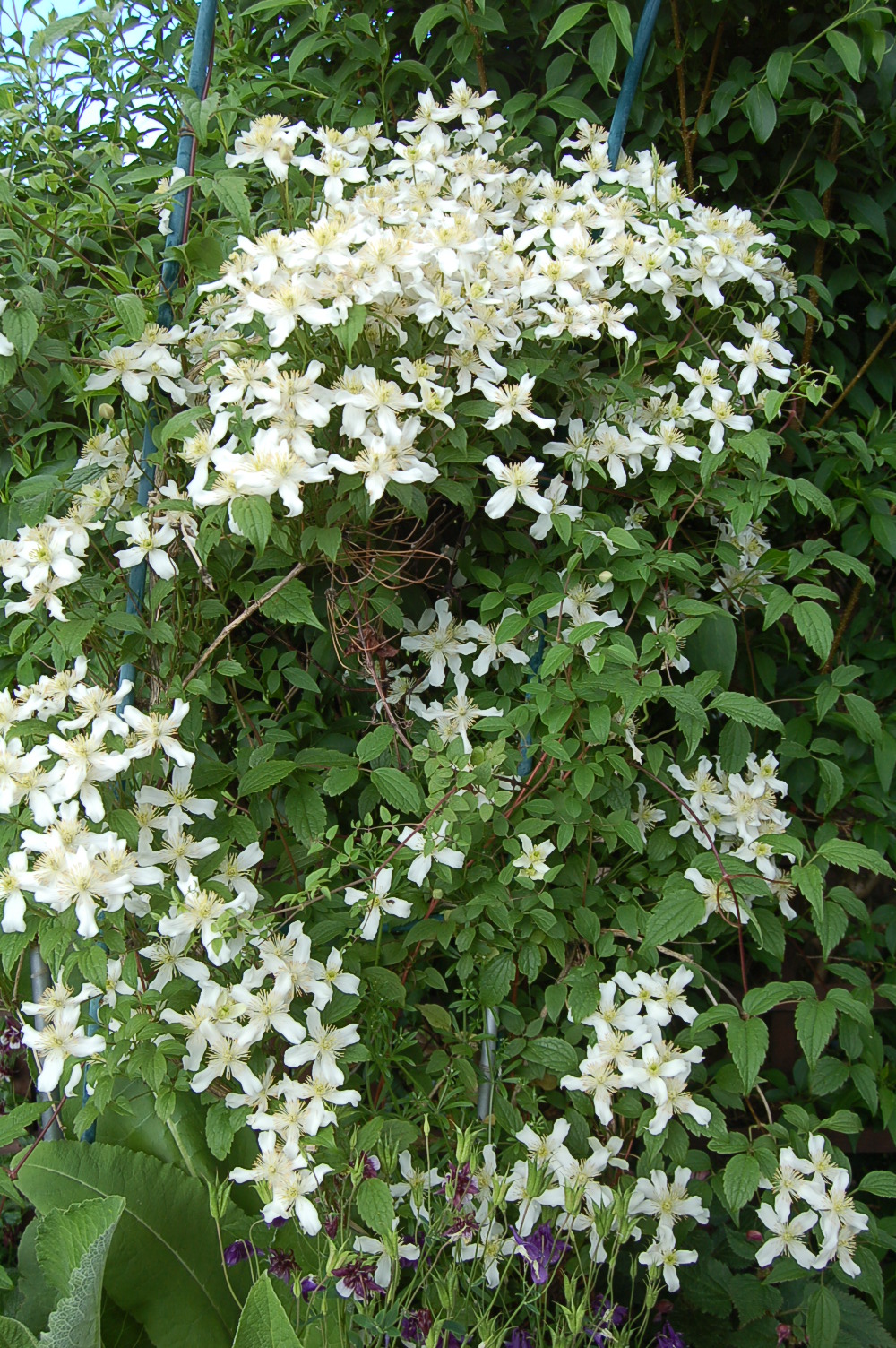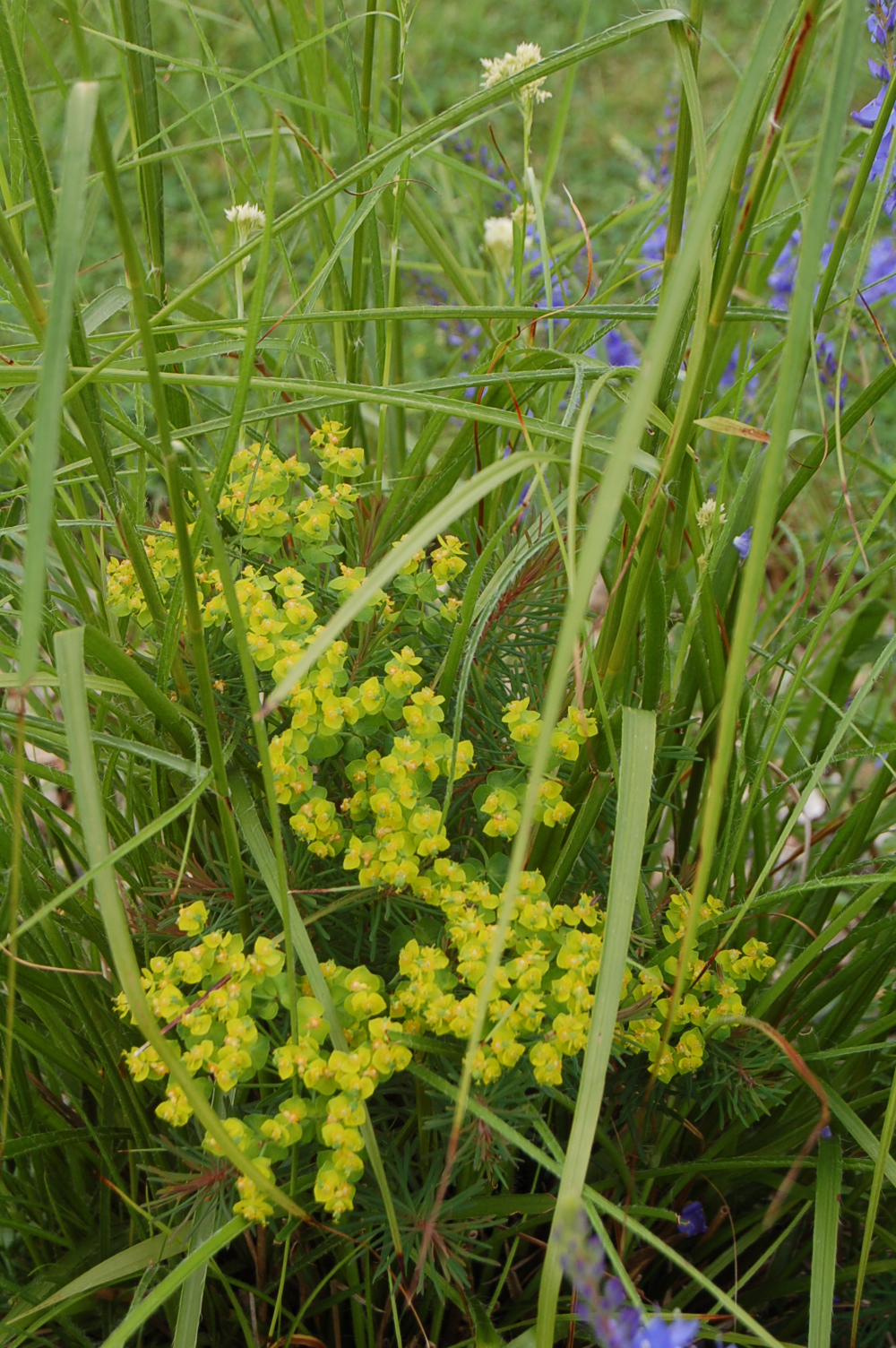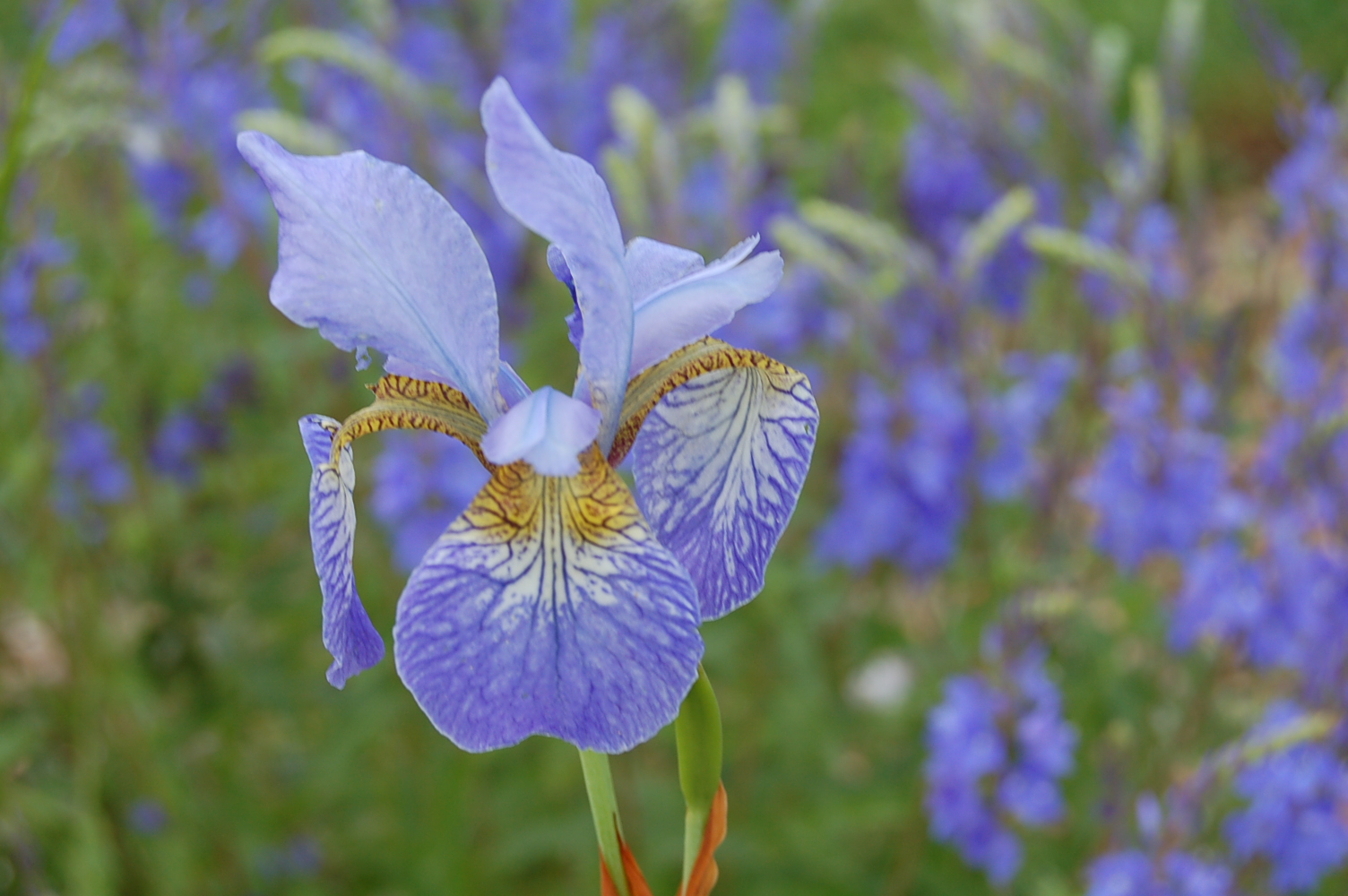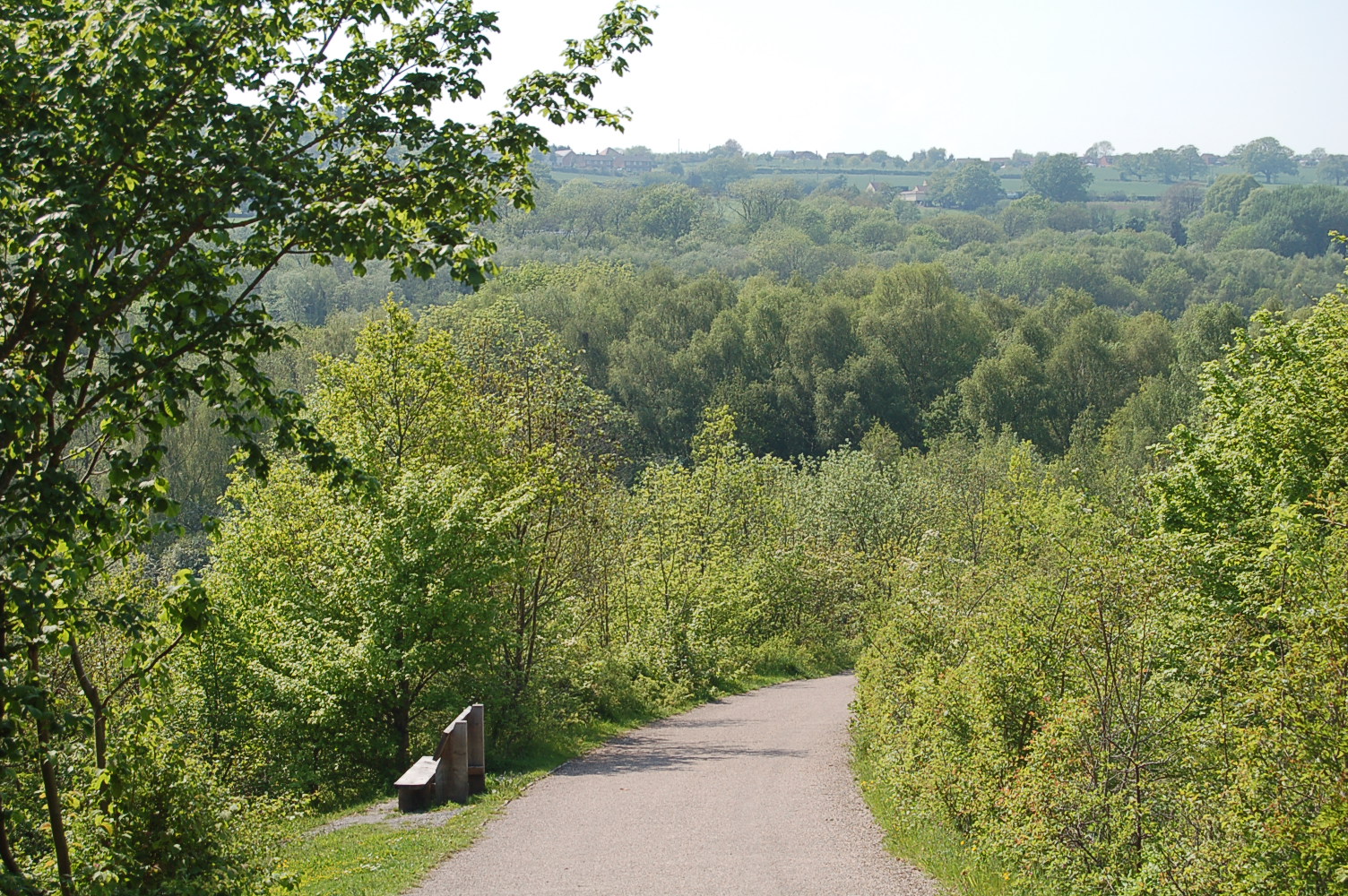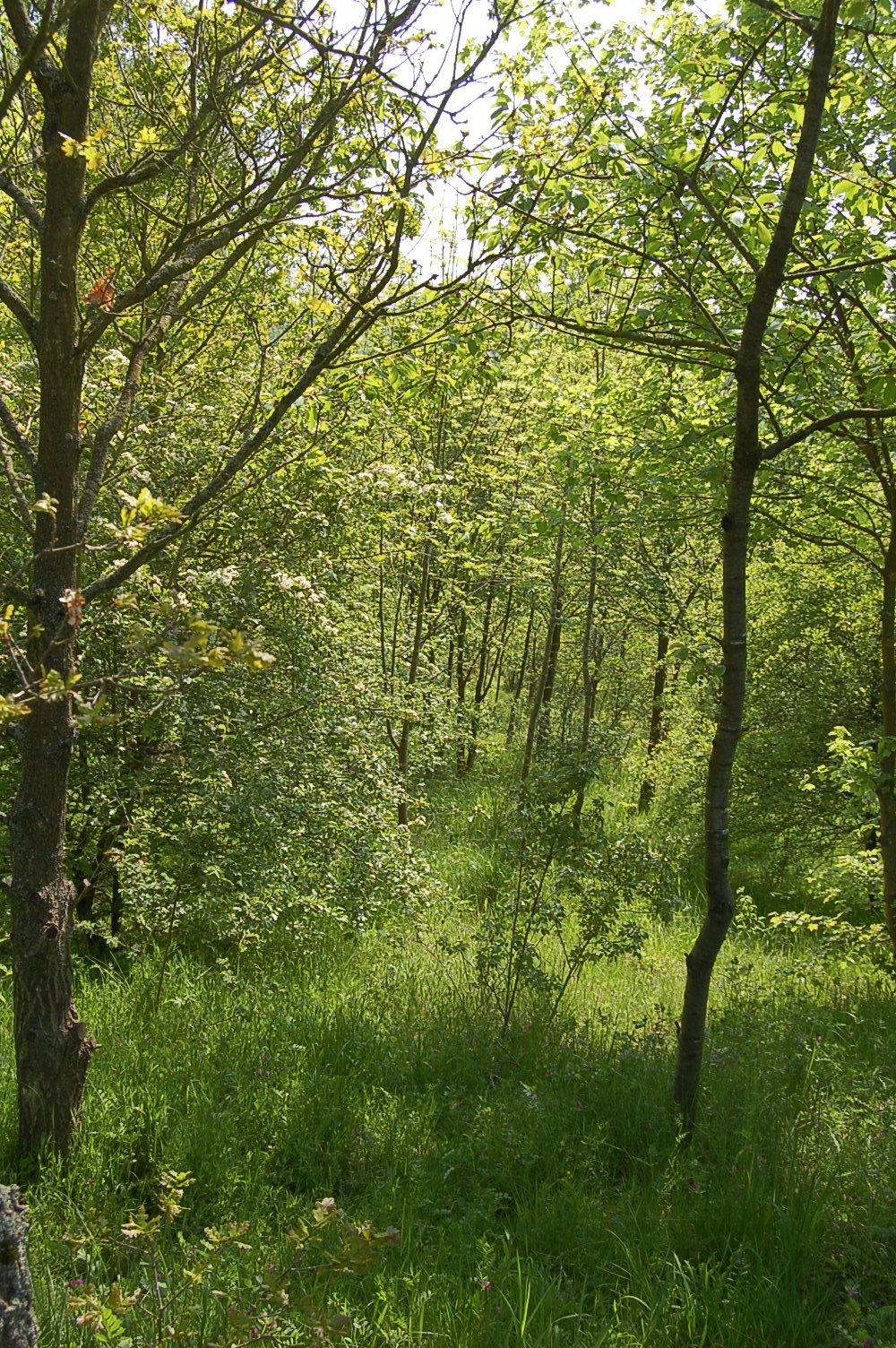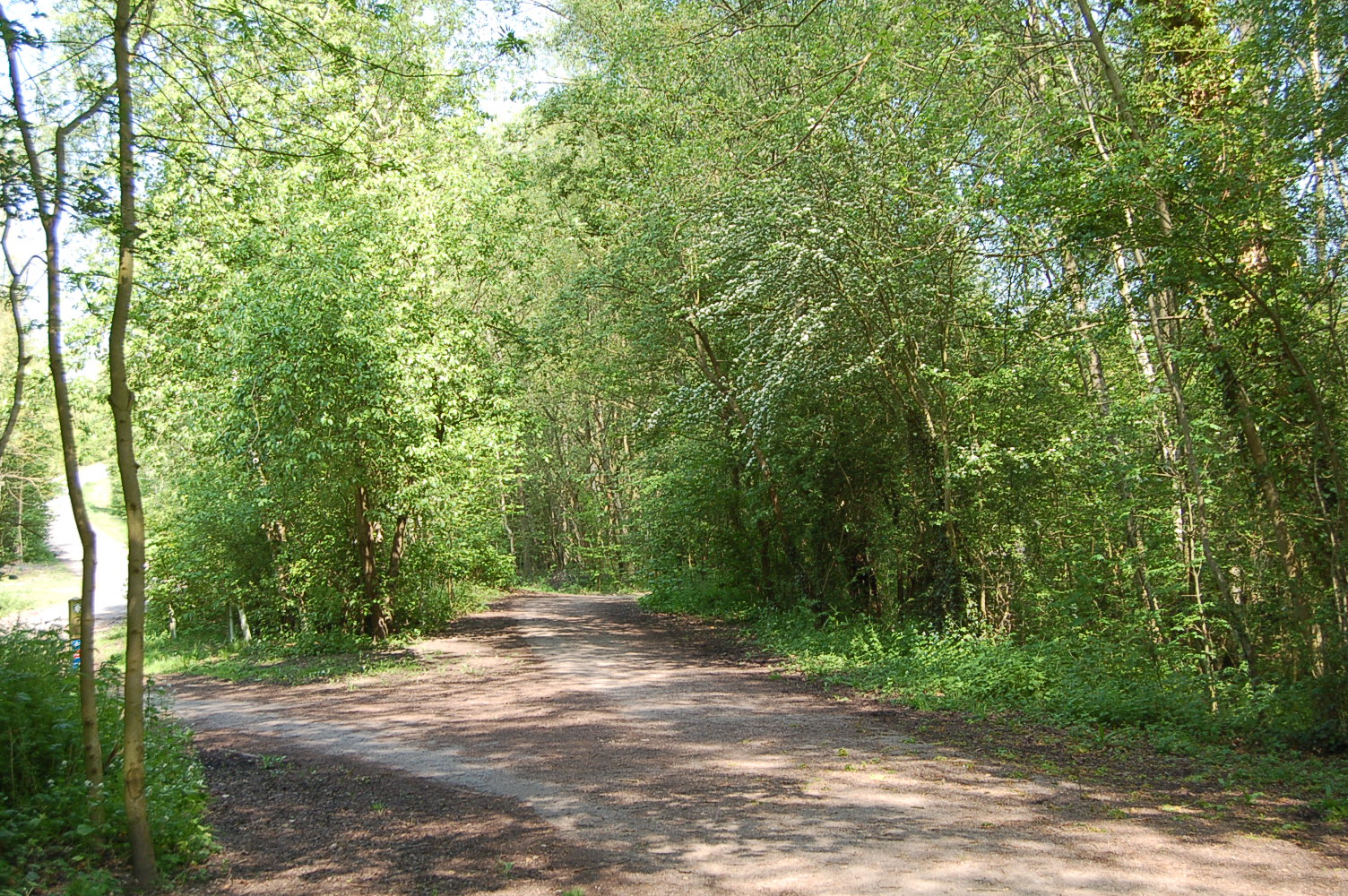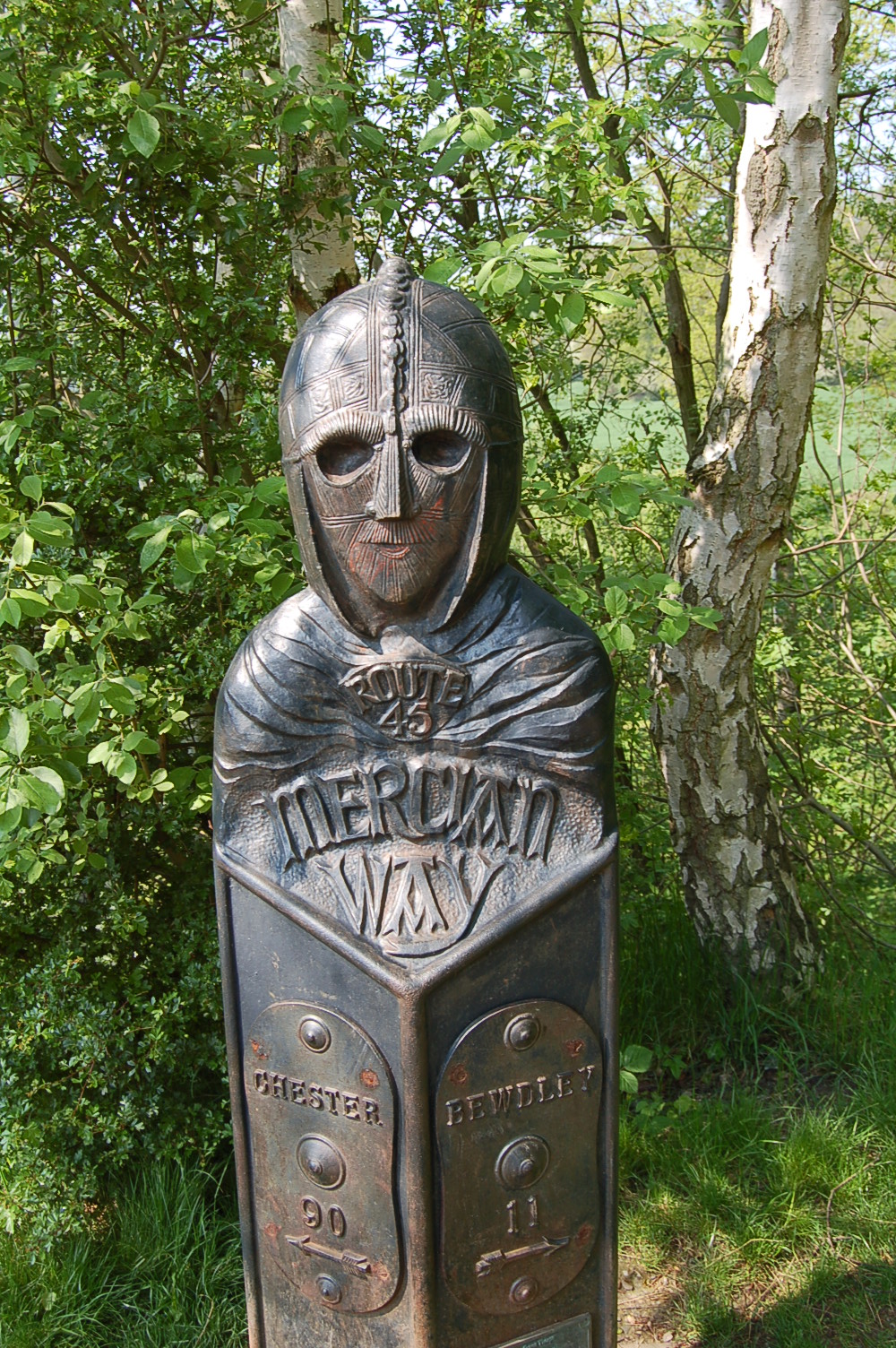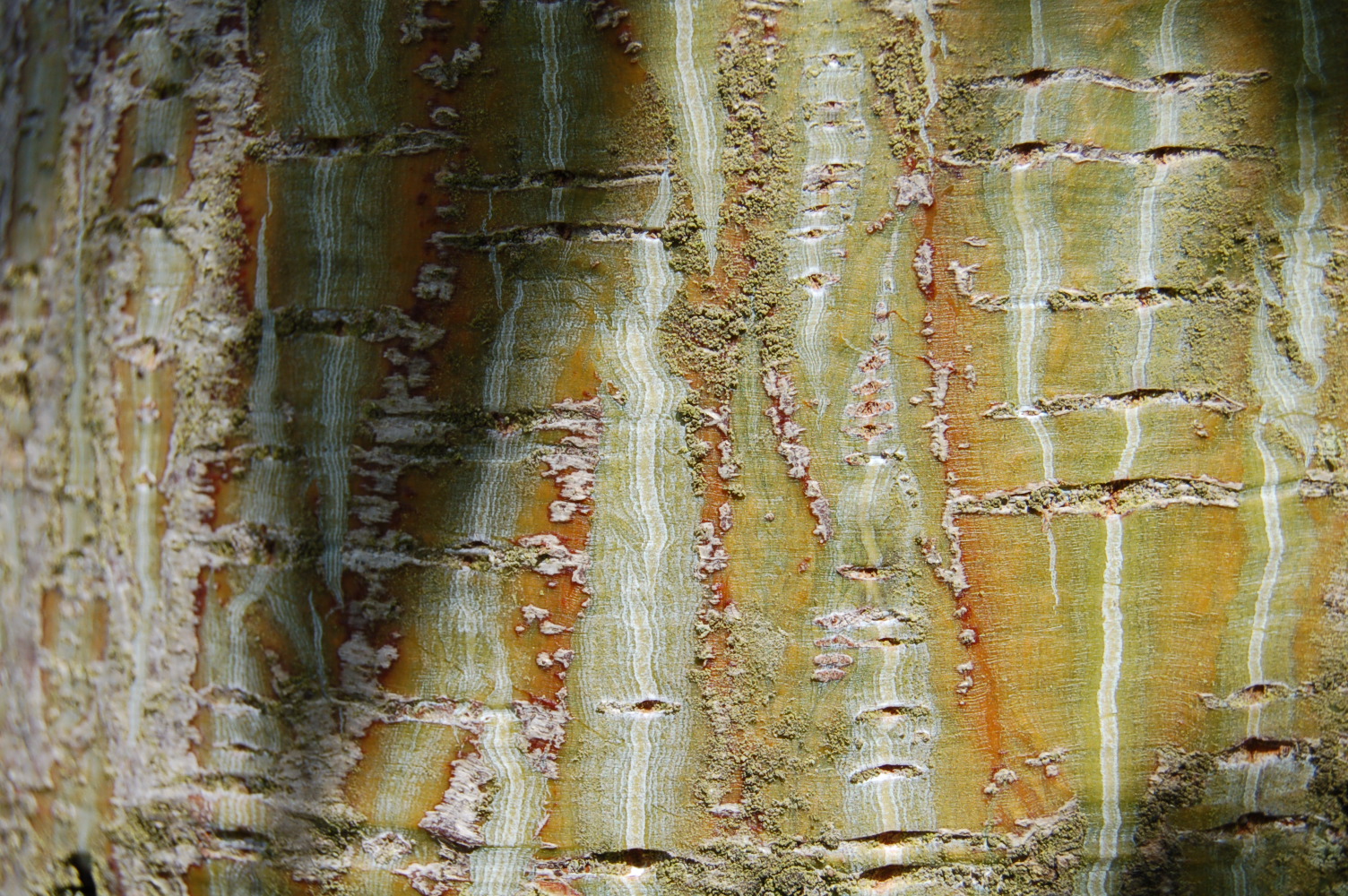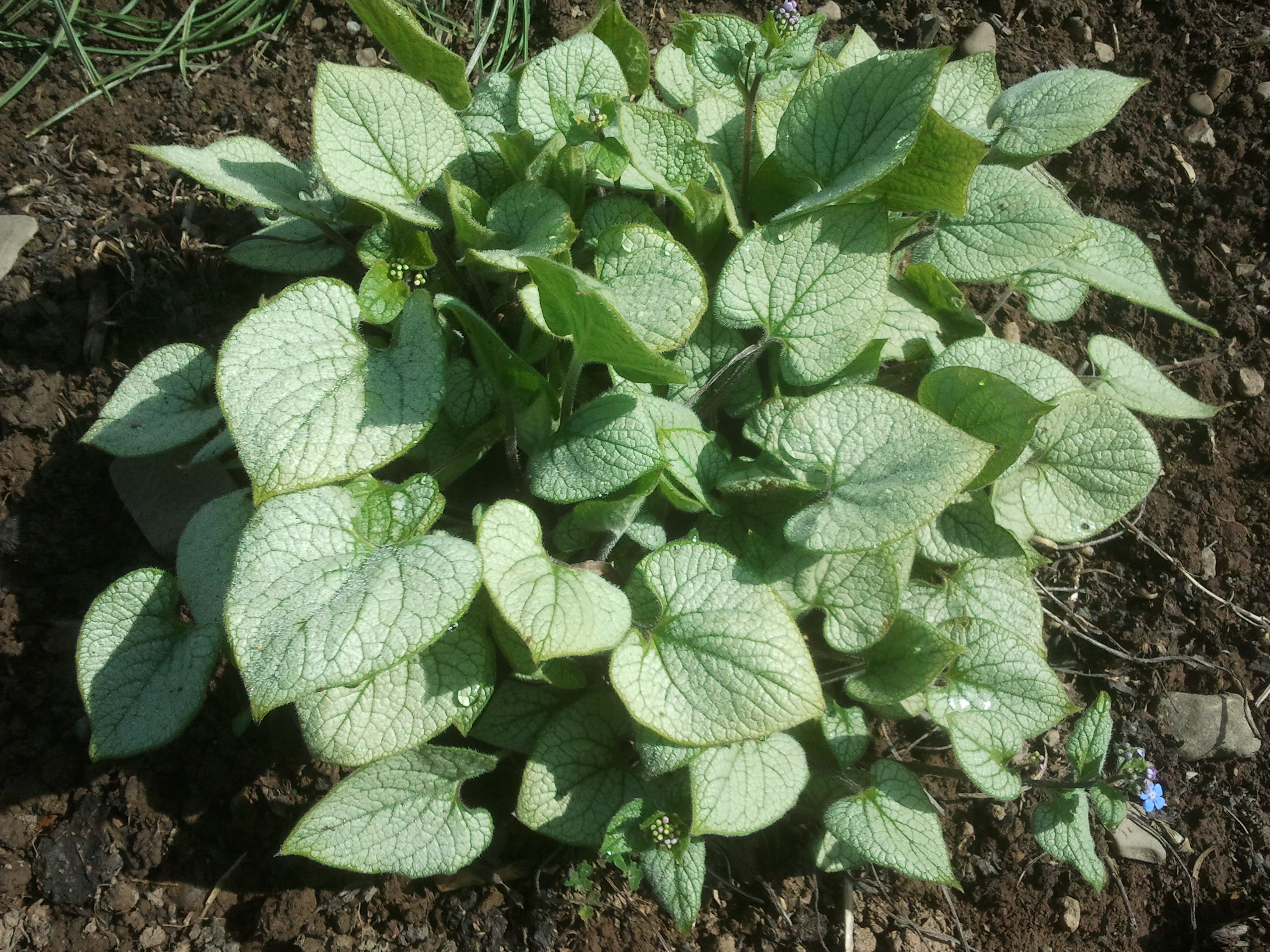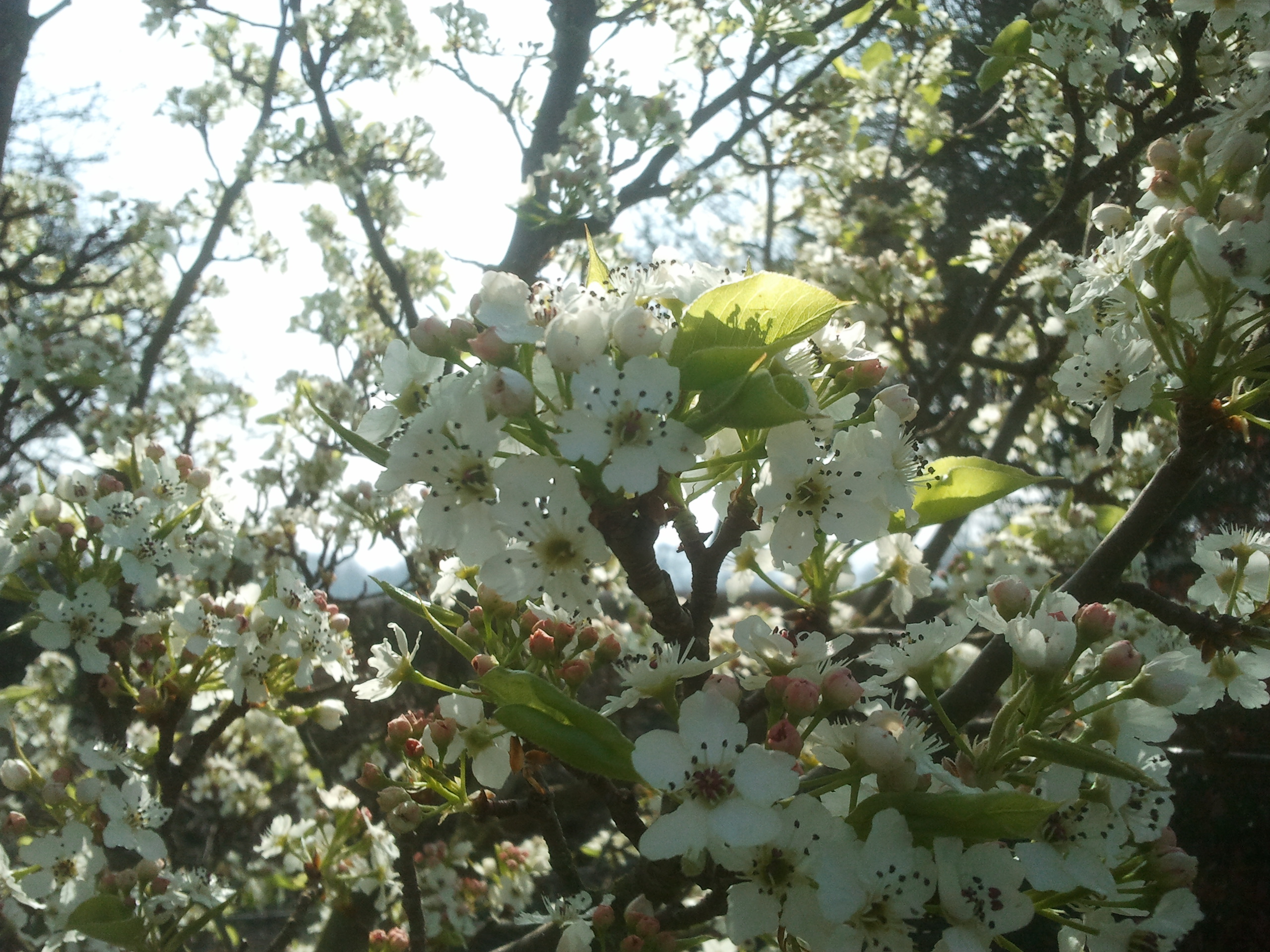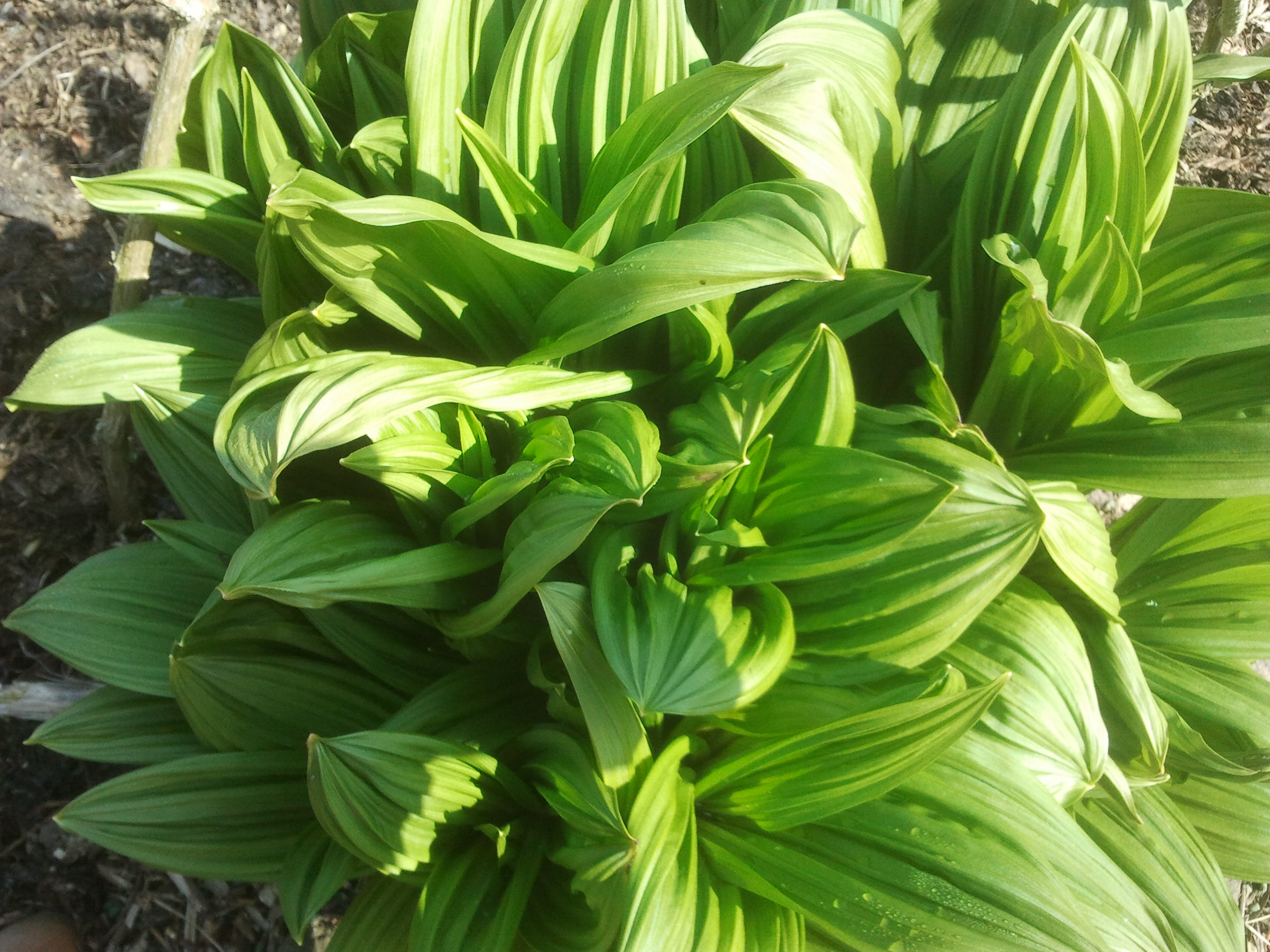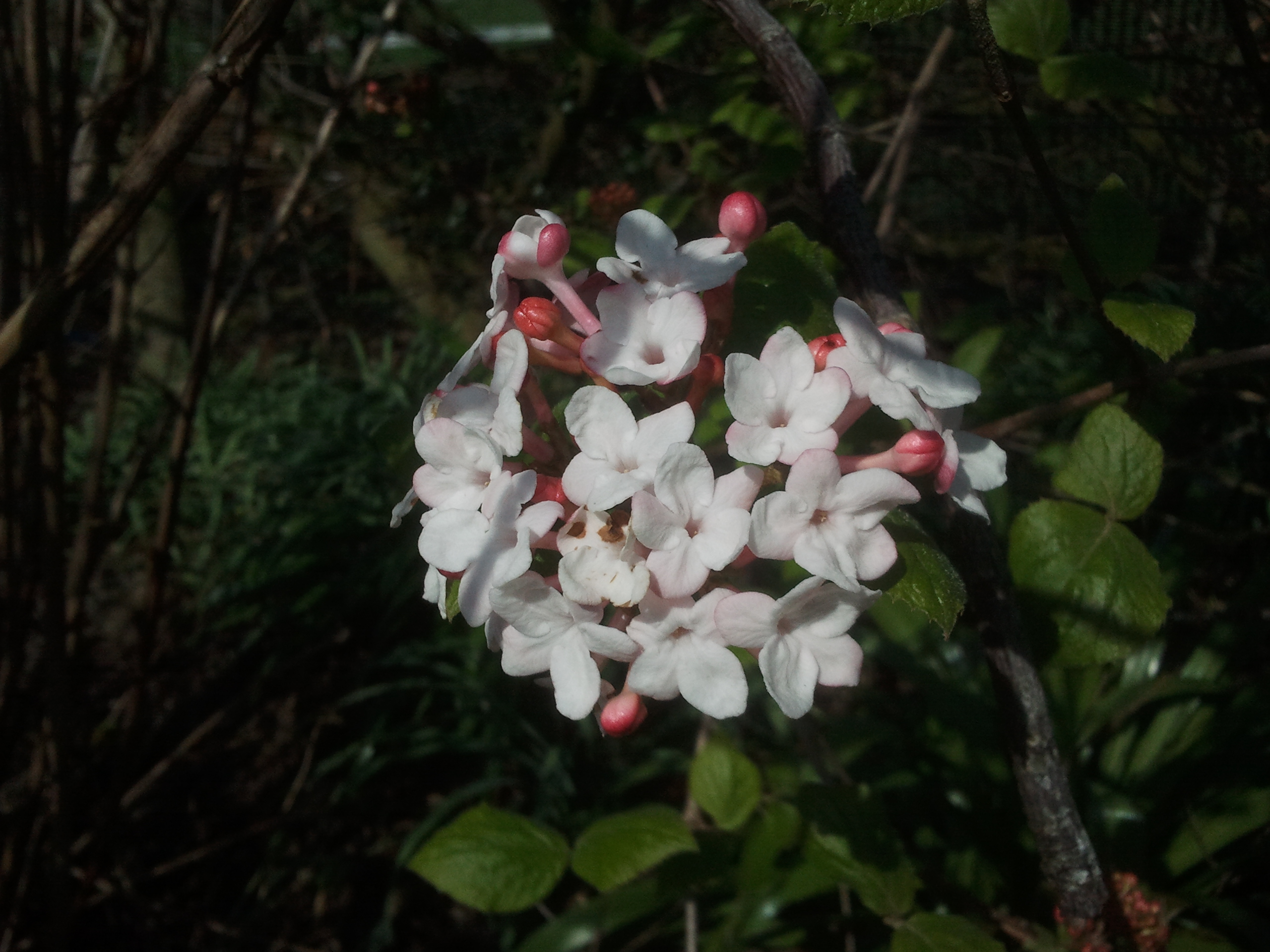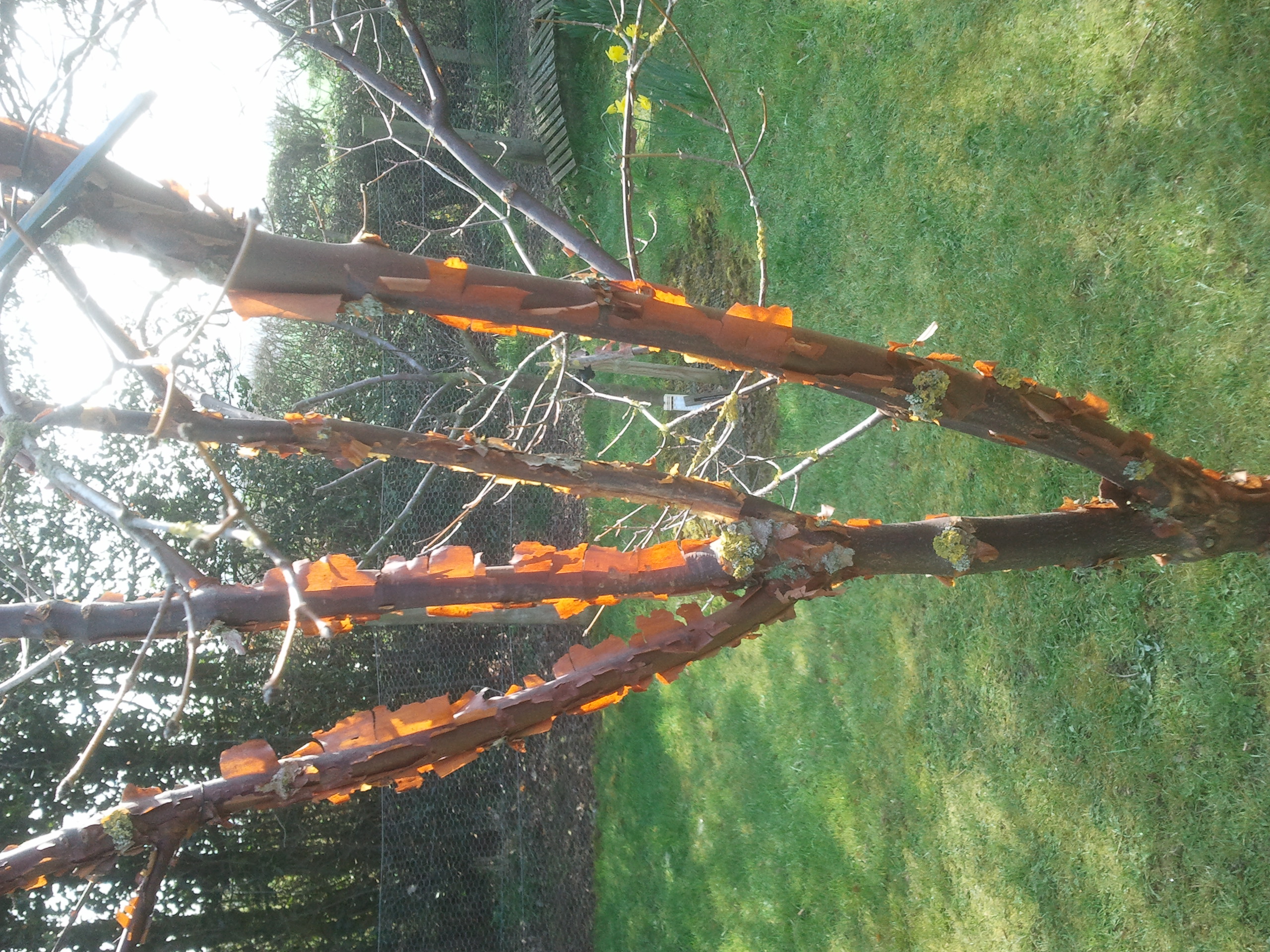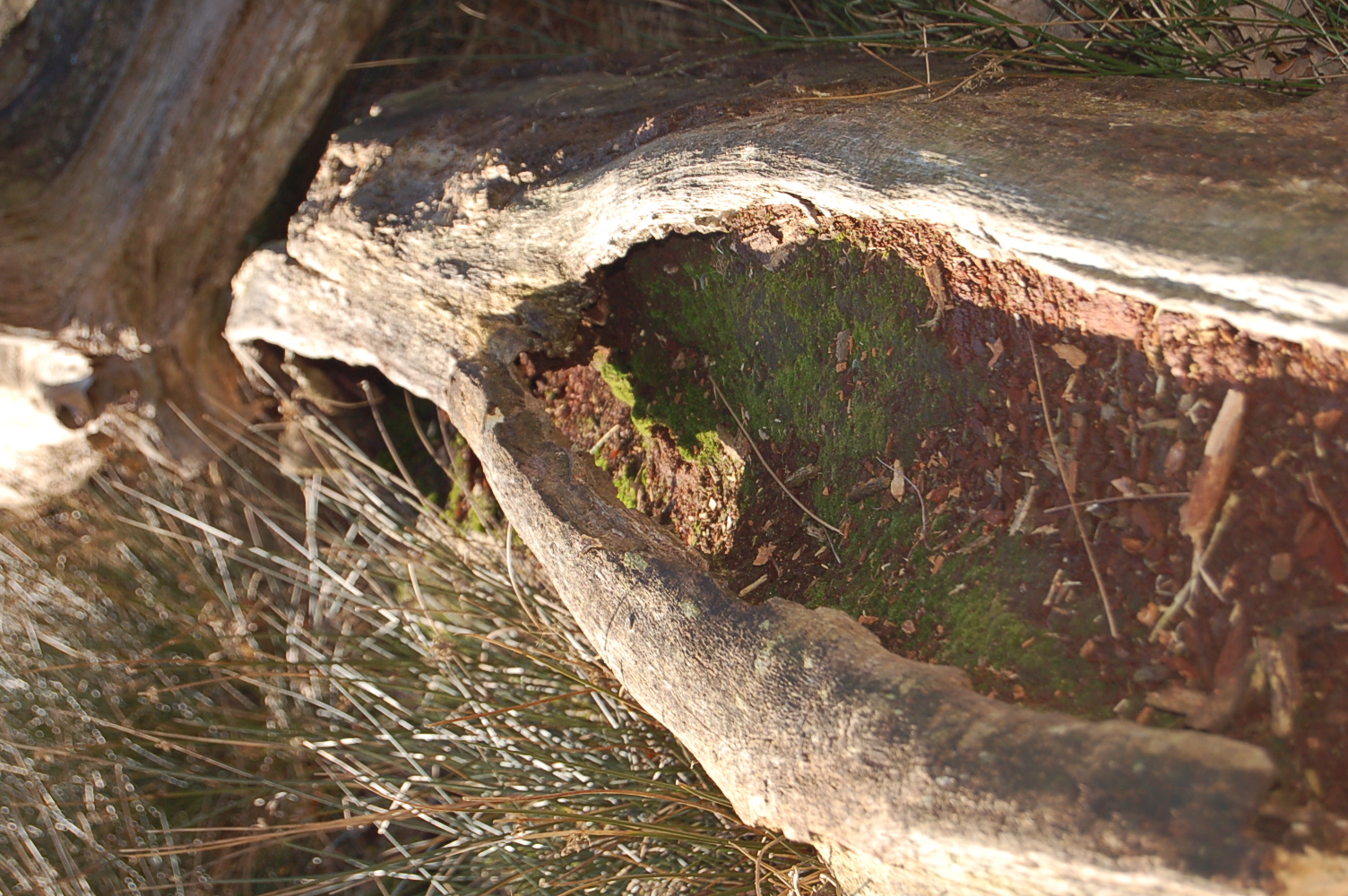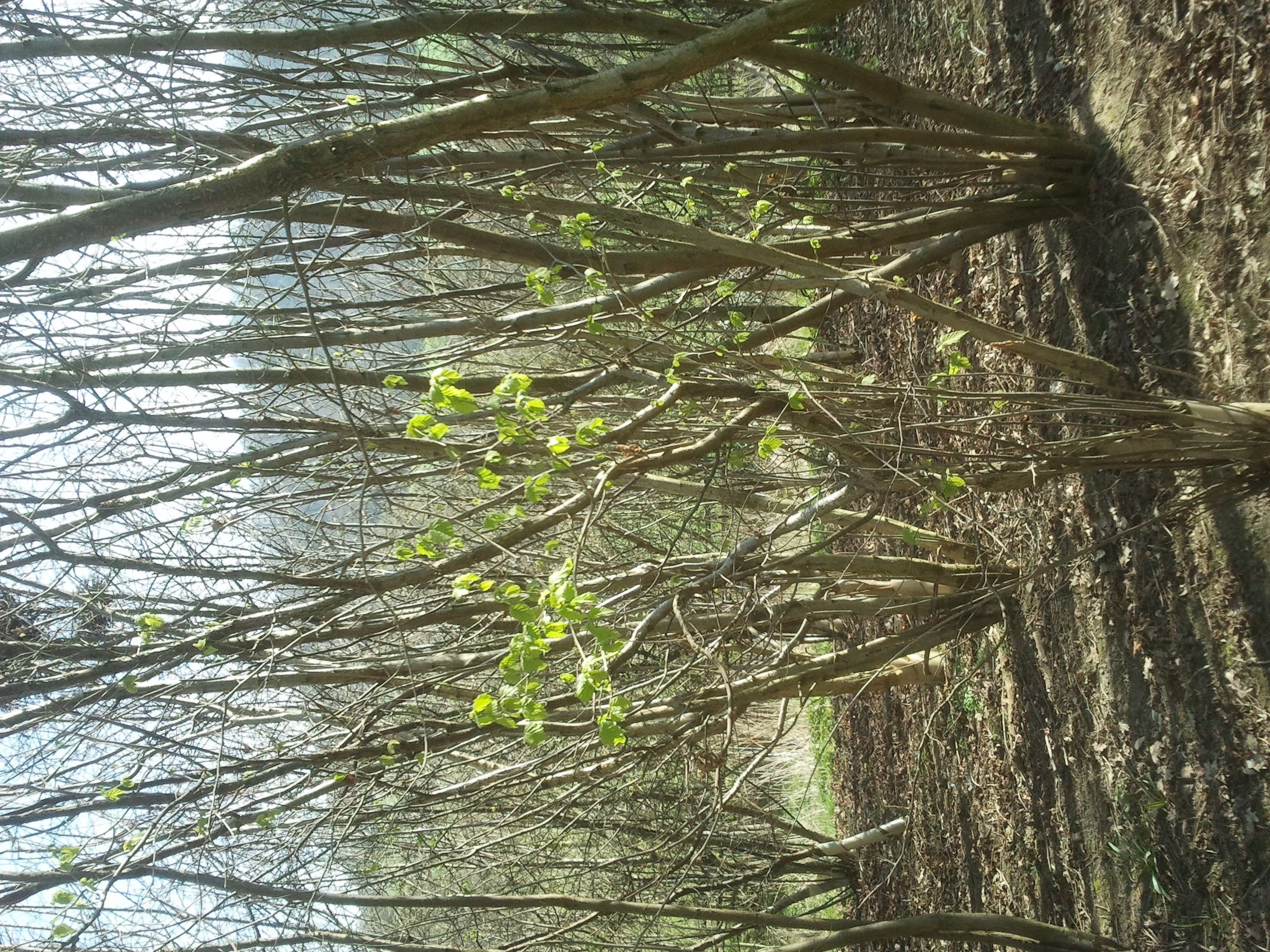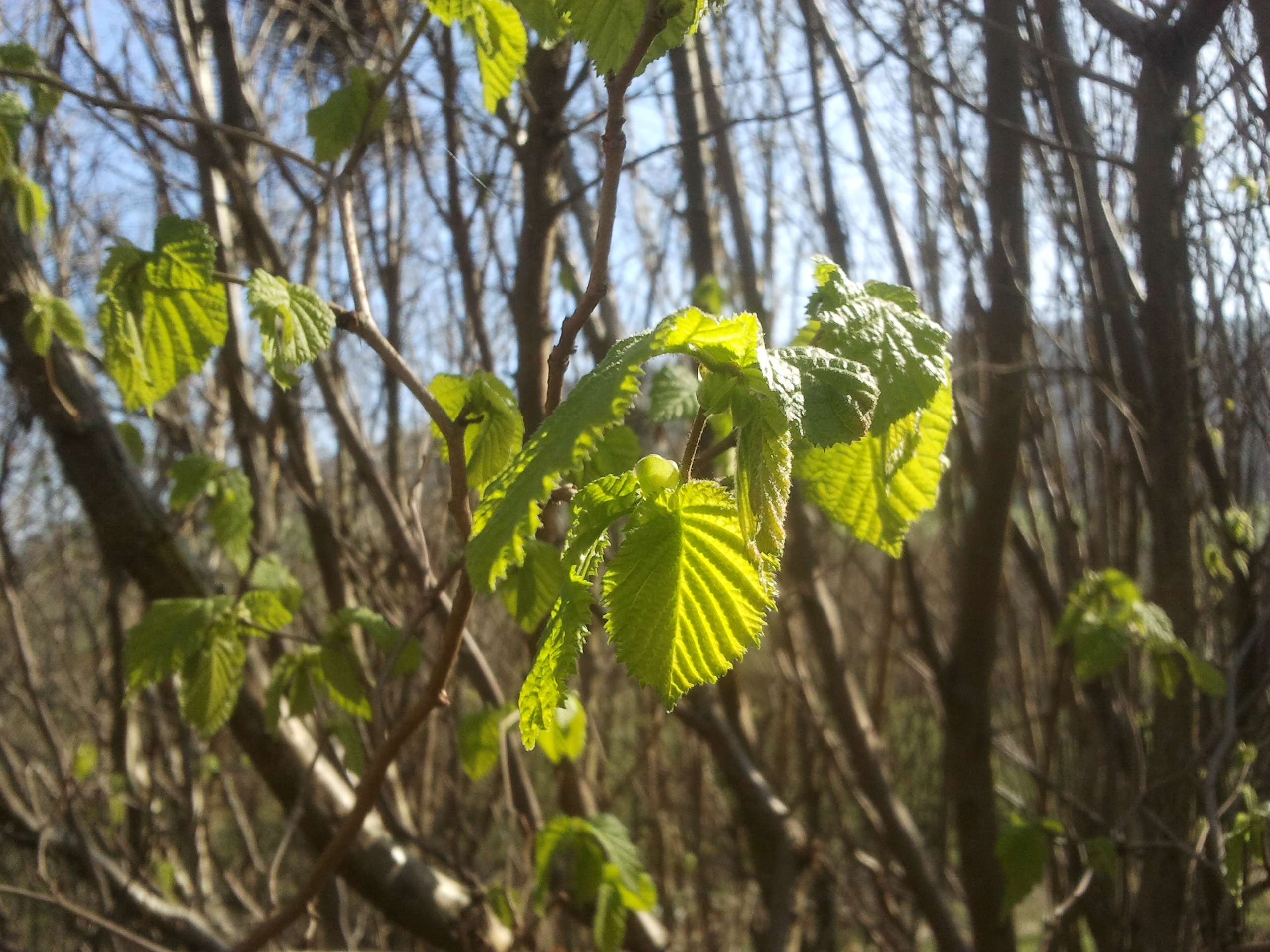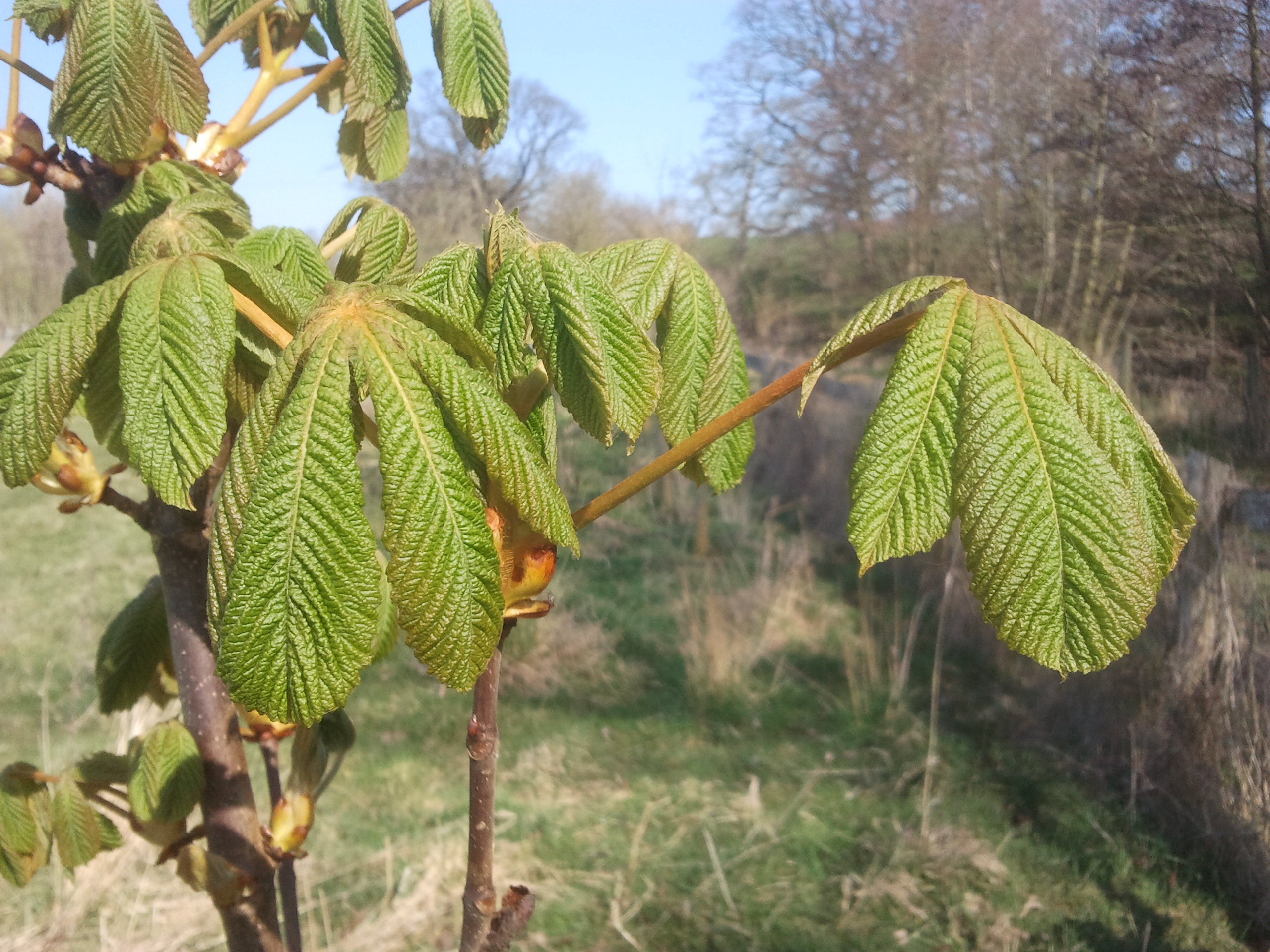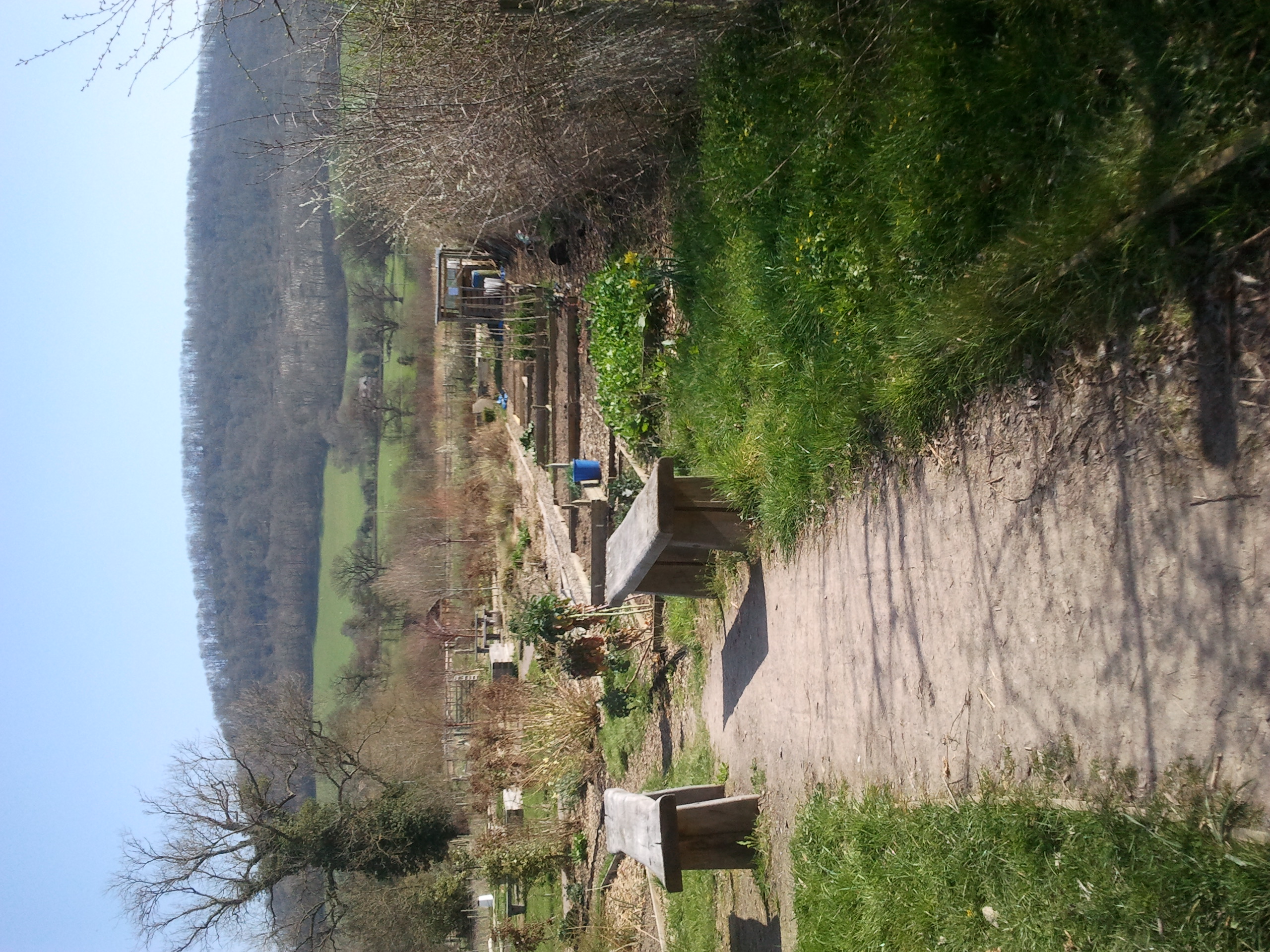
You will be glad to know this is a rhetorical question. If asked to find an answer it would be a simple response – we all do! But, on a recent visit to the Royal Horticultural Society’s garden in Devon, the wonderful Rosemoor, I took this collection of photographs featuring foliage with occasional interesting bark. Not a flower in sight.
Tag: trees
A morning of showers turned into an afternoon of rain. We donned our boots and waterproofs and defied it. We weren’t going to let it stop us going for a wander in the riverside woods.
We started with lattes in the coffee shop at Attingham Park, our closest National trust property and they set us up for defiantly walking into the wood.
We had hoped that a few minutes indulging in our favourite pastime of coffee drinking would give the rain time to stop or at least subside. Our hopes were dashed as we carried on into the woods towards the river the rain fell upon us. We were waylaid by these pretty cows who demanded attention by looking at us under their long eye lashes.
After giving the cows a stroke we moved on alongside the riverbank where the woodland started.
This woodland contains many unusual and non-native specimen trees but there are no labels so we find many we can’t identify. Several seem familiar especially their fruit and leaves, so we presume they are related to natives such as oaks, chestnuts and alders. One of these days we shall be wise and remember to pop an ID book into a pocket.
Even as the rain was falling and dark clouds skidded across the sky patches of woodland were lit up. They acted as spotlights drawing us to the pink of the foxgloves and the pale creamy fungi.
This strange but delightful light had a brightness we did not expect. Underneath the dark canopy of thick foliage the trunks of the trees seemed to attract light and they appeared more patterned and textured.
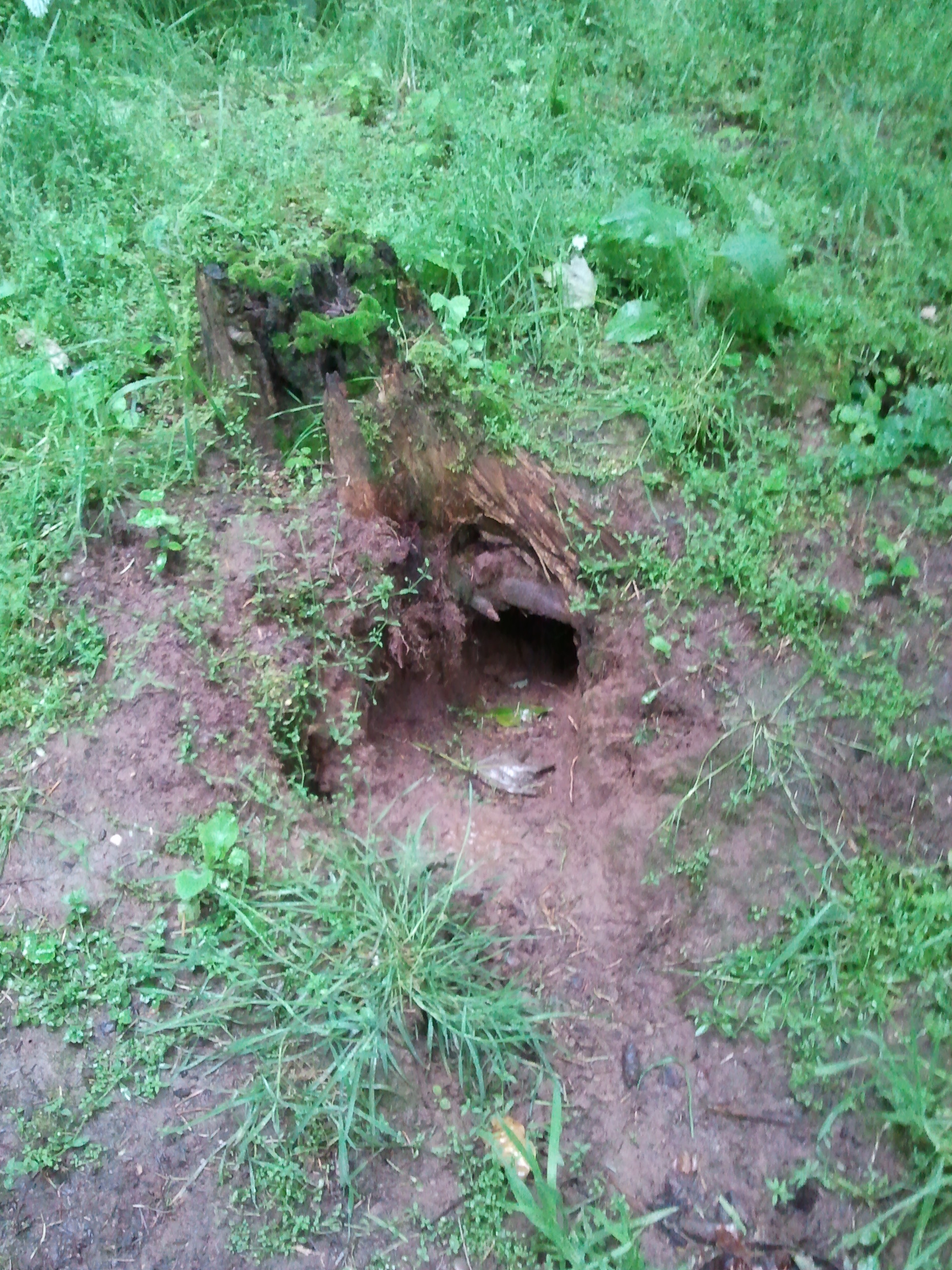
The ferns enjoyed the darker areas and the moisture brought by the rain, but their enjoyment was not shared by the wood’s mammal residents. The usual squirrels and rabbits were nowhere to be seen. Every rabbit burrow we came across showed no sign of life.
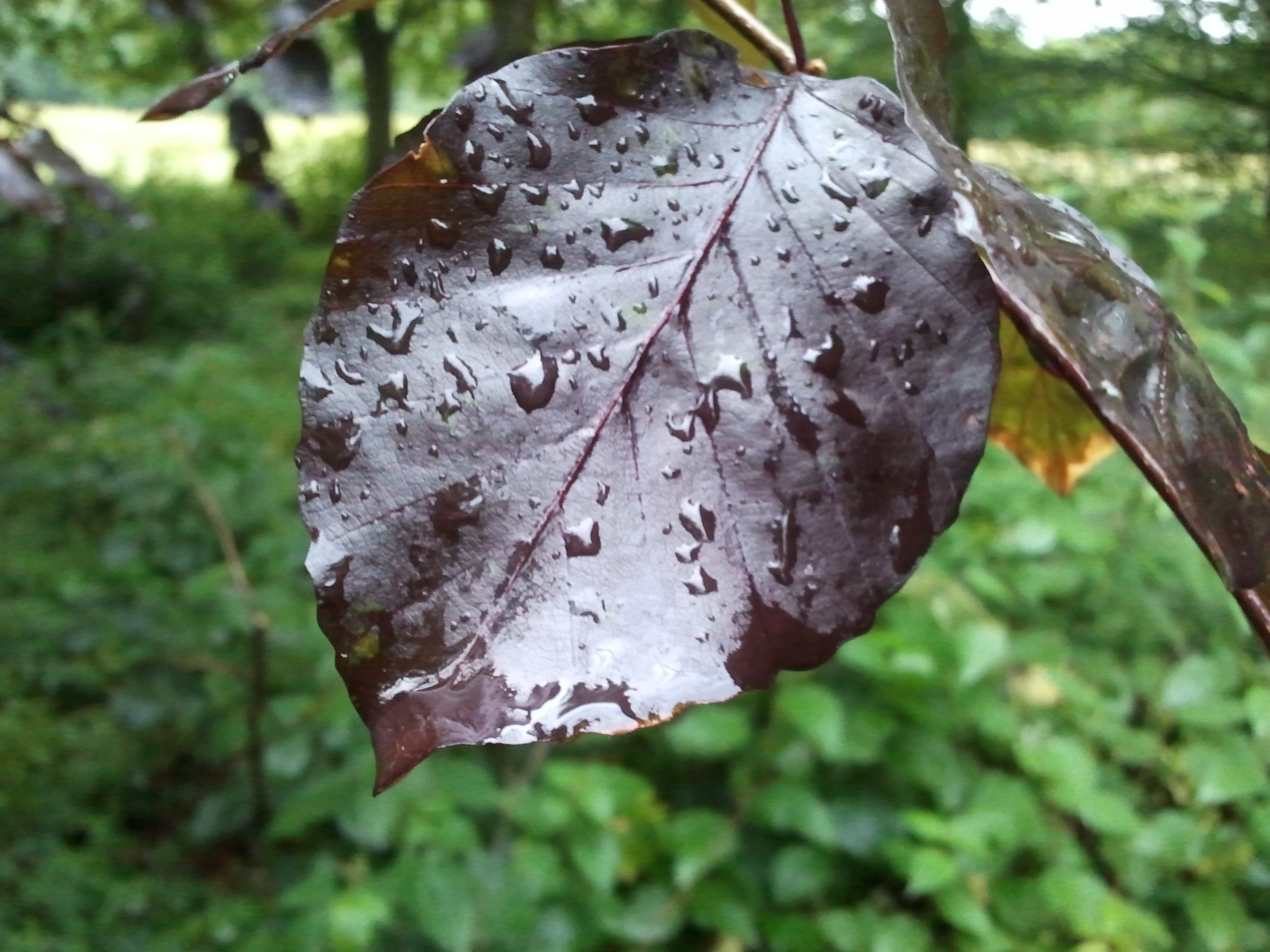
Rain drops landed on the purple, glossy leaves of the copper beech and light glowed through the “helicopter” seeds of maples. Overhead thrushes sang enthusiastically. The loud powerful song of the Mistle Thrush overpowered those of the more tuneful delicate Song Thrush.
Although no thunder rumbled above the tree tops today it has done so recently as witnessed by this tree displaying lightning strike burns. While studying this damaged tree our attention was drawn to movement in small trees close by, where a pair of tree creepers fed on the bark, moving like scurrying mice head first up the trunk. The blue tits fed differently as they searched for their insect prey under the wet leaves of the same tree.
As we continued along the path below the trees we took a short detour through the walled garden where the herbaceous borders on either side of the wide central path made a colourful picture.
As our woodland wander came to an end we had to stop and enjoy another couple of lattes just to check that they still tasted so good. They did! As we enjoyed our coffees we were entertained by a very intelligent ladybird who was reading the label of his orange juice checking its ingredients out to make sure they were fully organic.
We were not the only ones out and about enjoying a walk in the rain today and certainly not the only ones enjoying coffees. As educationalists in our pre-retirement days, we were pleased to see several young families out exploring the woods. Two families enjoyed their coffees as their toddlers enjoyed playing in the courtyard driving ride-on John Deere tractors in the mud and on the slippery grass, even revelling in falling off. They jumped in the puddles and splashed each other. Real childhood treats!
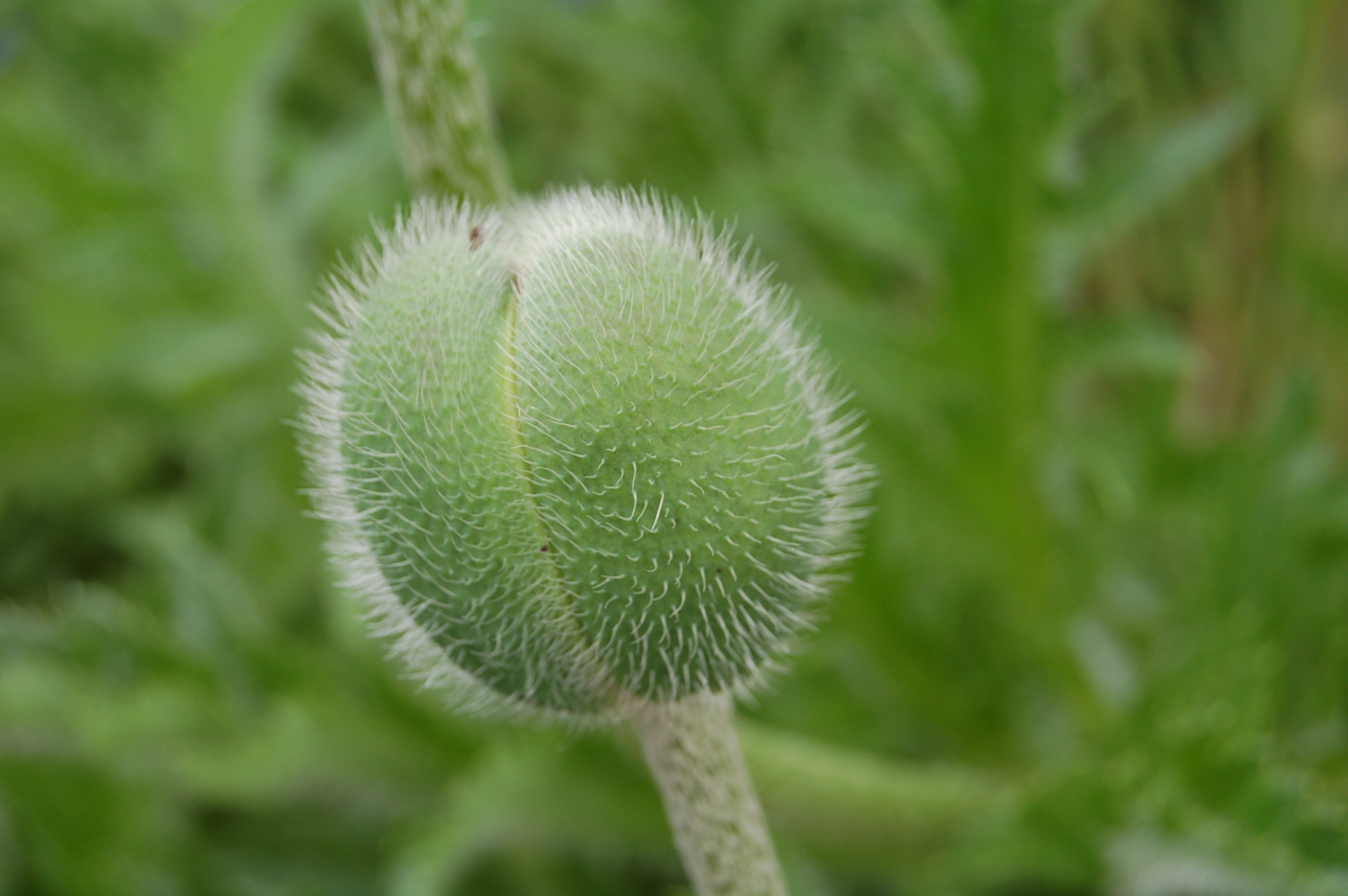
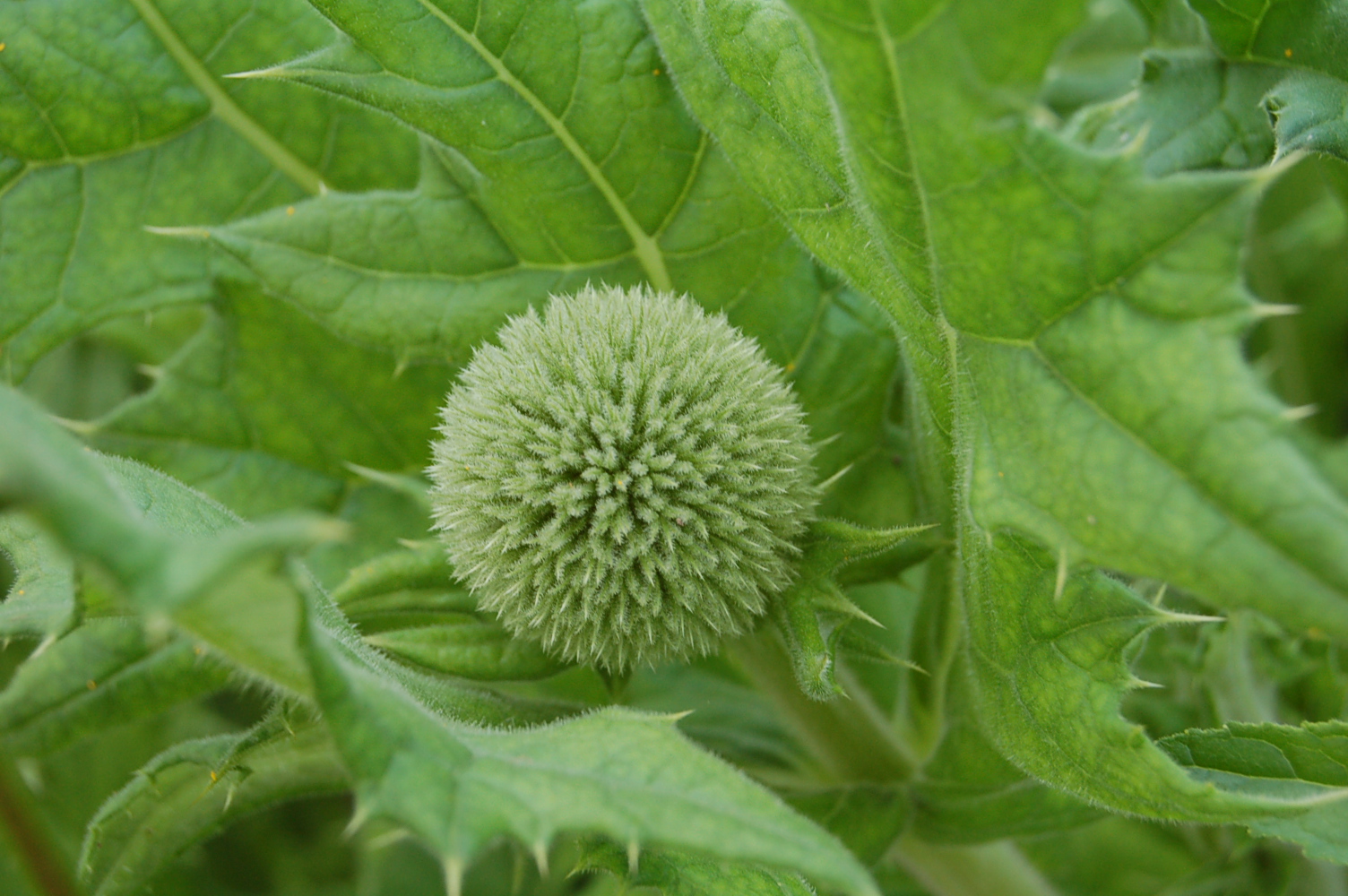
We can start the second part of our wander by looking again at the front garden. Buds give us hints of blooms to come in midsummer, Phlomis, Oriental Poppies, Erygiums and Echinops. Promises of yellows, reds and steely blues.
Foliage colour and texture can be as striking as the most colourful of flowers.
Our collection of Clematis are beginning to flower and others are covered in robust buds.
Flower colours have been so important during the first few weeks of this month simply as an antidote to dull days and dark skies. It matters not whether it is a gaudy cerise beauty or a subtle green or white.
Blue on blue.
Another view of our Freda Border.
Our mini-meadows in their pots are developing well. We think we may be onto a winner.
The Shed Bed created on the site of an old shed which we demolished when we moved in, is really pleasing as below the shed we found just rubble, gravel, broken pots and sand. We added wheelbarrows of compost to improve it and now every little flower is a true gem.
A vine grows over one end of the greenhouse acting as a natural shading agent as well as feeding the gardeners. The startlingly red flowering currant has hitched a lift along it so the vine drips with red droplets.
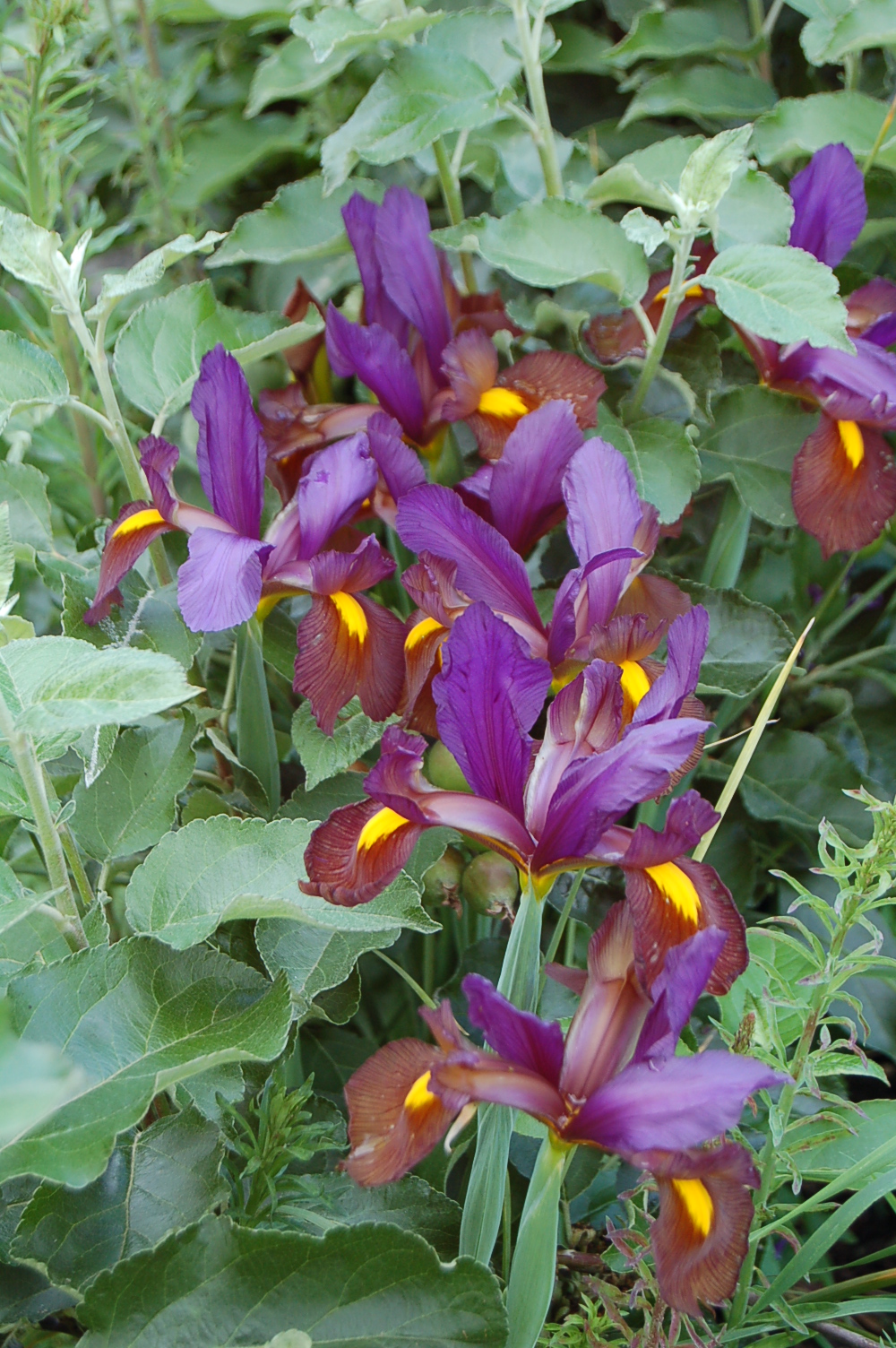
We enjoy these irises as cut flowers but bees take advantage of them before we pick them. This clump is growing through our stepover apples. Double harvesting – cut flowers followed by apples.
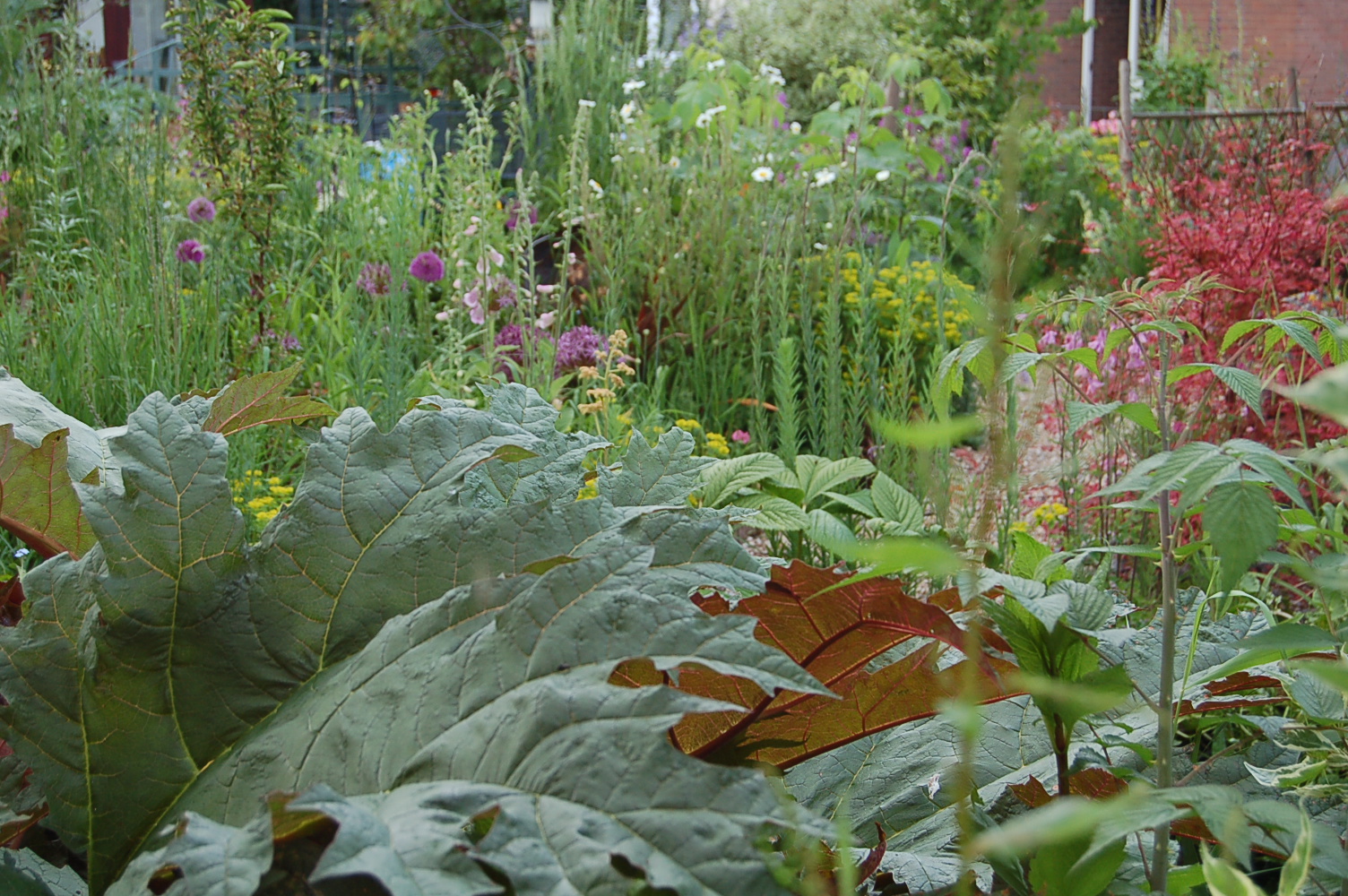
The planting around the pool has closed in and made it an intimate area. Nearby the Prairie Garden is bursting with fresh blooms.
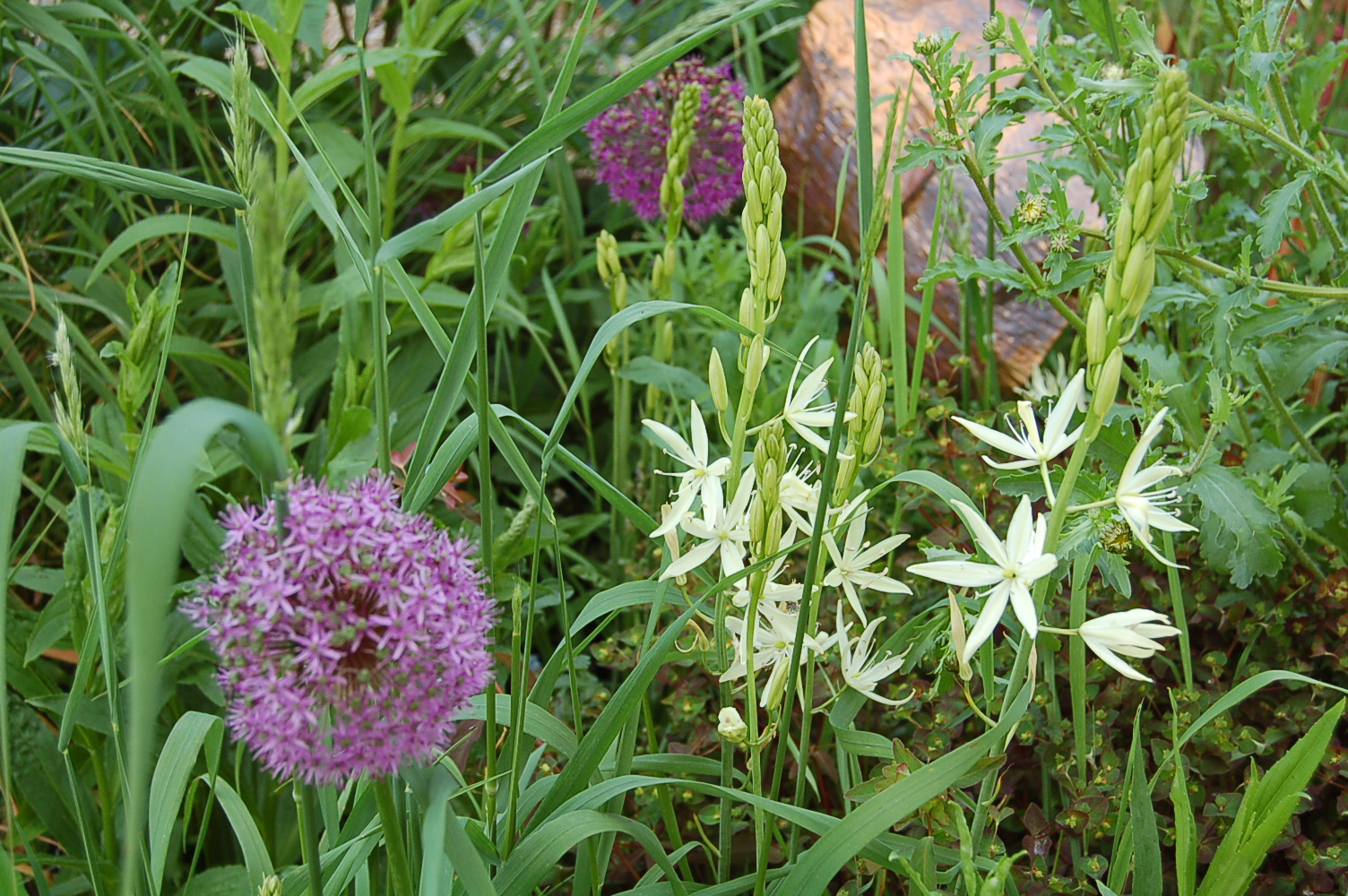
In the Secret Garden Aquilegias and Alliums look good alongside the purple foliage of Pentstemon Huskers Red.
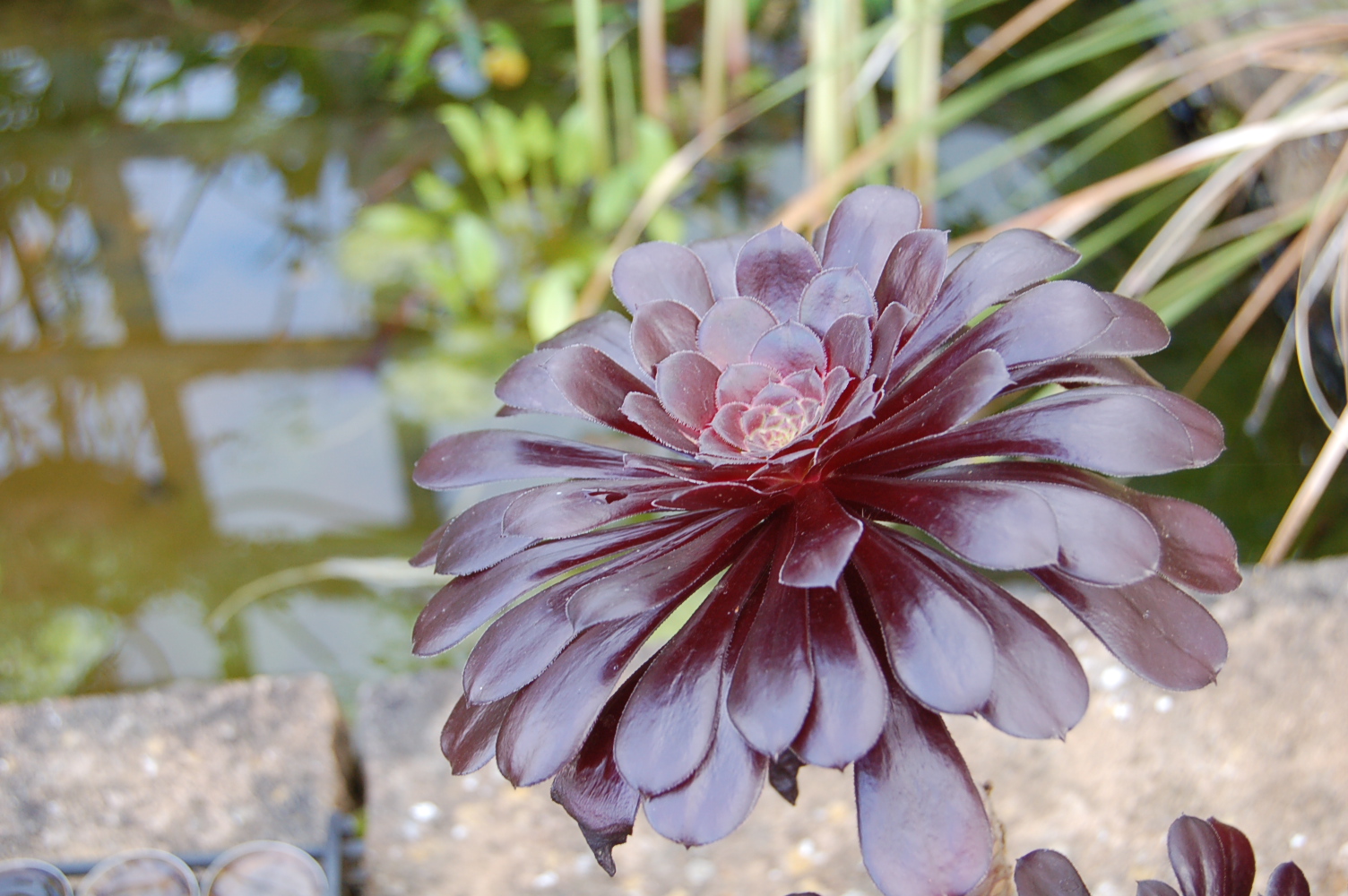
These aeonium enjoy the hottest part of the garden, the Rill Garden.
To one side of the rill we grow a snake bark maple, with silver and green striped bark, cream and red seed capsules and in autumn it has amazing rich red foliage. A wonderful specimen tree to finish this garden wander underneath.
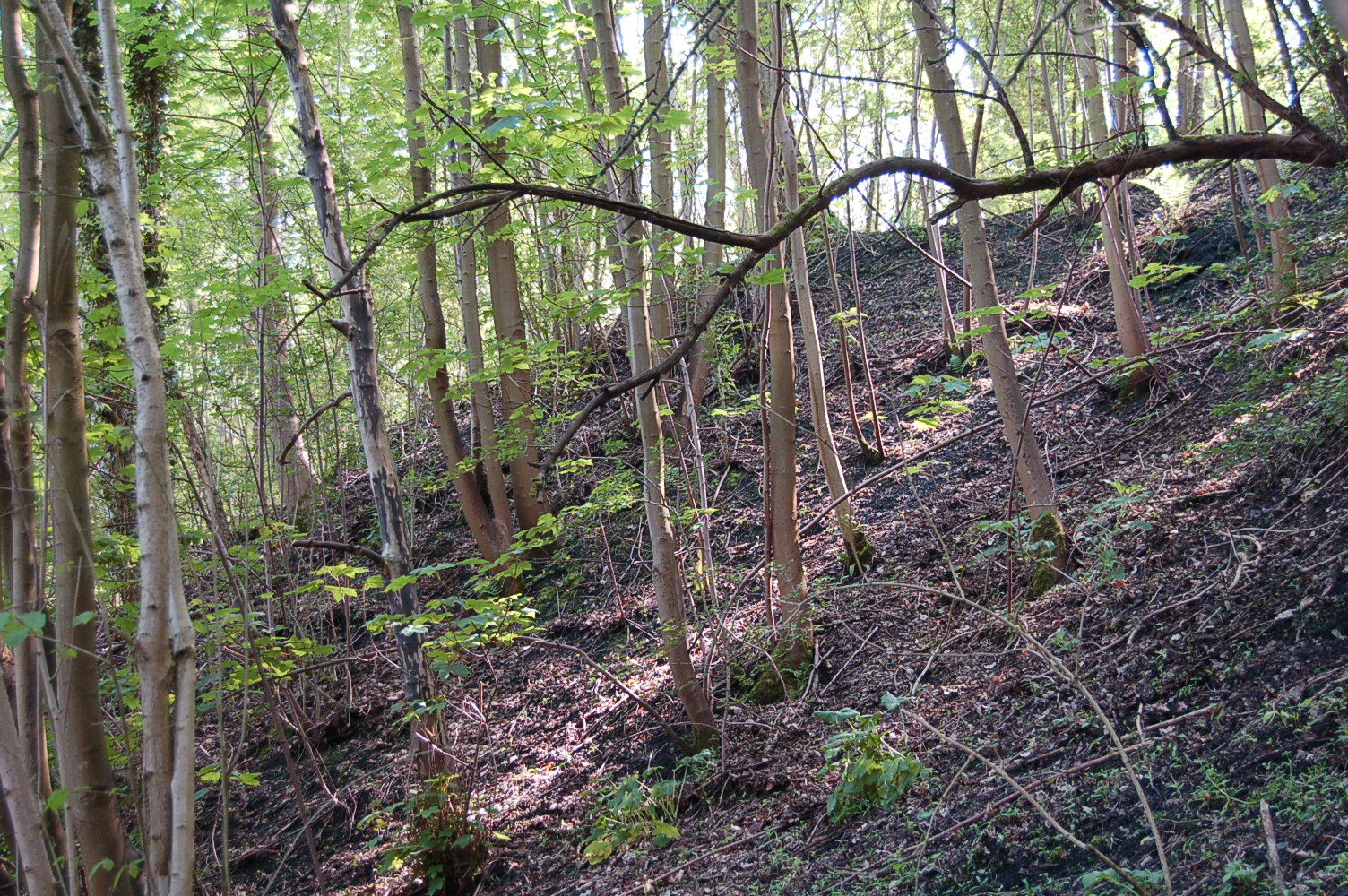
Shropshire’s largest river is the Severn, one of the most impressive and longest in the UK. We usually walk its banks in our county town of Shrewsbury, for being strongly averse to towns and cities we need the riverside walk as an antidote. But today we decided to go a few miles southwards and find it as it meanders through the beautiful south Shropshire countryside. We parked up near Alveley and ambled our way down towards the river and the woodland on the lower slopes of its valley. The area is a country park jointly maintained by the National Trust and Shropshire Council so there is good parking and a small visitor centre with cafe. But walk a hundred metres or so from the centre and you are right out in the countryside away from signs of civilisation, except for the occasional sound of the steam engines running through the valley on the Severn Valley Railway, the chugging sounds of the engine working hard to get up slopes and the regular hooting as it crosses level crossings.

The walk down to the river is a gentle sloping pathway through young woodland interrupted by occasional areas of old industrial landscape which is being reclaimed by mother Nature. Unusual small plants are colonising and tree seedlings only a few inches tall are making inroads into man’s mess. Here a Pied Wagtail deviated from its tail wagging zig zag amble to catch an insect above a clump of tough grass. A true surprise met our eyes – a Black Redstart a bird I had not seen for decades and one Jude had never seen before. They inhabit areas of rubble and human disturbance so this is just perfect hangout for them.


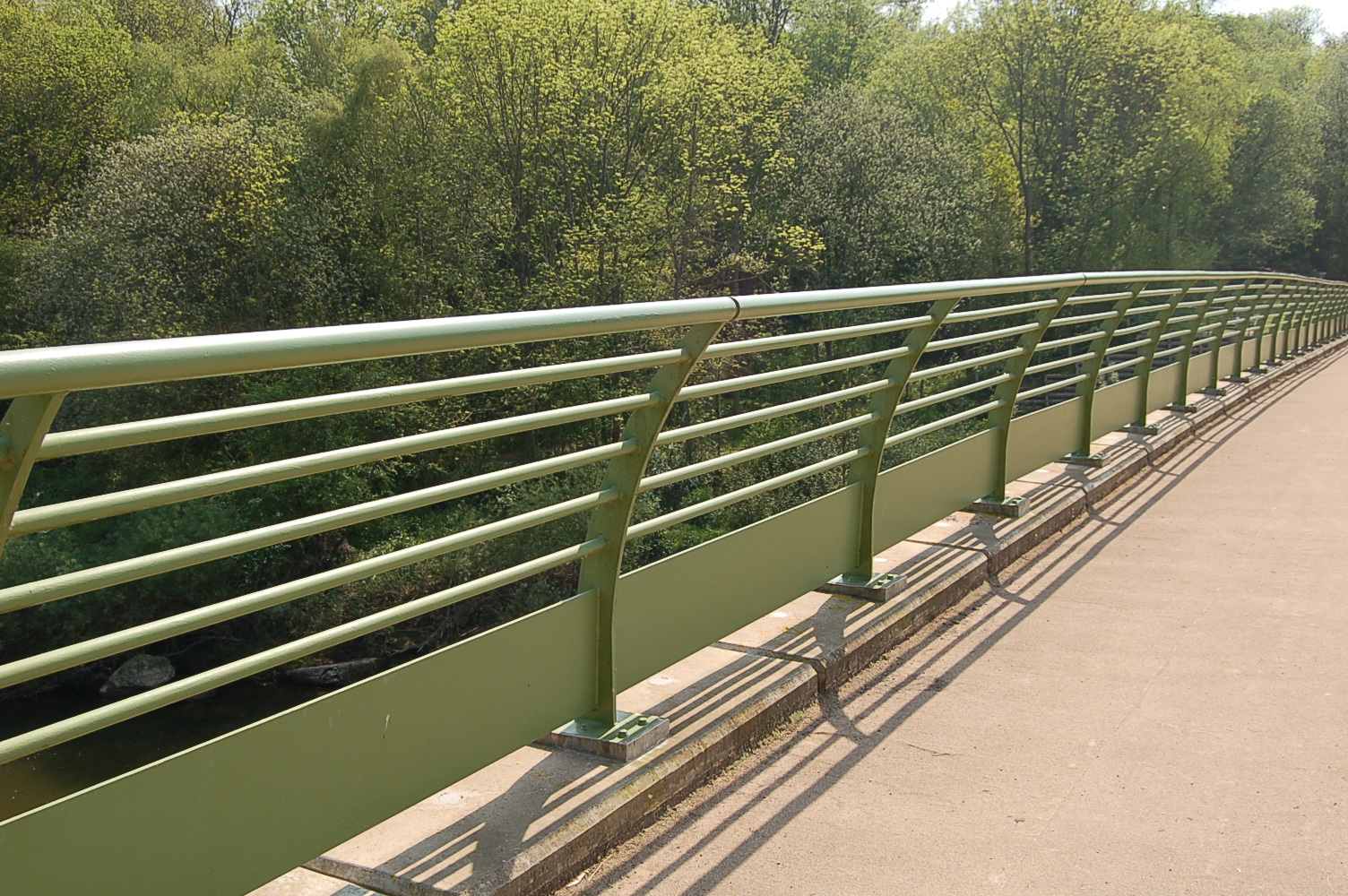
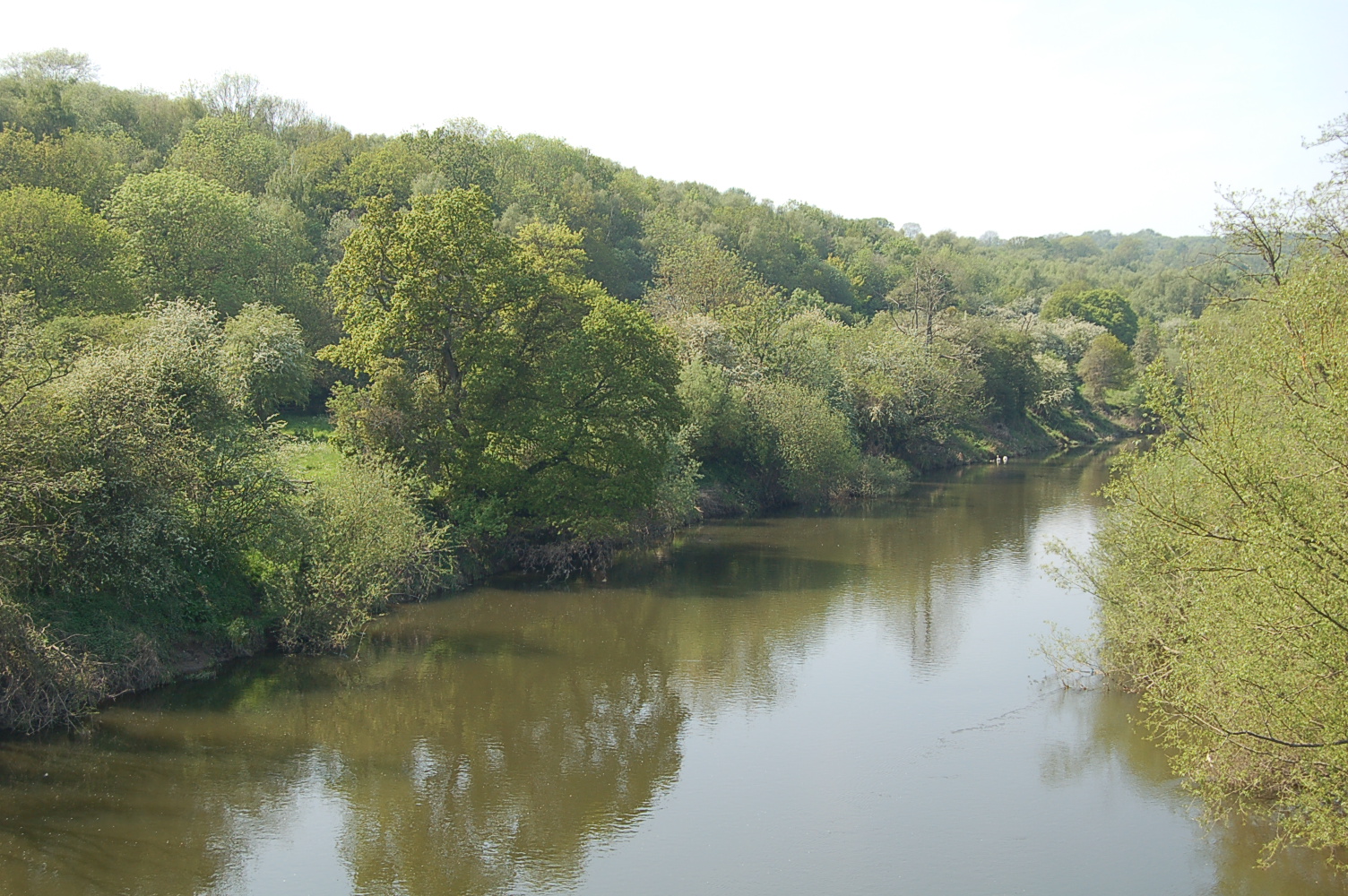
The footbridge over the river is an impressive curving structure, but not as impressive as the views up and down river. The Severn here is wide, tree-lined, deep and slow-moving and home to a family of Mute Swan with six cygnets. We did not spot the keenly anticipated Kingfishers, but that was the only disappointment of the day.

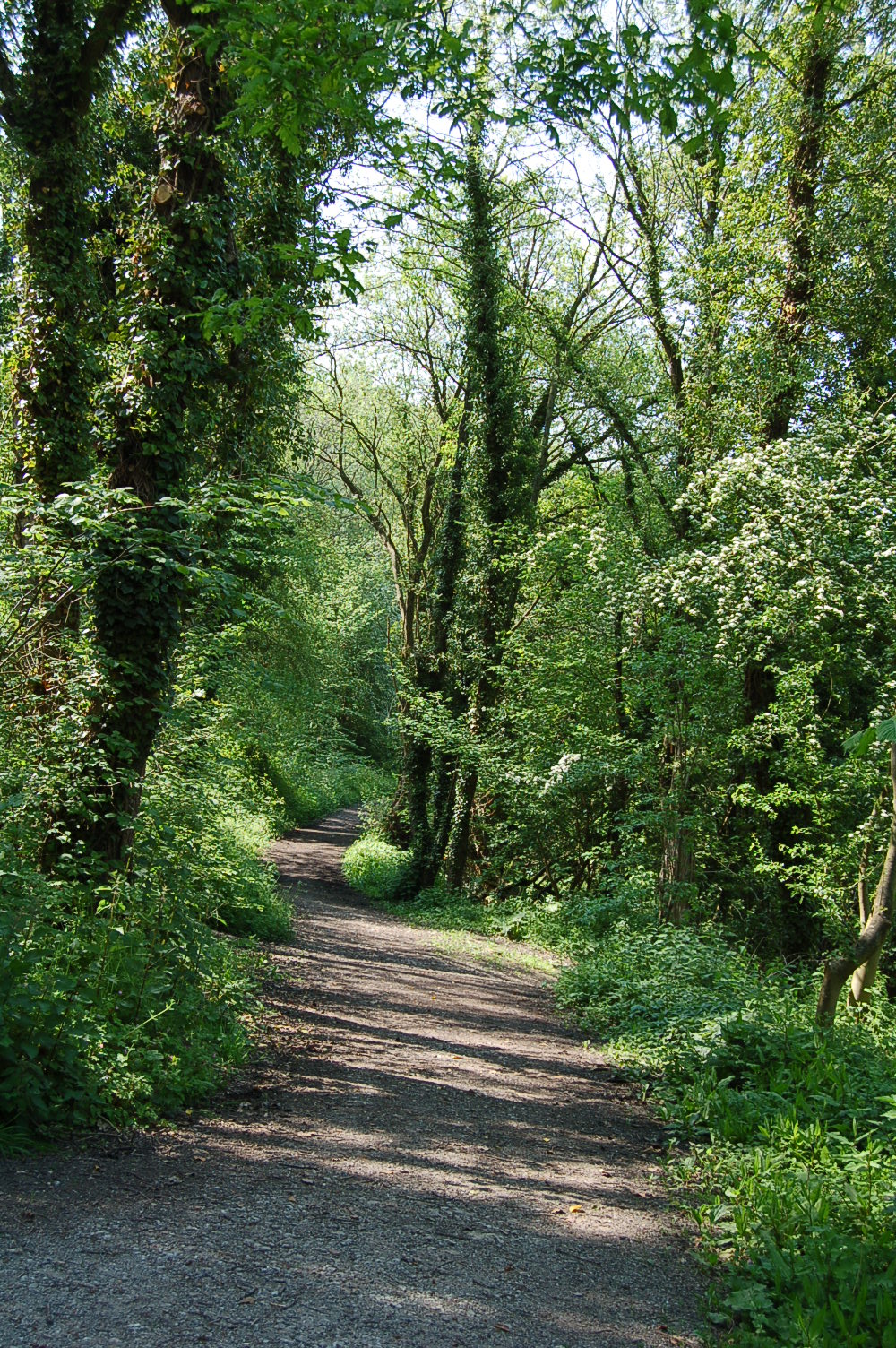
Once over the bridge we entered woodland, good native hardwood woodland. Here the only sound was our footsteps and bird song and calls. The unpleasant mechanical rasp of Pheasants permeated the trees, but we concentrated on the tuneful songs of Robin, Thrush, Willow Warbler, Blackcap, Chiffchaff and Garden Warbler.


On the slopes Jays in their smart plumage of pinks, greys and highlights of blue, fed voraciously on acorns and beech mast. They were over-confident and took little notice of our intrusion into their territory as groups of seven or so foraged on the leaf littered slope.

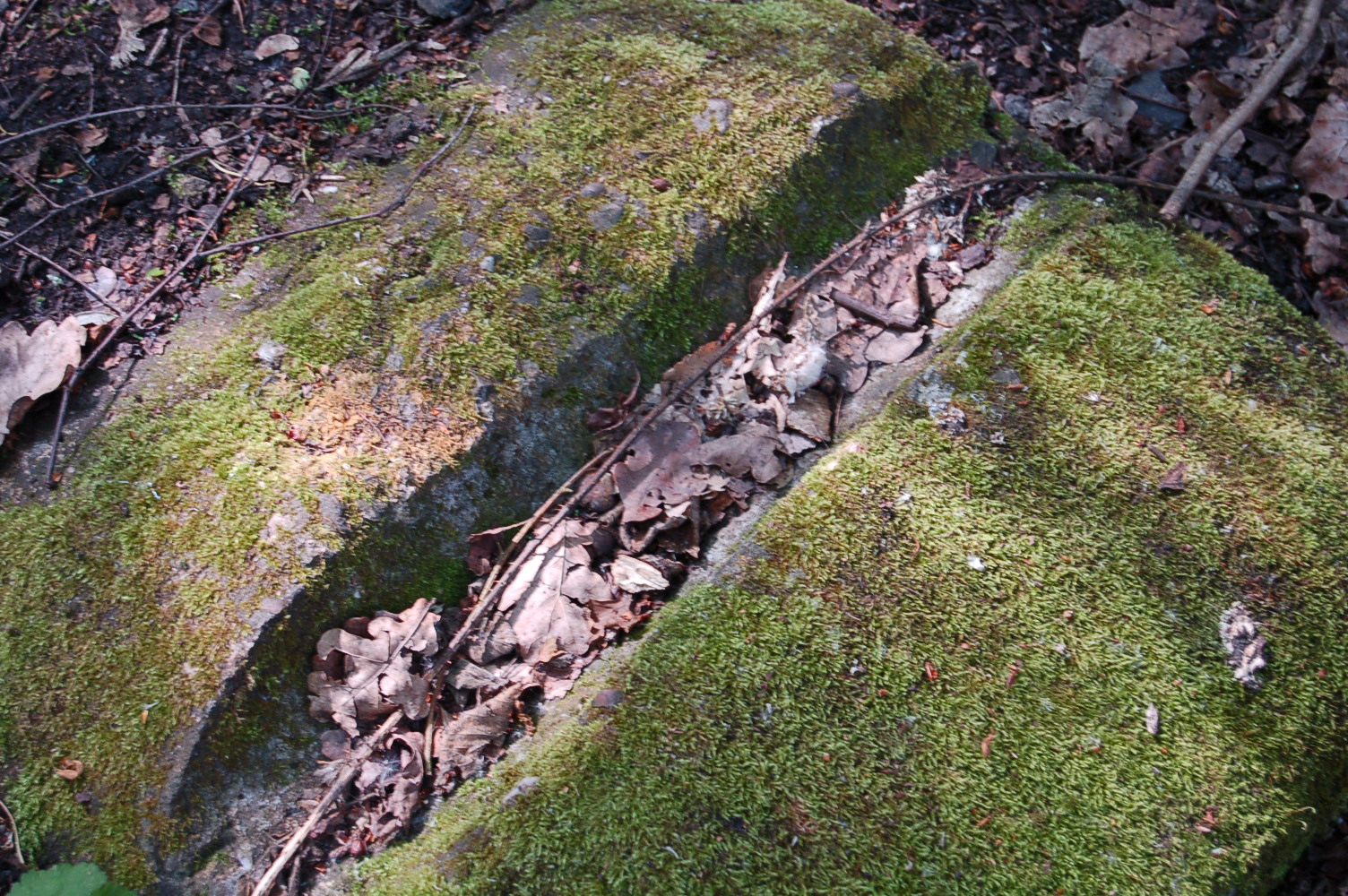
At one time this valley was the centre of industry and clues still appear now and again as the woods are explored. Surprising man-made artefacts appeared as contradictions to the gentle beauty of the art of Mother Nature.


We took advantage of the sunshine in the clearing with its conveniently placed bench. We listened to bird song and watched Blackcaps as they flitted amongst the tree tops. They stopped and perched occasionally to give us a short performance of their enjoyable song. The cerise-breasted Bullfinch caught our eye as he hovered alongside the clock seedhead of a Dandelion, until he grasped a seed in his beak took it to a low branch of a Hawthorn. He enjoyed it, unaware that two people were watching him.


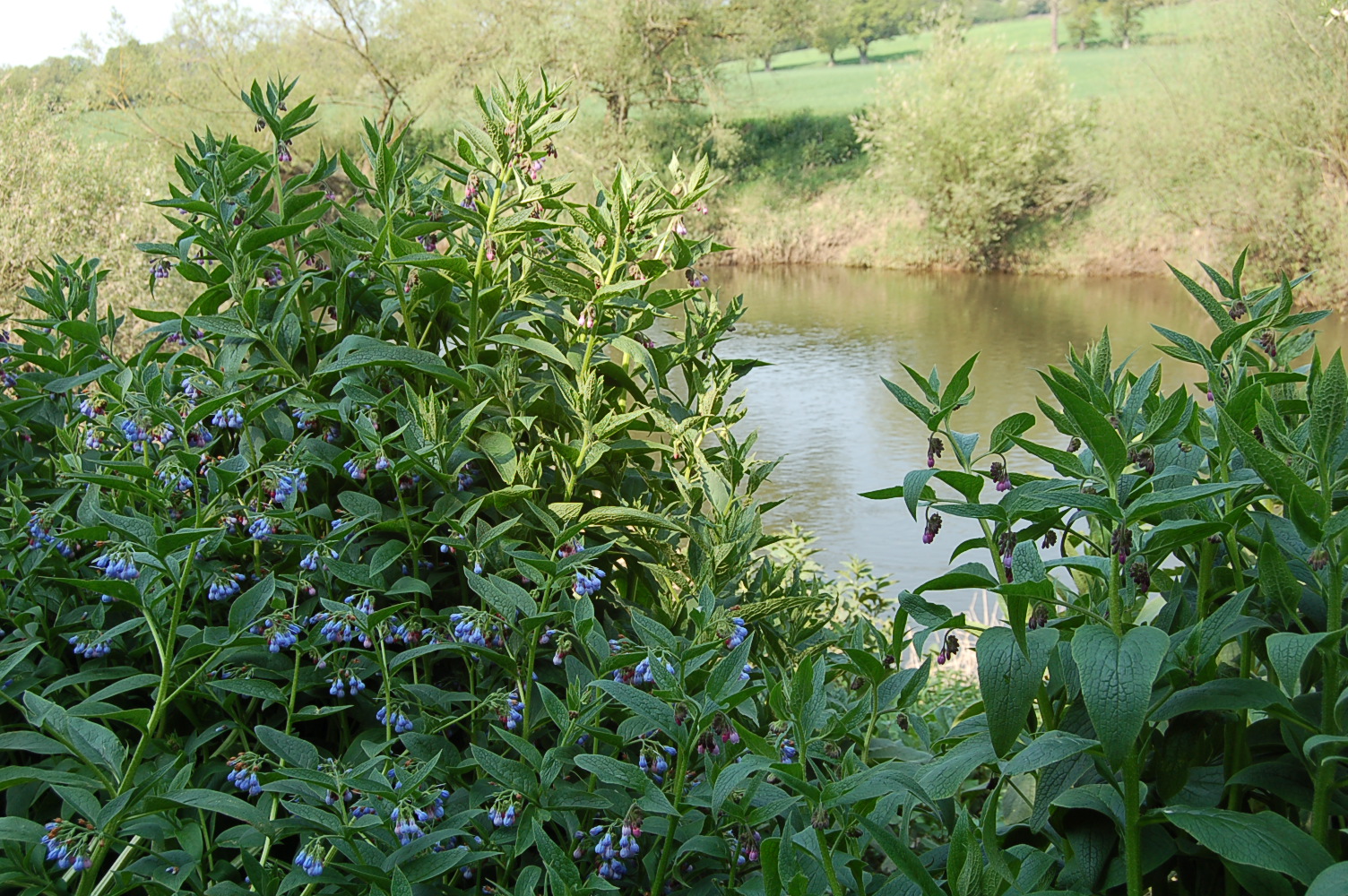
As we followed our path back down to the riverside we noticed a change in wildflower species. Here Comfrey dominated and filled the open ground between the willows and alders and our track took us through lush grassed areas. Kestrels and Sparrowhawks hunted along the riverside slopes causing consternation to the nesting Blackbirds, Thrushes and Warblers.


In the wooded edge of the picnic site back near the car park we found these amazing wood carvings representing the wildlife of the area.
The carvings emphasised what a special place we had just explored. We enjoyed the changing light as we moved in and out of the woods, the variety of flowers and birds and the joy of walking alongside our local river
We have visited the wonderful Trentham Gardens in Stoke-on-Trent several times already but never in springtime. So last week we took the family along to share it with us. Our son Jamie and girlfriend Sam and our daughter Jo with husband Rob met us in the coffee shop just after the gardens opened. Jude the Undergardener and I took Sheila, Jude’s mother in the car with us. Thus three generations enjoyed the wander around these magnificent gardens.
Come with us and my camera as we wander through the garden, where spring is all about contrasting foliage, texture, colour and shape, with a few special early flowers.
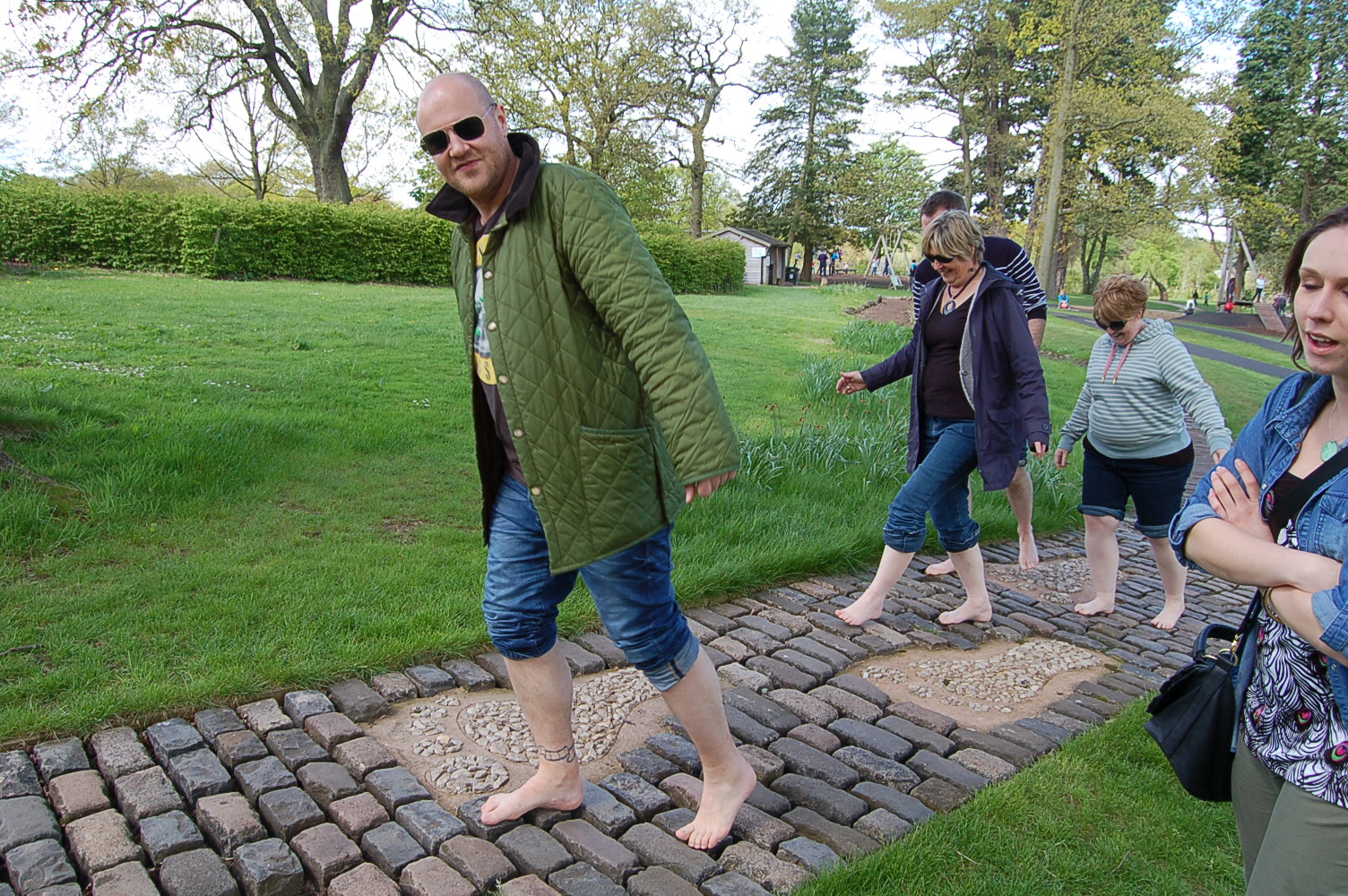
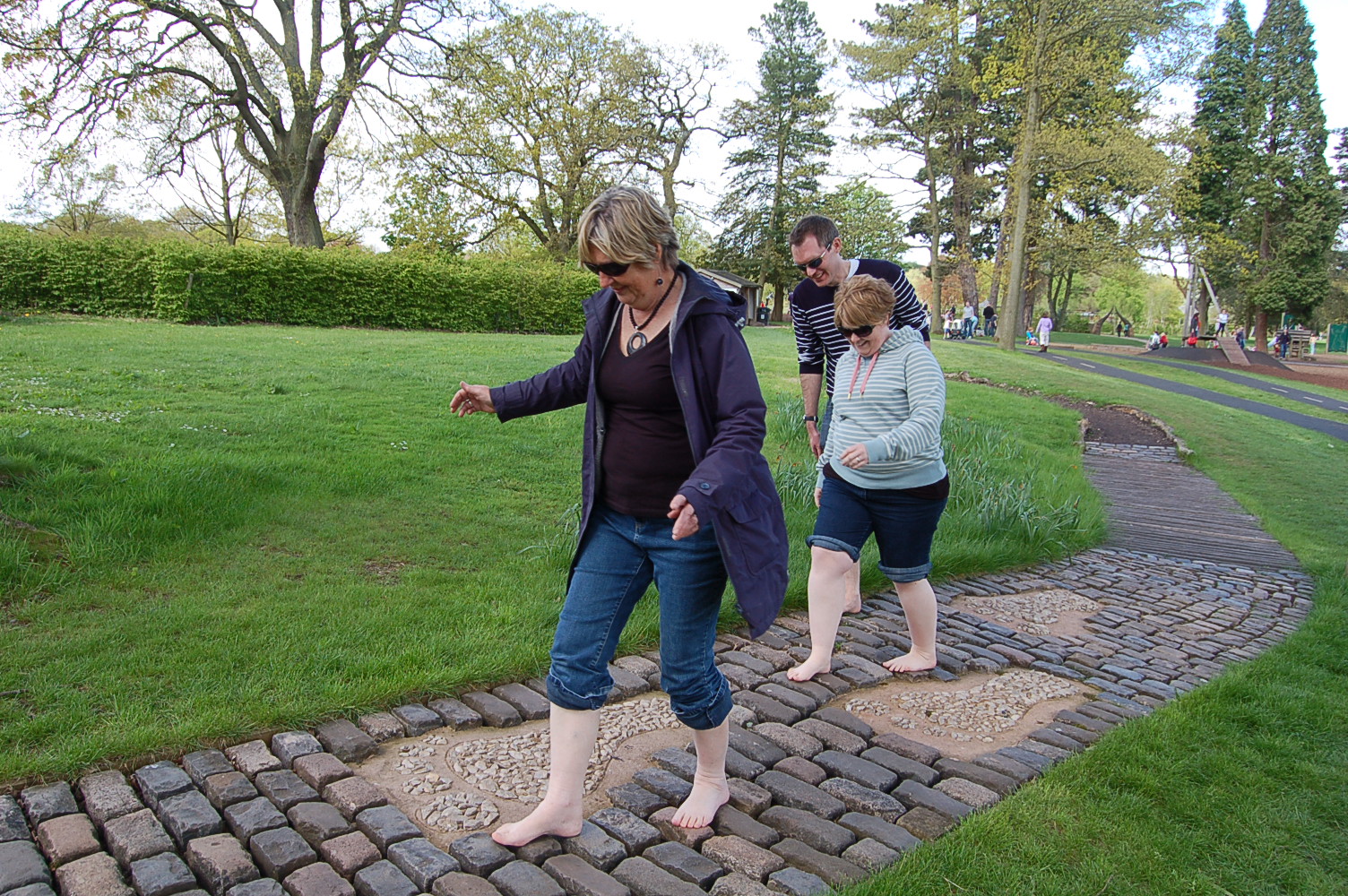
A brilliant design feature at this garden is having a most excellent coffee shop half way round. Should be compulsory! After refreshing ourselves we continued our wander but within a short walk of the coffee shop those of us who are young at heart were delighted to find a sensory walk. A ramble through the woods on a path made up of sections of all sorts of textured materials, bark, gravel, sand, tarmac and best of all a mud pool full of black sticky mud.
In the more formal part of the garden where modern planting overlays Italianate designs, patterns and structures emerge.
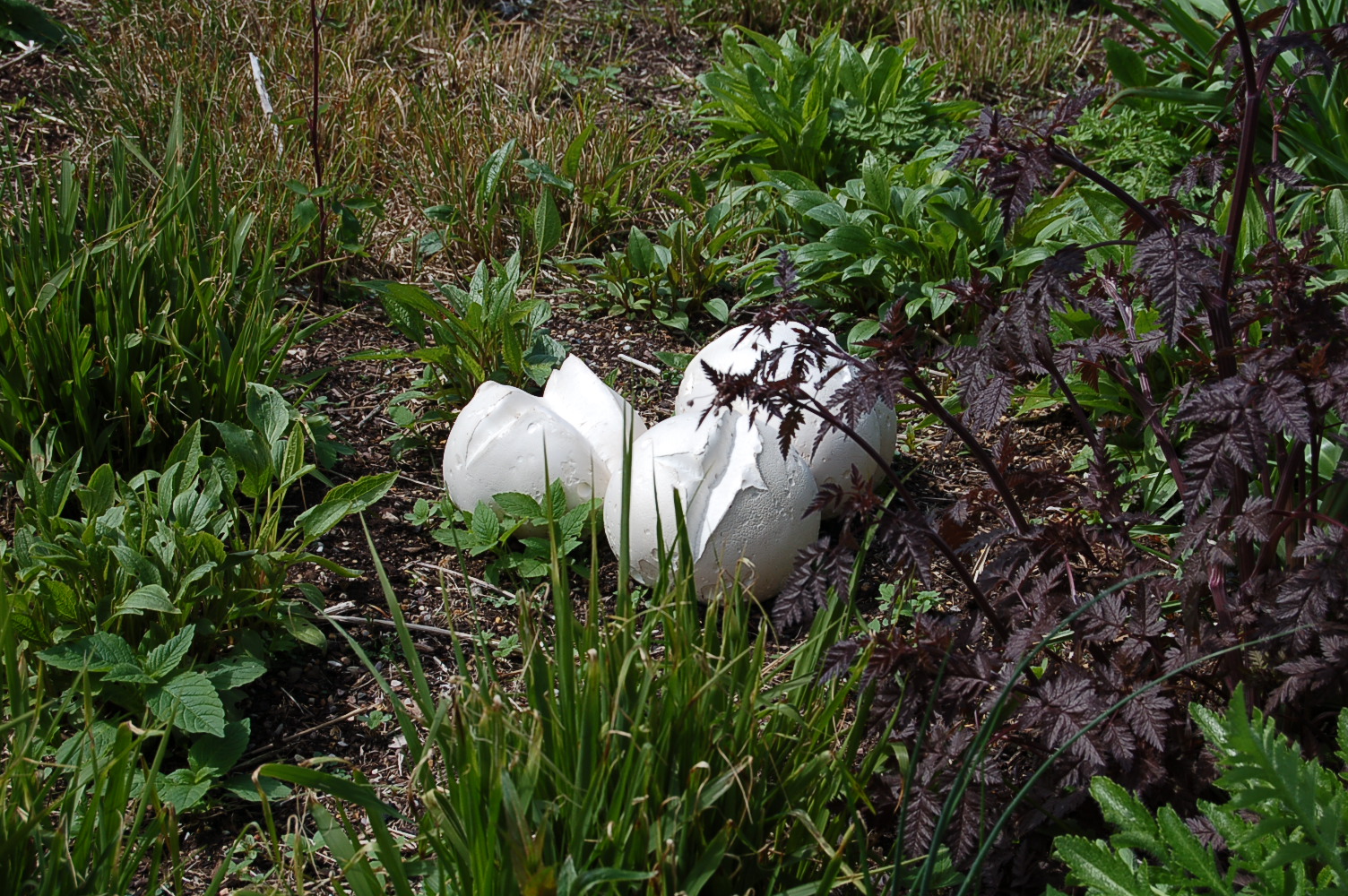
Textures leap to the fore as the light reaches its peak in the early afternoon, texture in trunks of trees, building materials and leaf surfaces. In one border Giant Puffball fungi with the texture of polystyrene, erupted from the bark mulch.
Even this early in the year fabulous colour combinations are there to impress.
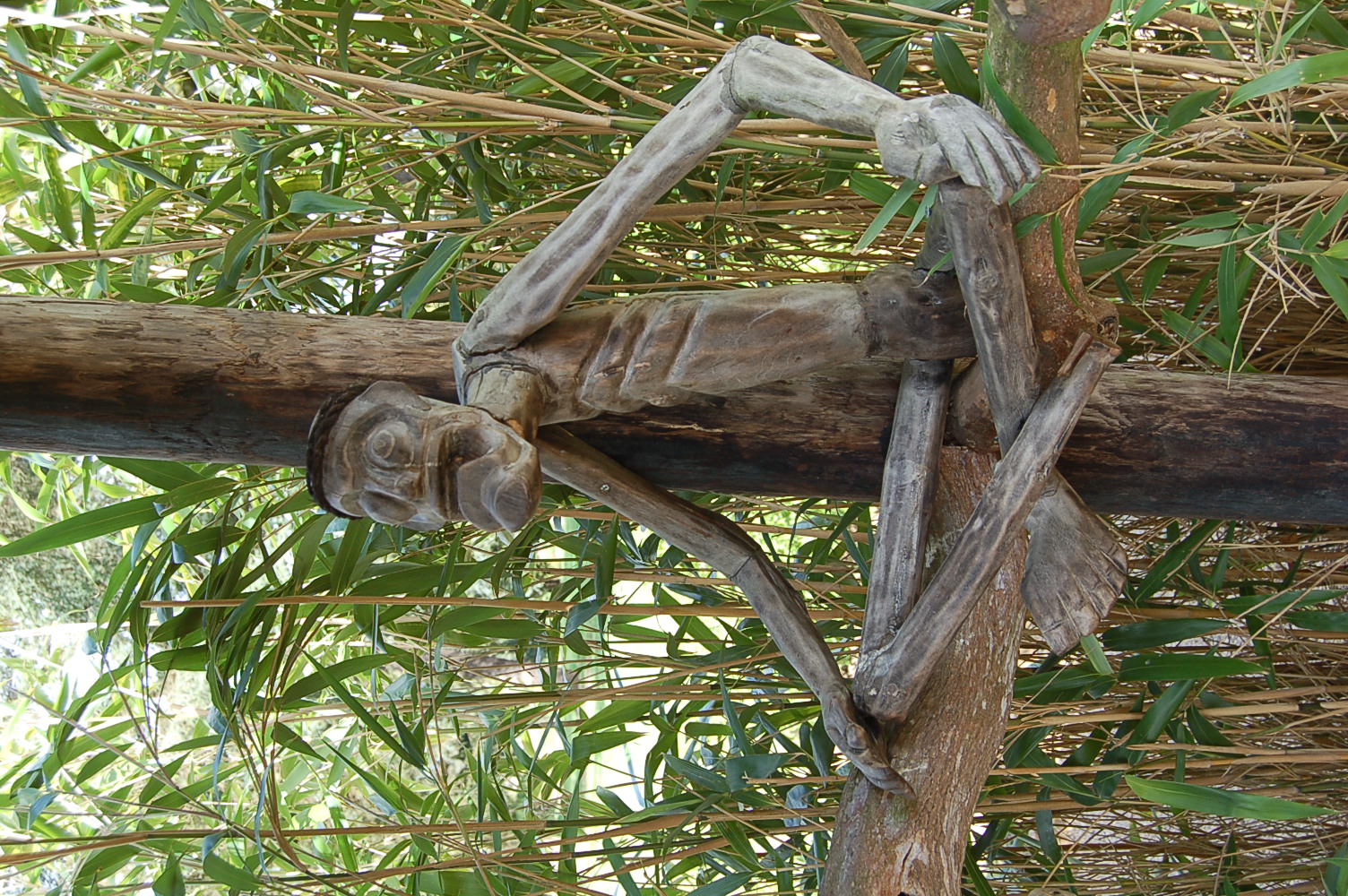
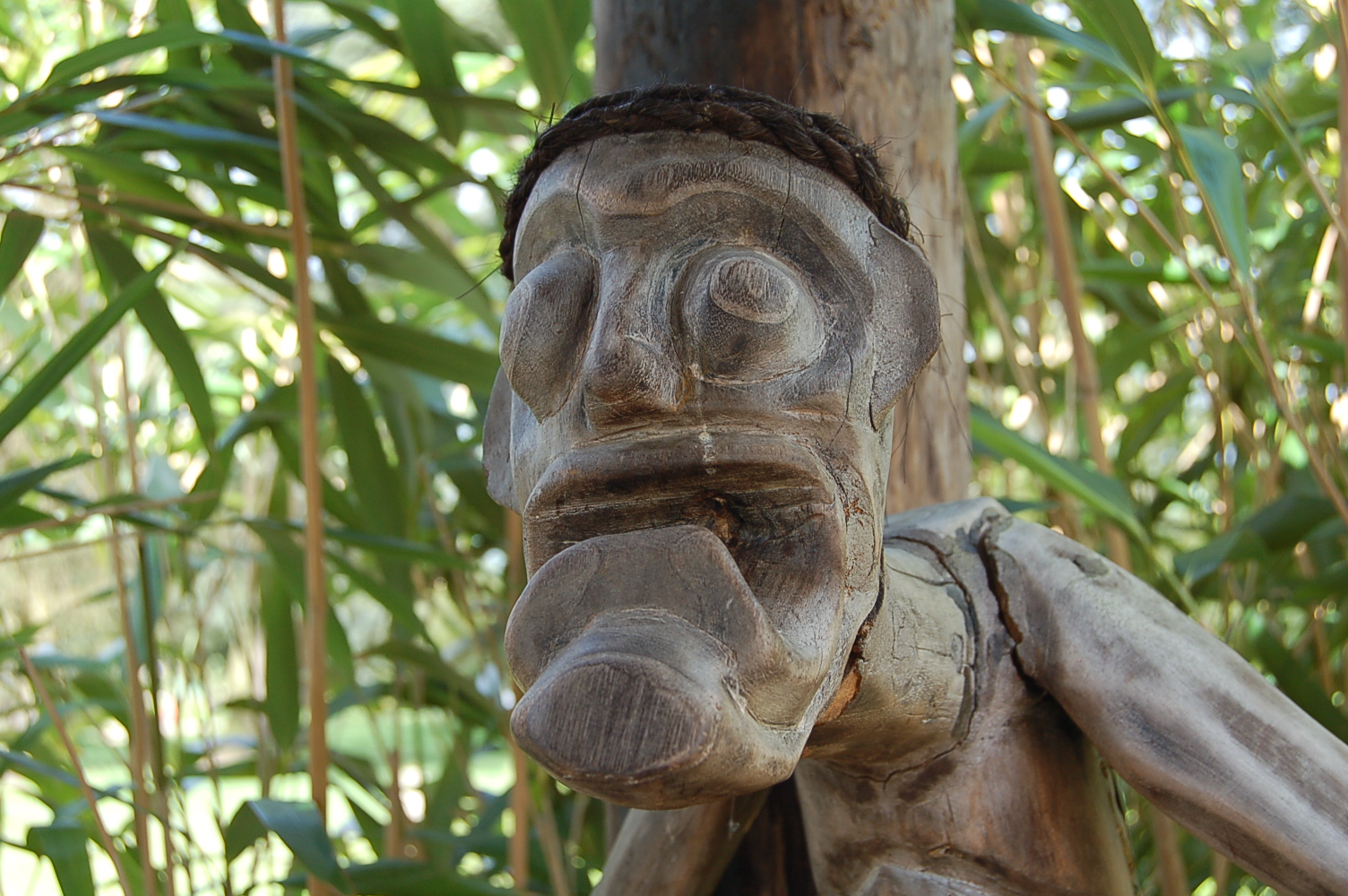
When visiting gardens we often meet interesting characters and on this visit we met this chap, who had little to say and looked most disturbed about something.
A week into May the rain stopped, the temperature rose a little and the skies cleared, bird song increased in volume and in response the garden had a burst of growth. Fledgling Robins, although only hours out of the nest began to follow us around the garden as we worked as if they had an inbuilt knowledge of the link between gardeners and Robin food.

Leaf buds on trees and shrubs started to unfurl and herbaceous plants looked greener and fresher with the new leafy growth. Flower buds fattened ready to open in the next few days.


The surge of growth will hopefully allow Mother Nature to catch up a little. The rose bushes are often clothed in fat buds a few of which burst before the end of the month, but at the moment their leaves are still not fully out. Similarly the flowers of the Cercis are usually out now flowering on the bare stems and trunk but their buds are tight shut while the foliage is bursting into life.


Our fruit trees do not want to miss the fun – their leaf and blossom buds burst into life.


Flower buds are bursting – they do not want to be left out!


The most unusual coloured new buds appear on our two miniature Horse Chestnuts.


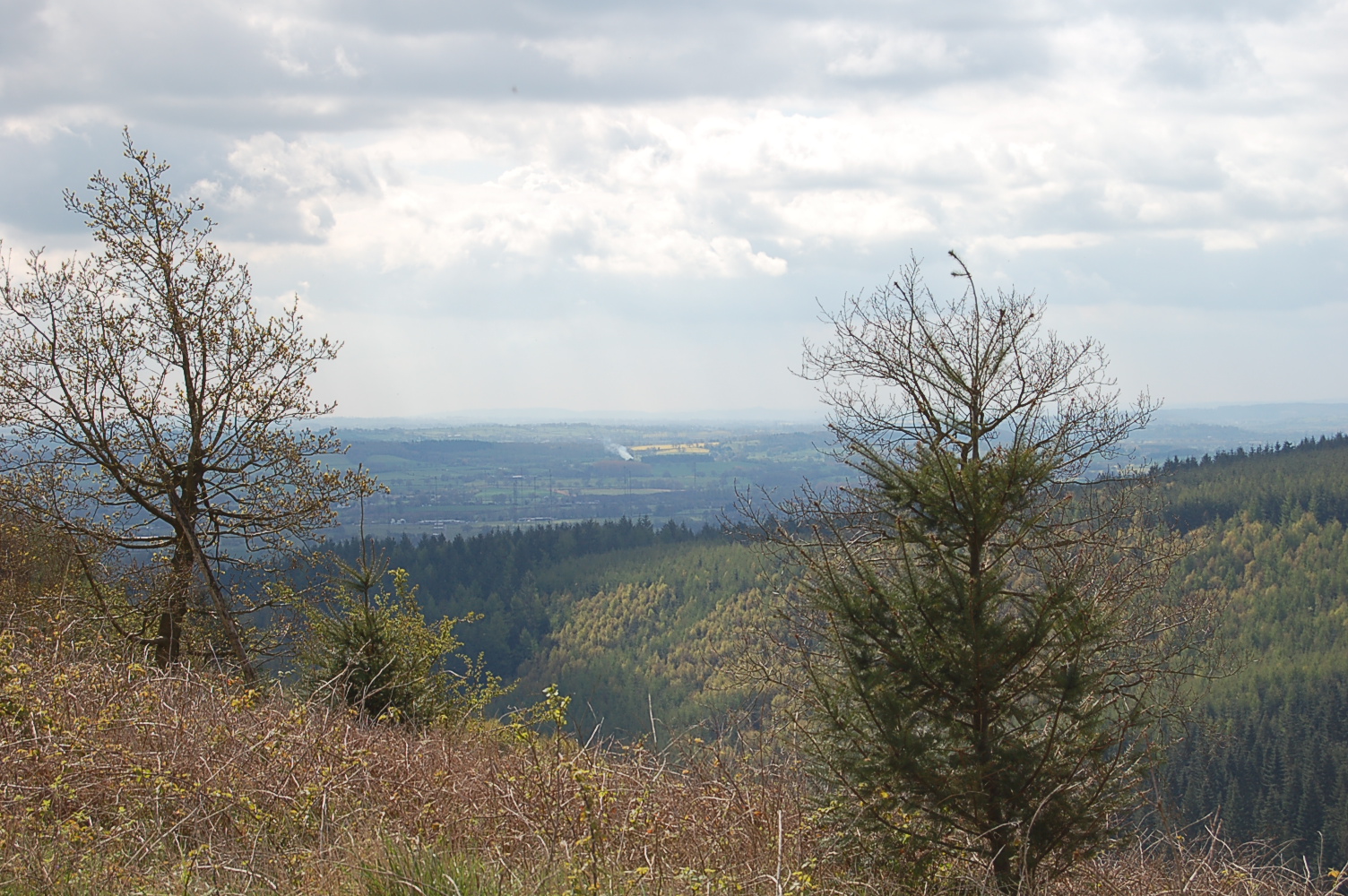
On a cool damp April morning when heavy rain was forecast for the afternoon, we set off to the south of our county, Shropshire, to explore some of the tracks around the Mortimer Forest. We chose to visit the area known as Whitcliffe. When we parked up in the car park alongside the Forestry Commission offices we knew we were in for a treat. The colours of the trees looked fresh and glowed with every shade of green, and the calls and songs of birds mingled to fill the air, Nuthatches, Thrushes, Blackbirds and Robins.
We decided, as we only expected to have the morning to walk before the heavy rain arrived, to take the track, called the Whitcliffe Loop, that would afford us a two-mile walk through deciduous and coniferous plantings. We were soon to find that the trail was poorly marked so we were frequently unsure if we were on the right track or not. But who cares, we had a great morning’s forest wanderings.
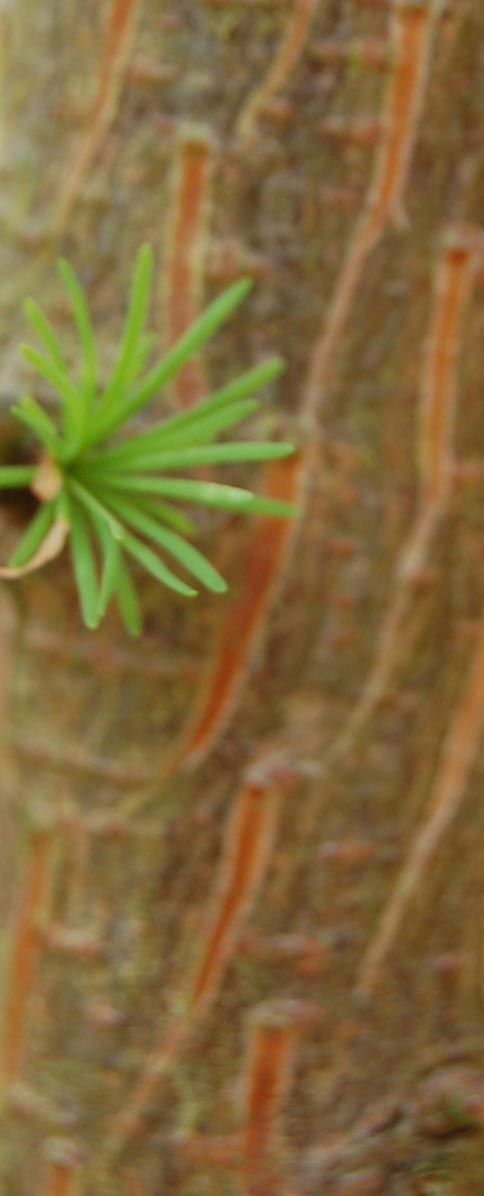
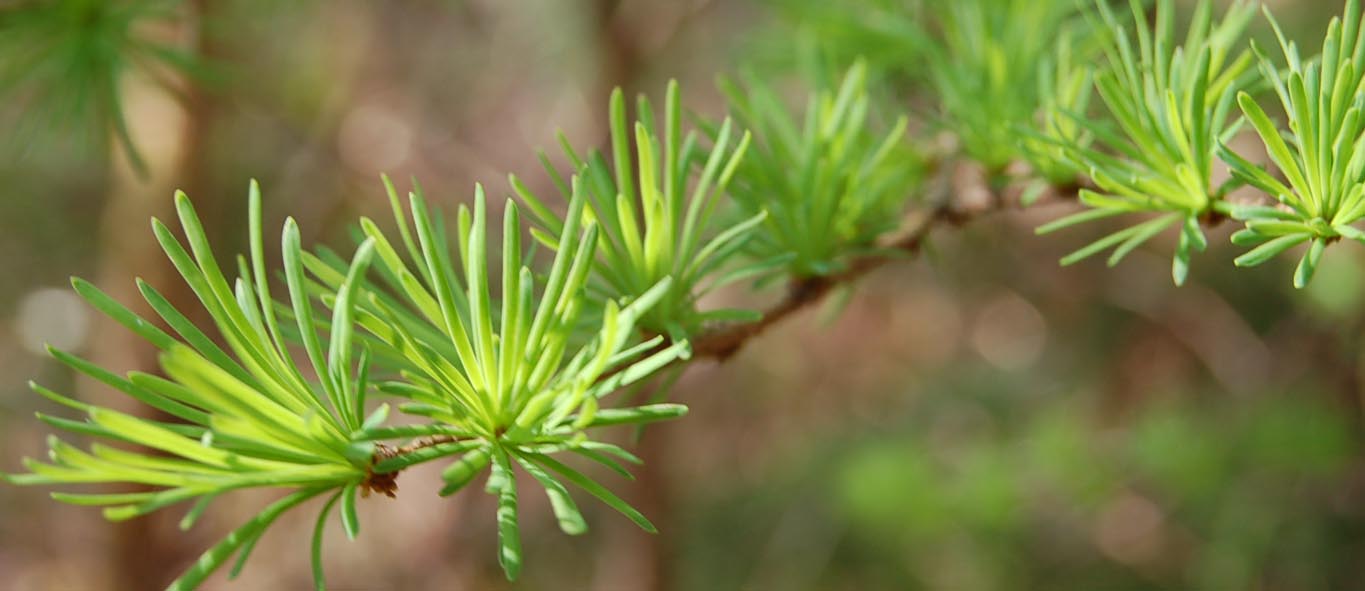
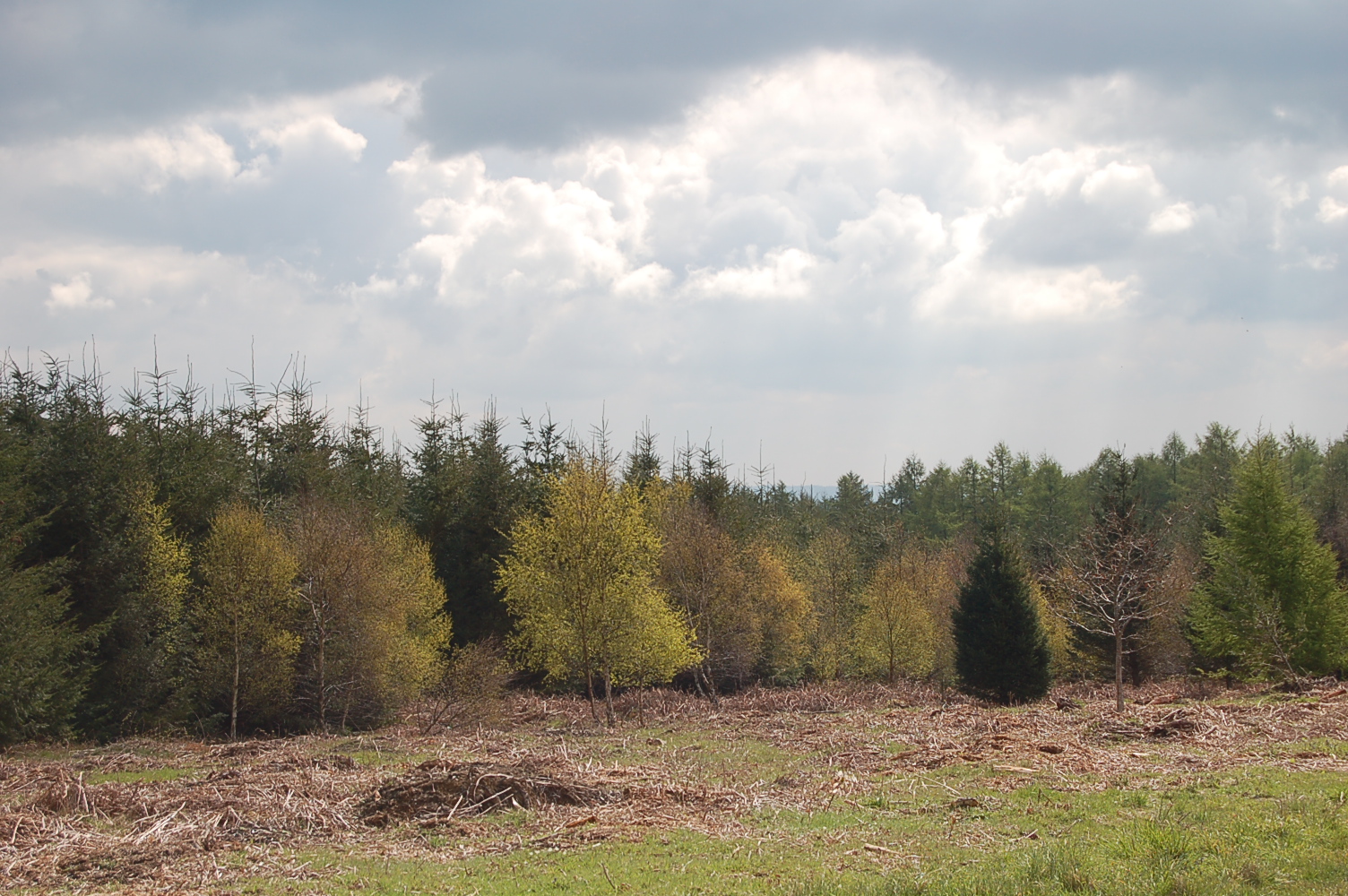
The beauty of the Mortimer Forest is the sheer variety of habitats created by the areas of different trees, some conifers planted in straight lines for wood production, some wind break tree planting and large areas of native deciduous trees. The odd tree out amongst these if the native larch, Larix decidua, which is a conifer but it sheds its needles in autumn. In April its new needles are the brightest green to be seen in a conifer and its bark is beautifully patterned, textured and coloured.
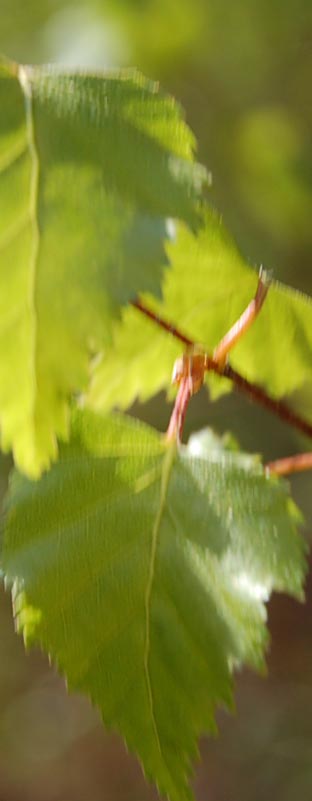
Almost as bright are the new leaves of the Silver Birches.
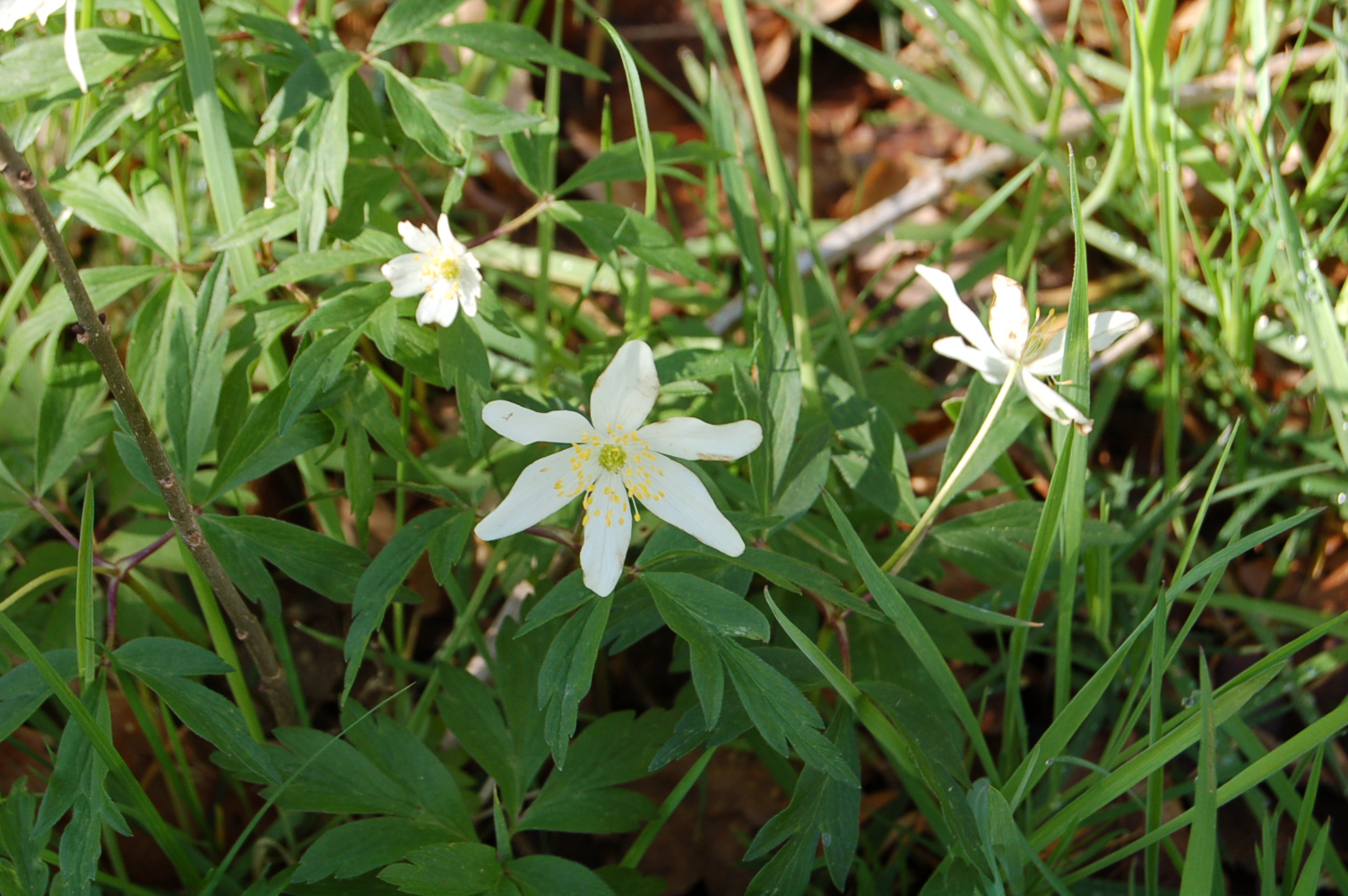
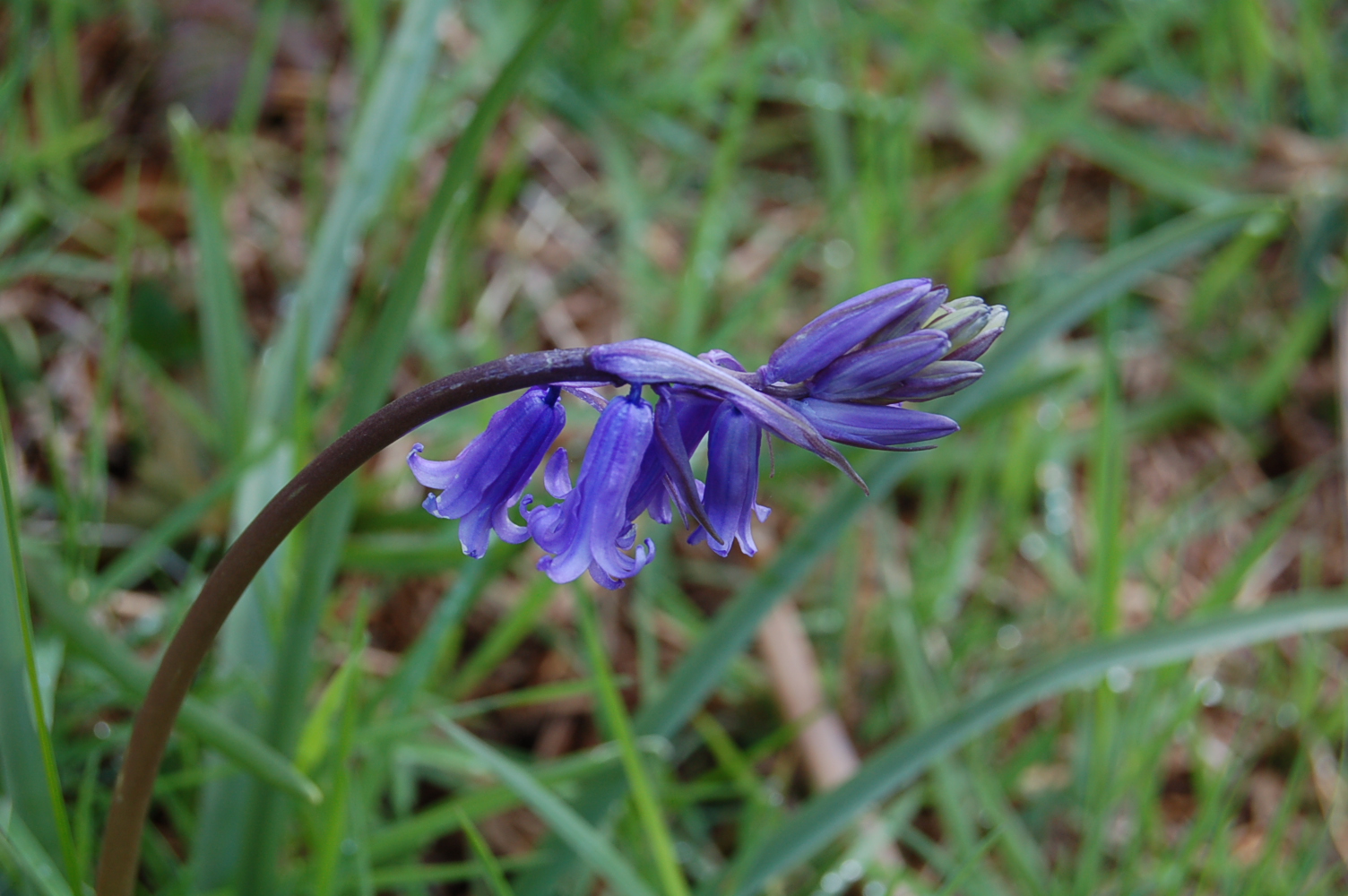
Beneath the trees, wildflowers are infrequent but when we find them they are worth the wait. Wood Anemone, Stitchwort and Bluebell bloom demurely between clumps of Woodrush and the leaf growth of foxgloves.
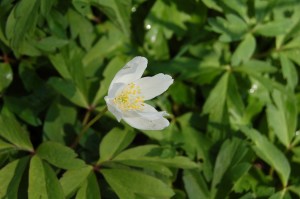
We were delighted to find this anemone with much longer and narrower petals than all the others.
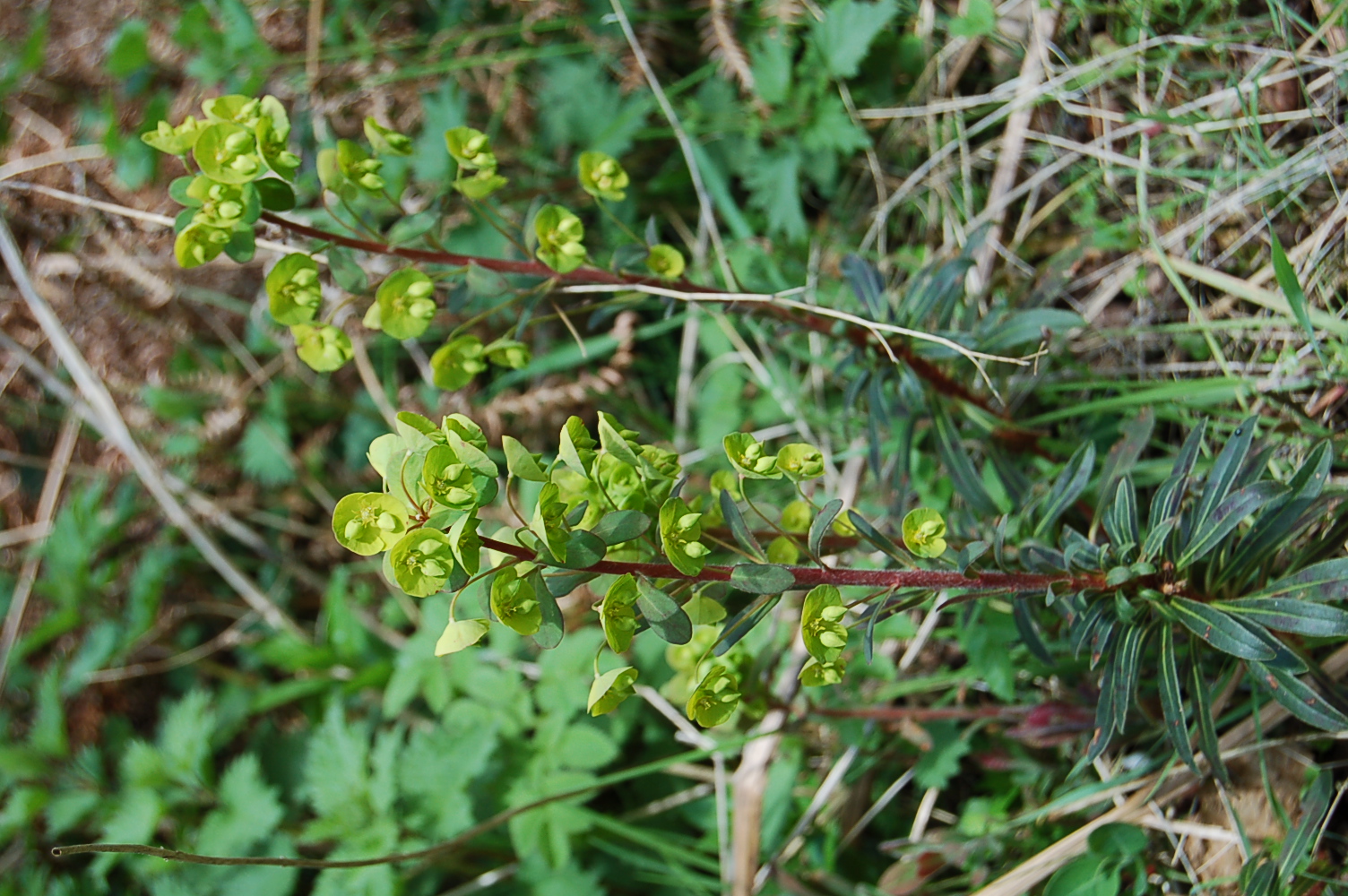
A plant we were surprised to find was a small clump of a native euphorbia with dark stems which emphasised the Chartreuse bracts, tiny yellow flowers within them and the glaucous foliage.
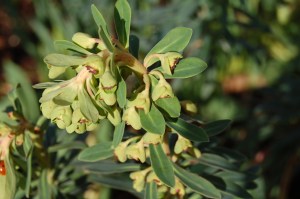
Just over half way around our planned ramble, we entered an area of Cupressus trees planted as a wind break planted to protect newly planted young trees years ago. these heavy-looking trees cast such a deep shade that nothing grew beneath them and peering beneath their hanging branches was like looking into a cave.
All the bird song that had accompanied us up until then stopped. No wildlife seemed to favour this dense, dark area and I can’t blame them. Not my favourite sort of tree – simply too static. The only signs of wildlife as we passed along the narrowed pathway was the occasional high-pitched calls of Goldcrest, Marsh Tit and Willow Tit. Having deduced that we were amongst wind break planting we knew we were nearing the edge of the forest so we looked forward to openness and wide views.
Not only did we find that but also a well-positioned bench inviting us to sit a while and appreciate the views with a coffee and some fruit. As we approached the open area a flash of green passed rapidly overhead, low to the tree tops and at great speed. it was a Green Woodpecker. We were soon to discover why he was in such a hurry for this area was littered with anthills. Anthills mean ants, their favourite food.
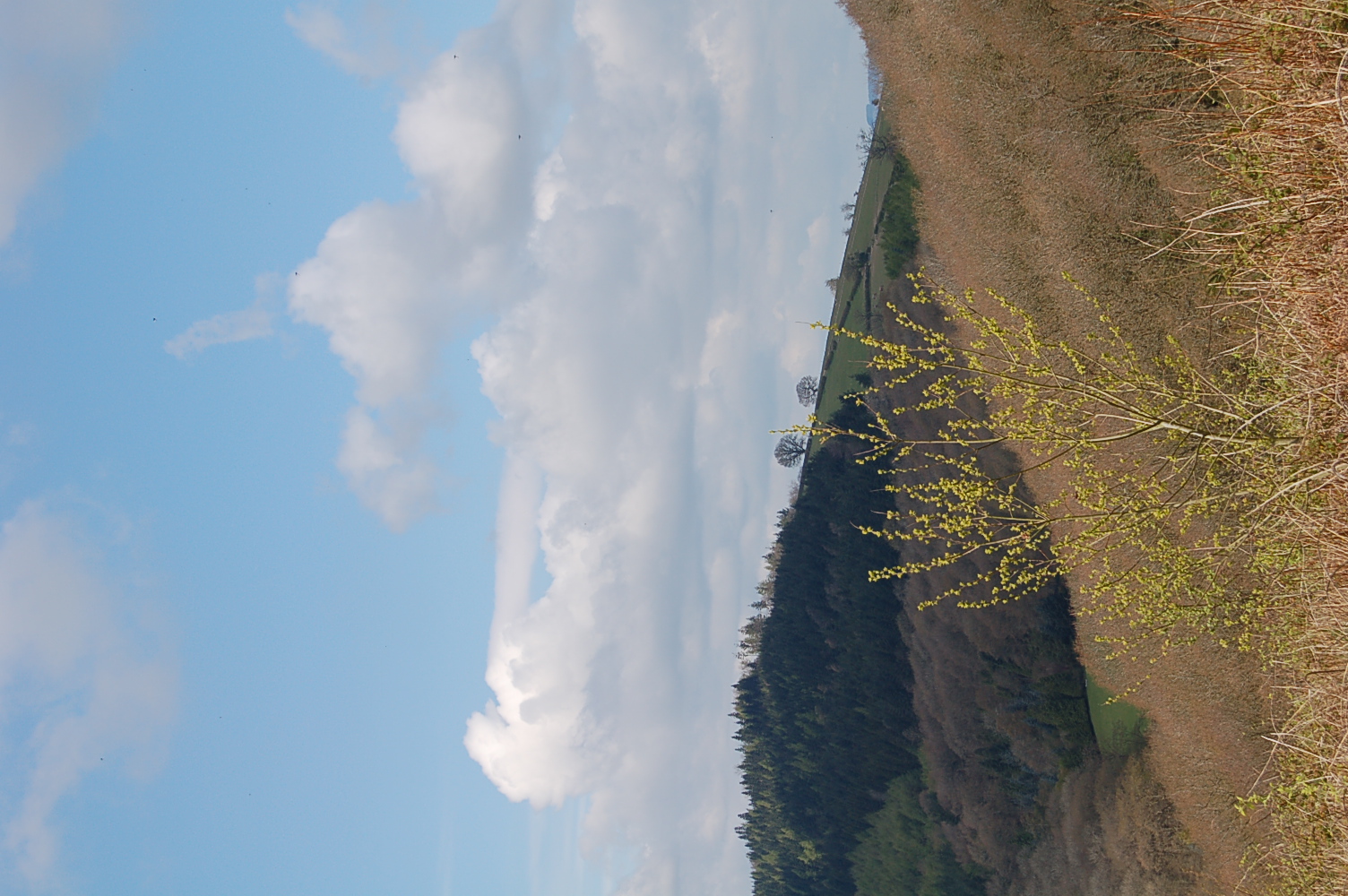
The wooden bench was so popular that the ground in front had been worn away so much that when we sat on it our feet didn’t reach the ground. We could swing our feet beneath like little kids on big benches. The views, the coffee and the fruit were enjoyed in equal measure especially when we were entertained by a Buzzard, which rose from the valley floor a few hundred below riding a thermal that took him past us and way up until he was little more than a black dot.
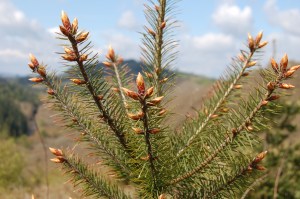
The valley side here dropped steeply away from the edge of the forest where we sat. The ground around us was covered in rough tufts of grass through which tumbled Honeysuckle and Brambles dotted with Bluebells and Stitchwort. Small trees, Spruce, Birch and Whitebeam, none reaching over a couple of metres tall gave a few perches for finches.
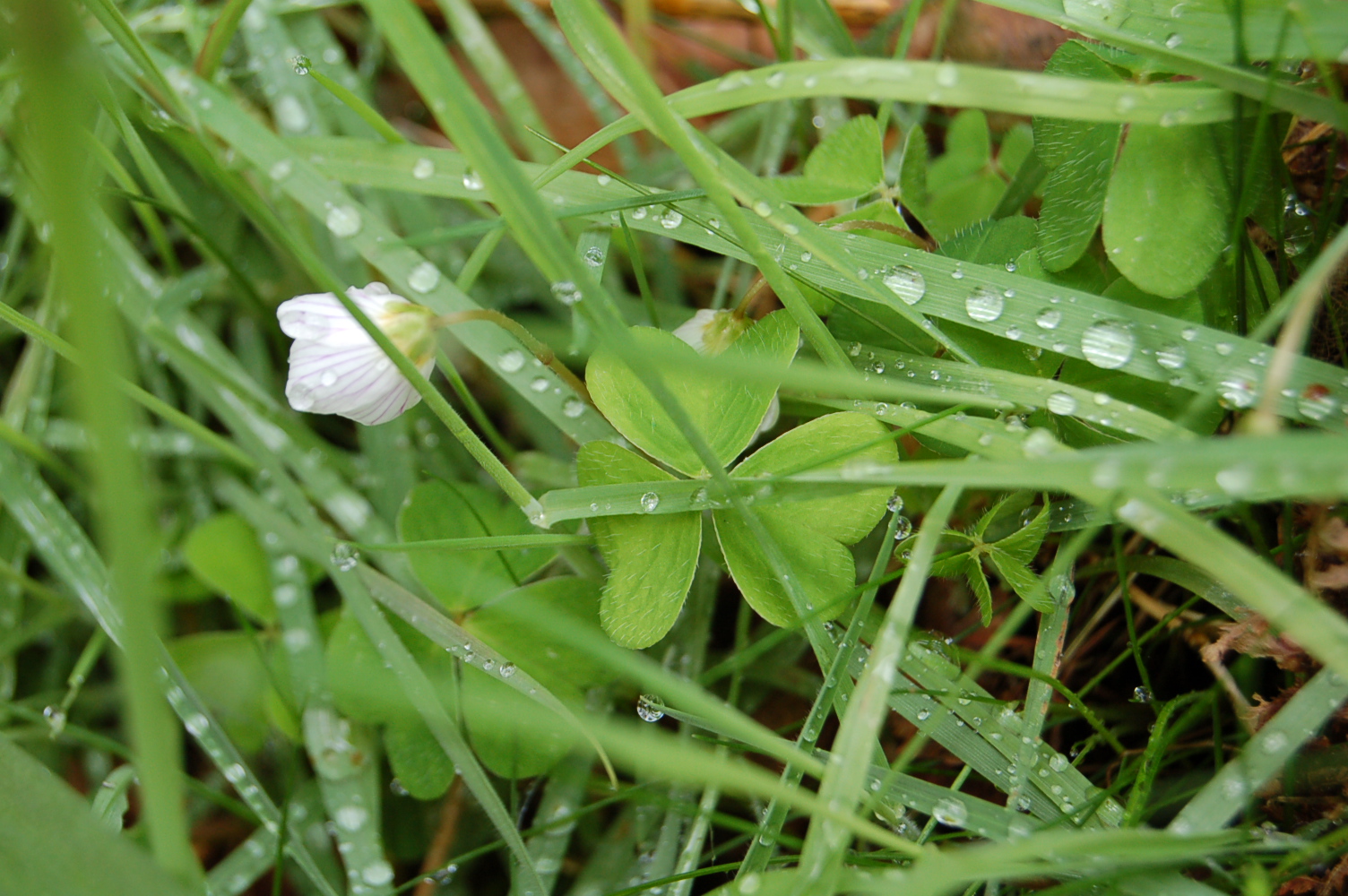
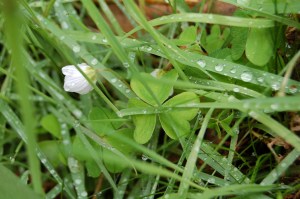
As we took the path back into the forest we noticed butterflies sunning themselves on tufts of dried vegetation, Tortoiseshells and Painted Ladies. Before we reached the dappled shade on the edge of the trees there were more clumps of wildflowers now including Oxalis, with its shamrock like leaves.
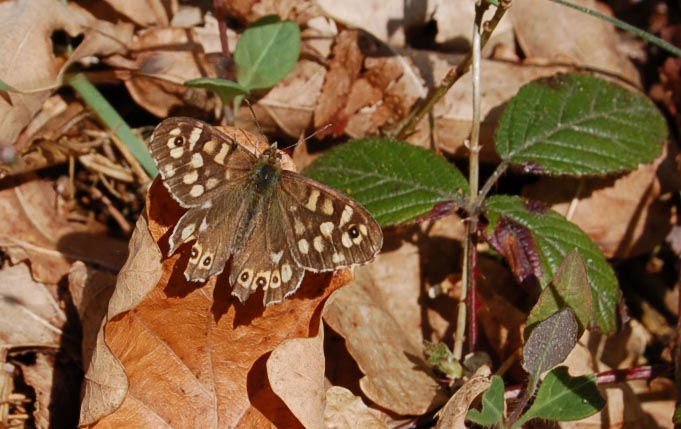
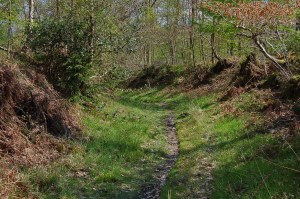
Towards the end of our walk we took a turn into an old trackway where the rays of the sun peered through coppiced trees along the sunken track. Here we were sheltered from the cooling wind and the bird life changed. Blackcaps, Whitethroats and warblers entertained with their song. Courting pairs of Speckled Wood butterflies ignored us and carried on their erratic chasing flight. The Small Tortoiseshells were much more subdued perhaps waiting for the sun to warm them up a little.
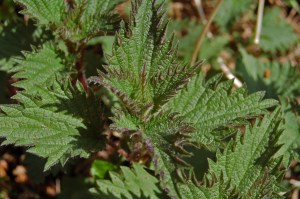
While walking along the stone-paved bottom of the trackway we discussed a Stinging Nettle with unusual foliage, much darker than the norm and with hints of purple particularly deep along the edges and at the tips. The stalks were a pure, deep purple.
We were later to discover that this trackway was an ancient sunken cart track with the wonderfully apt name, Holloways.
Two miles of slow ramblings along footpaths often muddy and soft underfoot and so much to see and listen to. the true highlight of the day was a short few moments when two Long Haired Fallow Deer crossed the path in front of us. We watched silently as these rare creatures trod carefully through the trees not making a sound. These deer are unique to this forest. I couldn’t get a photo of them but I did get a photo of this little friendly fellow.
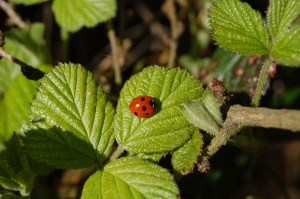
It wasn’t easy though because he was elusive but he was just too friendly crawling over my hand and even the camera before he finally decided to move to this bramble and pose for his shot.
As we neared the end of our walk after enjoying the presence of such wonderful trees, wild flowers, birds, insects and the occasional mammal, I was subjected to the sight of two of trees that were far from favourites. I really do not appreciate trees that are rigid and never-changing such as these tow we met at Whitcliffe.
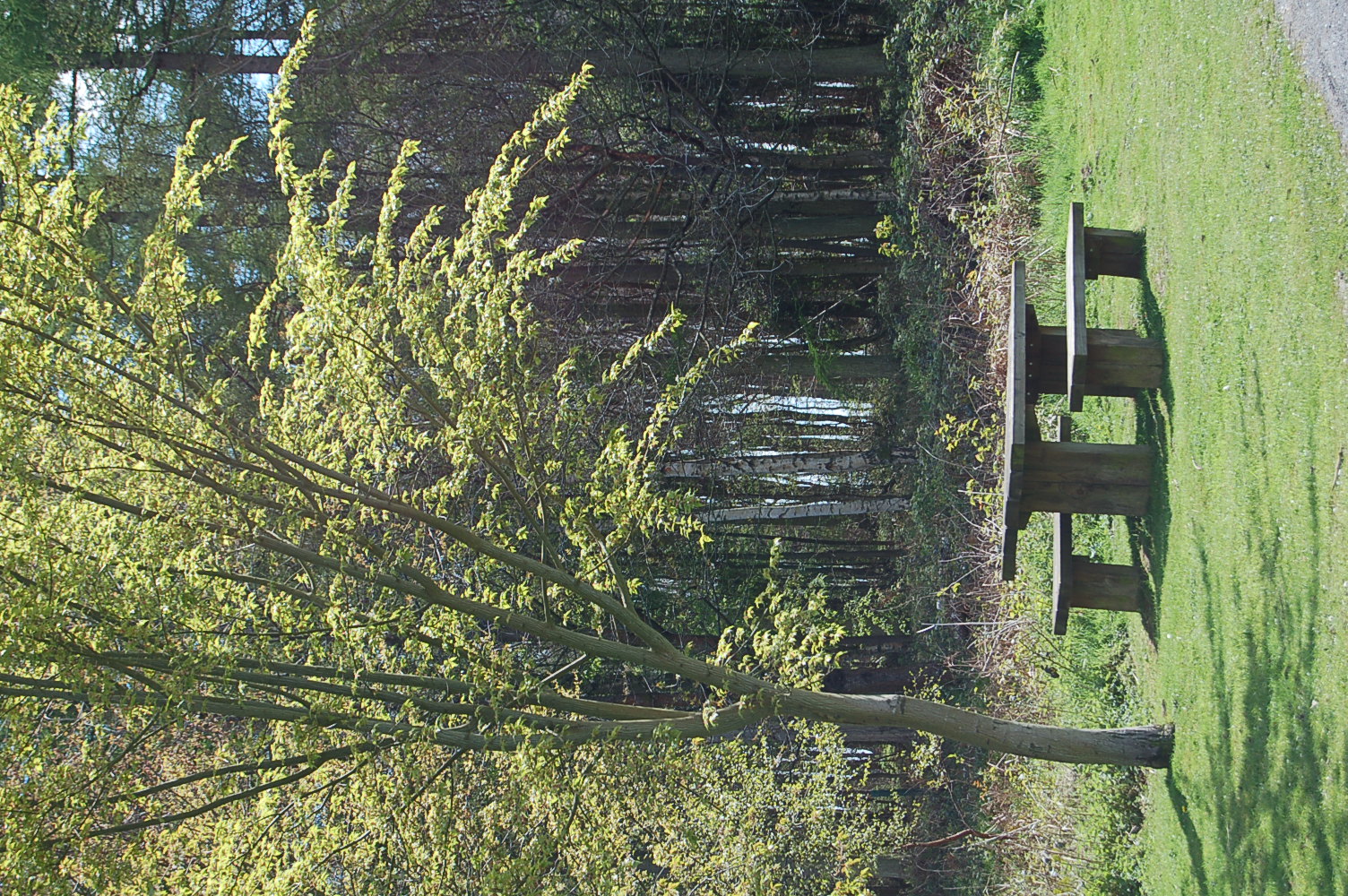
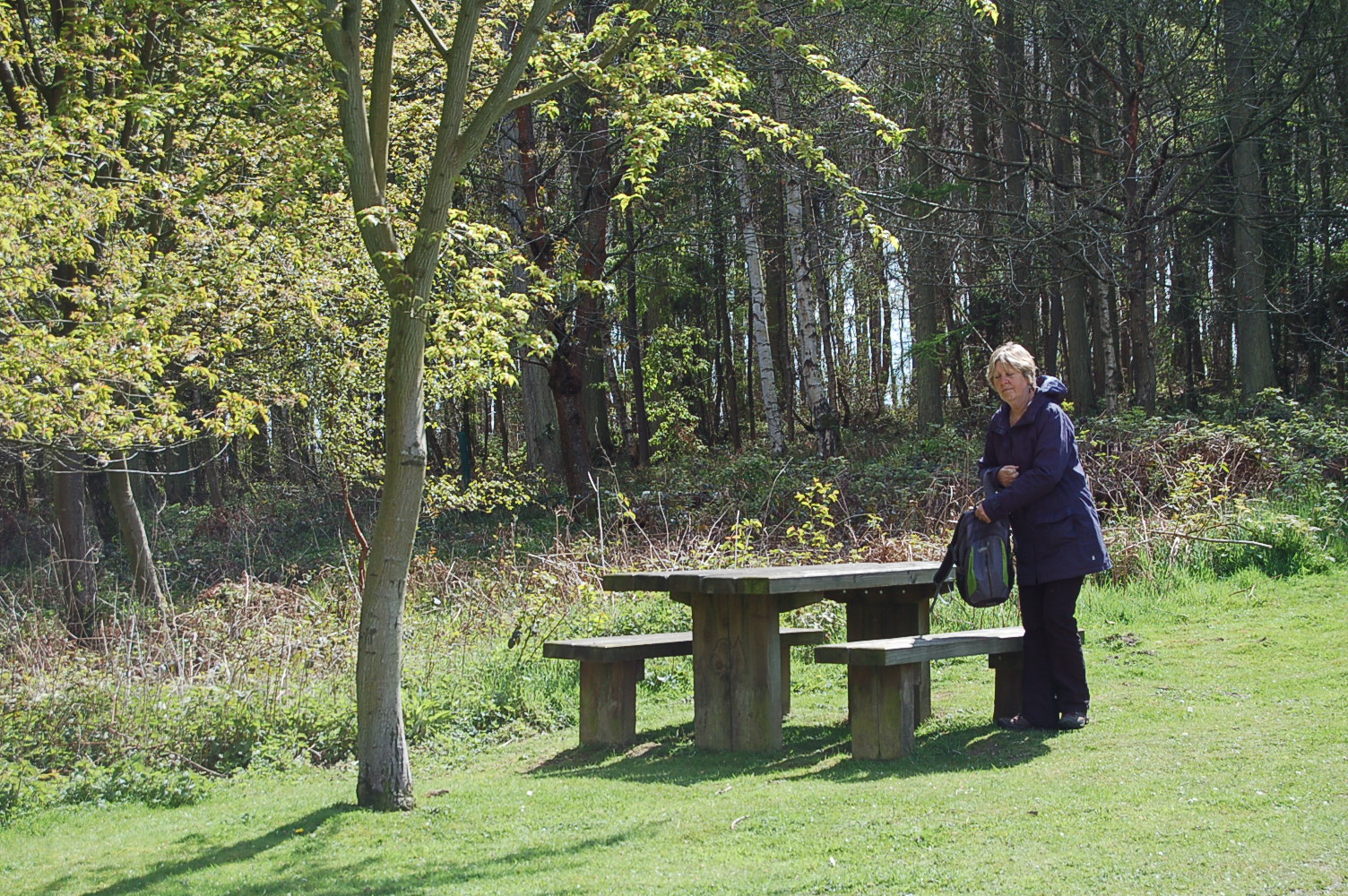
Returning to the car park a picnic bench under a tall maple and sitting in the spotlight of the beams of the sun was most tempting.
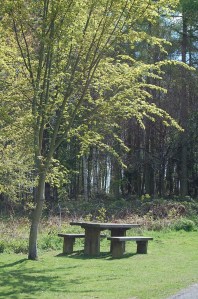
It was definitely too tempting for Jude and I as we still had a little coffee to enjoy and some apples and pears to accompany it.
In mid-July each year we open our allotment community site for charity, which we do under the auspices of the National Garden Scheme. So we appear in the famous “Yellow Book” of gardens open throughout England and Wales. Our first opening was in July 2011.
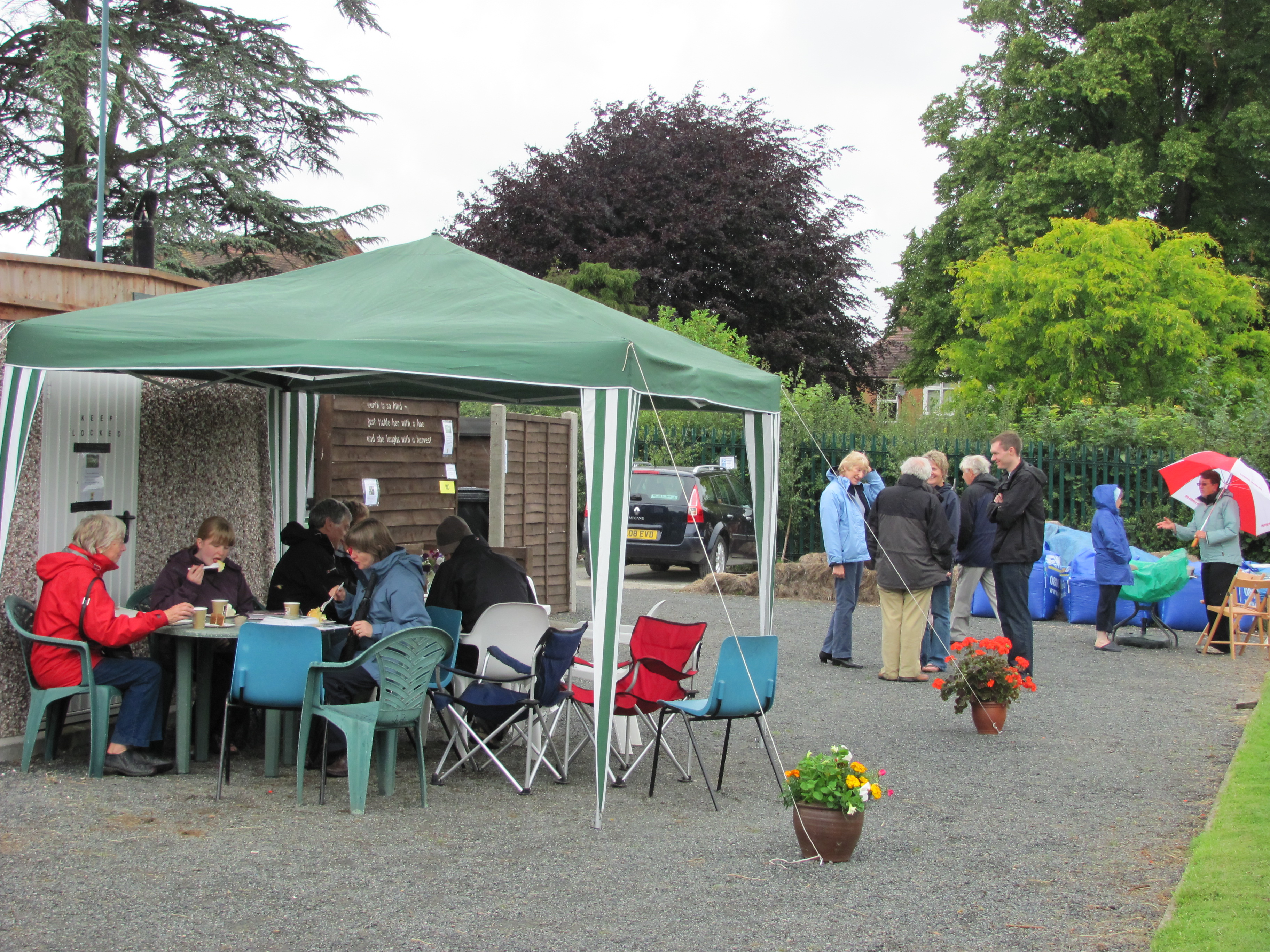
The weather was exactly what you would choose not to have on an open day particularly in mid-July. Strong winds and heavy rain! But we had to go ahead and lots of volunteers spent the morning preparing for the afternoon, creating a tea shop out of Hut 2, putting up gazebos and putting up direction signs, car park signs. toilet signs, tea shop signs – lots of signs! Throughout the previous week members had been tidying up their plots and cutting the communal grass areas. A working party the previous weekend made the green spaces look spick and span.
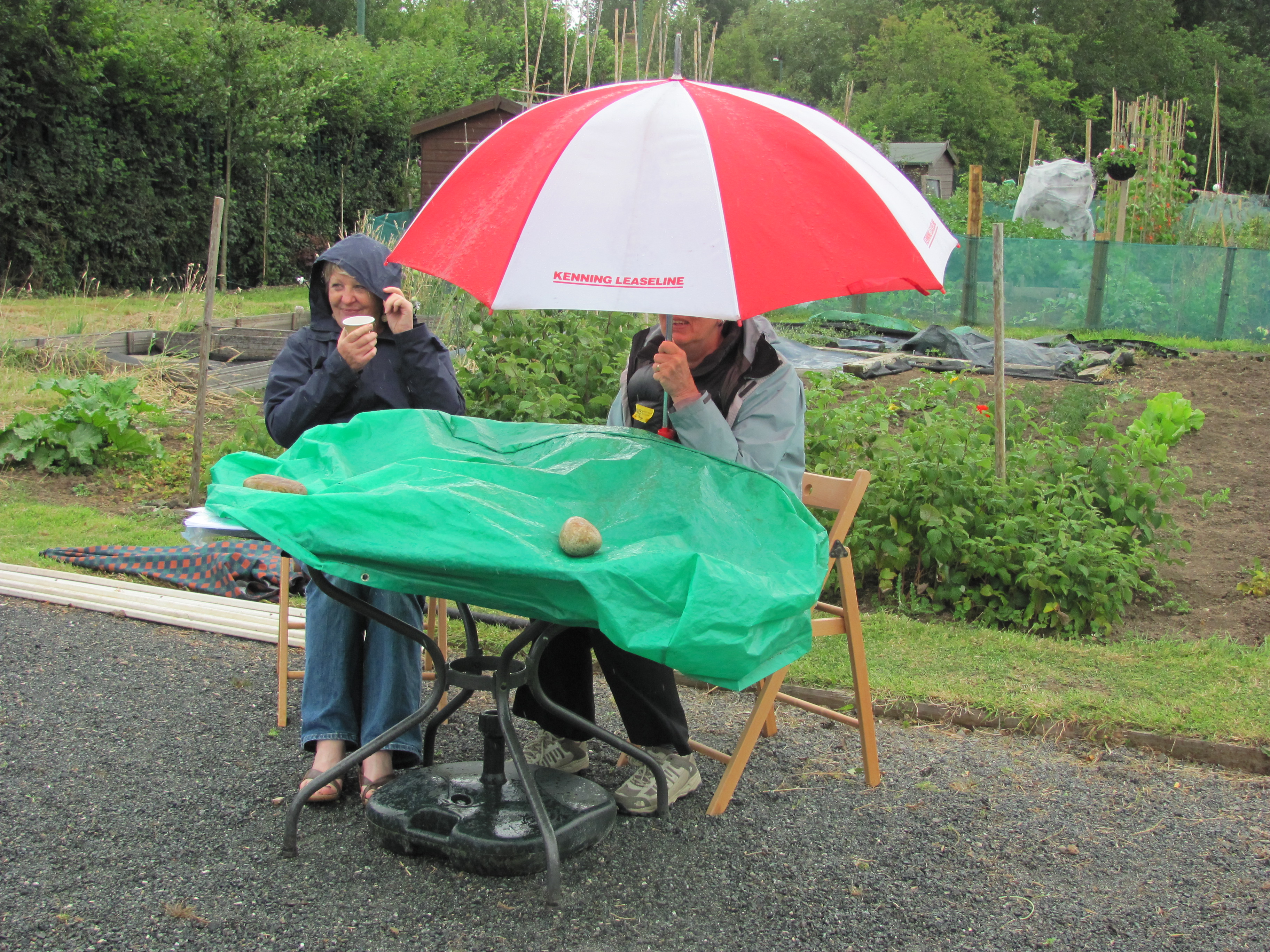
As the time drew near Jude the Undergardener and Di, a fellow plotter, set themselves up to sell the tickets.
We nervously awaited the time to open and the weather just kept getting worse so we were worried that no visitors would turn up. But at the time of opening our visitors started to arrive. It was too windy to use umbrellas so they wandered around braving the wind and rain, stopping for frequent cups of tea and home-made cakes.
We judge the site’s scarecrow competition on the day and the entries give extra interest for the visitors. The fine couple in the photo were modelled on one of the plot holder’s parents! For 2012 our scarecrows will be based on the Olympics and/or The Queens Jubilee.
In the end we sent about £460 to the National Garden Scheme treasurers, so we were quite pleased. We hope for better weather this year when we open on Sunday 15th July.
In the Spring each year all the gardeners who open their gardens meet to launch the new season of openings, and the Shropshire gardeners meet at the home of the County Organiser Chris Neil at Edge Villa, close to where we live. We all meet up again to chat, find out about how successful the county’s gardens were the previous year and have a glass of bubbly and nibbles (extremely tasty ones they are too!). This year Chris announced that 2011 had been a record year with over £60 000 being raised.
At the end of the formality Chris and her husband, Neil invite us to wander around their own garden. So come with me and share in some highlights.
To find out more about the famous Yellow Book and the National Garden Scheme look up http://www.ngs.org.uk. And to find our entry in it look up Bowbrook Allotment Community in the Shropshire section.
The Secret Hills visitors centre is situated in the small market town of Craven Arms a half hour drive from home. A Monday morning visit to the dentist took us to Church Stretton half way to Craven Arms, so to celebrate us both being given a clean bill of health we decided we deserved a coffee at the Secret Hills.
The visitor centre itself is an interestingly shaped building with a curving roof topped with greenery. It was one of the earliest green roofs. The inside features a library and coffee shop with occasional displays of art and crafts as well as exhibitions to celebrate all that make the South Shropshire Hills so special.
As well as a visitor centre the Secret Hills has wonderful, varied outside spaces which afford the local community and visitors the chance to explore meadows and copse and walk alongside a small river and a pool. but there are also surprises wherever one goes.
The Undergardener and I began our visit in our usual way by visiting the coffee shop to enjoy a cappuccino and latte respectively. But join us as we slowly amble around the acres outside.
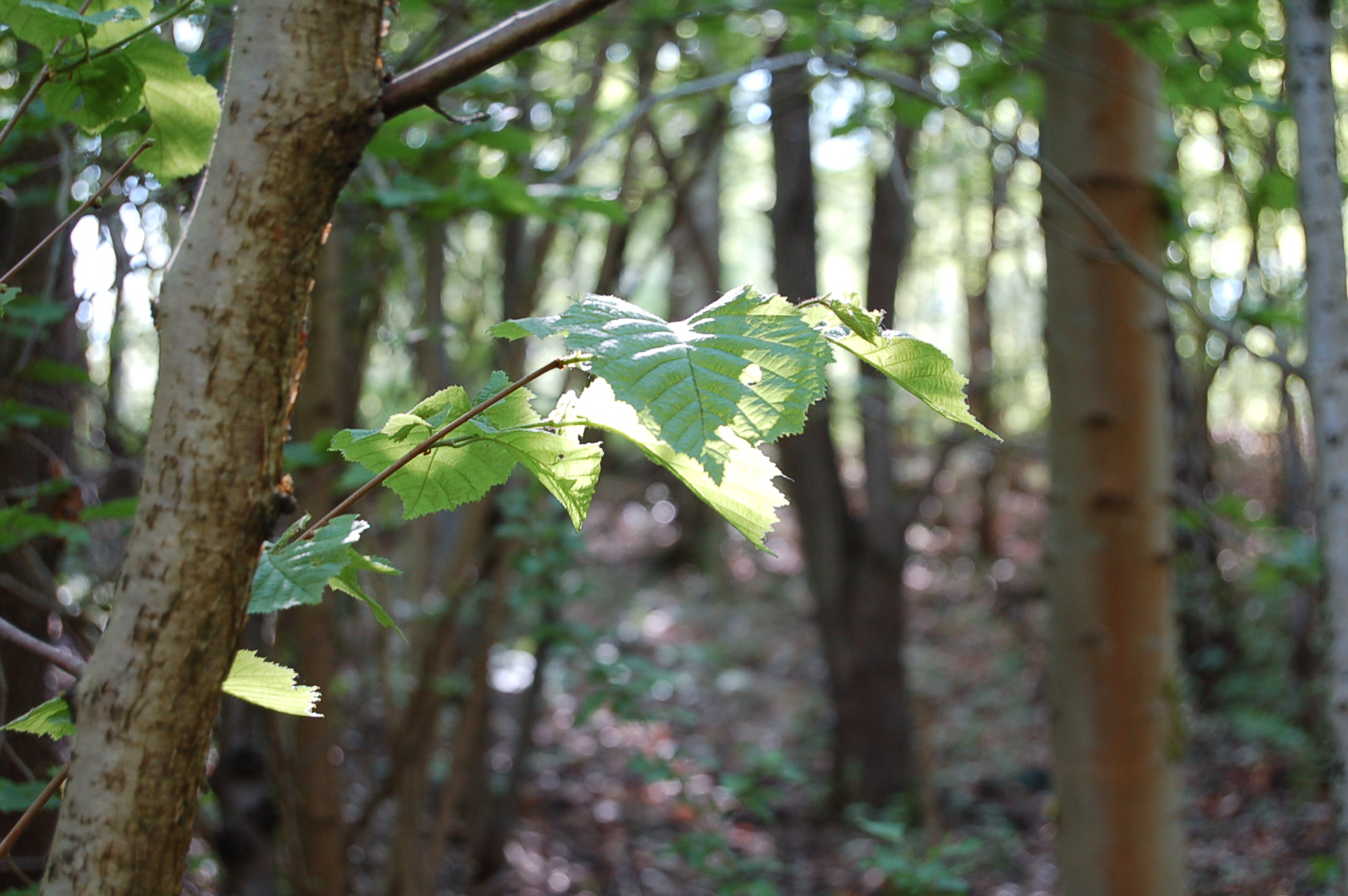
We ambled slowly through a young sloping woodland of coppiced Hazels, whose leaf buds were bursting the tangiest green. The trail took us across a rough area of Teasles and tough grasses and led us to the River Onny, which in this section is a calm, slow moving stream.
Near a bridge carrying the road over the Onny, clumps of Daffodils were in the spotlight of the sun’s rays, affording them a see-through look.
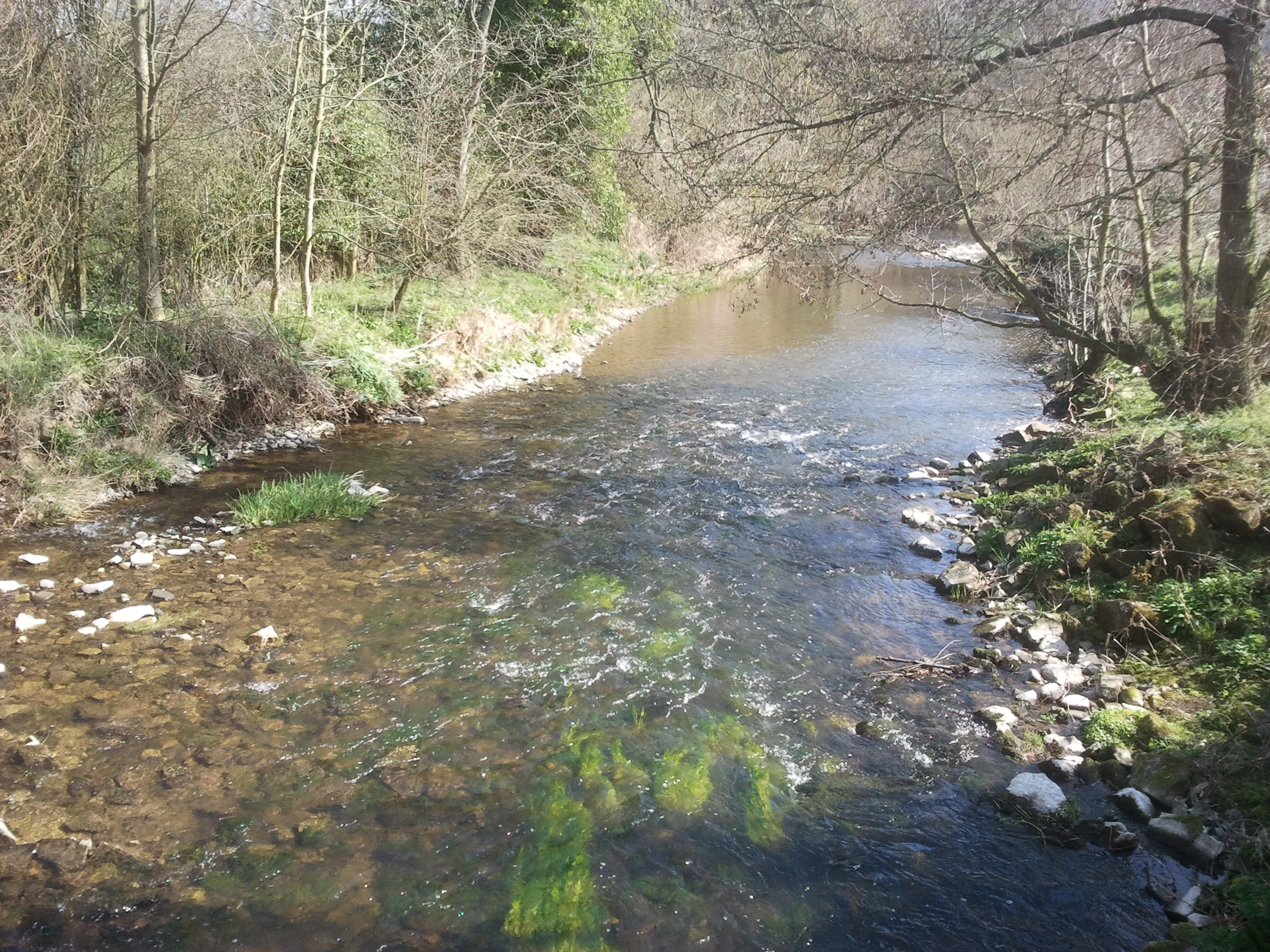
We enjoyed the peaceful, slowly moving waters of the Onny with rashes of seedling Himalayan Balsam and the occasional glossy petaled Celandine growing within the dappled shade of the waterside trees.
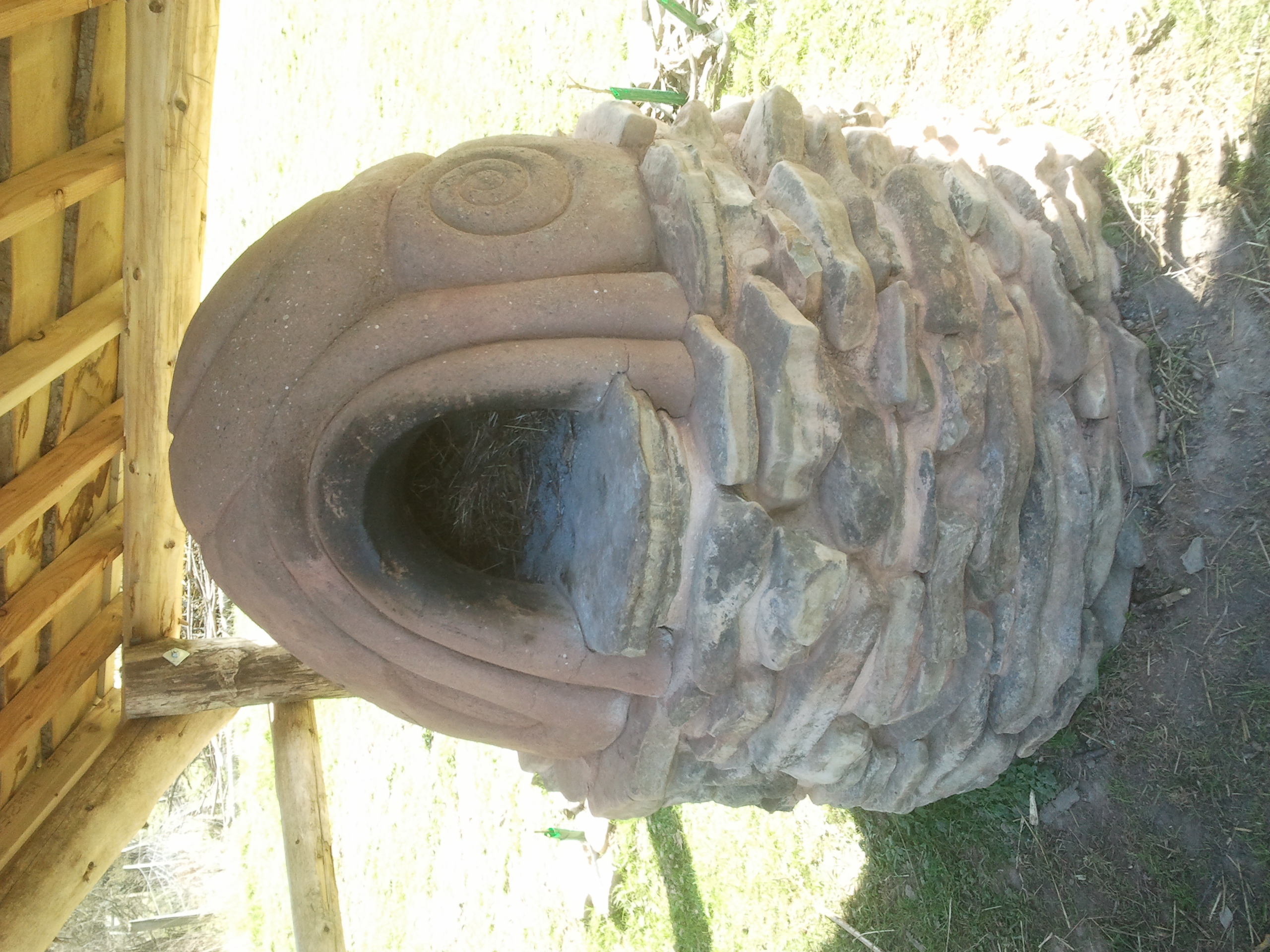
After half an hour of gentle rambling, we left the Onny and wandered across a meadow where the sticky buds of recently planted Horse Chestnut trees were coming into leaf in one corner and as we were about to leave the field, in the opposite corner we came upon a community clay oven, looking like a giant pot. It’s domed clay top was carved with spiral patterns, like the shells of a Ramshorn Snail.
The huge sticky buds of the Chestnut Tree look and feel as if they are coated in treacle, and as they open the green of the fresh leaves is bright as a Golden Delicious Apple.
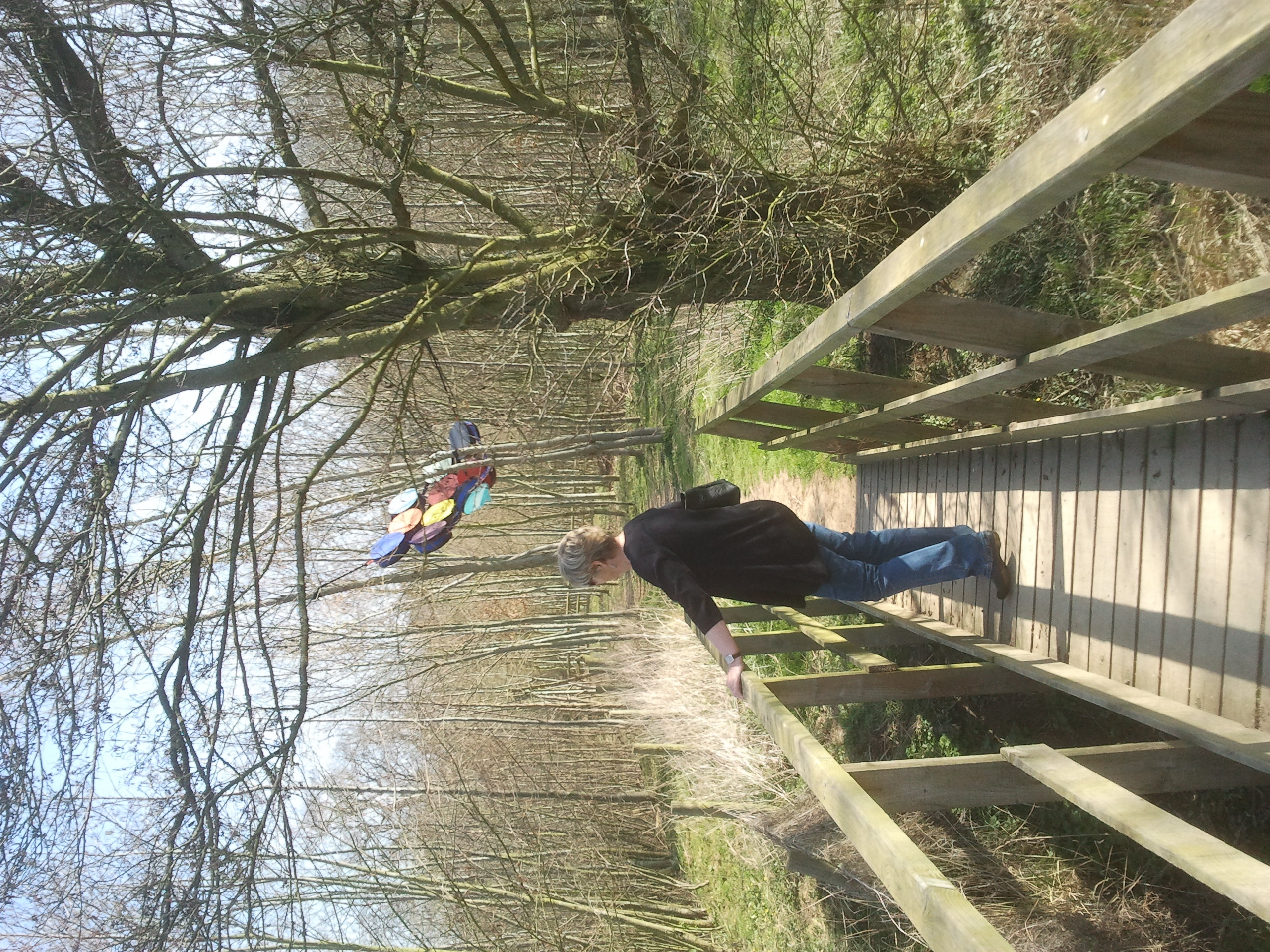
A bridge across a dried-up stream invited us into a wood of spindly trees.
We crossed the wooden bridge into the patch of woodland, and beyond it we were in for a surprise for we spotted two pieces of sculpture in the trees. so it really is true what the old children’s song said “If you go down to the woods today you are in for a big surprise”.
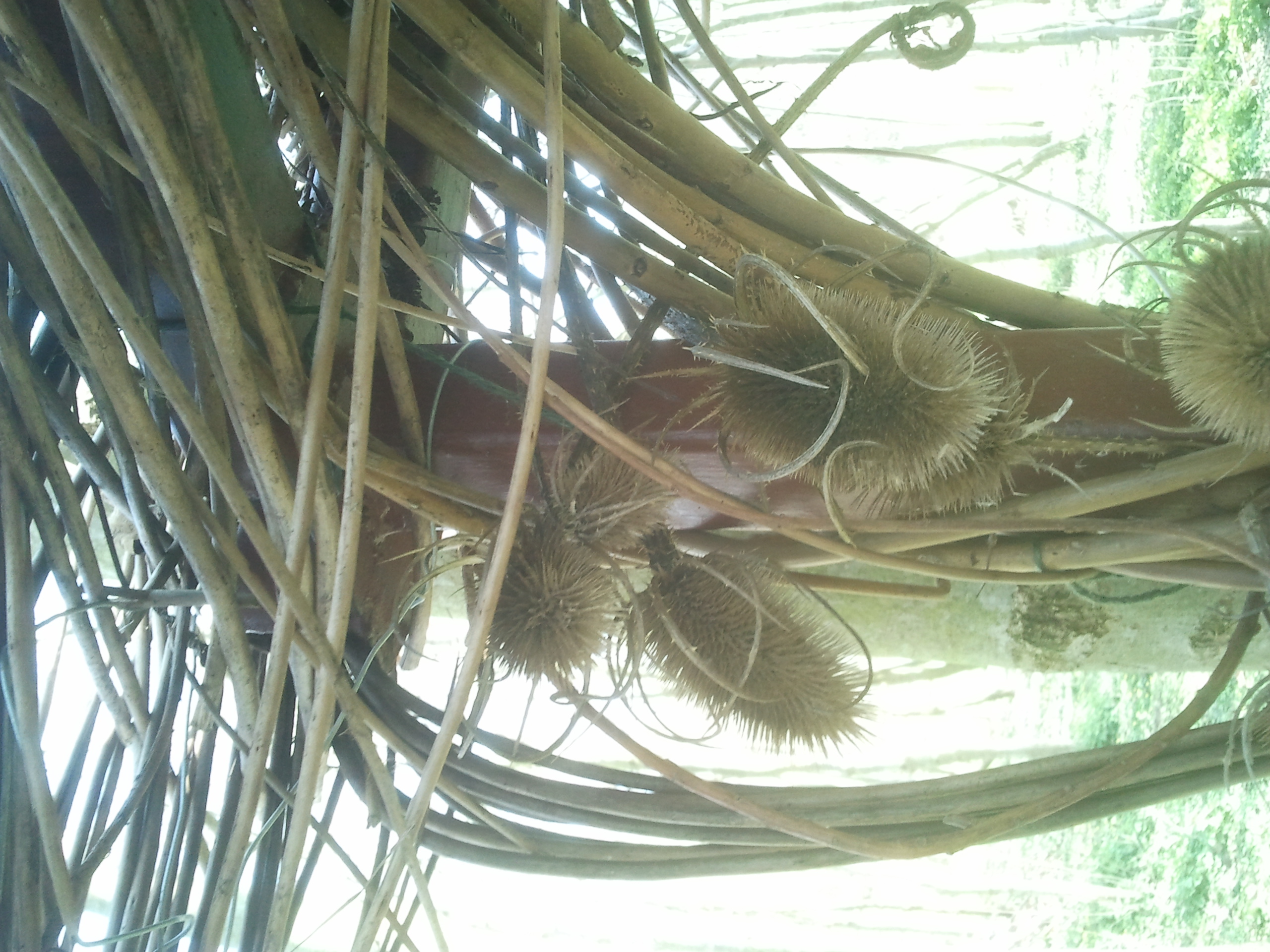
We looked at the details, the teazels and spirals of branches, and looked up inside the chimney shapes.
After exploring the sculpture and listening to the Great Tits, Chiffchaffs and Goldfinches calling in the tree tops, we made our way back to a bench on the riverside for a rest. A Dipper flew rapidly only inches above the water and passed just below our feet. These are beautiful birds like fat Blackbirds with white bibs. They feed around the rocks in shallow fast-moving streams where they watch from rocks constantly dipping up and down, but this one moved so fast and we didn’t see it stop to feed. On the opposite bank of the river tall trees grew thickly on a steep slope. Here we watched Nuthatches, Treecreepers and Great Spotted Woodpeckers feeding frantically and flying from tree to tree. But the real treat was the view of a Lesser Spotted Woodpecker, a very small black and white woodpecker which is now so scarce in the UK.
After resting our legs we aimed for the bridge that crosses the Onny where it becomes shallower and more rapid. Here the Onny took on the guise of a upland stream. From the bridge we spotted more Dippers and a Grey Wagtail, before moving on across the corner of a field where a stile showed us the way into the small Nature Reserve. We watched a pair of Red Kite soaring over the tops of the tallest trees. We made our way through the wood on narrow muddy tracks until we found the river once again. Following its banks we returned to the visitor centre dropping in on the community allotments on our way. Here tiny plots of land are available to local residents where they grow vegetables.
The Secret Hills is an amazing community resource for the market town of Craven Arms and a special day out for visitors.