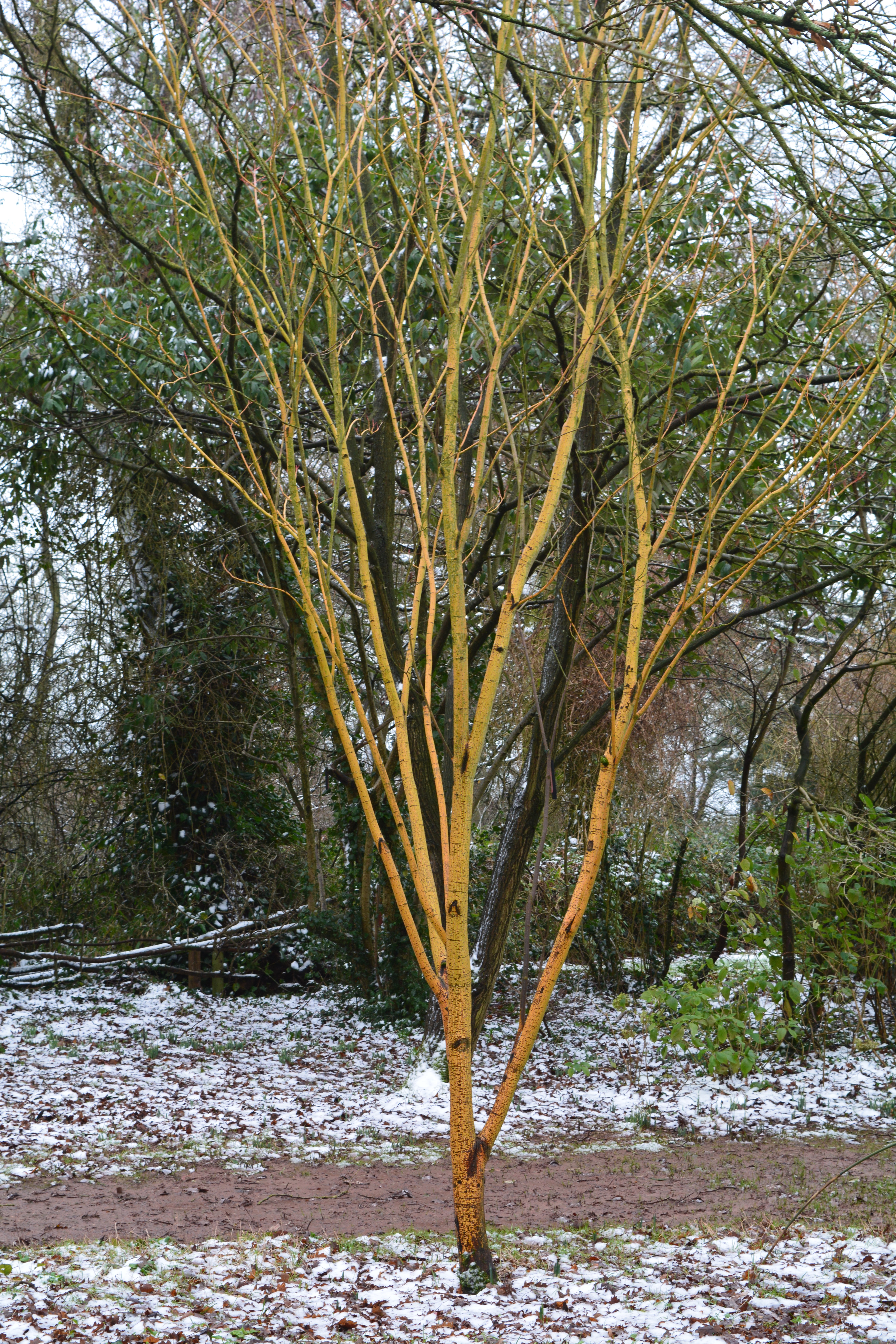
Categories
birds diy garden photography garden wildlife gardening gardens grasses hardy perennials ornamental grasses ornamental trees and shrubs roses Shropshire shrubs

My Garden Journal 2016 – January

I will once again be keeping my garden journal during 2016 recording my thoughts on our own garden here at Avocet in the tiny hamlet of Plealey situated just inside the Area of Outstanding Natural Beauty, the South Shropshire Hills. I will share the sounds, sights and aromas of our garden and make mention of the wildlife that shares the garden with us. In 2015 I found a quote every month from a little book, ” Led by the Nose” written by Jenny Joseph. In 2016 I will look back at what I recorded in my first garden journal which I began in the first full year of living in Plealey. Although we moved here in August 2004 my journal began in January 2005. It will be interesting to compare 2005 with 2016.

So, welcome to our “Avocet” garden in 2016. I hope you enjoy the journey through the months with me.

2016 02 02_8154_edited-1

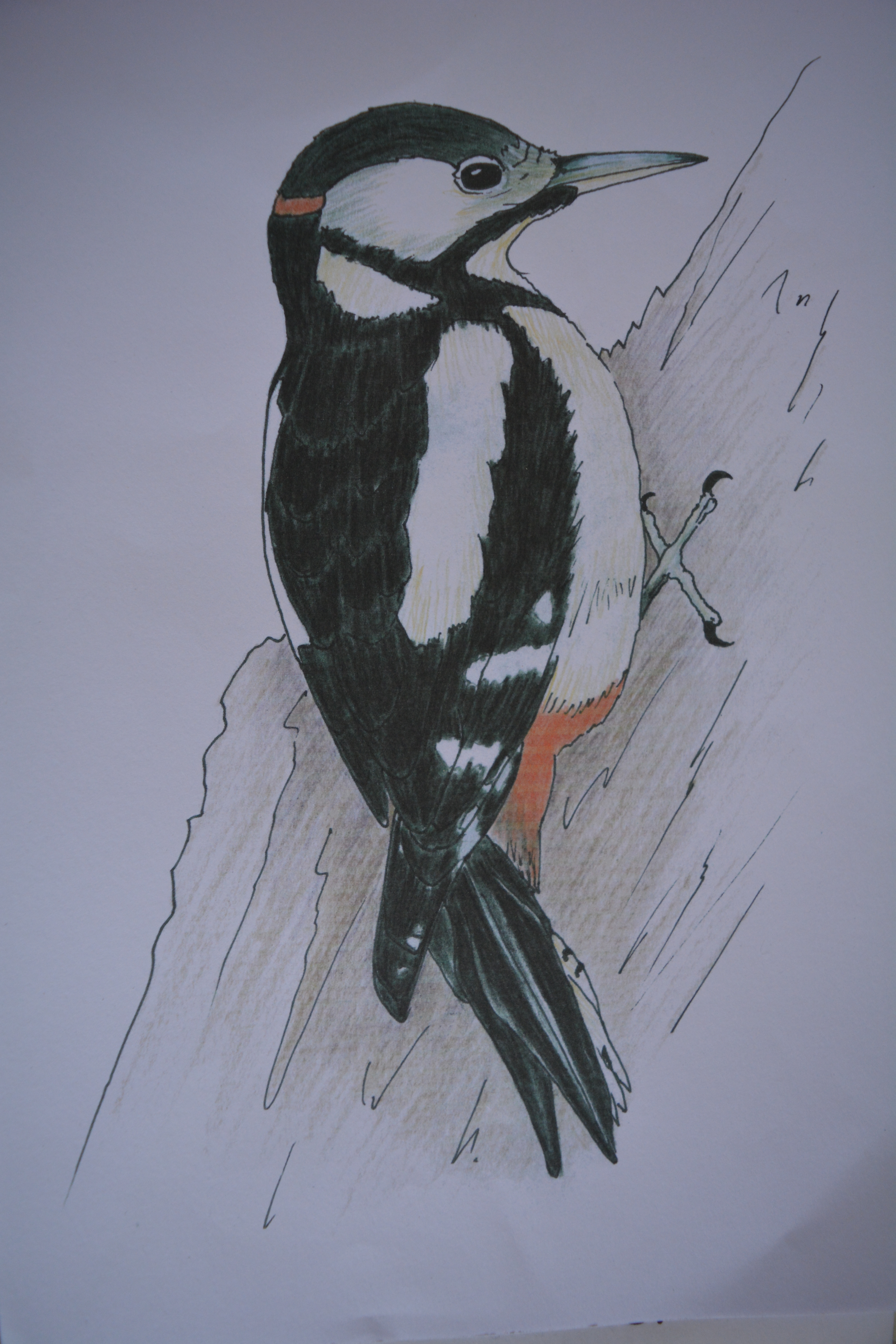
My first page for 2016 features my gouache painting of a Great Spotted Woodpecker and a few words about this charismatic garden visitor.

2016 02 02_8156_edited-1

“The Great Spotted Woodpecker makes its presence felt in our garden. It is black and white with splashes of bright red. It announces its arrival with a loud call as it flies in with its undulating flight. It hits the bird feeders hard so they swing around. These hungry birds stay feeding for far longer then any other bird.”
2014 12 21_8978

On the opposite page I write “Gardeners often pose the question“What is your favourite season in the garden?” It is easier for some to answer this question and they quickly give a definitive answer, while others find the choice impossible to make. For me? Well, I admit  I always answer “The one we are in.” Not many gardeners will say “winter” viewing it as a “non-time” in their gardens. Many put their gardens to bed for the winter by chopping a huge percentage of the plants to the ground. Their interest only returns when spring bulbs burst into flower. I absolutely love the winter garden!”

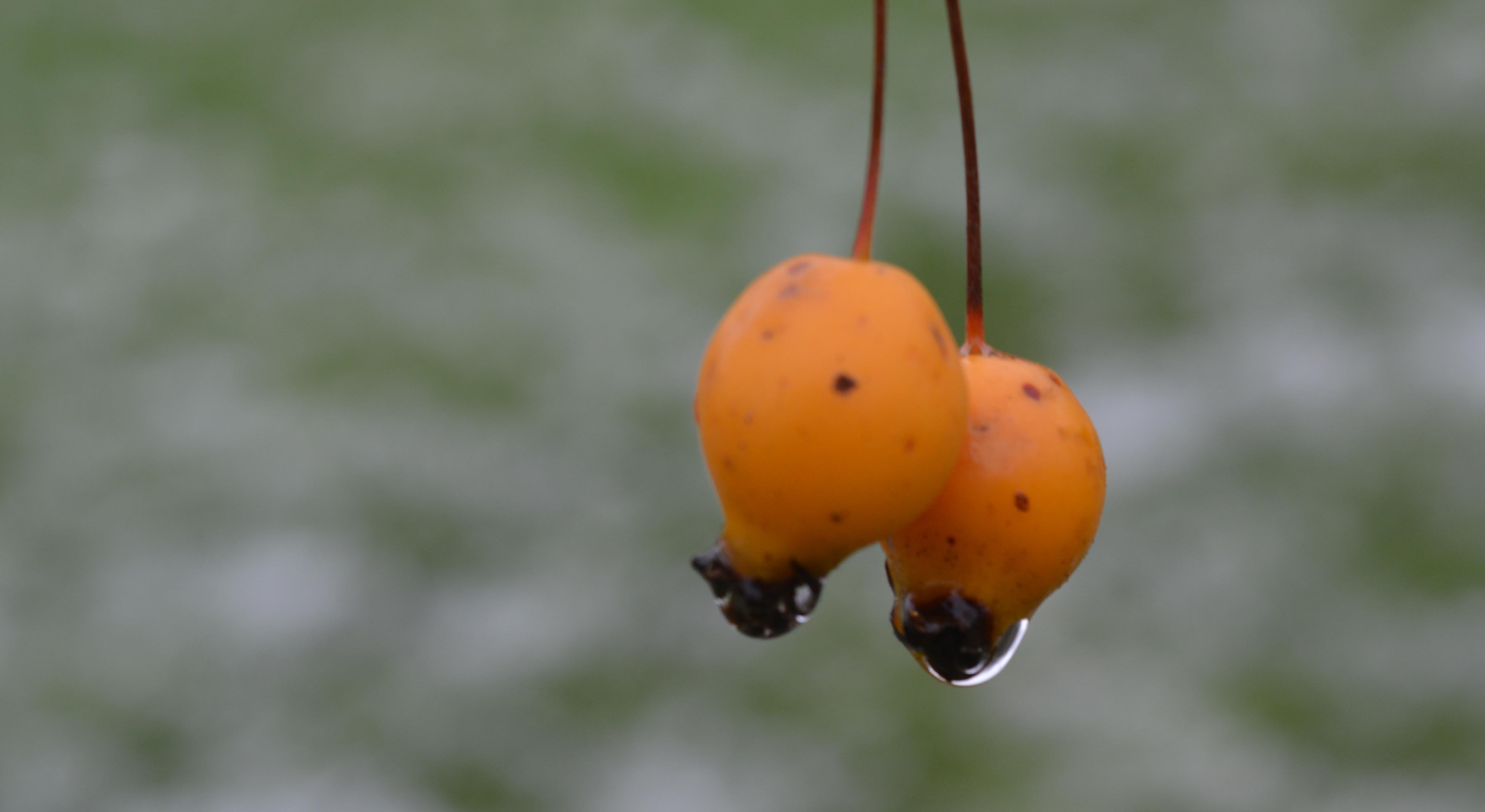
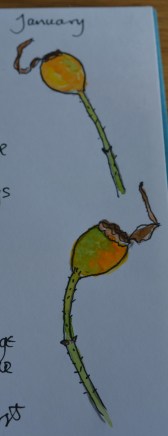
I illustrate the page with my watercolour painting of two hips from Rosa “Graham Thomas”, a David Austin New English Rose which we grow as a climber. It gives joy to the gardener for many months of the year with its profuse golden sunny yellow blooms and when it finally gives up in December it begins to produce its green hips which quickly turn to yellow then orange.
2016 02 02_8157_edited-1

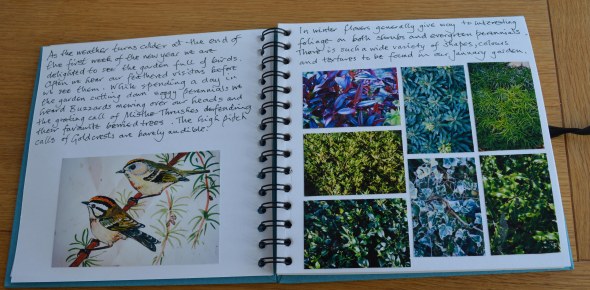
Turning the page over I write “As the weather turns colder at the end of the first week of the new year we are delighted to see the garden full of birds. Often we hear our feathered visitors before we see them. While spending a day in the garden cutting down soggy perennials we heard the Buzzards mewing over our heads and the grating call of Mistle Thrushes defending their favourite berried trees. The high pitch calls of Goldcrests are barely audible” Below these words we find my gouache painting of a pair of Goldcrests.

2014 12 21_8970_edited-12016 02 02_8158_edited-1

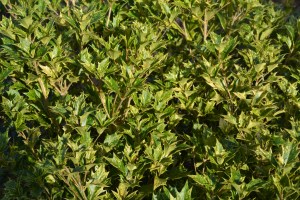
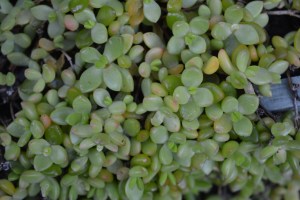
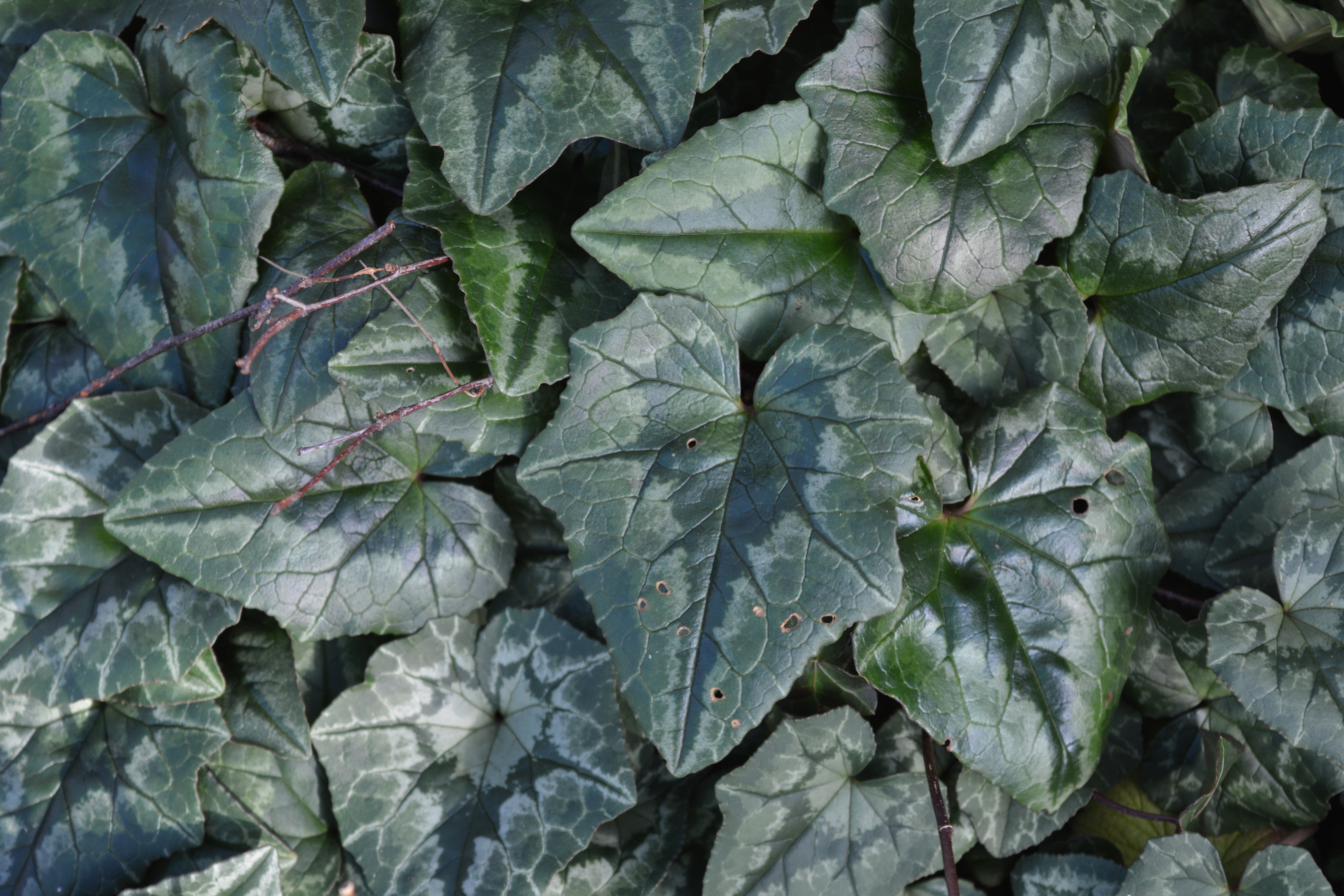
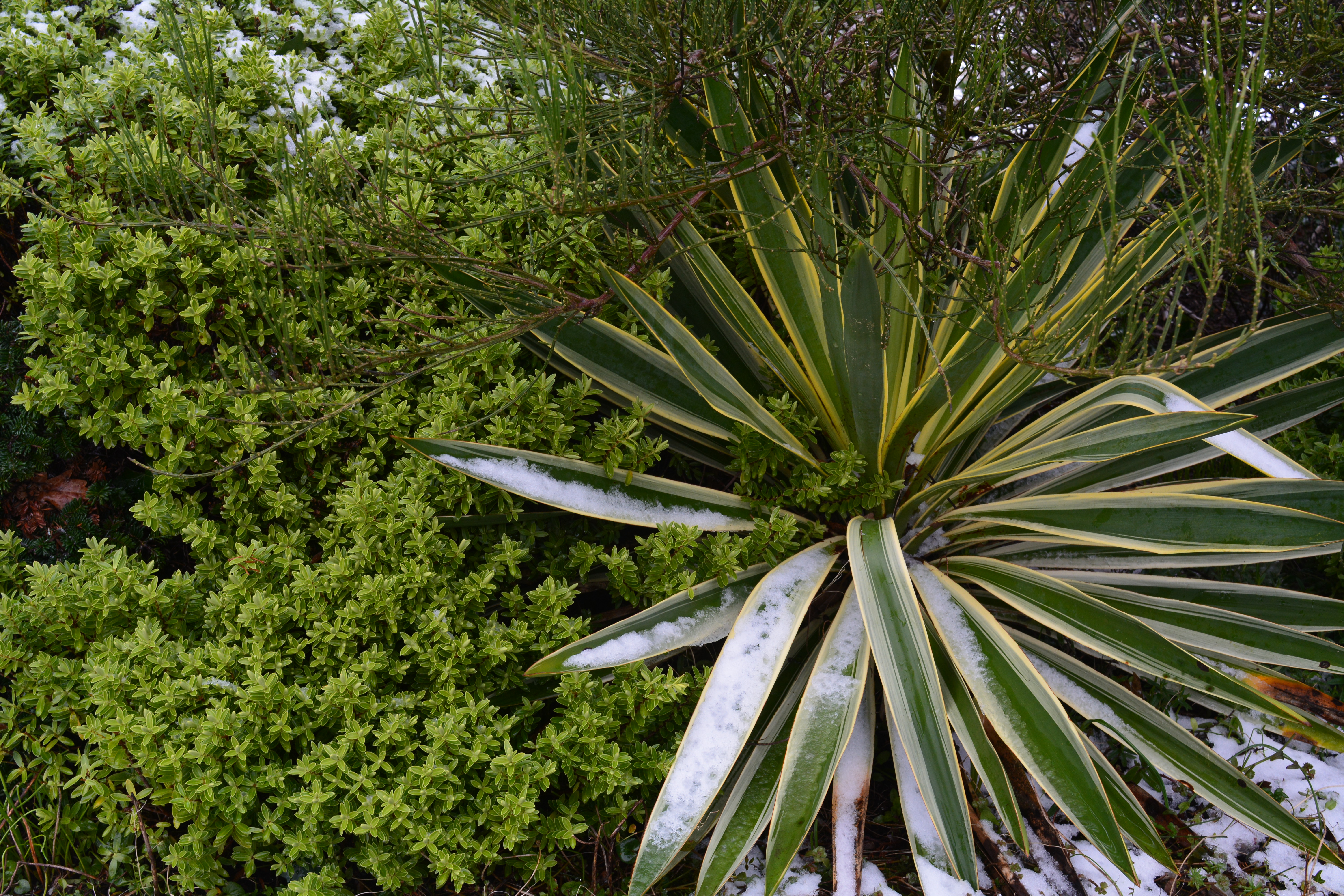
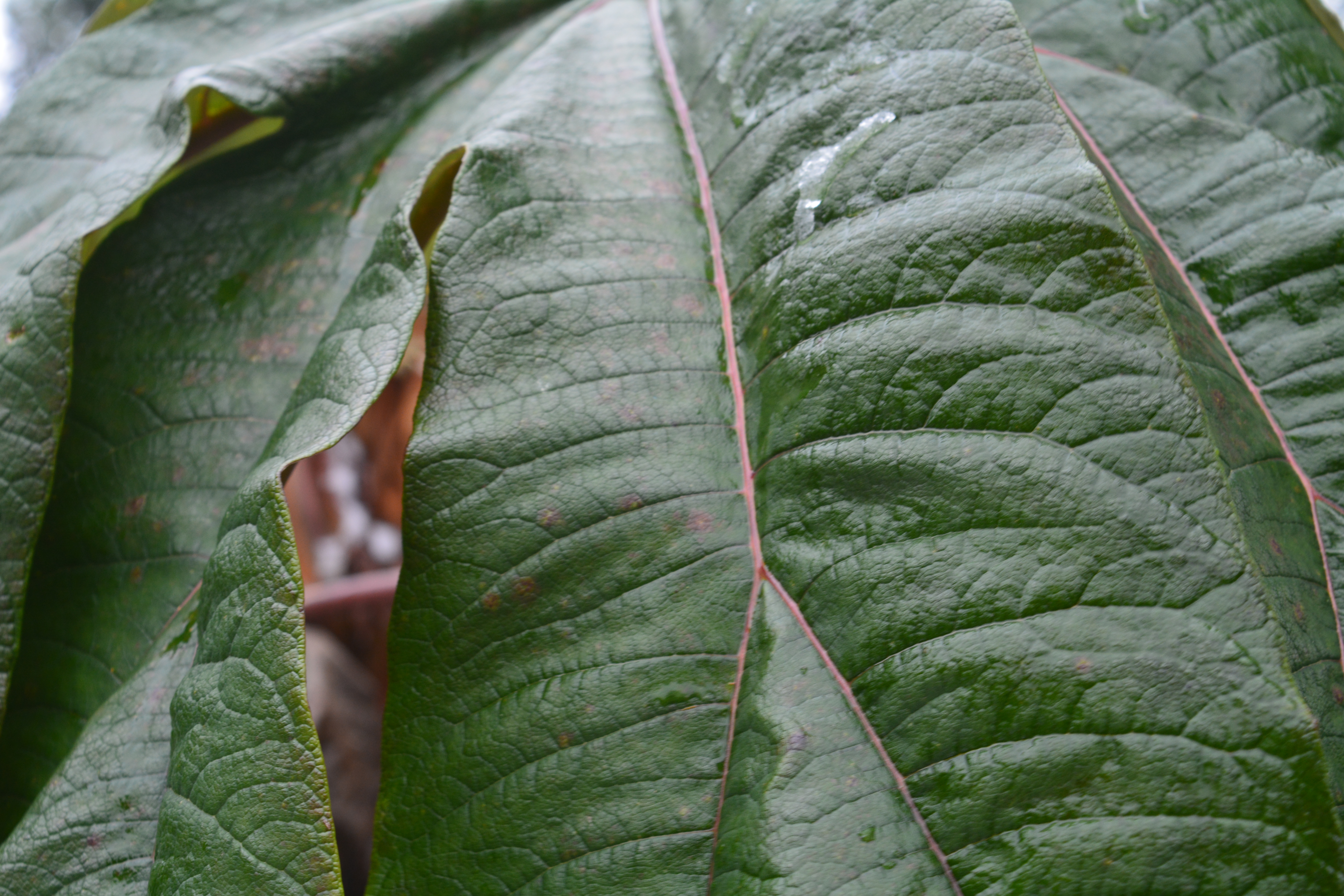
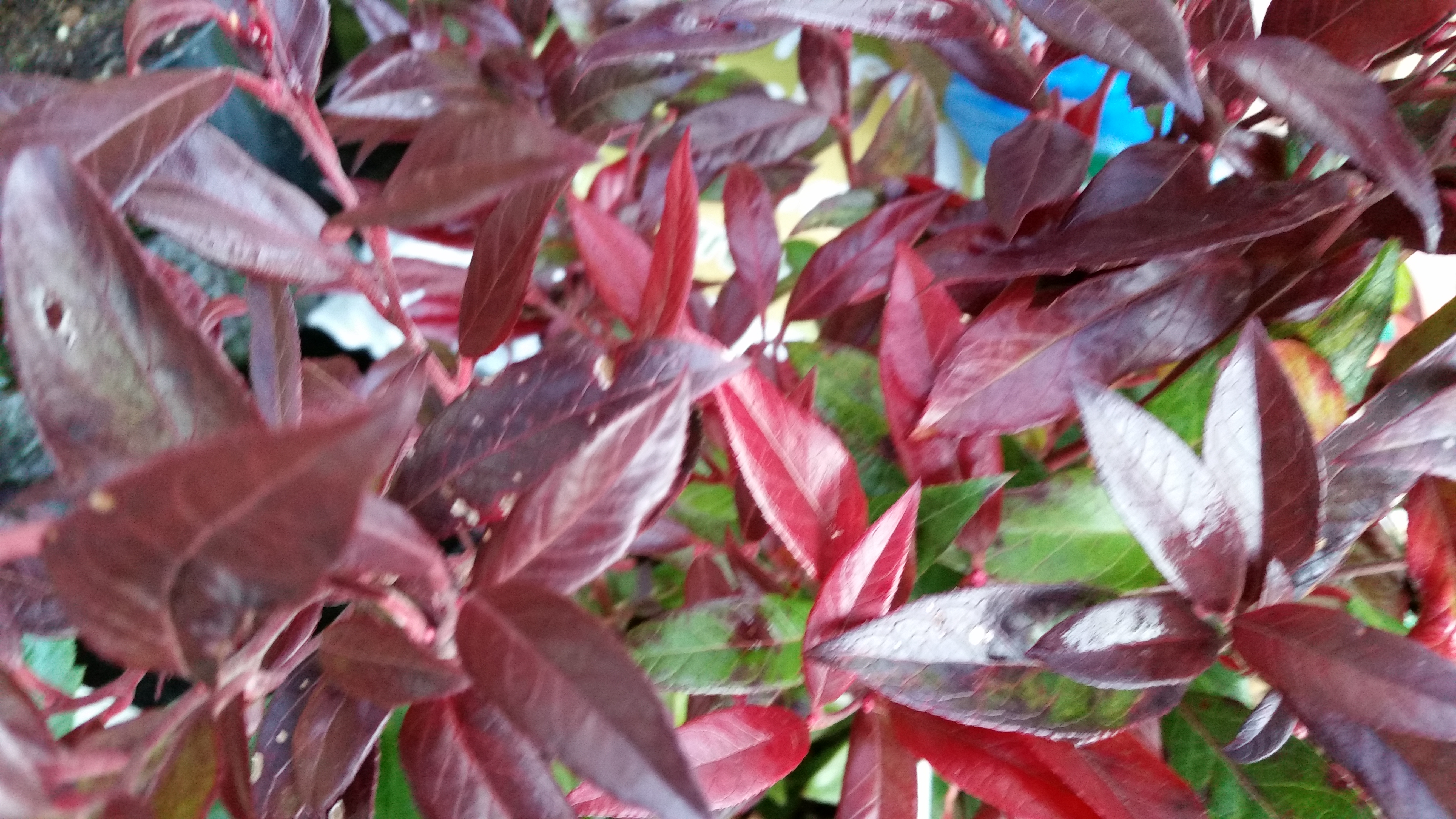
Foliage features on the opposite page where I write “In winter flowers generally give way to interesting foliage on both shrubs and evergreen perennials. There is such a wide variety of shapes, colours and textures to be found in our January garden”.

A selection of photographs which I took in the garden on the same morning follows.
2016 01 26_8079 2016 01 22_79952016 01 22_7997 2016 01 22_80262016 01 22_8001 2016 01 22_7994       2016 01 22_8010 2016 01 22_8009

Turning the next page my text is all about the scents of winter flowering shrubs.
2016 02 02_8159_edited-1

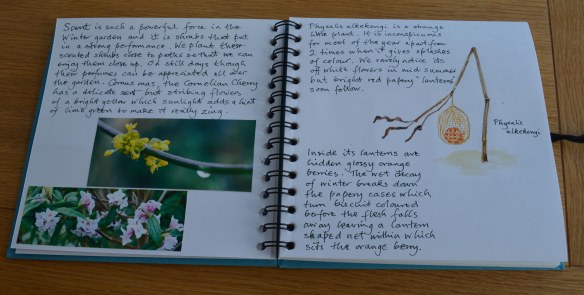
“Scent is such a powerful force in the winter garden and it is shrubs that put in a strong performance. We plant these scented shrubs close to paths so that we can enjoy them close up. On still days though their perfumes can be appreciated all over the garden. Cornus mas, the Cornelian Cherry, has a delicate scent but striking flowers of a bright yellow to which sunlight adds a hint of lime green to make it really zing.” 

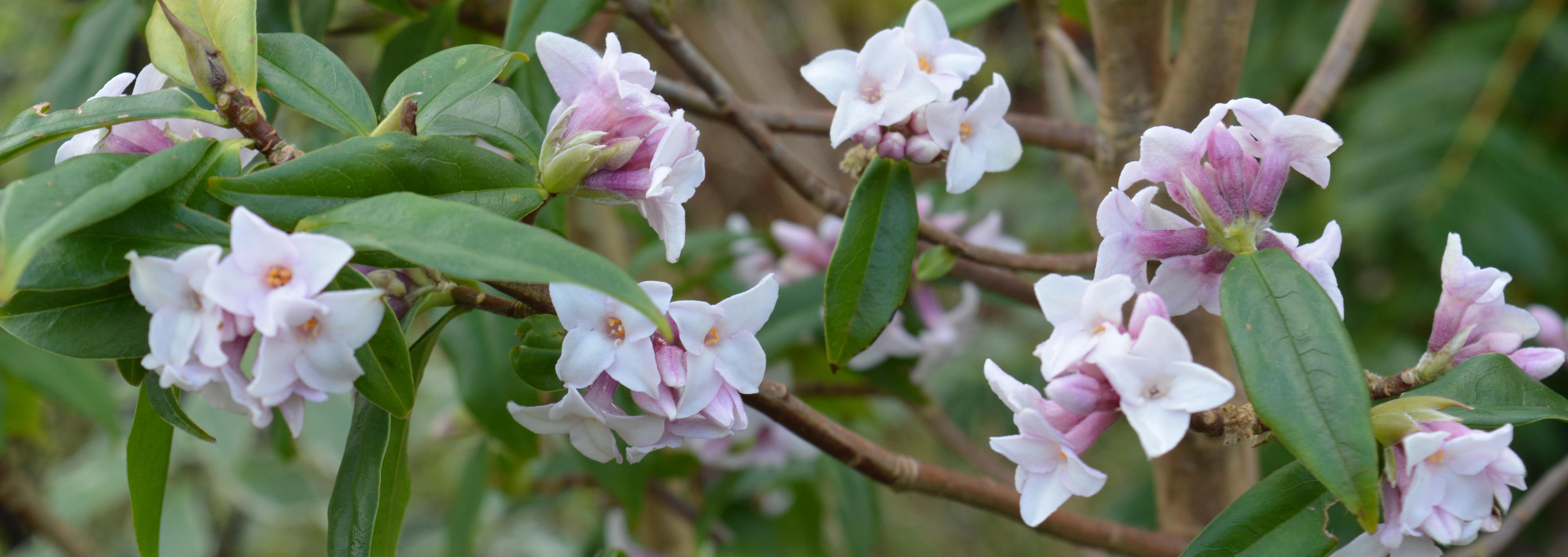
A much more strongly scented winter flowering shrub grows close to the main path in our back garden and is generous with its scent spreading it all over nearby borders, is Daphne bhuloa “Jacquiline Postill”.

2016 01 04_7675_edited-1 2016 01 05_7740_edited-1

On the page opposite I put the spotlight on a plant called “Physalis alkenengi” as I had come across the skeletal remains of its fruiting head while gardening in the Hot Garden.

2016 02 02_8162

I write “Physalis alkekengi is a strange little plant. It is inconspicuous for most of the year apart for twice when it gives splashes of colour. We rarely notice its off-white flowers in mid-summer but bright red papery “lanterns” soon follow. Inside its lanterns are hidden glossy orange berries. The wet decay of winter breaks down the papery cases which turn biscuit coloured before the flesh falls away leaving a lantern shaped net within which sits the orange berry.”

I illustrated this page with a watercolour painting of this little garden treasure. It was a great challenge!

2016 02 02_8161

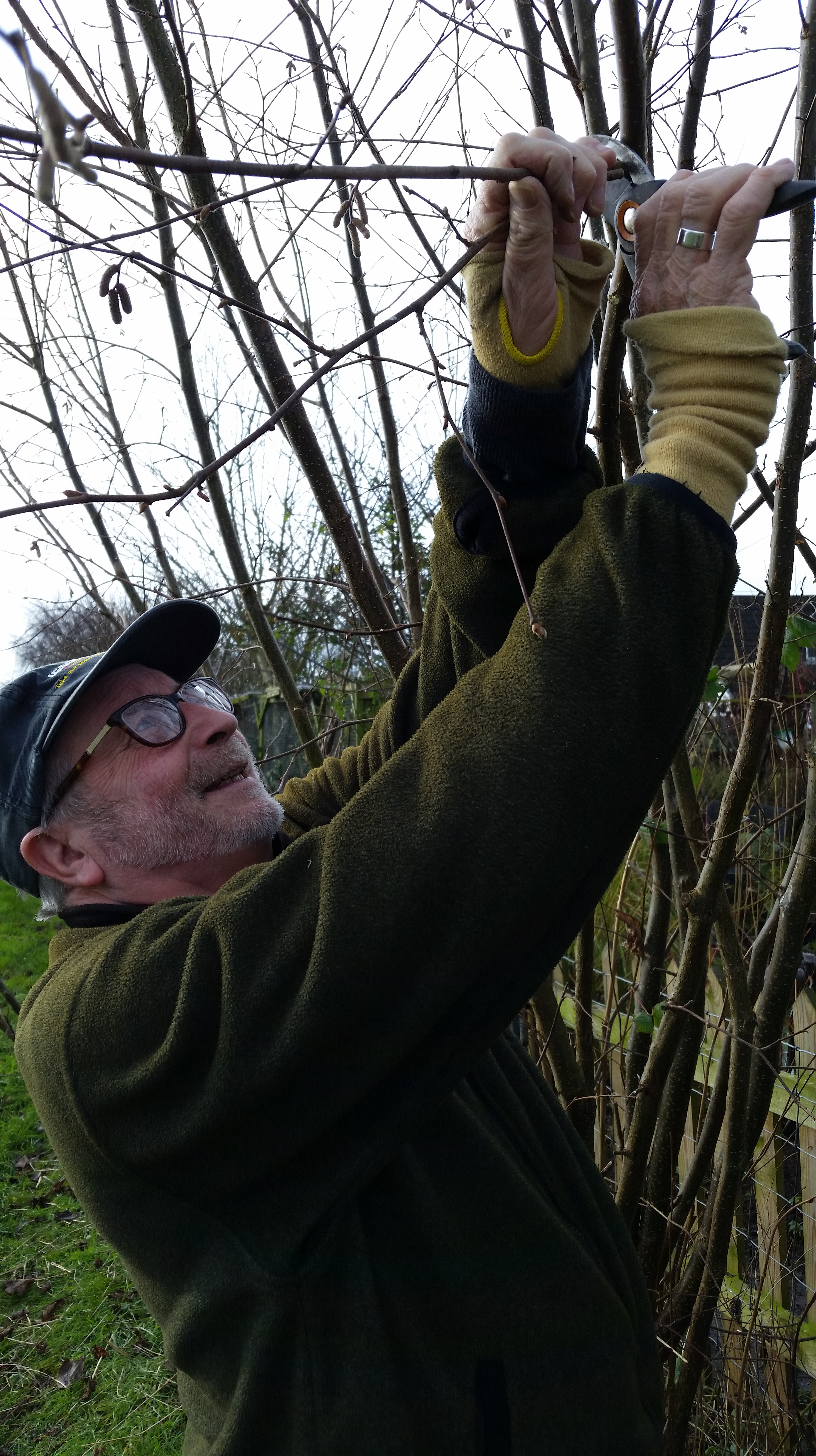
My next page is about two gardeners at work. Jude the Undergardener and I produce our own bean poles and pea sticks to use on our crops which we grow on our allotment plot.

2016 02 02_8163_edited-1

“Bean Poles and Pea Sticks

We have reached the stage now where our garden has matured enough to allow us to produce our own bean poles and pea sticks to use on our allotment. Our two Hazels provide us with the majority, but other shrubs add to our stash when we prune them.”
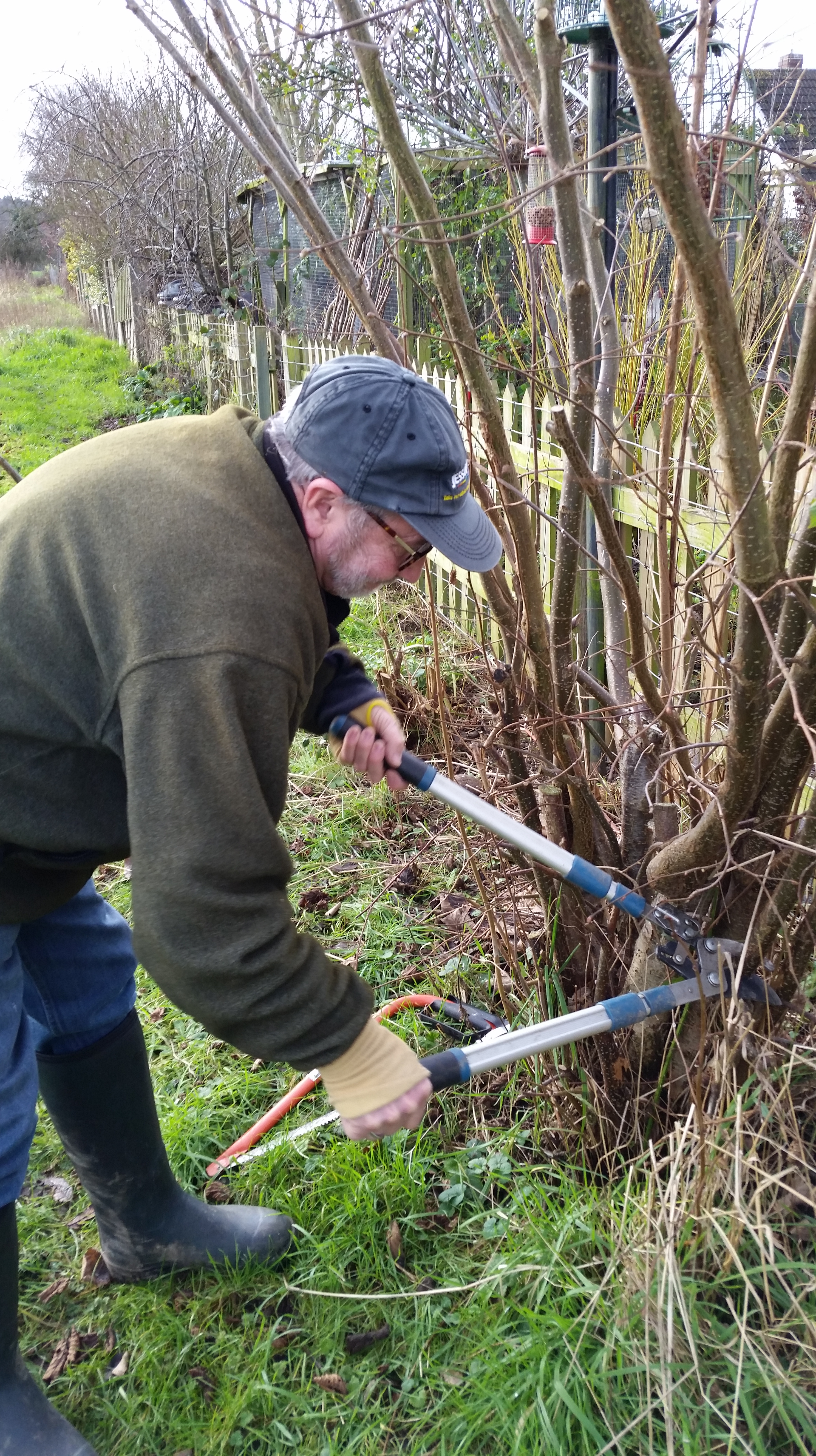
2016 01 26_8041 2016 01 26_8040 2016 01 26_8038 2016 01 26_8044 2016 01 26_8054 2016 01 26_8049

On the page opposite I share my photos of the first frost of 2016.

“The first frost of the year arrived in the third week of January. It added a new white dimension to foliage which sported rims of tiny white crystals.”
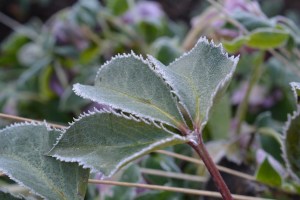
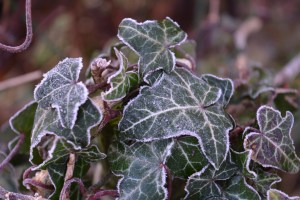
2016 01 17_7925-1 2016 01 17_7928-12016 01 17_7915-1 2016 01 17_7923-12016 01 22_8011 2016 01 17_7927-1

My final words and pictures in my January entry in my garden journal look back at my 2005 garden journal and a current garden project.

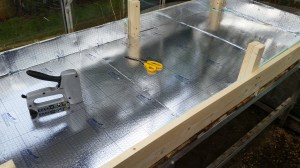
“Looking back at my January entries in my garden journal of 2005, I notice that I was then building a heated propagator in our new 14 foot by 8 foot greenhouse. This has served us well over the years making seed germination so much easier. This year I am making a much bigger propagating bench. For this version I will need support of my Undergardener, Jude.”

I hope you enjoy my photographic journey through this most enjoyable two day project. It was a good task to do while the weather outside was too cold, windy and wet to get any outdoor gardening done. The greenhouse was warm and snug so a good place to be working.  When describing our efforts I used short captions for each photograph.

2016 02 02_8150 2016 02 02_8151

Using recycled wood we made a new bench. We checked it was perfectly level.”
2016 02 02_8136 2016 02 02_8137

“We fixed in a double layer of insulation boards after adding an edge of 6 inch board. Then we fixed on a layer of plastic sheet.”
2016 02 02_8142 2016 02 02_8133

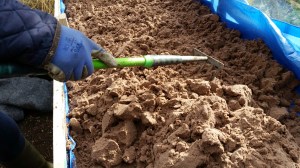
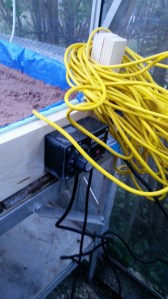
“We added a 2 inch layer of soft sand. The control box, thermostat and probe were fixed to the box.”

2016 02 02_8127 2016 02 02_8128

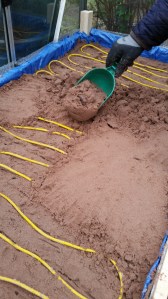
“Then we laid out our heating cable carefully. The cable had to be covered in soft sand.”
2016 02 02_8129 2016 02 02_8118

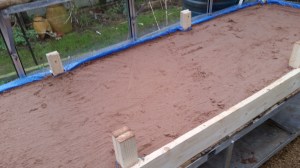
A second layer of soft sand was added to a depth of 2 inches. We carefully made it level. The final touch – a layer of capillary matting”.

Here ends the entries from the first monthly entry into my Garden Journal for 2016. See you in February when we will start to use our newly constructed heated propagation bench.


Categories
flowering bulbs garden photography gardening gardens gardens open to the public ornamental trees and shrubs spring bulbs Staffordshire trees Winter Gardening winter gardens

The Dorothy Clive Garden in January – Part 2

So here we are back at our feature garden for 2016, the Dorothy Clive Gardens on the border of Shropshire and Staffordshire. I will start with some views from around the garden. It will be interesting to see how these views change through the year.

2016 01 17_7790 2016 01 17_78062016 01 17_7856 2016 01 17_78672016 01 17_7911 2016 01 17_7879

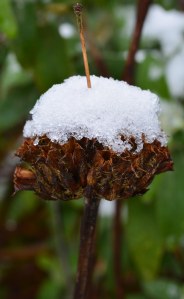
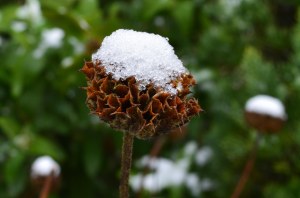
Let us now look at the bright red colours of berries and the more subtle browns and biscuit colours of seedheads of Hydrangeas and Phlomis.

2016 01 17_7828 2016 01 17_7829 2016 01 17_7801_edited-12016 01 17_7802_edited-1 2016 01 17_7826_edited-1

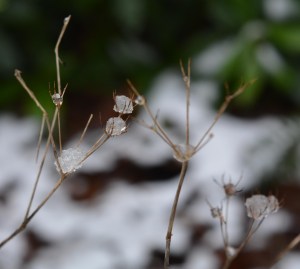
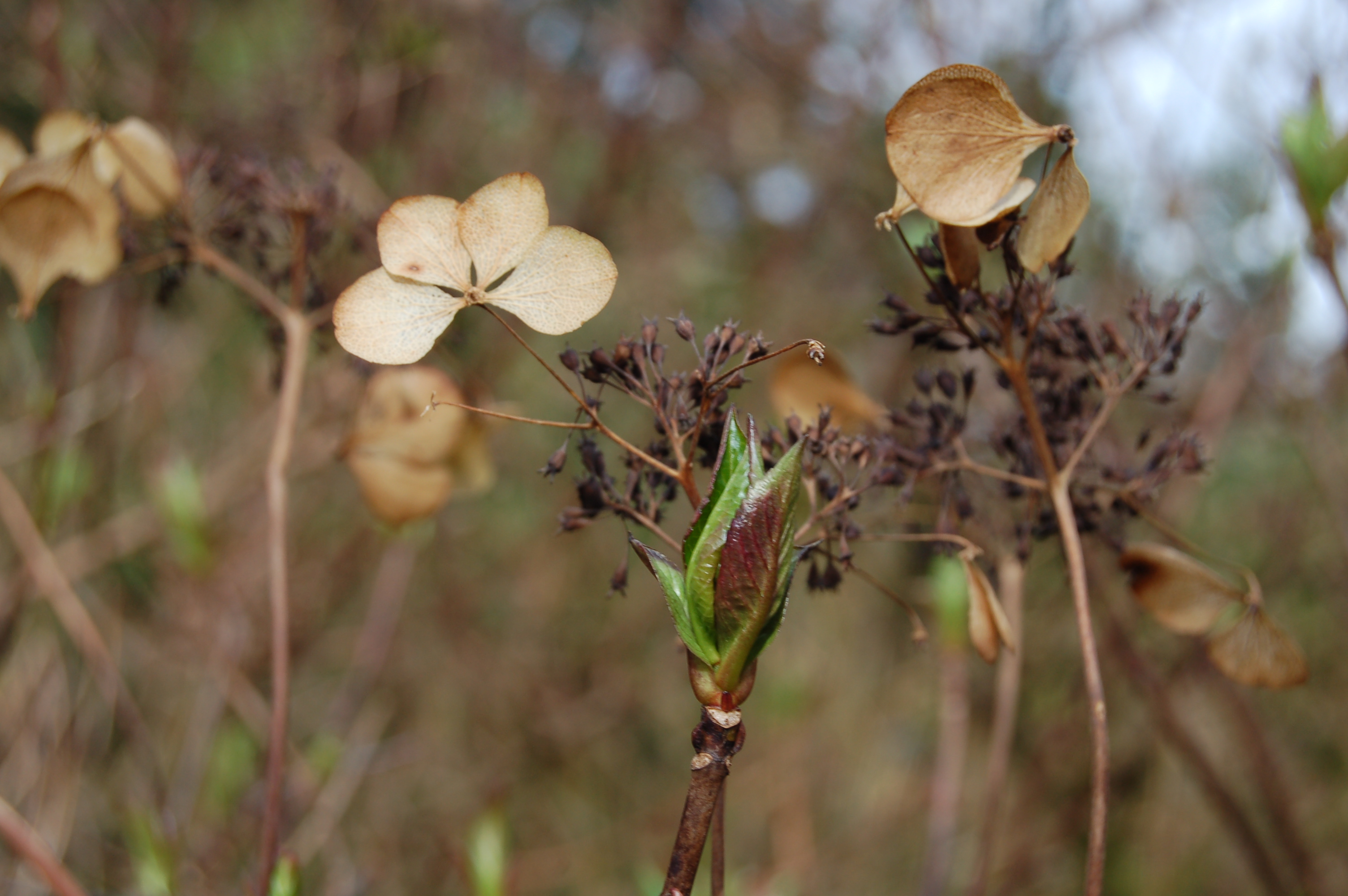
The delicate beauty of these seed heads deserved a very close look to fully appreciate them.

2016 01 17_7831_edited-1 2016 01 17_7832_edited-1

We walked down the gentle slope towards the pond and the scree garden around it. Throughout the other seasons the borders here will be glowing with colour and full of exuberant growth.

Different textures together add interest to the winter garden where the bare stems of deciduous shrubs and perennials sit alongside bright new growth which are the promises of spring and summer.
2016 01 17_7913 2016 01 17_7906 2016 01 17_7912 2016 01 17_79042016 01 17_7892 2016 01 17_7889

The Rose Garden looks very bleak in the winter when its bones are revealed, the obelisks and arches of black metal and the bare unpruned stems of the roses.

2016 01 17_7901

Near the bottom of the slope we came across a stand of three old Birches and a single tall specimen nearby. In the border here obelisks have been created from the trunks of felled Birches. It is good to see them given a second life.

2016 01 17_7890 2016 01 17_78952016 01 17_7900 2016 01 17_7894

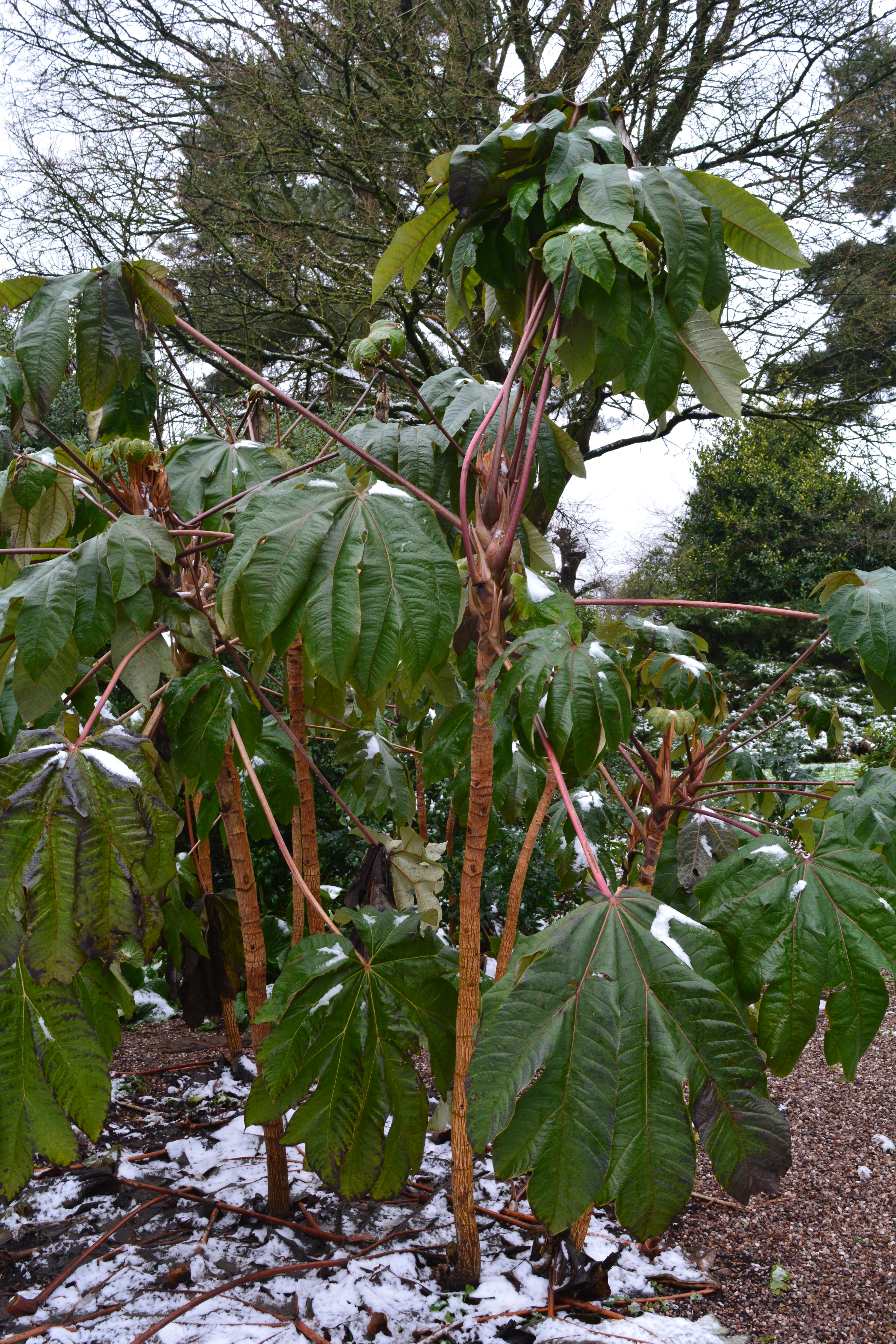
We spotted this architectural looking plant as we walked back up the slope and we were both unsure what it was but came to the conclusion it was a Tetrapanax.

2016 01 17_7888

2016 01 17_7887 2016 01 17_7886

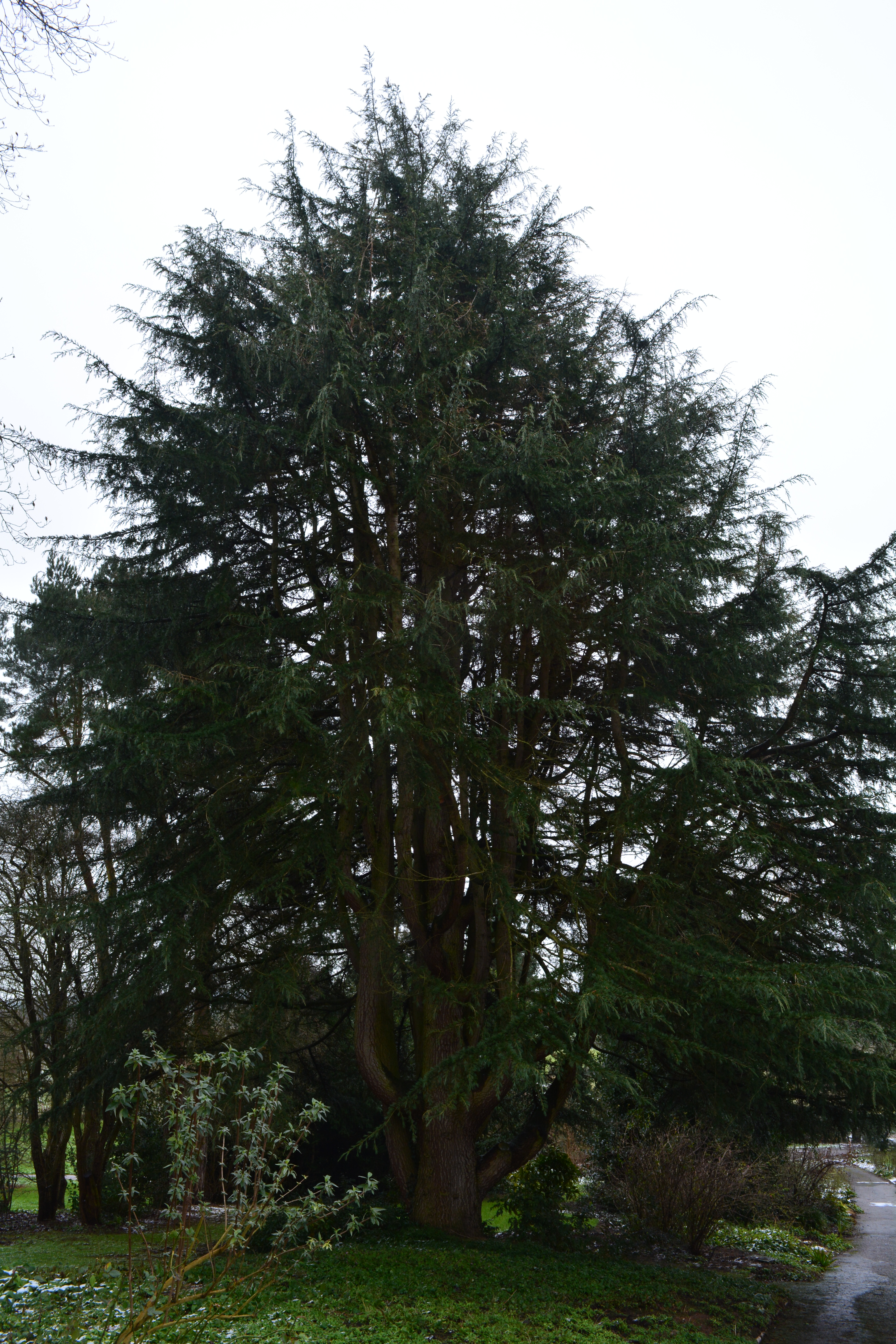
We are not really fans of conifers but admit that in the winter they can give strong structure to the garden.

2016 01 17_7884 2016 01 17_7883 2016 01 17_7878 

I will finish off with a selection of photos, a rustic seat, a terracotta bird box on an old brick shed, a larger then life statue of a stag above a stream and pool and finally a snow topped sundial on a sunless day.

2016 01 17_7852 2016 01 17_78722016 01 17_7834 2016 01 17_7910

That is it for our January exploration of our featured garden for 2016, The Dorothy Clive Garden. We are already looking forward to our February visit when we may see more signs of spring bulbs in flower and some more early flowering shrubs.


Categories
colours flowering bulbs garden photography gardening gardens gardens open to the public grasses hardy perennials ornamental grasses ornamental trees and shrubs Shropshire Staffordshire trees Winter Gardening winter gardens

The Dorothy Clive Garden Month by Month – January

This is the report of our first visit to this year’s featured garden, the Dorothy Clive Garden. We have been making occasional visits to this beautiful garden for about forty years now and have enjoyed many new developments for this is not a garden to rest on its laurels. It is affiliated to the Royal Horticultural Society and is run by the Friends of Willoughbridge Garden Trust.

2016 01 17_7903_edited-1

The garden was born way back in 1940 when Harry and Dorothy Clive lived in the large white house, Elds Gorse. The first area to be tackled was the old quarry which is now a richly planted Dingle Garden. Harry Clive created this first part of the garden so that his wife, who was suffering from Parkinson’s Disease could take daily exercise in a beautoful garden. Sadly she died in 1942 and Harry continued to develop the garden as a tribute to his wife. In 1958 the Willoughbridge Trust was founded to ensure that the garden continued for ever as a place of “rest and recreation” for the public.

2016 01 17_7843_edited-1

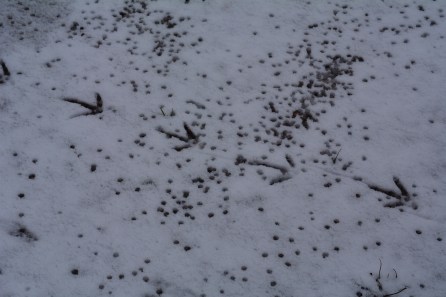
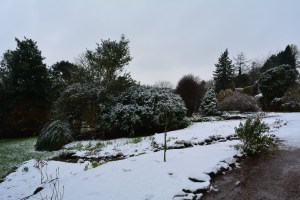
We made the one hour journey to the Dorothy Clive Garden on a very cold morning in mid-January. We were surprised to drive through areas of snow and arrived at the garden to find snow covering the garden in a shallow layer. We left our tracks in the snow as did a Grey Heron before us.

2016 01 17_7785 2016 01 17_78002016 01 17_7846

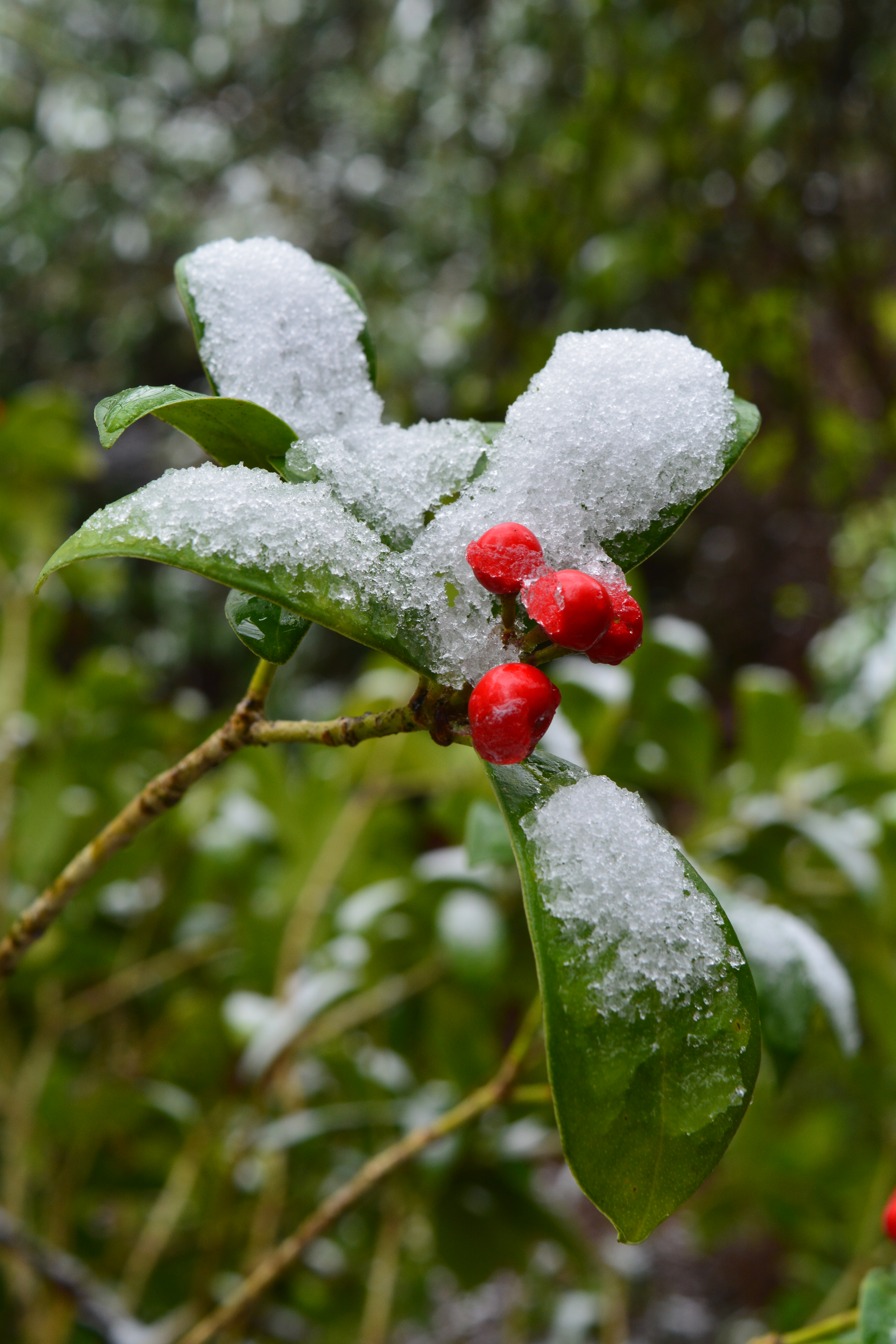
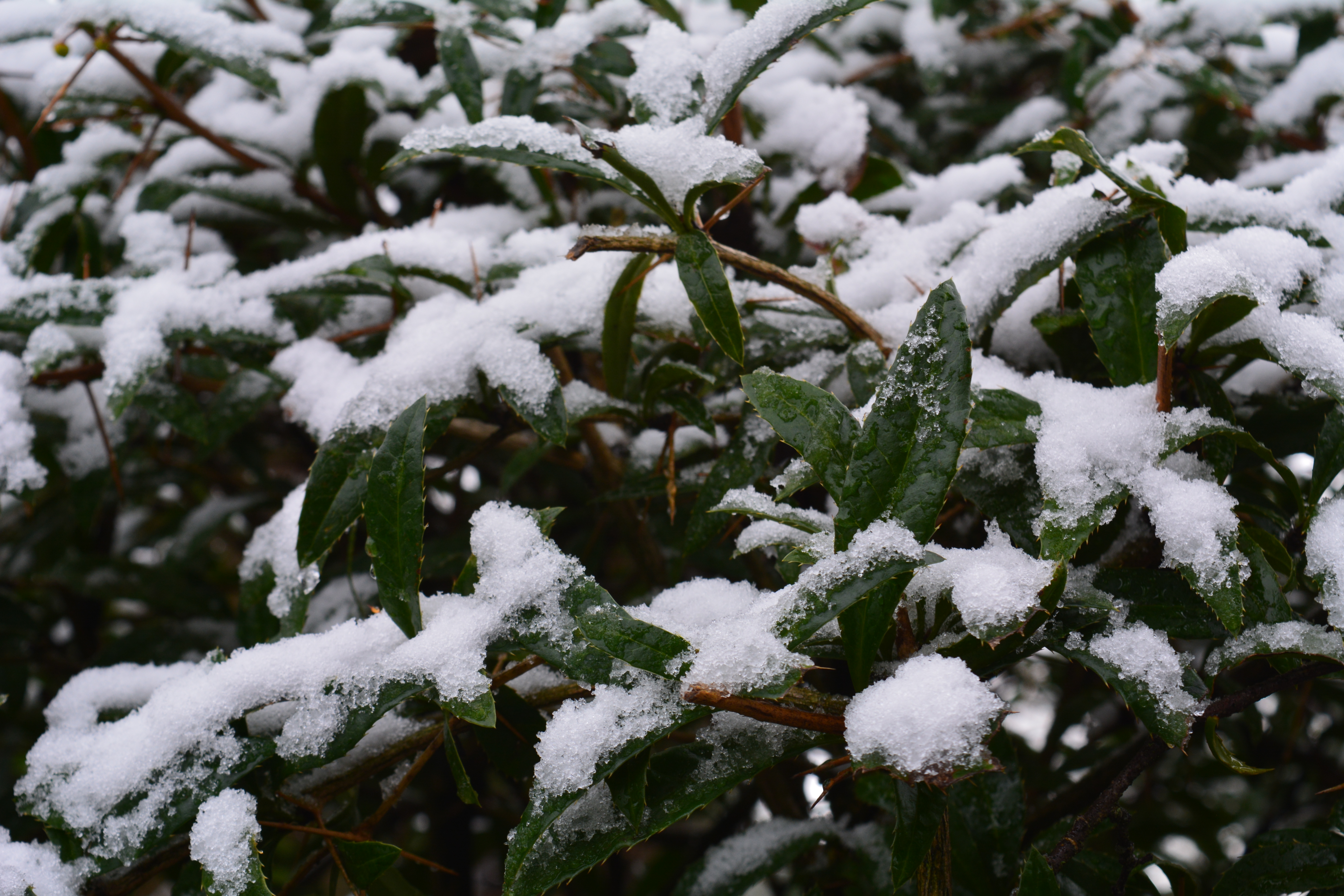
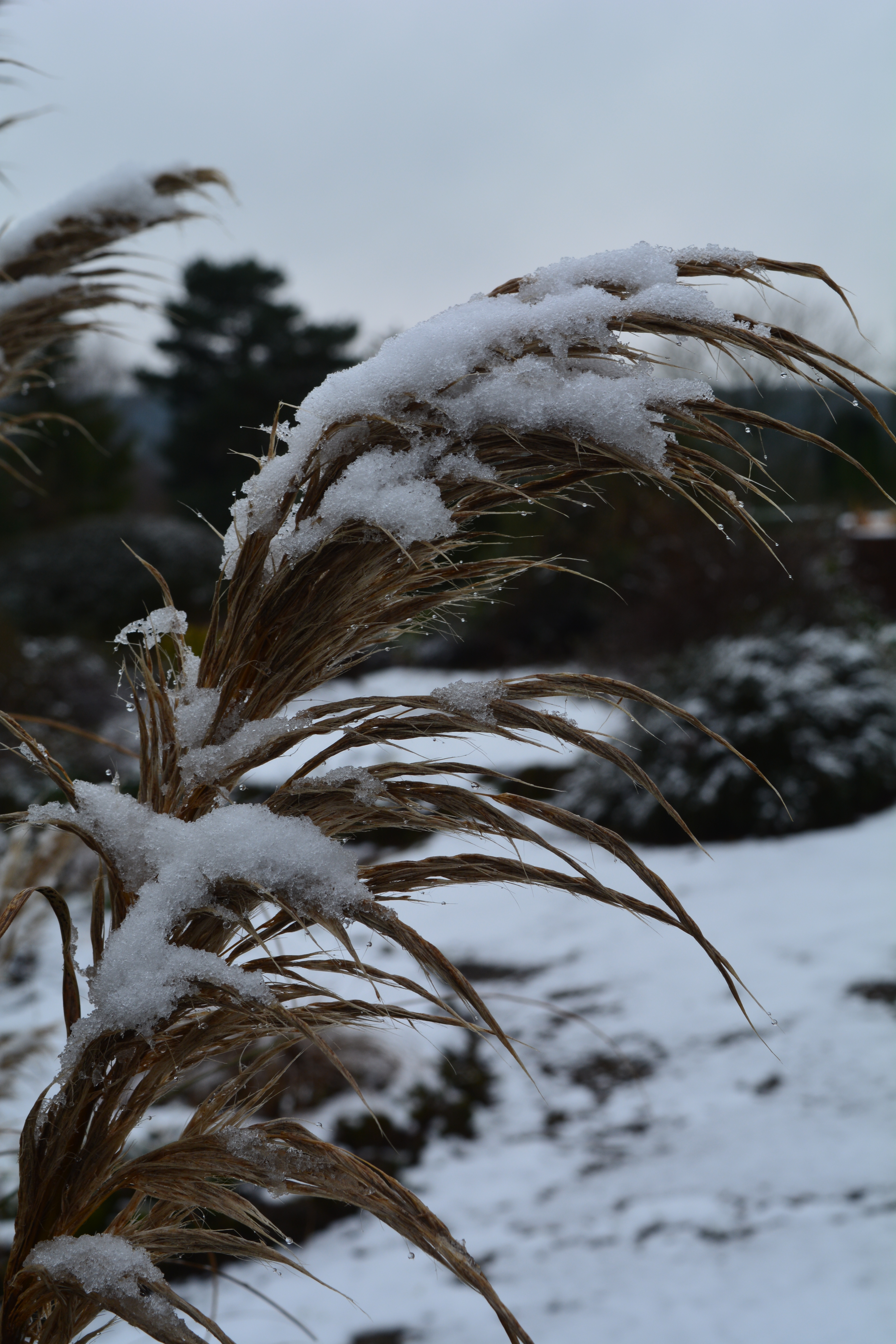
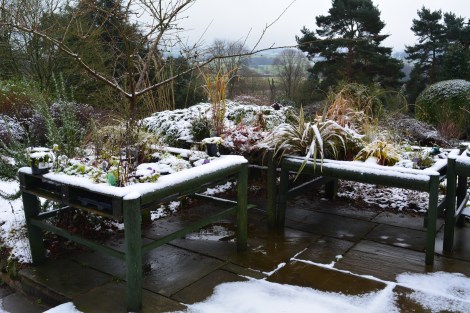
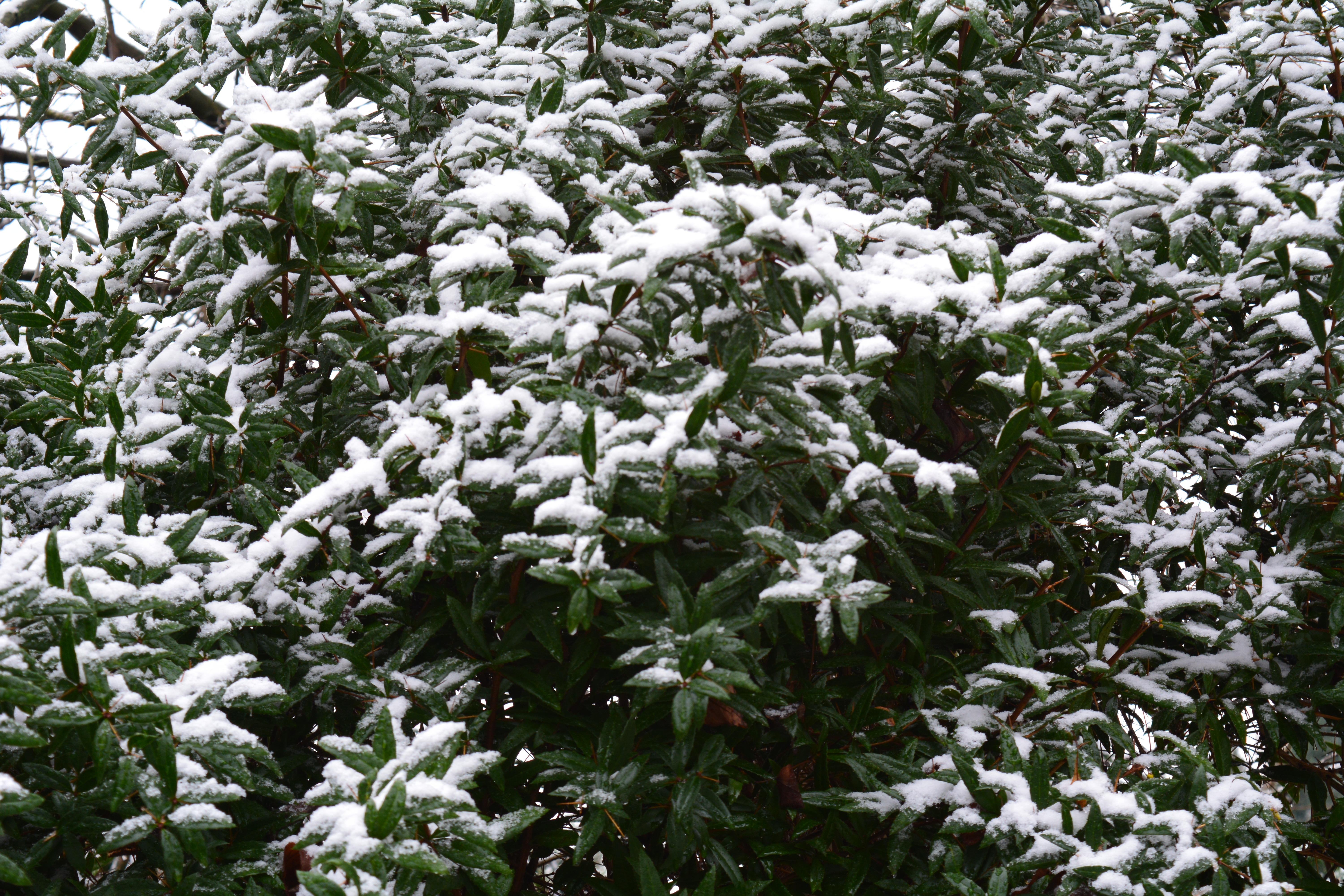
Snow decorated the foliage of trees and shrubs where later in the year we will discover the colours and scents of their flowers. The weight of wet melting snow bent grasses down towards the ground and gave the plants a graceful shape.

2016 01 17_7786 2016 01 17_7788 2016 01 17_7789 2016 01 17_7791 2016 01 17_7792 2016 01 17_7793  2016 01 17_7794 2016 01 17_7807

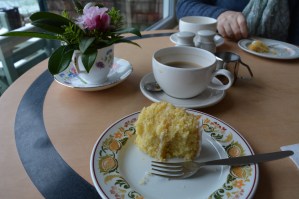
The first view of the garden opened up before us as we climbed a gently sloping path towards the tea shop which in winter doubles up as the ticket office. Naturally we were tempted by the aroma of warm coffee and the sight of home made cakes. The little flower arrangements in the centre of each table added to the warm welcome we received from the staff.

2016 01 17_7790 2016 01 17_7798

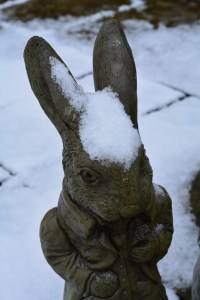
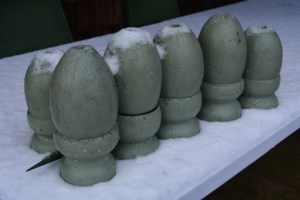
Just outside the tearoom the little nursery area held plants hidden under snow and sculptures of rabbits and hares wearing hats of snow. The gardeners had been painting acorn fence-post tops a gentle shade of green.

2016 01 17_77952016 01 17_7796 2016 01 17_7797

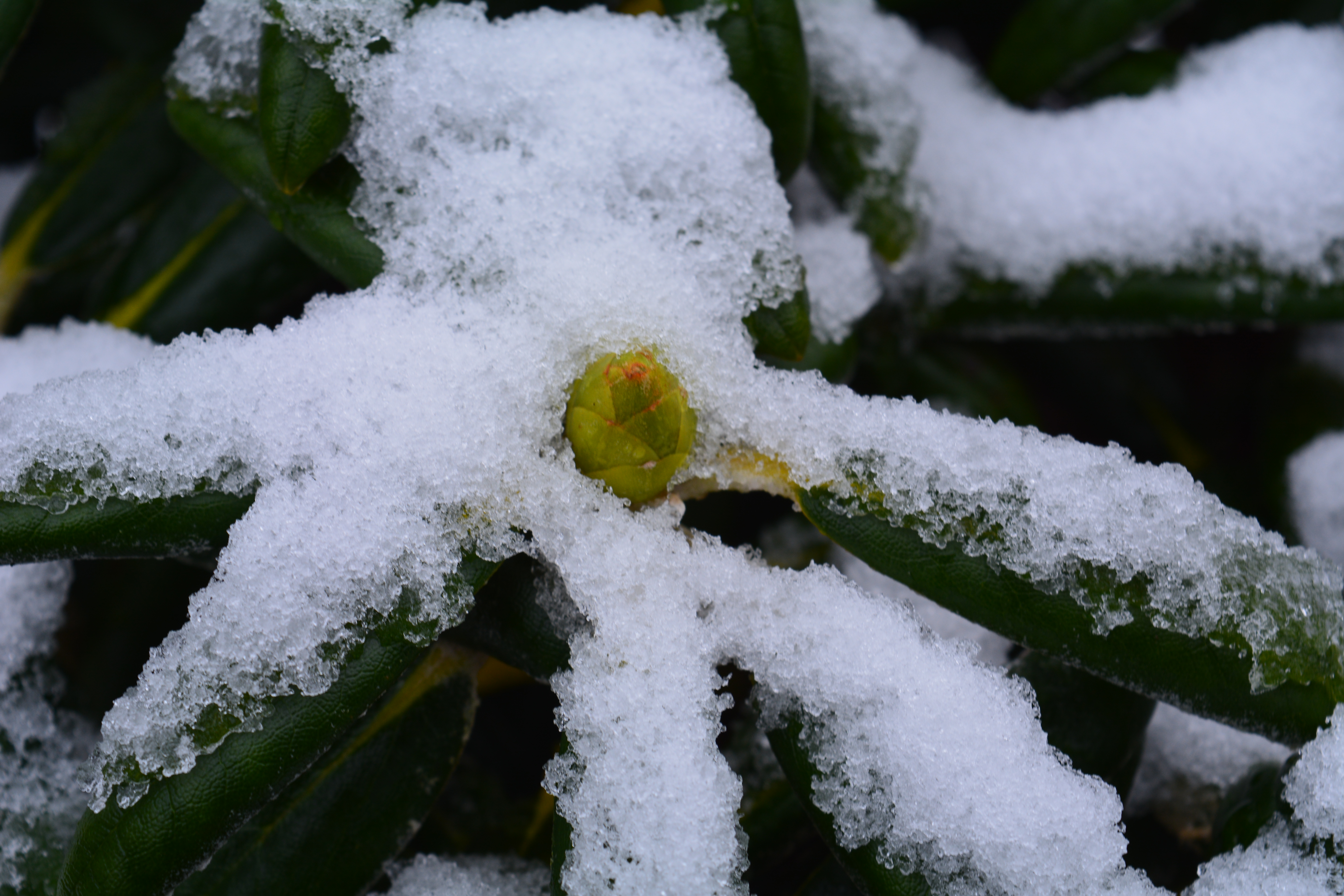
We left the tea shop and mini-nursery to walk towards the Dingle Garden an area of woodland garden created in an old quarry. Snow topped off the buds and leaves of Azaleas and Rhododendrons and the seed heads of the occasional herbaceous perennials.

2016 01 17_7804 2016 01 17_7870 2016 01 17_7874 2016 01 17_7815 2016 01 17_7808 2016 01 17_7813

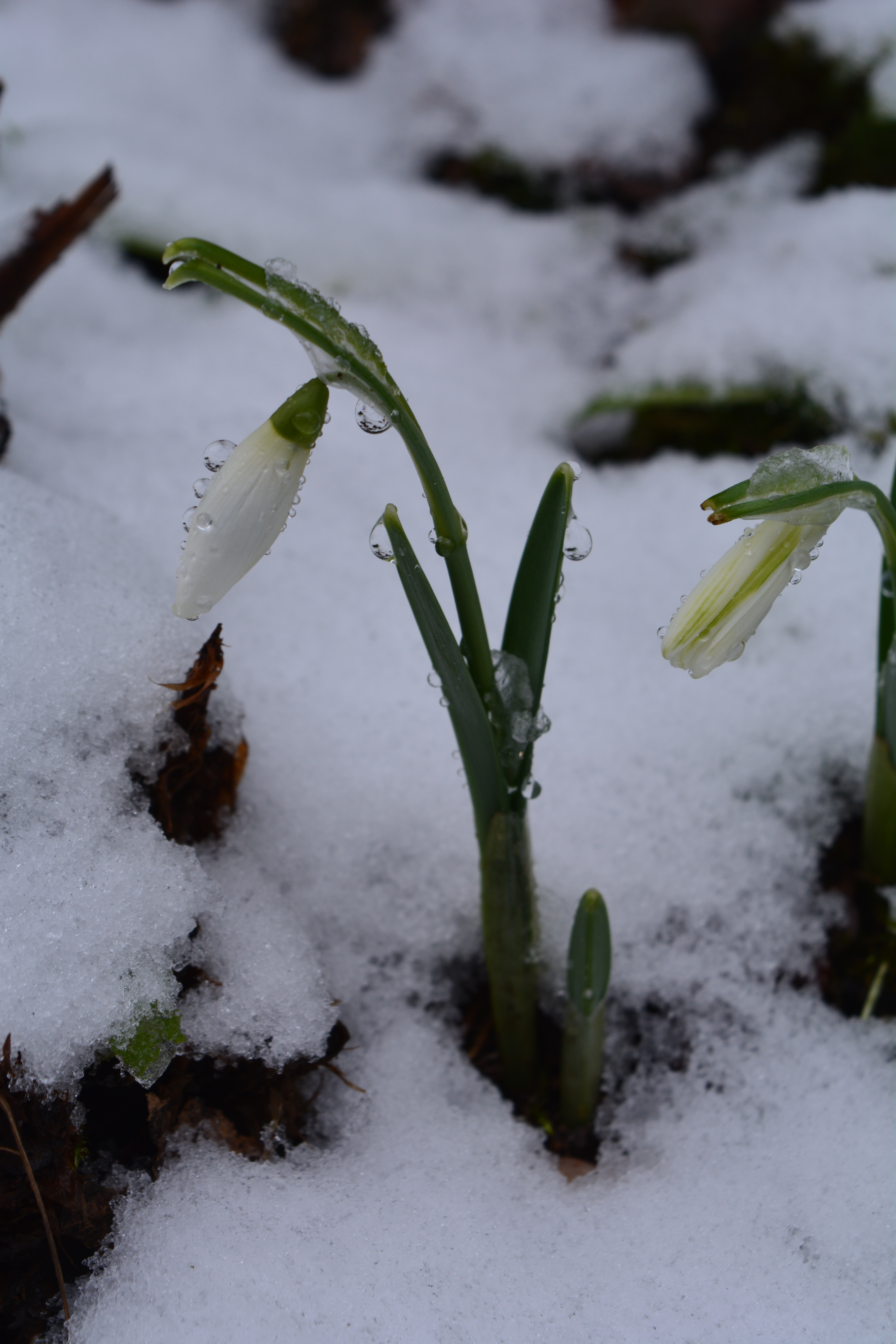
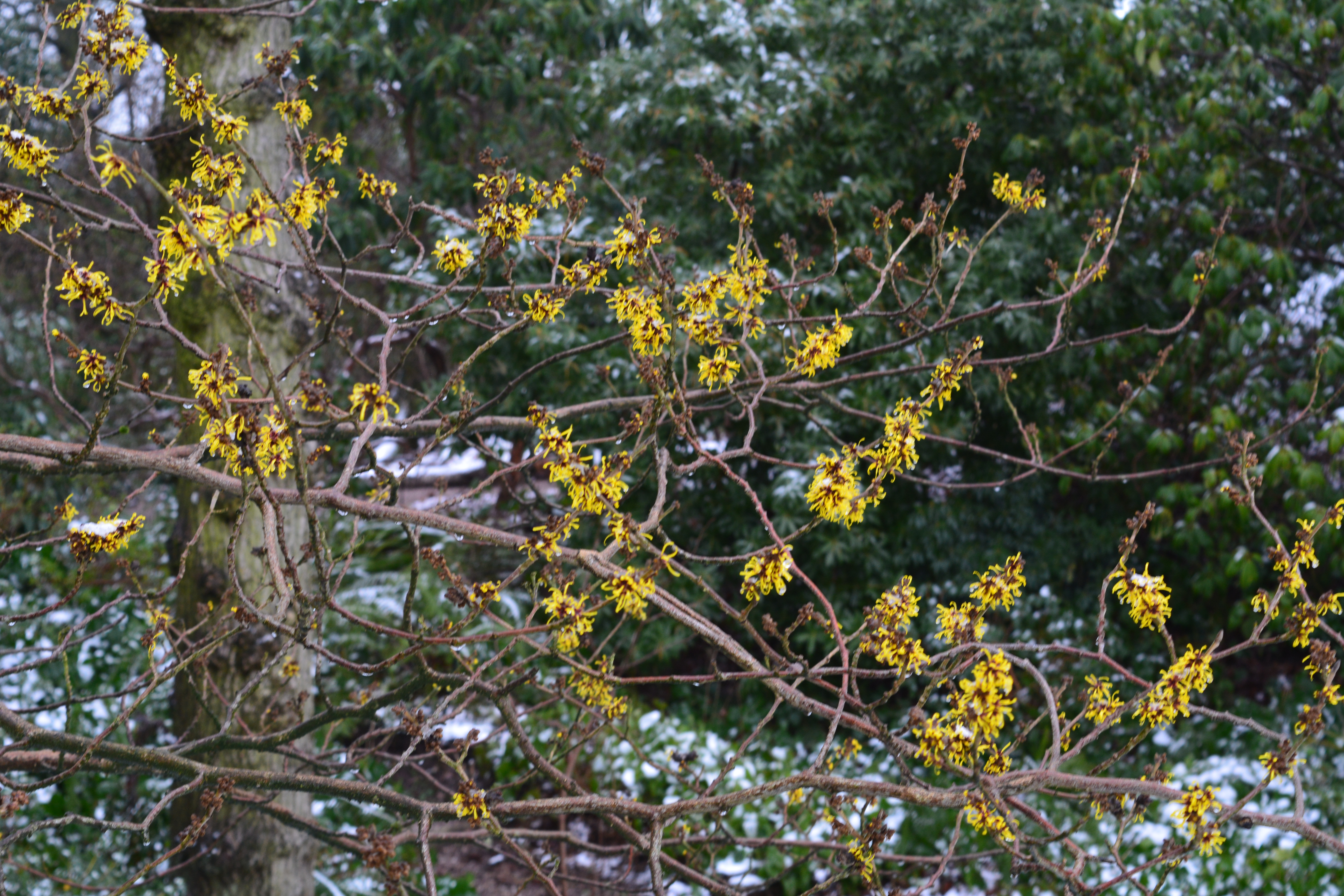
But we were particularly delighted to find flowers out, the simplest of Snowdrops with droplets of melted snow hanging from their stems, the occasional Rhododendrons and Camellias and Witch Hazels in sunshine colours.

2016 01 17_7809 2016 01 17_7810 2016 01 17_7811 2016 01 17_7836

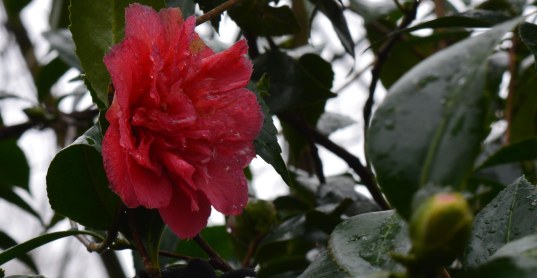
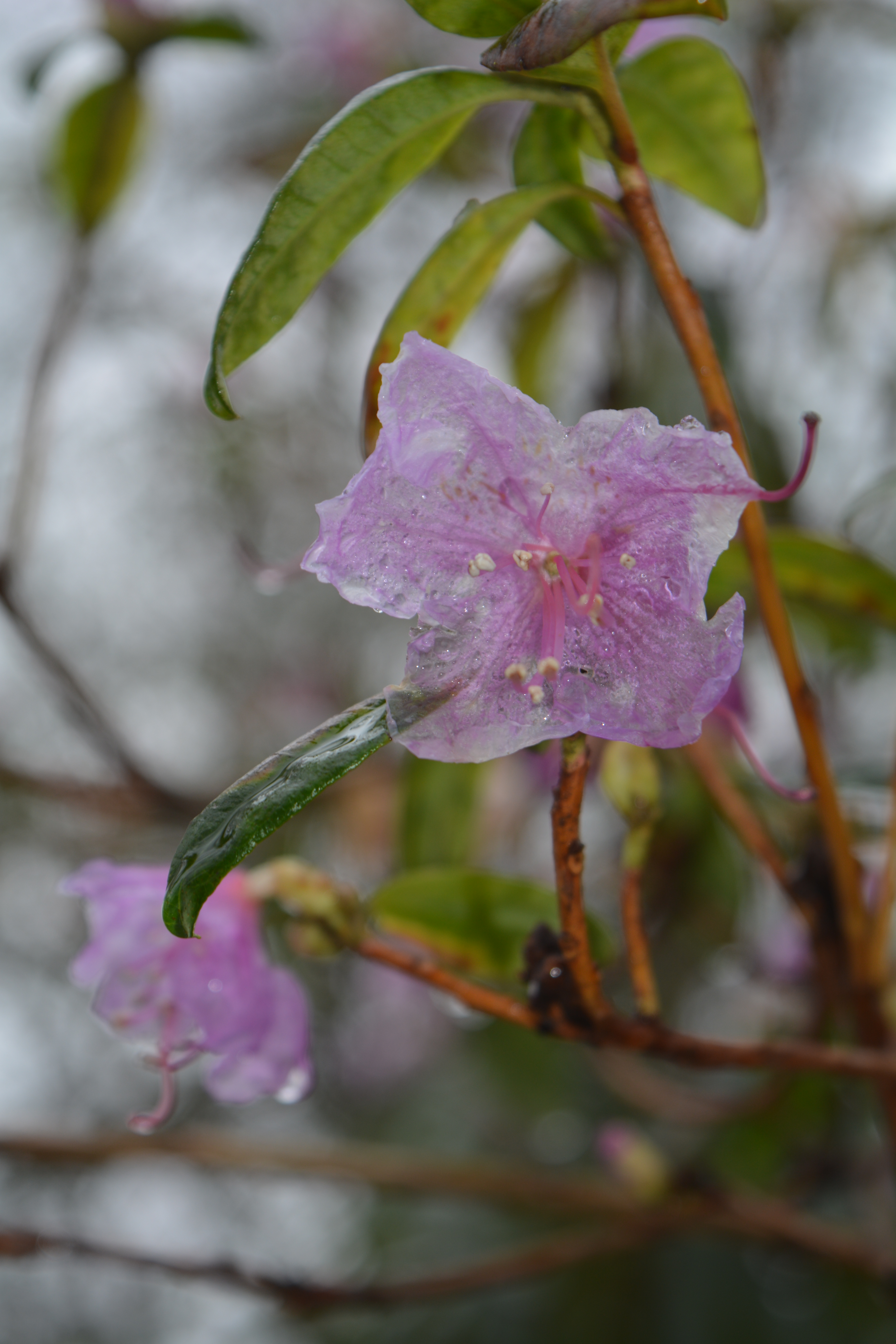
The overnight snow and ice had turned this pink Rhododendron translucent and delicate, while the flowers in the Camellia Walk were just managing to hang on. The pink scented flowers of this Daphne however shrugged off the cold and looked fresh and cheerful.

2016 01 17_7827 2016 01 17_7818_edited-12016 01 17_7902 2016 01 17_79052016 01 17_7881_edited-1

Hydrangeas looked as good covered in seed heads as they do in flower with gentle biscuit and ginger hues.

2016 01 17_7819 2016 01 17_7825

During the winter when undergrowth has died away and low growing deciduous shrubs have dropped their leaves the trunks of Rhododendrons and Azaleas are exposed. We can then appreciate their amazing scrolls and curlicues.

2016 01 17_7821 2016 01 17_7822 2016 01 17_7830 2016 01 17_7823 2016 01 17_7824 2016 01 17_7868

The new winter garden at the Dorothy Clive Garden was a surprise to us as it is totally new so we didn’t know it existed. A great surprise! The Laburnum Arch through which we left the Winter Garden has been a popular feature of the garden for many years.

2016 01 17_7837 2016 01 17_7838 2016 01 17_7842 2016 01 17_7844 2016 01 17_7845 2016 01 17_7847

The colours and textures of trees can add so much to any garden and the gardeners at Dorothy Clive certainly know how to choose them and place them to best advantage.

2016 01 17_7850 2016 01 17_7857 2016 01 17_7860 2016 01 17_7864 2016 01 17_7866 2016 01 17_7869

You only need the tiniest touch of light on berries to make them sparkle. The last drops of melting snow hung on many.

2016 01 17_7898 2016 01 17_7897_edited-1

Mahonias are always a good plant in any garden with their glossy evergreen leaves which show rich autumn colours and in the winter yellow scented flowers appear to be followed by black berries with a white floury dusting.

2016 01 17_7885 2016 01 17_7891

We shall return for part two of this January visit to our feature garden of 2016 to see what other treats the Dorothy Clive Garden has in store for us.


Categories
birds colours flowering bulbs garden photography garden wildlife gardening grasses half-hardy perennials hardy perennials ornamental grasses ornamental trees and shrubs outdoor sculpture roses shrubs succulents Winter Gardening winter gardens

My Garden Journal – December

To celebrate the moving from 2015 into 2016 I thought an appropriate post to publish would be my final monthly garden journal entries for 2015.

This is the final month of reporting on my garden journal where I have been keeping track of what has been happening in our Avocet garden. December should be a month of cold nights, frosts and wintry showers but this year it has been a month of strong winds and rain accompanying mild temperatures. We have still only had one frost in this last bit of the year. Our Dahlias remain outside as we move into the first week of December as we are waiting for frosts to blacken their foliage which would allow us to prepare them for their winter rest.

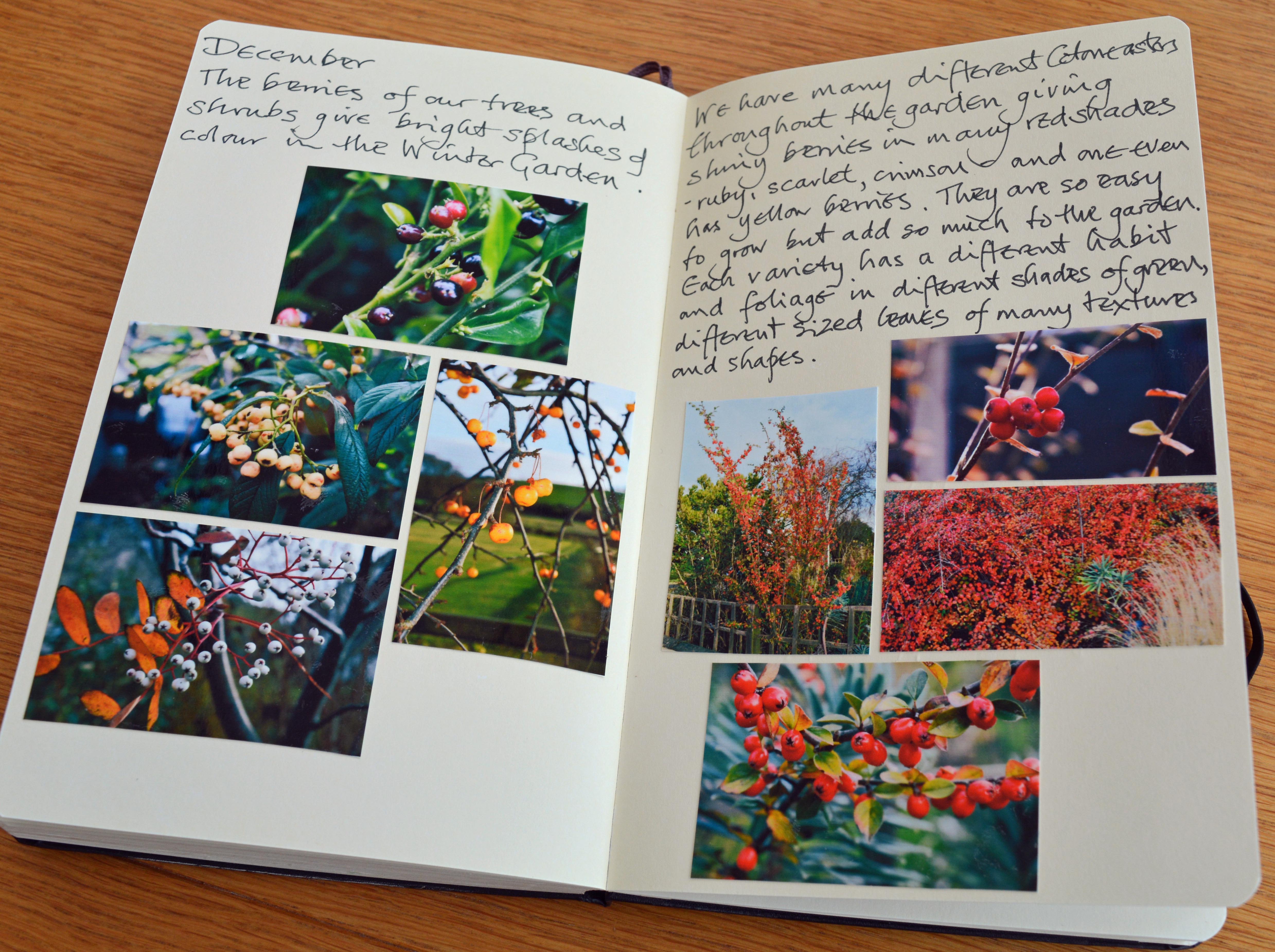
Opening up my garden journal onto the first pages for December reveals photos of berries which are such a strong feature of our winter garden.

2015 12 28_7595_edited-1

My first entry for December reads, “The berries of our trees and shrubs give bright splashes of colour in the Winter Garden.”

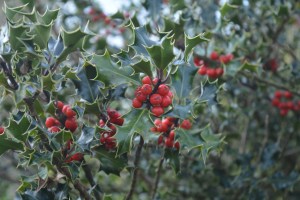
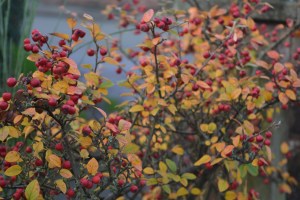
My photos show berries of Hypericum, Sarcoccoca, various Hollies and one of our Sorbus.

2015 12 01_7338 2015 12 01_73362015 12 01_7334 2015 12 01_73552015 12 01_7363 2015 12 01_7366

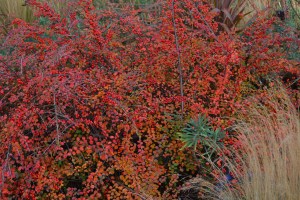
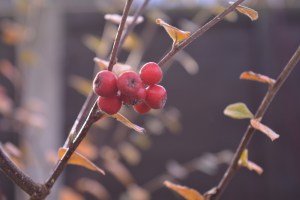
We have many different Cotoneasters throughout the garden giving shiny berries in many red shades – ruby, scarlet, crimson – and one even has yellow berries. They are so easy to grow but add so much to the garden. Each variety has a different habit and foliage in different shades of green, different sizes, shapes and textures. But what is common to them all is that they are true favourites of our berry eating thrushes.”

2015 12 01_7354 2015 12 01_7357 2015 12 01_7358 2015 12 01_7362 2015 12 01_7364 2015 12 01_73682015 12 01_7377 2015 12 01_7340 2015 12 01_7365

The greenhouse features next in my December Journal as it is during this month that it fills up with tender plants which we want to overwinter.

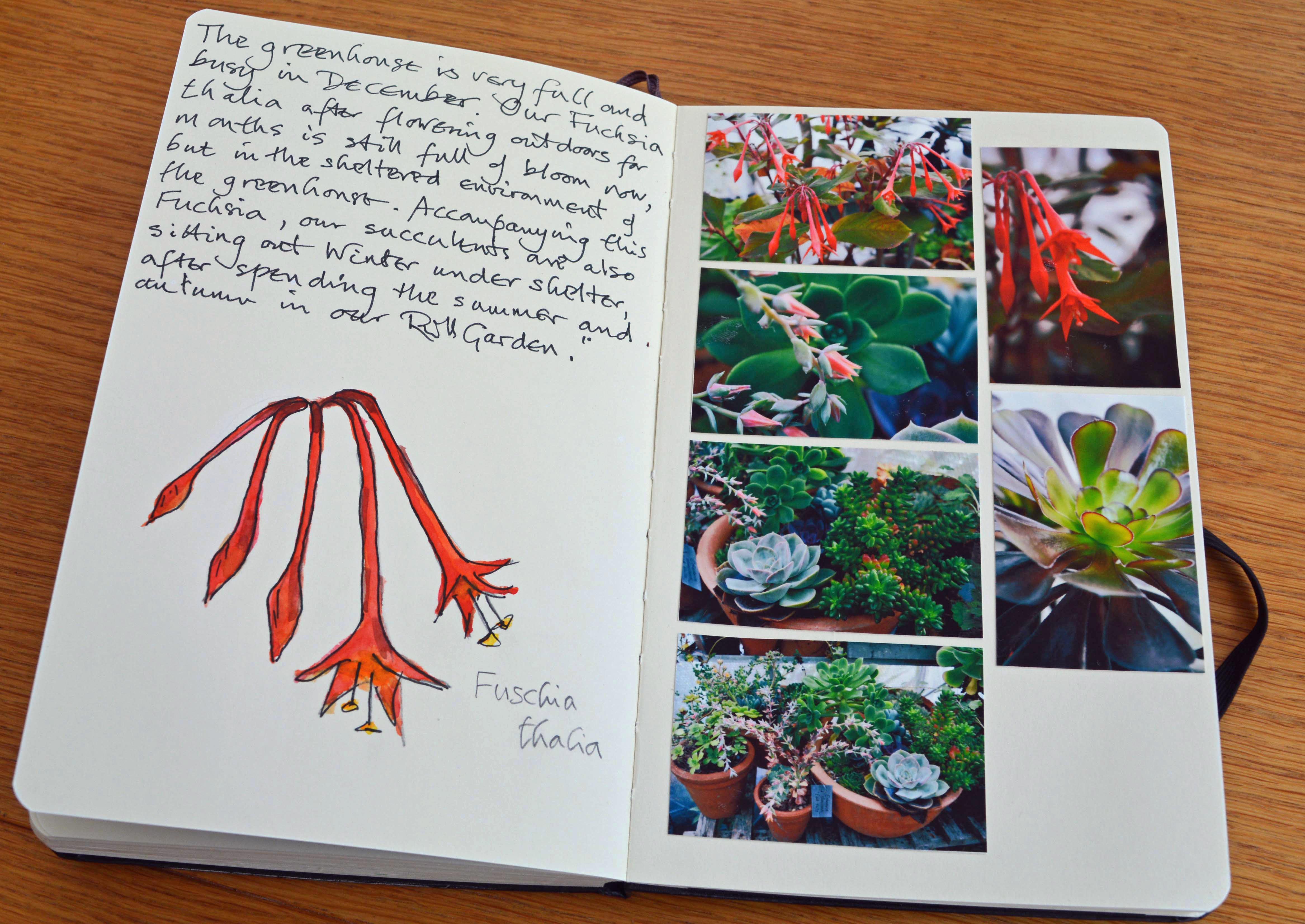
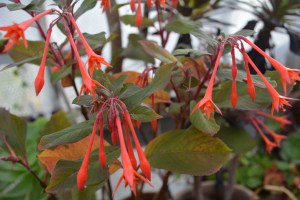
“The greenhouse is very full and busy in December. Our Fuschia thalia after flowering outdoors for months is still full of bloom now but in the sheltered environment of the greenhouse. Accompanying this special Fuschia, our succulents are also sitting out winter under shelter, after spending the summer and autumn in the Rill Garden.” 

2015 12 28_7596_edited-12015 12 01_7323 2015 12 01_7322

I tried to show the uniqueness of the Fuschia and its incredibly bright colour with watercolours.

2015 12 28_7597_edited-1

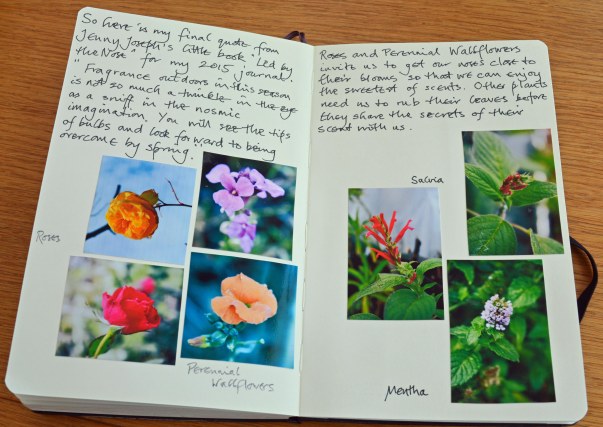
My final quote for 2015 from the little book by Jenny Joseph, “Led by the Nose” appears as we turn the next page.

2015 12 28_7598_edited-1

Fragrance outdoors in this season is not so much a twinkle in the eye as a sniff in the nosmic imagination. You will see the tips of bulbs and look forward to being overcome by spring.” 

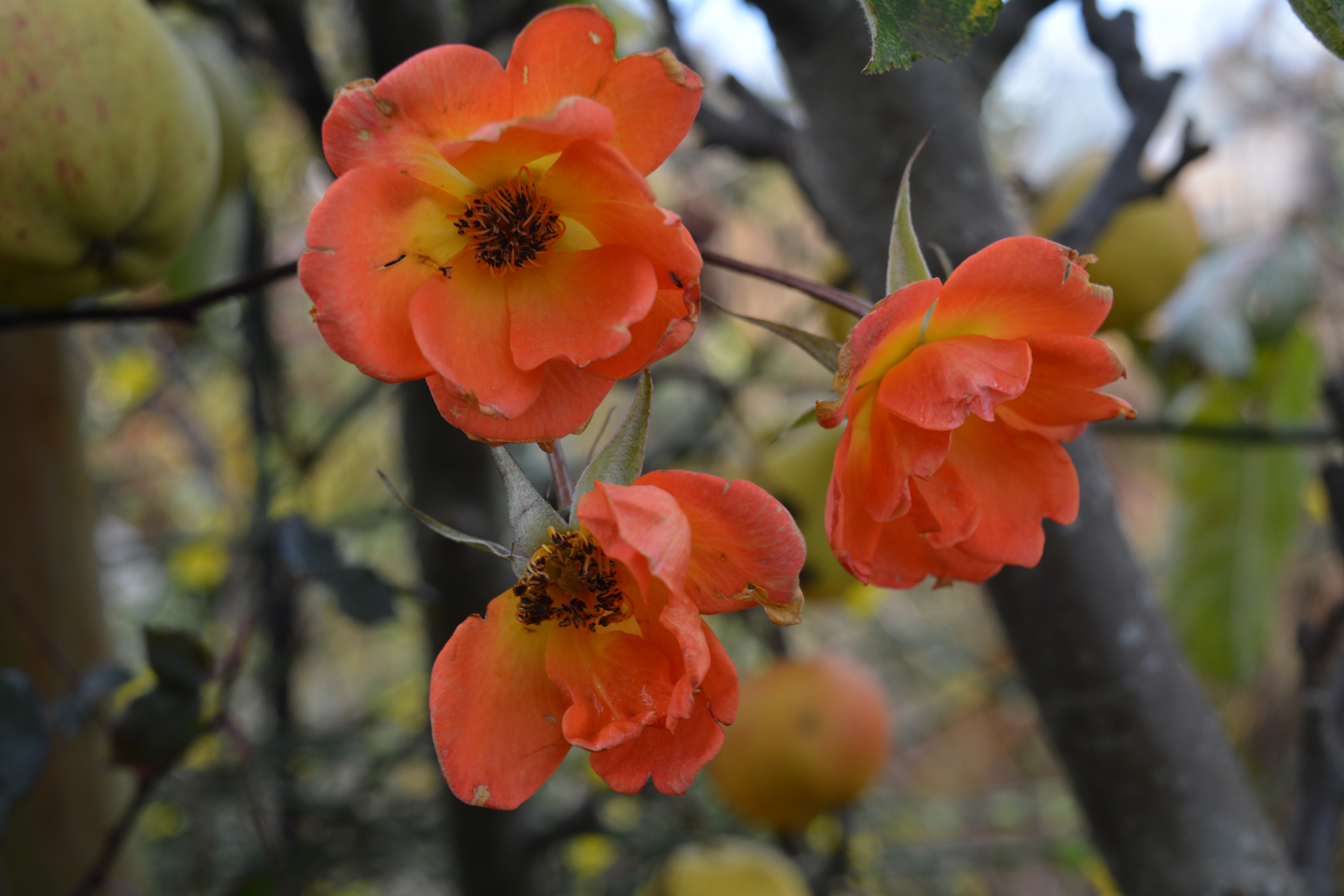
Below these words I share photos of a few of the flowers that are sharing their scent with us this month, roses and perennial wallflowers.

2015 12 01_7343 2015 12 01_7384 2015 12 01_7361_edited-1 2015 12 01_7398 2015 12 01_7376_edited-1 2015 12 01_7372

“Roses and Perennial Wallflowers invite us to get our noses close to their blooms so that we can enjoy the sweetest of scents. Other plants need us to rub their leaves before they share the secrets of the scent with us.” 

The accompanying pictures show two such plants, salvias and mints.

2015 12 01_7319 2015 12 01_73812015 12 01_7320

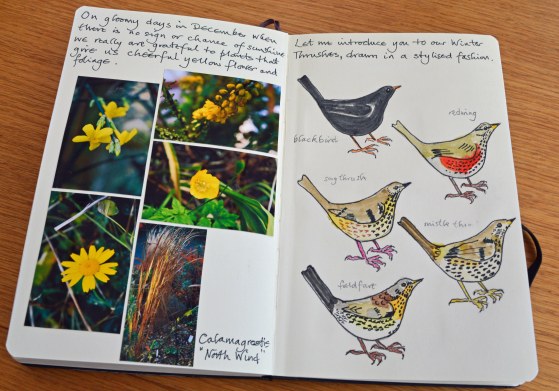
The colour yellow can cheer up the garden in the deep dark days of December, so I moved on to see what plants were giving us these golden tints.

2015 12 28_7599_edited-1

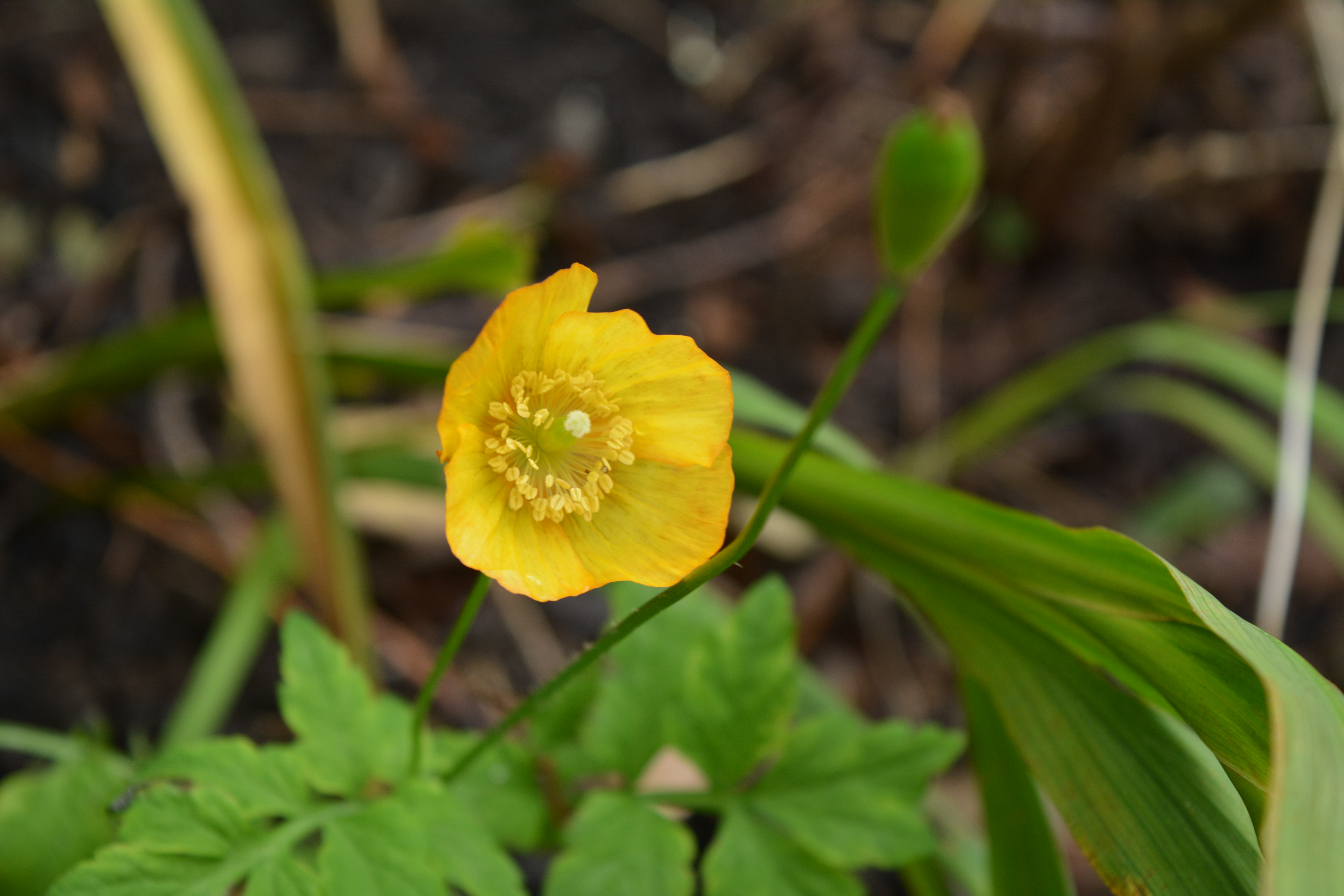
“On gloomy days in December when there is no sign or chance of sunshine, we really are grateful to plants that give us cheerful yellow flower and foliage.”

2015 12 01_7382 2015 12 01_7383 2015 12 01_7412 2015 12 01_7406 2015 12 01_7347  2015 12 01_7352_edited-1

Opposite my tour of our garden yellows I make mention of the members of the ?thrush family that share our garden with us in the winter.

“Let me introduce you to our Winter Thrushes, drawn in a stylised fashion.”  I hope you enjoy them.

2015 12 28_7600_edited-1

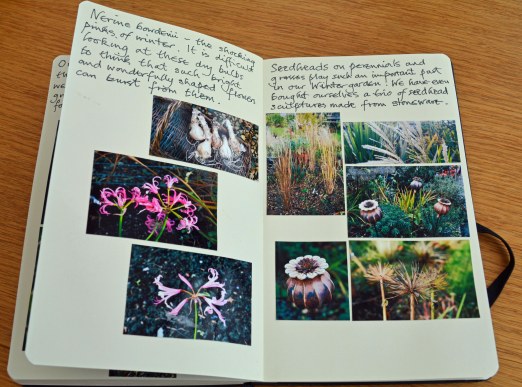
We next turn from the colour yellow to bright pinks, Nerines.

2015 12 28_7606_edited-1

“Nerine bowdenii is the shocking pink of winter. It is difficult looking at these dry bulbs to think that such bright and wonderfully shaped flowers can burst from them.”

2015 12 16_7522 2015 12 01_7339

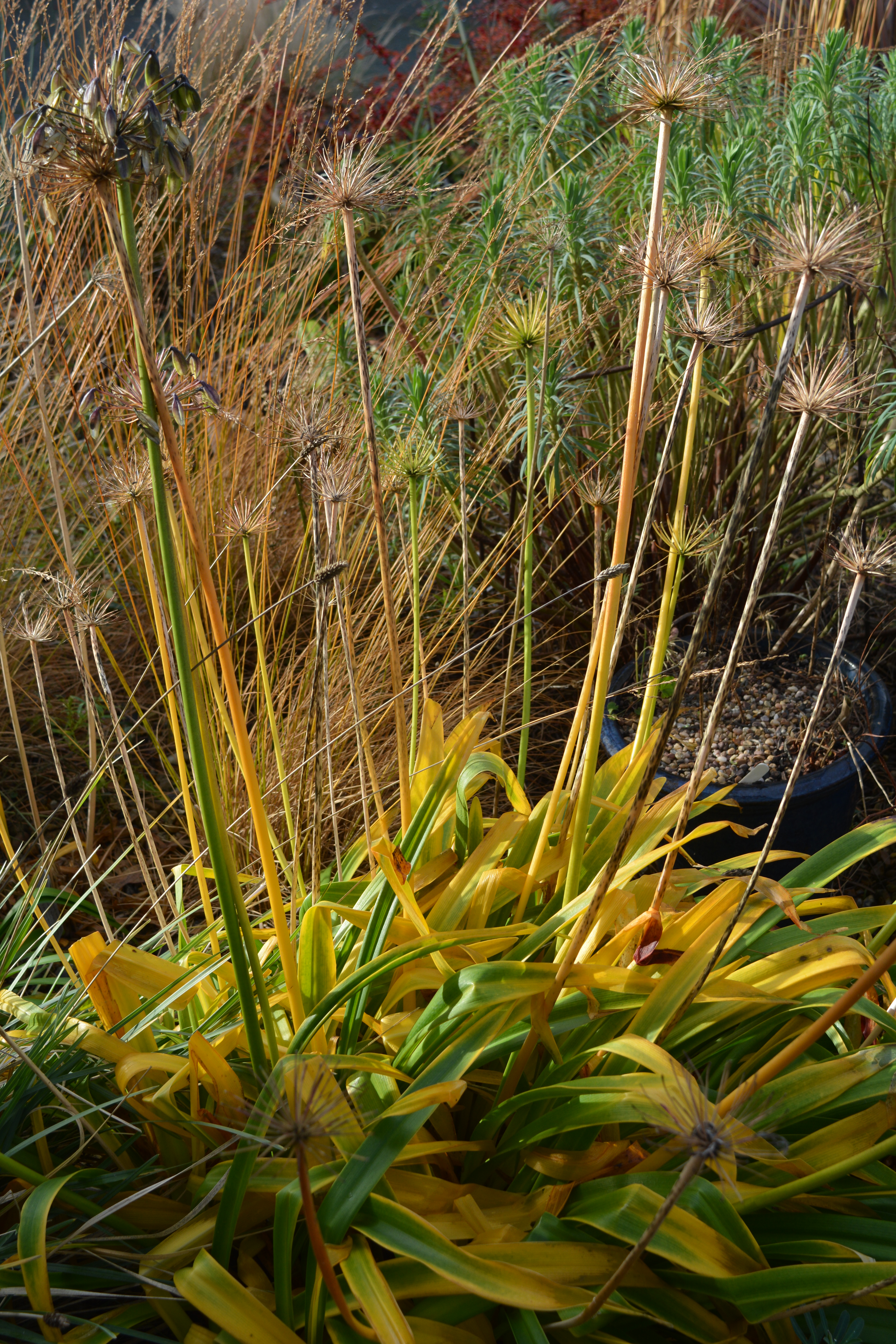
Seed heads are the theme of the page opposite the Nerines.

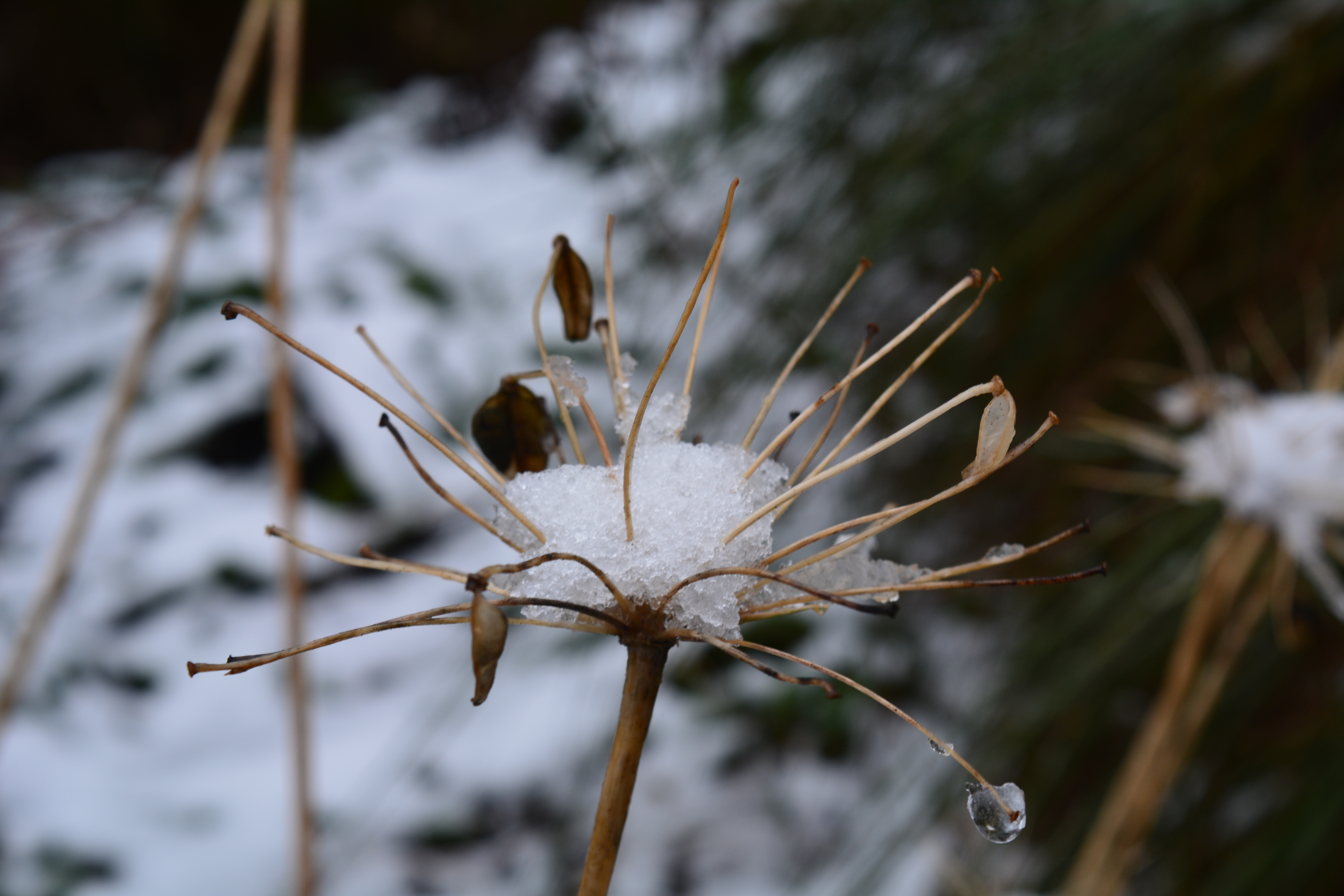
“Seedheads on perennials and grasses play such an important part in our Winter garden. We have even bought ourselves a trio of seedhead sculptures made from stoneware.”

2015 12 01_7353 2015 12 01_73492015 12 01_7350 2015 12 01_7392_edited-1

2015 12 01_7360 2015 12 01_7359

So now we turn the page to the very last entry in my 2015 Garden Journal.

2015 12 28_7607_edited-1

As December slowly comes to an end for 2015, we are already looking ahead. Jude’s little nursery is well-stocked with young plants which we will sell on our open days and to garden clubs who visit Avocet. The greenhouse keeps our tender plants warm and snug. They are patiently awaiting Spring 2016.”

2015 12 01_7317 2015 12 01_7318   2015 12 01_7333

Young plants that we are growing on for sale at next year’s open days are sheltering in a plastic mini-greenhouse to encourage them to grow strong and healthy ready for next year. They look pretty sad through the winter though as most are herbaceous perennials.

2015 12 01_7337


Categories
Cheshire colours flowering bulbs garden design garden photography gardening gardens gardens open to the public light light quality National Trust ornamental trees and shrubs shrubs spring bulbs The National Trust trees Winter Gardening winter gardens

Winter Wonderland at Dunham Massey – part two

2015 02 27_9737_edited-1

Welcome back to the National Trust property Dunham Massey in Cheshire where earlier this year we enjoyed our annual exploration of their wonderful Winter Gardens. No winter flowering plant can have more presence than Cornus mas, the Cornellian Cherry.

2015 02 27_9725_edited-1

Better known perhaps are the Witch Hazels with their flowers of yellow, orange and red which glow like fire in the slightest brightness of the winter sun.

2015 02 27_9774 2015 02 27_9727_edited-1

Deep inside their brightest of ribbons of petals deep secrets hide, revealed only when the petals fall.

2015 02 27_9775 2015 02 27_97762015 02 27_9777_edited-1

In part one of this two part visit to Dunham Massey I shared with you my love of the biscuits and browns, the last of life from the previous seasons. Now I will share some more beautiful details in close up, using a close-up attachment on my Nikon. It really brings out the importance of structure and the richness hidden in these modest colours.

2015 02 27_9771 2015 02 27_97722015 02 27_9729_edited-1

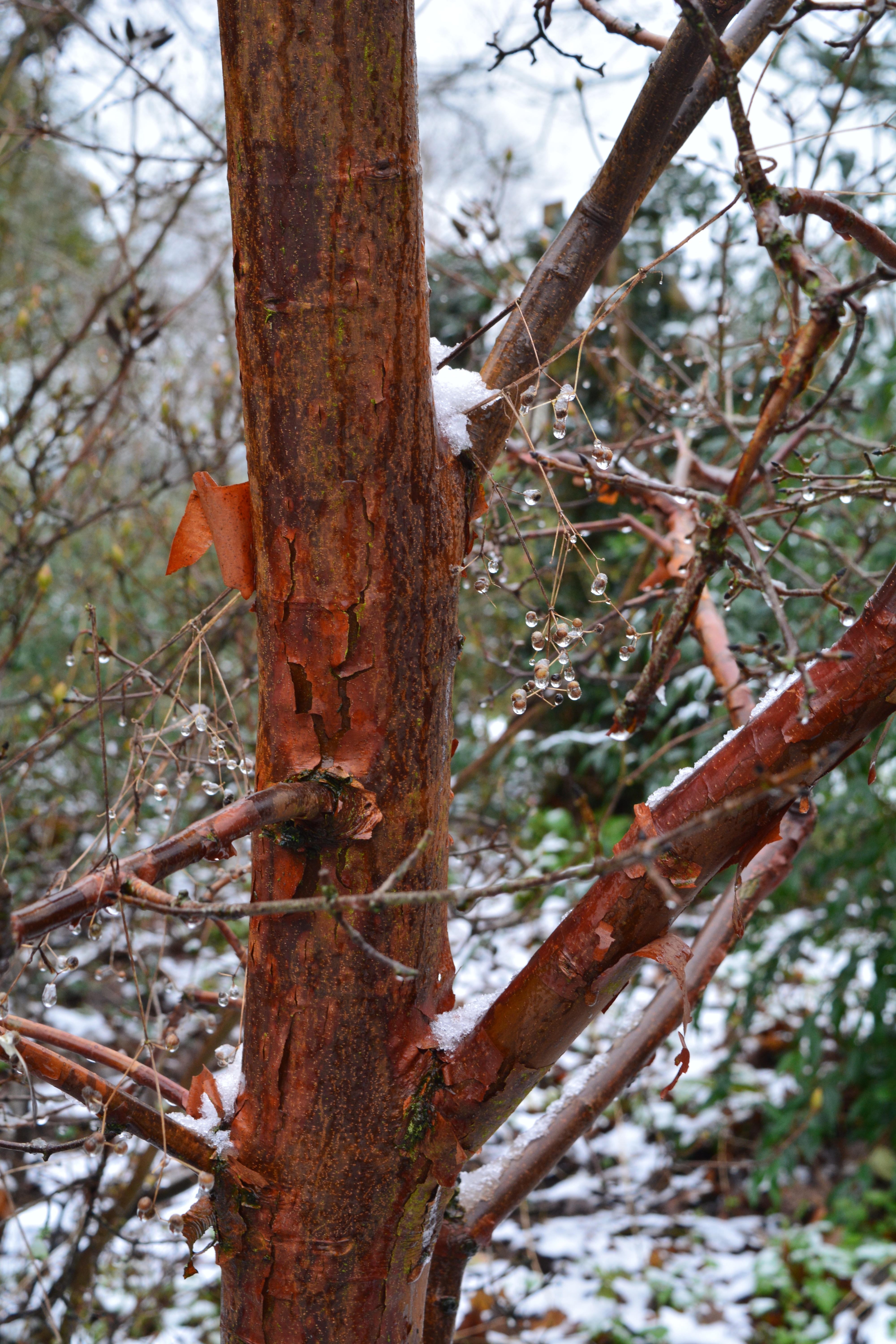
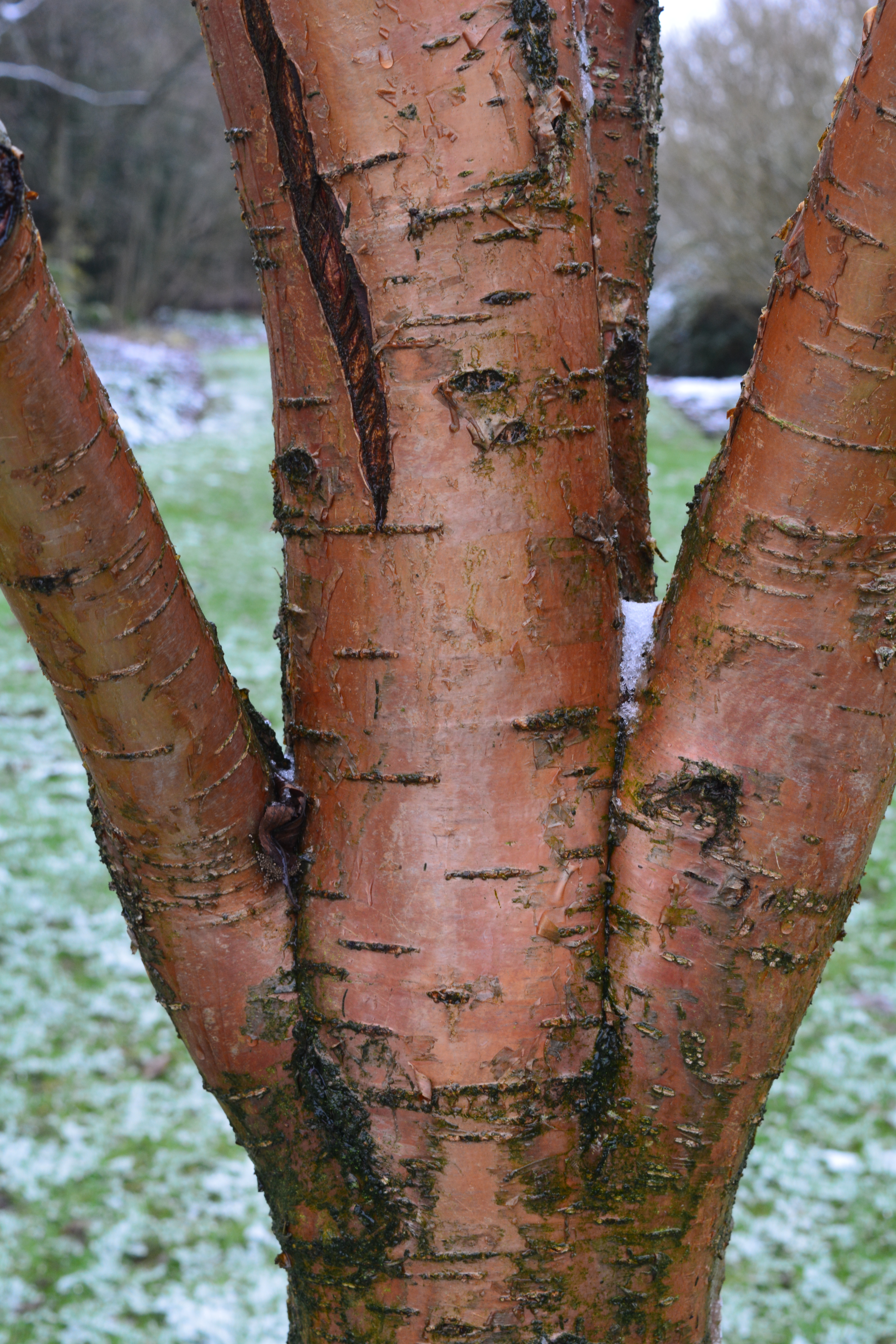
Amazingly exactly the same colours are there to be found in the bark of a winter garden’s trees.

2015 02 27_9773 2015 02 27_9722_edited-1 2015 02 27_9750_edited-12015 02 27_9723_edited-1

On some old flowerheads from last year, especially the Hydrangeas, the dominant colour is bone white which does look good too!

2015 02 27_9744_edited-12015 02 27_9746_edited-12015 02 27_9745_edited-1 2015 02 27_9747_edited-1

As we wandered around the Winter Garden paths which meander among the borders we kept getting glimpses of a shrub which looked to be still in its Autumn coat. We couldn’t get close enough to see what it was so before leaving we sought it out and discovered it to be a Mahonia of the japonica/bealii type but we were not sure which one and it wasn’t labeled. Below is the photo I took to show its bright “autumn” colours against the intense dark greens of surrounding evergreens.

2015 02 27_9785

Naturally I must finish off this double dose of winter beauty where I began, singing the praises of white barked birches! Singing their praises through the lens of my camera!

2015 02 27_97832015 02 27_9718_edited-1 2015 02 27_97882015 02 27_9780 2015 02 27_97862015 02 27_9715_edited-1


Categories
Cheshire colours flowering bulbs garden design garden photography gardens gardens open to the public irises light light quality National Trust ornamental trees and shrubs shrubs spring bulbs The National Trust trees Winter Gardening winter gardens

Winter Wonderland at Dunham Massey – part one

We are in the habit of visiting the gardens of the National Trust property, Dunham Massey, especially since their Winter Garden has matured. We tend to visit in February. This year we made our annual pilgrimage on a sunny, mild day right at the end of the month.
The new visitors centre of glass and wood gives a fresh new welcome and these beautiful etchings in the glass feature throughout. They set the atmosphere to prepare you for the wonderful winter garden.

2015 02 27_9709

On the walk to the garden we passed this dead tree now cut down and the wood used to create a wildlife habitat. Brilliant idea!

2015 02 27_9710

As soon as we had taken our first steps in the garden we could see what we could expect, with this border of coloured stemmed shrubs, Cornus “Midwinter fire” and Rubus thibeticanus against a background of ilex crenata and a mixture of conifers.

2015 02 27_9711

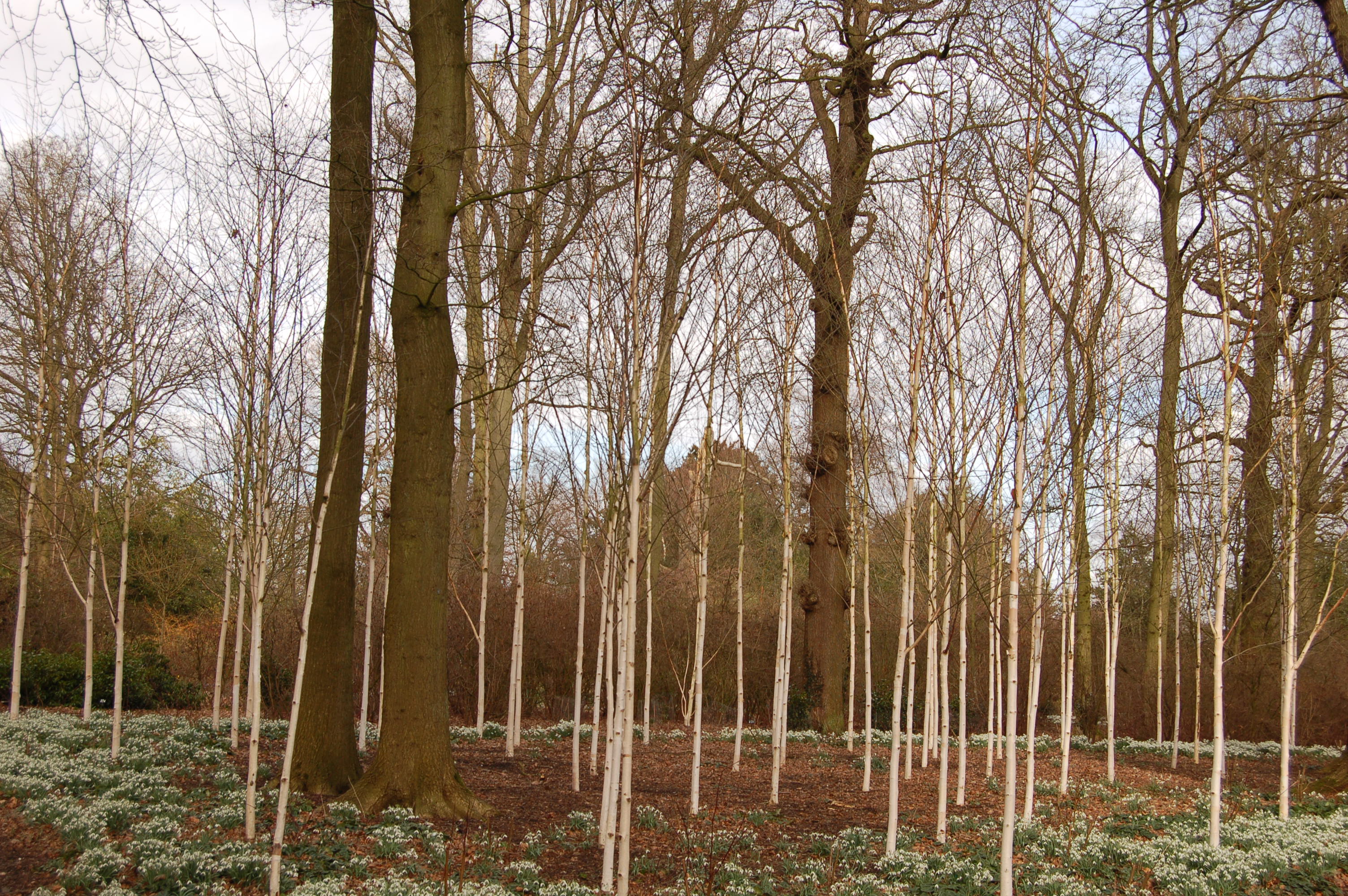
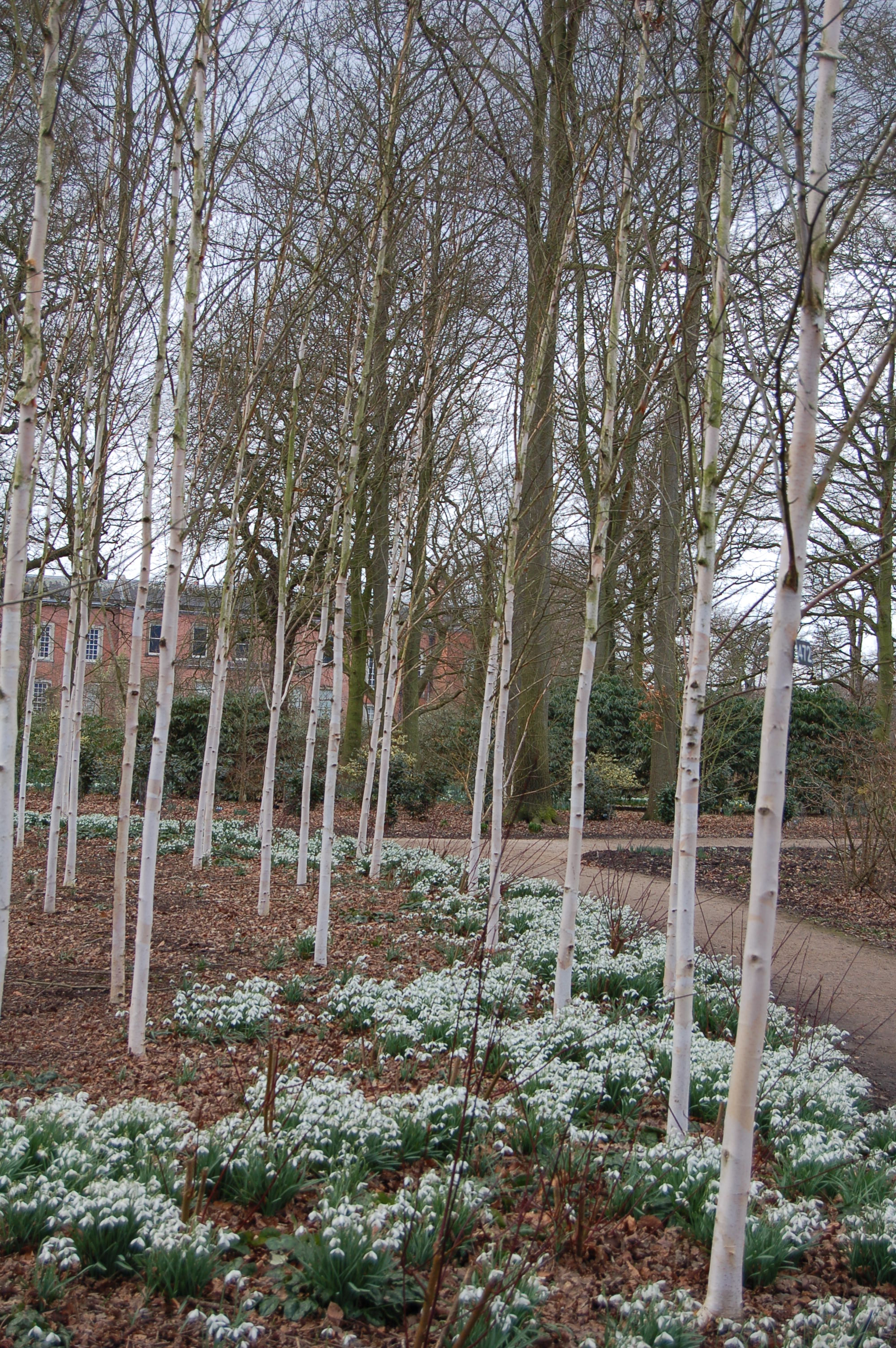
A few paces further on and the large numbers of white stemmed birches, Betula utilis “Dorenbos” appeared like a ghostly forest, with a carpet of Snowdrops adding to the atmosphere. You must know by now how much I love Betulas so you can imagine how planting them on this scale impresses me deeply. They enticed me to try out my new wide angle attachment on the Nikon. Not too sure about the vignetting on this one though!

2015 02 27_97142015 02 27_9713 2015 02 27_9717

There was much more than white coloured plants to look at! And some lovingly selected plant partners.

2015 02 27_9719 2015 02 27_97202015 02 27_9769

Not all the trees here in the winter garden were Birch either, there was plenty of room for others like this Prunus serrula and Acer griseum.

2015 02 27_9751 2015 02 27_9721 2015 02 27_9728

As in any well-designed winter planting coloured stems are very potent, especially Cornus and Salix.

2015 02 27_9734 2015 02 27_9733

But of course there were plenty of flowering plants to give us colour in the gloomiest of months, flowering bulbs, shrubs and even a few perennials.

2015 02 27_9730 2015 02 27_97312015 02 27_9732 2015 02 27_9736

In some areas we  stopped to appreciate the beauty of an individual plant or even a single bloom but in others it was the sheer mass of planting that impressed.

2015 02 27_9740 2015 02 27_9741 2015 02 27_9762 2015 02 27_9770

Other fresh growth provided interest without any colour other than browns and biscuits.

2015 02 27_97382015 02 27_9739 2015 02 27_97482015 02 27_9757

Of course it is more natural to think of these lovely warm biscuits and browns when we consider the growth that was green or brightly coloured last year. And I love these colours when they are a result of decay and age as much as any other colour in the garden. Enjoy this little collage of brown and biscuit!

2015 02 27_97422015 02 27_97492015 02 27_97522015 02 27_97532015 02 27_97542015 02 27_9758


Thinking about winter of course we mustn’t let the berries in their gaudy reds and oranges get missed out.

2015 02 27_9759 2015 02 27_97602015 02 27_9764

Sometimes the beauty was hidden behind a haze. In the pictures below you need to look through the thin mist and the reflective surface of water.


2015 02 27_9761  2015 02 27_9763


Categories
allotments colours community gardening flowering bulbs fruit and veg garden photography gardens irises light light quality meadows NGS ornamental trees and shrubs shrubs spring bulbs Winter Gardening winter gardens

The Allotments at Rest

We took a walk around our allotment site today to see what was going on and check that everything was okay. We had just watched the site on TV as we featured on a BBC2 series called the Great British Garden Revival. I filmed with Dermuid Gavin a feature on wildlife gardening. It was a strange experience seeing our allotment site on the screen but even stranger seeing our own plot being used as an example of a wildlife friendly garden.

For today’s wander we arrived during a period of sunshine with a clear blue sky over our heads, but by the time we were half way around the clouds had arrived and we were subjected to light but very cold rain. The pure white catkins of the Violet willow in the Spring Garden sit like droplets of rain water after a storm. They are bright enough to be visible from a long way away. They draw attention to themselves very well!

2015 01 18_9332_edited-1

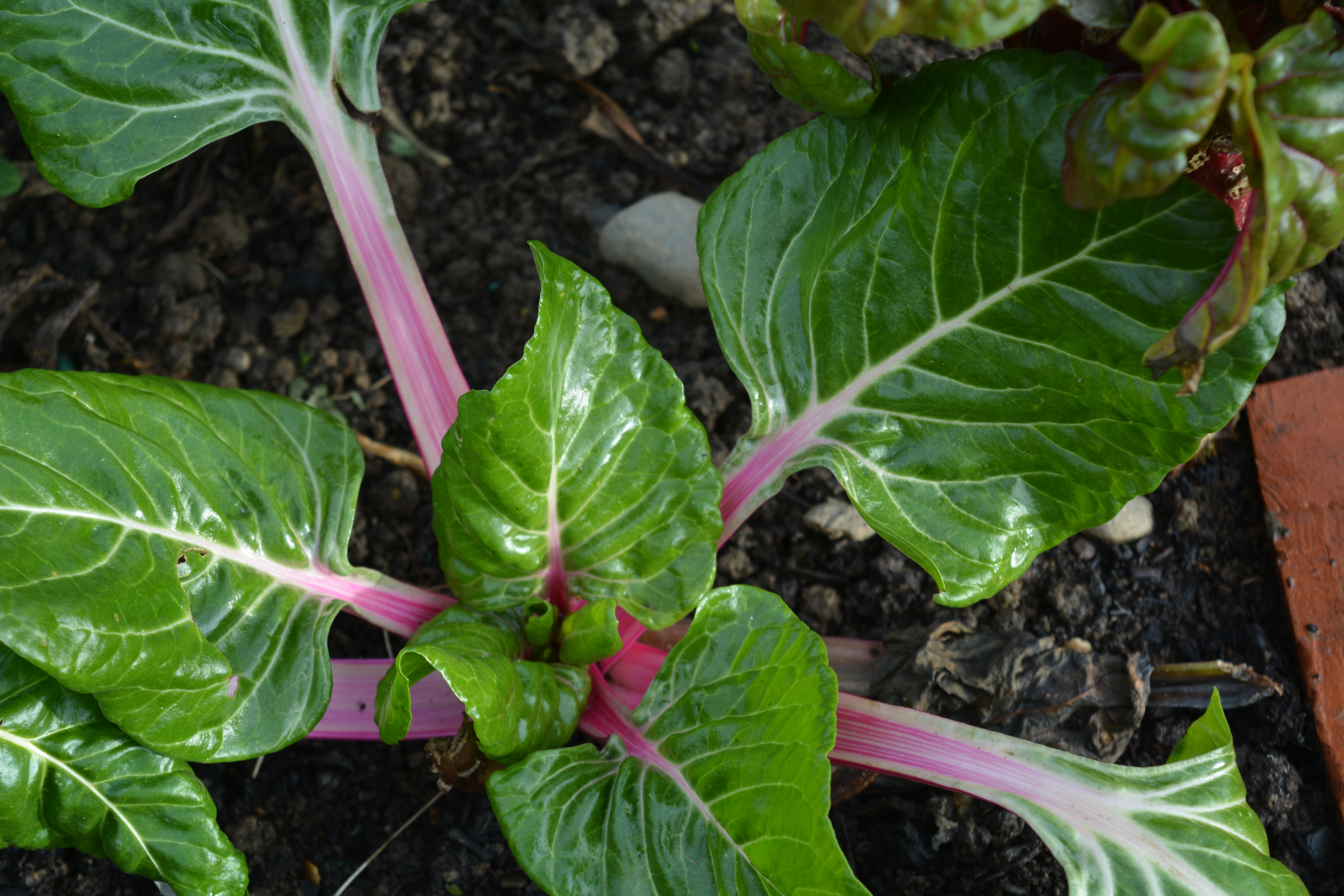
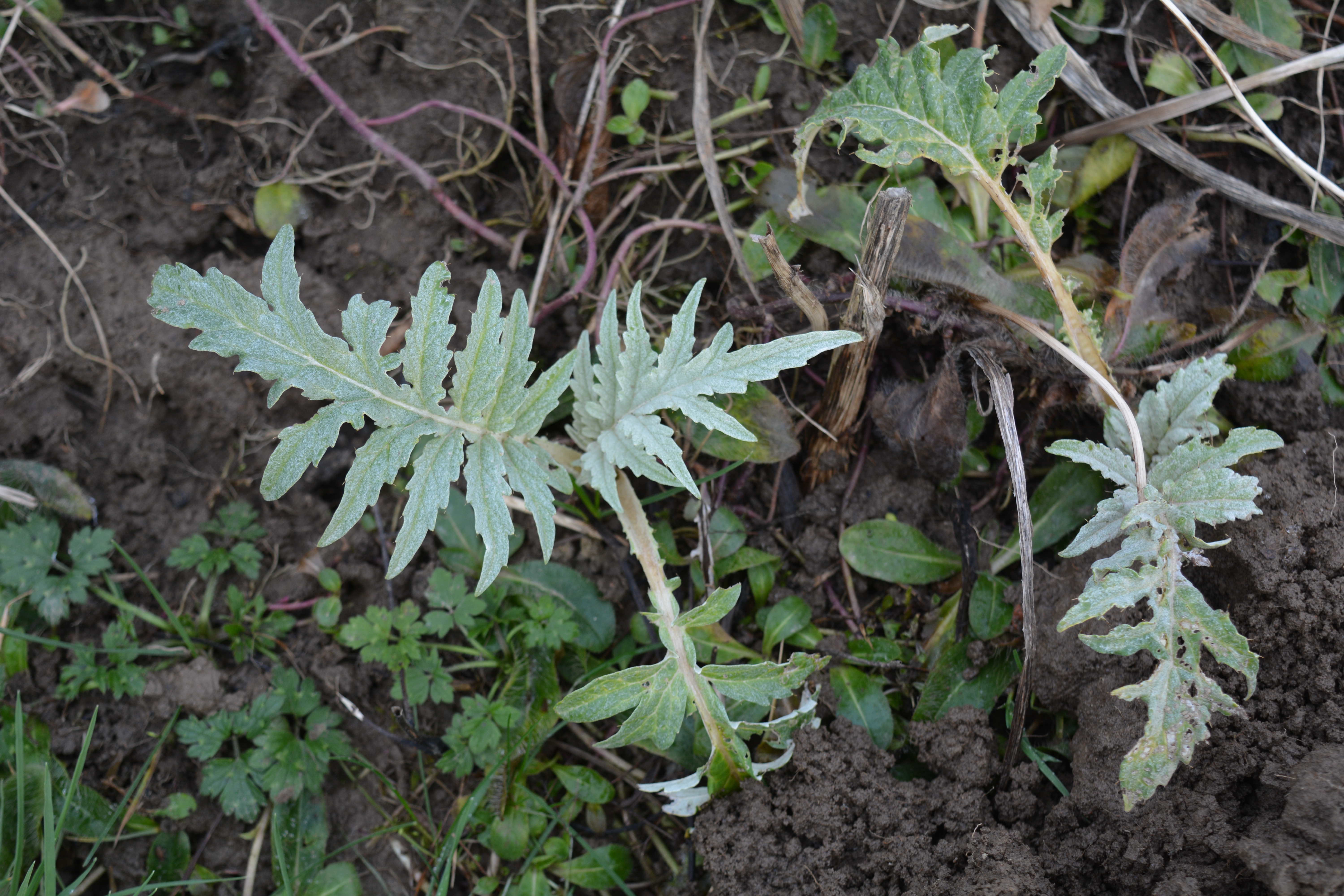
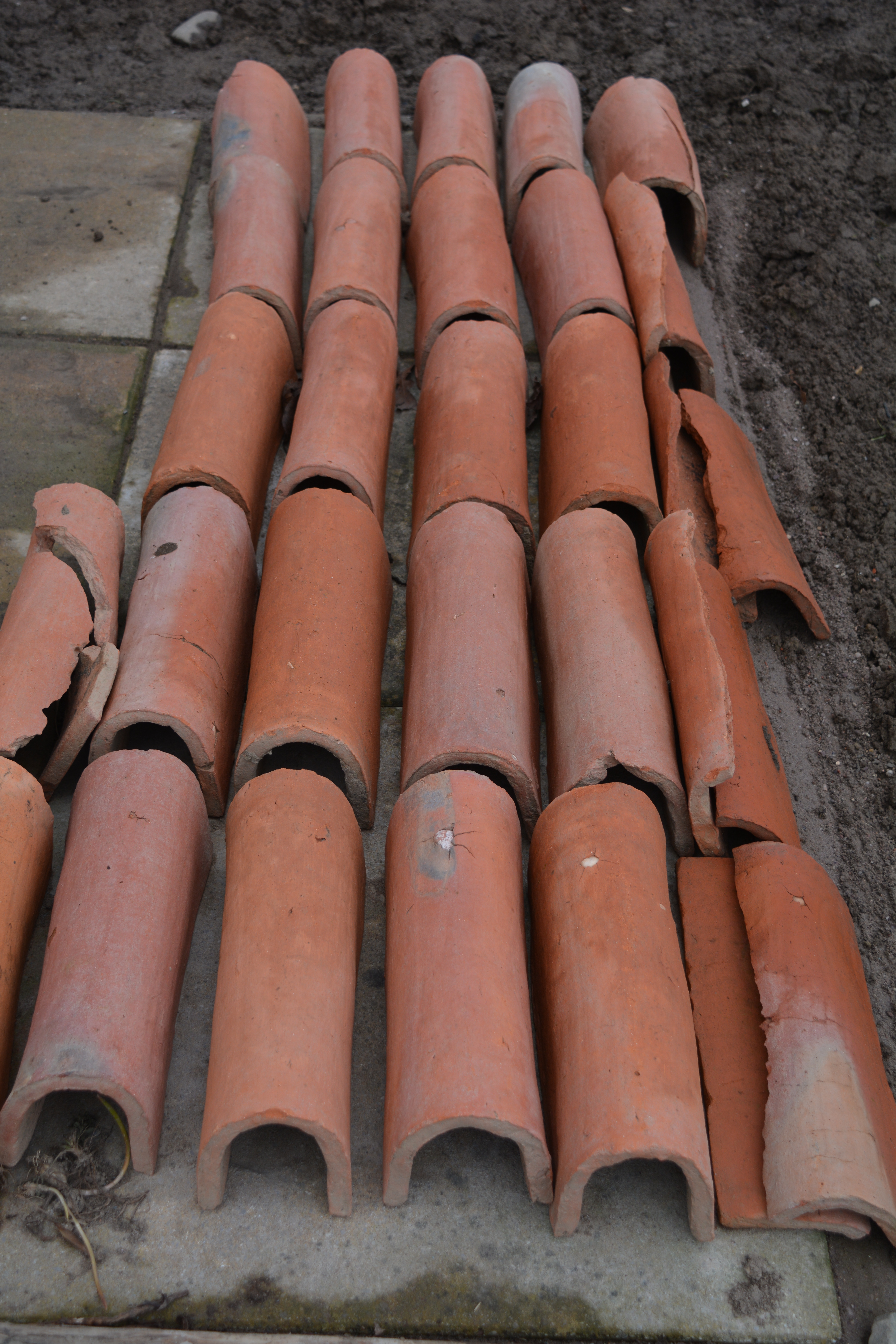
Probably the brightest of winter colours on any veg plot is provided by Swiss Chard especially the cultivar called Bright Lights. Light catches on the textured leaves emphasising their undulating surface. The other crops still in evidence are sprouts that have overwintered and the new fresh foliage of the Globe Artichoke. These leaves now just a few inches long will expand to a massive few feet in length and the plants will reach a good nine or ten feet in height. Their purple, teasel like flowers will delight our pollinators the butterflies, bees and hoverflies and the seed heads that follow will be a magnet to greedy Goldfinches and Linnets in the autumn. Perhaps the strongest pattern of all was found on Tom’s plot, where he has set out all the old clay drainage pipes that he dug up from his plot.

2015 01 18_9312 2015 01 18_9313 2015 01 18_9314 2015 01 18_9330

2015 01 18_9327 2015 01 18_9355

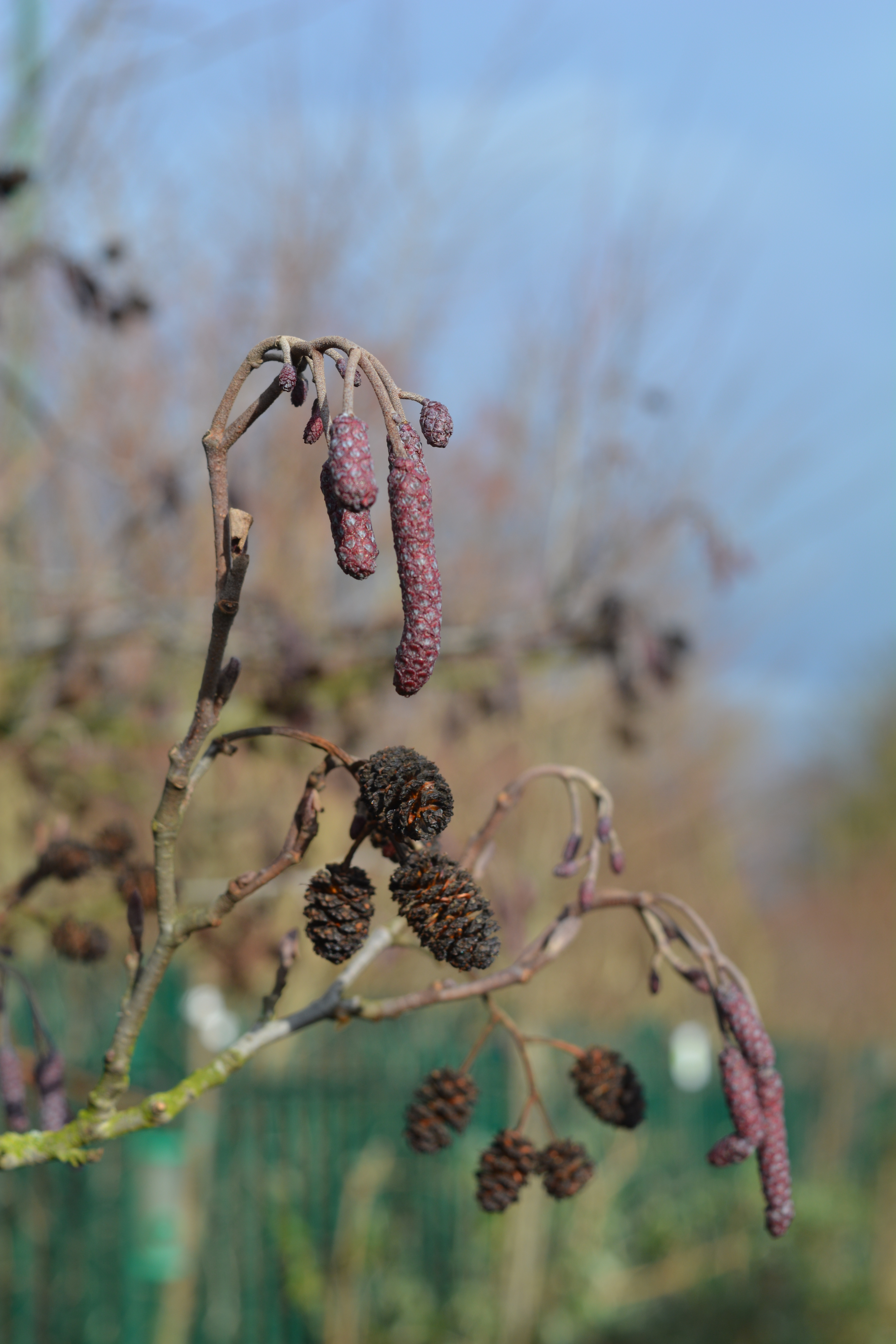
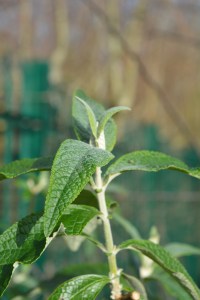
Both the male and female catkins glow purple on the Alders in the Autumn Garden where their neighbours the Buddlejas are showing fresh foliage with their texture like reptilian skin.

2015 01 18_9316 2015 01 18_93152015 01 18_9317

Last year’s plants in the meadows and borders are now skeletons of their former selves. There is a strong structure linked with subtle beauty in these spent seed heads.

2015 01 18_9318 2015 01 18_93222015 01 18_9345 2015 01 18_93482015 01 18_9350_edited-12015 01 18_9319_edited-1 2015 01 18_9320_edited-1

The wildlife shelters sitting in the orchards and meadows hide so many hibernating creatures. They shelter creatures from the winter cold and house anything from the tiniest insects up to amphibians such as frogs, toads and newts, birds like Wrens and Dunnock and mammals including  our confident Weasels. A lost glove adds a splash of colour! In our “Dedge” the bright colours of the various Lichen, yellows, chartreuse and greens, glow however dull the light is.

2015 01 18_9324 2015 01 18_93252015 01 18_9337

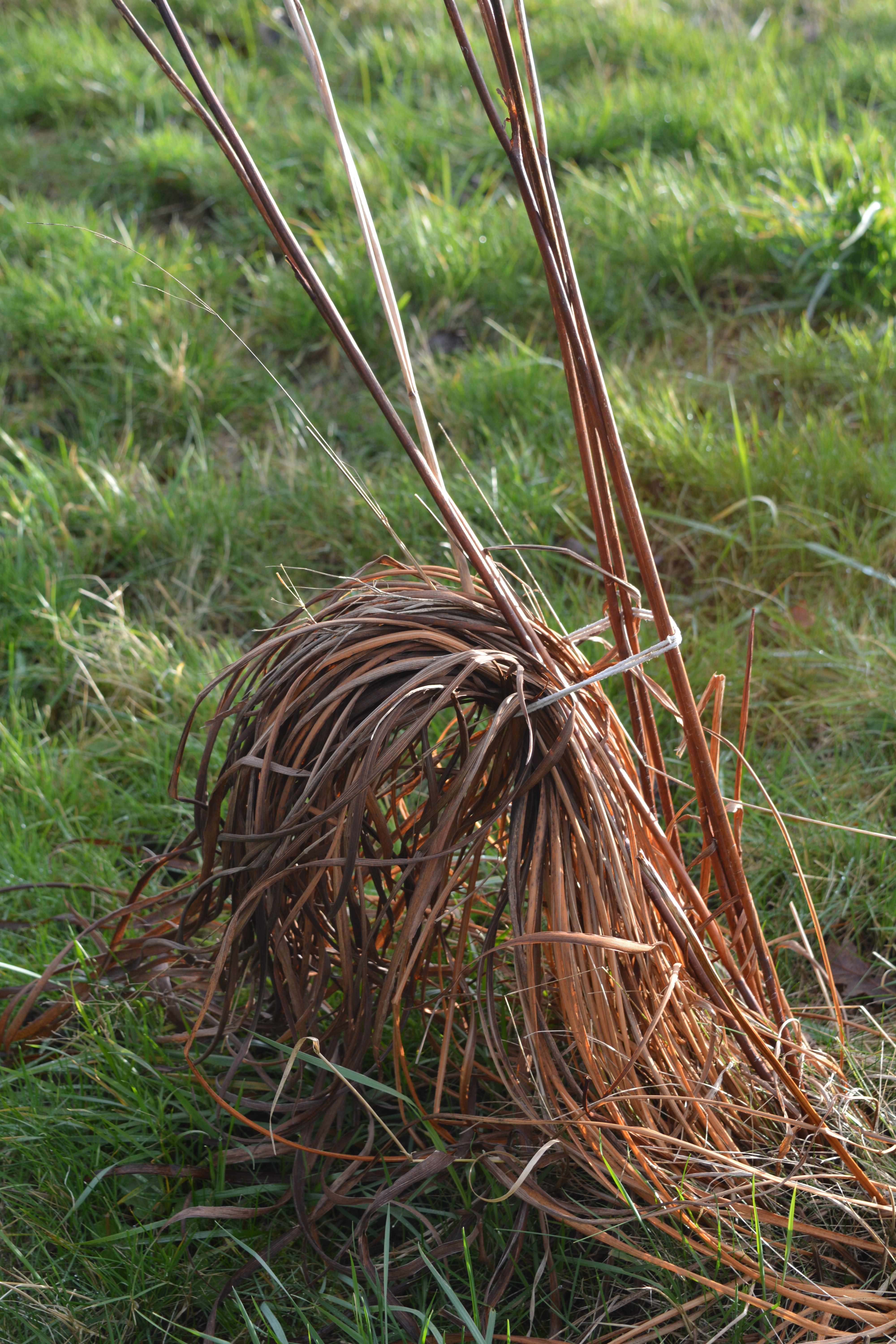
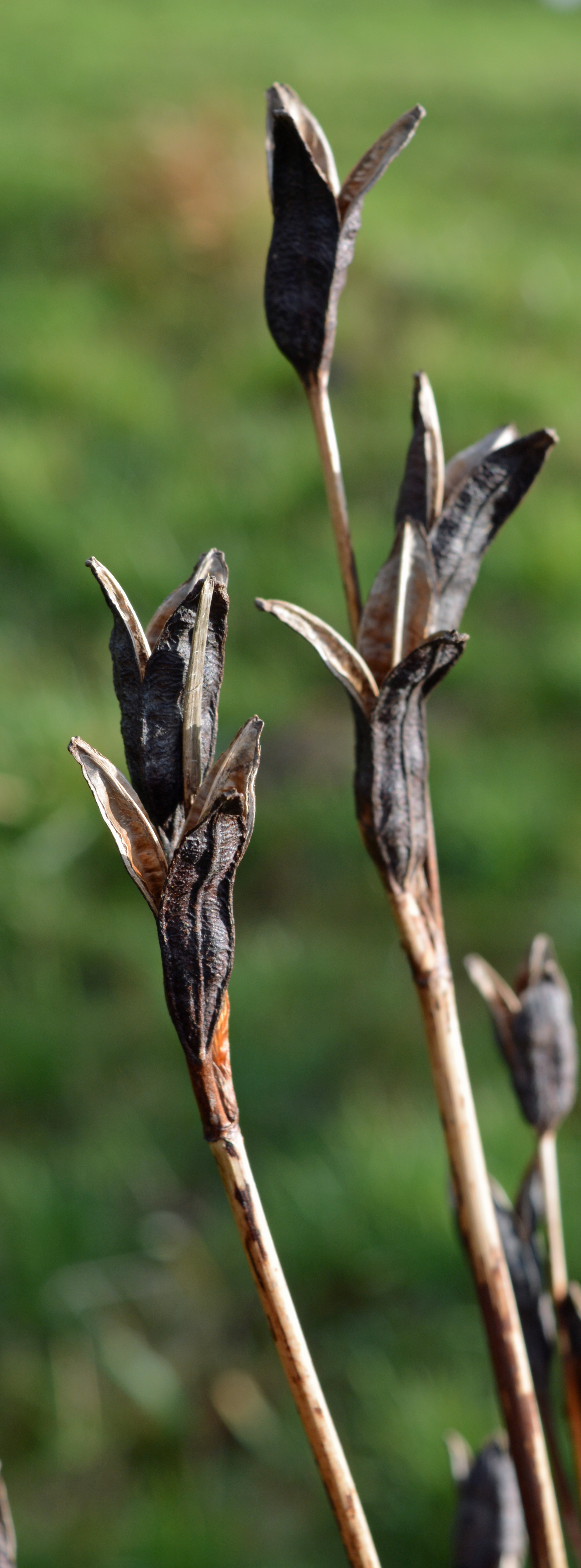
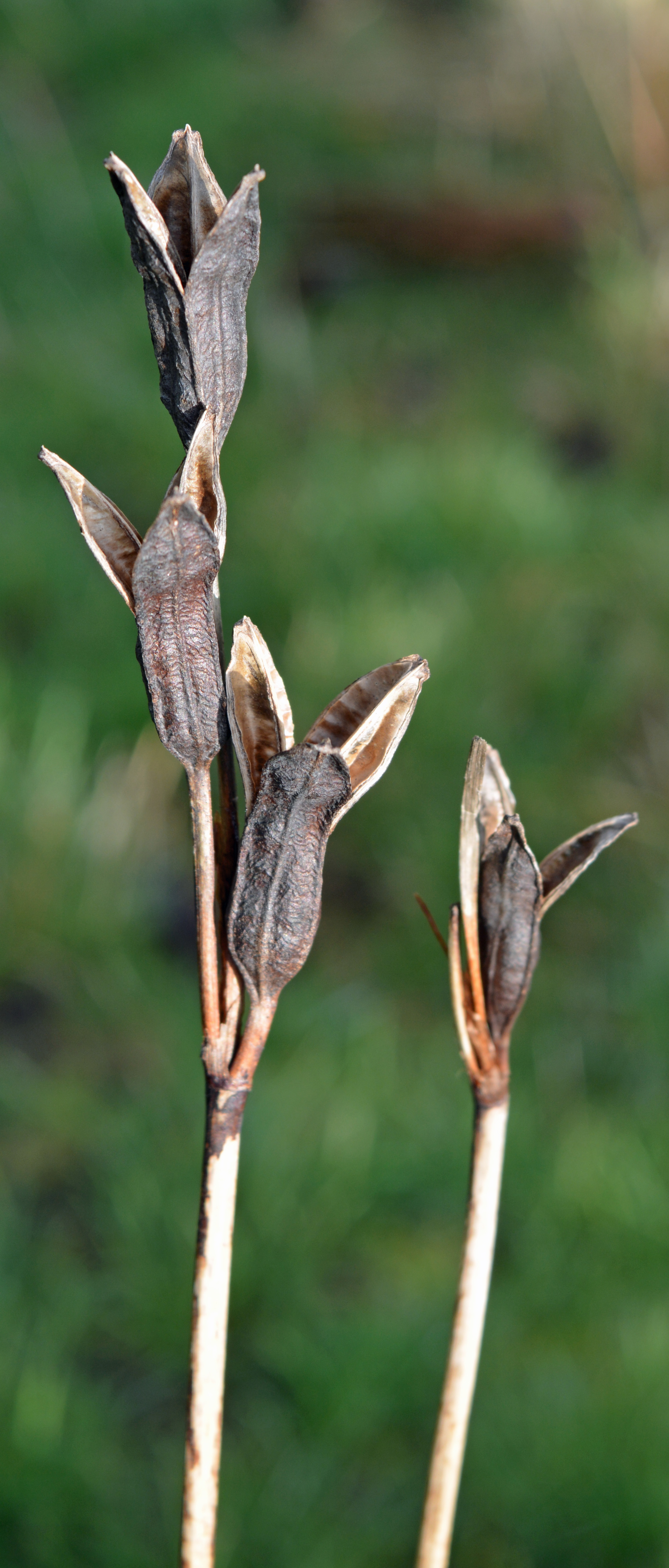
A few spring flowering bulbs are showing spears of green piercing the cold soil. Some are even flowering such as the diminutive Iris reticula and Snowdrops.

2015 01 18_9346 2015 01 18_9323_edited-1

2015 01 18_9334_edited-1 2015 01 18_9336

Variegated foliage always looks good in the winter when the silver or gold stripes, spots or squiggles shine against deep green backgrounds.

2015 01 18_9331 2015 01 18_9335

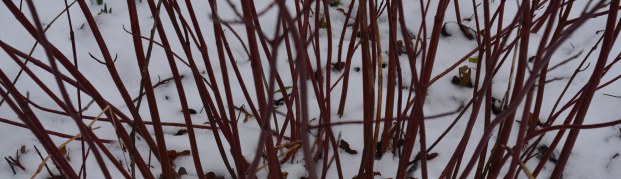
Perhaps it is only right that the most colourful and interesting garden of all at the moment is our Winter Garden. The coloured stems of different forms of Cornus and Salix give us reds, oranges, greens and yellows and even black. The white stemmed Birches are now over 20 feet tall and they dominate this garden. Euphorbias and Hellebores give colour at close to ground level, while the Viburnum bodnantense “Dawn” and Cornus mas provide pink and chartreuse at eye level. Both these shrubs are also powerfully scented.

2015 01 18_9338 2015 01 18_9339 2015 01 18_9340 2015 01 18_9341 2015 01 18_9342 2015 01 18_9343 2015 01 18_9344

Elsewhere the coloured stems of a Salix in our Withy Bed shines gold and the Cornus “Midwinter Fire” glow like flames.

2015 01 18_9347 2015 01 18_9349

Our tour finishes off with a look at this year’s major project, our wildlife pond. We inherited this large farm pond in the summer and are busy tidying up around it in readiness of the work that lies ahead.

2015 01 18_9353 2015 01 18_9352 2015 01 18_9354

This little character is hidden for most of the year under a patch of Chrysanthemums grown for cutting but in winter he appears to cheer us all up.

2015 01 18_9329

I shall finish this post with a couple of bright jewels.

2015 01 18_9326_edited-1 2015 01 18_9333

Categories
allotments community gardening Shrewsbury Shropshire winter gardens

Celebrating Winter – Part Two

Welcome back to part two of my Winter Celebration post. Our celebrations are a good illustration of true community spirit and show how people with a common purpose, in this case allotment gardening, can come together in friendship.

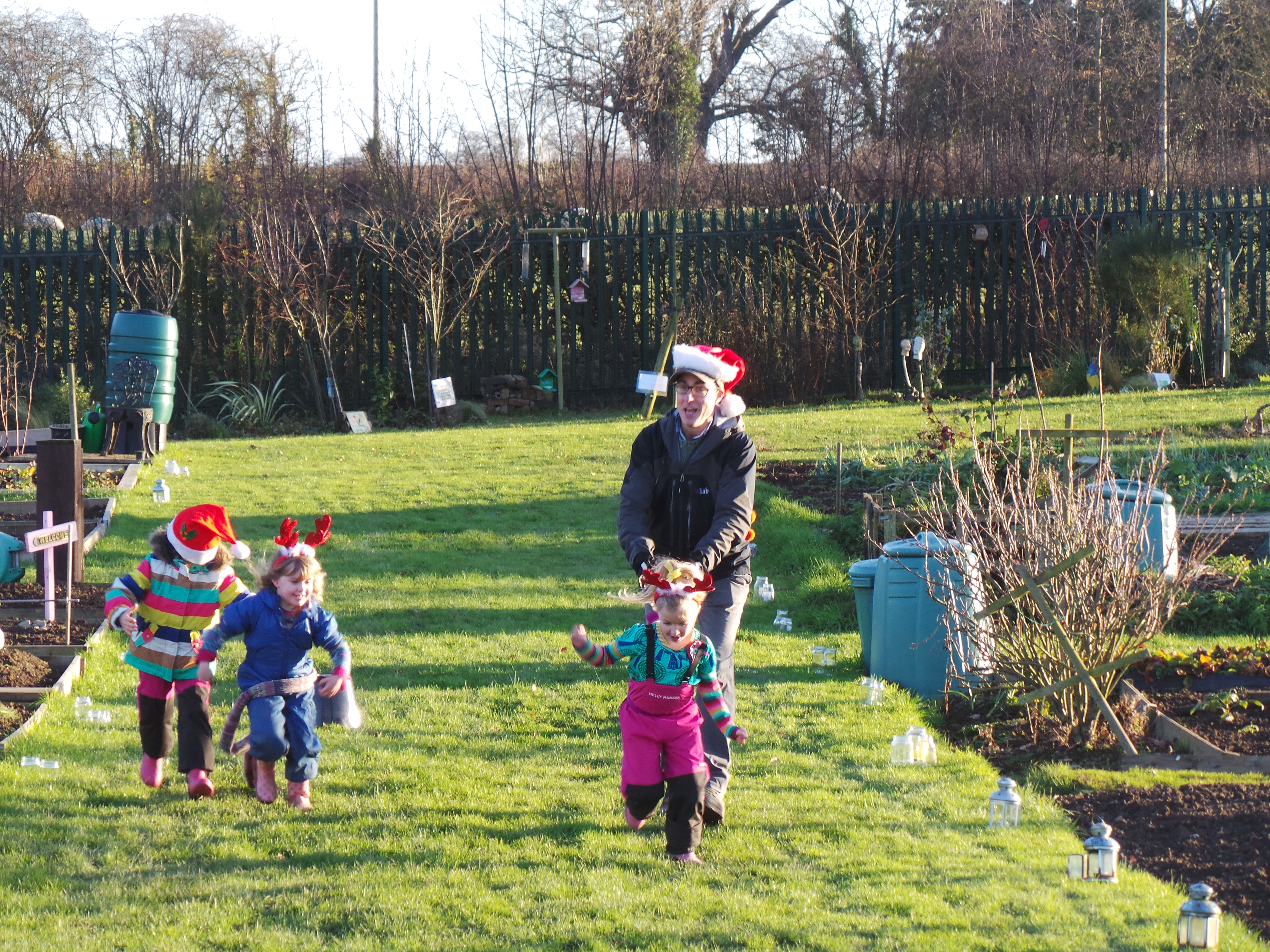
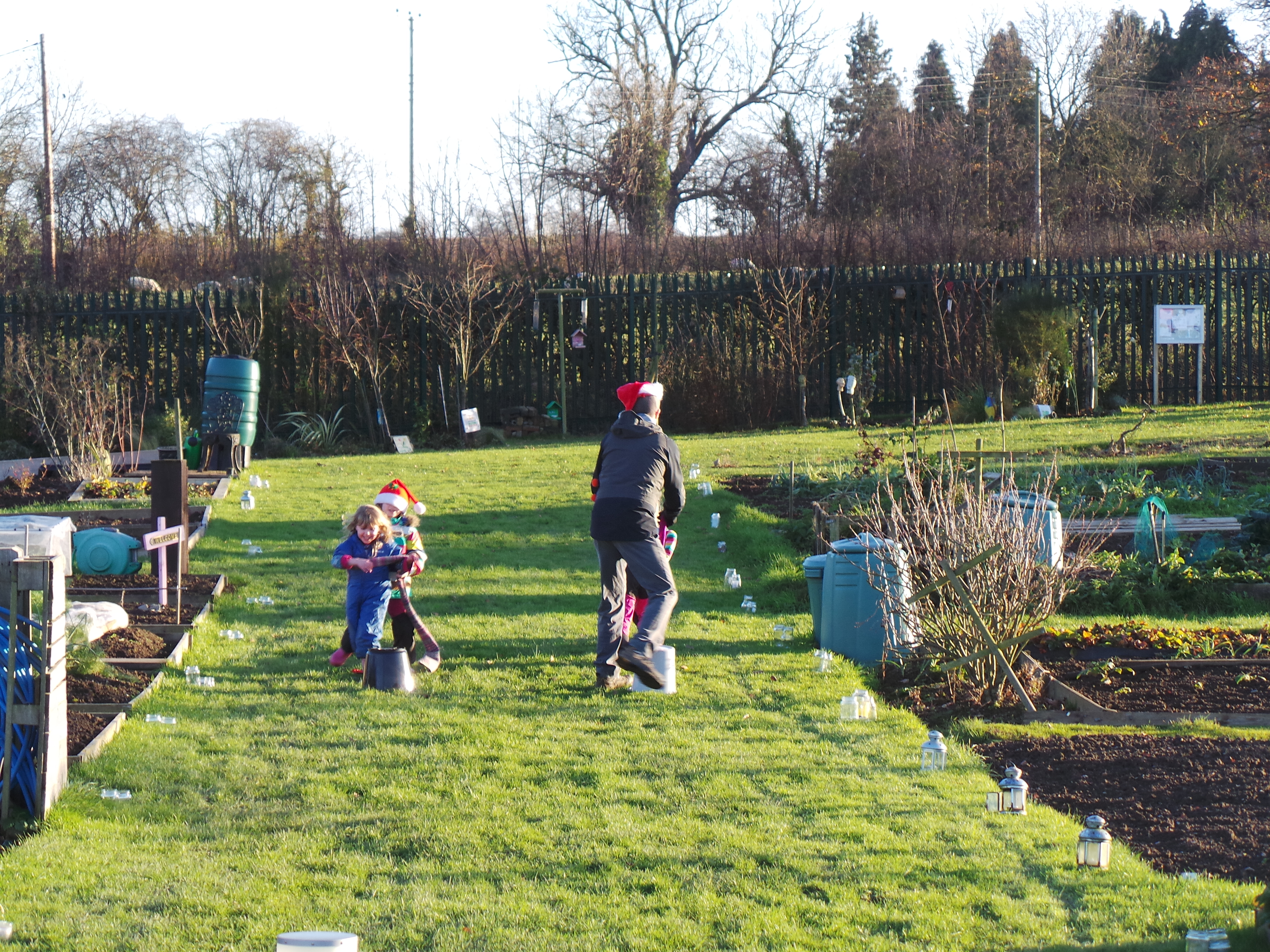
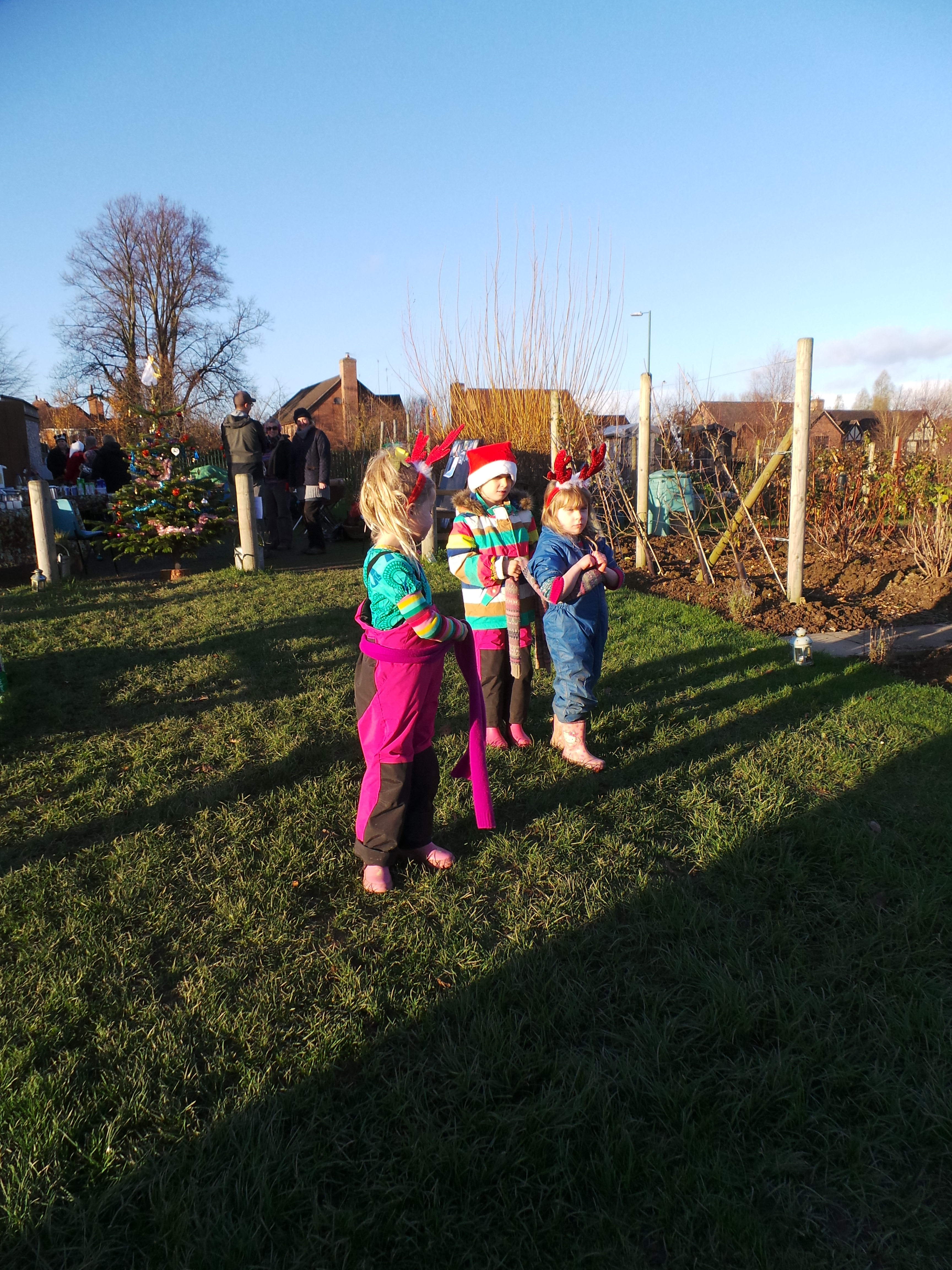
We return to our allotment community garden Winter Celebration as the light fades. The children share their Christmas excitement by playing games organised by Liz one of our committee members and ably helped out by fellow committee member Anne.

2014 12 08_8072 2014 12 08_8094

First up was a game of “Pin the red nose on Rudolf” which proved a difficult challenge!

2014 12 08_8083 2014 12 08_8084  2014 12 08_8169 2014 12 08_8168 2014 12 08_8170

Races followed which were accompanied with loud laughter and shrieks of delight!

2014 12 08_8066 2014 12 08_8068

2014 12 08_8067 2014 12 08_8065

But things didn’t always go according to plan!

2014 12 08_8093

Little Edward was amused and amazed by it all.

2014 12 08_8071

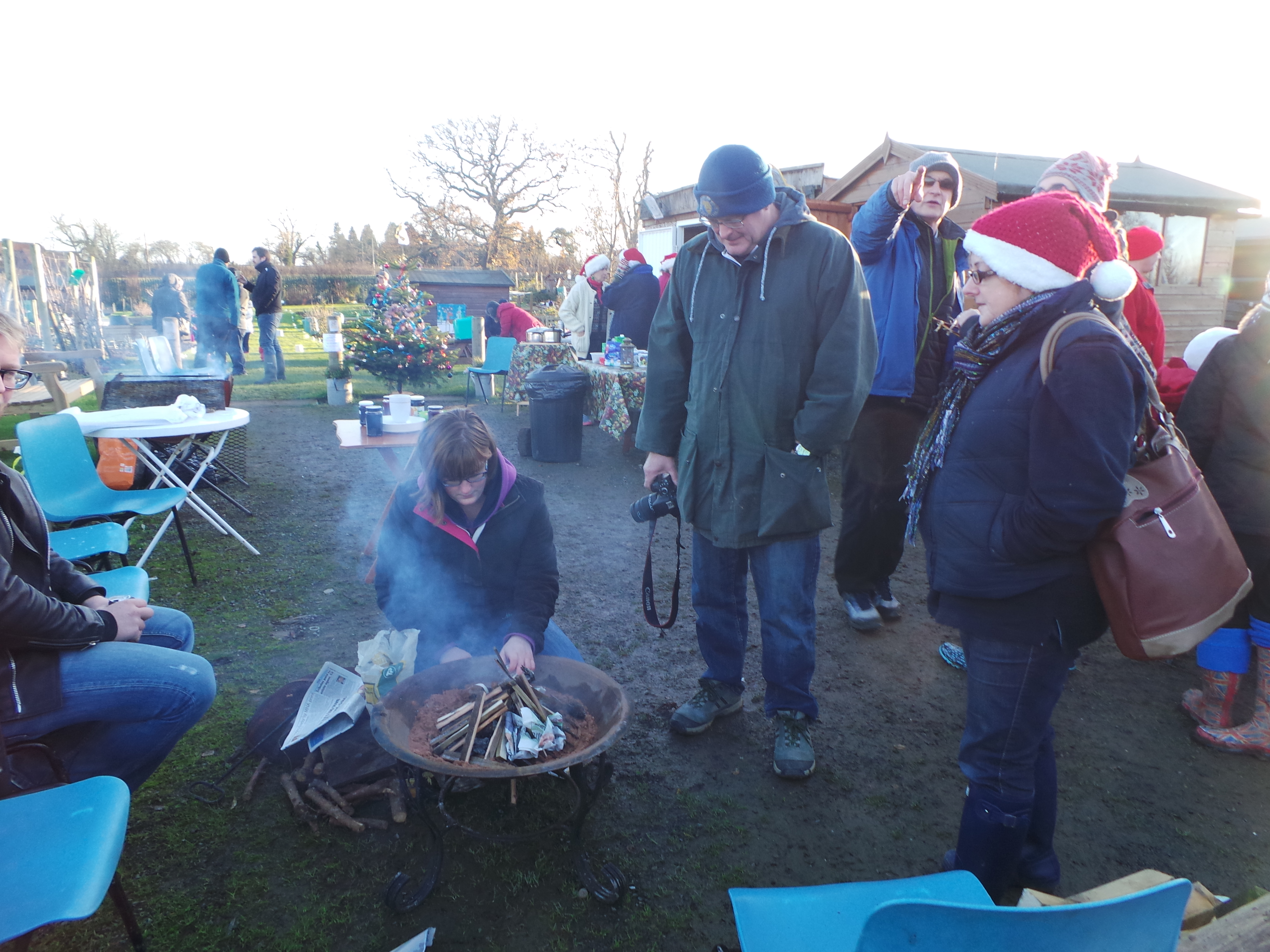
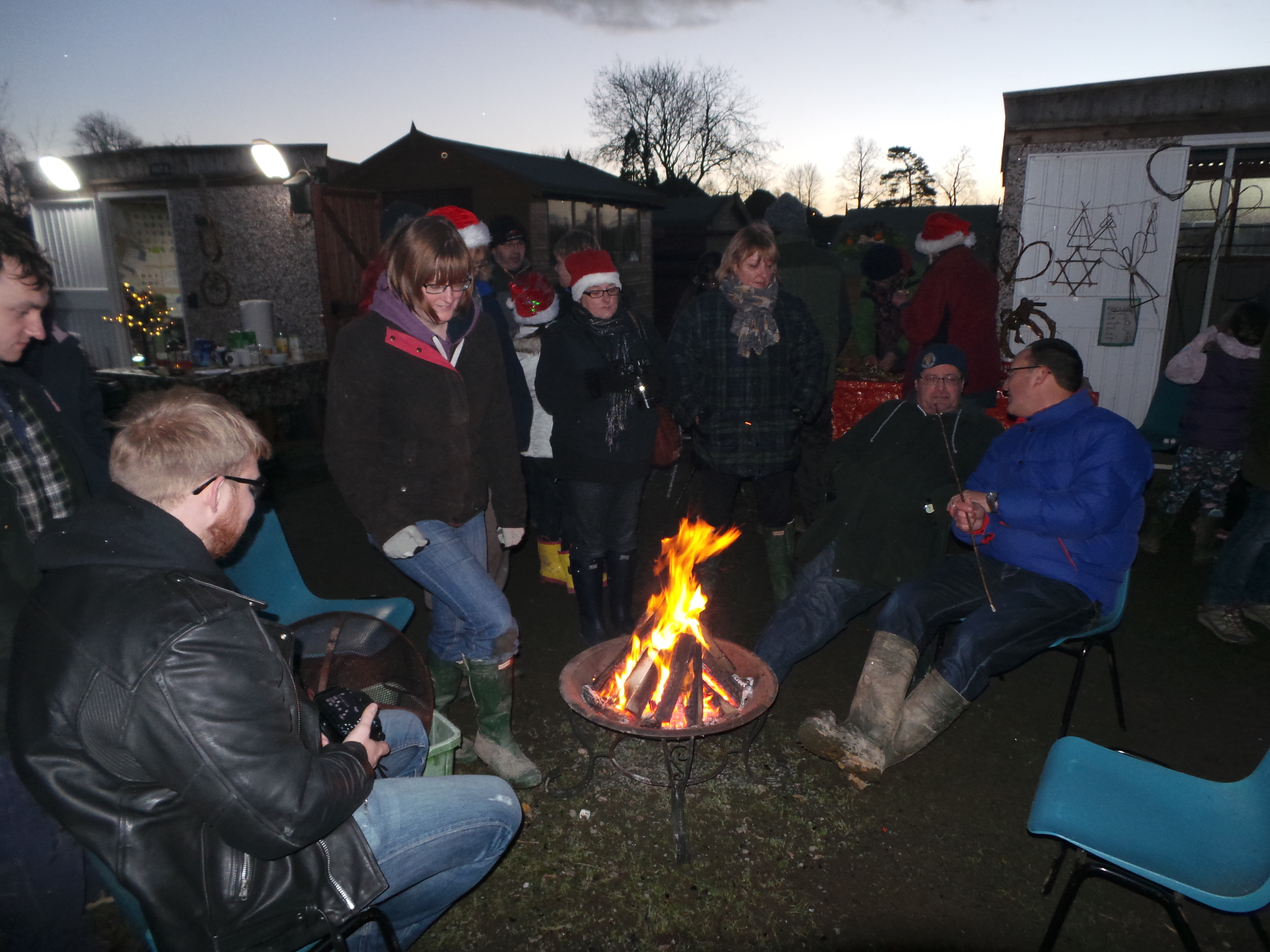
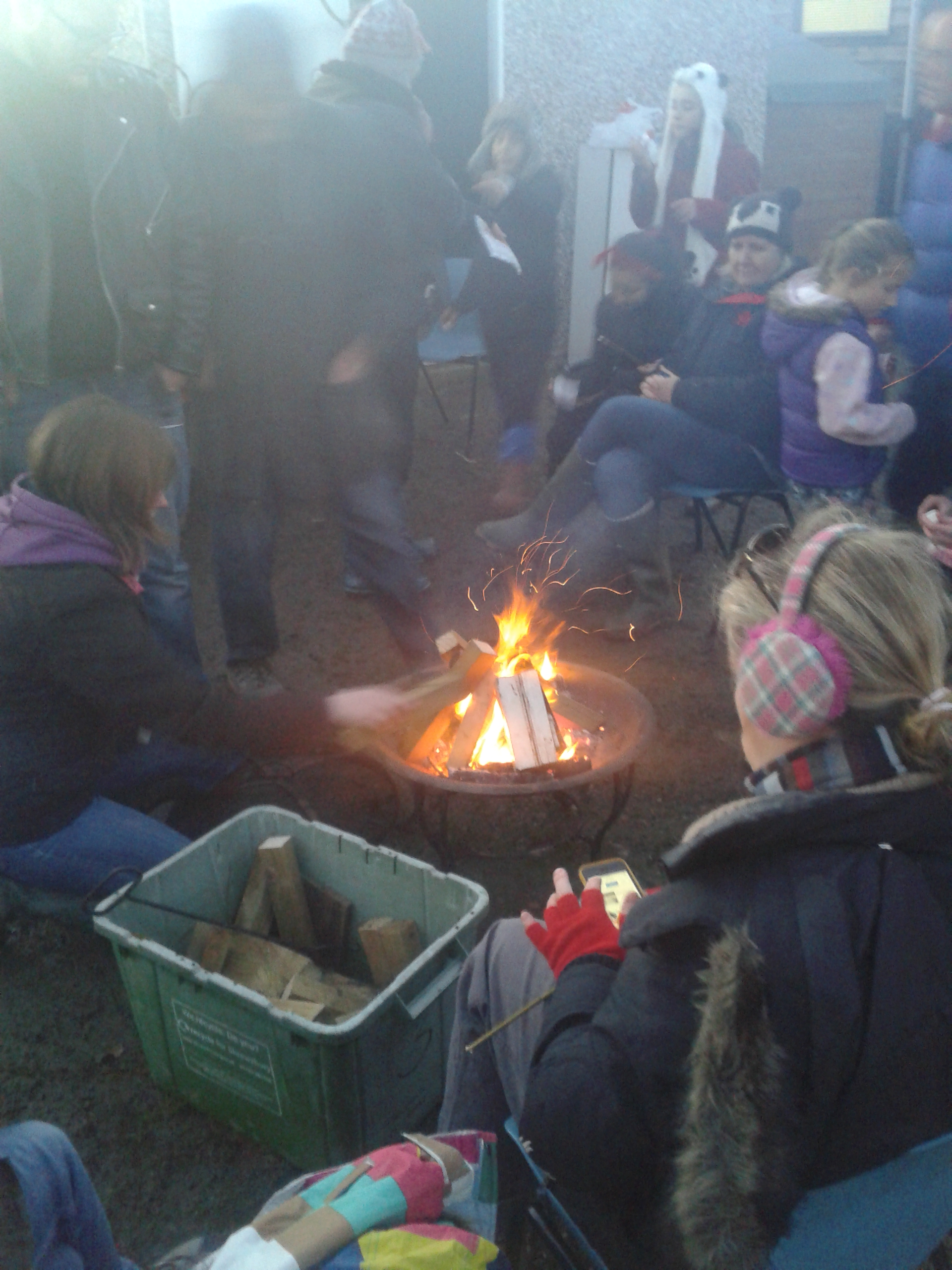
The BBQ was soon  glowing and the fire pit  beginning to show flames.

2014 12 08_8085 2014 12 08_8086


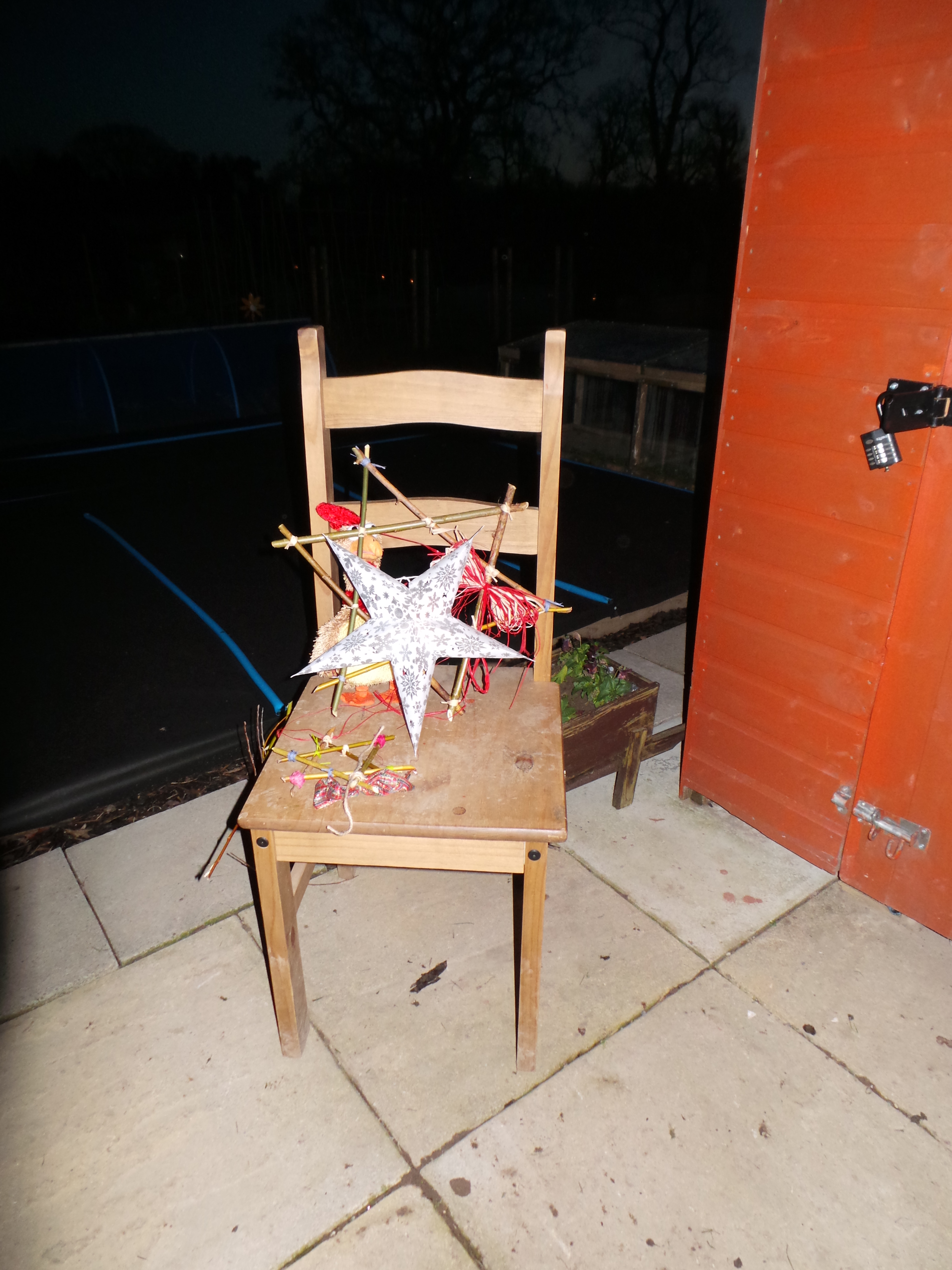
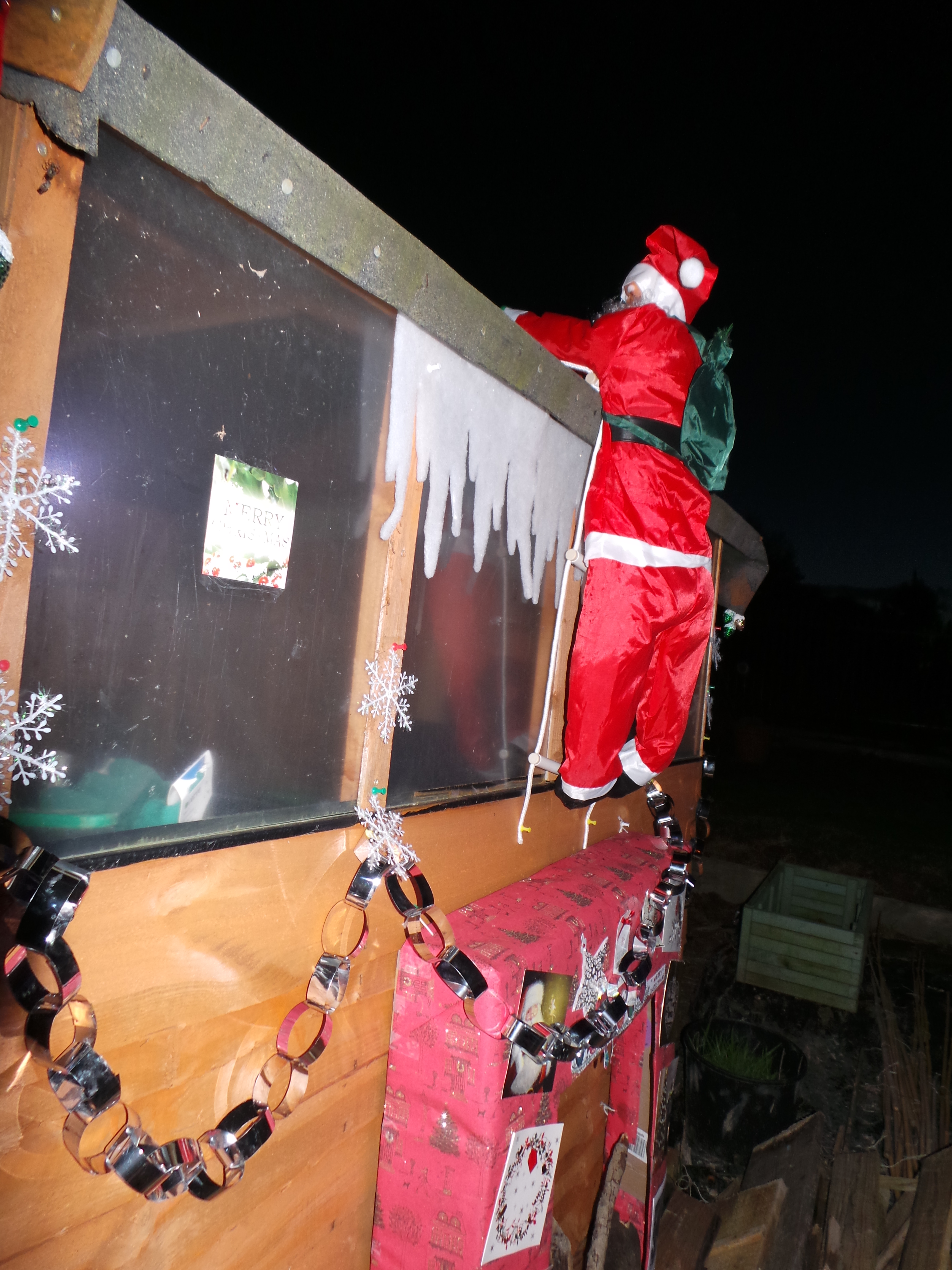
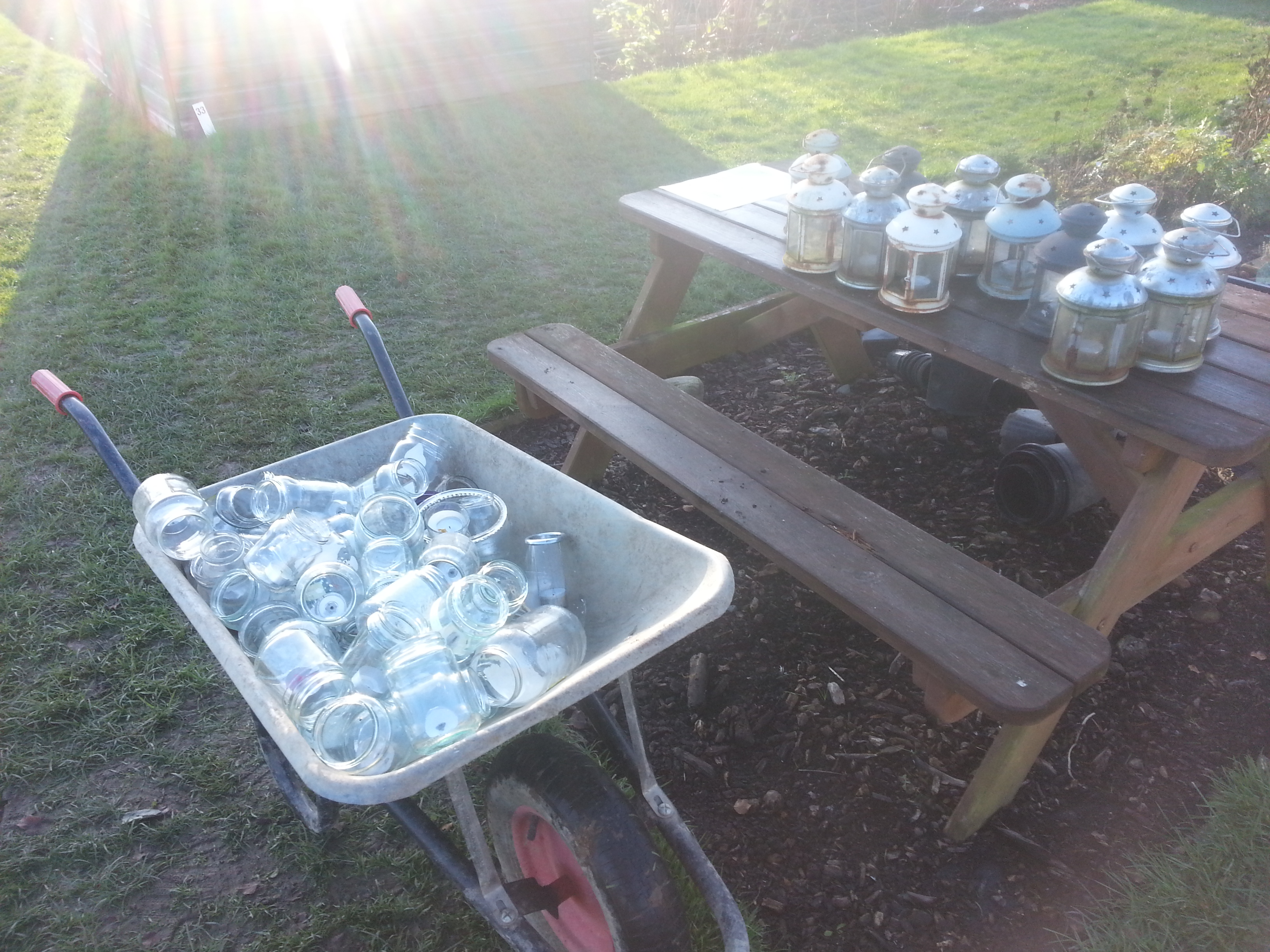
All the lanterns and candles were lit alongside the main grass pathway. They looked great!   At times the air was full of smoke from the BBQ and fire pit. The willow decoration making went on under artificial lighting.

2014 12 08_8111 2014 12 08_8100

 2014 12 08_8108

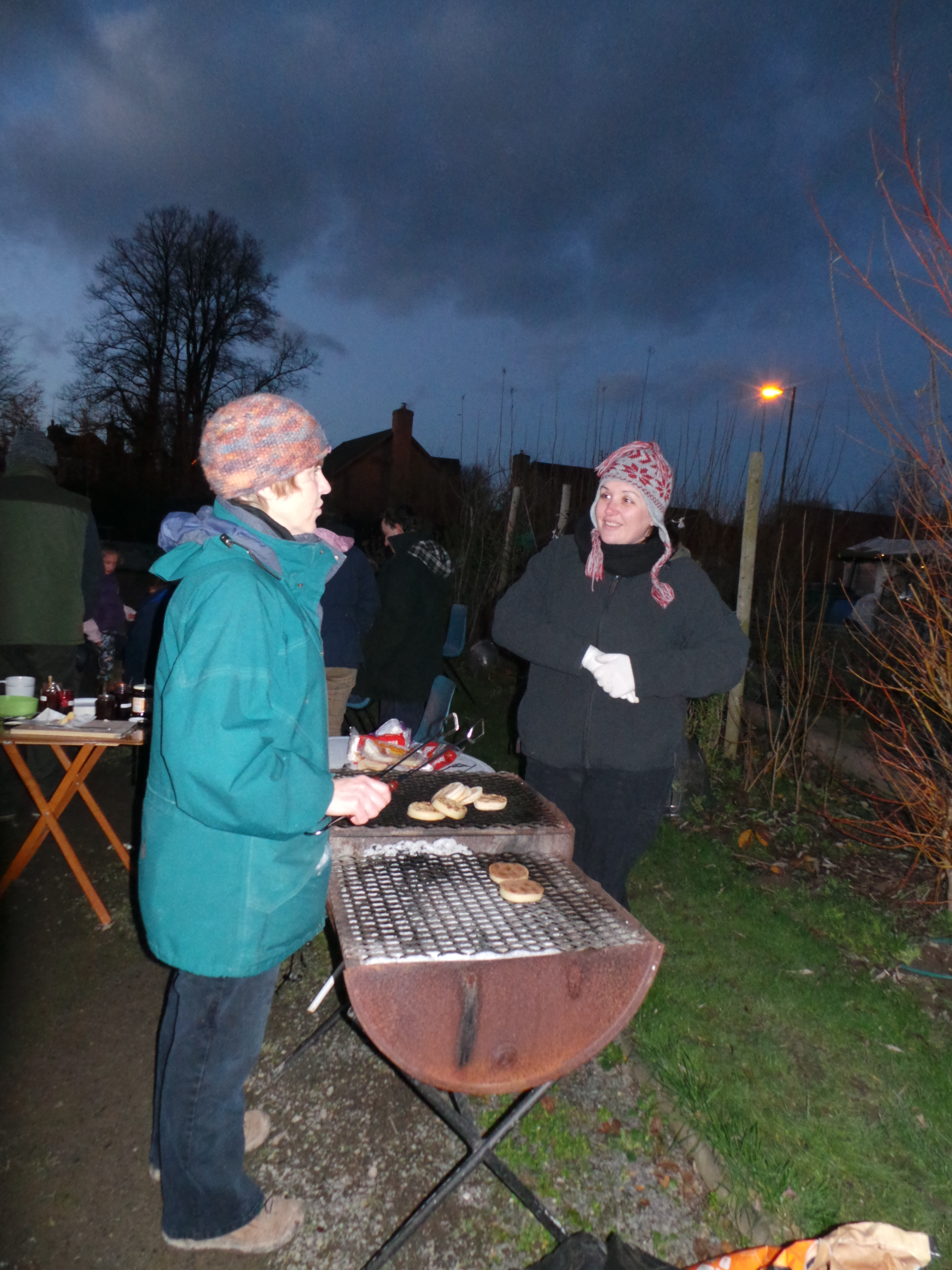
Muffins and crumpets were toasted on the glowing embers of the BBQ and spread with butter and home made jams, brought in by the committee.

2014 12 08_8103 2014 12 08_8110


2014 12 08_8424 2014 12 08_8421

2014 12 08_8105 2014 12 08_8426


Little Ella carried her own lights around with her. She glowed wherever she went. We finished the day of celebration by taking a wander around the site by candle light carrying our lanterns and torches and enjoying seeing the decorated sheds in the dark. Ella and her red lights led the way.

2014 12 08_8107

2014 12 08_8112 2014 12 08_8113 2014 12 08_8114 2014 12 08_8116 2014 12 08_8117 2014 12 08_8118 2014 12 08_8121 2014 12 08_8124

To finish my pair of posts about our Winter Celebration I will leave you with two photos, the first shows our tree with our lanterns down the central pathway and the second the dying embers of the fire pit as we lock up to go home.


2014 12 08_8125 2014 12 08_8126

The day after we returned to complete the tidying up. At every one of our seasonal celebrations we finish late and we are always too tired to get all the tidying up completed so back we go the following morning. Jude and I arrived to find that other committee members had already got plenty done. We had to use wheelbarrows to collect up the lanterns and jam jars which held the candles, as we had so many.

2014 12 12_8753

Categories
colours flowering bulbs garden design garden photography gardening gardens grasses hardy perennials ornamental grasses ornamental trees and shrubs spring bulbs The National Trust trees Winter Gardening winter gardens

Three Winter Gardens – Part Three – Anglesey Abbey

This, the third in my series of three posts looking at winter gardens, sees us at the most well known of all winter gardens, Anglesey Abbey.

2014 03 20_7479

Situated near Cambridge within the larger gardens and grounds of this National Trust property the winter garden here is often considered to be the best of all and a big influence on all others that follow. We shall look at further aspects of the gardens at Anglesey Abbey in future posts.

We visited the winter garden at Anglesey Abbey many years ago the first year it was open to the public so it was like meeting an old friend but one who has changed a lot in the intervening years.

2014 03 20_7376

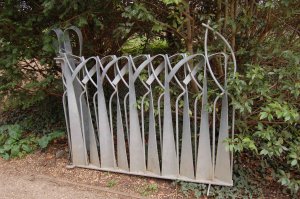
This set of gates welcomed us as we arrived at the start of the winter plantings.

2014 03 20_7367 2014 03 20_7368 2014 03 20_7369

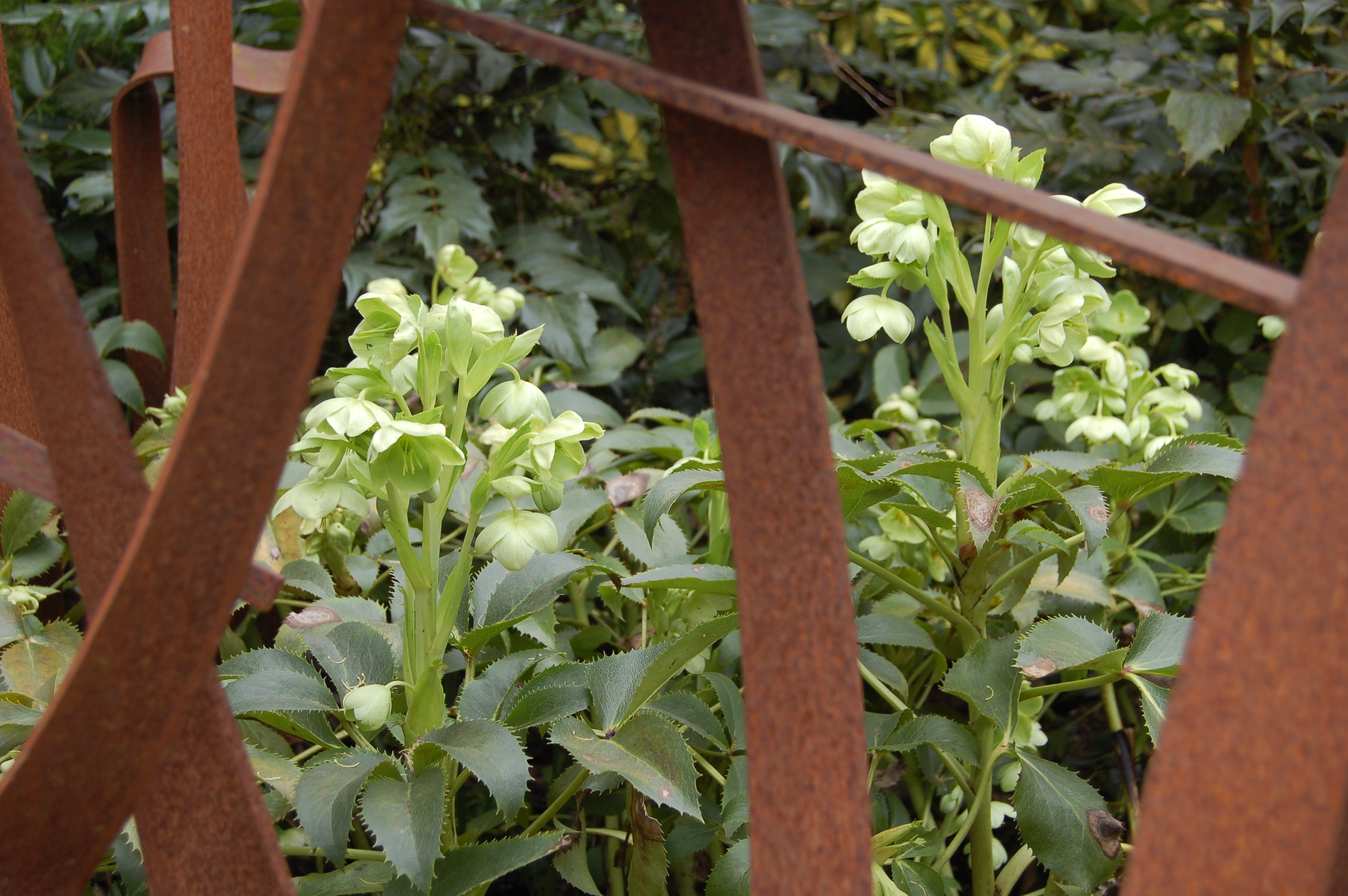
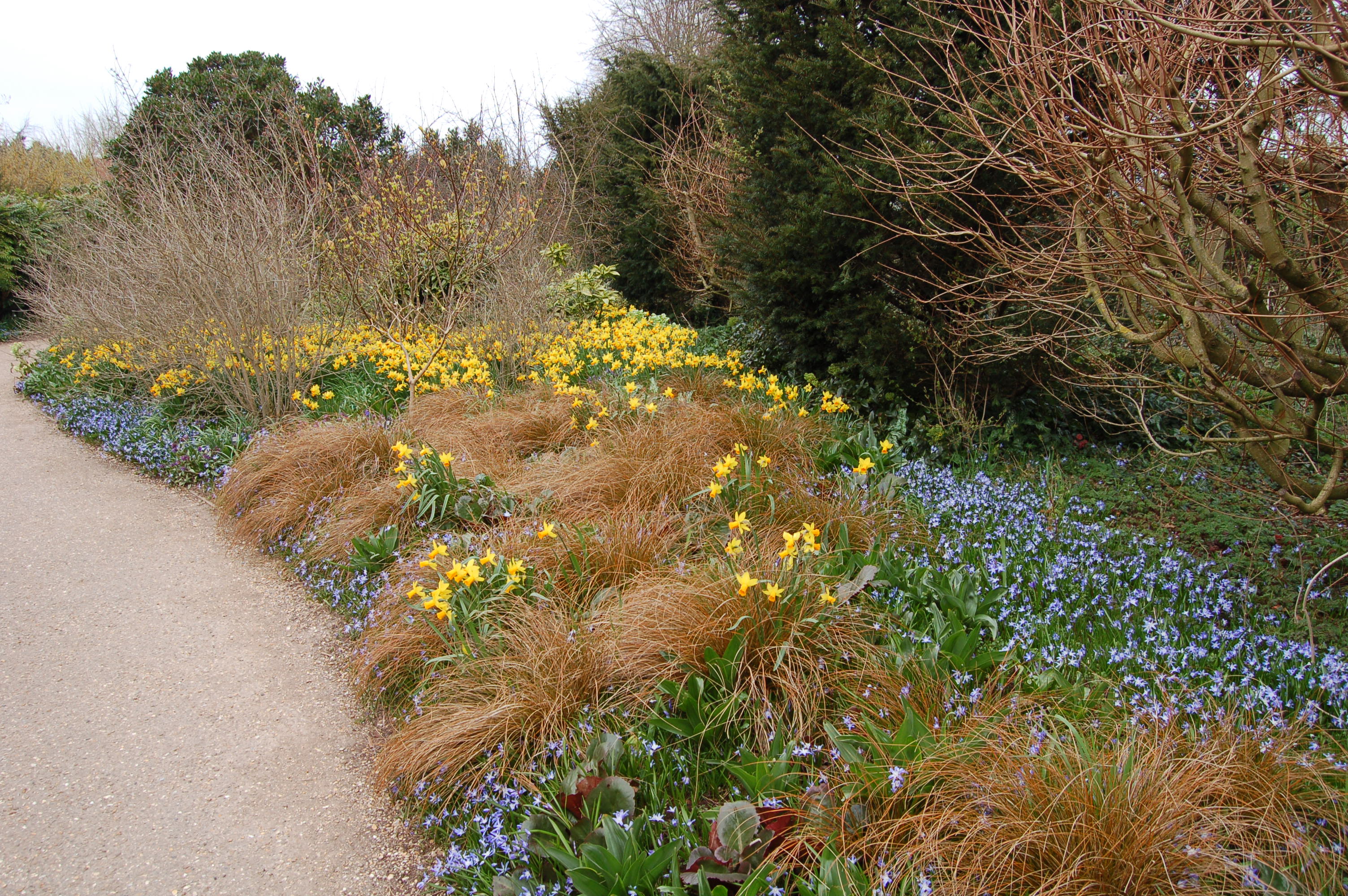
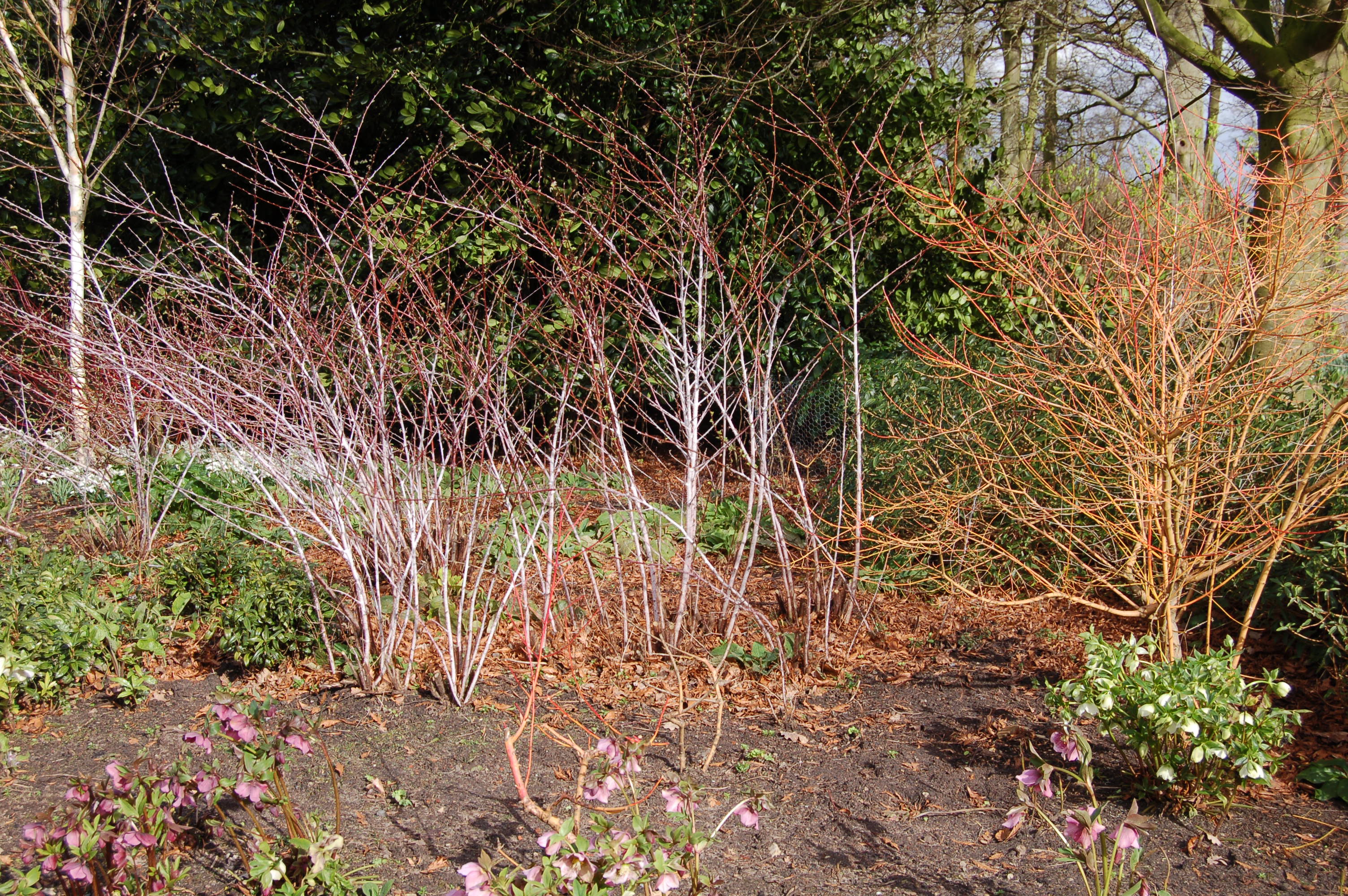
We soon met the friends we had seen in our other two winter gardens, the dogwoods, rubus and willows grown for their stem colour underplanted with hellebores and ivies. There was some wonderful pruning techniques on display here too.

2014 03 20_7370 2014 03 20_7372

2014 03 20_7371  2014 03 20_7373  2014 03 20_7375 2014 03 17_7274

2014 03 20_7378 2014 03 20_7379

2014 03 20_7390

Grasses featured strongly with their wonderful warm colours and strong structural shapes.

2014 03 20_7377 2014 03 20_7374

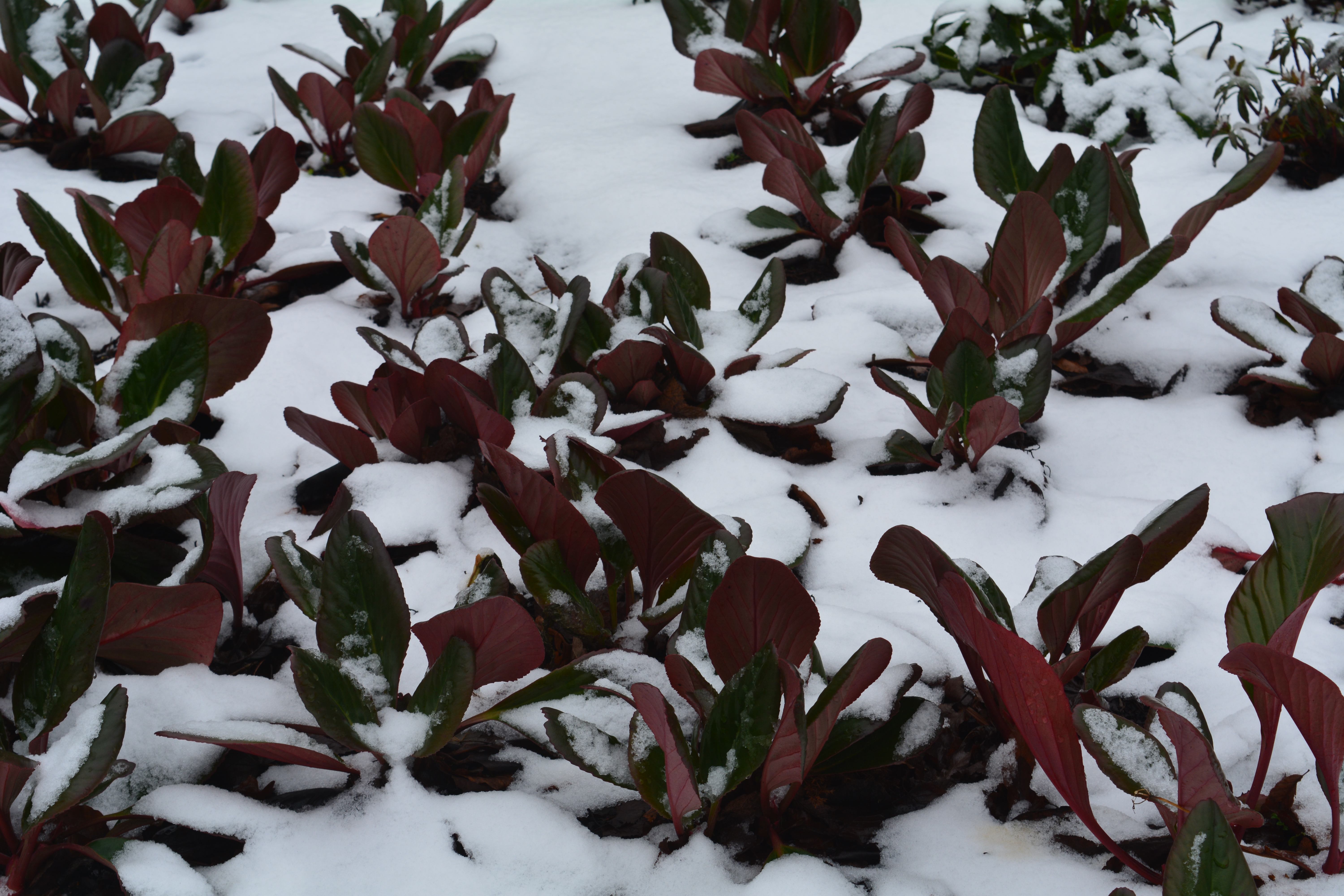
We were once again interested to see which plants the gardeners from Anglesey Abbey used as ground cover to help reduce weed growth. Various low growing grasses teamed up with Arum and Bergenias to perform this role.

2014 03 20_7380 2014 03 20_7381 2014 03 20_7382 2014 03 20_7383 2014 03 20_7384 2014 03 20_7385

All these plants acting out their roles as ground covering plants encouraged us to look down as we were seeking ideas for our allotment Winter Garden, but we were struck also by specimens higher up.

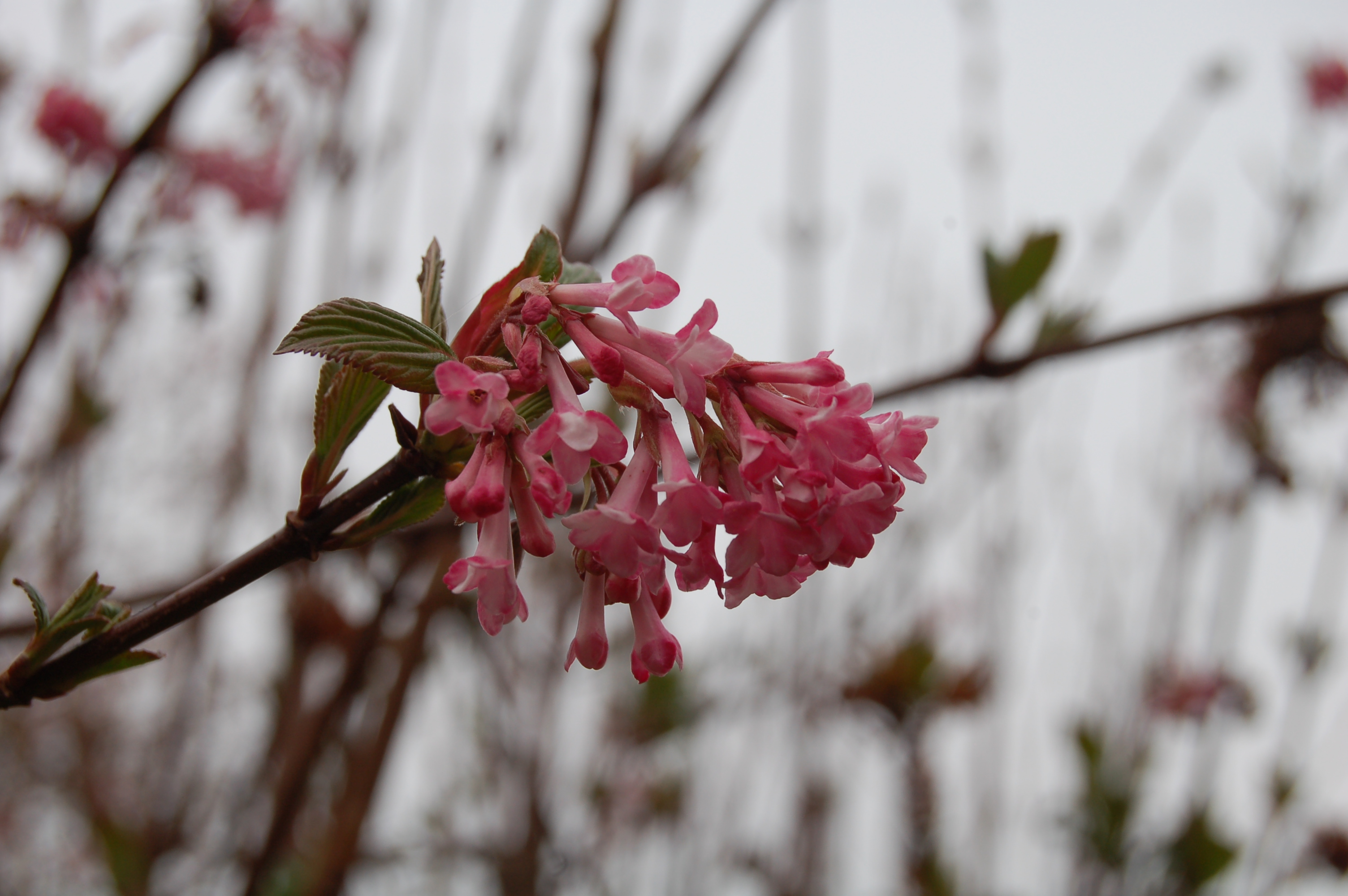
The Viburnum pictured below didn’t just look good it smelled sweetly too. The Pulmonaria has not just flowers of two colours but unusual foliage to catch the eye.

2014 03 20_7387 2014 03 20_7388


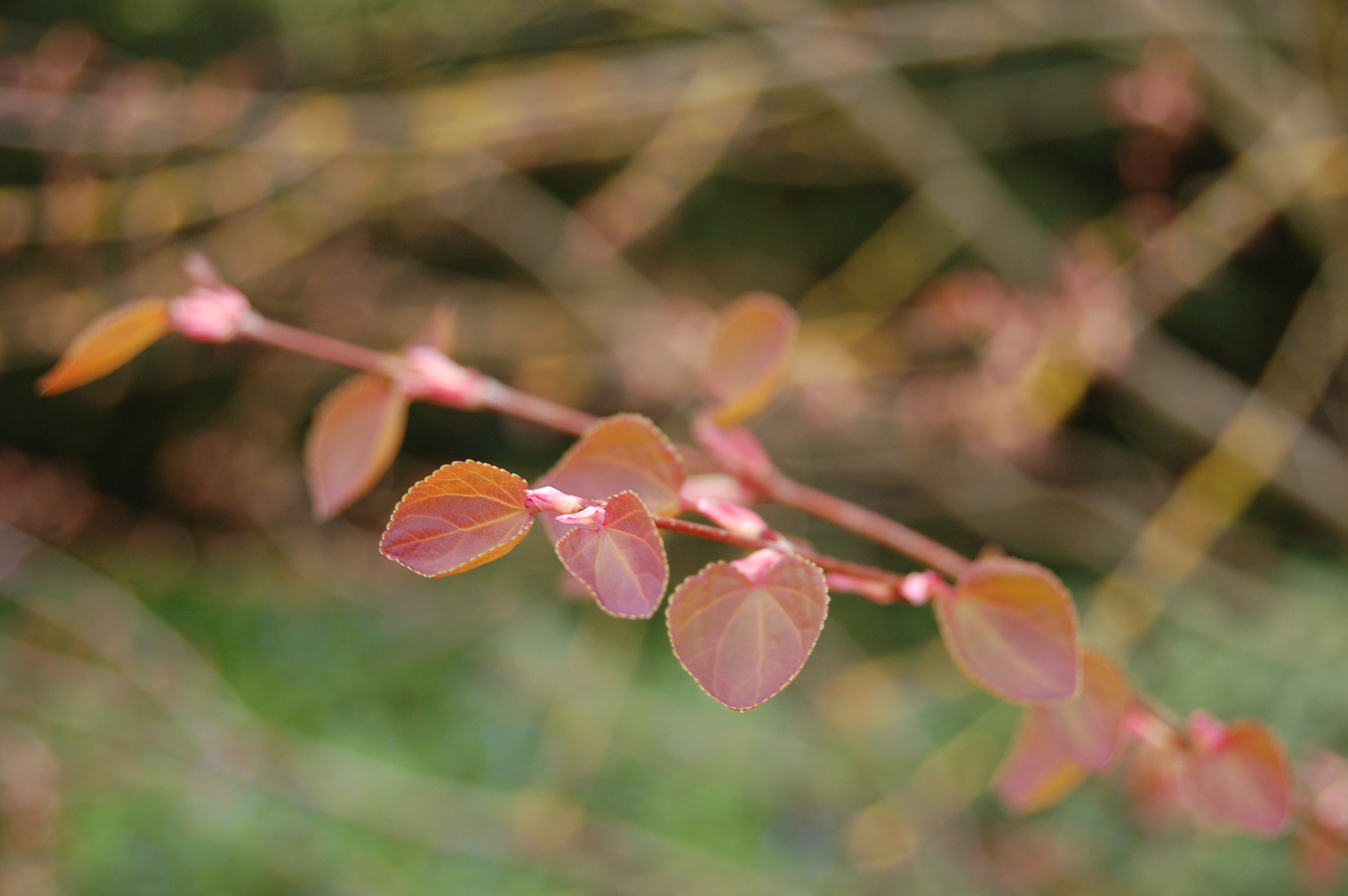
The fresh foliage of the Cercis had leaves of a delicate bronze which was a strong contrast to the much more brash reds of the Photinia “Red Robin”.

2014 03 20_7389  2014 03 20_7393

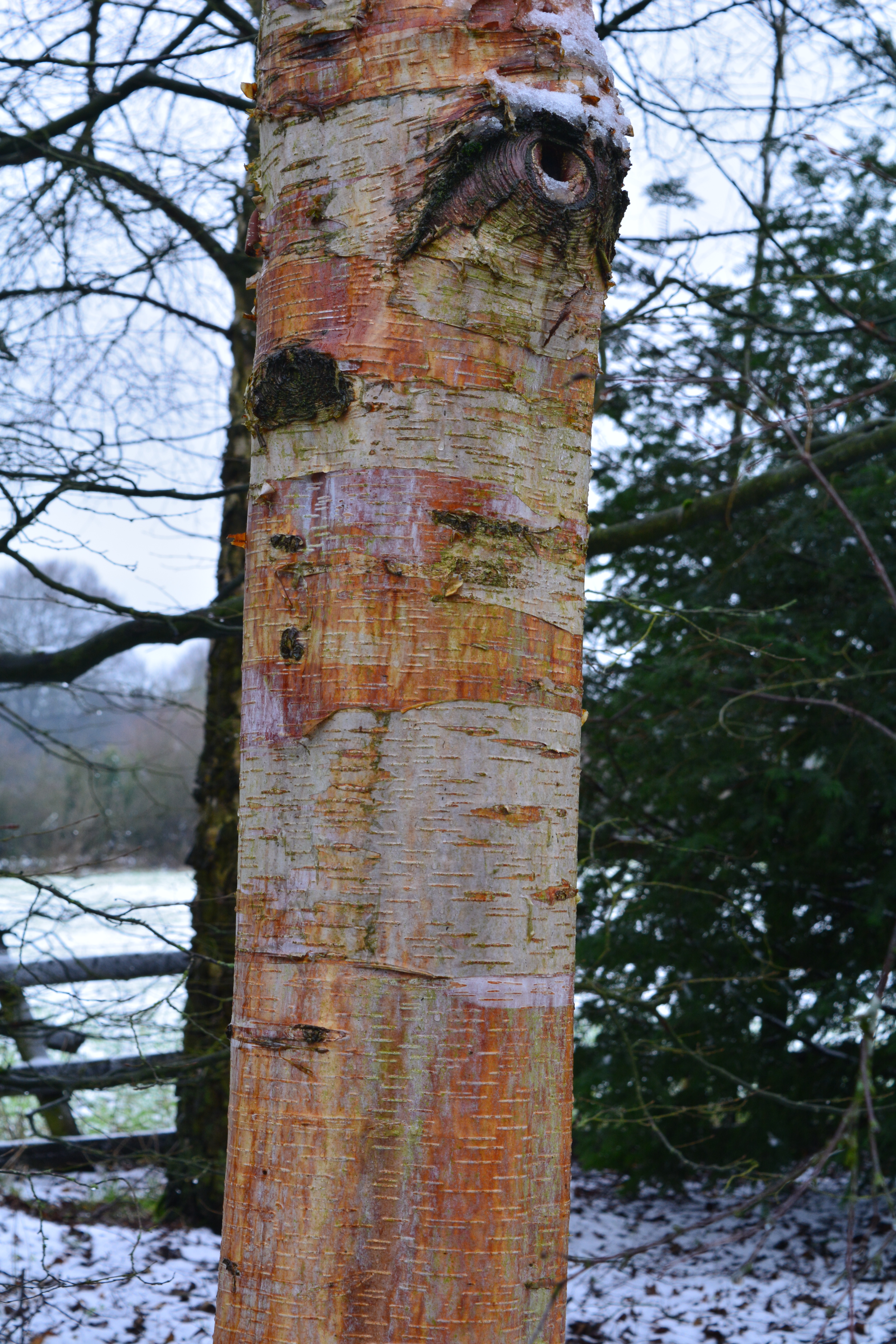
The white bark of the trunks of Betula utilis although now used in every winter garden still deserve to be centre stage. Here at Anglesey Abbey some had been “dressed” in bright colours for added humour.

2014 03 20_7408 2014 03 20_7412

2014 03 20_7410 2014 03 20_7409

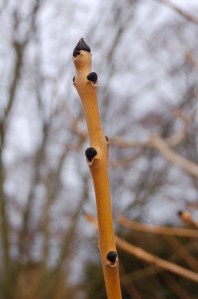
This golden stemmed ash is rarely seen in gardens but in the winter its black pyramidal buds strongly contrast with the golden stems. It is one of those plants that are simply too big for the average garden but when space allows it can be really attractive.

2014 03 20_7402

I have concentrated so far on the attributes of individual plants but we need to see how they fit in to the whole to fully appreciate their impact and the atmosphere of this amazing winter garden.

2014 03 20_7391 2014 03 20_7392  2014 03 20_7394 2014 03 20_7395 2014 03 20_7398 2014 03 20_7399 2014 03 20_7400 2014 03 20_7401

2014 03 20_7407  2014 03 20_7405 2014 03 20_7404 2014 03 20_7403

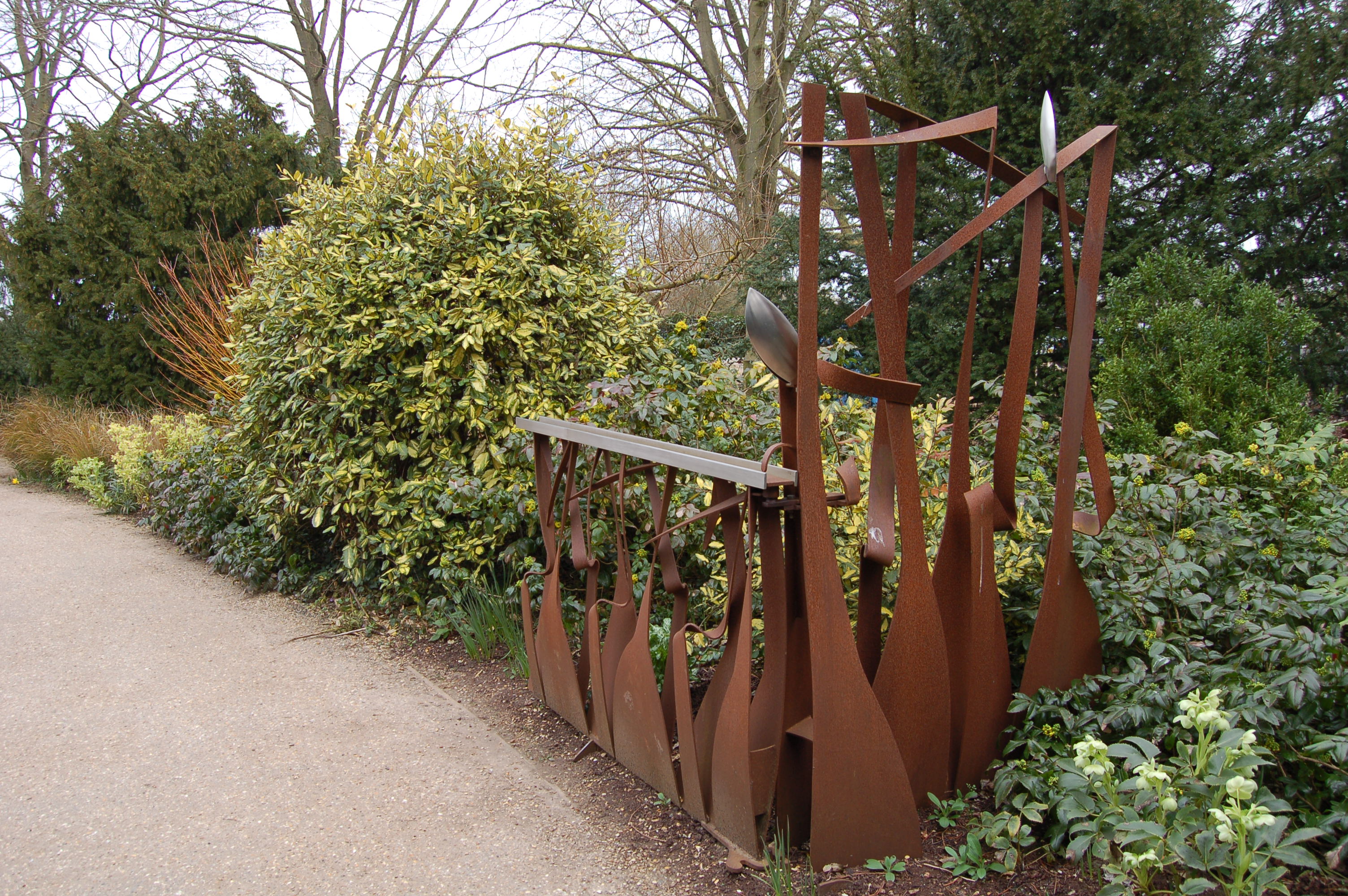
We entered the winter borders through interesting sculptural gates and we left through another. A quick look over the shoulder gave us a final chance to appreciate this brilliant garden.

So there we leave the series of three posts concerning winter gardens. Although Dunham Massey is the newcomer it looked good against the other two, but in the end it has to be said that the “original” winter garden at Anglesey Abbey remains my firm favourite.

2014 03 20_7413 2014 03 20_7406


Categories
Cheshire colours flowering bulbs garden design garden photography gardening gardens gardens open to the public irises light light quality National Trust ornamental trees and shrubs outdoor sculpture shrubs spring bulbs Winter Gardening winter gardens

Three Winter Gardens – Part One Dunham Massey

Every year we visit a winter garden but this year as a special treat to make up for such a wet, windy winter we decided to indulge ourselves by enjoying three. We aimed to visit Dunham Massey in Cheshire, Cambridge Botanic Garden and Anglesey Abbey.

The first was a National Trust property in Cheshire, Dunham Massey, a fairly recent addition to the new fashion of gardens designed to be at their best in the coldest time of the year.

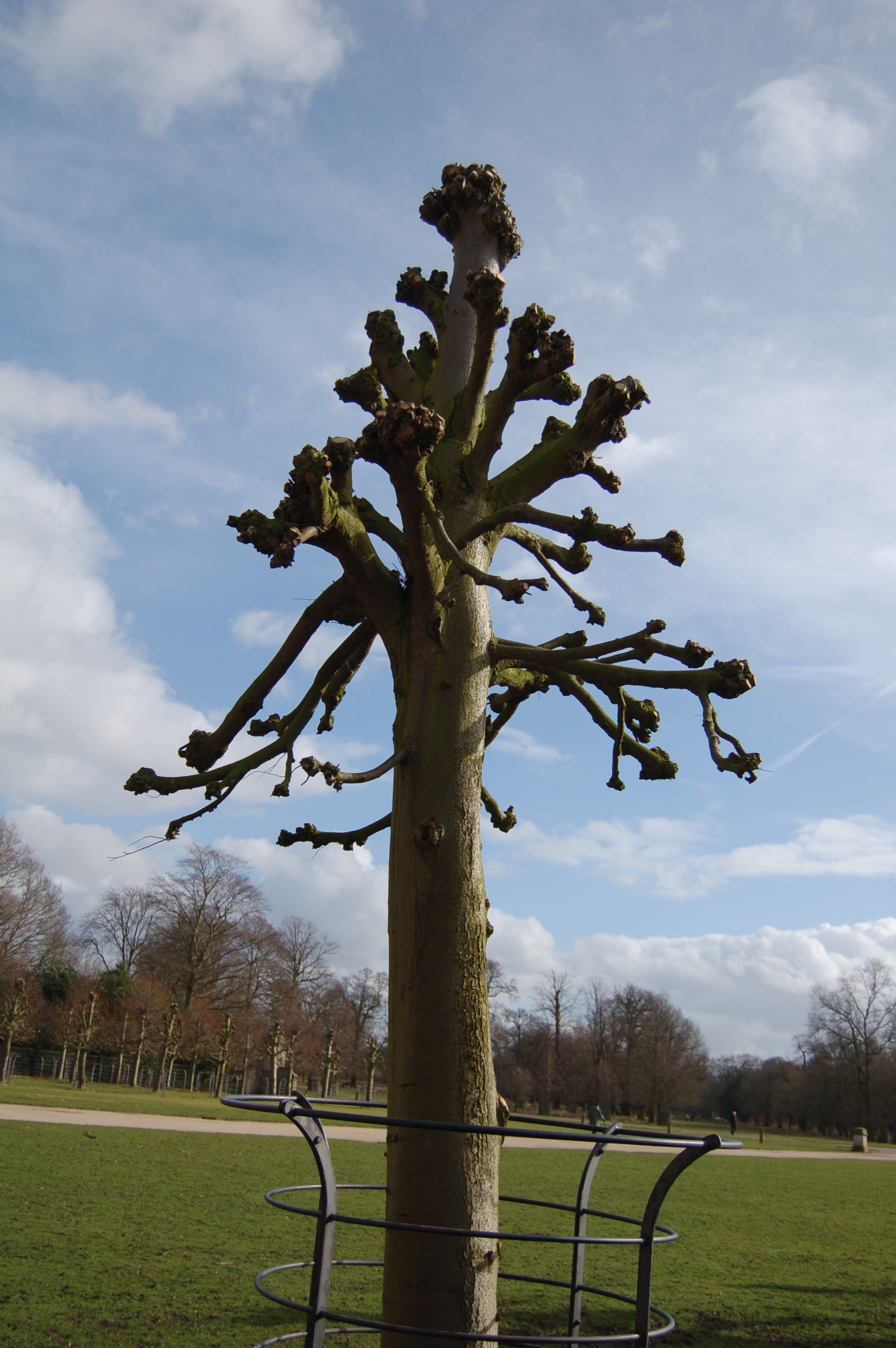
When you approach the entrance to the winter garden here you pass an avenue of pleached trees with the most magical silhouettes. Years of heavy pruning has produced such interesting shapes.

2014 02 25_6677 2014 02 25_6676 2014 02 25_6675

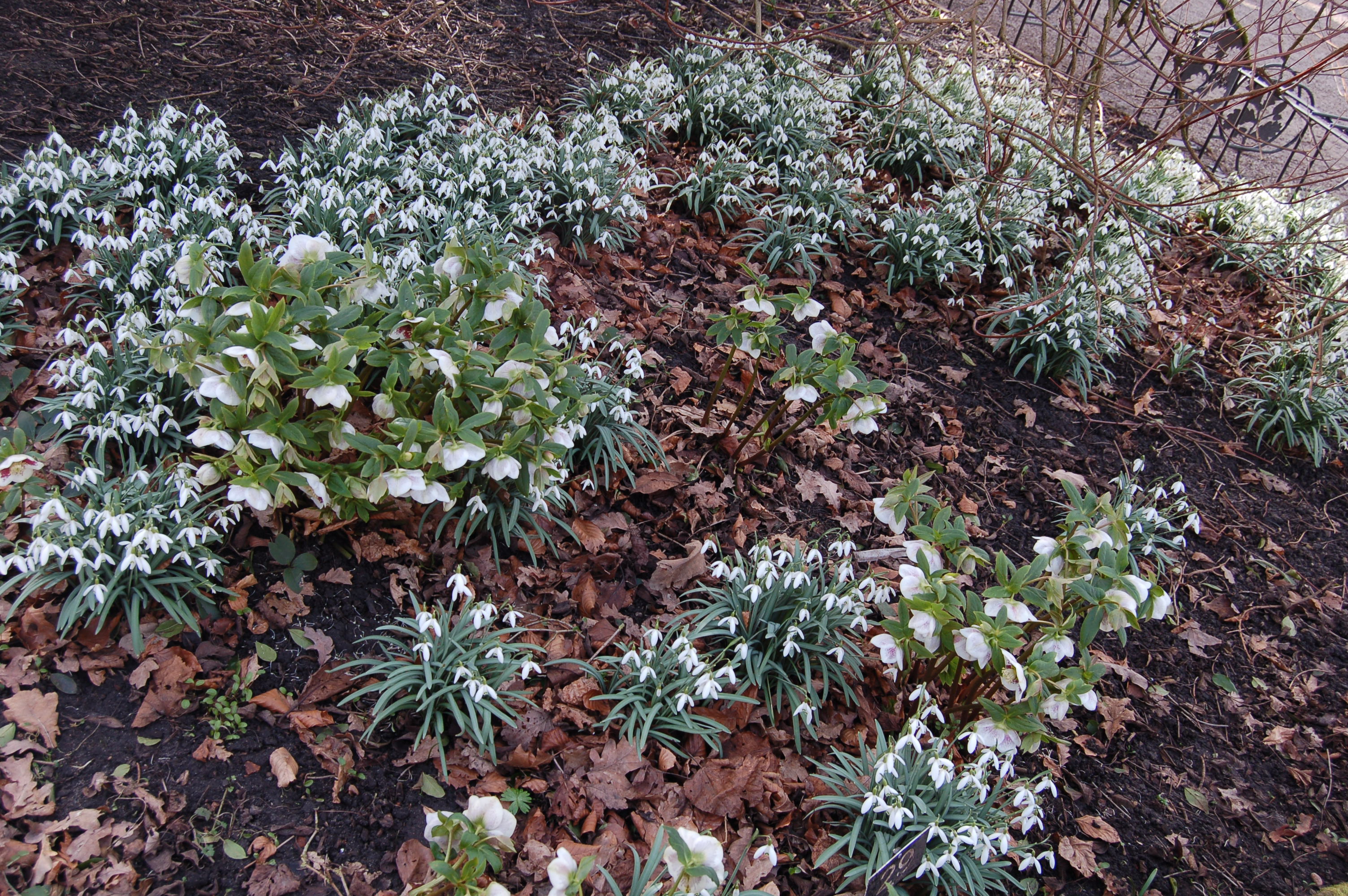
We visited Dunham Massey a few years ago when the Winter Gardens were first opened so we entered with great anticipation. A couple of small mixed borders of winter interest give hints of what is to come. We remembered passing an open woodland area with native narcissi beneath the immature trees before being confronted by the two massed plantings of of Betula utilis “Doorenbos” one of the best white trunked birches. On one side of us the birches were in rows on the other they were planted randomly. What a sight it was like walking into mist. Snowdrops beneath white birches bring cheer to any cold day.

2014 02 25_6680 2014 02 25_6679 2014 02 25_6678 2014 02 25_6684 2014 02 25_6685 2014 02 25_6688

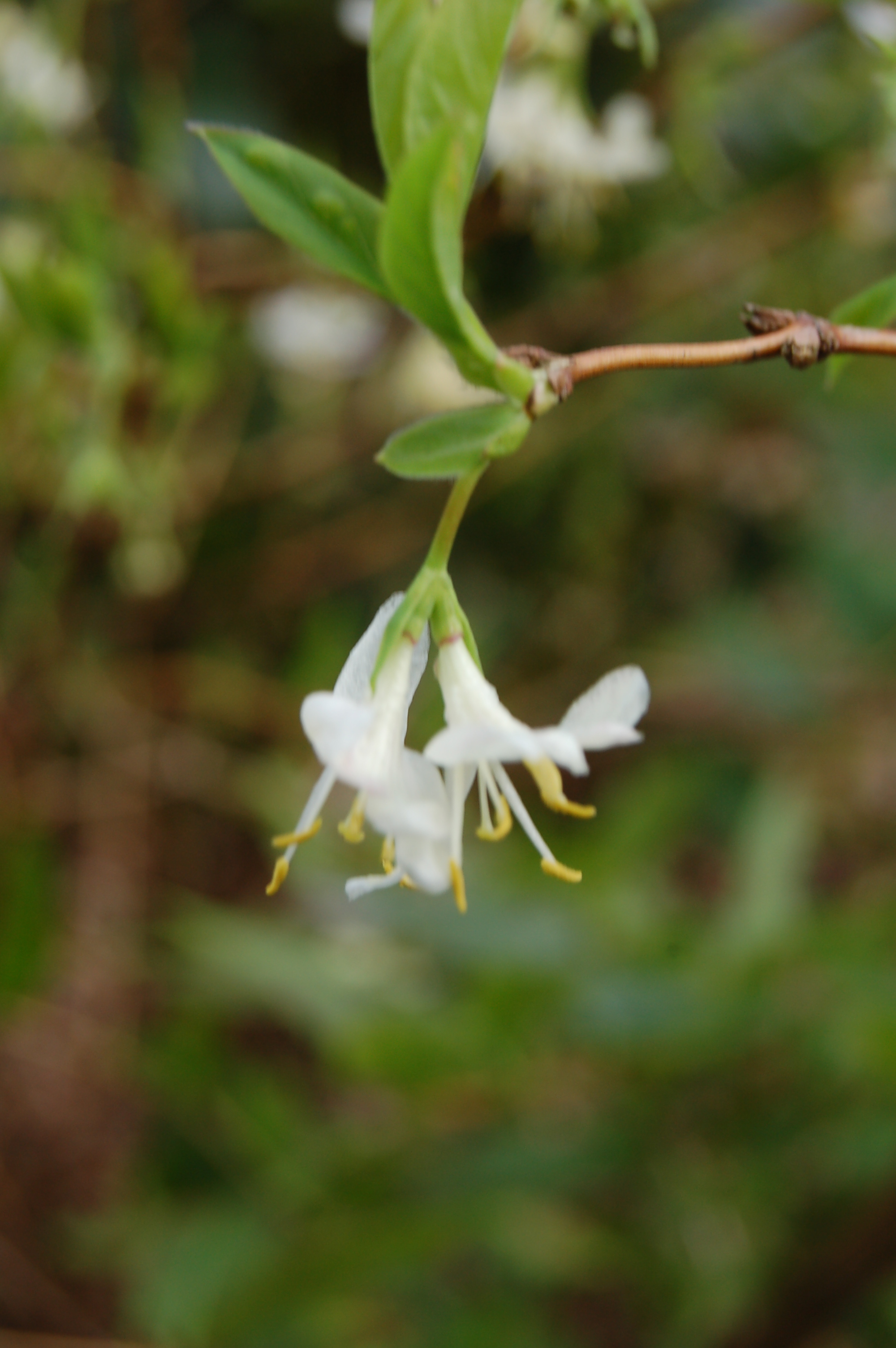
As in any winter garden scent plays an important role. Shrubs and bulbs team up to gently seduce the visitors with their various perfumes. Winter Honeysuckle, Viburnums, Cornus, Witch Hazels and Skimmias all have a part to play.

2014 02 25_6687 2014 02 25_6686

2014 02 25_6697 2014 02 25_6698

2014 02 25_6703 2014 02 25_6705

We were caught by surprise when we found this startlingly white sculpture amongst the shrubs and bulbs.

2014 02 25_6696

Other trees had bark to delight and catkins to enthrall.

2014 02 25_6691 2014 02 25_6692 2014 02 25_6693 2014 02 25_6694     2014 02 25_6702 2014 02 25_67182014 02 25_6712

Bulbs have to star in any winter garden and here they are planted en masse under trees and amongst shrubs.

2014 02 25_6709


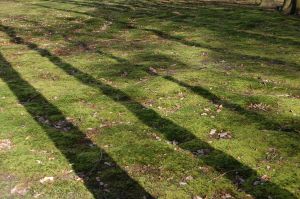
At this time of year shadows are long and very noticeable features of any mature garden.

2014 02 25_6735 2014 02 25_6734

2014 02 25_6730

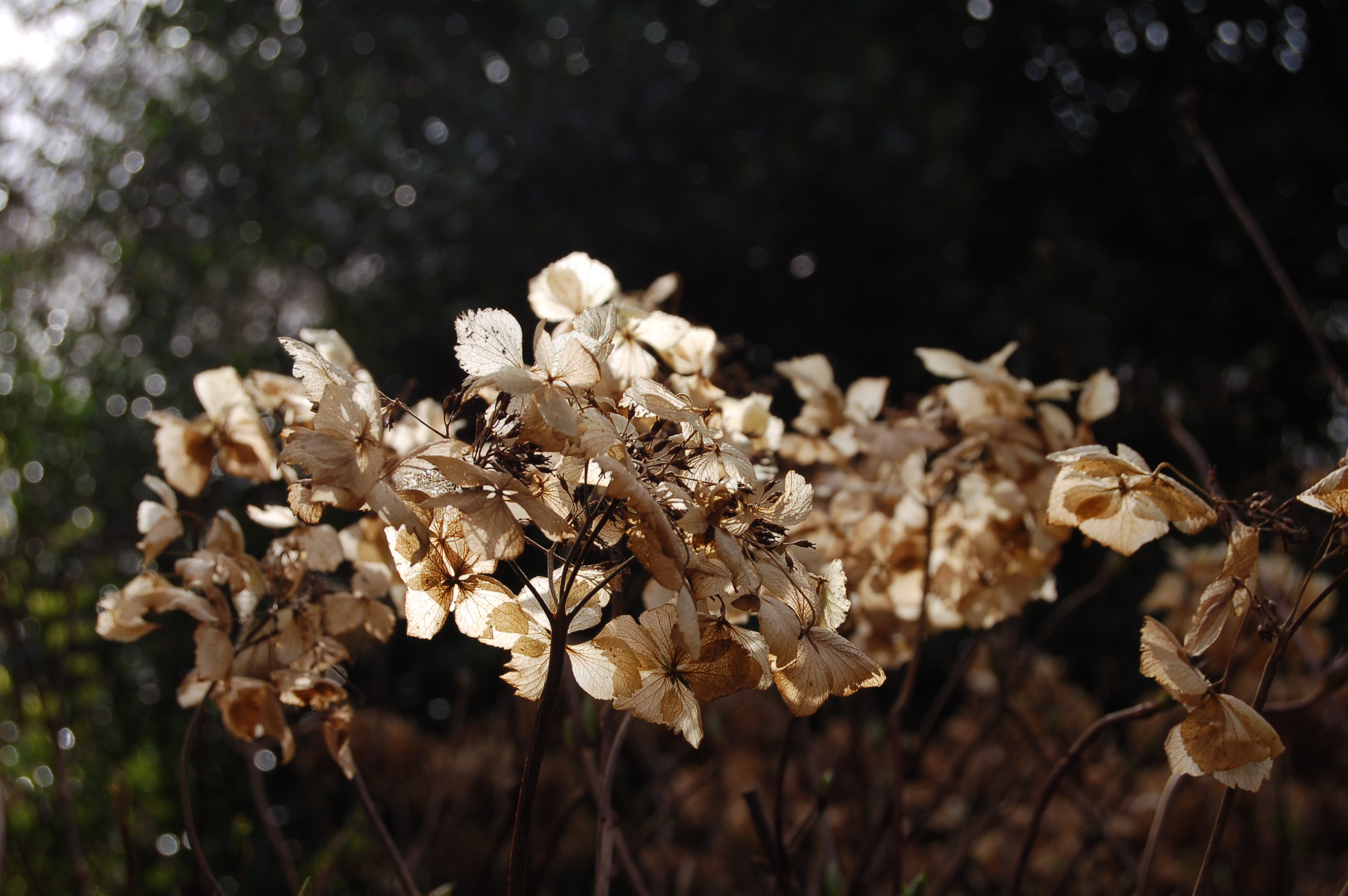
Seed heads which have overwintered and survived to add interest now seem to attract the winter light. The best must be those found on various hydrangeas, with their dried flowers like parchment.

2014 02 25_6711 2014 02 25_6713

2014 02 25_6714 2014 02 25_6715

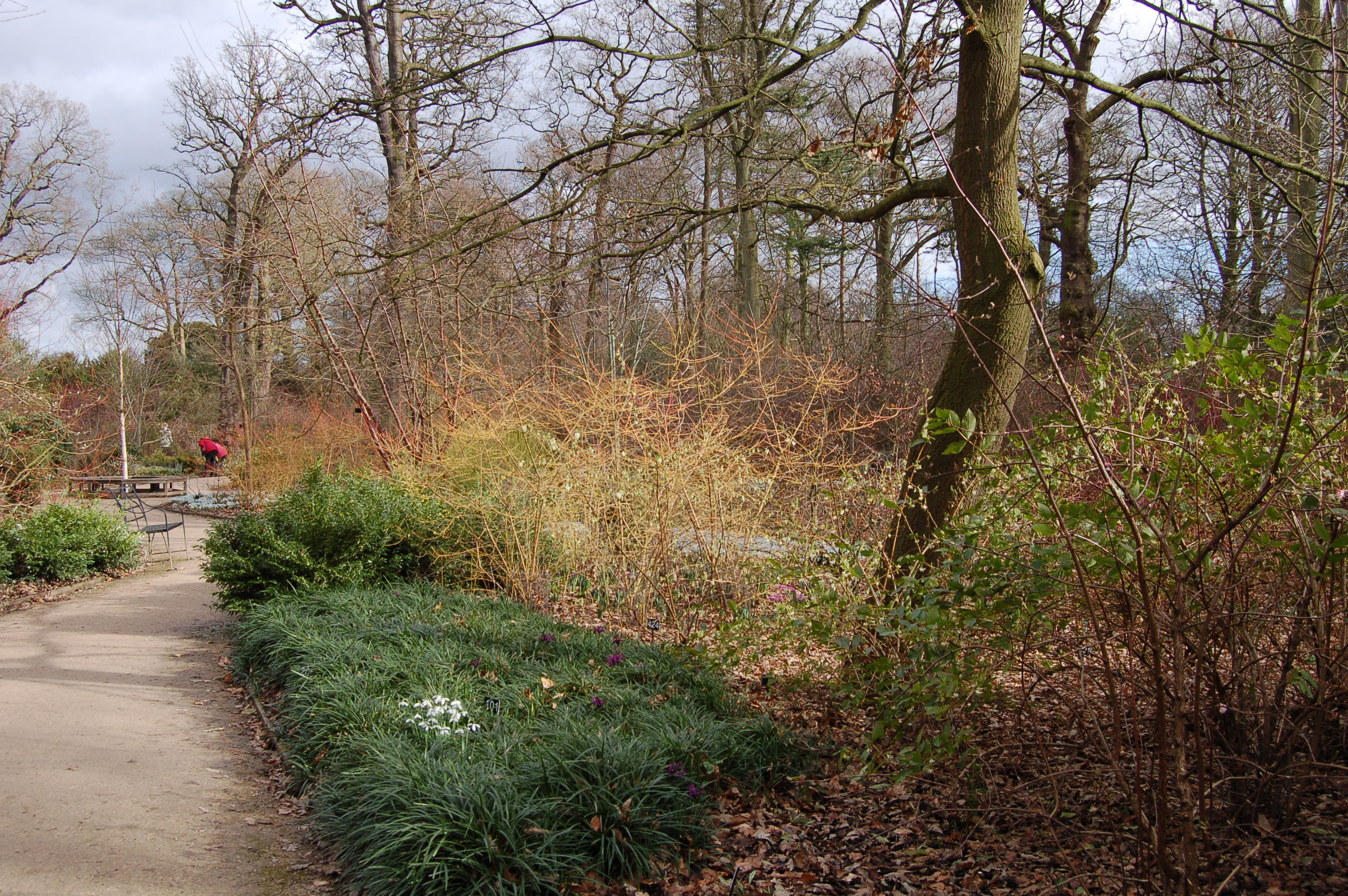
I shall finish this visit with a few general views of borders to help give a sense of the atmosphere created by the National Trust’s gardeners at Dunham Massey.

2014 02 25_6707 2014 02 25_6706    2014 02 25_6716

2014 02 25_6740 2014 02 25_6744 2014 02 25_6739 2014 02 25_6736 2014 02 25_6738   2014 02 25_6737  2014 02 25_6731 2014 02 25_6729

For our next winter garden we will be off to Cambridge where we will be taking a look at the University Botanic Garden.

This Veggie Life

A Vegetarian | Nature Lifestyle Blog

Rambling in the Garden

.....and nurturing my soul

The Arch City Gardener

Journeys In St. Louis Gardening and Beyond

Garden Dreaming at Châtillon

Consult the genius of the place

Storyshucker

A blog full of humorous and poignant observations.

gardeninacity

Notes from a wildlife-friendly cottage garden

PlayGroundology

...an emerging social science

The Official Blog of British Wildlife

'The most important and informative publication on wildlife of our times' - The Independent. This blog is a member of The UK & Ireland Natural History Bloggers group: www.uknhb.blogspot.com

iGrowHort

Inspire - Cultivate - Grow Native Plants - Restore Landscapes

Bishops Meadow Trust

To create and protect a semi-natural wild space for the people of Farnham to enjoy and experience an array of British wildlife in our town

Gardening with Children

The www.gardeningwithchildren.co.uk Blog

UKbirdingtimeline

birding through the seasons, why birds matter and how to conserve them

NATURE WALKER

with a camera in hand

Jardin

Transform your outdoor space

Eva's space

My allotment, cooking and other interests

Old School Garden

my gardening life through the year

LEANNE COLE

Trying to live a creative life

fromacountrycottage

trying to live as lightly as possible on our beautiful planet

Good Life Gardening

Nature lovers from Leicester living the good life.

mybeautfulthings

Finding the beautiful in the everyday

mawsonmichelle

Michelle's Allotment

In and Out of My Garden

thoughts from and about my garden

Greenhousing

Big plans for a small garden

The Scottish Country Garden

A Walled Country Garden in South East Scotland

The Fruity Chicken

Life at the fruity chicken

willowarchway

Off grid living. Self sufficient. "PERMAGANICS RULE".

St Anns Allotments

Nottingham's Grade 2* Listed Allotments and Community Orchard

Manifest Joy Harvests

a journey in suburban vegetable gardening

Allotmental

The madness of growing your own

Penny's Garden: a harvest beyond my front door

A novel approach to vegetable gardening

arignagardener

Sustainable living in the Irish countryside.

NewEnglandGardenAndThread

Master Gardener, amateur photographer, quilter, NH native, and sometimes SC snowbird

dianajhale

Recent work and work in progress and anything else that interests me

planthoarder

a chaotic cottage gardener

Lens and Pens by Sally

a weekly blog that creates a personal philosophy through photographs and words

Dewdrops and Sunshine

Stories from a sassy and classy Southern farmbelle.

The Pyjama Gardener

Simple Organic Gardening & Seasonal Living

gettin' fresh!

turning dirt into dinner

JOY...

today the world is created anew

Garden Birds

Notes from a Devon garden

ShootAbout

Life Through The Lens

Adapting Pixels

A photography blog showcasing the best photography pictures and videos on the internet

Wildlifegardening's Blog

Just another WordPress.com site

naturestimeline

personal observations from the natural world as the search continues for a new approach to conservation.

LATEBLOOMERBUDS

The Wonders of Life through my Eyes, my Heart, my Soul