Categories
flowering bulbs fruit and veg garden buildings garden wildlife gardening gardens gardens open to the public grow your own hardy perennials National Trust ornamental trees and shrubs spring bulbs spring gardening The National Trust trees

Croft Castle month by month – part three – March

2015 03 25_0152_edited-1

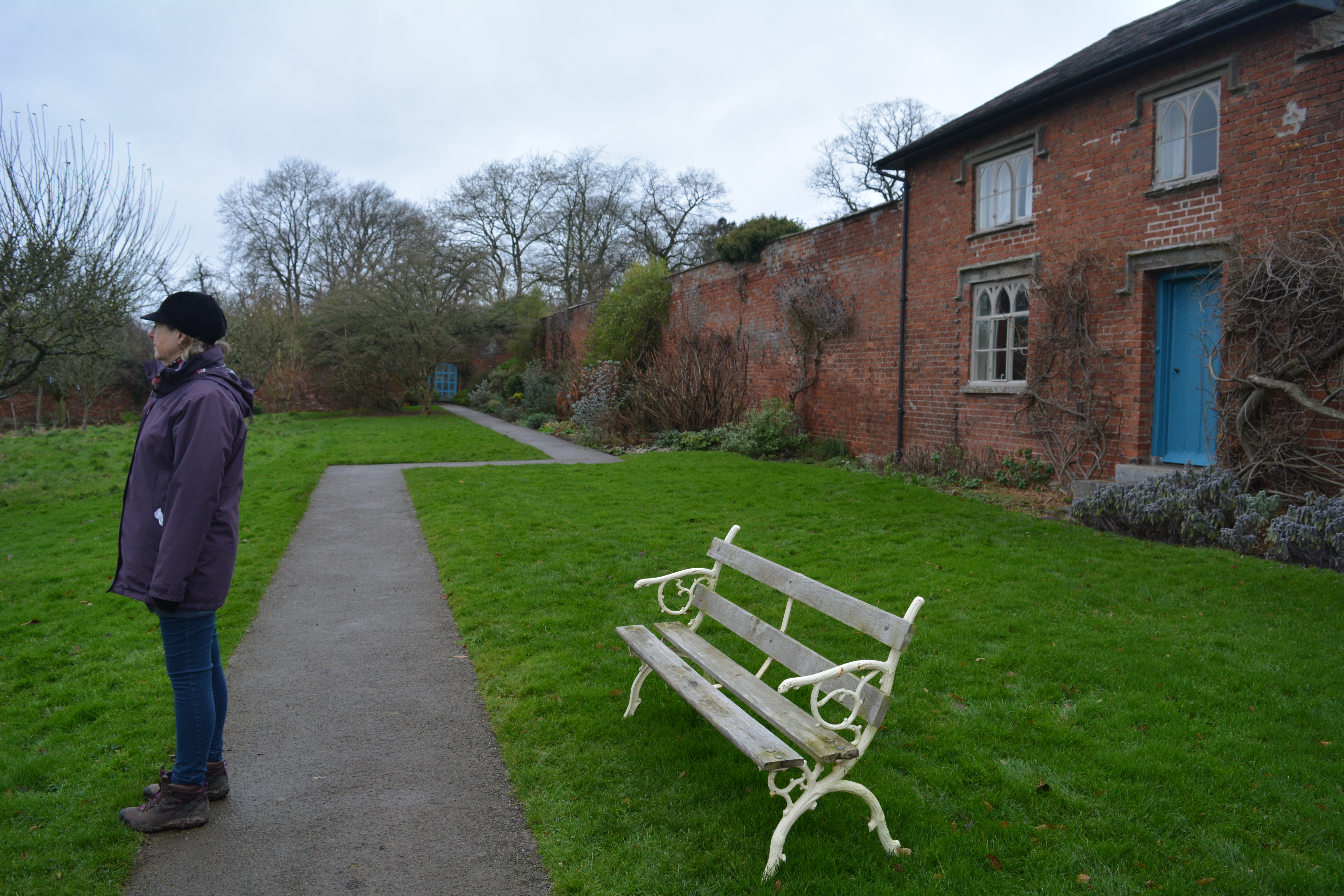
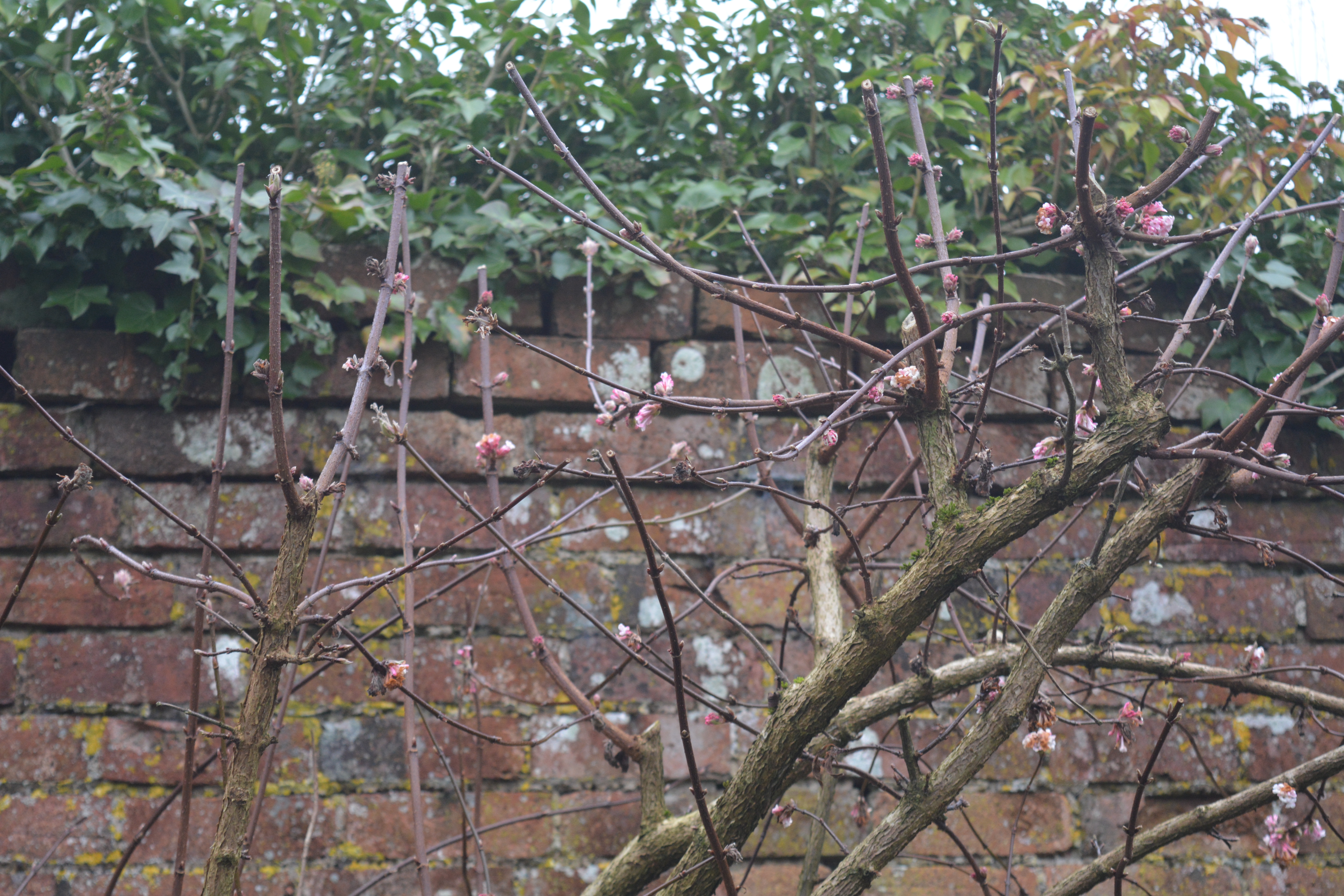
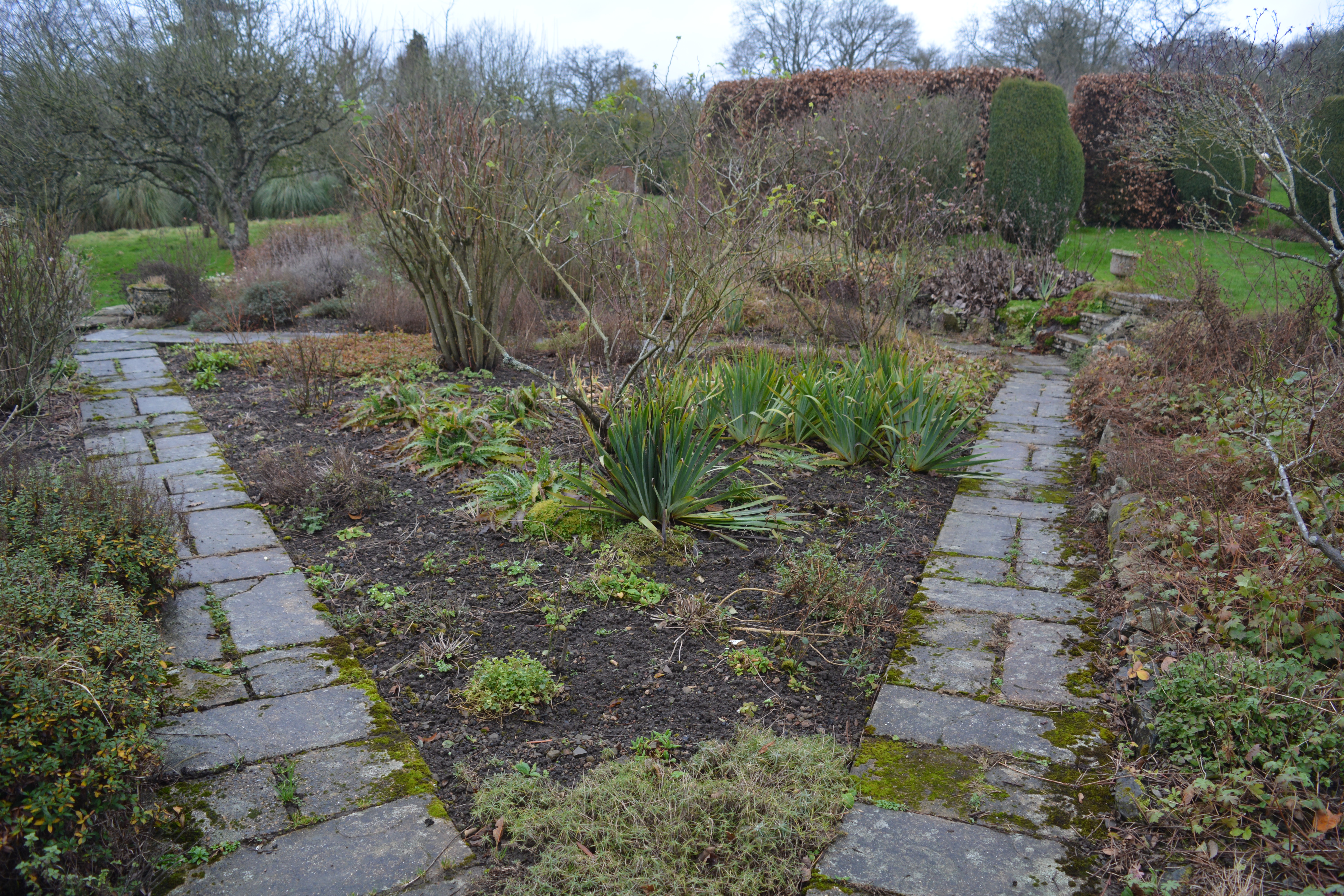
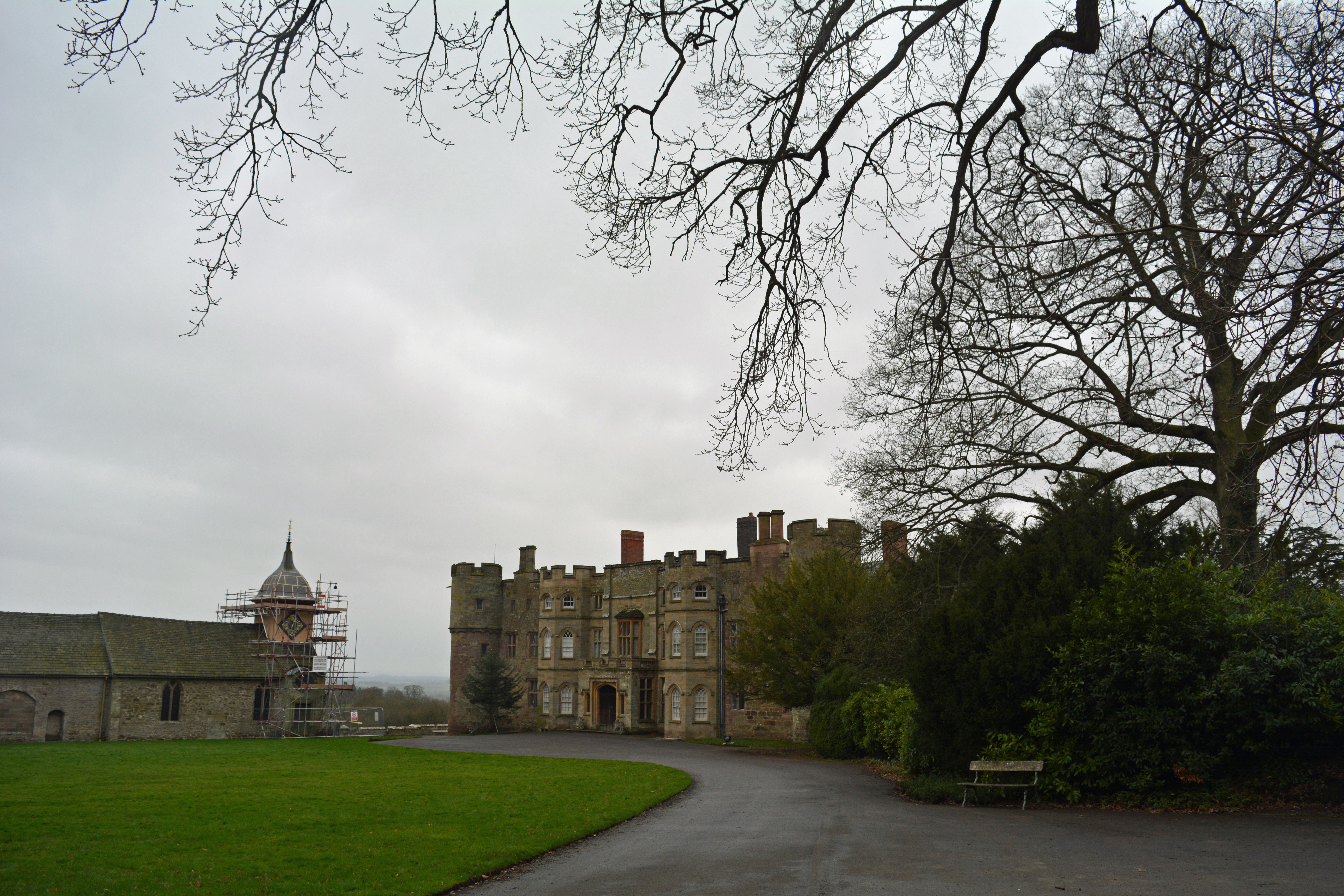
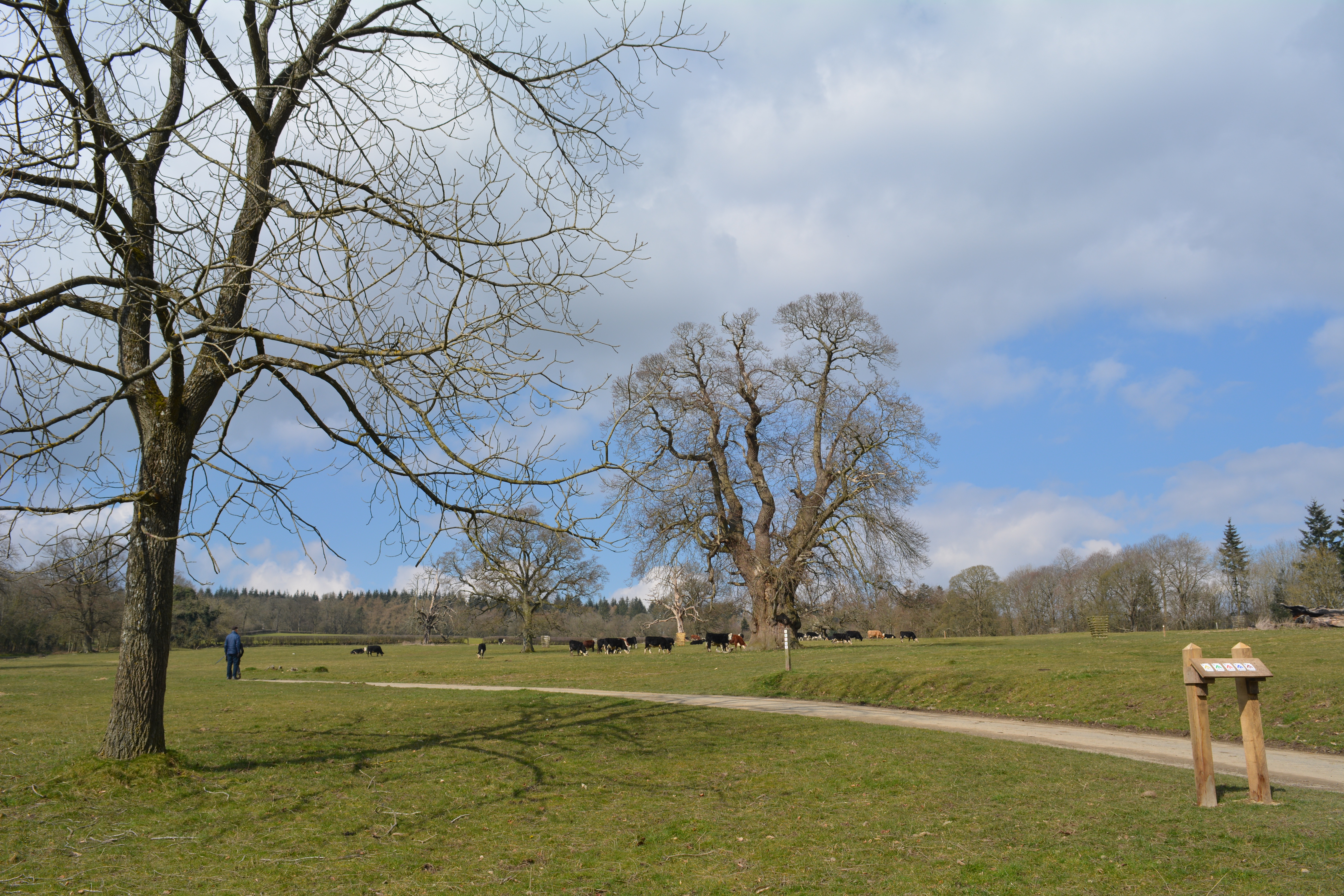
So back we went for the third of our monthly visits to the Herefordshire property of theNational Trust, Croft Castle where we had a wander to see what had changed since our visit in February. As usual we began our tour by checking out that the coffee and cakes were still up to our high expectations! To get there we walked past the parkland which features the ancient Sweet Chestnuts. These old trees were still showing no signs of spring, their buds tightly closed.

2015 03 25_0066 2015 03 25_0068

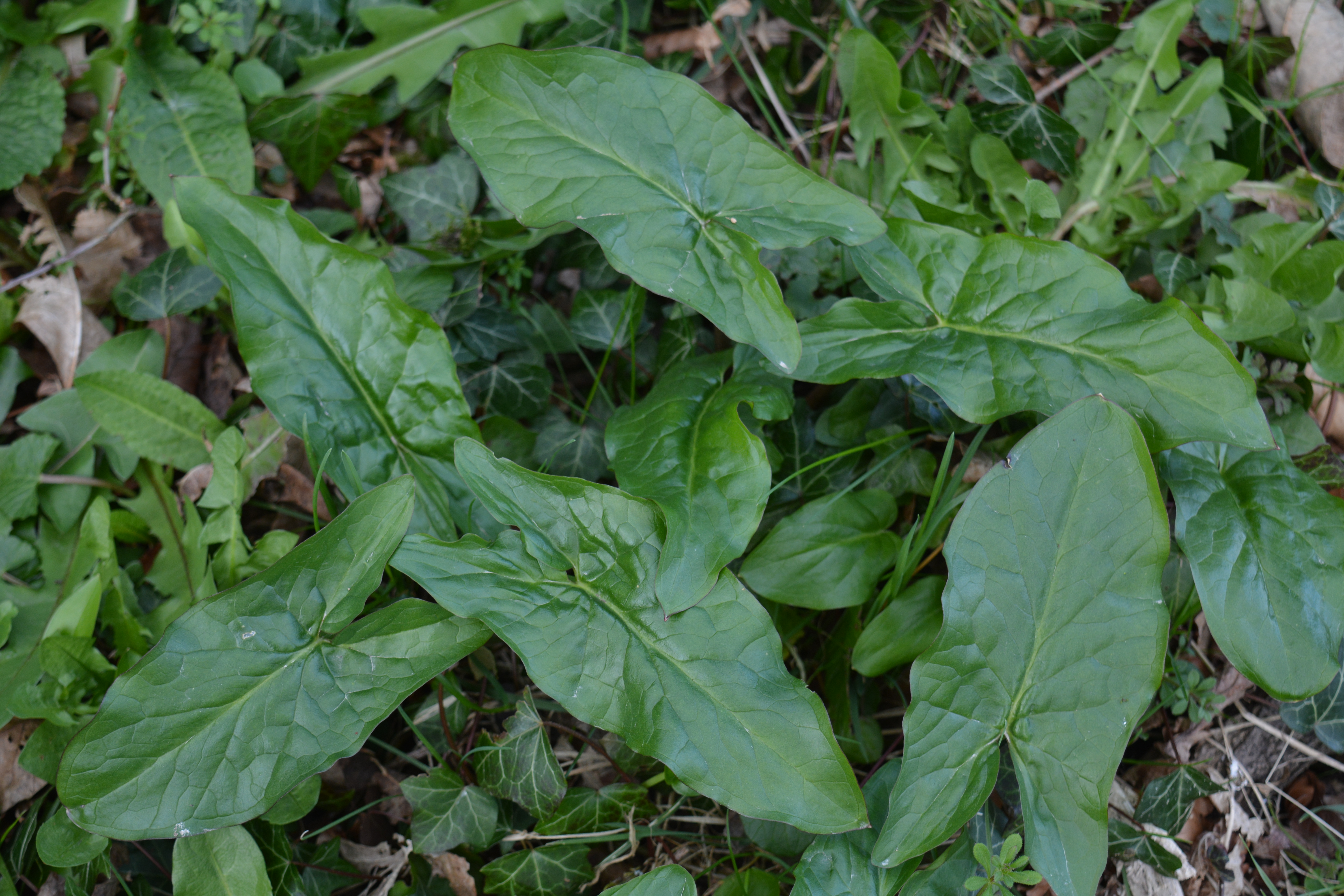
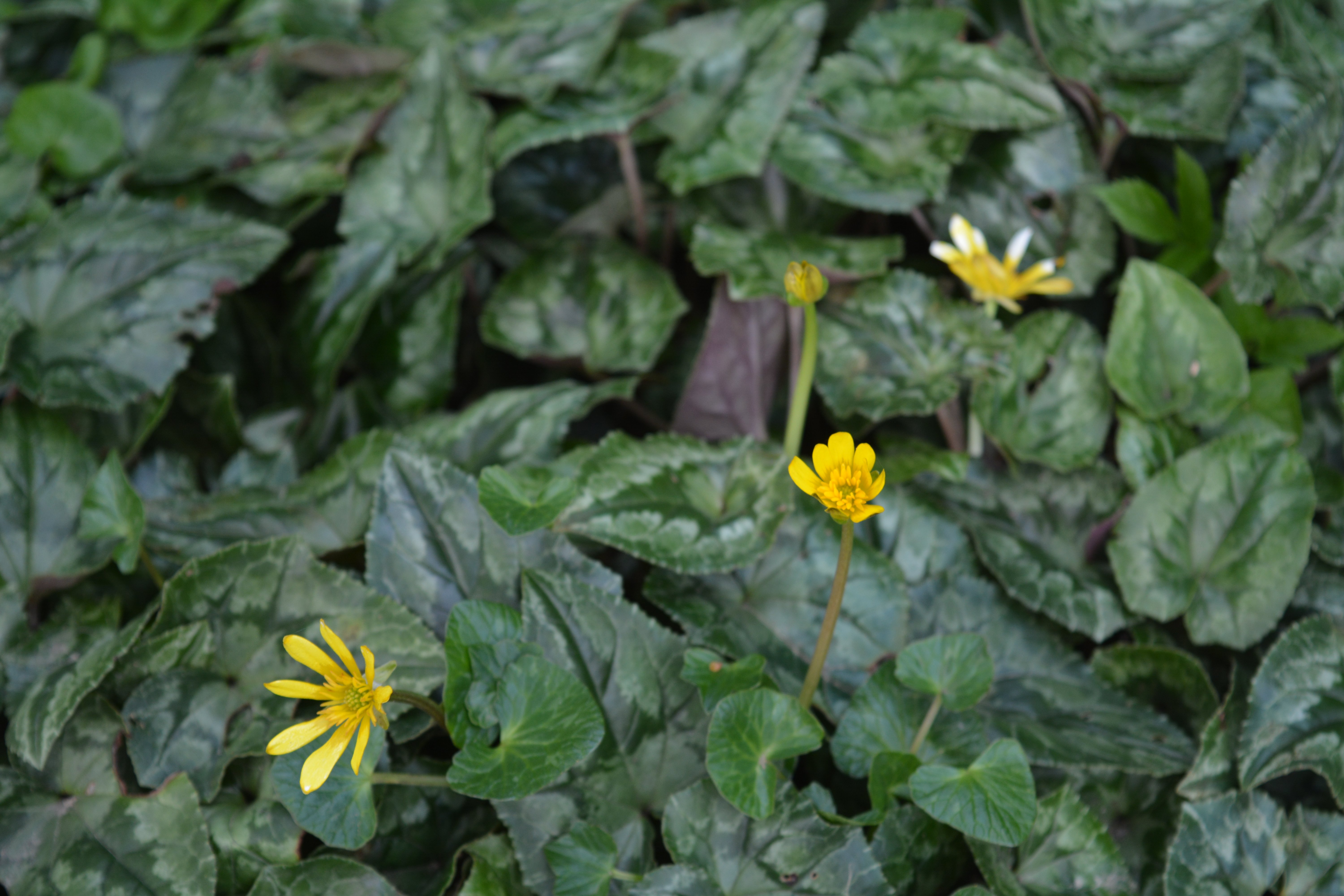
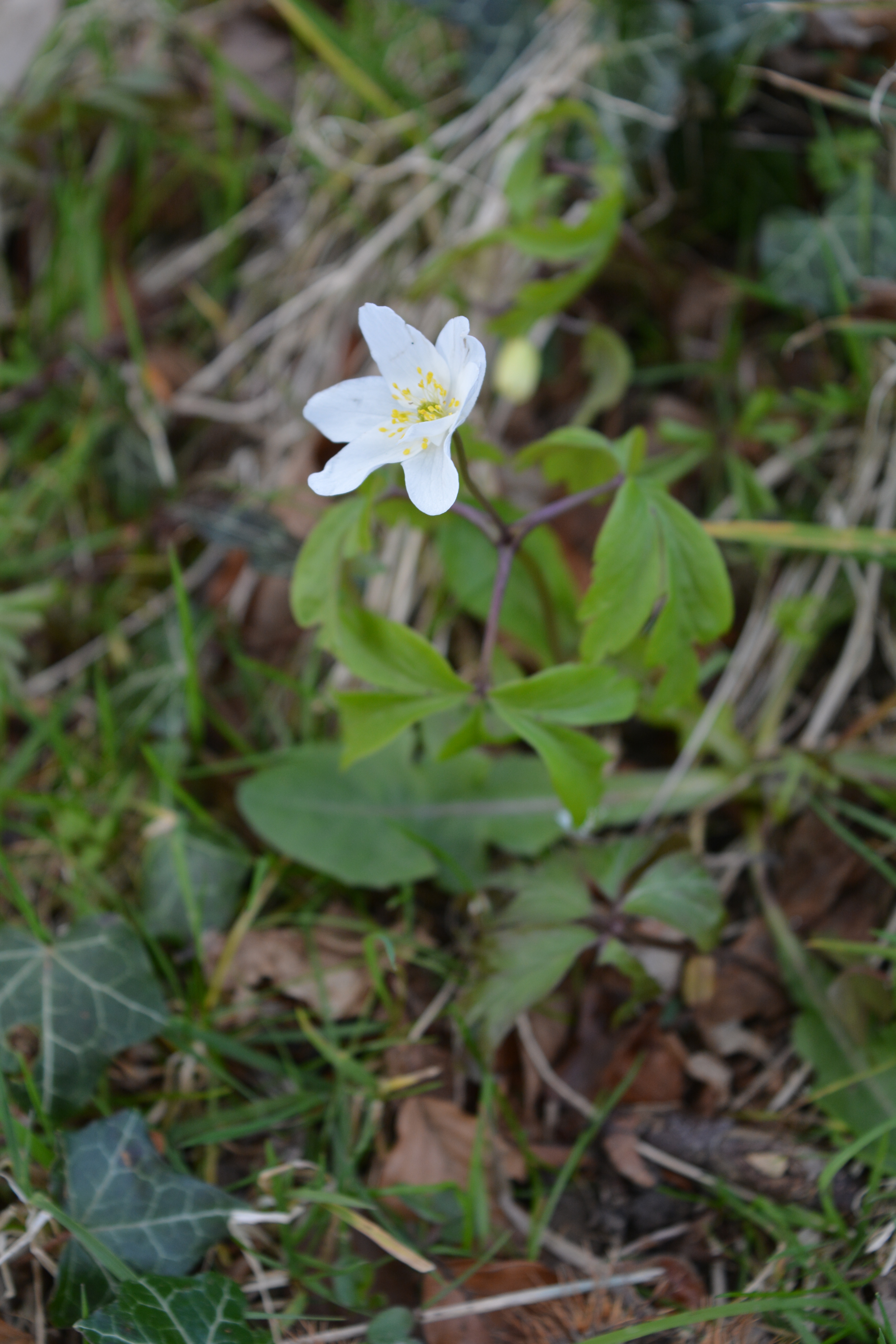
Suitably refreshed we cut through a meadow area on our way to the walled garden, and in that meadow little patches of colour shone out, white Wood Anemones, the purple of Fritilleries and the yellows of Celandines and Dandelions. Amongst these the patterned leaves of Arum Italicum, our native Arum Lily clothed the ground. Fritilleries although dramatic flowers with purple chequerboard patterned petals were remarkably difficult to make out among the grass.

2015 03 25_0071 2015 03 25_0072 2015 03 25_0073 2015 03 25_0074

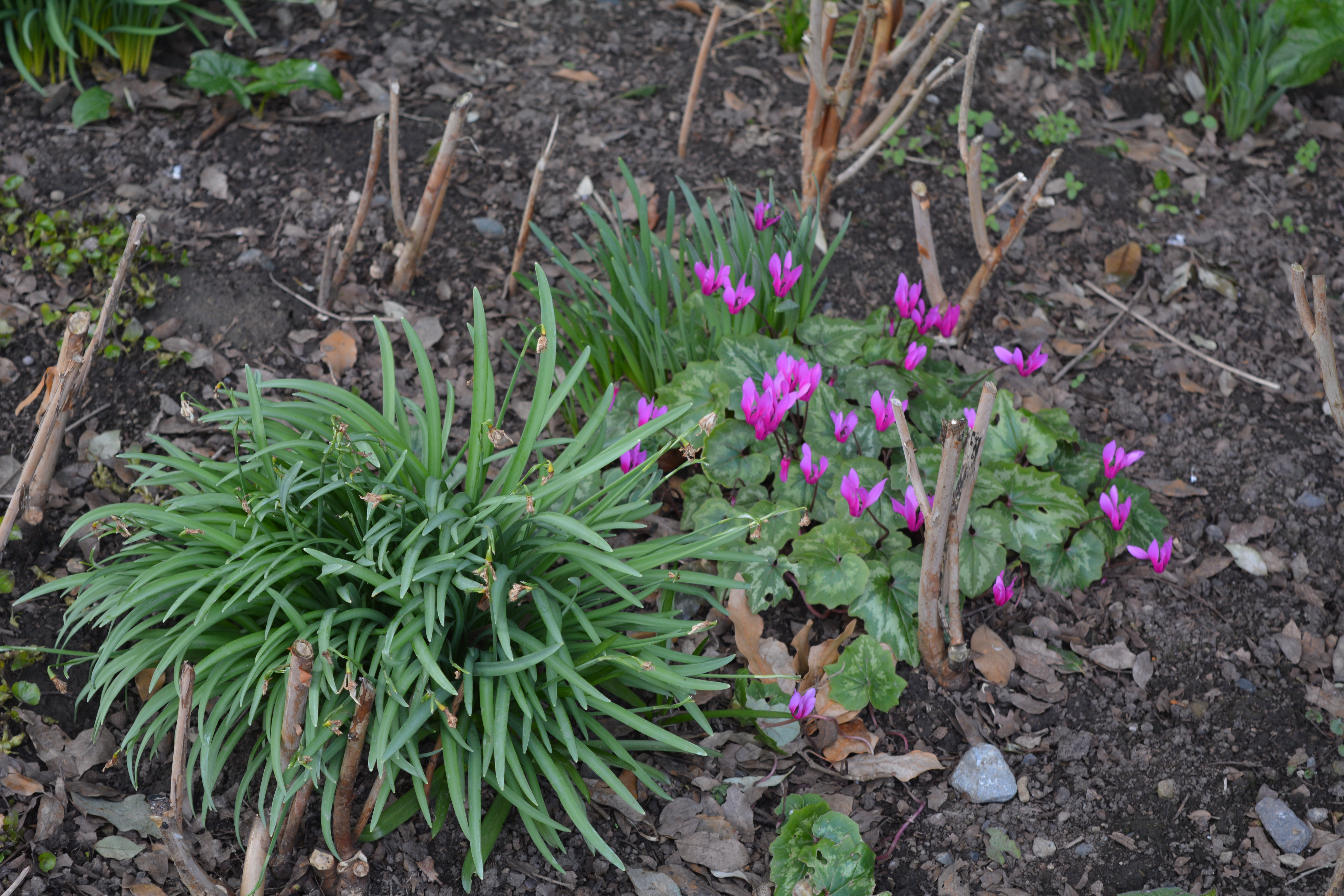
The long, deep mixed border was showing colour too, mostly primulas and bulbs.

2015 03 25_0077 2015 03 25_0078 2015 03 25_0080 2015 03 25_0081 2015 03 25_0083 2015 03 25_00842015 03 25_0085 2015 03 25_0087 2015 03 25_0089 2015 03 25_0090

We walked quickly along the long border trying to avoid the biting wind and reach the protection of the walled garden. When we caught the first glimpse of the doorway into the walled garden we were amazed to see that the little section of cobbled path the gardeners had recently discovered had now been exposed and restored right across the lawned area.

2015 03 25_0067_edited-1

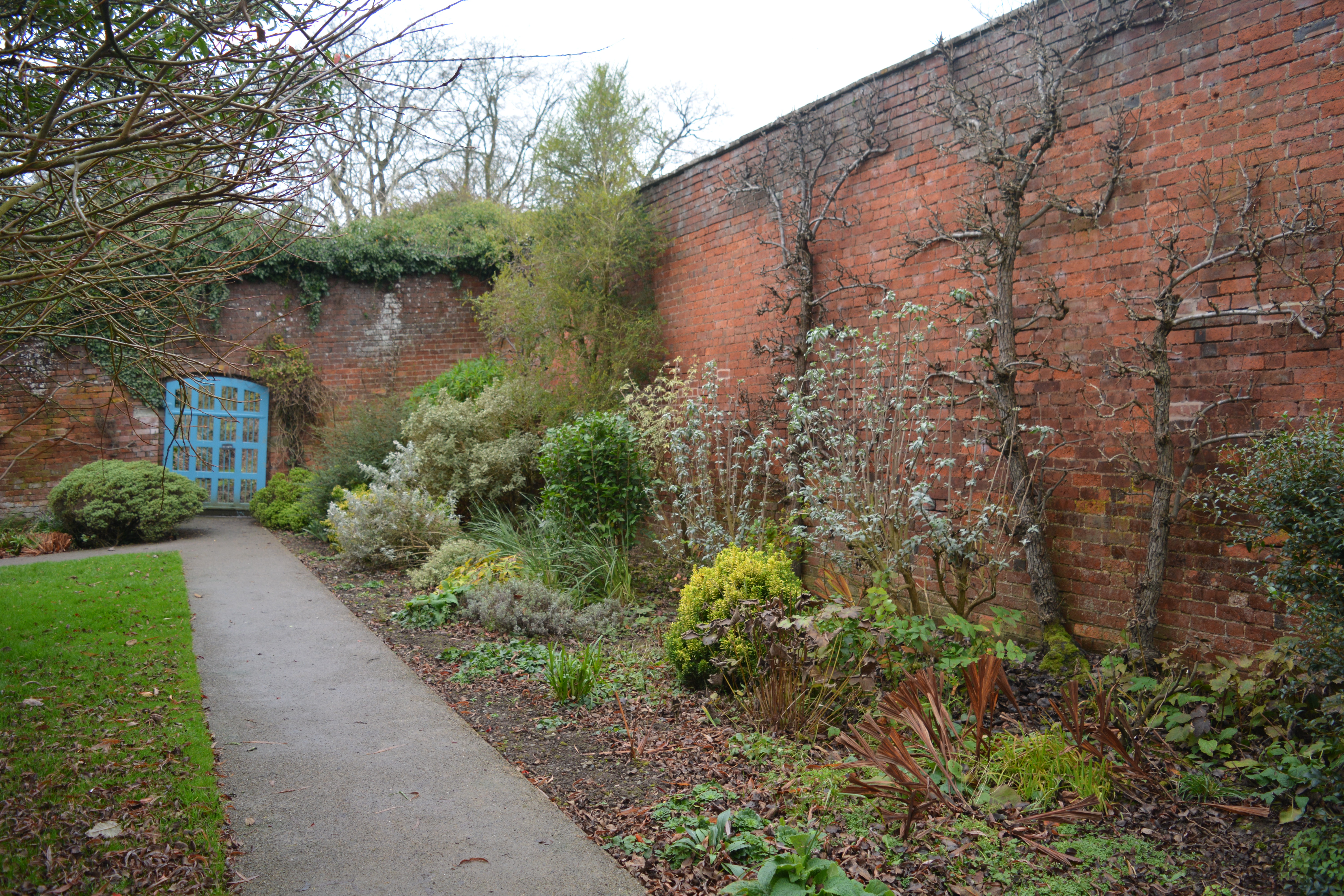
Passing through the little doorway you can see in the photo below at the right hand end of the wall gave welcome relief. There was no wind within the walls and the temperature was so much warmer. It made the day feel comfortable to wander in so we slowed down and took time to look.

2015 03 25_0091

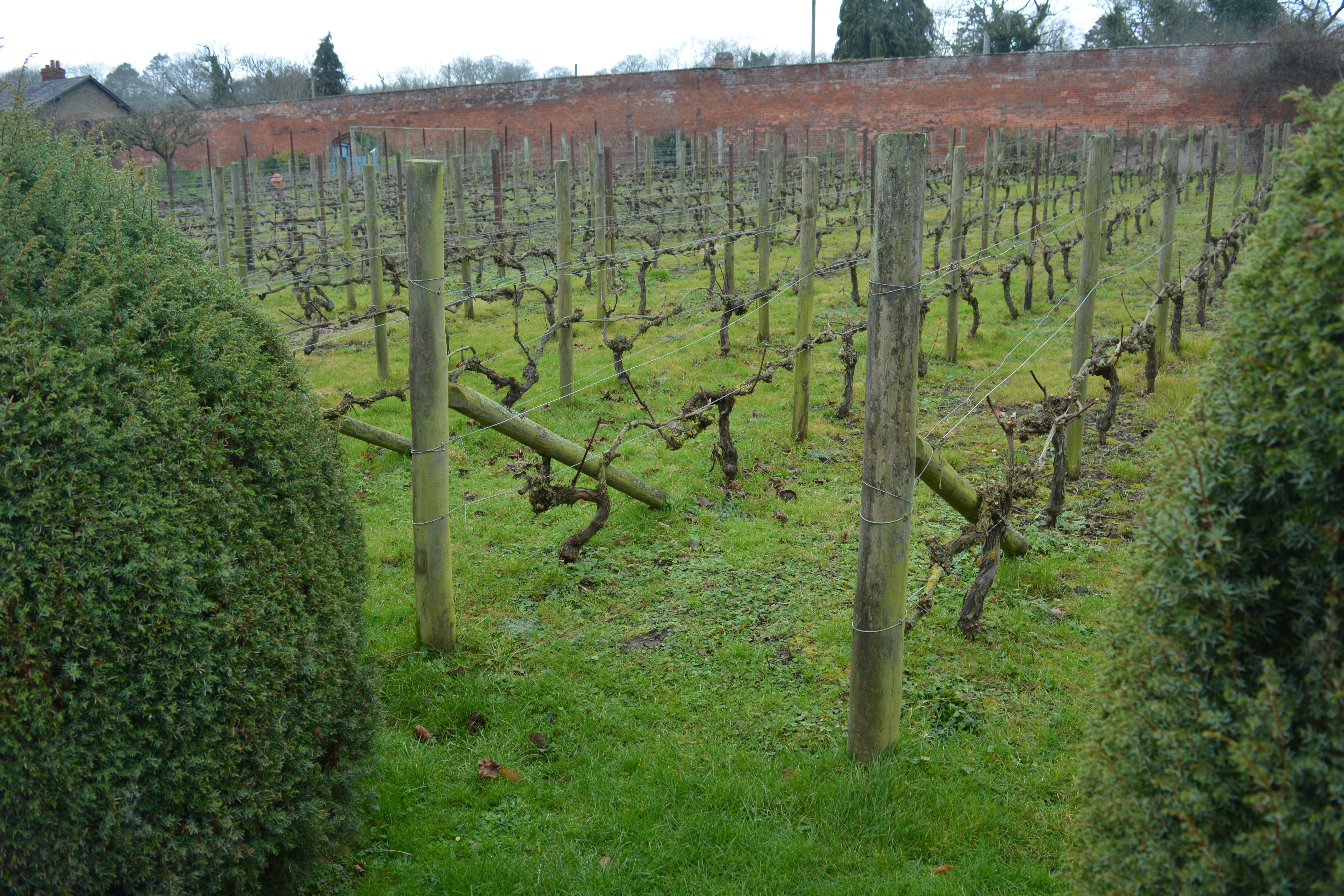
The long border beneath the wall had a scattering of blooms such as these Pulmonaria and Muscari and the buds on a few of the shrubs were beginning to burst. The vineyard however was still deep in its state of hibernation.
2015 03 25_0092 2015 03 25_00932015 03 25_0070_edited-1 2015 03 25_0069_edited-1 2015 03 25_00942015 03 25_0095

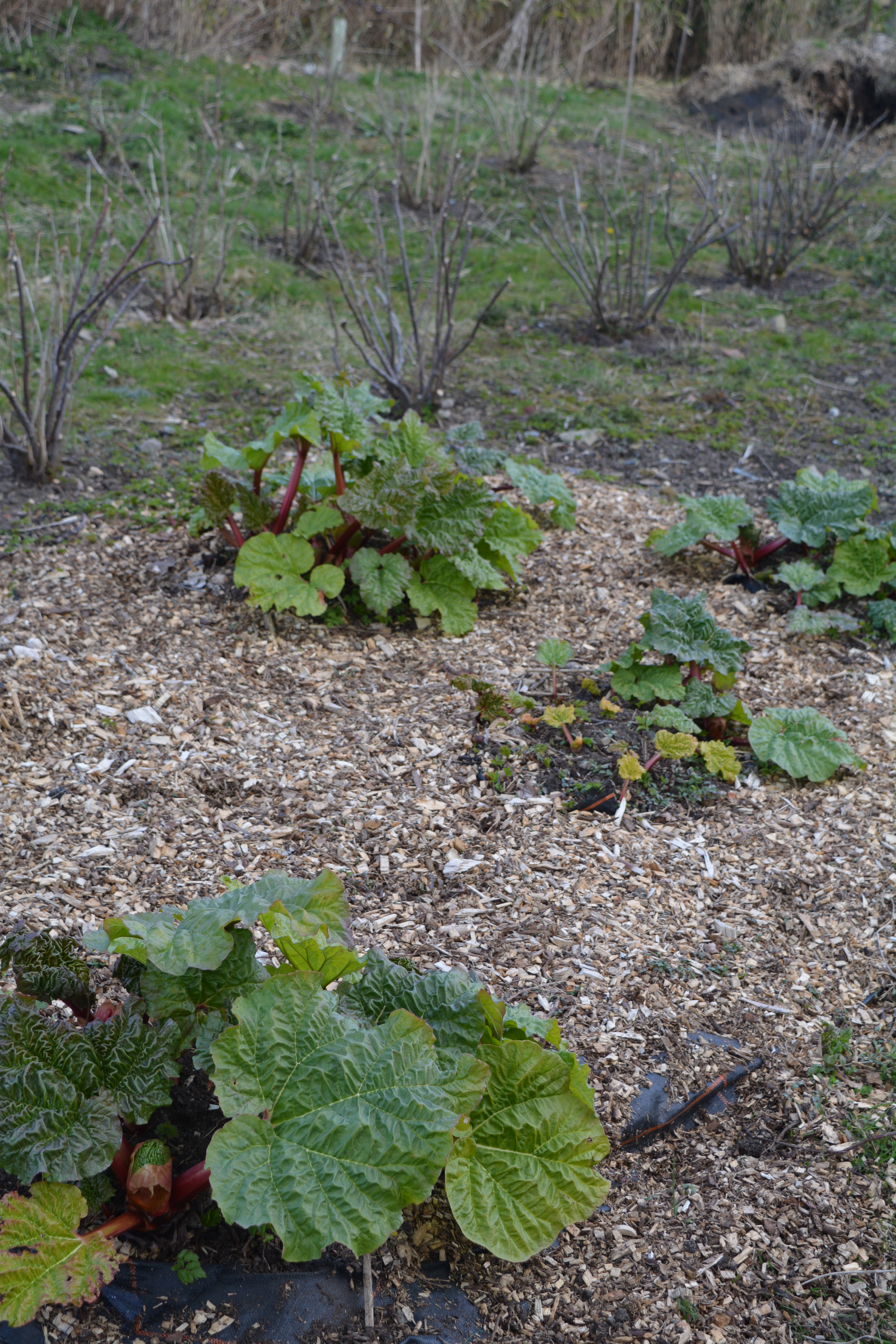
As usual we were tempted to go through the blue gates into the working heart of the walled garden. We discovered a newly created fruit garden and close by a Rhubarb plant waited patiently to take its place.

2015 03 25_0107 2015 03 25_01012015 03 25_0100 2015 03 25_0102

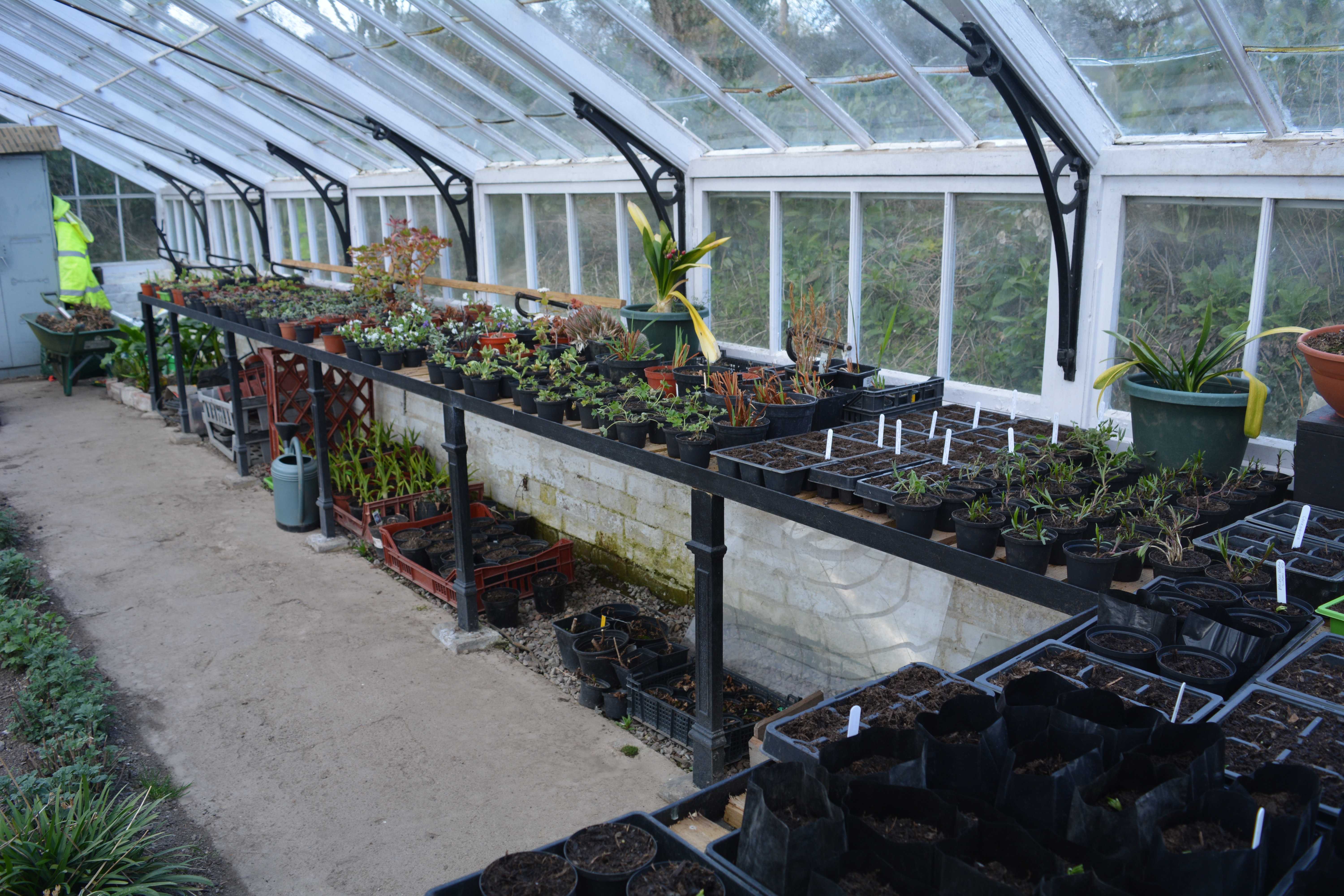
In the greenhouse plants had been potted up ready to be sold later in the season, including this array of Pulmonarias.

2015 03 25_01032015 03 25_0104 2015 03 25_0105

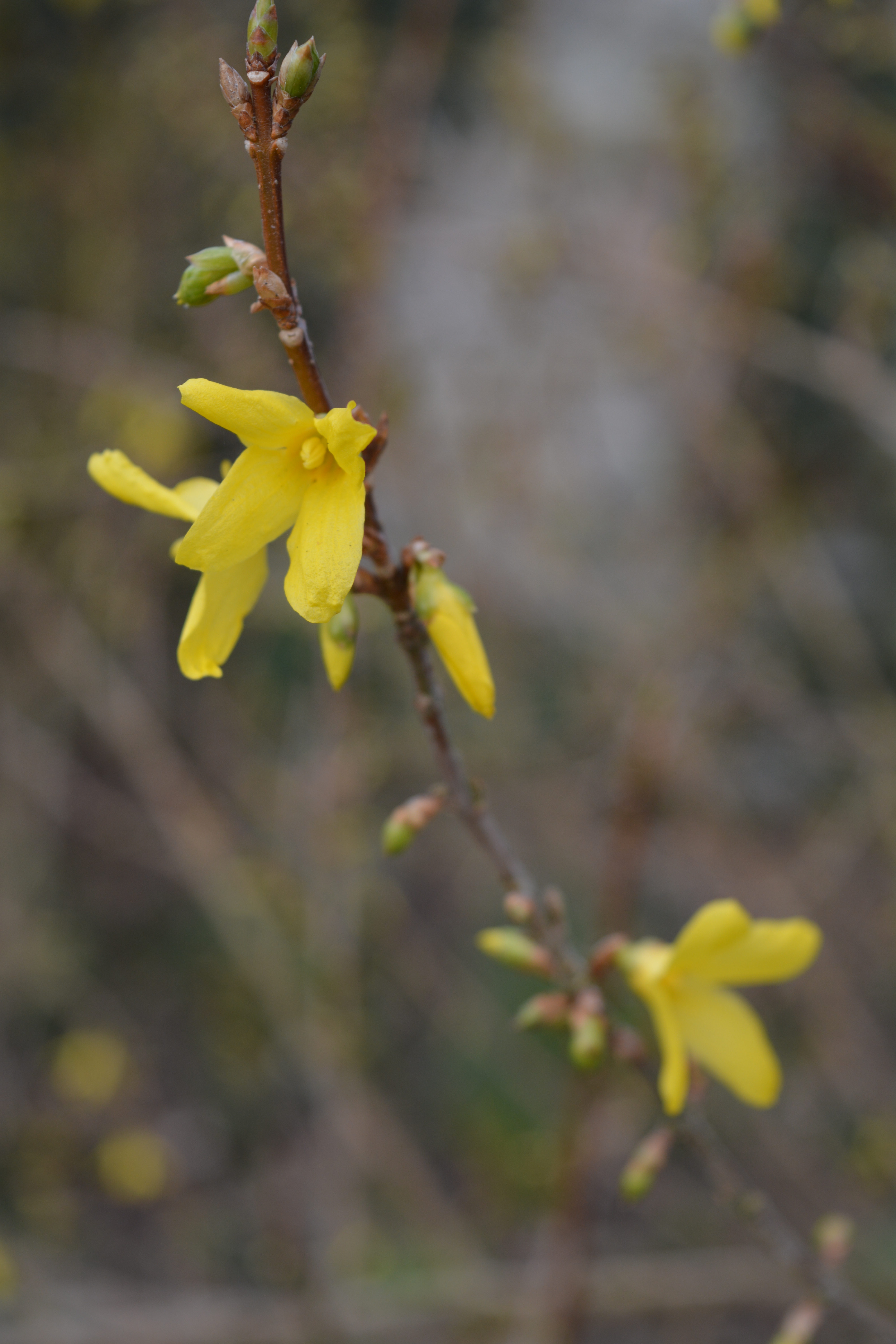
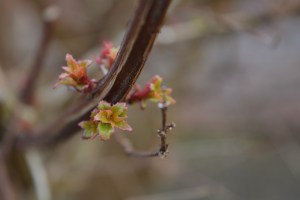
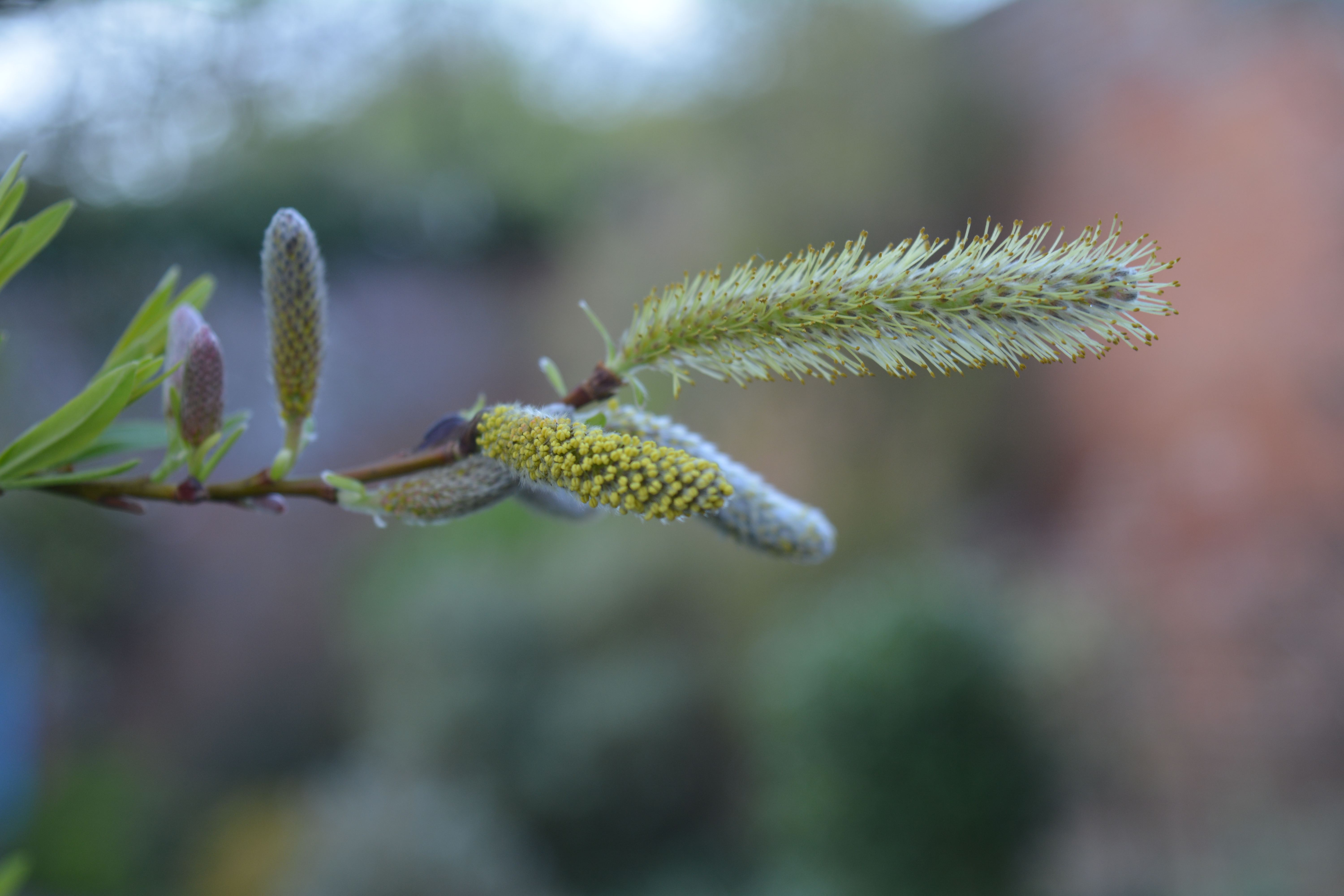
Back out in the main walled garden we found more Rhubarb and this looked well on its way to being ready for harvesting. There were signs of spring everywhere in the protected environment within the wall, fresh greens and reds of newly burst buds on willows and roses.

2015 03 25_0108 2015 03 25_0114 2015 03 25_0115 2015 03 25_0116

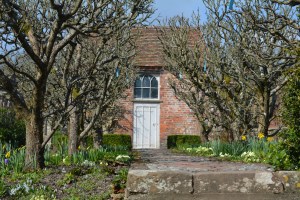
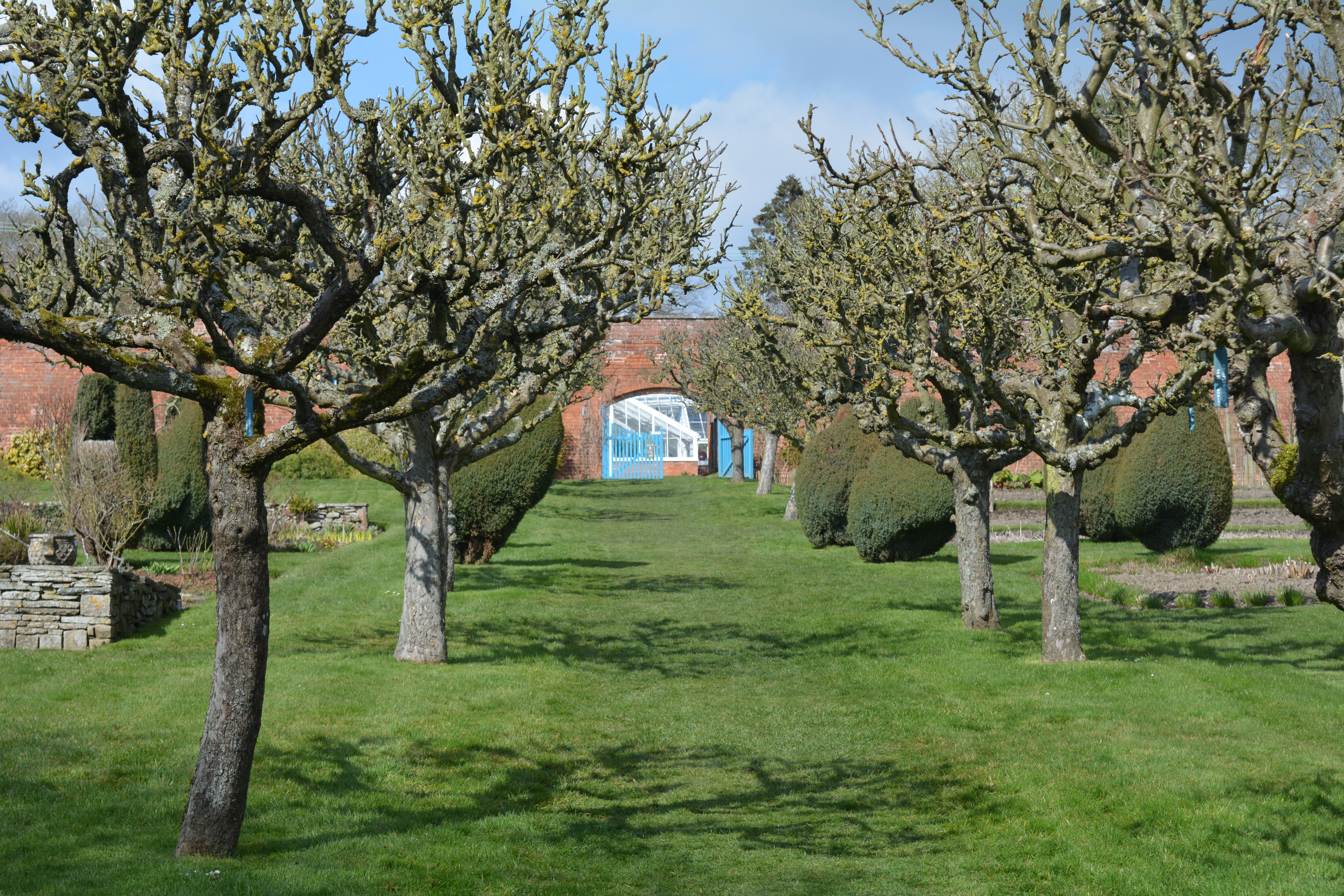
We noticed as we wandered around the comfortable grassed paths that whenever we caught a glimpse of the garden buildings they seemed to be framed by trees and hedges.
2015 03 25_0124 2015 03 25_0125 2015 03 25_0130 2015 03 25_0142

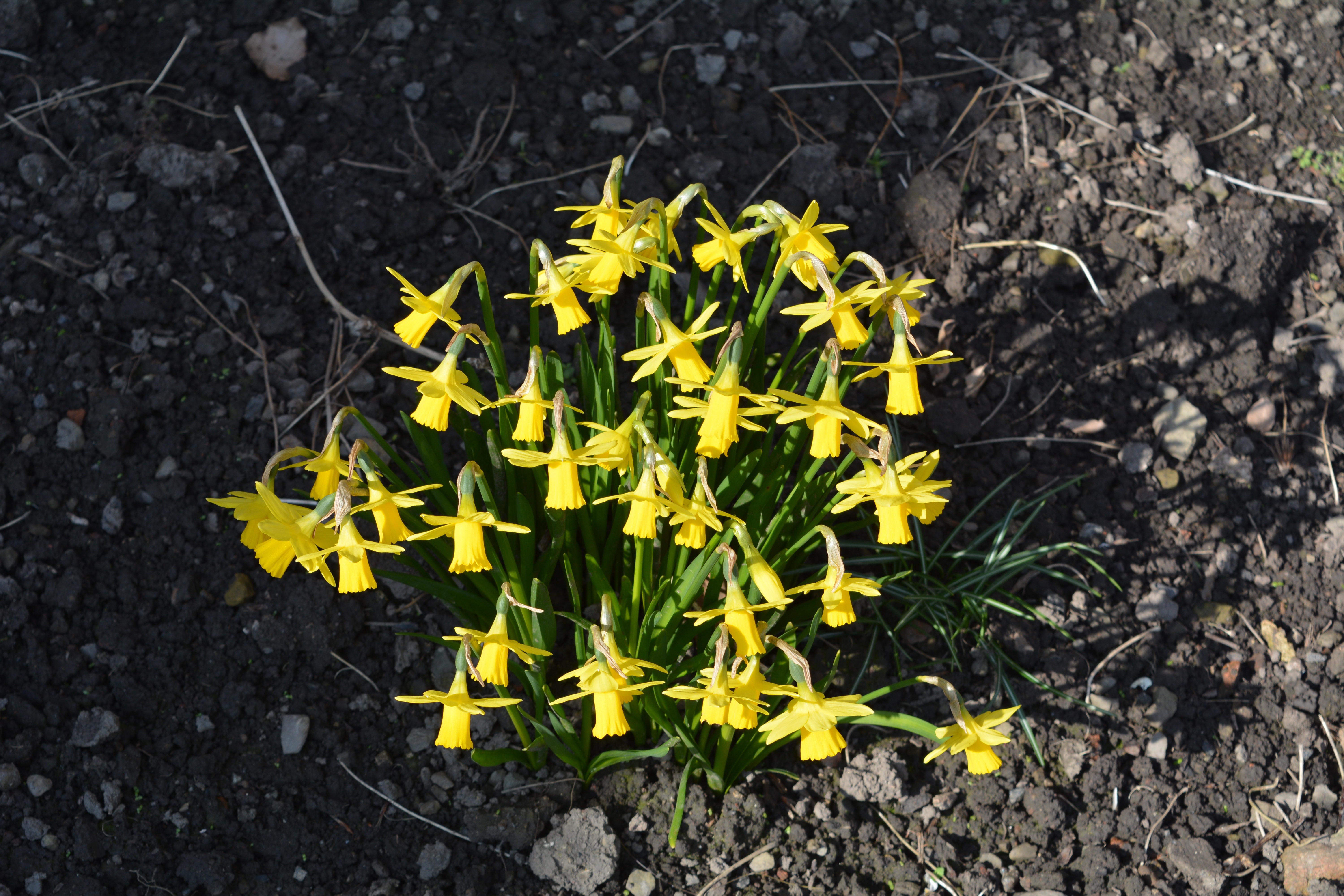
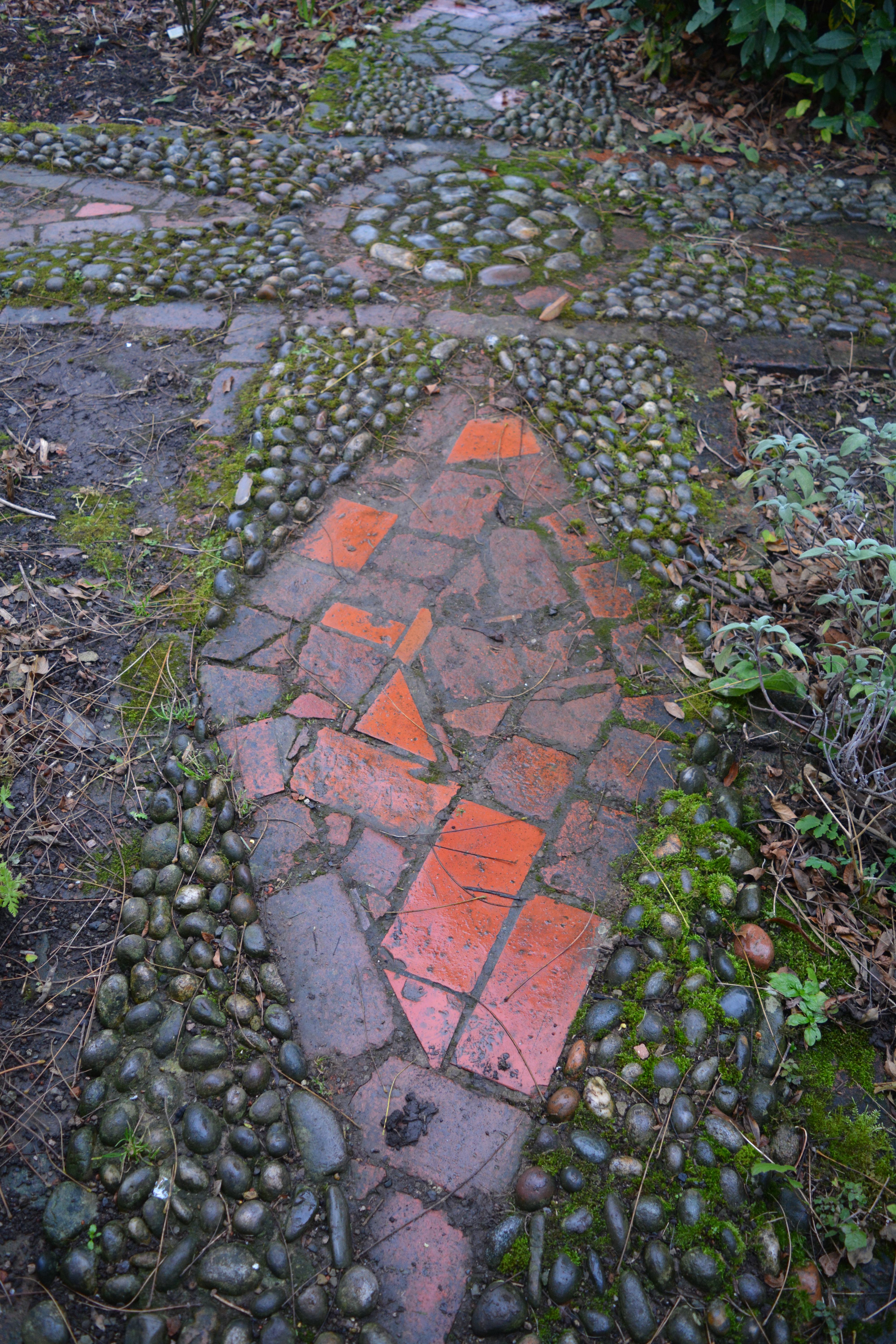
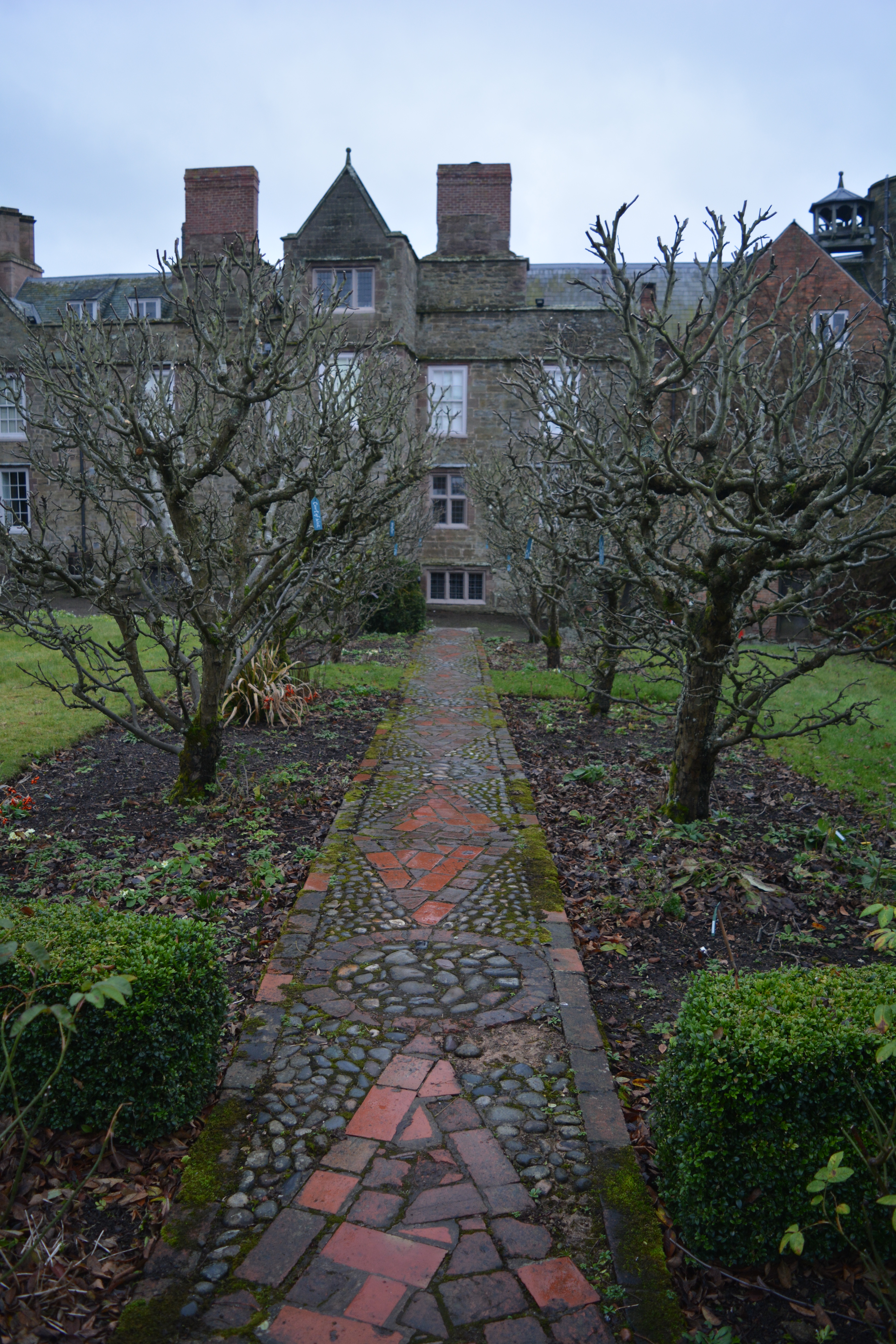
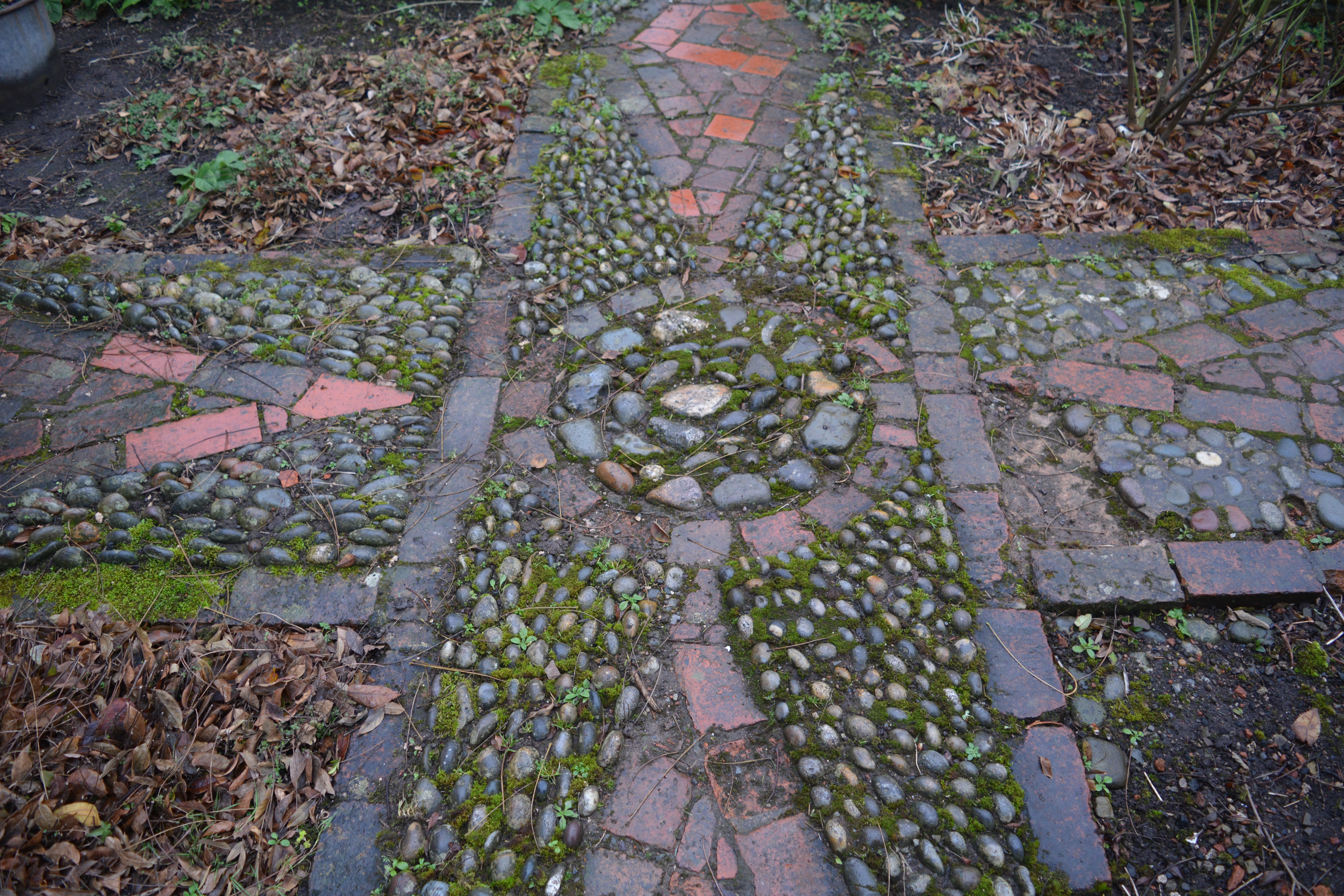
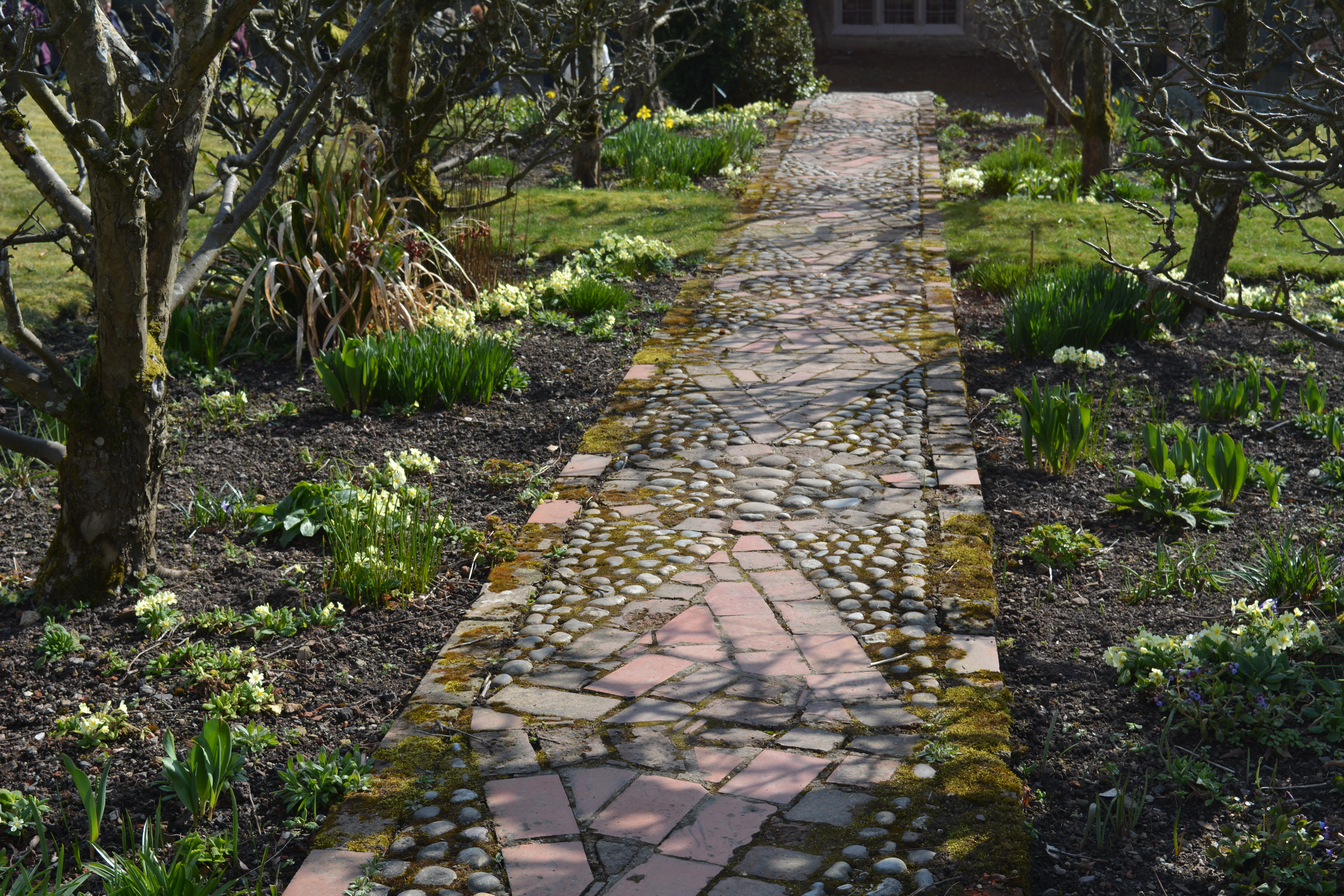
Leaving the walled garden behind we followed cobbled patterned paths beneath old fruit trees underplanted with Primroses and Daffodils.

2015 03 25_0134 2015 03 25_0140 2015 03 25_0141 2015 03 25_0121

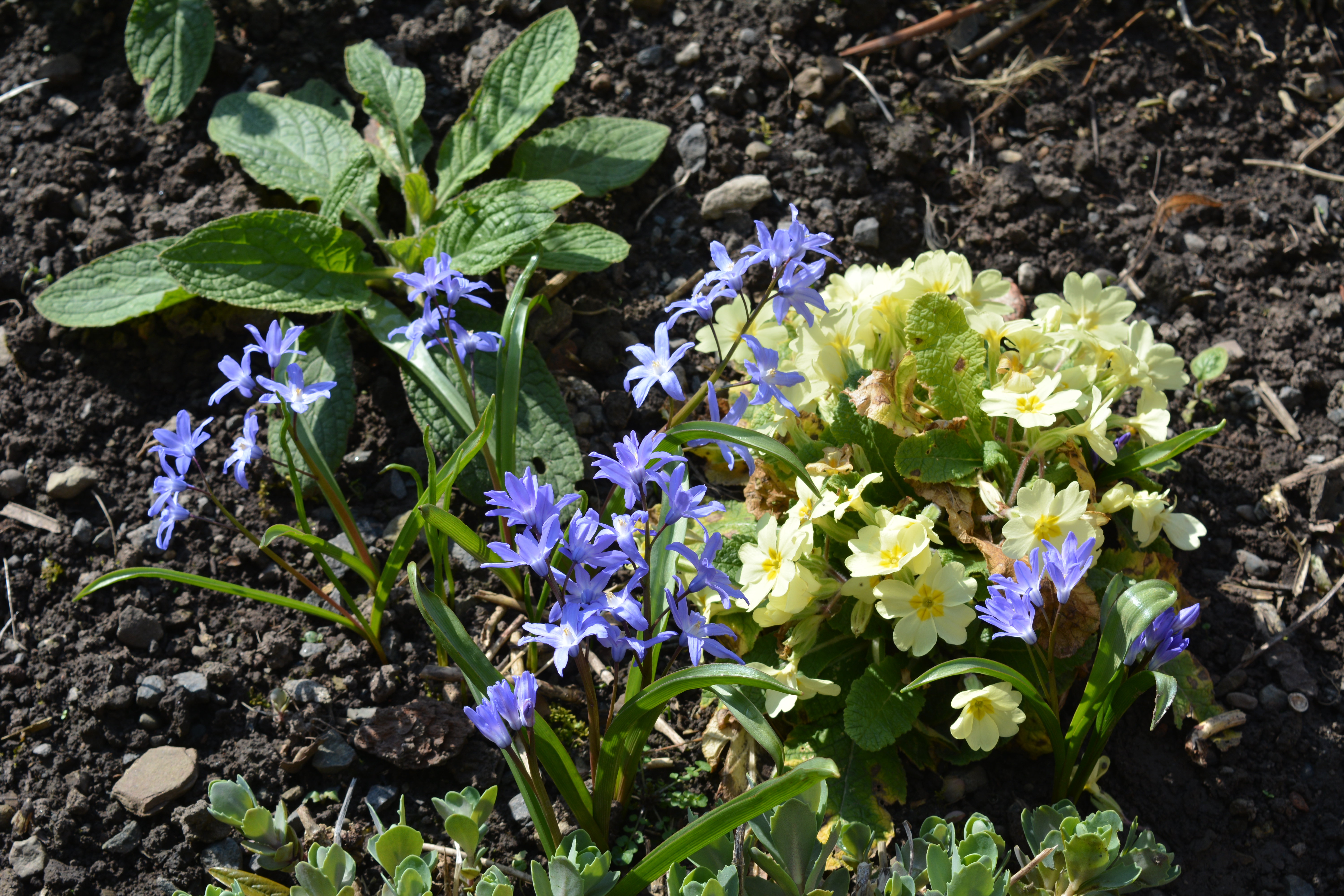
The enclosed courtyard garden was full of the contrasting colours of Primroses and Chionodoxa. A cheerful sight!

2015 03 25_0146 2015 03 25_0147

We seemed to be at Croft on a day when many volunteer gardeners were working on site. They seemed to be enjoying their work and their time was punctuated with laughter and chatter.

2015 03 25_0167

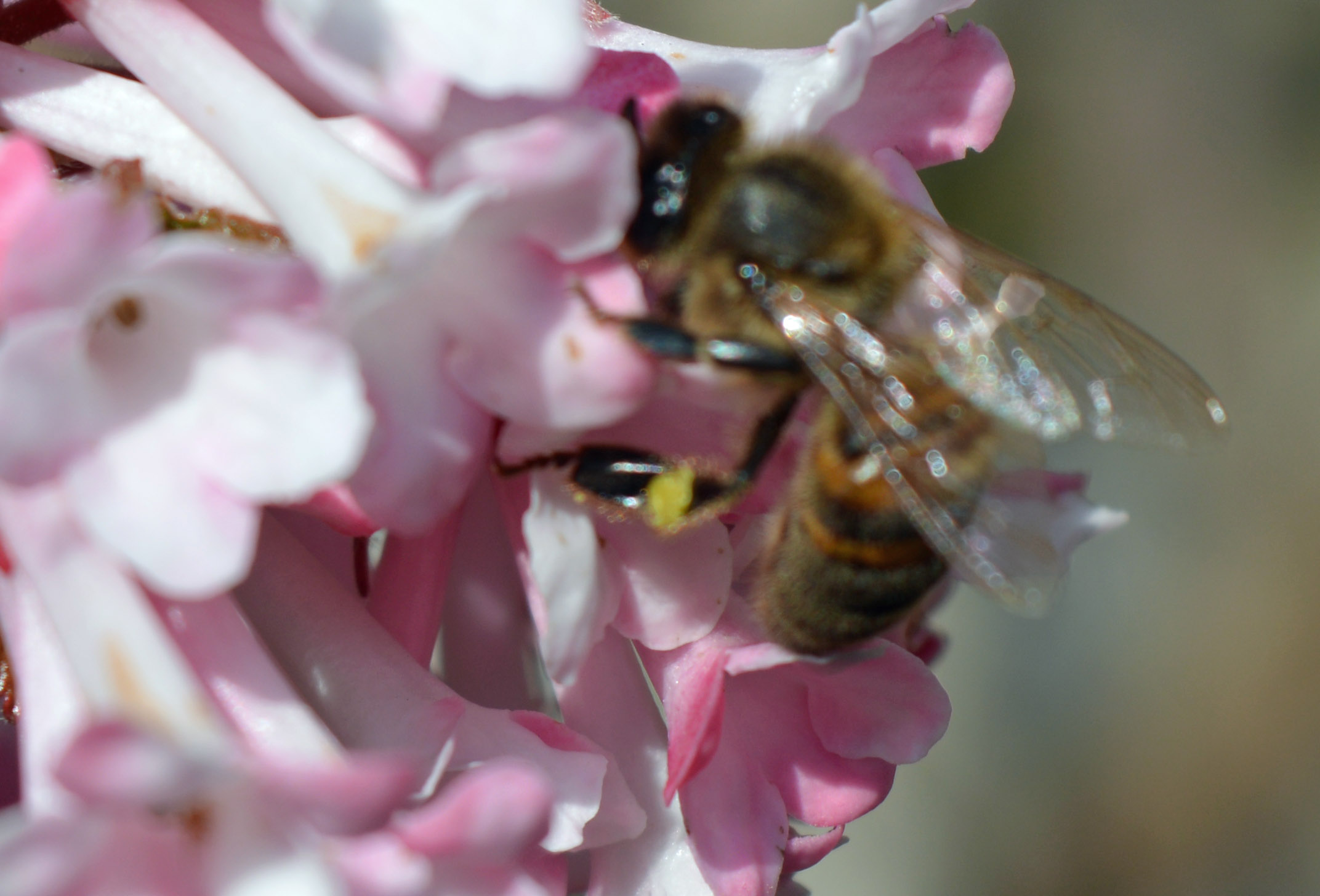
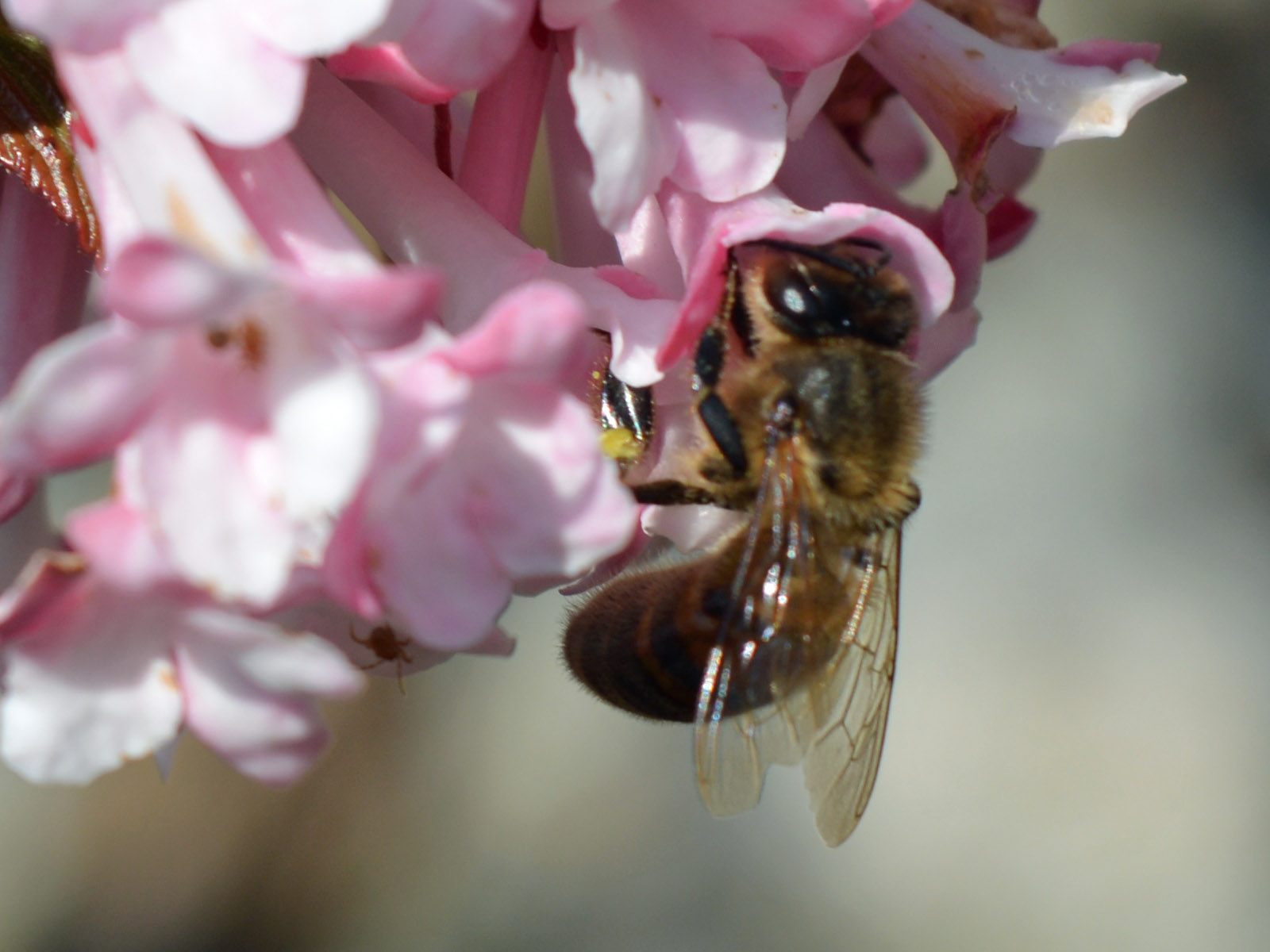
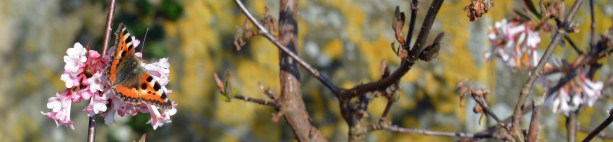
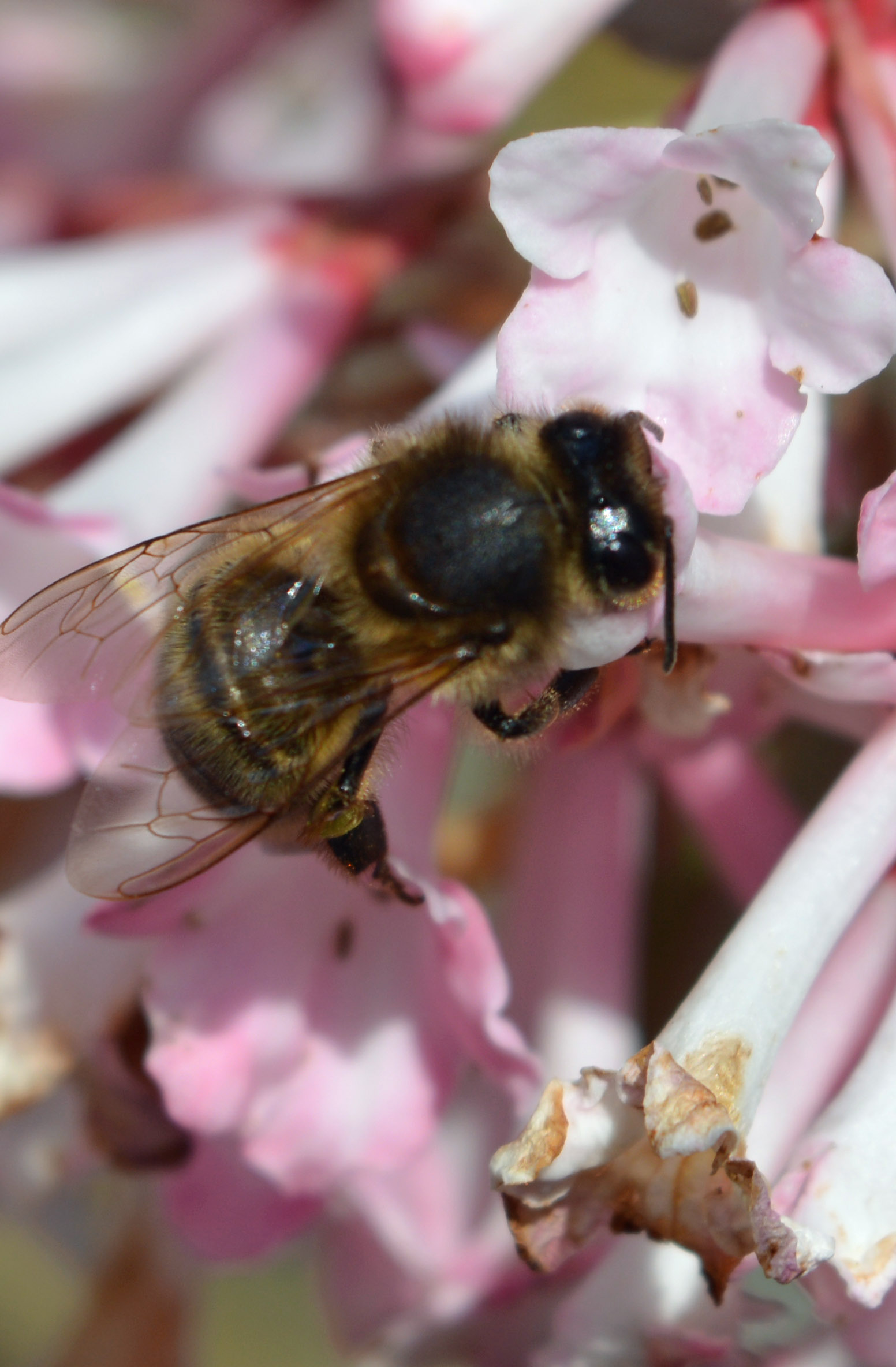
Bees, hoverflies and a few butterflies were out enjoying the early spring sunshine and a little unexpected warmth.
2015 03 25_0157_edited-1

2015 03 25_0162_edited-1 2015 03 25_0161_edited-1 2015 03 25_0160_edited-1 2015 03 25_0159_edited-1 2015 03 25_0158 2015 03 25_0158_edited-1

Our next visit will be in April when we expect to see Spring in full swing.


Categories
allotments garden buildings recycling

The Wonders of Willow – Even more willow magic!

We enjoyed a day playing with willow recently in the garden of friends Liz and Rich’s new home. They wanted us to build a play feature from willow for their youngsters Ella and Edward. So we arrived amongst the mess of builders’ vans, wheelbarrows encrusted in concrete, and piles of materials stripped out of the old house which is undergoing renovation.

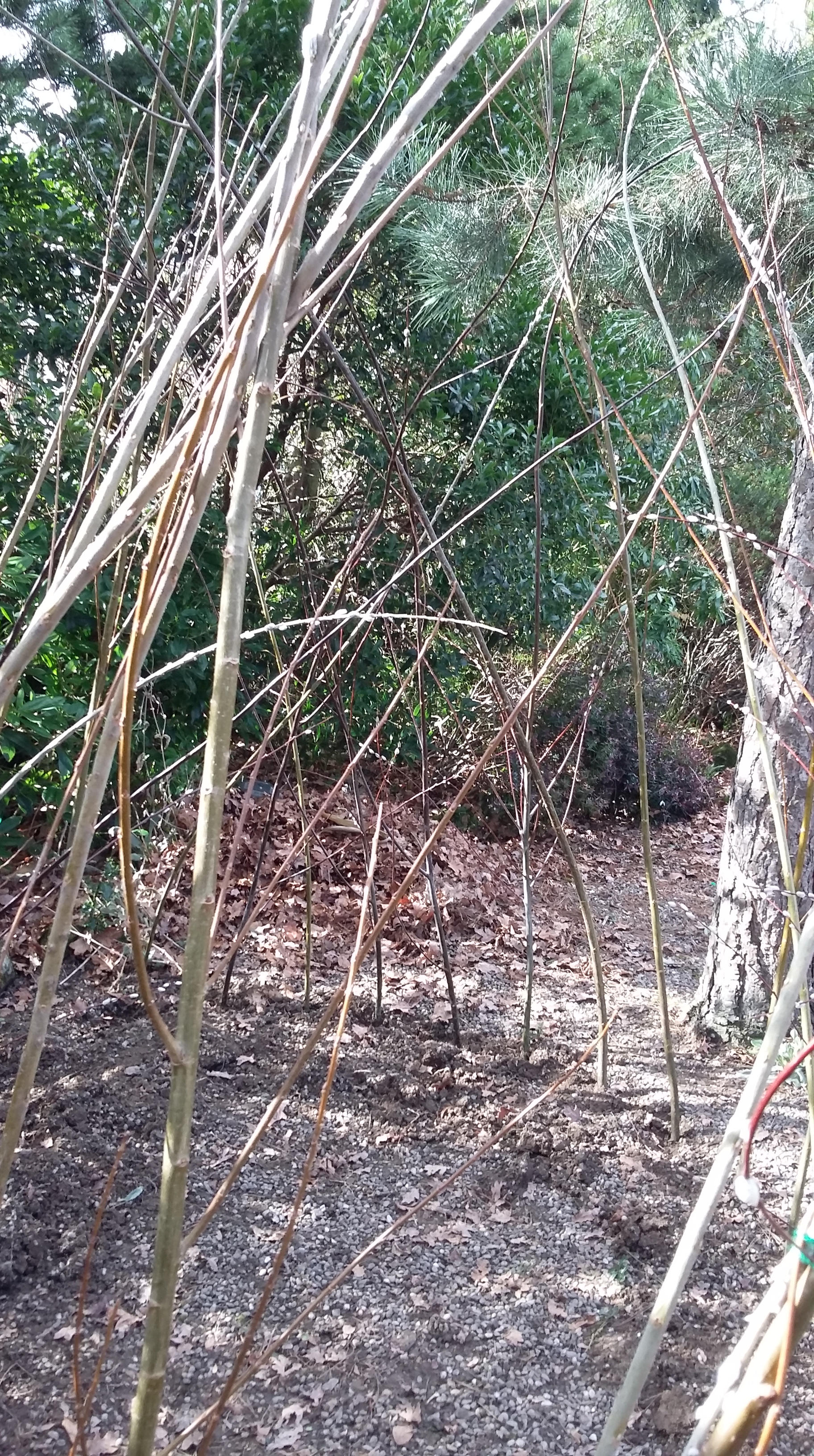
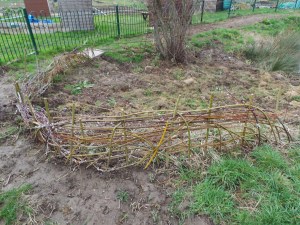
We used some of the prunings from the pollarded Violet Willow in our garden which I shared in my recent post about my garden journal in February, along with lots of different coloured prunings from our allotment community garden which was also featured in an earlier post concerning the magic of willows. We found a suitable spot in the bottom of the garden partly shaded under mature trees and with a good amount of moisture in the soil under a layer of gravel. We collected our tools together, marked out the shape and loosened the top layer of soil.

2015 02 17_9584-1 2015 03 13_9864 2015 03 13_9865

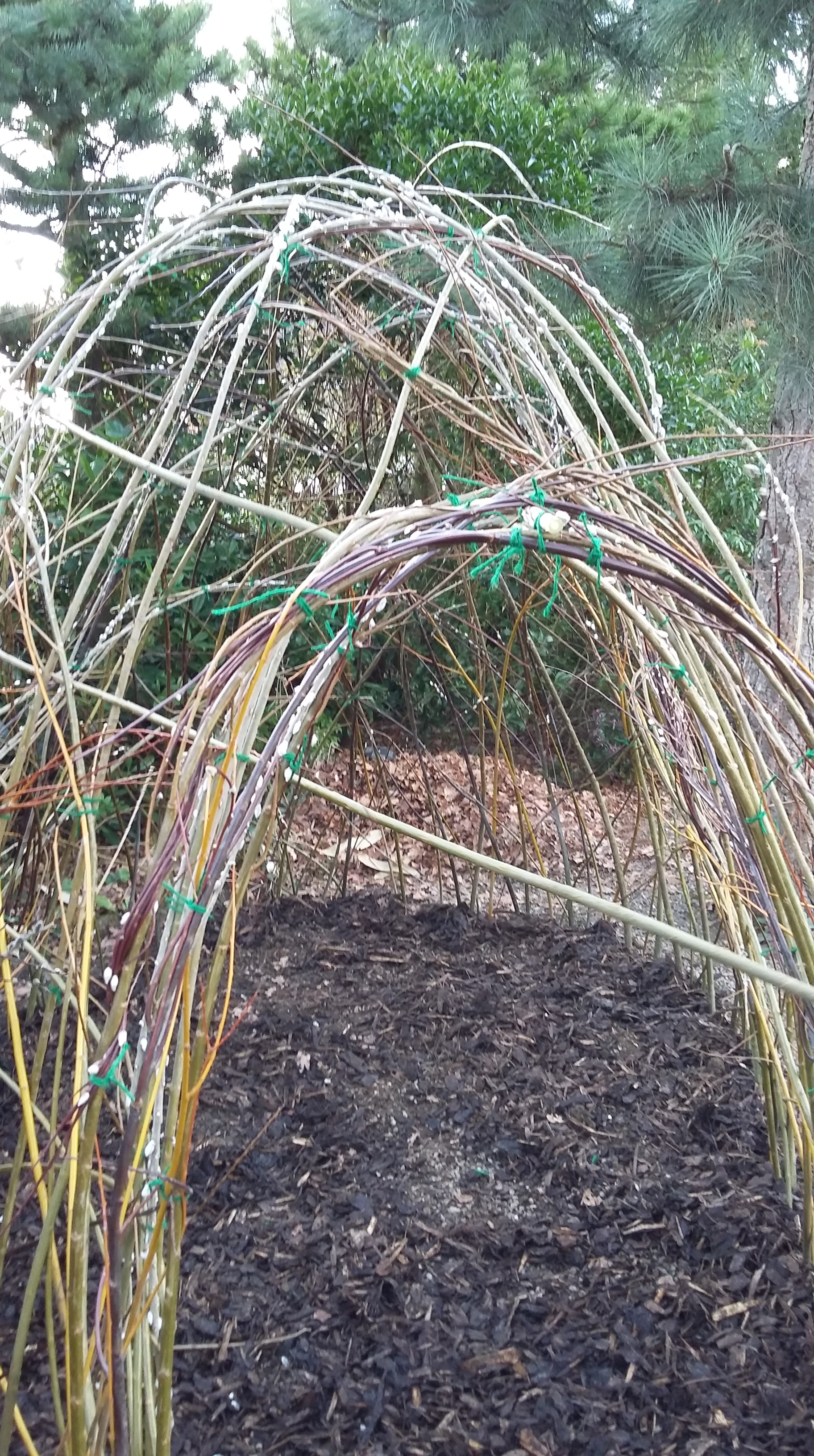
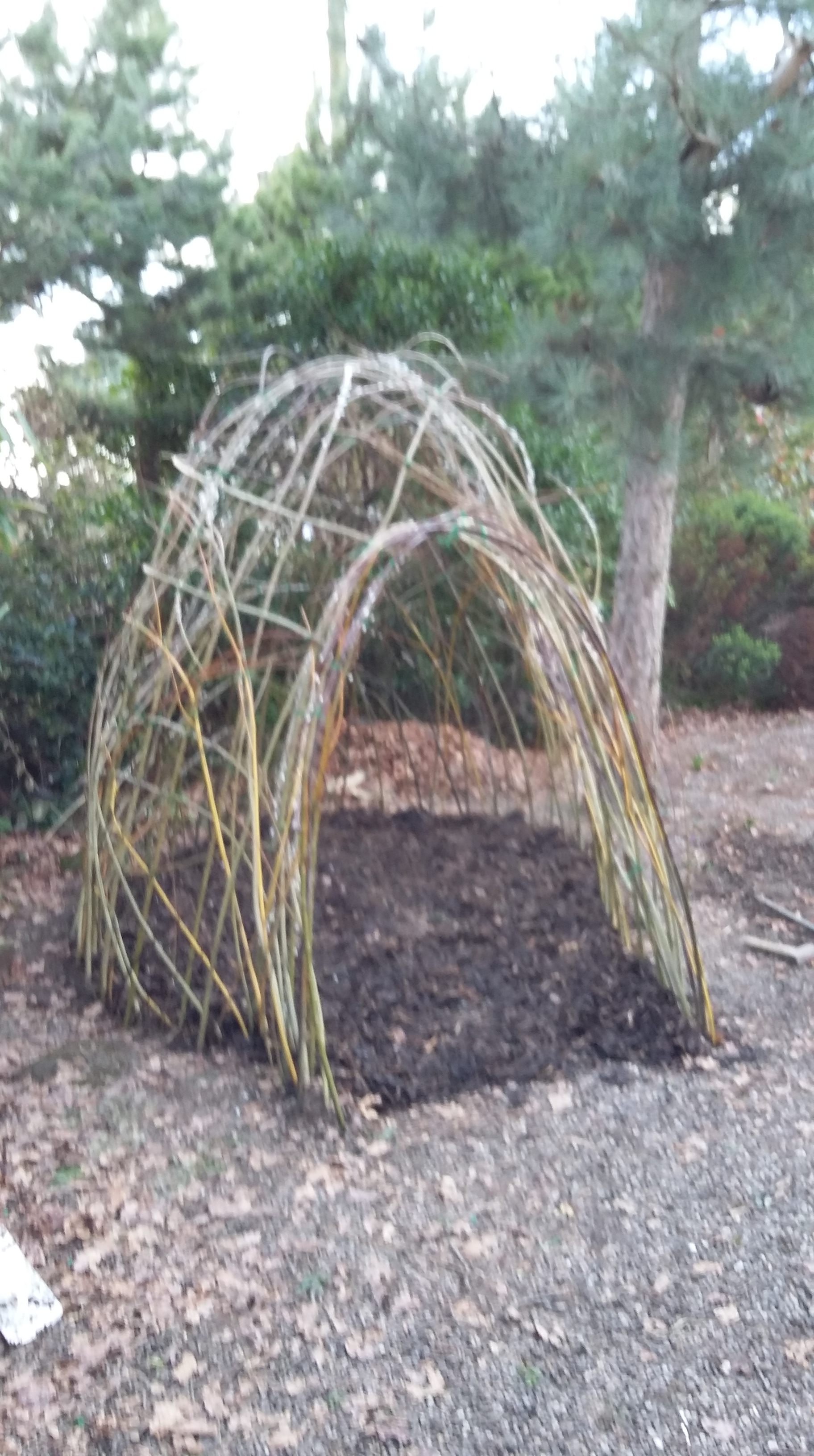
Before we could start placing the willow wands we had to remove the many little seedlings that had found their way into the moist gravel, an ideal seed bed. The first pic below shows just how many we found. They will find a new home at the allotments bartered in exchange for the willow prunings.  There was a good selection with wildlife value including Primroses, Pulmonarias, Arum Lily and seedling Hollies and Cotoneasters. Once clear the willows were put in place but we had to make a hole with an augur to get them in deeply. The shape was soon forming – an igloo of willow.

2015 03 13_9867 2015 03 13_9866  2015 03 13_9868

We made a low entry tunnel and then moved on to the main body. The area around the cuttings and the ground inside was mulched with bark chip partly to keep the prunings moist to help rapid rooting but also to make a comfortable play surface.

2015 03 13_9869 2015 03 13_9870 2015 03 13_9871 2015 03 13_9873 2015 03 13_9874 2015 03 13_9875

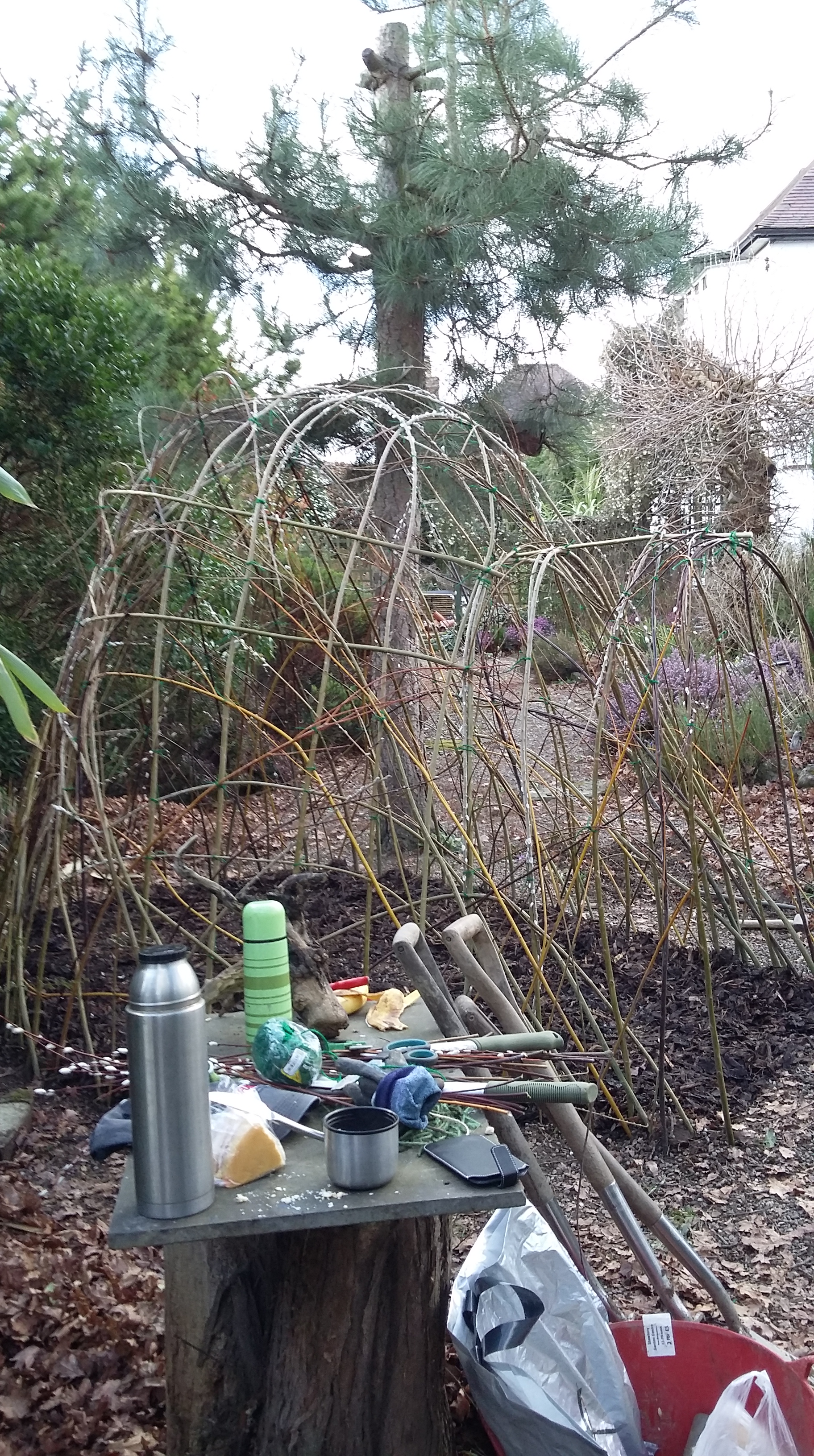
Five hours later it was finished and we had tidied up. We admired our handywork over a last cup of coffee and slice of Victoria Sponge. We reminded Liz to keep it well watered and took our tools back to the car, which was much more empty on our return journey than on our way  there in the morning.

2015 03 13_9877   2015 03 13_98792015 03 13_9878

As the new house is not ready to move into yet we had to wait to see the children’s reaction until Liz brought them over to see it. When they came it was very well received! Liz said the children were so pleased with it that it made an enjoyable day even more worthwhile. Ella soon realised that it would be a good place for playing hide and seek and Edward took his role as an explorer very seriously. Here’s to loads of fun, smiles and shared times with friends for years to come. And of course it is another fine example of recycling in the garden.

2015 03 13_9857 2015 03 20_0037

Categories
allotments bird watching birds community gardening conservation diy garden buildings garden ponds garden pools garden wildlife gardening irises log piles natural pest control recycling renovation Shrewsbury Shropshire trees water garden water in the garden wildlife

The wildlife pond and hide at BAC – part two

As promised we make a return visit to see the work we have been doing on the development of our pond and hide at our allotment site, Bowbrook Allotment Community. In this part we shall look at our hide, some tree surgery and our new duck tube.

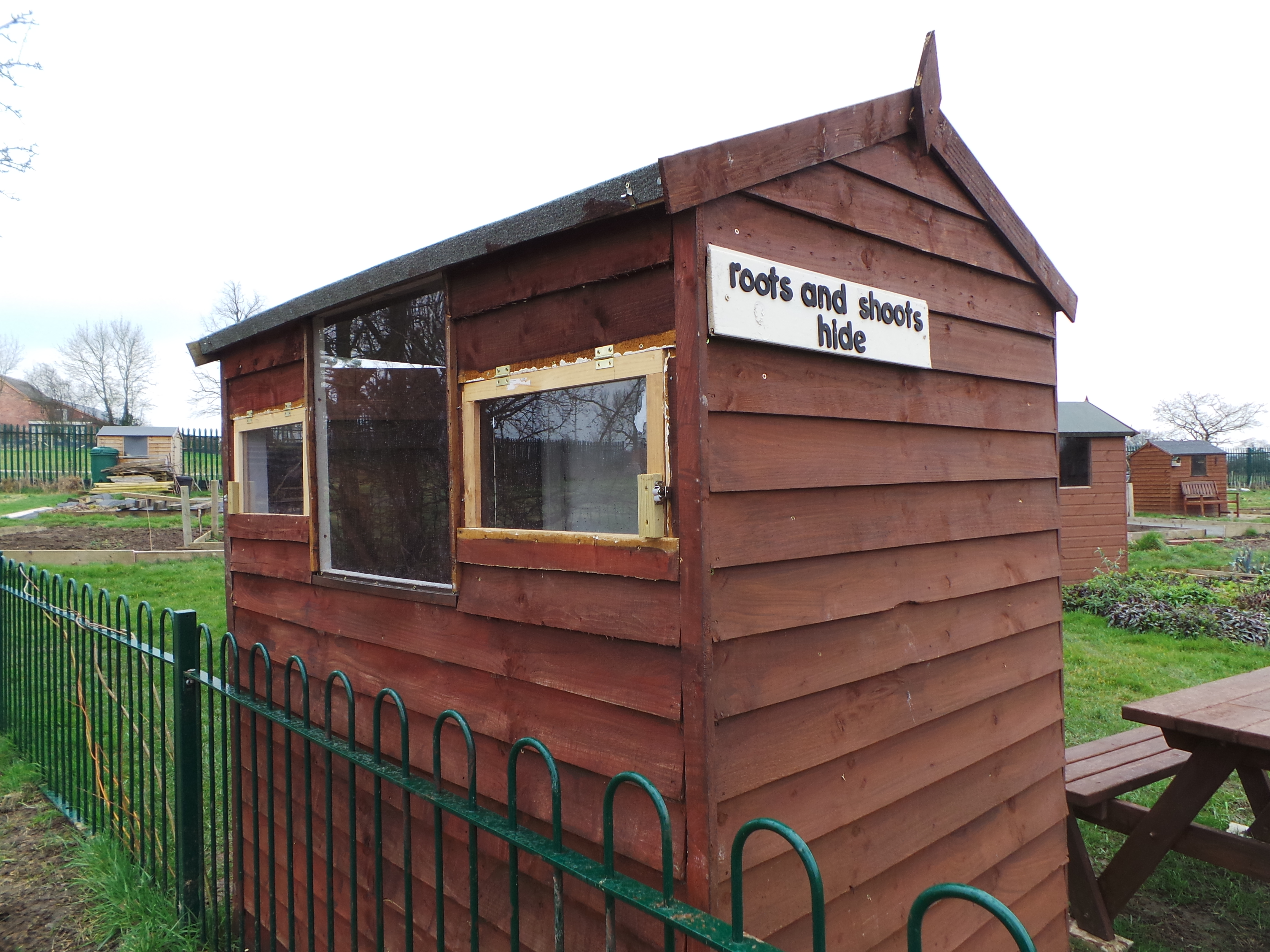
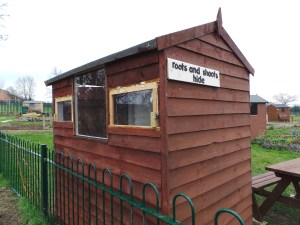
So first let us return to our new hide. If you remember those pictures of us rolling the battered and rather shaky old shed you will be surprised by the photos of it finished. So how about a before and after pair of pics? We made the hide for our allotment youngsters, our Roots and Shoots group, to give them the chance to secretly and quietly watch the life of our pond. With this in mind we set to work on our renovation which took an amazingly large number of volunteer hours.

2014 12 08_8466 2015 03 16_0004

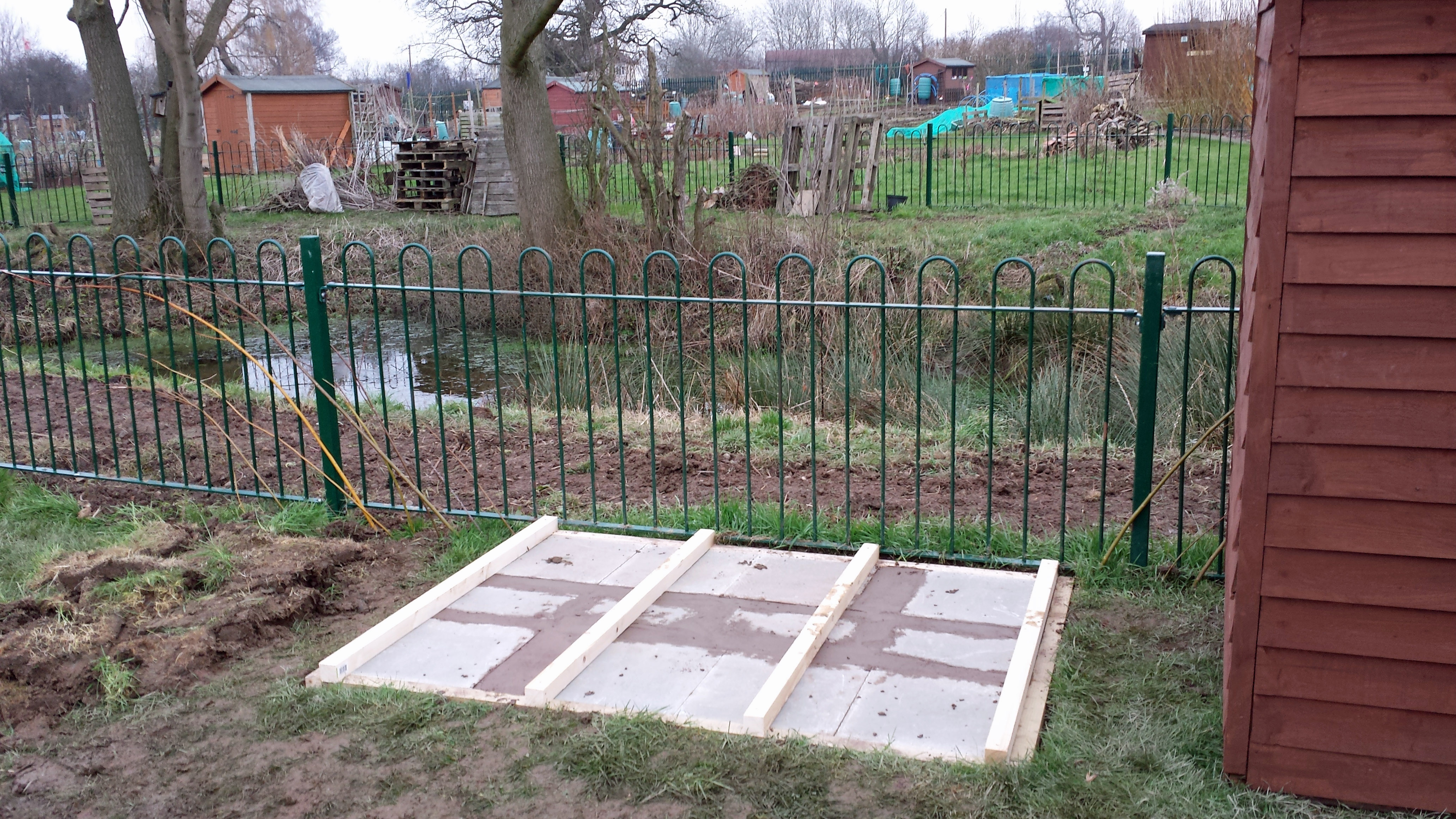
Whenever we go by the pond we can’t help but smile at the transformation! As you can see the old hide was firstly repainted outside by my young apprentice Thomas before we handed it over to two volunteer helpers Sean and his Dad Vince. They are great carpenters so brilliant volunteer helpers to have on board. They put fresh felt on the roof and fabricated a strong framework inside the shed. They made a concrete and slab base and placed the newly strengthen shed on a framework of wooden struts.

20150207_162506-1 sean 3-1

Thomas returned to give the shed another coat of wood preserver and I added a sign I created from wooden letters. It began to look the part from the outside but even more so once the two men added a new sheet of perspex to the window and added two hatches for clear viewing on dry days. These can be seen in the photo below.

2015 03 16_0005

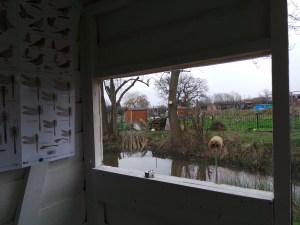
Within a few weeks Sean and Vince with extra help from Sean’s children had put up a noticeboard, made a kneeling bench and shelf for leaning on when the children used the hatches and window. The pictures below show first the bench and secondly the view the children get from the hatch.

2015 03 16_0018 2015 03 16_0016

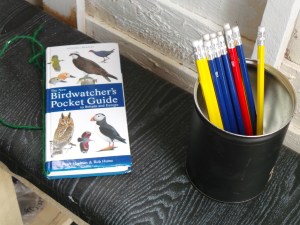
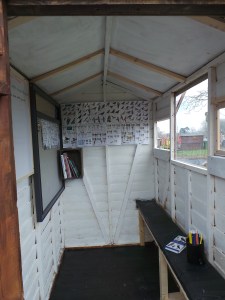
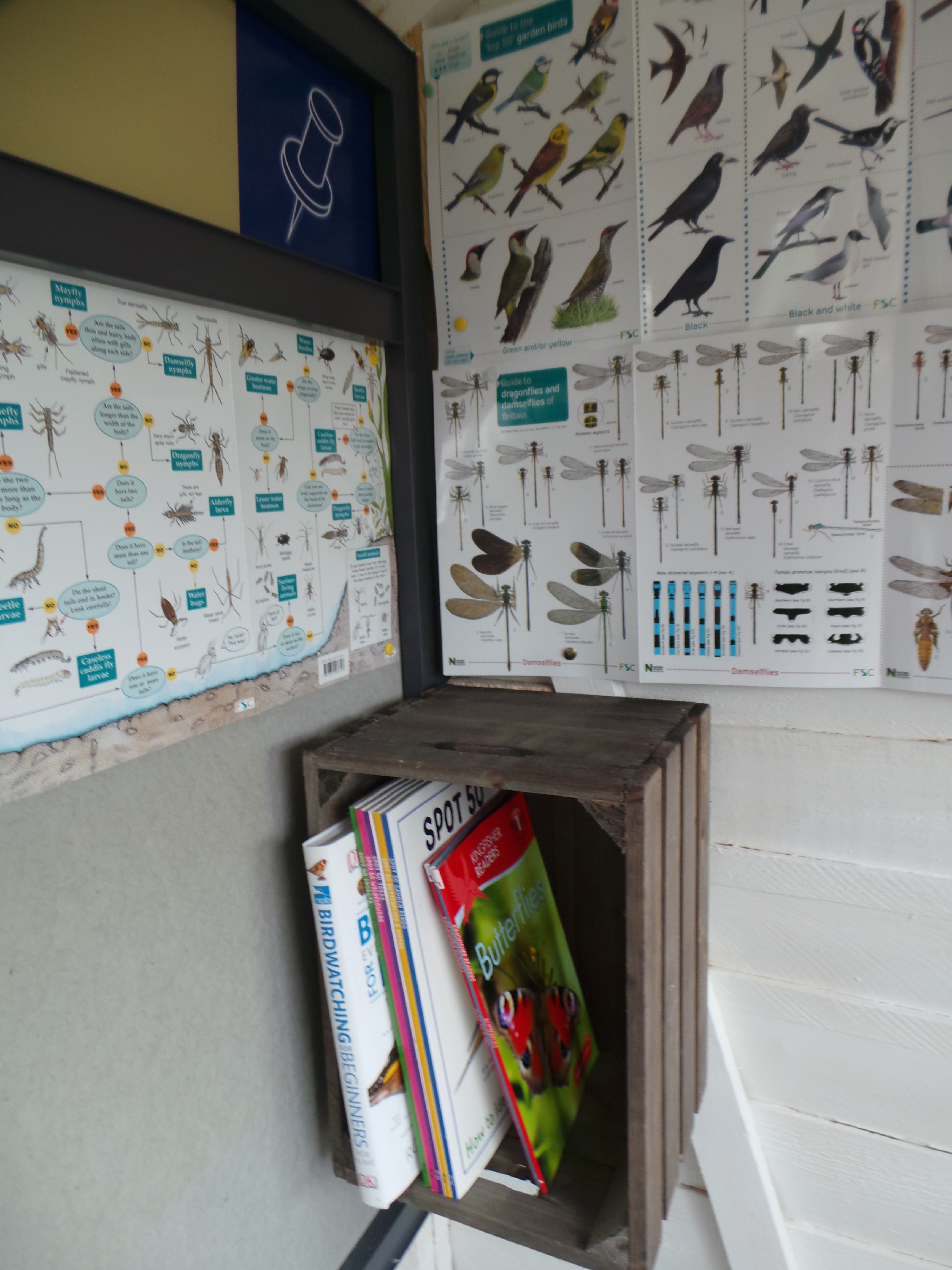
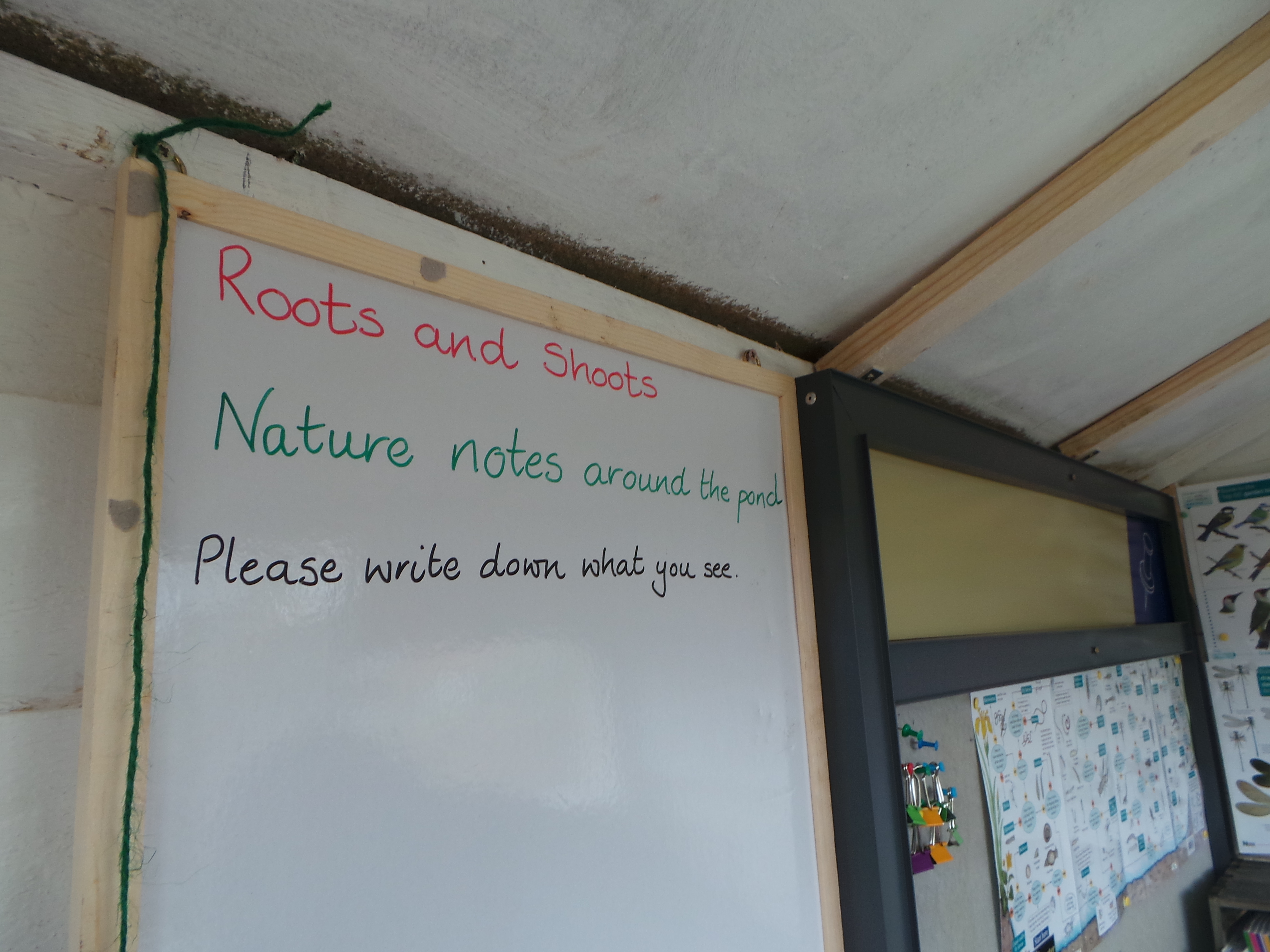
This is the view our Roots and Shoots youngsters will get as they open the hide door. You will see that Jude and I have added identification charts for birds and dragonflies and damselflies and a poster displaying the life on and under the surface of a pond. We also made a little bookcase from a vegetable crate and placed in it some wildlife books for youngsters. We also mounted a whiteboard on which we are inviting the children to note their observations. The final touches are a pair of binoculars a notebook for children to jot down their nature notes.

2015 03 16_0019 2015 03 16_00142015 03 16_0015  2015 03 16_0017

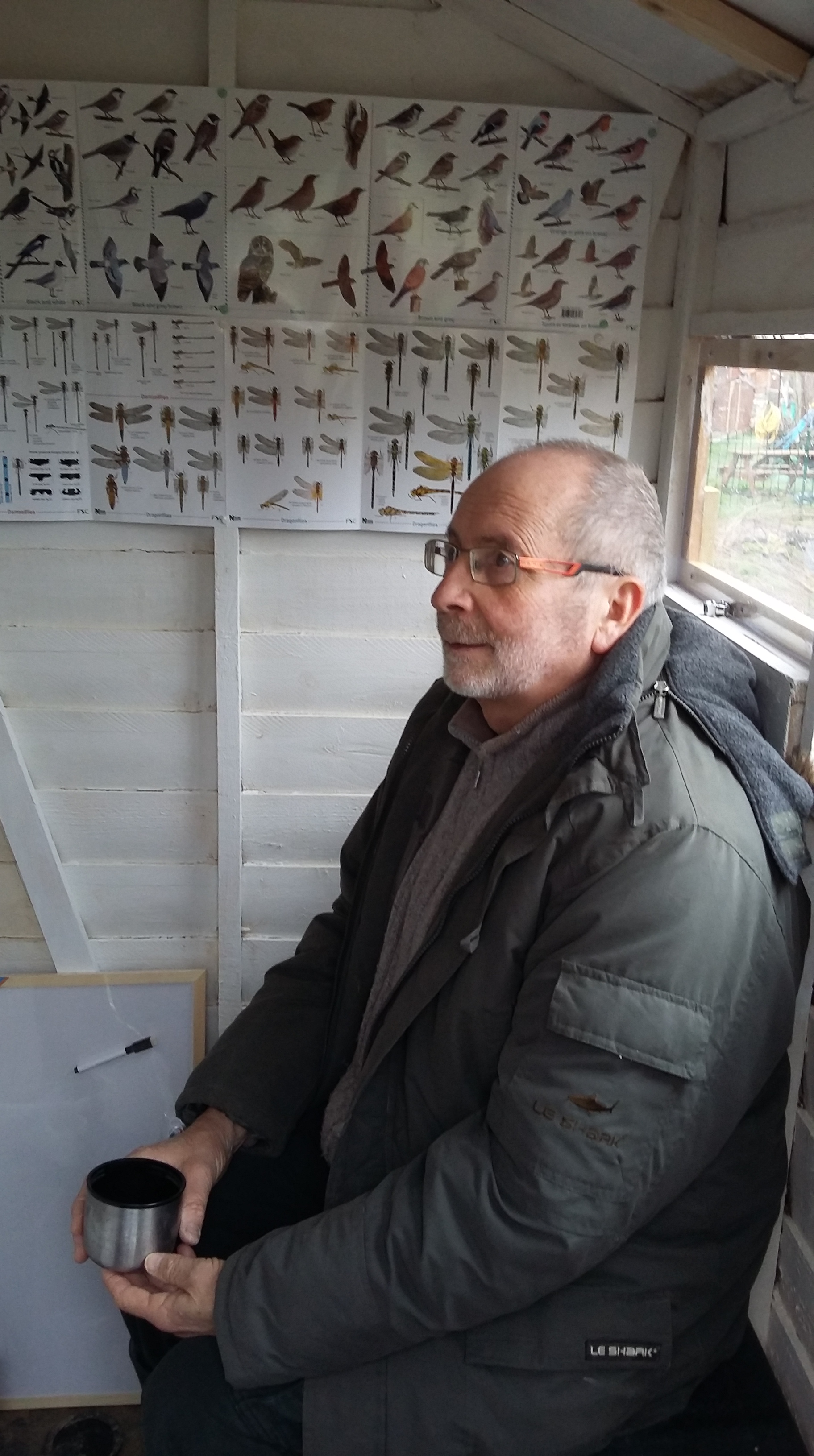
Last job of course was a celebratory cup of coffee perching on the children’s bench and admiring everyone’s handiwork and great efforts.

2015 03 16_9952

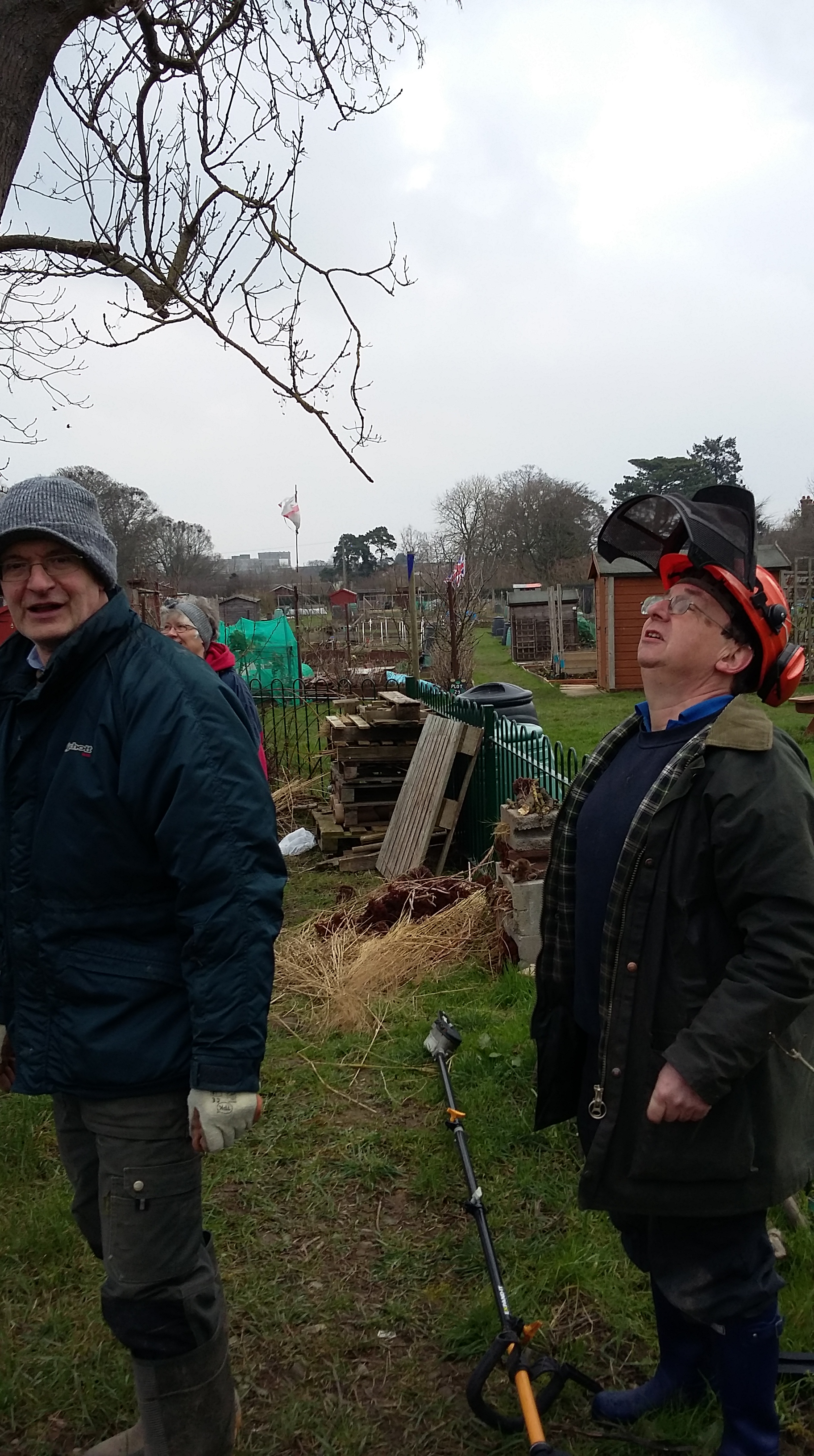
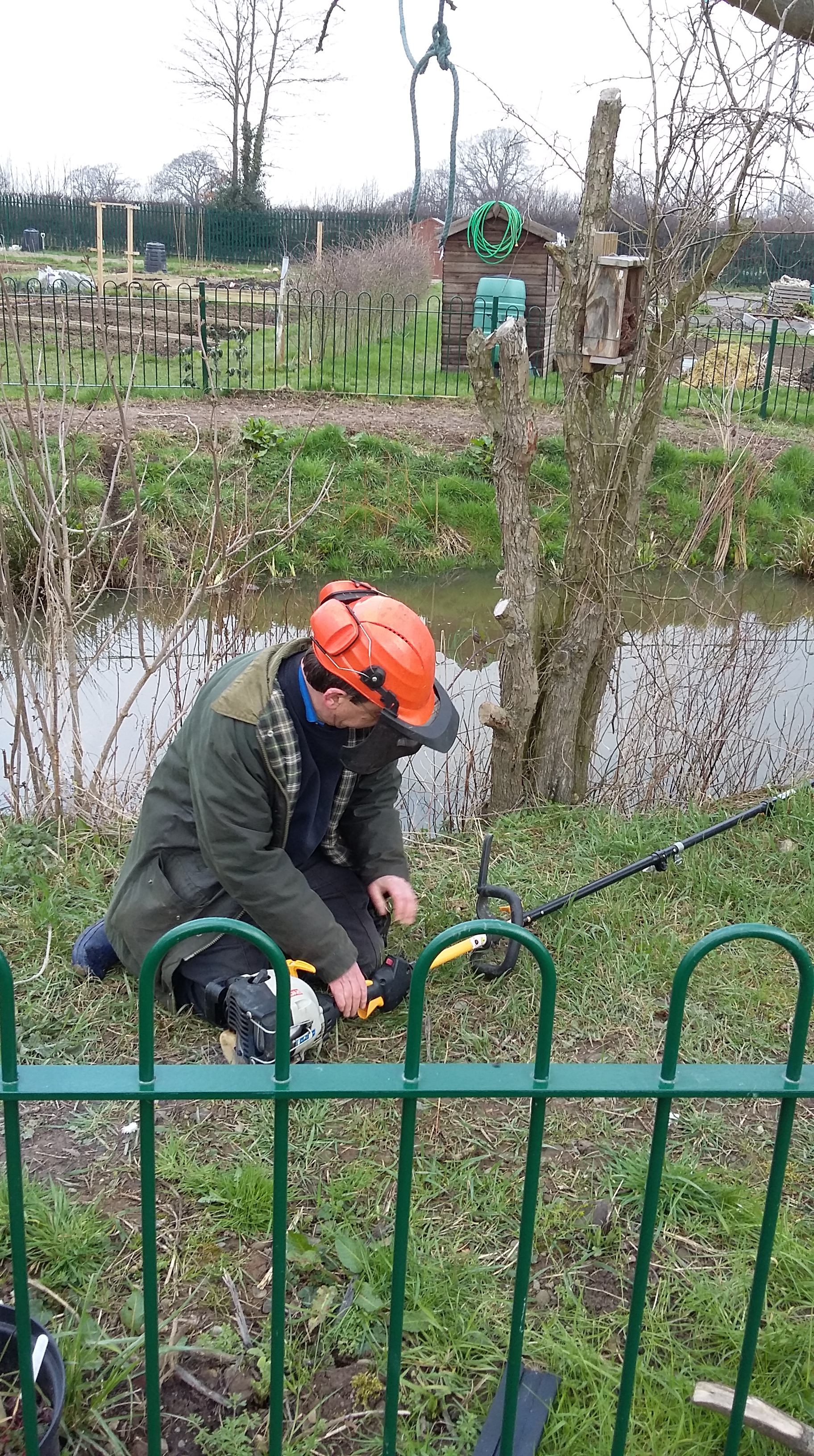
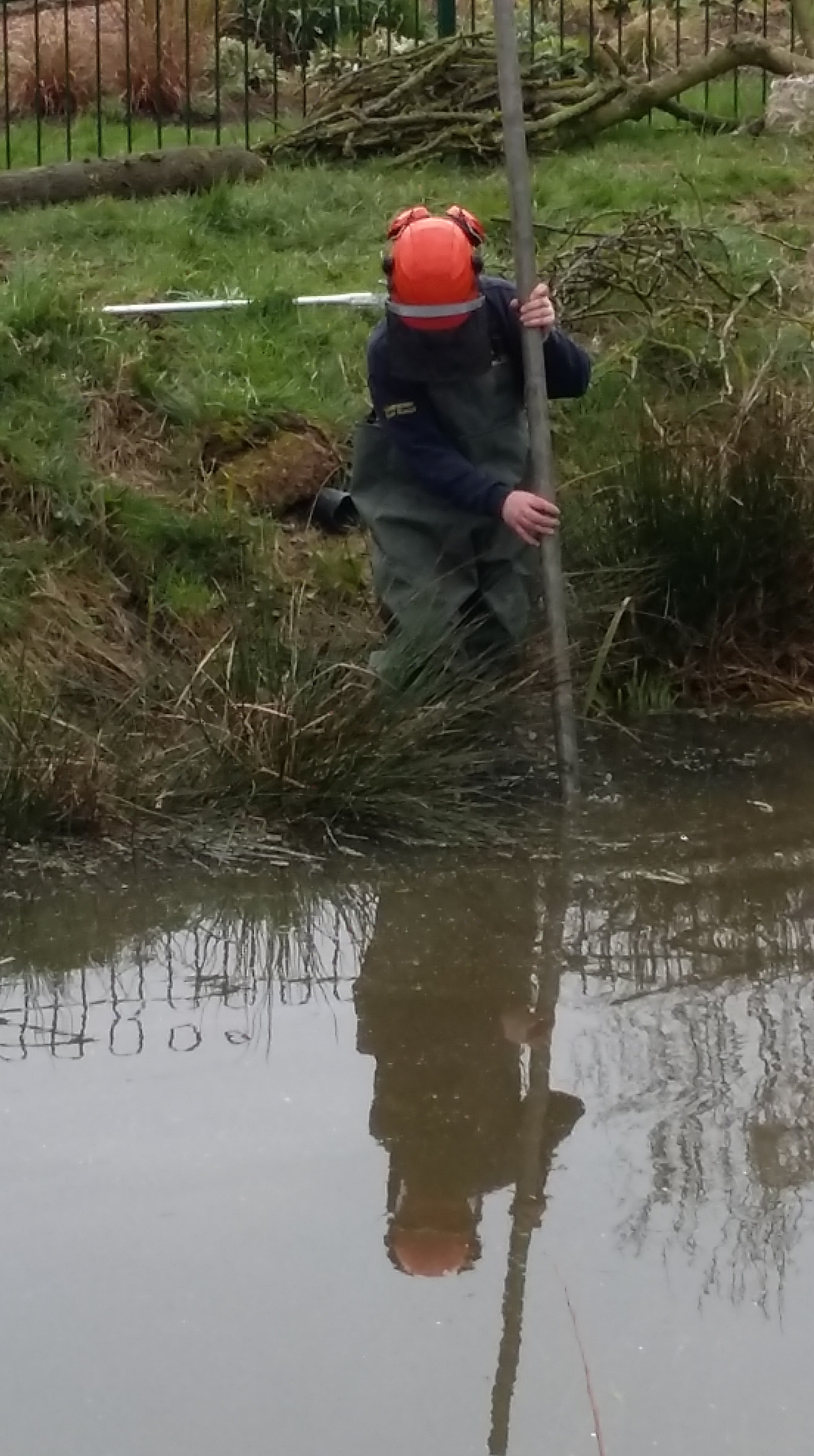
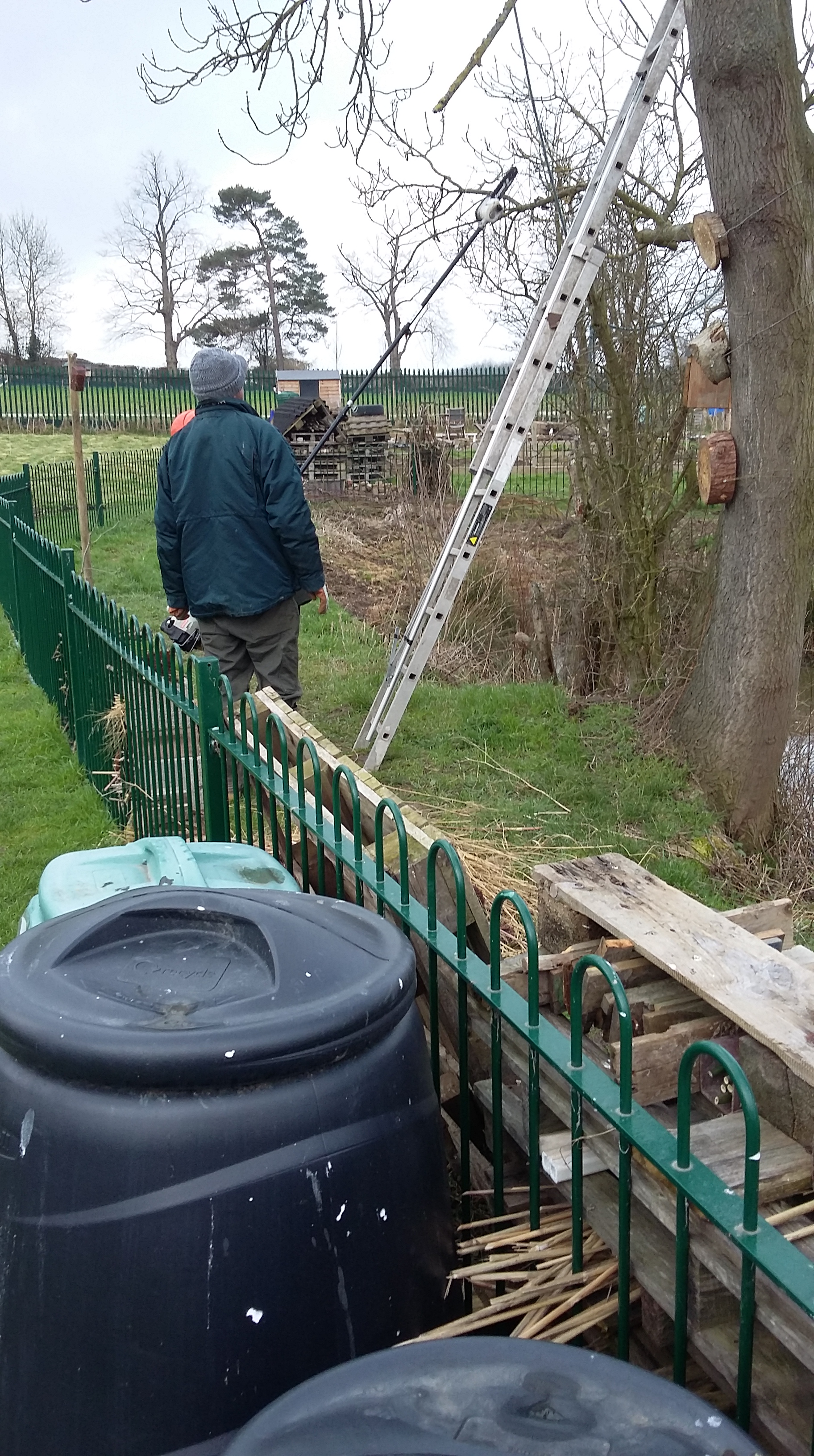
Now let us enjoy a bit of tree surgery carried out so professionally by some more of our volunteers, Pete and Mike. As mentioned in part one we have a few elderly Ash trees around the pond which for safety sake need remedial work. Earlier on we managed to pull down broken branches that had rotted but got tangled in the lower branches as they fell, but this day was a day for the chain saw attachment on our strimmer head to get in the action. One large branch hung right over the pond to the far bank and was slowly splitting so getting lower and lower. The final cut shows the weakness.

2015 03 16_9993

First Mike and Pete looked and stared and studied! They needed a strategy!!

2015 03 16_9925 2015 03 16_9926

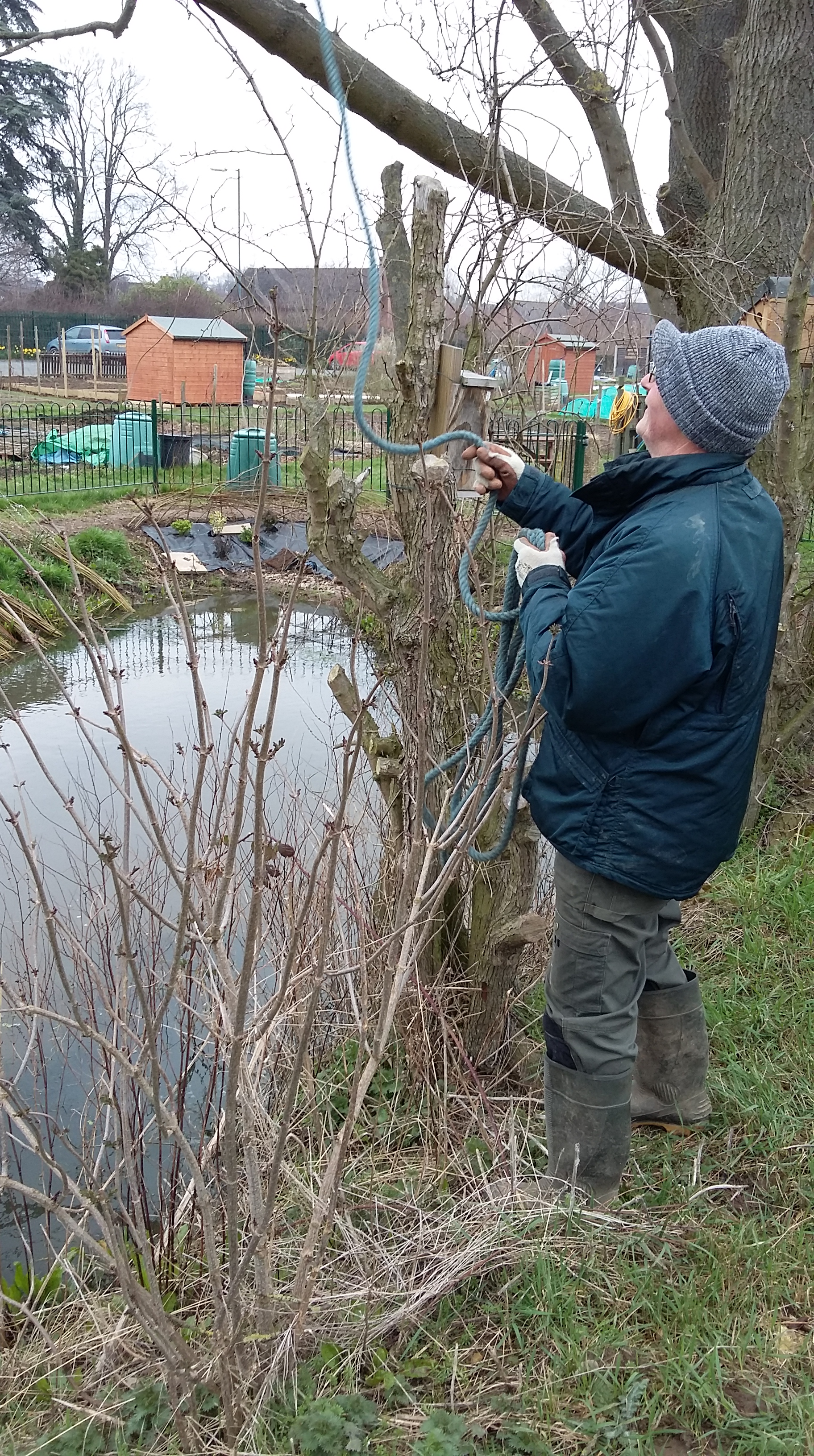
This strategy involved rope thrown up and over a much higher and stronger upper bough, with which they could keep control of the branch once it was sawn through.

2015 03 16_9932 2015 03 16_9928 2015 03 16_9929

Attachment attached and they were off!

2015 03 16_9933 2015 03 16_9934 2015 03 16_9936

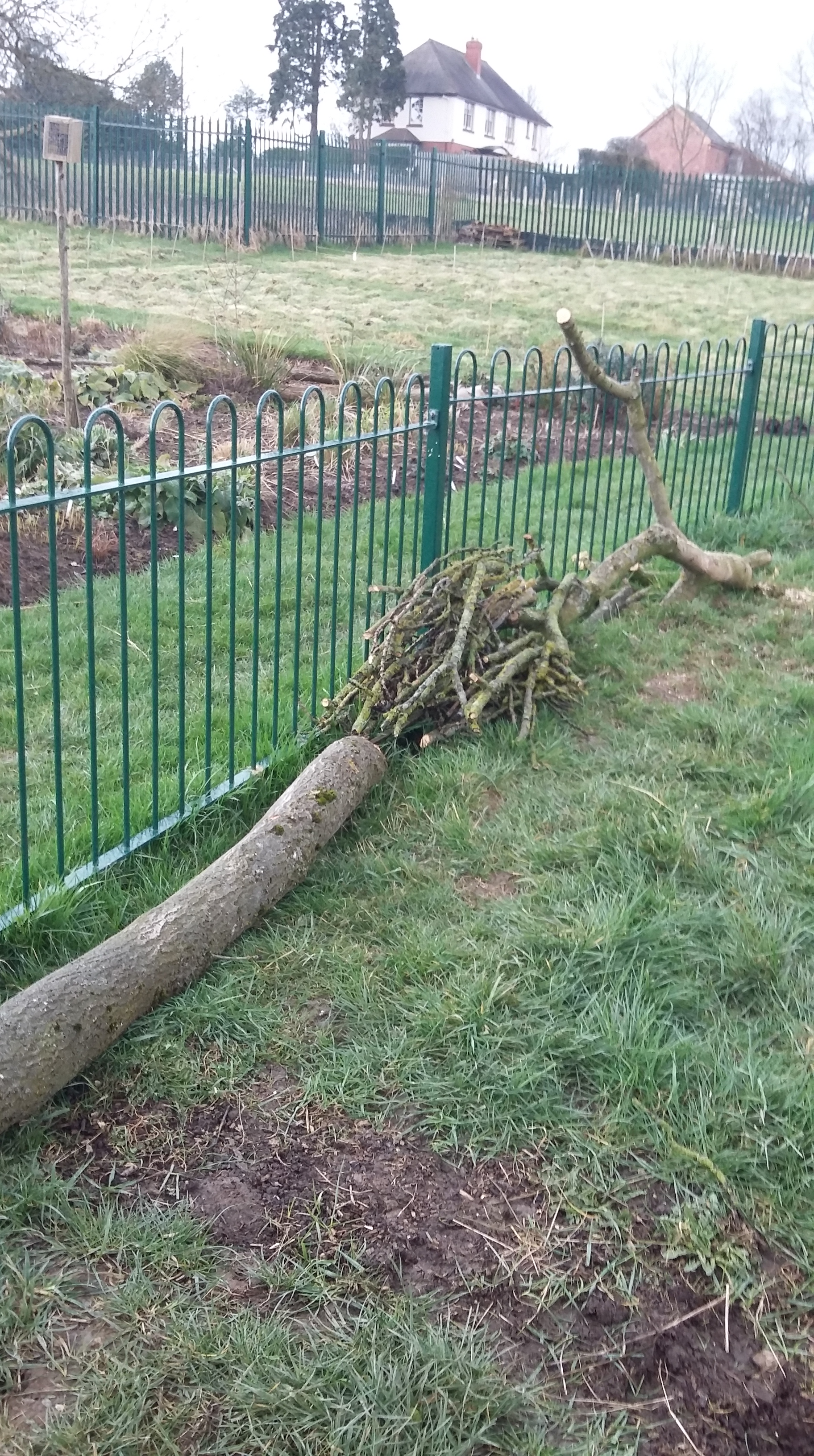
The cut bough hanging obediently could then be pulled in and dealt with on dry land. It will soon be seating for the youngsters, edging for borders and parts of insect homes and log piles and brash heaps to help attract ads shelter wildlife. We discovered an awful lot of rot within the bough so it was great relief to see it down. Trouble is there are a few more going the same way.

2015 03 16_9937 2015 03 16_9938 2015 03 16_9939

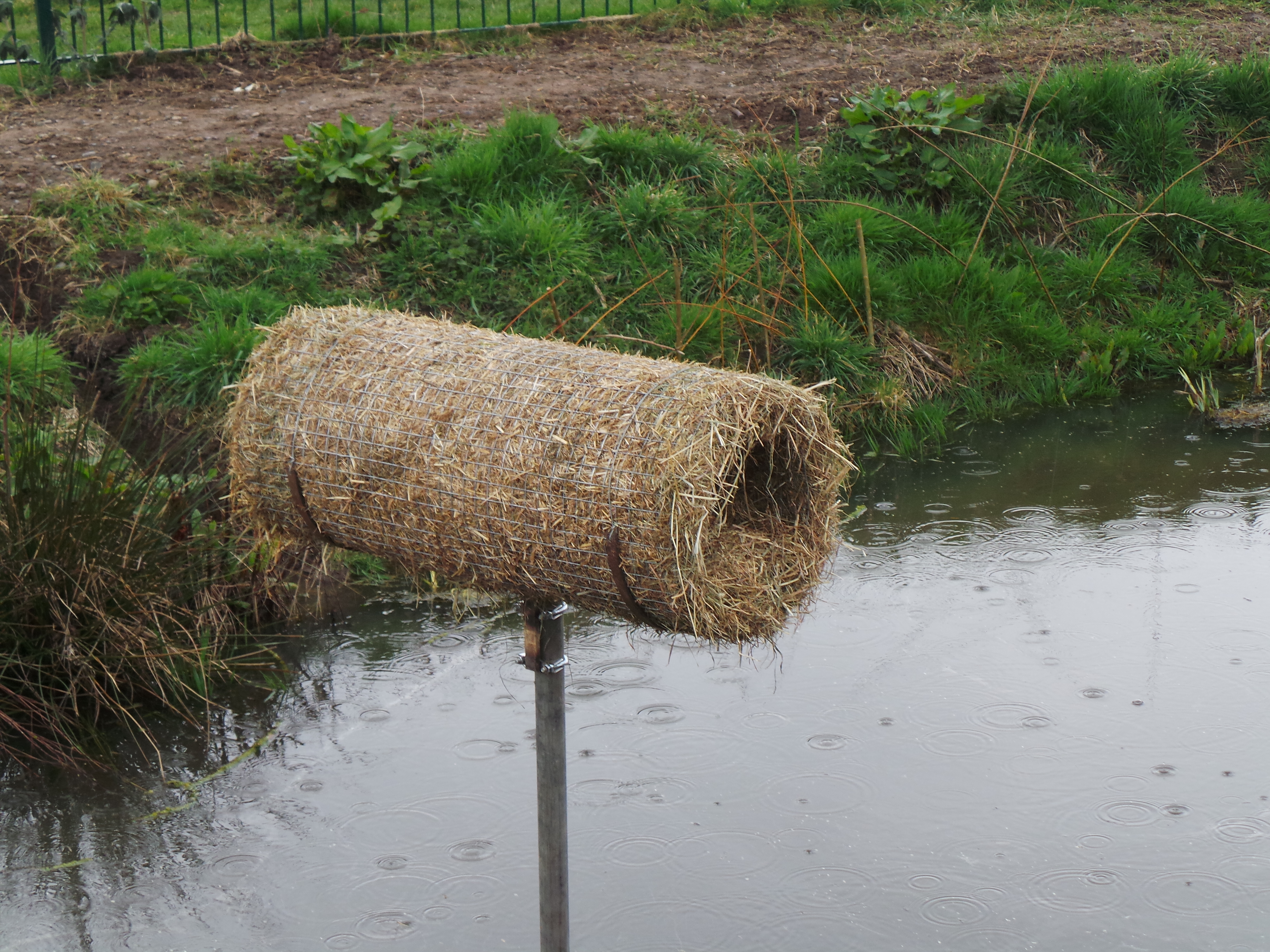
Finally we need to look at our duck tube! The photo below shows why we need one! A pair of Mallards patiently waiting!

20150217_100524

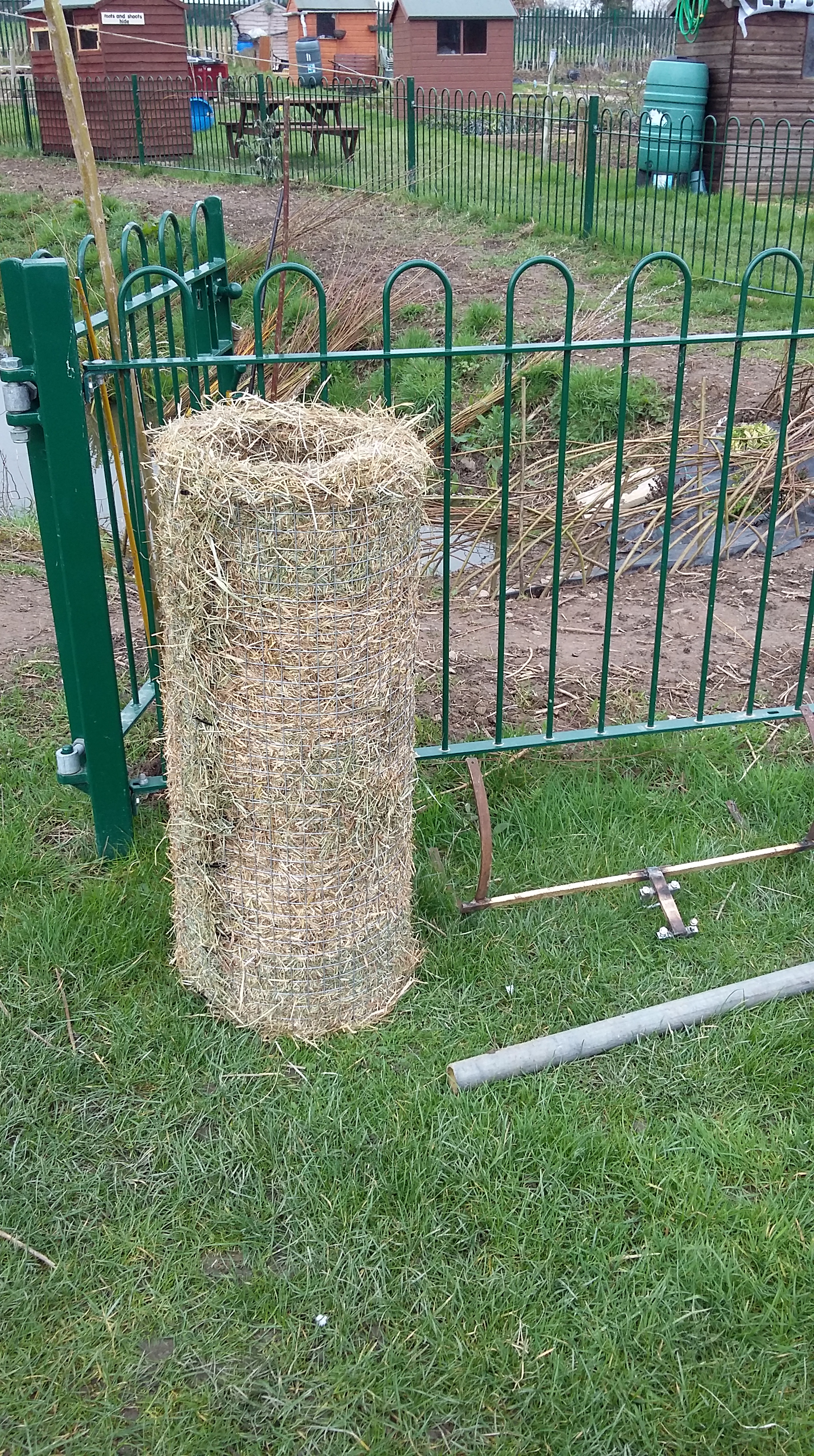
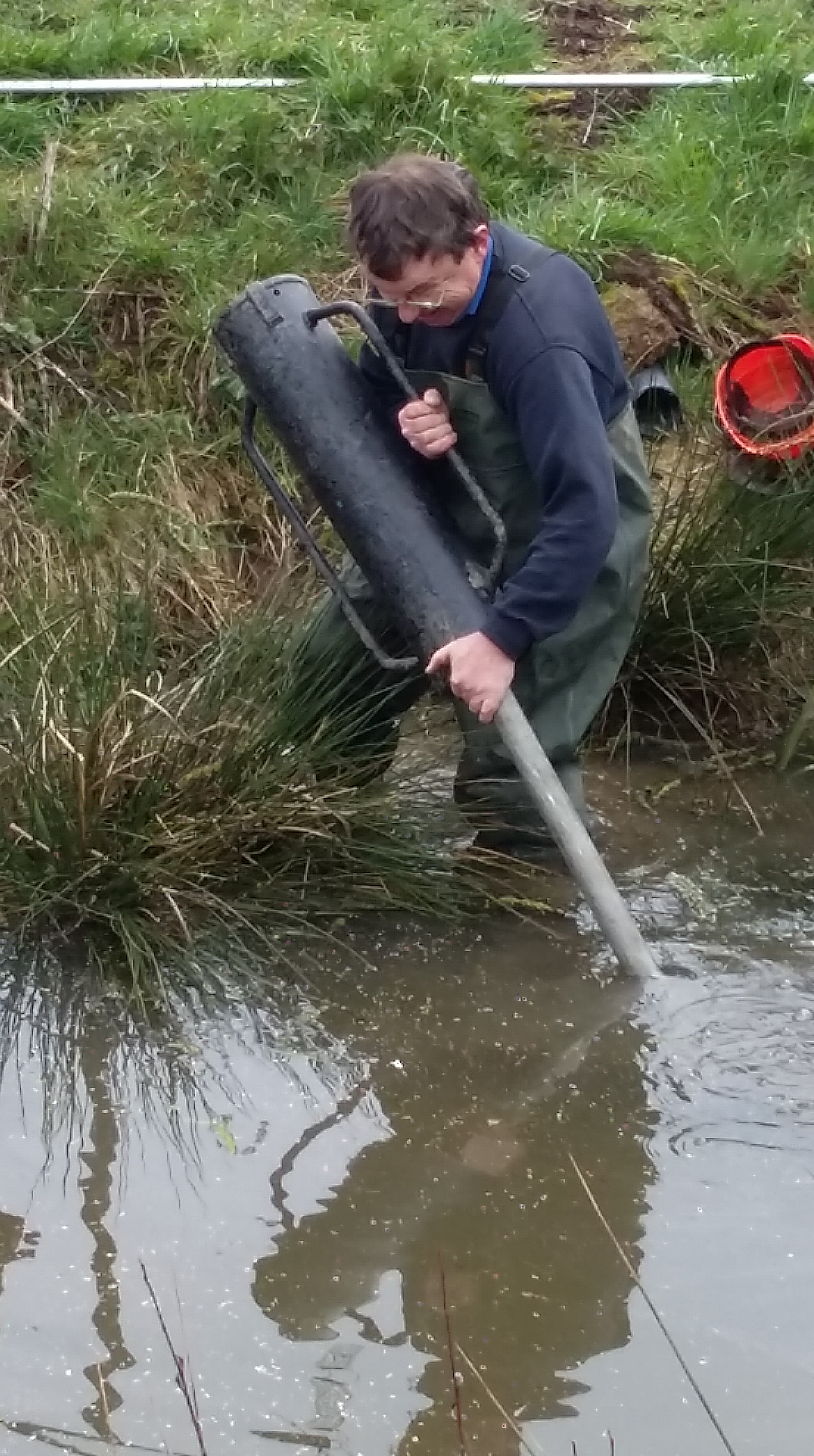
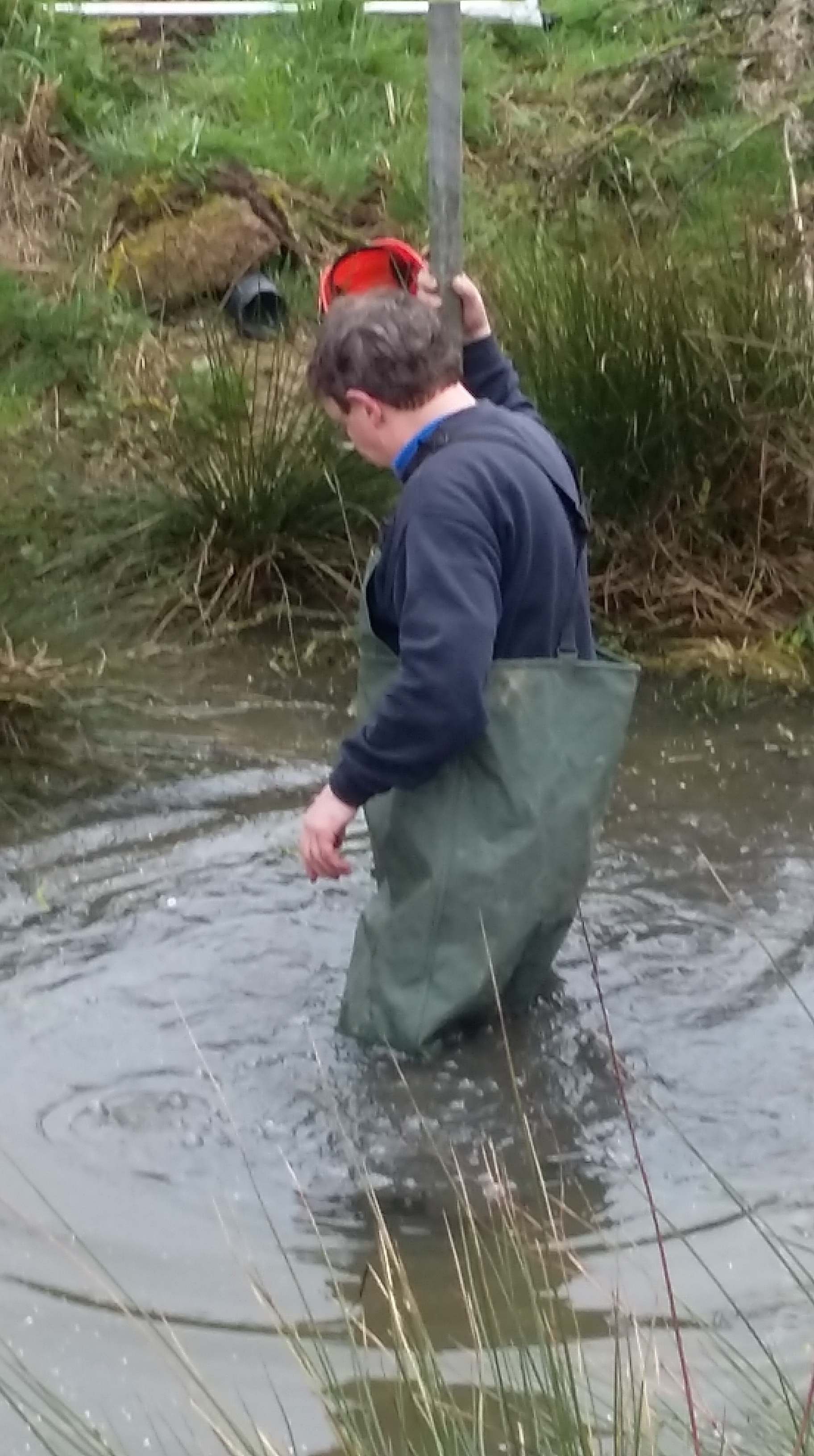
Just follow the picture sequence below and watch Mike’s adventure. Before we made the dam and changed the drainage around it to gain depth for wildlfie the pond was rarely more than 6 inches or so deep!

2015 03 16_9930 2015 03 16_9940 2015 03 16_9941  2015 03 16_9944 2015 03 16_9945 2015 03 16_9946 2015 03 16_9947 2015 03 16_9948 2015 03 16_9949 2015 03 16_9950 2015 03 16_9951 2015 03 16_9994

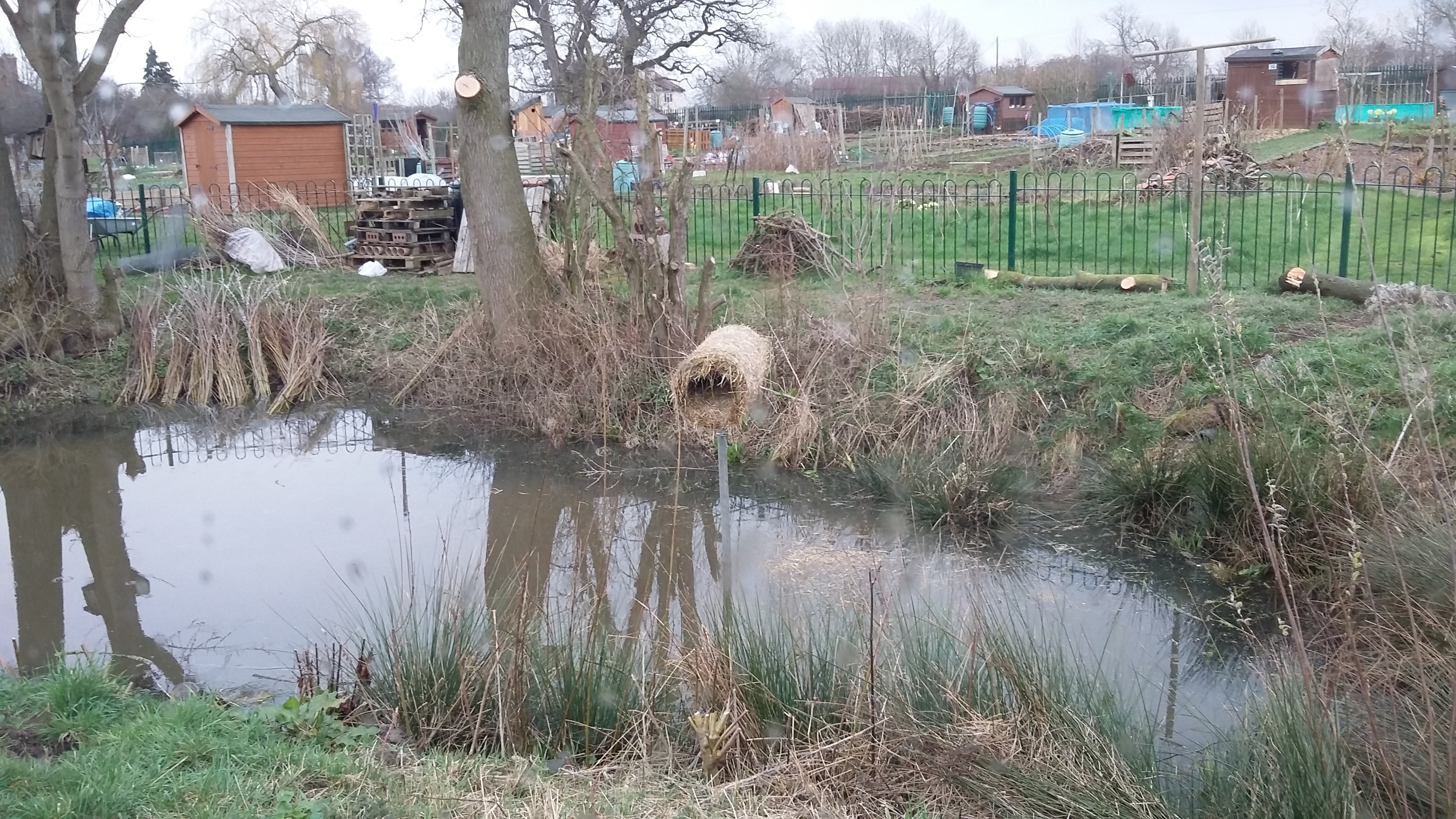
He is a good chap is Mike! What would we do without him? And below the duck tube in pride of place in the pond in a position where the children can watch activity from their new hide. Brilliant!

2015 03 16_9954

We still have further work on the pond mostly planting but we have a plan for a floating island to give wildlife somewhere to find safety and shade. Pete and Mike have a plan as you might have guessed! But of course that may be the subject of a future post visiting our super wildlife pond! One piece of info I have not mentioned are the dimensions of the area, useful I think to put things in perspective and to emphasise the size of the project. The pool is 22 yards long by 11 yards at its widest point, and the marsh area at the one end is 9 yards by 7 yards at the widest point. Around the pool and marsh between the pond and the fence, the walk around together with the planted areas vary from 3 yards to 5 yards. Quite a size!

Categories
allotments bird watching birds community gardening conservation diy garden buildings garden photography garden ponds garden pools garden wildlife gardening gardens irises log piles natural pest control recycling renovation Shropshire trees

The wildlife pond and hide at BAC – part one

When Bowbrook Allotment Community first opened we had a old farm pond on our boundary fence but it was fenced off and we had no access to it. After a few years though as the site was extended on the pond side it was integrated into our gardens and the town council put a low security fence around it with a lockable gate. We then had to wait for it to be released into our care which finally happened early in the winter of 2014. This is the story of what we have done to it so far and about our plans for its future.

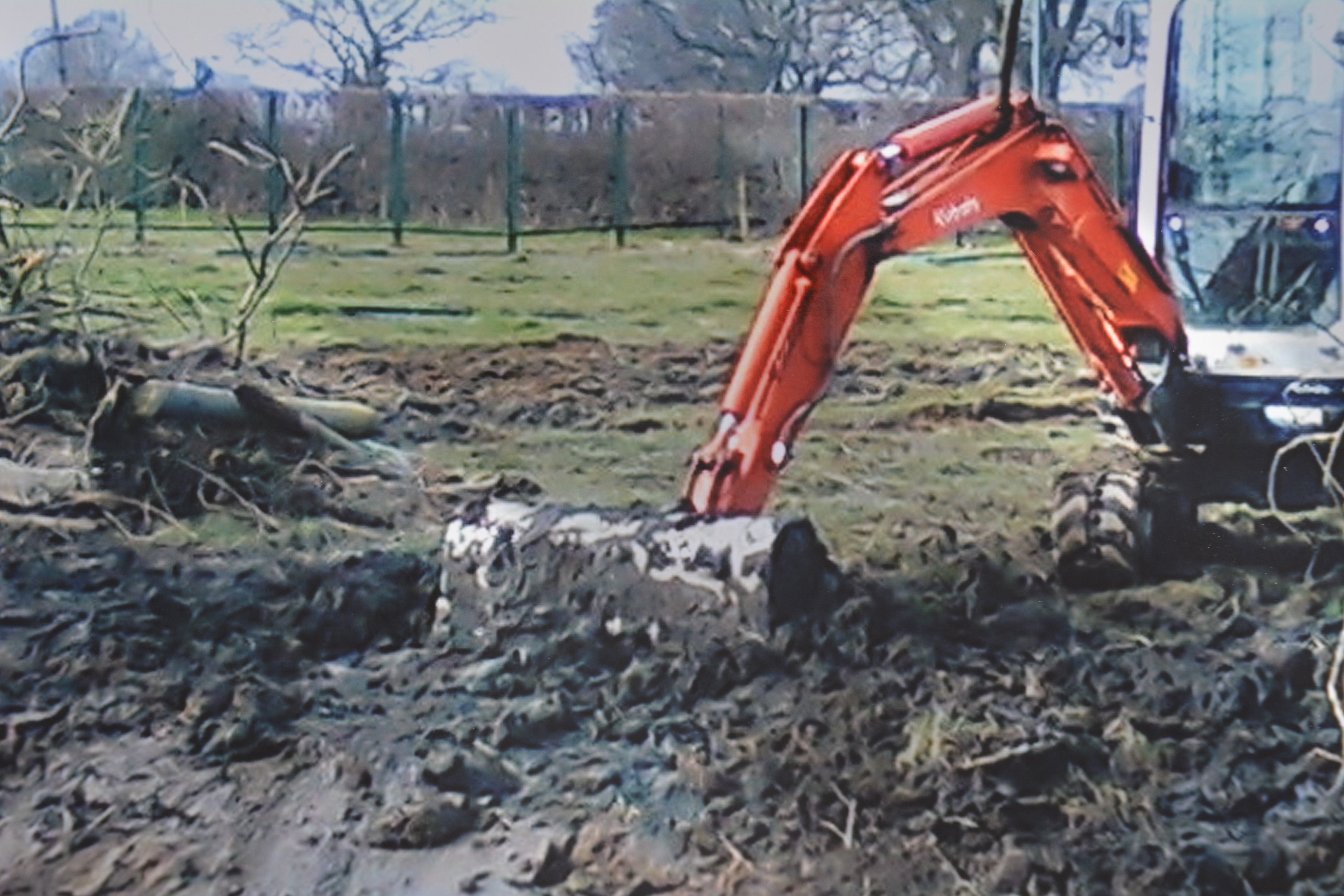
Diggers came in and scooped out all sorts of rubbish thrown into the pond by the farmer over the years, rusted coils of barbed wire, rotting fence posts, old metal fences, branches and boughs of trees. The old puddled clay layer was exposed and smoothed off. The aroma was disgusting! Sadly there was little sign of plant or animal life in the pond. At least all this disturbance didn’t upset the wildlife, the birds soon returned to the trees.

2015 03 04_9790

As a community garden determined to increase the biodiversity in our 6 acres there was no question that it would become a wildlife pond. To begin with we had to recontour the area between the pond itself and the fence to make passage around it easier and safer. It was hard graft and took a lot of volunteer hours to get it done.This will enable us to keep a path mown all the way around the pond for maintenance and enjoyment. But first we must rotavate the pathway to prepare it for grass seed sowing as soon as the weather allows.

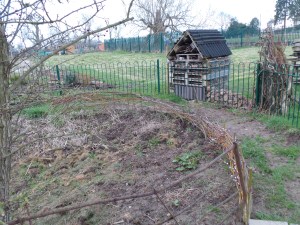
You can see from the group of photos below the area we have to work with and the work we have done so far, the lopping of the trees, the path leveling and the preparation of the bog garden. The pond itself is about 20 x 10 metres and the marshy patch about 8 x 7 metres so pretty impressive! And then there is a margin area varying in width between just over a metre to about 4 metres. W have set ourselves a mammoth task! But we have allowed ourselves a year to get it right. So far things are moving along much more quickly than anticipated as opportunities have come our way.

2015 01 18_9352-1

The next photo shows the bog area at the end of the pond where the drainage pipes from adjacent farm land brought the water into the pond. This was a steep sided marsh area with a tiny stream meadering through it. We have piped the water below the area now and re-contoured the sides to make it safer. This area will be planted with native and other wildlife attracting plants such as King Cup, Liatris, Yellow Flag and Flowering Rush.

2015 01 18_9353-1

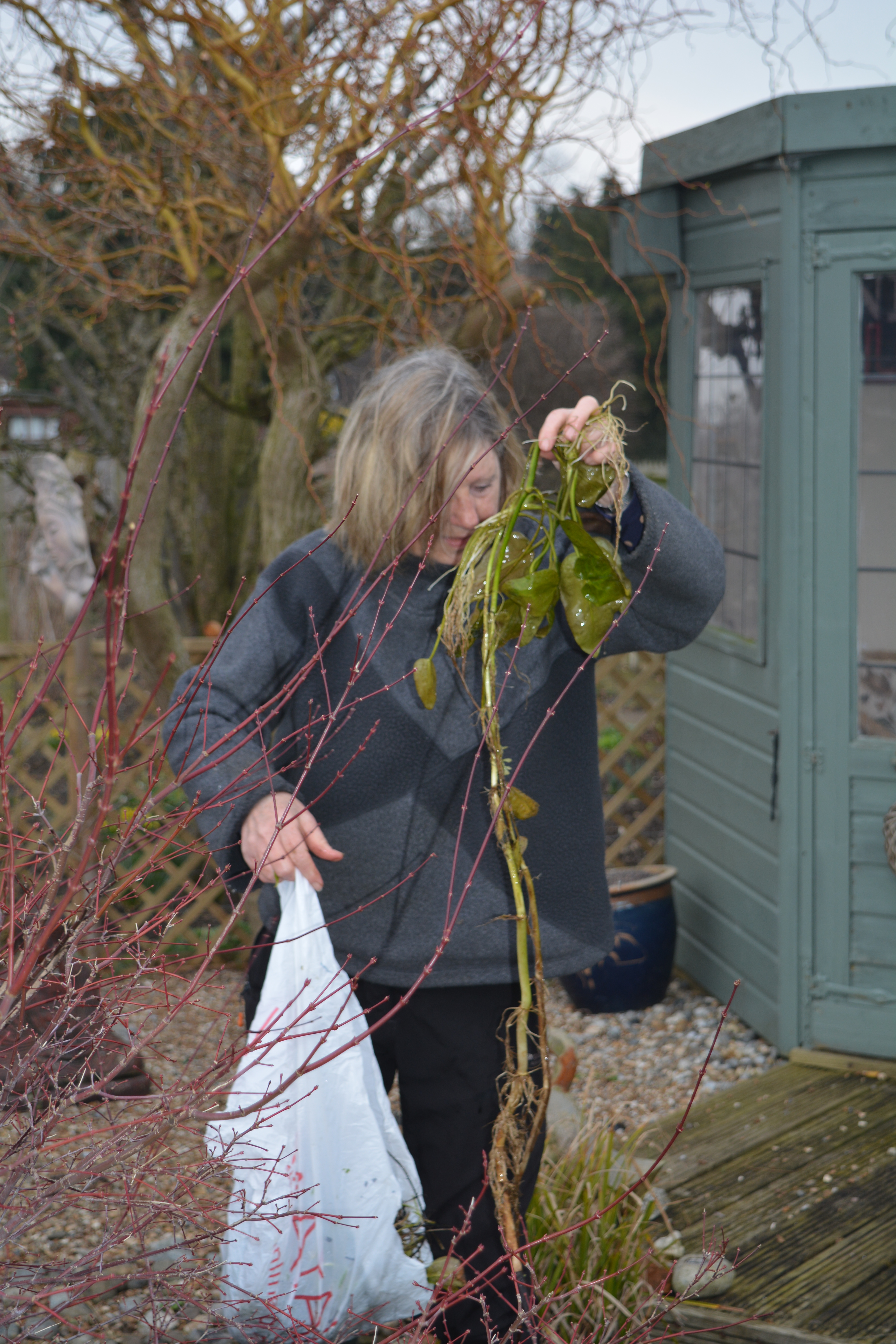
We have recently started the planting and will soon be adding far more. Some we will get as donations from our members and neighbours but others we will get from local nurseries once they have got their stocks out. So far we have planted different sorts of Irises, Water Mint, Water Forget-me-Not, Bog Beans and oxygenators. The first pair of pics shows Jude collecting plants from our pond at home and the second pair shows Sherlie planting some in the new pond.

2015 03 17_0035 2015 03 17_0034

2015 03 16_9942 2015 03 16_0007

Several mature Ash trees surround the pond so some surgery was required to let more light in and help plants grow healthily. The bough below was slowly collapsing right over the water across to the far bank so caused us great concern. We had to cut it before it fell! We need to look after the health and safety of our members. I shall show this work in part two.

2015 03 16_9993

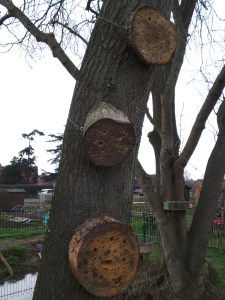
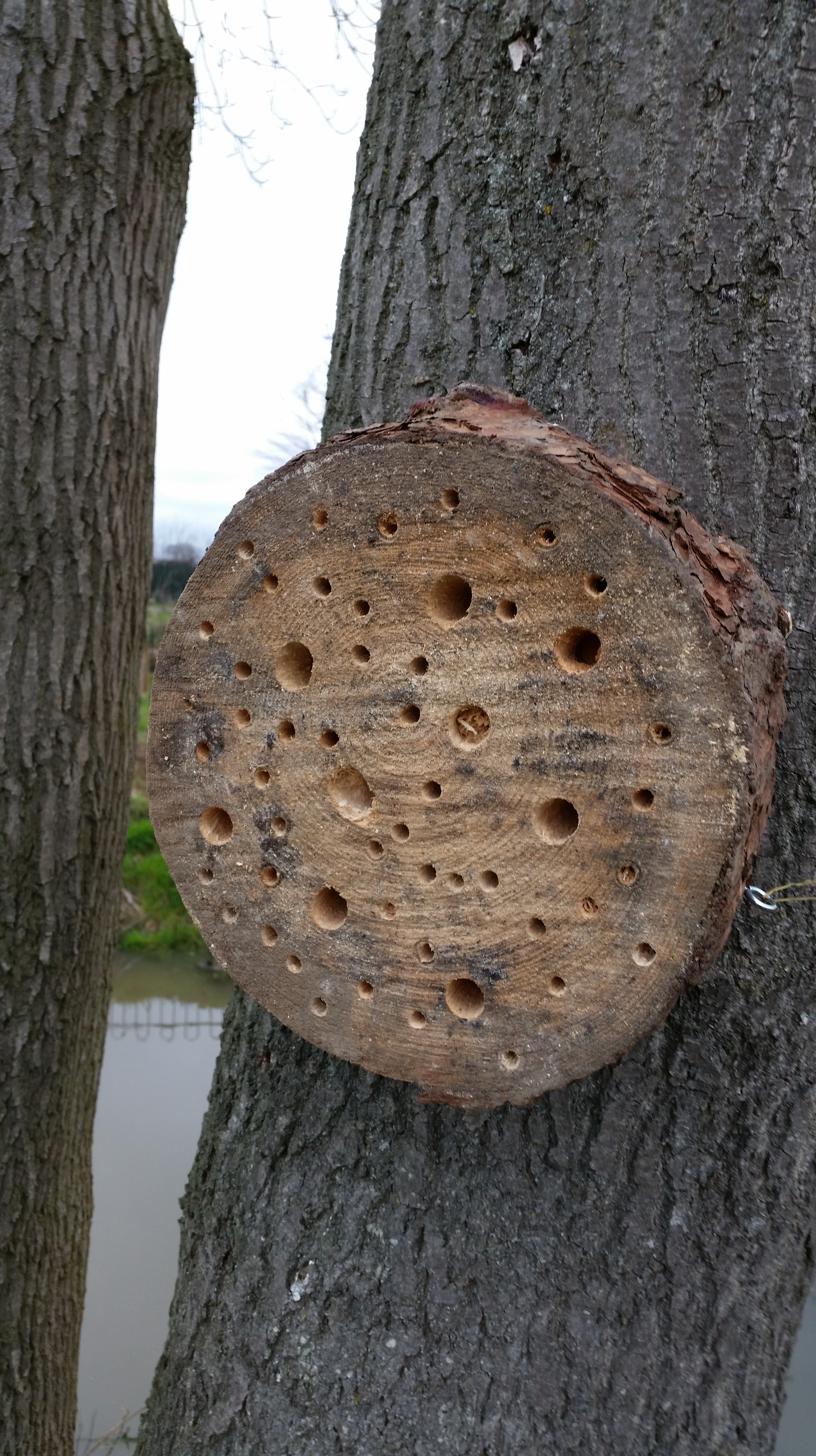
We have put up nest boxes, created a bird feeding station and are creating lots of mini-beast and amphibian habitats. Several are up in the group of Ashes that border one end of the pond.

2015 02 26_9670 2015 03 16_9991 2015 03 16_99852015 03 16_99862015 03 16_9995

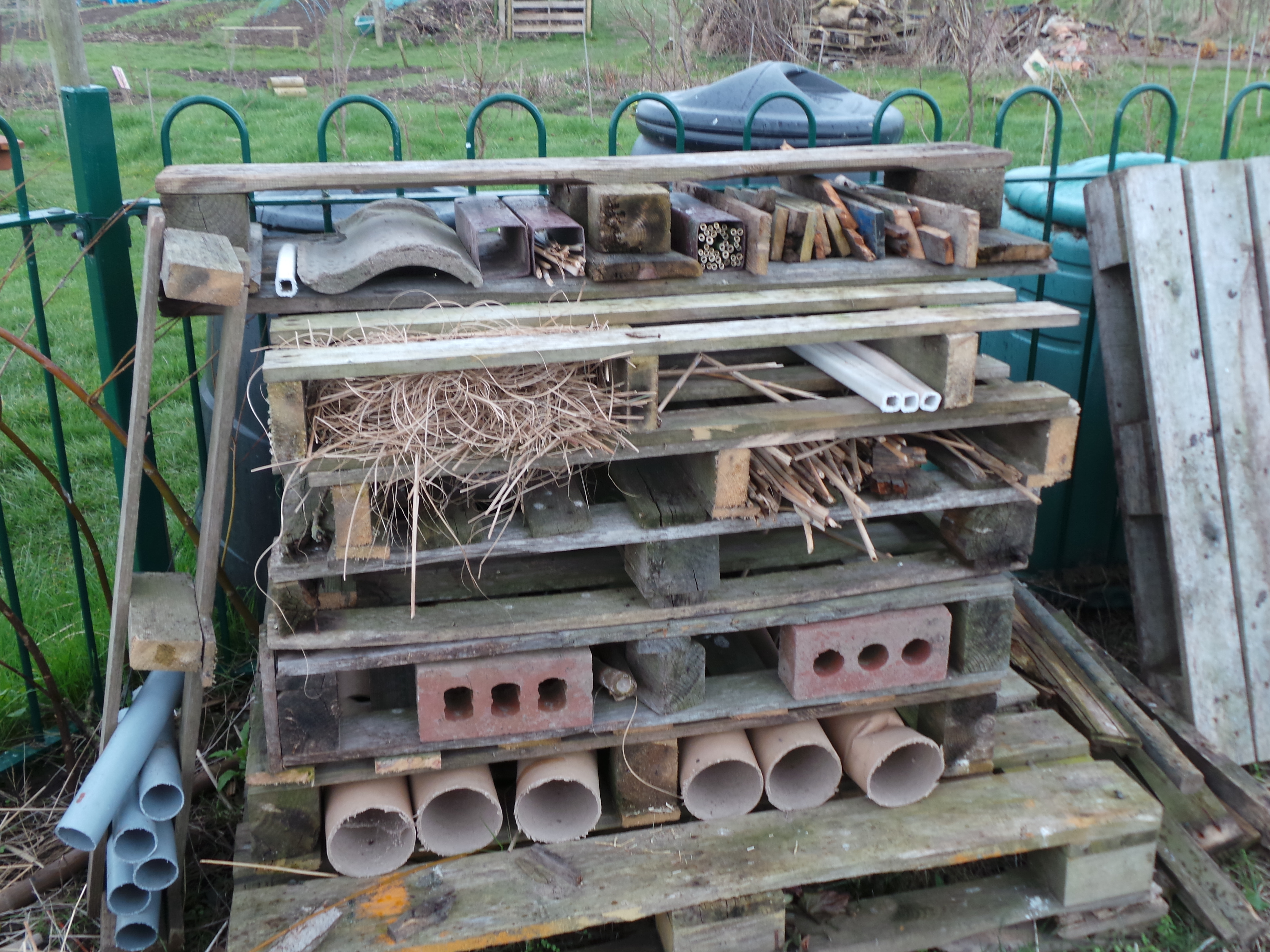
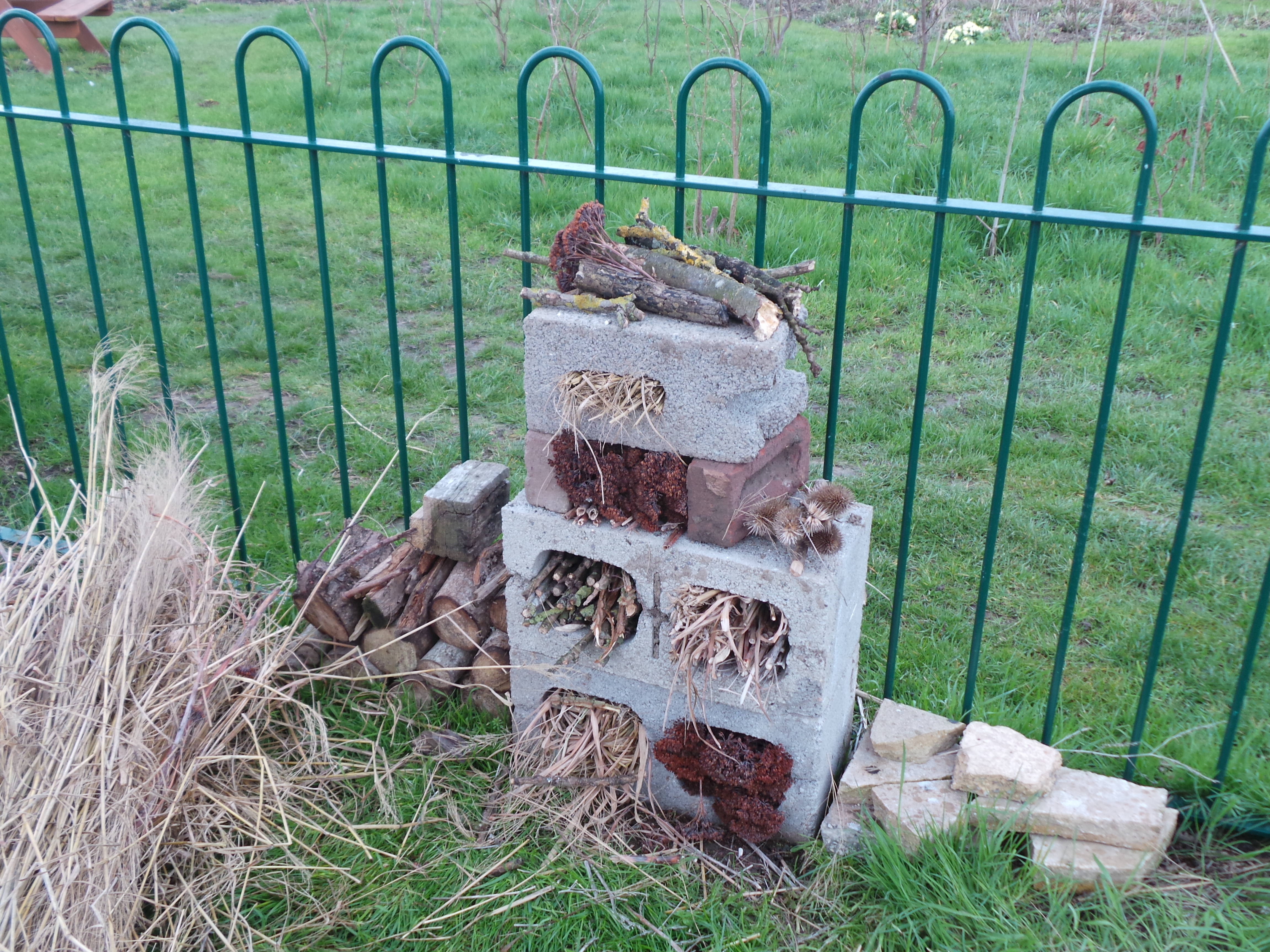
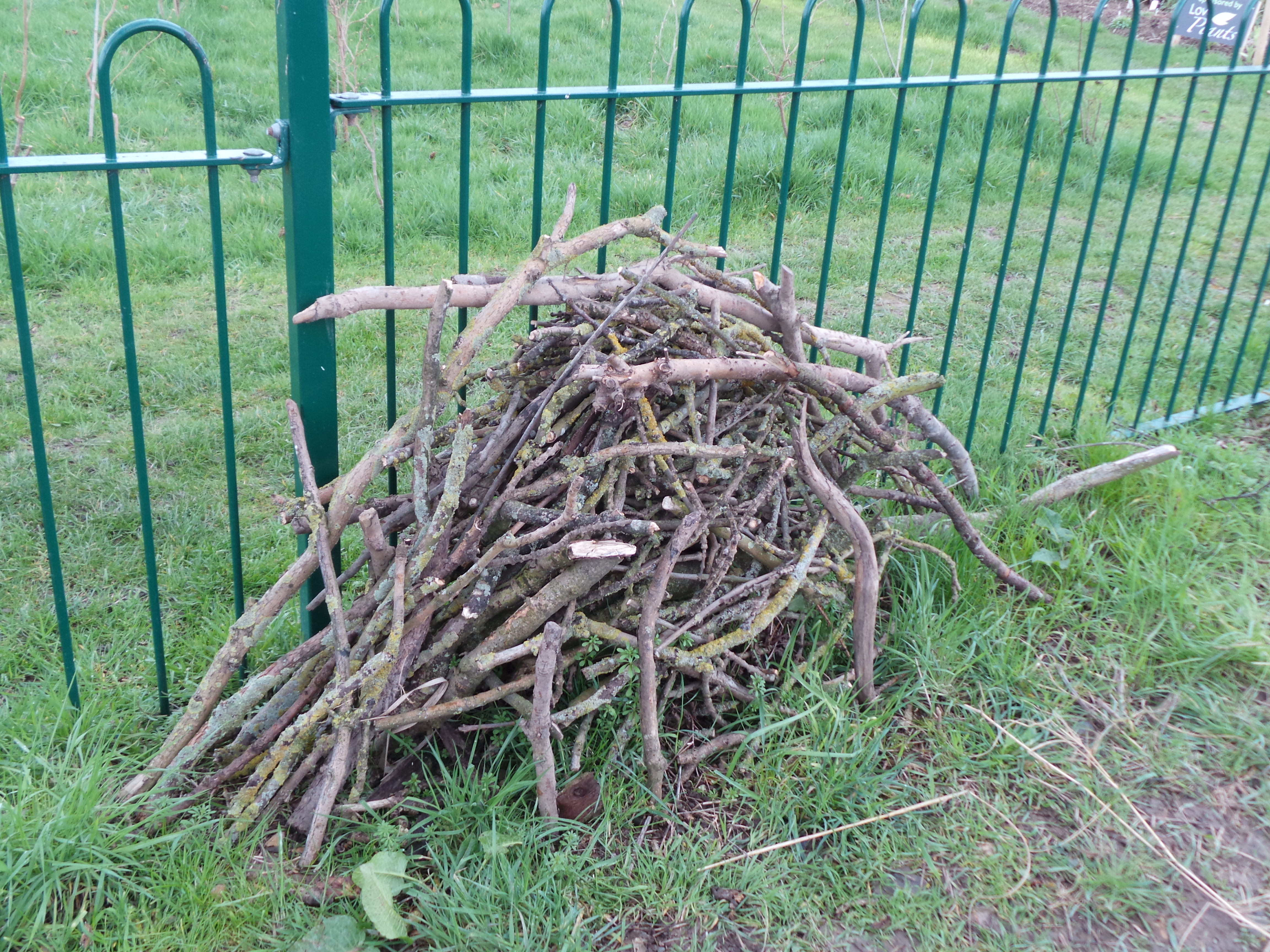
We have created extra wildlife habitats and shelters along the perimeter fence creating them from recycled items and natural materials. 2015 03 16_99872015 03 16_9988 2015 03 16_9989          Probably one of the most exciting elements of the whole project has been the creation of a bird hide for the children to use. This began as a battered old shed donated to us by a plot holder and transformed into a rather fine hide complete with a noticeboard for recording,some identification charts and a small library of identification books. Two plotholders, Sean and his dad Vince volunteered to carry out the conversion and soon other family members joined in. The finished hide was way beyond our expectations as they managed to fit a kneeling bench down the one side to enable children to look through the hatches they had constructed. For wet days when the hatches need to stay closed they added a perspex window. All this from my very simple plans and drawings!

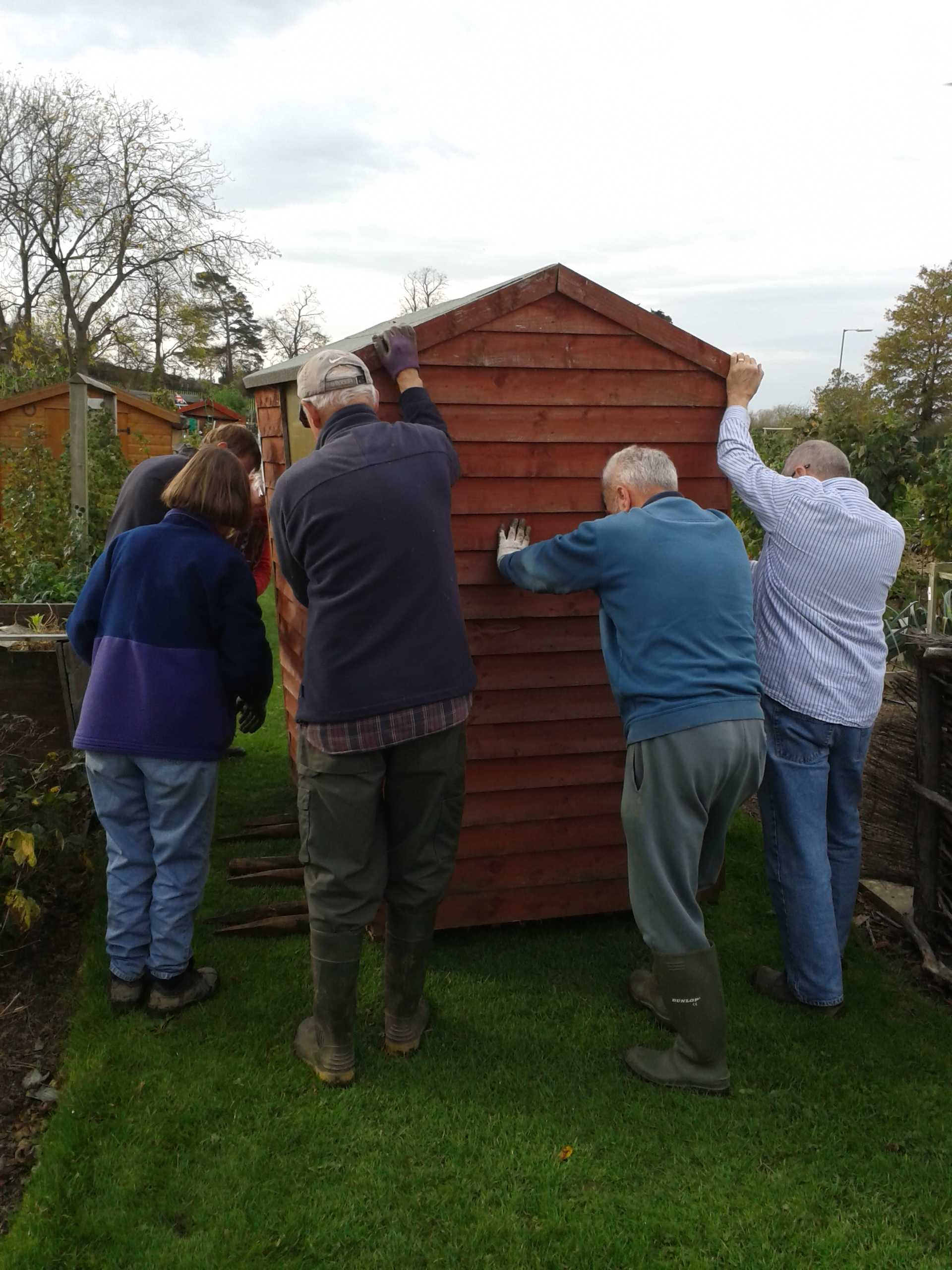
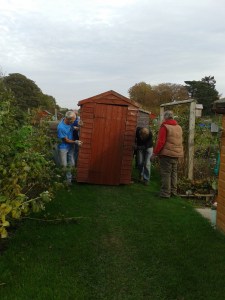
Here we are moving the old shed from one side of the site to the other in true Roman style, rolling it along on round stakes. It proved a great adventure as it kept trying to change shape and the door constantly flew open.

2014 12 08_8466 2014 12 08_8468

And here is the shed now transformed into a hide, just like the ugly duckling turning into a swan. The rest of the story of how the transformation came about will be in part two.

2015 03 16_0004  2015 03 16_0005

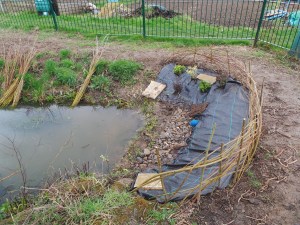
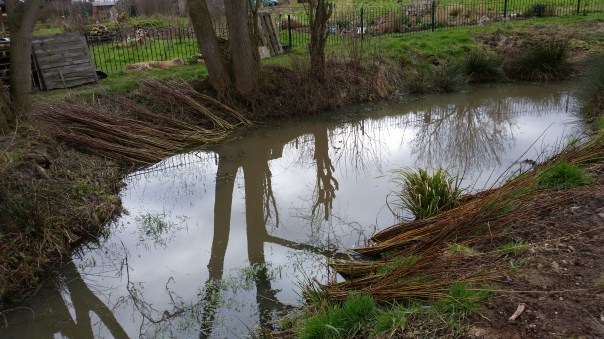
Wherever the pathway gets close to the bank we have planted a low boundary hedge from willows harvested on site and have woven whips of different coloured willows from the brightest yellow to the darkest black  through it. Similarly at the outlet end where water drains to prevent flooding, we have a steep area bank which we have given a similar low willow fence and we are slowly planting up the slopes with small ground covering shrubs that also attract bees, butterflies and hoverflies.

2015 03 16_9998 2015 03 16_00022015 03 16_0000 2015 03 16_9983


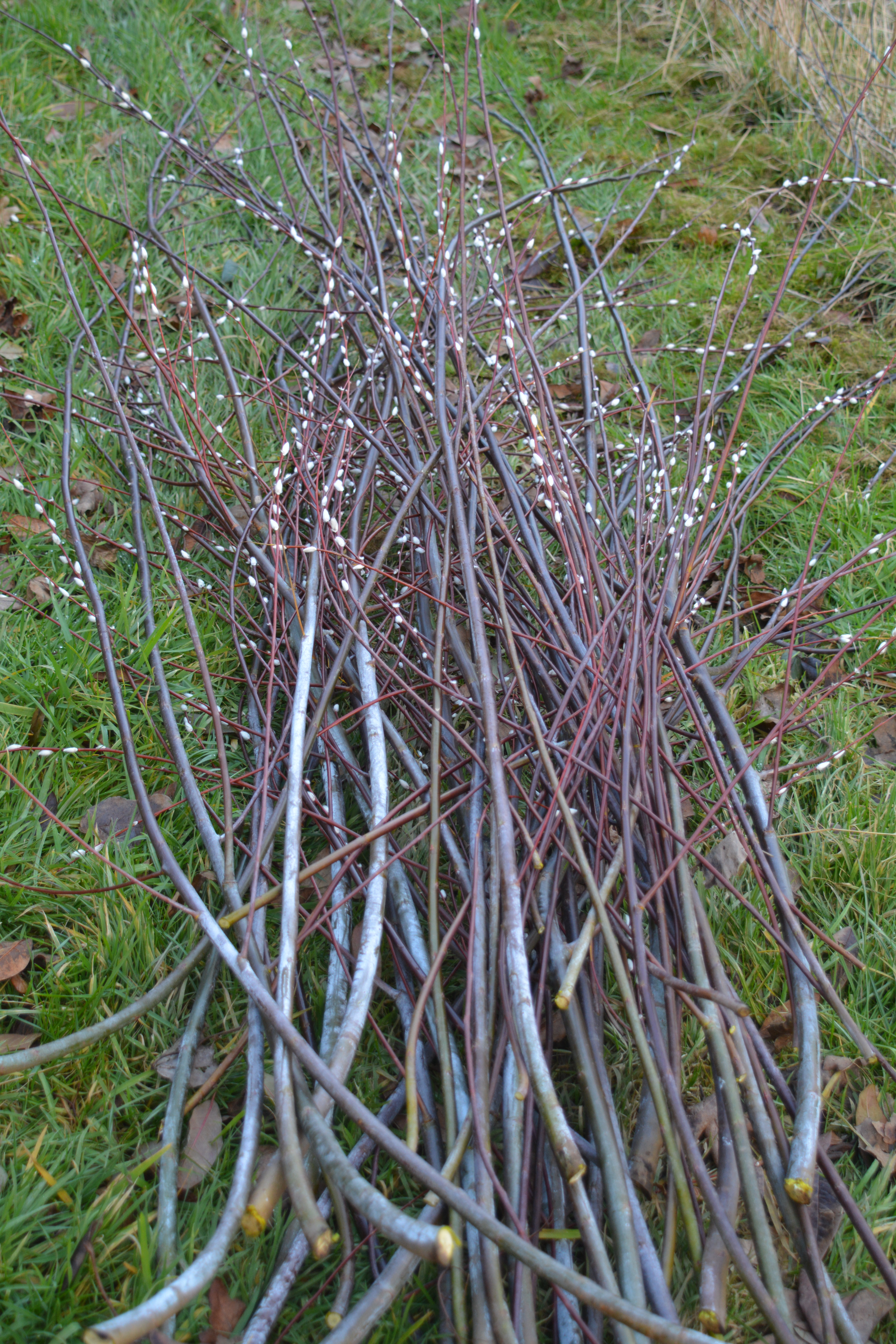
We stored the willow prunings we had after coppicing and pollarding our “Withy Bed”. The photo shows these awaiting action and illustrate just how many colours of willow we have to play with

2015 02 26_9667 2015 02 26_96682015 02 26_9669

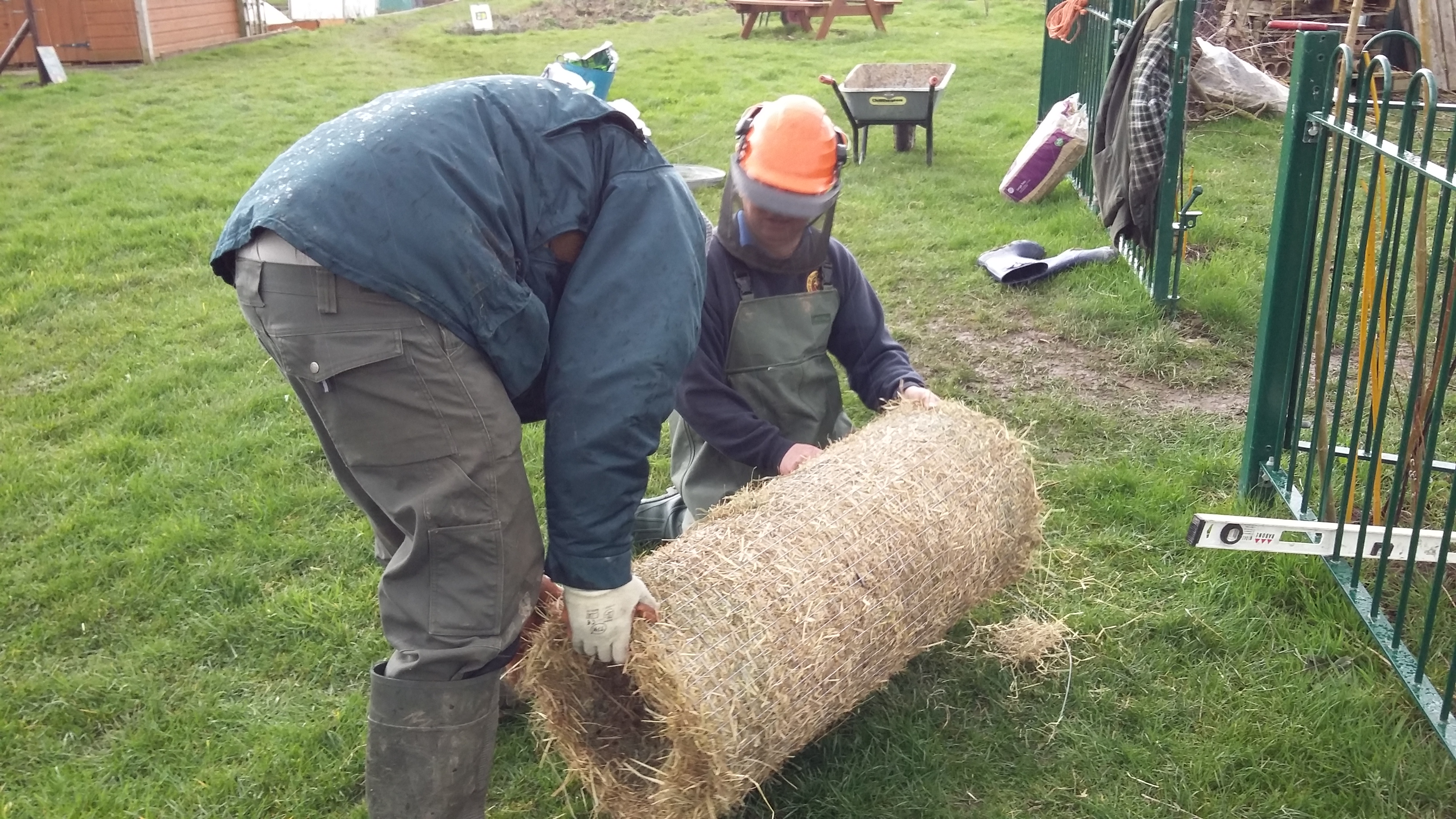
A recent job was to make barley straw pouches to drop in the water to help keep down the growth of algae and blanket weed – a good organic solution. Look closely at the picture below to see if you can spot one.

2015 03 09_9802

We know there are some critters who are looking forward to us finishing or at least being somewhere near a livable place for them. the resident group of Weasels, our Mallard families and the site’s frogs. We must pamper to their needs as they entertain us and do much of our pest controlling.

2014 11 28_7933 2014 12 08_85932015 02 28_9789_edited-1 20150207_141312

The bird in the fourth of the above photos though arrived amid mixed feelings from us all. Our Grey Heron is most definitely a handsome bird but he is a threat to our fish. We have a small population of native Rudd in the pond brought in as eggs on the feet of the ducks. Sadly until we get some plant cover for them to seek refuge beneath they will soon be wiped out by the Heron. The photo was taken on a member’s mobile phone through our green fence.

In part two we will look at details of how the hide ended up, some of our tree surgery work and the adventures we had putting in our duck tube.


Categories
buildings garden buildings garden design garden photography gardening gardens gardens open to the public outdoor sculpture sculpture succulents Wales

The Botanic Garden of Wales in the Rain – part one

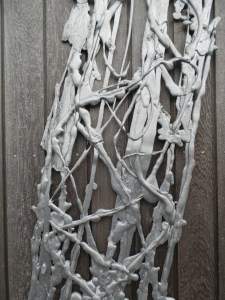
We have come to love visiting gardens in the rain. We put up the brollies and huddle together for protection and just defy the downpours. But on a November day at The Botanic Gardens of Wales the rain was so heavy it beat even us! It was horrendous! This beautiful piece of sculpture managed to glow out in the gloom. It looked like the bark of a tree or the structure of ivy climbing a wall or …….. whatever you wish.

2014 11 21_7754 2014 11 21_7753_edited-1

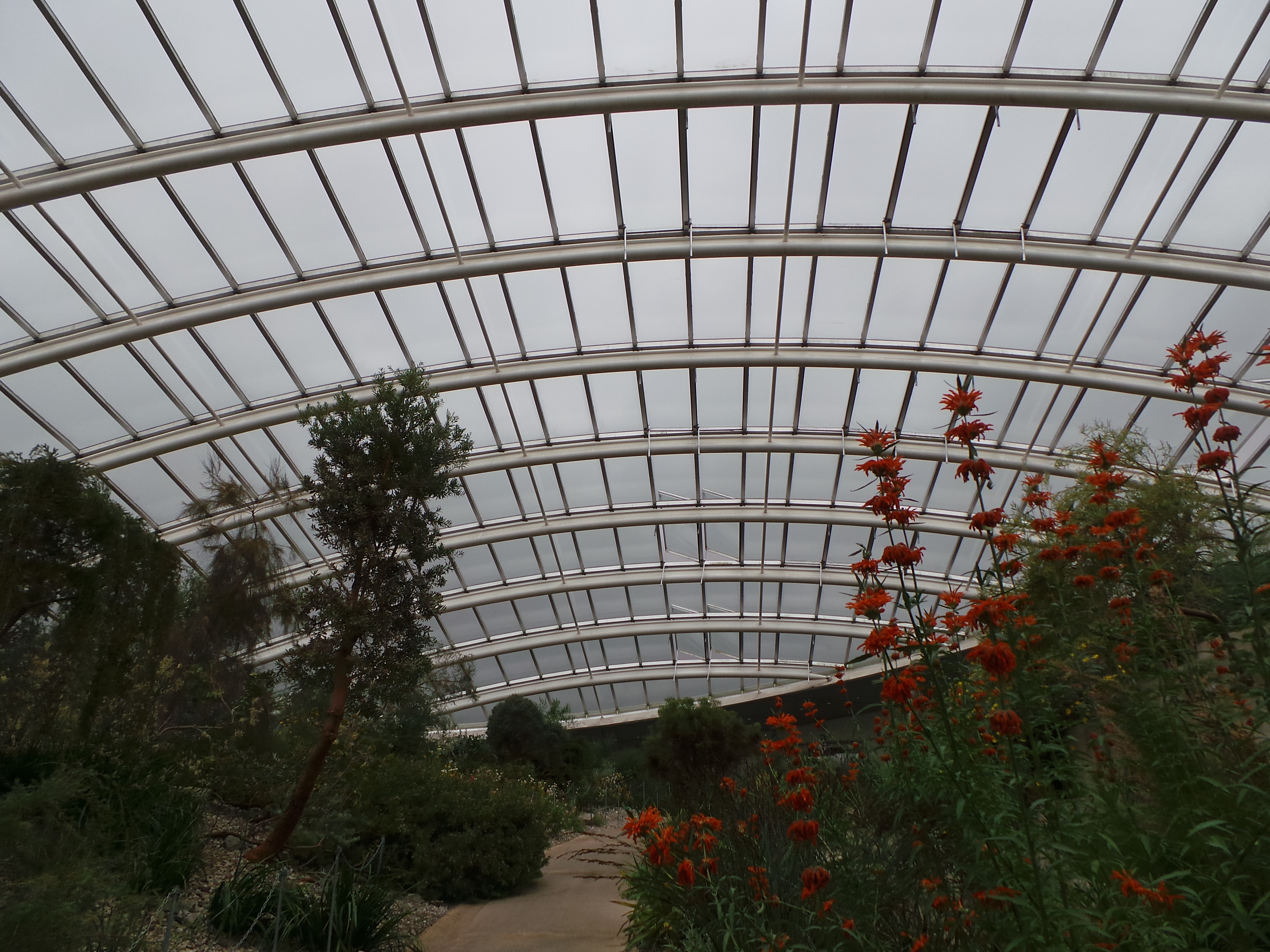
We did though enjoy a little time in the rain but soon escaped by making for the magnificent glasshouse. The glasshouse emerges from the gently sloping landscape like an armadillo. On this visit it was barely visible against the low deep grey clouds.

2014 11 21_7755 2014 11 21_77562014 11 21_7767

Once inside, the curving lines spanning overhead immediately drew our eyes upward. When architects get greenhouses right they can be dramatic and powerful but still gentle and full of beautiful curves. This is one of the best we have ever visited if not the best of all. It looks so good from both inside and out. From the outside it emerges from the countryside as if it is meant to be there, enhancing the undulation it sits on. From inside it cocoons the visitor in an atmosphere of warmth and greenery.

2014 11 21_7768 2014 11 21_7769 2014 11 21_7767 2014 11 21_77702014 11 21_7784 2014 11 21_7789

The plant life housed there sits happily in micro-climates made for them. Greenhouse often seem to contain big blousie blooms with too much colour and all full of drama but here things had a subtle beauty. Very stylish. Often the colours were very delicate.

2014 11 21_7772 2014 11 21_77922014 11 21_7793 2014 11 21_78002014 11 21_7776 2014 11 21_7808

2014 11 21_7780 2014 11 21_7786

Bright colours weren’t altogether absent though with plenty of fiery oranges and gaudy pinks. We were taken aback by the size of this Leonotis as it soared to over head height alongside the path. At home in our garden we get it to grow to about two feet tall.

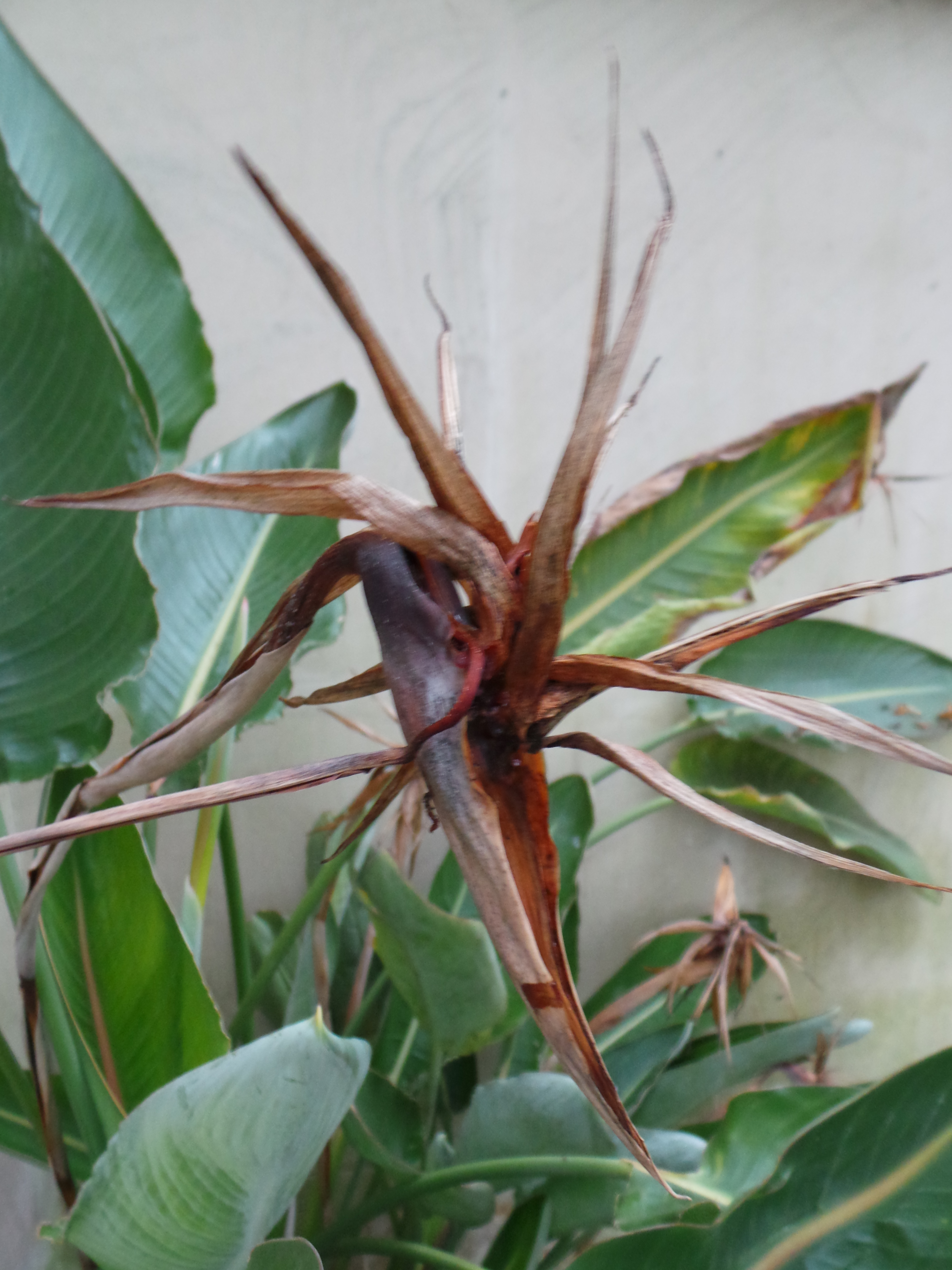
2014 11 21_7781 2014 11 21_77832014 11 21_7782 2014 11 21_77772014 11 21_7798 2014 11 21_78022014 11 21_7801 2014 11 21_7804Some plants simply appeared bizzare, such as the dying flowers of the Strelitzia which turns from orange to deep brown and the odd trunk of this tree which was well past its best!

2014 11 21_7794 2014 11 21_7805

Blue flowers are often not a pure blue but these definitely were as blue as could possibly be.

2014 11 21_7809 2014 11 21_7810

We enjoyed studying the foliage here as much as the flowers, with so much variation in size, colour, texture and shape.

2014 11 21_7795 2014 11 21_77962014 11 21_7788 2014 11 21_77732014 11 21_7779 2014 11 21_7787

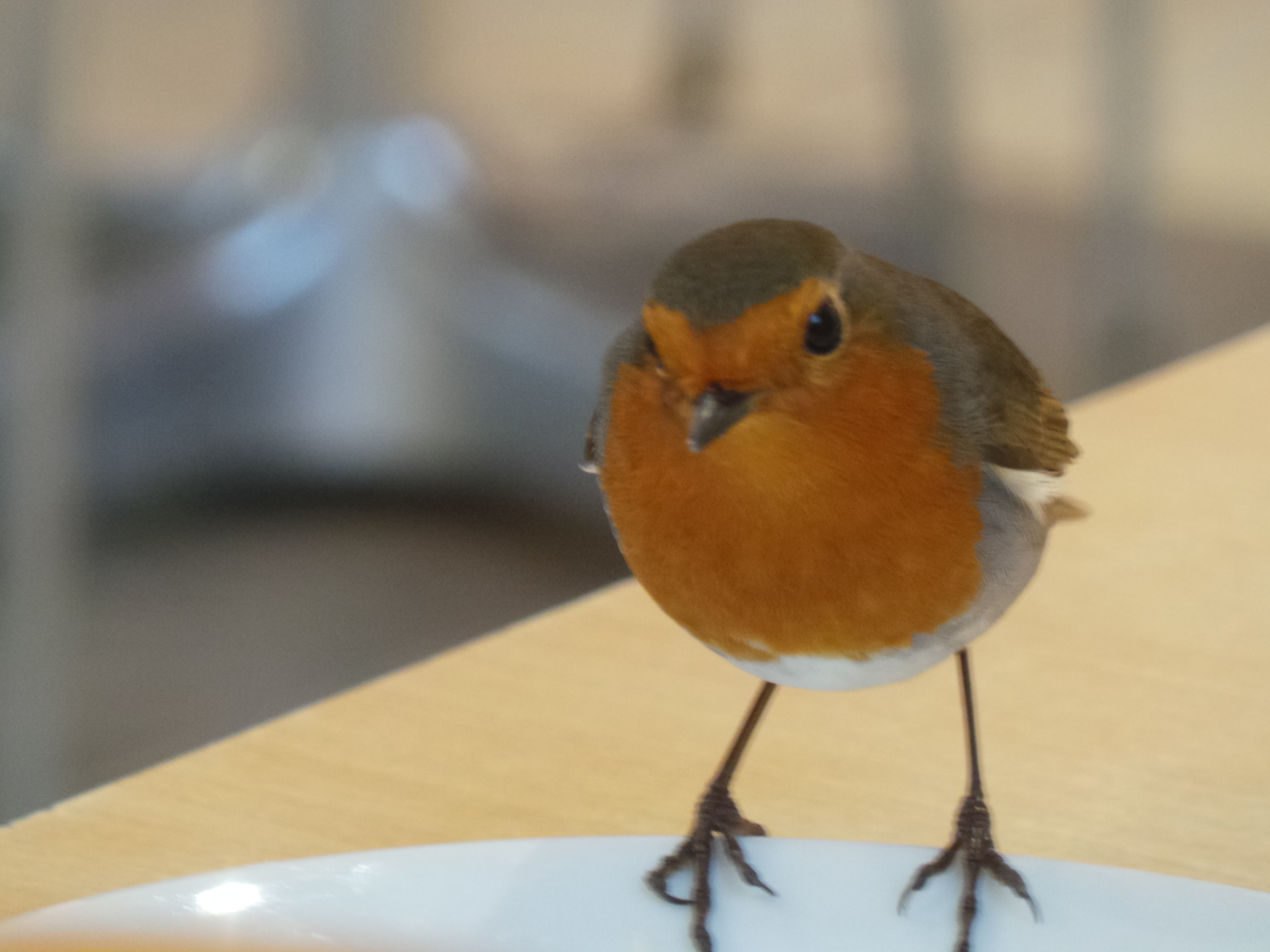
This Robin was enjoying reading the info on this sign but we were more impressed by those signs which relied on simple symbols demarcating each zone.

2014 11 21_7775 2014 11 21_77742014 11 21_7797 2014 11 21_77992014 11 21_7790 2014 11 21_7791

We were amused when we came across this warning triangle, not the usual red unfriendly type found on roadsides but a green edged warning that gardeners were at work. The gardeners were very friendly ones too!

2014 11 21_7803

After wandering around the giant glasshouse absorbed in the beauty of plants from around the temperate world we deserved our lunch break. We shared our break with our red-breasted friend who seemed to have followed us from the glasshouse.

2014 11 21_7764 2014 11 21_7762

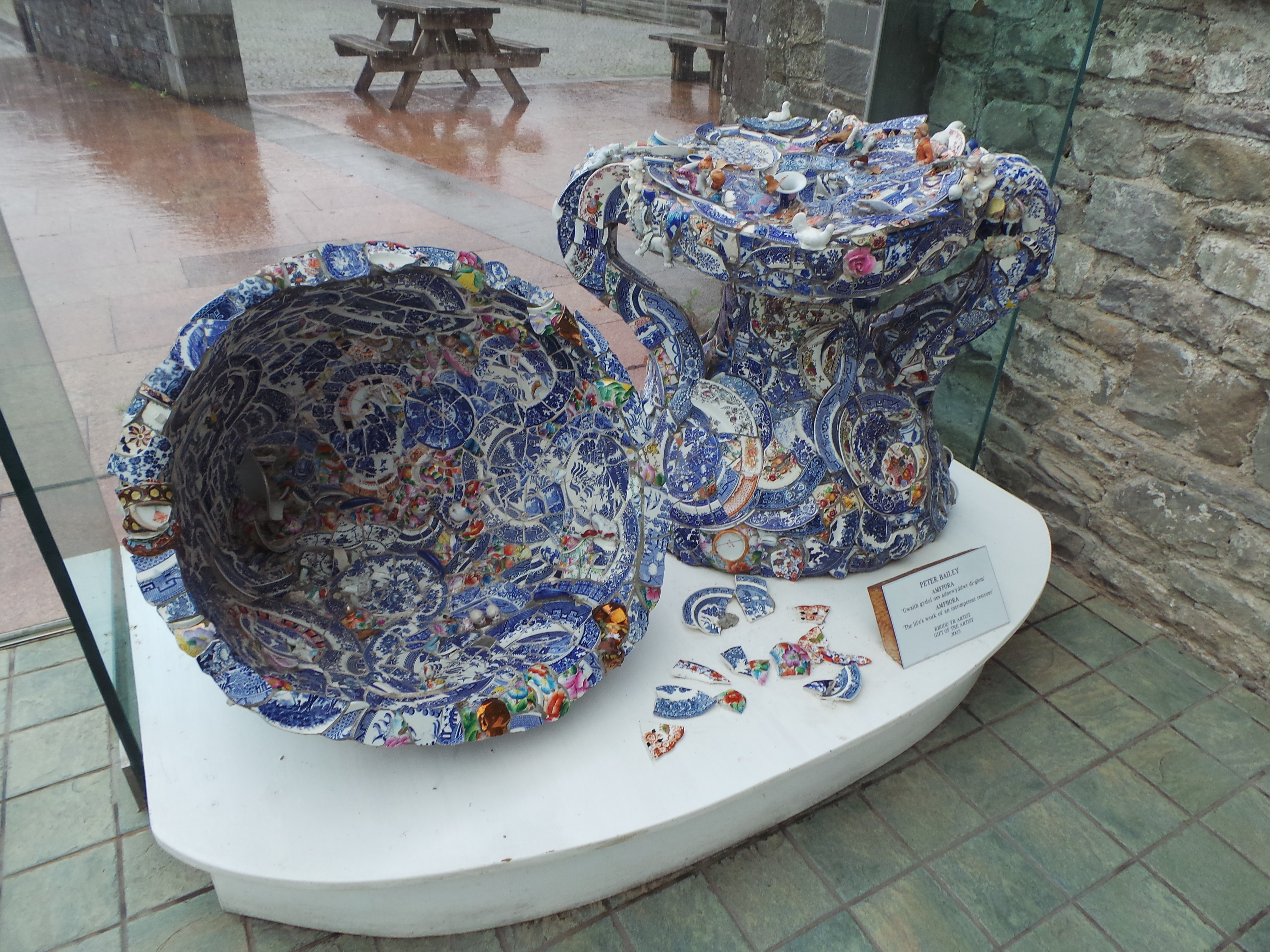
Some original and colourful craftwork graced the foyer. This piece was created using broken pottery shards. Join us in part two when we braved the heavy rain for as long as we could.

2014 11 21_7765 2014 11 21_7766

Categories
architecture climbing plants colours garden buildings garden design garden furniture garden photography garden seating gardening gardens gardens open to the public hardy perennials irises kitchen gardens light quality National Trust ornamental trees and shrubs outdoor sculpture roses The National Trust trees walled gardens Winter Gardening winter gardens

Croft Castle month by month – January – part two

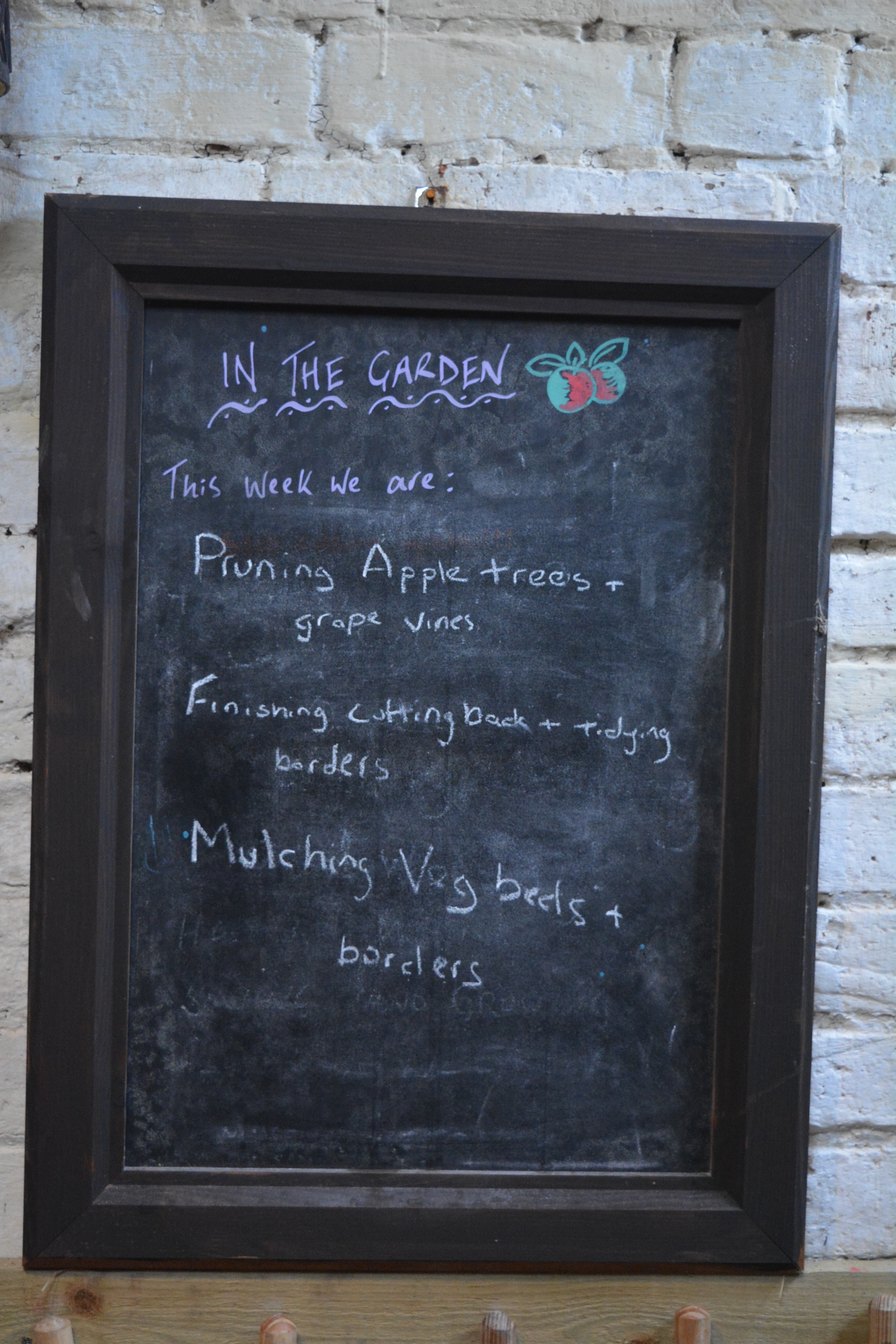
Welcome back to Croft Castle where we were about to find out what lies beyond the blue gate. We entered the space beyond the gate and found immediately to our right one of the gardeners’ buildings from the days when the walled gardens were a productive fruit and veg garden. Today it is a children’s discovery room complete with nature table. A board showed the gardening tasks for the month. Close by hung an old pruning saw.

2015 01 01_9110 2015 01 01_91112015 01 01_9109

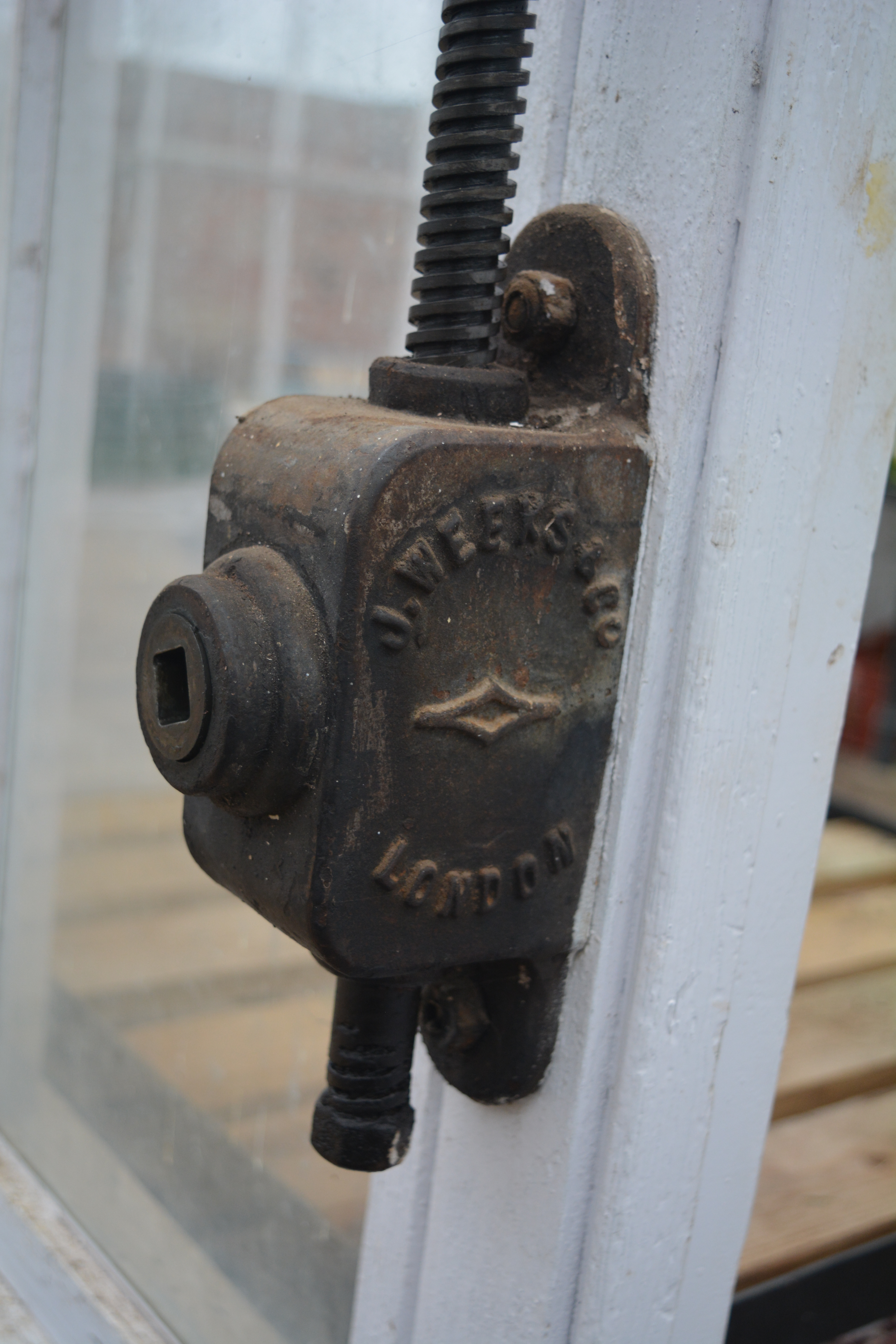
After a good peruse among the dusty artifacts and sharing our memories of nature tables at primary school we moved on to the old, wooden framed greenhouse which until now we had viewed from the gate. On this visit we went inside. We were delighted to find the old iron mechanisms that controlled the windows and vents still intact. We both find these fascinating and are amazed by the ingenuity shown by the greenhouse designers of that era.

2015 01 01_9113 2015 01 01_9112

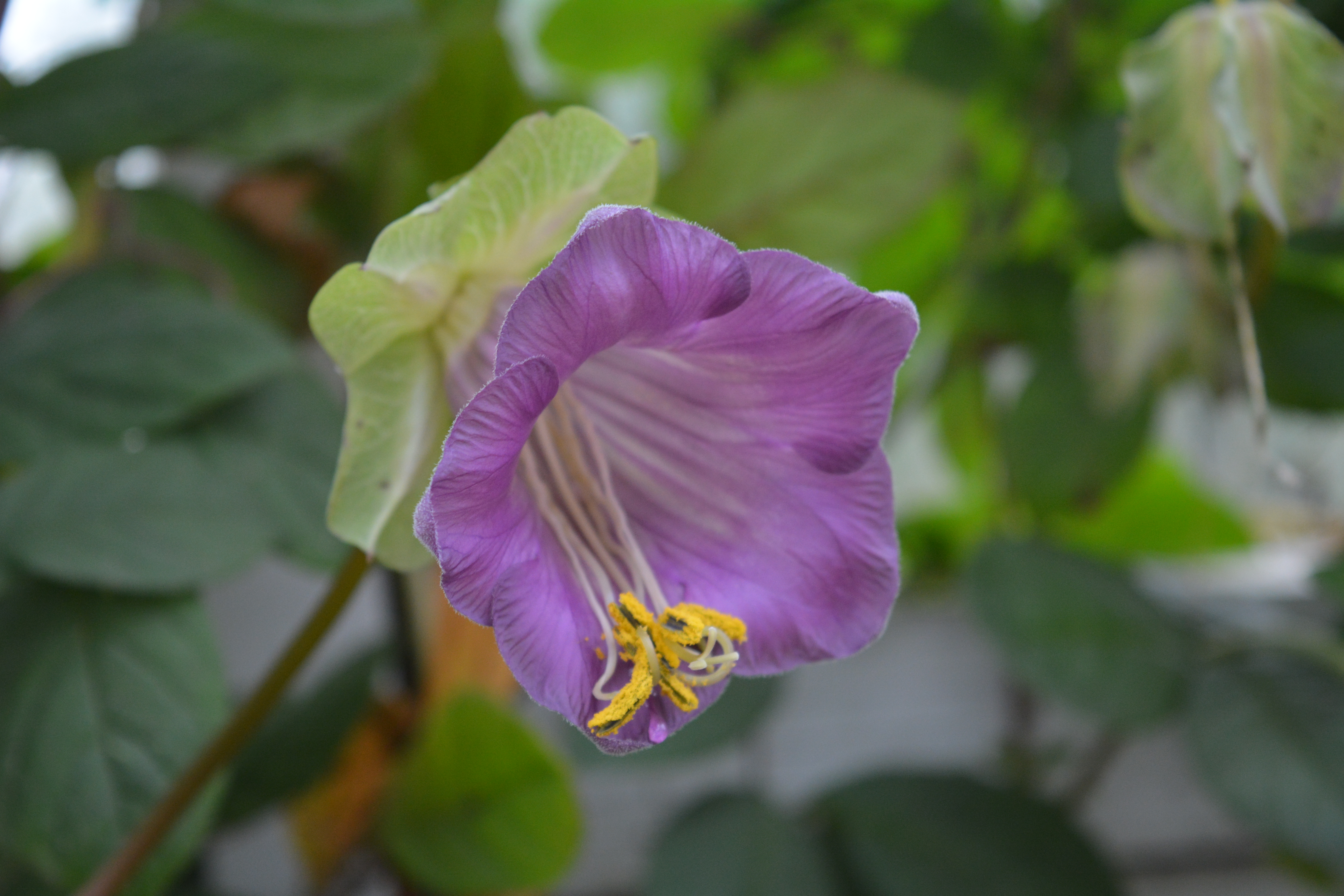
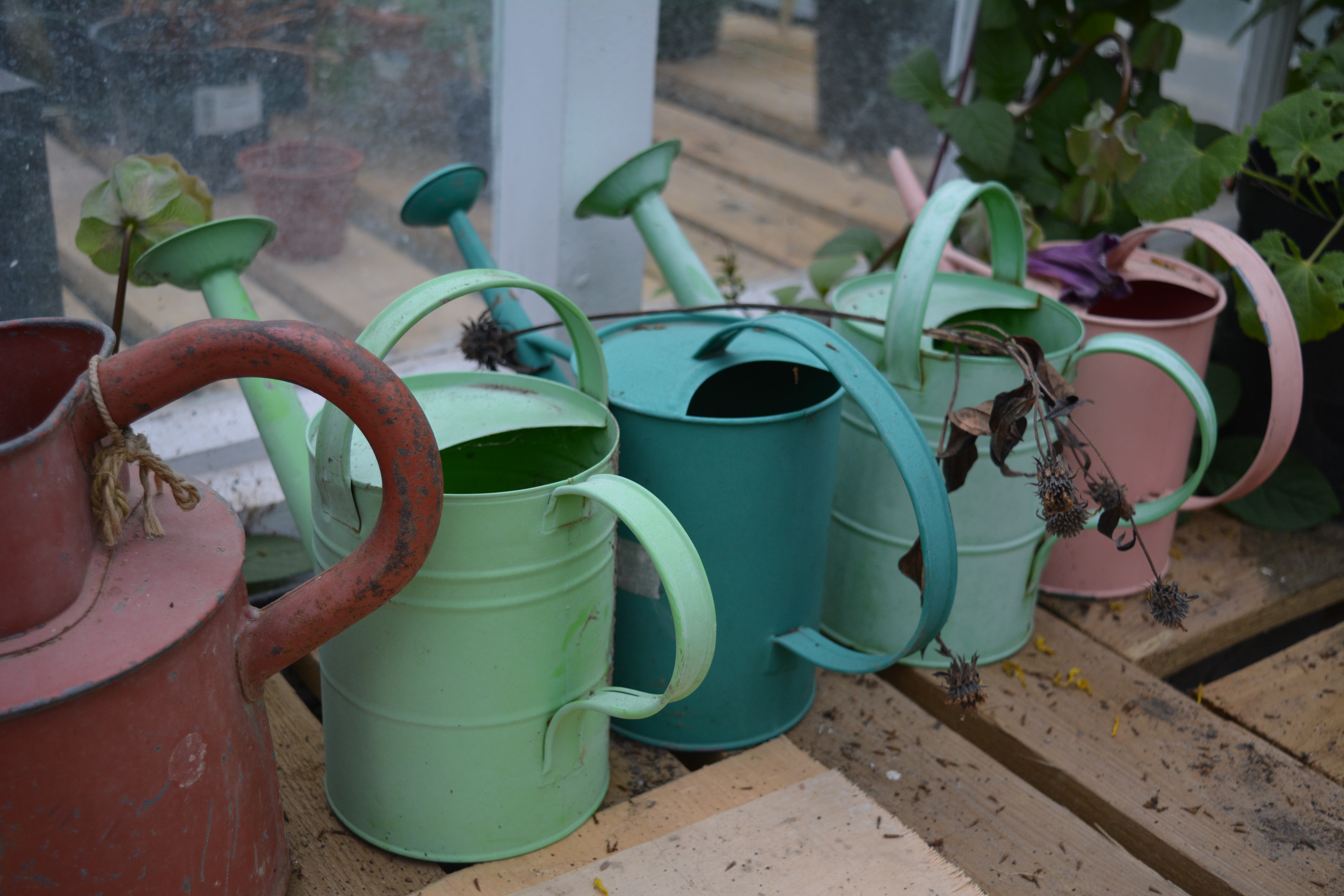
We were pleased to find a colourful line up of watering cans and a very healthy looking Cobaea climbing up wires and flowering profusely. It was easy to see why it is graced with the common name “Cup and Saucer Vine”.

2015 01 01_9114  2015 01 01_9115

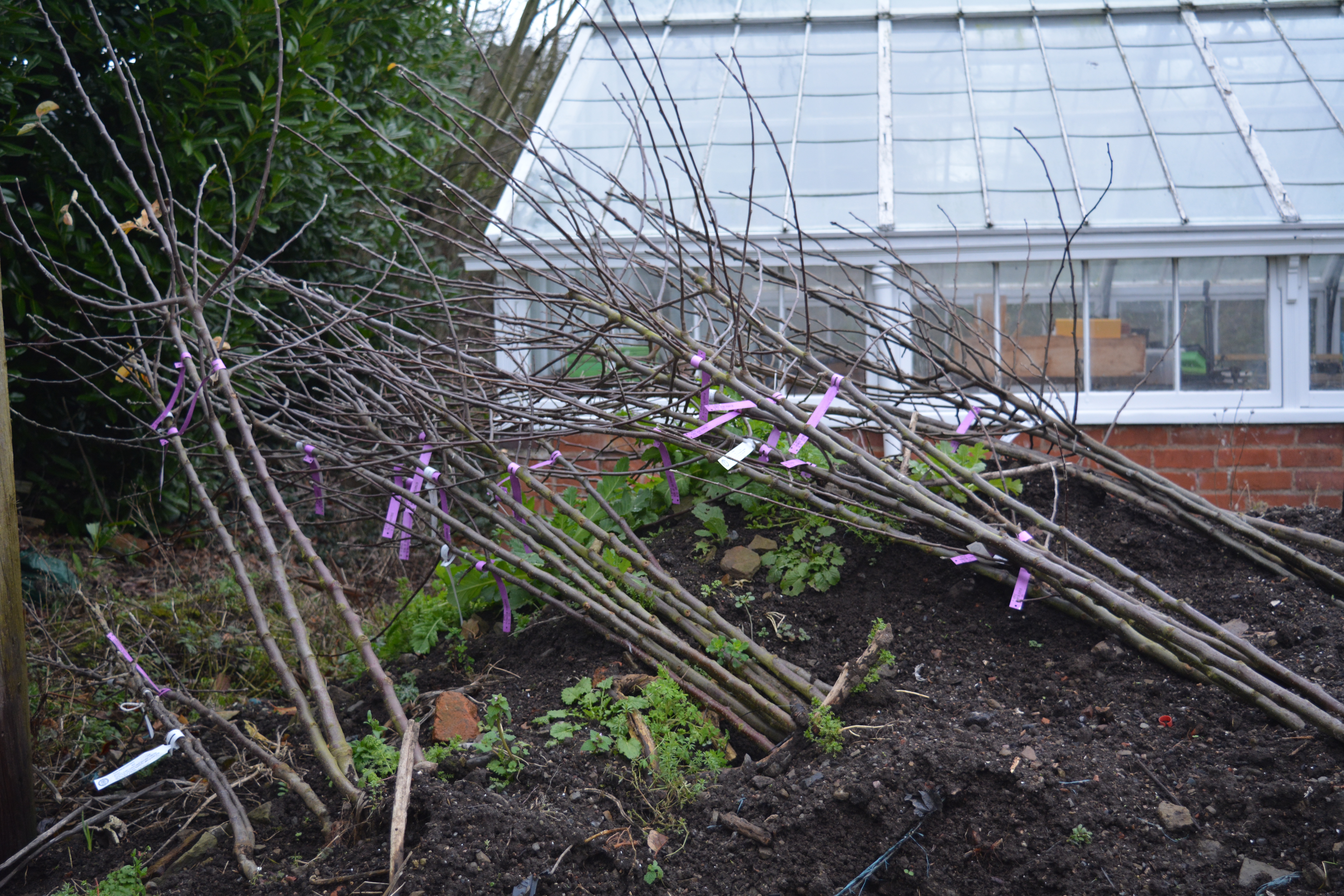
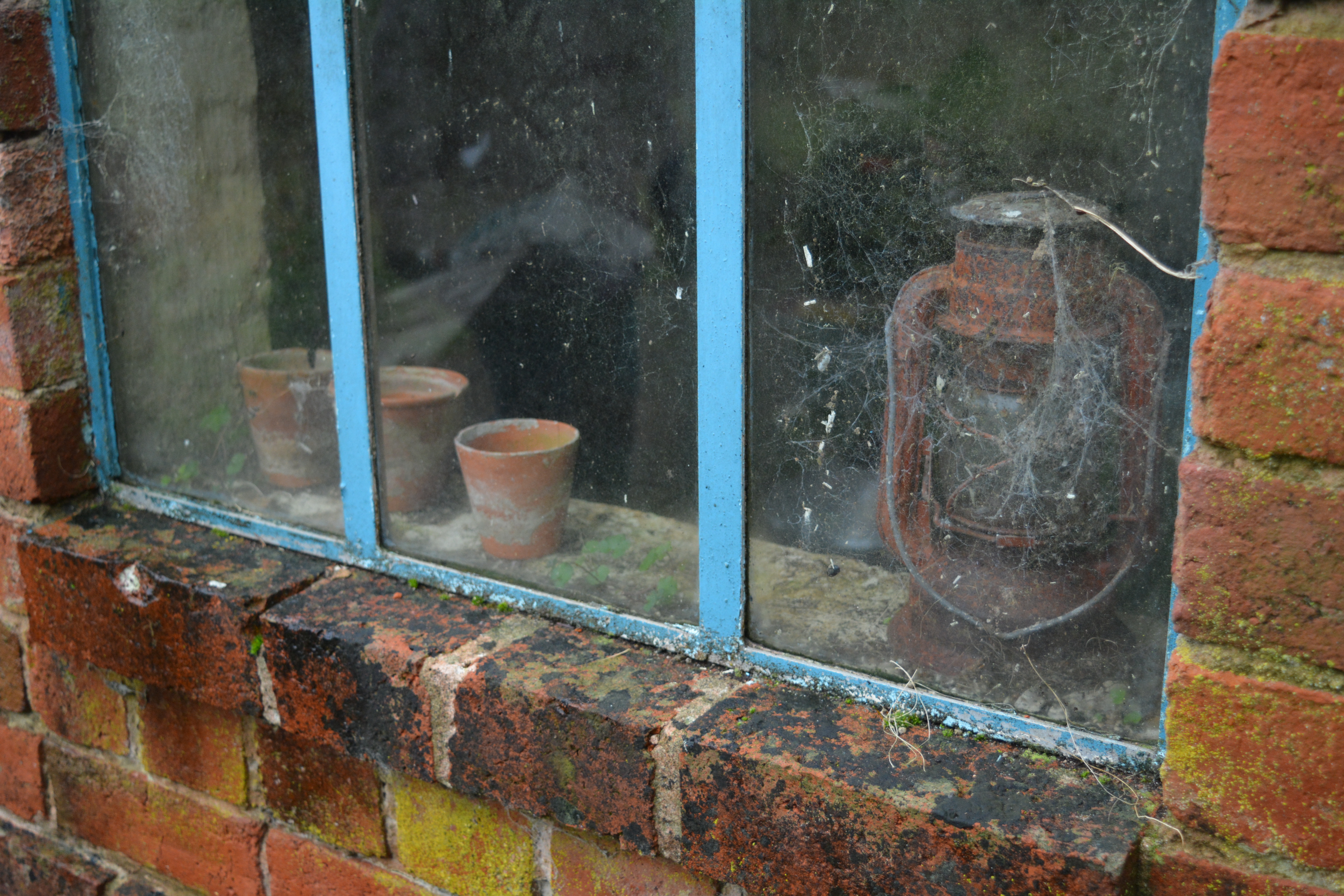
Outside the greenhouse we found a stack of apple trees heeled into a pile of compost awaiting the time when the frozen ground allowed them to be planted. Further old buildings hugged the walls – they were ina tumbled down state. The old window attracted me and my camera but I remain undecided if it is best as a colour or monochrome picture. Any thoughts?

2015 01 01_9116 2015 01 01_91172015 01 01_9118_edited-1

2015 01 01_9118

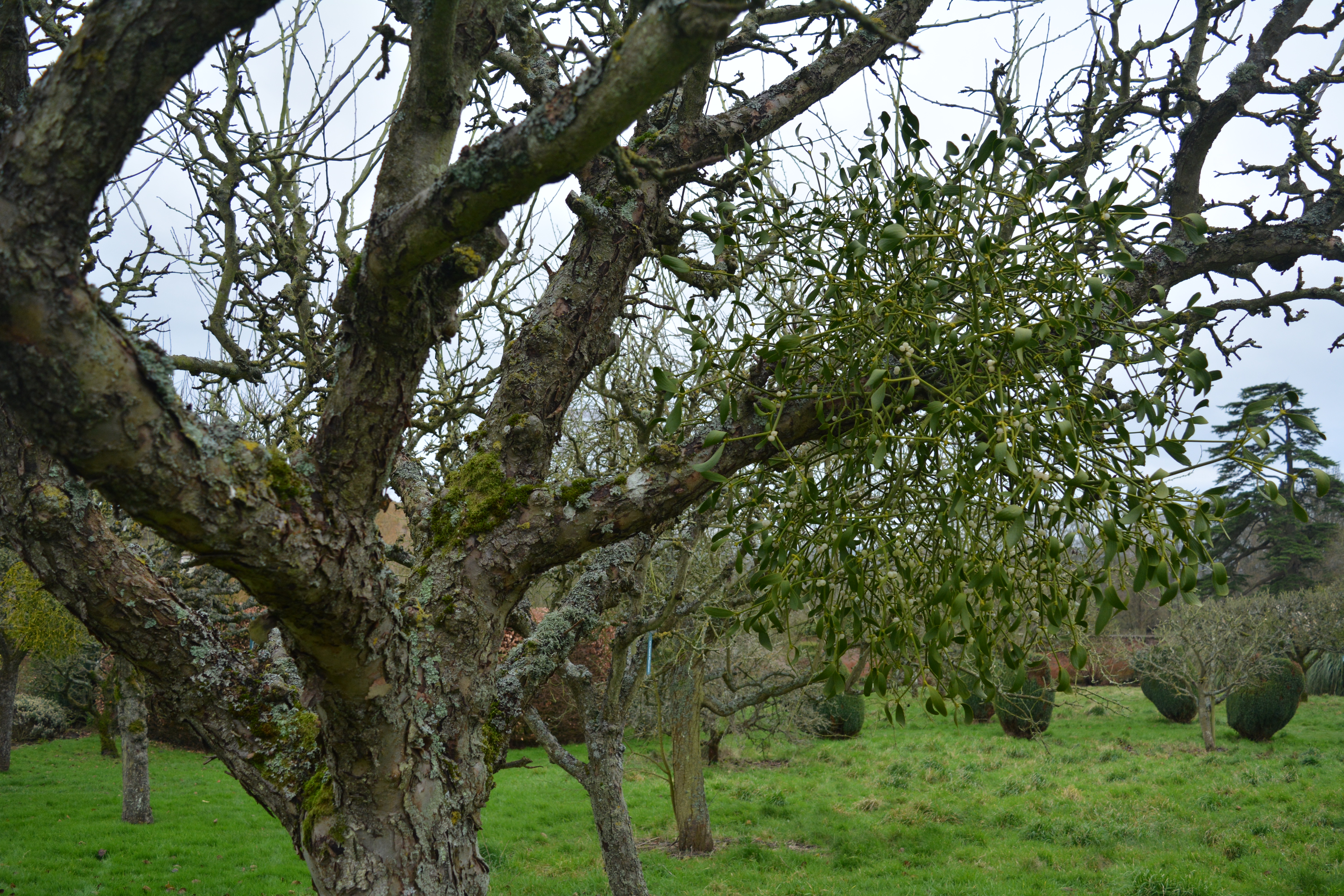
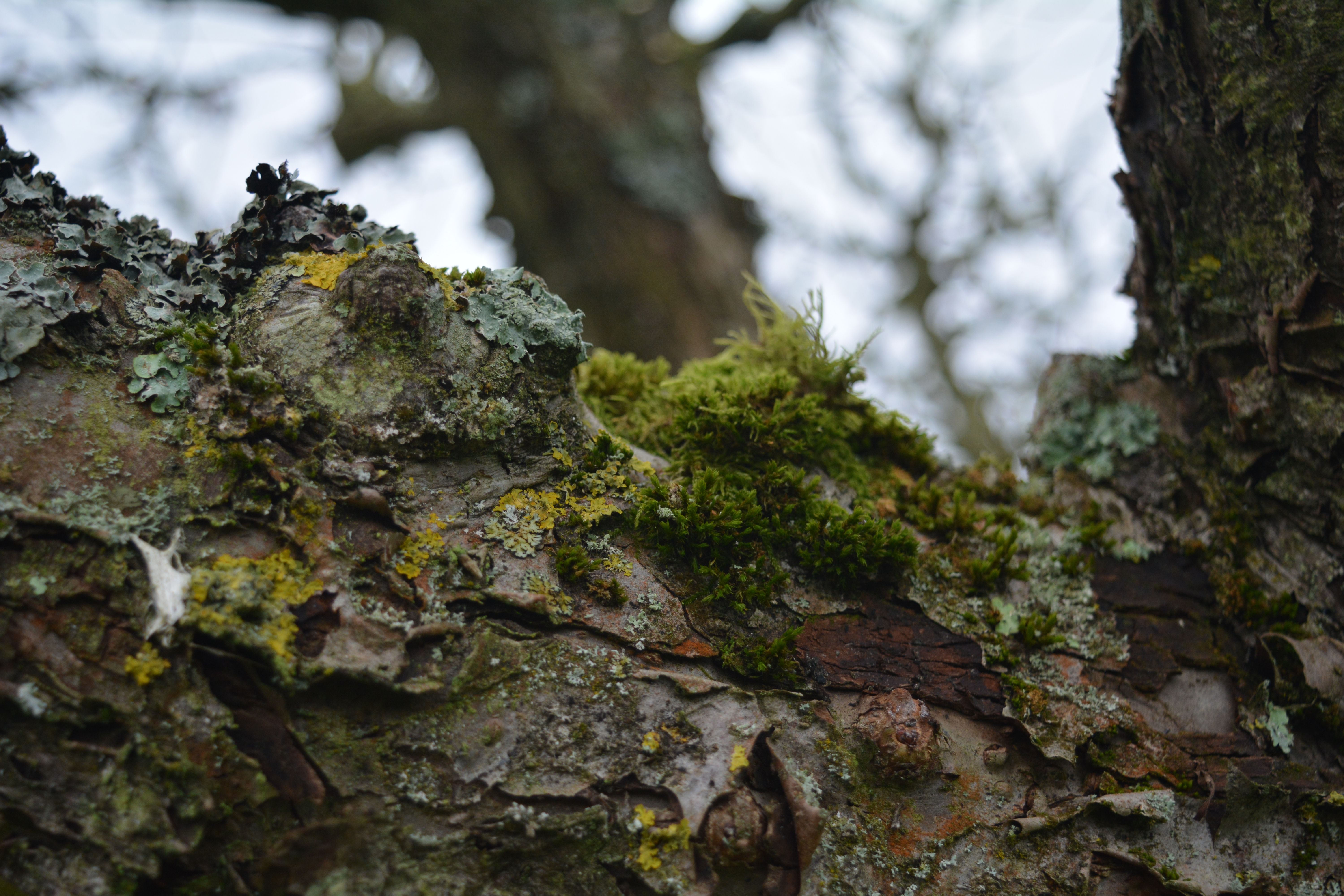
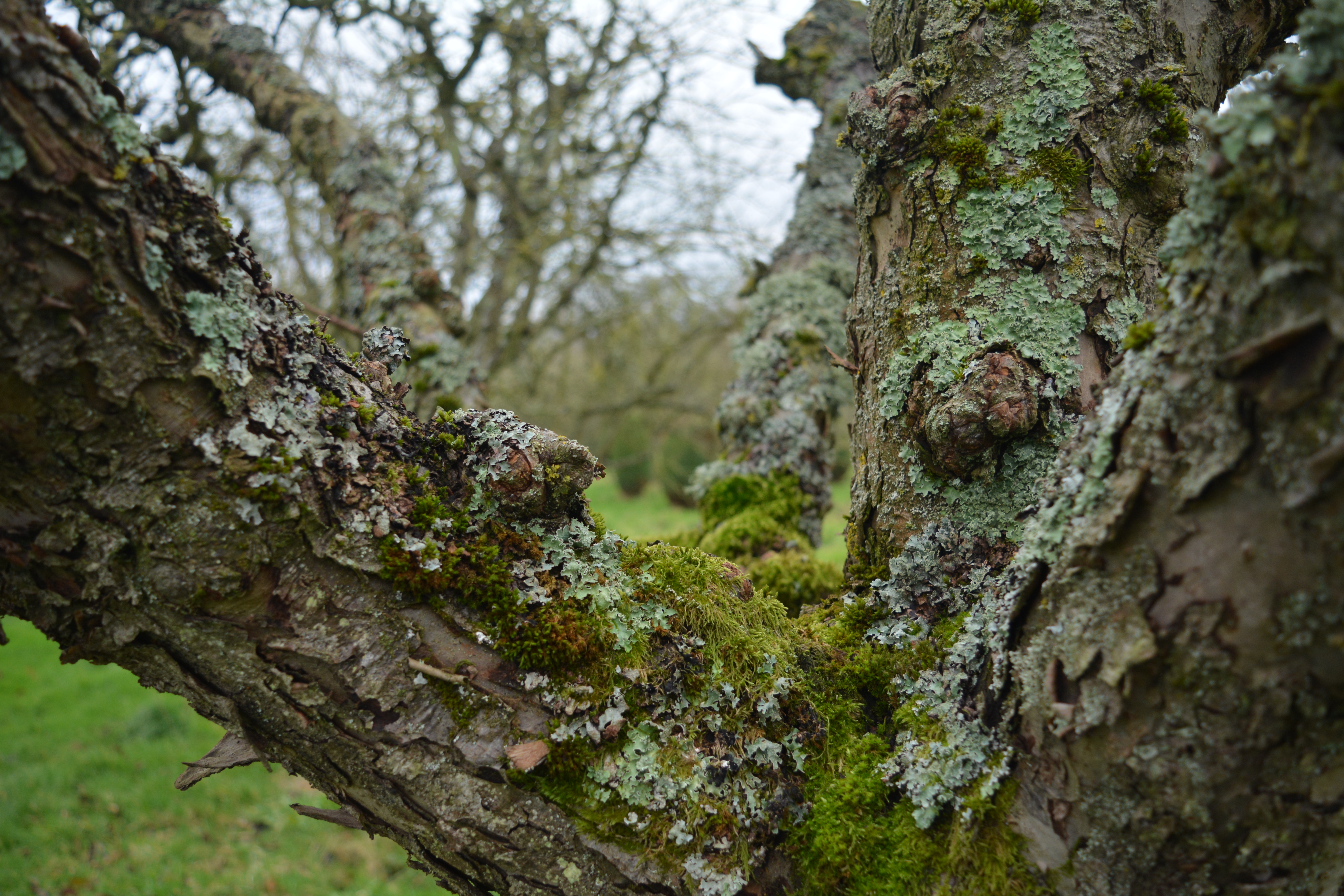
We continued our tour of the main walled garden following the herbaceous borders to discover ancient apple trees beautifully pruned ready for fruiting next season. Their trunks and branches were encrusted with lichens and mosses creating miniature landscapes. Clumps of Mistletoe decorated several of the trees. This is a common parasitic plant in the orchards of Herefordshire. A Mistletoe Fair and market are held in December every year in the nearby market town of Tenbury Wells. They are famous for their mistletoe auctions.

2015 01 01_9120 2015 01 01_9121 2015 01 01_9122 2015 01 01_9123 2015 01 01_9124 2015 01 01_9125

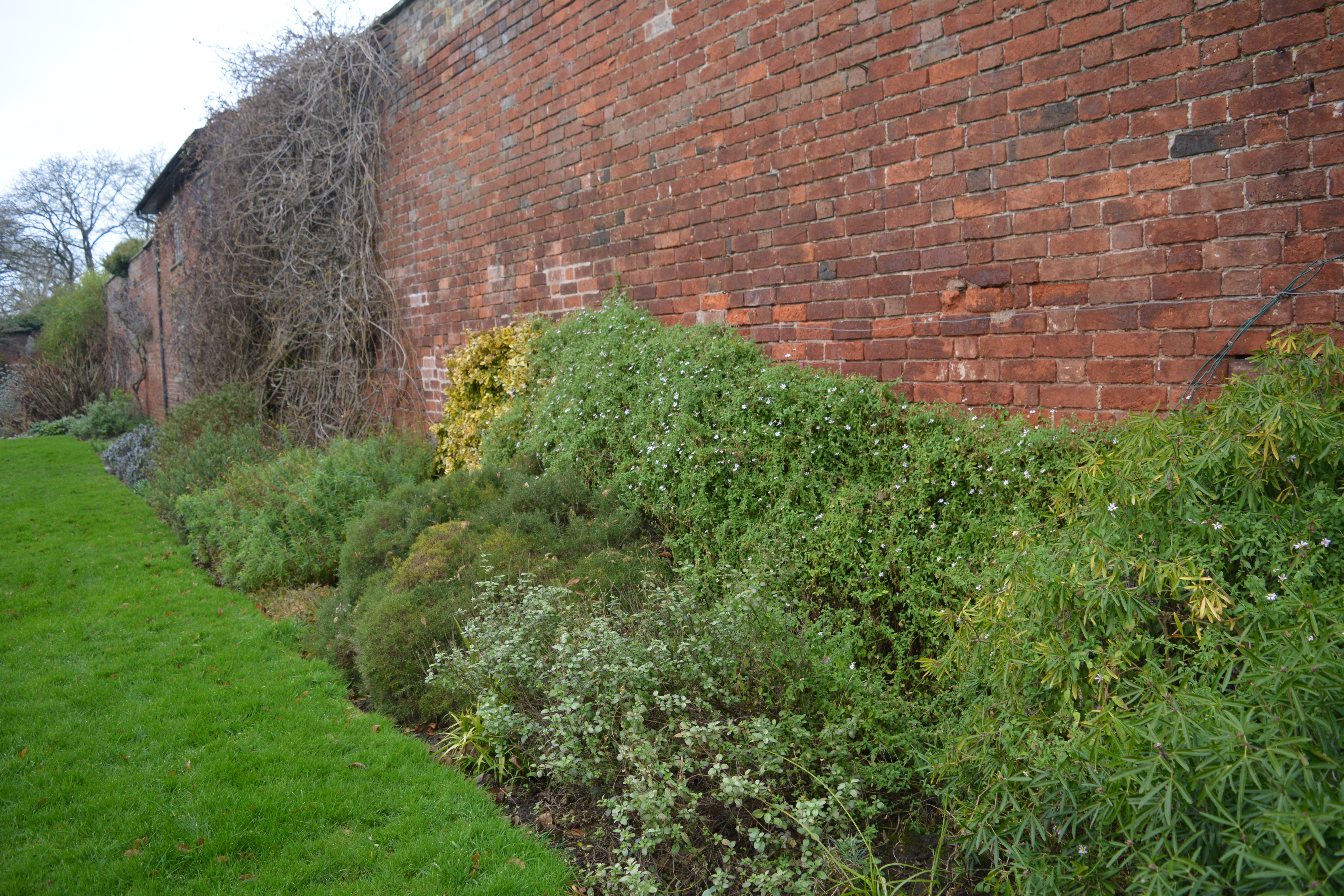
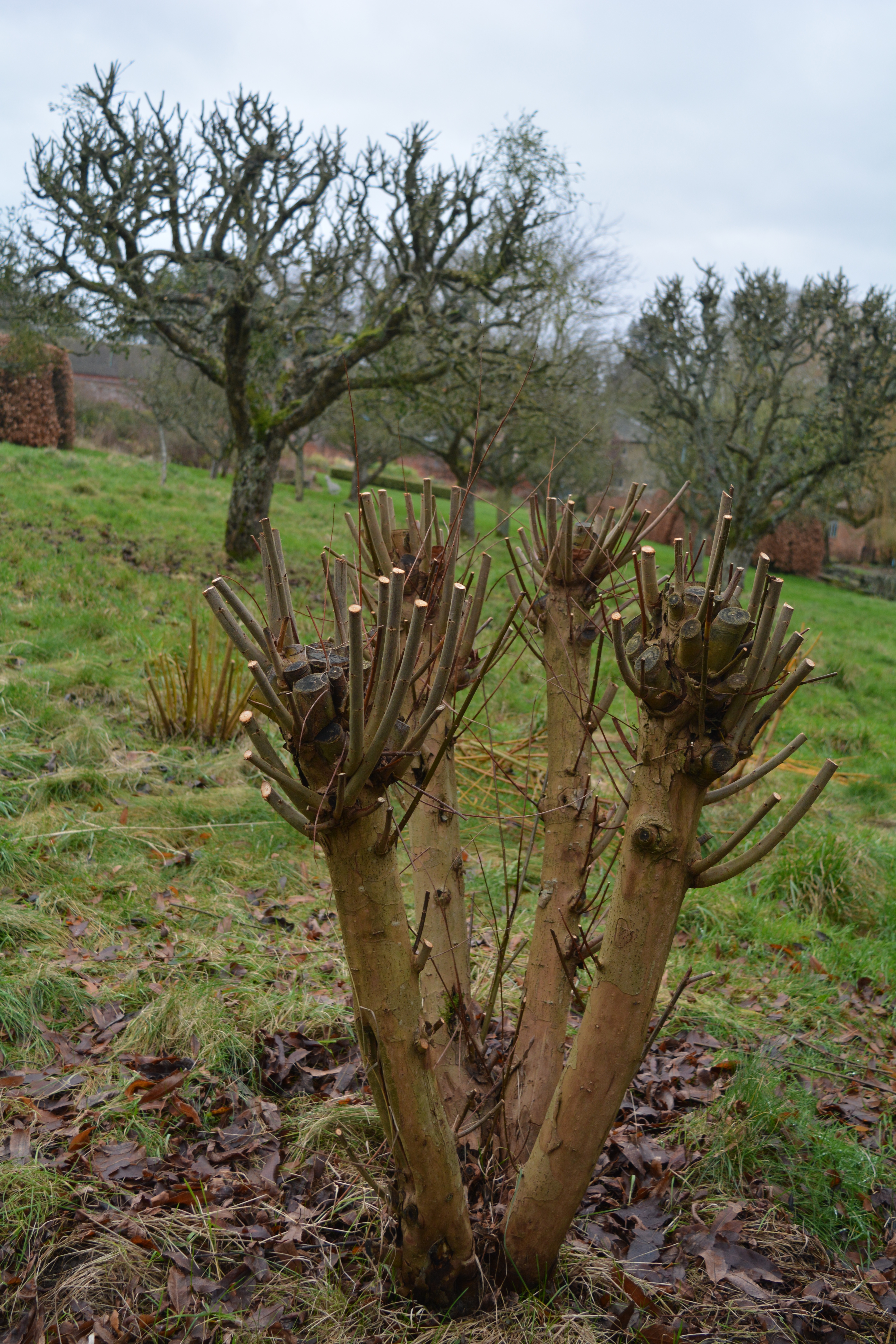
Along the third and fourth walls mixed borders included many shrubs which were well pruned in readiness for new growth when spring arrives. In the central area among the grass willows had been pruned too, cut into low pollarding and coppicing to encourage fresh, long new wands to cut and use around the garden as plant supports or sculpture.

2015 01 01_9126 2015 01 01_9127

2015 01 01_9128 2015 01 01_91292015 01 01_9130  2015 01 01_9119

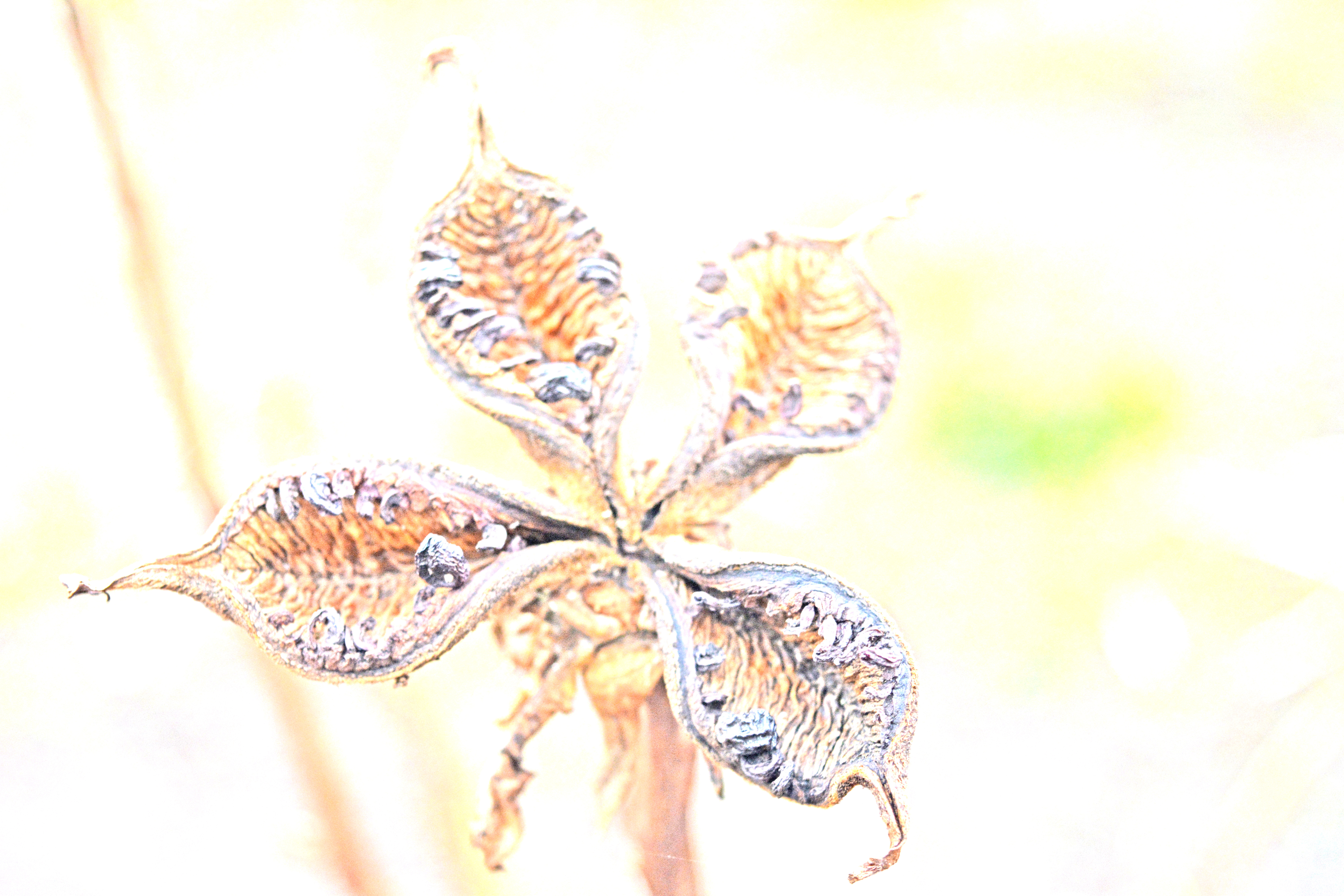
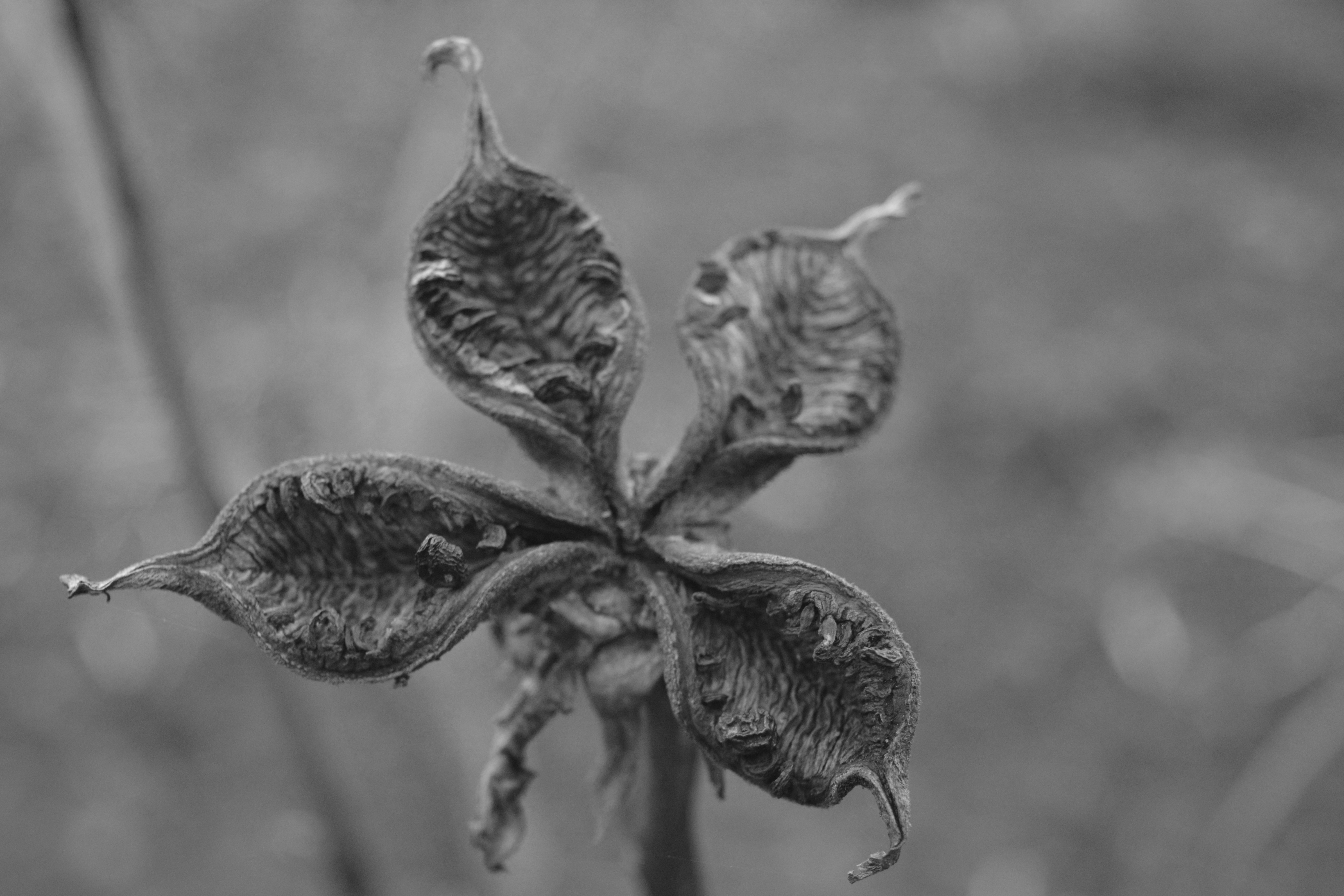
I enjoyed a play with this pic on Photoshop!

2015 01 01_9119_edited-1

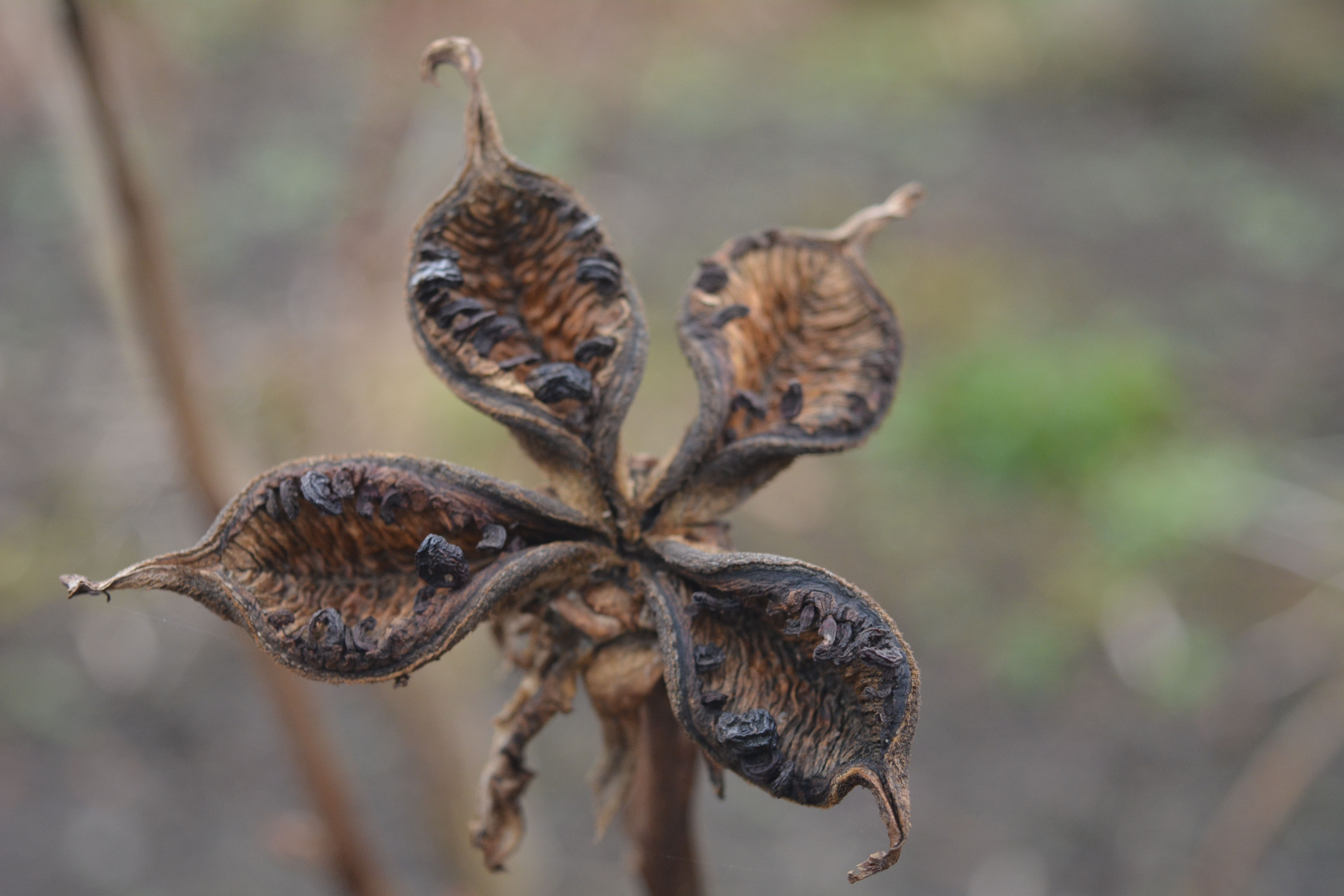
We were attracted to the opened seed pods of a Paeony with its four sections of woody shell. I certainly enjoyed playing with the image on Photoshop! Here you can select your favourite of three versions.

2015 01 01_9097 2015 01 01_9097_edited-2

2015 01 01_9097_edited-1

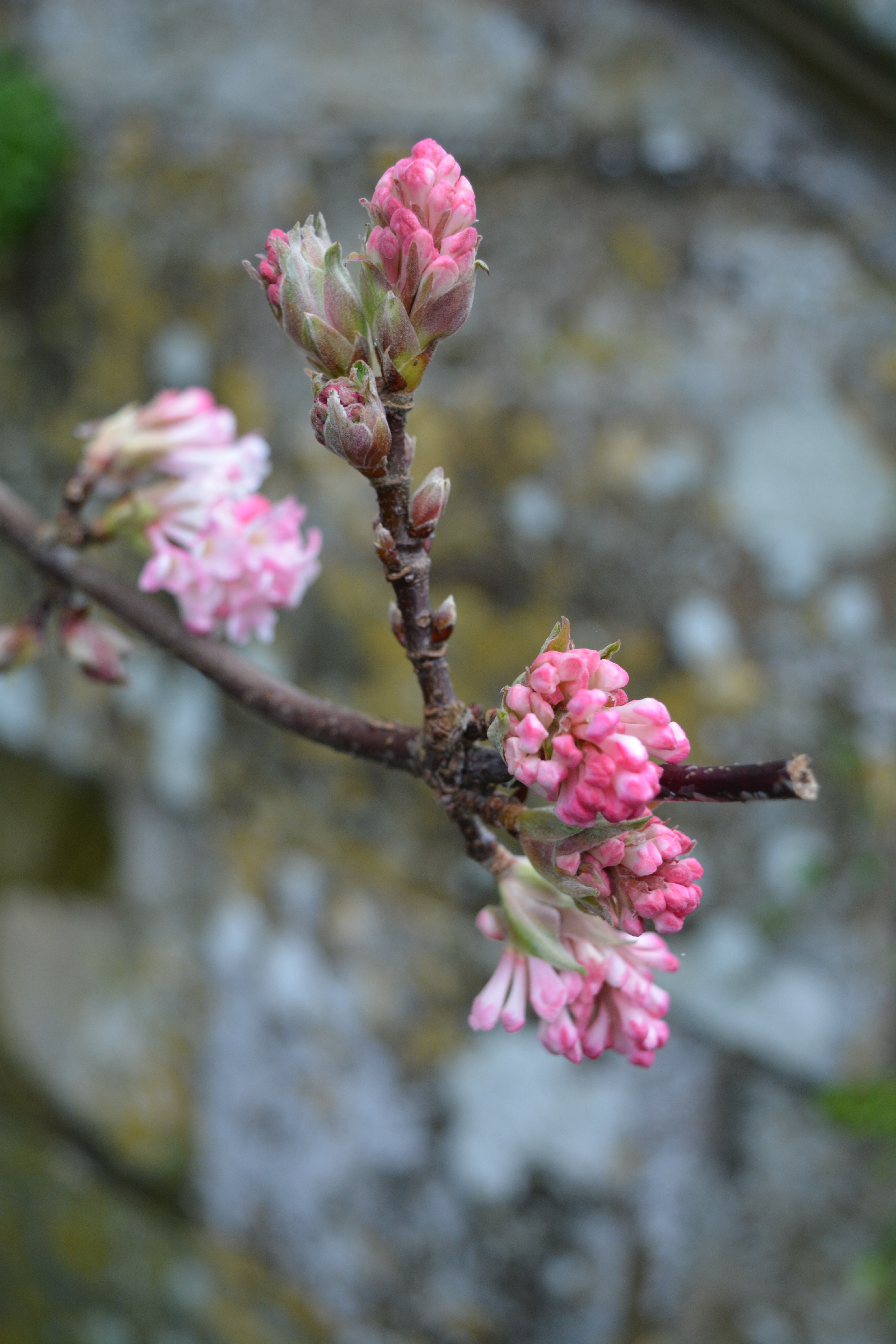
The sweet scent of the pink flowers of Viburnum bodnantense reached our noses long before we spotted the shrub itself. Next to it in the border was the giant stalk of the biggest Lilly we can grow in the UK, the statuesque Cardiocrinum giganteum.

2015 01 01_9131 2015 01 01_9132

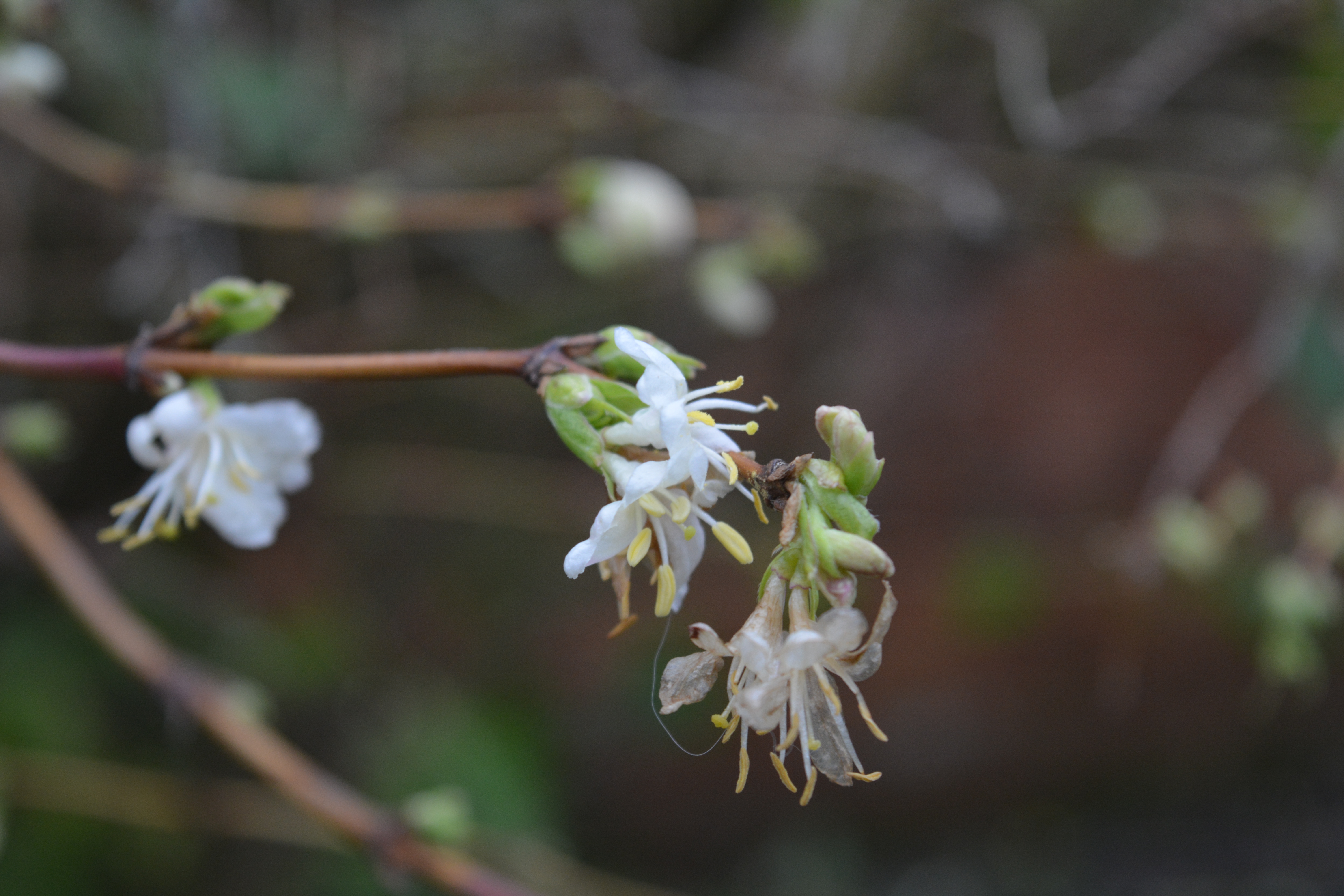
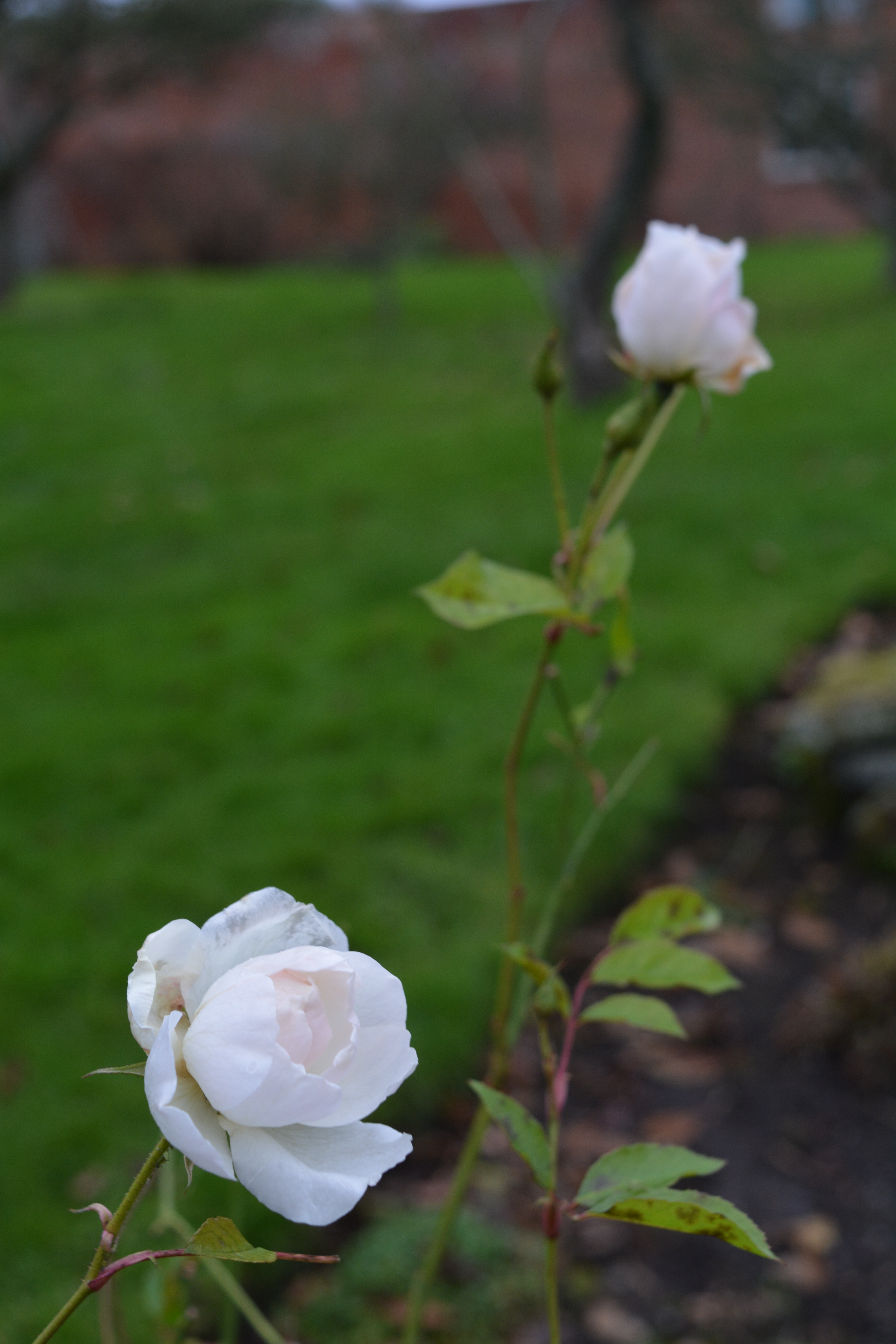
In the growing seasons there are some lovely features within the walled garden like little garden rooms, including a pool garden and a rose garden. In the winter they are so cold and bare! But an odd Rose bloom was trying hard when we visited. It sadly offered no scent though, unlike the neighbouring Rosemary with its gentle aroma coming from the tiny china blue flowers and the Lonicera frangrantisima, the Winter Flowering Honeysuckle.

2015 01 01_9133 2015 01 01_91382015 01 01_9139 2015 01 01_91422015 01 01_9141 2015 01 01_9140

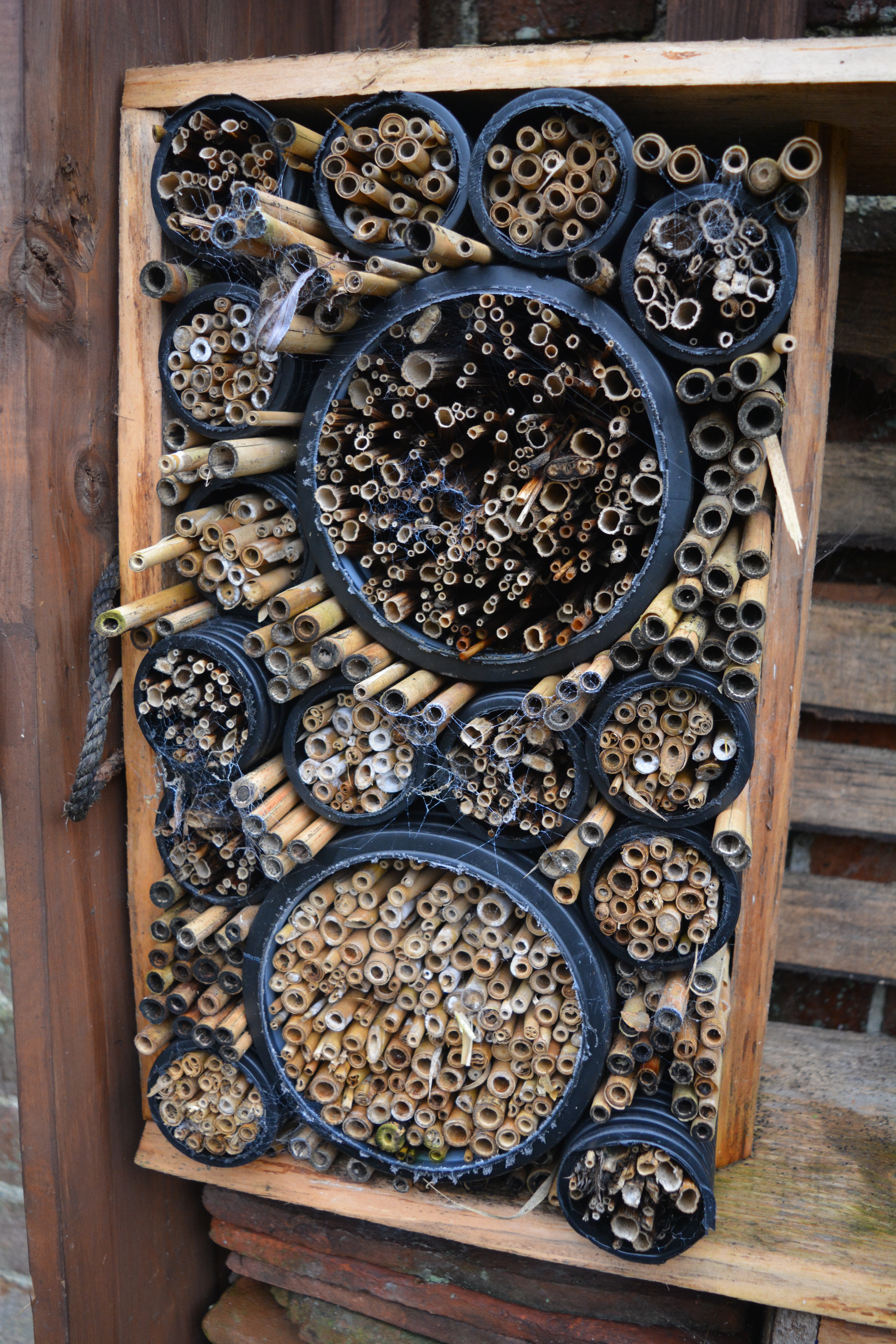
The gardeners have been busy making a huge “bug hotel” which is now almost complete. They have been having fun!

2015 01 01_9134 2015 01 01_9135 2015 01 01_9136

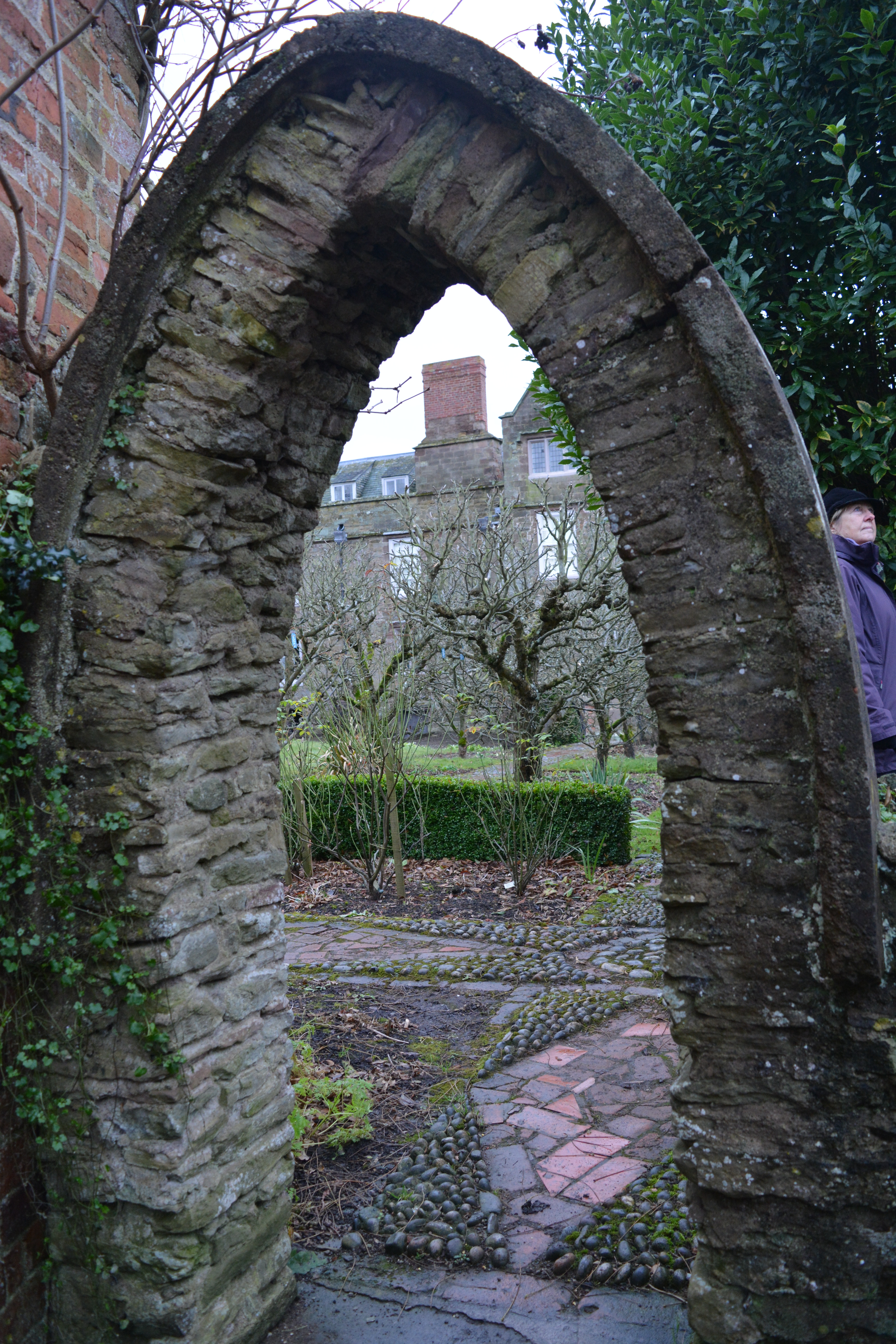
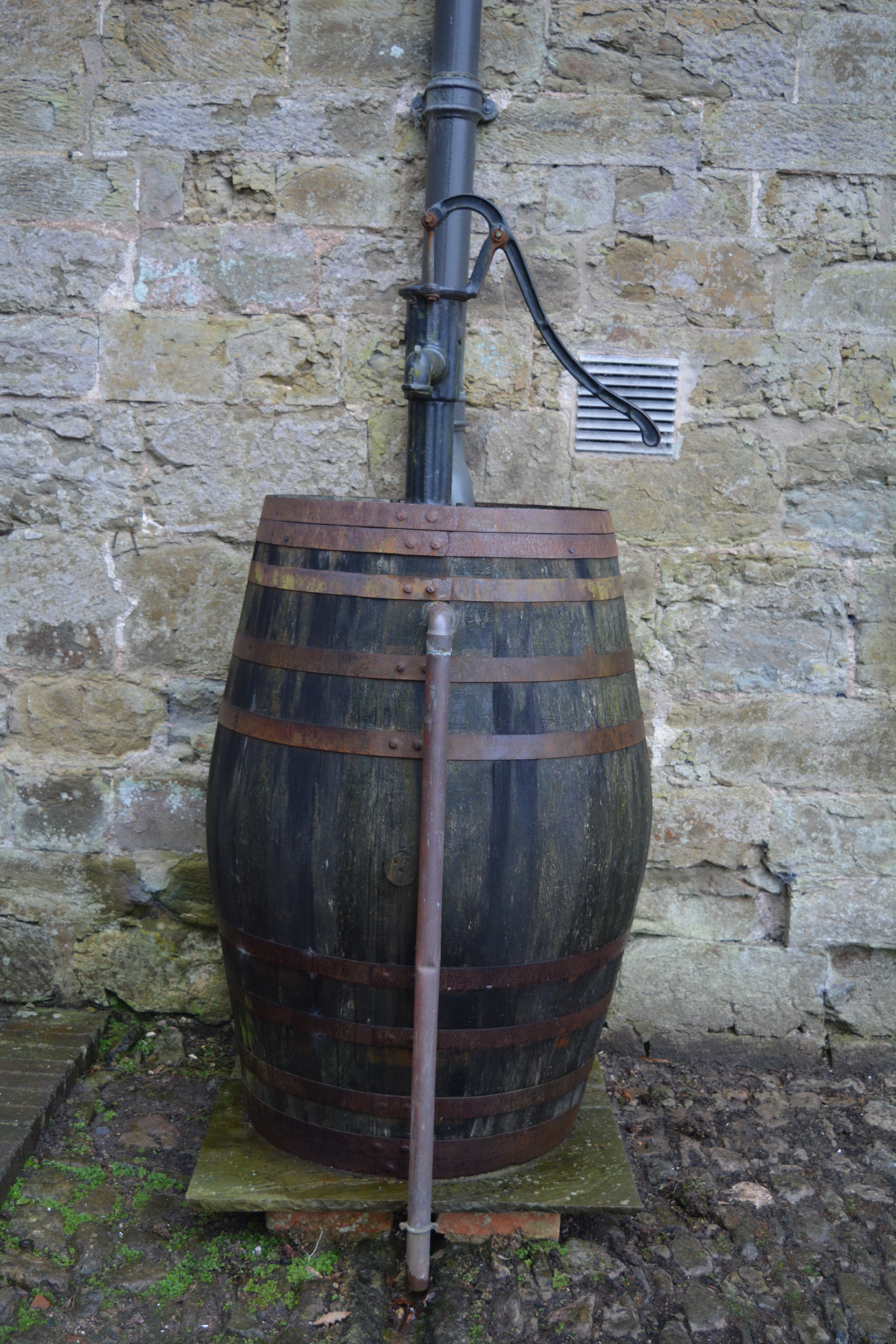
Reluctantly leaving the walled garden through a stone archway, we found small courtyard gardens linked by interesting textural paths. We gained views of the rear of the castle building and its huge water butt!

2015 01 01_9143 2015 01 01_9144 2015 01 01_91462015 01 01_9145 2015 01 01_9147

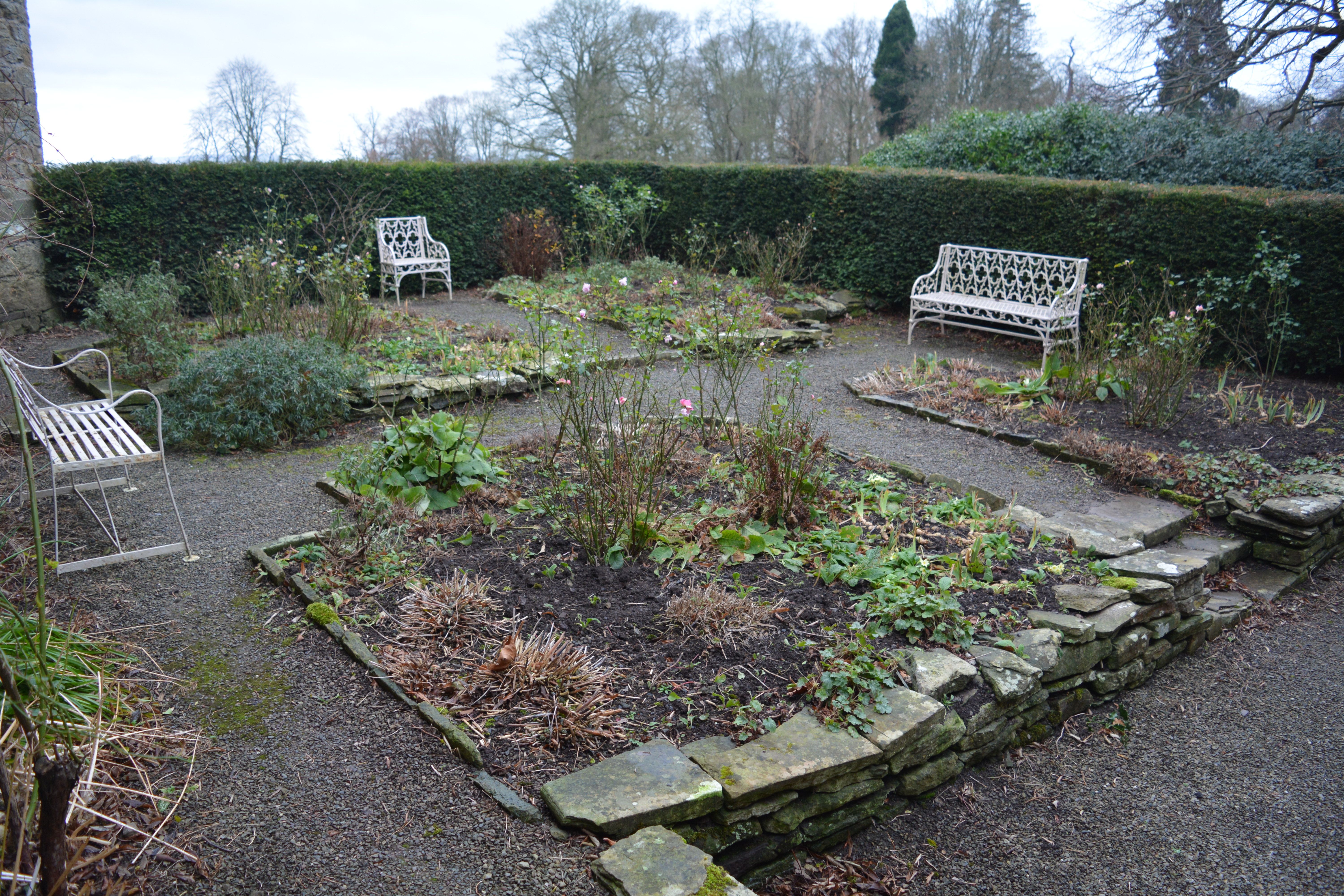
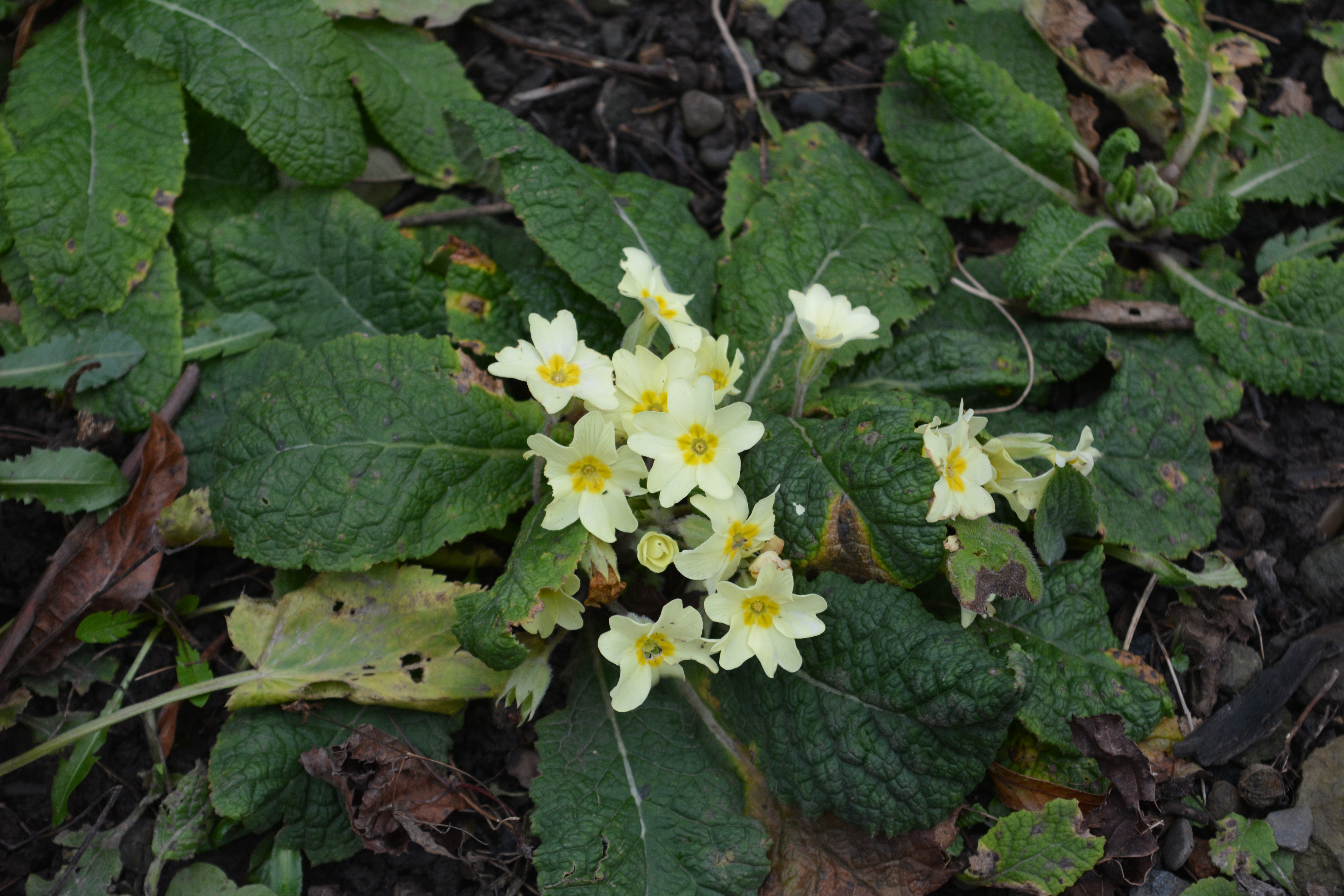
A further archway in a stone wall took us to a quartered courtyard garden with white benches and heavily pruned rose bushes. A strong wind blew through this area, making life difficult when I wanted to take a photograph of a Primrose flowering well out of season, resulting in a blurred close up of my scarf. Oh dear! But I did manage in the end. Definitely better without the scarf.

2015 01 01_9148

2015 01 01_9149 2015 01 01_9150

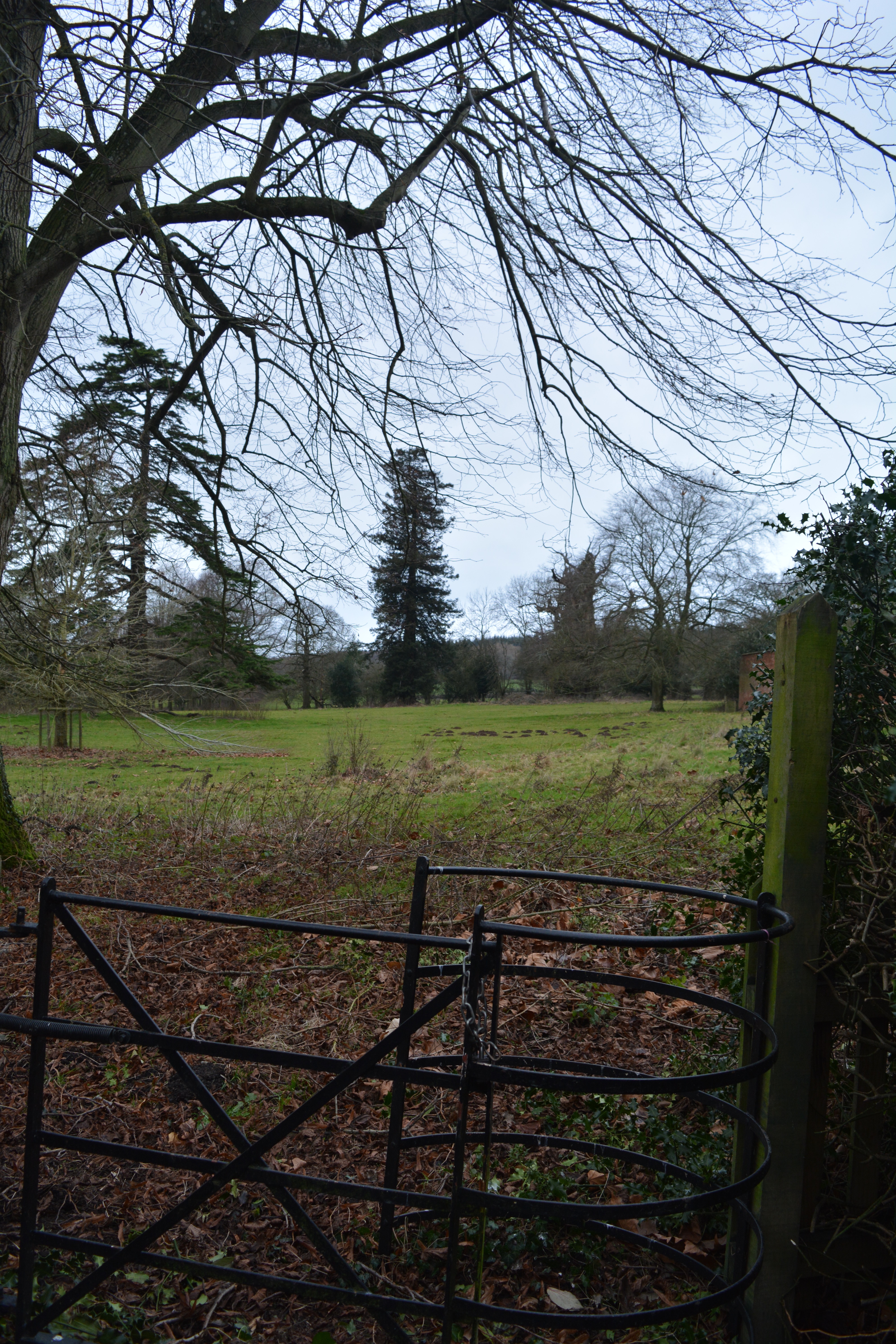
Rounding the next corner we could look out over the low stone wall across the meadows towards the lake and woodlands. The weather was not right for exploring these areas, so we decided to save it for warmer times. Above the corner tower an unusual wooden bell tower peered. Against the house wall we found a second scented Viburnum bodnantense heavy with blossom.

2015 01 01_9153 2015 01 01_9151

2015 01 01_9152 2015 01 01_9154 2015 01 01_9155

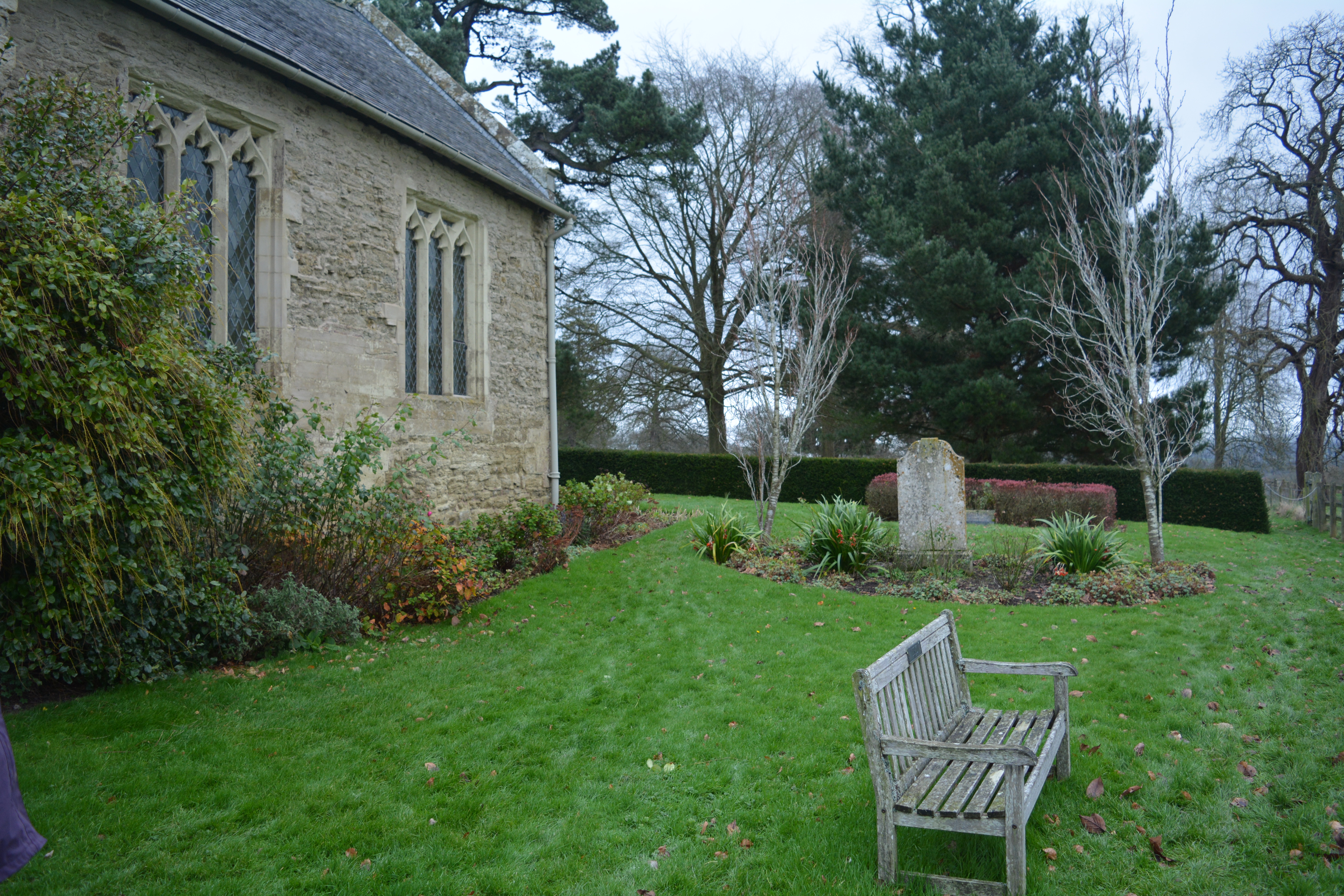
The  tiny garden surrounding the estate church is often colourful but in winter colour was total lacking. The tower of the church was covered in scaffolding and it looked as if restoration work was well under way. I will share some pictures of this lovely building when the scaffolding is down later in the year.

2015 01 01_9156

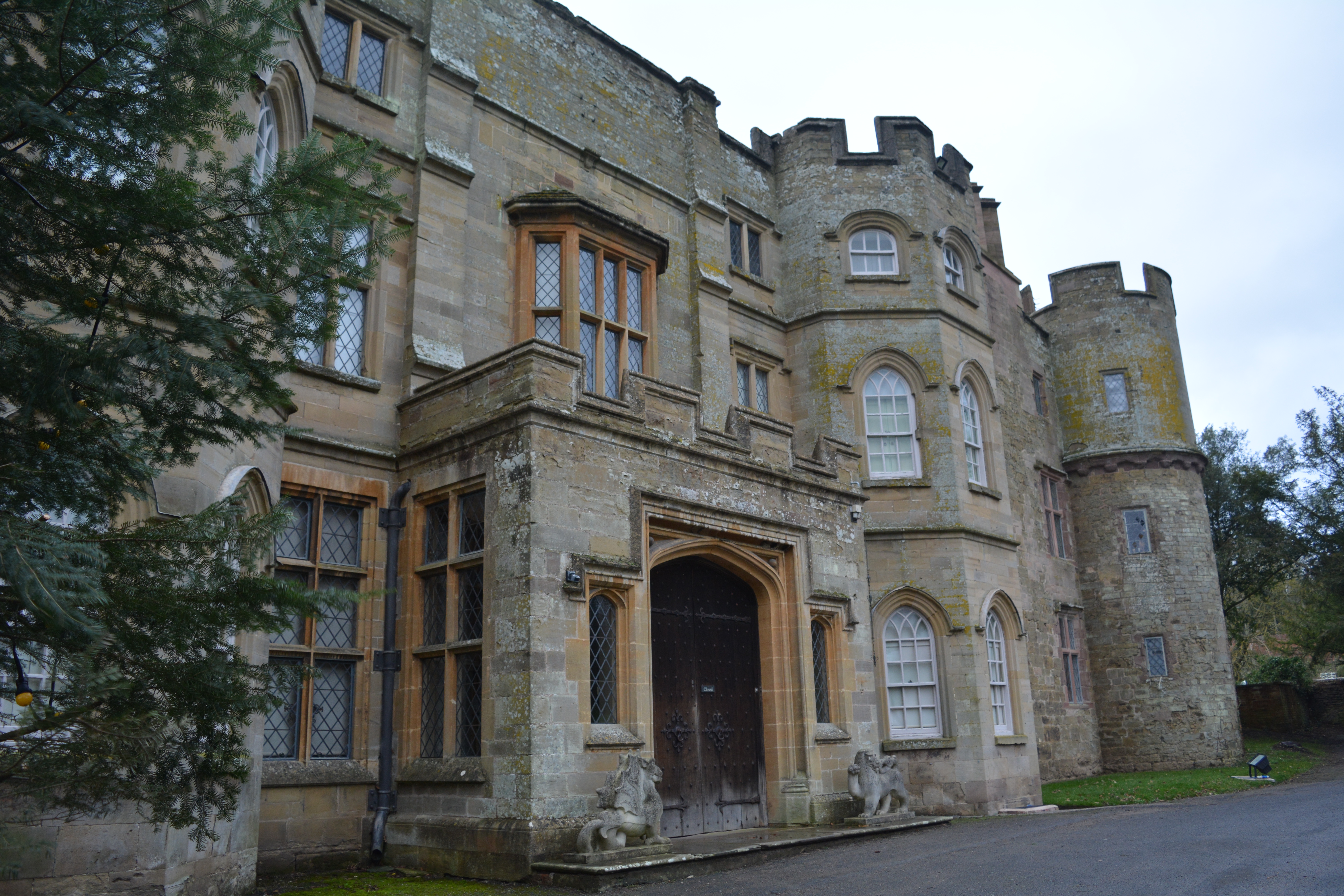
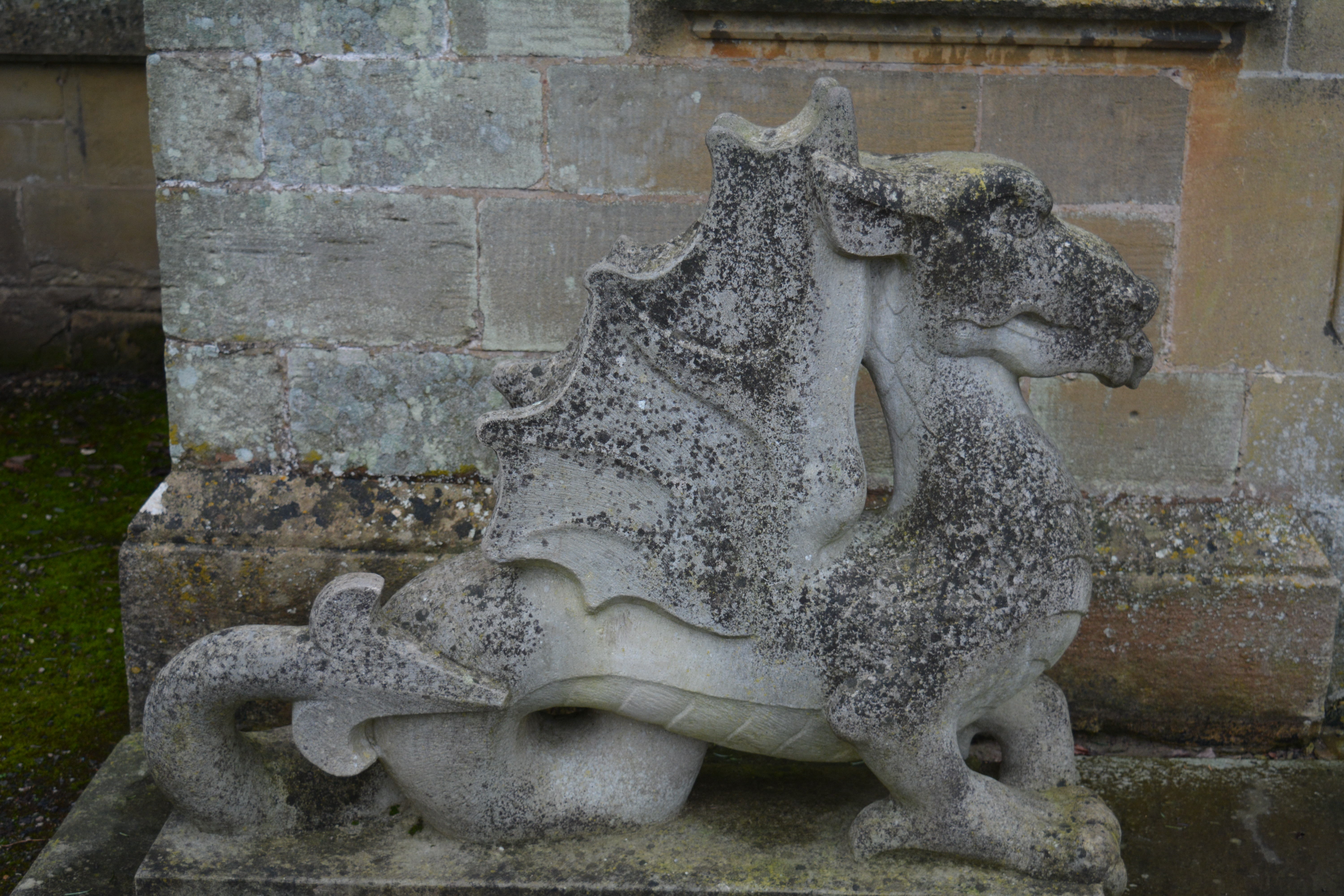
We finally reached the front entrance to the castle, the massive door protected by stone-carved dragon sentinels. As we retraced our steps along the herbaceous border and stone wall we looked back to get views of the whole castle frontage.

2015 01 01_9157 2015 01 01_9158 2015 01 01_9160 2015 01 01_9087_edited-1

Our next visit will be in February when we will see if anything in the garden changes as the days lengthen slightly and the light values improve. It may be a bit warmer too! Fingers crossed.

Categories
birds buildings fruit and veg garden buildings garden design garden photography garden wildlife gardening gardens gardens open to the public grow your own hardy perennials irises kitchen gardens light National Trust ornamental trees and shrubs The National Trust walled gardens walled kitchen gardens Winter Gardening winter gardens

Croft Castle Month by Month – January

Welcome to the first post in my series of monthly posts looking at a local garden. Throughout 2014 we traveled northward through the Shropshire Plains into neighbouring county Staffordshire in order to visit Trentham Gardens.

Throughout 2015 we will travel south to Croft Castle just into our neighbouring county of Herefordshire. We live at the northern tip of the Shropshire Hills, with the welcome sign just three-quarters of a mile away. In order to get to Croft we have to go southward through this range of hills, one of the most beautiful upland areas in the UK. We will enjoy our journeys!

At the entrance building a “Tramper” scooter acted as an effective sign. As we wandered towards the garden we enjoyed views of some of the estate’s ancient trees. These old massive Sweet Chestnuts are hundreds of years old and each year another dies. Luckily new ones have been planted as replacements. A natural mulch of leaves and nut casts are snuggled at their feet.

2015 01 01_9072 2015 01 01_9075 2015 01 01_9078

2015 01 01_9074 2015 01 01_9076

We soon met a much smaller and younger character, placed to help celebrate wintertime. We were to find many more of his friends. Currently there is an evening event on here based on light and these trees were part of it. We vowed to visit one evening!

2015 01 01_9081 2015 01 01_9083

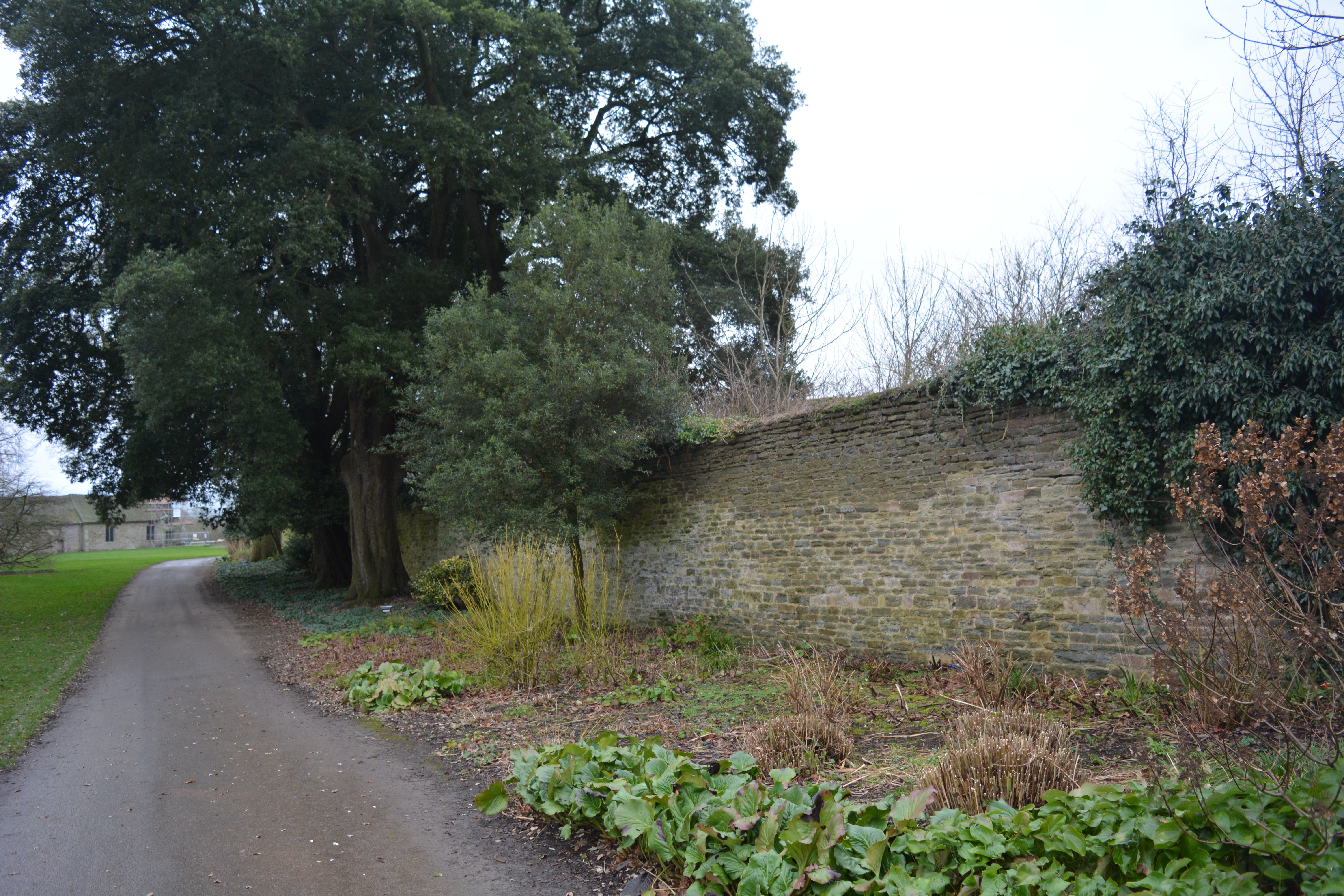
We were soon on our way to the walled garden, our favourite part of Croft. To get there we followed a long mixed border abutting a tall stone wall. There was not much to see here in January but it looked full of promise. But we found character number two and three both smiling away just like their colleague we met earlier.

2015 01 01_9080 2015 01 01_90852015 01 01_9084 2015 01 01_9088

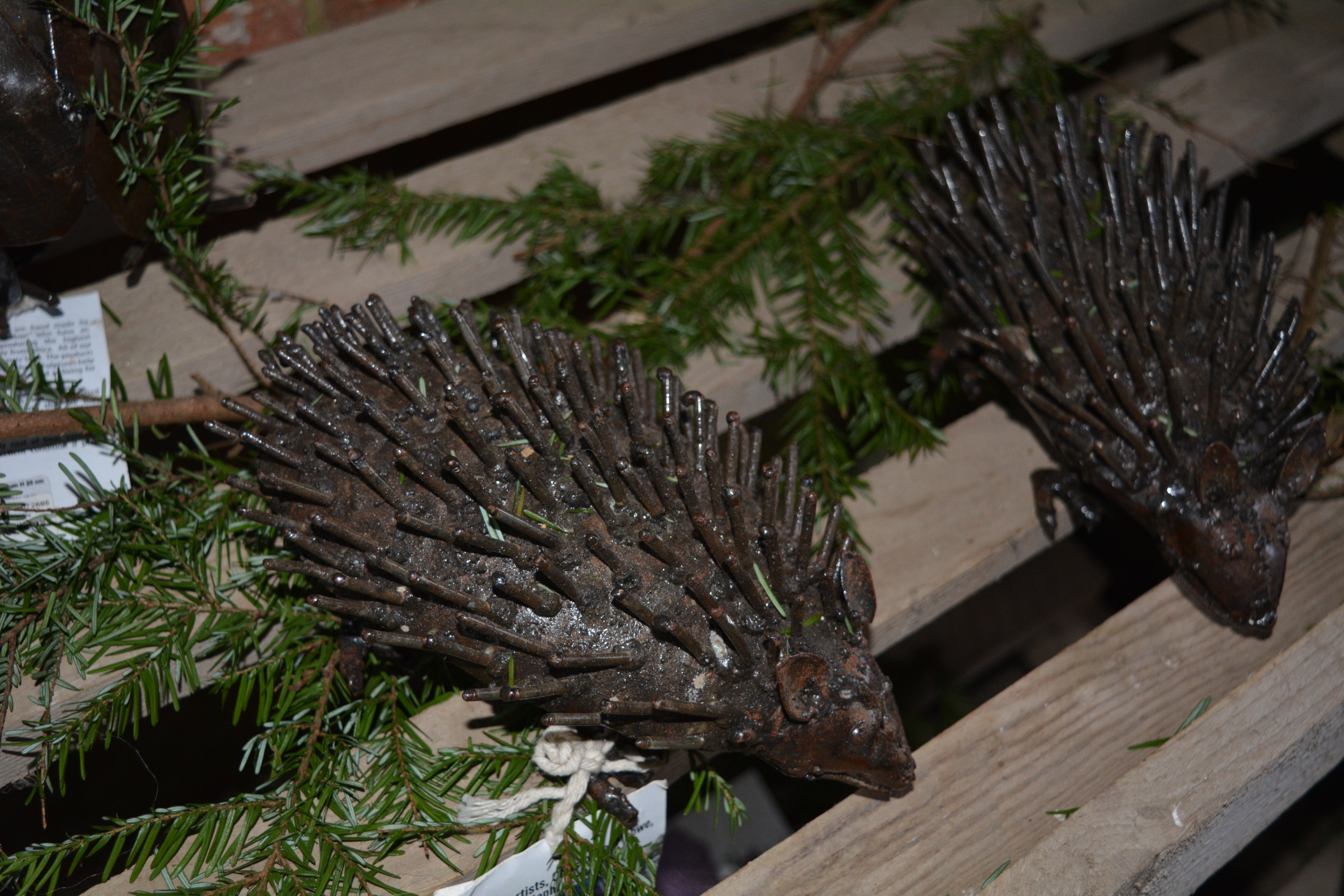
The shop, not open in the winter, is housed in an ancient barn and on shelves at its entrance these hedgehogs caught our eyes. More interesting characters!

2015 01 01_9089 2015 01 01_9090

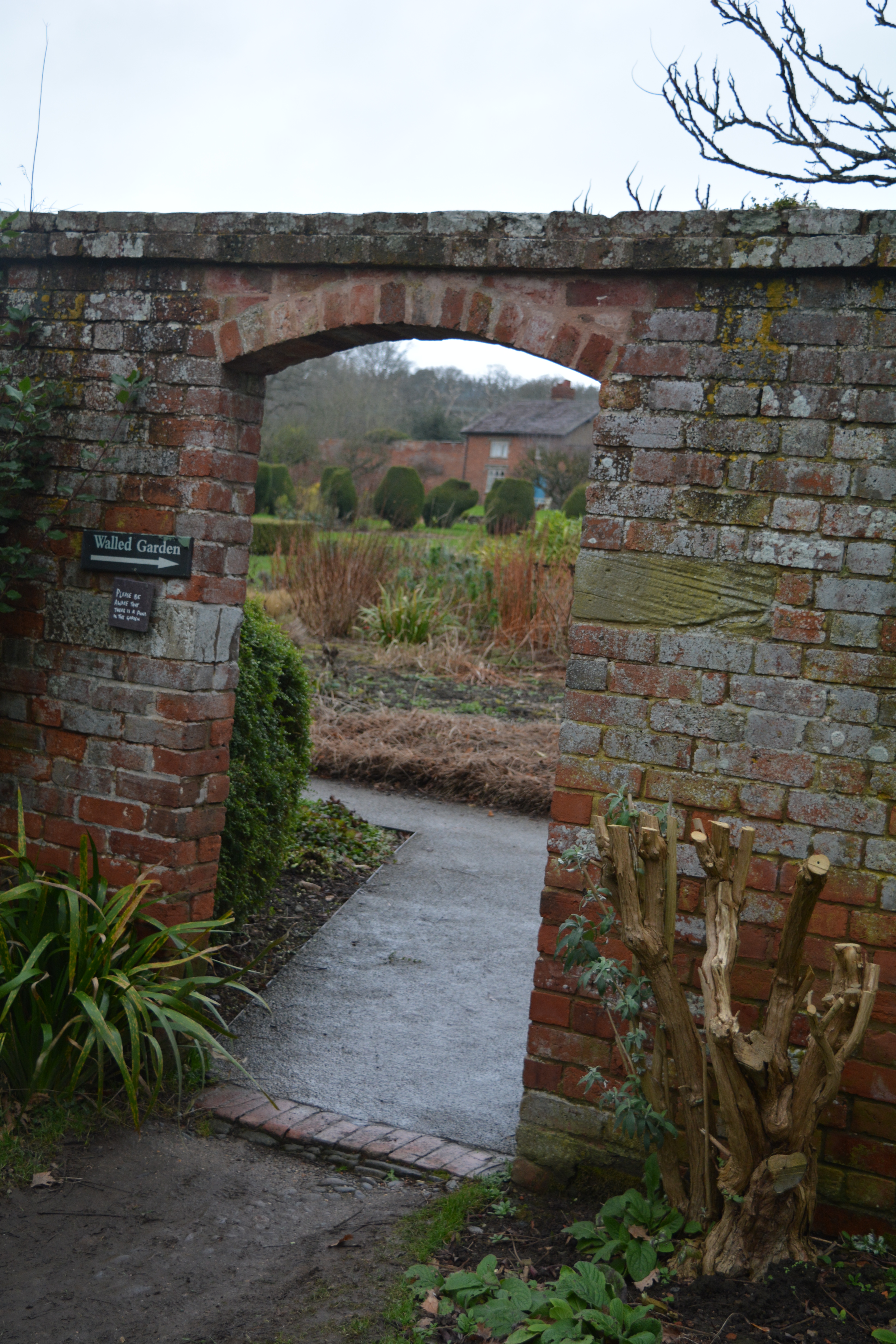
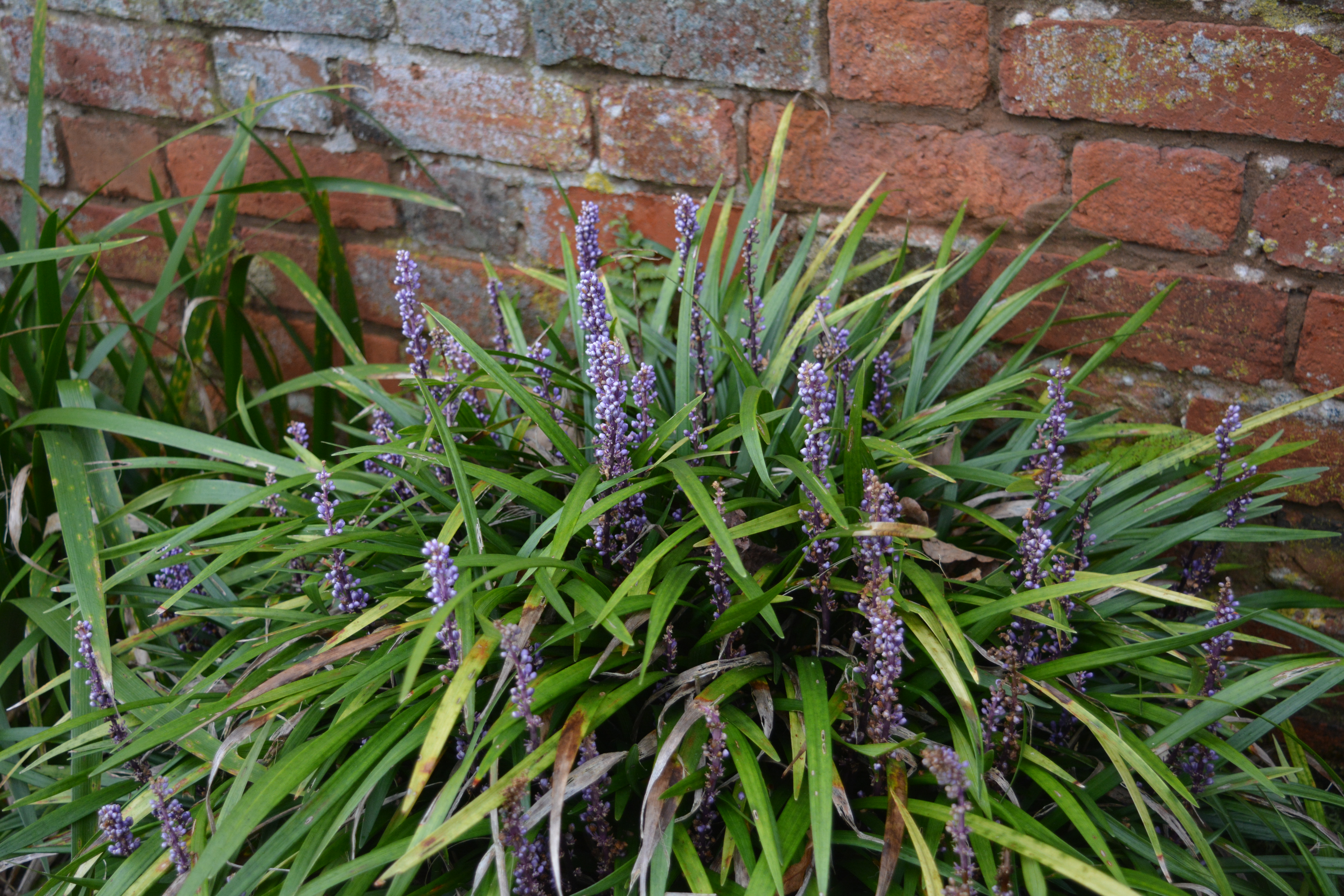
A gap in the brick wall enticed us into the walled garden. We always enter with great anticipation, perhaps more so on this visit as we had never visited in the winter before. Either side of the doorway there was signs of colour in the narrow borders. The colours of the berries of an Iris, the mauve flowers of Liriope muscari and the silver of the long thin catkins of Garrya eliptica.

2015 01 01_9091 2015 01 01_90922015 01 01_9093 2015 01 01_9094

From the open doorway views of the walled garden opened up in front of us. We soon espied different types of trained fruit and clumps of textured perennials in the borders.

2015 01 01_9095 2015 01 01_9096

The textured foliage was provided by silver narrow foliage of Santolinas and in strong contrast the thin strap-like leaves of the Black Grass, Ophiopogon. This is not a grass at all but in reality a Lily!

2015 01 01_9099  2015 01 01_9100

There were two very contrasting sorts of trained fruit. Ancient beautifully sculpted apples and a much newer array of grape vines, also beautifully trained. It was so good to see the skills of fruit training created at two very different periods of time.

2015 01 01_9098 2015 01 01_9101 2015 01 01_9105

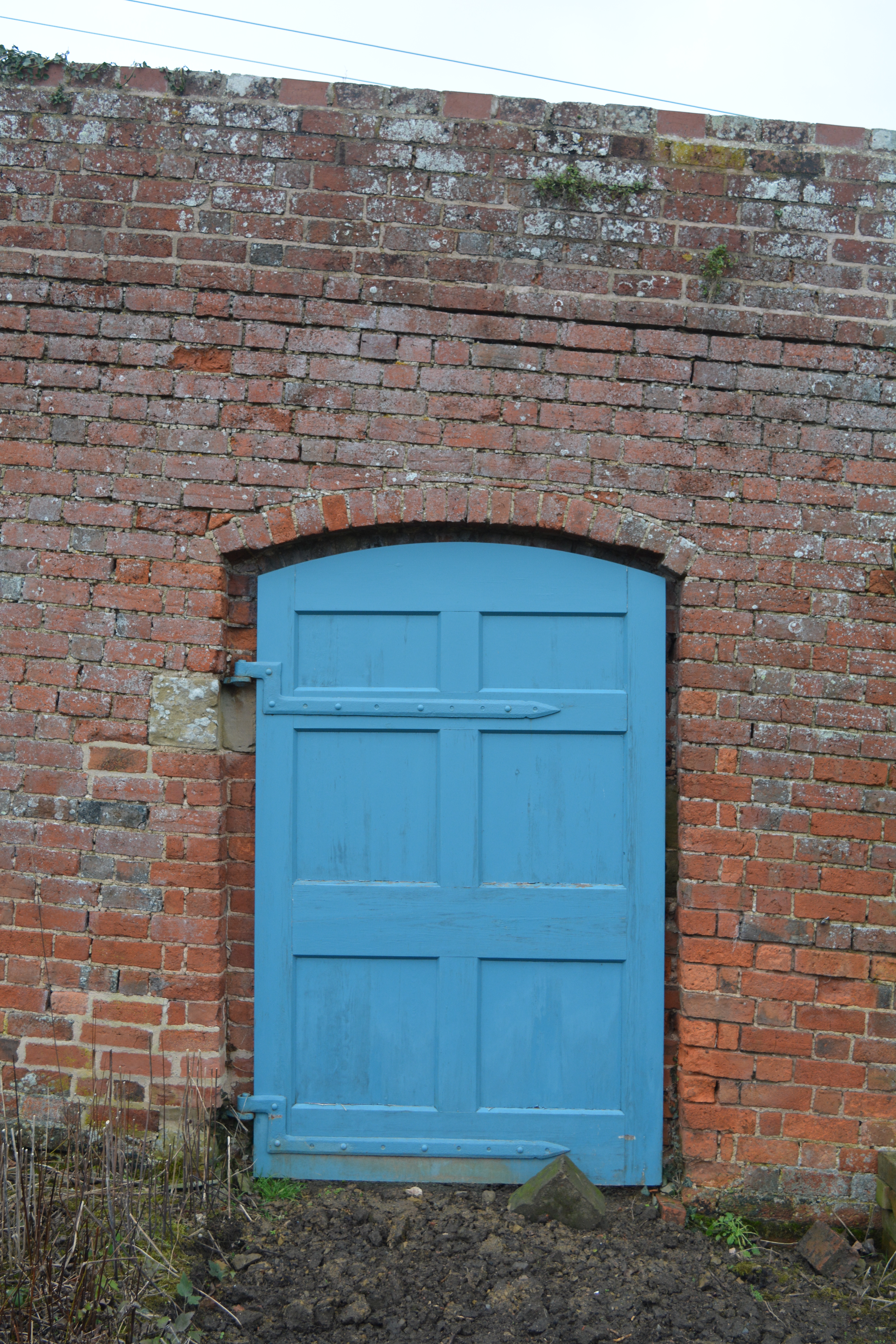
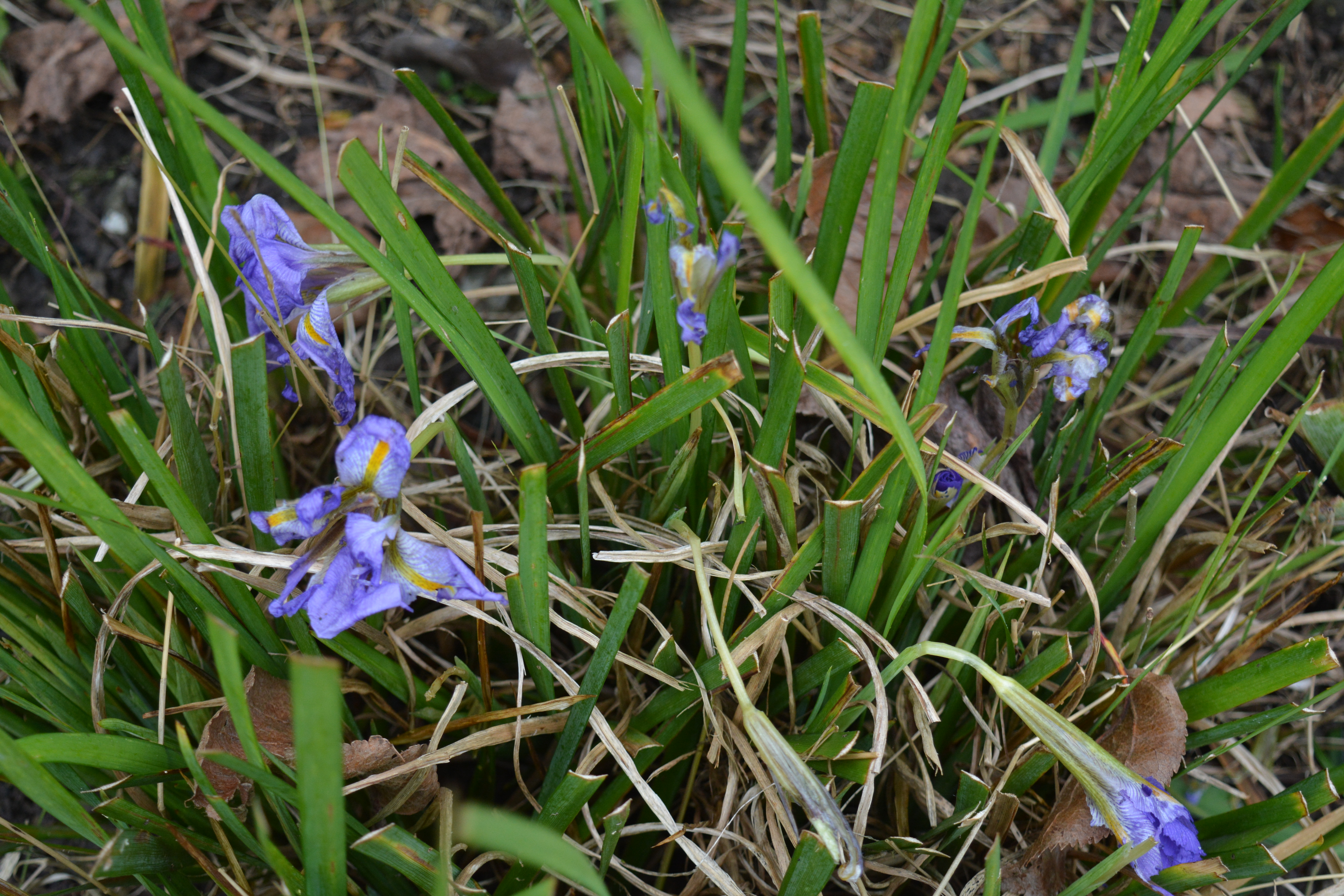
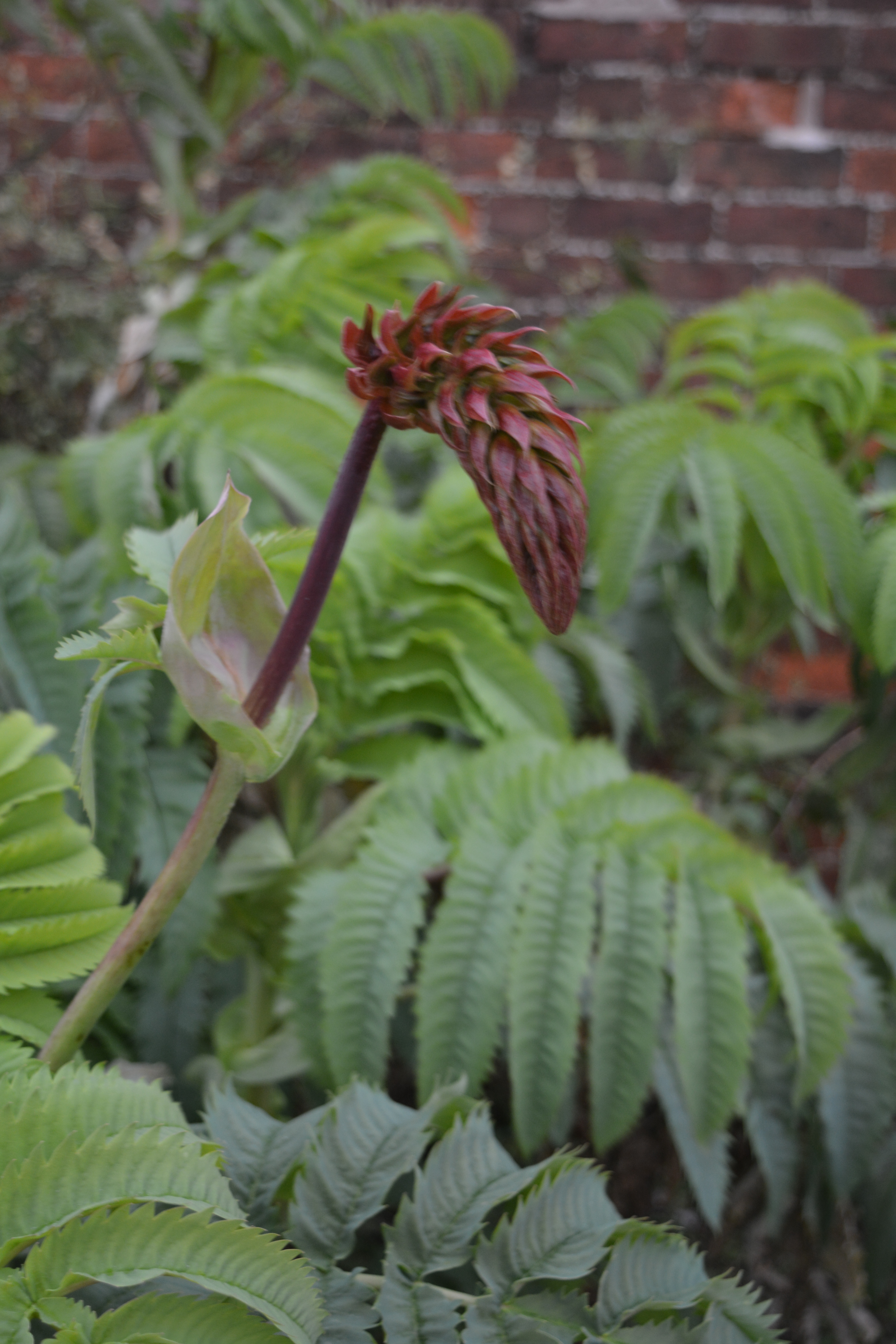
What made this walled garden extra good for productive gardening was the fact that it was on a slope encouraging the sun to warm up the soil to its maximum. Even in early January the difference in temperature was noticeable. We could feel the change as we entered and exited the walled area. The photo of the door in the wall illustrates the slope and shows how steep it is.  The plants also illustrate the effects of the walls protective powers. An Iris was in flower and a Melianthus was in bud. Arum italicum “Marmoratum” was in full marbled leaf.

2015 01 01_9102 2015 01 01_9103 2015 01 01_9104 2015 01 01_9107

When we were half way along the second edge of the walled garden we reached the gateway leading out of the garden which in the past had been clearly marked “private – keep out” so we were pleased to discover that it has been opened up for us to explore. Jude was soon on her way through! We had always longed to get a close up look at the old greenhouse range.

2015 01 01_9108

We will leave you here for now as we disappear behind the beautiful, unusually shaped blue gate where we found out what new treats were in store for us before we returned to the walled garden. See part two where we discover what was going on behind the blue gate as well as in the rest of the walled garden. We also wander around the rest of the gardens at Croft.

Categories
garden buildings gardening gardens gardens open to the public indoor plants

Scented Pelargoniums

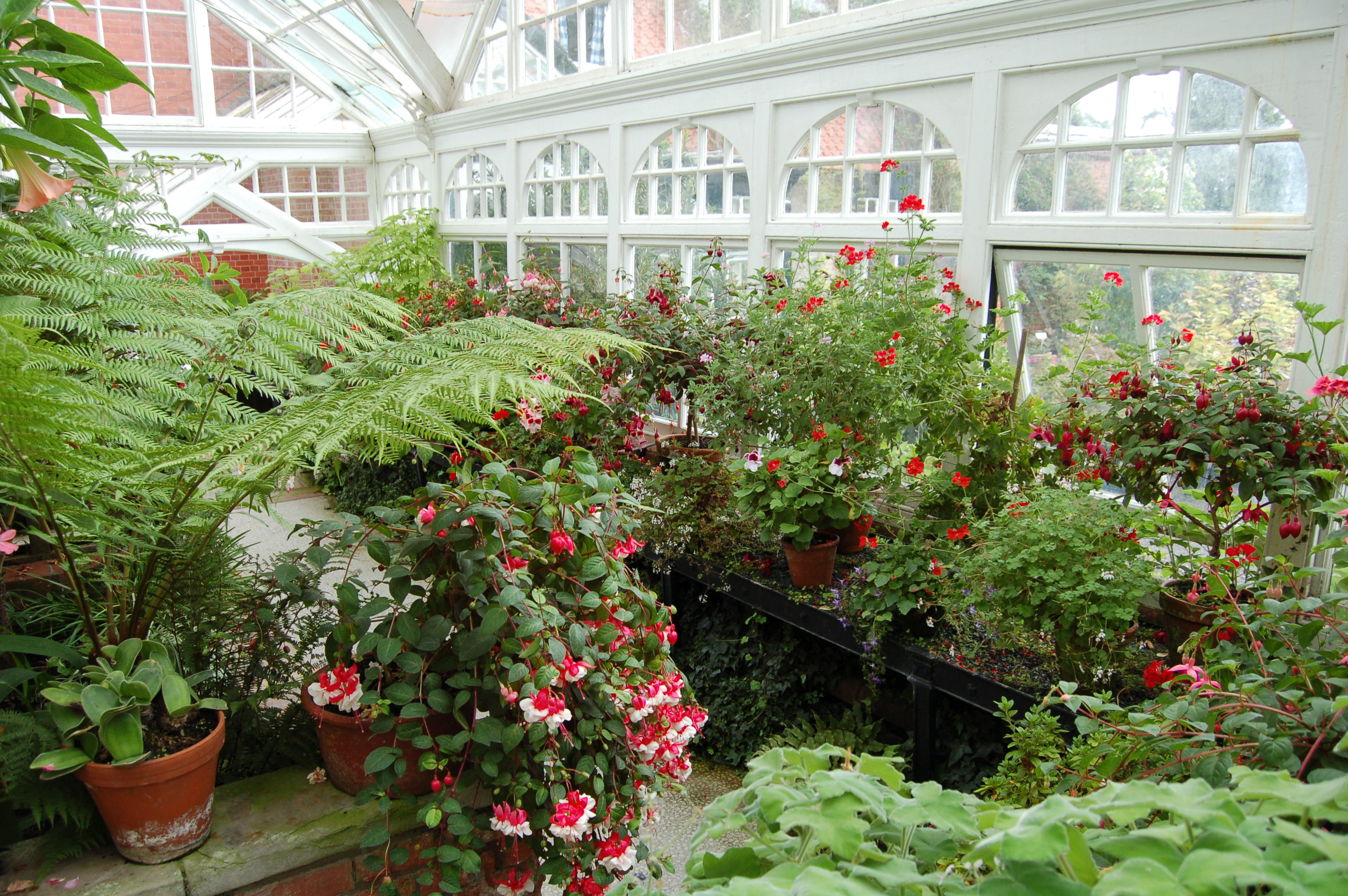
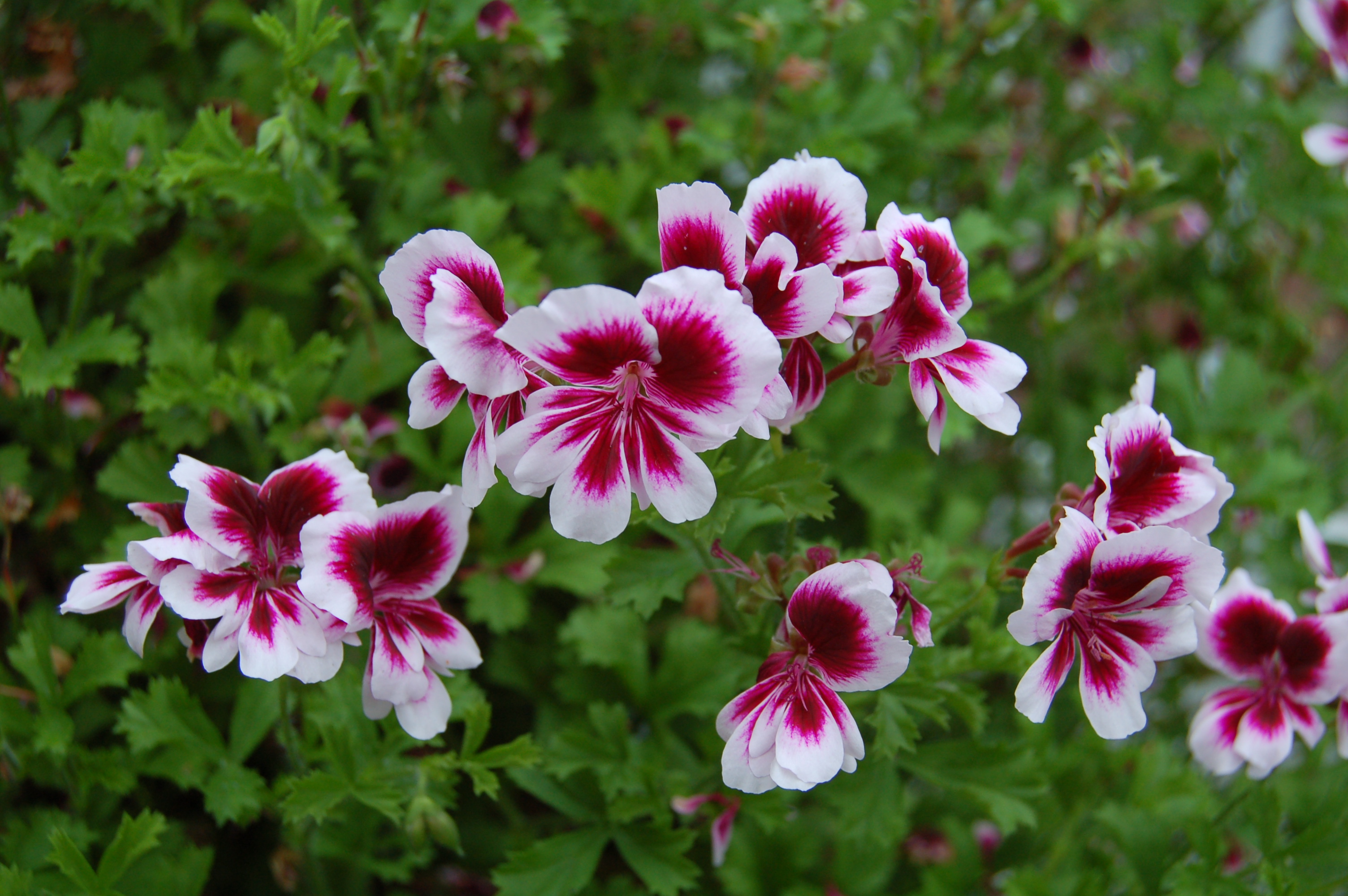
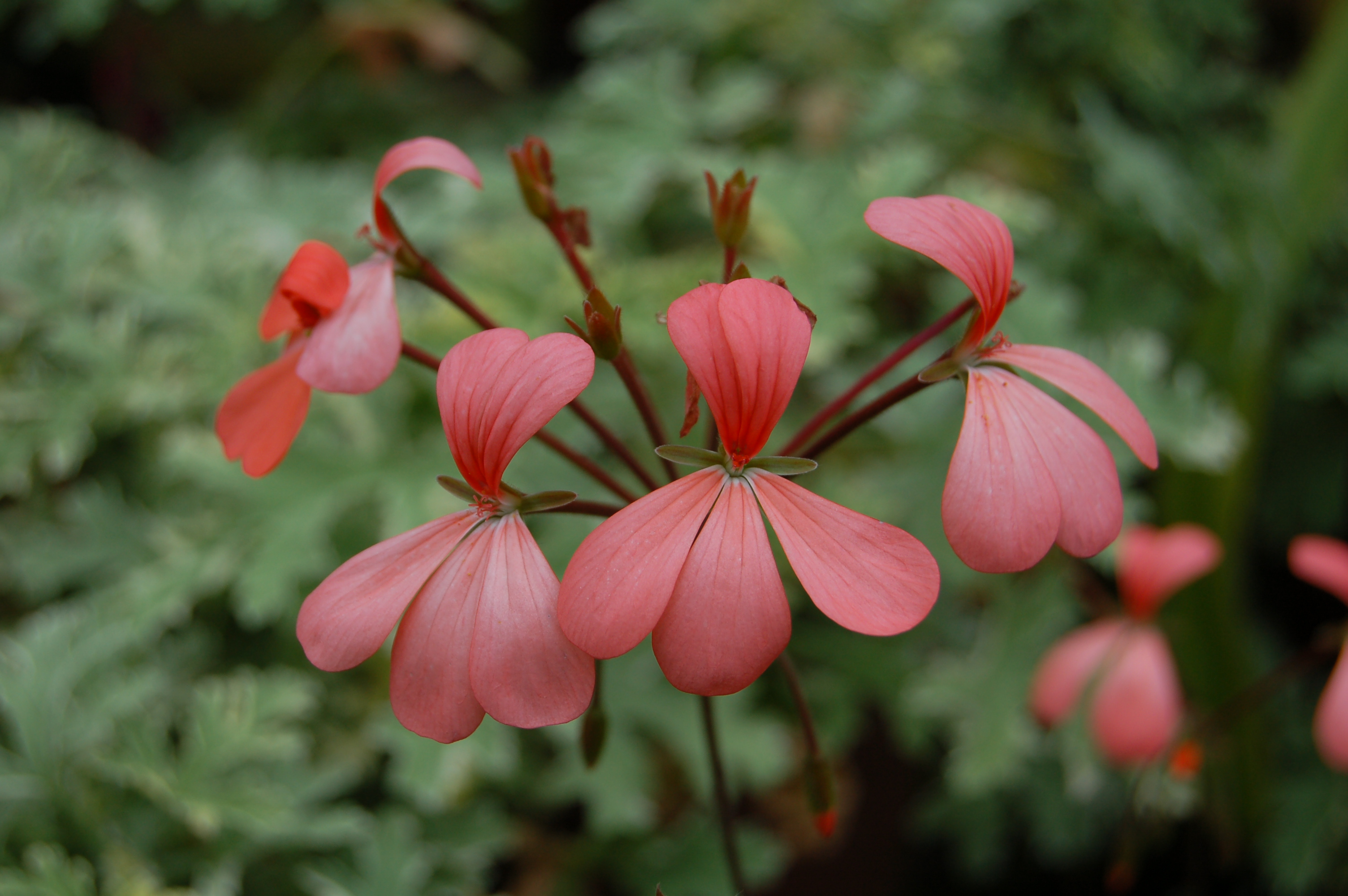
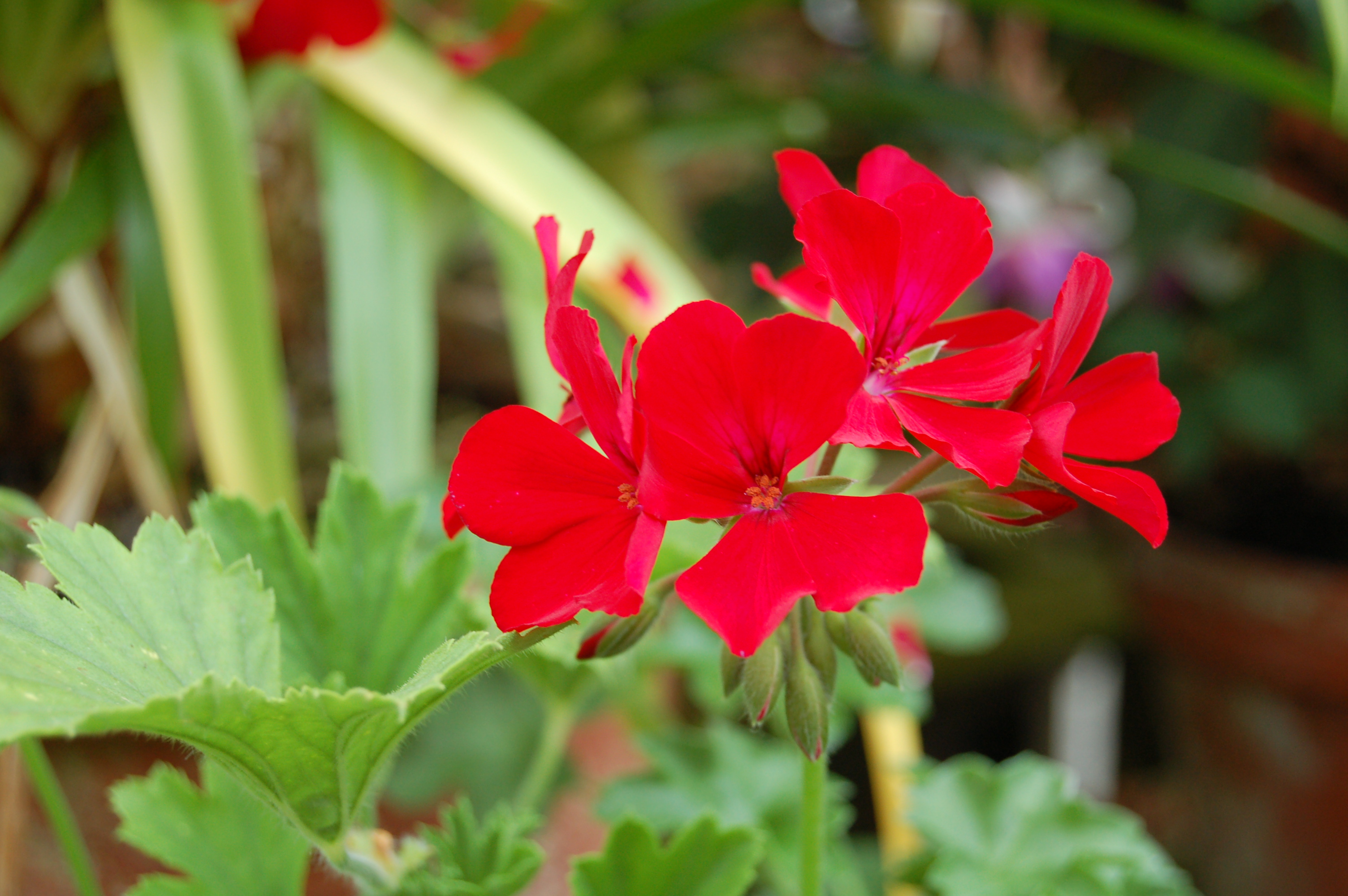
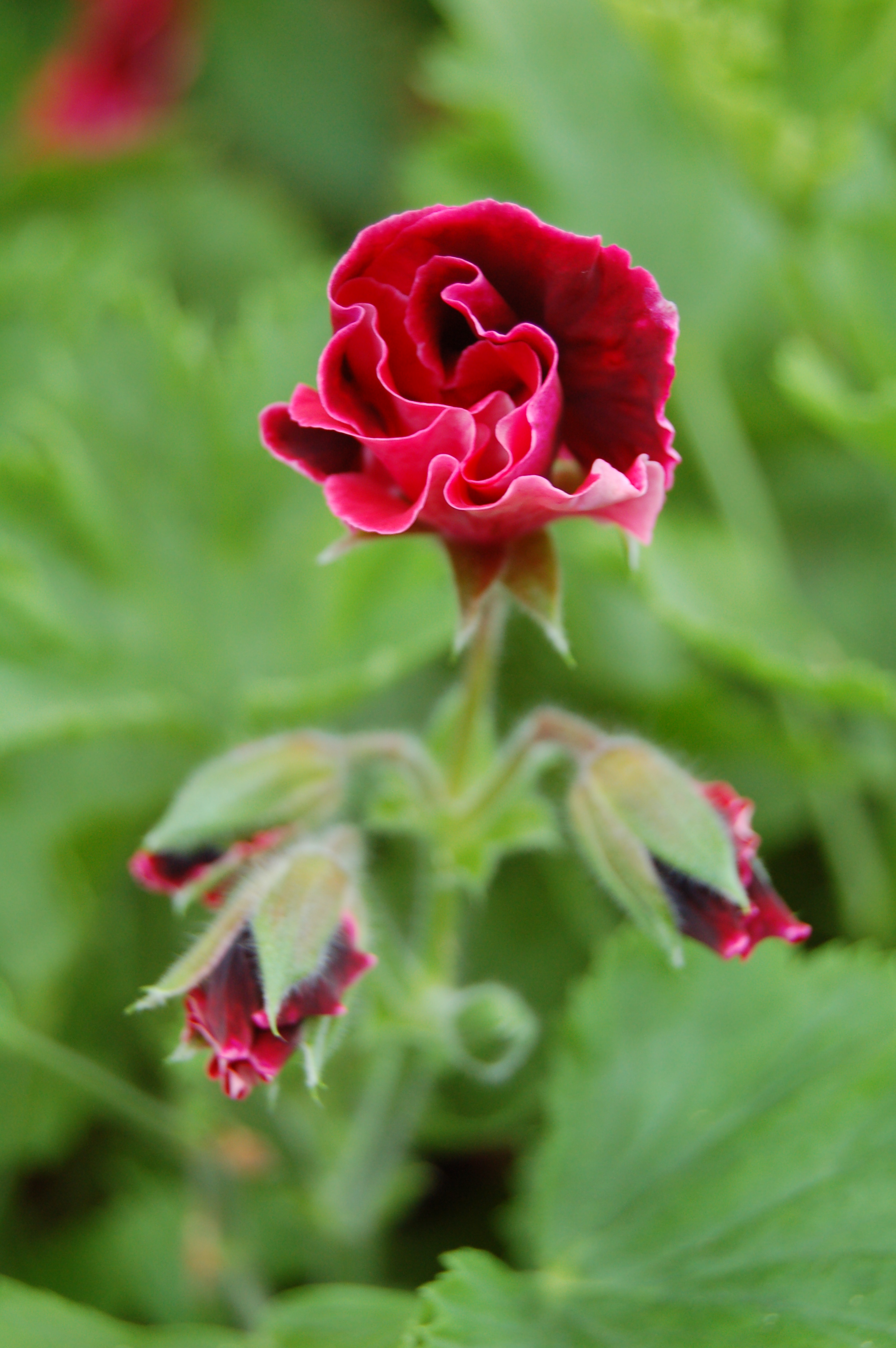
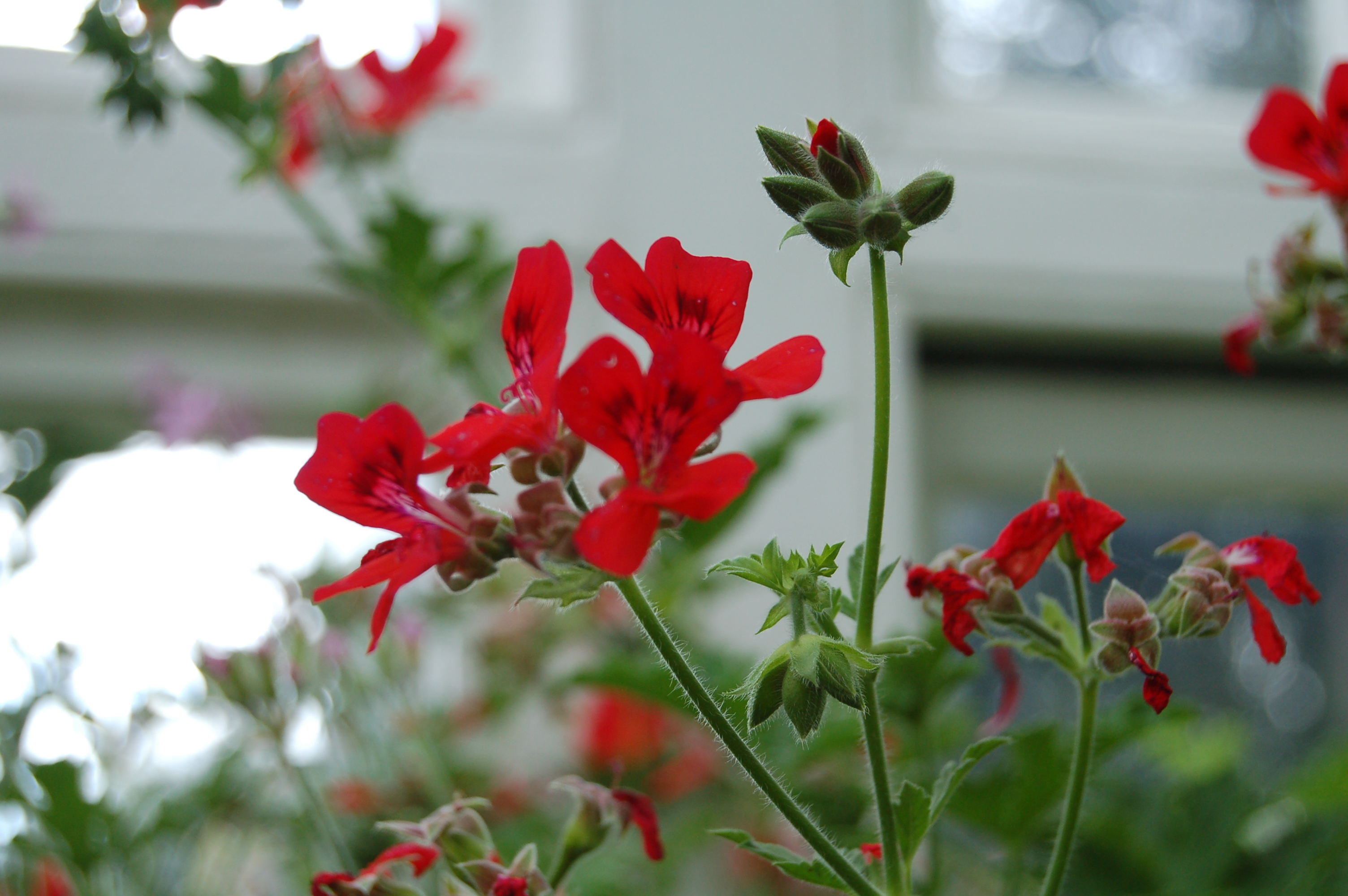
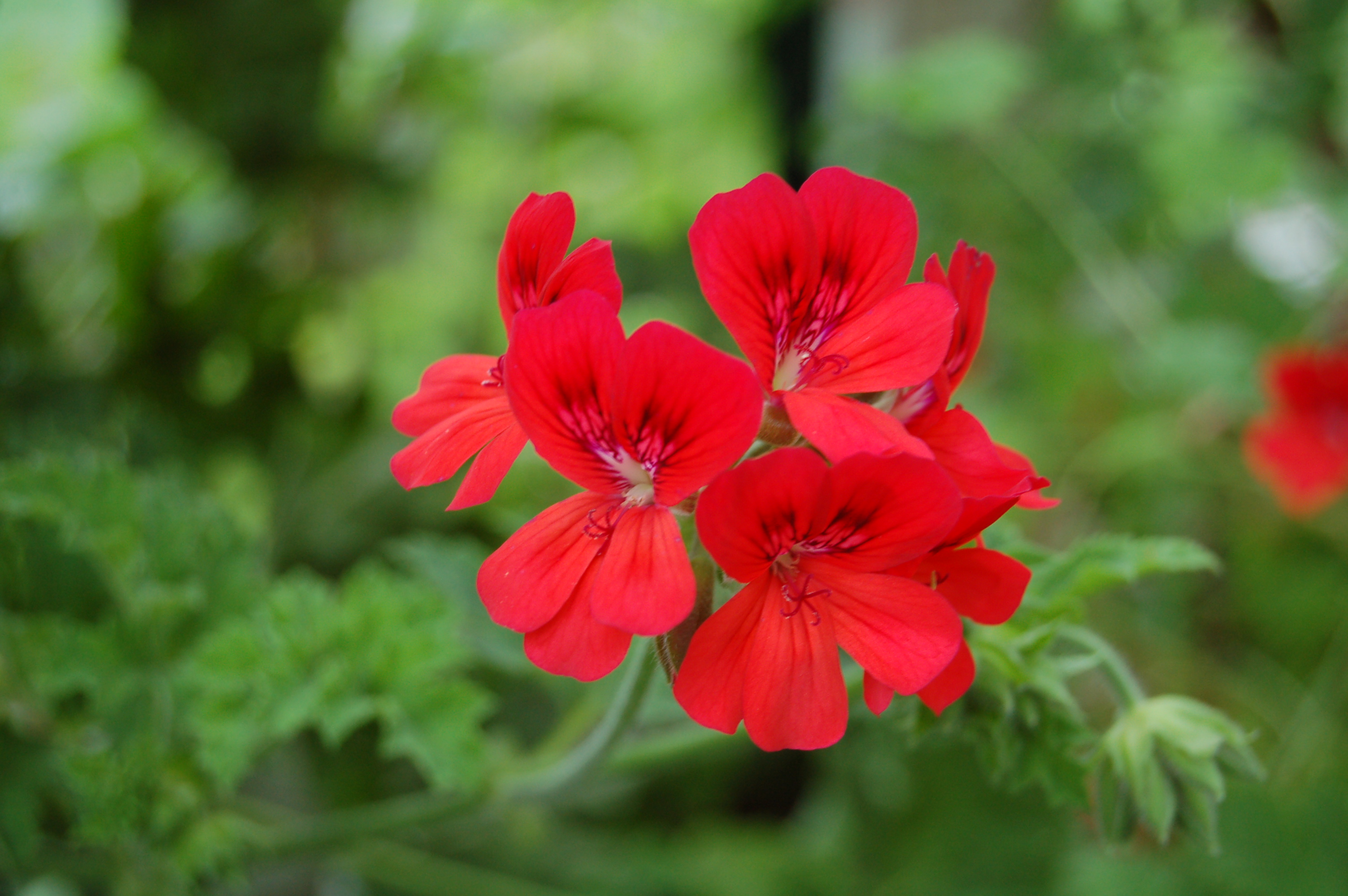
When we visited the wonderful Herefordshire garden, Hergest Croft, we entered the garden by taking a route that took us through an old conservatory to find it full of one of our favourite families of plants, the scented Pelargoniums.

2014 08 18_3772

We have a small collection at home which we display on a set of old library steps at the side of the woodstore so that we can rub their leaves as we collect logs or as we pass to go to the back garden.

2014 08 19_3911 2014 08 19_3912 2014 08 19_3910 2014 08 19_3909

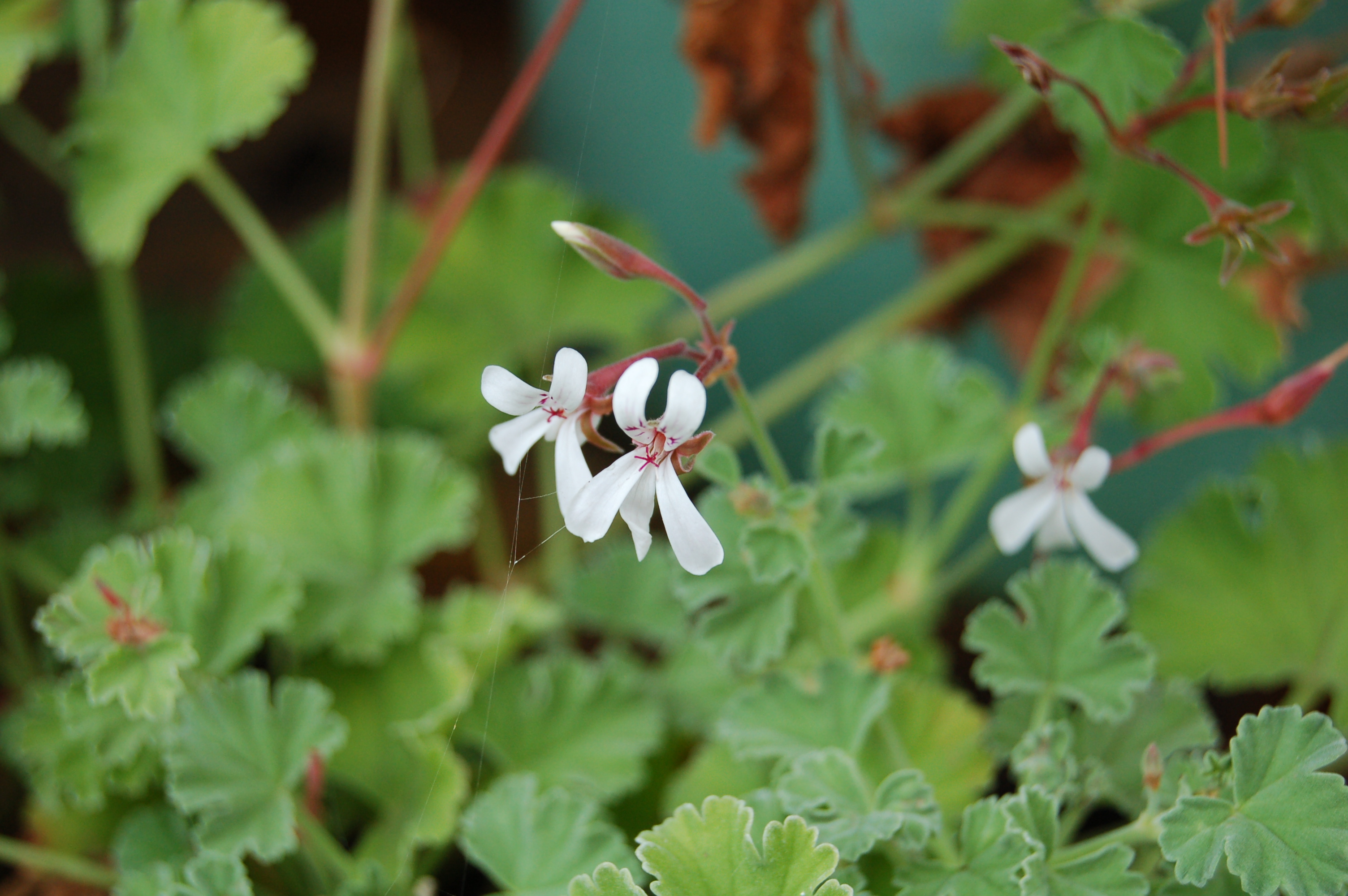
The collection at Hergest Croft was much bigger and more varied. It took a long time to rub a leaf of each and savour the scents reminiscent of mints and fruits. But there was great variety in the texture of the leaves too, from the softest velvet, through soft and waxy to rough and coarse.

2014 08 18_3751 2014 08 18_3752 2014 08 18_3753 2014 08 18_3754 2014 08 18_3755 2014 08 18_3756 2014 08 18_3757 2014 08 18_3759 2014 08 18_3761 2014 08 18_3762 2014 08 18_3763 2014 08 18_37642014 08 18_3765 2014 08 18_37662014 08 18_3767  2014 08 18_3770 2014 08 18_3771  2014 08 18_3761

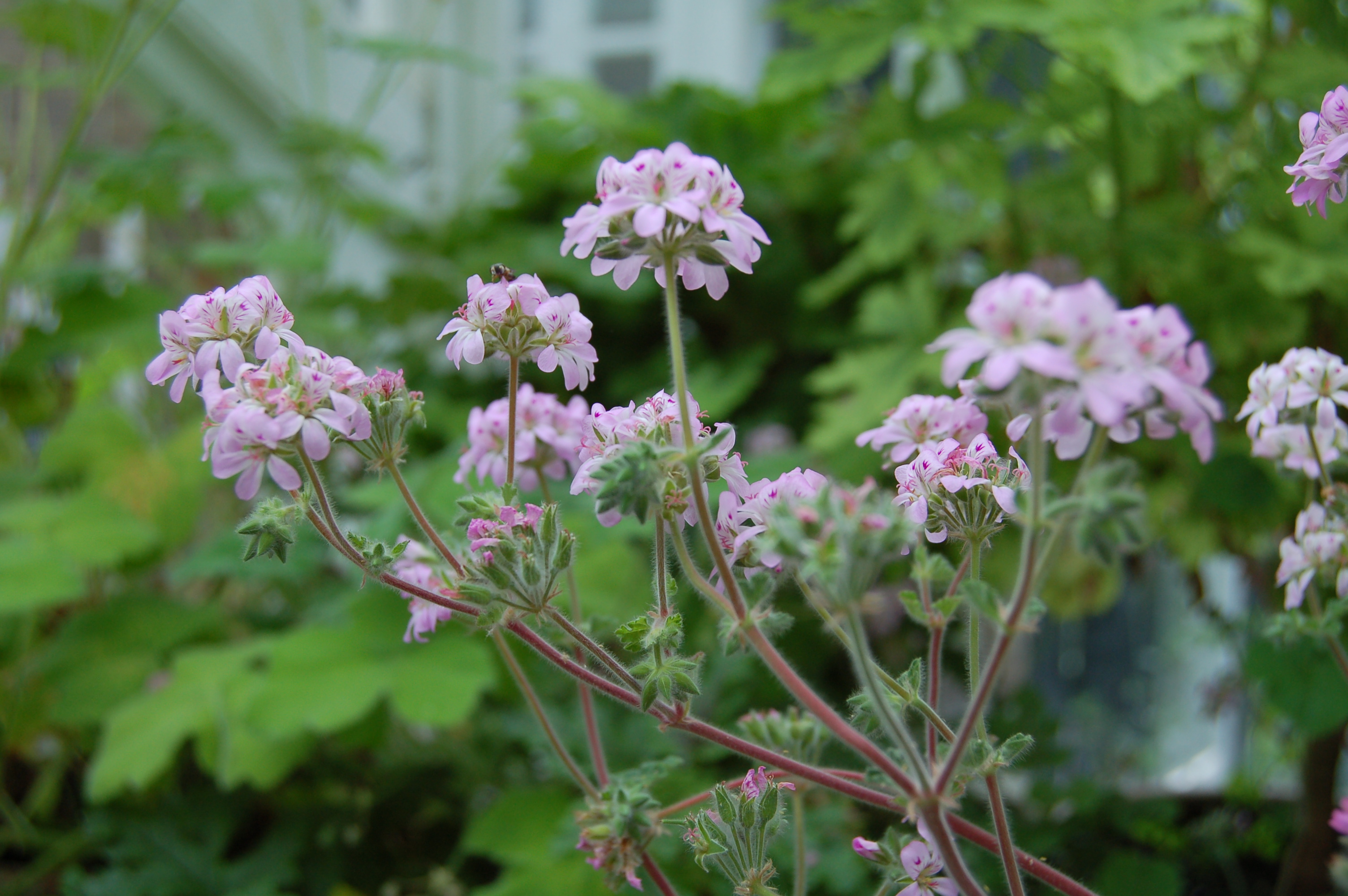
These two were so heavily scented and their leaves so textured it hardly mattered that they had such insignificant blooms.

2014 08 18_3769 2014 08 18_3768


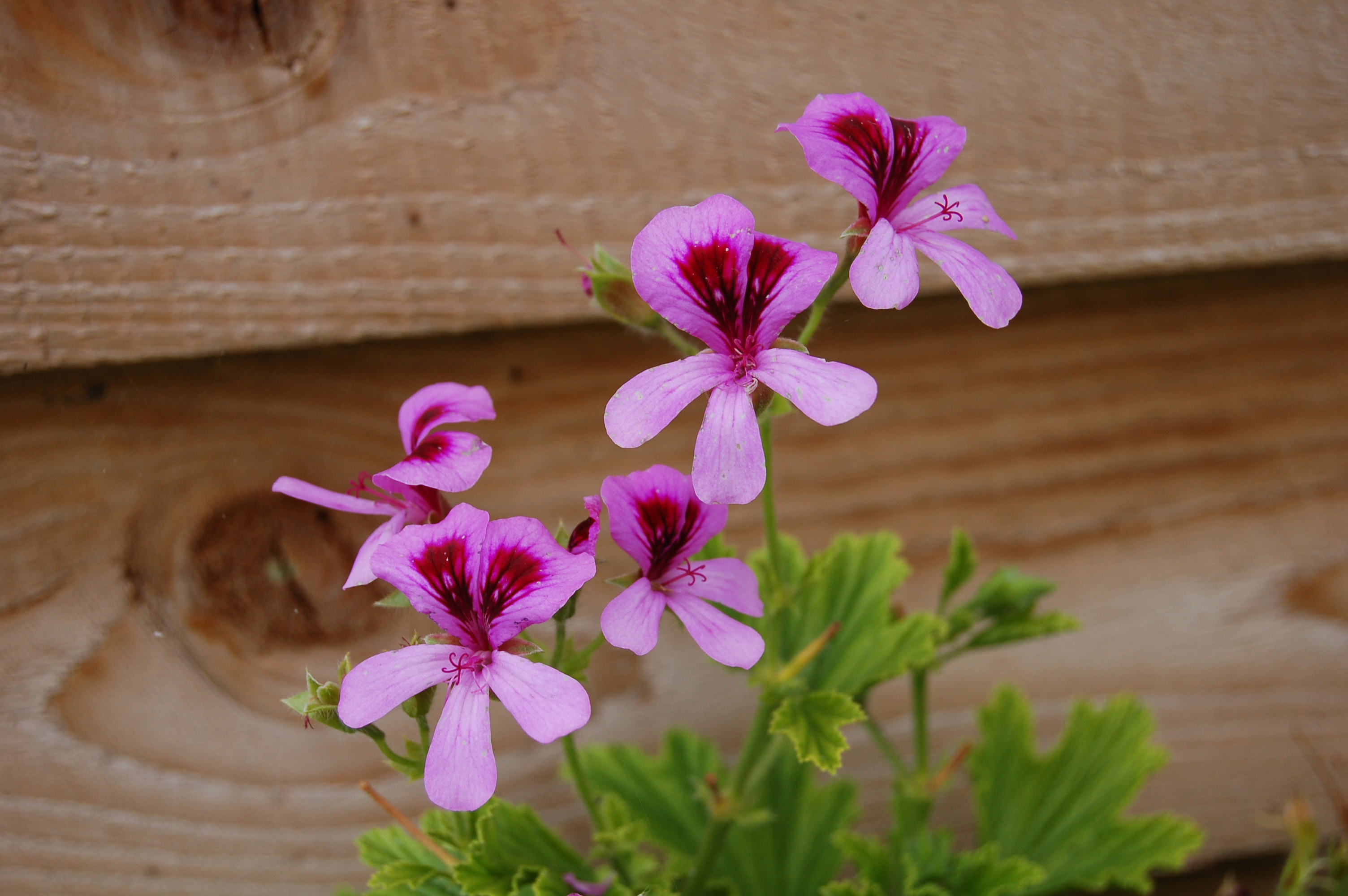
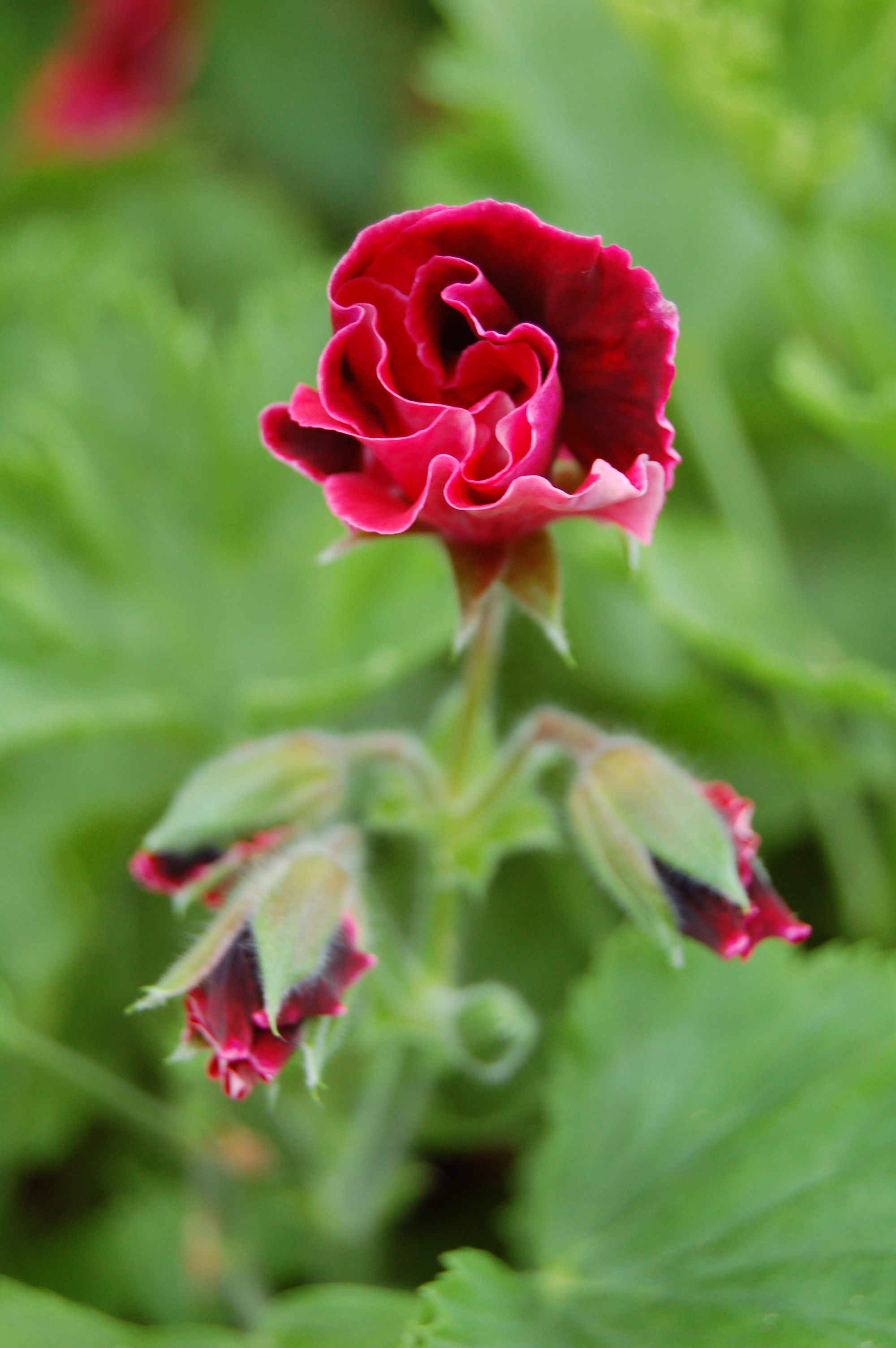
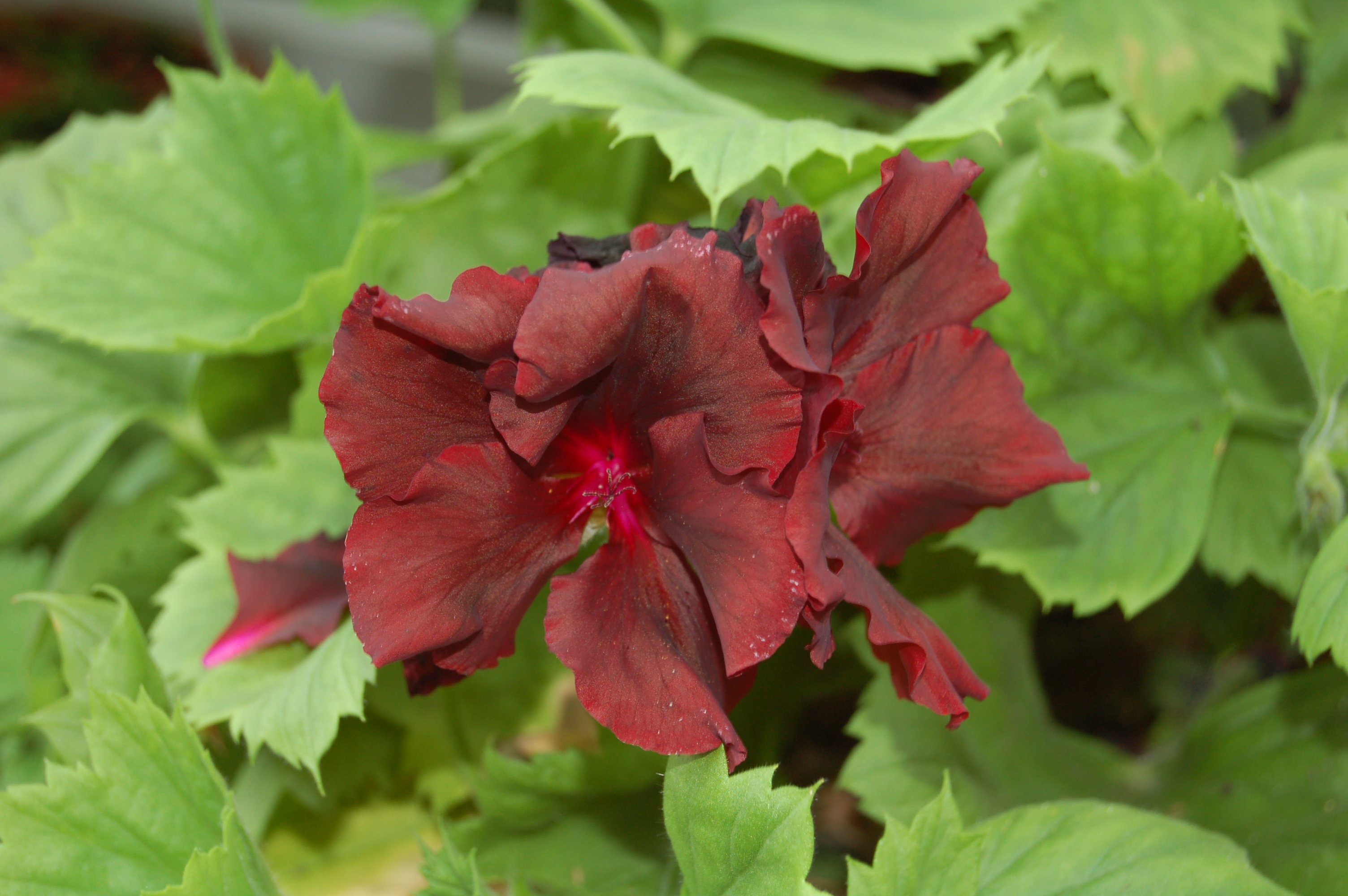
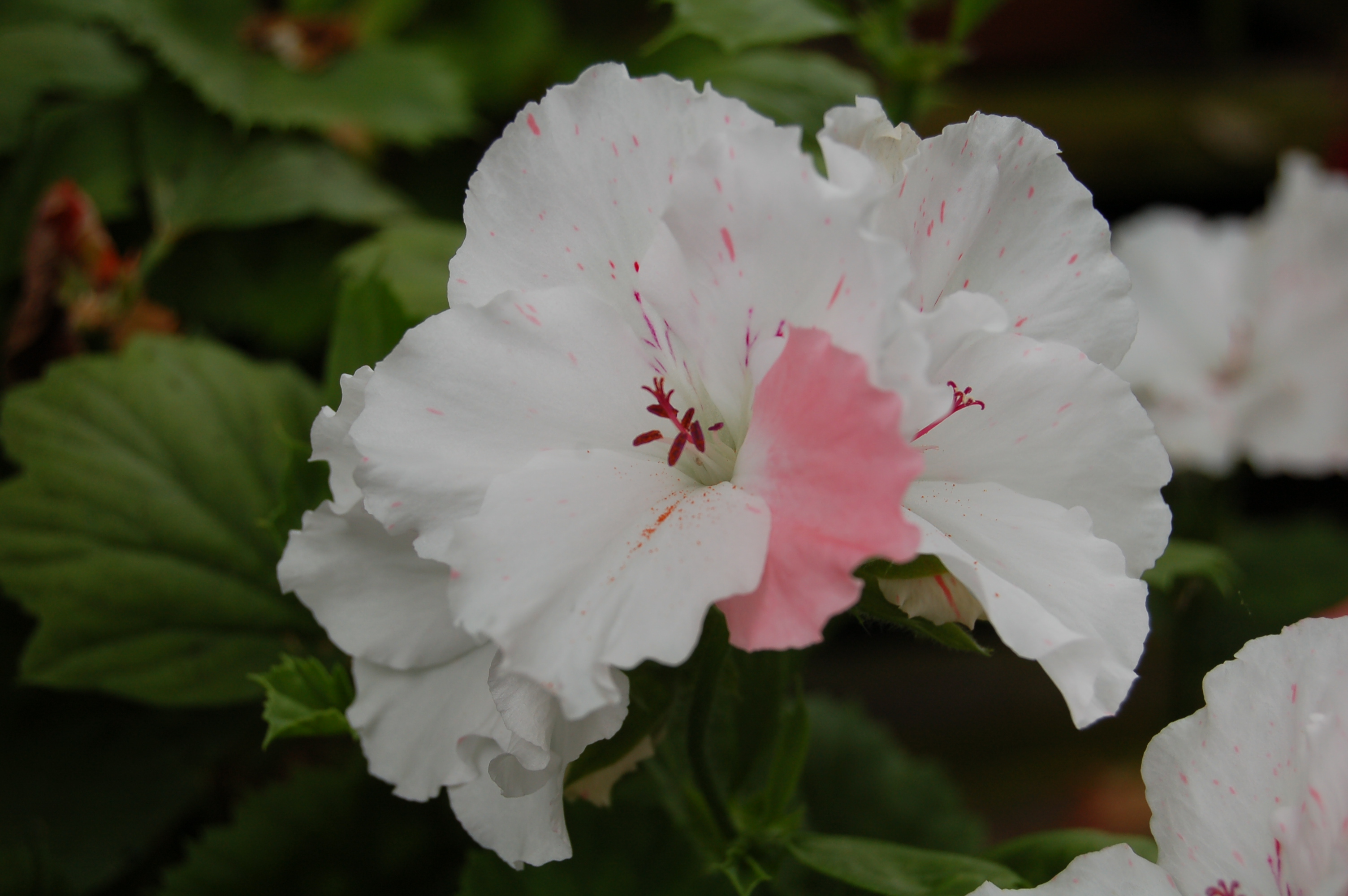
There were a few Pelargoniums which were from a different family, I think they are Regals but I can’t be sure. The dark flowered one is “Lord Bute”. We were fascinated by the one pink petal on the one flower of the white bloom presumably caused by a virus. A great collection and a most welcoming start to a garden visit. We left the conservatory to discover the delights of Hergest Croft especially its rare and champion trees.

2014 08 18_3758 2014 08 18_3760

Categories
architecture buildings colours garden buildings gardens gardens open to the public Italian style gardens Wales woodland woodlands

Portmeiron – the work of an eccentric.

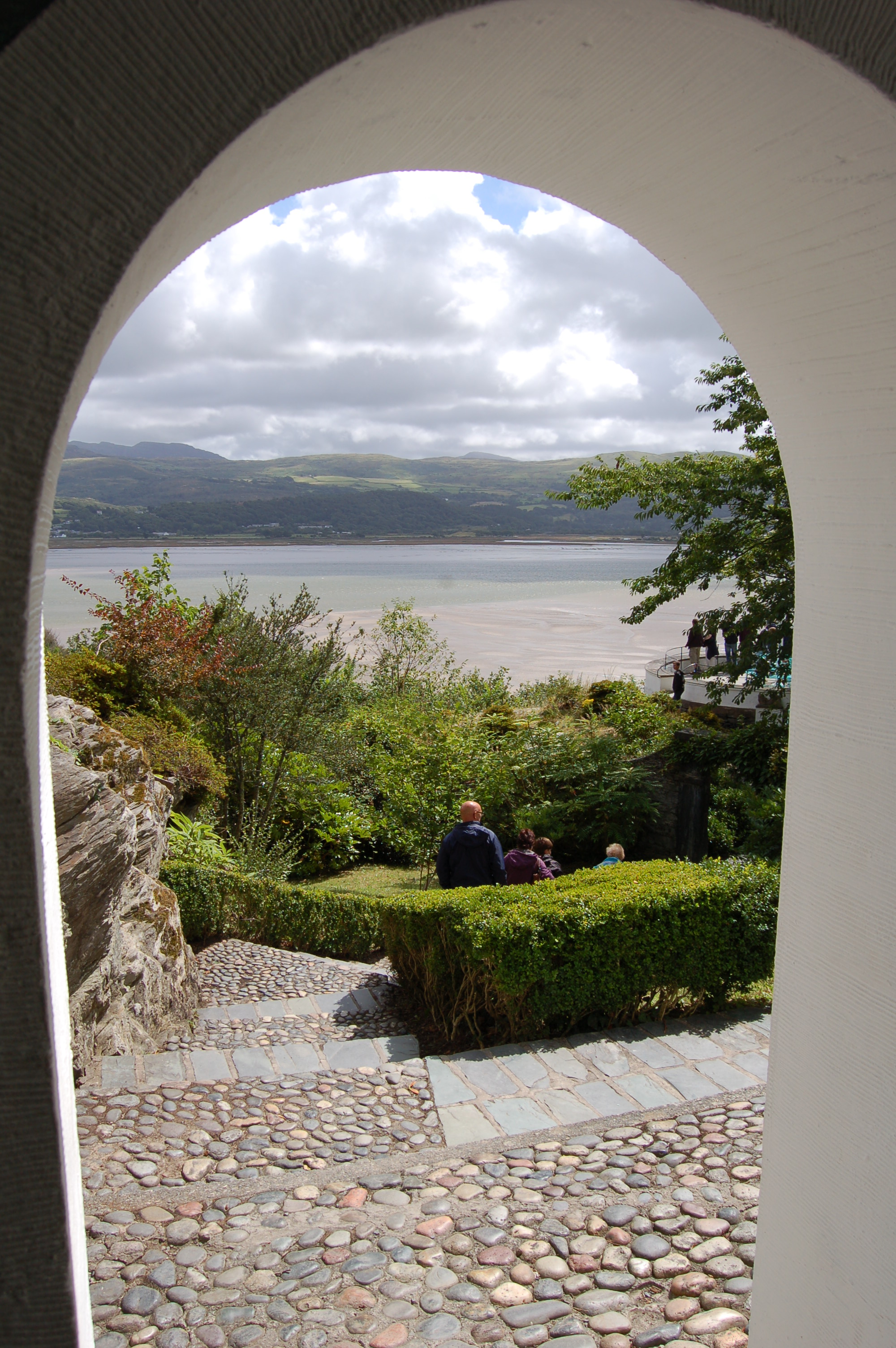
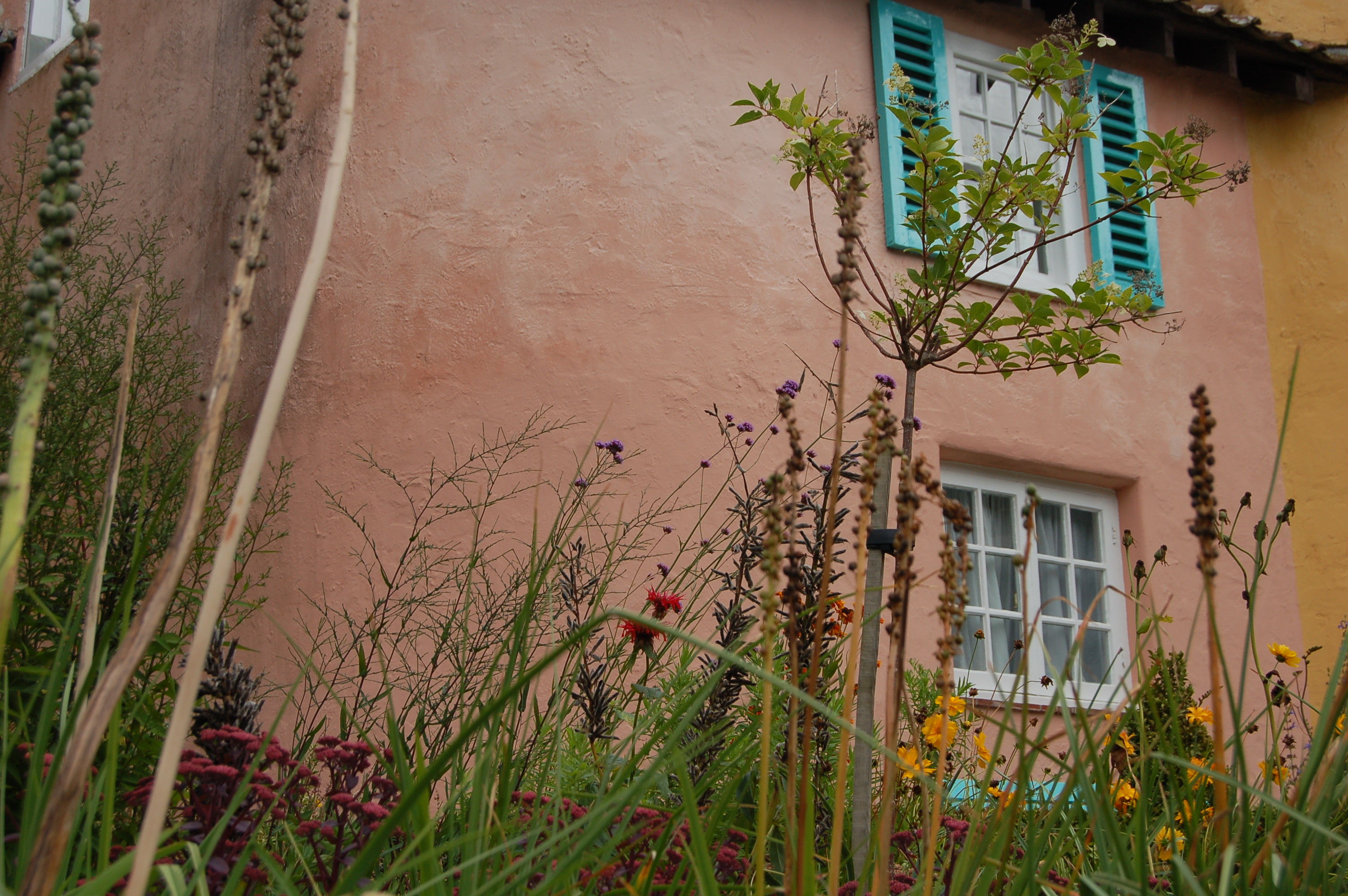
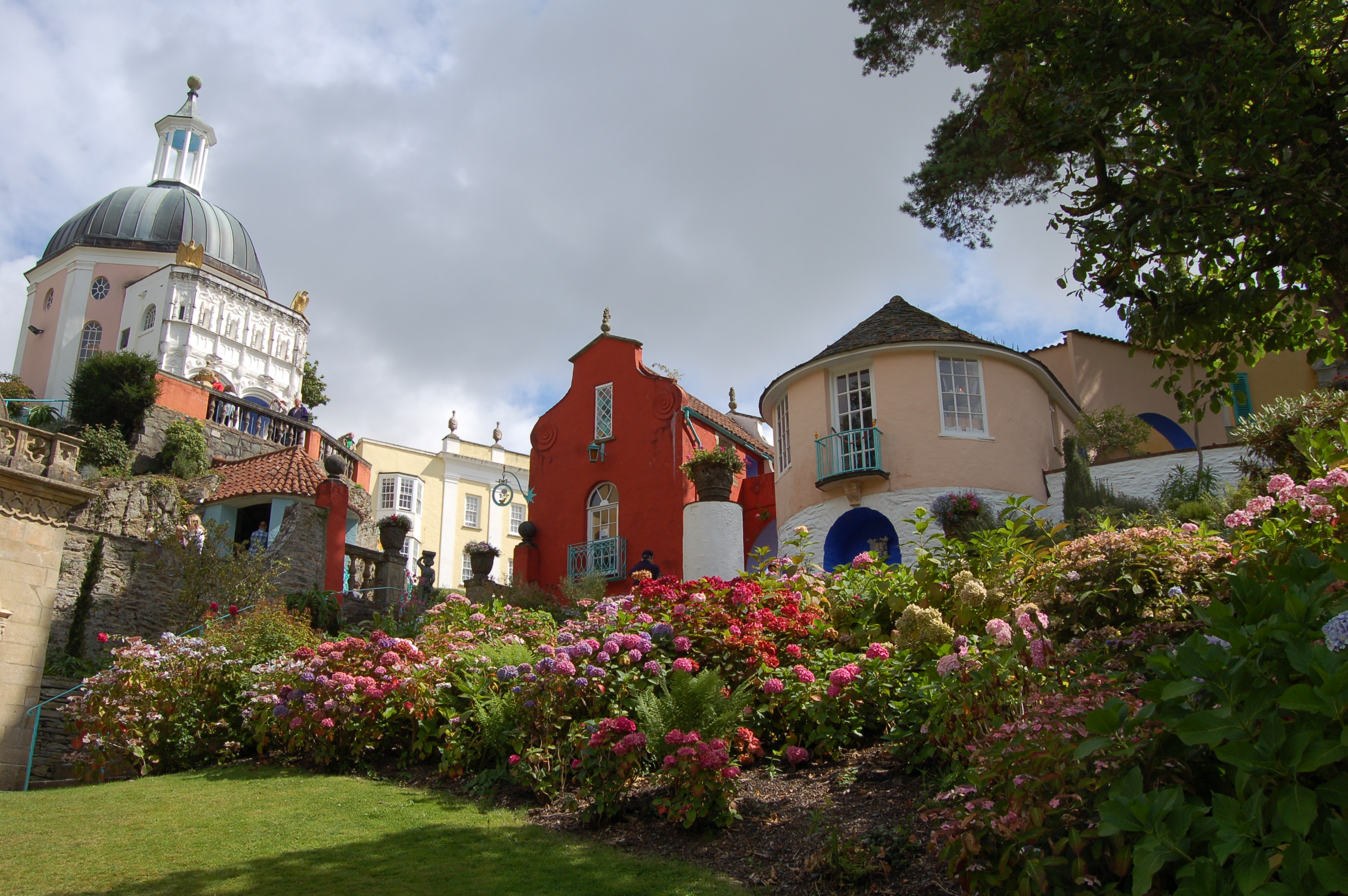
We always enjoy spending the day at this crazy, quirky and totally exuberant “garden” on the Welsh coast near Portmadoc. Portmeiron is a village and gardens created by the eccentric Clough William-Ellis who bought the site in 1925 and then spent the following 50 years developing it into what we can visit and enjoy today.

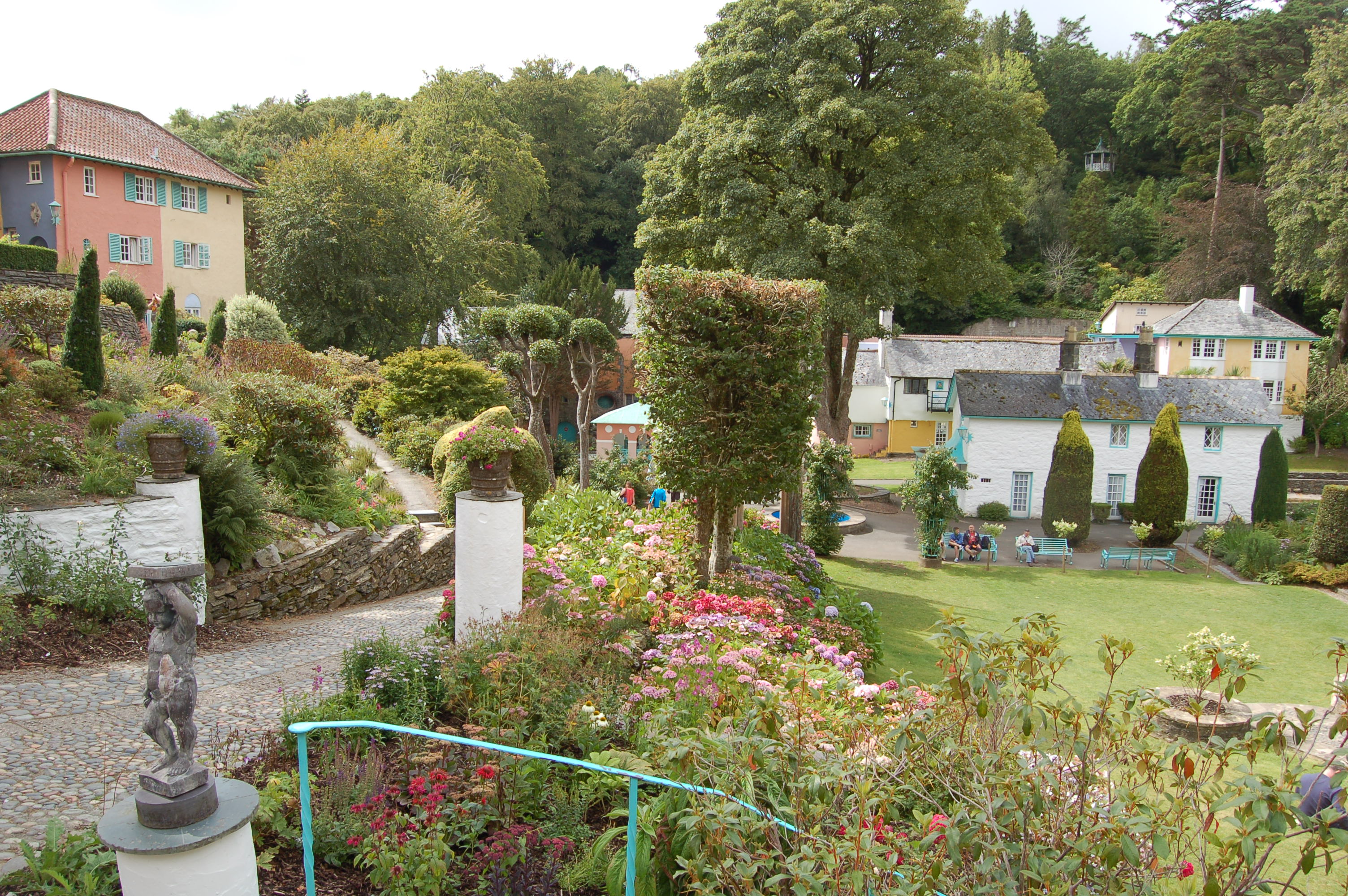
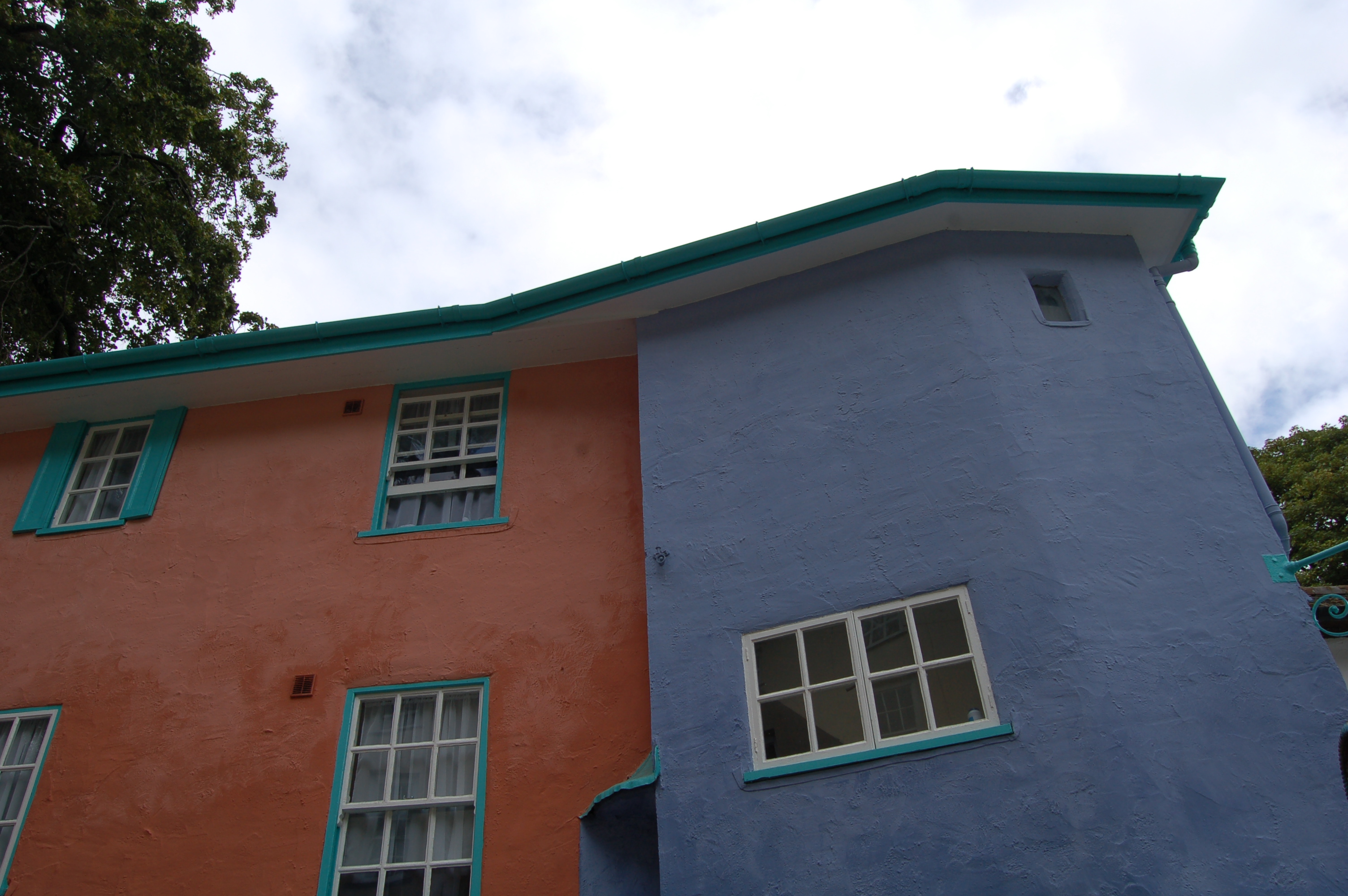
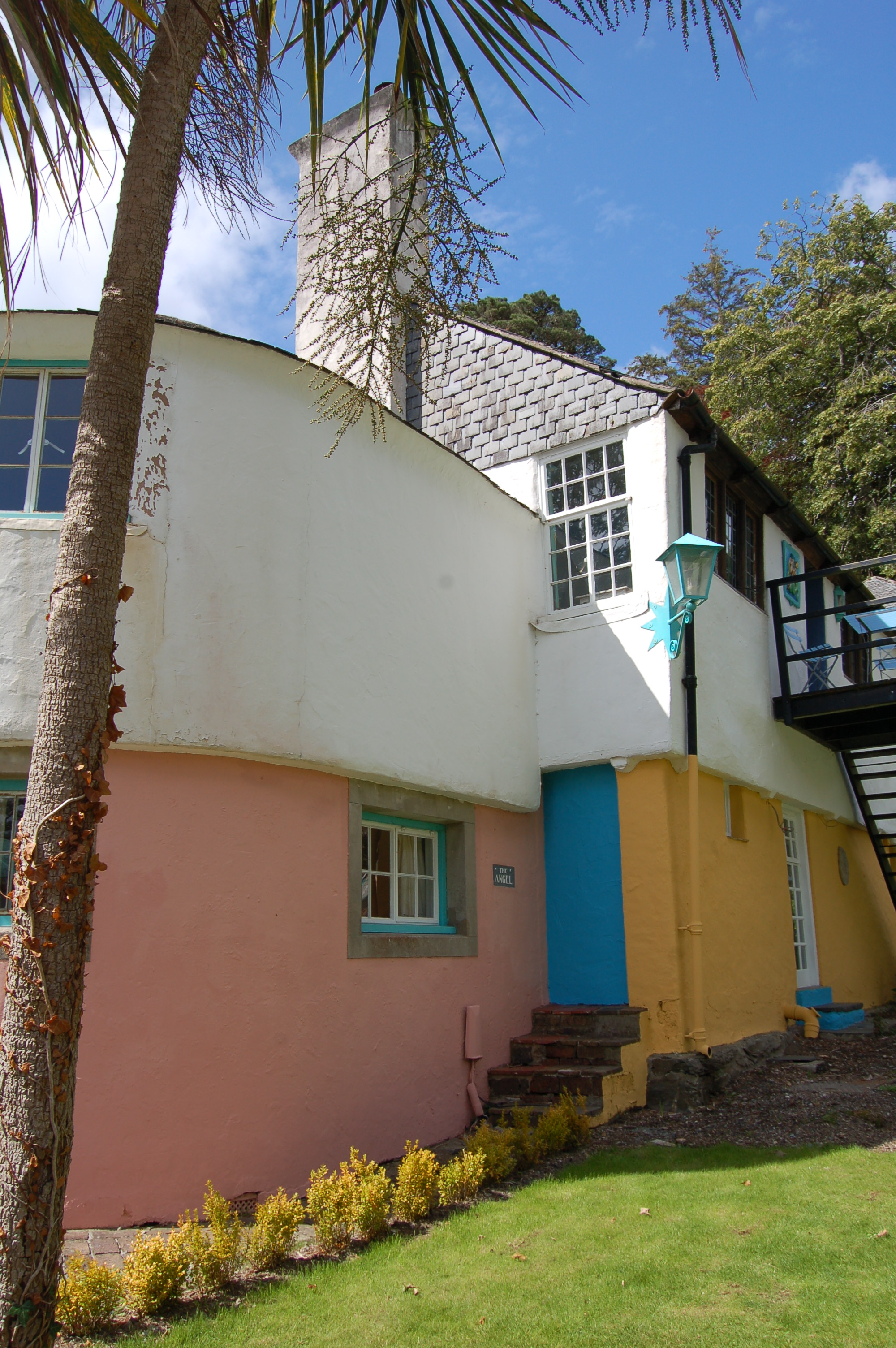
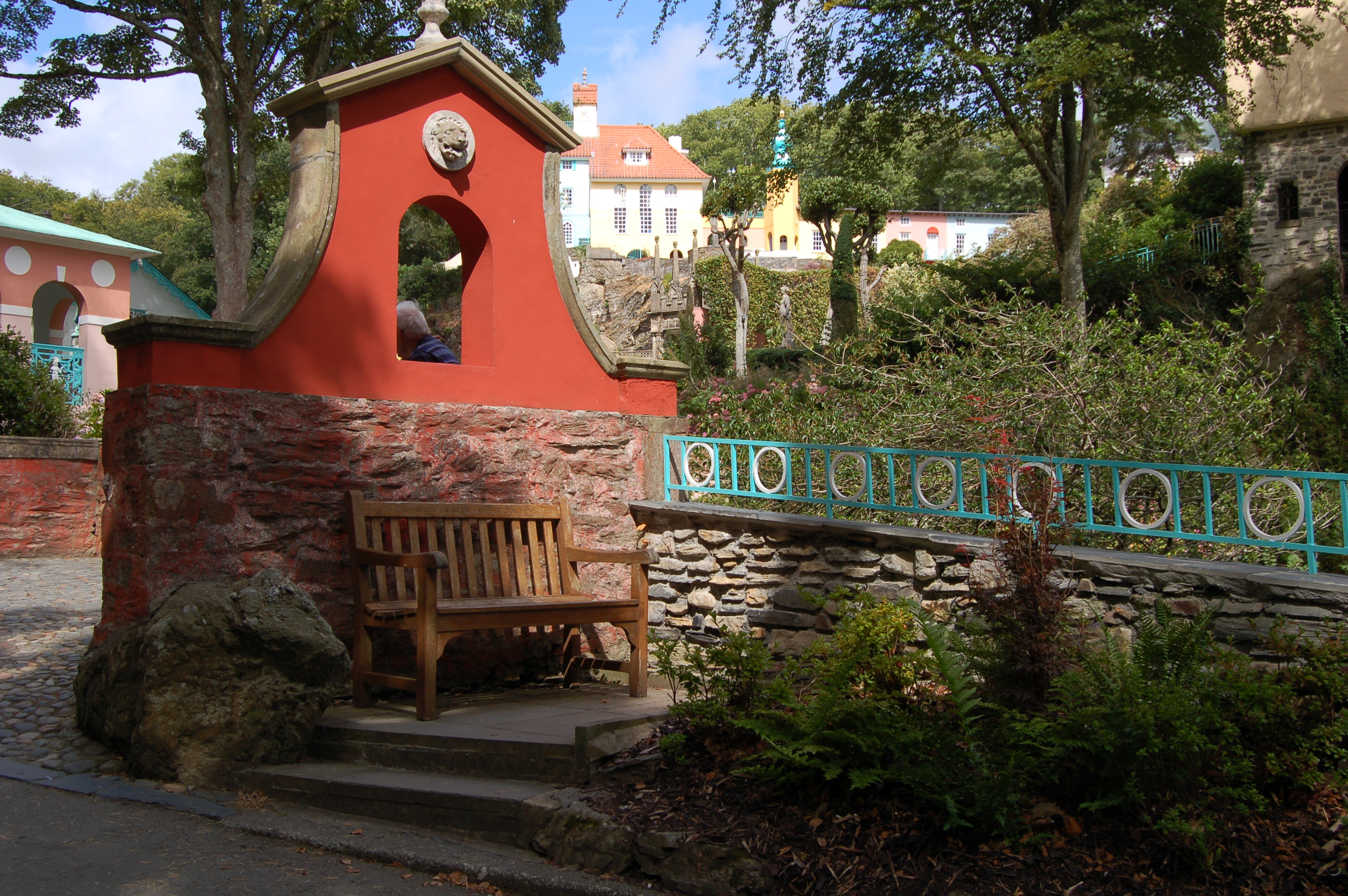
The village is a collection of buildings  reminiscent of an Italianate style. Every wall is brightly painted in an array of extravagant colours. Some are hotels or holiday cottages, others restaurants and cafes while others are shops and galleries. It is a busy little place sitting on a strip of land below the Lleyn Penninsula and it fits snuggly between the beach and a wooded slope.

2014 08 13_3574 2014 08 13_3588

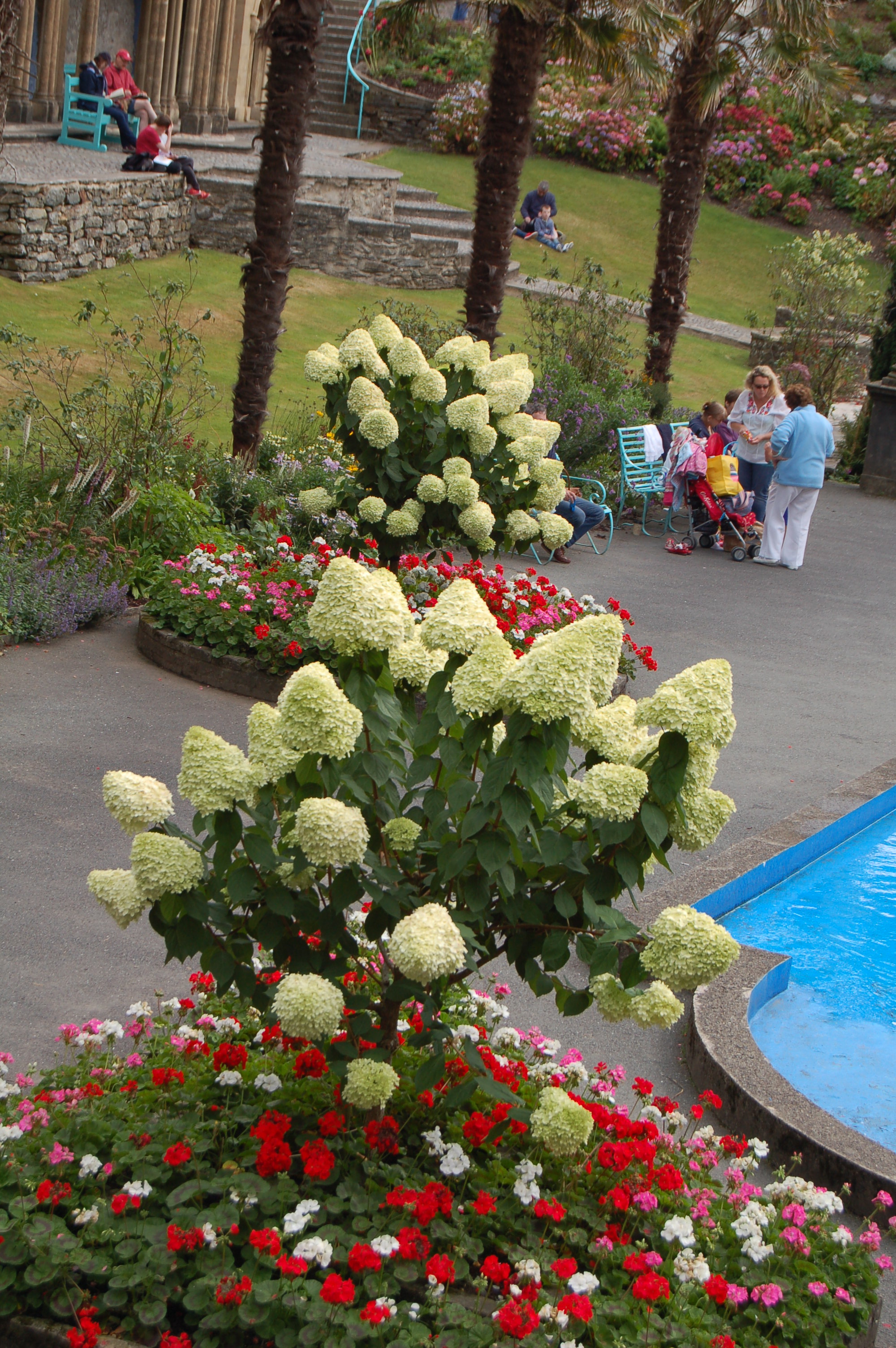
In between the collection of crazy buildings a team  of gardeners work hard to maintain patches of colourful gardens. The soil is both shallow and full of stones and the land is on a steep slope so gardening here is a tough challenge. So come through the towering gateway and wander around with us.

2014 08 13_3569 2014 08 13_3570 2014 08 13_3571 2014 08 13_3573 2014 08 13_3576

2014 08 13_3579 2014 08 13_3580 2014 08 13_3581 2014 08 13_3582 2014 08 13_3583 2014 08 13_3584 2014 08 13_36392014 08 13_3589 2014 08 13_3590 2014 08 13_3592 2014 08 13_3595


Although the Italianate style of the buildings that fascinates at first glance after a while the interesting juxtaposition of colours begins to catch the eye. Colours that you would not think of putting together when choosing paint for your home actually work beautifully.

2014 08 13_3586 2014 08 13_3597


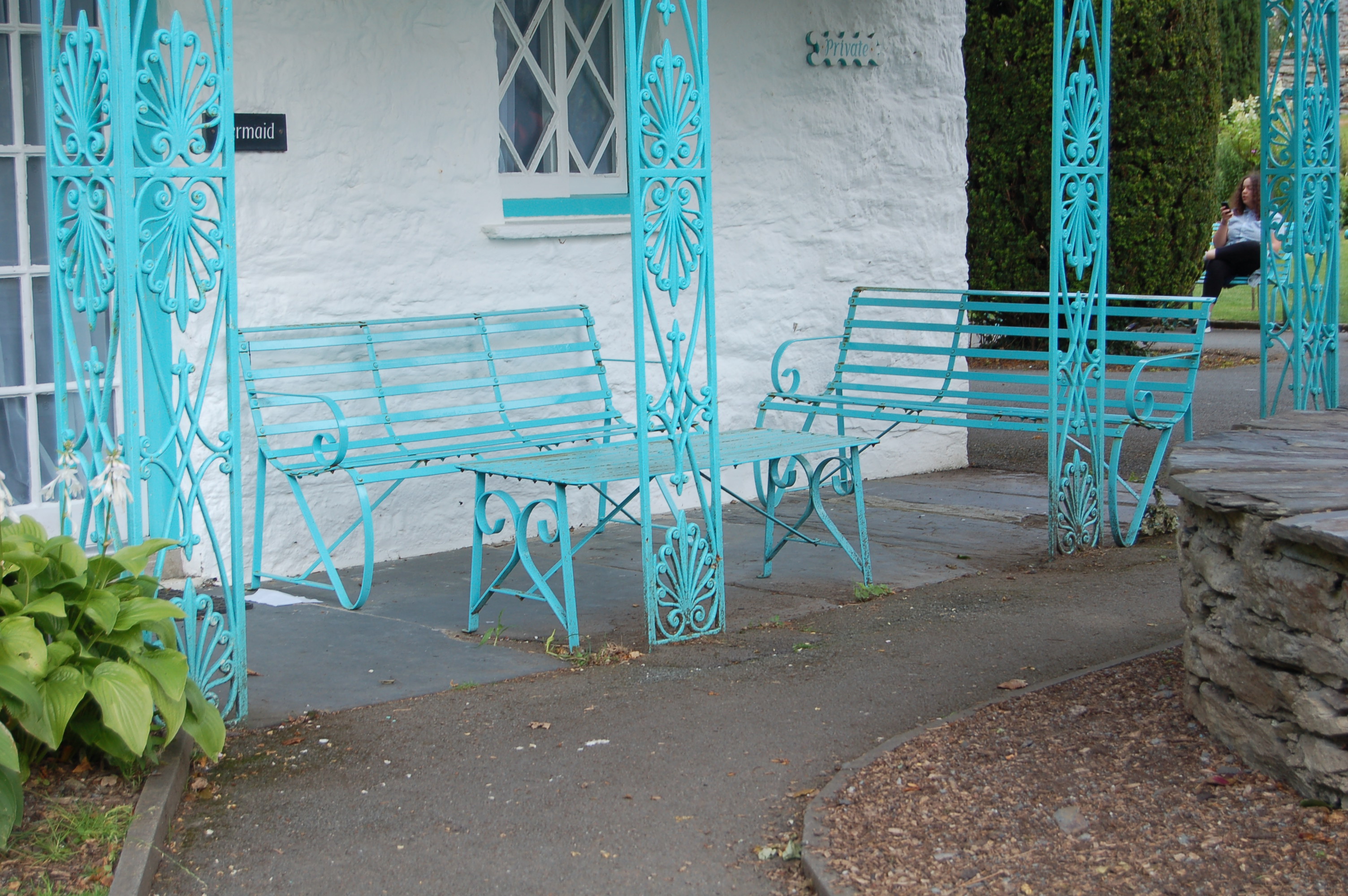
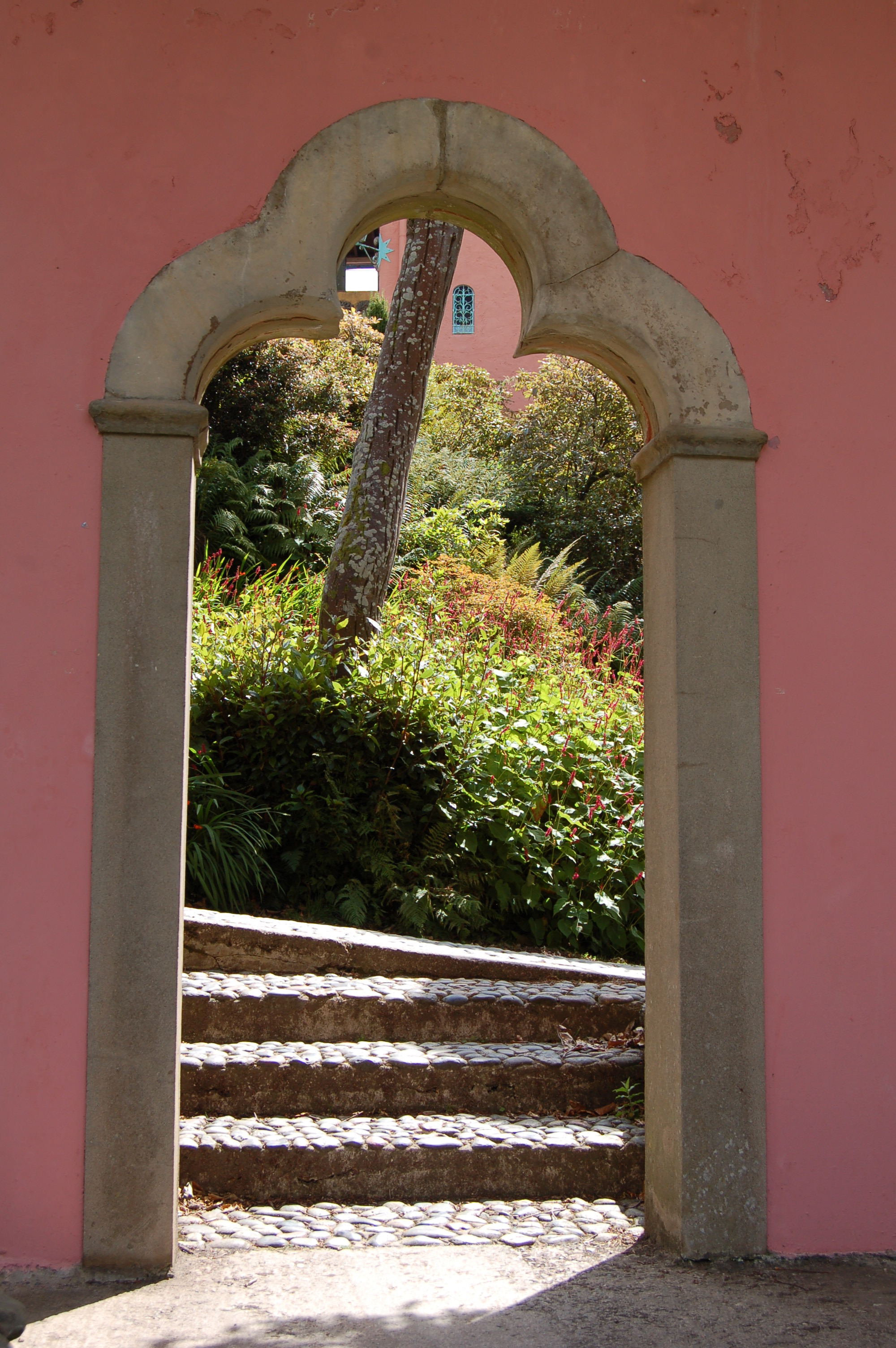
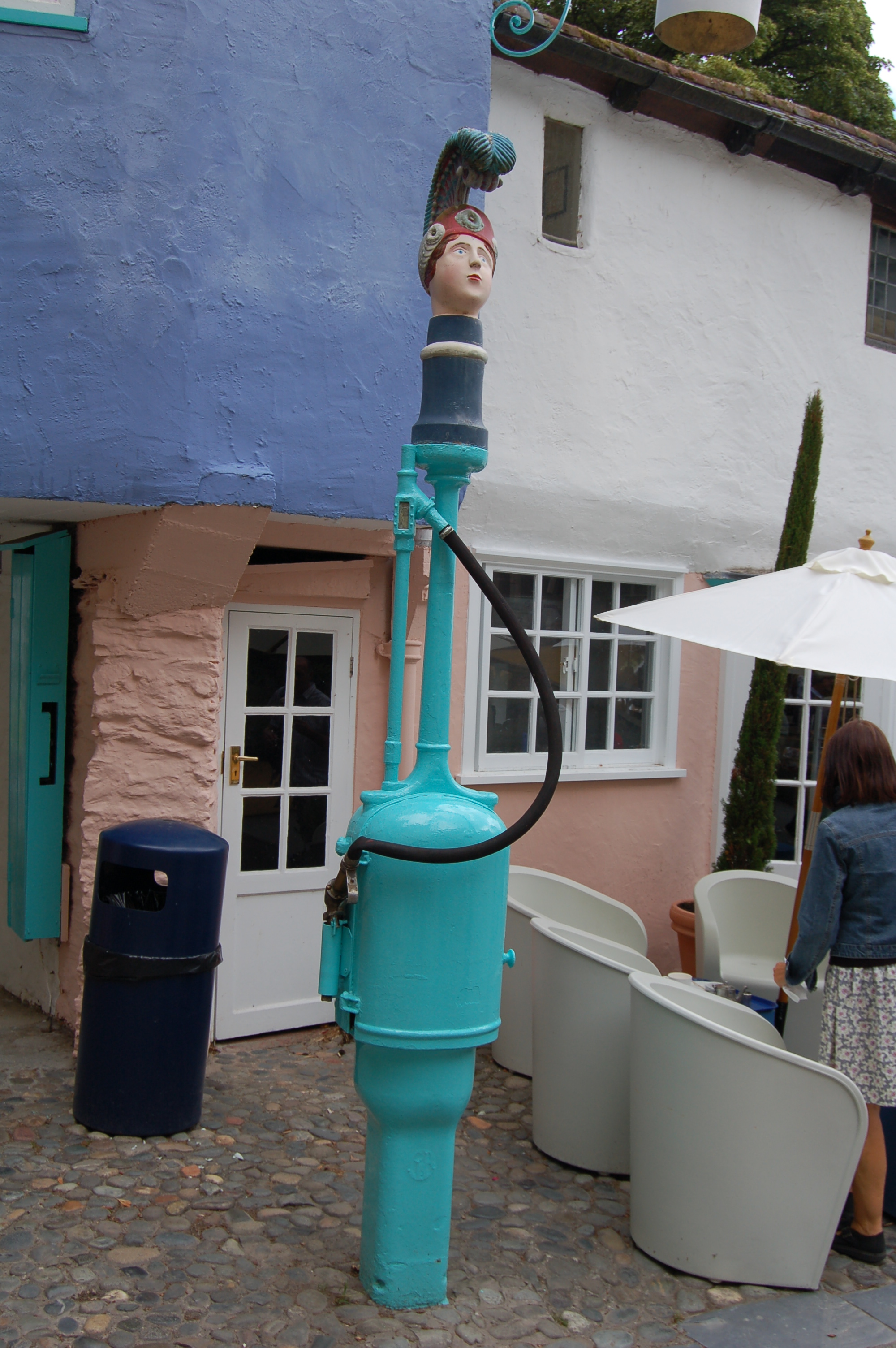
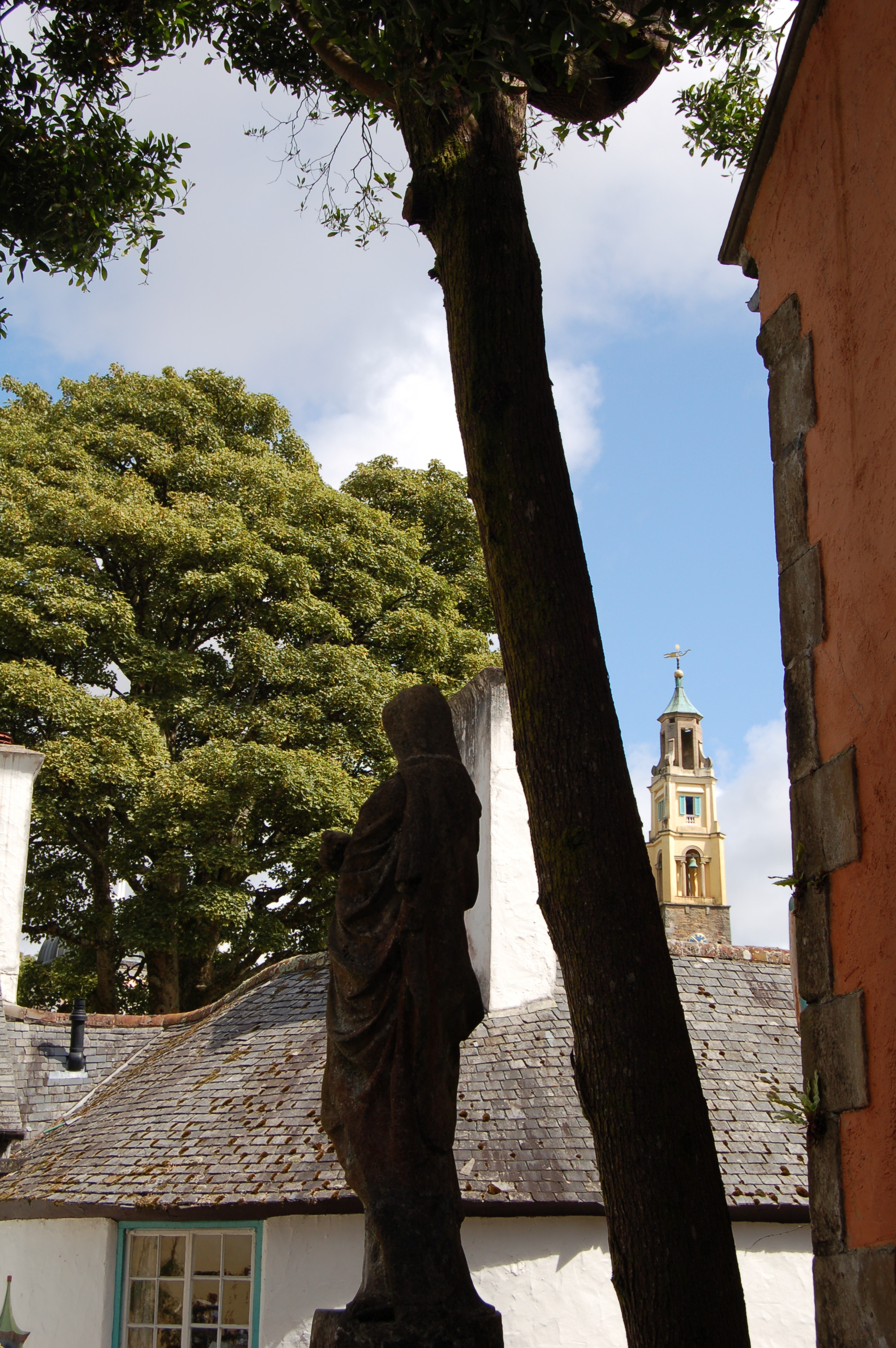
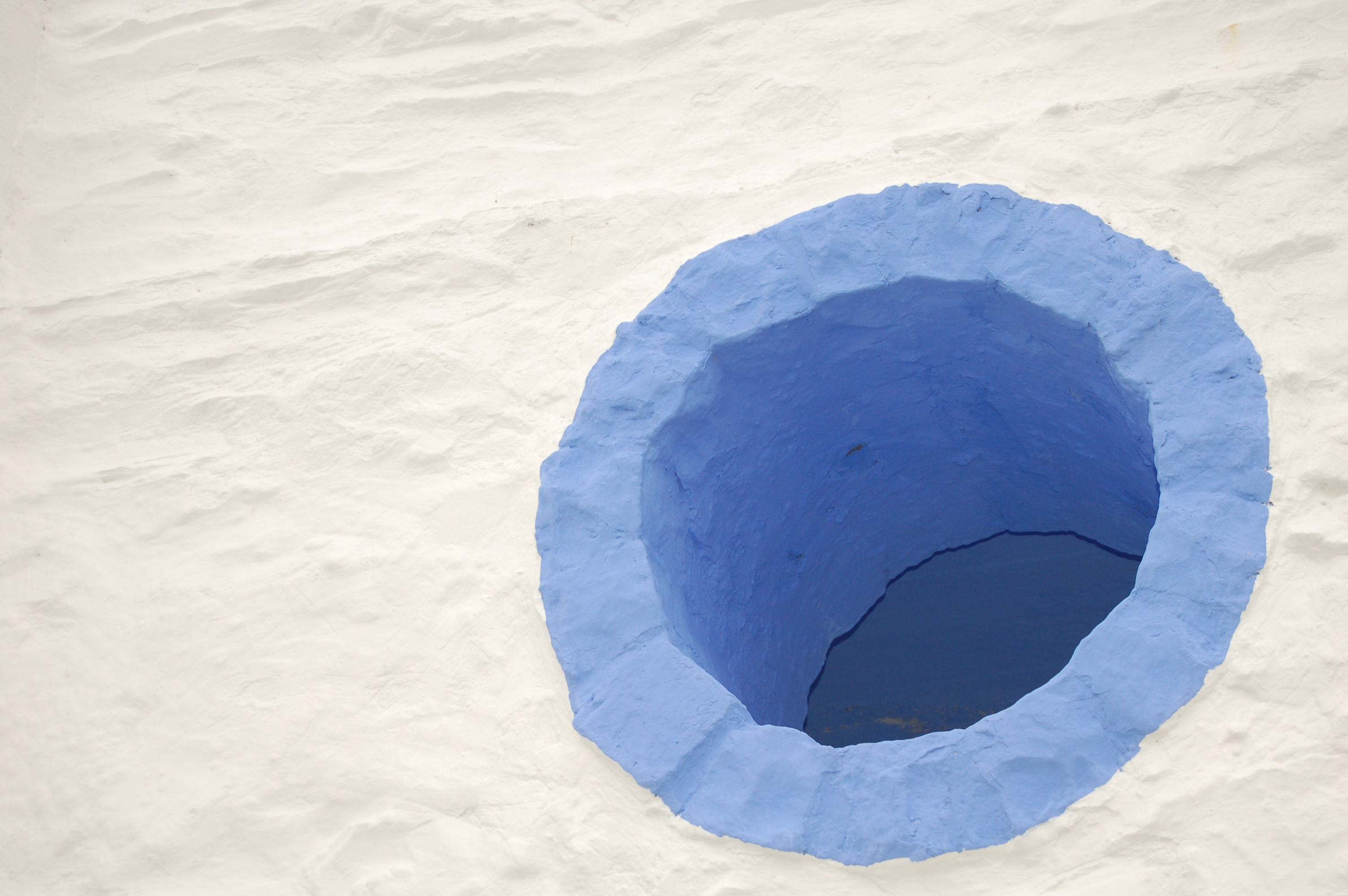
Although the bright colours dominate every scene once your eyes and mind adjust to them interesting details come to the fore, such as these bright blue ironwork, a relief sculpture alongside a ring, classical figures, the beauty of this stone archway and the vintage petrol pump.

2014 08 13_3594 2014 08 13_3598

2014 08 13_3599 2014 08 13_3591 2014 08 13_3585


2014 08 13_3596 2014 08 13_3600

We took a break from the colourful conglomeration of buildings and ambled along through the wooded slopes above the village itself. Here we discovered ancient trees native and cultivated and an atmosphere of peace, with restful greens and relative silence, broken only by the calls and song of birds.

2014 08 13_3602 2014 08 13_3603 2014 08 13_3604 2014 08 13_3605 2014 08 13_3606 2014 08 13_3607 2014 08 13_3608 2014 08 13_3609 2014 08 13_3610 2014 08 13_3611 2014 08 13_3612 2014 08 13_3613 2014 08 13_3614 2014 08 13_3615 2014 08 13_3616 2014 08 13_3617 2014 08 13_3618

2014 08 13_3621 2014 08 13_3622 2014 08 13_3623 2014 08 13_3624 2014 08 13_3625 2014 08 13_3626 2014 08 13_3640

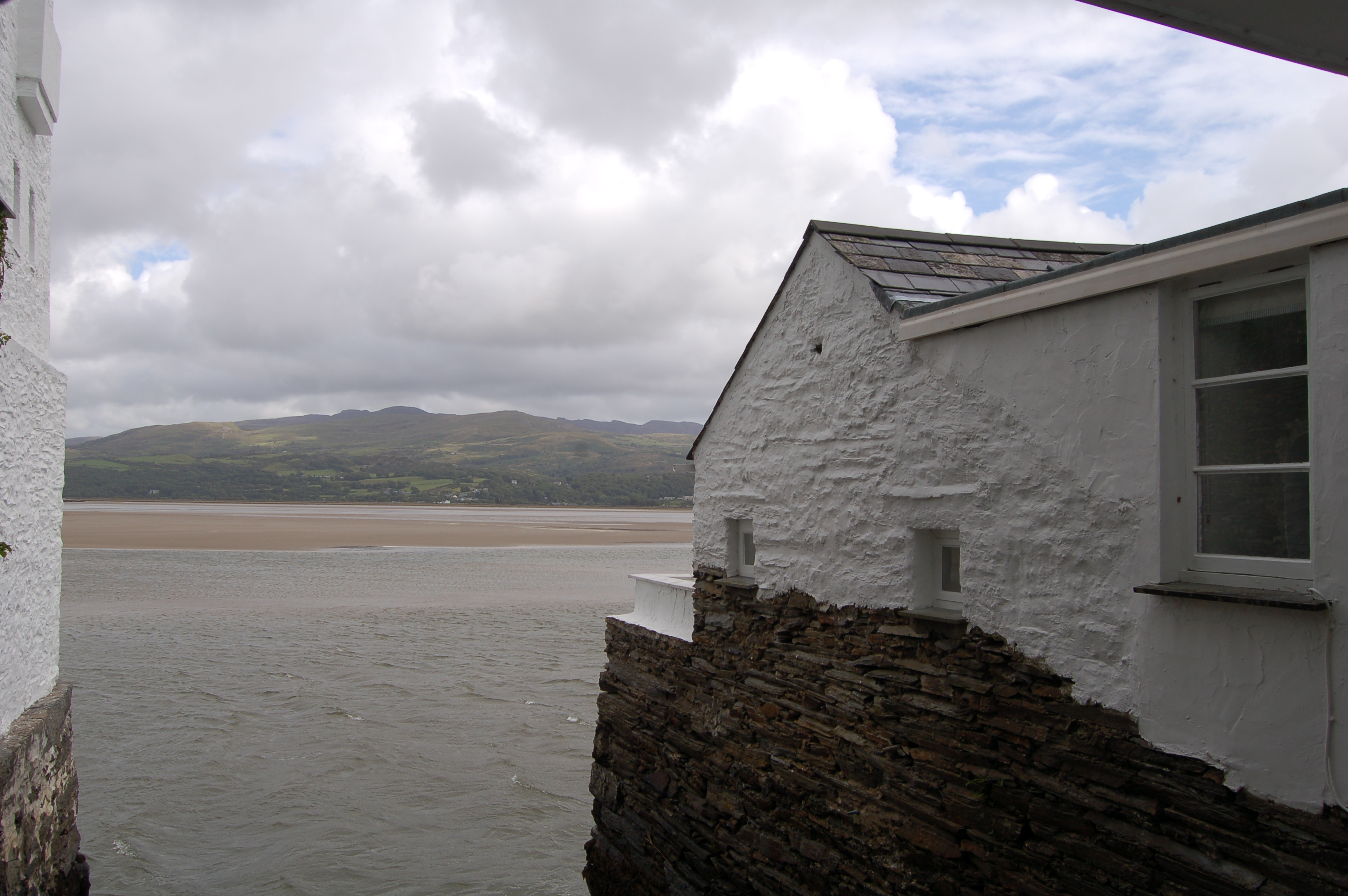
We followed the woodland path until we found ourselves close to the cliff tops and followed it down towards the shore, where the buildings began again. This time they had a maritime twist to their architecture with white and blue colours dominating.

2014 08 13_3628   2014 08 13_3629 2014 08 13_3630 2014 08 13_3631 2014 08 13_3635

As the road way climbed upwards we returned to the brightly coloured buildings of the village.

2014 08 13_3601 2014 08 13_3636

2014 08 13_3637 2014 08 13_3638 

We were fascinated by the interest of some visitors in particular buildings which it appears were featured in a TV series from the 1960’s, The Prisoner, which still has a strong cult following. It adds yet another layer of interest to this utterly fascinating “one-off” place.

Categories
colours garden buildings garden photography gardening gardens gardens open to the public hardy perennials NGS nurseries photography Shropshire South Shropshire walled gardens Yellow Book Gardens

Day Lilies in a Walled Garden – Mynd Hardy Plants

After opening our allotment community gardens at the weekend we felt in need of a restful day out. So Jude and I with friends Pete and Sherlie decided to visit a little nursery and garden close by. We chose what we thought would be a peaceful place and we were right.

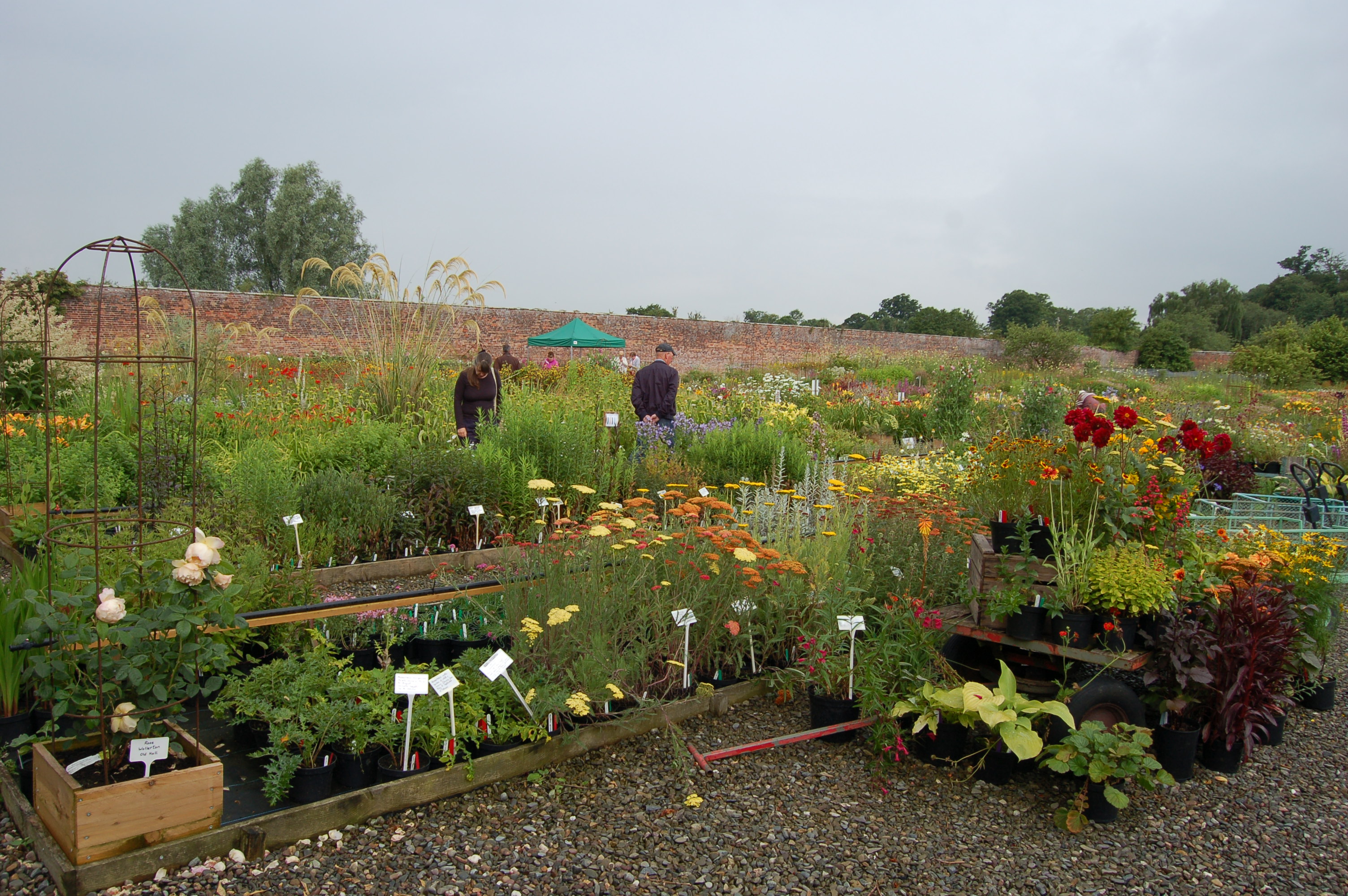
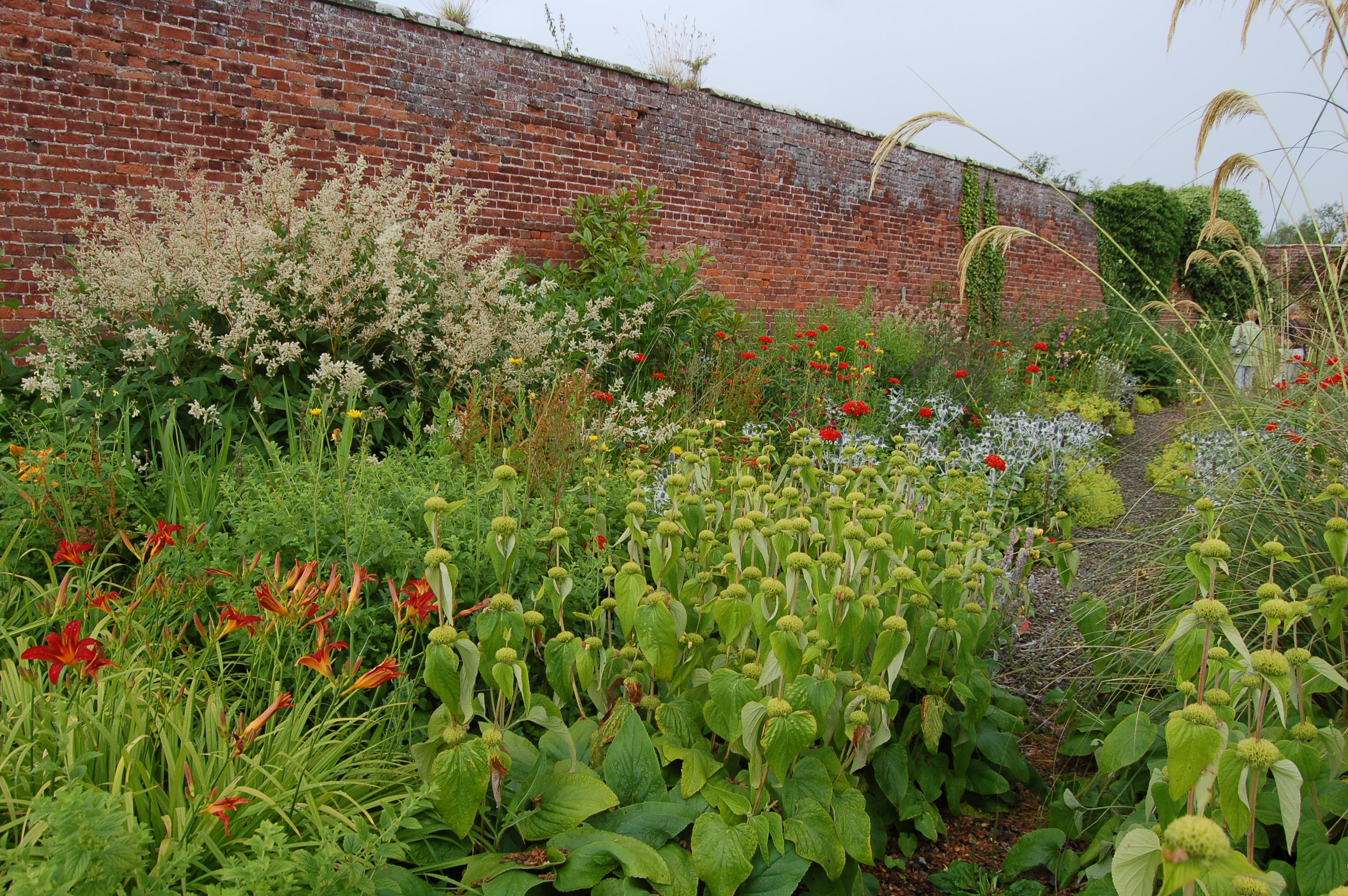
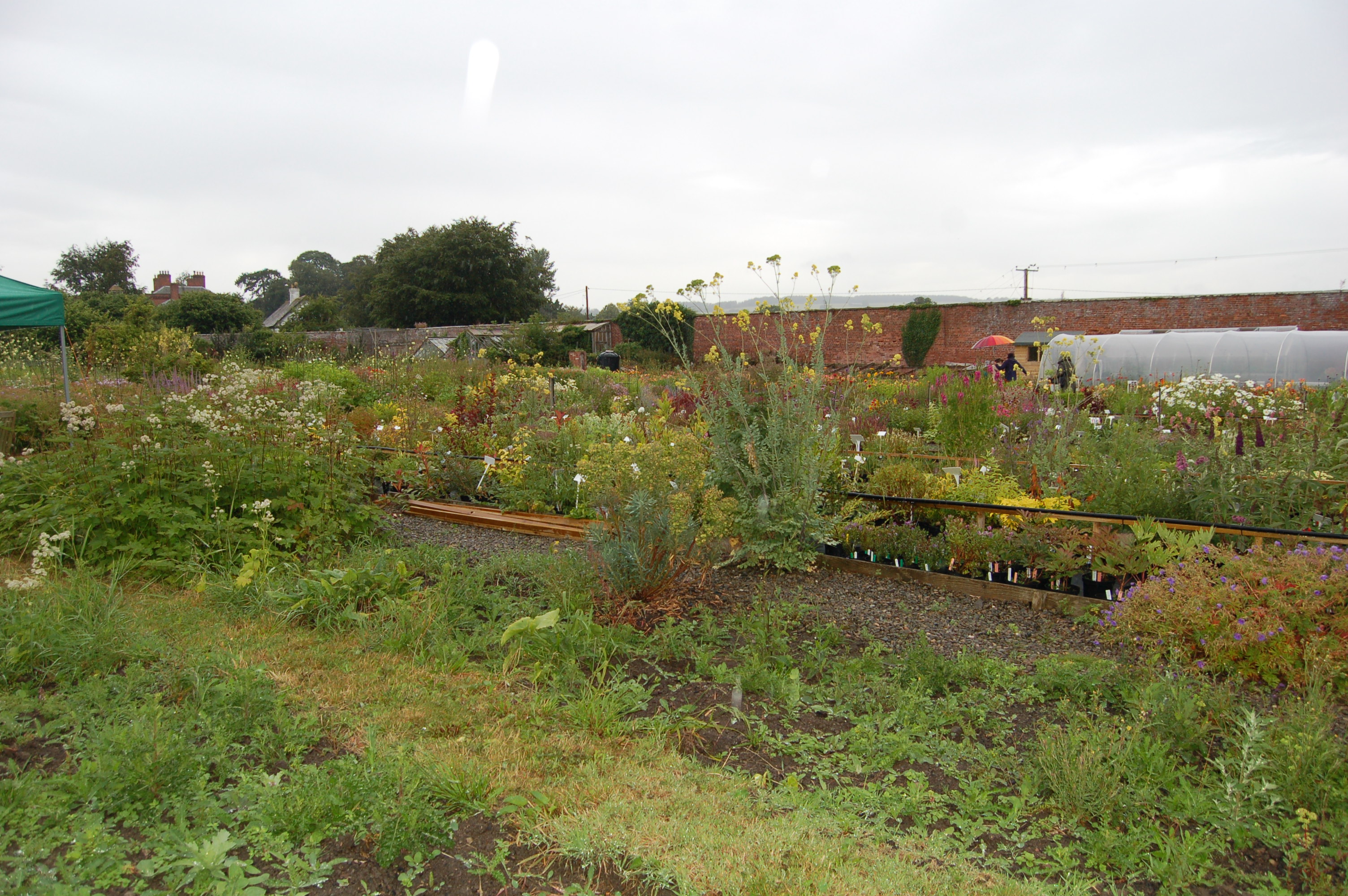
As soon as you enter Mynd Hardy Plants in the Corvedale in South Shropshire you feel yourself relax, as the sight of so many colourful perennials reaches your eyes and an intermingling of scents seduces your nose. The new owners give such a warm welcome and it was good to hear of their plans, while the aroma of coffee and freshly baked scones took over the assault on our noses. The soppy Labrador joined in the welcome nuzzling our legs and seeking attention.

2014 07 09_1442 2014 07 09_1443

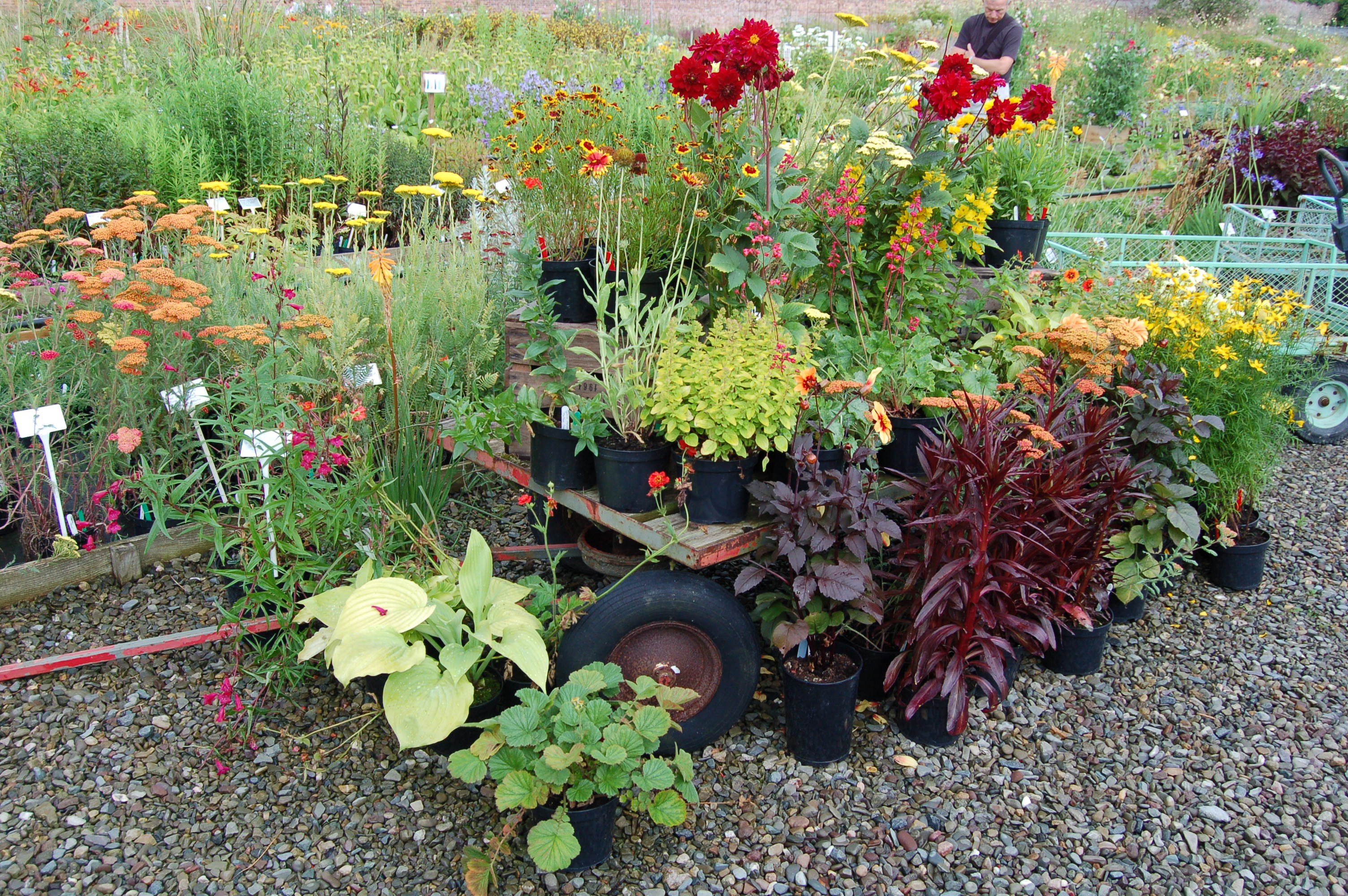
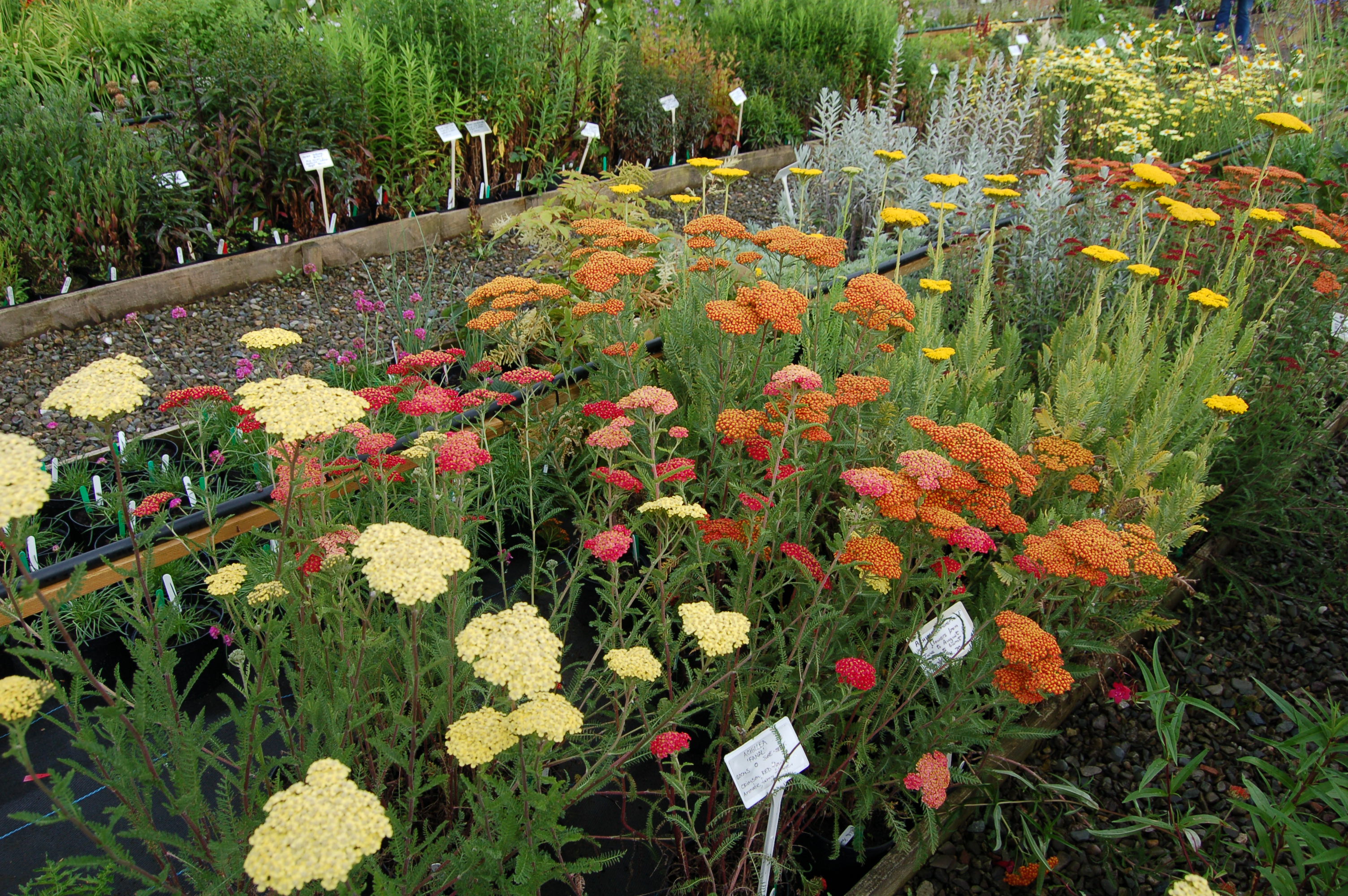
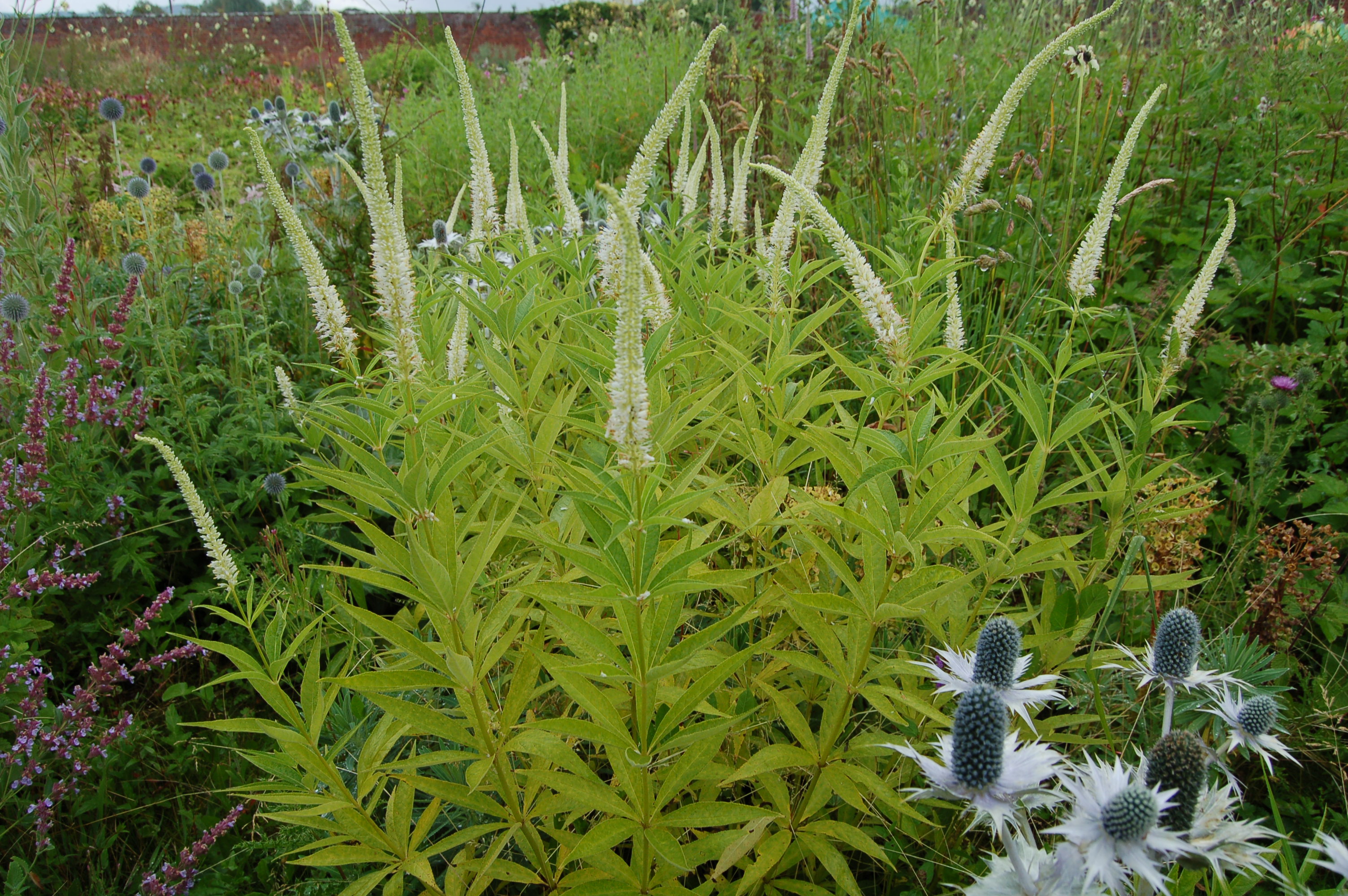
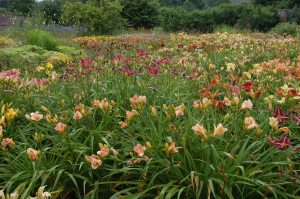
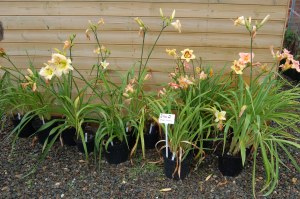
Displays of plants in flower now and for sale in the nursery beds struck us with their rich colours. Achilleas always attract me and the display here was exceptional.

2014 07 09_1444 2014 07 09_1445

As you can imagine we didn’t get far before the aromas coming from the tea shop area drew us away from the plants. We sat wondering how we were going to resist buying enough plants to fill the car. The rains came as we started our wanderings but it did little to dampen our emthusiasm.

2014 07 09_1446 2014 07 09_1447 2014 07 09_1448 2014 07 09_1449 2014 07 09_1450 2014 07 09_1451 2014 07 09_1452 2014 07 09_1482

2014 07 09_1453 2014 07 09_1454 2014 07 09_1455 2014 07 09_1483

There were signs of how much work was to be done if the garden was to be restored.

2014 07 09_1466

An extra treat was to come after our second tea break. We met the wonderful Day Lily specialist Mark Zennick.

2014 07 09_1468 2014 07 09_1481

2014 07 09_1479

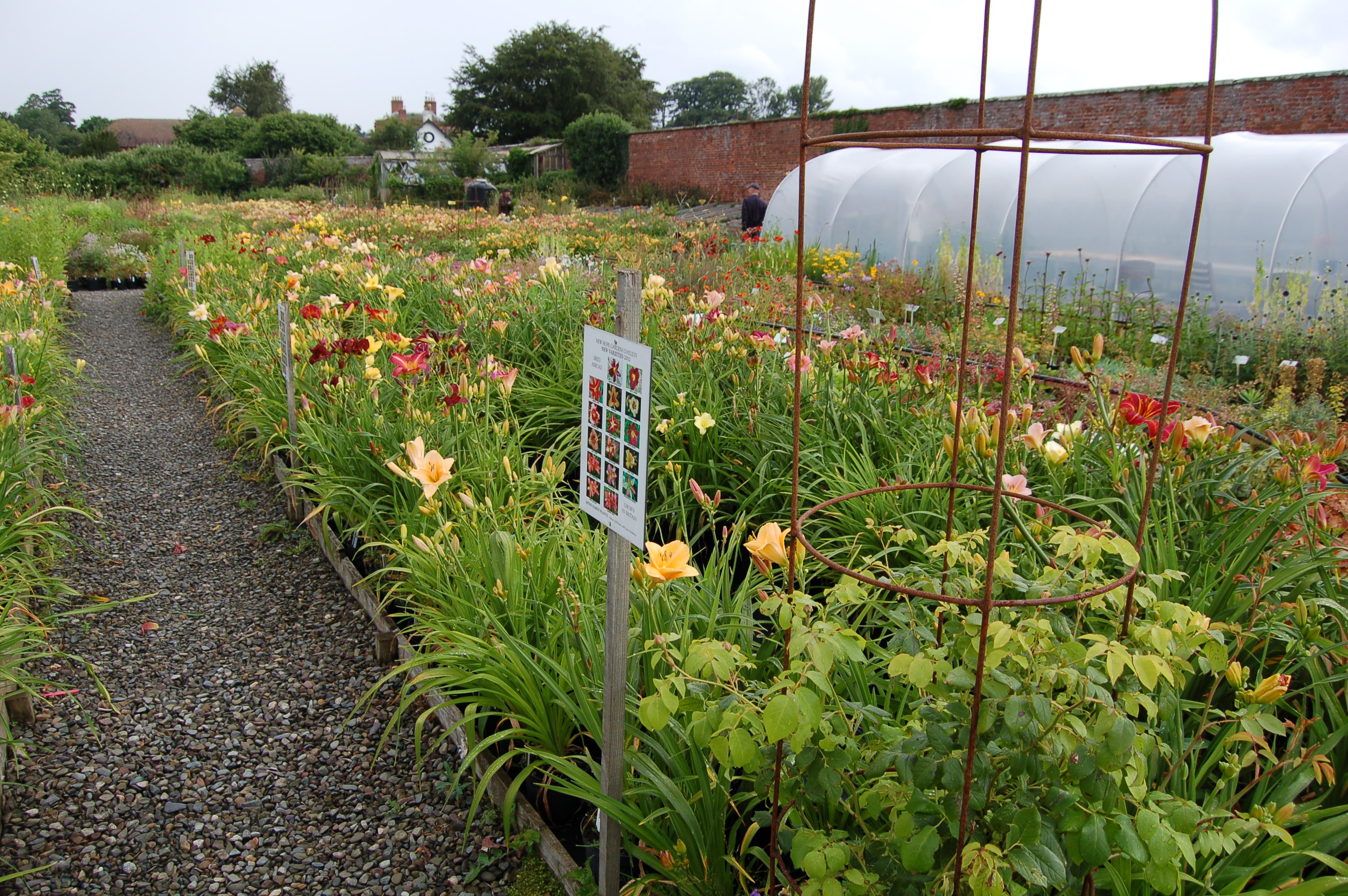
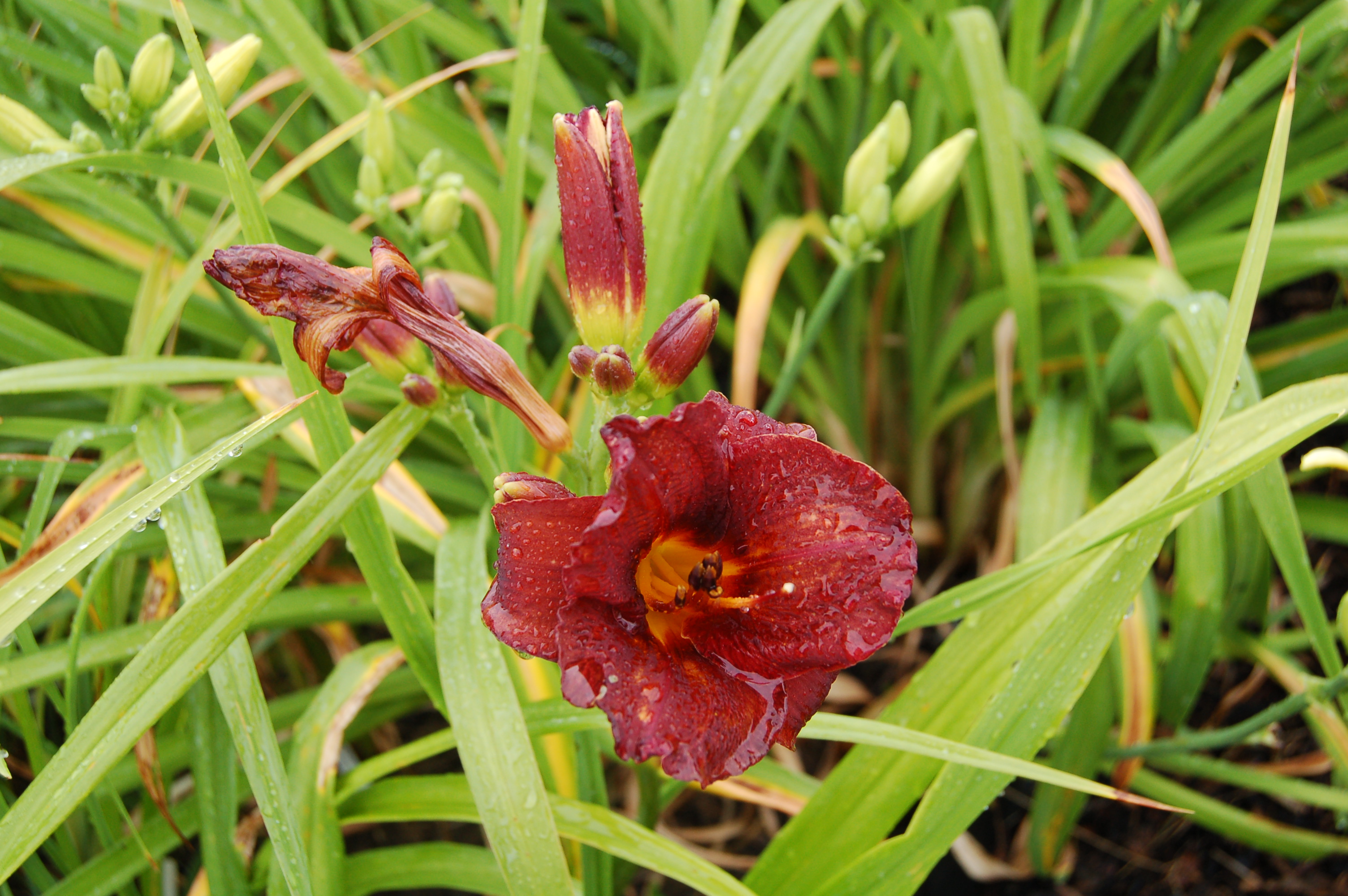
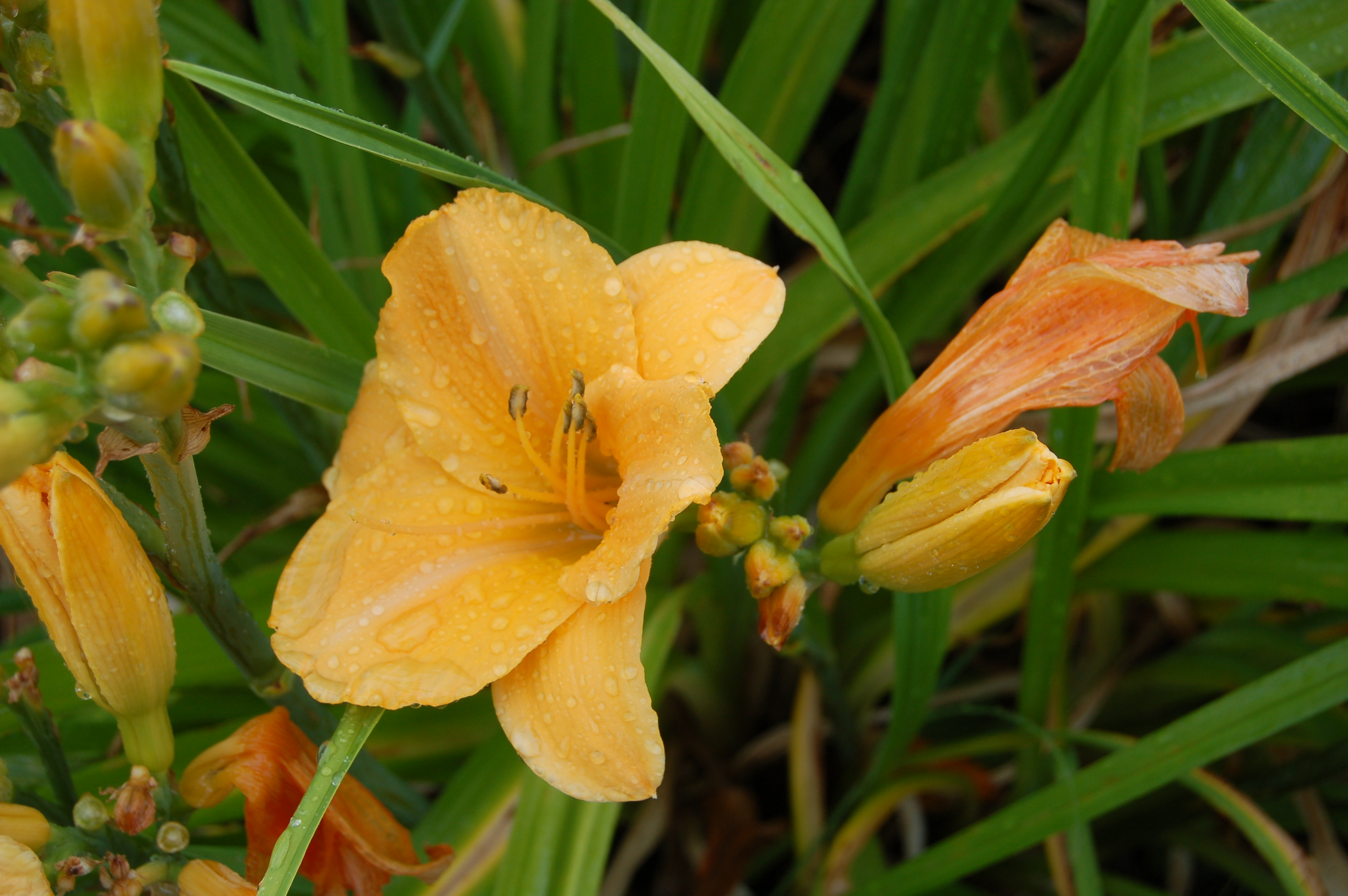
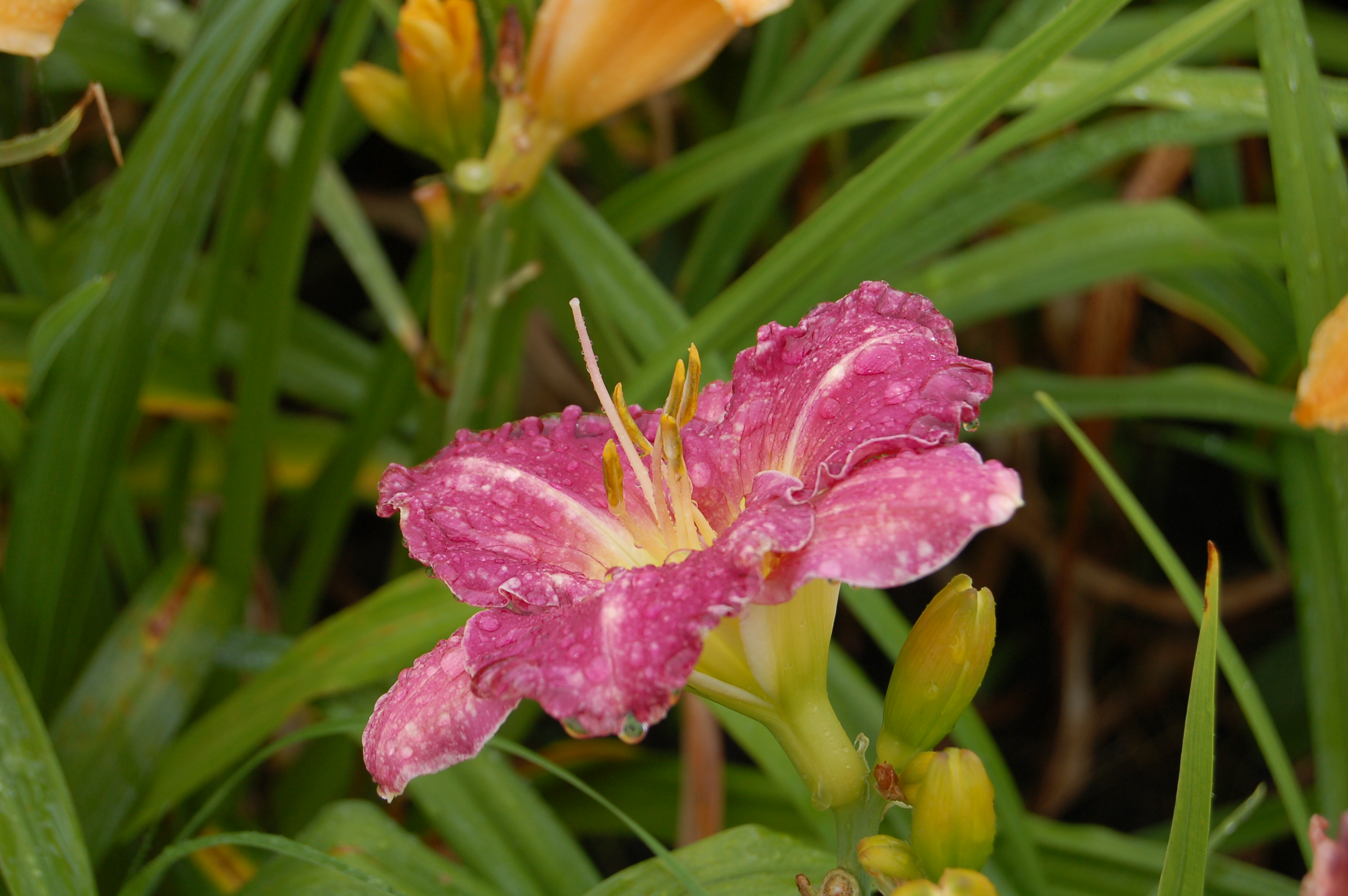
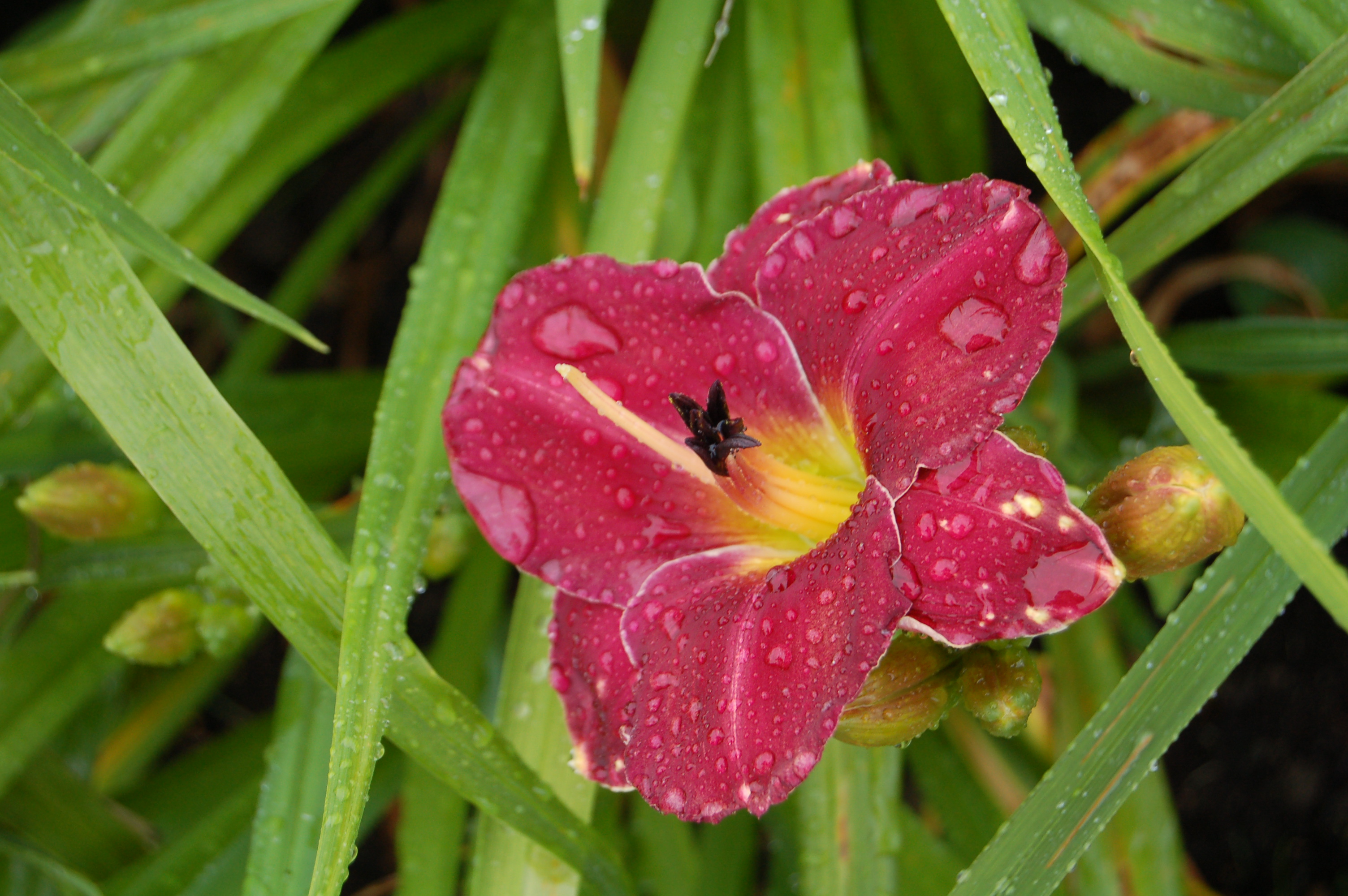
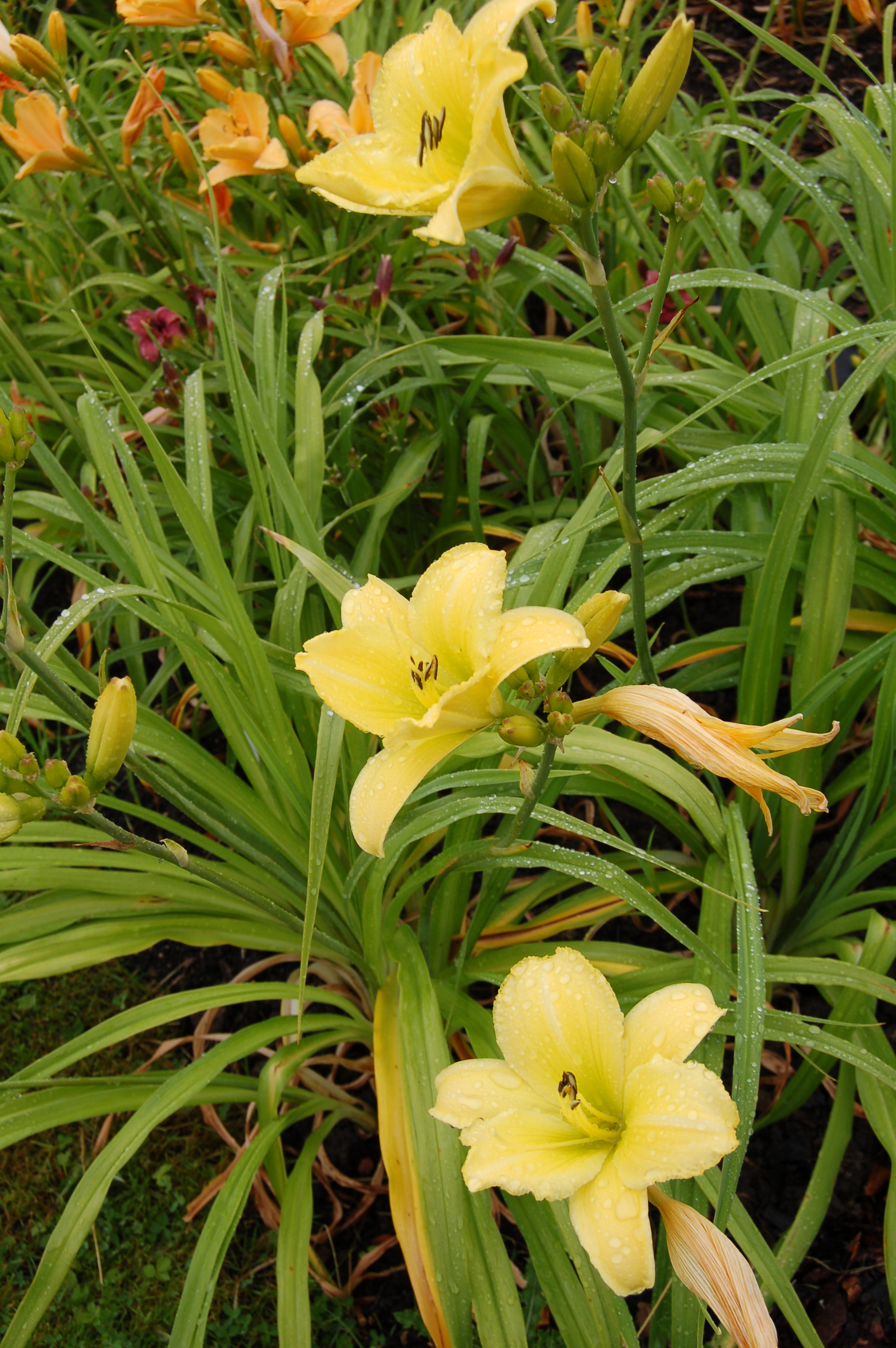
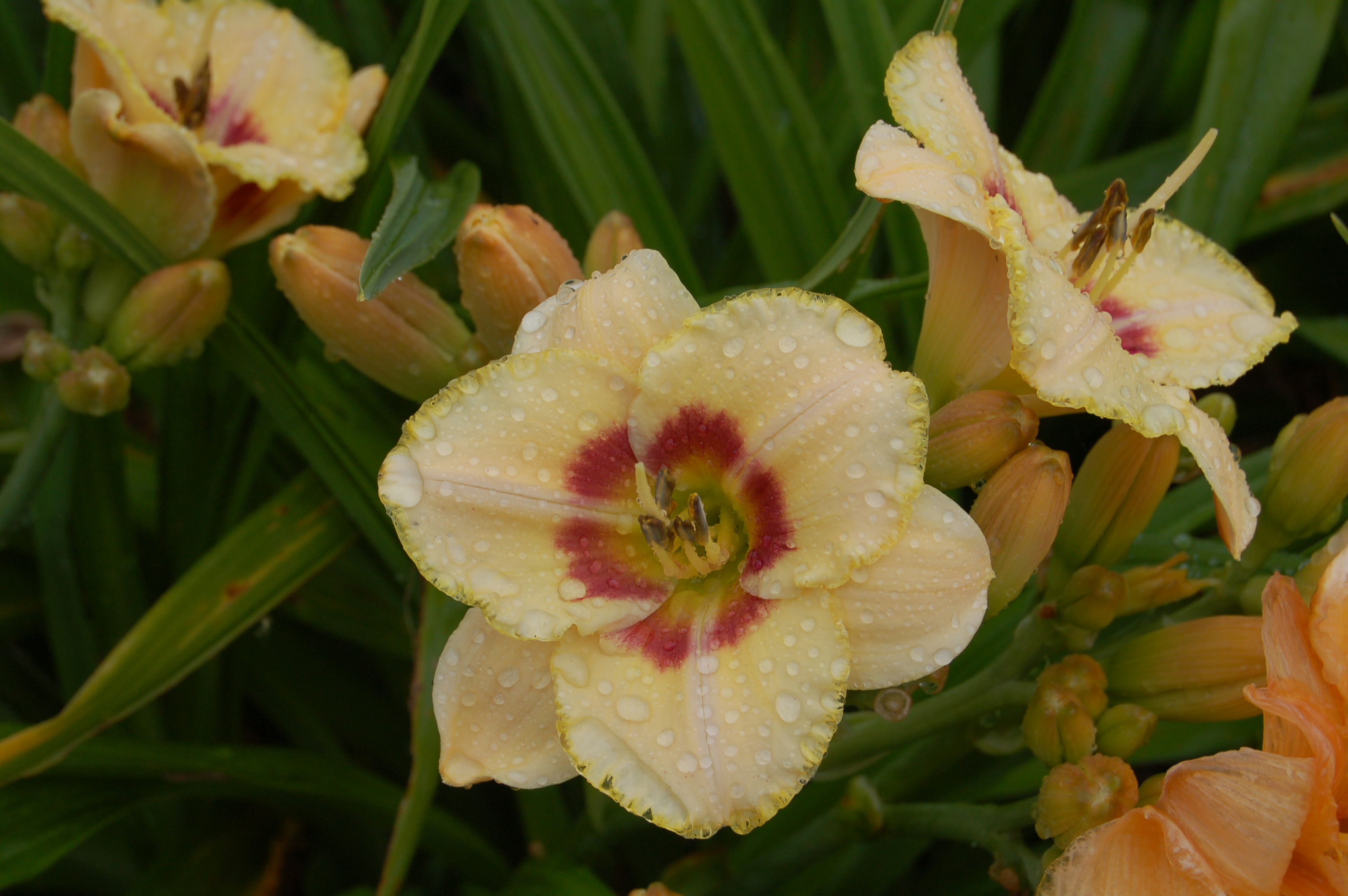
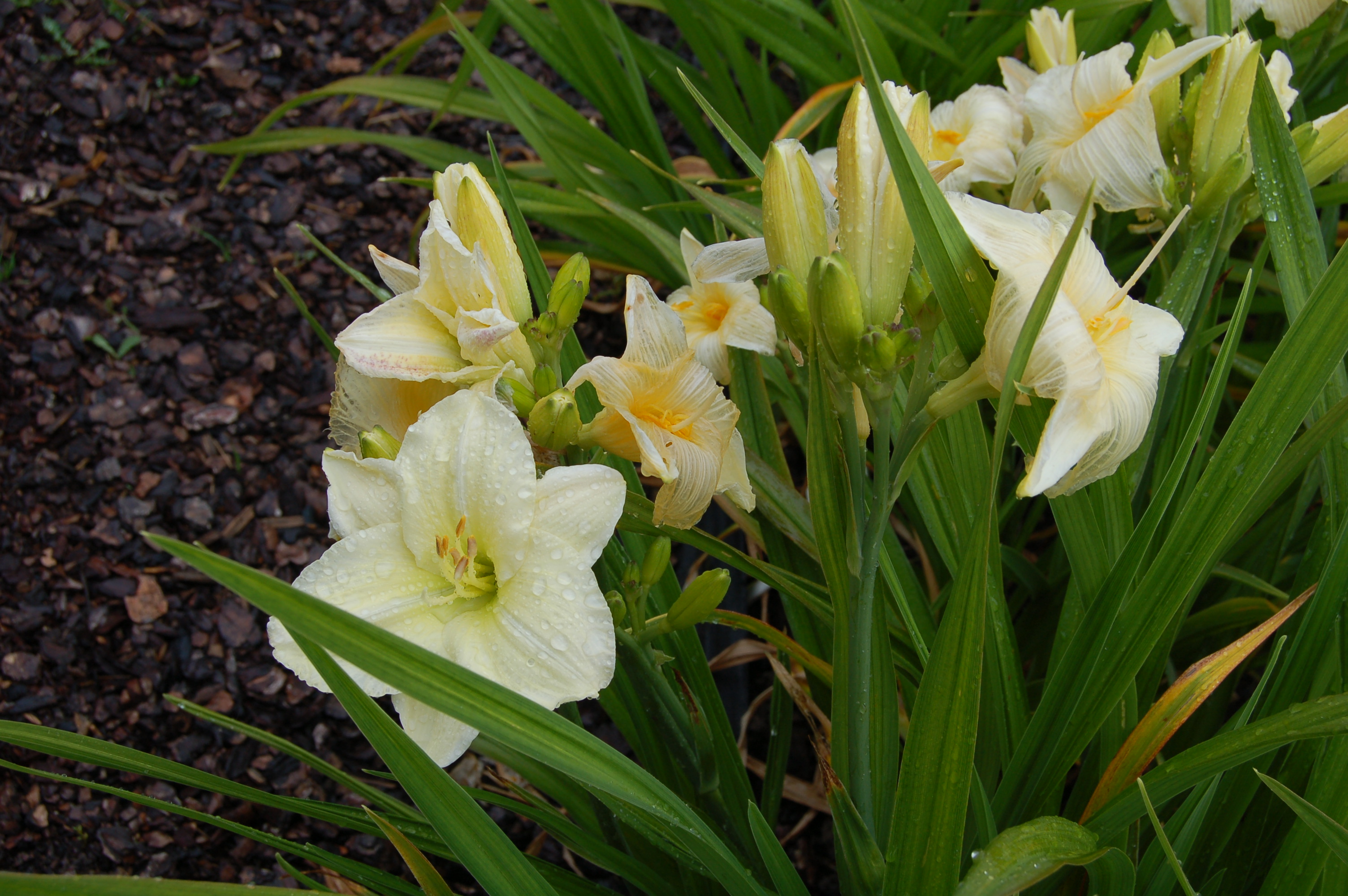
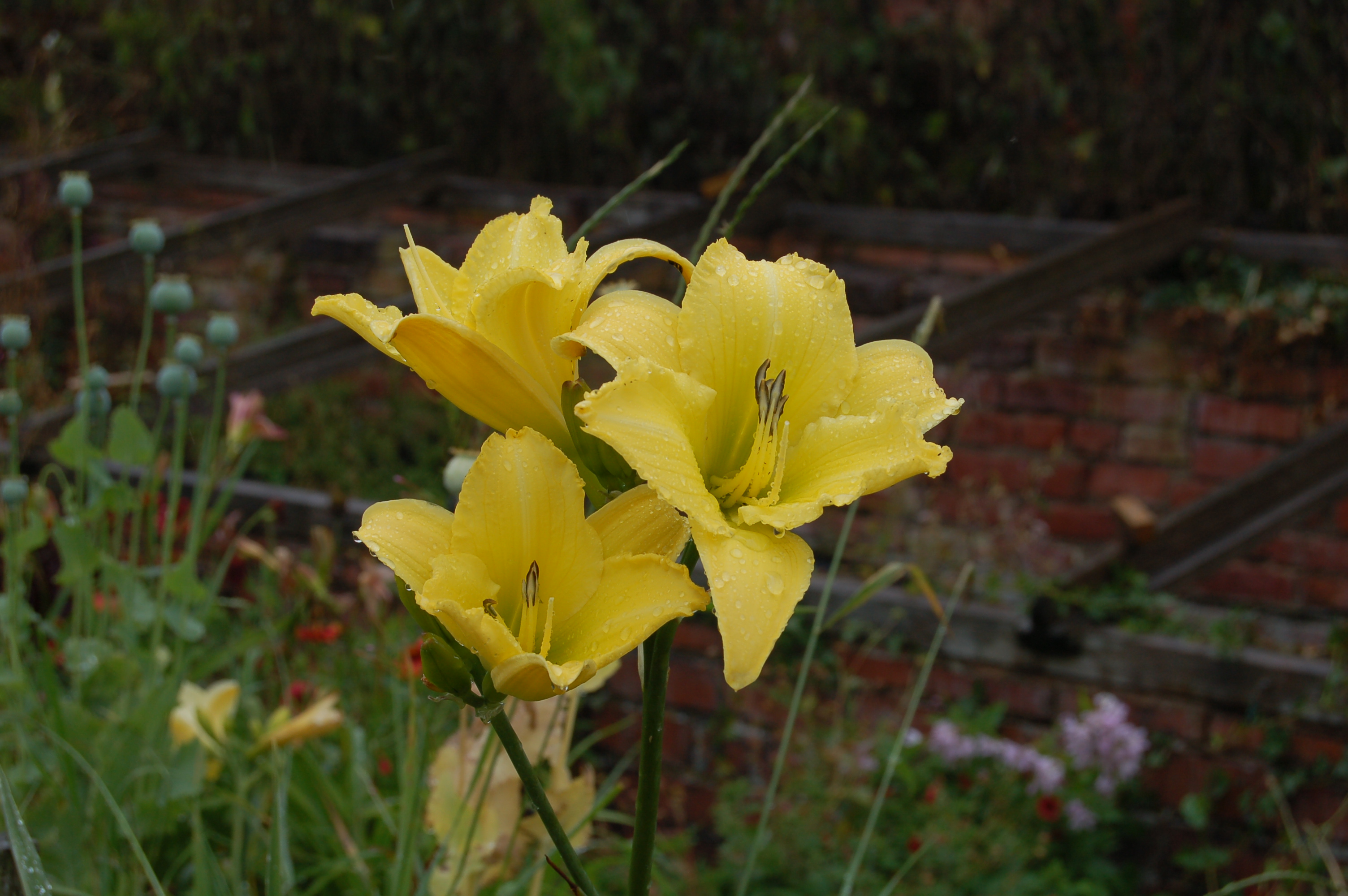
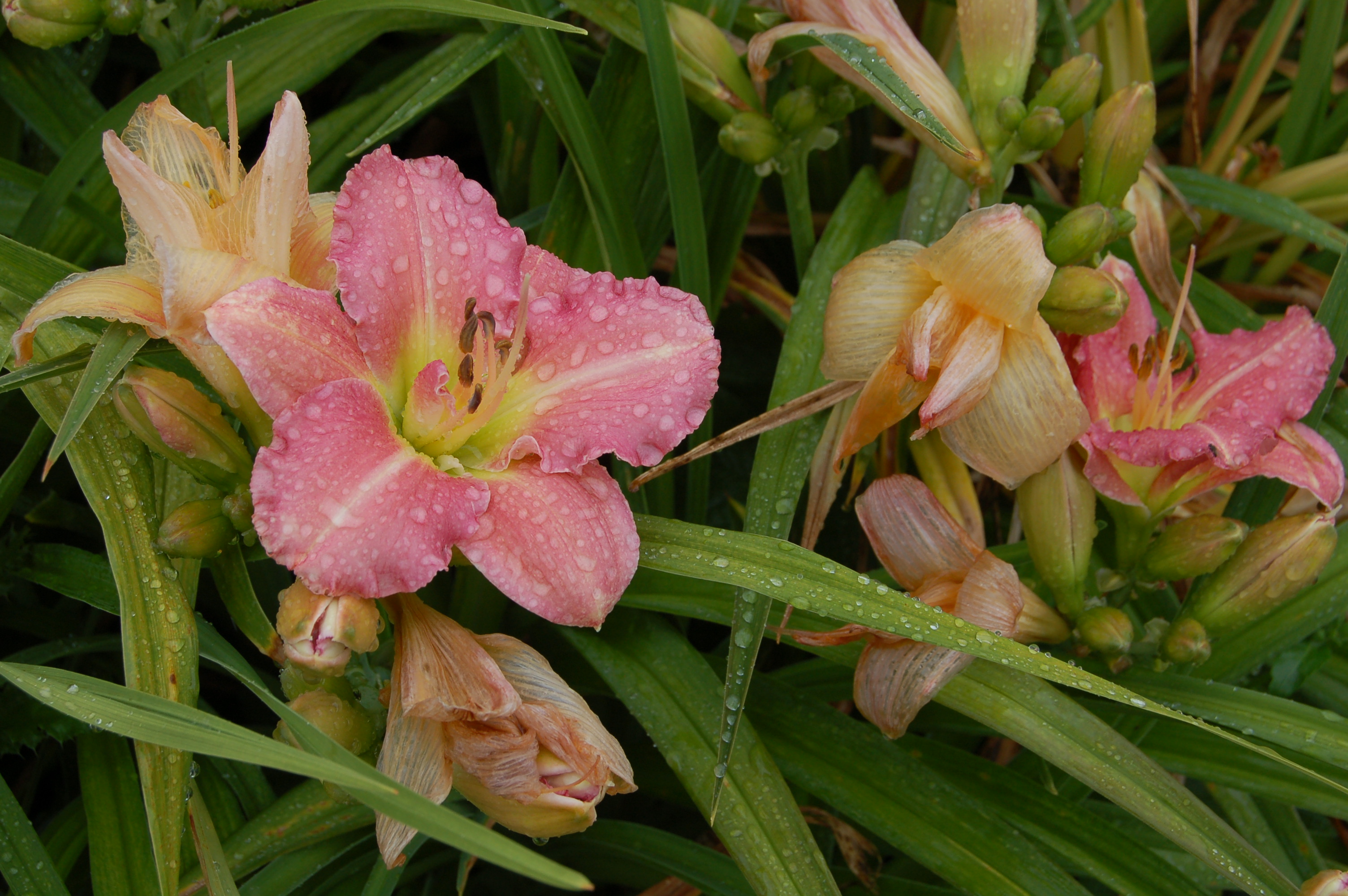
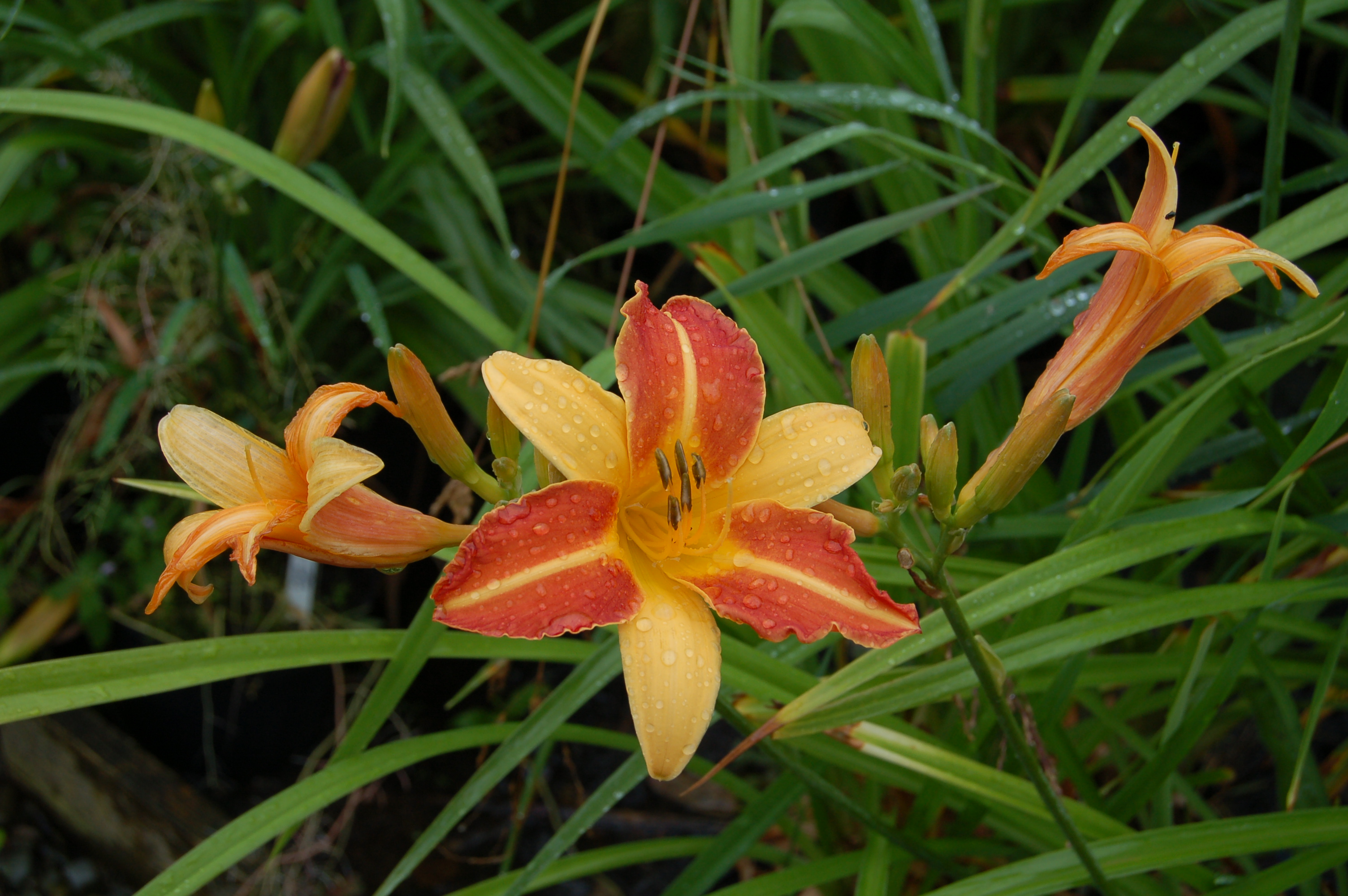
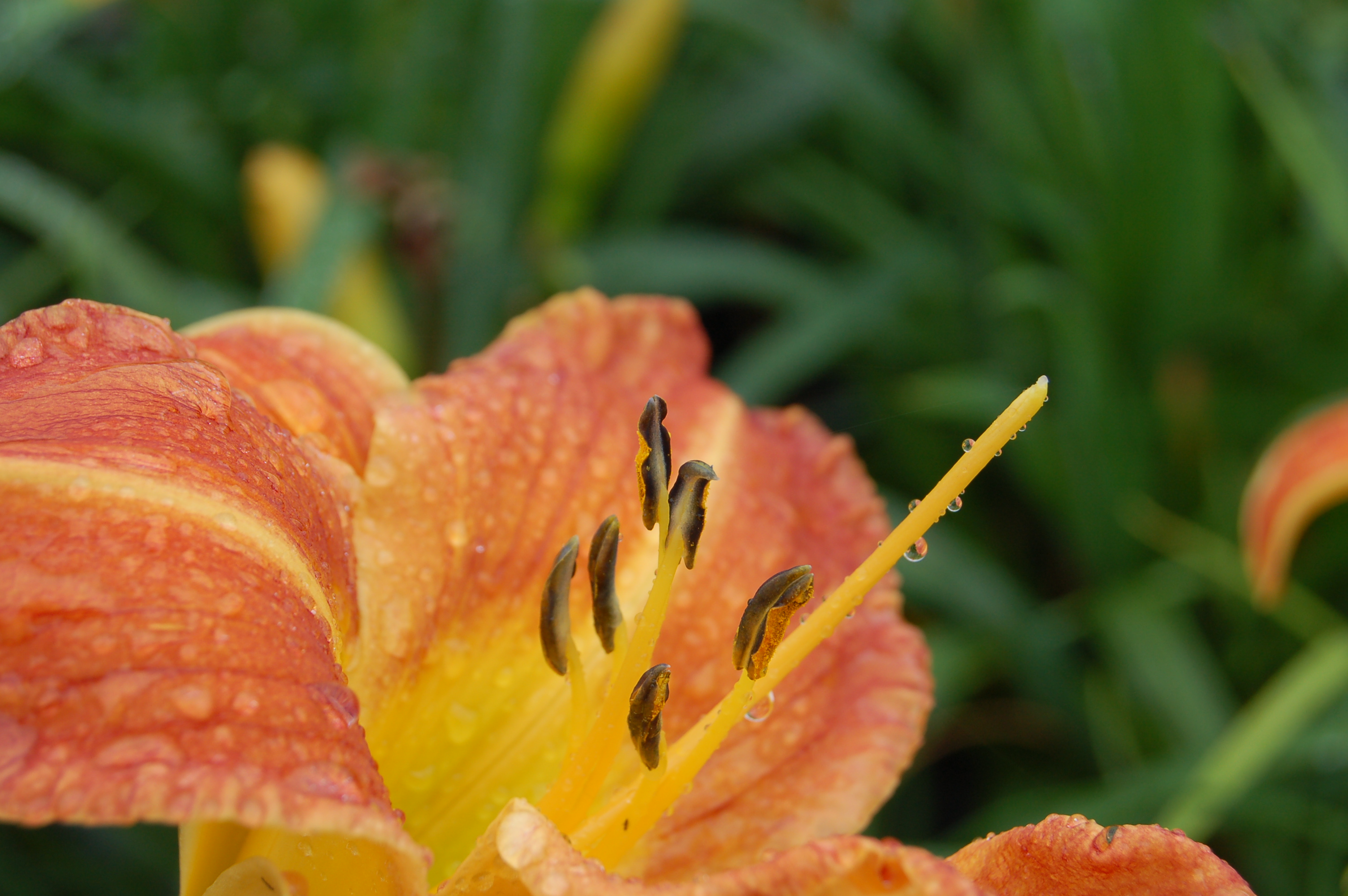
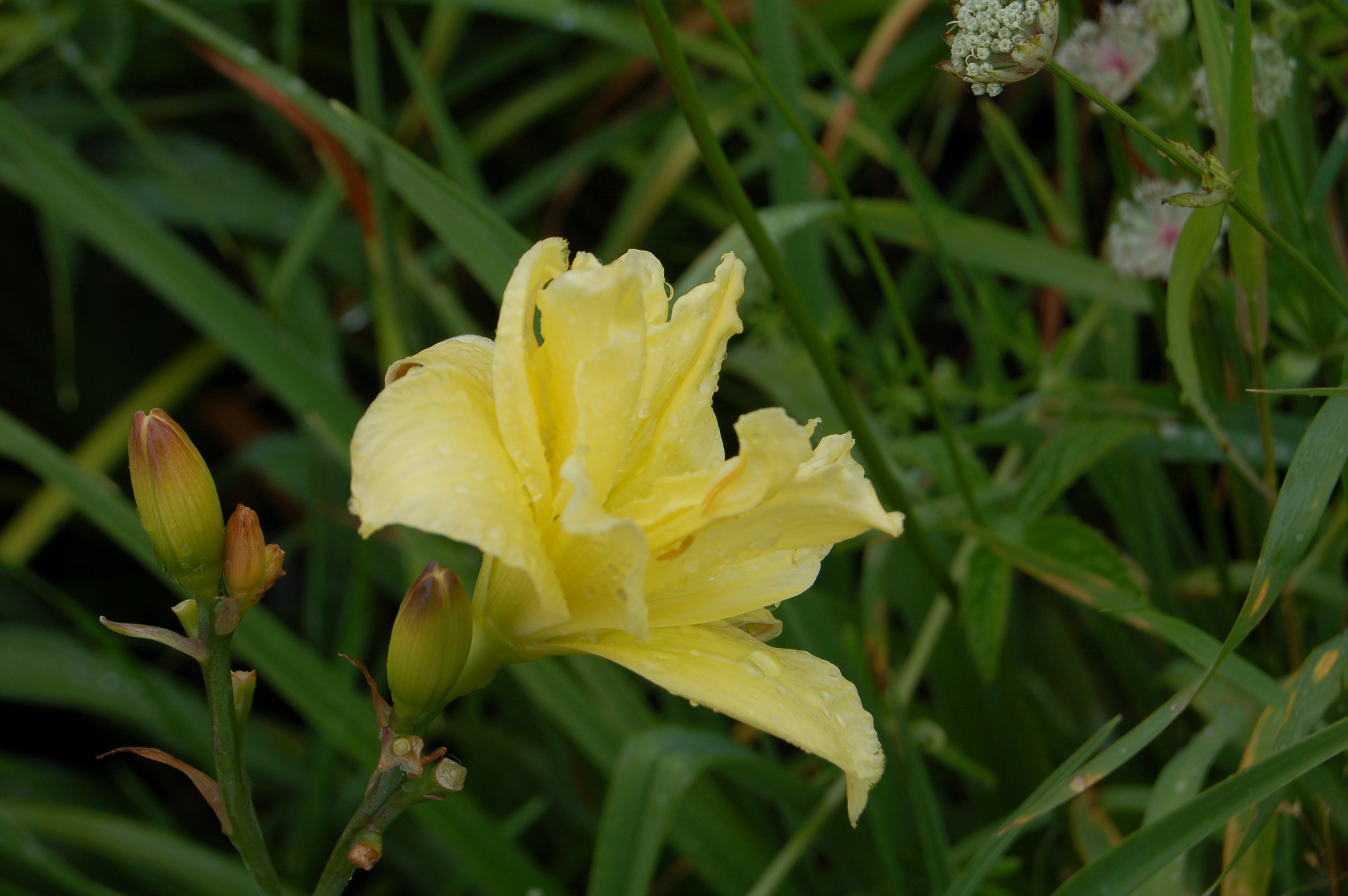
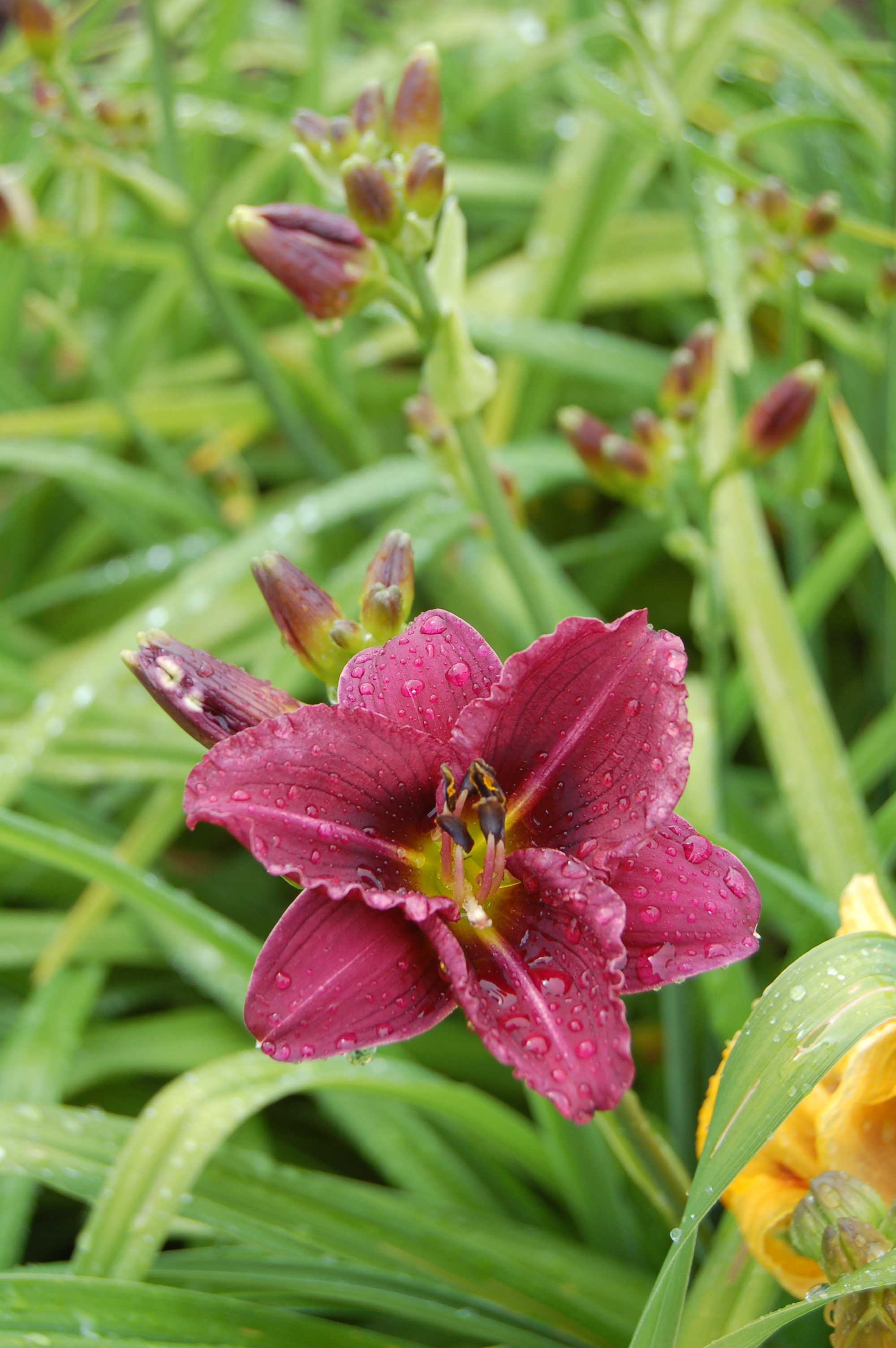
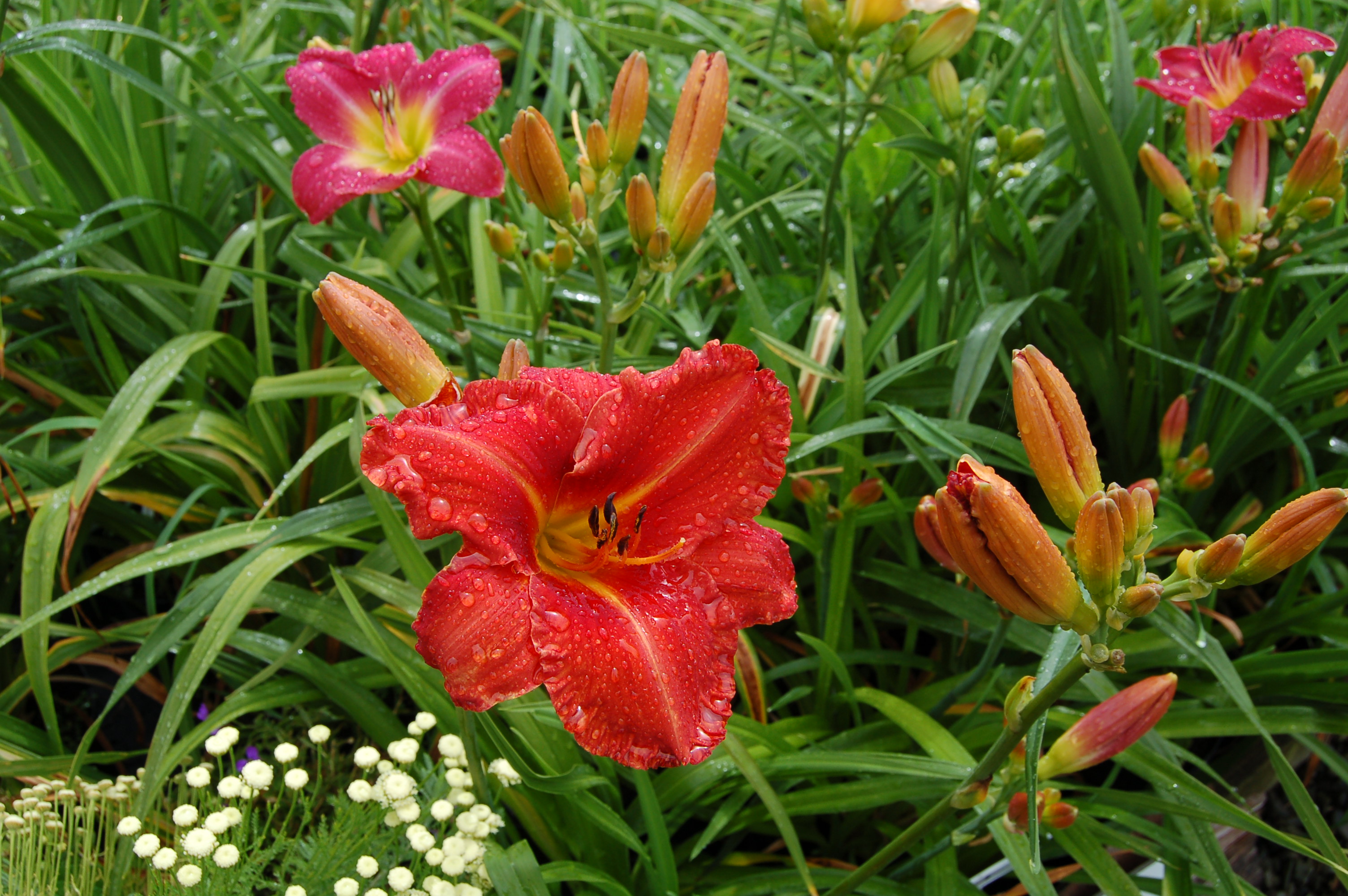
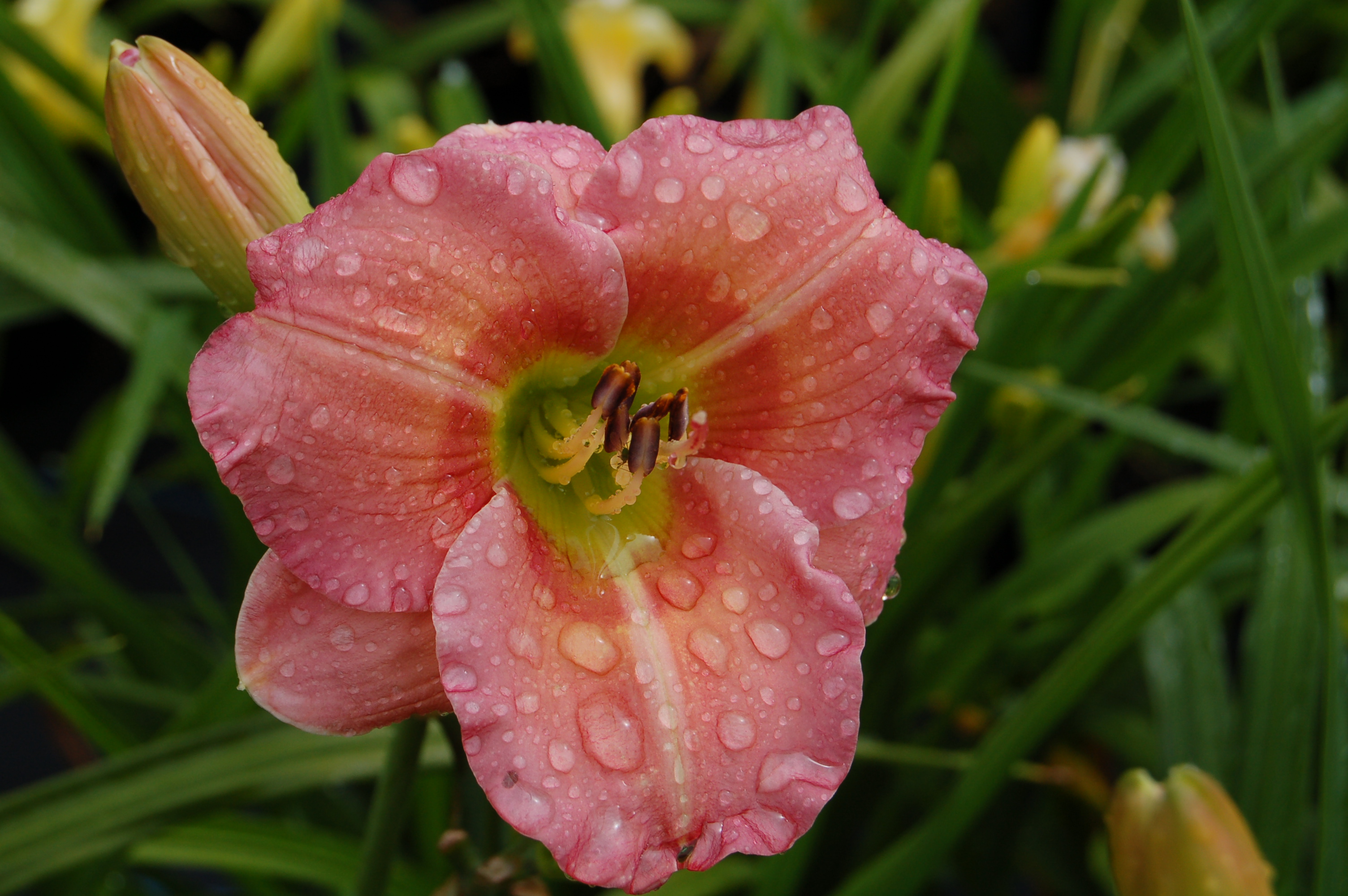
What a character! He convinced us within minutes that we loved all Hemerocallis even the bicolours and doubles that we thought we disliked strongly. I had known about his work and now I can put the face to the name. Check out the photos of just a tiny selection of his plants below and you will just begin to appreciate the vastness of his collection.

2014 07 09_1457 2014 07 09_1458 2014 07 09_1459 2014 07 09_1460 2014 07 09_1461 2014 07 09_1462 2014 07 09_1463 2014 07 09_1464 2014 07 09_1465  2014 07 09_1467 2014 07 09_1487

2014 07 09_1469 2014 07 09_1470 2014 07 09_1471 2014 07 09_1472 2014 07 09_1473 2014 07 09_1474 2014 07 09_1475 2014 07 09_1476 2014 07 09_1477 2014 07 09_1478  2014 07 09_1480    2014 07 09_1484 2014 07 09_1485 2014 07 09_1486


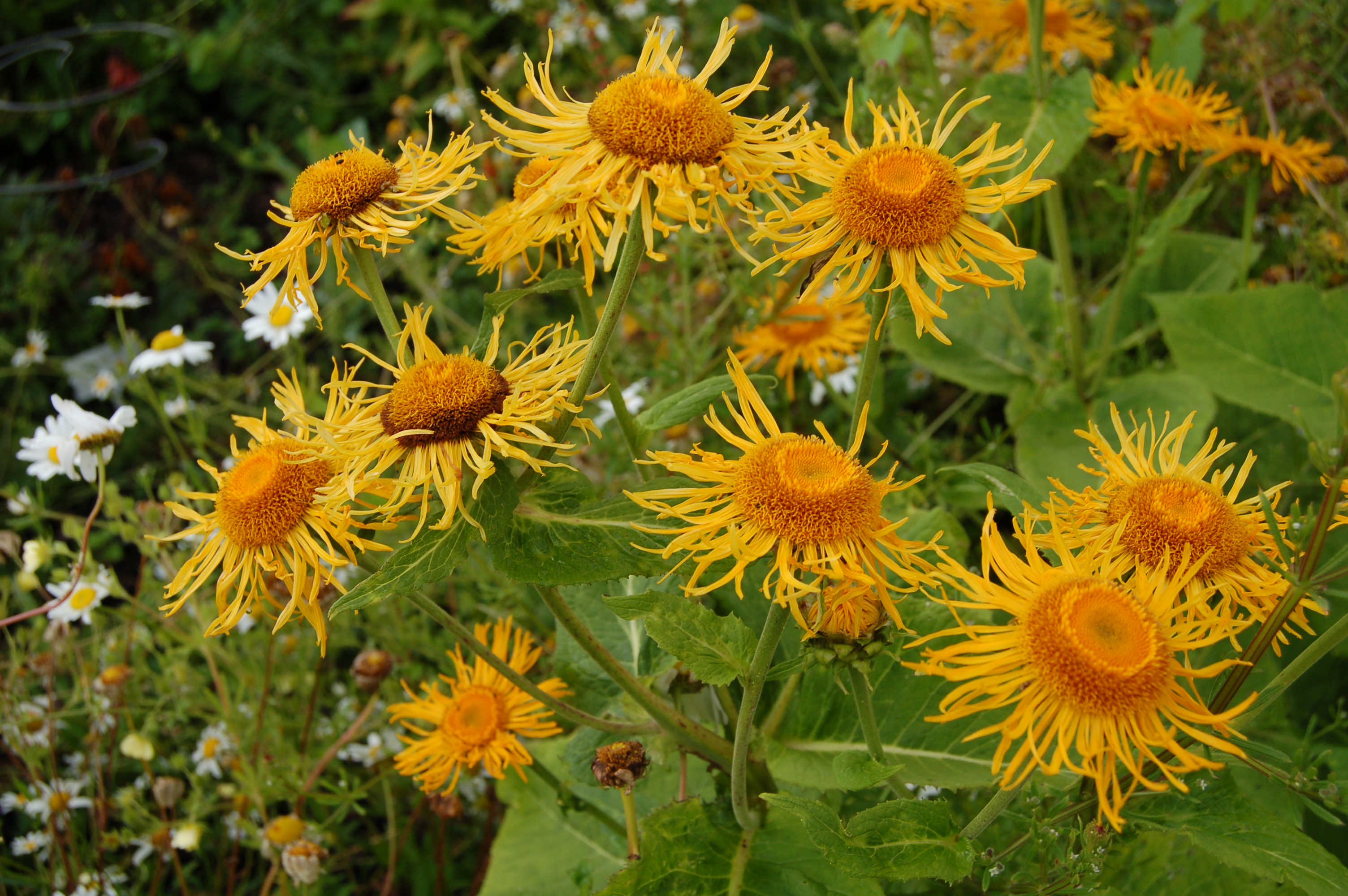
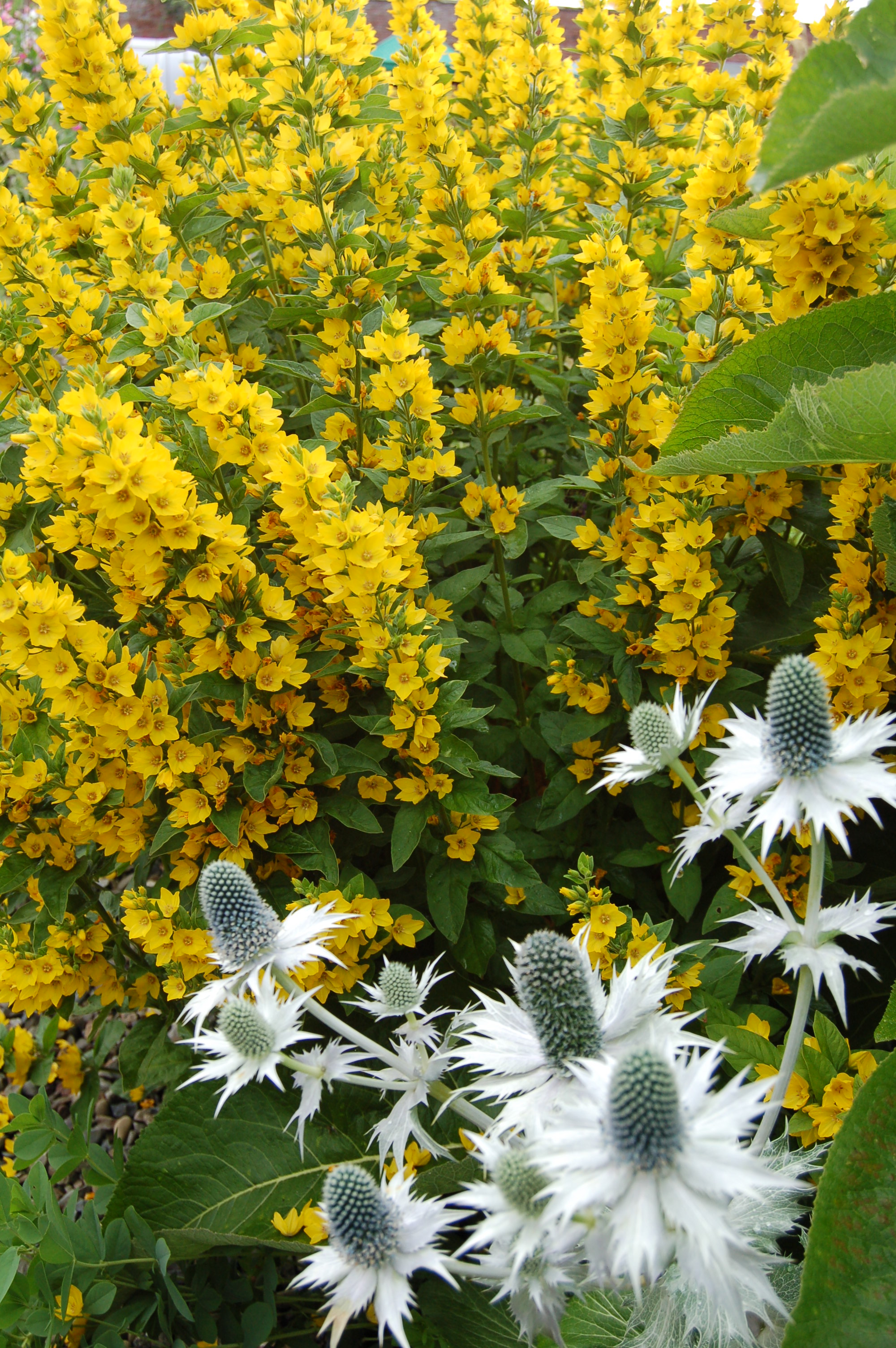
It is always good to find a plant previously unknown to you. This little beauty struck the four of us equally and we enjoyed racking our brains to work out what it was. We were all totally wrong. When we turned to Mark for the answer we were amazed to learn it was a Lysimachia.

Naturally we came away with a lovely specimen for our own garden. And we will be back within a week or so. As we get closer to our own NGS open day we are sure to need a few specimens to fill the odd gap. Mynd Hardy Plants is the place to satisfy these needs! And of course I may take enough shots of different Hemoraccalis to create another post. Mark agreed to come and talk to the Shropshire Group of the Hardy Plant Society in the future, on the subject of Day Lilies of course, and the new owners wished to make a reciprocal visit to our gardens.

We had chosen well. Our visit had relaxed us and we felt we had made new friends. If you love Day Lilies, or if you love walled gardens or if you like independent nurseries you must go and visit. The challenge is to leave without buying a plant!

Check out the website at http://www.myndhardyplants.co.uk.


This Veggie Life

A Vegetarian | Nature Lifestyle Blog

Rambling in the Garden

.....and nurturing my soul

The Arch City Gardener

Journeys In St. Louis Gardening and Beyond

Garden Dreaming at Châtillon

Consult the genius of the place

Storyshucker

A blog full of humorous and poignant observations.

gardeninacity

Notes from a wildlife-friendly cottage garden

PlayGroundology

...an emerging social science

The Official Blog of British Wildlife

'The most important and informative publication on wildlife of our times' - The Independent. This blog is a member of The UK & Ireland Natural History Bloggers group: www.uknhb.blogspot.com

iGrowHort

Inspire - Cultivate - Grow Native Plants - Restore Landscapes

Bishops Meadow Trust

To create and protect a semi-natural wild space for the people of Farnham to enjoy and experience an array of British wildlife in our town

Gardening with Children

The www.gardeningwithchildren.co.uk Blog

UKbirdingtimeline

birding through the seasons, why birds matter and how to conserve them

NATURE WALKER

with a camera in hand

Jardin

Transform your outdoor space

Eva's space

My allotment, cooking and other interests

Old School Garden

my gardening life through the year

LEANNE COLE

Trying to live a creative life

fromacountrycottage

trying to live as lightly as possible on our beautiful planet

Good Life Gardening

Nature lovers from Leicester living the good life.

mybeautfulthings

Finding the beautiful in the everyday

mawsonmichelle

Michelle's Allotment

In and Out of My Garden

thoughts from and about my garden

Greenhousing

Big plans for a small garden

The Scottish Country Garden

A Walled Country Garden in South East Scotland

The Fruity Chicken

Life at the fruity chicken

willowarchway

Off grid living. Self sufficient. "PERMAGANICS RULE".
St Anns Allotments

Nottingham's Grade 2* Listed Allotments and Community Orchard

Manifest Joy Harvests

a journey in suburban vegetable gardening

Allotmental

The madness of growing your own

Penny's Garden: a harvest beyond my front door

A novel approach to vegetable gardening

arignagardener

Sustainable living in the Irish countryside.

NewEnglandGardenAndThread

Master Gardener, amateur photographer, quilter, NH native, and sometimes SC snowbird

dianajhale

Recent work and work in progress and anything else that interests me

planthoarder

a chaotic cottage gardener

Lens and Pens by Sally

a weekly blog that creates a personal philosophy through photographs and words

Dewdrops and Sunshine

Stories from a sassy and classy Southern farmbelle.

The Pyjama Gardener

Simple Organic Gardening & Seasonal Living

gettin' fresh!

turning dirt into dinner

JOY...

today the world is created anew

Garden Birds

Notes from a Devon garden

ShootAbout

Life Through The Lens

Adapting Pixels

A photography blog showcasing the best photography pictures and videos on the internet

Wildlifegardening's Blog

Just another WordPress.com site

naturestimeline

personal observations from the natural world as the search continues for a new approach to conservation.

LATEBLOOMERBUDS

The Wonders of Life through my Eyes, my Heart, my Soul