Categories
Cheshire colours flowering bulbs garden design garden photography gardening gardens gardens open to the public light light quality National Trust ornamental trees and shrubs shrubs spring bulbs The National Trust trees Winter Gardening winter gardens

Winter Wonderland at Dunham Massey – part two

2015 02 27_9737_edited-1

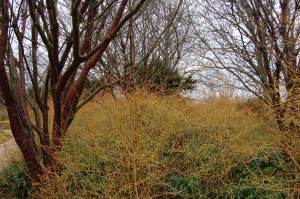
Welcome back to the National Trust property Dunham Massey in Cheshire where earlier this year we enjoyed our annual exploration of their wonderful Winter Gardens. No winter flowering plant can have more presence than Cornus mas, the Cornellian Cherry.

2015 02 27_9725_edited-1

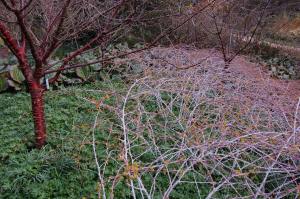
Better known perhaps are the Witch Hazels with their flowers of yellow, orange and red which glow like fire in the slightest brightness of the winter sun.

2015 02 27_9774 2015 02 27_9727_edited-1

Deep inside their brightest of ribbons of petals deep secrets hide, revealed only when the petals fall.

2015 02 27_9775 2015 02 27_97762015 02 27_9777_edited-1

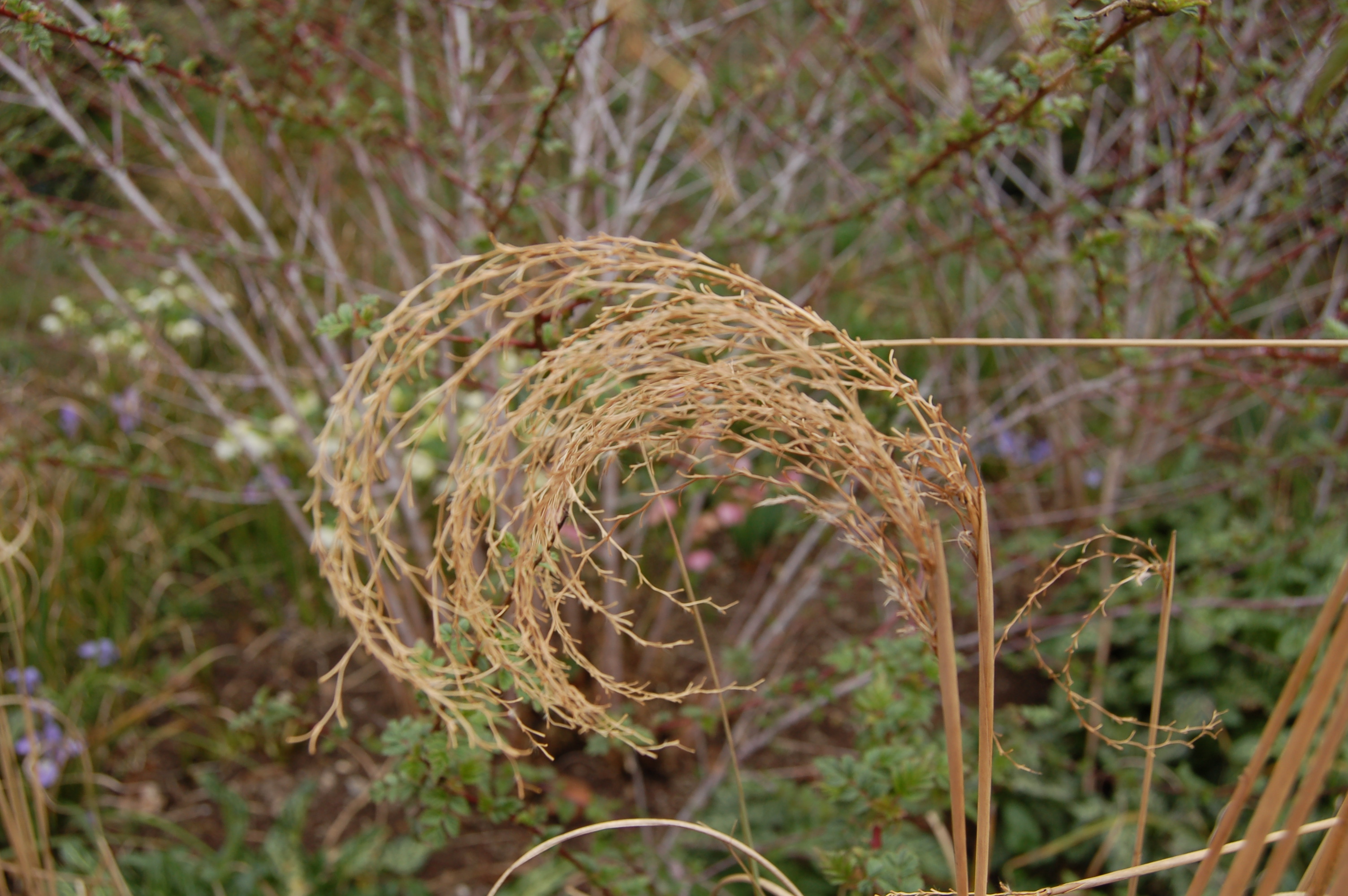
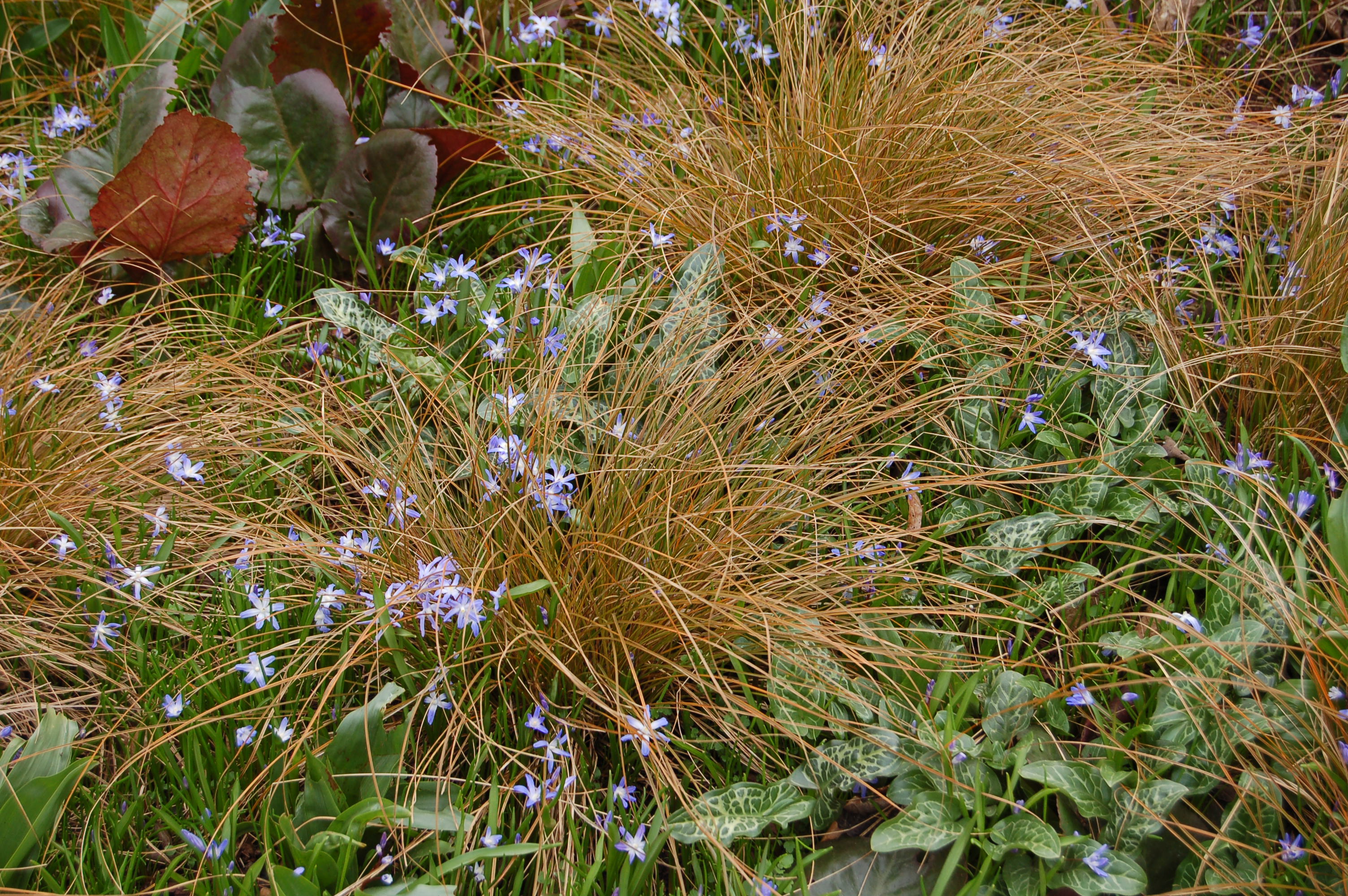
In part one of this two part visit to Dunham Massey I shared with you my love of the biscuits and browns, the last of life from the previous seasons. Now I will share some more beautiful details in close up, using a close-up attachment on my Nikon. It really brings out the importance of structure and the richness hidden in these modest colours.

2015 02 27_9771 2015 02 27_97722015 02 27_9729_edited-1

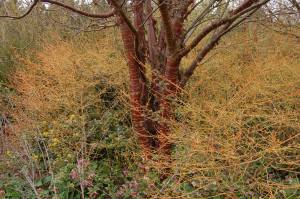
Amazingly exactly the same colours are there to be found in the bark of a winter garden’s trees.

2015 02 27_9773 2015 02 27_9722_edited-1 2015 02 27_9750_edited-12015 02 27_9723_edited-1

On some old flowerheads from last year, especially the Hydrangeas, the dominant colour is bone white which does look good too!

2015 02 27_9744_edited-12015 02 27_9746_edited-12015 02 27_9745_edited-1 2015 02 27_9747_edited-1

As we wandered around the Winter Garden paths which meander among the borders we kept getting glimpses of a shrub which looked to be still in its Autumn coat. We couldn’t get close enough to see what it was so before leaving we sought it out and discovered it to be a Mahonia of the japonica/bealii type but we were not sure which one and it wasn’t labeled. Below is the photo I took to show its bright “autumn” colours against the intense dark greens of surrounding evergreens.

2015 02 27_9785

Naturally I must finish off this double dose of winter beauty where I began, singing the praises of white barked birches! Singing their praises through the lens of my camera!

2015 02 27_97832015 02 27_9718_edited-1 2015 02 27_97882015 02 27_9780 2015 02 27_97862015 02 27_9715_edited-1


Categories
Cheshire colours flowering bulbs garden design garden photography gardens gardens open to the public irises light light quality National Trust ornamental trees and shrubs shrubs spring bulbs The National Trust trees Winter Gardening winter gardens

Winter Wonderland at Dunham Massey – part one

We are in the habit of visiting the gardens of the National Trust property, Dunham Massey, especially since their Winter Garden has matured. We tend to visit in February. This year we made our annual pilgrimage on a sunny, mild day right at the end of the month.

The new visitors centre of glass and wood gives a fresh new welcome and these beautiful etchings in the glass feature throughout. They set the atmosphere to prepare you for the wonderful winter garden.

2015 02 27_9709

On the walk to the garden we passed this dead tree now cut down and the wood used to create a wildlife habitat. Brilliant idea!

2015 02 27_9710

As soon as we had taken our first steps in the garden we could see what we could expect, with this border of coloured stemmed shrubs, Cornus “Midwinter fire” and Rubus thibeticanus against a background of ilex crenata and a mixture of conifers.

2015 02 27_9711

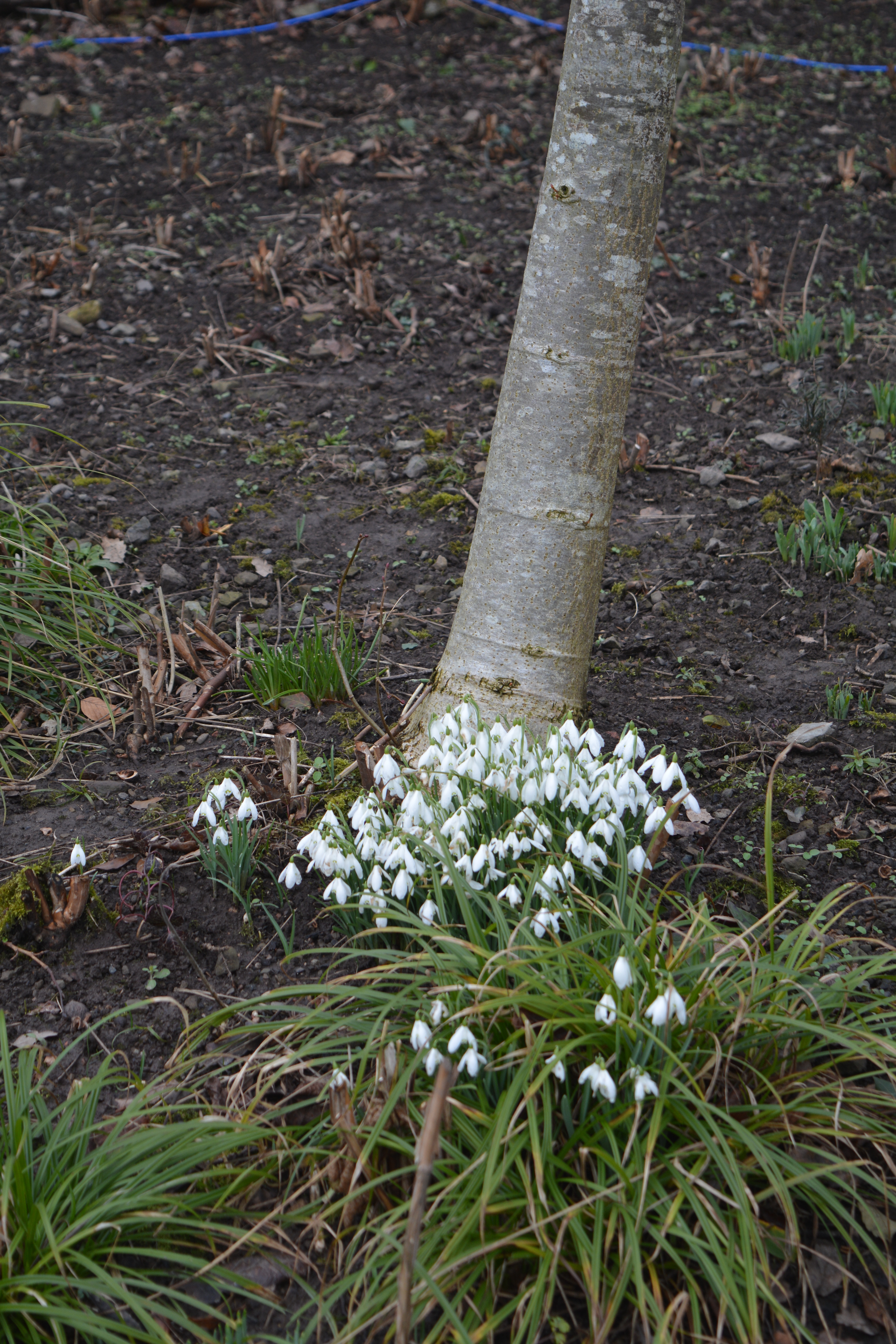
A few paces further on and the large numbers of white stemmed birches, Betula utilis “Dorenbos” appeared like a ghostly forest, with a carpet of Snowdrops adding to the atmosphere. You must know by now how much I love Betulas so you can imagine how planting them on this scale impresses me deeply. They enticed me to try out my new wide angle attachment on the Nikon. Not too sure about the vignetting on this one though!

2015 02 27_97142015 02 27_9713 2015 02 27_9717

There was much more than white coloured plants to look at! And some lovingly selected plant partners.

2015 02 27_9719 2015 02 27_97202015 02 27_9769

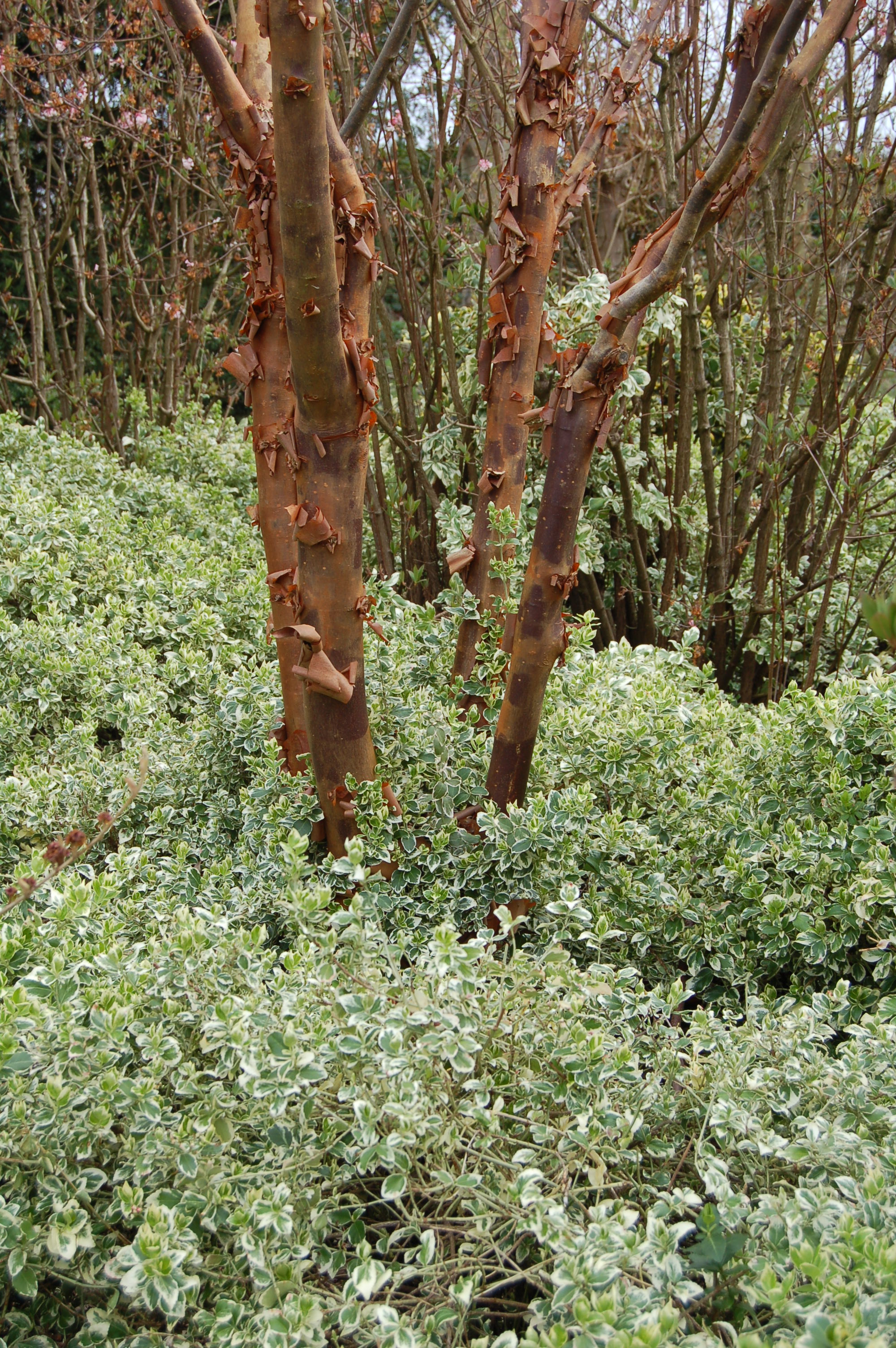
Not all the trees here in the winter garden were Birch either, there was plenty of room for others like this Prunus serrula and Acer griseum.

2015 02 27_9751 2015 02 27_9721 2015 02 27_9728

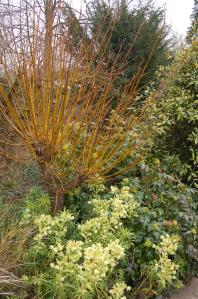
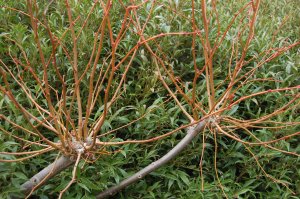
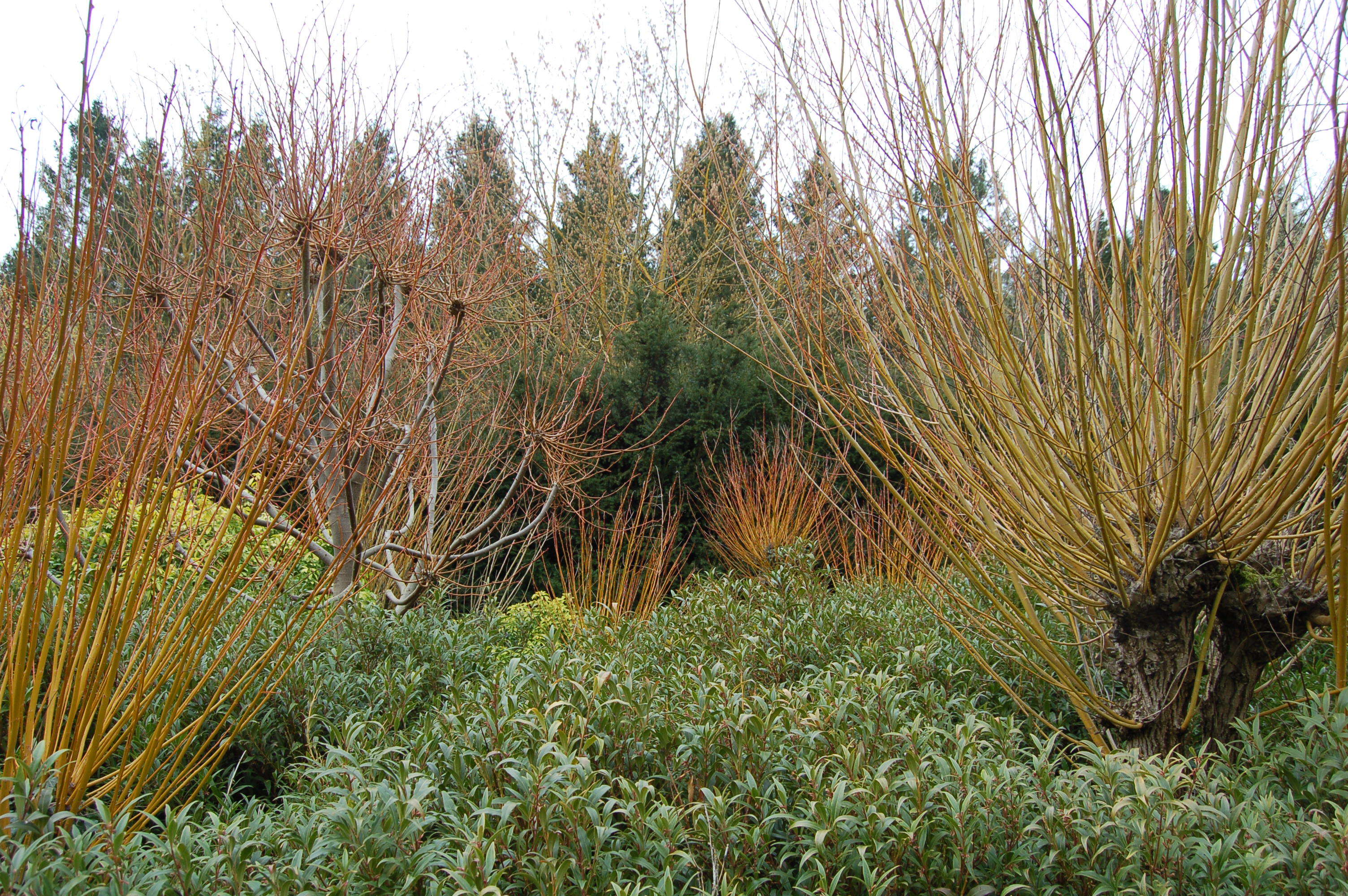
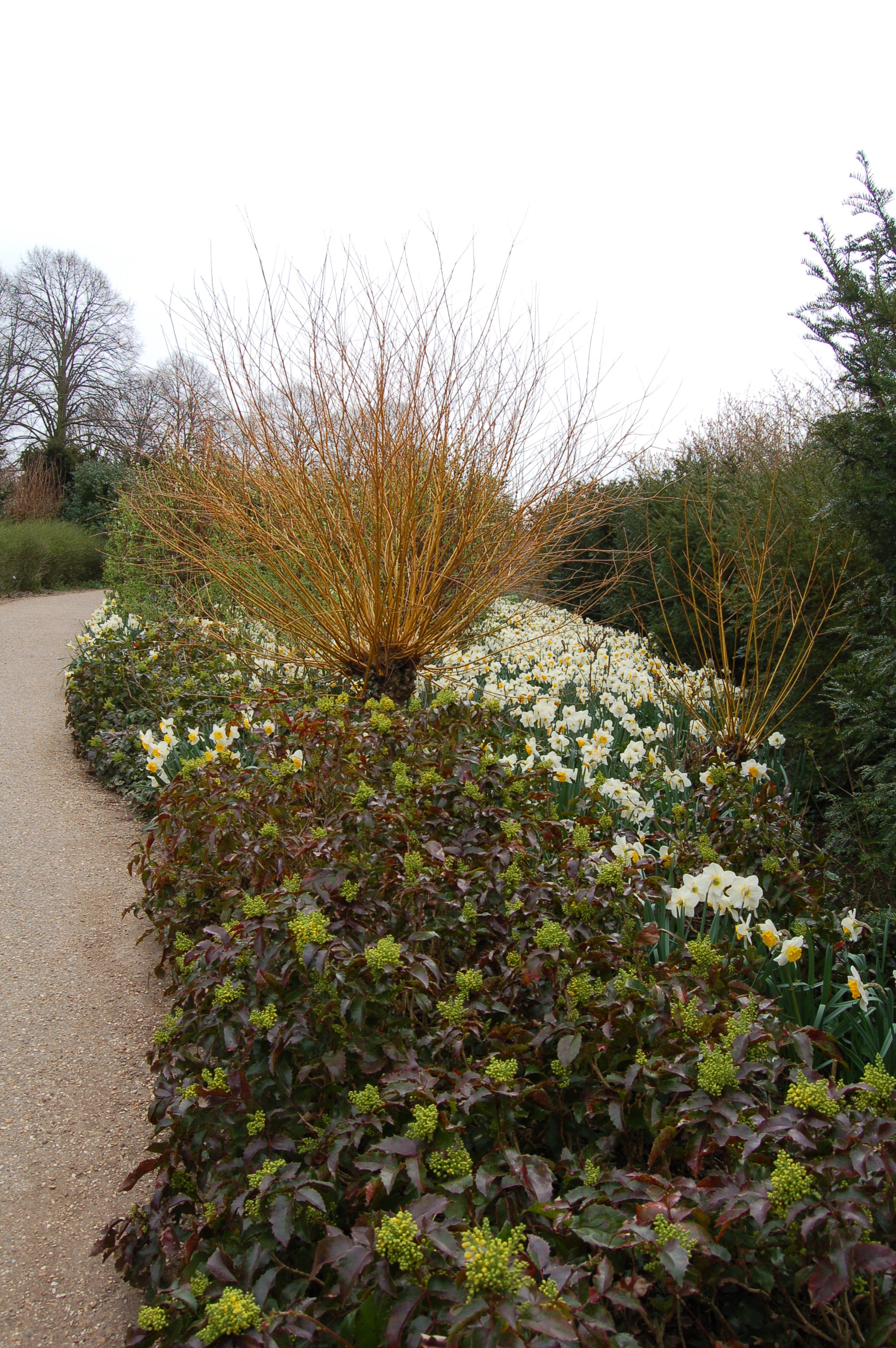
As in any well-designed winter planting coloured stems are very potent, especially Cornus and Salix.

2015 02 27_9734 2015 02 27_9733

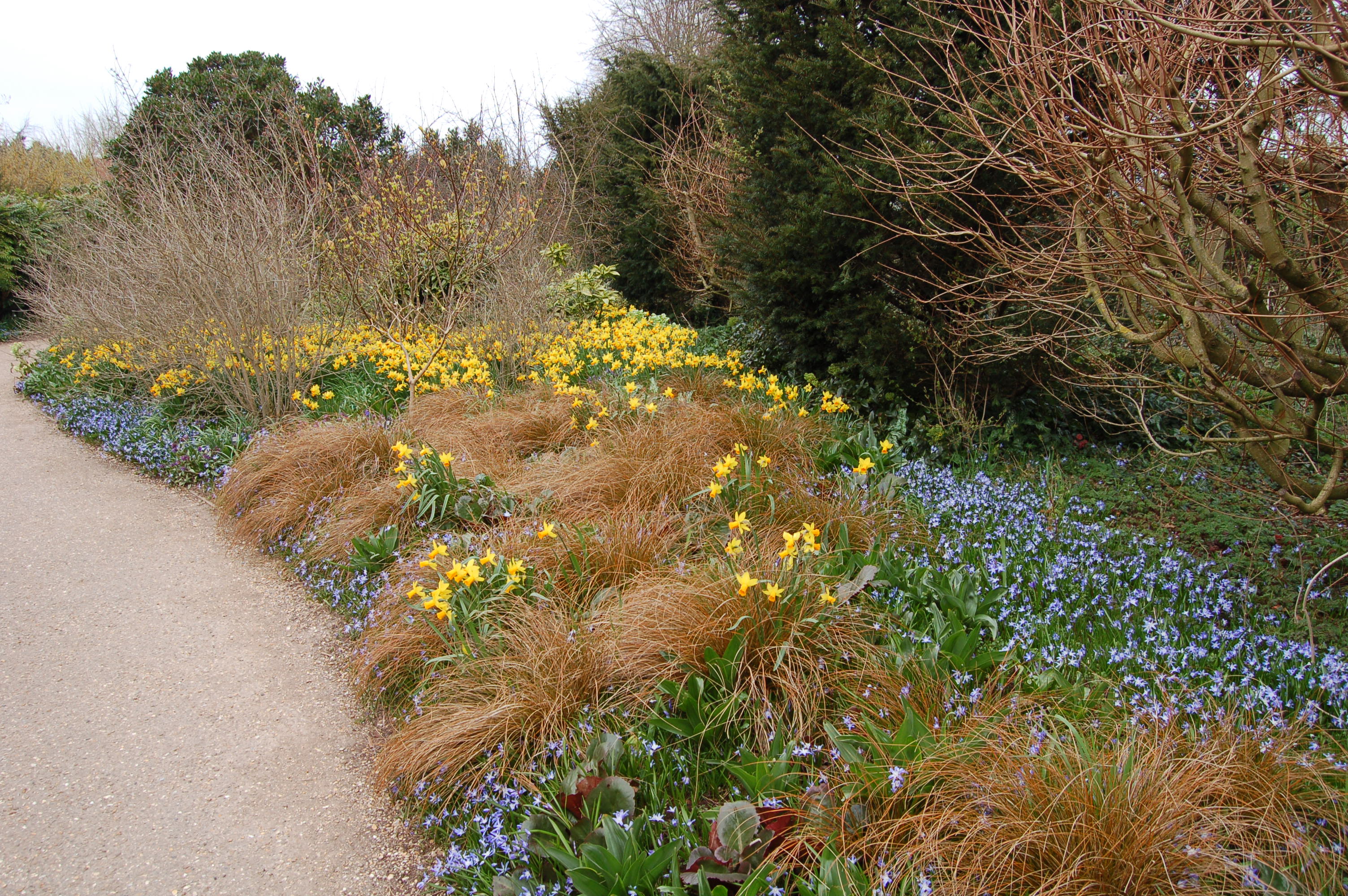
But of course there were plenty of flowering plants to give us colour in the gloomiest of months, flowering bulbs, shrubs and even a few perennials.

2015 02 27_9730 2015 02 27_97312015 02 27_9732 2015 02 27_9736

In some areas we  stopped to appreciate the beauty of an individual plant or even a single bloom but in others it was the sheer mass of planting that impressed.

2015 02 27_9740 2015 02 27_9741 2015 02 27_9762 2015 02 27_9770

Other fresh growth provided interest without any colour other than browns and biscuits.

2015 02 27_97382015 02 27_9739 2015 02 27_97482015 02 27_9757

Of course it is more natural to think of these lovely warm biscuits and browns when we consider the growth that was green or brightly coloured last year. And I love these colours when they are a result of decay and age as much as any other colour in the garden. Enjoy this little collage of brown and biscuit!

2015 02 27_97422015 02 27_97492015 02 27_97522015 02 27_97532015 02 27_97542015 02 27_9758


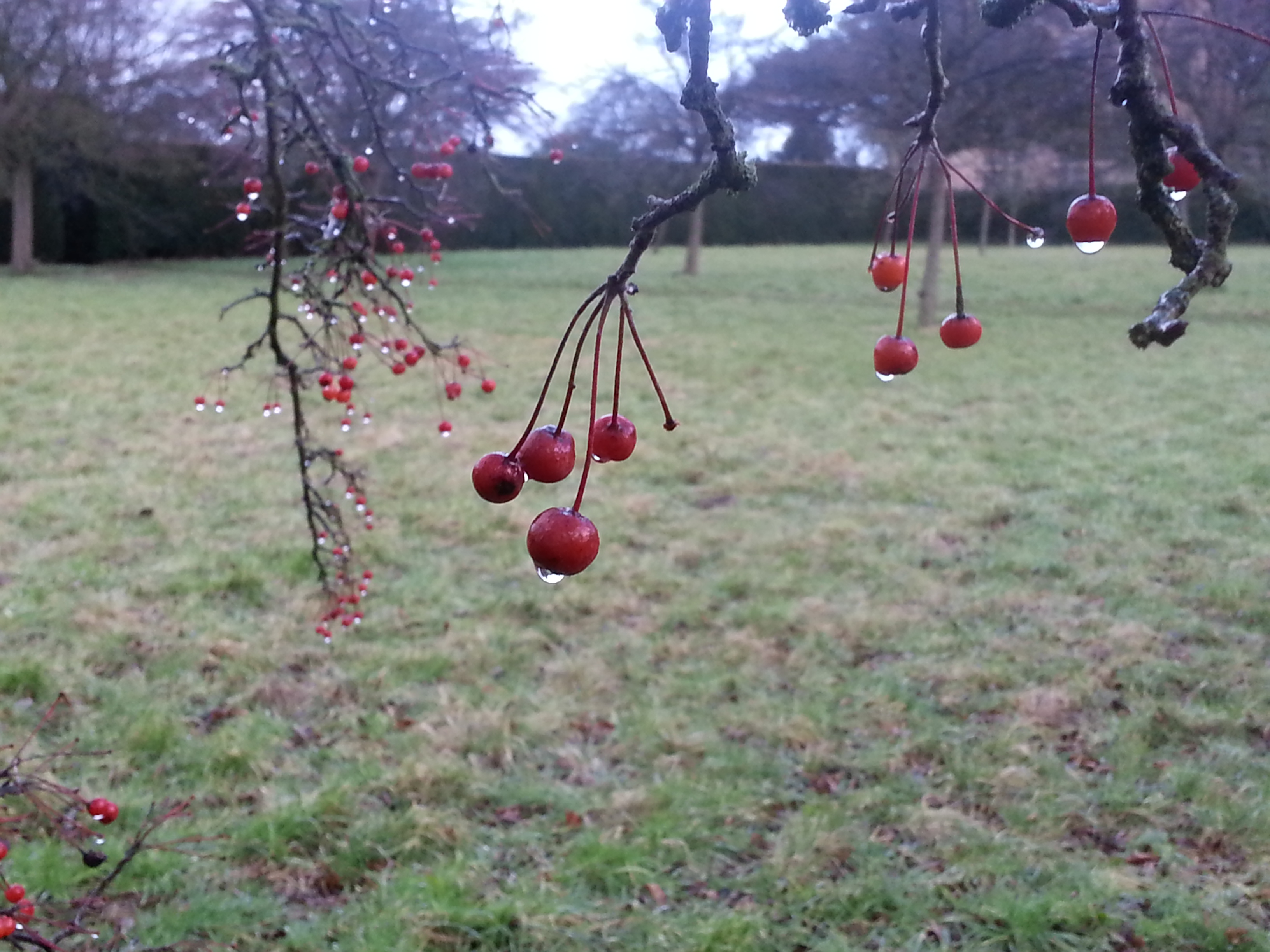
Thinking about winter of course we mustn’t let the berries in their gaudy reds and oranges get missed out.

2015 02 27_9759 2015 02 27_97602015 02 27_9764

Sometimes the beauty was hidden behind a haze. In the pictures below you need to look through the thin mist and the reflective surface of water.


2015 02 27_9761  2015 02 27_9763


Categories
Church architecture colours flowering bulbs garden photography gardening gardens gardens open to the public irises light light quality ornamental trees and shrubs shrubs spring bulbs The National Trust walled gardens winter gardens

Croft Castle month by month – part two – February

So here we are back at Croft Castle for the second wander in 2015 around the grounds for my February post. We thought we would find that little would have changed since our January visit, but we found plenty to see and really enjoyed our wander. Fresh buds looked ready and waiting to burst into new life when temperatures rise and light values increase. Droplets of rain from a recent shower caught the light where they lay upon the leaves of a Hypericum.

2015 02 21_9601 2015 02 21_9602

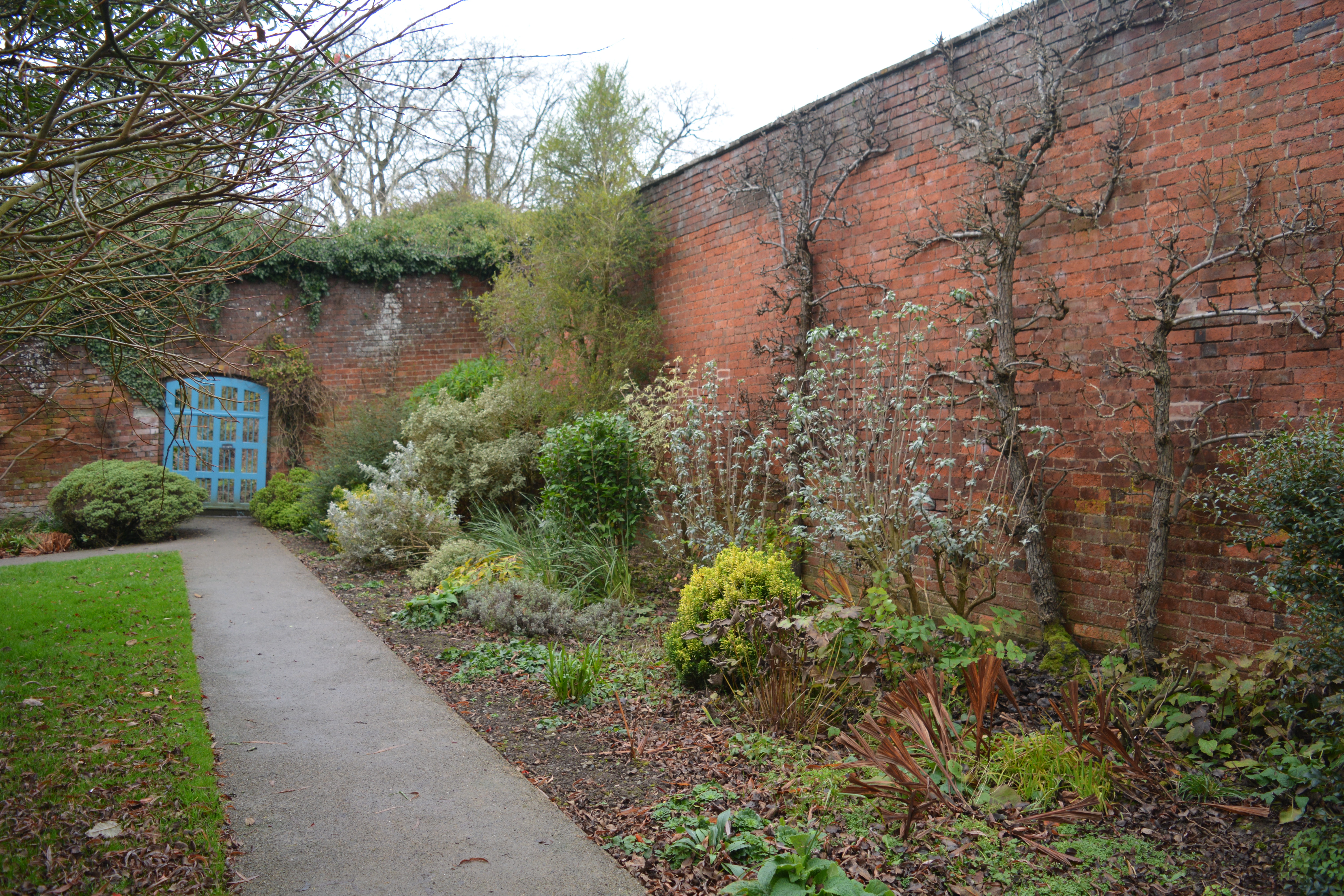
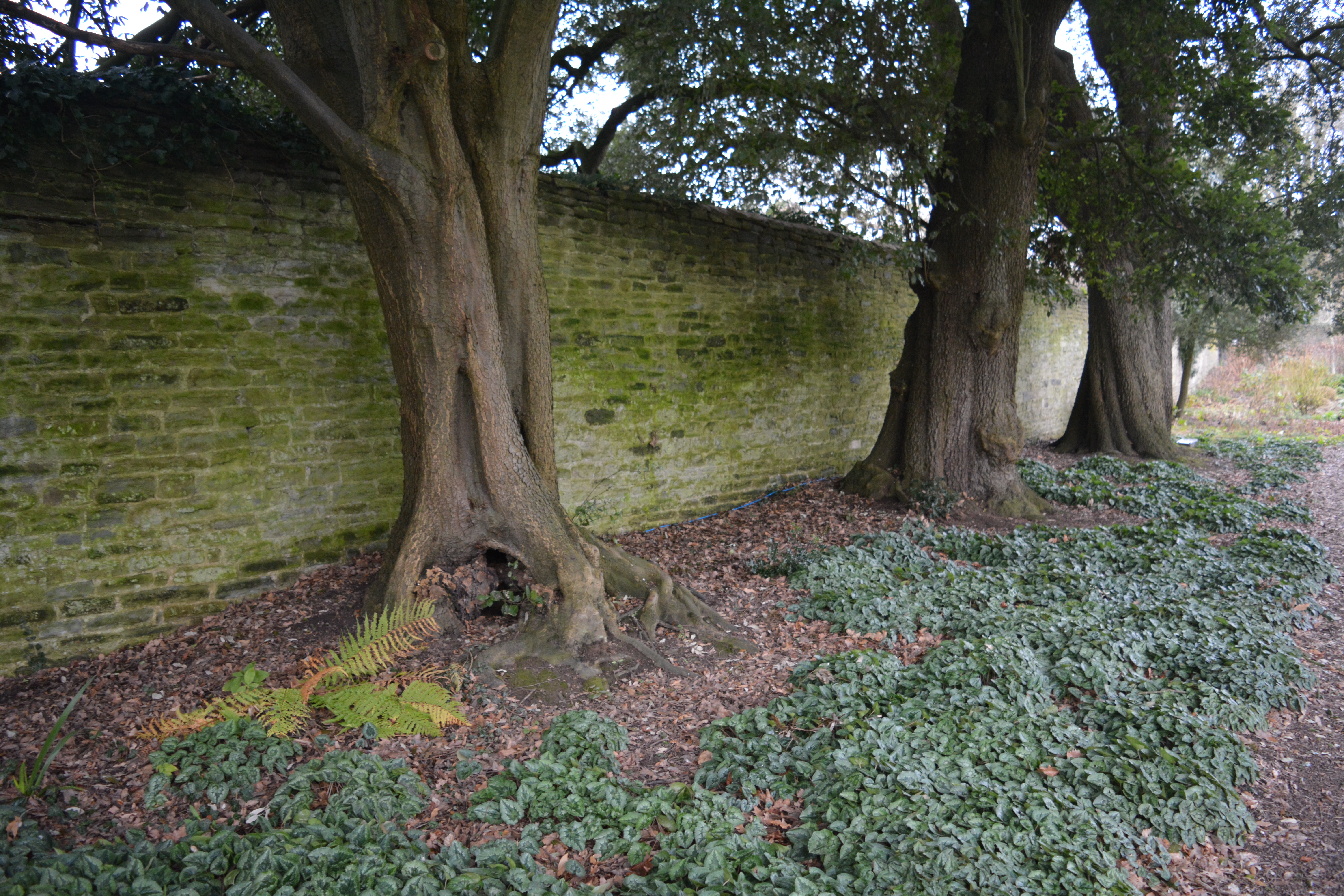
In the long mixed border beside the tall walls which enclose the walled garden the first flowers of the year had opened, the delicate blooms of the snowdrops, Galanthus nivalis and a few pink blooms dotted amongst the marbled foliage of the Cyclamen coum.

2015 02 21_9603 2015 02 21_96052015 02 21_9604

Gardeners had recently discovered a cobbled path running diagonally beneath the lawn close to the gateway to the walled garden. We imagined the excitement when the first signs appeared or perhaps the chink of a spade heard as it hit a cobble. When fully excavated no doubt it will join up with the network of cobble path to be found throughout the garden and grounds.

2015 02 21_9606

Inside the walled garden the temperature rose noticeably and we were well protected from the cold of the winter winds. Enjoy this batch of photos showing what we found within the walls.

2015 02 21_9608 2015 02 21_9609 2015 02 21_9610 2015 02 21_96172015 02 21_9626 2015 02 21_96342015 02 21_9625 2015 02 21_9637

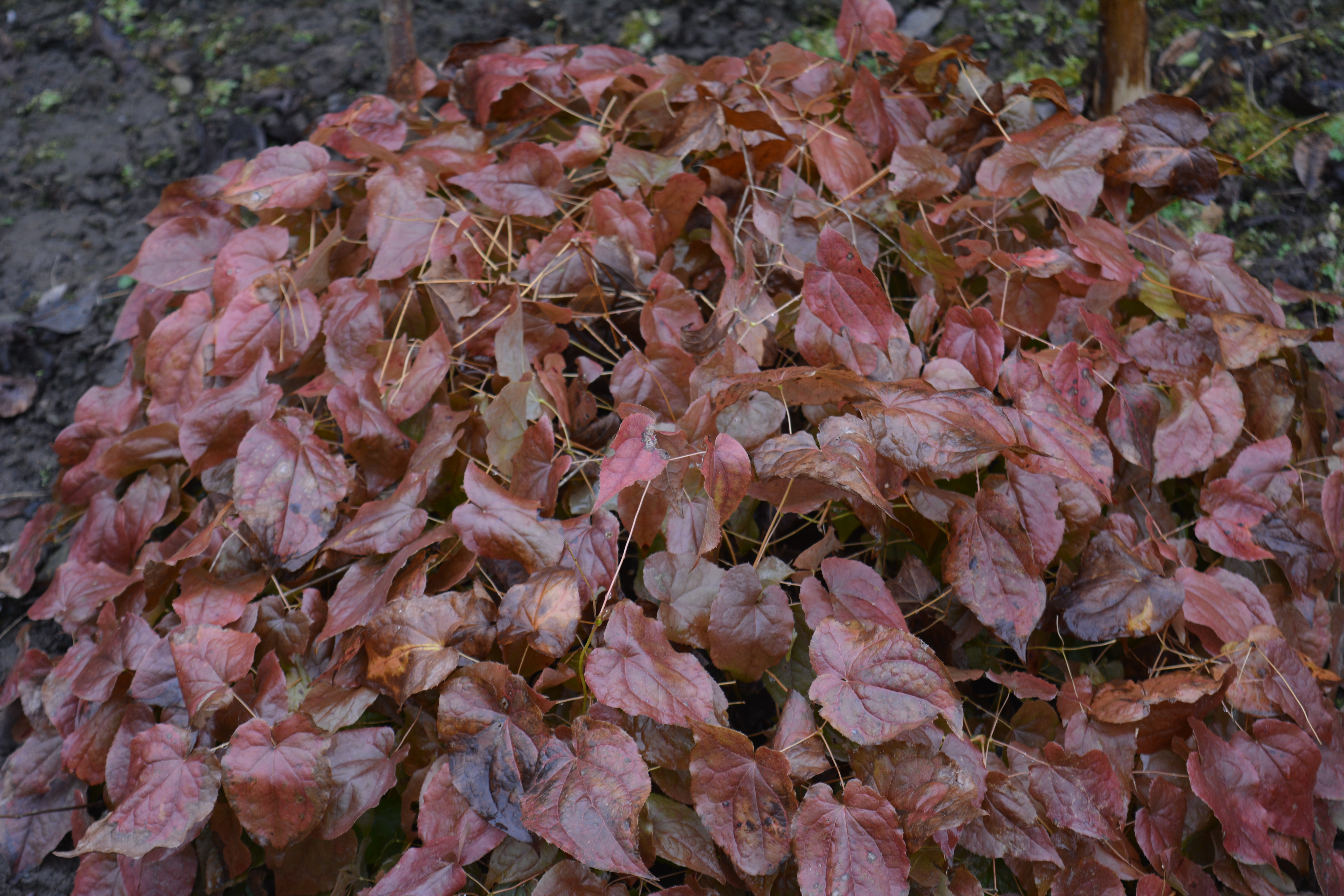
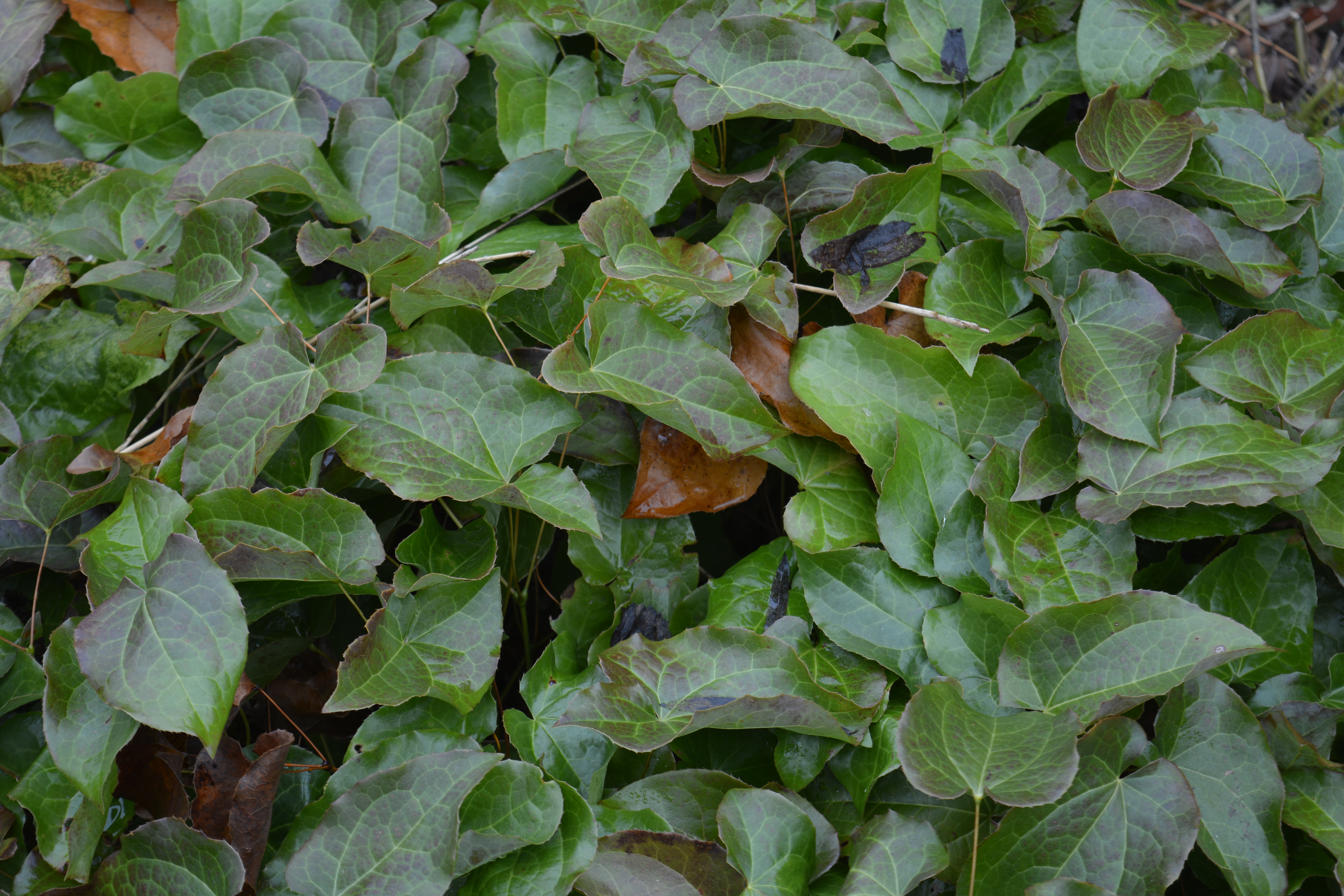
The foliage of two different Epimedium plants looked good together, one with its coat of glossy green the other a rich shining bronze.


2015 02 21_9631 2015 02 21_9632


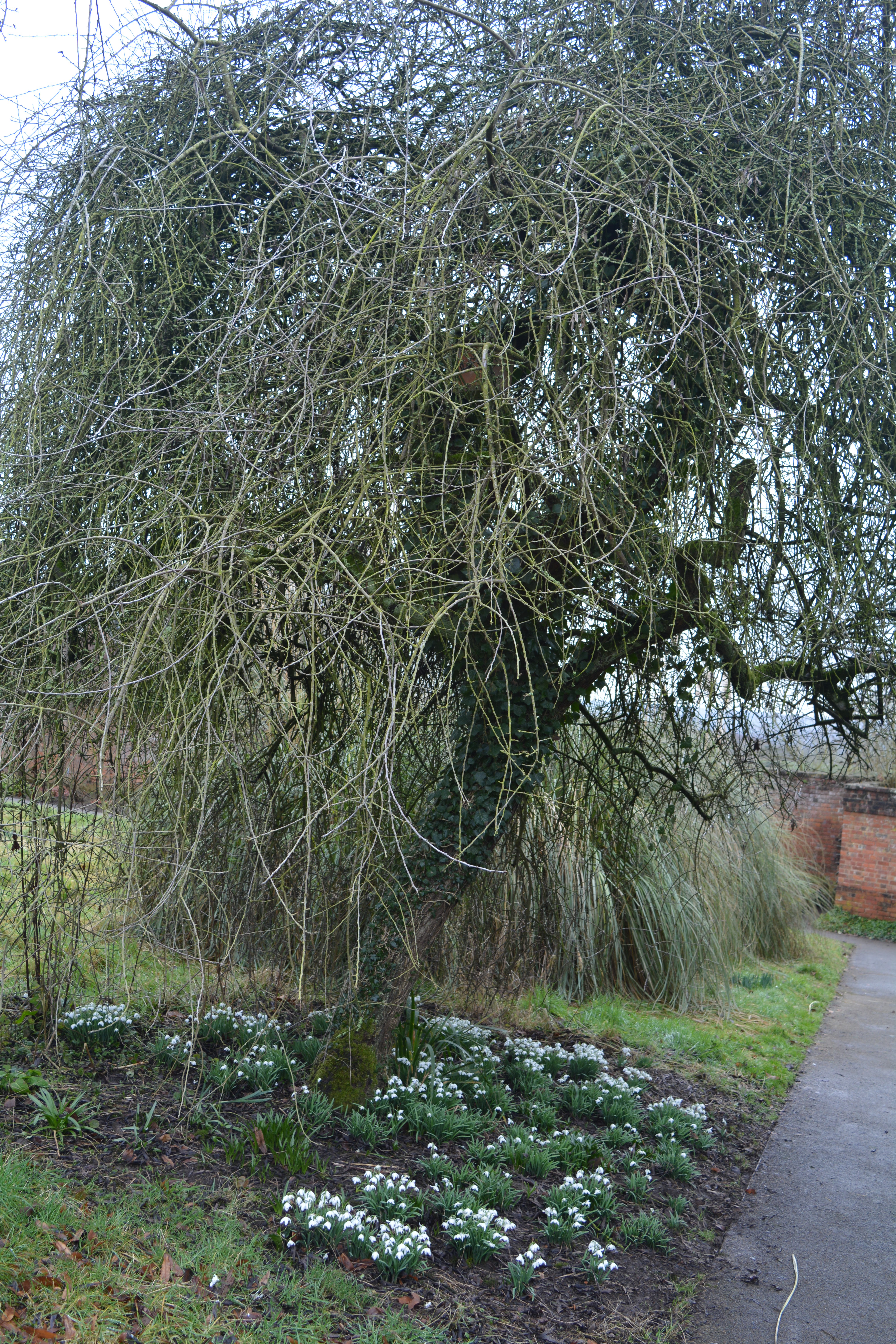
This old willow with branches rambling haphazardly and randomly caught our attention as its silver catkins shone out in its dark corner of the walled garden. Some branches were severely affected by fasciation causing them to be deformed and tightly curled. Others were subject to gall growths caused by gall wasps.


2015 02 21_96182015 02 21_9619 2015 02 21_9620 2015 02 21_9623 2015 02 21_96212015 02 21_9624


The blue gate that had enticed us to pass through it in January was open again, and we diverted easily to see what was happening in the bothy and greenhouses.


2015 02 21_9611 2015 02 21_96122015 02 21_9613 2015 02 21_9614 2015 02 21_9615

Snowdrops found the shelter under every tree within the walls and encircled their trunks in white bracelets.

2015 02 21_9627 2015 02 21_9628 2015 02 21_9629 2015 02 21_9636 2015 02 21_9640 2015 02 21_9641

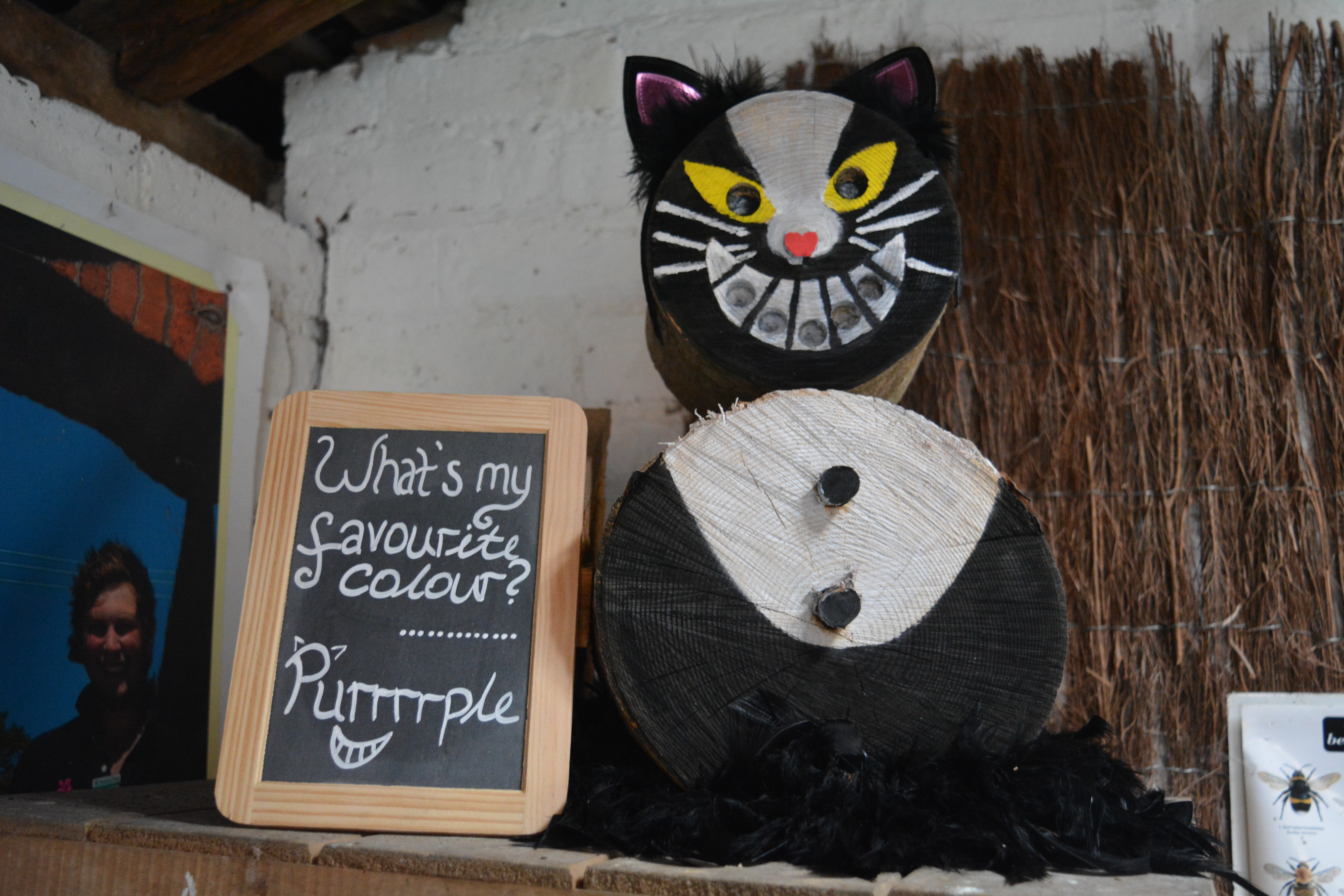
We left the protection of the walled garden and wandered around the borders closer to the castle. We were amused by the sight of this caterpillar up a tree. He was a part of a children’s trail discovering the delights of Alice in Wonderland.


2015 02 21_9642

2015 02 21_9643 2015 02 21_9644 2015 02 21_9645 2015 02 21_9646 2015 02 21_9647 2015 02 21_9648 2015 02 21_9649 2015 02 21_9650

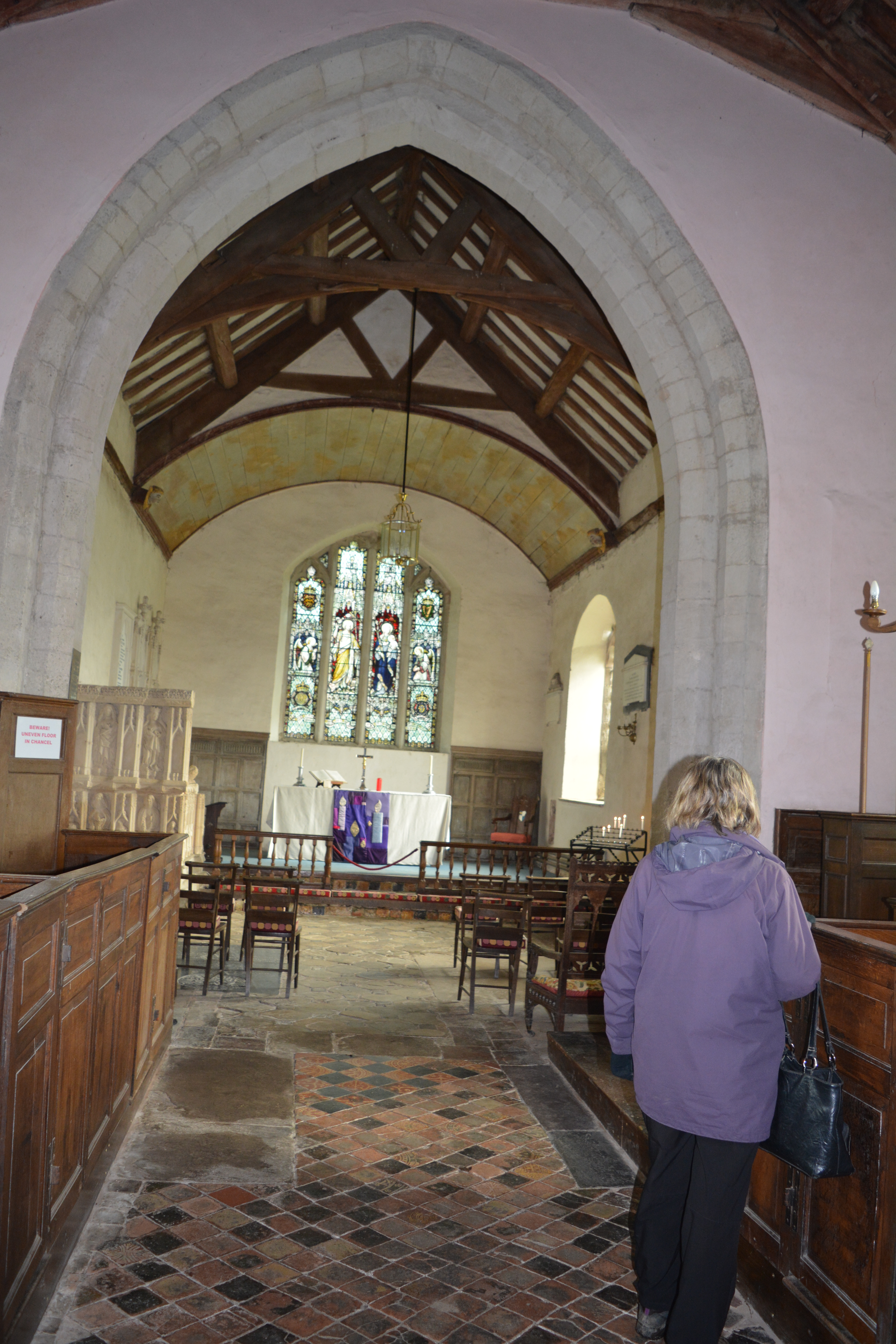
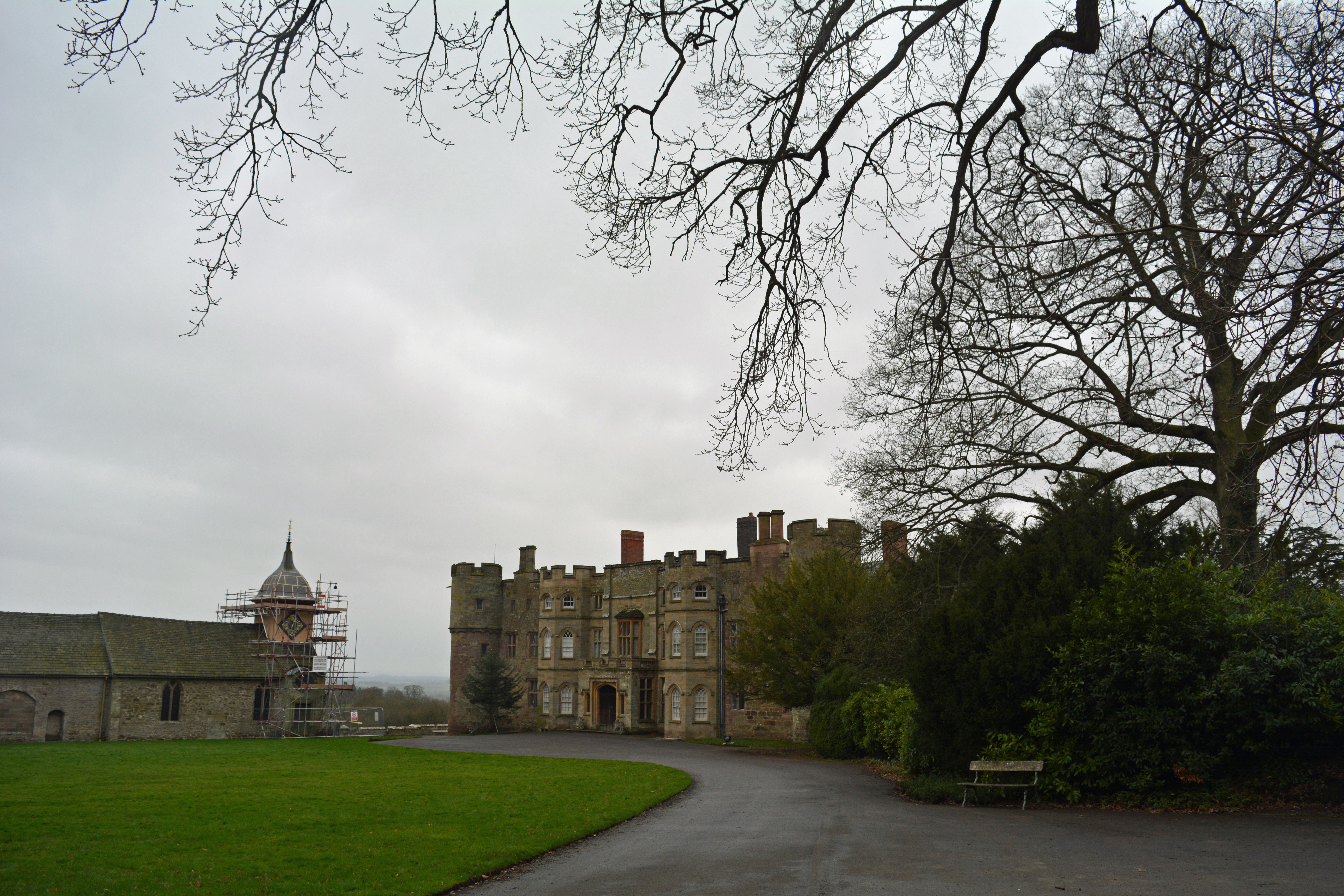
When we had skirted most of the castle we reached the little church which on our last visit was covered in scaffolding due to being subject to renovation. We were glad to find the builders had left the little building in peace.


2015 02 21_9652 2015 02 21_9651  2015 02 21_9653 2015 02 21_9654 2015 02 21_9655


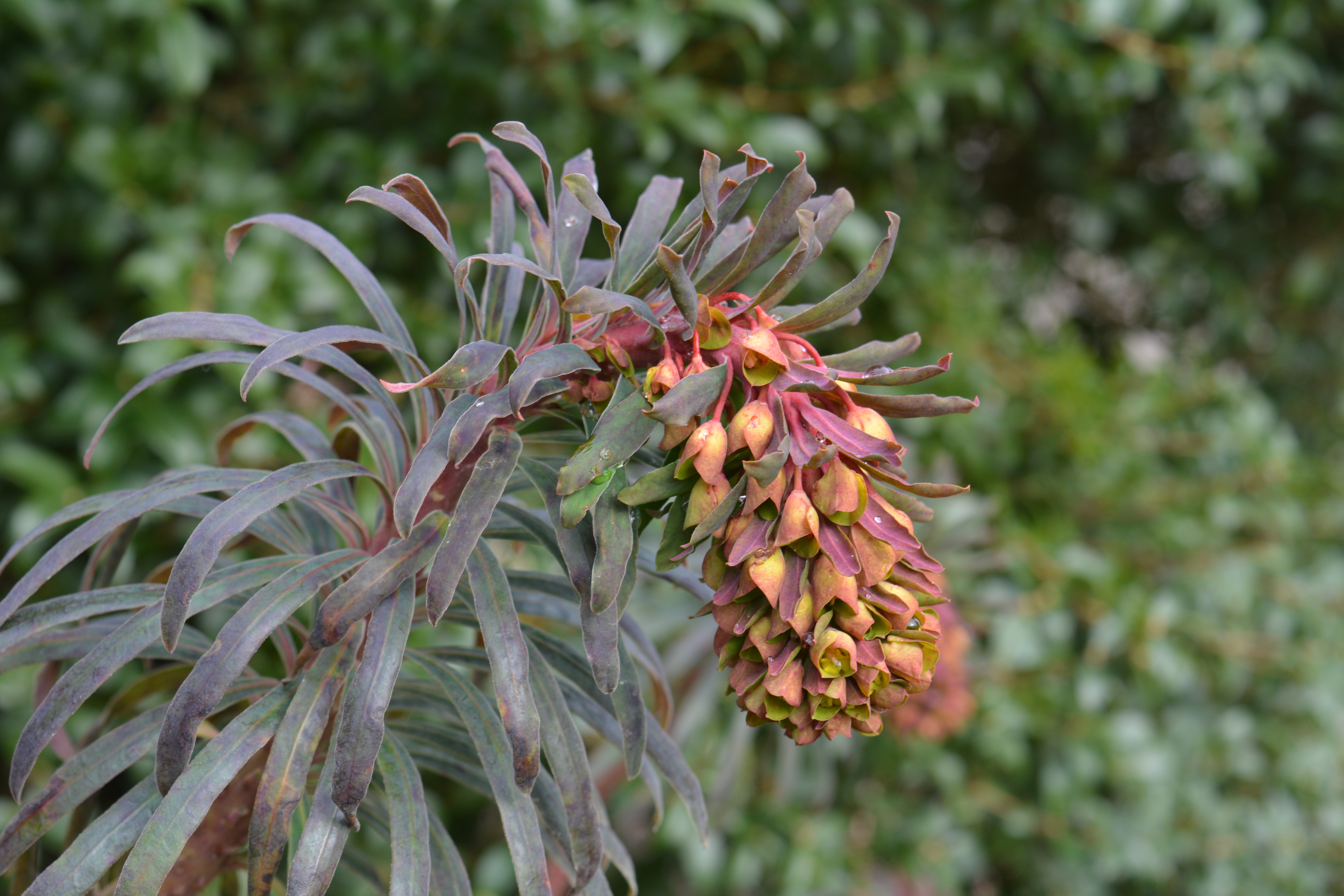
Little narrow borders feature in the grounds of the church and looked full of promise. For now though we had to be content with the display put on by this wonderfully colourful Euphorbia.

From there we returned to the car park to make our way home. On our next visit to Croft Castle we will hopefully discover many more signs of spring.

2015 02 21_9657

Categories
architecture climbing plants colours garden buildings garden design garden furniture garden photography garden seating gardening gardens gardens open to the public hardy perennials irises kitchen gardens light quality National Trust ornamental trees and shrubs outdoor sculpture roses The National Trust trees walled gardens Winter Gardening winter gardens

Croft Castle month by month – January – part two

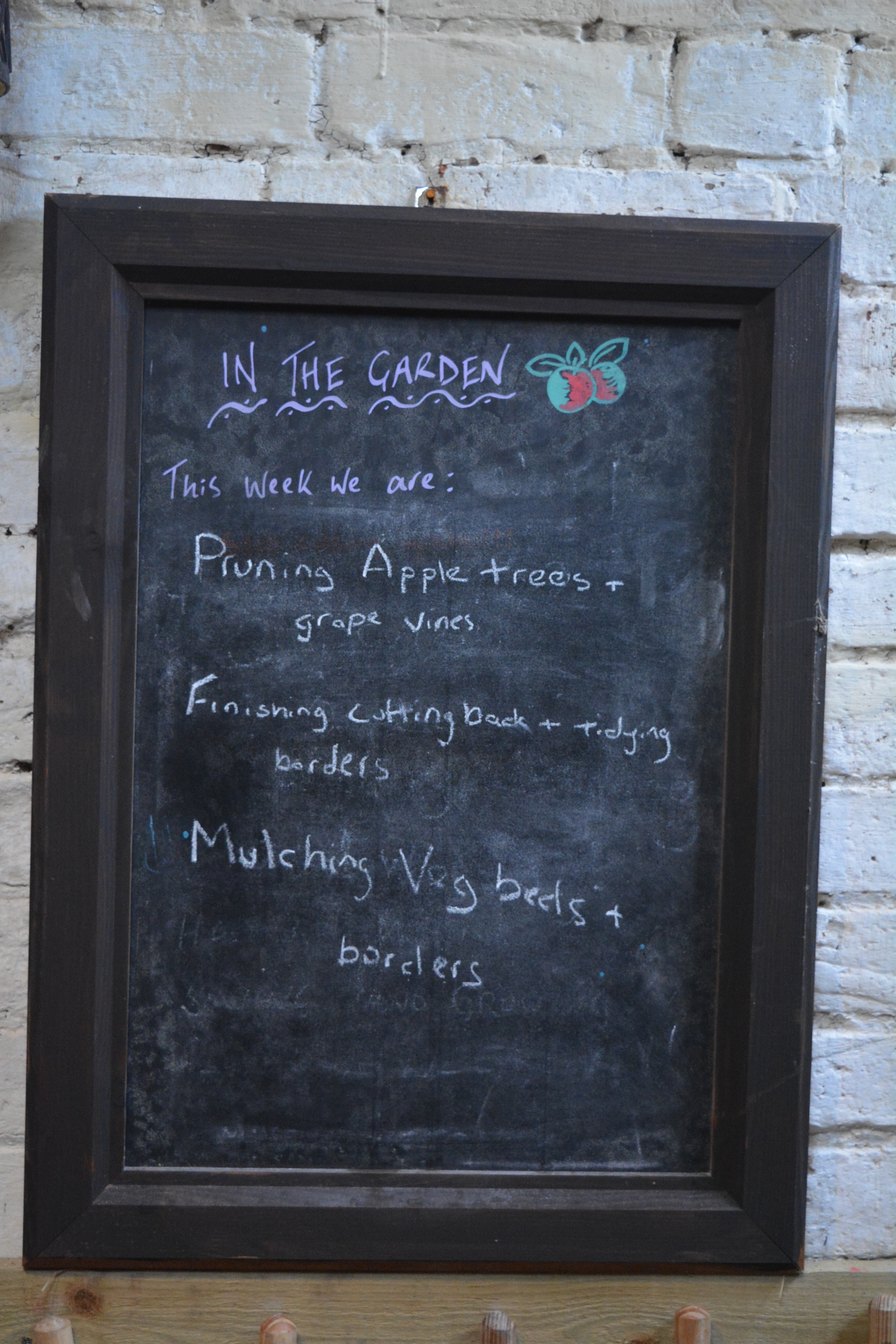
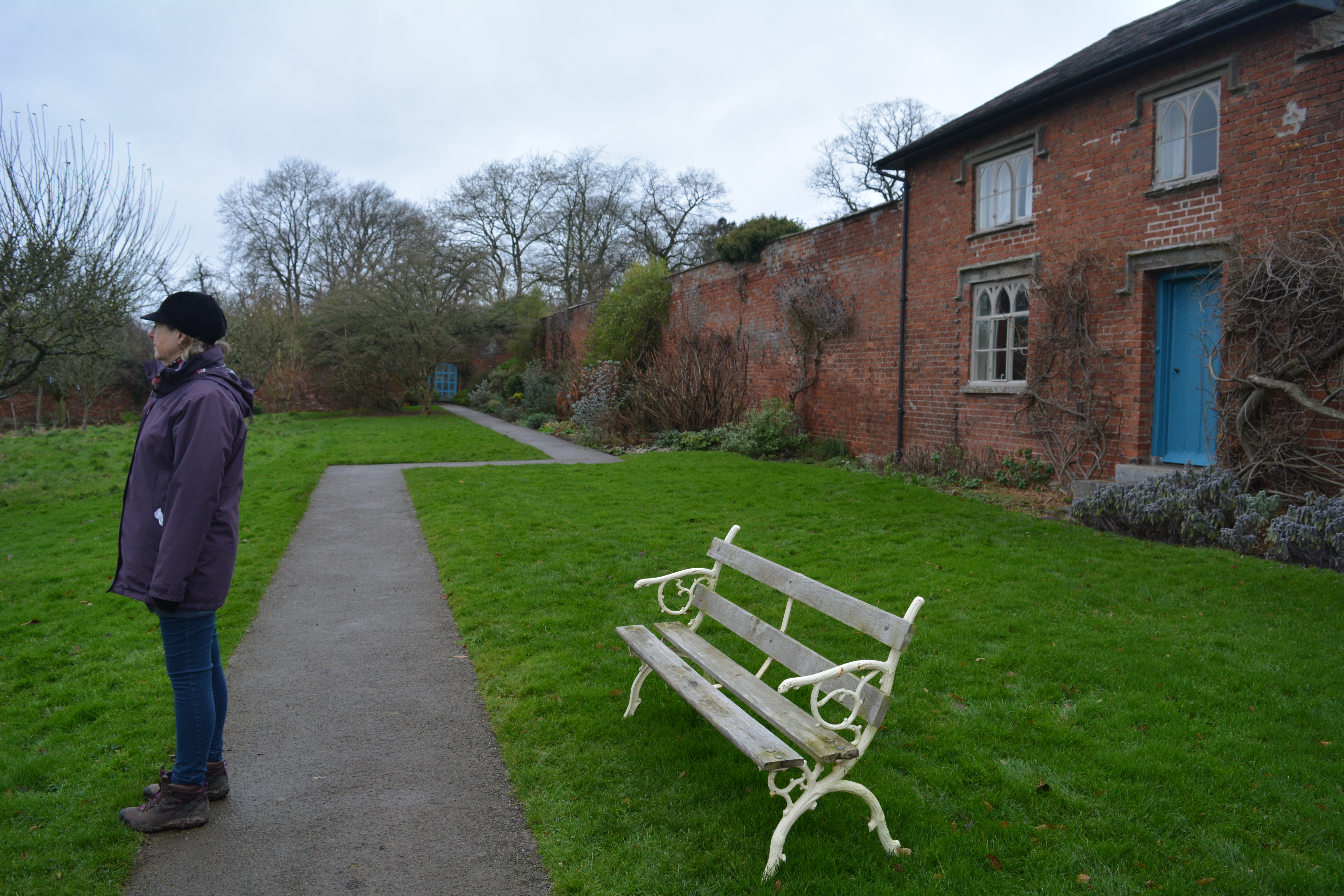
Welcome back to Croft Castle where we were about to find out what lies beyond the blue gate. We entered the space beyond the gate and found immediately to our right one of the gardeners’ buildings from the days when the walled gardens were a productive fruit and veg garden. Today it is a children’s discovery room complete with nature table. A board showed the gardening tasks for the month. Close by hung an old pruning saw.

2015 01 01_9110 2015 01 01_91112015 01 01_9109

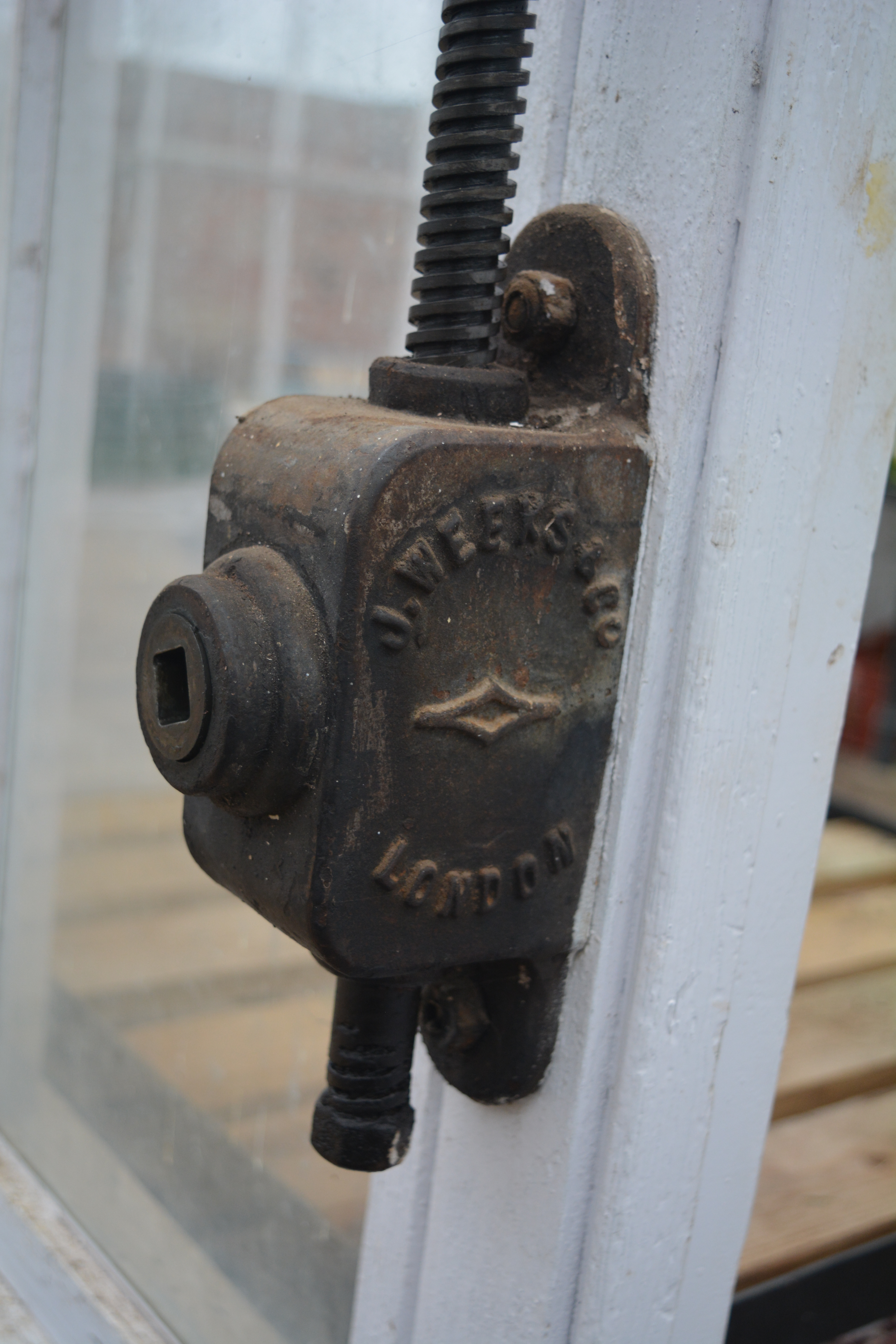
After a good peruse among the dusty artifacts and sharing our memories of nature tables at primary school we moved on to the old, wooden framed greenhouse which until now we had viewed from the gate. On this visit we went inside. We were delighted to find the old iron mechanisms that controlled the windows and vents still intact. We both find these fascinating and are amazed by the ingenuity shown by the greenhouse designers of that era.

2015 01 01_9113 2015 01 01_9112

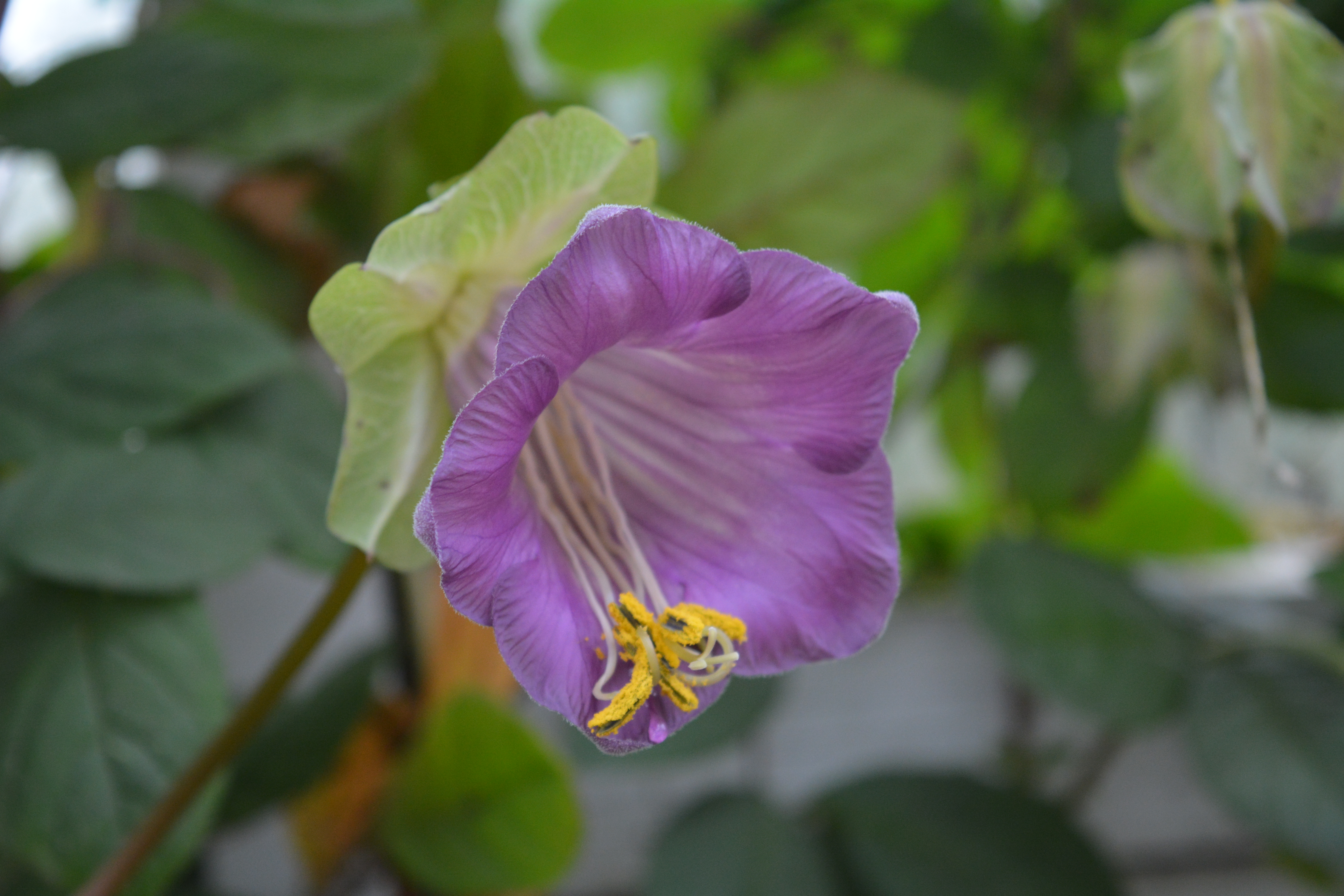
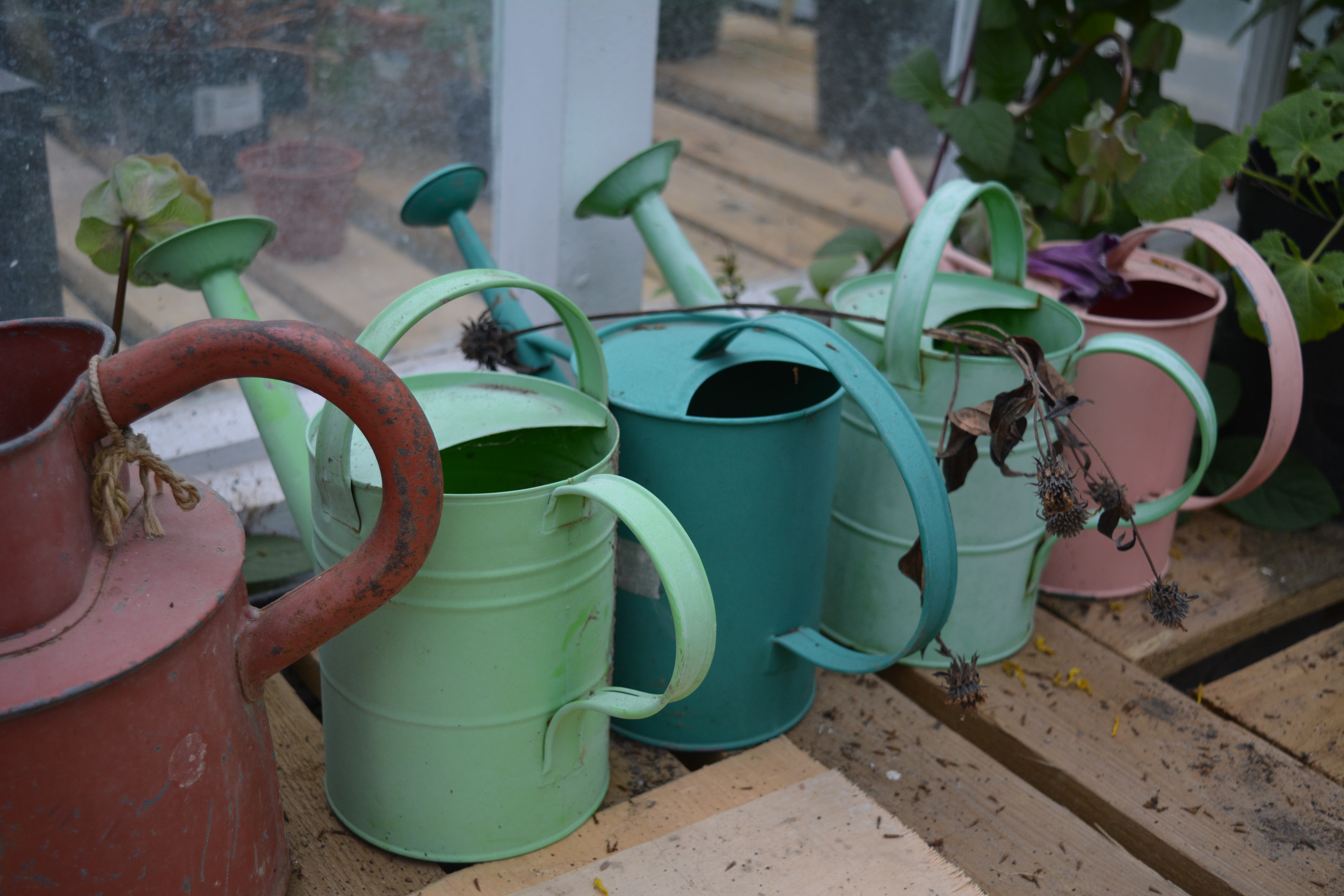
We were pleased to find a colourful line up of watering cans and a very healthy looking Cobaea climbing up wires and flowering profusely. It was easy to see why it is graced with the common name “Cup and Saucer Vine”.

2015 01 01_9114  2015 01 01_9115

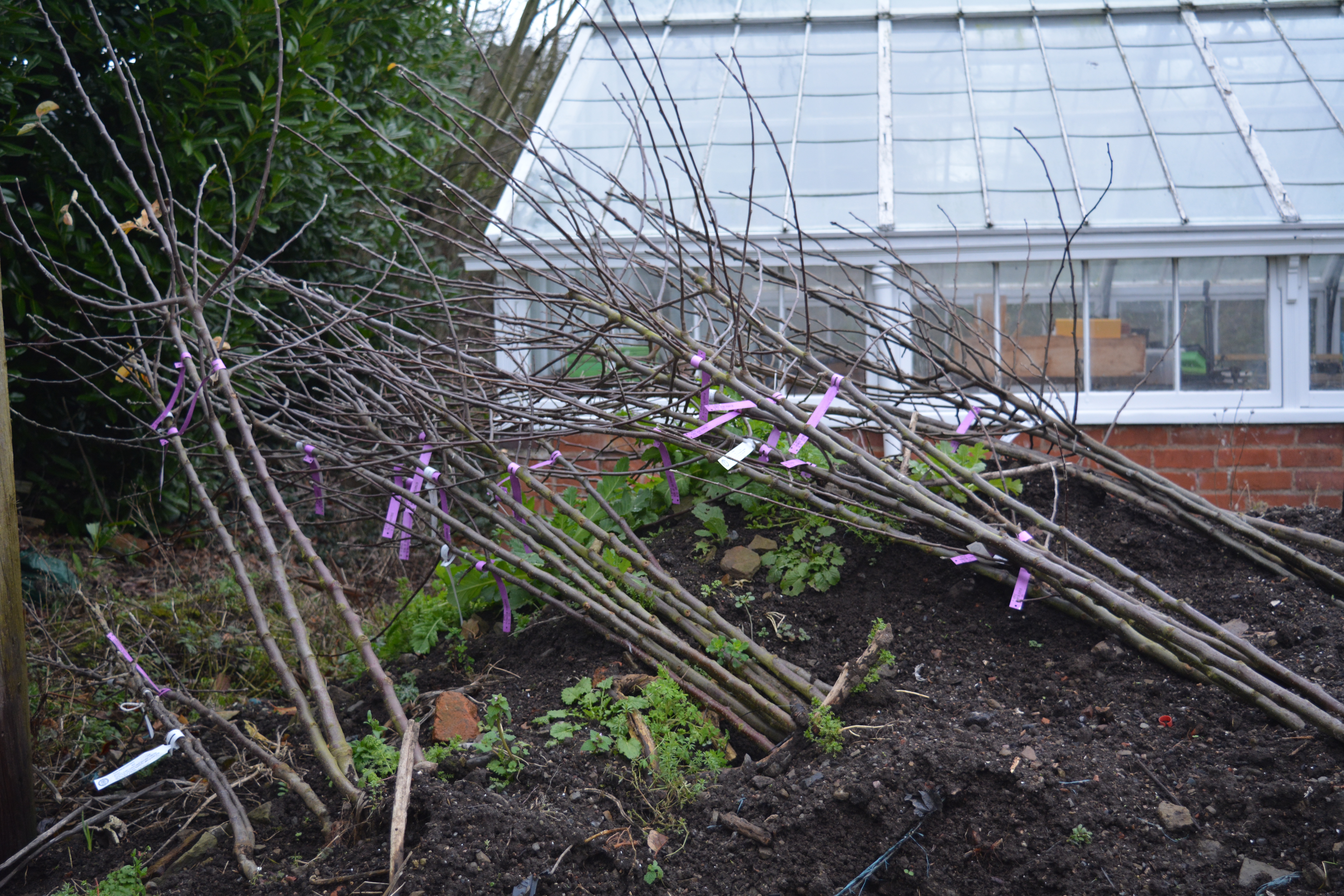
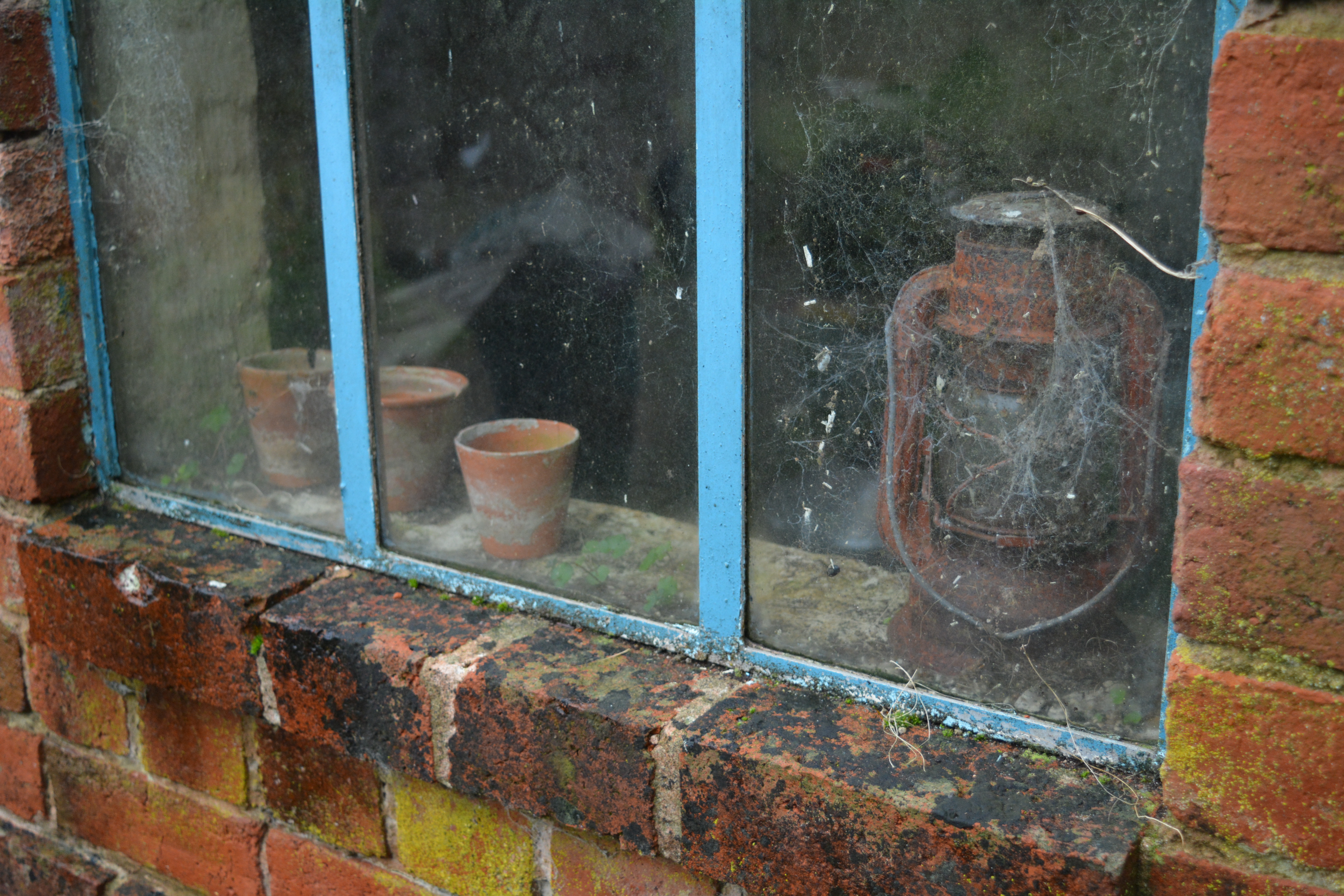
Outside the greenhouse we found a stack of apple trees heeled into a pile of compost awaiting the time when the frozen ground allowed them to be planted. Further old buildings hugged the walls – they were ina tumbled down state. The old window attracted me and my camera but I remain undecided if it is best as a colour or monochrome picture. Any thoughts?

2015 01 01_9116 2015 01 01_91172015 01 01_9118_edited-1

2015 01 01_9118

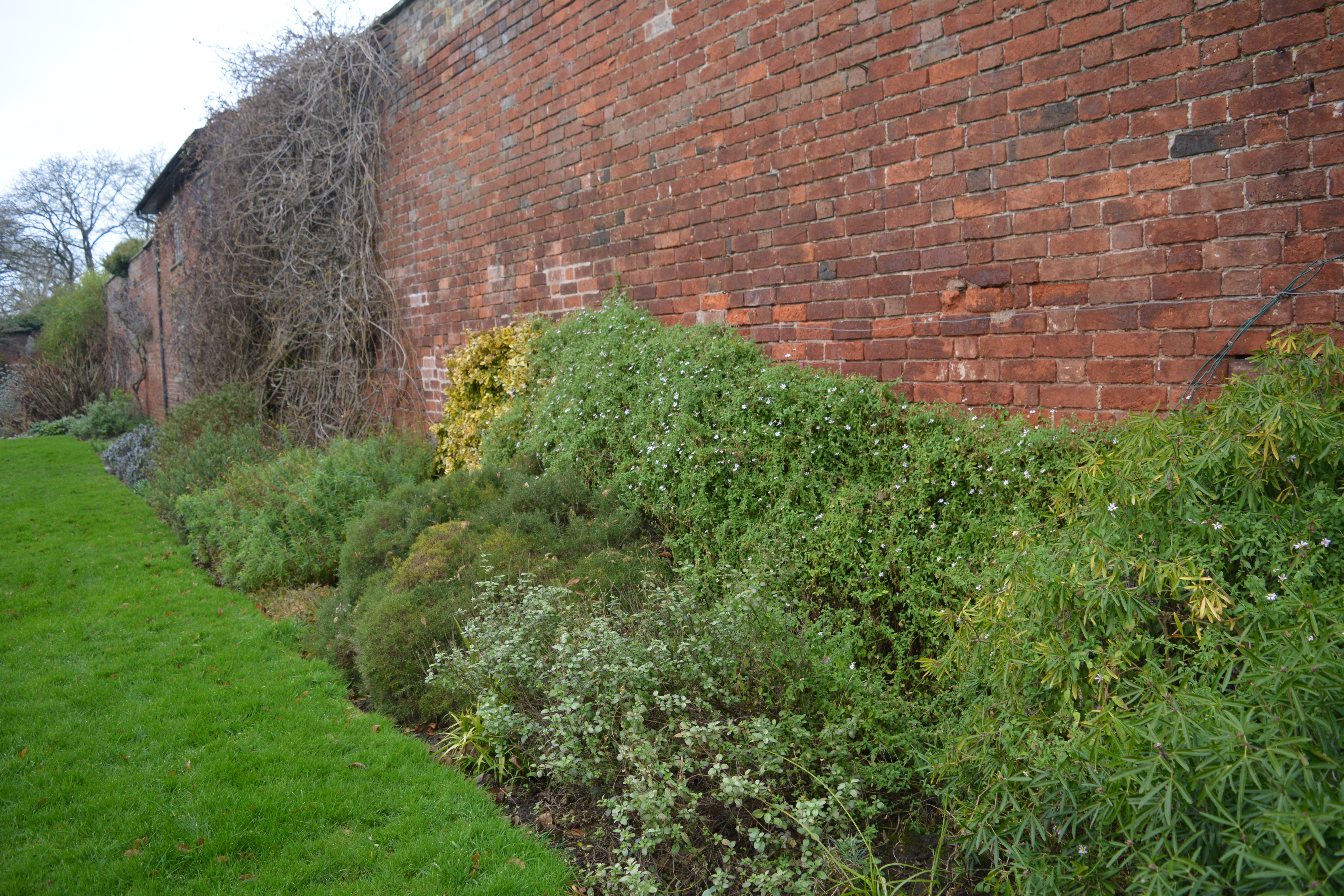
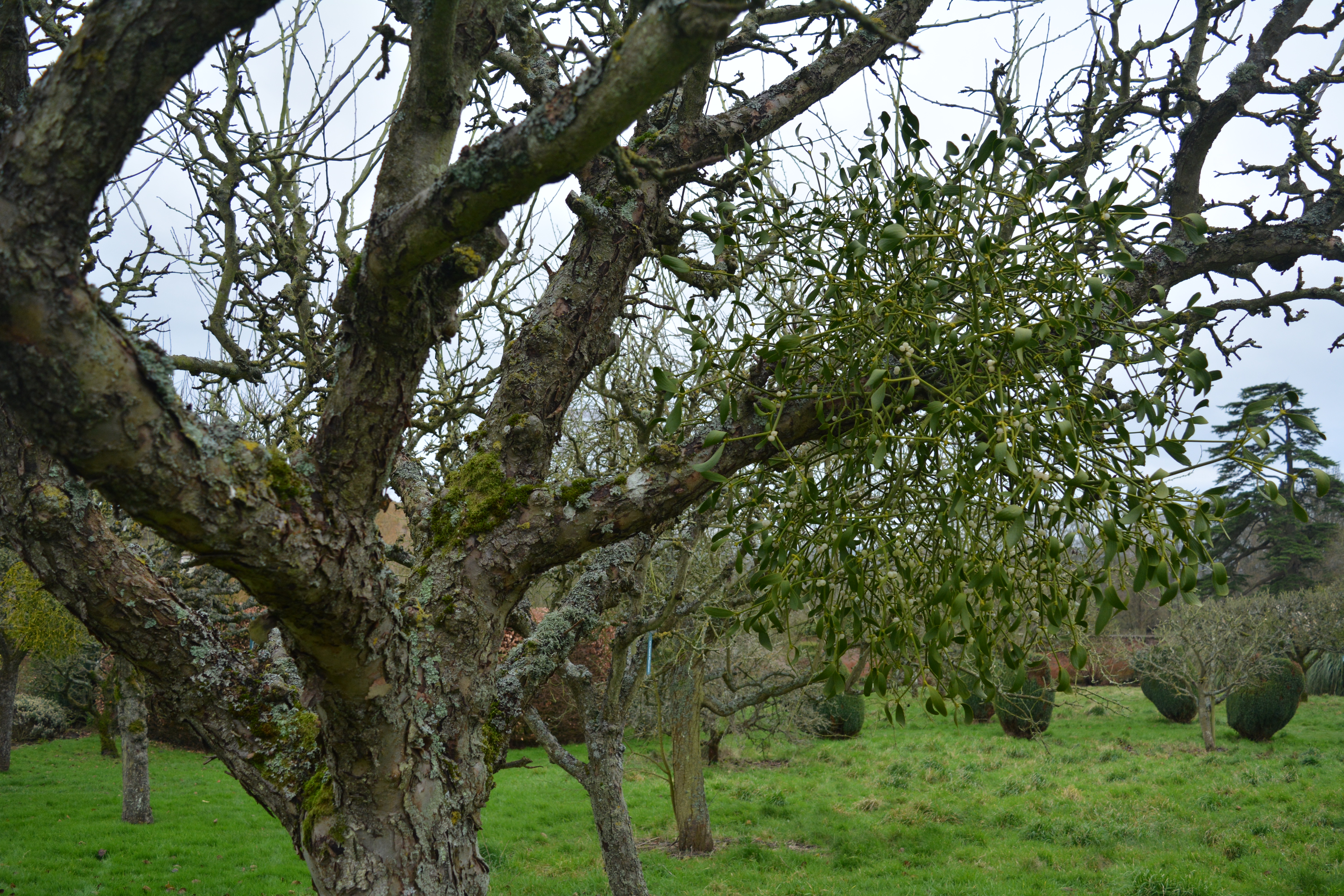
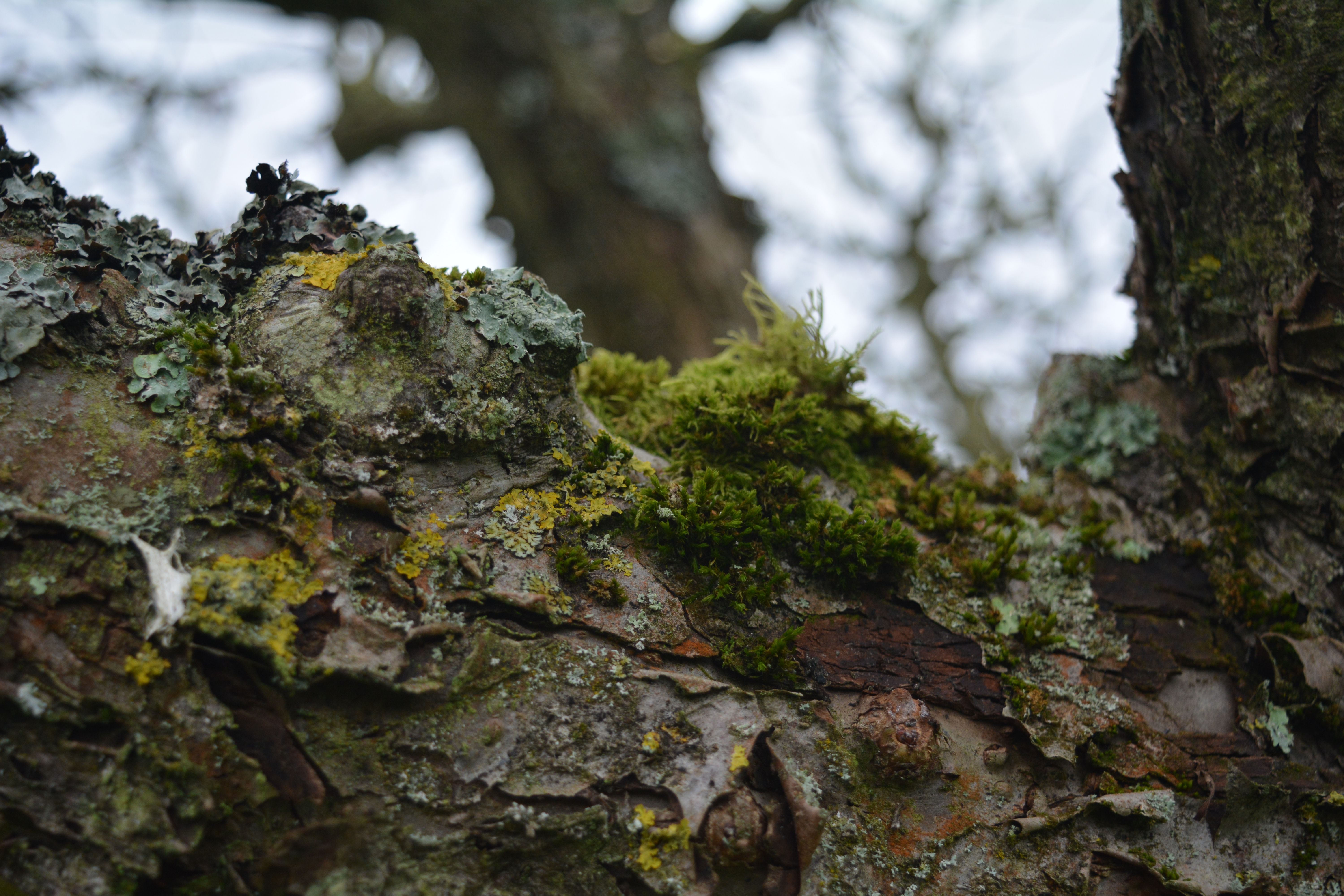
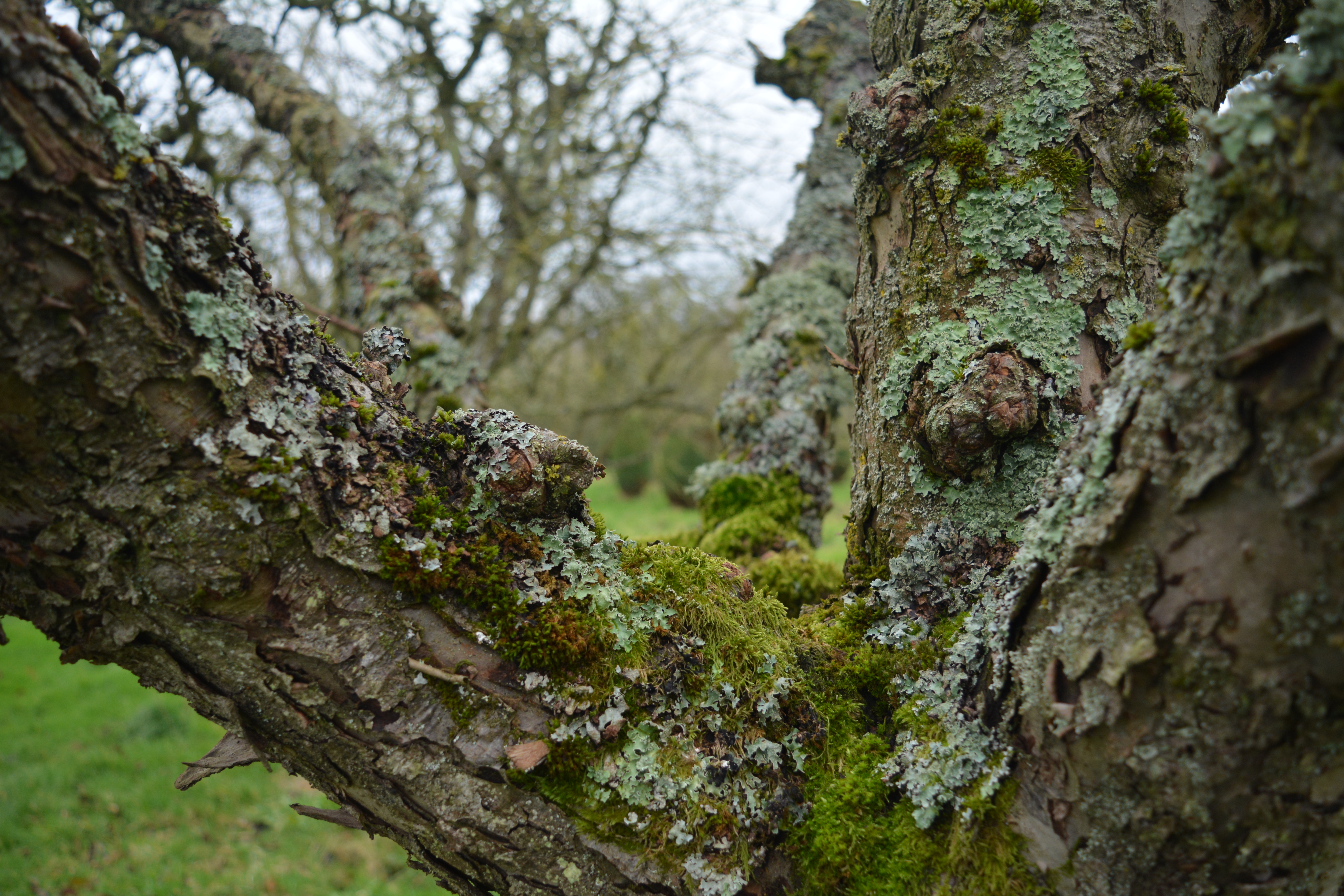
We continued our tour of the main walled garden following the herbaceous borders to discover ancient apple trees beautifully pruned ready for fruiting next season. Their trunks and branches were encrusted with lichens and mosses creating miniature landscapes. Clumps of Mistletoe decorated several of the trees. This is a common parasitic plant in the orchards of Herefordshire. A Mistletoe Fair and market are held in December every year in the nearby market town of Tenbury Wells. They are famous for their mistletoe auctions.

2015 01 01_9120 2015 01 01_9121 2015 01 01_9122 2015 01 01_9123 2015 01 01_9124 2015 01 01_9125

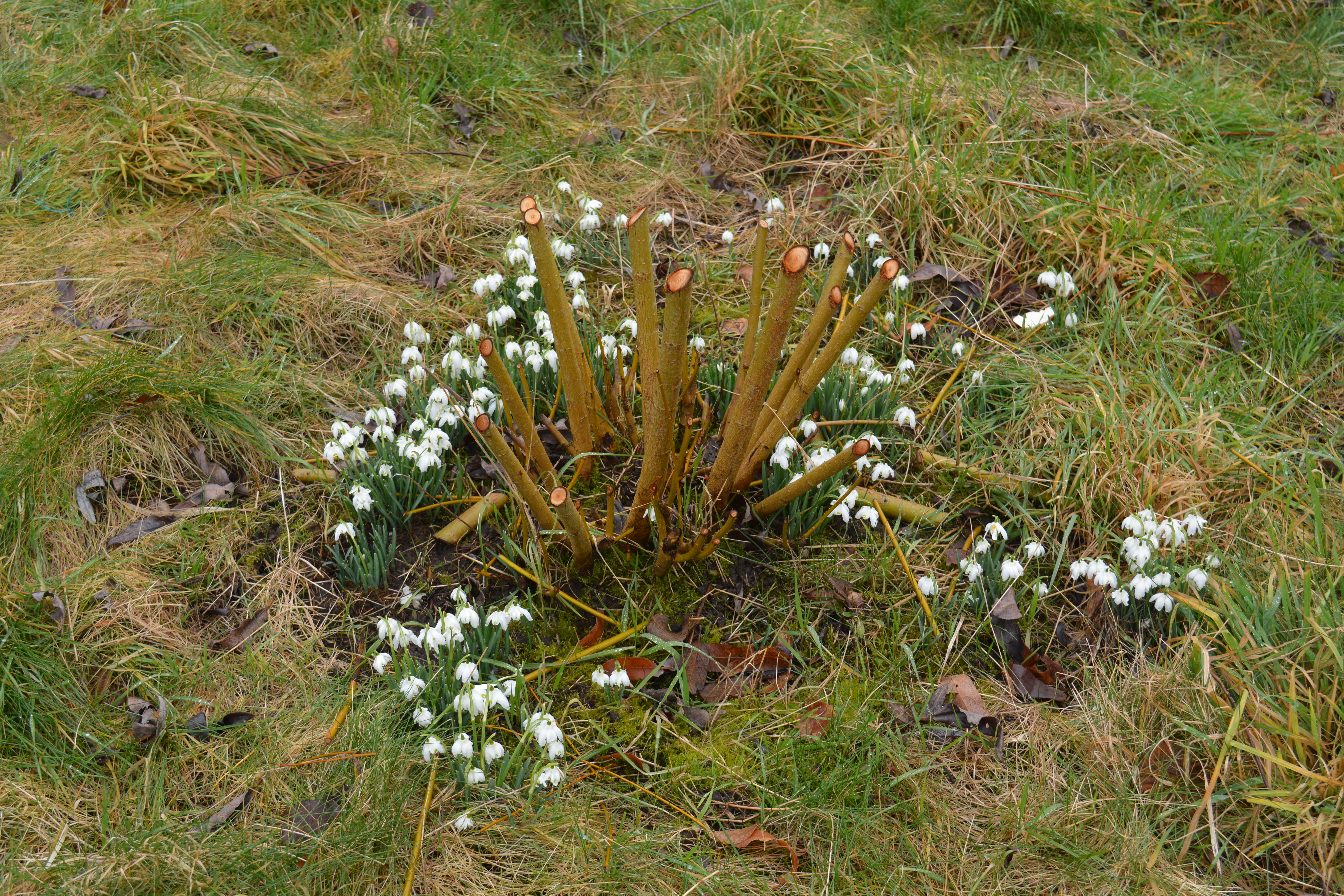
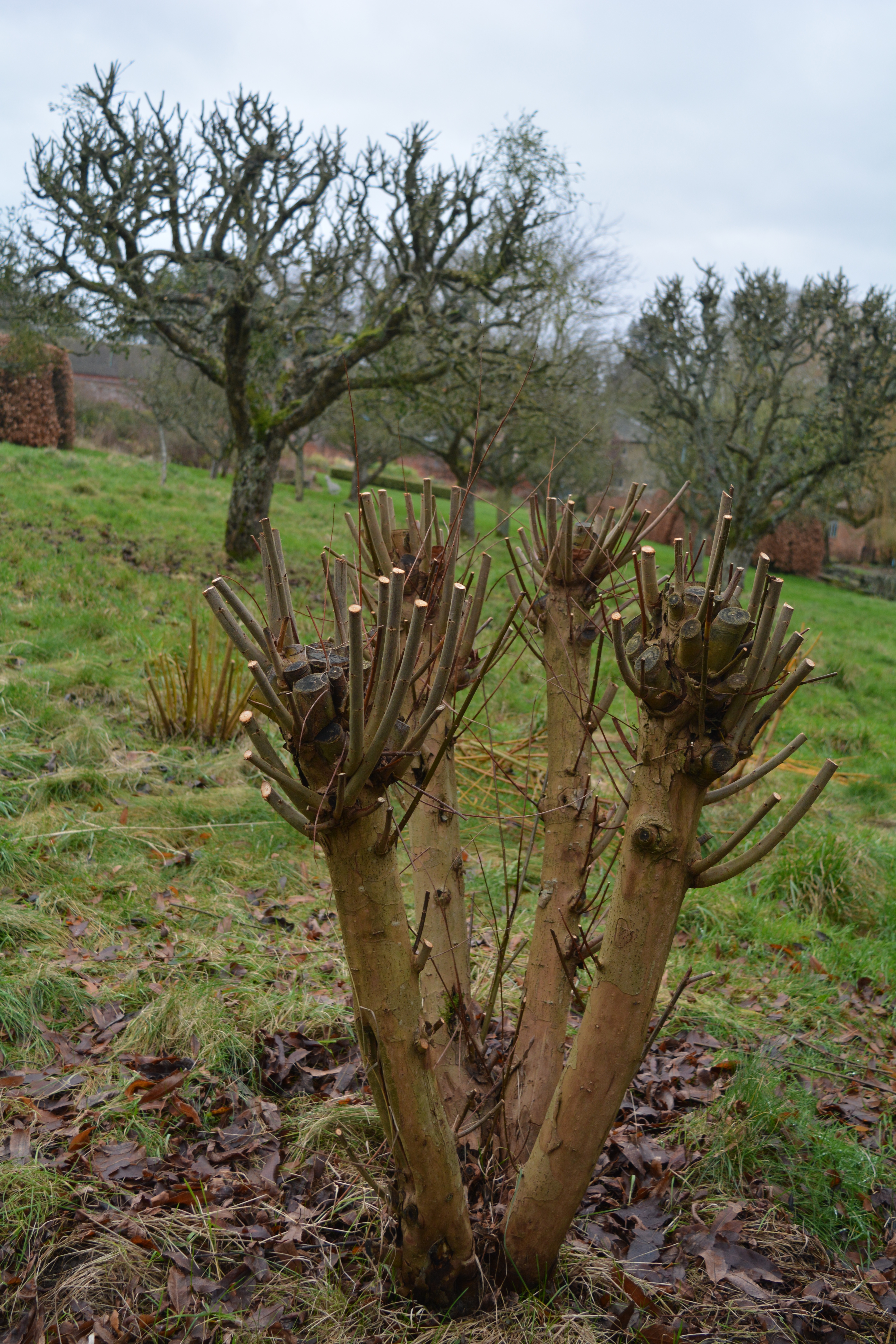
Along the third and fourth walls mixed borders included many shrubs which were well pruned in readiness for new growth when spring arrives. In the central area among the grass willows had been pruned too, cut into low pollarding and coppicing to encourage fresh, long new wands to cut and use around the garden as plant supports or sculpture.

2015 01 01_9126 2015 01 01_9127

2015 01 01_9128 2015 01 01_91292015 01 01_9130  2015 01 01_9119

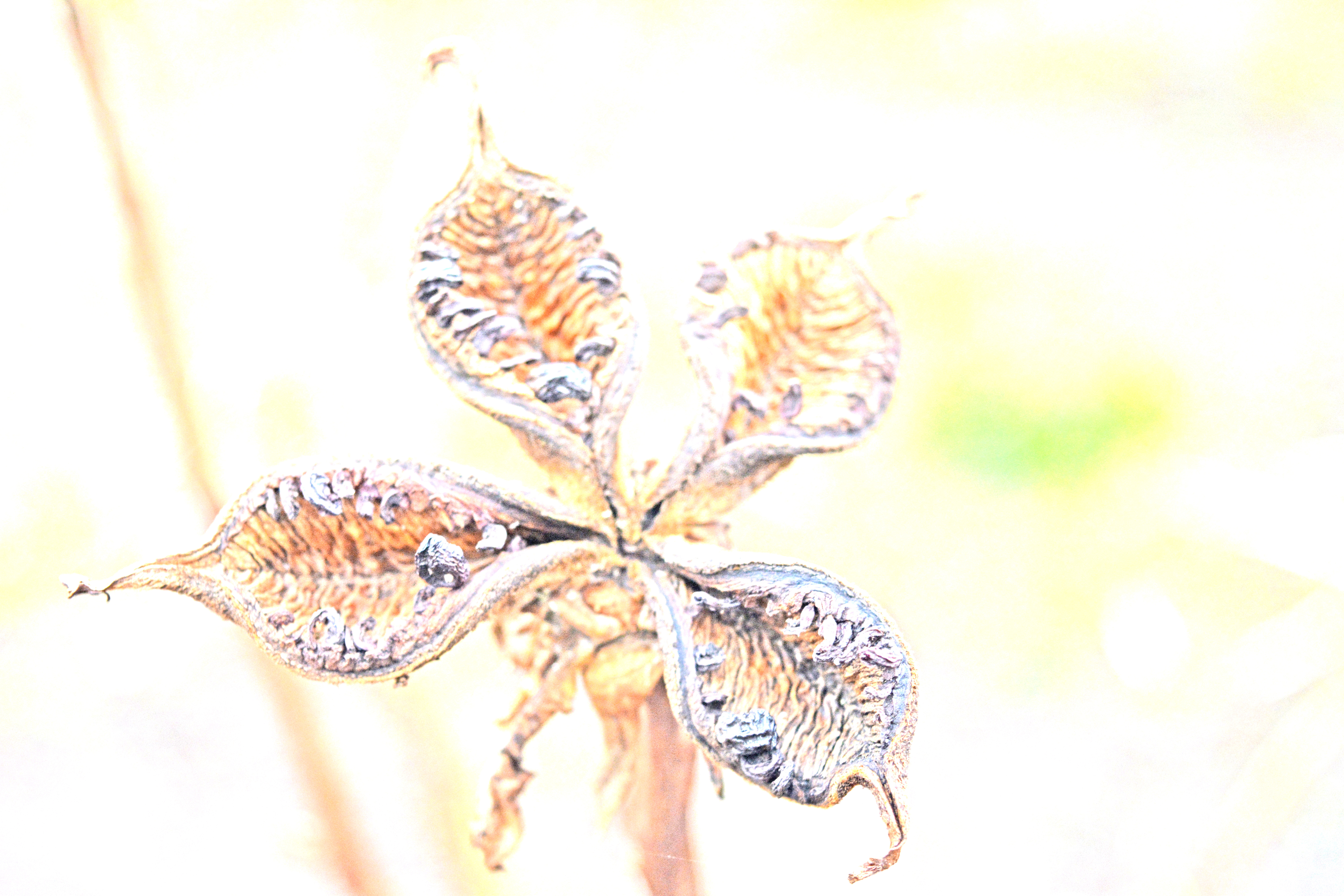
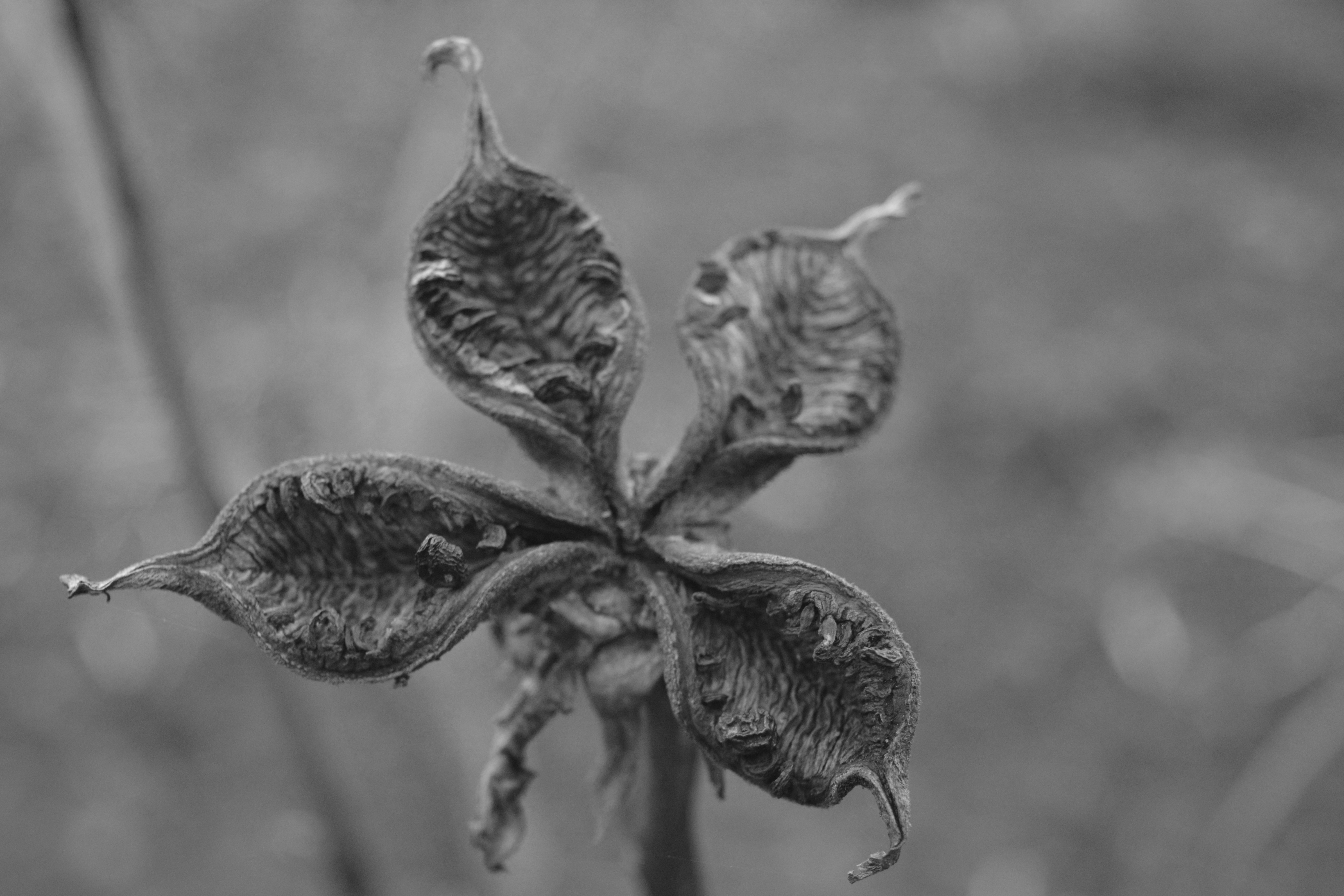
I enjoyed a play with this pic on Photoshop!

2015 01 01_9119_edited-1

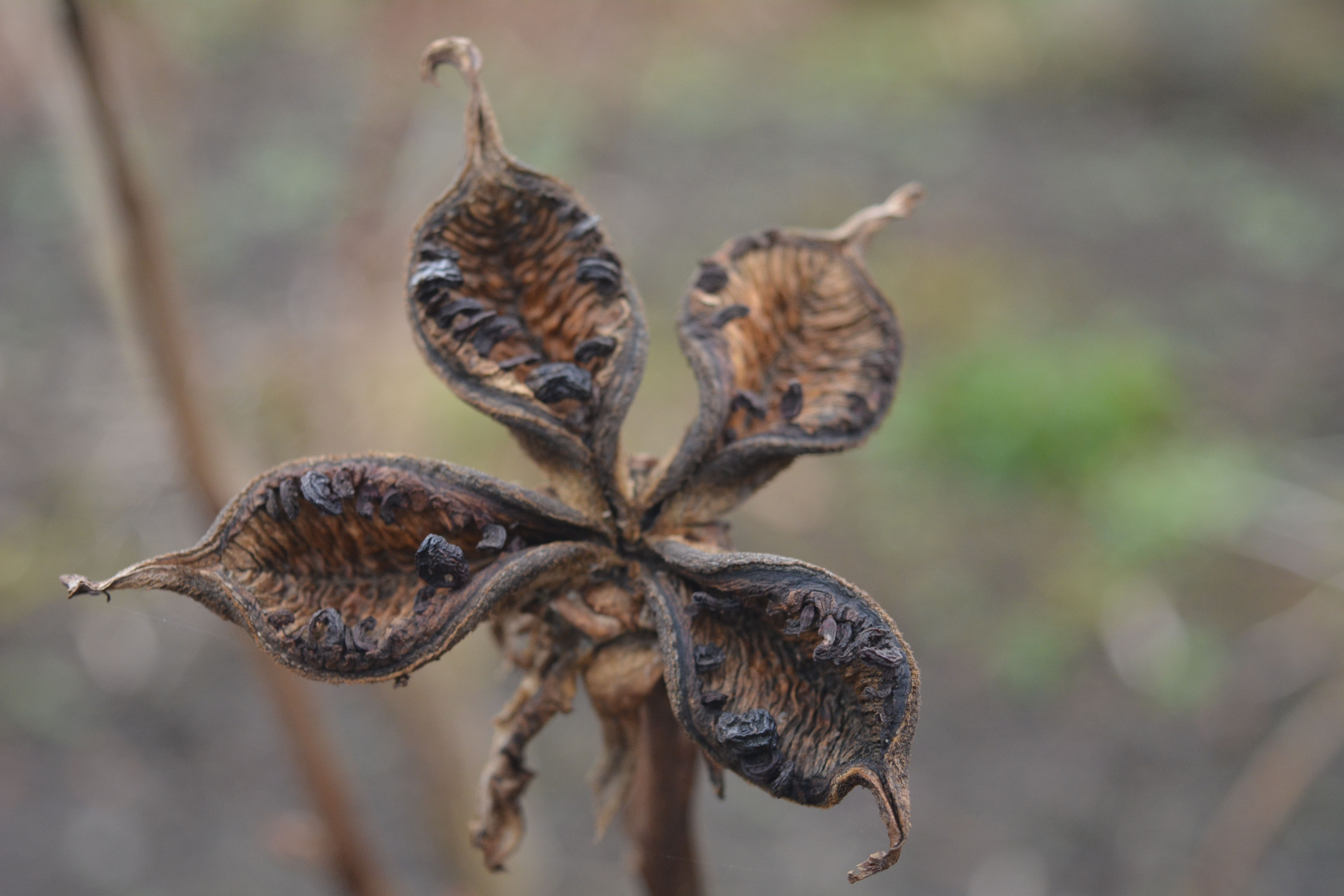
We were attracted to the opened seed pods of a Paeony with its four sections of woody shell. I certainly enjoyed playing with the image on Photoshop! Here you can select your favourite of three versions.

2015 01 01_9097 2015 01 01_9097_edited-2

2015 01 01_9097_edited-1

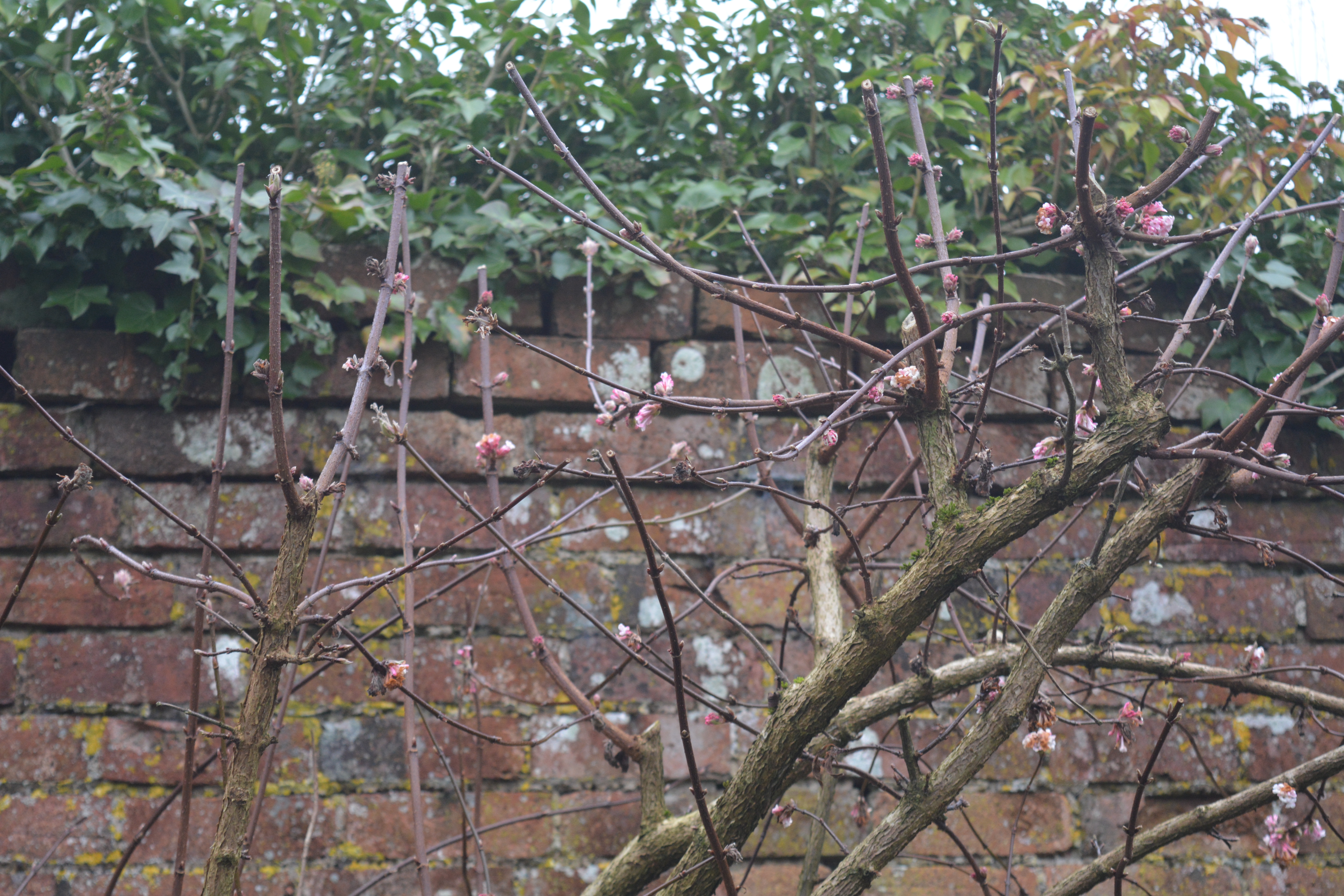
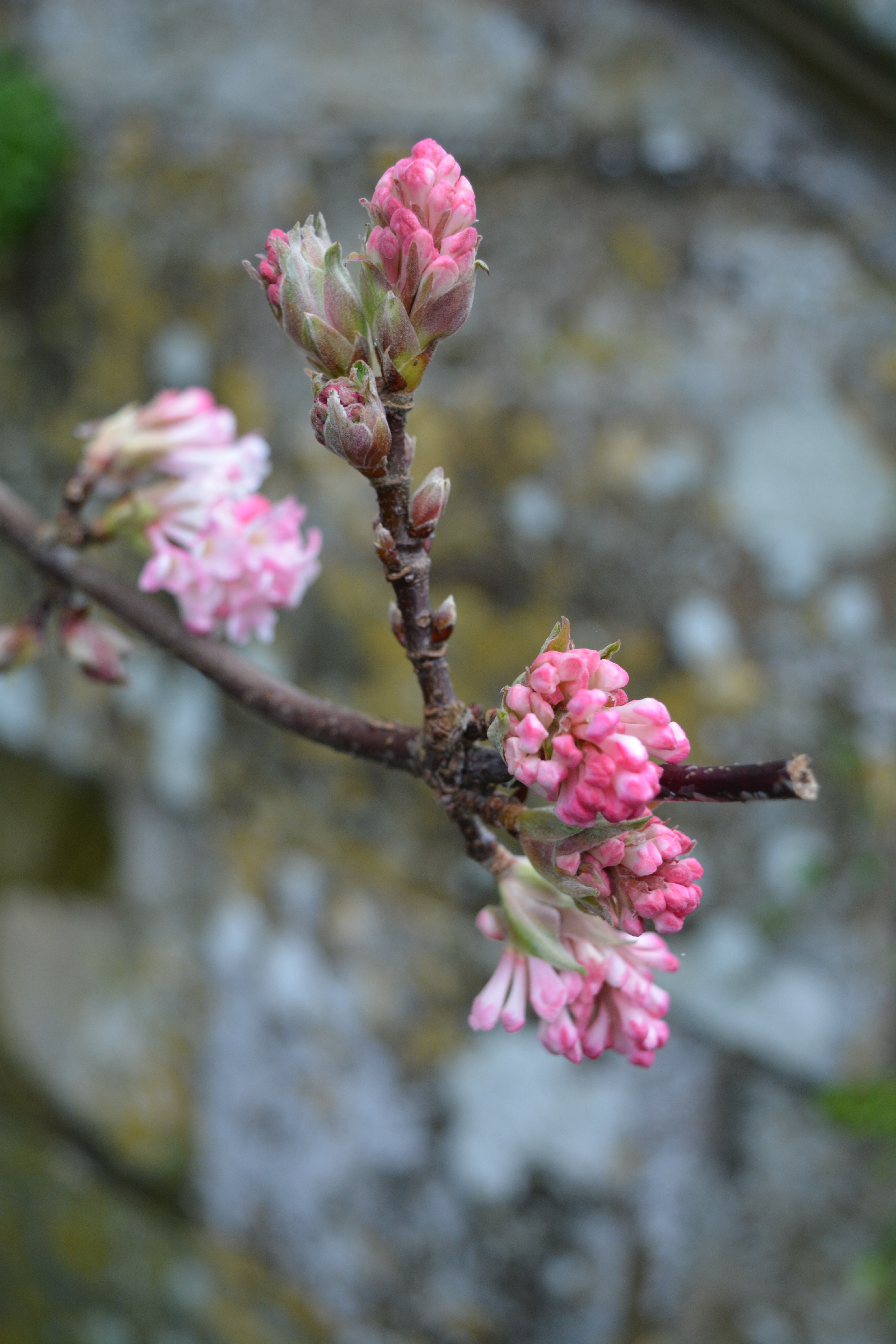
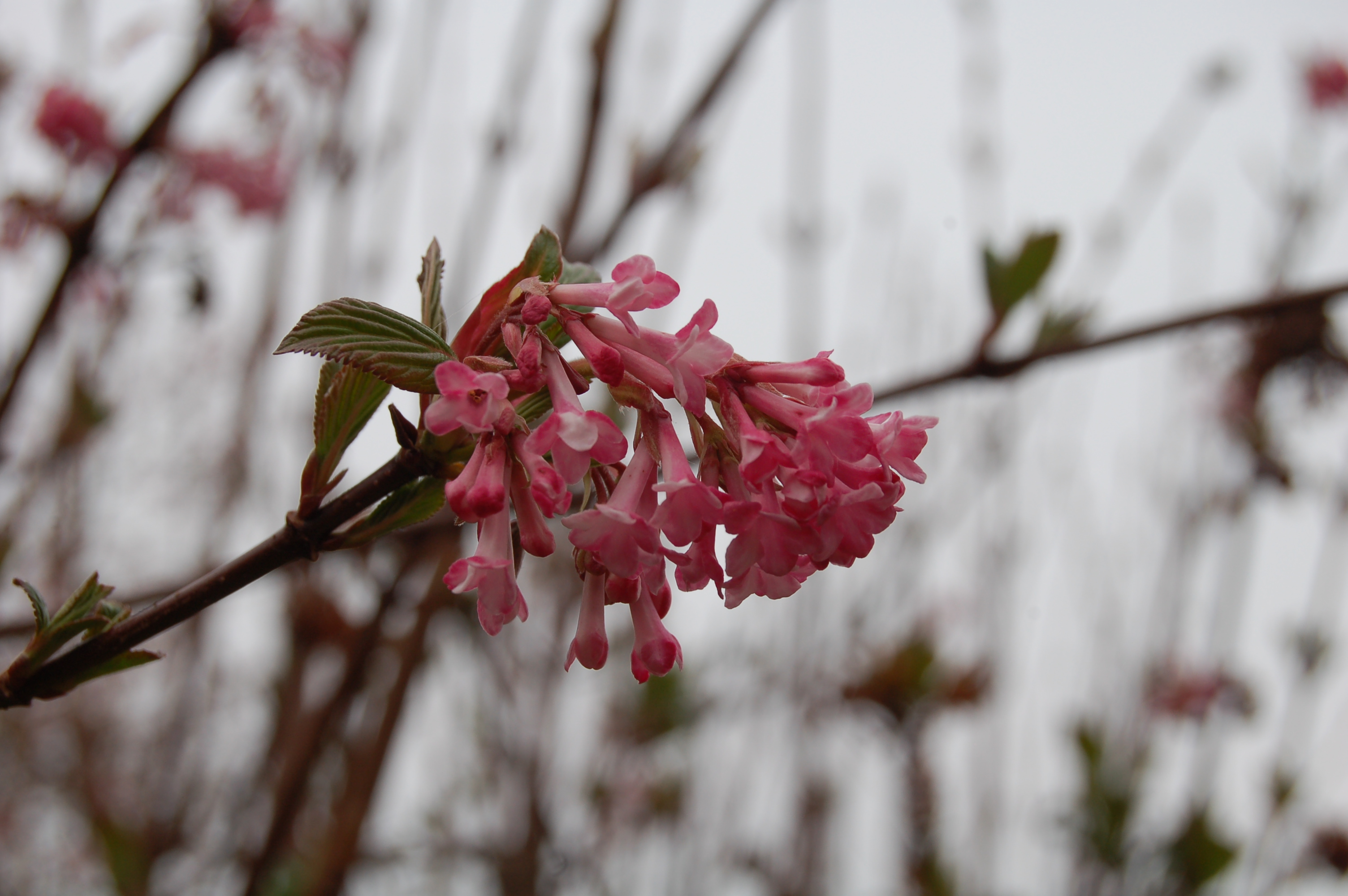
The sweet scent of the pink flowers of Viburnum bodnantense reached our noses long before we spotted the shrub itself. Next to it in the border was the giant stalk of the biggest Lilly we can grow in the UK, the statuesque Cardiocrinum giganteum.

2015 01 01_9131 2015 01 01_9132

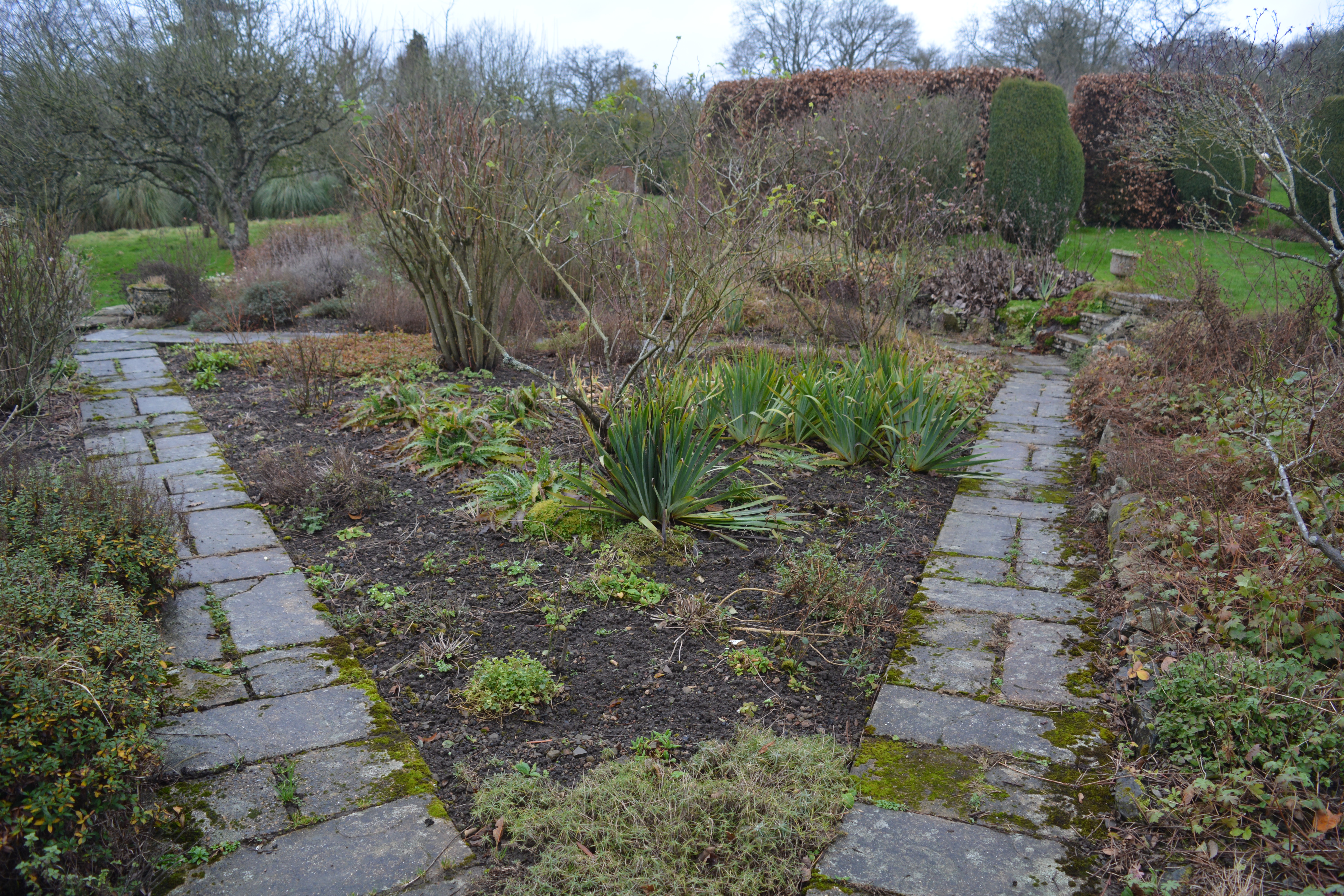
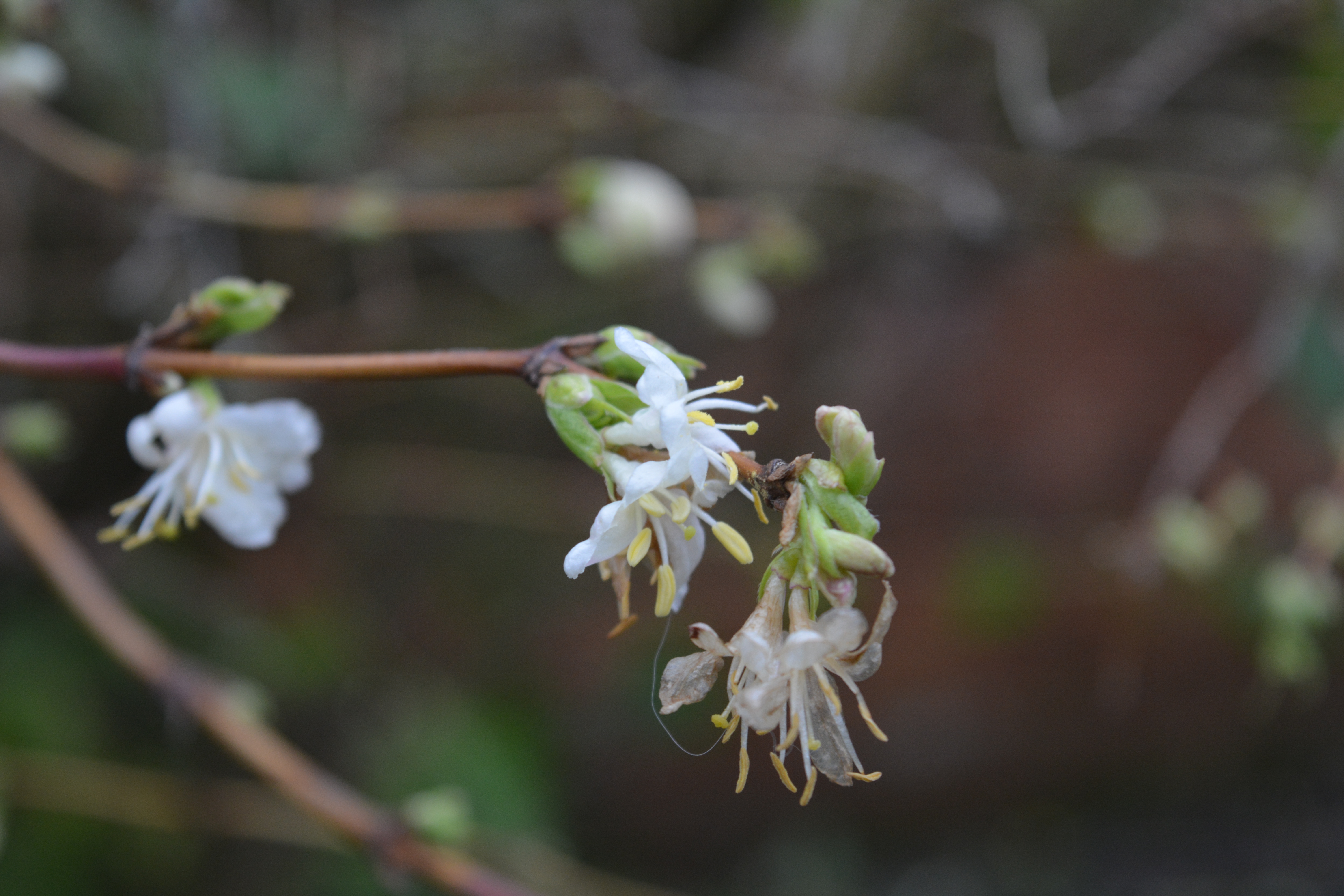
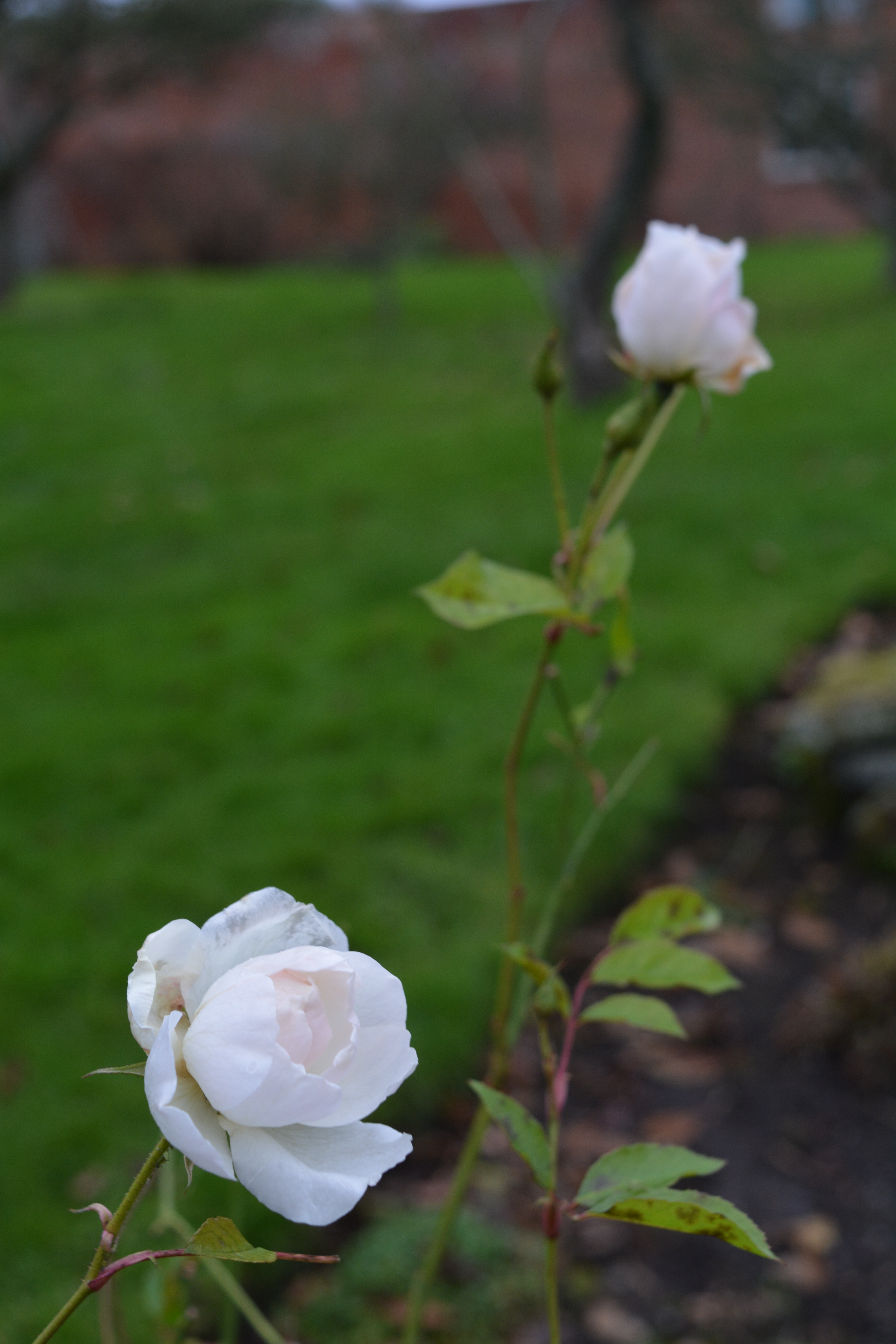
In the growing seasons there are some lovely features within the walled garden like little garden rooms, including a pool garden and a rose garden. In the winter they are so cold and bare! But an odd Rose bloom was trying hard when we visited. It sadly offered no scent though, unlike the neighbouring Rosemary with its gentle aroma coming from the tiny china blue flowers and the Lonicera frangrantisima, the Winter Flowering Honeysuckle.

2015 01 01_9133 2015 01 01_91382015 01 01_9139 2015 01 01_91422015 01 01_9141 2015 01 01_9140

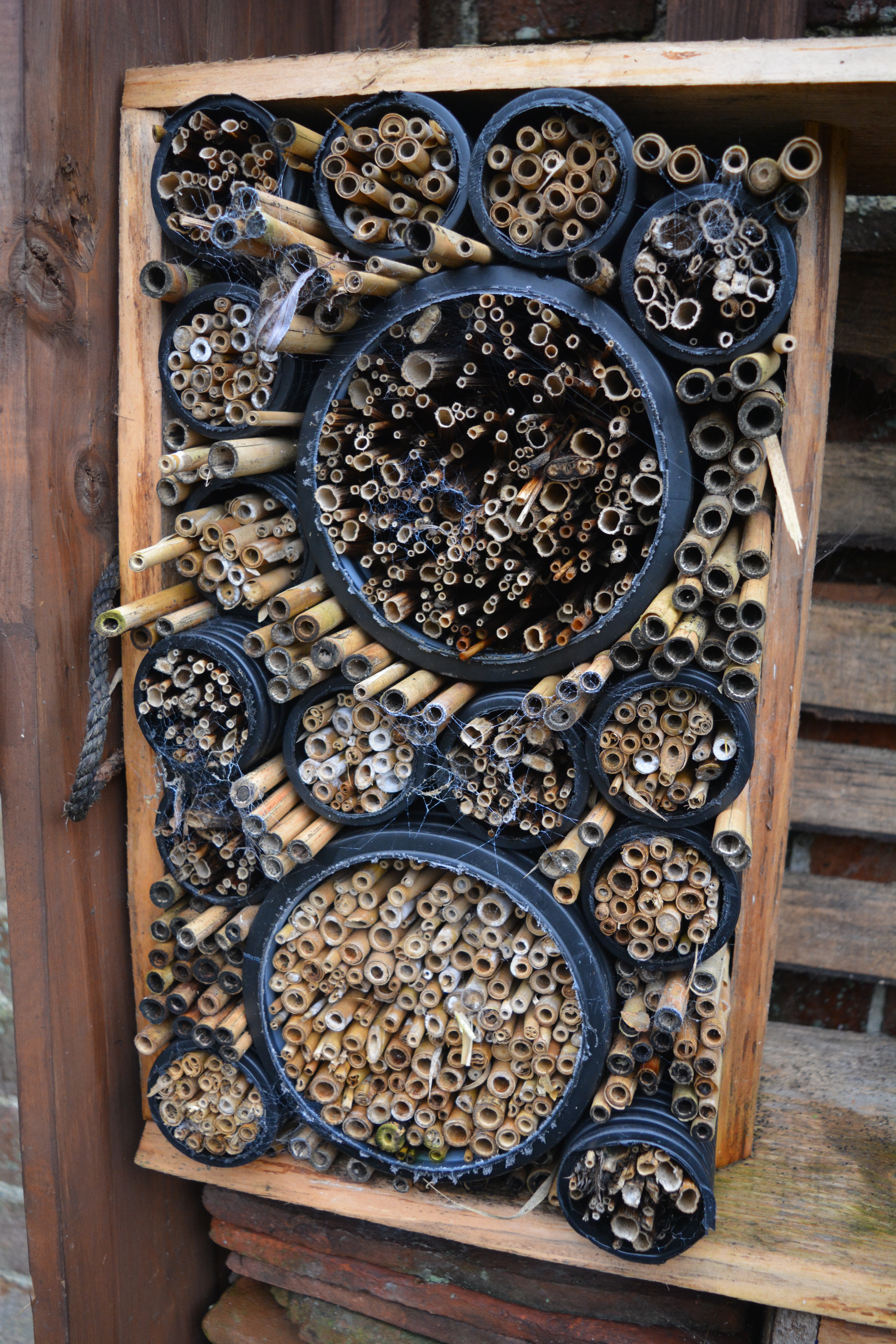
The gardeners have been busy making a huge “bug hotel” which is now almost complete. They have been having fun!

2015 01 01_9134 2015 01 01_9135 2015 01 01_9136

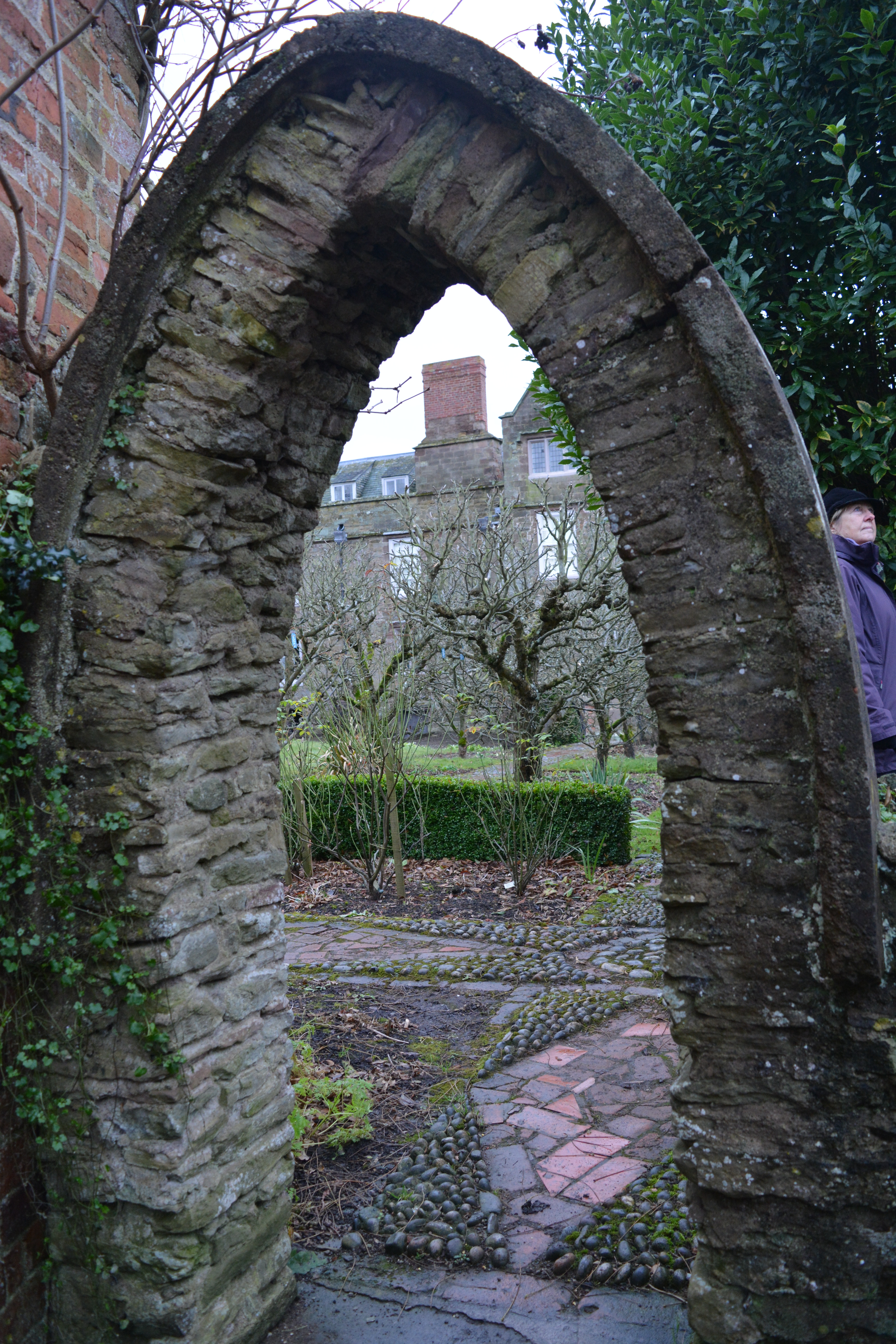
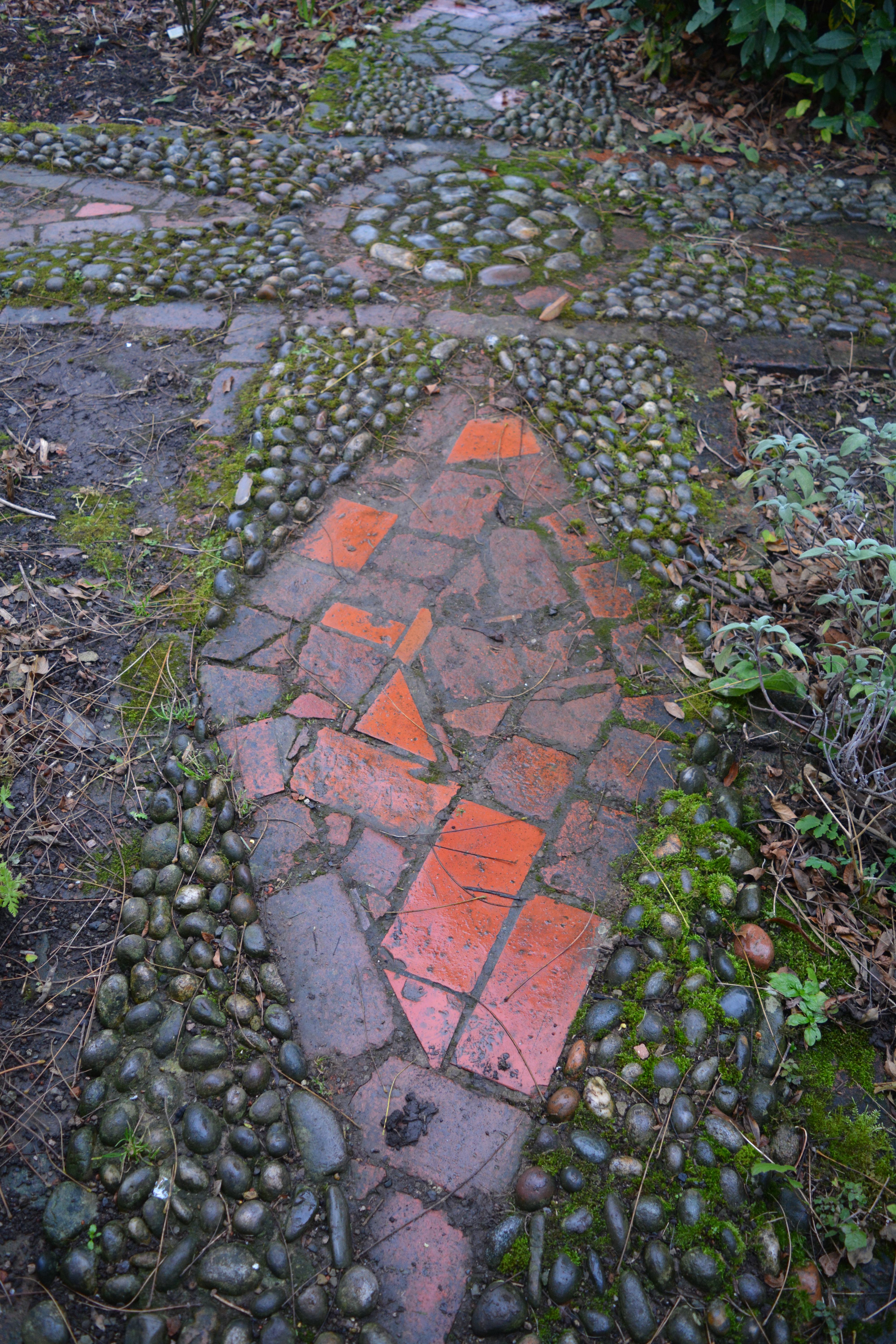
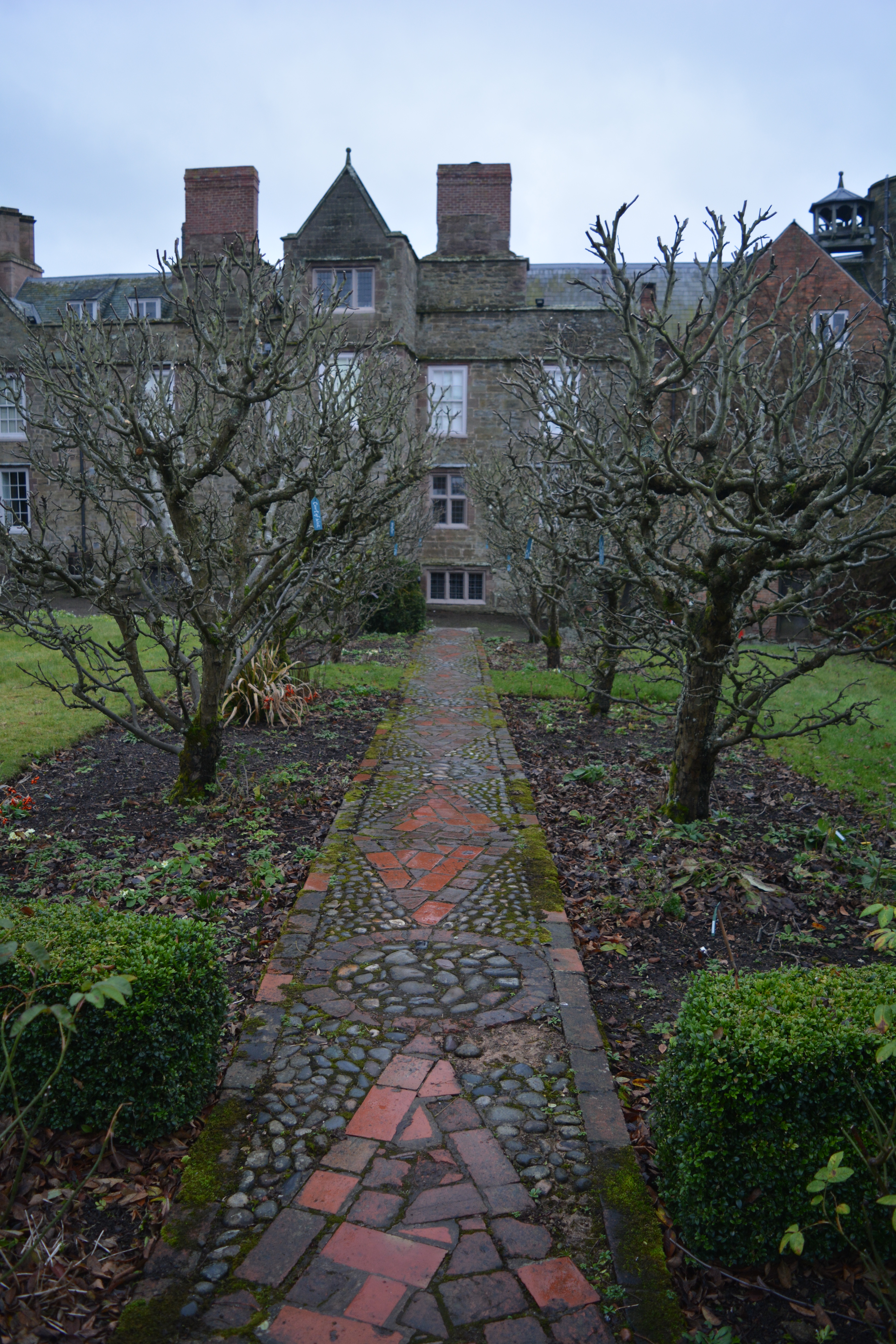
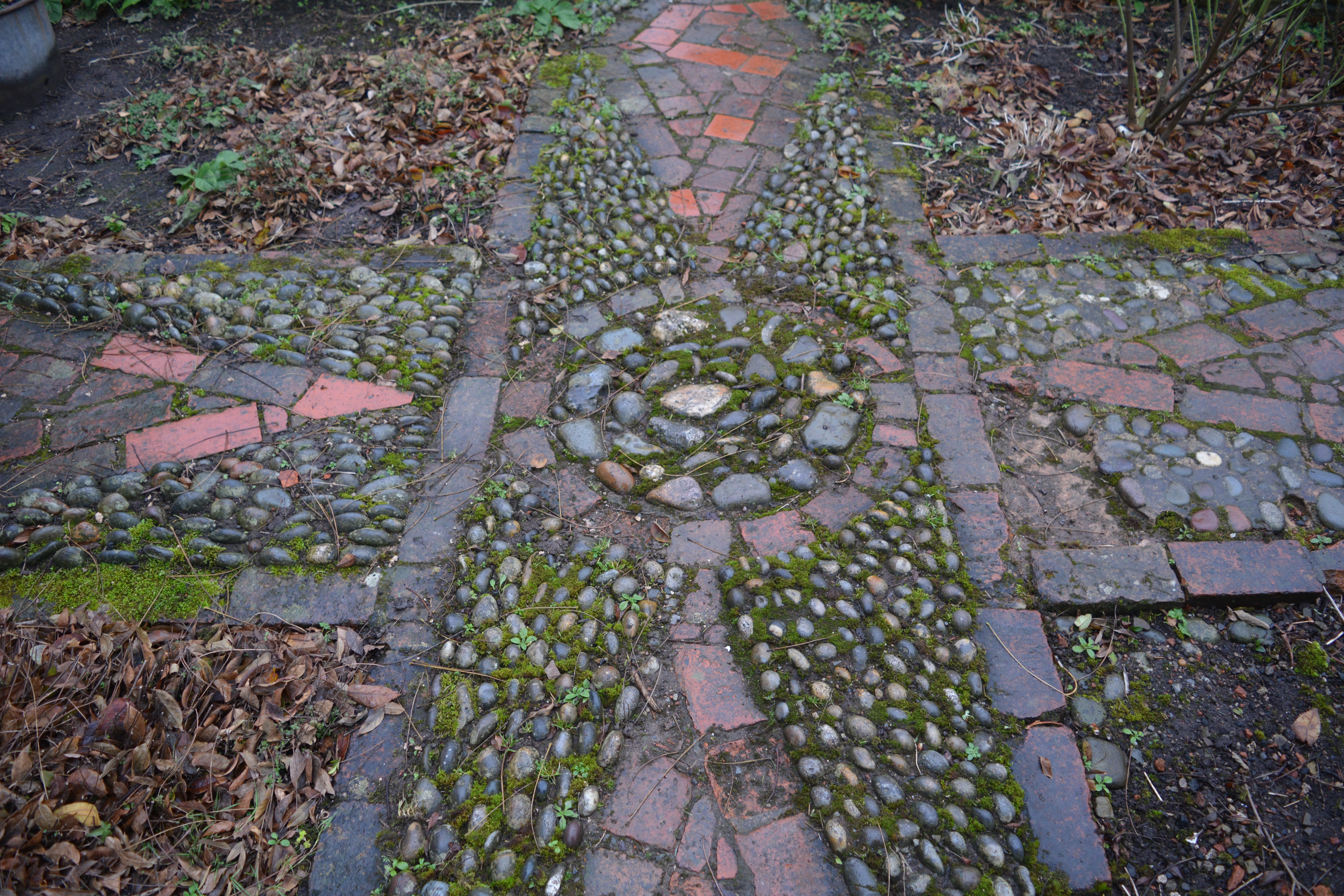
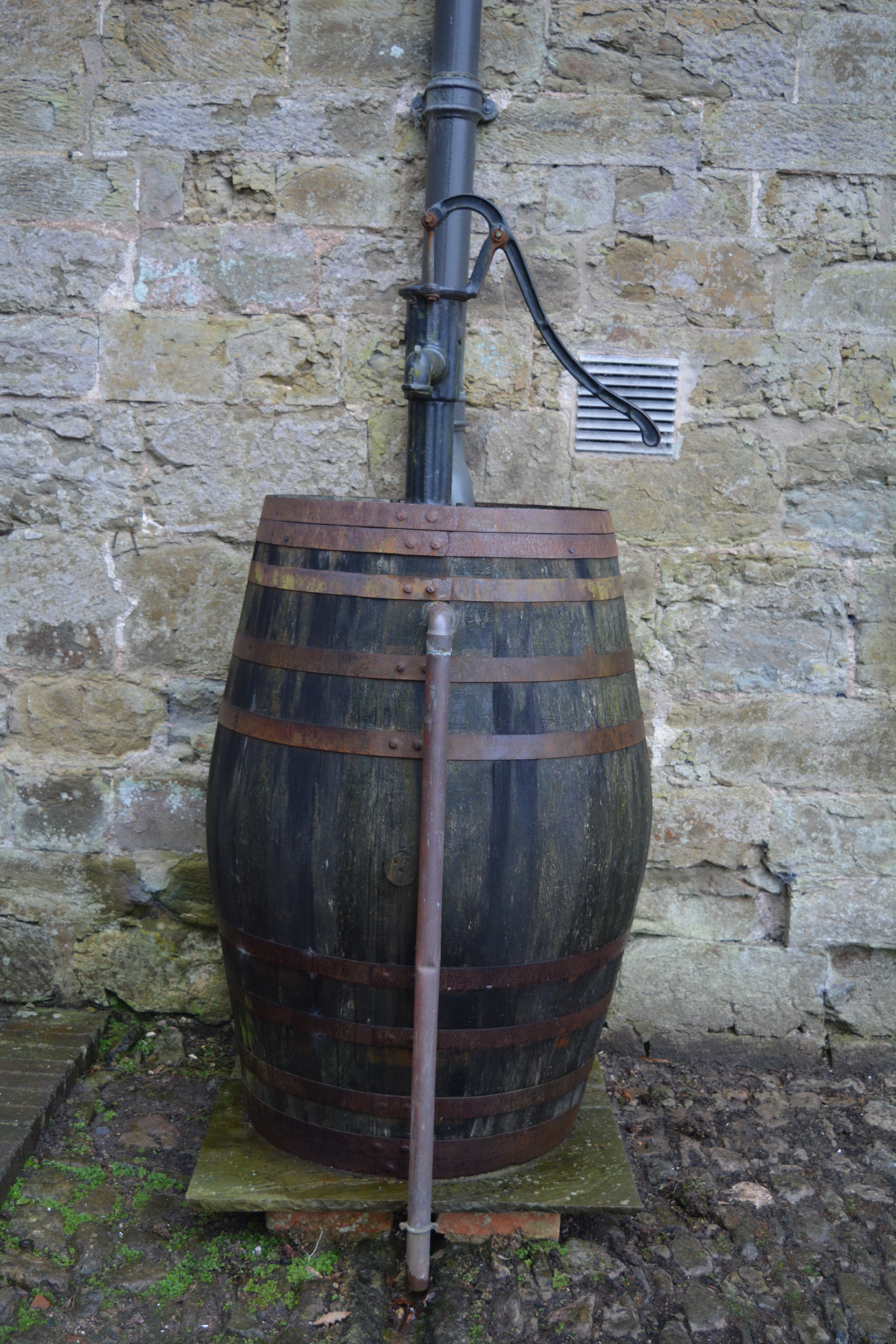
Reluctantly leaving the walled garden through a stone archway, we found small courtyard gardens linked by interesting textural paths. We gained views of the rear of the castle building and its huge water butt!

2015 01 01_9143 2015 01 01_9144 2015 01 01_91462015 01 01_9145 2015 01 01_9147

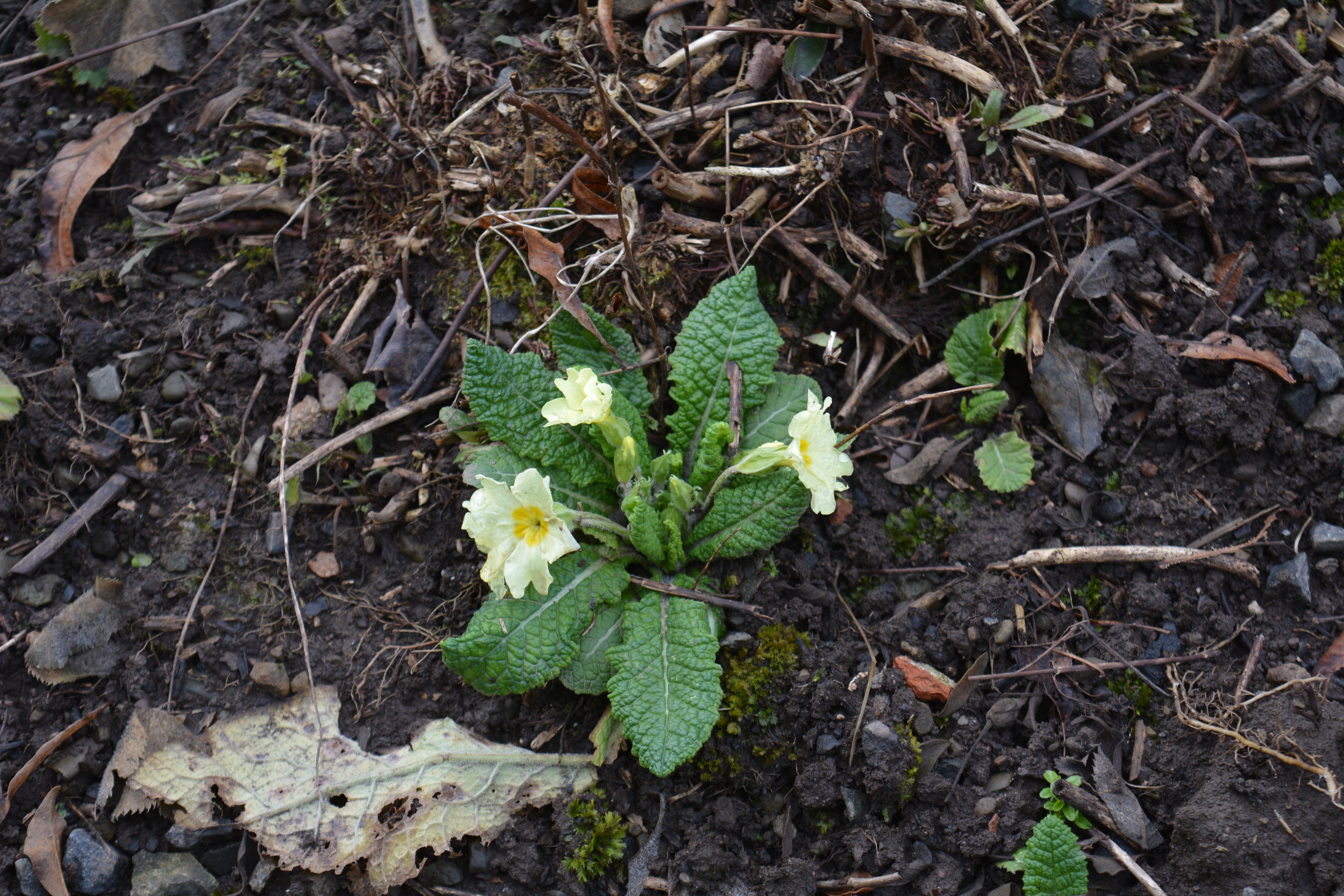
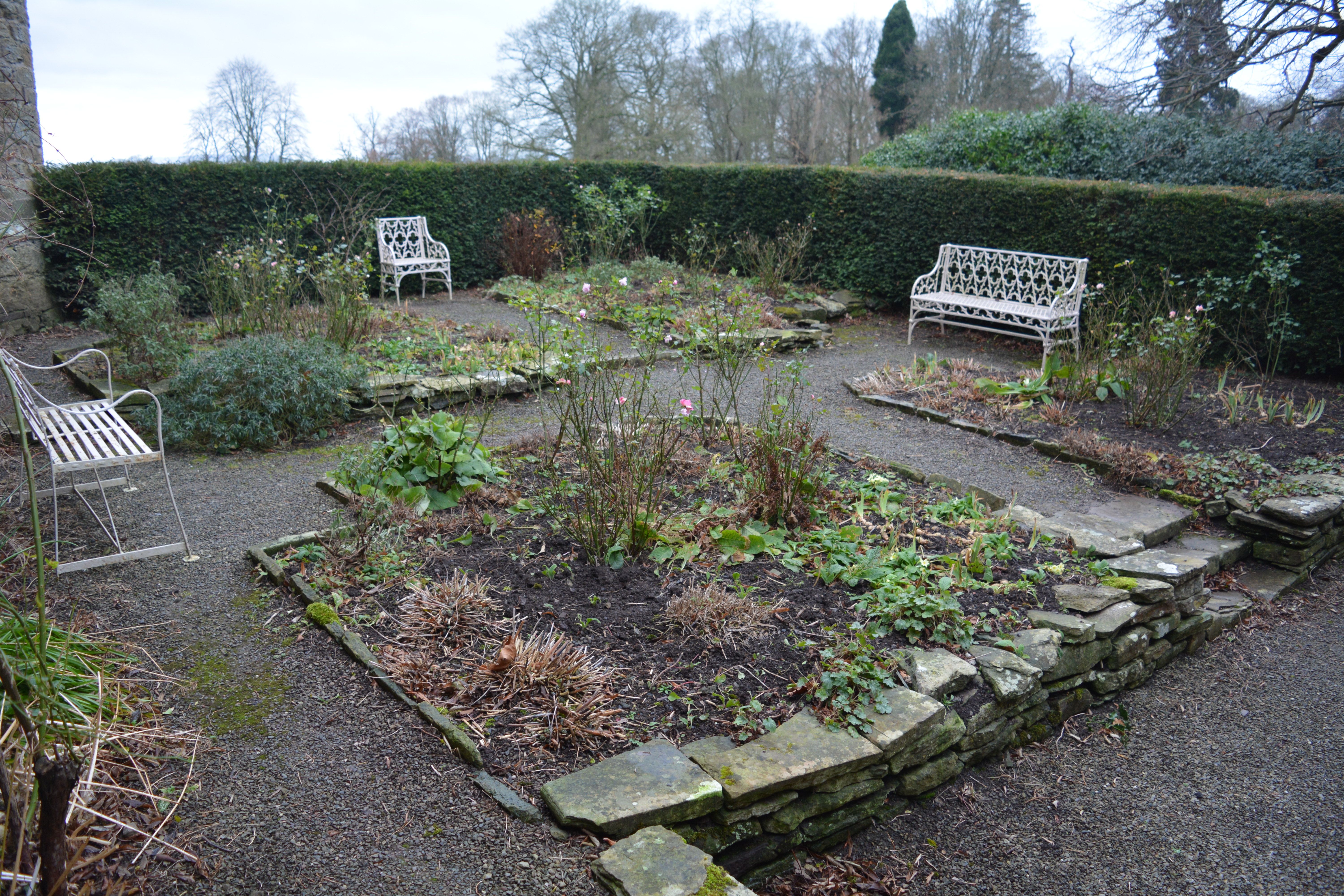
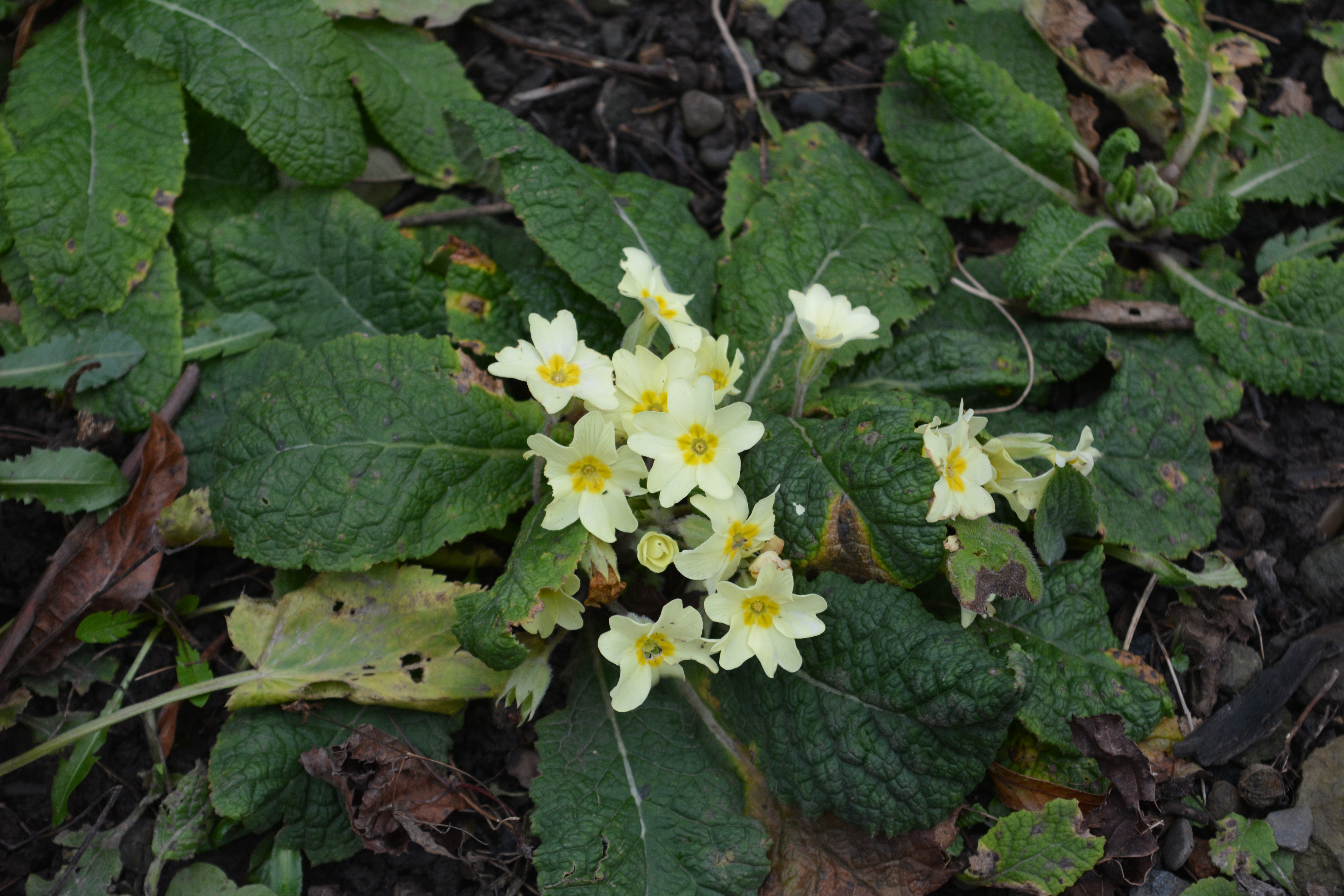
A further archway in a stone wall took us to a quartered courtyard garden with white benches and heavily pruned rose bushes. A strong wind blew through this area, making life difficult when I wanted to take a photograph of a Primrose flowering well out of season, resulting in a blurred close up of my scarf. Oh dear! But I did manage in the end. Definitely better without the scarf.

2015 01 01_9148

2015 01 01_9149 2015 01 01_9150

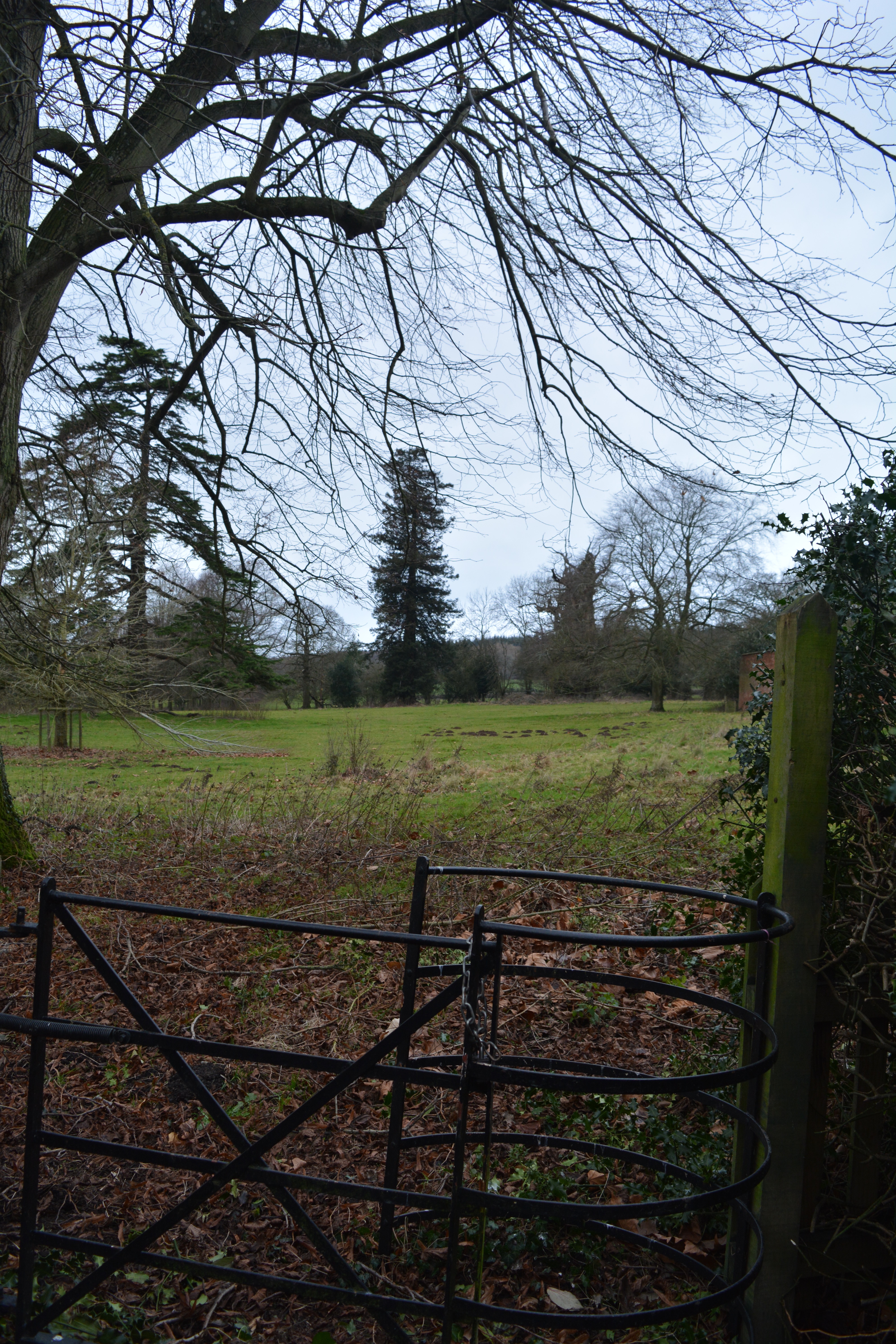
Rounding the next corner we could look out over the low stone wall across the meadows towards the lake and woodlands. The weather was not right for exploring these areas, so we decided to save it for warmer times. Above the corner tower an unusual wooden bell tower peered. Against the house wall we found a second scented Viburnum bodnantense heavy with blossom.

2015 01 01_9153 2015 01 01_9151

2015 01 01_9152 2015 01 01_9154 2015 01 01_9155

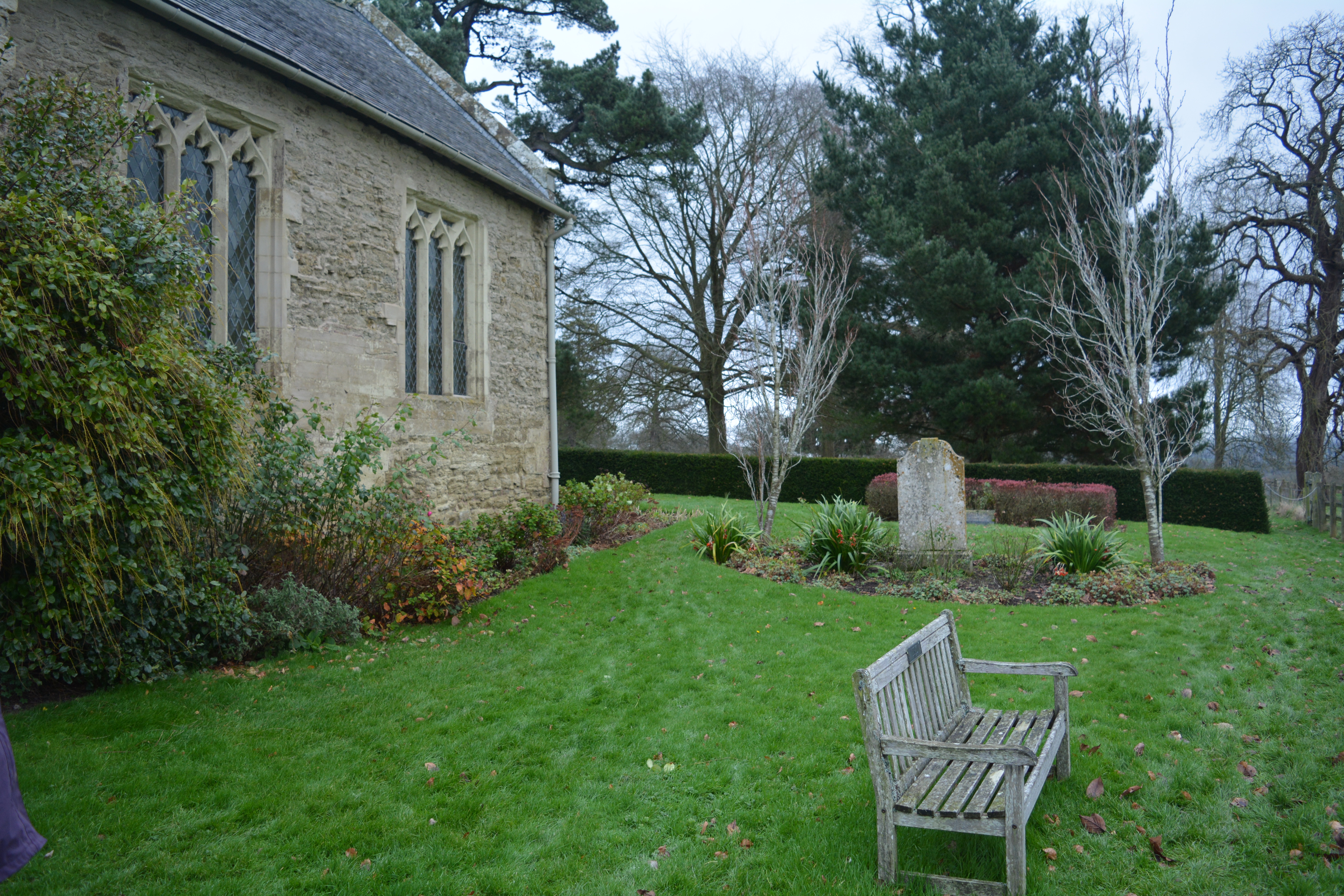
The  tiny garden surrounding the estate church is often colourful but in winter colour was total lacking. The tower of the church was covered in scaffolding and it looked as if restoration work was well under way. I will share some pictures of this lovely building when the scaffolding is down later in the year.

2015 01 01_9156

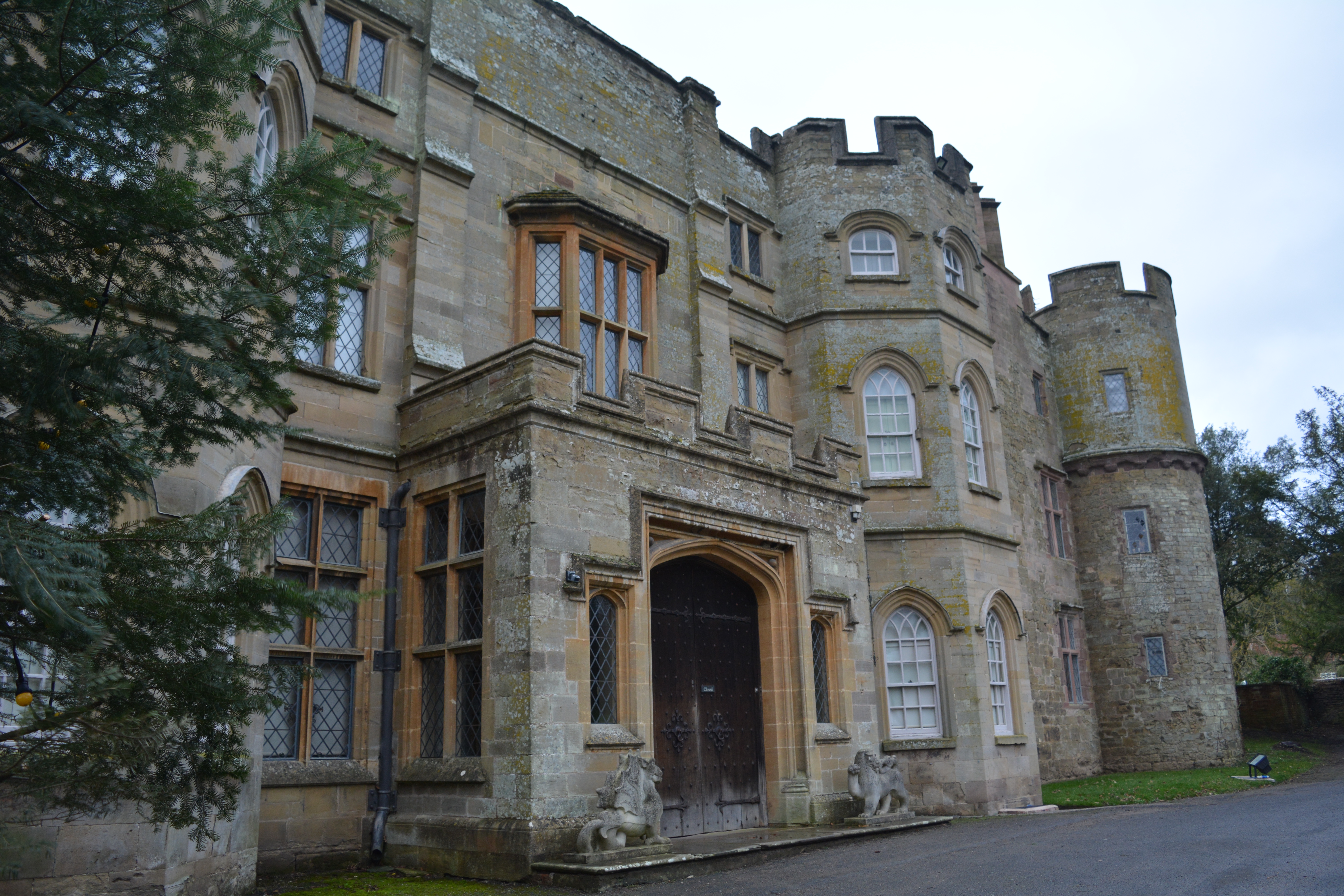
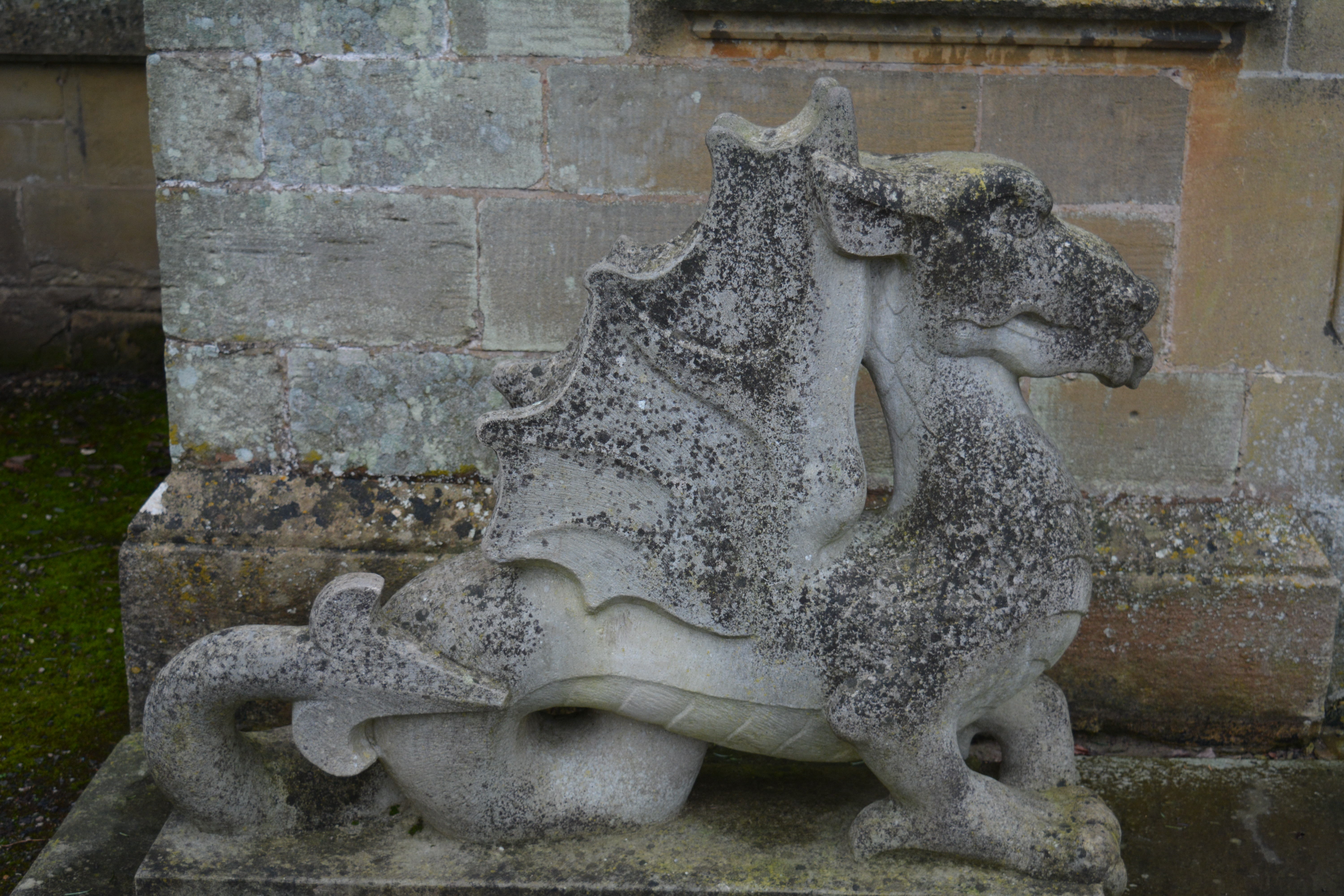
We finally reached the front entrance to the castle, the massive door protected by stone-carved dragon sentinels. As we retraced our steps along the herbaceous border and stone wall we looked back to get views of the whole castle frontage.

2015 01 01_9157 2015 01 01_9158 2015 01 01_9160 2015 01 01_9087_edited-1

Our next visit will be in February when we will see if anything in the garden changes as the days lengthen slightly and the light values improve. It may be a bit warmer too! Fingers crossed.

Categories
garden design garden photography garden pools gardening gardens gardens open to the public hardy perennials Italian style gardens meadows National Trust ornamental trees and shrubs roses sculpture The National Trust trees water garden water in the garden woodland woodlands

Cliveden – the house and garden of Nancy Astor

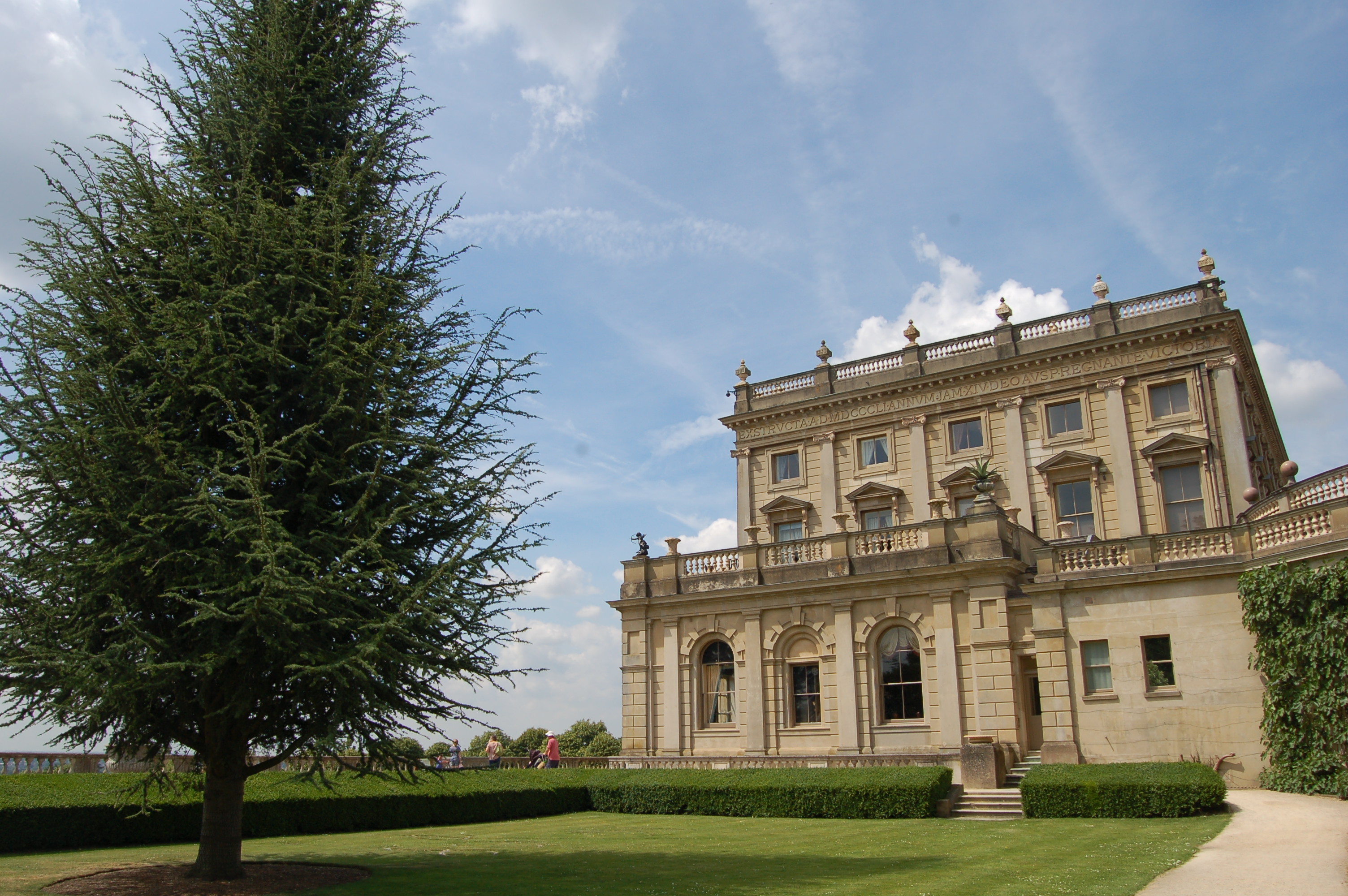
While holidaying around Cambridge earlier in the year we stopped off on our travels to have a wander around the gardens at Cliveden, the one time home of Nancy Astor. She was an English MP even though American born. Her second marriage was to Waldorf Astor who inherited to a peerage and entered the House of Lords. Nancy was the first ever woman to be a member of the House of Commons, but also gained notoriety as a Nazi supporter.

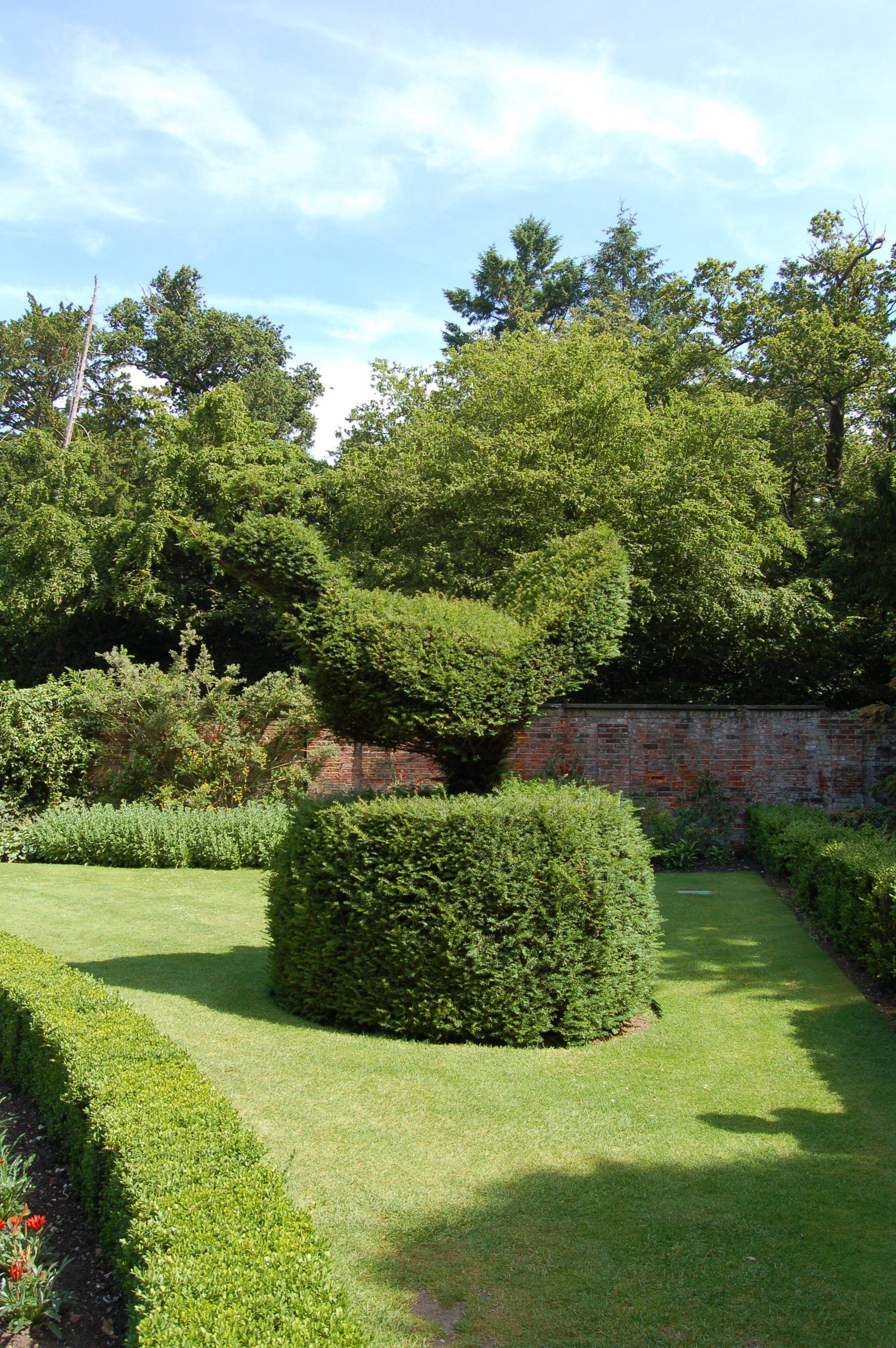
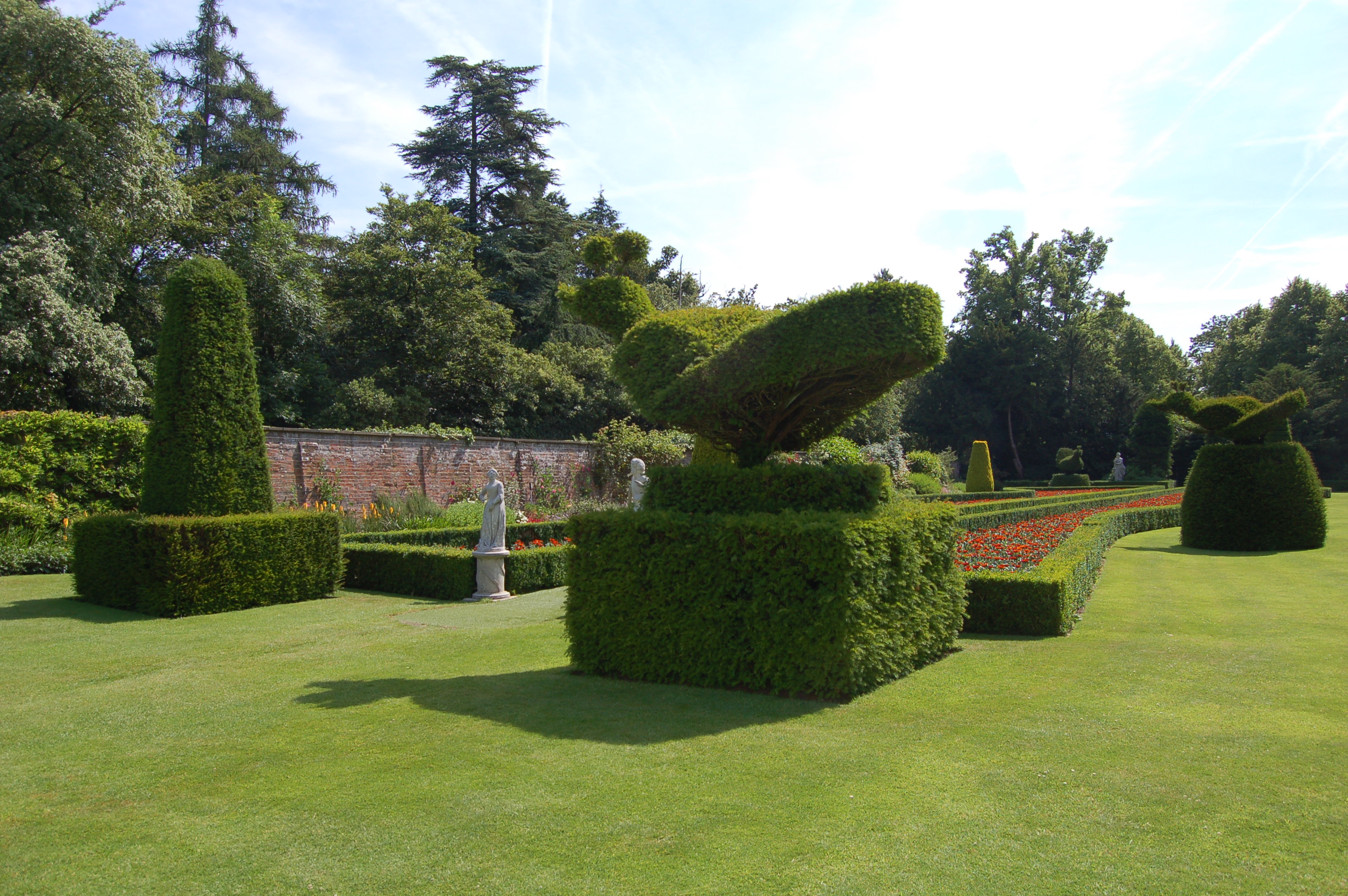
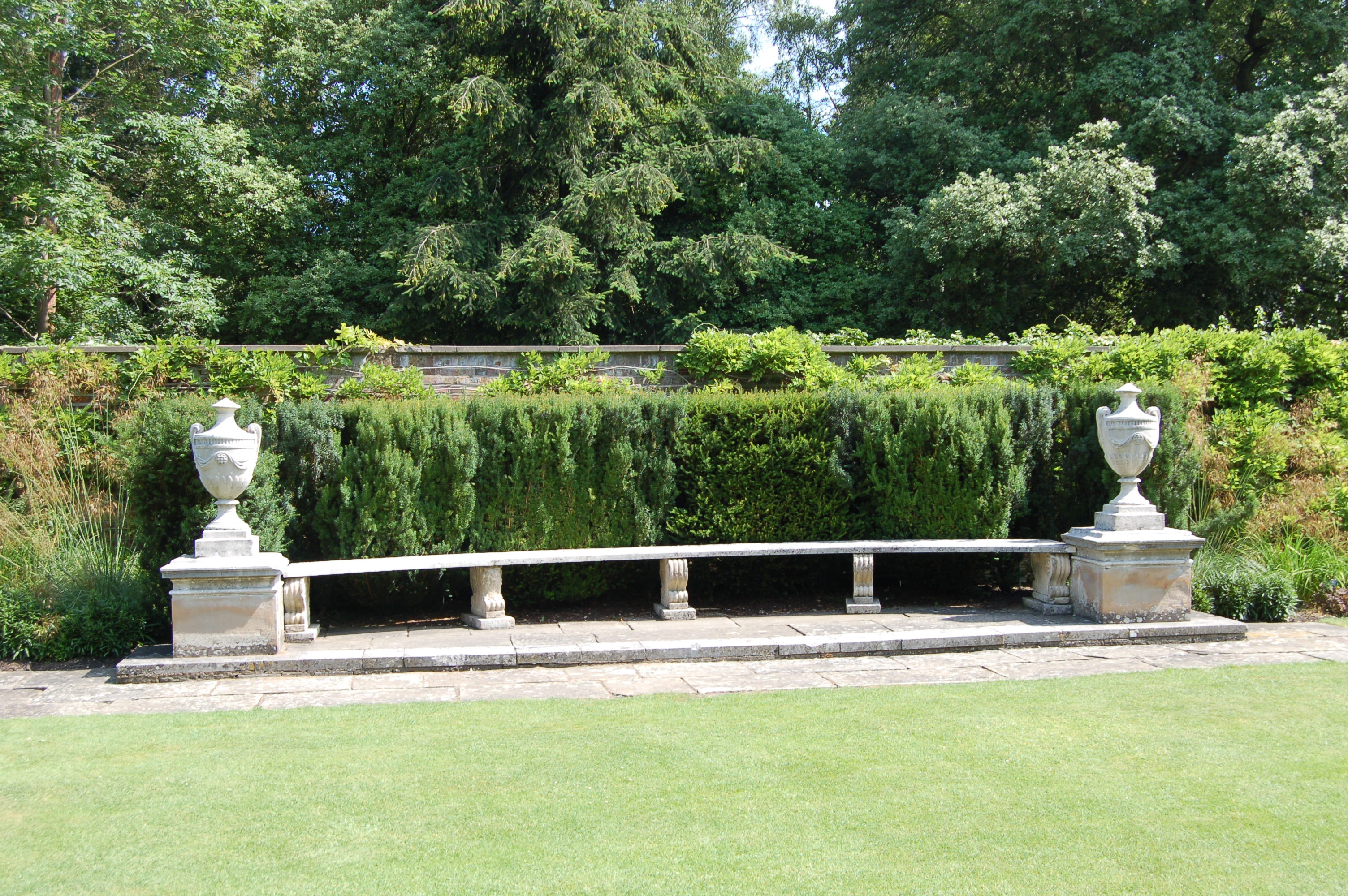
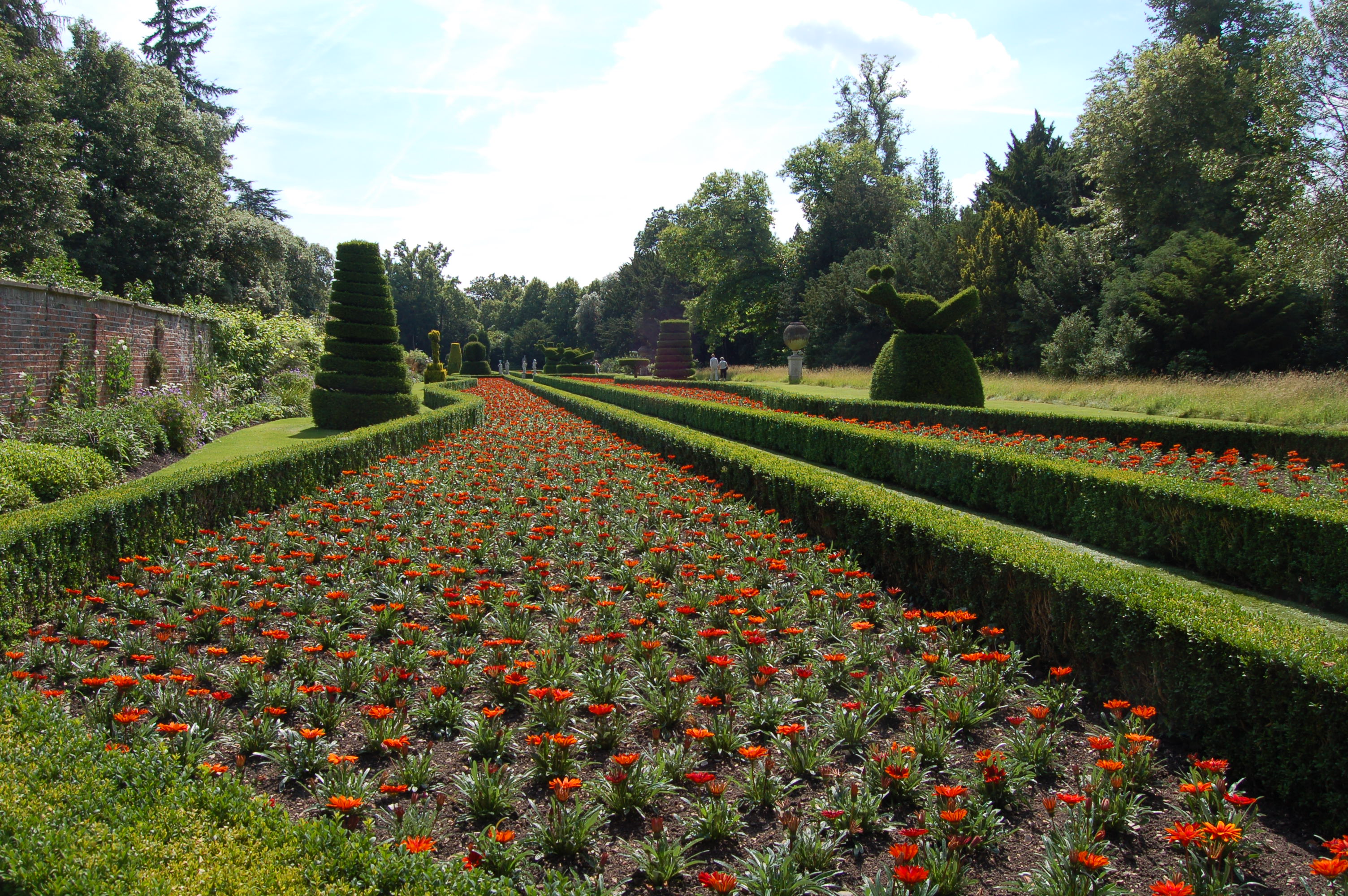
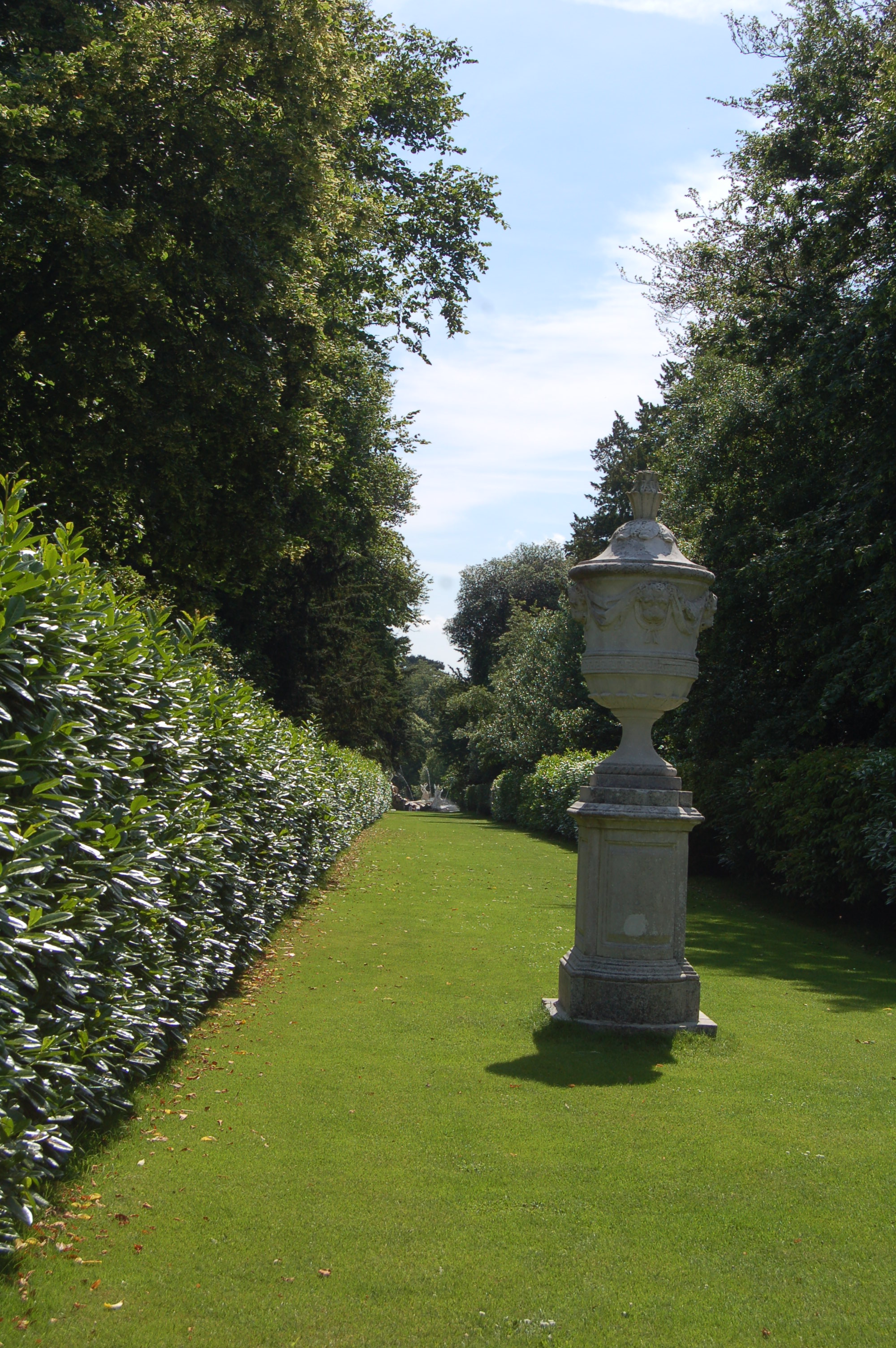
Her garden turned out to be a garden planted in a style we do not actually like but definitely “of its time”. We are definitely not fans of formal gardens or bedding schemes and here we found both but viewed from an historic perspective they were interesting. Classical figures, topiary and “grand fountains” are also not my style but Jude the Undergardener, being more of a history buff doesn’t mind them.

2014 06 25_1153 2014 06 25_1154

2014 06 25_1166 2014 06 25_1169

2014 06 25_1162 2014 06 25_1155 2014 06 25_1156 2014 06 25_1164

2014 06 25_1163 2014 06 25_1165

2014 06 25_1173 2014 06 25_1174

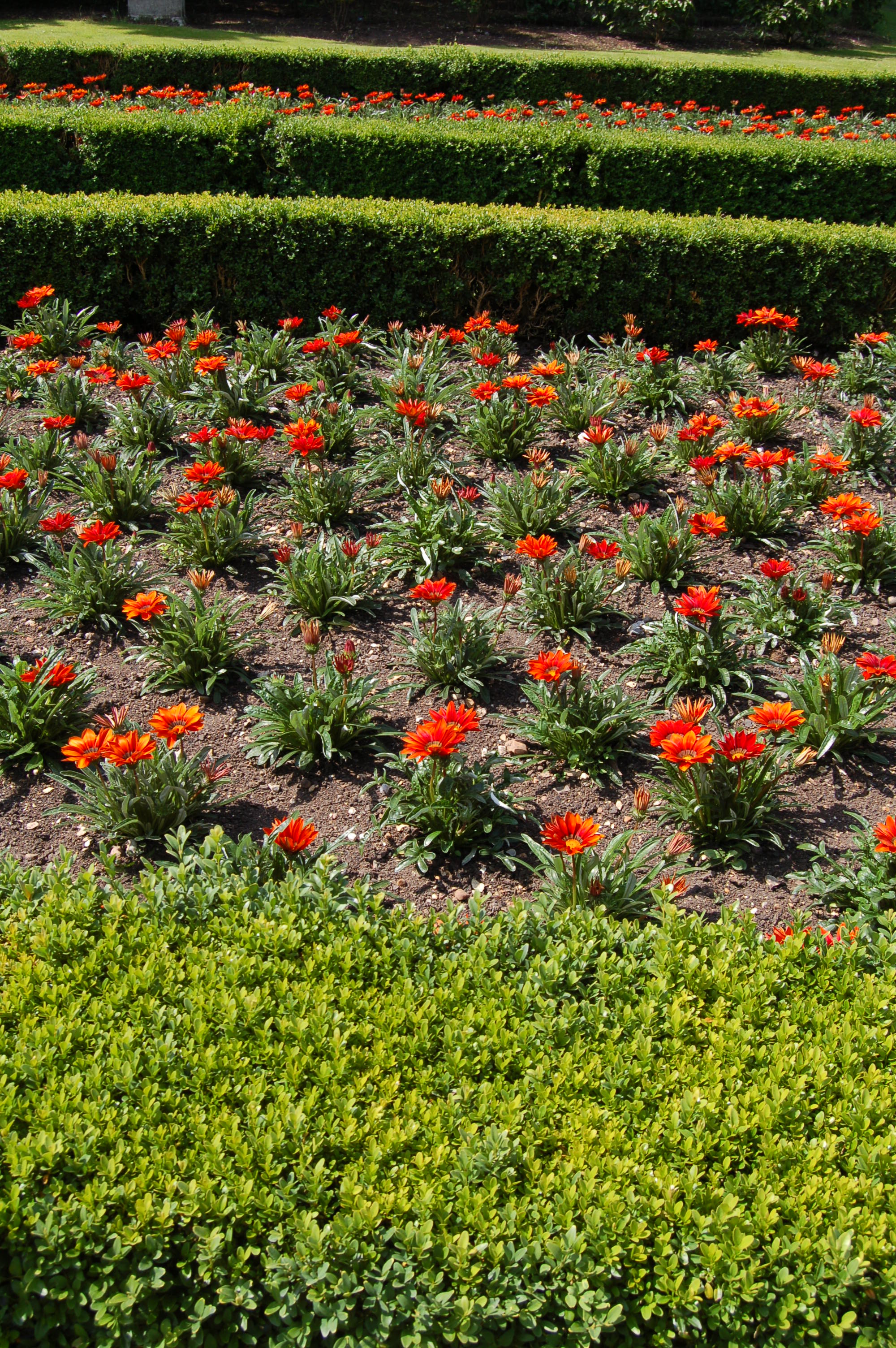
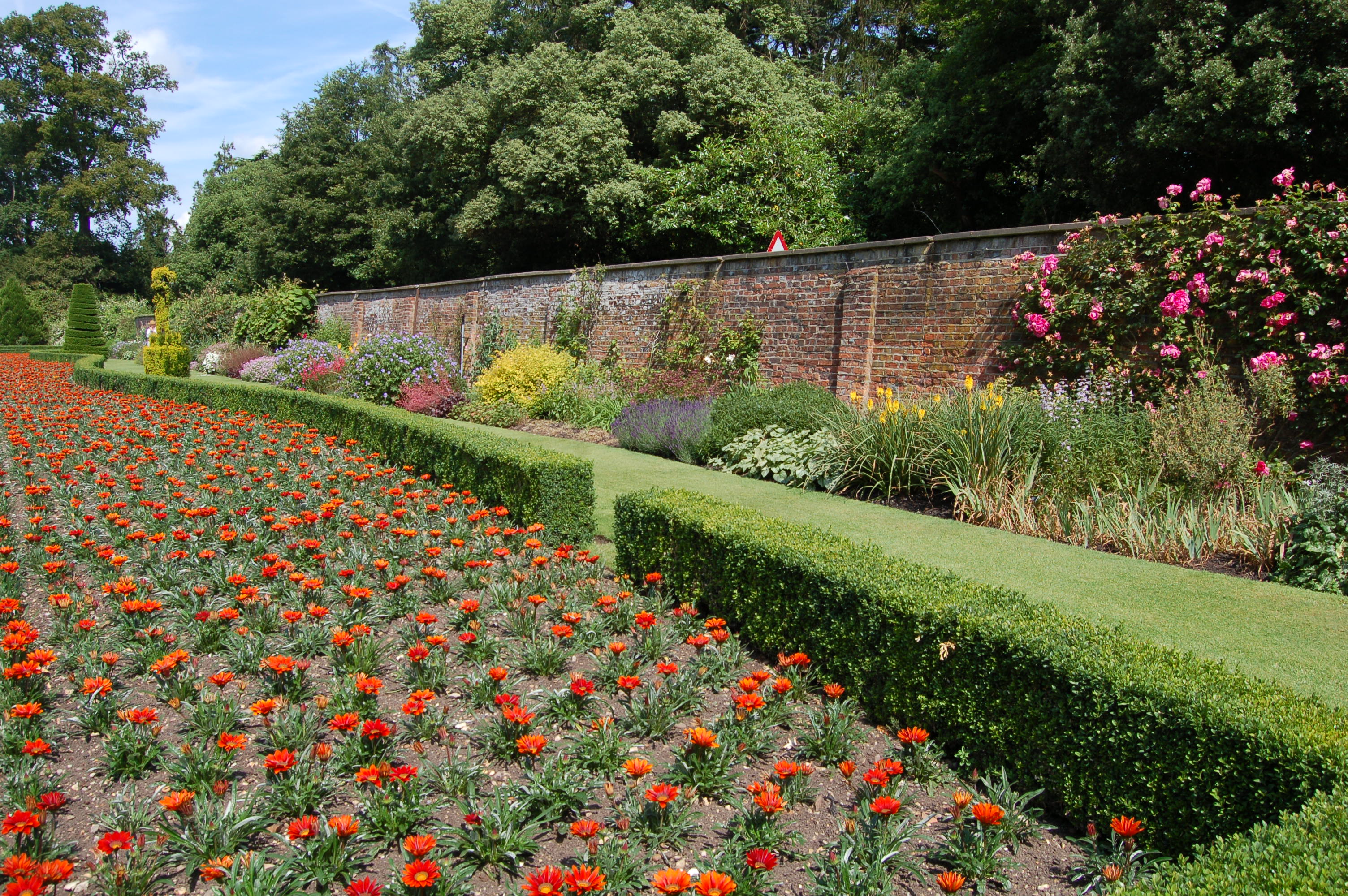
Interestingly close up the bedding proved to be of orange gazanias rather than the begonias or pelargoniums we expected.

2014 06 25_1160 2014 06 25_1167

But bordering the bedding scheme central feature was a long mixed border, much more to my liking.

2014 06 25_1157 2014 06 25_1158 2014 06 25_1159 2014 06 25_1161

2014 06 25_1168

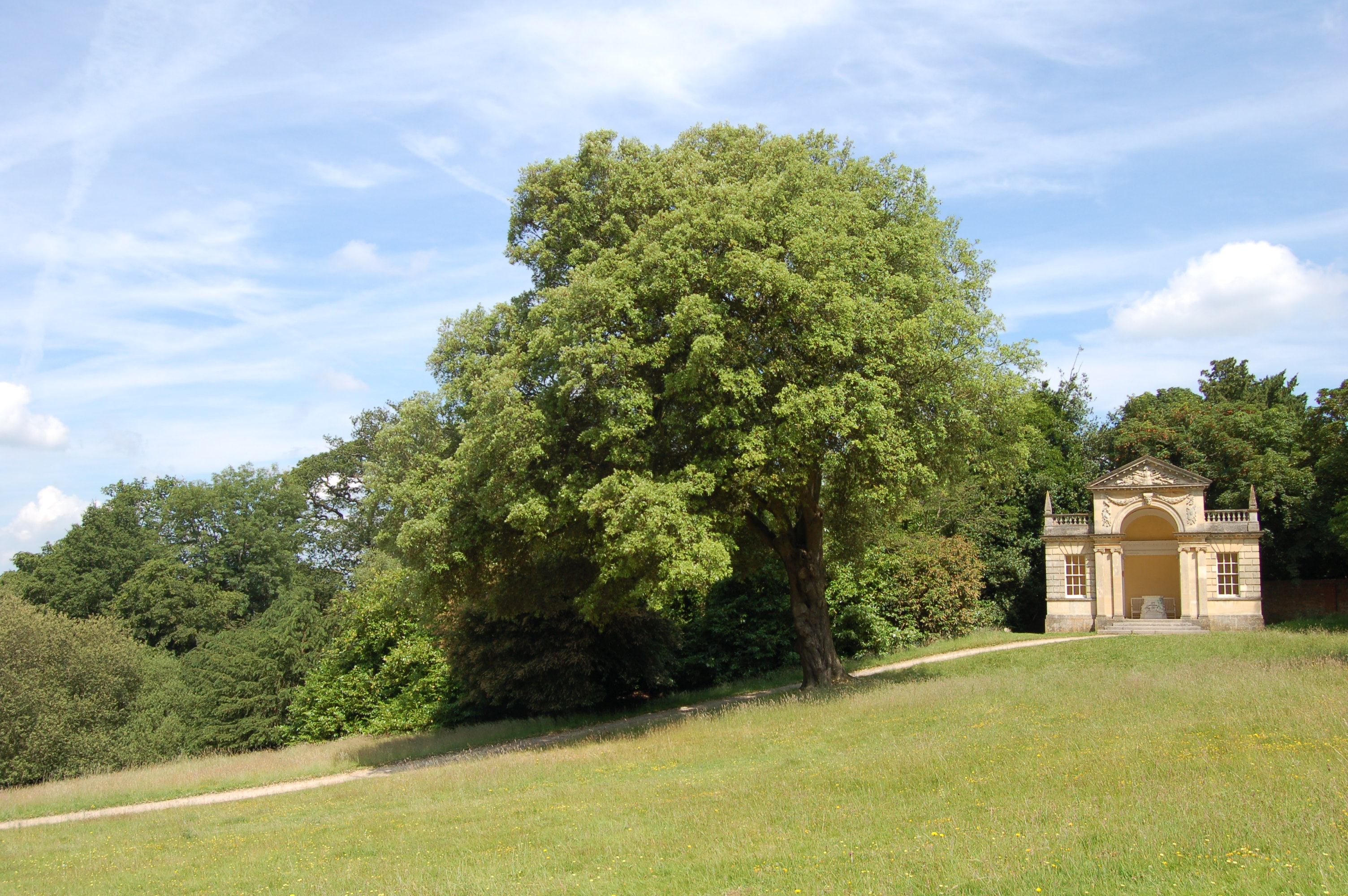
Things were looking up soon however as we passed through an opening in the yew hedging and discovered a tree unknown to me in the woodland.

2014 06 25_1175 2014 06 25_1172

2014 06 25_1170 2014 06 25_1171

2014 06 25_1177 2014 06 25_1178

Little areas of meadow lined the pathway down through the woodlands. Gnarled branches of old shrubs curled around on the grass near the paths.

2014 06 25_1183 2014 06 25_1191

2014 06 25_1180 2014 06 25_1181

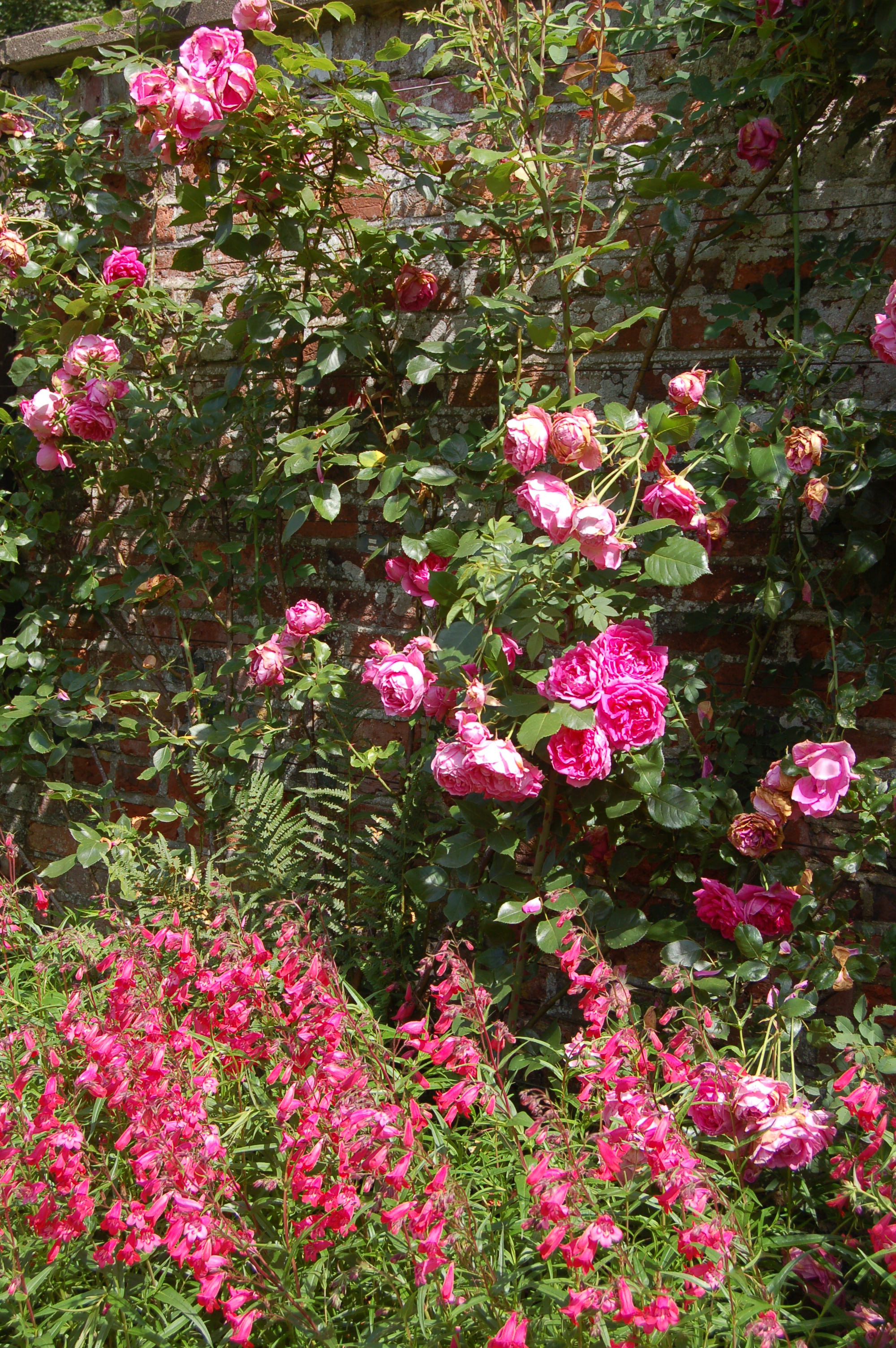
The old rose garden has been revamped recently with newer more disease resistant varieties, so inevitably most are from David Austin. The colours of the blooms have been chosen to represent sunrise and sunset.

2014 06 25_1184 2014 06 25_1185 2014 06 25_1187 2014 06 25_1188

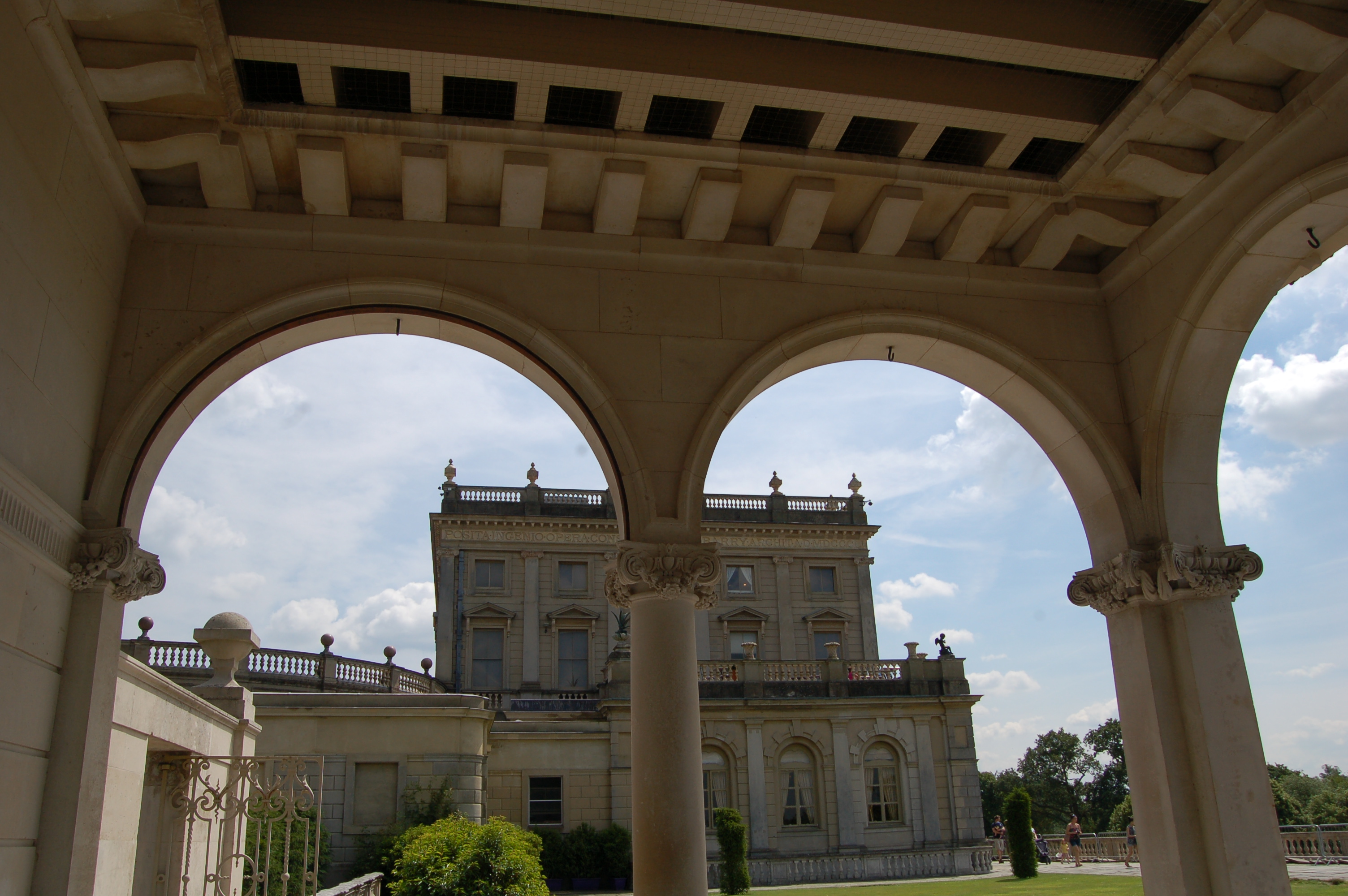
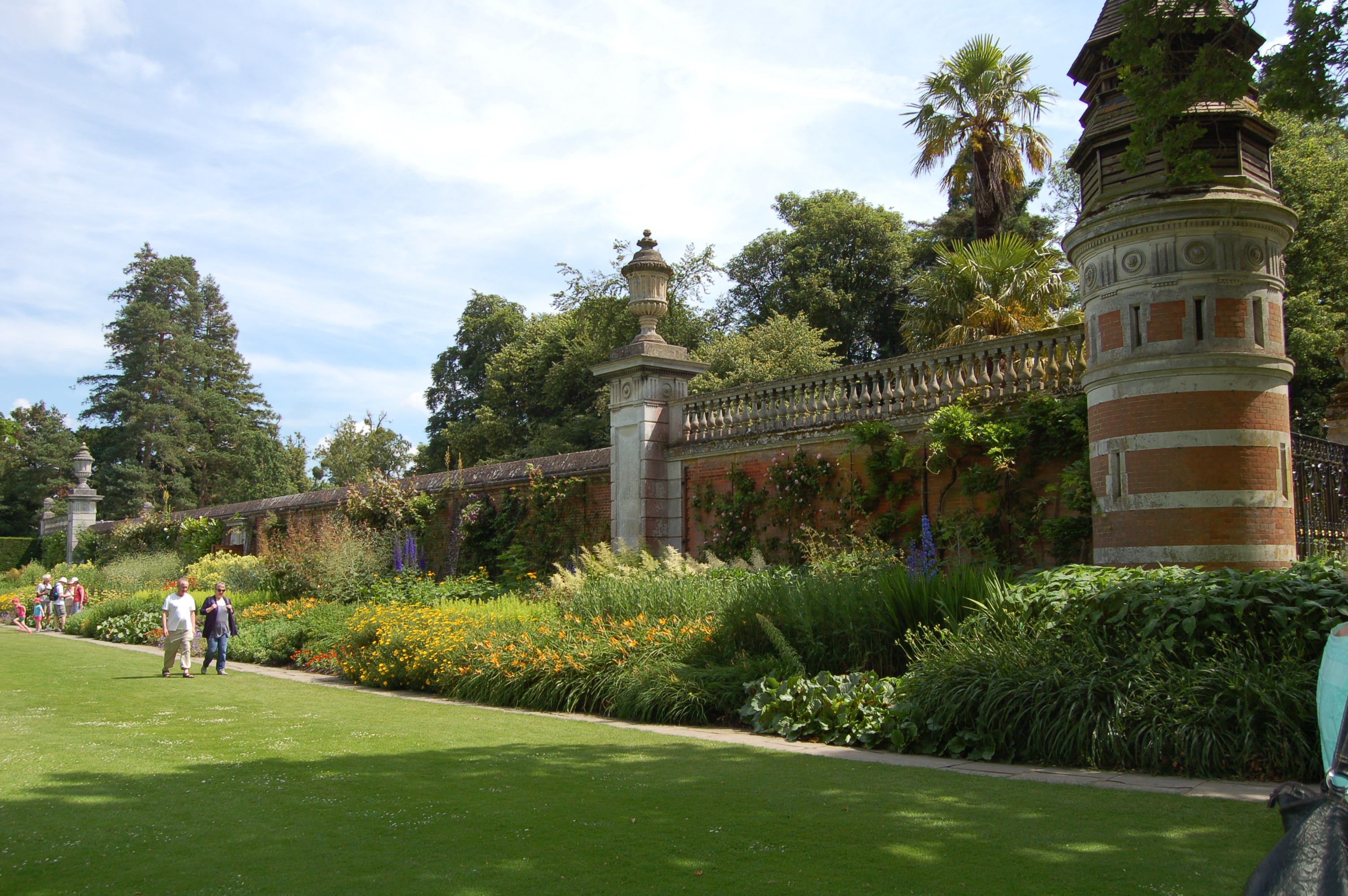
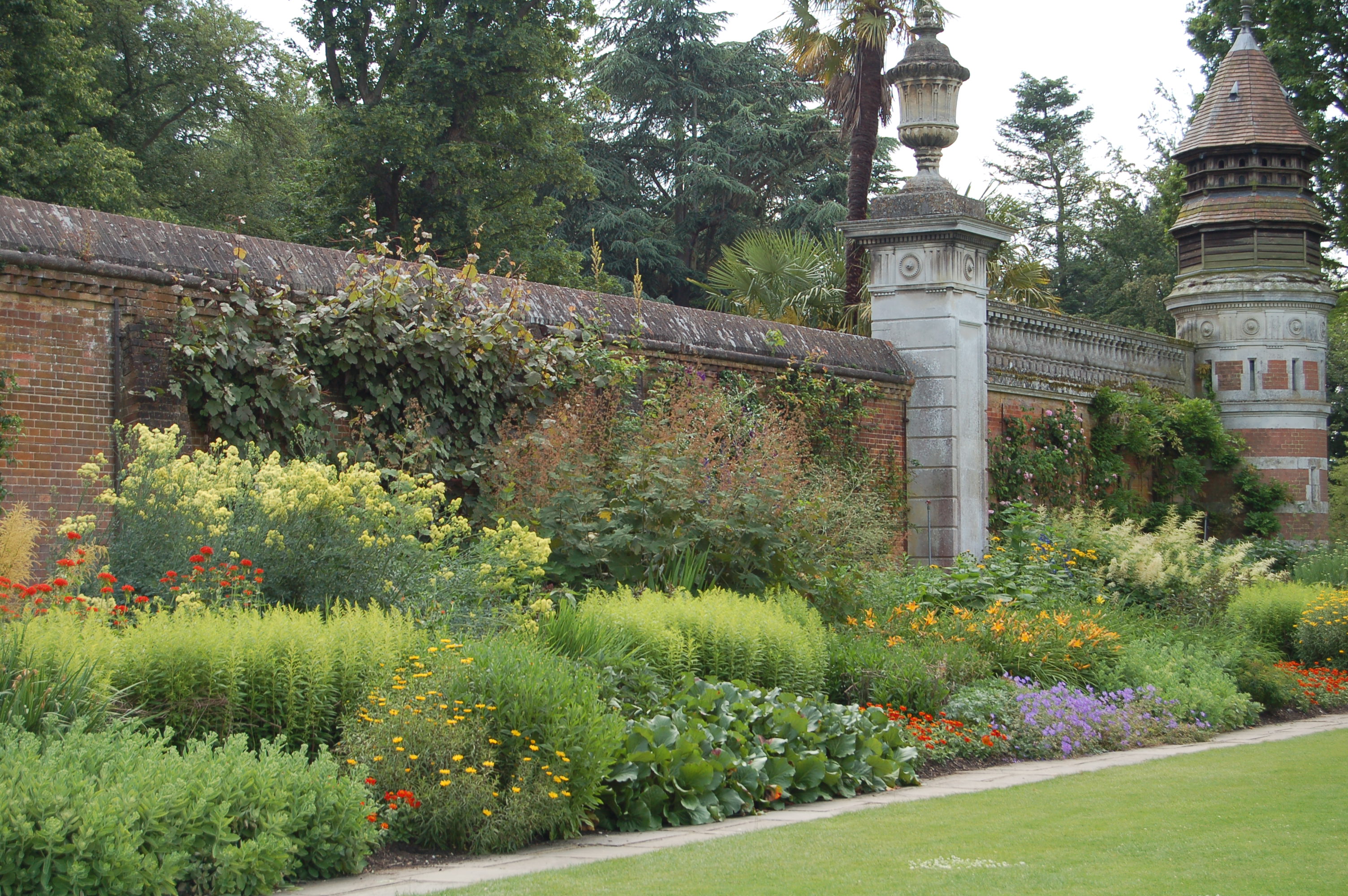
The buildings clustered in the centre of the grounds were rambling and sat beautifully within its setting. In particular it had interesting chimneys and towers which look good against the clear blue sky. Towers even featured in the walled garden.

2014 06 25_1193 2014 06 25_1196

2014 06 25_1197 2014 06 25_1182

 2014 06 25_1189 2014 06 25_1192

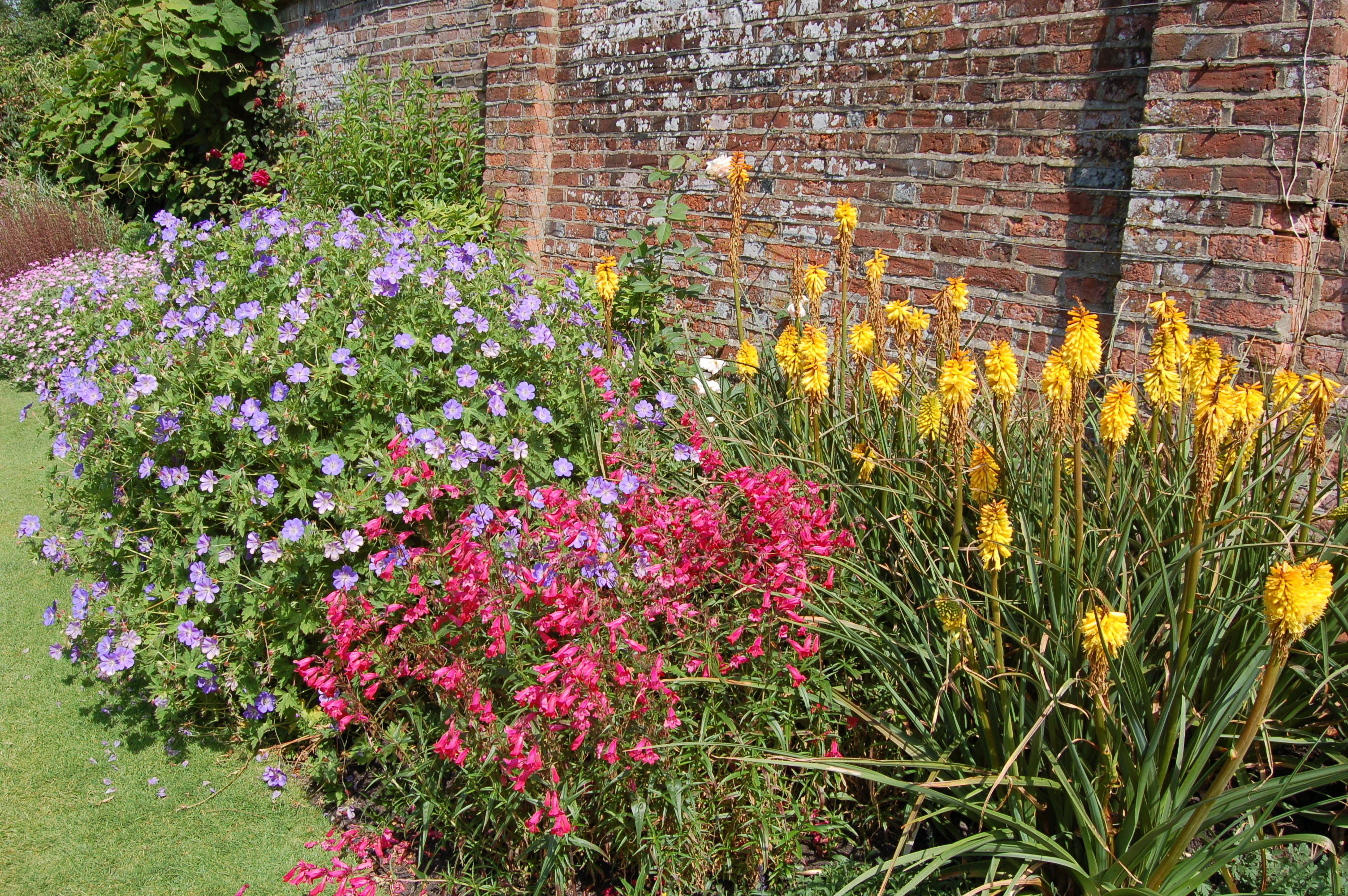
The walled garden, with its patterned brickwork, featured beautifully planted herbaceous borders around a highly manicured lawn. The plants were mainly recent cultivars and chosen for their richness of colour.

2014 06 25_1192 2014 06 25_1198 2014 06 25_1199 2014 06 25_1200 2014 06 25_1201 2014 06 25_1202 2014 06 25_1203 2014 06 25_1204

From the courtyard as we leaned on its stone ballustrade we could see the Italianate parterre placed within more manicured lawns. They seemed to sit rather awkwardly there.

2014 06 25_1194 2014 06 25_1195

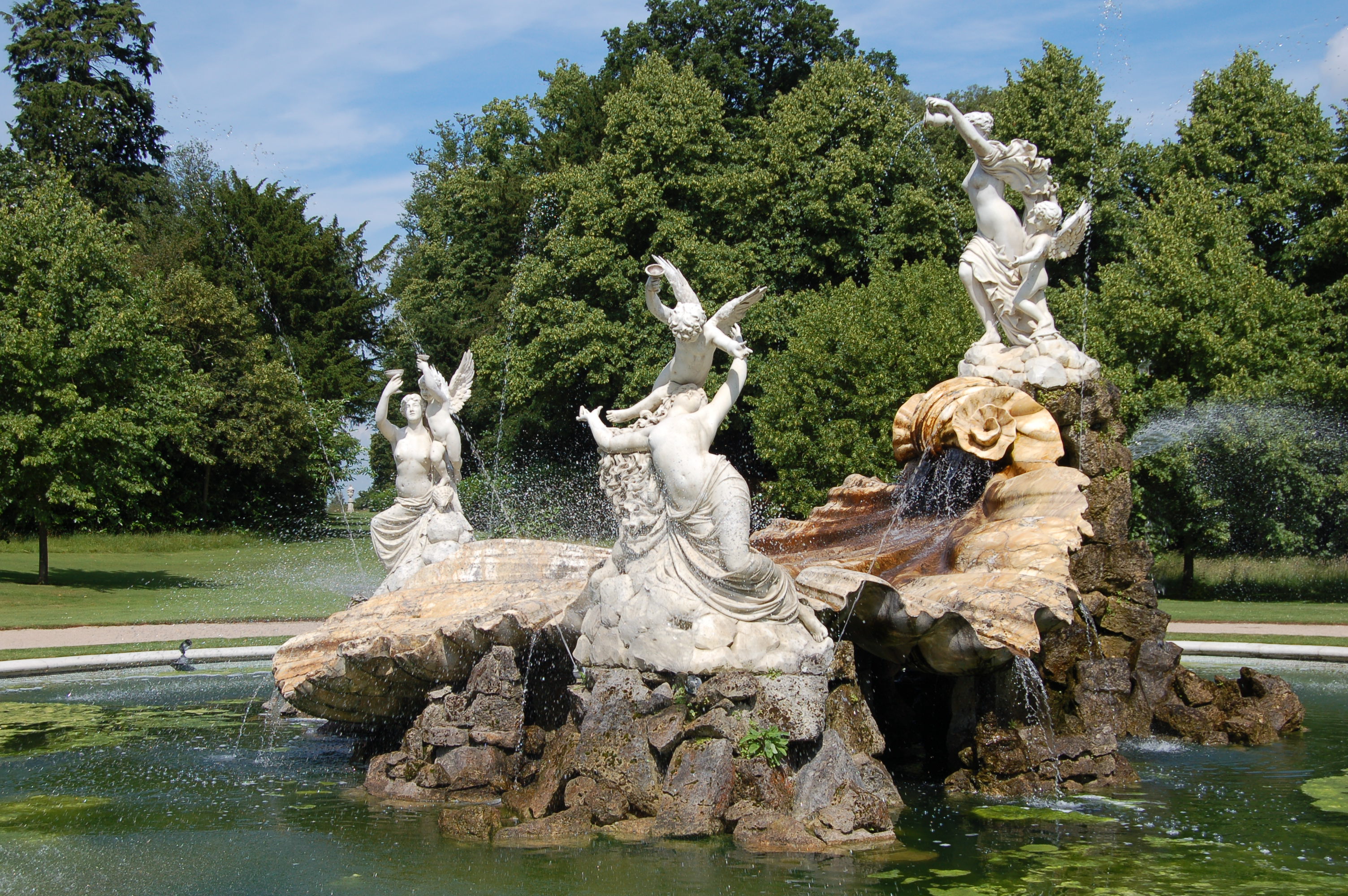
We finished our Cliveden wanderings in the Water Gardens where formal fountains and oriental buildings sit among informal pools and soft planting.

2014 06 25_1205 2014 06 25_1206 2014 06 25_1207 2014 06 25_1208 2014 06 25_1209


Categories
architecture birds gardens gardens open to the public grasses hardy perennials lakes landscapes meadows National Trust ornamental trees and shrubs outdoor sculpture renovation shrubs The National Trust trees water in the garden

A Walk in the Park – Croome

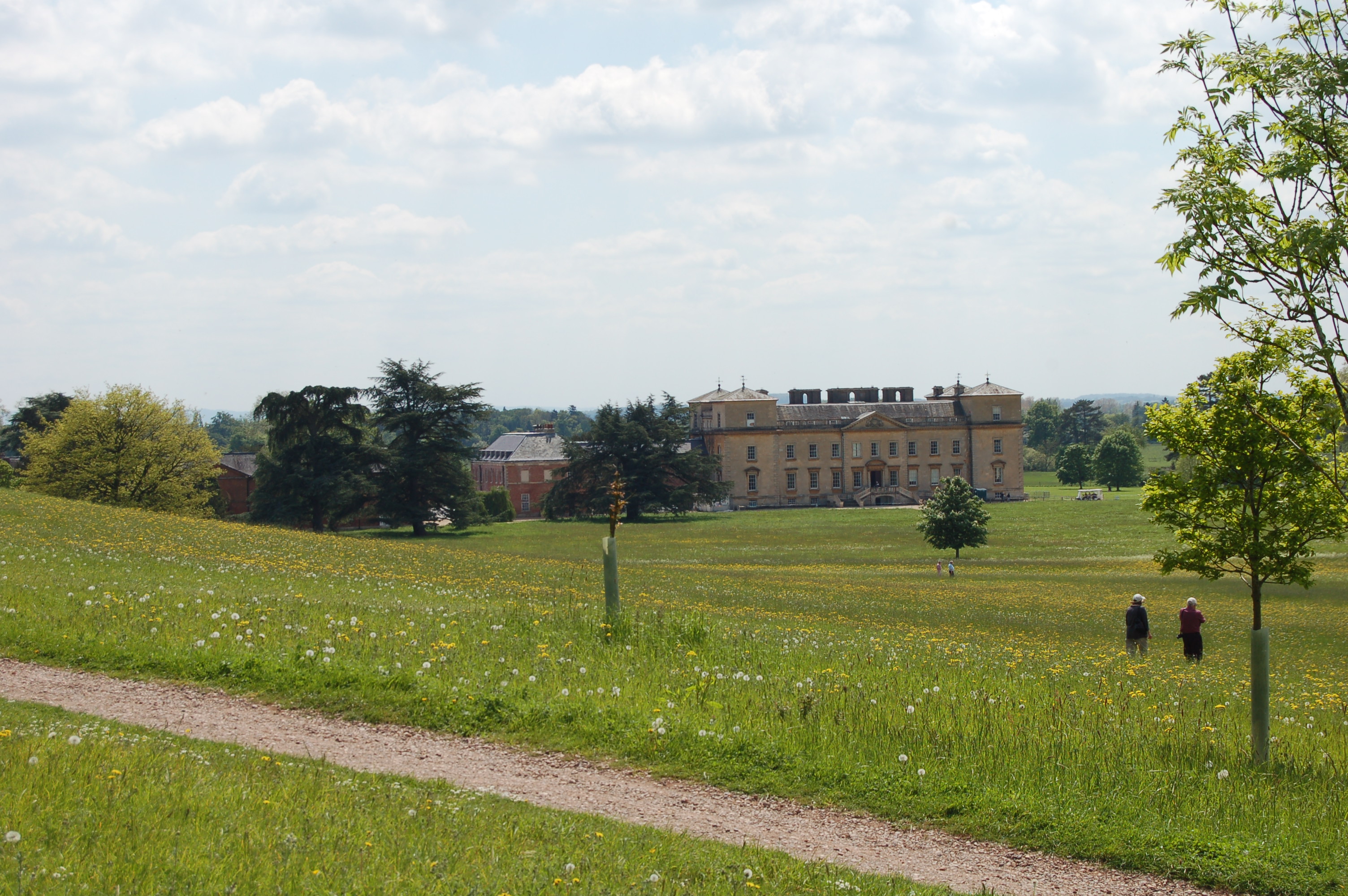
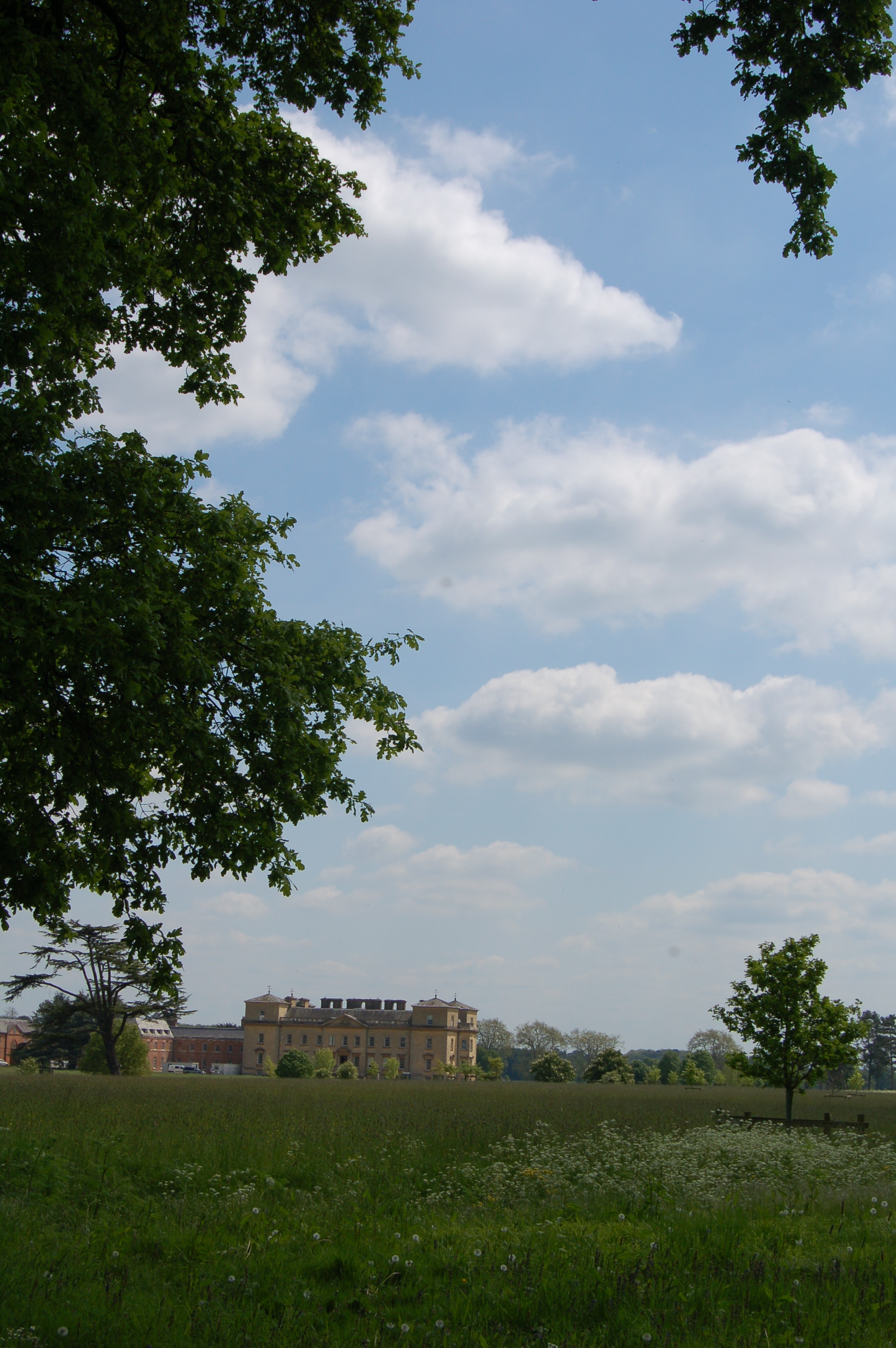
A a rare warm day in May we met my sister, Penny and husband Tony, for a walk in the park near their home. But this is no ordinary park – it was Croome a National Trust property near the village of Pershore in Worcestershire. The park and house are undergoing a huge long-term restoration programme. We were pleased to get a chance to enjoy it part way through its rebirth.

2014 05 16_9307 2014 05 16_9308

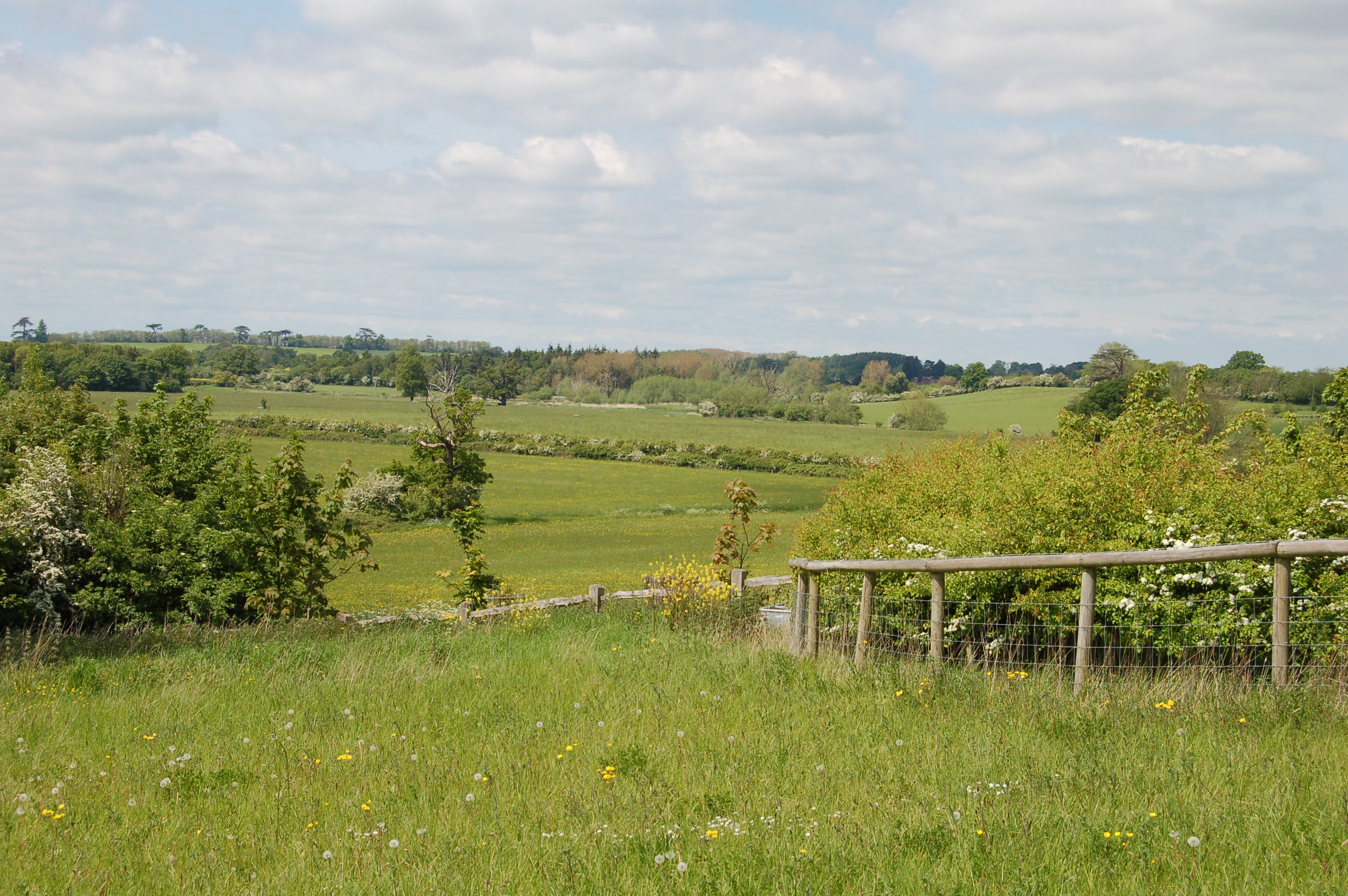
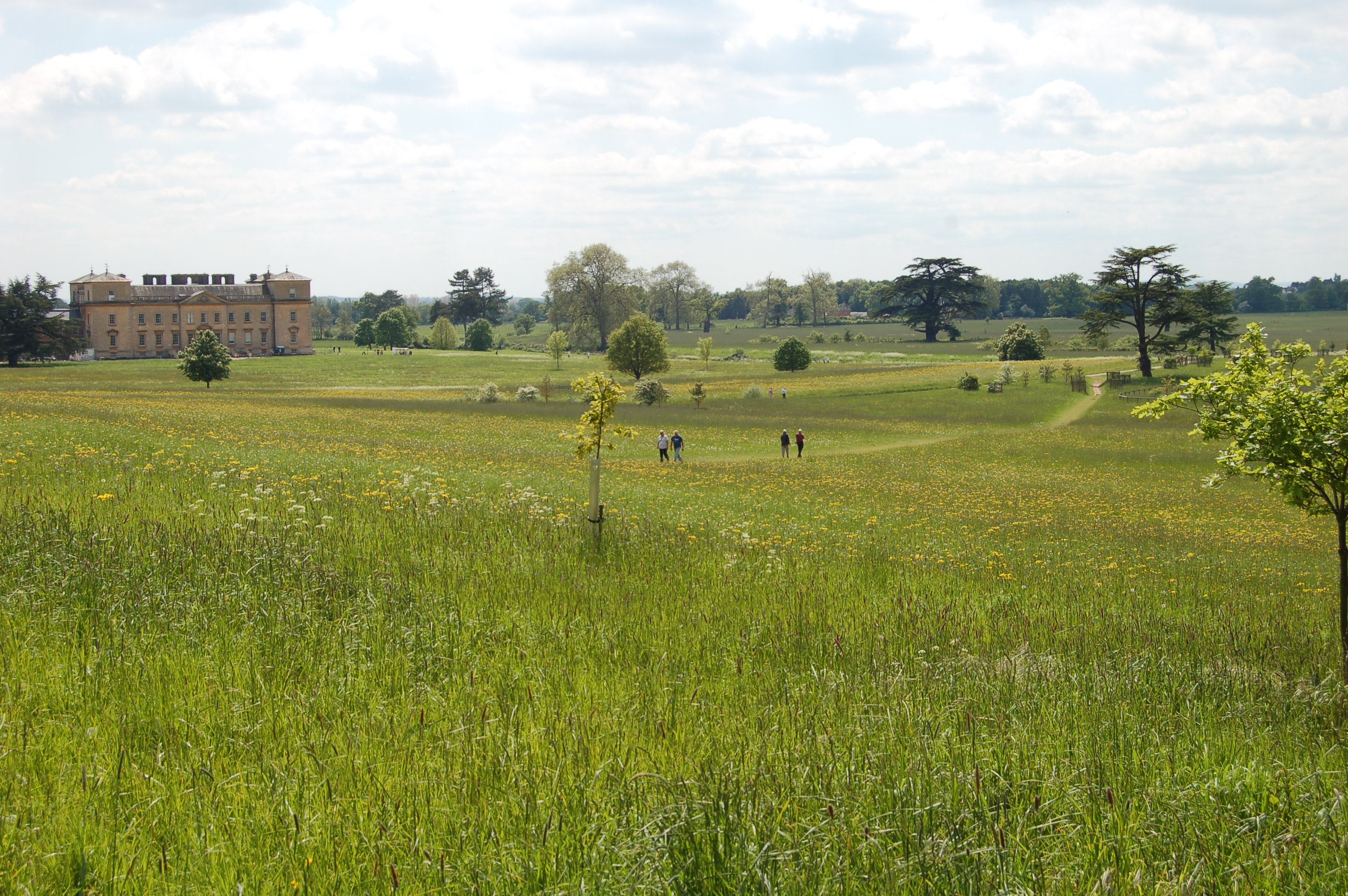
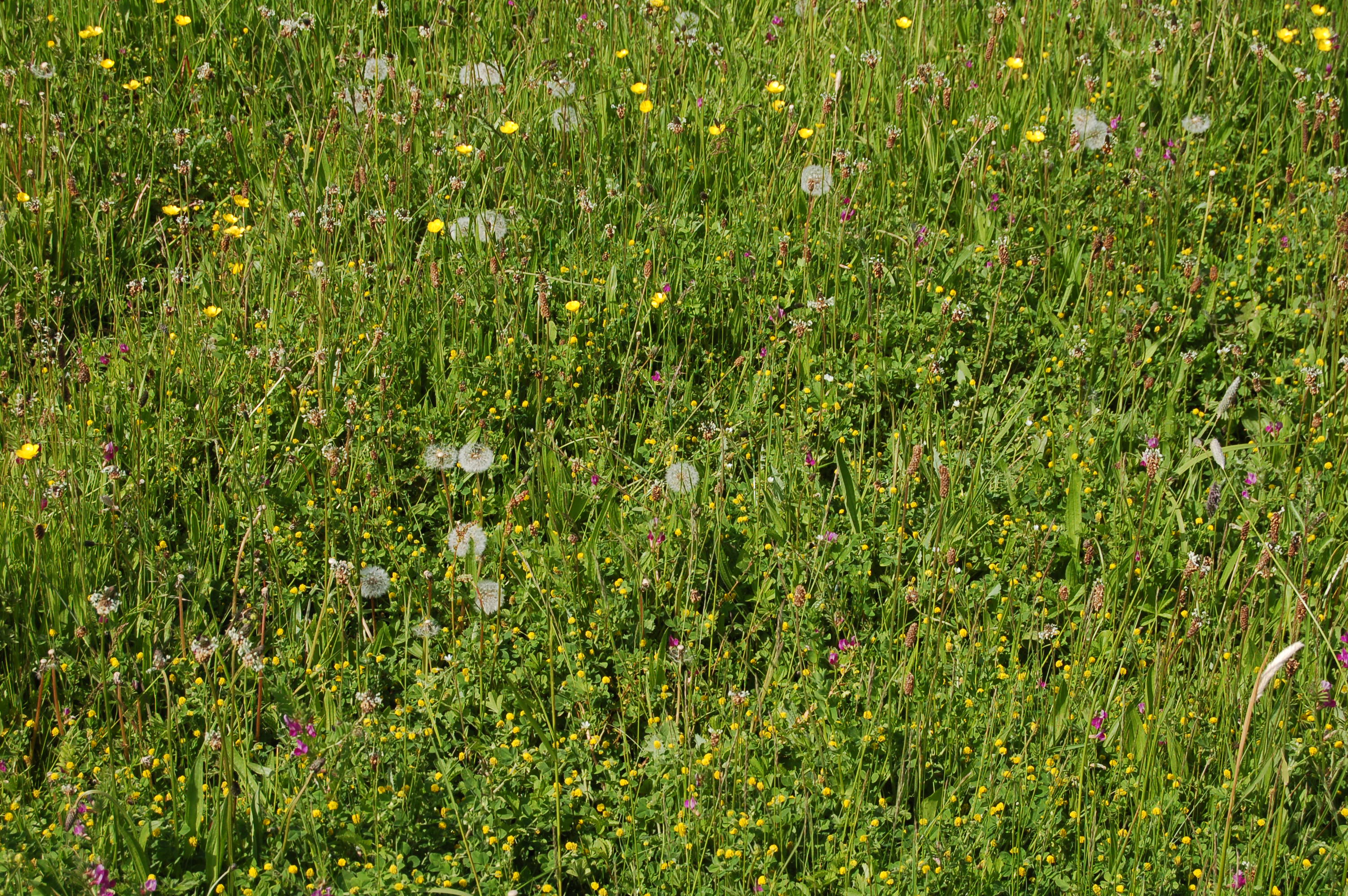
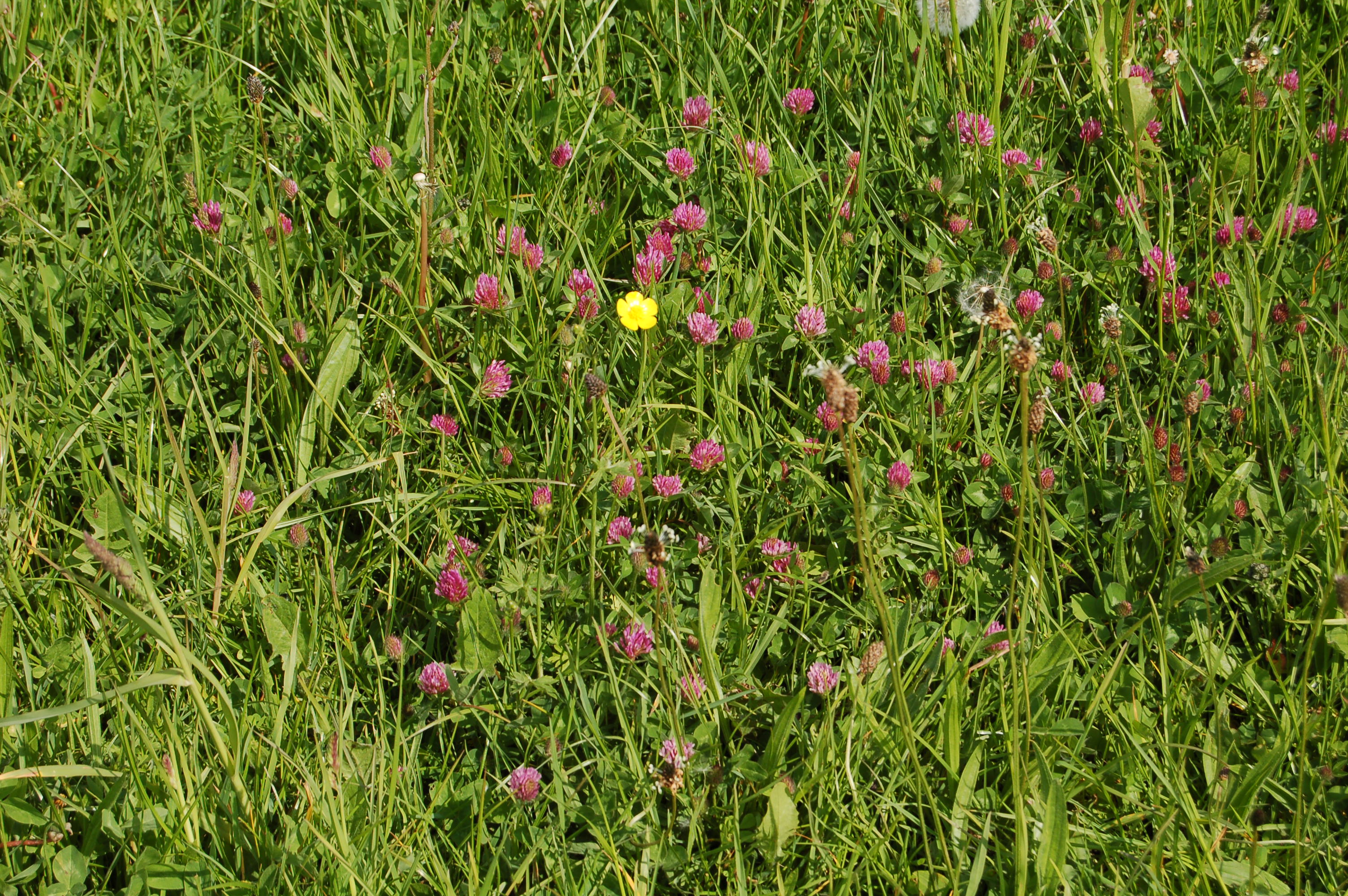
The parkland was originally designed by Capability Brown and it is beginning to come back to life after decades of neglect. Sweeping wildflower meadows were punctuated with newly planted trees. From the slightly elevated parts of the park we enjoyed distant views of the Worcestershire countryside.

2014 05 16_9309 2014 05 16_9310 2014 05 16_9311

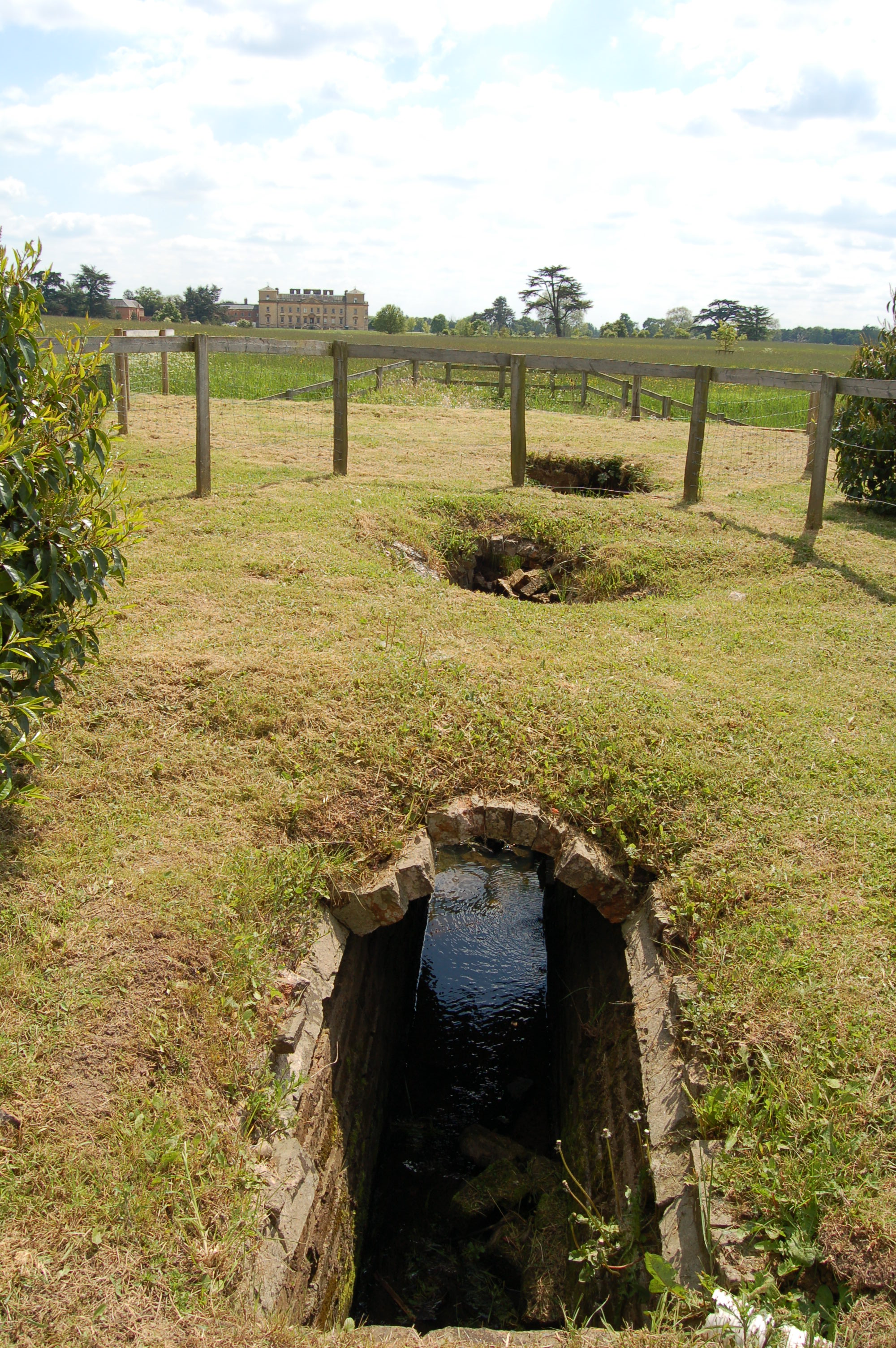
As we walked along the highest ridge in the park through newly planted shrubs and trees we were amazed to see that one section of the original underground water system had been exposed by a landslip. A glimpse into the genius of those water feature engineers. In places small areas of herbaceous planting had been established. It was refreshing to look at colour close to and in detail as the parkland here is mostly about large-scale views.

2014 05 16_9312 2014 05 16_9313 2014 05 16_9314 2014 05 16_9316

2014 05 16_9317 2014 05 16_9318

2014 05 16_9324 2014 05 16_9325

A few old specimen trees have survived and their gnarled twisted trunks were a stark contrast to the newly planted shrubs and trees. Beyond them glimpses of the house and church were revealed.

2014 05 16_9320 2014 05 16_9321 2014 05 16_9322 2014 05 16_9323  2014 05 16_9329 2014 05 16_93512014 05 16_9333 2014 05 16_9328

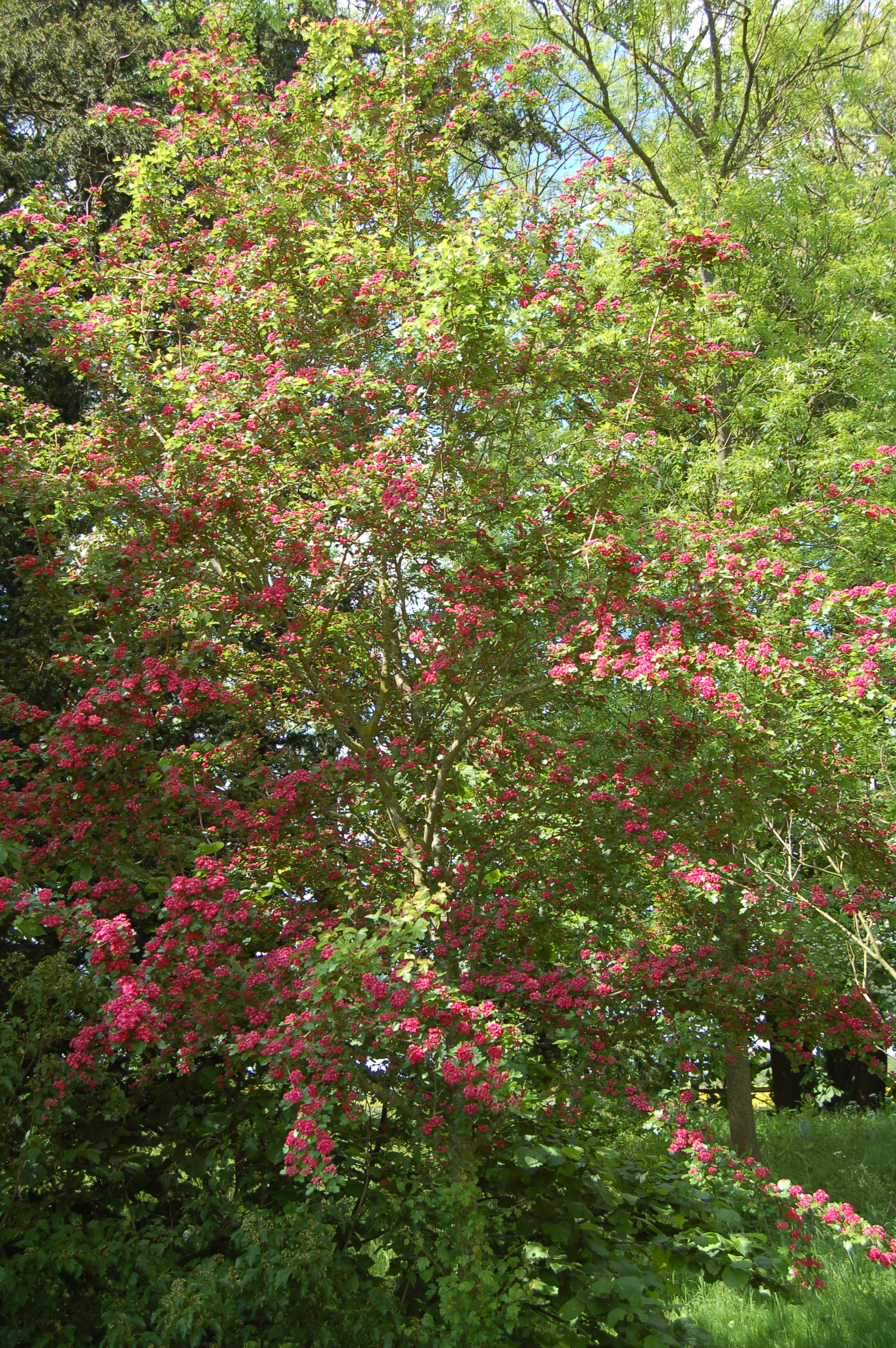
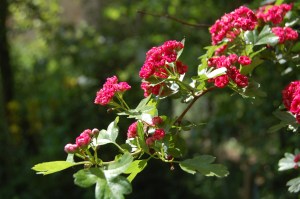
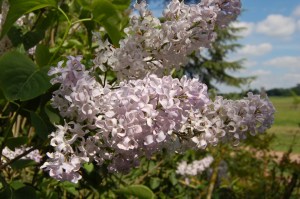
Flowering shrubs seemed particularly happy here with fine examples of sweetly scented Lilac and Hawthorn with their rather unpleasant aroma.

2014 05 16_9326  2014 05 16_9327 2014 05 16_9330 2014 05 16_9319

As we left the shrubberies we moved back out into the open passing over an old stone-built bridge over the River Croome where it had been widened out to form a lake. This was typical of the way Capability Brown manipulated the landscape. The fence on the bridge was constructed from the wood of chestnut. This wood makes unusual looking fencing which lasts for centuries without maintenance. (see another post, coming soon, concerning Chestnut trees and fences constructed from their wood)

2014 05 16_9340 2014 05 16_9341

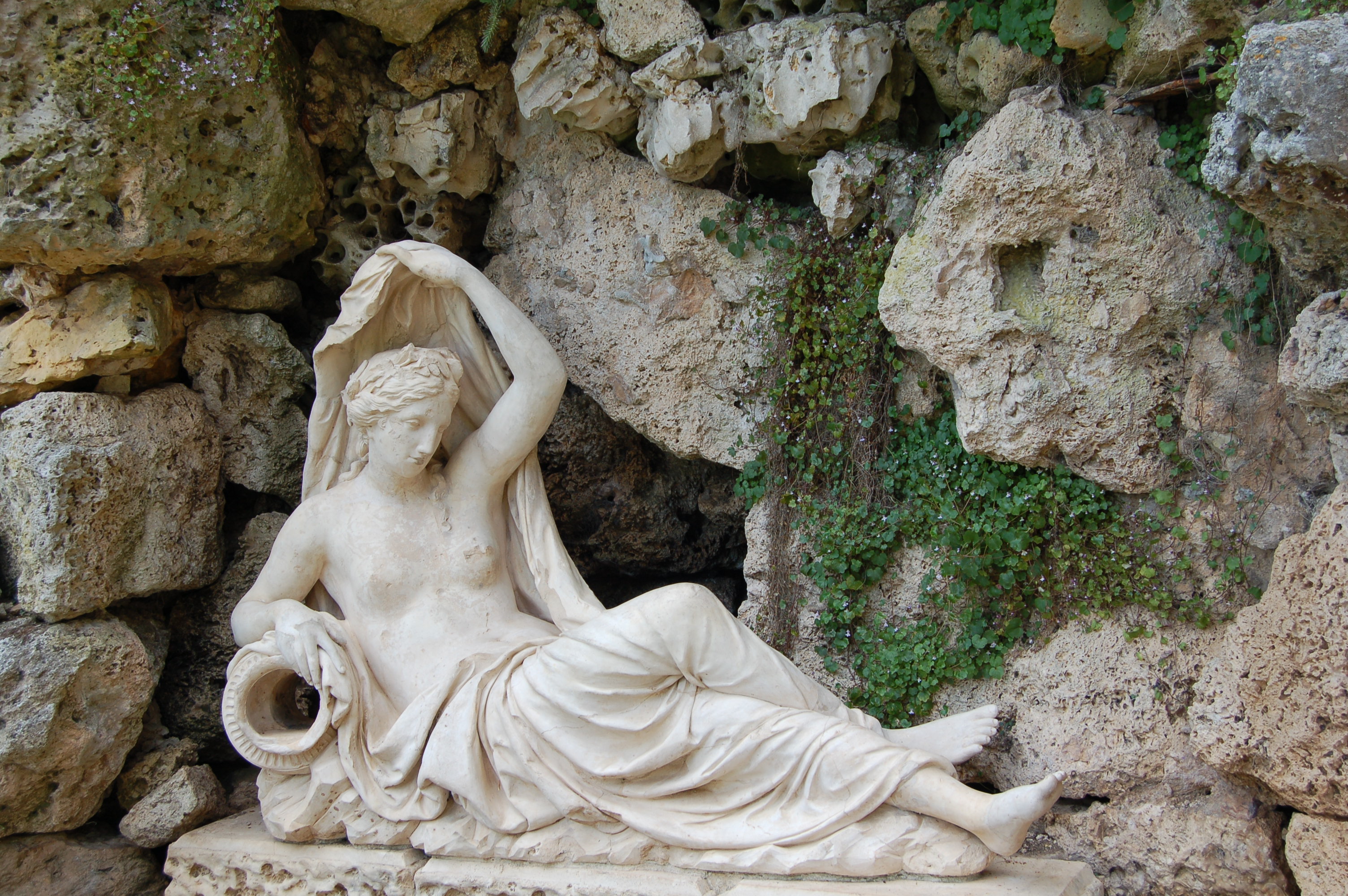
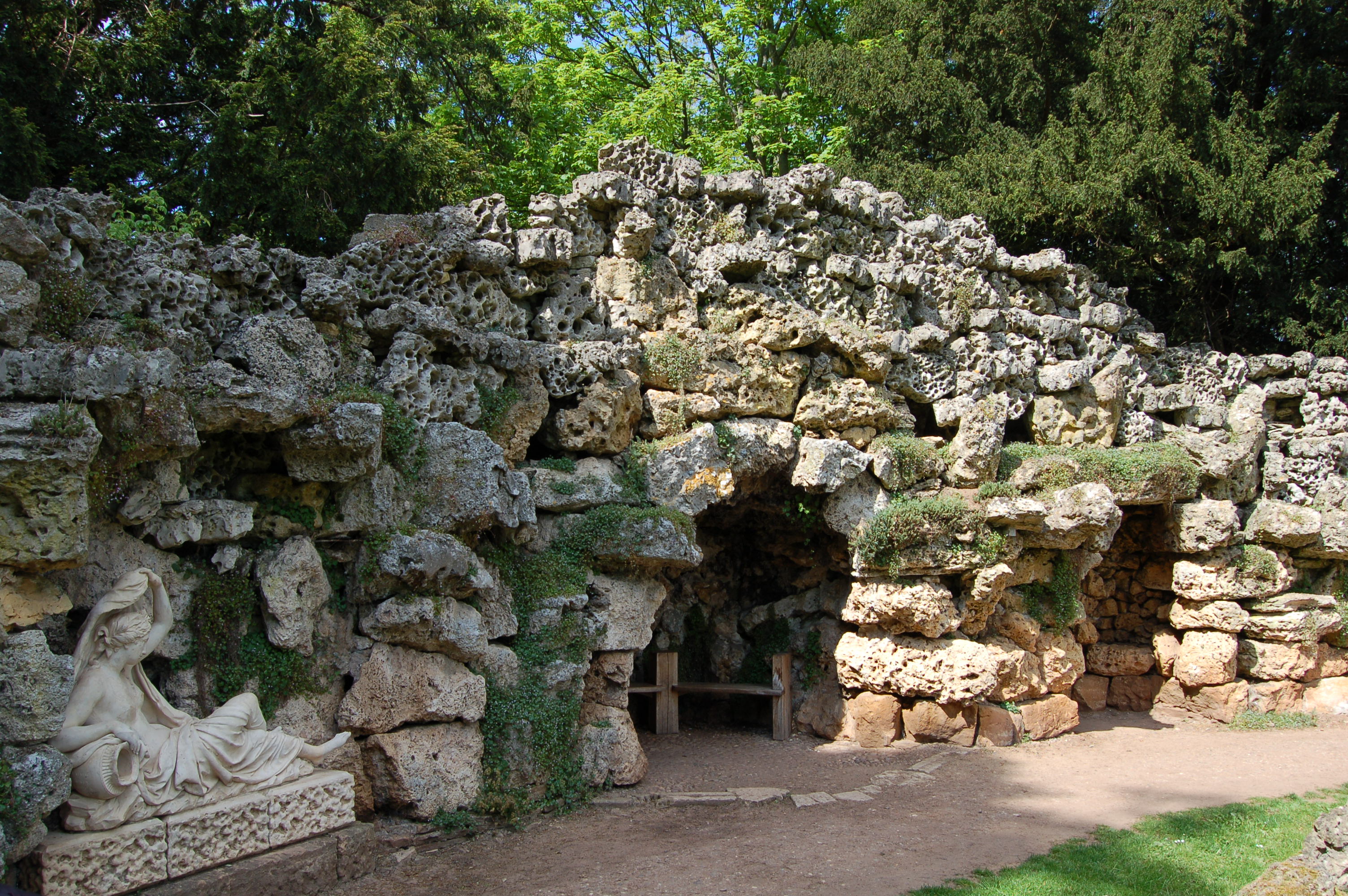
Overlooking the lake was a grotto which had been lovingly restored and on this extremely hot and humid day it provided some much appreciated shade and cool air. The fissures and cracks within it afforded the local small birds with safe, secret nesting sites. We spotted Wrens, Blue Tits and Coal Tits while we sat and rested a short while. A statue here was dedicated to Sabrina the Goddess of the River Severn. Sabrina is well known to us as our home town, Shrewsbury, huddles within a loop of the River Severn. The goddess lends her name to many a boat and building in the town.

2014 05 16_9342 2014 05 16_9343 2014 05 16_9344 2014 05 16_9345

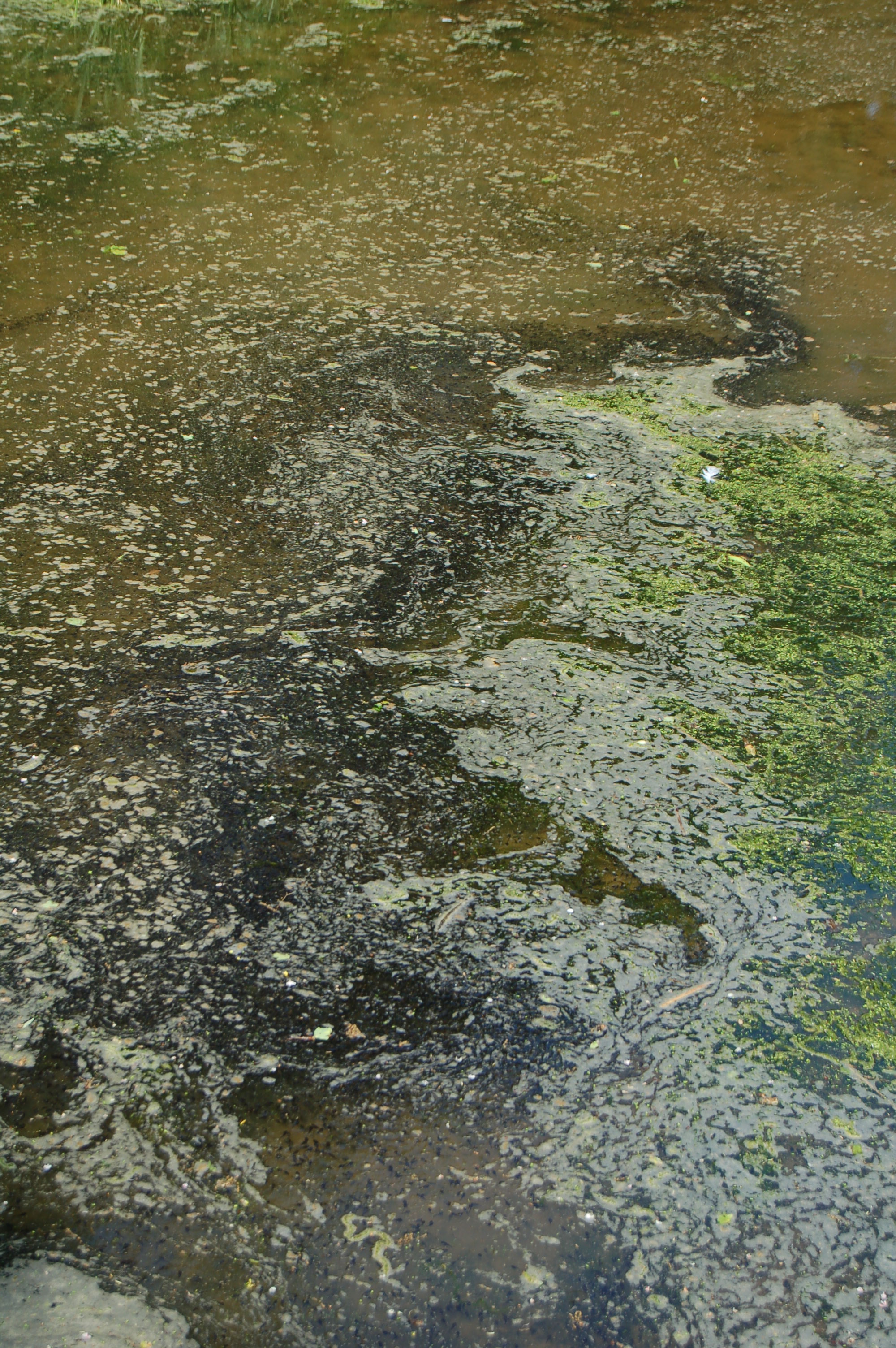
In places the lake’s surface bubbled and frothed with a seething black mass of tadpoles. Amazing!

2014 05 16_9346


Our wanderings back to the car park took us along the banks of the River Croome where we were entertained by Sedge Warblers in full song atop waterside plants, through more flower rich meadows.

2014 05 16_9347 2014 05 16_9348 2014 05 16_9349 2014 05 16_9350


Categories
colours garden photography gardens gardens open to the public Land Art outdoor sculpture recycling sculpture

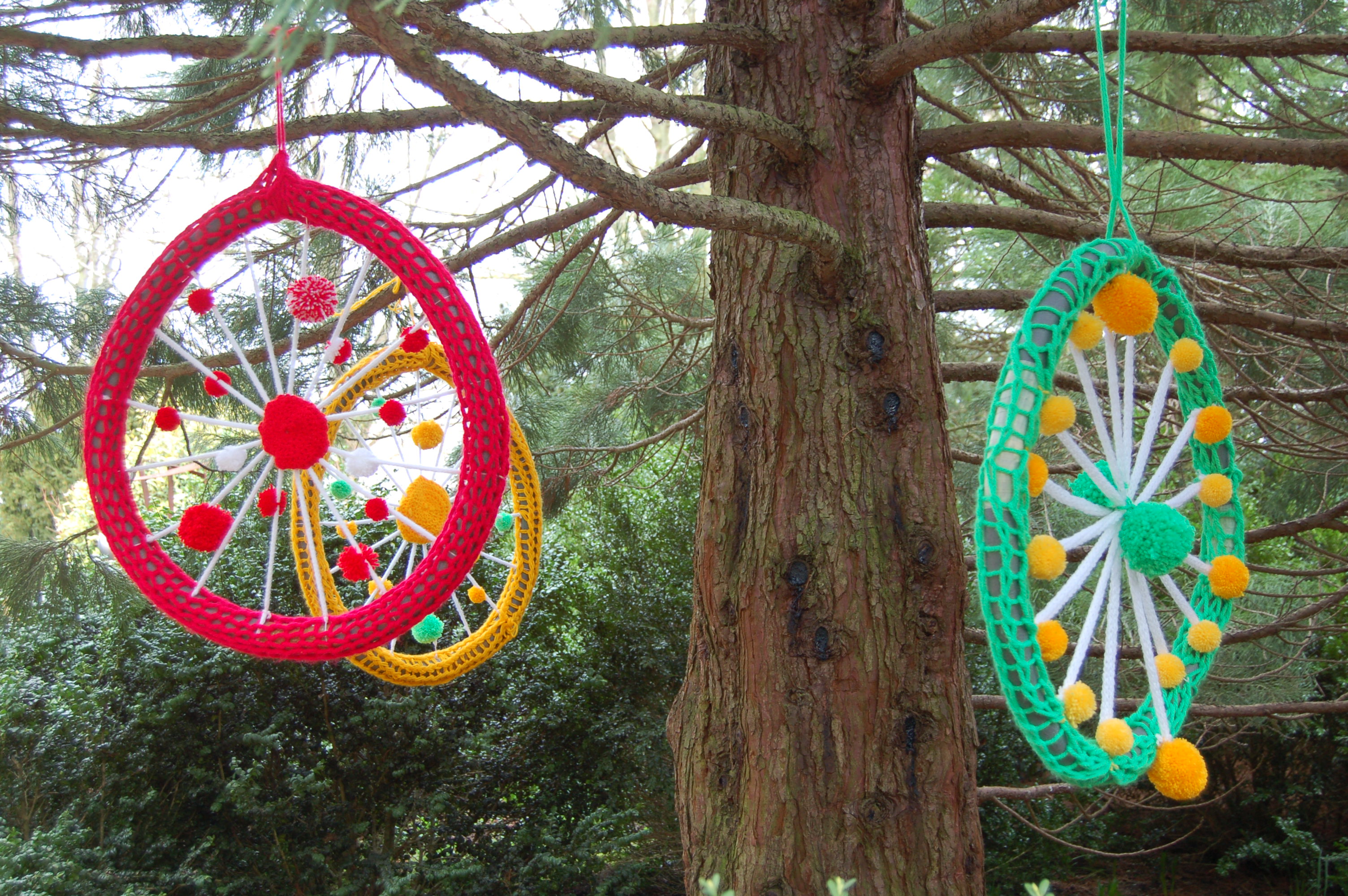
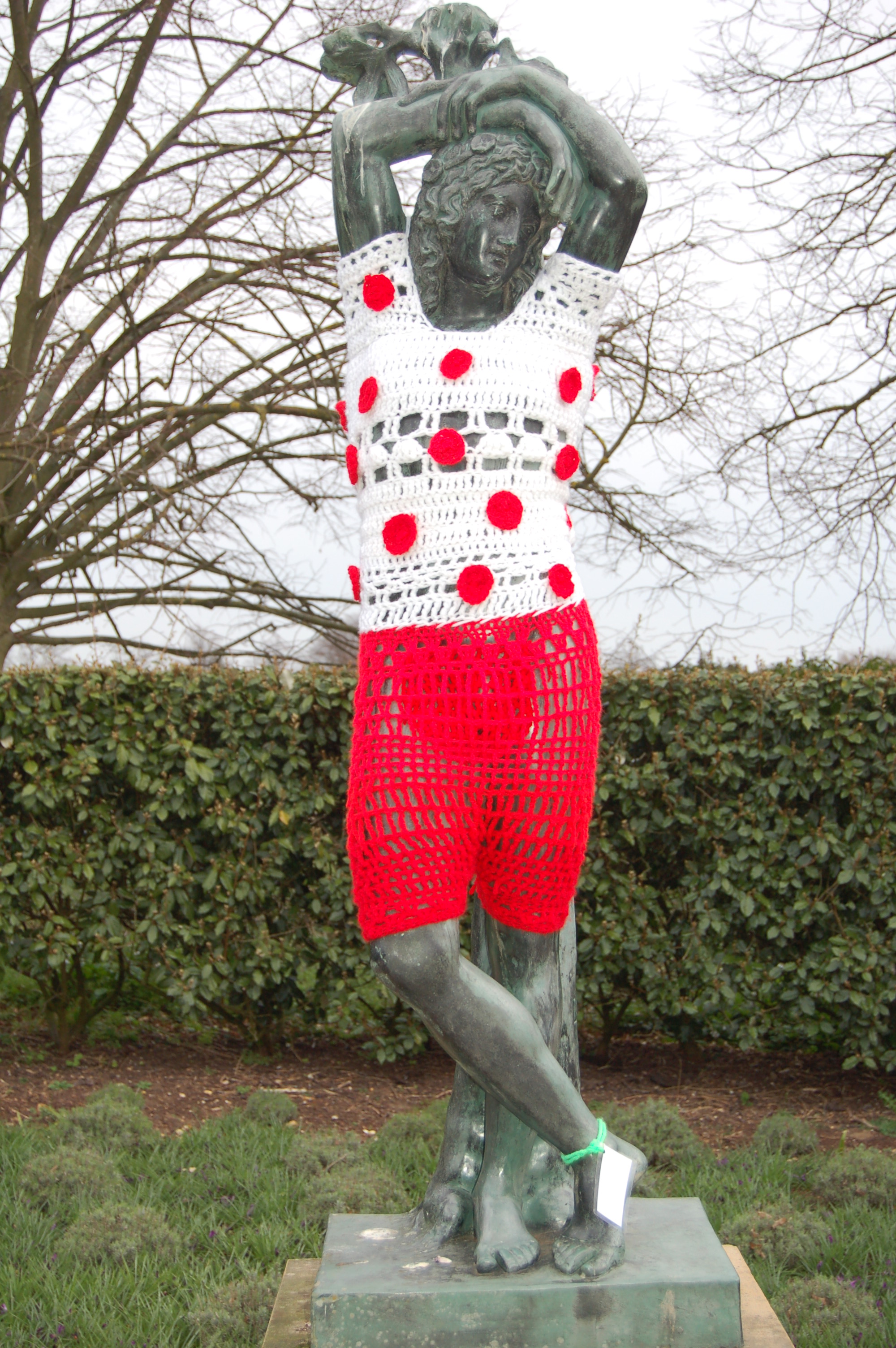
Decorated Bicycle Bits in a Garden?

Yes, you have read the title correctly. This post is about decorated bits of bicycles in a garden. These are no ordinary bikes, these are decorated bikes or sometimes just decorated bicycle wheels. We were surprised by the sight of the first of these decorated bikes when we came across it in the grounds of Anglesey Abbey.

We discovered that they were there to celebrate an anniversary of cycling in Cambridge. Each bike or parts of bikes were decorated by knitters!

Just share our enjoyment of discovering them by looking at my photos.

2014 03 20_7364 2014 03 20_7365 2014 03 20_7366 2014 03 20_7384 2014 03 20_7397 2014 03 20_7429

Categories
colours flowering bulbs garden design garden photography gardening gardens grasses hardy perennials ornamental grasses ornamental trees and shrubs spring bulbs The National Trust trees Winter Gardening winter gardens

Three Winter Gardens – Part Three – Anglesey Abbey

This, the third in my series of three posts looking at winter gardens, sees us at the most well known of all winter gardens, Anglesey Abbey.

2014 03 20_7479

Situated near Cambridge within the larger gardens and grounds of this National Trust property the winter garden here is often considered to be the best of all and a big influence on all others that follow. We shall look at further aspects of the gardens at Anglesey Abbey in future posts.

We visited the winter garden at Anglesey Abbey many years ago the first year it was open to the public so it was like meeting an old friend but one who has changed a lot in the intervening years.

2014 03 20_7376

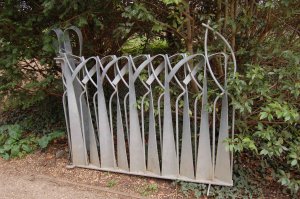
This set of gates welcomed us as we arrived at the start of the winter plantings.

2014 03 20_7367 2014 03 20_7368 2014 03 20_7369

We soon met the friends we had seen in our other two winter gardens, the dogwoods, rubus and willows grown for their stem colour underplanted with hellebores and ivies. There was some wonderful pruning techniques on display here too.

2014 03 20_7370 2014 03 20_7372

2014 03 20_7371  2014 03 20_7373  2014 03 20_7375 2014 03 17_7274

2014 03 20_7378 2014 03 20_7379

2014 03 20_7390

Grasses featured strongly with their wonderful warm colours and strong structural shapes.

2014 03 20_7377 2014 03 20_7374

We were once again interested to see which plants the gardeners from Anglesey Abbey used as ground cover to help reduce weed growth. Various low growing grasses teamed up with Arum and Bergenias to perform this role.

2014 03 20_7380 2014 03 20_7381 2014 03 20_7382 2014 03 20_7383 2014 03 20_7384 2014 03 20_7385

All these plants acting out their roles as ground covering plants encouraged us to look down as we were seeking ideas for our allotment Winter Garden, but we were struck also by specimens higher up.

The Viburnum pictured below didn’t just look good it smelled sweetly too. The Pulmonaria has not just flowers of two colours but unusual foliage to catch the eye.

2014 03 20_7387 2014 03 20_7388


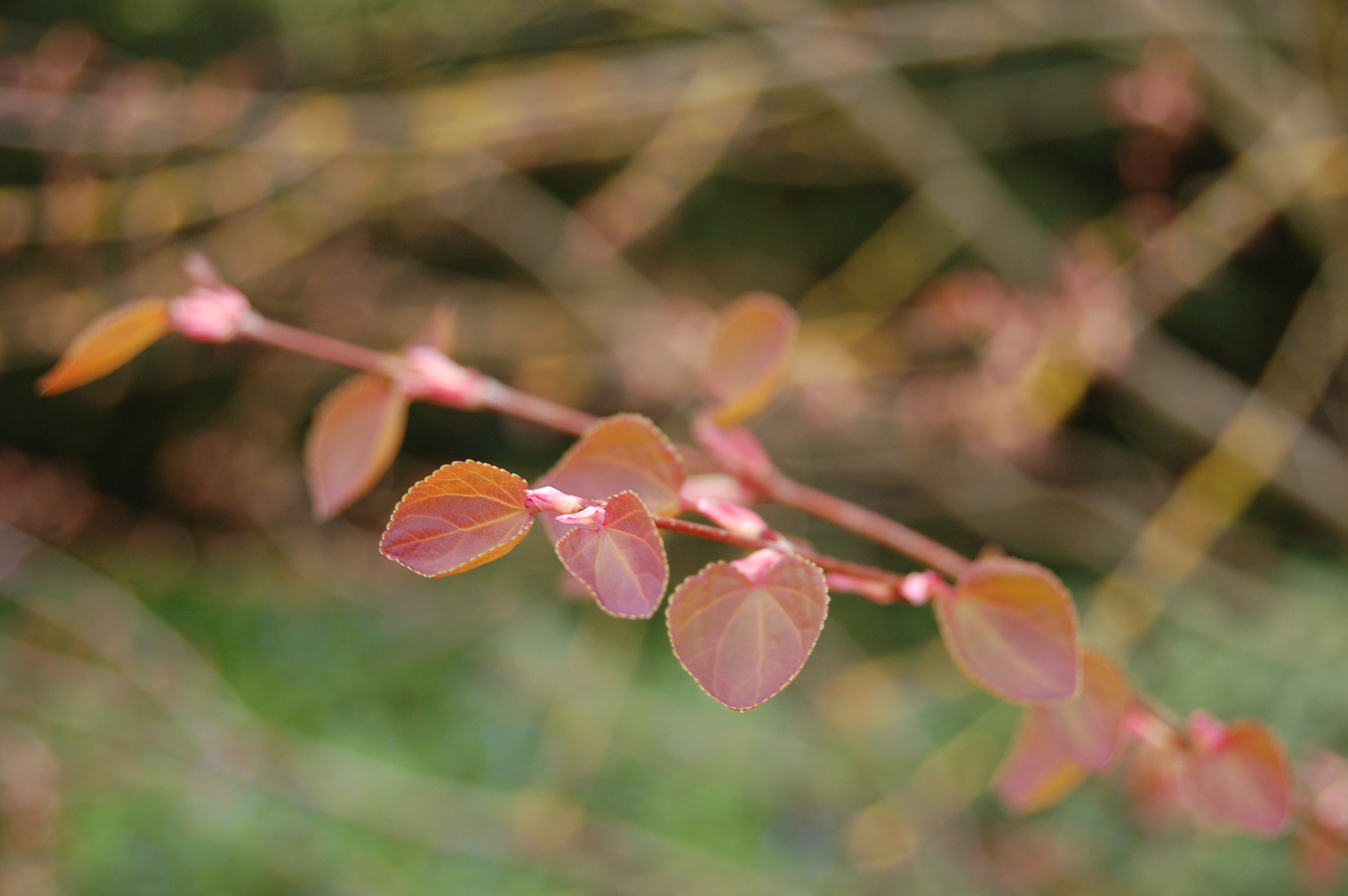
The fresh foliage of the Cercis had leaves of a delicate bronze which was a strong contrast to the much more brash reds of the Photinia “Red Robin”.

2014 03 20_7389  2014 03 20_7393

The white bark of the trunks of Betula utilis although now used in every winter garden still deserve to be centre stage. Here at Anglesey Abbey some had been “dressed” in bright colours for added humour.

2014 03 20_7408 2014 03 20_7412

2014 03 20_7410 2014 03 20_7409

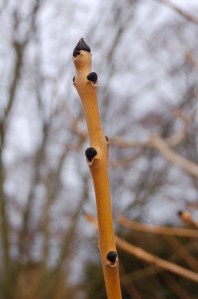
This golden stemmed ash is rarely seen in gardens but in the winter its black pyramidal buds strongly contrast with the golden stems. It is one of those plants that are simply too big for the average garden but when space allows it can be really attractive.

2014 03 20_7402

I have concentrated so far on the attributes of individual plants but we need to see how they fit in to the whole to fully appreciate their impact and the atmosphere of this amazing winter garden.

2014 03 20_7391 2014 03 20_7392  2014 03 20_7394 2014 03 20_7395 2014 03 20_7398 2014 03 20_7399 2014 03 20_7400 2014 03 20_7401

2014 03 20_7407  2014 03 20_7405 2014 03 20_7404 2014 03 20_7403

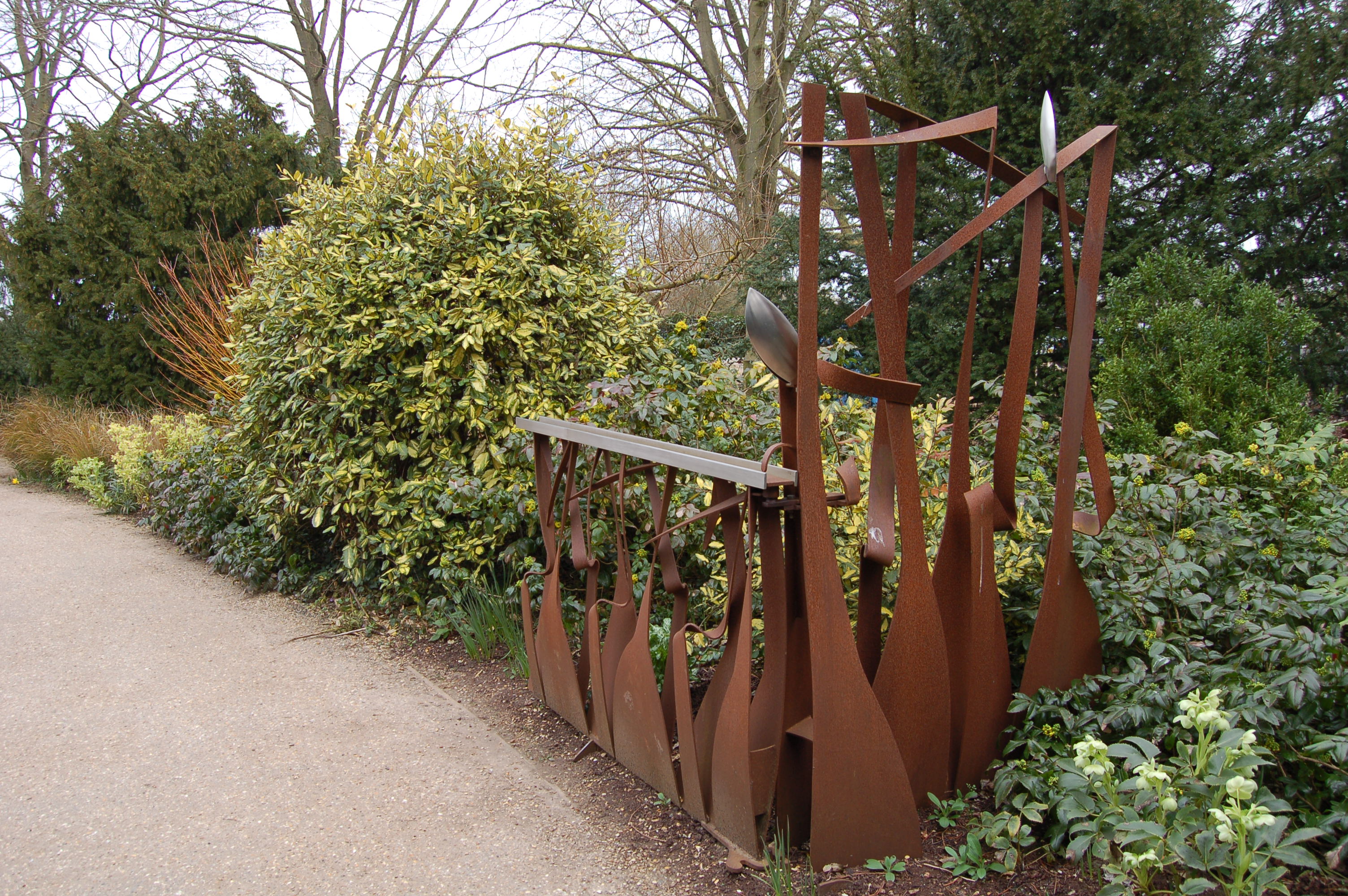
We entered the winter borders through interesting sculptural gates and we left through another. A quick look over the shoulder gave us a final chance to appreciate this brilliant garden.

So there we leave the series of three posts concerning winter gardens. Although Dunham Massey is the newcomer it looked good against the other two, but in the end it has to be said that the “original” winter garden at Anglesey Abbey remains my firm favourite.

2014 03 20_7413 2014 03 20_7406


Categories
garden photography gardens open to the public photography trees

The Survivor – Take One Tree

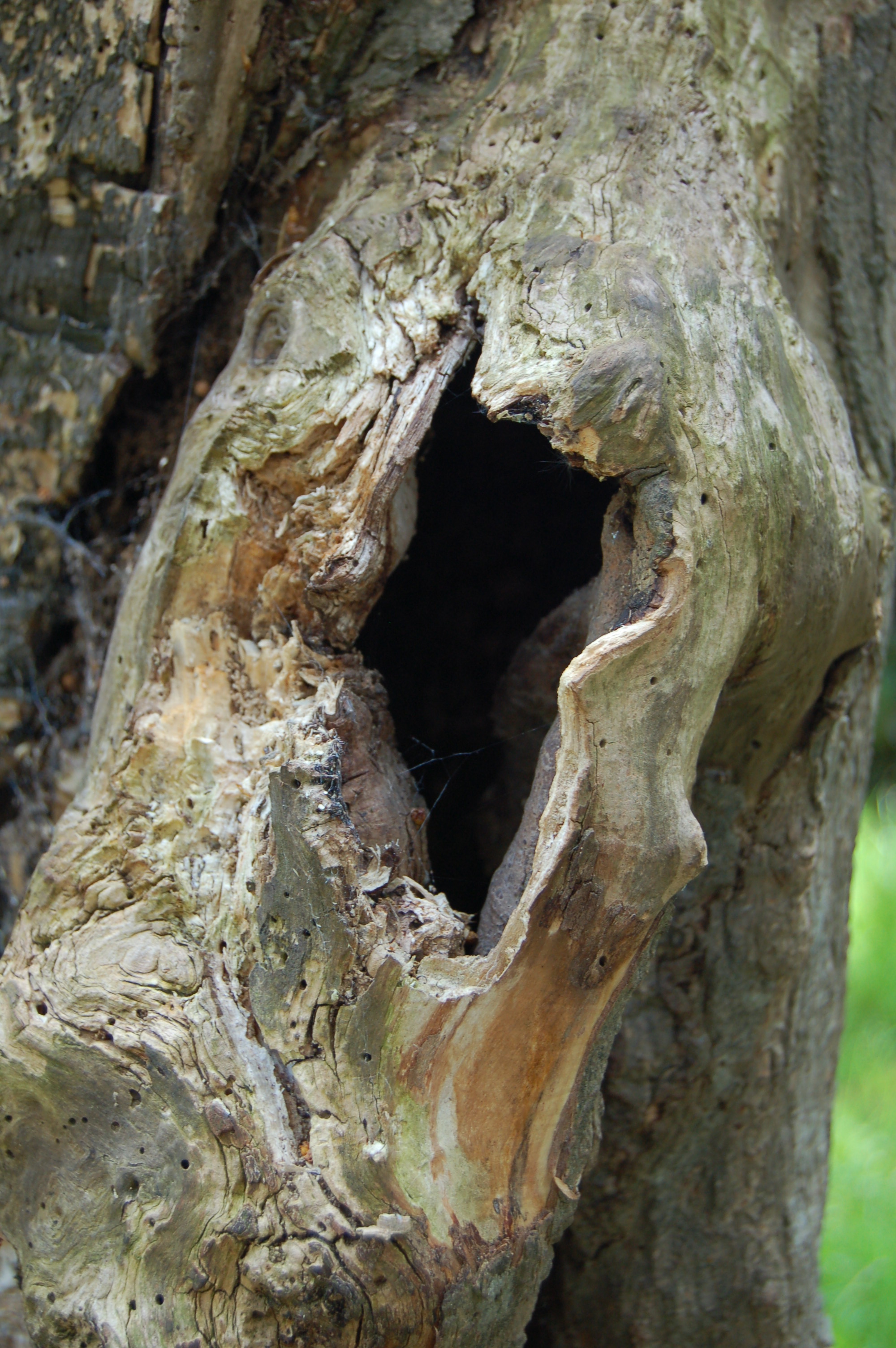
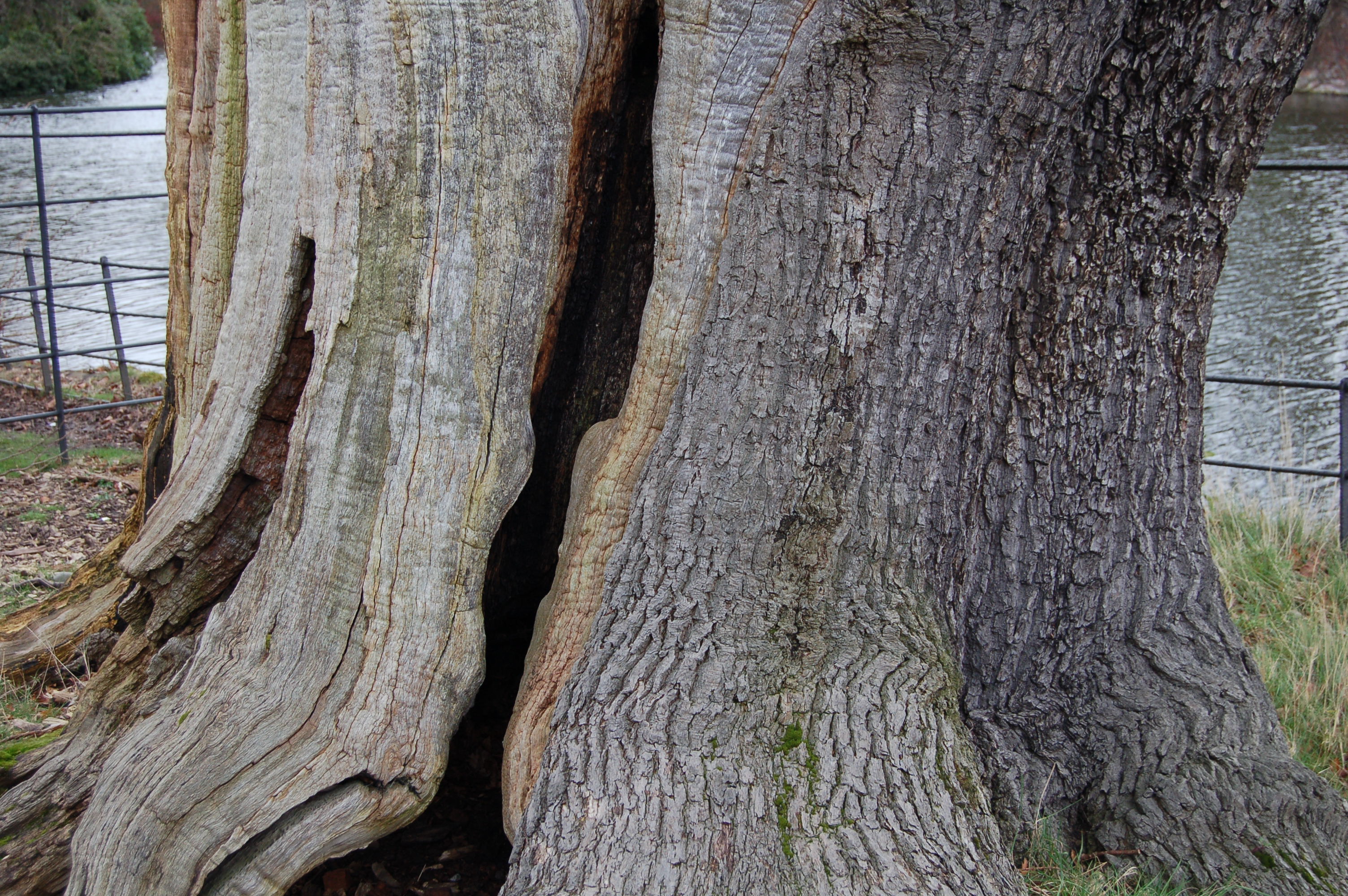
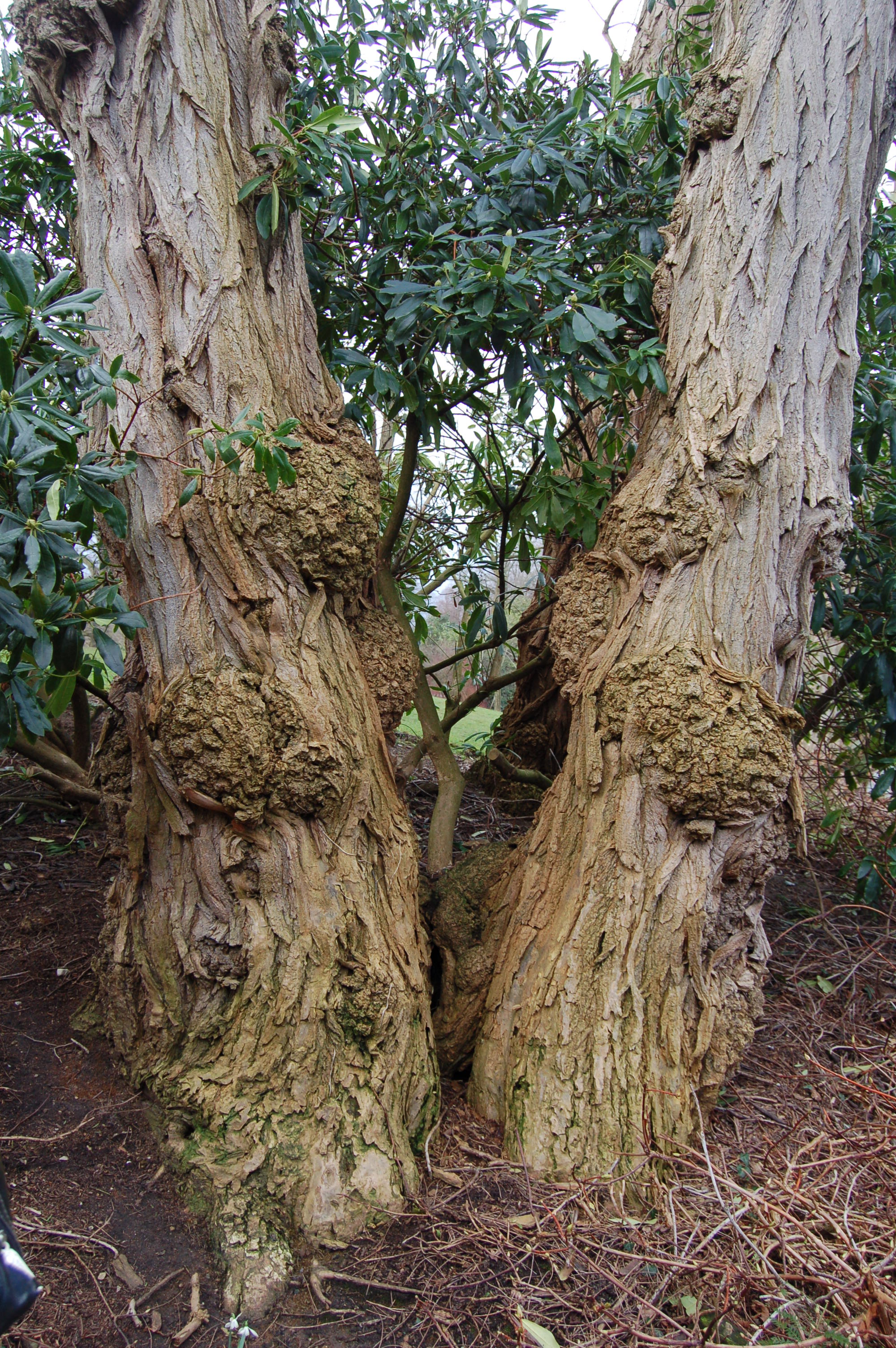
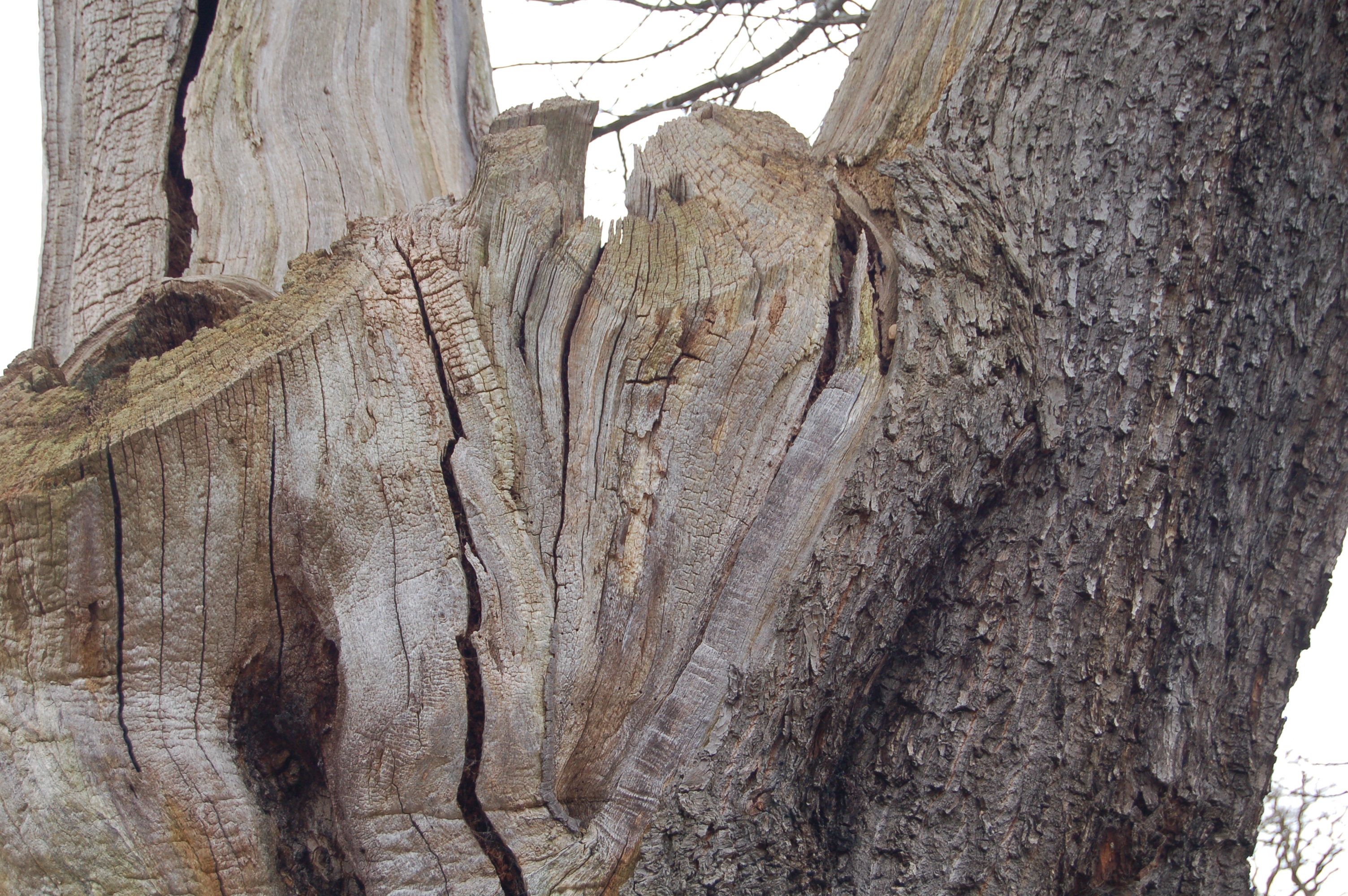
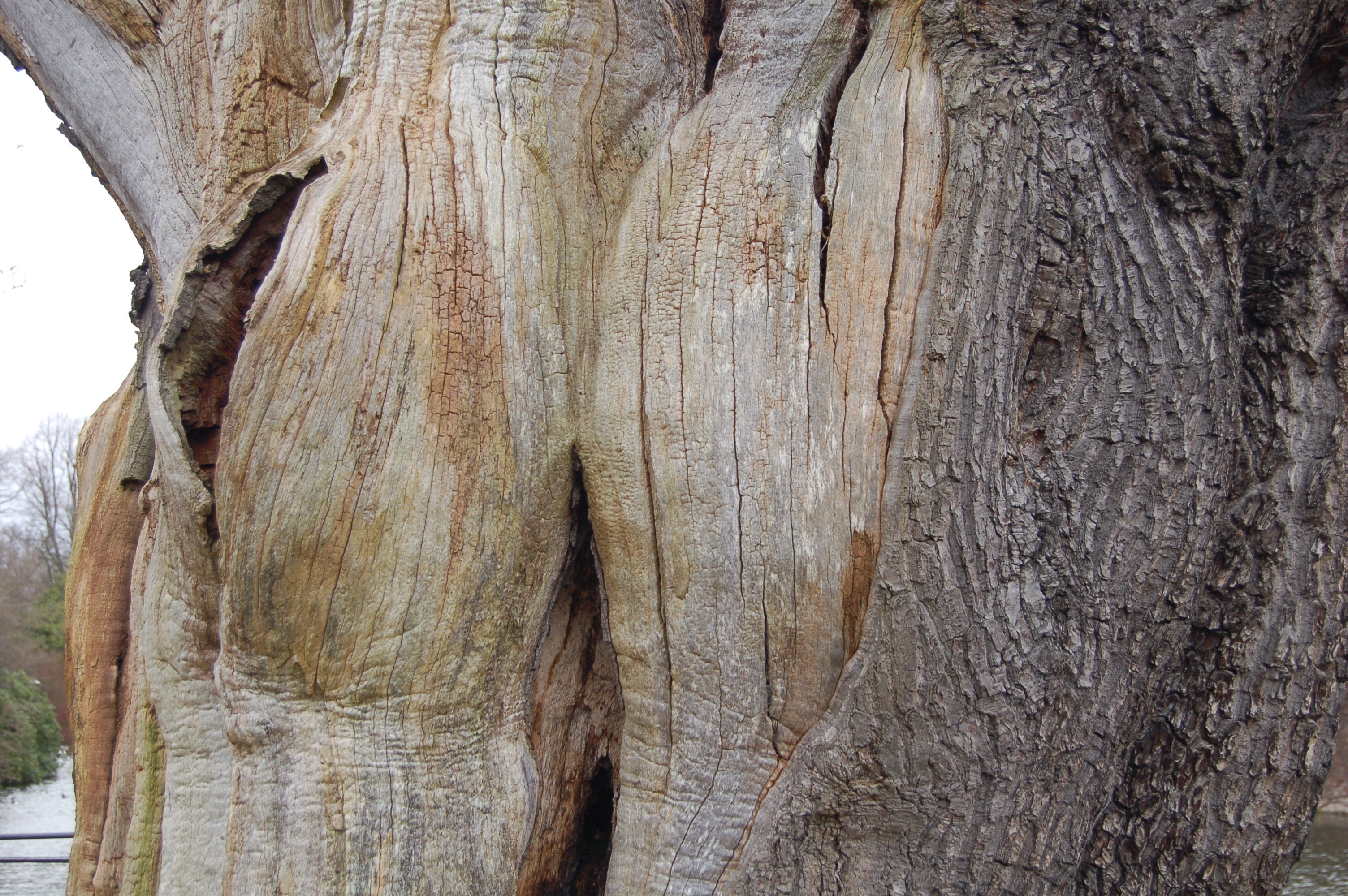
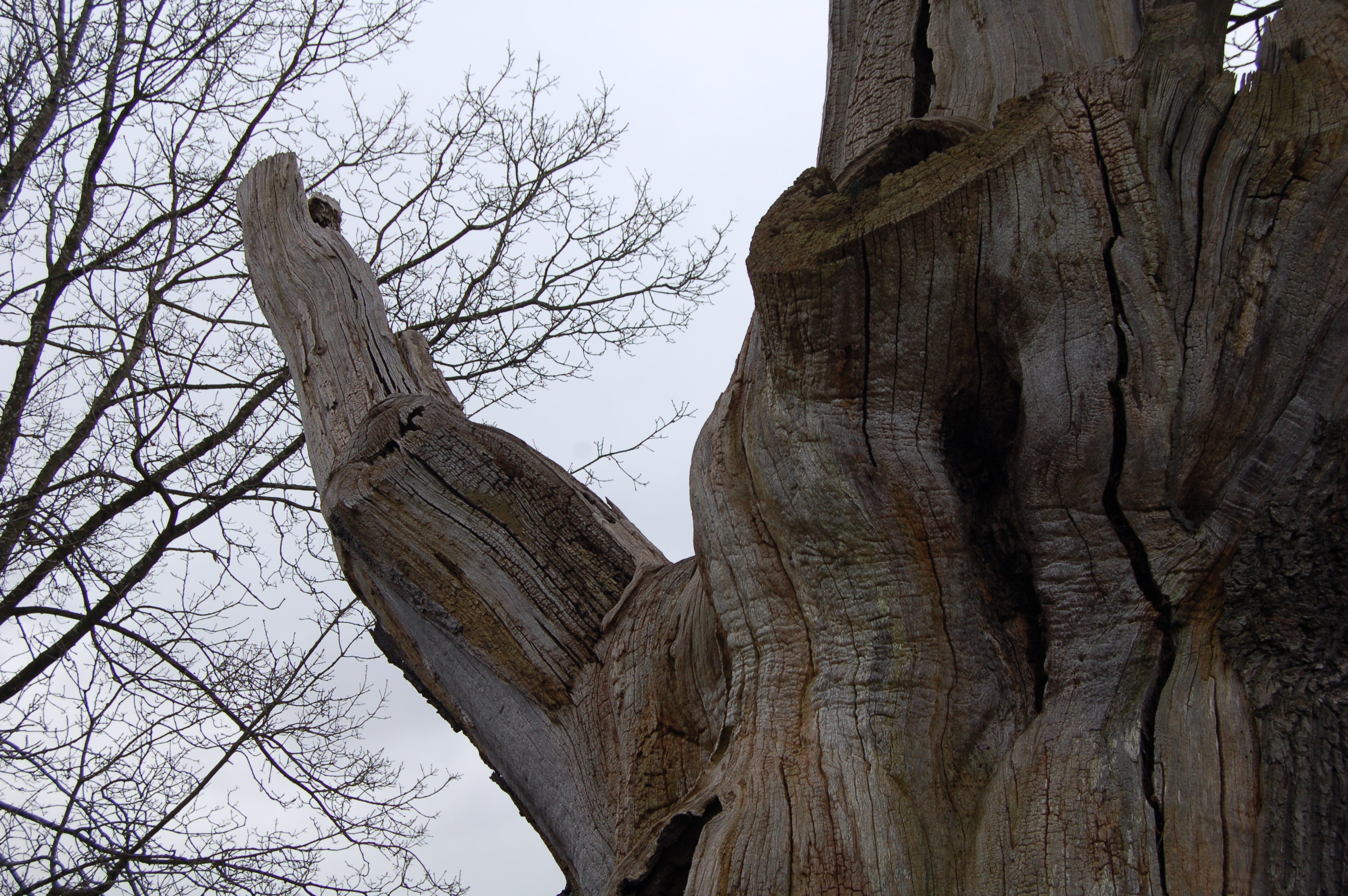
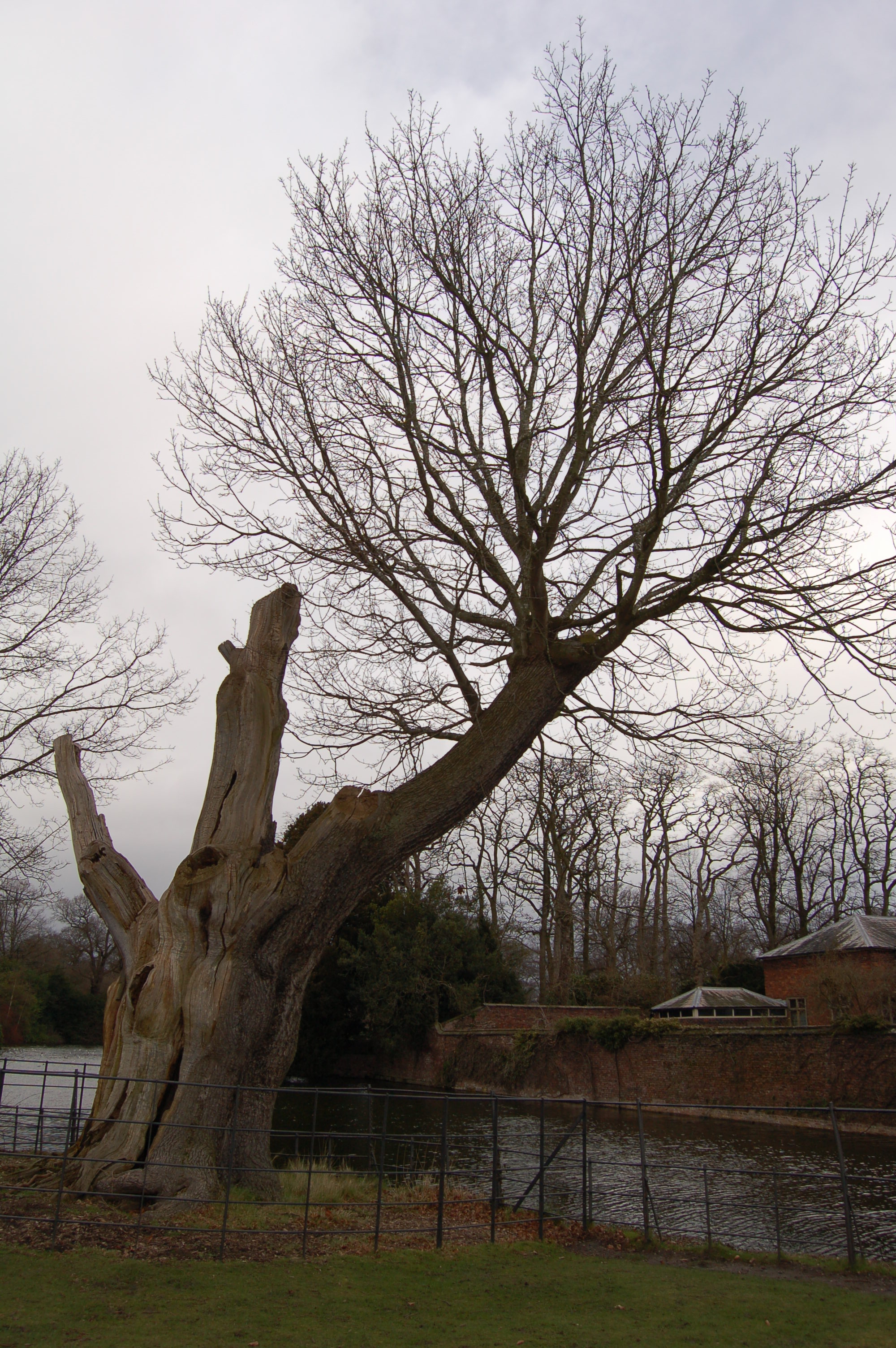
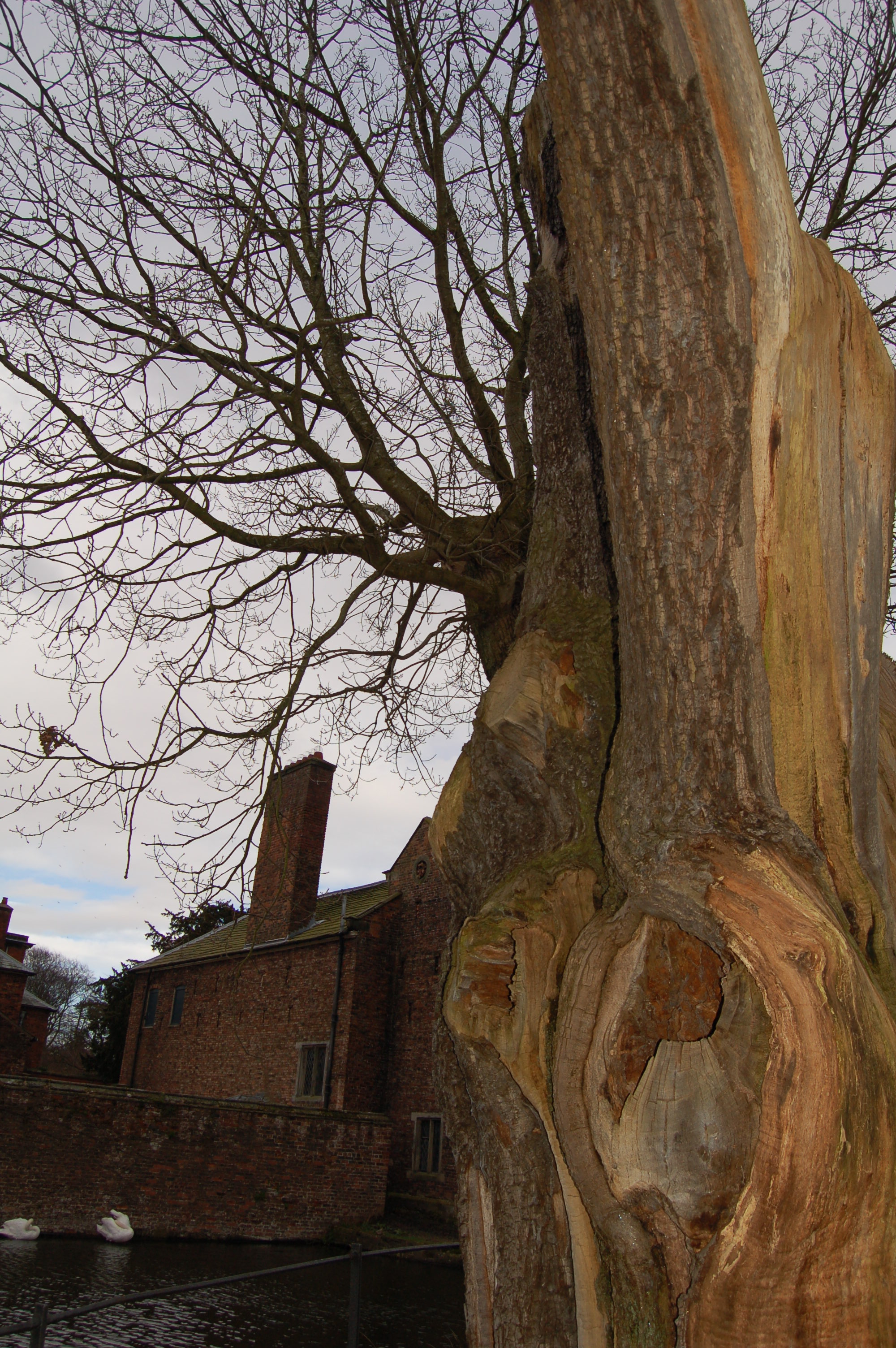
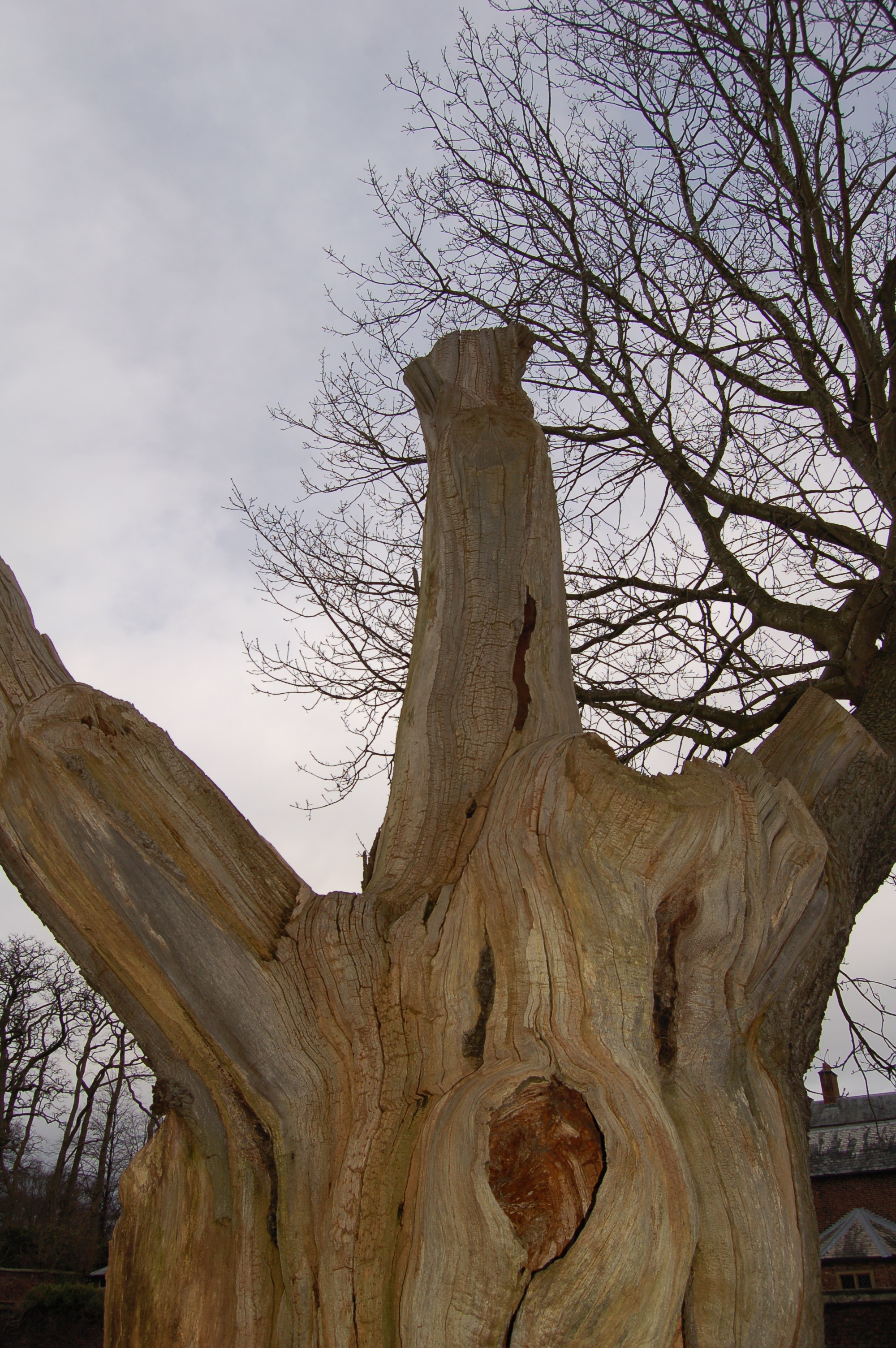
Whilst on a garden visit recently to the National Trust’s Dunham Massey, we came across an ancient tree just about hanging on to life. There was very little left of the main trunk and what was left was hollow and had lost its bark.

2014 02 25_6747  2014 02 25_6741 2014 02 25_6750  2014 02 25_6749  2014 02 25_6751 2014 02 25_6754   2014 02 25_6748

One branch had found enough life there to grow out from one side and produced  healthy looking growth. It gave the impression of  a young tree growing on top of the remains of a dead one.

2014 02 25_6746 2014 02 25_6753 2014 02 25_6752

I tried a few of the pics in black and white  to emphasise the textures.

t2014 02 25_6749_edited-1 2014 02 25_6751_edited-1 2014 02 25_6750_edited-1

Categories
architecture gardens gardens open to the public National Trust ornamental trees and shrubs outdoor sculpture recycling The National Trust

A Week of Culture – Part One – Hardwick Hall

We spent a few cold January days up in Derbyshire and Yorkshire for a culture fix. It was extremely cold and occasional rain and hail storms lashed us but we did not give in. We bravely went onward defying whatever the weather threw at us and enjoyed every moment. Day one of our winter adventure found us stopping off in Derbyshire at Hardwick Hall for a spot of architecture appreciation.

Although the day was a memorable one, not all the memories were happy ones as my trusty friend my Nikon DSLR packed up and it did not allow me to focus or use flash so it is now being looked at in the camera hospital at Nikon UK. Fingers crossed for a speedy recovery. Isn’t it devastating when your camera goes awry? So all the pics following are taken on my Samsung Galaxy Phone, which does have a quality camera, thank goodness.
2014 01 26_6255 2014 01 26_6259

2014 01 26_6267 2014 01 26_6271

2014 01 26_6269

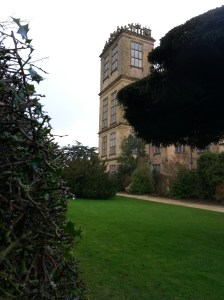
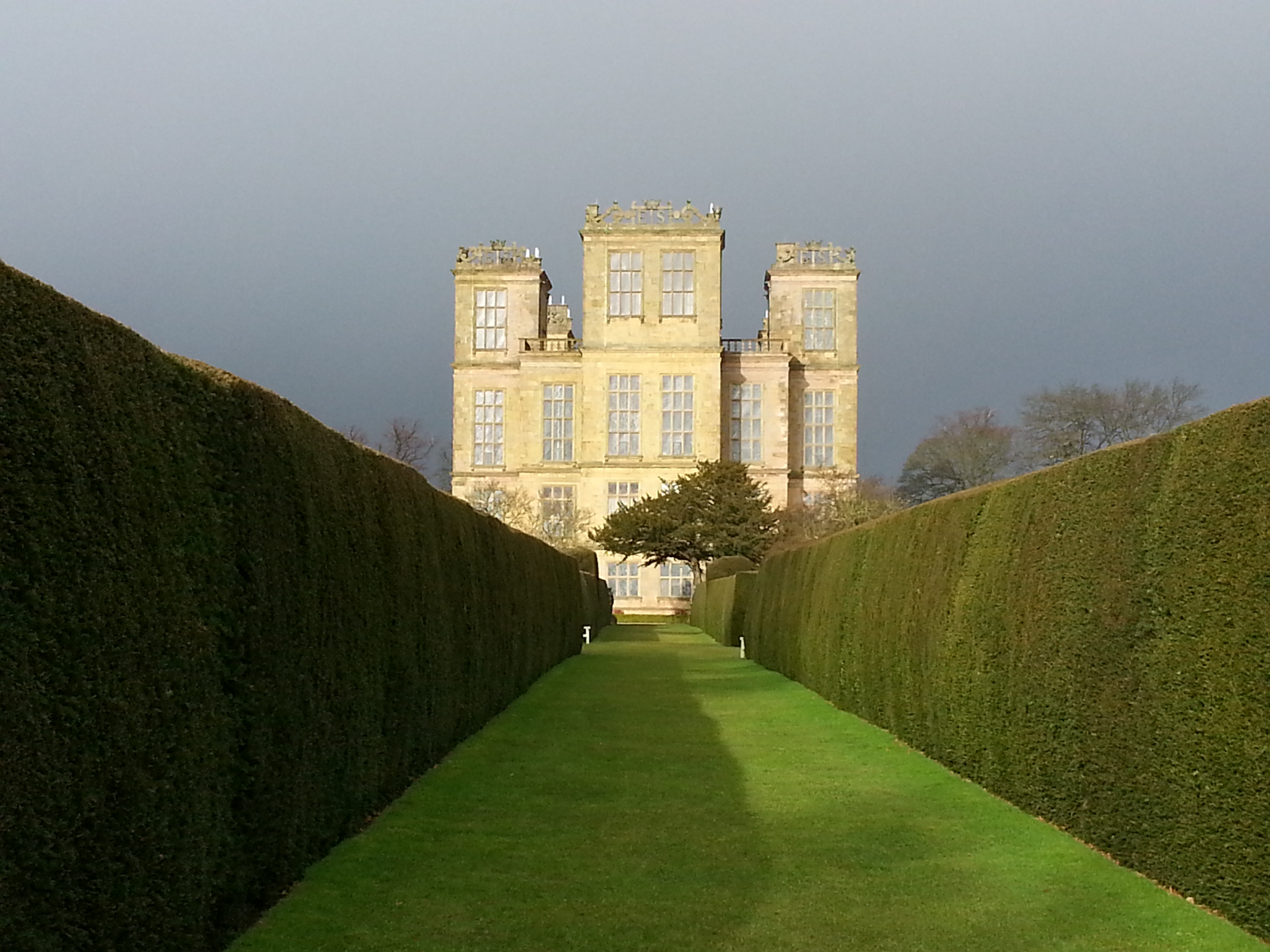
The grounds of Hardwick Hall , now under the auspices of the National Trust, is unusual in having two “big houses”. The newer hall was built in the late 1500’s by Bess of Hardwick, a powerful woman at a time when powerful women were few and far between.  She wanted everyone to now how important she was hence the size of Hardwick. She features her initials all over the building including huge letters along the top of the building The letter E refers  to her name Elizabeth and the S refers to Shrewsbury. She married George Talbot who was the Earl of Shrewsbury at the time making Bess Countess of Shrewsbury. No-one could have visited this place when she was there without knowing how powerful she was.

2014 01 26_6274

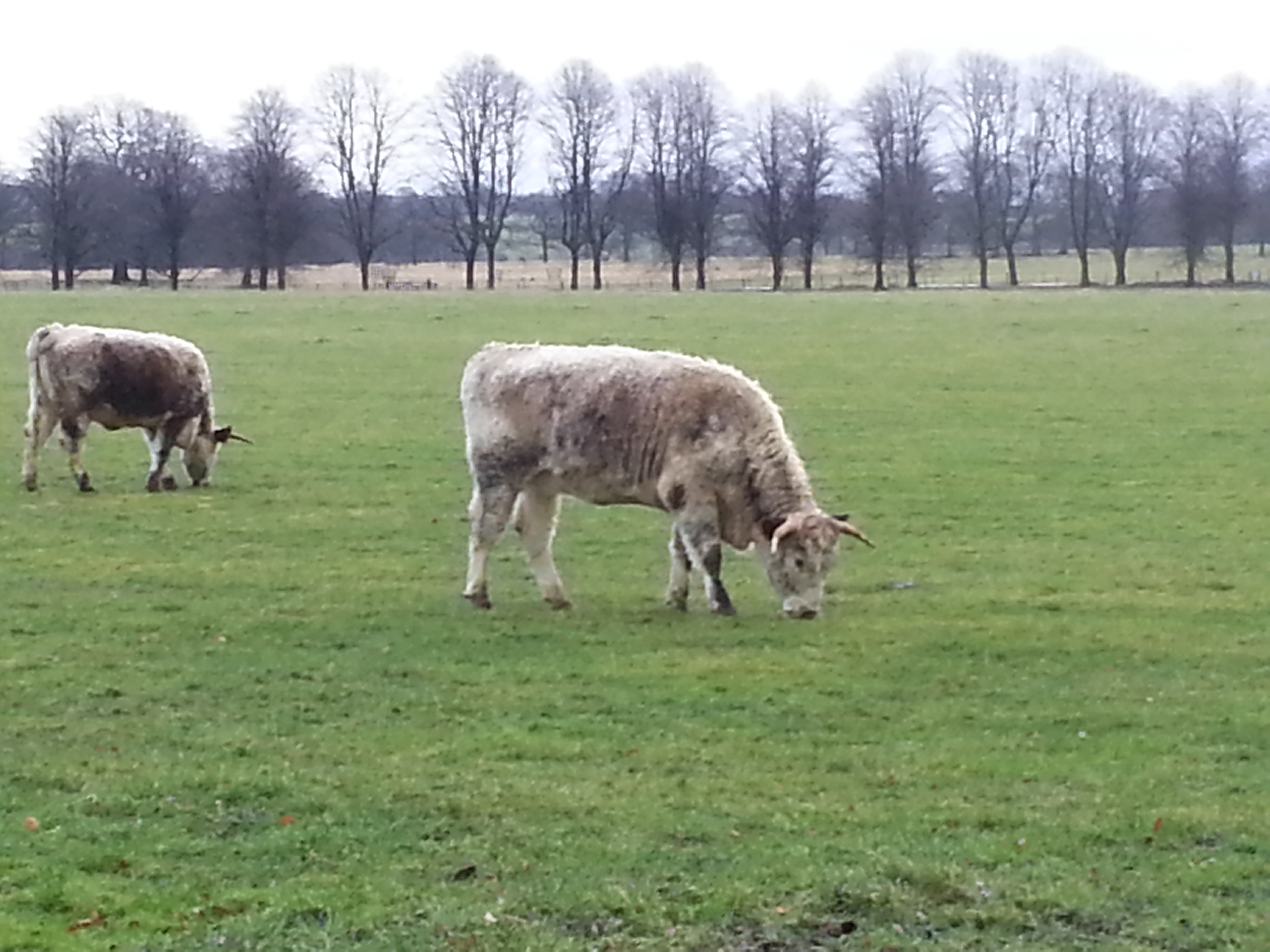
From the rear gardens we were able to appreciate close views of the heritage cattle, the Shorthorns.

2014 01 26_6272

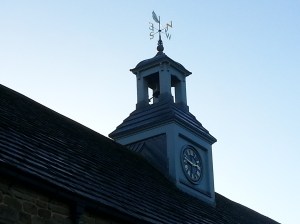
The gardens are small but the parklands are impressive and extensive. A range of buildings once stable blocks, workers’ cottages and workshops have been lovingly restored and put to good use as holiday cottages, shop, restaurant etc.

2014 01 26_6315 2014 01 26_6316

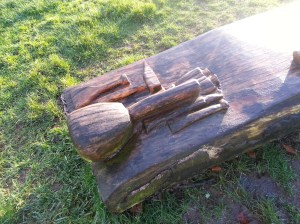
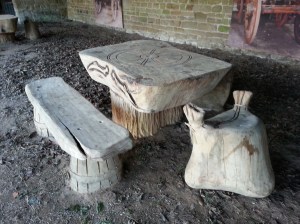
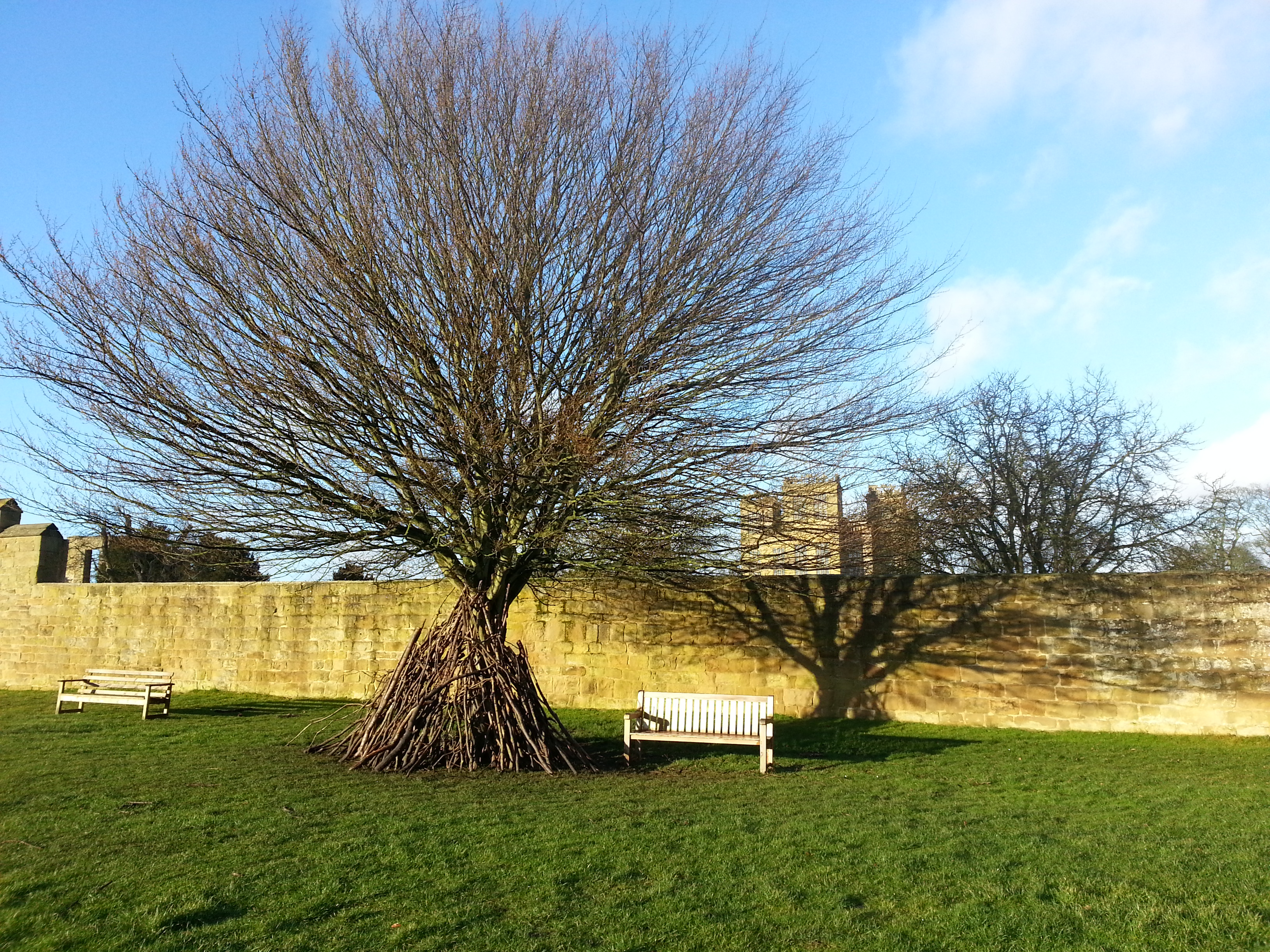
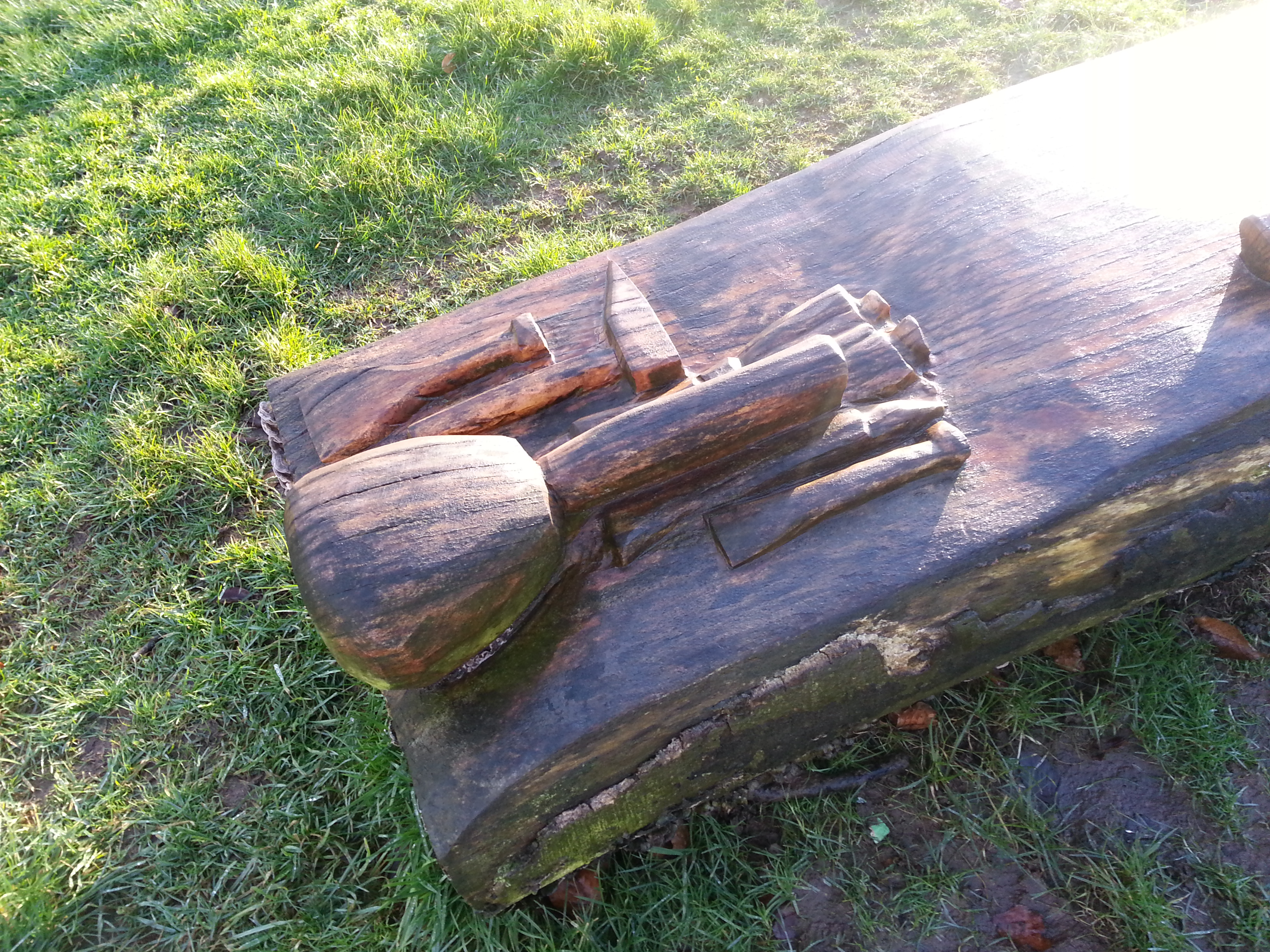
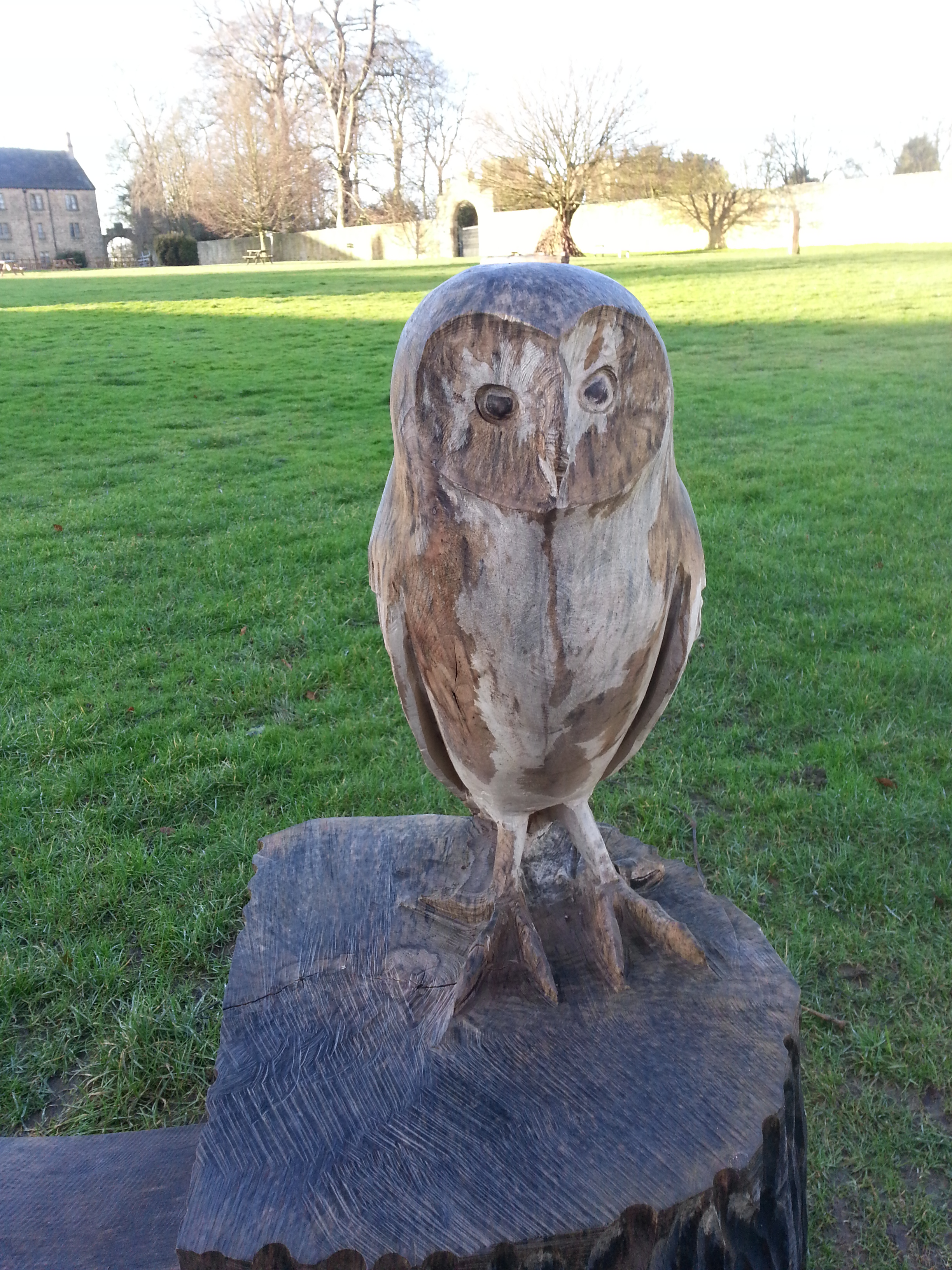
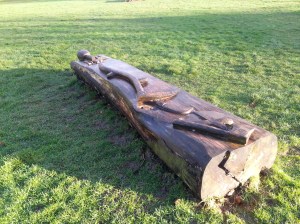
Signs of a recent den building activity day for children were in evidence in the grassed area enclosed by the stable block buildings, as were wood sculptures celebrating the skills of the craftsmen who would have helped to maintain the grounds at Hardwick. The carvings were created from trees that had been felled due to disease. Even the tables and chairs in one of the buildings celebrated the work of the estate millers.

2014 01 26_6319 2014 01 26_6320

2014 01 26_6321 2014 01 26_6322

2014 01 26_6323 2014 01 26_6324

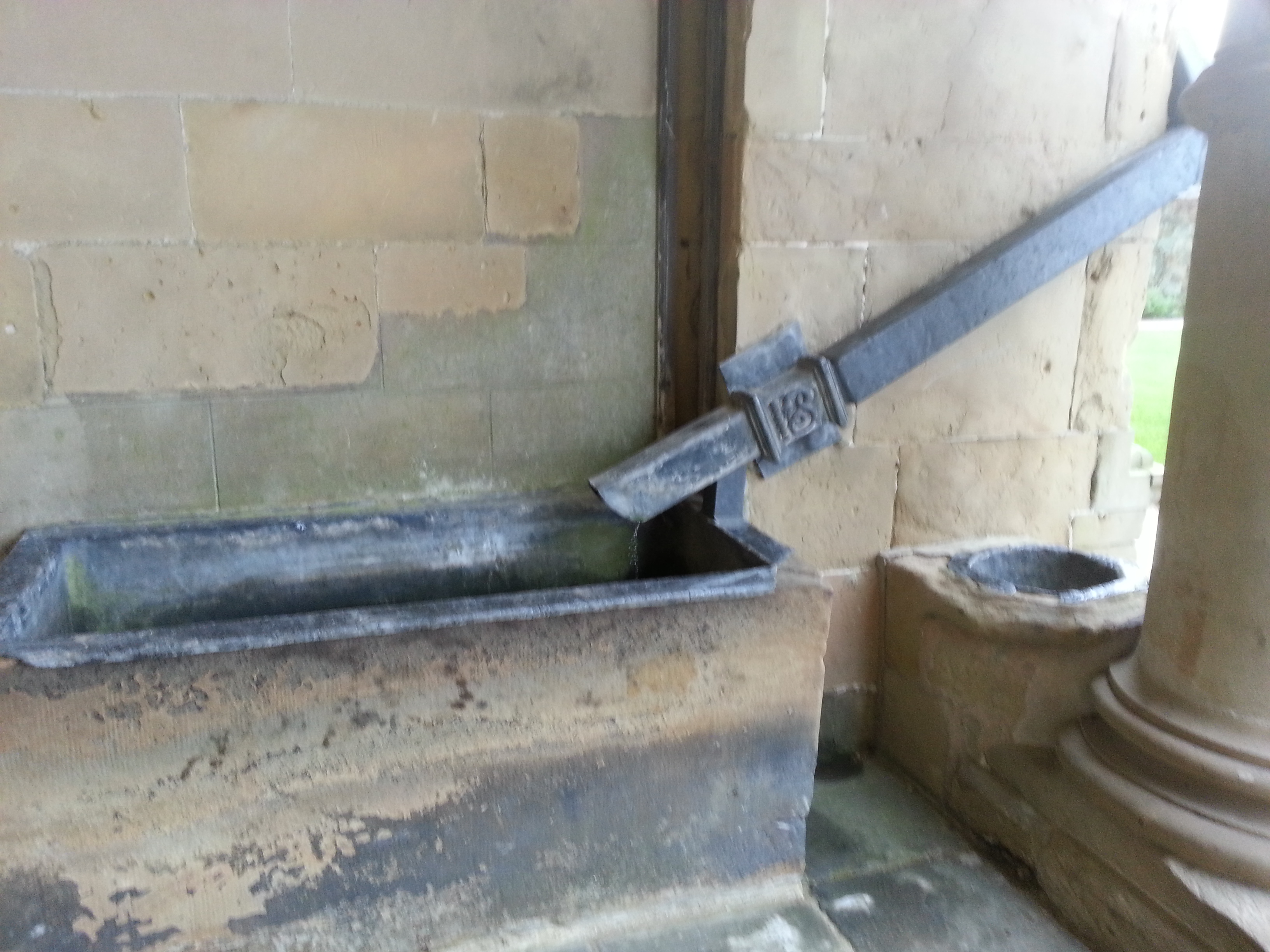
We were highly impressed by the “green credentials” of the building revamp and felt it needed celebrating. Well done to the National Trust! As well as excellent insulation there are several innovative ideas in action. Water collected from the roofs is used to flush toilets, solar panels on the roofs pre-heats water to be used in the kitchen, heat generated by the condensers of the fridges and freezers is collected and the boiler is of a bio-mass type.

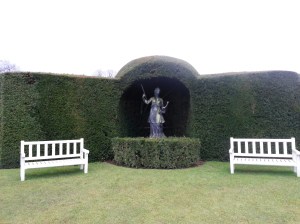
The more formal gardens are enclosed areas snuggly fitted close to the house surrounded by tall hedges so that each area is a surprise to the visitor. Some beautiful coppicing work in “The Nuttery” was evidence of the skilled gardeners here now. The trees here are Hazels, their prunings providing brash stacks for wildlife shelters.

2014 01 26_6257

2014 01 26_6261 2014 01 26_6262 2014 01 26_6264 2014 01 26_6265 2014 01 26_6263 2014 01 26_6266

We discovered some beautifully and skillfully trained and pruned plants, a rose and some Yew which brought a smile to our faces. It was cold day so a smile was most welcome! Just after taking these photos the sky turned black with heavy storm clouds, the temperature dropped, the wind speed increased and we were attacked by a ferocious hail storm. We took shelter in the entrance to the hall where I took these photos some showing the wet glossy paths to illustrate how wet it was.

2014 01 26_6270          2014 01 26_62812014 01 26_6282

2014 01 26_6286 2014 01 26_6287

2014 01 26_6285 2014 01 26_6288

     2014 01 26_6289

After sheltering out the time of the storm we looked for architectural details of the building and discovered these gems.

2014 01 26_6283 2014 01 26_6284

2014 01 26_6293 2014 01 26_6294

2014 01 26_6295

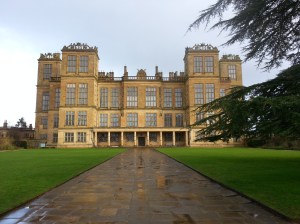
So let us have a look at a few shots of the “new” hall before we explore the old hall.

2014 01 26_6290 2014 01 26_6291 2014 01 26_6292

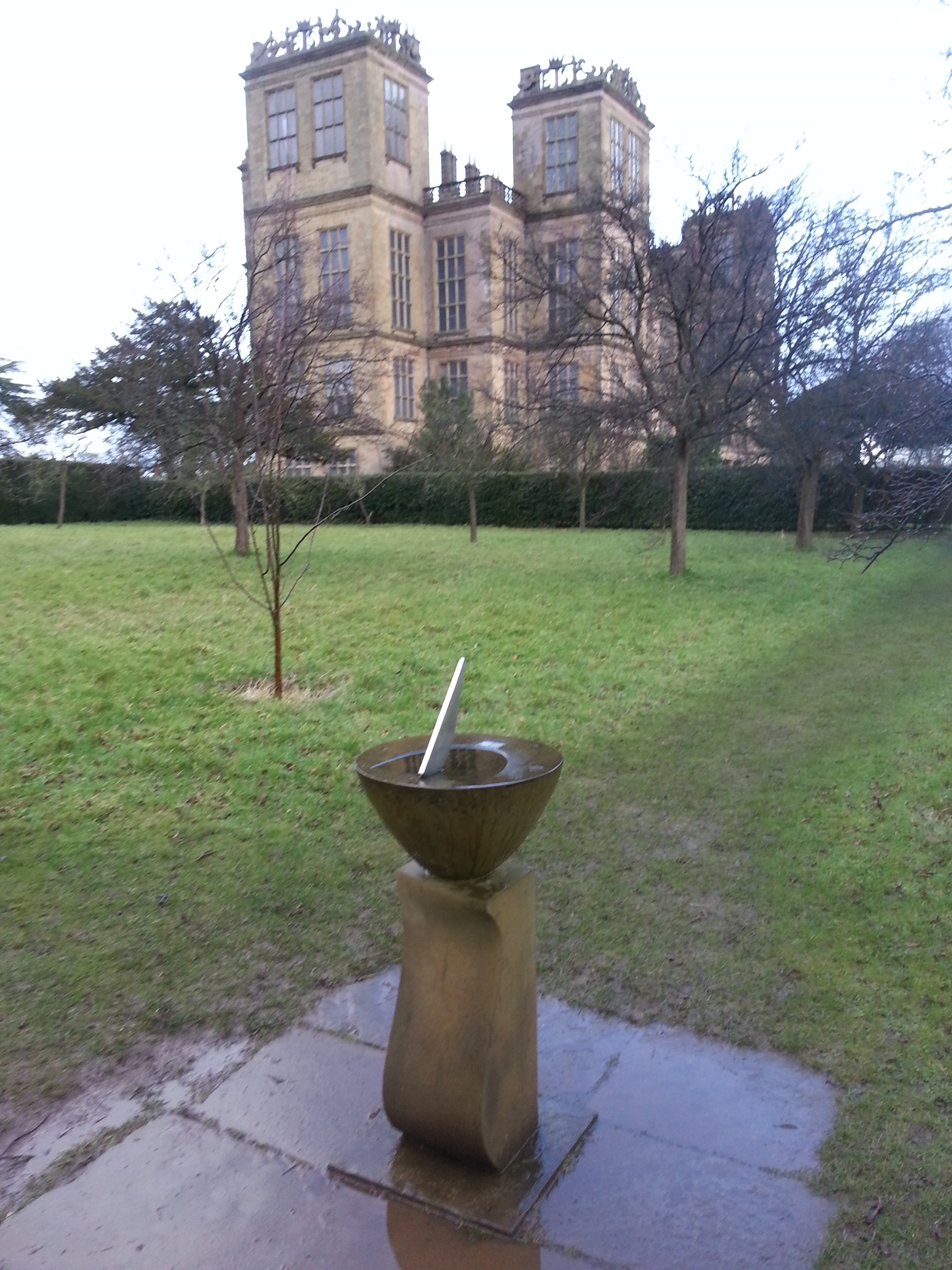
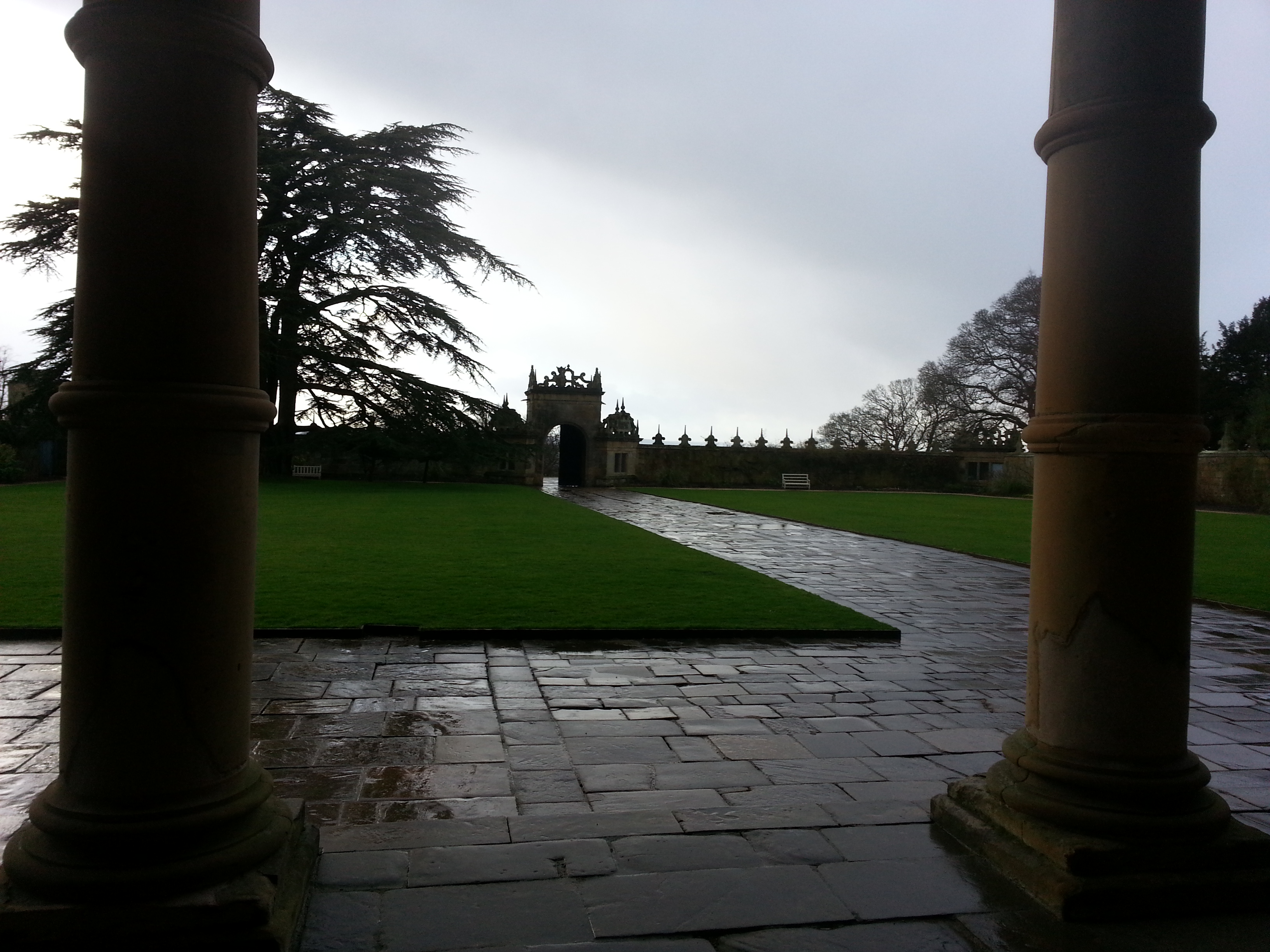
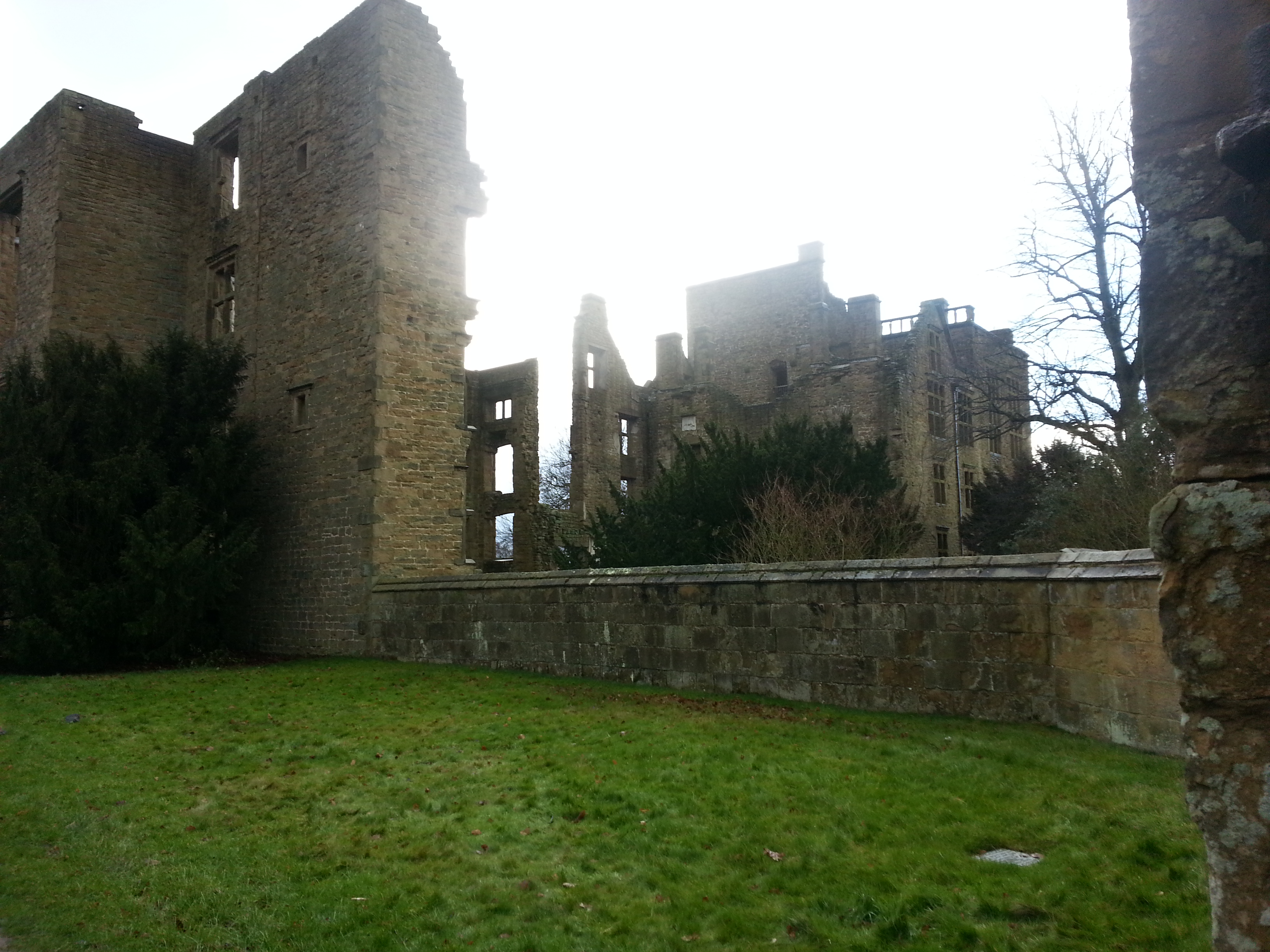
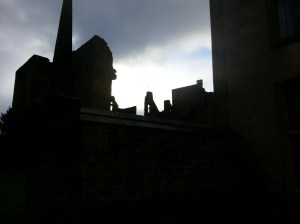
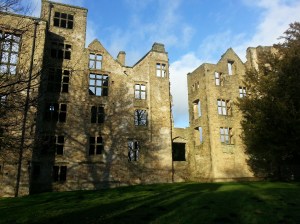
As we approached the old hall, which was the family home of Bess, our first view was in silhouette. As we moved around the building the detail revealed itself.
2014 01 26_6296 2014 01 26_6297

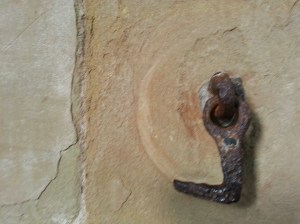
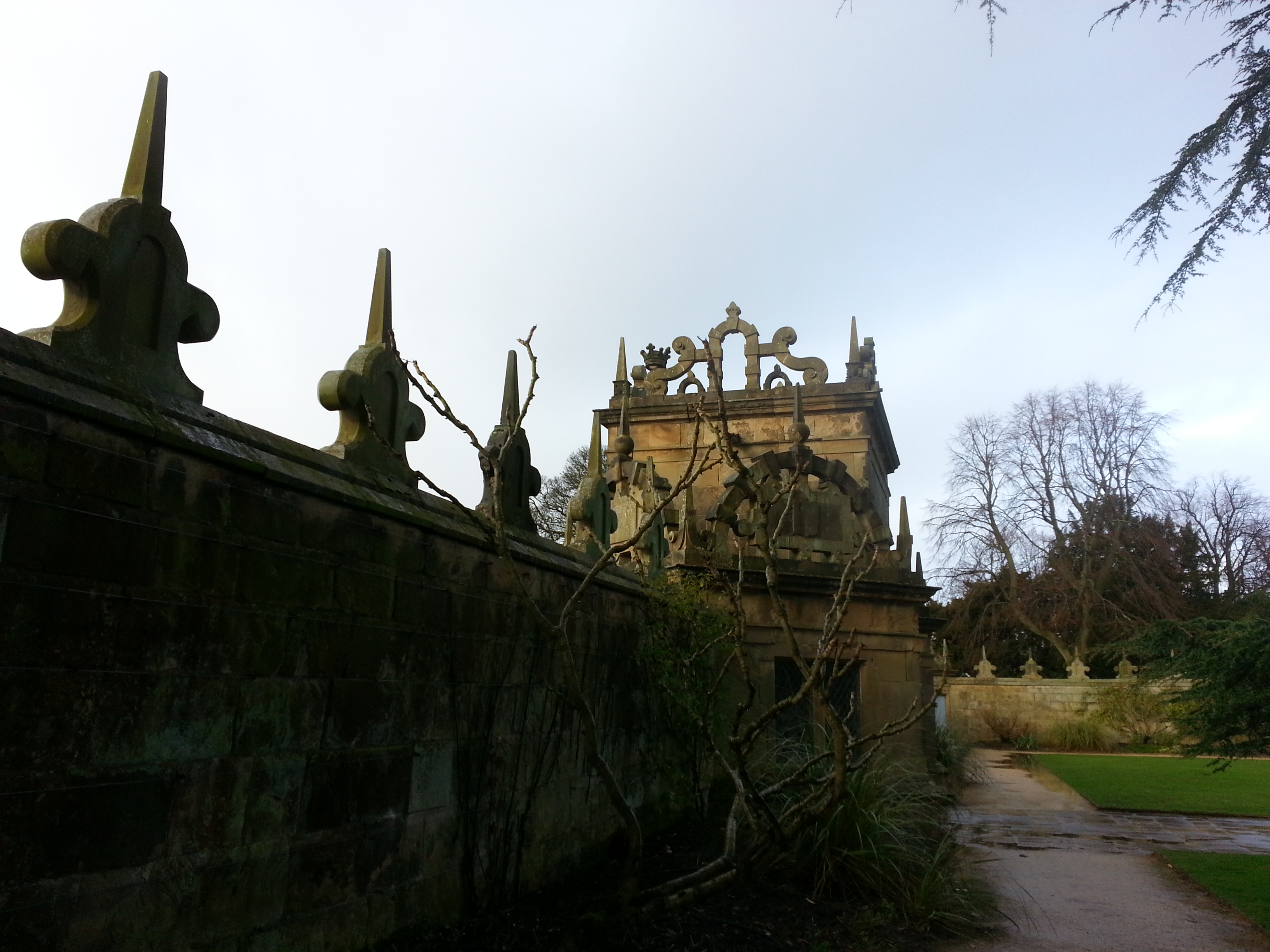
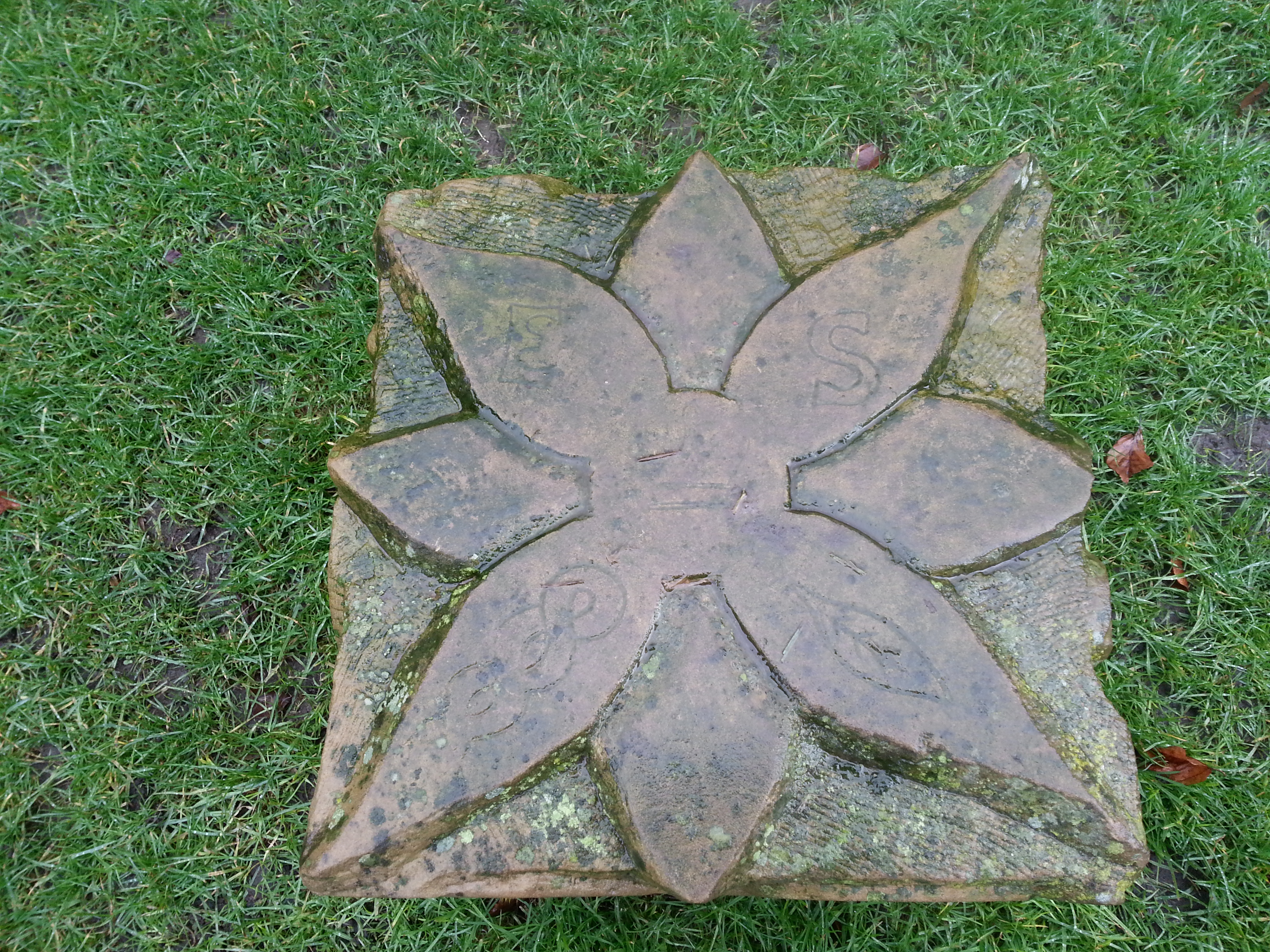
As we passed through the gateway we came across this piece of stonework. We had no idea what it was but were interested to find another set of Bess’ initials. You can just about see them if you look really carefully.

2014 01 26_6298 2014 01 26_6299

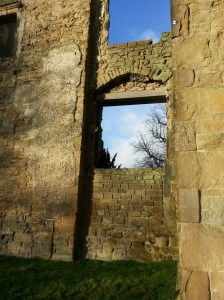
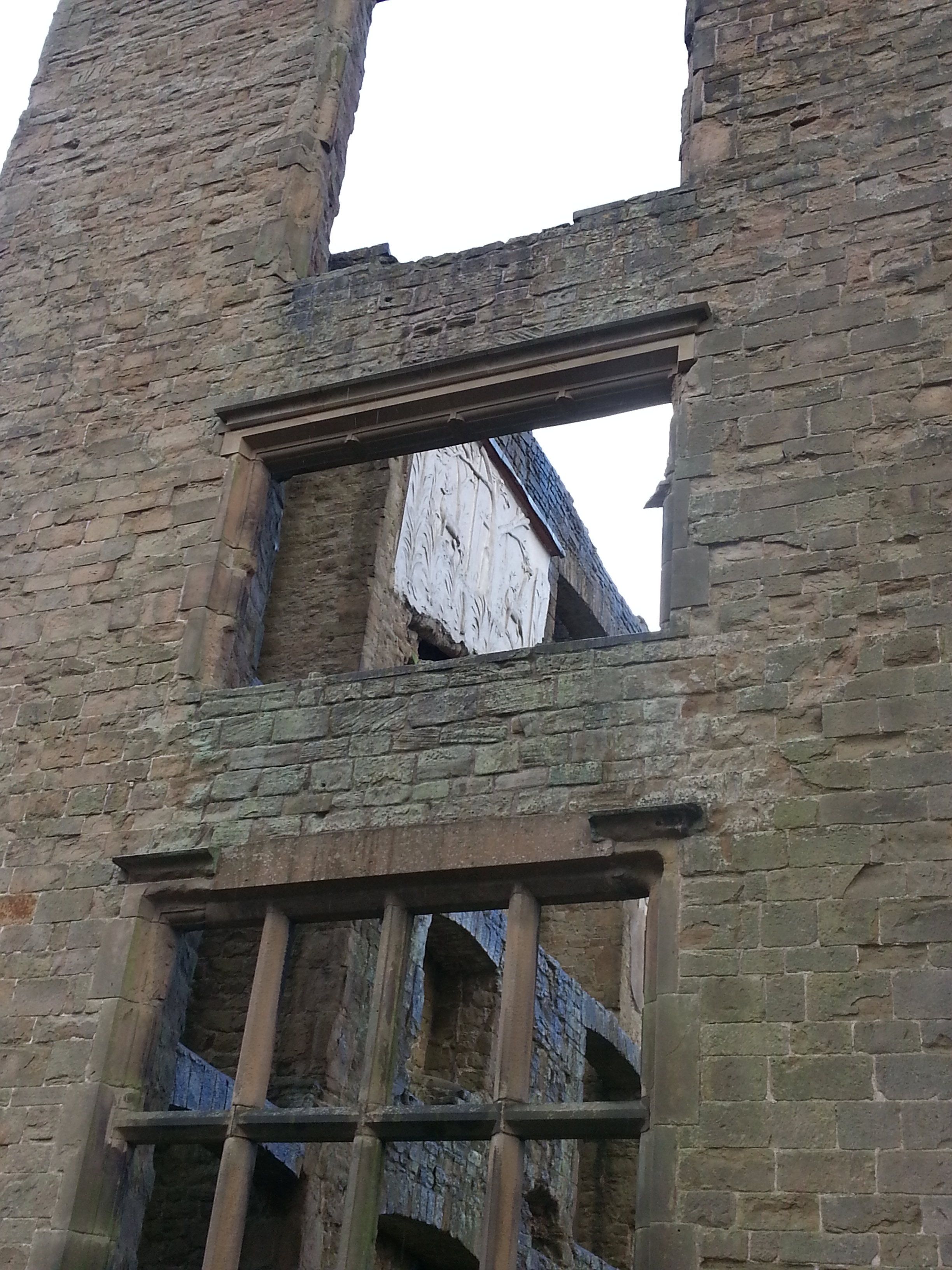
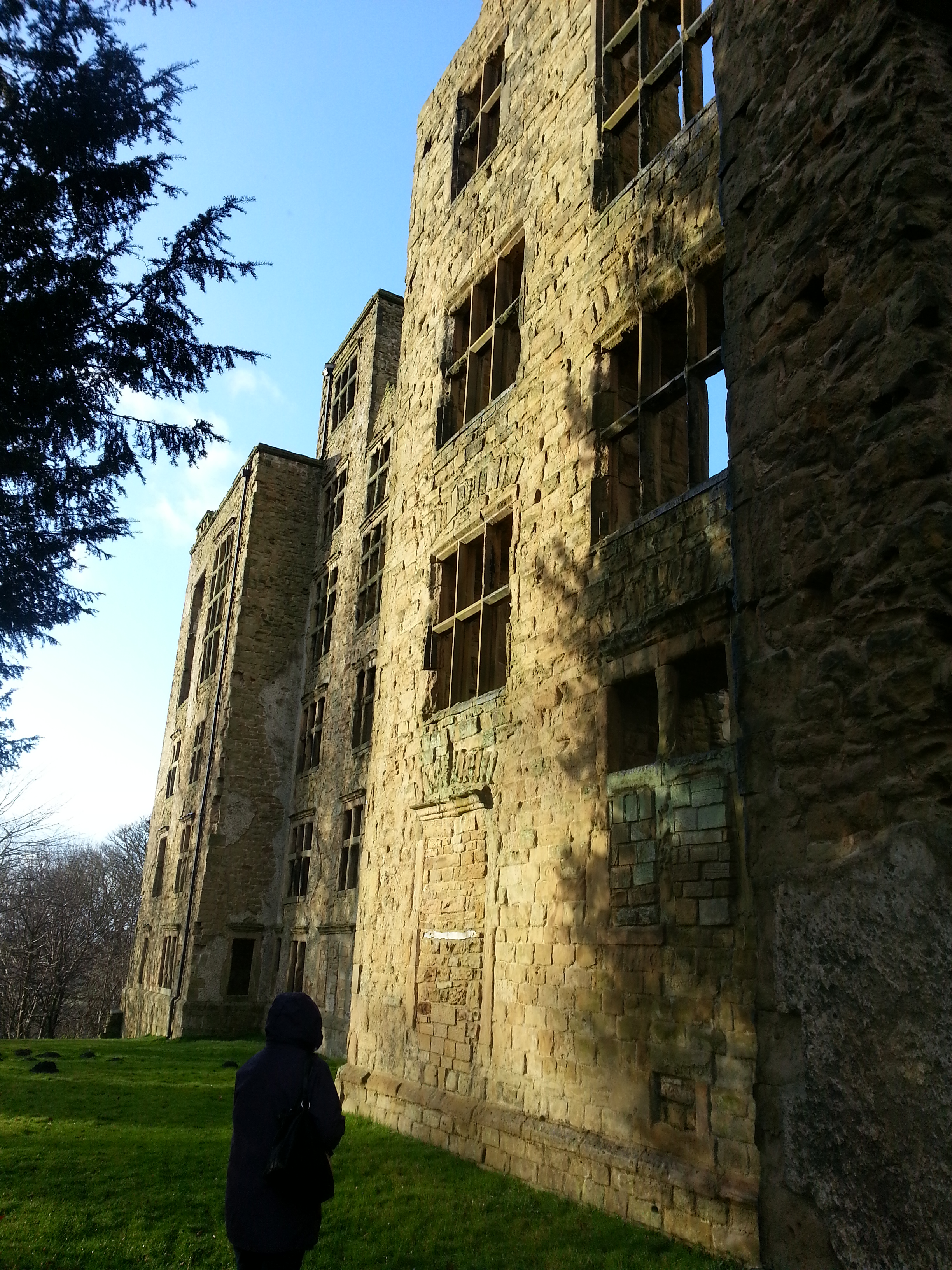
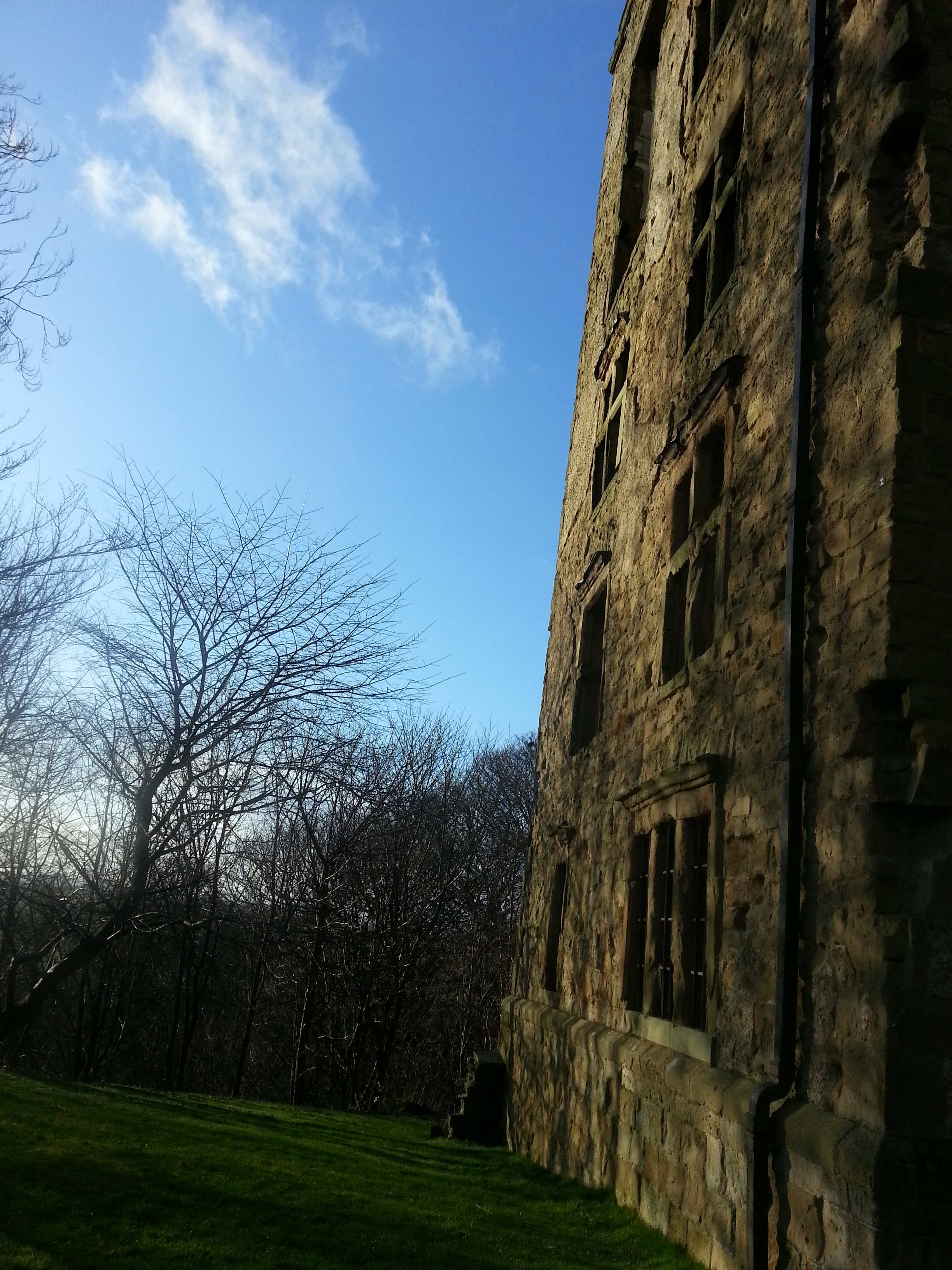
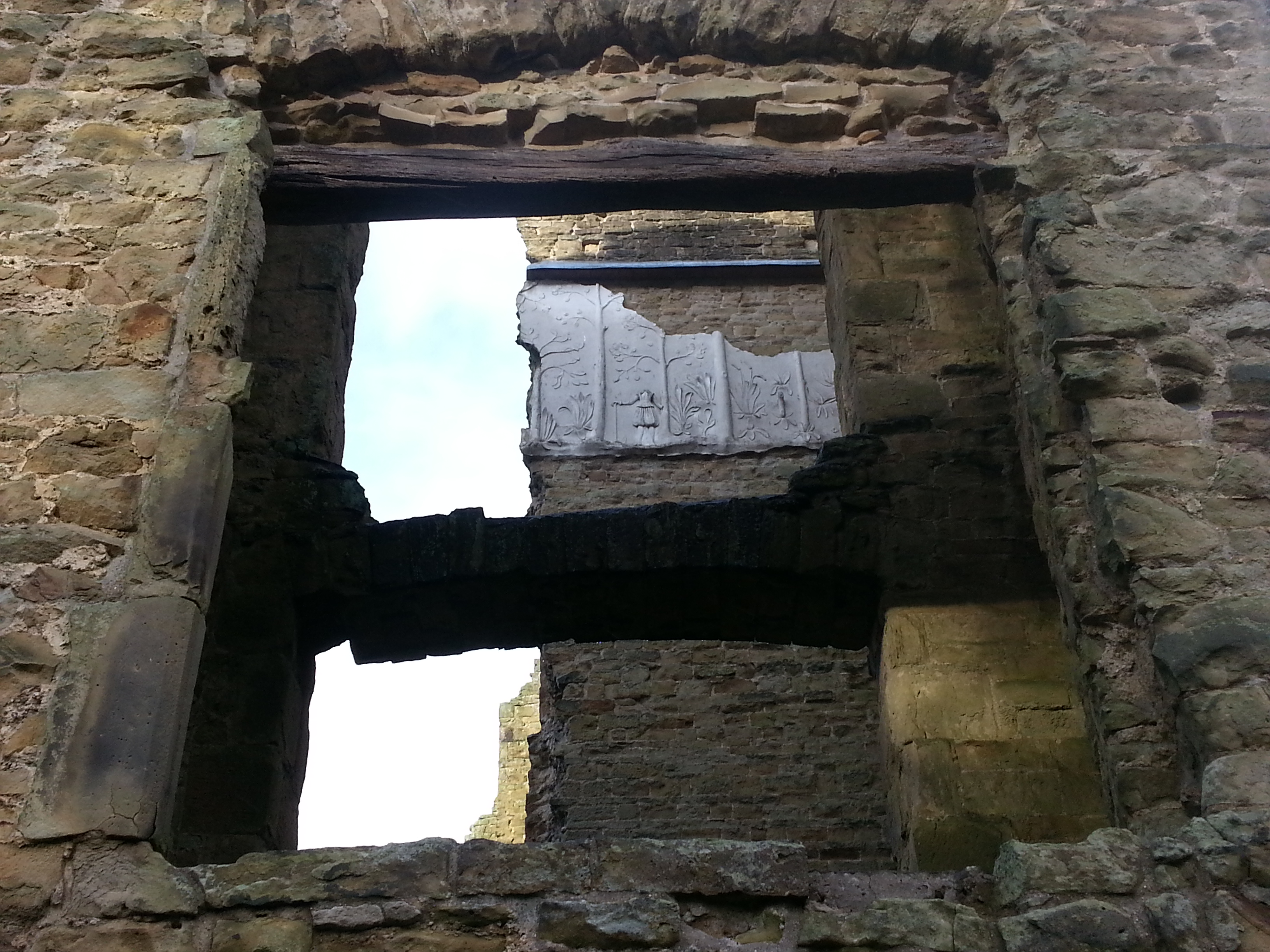
A close up look around the tall walls of the old hall showed how beautiful it must have been. It had a certain beauty even in decay.

2014 01 26_6300    2014 01 26_6304 2014 01 26_6305   2014 01 26_6308  2014 01 26_6310 2014 01 26_6311

We were drawn to the signs of old plaster work hanging on the inside walls.

2014 01 26_6312 2014 01 26_6302

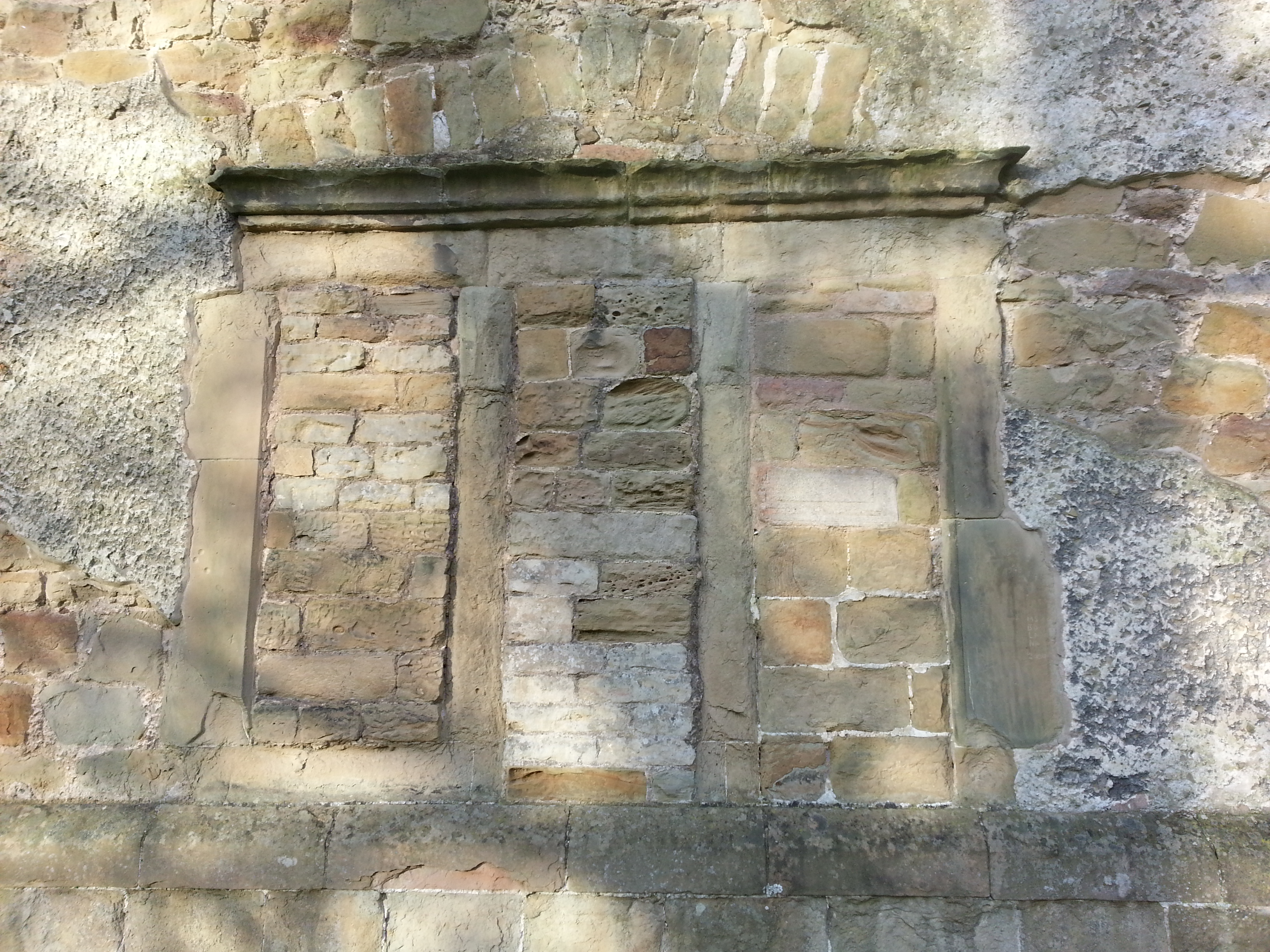
Many old windows and doors had been filled in at various times and this resulted in what appeared as framed textured paintings. Beautiful!

2014 01 26_6309 2014 01 26_6307

2014 01 26_6301 2014 01 26_6306

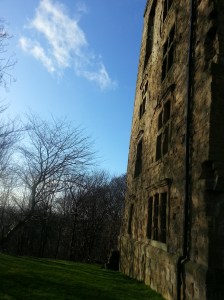
As we walked away from the old hall I looked back and took this shot of it as the sky cleared and the sun returned.
2014 01 26_6314

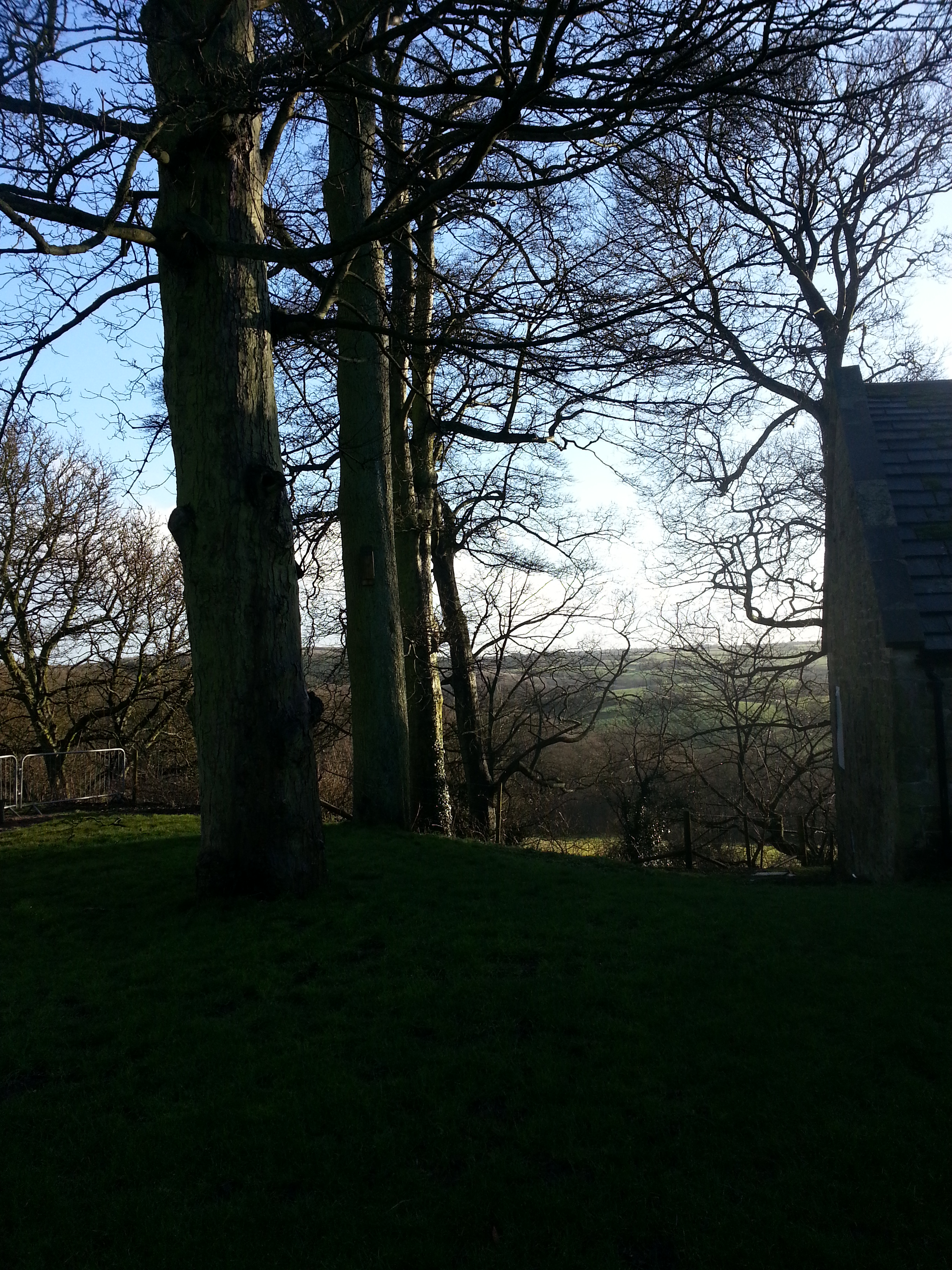
As we returned to the car park the sun was setting behind the tall trees alongside the path showing just how long we had been discovering the delights of the old halls at Hardwick. We also came across this stone sculpture based on seeds found in the grounds.

2014 01 26_6330 2014 01 26_6329

We travelled further North and made our way out of Derbyshire into Yorkshire where we stayed a few days in Wakefield. Here we would experience more of our culture fixes.

This Veggie Life

A Vegetarian | Nature Lifestyle Blog

Rambling in the Garden

.....and nurturing my soul

The Arch City Gardener

Journeys In St. Louis Gardening and Beyond

Garden Dreaming at Châtillon

Consult the genius of the place

Storyshucker

A blog full of humorous and poignant observations.

gardeninacity

Notes from a wildlife-friendly cottage garden

PlayGroundology

...an emerging social science

The Official Blog of British Wildlife

'The most important and informative publication on wildlife of our times' - The Independent. This blog is a member of The UK & Ireland Natural History Bloggers group: www.uknhb.blogspot.com

iGrowHort

Inspire - Cultivate - Grow Native Plants - Restore Landscapes

Bishops Meadow Trust

To create and protect a semi-natural wild space for the people of Farnham to enjoy and experience an array of British wildlife in our town

Gardening with Children

The www.gardeningwithchildren.co.uk Blog

UKbirdingtimeline

birding through the seasons, why birds matter and how to conserve them

NATURE WALKER

with a camera in hand

Jardin

Transform your outdoor space

Eva's space

My allotment, cooking and other interests

Old School Garden

my gardening life through the year

LEANNE COLE

Trying to live a creative life

fromacountrycottage

trying to live as lightly as possible on our beautiful planet

Good Life Gardening

Nature lovers from Leicester living the good life.

mybeautfulthings

Finding the beautiful in the everyday

mawsonmichelle

Michelle's Allotment

In and Out of My Garden

thoughts from and about my garden

Greenhousing

Big plans for a small garden

The Scottish Country Garden

A Walled Country Garden in South East Scotland

The Fruity Chicken

Life at the fruity chicken

willowarchway

Off grid living. Self sufficient. "PERMAGANICS RULE".

St Anns Allotments

Nottingham's Grade 2* Listed Allotments and Community Orchard

Manifest Joy Harvests

a journey in suburban vegetable gardening

Allotmental

The madness of growing your own

Penny's Garden: a harvest beyond my front door

A novel approach to vegetable gardening

arignagardener

Sustainable living in the Irish countryside.

NewEnglandGardenAndThread

Master Gardener, amateur photographer, quilter, NH native, and sometimes SC snowbird

dianajhale

Recent work and work in progress and anything else that interests me

planthoarder

a chaotic cottage gardener

Lens and Pens by Sally

a weekly blog that creates a personal philosophy through photographs and words

Dewdrops and Sunshine

Stories from a sassy and classy Southern farmbelle.

The Pyjama Gardener

Simple Organic Gardening & Seasonal Living

gettin' fresh!

turning dirt into dinner

JOY...

today the world is created anew

Garden Birds

Notes from a Devon garden

ShootAbout

Life Through The Lens

Adapting Pixels

A photography blog showcasing the best photography pictures and videos on the internet

Wildlifegardening's Blog

Just another WordPress.com site

naturestimeline

personal observations from the natural world as the search continues for a new approach to conservation.

LATEBLOOMERBUDS

The Wonders of Life through my Eyes, my Heart, my Soul