Categories
birds fruit and veg garden photography garden ponds garden pools garden wildlife gardens National Trust natural pest control NGS ornamental trees and shrubs Shrewsbury shrubs spring gardening The National Gardening Scheme" water in the garden wildlife Yellow Book Gardens

My Garden Journal – April

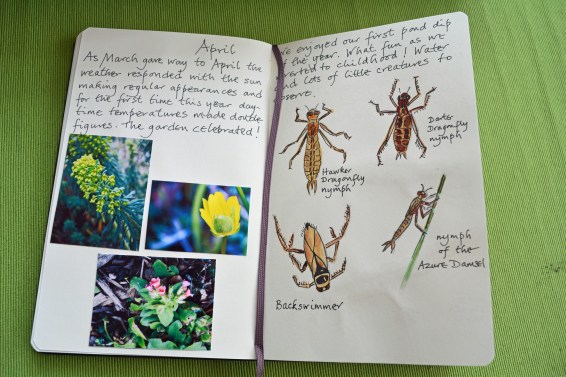
Back to my garden journal where we can see what was interesting me in our garden at Avocet during the month of April. My journal for April begins “As March gave way to April the weather responded with the sun making regular appearances and for the first time this year daytime temperatures made double figures. The garden celebrates!”

It celebrated with bright colours of spring flowers such as Celendines, Pulmonarias and early chartreuse flower s and bracts of Euphorbias.

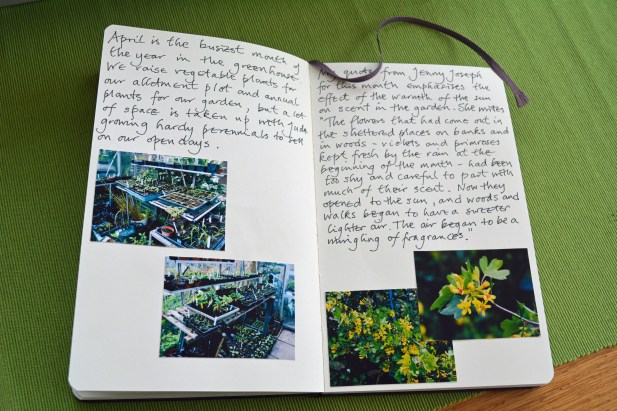
My quote from Jenny Joseph’s book “Led by the Nose – A Garden of Smells” speaks of the delicate scents of the garden and in the countryside that are so important in spring.

The flowers that had come out in the sheltered places on banks and in woods – violets and primroses kept fresh by the rain at the beginning of the month – had been too shy and careful to part with much of their scent. Now they opened to the sun, and woods and walks began to have a lighter sweeter air. The air began to be a mingling of fragrances.”
2015 05 07_1425_edited-1

As the water in the wildlife pond warmed up we thought we would have our first dip with our net to see what wildlife was in evidence beneath the surface. In the journal I wrote “What fun as we reverted to childhood!”We were surprised by just how many different creatures had already stirred into life. I chose to paint the nymphs of Dragonflies and Dameslflies and a Backswimmer. The Damselfly Nymph will hatch out into an Azure Damsel and the two Dragonfly Nymphs into a Hawker Dragonfly and a Darter Dragonfly. They were quite a challenge to paint in their subtle earthy hues.

2015 05 07_1427_edited-1 2015 05 07_1426_edited-1

Continuing on the watery theme on the next page of my garden journal I wrote “Jude gets excited each time she catches a newt when she is on her regular pond maintenance forays. The first this year appeared in early April. Such excitement at Avocet!”  We were so pleased to find so many newts out and about and so active this early in the year. As well as enjoying seeing them using our pond we are even more pleased to know that they are helping us with out pest control out in the borders. They spend much of their time out of water and are partial to slugs. Welcome visitors indeed!

2015 05 07_1428_edited-1

Now these little critters were even more of a challenge to paint than the other pond creatures! Anyway here are the results.

2015 05 07_1430_edited-1

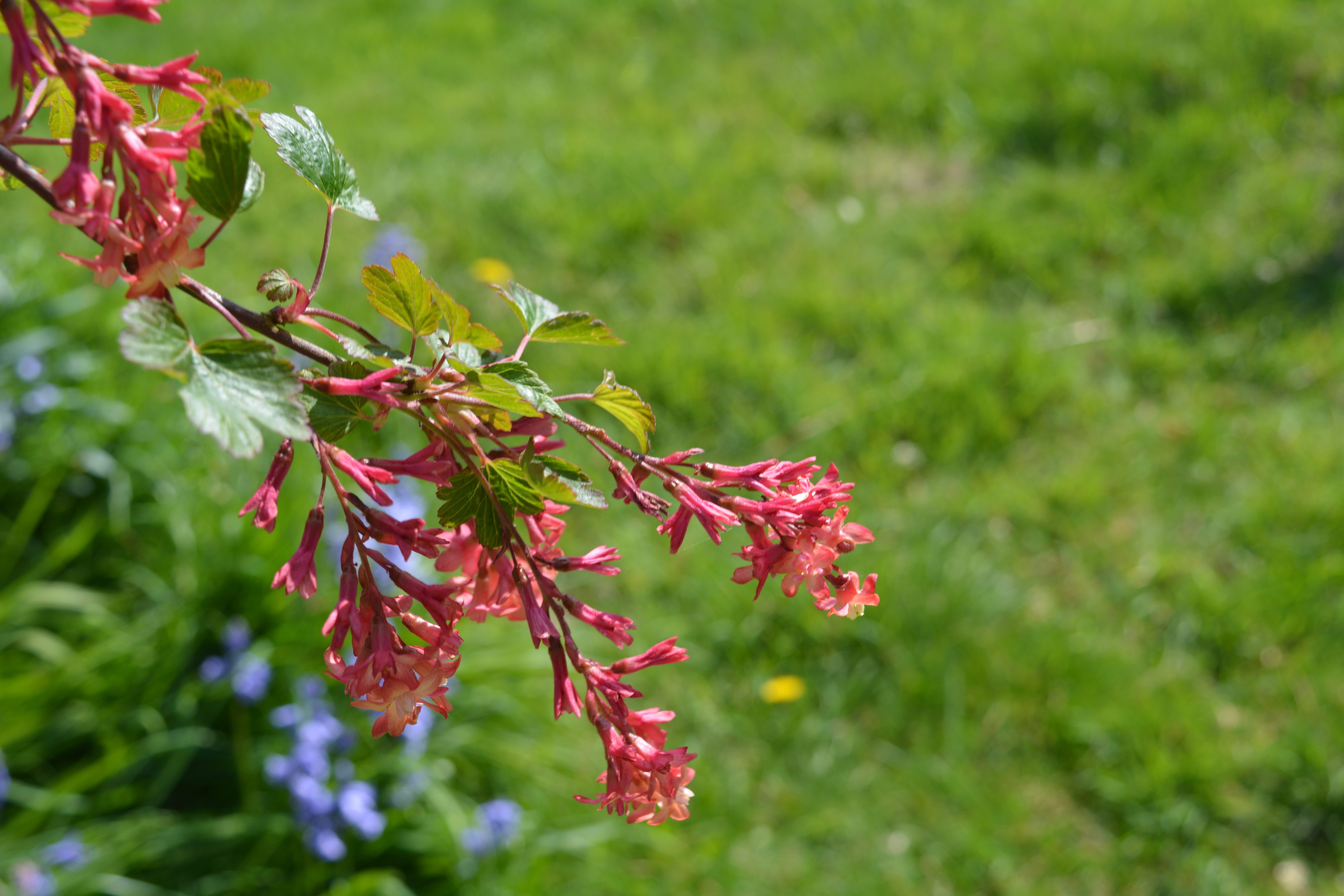
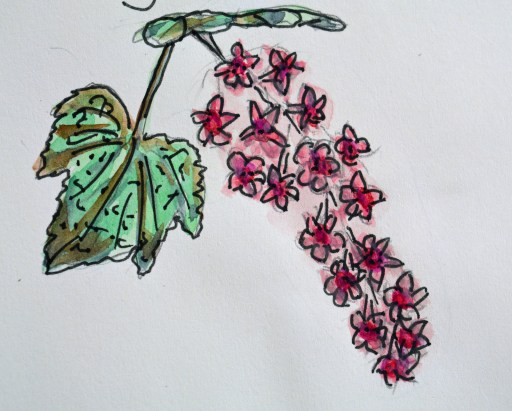
On my next page I wrote, “During Easter Weekend, usually associated with cold and rain, the sky turned the deepest, clearest blue. Temperatures suddenly doubled and the garden buzzed and hummed with the arrival of bees and hoverflies. The most popular of all plants is the flowering currant, Ribes sanguineum.” 
2015 05 07_1429_edited-1

April is the busiest month of the year in the greenhouse. We raise vegetable plants for our allotment plot and annual plants for our garden, but a lot of space is taken up with Jude growing hardy perennials to sell on our open days.
2015 05 07_1431_edited-1 

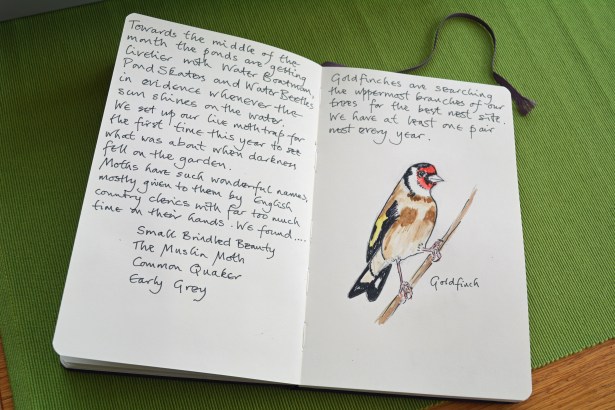
Towards the middle of the month the ponds were getting livelier with Water Boatmen, Pond Skaters and Water Beetles in evidence whenever the sun shone on the water. We set up our live moth trap for the first time this year to see what was about when darkness fell on the garden. Moths have such wonderful names, mostly given to them by English country clerics with far too much time on their hands. We found Small Brindled Beauties, Muslin Moths, Common Quakers and Early Greys.
2015 05 07_1432_edited-1

I next wrote “Goldfinches are searching the uppermost branches of our trees for the best nest site. We have at least one pair nest every year”. I then got out my watercolour paints and pens and attempted a painting of a Goldfinch.

2015 05 07_1433_edited-1

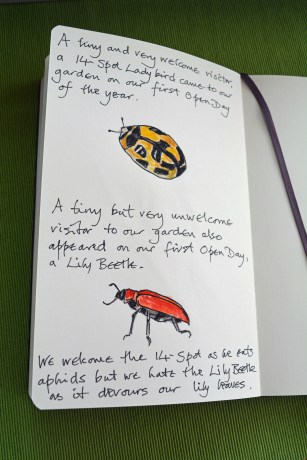
My final page in my journal entries for April featured two colourful beetles which we found in our garden in that month. “A tiny and very welcome visitor, a 14-Spot Ladybird came to our garden on our first Open Day of the year. A tiny but very unwelcome visitor to our garden also appeared on our first Open Day, a Lily Beetle. We welcome the 14-Spot as he eats aphids but we hate the Lily Beetle as it devours our lily leaves.”
 

2015 05 07_1435_edited-1

Categories
colours flowering bulbs fruit and veg garden design garden photography gardening gardens gardens open to the public hardy perennials National Trust natural pest control ornamental trees and shrubs spring bulbs spring gardening The National Trust trees walled gardens

Croft Castle Month by Month – Part 4 – April

2015 04 24_0985_edited-1

It is already time for our fourth visit to the National Trust’s Herefordshire property, Croft Castle. On this visit the sun shone on us and we enjoyed a lovely warm spring day.

2015 04 24_0994_edited-2

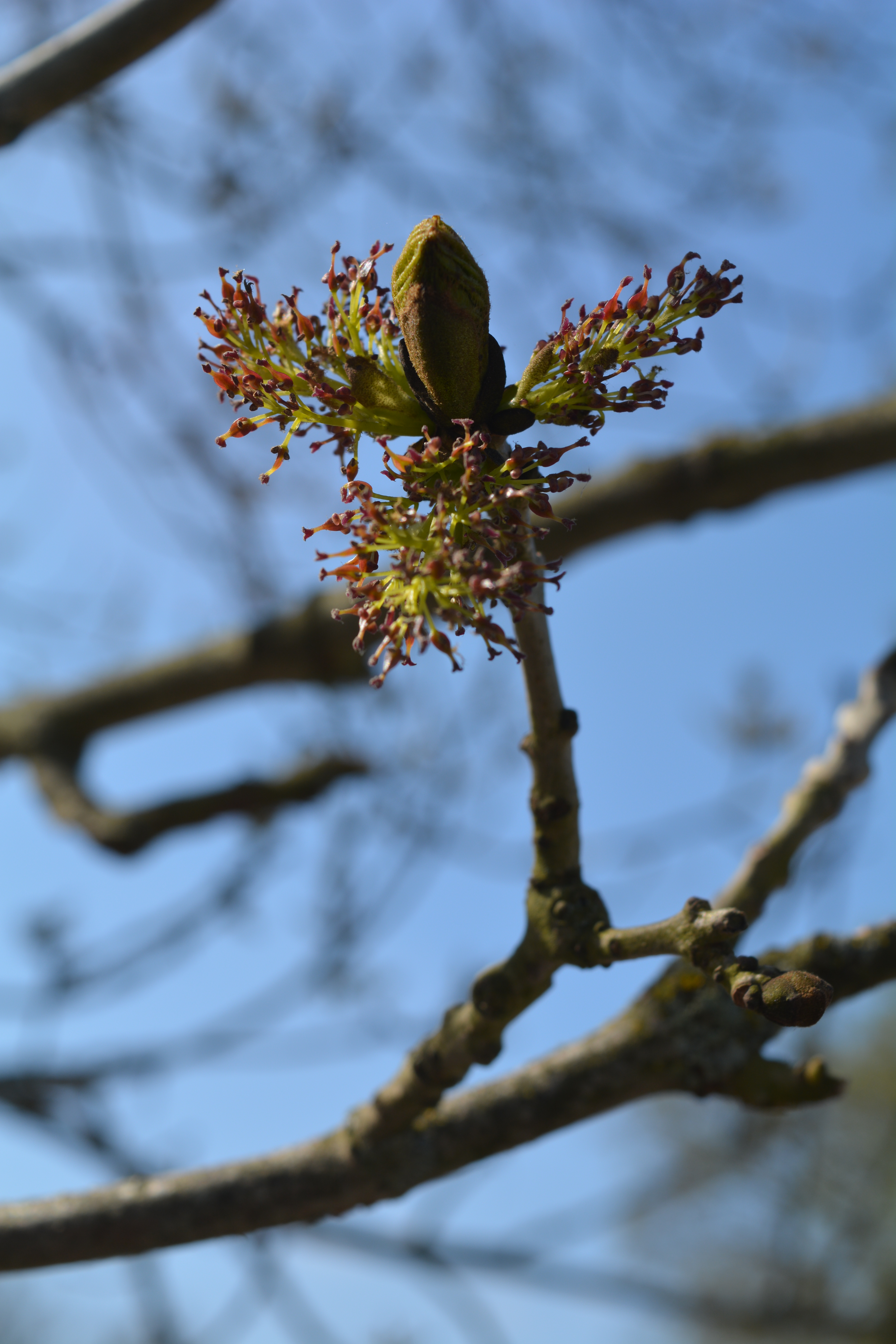
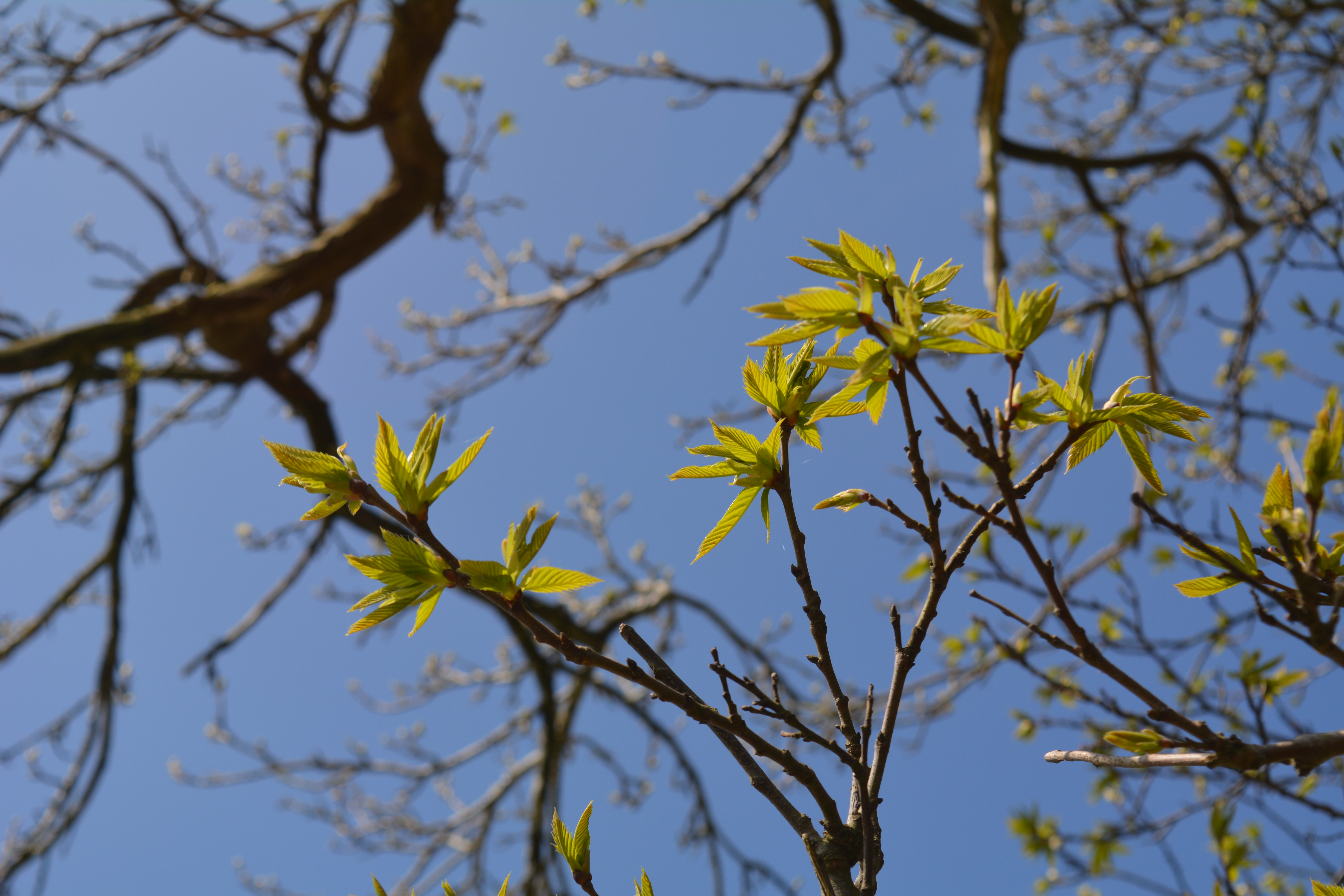
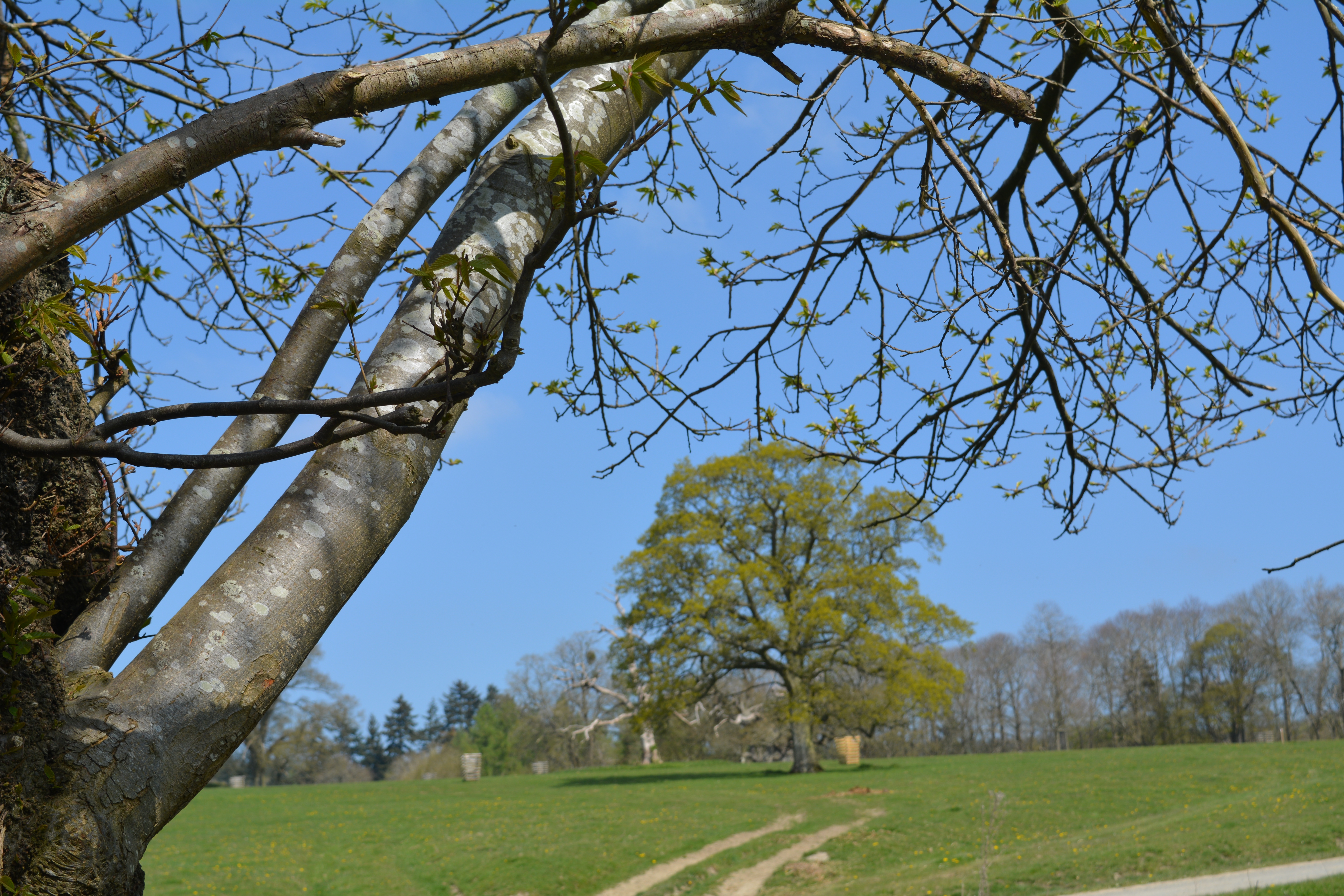
The first noticeable change was that there was now life in the trees as buds were bursting and delicate bright green leaves were making their entrance.

2015 04 24_0975 2015 04 24_09762015 04 24_0982

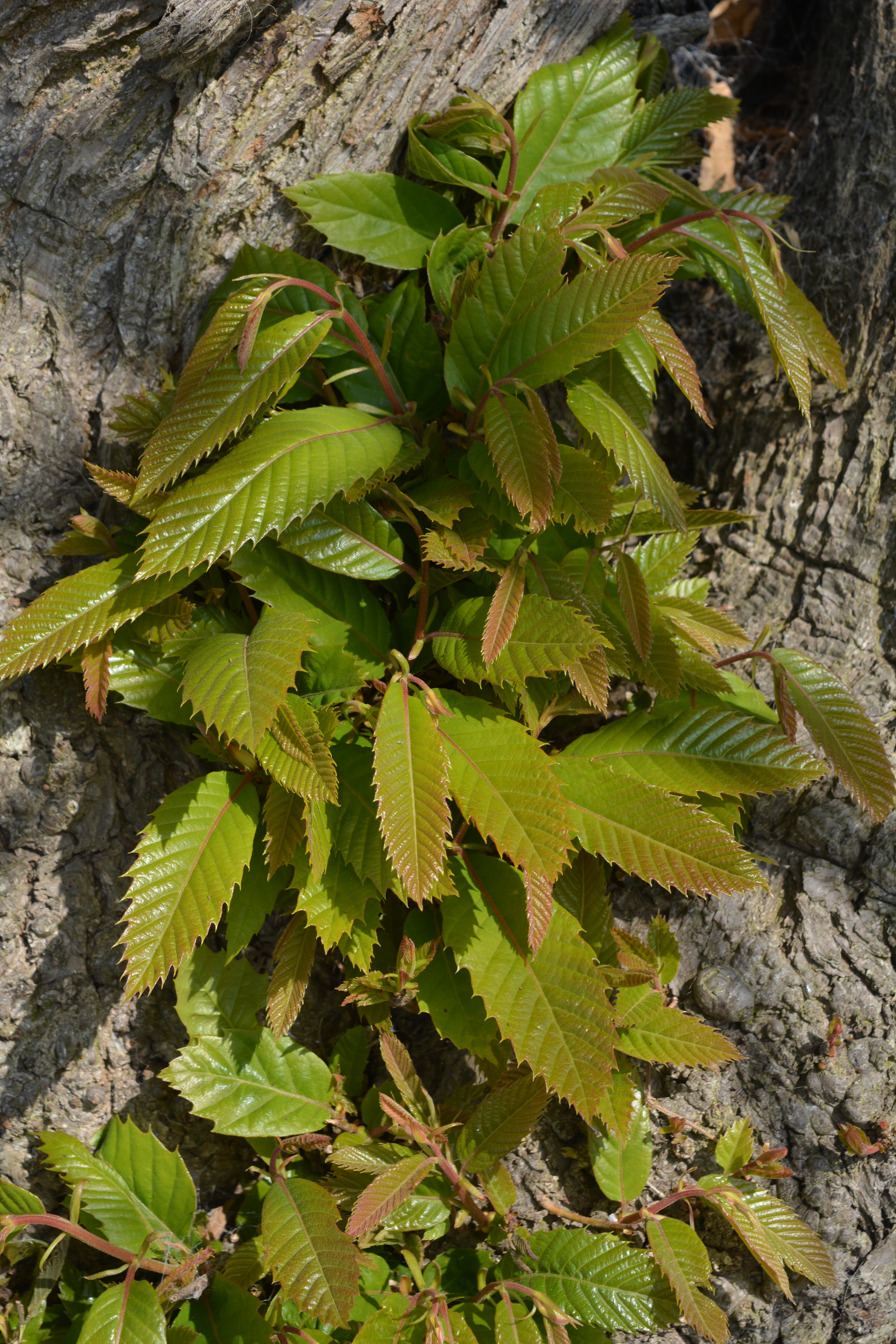
The ancient Sweet Chestnuts were beginning to show glossy ribbed fresh green foliage.

2015 04 24_0981_edited-12015 04 24_1040

2015 04 24_0978 2015 04 24_0979 2015 04 24_0980

Different wildflowers  added colour to the little meadow area that we pass on our way to the walled garden, Lady’s Smock with the softest possible pink petals, white and purple Fritilleries and buttercup yellow Dandelions.

2015 04 24_0983 2015 04 24_0984

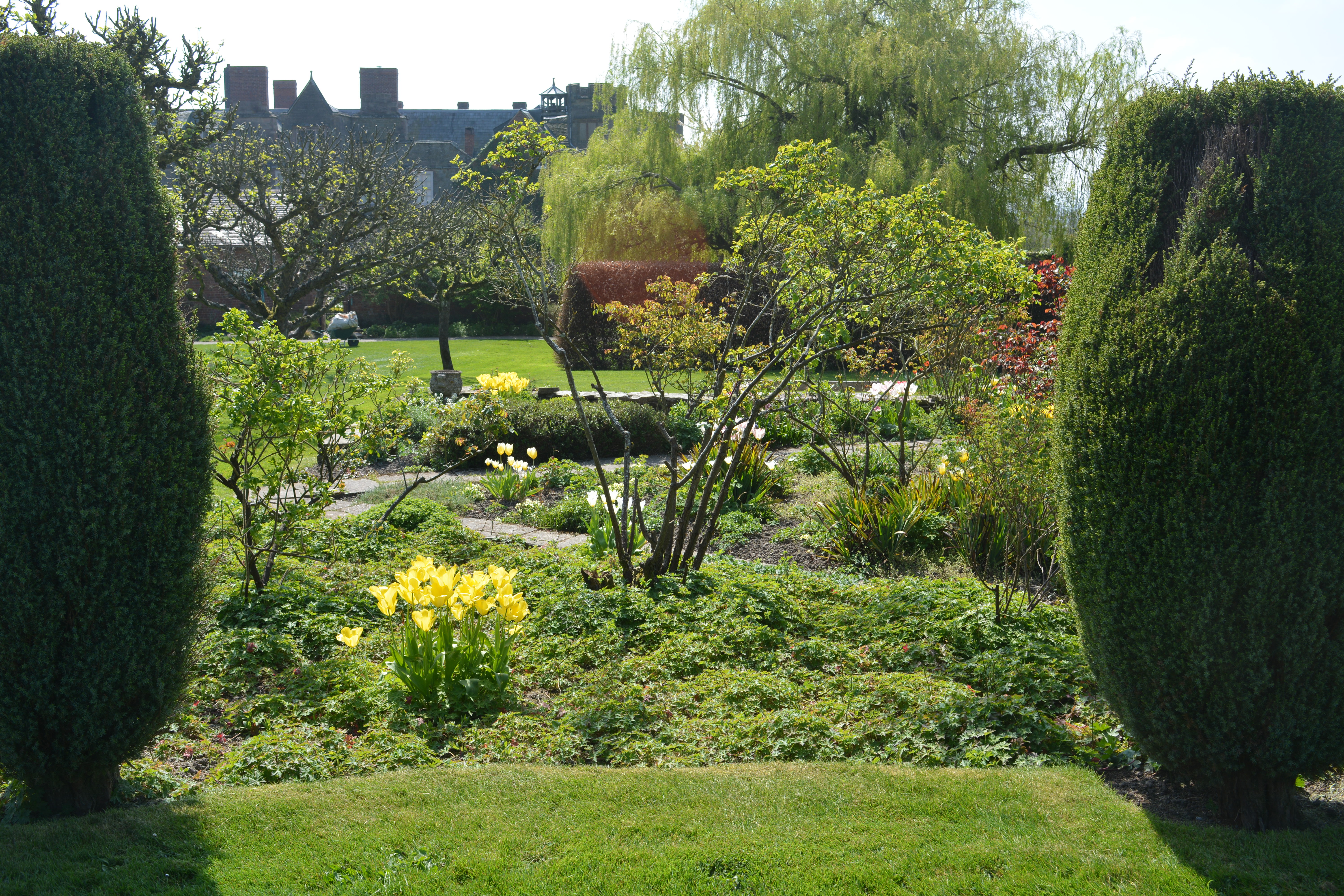
Beyond the meadow we passed through the gateway in the stone wall and got a glimpse of the castle and its chapel. We then walked along the deep long mixed border.

2015 04 24_09872015 04 24_0986 2015 04 24_0988 2015 04 24_0989

We arrived expecting to see big changes in the walled garden itself and immediately we were struck by how lush green everything looked.

2015 04 24_0990 2015 04 24_0992 2015 04 24_0993 2015 04 24_0995 2015 04 24_0996 2015 04 24_0997 2015 04 24_0998

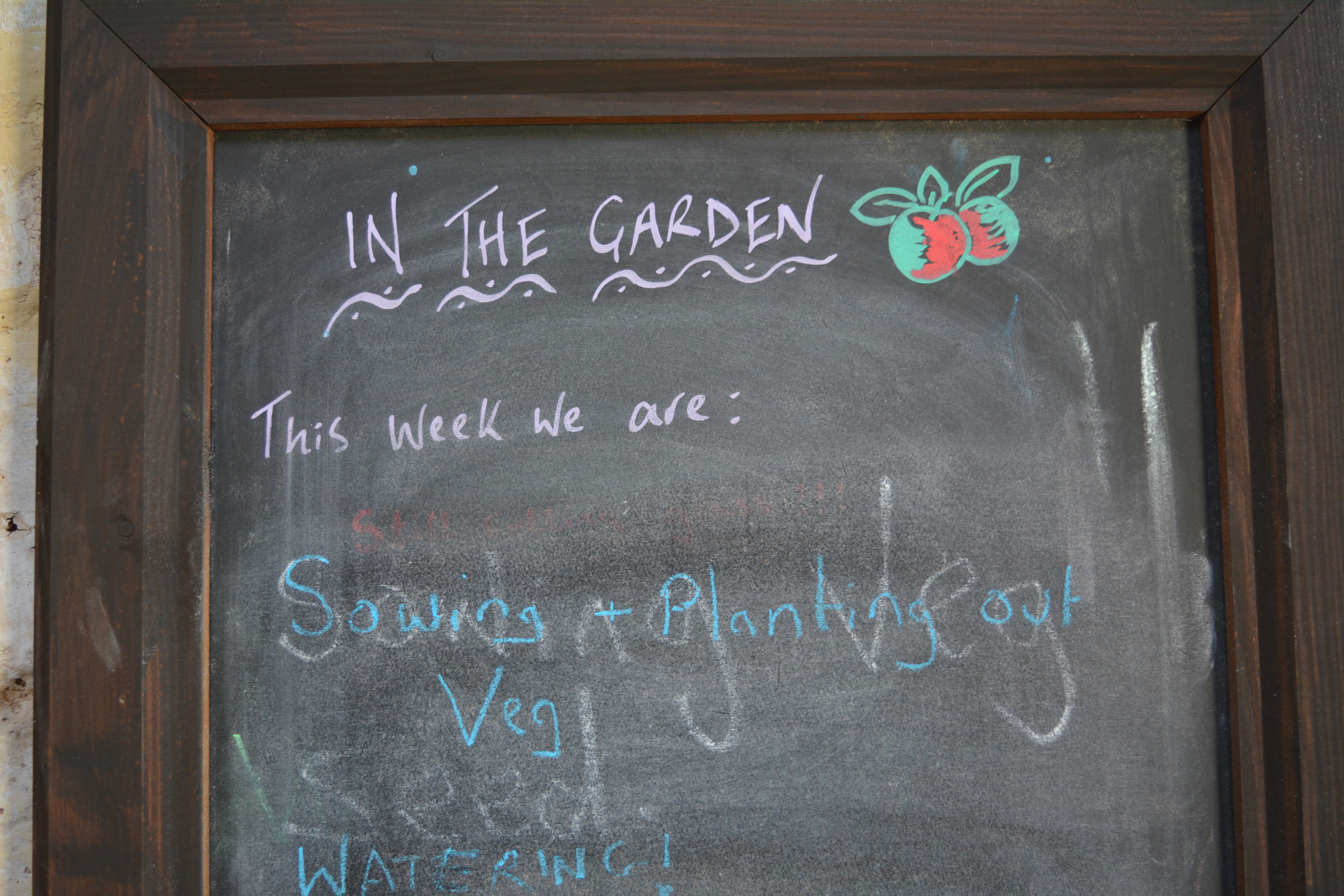
In the bothy we read the job list for the gardeners. The greenhouse had a surprise in store for us, these zingy orange Clivia flowers. I couldn’t resist taking a shot of the peeling paint on an old wooden seat.

2015 04 24_1003_edited-12015 04 24_0999 2015 04 24_1000 2015 04 24_1002

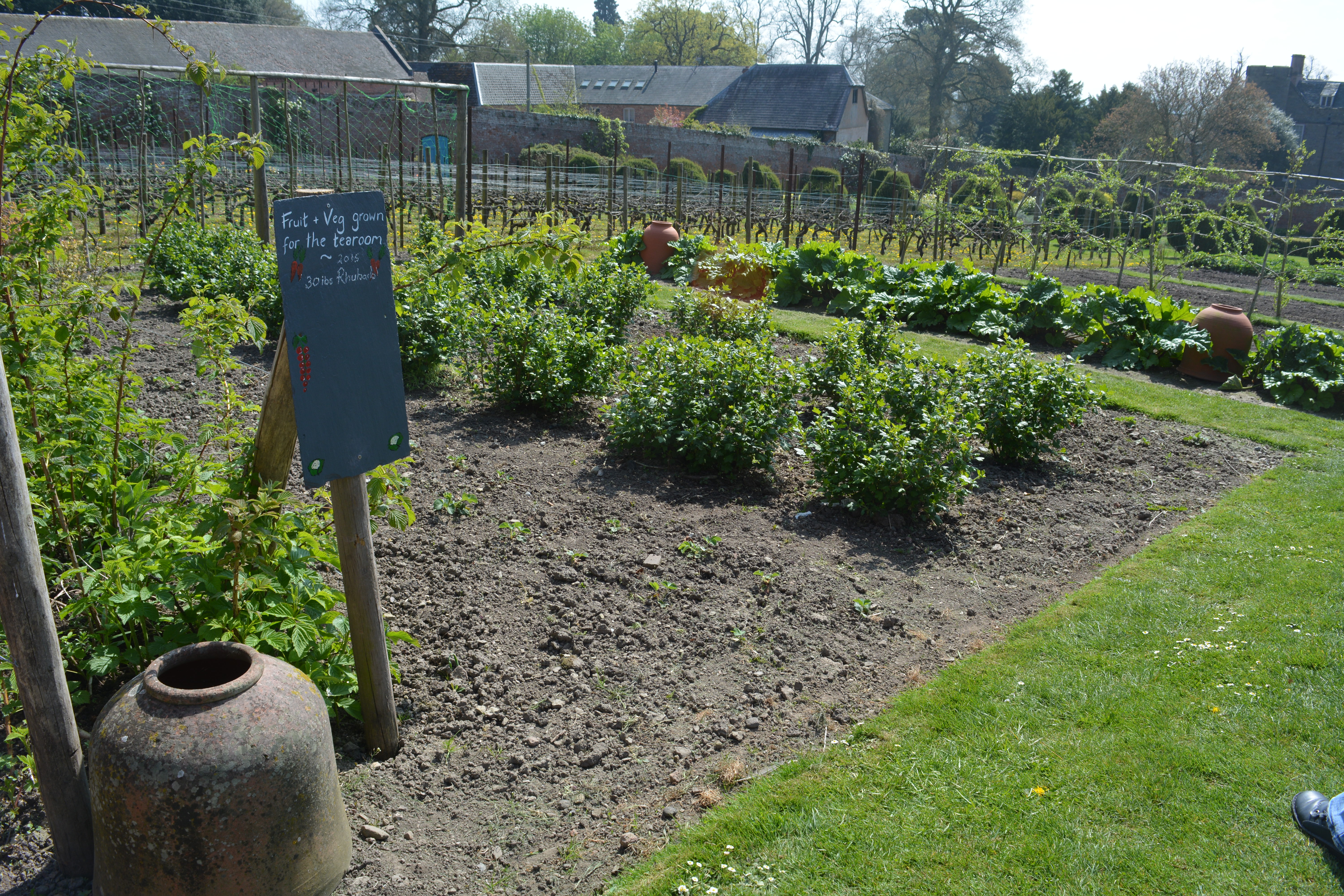
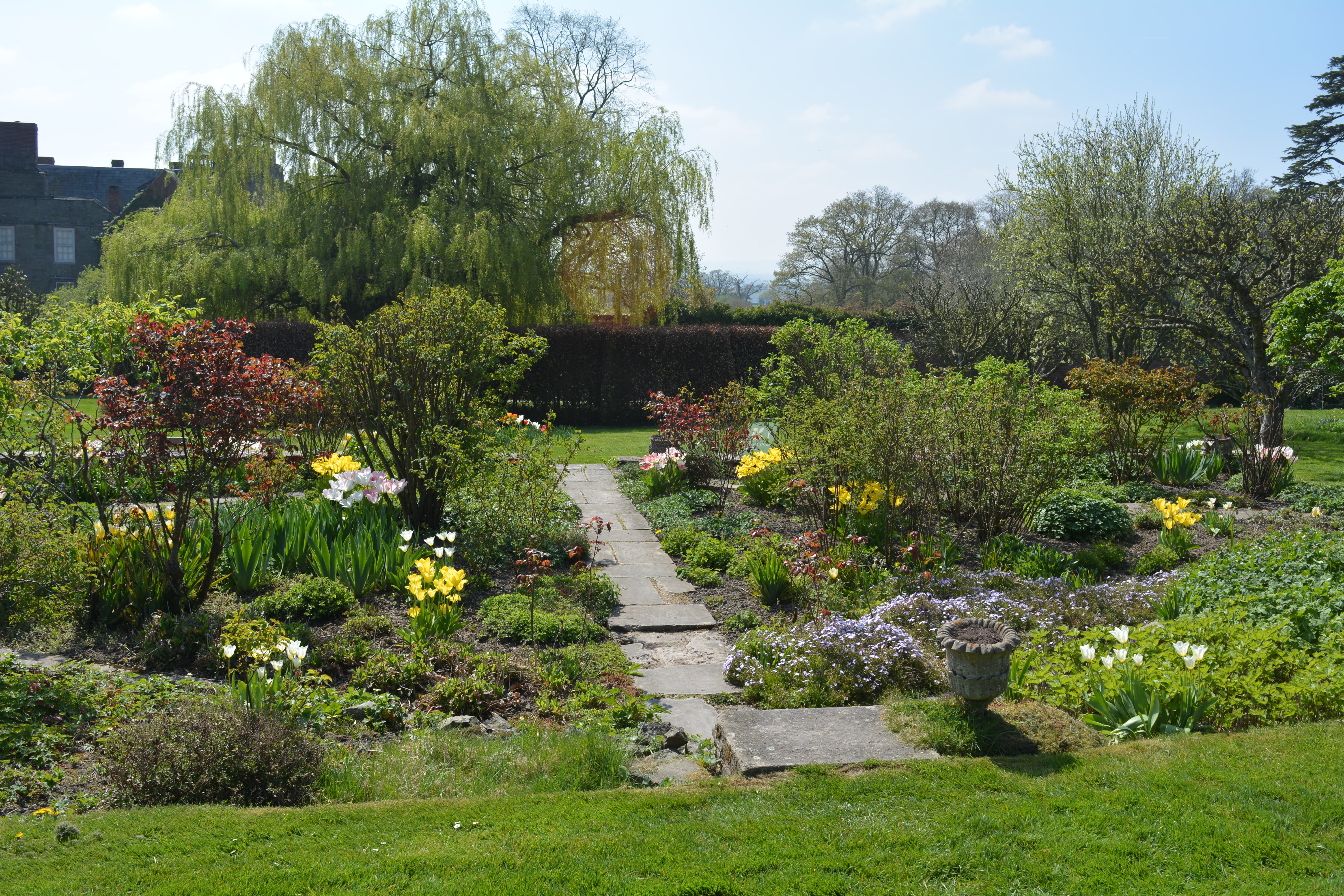
Although there was little sign of growth on the vines the Apples were showing their first blossoms and the Rhubarb plants were producing strong stems. The garden staff had already picked a large crop. In the Rose Garden Tulips provided bright patches of colour.

2015 04 24_1004 2015 04 24_1005 2015 04 24_1008 2015 04 24_1010 2015 04 24_1011 2015 04 24_1012 2015 04 24_1014 2015 04 24_1036 2015 04 24_1013

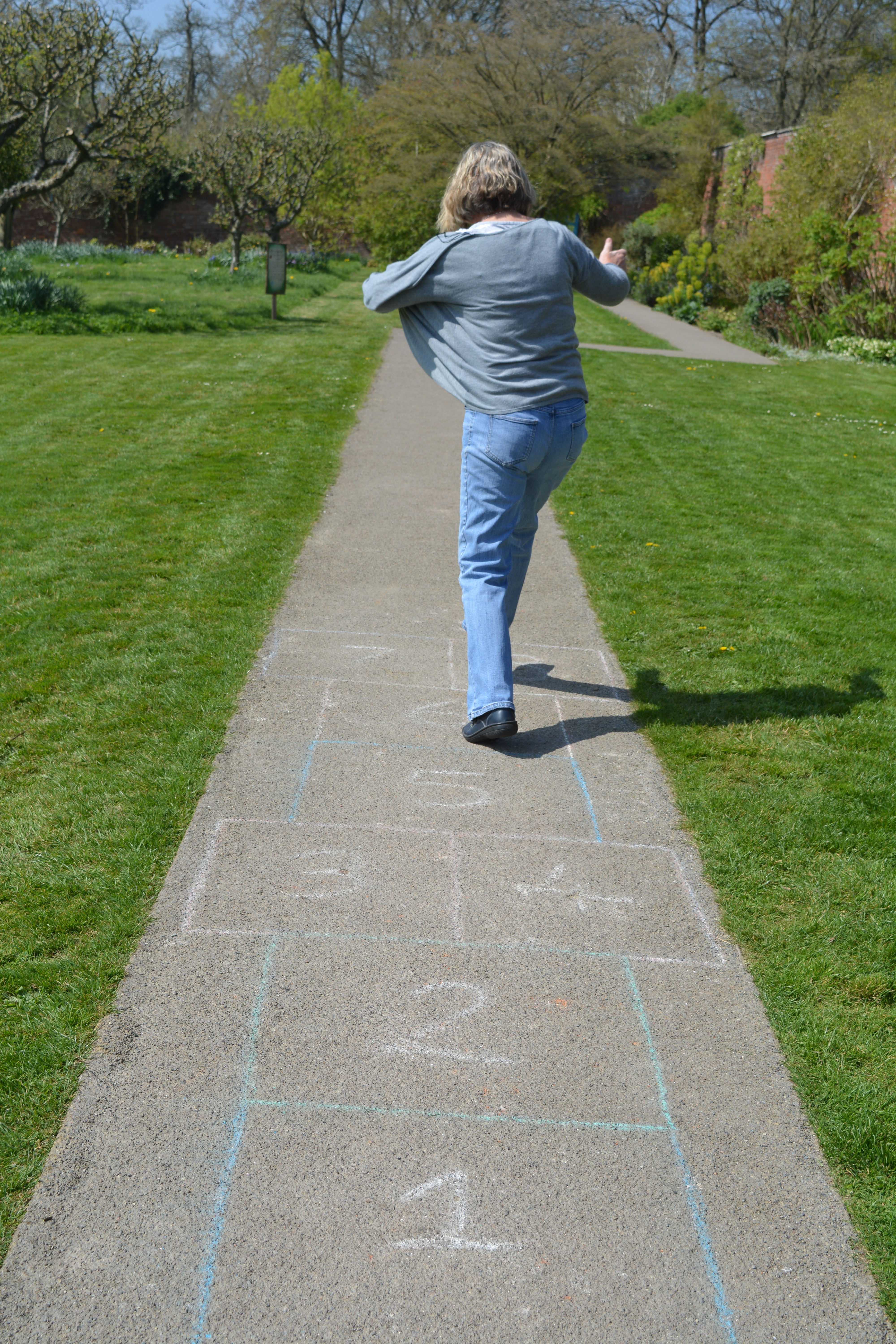
In readiness for the next school holiday the staff had put out games from times past. Jude the Undergardener just couldn’t resist it!

2015 04 24_10452015 04 24_1015 2015 04 24_1016 2015 04 24_1017

Close to the Hopscotch game our noses were attracted to the scent from the Wisteria flowers.

2015 04 24_1019 2015 04 24_1020

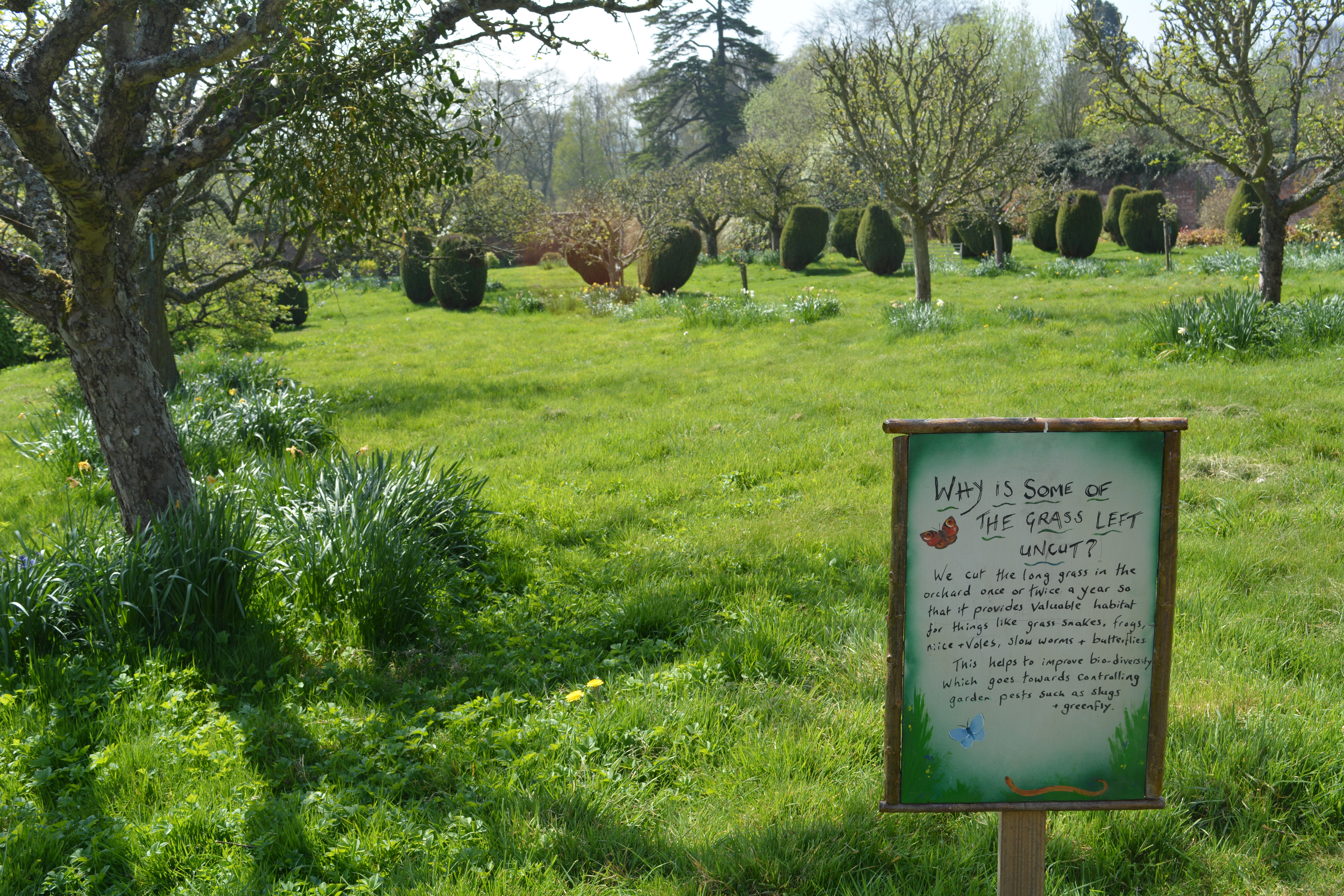
We loved this sign explaining why some grass was left uncut.

2015 04 24_1021 2015 04 24_1022

We discovered colour in every border in the walled garden, flowering bulbs and early shrubs.

2015 04 24_1009_edited-12015 04 24_1023 2015 04 24_1024 2015 04 24_1026 2015 04 24_10272015 04 24_1030 2015 04 24_1031 2015 04 24_1033 2015 04 24_1034 2015 04 24_10372015 04 24_1035  2015 04 24_1039 2015 04 24_1041     2015 04 24_1042 2015 04 24_10462015 04 24_1044

Next visit to the gardens at Croft Castle will be in May when Spring will be in”full swing”.

Categories
colours flowering bulbs garden design garden photography garden ponds garden pools gardening gardens gardens open to the public hardy perennials National Garden Scheme NGS ornamental trees and shrubs spring bulbs spring gardening The National Gardening Scheme" trees walled gardens water garden water in the garden Yellow Book Gardens

Yellow Book Gardens – 3 – Brobury House Gardens

For our third Yellow Book Garden visit we found another garden set in our neighbouring county of Herefordshire, so we drove down through the beautiful countryside of South Shropshire and North Herefordshire. It was a sunny day with a sparkling blue sky. Brobury House Gardens are open for much of the year but on the day of our visit they were open for the NGS Yellow Book Scheme. Their website was enticing so we arrived with high expectations. The garden was situated alongside the River Wye so we were looking forward to views of the Wye, probably the most picturesque river in England.

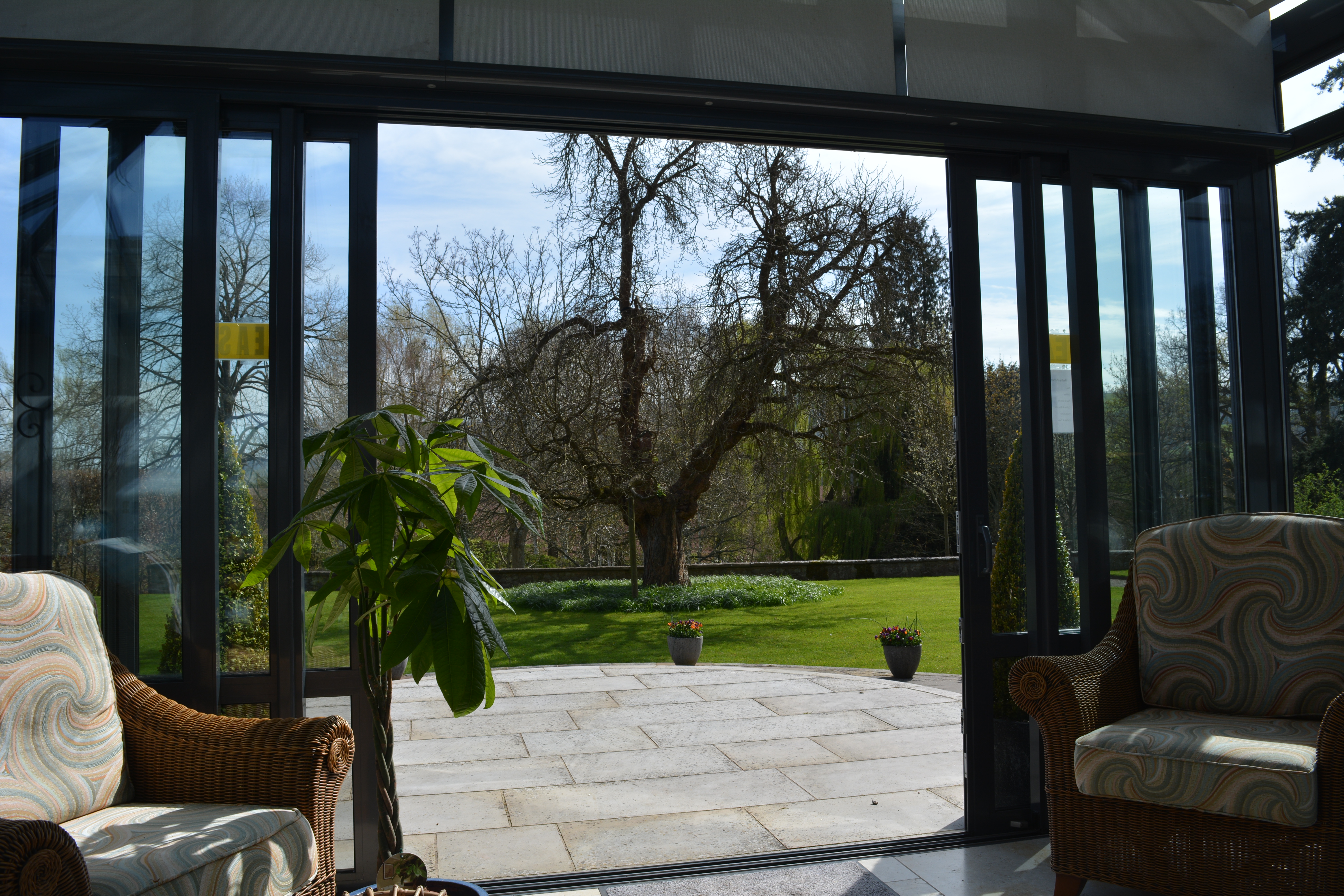
We began as usual with coffee and cake which was served in a beautiful conservatory with seating in and out. The view we enjoyed as we sat enjoying our refreshments increased our expectations. We were given a beautiful plan of the garden with some details of the garden and from this we learned that the garden was being redesigned and a lot of replanting had taken place.

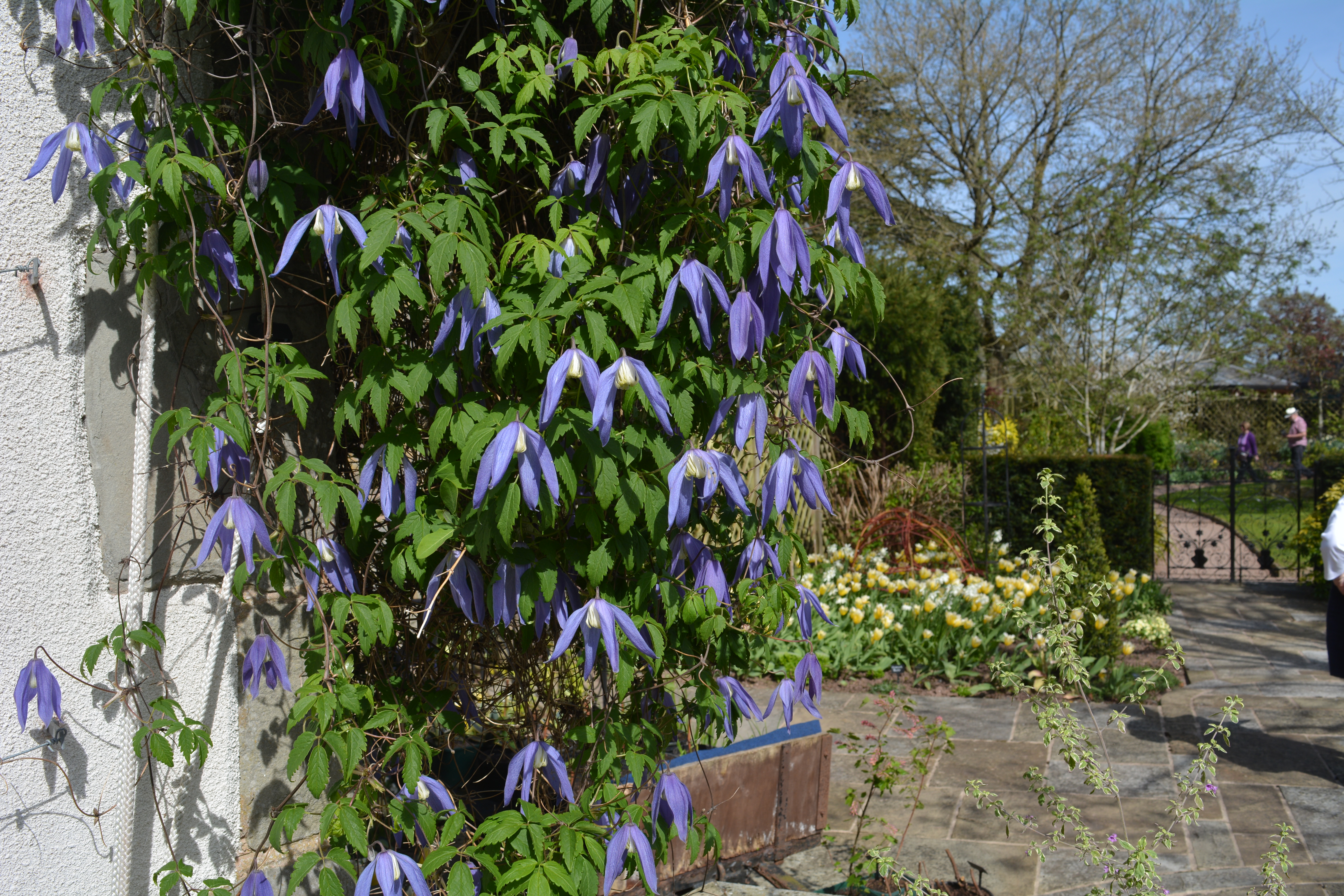
As we approached the conservatory we spotted this beautiful blue Clematis and a nice barrow of plants for sale. From the conservatory we admired this beautiful, gnarled Mulberry tree reputed to have been planted by the naturalist and diarist the Rev Francis Kilvert. Close by, yellow tulips lit up the borders.

2015 04 15_06912015 04 15_0690 2015 04 15_06982015 04 15_0692 2015 04 15_0693

Among the tulips we were pleased to see a Drimys showing its delicately scented yellow flowers. We have a couple of these evergreens in our Avocet garden but we have rarely seen them elsewhere.

2015 04 15_0694 2015 04 15_0696

From the pond, in the section of garden inspired by Lutyens, we got a wonderful view back to the house.

2015 04 15_0697  2015 04 15_0699 2015 04 15_0700 2015 04 15_07012015 04 15_0703

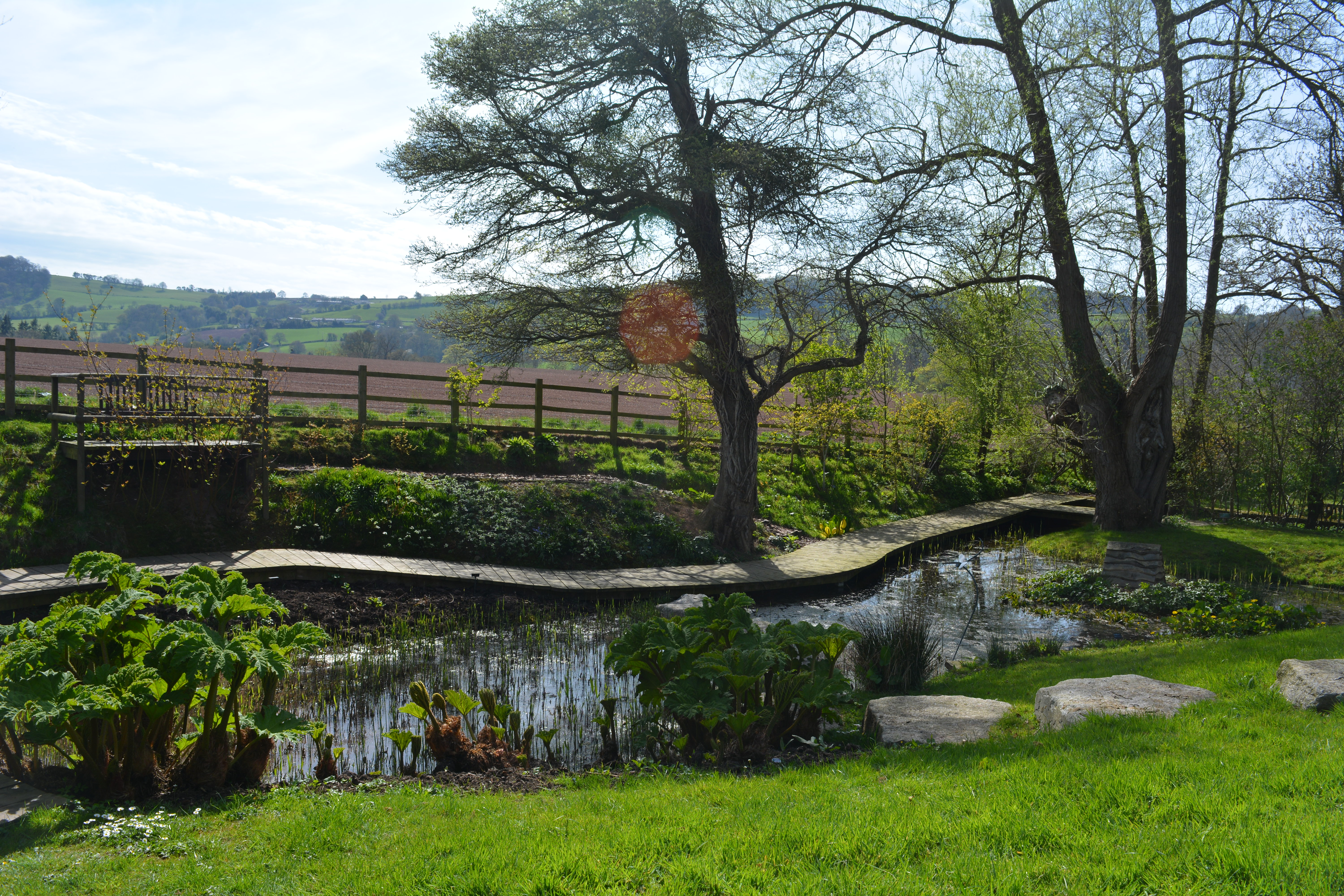
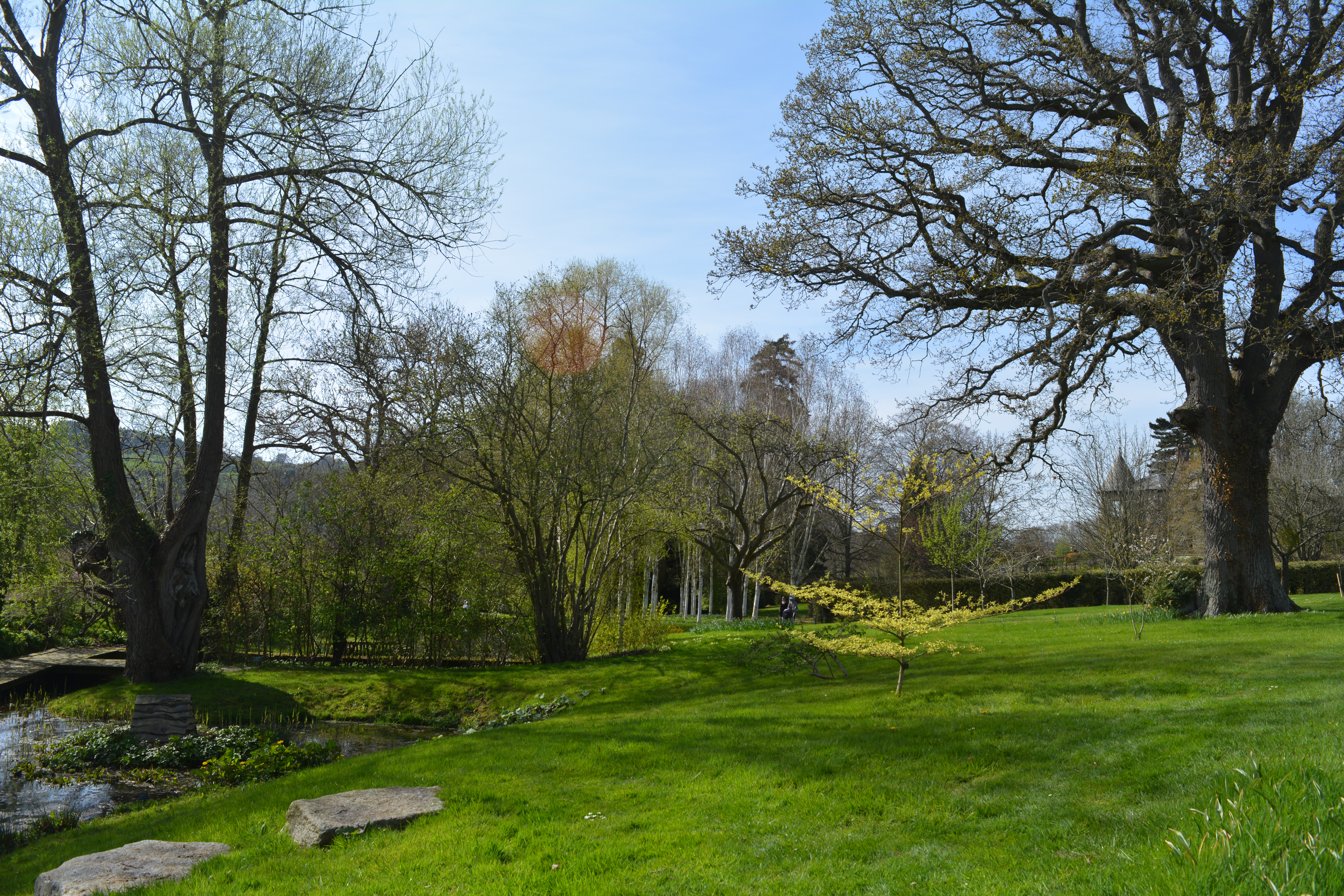
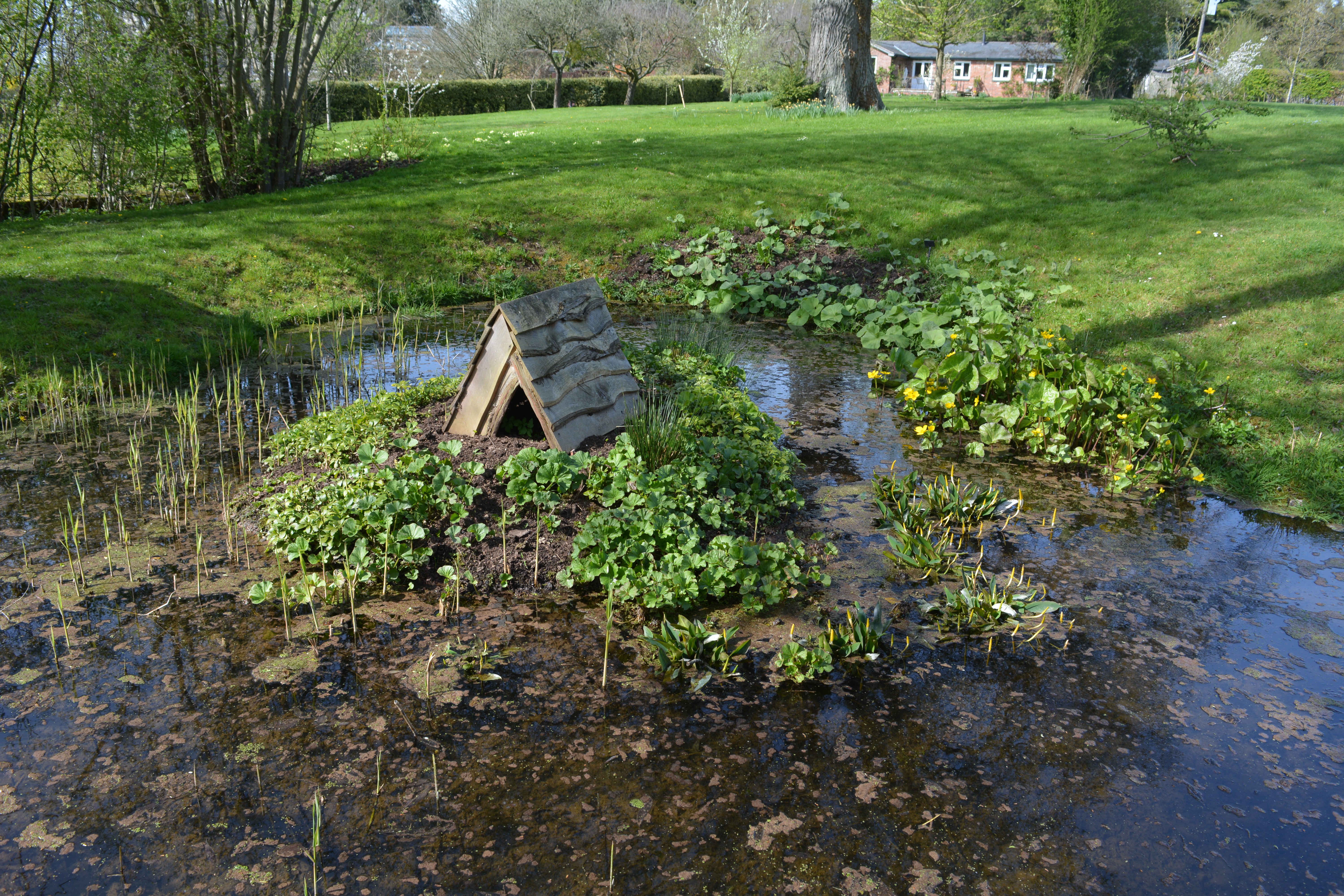
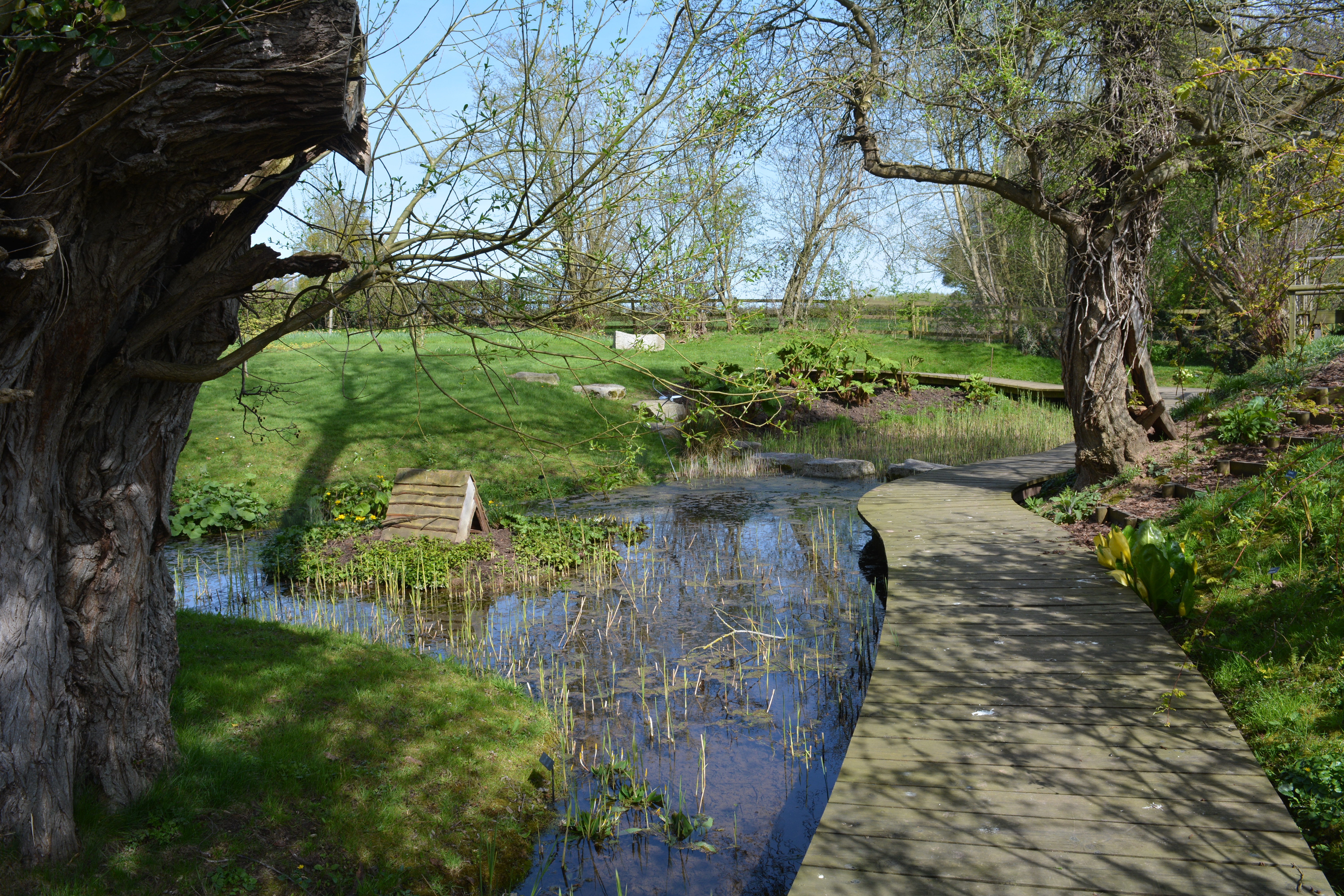
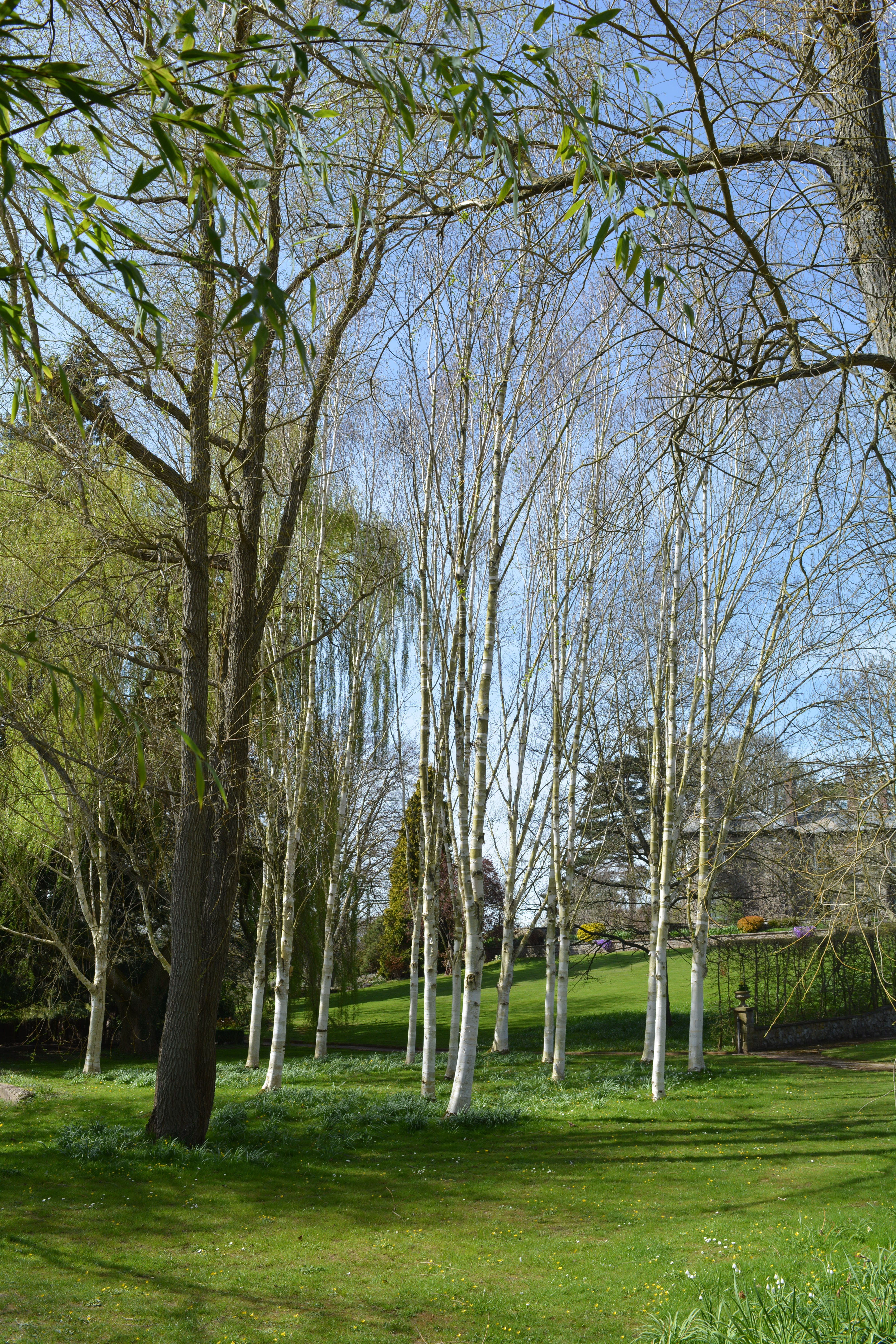
After the formality of the Lutyens styled garden we wandered down to the strongly contrasting stream and informal pools. Close by was a stand of mature white stemmed Birches, which glowed on this sunny afternoon.

2015 04 15_0706 2015 04 15_0707 2015 04 15_0708 2015 04 15_0709 2015 04 15_0710 2015 04 15_07112015 04 15_0713 2015 04 15_0714 2015 04 15_0715 2015 04 15_0716 2015 04 15_0717 2015 04 15_0718 2015 04 15_0720 2015 04 15_0721

As we followed the narrow stream of clear water we found a border of Hellebores under the shade of tall native deciduous trees. The stars of this border were the Hellebores with flowers the colour of Primroses.

2015 04 15_0724 2015 04 15_0725

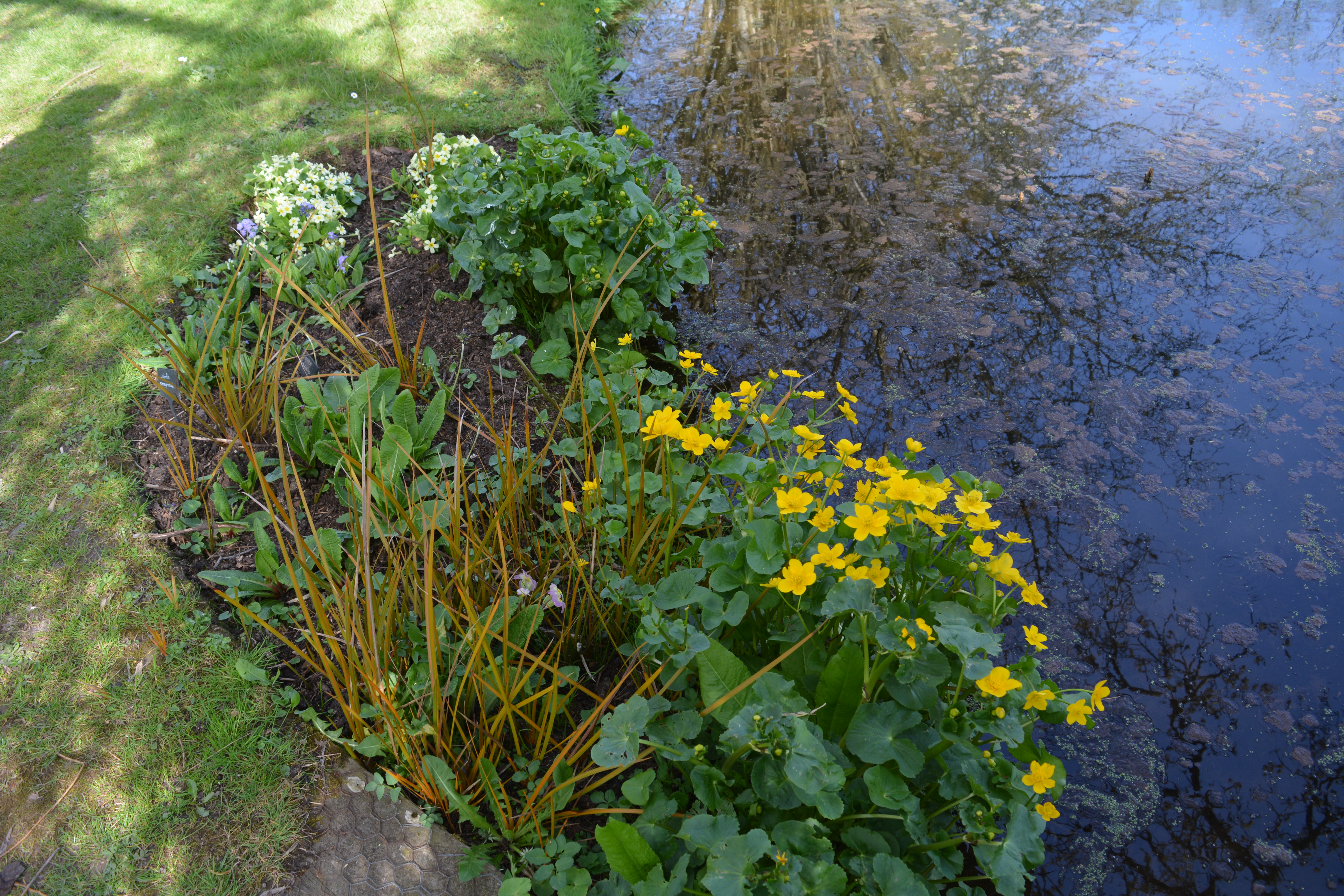
The stream continued its short journey to the River Wye through beautifully planted bog gardens.

2015 04 15_0726 2015 04 15_0730 2015 04 15_0731 2015 04 15_0732 2015 04 15_0733 2015 04 15_0734 2015 04 15_0735 2015 04 15_0736 2015 04 15_0737

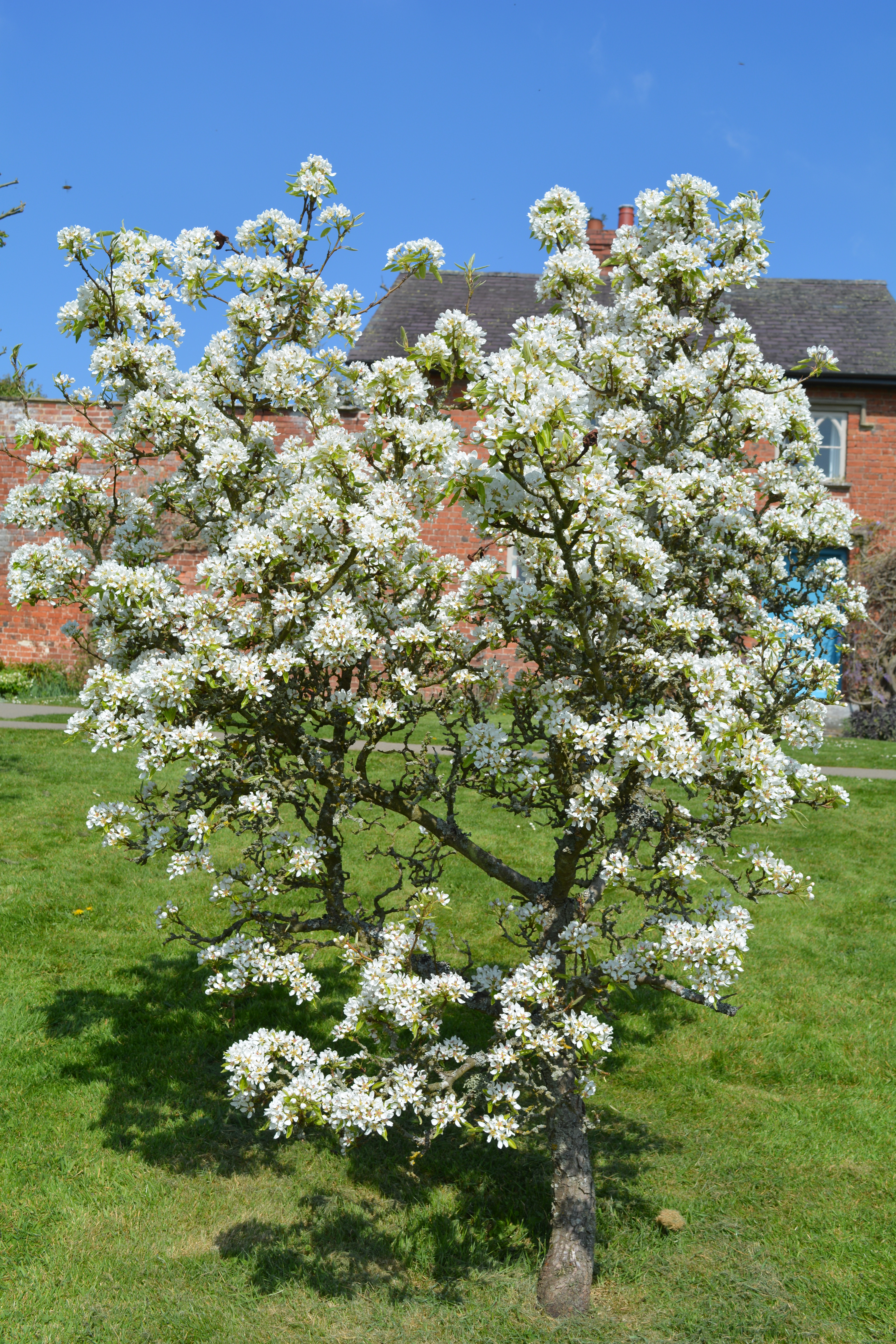
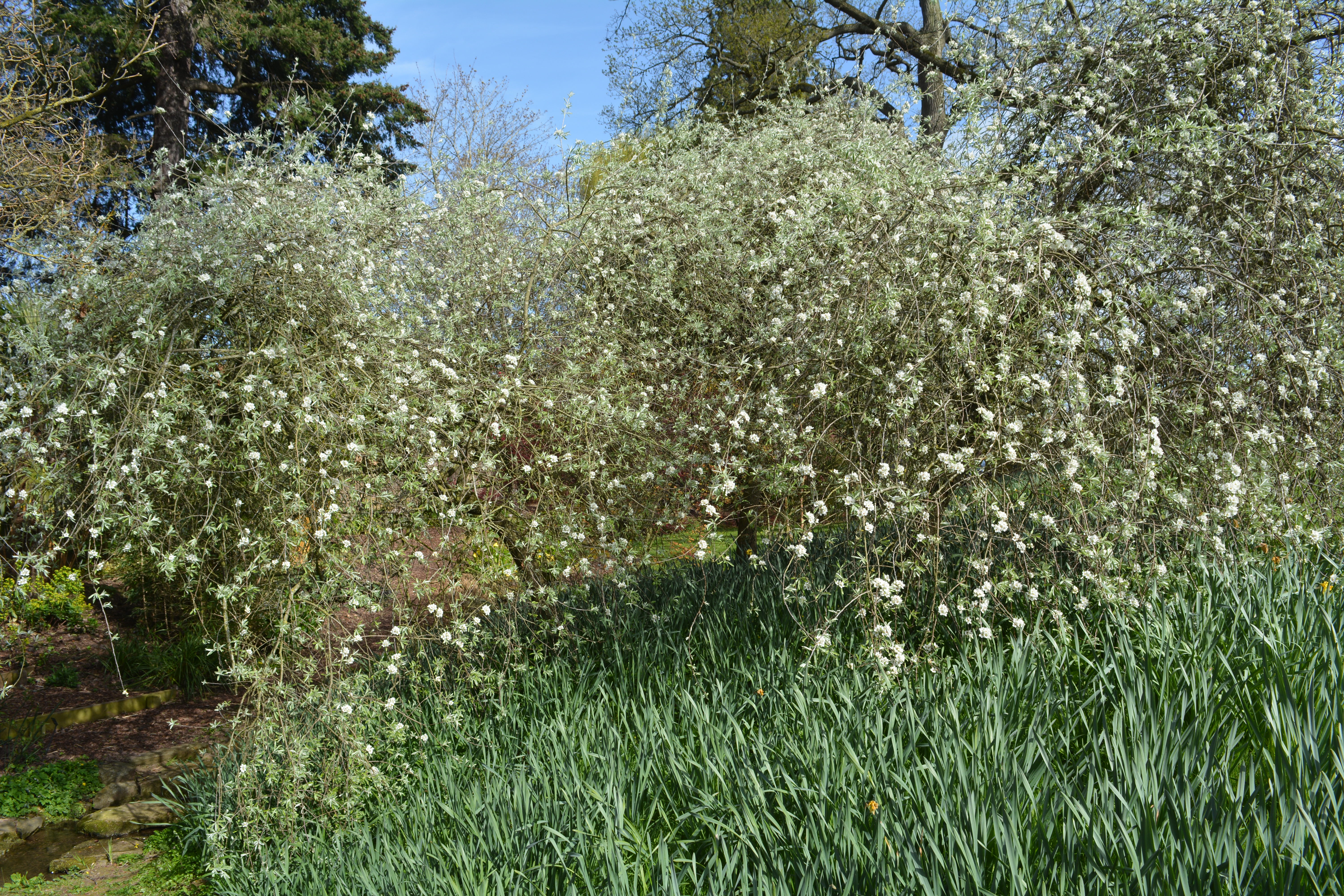
As we left the boggy areas we found a stand of Weeping Silver Pears covered in white blossom.

2015 04 15_0739 2015 04 15_0740

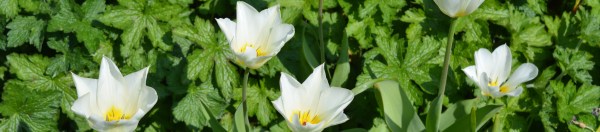
The stream beyond the boggy areas became narrower as it passed through sloping meadowland. Here our native Snakeshead Fritillaries graced its banks and among the purple flowers we discovered this white beauty with thin green lines on the outside of its petals.

2015 04 15_0741

Behind the coach house the walled kitchen garden has been renovated and redesigned. It still has peaches growing on the walls and the greenhouse range has been beautifully restored.

2015 04 15_0744 2015 04 15_0745 2015 04 15_0746 2015 04 15_0747 2015 04 15_0748 2015 04 15_0750

We were drawn by the varieties of Tulips in flower in this area, especially this stunning lily flowered orange bloom.

2015 04 15_0753 2015 04 15_0754 2015 04 15_0755

We had one border still to see, a long border against the wall below the house. Spring bulbs featured strongly here so it was a very colourful border.

2015 04 15_0756 2015 04 15_0757 2015 04 15_0758 2015 04 15_0759

And naturally we had a coffee before we made the journey home, this time we sat outside on the terrace as the weather had improved throughout our exploration of this interesting garden and the chill wind had lessened. We shall certainly recommend this garden to our friends.

2015 04 15_0760 2015 04 15_0761


Categories
garden design garden furniture garden photography garden seating gardens gardens open to the public

Are you Sitting Comfortably? – Part 5 of a very occasional series

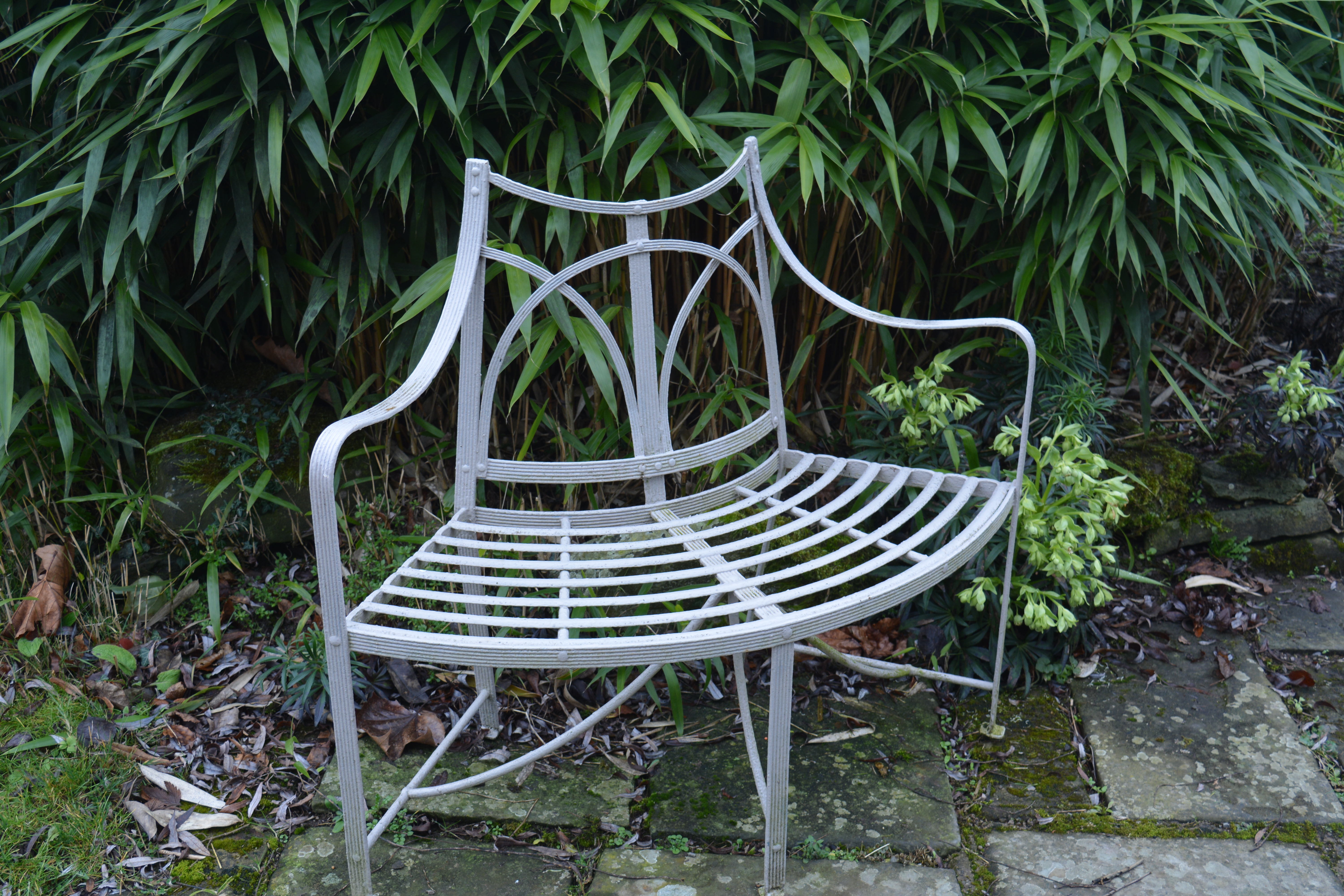
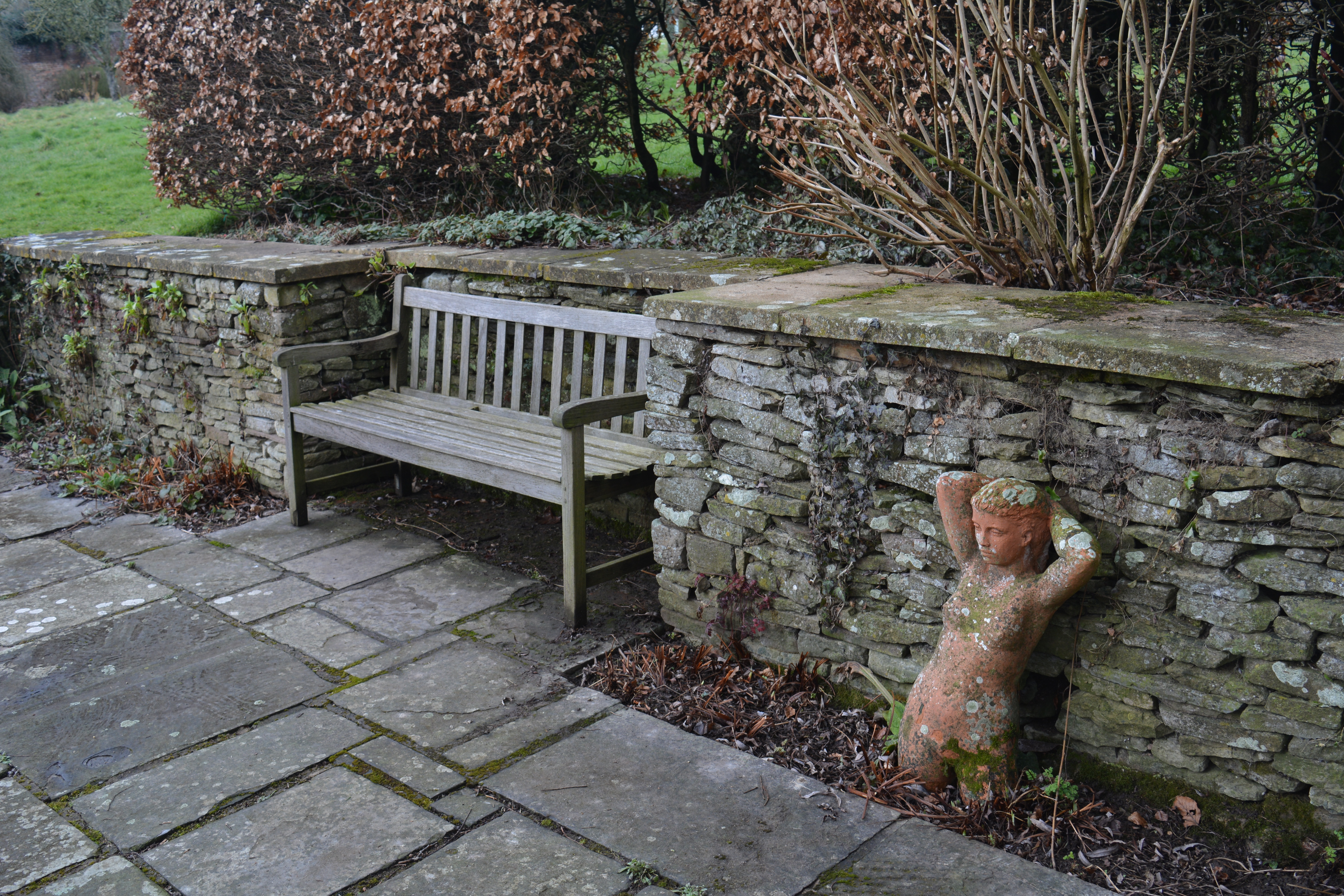
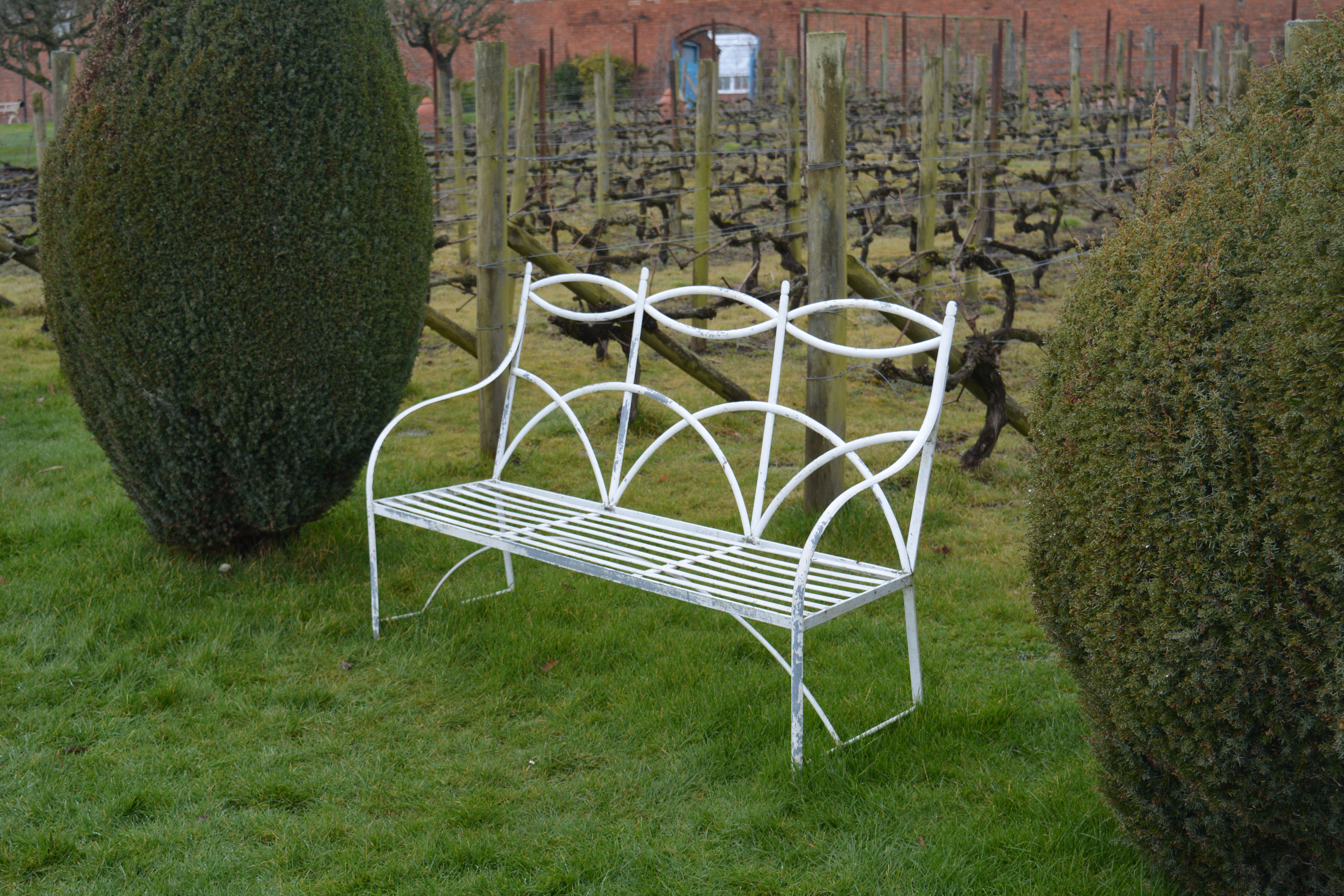
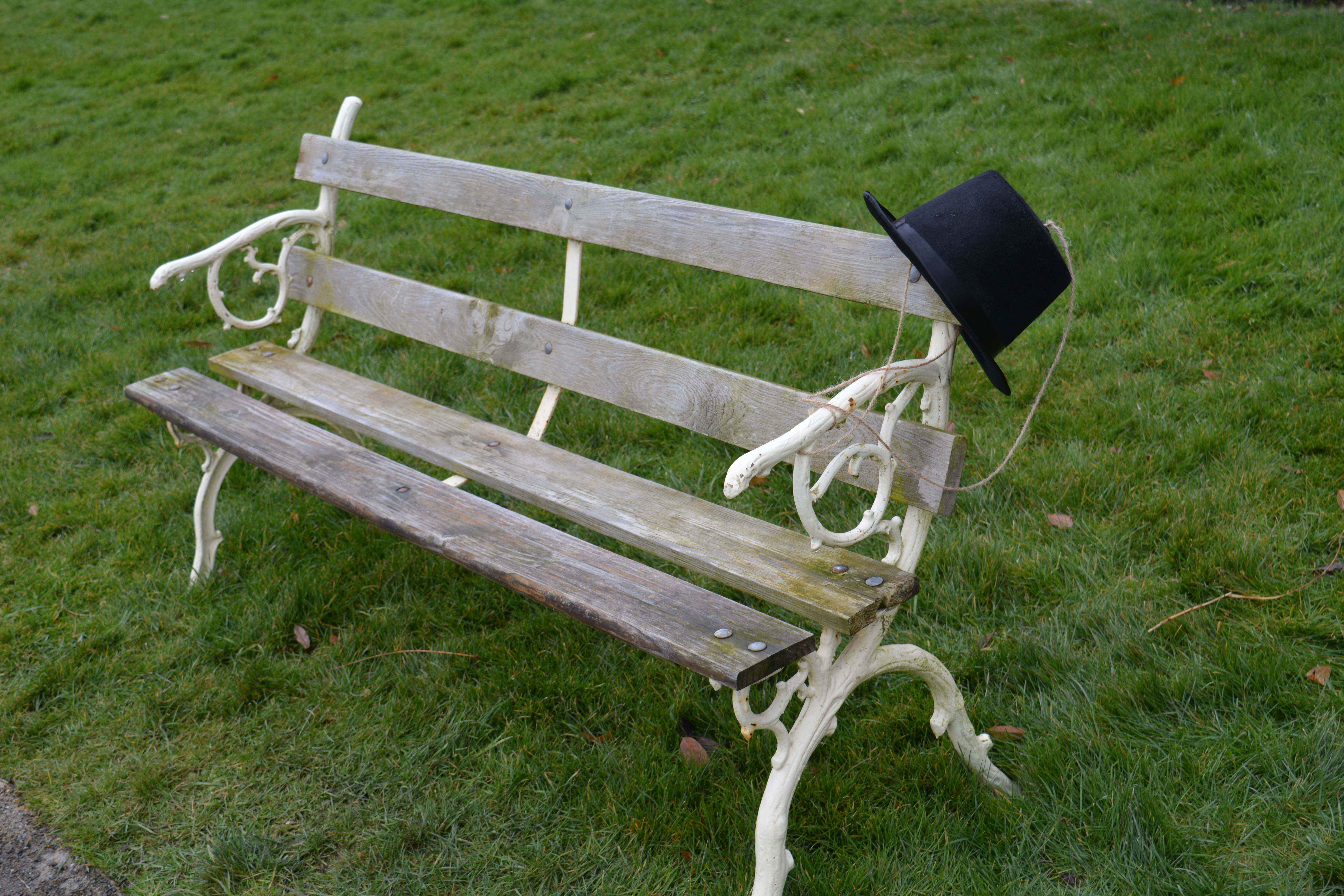
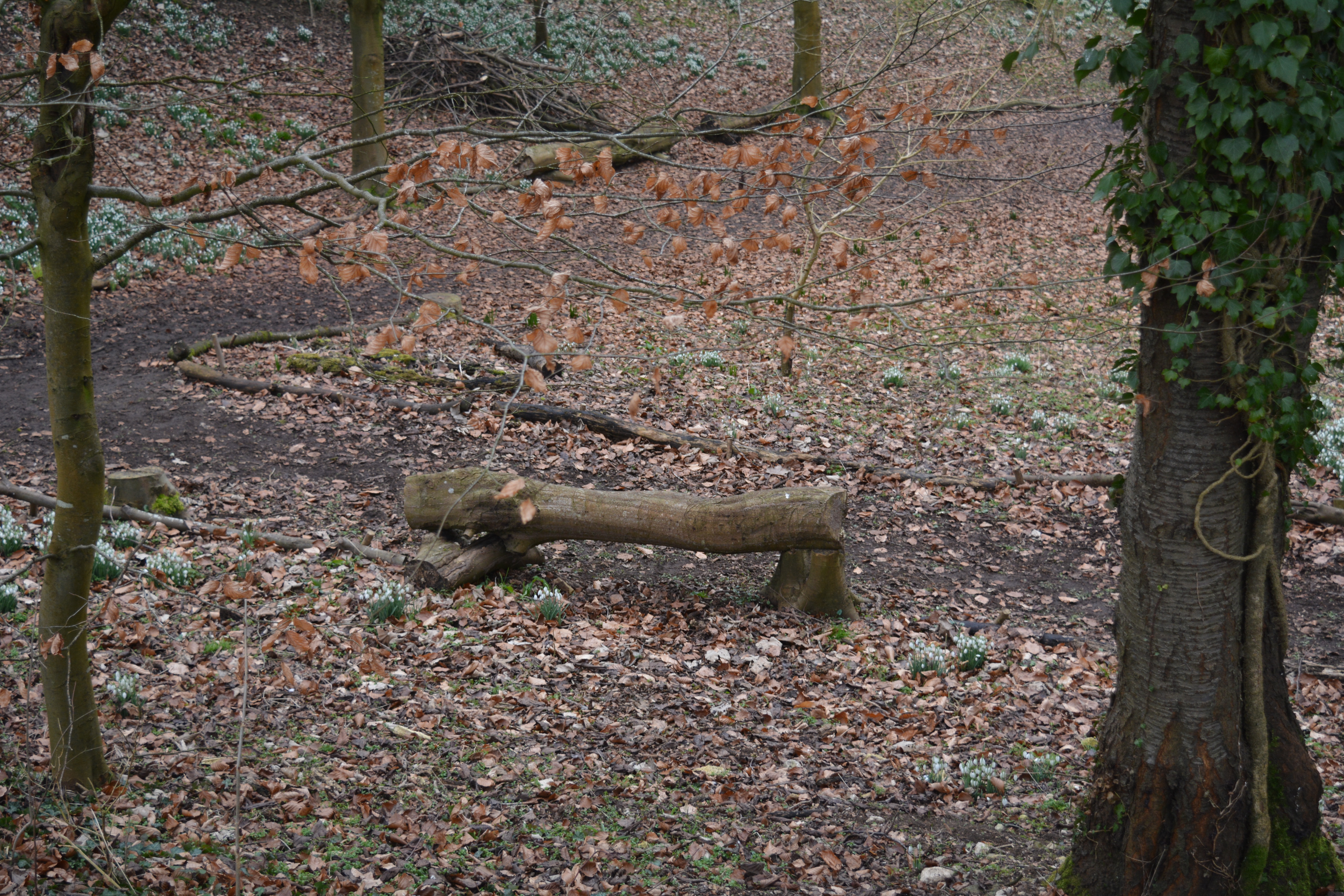
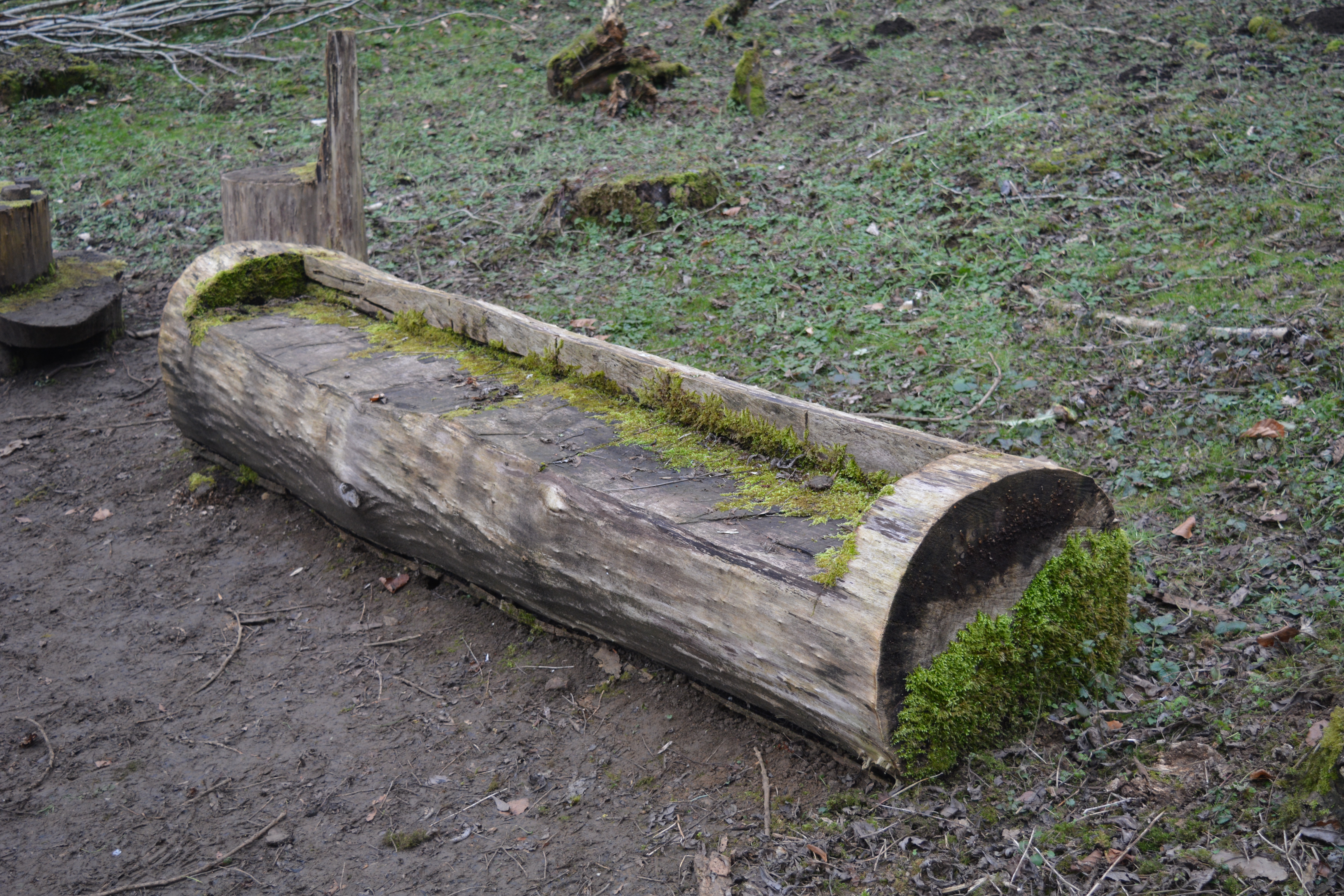
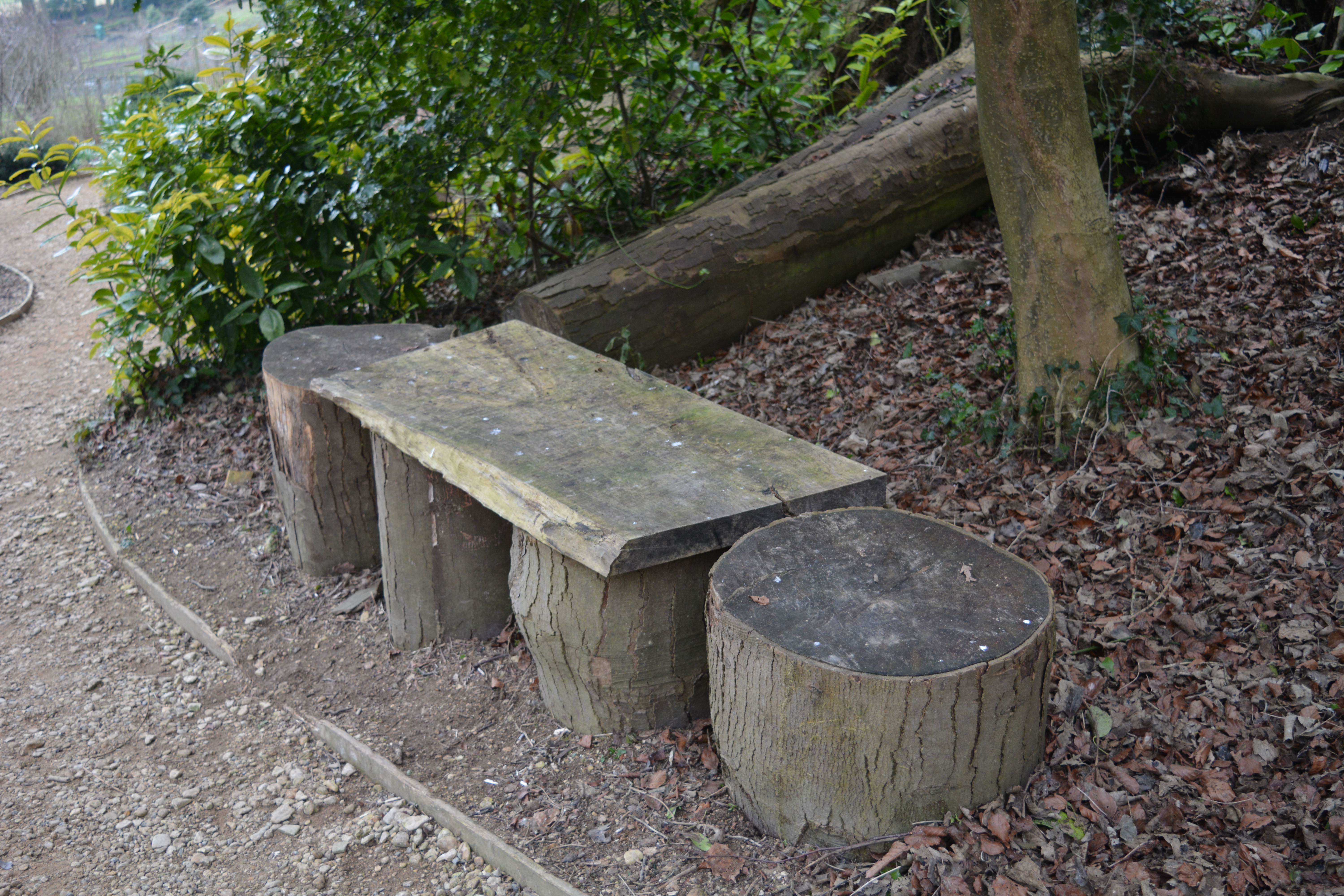
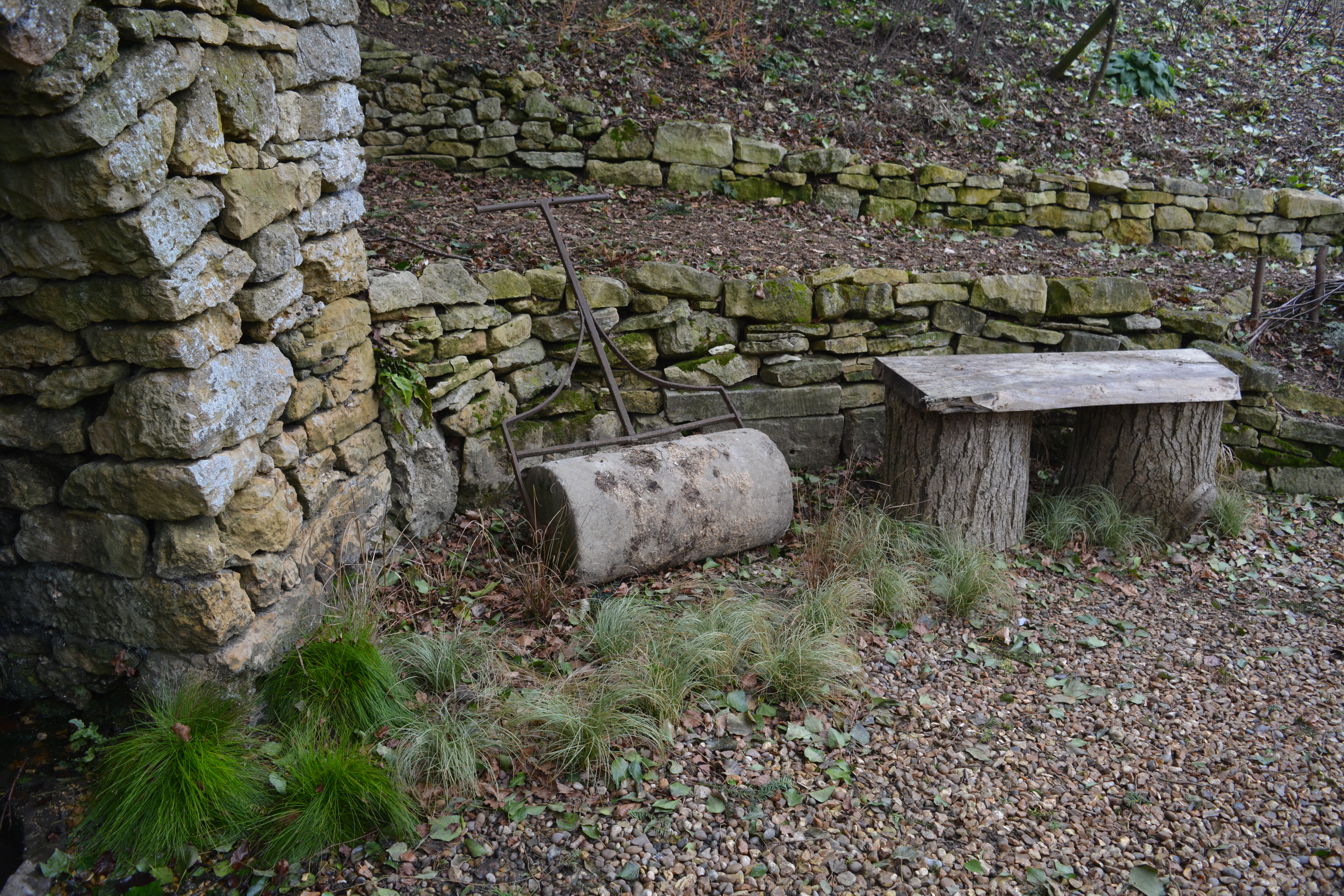
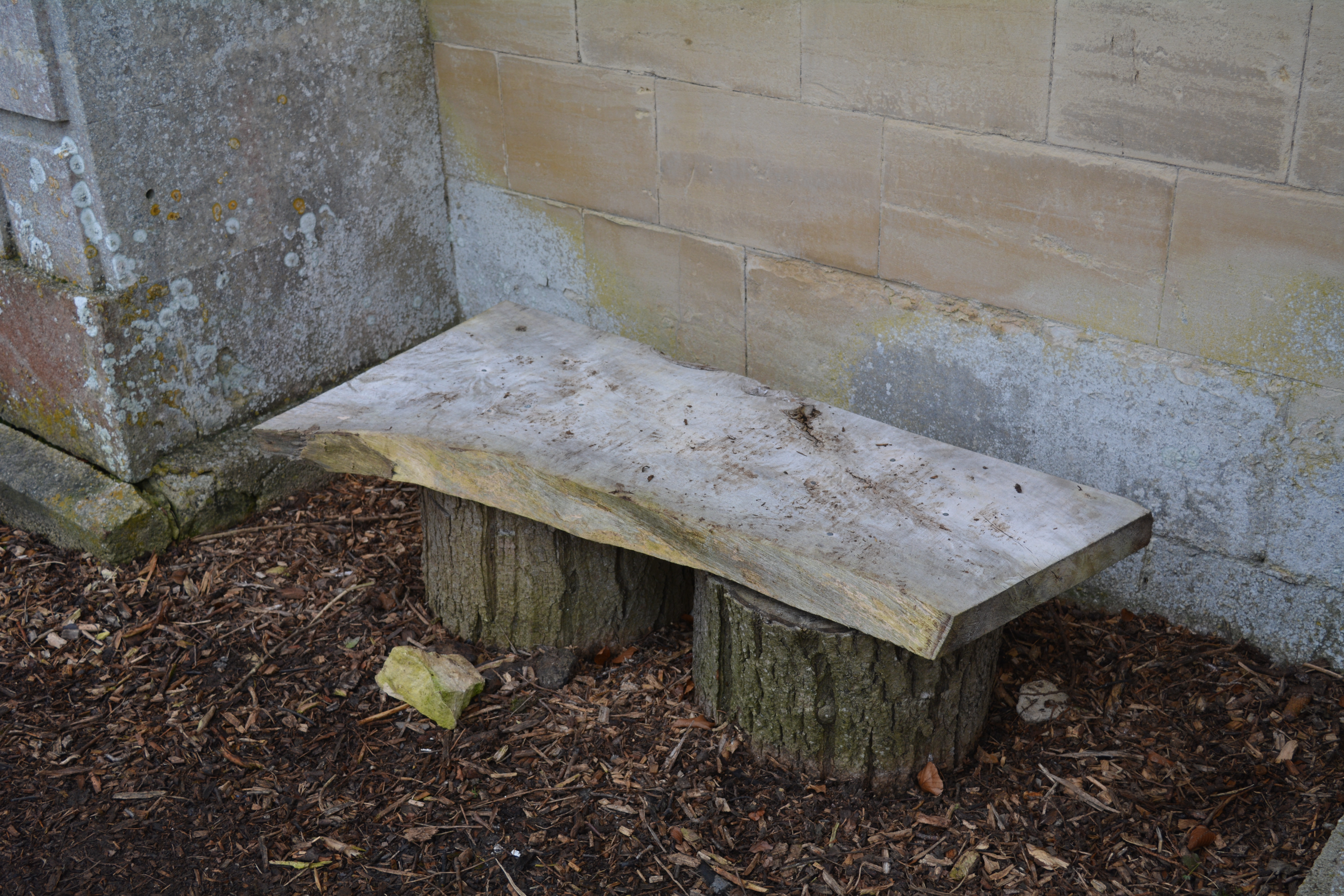
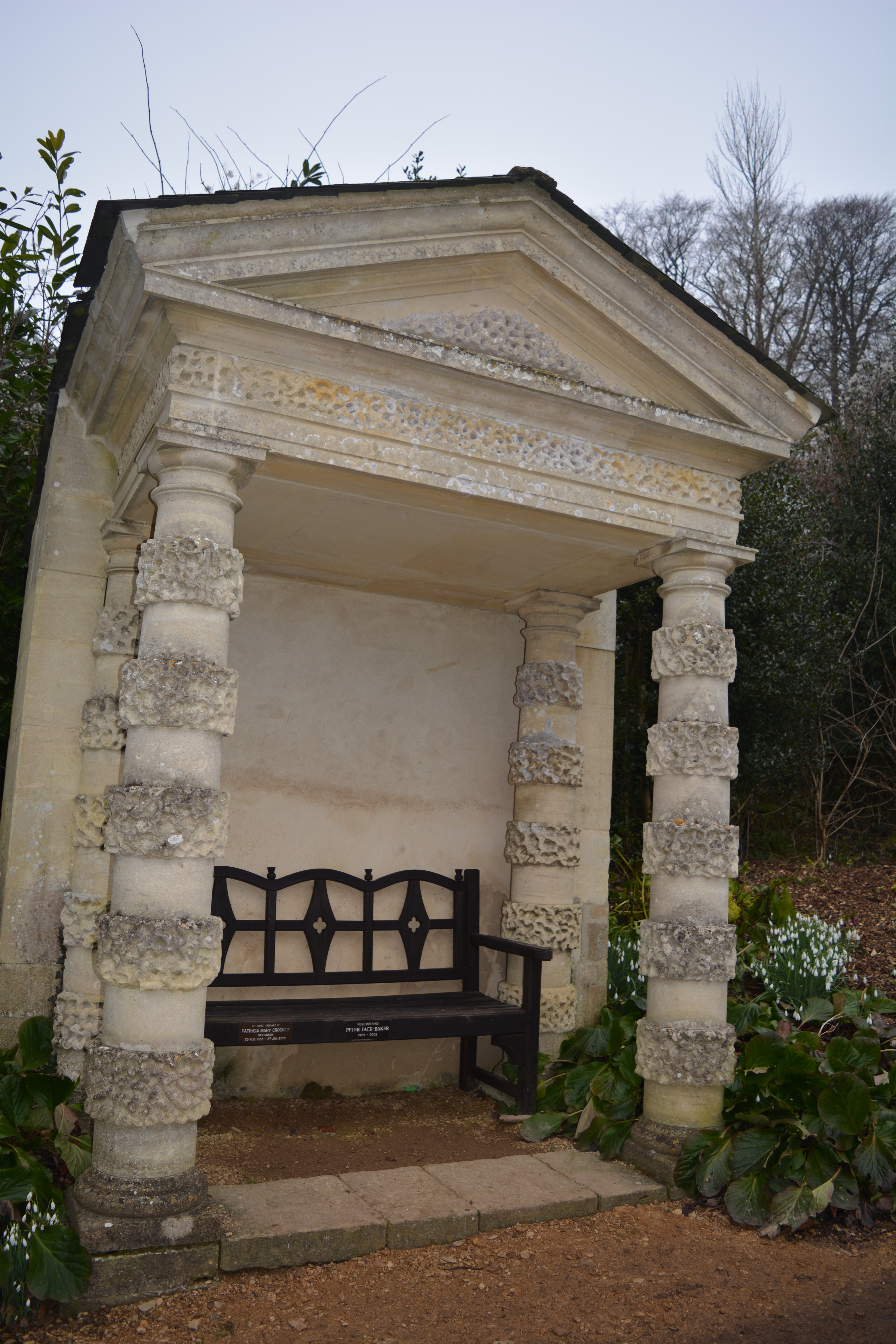
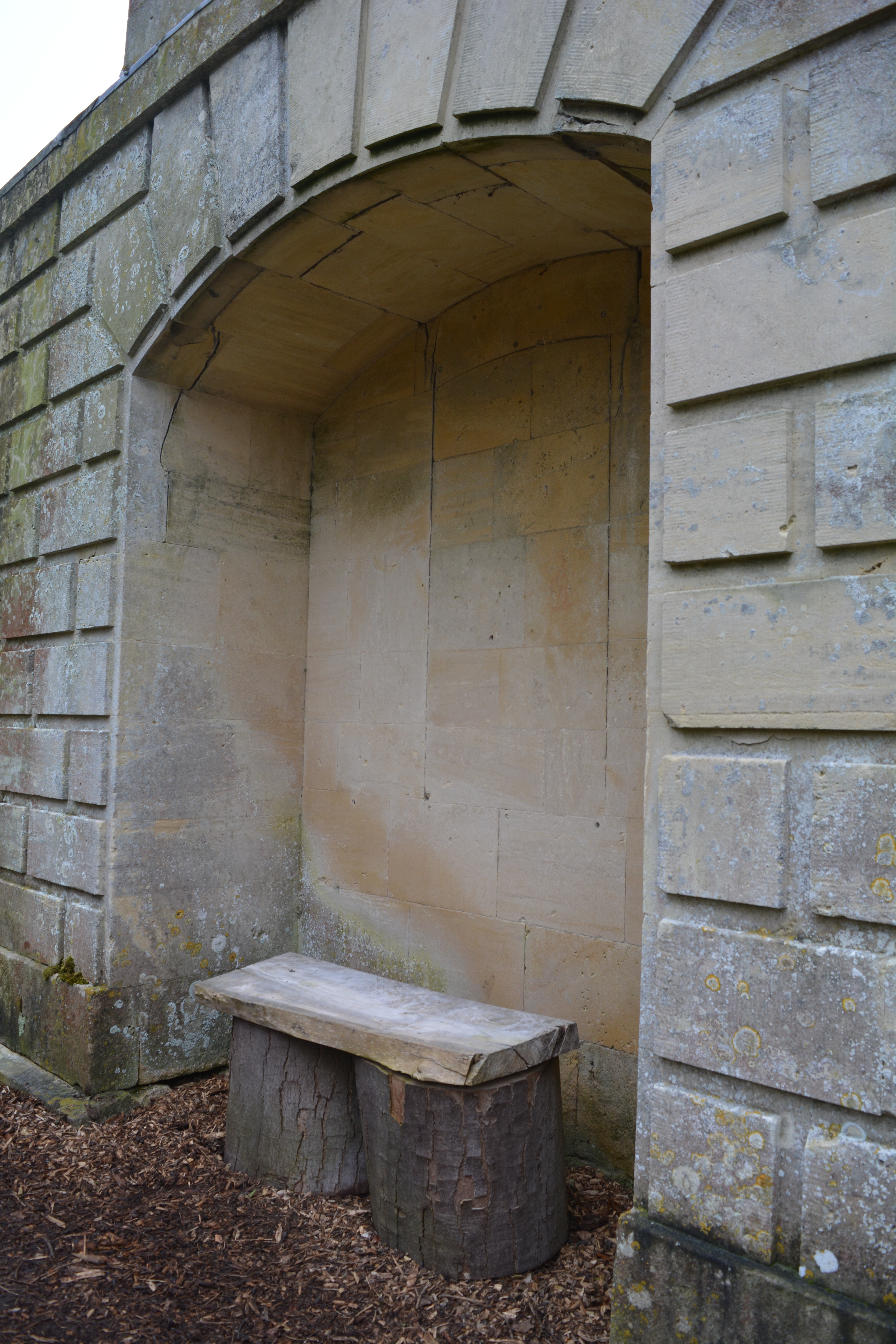
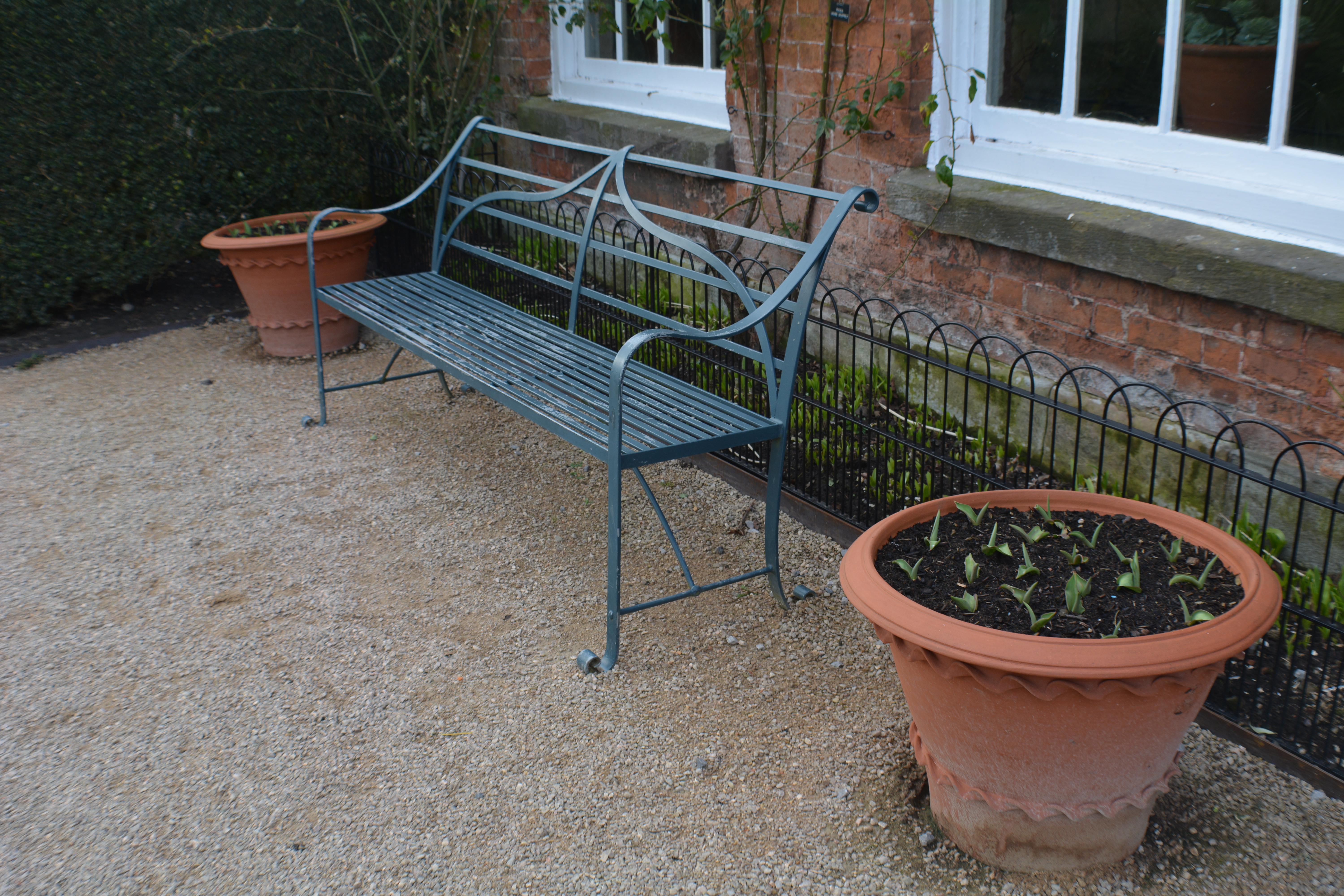
The time has come once again to share with you the latest collection of photographs of garden seats that we have discovered on our visits. This is the fifth in my very occasional series of posts.

The first selection were all found during our visits to Croft Castle in Herefordshire.

2015 02 21_9633 2015 02 21_96352015 02 21_9607 2015 02 21_96162015 01 01_9156 2015 01 01_91482015 01 01_9133

This batch of seats all live in the Bishop’s Garden in the grounds of Wells Cathedral in Somerset.

2014 10 04_5564 2014 10 04_55532014 10 04_5548 2014 10 04_5563

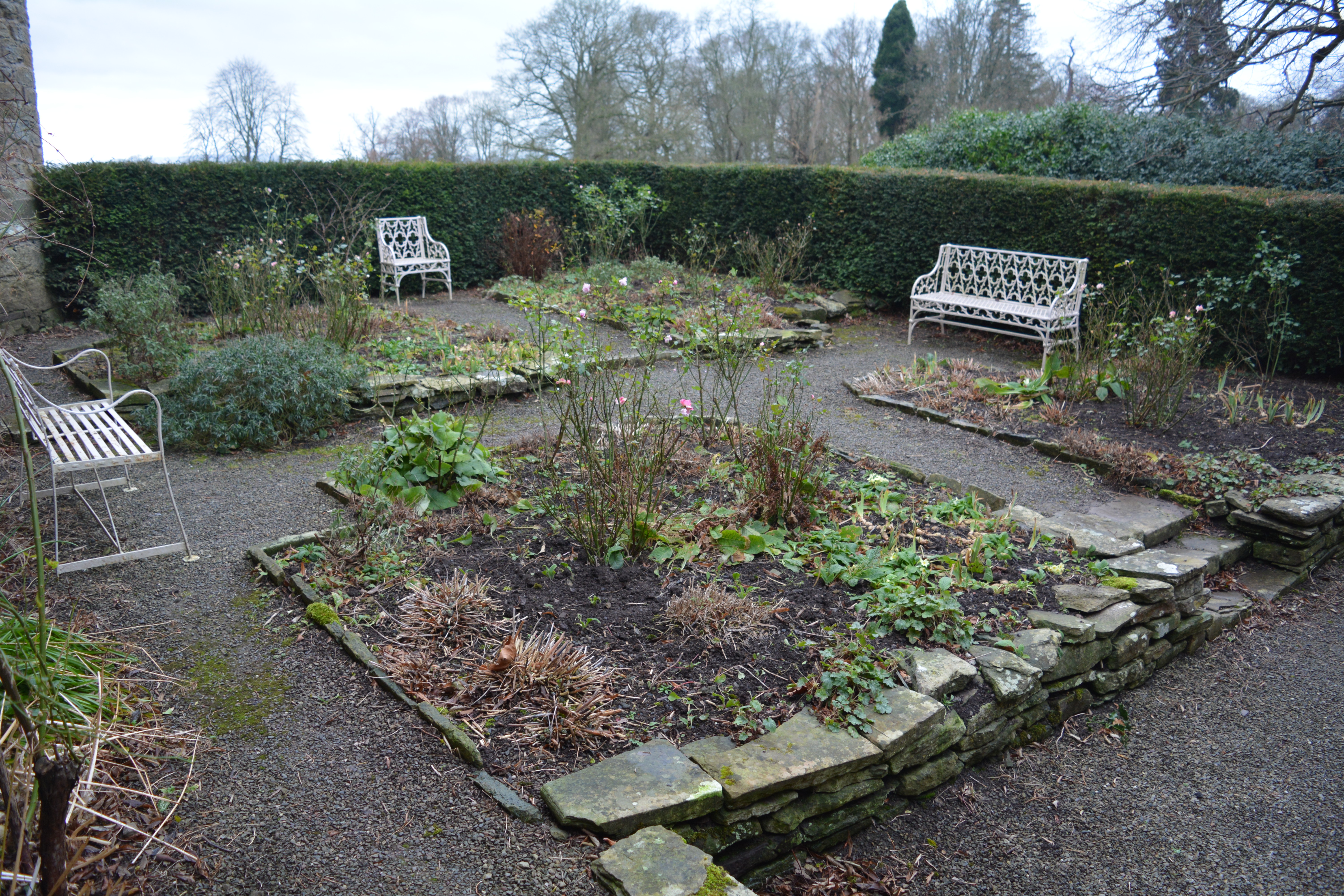
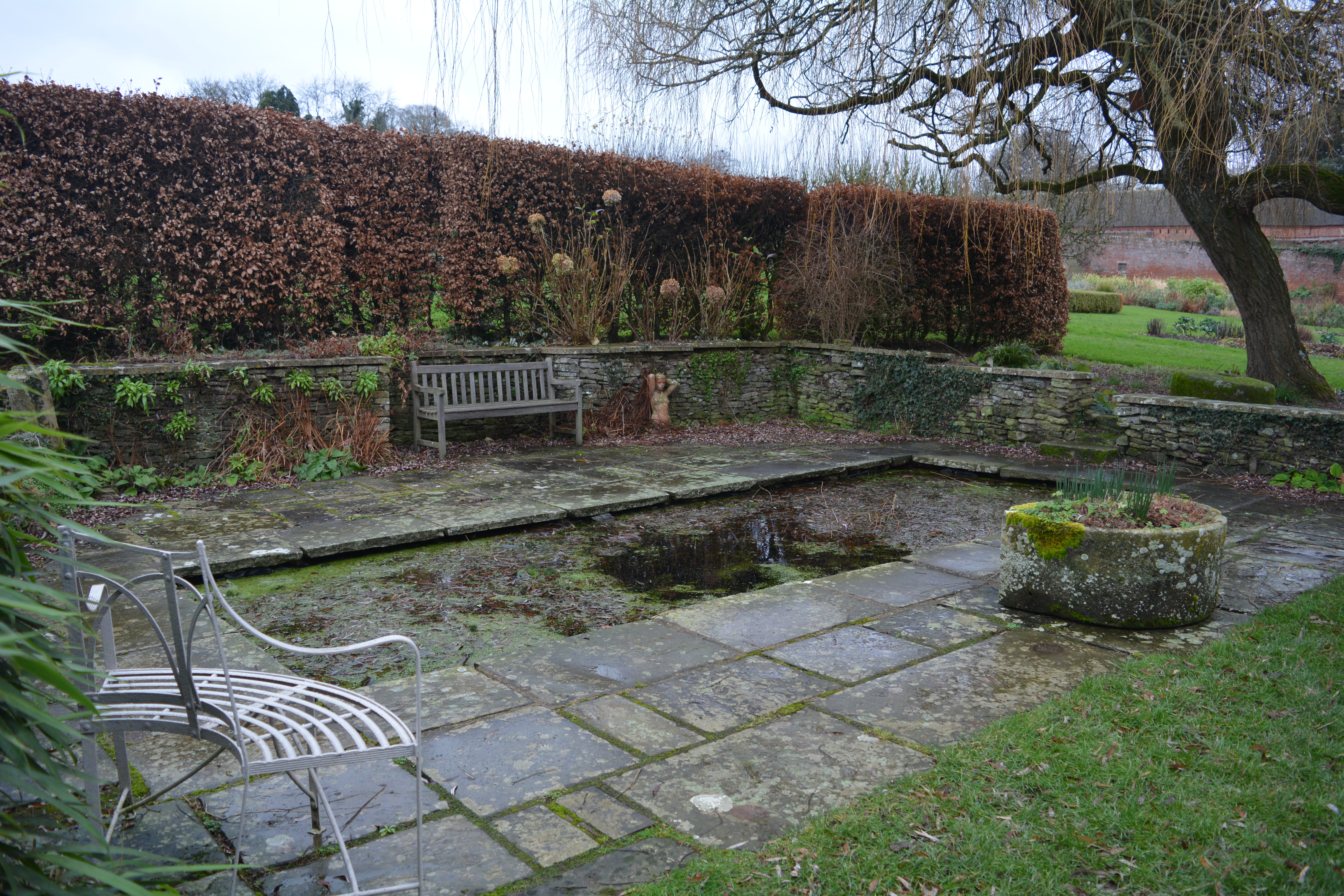
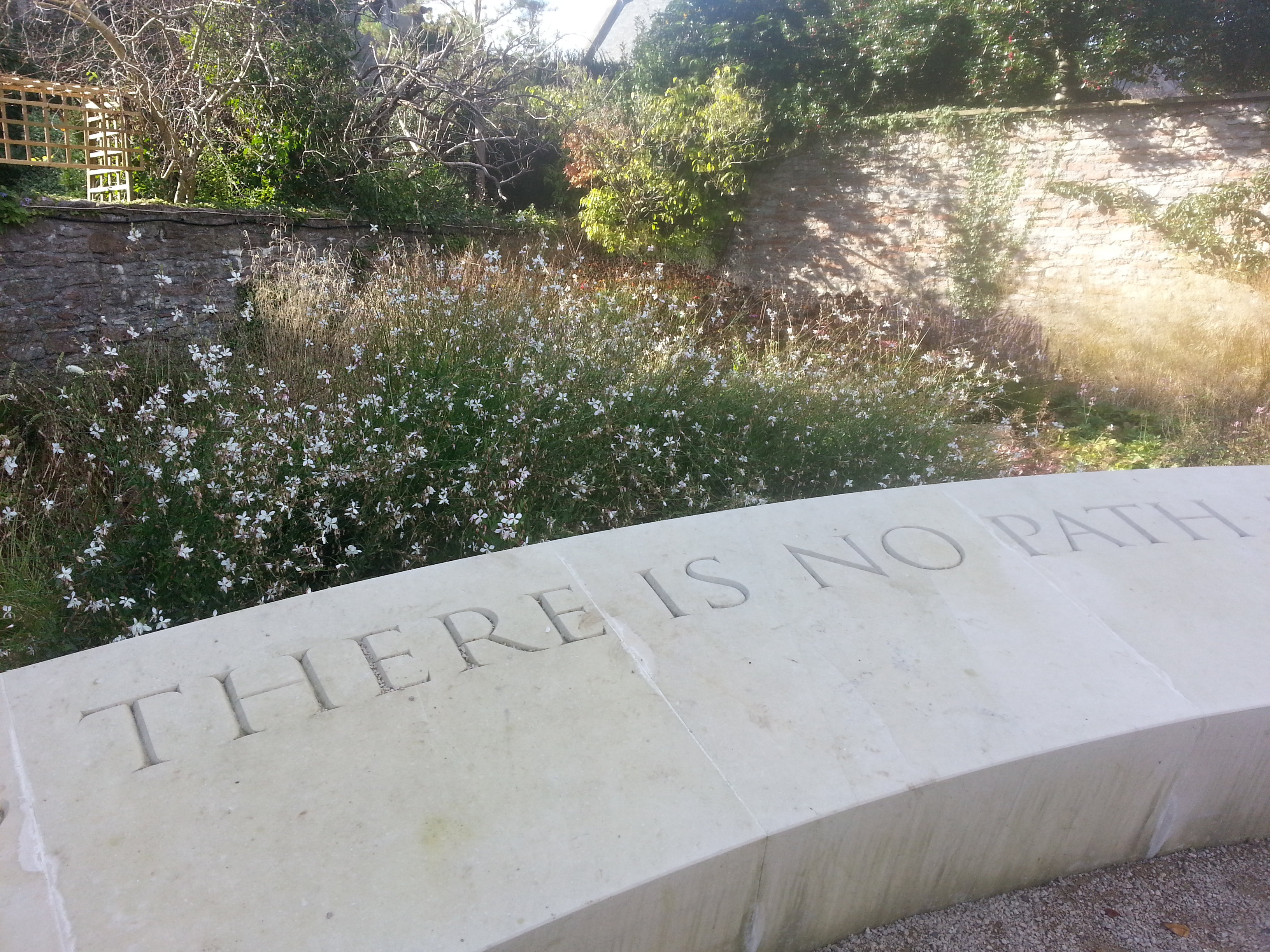
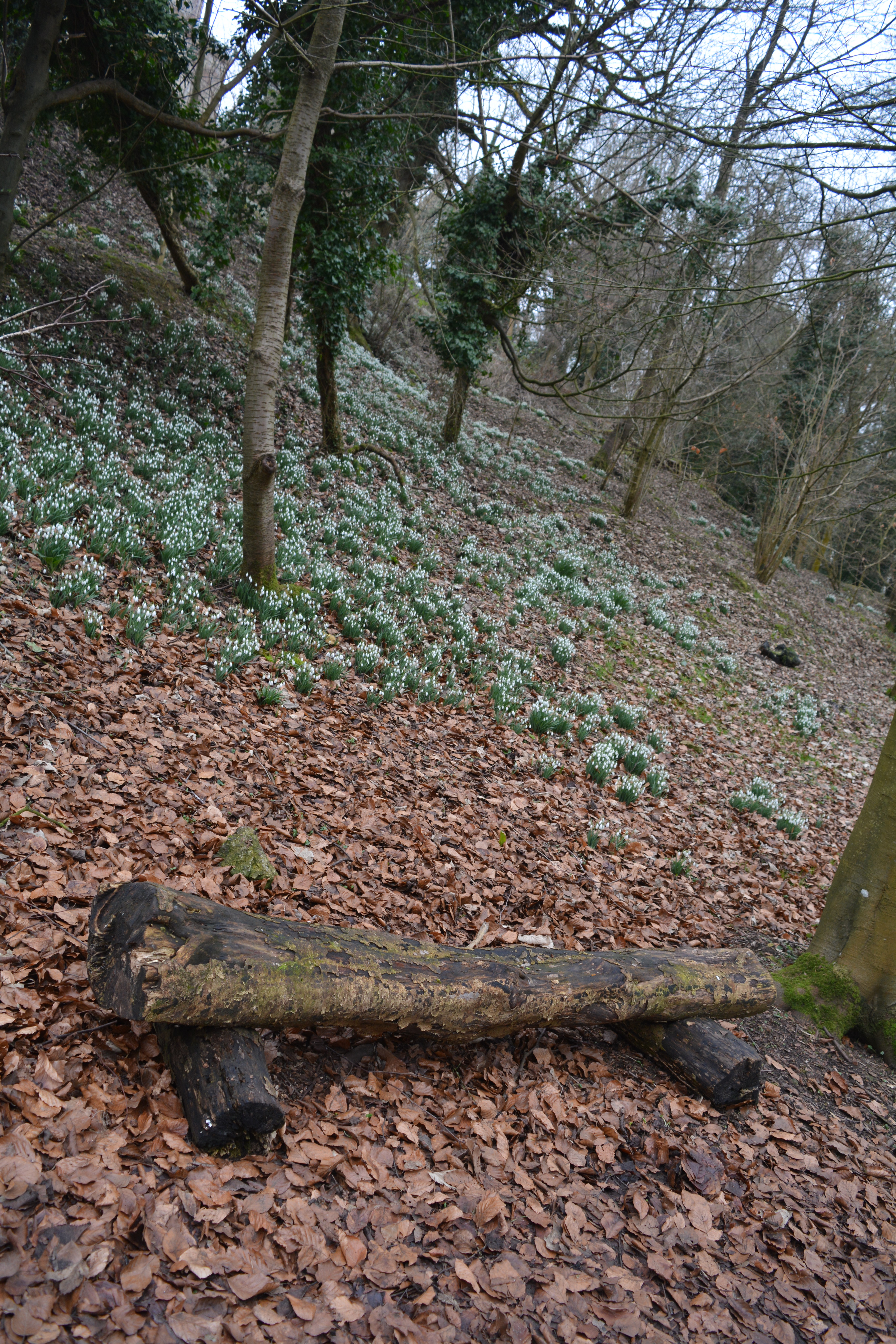
We remain in the South West of England for our next set. In the grounds of the Painswick Rococo Garden we found traditional garden seats of stone, wood and iron in the main gardens but much more rustic seating in the area set aside as a nature reserve.

2015 02 12_9528 2015 02 12_9525 2015 02 12_95262015 02 12_9519 2015 02 12_95292015 02 12_95662015 02 12_9553 2015 02 12_95212015 02 12_9555 2015 02 12_9571 2015 02 12_9523        2015 02 12_9552 2015 02 12_9562

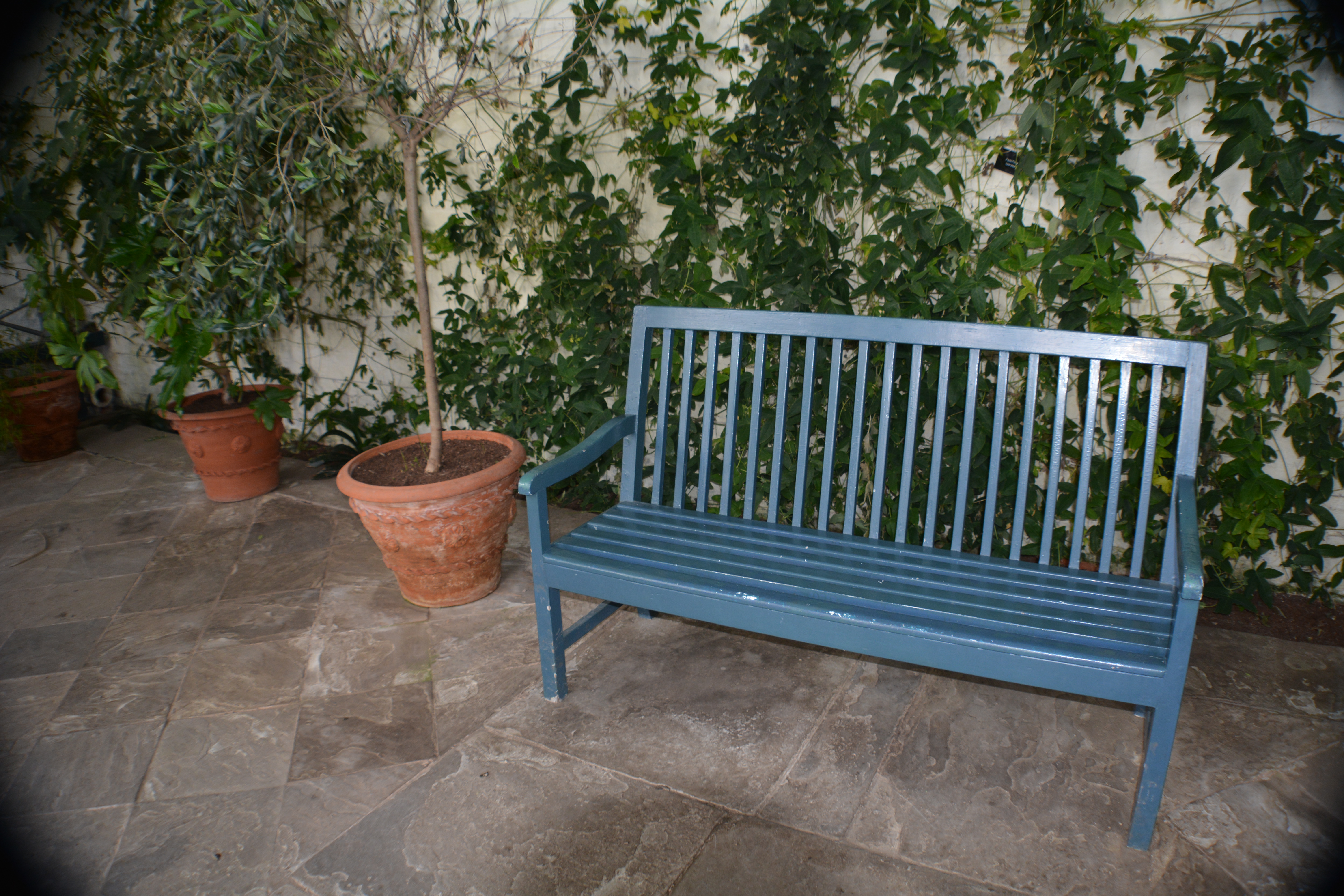
I think I can just squeeze in this little blue job from Dunham Massey in Cheshire.

2015 02 27_9766 2015 02 27_9765

And that is it for the fifth post in my very occasional series about garden seating. One day in the future number six will appear but who knows when? Perhaps when I have found enough interesting seats to sit on that are worth sharing with you.


Categories
flowering bulbs fruit and veg garden design garden photography garden ponds garden pools gardens hardy perennials light National Garden Scheme ornamental trees and shrubs Shropshire South Shropshire spring bulbs spring gardening succulents The National Gardening Scheme" trees water in the garden Yellow Book Gardens

Yellow Book Gardens 2 – Radnor Cottage

Our second visit to an NGS Yellow Book garden for 2015 was just a few days after the first of the year to Bury Court Farmhouse, and was to a garden in South Shropshire near to the village of Clun.

Radnor Cottage sits on a steep hillside with broad views over the countryside. We visited on a bright sunny day with temperatures in the upper teens and this surprising Spring weather brought out lots of garden visitors.

We hadn’t been to Radnor Cottage for many years so really couldn’t remember what to expect. The garden owners described it as a semi-wild woodland garden so the plants of this season looked good in their setting. As we walked slowly up the steep gravel driveway we spotted wetland areas to our right and a mini-arboretum to our left, but we passed these by in search of the sign indicating “TEAS”.

2015 04 07_0454 2015 04 07_0455

While fetching the teas I spotted this bright yellow leaved Berberis which we were pleased to see looked so fresh and lively as we have just planted one in our front garden in the Hot Garden. We enjoyed our tea and cake sat among a vast array of containers planted up with Sempervivums and other cushion alpines.

2015 04 07_0456 2015 04 07_0457 2015 04 07_0458 2015 04 07_04592015 04 07_0474

I have a soft spot for Celandines so I just had to stop for a close look at this double form.

2015 04 07_0461

We began our tour of the garden meandering up a steep slope with typical Spring planting among the close cut grass. We liked the juxtaposition of the formal box balls and the gentle naturalistic planting on the grassed bank. William Robinson would have enjoyed this garden! Species Tulips, Anemones, Muscari and other spring bulbs were to be discovered from the narrow gravel paths.

2015 04 07_0463 2015 04 07_04712015 04 07_0464 2015 04 07_0465 2015 04 07_0469 2015 04 07_04702015 04 07_0466 2015 04 07_0472 2015 04 07_0478 2015 04 07_0479

We found a little veggie patch hidden behind a beech hedge.

2015 04 07_0475 2015 04 07_0476

We then moved back down the drive to explore the wet area with a series of pools beneath old trees. Banks of daffodils flanked the grass paths. These grass paths appeared as we rounded corners presenting a choice of ways to go each time.

2015 04 07_0489 2015 04 07_04922015 04 07_0494 2015 04 07_0481 2015 04 07_04832015 04 07_0482  2015 04 07_0484 2015 04 07_0486 2015 04 07_0490


Leaving the wetland we crossed the gravel drive and entered the mini-arboretum. Buds were bursting and bark glowing in the sunshine.

2015 04 07_0495 2015 04 07_04962015 04 07_0502 2015 04 07_05032015 04 07_0497 2015 04 07_0498 2015 04 07_04992015 04 07_0501   2015 04 07_0504


Apart from the fact that it was on a steeply sloping hillside, we could not remember the garden at Radnor Cottage at all, so it was just as if we were visiting it for the first time.

Categories
colours flowering bulbs garden design garden photography gardens grow your own hardy perennials ornamental trees and shrubs spring bulbs spring gardening The National Gardening Scheme" trees Yellow Book Gardens

Yellow Book Gardens 1 – Bury Court Farmhouse

Our first National Garden Scheme’s Yellow Book garden of 2015 was to Bury Court Farmhouse in the Herefordshire village of Wigmore. We always look forward to our visits to other gardens which open to the public under the auspices of the NGS because of course we open for the Yellow Book too. We were particularly keen to see what other gardens looked like in April as our first opening this year is on 16th April.

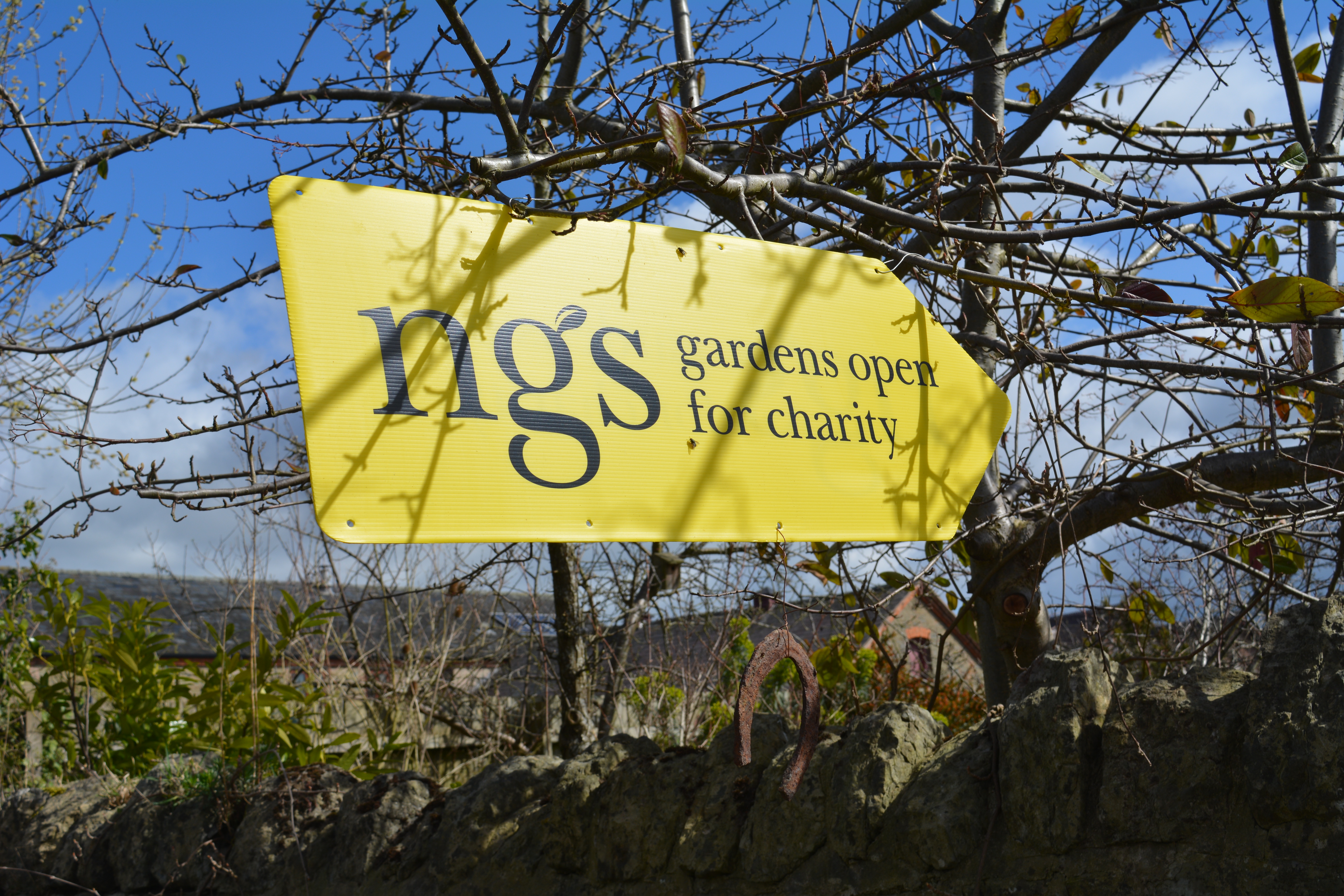
To celebrate our first NGS garden of the year the sun came out and the temperature shot up to 17 degrees way above anything we have so far experienced in 2015. We drove down through the beautiful Shropshire Hills and into Herefordshire a county with such beautiful villages among beautiful countryside. We were directed into a rough grassed car park riddled with muddy puddles. We had to seek out a space for our car among dead farm machinery slowly decaying and being taken over by Mother Nature. A cheerful welcome awaited us at the garden gate. Spot the horse shoe hanging from the NGS sign.

2015 04 05_0370

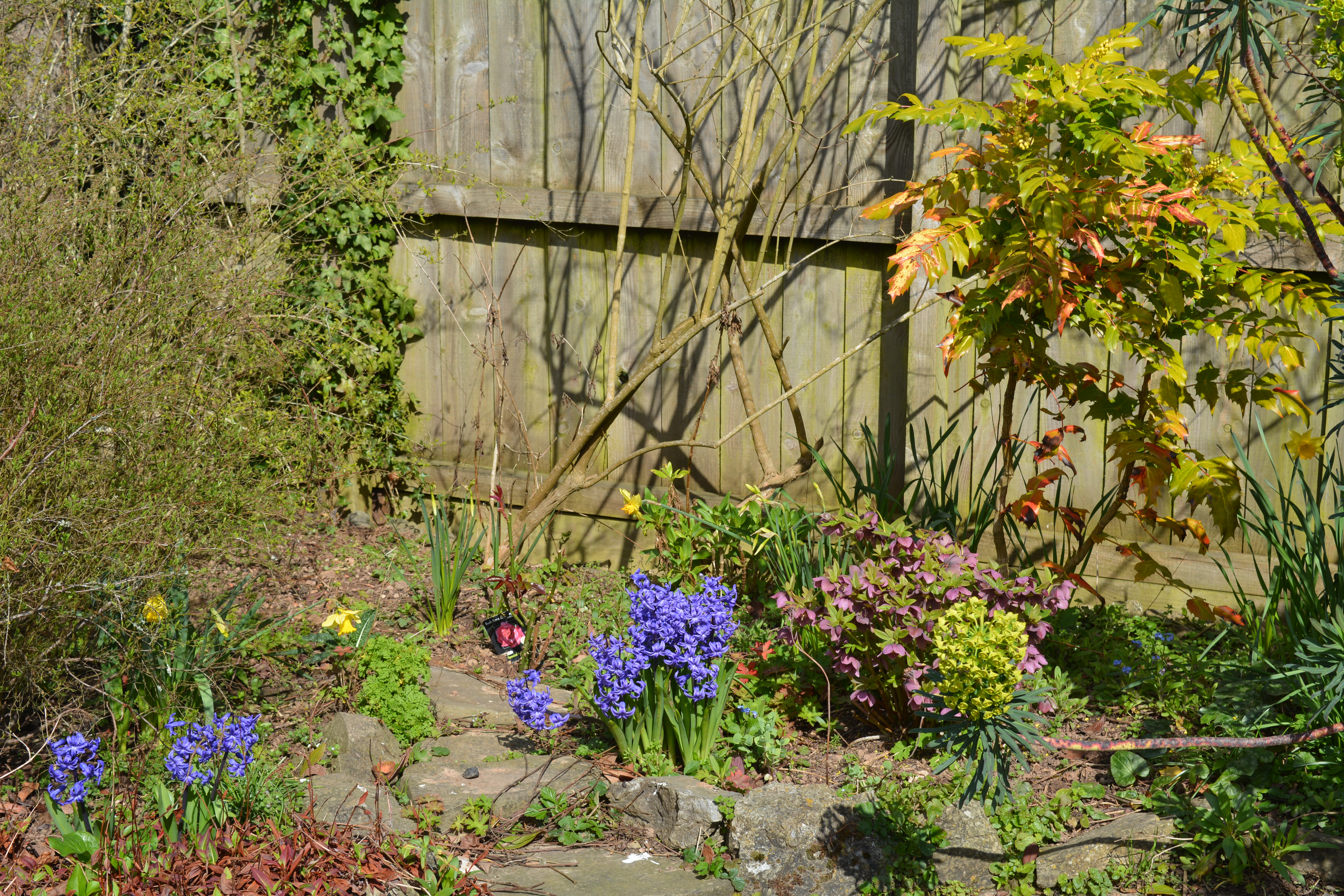
We passed through a five barred gate into a courtyard with narrow borders around its perimeter and a rectangular bed in the centre all planted with cheerful spring bulbs and early flowering perennials and shrubs. Hyacinths, Vincas, Celandines, Doffodils and Tulips.

2015 04 05_0371 2015 04 05_0372 2015 04 05_0373 2015 04 05_0374

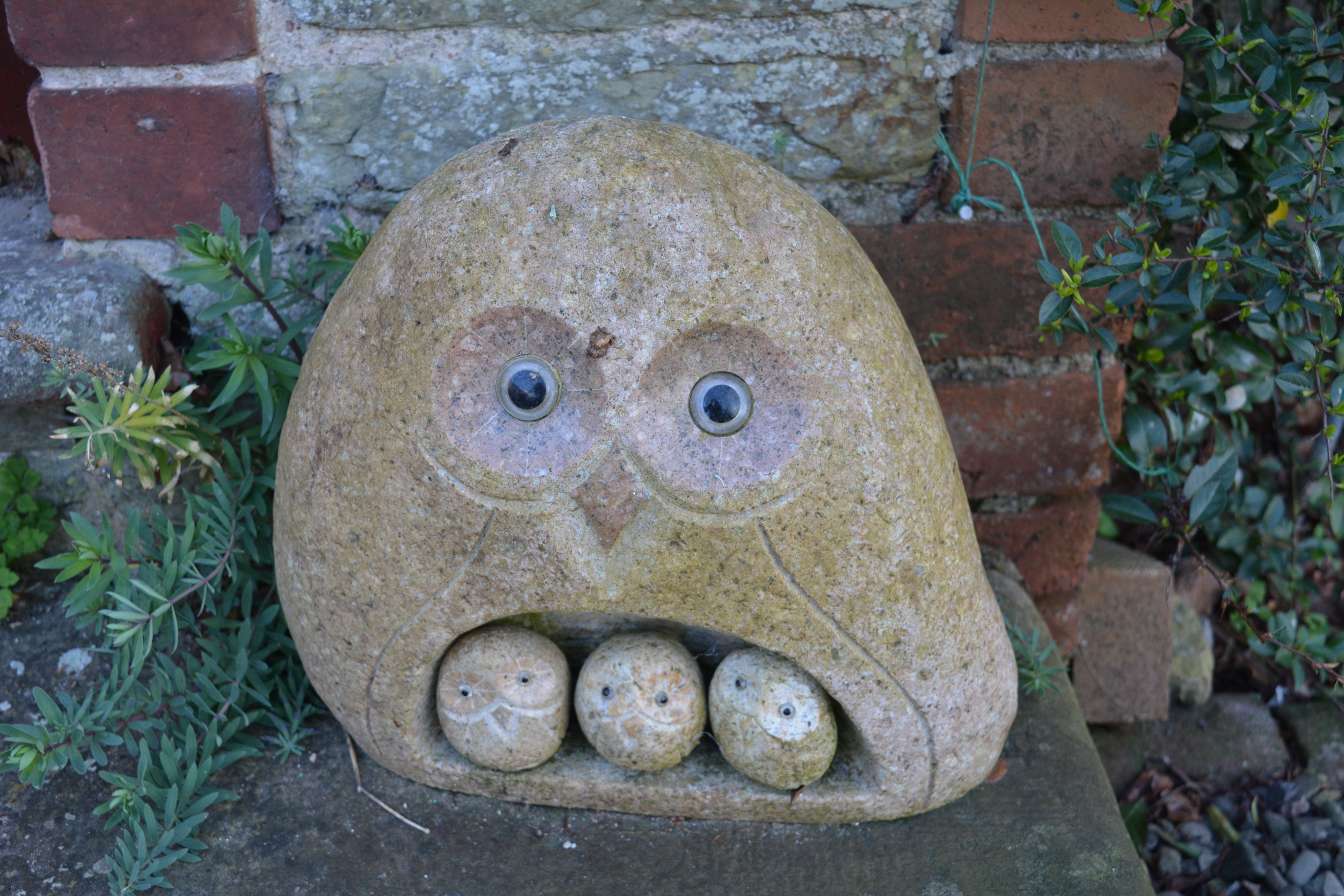
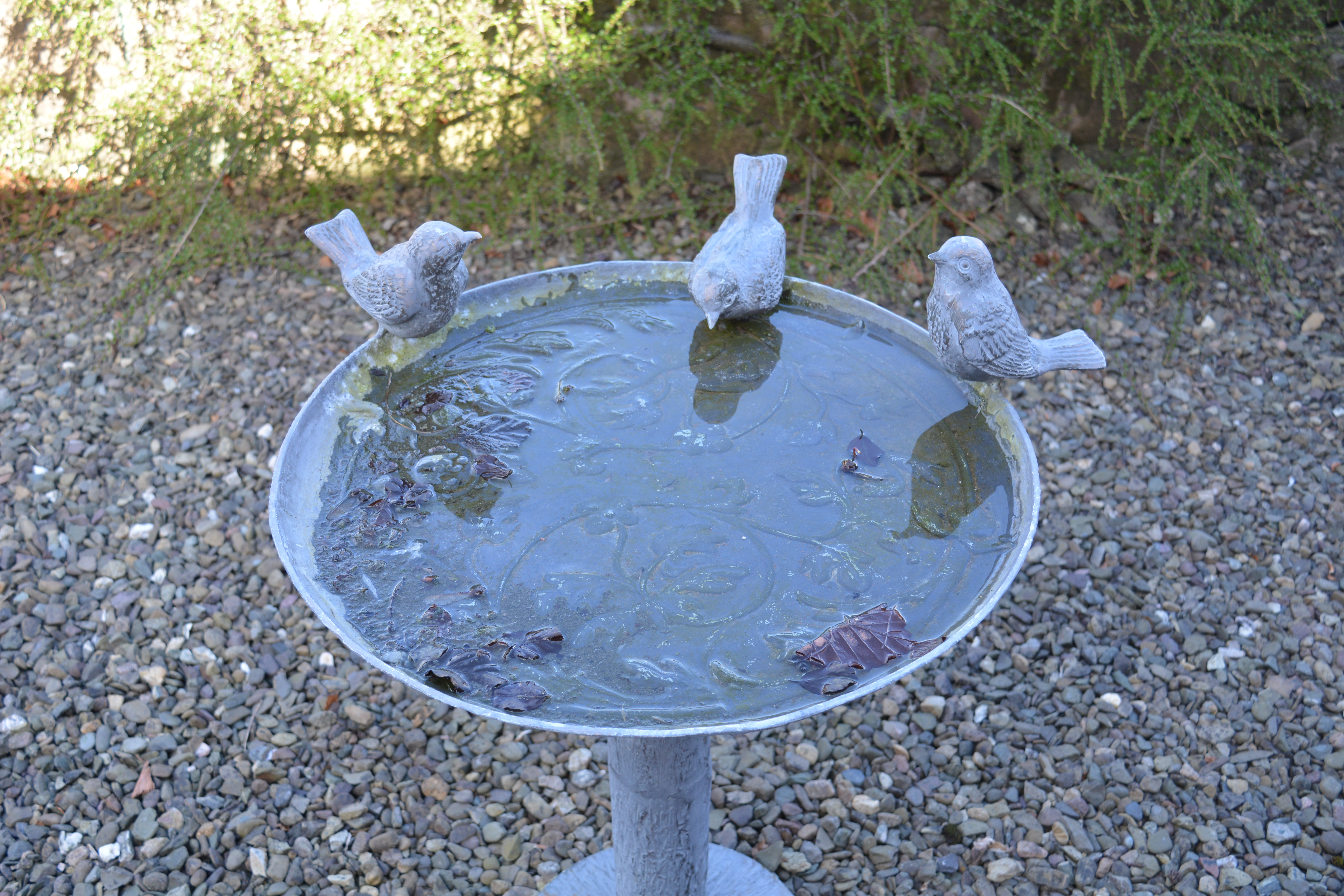
We were amused by the owl family and the bird bath.

2015 04 05_0375 2015 04 05_0376

The garden boasted a small productive patch with leeks and broad beans already growing well and cloches warming up soil for future crops. A lawned area alongside was bordered by a tall hedge which allowed woodland plants to grow in its shade.

2015 04 05_0377 2015 04 05_0378 2015 04 05_0379 2015 04 05_0380 2015 04 05_0381 2015 04 05_0382 2015 04 05_0383

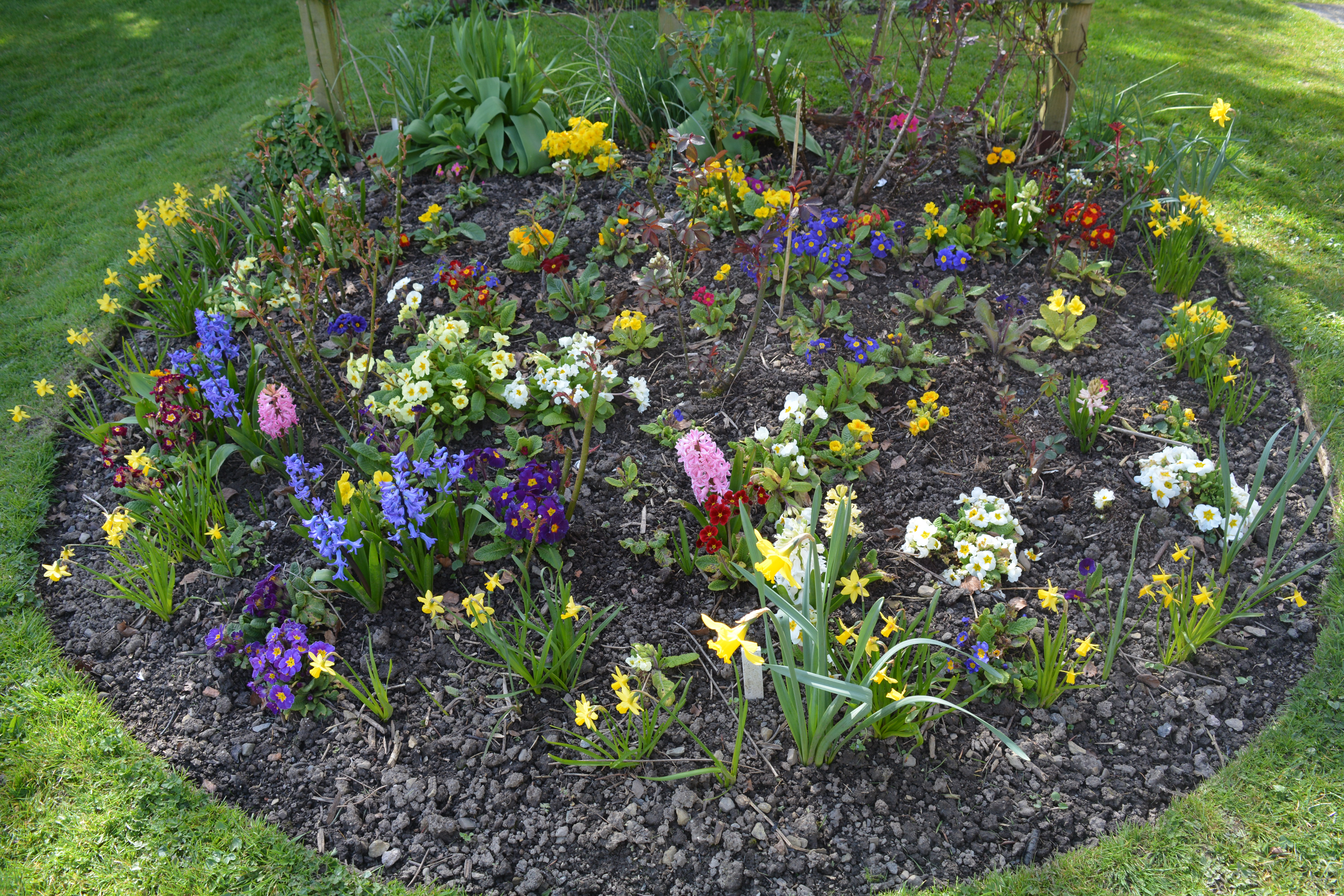
At the front of the house was a large sunny lawn with island beds full of brightly coloured spring flowering plants. Primroses, Primulas and bulbs especially Hyacinths and Narcissi.

2015 04 05_0385 2015 04 05_0386

This beautiful bronze statue of a hare was basking in the sunshine among blue Anemones.

2015 04 05_0387

The borders around this sunny lawn were truly mixed borders with herbaceous planting, shrubs and trees giving interest at every level.

2015 04 05_0388 2015 04 05_0389 2015 04 05_0390 2015 04 05_0391 2015 04 05_0395 2015 04 05_0396 2015 04 05_0397 2015 04 05_0400 2015 04 05_0404 2015 04 05_0405 2015 04 05_0406

Right in the centre of this lawned area was a clue to the original use of the imposing stone built building in the centre of the garden. It had originally been a farm growing apples to make cider. The photos below show the mill stone that would have been used to crush the cider apples. Ponies were used to pull the stones around a groove.

2015 04 05_0409 2015 04 05_0410  2015 04 05_0412

2015 04 05_0413 2015 04 05_0414 2015 04 05_0415 2015 04 05_0416 2015 04 05_0392_edited-1 2015 04 05_0411

So our first Yellow Book garden of 2015 was certainly worth a visit with its cheerful planting and it served very nice tea and cakes!


Categories
Cheshire colours flowering bulbs garden design garden photography gardening gardens gardens open to the public light light quality National Trust ornamental trees and shrubs shrubs spring bulbs The National Trust trees Winter Gardening winter gardens

Winter Wonderland at Dunham Massey – part two

2015 02 27_9737_edited-1

Welcome back to the National Trust property Dunham Massey in Cheshire where earlier this year we enjoyed our annual exploration of their wonderful Winter Gardens. No winter flowering plant can have more presence than Cornus mas, the Cornellian Cherry.

2015 02 27_9725_edited-1

Better known perhaps are the Witch Hazels with their flowers of yellow, orange and red which glow like fire in the slightest brightness of the winter sun.

2015 02 27_9774 2015 02 27_9727_edited-1

Deep inside their brightest of ribbons of petals deep secrets hide, revealed only when the petals fall.

2015 02 27_9775 2015 02 27_97762015 02 27_9777_edited-1

In part one of this two part visit to Dunham Massey I shared with you my love of the biscuits and browns, the last of life from the previous seasons. Now I will share some more beautiful details in close up, using a close-up attachment on my Nikon. It really brings out the importance of structure and the richness hidden in these modest colours.

2015 02 27_9771 2015 02 27_97722015 02 27_9729_edited-1

Amazingly exactly the same colours are there to be found in the bark of a winter garden’s trees.

2015 02 27_9773 2015 02 27_9722_edited-1 2015 02 27_9750_edited-12015 02 27_9723_edited-1

On some old flowerheads from last year, especially the Hydrangeas, the dominant colour is bone white which does look good too!

2015 02 27_9744_edited-12015 02 27_9746_edited-12015 02 27_9745_edited-1 2015 02 27_9747_edited-1

As we wandered around the Winter Garden paths which meander among the borders we kept getting glimpses of a shrub which looked to be still in its Autumn coat. We couldn’t get close enough to see what it was so before leaving we sought it out and discovered it to be a Mahonia of the japonica/bealii type but we were not sure which one and it wasn’t labeled. Below is the photo I took to show its bright “autumn” colours against the intense dark greens of surrounding evergreens.

2015 02 27_9785

Naturally I must finish off this double dose of winter beauty where I began, singing the praises of white barked birches! Singing their praises through the lens of my camera!

2015 02 27_97832015 02 27_9718_edited-1 2015 02 27_97882015 02 27_9780 2015 02 27_97862015 02 27_9715_edited-1


Categories
Cheshire colours flowering bulbs garden design garden photography gardens gardens open to the public irises light light quality National Trust ornamental trees and shrubs shrubs spring bulbs The National Trust trees Winter Gardening winter gardens

Winter Wonderland at Dunham Massey – part one

We are in the habit of visiting the gardens of the National Trust property, Dunham Massey, especially since their Winter Garden has matured. We tend to visit in February. This year we made our annual pilgrimage on a sunny, mild day right at the end of the month.

The new visitors centre of glass and wood gives a fresh new welcome and these beautiful etchings in the glass feature throughout. They set the atmosphere to prepare you for the wonderful winter garden.

2015 02 27_9709

On the walk to the garden we passed this dead tree now cut down and the wood used to create a wildlife habitat. Brilliant idea!

2015 02 27_9710

As soon as we had taken our first steps in the garden we could see what we could expect, with this border of coloured stemmed shrubs, Cornus “Midwinter fire” and Rubus thibeticanus against a background of ilex crenata and a mixture of conifers.

2015 02 27_9711

A few paces further on and the large numbers of white stemmed birches, Betula utilis “Dorenbos” appeared like a ghostly forest, with a carpet of Snowdrops adding to the atmosphere. You must know by now how much I love Betulas so you can imagine how planting them on this scale impresses me deeply. They enticed me to try out my new wide angle attachment on the Nikon. Not too sure about the vignetting on this one though!

2015 02 27_97142015 02 27_9713 2015 02 27_9717

There was much more than white coloured plants to look at! And some lovingly selected plant partners.

2015 02 27_9719 2015 02 27_97202015 02 27_9769

Not all the trees here in the winter garden were Birch either, there was plenty of room for others like this Prunus serrula and Acer griseum.

2015 02 27_9751 2015 02 27_9721 2015 02 27_9728

As in any well-designed winter planting coloured stems are very potent, especially Cornus and Salix.

2015 02 27_9734 2015 02 27_9733

But of course there were plenty of flowering plants to give us colour in the gloomiest of months, flowering bulbs, shrubs and even a few perennials.

2015 02 27_9730 2015 02 27_97312015 02 27_9732 2015 02 27_9736

In some areas we  stopped to appreciate the beauty of an individual plant or even a single bloom but in others it was the sheer mass of planting that impressed.

2015 02 27_9740 2015 02 27_9741 2015 02 27_9762 2015 02 27_9770

Other fresh growth provided interest without any colour other than browns and biscuits.

2015 02 27_97382015 02 27_9739 2015 02 27_97482015 02 27_9757

Of course it is more natural to think of these lovely warm biscuits and browns when we consider the growth that was green or brightly coloured last year. And I love these colours when they are a result of decay and age as much as any other colour in the garden. Enjoy this little collage of brown and biscuit!

2015 02 27_97422015 02 27_97492015 02 27_97522015 02 27_97532015 02 27_97542015 02 27_9758


Thinking about winter of course we mustn’t let the berries in their gaudy reds and oranges get missed out.

2015 02 27_9759 2015 02 27_97602015 02 27_9764

Sometimes the beauty was hidden behind a haze. In the pictures below you need to look through the thin mist and the reflective surface of water.


2015 02 27_9761  2015 02 27_9763


Categories
allotments bird watching birds community gardening conservation diy garden buildings garden photography garden ponds garden pools garden wildlife gardening gardens irises log piles natural pest control recycling renovation Shropshire trees

The wildlife pond and hide at BAC – part one

When Bowbrook Allotment Community first opened we had a old farm pond on our boundary fence but it was fenced off and we had no access to it. After a few years though as the site was extended on the pond side it was integrated into our gardens and the town council put a low security fence around it with a lockable gate. We then had to wait for it to be released into our care which finally happened early in the winter of 2014. This is the story of what we have done to it so far and about our plans for its future.

Diggers came in and scooped out all sorts of rubbish thrown into the pond by the farmer over the years, rusted coils of barbed wire, rotting fence posts, old metal fences, branches and boughs of trees. The old puddled clay layer was exposed and smoothed off. The aroma was disgusting! Sadly there was little sign of plant or animal life in the pond. At least all this disturbance didn’t upset the wildlife, the birds soon returned to the trees.

2015 03 04_9790

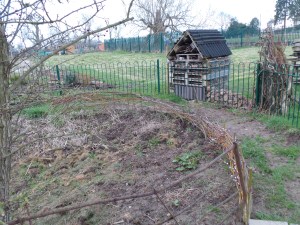
As a community garden determined to increase the biodiversity in our 6 acres there was no question that it would become a wildlife pond. To begin with we had to recontour the area between the pond itself and the fence to make passage around it easier and safer. It was hard graft and took a lot of volunteer hours to get it done.This will enable us to keep a path mown all the way around the pond for maintenance and enjoyment. But first we must rotavate the pathway to prepare it for grass seed sowing as soon as the weather allows.

You can see from the group of photos below the area we have to work with and the work we have done so far, the lopping of the trees, the path leveling and the preparation of the bog garden. The pond itself is about 20 x 10 metres and the marshy patch about 8 x 7 metres so pretty impressive! And then there is a margin area varying in width between just over a metre to about 4 metres. W have set ourselves a mammoth task! But we have allowed ourselves a year to get it right. So far things are moving along much more quickly than anticipated as opportunities have come our way.

2015 01 18_9352-1

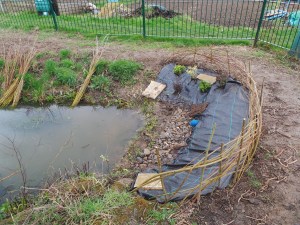
The next photo shows the bog area at the end of the pond where the drainage pipes from adjacent farm land brought the water into the pond. This was a steep sided marsh area with a tiny stream meadering through it. We have piped the water below the area now and re-contoured the sides to make it safer. This area will be planted with native and other wildlife attracting plants such as King Cup, Liatris, Yellow Flag and Flowering Rush.

2015 01 18_9353-1

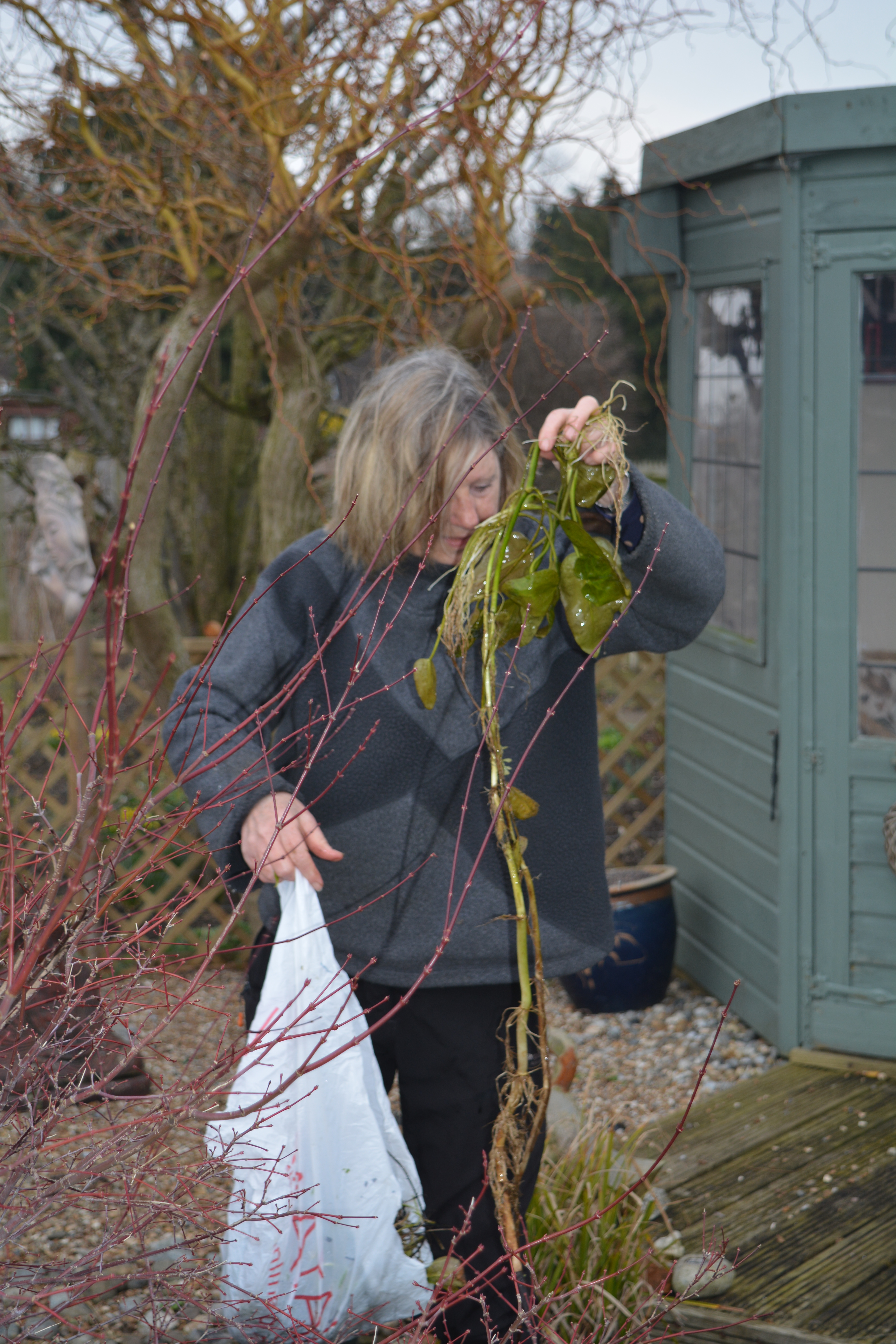
We have recently started the planting and will soon be adding far more. Some we will get as donations from our members and neighbours but others we will get from local nurseries once they have got their stocks out. So far we have planted different sorts of Irises, Water Mint, Water Forget-me-Not, Bog Beans and oxygenators. The first pair of pics shows Jude collecting plants from our pond at home and the second pair shows Sherlie planting some in the new pond.

2015 03 17_0035 2015 03 17_0034

2015 03 16_9942 2015 03 16_0007

Several mature Ash trees surround the pond so some surgery was required to let more light in and help plants grow healthily. The bough below was slowly collapsing right over the water across to the far bank so caused us great concern. We had to cut it before it fell! We need to look after the health and safety of our members. I shall show this work in part two.

2015 03 16_9993

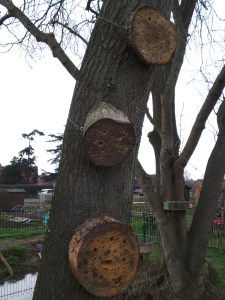
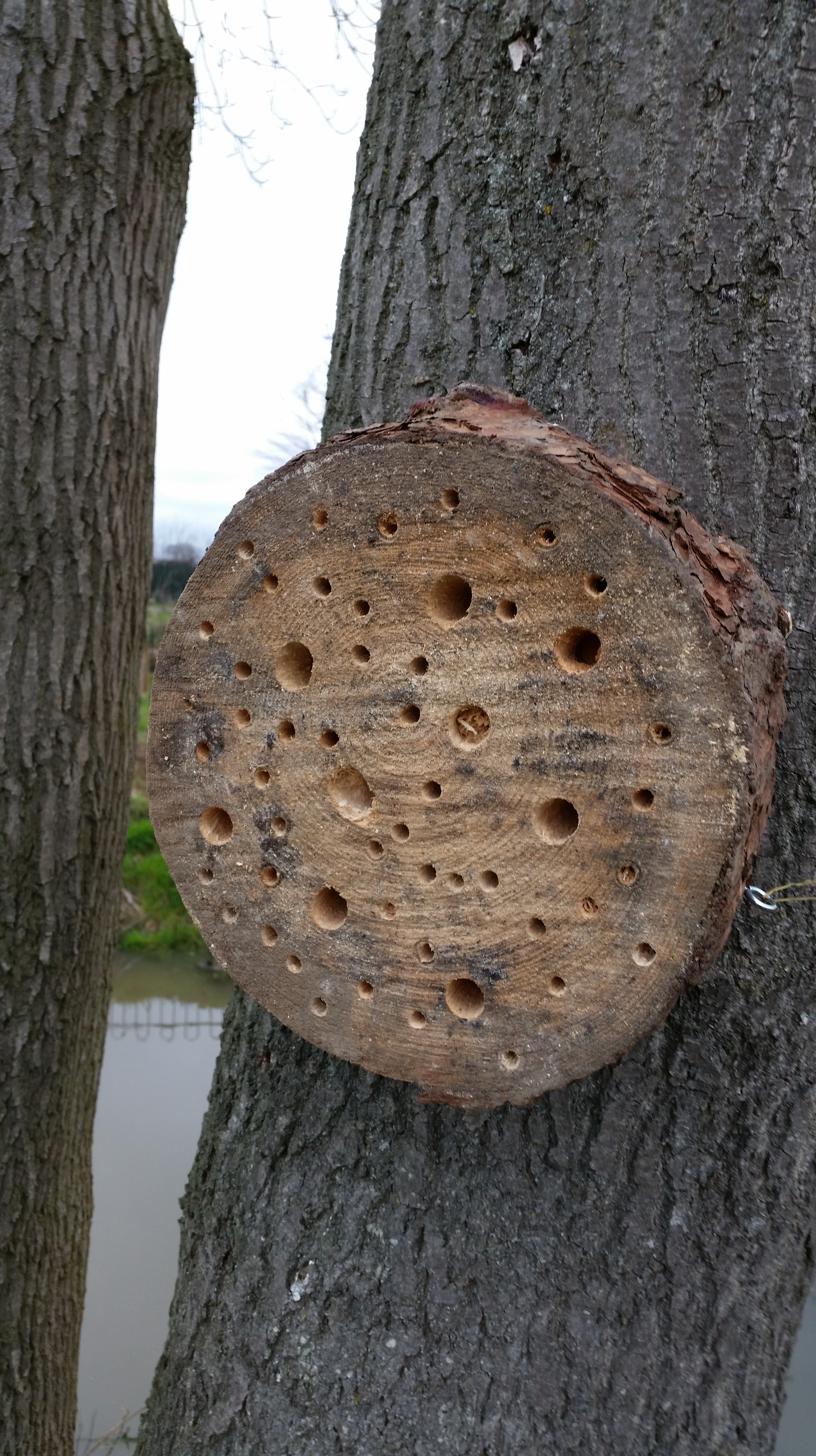
We have put up nest boxes, created a bird feeding station and are creating lots of mini-beast and amphibian habitats. Several are up in the group of Ashes that border one end of the pond.

2015 02 26_9670 2015 03 16_9991 2015 03 16_99852015 03 16_99862015 03 16_9995

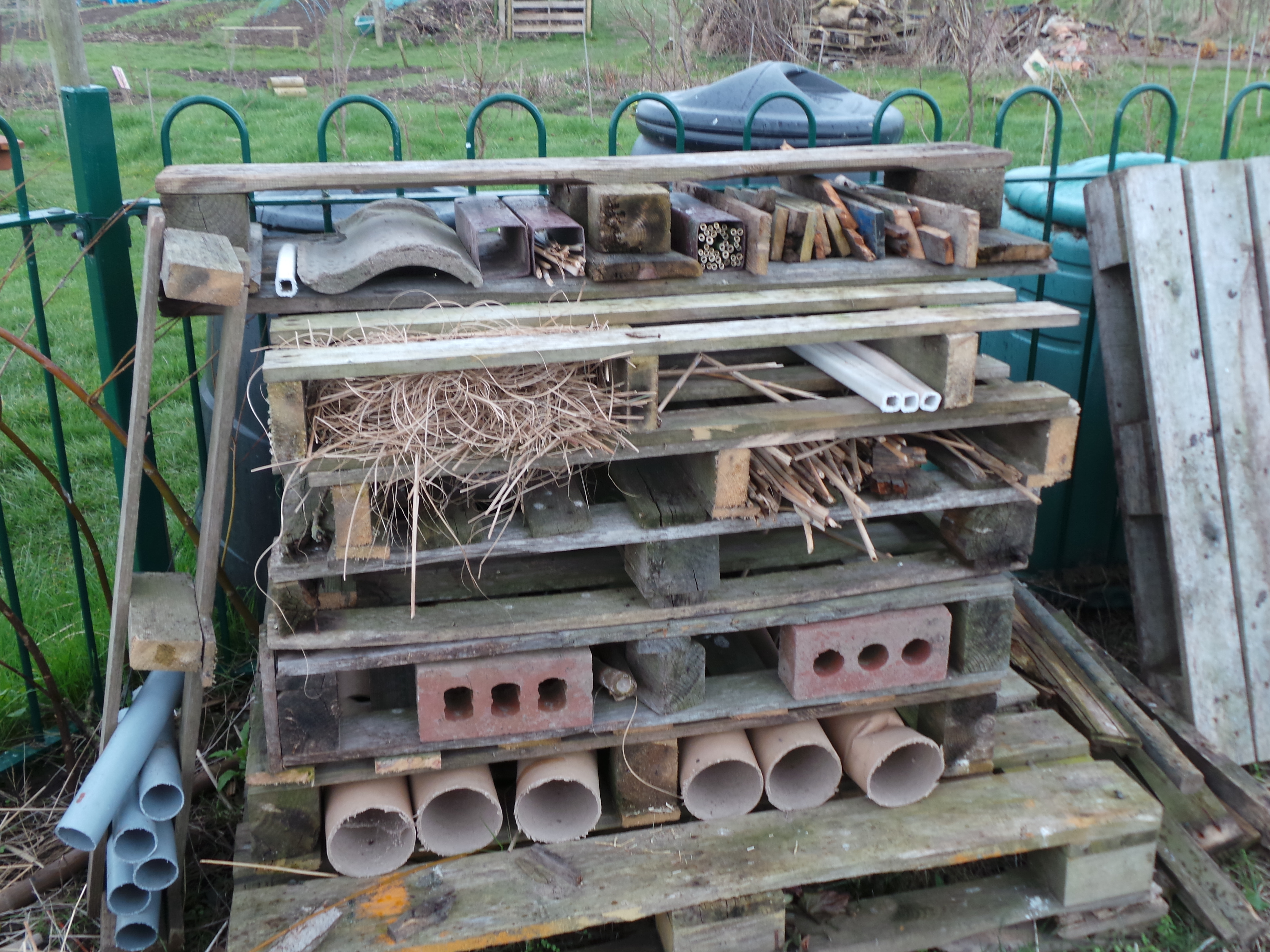
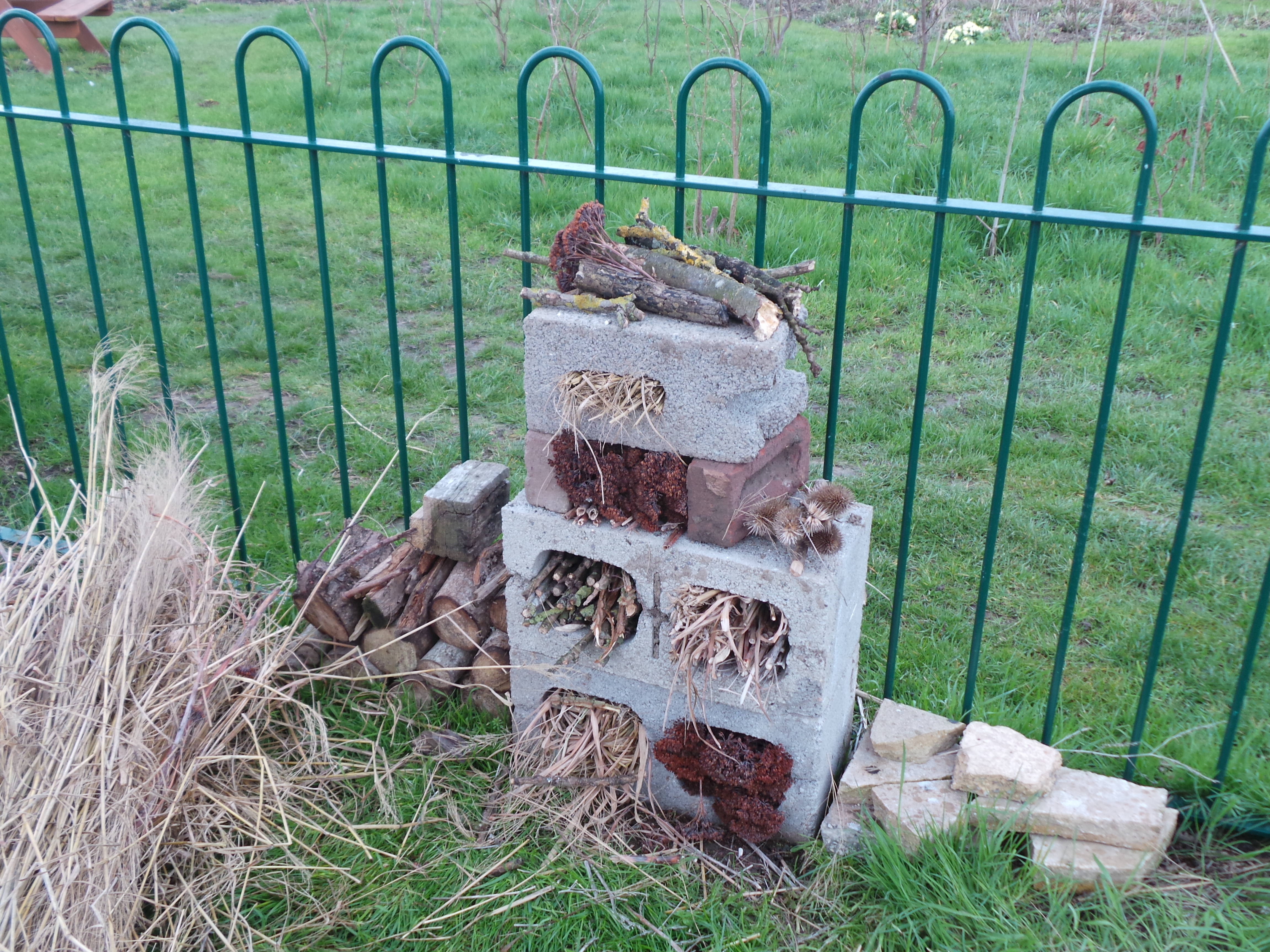
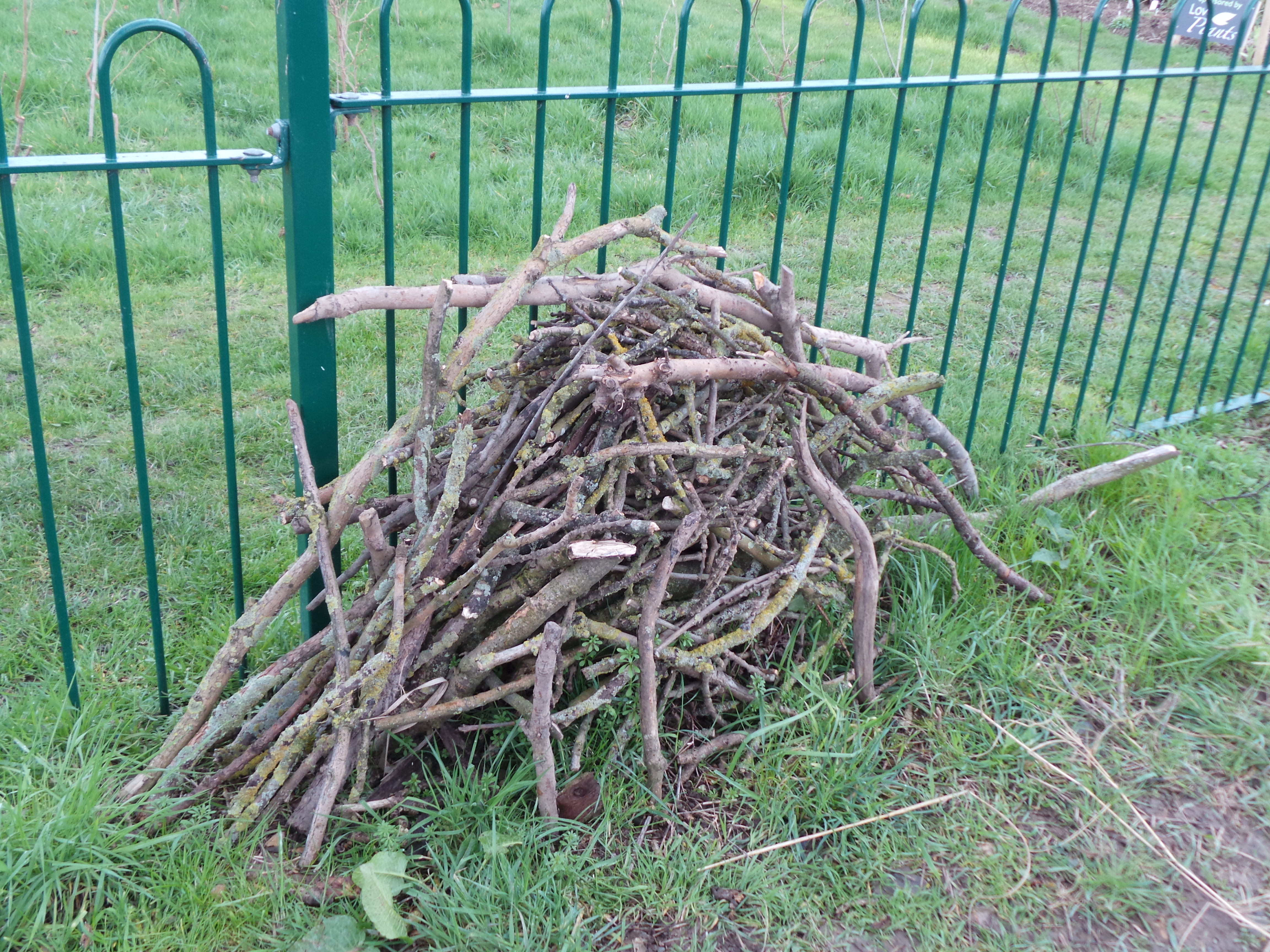
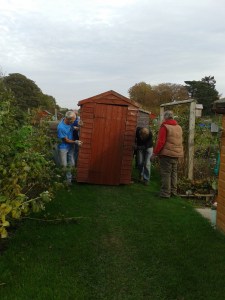
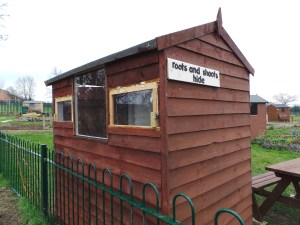
We have created extra wildlife habitats and shelters along the perimeter fence creating them from recycled items and natural materials. 2015 03 16_99872015 03 16_9988 2015 03 16_9989          Probably one of the most exciting elements of the whole project has been the creation of a bird hide for the children to use. This began as a battered old shed donated to us by a plot holder and transformed into a rather fine hide complete with a noticeboard for recording,some identification charts and a small library of identification books. Two plotholders, Sean and his dad Vince volunteered to carry out the conversion and soon other family members joined in. The finished hide was way beyond our expectations as they managed to fit a kneeling bench down the one side to enable children to look through the hatches they had constructed. For wet days when the hatches need to stay closed they added a perspex window. All this from my very simple plans and drawings!

Here we are moving the old shed from one side of the site to the other in true Roman style, rolling it along on round stakes. It proved a great adventure as it kept trying to change shape and the door constantly flew open.

2014 12 08_8466 2014 12 08_8468

And here is the shed now transformed into a hide, just like the ugly duckling turning into a swan. The rest of the story of how the transformation came about will be in part two.

2015 03 16_0004  2015 03 16_0005

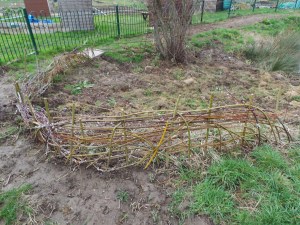
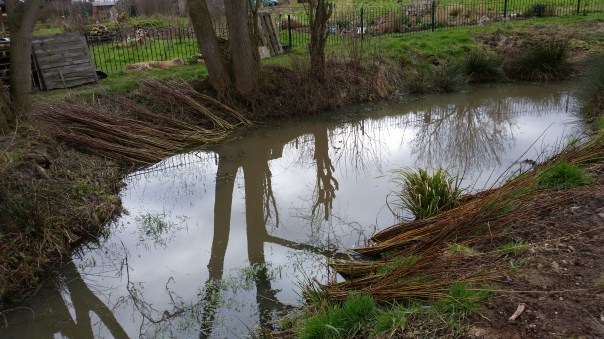
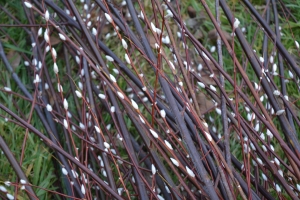
Wherever the pathway gets close to the bank we have planted a low boundary hedge from willows harvested on site and have woven whips of different coloured willows from the brightest yellow to the darkest black  through it. Similarly at the outlet end where water drains to prevent flooding, we have a steep area bank which we have given a similar low willow fence and we are slowly planting up the slopes with small ground covering shrubs that also attract bees, butterflies and hoverflies.

2015 03 16_9998 2015 03 16_00022015 03 16_0000 2015 03 16_9983


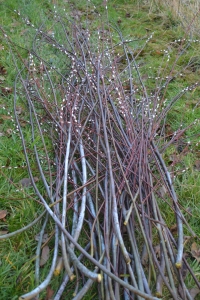
We stored the willow prunings we had after coppicing and pollarding our “Withy Bed”. The photo shows these awaiting action and illustrate just how many colours of willow we have to play with

2015 02 26_9667 2015 02 26_96682015 02 26_9669

A recent job was to make barley straw pouches to drop in the water to help keep down the growth of algae and blanket weed – a good organic solution. Look closely at the picture below to see if you can spot one.

2015 03 09_9802

We know there are some critters who are looking forward to us finishing or at least being somewhere near a livable place for them. the resident group of Weasels, our Mallard families and the site’s frogs. We must pamper to their needs as they entertain us and do much of our pest controlling.

2014 11 28_7933 2014 12 08_85932015 02 28_9789_edited-1 20150207_141312

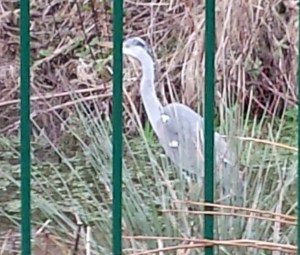
The bird in the fourth of the above photos though arrived amid mixed feelings from us all. Our Grey Heron is most definitely a handsome bird but he is a threat to our fish. We have a small population of native Rudd in the pond brought in as eggs on the feet of the ducks. Sadly until we get some plant cover for them to seek refuge beneath they will soon be wiped out by the Heron. The photo was taken on a member’s mobile phone through our green fence.

In part two we will look at details of how the hide ended up, some of our tree surgery work and the adventures we had putting in our duck tube.


Categories
colours flowering bulbs garden photography garden ponds garden pools garden wildlife gardening grasses hardy perennials light light quality ornamental grasses ornamental trees and shrubs recycling Shropshire spring bulbs spring gardening trees wildlife Winter Gardening winter gardens

My Garden Journal – February

Here we are with part two of my post featuring my garden journal, where we can look at what was going on in our garden in February.

2015 03 13_9852_edited-1

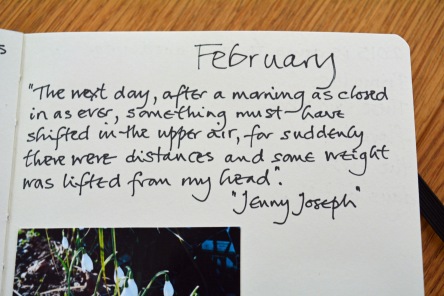
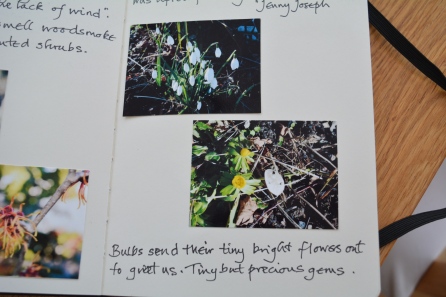
The first entry in my Garden Journal for February shares another quote from Jenny Joseph, “The next day, after a morning as closed in as ever, something must have shifted in the upper air, for suddenly there were distances and some weight was lifted from my head.” The first photos in this month’s journal were of startlingly white Snowdrops. “Bulbs send their tiny bright flowers out to greet us. Tiny but precious gems.” was my accompanying note.

2015 03 13_9853

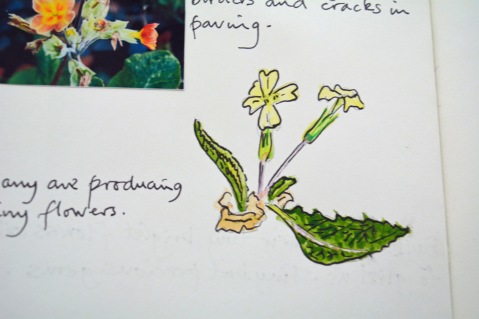
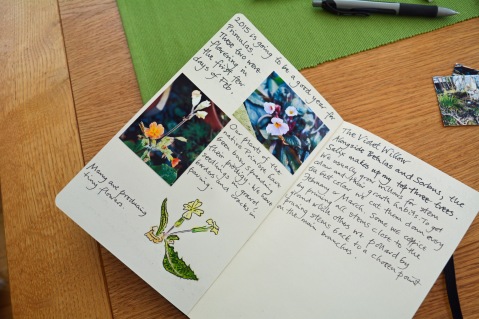
I also featured Primulas this month, “2015 is going to be a good year for Primulas. These two were flowering in the first days of Feb. Our plants of the native Primrose have been busy spreading their prodigy. We have seedlings in the gravel, in borders and in cracks in paving. Many are producing tiny flowers.”

2015 03 13_9855_edited-1

2015 03 13_9854_edited-1

The first day of the new month was spent in the garden and what a wonderful day we had. A bonus day outside in mid-winter is so welcome. We pruned the climbing roses, trimmed down the old growth of perennials to reveal the fresh green shoots eagerly waiting to burst into growth with the onset of Spring. The plant that never fails to impress is the Sedum with its virulent fresh growth waiting thickly at the base of last year’s cut down stumps.

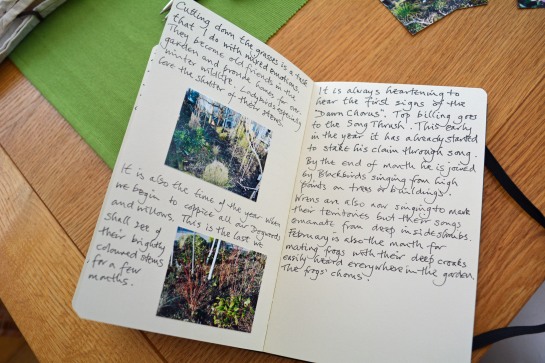
The tall elegant stems of grasses are now cut close to the ground after their winter display. Even the gentlest of breezes has encouraged them to dance, their stems swaying stiffly but gracefully and their seed heads far more fluent in their dances. They will soon be back. In my journal I noted “Cutting down the grasses is a task I do with mixed emotions. They become old friends in the garden and provide homes for over-wintering wildlife. Ladybirds especially love the shelter of their stems.”

2015 03 13_9856_edited-1

We like the month of February, as both Jude the Undergardener and I suffer from S.A.D.(seasonally adjusted disorder)  and mid way through February we can spot a change in the light and literally feel an improvement in light quality and with it an improvement in our mood. I am sure the garden feels the same as all that future growth waits underground to burst forth and all those buds lie waiting on the resting bare branches of the deciduous trees and shrubs.

Birds are showing signs of getting themselves prepared for the rituals of spring that awaits them. Blue Tits are exploring nest boxes already with two boxes already held by two pairs. Collared Doves, those invaders to our shores, entertain us by filling the sky with their acrobatics designed to impress their mates. They fly diagonally backwards into the air!

In my journal I wrote “It is always heartening to hear the first signs of the “Dawn Chorus”. Top billing goes to the Song Thrush. This early in the year it has already started to stake his claim through song. By the end of the month he is joined by Blackbirds singing from high points on trees or buildings. Wrens are also now singing to mark their territories but their songs emanate from deep inside shrubs.”

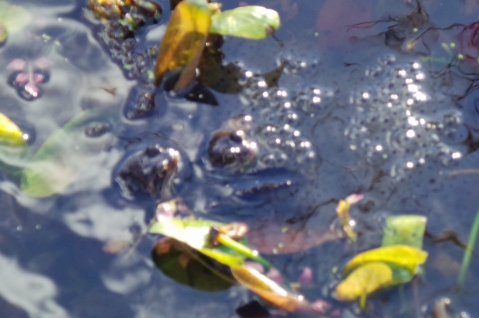
Our attention is drawn to the wildlife pond from mid-February onwards as it is around this time that we start to hear the deep croaks of the male frogs calling the females in to join them in the water. One evening coming in from the garden we made a plan to clear the leaves and any winter debris from the pond the next day before the first frogs arrived. But  they beat us to it for as we went into the garden to do just that a pair of mating frogs was in residence and close by lay a large glob of spawn. Our job became more difficult as we tried not to disturb their nuptials. My journal notes “February is also the month for mating frogs with their deep croaks heard from everywhere in the garden, “The Frogs’ Chorus!” We love frogs in the garden where they act as great pest controllers. Some move into the greenhouse once they leave the pond and work in there for us too. Free labour!

2015 02 28_9789_edited-1

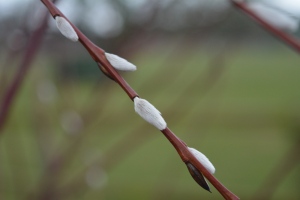
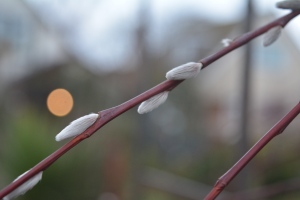
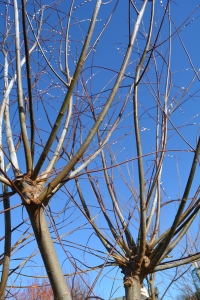
We can still enjoy the coloured stems of Cornus and Salix and the coloured textured trunks of the trees. The Betulas glow white with hints of silver, cream or salmon, while the Prunus serrula shines gold and brown. The brightest of all though must be Cornus “Midwinter Fire”. Late in this month however we begin the task of coppicing and pollarding, hard pruning to give us bright new stems with brighter colours in the year to come. My journal says, “It is also the time of year when we begin to coppice all our Dogwoods and willows. This is the last we shall see of their brightly coloured stems for a few months.” I move on to make special mention of the Violet Willow of which we have a trained multi-stemmed pollarded specimen which holds a great presence in the garden at every time of the year.

The photos below illustrate how its many colours vary with the changing light.

2015 02 17_9597-1 2015 02 17_9596-12015 02 17_9579-1 2015 02 17_9580-1

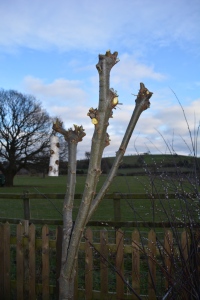
These shots show the before pruning and after pruning images, so you can see how hard we prune them down. We certainly need our strong, sharp loppers for this job.

2015 02 17_9581-1 2015 02 17_9582-1

The final pictures illustrate just how much wood is removed and shows the colours of the branches. All this material will be used for making plant supports and will be useful when we make a willow dome for some friends’ garden in a week or so (look out for a post about this). This is a fine example of recycling in action in the garden.

2015 02 17_9585-1 2015 02 17_9584-1

We shall make the next visit to my garden journal in the month of March which we hope is full of the promise of spring.


This Veggie Life

A Vegetarian | Nature Lifestyle Blog

Rambling in the Garden

.....and nurturing my soul

The Arch City Gardener

Journeys In St. Louis Gardening and Beyond

Garden Dreaming at Châtillon

Consult the genius of the place

Storyshucker

A blog full of humorous and poignant observations.

gardeninacity

Notes from a wildlife-friendly cottage garden

PlayGroundology

...an emerging social science

The Official Blog of British Wildlife

'The most important and informative publication on wildlife of our times' - The Independent. This blog is a member of The UK & Ireland Natural History Bloggers group: www.uknhb.blogspot.com

iGrowHort

Inspire - Cultivate - Grow Native Plants - Restore Landscapes

Bishops Meadow Trust

To create and protect a semi-natural wild space for the people of Farnham to enjoy and experience an array of British wildlife in our town

Gardening with Children

The www.gardeningwithchildren.co.uk Blog

UKbirdingtimeline

birding through the seasons, why birds matter and how to conserve them

NATURE WALKER

with a camera in hand

Jardin

Transform your outdoor space

Eva's space

My allotment, cooking and other interests

Old School Garden

my gardening life through the year

LEANNE COLE

Trying to live a creative life

fromacountrycottage

trying to live as lightly as possible on our beautiful planet

Good Life Gardening

Nature lovers from Leicester living the good life.

mybeautfulthings

Finding the beautiful in the everyday

mawsonmichelle

Michelle's Allotment

In and Out of My Garden

thoughts from and about my garden

Greenhousing

Big plans for a small garden

The Scottish Country Garden

A Walled Country Garden in South East Scotland

The Fruity Chicken

Life at the fruity chicken

willowarchway

Off grid living. Self sufficient. "PERMAGANICS RULE".

St Anns Allotments

Nottingham's Grade 2* Listed Allotments and Community Orchard

Manifest Joy Harvests

a journey in suburban vegetable gardening

Allotmental

The madness of growing your own

Penny's Garden: a harvest beyond my front door

A novel approach to vegetable gardening

arignagardener

Sustainable living in the Irish countryside.

NewEnglandGardenAndThread

Master Gardener, amateur photographer, quilter, NH native, and sometimes SC snowbird

dianajhale

Recent work and work in progress and anything else that interests me

planthoarder

a chaotic cottage gardener

Lens and Pens by Sally

a weekly blog that creates a personal philosophy through photographs and words

Dewdrops and Sunshine

Stories from a sassy and classy Southern farmbelle.

The Pyjama Gardener

Simple Organic Gardening & Seasonal Living

gettin' fresh!

turning dirt into dinner

JOY...

today the world is created anew

Garden Birds

Notes from a Devon garden

ShootAbout

Life Through The Lens

Adapting Pixels

A photography blog showcasing the best photography pictures and videos on the internet

Wildlifegardening's Blog

Just another WordPress.com site

naturestimeline

personal observations from the natural world as the search continues for a new approach to conservation.

LATEBLOOMERBUDS

The Wonders of Life through my Eyes, my Heart, my Soul